The Ziegfeld Follies was a series of elaborate theatrical revue productions on Broadway in New
York City from 1907 to 1931, with renewals in 1934 and 1936. They became a radio program in
1932 and 1936 as The Ziegfeld Follies of the Air.
Founding and history
Inspired by the Folies Bergère of Paris, the Ziegfeld Follies were conceived and mounted by
Florenz Ziegfeld Jr., reportedly at the suggestion of his then-wife, the stage actress and
singer Anna Held. The shows’ producers were turn-of-the-twentieth-century producing titans
Klaw and Erlanger.
The Follies were a series of lavish revues, something between later Broadway shows and the
more elaborate high class vaudeville and variety show. The first Follies was produced in 1907
at the roof theatre Jardin de Paris.
During the Follies era, many of the top entertainers, including W. C. Fields, Eddie Cantor,
Josephine Baker, Fanny Brice, Ann Pennington, Bert Williams, Eva Tanguay, Bob Hope, Will
Rogers, Ruth Etting, Ray Bolger, Helen Morgan, Louise Brooks, Marilyn Miller, Ed Wynn, Gilda
Gray, Nora Bayes and Sophie Tucker appeared in the shows.
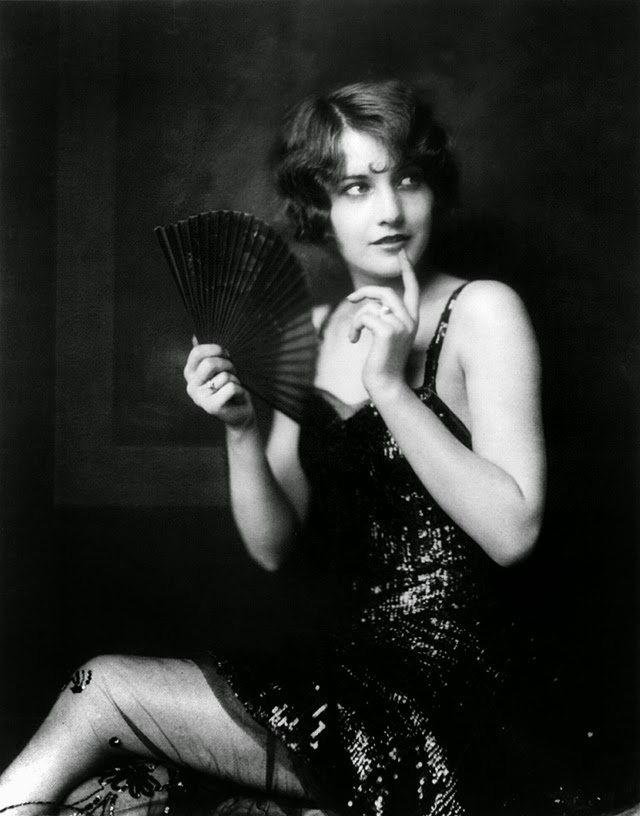
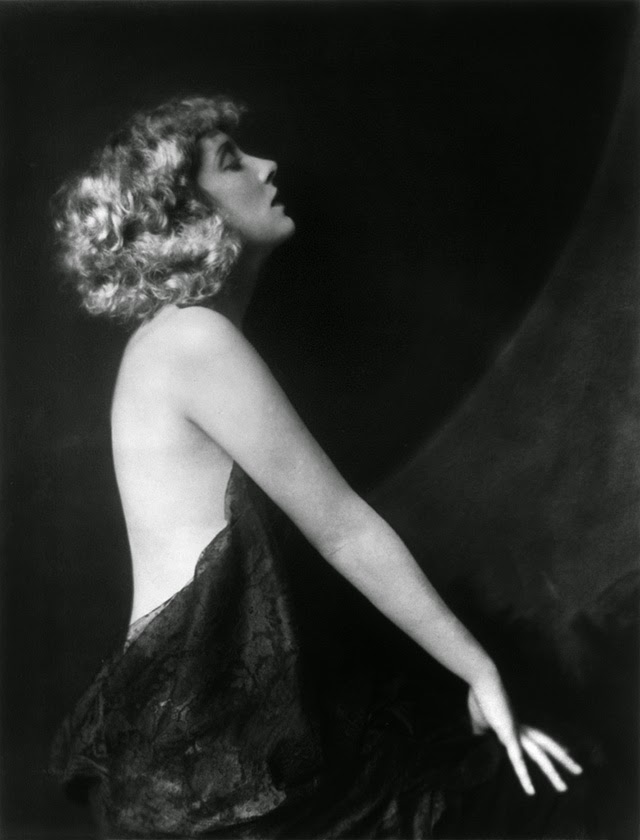
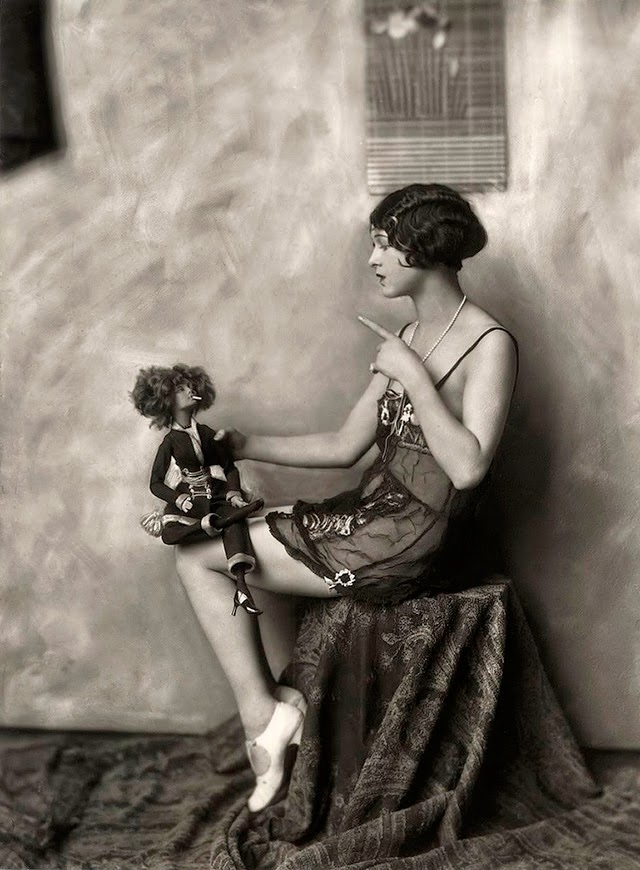
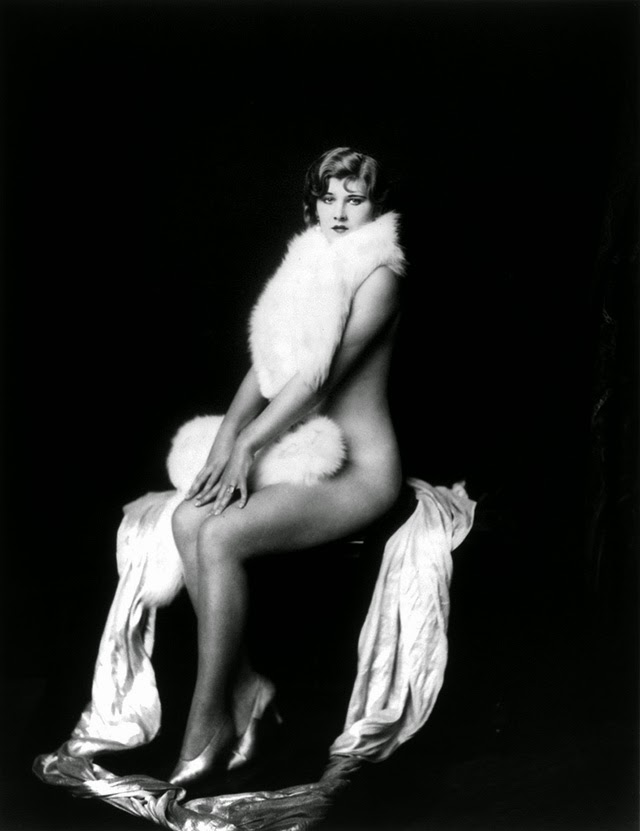
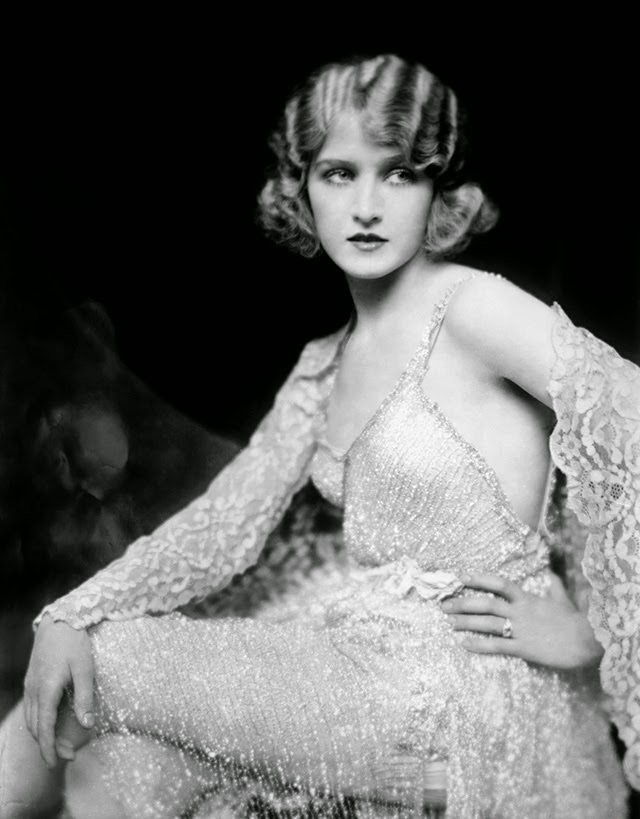
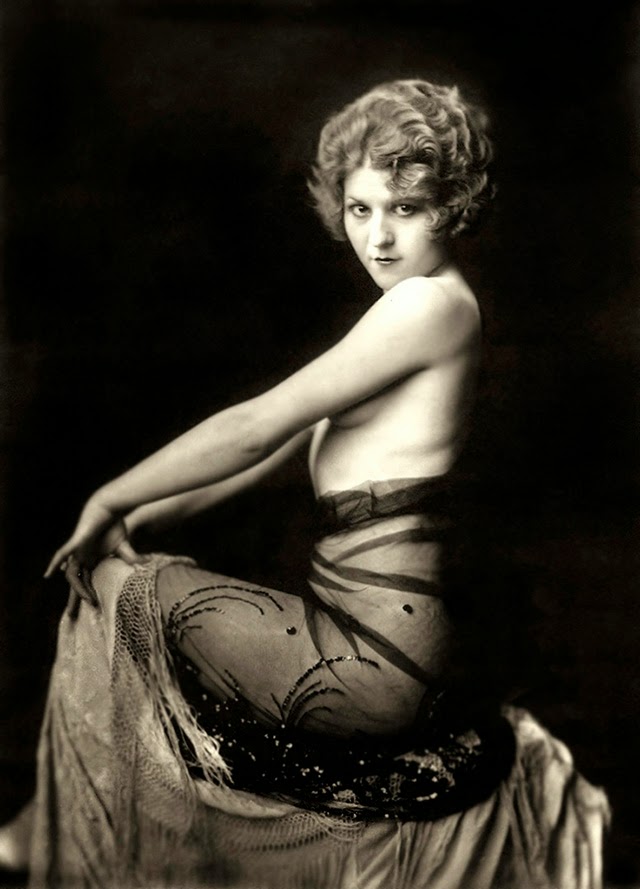
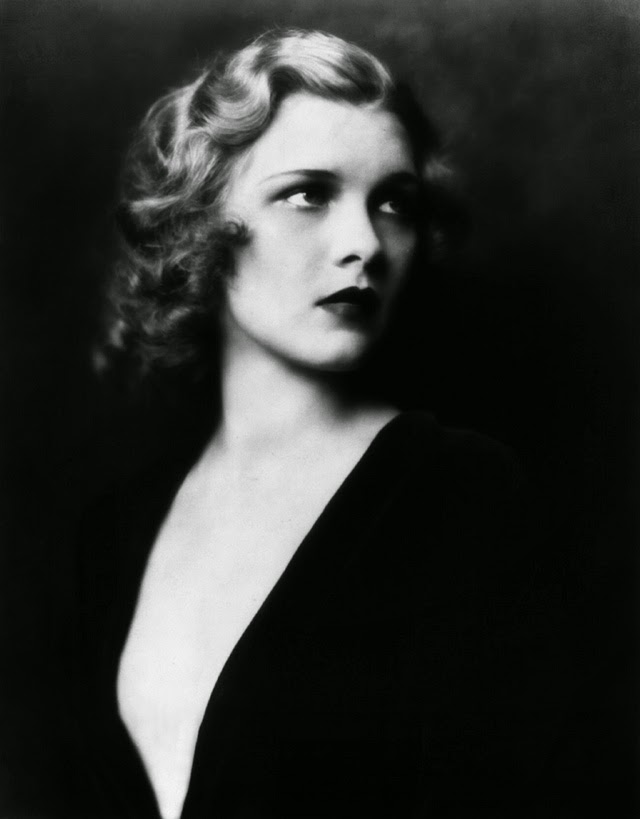
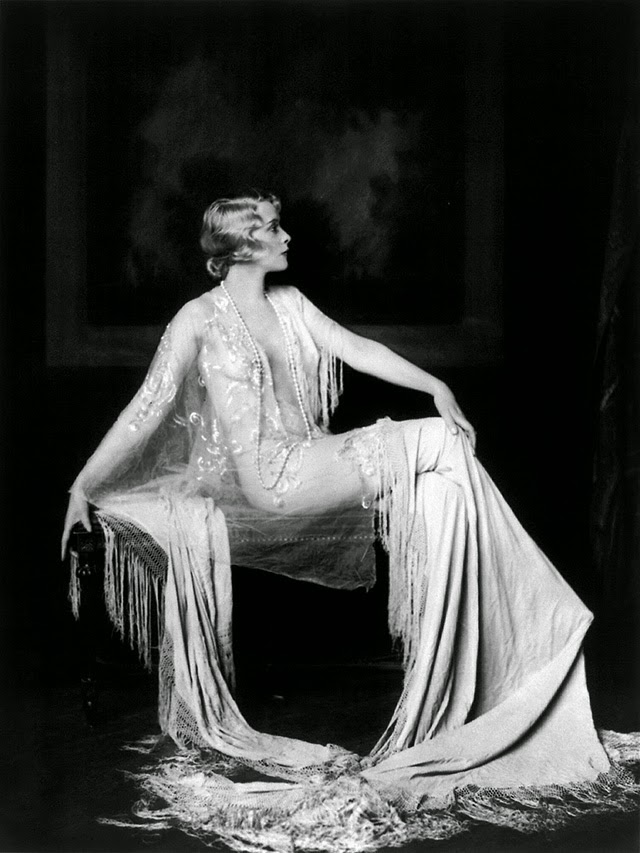
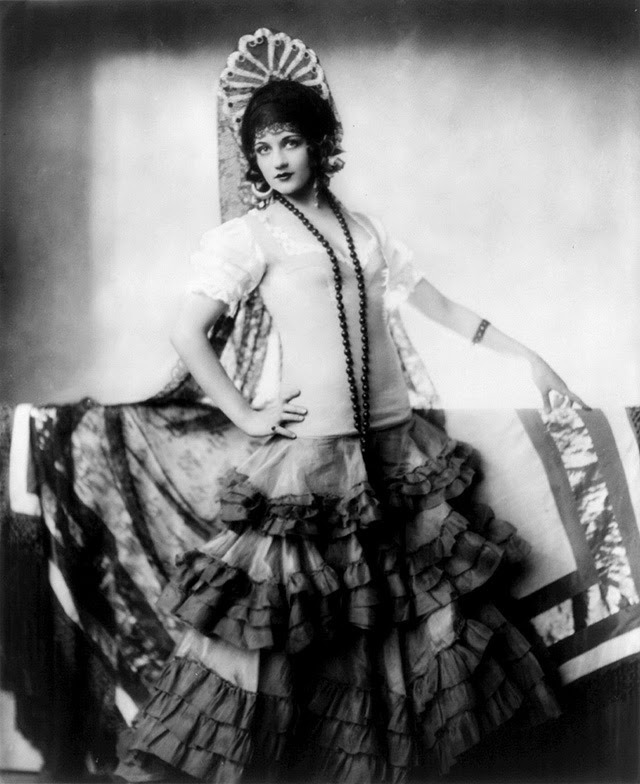
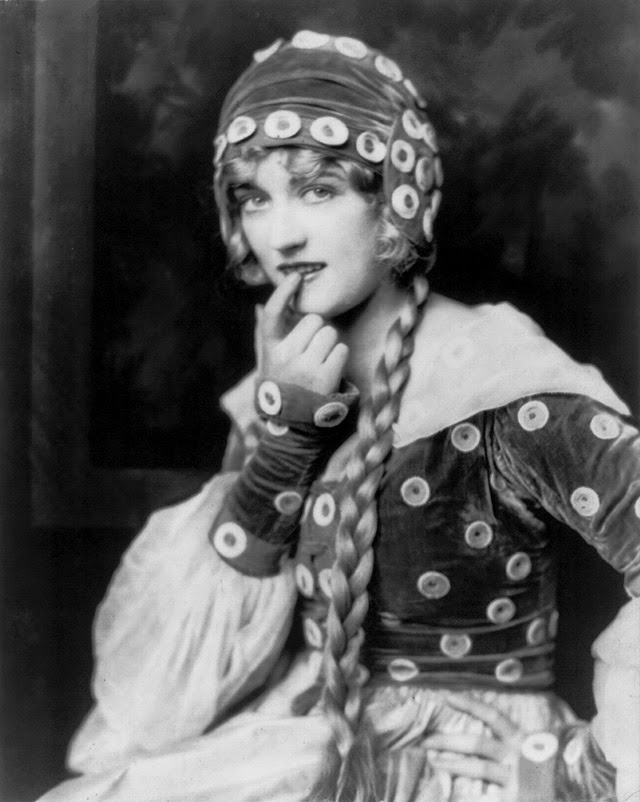
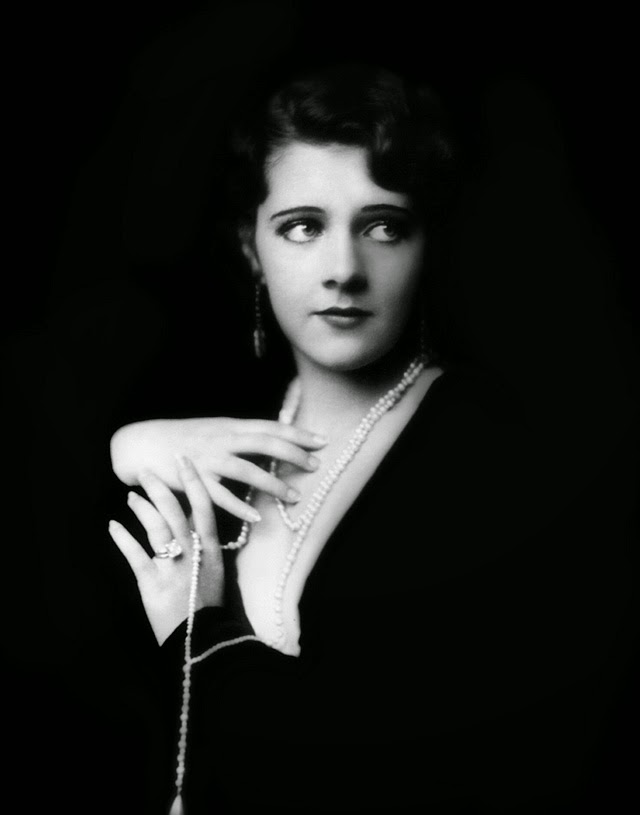
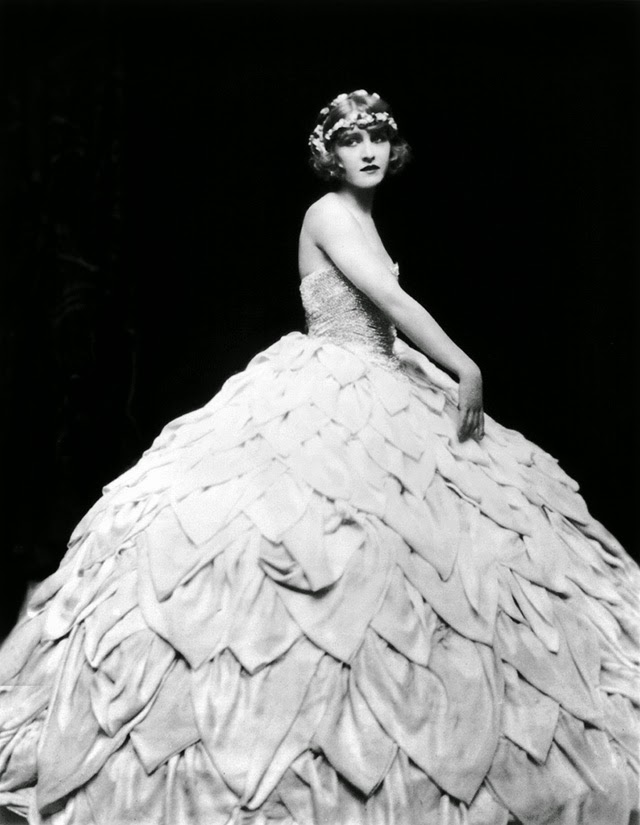
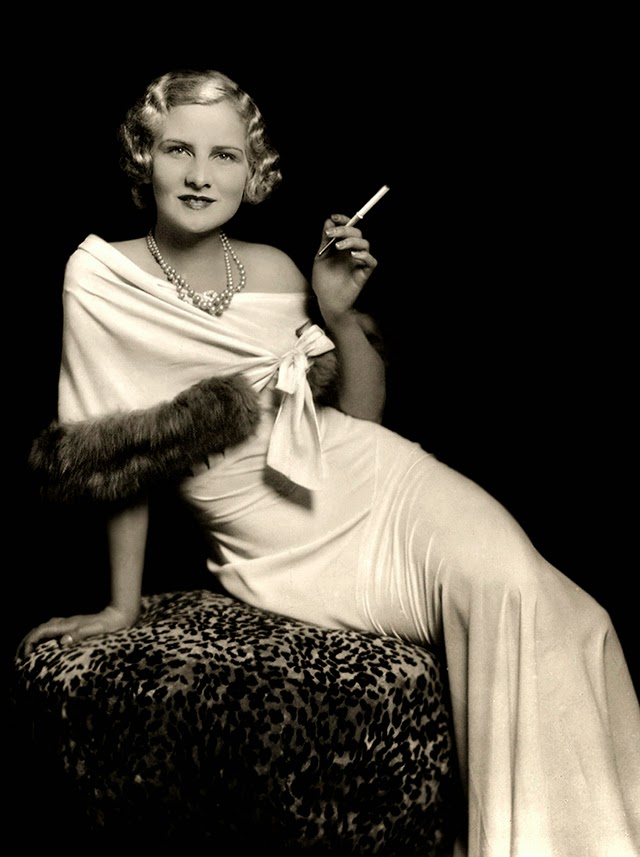
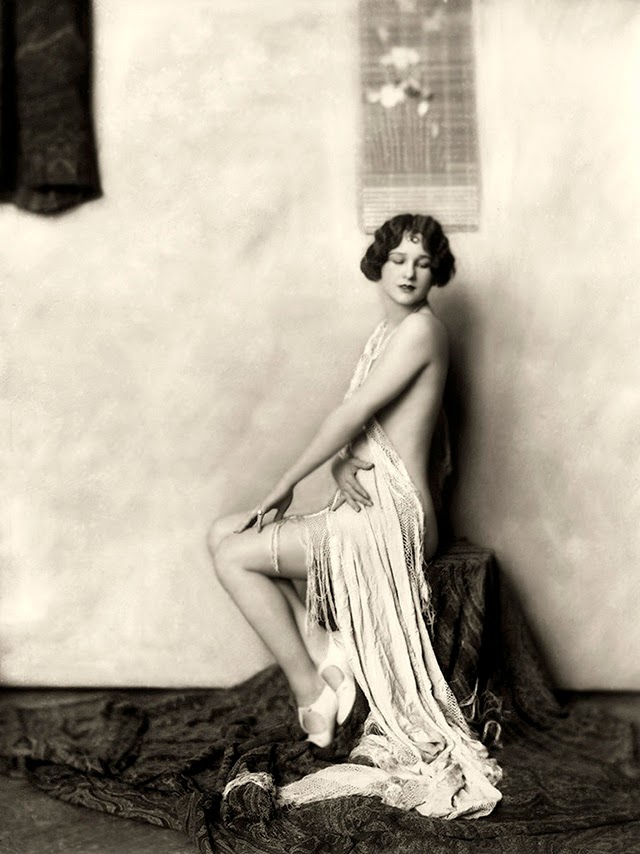
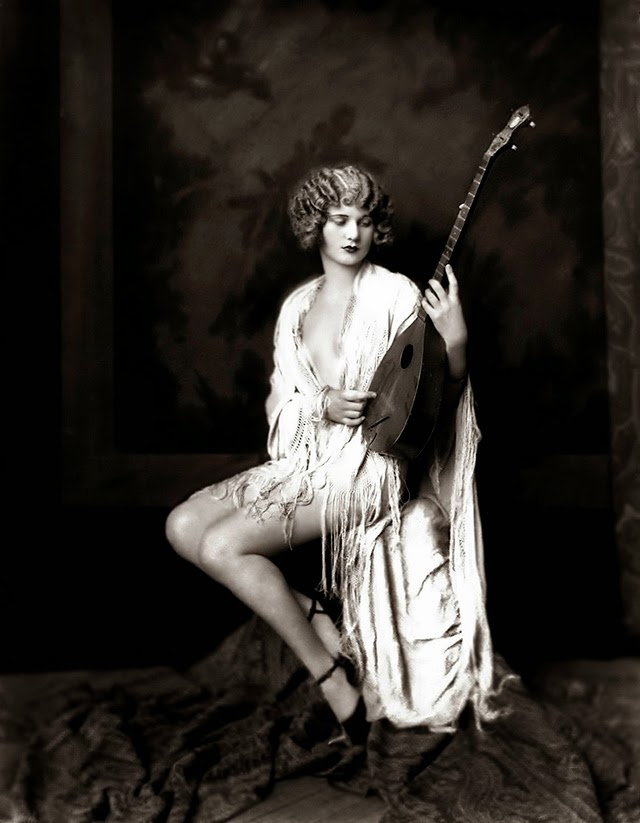
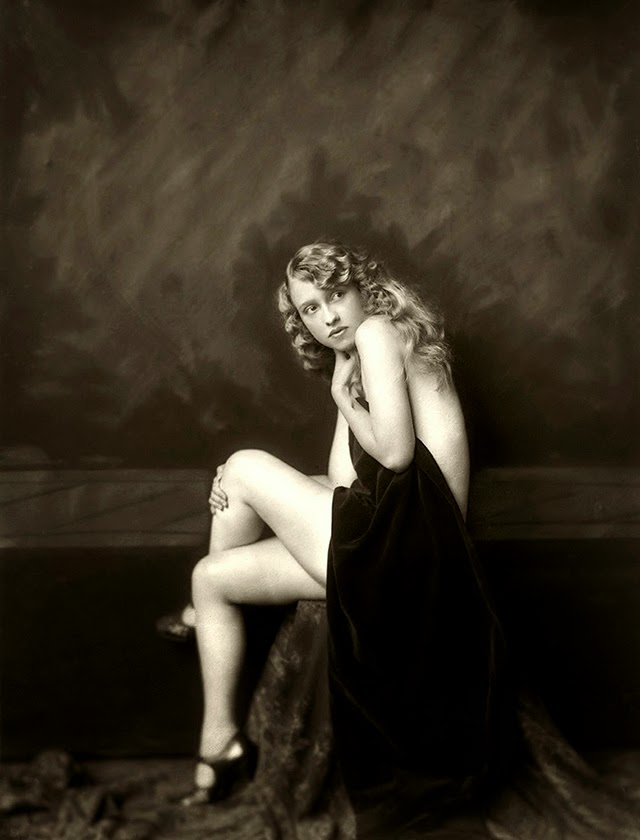
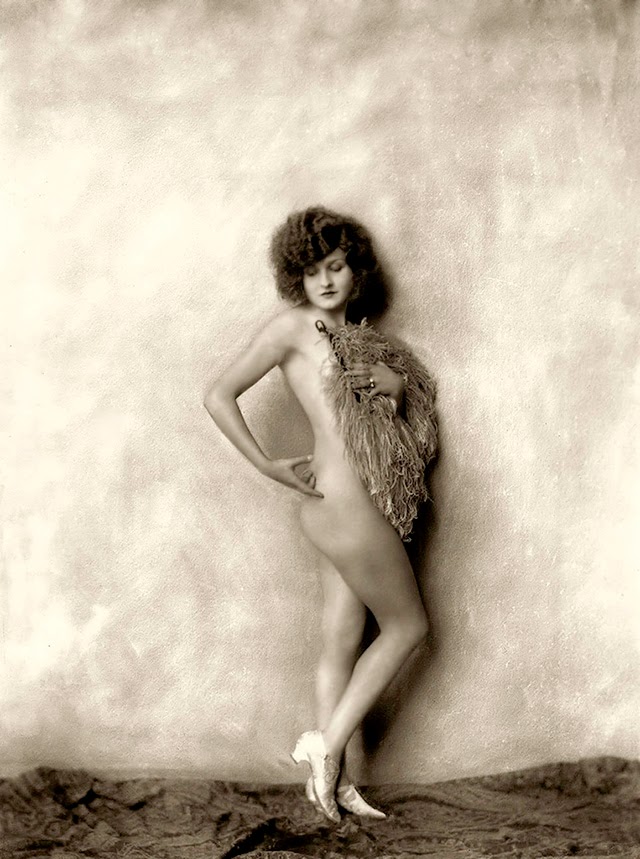
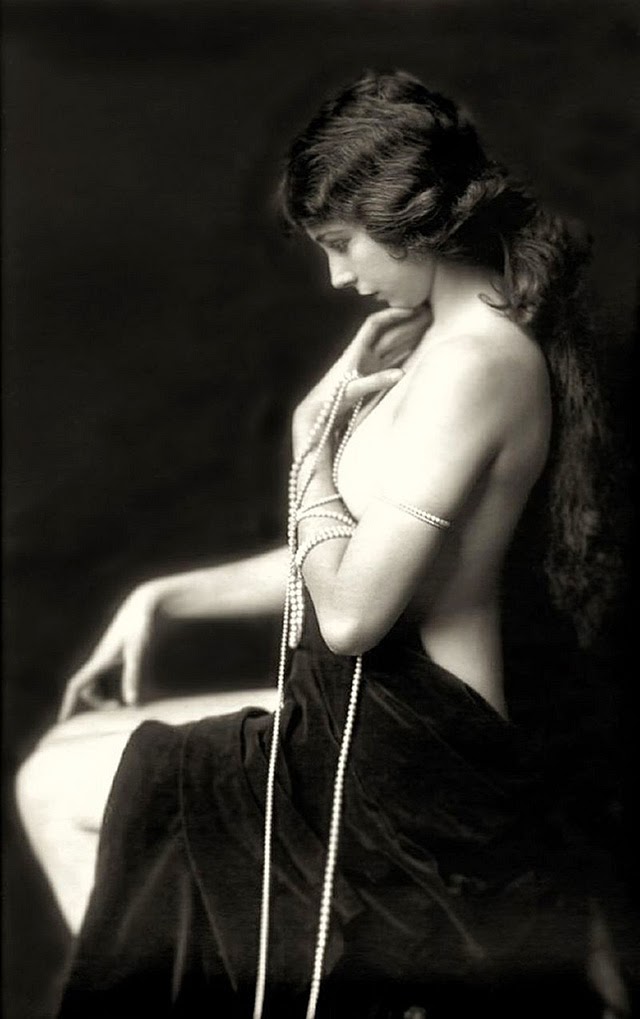
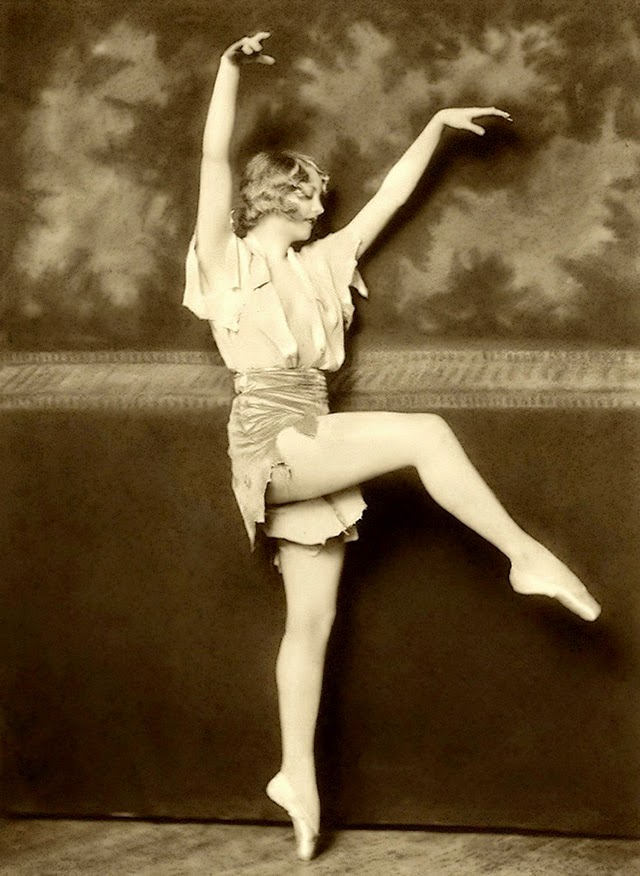
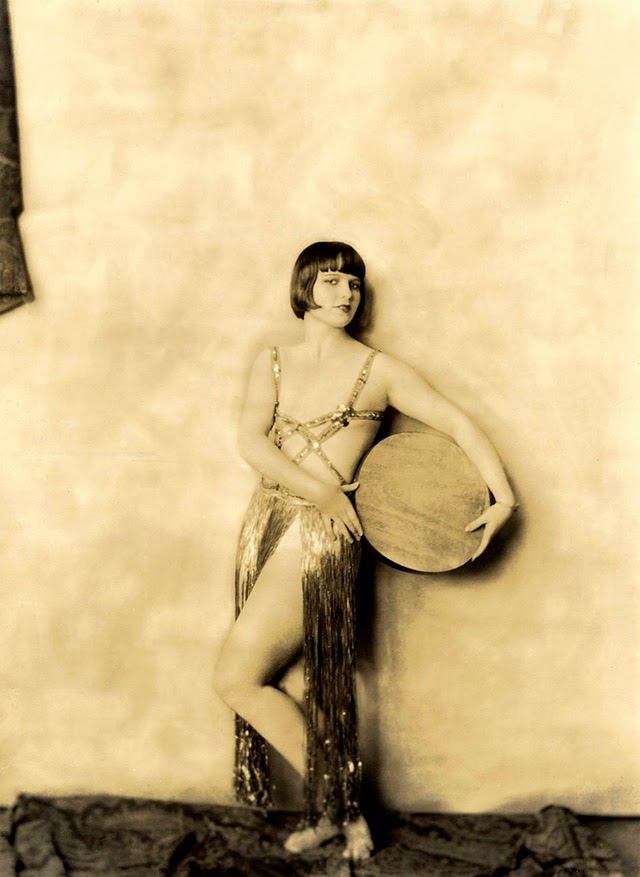
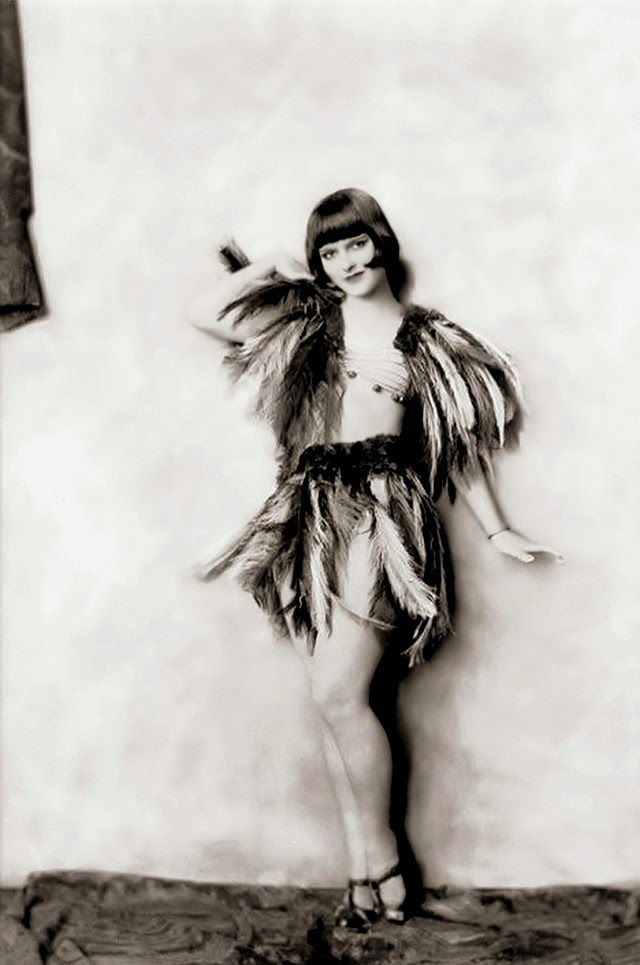
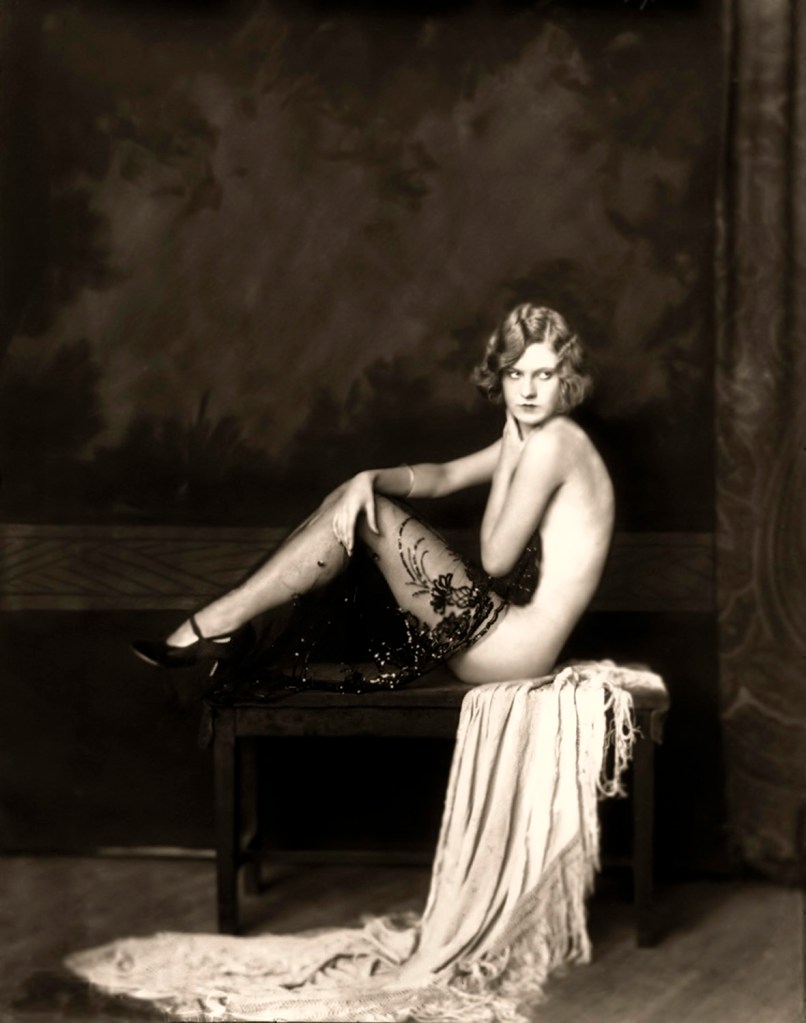
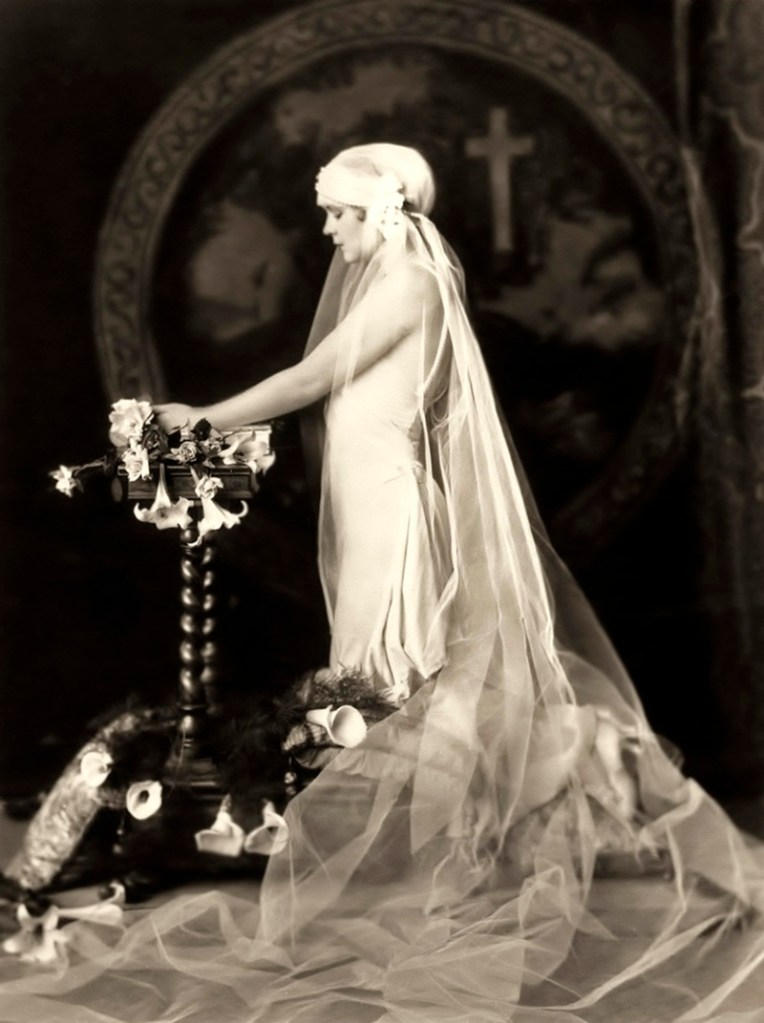
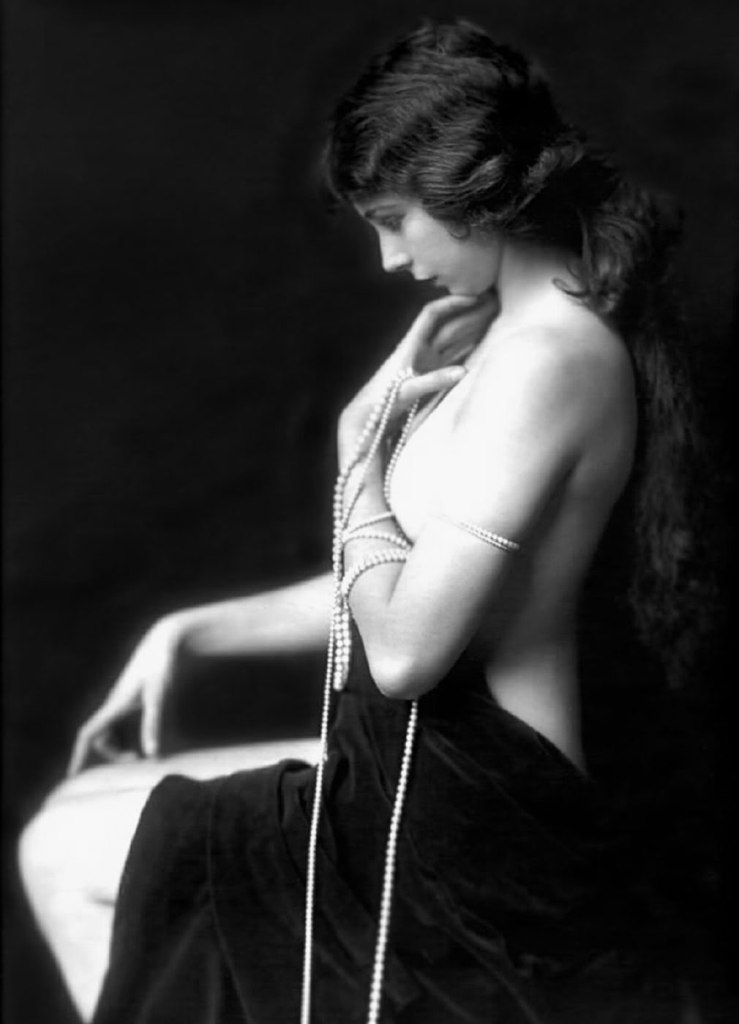
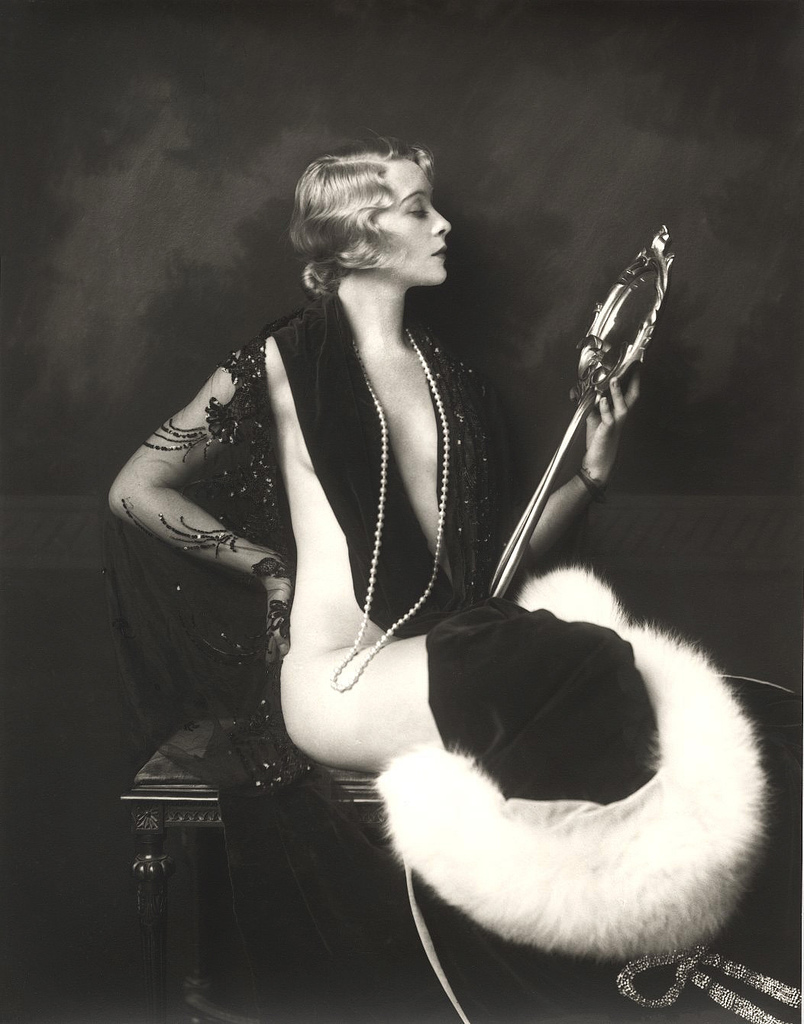
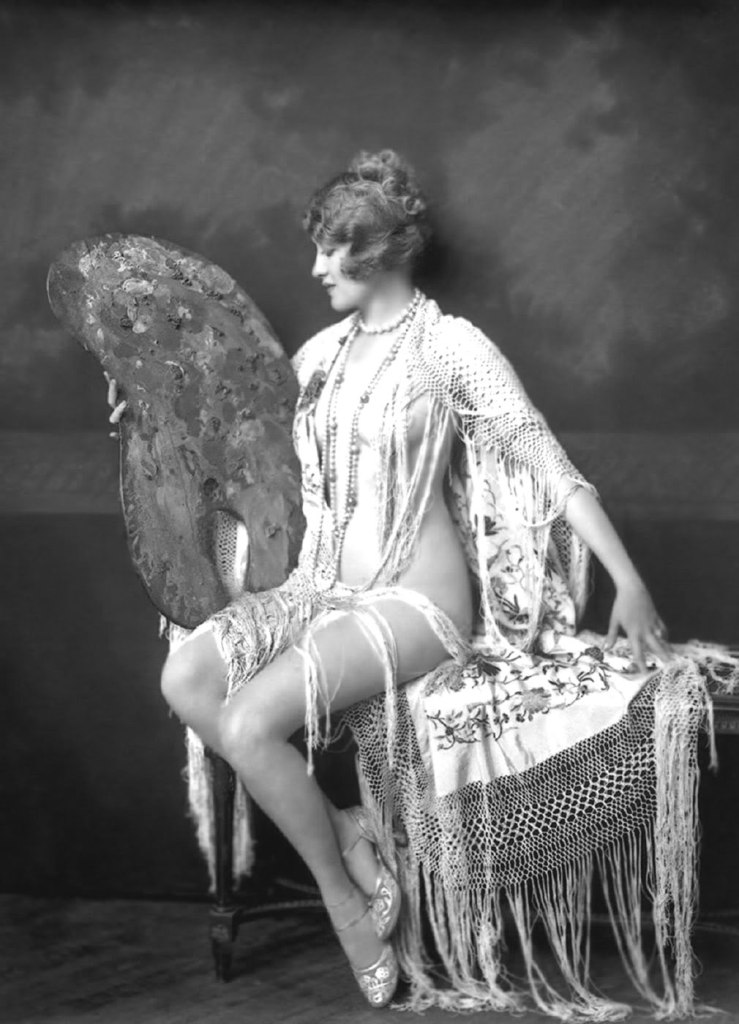
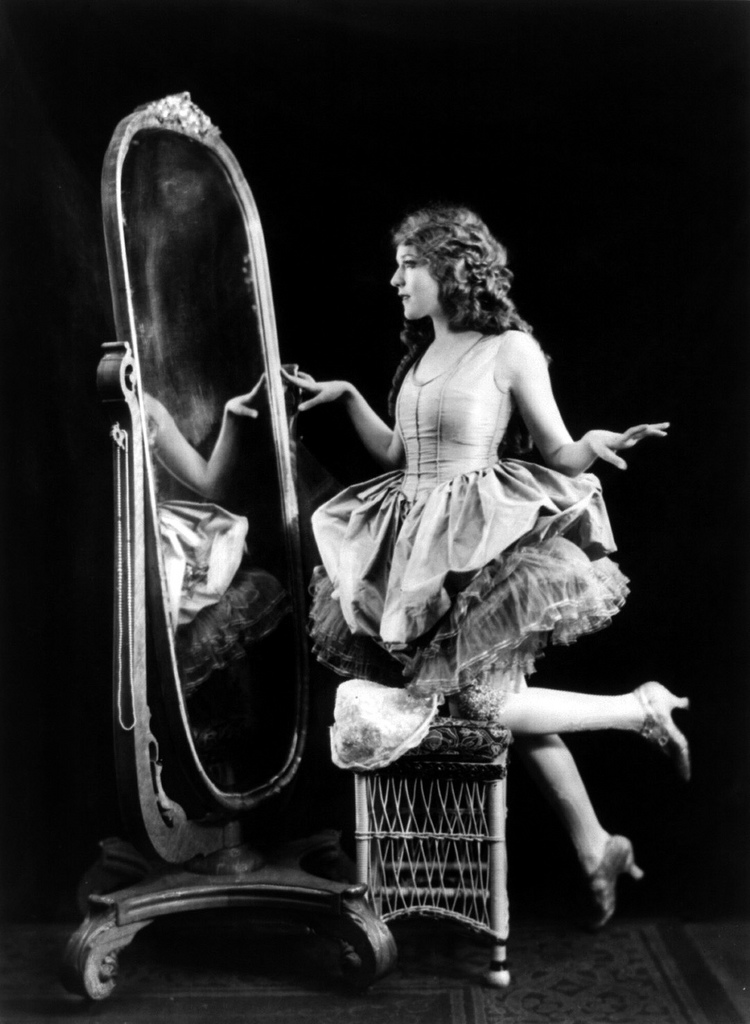
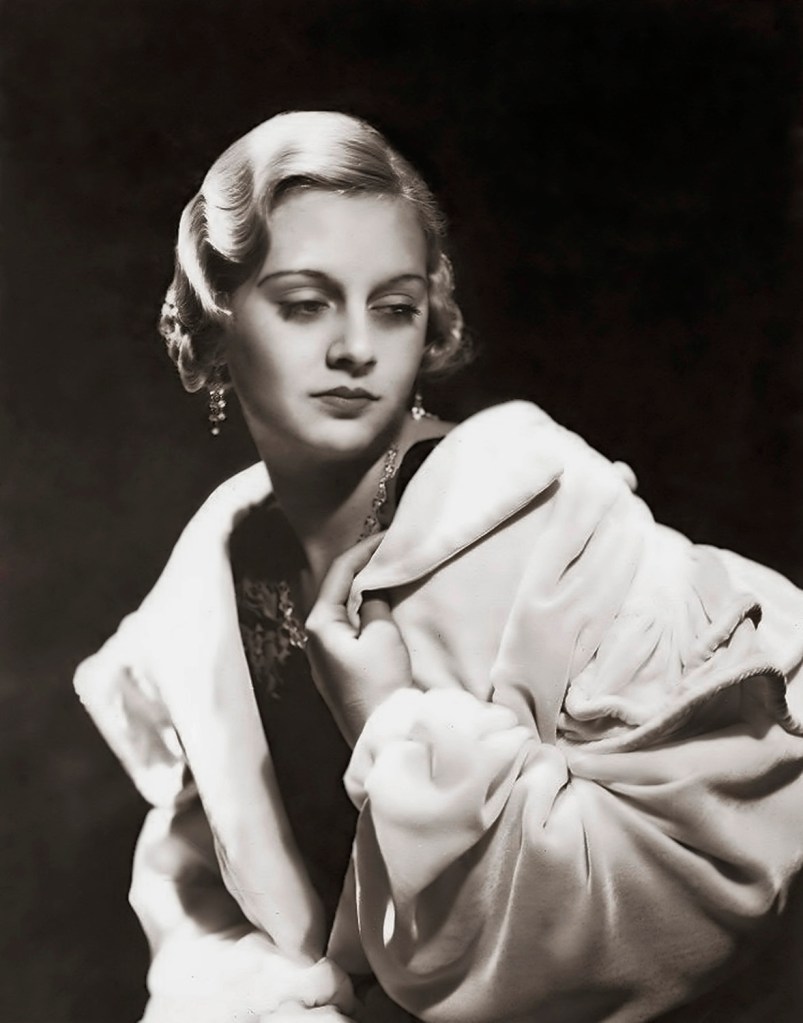
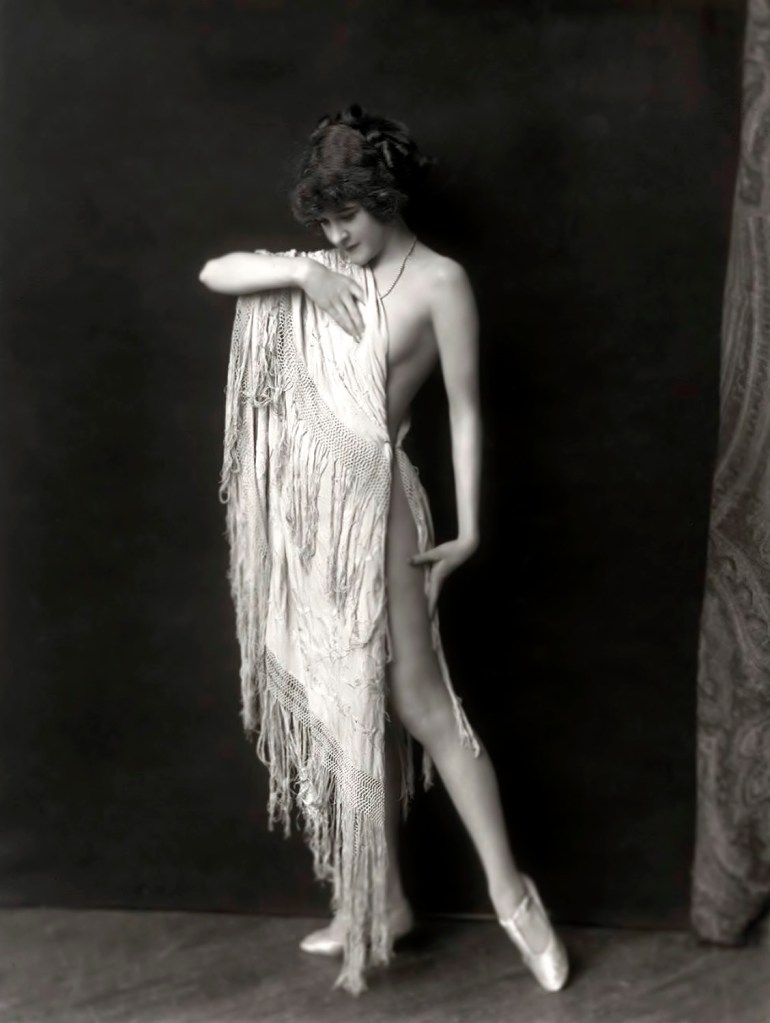
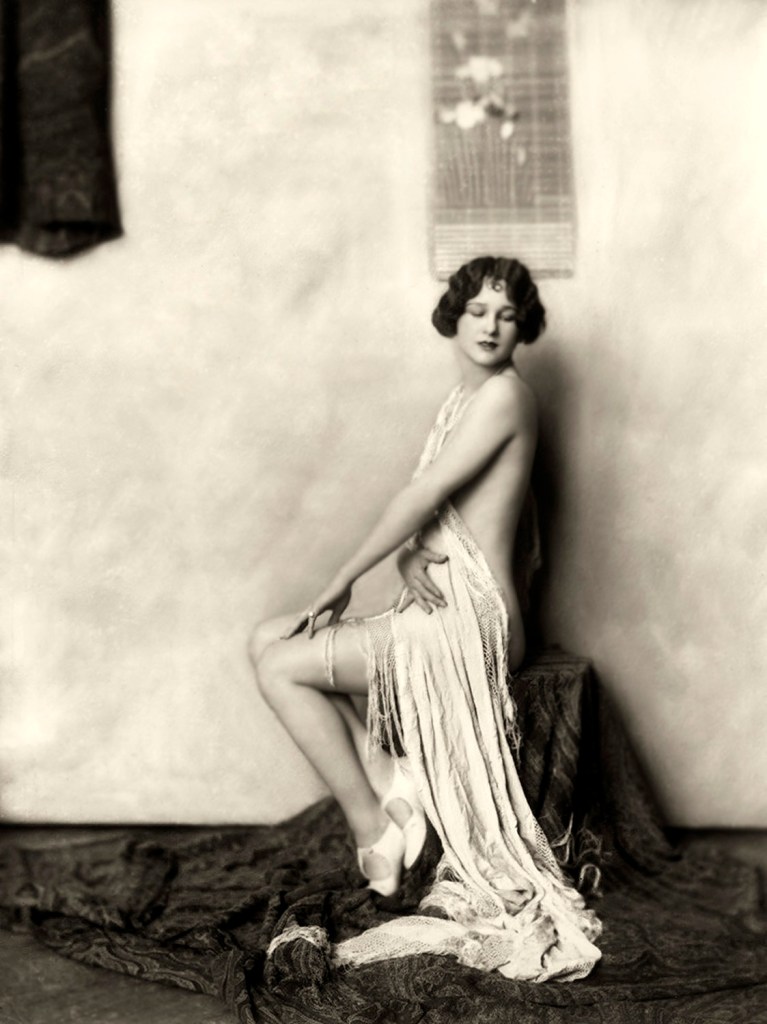
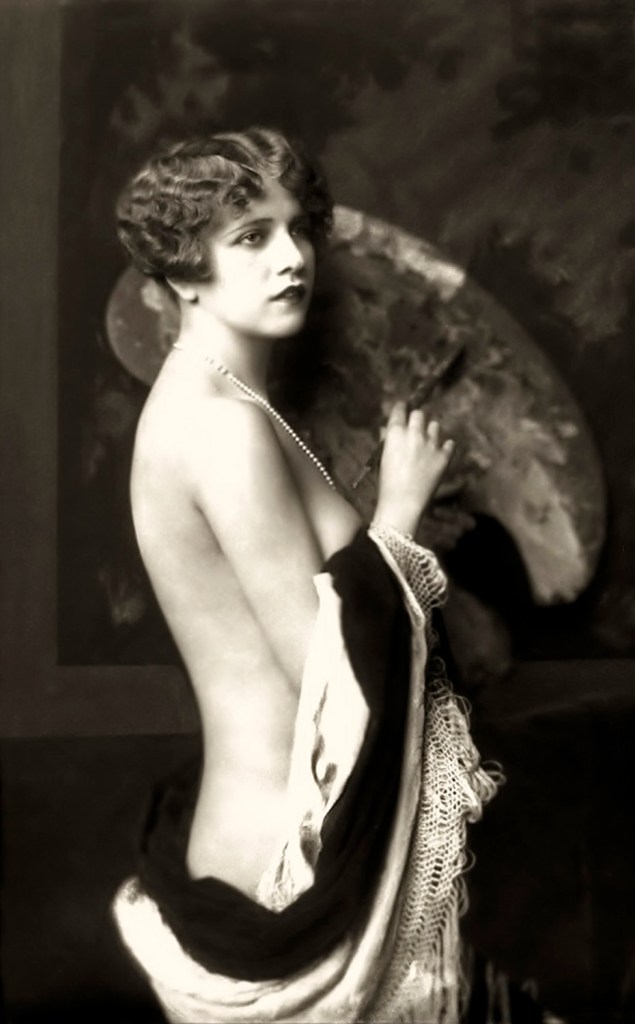
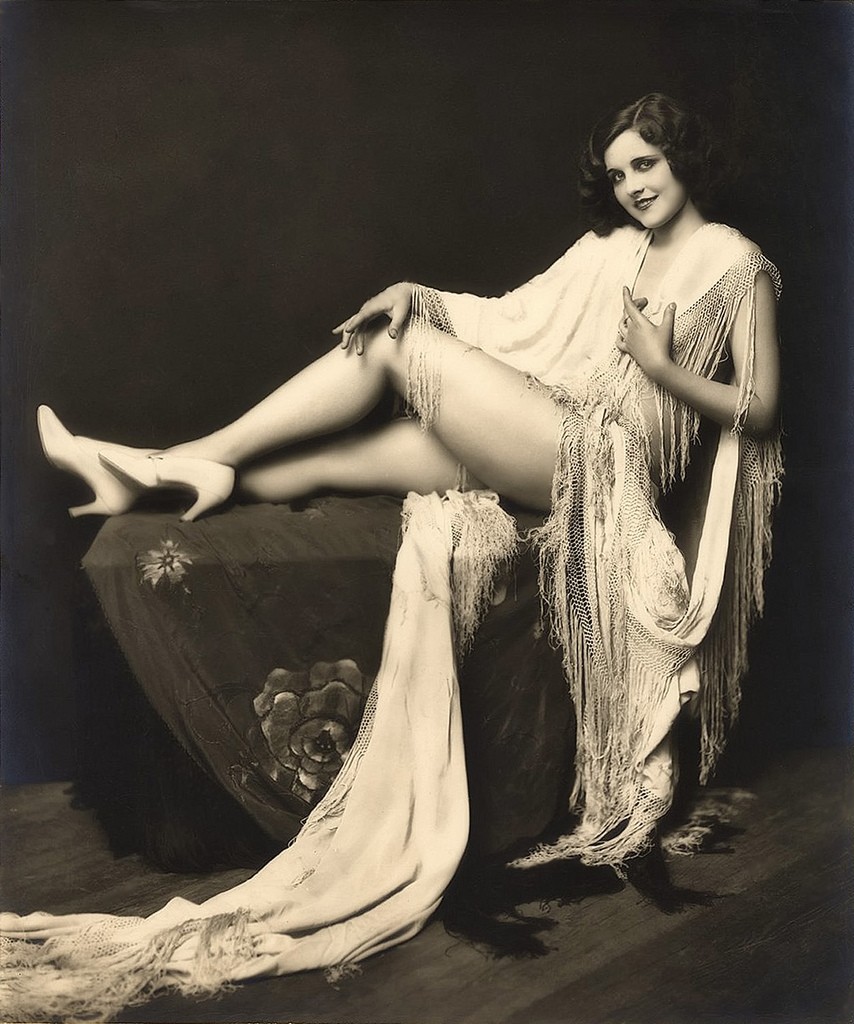
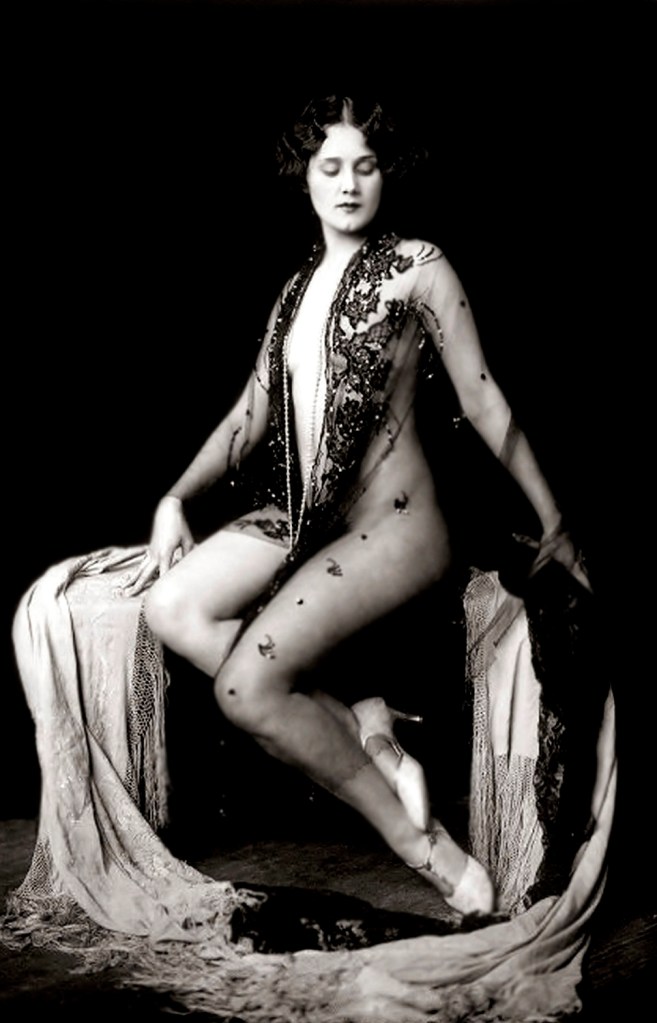
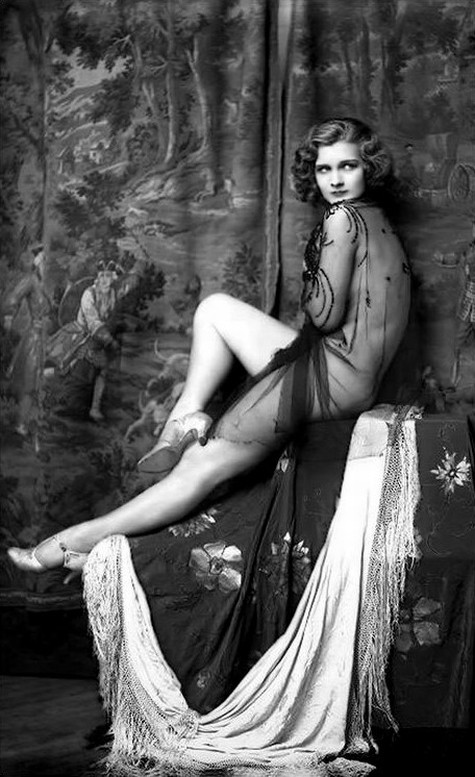
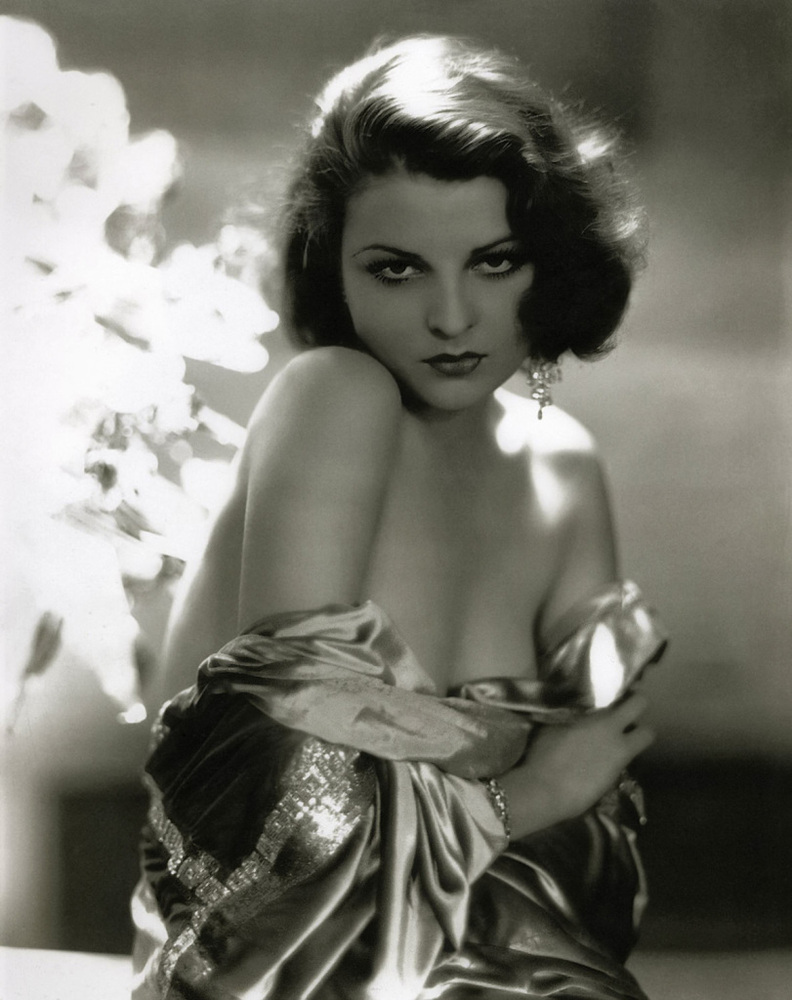
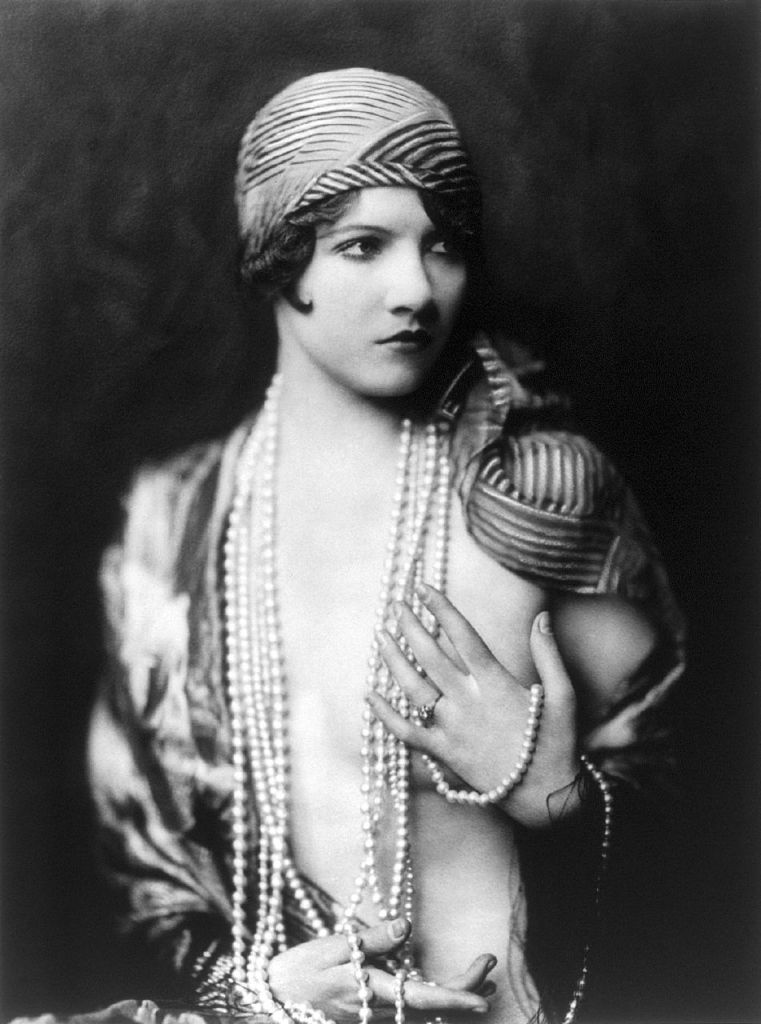
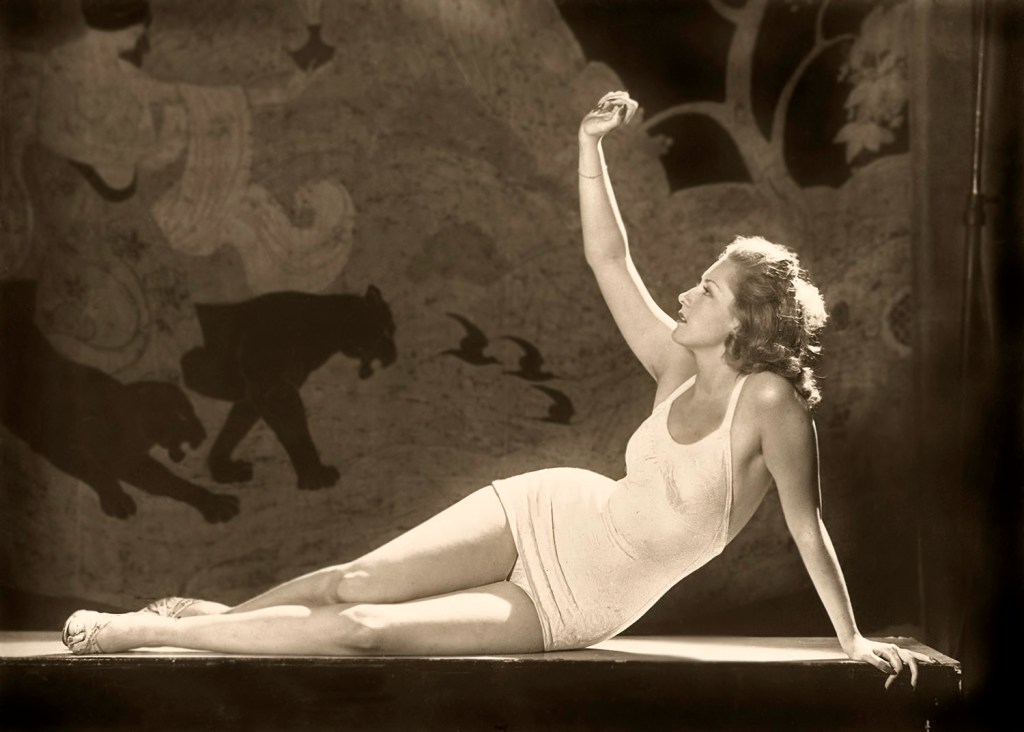
The Ziegfeld Follies were also famous for their display of many beautiful chorus girls,
commonly known as Ziegfeld Girls, who “paraded up and down flights of stairs as anything from
birds to battleships.” They usually wore elaborate costumes by designers such as Erté, Lady
Duff Gordon and Ben Ali Haggin.
The “tableaux vivants” were designed by Ben Ali Haggin from 1917 to 1925. Joseph Urban was the
scenic designer for the Follies shows starting in 1915.
After Ziegfeld’s death his widow, actress Billie Burke, authorized use of his name for
Ziegfeld Follies in 1934 and 1936 to Jake Shubert, who then produced the Follies. The name
was later used by other promoters in New York City, Philadelphia, and again on Broadway, with
less connection to the original Follies. These later efforts failed miserably. When the show
toured, the 1934 edition was recorded in its entirety, from the overture to play-out music, on
a series of 78 rpm discs, which were edited by the record producer David Cunard to form an
album of the highlights of the production and which was released as a CD in 1997. (Text via Wikipedia)
























Discover more from Yesterday Today
Subscribe to get the latest posts sent to your email.
