Subscribe to get access
Read more of this content when you subscribe today.
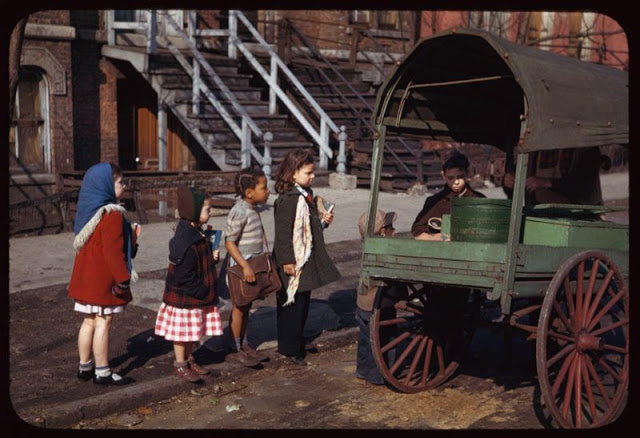
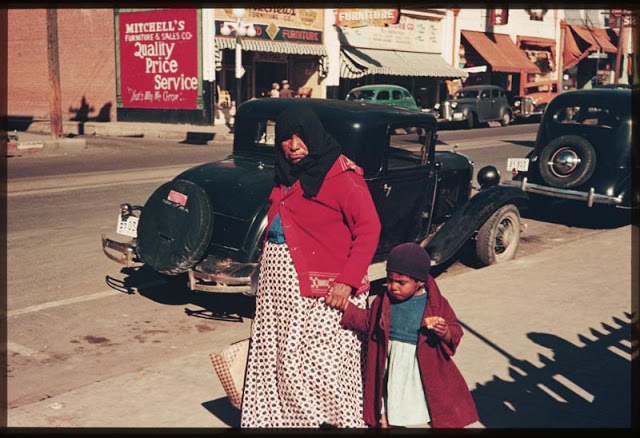
Everyday life in the United States during the 1940s was shaped largely by World War II, which had profound impacts on the home front. The early part of the decade saw families adjusting to wartime realities, with many men enlisting or being drafted into military service. Women stepped into roles that were traditionally held by men, working in factories and other industries to support the war effort. This period saw the iconic image of “Rosie the Riveter” become a symbol of female empowerment and the nation’s collective effort towards victory. Rationing became a part of daily life, with households conserving food, gasoline, and other resources to ensure that enough supplies were available for the military.
Despite the challenges, the 1940s were also a time of significant social change. The war accelerated technological advancements and fostered a sense of unity and purpose among Americans. People came together to support the war effort through various means, such as buying war bonds, participating in scrap drives, and volunteering for civil defense duties. The sense of community and patriotism was palpable, as everyone contributed in their own way to the nation’s goals. Additionally, the experiences and opportunities that women and minorities gained during the war laid the groundwork for future social movements and advancements in civil rights.
The latter part of the 1940s saw the United States transitioning from wartime to peacetime. The end of the war brought about a period of economic prosperity and growth, often referred to as the post-war boom. Soldiers returned home, and many took advantage of the GI Bill to pursue higher education or buy homes, leading to a surge in suburban development. Consumer goods, which had been scarce during the war, became more available, and Americans enjoyed new conveniences such as refrigerators, washing machines, and television sets. The baby boom began during this period, as families reunited and began to grow.
Culturally, the 1940s were a vibrant time for music, movies, and fashion. Swing music and big bands were immensely popular, with figures like Glenn Miller and Duke Ellington dominating the airwaves. Hollywood produced some of its most enduring classics, including films like “Casablanca” and “It’s a Wonderful Life.” Fashion also saw significant changes, with practical wartime styles giving way to more lavish and expressive designs as the decade progressed. Overall, the 1940s were a time of resilience, adaptation, and transformation, leaving a lasting impact on American society.


Subscribe to continue reading
Become a paid subscriber to get access to the rest of this post and other exclusive content.
