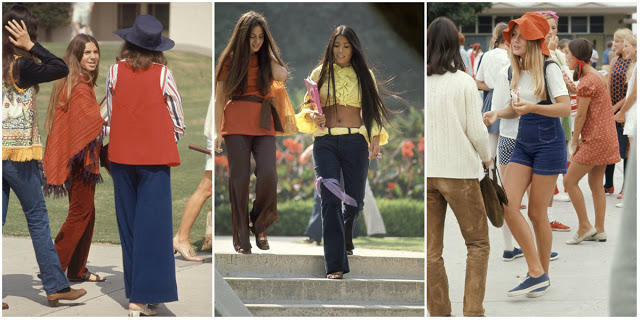
In 1969, photographer Arthur Schatz went to a California high school to do a photo-essay for LIFE magazine on an emerging trend in fashion. The results seemed to find the youth of the time developing an identity for their generation.
In contrast to the popular fashions and styles of certain decades — the Gibson Girl of the 1890s and early 1900s, the flapper of the Roaring Twenties, the “New Look” of the Fifties — there was no single reigning style in the 1960s. Even as the slim-cut trousers and shift dresses of the late Fifties crept in, Mod miniskirts and go-go boots found their way over from London to mingle with the bell-bottomed jeans and fringed vests of the latter part of the decade. By 1969, the fashion choices of tens of millions of young American men and women were as variegated and ever-evolving as the world around them.
Cultural transformation was an irresistible force during the Sixties, and across America and around the globe civil rights, women’s and gay liberation, the sexual revolution and, of course, the explosive soundtrack of R&B, soul and rock and roll informed everything from politics to fashion.
By 1969, America’s youth had not only soaked in more visual and auditory stimuli in a few years than most previous generations combined, but had re-imagined virtually all of that input in the form of sartorial self-expression. In light of that new, global sensibility, Beverly Hills high schooler Rosemary Shoong’s homemade “stunning leather Indian dress” wasn’t just a dress. It was a time and a place, man. And it was out of sight.
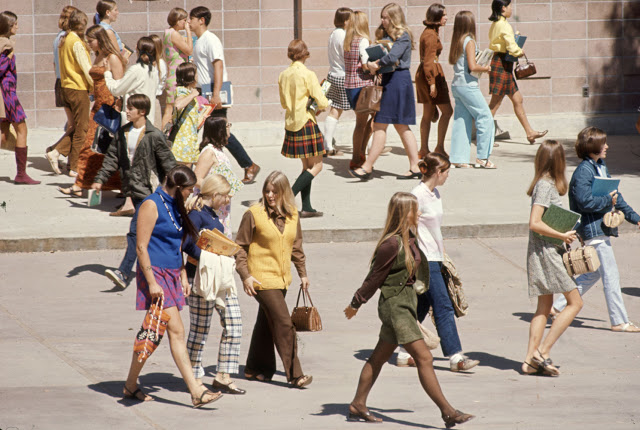
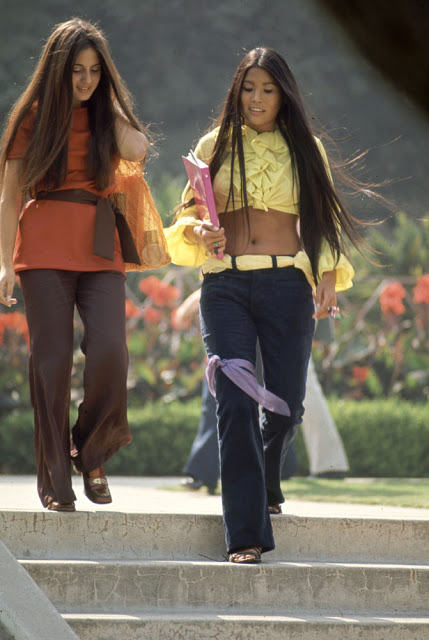


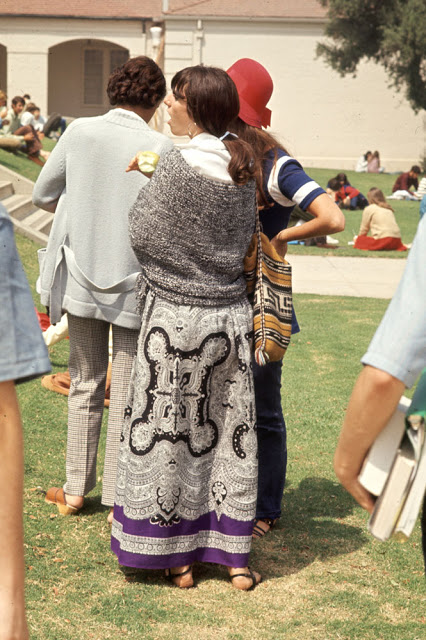

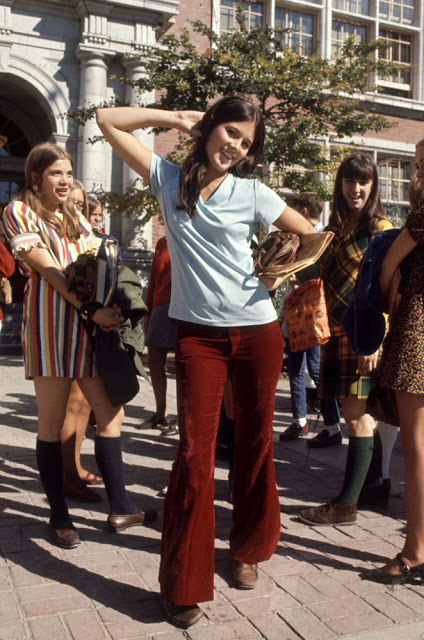


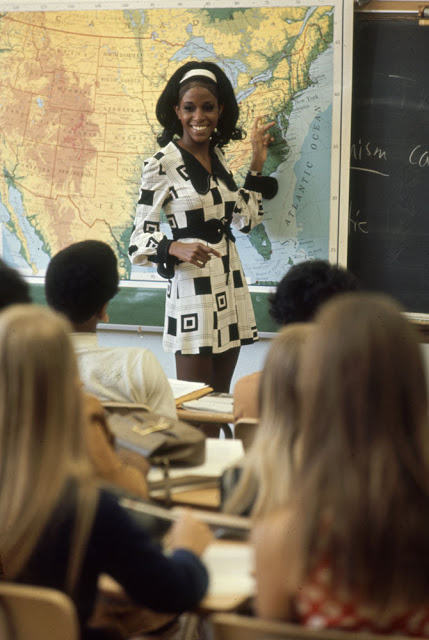
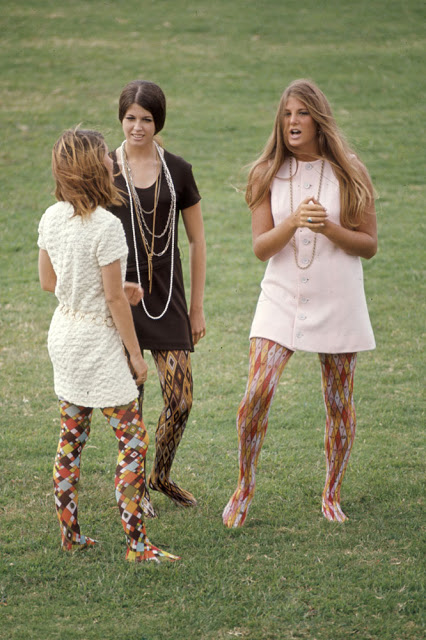
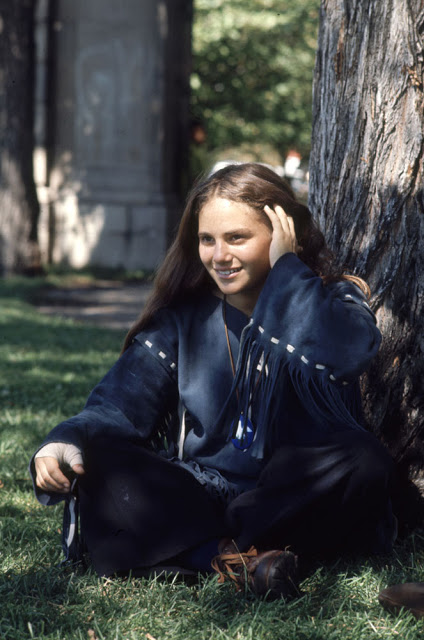


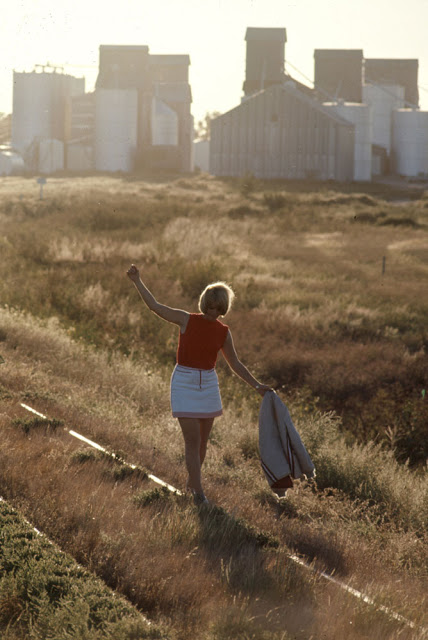
(Photos: Arthur Schatz—Time & Life Pictures/Getty Images)
Discover more from Yesterday Today
Subscribe to get the latest posts sent to your email.
