Jackson Hole (originally called Jackson’s Hole by mountain men) is a valley between the Gros Ventre and Teton mountain ranges in the U.S. state of Wyoming, near the border with Idaho. The term “hole” was used by early trappers, or mountain men, as a term for a large mountain valley. These low-lying valleys, surrounded by mountains and containing rivers and streams, are good habitat for beavers and other fur-bearing animals. Jackson Hole is 55 miles long (89 km) long by 6-to-13 miles wide (10 to 21 km) and is a graben valley with an average elevation of 6,800 ft (2,100 m), its lowest point being near the southern park boundary at 6,350 ft (1,940 m).
The city of Jackson was named in late 1893 by Margaret Simpson, who, at the time, was receiving mail at her home as there was no post office. She named the area in order for easterners to be able to forward mail west. Jackson, which became incorporated in 1914, was named after David Edward “Davy” Jackson, who trapped beaver in the area in the late 1820s with a partner in the firm of Smith, Jackson & Sublette.[1] Jackson, of Irish and Scottish descent, was one of the first European-Americans to spend an entire winter in the valley.[2]
Though the valley was used by Native Americans for hunting and ceremonial purposes, it was not known to harbor year-round human settlement prior to the 1870s. Descriptions of the valley and its features were recorded in the journals of John Colter, who had been a member of the Lewis and Clark Expedition. After returning to the Rocky Mountains, Colter entered the region in 1807 in the vicinity of Togwotee Pass and became the first European-American to see the valley. His reports of the valley, the Teton Range, and the Yellowstone region to the north were viewed by people of the day with skepticism. The first people to settle the region were Native Americans, then fur trappers, and then homesteaders. Because the soil is not ideal for raising crops, the valley was used for cattle grazing, and tourism quickly became popular with the establishment of dude ranches.
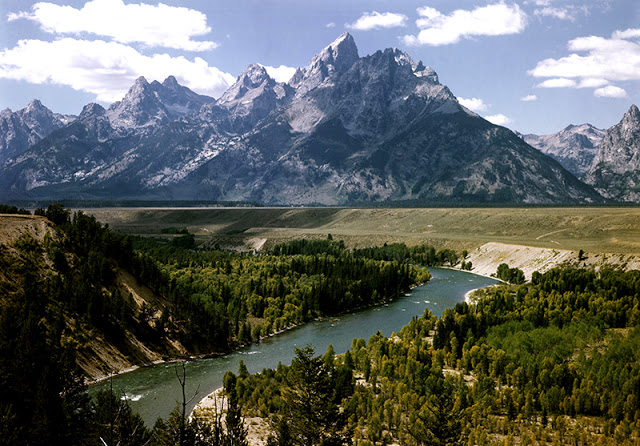
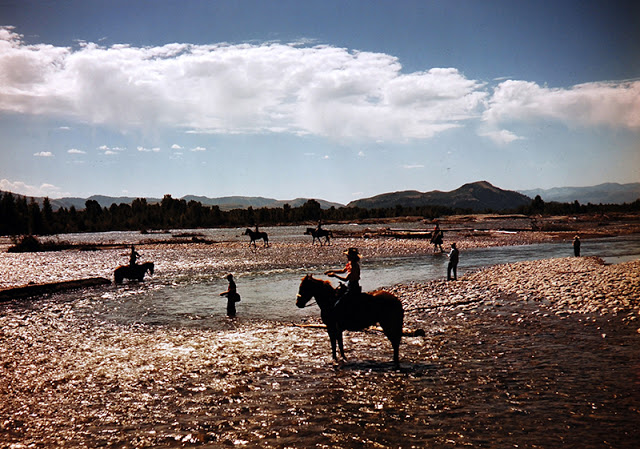
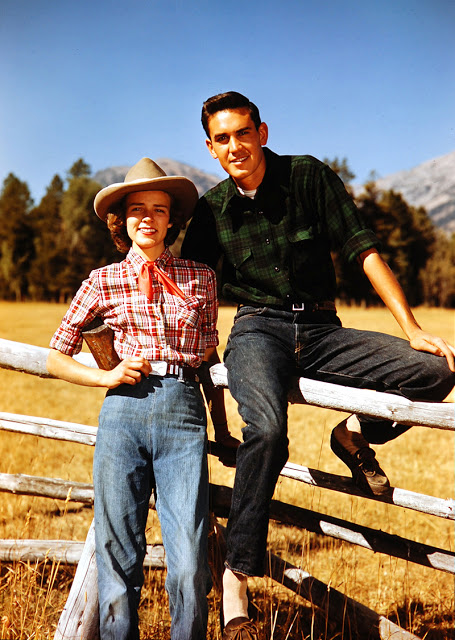
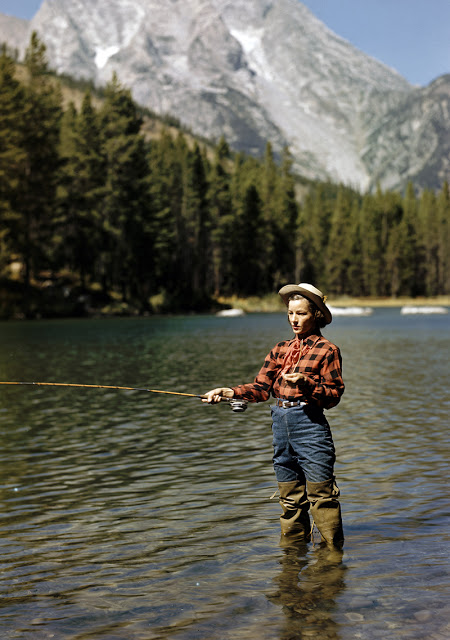
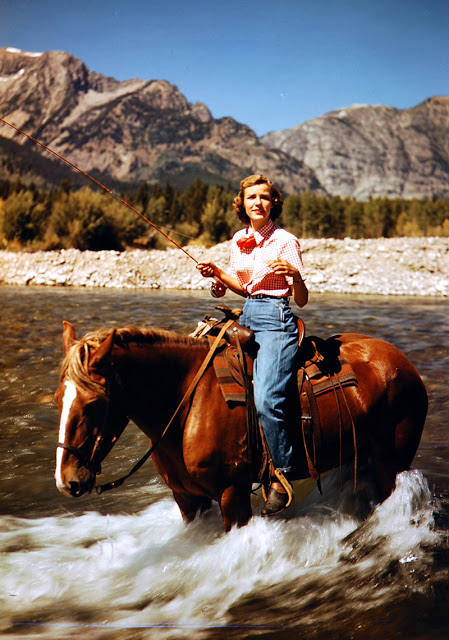
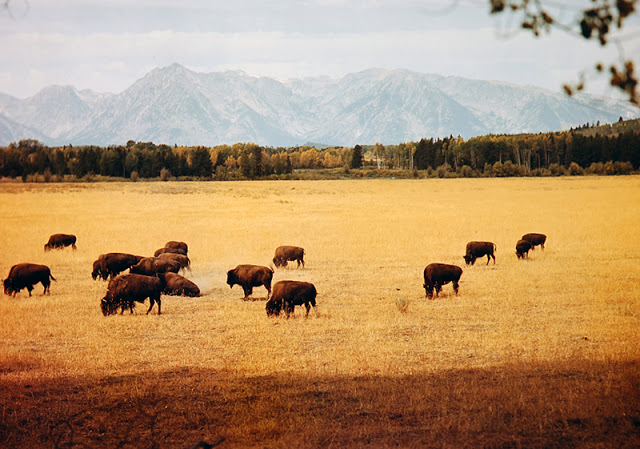
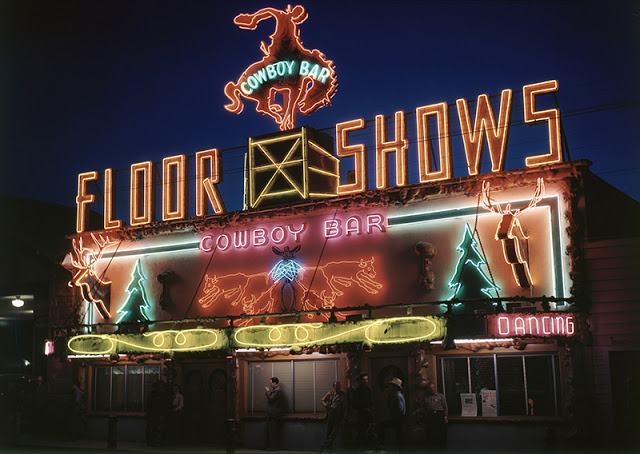
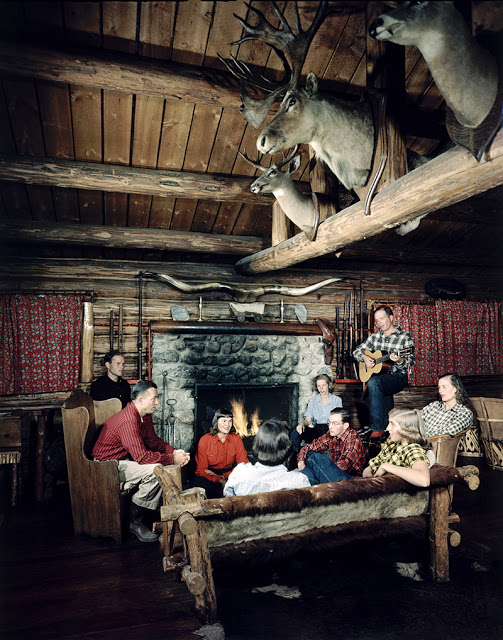
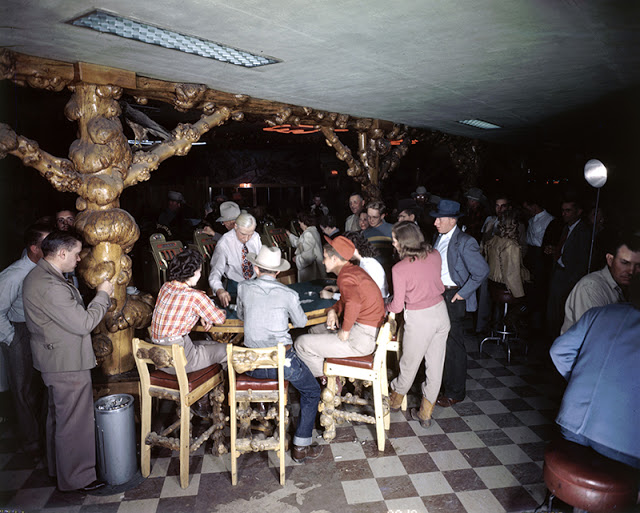
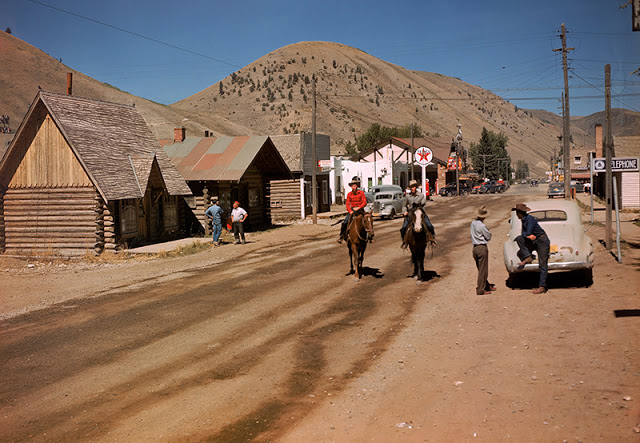
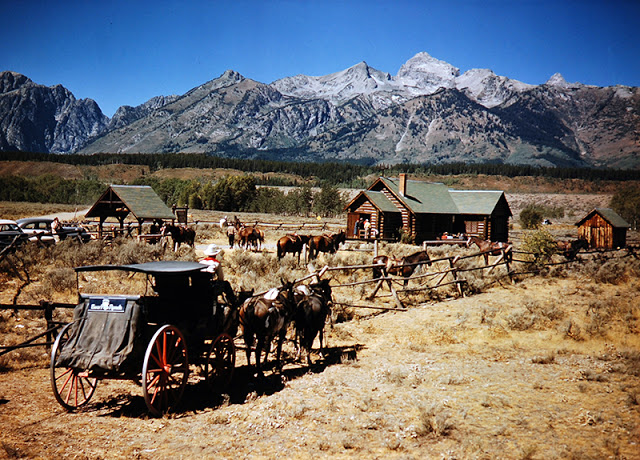
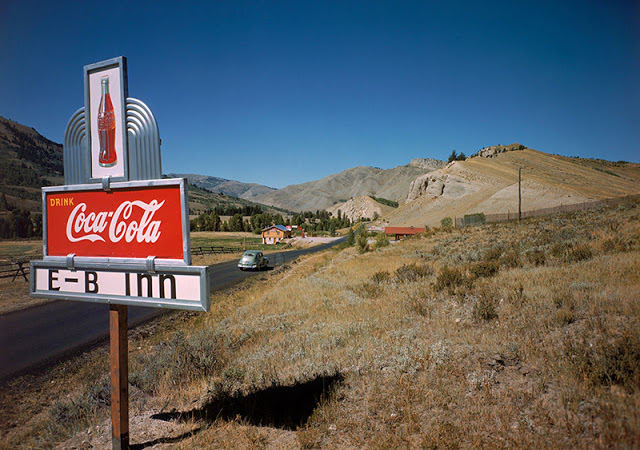
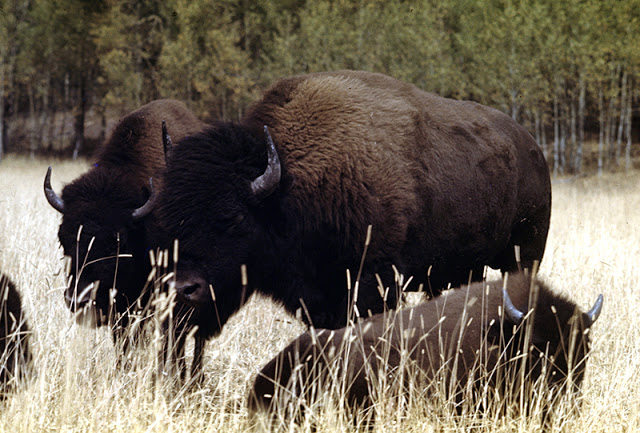
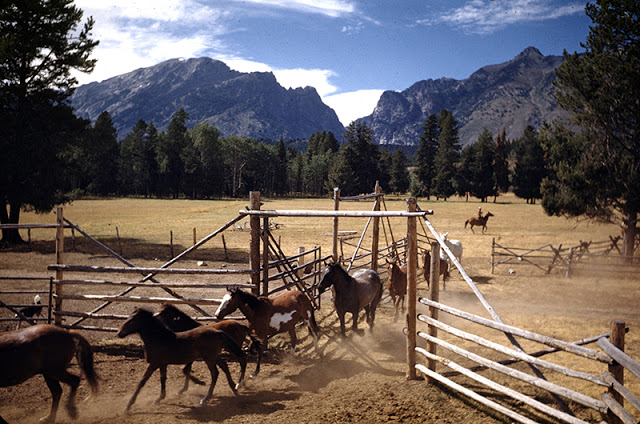
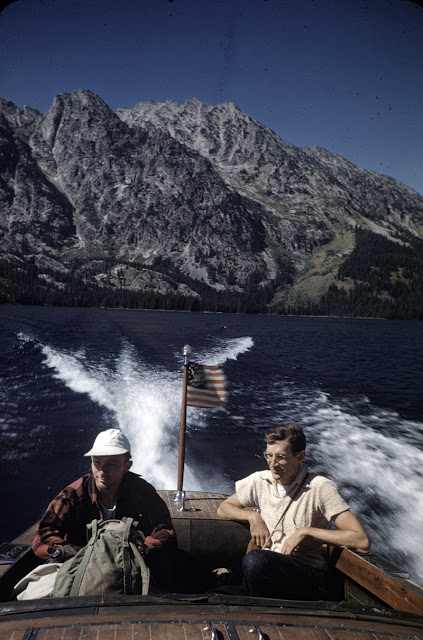
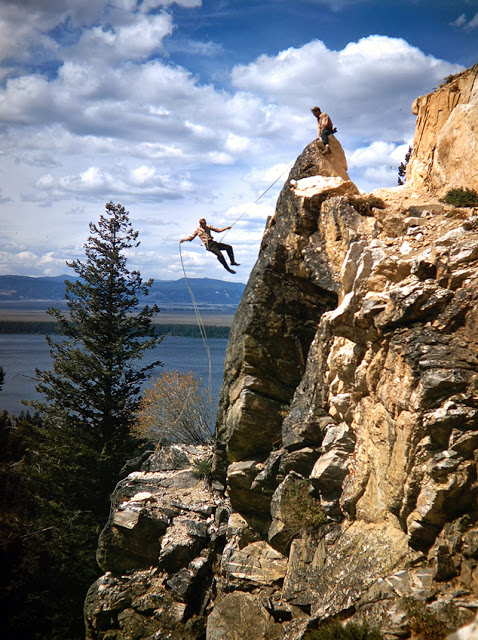
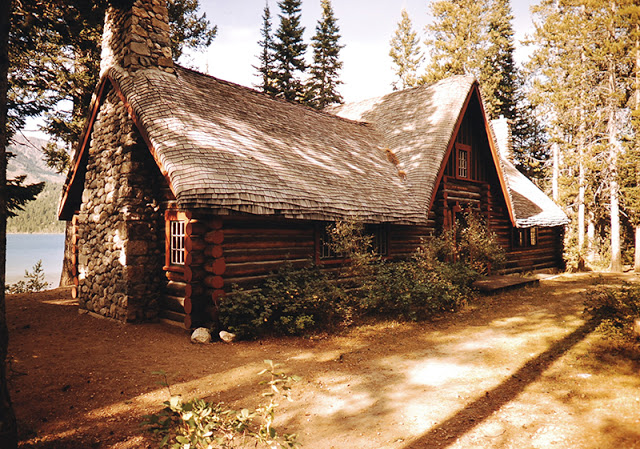
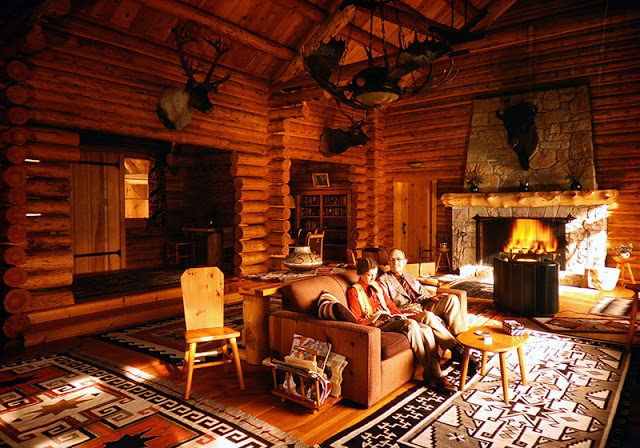

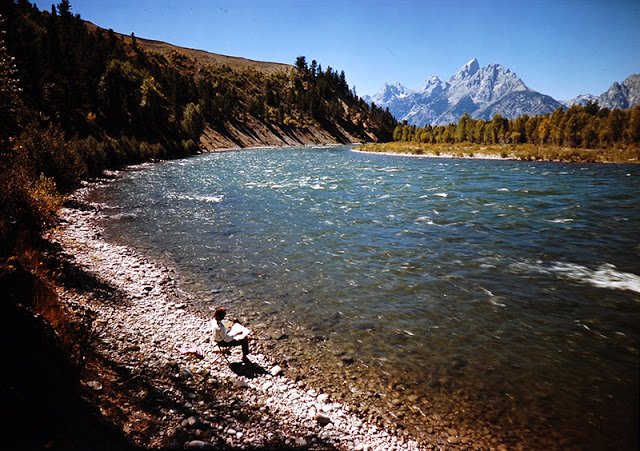
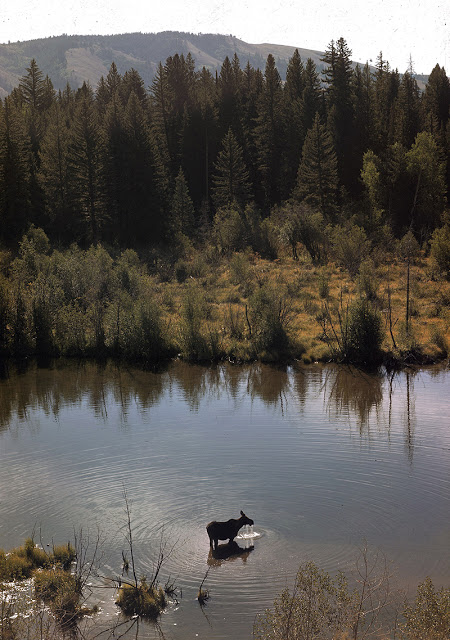
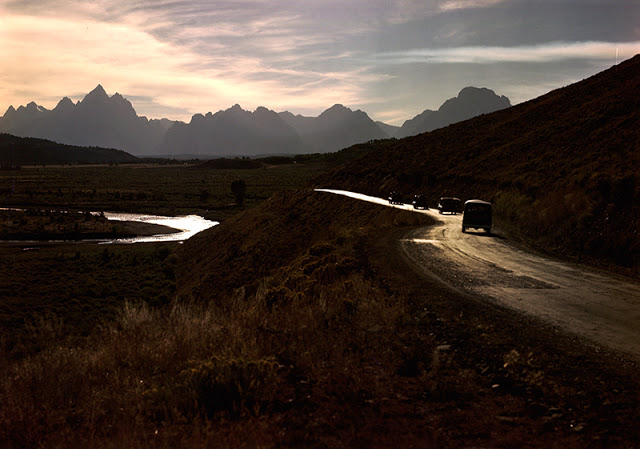
(Photos by Alfred Eisenstaedt—The LIFE Picture Collection/Getty Images)
Discover more from Yesterday Today
Subscribe to get the latest posts sent to your email.
