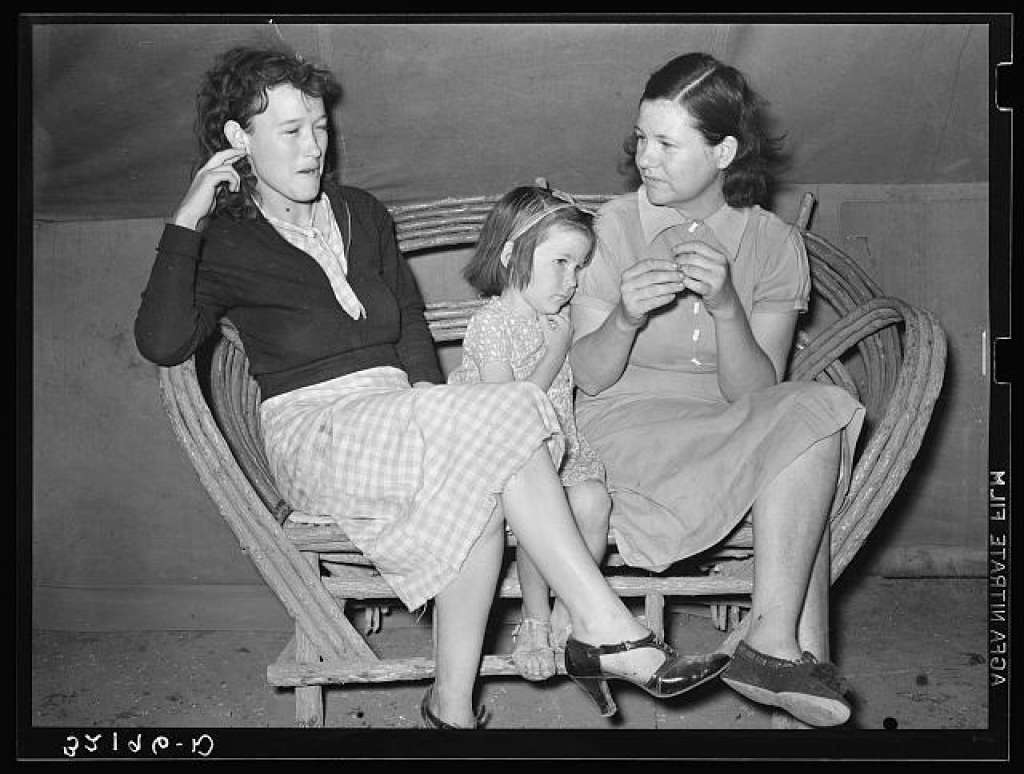
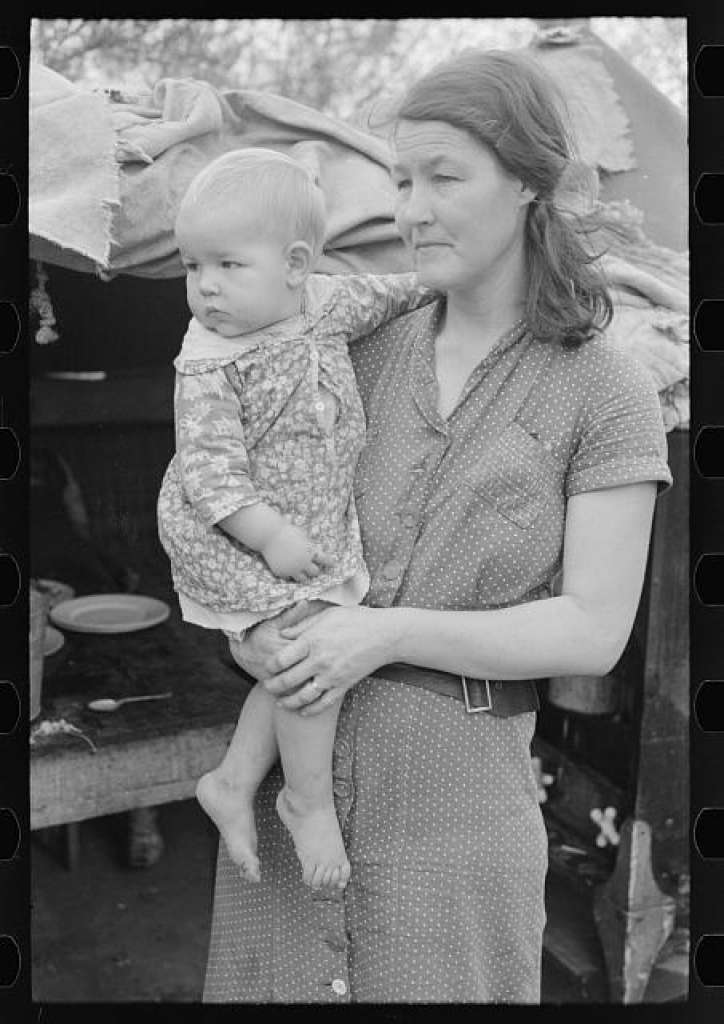
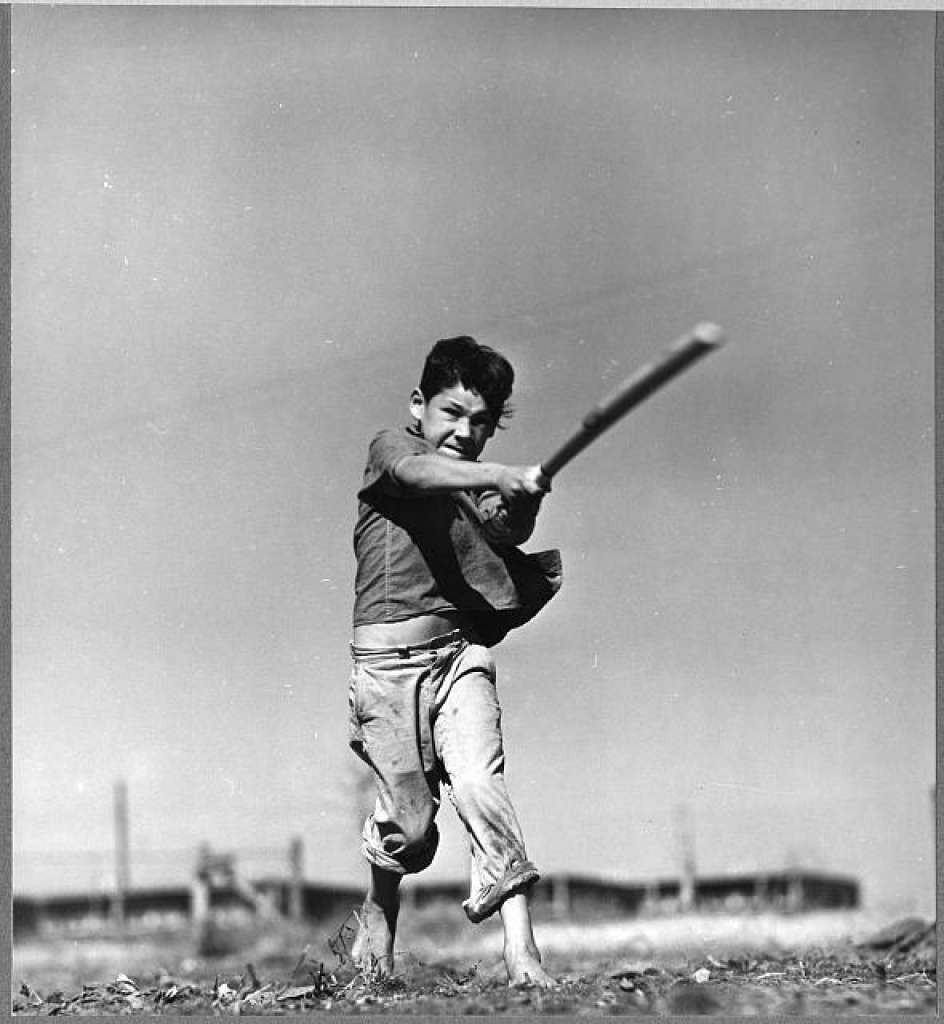
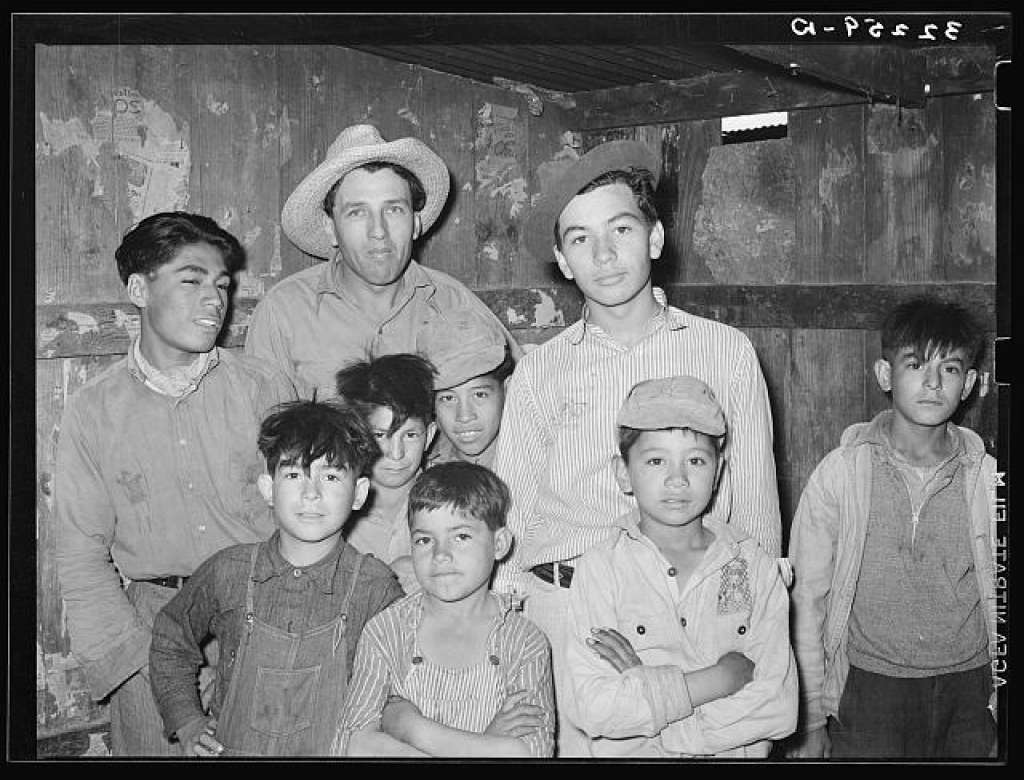
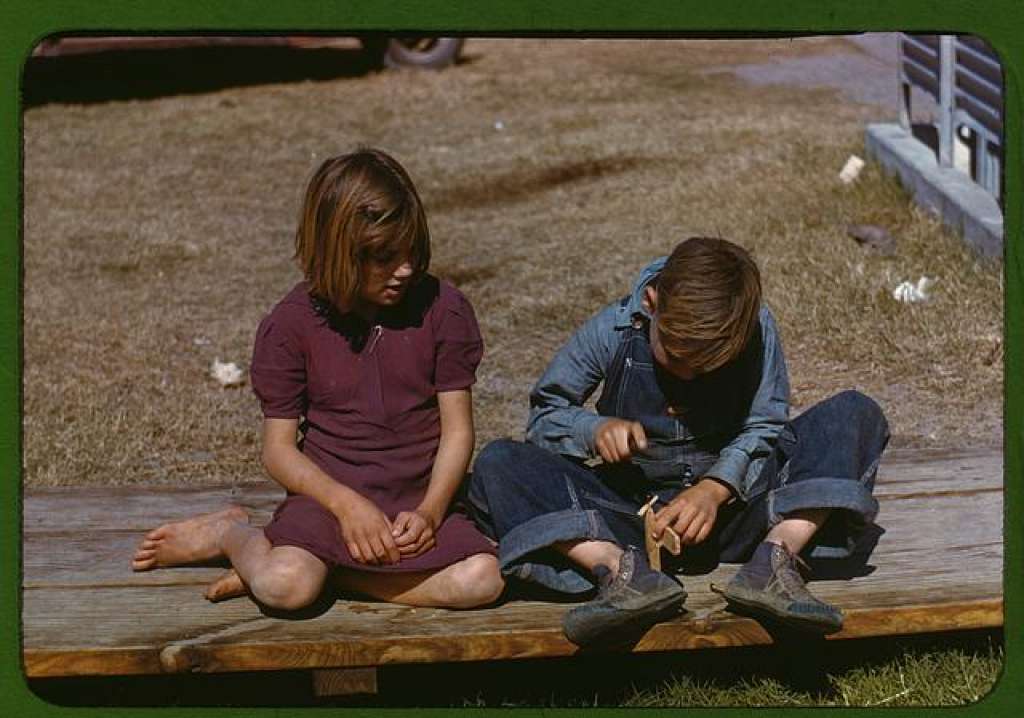
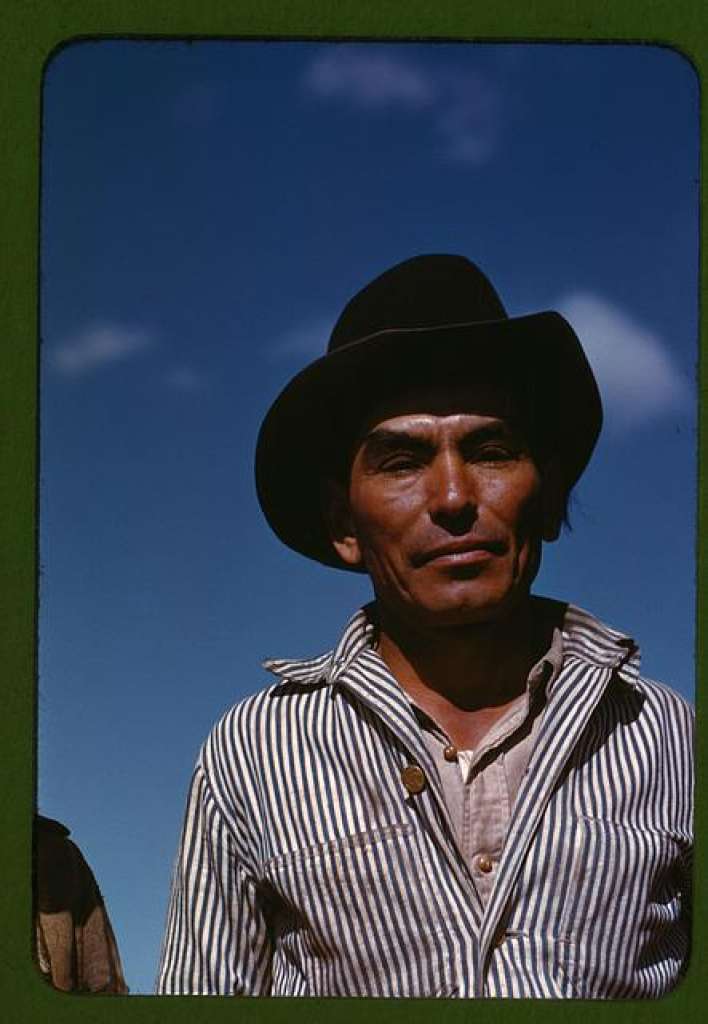
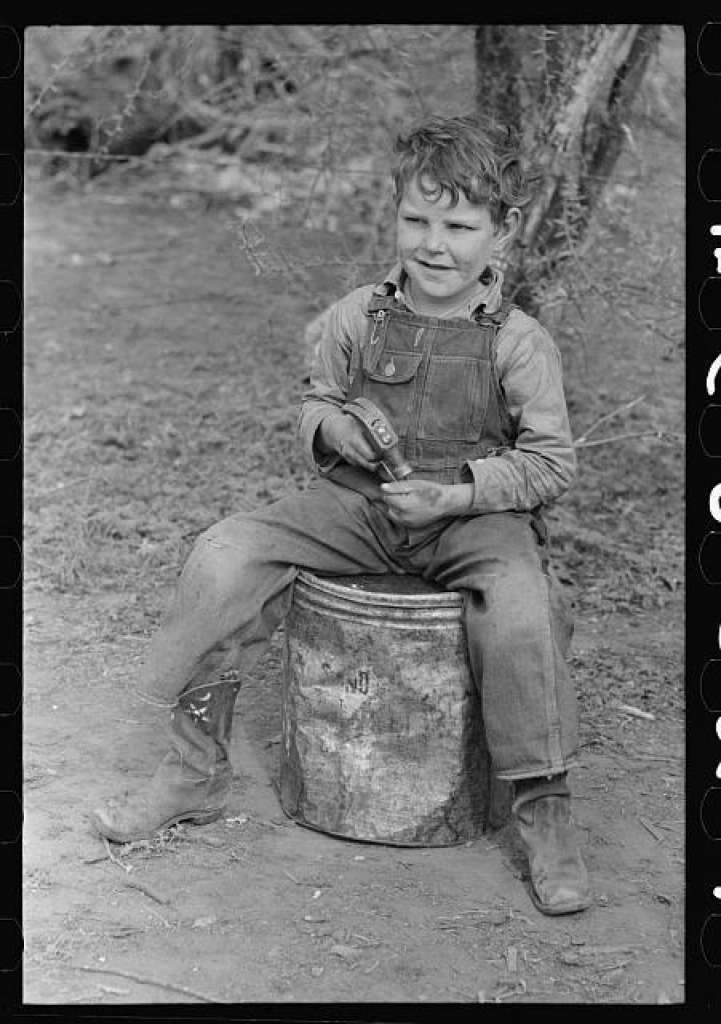
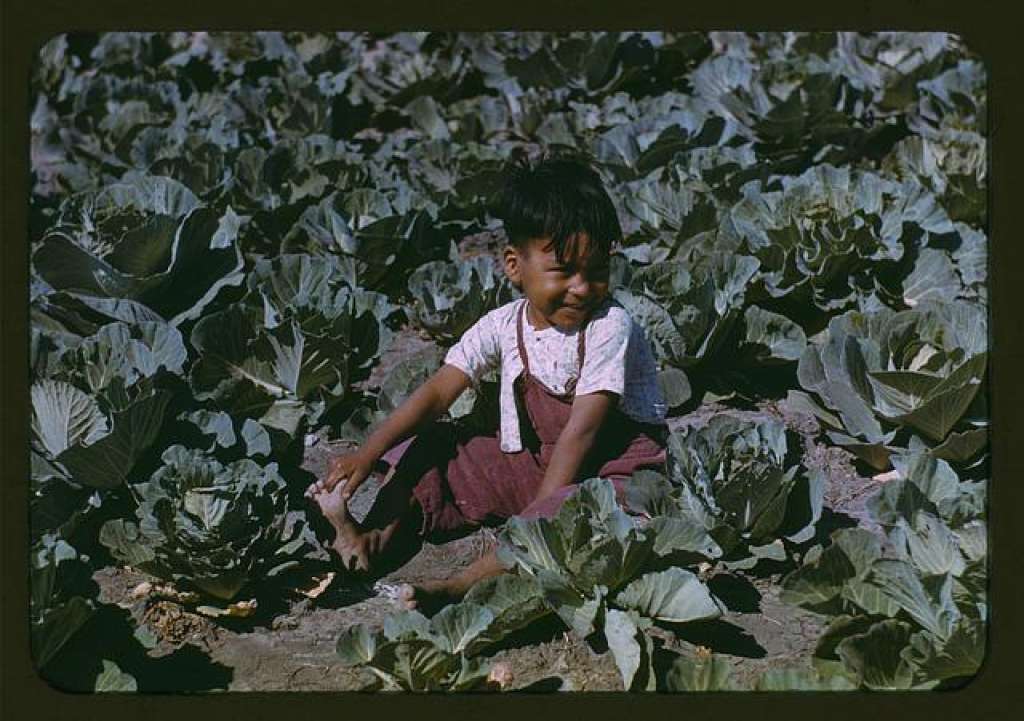
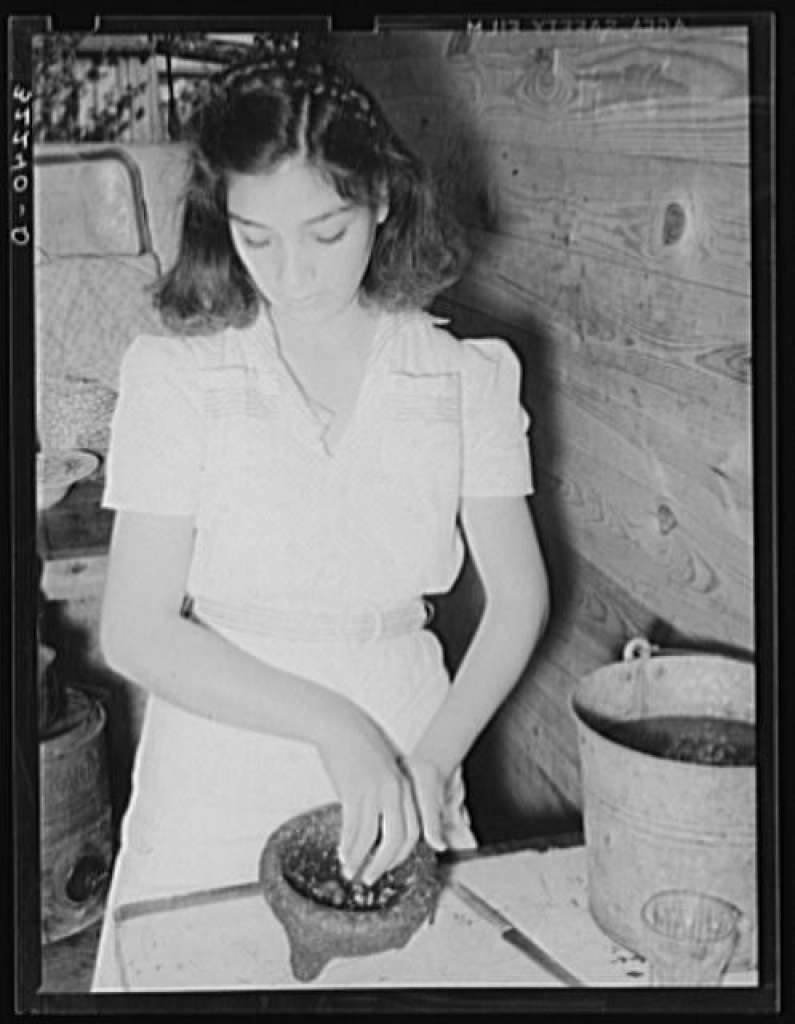
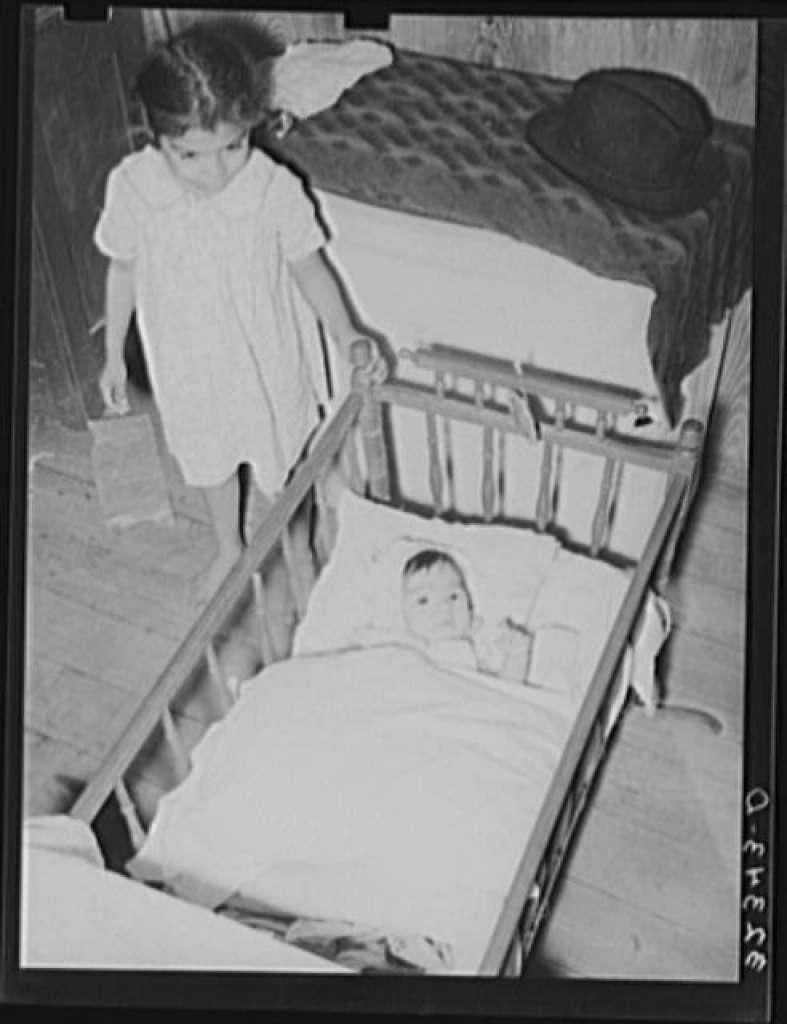
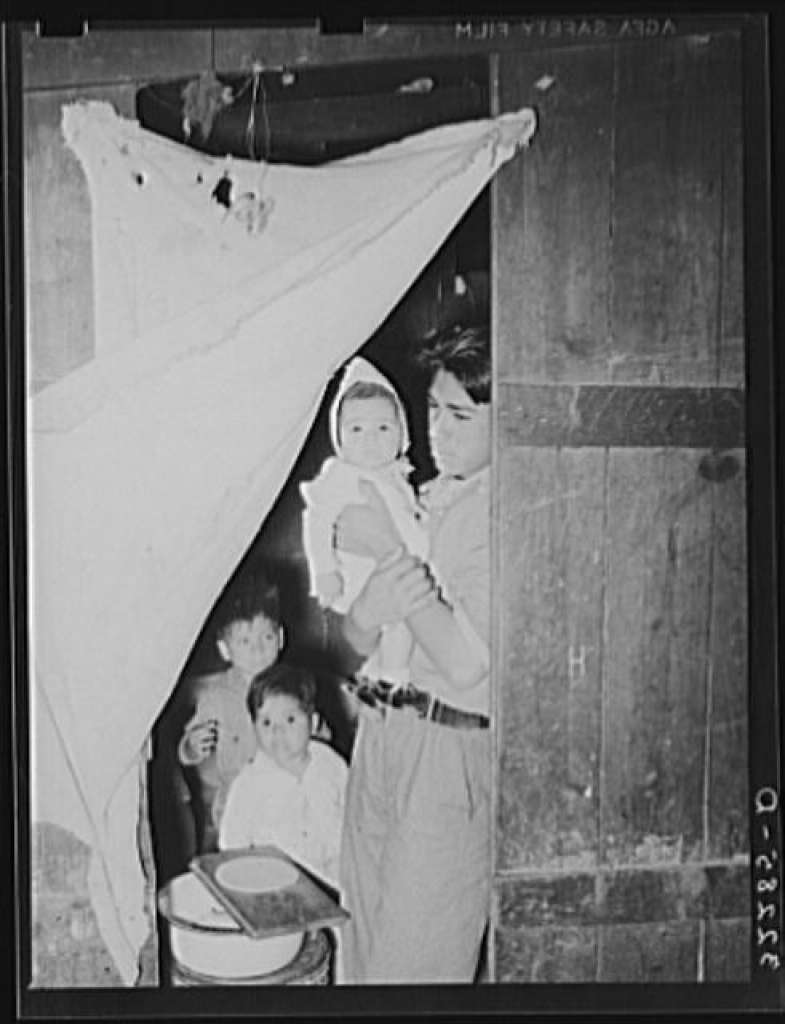
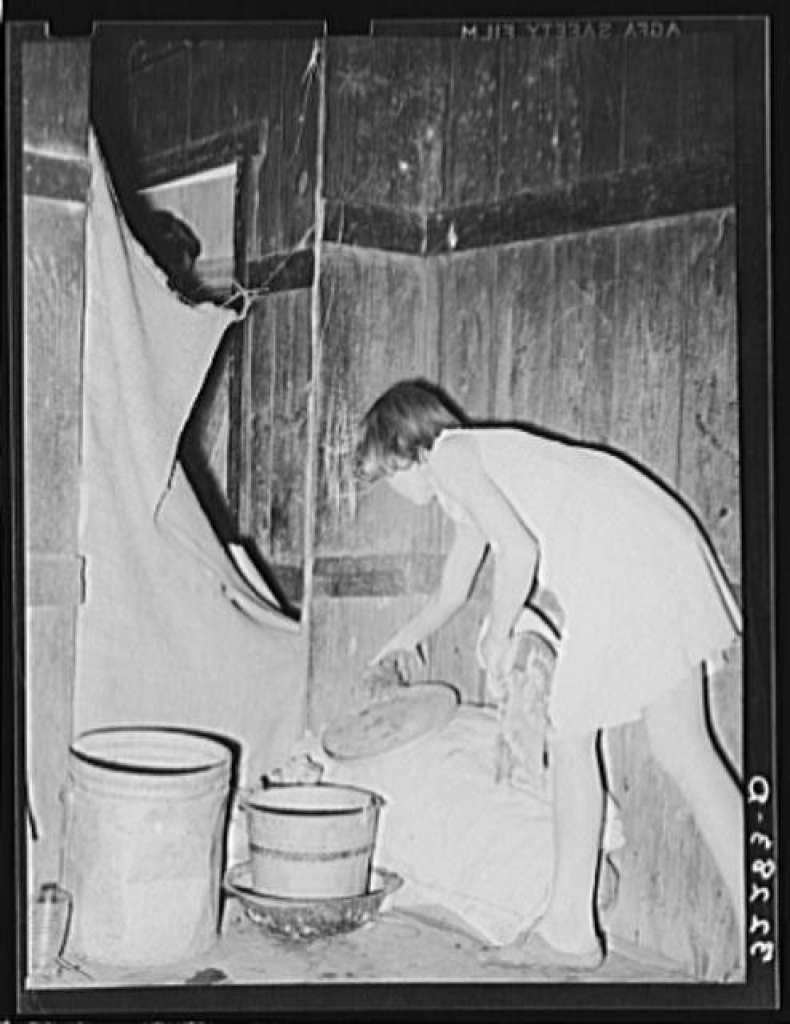
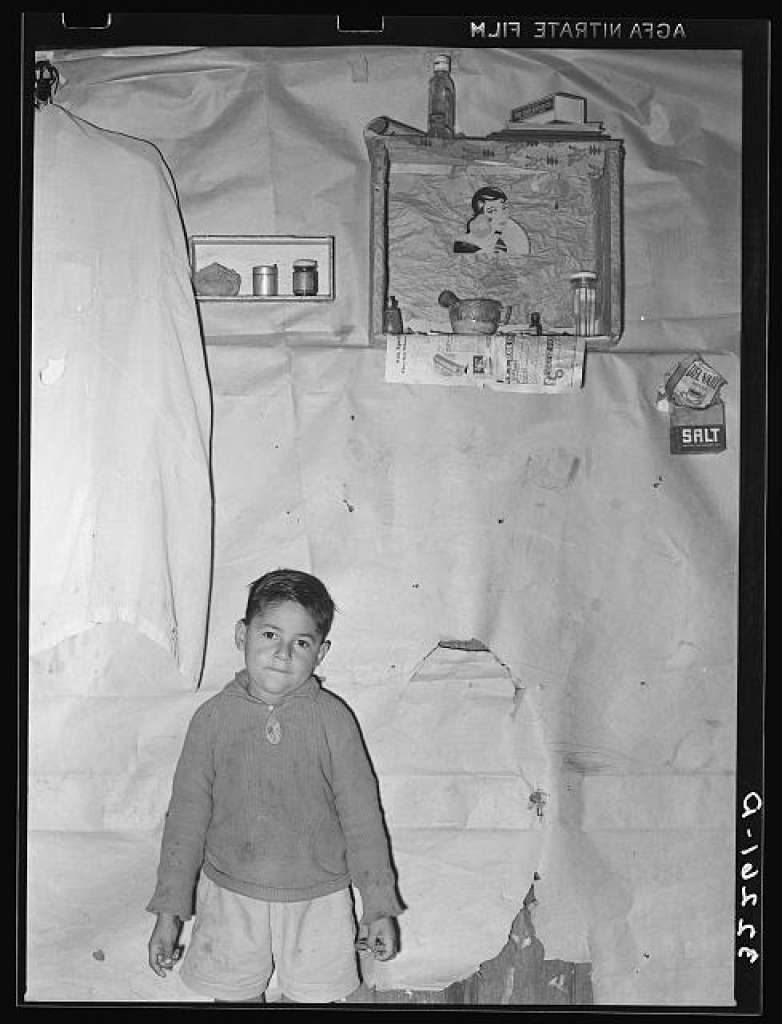
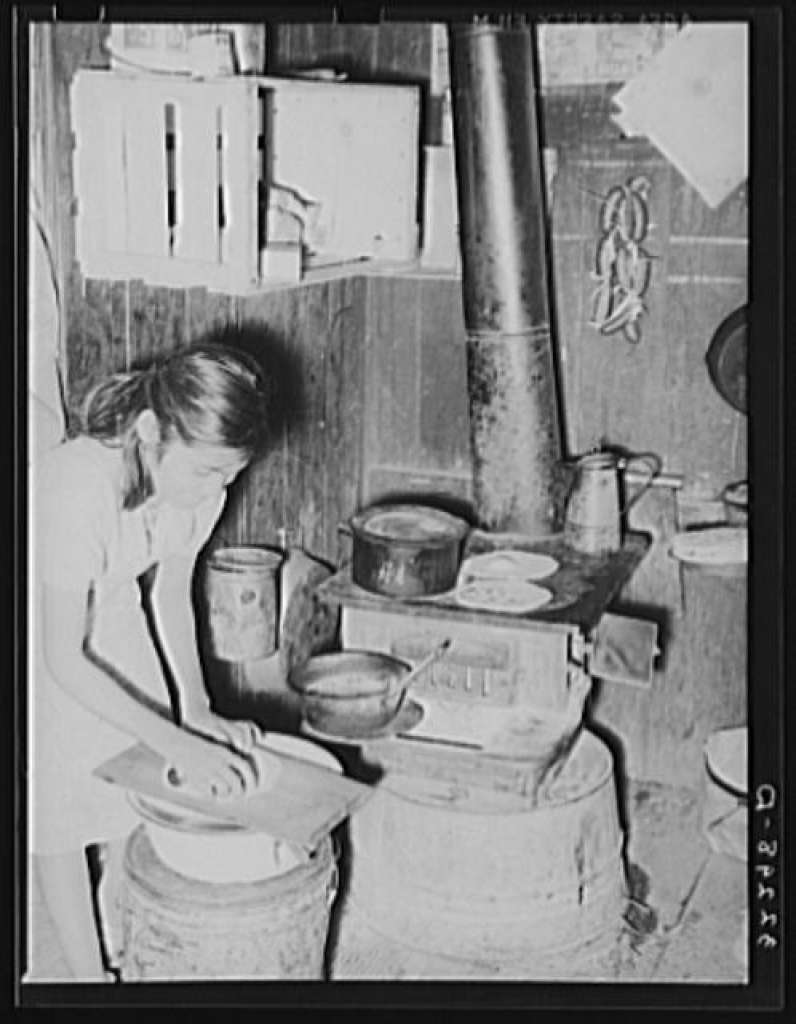
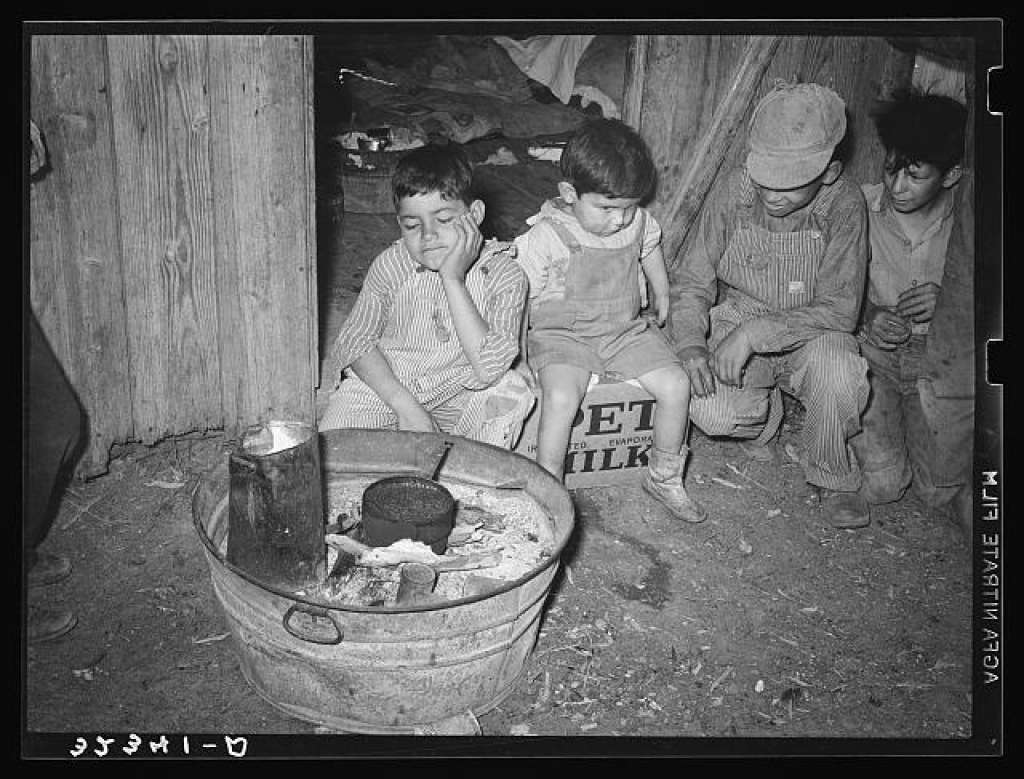
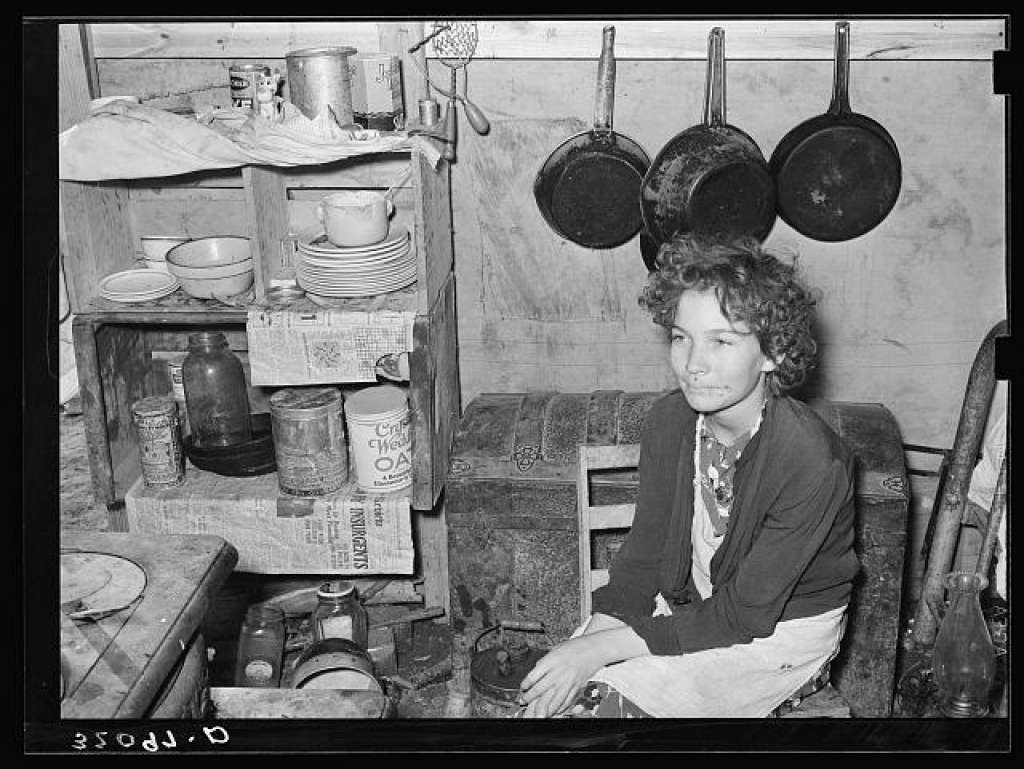
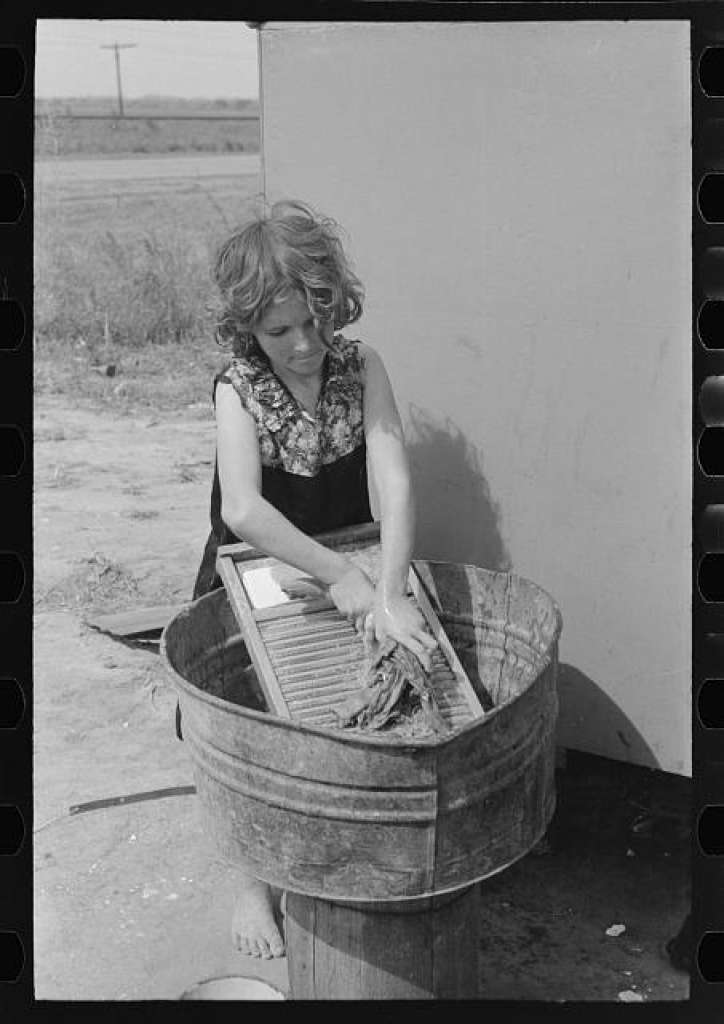
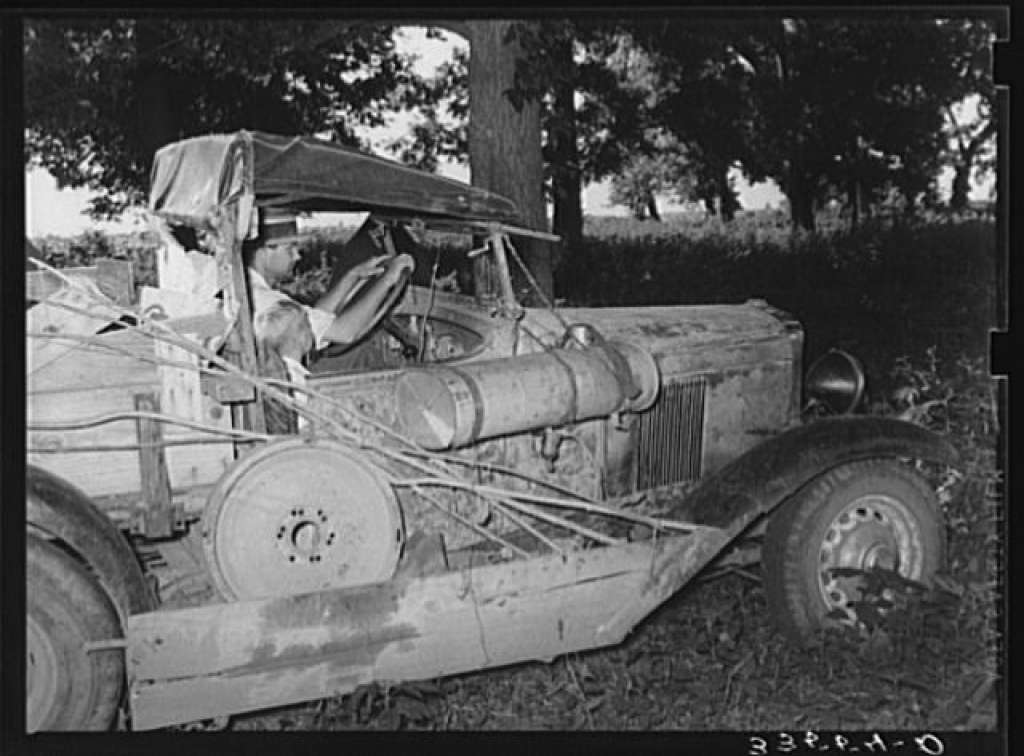
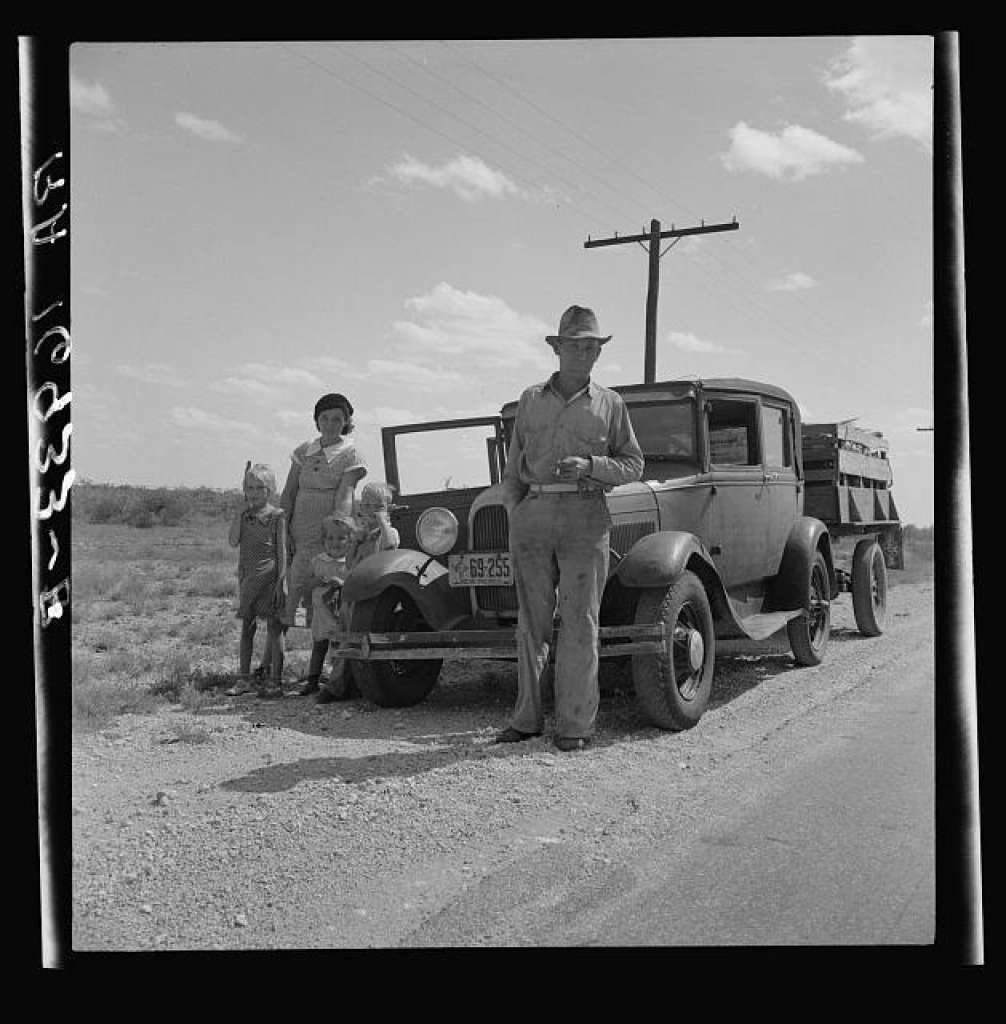
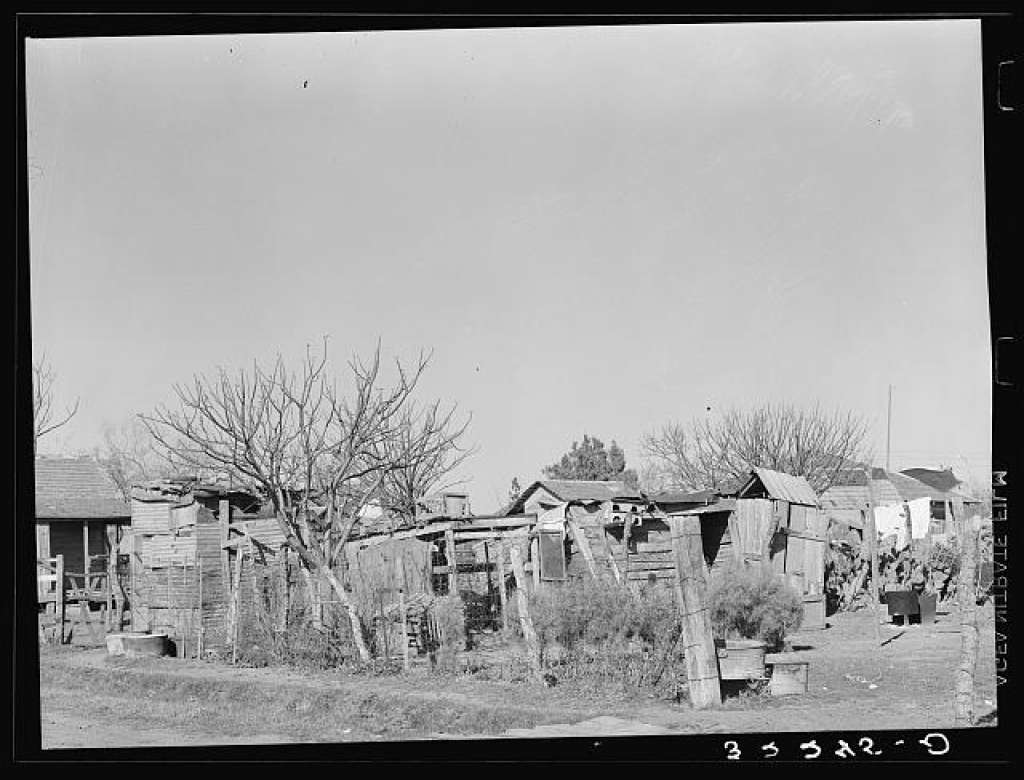
Migrant Camps, or Weedpatch Camp, has its origins in the migrations during the drought that caused the Dust Bowl in the mid-1930s. Oklahoma was especially hard hit by the drought and many of the farmers there left. They migrated to California where they moved from farm to farm looking for work as farm laborers. They were joined by other migrant workers from Texas, Arkansas and Missouri. Housing for the migrants consisted of either squatter camps (tents pitched by the side of a road) or camps established by the farmers and growers.
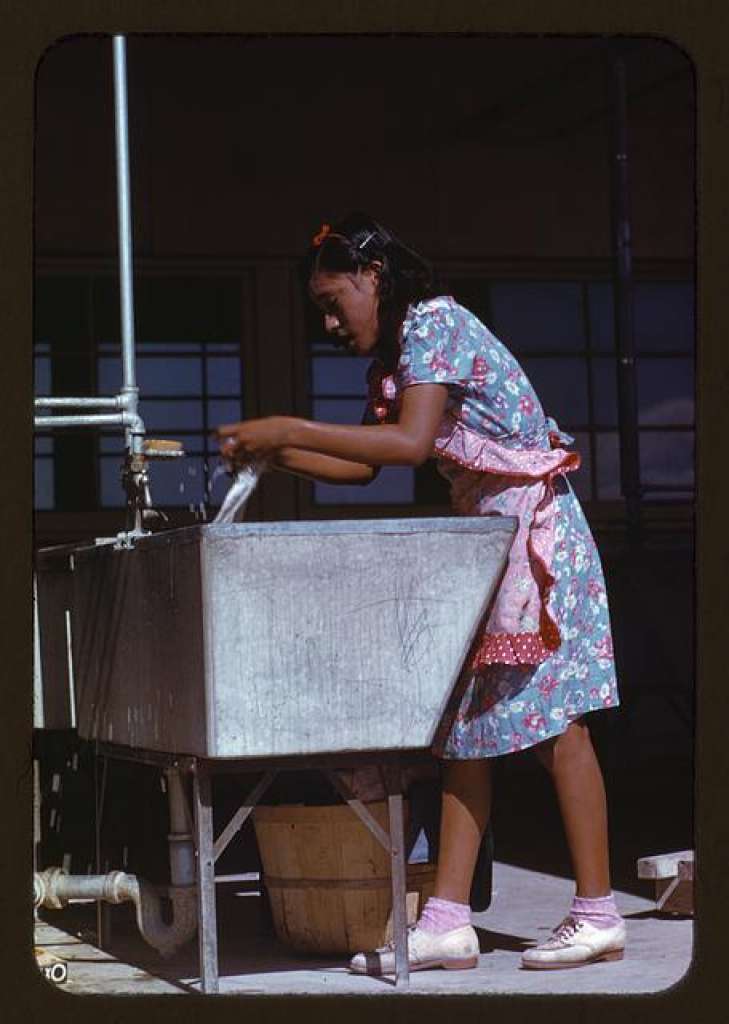
Because of the lack of hygiene and security that these types of camps offered, the Farm Security Administration (FSA) built labor camps consisting of permanent buildings with running water such as schools and libraries. The FSA also provided help locating work. The first administrator of Weedpatch Camp was Tom Collins.[2]
Between April 1935 and December 1936, the federal government’s New Deal Resettlement Administration (RA) had relocated many struggling rural and urban families to planned communities. Weedpatch Camp, however, was constructed by the Works Progress Administration. It was located on the outskirts of the small towns of Arvin and Weedpatch. The camp now is located in an unincorporated area of Kern County just south of Bakersfield.
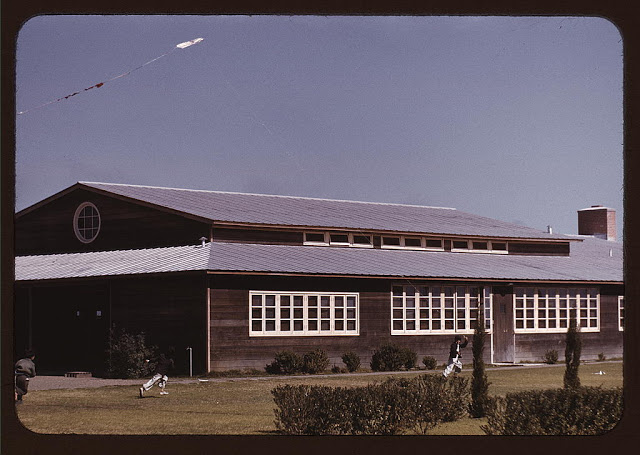
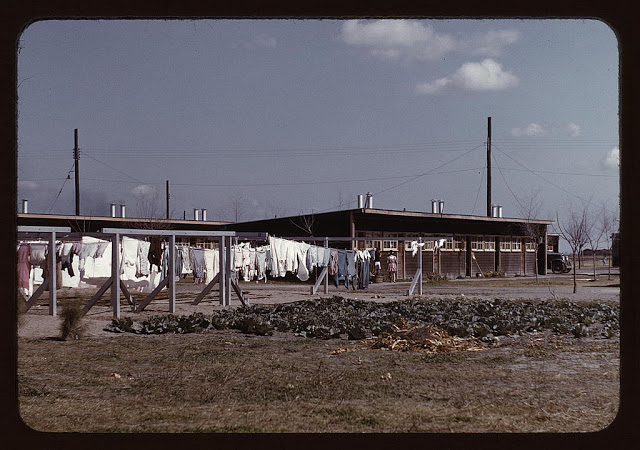
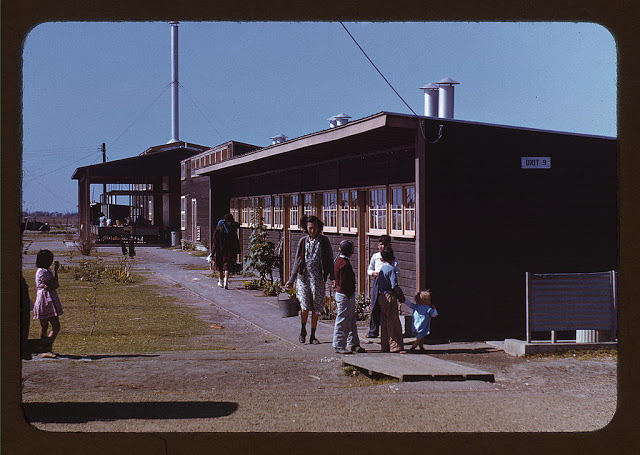
The camp originally consisted of canvas tents on plywood platforms for the residents and permanent buildings to house the community functions such as administration, community hall, post office, library and barber shop. Later, the residents’ tents were replaced by permanent wood frame shacks. The buildings are single story wood frame structures.
There are three buildings remaining from the camp that make up this National Register of Historic Places property: the community hall, the post office, and the library. The latter two buildings were moved next to the community hall to form the beginnings of a historic park on the property. In 2007, the exteriors of the library and post office buildings were renovated.[3]
The camp is significant in the history of California for the migration of people escaping the Dust Bowl. These migrants were known by the derogatory term of Okie and were the subject of discrimination from the local population.
The plight of the Okies and a description of Migrant Camps were chronicled by novelist John Steinbeck in his book The Grapes of Wrath. The book is dedicated to camp administrator Collins who was the model for the character called Jim Rawley.[2] Author Sonora Babb worked at the camp under Collins’ supervision and wrote Whose Names Are Unknown, a novel depicting the experiences of a migrant family from Oklahoma that went unpublished until 2004 due to her publisher dropping the book shortly after The Grapes of Wrath was released and met with major success.[4]
Migrant advocate Dr. Myrnie Gifford revealed in a 1937 Kern County Public Health Department annual report that 25% of the Okies in Arvin Federal Labor Camp tested positive for a disease associated with agricultural dust exposure called “valley fever.”[5]
The camp was subsequently taken over by the Kern County Housing Authority, which administers it as the Sunset Labor Camp to assist migrant farm workers. (Wikipedia)




















Discover more from Yesterday Today
Subscribe to get the latest posts sent to your email.
