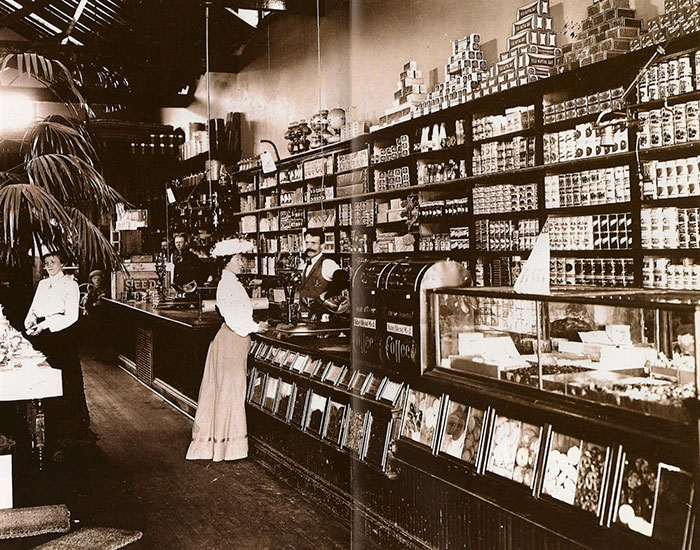
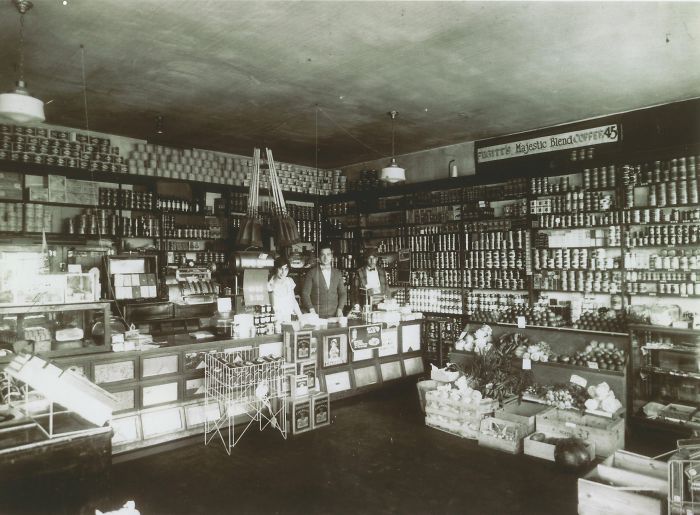
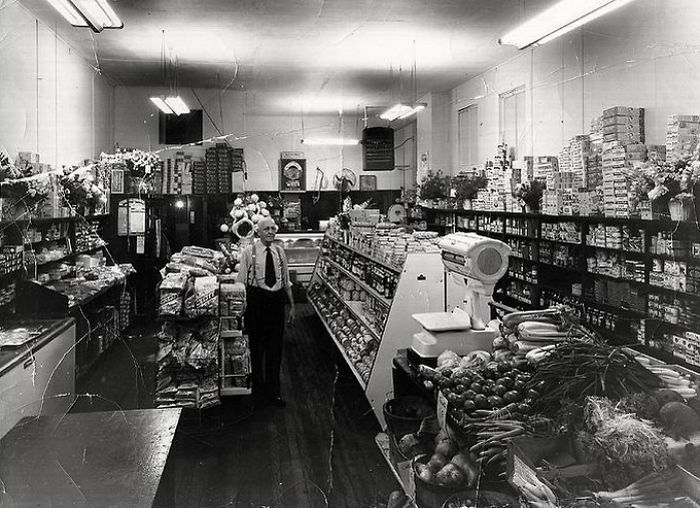
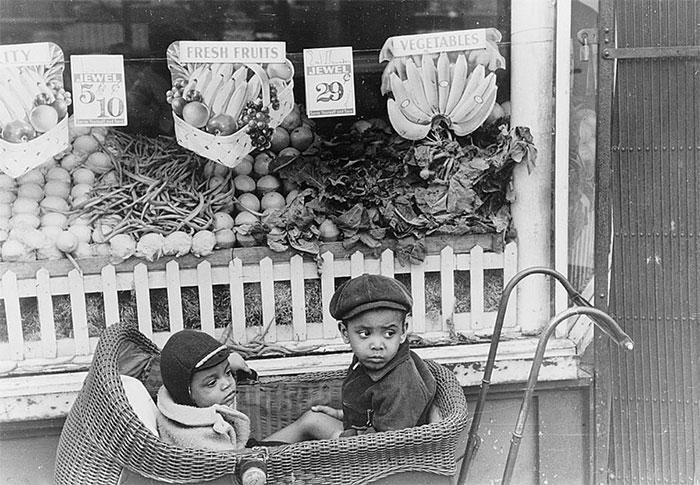
Beginning as early as the 14th century, a grocer (or “purveyor”) was a dealer in comestible dry goods such as spices, peppers, sugar, and (later) cocoa, tea, and coffee. Because these items were often bought in bulk, they were named after the French word for wholesaler, or “grossier”. This, in turn, is derived from the Medieval Latin term “grossarius”, from which the term “gross” (meaning a quantity of 12 dozen, or 144) is also derived.
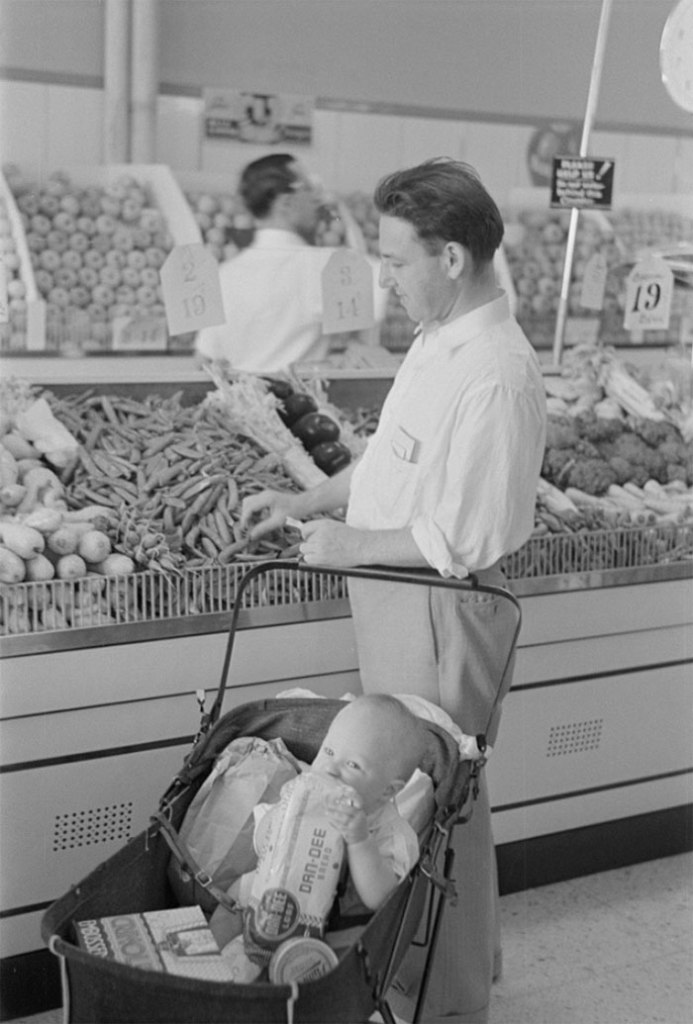
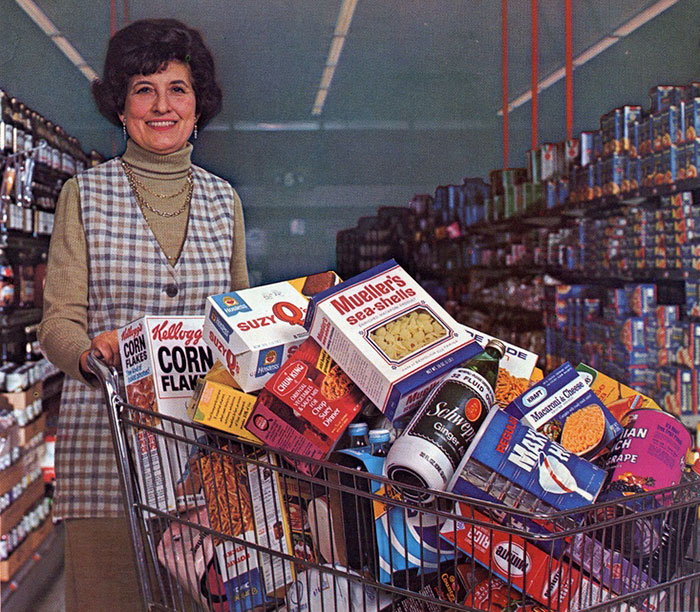
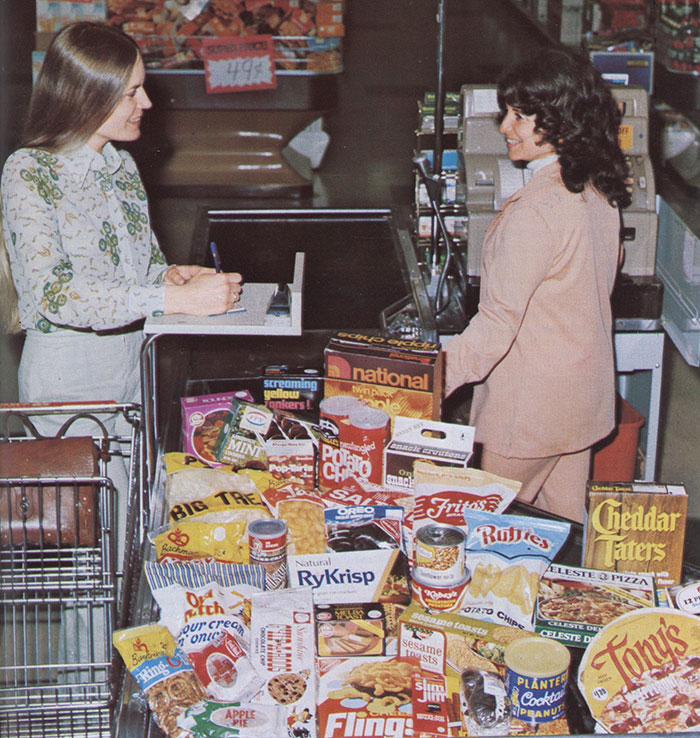
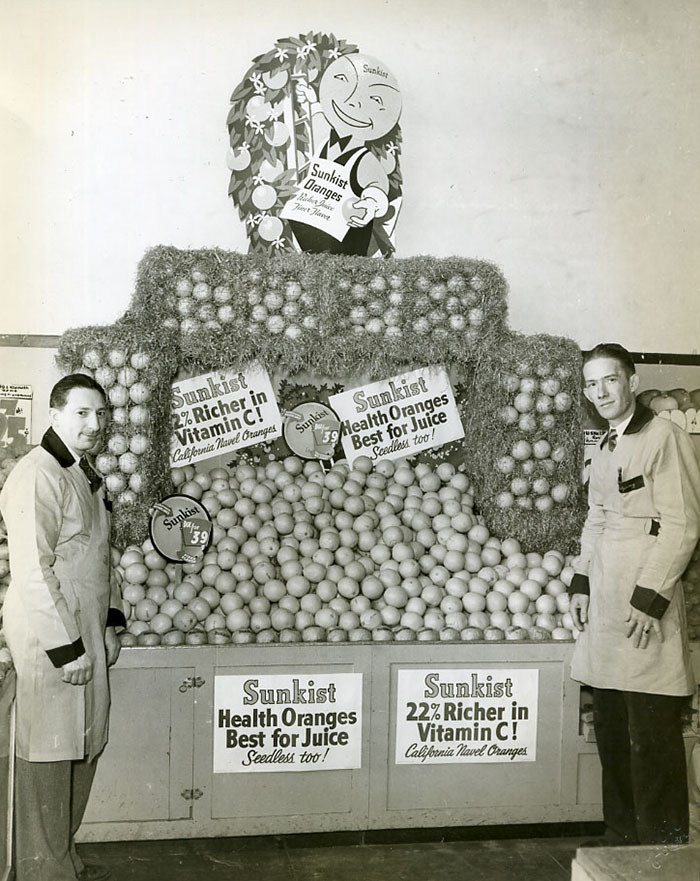
As increasing numbers of staple food-stuffs became available in cans and other less-perishable packaging, the trade expanded its province. Today, grocers deal in a wide range of staple food-stuffs including such perishables as dairy products, meats, and produce. Such goods are, hence, called groceries.
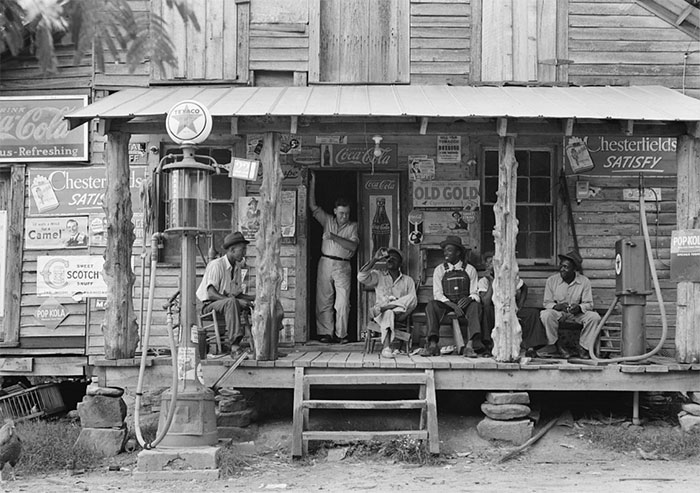
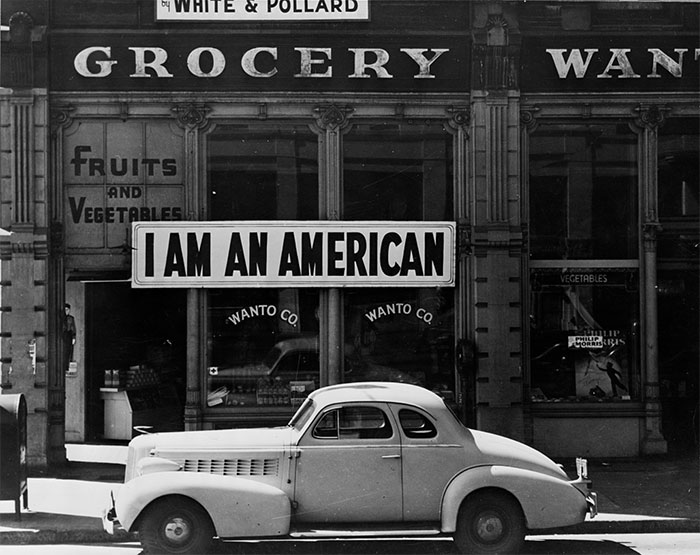
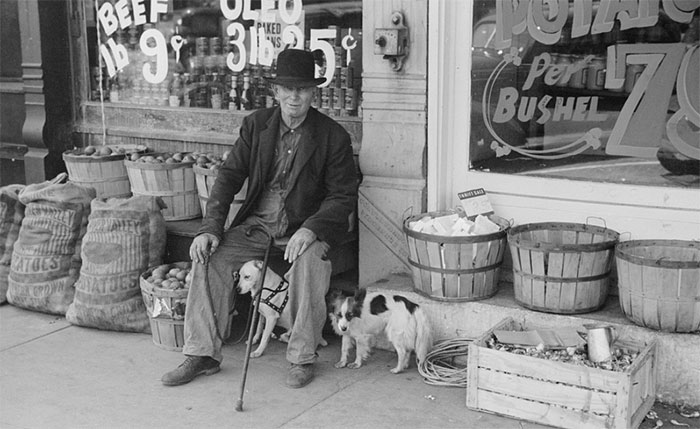
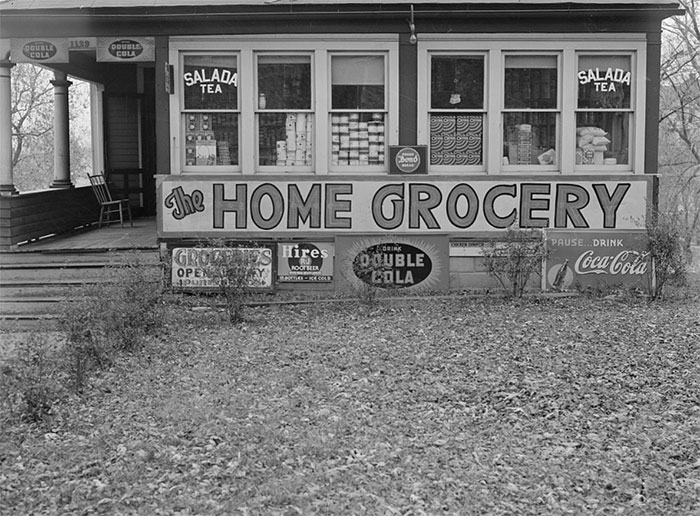
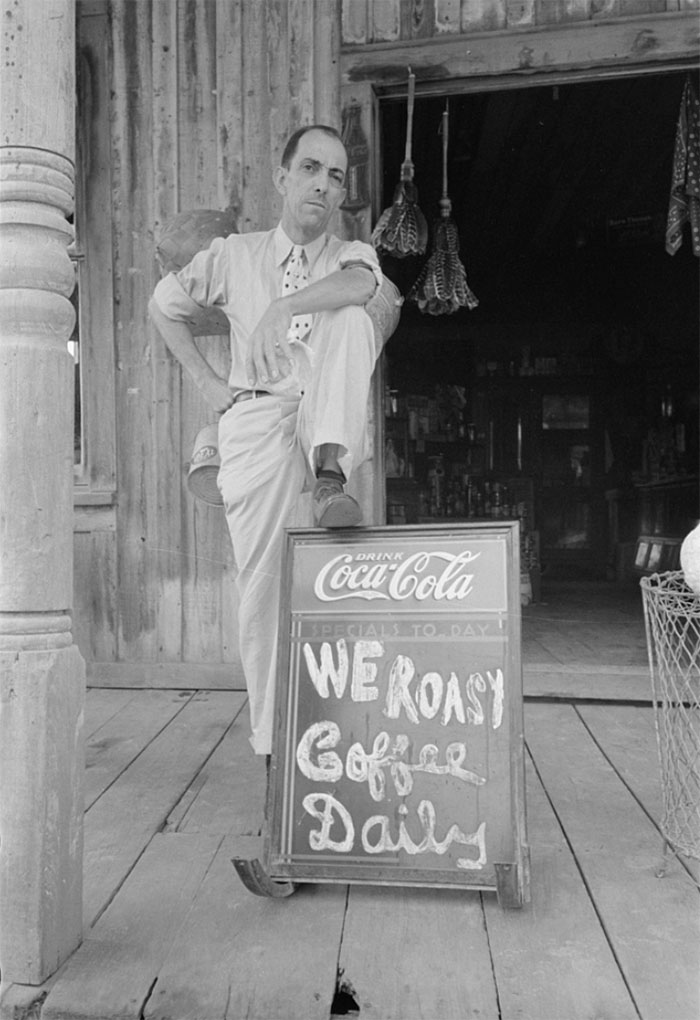
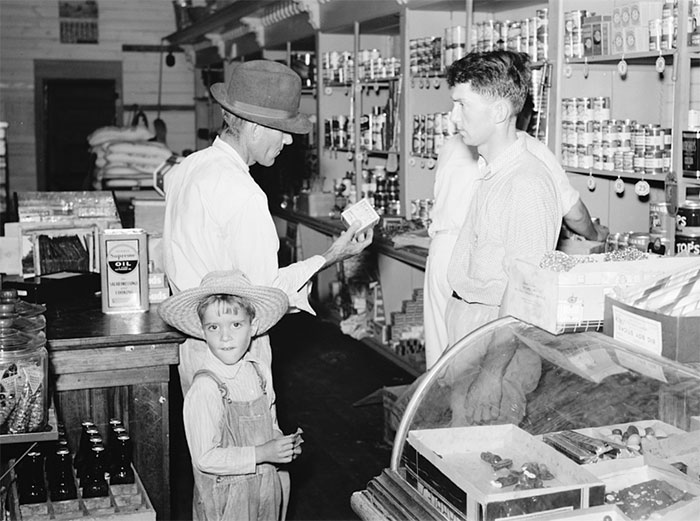
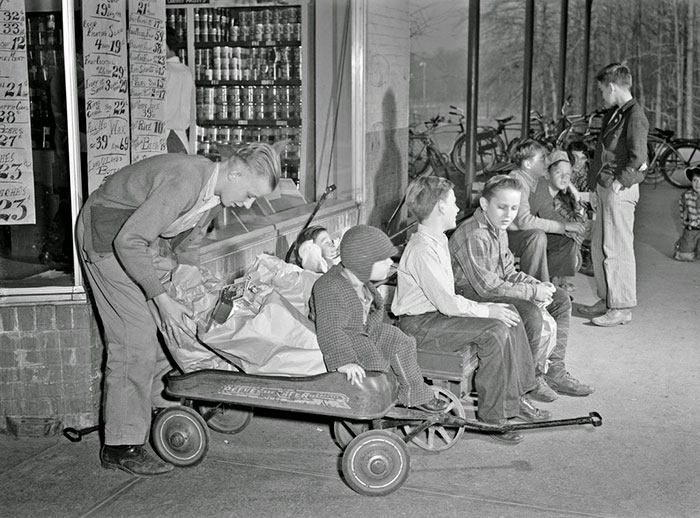
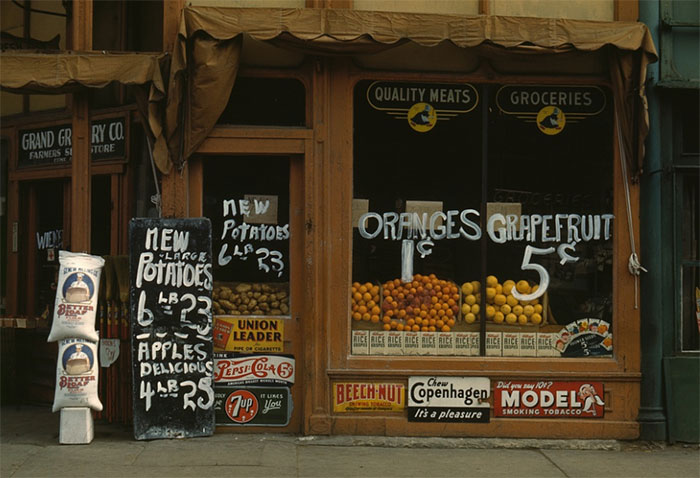
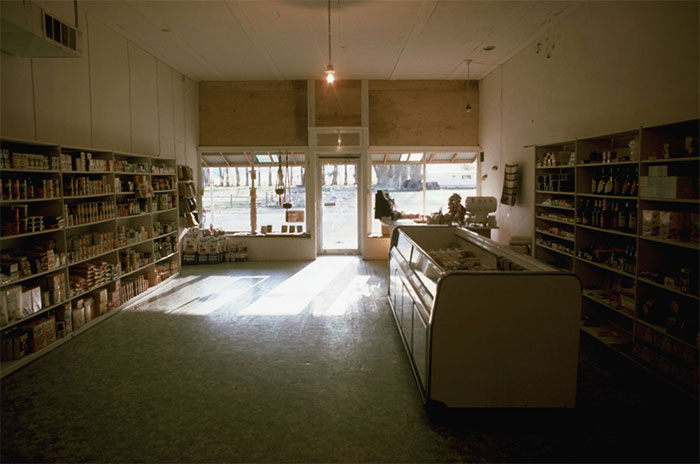
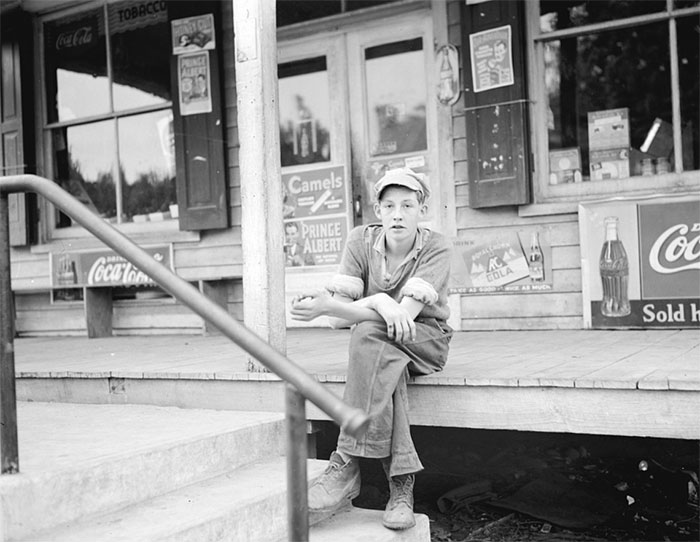
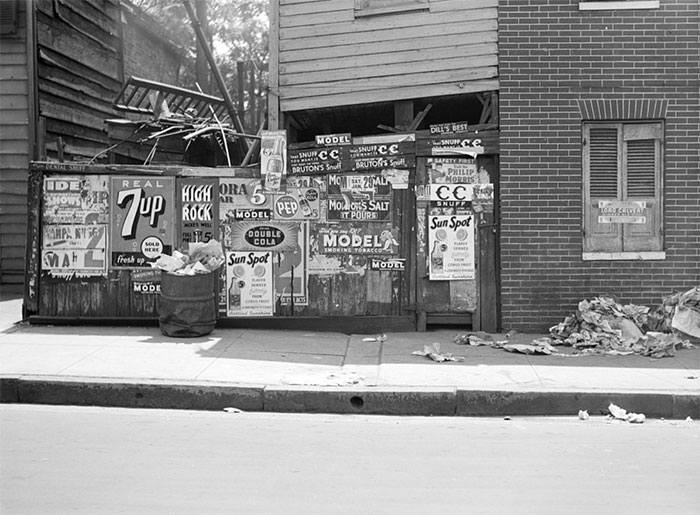
Many rural areas still contain general stores that sell goods ranging from tobacco products to imported napkins. Traditionally, general stores have offered credit to their customers, a system of payment that works on trust rather than modern credit cards. This allowed farm families to buy staples until their harvest could be sold.[citation needed]
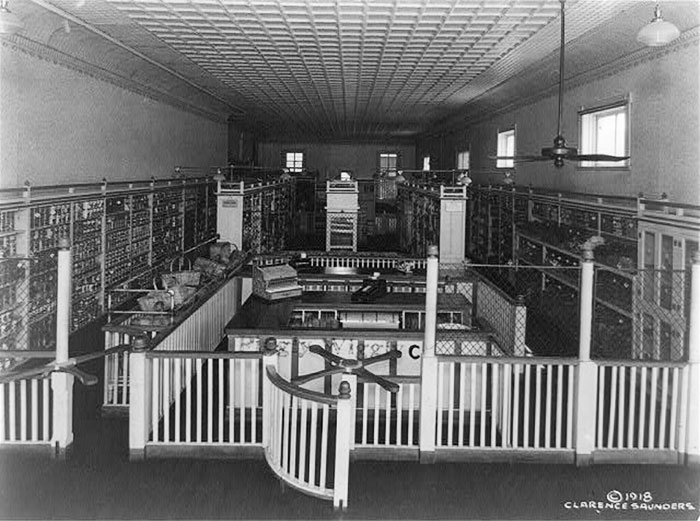
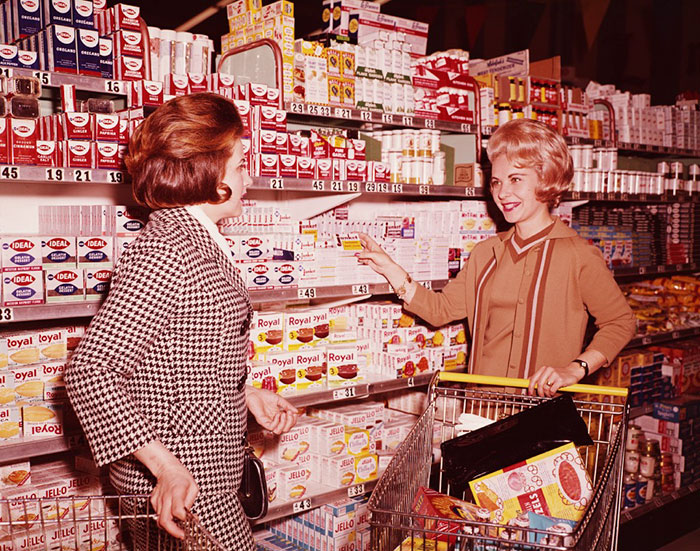
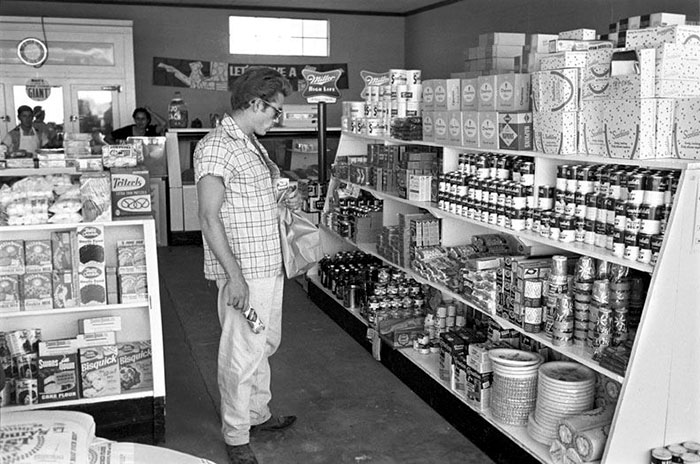
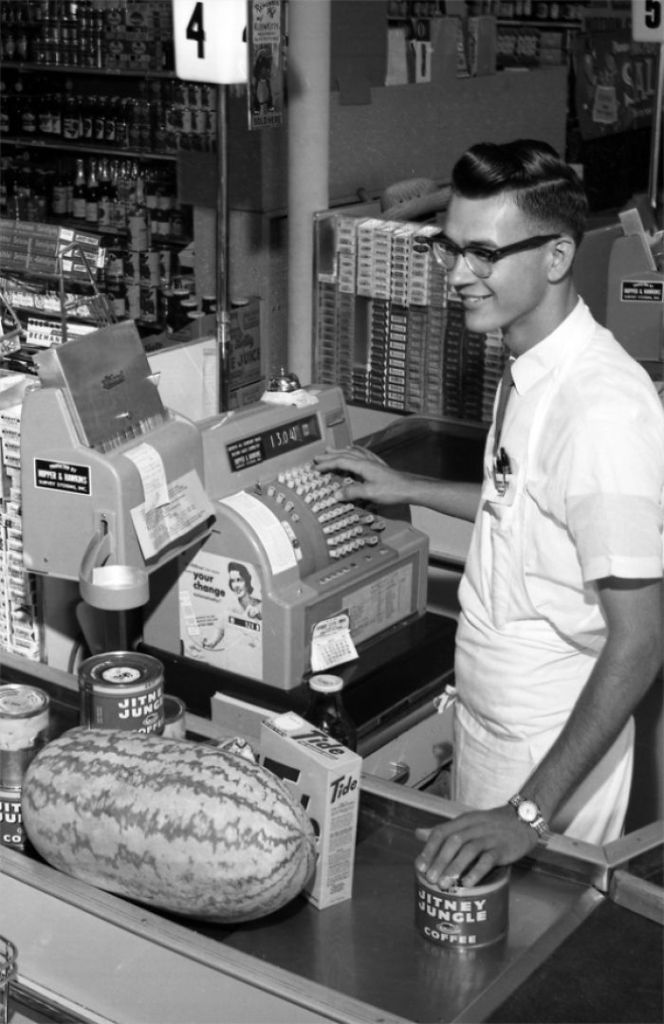
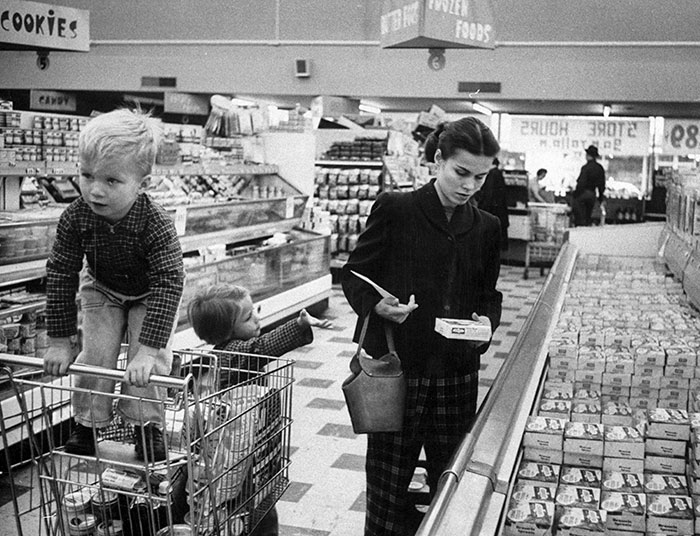
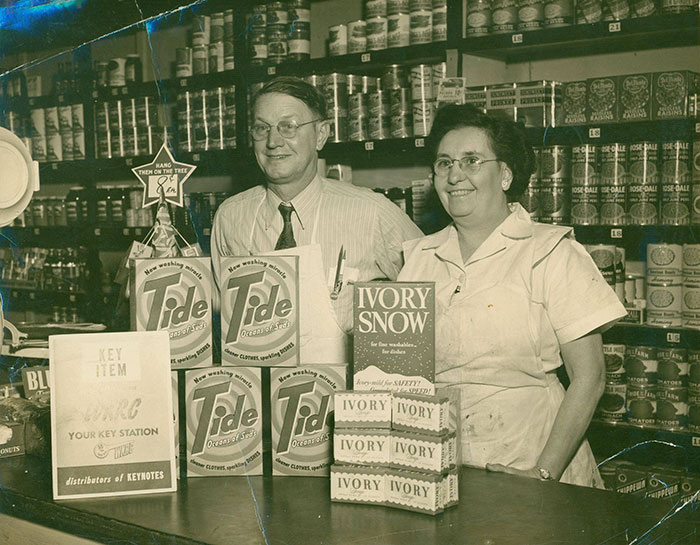
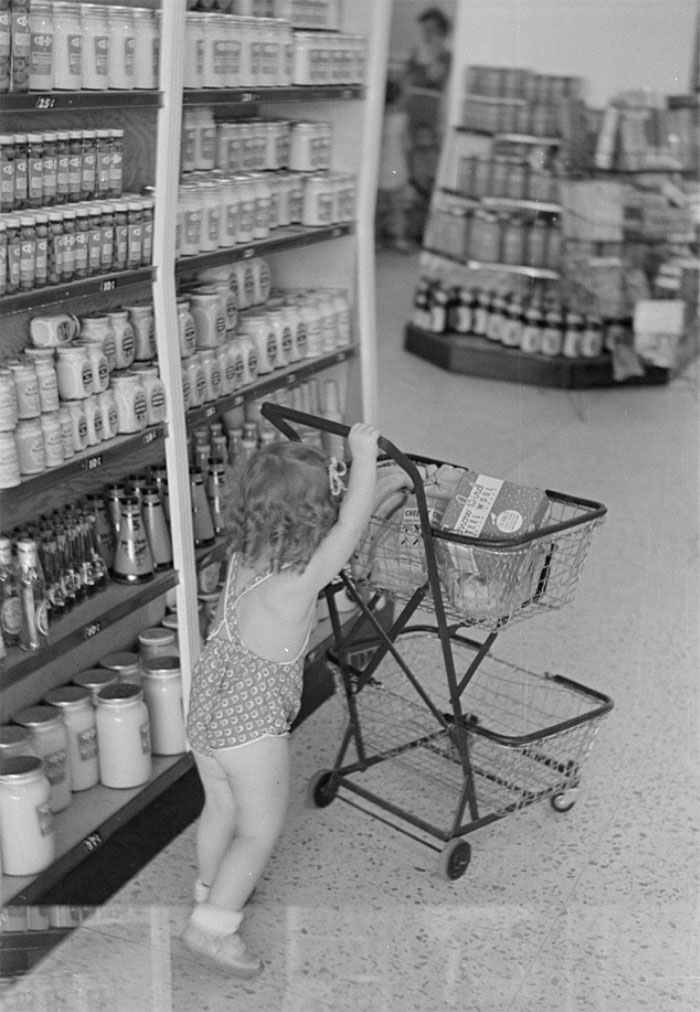
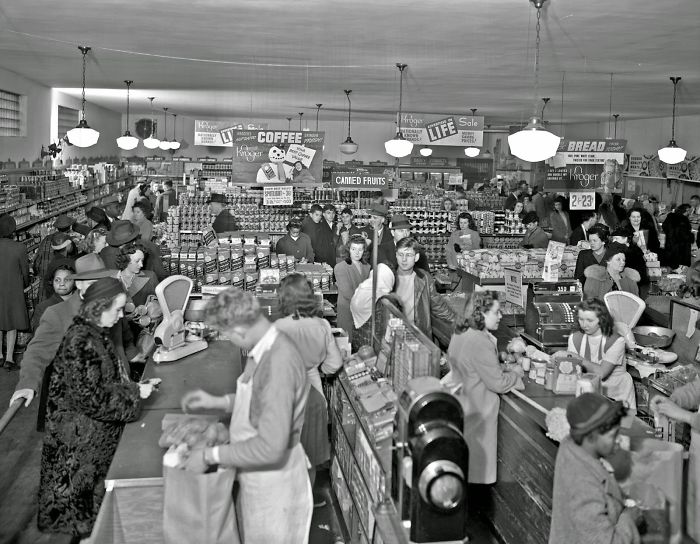
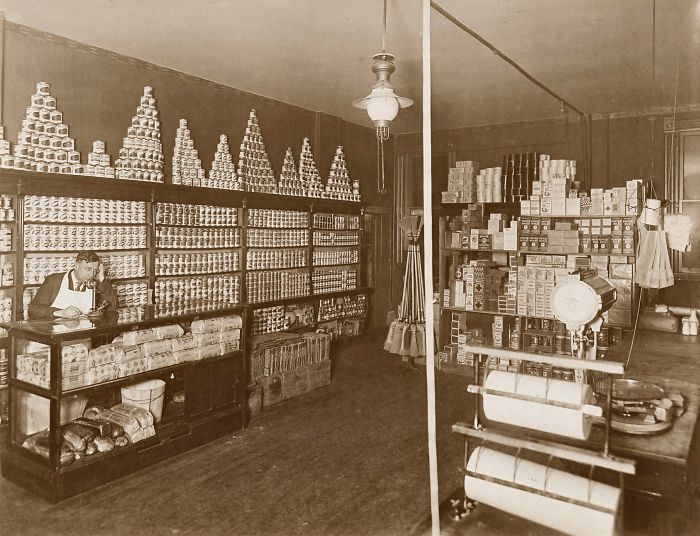
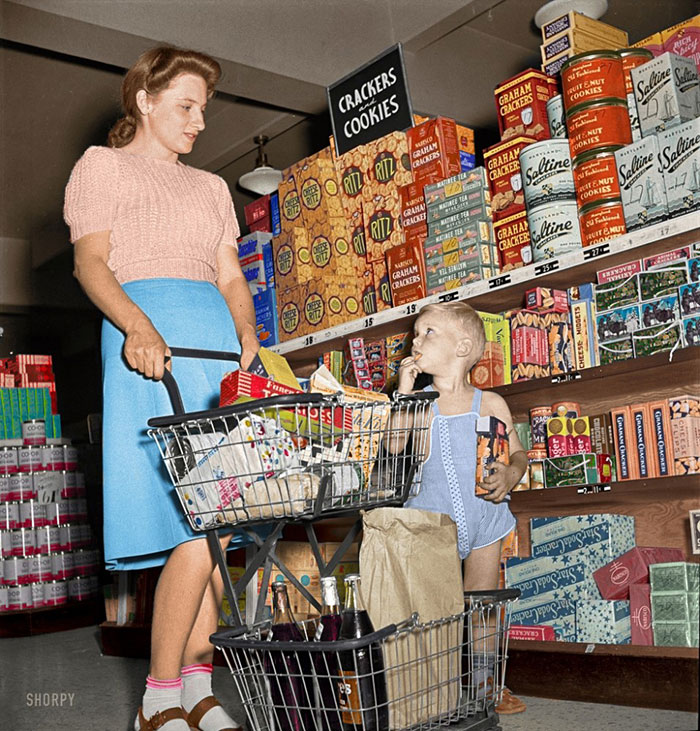
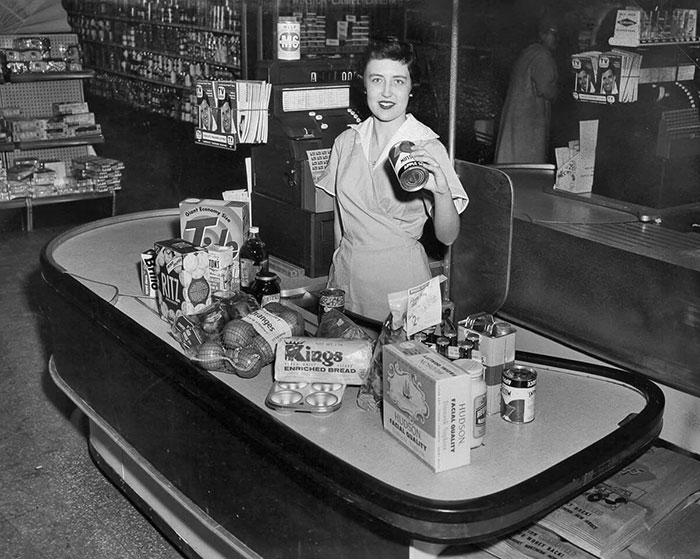
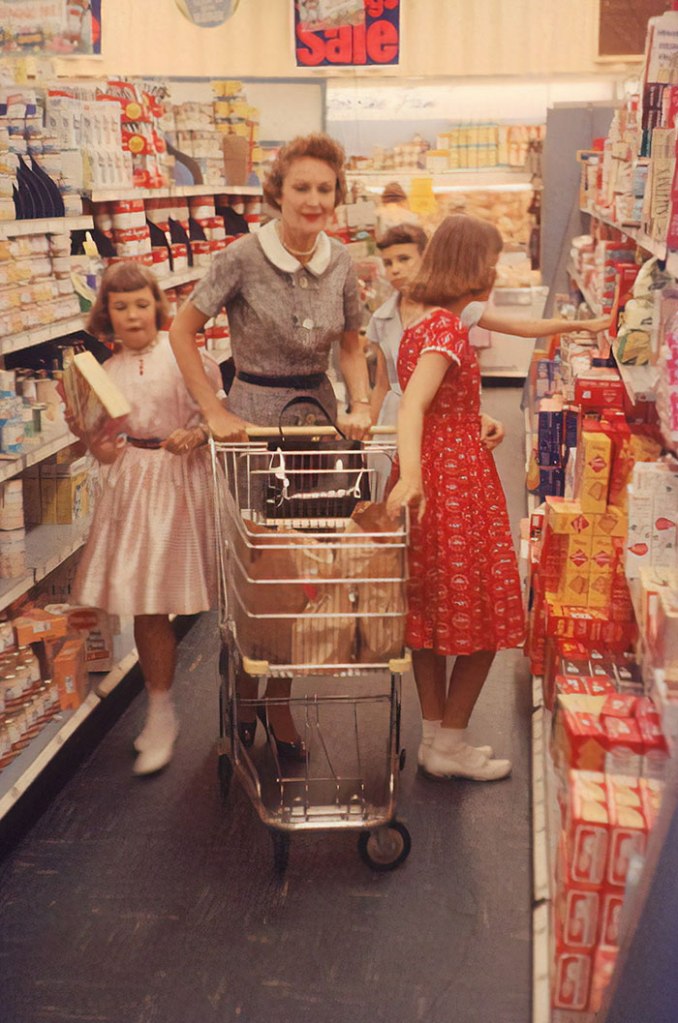
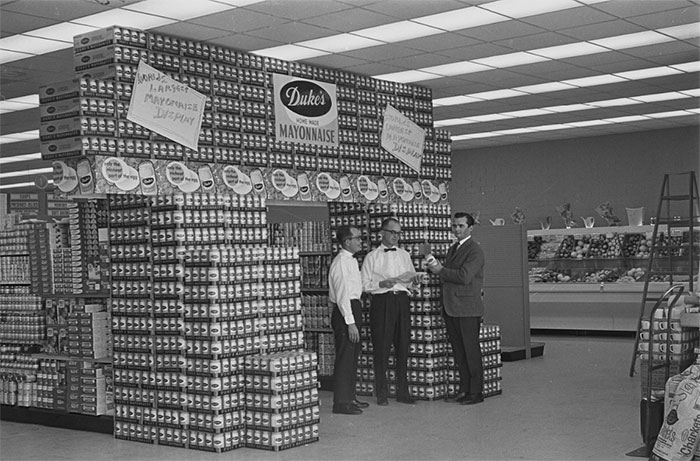
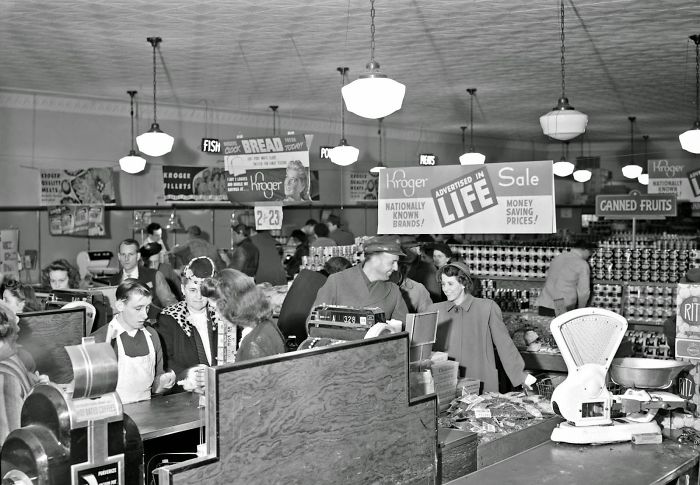
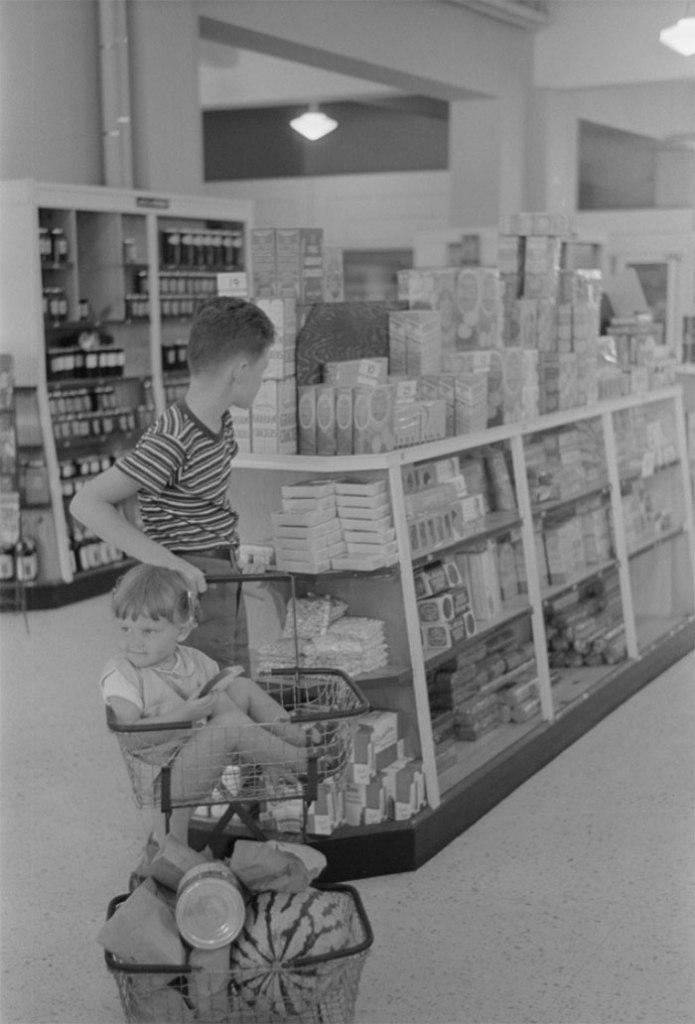
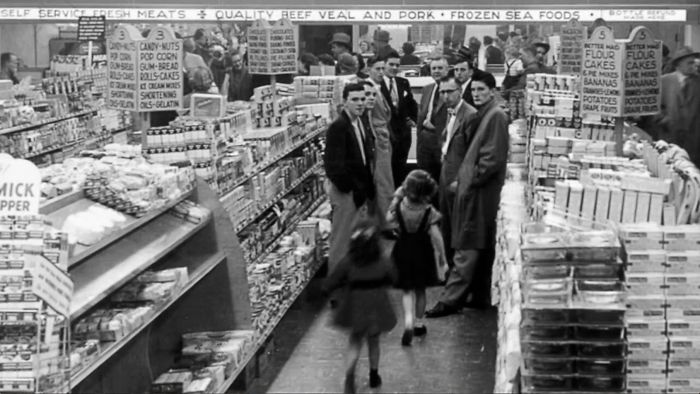
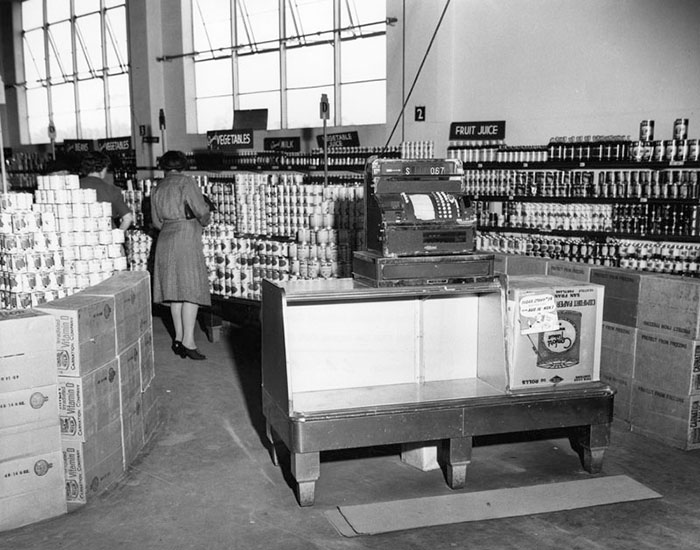
The first self-service grocery store, Piggly Wiggly, was opened in 1916 in Memphis, Tennessee, by Clarence Saunders, an inventor and entrepreneur. Prior to this innovation, grocery stores operated “over the counter,” with customers asking a grocer to retrieve items from inventory. Saunders’ invention allowed a much smaller number of clerks to service the customers, proving successful (according to a 1929 issue of Time) “partly because of its novelty, partly because neat packages and large advertising appropriations have made retail grocery selling almost an automatic procedure.”
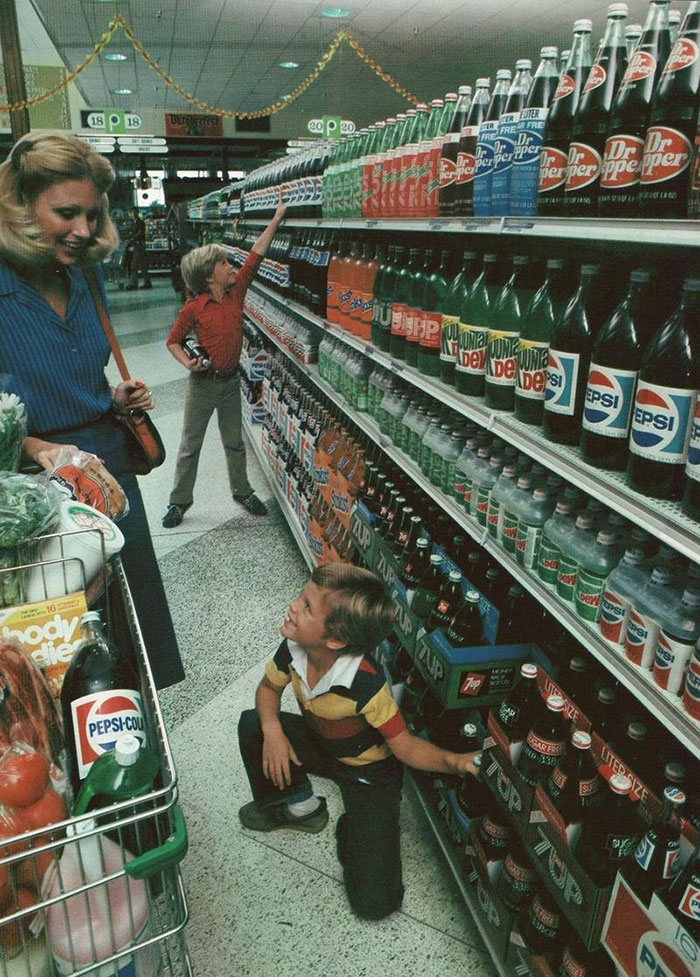
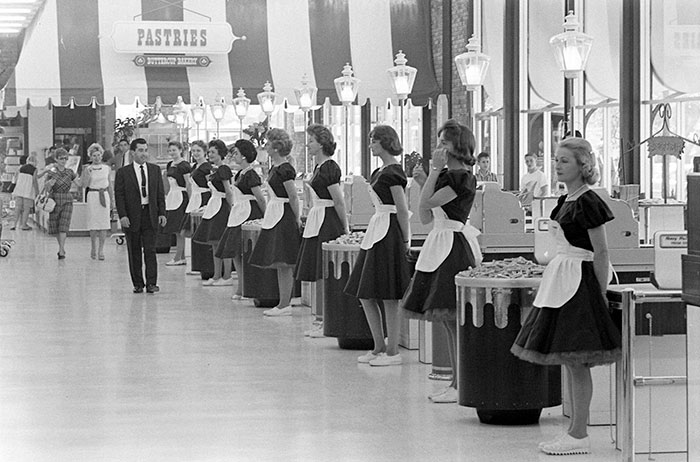
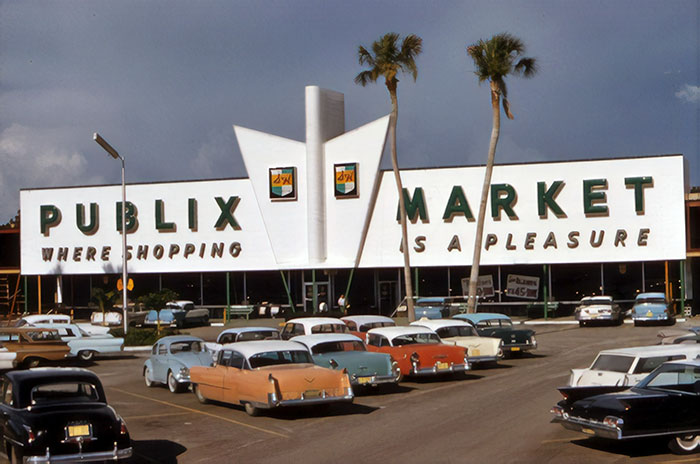
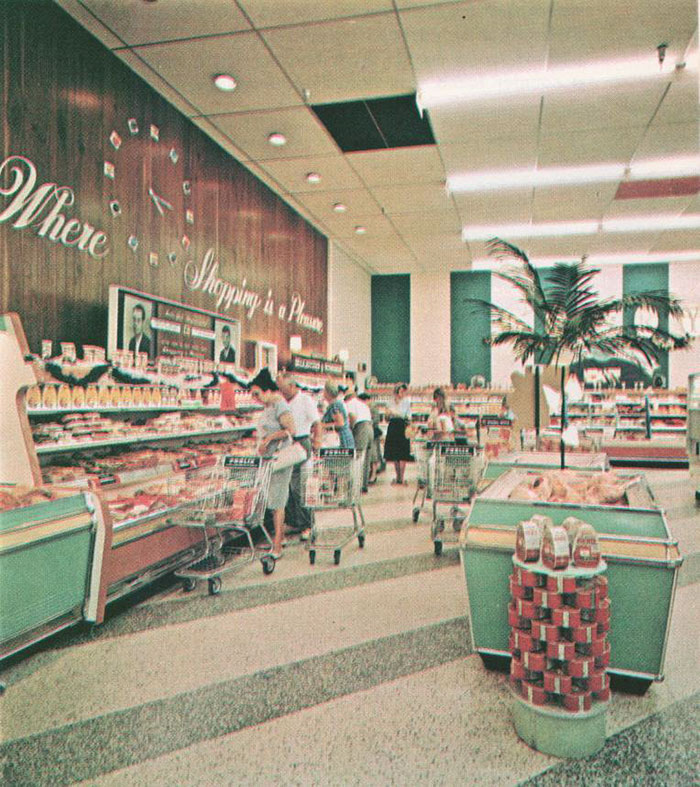
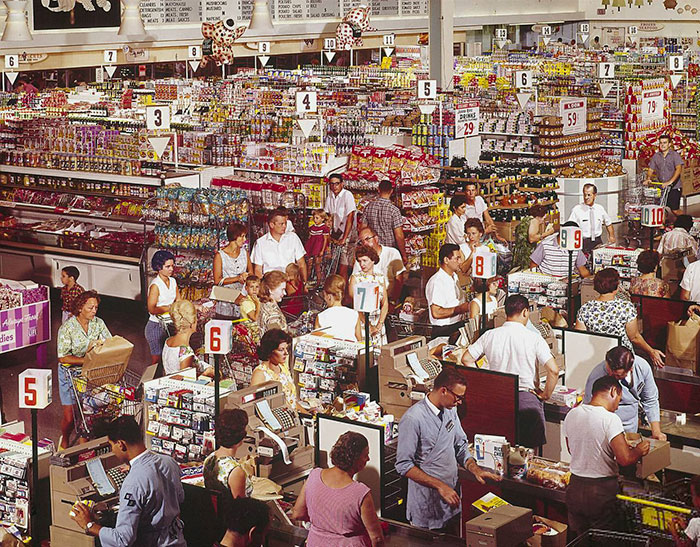
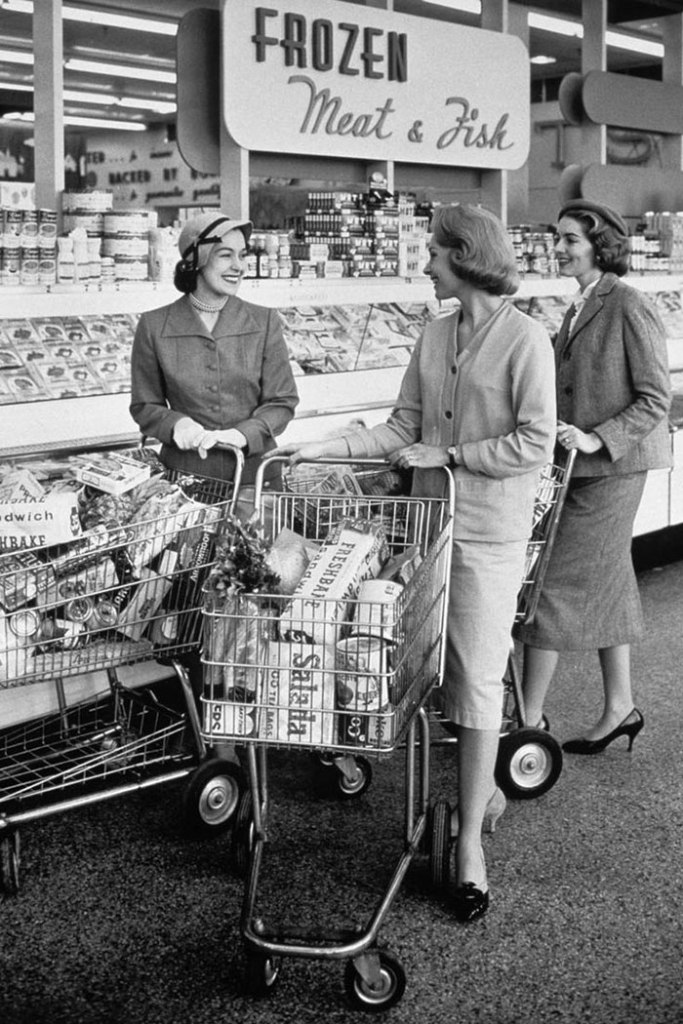
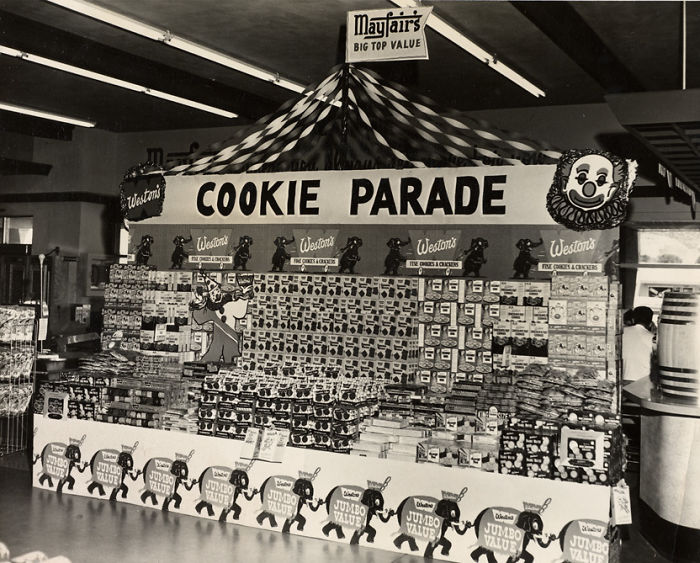
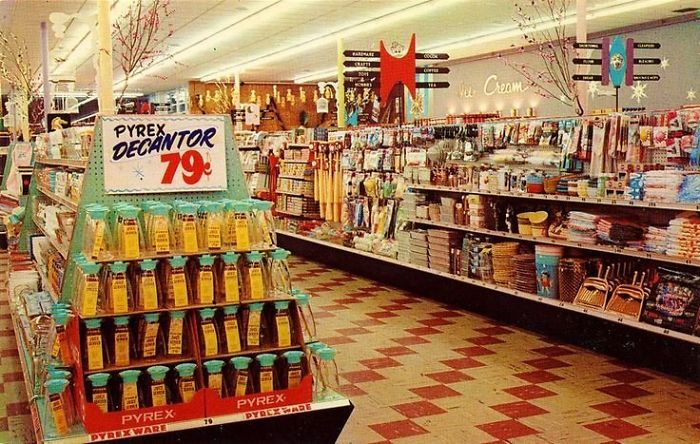
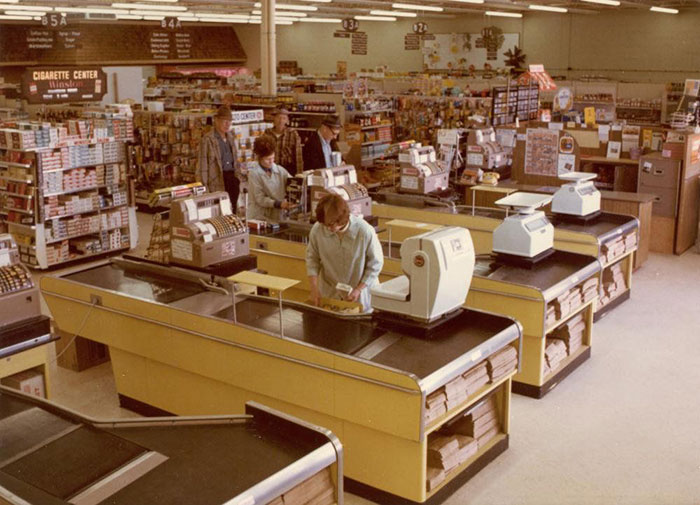
The early supermarkets began as chains of grocer’s shops. The development of supermarkets and other large grocery stores has meant that smaller grocery stores often must create a niche market by selling unique, premium quality, or ethnic foods that are not easily found in supermarkets. A small grocery store may also compete by locating in a mixed commercial-residential area close to, and convenient for, its customers. Organic foods are also becoming a more popular niche market for smaller stores.
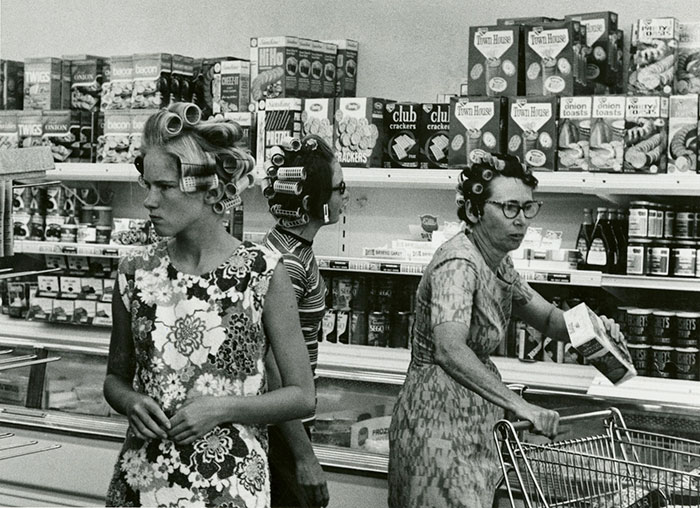
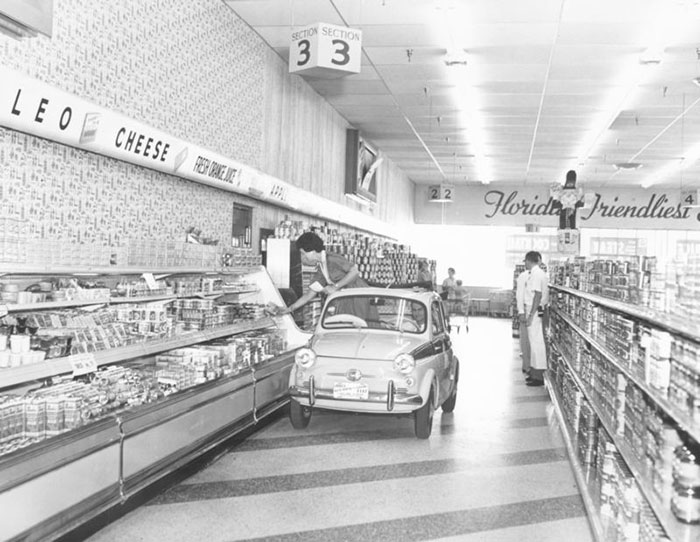
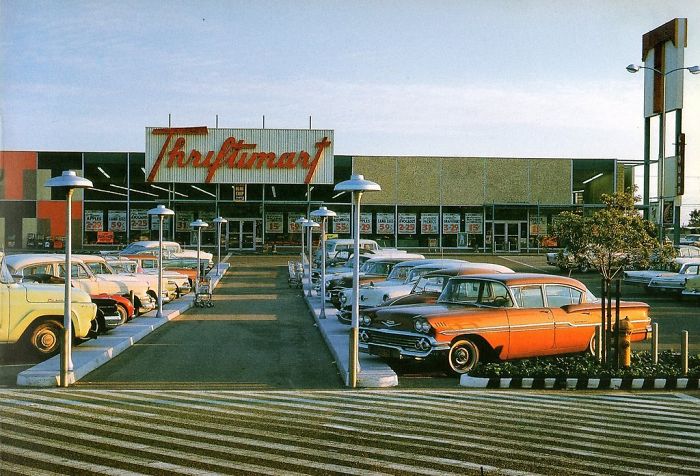
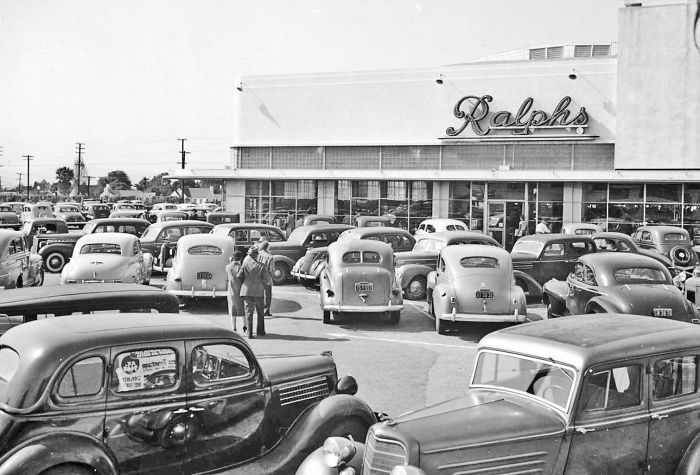
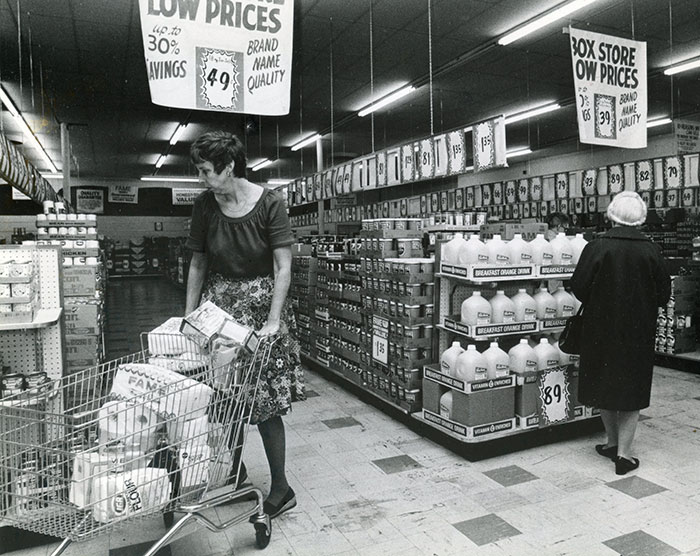
Grocery stores operate in many different styles ranging from rural family-owned operations, such as IGAs, to boutique chains, such as Whole Foods Market and Trader Joe’s, to larger supermarket chain stores such as Walmart and Kroger Marketplace. In some places, food cooperatives, or “co-op” markets, owned by their own shoppers, have been popular. However, there has recently been a trend towards larger stores serving larger geographic areas. Very large “all-in-one” hypermarkets such as Walmart, Target, and Meijer have recently forced consolidation of the grocery businesses in some areas, and the entry of variety stores such as Dollar General into rural areas has undercut many traditional grocery stores. The global buying power of such very efficient companies has put an increased financial burden on traditional local grocery stores as well as the national supermarket chains, and many have been caught up in the retail apocalypse of the 2010s.
Many European cities (Rome, for example) are so dense in population and buildings that large supermarkets, in the American sense, cannot replace the neighbourhood grocer’s shop. However, “Metro” shops have been appearing in town and city centres in many countries, leading to the decline of independent smaller shops. Large out-of-town supermarkets and hypermarkets, such as Tesco and Sainsbury’s in the United Kingdom, have been steadily weakening trade from smaller shops. Many grocery chains like Spar or Mace are taking over the regular family business model. (Wikipedia)
Discover more from Yesterday Today
Subscribe to get the latest posts sent to your email.
