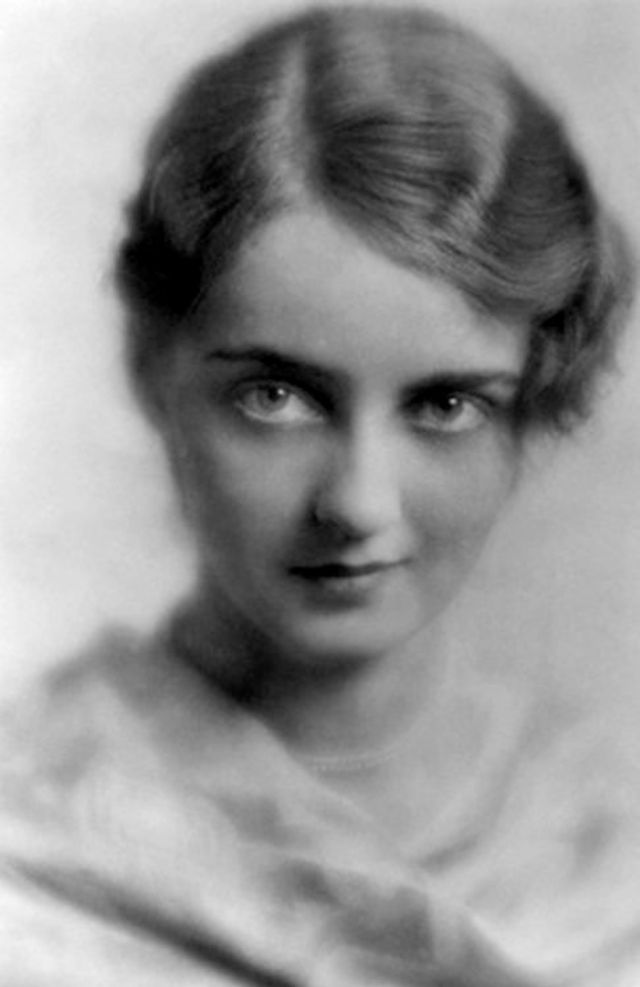
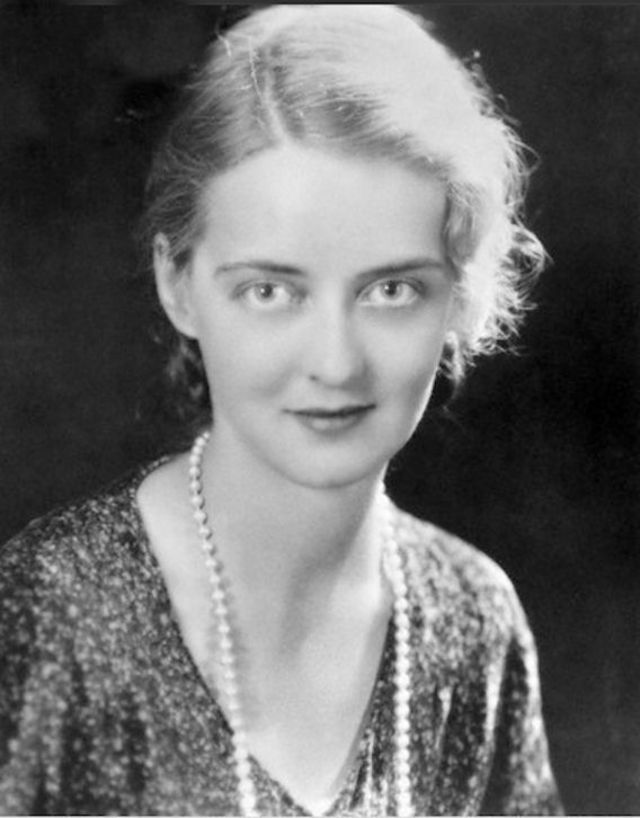
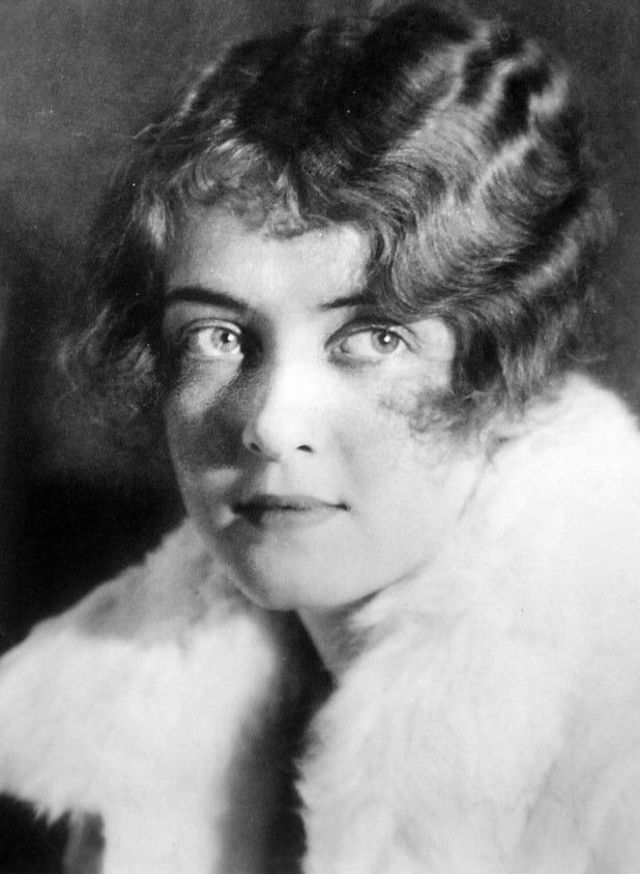
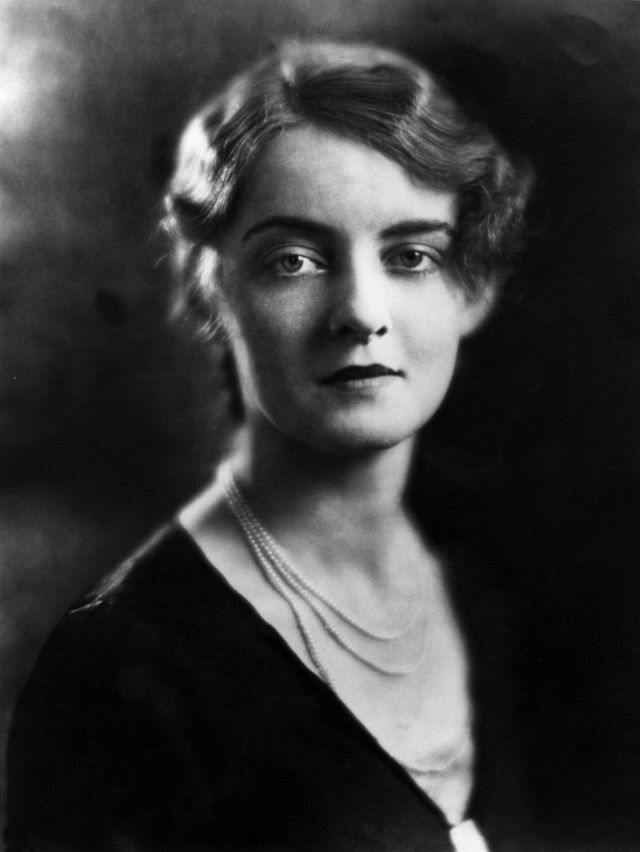
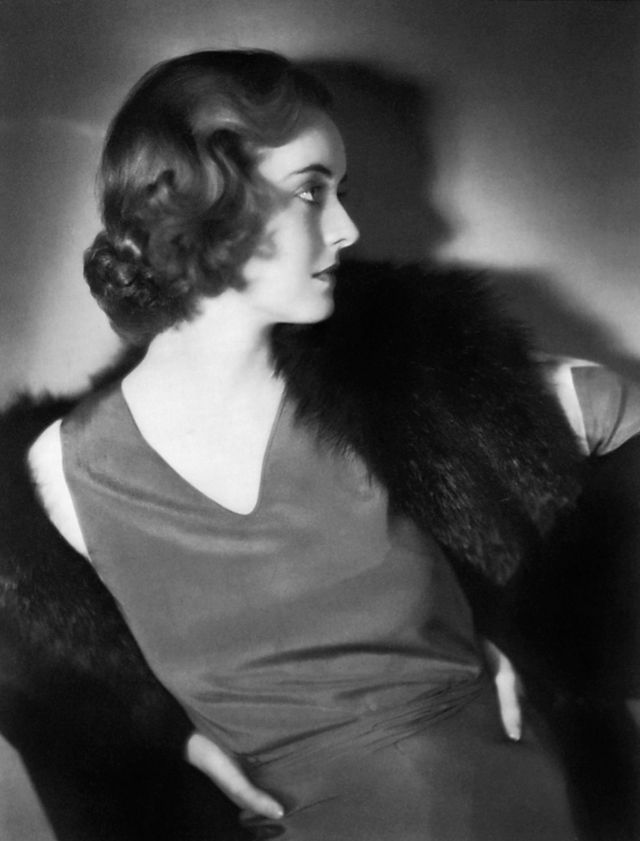
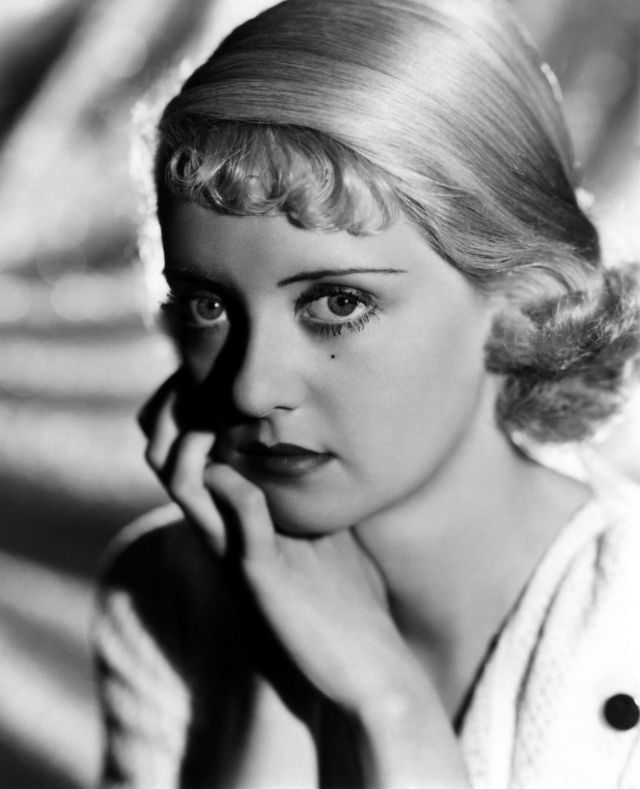
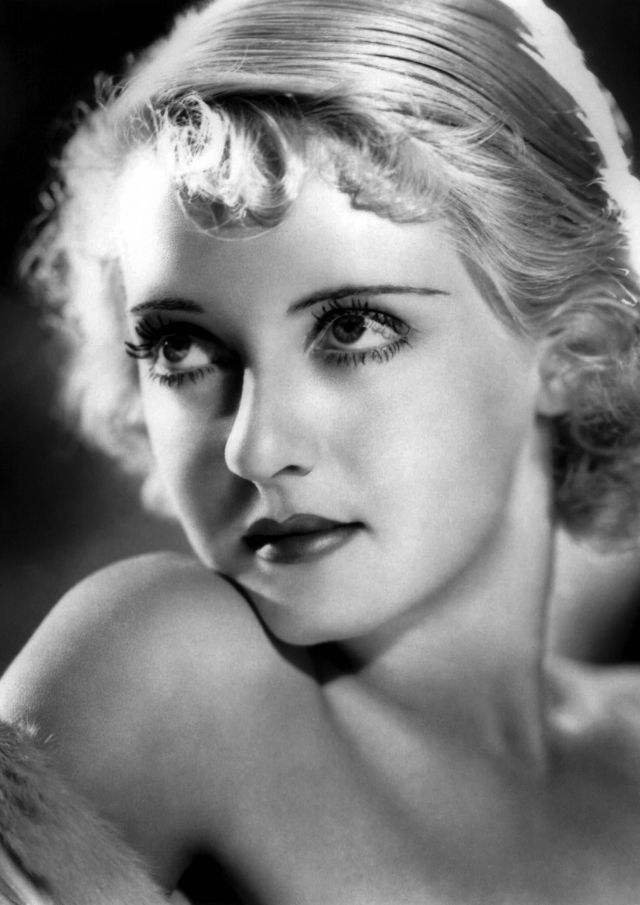
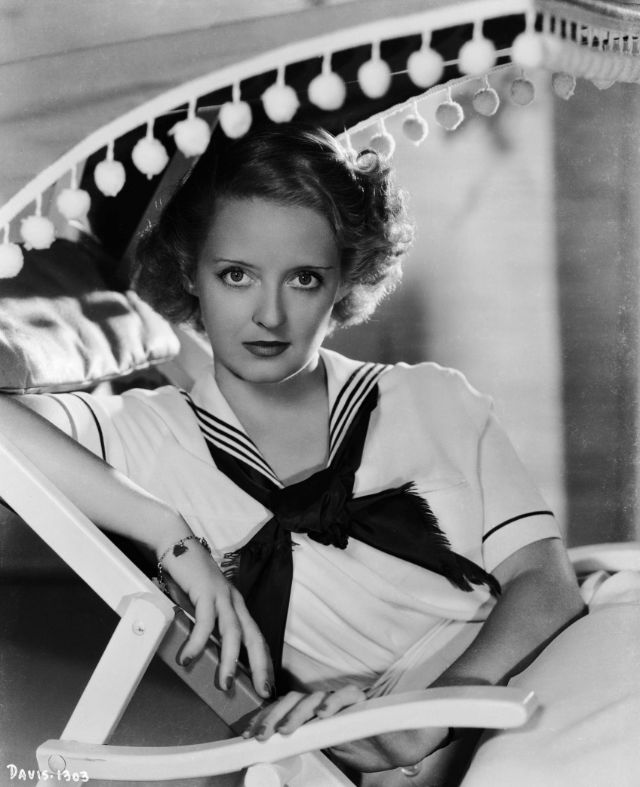
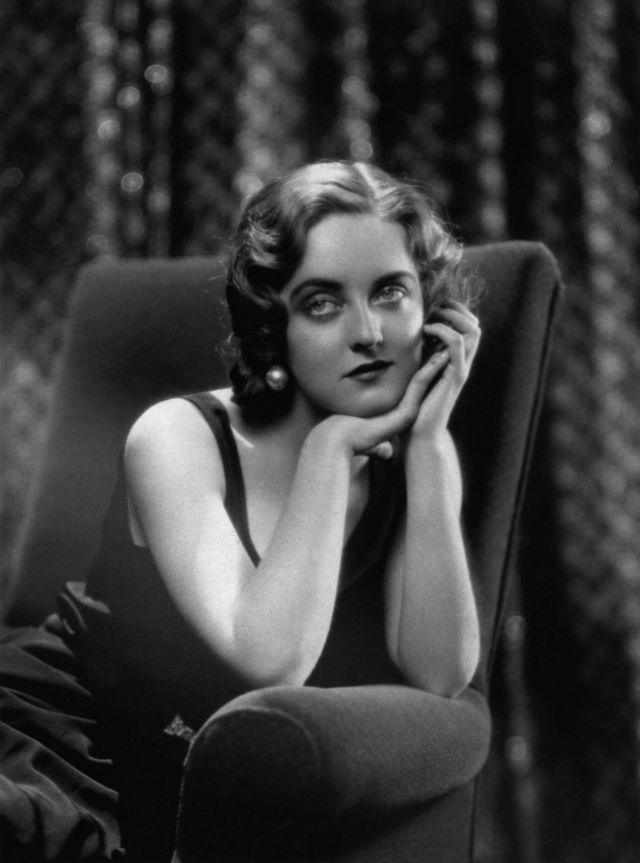
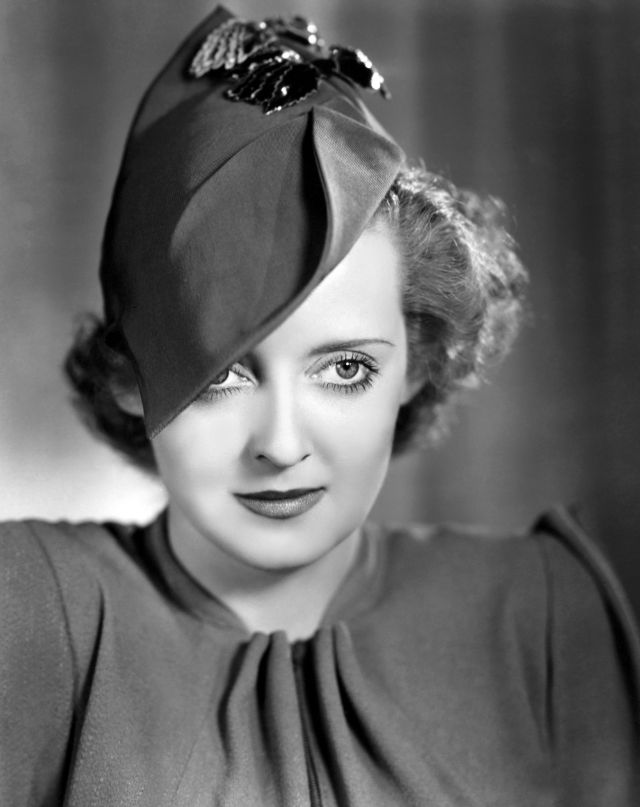
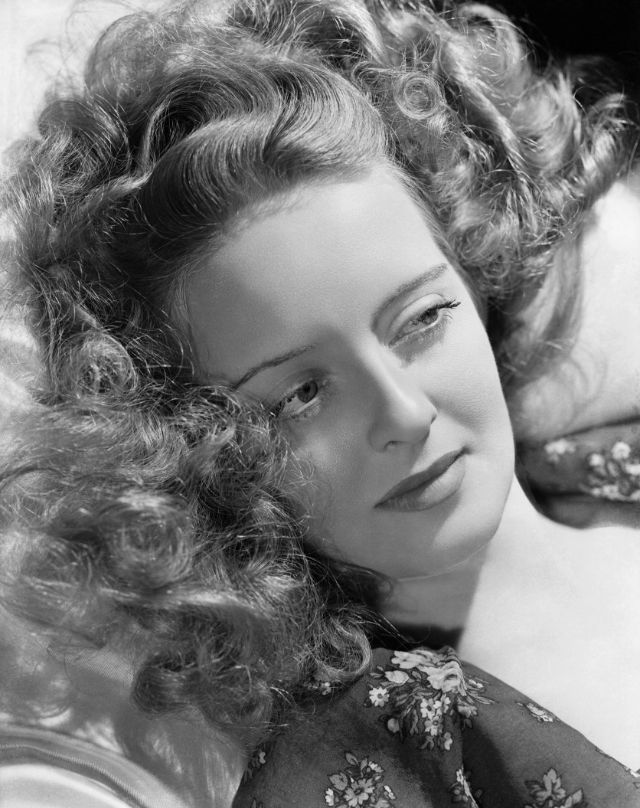
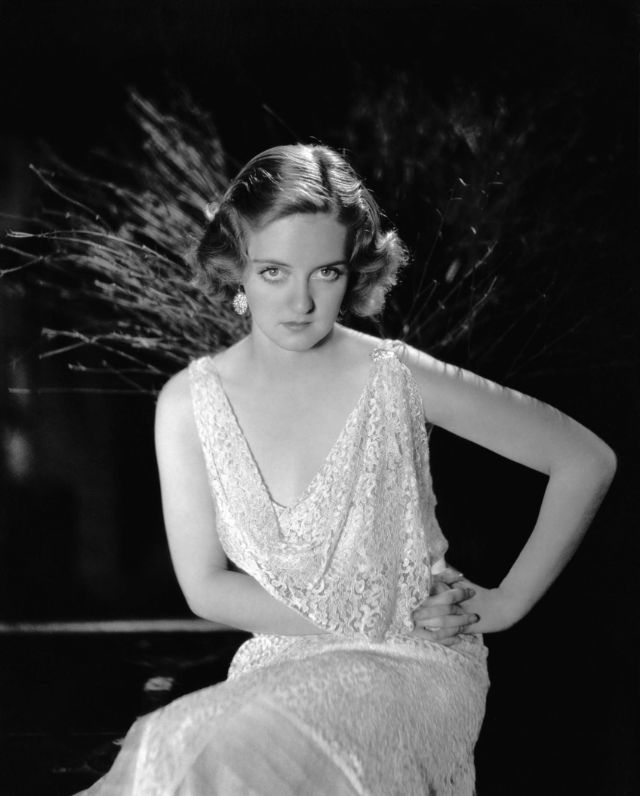
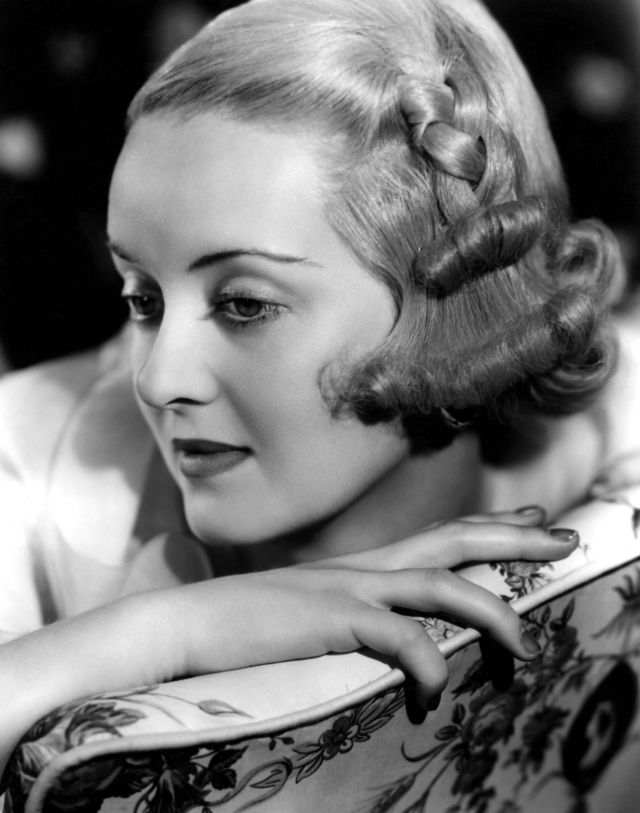
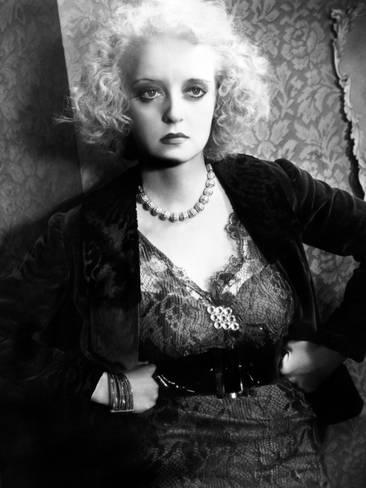
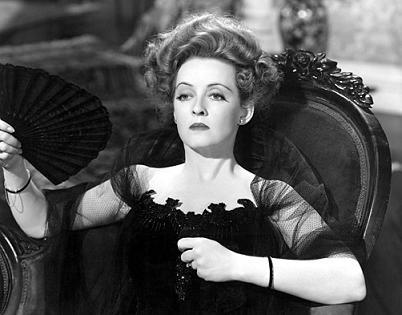
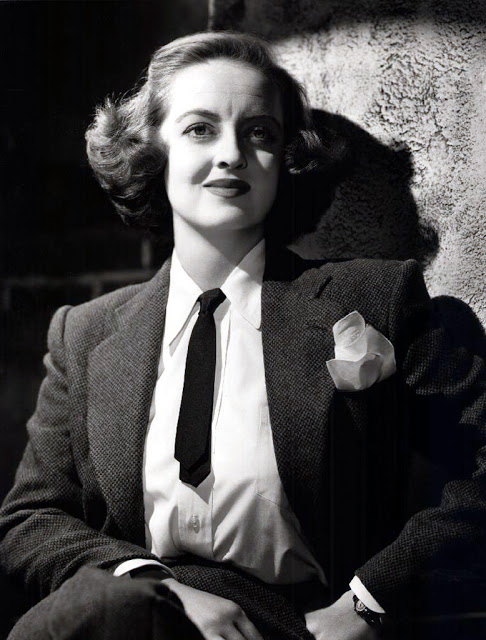
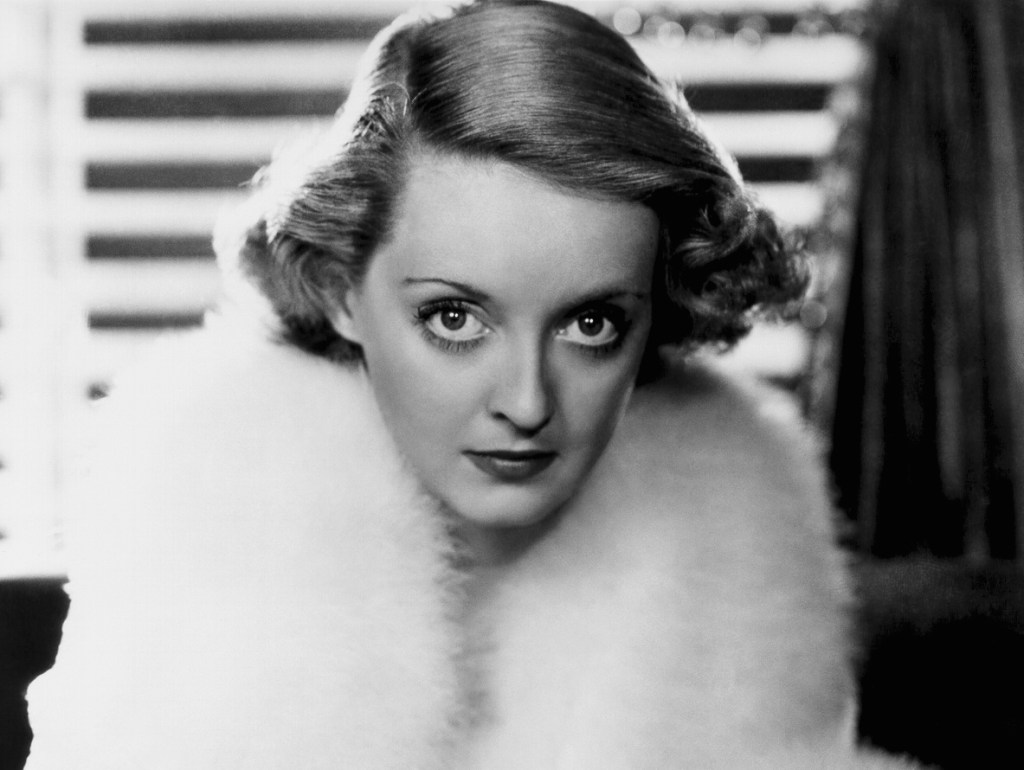
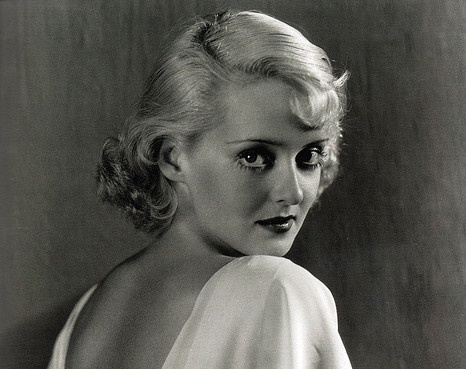
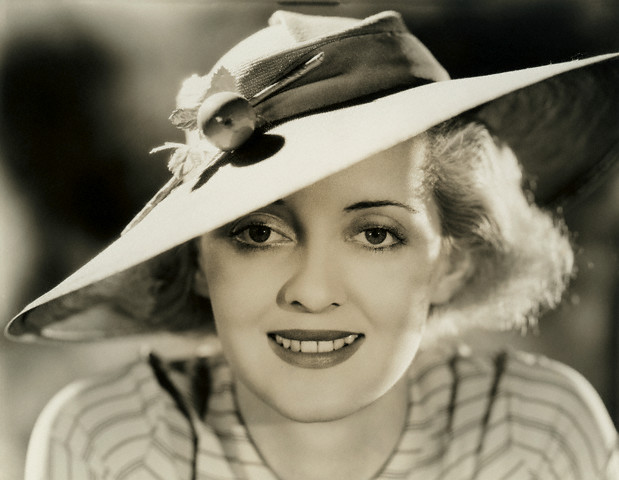
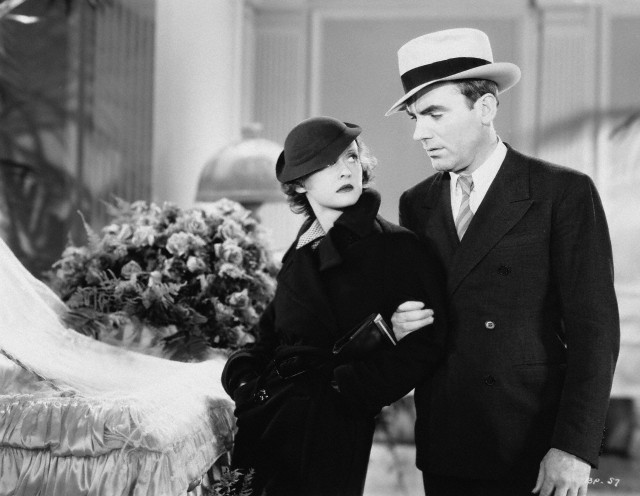
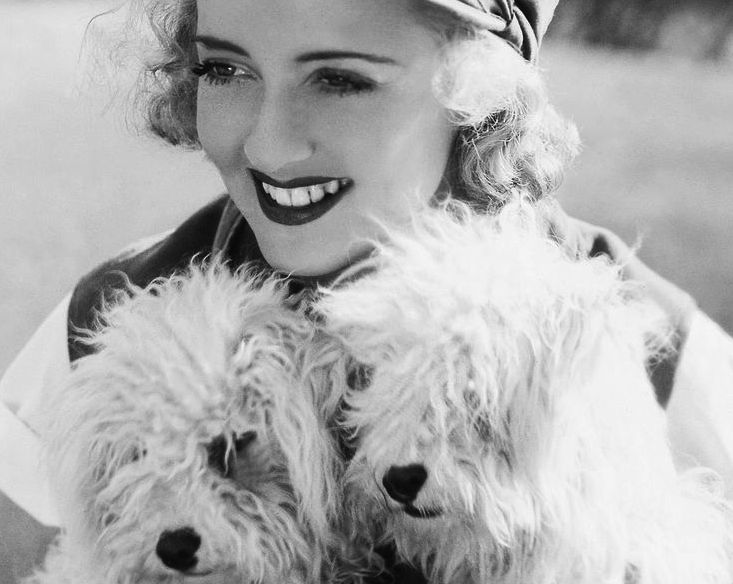
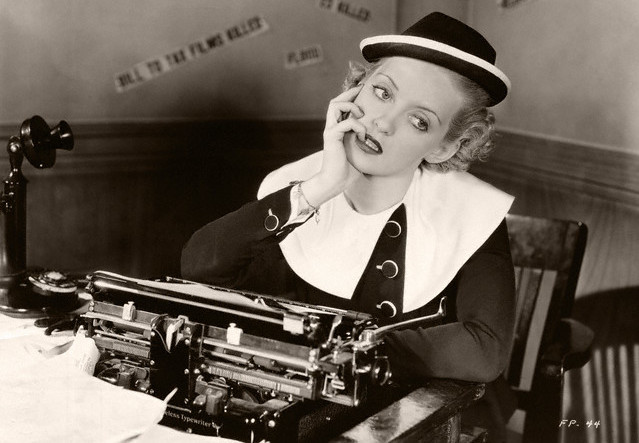
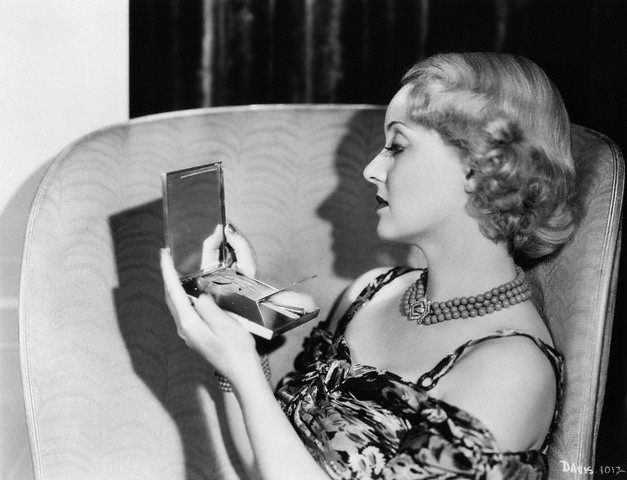
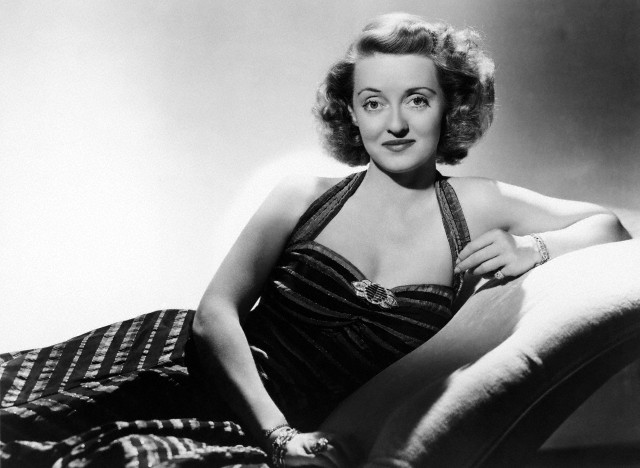
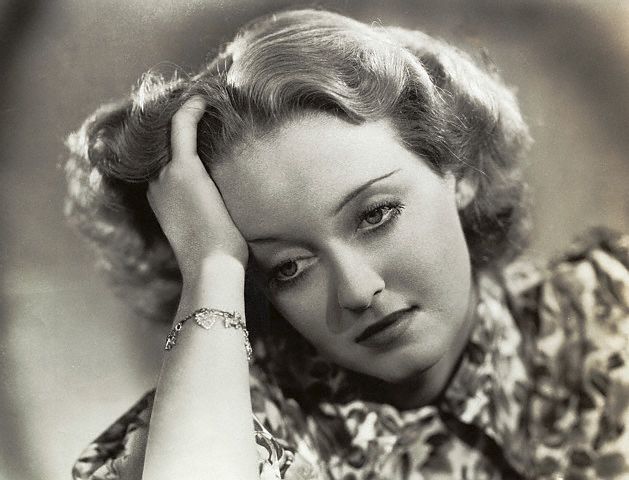
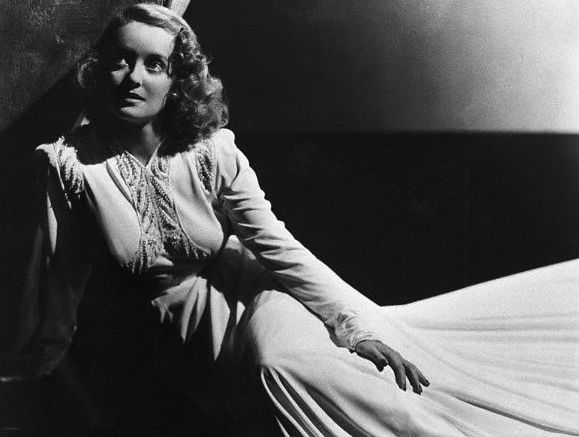
Often referred to as “The First Lady of the American Screen,” Bette Davis created a new kind of screen heroine. She was a liberated woman in an industry dominated by men. She was known as an actress that could play a variety of difficult and powerful roles, and because of this she set a new standard for women on the big screen. Independent off-screen as well, her battles with studio bigwigs were legendary. With a career spanning six decades, few in the history of film rival her longevity and appeal.
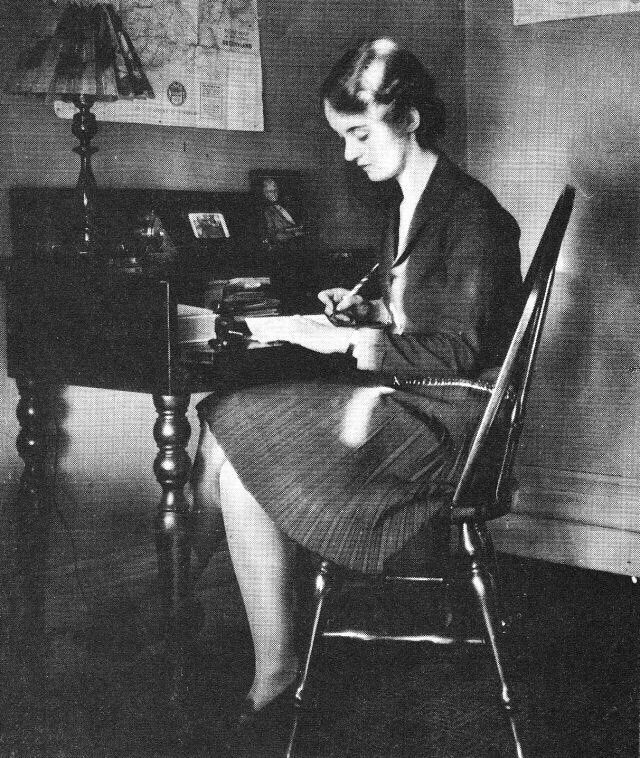
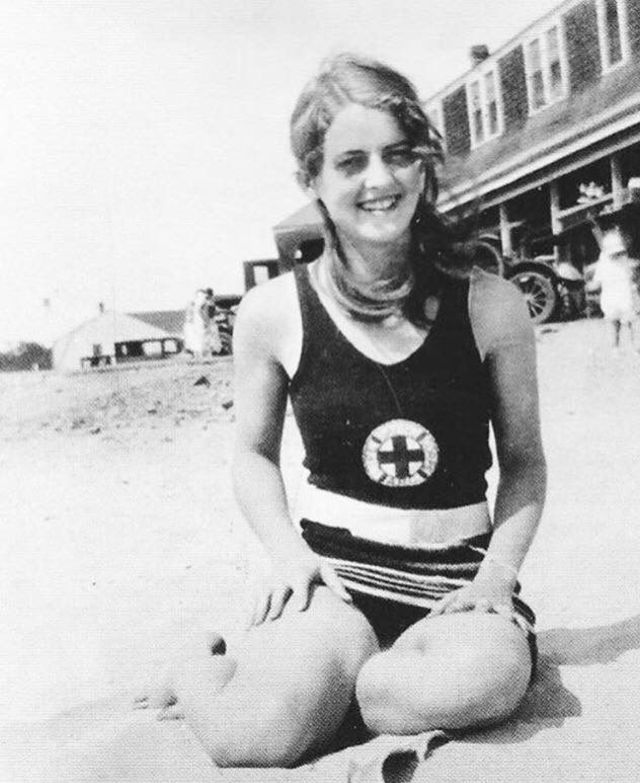
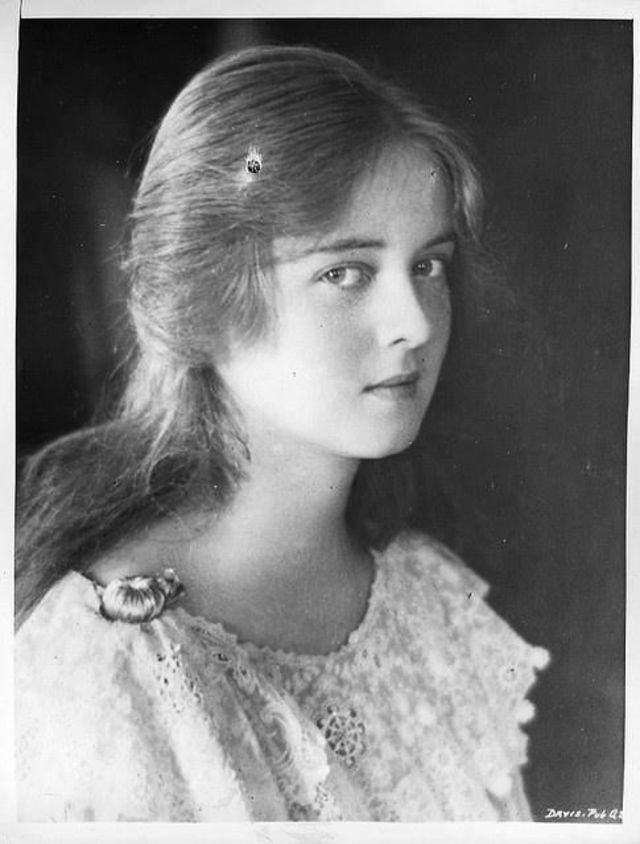
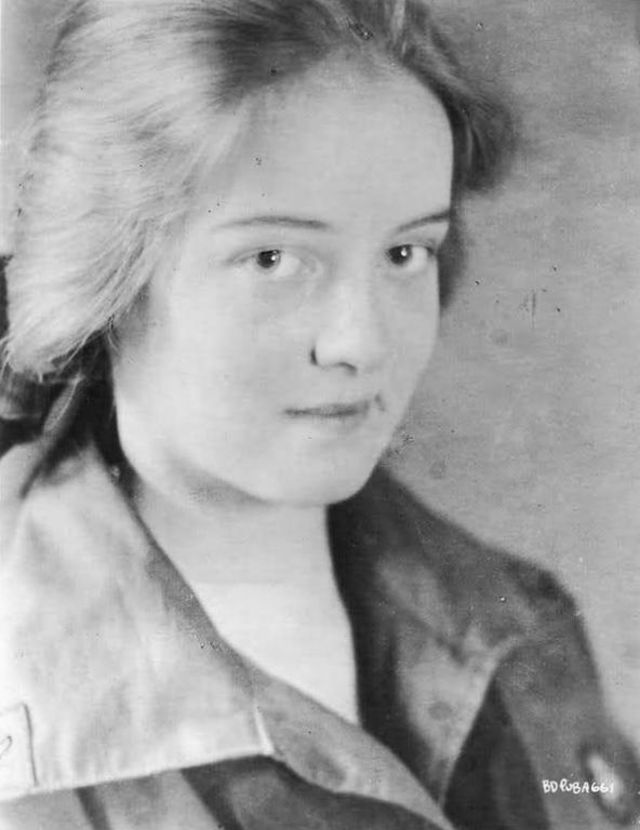
Bette Davis was born Ruth Davis on April 5, 1908 in Lowell, Massachusetts. Just before her tenth birthday, Bette’s father, Harlow, left the family. Although she had little money, her mother, Ruthie, sent Bette and her sister to boarding school. Upon graduating Cushing Academy, Bette enrolled in John Murray Anderson’s Dramatic School. In 1929, she made her Broadway debut in Broken Dishes. She also landed a role in Solid South. In 1930, she moved to Hollywood to screen test for Universal.
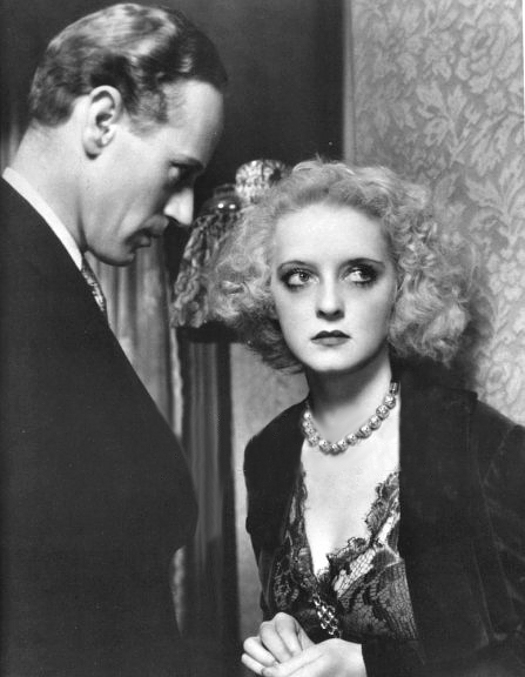
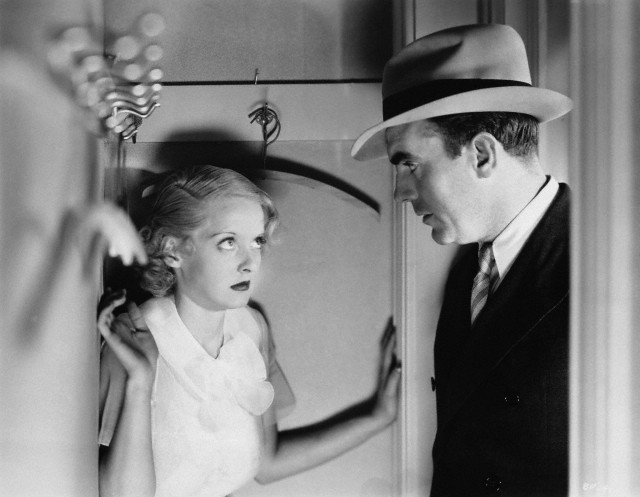
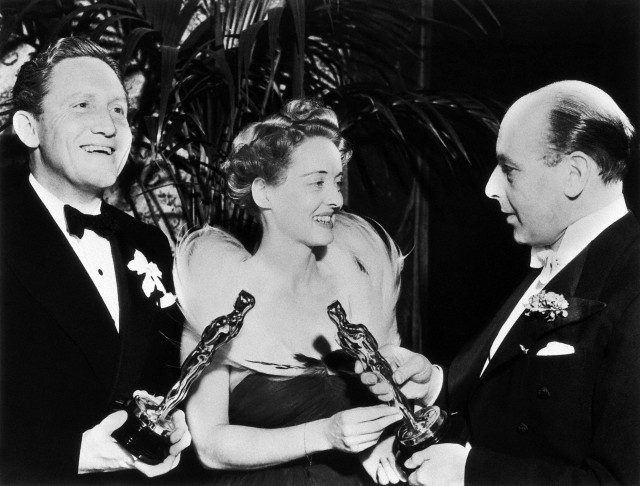
Six small films later, Bette’s contract with Universal was not renewed. She wanted to go back to Broadway, but a phone call from Warner Brothers quickly changed her mind. In 1932, she signed a seven-year contract with Warner Brothers. The film The Man Who Played God (1932) landed Bette on the path to stardom. She was a smash when she was lent out to RKO for the role of Mildred in Of Human Bondage (1934), her first critically acclaimed hit. Her role in Dangerous (1935) led to her nomination for a Best Actress Oscar. She became the first Warner Brothers actress to win the coveted award.
Despite her success, Warner Brothers continued to offer Bette unsatisfactory roles. In 1936, she challenged the studio by going to England to make pictures. Jack Warner sued her, and she was forced to honor her contract. Upon her return, however, Bette was offered a new contract and better roles. In 1939, Bette won her second Oscar for Jezebel (1938). She also received Oscar nominations the next five years in a row.
Although she earned a reputation for being difficult to work with, Bette set a new precedent for women. By 1942, she was the highest paid woman in America. Bette contributed to the war effort by helping to organize the Hollywood Canteen during World War II for soldiers passing through Los Angeles. Inspired by New York’s Stage Door Canteen, Bette transformed a once-abandoned nightclub into an inspiring entertainment facility. “There are few accomplishments in my life that I am sincerely proud of. The Hollywood Canteen is one of them,” Bette later commented. In 1980, she was awarded the Distinguished Civilian Service Medal, the Defense Department’s highest civilian award, for running the Hollywood Canteen.
Bette made a roaring comeback with her role as Margo Channing in All About Eve (1950), and she received her eighth Academy Award nomination. Her career was resuscitated again in 1962 with Whatever Happened to Baby Jane?. Soon after, Bette began her second career as a horror maven and continued to welcome new opportunities with television appearances. In 1987, Bette played a blind woman in The Whales of August, co-starring Lillian Gish.
With a career total of more than 100 films, Bette changed the way Hollywood looked at actresses. In 1977, she was the first woman to be honored with the American Film Institute’s Lifetime Achievement Award. She was also the first woman to be president of the Motion Picture Academy of Arts and Sciences. At the age of 75, Bette had a mastectomy due to breast cancer. Nine days later, she suffered a stroke. Despite her failing health, she continued to act until her death. Bette passed away October 6, 1989 in Neuilly-sur-Seine, France.















Discover more from Yesterday Today
Subscribe to get the latest posts sent to your email.
