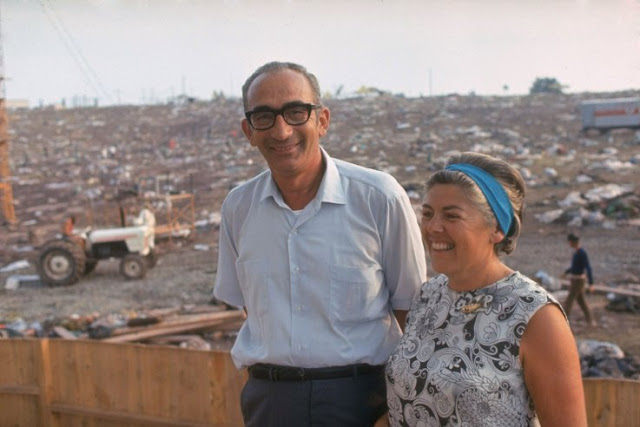
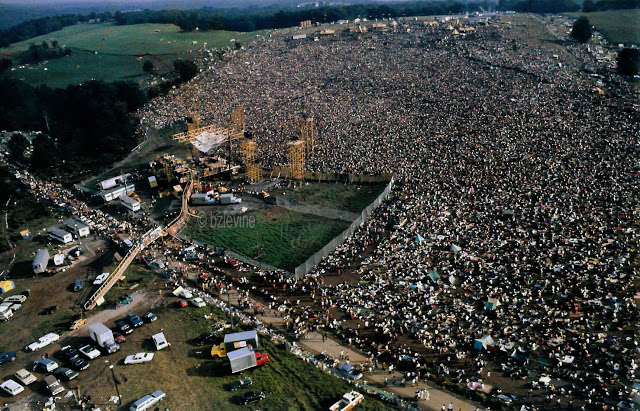
Woodstock Music and Art Fair, commonly referred to simply as Woodstock, was a music festival held August 15–18, 1969, on Max Yasgur’s dairy farm in Bethel, New York, 40 miles (65 km) southwest of the town of Woodstock. Billed as “an Aquarian Exposition: 3 Days of Peace & Music” and alternatively referred to as the Woodstock Rock Festival, it attracted an audience of more than 400,000. Thirty-two acts performed outdoors despite sporadic rain.
The festival has become widely regarded as a pivotal moment in popular music history as well as a defining event for the counterculture generation. The event’s significance was reinforced by a 1970 documentary film, an accompanying soundtrack album, and a song written by Joni Mitchell that became a major hit for both Crosby, Stills, Nash & Young and Matthews Southern Comfort. Music events bearing the Woodstock name were planned for anniversaries, which included the tenth, twentieth, twenty-fifth, thirtieth, fortieth, and fiftieth. In 2004, Rolling Stone magazine listed it as number 19 of the 50 Moments That Changed the History of Rock and Roll. In 2017, the festival site became listed on the National Register of Historic Places. (Wikipedia)
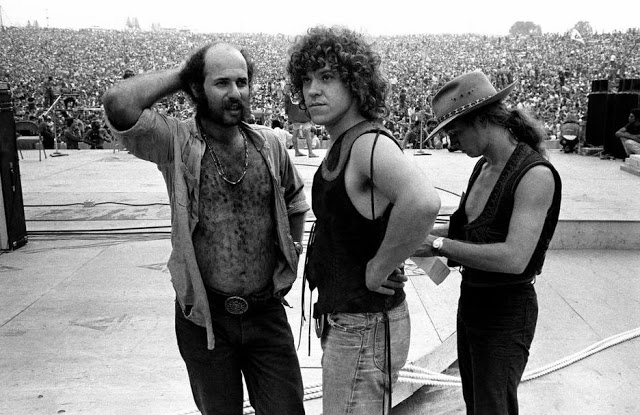
The festival was organized in six months by Michael Lang, John Roberts, Joel Rosenman, and Artie Kornfield.
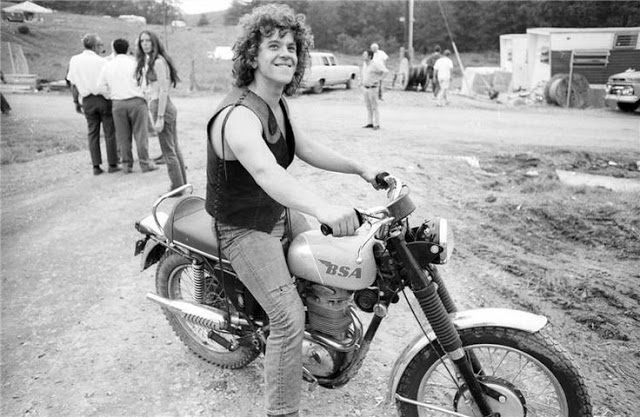
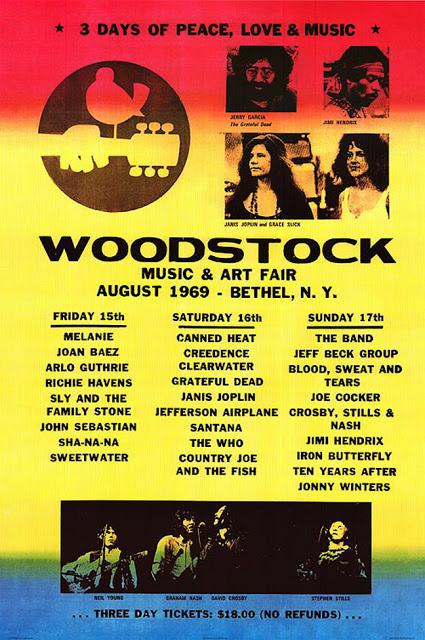
There was a total of 32 bands who performed under the sun, beneath the stars, and in the rain.
The festival was originally scheduled to take place in Woodstock, NY but since there weren’t any suitable ground sites, it was moved to a town called Wallkill.
Wallkill then decided they didn’t want a sea of drugged-out hippies in their town, so they enforced a law that banned the festival from happening.
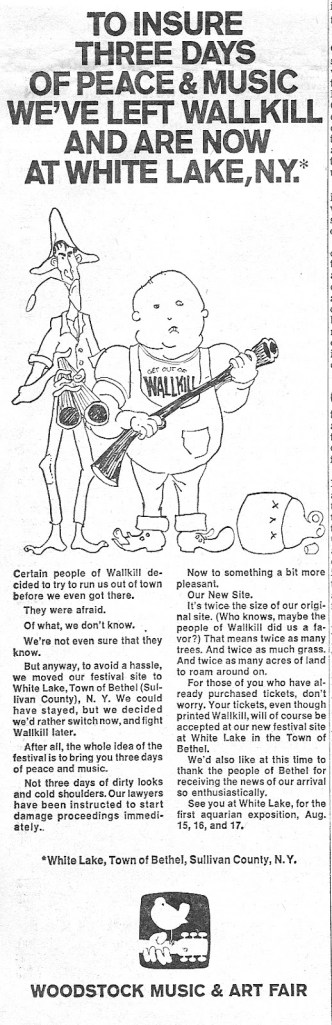
In mid-July, only a month before the festival, Max Yasgur offered his dairy farm in Bethel, NY to be the official location for the Woodstock Music & Arts Fair.
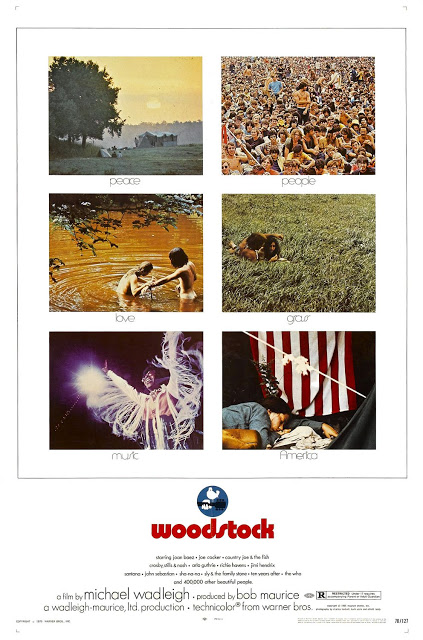
The Woodstock Festival was released as a documentary in 1970 and was a great commercial success. It won the Academy Award for Best Documentary Feature.
A live album of the concert was also released in 1970.
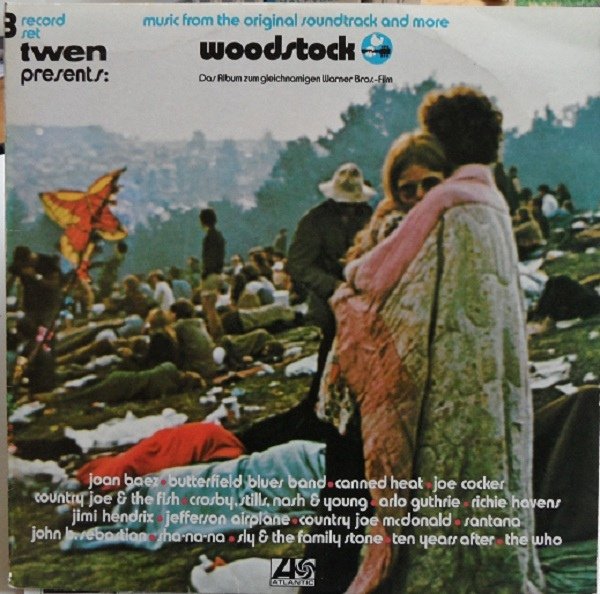
The couple featured on Woodstock’s live album cover, Nick and Bobbi Ercoline, are married.
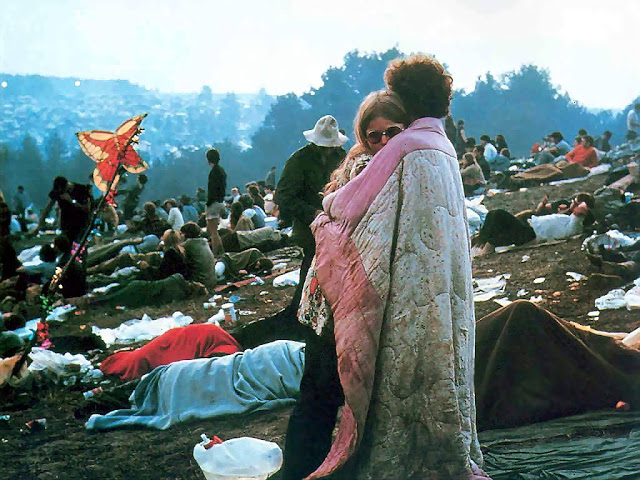
An estimated number of 400,000 people attended the Woodstock Music & Arts Fair.
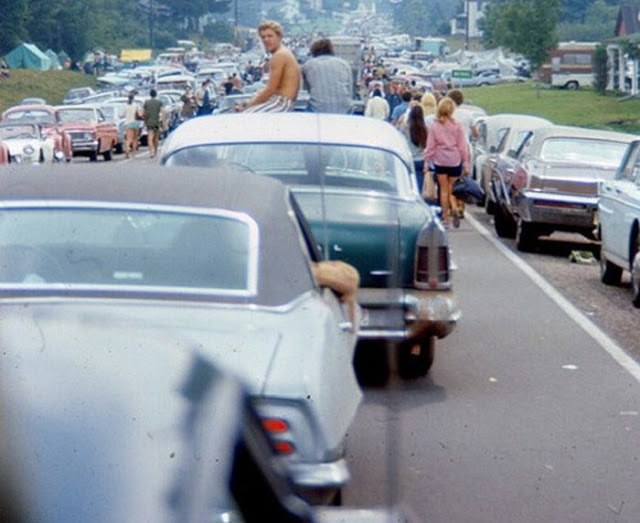
The thousands of flower children who flooded Bethel created a huge traffic jam.
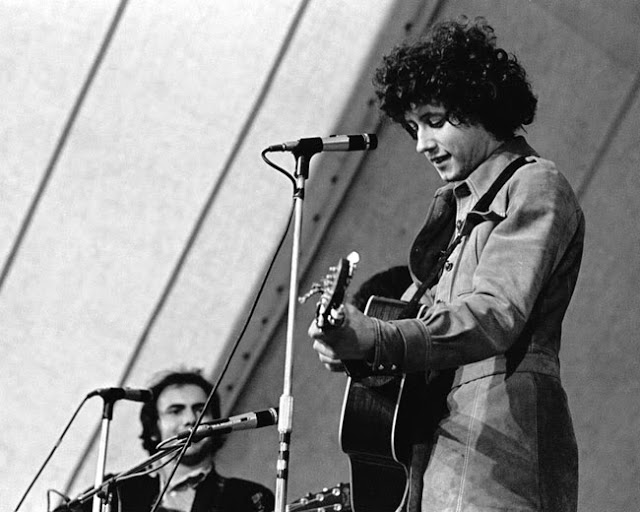
Arlo Guthrie announced during his set that the New York State Thruway was officially closed.
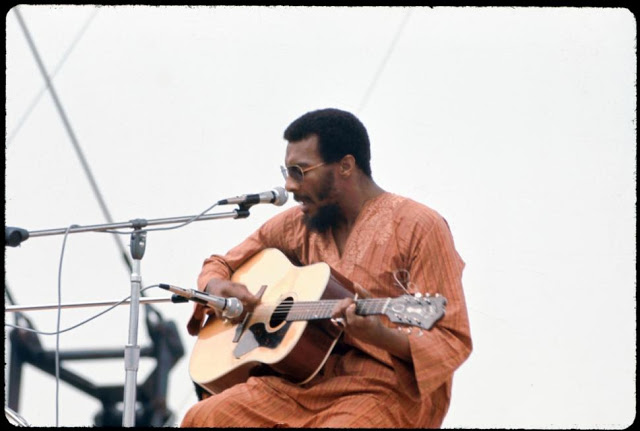
Richie Havens wasn’t supposed to be the opening act, but the bands that were initially scheduled were late because of traffic. Richie improvised a song that would be forever associated with the Woodstock Festival: “Freedom.”
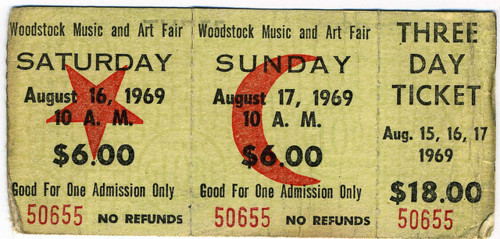
Tickets for the three day event were sold for $18 in advance and $24 at the site. But due to the unexpected invasion of flower children, the festival became free.
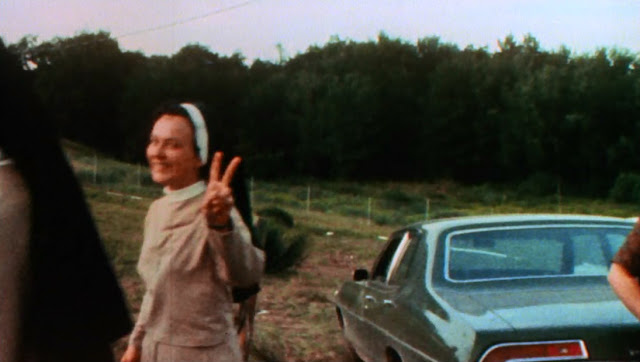
A Jewish Community made 200 sandwiches for the attendees. These hearty sandwiches, served with pickles, were handed out by nuns.
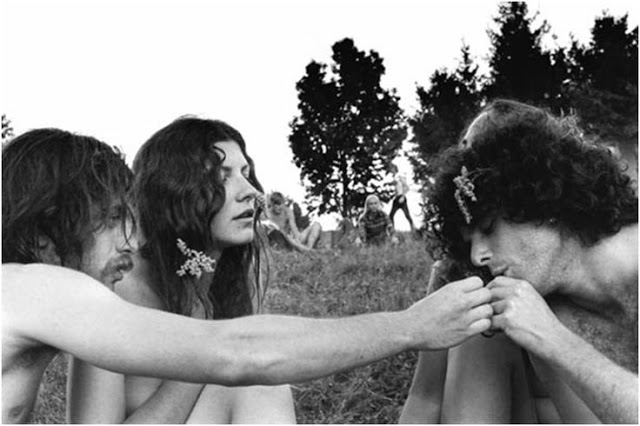
90% of concert-goers smoked marijuana.
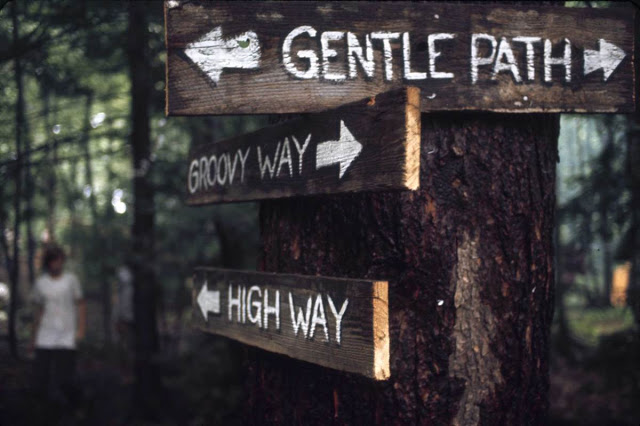
These groovy signs were made so attendees wouldn’t get lost.
Neil Young refused to be filmed for the movie while performing with Crosby, Stills & Nash.
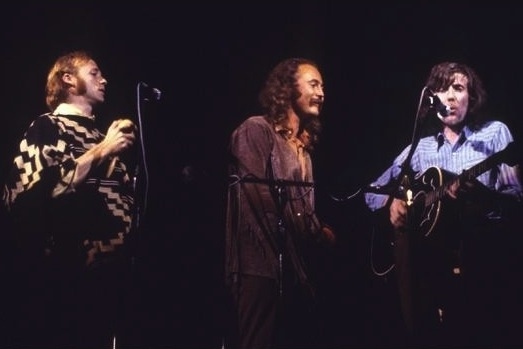
Jefferson Airplane demanded $12,000 for their set, and The Who, Janis Joplin, and the Grateful Dead also wouldn’t perform until they were paid.
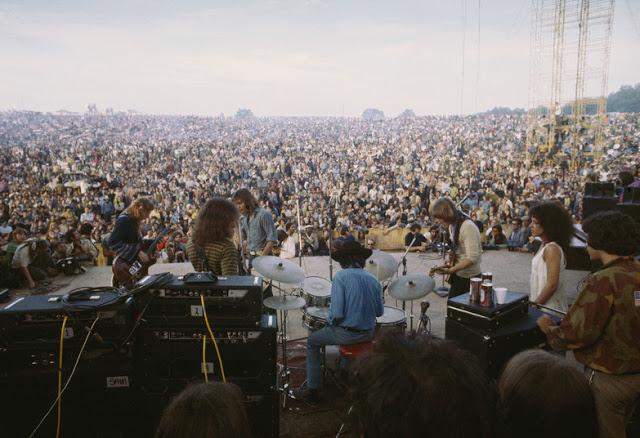
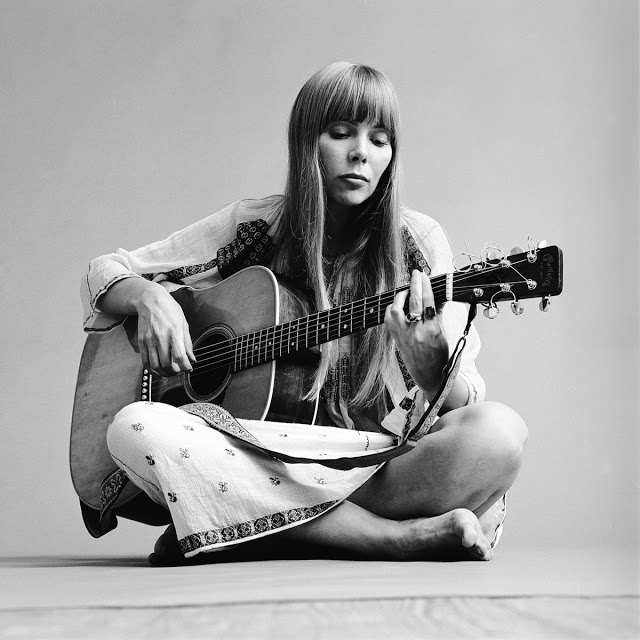
Joni Mitchell was set to perform at the festival, but her manager advised her to stay back and appear on The Dick Cavett Show the next day.
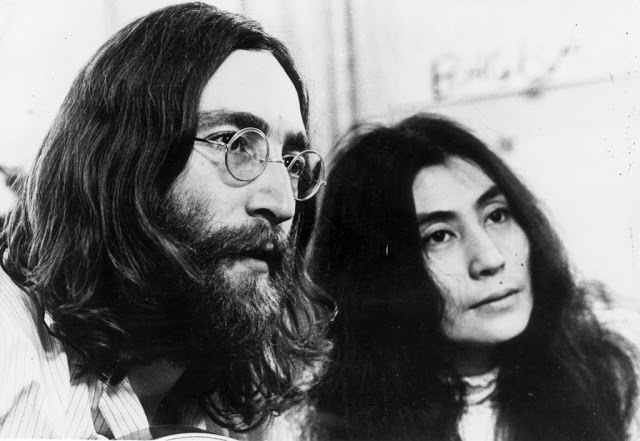
John Lennon had an interest in performing at Woodstock, but he told organizers his entry into the U.S. was denied by President Nixon.
There was a total of 80 lawsuits against Michael Lang and the organizers, which were eventually paid off from the Woodstock film.
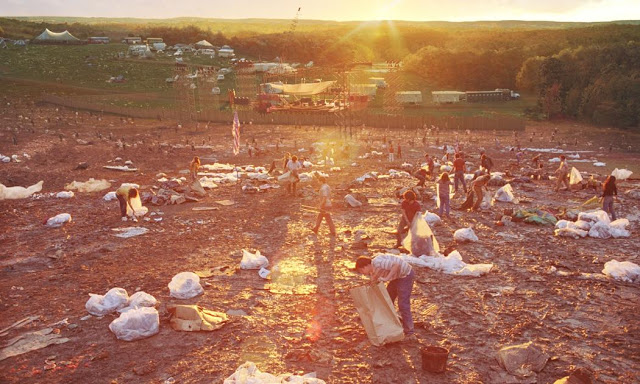
There was a notorious thunderstorm toward the middle of the weekend, in which attendees chanted “No rain, no rain” to stop the rain fall.
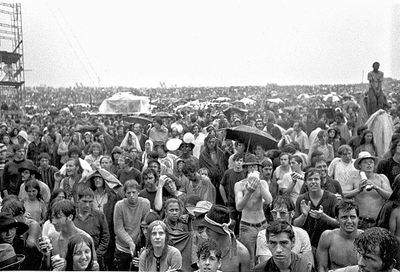
Jimi Hendrix closed the event on Monday morning, performing a two-hour set. By then there were only 30,000 attendees because of the rain.

Discover more from Yesterday Today
Subscribe to get the latest posts sent to your email.
