The assassination of Archduke Franz Ferdinand and his wife Sophie on June 28, 1914, is widely seen as the central, precipitating event of the First World War: the spark that lit the conflagration.
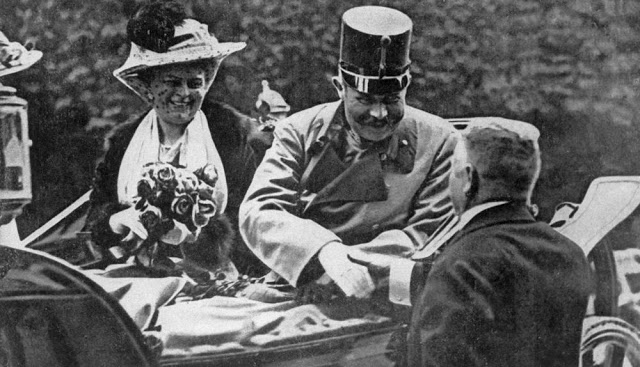
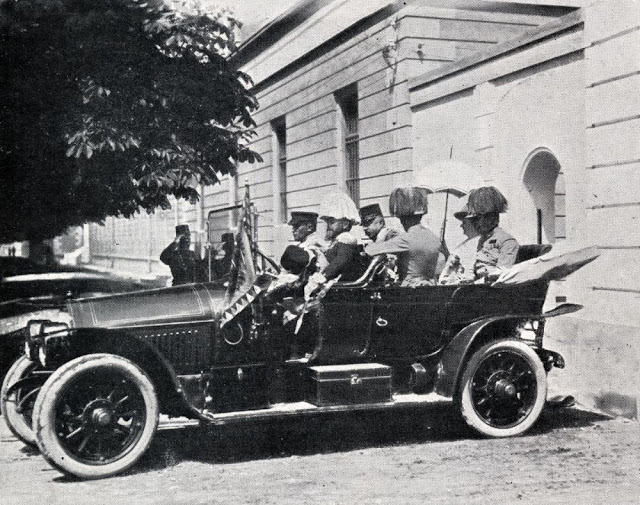
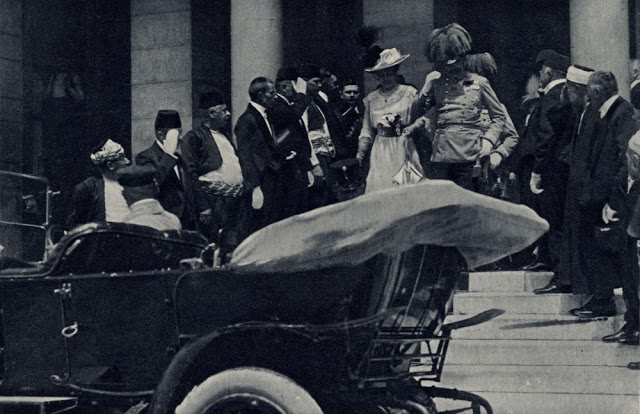
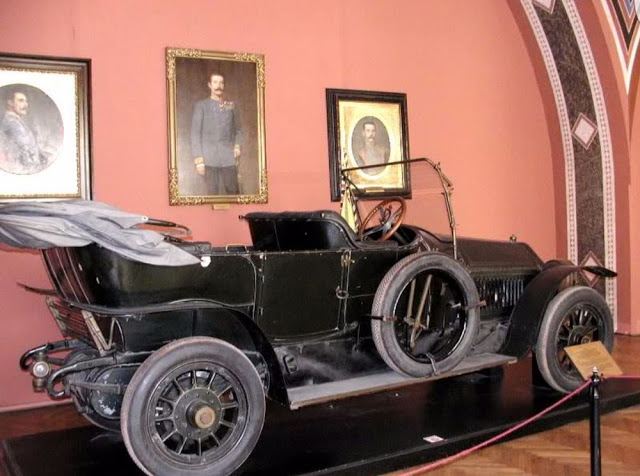
In the summer of 1914, Franz Ferdinand and wife Sophie accepted an invitation to visit the capital of Bosnia, Sarajevo. He had been informed of terrorist activity conducted by the nationalist organization the “Black Hand,” but ignored the warnings. On the morning of June 28, 1914, the Royal couple arrived by train and a six-car motorcade drove them to city hall for an official reception. The Archduke and his wife were in the second car with the top rolled back in order to give the crowds a good view.
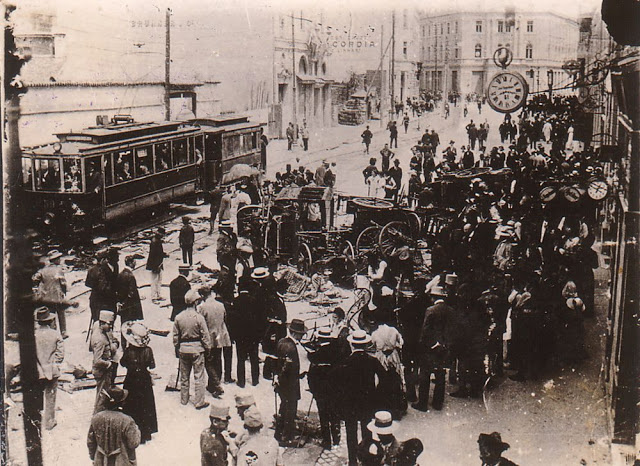
At 10:10 a.m., as the motorcade passed the central police station, a Black Hand agent, Nedjelko Cabrinovic, hurled a hand grenade at the archduke’s car. The driver accelerated when he saw the flying object, and the bomb exploded underneath the wheel of the next car, injuring two of its occupants along with a dozen spectators. Franz Ferdinand is reputed to have shouted in anger to local officials, “So, you welcome your guests with bombs?!” He also reportedly stated, “What is the good of your speeches? I come to Sarajevo on a visit, and I get bombs thrown at me. It is outrageous.”
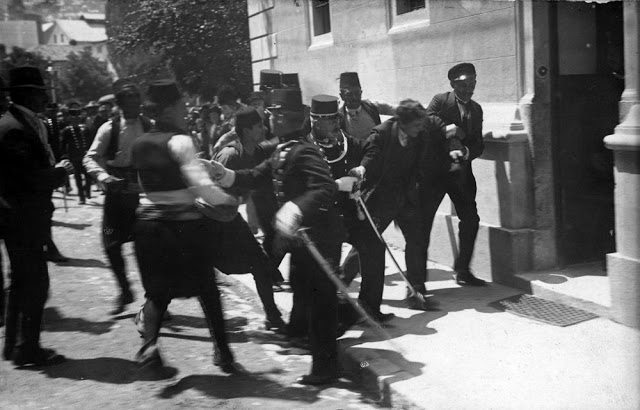
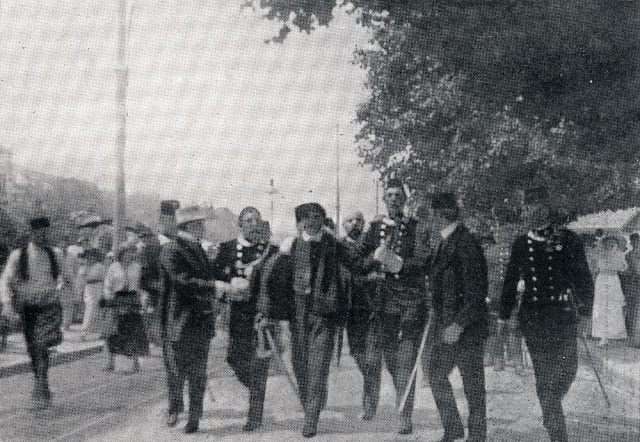
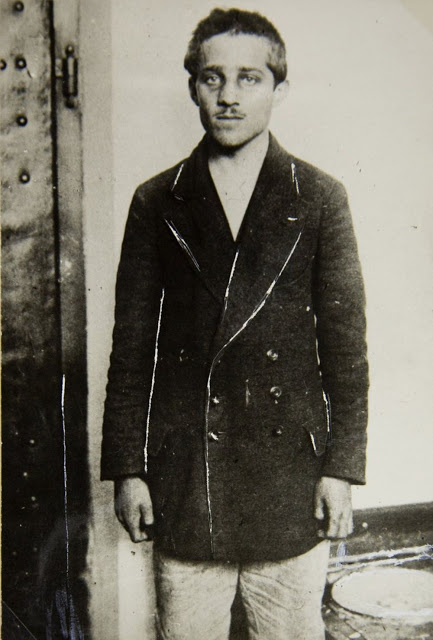
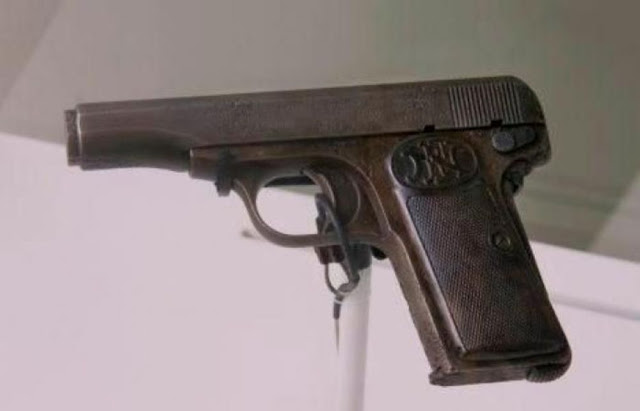
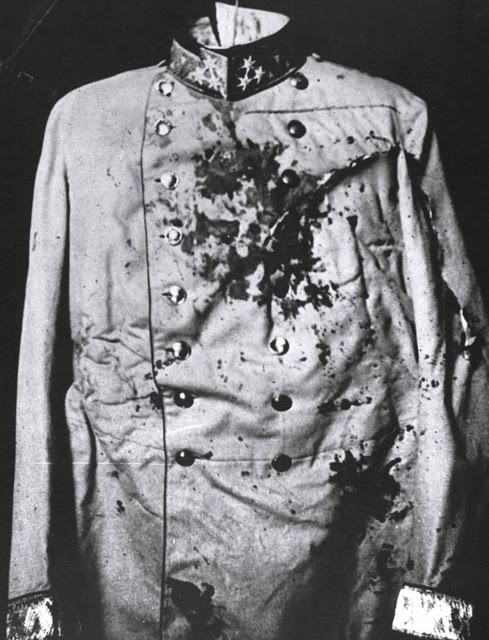
On the route back to the palace, the Archduke’s driver took a wrong turn into a side street, where 19-year-old nationalist Gavrilo Princip was waiting. As the car backed up, Princip approached and fired his gun, striking Sophie in the abdomen and the archduke in the neck. Both died before reaching the hospital.
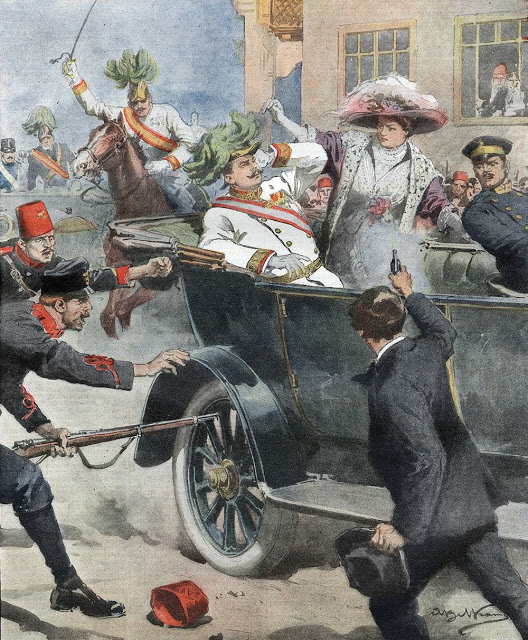
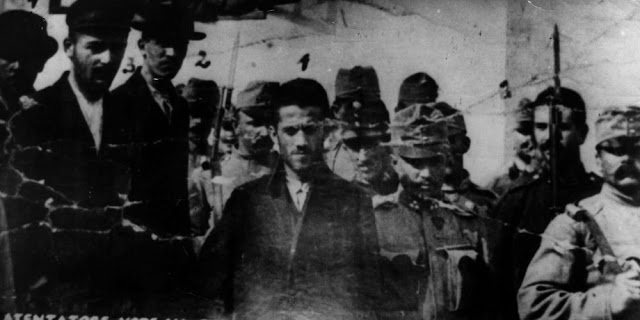
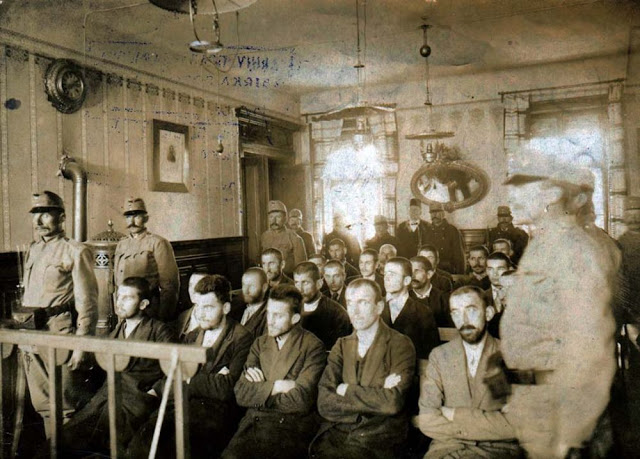
At trial, it was noted that the three assassins from Belgrade tried to take all blame on themselves. Nedeljko Cabrinovic claimed the idea of killing Franz Ferdinand came from a newspaper clipping he received in the mail at the end of March announcing Franz Ferdinand’s planned visit to Sarajevo. He then showed the newspaper clipping to Princip and the next day they agreed they would kill Franz Ferdinand. Princip explained to the court he had already read about Franz Ferdinand’s upcoming visit in German papers. Princip went on to testify that, at about the time of Easter (19 April), he wrote an allegorical letter to Ilic informing him of the plan to kill Franz Ferdinand. Trifko Grabež testified that he and Princip, also at about the time of Easter, agreed between them to make an assassination of either Governor Potiorek or Franz Ferdinand and a little later settled on Franz Ferdinand. The defendants refused or were unable to provide details under examination.
On 26 March, Danilo Ilic and Muhamed Mehmedbašic had already agreed to kill Franz Ferdinand based on instructions from Belgrade predating the newspaper clipping and the discussions amongst the three assassins in Belgrade.
The assassination of Archduke Franz Ferdinand gave the hardliners in Austria-Hungary the opportunity to take action against Serbia and put an end to their fight for independence. In July 1914, the situation escalated. After demanding impossible reparations and failing to receive them, Austria-Hungary declared war against Serbia. As was expected, the complex web of alliances was activated as Russia declared war on Austria-Hungary, Germany declared war on Russia, and France and Britain declared war on Germany and Austria-Hungary. World War I had begun.

Discover more from Yesterday Today
Subscribe to get the latest posts sent to your email.
