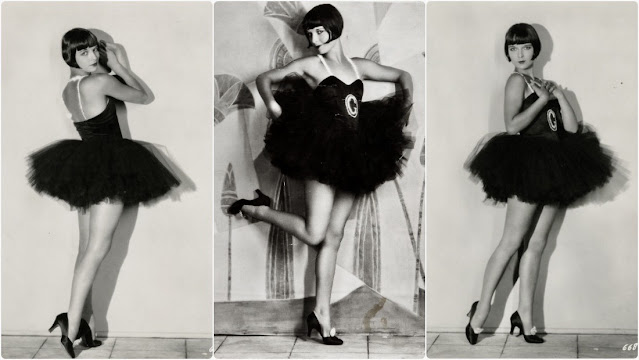
Now We’re in the Air is a 1927 American silent comedy film directed by Frank R. Strayer, starring the late-1920s intermittent comedy team of Wallace Beery and Raymond Hatton. In a supporting role, Louise Brooks plays twins, one raised French and the other raised German.
Wallace Beery and Louise Brooks worked together the following year in the taut drama Beggars of Life, a well-received early sound film. Hatton also sometimes appeared paired in films with Beery’s older brother Noah Beery.
Now We’re in the Air was popular in its time, although not as well received as the earlier military farces from the Beery/Hatton team. The aerial scenes were an interesting aspect of the production. In a modern re-appraisal, however, reviewer Janiss Garza commented: “In spite of a dual role, Brooks doesn’t have much to do; Moving Picture World felt that ‘any intelligent extra girl’ could have handled the part.”
Mary Louise Brooks (November 14, 1906 – August 8, 1985) was an American film actress and dancer during the 1920s and 1930s. She is regarded today as an icon of the flapper culture, in part due to the bob hairstyle that she helped popularize during the prime of her career.
At the age of 15, Brooks began her career as a dancer and toured with the Denishawn School of Dancing and Related Arts where she performed opposite Ted Shawn. After being fired, she found employment as a chorus girl in George White’s Scandals and as a semi-nude dancer in the Ziegfeld Follies in New York City. While dancing in the Follies, Brooks came to the attention of Walter Wanger, a producer at Paramount Pictures, and signed a five-year contract with the studio. She appeared in supporting roles in various Paramount films before taking the heroine’s role in Beggars of Life (1928). During this time, she became an intimate friend of actress Marion Davies and joined the elite social circle of press baron William Randolph Hearst at Hearst Castle in San Simeon.
Dissatisfied with her mediocre roles in Hollywood films, Brooks went to Germany in 1929 and starred in three feature films that launched her to international stardom: Pandora’s Box (1929), Diary of a Lost Girl (1929), and Miss Europe (1930); the first two were directed by G. W. Pabst. By 1938, she had starred in 17 silent films and eight sound films. After retiring from acting, she fell upon financial hardship and became a paid escort. For the next two decades, she struggled with alcoholism and suicidal tendencies. Following the rediscovery of her films by cinephiles in the 1950s, a reclusive Brooks began writing articles about her film career; her insightful essays drew considerable acclaim. She published her memoir, Lulu in Hollywood, in 1982. Three years later, she died of a heart attack at age 78.
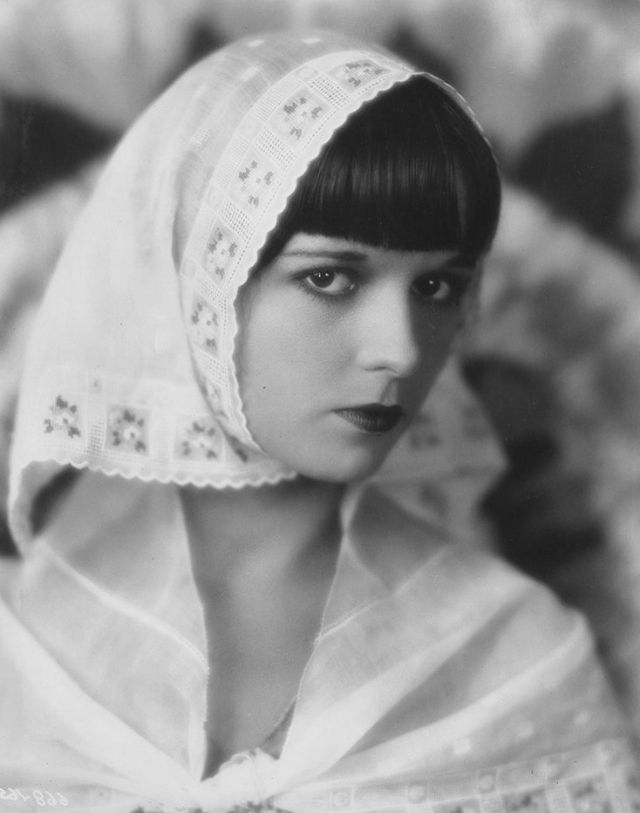
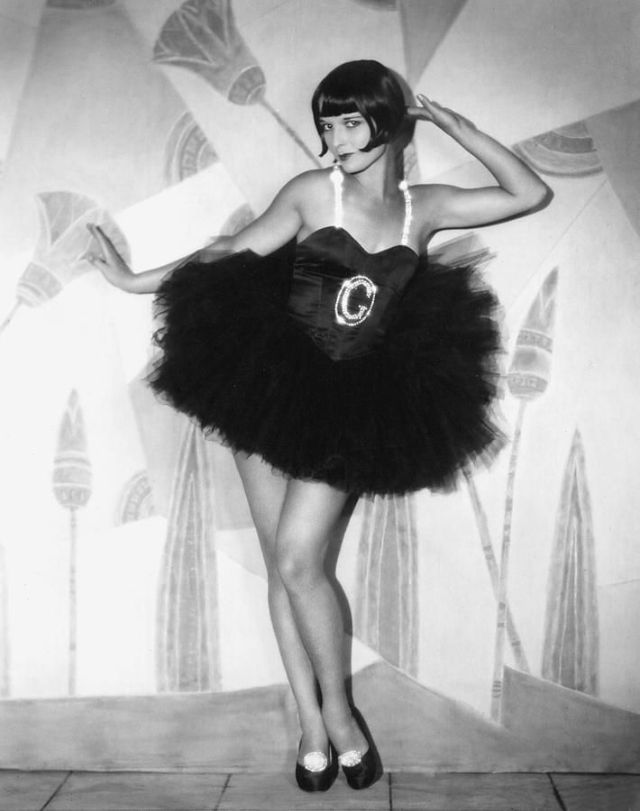
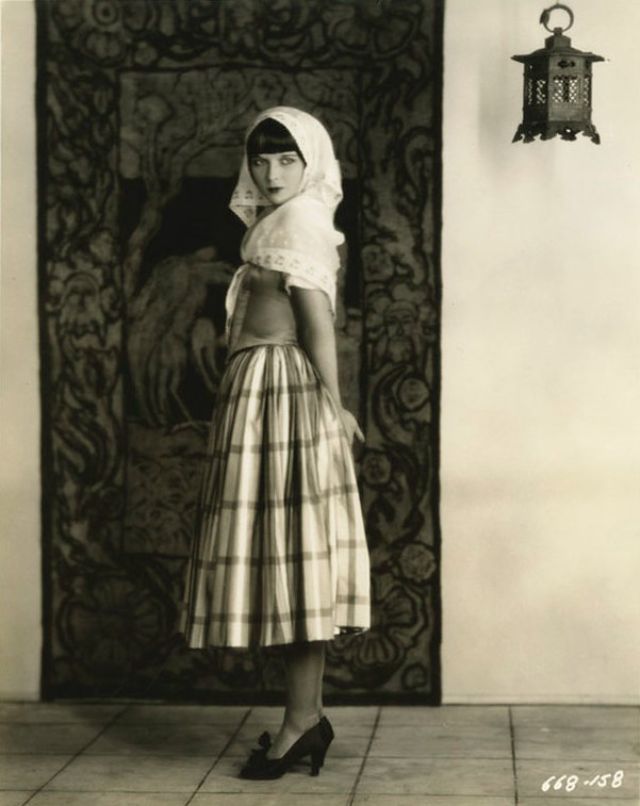
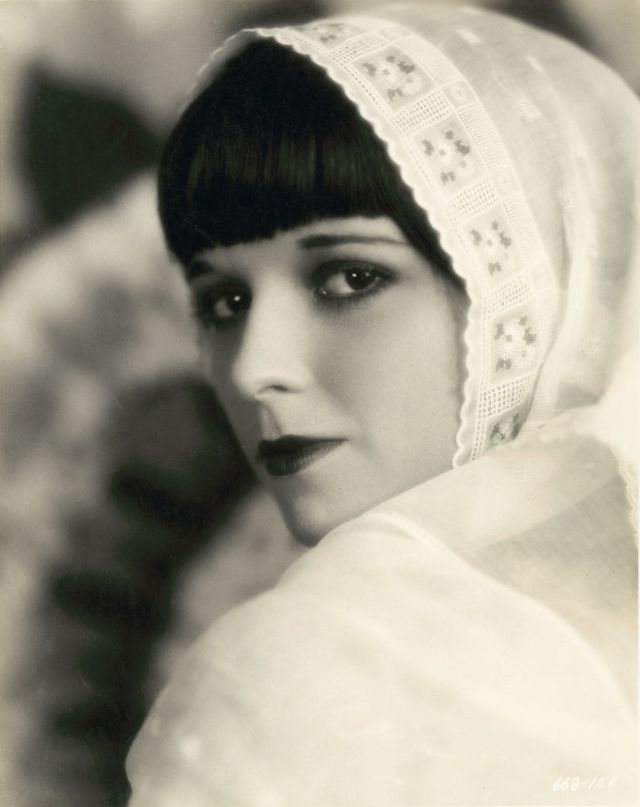
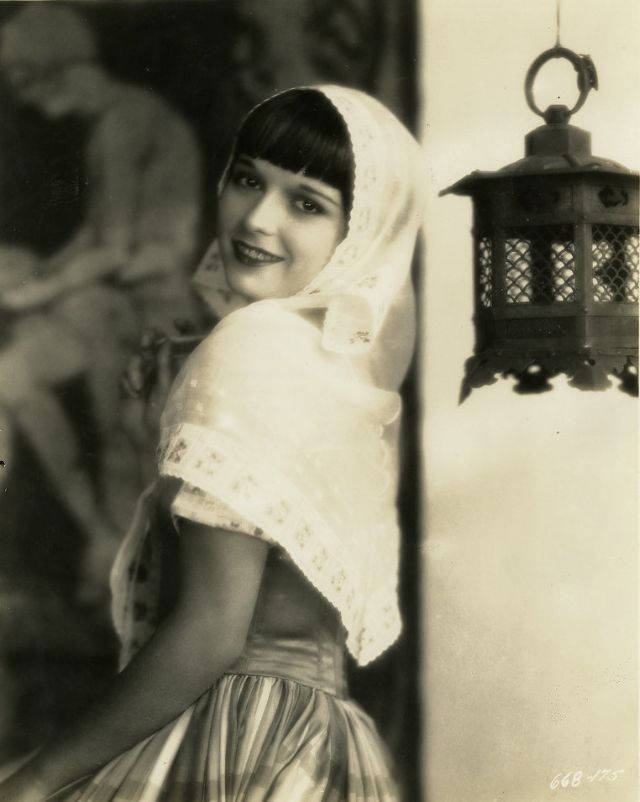
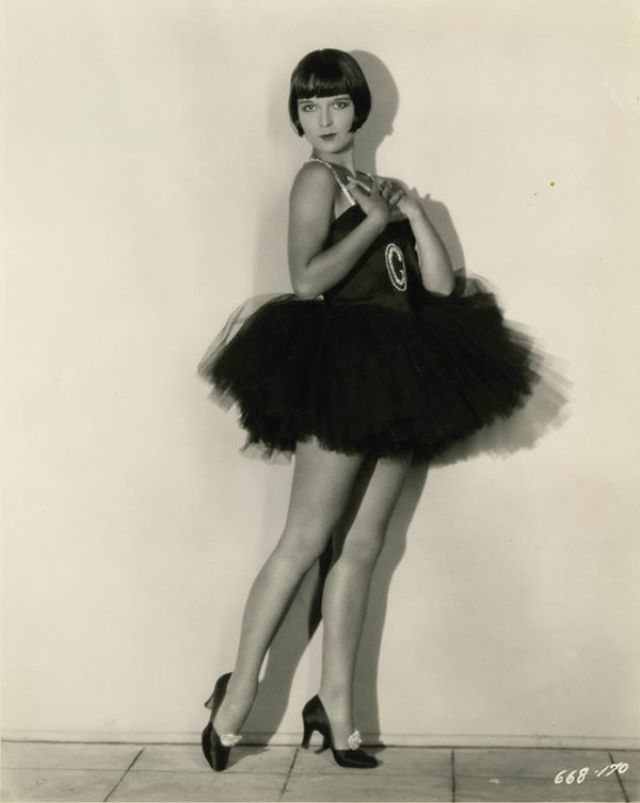
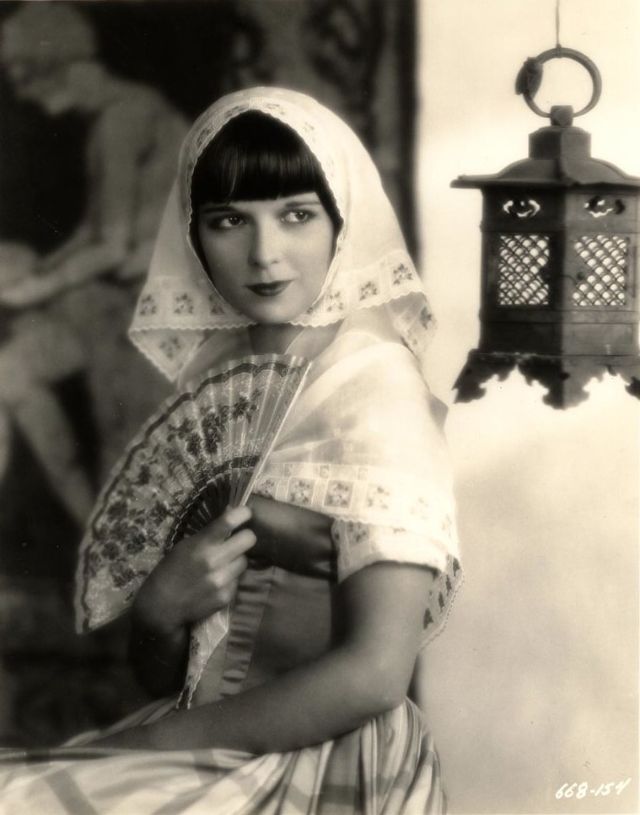
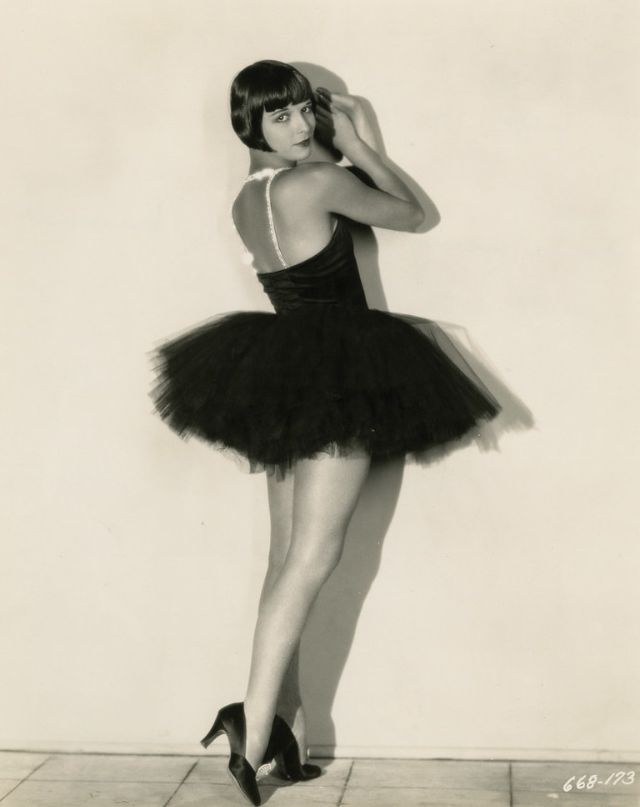
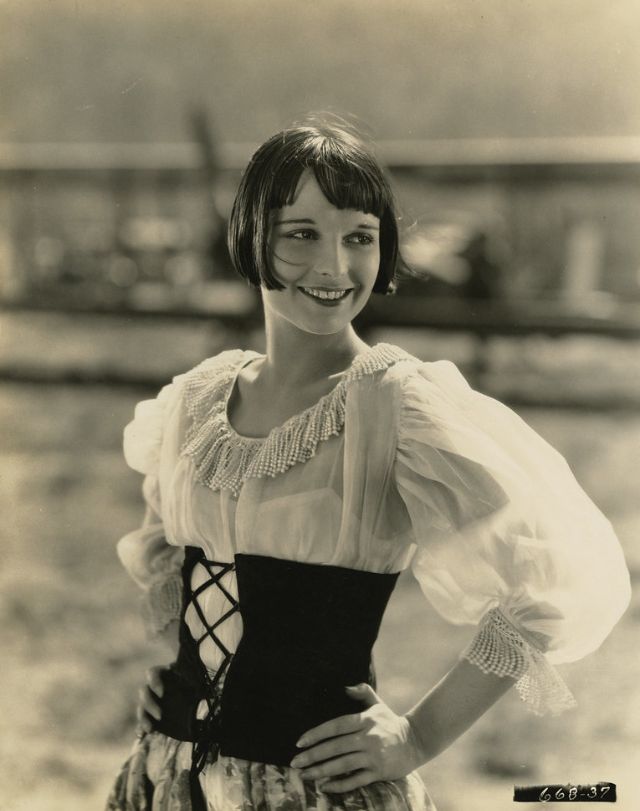
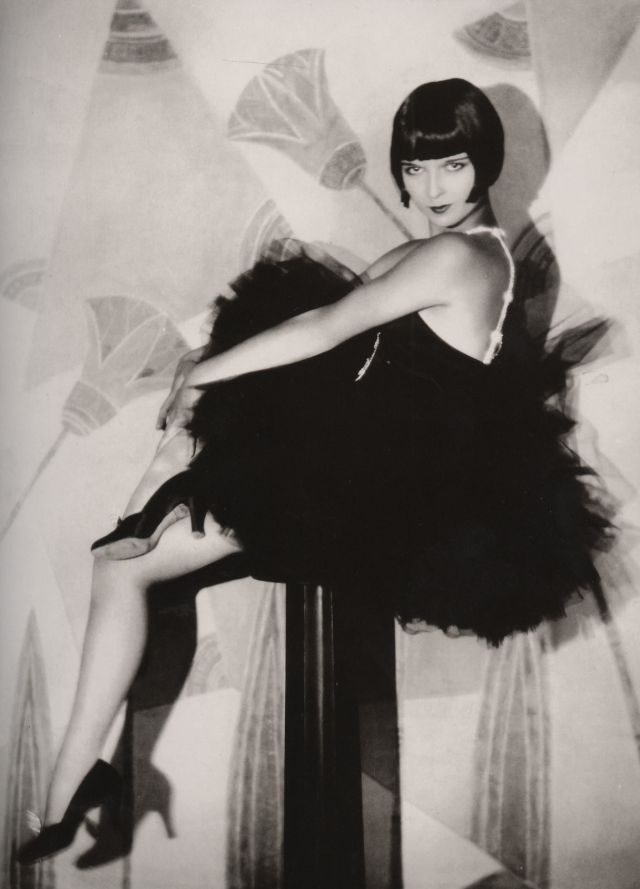
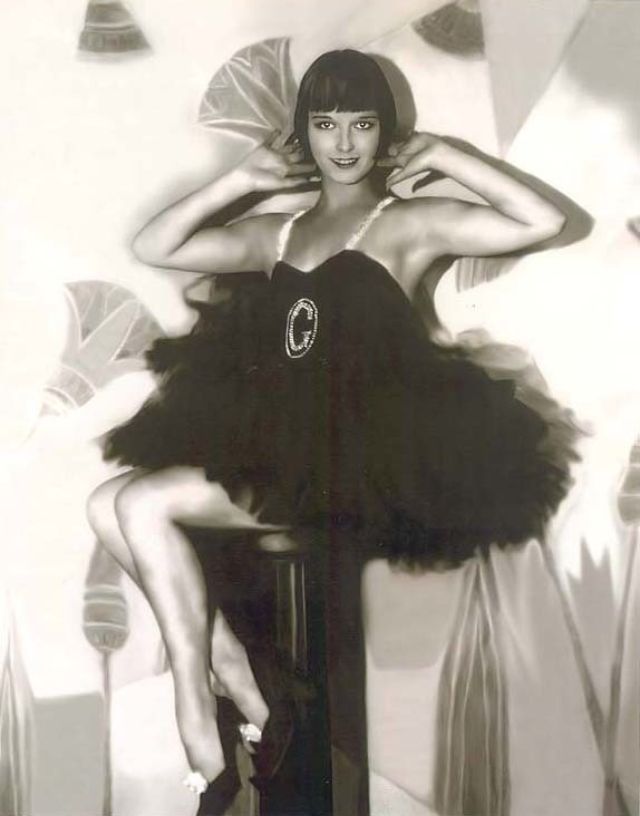
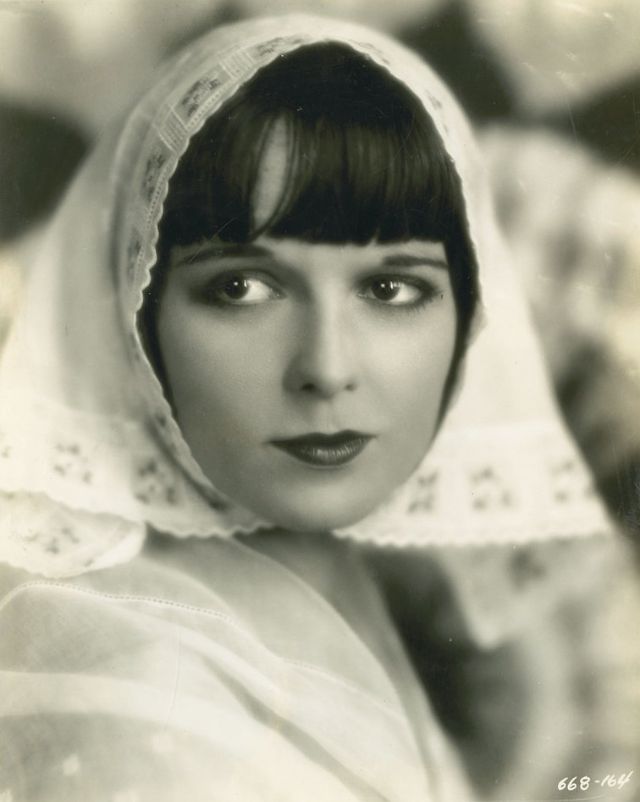
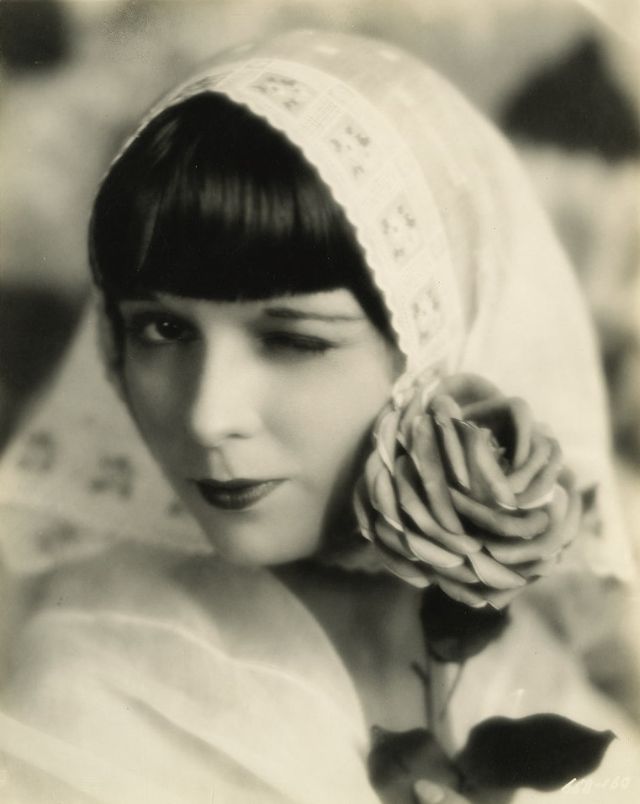
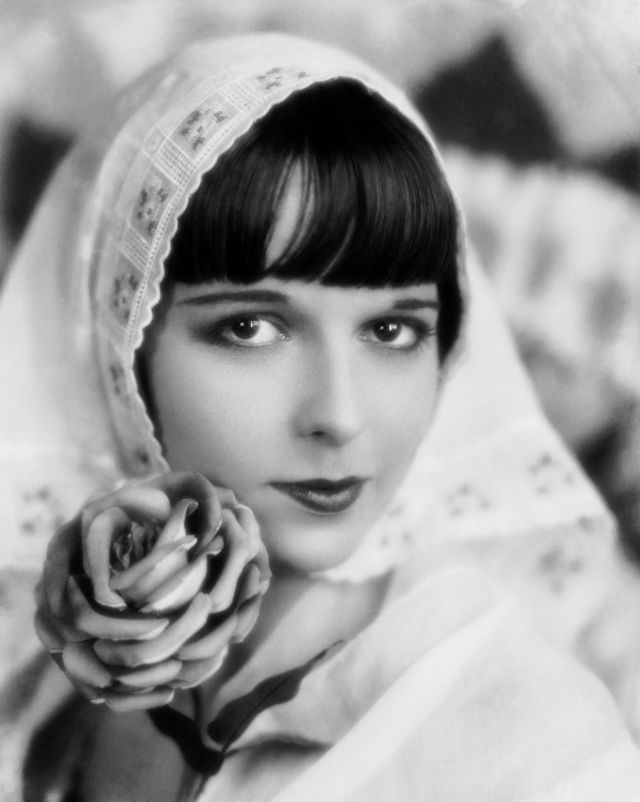
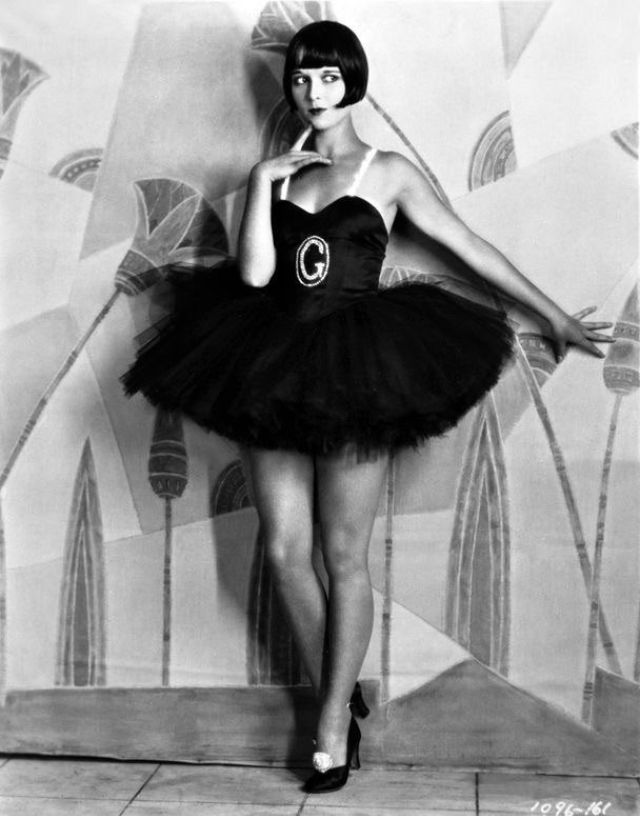
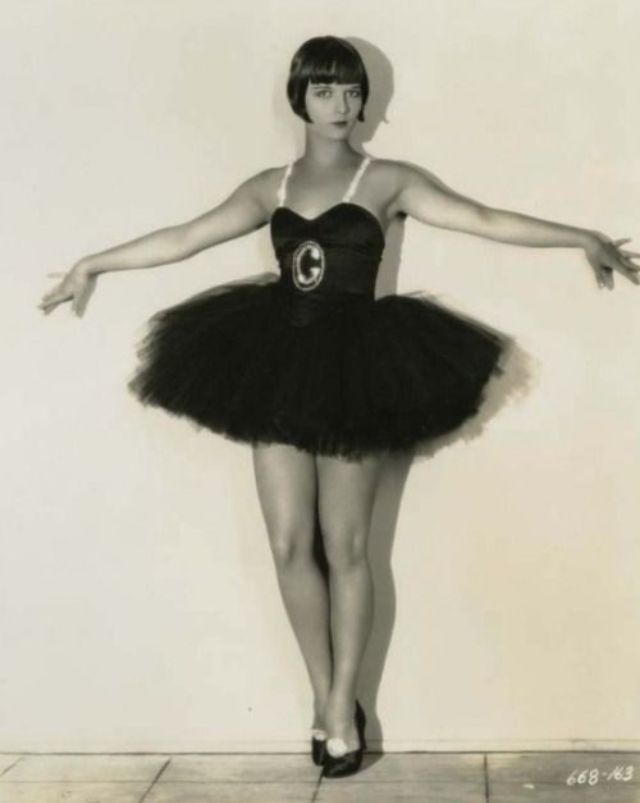
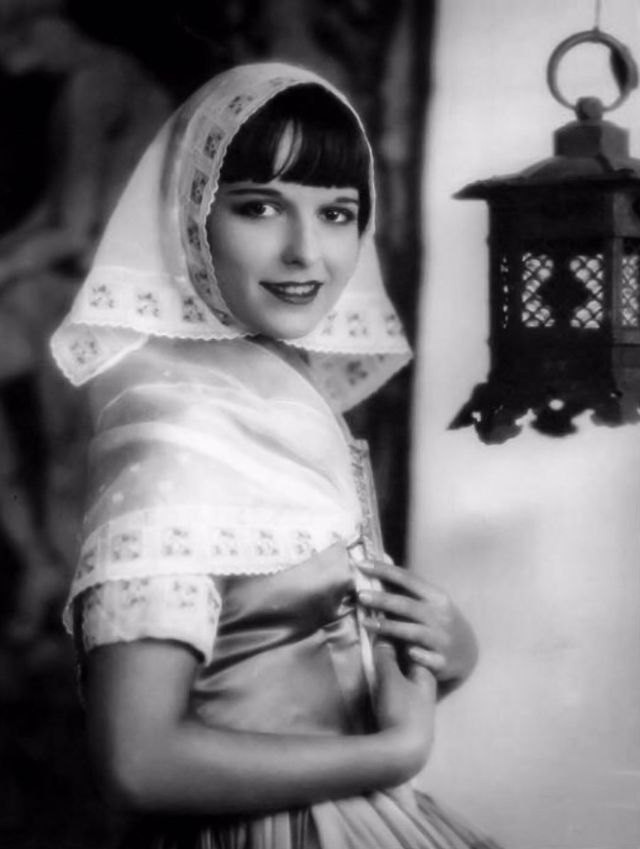
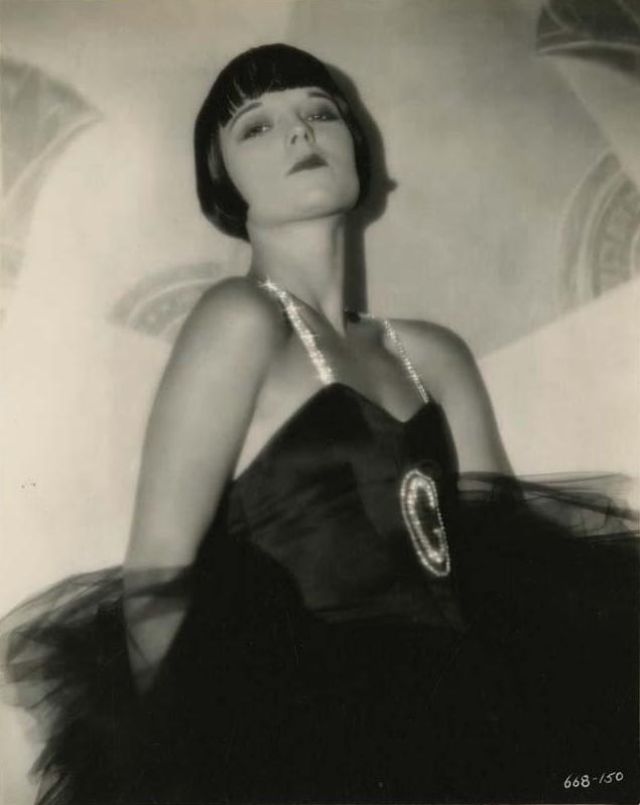
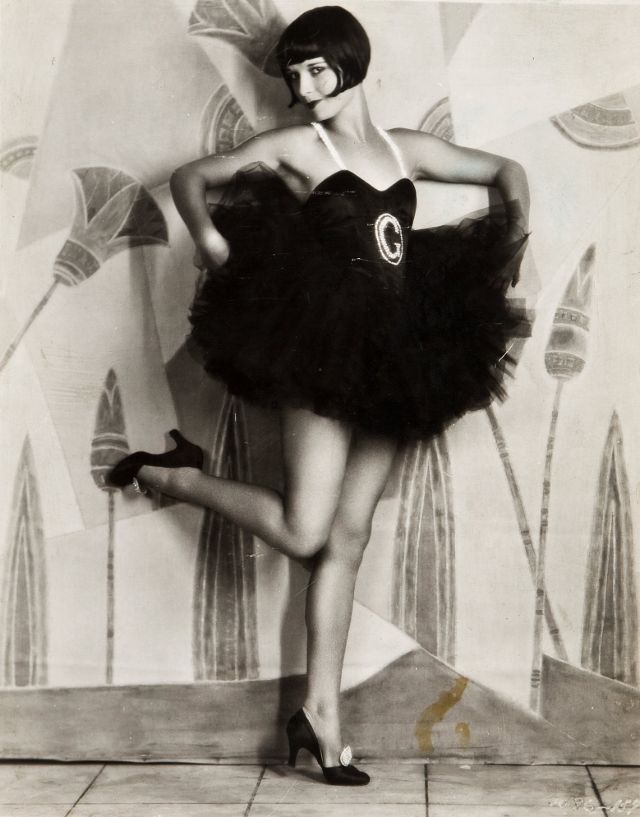
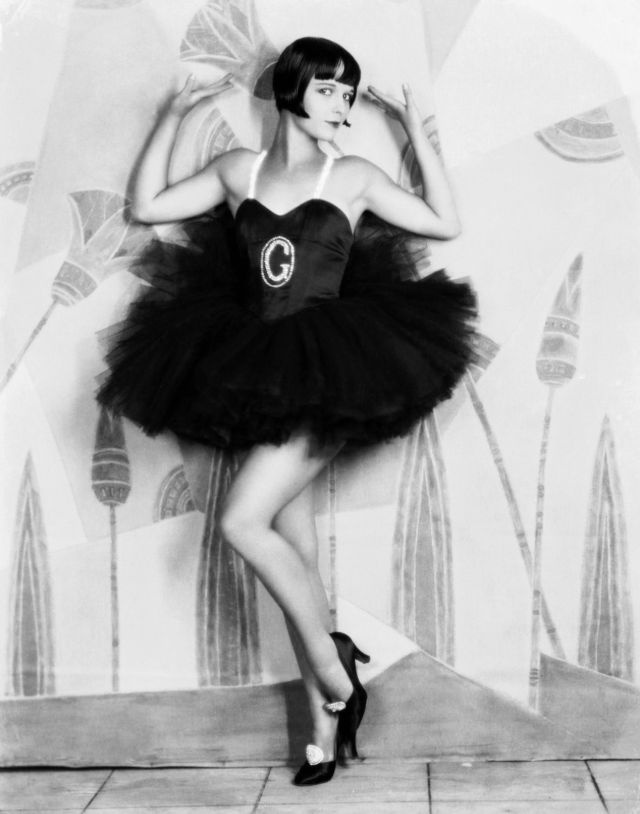
These fabulous photos captured portraits of Louise Brooks during the filming of Now We’re in the Air in 1927.

Subscribe to Yesterday Today to receive regular updates regarding new content:
Discover more from Yesterday Today
Subscribe to get the latest posts sent to your email.
