***Become a Subscriber for just $5 per month – the price of a coffee, and never miss an article. Your support allows us to continue purchasing subscriptions to different museums and photographic companies so we can continue to bring you unique and exceptional history. Your support is critical; we hope you’ll become a partner. Or, if you like, you may make a one-time donation at https://www.buymeacoffee.com/YesterdayToday ***
Subscribe to get access
Read more of this content when you subscribe today.
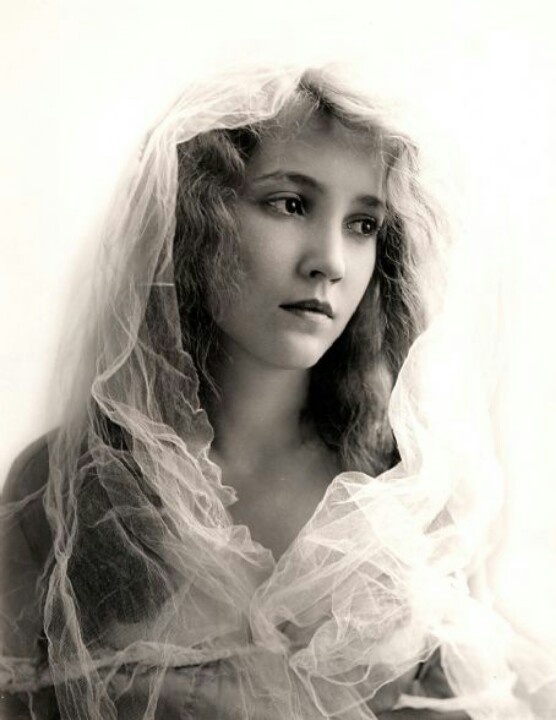
Bessie Love, born Juanita Horton on September 10, 1898, in Midland, Texas, was a prominent actress during the 1920s. Her career began in the silent film era, and she quickly became known for her roles as innocent young girls and wholesome leading ladies. Love’s petite frame and delicate features made her a perfect fit for the flapper image that was popular during the Roaring Twenties. Her performances captivated audiences and solidified her status as one of the era’s most beloved actresses.
Love’s journey to stardom began when she moved to Hollywood with her family. She was discovered by pioneering film director D.W. Griffith, who placed her under personal contract. Griffith’s associate, Frank Woods, gave her the stage name Bessie Love, believing it would be easy for audiences to remember and pronounce. Love’s early roles in films such as “The Flying Torpedo” (1916) and “The Good Bad-Man” (1916) showcased her talent and versatility, paving the way for her successful career in the 1920s1.
During the 1920s, Love starred in numerous films that highlighted her acting prowess. One of her most notable performances was in “The Broadway Melody” (1929), a musical film that earned her a nomination for the Academy Award for Best Actress. This film was significant not only for Love’s career but also for the film industry, as it was one of the first sound films to win the Academy Award for Best Picture. Love’s ability to transition from silent films to talkies demonstrated her adaptability and ensured her continued success in the evolving industry.
In addition to her work in “The Broadway Melody,” Love appeared in other successful films throughout the decade. Her roles in “The Matinee Idol” (1928) and “The Lost World” (1925) further cemented her reputation as a talented and versatile actress. Love’s performances were often praised for their authenticity and emotional depth, making her a favorite among both audiences and critics. Her ability to convey complex emotions with subtlety and grace set her apart from many of her contemporaries.
Despite her success, Love faced challenges in her personal life. She married film producer William Hawks in 1929, but the marriage ended in divorce in 1936. The pressures of maintaining a successful career in Hollywood, coupled with the demands of her personal life, took a toll on Love. However, she remained resilient and continued to work in the film industry, even as the popularity of silent films waned and talkies became the norm.
As the 1920s came to a close, Love’s career began to decline. The advent of sound films brought new challenges, and many silent film stars struggled to adapt. However, Love’s talent and determination allowed her to continue working in the industry, albeit in smaller roles. She eventually moved to England, where she continued to act in films, theatre, and television until her retirement.
Bessie Love’s contributions to the film industry during the 1920s were significant. Her performances in both silent and sound films showcased her versatility and talent, making her one of the era’s most beloved actresses. Despite the challenges she faced, Love’s resilience and dedication to her craft ensured her lasting legacy in Hollywood history. Her work continues to be celebrated by film enthusiasts and historians, who recognize her as a pioneering figure in the early days of cinema.

Subscribe to continue reading
Subscribe to get access to the rest of this post and other subscriber-only content.
