Christmas in mid‑century America occupies a special place in the cultural imagination. The post‑war years — roughly 1946 to 1964 — were marked by prosperity, optimism, and a booming population. Families were settling into new suburban homes, televisions were becoming household staples, and American manufacturing was at its peak. Against this backdrop, America’s newfound Christmas awareness morphed into the view that Christmas is a national ritual, shaped by abundance, mass media, and a growing sense of shared cultural identity. The vintage images from this era capture this transformation with remarkable clarity.
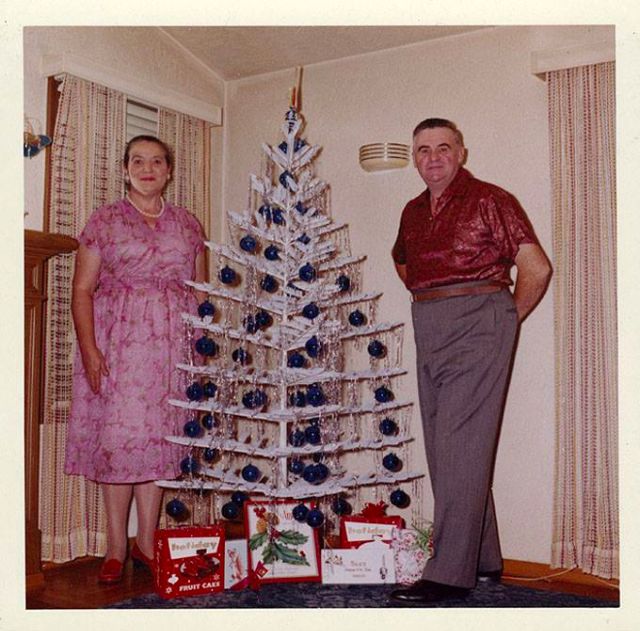
One of the most striking features of Christmas in the 1950s and ’60s is the sheer exuberance of the décor. After many decades of economic hardship and wartime rationing, Americans felt the need to embrace the Christmas holiday with gusto, in an otherwise bleak existence. Tinsel trees — especially the iconic aluminum models — shimmered in living rooms illuminated by colour-wheel spotlights. Ornaments, once manufactured in Germany, were now produced in America and sold at reasonable prices. This shift helped democratize holiday decorating, creating a distinctly American Christmas aesthetic: bold, bright, and unapologetically cheerful.
With the rise in prominence of the department store, Santa also became a defining tradition. While many Christmas traditions existed before 1945, the post‑war boom elevated them into a wonderful childhood experience. Families flocked in droves to stores in the downtown shopping area, where beautiful, intricate window displays astounded shoppers. At the same time, the fully stocked toy departments created a magical atmosphere. Children patiently waited in long lines for what seemed like an eternity for the chance to tell the white-bearded man in a red suit their wishes for a happy Christmas and a happy life. These visits to Santa Claus are often captured in candid, slightly awkward photographs that now feel irresistibly charming. These visits to the stores and to Santa Claus reinforced the idea that Christmas was a shared cultural event — one that blended commerce, fantasy, and family ritual.
Make a one-time donation
Make a monthly donation
Make a yearly donation
Choose an amount
Or enter a custom amount
Your contribution is appreciated.
Your contribution is appreciated.
Your contribution is appreciated.
DonateDonate monthlyDonate yearlyThe medium of television, which was developing during this period, would play a very transformative role. By the time the 1950s arrived, television ownership had exploded after the cost of TV sets plummeted, leading to a rapid rise in TV ownership. Rising, the production of holiday television programming flourished due to increased demand, and it quickly became part of the public’s seasonal offerings. Families gathered around their tv sets and watched variety‑show specials, animated shorts, and later on, the now‑classic Rankin/Bass productions. These tv shows created a standardized Christmas pathos across the USA, from Rudolph’s glowing nose to Frosty’s top hat. For many children, the holiday season was inseparable from the glow of the television screen — a new kind of hearth for a modern age.
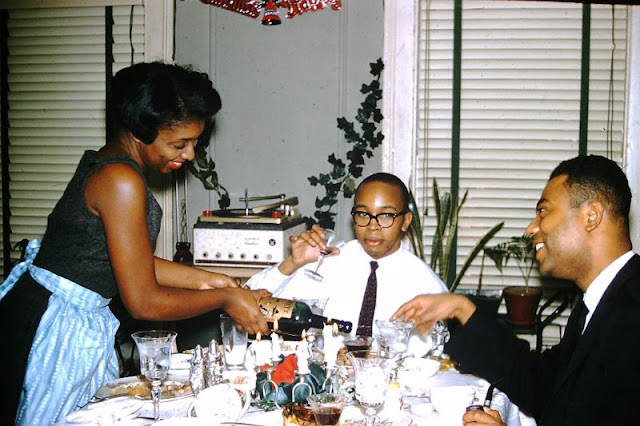
Food traditions evolved rapidly during this period. The 1950s and 1960s emphasized convenience and noveltyregarding food, bringing to holiday tables such new items as gelatin salads, canned hams, and brightly frosted cakes and cookies. Items like cookbooks and women’s magazines heavily promoted Christmas recipes that appealed to many homemakers. Also, the era’s prosperity meant families could indulge in treats that had been scarce during the Depression of the 1930s and the wartime years in the first half of the 1940s. Christmas baking — cookies, fruitcakes, and pies — became a cherished domestic ritual, often passed down through generations.
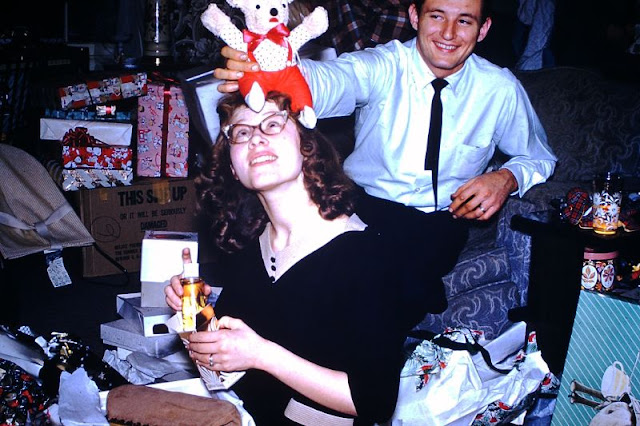
The most enduring legacy of Christmas in the 1950s and 1960s was the emotional landscape it created. Photographs from this time period illustrated families gathering around trees and children unwrapping toys with an astounding amount of energy and joy. In addition, communities that gathered together for parades, pageants, and church services benefited greatly from these Christmas festivities. Even as the consumer culture was created and expanded, the heart of Christmas remained deeply rooted in connection and shared experience.
As we reflect upon these photos today, more than nostalgia is evident. We see a picture of America defining itself through ritual and celebration. The Christmases of the 1950s and ’60s were born of optimism and abundance, as well as a desire for stability and meaning in a rapidly changing world. The traditions forged in those decades — from Santa visits to televised specials — continue to shape how Americans celebrate the holiday today.
By revisiting these vintage photographs, we’re often reminded that Christmas is as much about memory as it is about the present. The holiday season of the 1950s and 1960s, with its tinsel‑draped exuberance and warm simplicity, remains to this very day a testament to society’s resilience, and a time when America embraced both modernity and tradition — and found joy.
These vintage photos show how Americans celebrated Christmas in the 1950s and 1960s.

Subscribe to continue reading
Become a paid subscriber to get access to the rest of this post and other exclusive content.
