









Bringing You the Wonder of Yesterday – Today

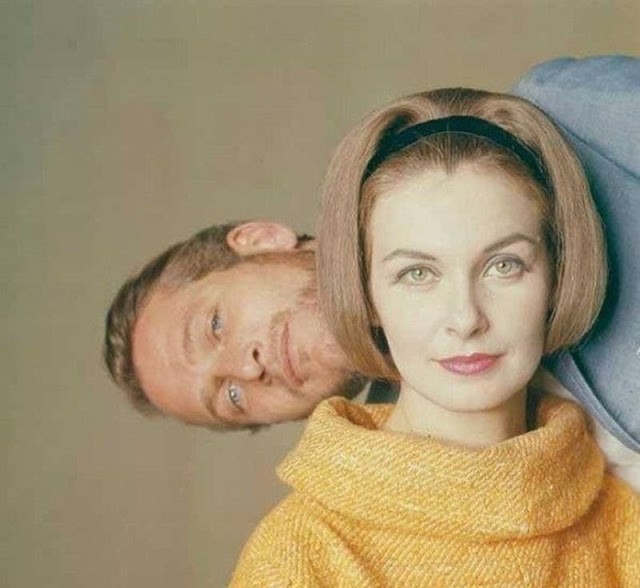
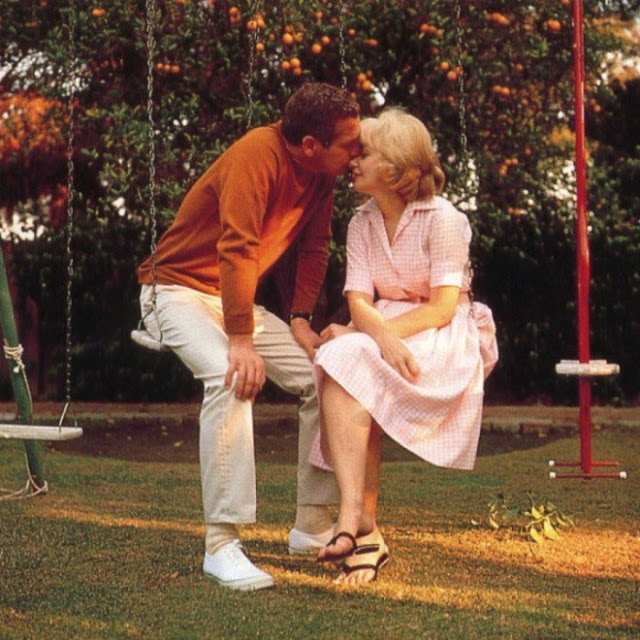
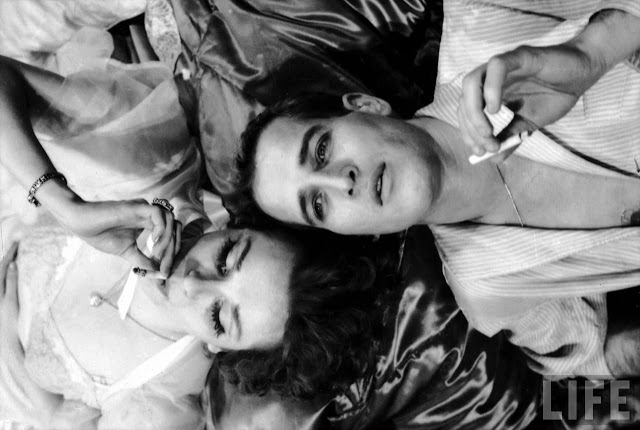
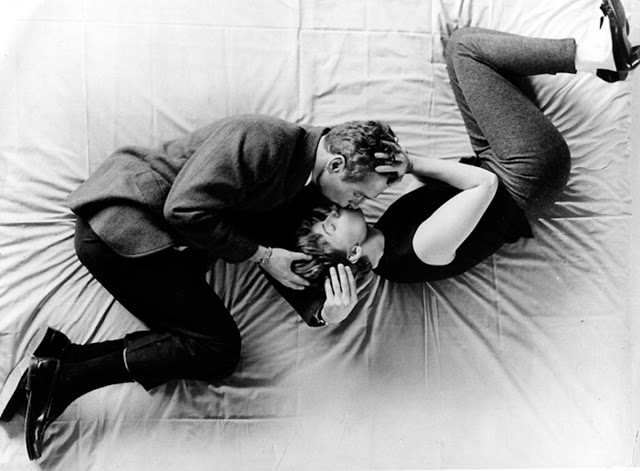
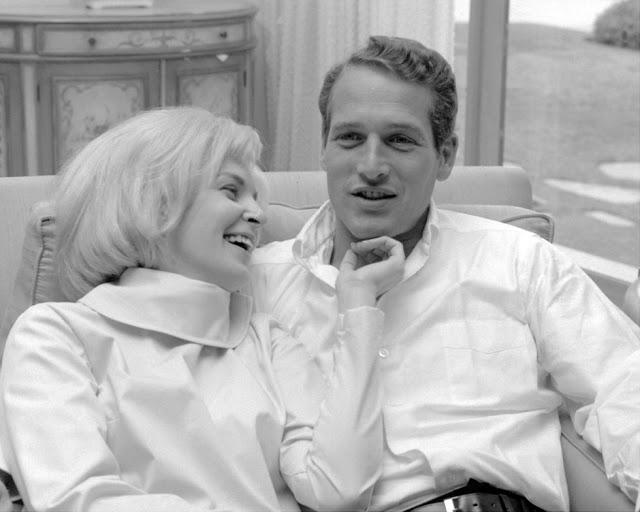
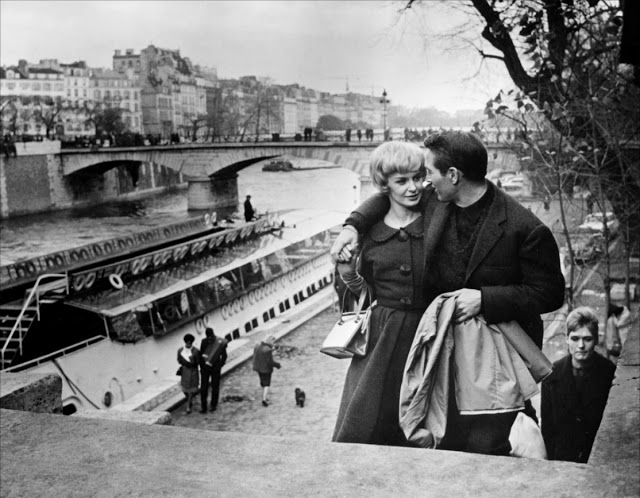
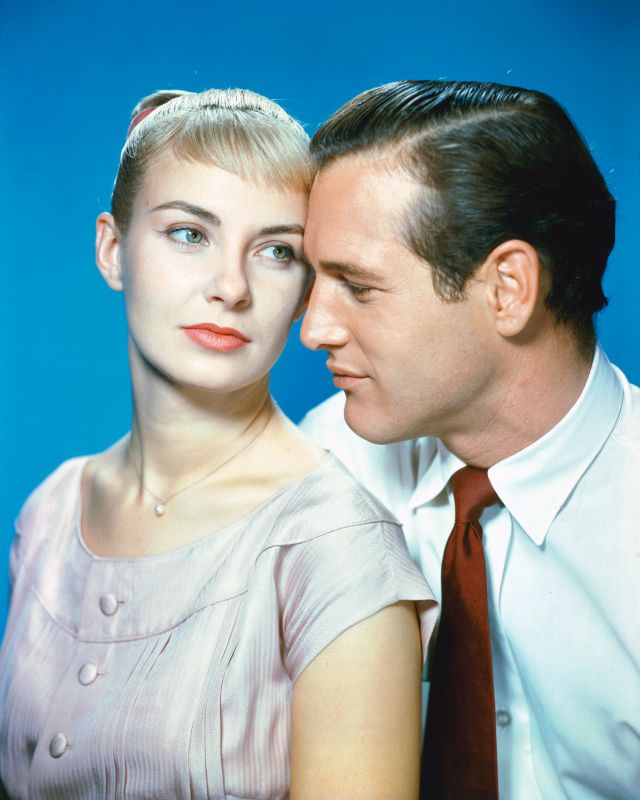
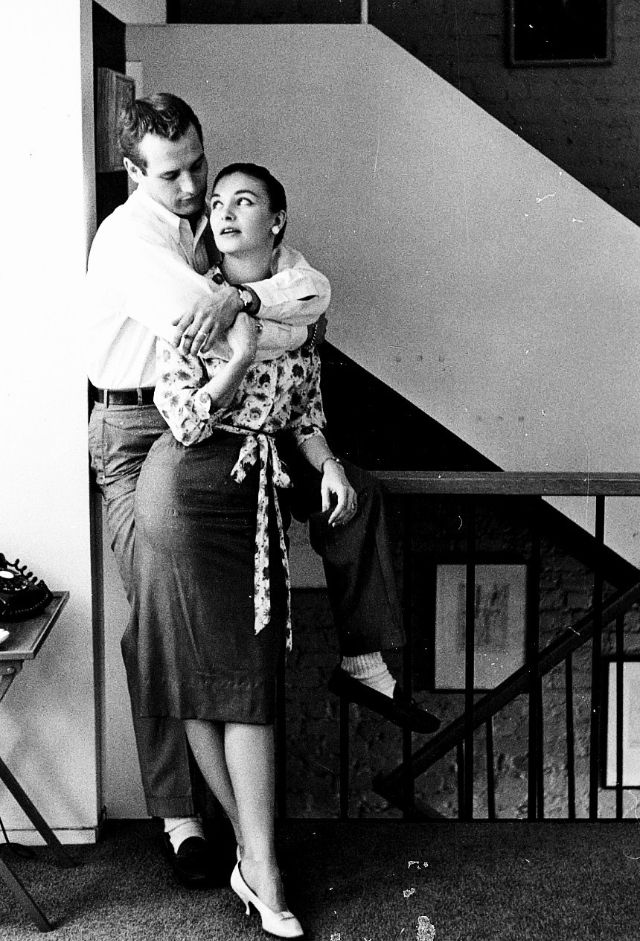
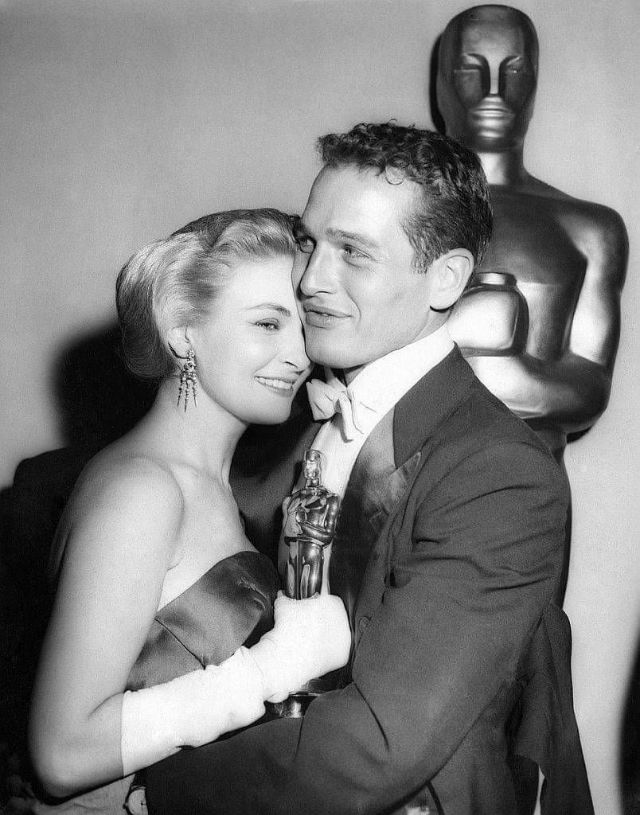
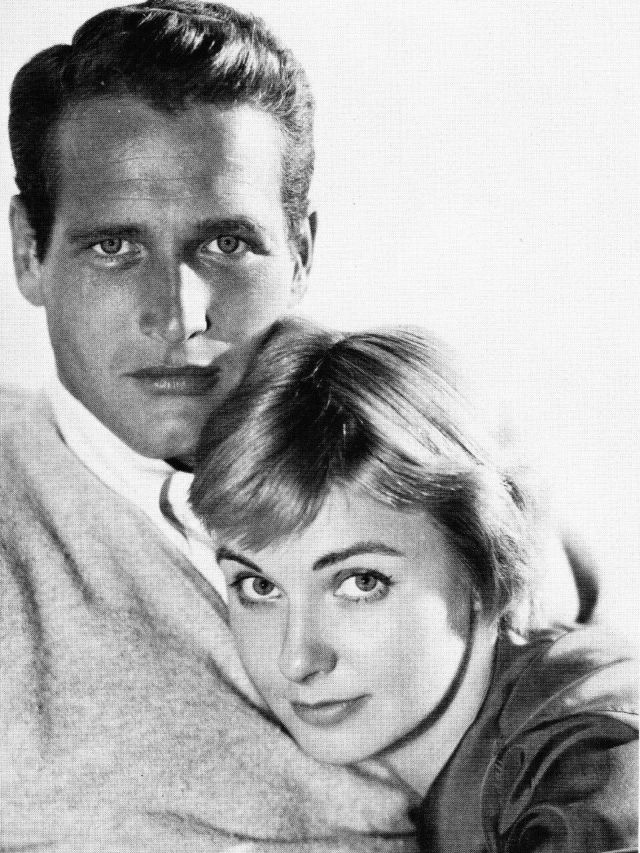
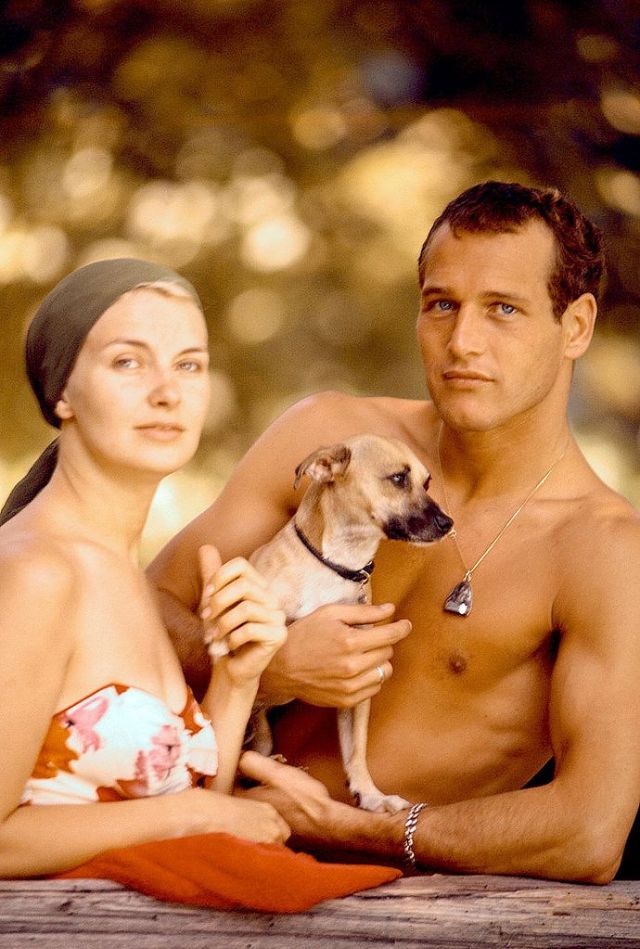
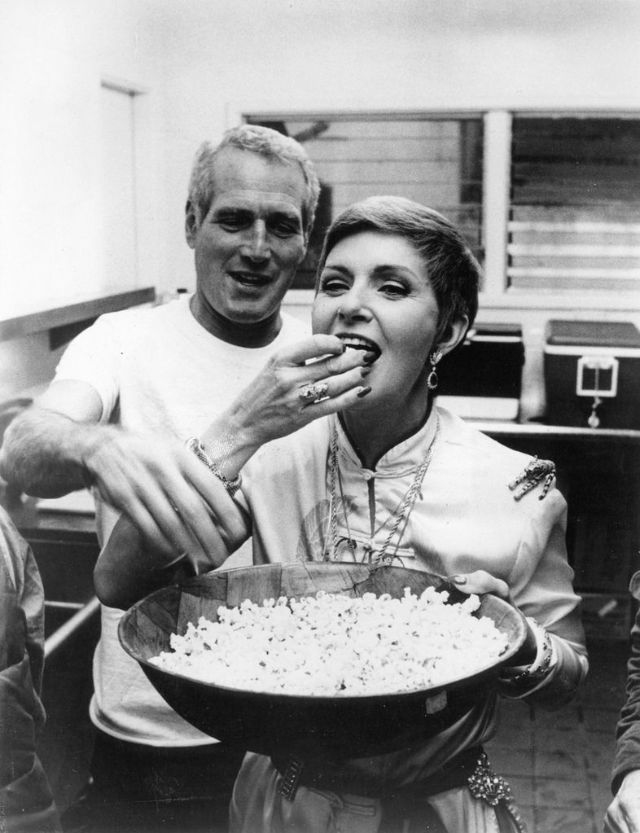
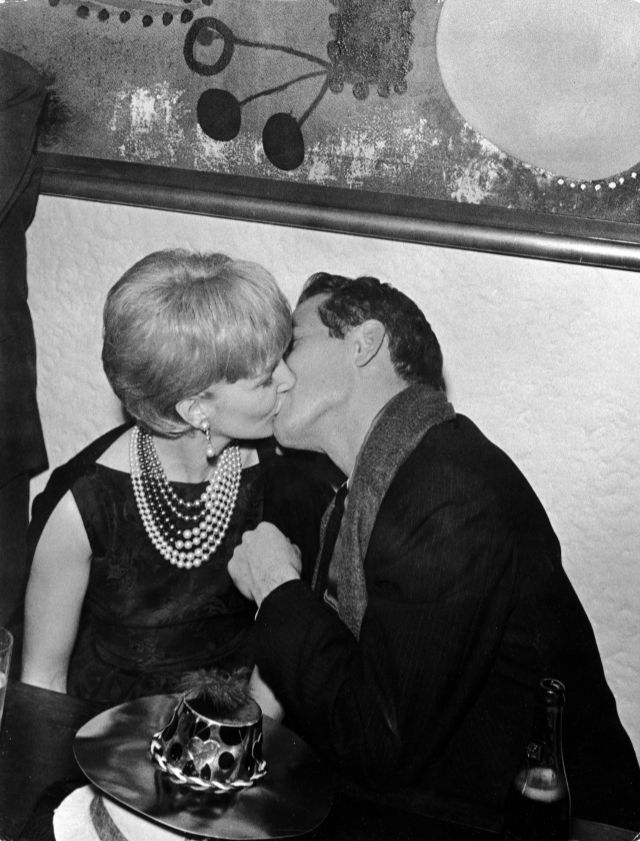
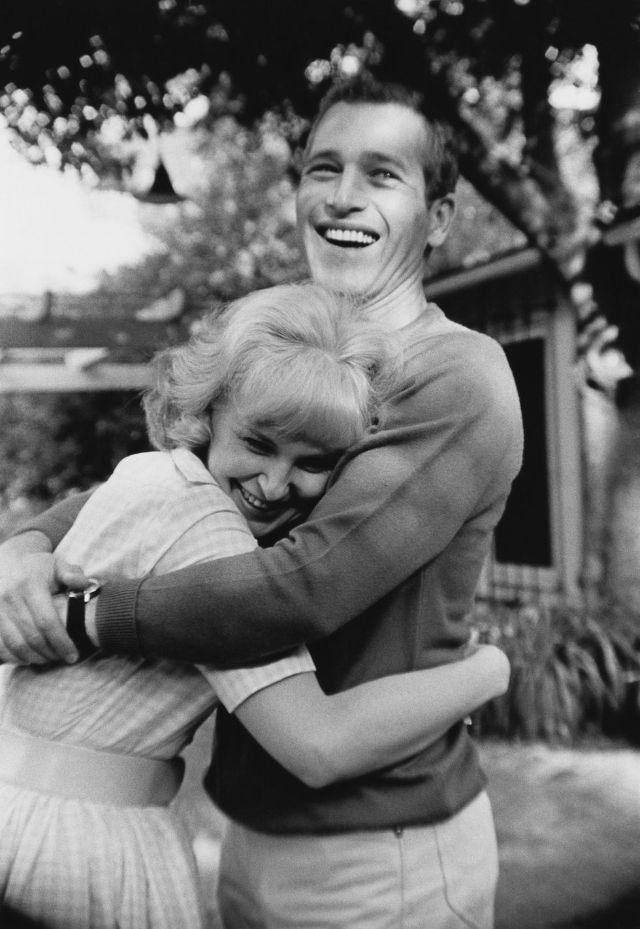
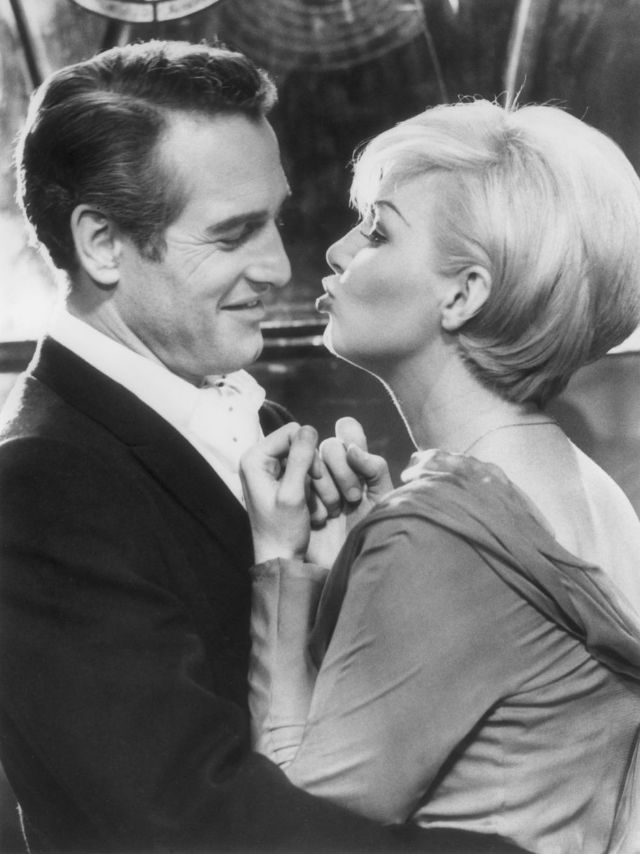
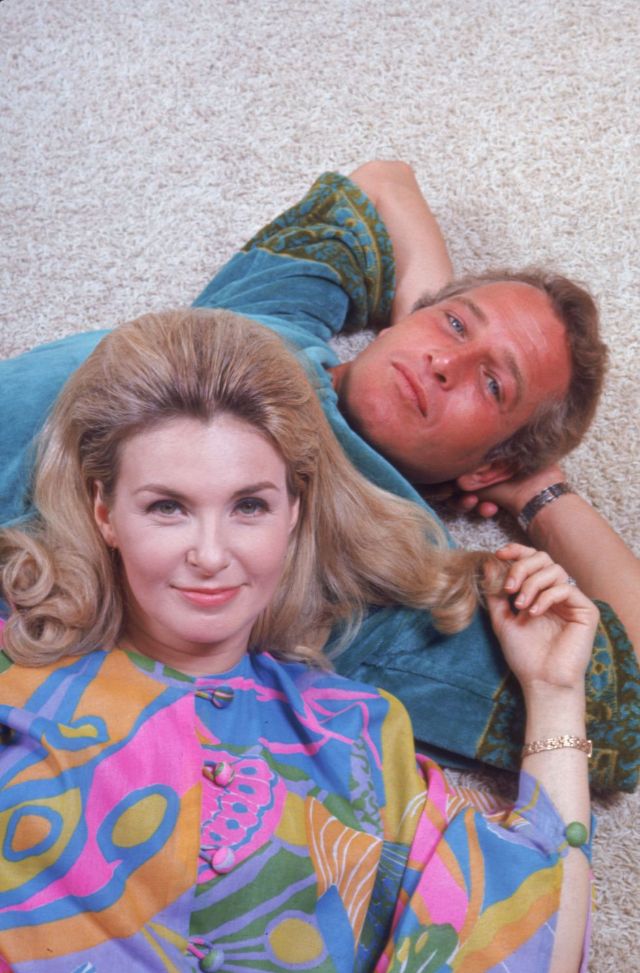
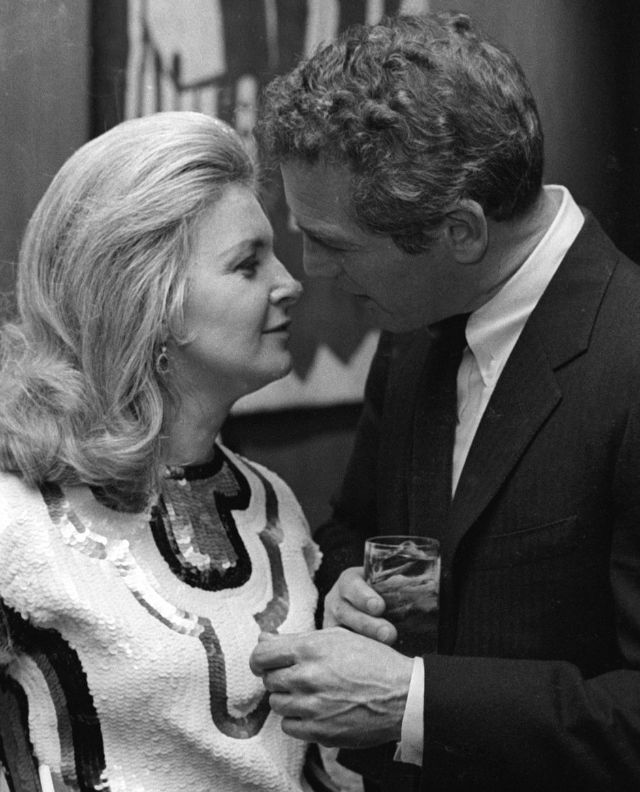
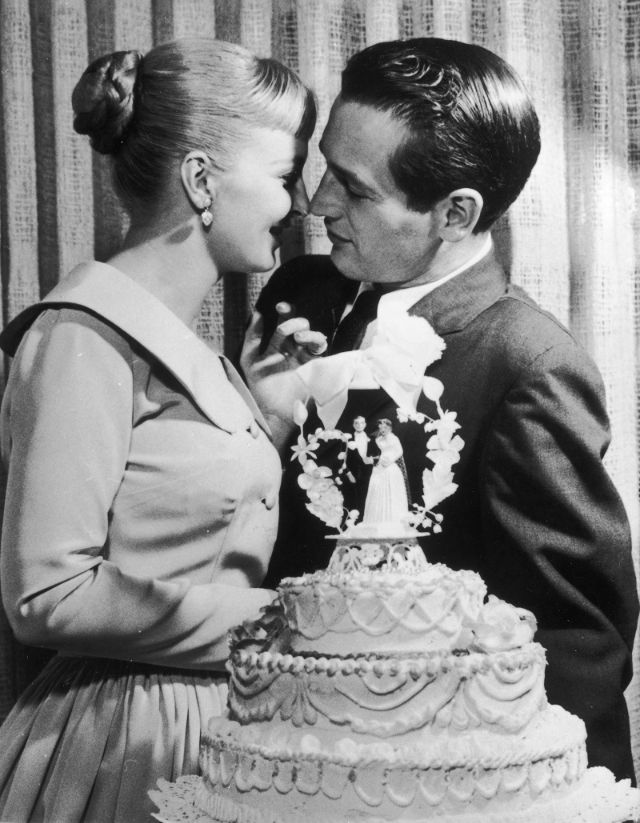
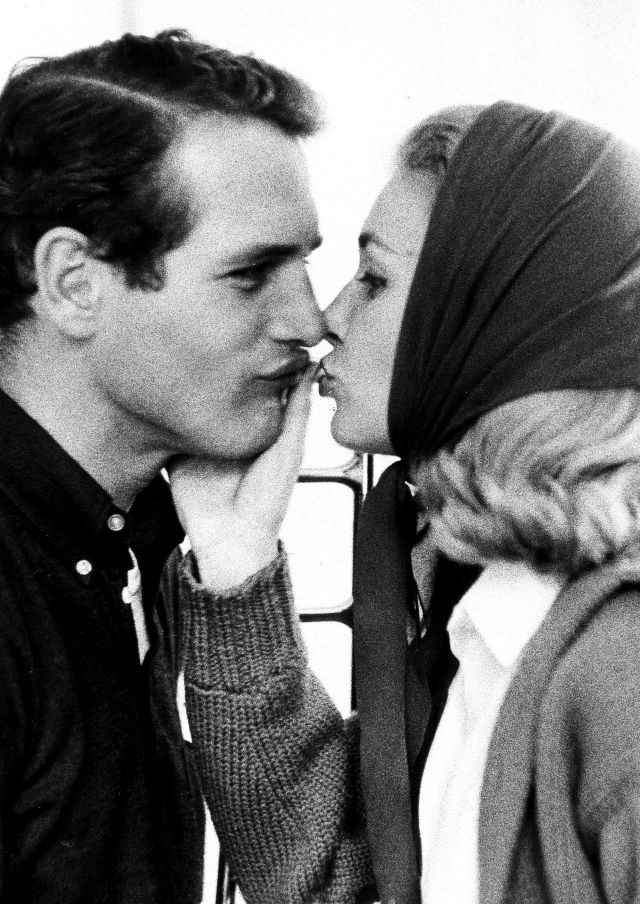
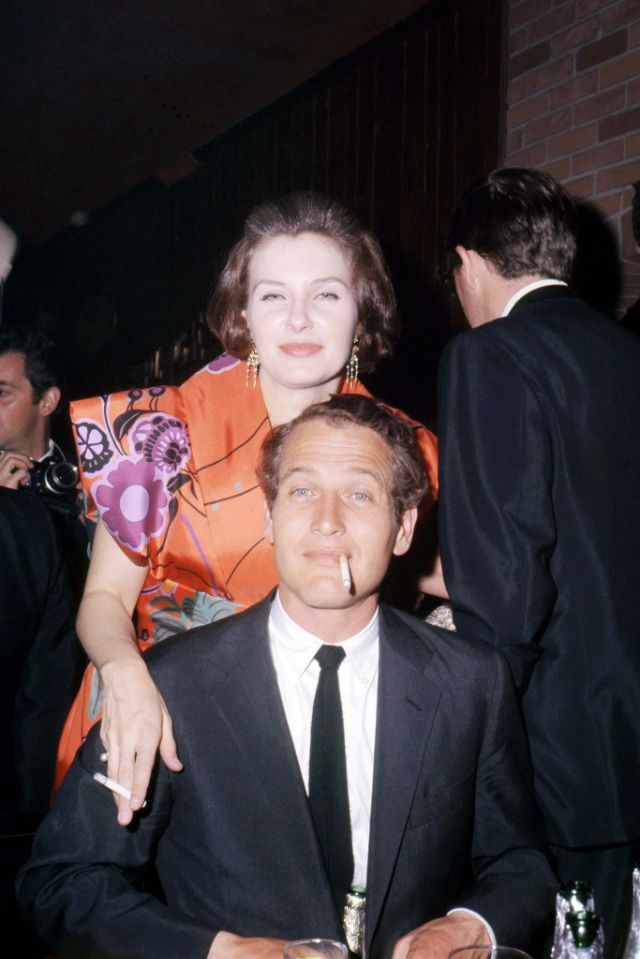
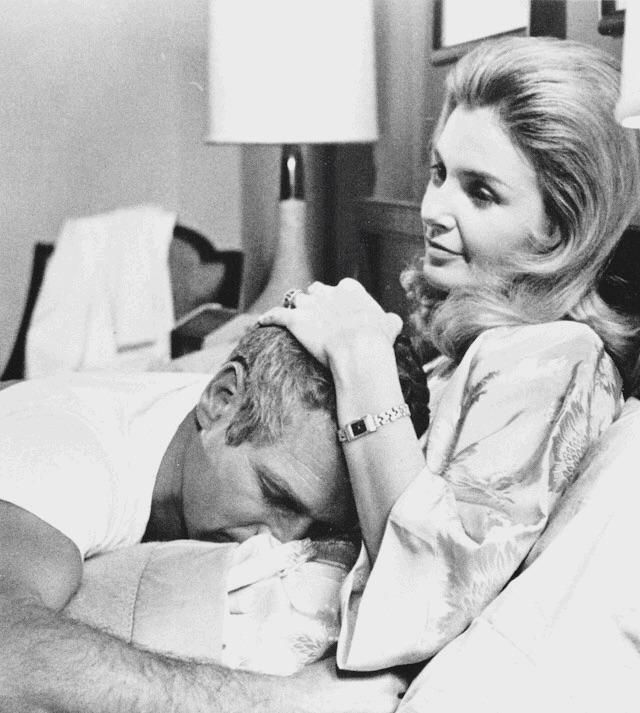
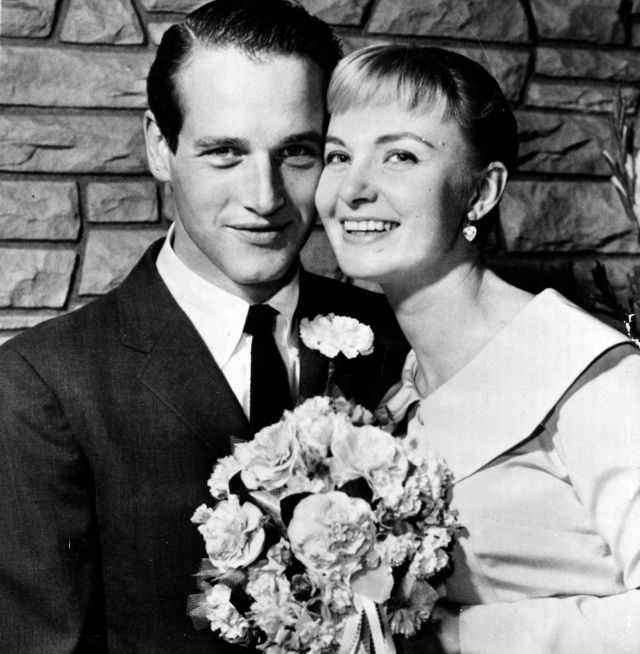
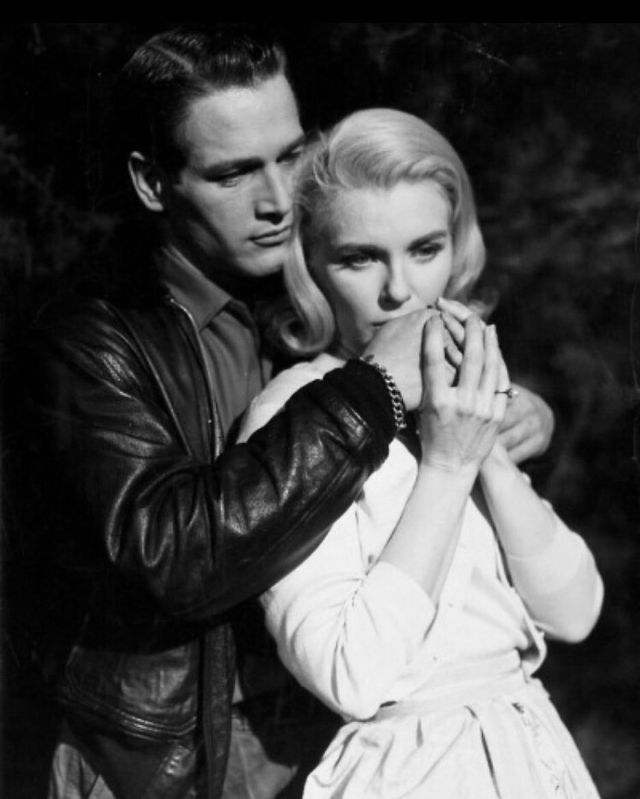
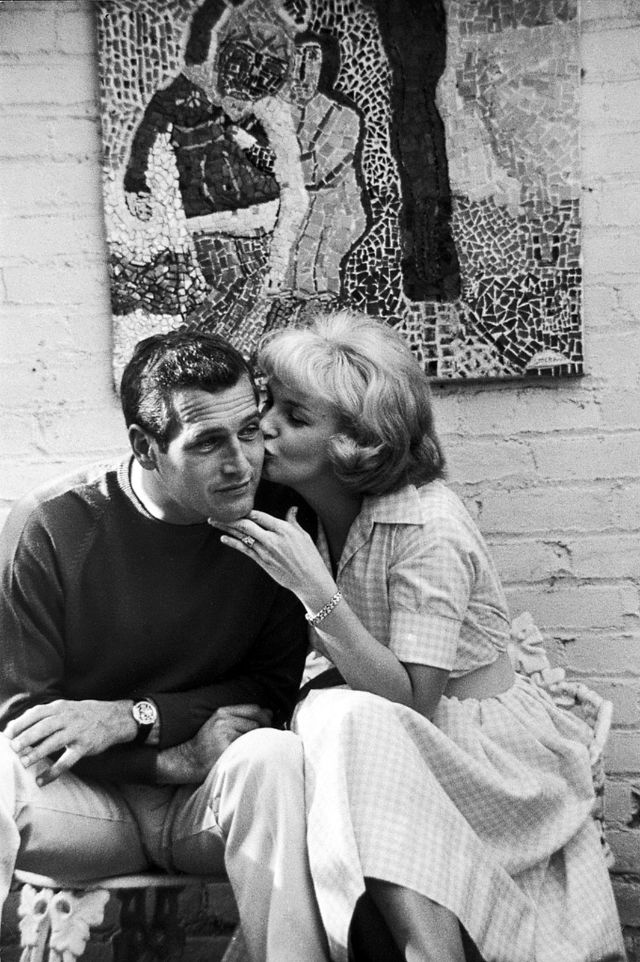
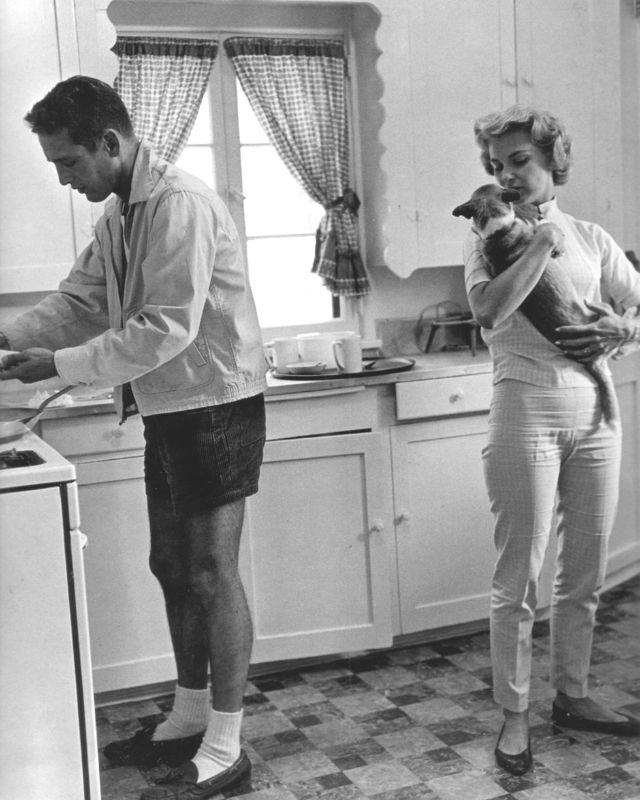
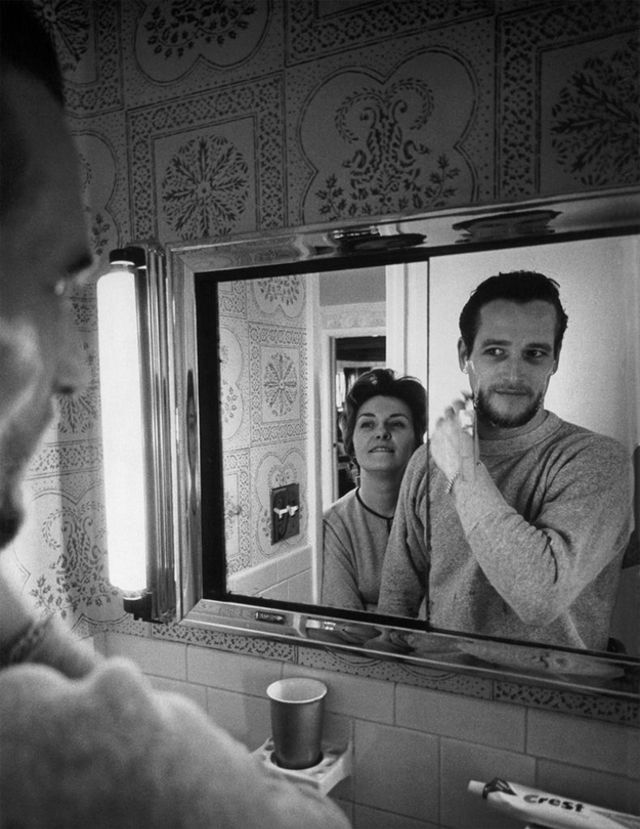
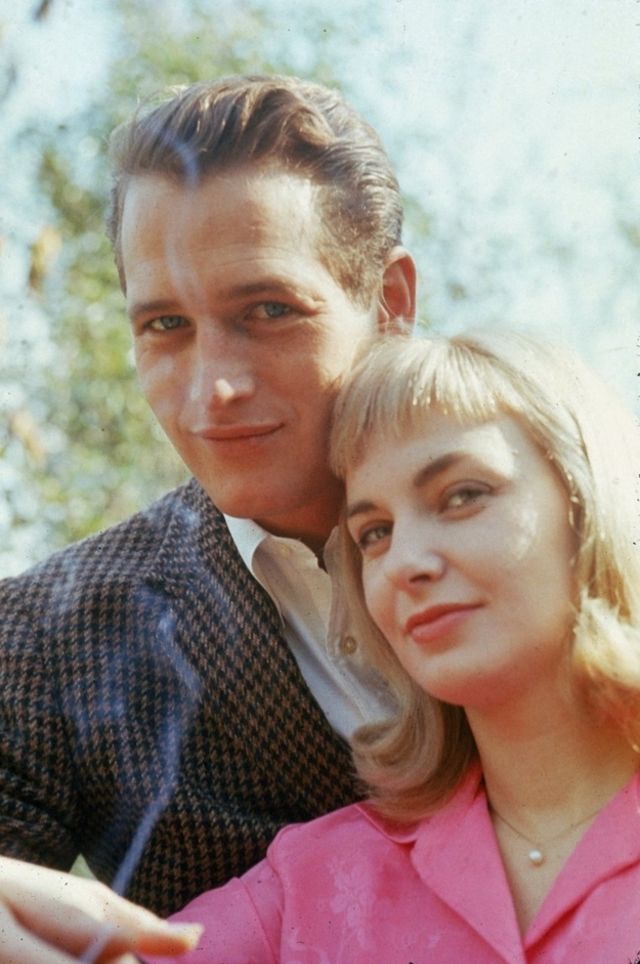
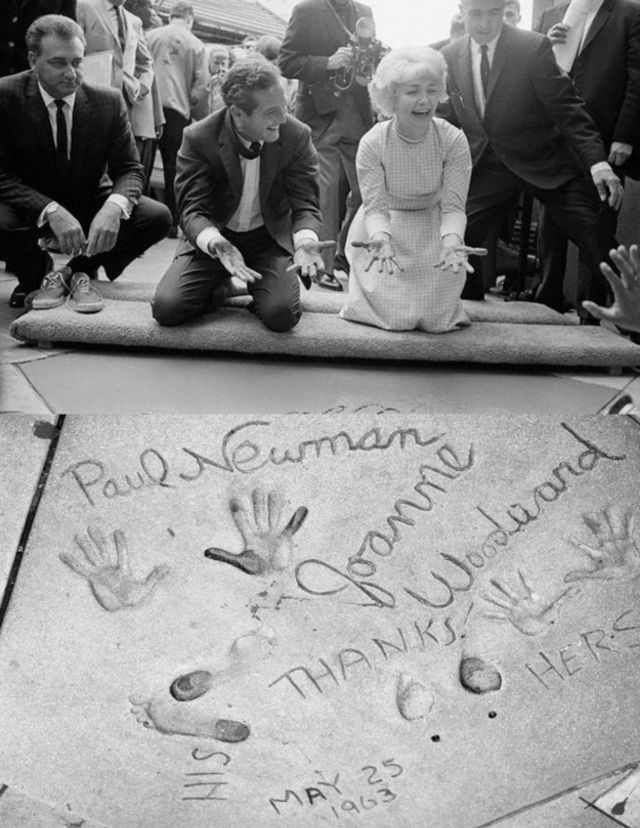
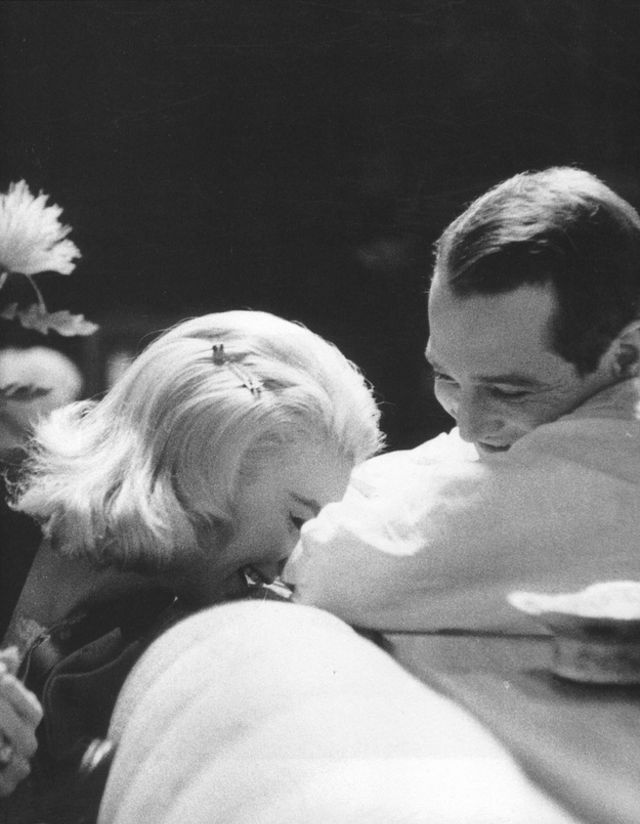
Even in old, black-and-white or color photographs, Paul Newman and Joanne Woodward’s love is as visible and vibrant as if they’re standing right in front of you. Considered by many “Hollywood’s golden couple,” the Academy Award-winning actors’ union spanned five decades, until Newman’s death in 2008. Since her husband’s death, Joanne has stayed out of the spotlight, and the couple’s three daughters fiercely guard the privacy she has fought to maintain.
Paul Newman and Joanne Woodward first met back in 1953, both ducking into the air-conditioned office of their agent to escape the heat. They were two young, attractive stars trying to make it in Hollywood and had a fair amount in common and a fair amount of chemistry, too. However, Paul was married, so that was that. They met again on the set of a Broadway production of Picnic and discovered that they genuinely liked each other as people and co-workers.
Hollywood brought them together again in 1957 when they were both cast in The Long, Hot Summer. The film starred Paul as Ben Quick a drifter who wanders into a small Mississippi town. His father is well-known in the city, and not in a good way, but Quick decides to stay—in no small part because of Clara Varner (played by Joanne). When Varner’s parents try to push the two together, Clara and Ben are too stubborn to see that they are perfect for each other. When sparks eventually begin to fly between them, a jealous rival causes a tragedy that could tear them apart forever.
As they filmed the intense scenes, the two stars fell in love in real life and it’s hard to miss on screen. As Clara and Ben come to develop feelings for each other, Joanne and Paul give each other looks that are beyond the skill of any actor. It’s clear those feelings are 100% real—and it’s hard not be moved by them.
When the film was done, Newman got divorced, and the two stars turned their friendship into romance. They were married just a few months later. While many Hollywood romances crash and burn, Joanne and Paul remained happily married for 50 years. “People stay married because they want to, not because the doors are locked,” Paul once said.
Things may not have always been perfect. The New York Times reported the couple admitted their union was turbulent at times. Newman was rumored to have had an affair, as well as a taste for beer (despite being an anti-drug and alcohol activist due to his son’s tragic death from overdose in 1978). But by most accounts, Newman and Woodward were the picture of a happy husband and wife.

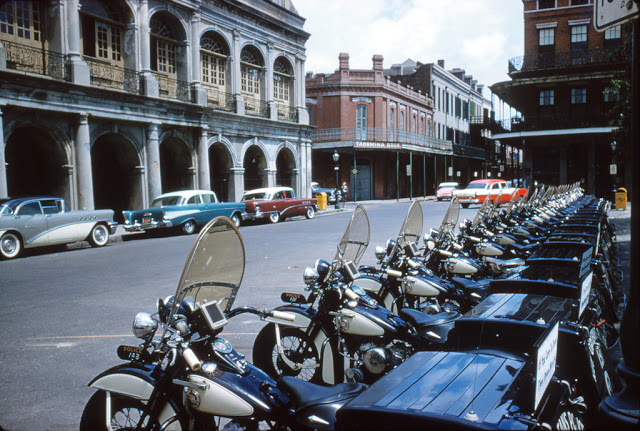
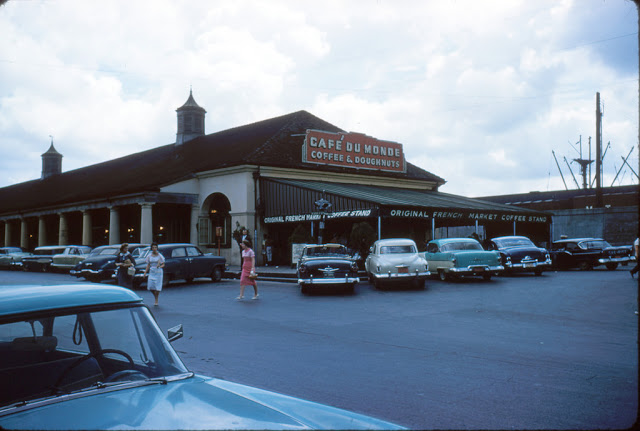
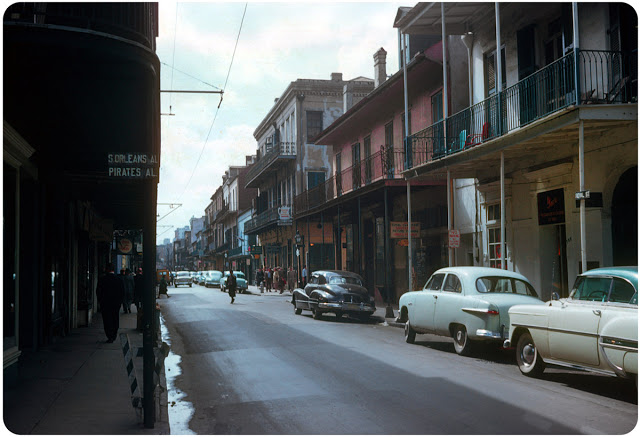
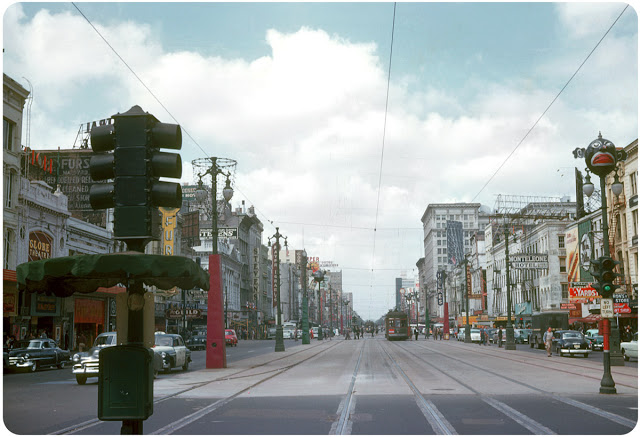
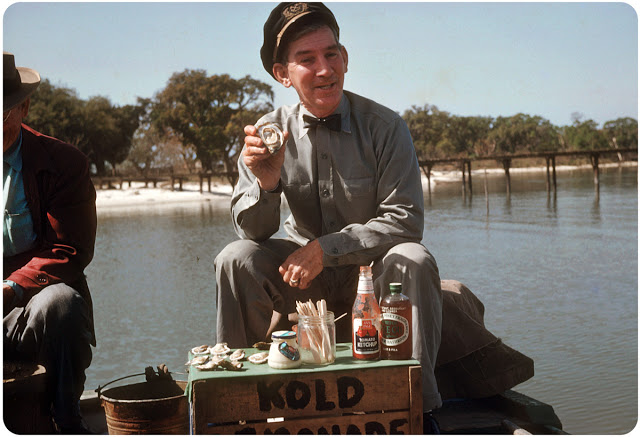
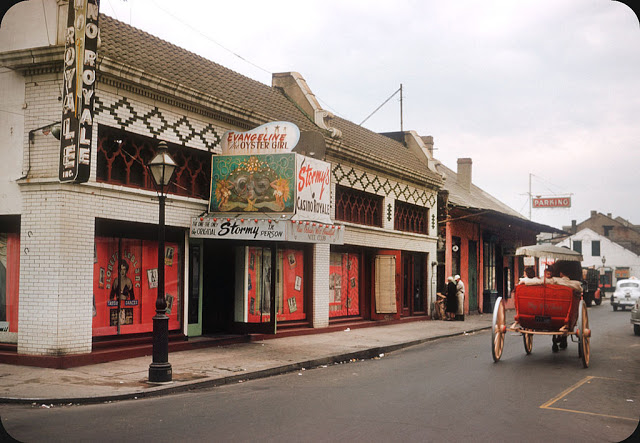
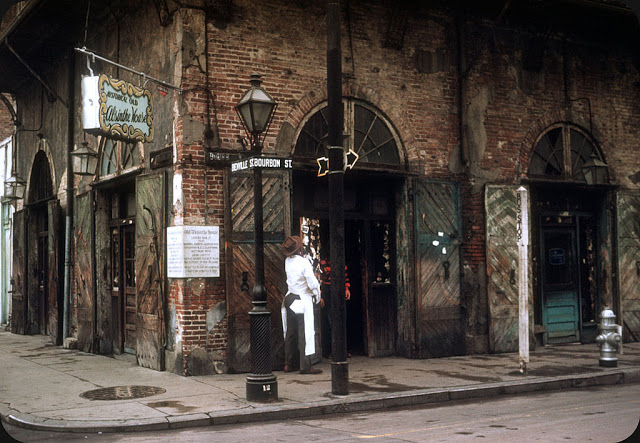
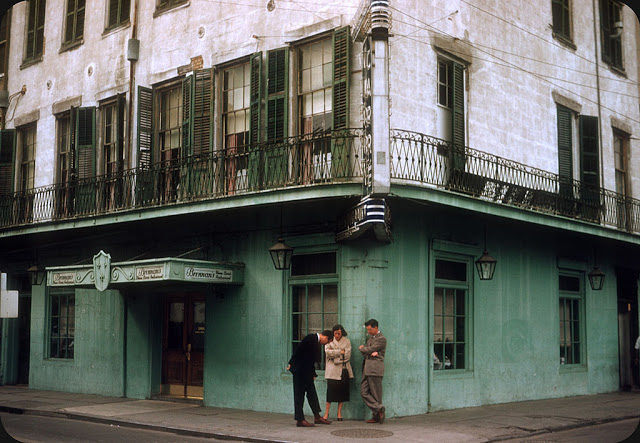
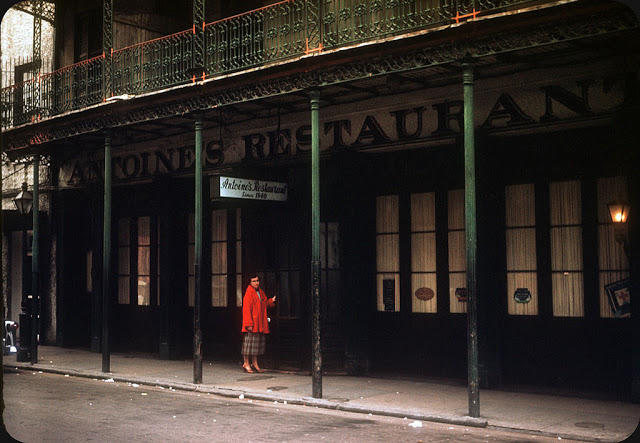
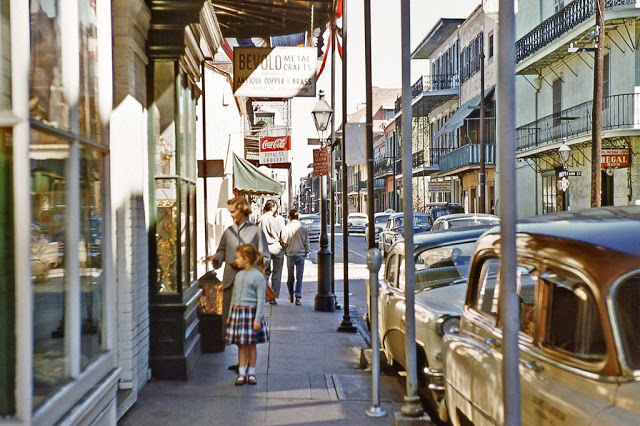
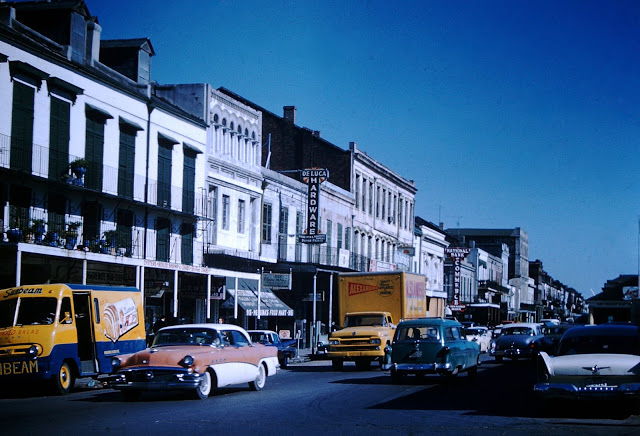
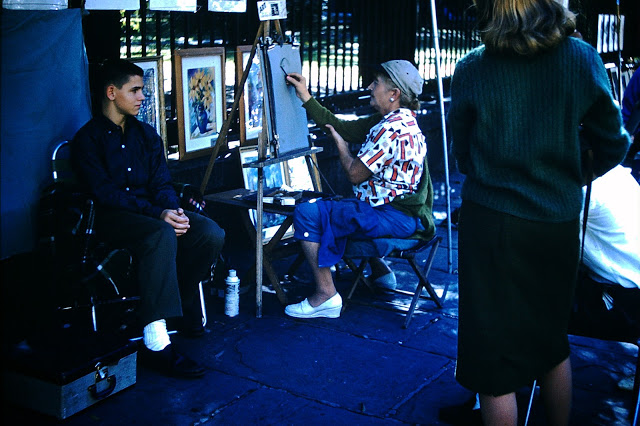
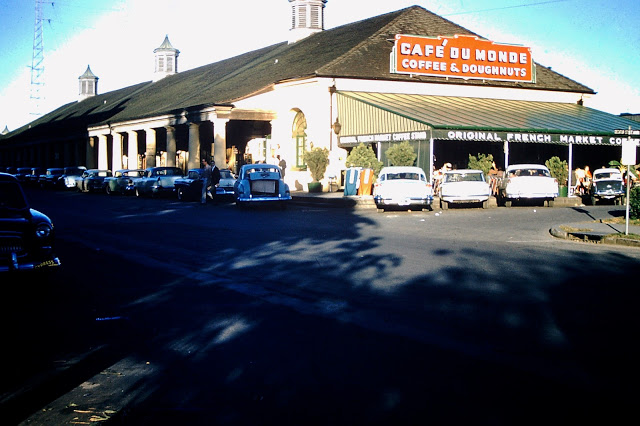
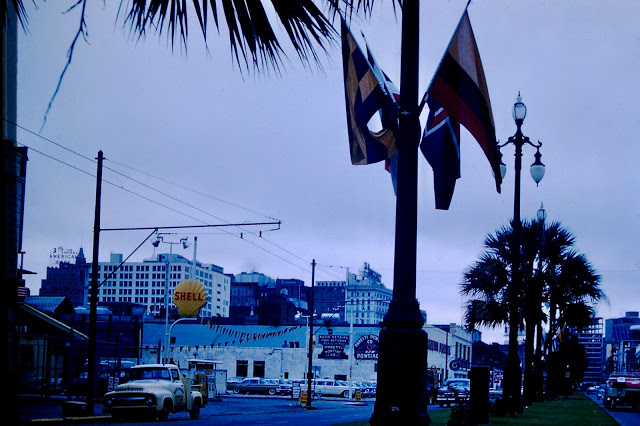
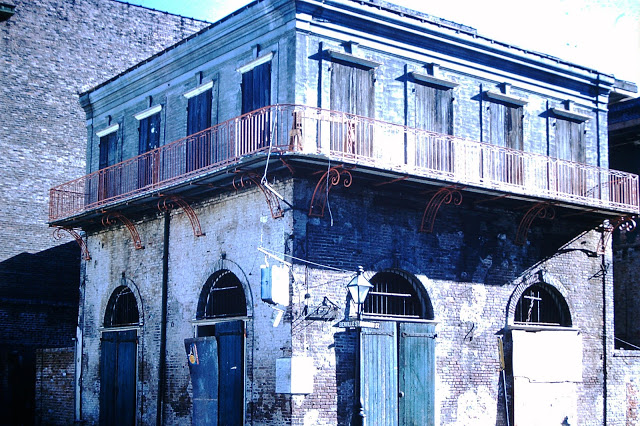
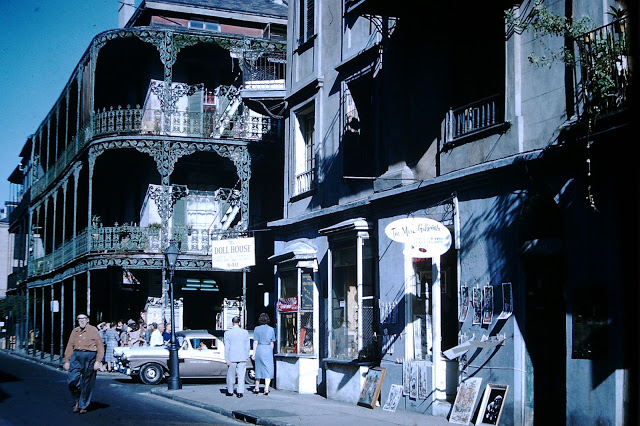
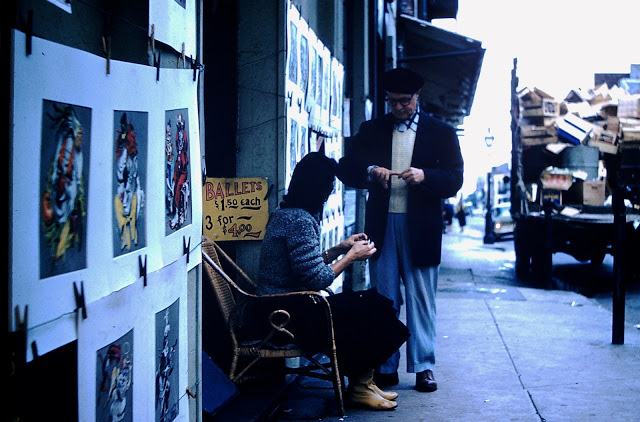
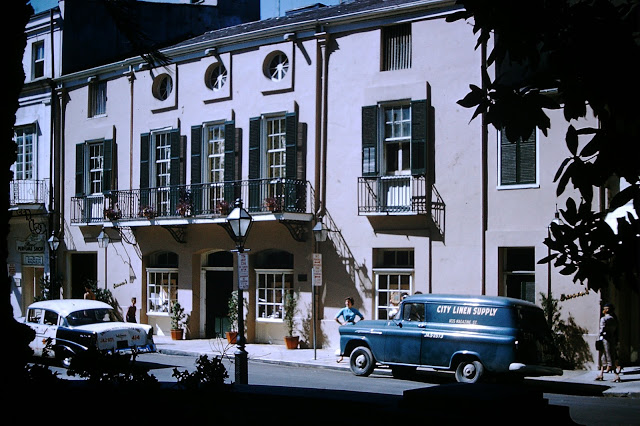
New Orleans is a consolidated city-parish located along the Mississippi River in the southeastern region of the U.S. state of Louisiana. With a tabulated population of 383,997 in 2020, it is the most populous city in Louisiana. Serving as a major port, New Orleans is considered an economic and commercial hub for the broader Gulf Coast region of the United States.
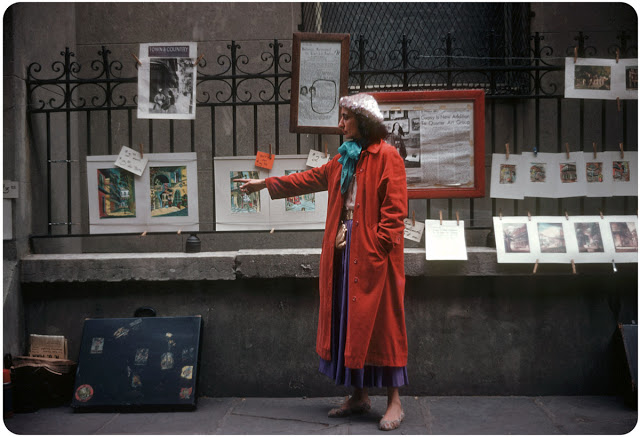
New Orleans is world-renowned for its distinctive music, Creole cuisine, unique dialects, and its annual celebrations and festivals, most notably Mardi Gras. The historic heart of the city is the French Quarter, known for its French and Spanish Creole architecture and vibrant nightlife along Bourbon Street. The city has been described as the “most unique” in the United States, owing in large part to its cross-cultural and multilingual heritage. Additionally, New Orleans has increasingly been known as “Hollywood South” due to its prominent role in the film industry and in pop culture.
Founded in 1718 by French colonists, New Orleans was once the territorial capital of French Louisiana before becoming part of the United States in the Louisiana Purchase of 1803. New Orleans in 1840 was the third-most populous city in the United States, and it was the largest city in the American South from the Antebellum era until after World War II. The city has historically been very vulnerable to flooding, due to its high rainfall, low lying elevation, poor natural drainage, and proximity to multiple bodies of water. State and federal authorities have installed a complex system of levees and drainage pumps in an effort to protect the city.
New Orleans was severely affected by Hurricane Katrina in August 2005, which flooded more than 80% of the city, killed more than 1,800 people, and displaced thousands of residents, causing a population decline of over 50%. Since Katrina, major redevelopment efforts have led to a rebound in the city’s population. Concerns about gentrification, new residents buying property in formerly closely knit communities, and displacement of longtime residents have been expressed.
The city and Orleans Parish (French: paroisse d’Orléans) are coterminous. As of 2017, Orleans Parish is the third most-populous parish in Louisiana, behind East Baton Rouge Parish and neighboring Jefferson Parish. The city and parish are bounded by St. Tammany Parish and Lake Pontchartrain to the north, St. Bernard Parish and Lake Borgne to the east, Plaquemines Parish to the south, and Jefferson Parish to the south and west.
The city anchors the larger Greater New Orleans metropolitan area, which had a population of 1,271,845 in 2020. Since 2020, Greater New Orleans was the most populous metropolitan statistical area in Louisiana and the 46th-most populous MSA in the United States. (Wikipedia)
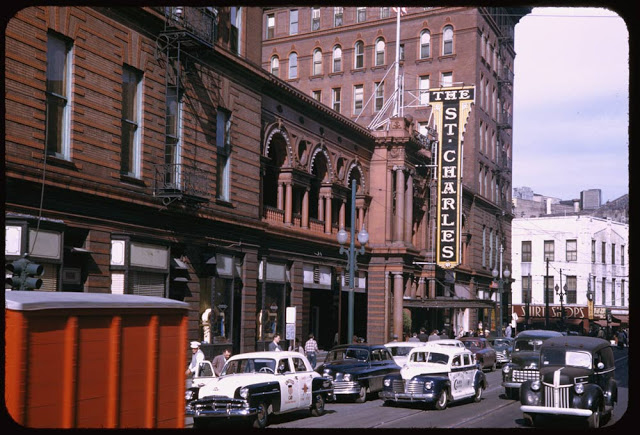
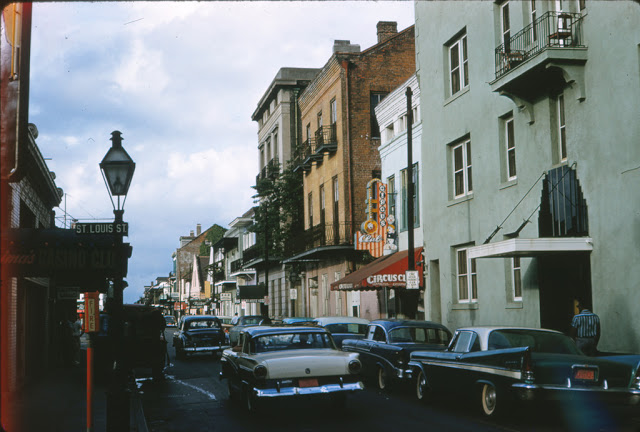
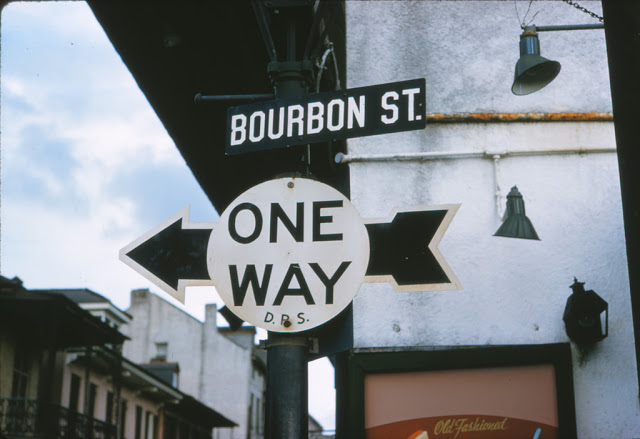
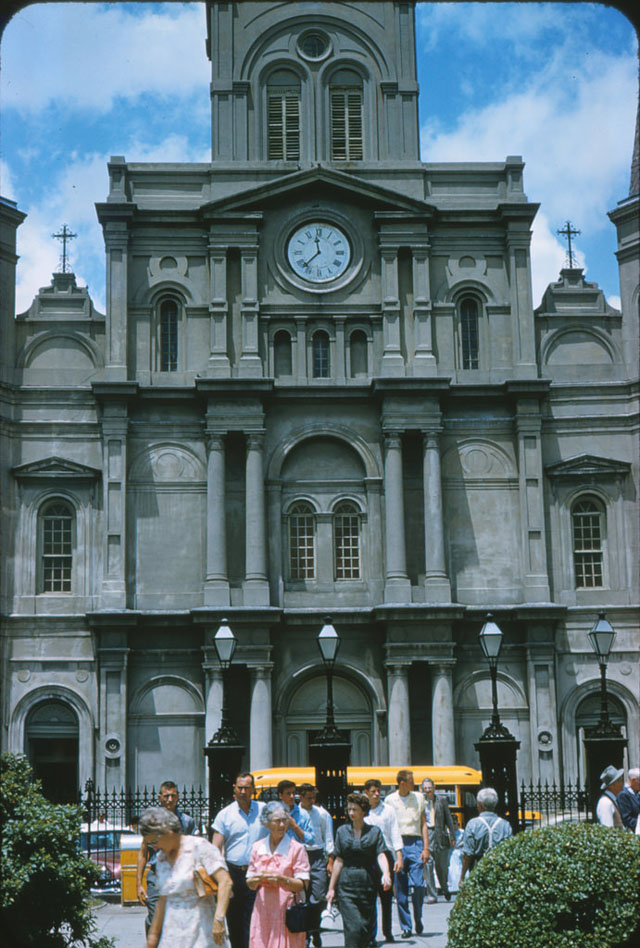


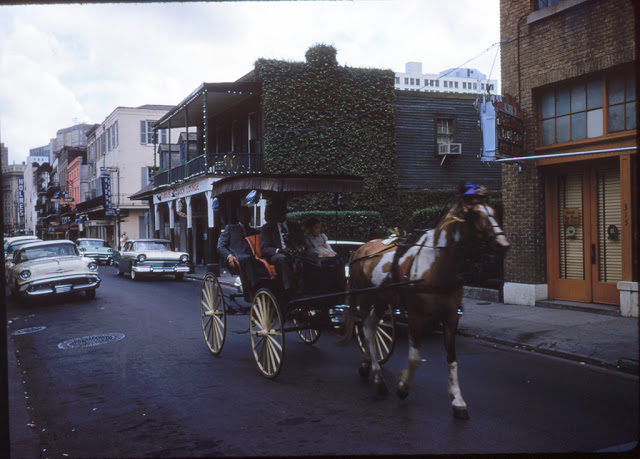


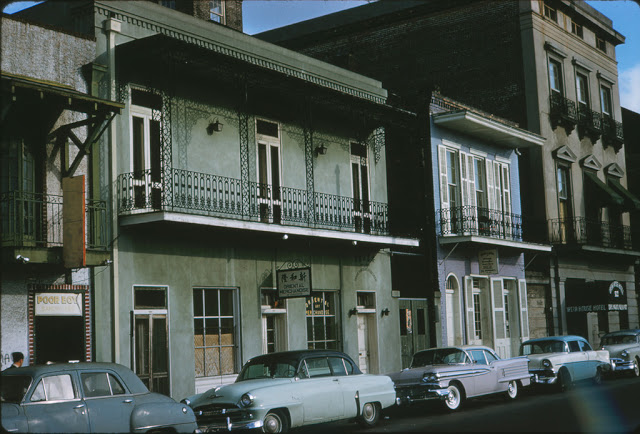


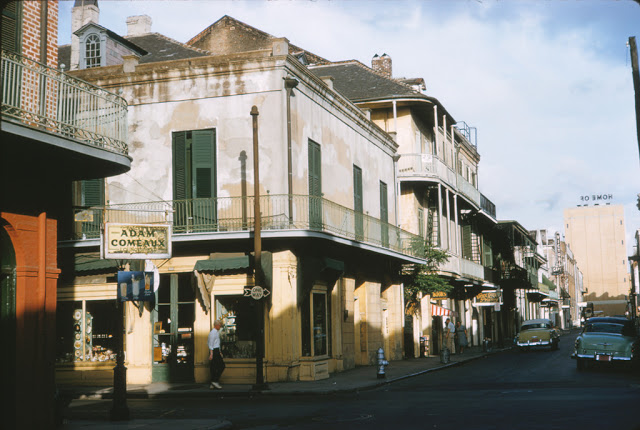

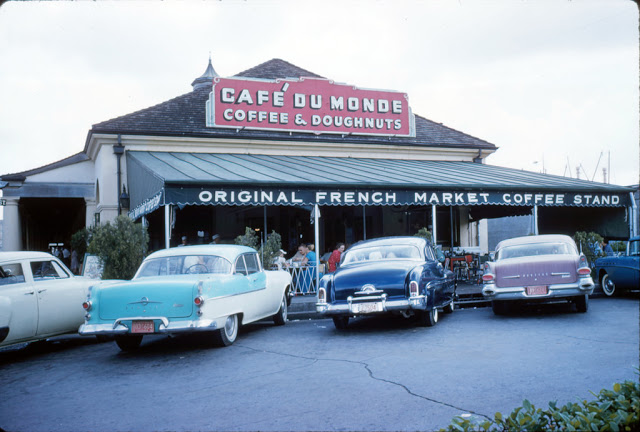

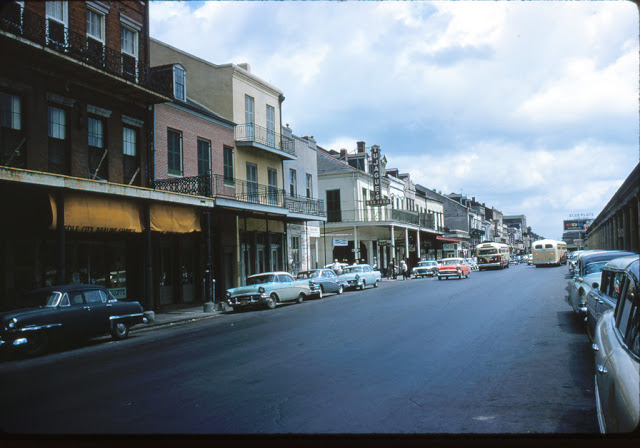
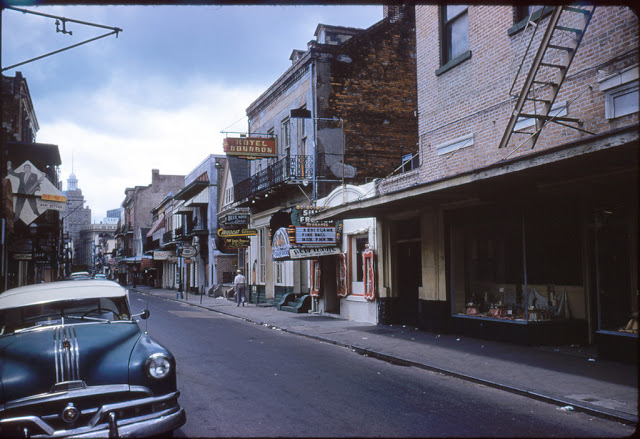















Read more of this content when you subscribe today.

Become a paid subscriber to get access to the rest of this post and other exclusive content.

The United States of America (U.S.A. or USA), commonly known as the United States (U.S. or US) or America, is a country primarily located in North America. It consists of 50 states, a federal district, five major unincorporated territories, 326 Indian reservations, and some minor possessions. At 3.8 million square miles (9.8 million square kilometers), it is the world’s third- or fourth-largest country by total area. The United States shares significant land borders with Canada to the north and Mexico to the south as well as limited maritime borders with the Bahamas, Cuba, and Russia. With a population of more than 331 million people, it is the third most populous country in the world. The national capital is Washington, D.C., and the most populous city is New York City.
Paleo-Indians migrated from Siberia to the North American mainland at least 12,000 years ago, and European colonization began in the 16th century. The United States emerged from the thirteen British colonies established along the East Coast. Disputes with Great Britain over taxation and political representation led to the American Revolutionary War (1775–1783), which established the nation’s independence. In the late 18th century, the U.S. began expanding across North America, gradually obtaining new territories, sometimes through war, frequently displacing Native Americans, and admitting new states; by 1848, the United States spanned the continent. Slavery was legal in the southern United States until the second half of the 19th century, when the American Civil War led to its abolition. The Spanish–American War and World War I established the U.S. as a world power, a status confirmed by the outcome of World War II. During the Cold War, the United States fought the Korean War and the Vietnam War but avoided direct military conflict with the Soviet Union. The two superpowers competed in the Space Race, culminating in the 1969 spaceflight that first landed humans on the Moon. The Soviet Union’s dissolution in 1991 ended the Cold War, leaving the United States as the world’s sole superpower.
The United States is a federal republic and a representative democracy with three separate branches of government, including a bicameral legislature. It is a founding member of the United Nations, World Bank, International Monetary Fund, Organization of American States, NATO, and other international organizations. It is a permanent member of the United Nations Security Council. Considered a melting pot of cultures and ethnicities, its population has been profoundly shaped by centuries of immigration. The U.S. ranks high in international measures of economic freedom, quality of life, education, and human rights; it has low levels of perceived corruption. However, the country has been criticized for inequality related to race, wealth, and income; use of capital punishment; high incarceration rates; and lack of universal health care.
The United States is a highly developed country, accounts for approximately a quarter of global GDP, and is the world’s largest economy by GDP at market exchange rates. By value, the United States is the world’s largest importer and second-largest exporter of goods. Although its population is only 4.2% of the world’s total, it holds 29.4% of the total wealth in the world, the largest share held by any country. Making up more than a third of global military spending, it is the foremost military power in the world and internationally a leading political, cultural, and scientific force. (Wikipedia)














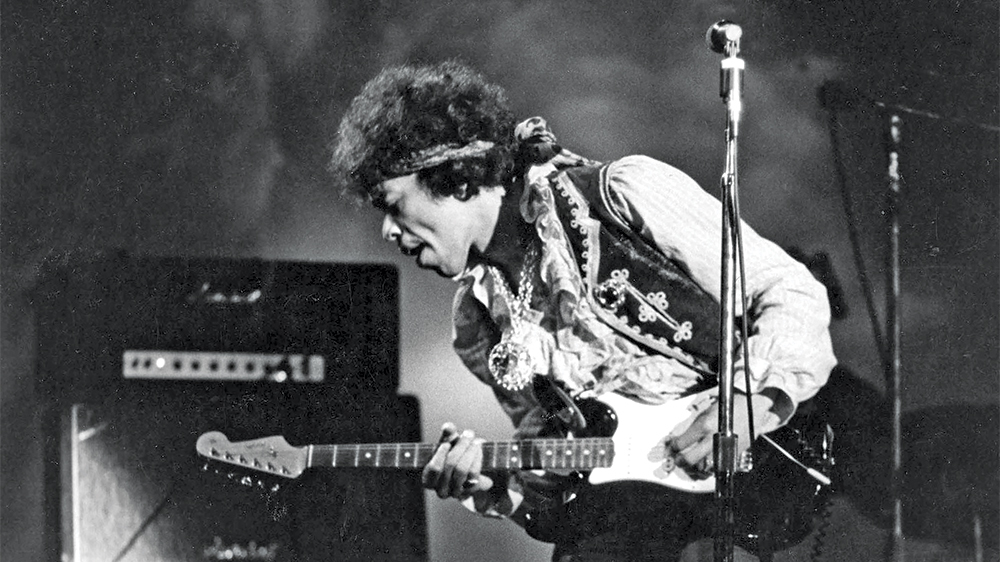
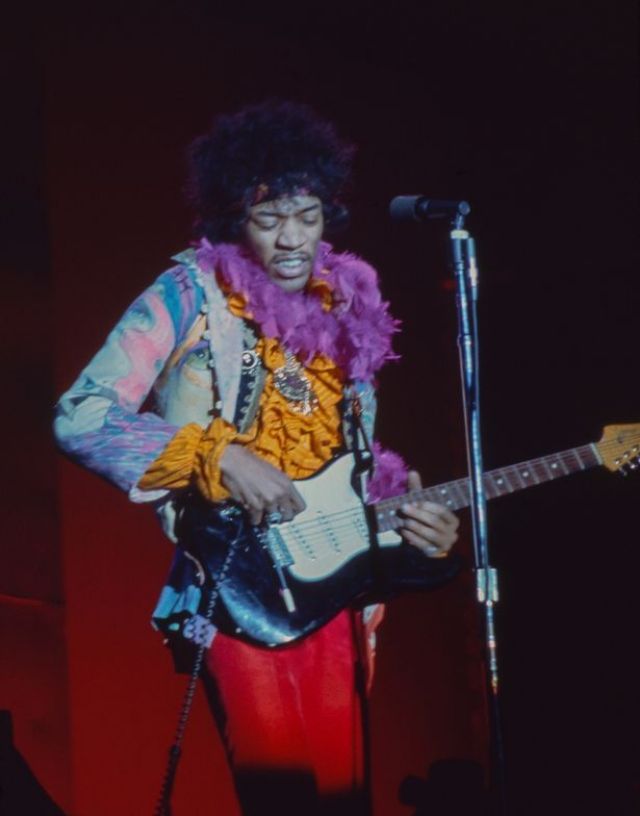
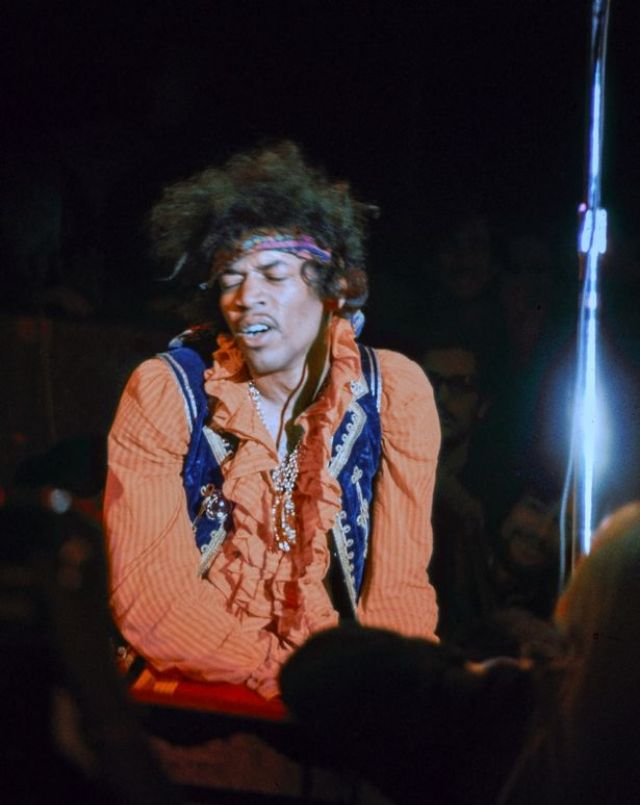
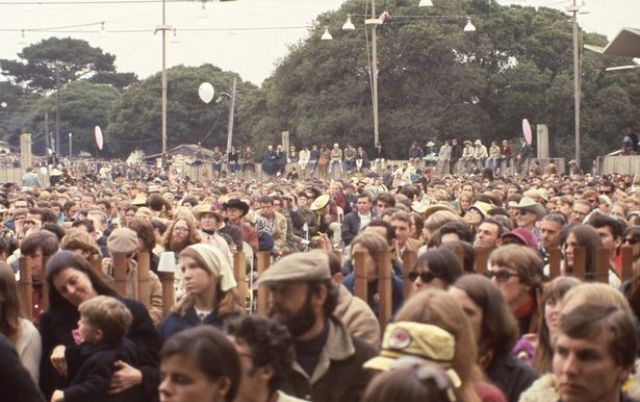
The Monterey International Pop Music Festival was a three-day concert event held June 16 to June 18, 1967, at the Monterey County Fairgrounds in Monterey. The festival is remembered for the first major American appearances by The Jimi Hendrix Experience, The Who and Ravi Shankar, the first large-scale public performance of Janis Joplin and the introduction of Otis Redding.
Hendrix’ use of extremely high volumes, the feedback this produced, and the combination of the two along with his dive-bombing use of the vibrato bar on his guitar, produced sounds that, with the exception of the British in attendance, none of the audience had ever heard before. This, along with his look, his clothing, and his erotic antics onstage, had an enormous impact on the audience. To take things further, aware of The Who’s planned explosive finale, he asked around for a can of lighter fluid, which he placed behind one of his amplifier stacks before beginning his set. He ended his Monterey performance with an unpredictable version of “Wild Thing”, which he capped by kneeling over his guitar, pouring lighter fluid over it, setting it on fire, and then smashing it onto the stage seven times before throwing its remains into the audience.
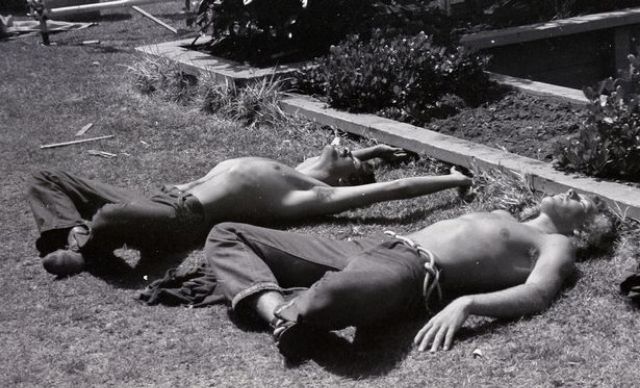
Jill Gibson was an experienced photojournalist by 1967. She had a musical background filling in for Michelle Phillips on the Mamas and The Papas second album and was dating Monterey Pop Festival producer, Lou Adler, at the time. Jill was the official photographer for The Monterey Pop Festival. These are her images, many which have never been released prior to now.
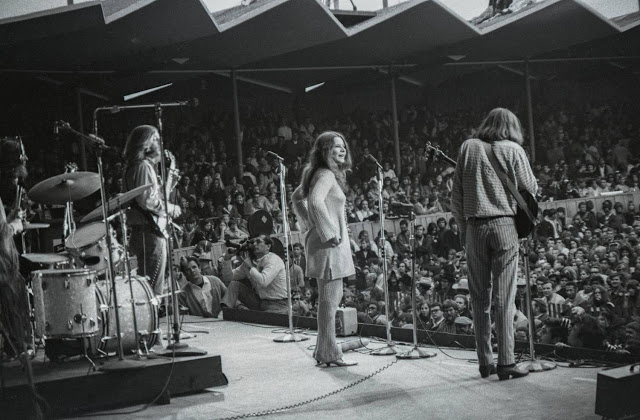





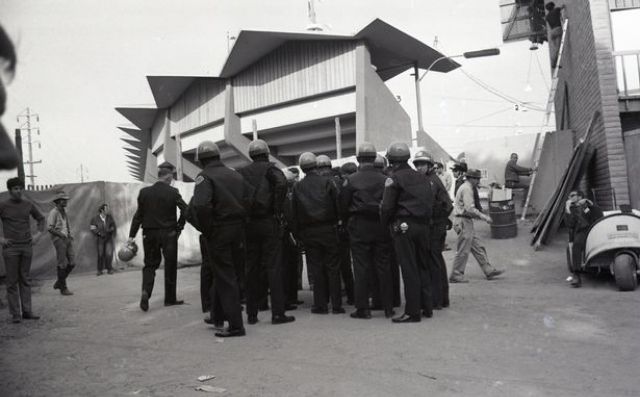


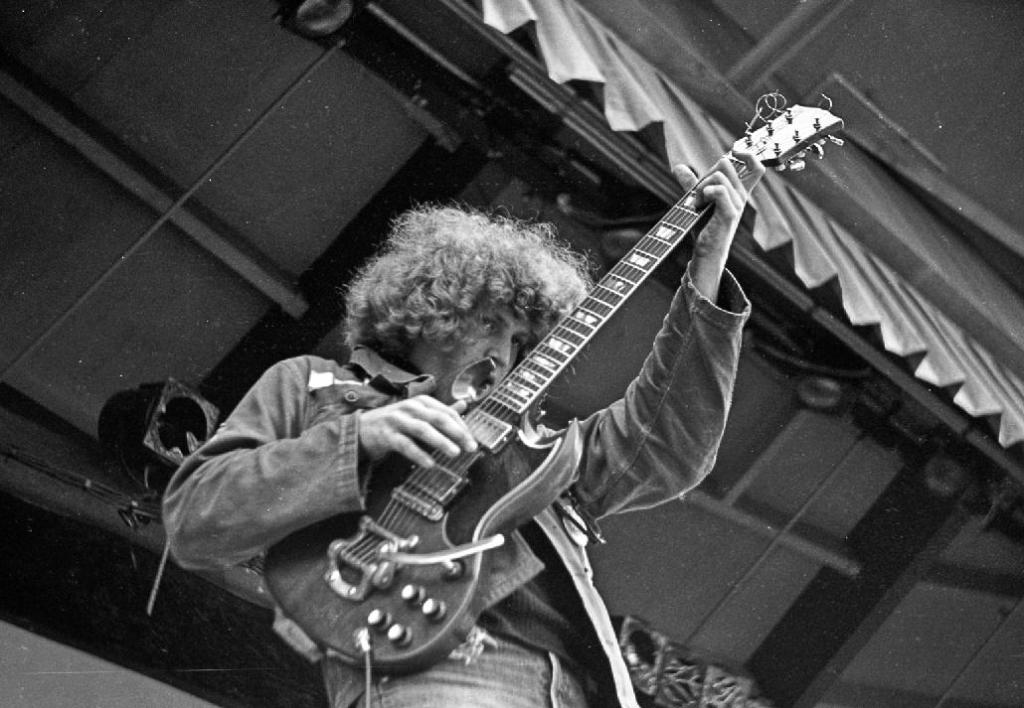


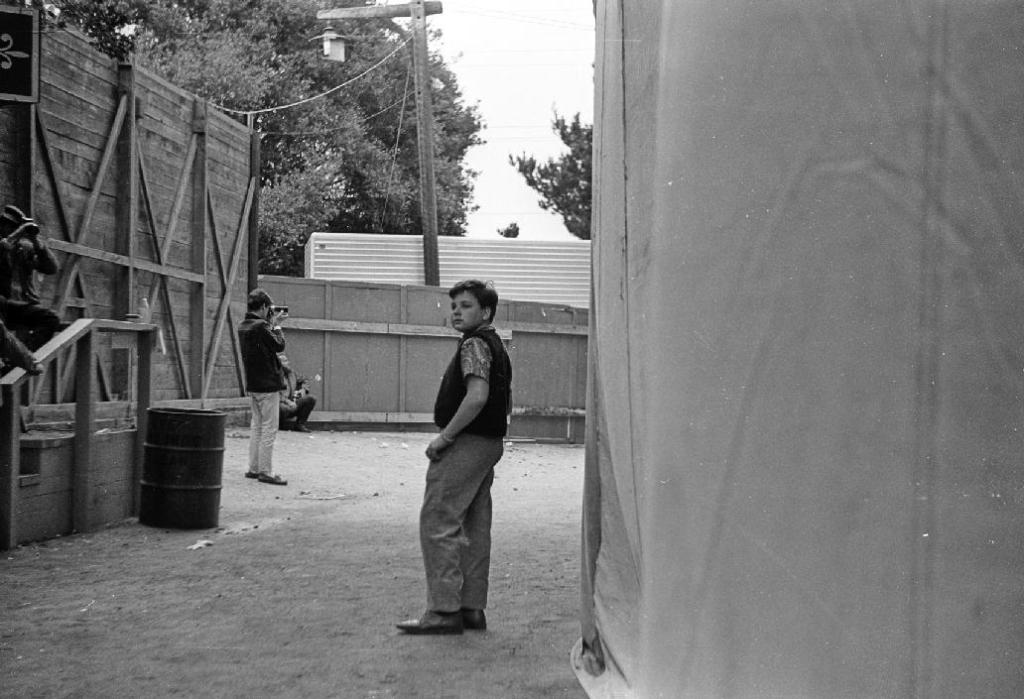
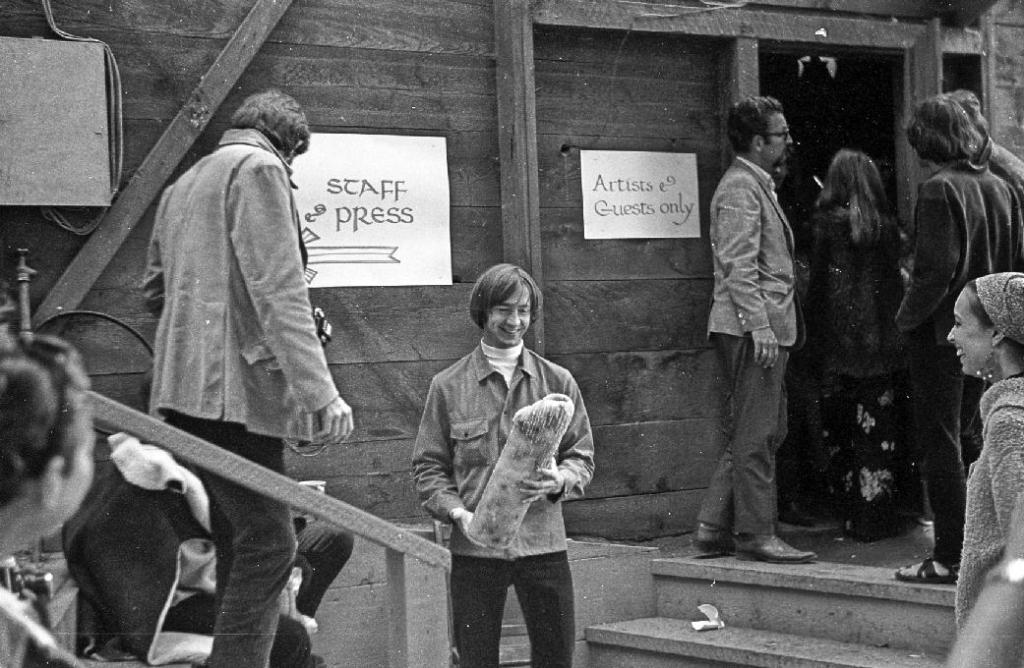
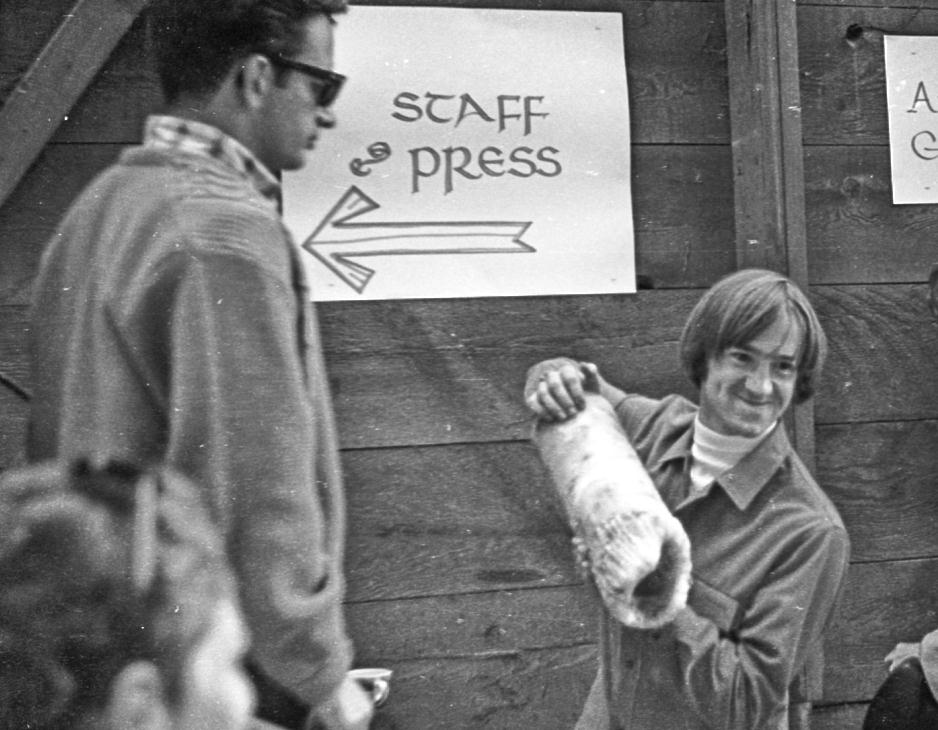
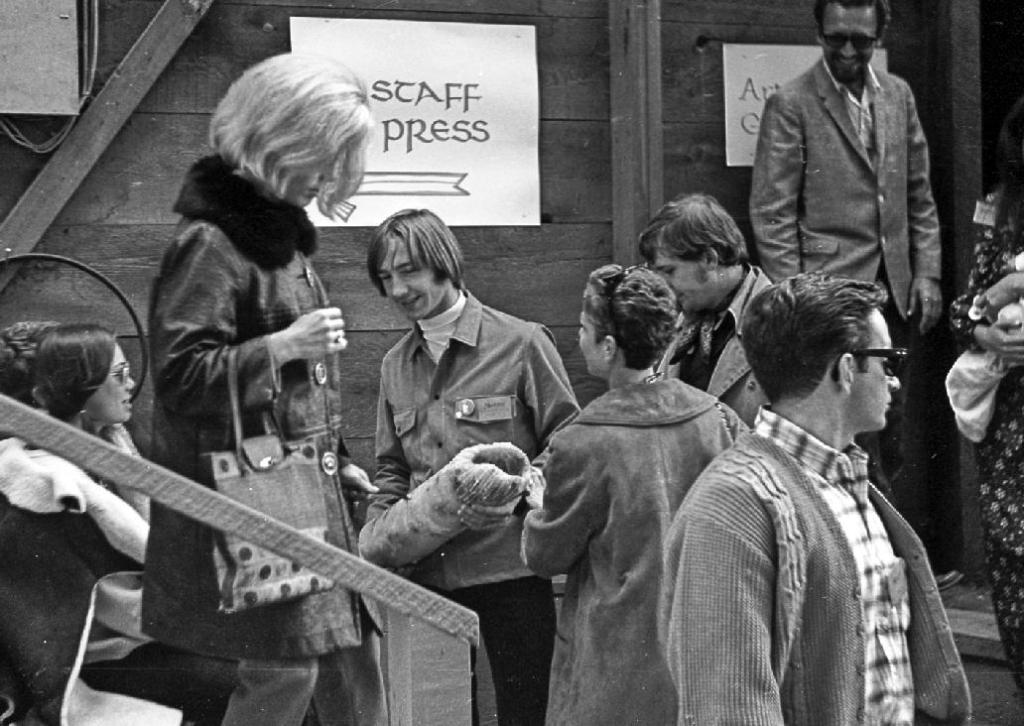

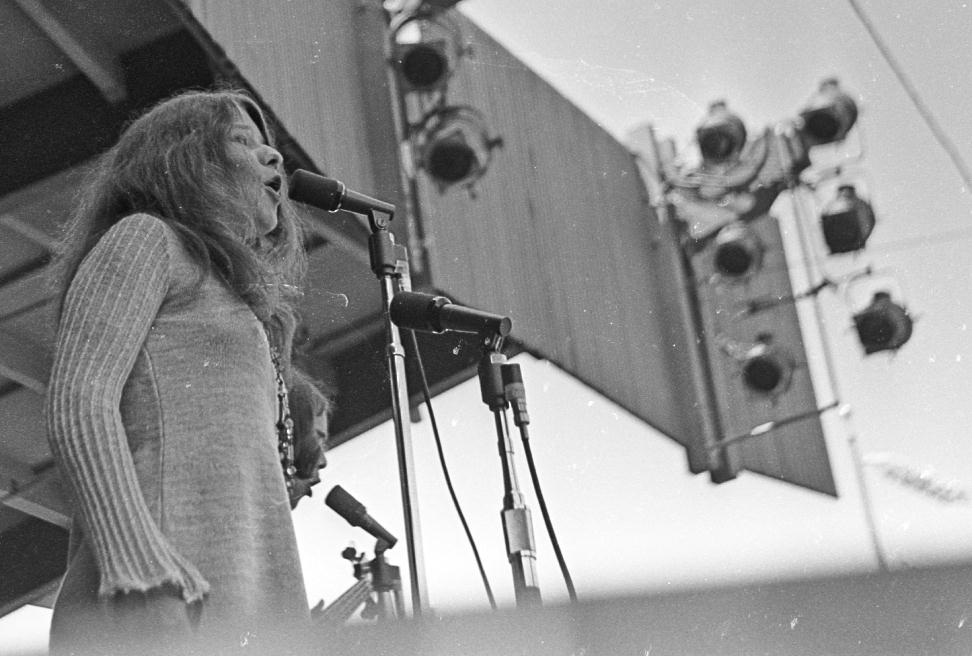

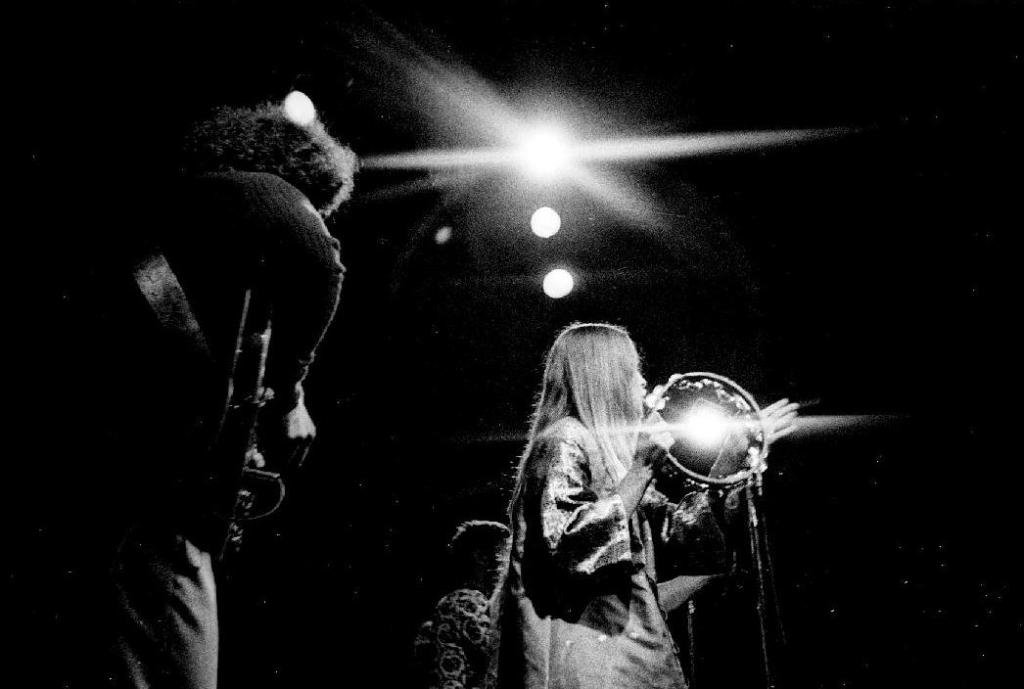
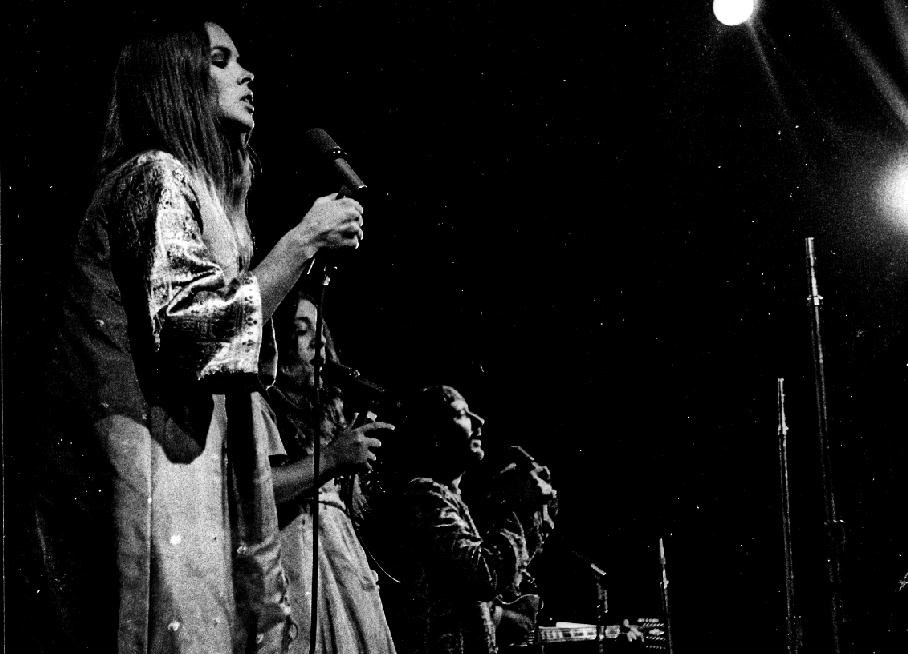


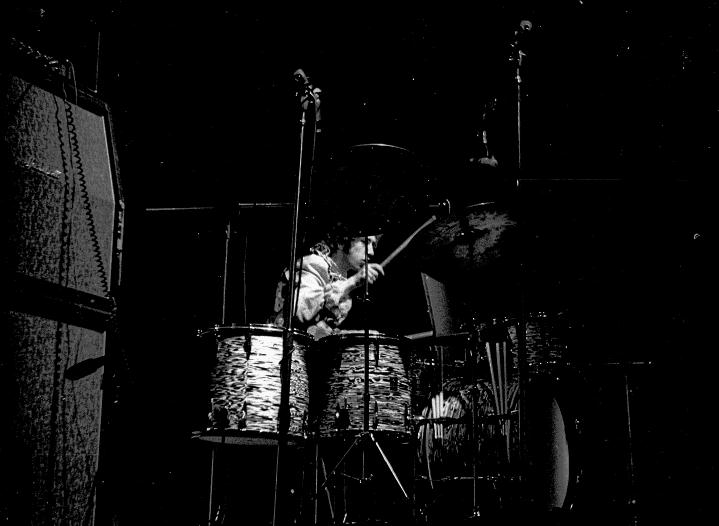

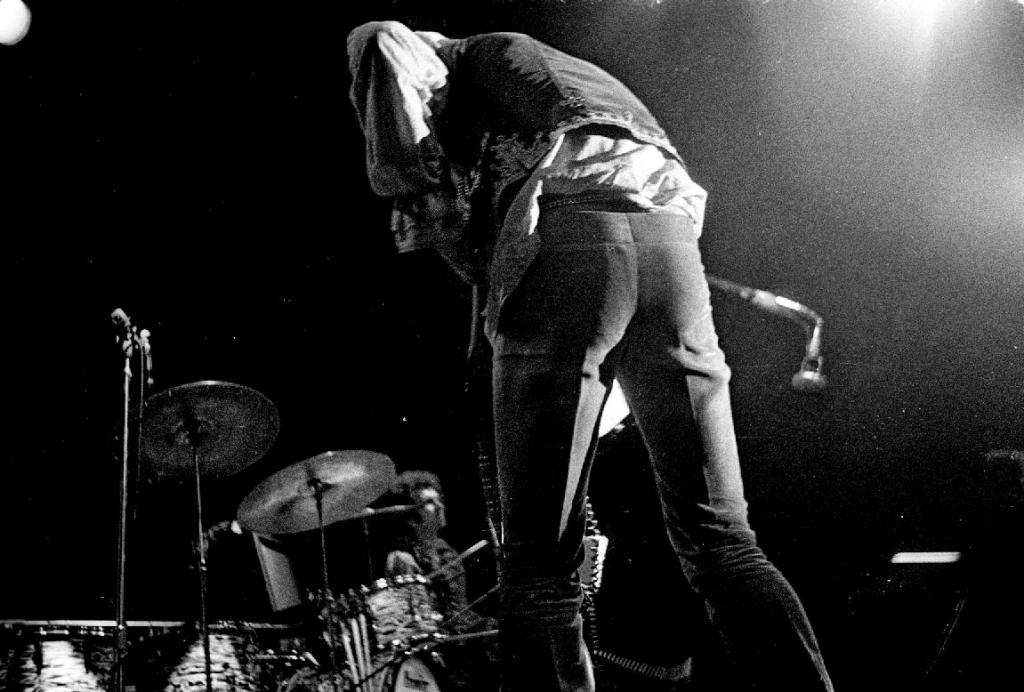
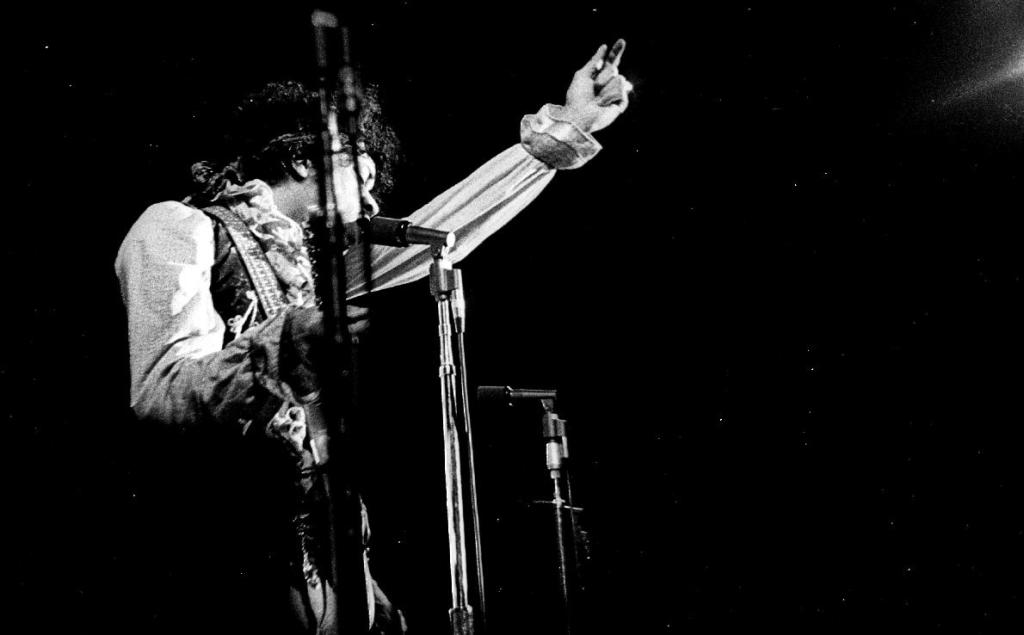


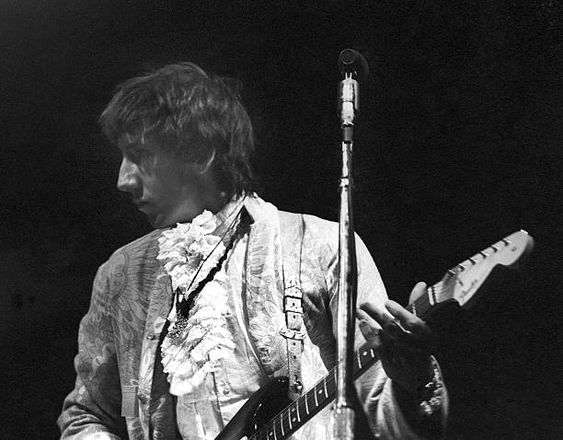

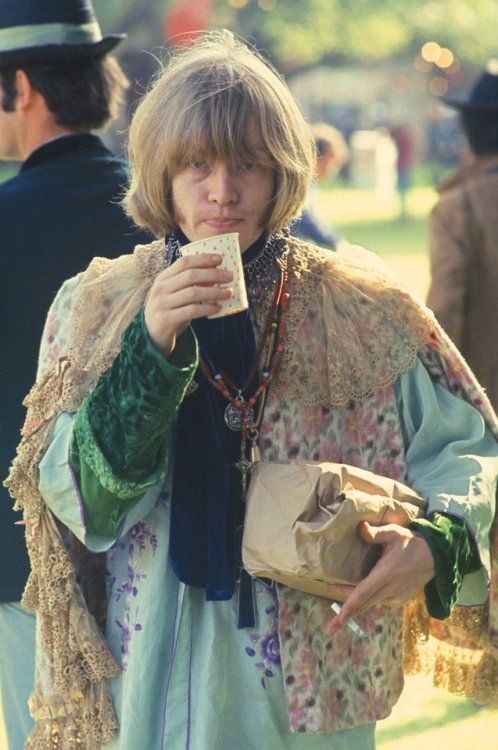
(Photos © Jill Gibson)

Read more of this content when you subscribe today.

Become a paid subscriber to get access to the rest of this post and other exclusive content.

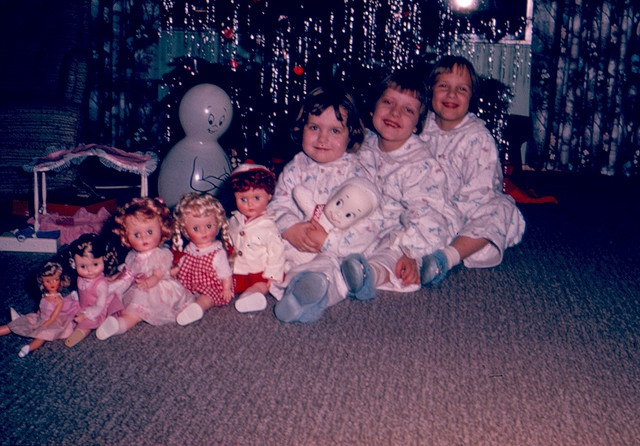

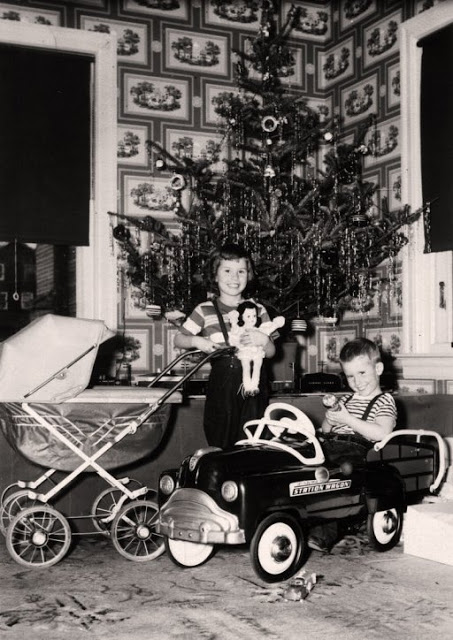
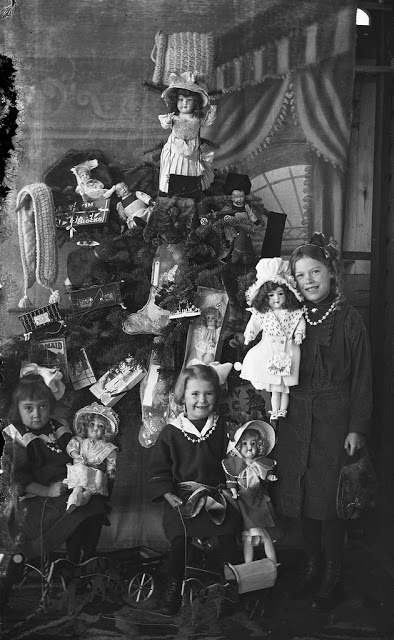
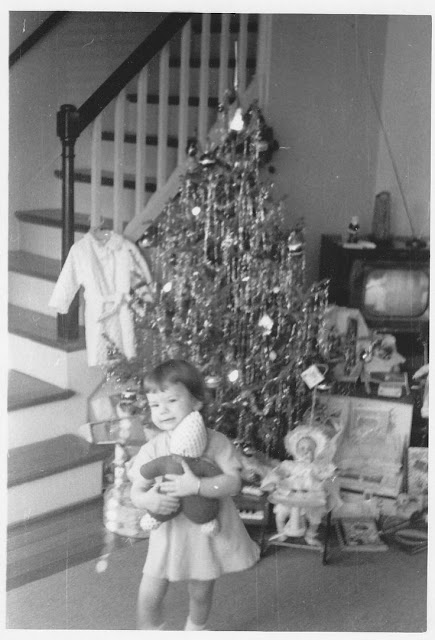
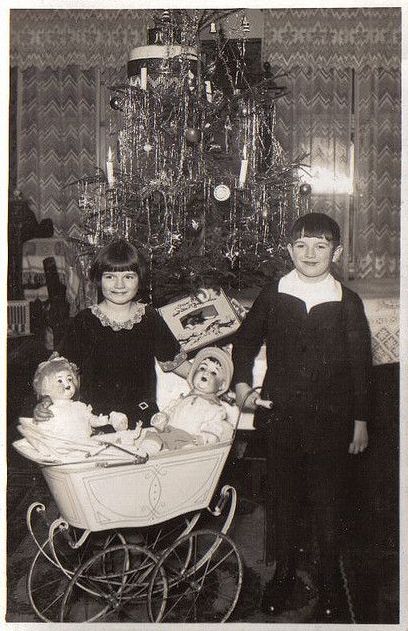
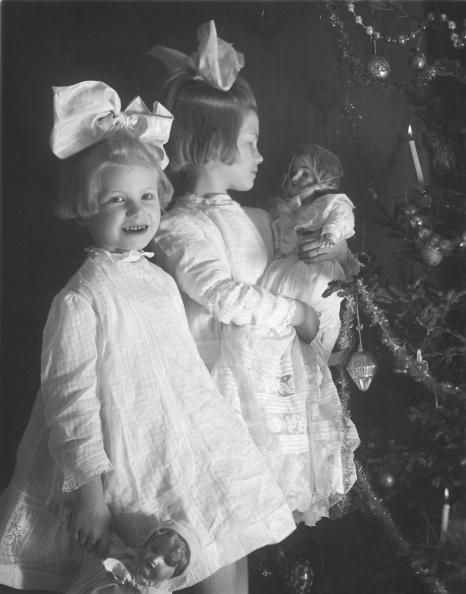
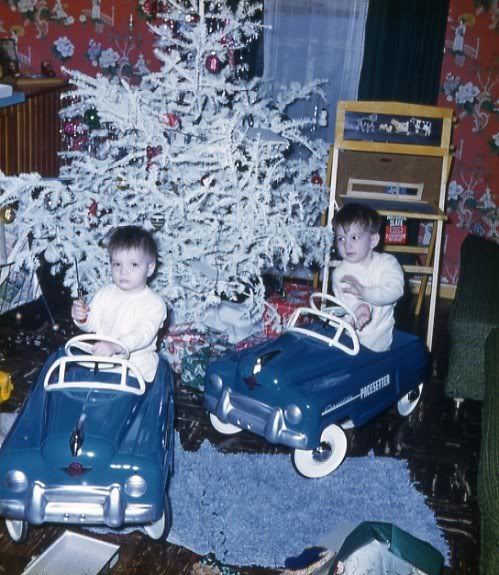
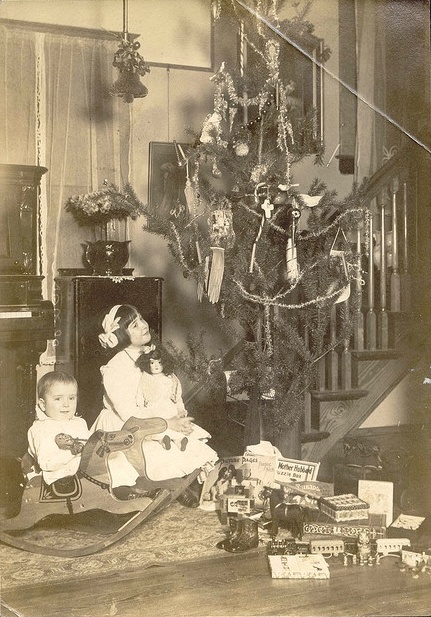
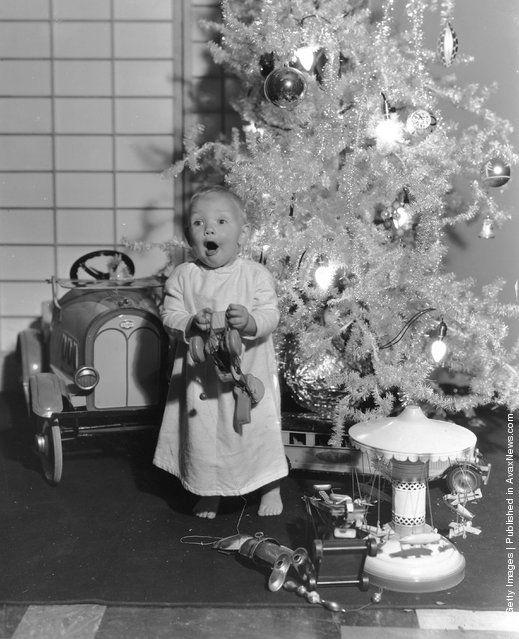

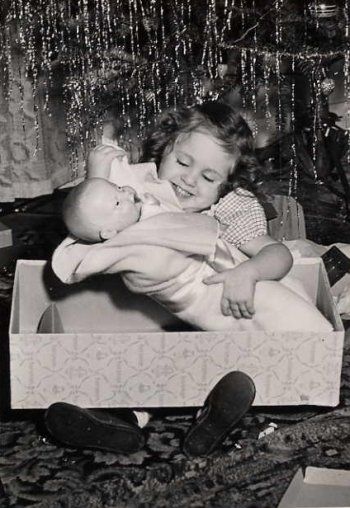
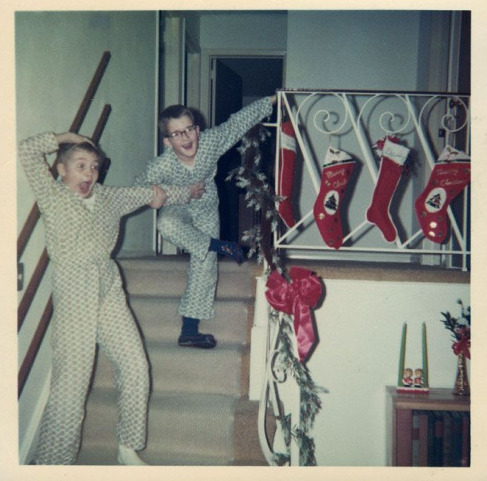
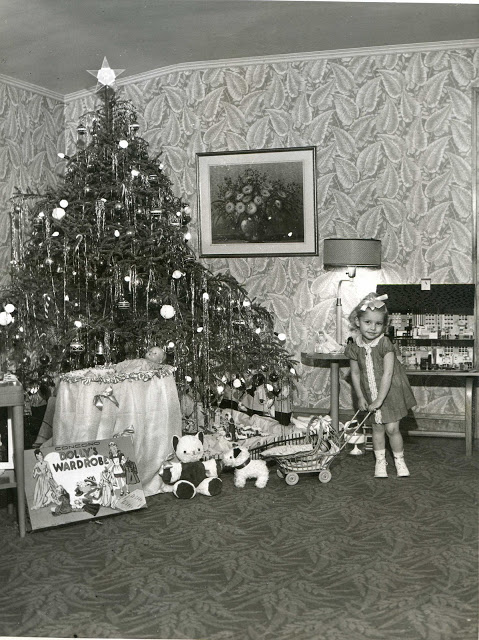
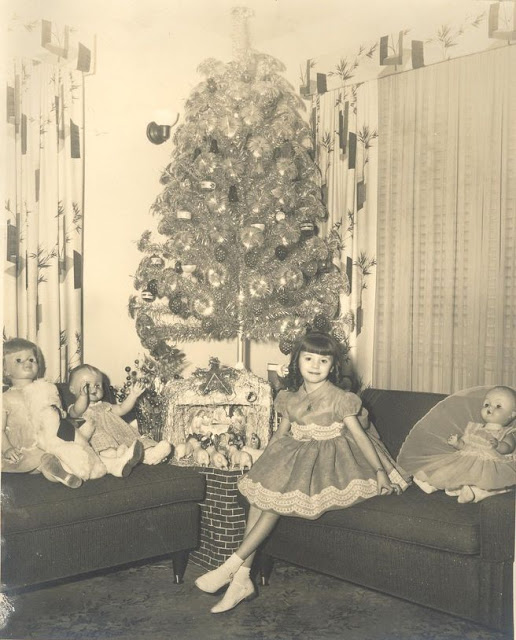
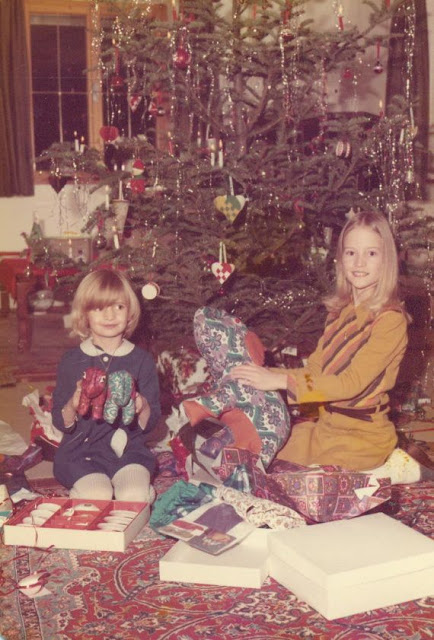
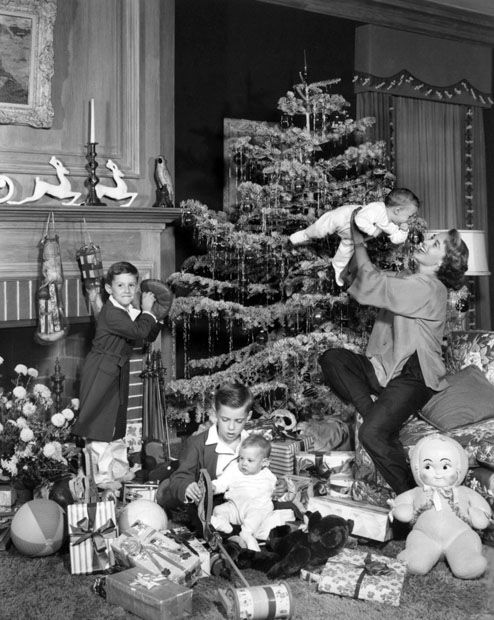
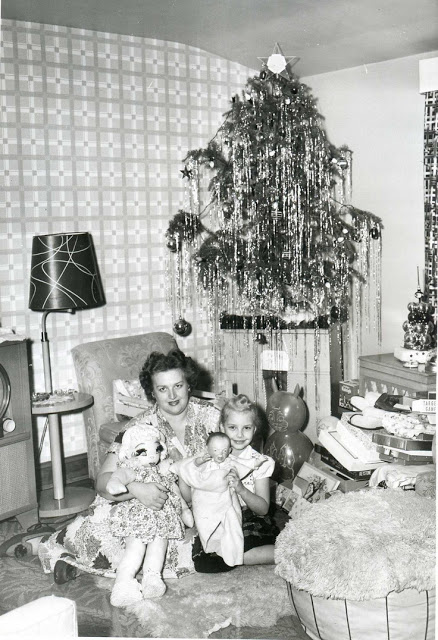



Read more of this content when you subscribe today.
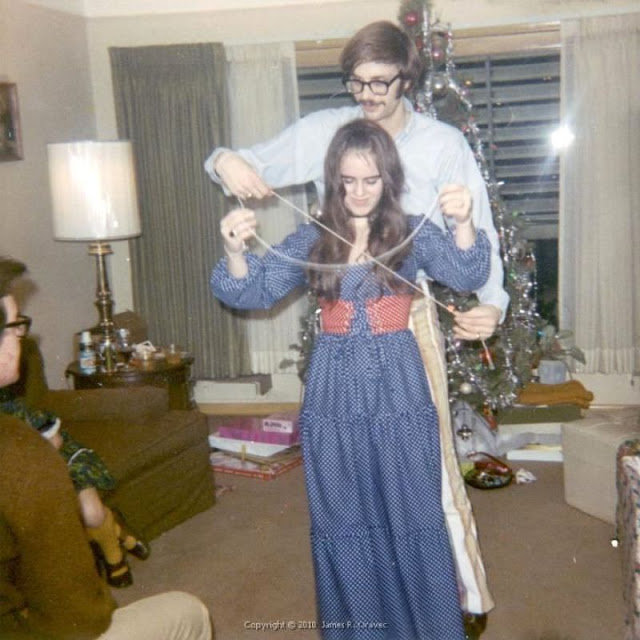
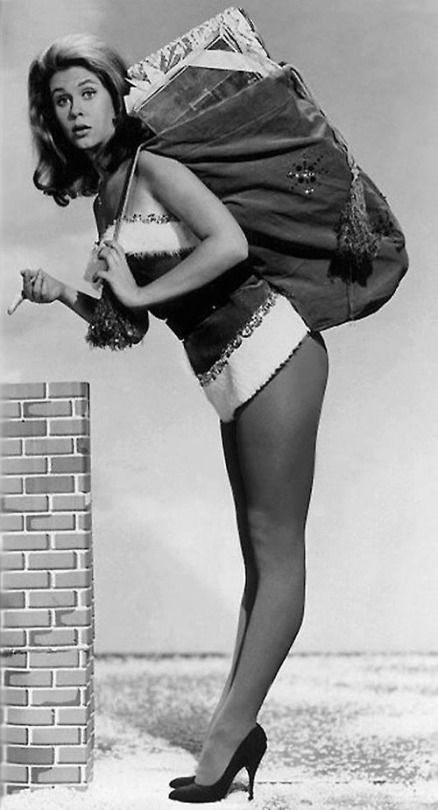
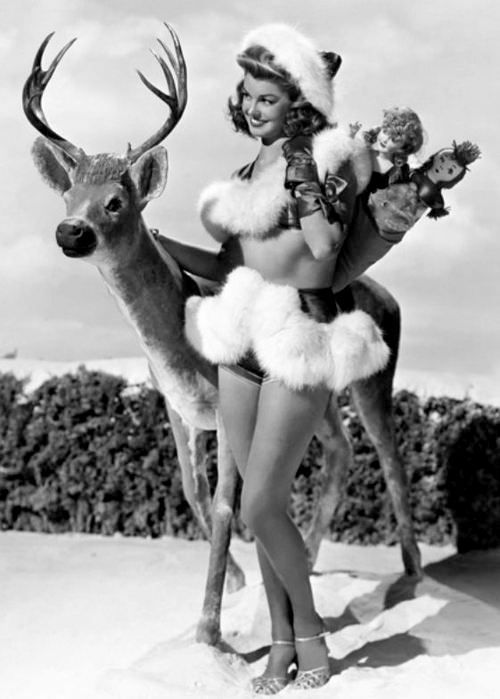
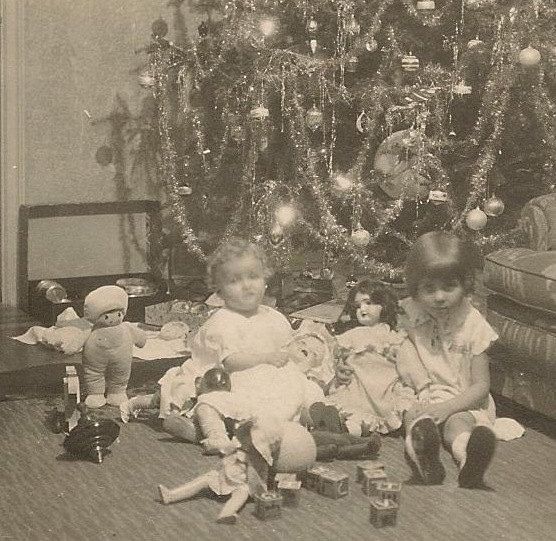
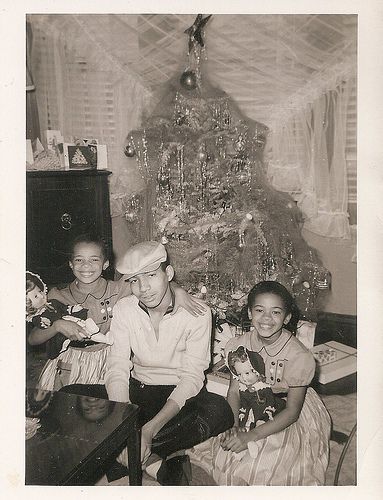
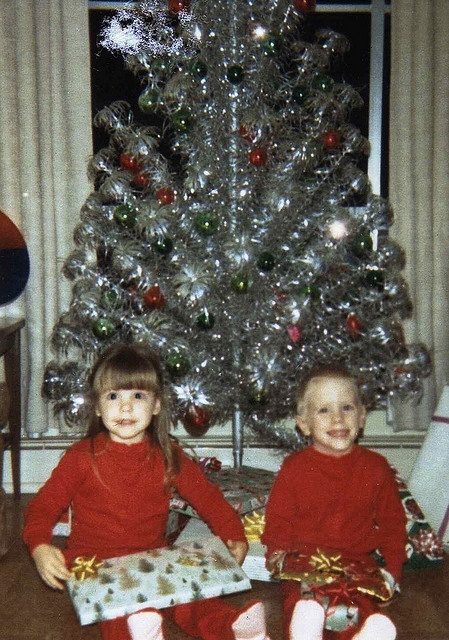
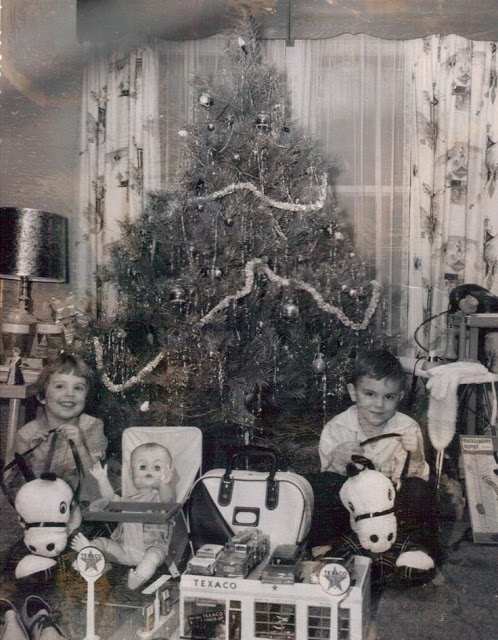
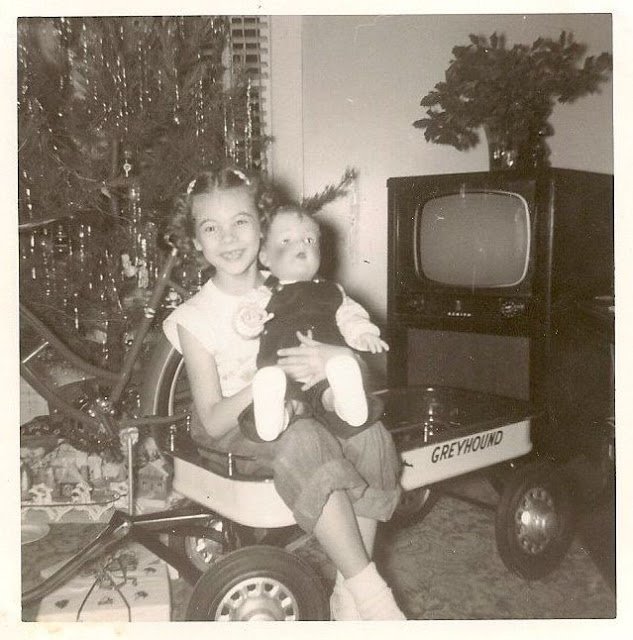
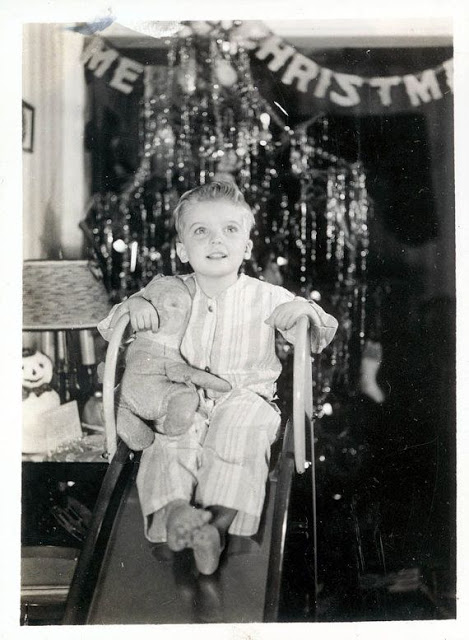
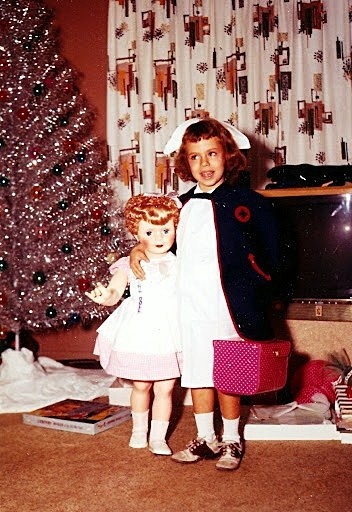
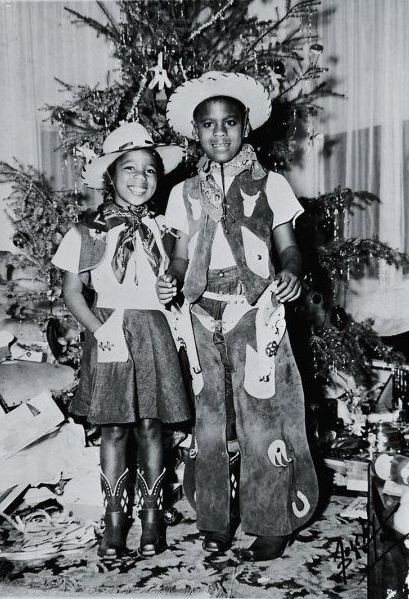
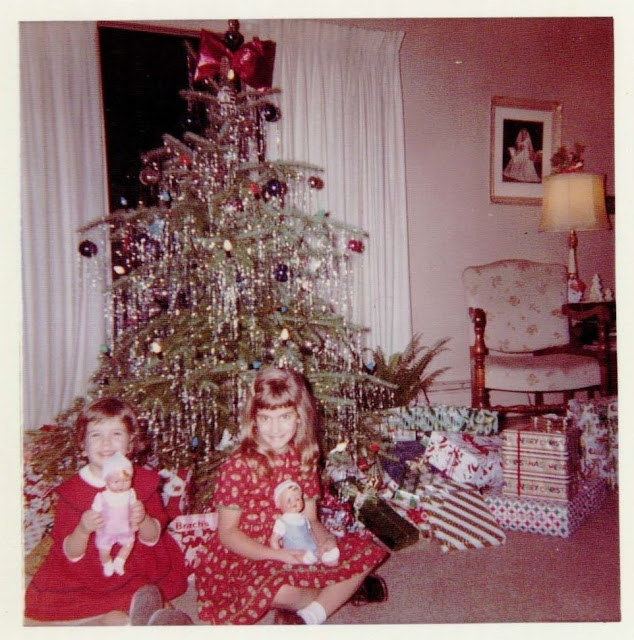
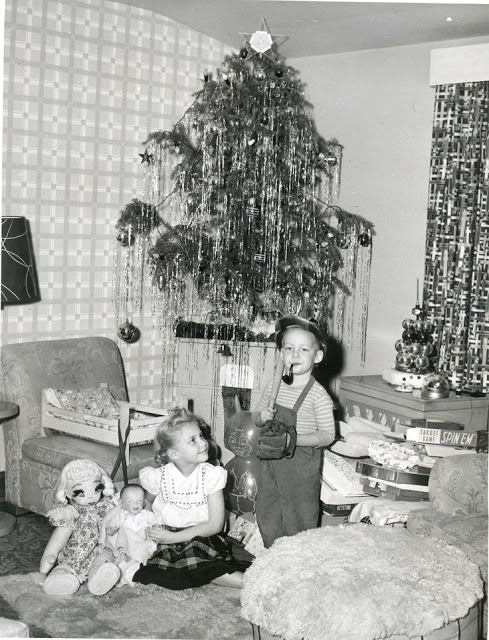
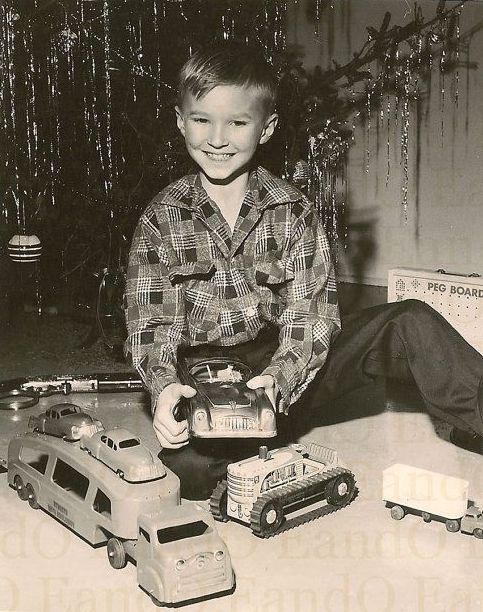
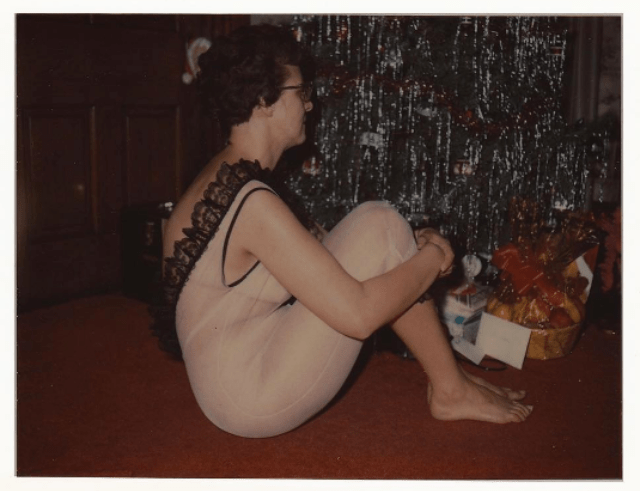
Christmas mornings in the 1960s and 1970s were often filled with a mix of anticipation, tradition, and joy. Families would wake up early, the excitement palpable as children rushed to the tree to see what Santa Claus had left for them. The living room, often decorated with tinsel, colorful lights, and handmade ornaments, was the heart of the celebration. Parents, still in their pajamas and nursing their first cups of coffee, watched with warm smiles as their children tore open brightly wrapped packages.
In many households, the day began with the sounds of Christmas carols playing on the record player or the radio, creating a festive atmosphere. The scent of freshly baked cinnamon rolls or holiday cookies wafted from the kitchen, where mothers and grandmothers prepared the day’s feast. While children played with their new toys—ranging from Etch A Sketches and G.I. Joes in the 1960s to Atari consoles and Star Wars action figures in the 1970s—adults reminisced about Christmases past and shared laughter over family stories.
Christmas morning was also a time for religious reflection for many families. Attending a morning church service was a common tradition, where communities gathered to celebrate the birth of Jesus Christ. After the service, families returned home to continue their festivities, often visiting with extended family members and neighbors. The day was marked by a sense of togetherness, with people cherishing the simple pleasures of being with loved ones.
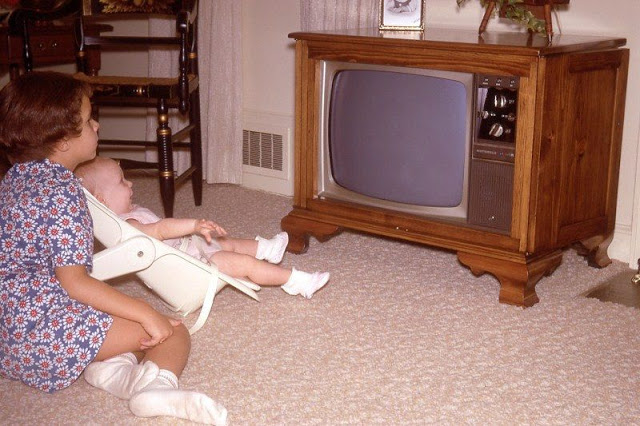
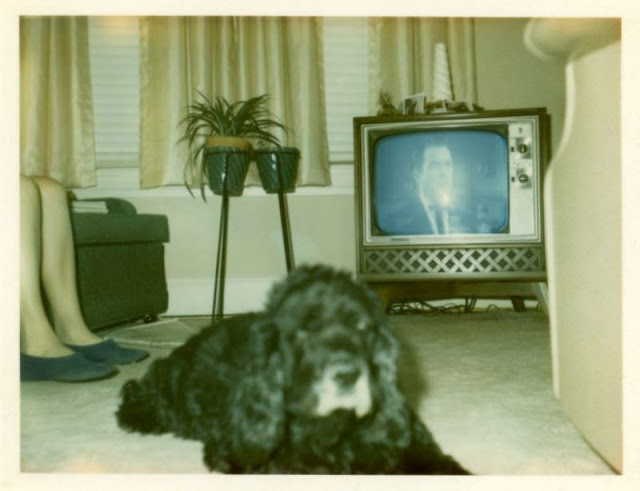
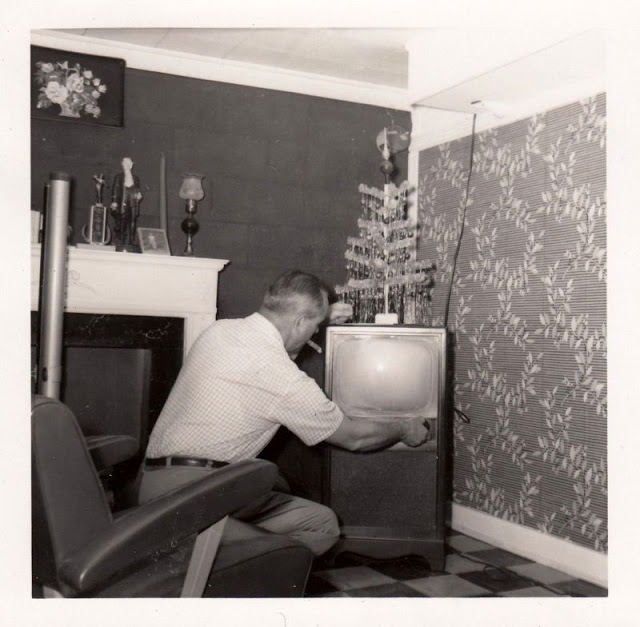
Technology in the 1960s and 1970s was far simpler than today, but it played its role in the holiday celebrations. Polaroid cameras were popular, capturing instant memories of the joyous morning. Television specials, like “A Charlie Brown Christmas” or “Rudolph the Red-Nosed Reindeer,” were family favorites, bringing everyone together in front of the screen. These shows added to the magic of the season and became an integral part of the Christmas experience.
Overall, Christmas mornings in the 1960s and 1970s were a blend of excitement, tradition, and community. The holiday spirit was tangible, and the focus was on creating lasting memories with family and friends. It was a time of joy and togetherness, where the simple pleasures of life were celebrated and cherished.
Become a paid subscriber to get access to the rest of this post and other exclusive content.
