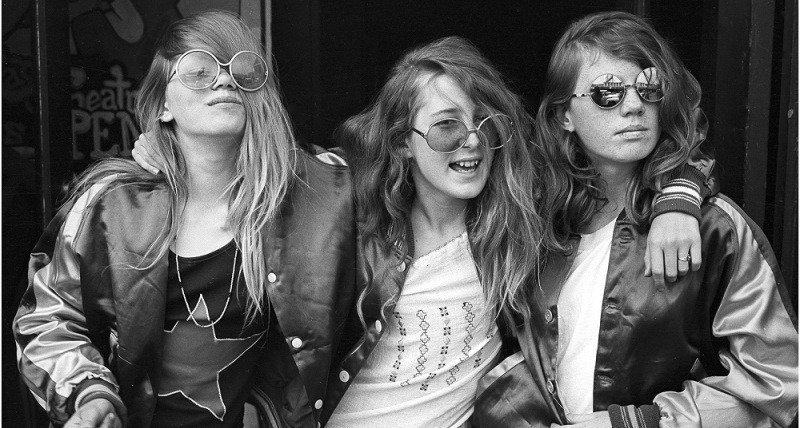
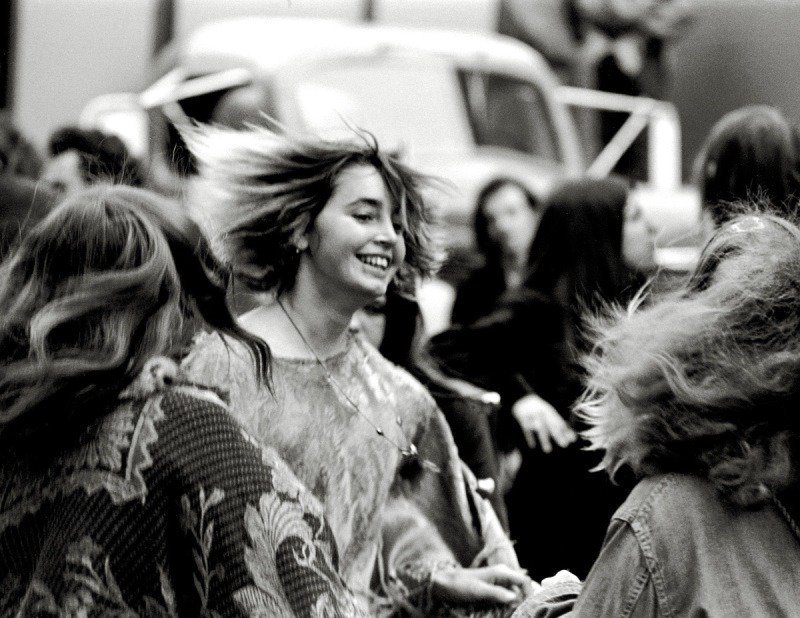
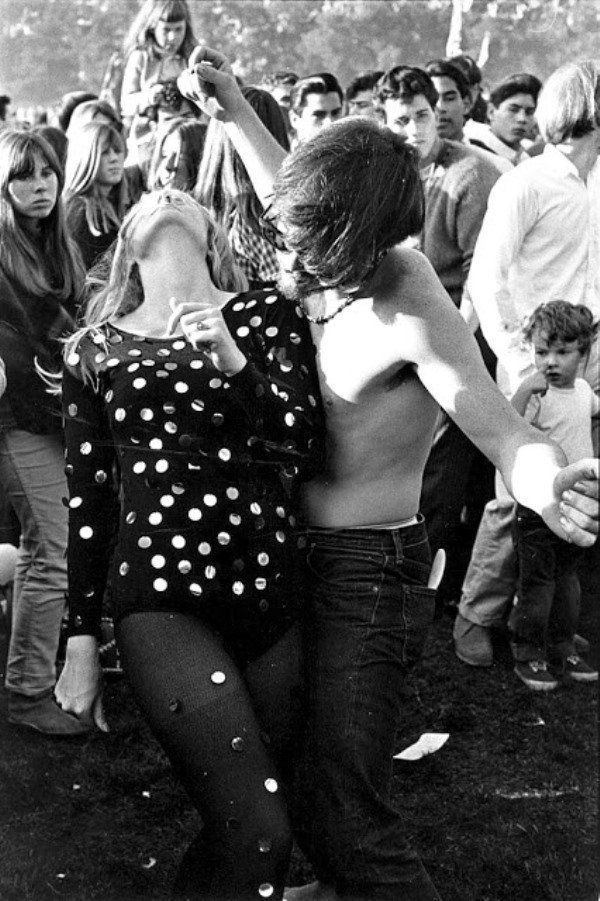
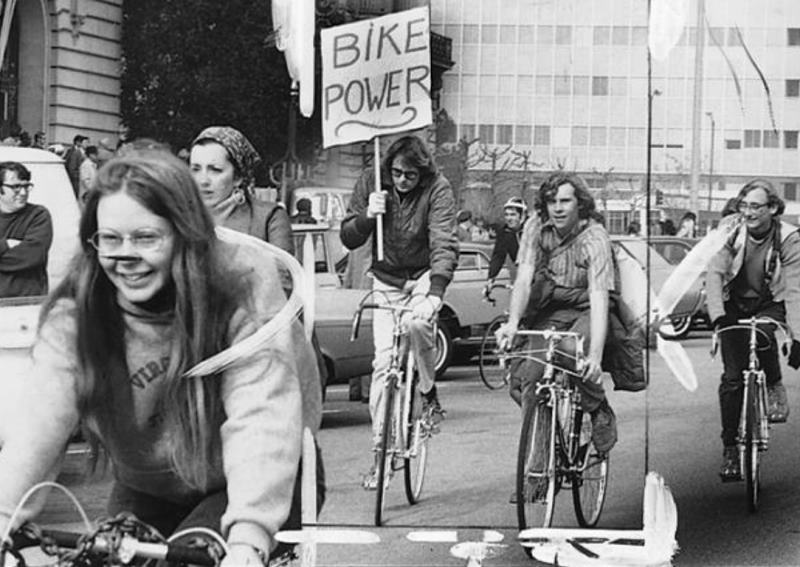
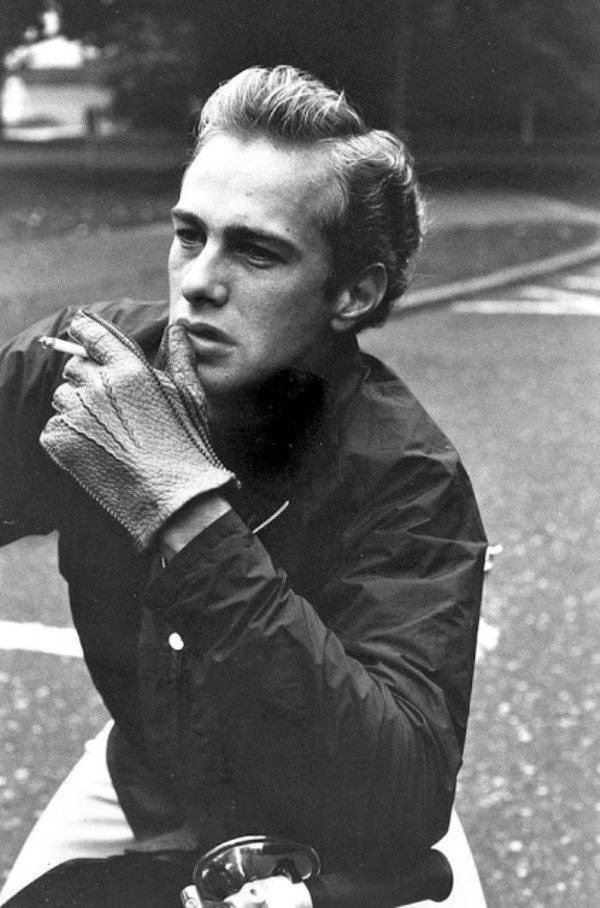
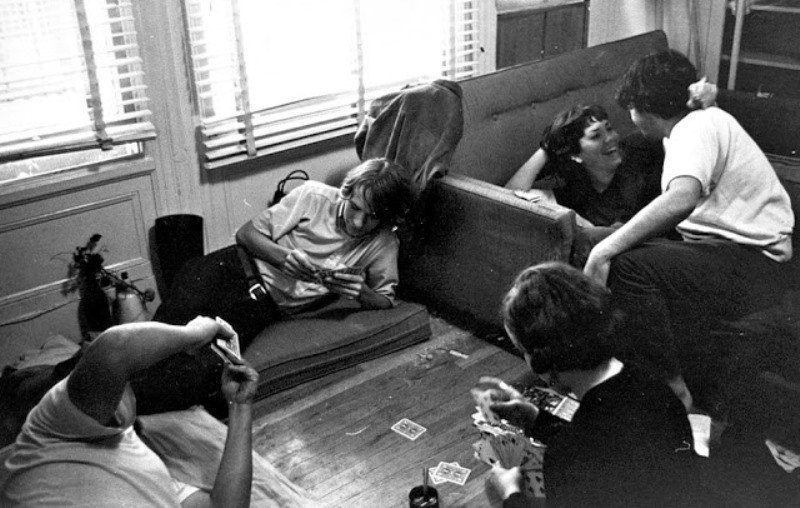
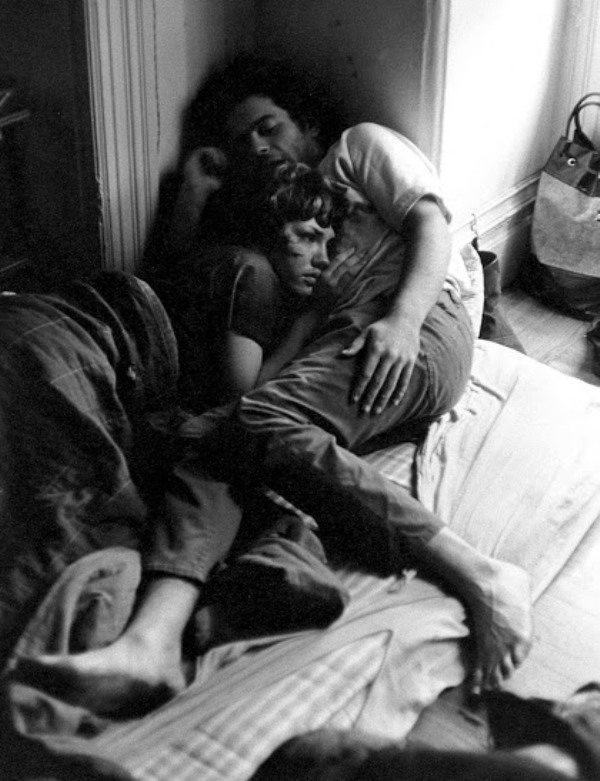
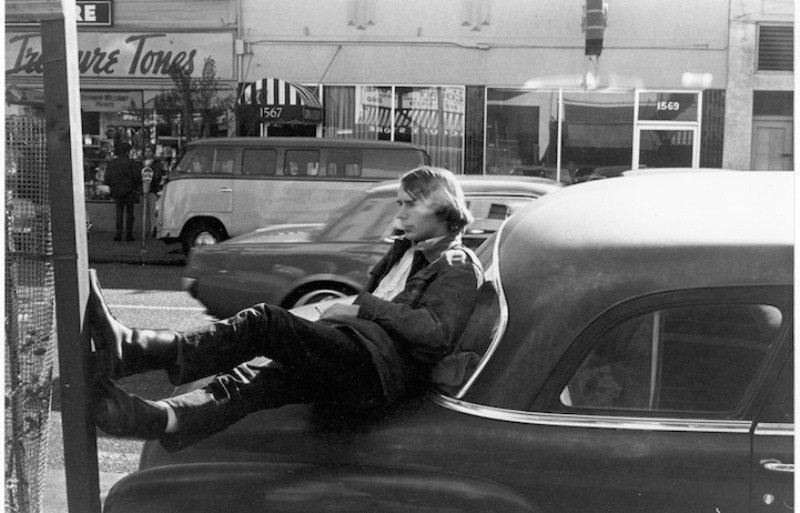
A hippie, also spelled hippy, especially in UK English, was a member of the counterculture of the 1960s, originally a youth movement that began in the United States during the mid-1960s and spread to other countries around the world. The word hippie came from hipster and was used to describe beatniks who moved into New York City’s Greenwich Village, San Francisco’s Haight-Ashbury district, and Chicago’s Old Town community. The term hippie was used in print by San Francisco writer Michael Fallon, helping popularise use of the term in the media, although the tag was seen elsewhere earlier.
The origins of the terms hip and hep are uncertain. By the 1940s, both had become part of African American jive slang and meant “sophisticated; currently fashionable; fully up-to-date”. The Beats adopted the term hip, and early hippies inherited the language and countercultural values of the Beat Generation. Hippies created their own communities, listened to psychedelic music, embraced the sexual revolution, and many used drugs such as marijuana and LSD to explore altered states of consciousness.
In 1967, the Human Be-In in Golden Gate Park, San Francisco, and Monterey Pop Festival popularized hippie culture, leading to the Summer of Love on the West Coast of the United States, and the 1969 Woodstock Festival on the East Coast. Hippies in Mexico, known as jipitecas, formed La Onda and gathered at Avándaro, while in New Zealand, nomadic housetruckers practiced alternative lifestyles and promoted sustainable energy at Nambassa. In the United Kingdom in 1970, many gathered at the gigantic third Isle of Wight Festival with a crowd of around 400,000 people. In later years, mobile “peace convoys” of New Age travellers made summer pilgrimages to free music festivals at Stonehenge and elsewhere. In Australia, hippies gathered at Nimbin for the 1973 Aquarius Festival and the annual Cannabis Law Reform Rally or MardiGrass. “Piedra Roja Festival”, a major hippie event in Chile, was held in 1970. Hippie and psychedelic culture influenced 1960s and early 1970s youth culture in Iron Curtain countries in Eastern Europe.
Hippie fashion and values had a major effect on culture, influencing popular music, television, film, literature, and the arts. Since the 1960s, mainstream society has assimilated many aspects of hippie culture. The religious and cultural diversity the hippies espoused has gained widespread acceptance, and their pop versions of Eastern philosophy and Asian spiritual concepts have reached a larger group. (Wikipedia)
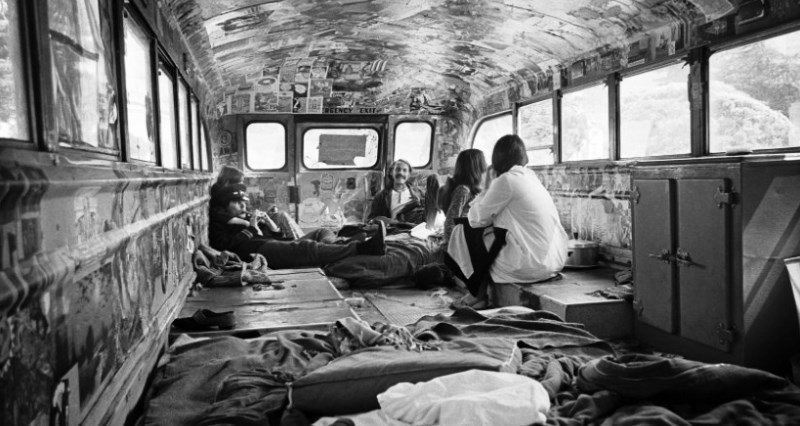
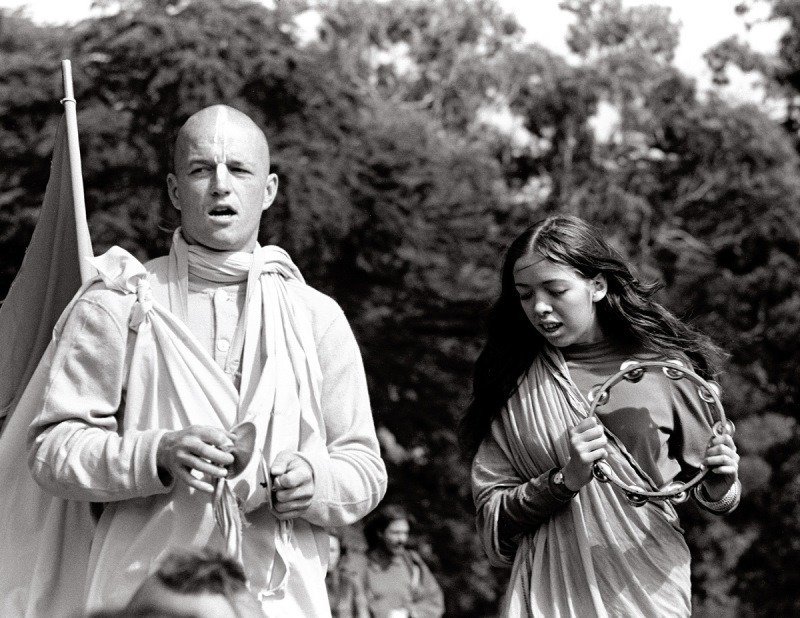
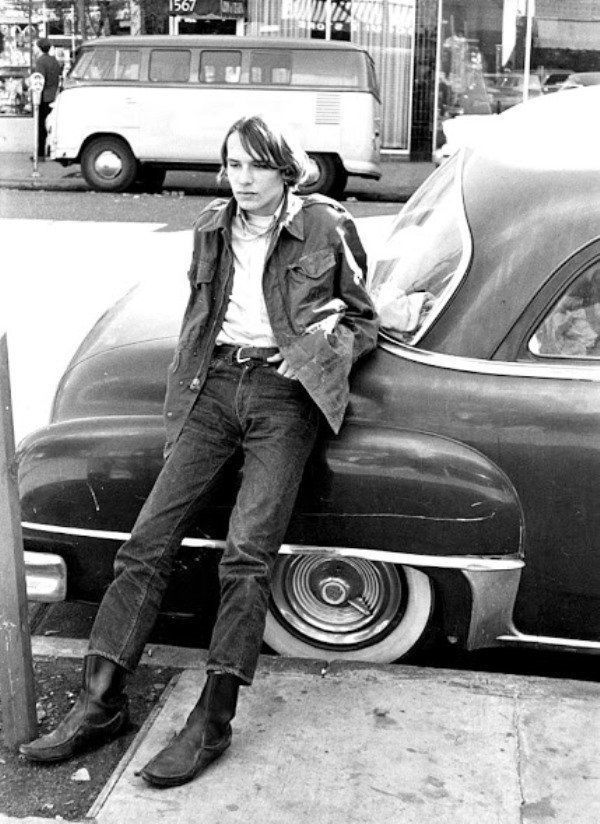
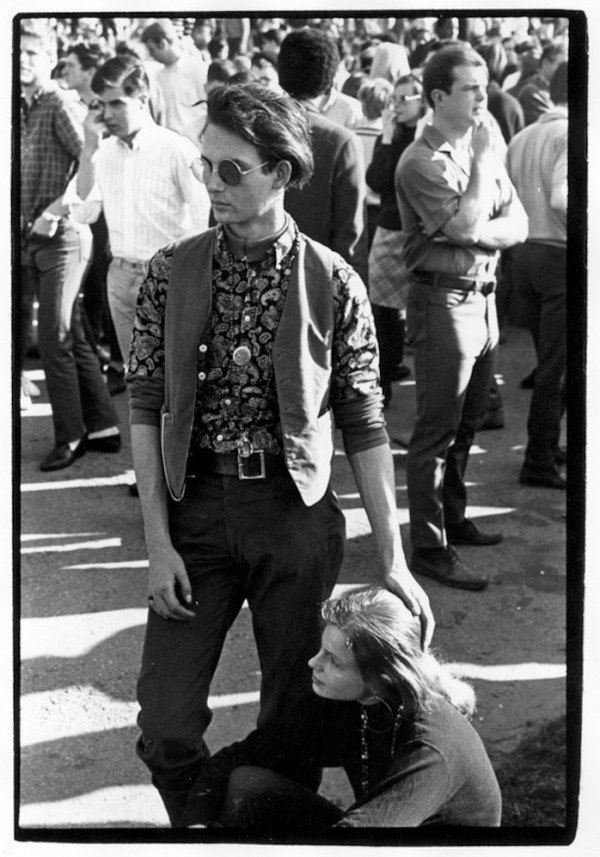
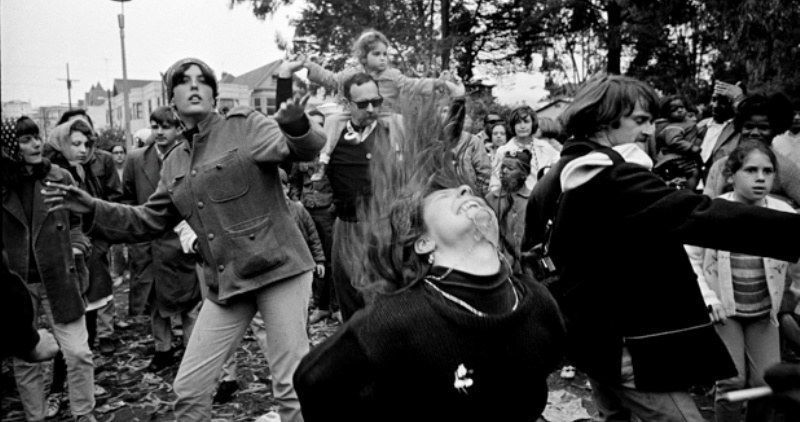
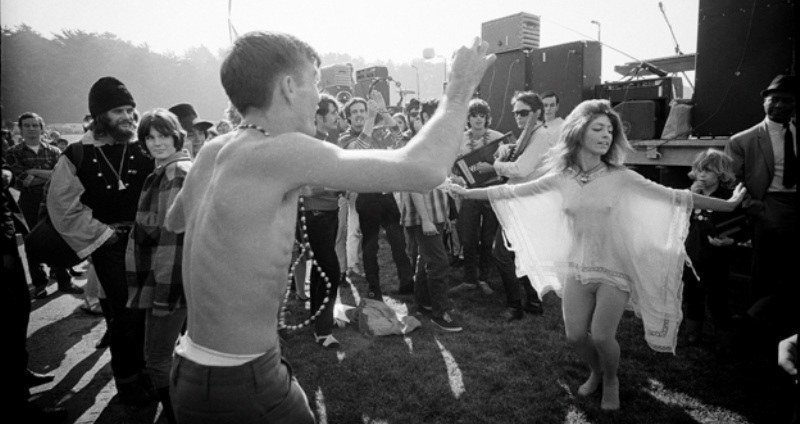
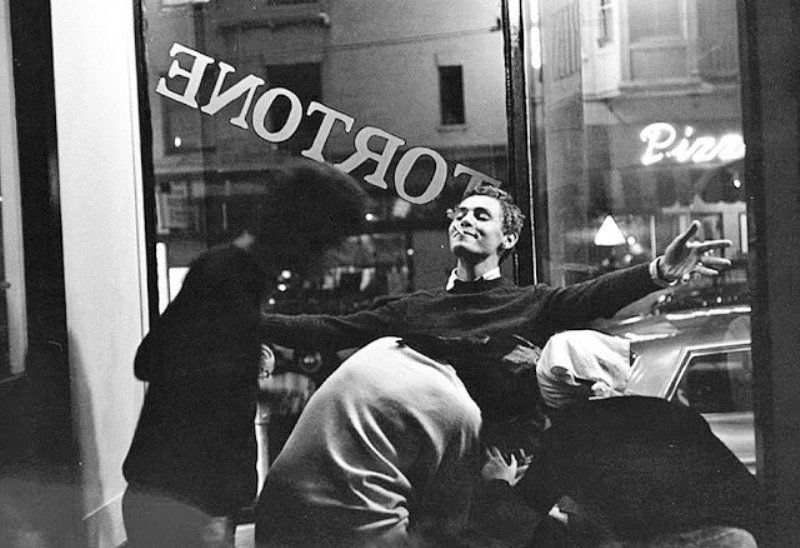
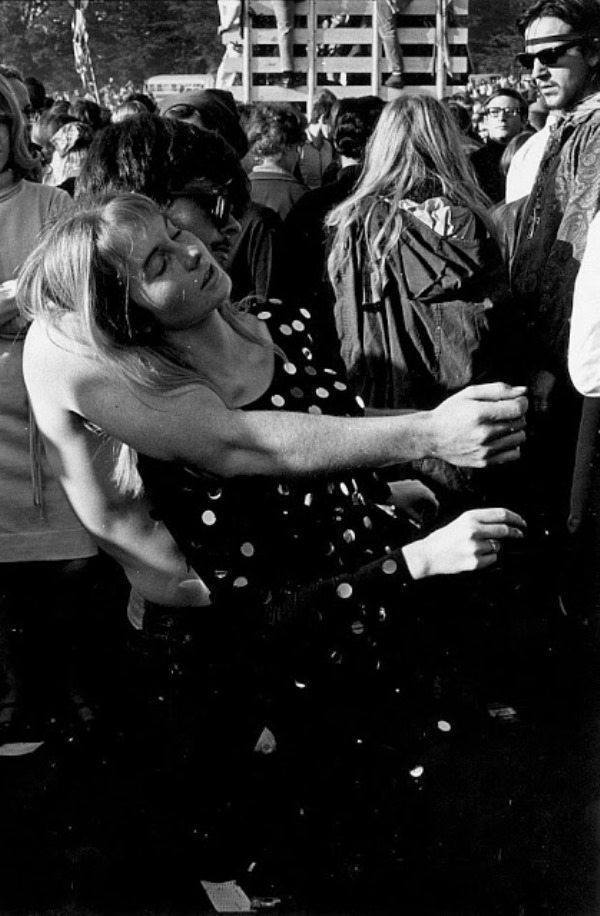
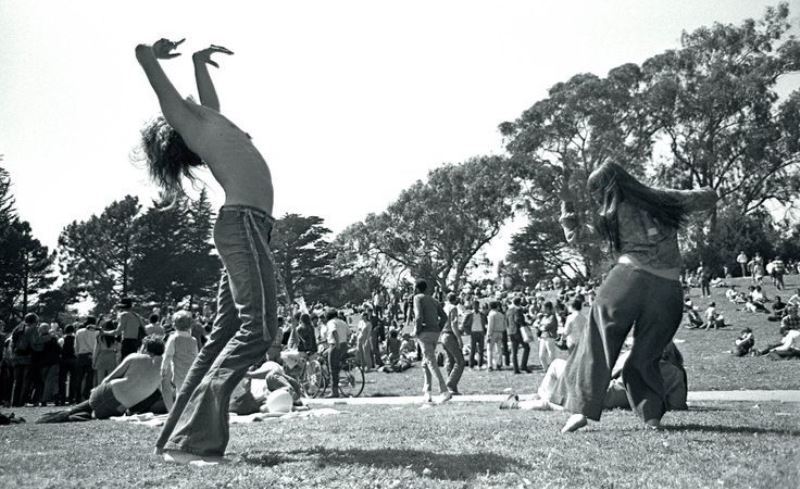
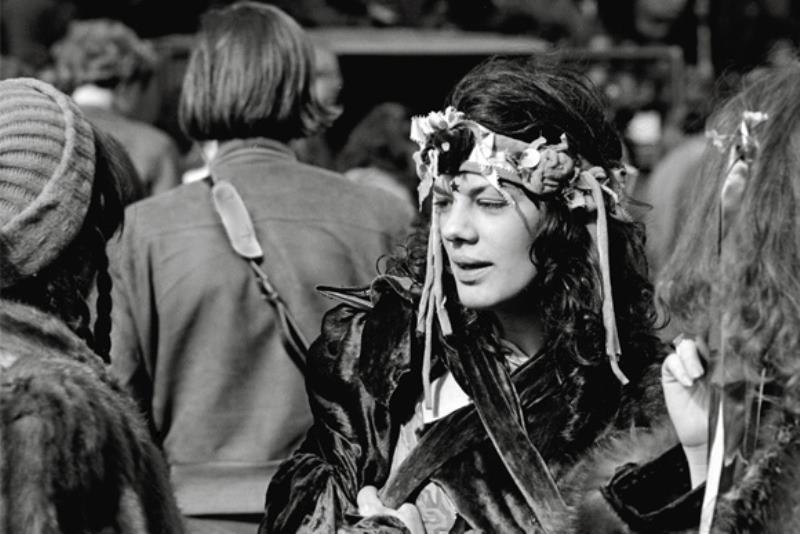
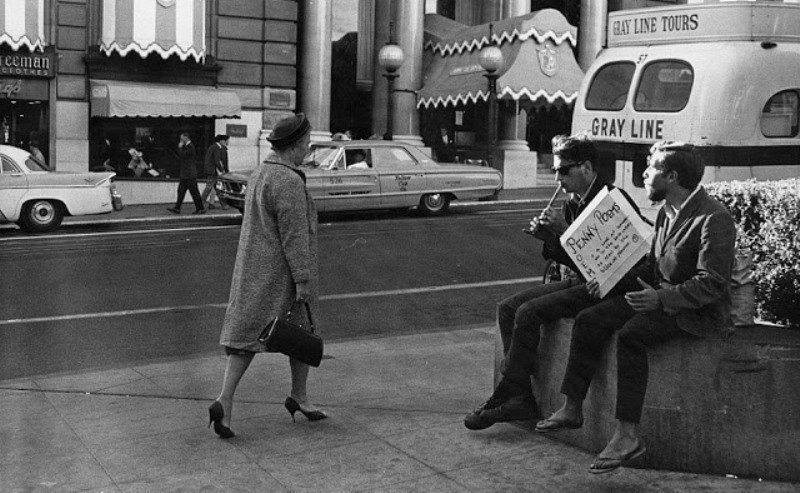
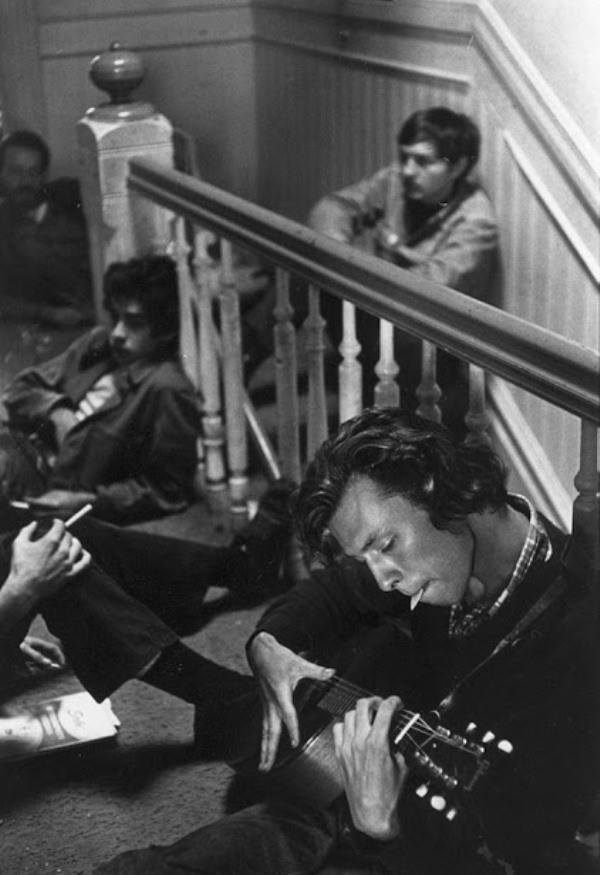
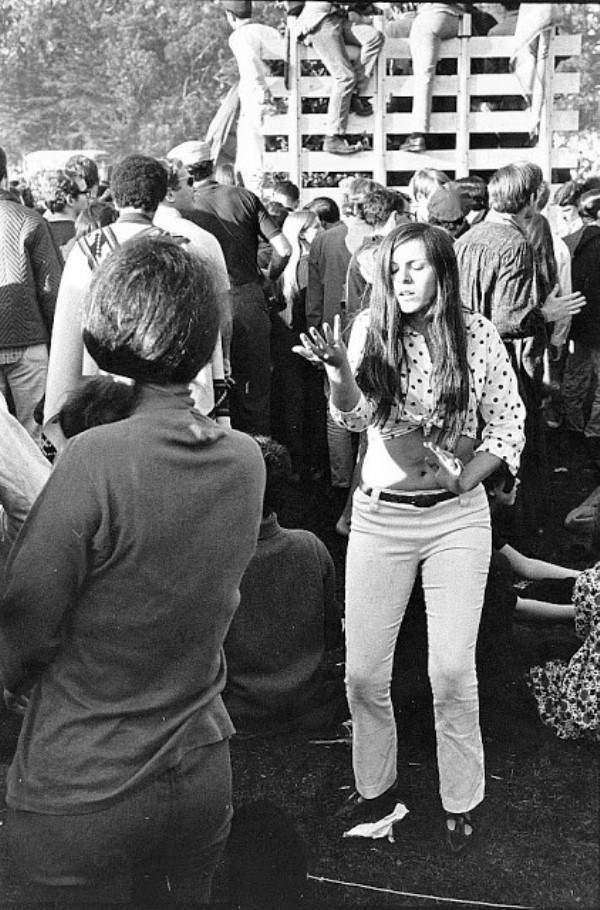
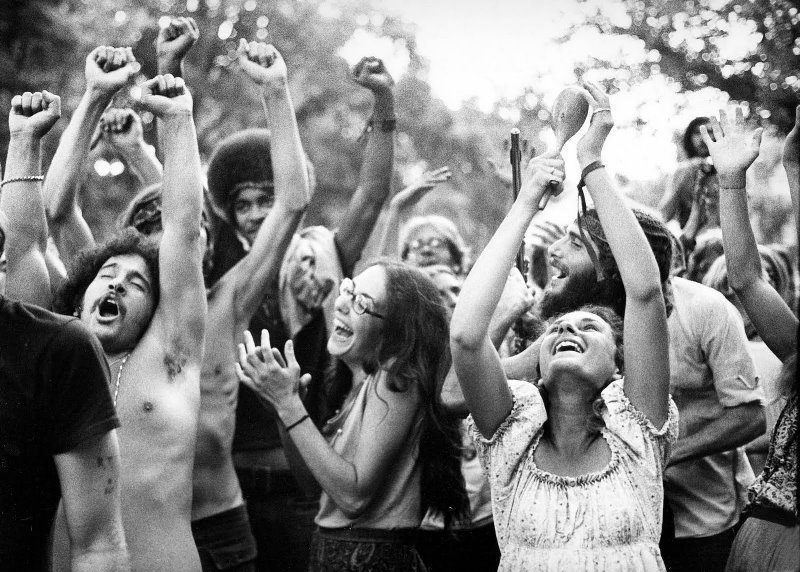
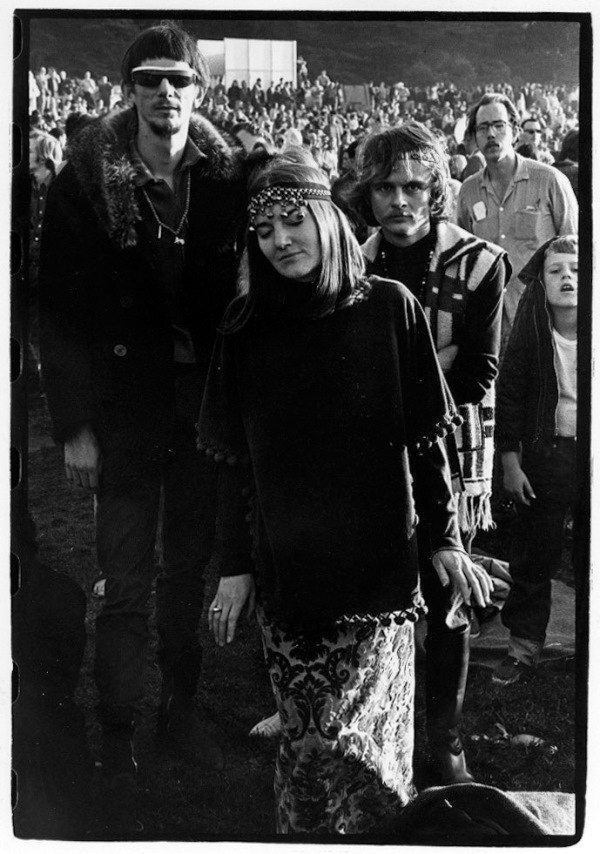
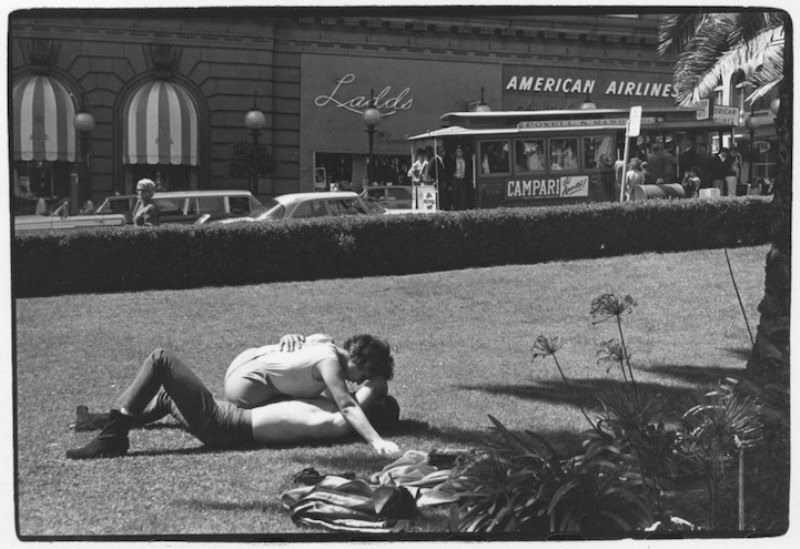
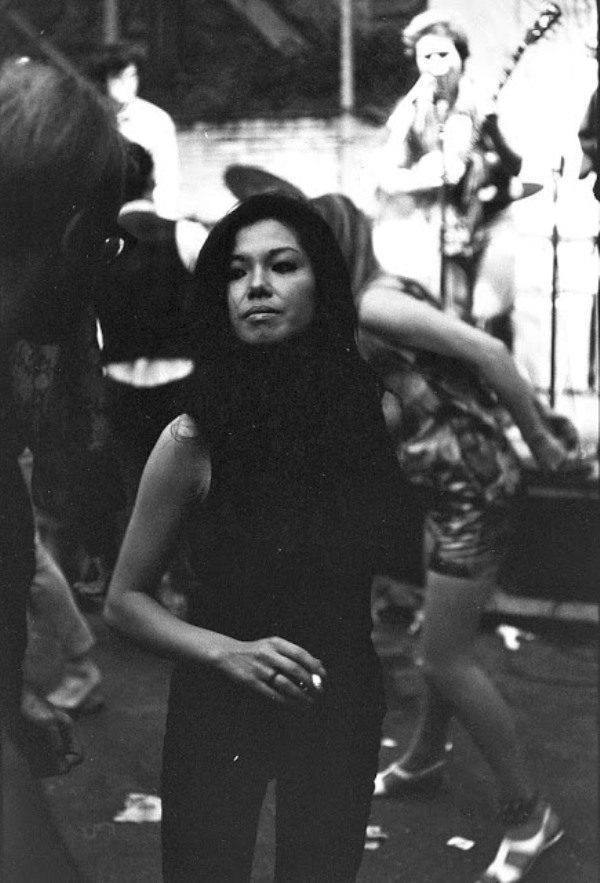
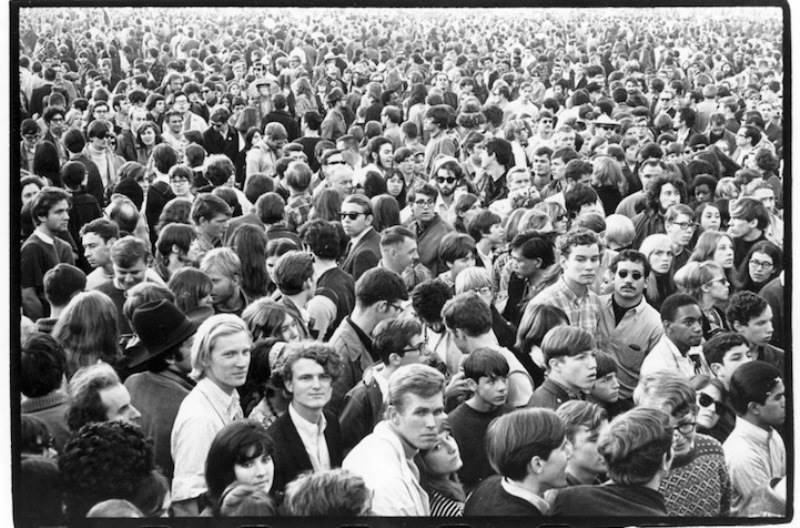
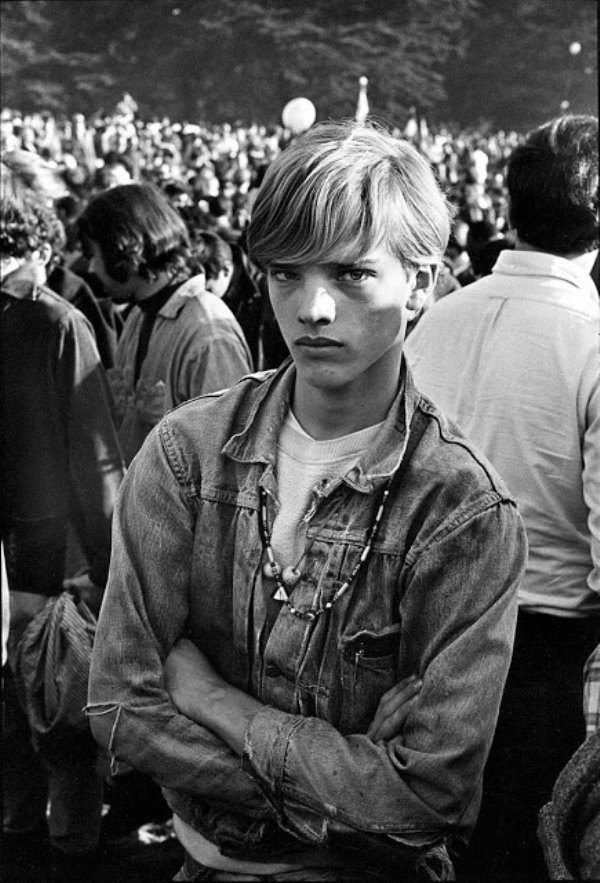
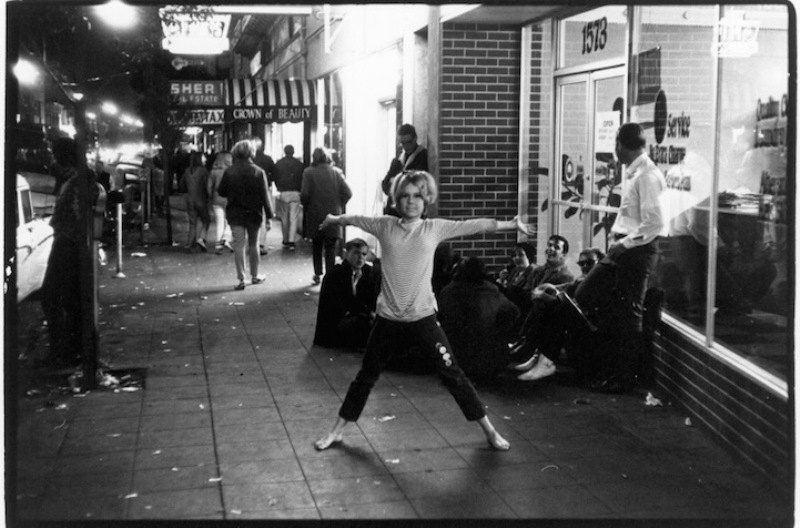
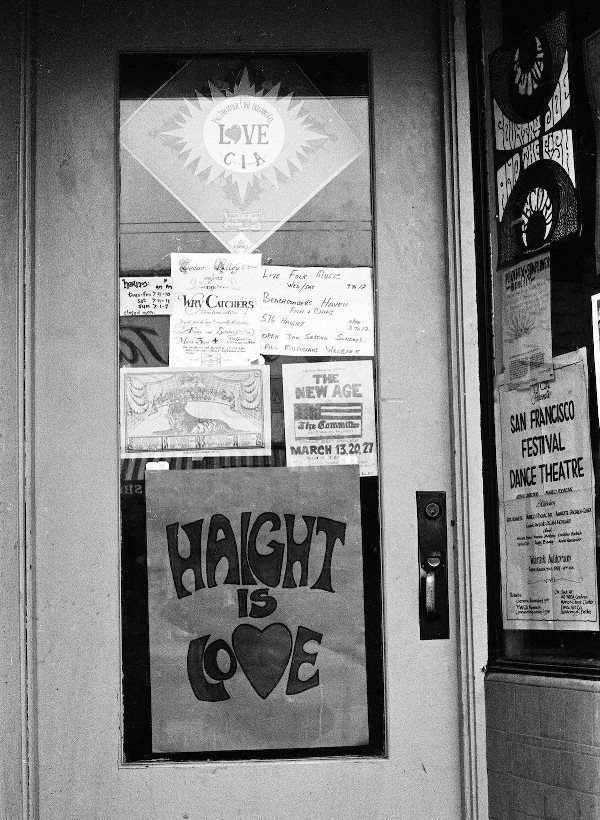
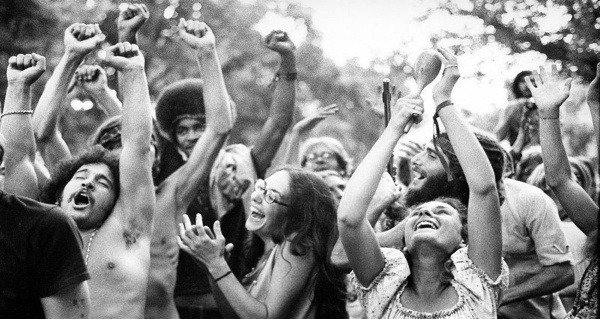
At the center of it all was the Haight-Ashbury neighborhood.Musicians and artists that would become national icons took up residence and became immersed in the culture of 1960s San Francisco. Shown: Janis Joplin in Haight-Ashbury in 1967.A woman attends a concert at the Avalon Ballroom, a venue that featured some of the most prominent psychedelic rock groups of the 1960s.Rediscovered in the early 1960s and popularized by figures like Timothy Leary and Aldous Huxley, LSD became perhaps the most popular drug of the decade. The powerful hallucinogen, along with marijuana, was among the strongest social unifiers of the hippie movement.When apartments weren’t available, re-purposed vans and school buses were the favored mode of shelter.Ron “Pigpen” McKernan of The Grateful Dead.The International Society for Krishna Consciousness, better known as the Hare Krishnas, successfully attracted thousands of new followers in the 1960s with a message of enlightenment, peace, and inner-reflection.Writing for The New York Times Magazine in 1967, Hunter S. Thompson wrote “‘Hashbury’ is the new capital of what is rapidly becoming a drug culture. Its denizens are not called radicals or beatniks, but ‘hippies.'”Perhaps the most famous hippie event in San Francisco was the Human Be-In that featured mantras spoken by Allen Ginsberg, music from the Grateful Dead and Jefferson Airplane, and copious amounts of LSD provided for free by the event organizers.Police stings (or “busts”) to catch drug dealers and users became a frequent problem for those inclined to experimentation.Allen Ginsberg takes in San Francisco during the Summer of Love.Formed in 1965, The Grateful Dead were revered mainstays of the San Francisco music scene.Free concerts in Golden Gate Park became a staple and a natural place of congregation of the counterculture scene.George Harrison plays for a group at Golden Gate Park during his visit in 1967.Despite their dangerous reputation, the Hells Angels became entwined with the hippie movement. In fact, they were responsible for reuniting lost children with their parents during the Human Be-In.A resident of Haight-Ashbury rests aside portraits of Jean Harlow and Marlon Brando.“Free love” was the dictum of the decade, which meant hippies often eschewed traditionally monogamous relationships for polyamory.A crowd awaits a concert in Golden Gate Park in 1968.The never-ending show in Haight-Ashbury wasn’t enjoyed by the rest of San Francisco’s residents. Pressure from civic groups led to San Francisco taking stricture measurements about zoning, giving less opportunity for squatting and group homes.While the flame burned bright for much of the 1960s, pressure from the city government along with the increased presence of law enforcement eventually made San Francisco less of a destination for the hippie counterculture.
Discover more from Yesterday Today
Subscribe to get the latest posts sent to your email.



















Looks creative….and smelly.
LikeLike