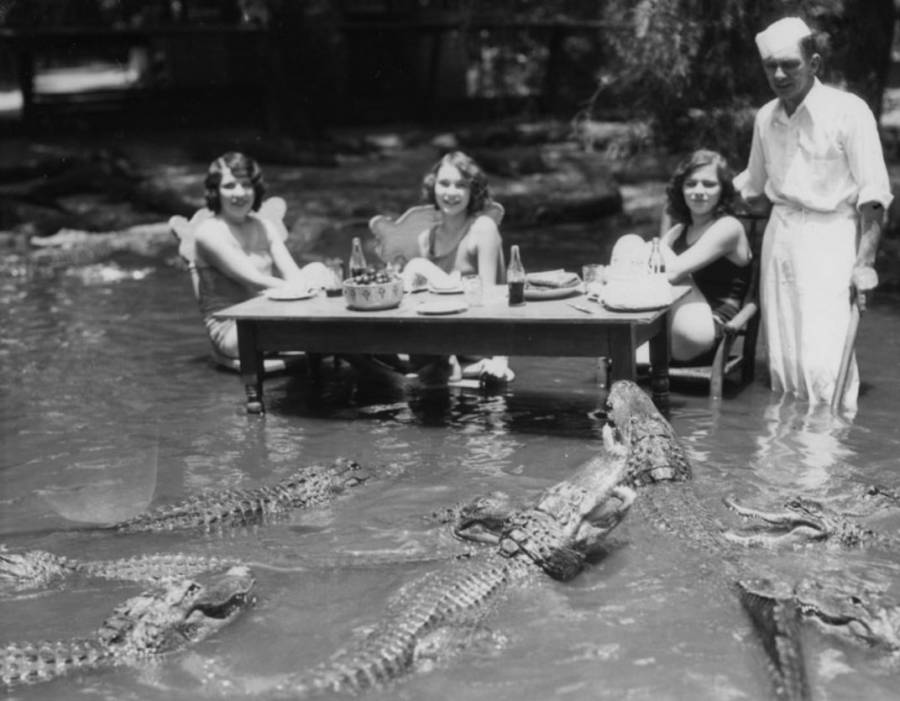
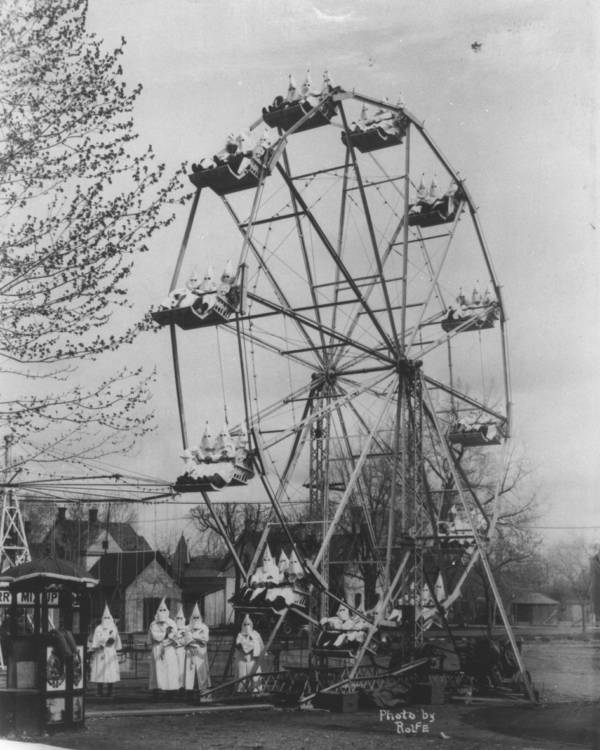
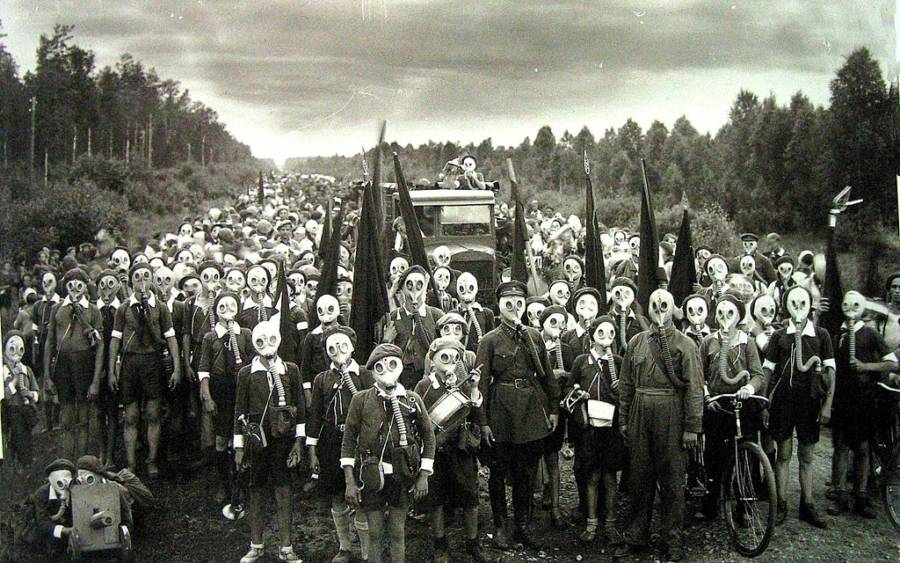
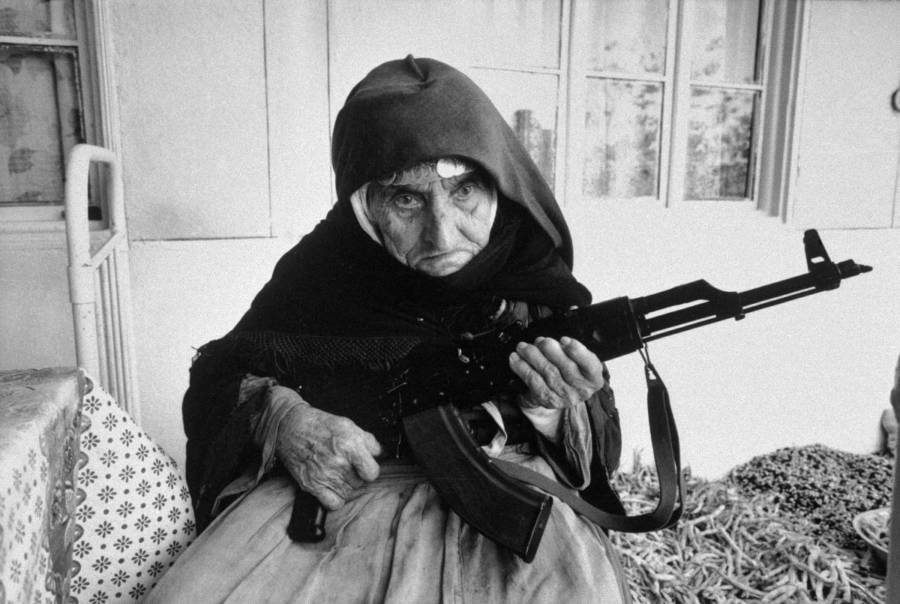
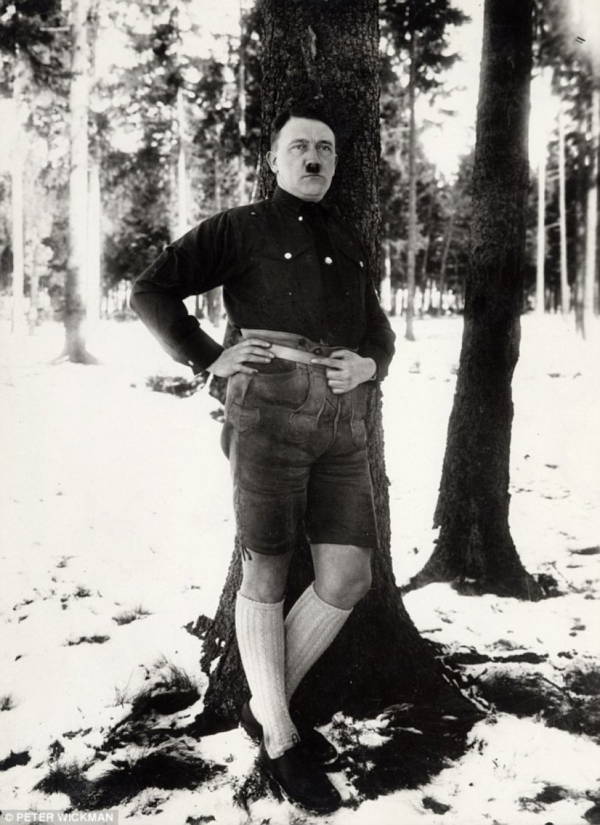
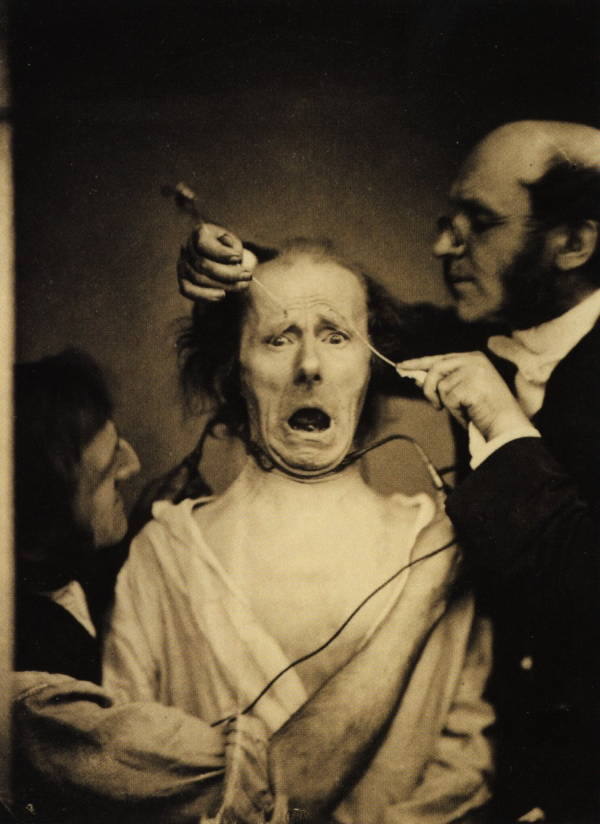
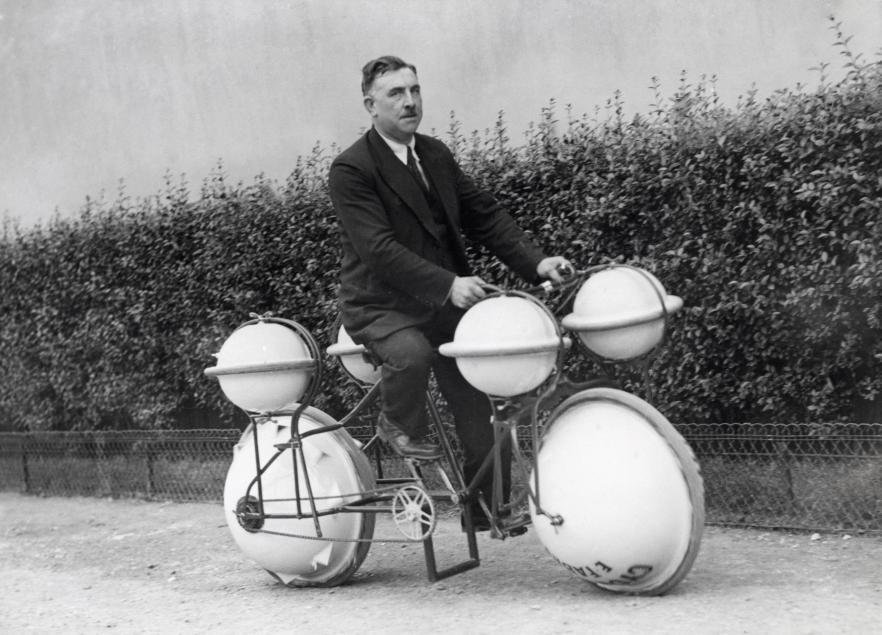
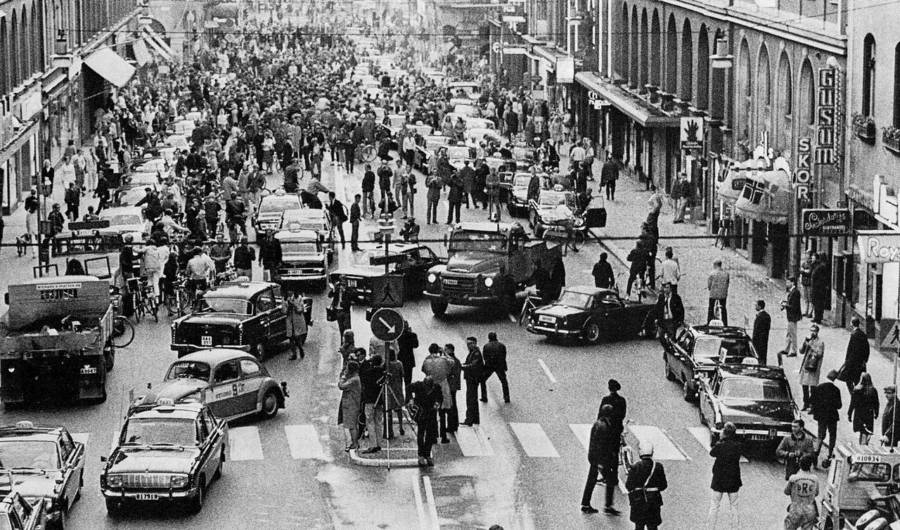
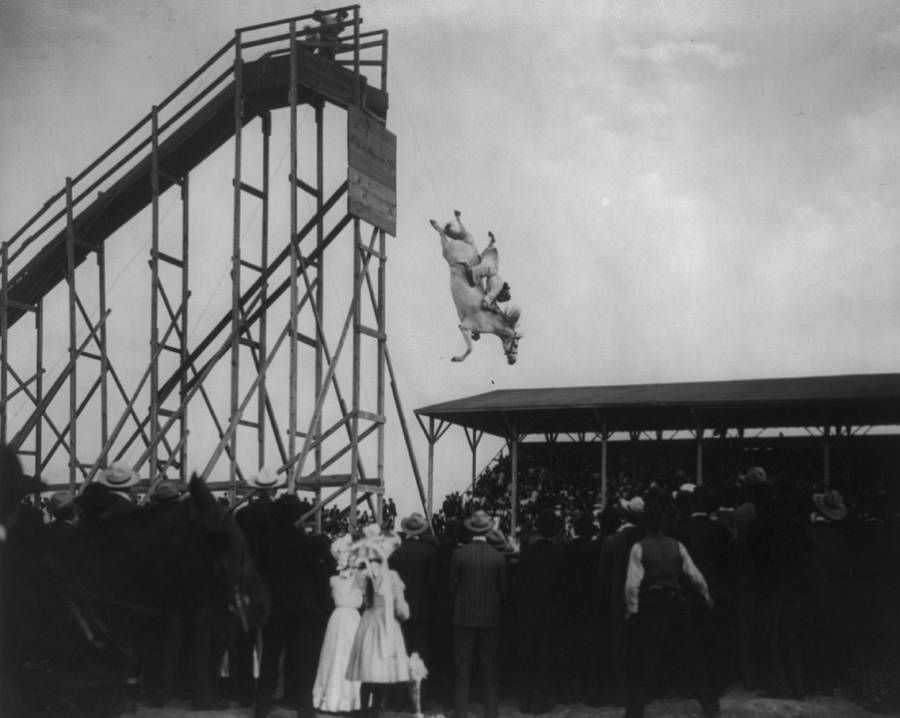
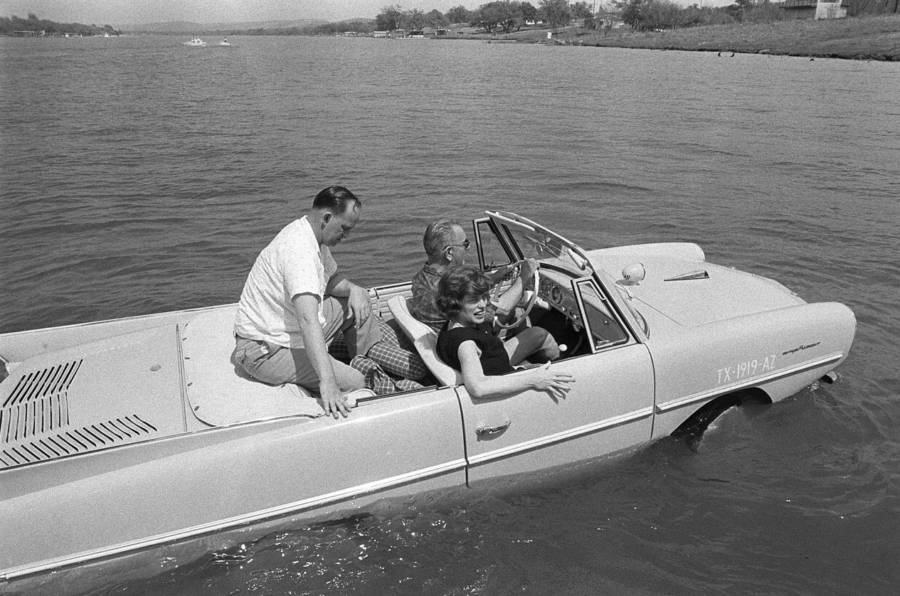
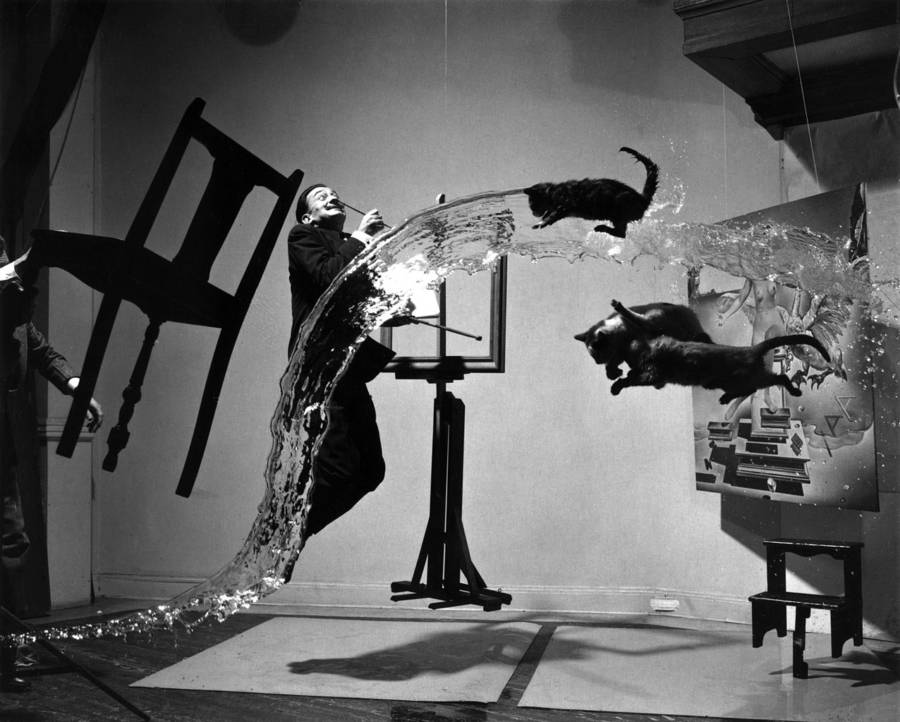
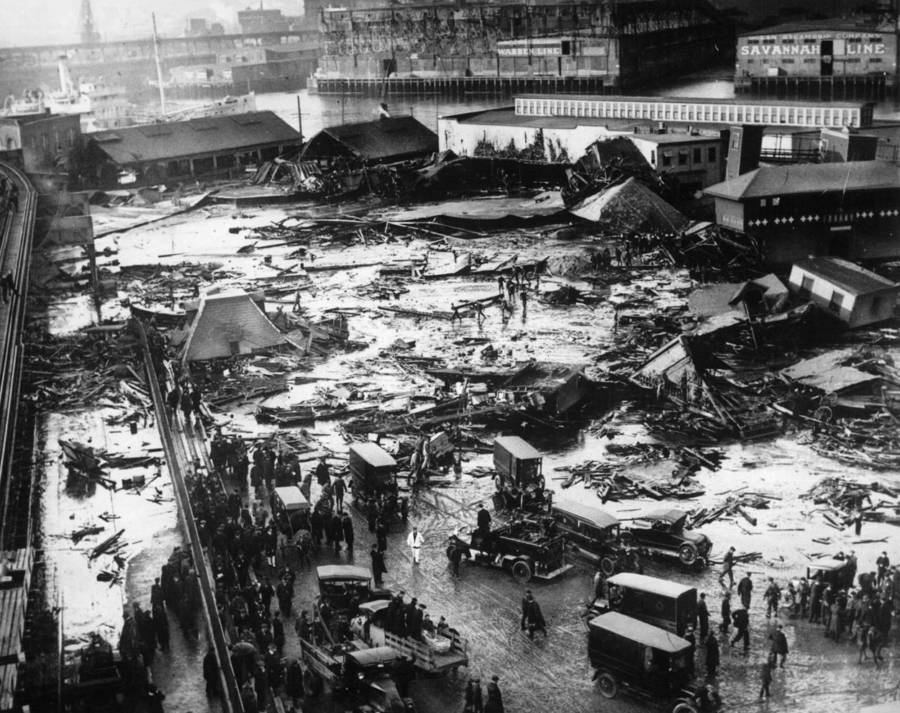
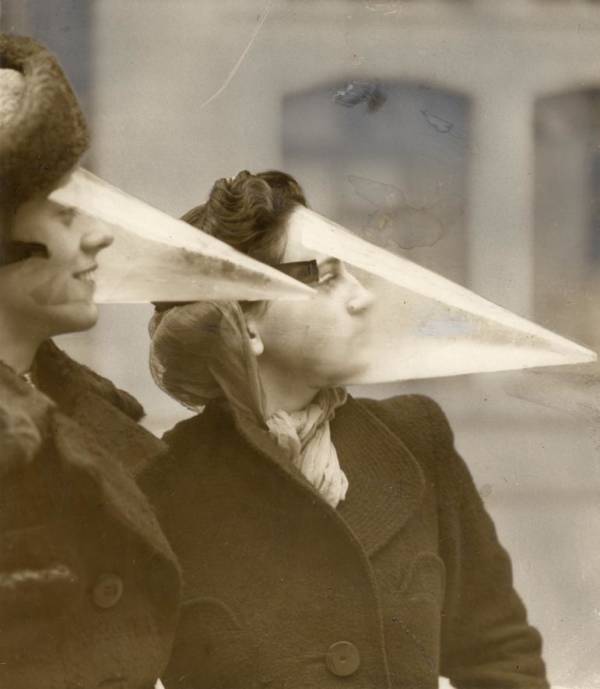
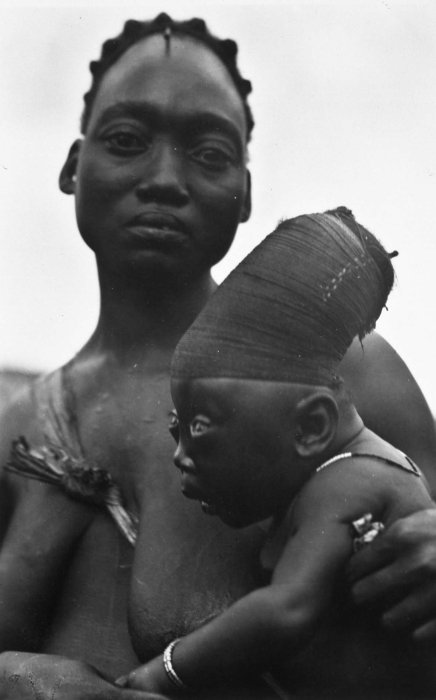
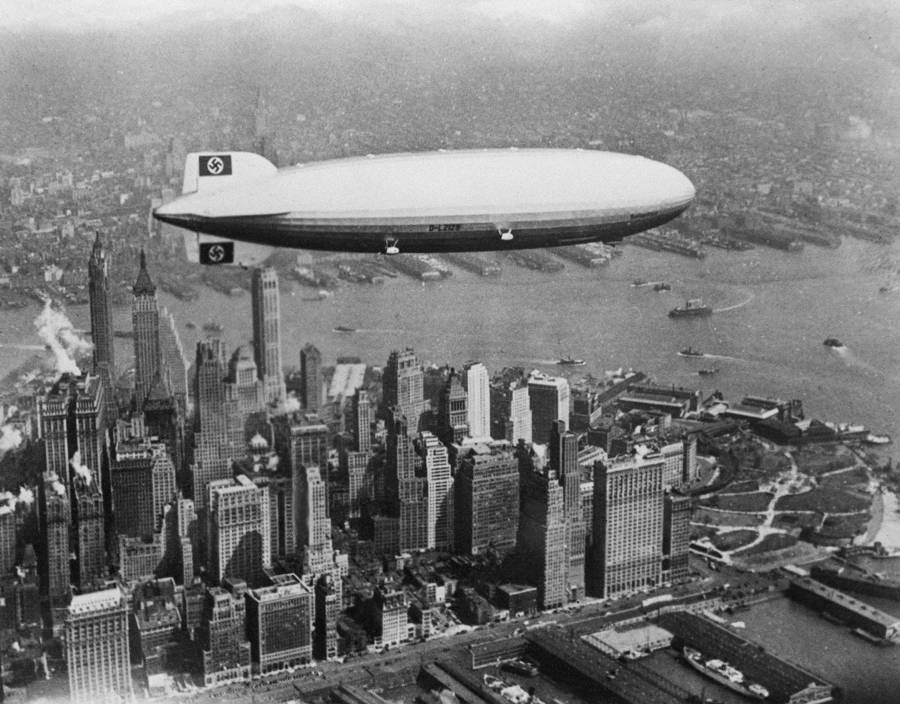
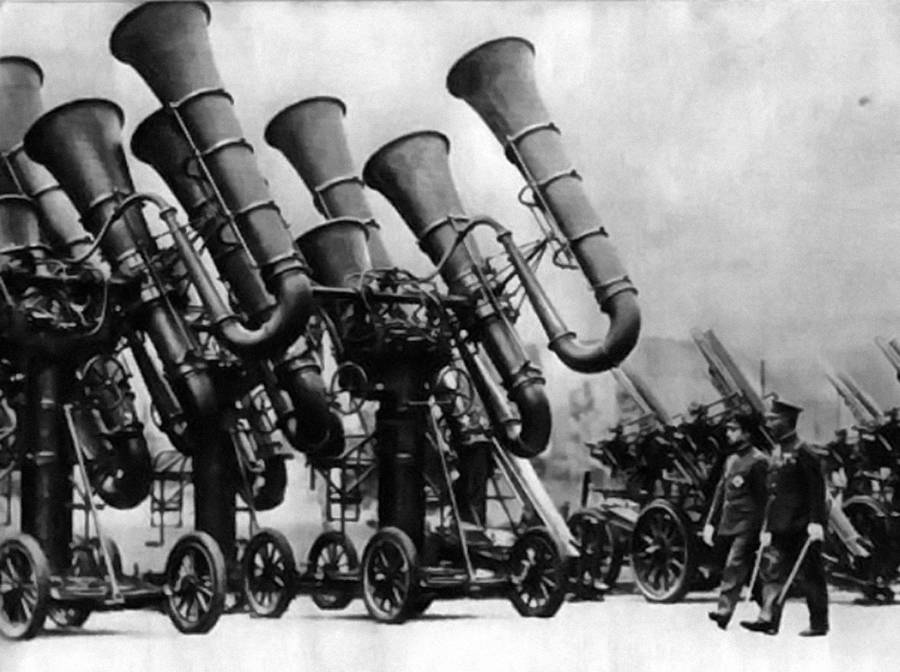
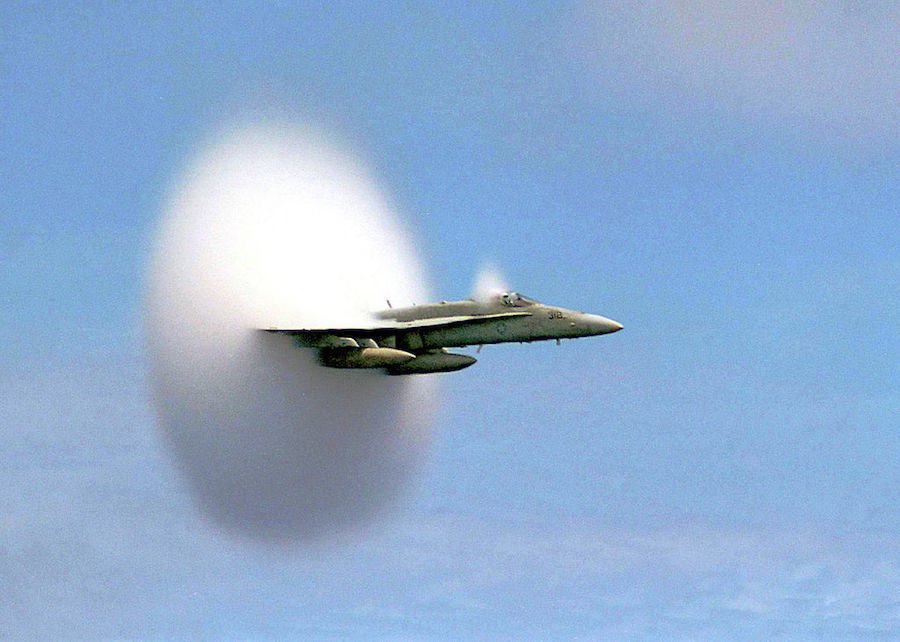
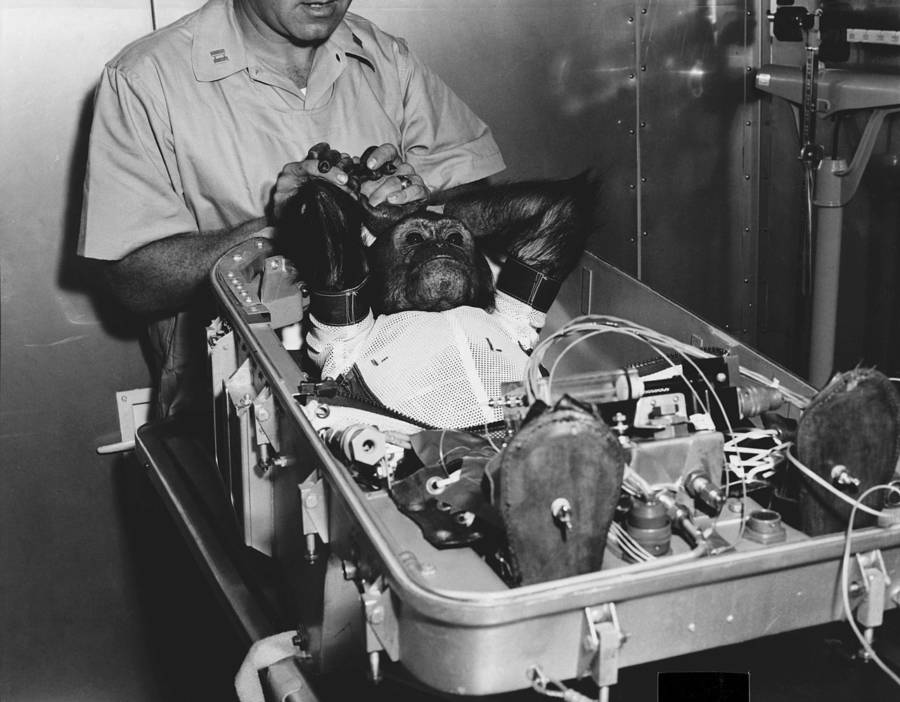
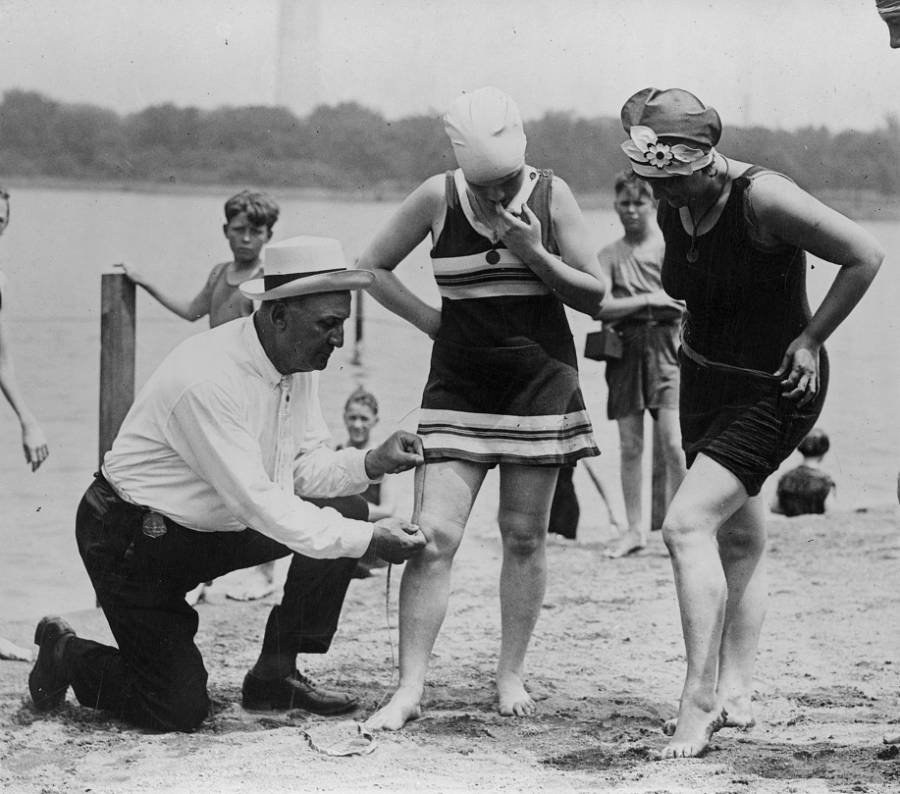
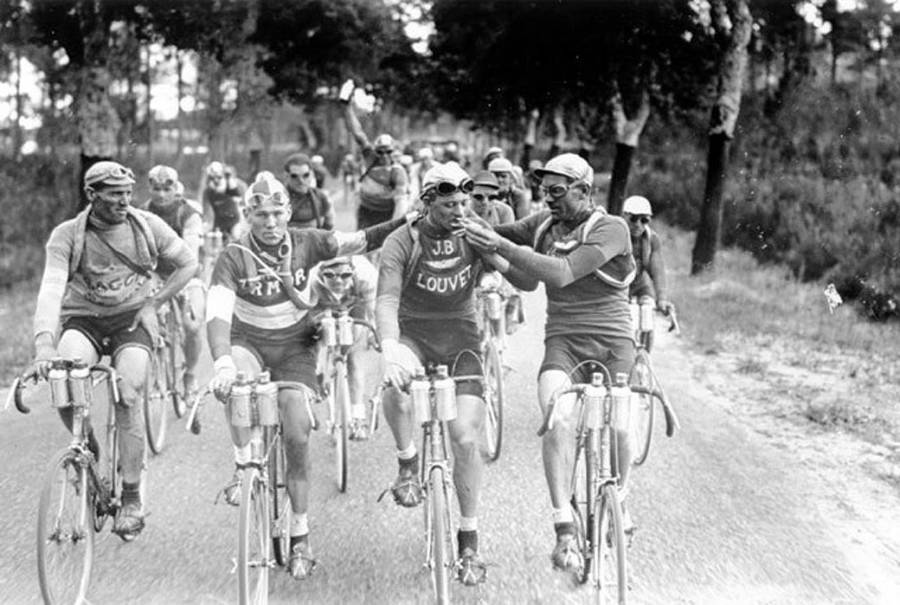
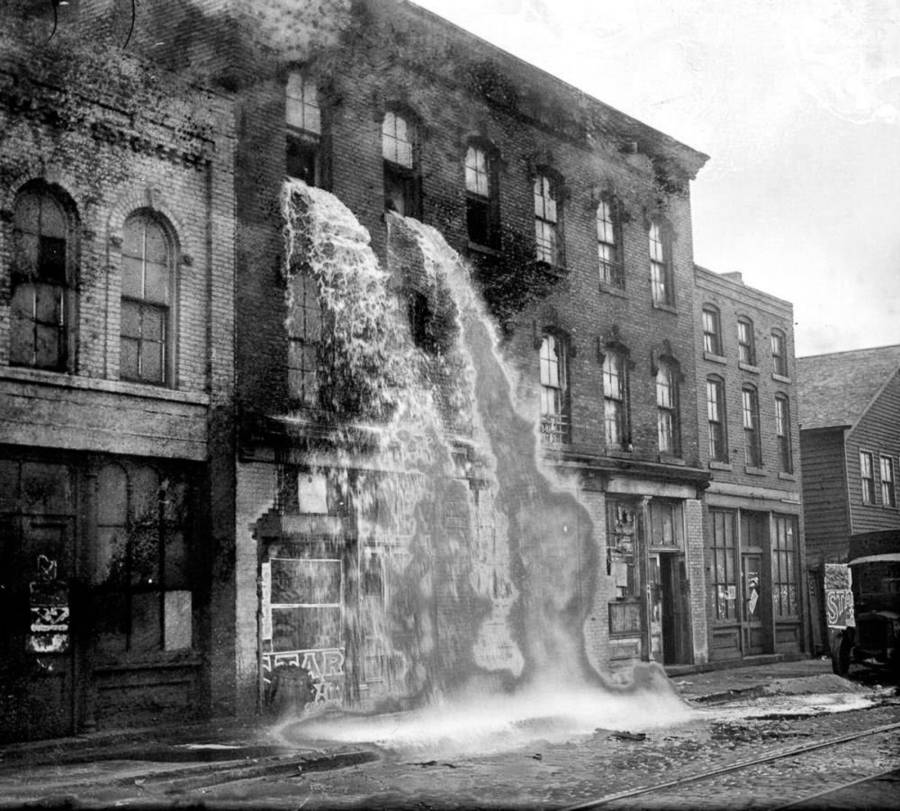
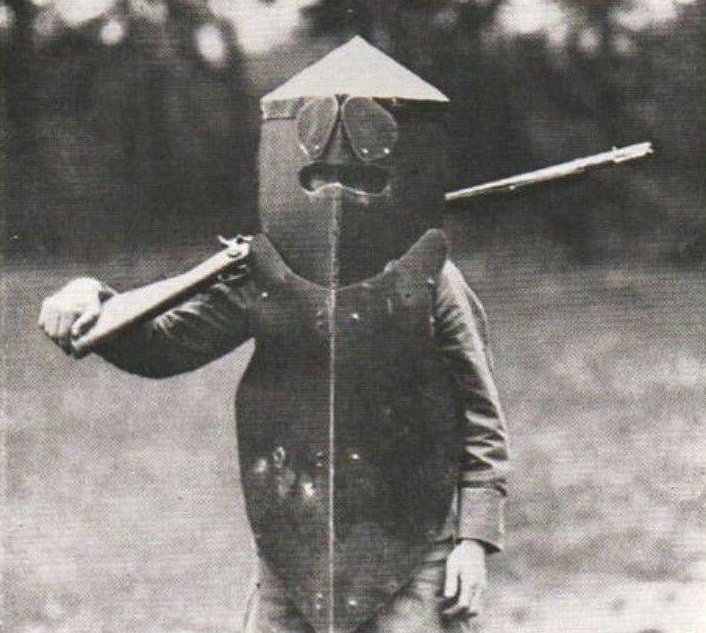
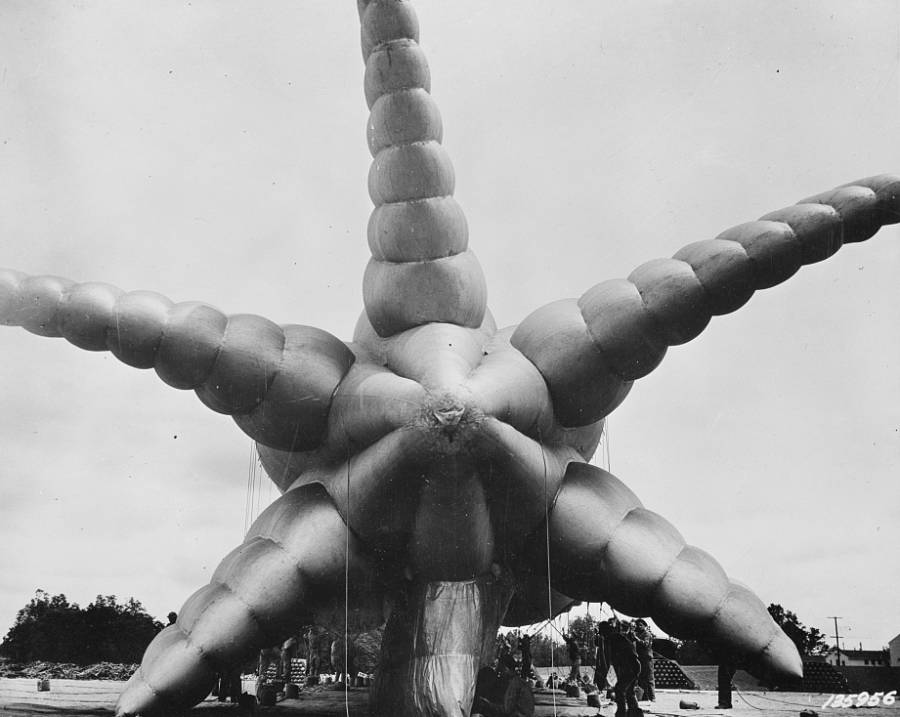
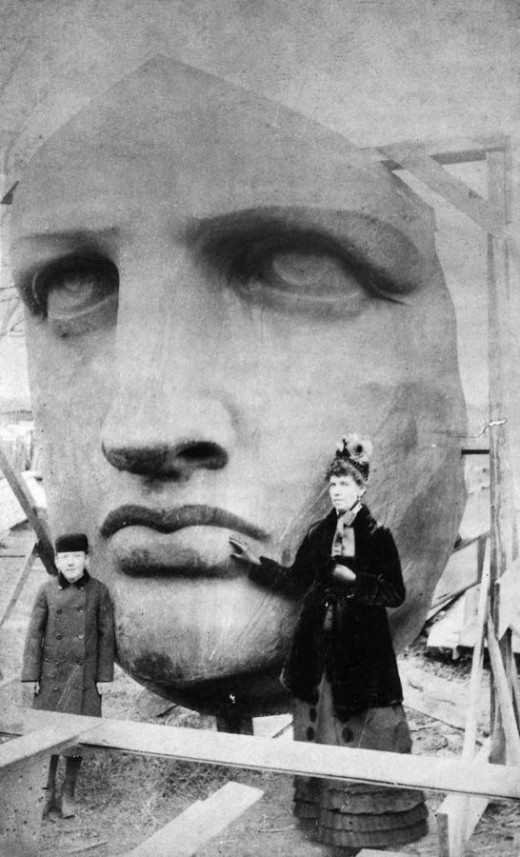
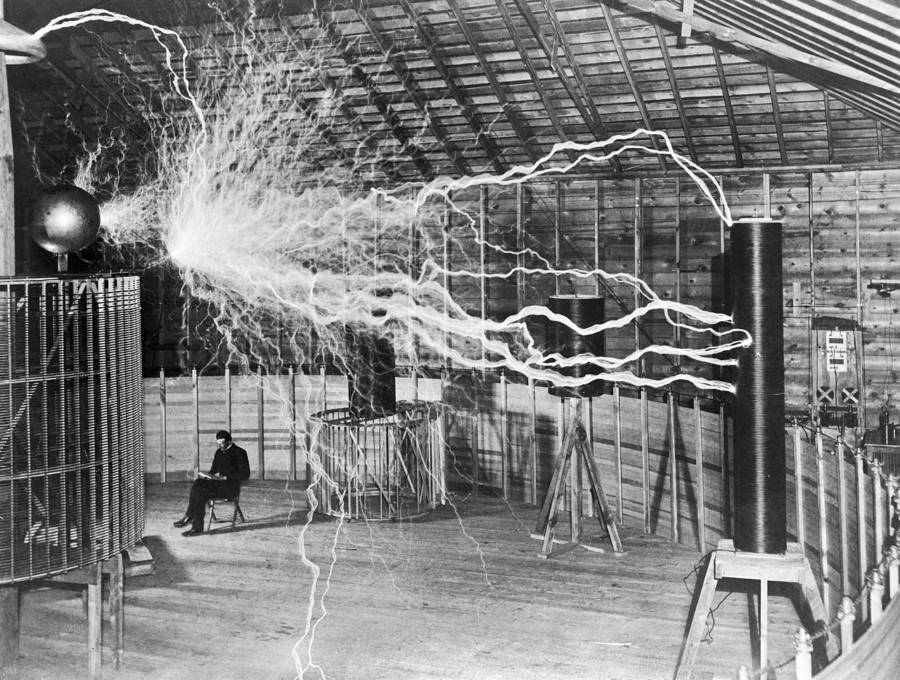
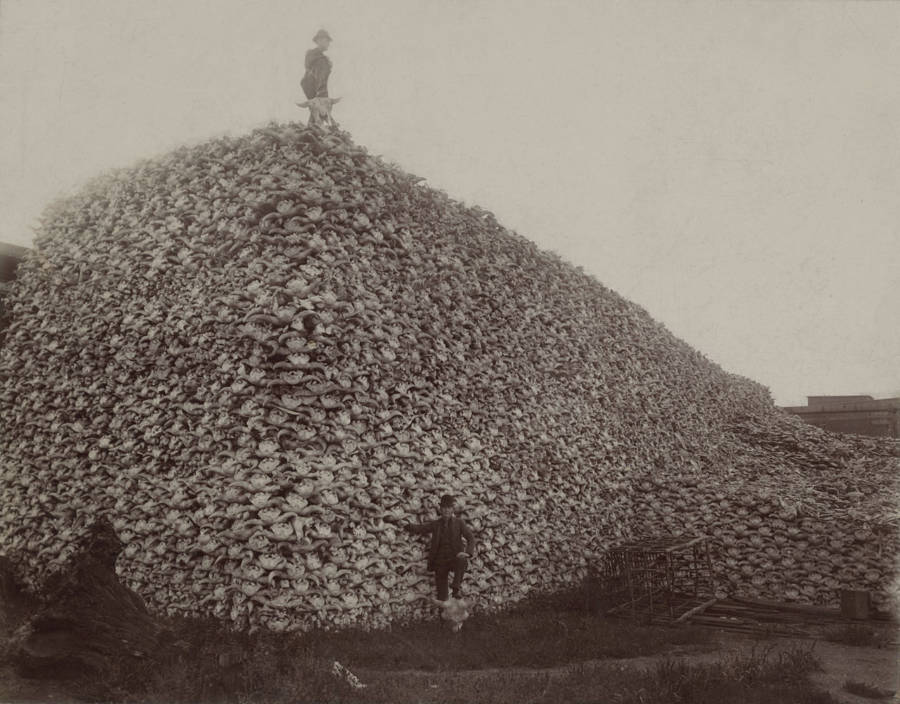
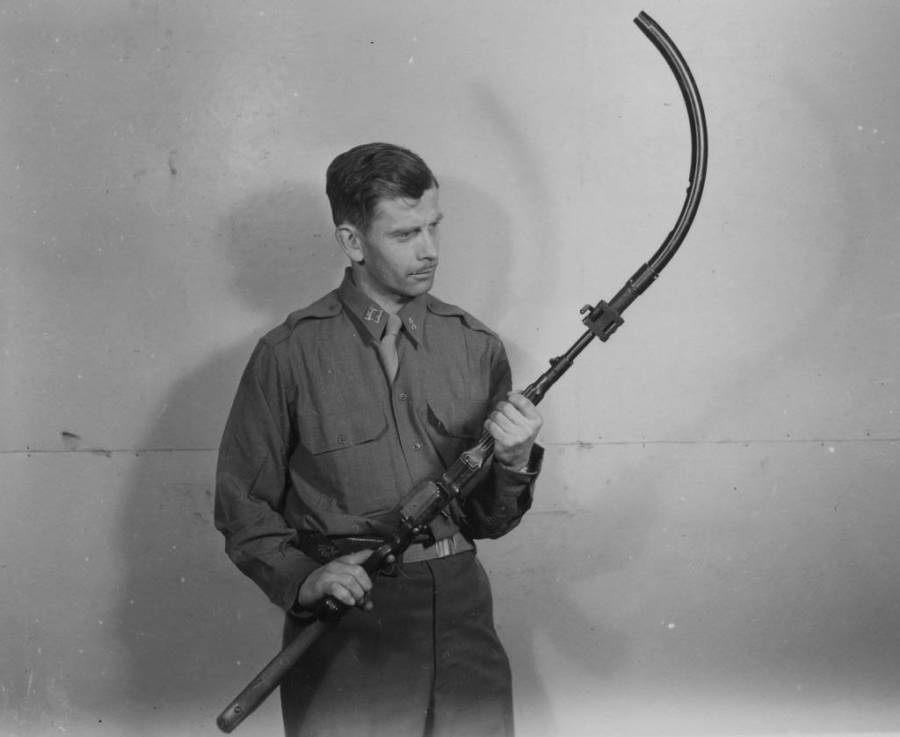
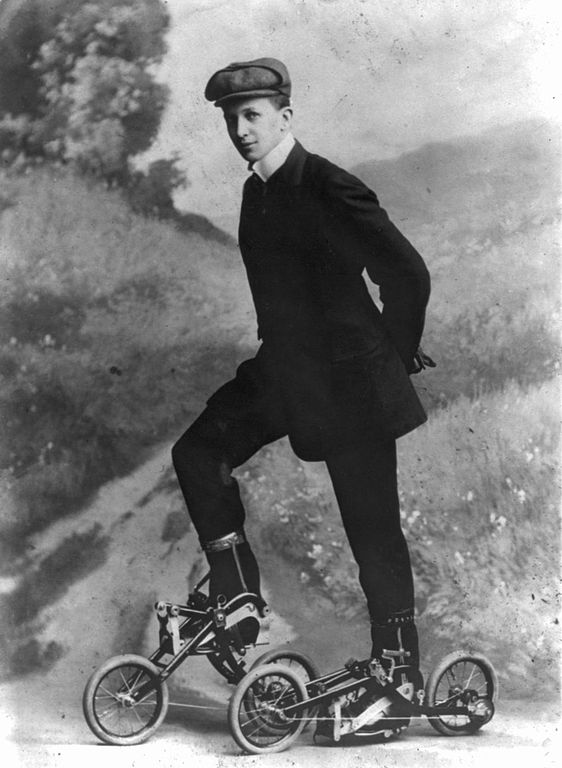
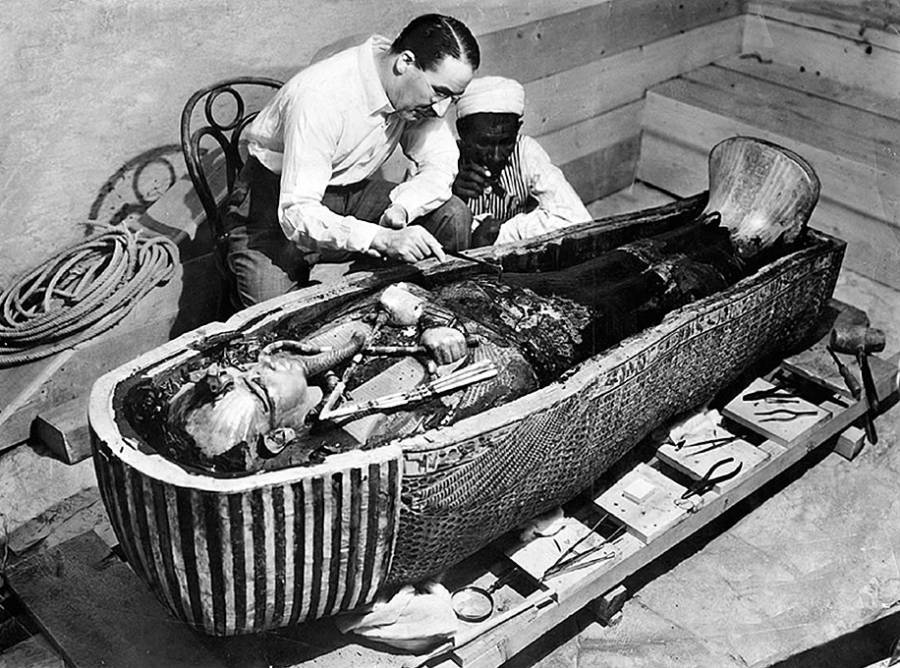
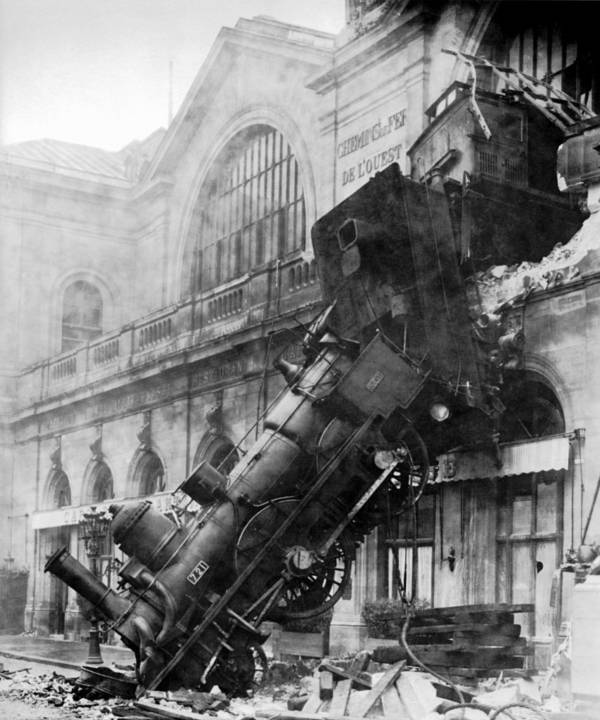
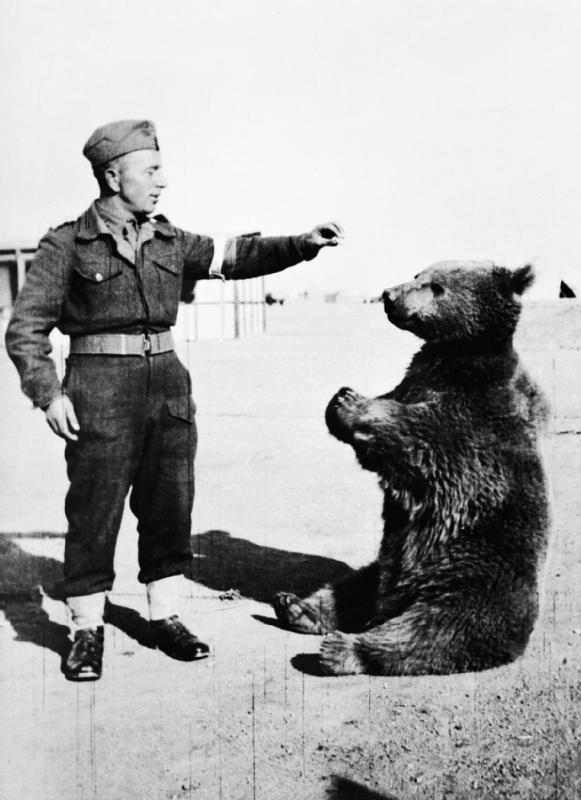
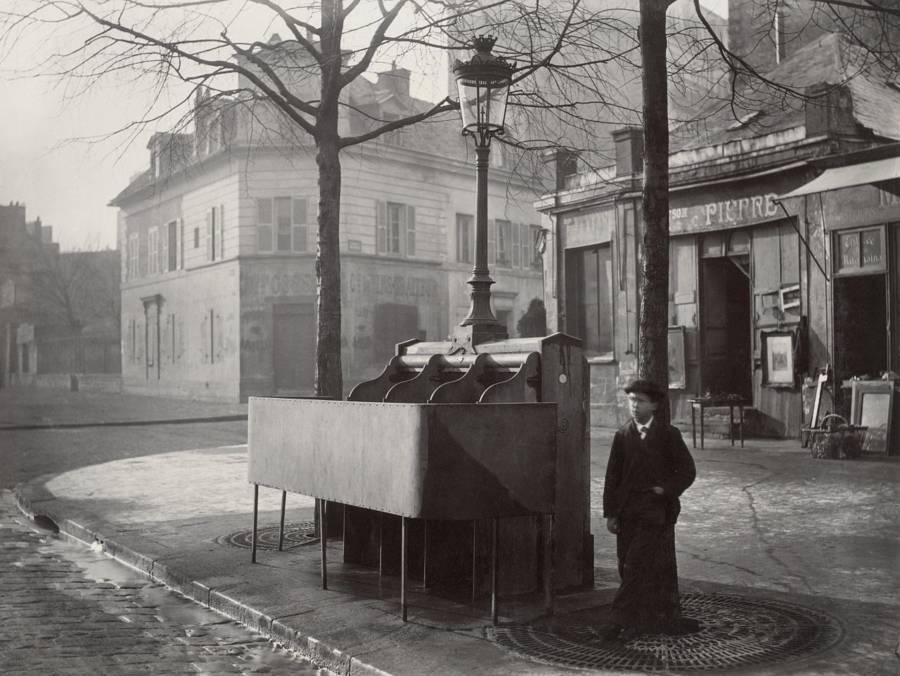
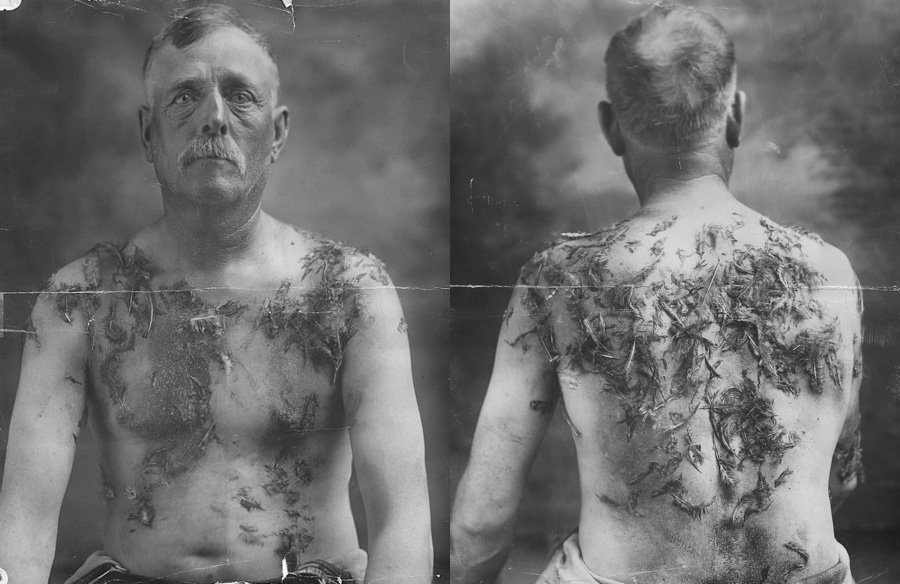
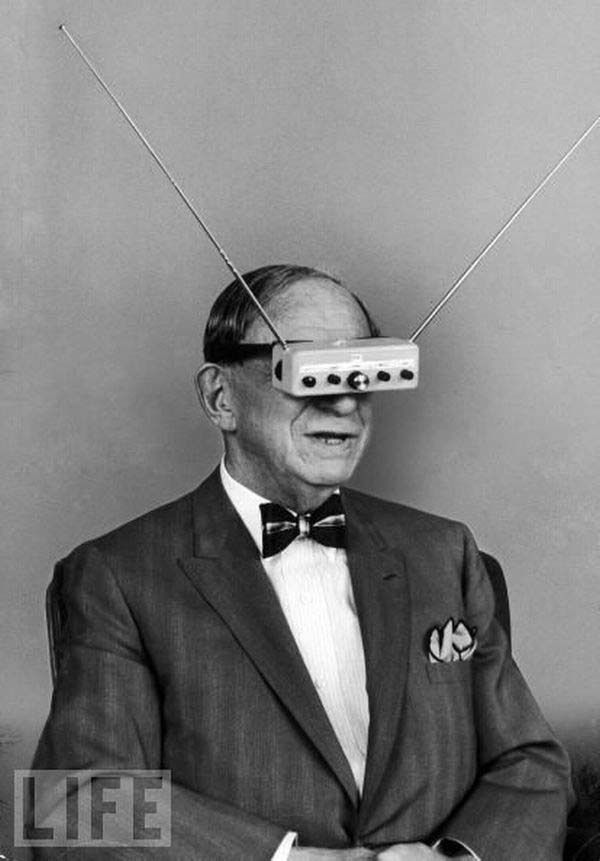
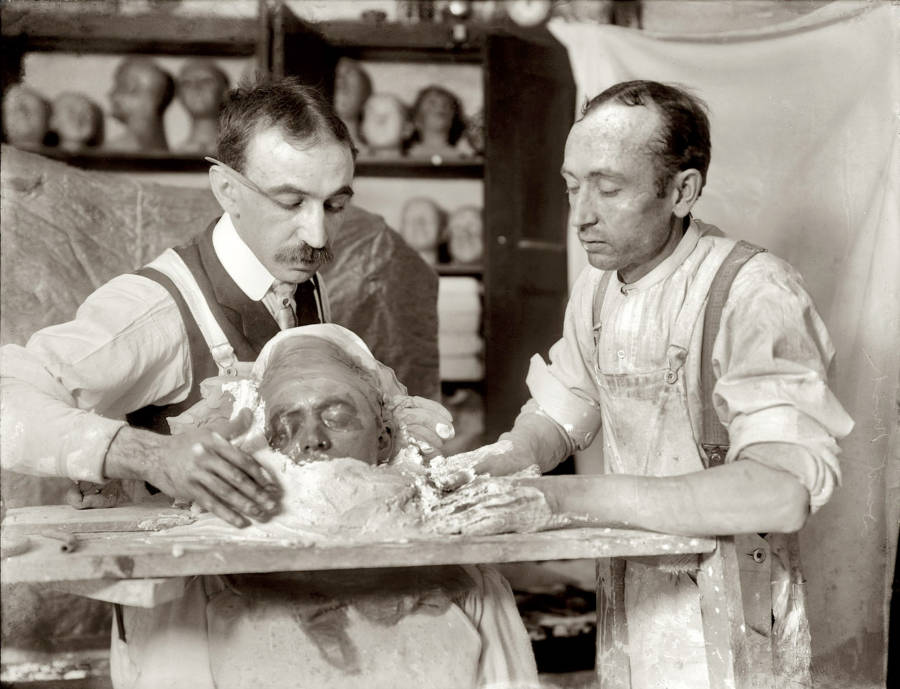
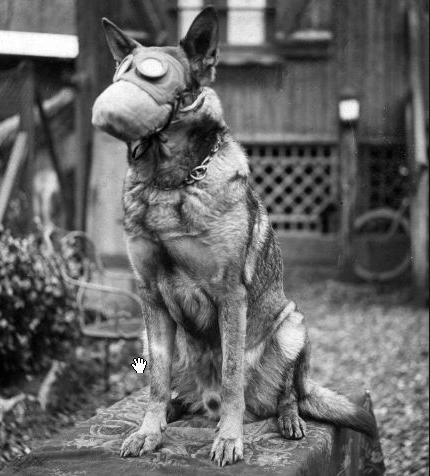
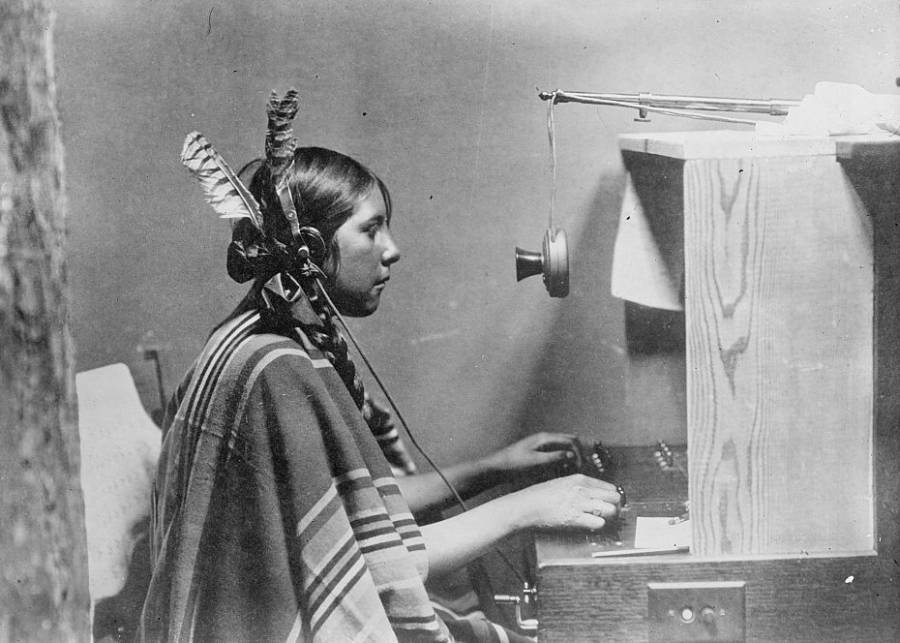
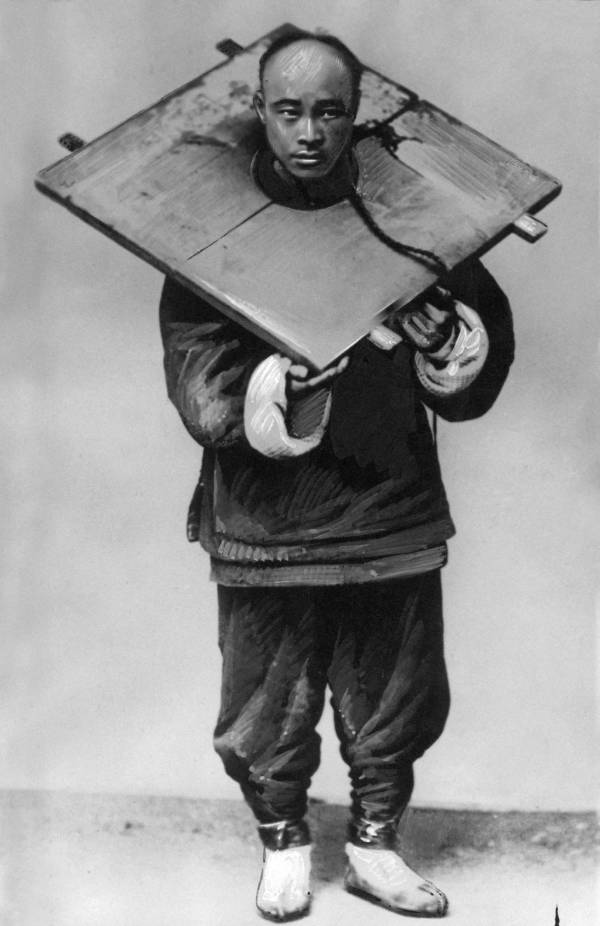
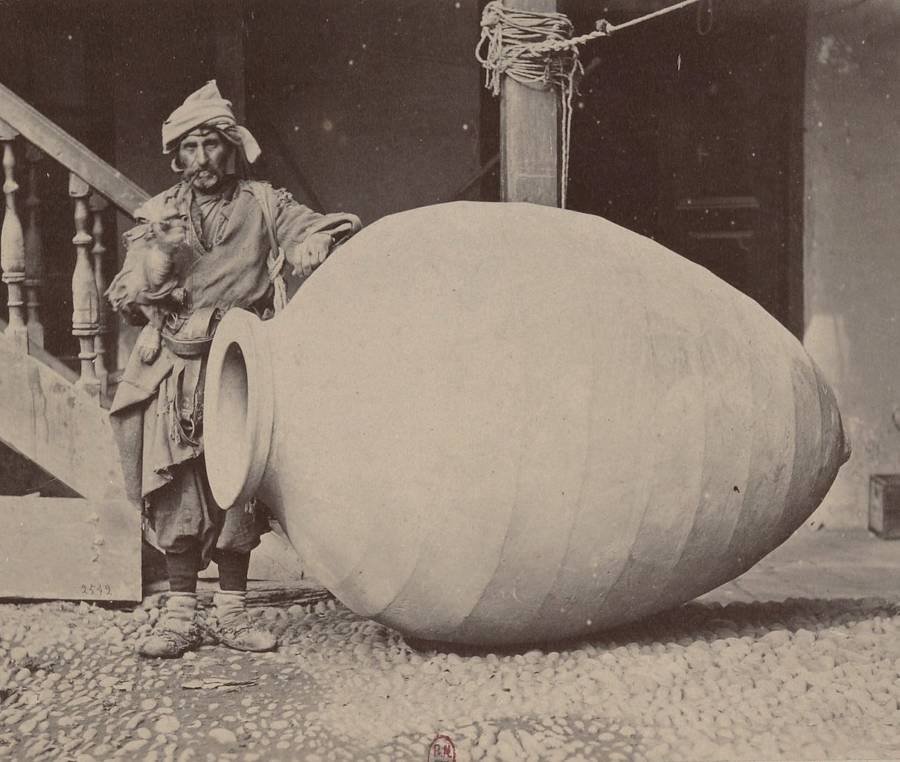
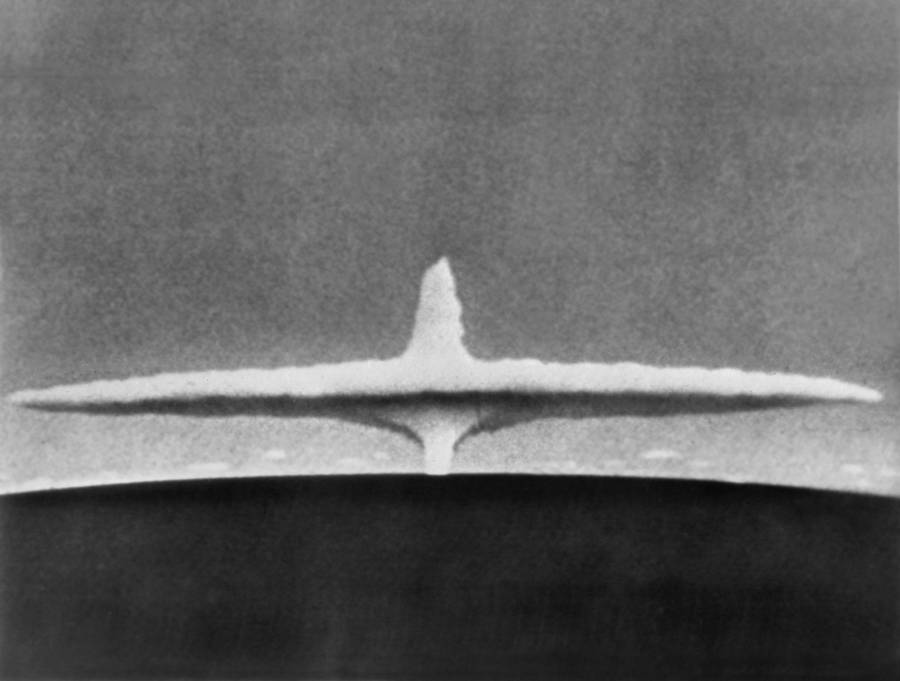
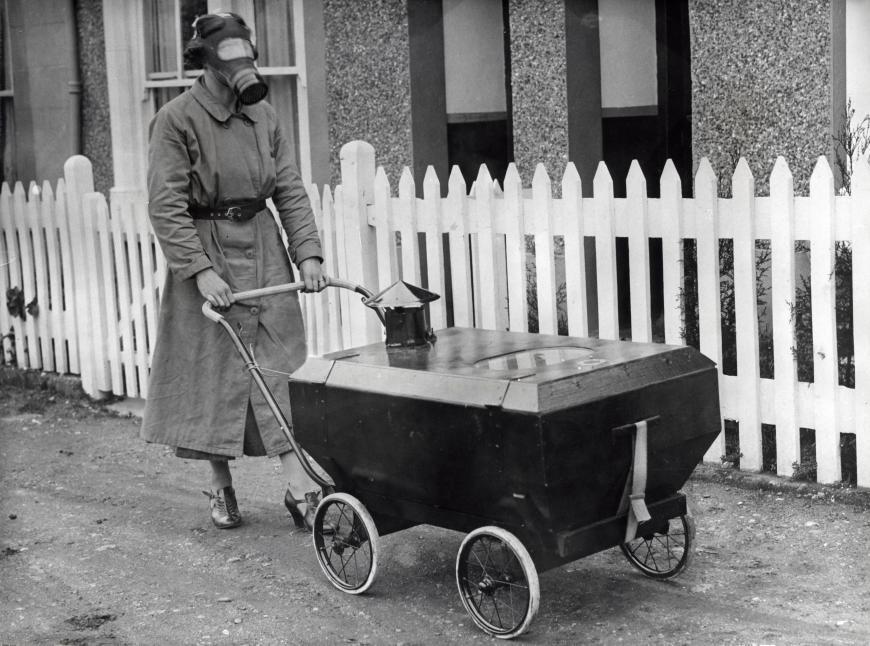
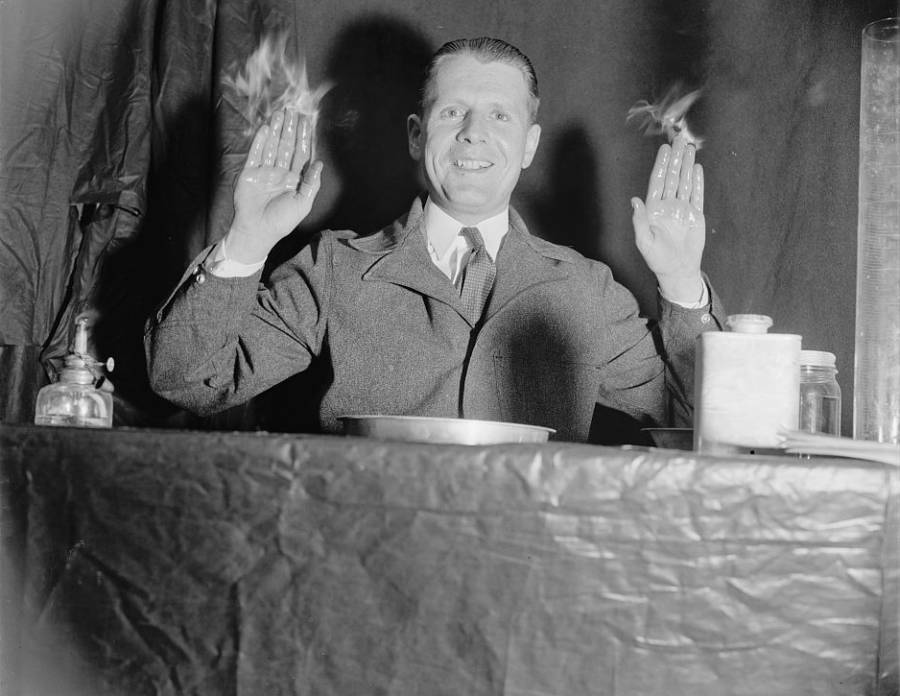
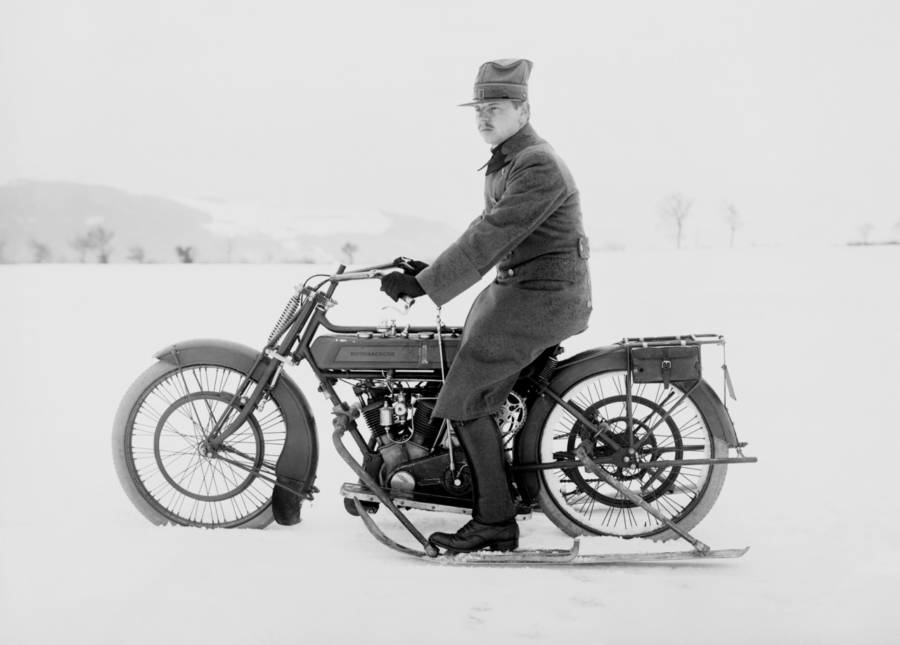
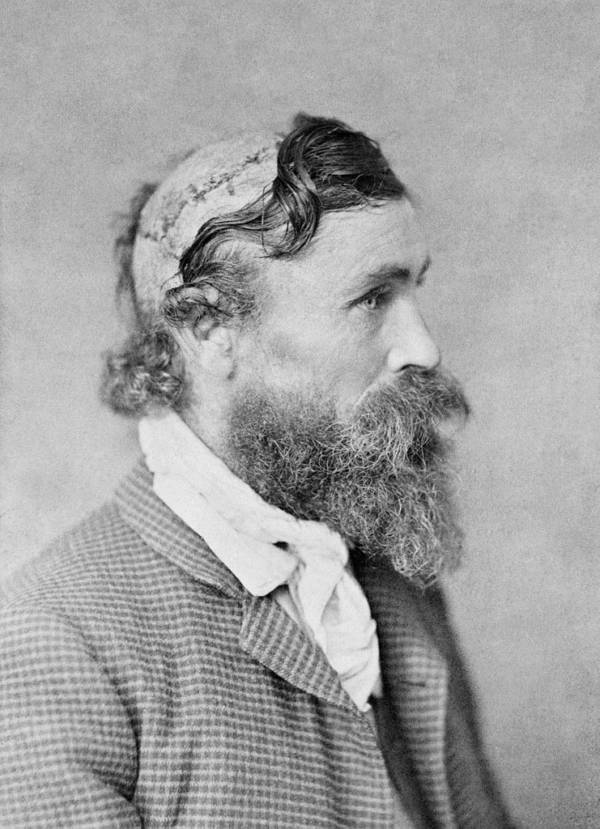
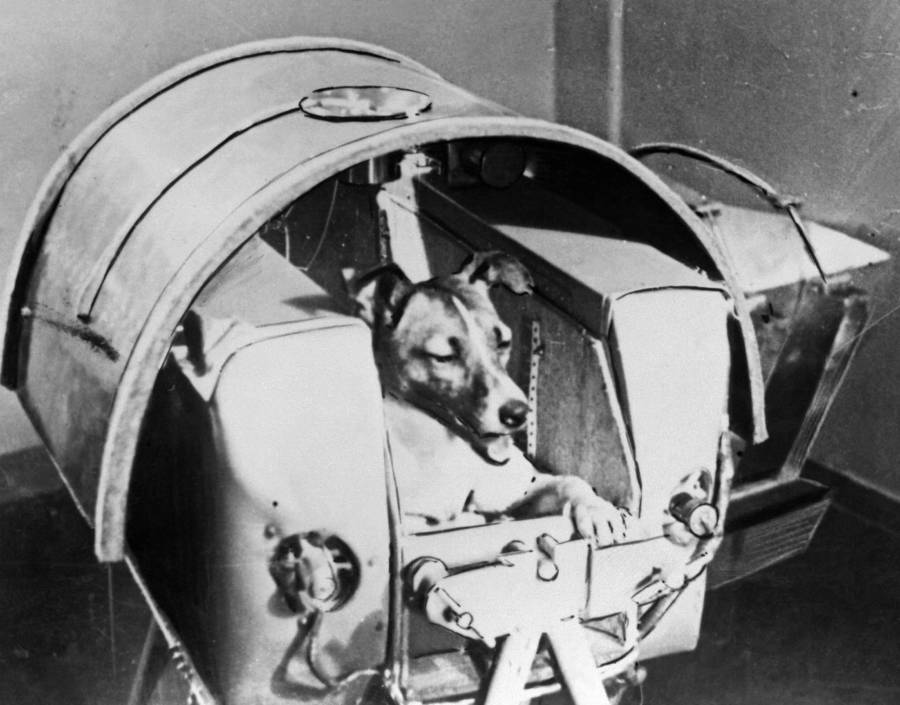
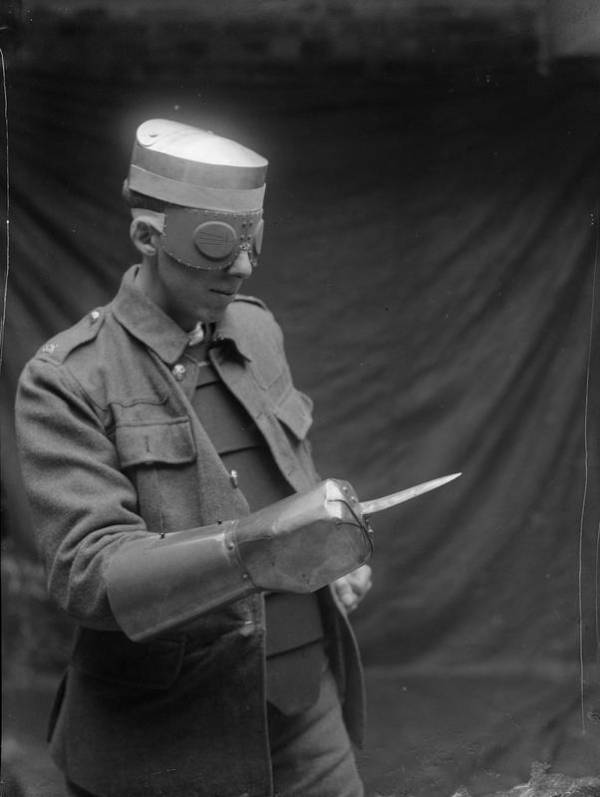
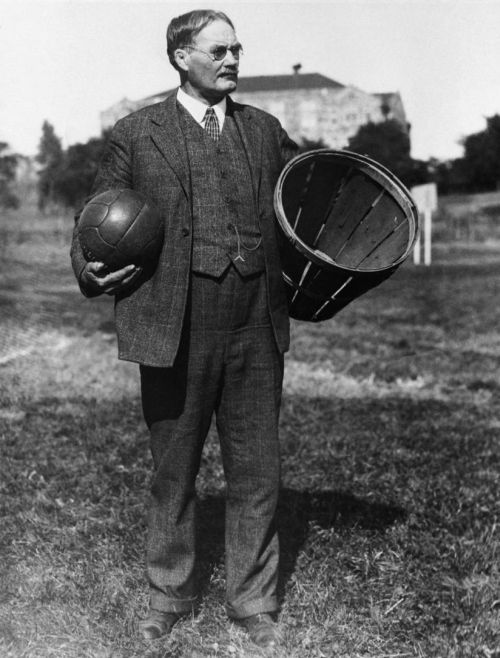
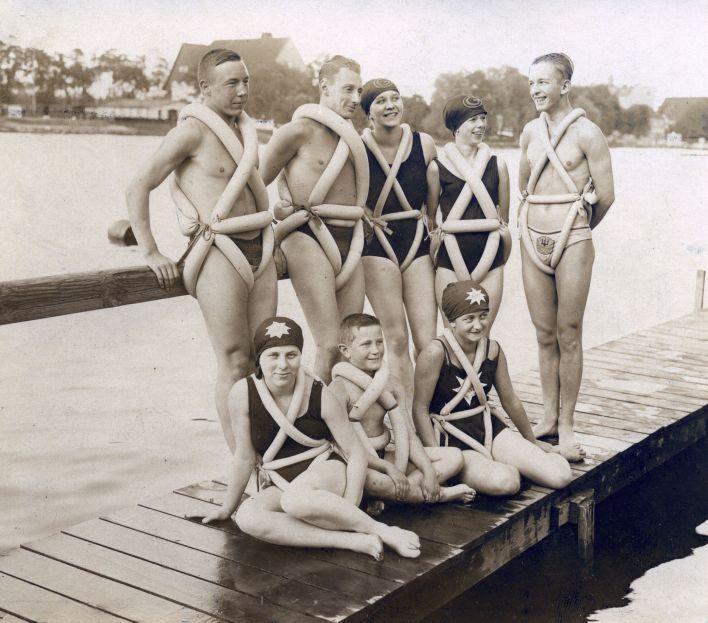
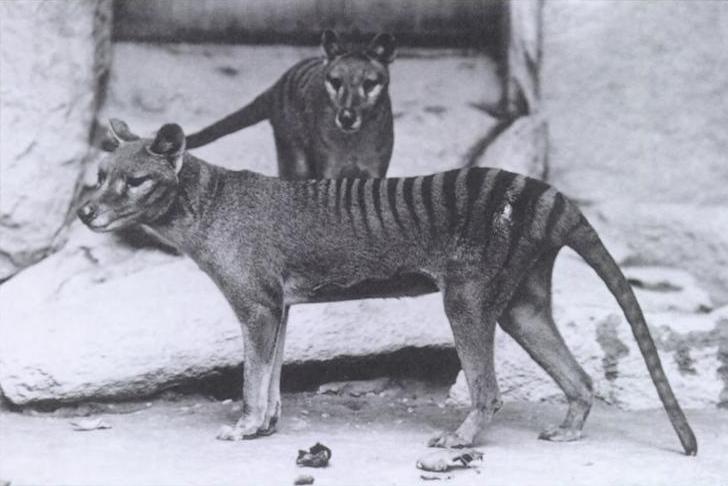
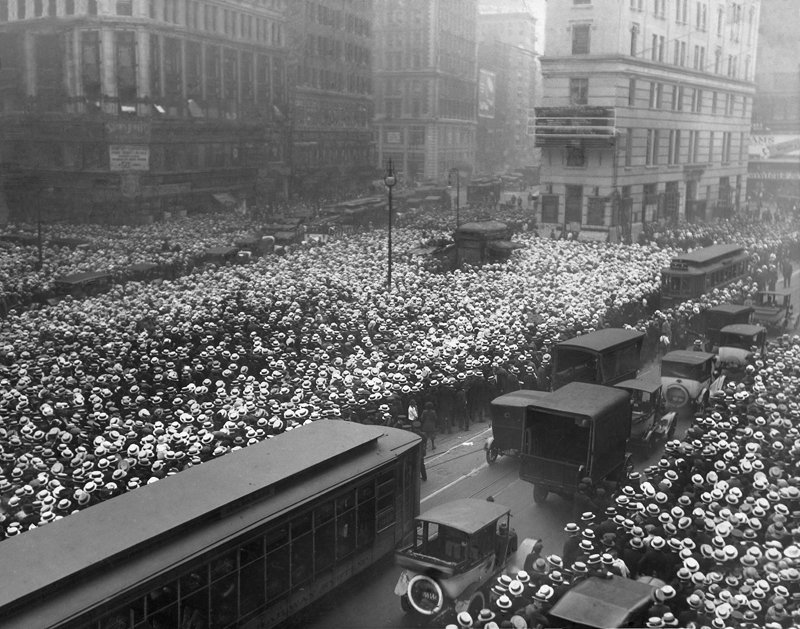
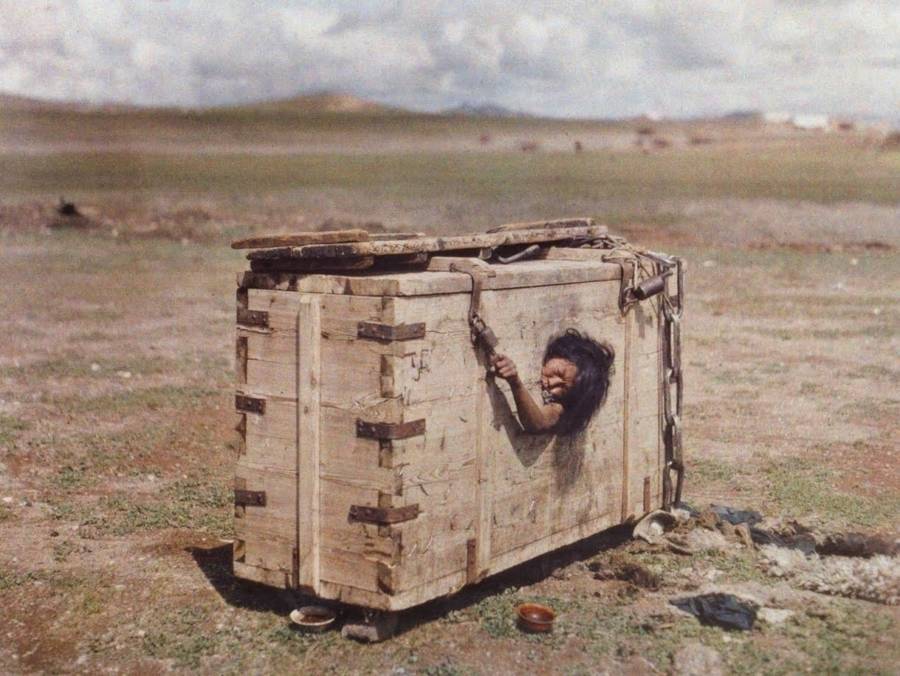
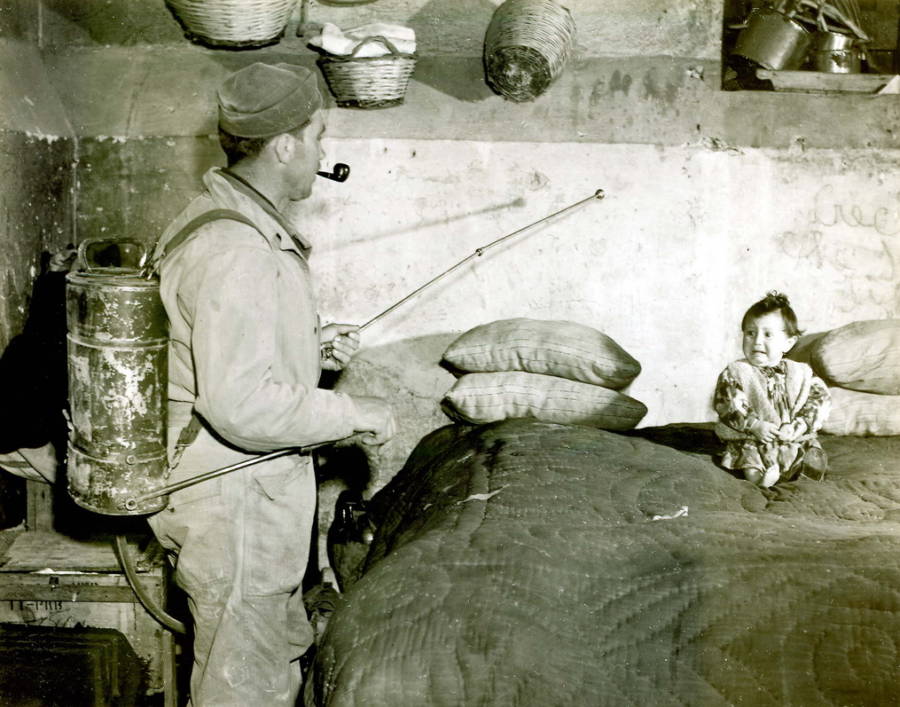
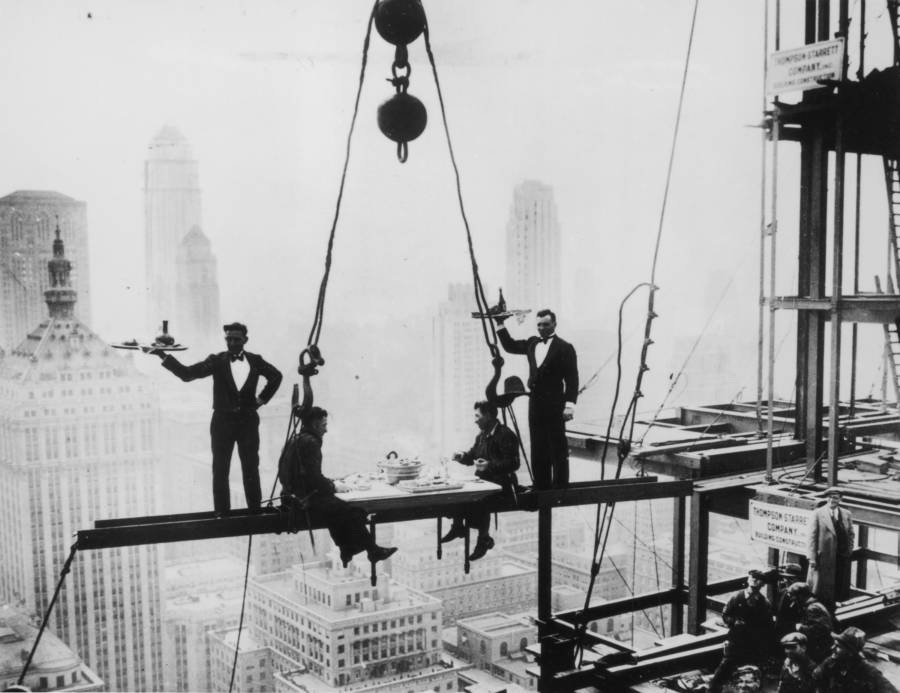
Circa 1920s, a picnic at Los Angeles’ California Alligator Farm, where patrons were allowed to mingle freely among trained alligators from 1907 to 1953.In April 1926, 41 members of the Ku Klux Klan gather at a ferris wheel at Cañon City, Colorado, a stronghold of the group in that era.Members of the Young Pioneers, a Soviet government youth group, don gas masks as part of an attack preparation drill in the Leningrad area, 1937.A 106-year-old woman sits in front of her home guarding it with a rifle, in Degh village, near the city of Goris in southern Armenia. Armed conflicts took place in and around nearby Nagarno-Karabakh, a territory in Azerbaijan also claimed by Armenia.Adolf Hitler poses in lederhosen, circa 1930s. Hitler had this photo and several others banned because, in his opinion, they undermined his dignity. The photos surfaced again after an Allied soldier found copies of them in a German house in 1945.French neurologist Guillaume-Benjamin-Amand Duchenne (right) carries out an experiment in electrophysiology by triggering a subject’s muscles with electrical probes in order to produce a given facial expression, circa mid-19th century.The Cyclomer, an amphibious bicycle that never caught on following its introduction in Paris in 1932.Vehicles and pedestrians stand in chaos in Stockholm, Sweden on September 3, 1967, the day that the country switched from driving on the left side of the road to the right.Spectators watch a horse diving act at an unspecified location (perhaps Pueblo, Colorado) on July 4, 1905. Horse diving was a popular spectacle through much of the 19th century, with horses (with or without a person onboard) would jump from towers into a pool of water from heights as great as 60 feet.President Lyndon B. Johnson drives his Amphicar on April 10, 1965. This amphibious land-to-water vehicle of West German origin was produced for several years during the 1960s.Surrealist artist Salvador Dali poses for the photograph known as Dali Atomicus, a collaboration between himself and American photographer Philippe Halsman that was published in 1948. The photo was meant to explore the idea of suspension, and thus used wires, thrown objects, and Dali’s own jumping to create a tableau of objects in mid-air. It reportedly took 28 tries to get right.Much of Boston’s North End lies in ruin following the Great Molasses Flood of January 15, 1919, in which a molasses storage tank broke apart, releasing as much as 2.3 million gallons into the streets at 35 miles per hour, ultimately killing 21 and injuring 150.Facial cones to protect the user during a snow storm. Montreal, Quebec, 1939.A woman of the Democratic Republic of the Congo’s Mangbetu tribe holds her child, circa 1929-1937. The Mangbetu once practiced Lipombo, a tradition in which a baby’s head was wrapped tightly with a cloth in order to achieve an elongated skull, believed to be a mark of beauty.The German airship Hindenburg, swastikas and all, flies over New York City on the afternoon of May 6, 1937, a few hours before its historic, fiery crash in Manchester Township, New Jersey.Japanese Emperor Hirohito inspects his military’s acoustic aircraft locators — used to detect planes by the sounds of their engines in the days before radar — sometime prior to the end of World War II.A U.S. Navy plane travels through a flow-induced vaporization off the coast of South Korea on July 7, 1999. This phenomenon occurs when planes of a certain shape travel through humid air, causing abrupt air temperature and pressure variations that create the kinds of oddly-shaped vapor clouds seen above.Enos the chimpanzee lies in his fight couch before being inserted into NASA’s Mercury-Atlas 5 space capsule, in which he would become the first primate to orbit the Earth on November 29, 1961.Beach policeman Bill Norton measures the distance between a woman’s knee and the bottom of her swimsuit to be sure that it’s not too large — in keeping with rules of the time — in Washington, D.C., 1922.Cyclists smoke cigarettes while competing in the 1927 Tour de France.Alcohol, discovered by Prohibition agents during a raid on an illegal distillery, pours out of the windows of a storefront in Detroit, 1929.Circa 1917-1918, a man wears the Brewster Body Shield, the first body armor developed by the U.S. during World War I. this chrome nickel steel suit could weigh as much as 40 pounds and indeed stop some bullets.An enormous octopus balloon rises from the ground at the barrage balloon training center of Tennesse’s Camp Tyson, circa World War II. Barrage balloons were used by several countries during both world wars in order to disrupt the attack movements of aerial bombers by ramming into them or obstructing their vision.The as-yet unassembled face of the Statue of Liberty sits unpacked in New York soon after its delivery from France on June 17, 1885.Serbian scientist Nikola Tesla sits near his magnifying transmitter — an advanced version of the famed Tesla coil that he used for the wireless transmission of electrical energy — n his Colorado Springs laboratory, 1899.A pile of American bison skulls sits at an unspecified location, waiting to be ground down into fertilizer, circa mid-1870s.A man holds a Krummlauf, an experimental curved rifle barrel attachment developed by the Nazis during World War II in order to shoot around walls and over barriers. The impractical device was produced in small numbers and never saw much use in the field.A man wears an early version of roller skates powered with pedals and wheels, 1910.English archaeologist Howard Carter first opens the innermost portion of King Tutankhamun’s tomb soon after its discovery near Luxor, Egypt in 1922.A train lays wrecked after entering Paris’ Montparnasse station too fast and failing to break before crashing through the station wall and down onto the street below on October 22, 1895.A train lays wrecked after entering Paris’ Montparnasse station too fast and failing to break before crashing through the station wall and down onto the street below on October 22, 1895.Circa 1865, a boy stands near a pissoir, one of the many outdoor urinals installed on the streets of Paris starting in the mid-19th century. At their peak, Paris’ pissoirs numbered more than 1,000.German-American farmer John Meints displays the ill effects of the attack he suffered on August 19, 1918, when locals took him from his home in Luverne, Minnesota, whipped him, then tarred and feathered him. Meints was attacked amid anti-German sentiment that had taken root during World War I.Inventor Hugo Gernsback models his television goggles for LIFE magazine in 1963.Two men construct a death mask in New York, circa 1908. Death masks — wax or plaster casts made around the recently deceased’s head — were used for various purposes, largely those meant to honor the deceased with a statue or display of some kind.A French Red Cross dog wears a gas mask, 1917.A Native American telephone switchboard operator sits at work at Montana’s Many Glacier Hotel on June 26, 1925.Circa 1930s, a Chinese car driver who was convicted for speeding poses for a photo after being condemned to wear the traditional cangue — a wooden board weighing as much as 30 pounds and used in punishment for centuries throughout east Asia until the 1900s — for 24 hours.A man stands next to an enormous container used to store wine in Kakheti, Georgia, 1881.The first American hydrogen bomb test creates a massive cloud over Eniwetok Atoll, in the Marshall Islands on October 31, 1952.A woman tests a stroller intended to be resistant to gas attacks in Hextable, England in 1938, not long before the outbreak of World War II.On November 10, 1938, Maryland inventor George Stern displays his invention, a highly volatile fluid that vaporizes so rapidly that flames from the gases released will not burn. However, Stern stated that the formula’s only practical use would be in creating strange effects for horror films.A man poses with a motorcycle equipped with skis in order to travel through the snow in Kehrsatz, Switzerland during World War I.Circa 1890, a man named Robert McGee, reportedly scalped by a Sioux chief named Little Turtle — reveals his wounds.A dog named Laika, the first living creature ever sent into space, sits aboard the Soviet Sputnik II spacecraft, launched from Kazakhstan on November 3, 1957.A man demonstrates a steel cap, splinter goggles (vision is obtained through thin slits in goggles), and a steel dagger gauntlet, manufactured for the British military during World War I.James Naismith, the inventor of basketball, holds an early ball and basket used for the game at an unspecified date sometime prior to 1939.German youths wear bike tires repurposed as swimming aids, 1925.A pair of thylacines stand in their enclosure at the National Zoo in Washington, D.C., circa 1904. Commonly known as the Tasmanian tiger, this wolf-like marsupial inhabited Australia, Tasmania, and New Guinea for millions of years until several factors included mass hunting brought it to extinction in 1936.In July 1921, a crowd reportedly consisting of approximately 10,000 men gather outside the New York Times building in New York’s Times Square in order to receive updates on the boxing match between Jack Dempsey and Georges Carpentier.A Mongolian woman sits trapped inside a wooden box as a form of punishment, 1913.A soldier sprays the interior of an Italian house with a mixture of DDT and kerosene in order to control malaria during World War II, circa 1945.Waiters serve lunch to two steel workers on a girder high above New York City on November 14, 1930, during construction of the famed Waldorf-Astoria Hotel.
Discover more from Yesterday Today
Subscribe to get the latest posts sent to your email.