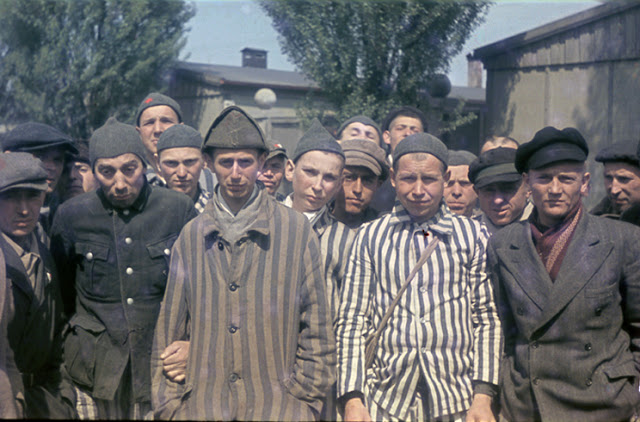
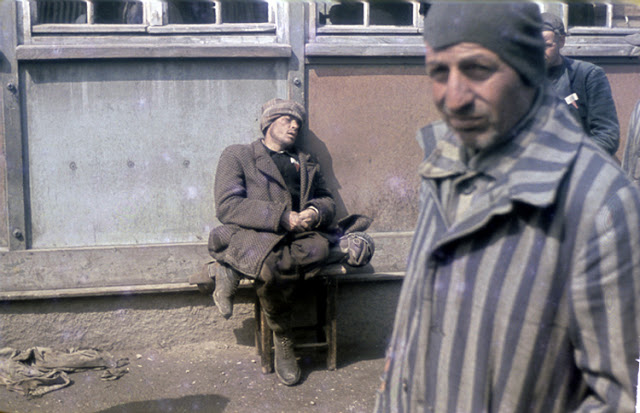
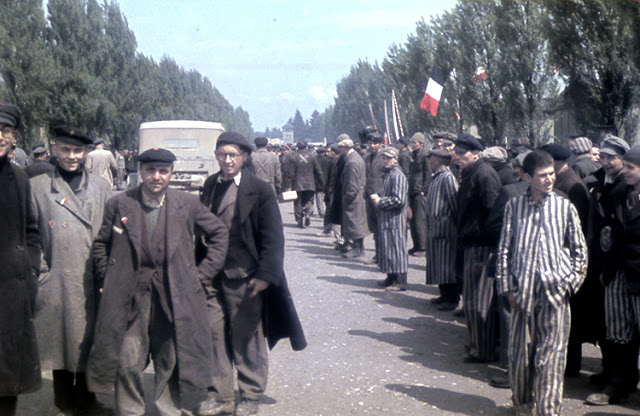
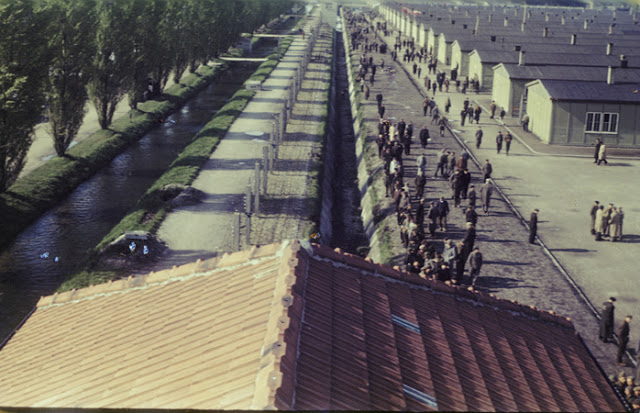
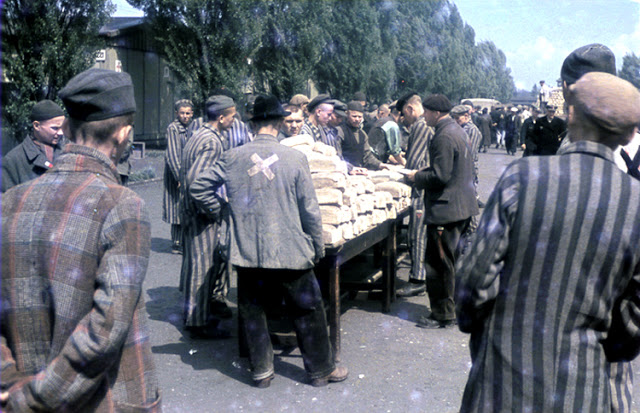
From 1933 to 1945, Nazi Germany operated more than a thousand concentration camps on its own territory and in parts of German-occupied Europe.
The first camps were established in March 1933 immediately after Adolf Hitler became Chancellor of Germany. Following the 1934 purge of the SA, the concentration camps were run exclusively by the SS via the Concentration Camps Inspectorate and later the SS Main Economic and Administrative Office. Initially, most prisoners were members of the Communist Party of Germany, but as time went on different groups were arrested, including “habitual criminals”, “asocials”, and Jews. After the beginning of World War II, people from German-occupied Europe were imprisoned in the concentration camps. Following Allied military victories, the camps were gradually liberated in 1944 and 1945, although hundreds of thousands of prisoners died in the death marches.
More than 1,000 concentration camps (including subcamps) were established during the history of Nazi Germany and around 1.65 million people were registered prisoners in the camps at one point. Around a million died during their imprisonment. Many of the former camps have been turned into museums commemorating the victims of the Nazi regime. (Wikipedia)





Discover more from Yesterday Today
Subscribe to get the latest posts sent to your email.
