Subscribe to get access
Read more of this content when you subscribe today.
A native of Boston, Carl Mydans (1907–2004) was born into a family of second-generation Russian immigrants. He studied journalism at Boston University, where he first learned how to take and develop photographs. After he graduated in 1930, he found work as a reporter for American Banker, but eventually bought a 35-millimeter Contax camera. The Contax was small, and enabled its carrier to easily roam about and take photos with a minimum of advance preparation. He quickly mastered the camera, and began to sell his work to Time and other magazines.
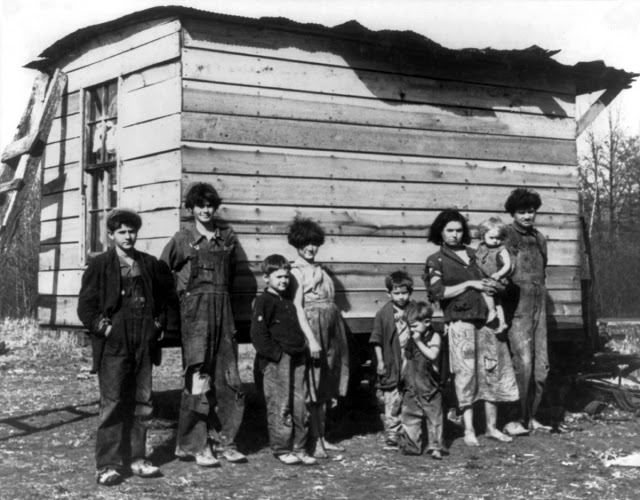
In 1935, Mydans was hired as a photographer with a U.S. federal agency called the Resettlement Administration, which later became the Farm Security Administration. He traveled throughout New England and the South, documenting the failed end of a rural-based economy, and gained a reputation for his images of bedraggled Arkansas farmers and their families. It was the Great Depression, and the poorest of America’s poor were devastated by the economic downturn.
These pictures, of a Tennessee family of nine living in a hut built on an abandoned truck chassis, portray the misery of the times as starkly as any photographs by his more celebrated contemporaries in the FSA.


Subscribe to continue reading
Become a paid subscriber to get access to the rest of this post and other exclusive content.
