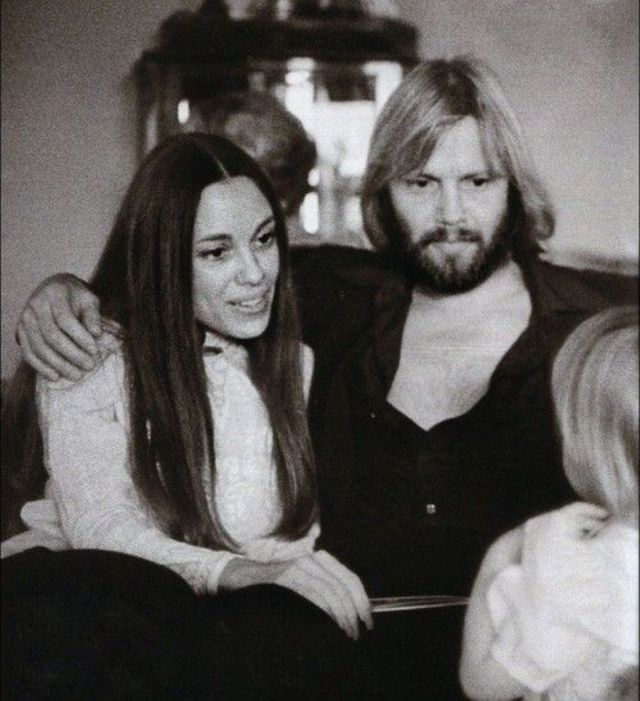
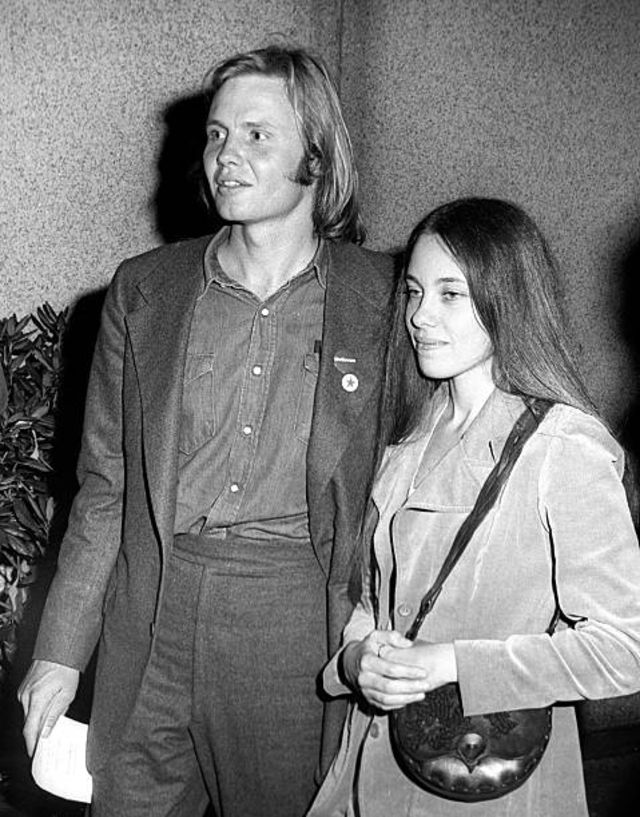
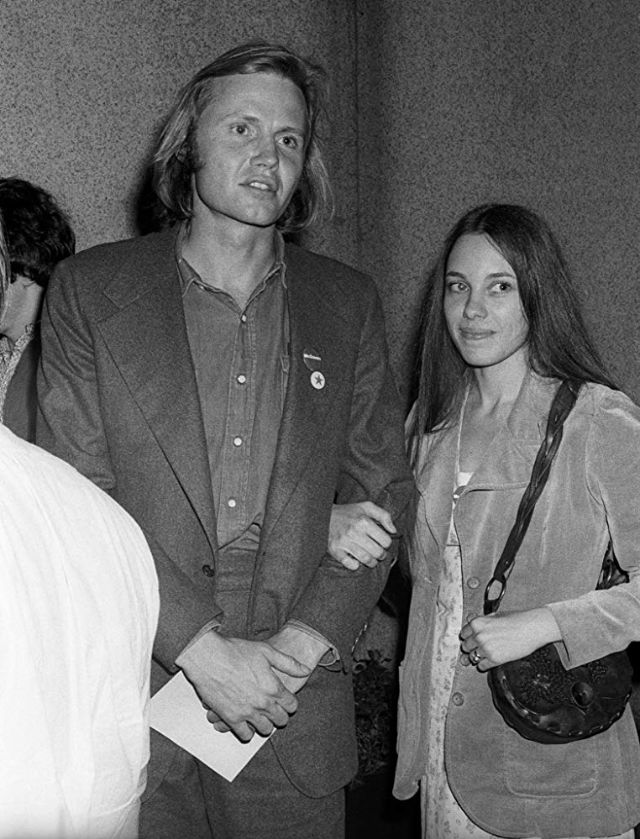
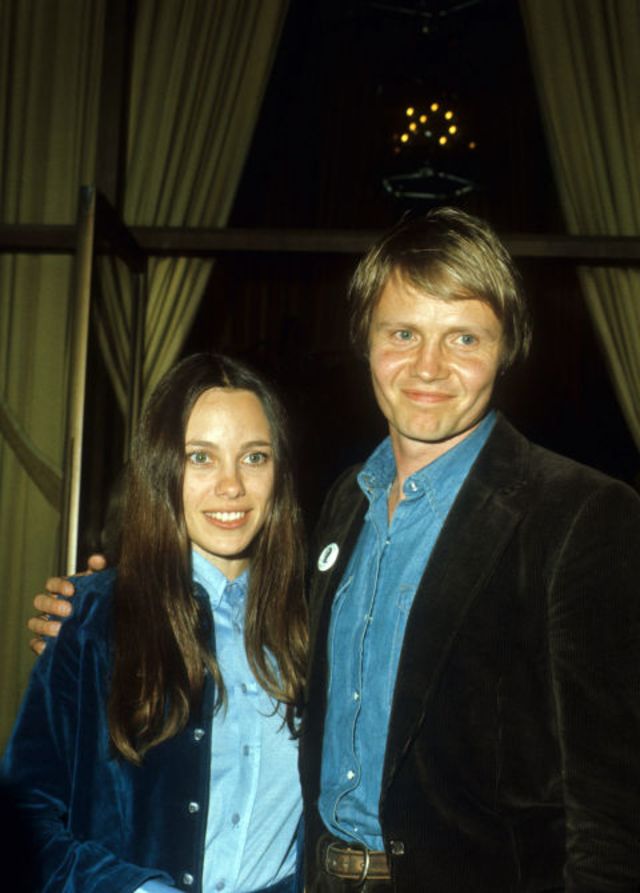
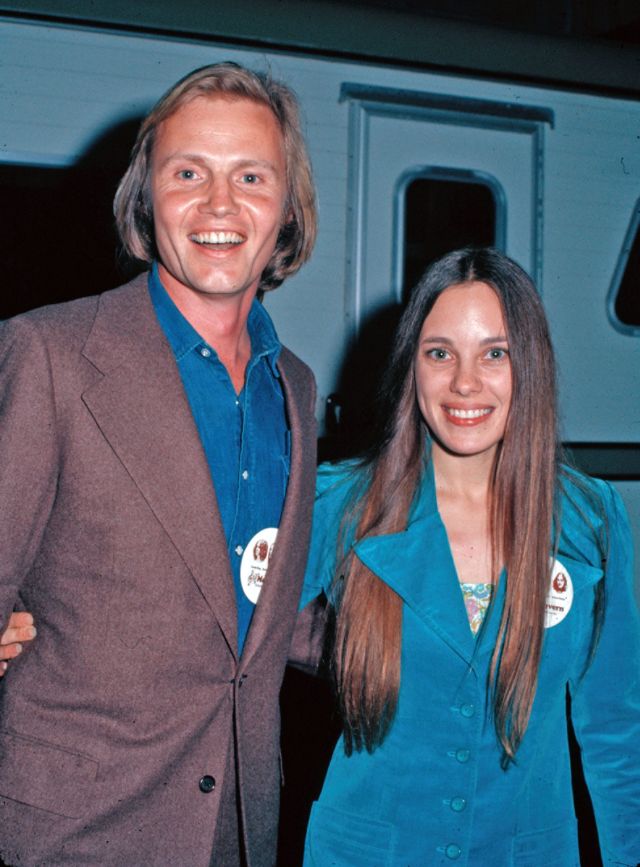
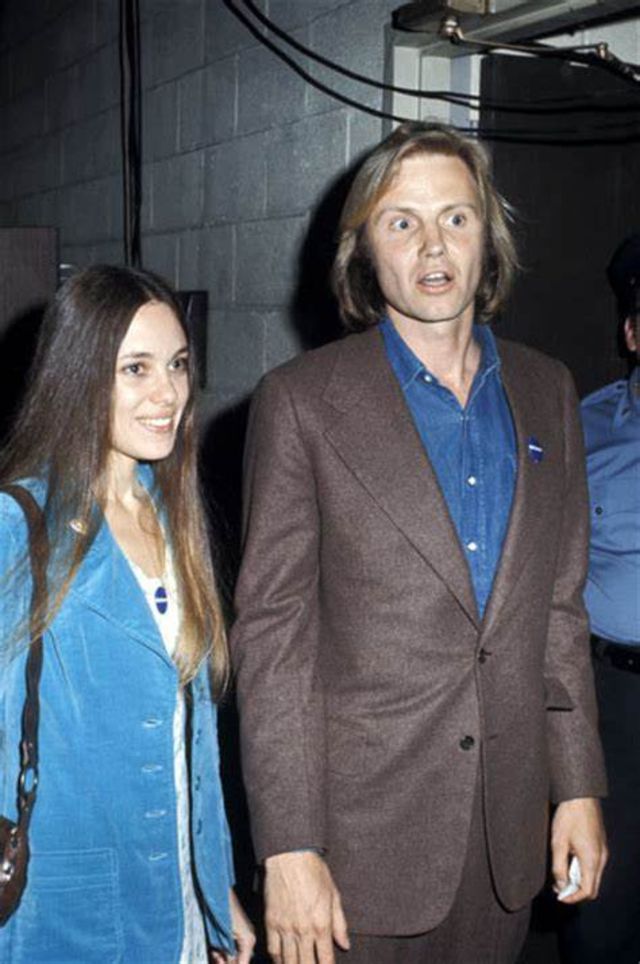
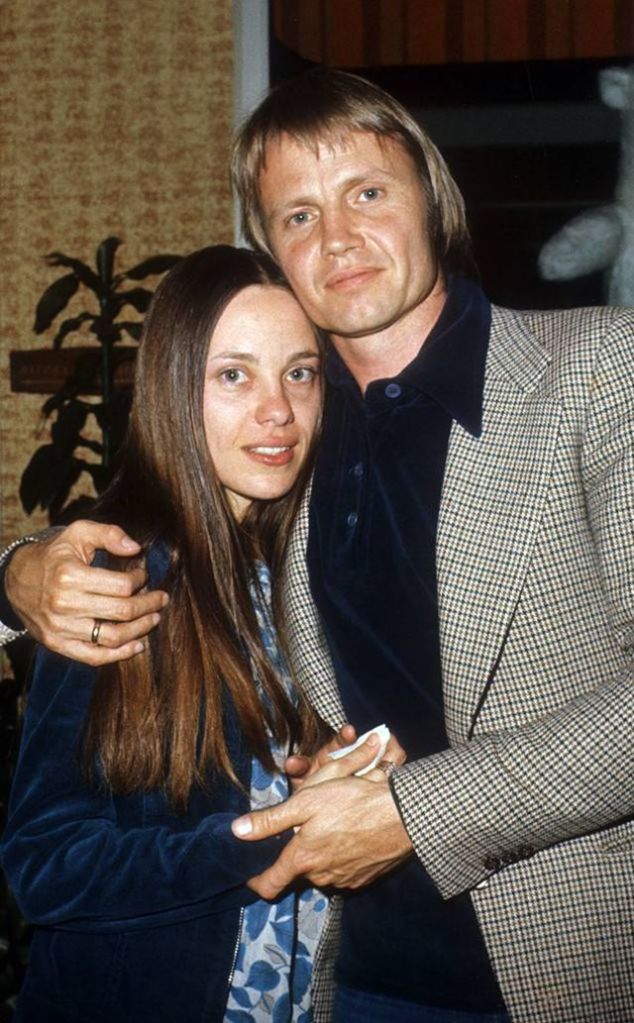
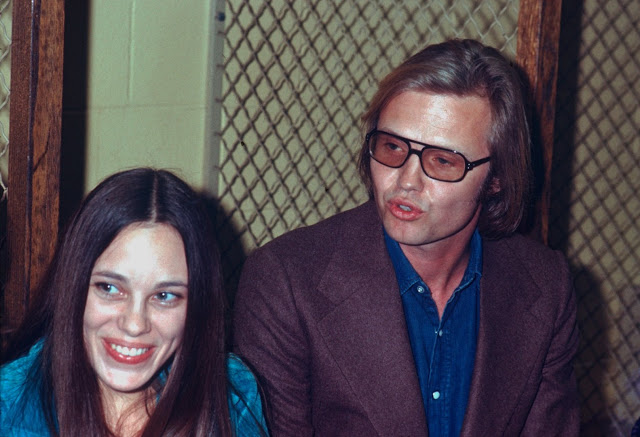
The love in the 1970s was pretty impressive. Every person in the ’70s wanted to be an actor and also wanted a beautiful girl in their life. Well, Jon Voight lived it all. He is an Academy Award-winning actor. He is also the father of the beautiful actress Angelina Jolie. He has been married a couple of times in his life.
Jon Voight was married to actress Marcheline Bertrand. They got married on December 12, 1971. The couple went through a miscarriage in 1972. However, they had two children later on. One of the two children were James Haven. He is also an actor who was born on 11th May 1973.
Jon and Marcheline had another child, a daughter. Her name is Angelina Jolie. She was born on 4th June 1975. She is also an actress and a humanitarian. She has received an Academy Award, Two Screen Actors Guild Awards, and three Golden Globe Awards. She has worked in many blockbuster movies. She recently got divorced from Brad Pitt.
Jon and Marcheline sadly separated from each other in 1976. They filed for the divorce in 1978 and finally got divorced in 1980. Jon was estranged from his children for several years, but they reconciled in 2007 after Marcheline died of breast cancer on 27th January 2007.
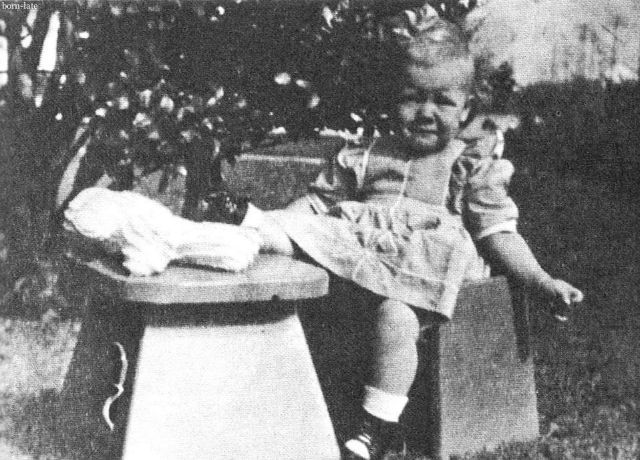
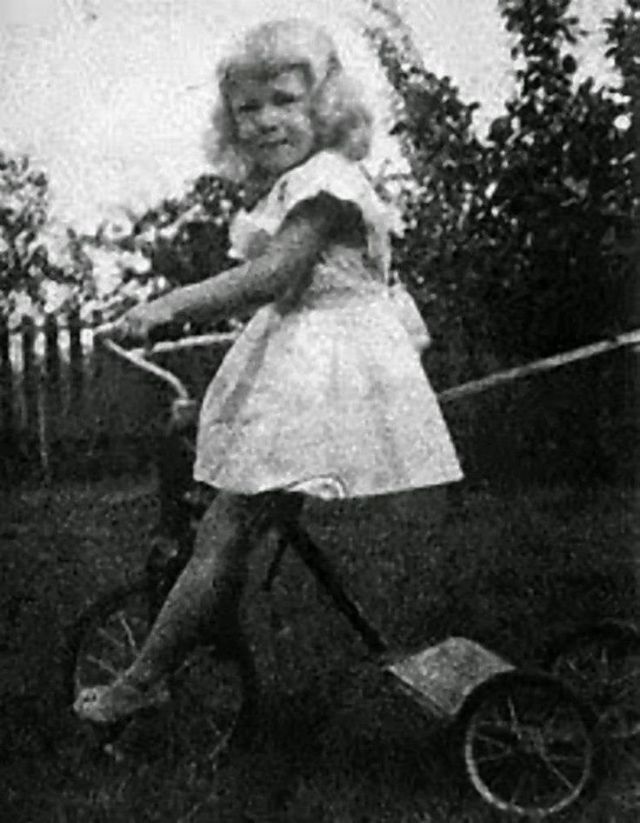
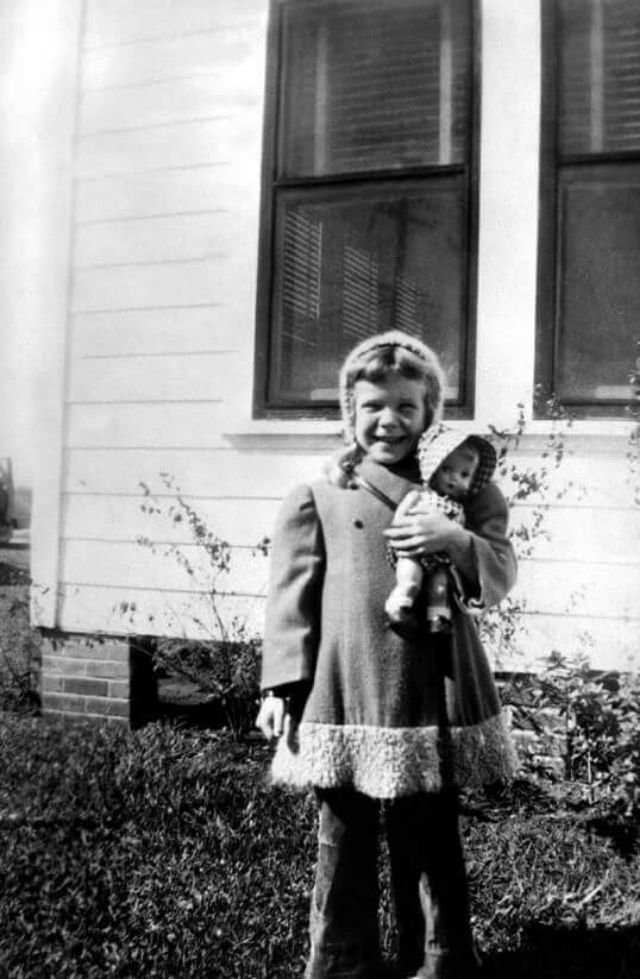
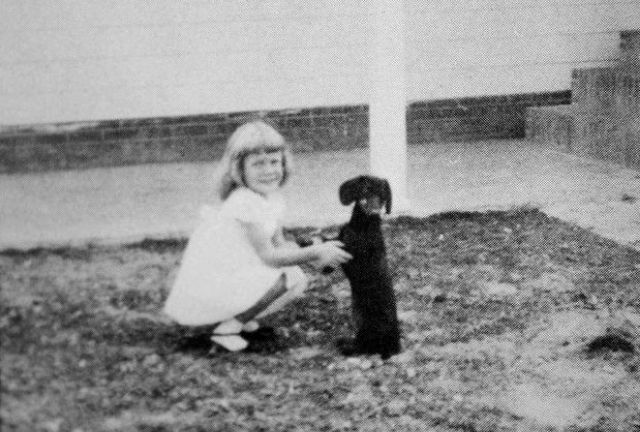
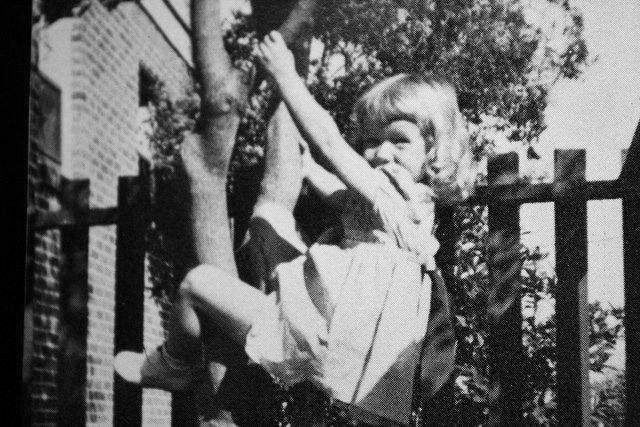
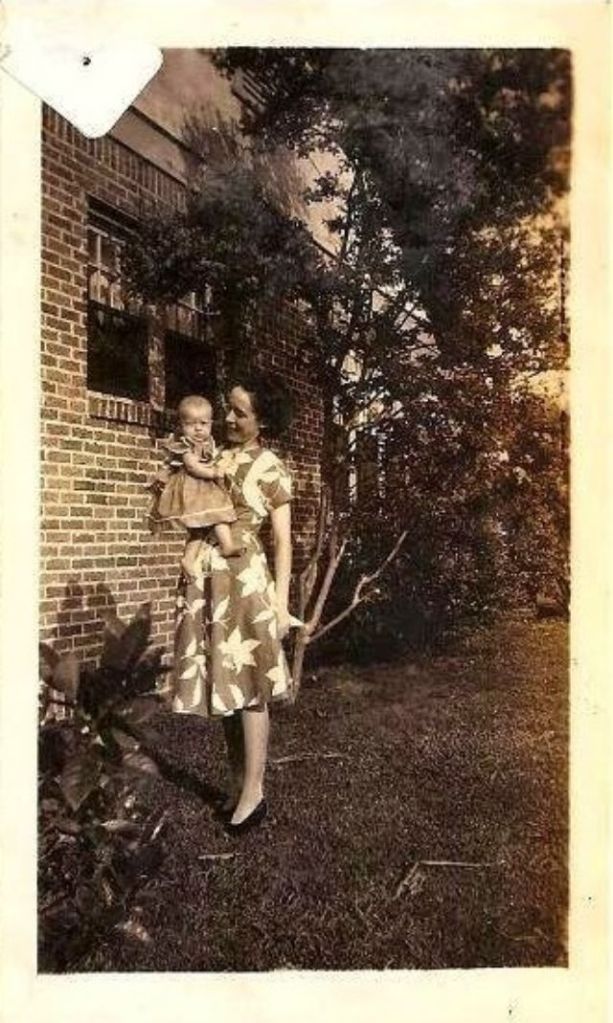
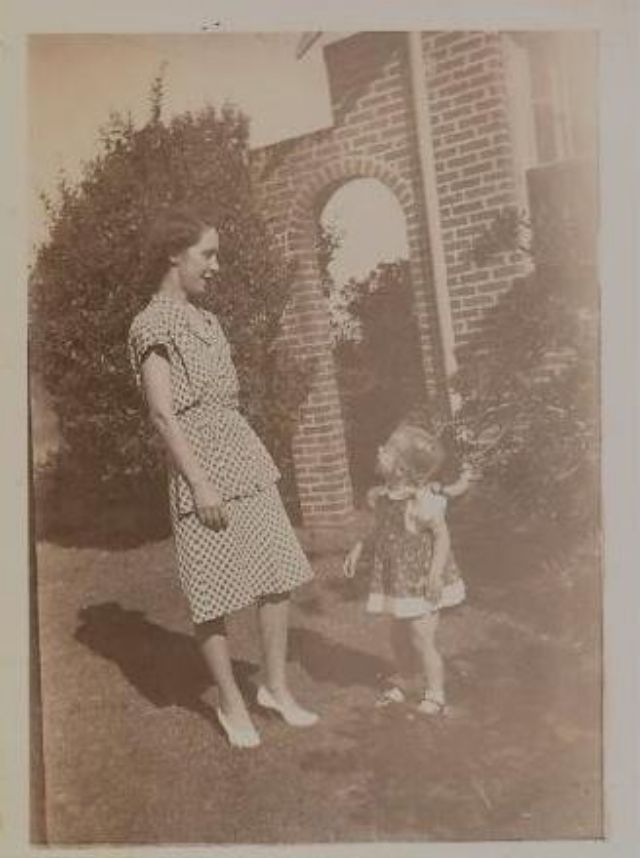
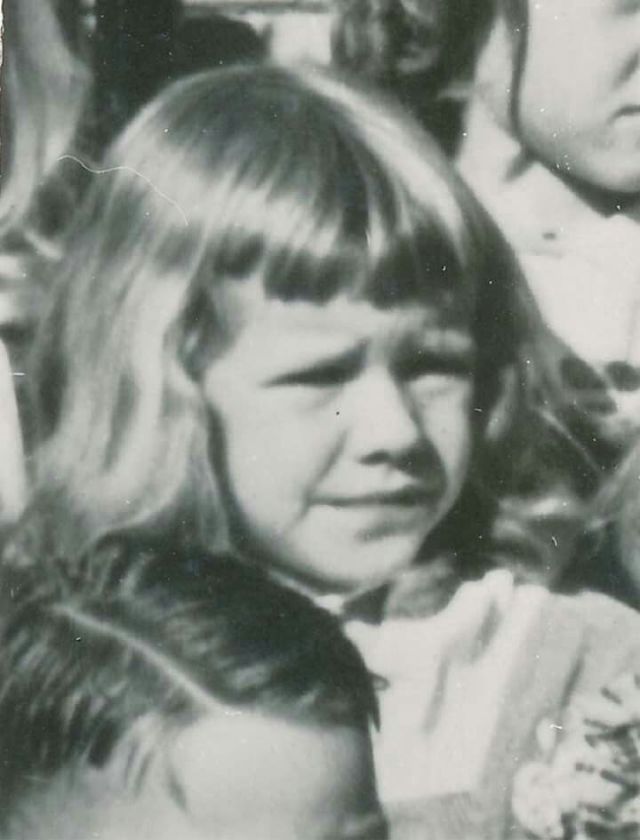
Below are some of vintage photographs of the couple during the 1970s.
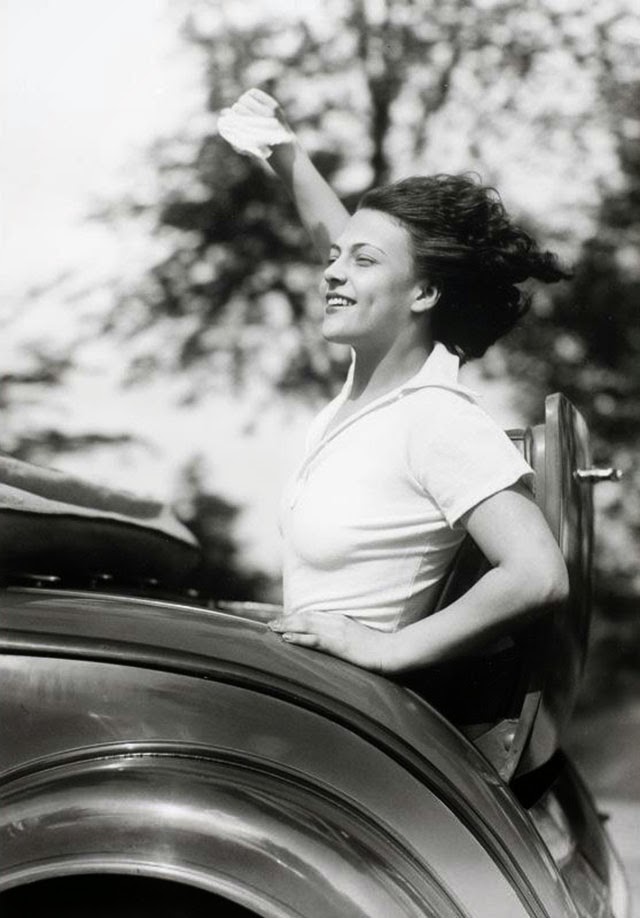
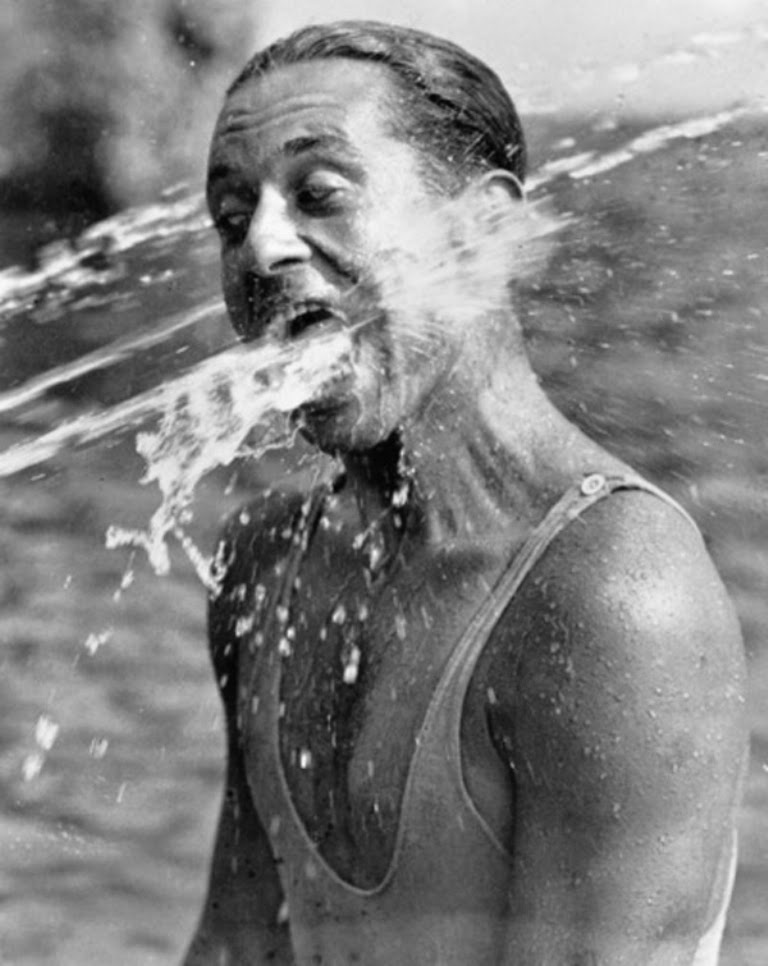
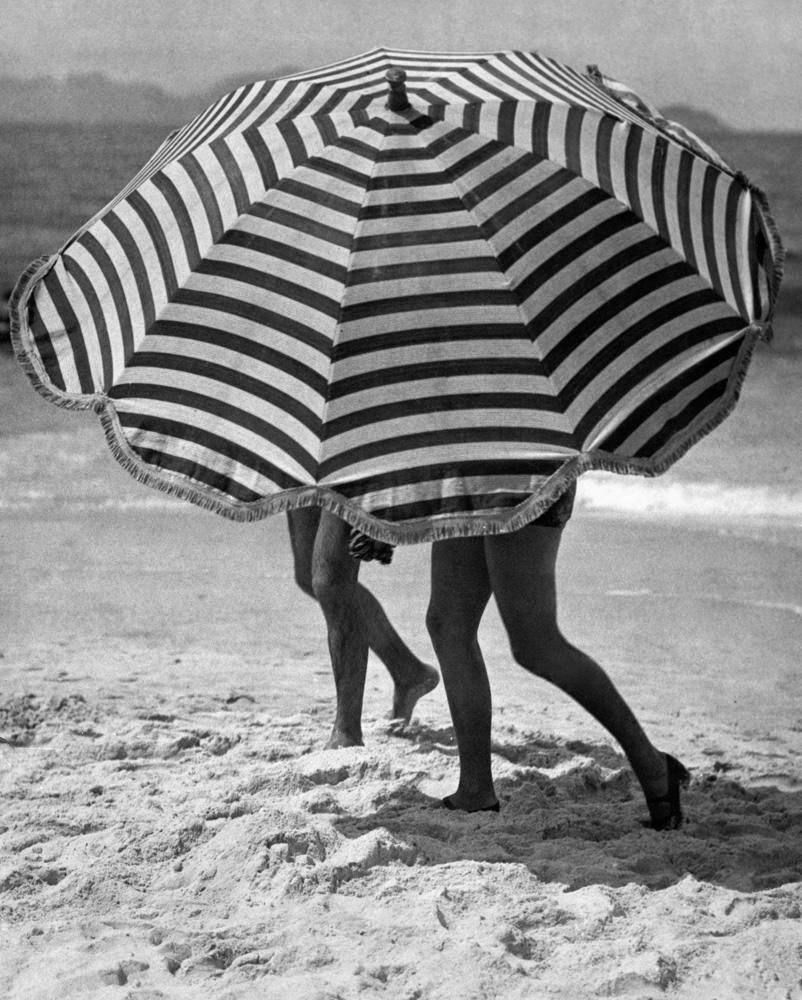
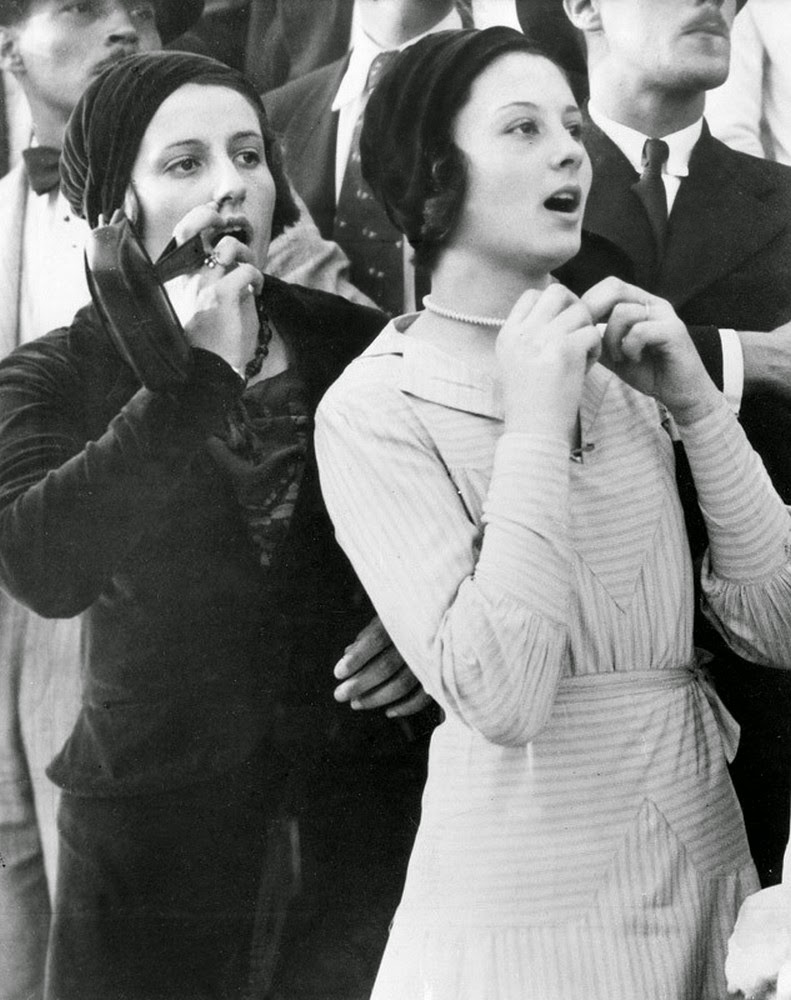
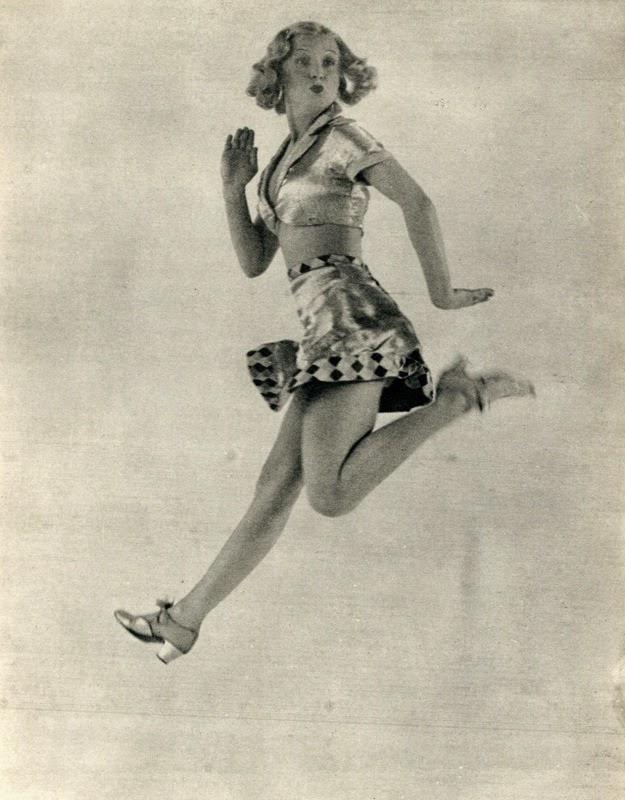
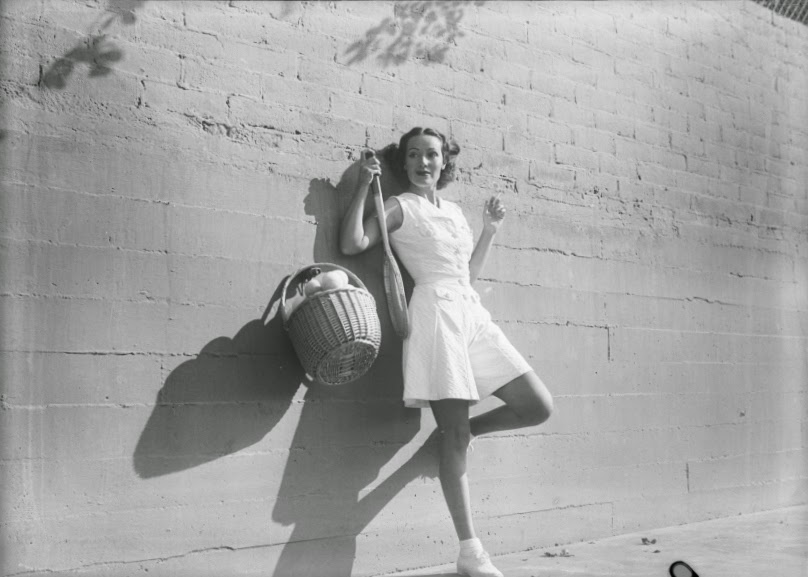
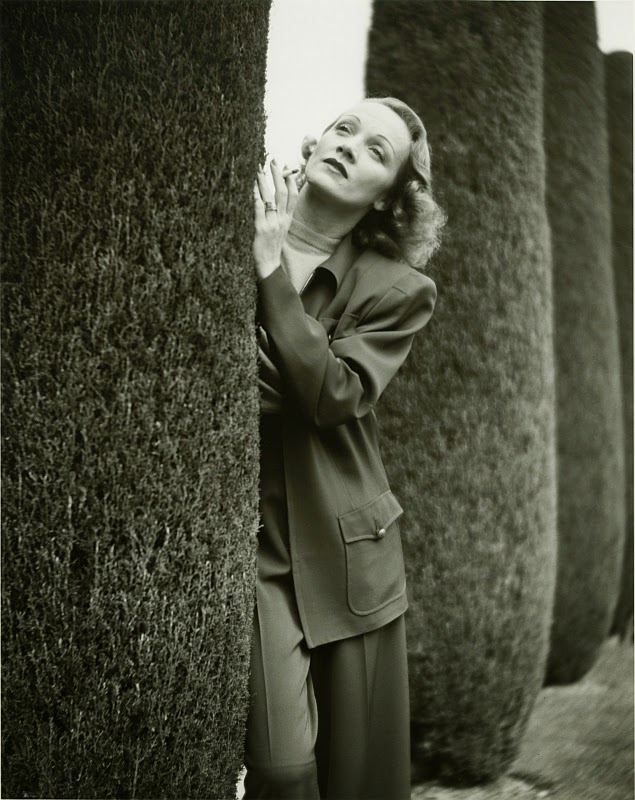
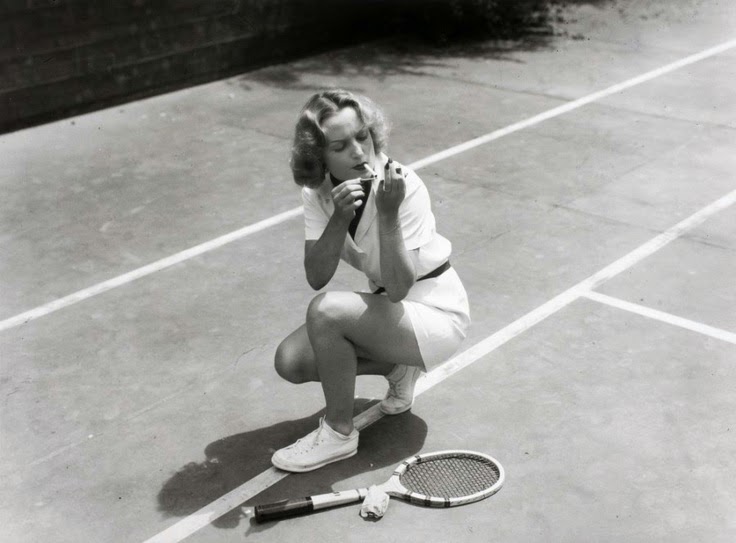
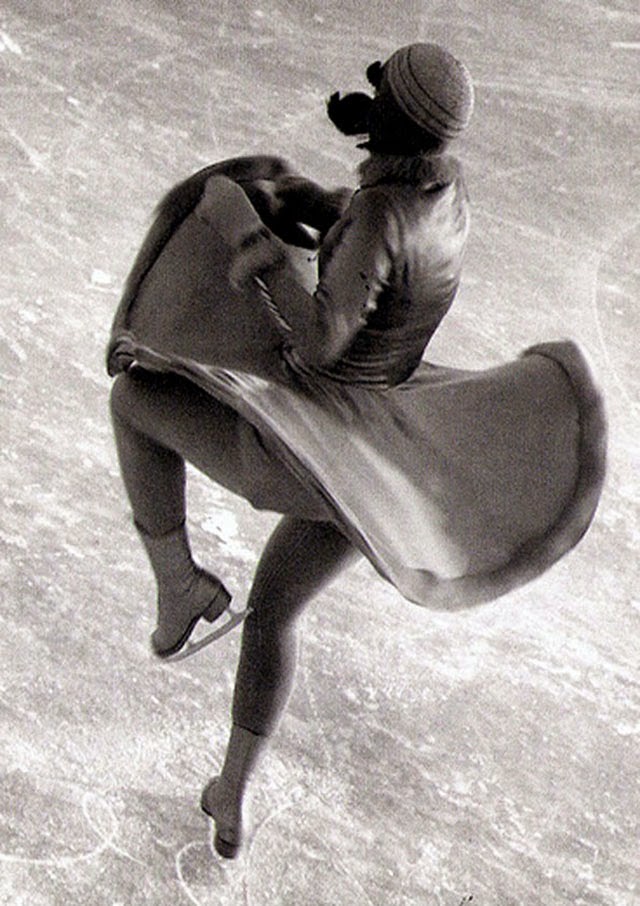
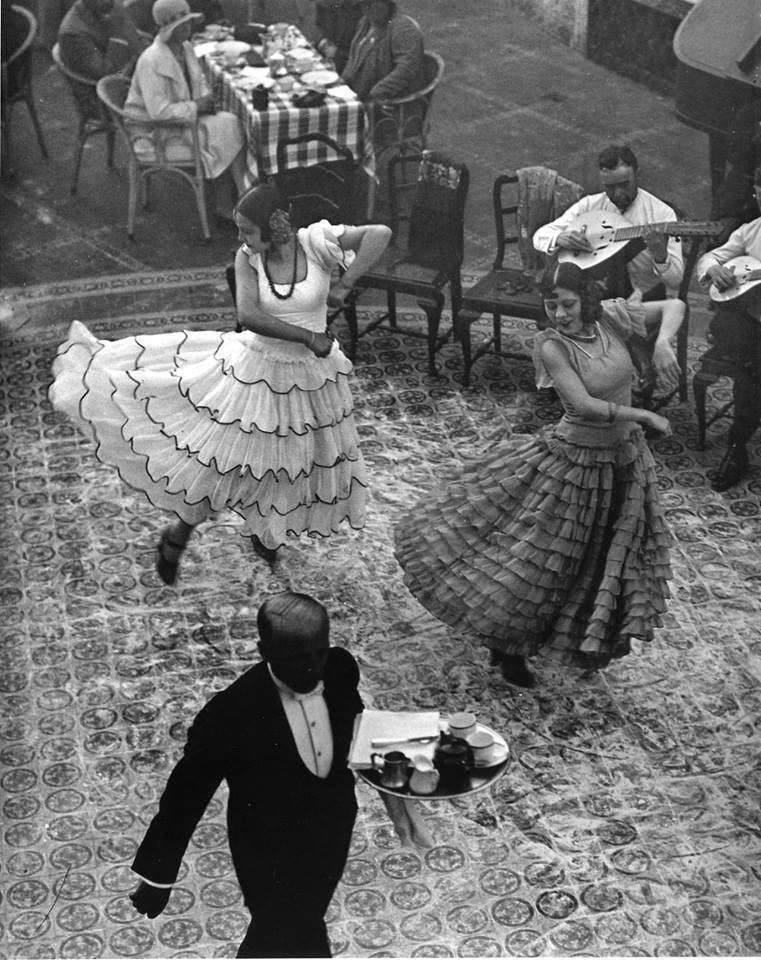
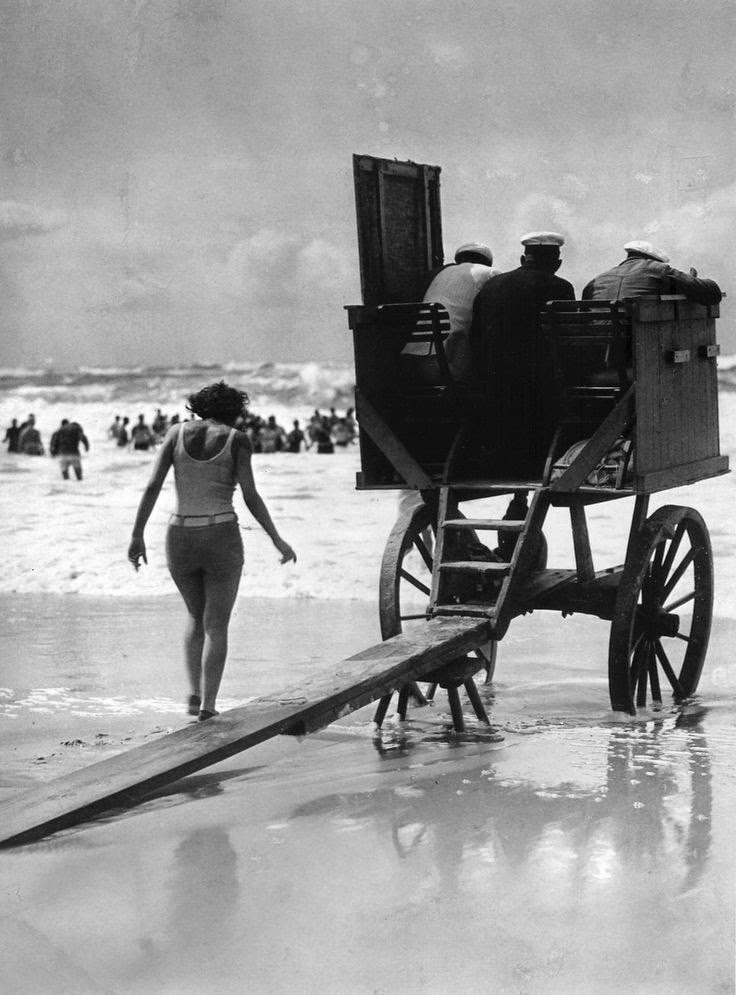
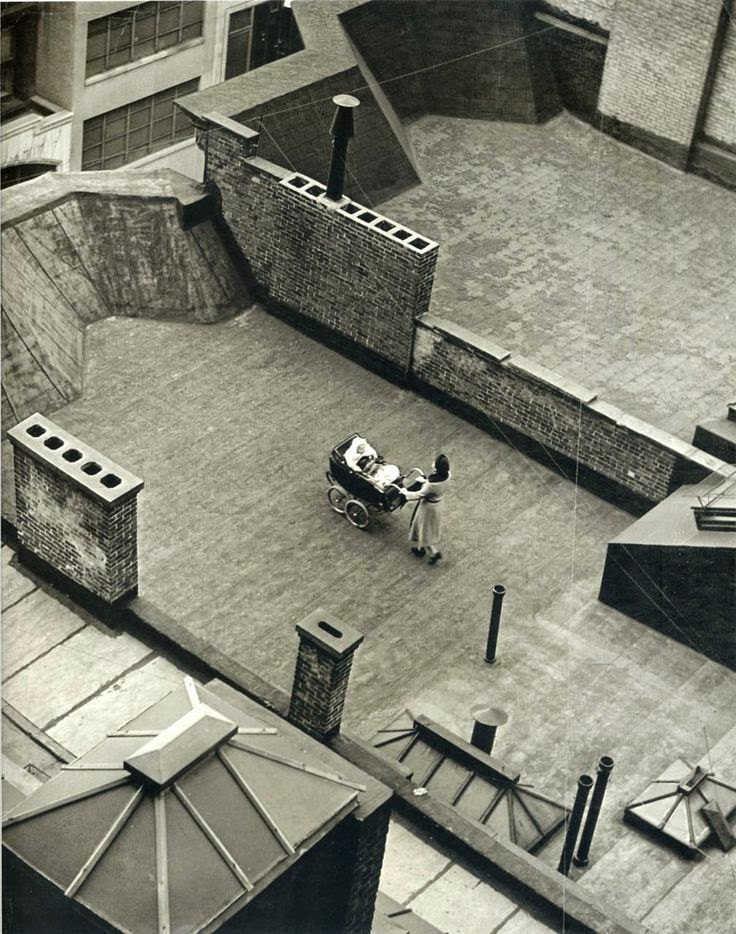
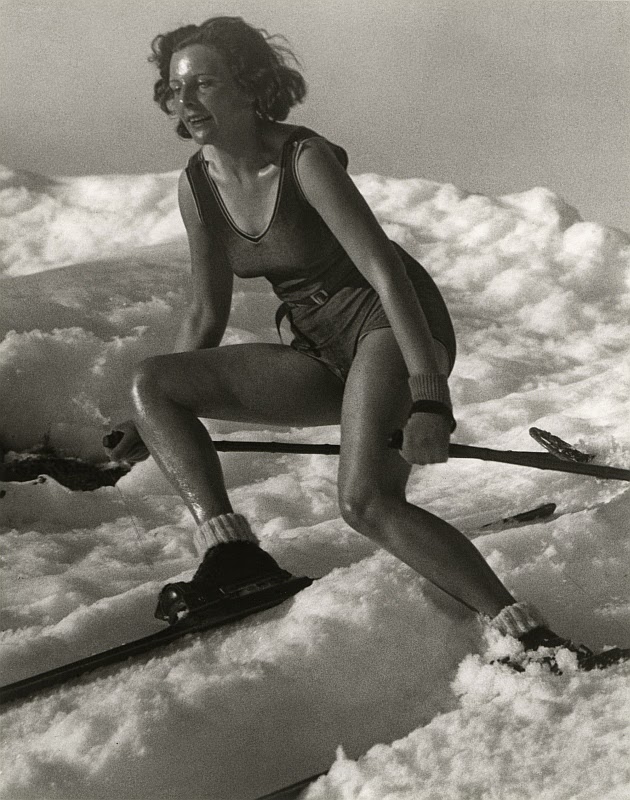
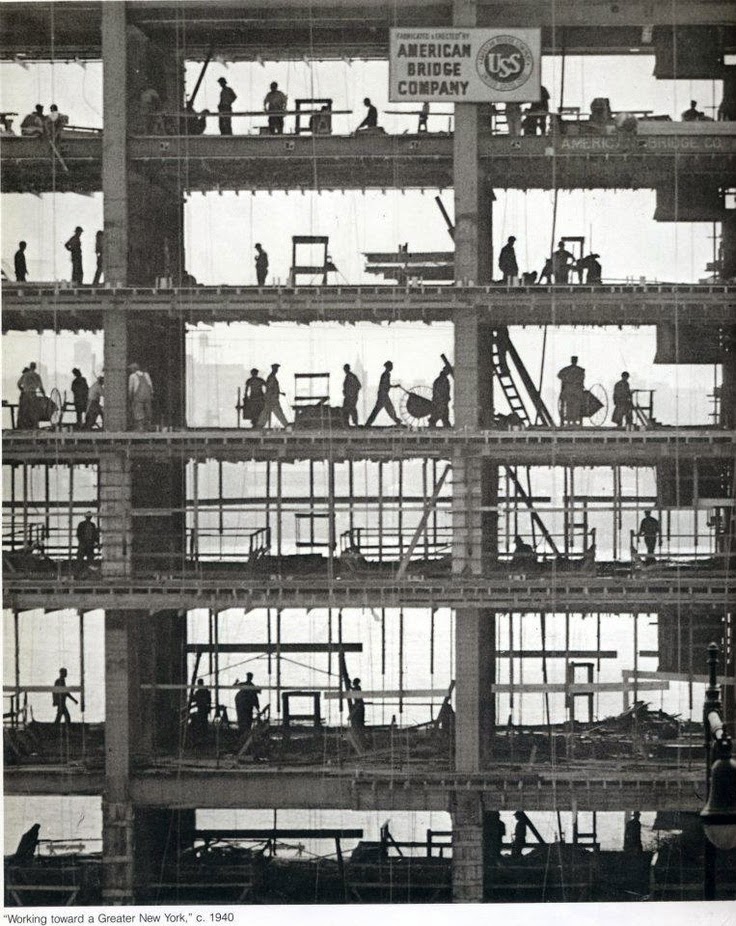
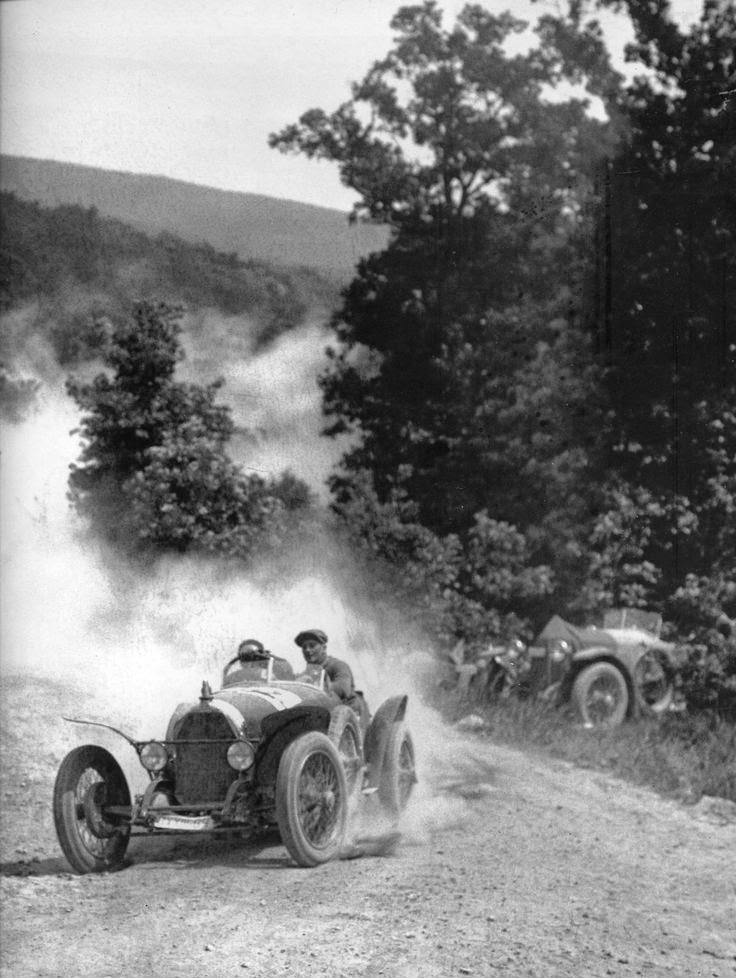
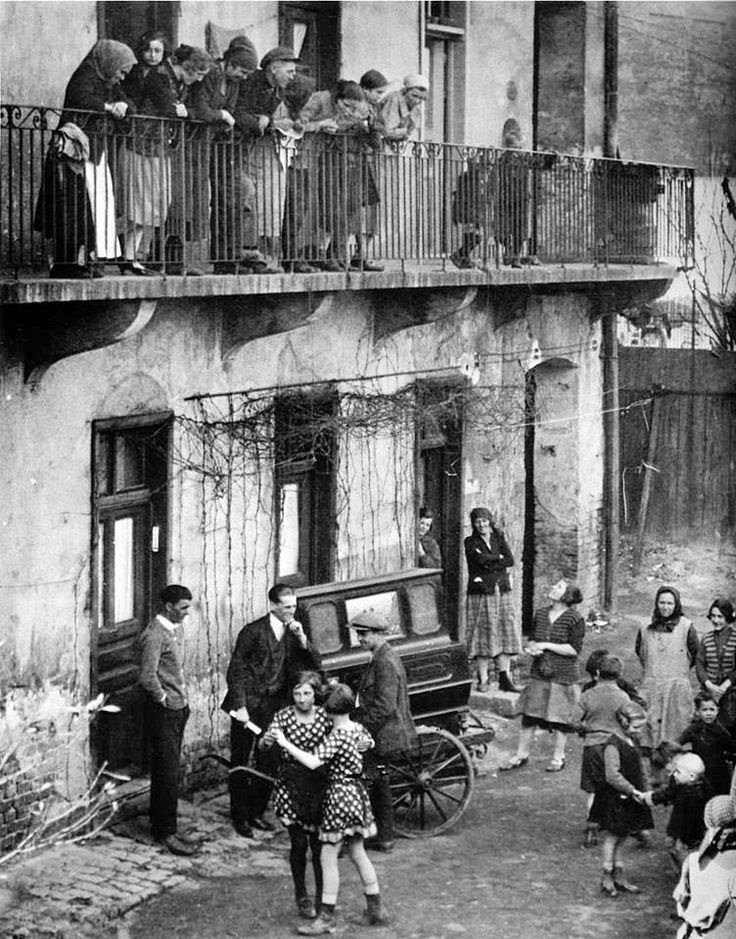
In his day, the Hungarian Martin Munkacsi (1896–1963) was one of the most famous photographers in the world. His dynamic photographs of sports, entertainers, politics, and street life in Germany and Hungary from the late 1920s and 1930s, were taken in a new, freewheeling style that captured the speed and movement of the modern era. Many of those early photographs were published in German photo weeklies, where Munkacsi made his reputation doing reportage, often from exotic locales.
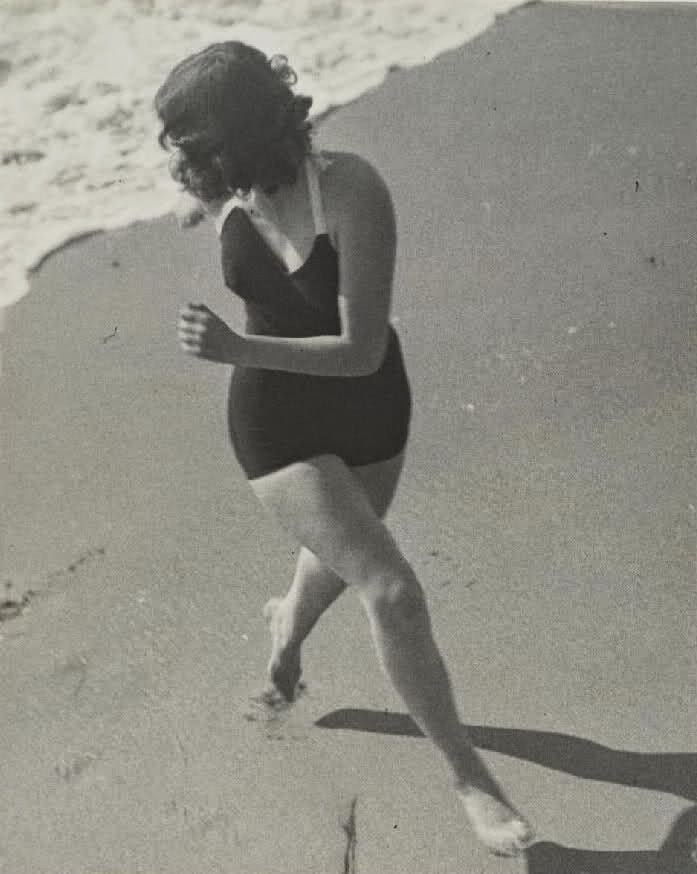
In 1933, Munkacsi turned his energetic style to fashion photography, making images of models running on the beach. Those pictures revolutionized fashion photography with their informality and vitality. Soon after he was offered a contract by Carmel Snow, the editor of Harper’s Bazaar, and he left for New York, where he made his fame and fortune.
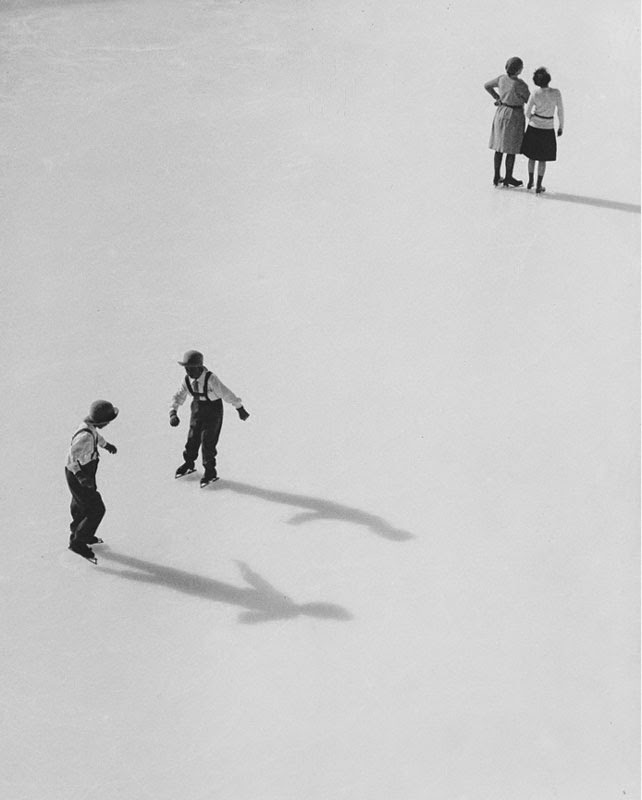
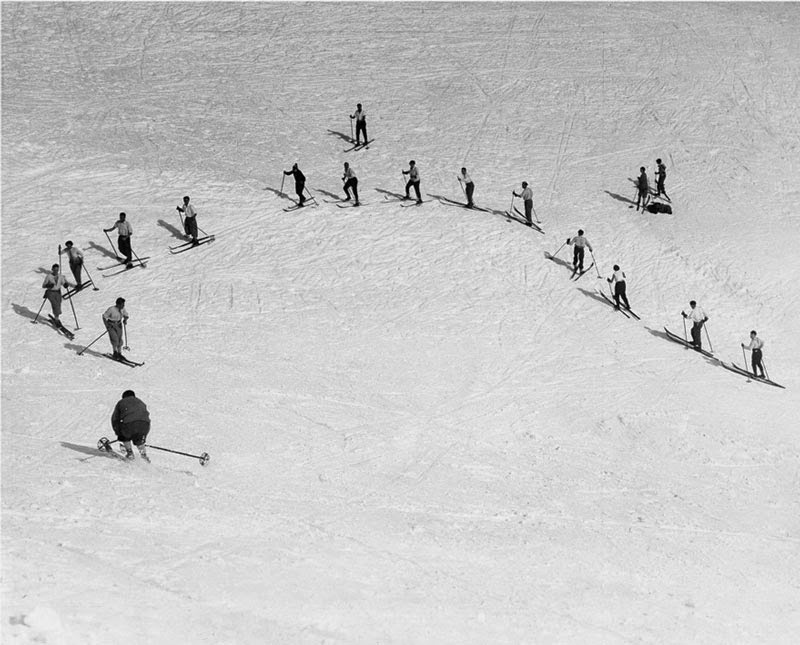
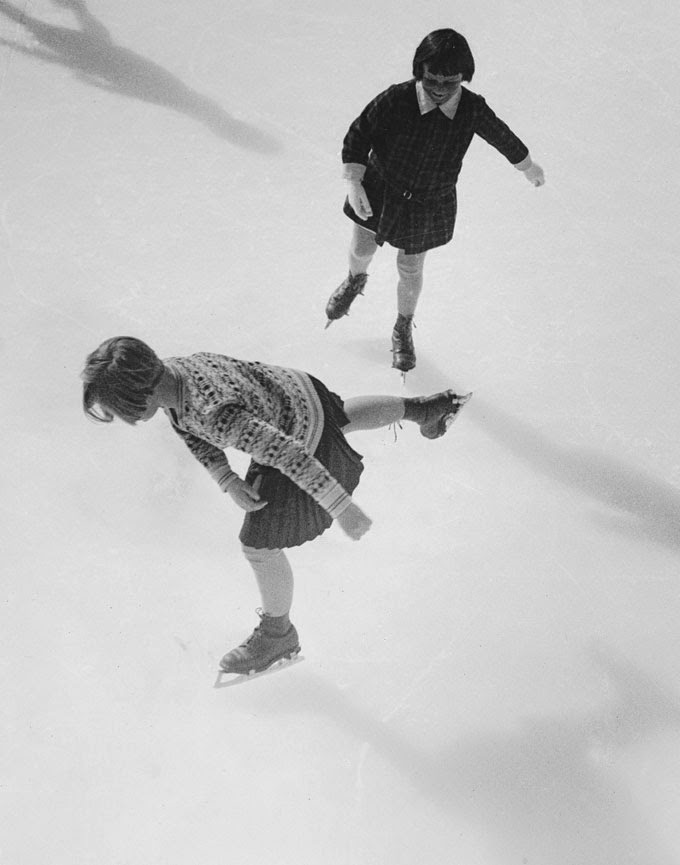
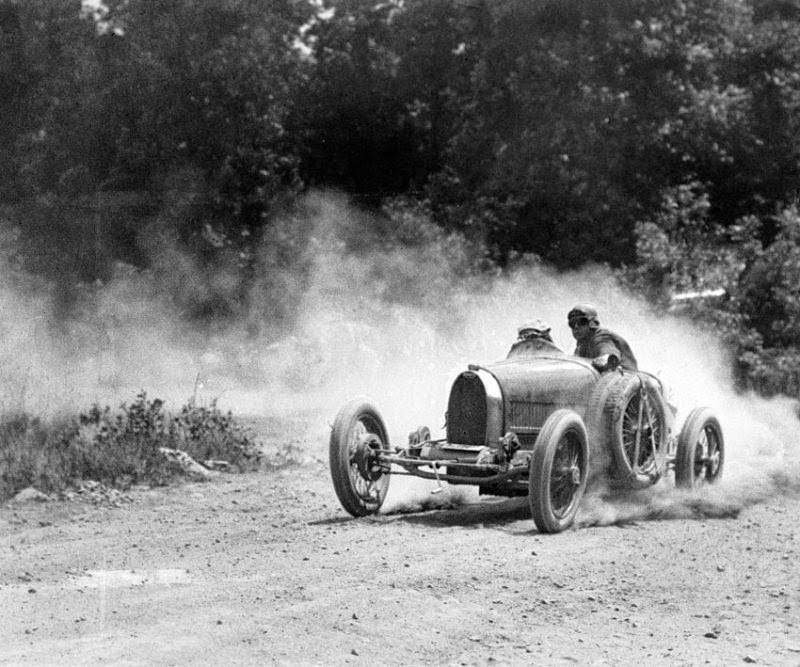
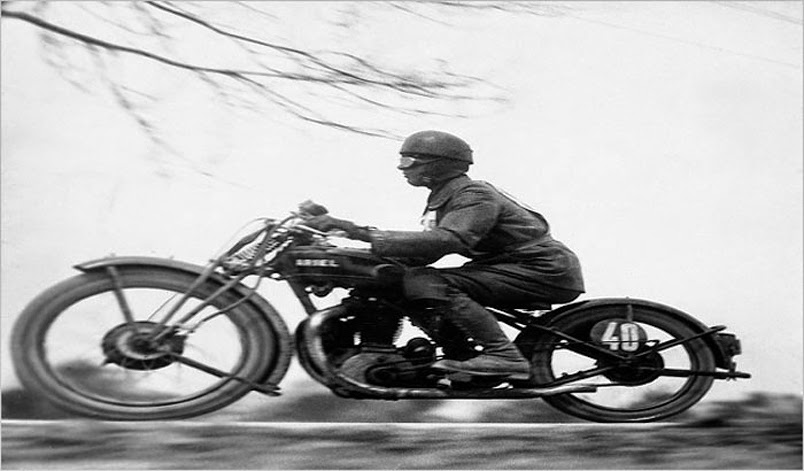
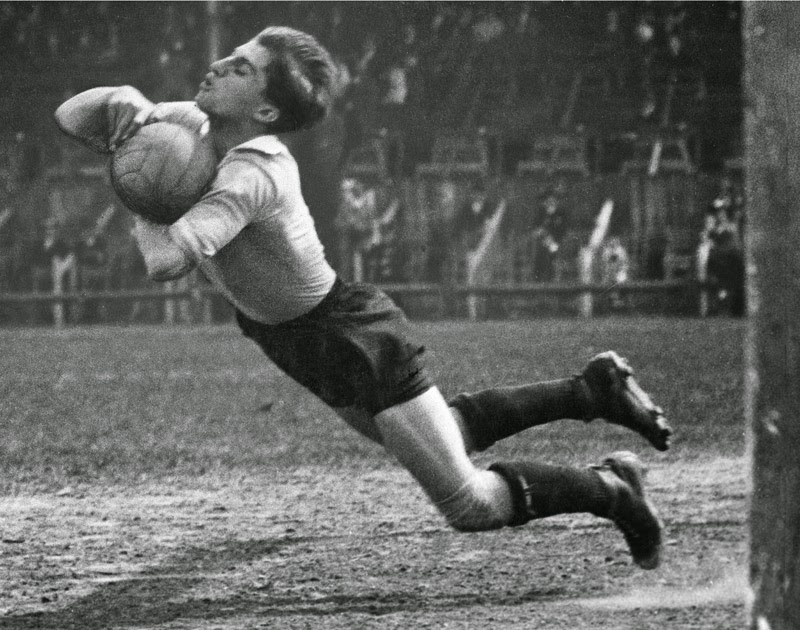
Munkácsi was a newspaper writer and photographer in Hungary, specializing in sports. At the time, sports action photography could only be done in bright light outdoors. Munkácsi’s innovation was to make sport photographs as meticulously composed action photographs, which required both artistic and technical skill.
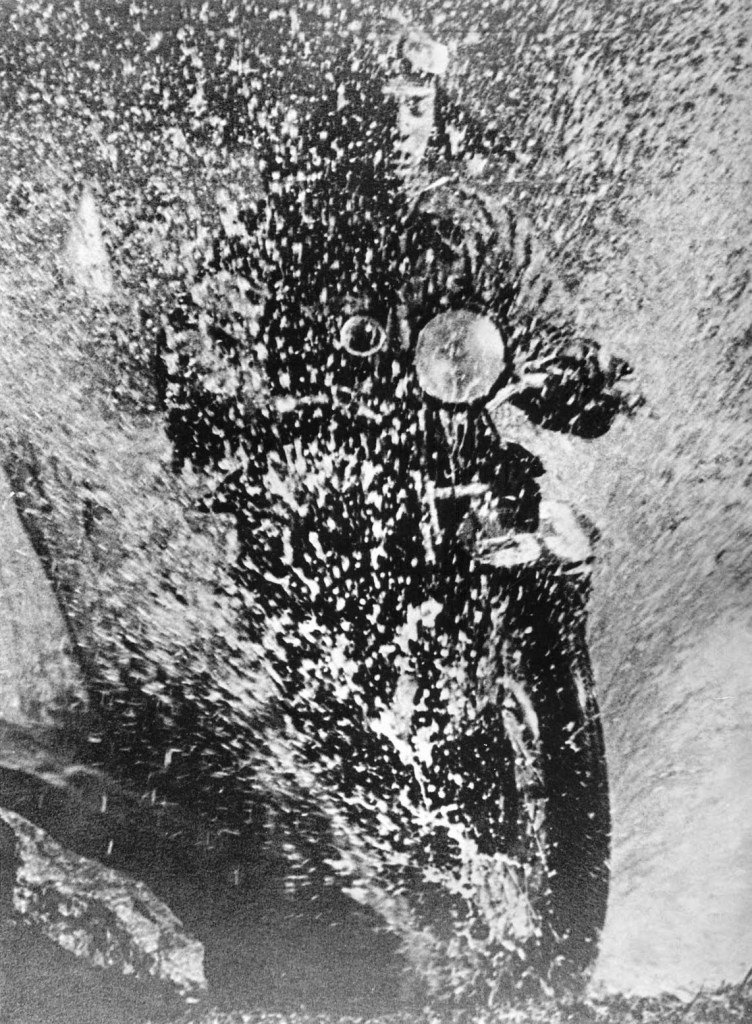
Munkácsi’s break was to happen upon a fatal brawl, which he photographed. Those photos affected the outcome of the trial of the accused killer, and gave Munkácsi considerable renown. That renown helped him get a job in Berlin in 1928, for Berliner Illustrirte Zeitung, where his first published photo was a motorcycle splashing its way through a puddle. He also worked for the fashion magazine Die Dame.
More than just sports and fashion, he photographed Berliners, rich and poor, in all their activities. He traveled to Turkey, Sicily, Egypt, London, New York and Liberia, for photo spreads in Berliner Illustrirte Zeitung.
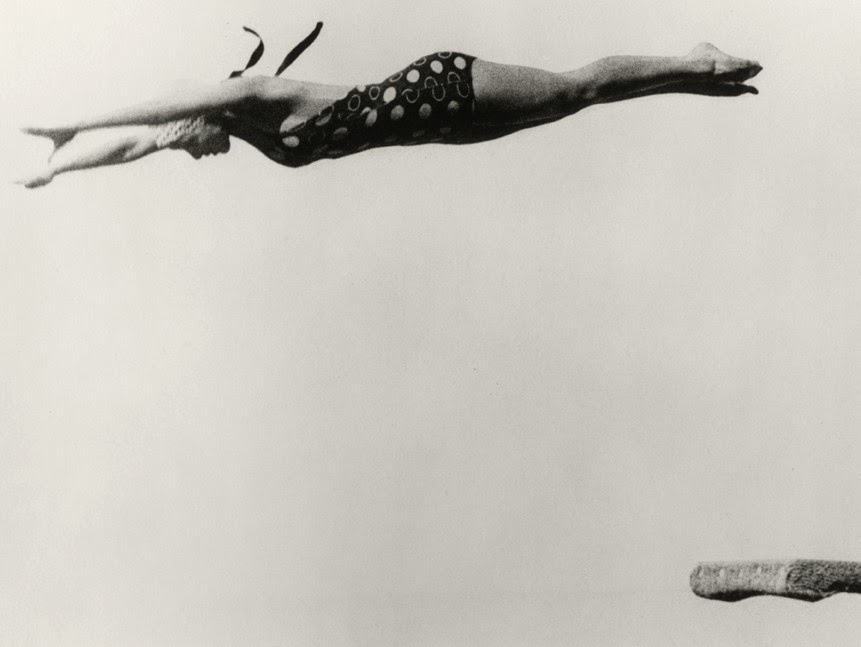
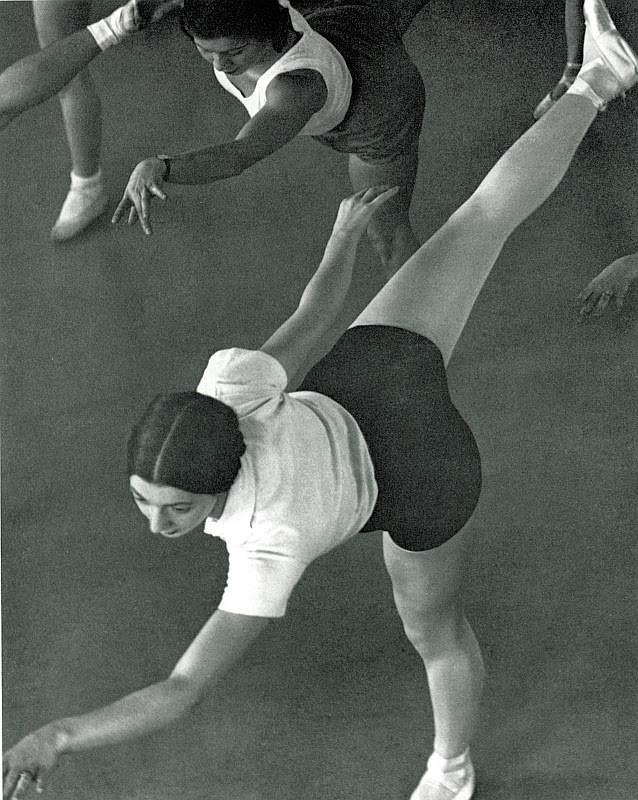
The speed of the modern age and the excitement of new photographic viewpoints enthralled him, especially flying. There are aerial photographs; there are air-to-air photographs of a flying school for women; there are photographs from a Zeppelin, including the ones on his trip to Brazil, where he crossed over a boat whose passengers wave to the airship above.
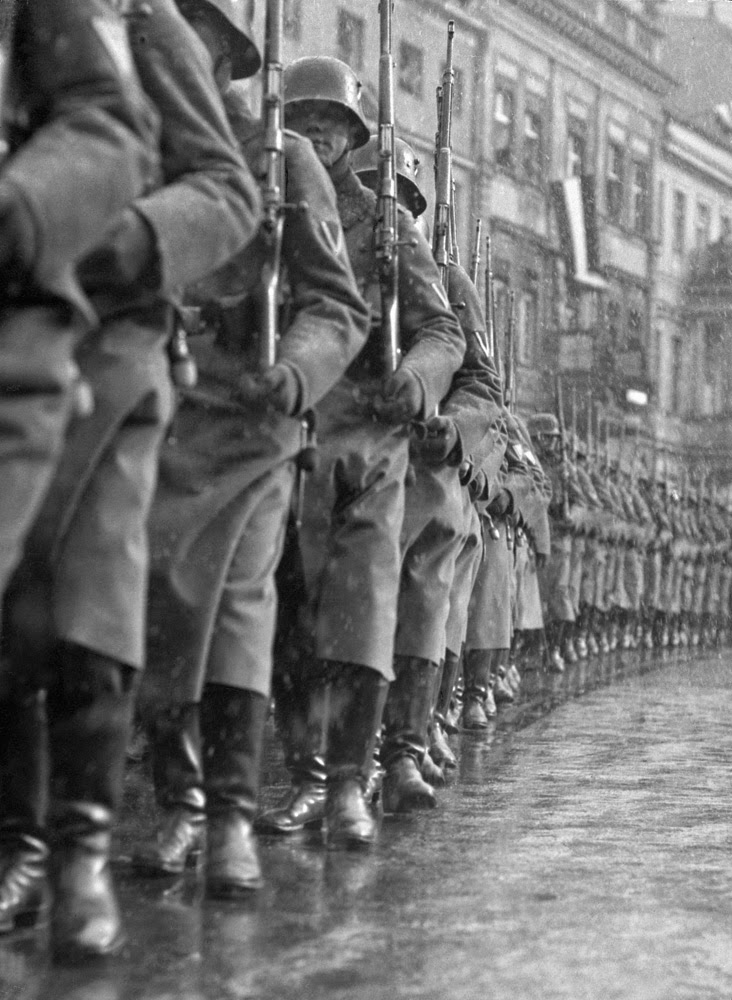
On 21 March 1933, he photographed the fateful Day of Potsdam, when the aged President Paul von Hindenburg handed Germany over to Adolf Hitler. On assignment for Berliner Illustrirte Zeitung, he photographed Hitler’s inner circle, although he was a Jewish foreigner.
Munkácsi left for New York City, where he signed on, for a substantial $100,000, with Harper’s Bazaar, a fashion magazine. He was discovered by Carmel Snow, who in 1933 persuaded him to photograph the Harper’s Bazaar December edition’s ‘Palm Beach’ bathing suit issue. For this issue, he had the model Lucille Brokaw run toward the camera while he photographed her, which was the first instance of a fashion model being photographed in motion.
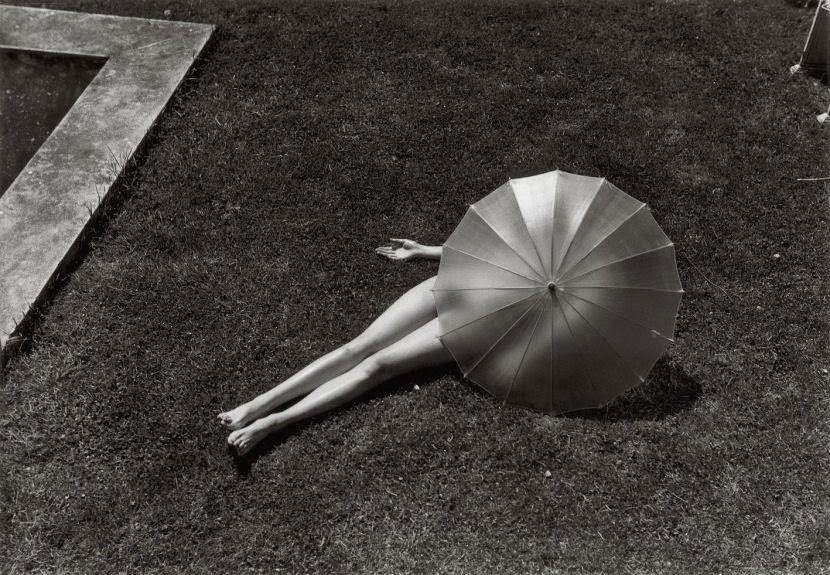
In a change from usual practice, he often left the studio to shoot outdoors, on the beach, on farms and fields, at an airport. He produced one of the first articles in a popular magazine to be illustrated with nude photographs.
In 1934, the Nazis nationalized Berliner Illustrirte Zeitung, fired its Jewish editor-in-chief, Kurt Korff, and replaced its innovative photography with pictures of German troops. He died on July 13, 1963.
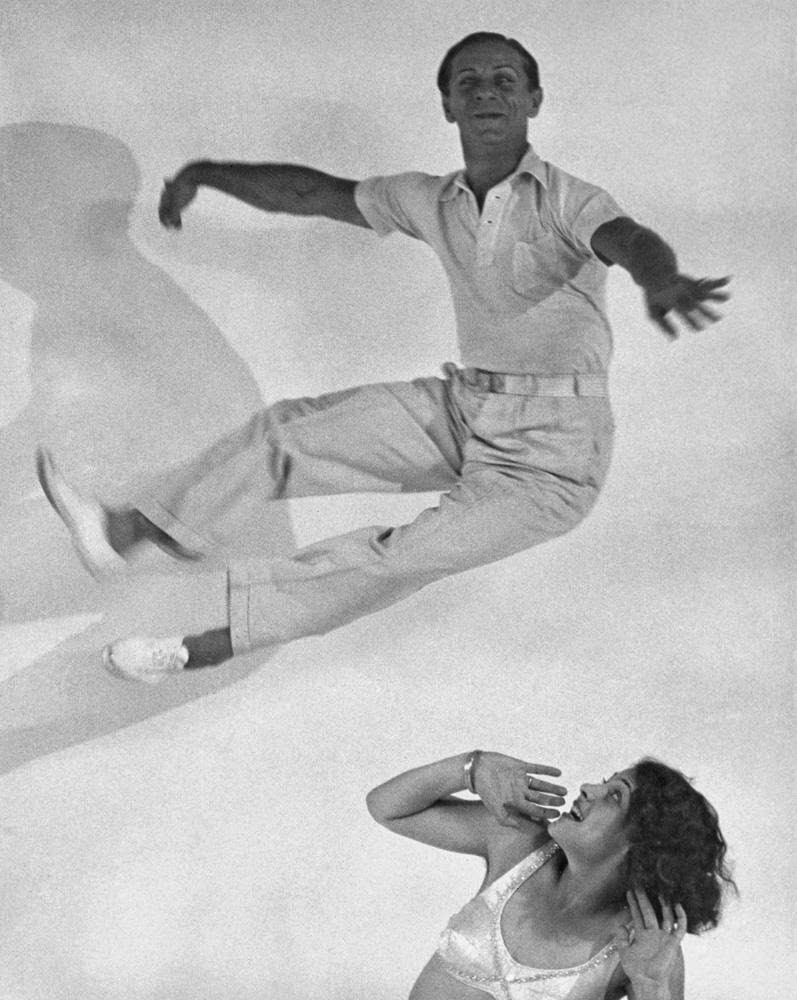
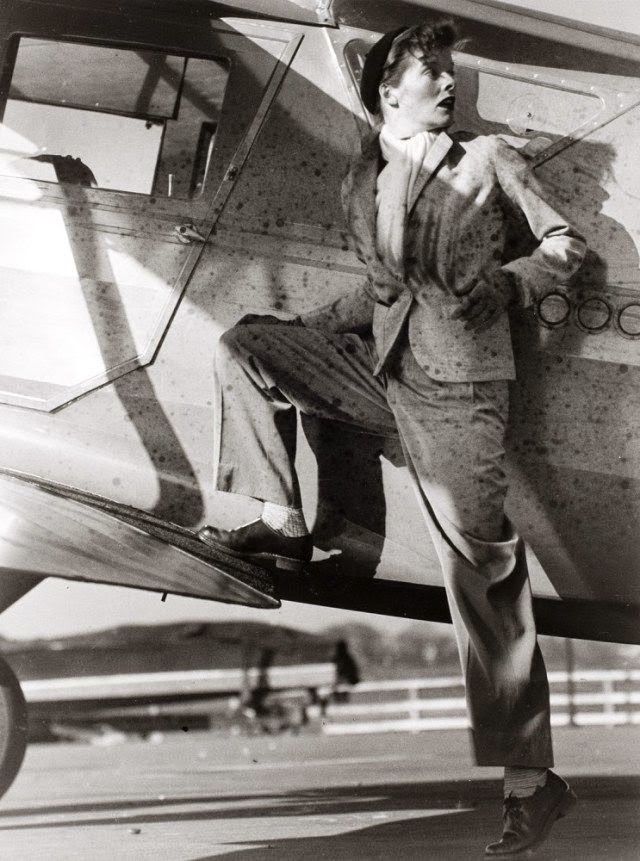
Munkácsi’s portraits include Katharine Hepburn, Leslie Howard, Jean Harlow, Joan Crawford, Jane Russell, Louis Armstrong, and the definitive dance photograph of Fred Astaire.
Munkácsi died in poverty and controversy after suffering a heart attack while attending a soccer game at Randall’s Island in New York City.[3] Several universities and museums declined to accept his archives, and they were scattered around the world. Berlin’s Ullstein Archives and Hamburg’s F. C. Gundlach collection are home to two of the largest collections of Munkácsi’s work.
Munkácsi’s family (The Hilbert Family) remain in Hungary. (Wikipedia)
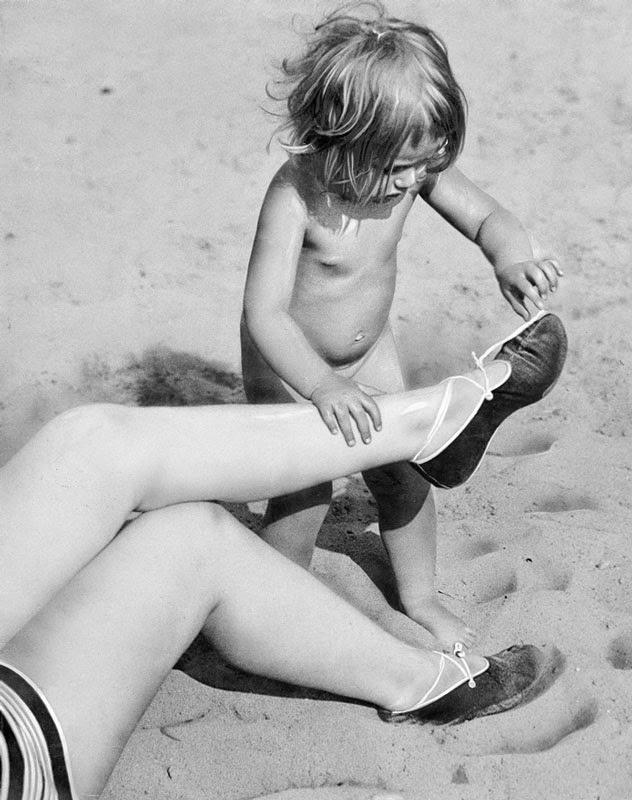
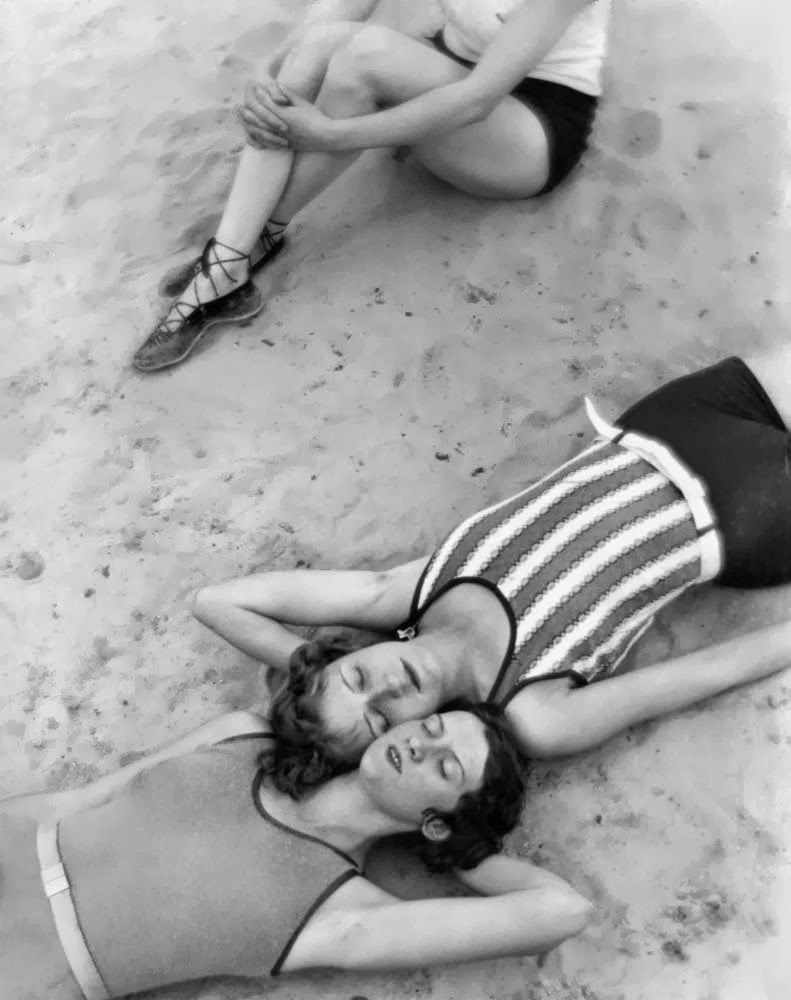
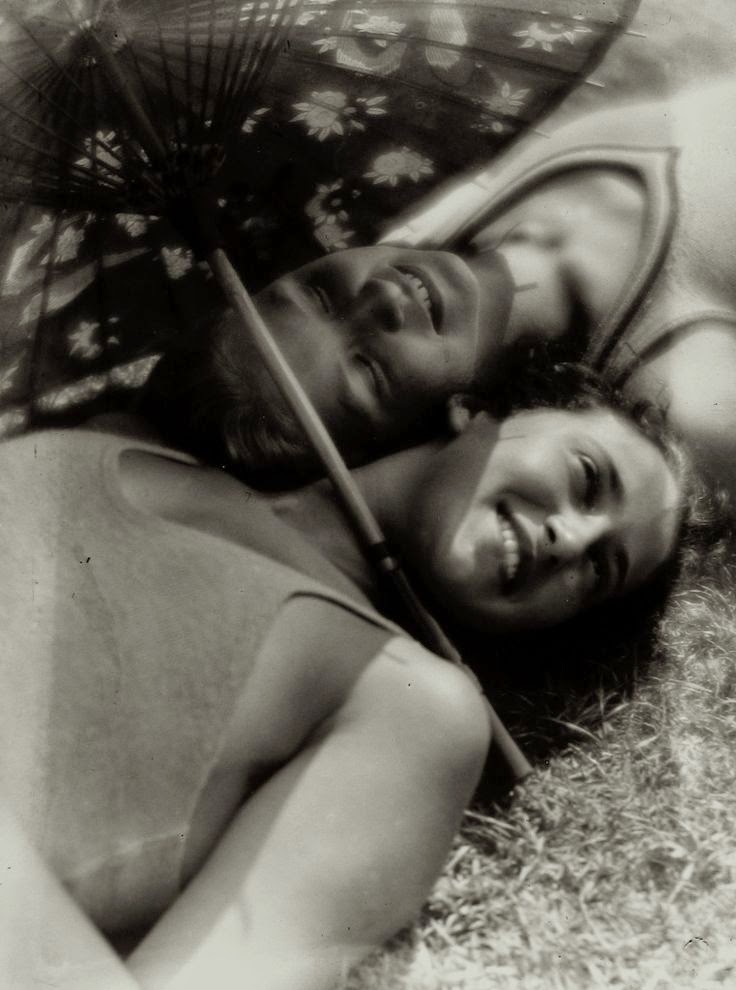
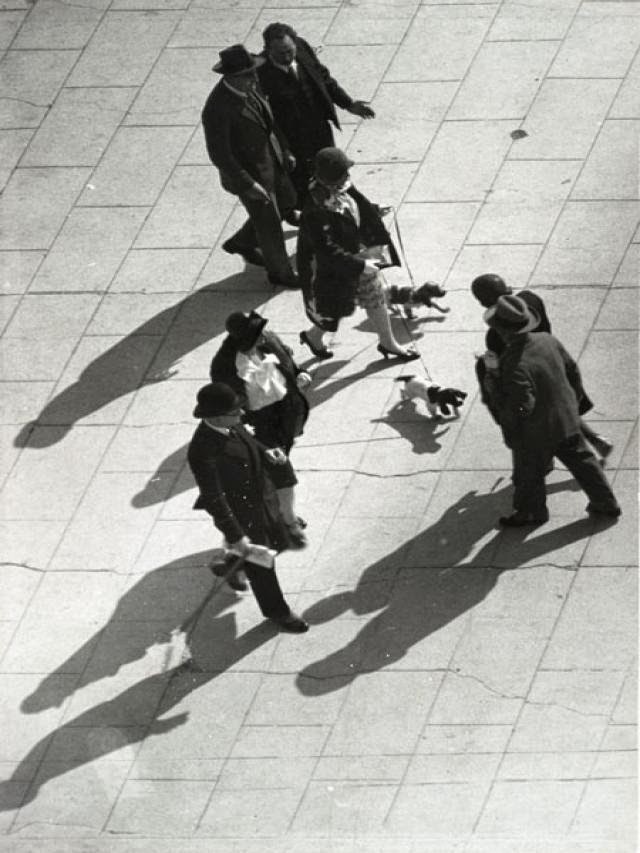
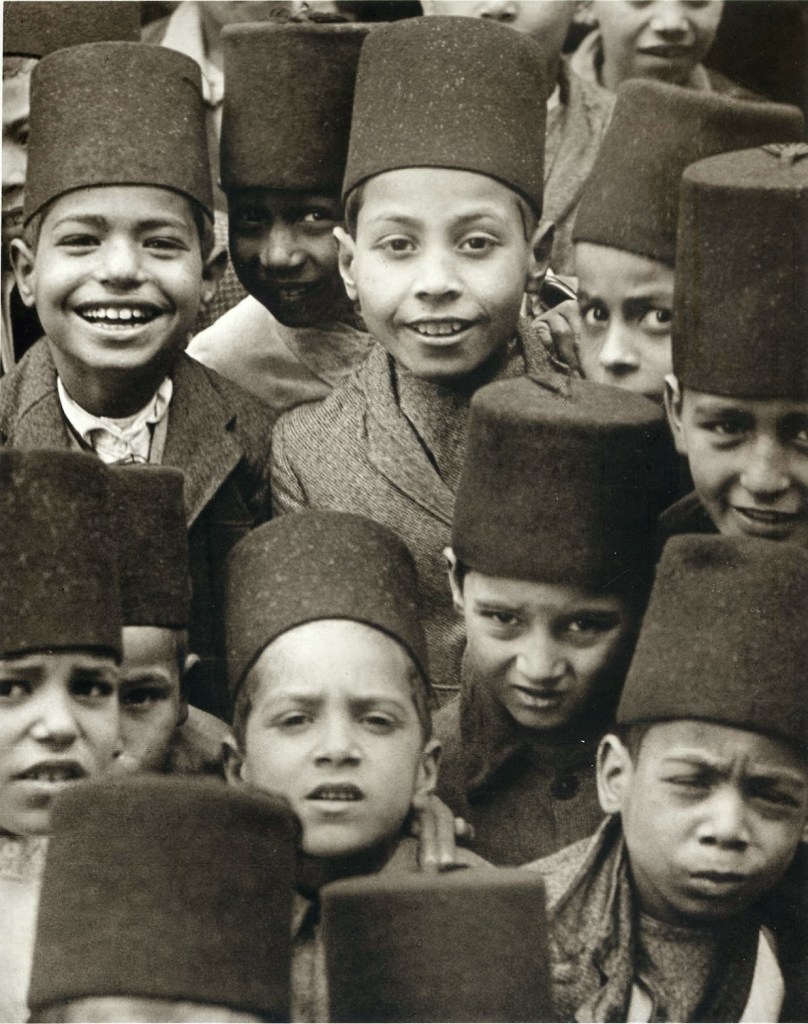
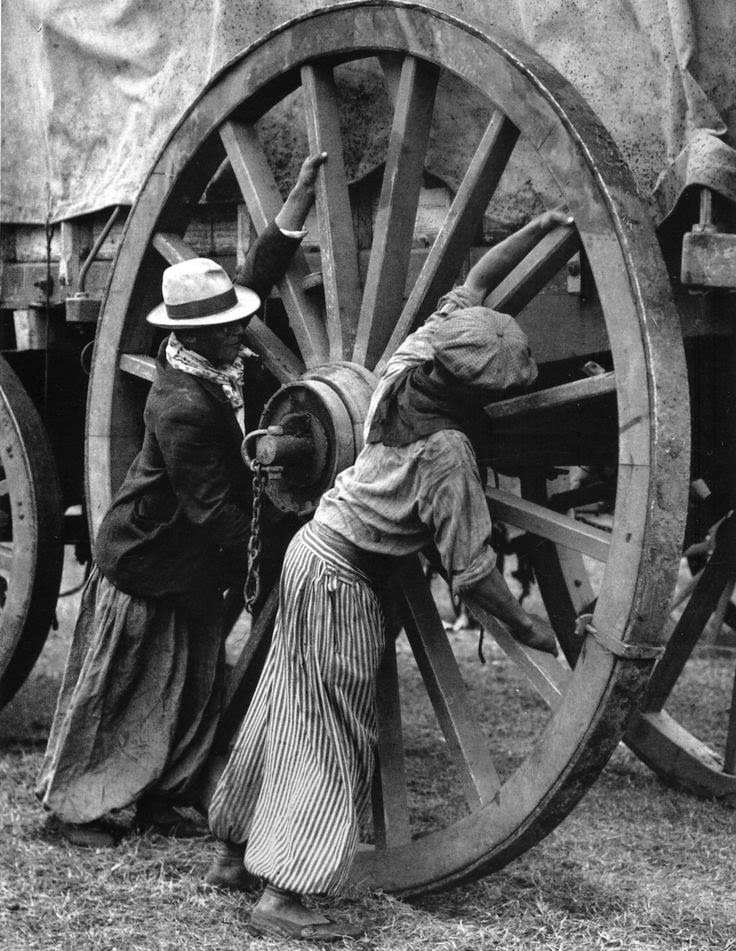
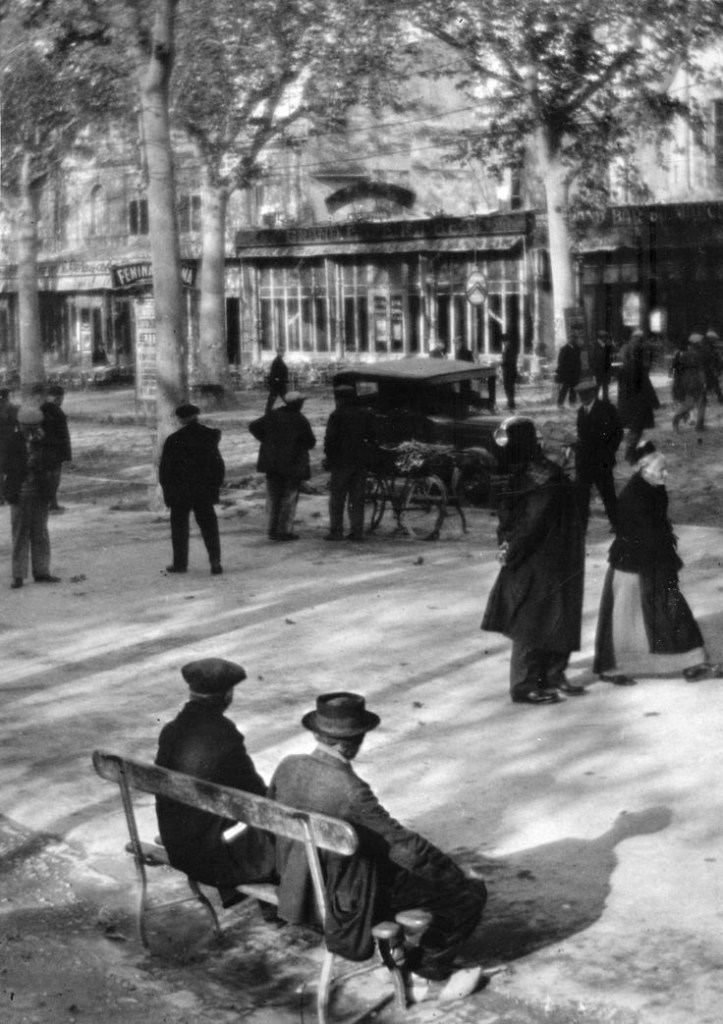
Eva Szaplone in a rumbleseat, 1932Fun on the beach—Lunabad, Berlin, 1930Summer on the beach. A little girl opened the laces of her mother’s slippers, 1929Two women sunbathing, ca. 1929Lovely autumn: the last warm rays of sunshine, ca. 1929Greta Garbo on vacation, ca. 1932Nude with Parasol, Harper’s Bazaar, July 1935In the Air, Harper’s Bazaar, 1935Women spectators, 1928The Dance Team of Tibor von Halmay and Eva Sylt, ca. 1931Opening of Parliament on March 21, 1933, ‘Potsdam Day’—”The German Army marches out,” 1933Jumping fox terrier, ca. 1930Dolores Del Rio, 1936Choked with coffee, Barzil, 1932Marlene Dietrich, 1936-40Carole Lombard, Hollywood, 1937Reflection in a motorcycle mirror, Berlin, c. 1929ca. 1928Motorcyclist, Budapest, 1923At 100 Kilometers – Driver in Hungarian Tourist Trophy Race, 1929The goalkeeper, 1928Dancer on stage, 1930Dancers in Seville. 1930Movable lifeguard tower, Germany, c.1929Palermo Procession, Sicily, 1927Procession, Ernö Vadas, Budapest, 1934Leni Riefenstahl, 1931Working toward a Greater New York, 19401928Children playing, Madrid, 1930Girls dancing in the streets, Budapest, 1923Cheese Market, NetherlandsBerlin, 1929Olivia de Havilland, 1930Katherine Hepburn, 1935Vacation fun, Germany, 1929Turkey, 1929Turkey, 1929Paris, ca. 1927
Britain has one of the most innovative and vibrant youth cultures in the world. It has come to define post-colonial British identity and it has helped to make London the cultural and commercial capital of Europe. This course will examine the history, sociology, aesthetics and economics of British youth culture, from the early days of jazz and rock ‘n’ roll, through to Beatlemania, Punk, Britpop, Rave and the latest contemporary developments.
By the 1960s, the first teenage generation free from conscription emerged in Britain. Young people were finally given a voice and freedom to do what they wanted. The parents of the Sixties teenage generation had spent their youth fighting for their lives in the Second World War and wanted their own children to enjoy their youth and be able to have more fun and freedom. By the early 1960s, teenagers were already significantly different to those of a decade ago.
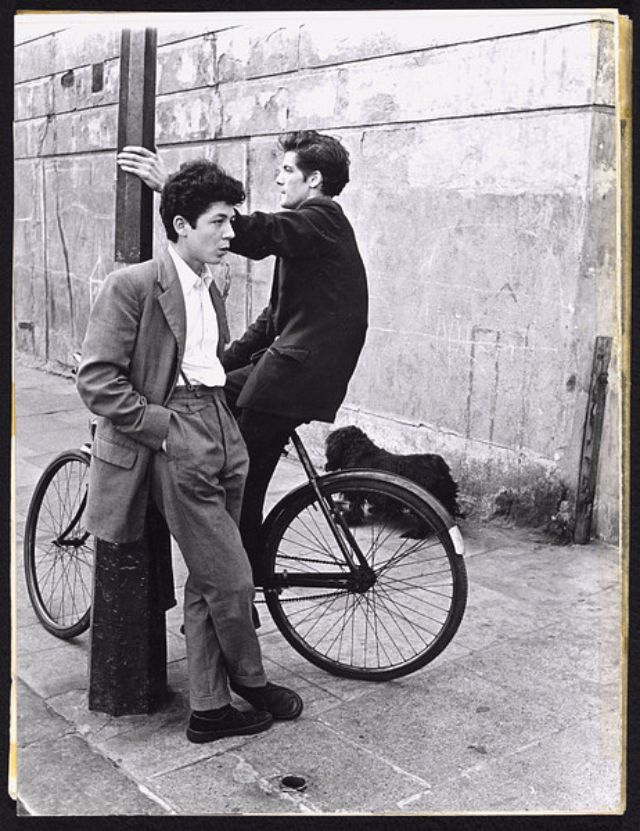
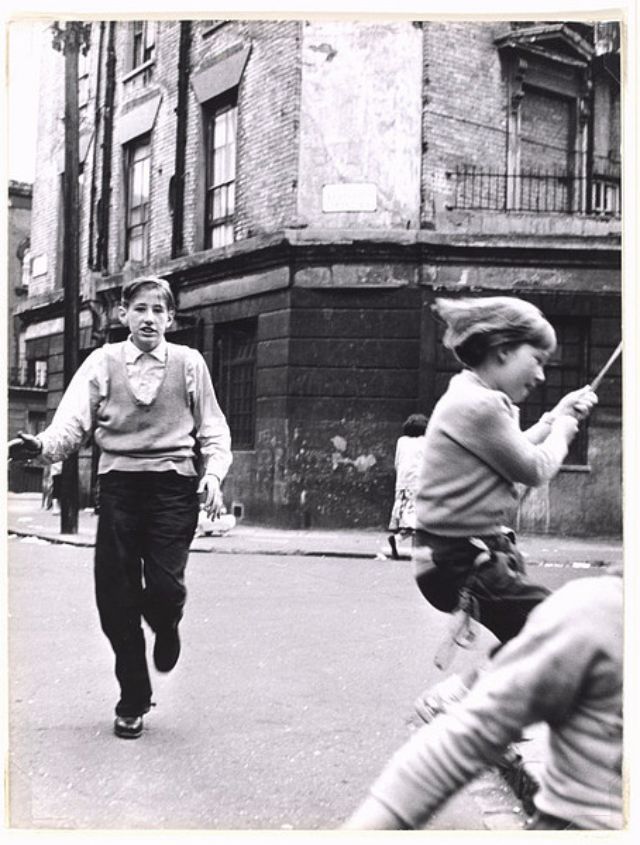
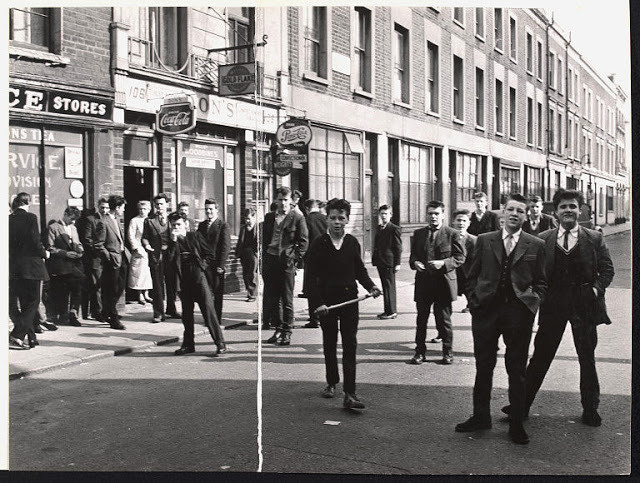
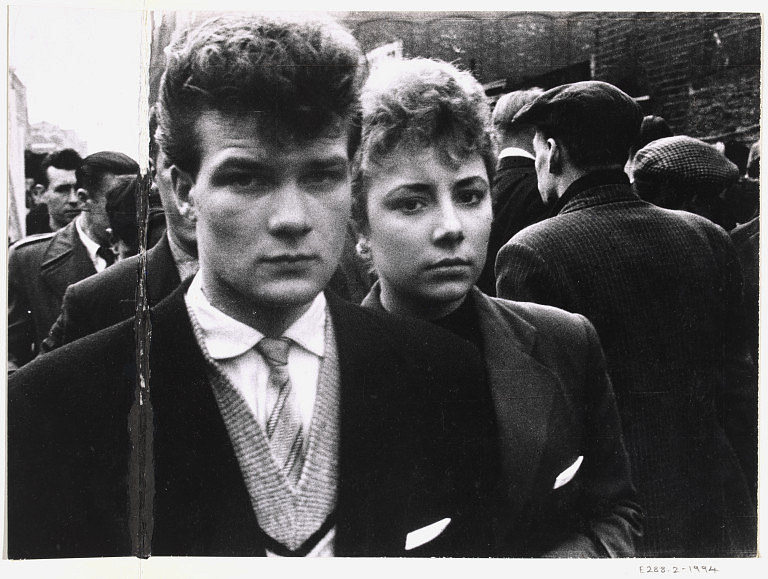
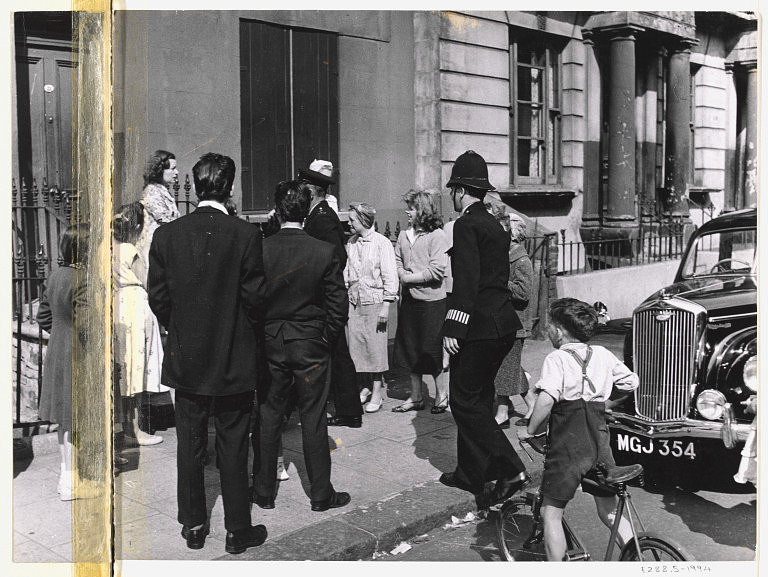
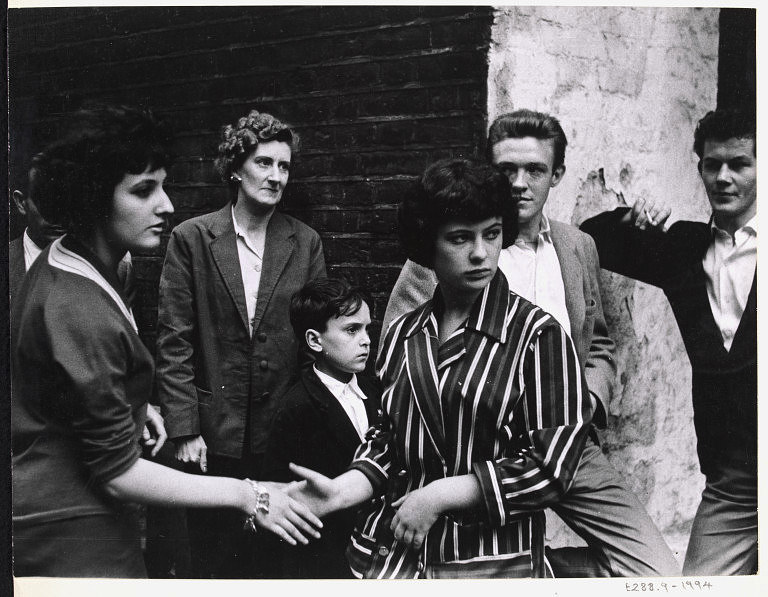
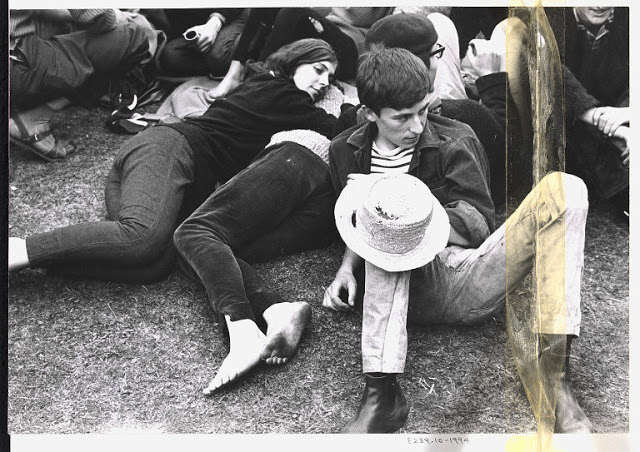
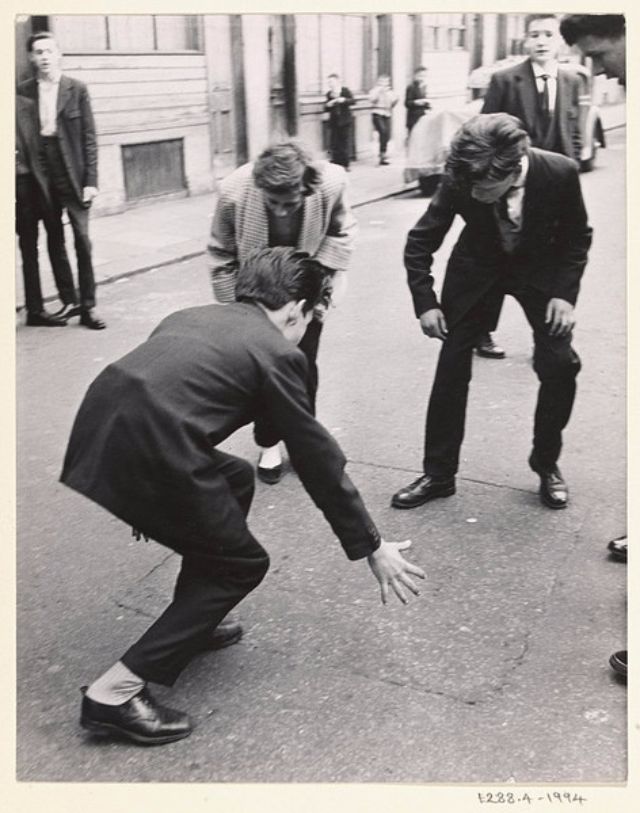
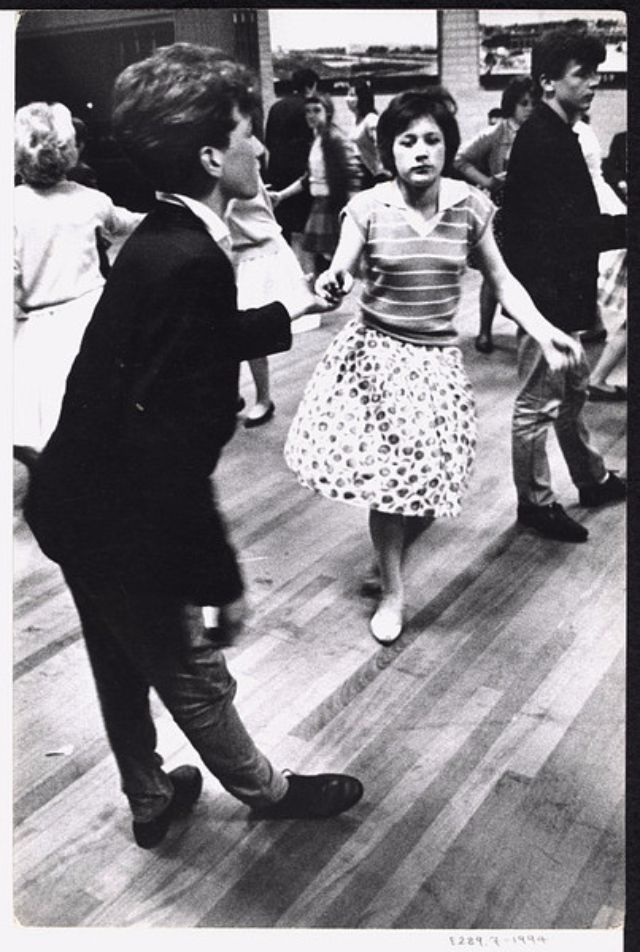
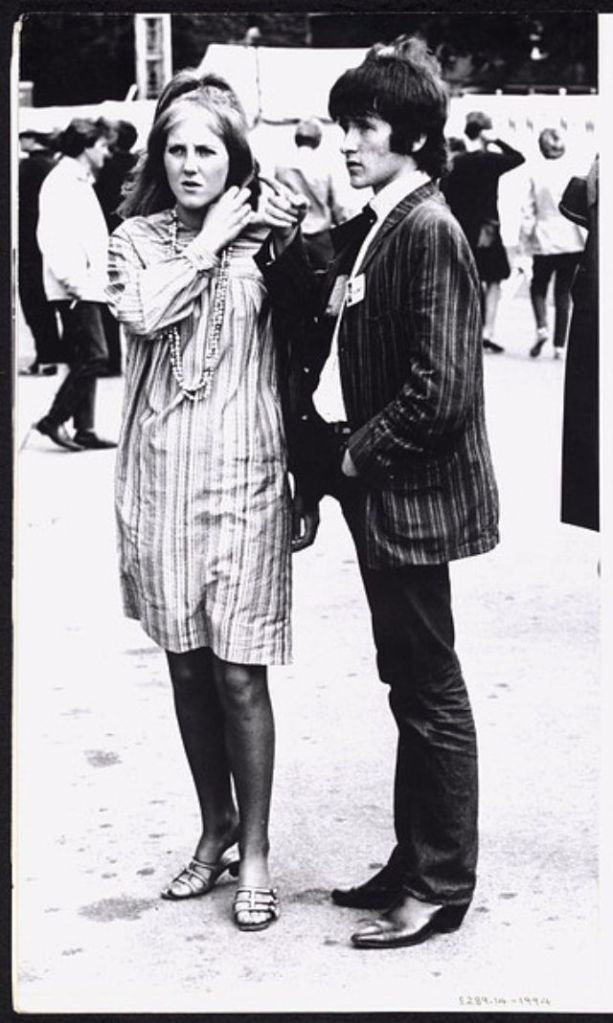
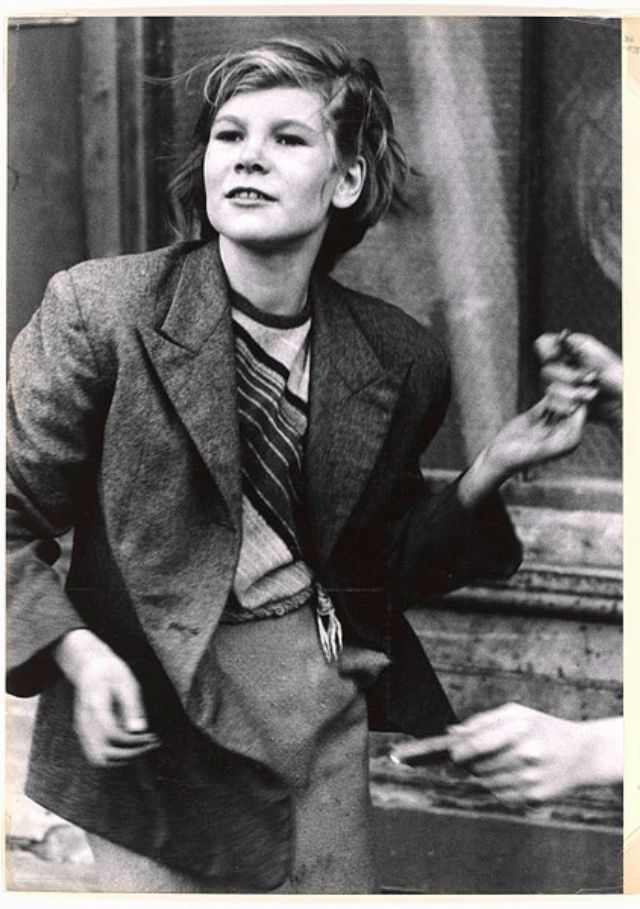
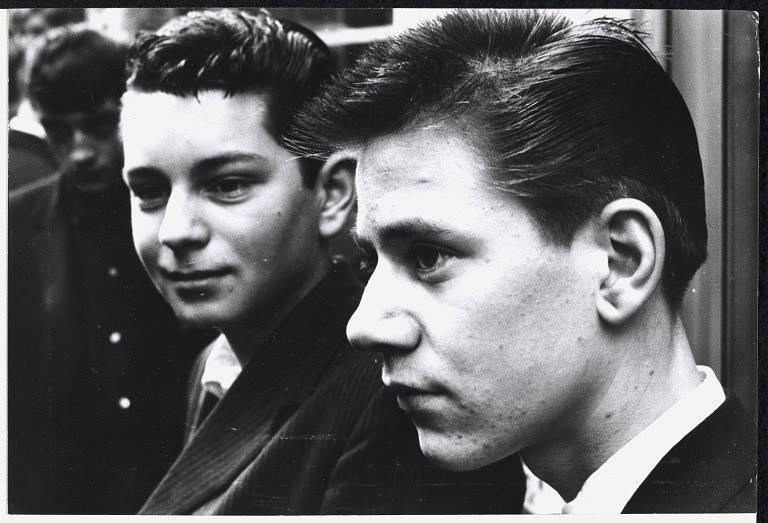
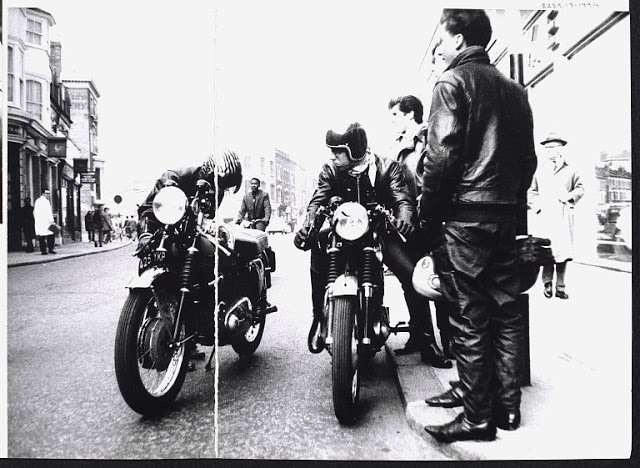
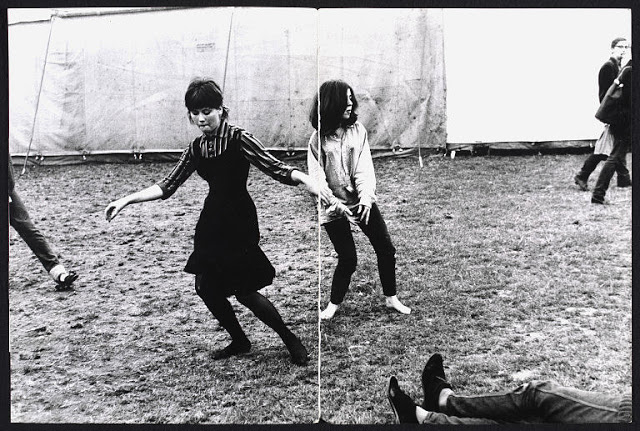
These interesting vintage photographs were taken by photographer Roger Mayne that show London youth culture scenes from the late 1950s to early ’60s.
Teenage boy, October 15, 1959Teddy boys on a corner, Southam Street, 1956Teddy girls, Battersea Fun FairSoutham Street, LondonSoutham Street, LondonSoutham Street, LondonSoutham Street, LondonSoutham Street, LondonTeddy boys, Princedale Road, 1956Group with policeman, Southam Street, 1956Teenagers, Soho Fair, 1958Girl, Soho, October 14, 1959Teenage band, Parkhill Estate, Sheffield, “Teenage night”, April 7 1961Hampstead Heath Fair, 1961Teenagers on the ground, Beaulieu Jazz Festival, 1961Boys gambling, Princedale Road, April 15 1956Couple Jiving, “Teenage night”, April 7 1961Girl, Beaulieu Jazz Festival, July 29 1961Couple, Richmond Jazz Festival, July 1962Rockers, Brixton, 1963Southam Street, LondonTwo teenagers, Soho, October 14, 1959Rockers on motorcycles, Brixton, 1963Couple in front of window, Richmond Jazz Festival, July 1962Jivers, Richmond Jazz Festival, July 1962Girl eating crisps with coupleJivers, Richmond Jazz Festival, July 1962
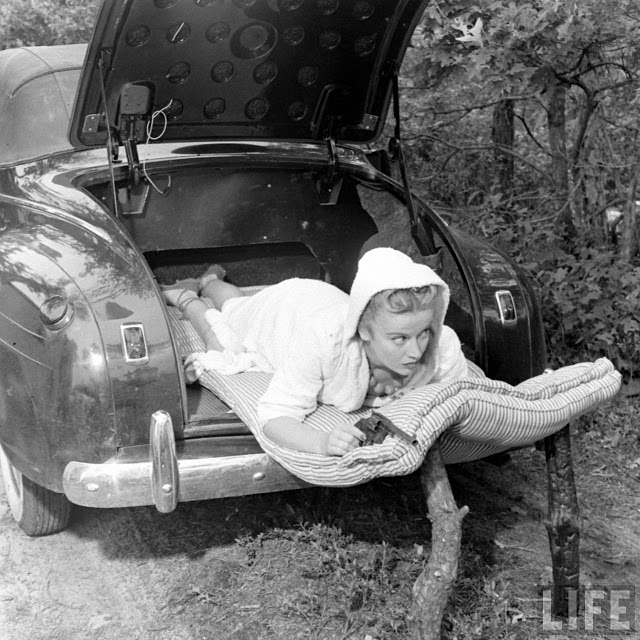
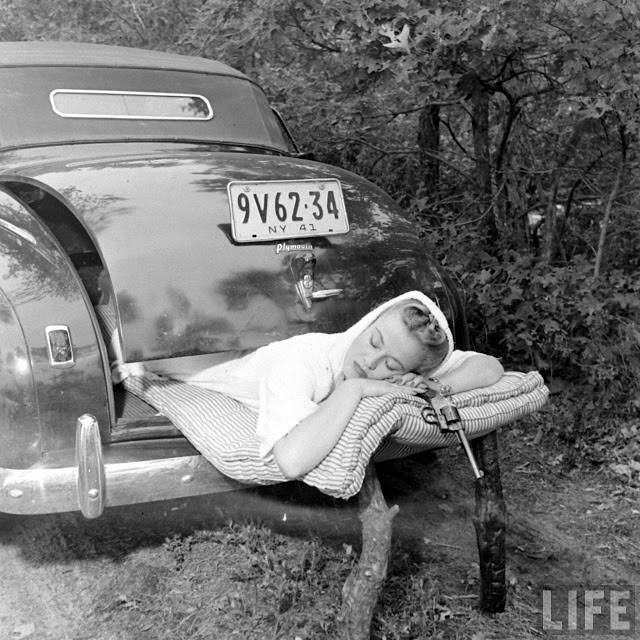
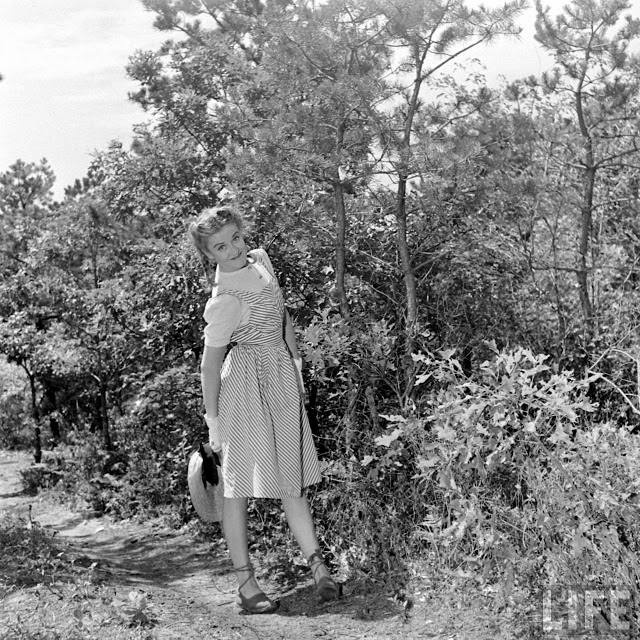
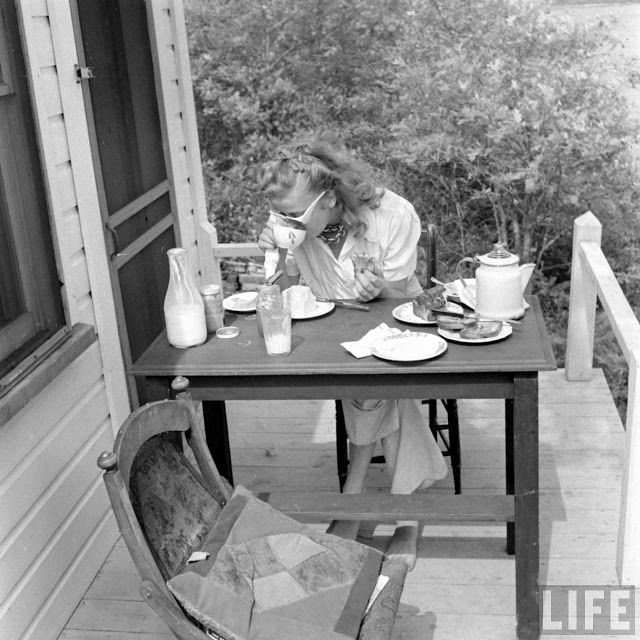
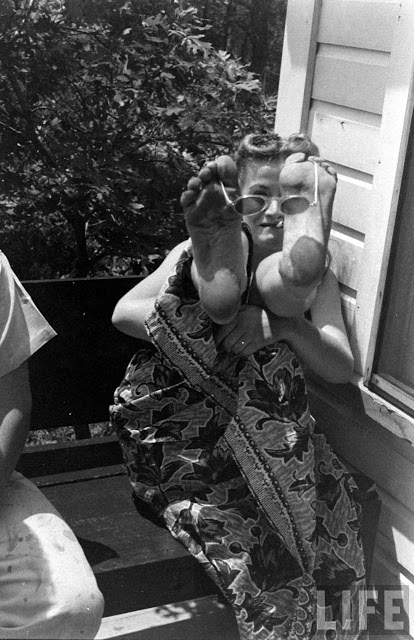
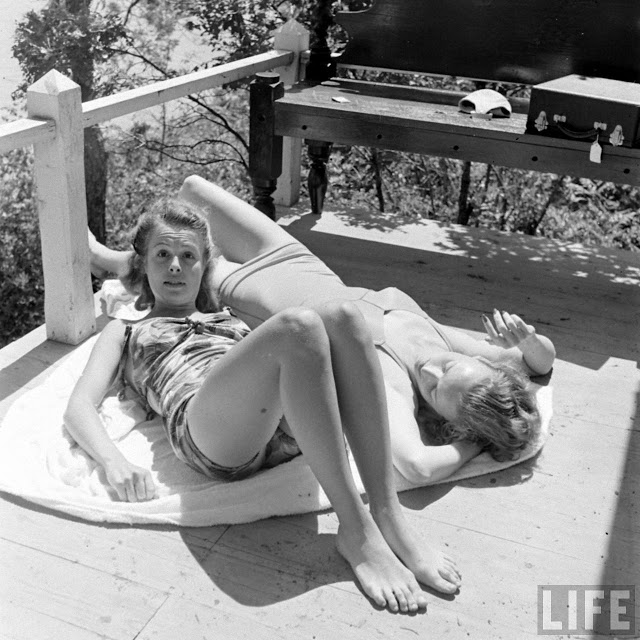
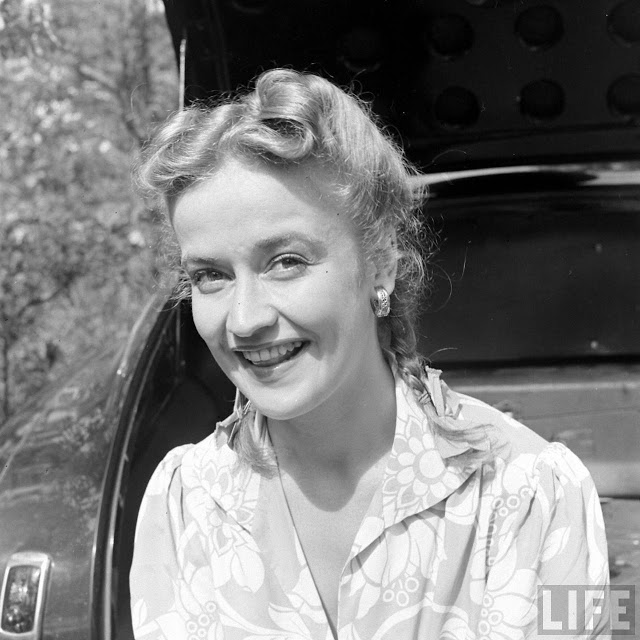
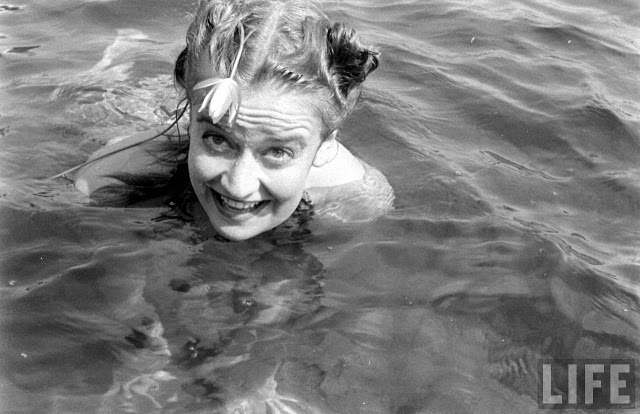
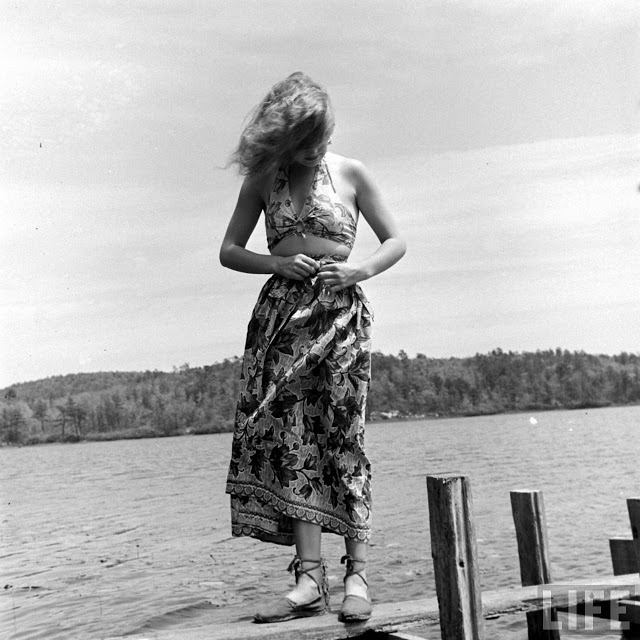
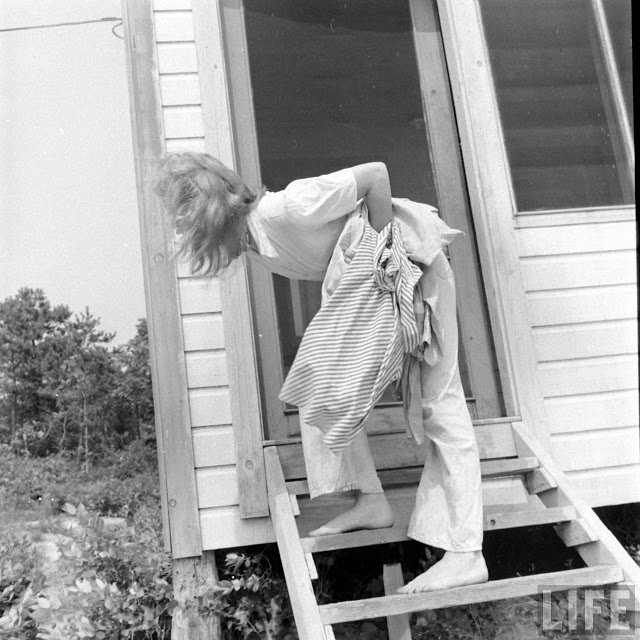
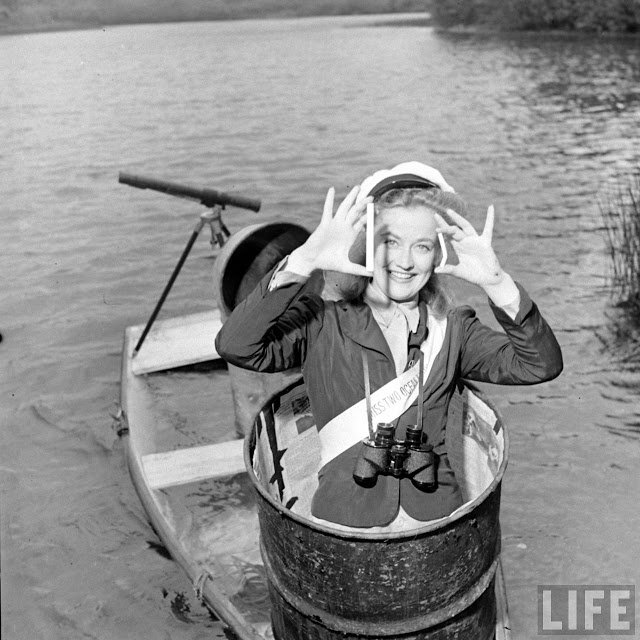
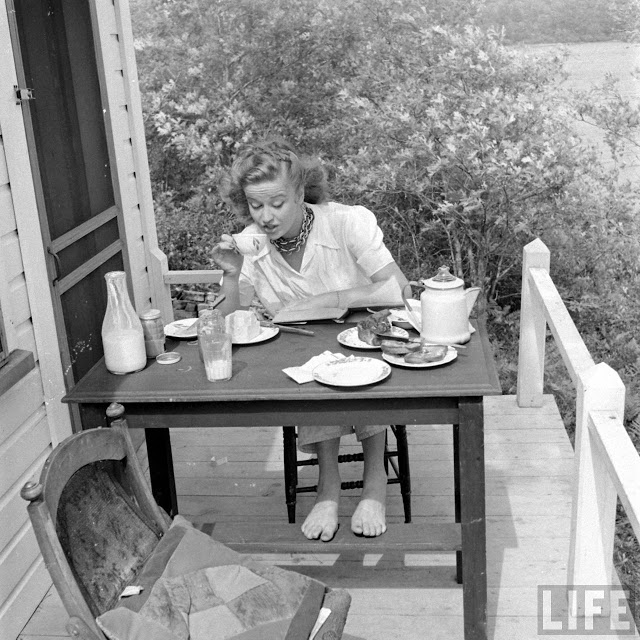
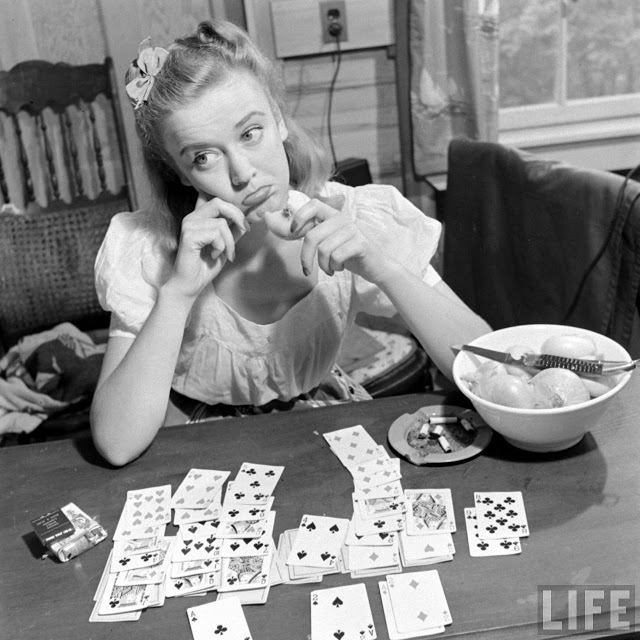
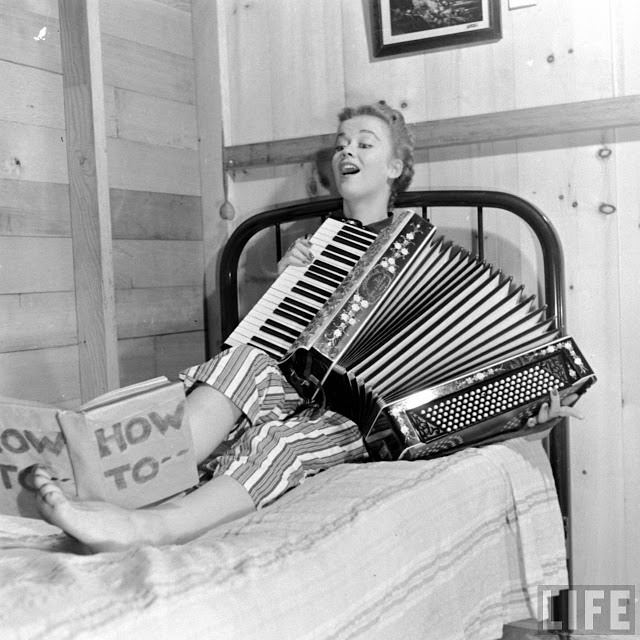
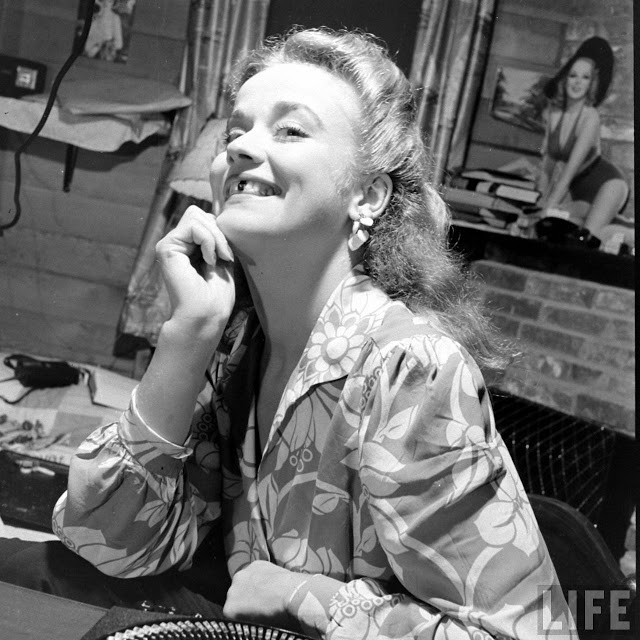
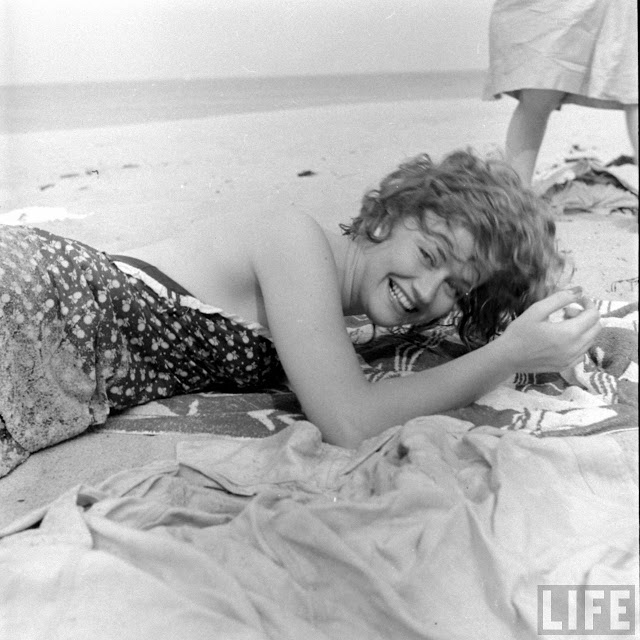
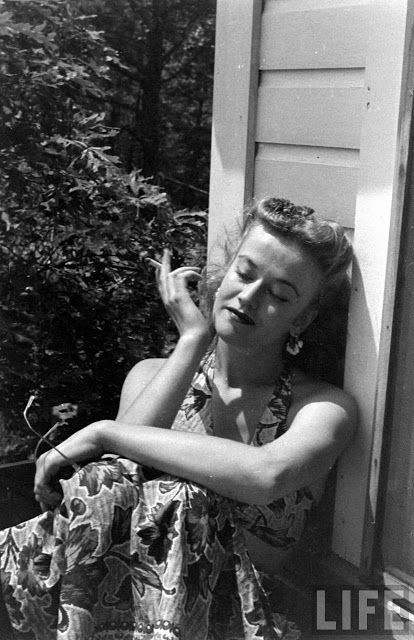
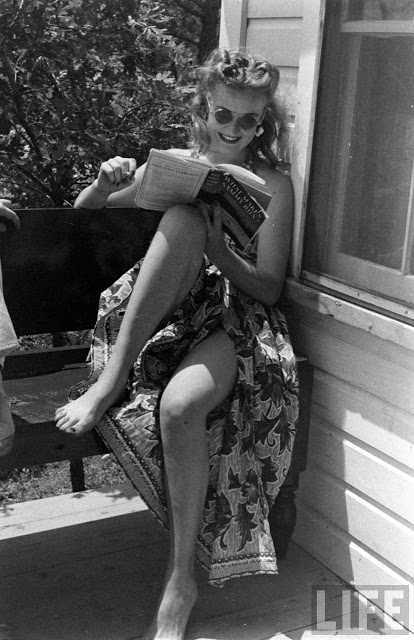
These black and white photographs of a pretty young model named Joan Smith, blonde, blue-eyed and 21, who was taking her vacation at Truro, on Cape Cod, when LIFE’s photographer David Scherman arrived on a similar mission.
Before long, however, some inner compulsion prevailed upon them both to ply the tools of their trade. They spent an afternoon and evening informally shooting what turned out to be these excellent parodies of photographic poses standardized by certain U.S.publications.
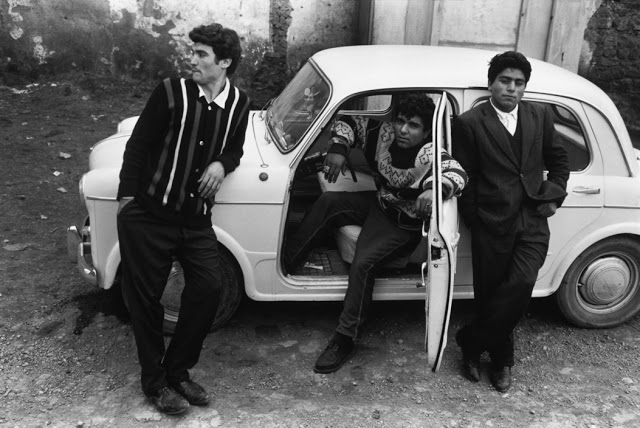
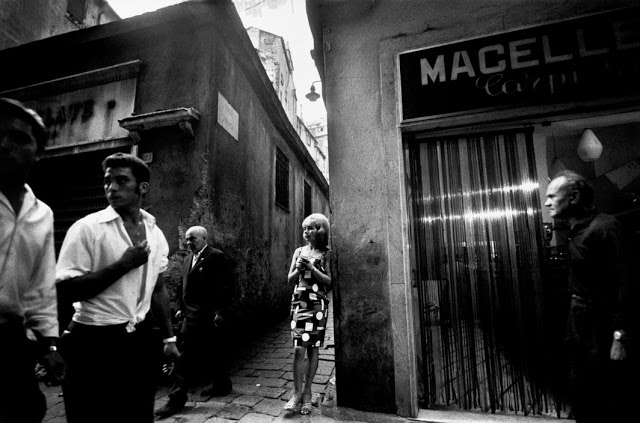
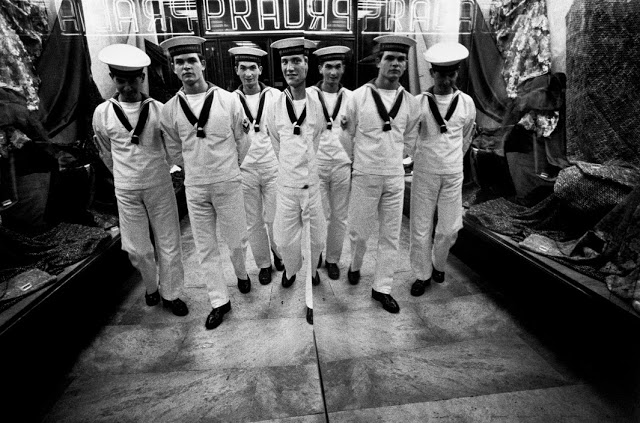
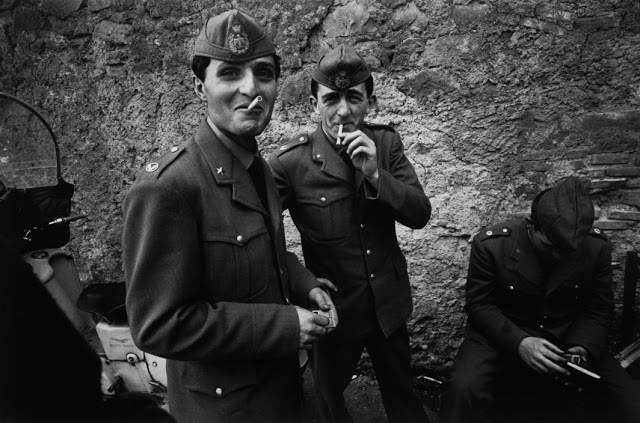
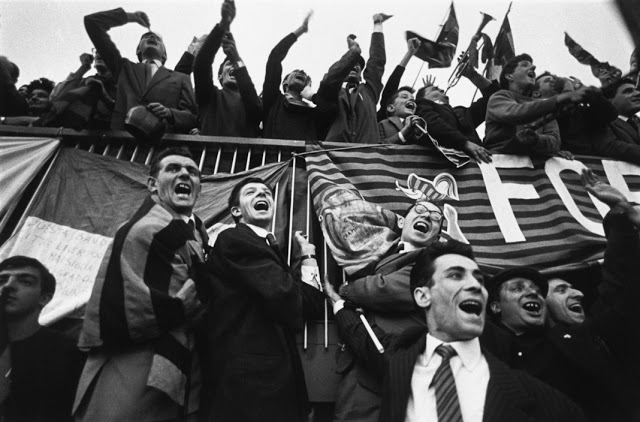
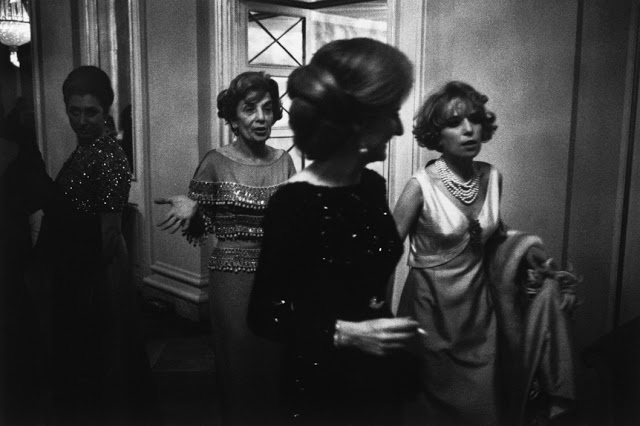
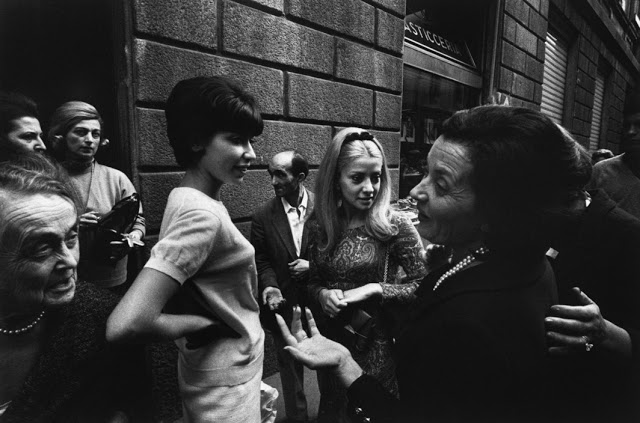
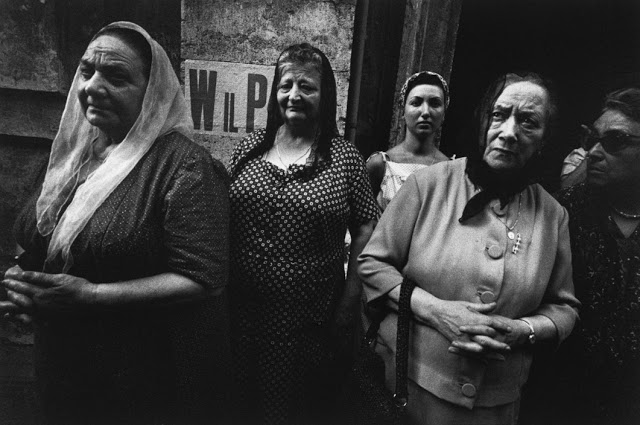
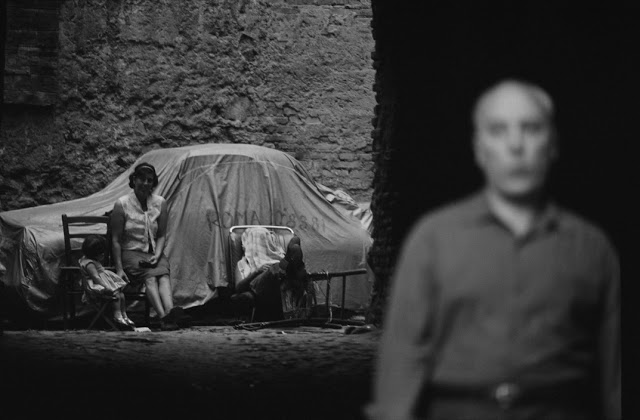
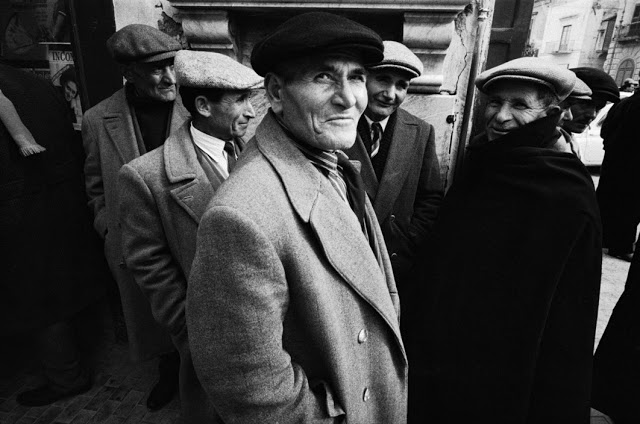
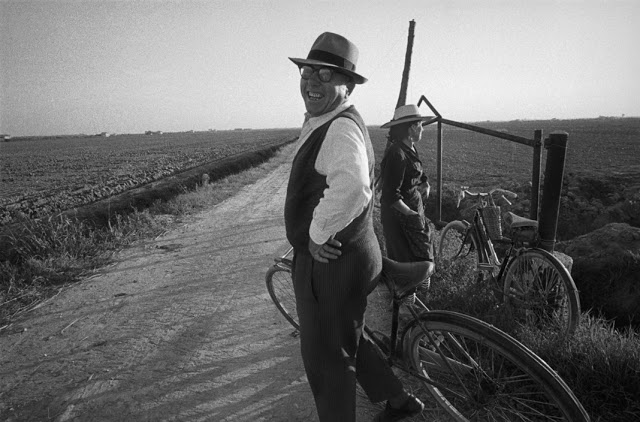
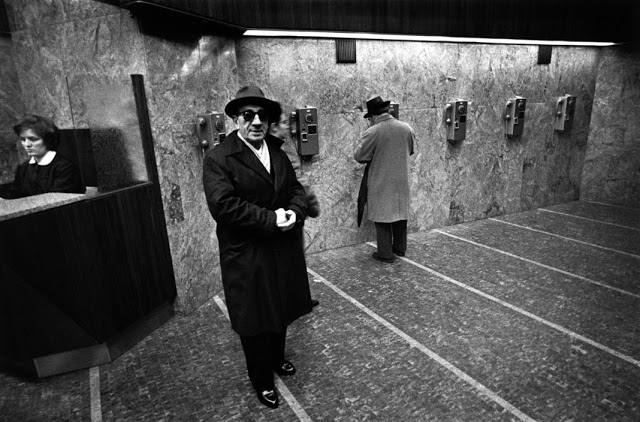
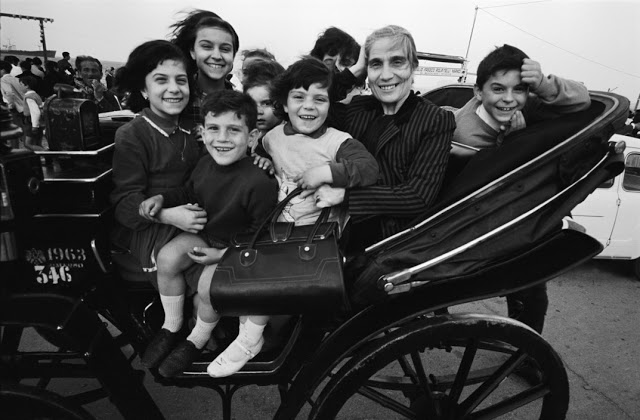
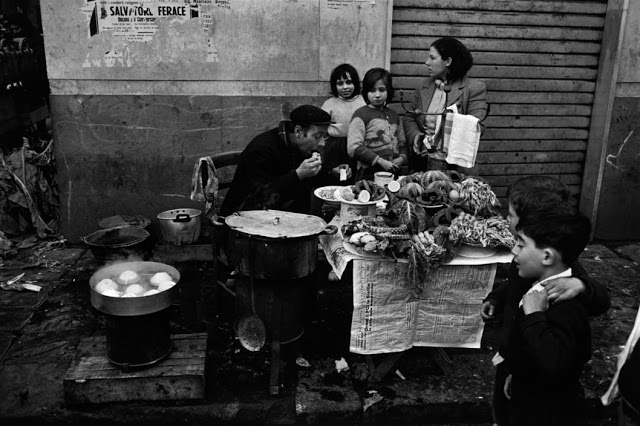
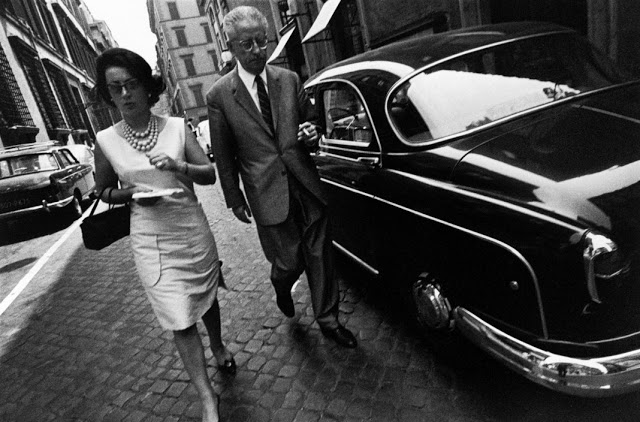
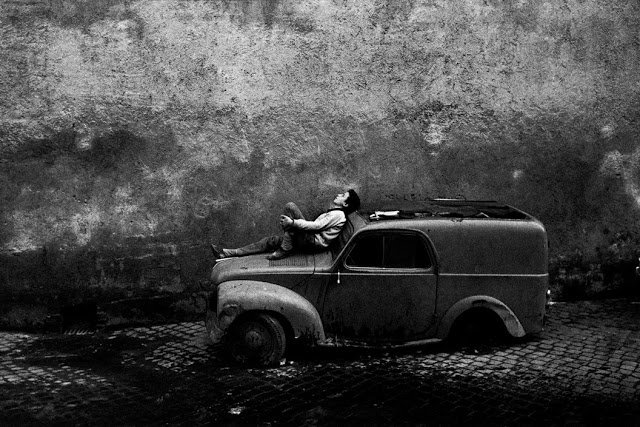
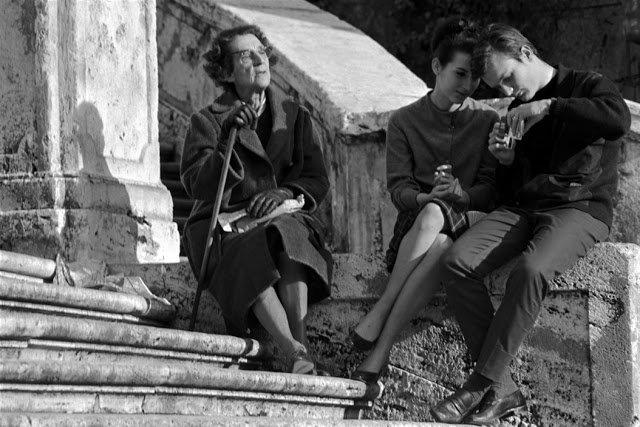
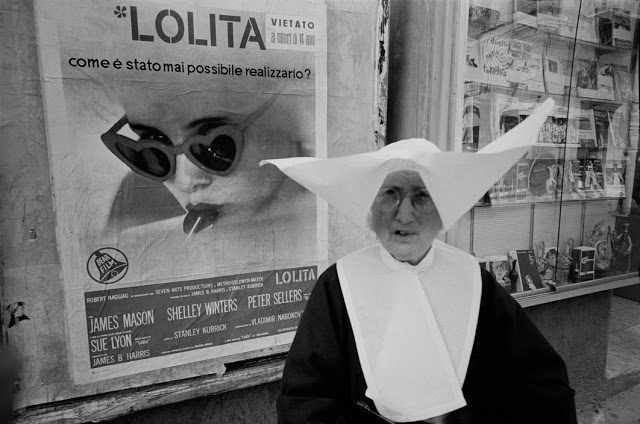
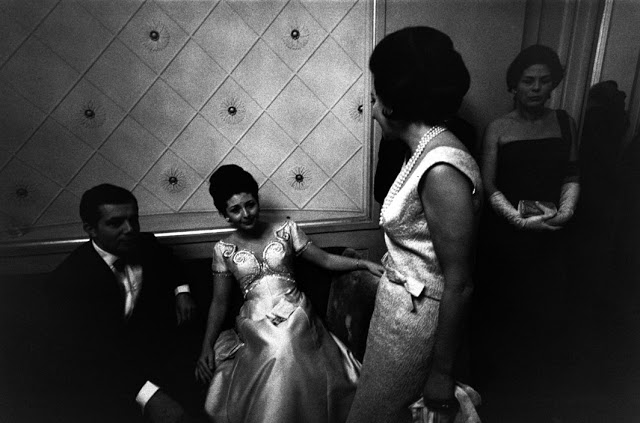
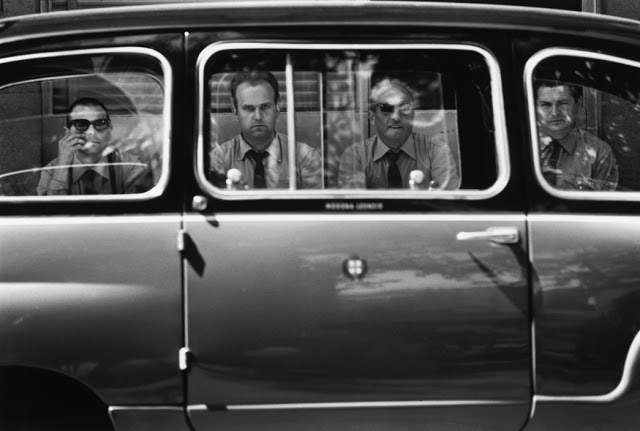
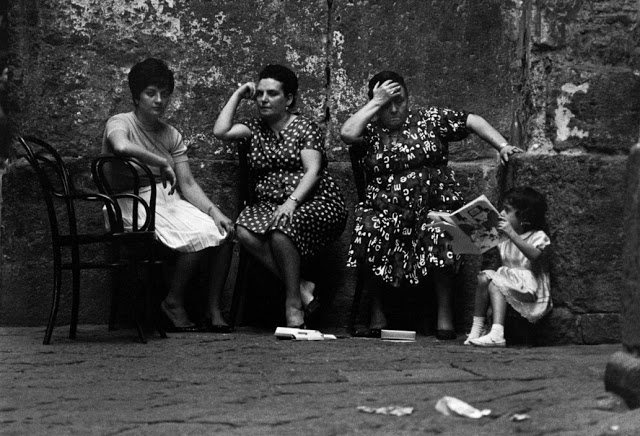
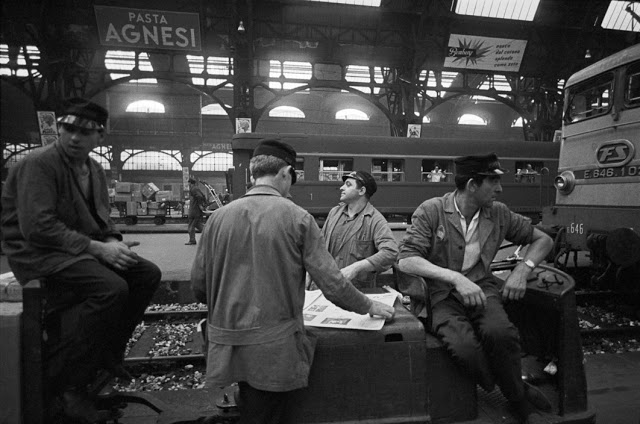
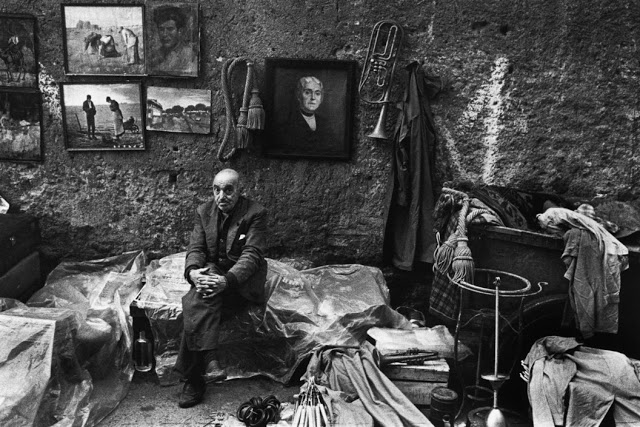
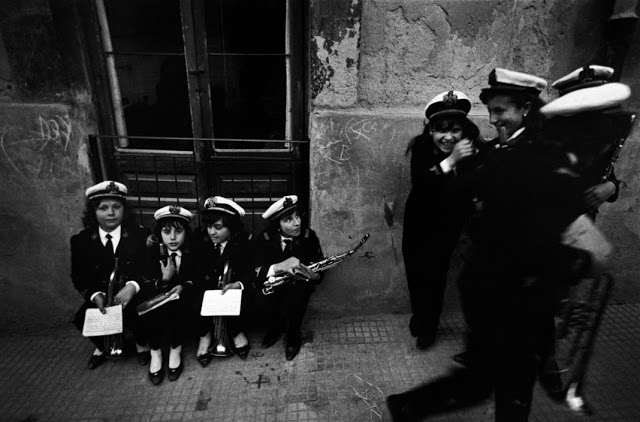
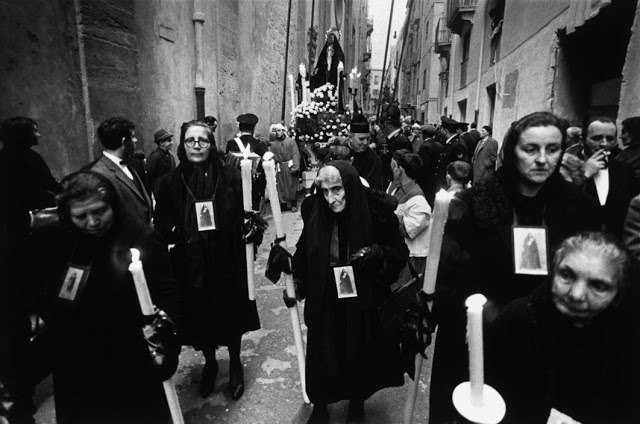
There were so many photographers of other countries that have documented Italy and the Italians, from Henri Cartier-Bresson to William Klein but the Barbey’s reportage is a shining example of how a photographer able to immerse himself in a documentary work can achieve to identify certain nuances in an extraordinary way.
Barbey is Magnum photographer who later showed us a masterful color reportage work, but this does not cut off that his work in black and white showed through this report represents one of the extraordinary pages of documentary photography.
It was the 1960s. Italy “raising its head” after the horrors and miseries generated by the war. The middle class, after so much suffering, knew the economic boom, a perhaps illusory enthusiasm, a new society maybe a little bit a la americana, in some ways. The music for example also became something of the young, creating the first cultural tribes. Fashion was now something that was beginning to be followed by more people, who finally had some extra cash to express their way of being. Yet in this context there were still pockets of dire poverty, especially in the south-center of the country. Italy was a land of fierce contrasts and this gives our eyes in this extraordinary fresco of Italy of that time.
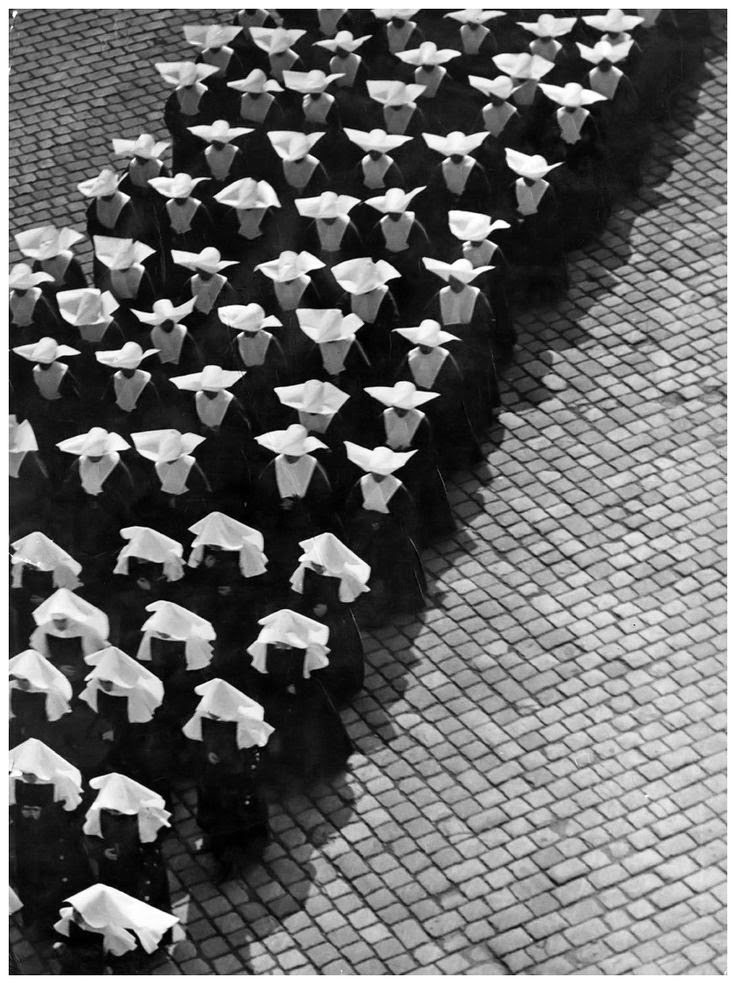
In the early 1960s, Bruno Barbey crisscrossed Italy from North to South attempting to capture the spirit of the nation. “The Italians” is an evocative collection of Barbey’s modern Comedia Dell’Arte of beggars, priests, nuns, carbinieri, prostitutes and Mafiosi; archetypal figures whose exotic charms helped to make the films of Pasolini, Visconti and Fellini so popular.
ITALY. Sicily region. Town of Palermo. 1963.ITALY. Liguria region. Town of Genoa. 1962.ITALY. Naples. Children and a beggar. 1962.ITALY. Lazio region. Rome. 1966.ITALY. Campania region. Town of Naples. 1966. First communion.ITALY. Campania region. Town of Naples. 1963.ITALY. Campania region. Town of Naples. 1963. Sailors on shore.ITALY. Lazio region. Rome. Men on leave from their military service. 1963.ITALY. Lombardia region. Town of Milan. Supporters during a football match. 1966.ITALY. Campania region. Town of Naples. 1966. At the opera.ITALY. Campania region. Town of Naples. 1966.ITALY. Lazio region. Rome. 1966.ITALY. Campania region. Town of Naples. 1966. Watching a religious parade in the old part of the city.ITALY. Rome. 1964.ITALY. Tuscany region. 1966.ITALY. Tuscany region. 1966.ITALY. Tuscany region. Town of Florence. 1964.ITALY. Sicily. 1966. Town of Caltanissetta.ITALY. Lombardia region. Town of Milan. 1966.ITALY. Campania region. Town of Naples. 1966.ITALY. Emilia Romagna region. Delta of Po river. 1966.Milan. The central post office. Clients buying “getones” telephone coins.ITALY. Lombardia region. Town of Milan. 1966.ITALY. Calabria region. 1966.ITALY. Town of Naples. 1964.ITALY. Town of Naples. 1964.ITALY. Town of Naples. 1964.Lazio region. Rome. 1966.ITALY. Rome. 1964.ITALY. Rome. 1964 Ostia beach.ITALY. Rome. 1964.ITALY. Rome. 1962.ITALY. Rome. 1964.ITALY. Rome. 1964.ITALY. Rome. 1964.ITALY. Sicily region. Town of Palermo. 1964.ITALY. Town of Milan. 1964.ITALY. Town of Milan. At the Opera. 1964.ITALY. Lazio region. Rome. 1966.ITALY. Town of Milan. 1964.ITALY. Lazio region. Rome. 1966.ITALY. Town of Naples. 1964.ITALY. Town of Milan. Railway station. 1964.ITALY. Lazio region. Rome. Trastevere district. 1966. Flea market.ITALY. Lazio region. Rome. 1966.Store near the Vatican.ITALY. Sicily region. Town of Trapani. 1966.ITALY. Town of Naples. 1964.ITALY. Sicily region. Town of Trapani. 1964.ITALY. Town of Matera. 1964.
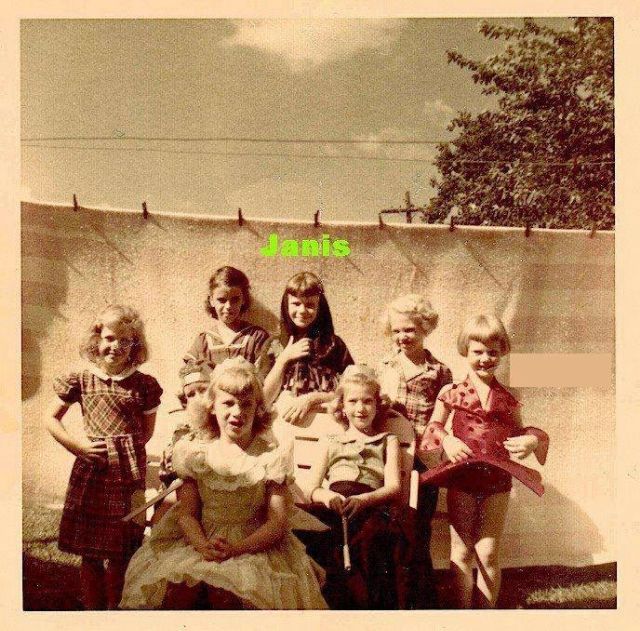
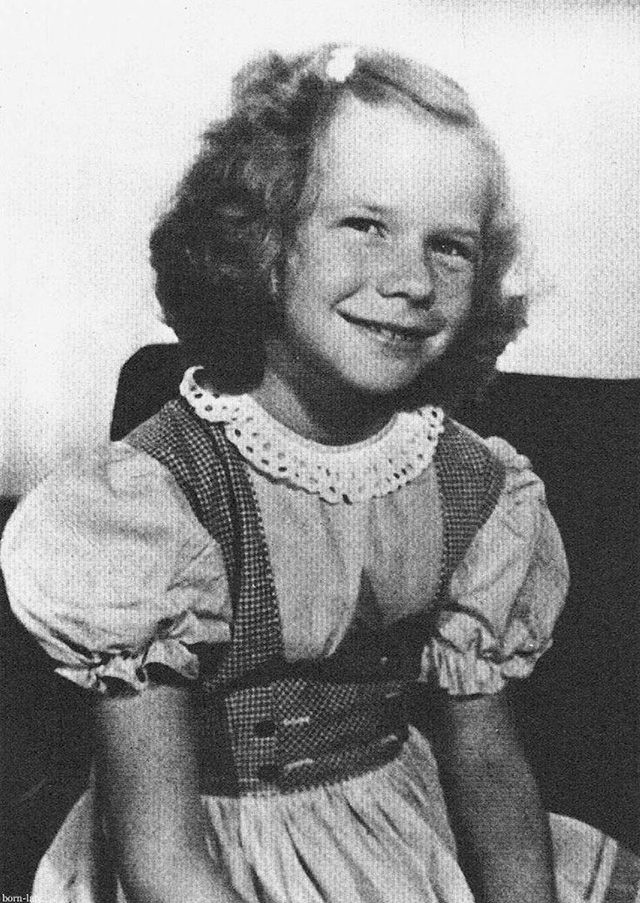
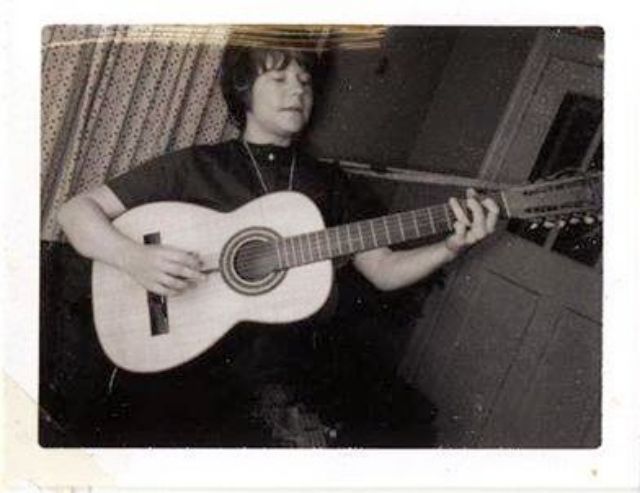
In the Rock ‘n Roll firmament of the 1960s, Janis Joplin (January 19, 1943 – October 4, 1970) was a shooting star who burned white hot for five short years. She died of a heroin overdose at age 27. Joplin sang her own brand of the blues in an incendiary style. Yet in her short time — between 1966 and 1970 — she carved out a piece of music history that was distinctly her own.
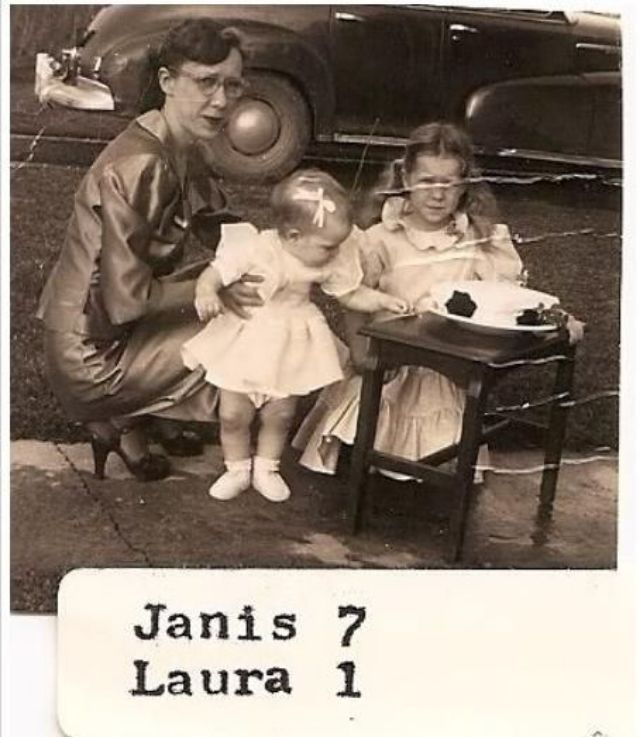
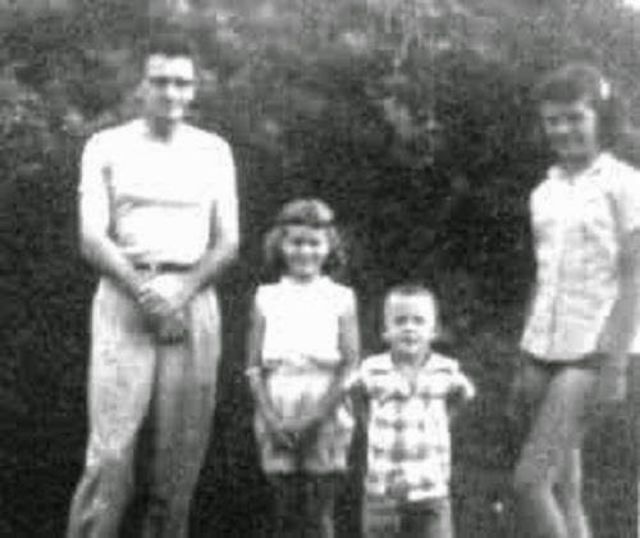
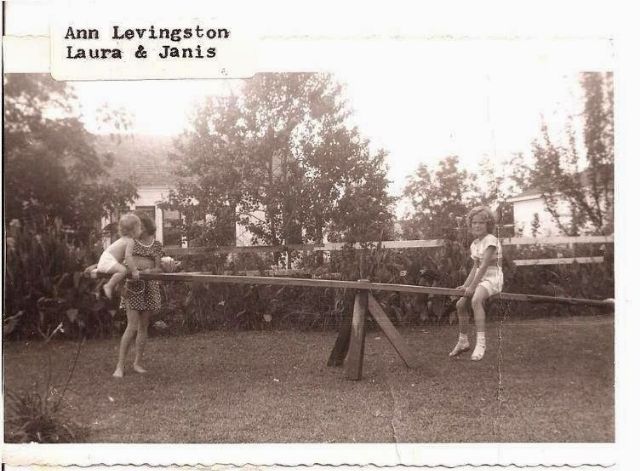
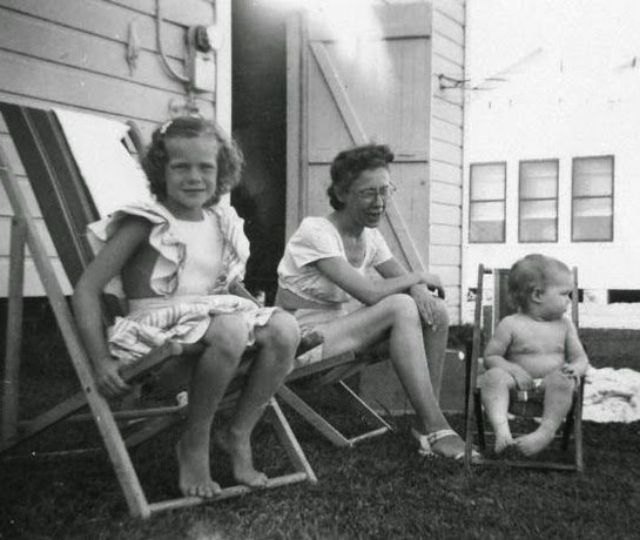
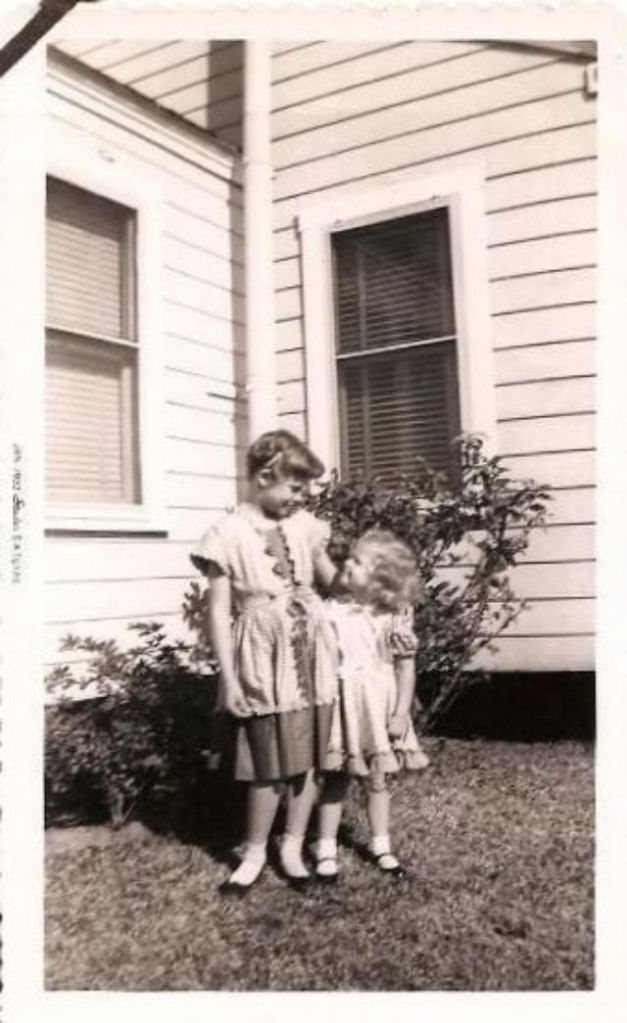
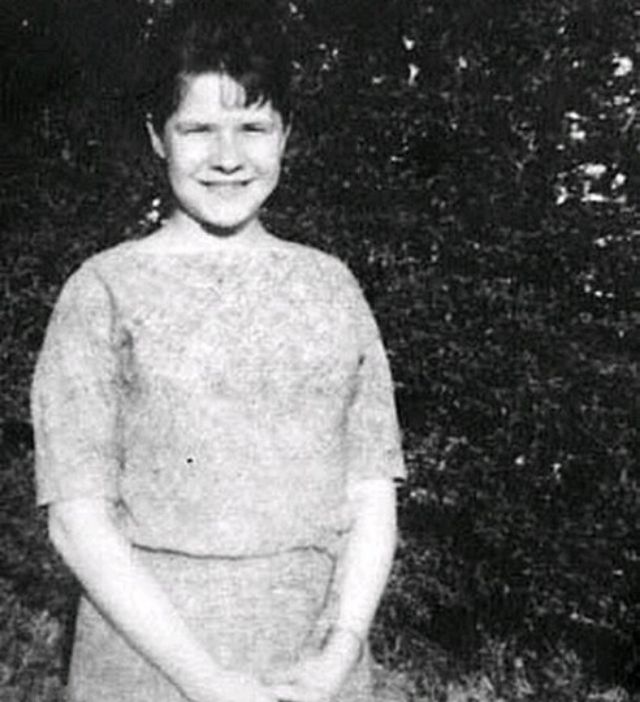
Developing a love for music at an early age, Joplin sang in her church choir as a child and showed some promise as a performer. She was an only child until the age of 6, when her sister, Laura, was born. Four years later, her brother, Michael, arrived. Joplin was a good student and fairly popular until around the age of 14, when some side effects of puberty started to kick in. She got acne and gained some weight.
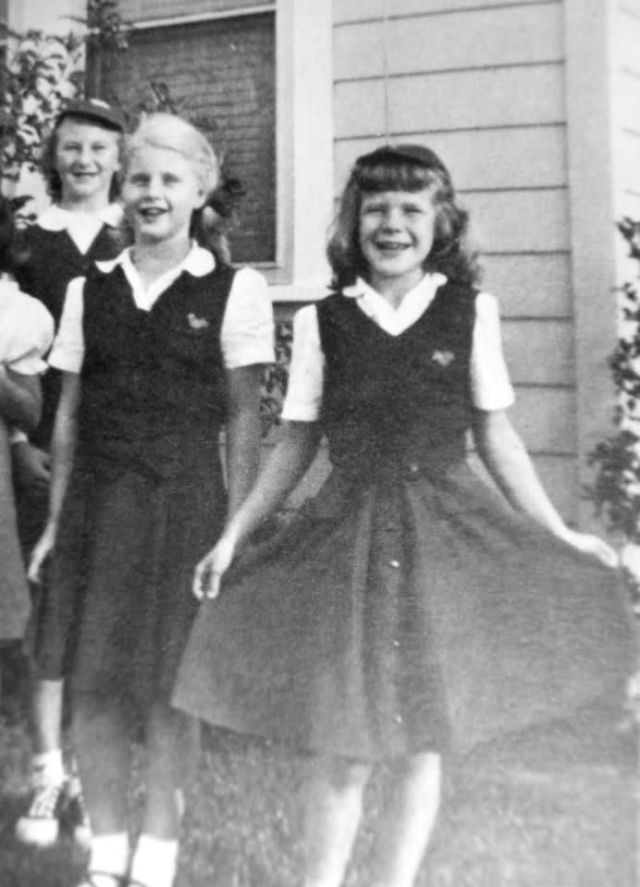
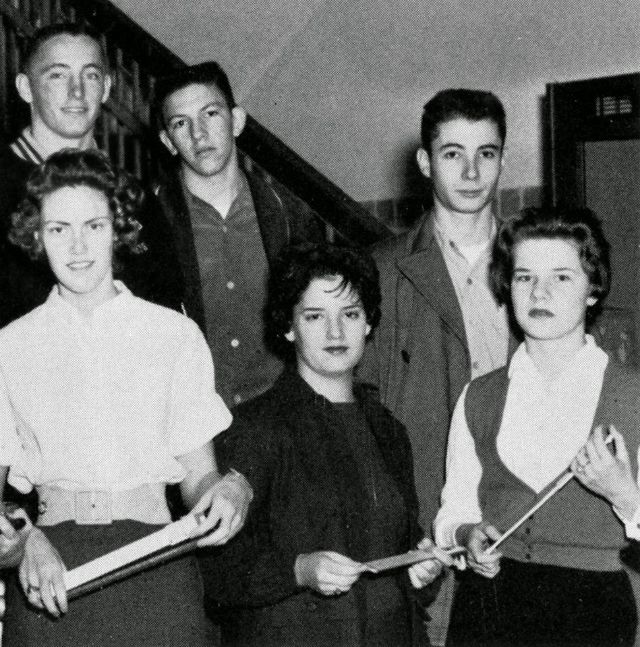
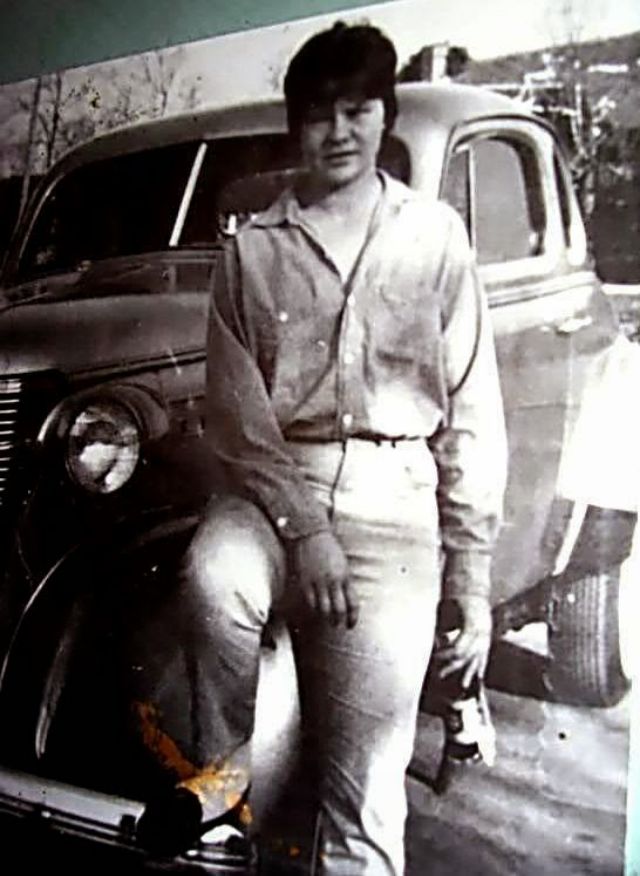
At Thomas Jefferson High School, Joplin began to rebel. She eschewed the popular girls’ fashions of the late 1950s, often choosing to wear men’s shirts and tights, or short skirts. Joplin, who liked to stand out from the crowd, became the target of some teasing as well as a popular subject in the school’s rumor mill. She was called a “pig” by some, while others said that she was sexually promiscuous.
Joplin eventually developed a group of guy friends who shared her interest in music and the Beat Generation, which rejected the standard norms and emphasized creative expression (Jack Kerouac and Allen Ginsberg were two of the Beat movement’s leading figures).
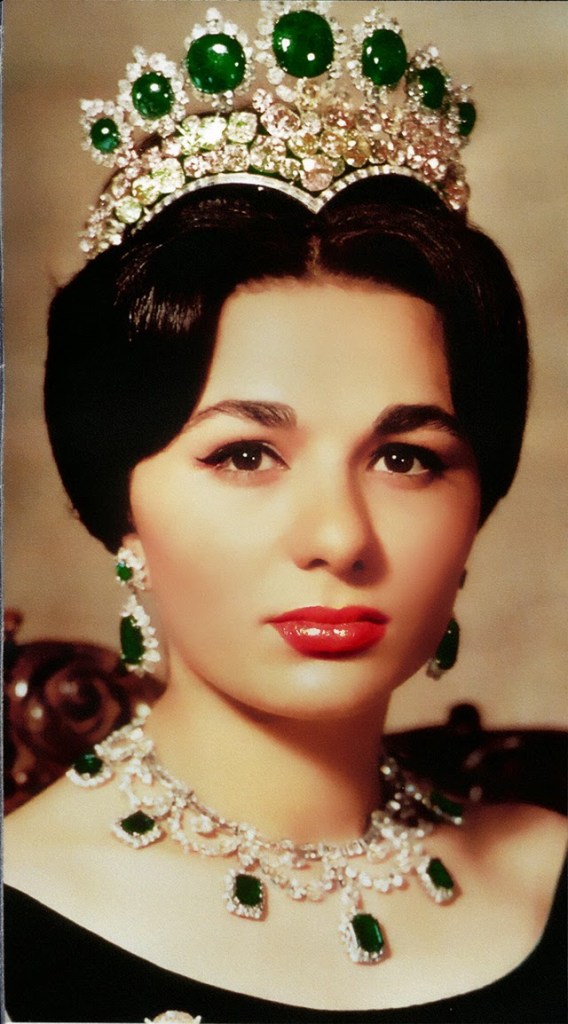
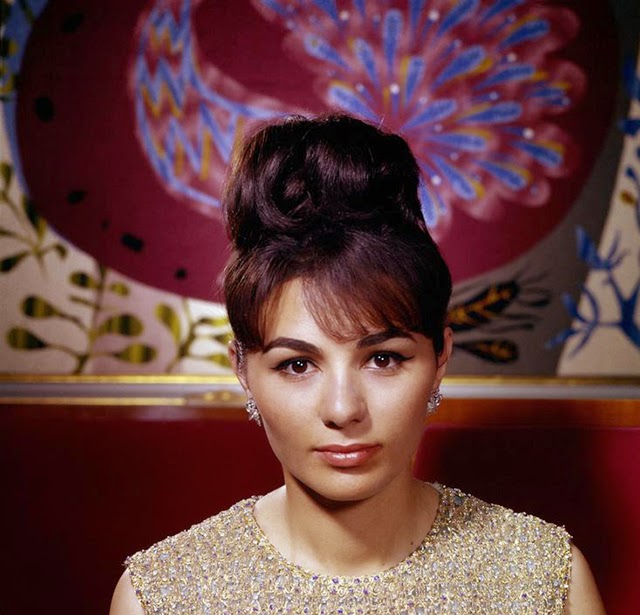
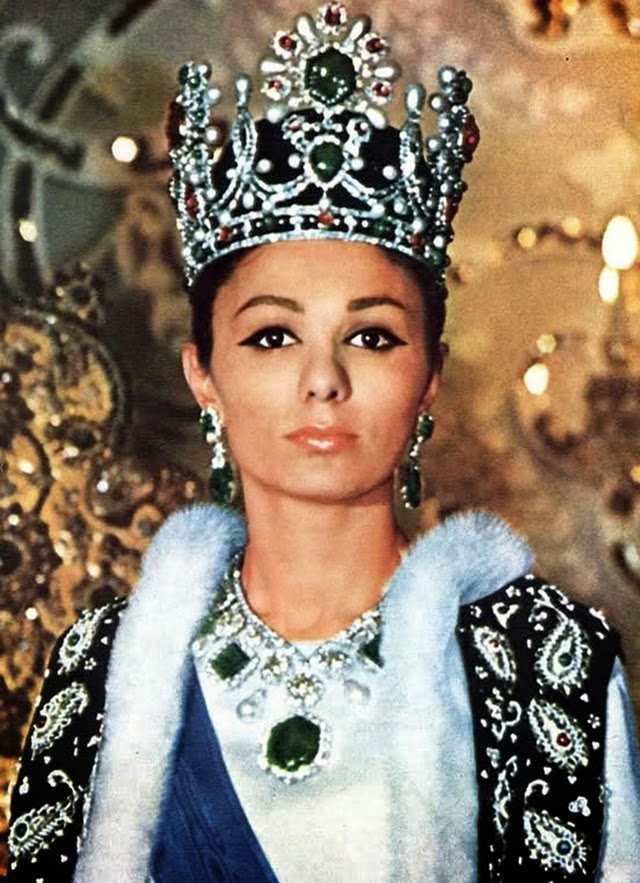
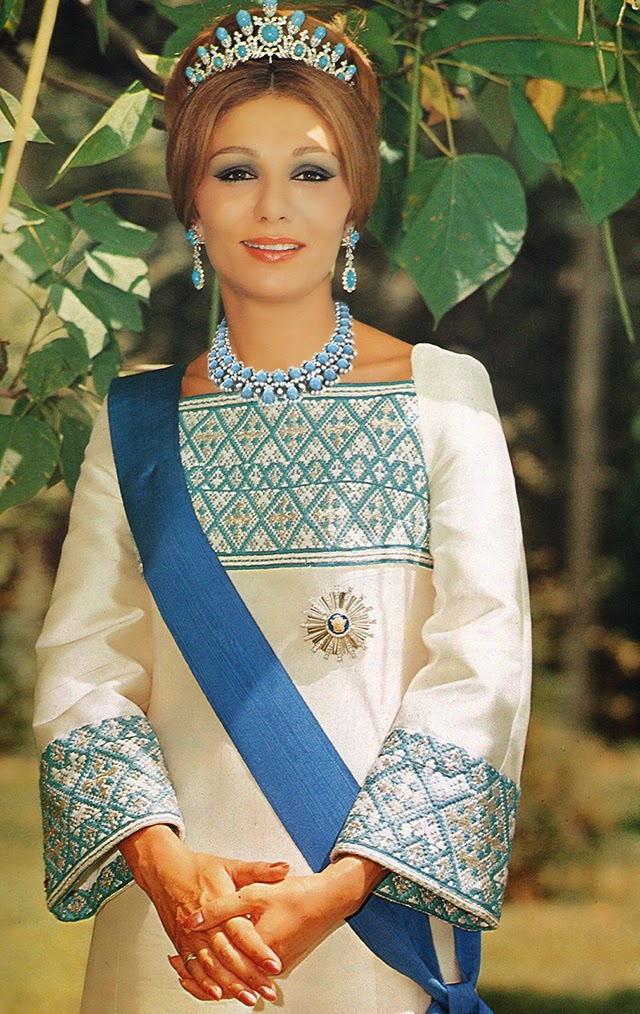
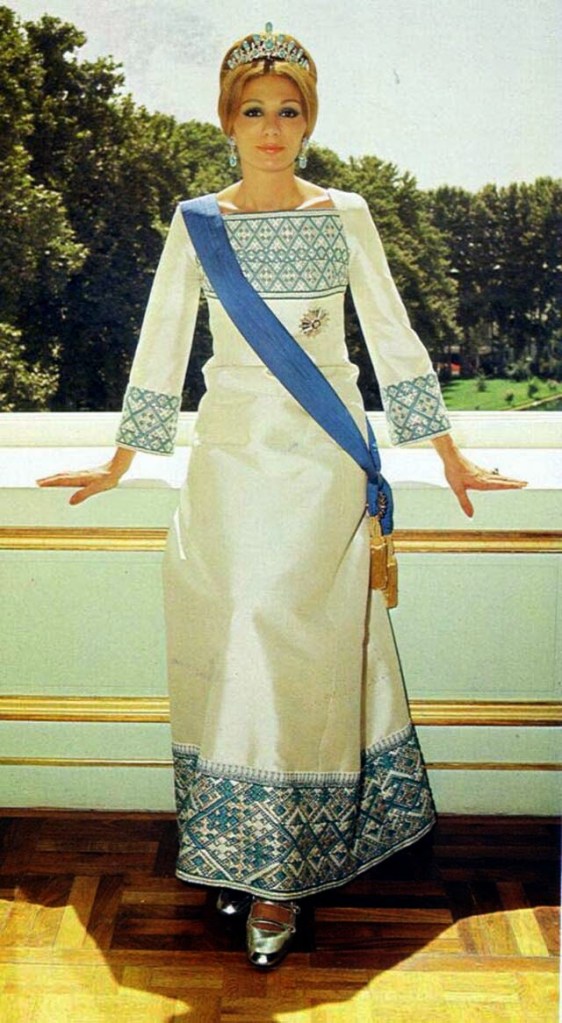
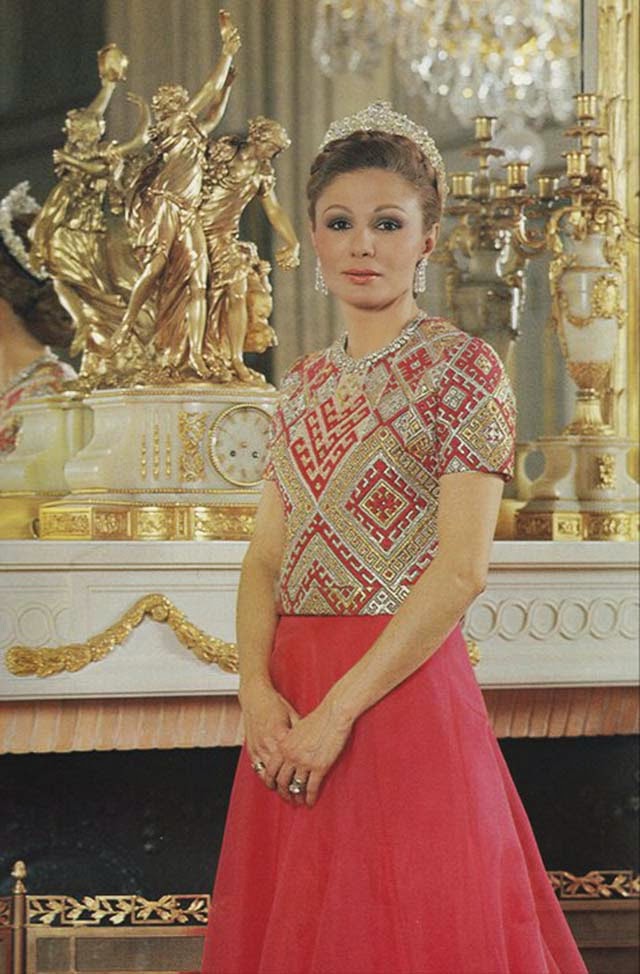
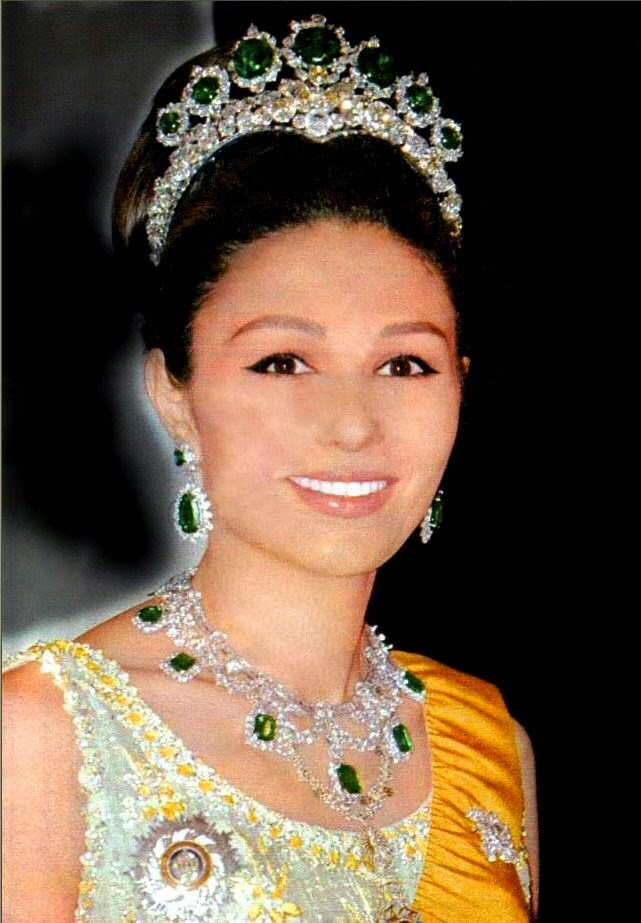
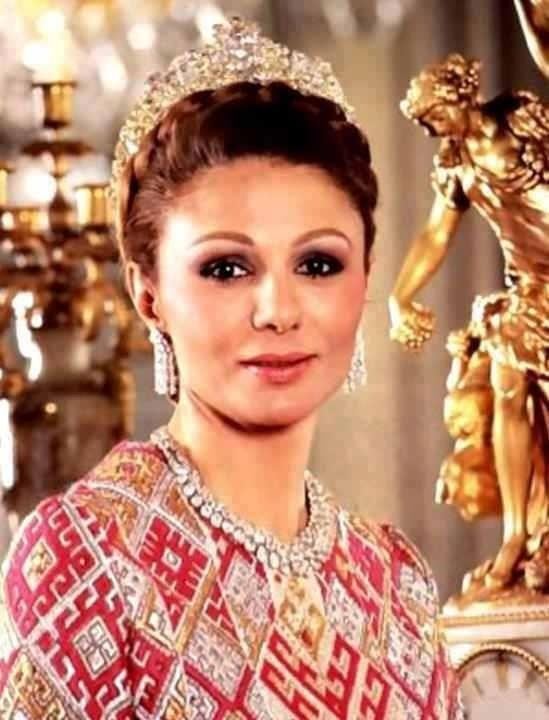
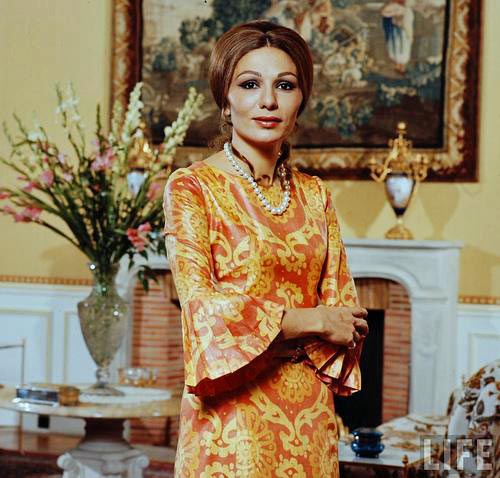
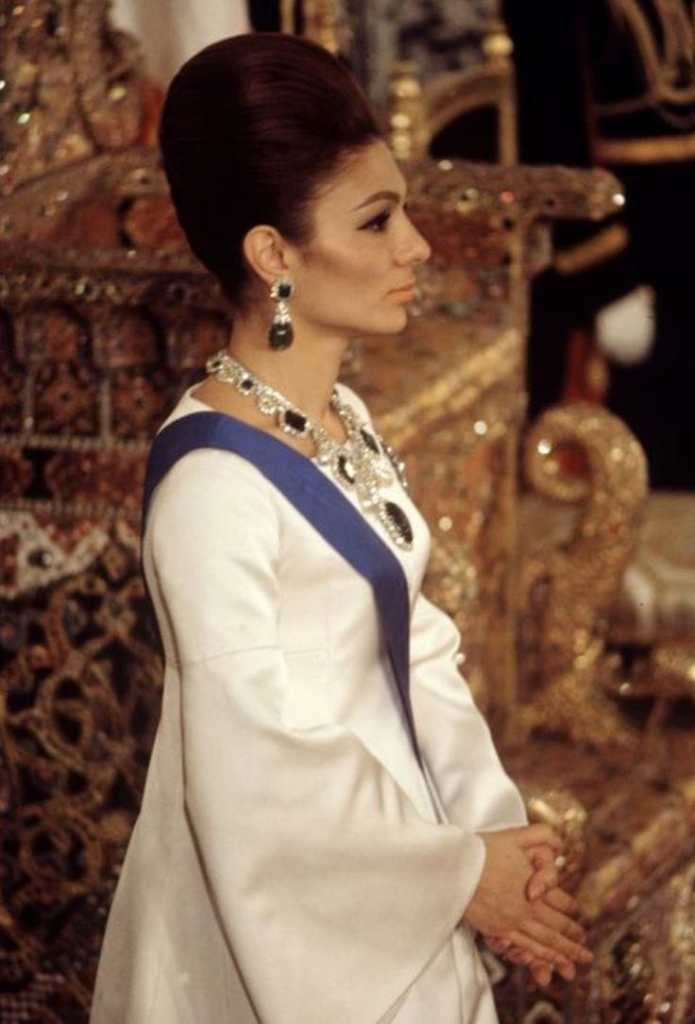
Farah Pahlavi (Persian: فرح پهلوی, née Farah Diba (فرح دیبا); born 14 October 1938) is the widow of the last Shah of Iran, Mohammad Reza Pahlavi, and was successively Queen and Shahbanu (empress consort) of Iran from 1959 to 1979. She was born into a prosperous family whose fortunes were diminished after her father’s early death. While studying architecture in Paris, France, she was introduced to the Shah at the Iranian embassy, and they were married in December 1959. The Shah’s first two marriages had not produced a son—necessary for royal succession—resulting in great rejoicing at the birth of Crown Prince Reza in October of the following year. Diba was then free to pursue interests other than domestic duties, though she was not allowed a political role. She worked for many charities, and founded Iran’s first American-style university, enabling more women to become students in the country. She also facilitated the buying-back of Iranian antiquities from museums abroad.
By 1978, growing anti-imperialist unrest fuelled by communism, socialism, and Islamism throughout Iran was showing clear signs of impending revolution, prompting Shahbanu and the Shah to leave the country in January 1979 under the threat of a death sentence. For this reason, most countries were reluctant to harbour them, with Anwar Sadat’s Egypt being an exception. Facing execution should he return, and in ill health, the Shah died in exile in July 1980. In widowhood, Diba has continued her charity work, dividing her time between Washington, D.C. in the United States and Paris, France. (Wikipedia)
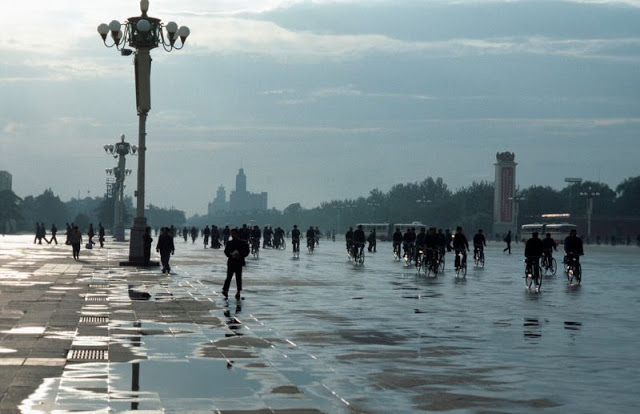
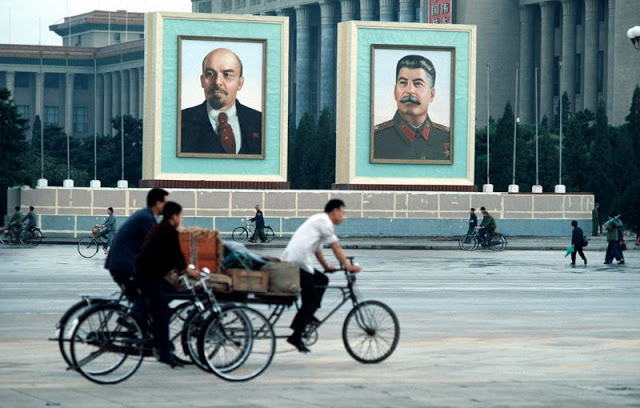
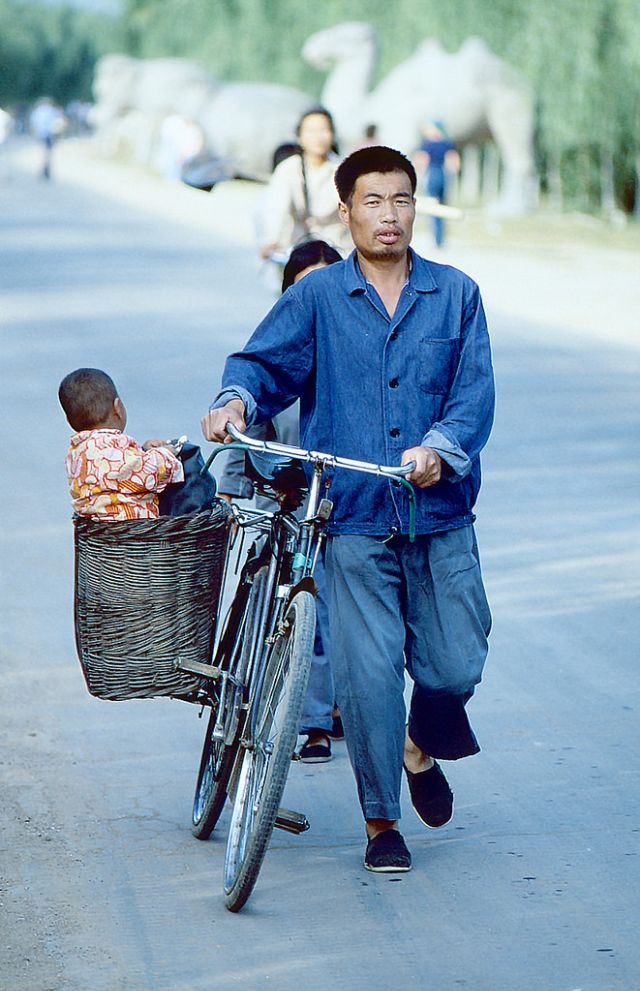
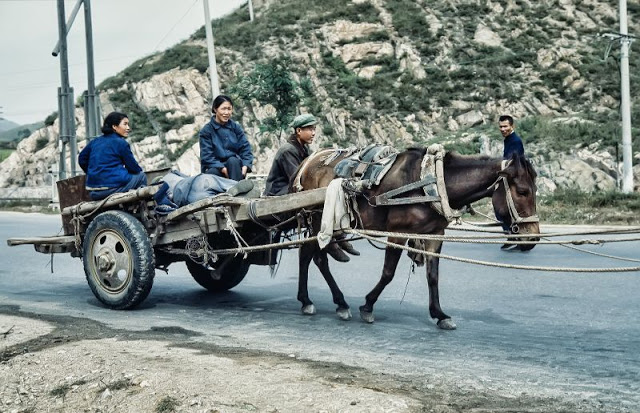
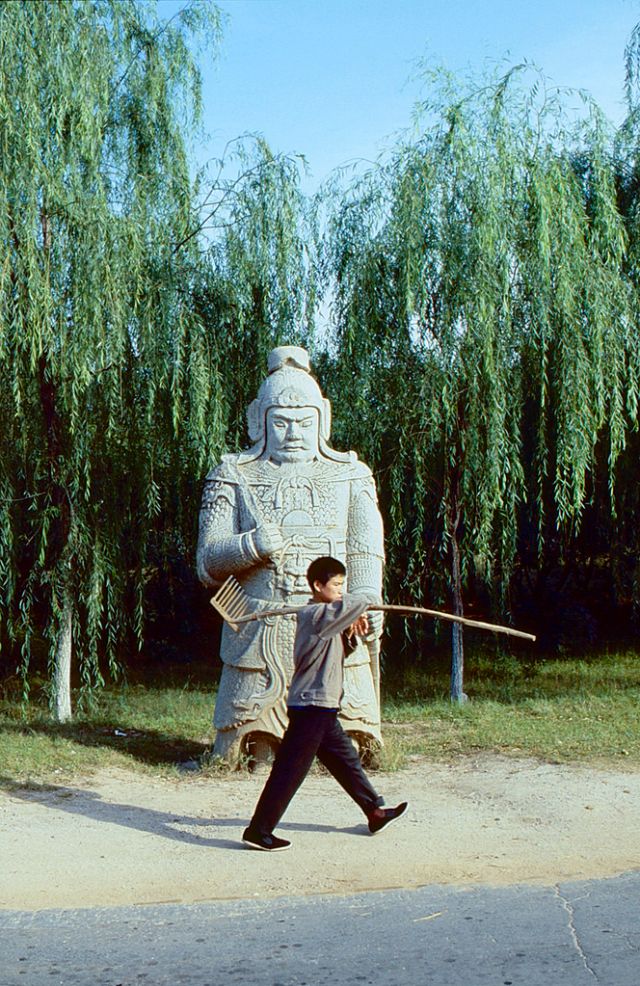
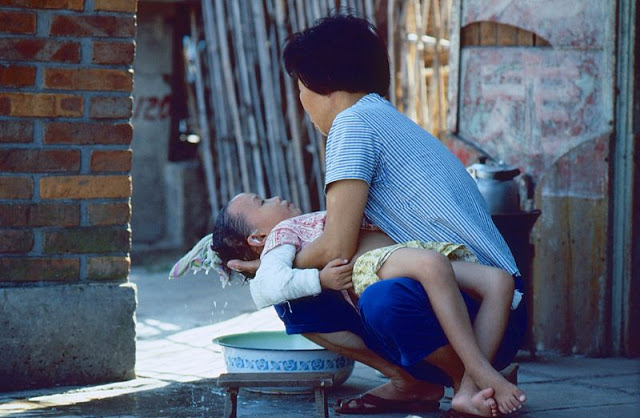
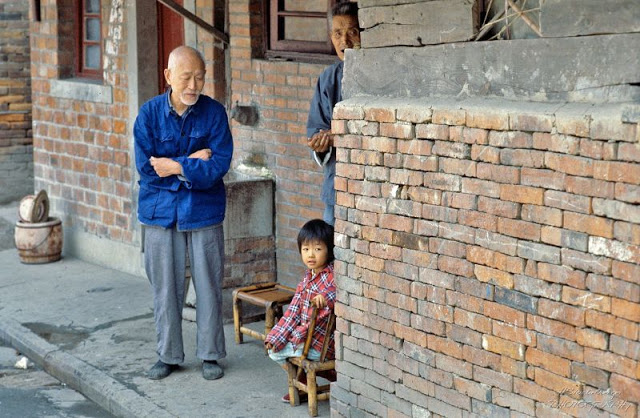
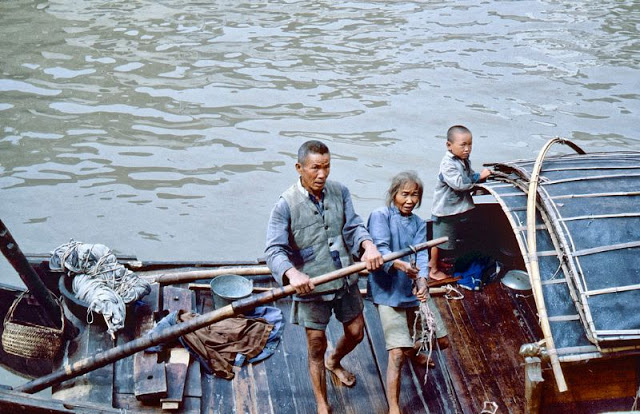
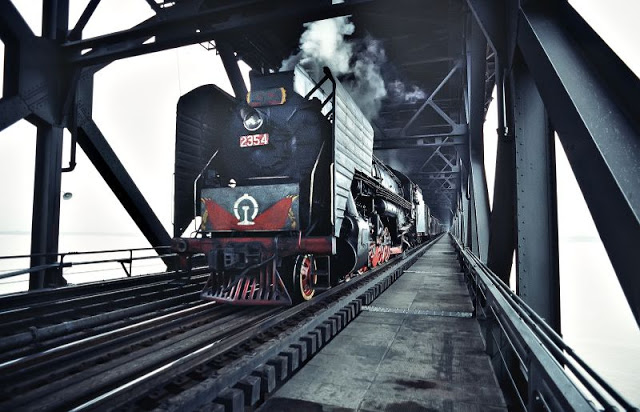
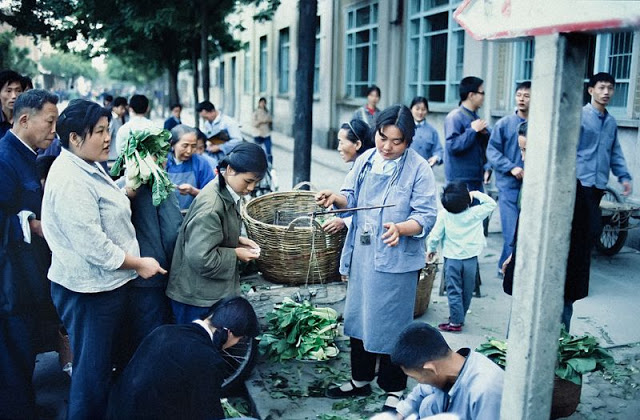
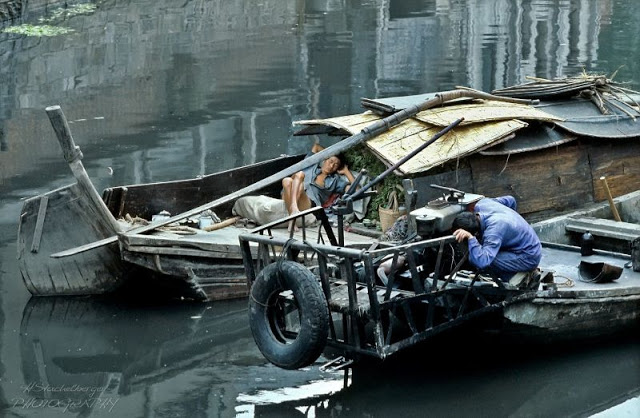
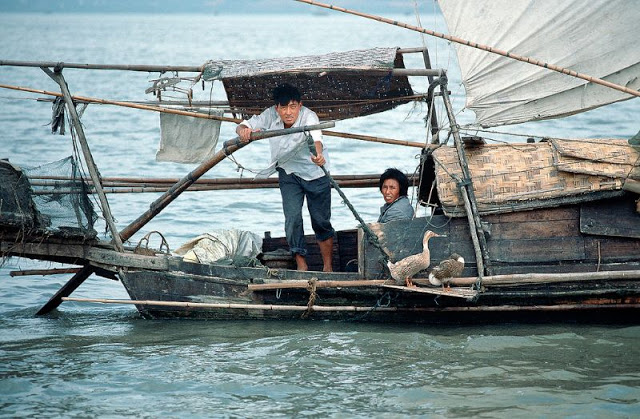
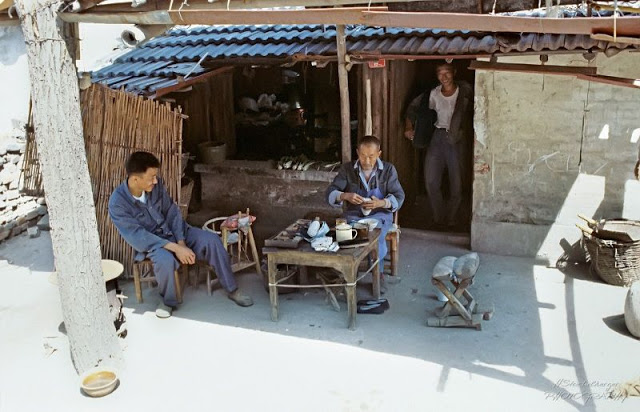
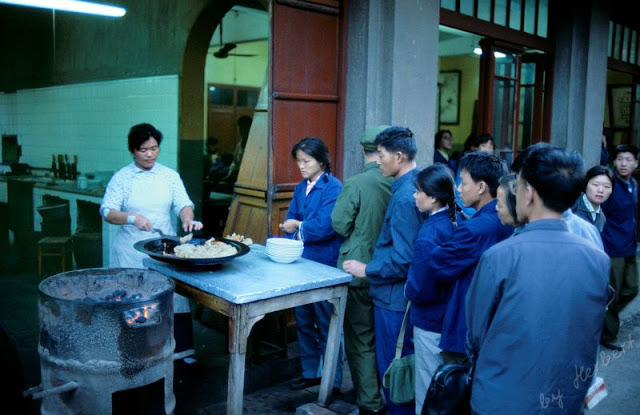
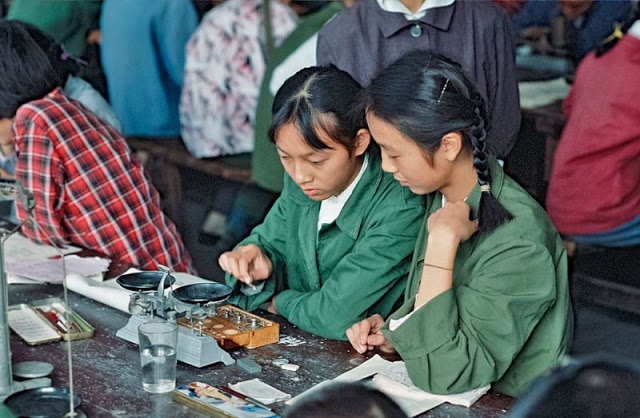
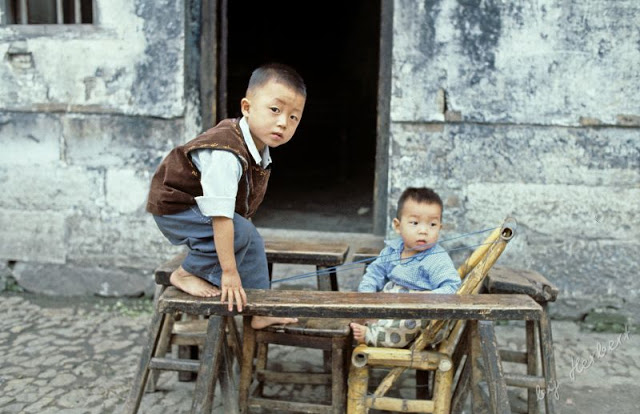
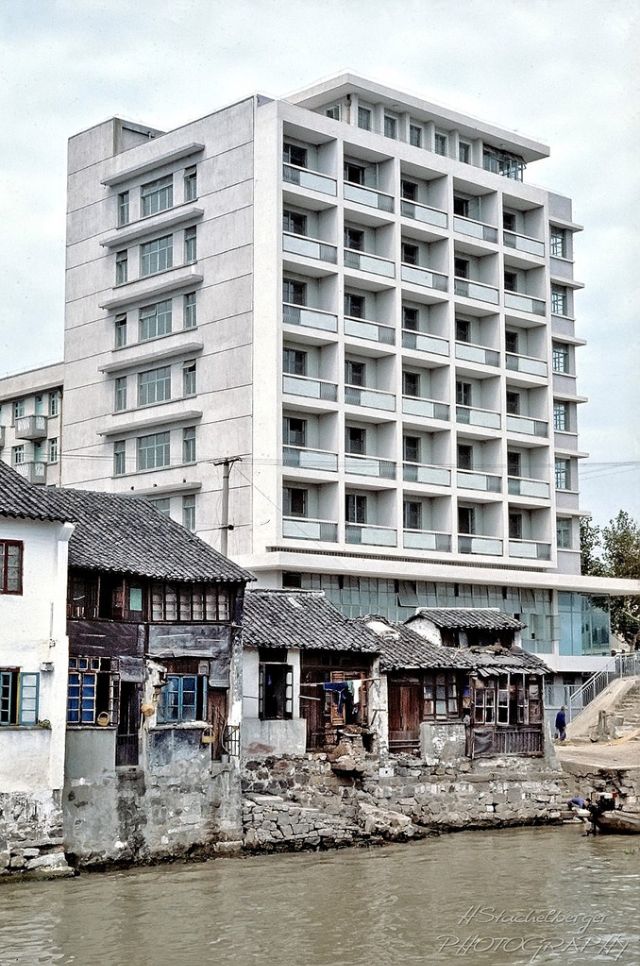
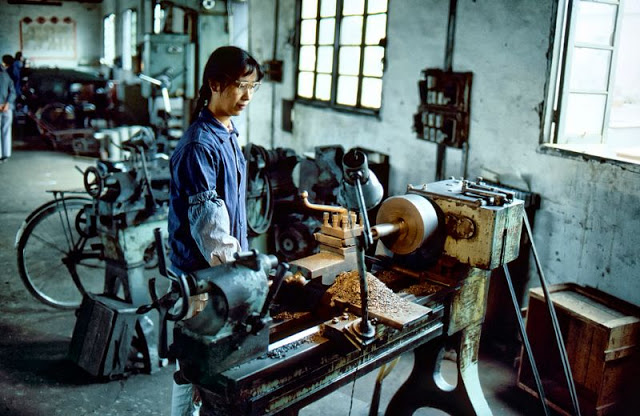
China (Chinese: 中国; pinyin: Zhōngguó), officially the People’s Republic of China (PRC; Chinese: 中华人民共和国; pinyin: Zhōnghuá Rénmín Gònghéguó), is a country in East Asia. It is the world’s most populous country, with a population of more than 1.4 billion. China spans five geographical time zones and borders 14 countries, the second most of any country in the world after Russia. Covering an area of approximately 9.6 million square kilometers (3,700,000 sq mi), it is the world’s third or fourth largest country. The country consists of 23 provinces, five autonomous regions, four municipalities, and two Special Administrative Regions (Hong Kong and Macau). The national capital is Beijing, and the most populous city and financial center is Shanghai.
China emerged as one of the world’s first civilizations in the fertile basin of the Yellow River in the North China Plain. China was one of the world’s foremost economic powers for most of the two millennia from the 1st until the 19th century. For millennia, China’s political system was based on absolute hereditary monarchies, or dynasties, beginning with the semi-legendary Xia dynasty in the 21st century BCE. Since then, China has expanded, fractured, and re-unified numerous times. In the 3rd century BCE, the Qin reunited core China and established the first Chinese empire. The succeeding Han dynasty (206 BCE – 220 CE) saw some of the most advanced technology at that time, including papermaking and the compass, along with agricultural and medical improvements. The invention of gunpowder and movable type in the Tang dynasty (618–907) and Northern Song Dynasty (960–1127) completed the Four Great Inventions. Tang culture spread widely in Asia, as the new Silk Road brought traders to as far as Mesopotamia and the Horn of Africa. The Qing dynasty, China’s last dynasty, which formed the territorial basis for modern China, suffered heavy losses to foreign imperialism in the 19th century.
The Chinese monarchy collapsed in 1912 with the Xinhai Revolution, when the Republic of China (ROC) replaced the Qing dynasty. Japan invaded China in 1937, starting the Second Sino-Japanese War and temporarily halting the civil war between the Chinese Communist Party (CCP) and the Kuomintang. The surrender and expulsion of Japanese forces from China in 1945 left a power vacuum in the country, which led to renewed fighting between the CCP and the Kuomintang. The civil war ended in 1949 with the division of Chinese territory; the CCP established the People’s Republic of China on the mainland while the Kuomintang-led ROC government retreated to the island of Taiwan.[k] Both claim to be the sole legitimate government of China, although the United Nations has recognized the PRC as the sole representation since 1971. From 1959–1961, the PRC implemented an economic and social campaign called the Great Leap Forward that resulted in an estimated 15 to 55 million deaths, mostly through starvation. China conducted a series of economic reforms since 1978, and entered into the World Trade Organization in 2001.
China is currently governed as a unitary one-party socialist republic by the CCP. China is a permanent member of the United Nations Security Council and a founding member of several multilateral and regional cooperation organizations such as the Asian Infrastructure Investment Bank, the Silk Road Fund, the New Development Bank, the Shanghai Cooperation Organisation, and the RCEP, and is a member of the BRICS, the G8+5, the G20, the APEC, and the East Asia Summit. It ranks among the lowest in international measurements of civil liberties, government transparency, freedom of the press, freedom of religion and ethnic minorities. The Chinese authorities have been criticized by political dissidents and human rights activists for widespread human rights abuses, including political repression, mass censorship, mass surveillance of their citizens and violent suppression of protests.
China is the world’s largest economy by GDP at purchasing power parity, the second-largest economy by nominal GDP, and the second-wealthiest country. The country is one of the fastest growing major economies and is the world’s largest manufacturer and exporter. China is a recognized nuclear-weapon state with the world’s largest standing army by military personnel and second-largest defense budget. China is considered to be a potential superpower due to its large markets, growing military strength, economic potential, and influence in international affairs. (Wikipedia)
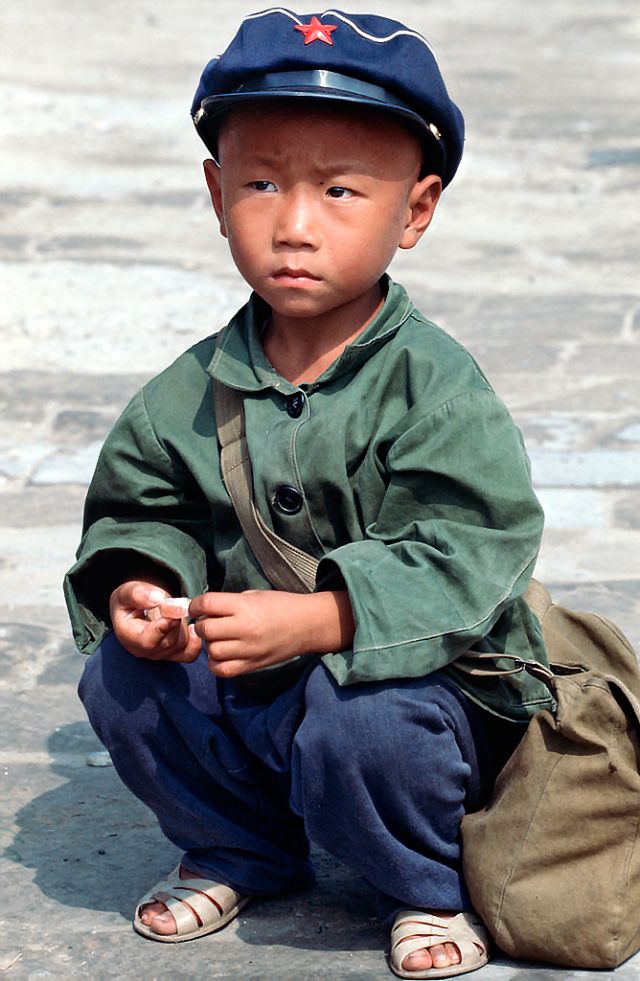
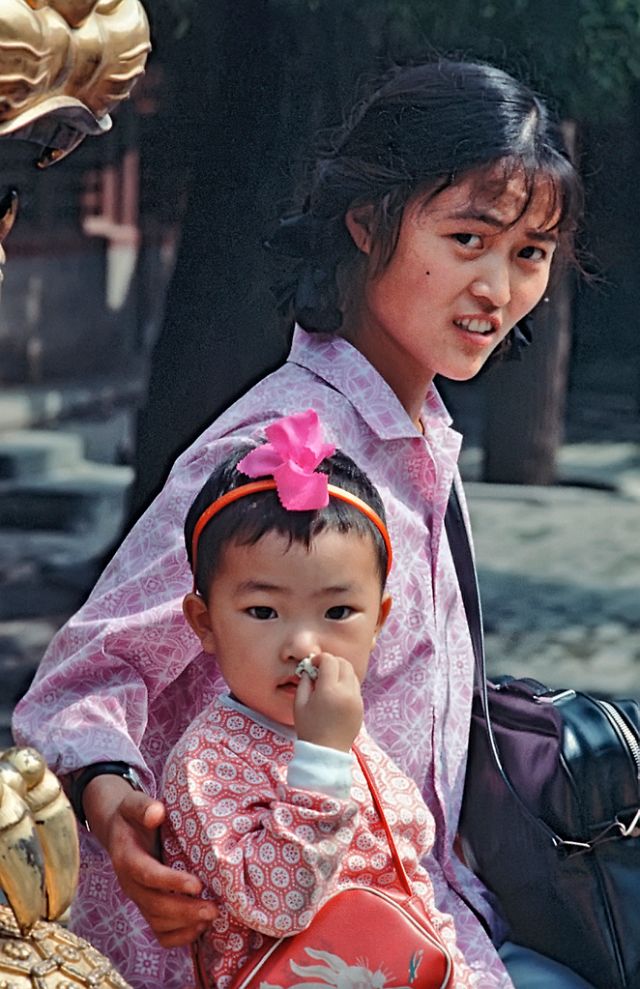
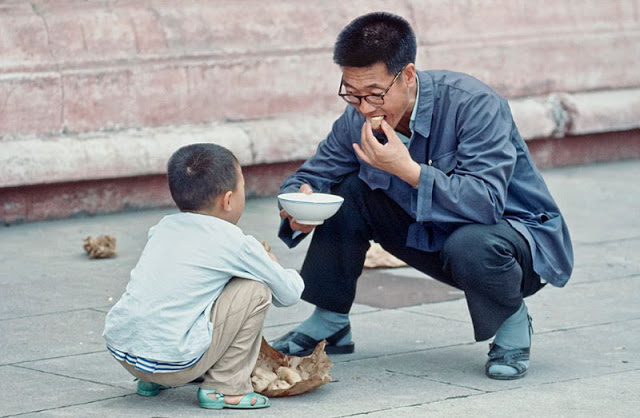
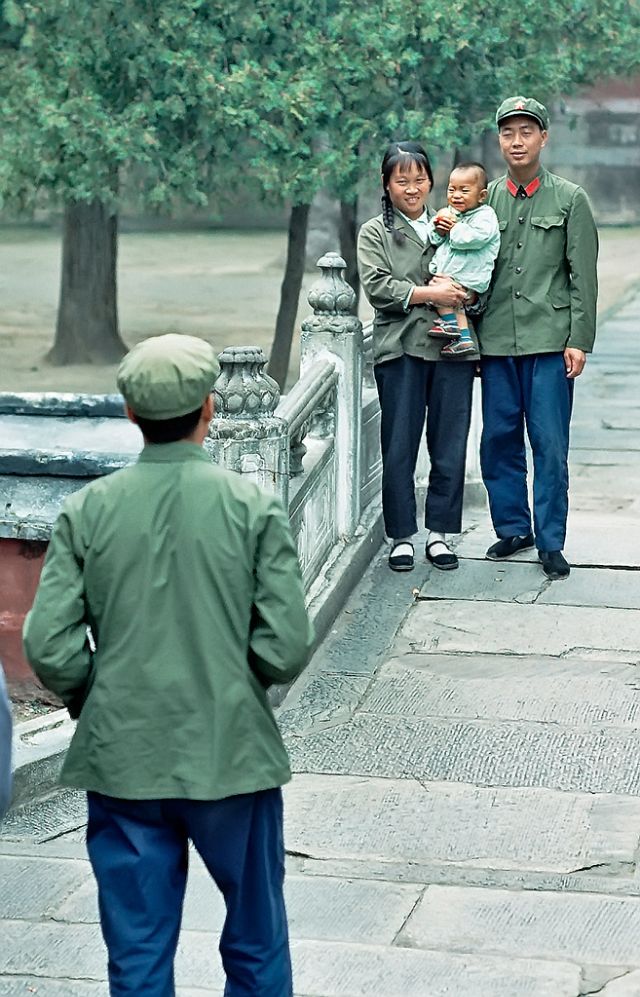
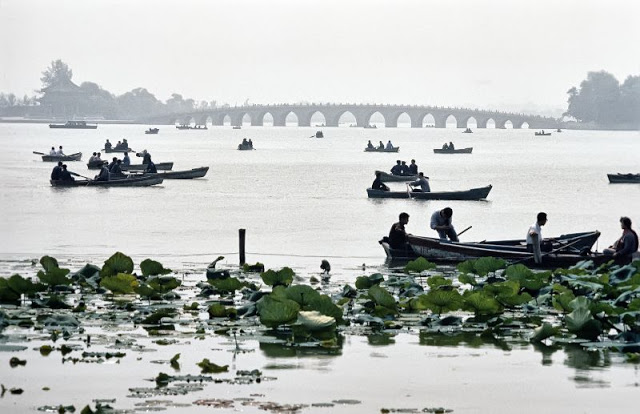
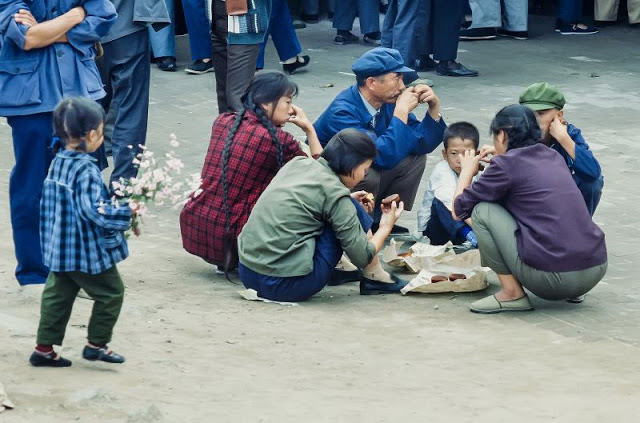
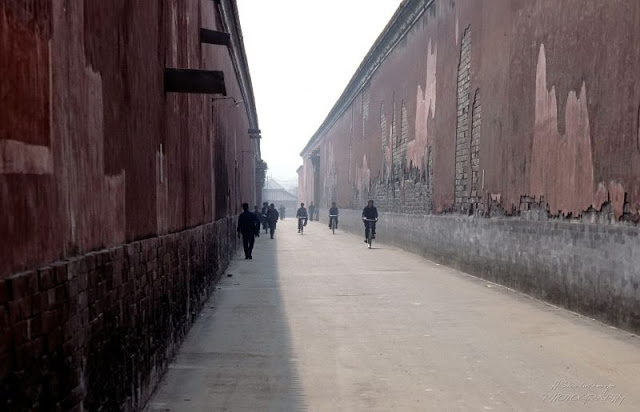
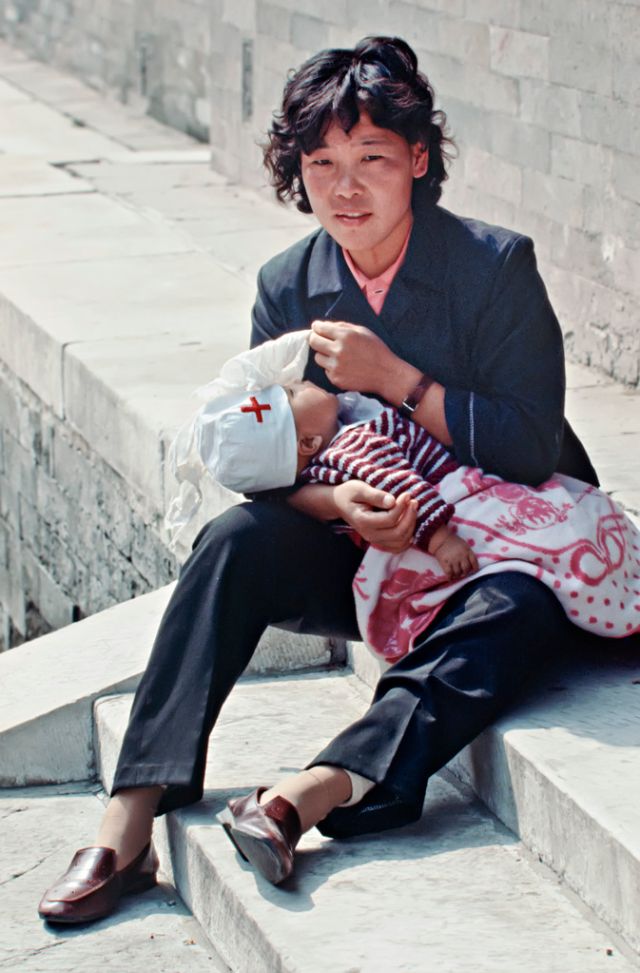
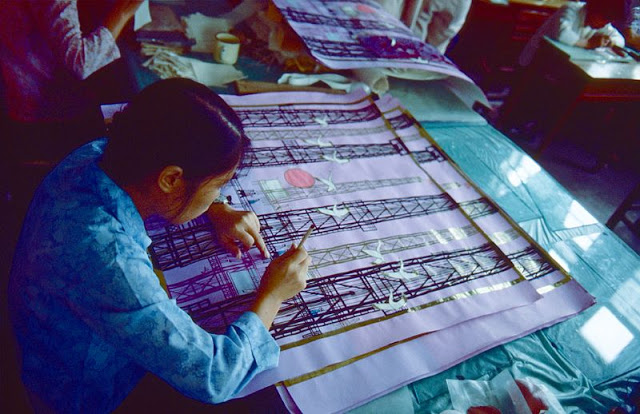
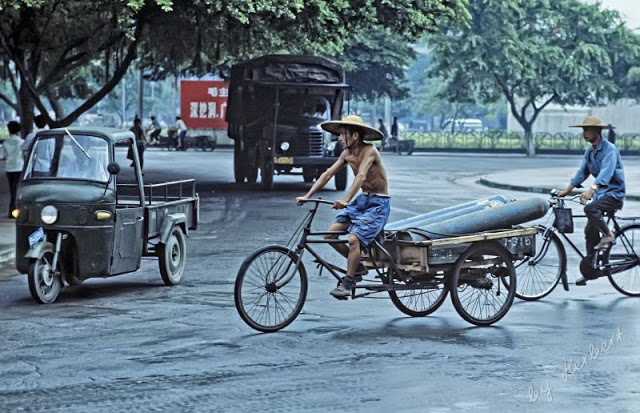
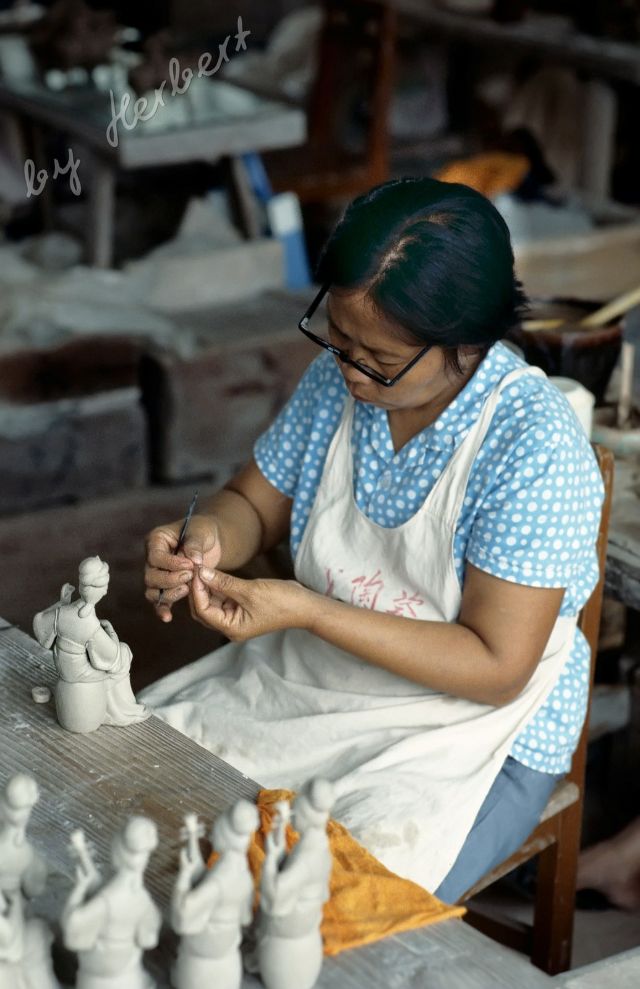
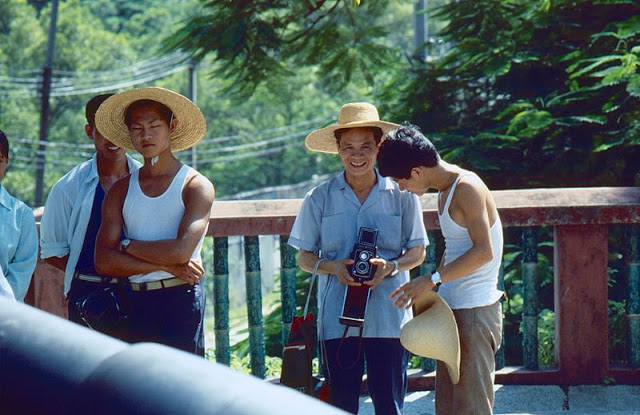
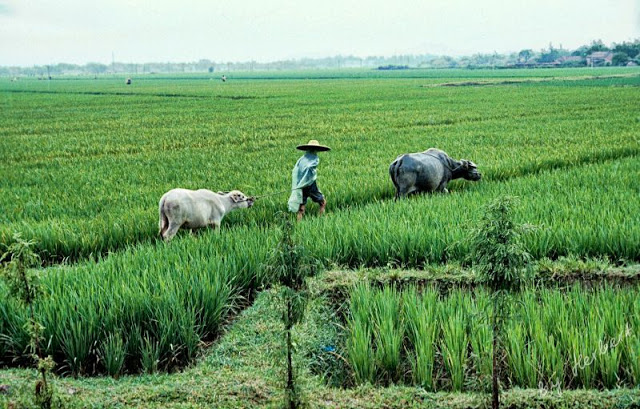
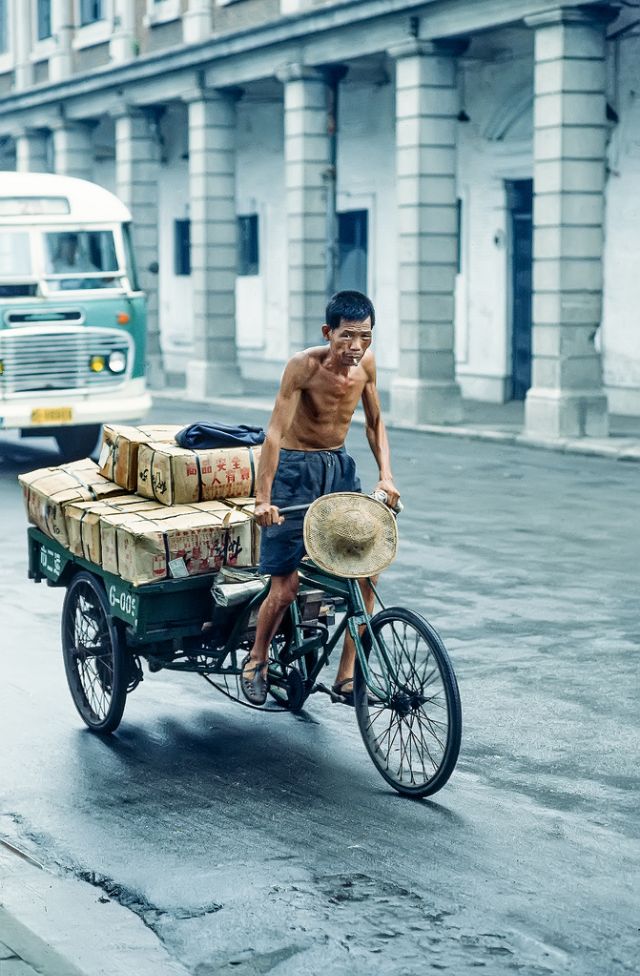
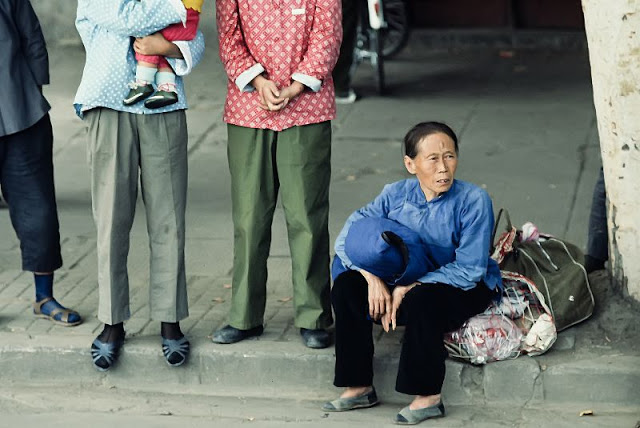
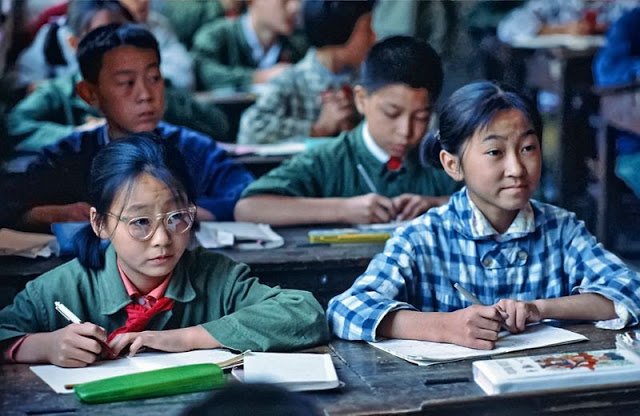
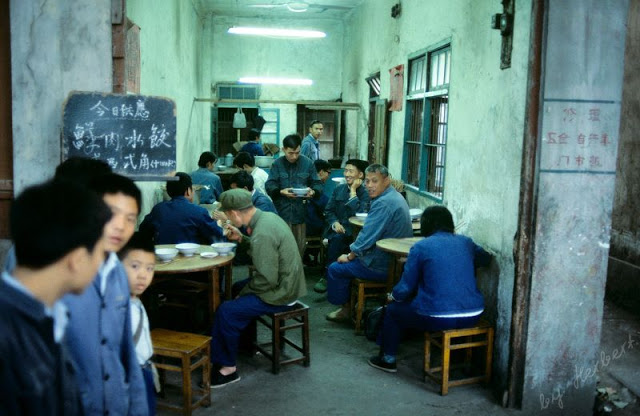
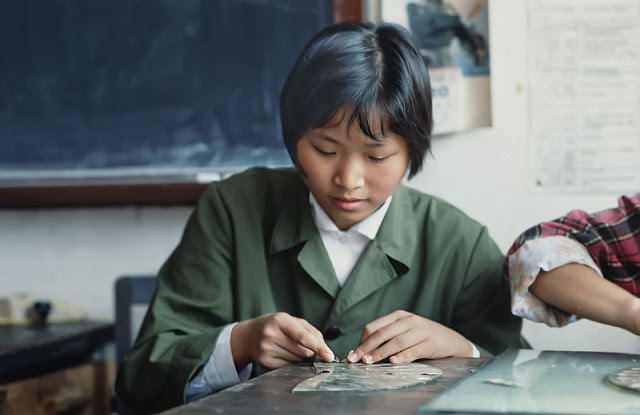
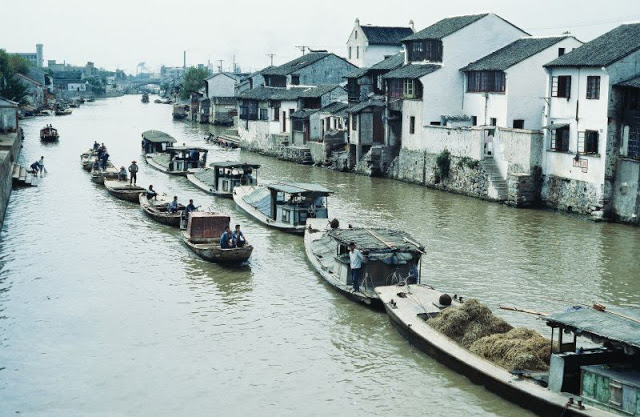
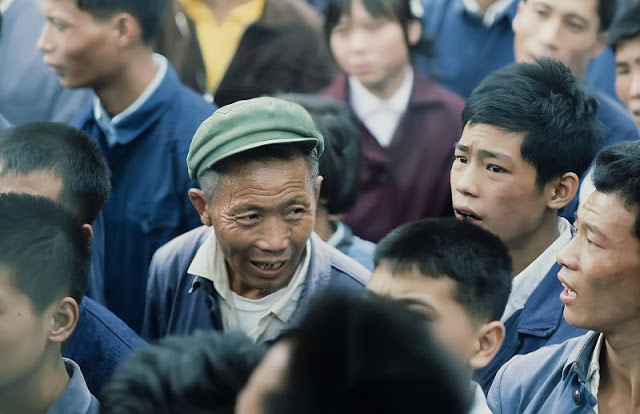
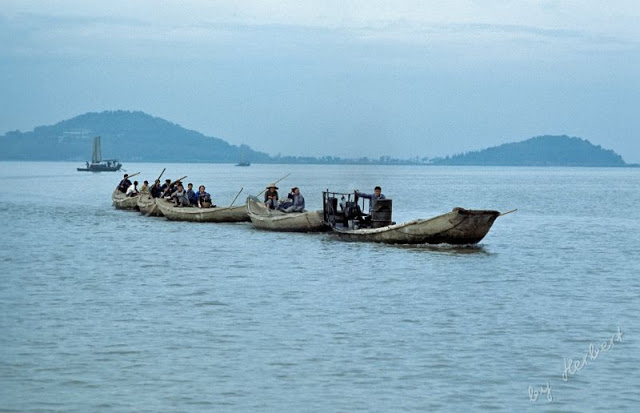
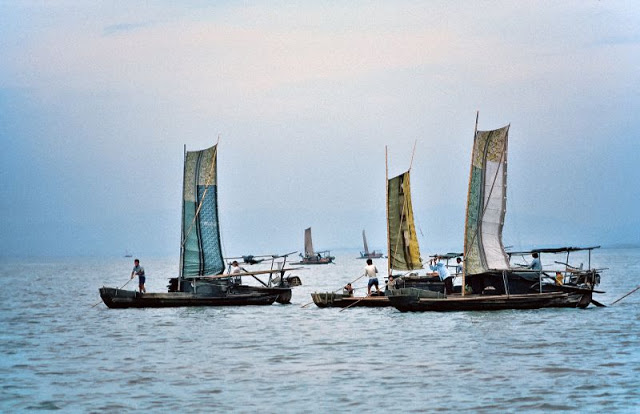
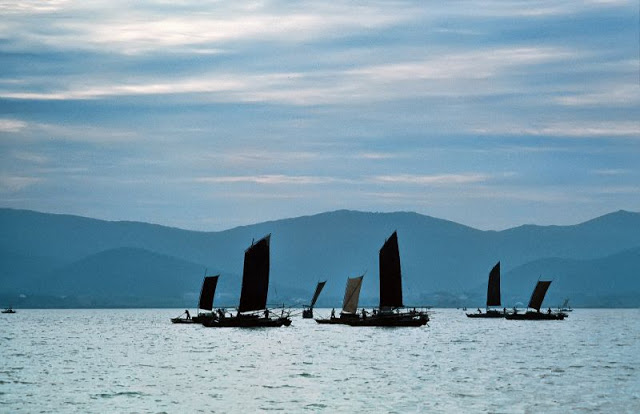
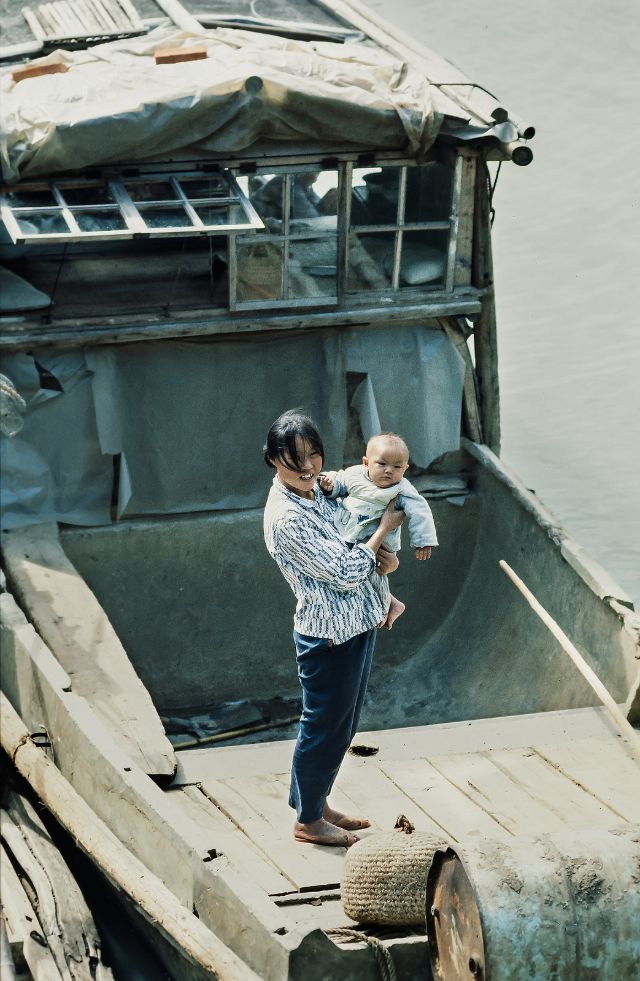
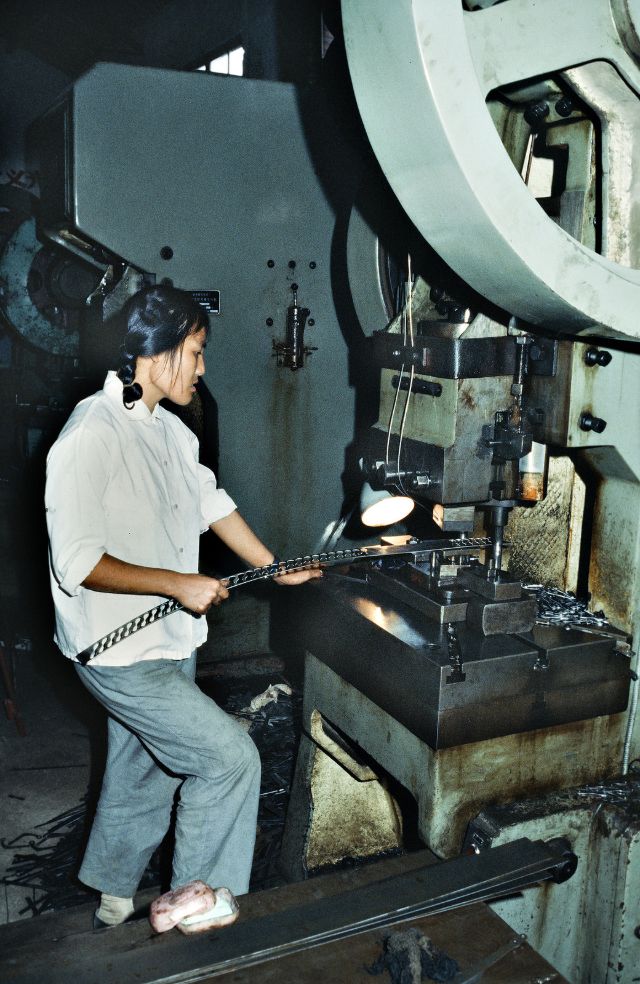
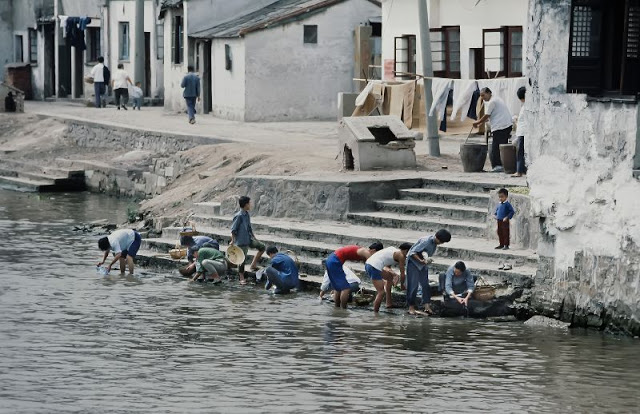
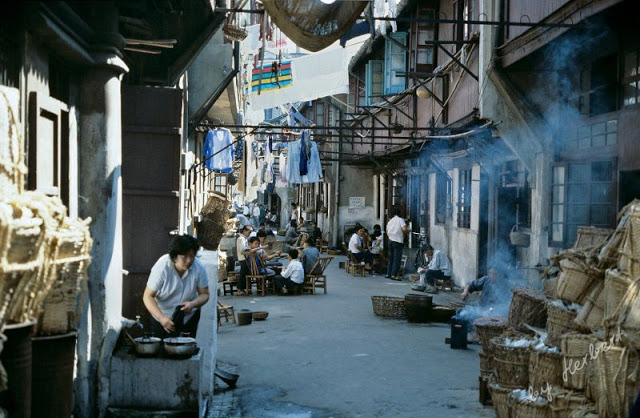
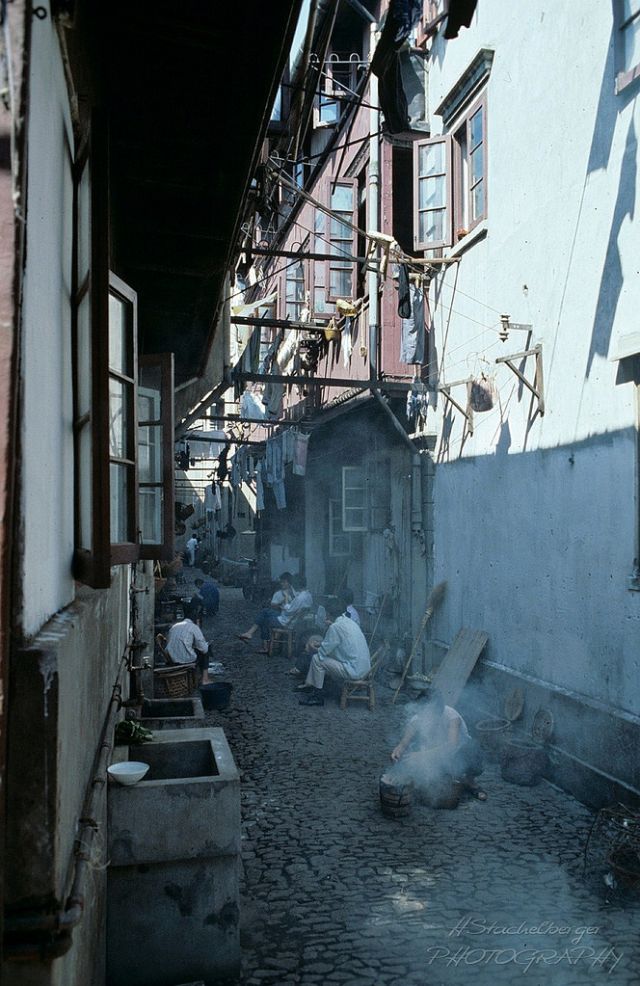
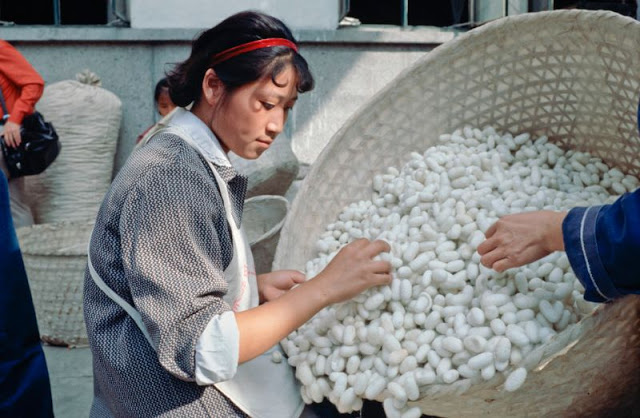
Beijing.Beijing.Beijing.Beijing. Emperor’s PalaceBeijing. Enjoying off-timeBeijing. Family portraitBeijing. Leisure time on the lakeBeijing. Off-timeBeijing. Pedestrians and bicycle riders in the Forbidden CityBeijing. Rearing offspringBeijing. Returning home from workBeijing. Rush hourBeijing. The general is watchingGuangdong. Daily wash, GuangzhouGuangdong. Dreaming of a better future at a factory producing silhouettes, FoshanGuangdong. Means of transportation, GuangzhouGuangdong. Pottery in FoshanGuangdong. Pride of possession, GuangzhouGuangdong. Rainy day, FoshanGuangdong. Strong habits, GuangzhouJiangsu. A woman in ZhongqiaoJiangsu. At a high school in NanjingJiangsu. Caught by surprise, NanjingJiangsu. Chinese family operating a small freight barge on the Emperors Channel, WuxiJiangsu. Crossing the Yangtze, NanjingJiangsu. Daily woes in ZhongqiaoJiangsu. Eating out, WuxiJiangsu. Electronics lab, at a high school in NanjingJiangsu. Emperor Canal, WuxiJiangsu. Extreme curiosity, ZhongqiaoJiangsu. Faces in the crowd, ZhongqiaoJiangsu. Going to workJiangsu. Living on the lake, WuxiJiangsu. Living on the lake, WuxiJiangsu. Living on the lake, WuxiJiangsu. Living on the lake, WuxiJiangsu. Living on the lake, WuxiJiangsu. Off-time pleasure, NanjingJiangsu. Open air kitchen, WuxiJiangsu. Physics lab, at a high school in NanjingJiangsu. Suspicious glance, WuxiJiangsu. The dawn of economic growth, WuxiJiangsu. Total emancipation, WuxiJiangsu. Total emancipation, ZhongqiaoJiangsu. Ultimate cleanliness, ZhongqiaoShanghai. Livingroom outdoorsShanghai. Livingroom outdoorsShanghai. Quality check of silk worm cocoons prior to processing in a silk mill
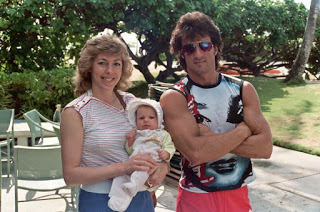
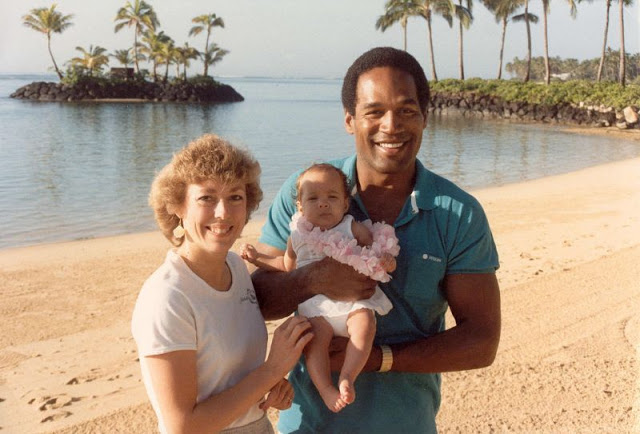
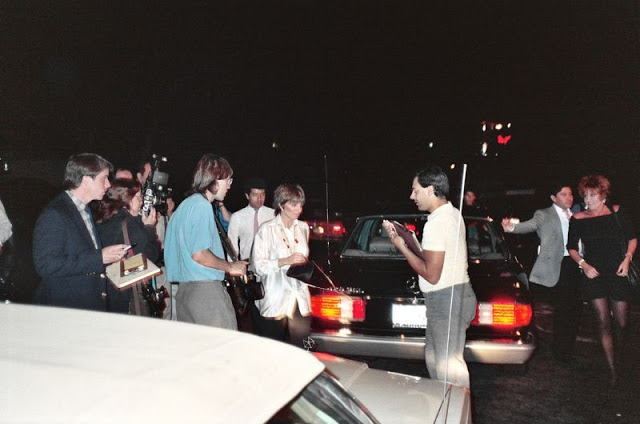
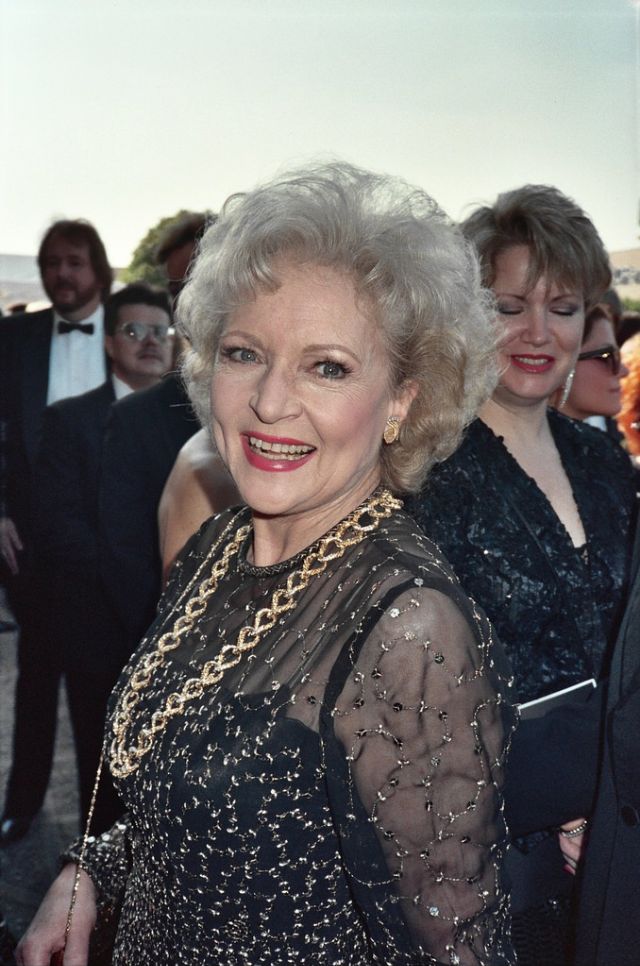
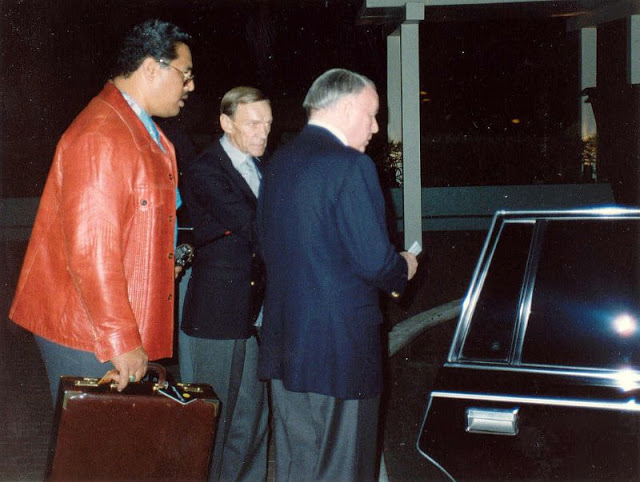
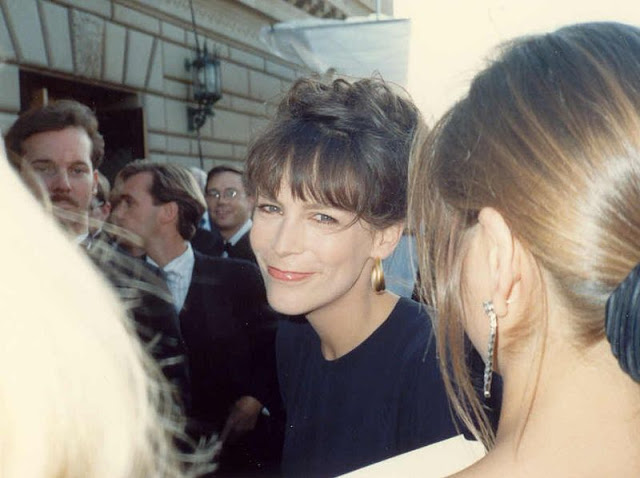
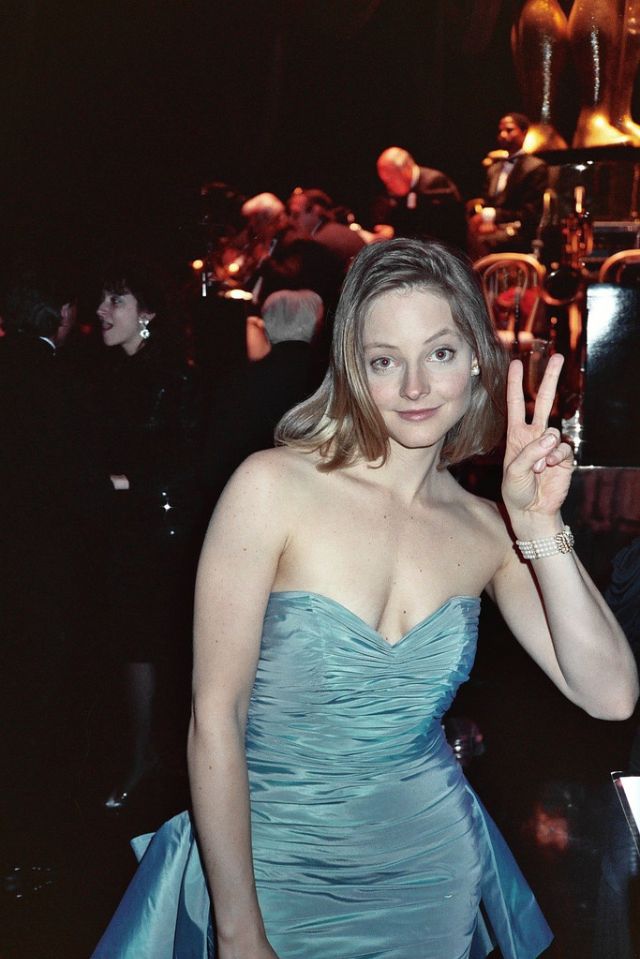
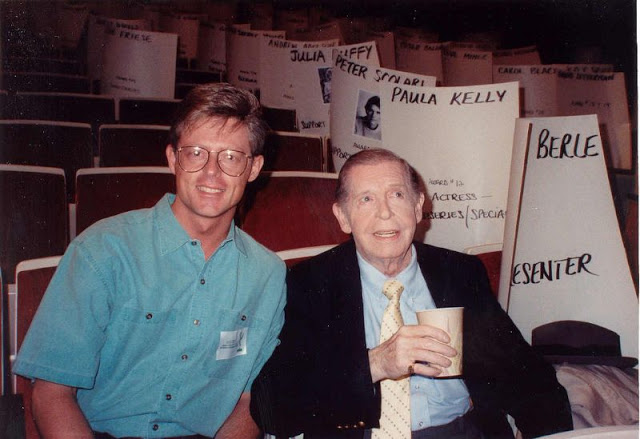
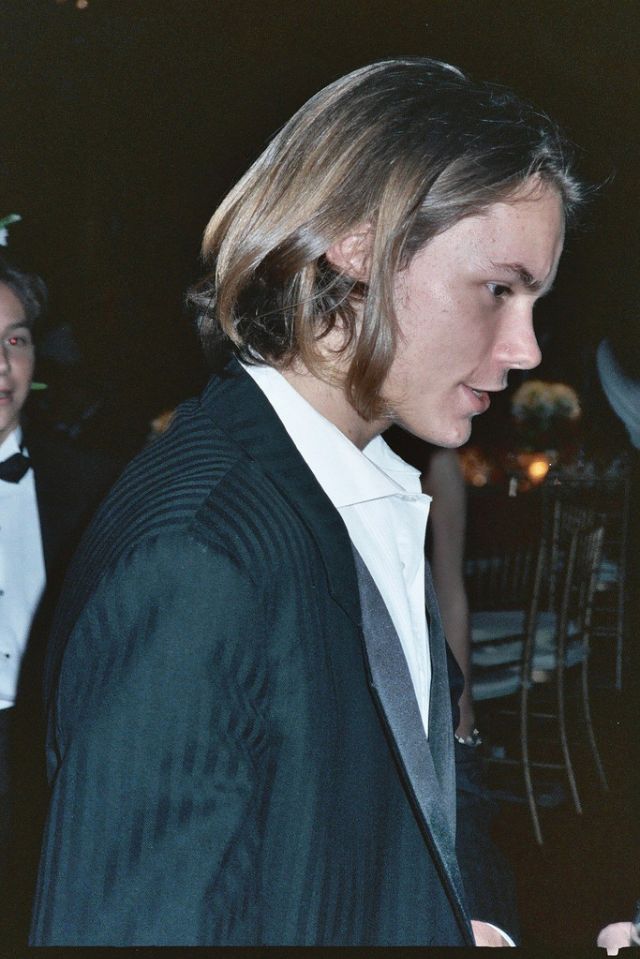
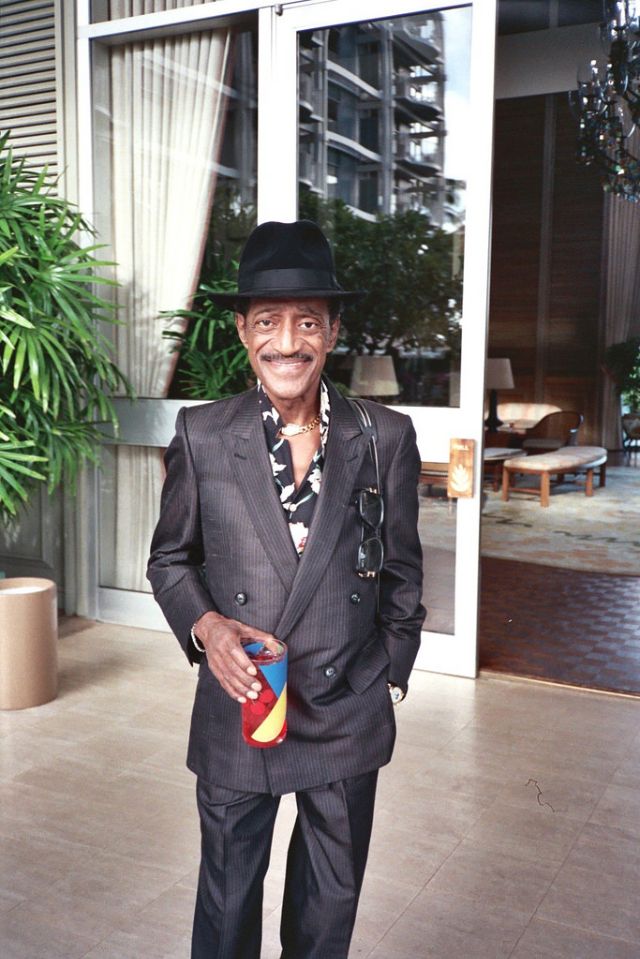
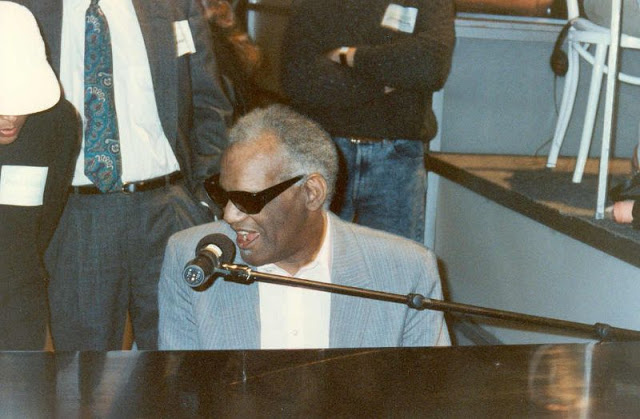
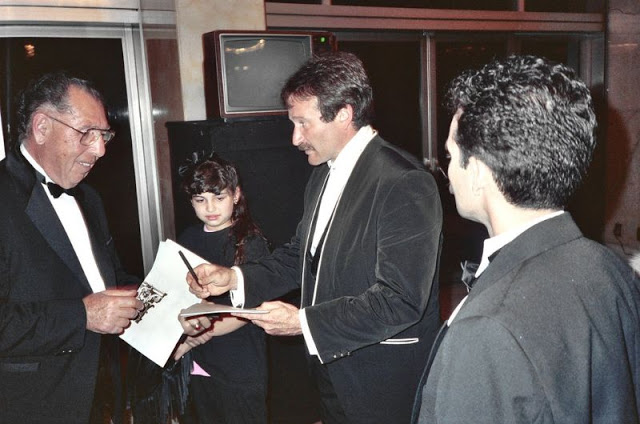
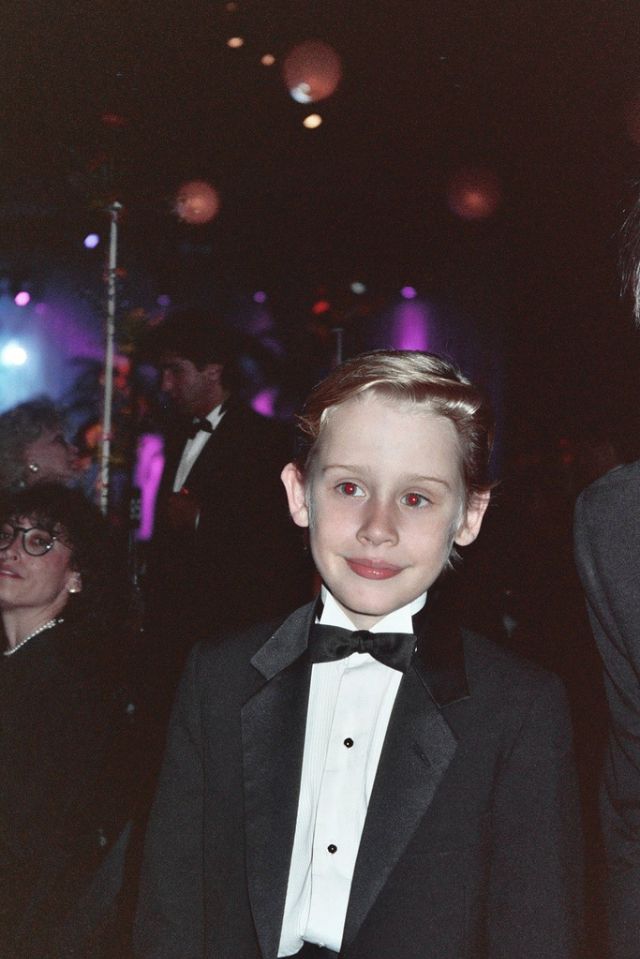
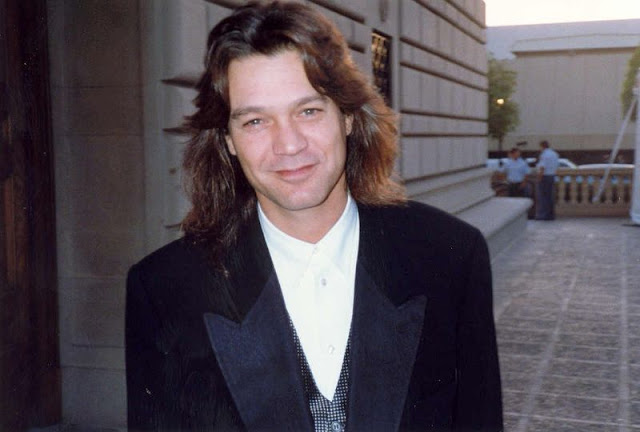
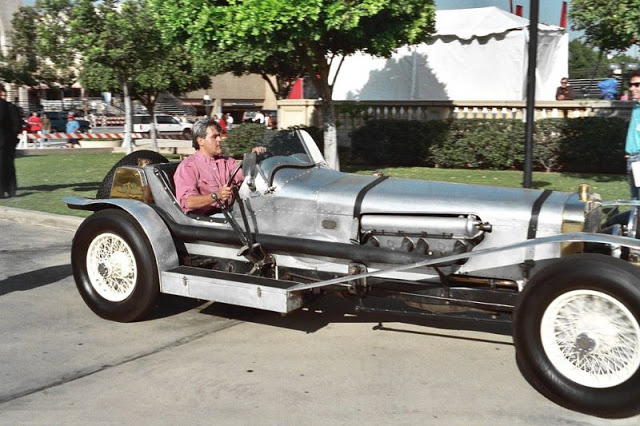
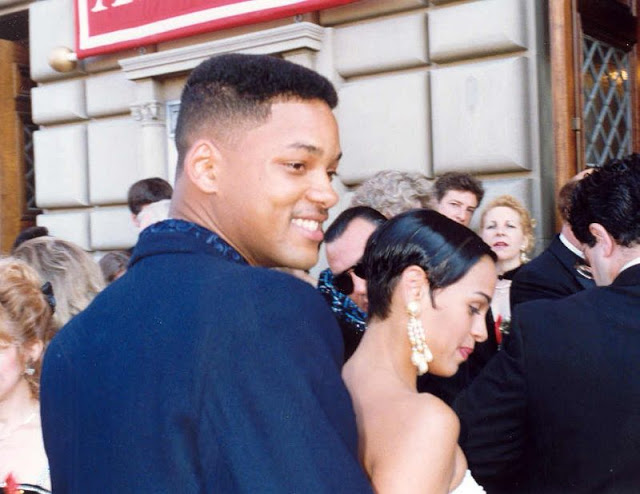
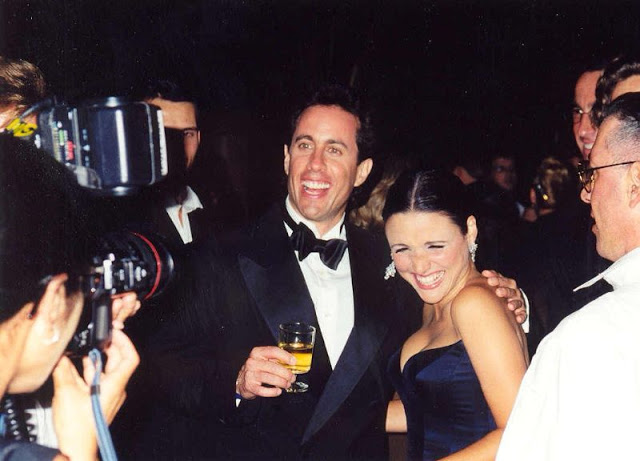
These amazing pictures were taken by American photographer Alan Light that show portraits of celebrities over the years at the Oscars, Emmys, Grammys, movie premieres, and other places.
Bette Midler at the premiere of the movie ‘The Rose’, November 7, 1979Bette Davis and Elizabeth Taylor at a Filmex ‘An Evening With Elizabeth Taylor’, November 8, 1981Elizabeth Taylor and Gregory Peck at a Filmex ‘An Evening With Elizabeth Taylor’, Taylor’s then-husband, Seantor John Warner, is behind the candle flames, November 8, 1981Dolly Parton with a fan and holding the fan’s baby at the Kahala Hilton Hotel, Honolulu, Hawaii, 1983Sylvester Stallone with a fan holding her baby at the Kahala Hilton Hotel, Honolulu, Hawaii, 1983O. J. Simpson holding his daughter Sydney and fan on the beach at the Kahala Hilton Hotel in Honolulu Hawaii,February 1986Two fans posing with Richard Pryor in the lobby area of the Kahala Hilton Hotel, February 1986Alan Light, Rick Best and Todd Morrow pose with Candice Bergen in the lobby of the Shrine Auditorium after the conclusion of the telecast of the 60th Annual Academy Awards, April 11, 1988Liza Minnelli arrives at the original Spago on Sunset Blvd., April 1988Lorna Luft and Liza Minnelli at the restaurant Spago, 1988Michael J. Fox with wife Tracy Pollan at the 40th Emmy Awards, August 1988Michael Jackson gives autograph around the pool at the Kahala Hilton hotel, Honolulu, Hawaii, February 1988Bea Arthur and Angela Lansbury at the 41st Emmy Awards, September 17, 1989Betty White at the 41st Emmy Awards, September 17, 1989Frank Sinatra at the Kahala Hilton Hotel, Honolulu, Hawaii as he was leaving for a concert with Liza Minnelli and Sammy Davis, Jr., March 7, 1989Jamie Lee Curtis at the 41st Emmy Awards, September 17, 1989Jodie was in a very happy mood because she had just won an Academy Award, at the Governor’s Ball following the telecast of the 61st Academy Awards, March 29, 1989Meryl Streep at 61st Academy Awards, Governor’s Ball, March 29, 1989Milton Berle and Alan Light at the 41st Emmy Awards, September 17, 1989One of the last photographs of Lucille Ball, on the red carpet at the 61st Annual Academy Awards, 1989River Phoenix at 61st Academy Awards, Governor’s Ball, March 29, 1989Sammy Davis Jr. at the Kahala Hilton Hotel, Honolulu, Hawaii as he stands waiting for his car, March 7, 1989Tom Cruise (with Mimi Rogers) at 61st Academy Awards, Governor’s Ball, March 29, 1989Tom Cruise at the Governor’s Ball after the telecast of the 61st Annual Academy Awards, March 1989Dennis Hopper and Jack Nicholson at the 62nd Academy Awards, March 26, 1990Jane Fonda and Alan Light in the lobby of the theater immediately after the conclusion of the telecast of the 62nd Academy Awards, March 26, 1990Madonna, Tony Ward, and one of Madonna’s dancers, Donna Delory at the private party after the AIDS Project Los Angeles (APLA) benefit at the Wiltern Theater in Los Angeles, September 7, 1990Mel Gibson at the premiere of the movie ‘Air America’, August 1990Paul McCartney at backstage during telecast, Grammy Awards, February 1990Ray Charles at a Grammy Awards’ rehearsal, February 1990Robin Williams at the 62nd Academy Awards, March 26, 1990Warren Beatty at the 62nd Academy Awards, March 26, 1990Loni Anderson and Burt Reynolds arriving at the 1991 Emmy Awards, August 1991Macaulay Culkin at the Governor’s Ball following the 1991 Emmy Awards, August 1991Jerry Seinfeld and Alan Light at the 44th Emmy Awards’ rehearsal, August 1992Eddie Van Halen at the 45th Emmy Awards, September 19, 1993Jay Leno in one of his collectible cars, a Hispano-Suiza 8 at the 45th Emmy Awards, September 19, 1993Will Smith at the 45th Emmy Awards, September 19, 1993Faye Dunaway and Alan Light at the Emmy Awards Governor’s Ball, 1994Barbra Streisand at Governor’s Ball after the 47th Emmy Awards, September 10, 1995Anne Heche, Demi Moore, Bruce Willis at the Emmy Awards, September 1997Jerry Seinfeld, Julia Louis Dreyfus at the Emmy Awards, September 1997