Inside Pasta Factories: 20 Amazing Photographs Show How Pasta Production Really Looked Like During the Early 20th Century

Pasta is perhaps the most popular Italian dish originated in Sicily in the 12th century. For a long time it remained a food for the rich and privileged, and only in the 18th century, industrial production has turned the paste into the main cheap product for most Italians.
Mass immigration of Italians to America in the early 20th century helped pasta to gain huge popularity outside of Italy and become a national Italian dish.
However, until the late 1950s, many had no clue about how it is done, and even believed that pasta grows on trees.
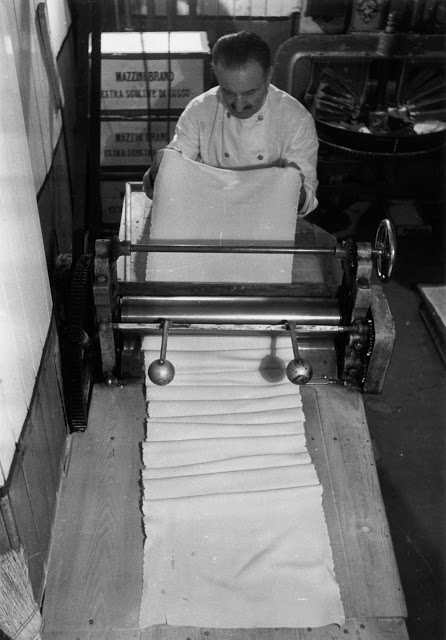
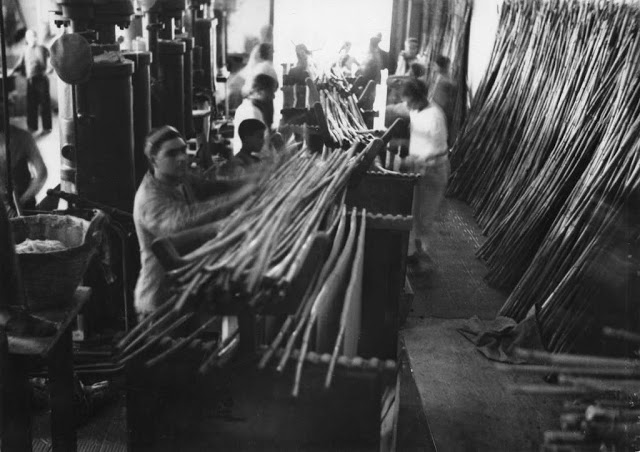
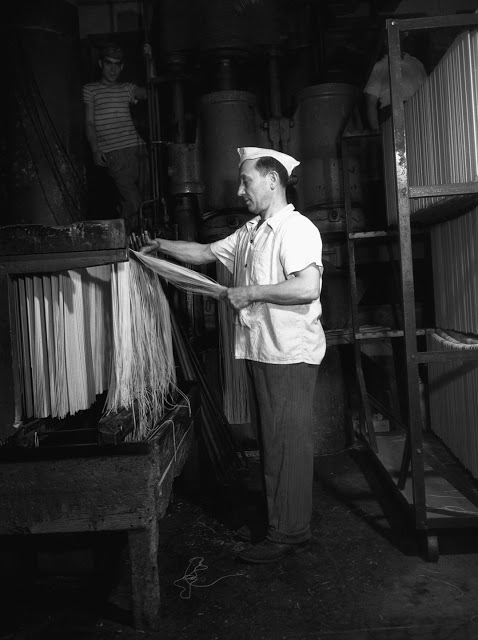
These photos from 20th century pasta factories show the actual process by which the dough is squeezed, shaped, cut and dried on its way to the dinner table.
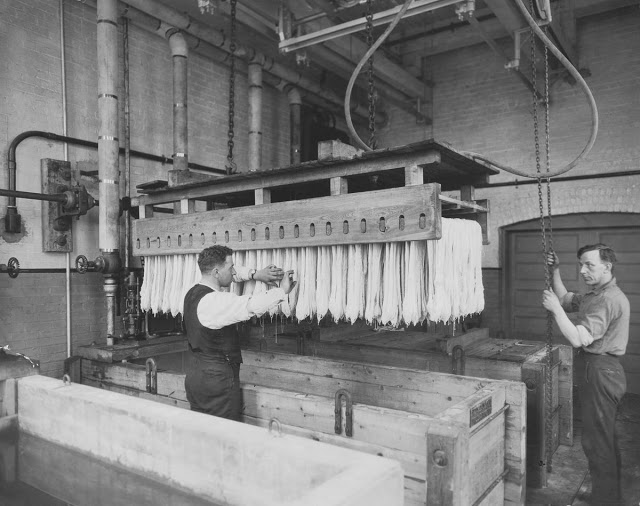
Pasta is hung out to dry in a market.
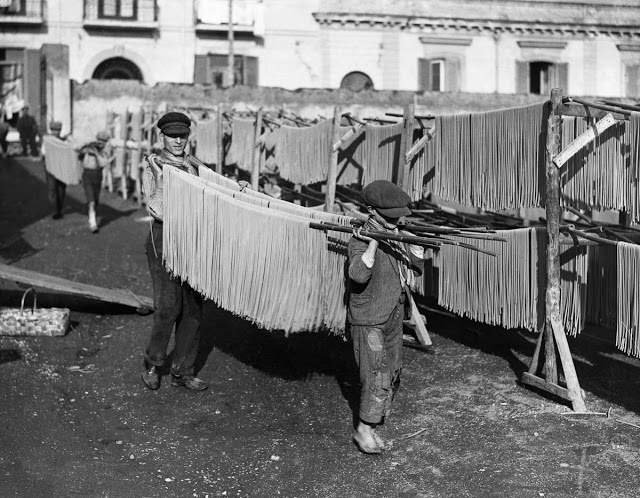
Young boys carry strands of pasta to a factory yard for drying, 1900.
Pasta strands hung out to dry at a factory in Naples, Italy, circa 1925.
circa 1925
Drying the Macaroni in the courtyard, 1928.
A young boy carrying strings of pasta in a macaroni factory in Naples, Italy, 1929.
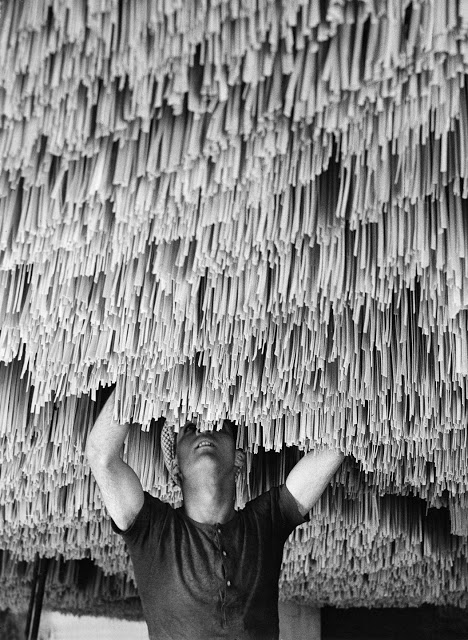
Spaghetti hangs in a drain chamber in an Italian pasta factory.
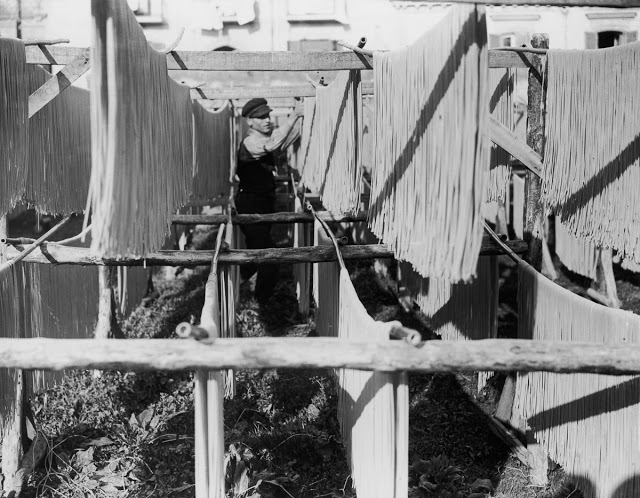
A worker hangs pasta to dry in a factory in Italy, 1932.
1932
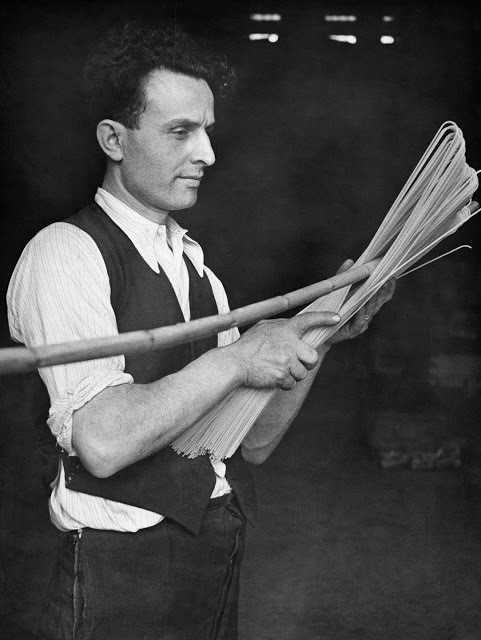
An Italian factory worker bends dried spaghetti with a stick, 1932.
A worker making macaroni in Russia, 1932.
Spaghetti production workers hanging spaghetti over bamboo sticks to dry them in Campania, Italy, 1932.
Three Neapolitan boys carrying a bundle of spaghetti, 1932.
Men drying macaroni in Naples, 1934.
A chef makes tagliatelle at King Bomba’s, one of the largest Italian shops in Soho, London, 1939.
Men at work in a pasta factory, circa 1940.
A worker for Atlantic Macaroni Company hangs spaghetti to dry at a factory in Long Island City, New York, 1943.
Strands of spaghetti dry on racks near the beach in Amalfi, Italy, 1949.
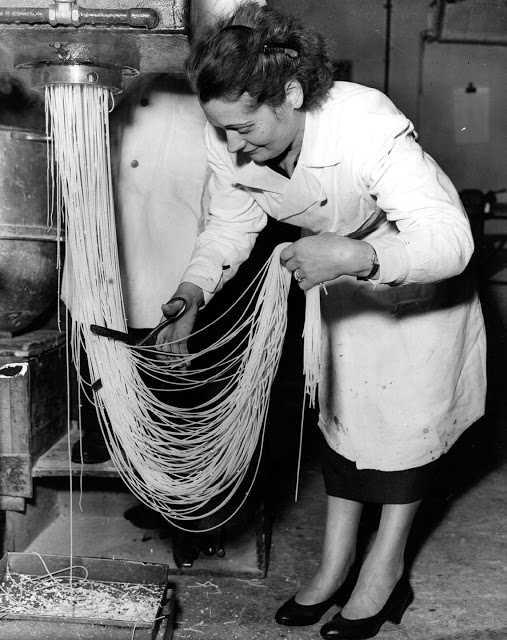
Zelda Albano cuts spaghetti into lengths as it emerges from a machine at a pasta factory in Holloway, London, 1955.
A worker placing spaghetti on a drying rack before it is transferred to a dryer, Italy, circa 1955.

49 Rare Photos Of Victorians Proving They Weren’t As Serious As You Thought

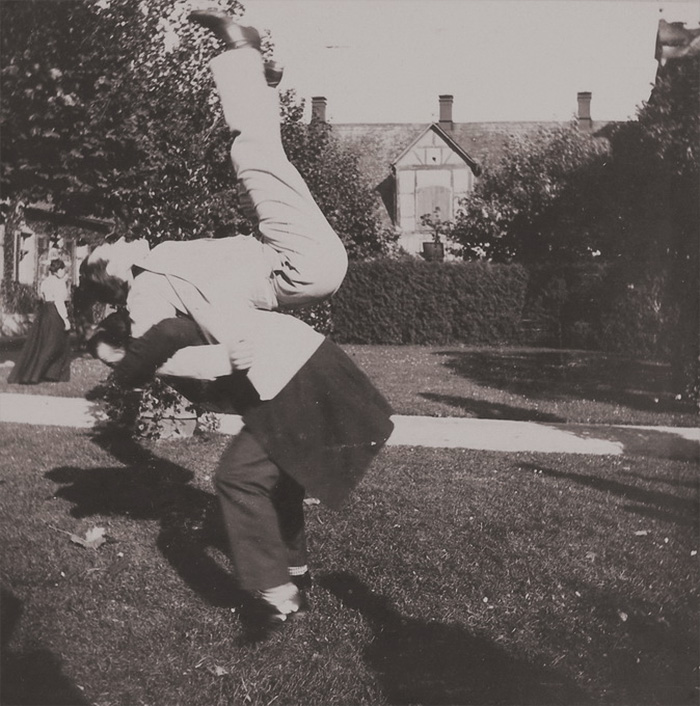
Tsar Nicholas II Goofing Around, 1899
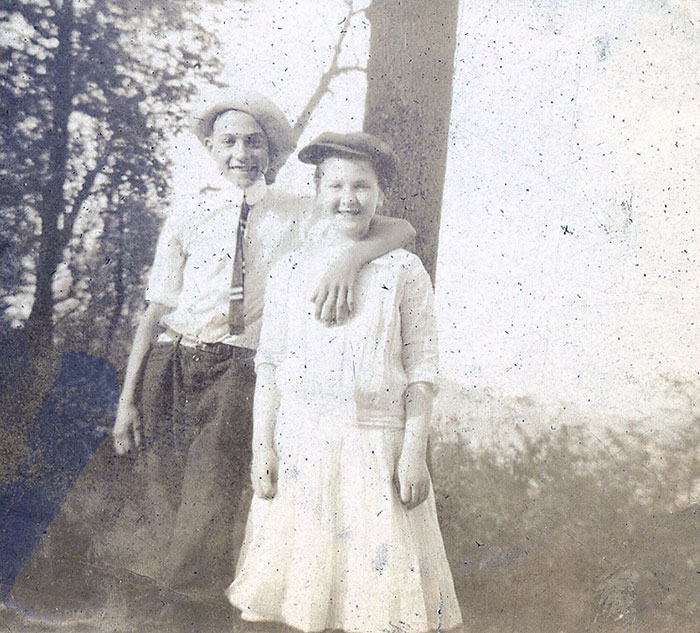
A Victorian Couple Trying Not To Laugh While Getting Their Portraits Done, 1890s
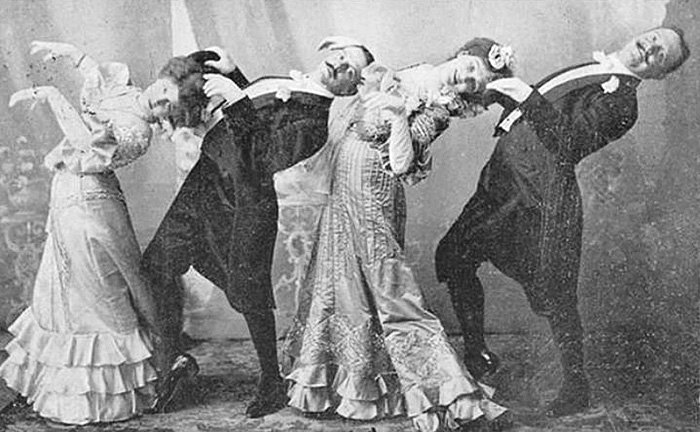
Cakewalk Dance
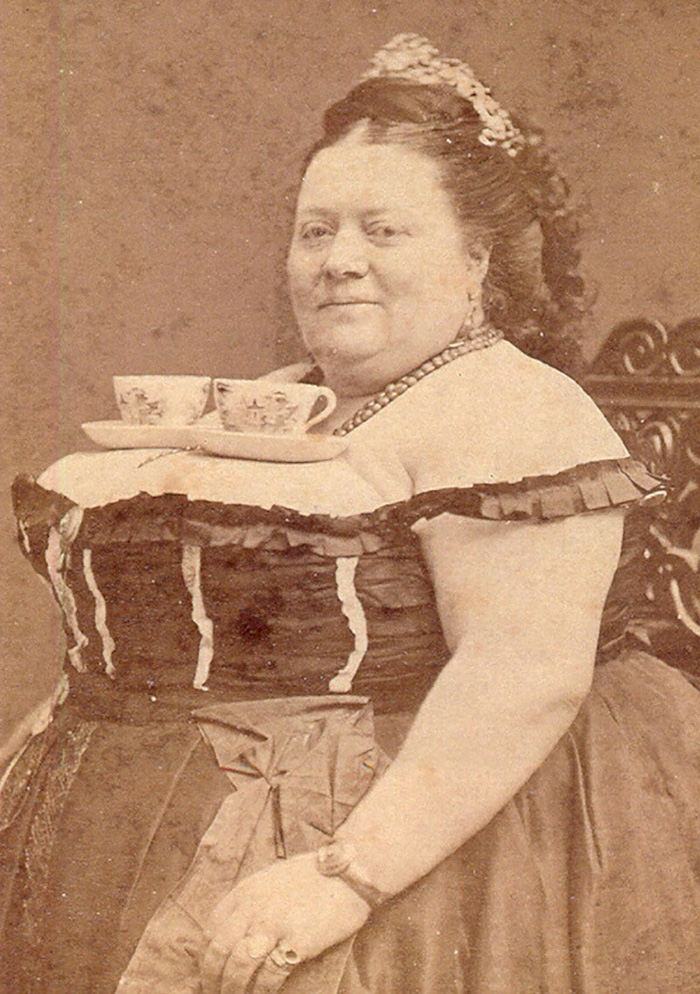
A Unique Tea Setting For Two
A Snow Lady, 1892
Unusual Portrait Of A Victorian Lady, 1840
Three Fashionable Young Men At Yale, 1883
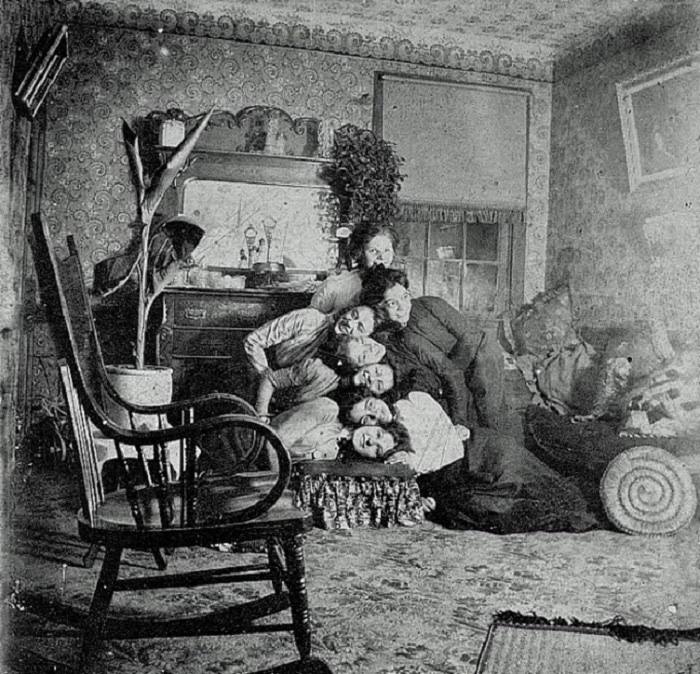
Awkward Family Photo, Victorian Edition
Vintage Humor
Piggy Nose
Men And Women Cross Dress In This Silly Victorian Snap, 1880-1900
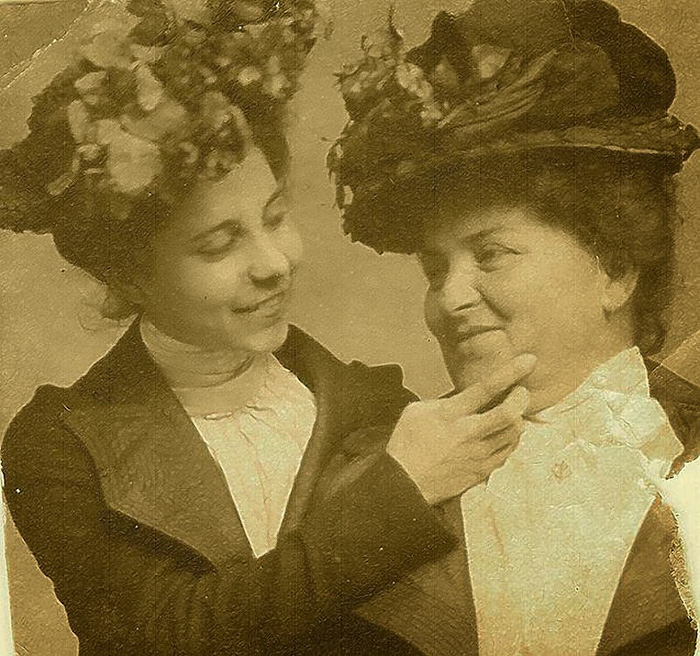
Say That Again, And I’ll Dip You In, 1897
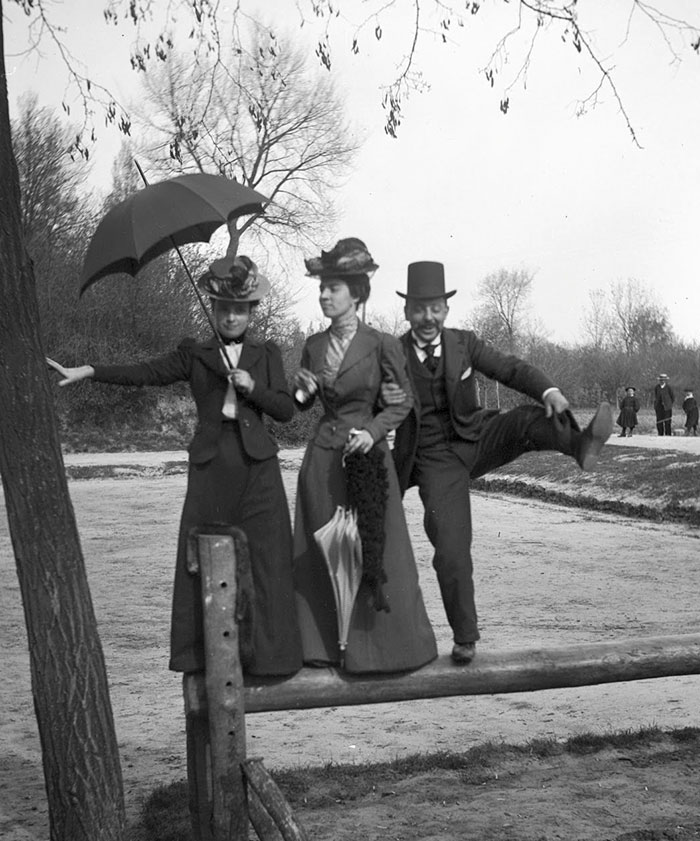
Unknown Victorian In Mid-jump
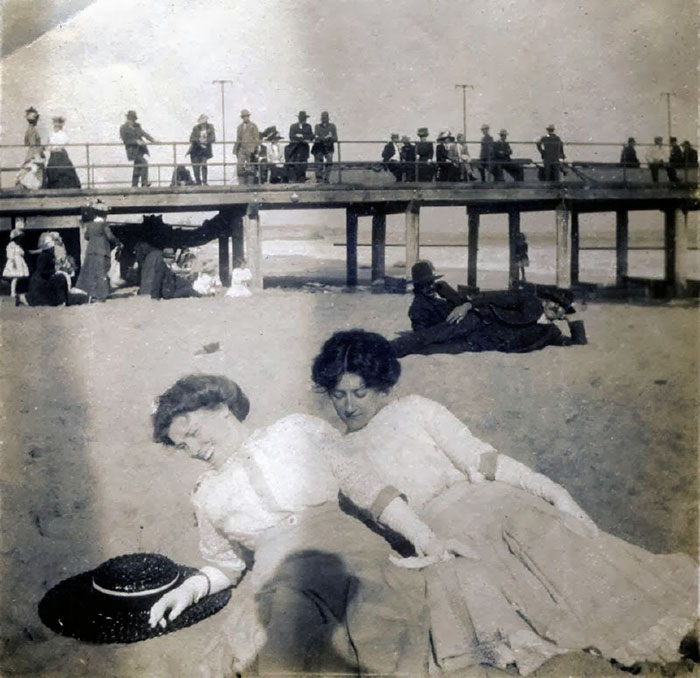
Vacation Sports At The Seaside
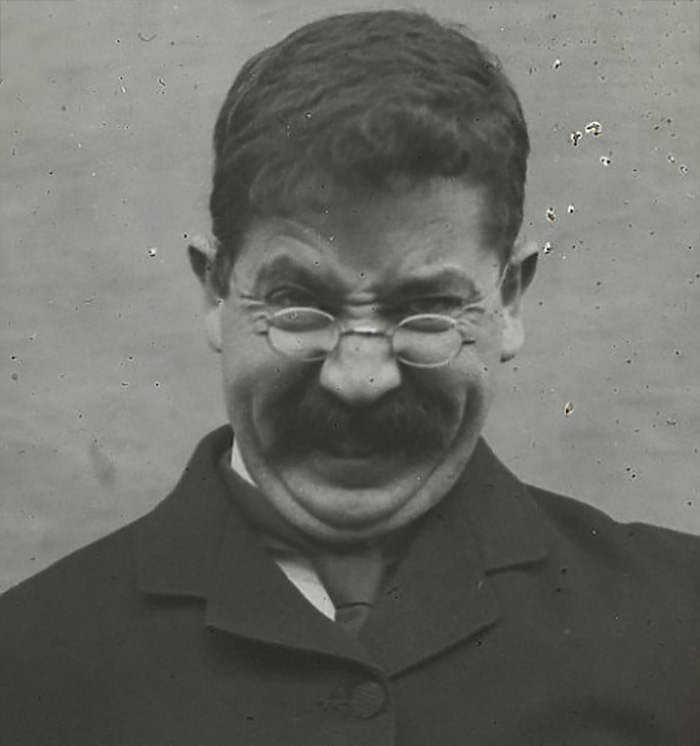
Richard Freiherr Von Krafft-Ebing
The Victorians From France
Tsar Nicholas II Goofing Around, 1899
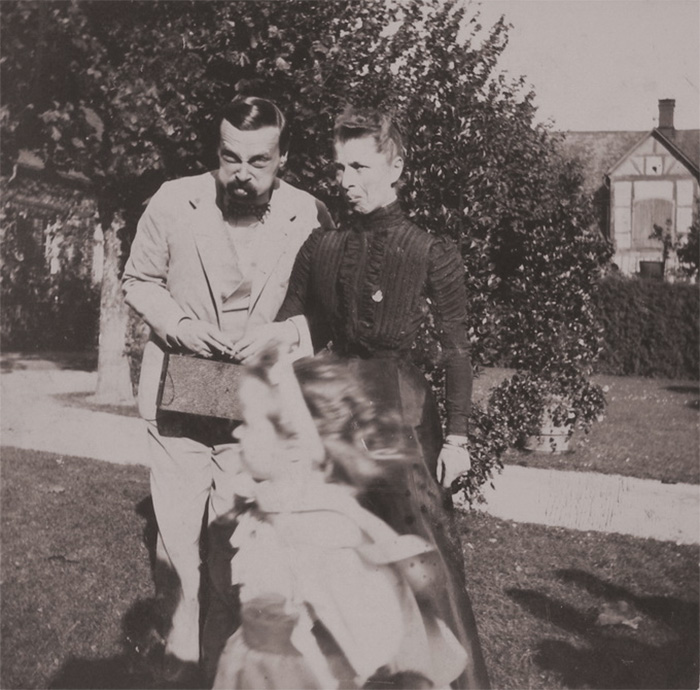
Tsar Nicholas II, 1899
Man Dressed In Drag In The Victorian Era
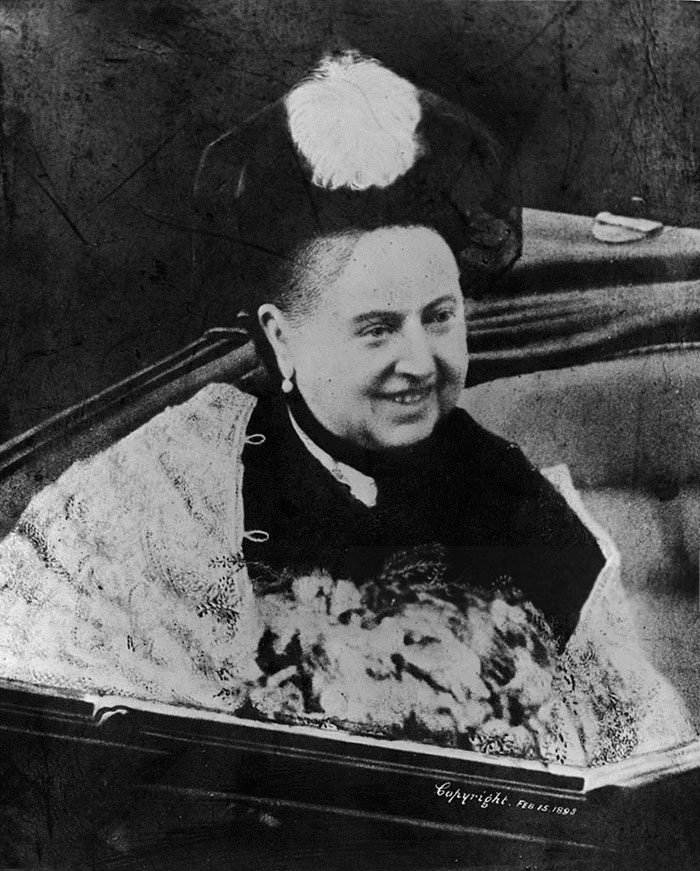
A Smiling Queen Victoria In An Open Coach, 1892
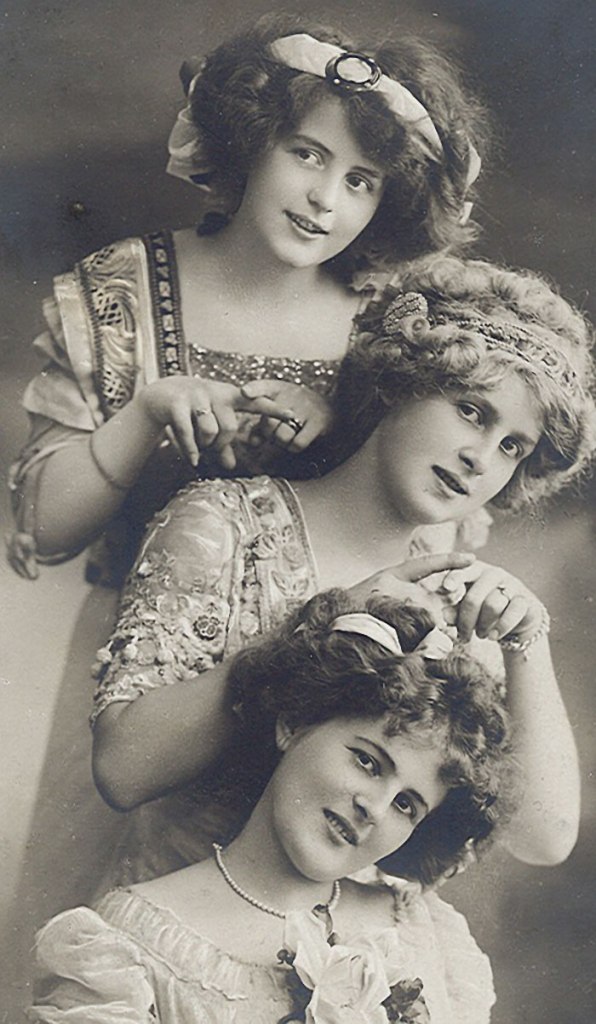
Gibson Girls
Evelyn Winchester
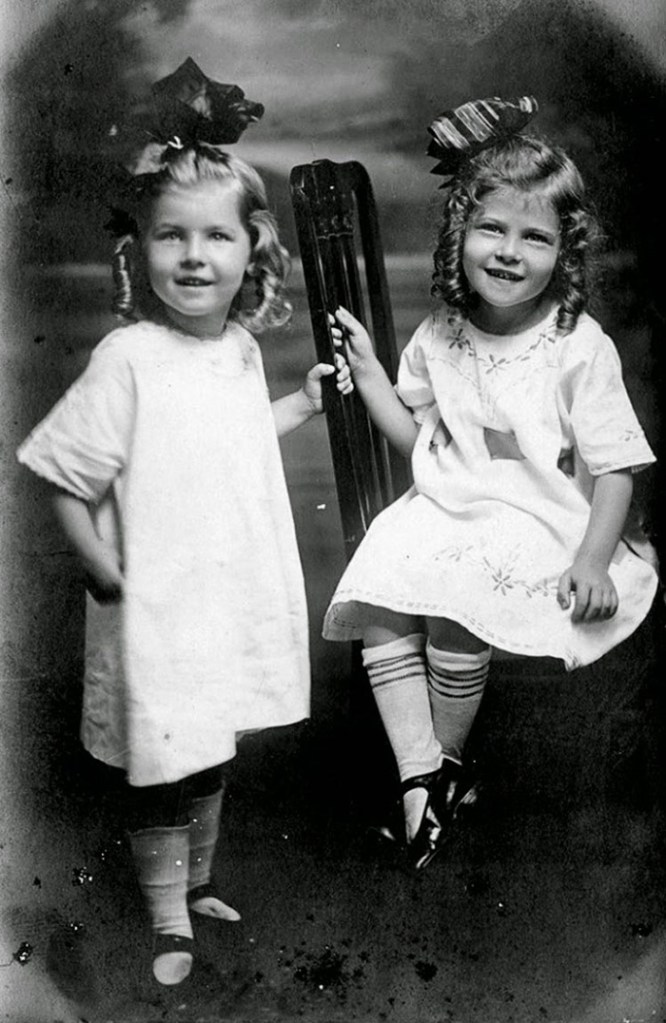
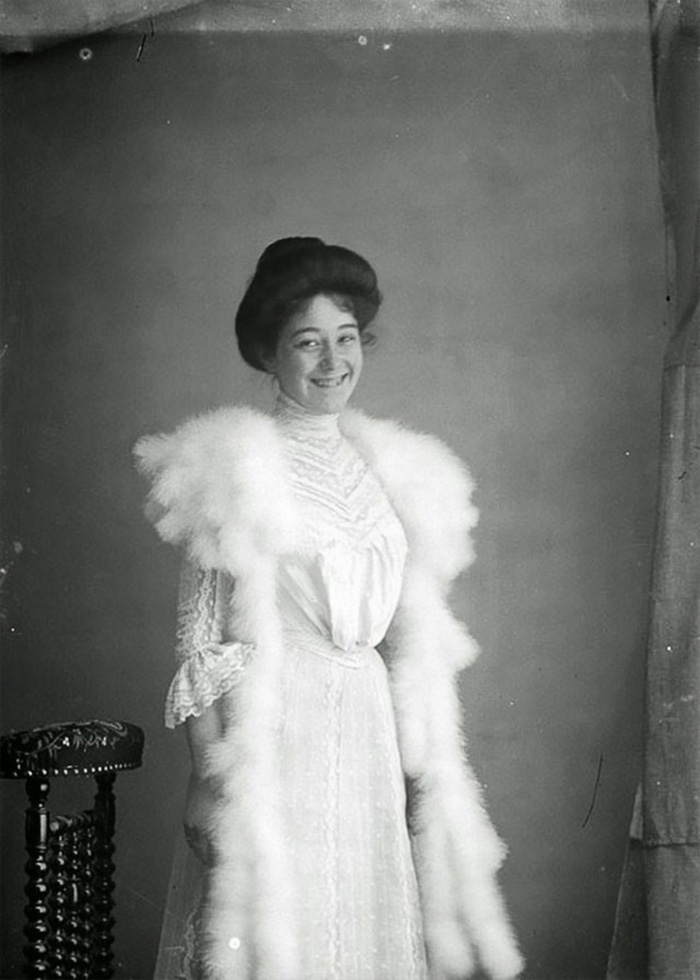
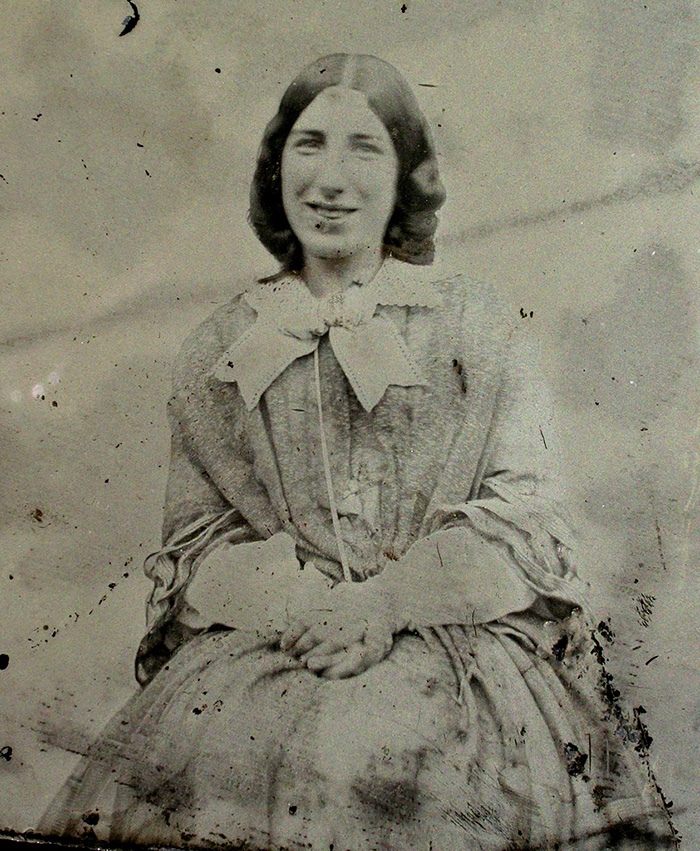
Smiling 1850s Lady

Introduce Yourself (Example Post)

This is an example post, originally published as part of Blogging University. Enroll in one of our ten programs, and start your blog right.

You’re going to publish a post today. Don’t worry about how your blog looks. Don’t worry if you haven’t given it a name yet, or you’re feeling overwhelmed. Just click the “New Post” button, and tell us why you’re here.

Why do this?

  • Because it gives new readers context. What are you about? Why should they read your blog?
  • Because it will help you focus your own ideas about your blog and what you’d like to do with it.

The post can be short or long, a personal intro to your life or a bloggy mission statement, a manifesto for the future or a simple outline of your the types of things you hope to publish.

To help you get started, here are a few questions:

  • Why are you blogging publicly, rather than keeping a personal journal?
  • What topics do you think you’ll write about?
  • Who would you love to connect with via your blog?
  • If you blog successfully throughout the next year, what would you hope to have accomplished?

You’re not locked into any of this; one of the wonderful things about blogs is how they constantly evolve as we learn, grow, and interact with one another — but it’s good to know where and why you started, and articulating your goals may just give you a few other post ideas.

Can’t think how to get started? Just write the first thing that pops into your head. Anne Lamott, author of a book on writing we love, says that you need to give yourself permission to write a “crappy first draft”. Anne makes a great point — just start writing, and worry about editing it later.

When you’re ready to publish, give your post three to five tags that describe your blog’s focus — writing, photography, fiction, parenting, food, cars, movies, sports, whatever. These tags will help others who care about your topics find you in the Reader. Make sure one of the tags is “zerotohero,” so other new bloggers can find you, too.

Introduce Yourself (Example Post)

This is an example post, originally published as part of Blogging University. Enroll in one of our ten programs, and start your blog right.

You’re going to publish a post today. Don’t worry about how your blog looks. Don’t worry if you haven’t given it a name yet, or you’re feeling overwhelmed. Just click the “New Post” button, and tell us why you’re here.

Why do this?

  • Because it gives new readers context. What are you about? Why should they read your blog?
  • Because it will help you focus your own ideas about your blog and what you’d like to do with it.

The post can be short or long, a personal intro to your life or a bloggy mission statement, a manifesto for the future or a simple outline of your the types of things you hope to publish.

To help you get started, here are a few questions:

  • Why are you blogging publicly, rather than keeping a personal journal?
  • What topics do you think you’ll write about?
  • Who would you love to connect with via your blog?
  • If you blog successfully throughout the next year, what would you hope to have accomplished?

You’re not locked into any of this; one of the wonderful things about blogs is how they constantly evolve as we learn, grow, and interact with one another — but it’s good to know where and why you started, and articulating your goals may just give you a few other post ideas.

Can’t think how to get started? Just write the first thing that pops into your head. Anne Lamott, author of a book on writing we love, says that you need to give yourself permission to write a “crappy first draft”. Anne makes a great point — just start writing, and worry about editing it later.

When you’re ready to publish, give your post three to five tags that describe your blog’s focus — writing, photography, fiction, parenting, food, cars, movies, sports, whatever. These tags will help others who care about your topics find you in the Reader. Make sure one of the tags is “zerotohero,” so other new bloggers can find you, too.

Introduce Yourself (Example Post)

This is an example post, originally published as part of Blogging University. Enroll in one of our ten programs, and start your blog right.

You’re going to publish a post today. Don’t worry about how your blog looks. Don’t worry if you haven’t given it a name yet, or you’re feeling overwhelmed. Just click the “New Post” button, and tell us why you’re here.

Why do this?

  • Because it gives new readers context. What are you about? Why should they read your blog?
  • Because it will help you focus your own ideas about your blog and what you’d like to do with it.

The post can be short or long, a personal intro to your life or a bloggy mission statement, a manifesto for the future or a simple outline of your the types of things you hope to publish.

To help you get started, here are a few questions:

  • Why are you blogging publicly, rather than keeping a personal journal?
  • What topics do you think you’ll write about?
  • Who would you love to connect with via your blog?
  • If you blog successfully throughout the next year, what would you hope to have accomplished?

You’re not locked into any of this; one of the wonderful things about blogs is how they constantly evolve as we learn, grow, and interact with one another — but it’s good to know where and why you started, and articulating your goals may just give you a few other post ideas.

Can’t think how to get started? Just write the first thing that pops into your head. Anne Lamott, author of a book on writing we love, says that you need to give yourself permission to write a “crappy first draft”. Anne makes a great point — just start writing, and worry about editing it later.

When you’re ready to publish, give your post three to five tags that describe your blog’s focus — writing, photography, fiction, parenting, food, cars, movies, sports, whatever. These tags will help others who care about your topics find you in the Reader. Make sure one of the tags is “zerotohero,” so other new bloggers can find you, too.

Yesterday Today

Bringing You the Wonder of Yesterday - Today

Skip to content ↓