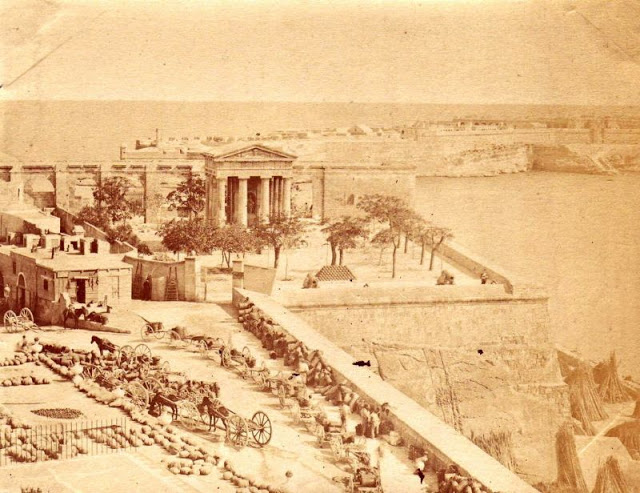
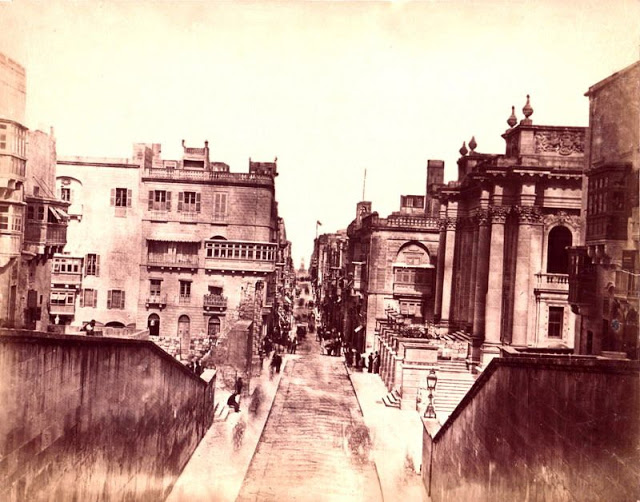
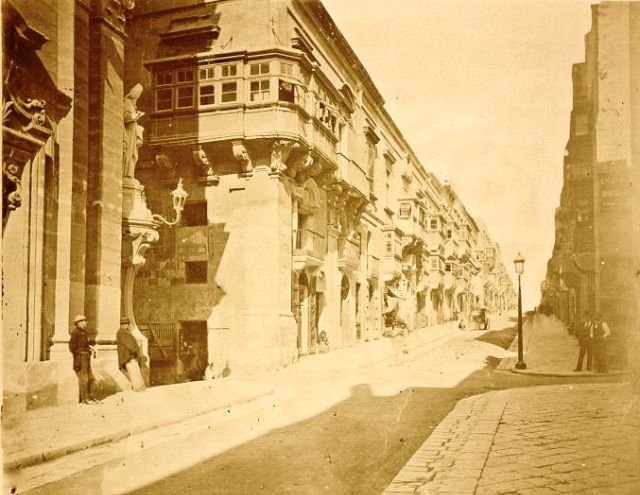
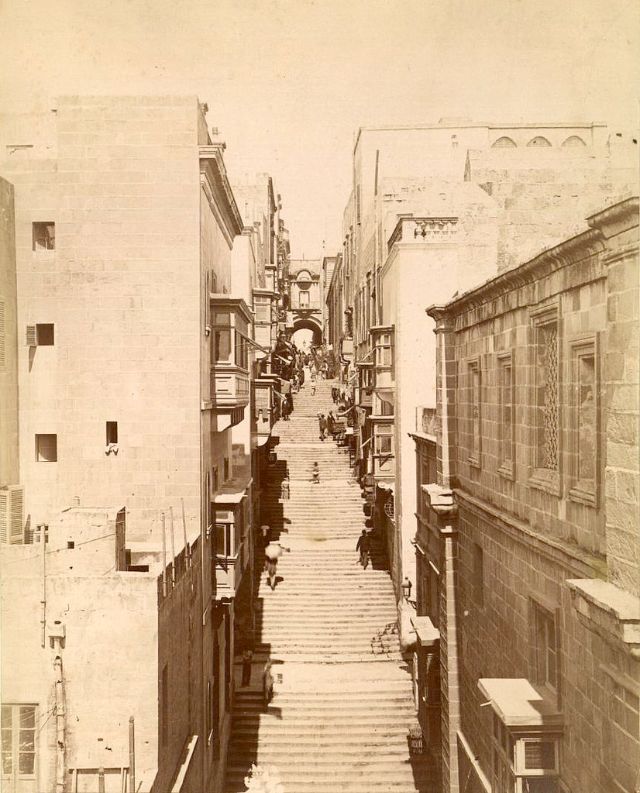
Valletta is the administrative unit and capital of Malta. Located on the main island, between Marsamxett Harbour to the west and the Grand Harbour to the east, its population within administrative limits in 2014 was 6,444. According to the data from 2020 by Eurostat, the Functional Urban Area and metropolitan region covered the whole island and has a population of 480,134. Valletta is the southernmost capital of Europe, and at just 0.61 square kilometres (0.24 sq mi), it is the European Union’s smallest capital city.
Valletta’s 16th-century buildings were constructed by the Knights Hospitaller. The city was named after Jean Parisot de Valette, who succeeded in defending the island from an Ottoman invasion during the Great Siege of Malta. The city is Baroque in character, with elements of Mannerist, Neo-Classical and Modern architecture, though the Second World War left major scars on the city, particularly the destruction of the Royal Opera House. The city was officially recognised as a World Heritage Site by UNESCO in 1980. Today, with 320 monuments, is one of the most dense monuments areas in the world. Sometimes called an “open-air museum”, Valletta was chosen as the European Capital of Culture in 2018. Valletta is also the sunniest city in Europe.
The city is noted for its fortifications, consisting of bastions, curtains and cavaliers, along with the beauty of its Baroque palaces, gardens and churches. (Wikipedia)
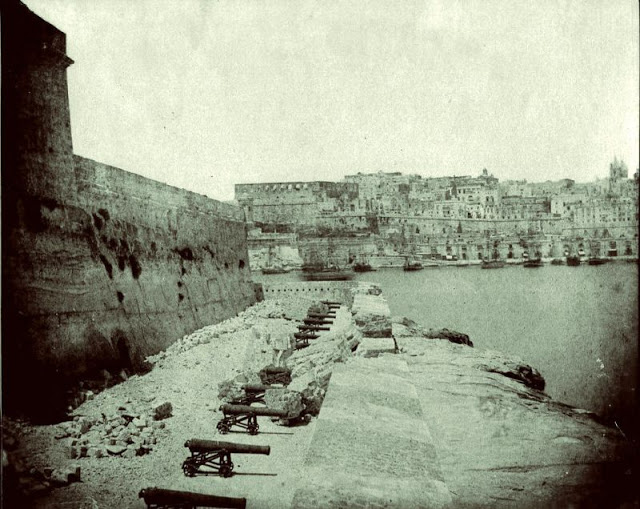
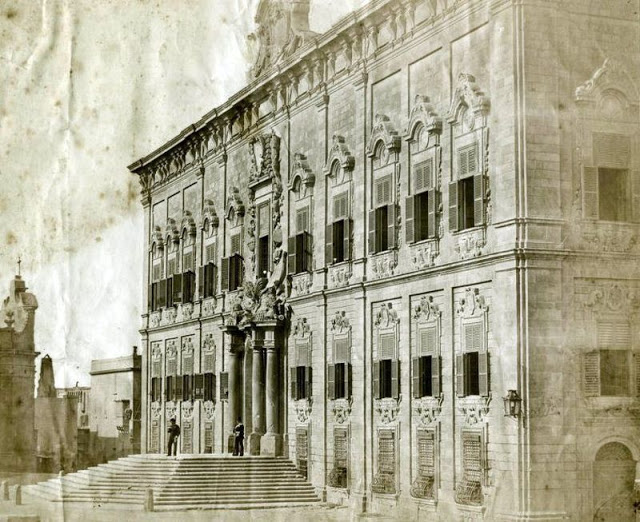
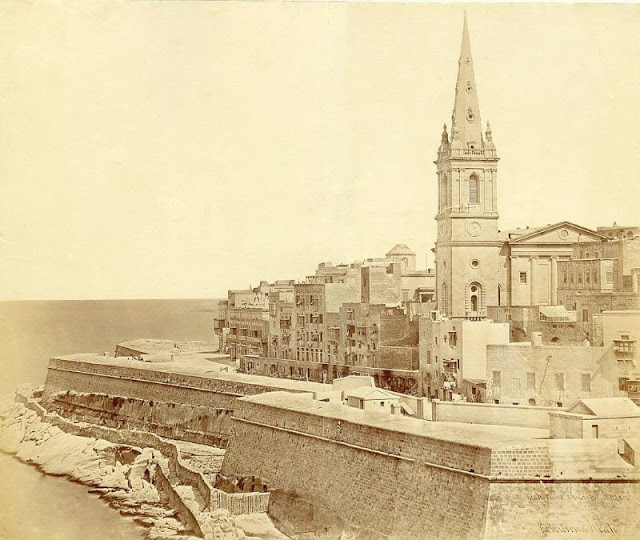
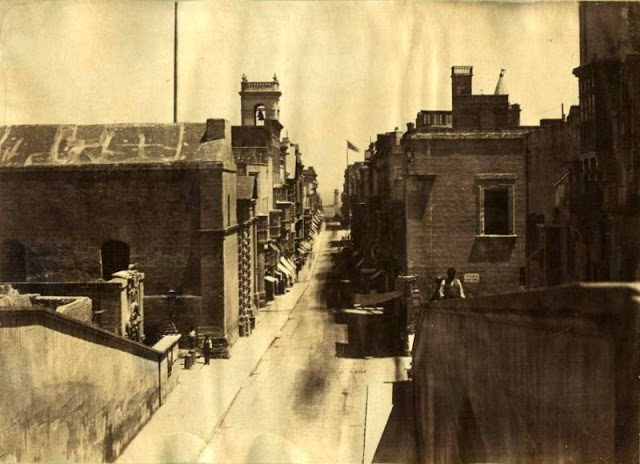
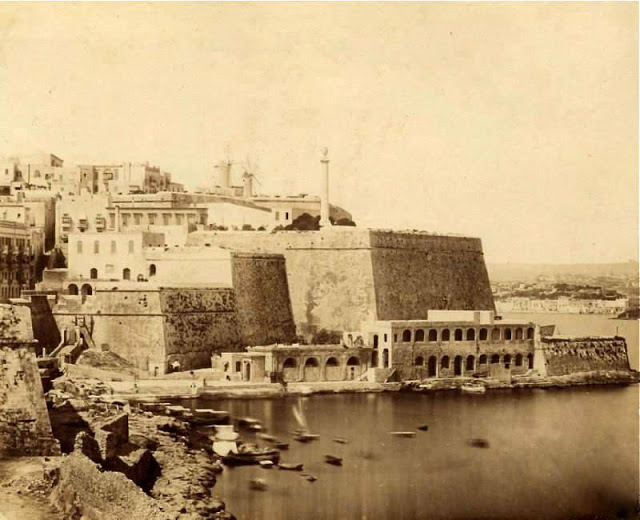
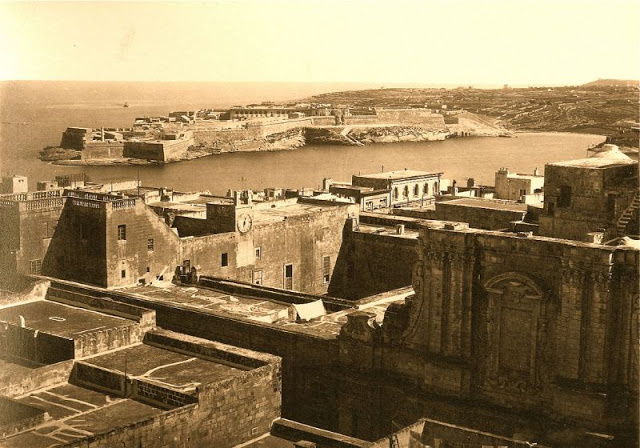
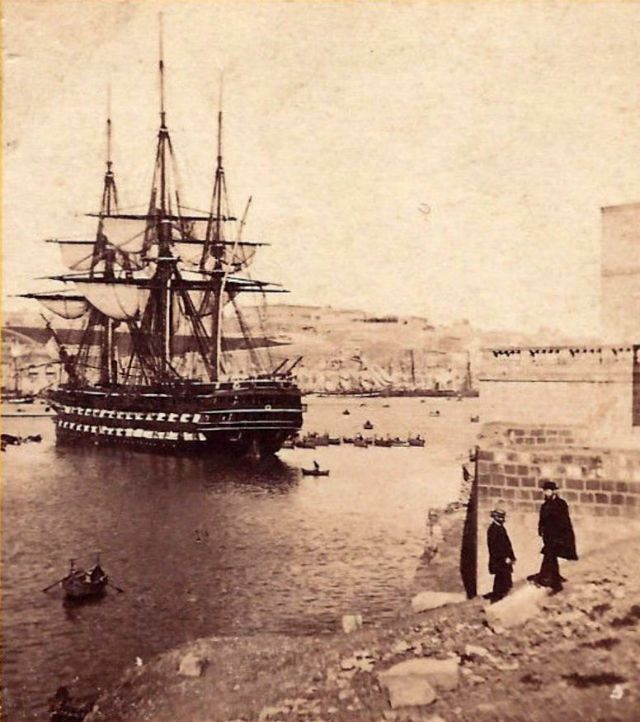
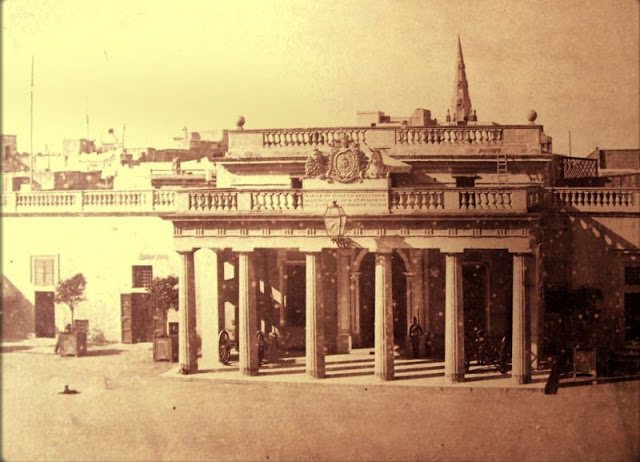
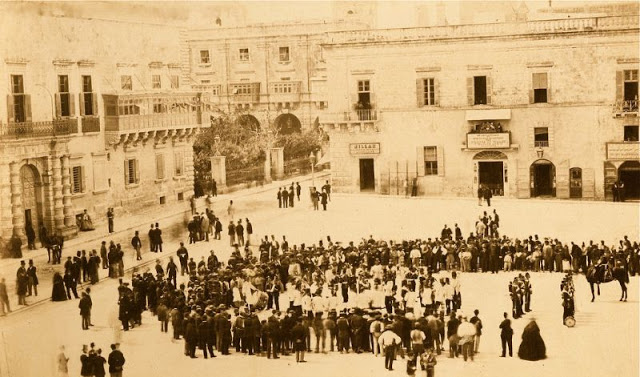
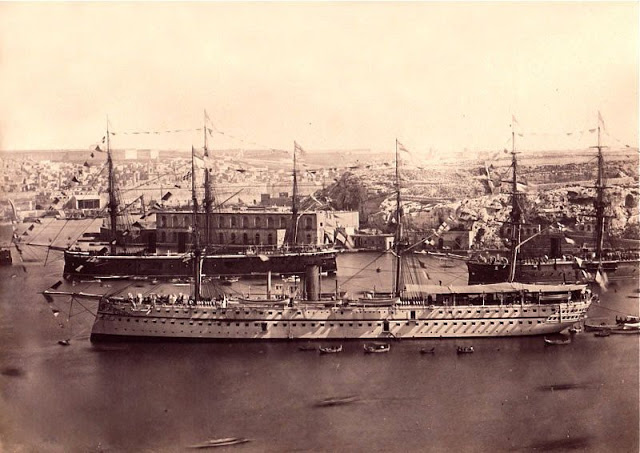
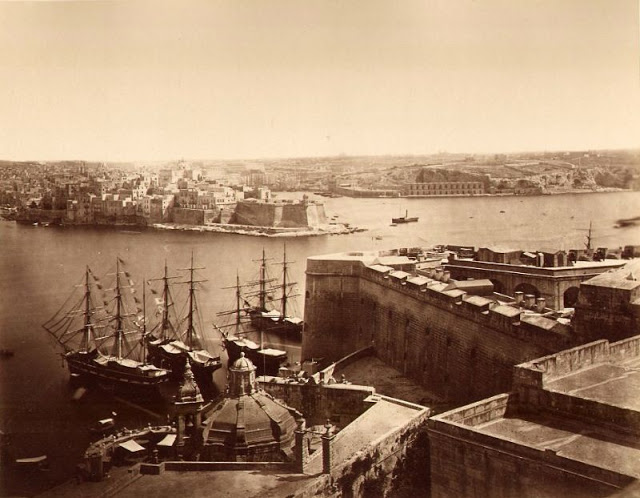
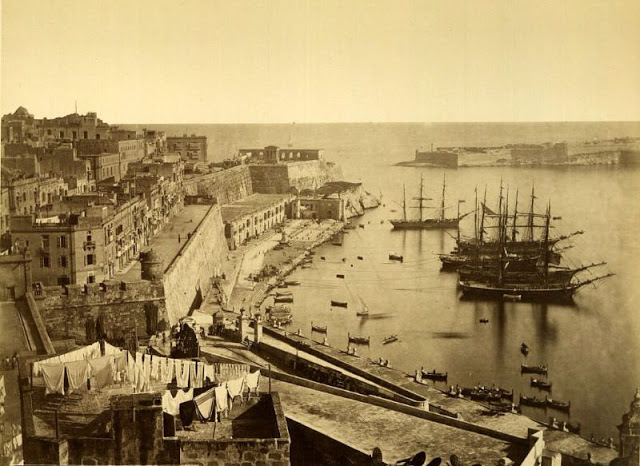
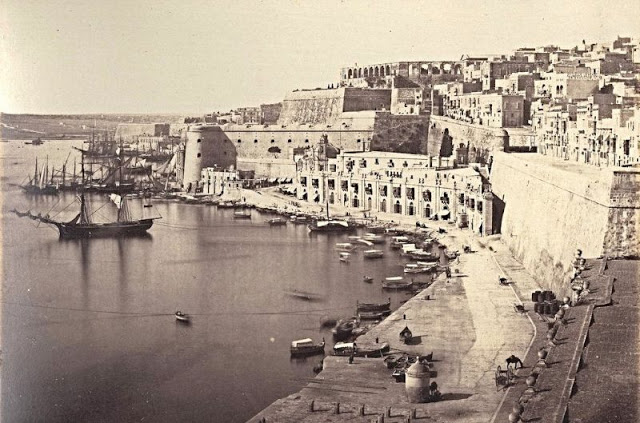
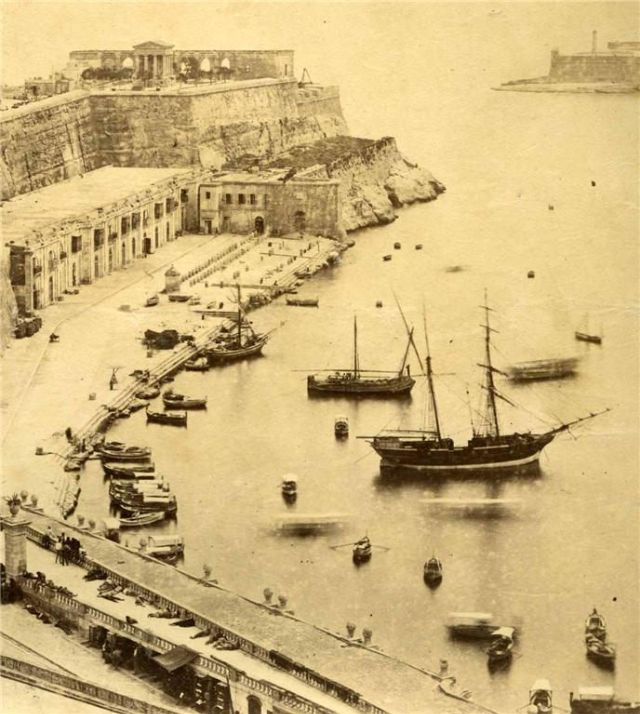
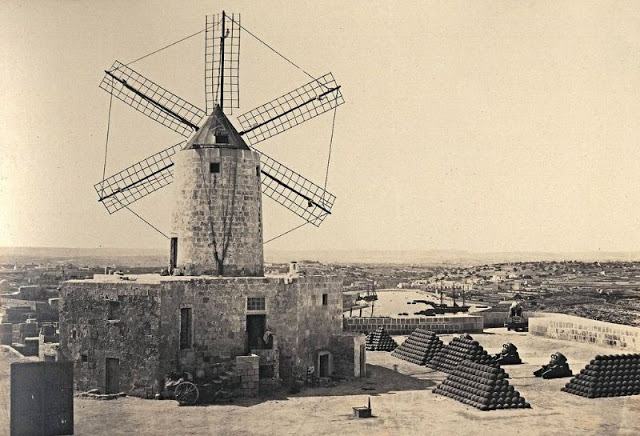
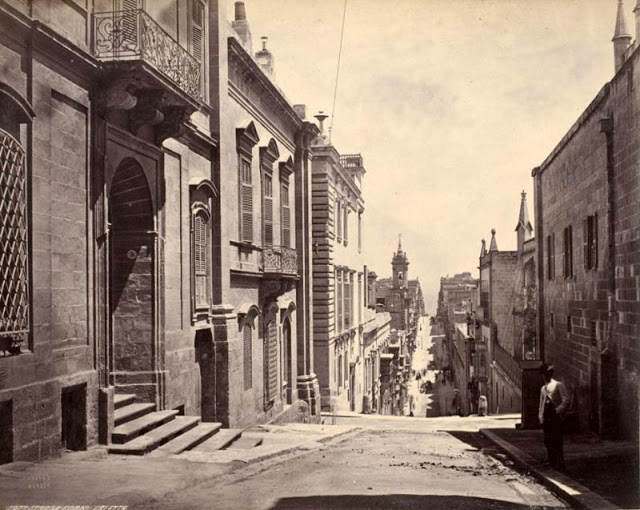
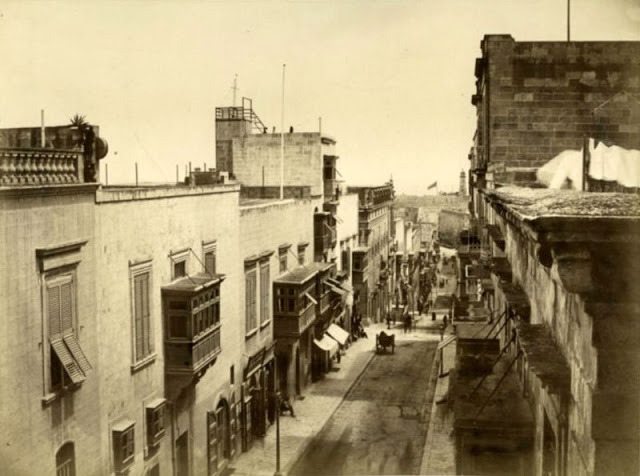
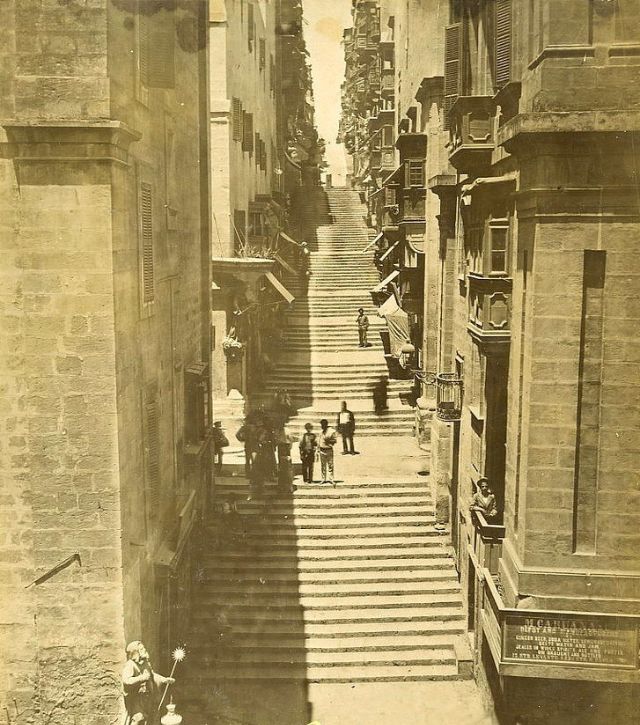
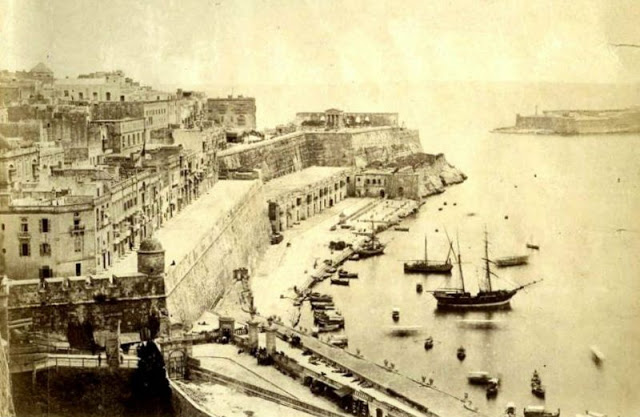
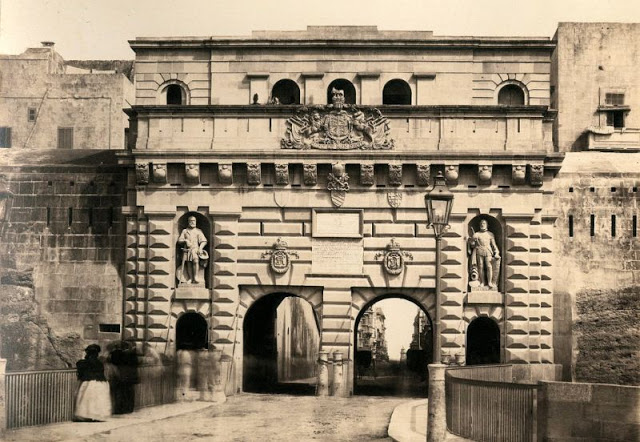
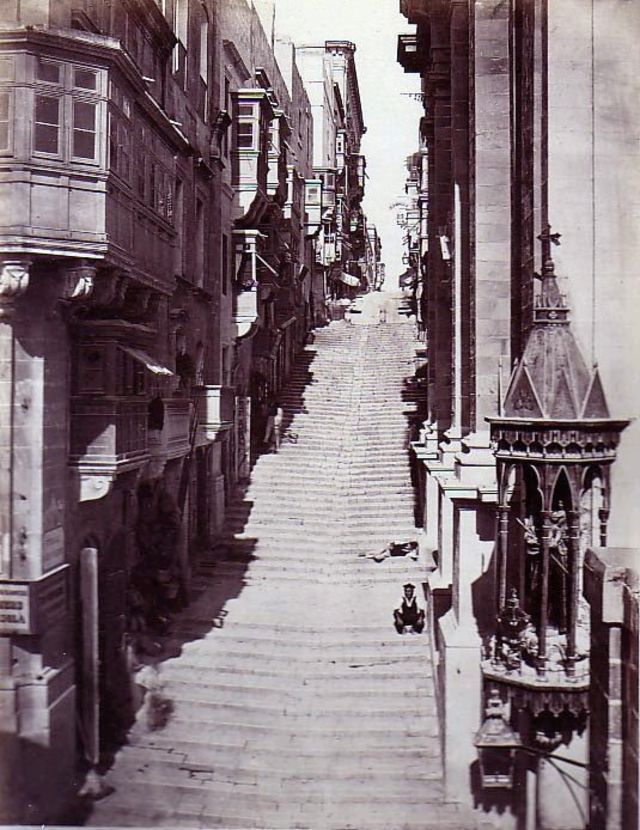
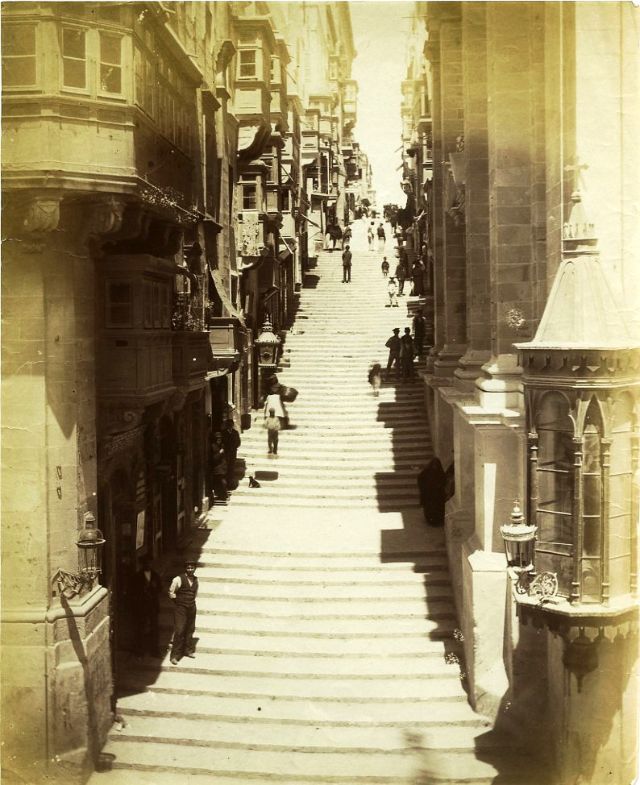
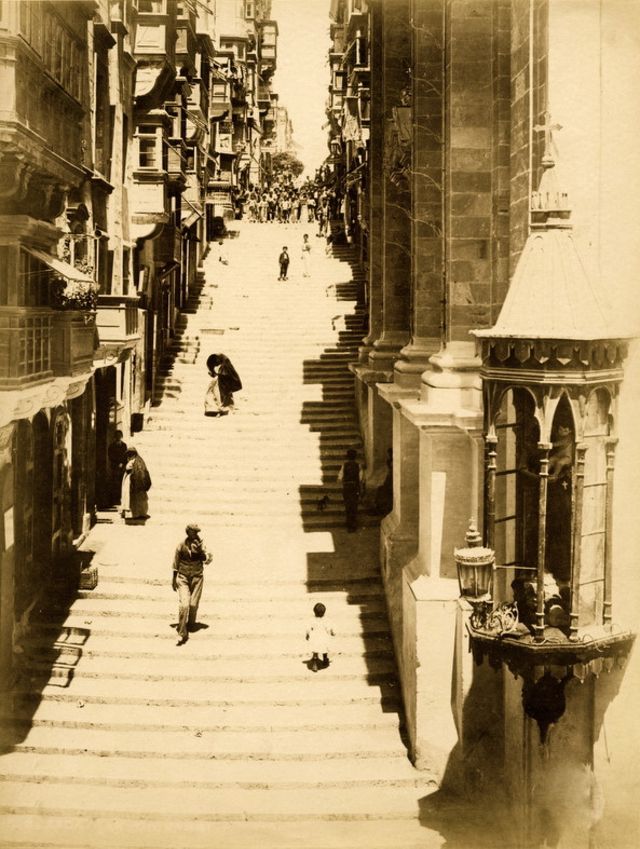
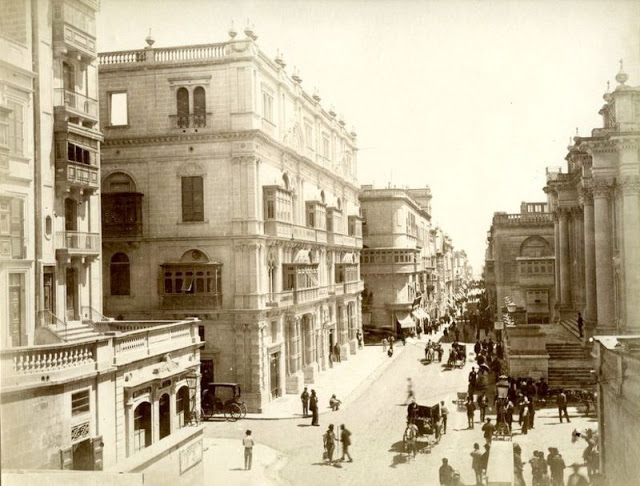
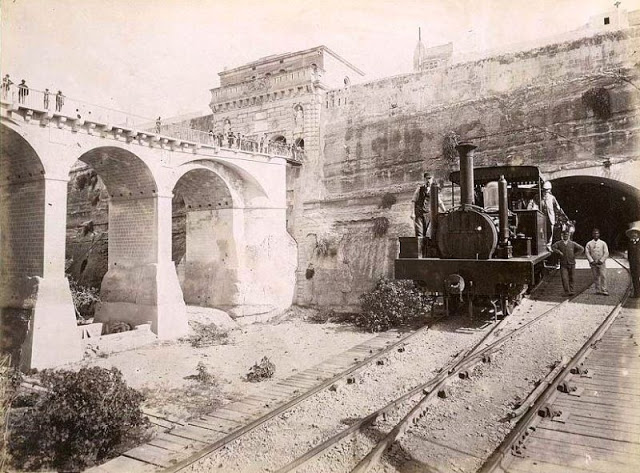
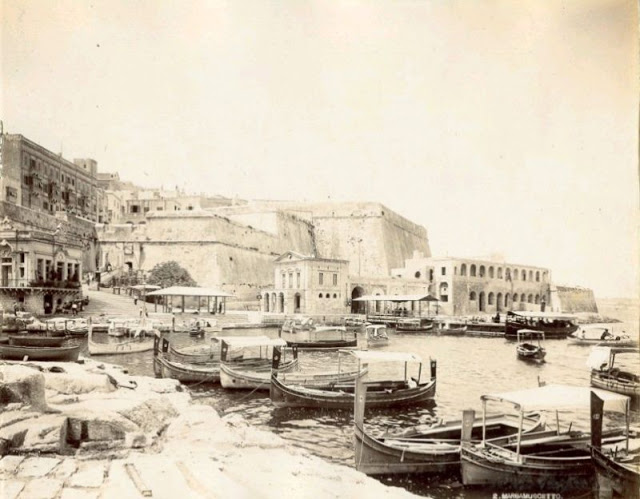
Strada Britannica, Valletta, Malta, circa late 1840s. Possibly one of the earliest street photographs taken in MaltaValletta showing Upper Barrakka in the background before Fort Lascaris was built, 1848Auberge de Castille, Valletta, Malta, 1854Marsamscetto Valletta Malta showing the spire of St. Paul’s Anglican cathedral, 1854Valletta street scene in Malta, circa 1854Kingsway, Valletta, Malta, 1859. Pre Opera House and pre Buttigieg Francia buildingGrand Harbour at Valletta with Marina Gate at lower left circa 1860sPonsomby’s column on St.Andrew’s bastion, Valletta, circa 1860Valletta rooftops with Fort Ricasoli in the background, circa 1860sHMS Neptune at Grand Harbour, Malta, 1862Main Guard, Valletta, Malta, 1865Marina Gate, Valletta, Malta, 1865St. George’s Square Valletta , British Army Bands, 1868British troop ship in Grand Harbour, Malta, circa 1870sGrand Harbour Malta with Liesse Church , Fish Market & Fort Lascaris in foreground, circa 1870sGrand Harbour, Malta, circa 1870sGrand Harbour, Malta, circa 1870sGrand Harbour, Valletta, Malta, circa 1870sLiesse Hill Street & Grand Harbour, circa 1870sMain Guard, Valletta, Malta, 1870Marsamscetto Curtain, Valletta, Malta, 1870St. John Co-cathedral, Valletta, Malta, circa 1870sSt. Michael’s bastion, Valletta, Malta, circa 1870sStrada Forni, Valletta, Malta, circa 1870s. House on the left belonged to Sir Adrian DingliStrada Reale by North Street, Valletta, Malta, 1870Strada Santa Lucia, Valletta, Malta, circa 1870sValletta port scene, circa 1870sValletta port scene, circa 1870sValletta rooftops and Grand Harbour, circa 1870sValletta street scenes, Malta, circa early 1870sKing’s Gate or Porta Reale, Valletta, Malta, 1871Lower Barakka Garden, Valletta, Malta in 1871Royal Opera House in Valletta, Malta, a year or so before the fire of 1873Grand Harbour Malta with Floriana at background right side, 1875Kingsway, Valletta, Malta, 1875St. Ursula Street, Valletta, Malta in 1875Old Bakery Street, Valletta, Malta in 1876Strada Teatro, Valletta, Malta, 1876Kingsway, Valletta, Malta, 1878Old Bakery Street, Valletta, Malta, 1879St John Street, Valletta, Malta in 1879Grand Harbour in Valletta with Floriana in background, circa 1880sMarsamscetto and Valletta rooftops, Malta, 1880St. John Street, Valletta, Malta, circa 1880Steamship at Valletta harbour, Malta, circa 1880Strada Teatro, Valletta, Malta, 1880sTelegraph Company at 6&7 Marsamscetto Road, Valletta, Malta, circa 1880sSt. John Street, Valletta, Malta, 1881St. Lucia Street, Valletta, Malta, 1881Strada Reale, Valletta, Malta, 1883Marina Gate Demolition, Valletta, Malta, April 1884Kingsway, Valletta, Malta in 1888St. George’s Square, Valletta, Malta, 1898Kingsway, Valletta, Malta, circa 1890sMain Guard with British Troops on St. George’s Square, Valletta in 1899Malta Railway, 1890sMarsamscetto, Valletta, Malta in 1899Marsamscetto, Valletta, Malta, circa 1890sNaval band march down East street in Valletta, Malta, circa 1890sStrada Reale, Valletta, Malta, circa 1890sThe Victoria Gate, Valletta, Malta, circa 1890s
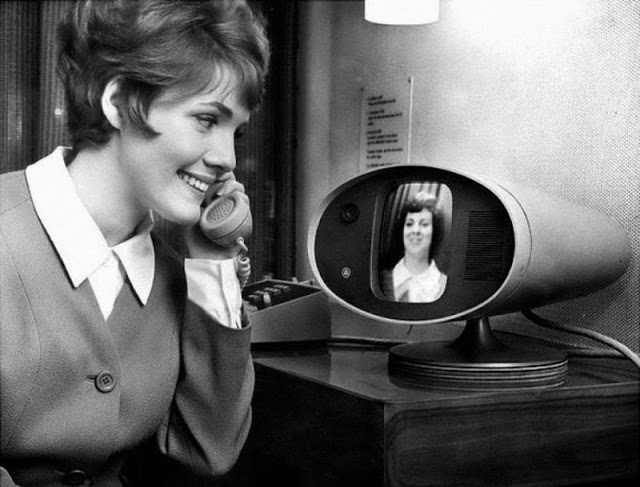
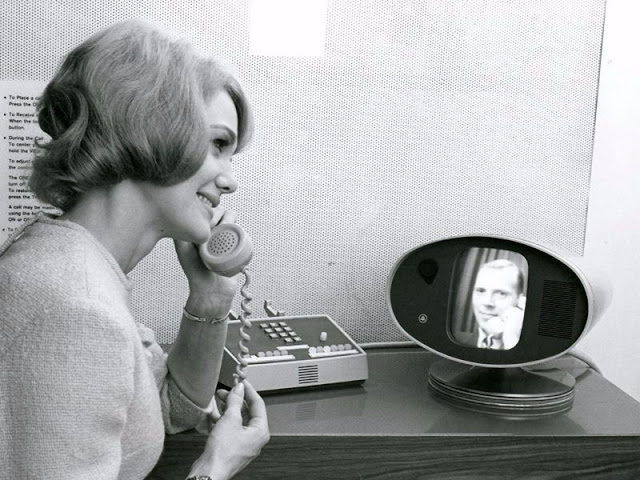
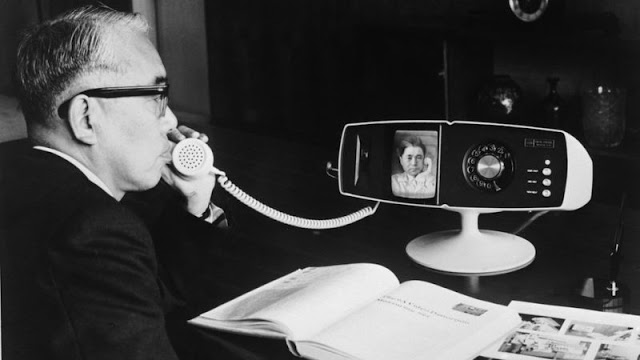
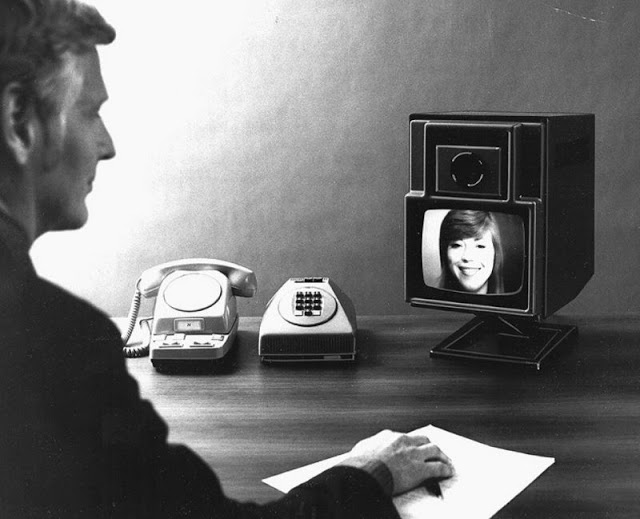
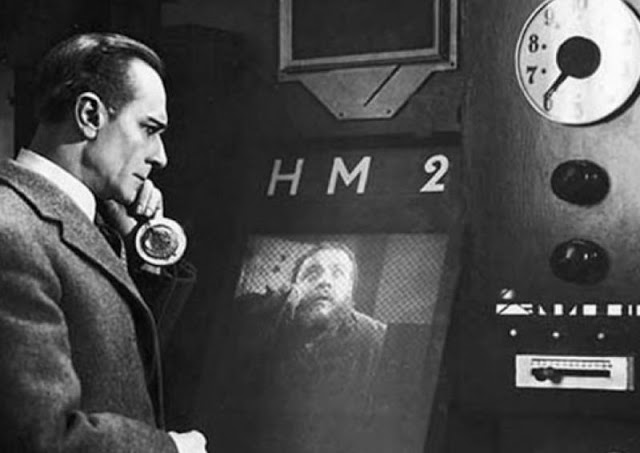
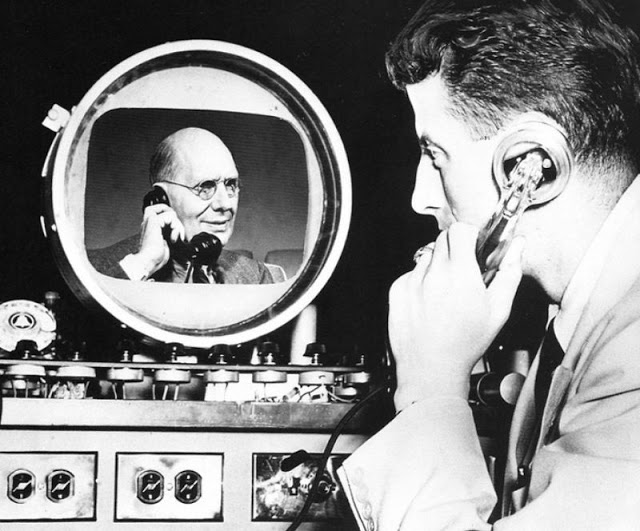
Can you even remember what life was like before video technologies like FaceTime or Skype? Out of all of the fantastic tech that the Internet has made possible, video conferencing is by far one of the most impactful. Modern video conferencing and video chat technology allow both families and businesses, from anywhere in the world, to talk with one another face-to-face as though they were sitting in the same room.
Thanks to tablets, smartphones and high-speed Internet, video chatting is as simple as pressing an icon from your contacts. But there’s a dark history that led us to this point. Company after company failed over and over again in an exercise in insanity to make video chat technology what it is today.
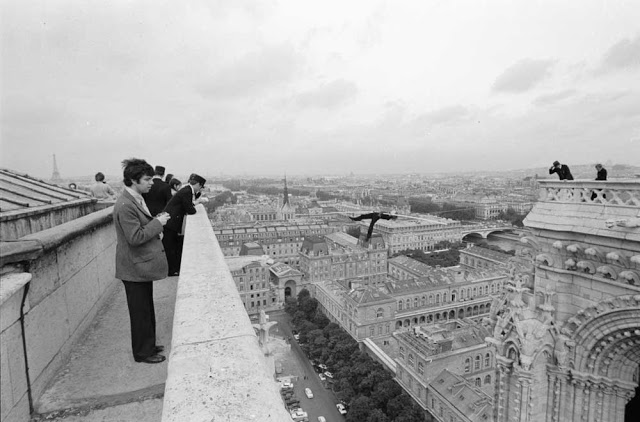
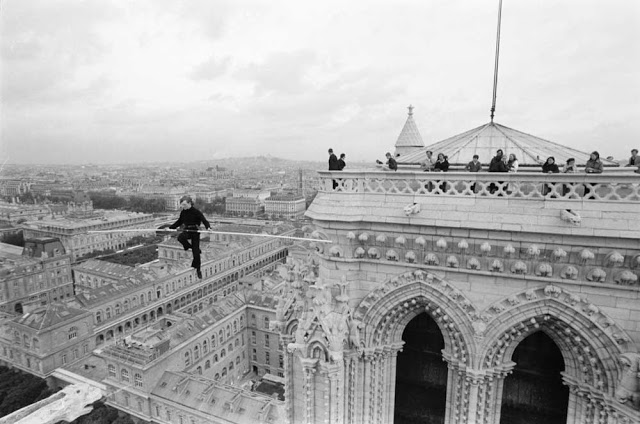
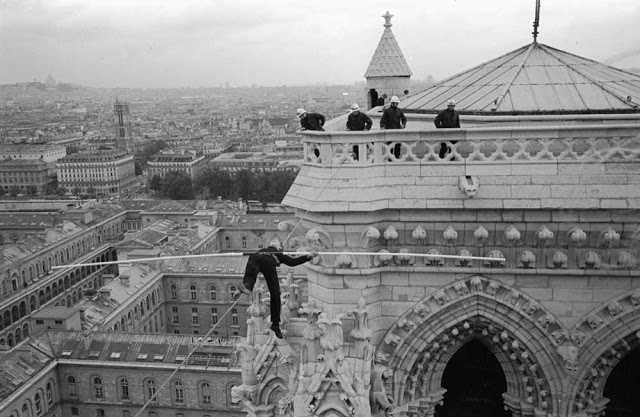
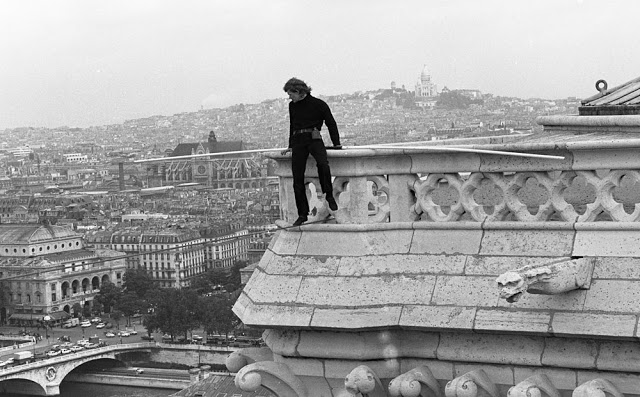
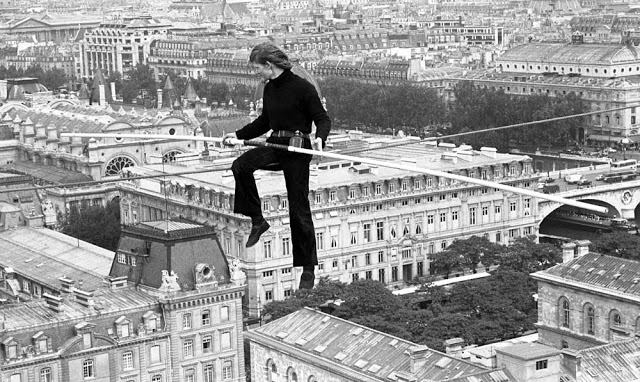
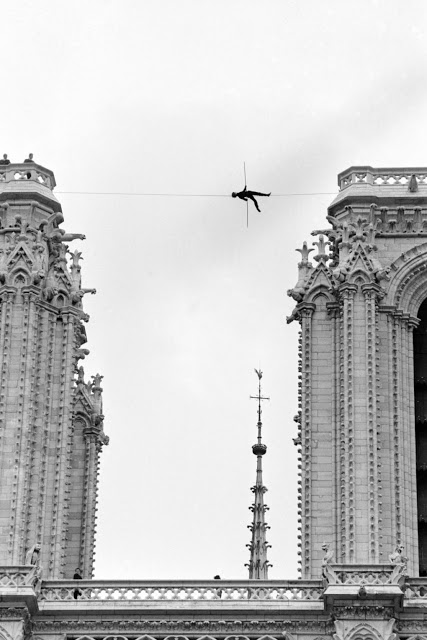
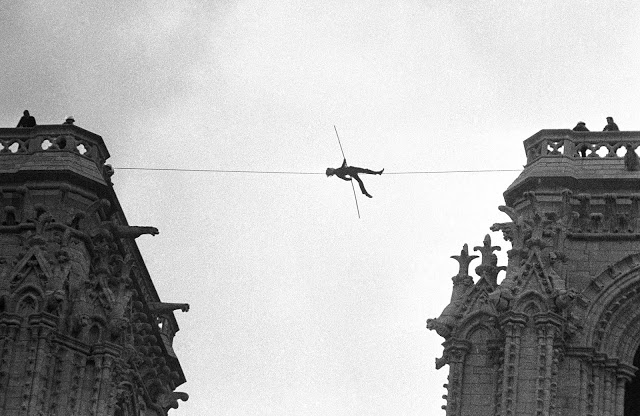
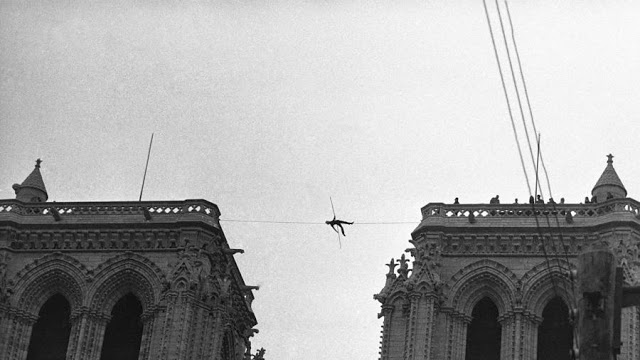
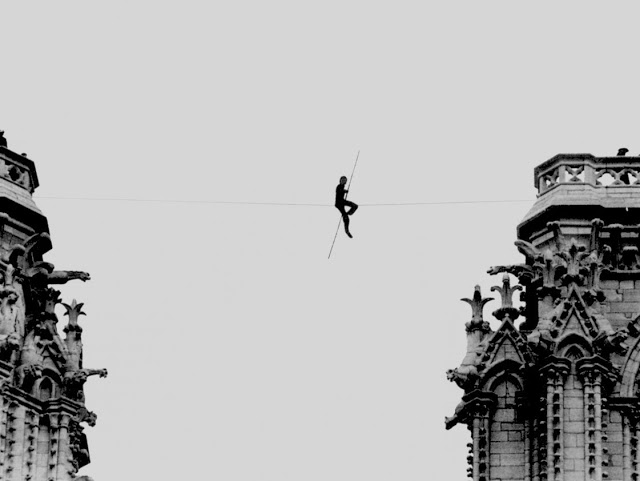
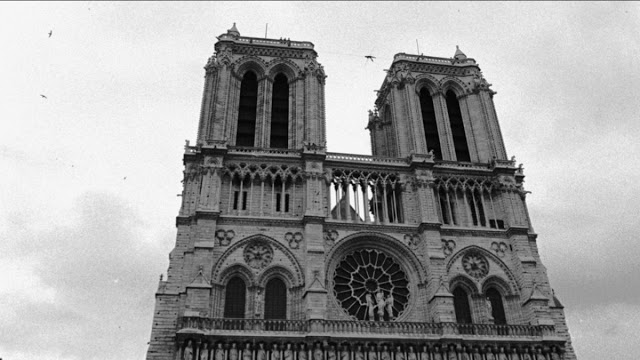
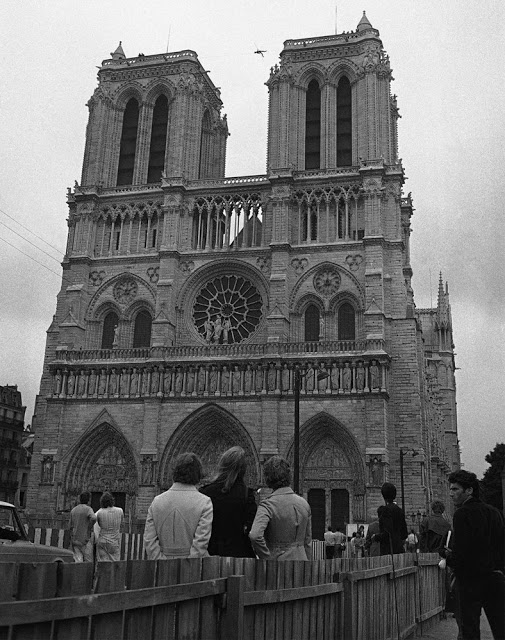
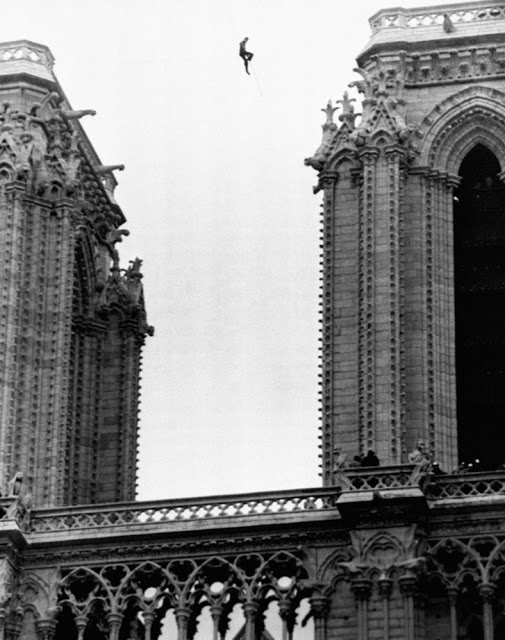
Philippe Petit, a 21-year-old professional tightrope walker, was living in Paris when he decided to execute his first major performance at Notre Dame on June 26, 1971. He crossed between the two towers of the cathedral, taking a break to casually lie down on the wire and juggle several clubs. He was arrested thereafter, but Petit was hooked on the thrill and knew that the walk at Notre Dame wouldn’t be his last.
Several decades after Notre Dame, Petit strung up his wires to another famous Parisian landmark: the Eiffel Tower. But he wasn’t arrested this time because the stunt was commissioned by the mayor of Paris to celebrate the 200th anniversary of The Declaration of the Rights of Man.
At an early age, Petit discovered magic and juggling. He loved to climb, and at 16, he took his first steps on a tightrope wire. He told a reporter, “Within one year, I taught myself to do all the things you could do on a wire. I learned the backward somersault, the front somersault, the unicycle, the bicycle, the chair on the wire, jumping through hoops. But I thought, “What is the big deal here? It looks almost ugly.” So I started to discard those tricks and to reinvent my art.” Petit became known to New Yorkers in the early 1970s for his frequent tightrope-walking performances and magic shows in the city parks, especially Washington Square Park. Petit’s most famous performance was in August 1974, conducted on a wire between the roofs of the Twin Towers of the World Trade Center in Manhattan, a quarter mile above the ground.
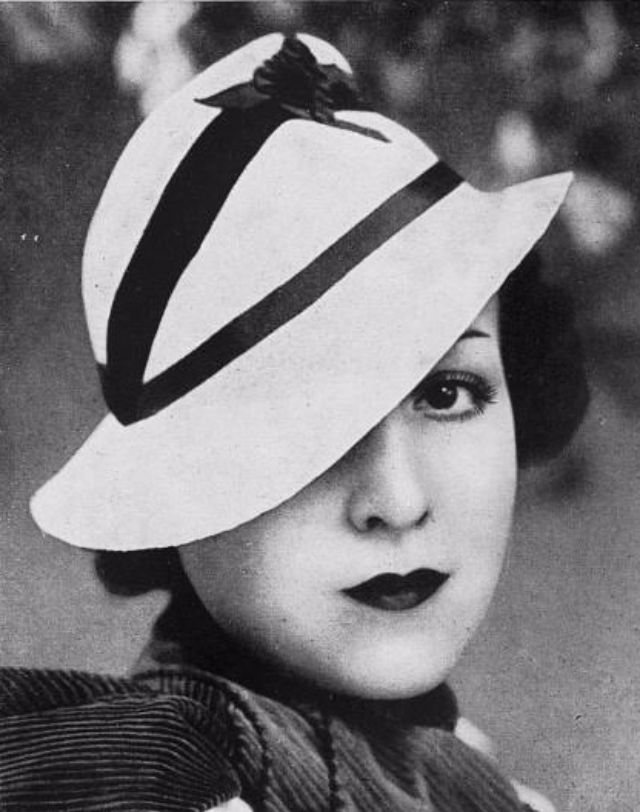
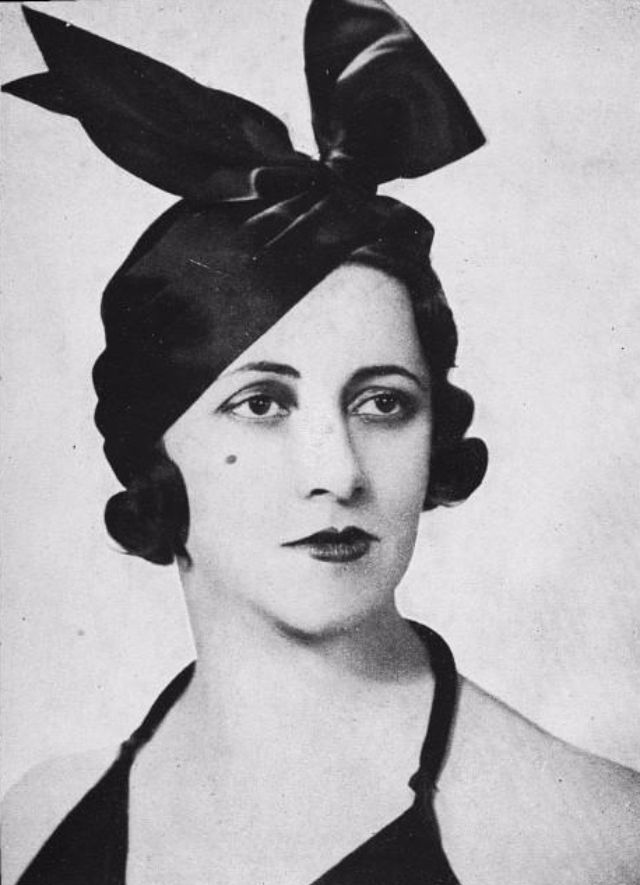
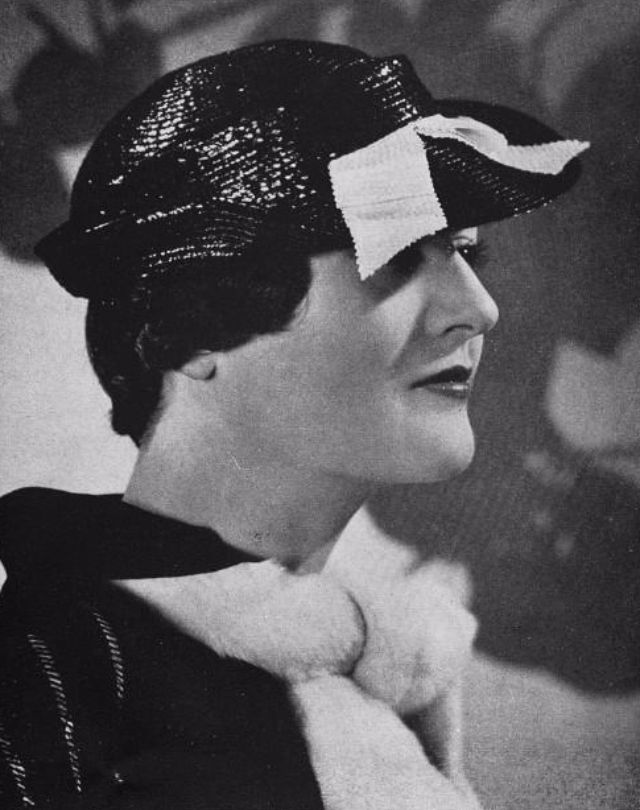
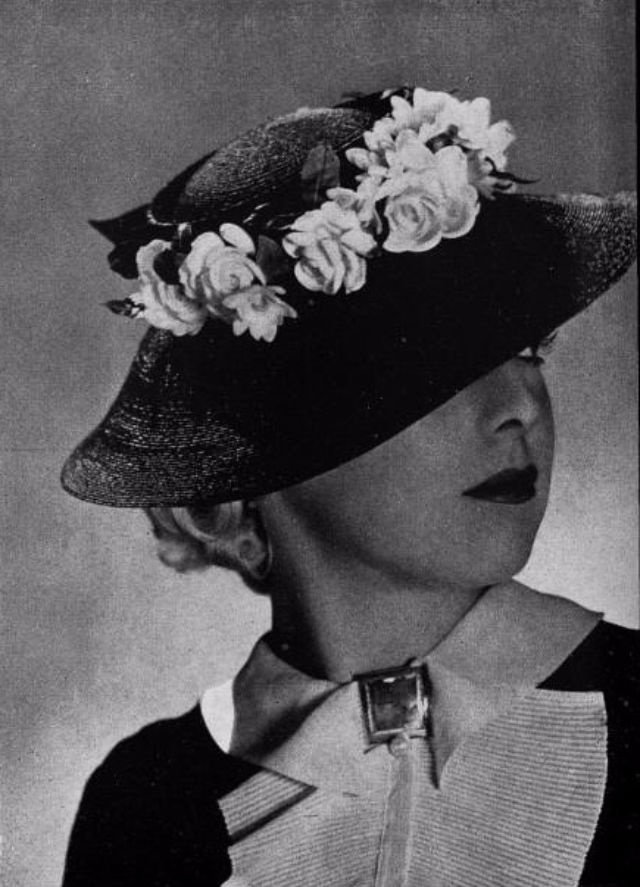
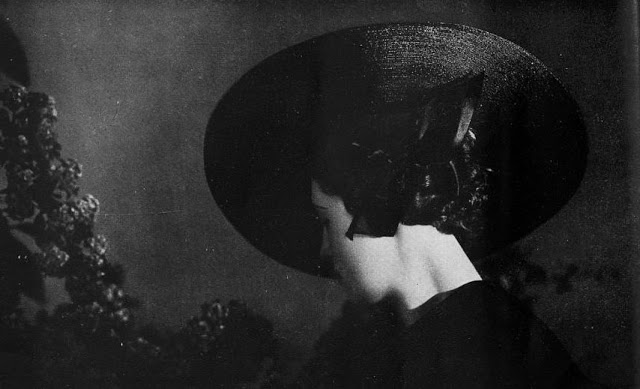
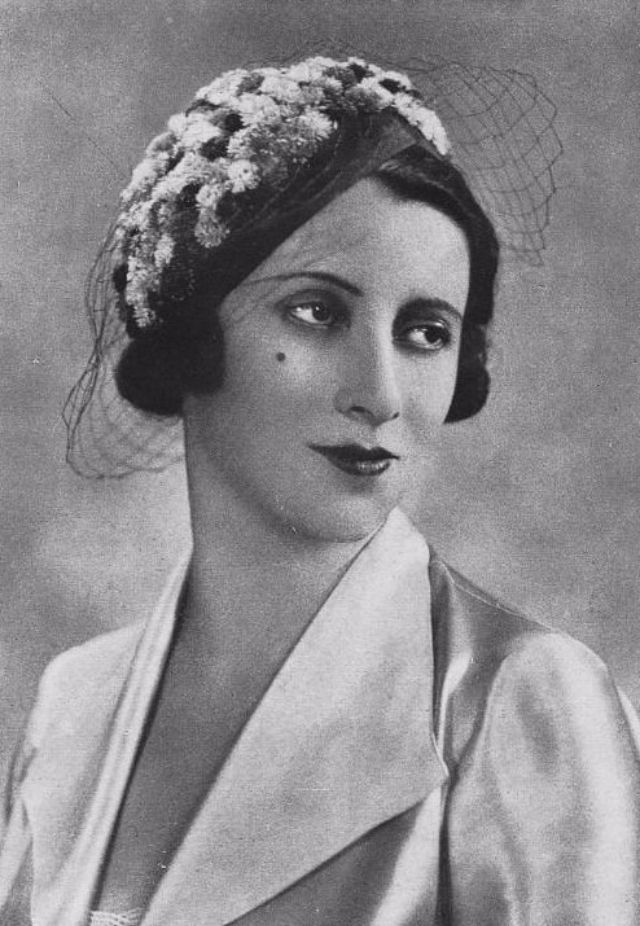
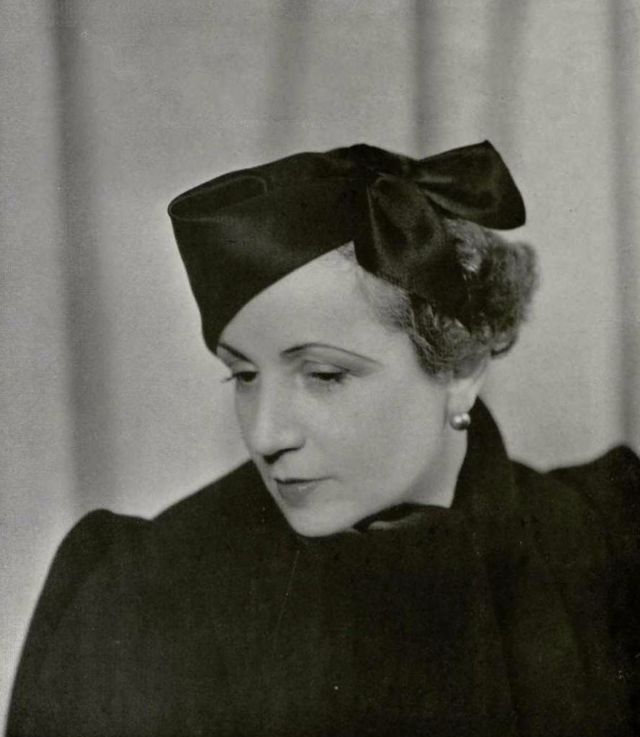
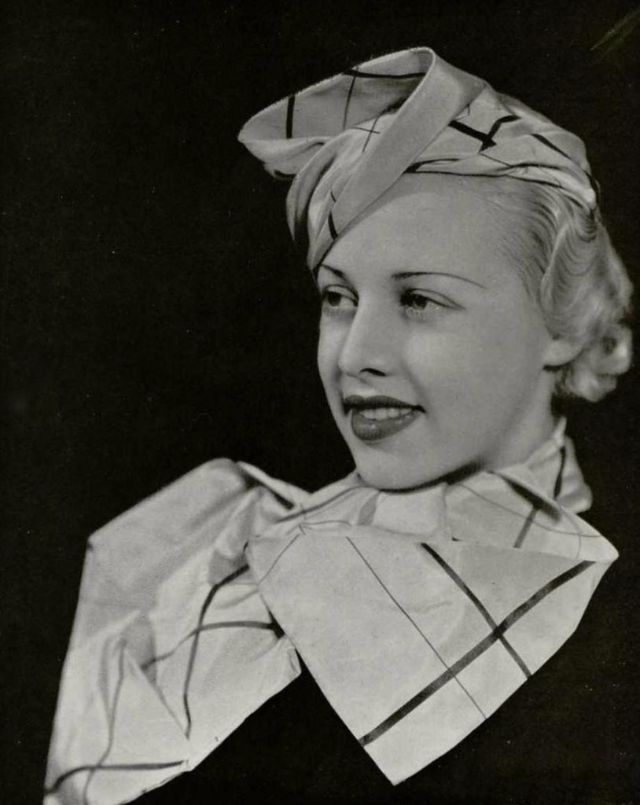
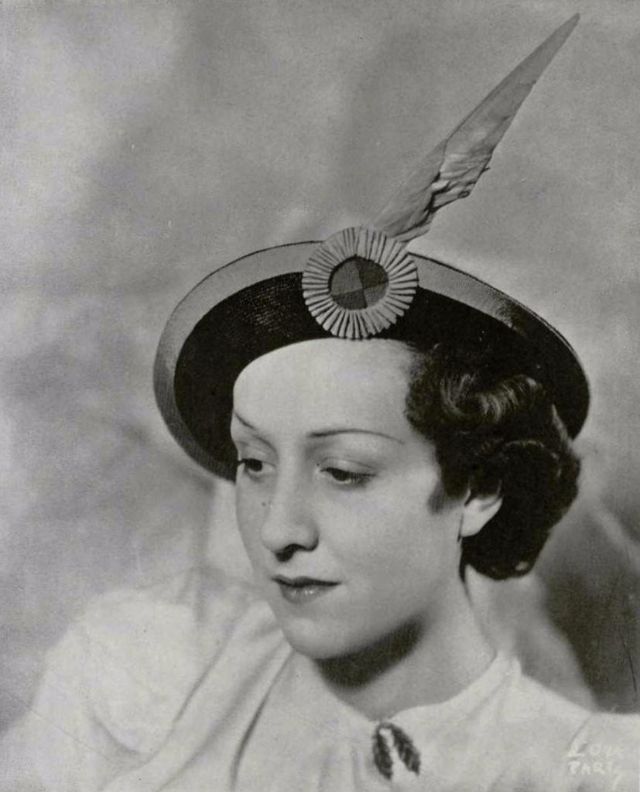
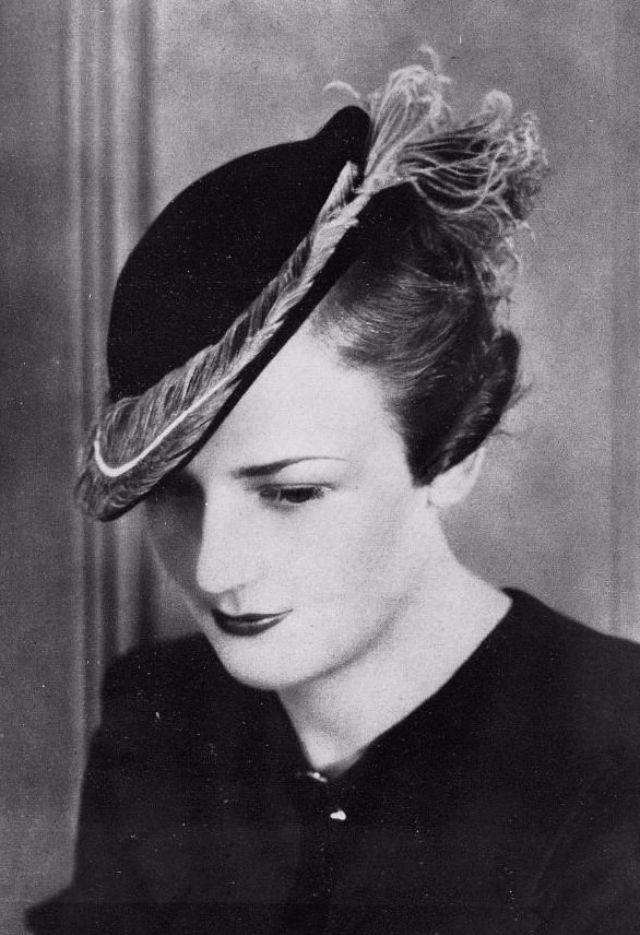
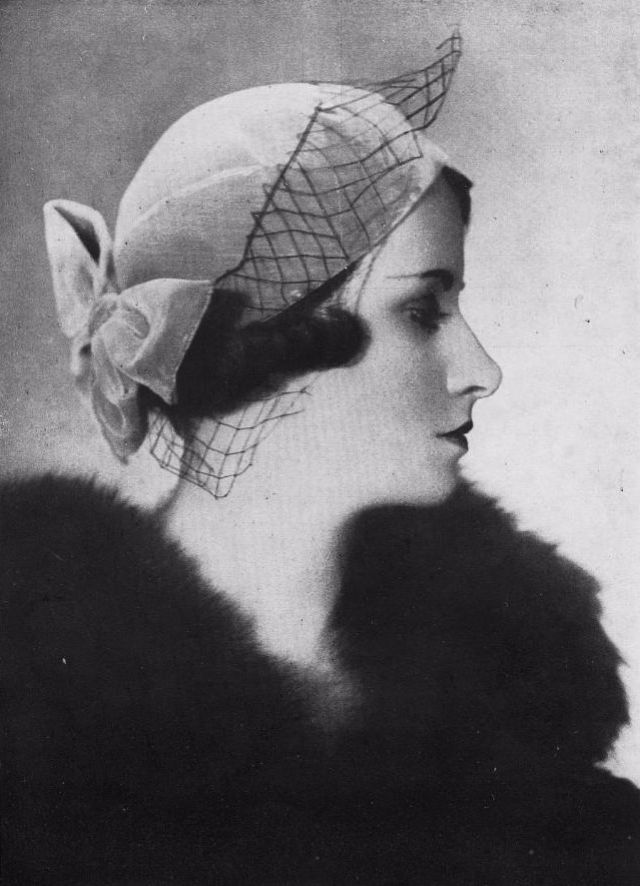
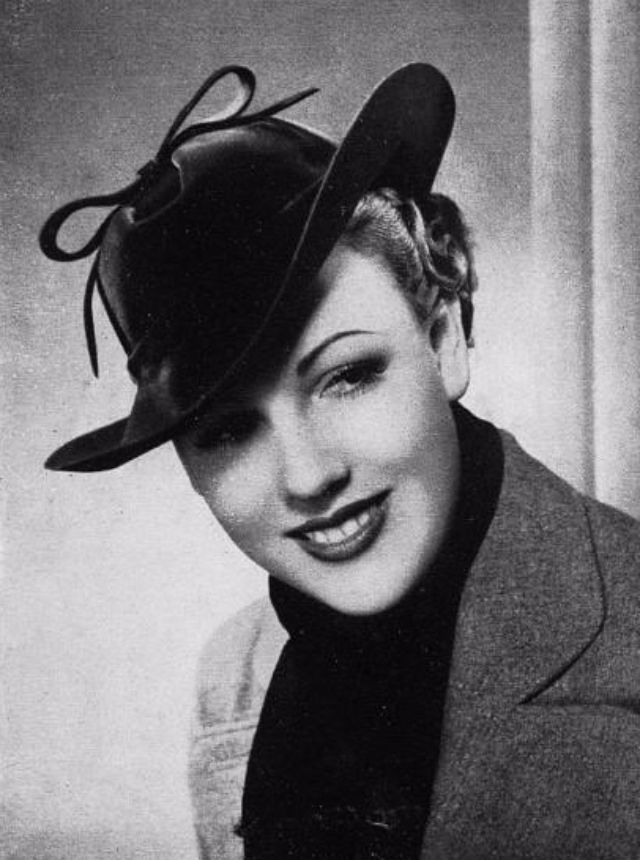
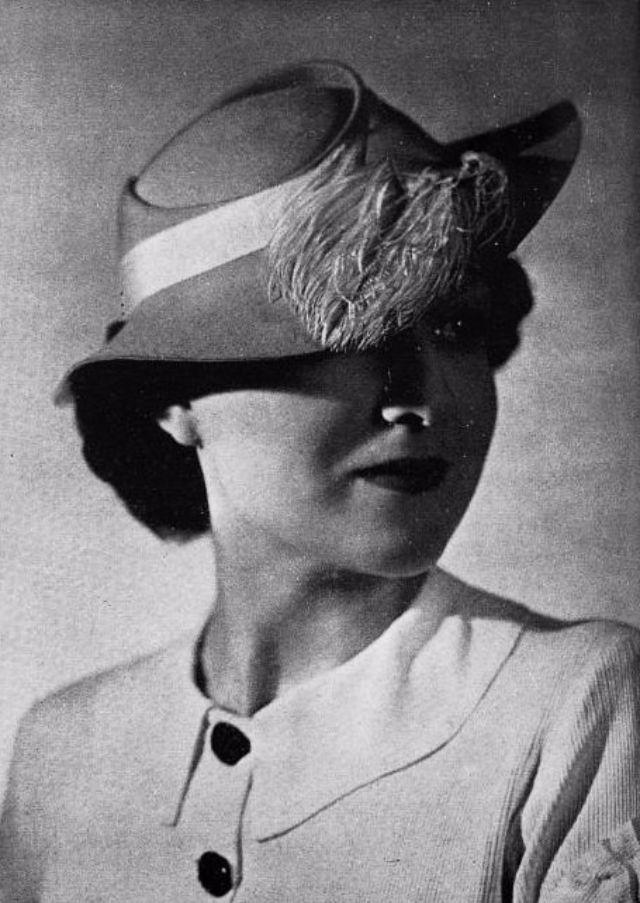
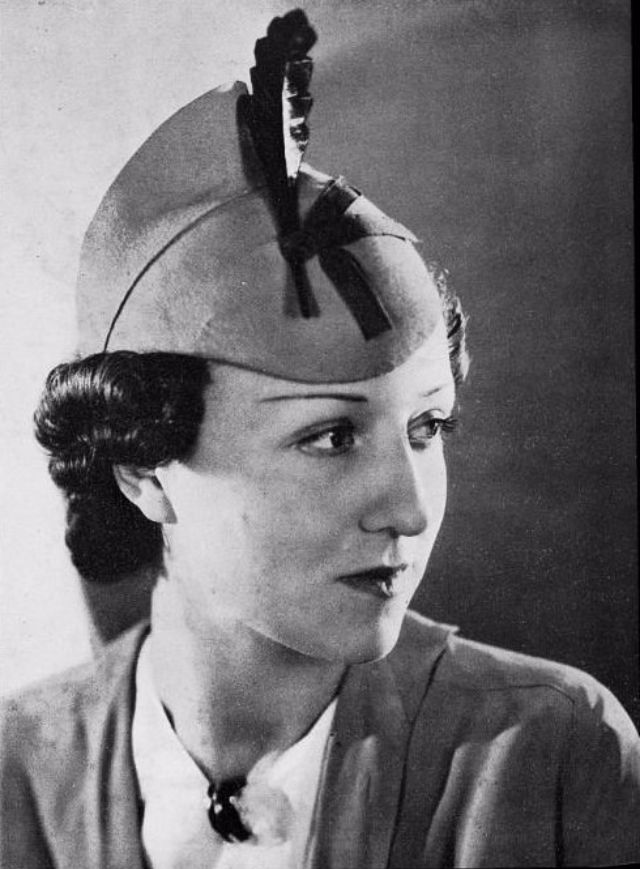
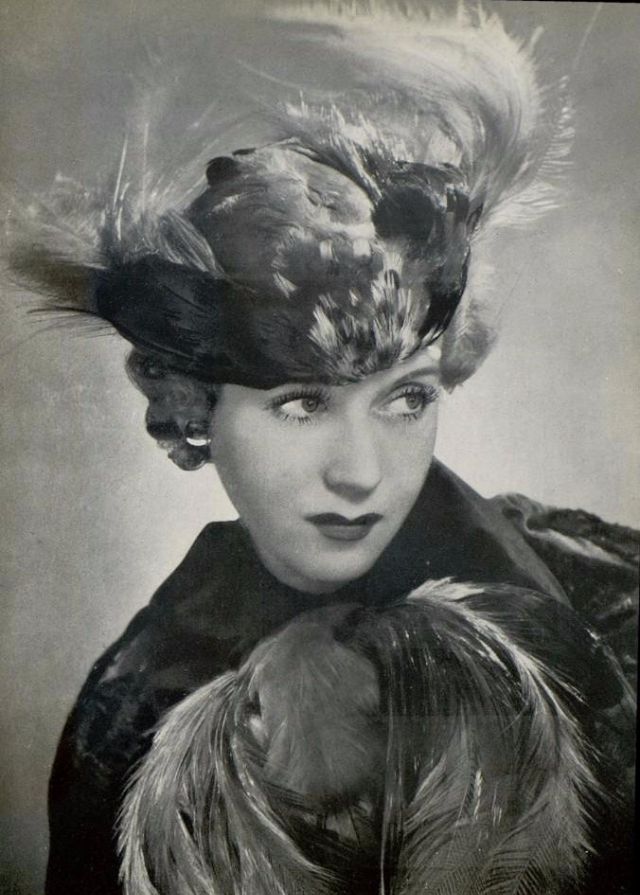
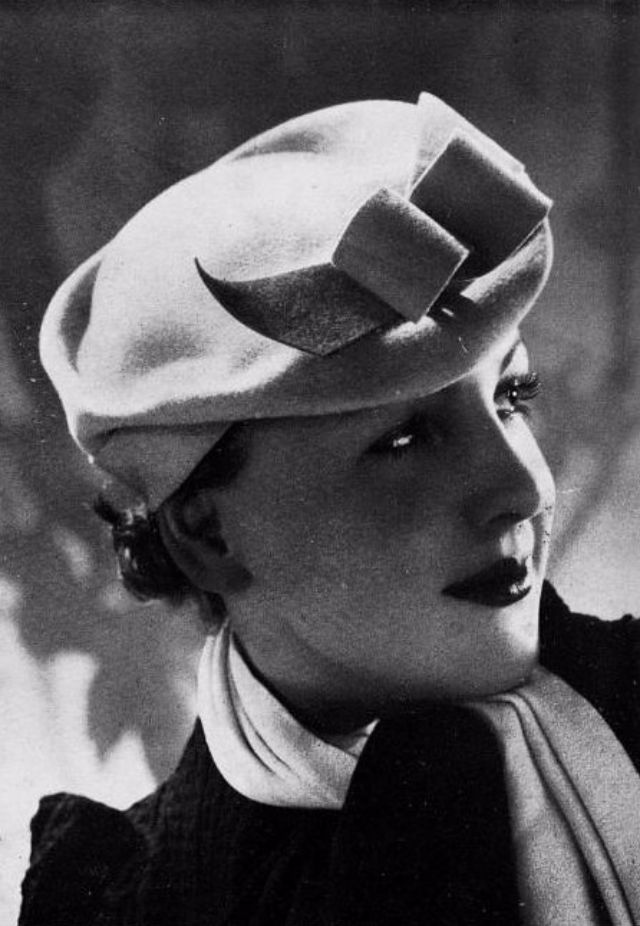
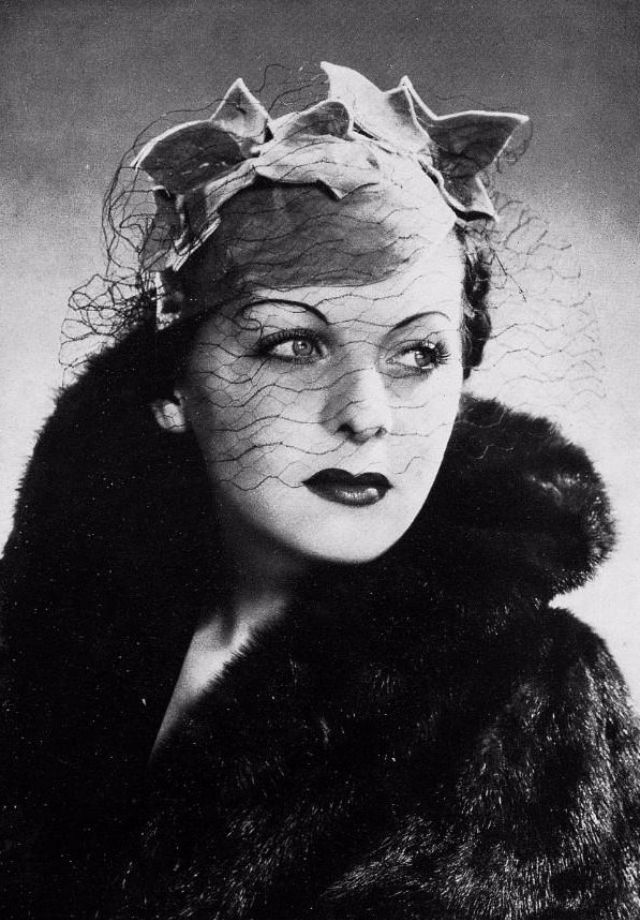
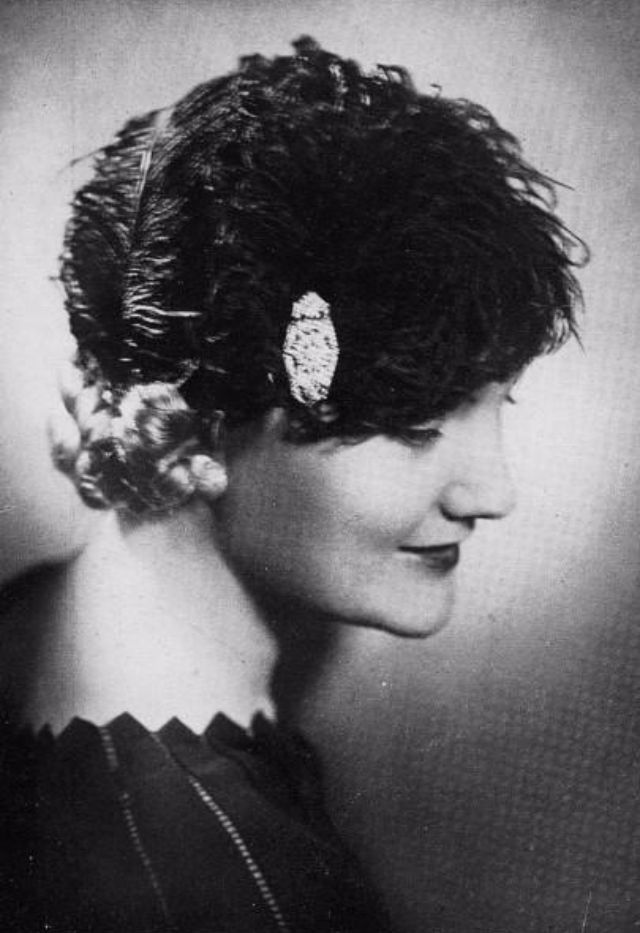
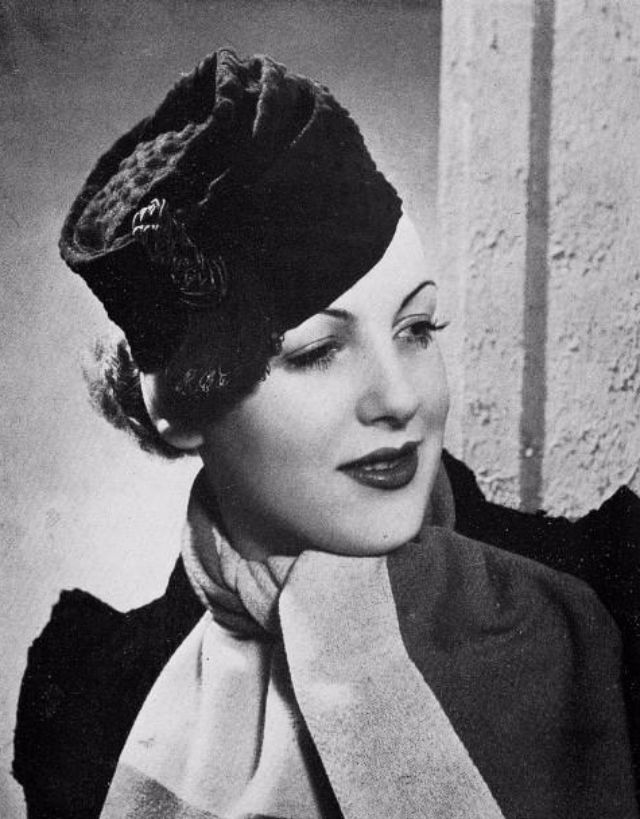
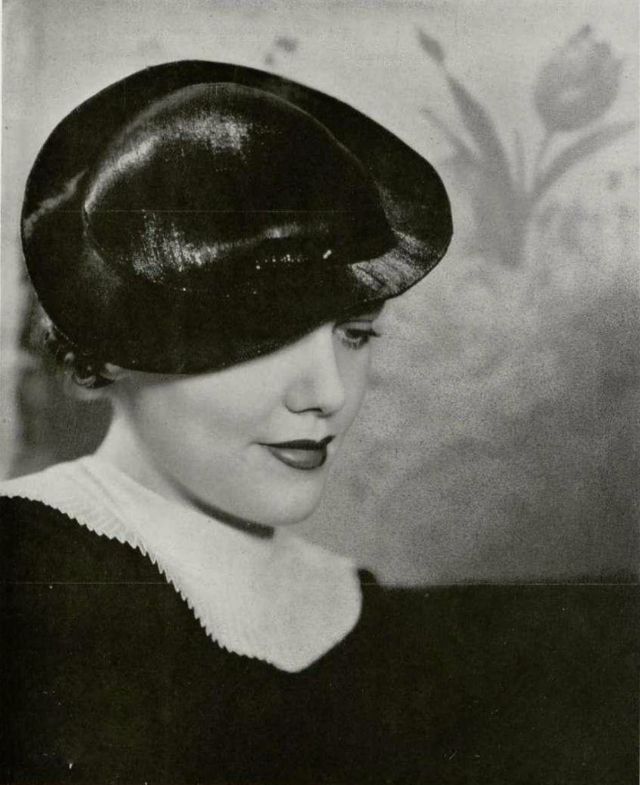
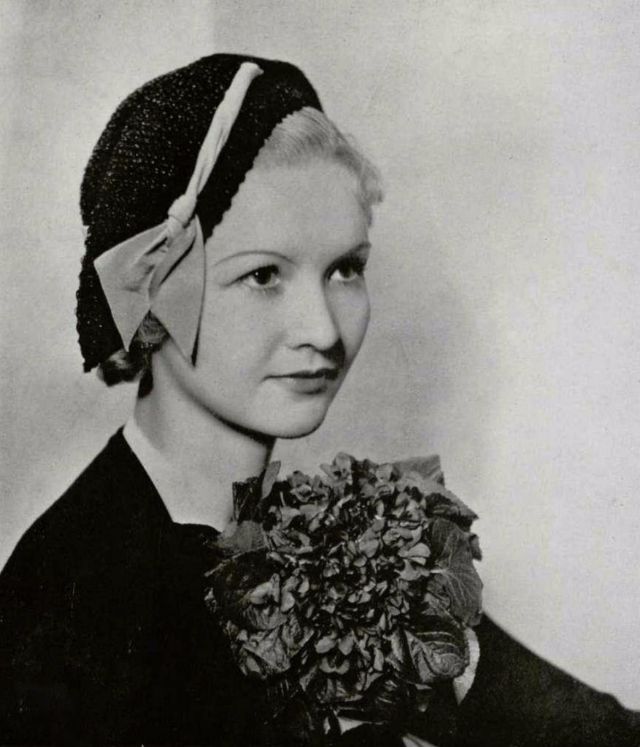
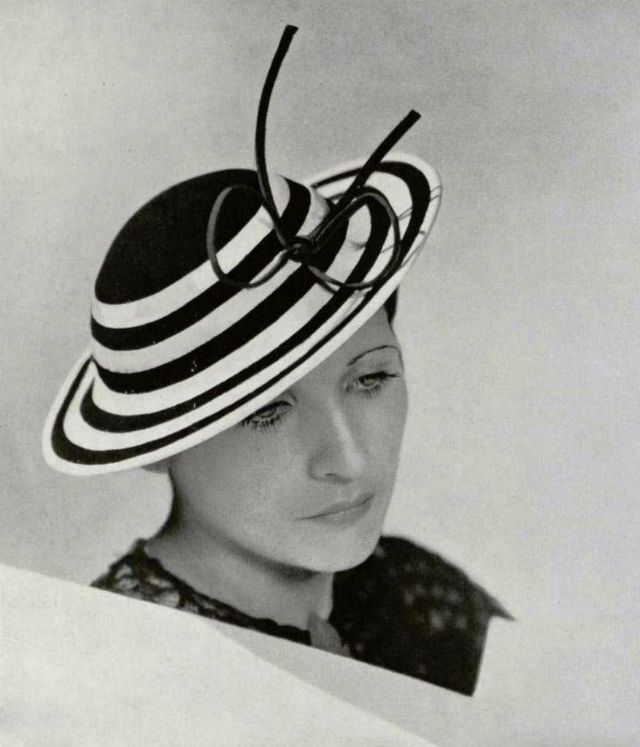
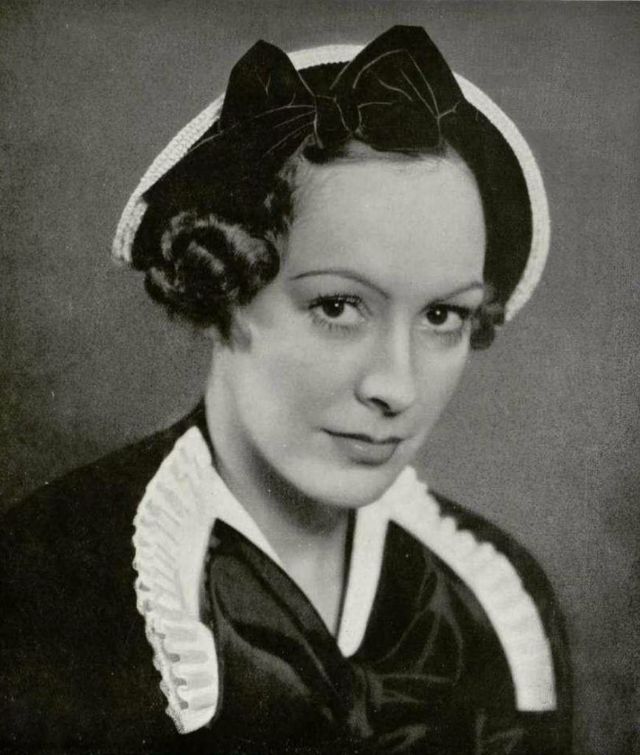
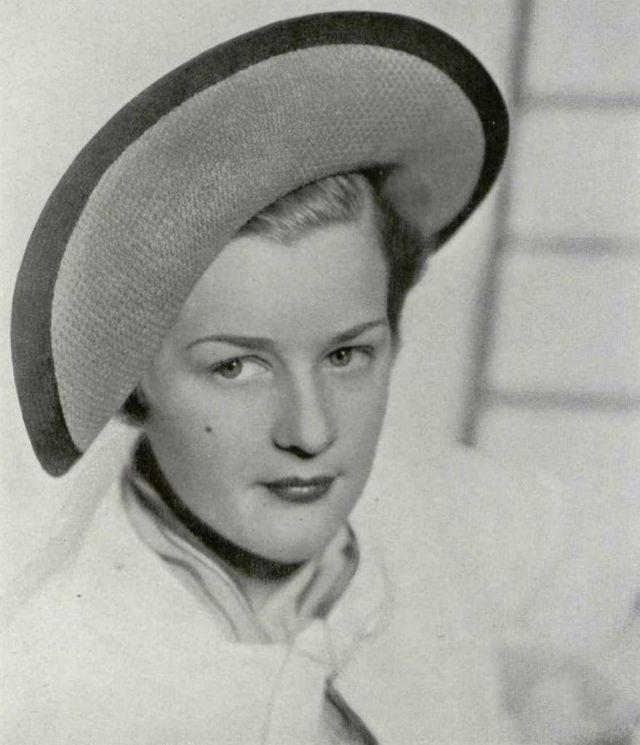
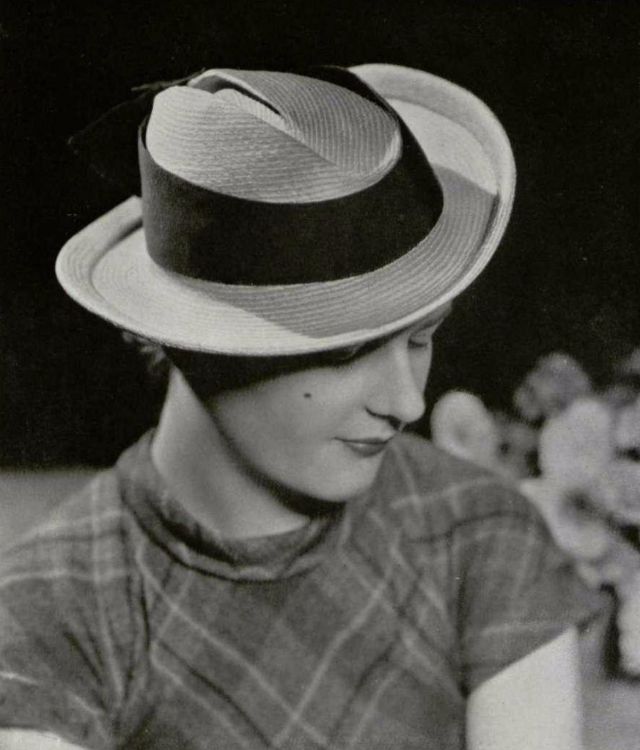
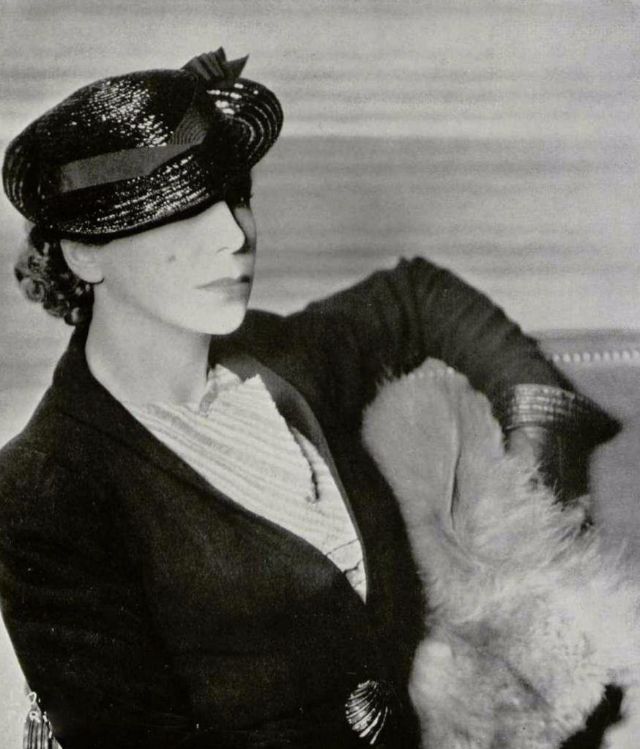
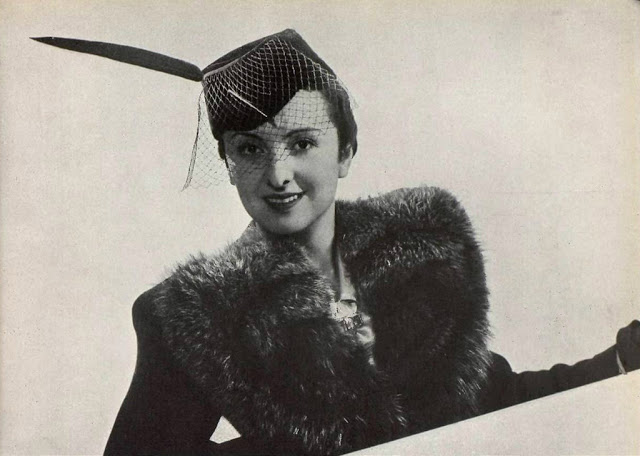
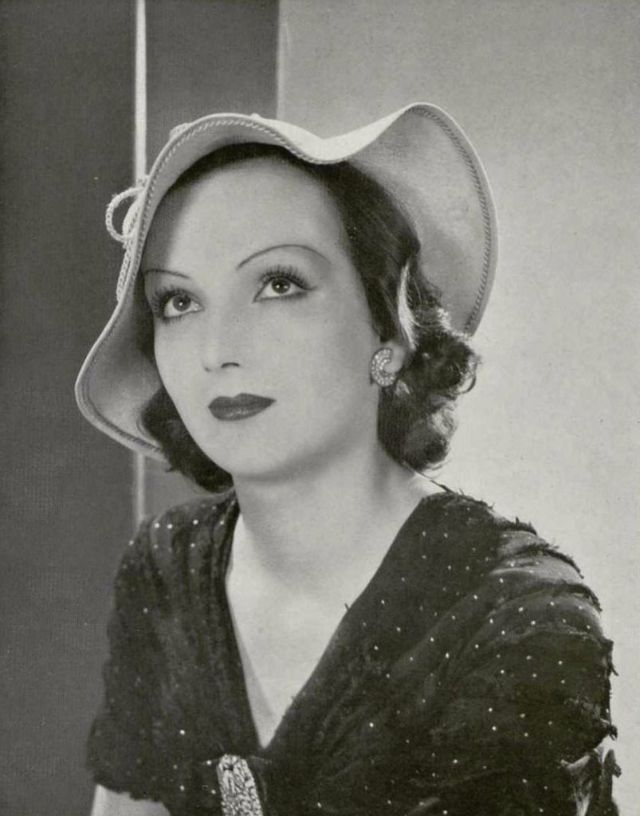
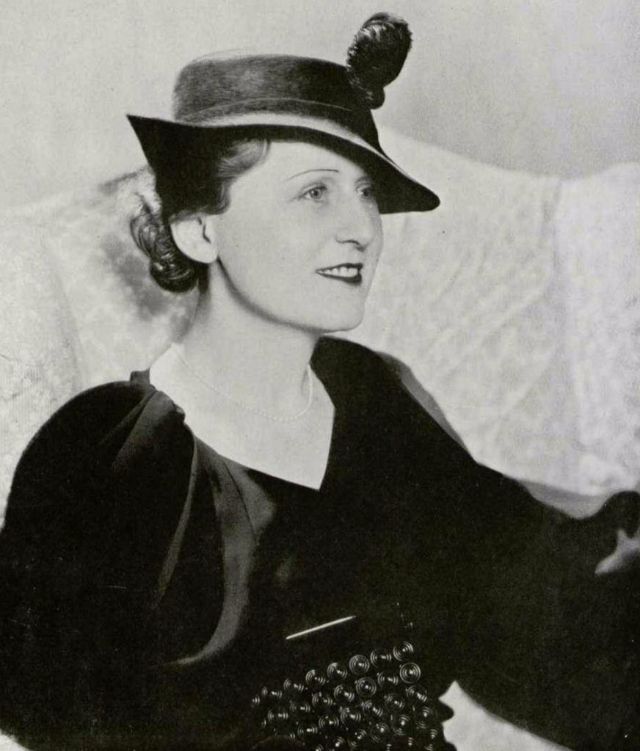
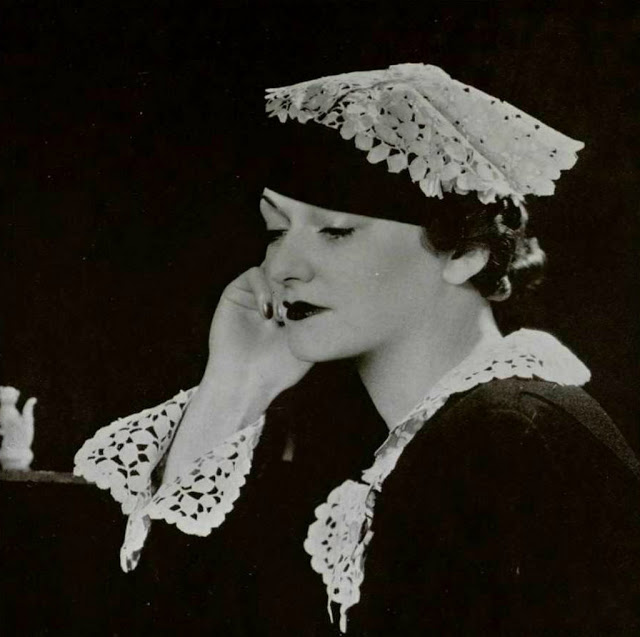
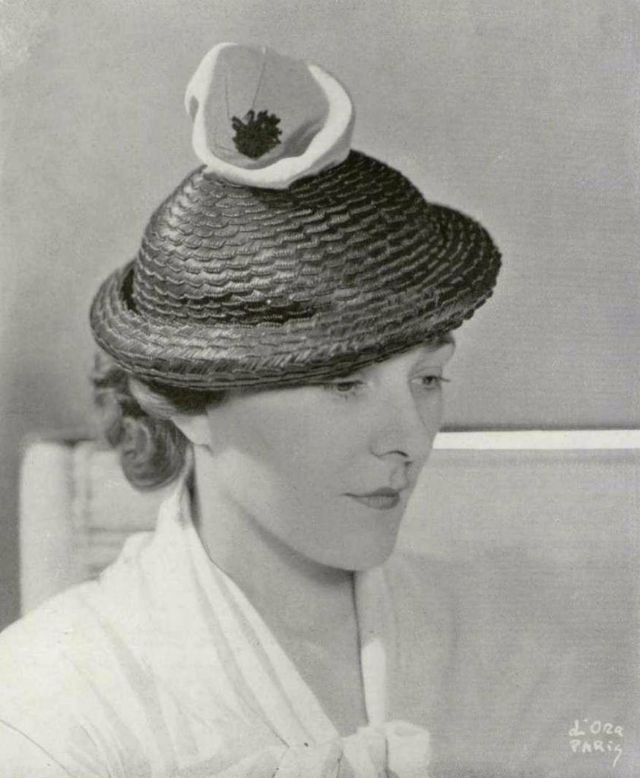
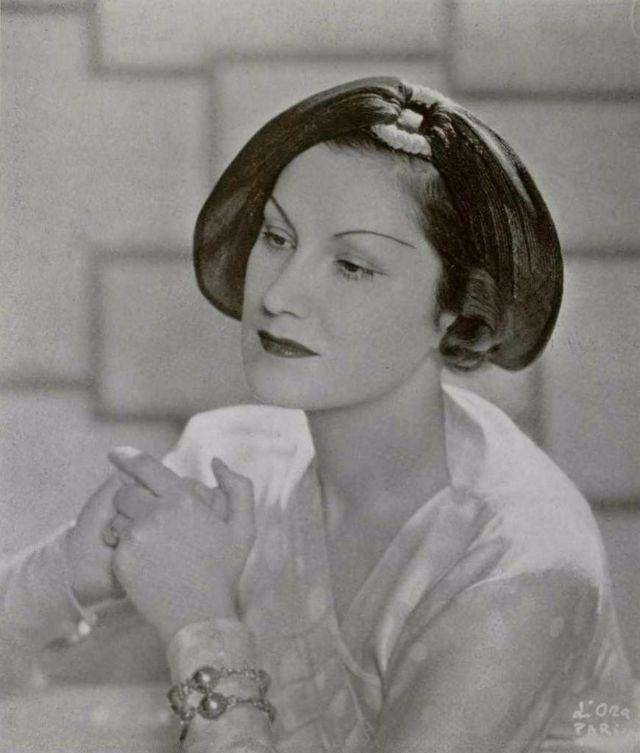
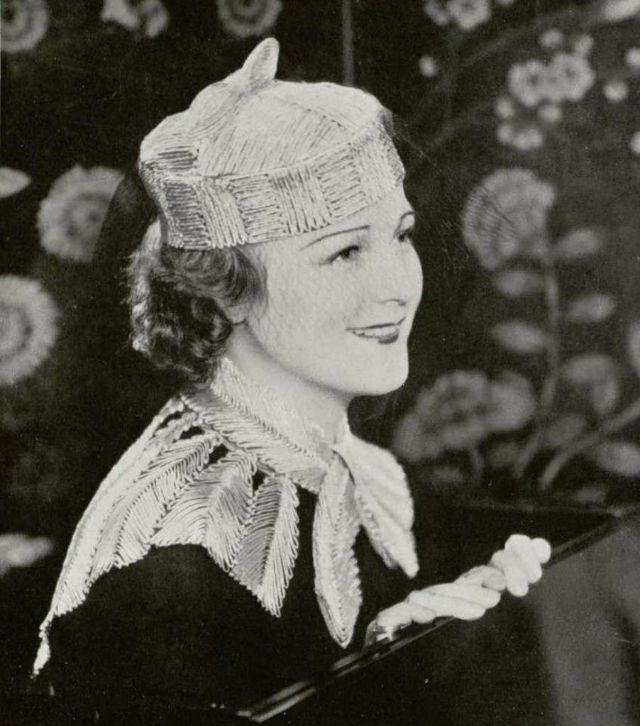
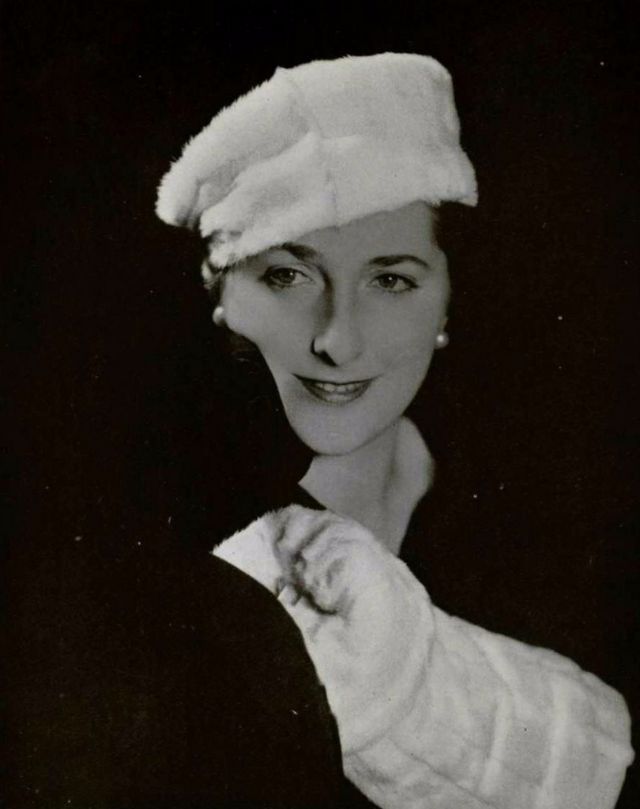
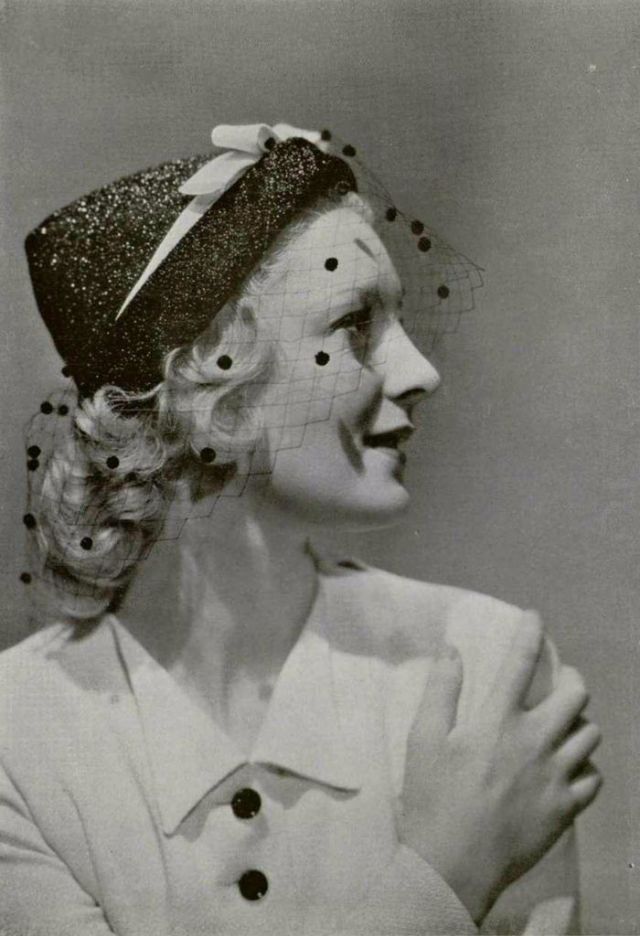
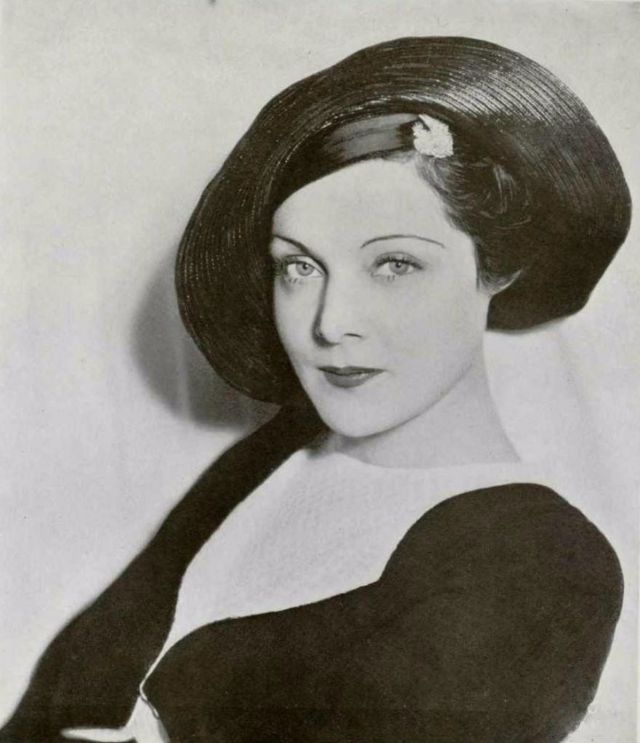
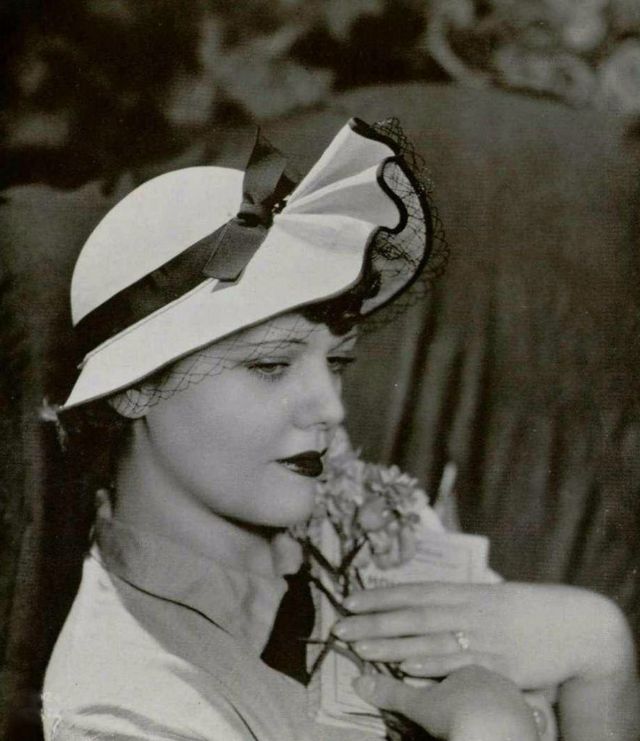
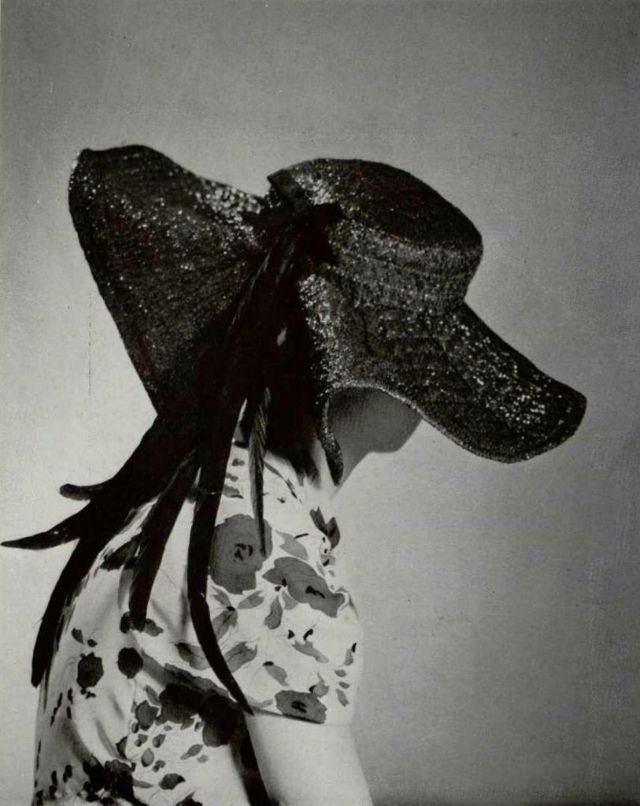
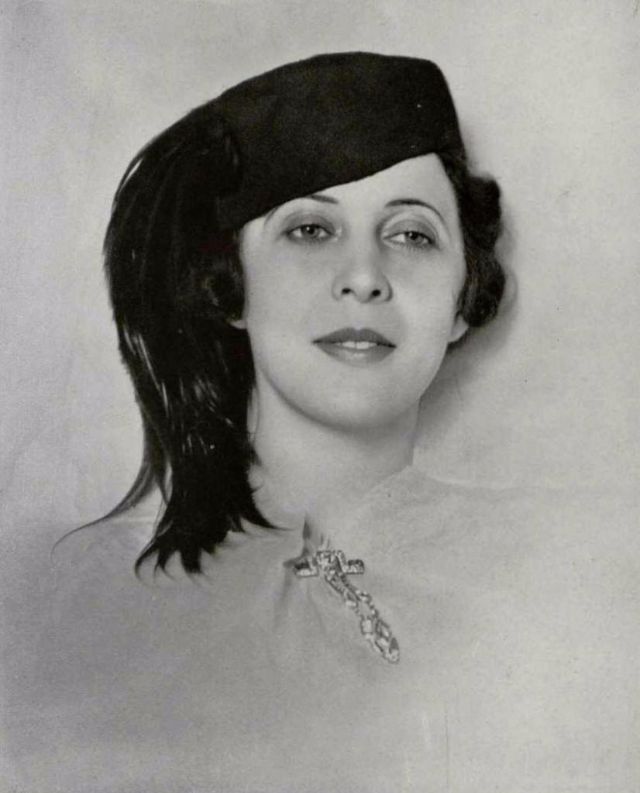
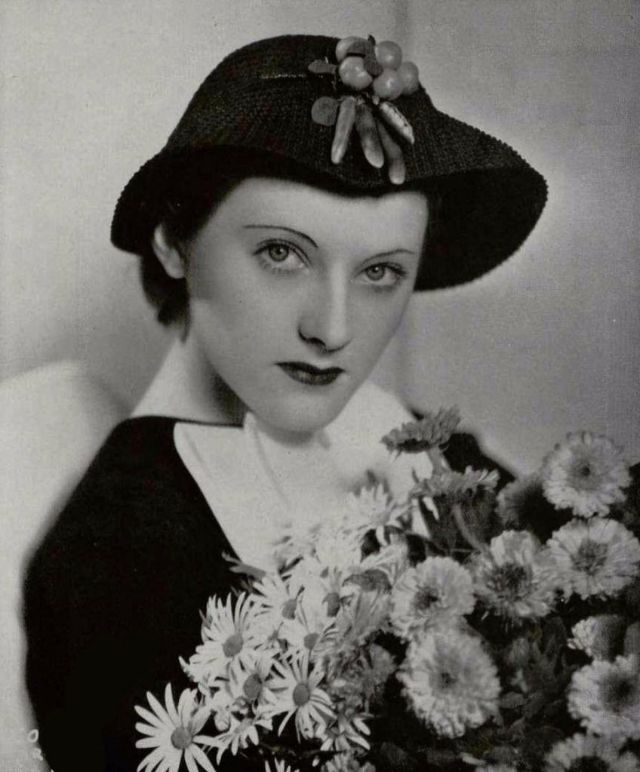
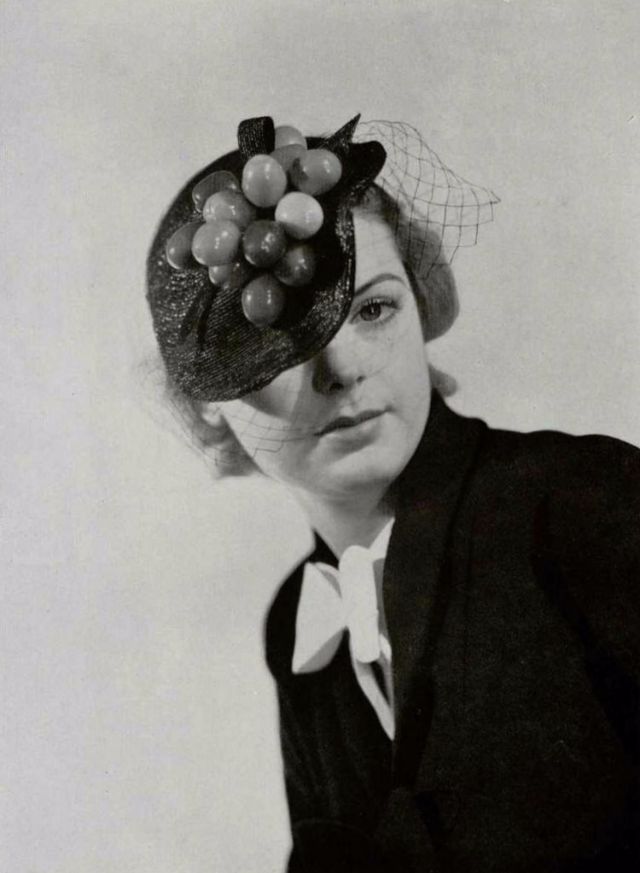
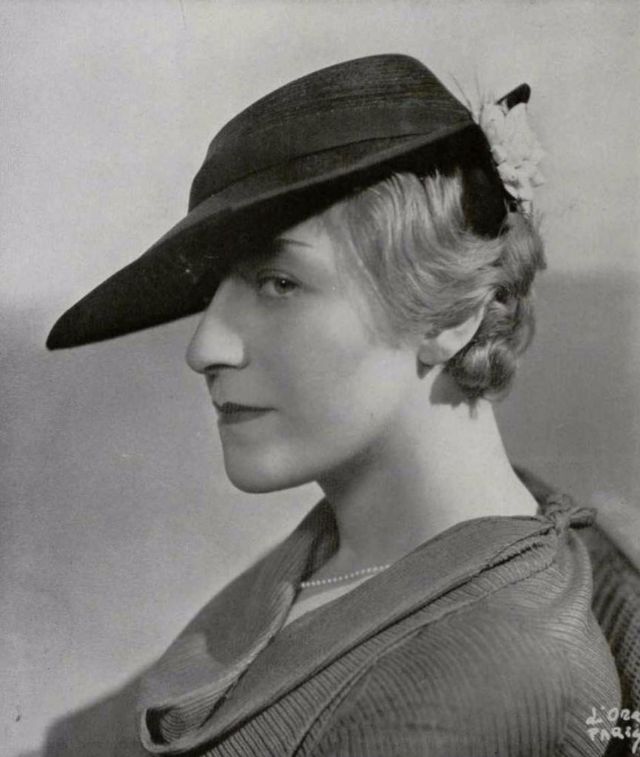
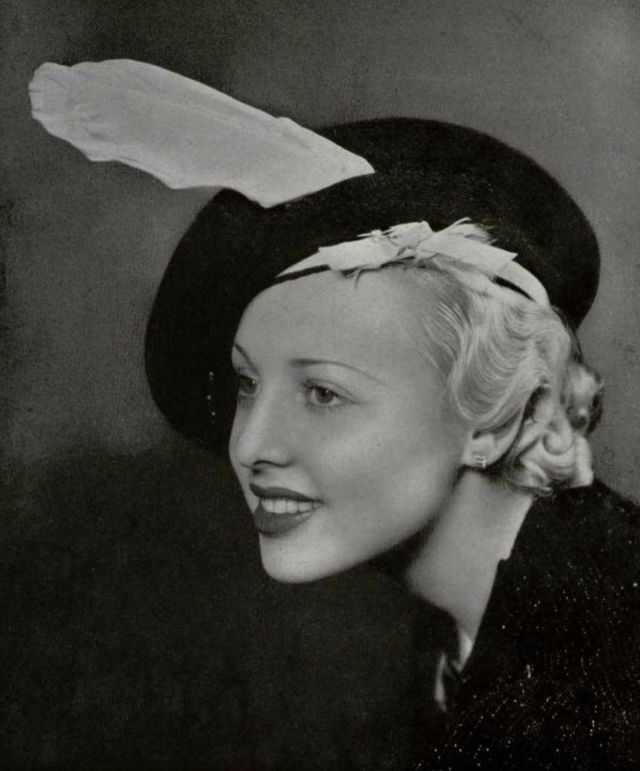
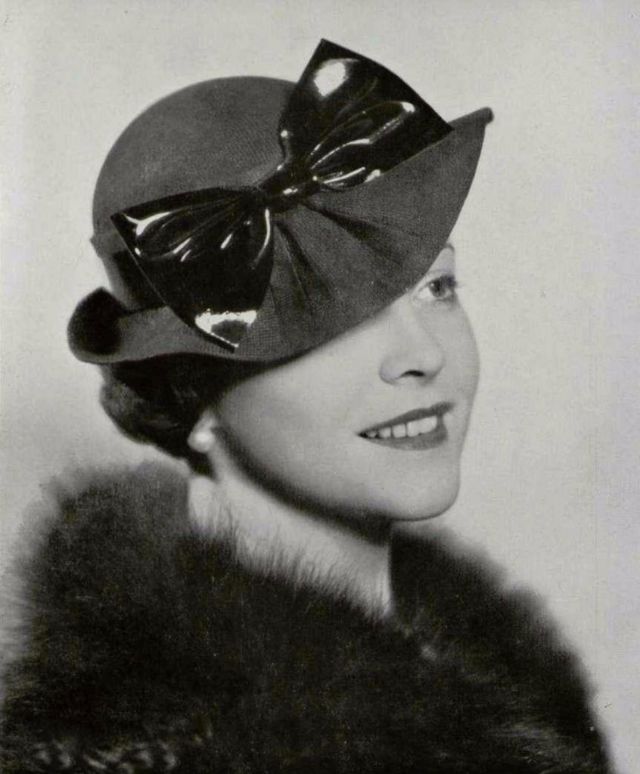
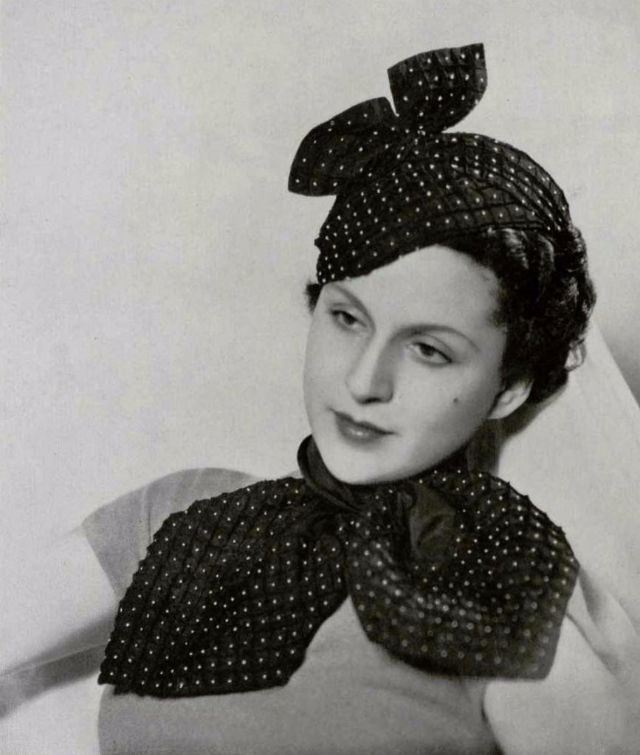
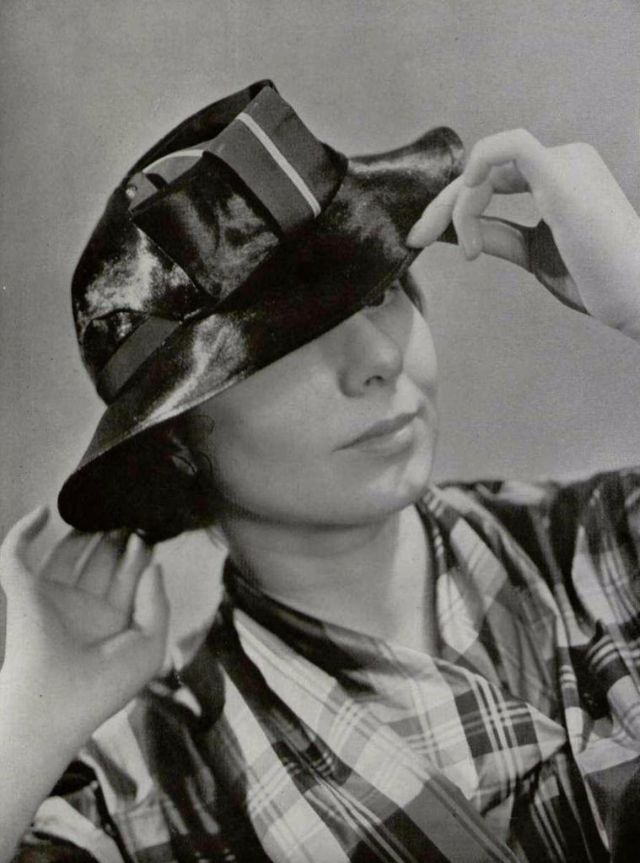
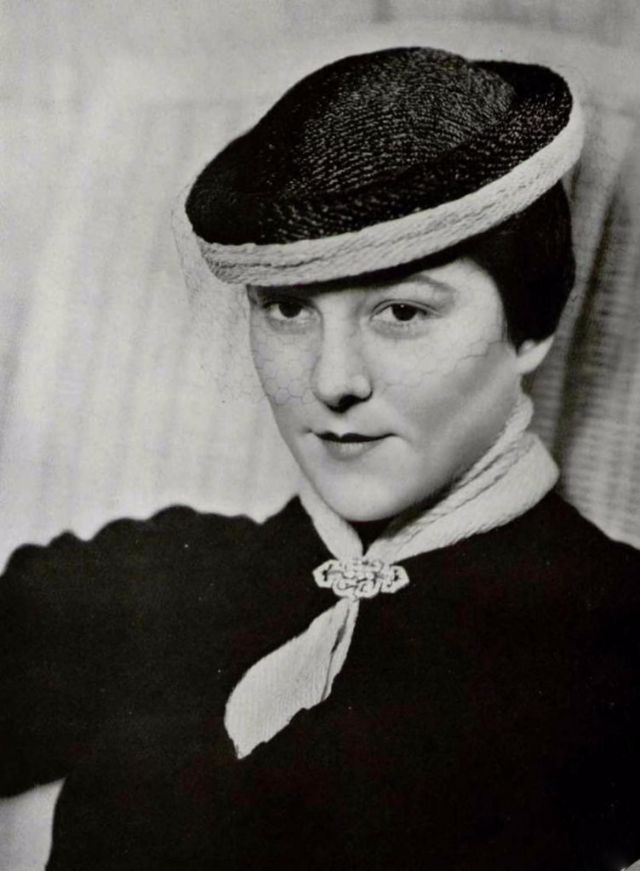
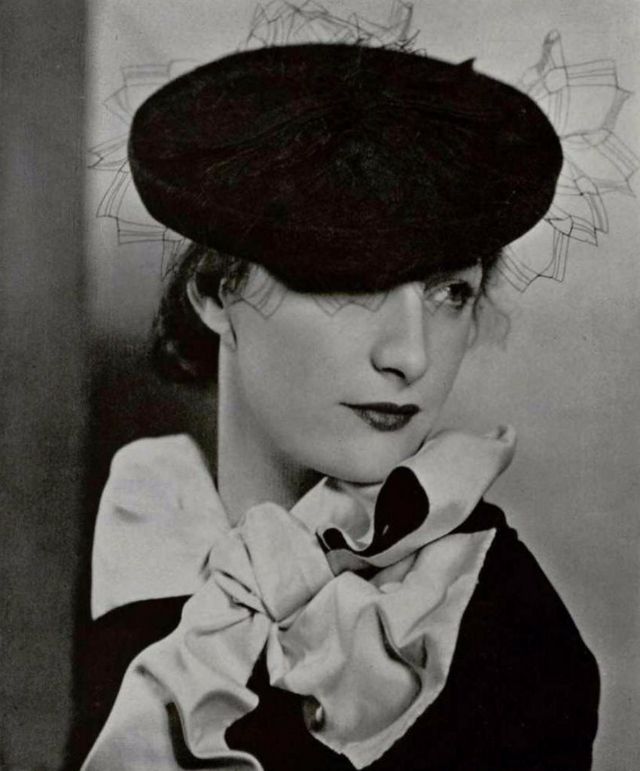
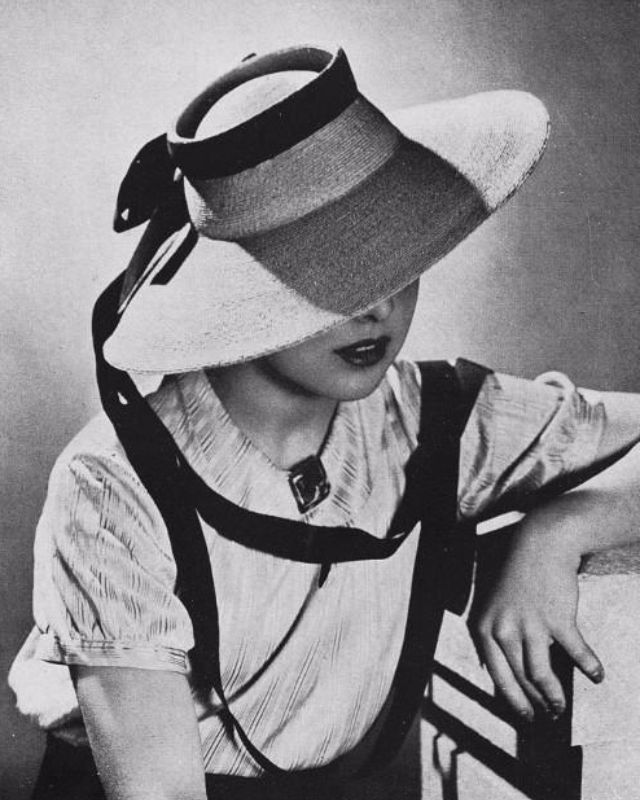
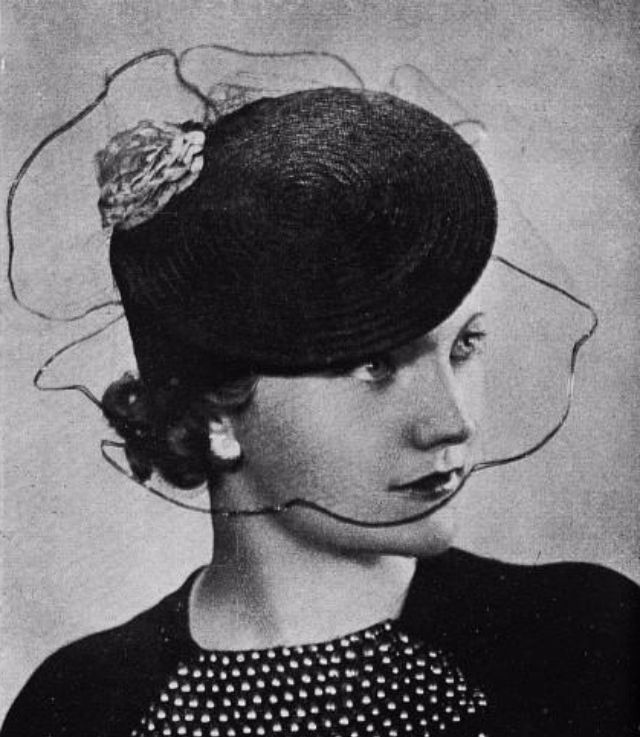
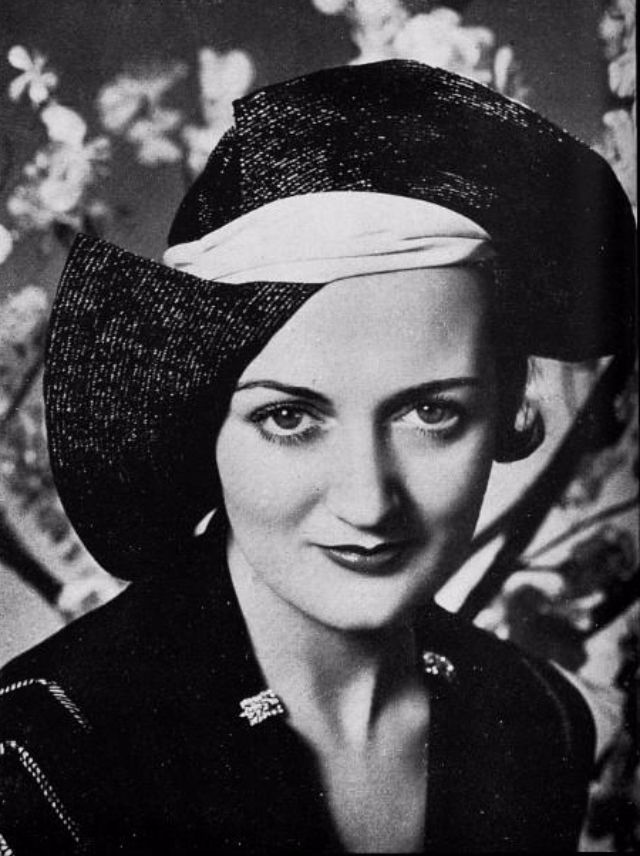
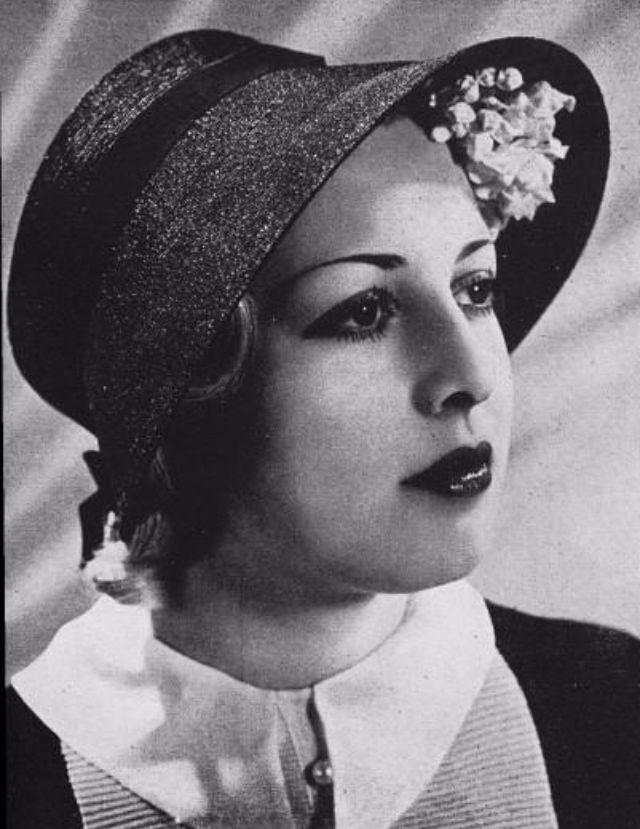
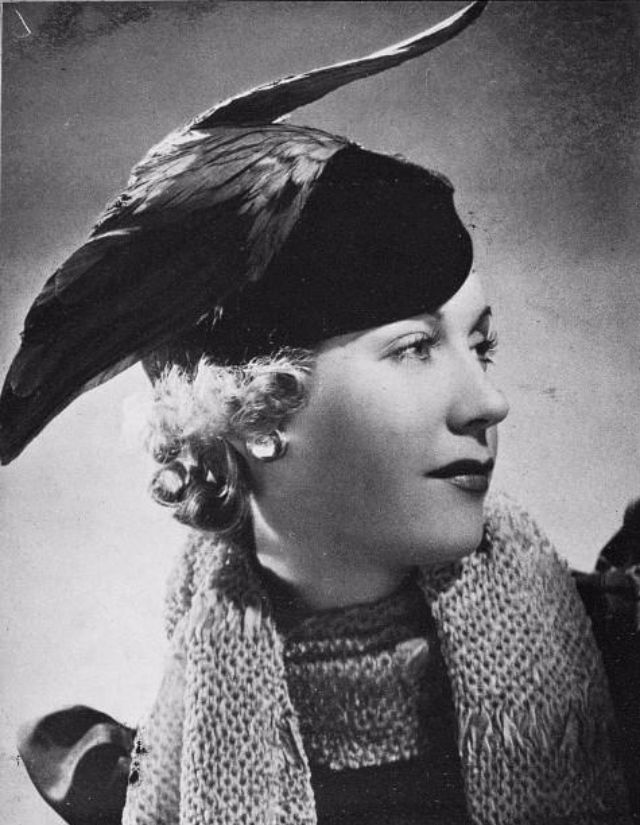
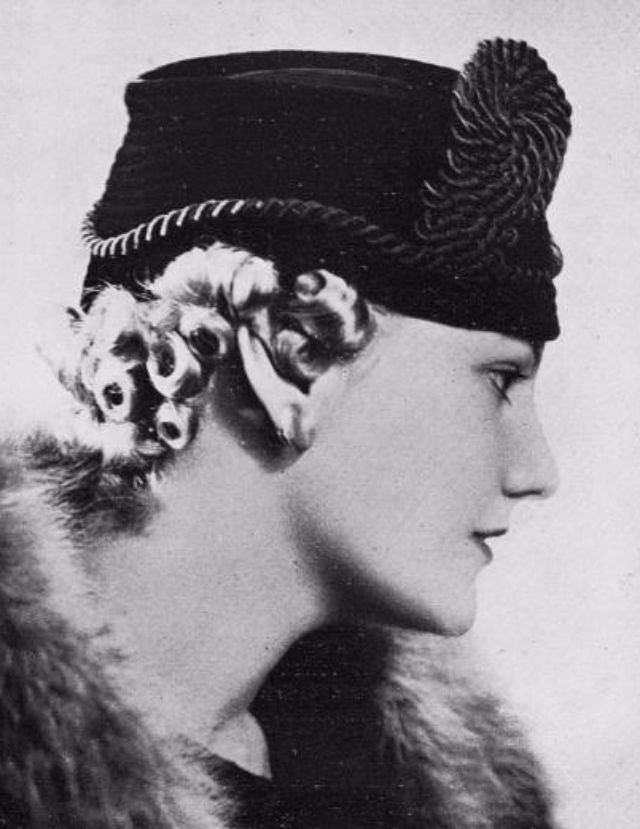
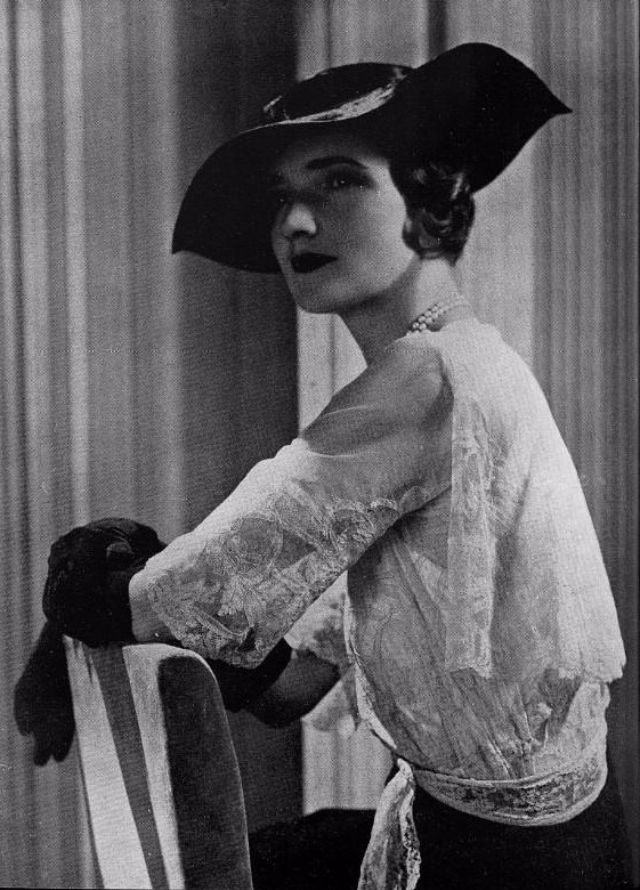
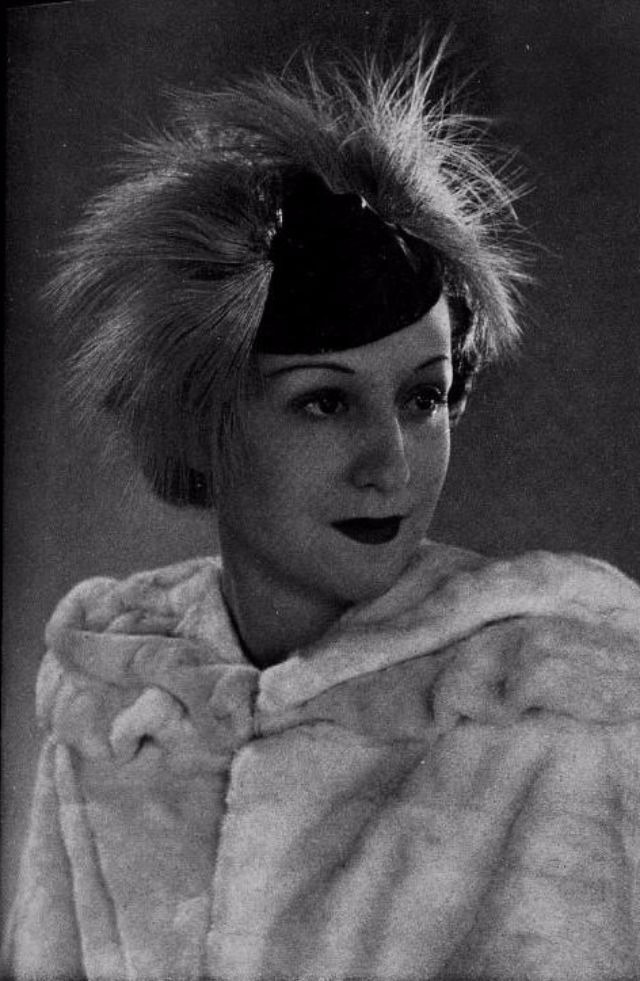
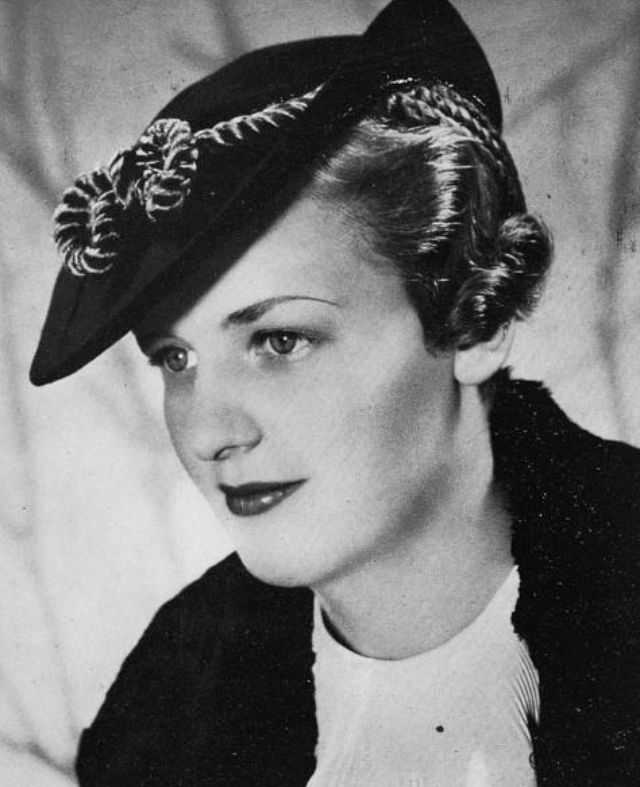
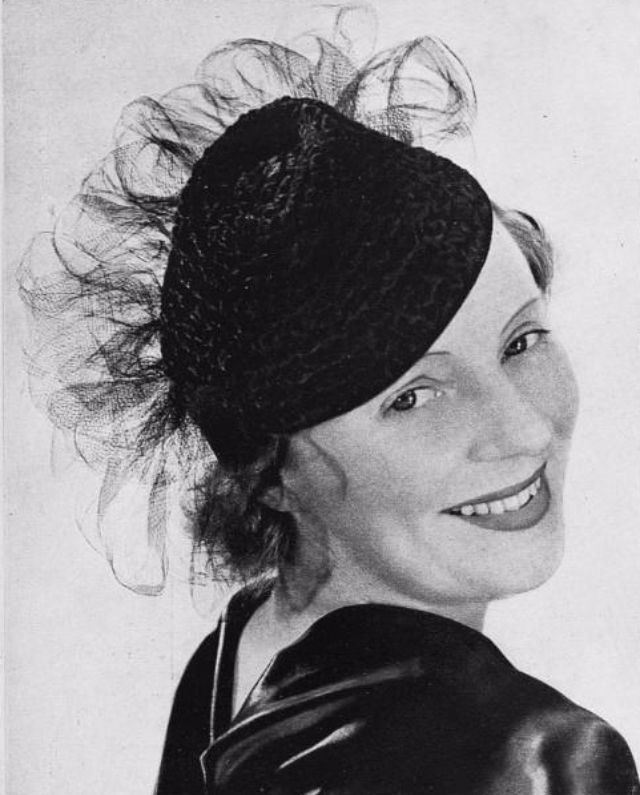
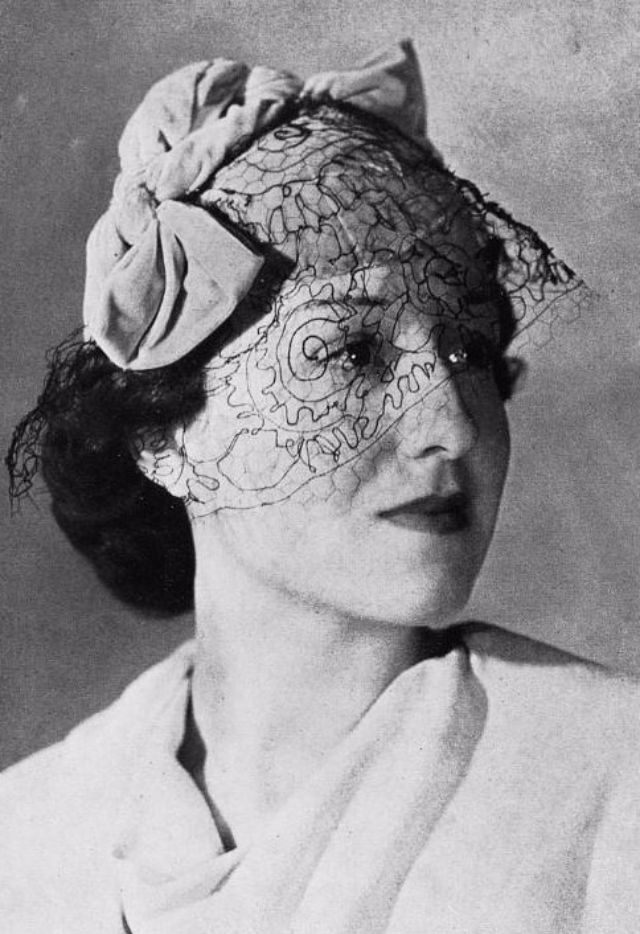
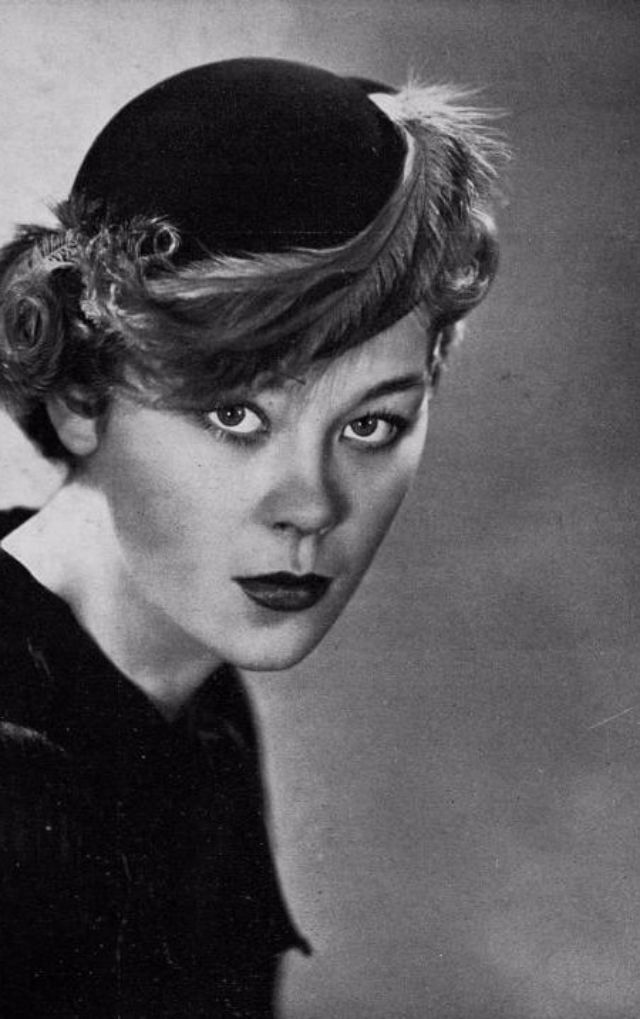
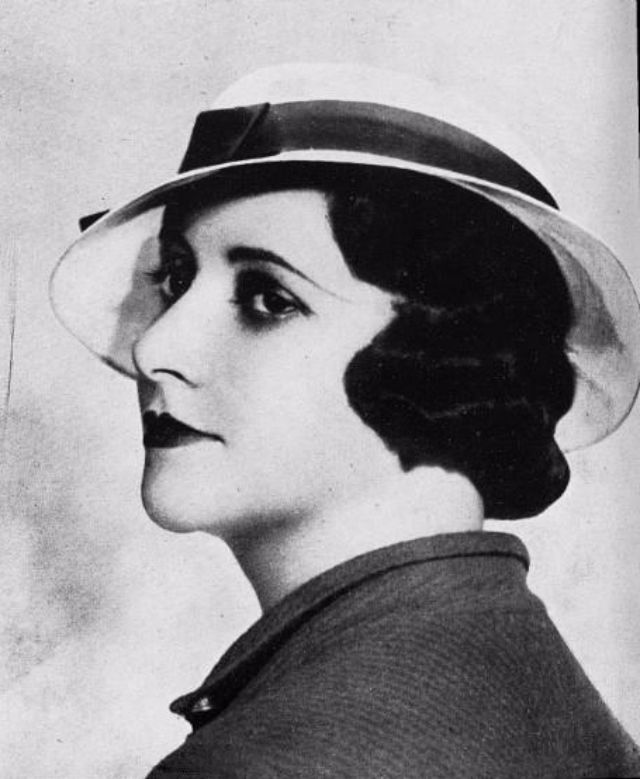
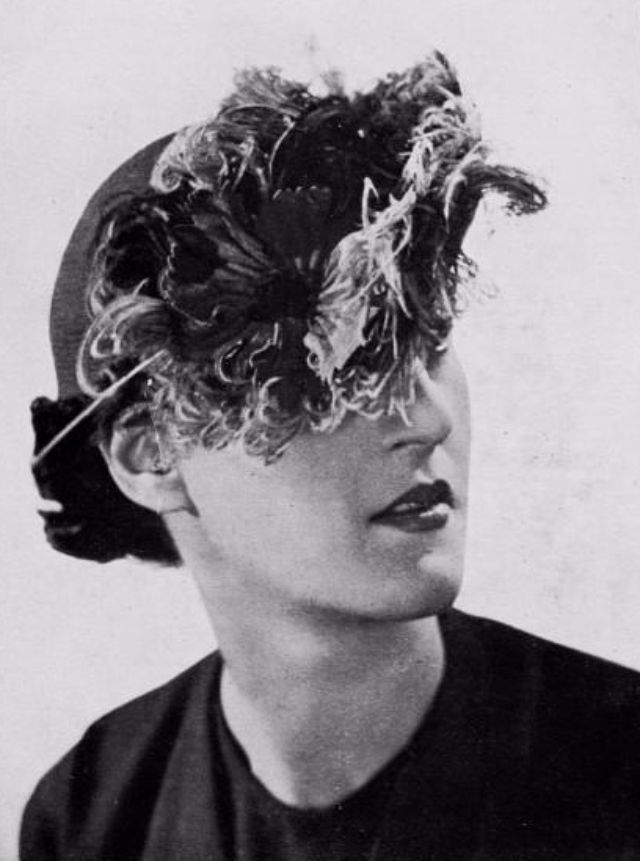
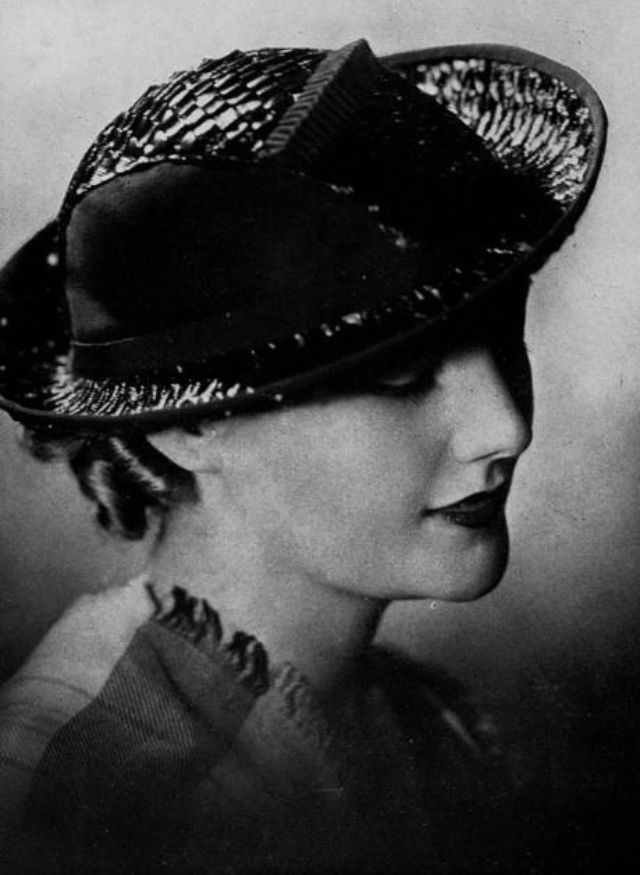
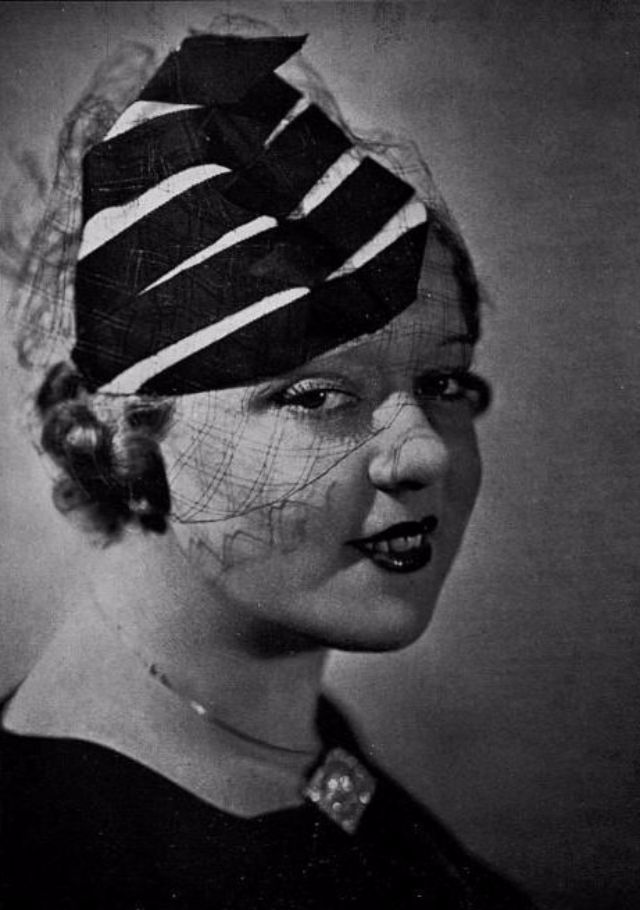
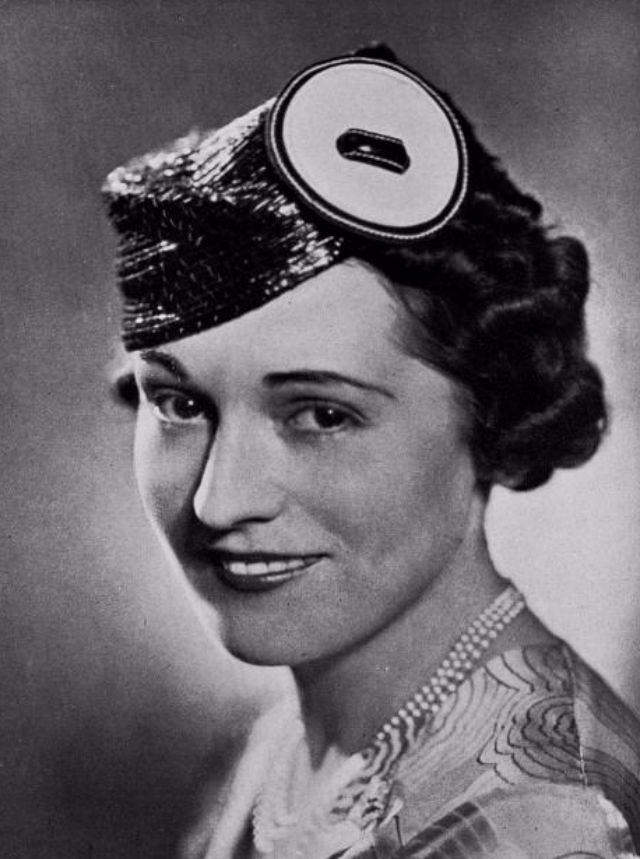
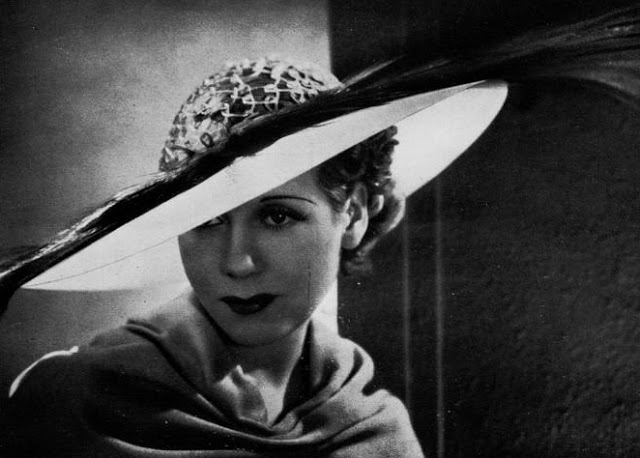
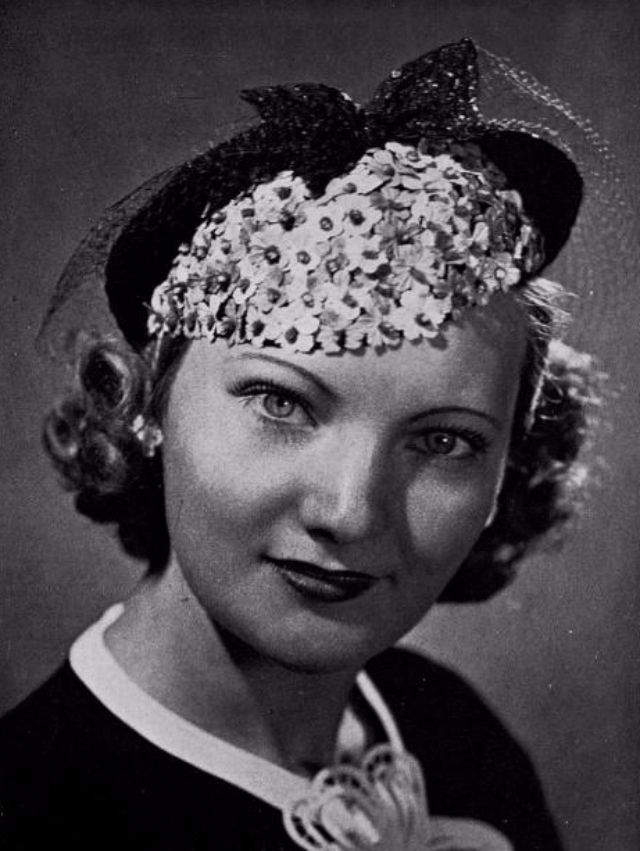
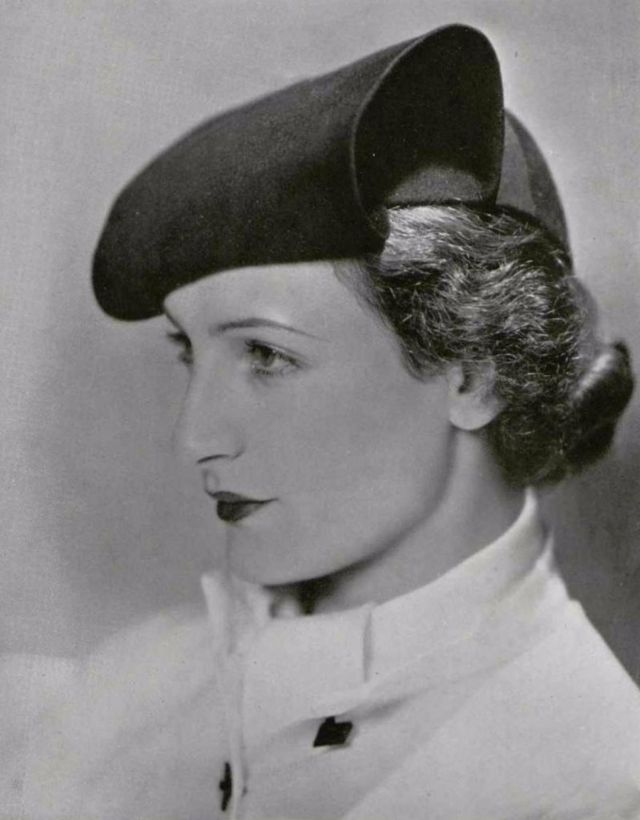
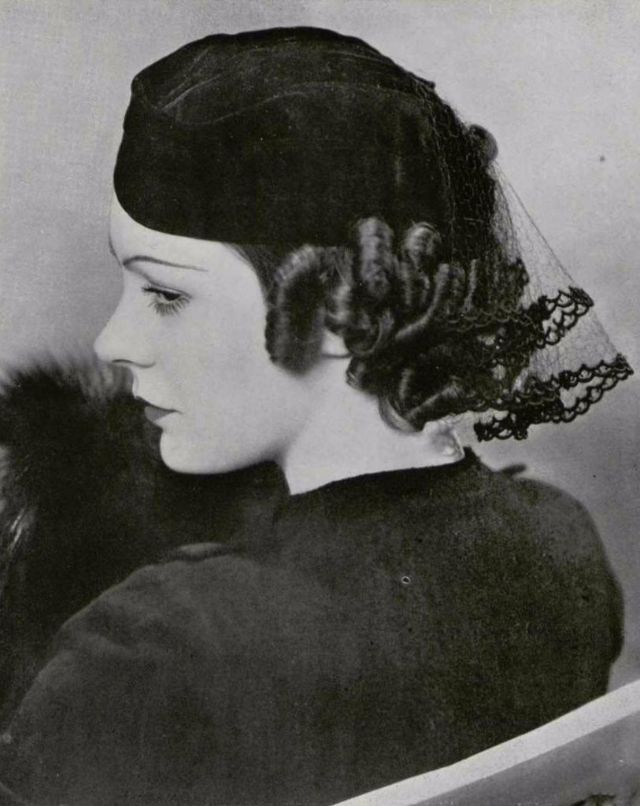
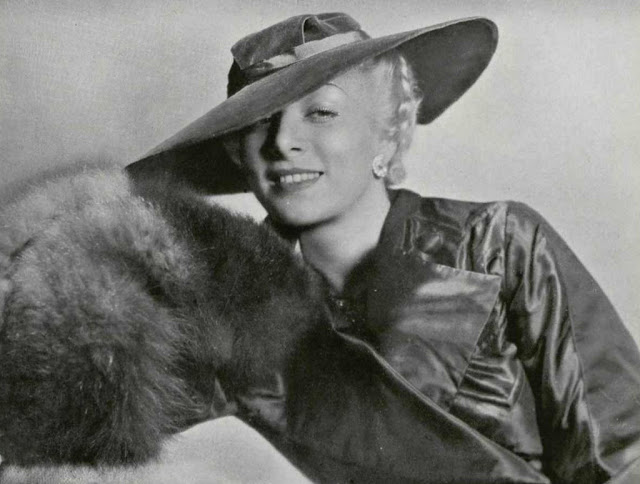
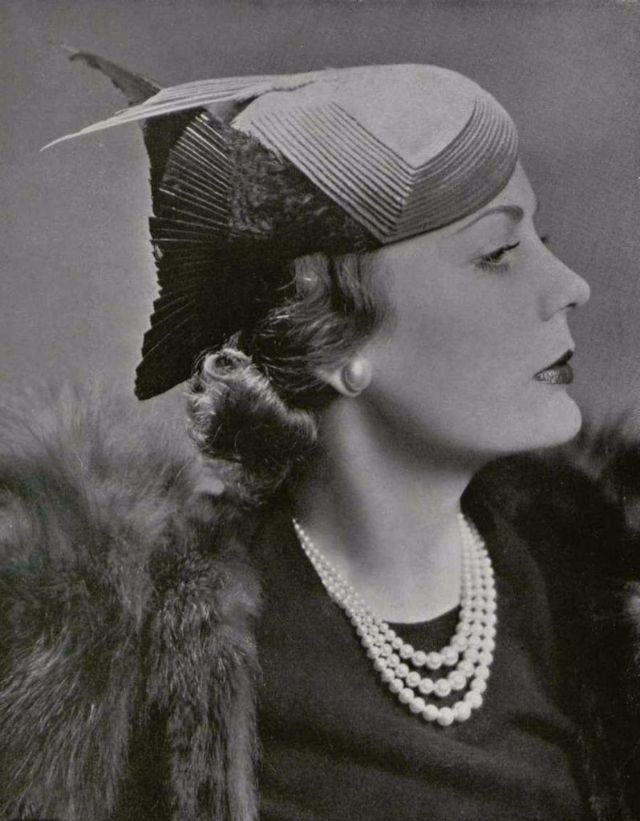
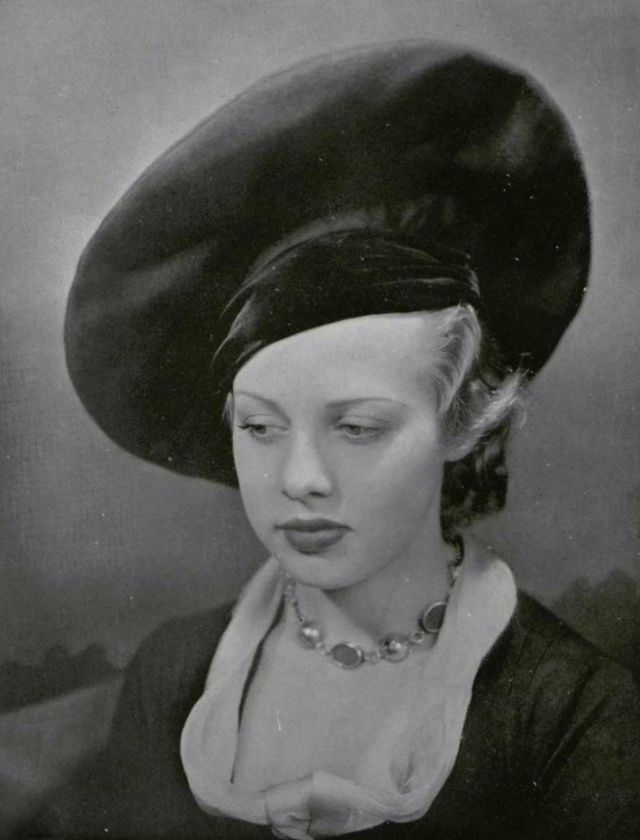
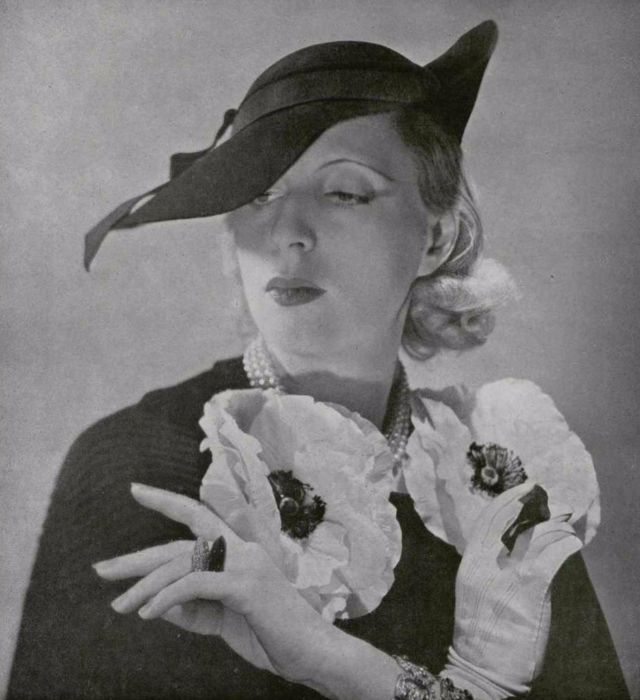
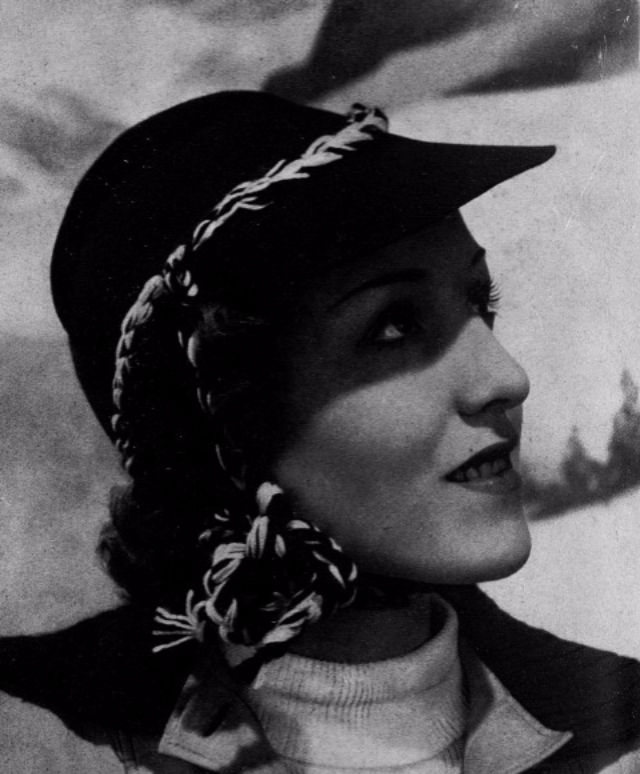
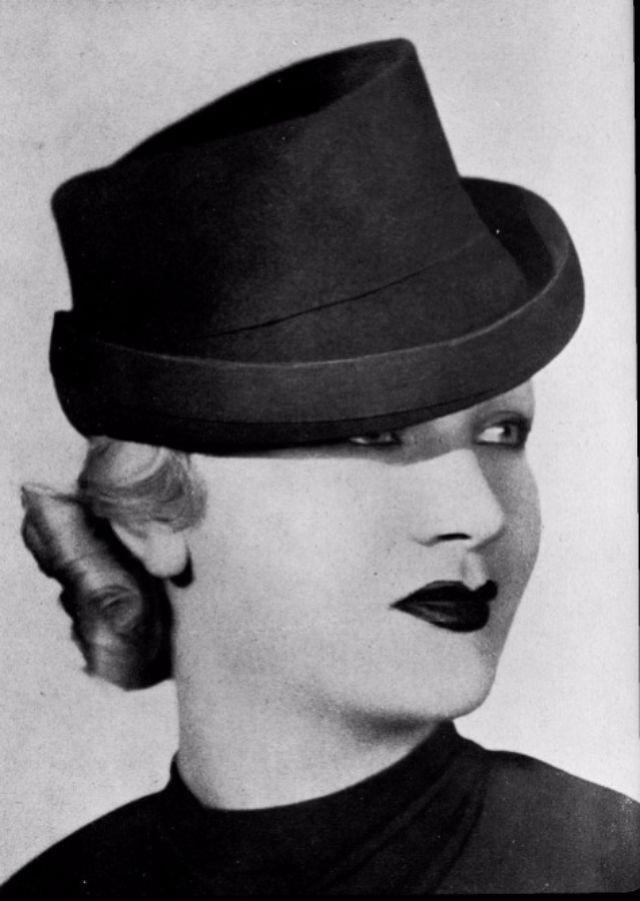
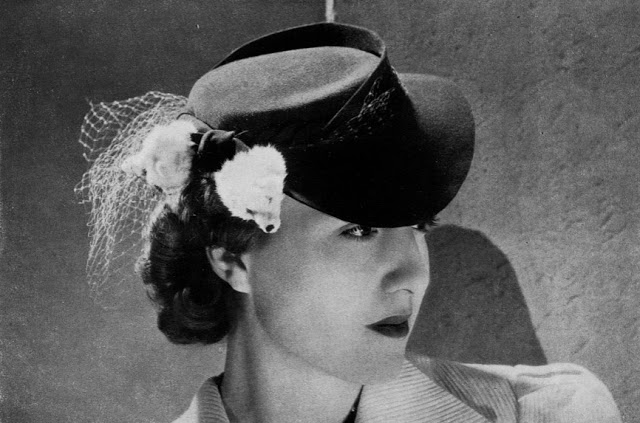
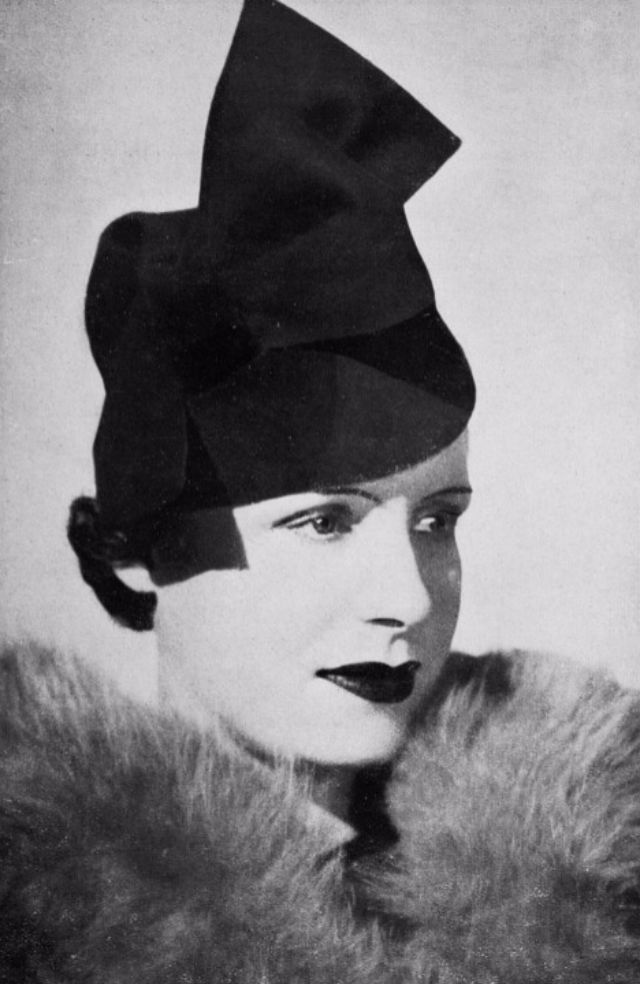
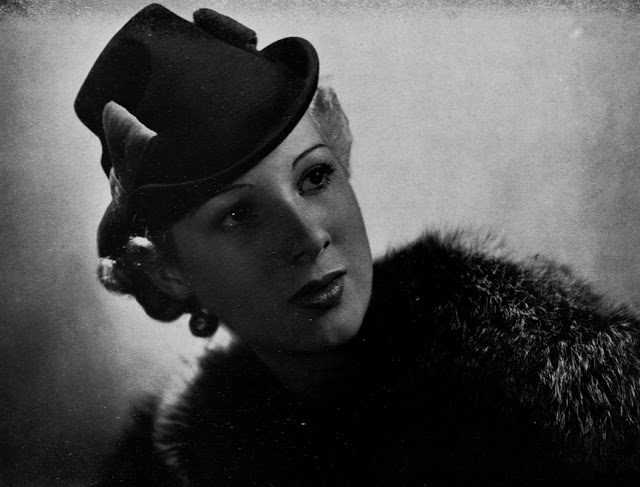
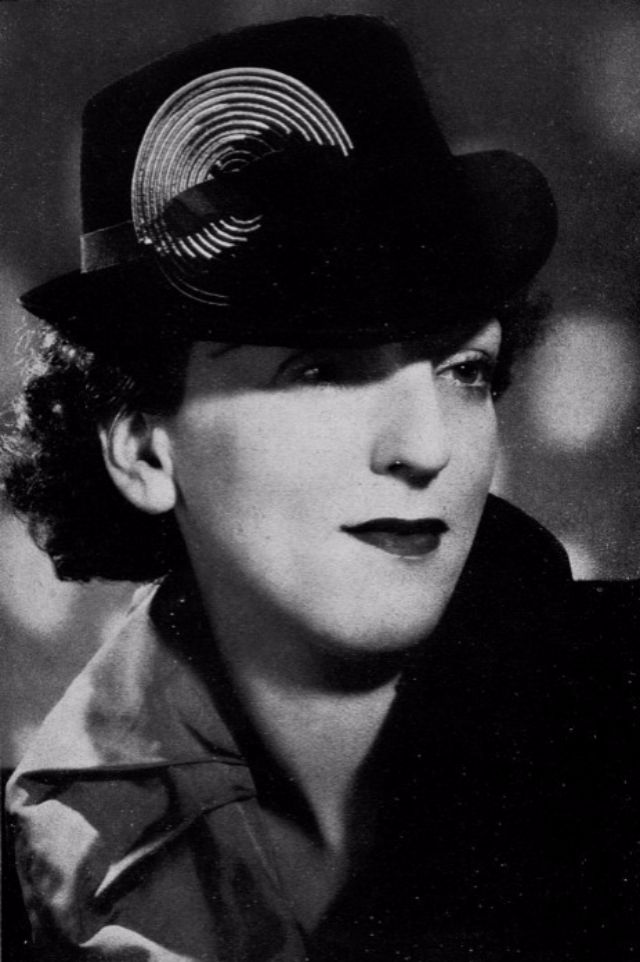
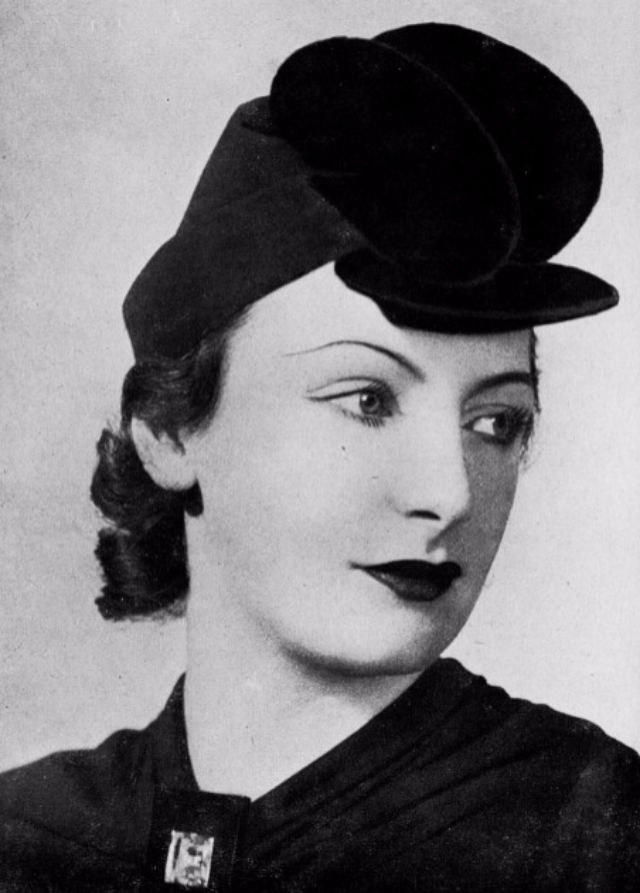
If the 1920s was considered the boom for women clothing fashion, the 1930s was the period of hat styles. They were not only beautiful, unique but also diversity of styles. Let’s see these 81 beautiful hats for women and choose your best one.
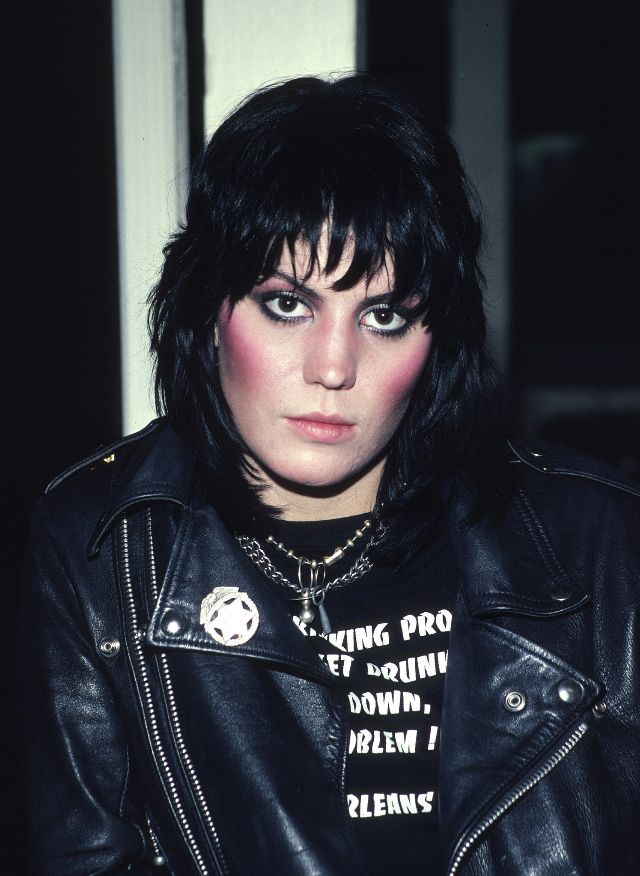
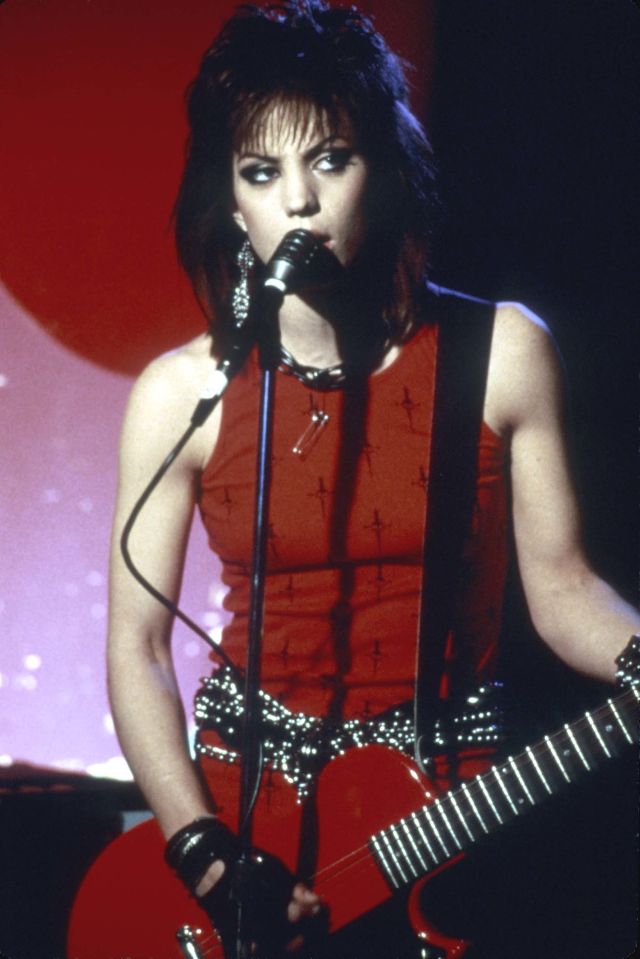
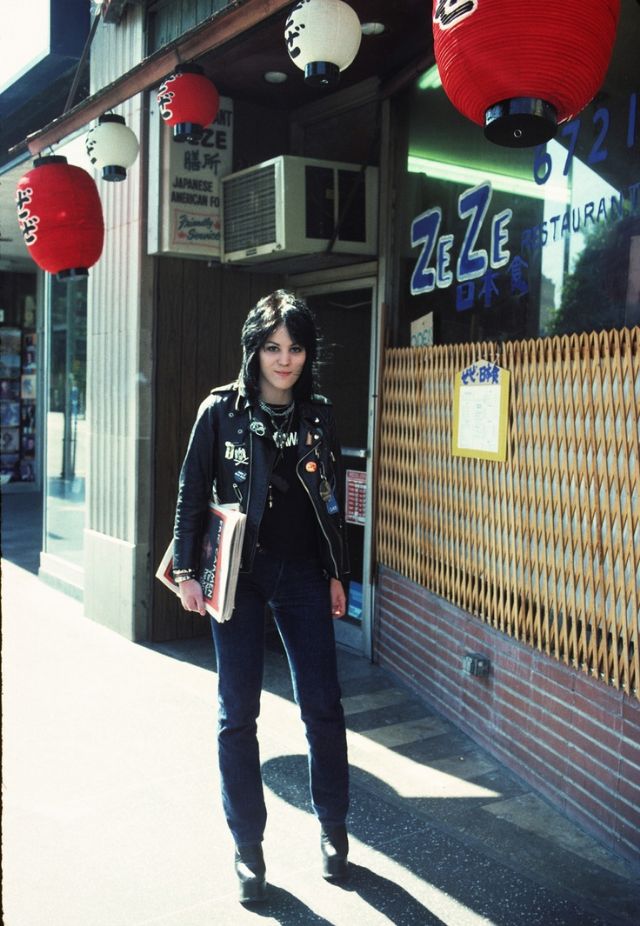
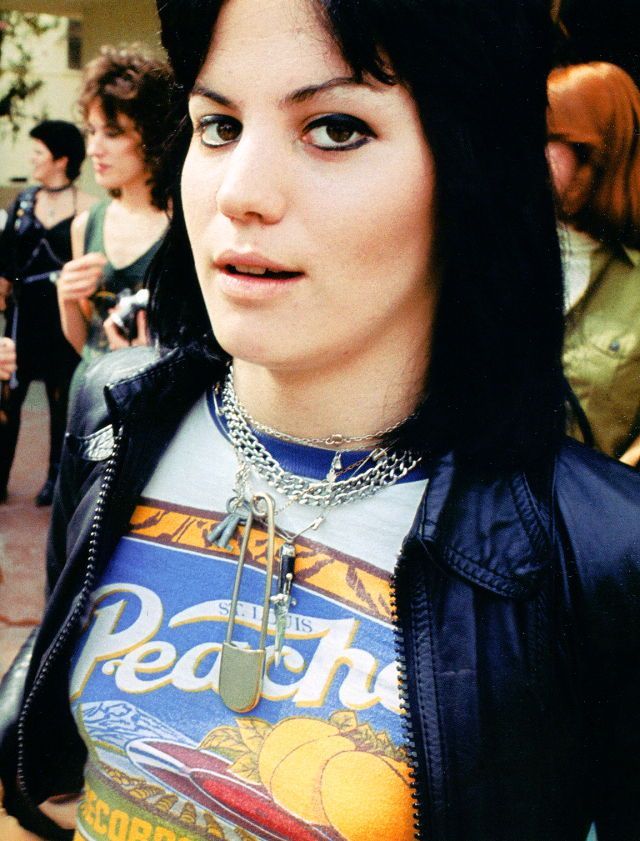
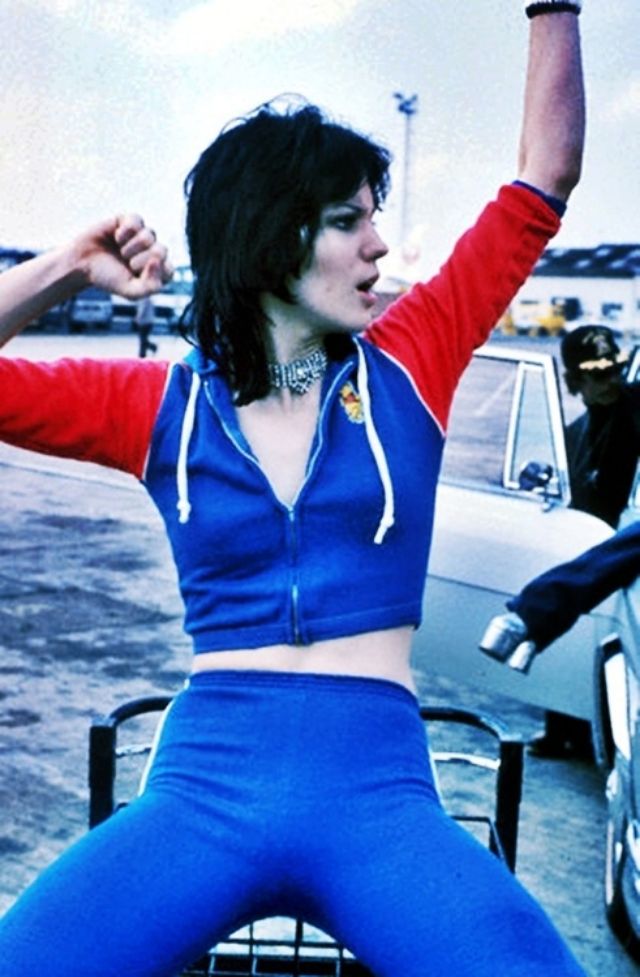
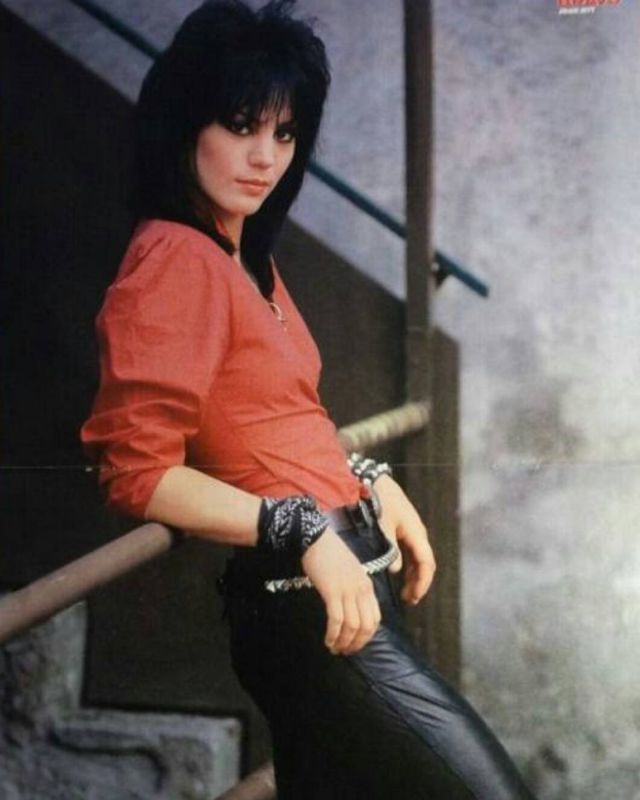
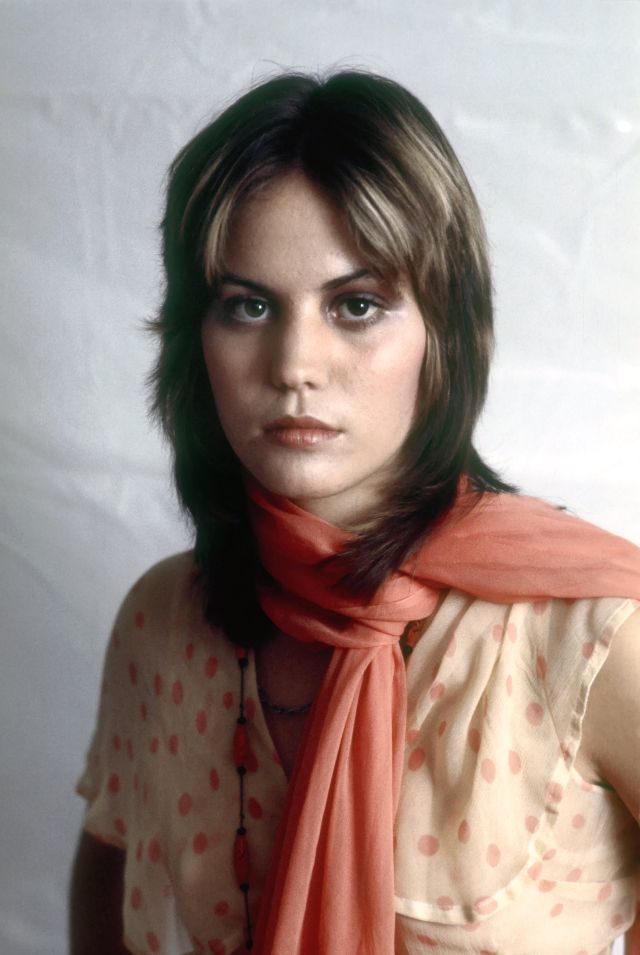
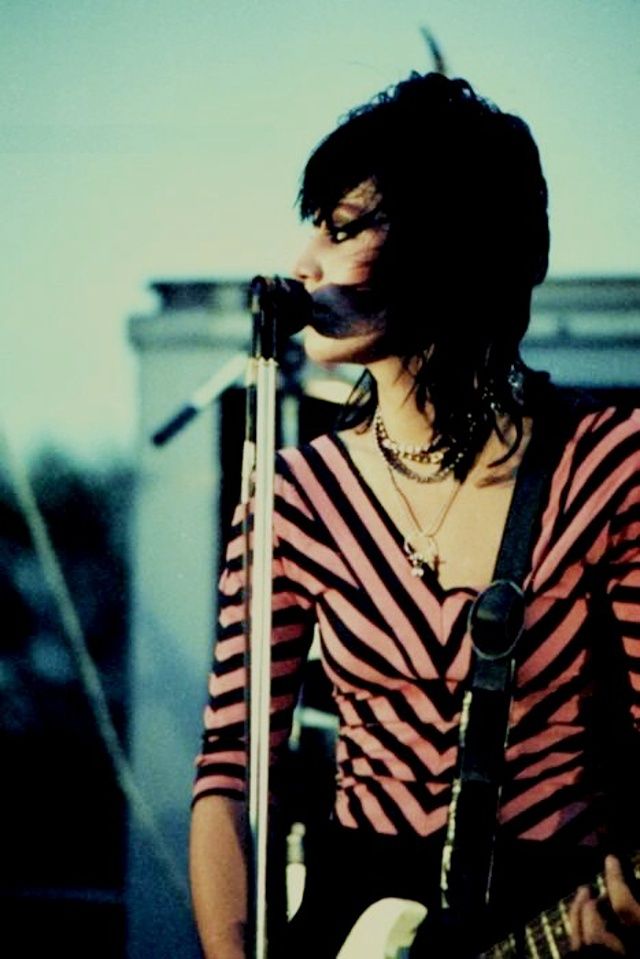
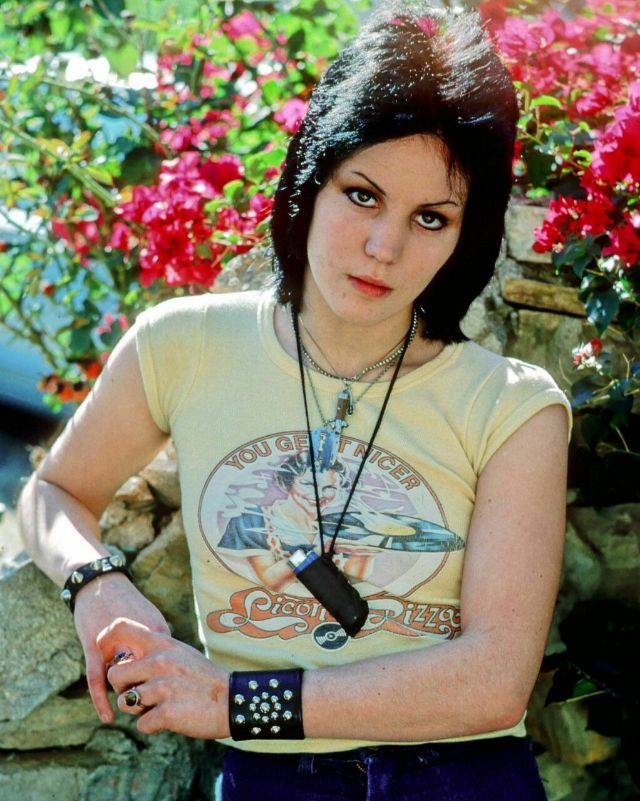
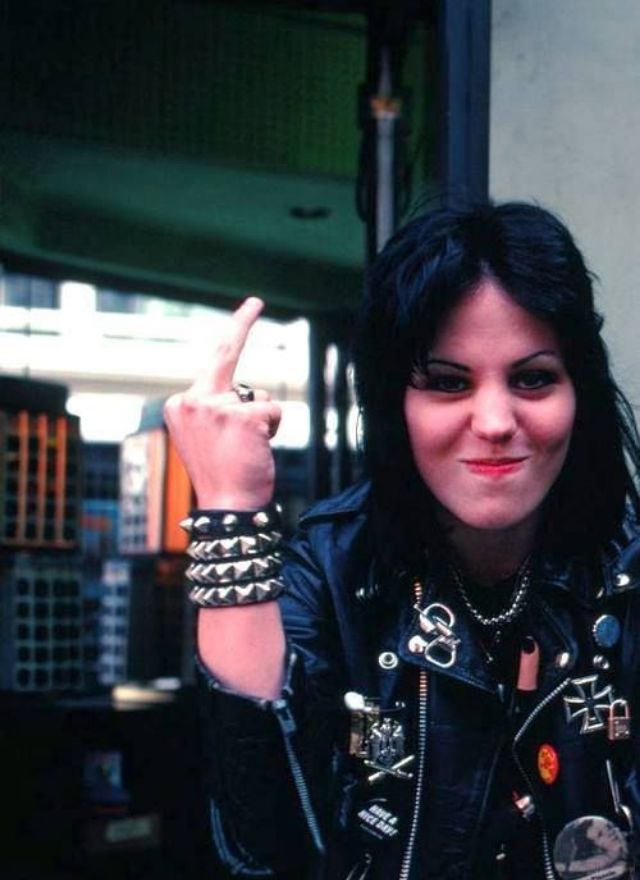
Joan Jett (born Joan Marie Larkin, September 22, 1958) is an American rock singer, songwriter, composer, musician, record producer, and actress. Jett is best known for her work as the frontwoman of her band Joan Jett & the Blackhearts, and for earlier founding and performing with the Runaways, which recorded and released the hit song “Cherry Bomb”. With The Blackhearts, Jett is known for her rendition of the song “I Love Rock ‘n Roll” which was number-one on the Billboard Hot 100 for seven weeks in 1982. Jett’s other notable songs include “Bad Reputation”, “Crimson and Clover”, “Do You Wanna Touch Me (Oh Yeah)”, “Light of Day”, “I Hate Myself for Loving You” and “Dirty Deeds”.
Jett has a mezzo-soprano vocal range. She has three albums that have been certified platinum or gold. She has been described as “the Queen of Rock ‘n’ Roll”. In 2015, Joan Jett & the Blackhearts were inducted into the Rock and Roll Hall of Fame.
Jett lives in Long Beach, New York, and has been a New York resident since the late 1970s. (Wikipedia)
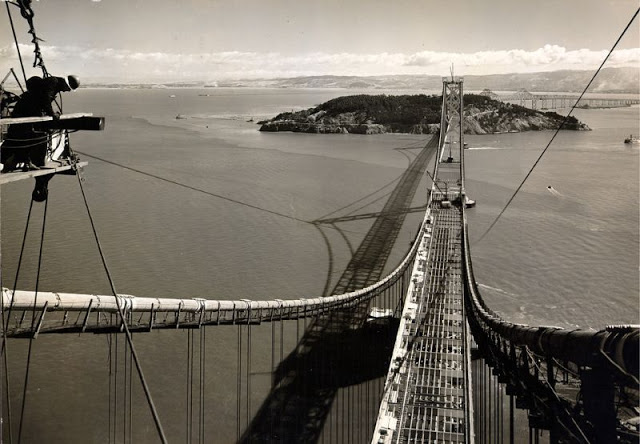
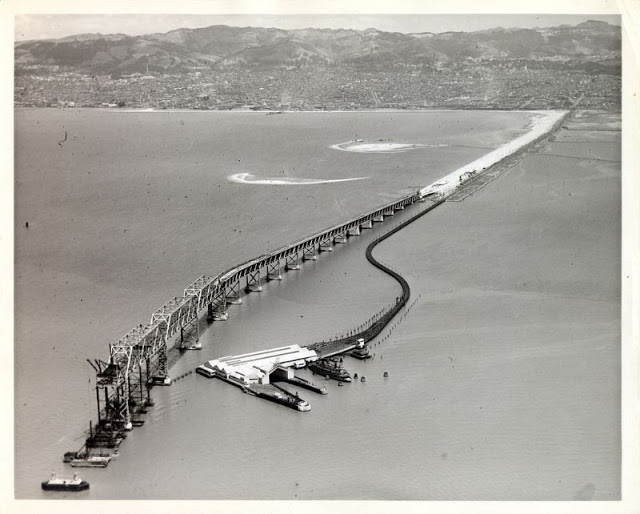
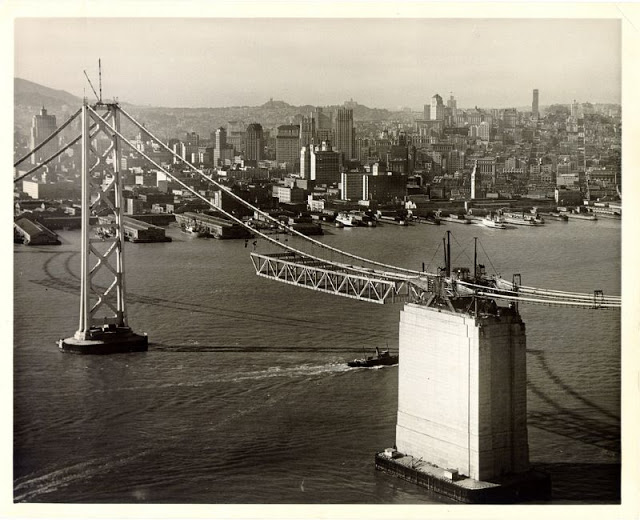
Construction of the San Francisco-Oakland Bay Bridge began with the groundbreaking ceremony on July 9, 1933. Discussion of connecting both sides of the Bay with a bridge began in the early part of the 20th century.
In 1929, the California Legislature established the California Toll Bridge Authority with the responsibility of connecting the counties of San Francisco and Alameda with a bridge. The construction of the bridge continued through the Great Depression employing many workers on both sides of the Bay.
The San Francisco-Oakland Bay Bridge opened to traffic on November 12, 1936 at 12:30 p.m. Celebrations included a boat parade, Navy air show, yacht regatta, Navy ship race, air parade of China Clippers and lasted for five days.
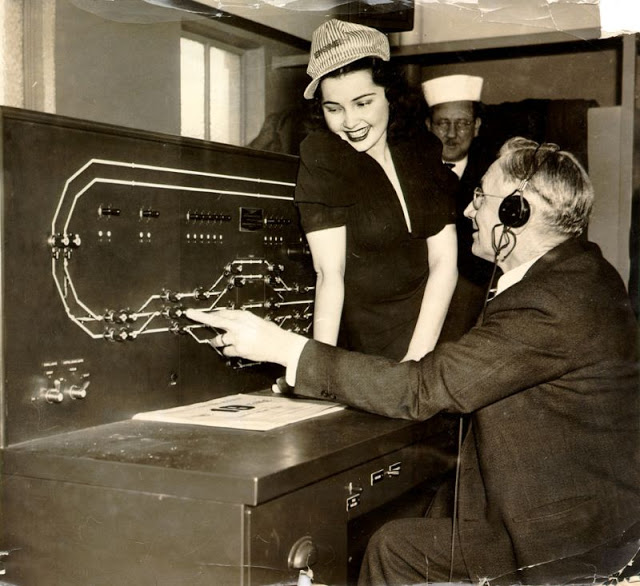
Train service across the Bay Bridge began on September 23, 1938 and ended in April 1958. The upper deck carried three lanes of automobile traffic in each direction, while the lower deck carried three lanes of truck and auto traffic on the north side and two railroad tracks on the south side.
The San Francisco-Oakland Bay Bridge continues to be well-known landmark of the San Francisco Bay Area.
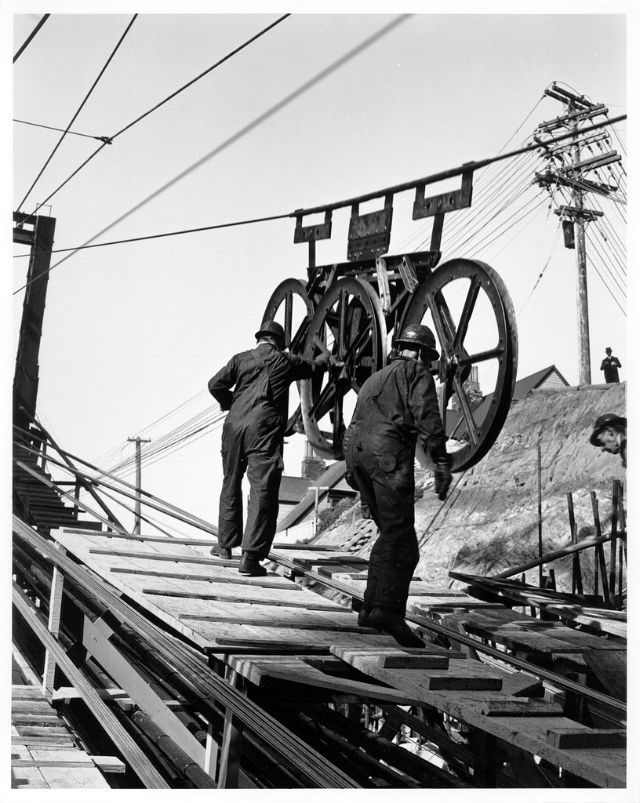
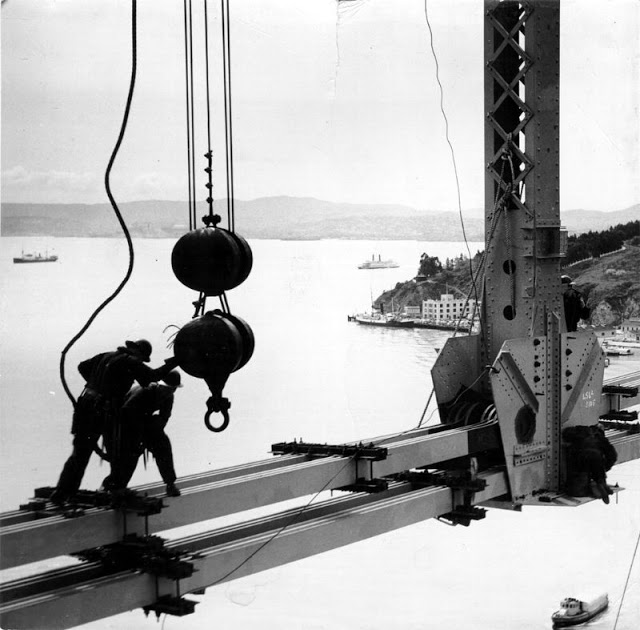
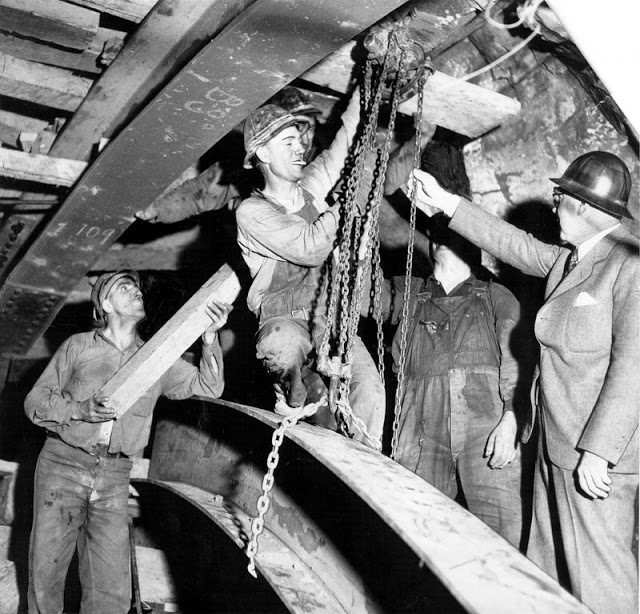
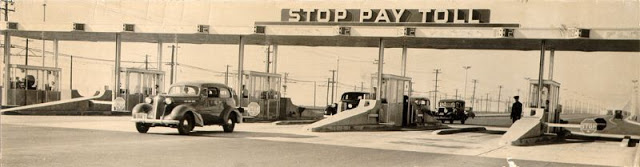
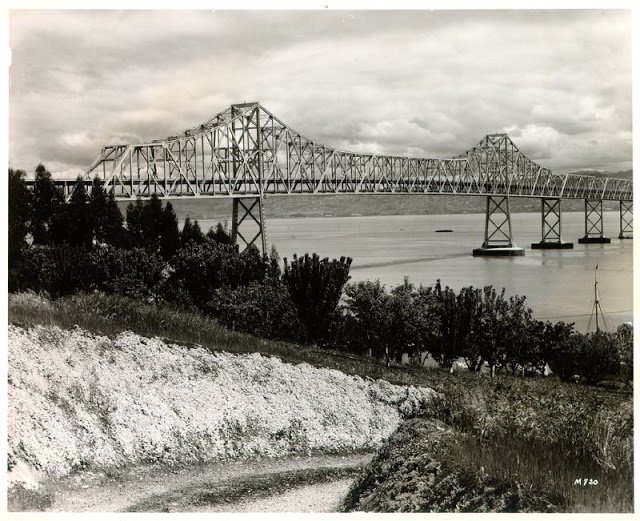
A historical photo collection from San Francisco Public Library that shows construction of the San Francisco-Oakland Bay Bridge in the 1930s.
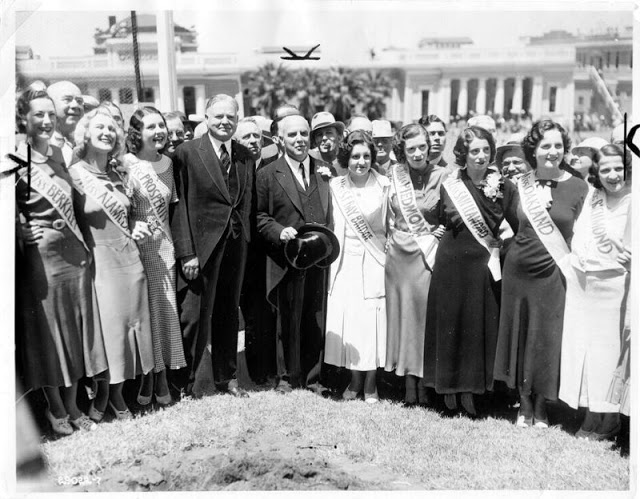
President Herbert Hoover, Governor James Rolph and beauty pageant winners pose at Bay Bridge groundbreaking ceremony on Yerba Buena Island, July 9, 1933San Francisco-Oakland Bay Bridge east span under construction, circa 1934Workers posing with reinforcing bars during construction of the San Francisco-Oakland Bay Bridge, September 26, 1934Aerial view looking west toward San Francisco showing towers, anchorage, and Yerba Buena Island span being erected for San Francisco-Oakland Bay Bridge, March 1, 1935Aerial view of east end of the San Francisco-Oakland Bay Bridge under construction, June 7, 1935Men working on cables during construction of the San Francisco-Oakland Bay Bridge, circa 1935San Francisco – Oakland Bay Bridge, Construction – giant squeezer at work, circa 1935View of San Francisco-Oakland Bay Bridge cantilever span nearing completion, circa 1935View of Southern Pacific Golden Gate ferry passing under the San Francisco-Oakland Bay Bridge during construction, November 29, 1935View of the San Francisco-Oakland Bay Bridge while under construction showing suspension bridge catwalk extending from Rincon Hill, June 18, 1935View of the San Francisco-Oakland Bay Bridge while under construction, circa 1935Workers pressing cable for the San Francisco-Oakland Bay Bridge, 1935Workmen assemble piece of the cantilever section of Bay Bridge, circa 1935Working inside Yerba Buena Island tunnel during San Francisco-Oakland Bay Bridge construction, September 12, 1935Aerial view from the tower of the San Francisco-Oakland Bay Bridge during construction, June 24, 1936Aerial view of San Francisco-Oakland Bay Bridge span under construction, 1936First section of Bay Bridge is moved into place, January 21, 1936View from roadway of completed cantilever section of Bay Bridge, November 11, 1936View of the cantilever section of the San Francisco-Oakland Bay Bridge looking east from Yerba Buena Island, circa 1936Workers lay decking on San Francisco span of Bay Bridge, June 22, 1936San Francisco Bay Bridge Opening Celebration as viewed from Four Fifty Sutter, November 12, 1936People celebrating opening day of the San Francisco-Oakland Bay Bridge, November 12, 1936Two women and a balloon-man, participants of San Francisco-Oakland Bay Bridge opening day parade, 1936California Highway Patrol officers pose on Bay Bridge, March 27, 1937First electric train crossing the San Francisco-Oakland Bay Bridge, September 23, 1938Control room for the San Francisco-Oakland Bay Bridge electric railway system, January 13, 1939
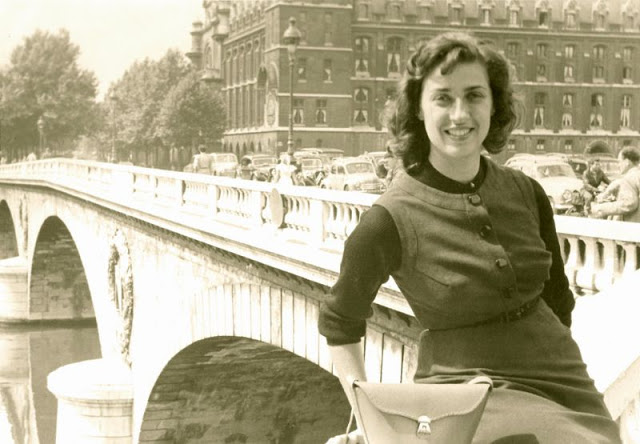
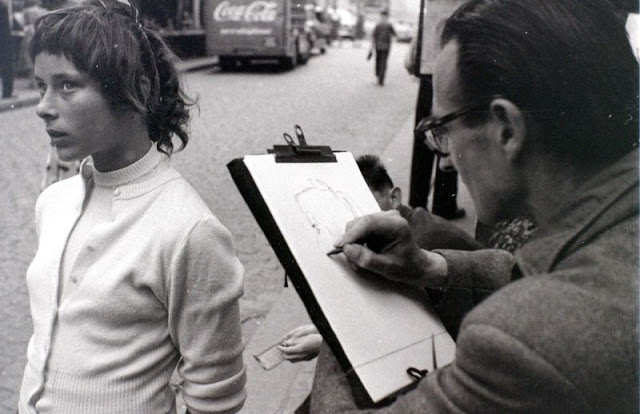
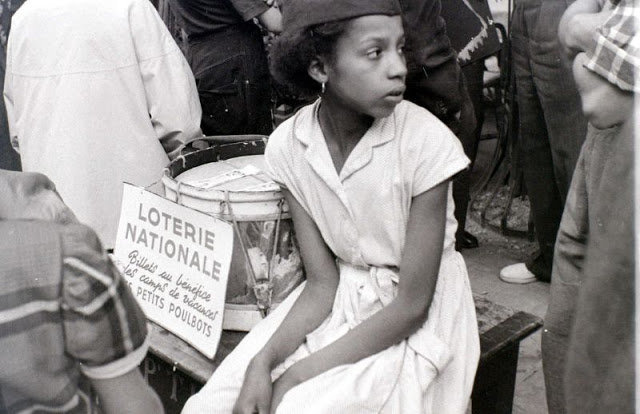
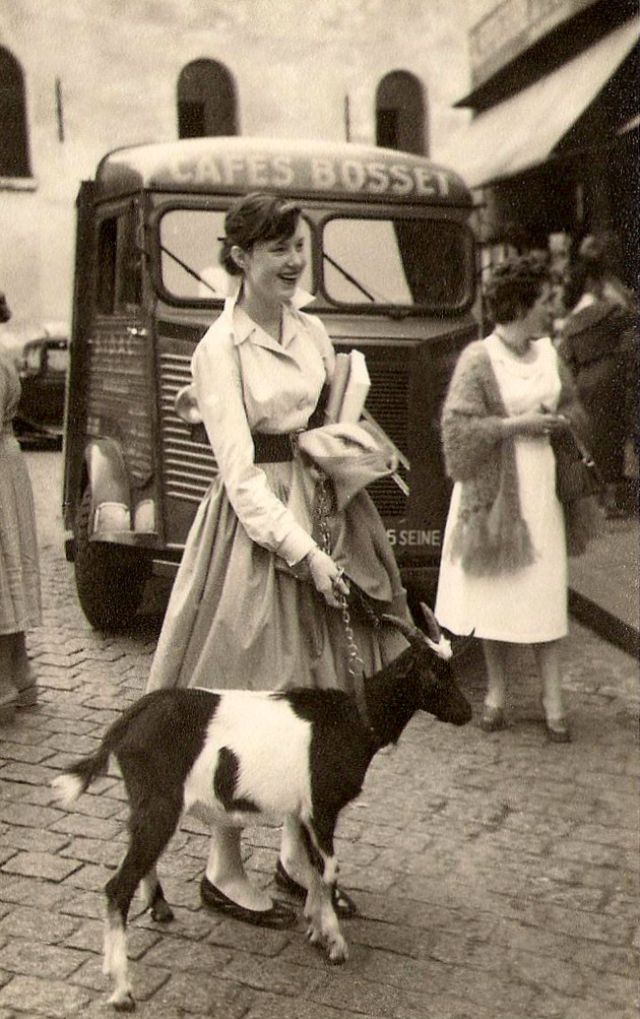
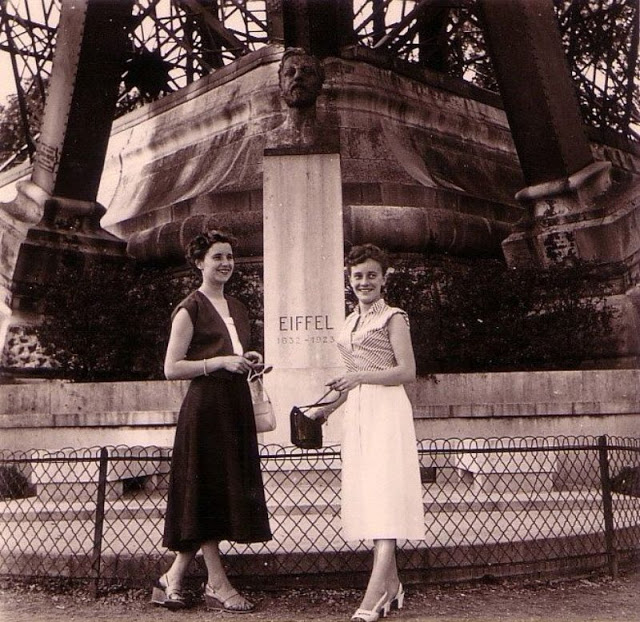
Paris is the capital and most populous city of France, with an estimated population of 2,165,423 residents in 2019 in an area of more than 105 km² (41 sq mi), making it the 34th most densely populated city in the world in 2020. Since the 17th century, Paris has been one of the world’s major centres of finance, diplomacy, commerce, fashion, gastronomy, science, and arts, and has sometimes been referred to as the capital of the world. The City of Paris is the centre and seat of government of the region and province of Île-de-France, or Paris Region, with an estimated population of 12,997,058 in 2020, or about 18% of the population of France, making it in 2020 the second largest metropolitan area in the OECD, and 14th largest in the world in 2015. The Paris Region had a GDP of €709 billion ($808 billion) in 2017. According to the Economist Intelligence Unit Worldwide Cost of Living Survey, in 2021 Paris was the city with the second-highest cost of living in the world, tied with Singapore, and after Tel Aviv.
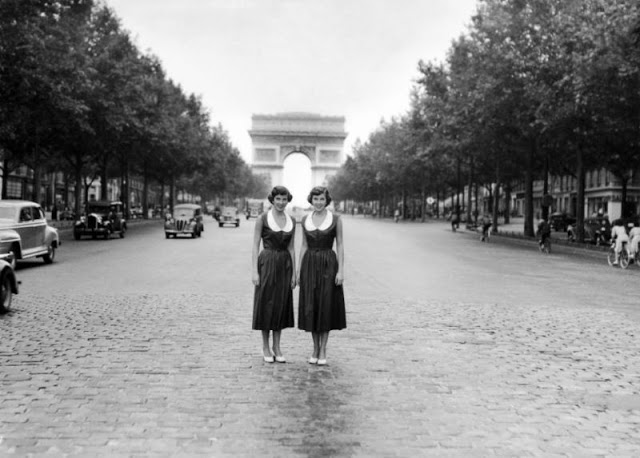
Paris is a major railway, highway, and air-transport hub served by two international airports: Paris–Charles de Gaulle (the second-busiest airport in Europe) and Paris–Orly. Opened in 1900, the city’s subway system, the Paris Métro, serves 5.23 million passengers daily; it is the second-busiest metro system in Europe after the Moscow Metro. Gare du Nord is the 24th-busiest railway station in the world and the busiest located outside Japan, with 262 million passengers in 2015. Paris is especially known for its museums and architectural landmarks: the Louvre received 2.8 million visitors in 2021, despite the long museum closings caused by the COVID-19 virus. The Musée d’Orsay, Musée Marmottan Monet and Musée de l’Orangerie are noted for their collections of French Impressionist art. The Pompidou Centre Musée National d’Art Moderne has the largest collection of modern and contemporary art in Europe. The Musée Rodin and Musée Picasso exhibit the works of two noted Parisians. The historical district along the Seine in the city centre has been classified as a UNESCO World Heritage Site since 1991; popular landmarks there include the Cathedral of Notre Dame de Paris on the Île de la Cité, now closed for renovation after the 15 April 2019 fire. Other popular tourist sites include the Gothic royal chapel of Sainte-Chapelle, also on the Île de la Cité; the Eiffel Tower, constructed for the Paris Universal Exposition of 1889; the Grand Palais and Petit Palais, built for the Paris Universal Exposition of 1900; the Arc de Triomphe on the Champs-Élysées, and the hill of Montmartre with its artistic history and its Basilica of Sacré-Coeur.
Paris hosts several United Nations organisations: the UNESCO, the Young Engineers / Future Leaders, the World Federation of Engineering Organizations, and other international organisations such as the OECD, the OECD Development Centre, the International Bureau of Weights and Measures, the International Energy Agency, the International Federation for Human Rights, the International Organisation of La Francophonie; along with European bodies such as the European Space Agency, the European Banking Authority or the European Securities and Markets Authority. Other international organisations were founded in Paris such as the CIMAC in 1951 (International Council on Combustion Engines | Conseil International des Machines à Combustion), or the modern Olympic Games in 1894 which was then moved to Lausanne, Switzerland.
Tourism recovered in the Paris region in 2021, increasing to 22.6 million visitors, thirty percent more than in 2020, but still well below 2019 levels. The number of visitors from the United States increased by 237 percent over 2020. Museums re-opened in 2021, with limitations on the number of visitors at a time and a requirement that visitors wear masks.
The football club Paris Saint-Germain and the rugby union club Stade Français are based in Paris. The 80,000-seat Stade de France, built for the 1998 FIFA World Cup, is located just north of Paris in the neighbouring commune of Saint-Denis. Paris hosts the annual French Open Grand Slam tennis tournament on the red clay of Roland Garros. The city hosted the Olympic Games in 1900, 1924 and will host the 2024 Summer Olympics. The 1938 and 1998 FIFA World Cups, the 2007 Rugby World Cup, as well as the 1960, 1984 and 2016 UEFA European Championships were also held in the city. Every July, the Tour de France bicycle race finishes on the Avenue des Champs-Élysées in Paris. (Wikipedia)
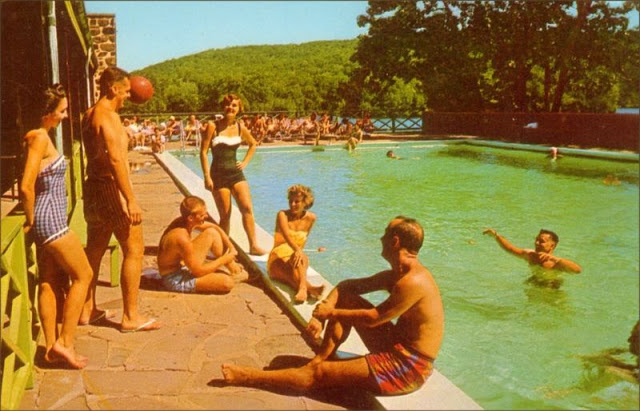
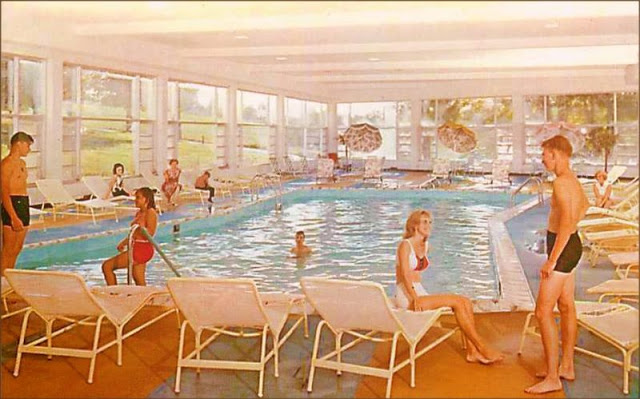
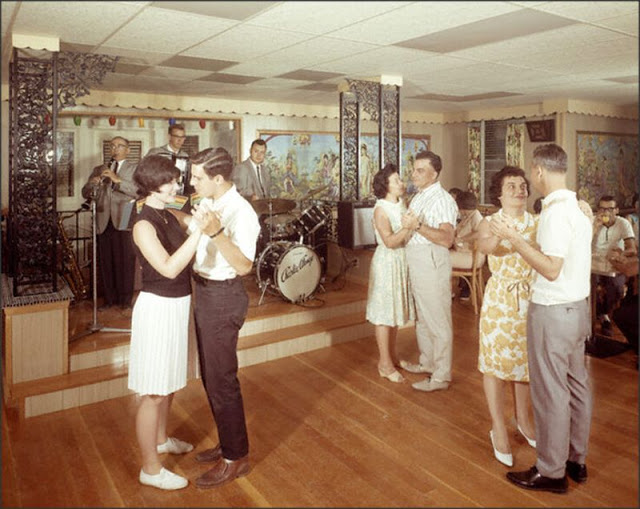
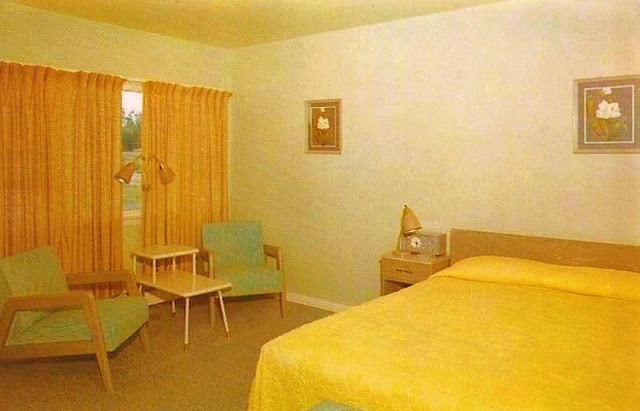
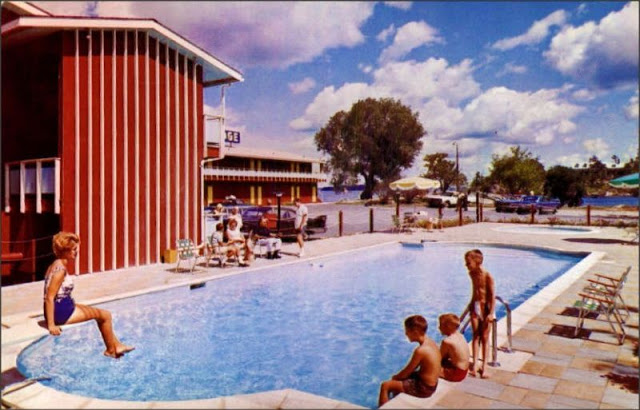
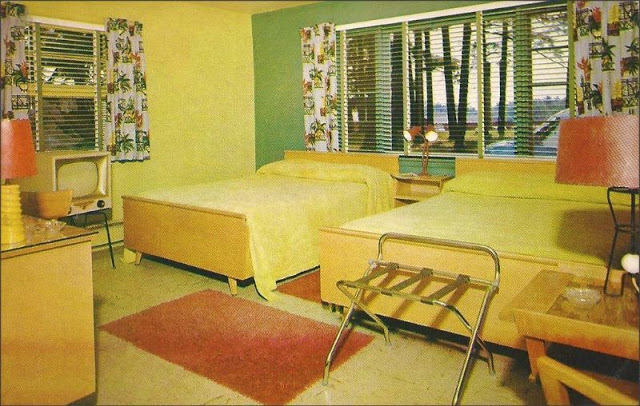
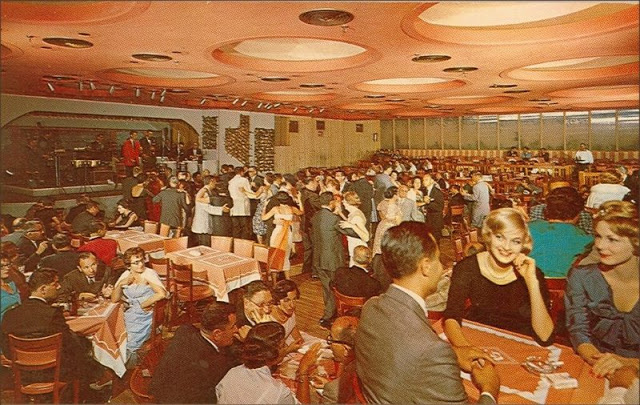
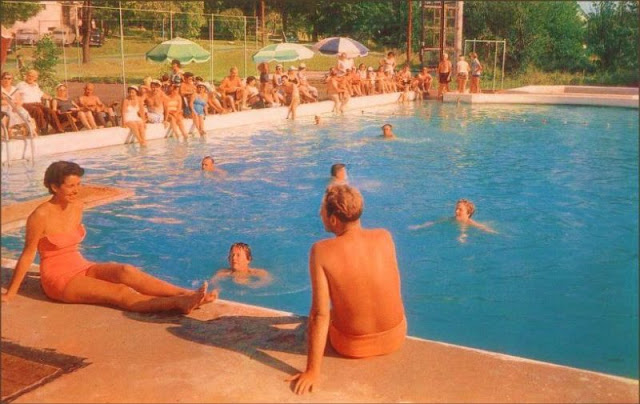
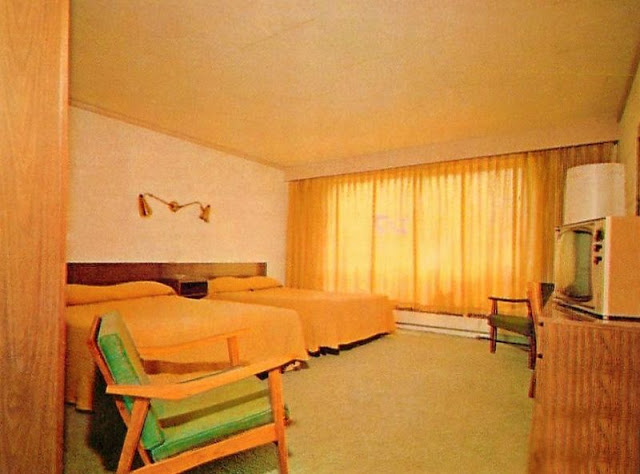
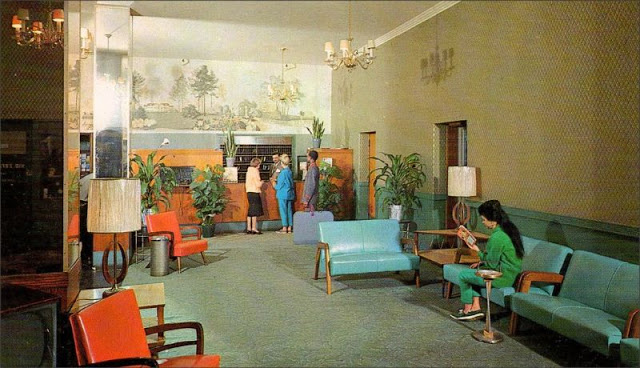
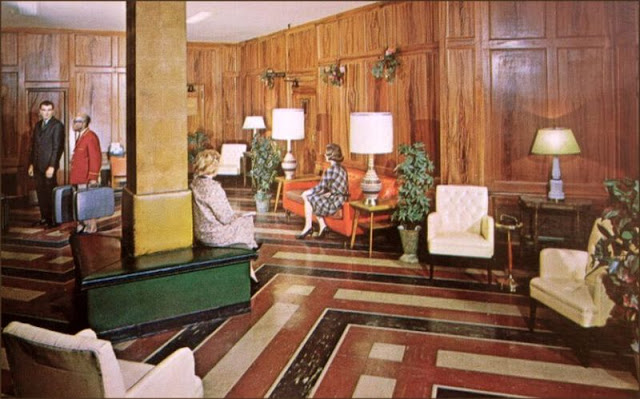
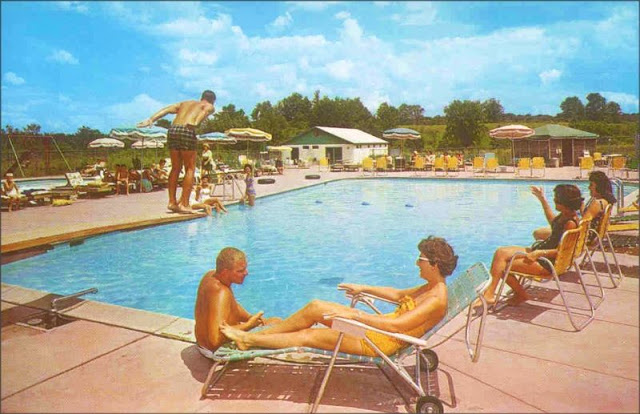
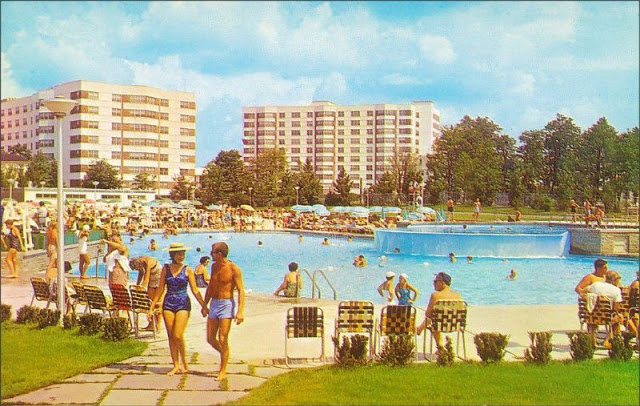
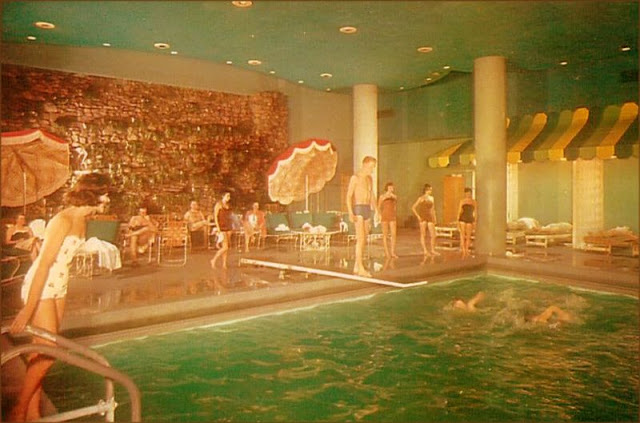
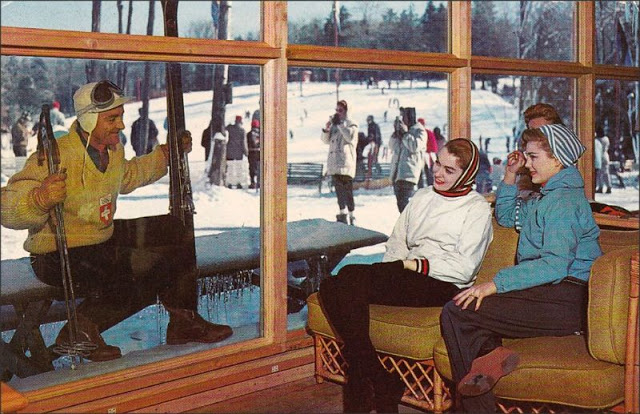
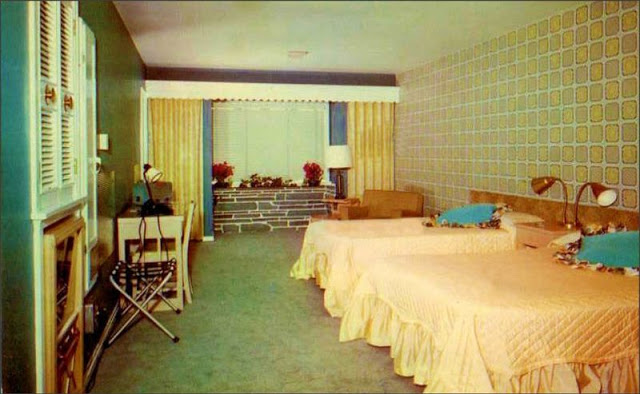
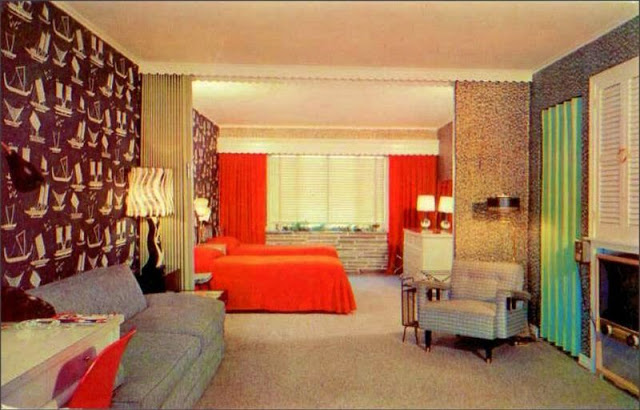
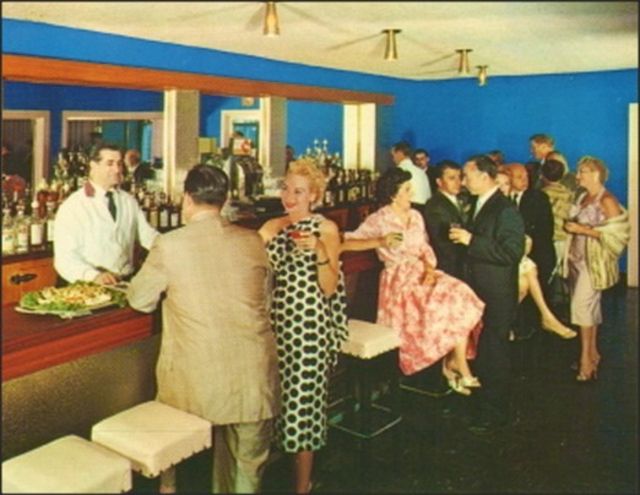
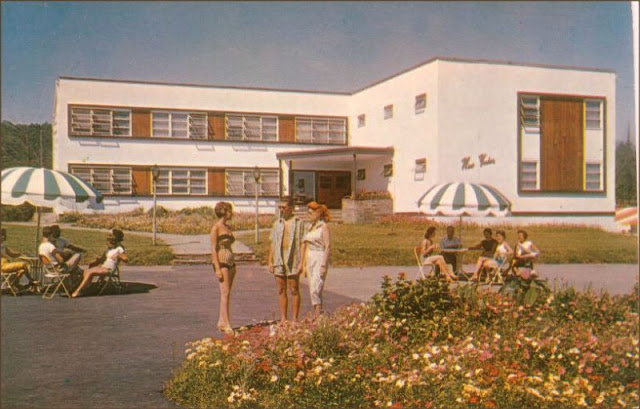
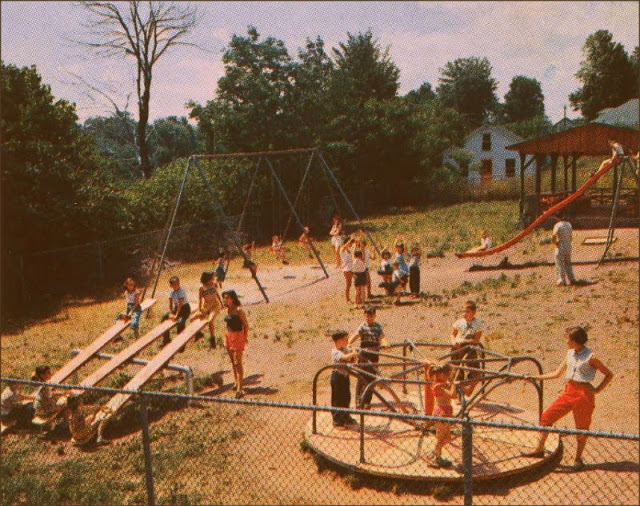
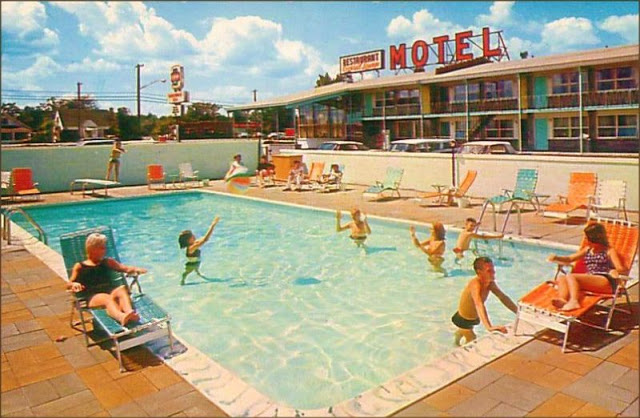
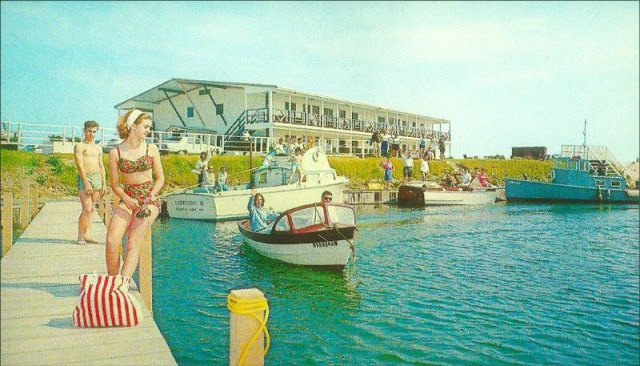
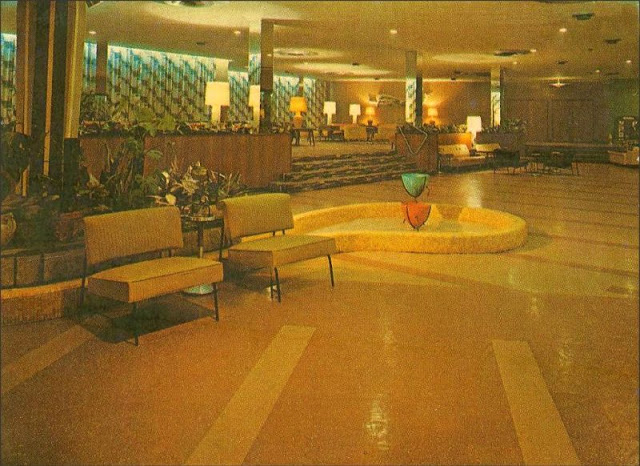
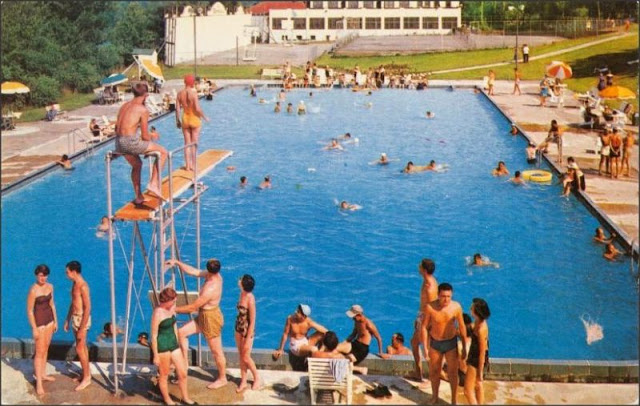
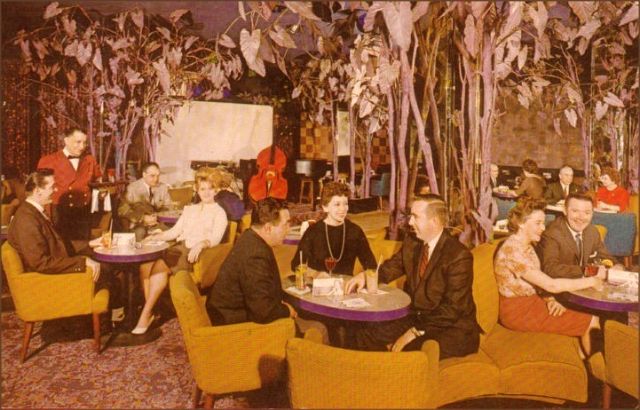
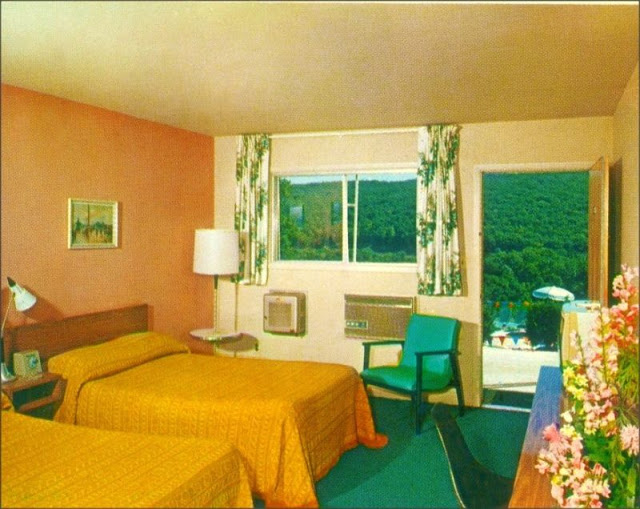
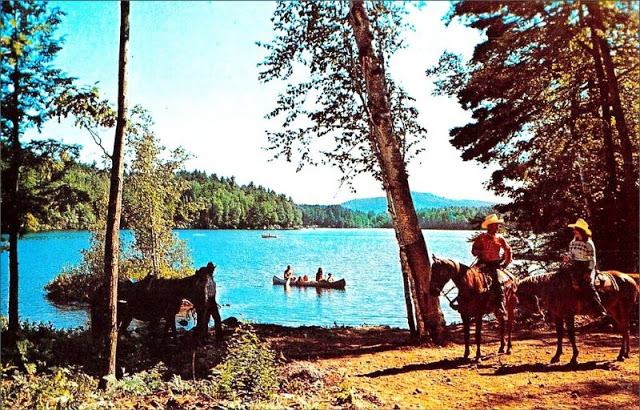
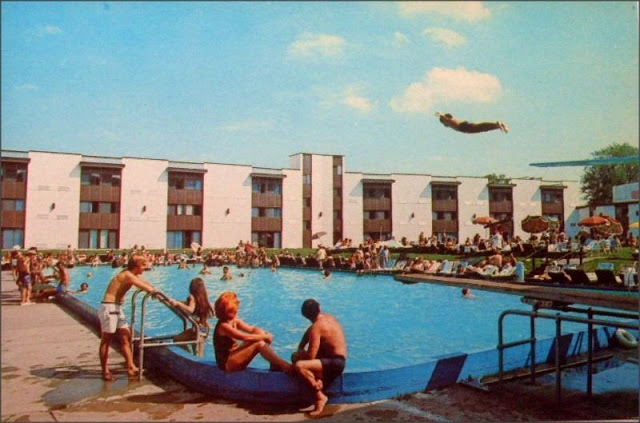
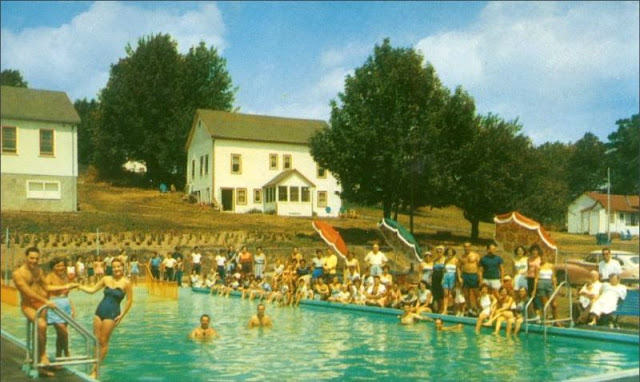
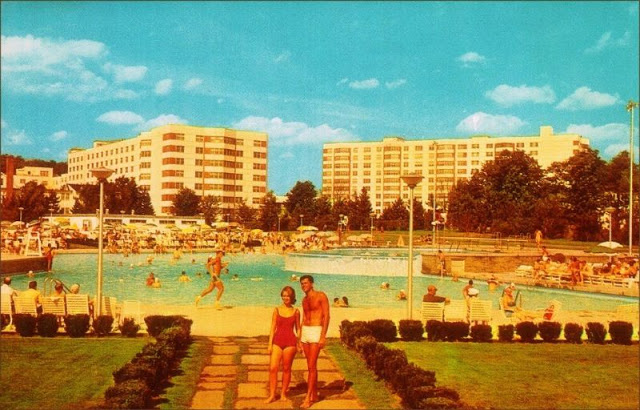
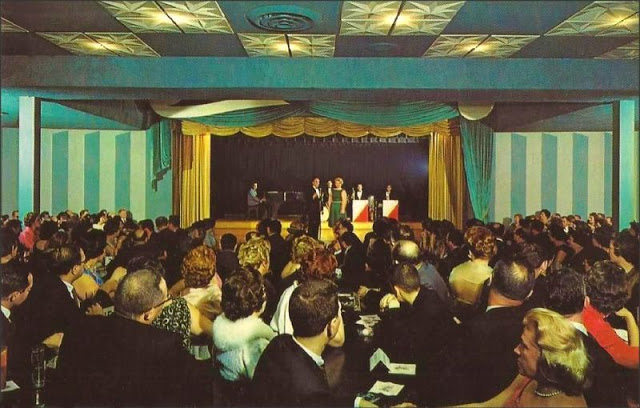
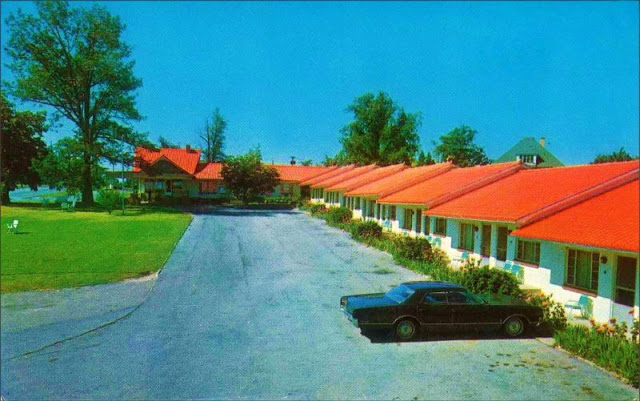
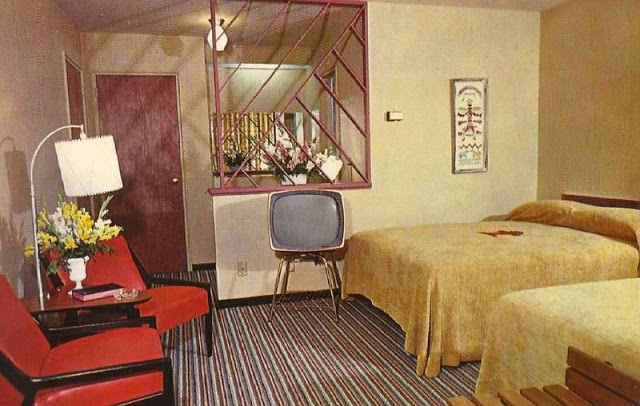
A cool photo collection shows what the inside of hotels and resorts in New York looked like from the 1950s and 1960s.
Utopia Lodge, New YorkValeria Resort Oscawana, Westchester County, New YorkValley View House in Kenoza Lake, New YorkVilla Leone Resort lounge, New YorkBeachleys Motel, Barnveld, New YorkCaptain Thompsons Motor Lodge, Alexandria Bay, New YorkEdgewood Resort Room, Alexandria Bay, New YorkGrossinger’s Terrace Room, New YorkGuests at Pool, Western View Hotel, New YorkHerkimer Motel Interior, Herkimer, New YorkHomowack Motel, Spring Glen, New YorkHotel Aberdeen, New YorkHotel Iroquois Interior, New York City, NYGuests at Pool, Western View Hotel, New YorkKiamesha Lake Concord Pool, New YorkKiamesha Lake indoor pool at Concord Hotel, New YorkKiamesha Lake Sports Resort Concord Hotel, New YorkKirby’s Motel, Rochester, New YorkKirby’s Motel, Rochester, New YorkNew Roxy Hotel Lounge, New YorkNew Yorker Building at Schenk’s Paramount Hotel in South FallsburgNewman’s Villa Playground, Loch Sheldrake, New YorkNorthway Motel & Pool Albany, Schenectady, New YorkPenny Point Motel Hampton Bays, Long Island, New YorkPool and Lobby at the El Dorado, Fallsburg, New YorkPool at the Morningside Hotel, Hurleyville, New YorkPurple Tree Lounge, Rochester, New YorkRed Apple Motel, Tuxedo, New YorkRydin Hy Ranch Resort, Sherman Lake, Warrensburg, New YorkStevensville Country Club Hotel, Swan Lake, New YorkSwimming Pool at Bardow’s Cottages in Monticello, New YorkThe Concord Hotel, Kiamesha Lake, New YorkThe Granit Hotel & Country Club, Kerhonkson, New YorkThomas Motor Lodge, Oswego, New YorkTuckahoe Motel, Yonkers, New York
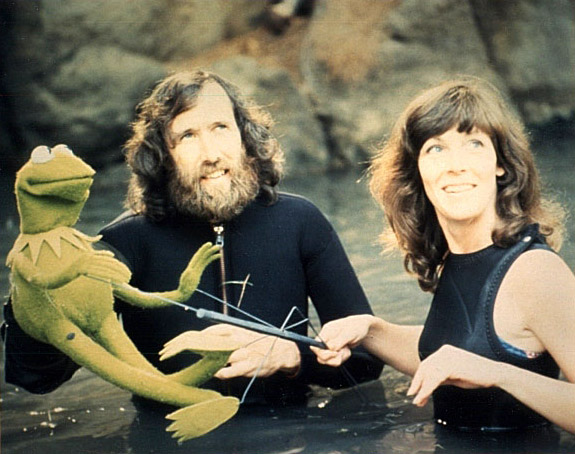
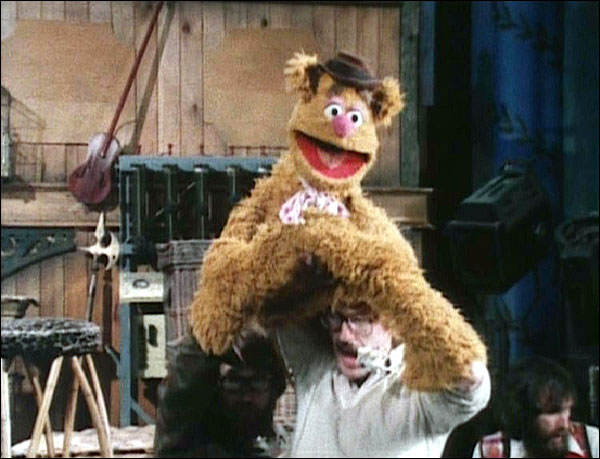
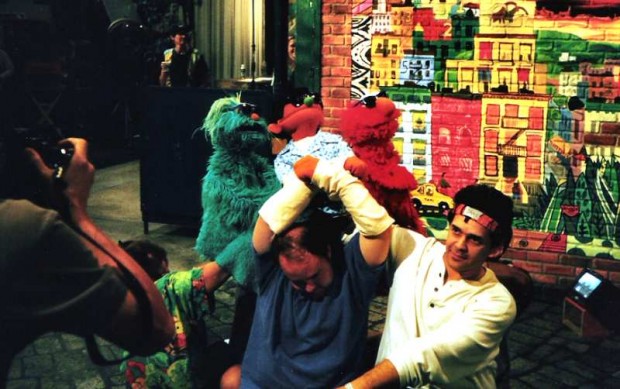
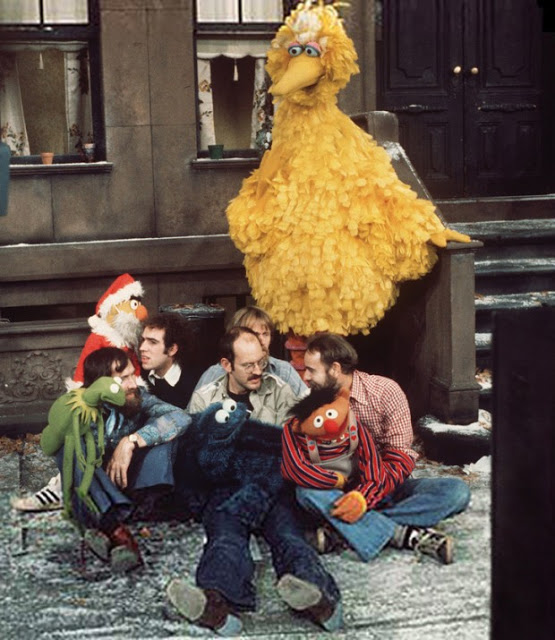
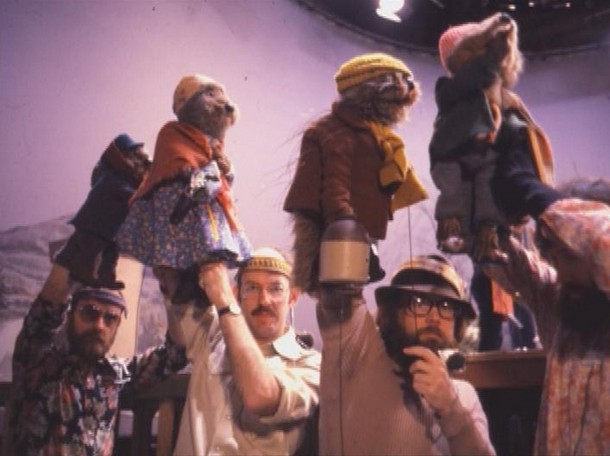
The Muppets are a group of puppet characters known for an absurdist, burlesque and self-referential style of variety-sketch comedy. Created in 1955 by Jim Henson, they are the namesake for the Disney media franchise that encompasses films, television series, music recordings, print publications, and other media associated with The Muppet Show characters.
The Muppets were the stars of multiple television series and films, including: The Muppet Show (1976–1981), The Muppet Movie (1979), The Great Muppet Caper (1981) and The Muppets Take Manhattan (1984). After Henson’s death in 1990, The Muppets continued their presence in television and cinema with Muppets Tonight (1996–1998), a series continuation of The Muppet Show, and three films, The Muppet Christmas Carol (1992), Muppet Treasure Island (1996), Muppets From Space (1999), the former two were co-produced with Disney, who sought to acquire the characters since the late 1980s.
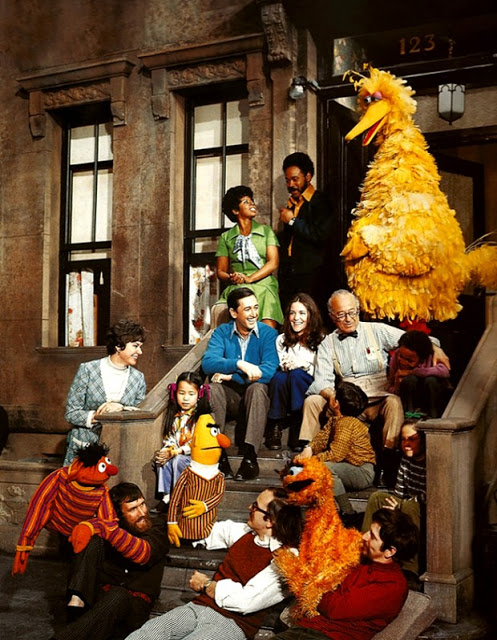
In 2004, The Walt Disney Company purchased the rights to The Muppets, and later formed The Muppets Studio, a division created specifically for managing The Muppets franchise. Below is a collection of 28 interesting color photographs of behind the scenes with the Muppets from the 1970s.
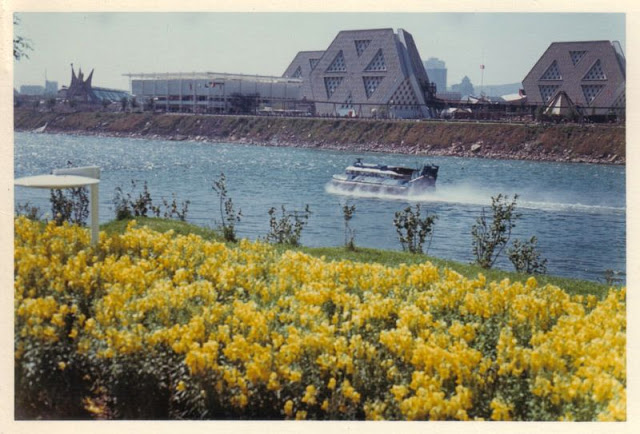
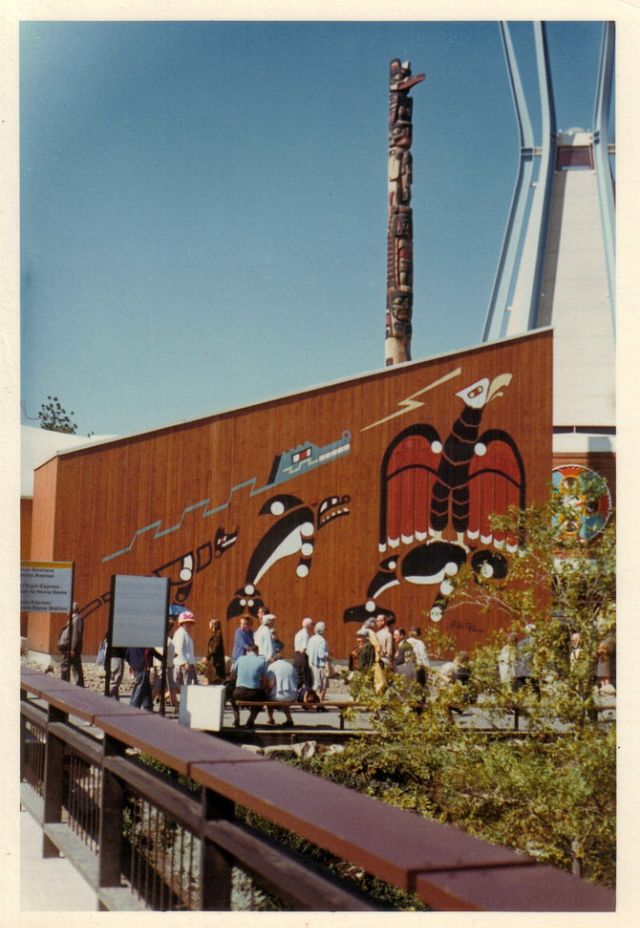
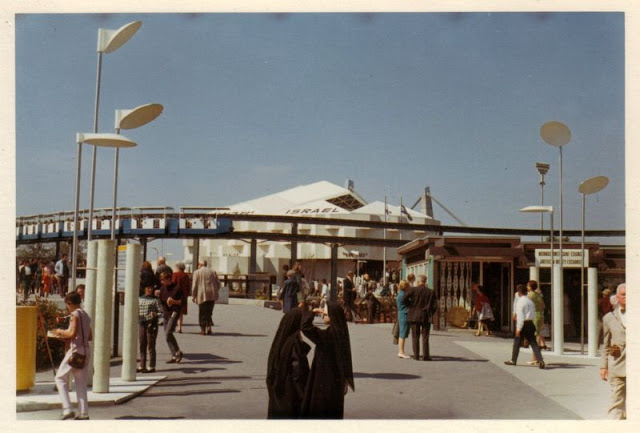
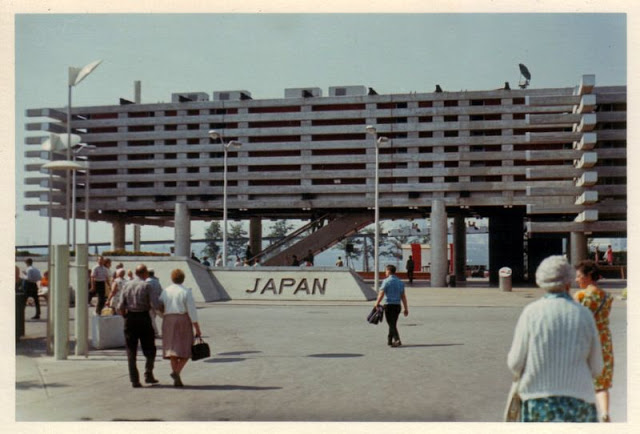
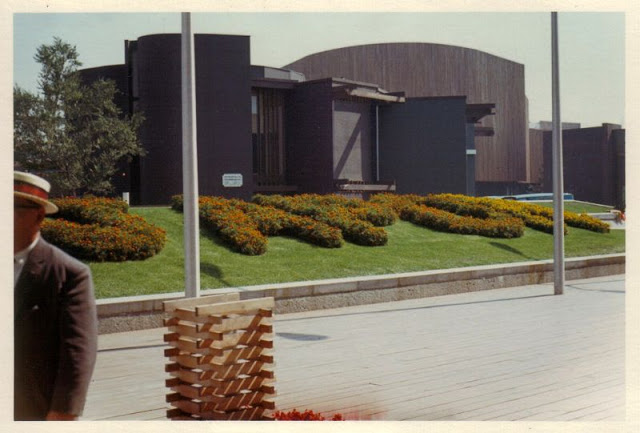
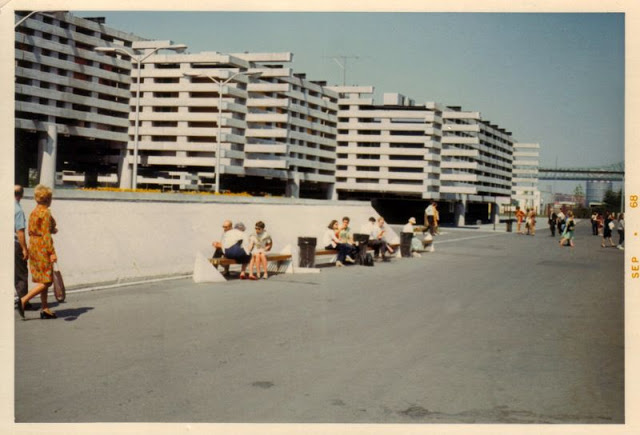
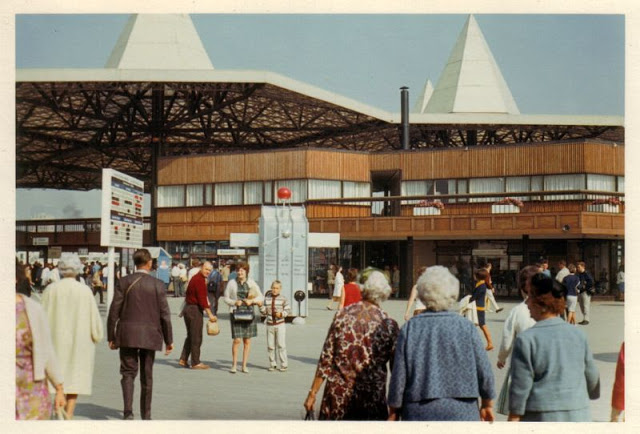
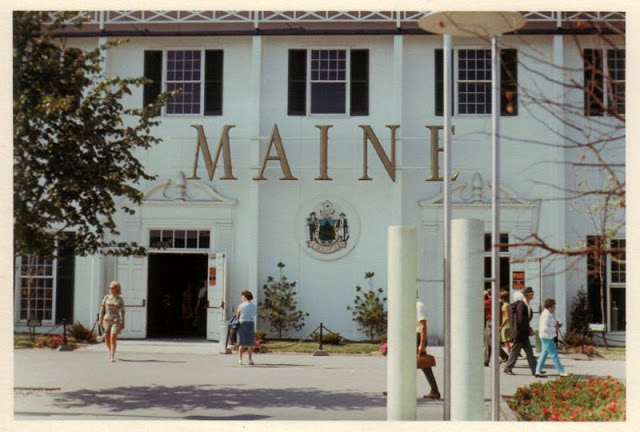
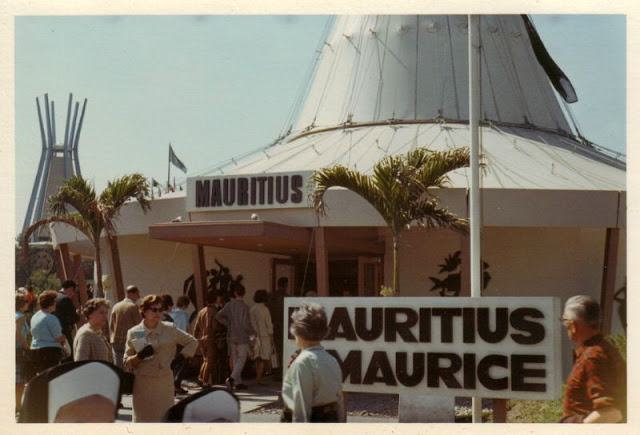
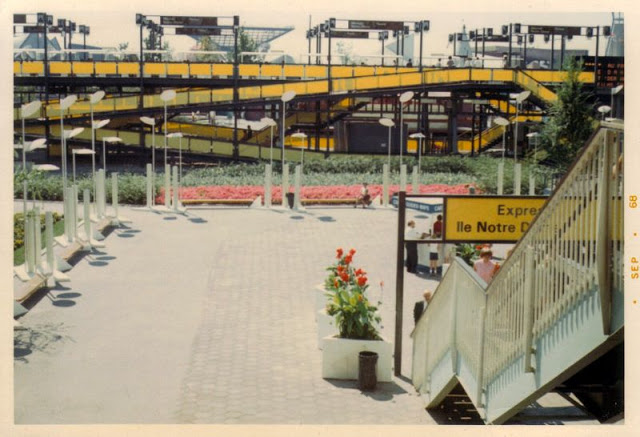
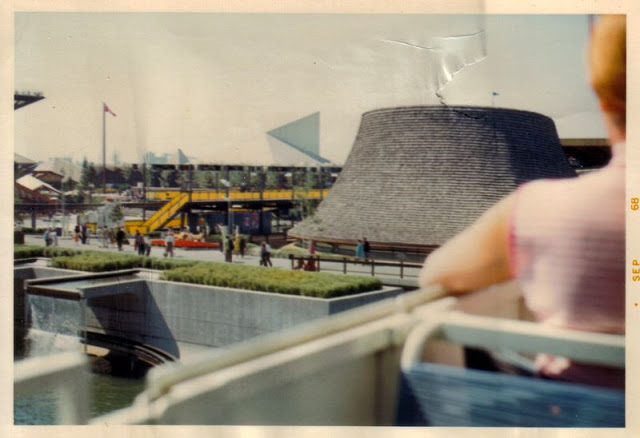
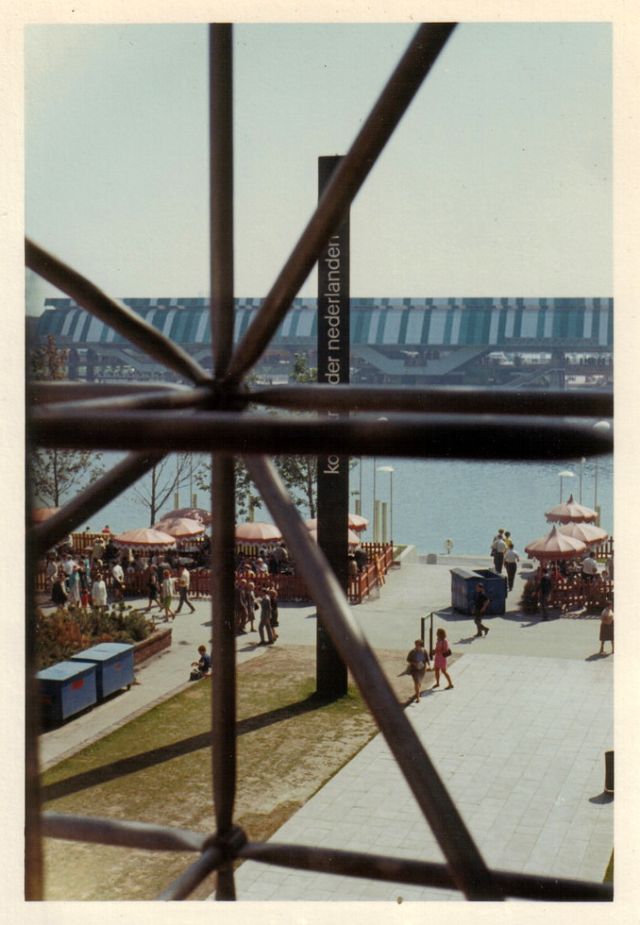
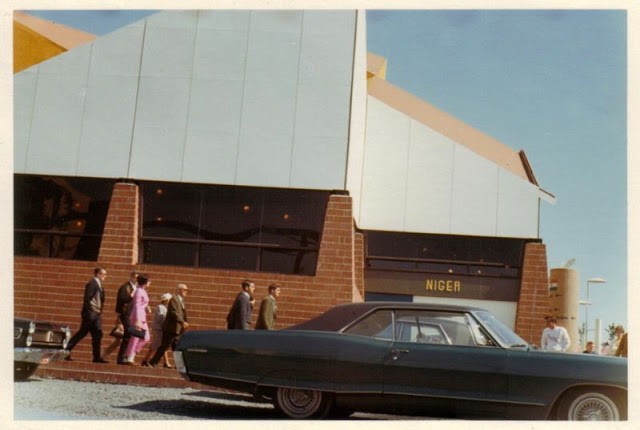
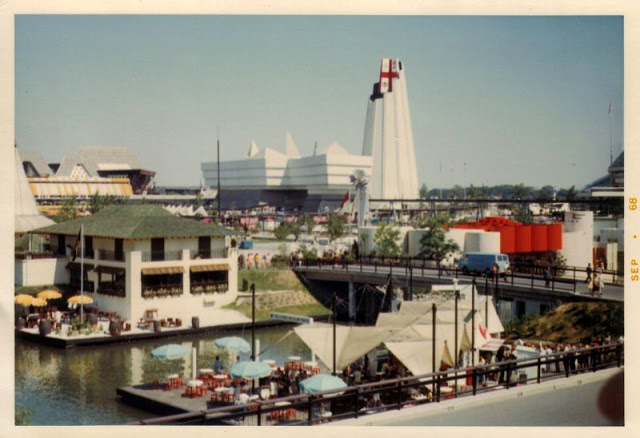
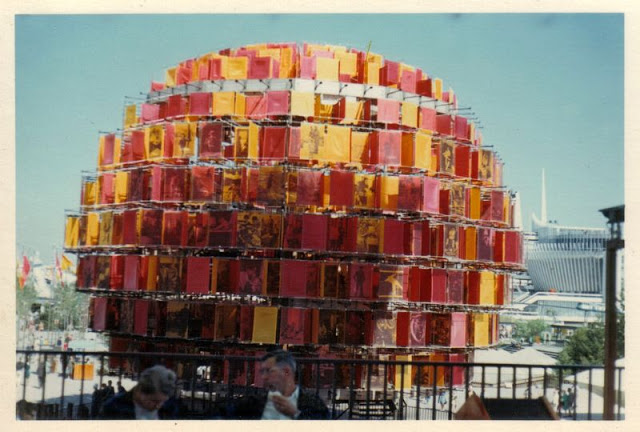
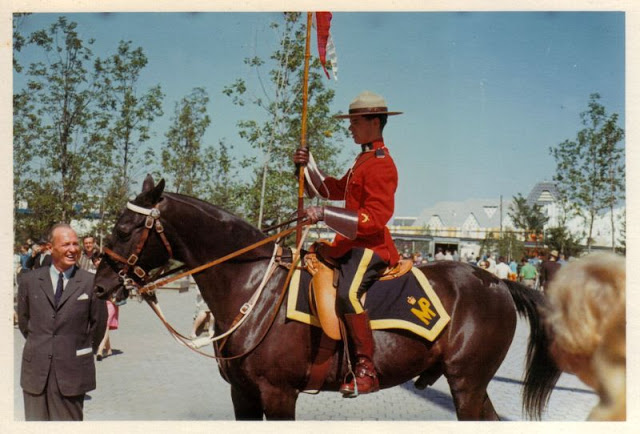
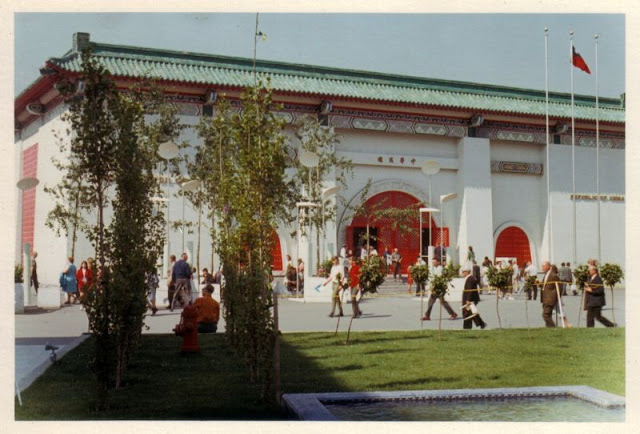
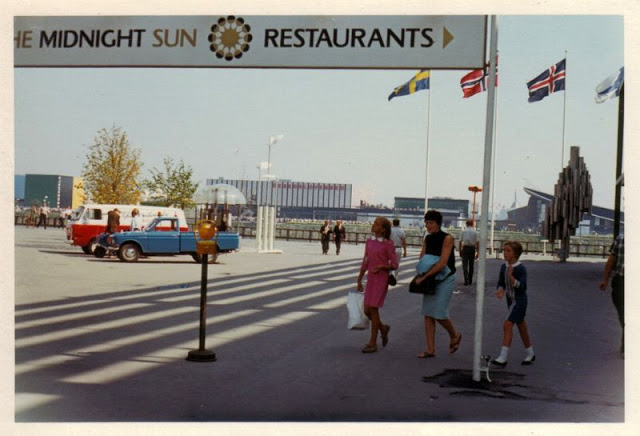
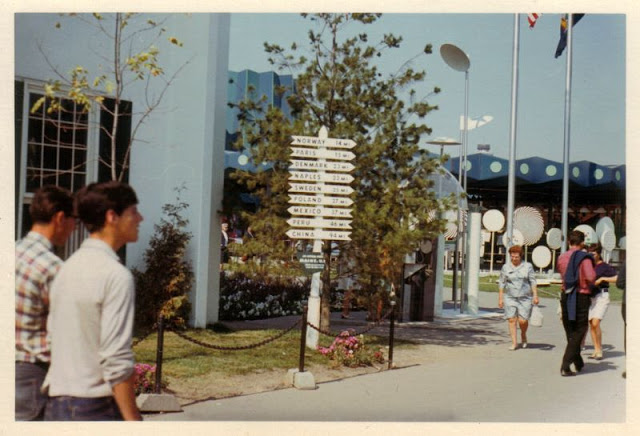
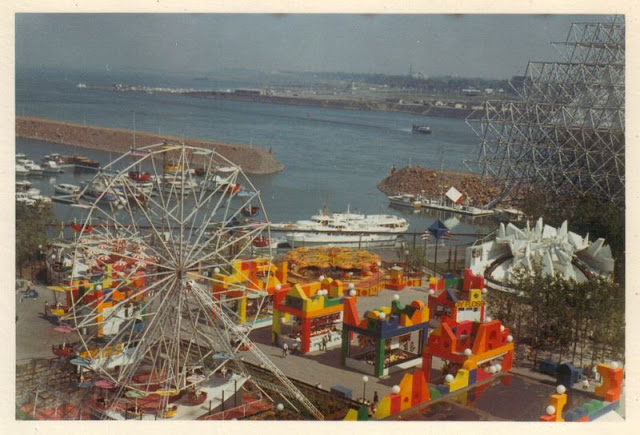
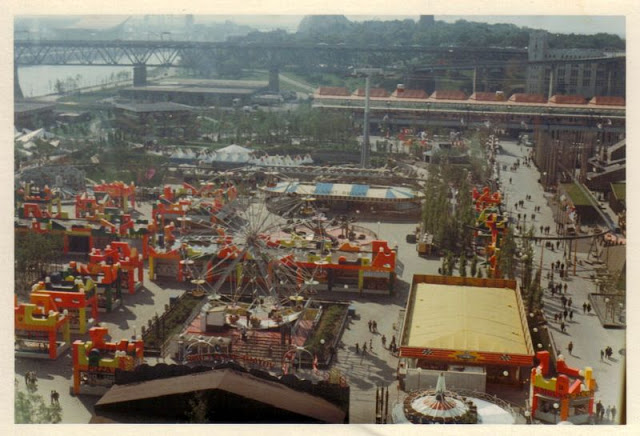
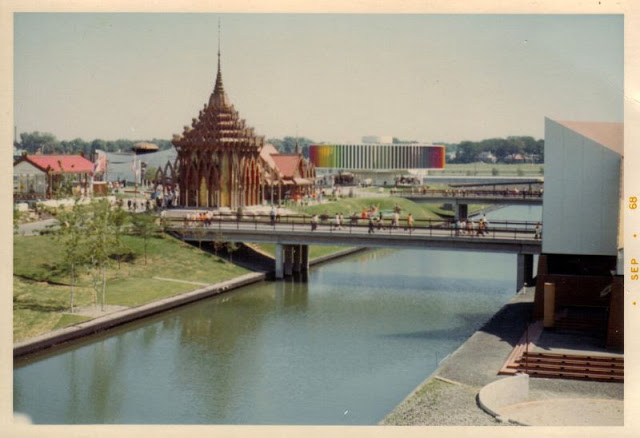
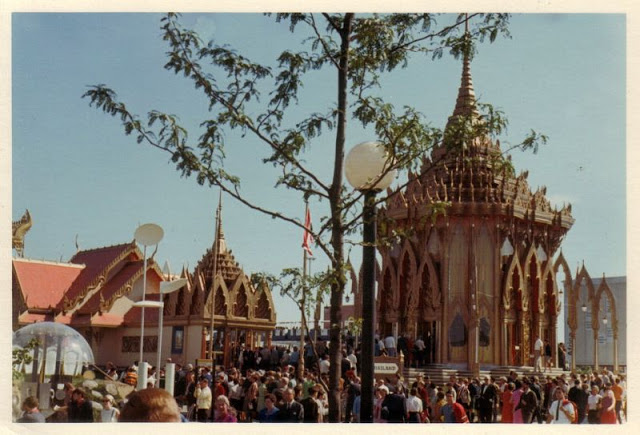
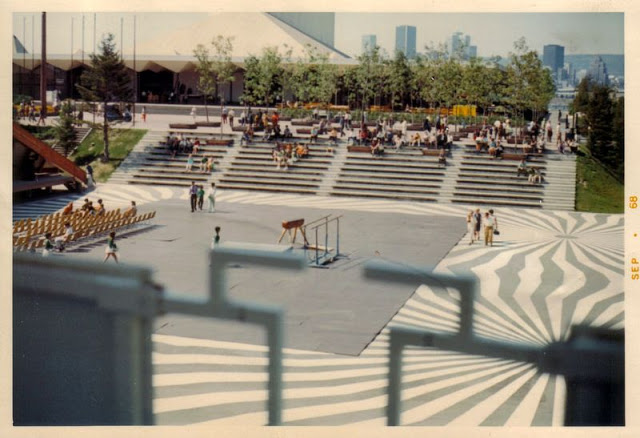
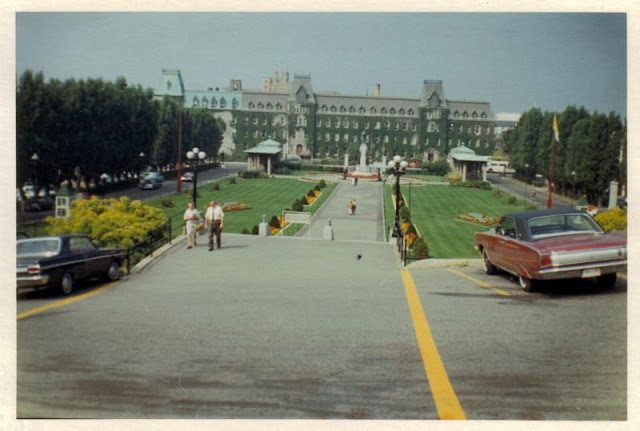
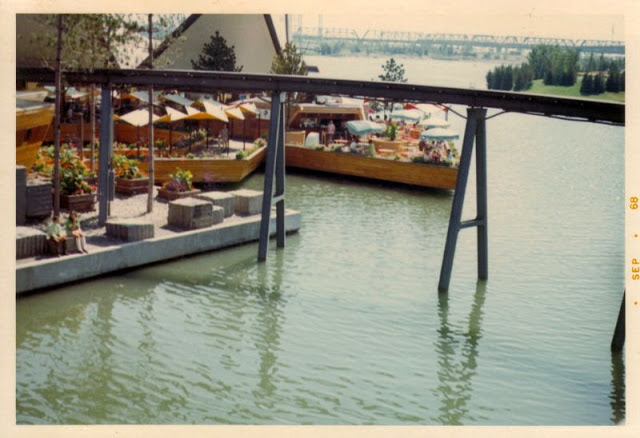
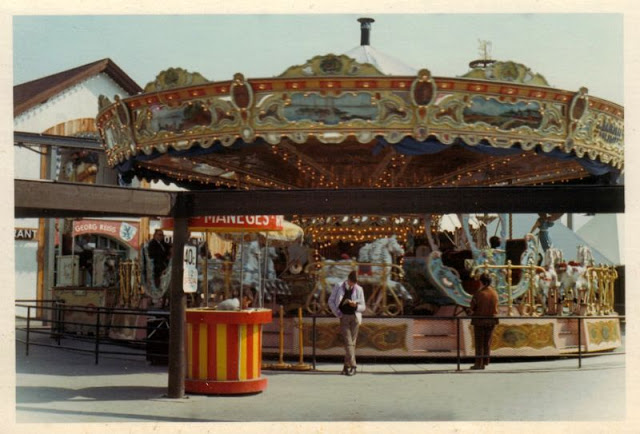
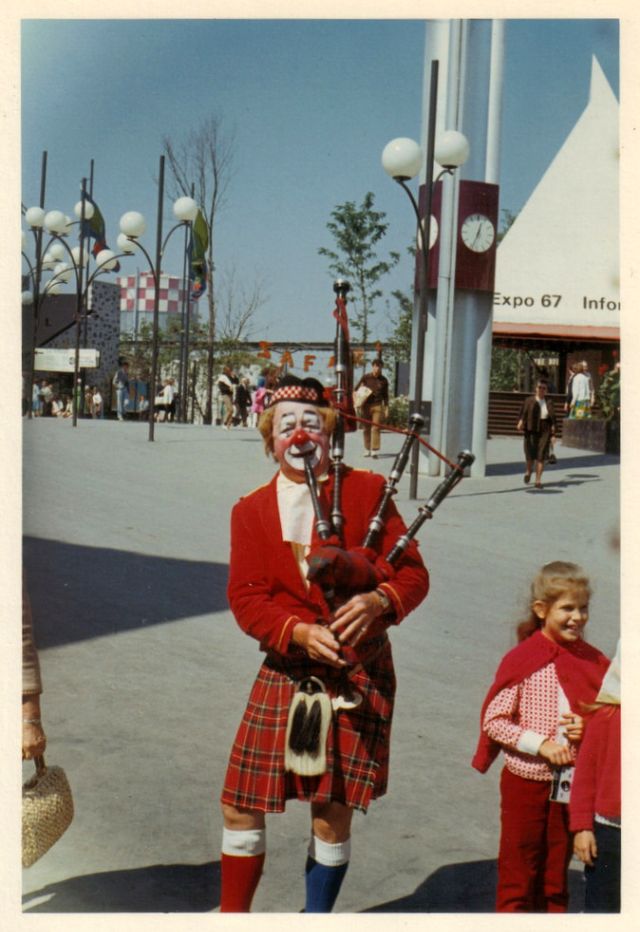
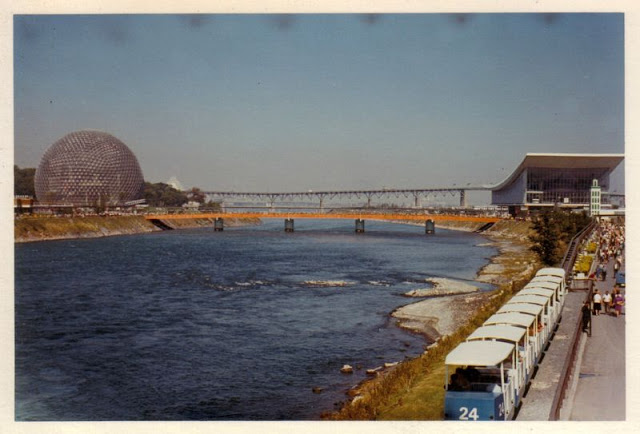
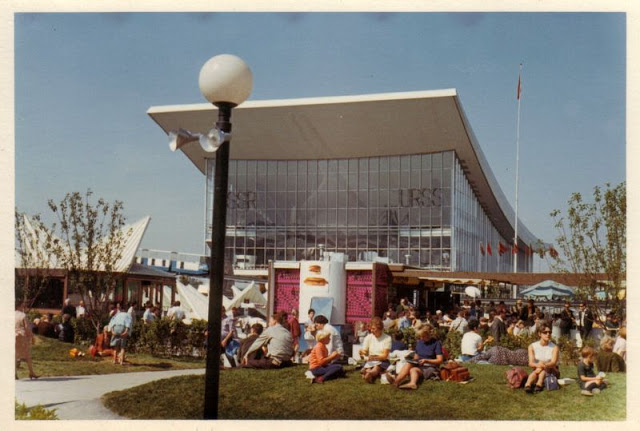
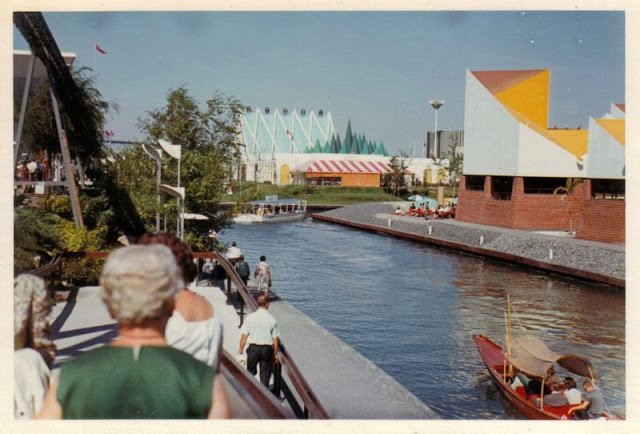
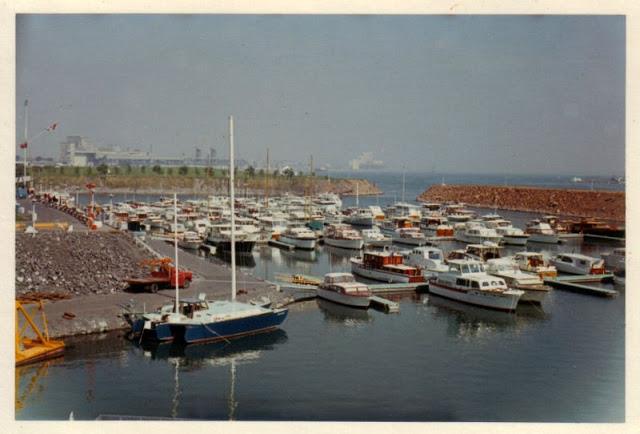
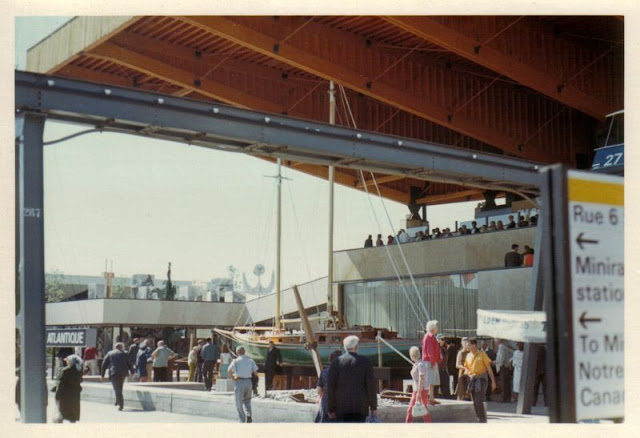
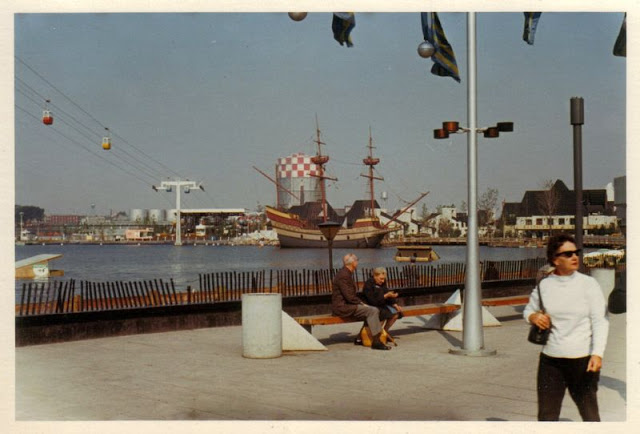
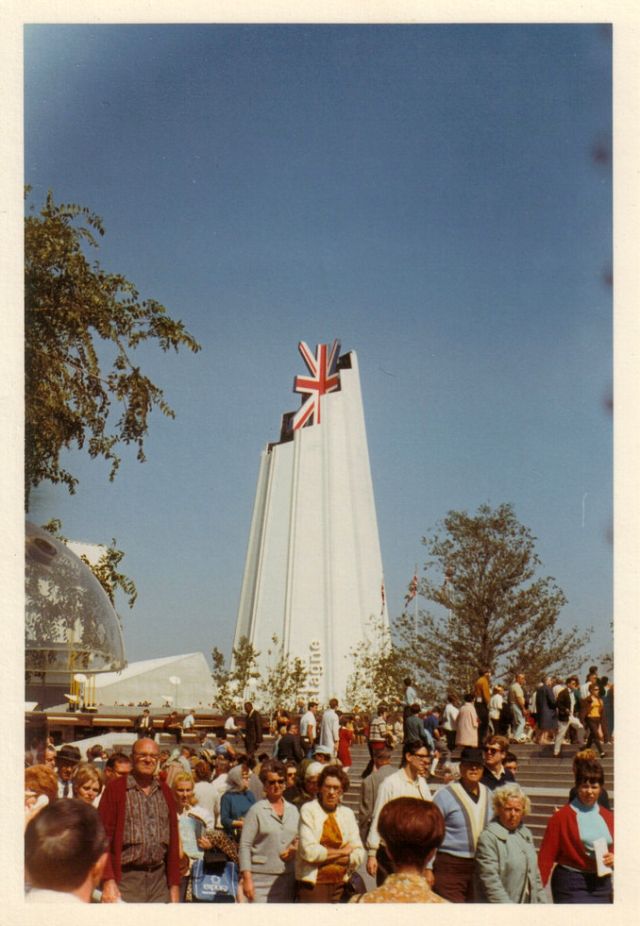
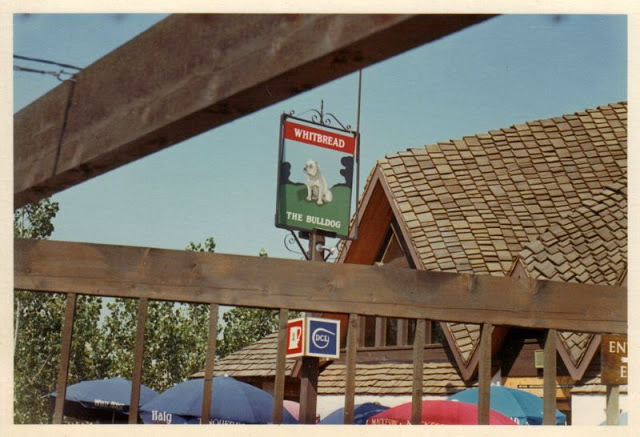
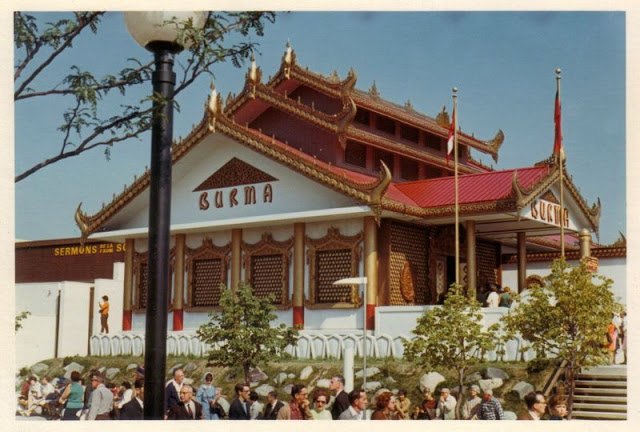
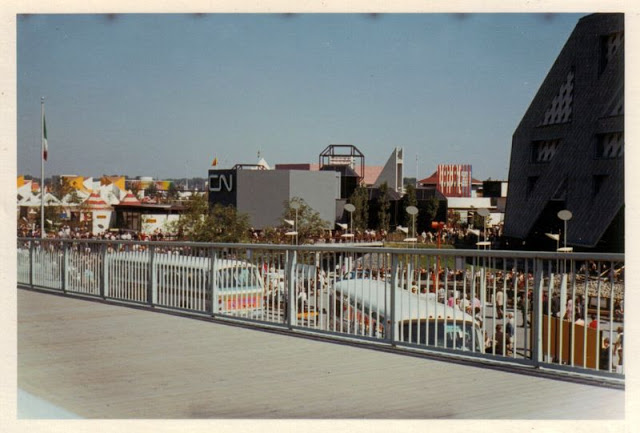
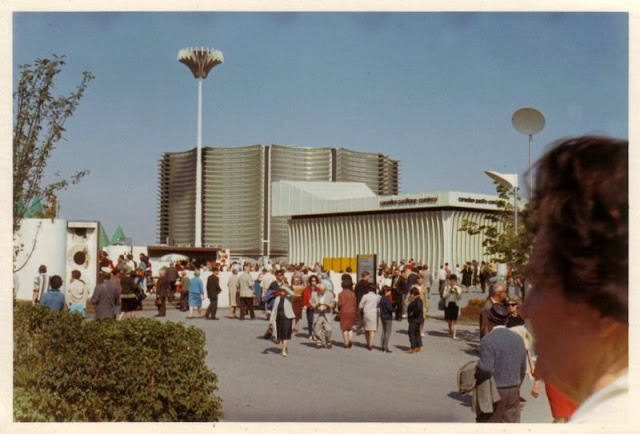
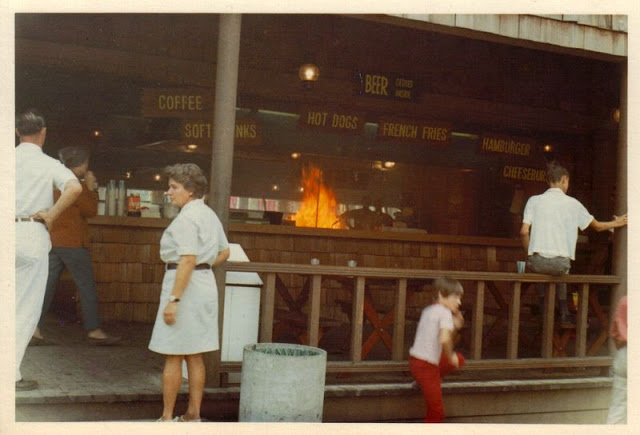
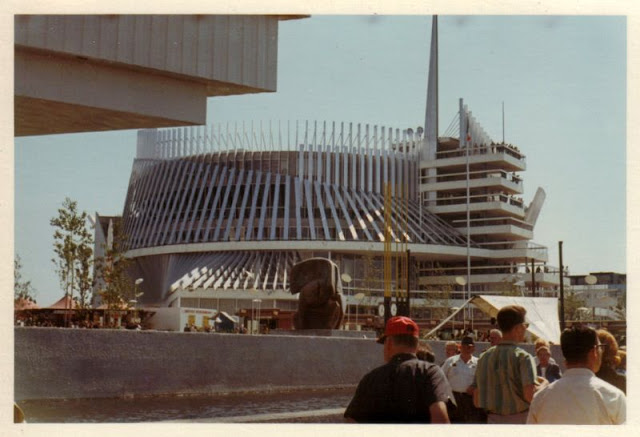
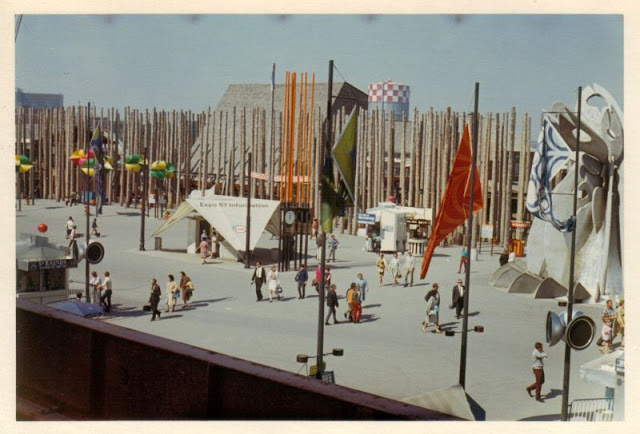
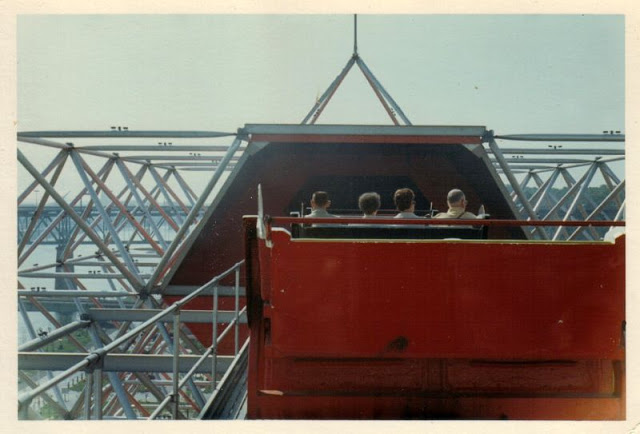
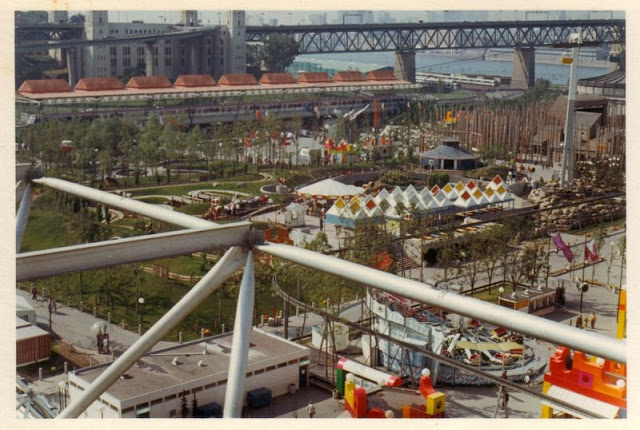
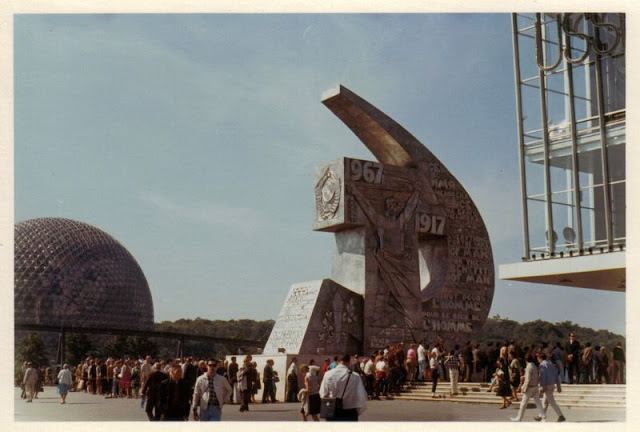
The 1967 International and Universal Exposition or Expo 67, as it was commonly known, was a general exhibition, Category One World’s Fair held in Montreal, Quebec, Canada, from April 27 to October 29, 1967. It is considered to be the most successful World’s Fair of the 20th century with the most attendees to that date and 62 nations participating. It also set the single-day attendance record for a world’s fair, with 569,500 visitors on its third day.
Expo 67 was Canada’s main celebration during its centennial year. The fair had been intended to be held in Moscow, to help the Soviet Union celebrate the Russian Revolution’s 50th anniversary; however, for various reasons, the Soviets decided to cancel, and Canada was awarded it in late 1962.
The project was not well supported in Canada at first. It took the determination of Montreal’s mayor, Jean Drapeau, and a new team of managers to guide it past political, physical and temporal hurdles. Defying a computer analysis that said it could not be done, the fair opened on time.
After Expo 67 ended in October 1967, the site and most of the pavilions continued on as an exhibition called Man and His World, open during the summer months from 1968 until 1984. By that time, most of the buildings—which had not been designed to last beyond the original exhibition—had deteriorated and were dismantled. Today, the islands that hosted the world exhibition are mainly used as parkland and for recreational use, with only a few remaining structures from Expo 67 to show that the event was held there. (Wikipedia)
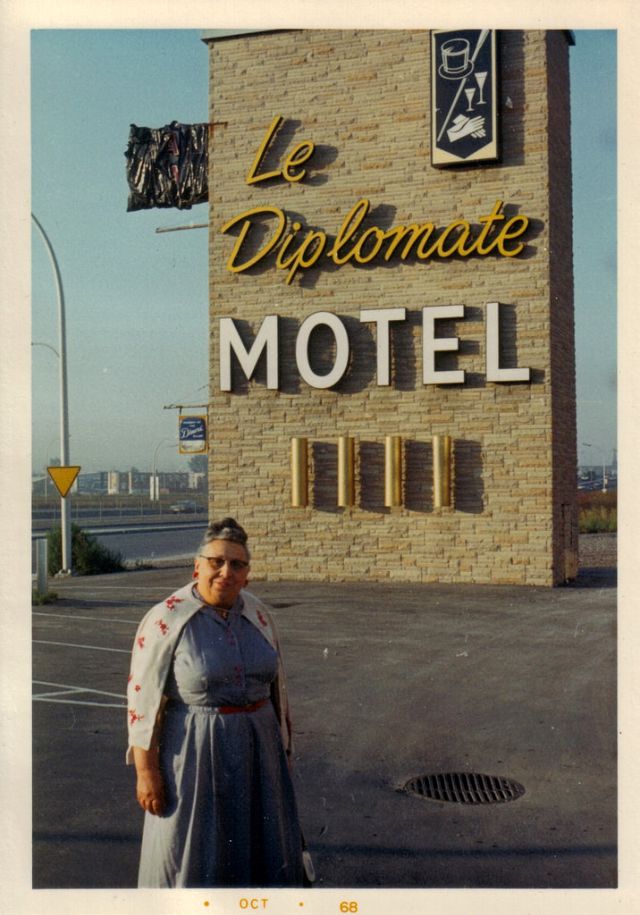
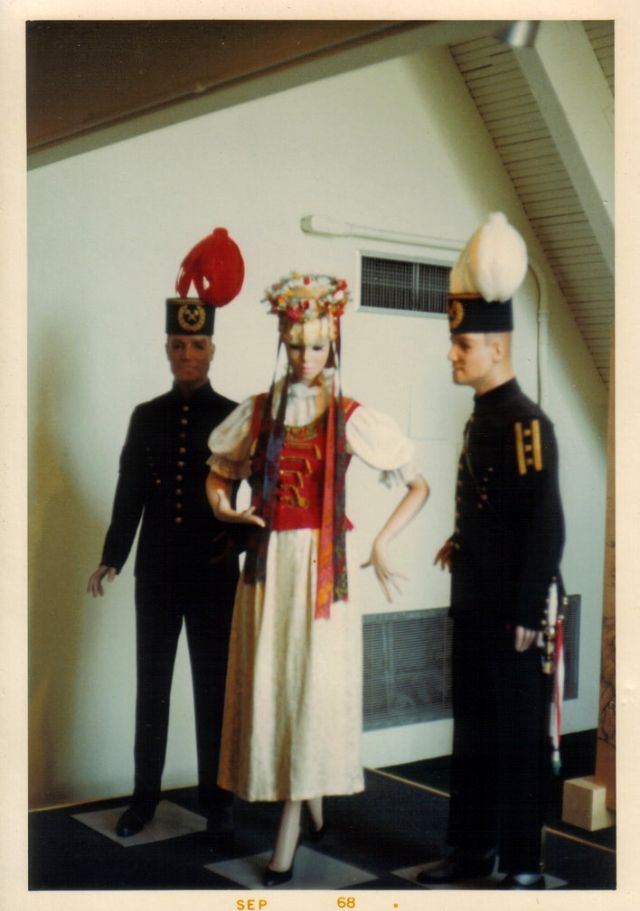
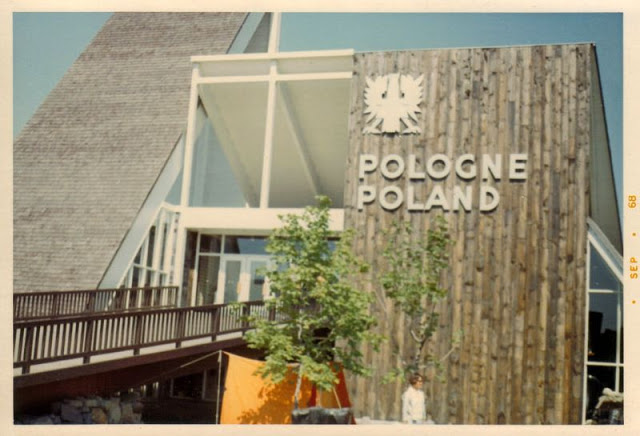
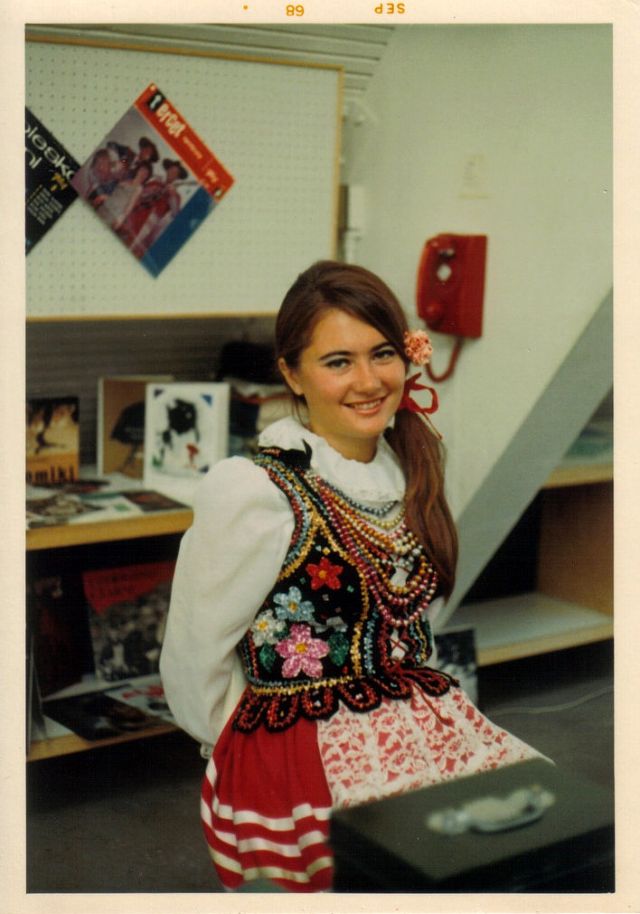
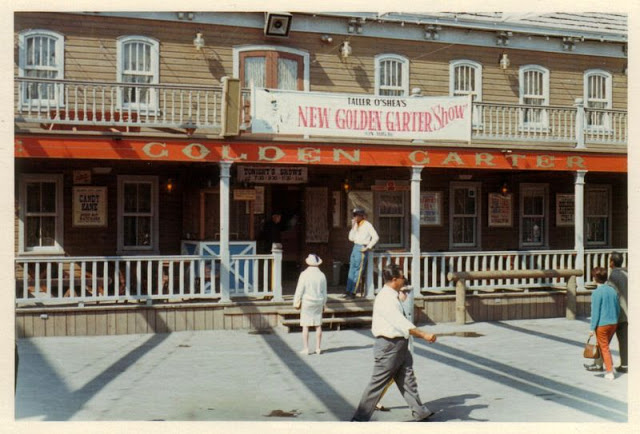
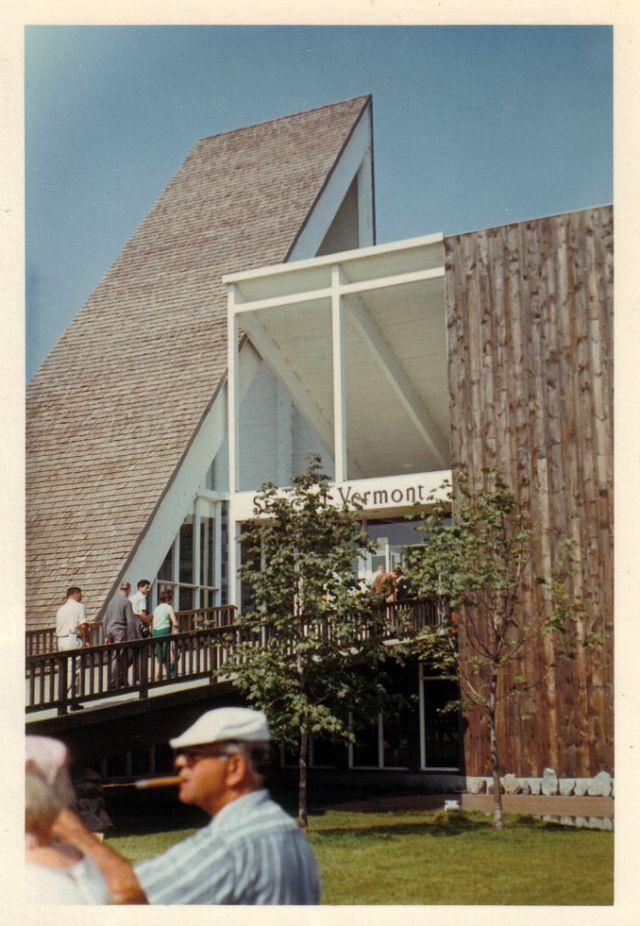
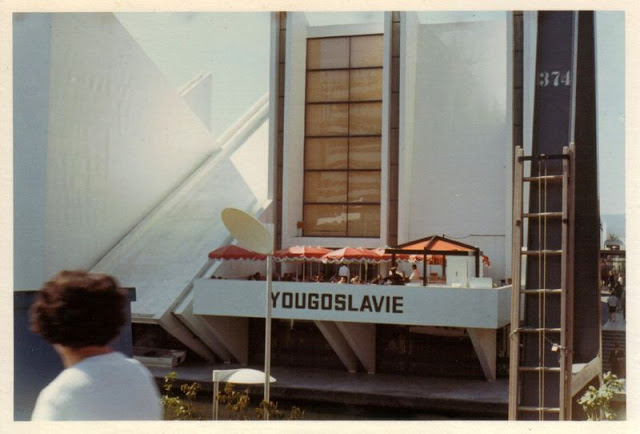
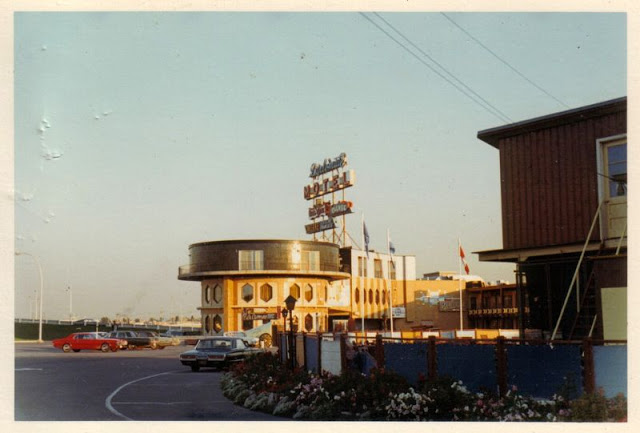
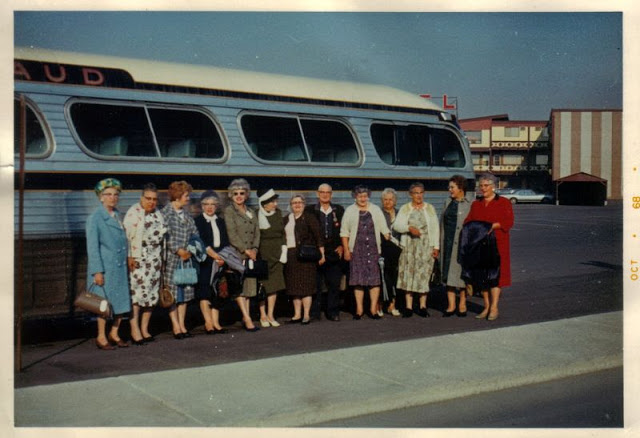
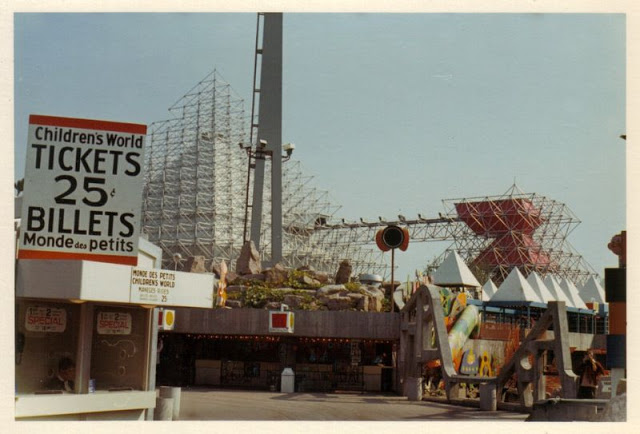
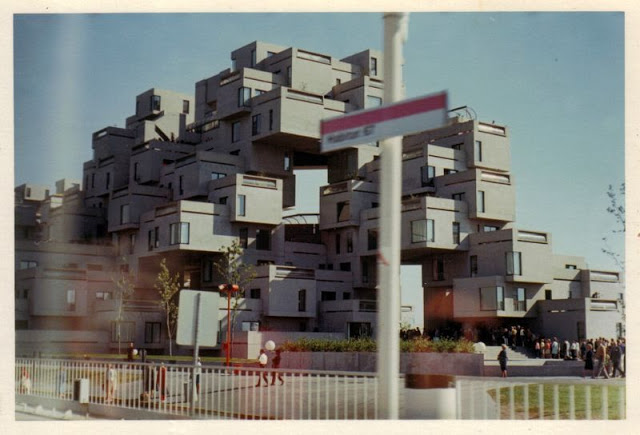
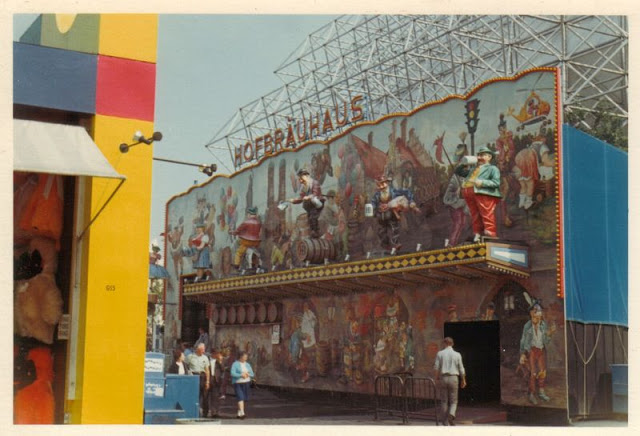
HollandHovercraftIndians of CanadaJapan pavilionJapan pavilionLillian Seymour in front of Le Diplomate MotelMain Entrance Place D’AccueilMini rail stationMini rail viewNetherlandPavilion of Jamaïca on the left, the Britain pavilion in the middle, and the pavilion of Monaco (with the red column) on the rightPicture treePolandRepublic of ChinaSwiss sky rideSwiss sky rideTaller O’Shea, New Golden Garter ‘Show’Thai pavillionThailandThe agora place, near the Canada pavilion, on Notre-Dame islandThe view across the street from St. Joseph’s OratoryThis particular track would enter the Ontario pavilion, on Notre-Dame islandTivoli Garden carouselUSA & USSR pavilionUSSR pavilionVaporetto on canalVermontAtlantic provincesBritain pavilionBritish pubCanadian NationalCanadian PacificDiplomate MotelFrench pavilionFort EdmontonGolden Age ClubGyrotron rideGyrotronGyrotronHabitat buildingUSSRHofbrau Fun House