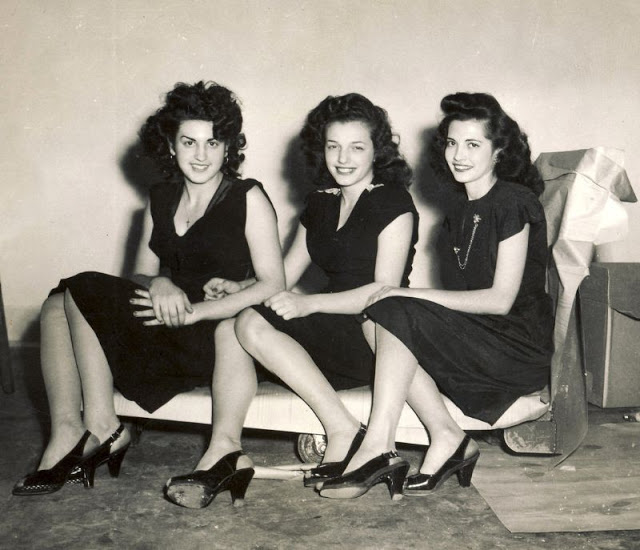
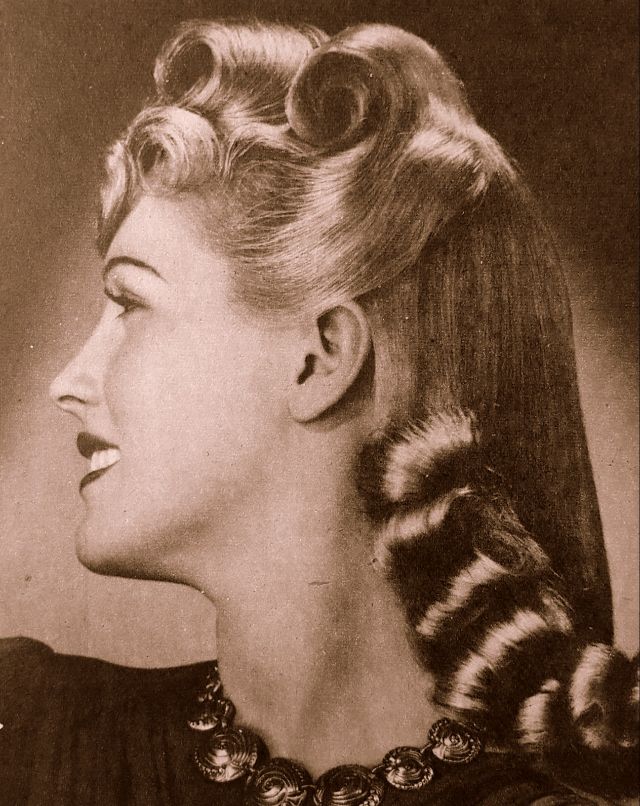
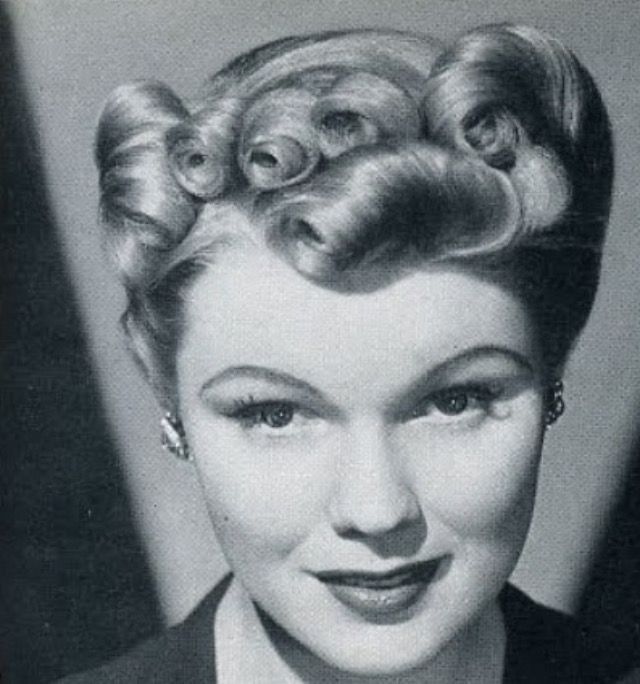
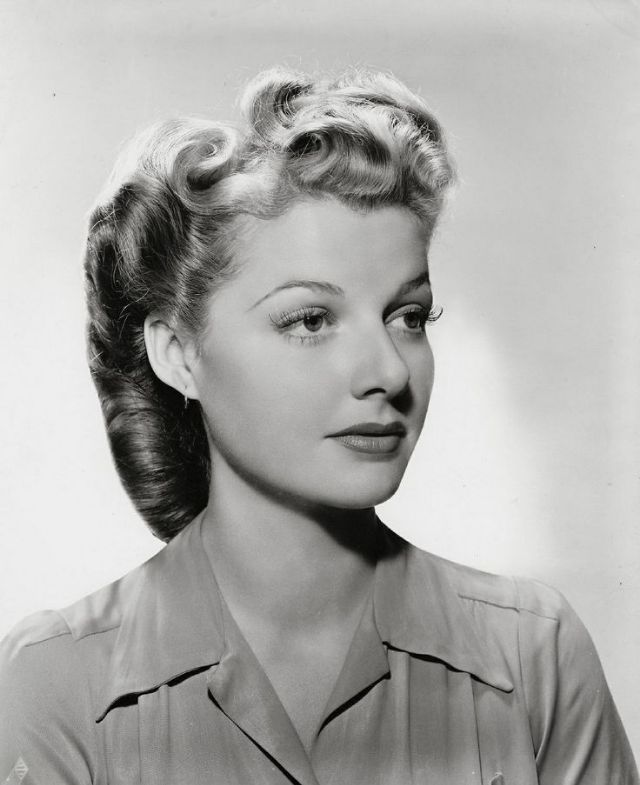
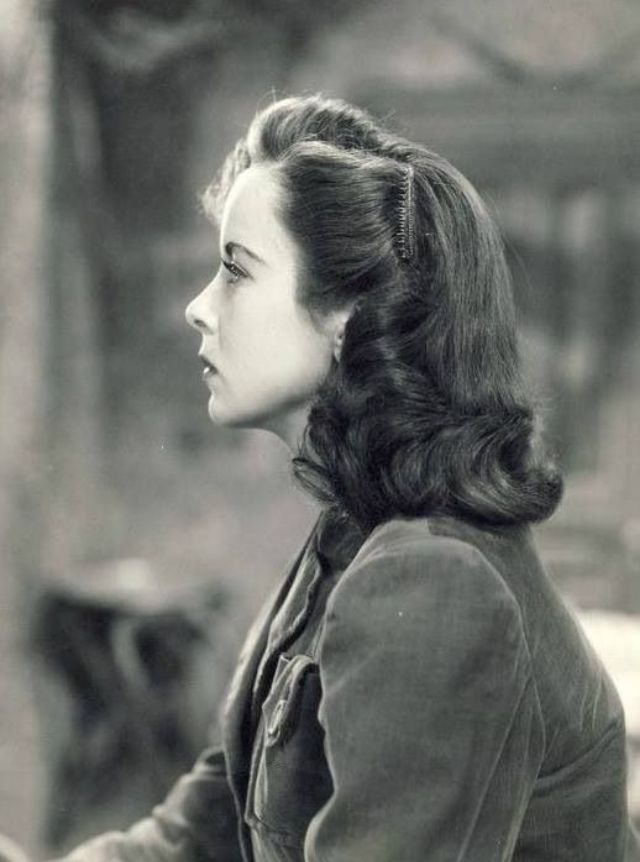
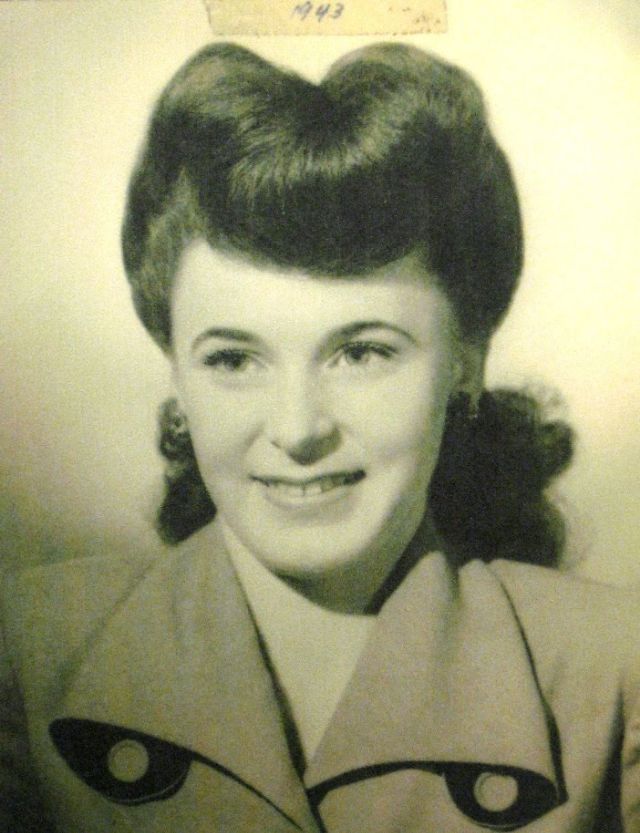
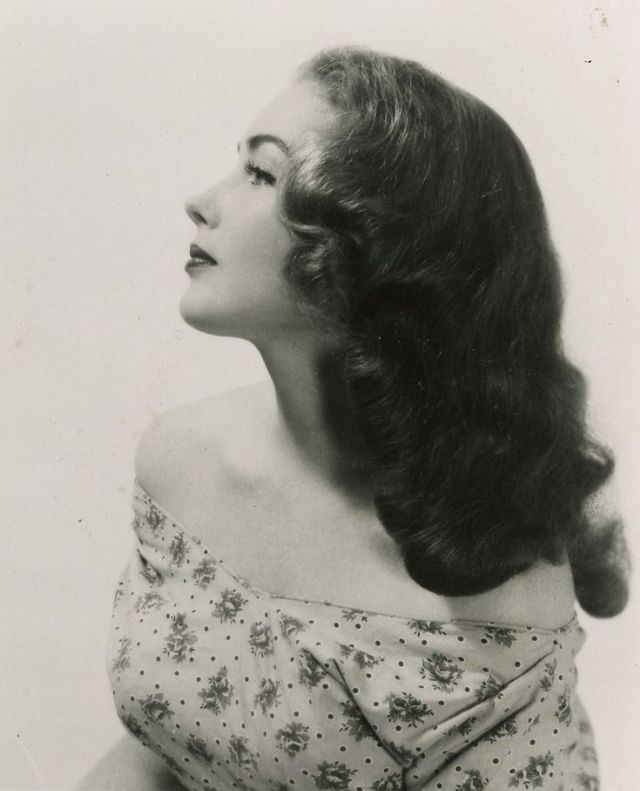
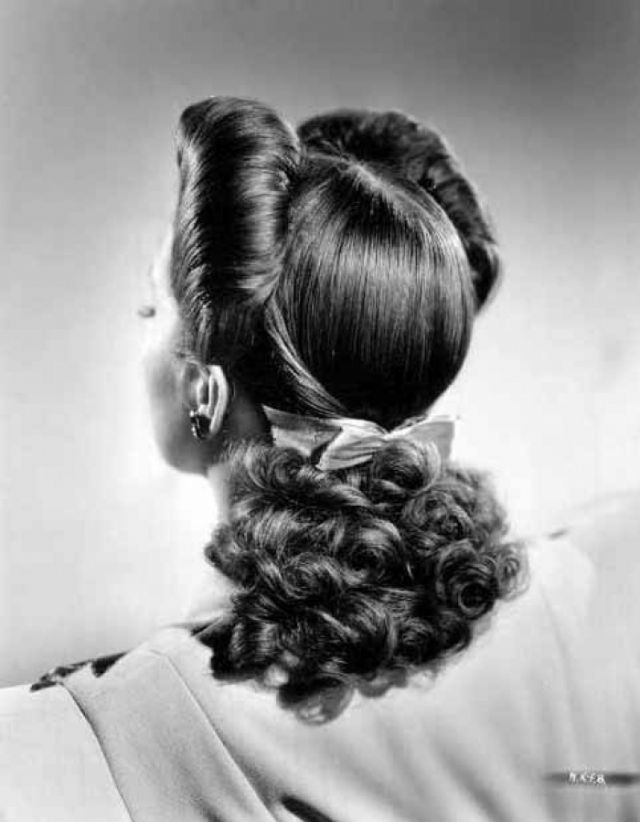
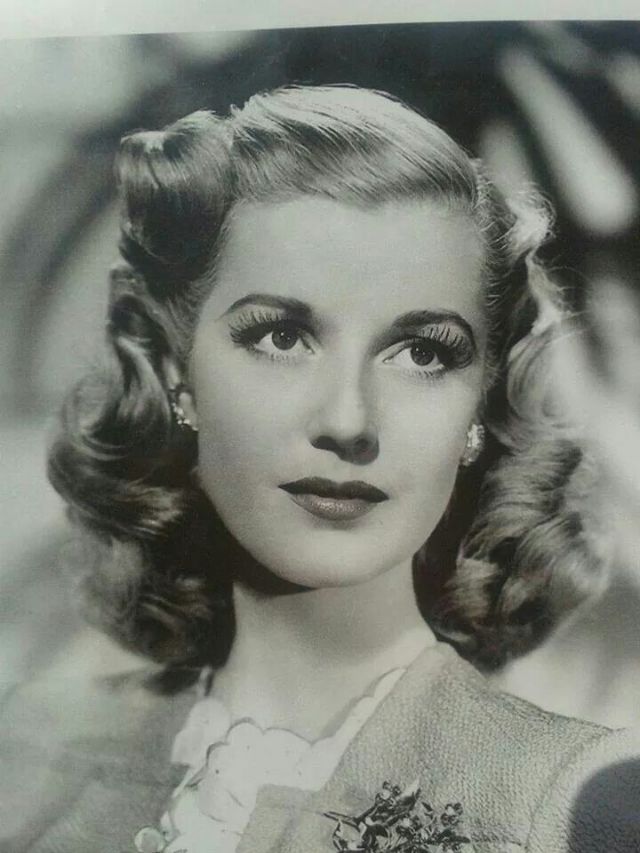
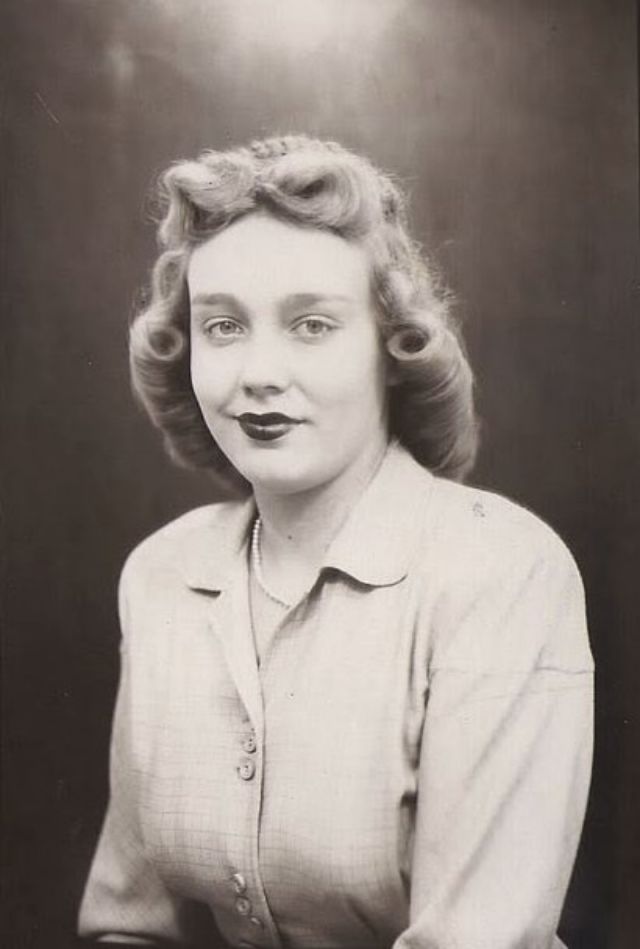
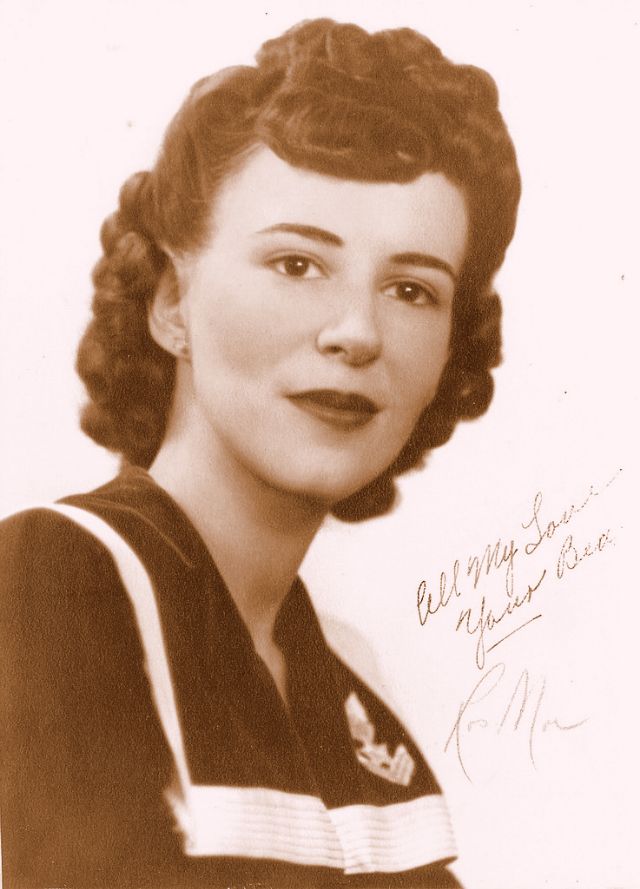
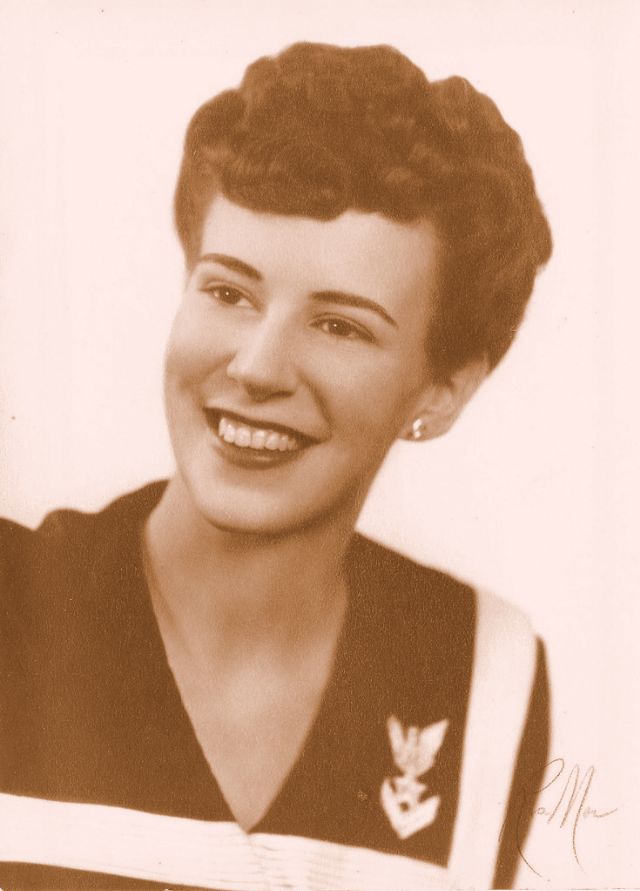
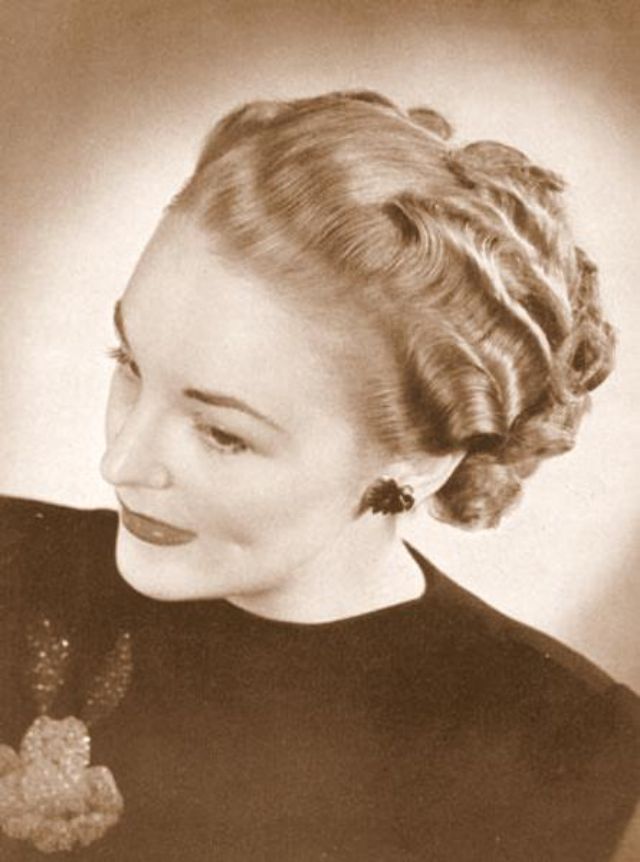
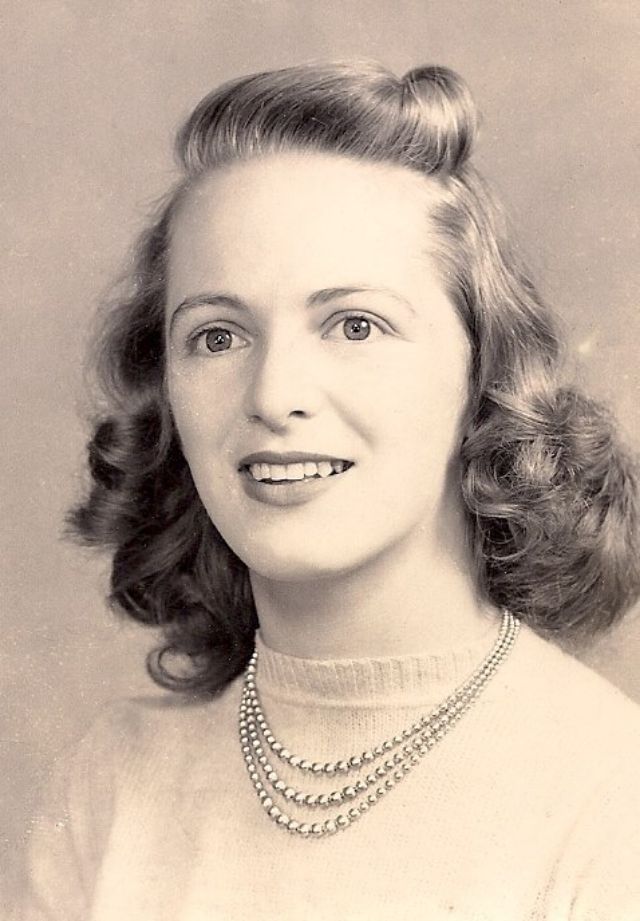
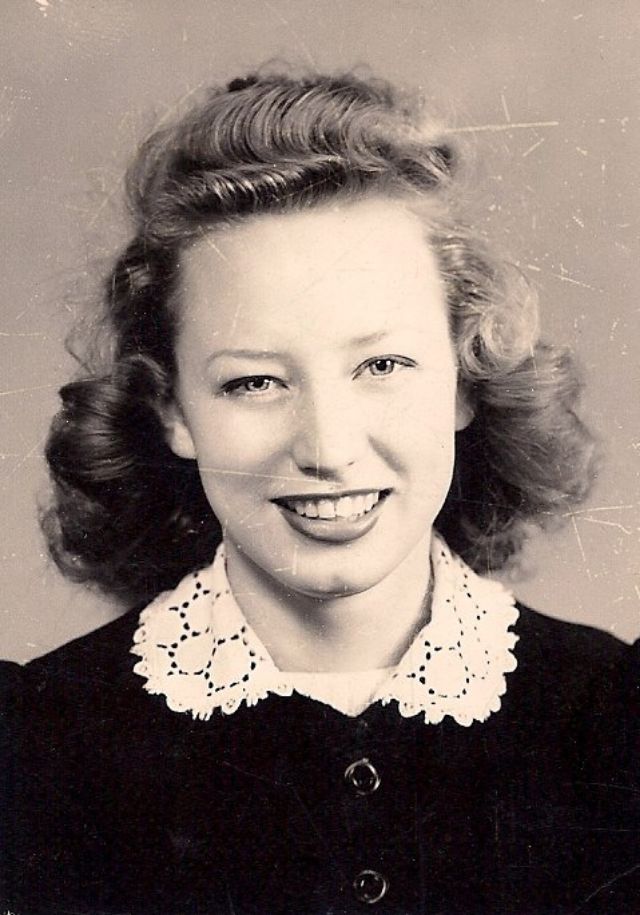
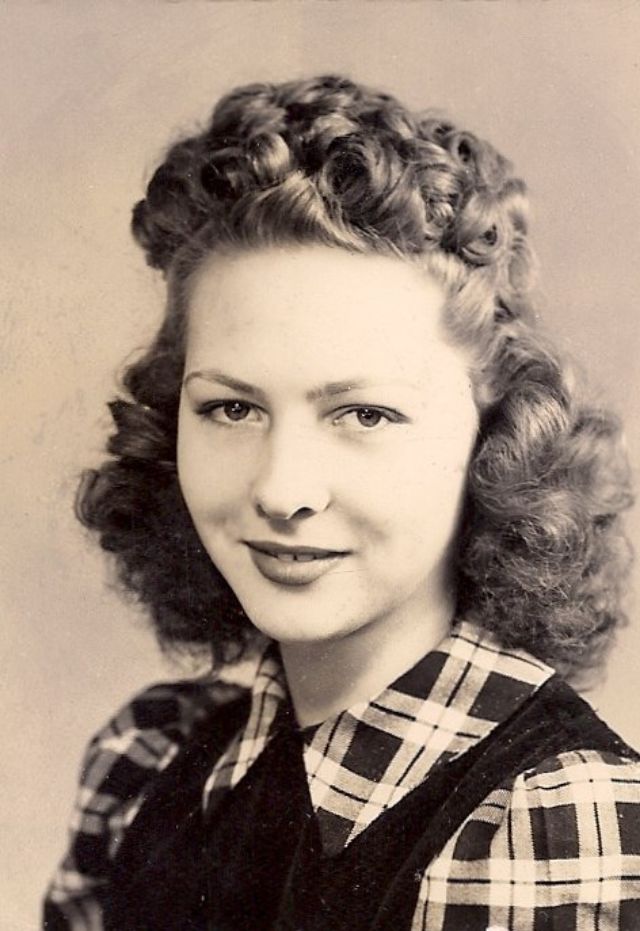
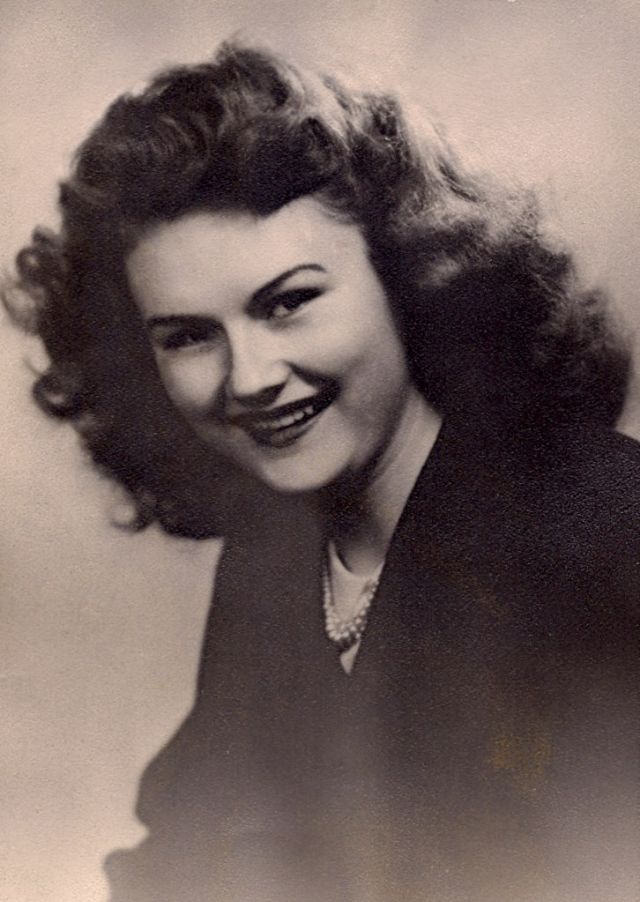
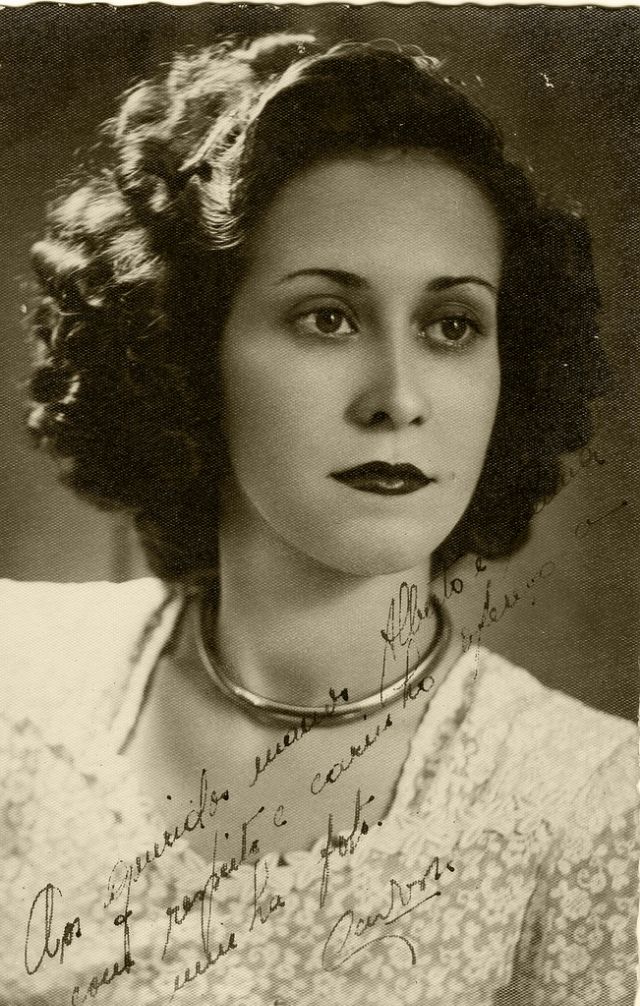
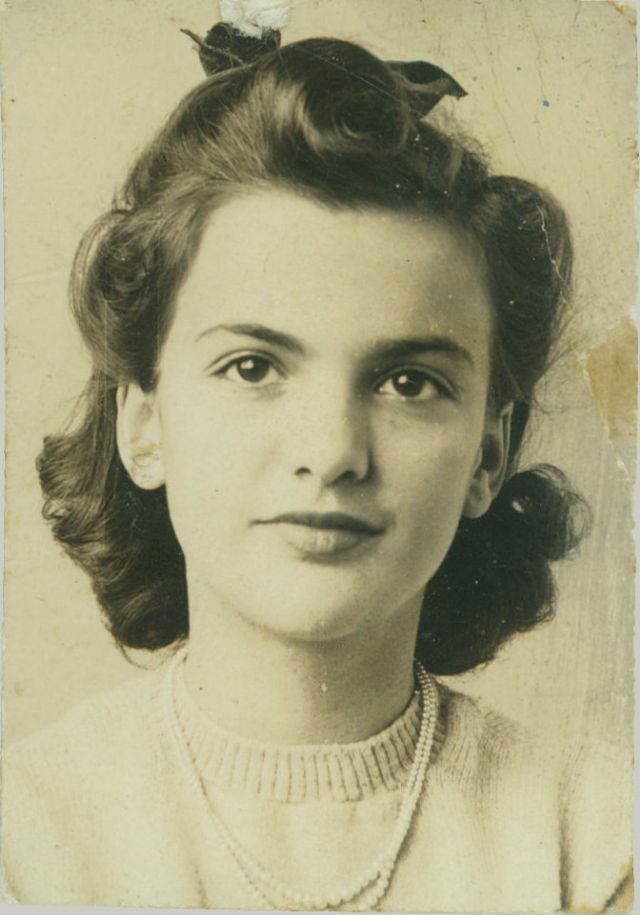
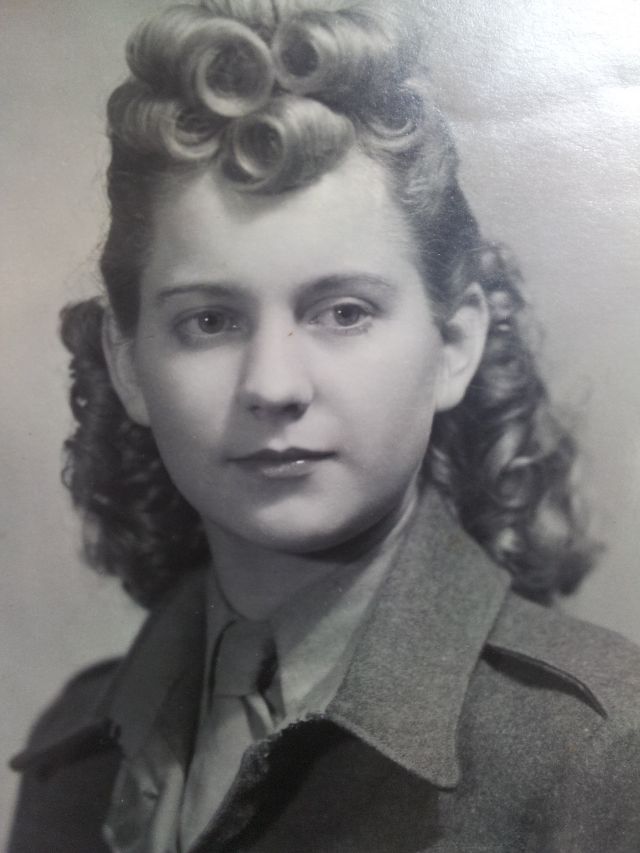
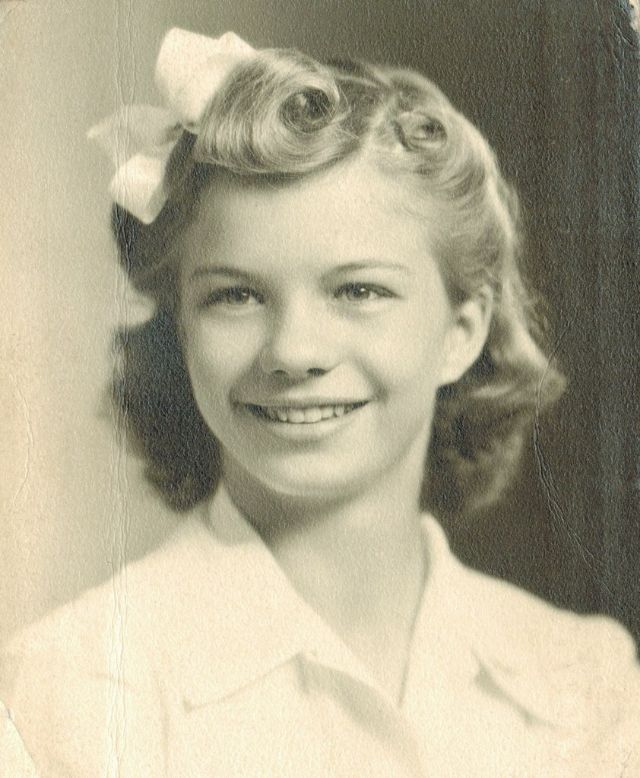
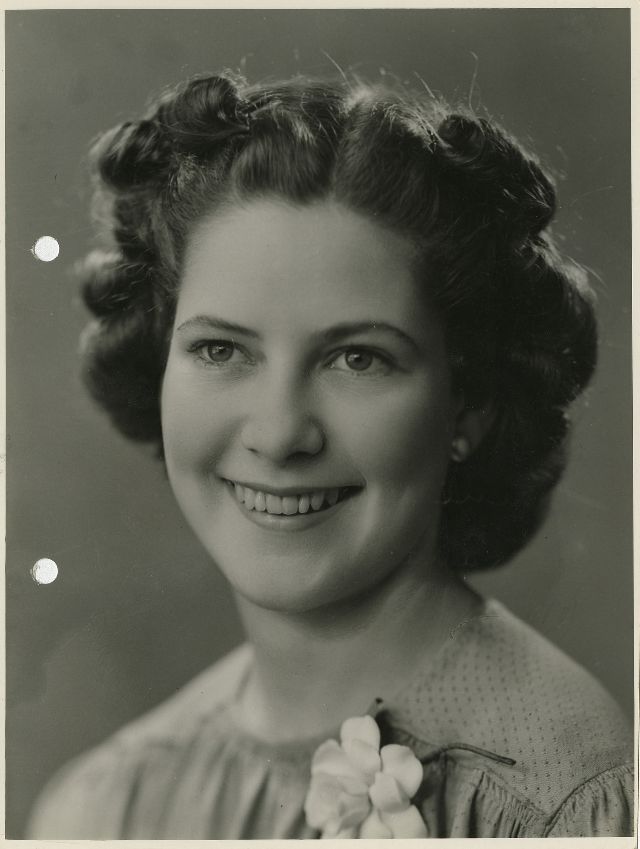
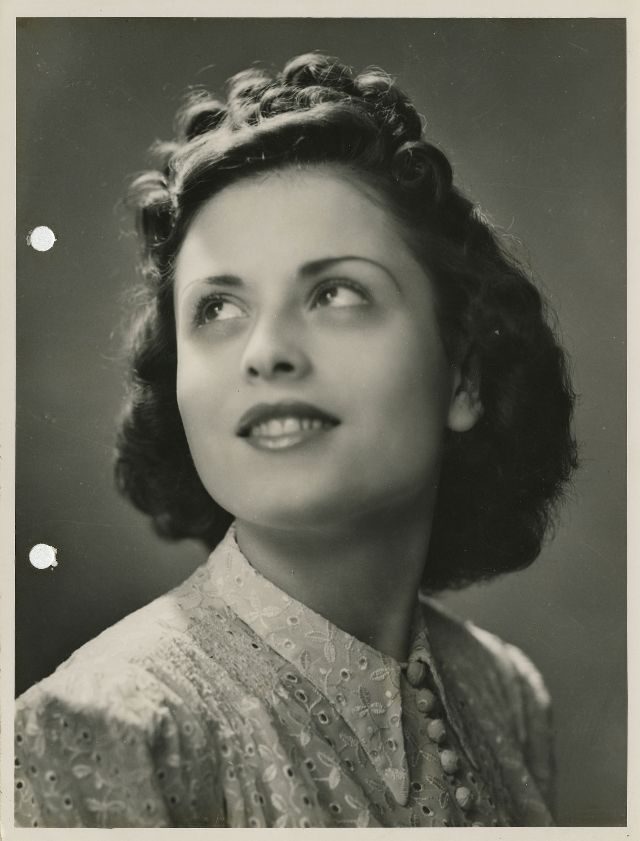
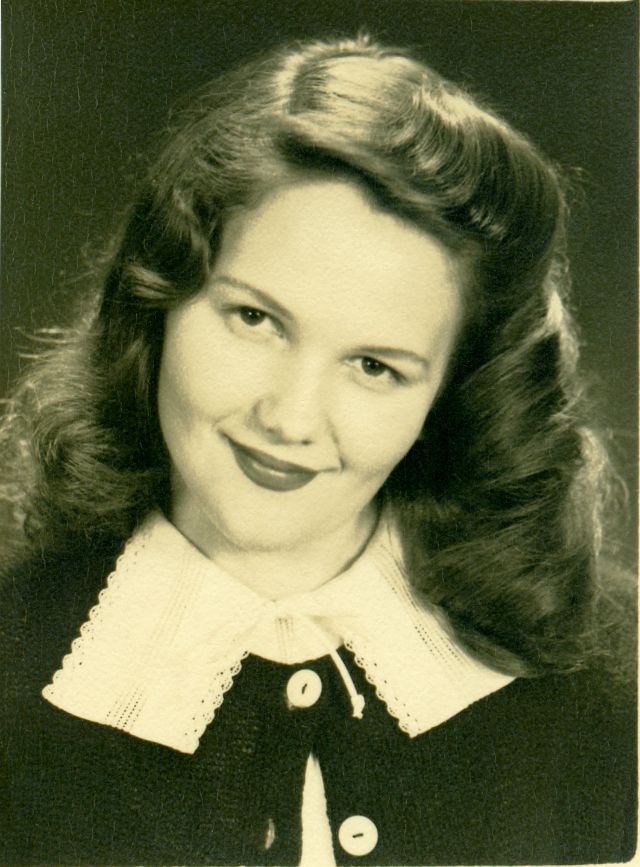
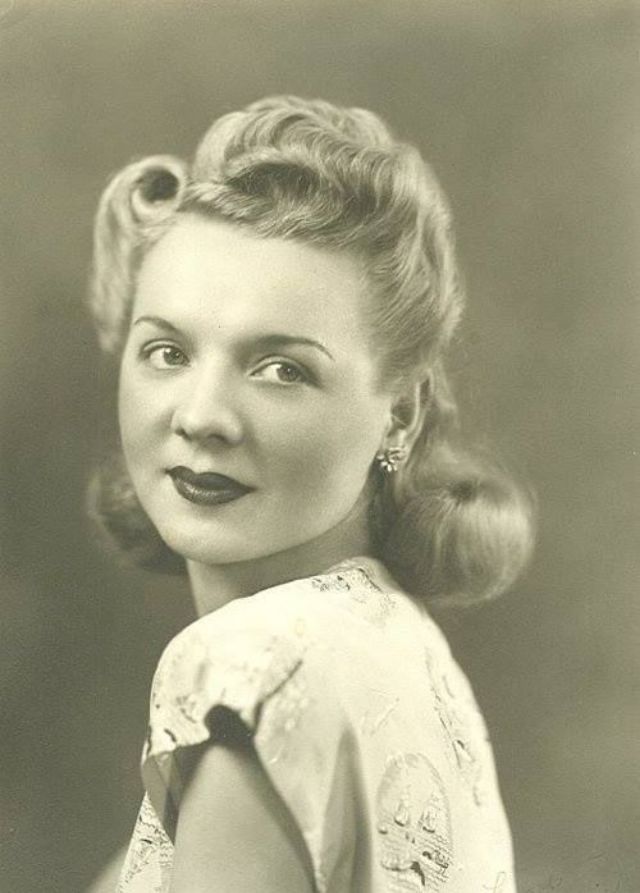
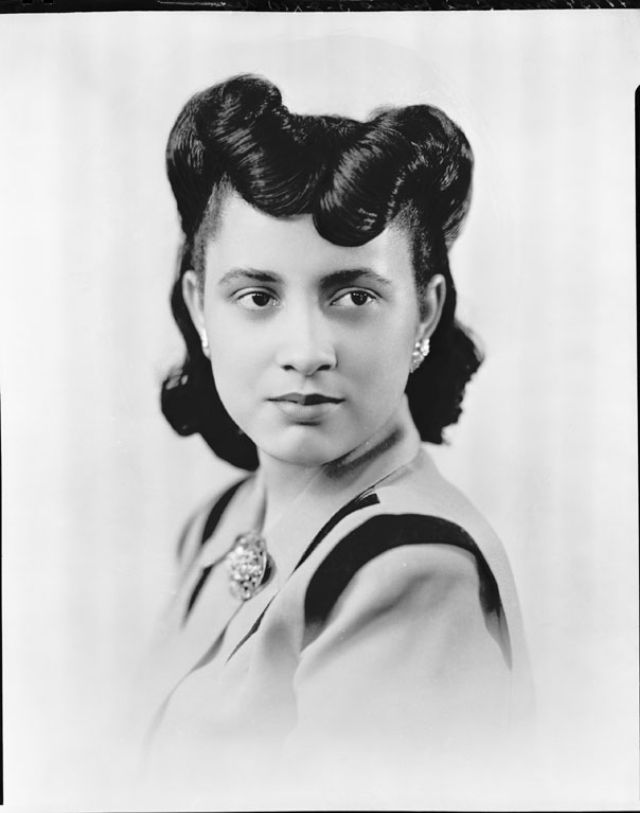
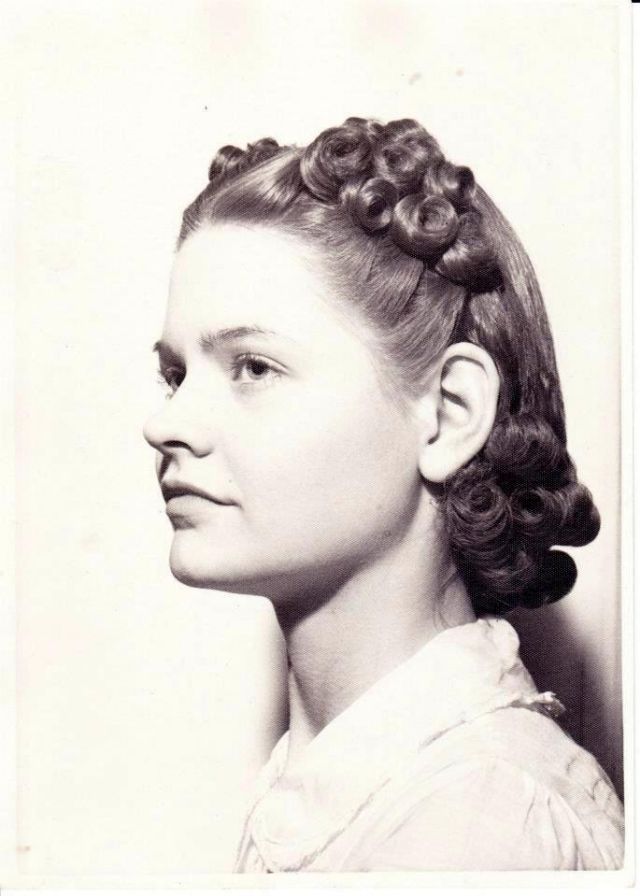
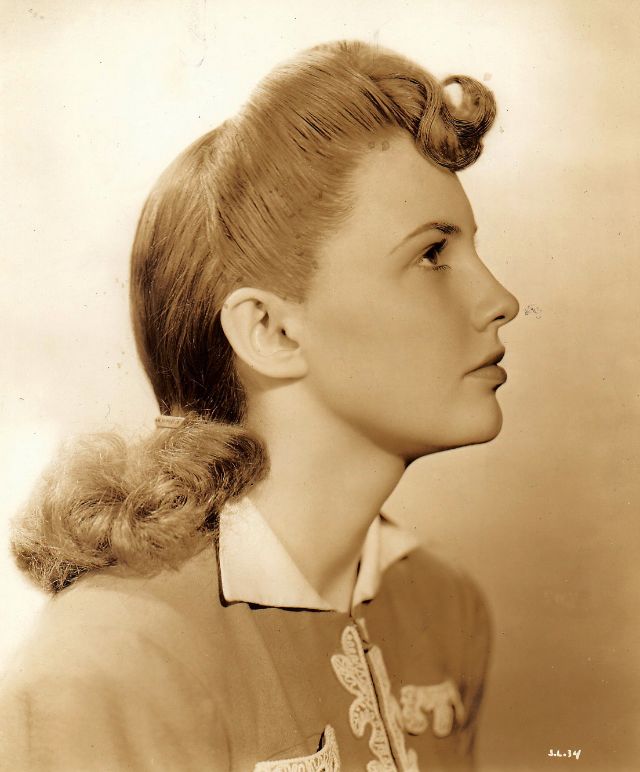
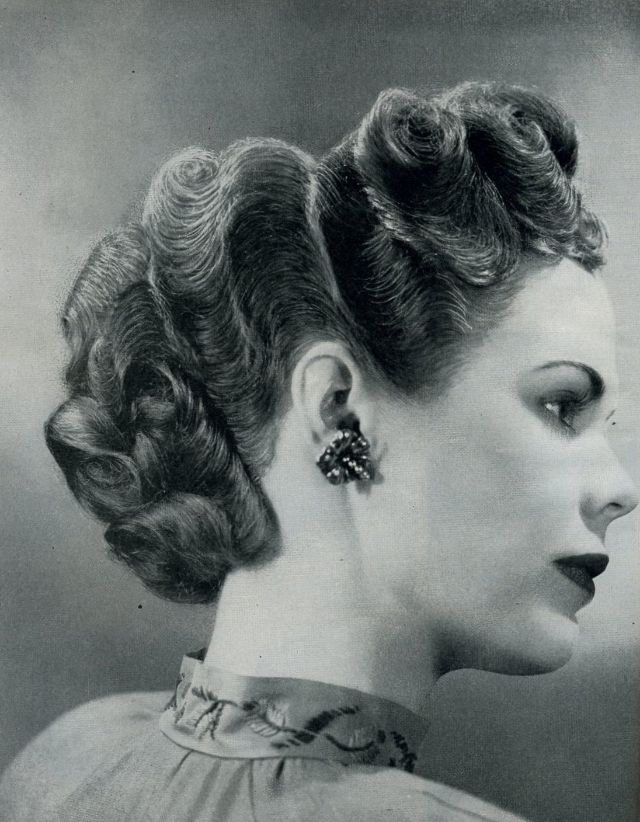
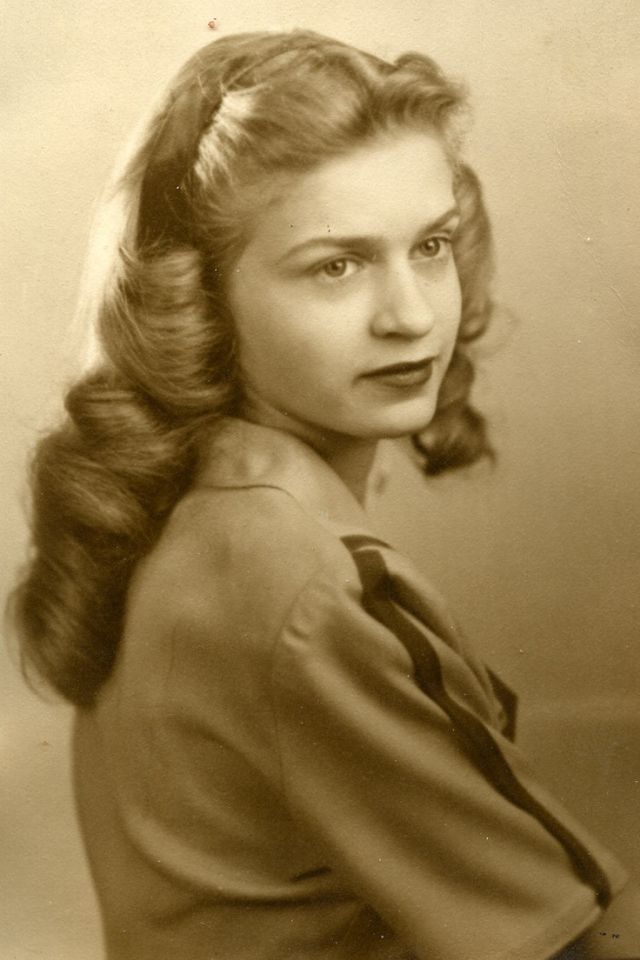
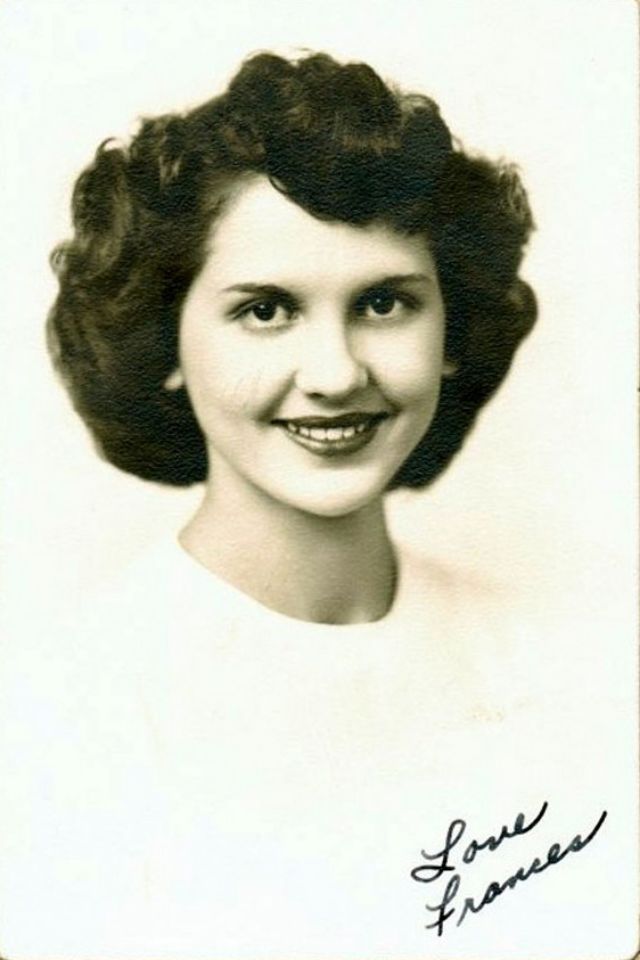
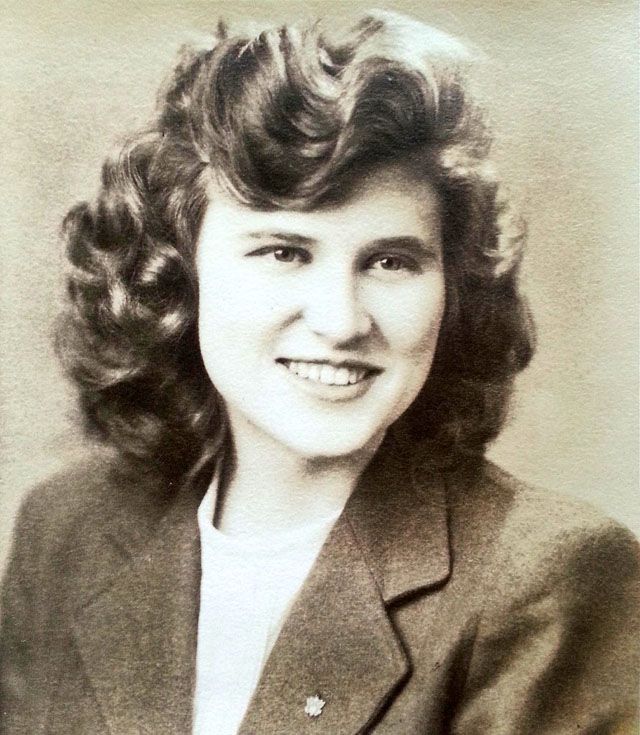
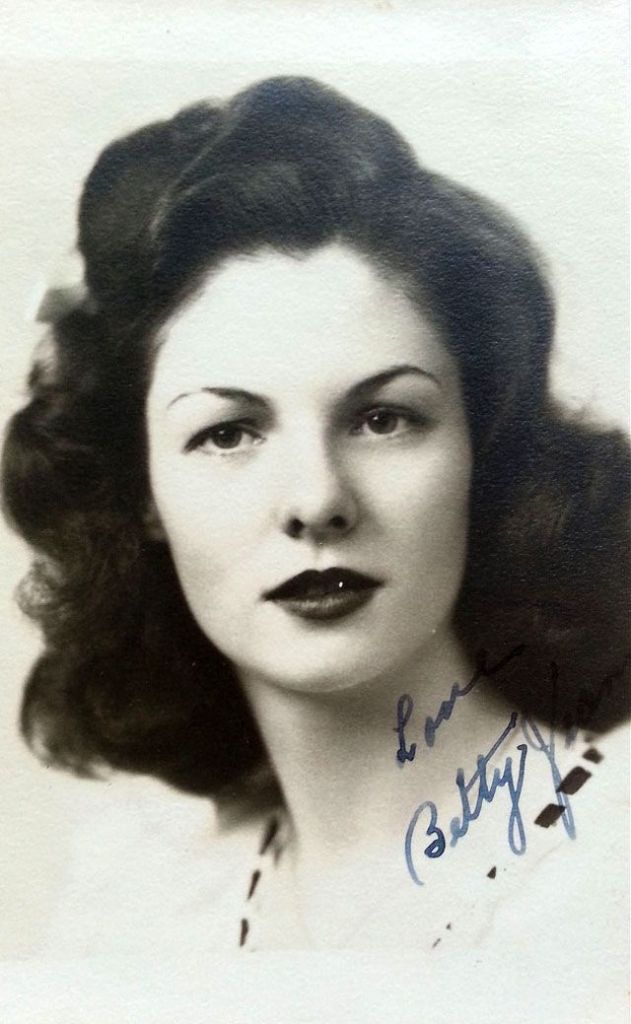
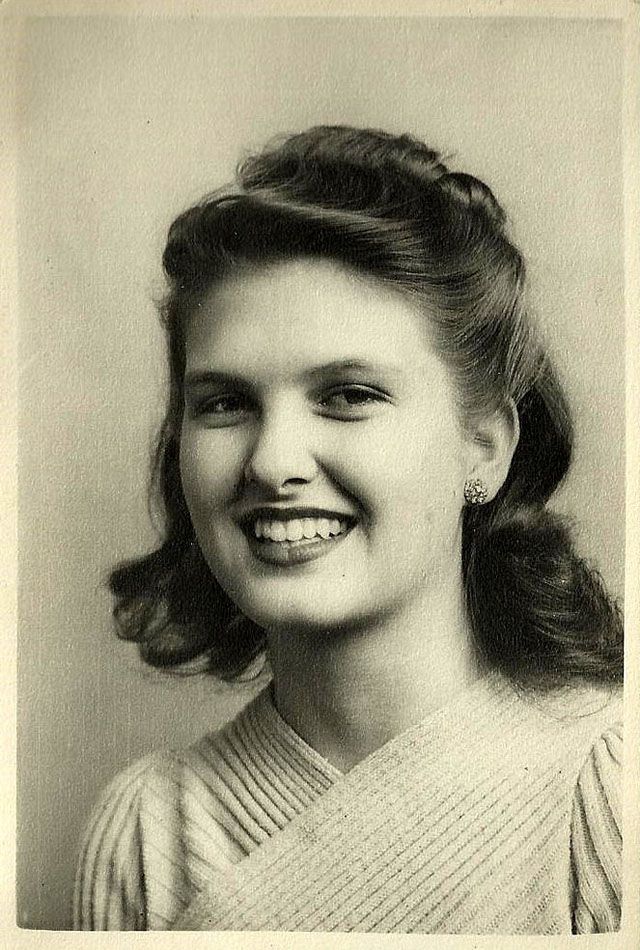
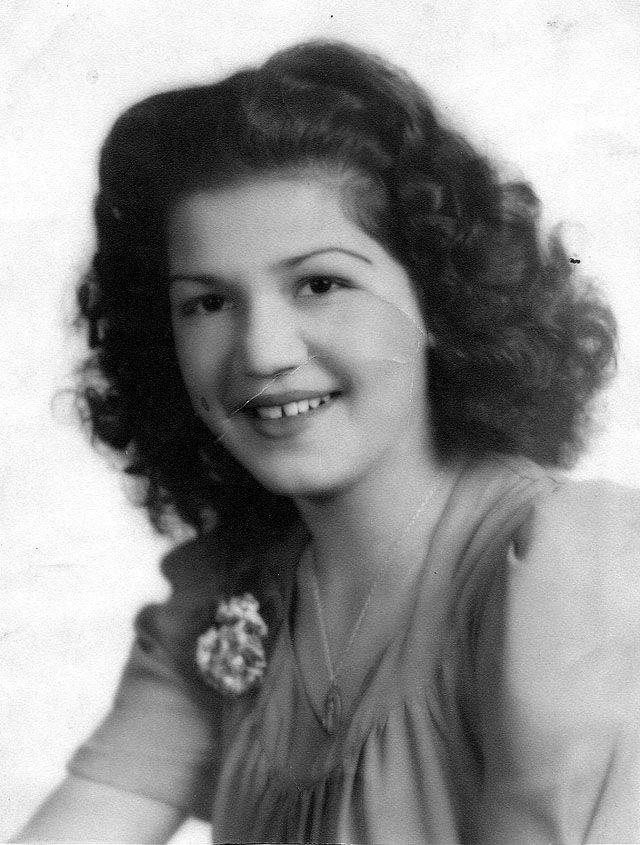
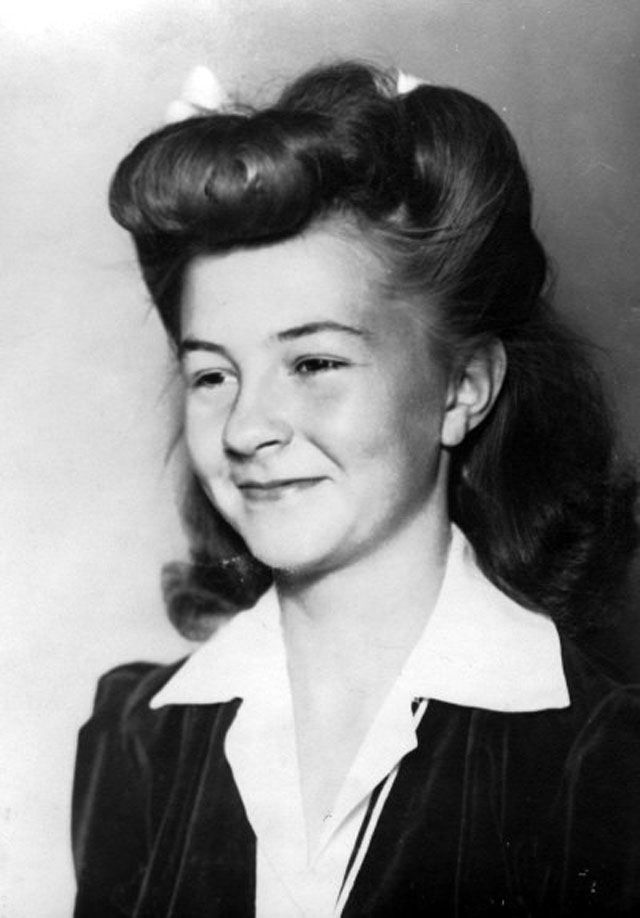
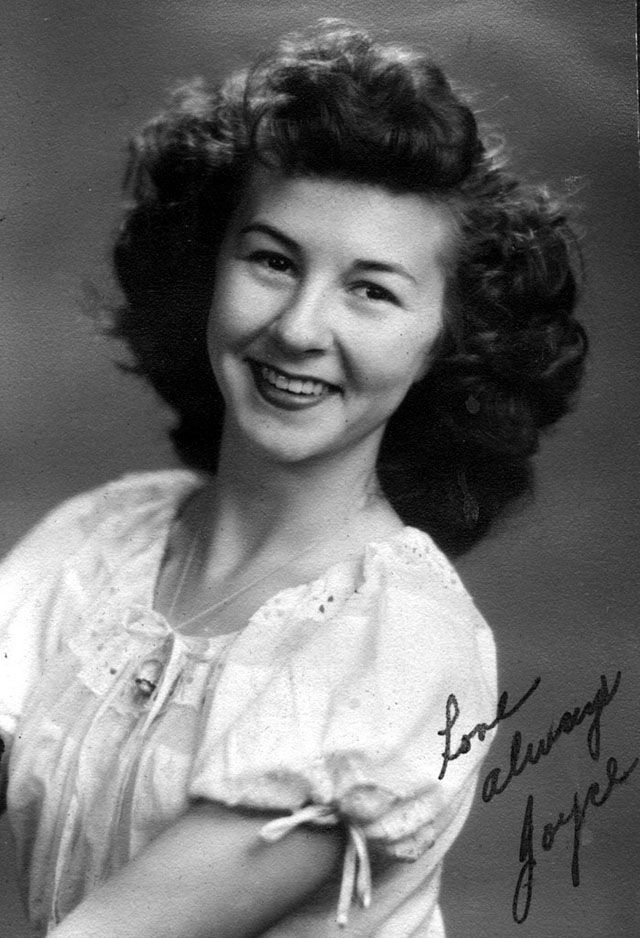
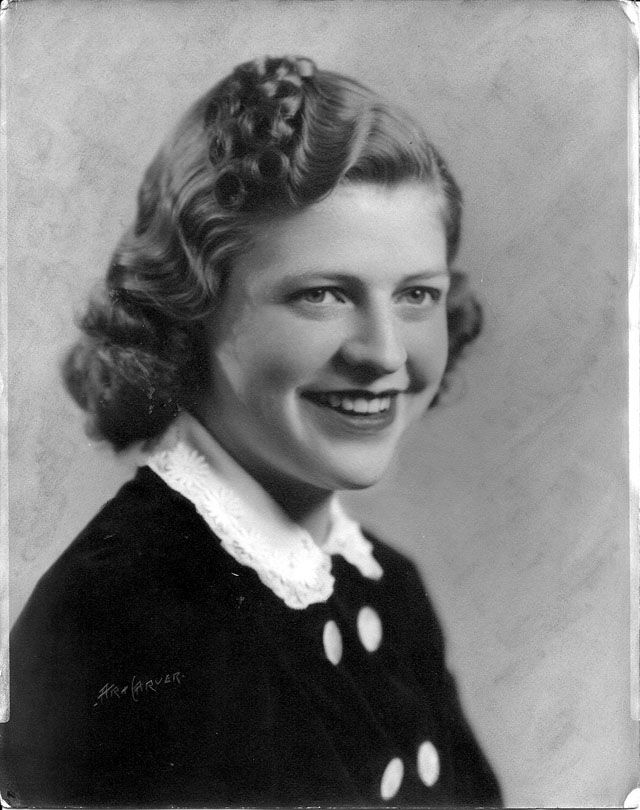
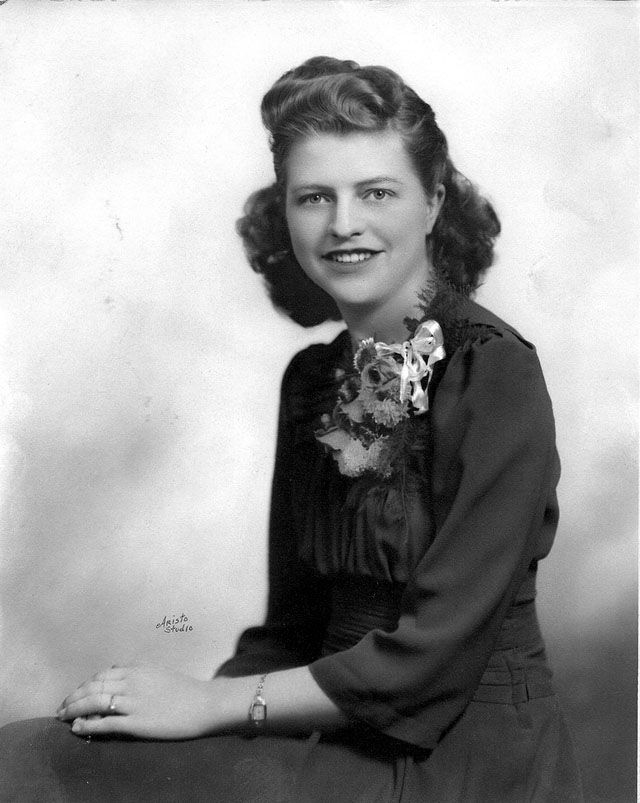
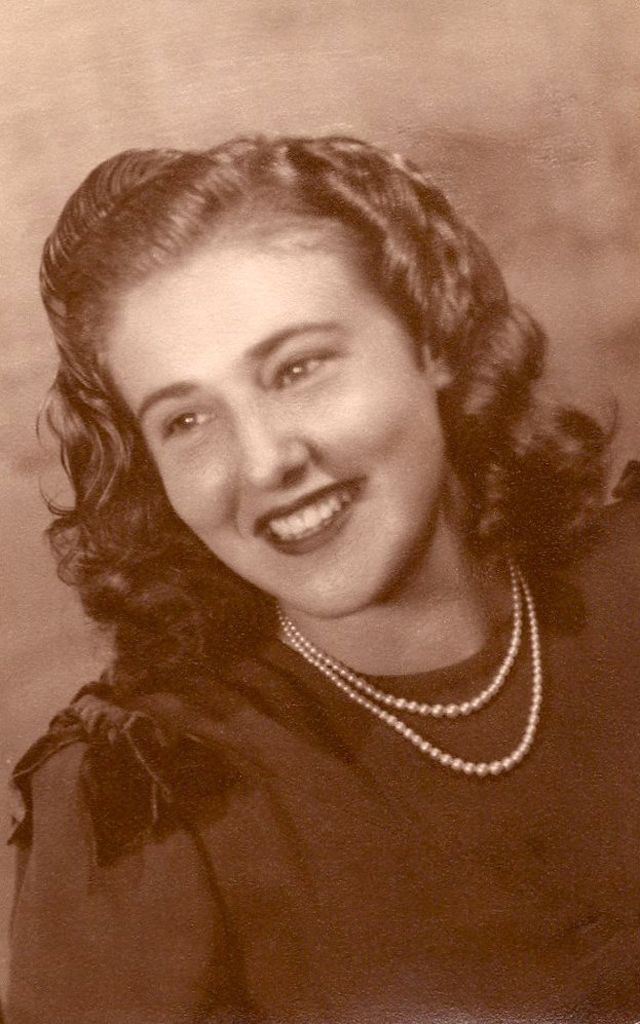
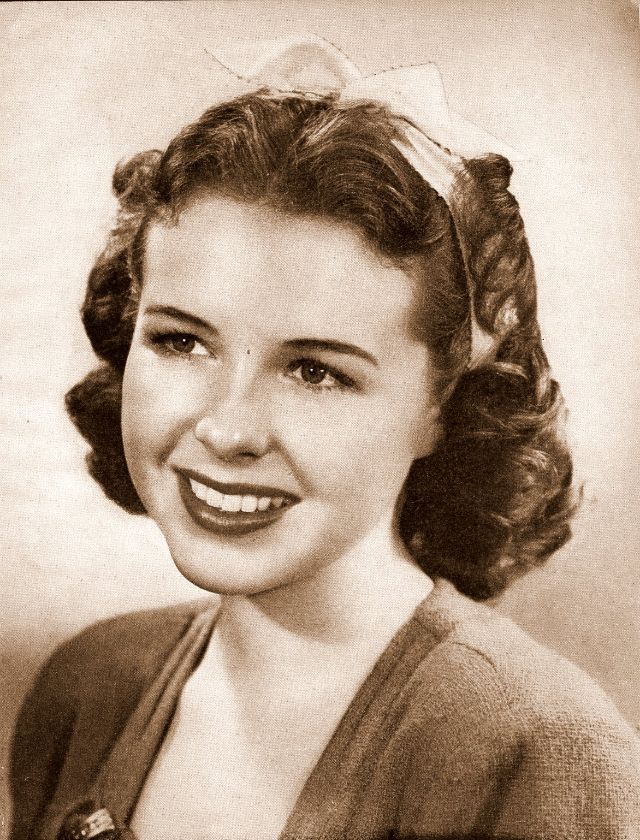
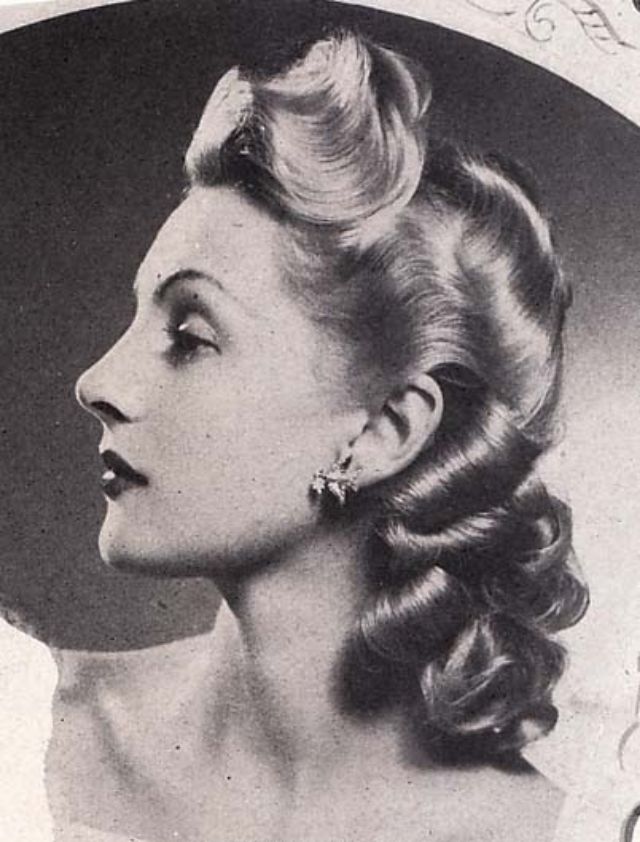
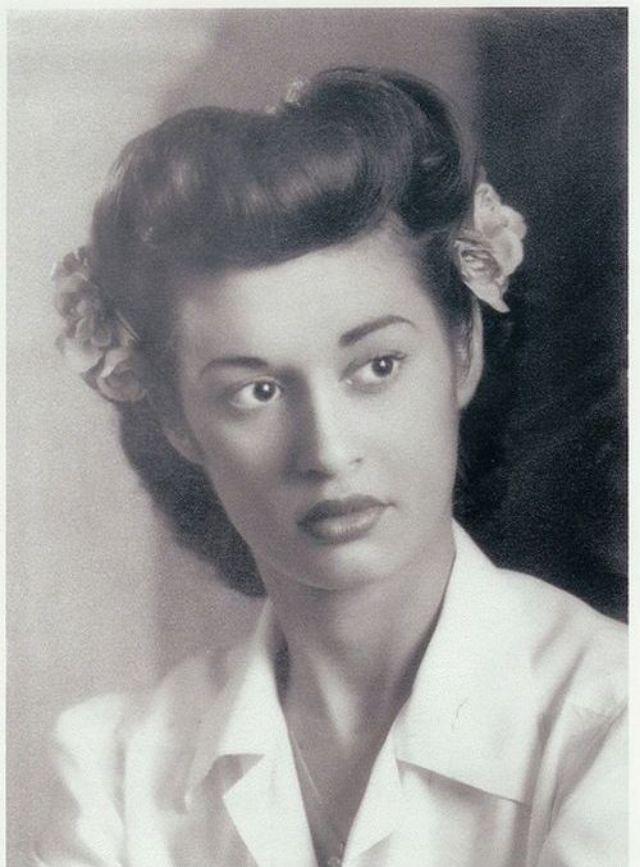
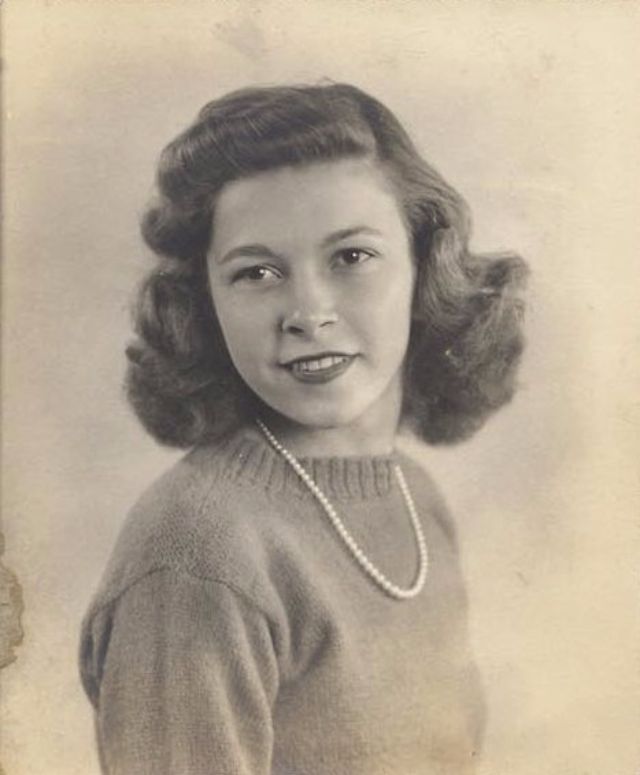
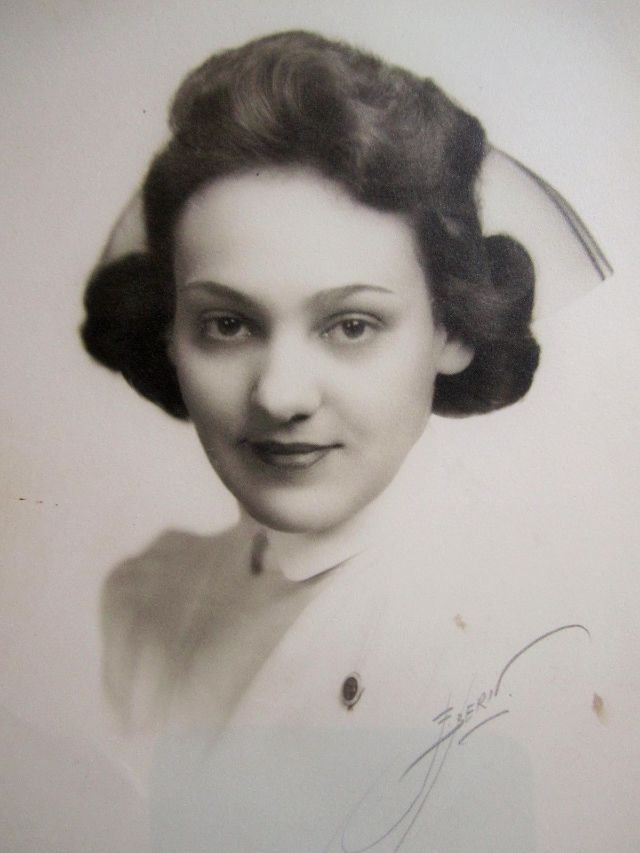
One of the most iconic and recognisable vintage hairstyles has to be Victory Rolls. It’s a women’s hairstyle popular in the 1940s.
Characterized by voluminous curls of hair that frame the face, the style is named for the aerobatic maneuver and World War II support efforts in general, and as a reminder of the strength and determination of women during the 1940s.
Victory rolls are closely associated with the pin-up look and achieved using hairspray and various back-combing, rolling, pinning, and curling techniques.
Take a look at these photos to see what this women’s hairstyle looked like from the 1940s.
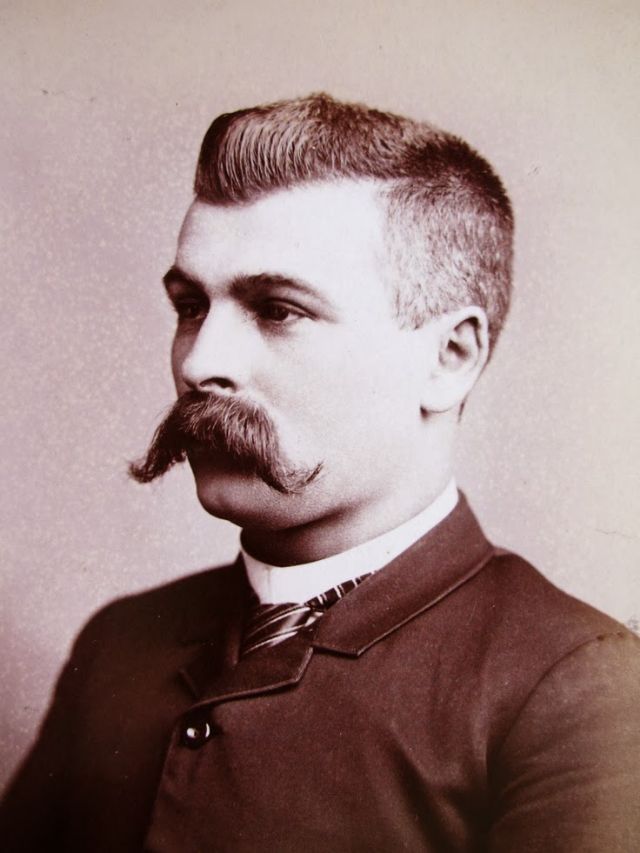
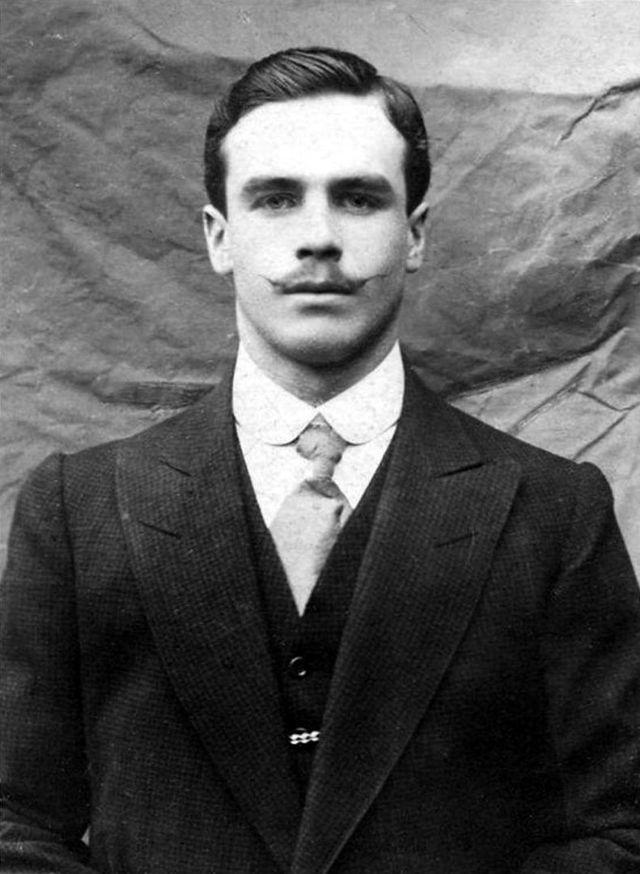
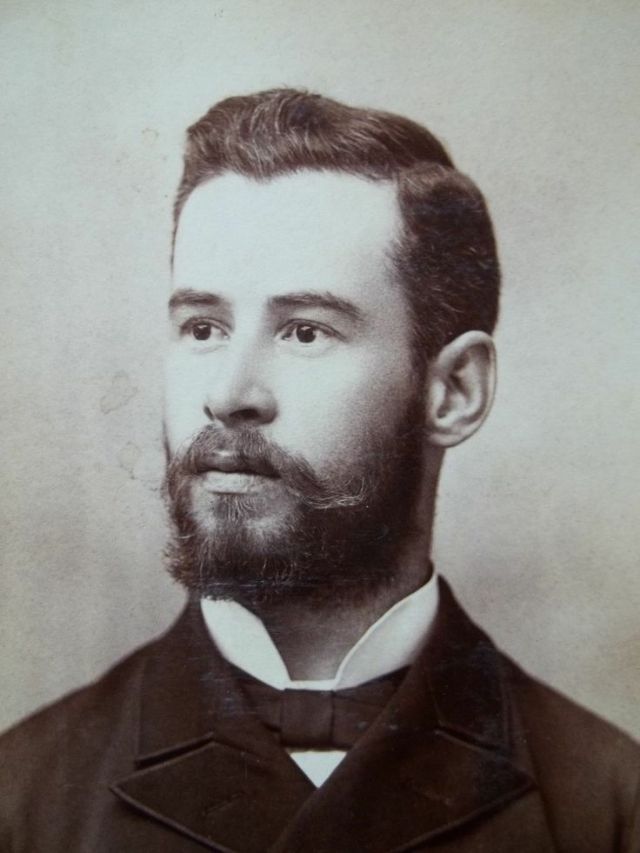
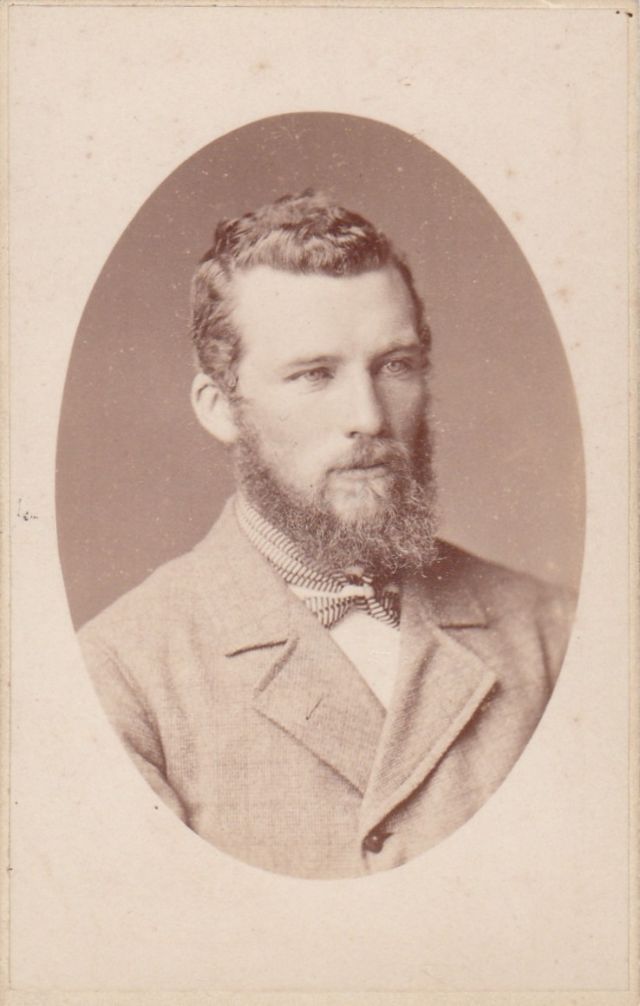
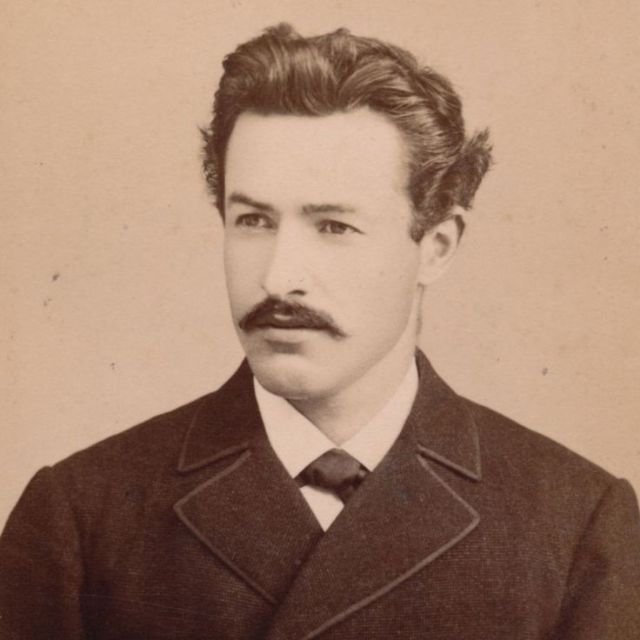
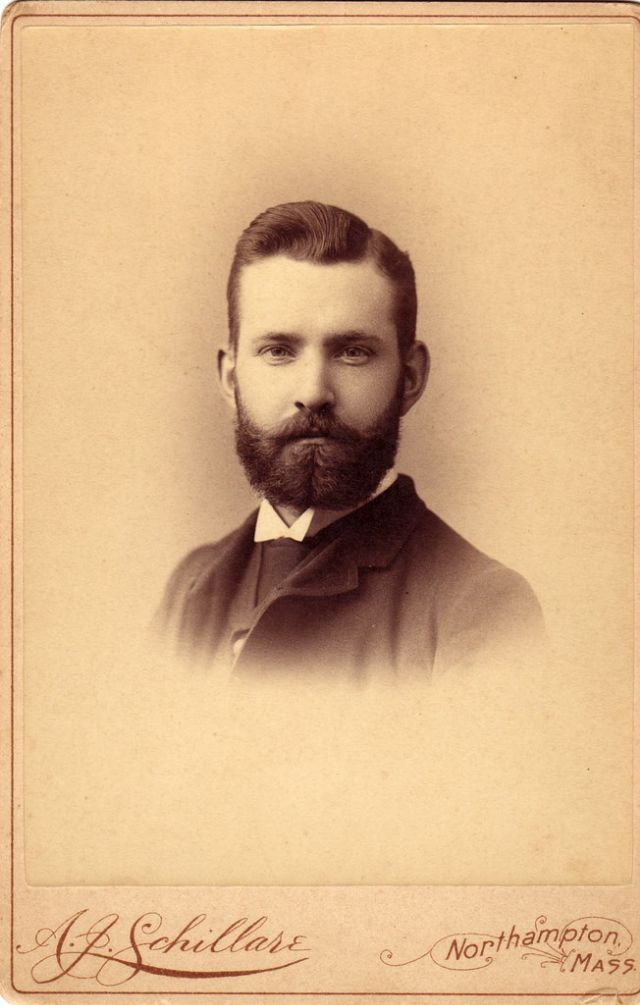
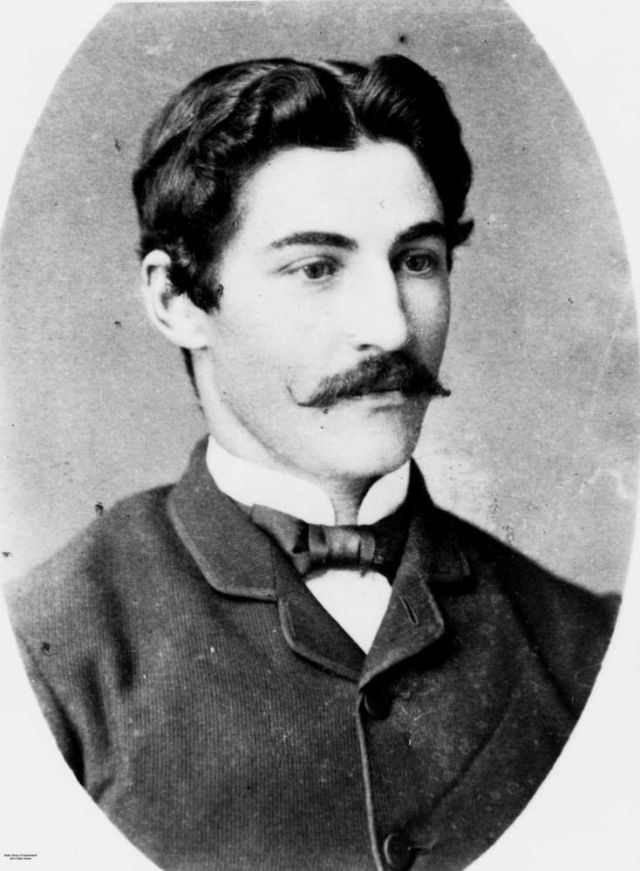
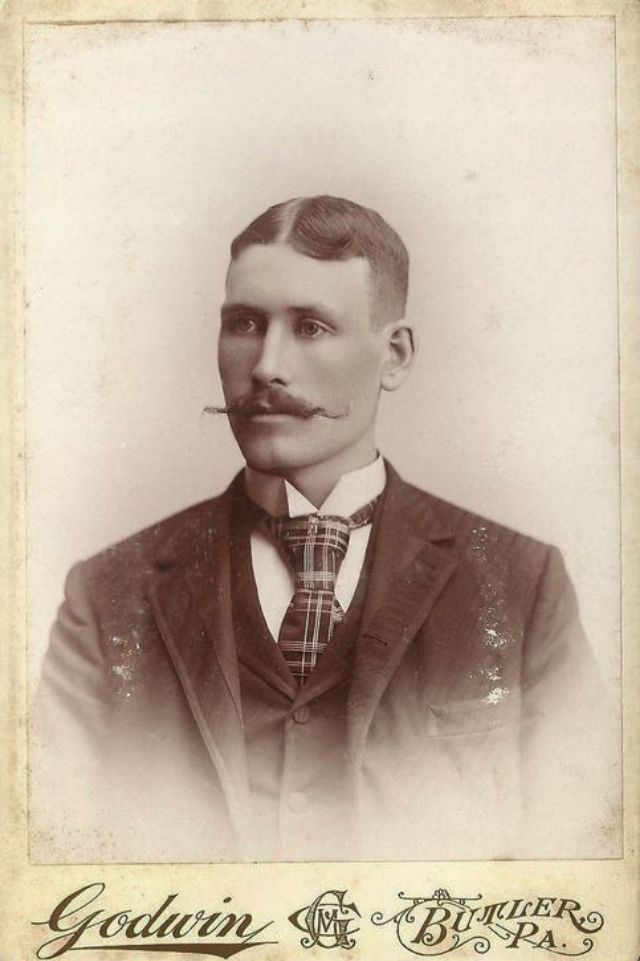
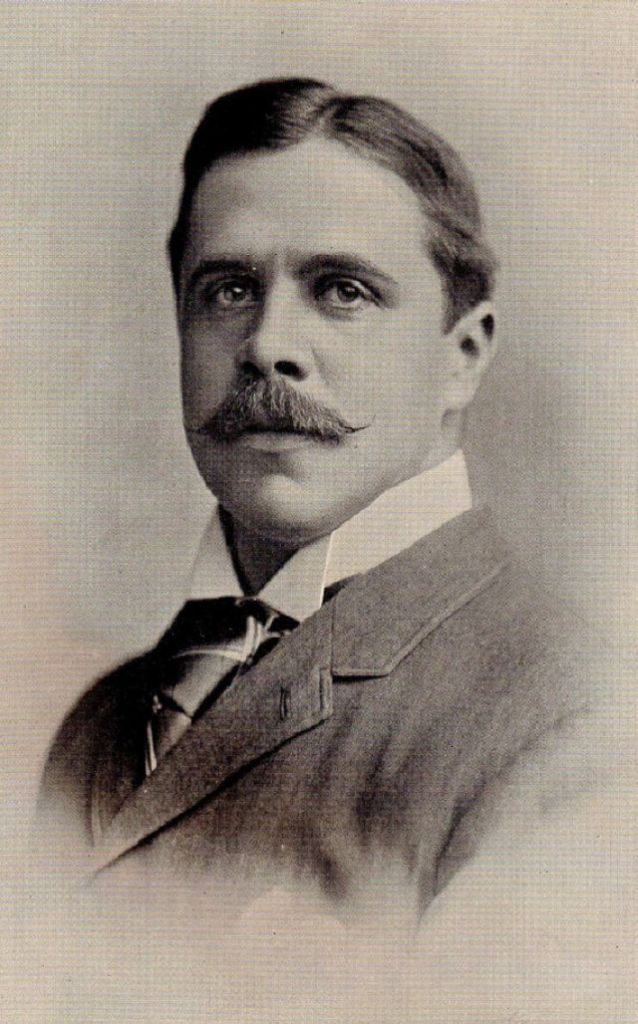
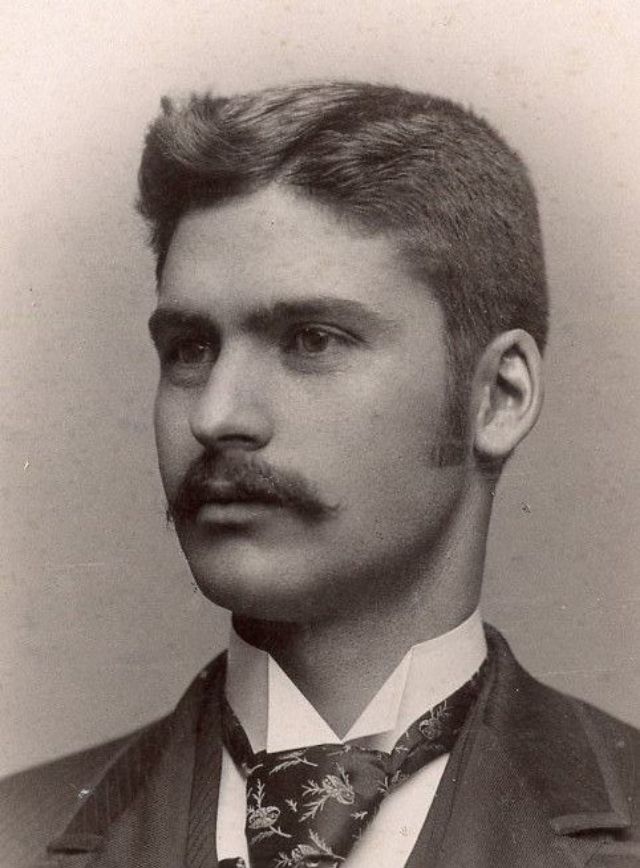
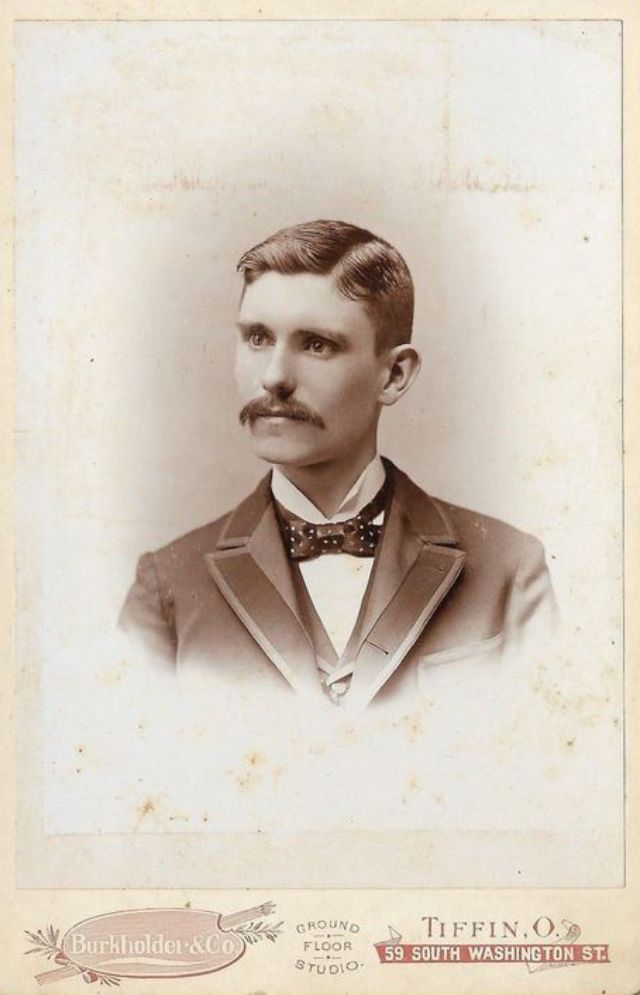
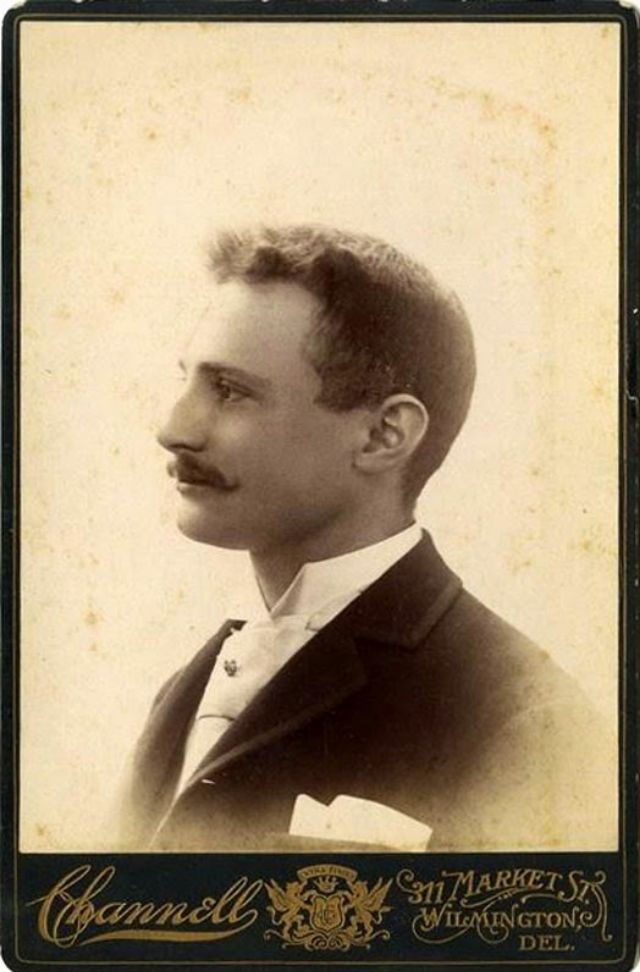
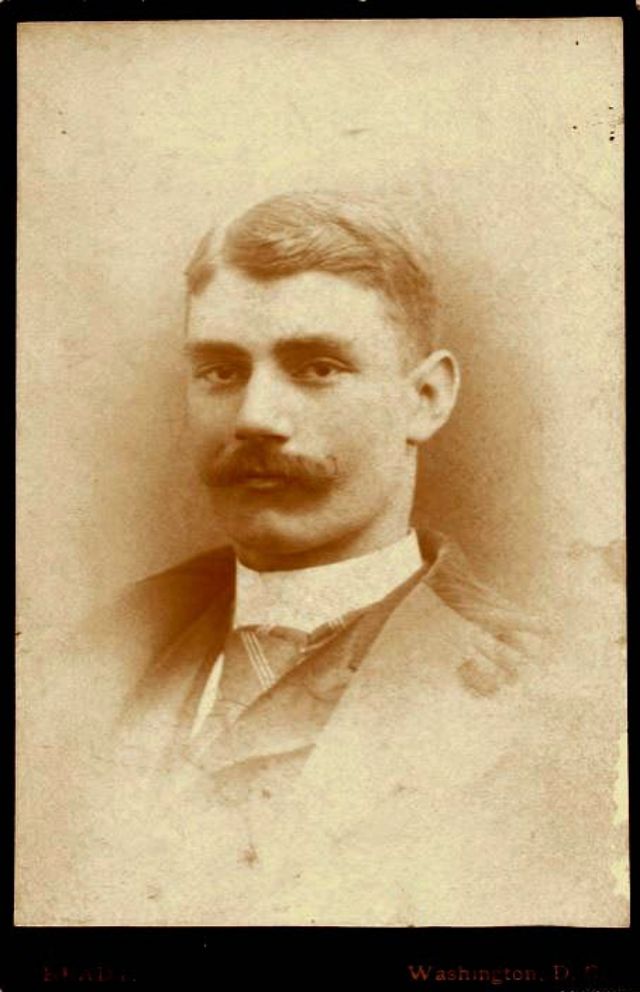
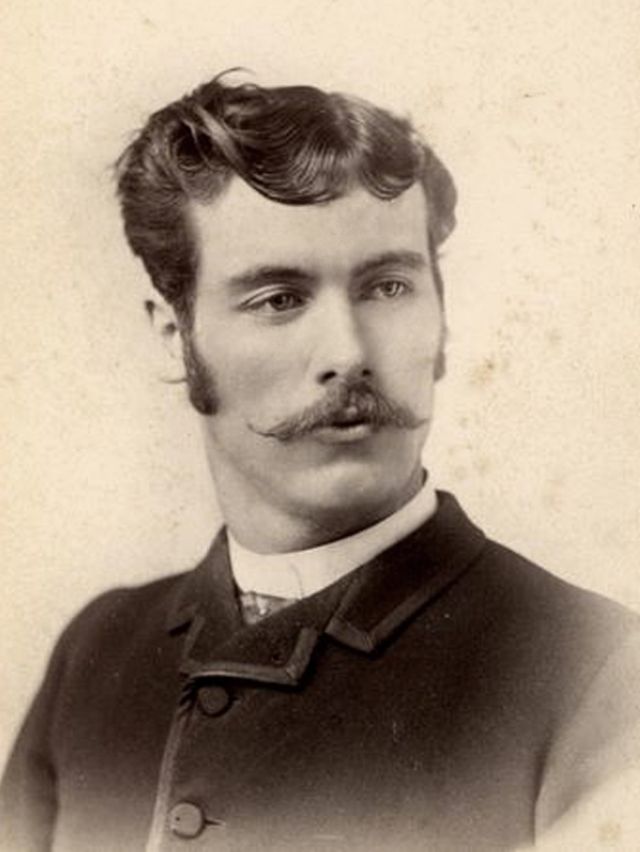
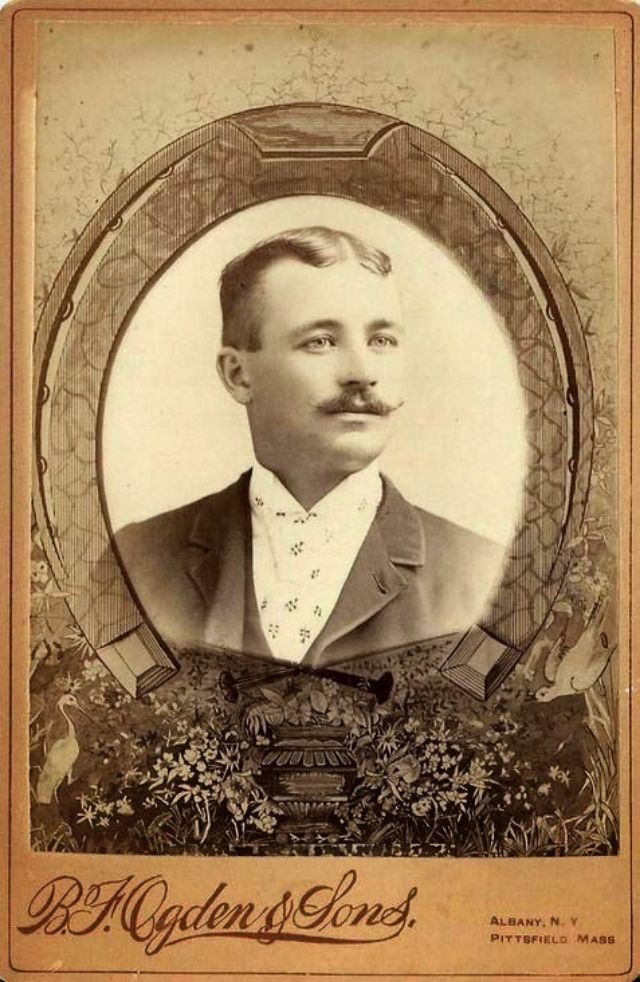
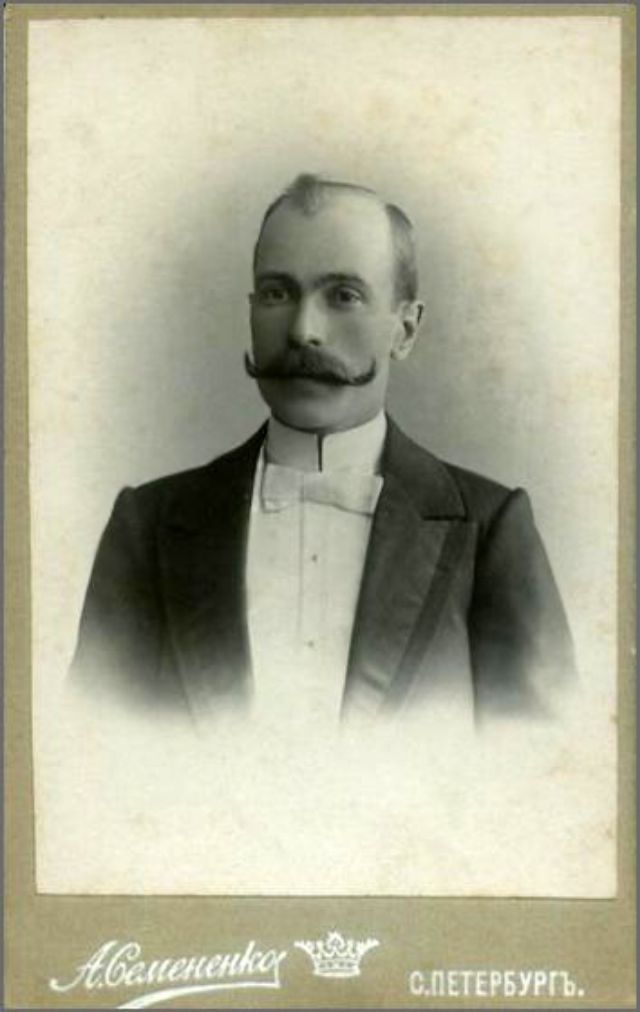
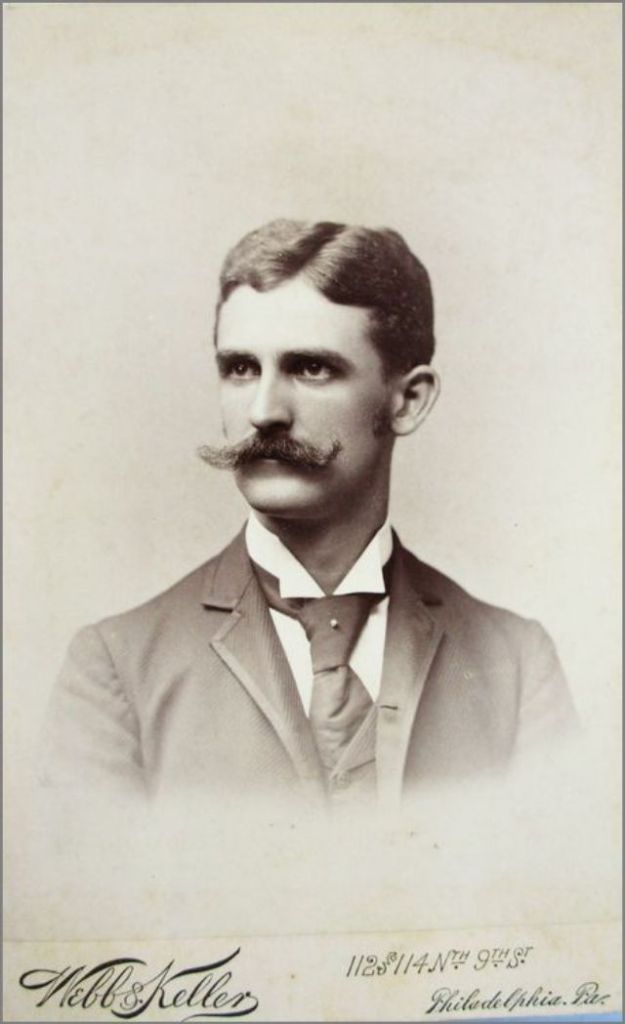
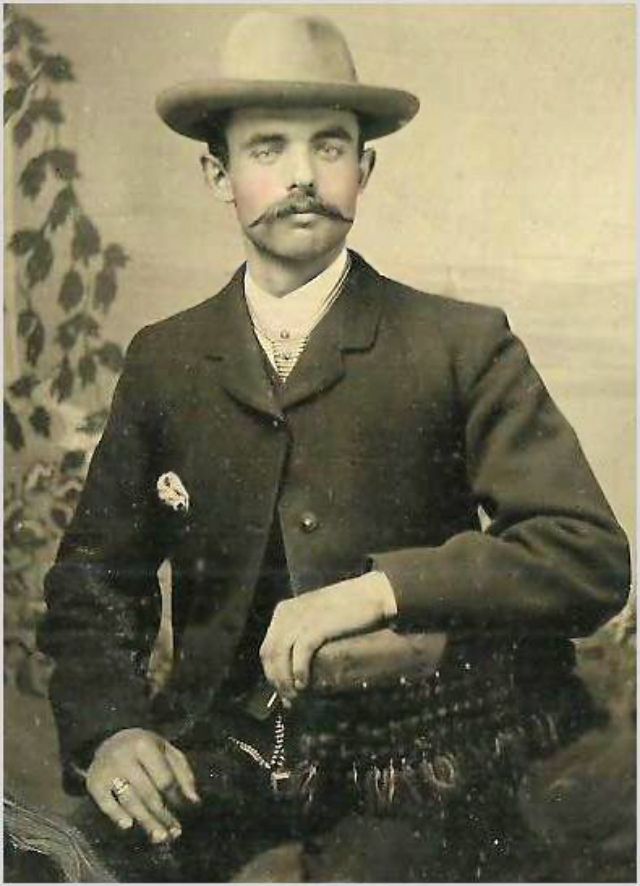
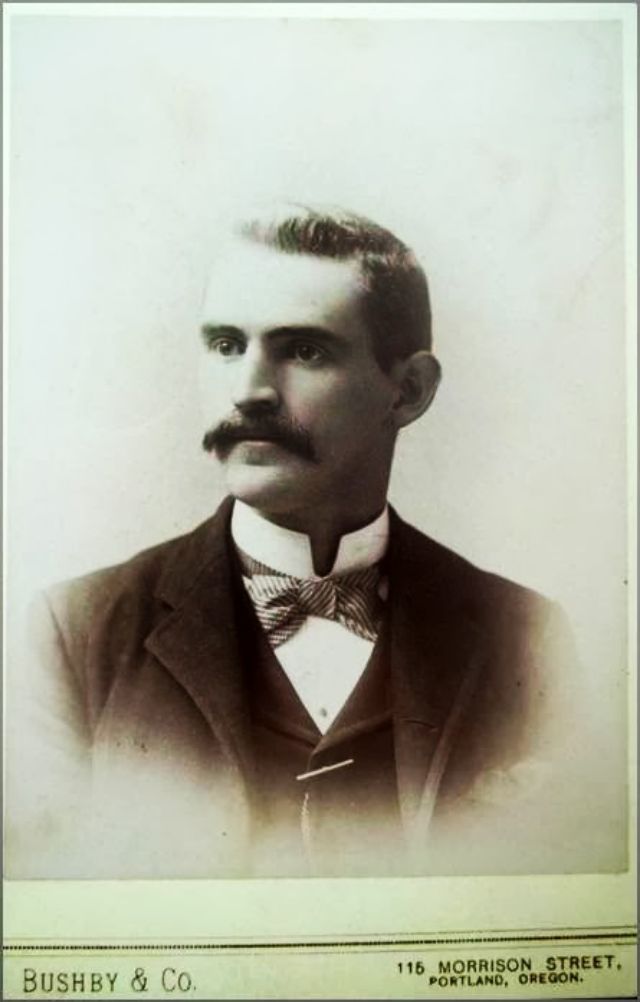
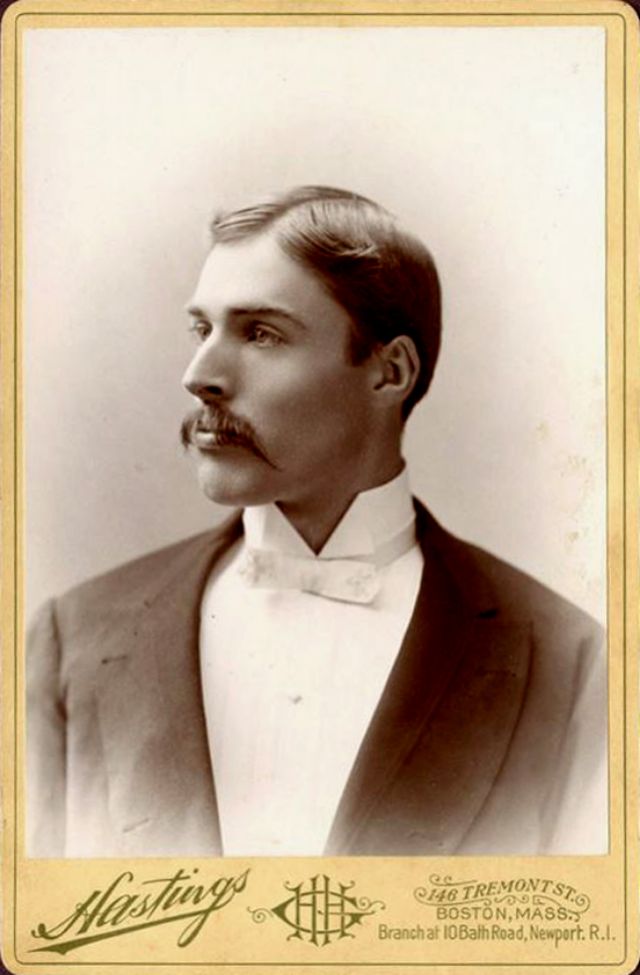
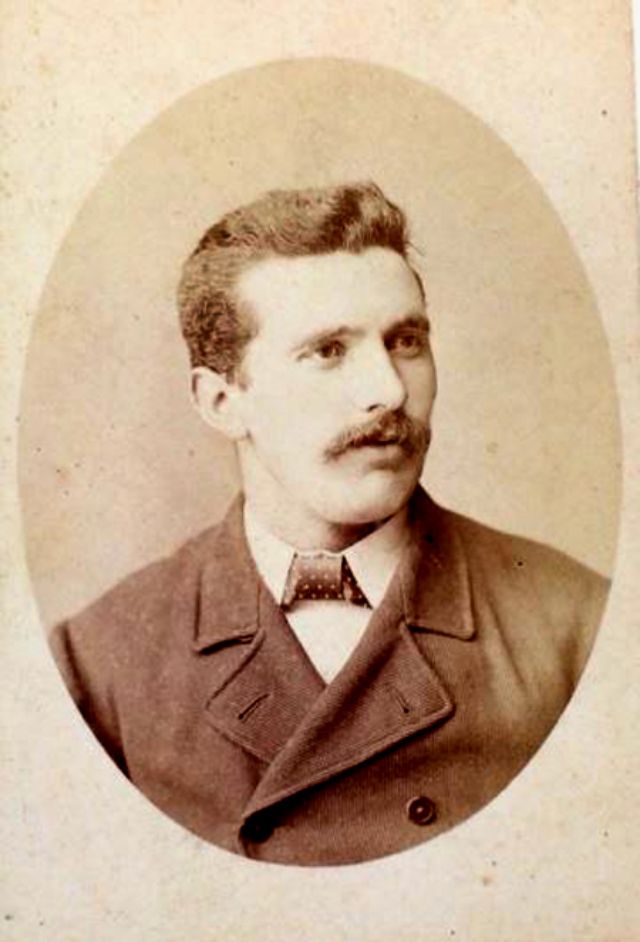
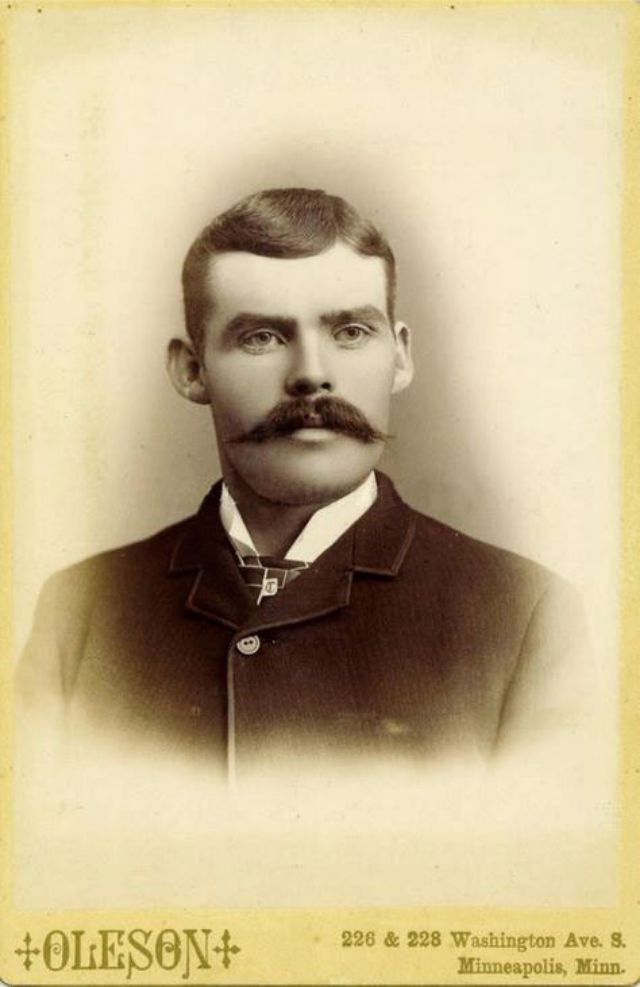
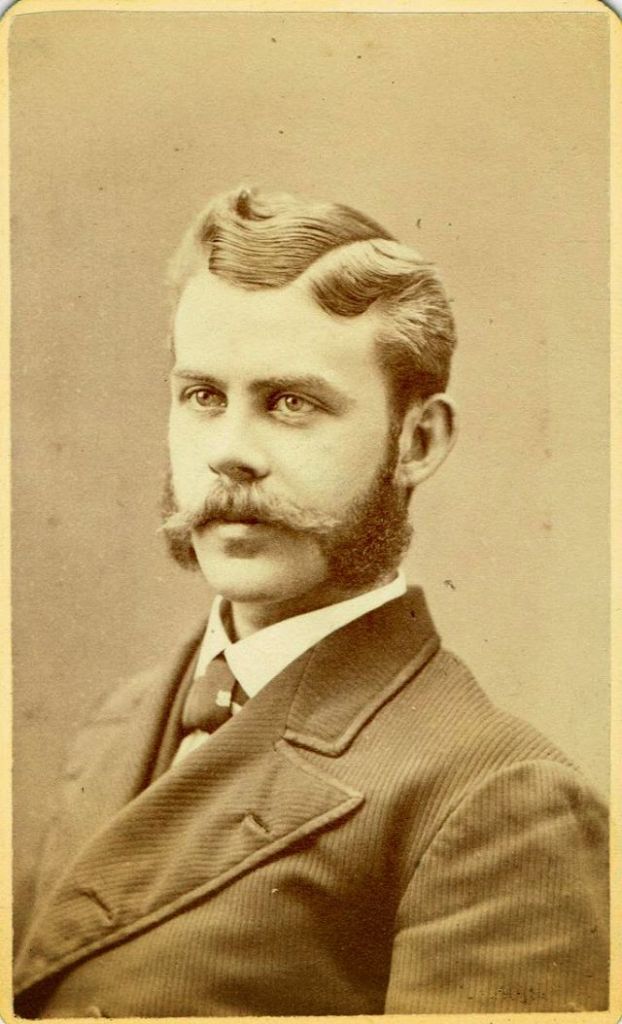
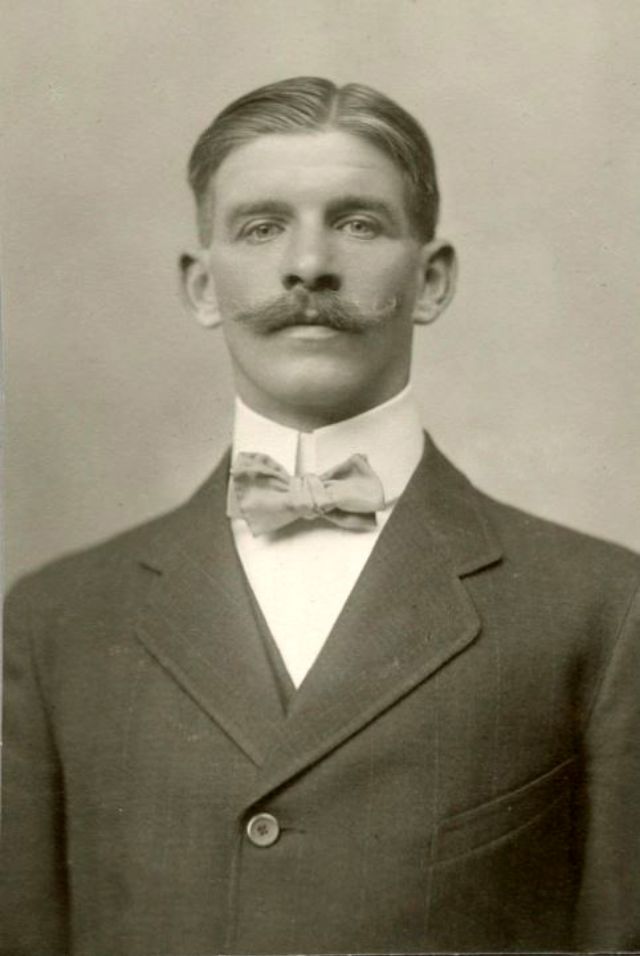
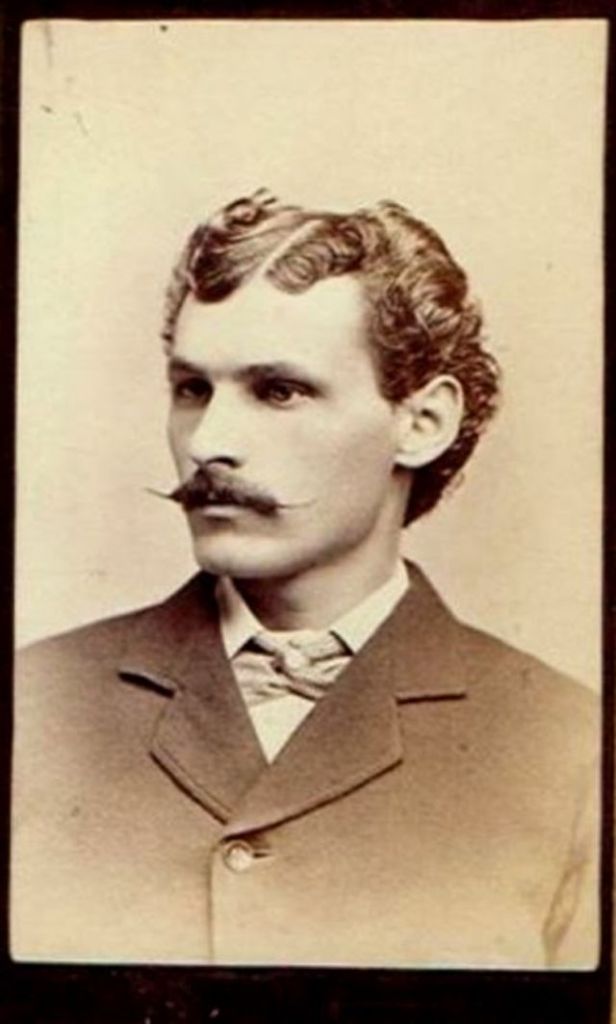
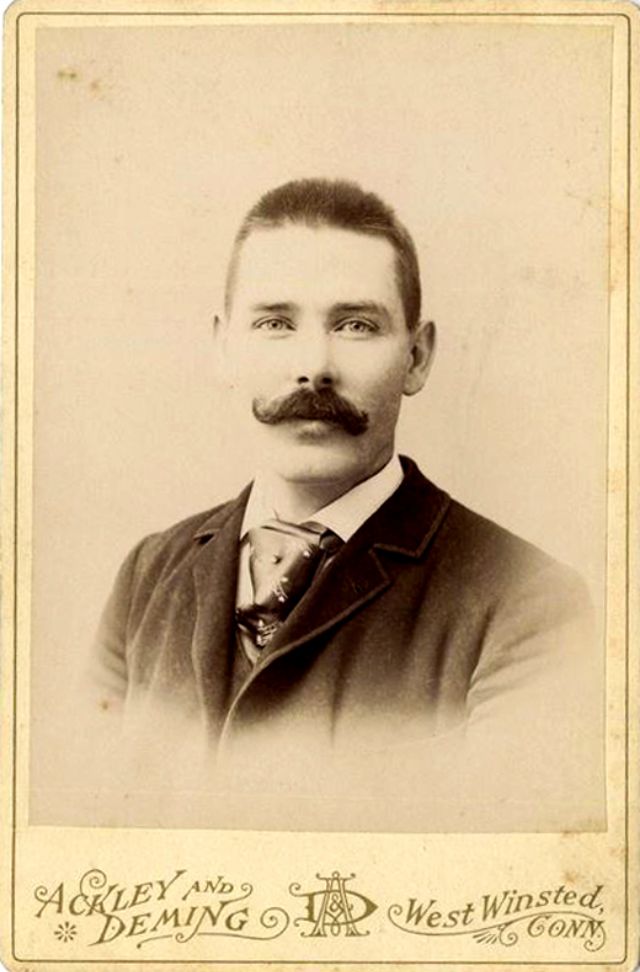
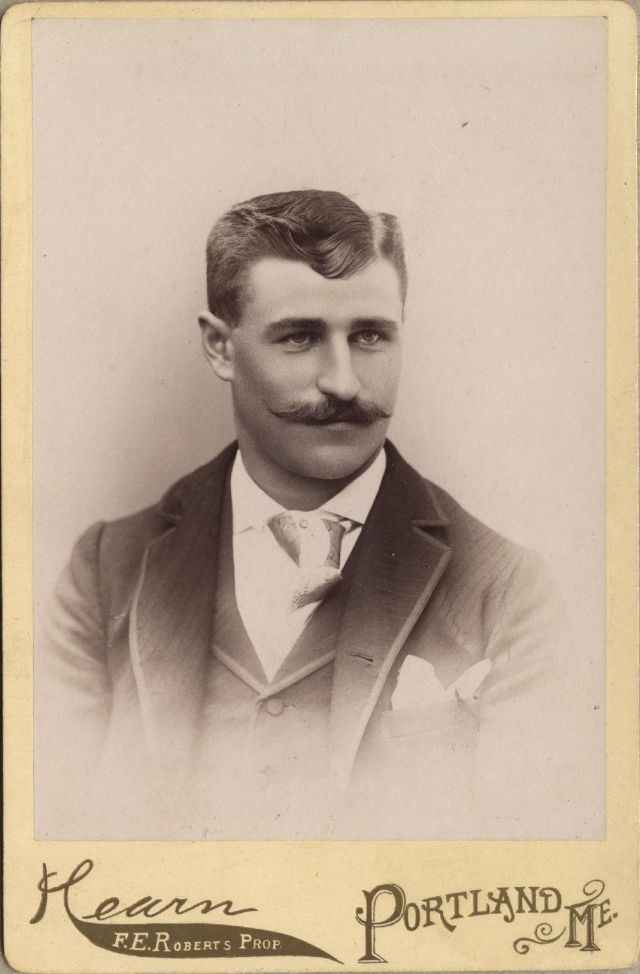
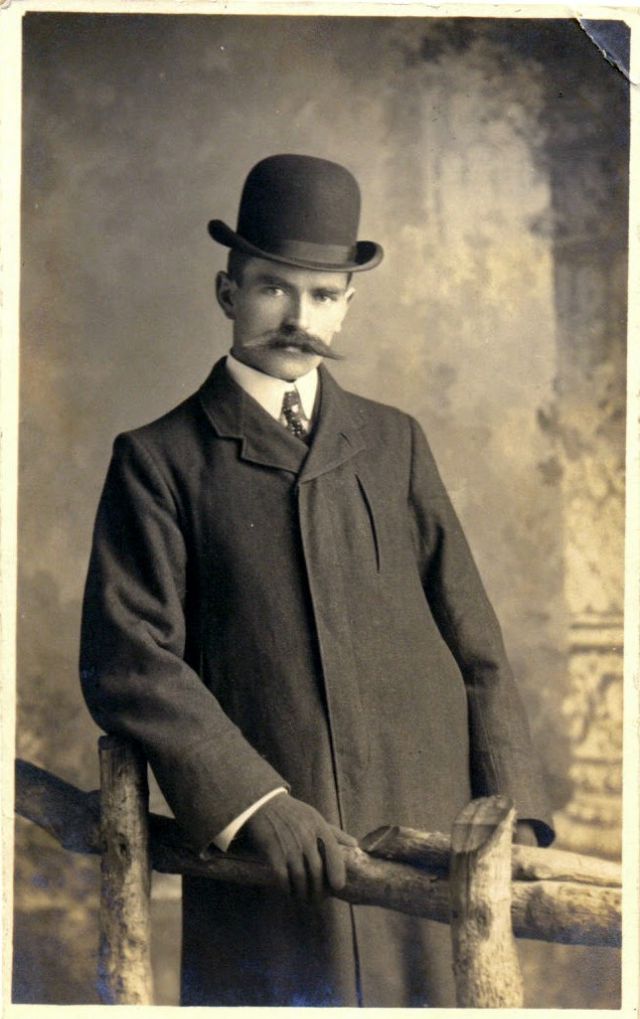
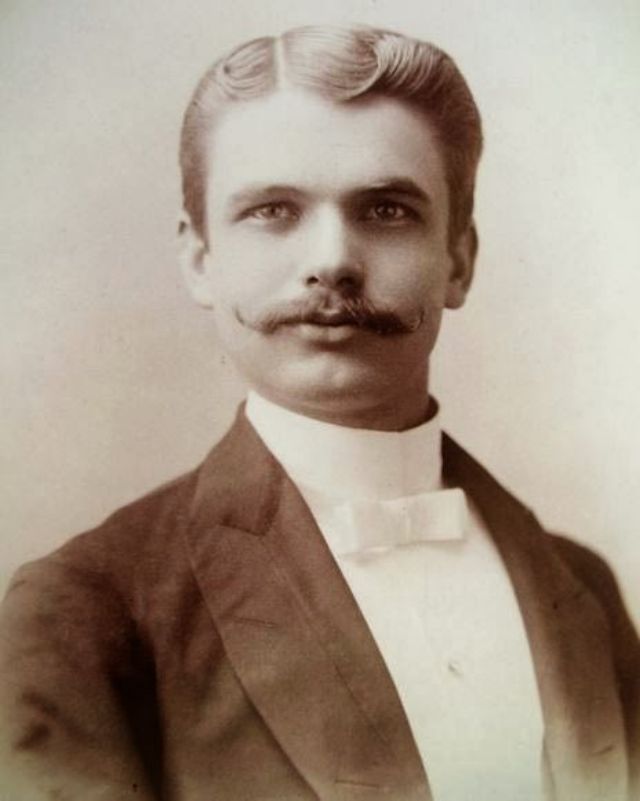
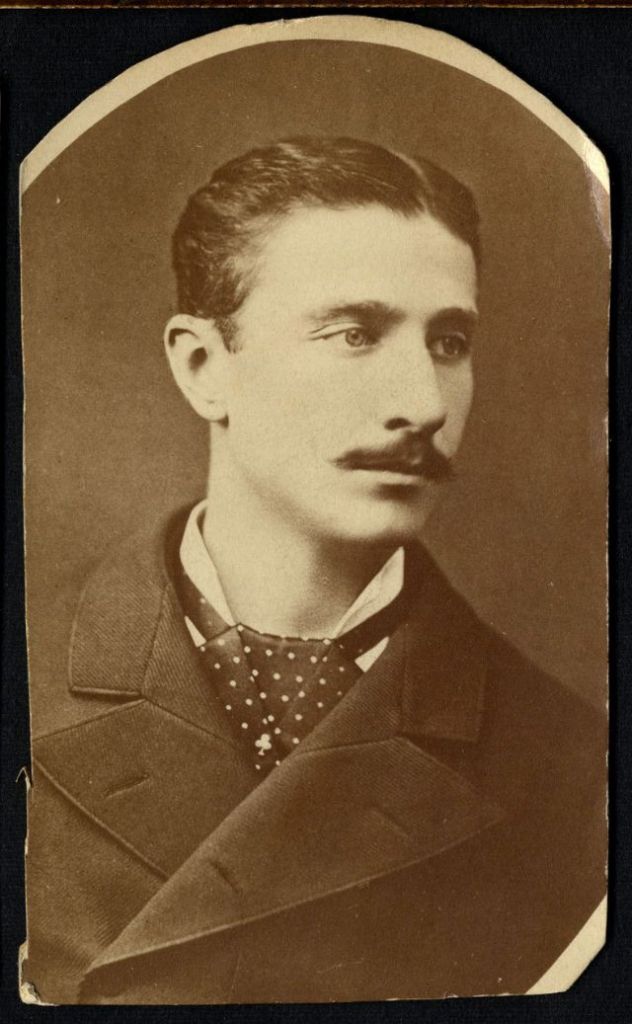
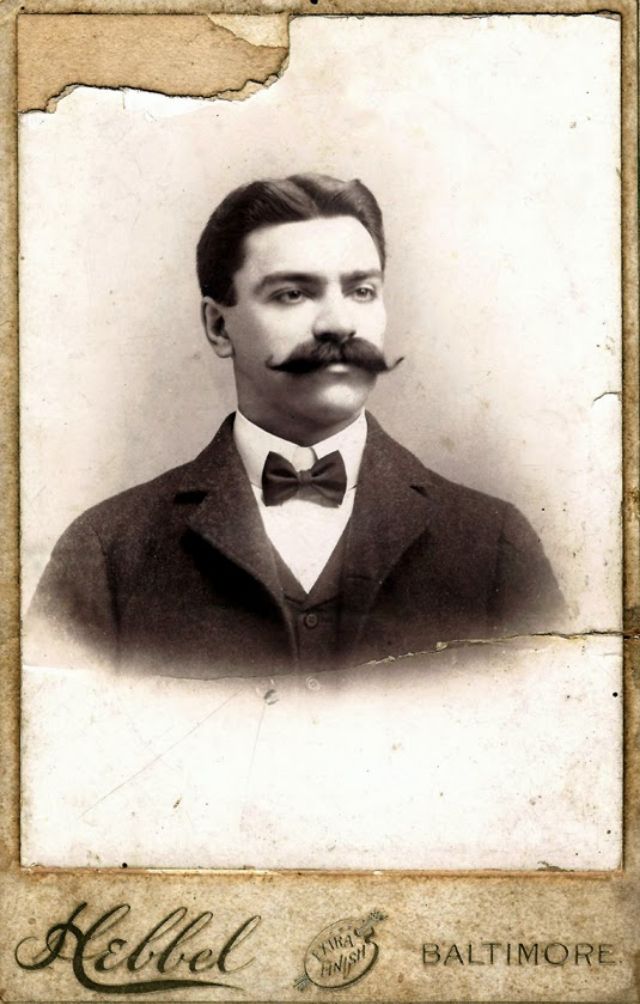
To the Victorian gentleman, a hairy upper lip was an essential accessory. The mustache was an affectation the most flattering to the vanity of the young. With it, the boy feels himself a man. It helps him to look old and the look of age is useful in business and inspires confidence. The youth of twenty one looks thirty with a mustache and without it he would look sixteen.
However, the mustache was, in this socially-conscious society, the prerogative of the gentleman. Menservants were required to be clean-shaven, and in contrast to the ornate beards and mustaches worn by the officers of the day, which complemented their rank and age, subalterns and lesser ranks made do with much simpler styles.
For an officer to shave his mustache would be treated like a breach of discipline and in the gentlemen’s clubs of St James’s, to appear with a naked upper lip was as unacceptable as forgetting to put on your trousers!
The mustache also had its attractions for ladies. In the 1880s, Rudyard Kipling wrote of a woman who complained that being kissed by a man who did not wax his mustache was like eating an egg without salt.
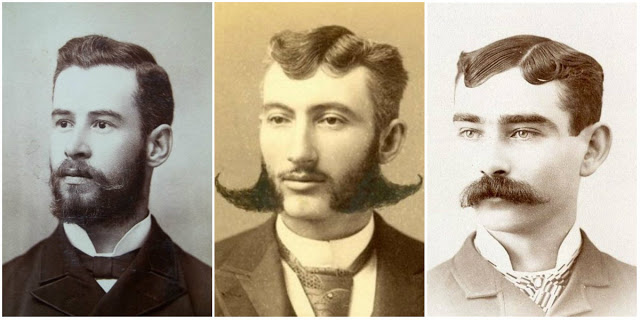
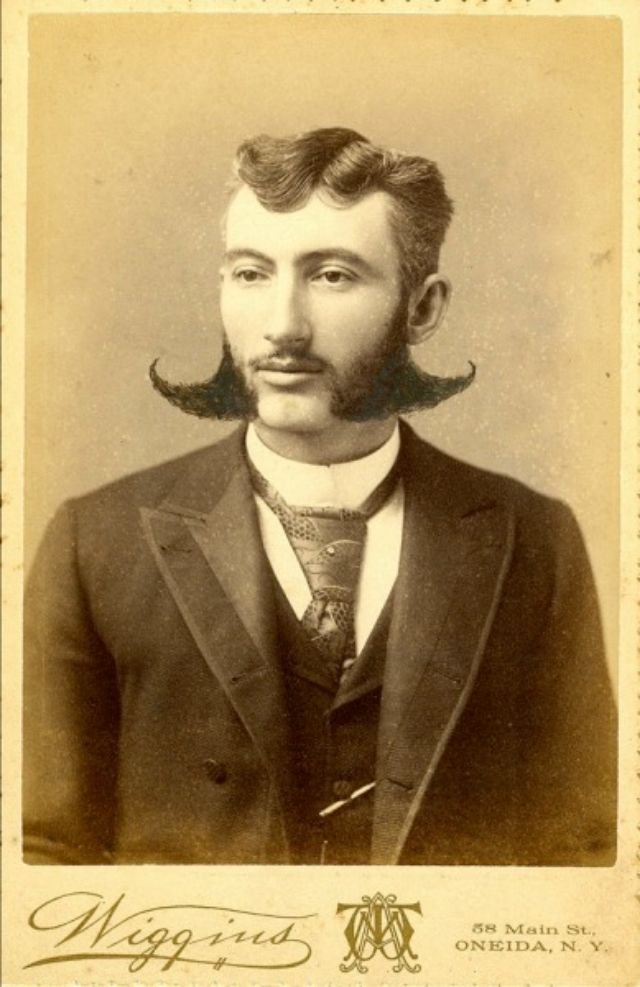
These mustaches were pampered: they were trimmed, brushed, combed, dyed, and even curled up at the ends. Great gobs of wax were melted and then applied to the mustache to keep the curls intact. Everything from mustache curlers to wax to snoods (that kept your mustache safe during the night) to modified mugs with a special pierced rim or little bars across known as “mustache lifters” were invented over the course of the nineteenth century to cultivate the requisite sartorial distinction associated with it.
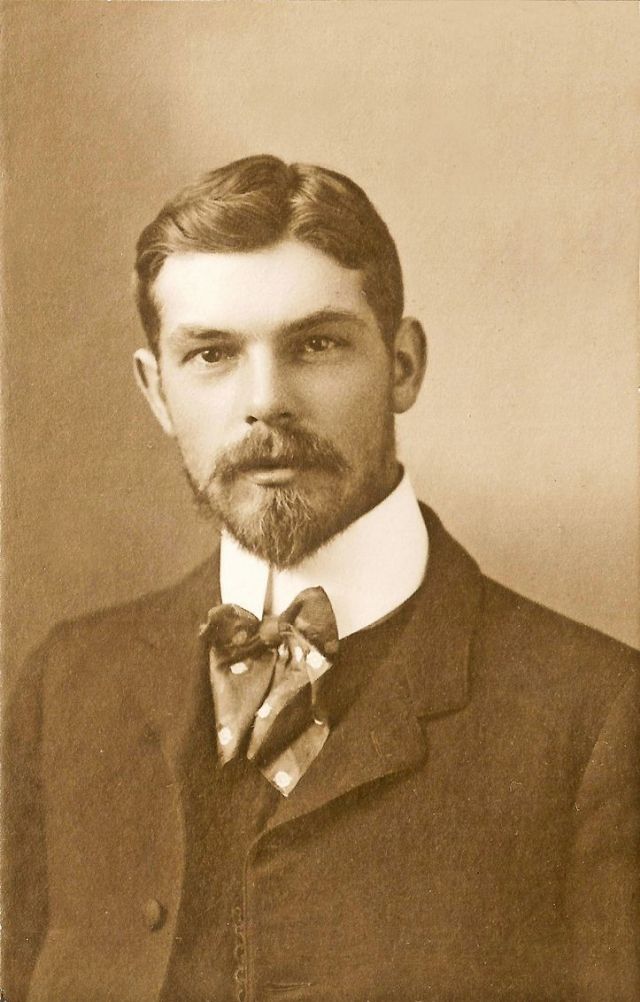
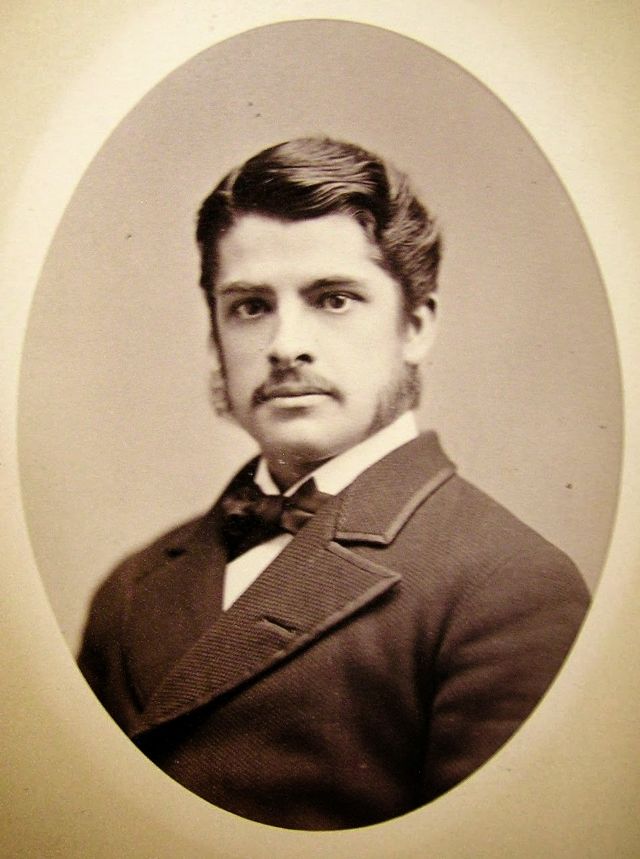
Below is a collection of 40 fascinating portraits of handsome Victorian men with mustache:
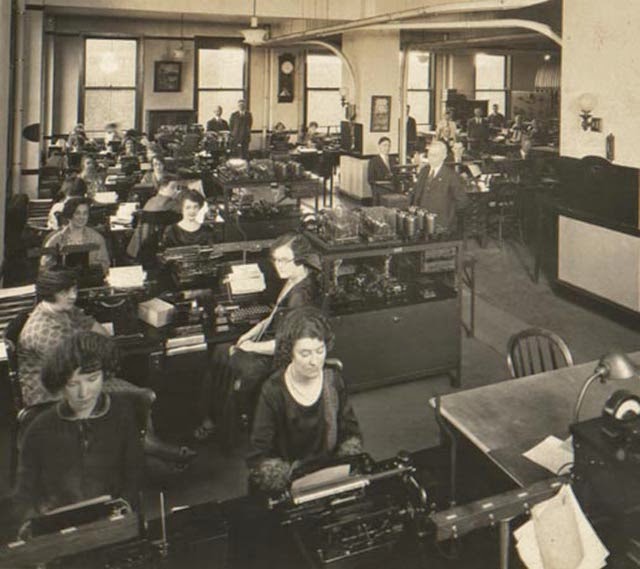
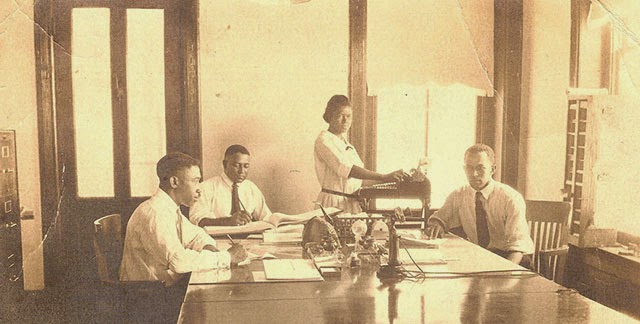
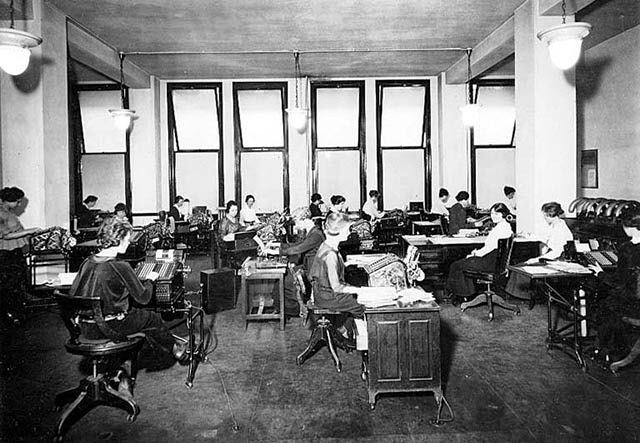
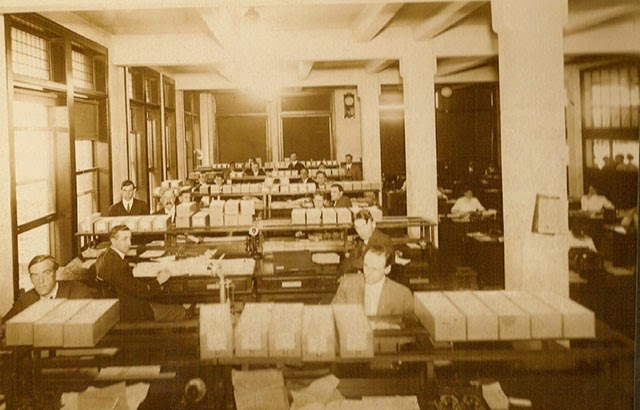
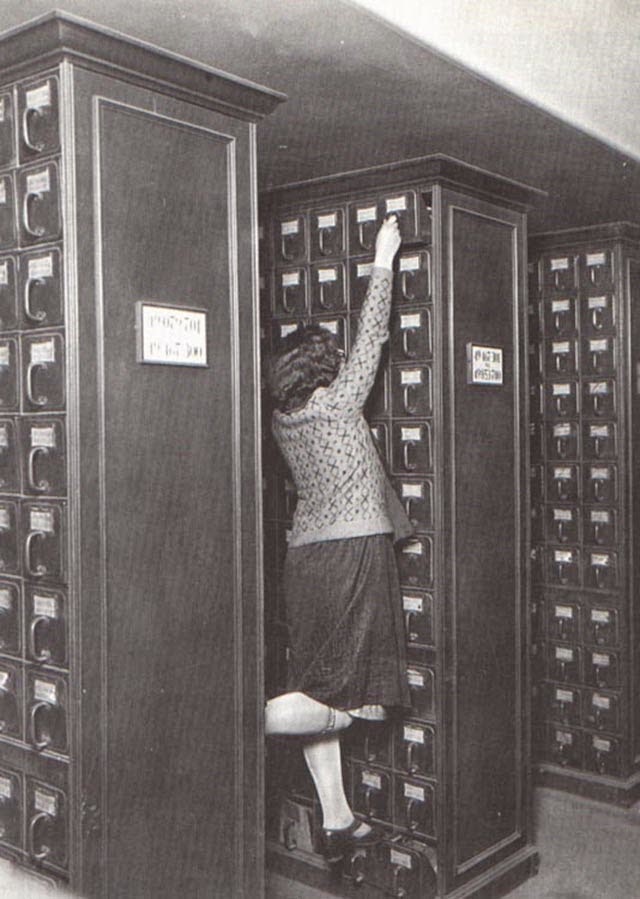
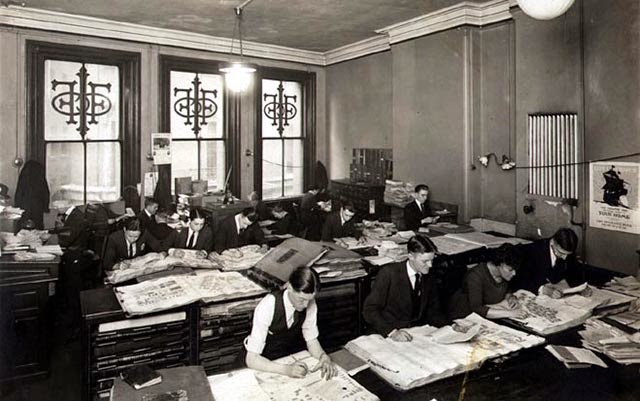
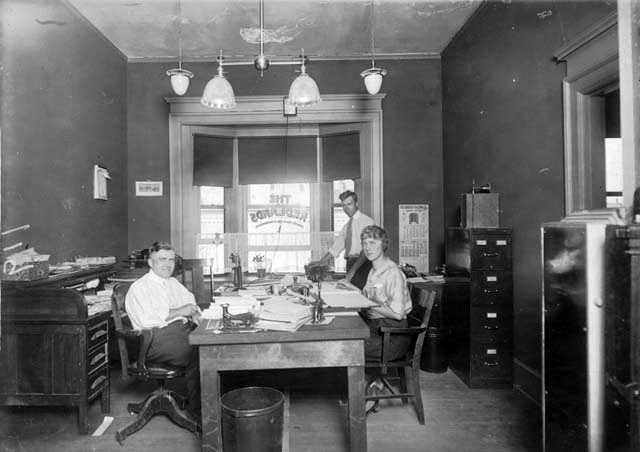
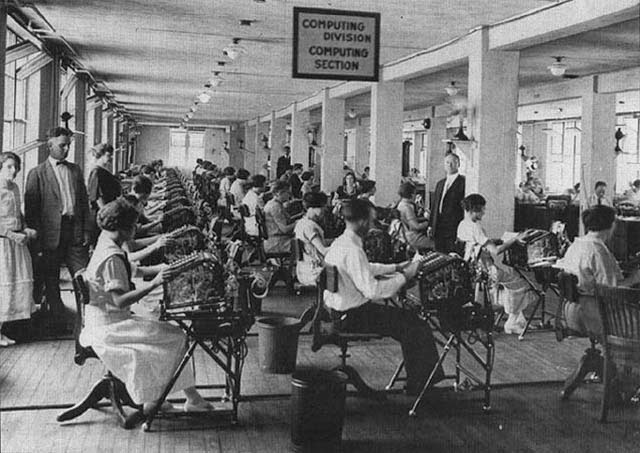
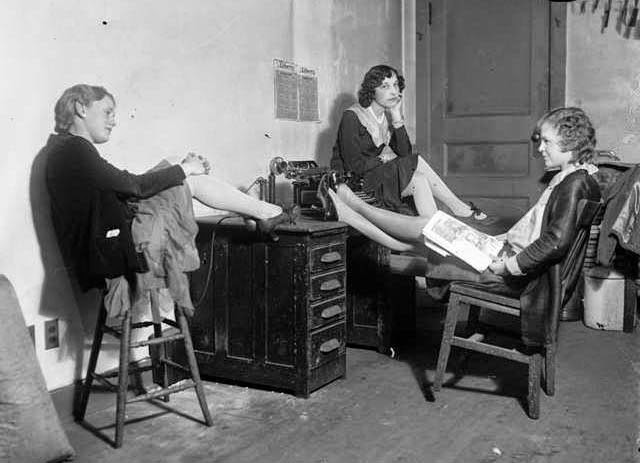
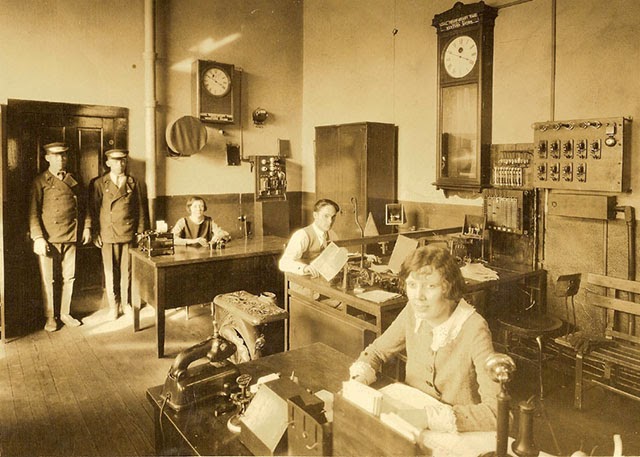
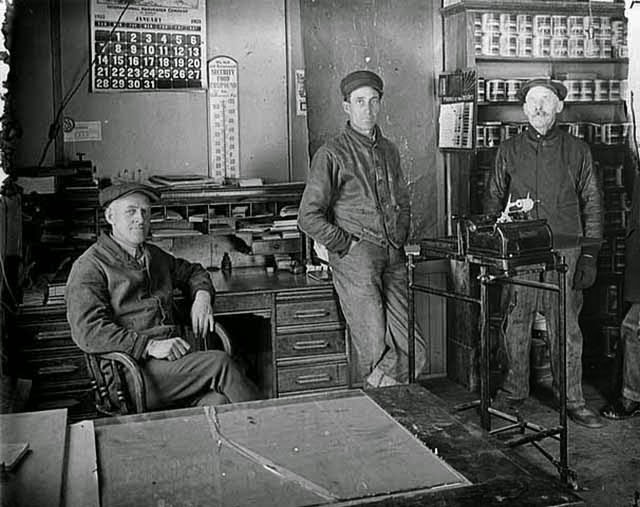
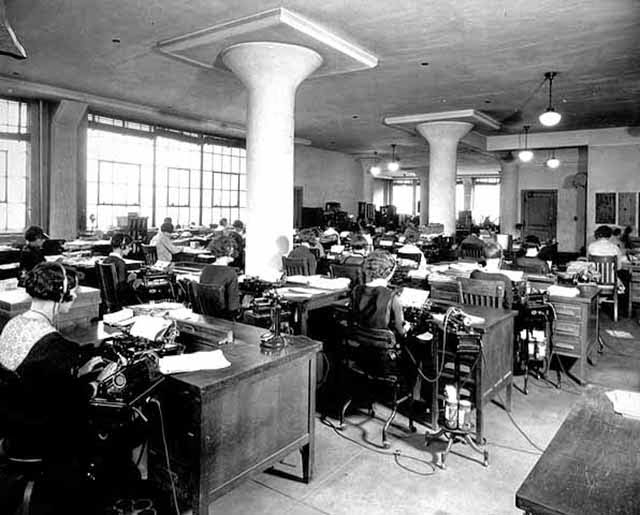
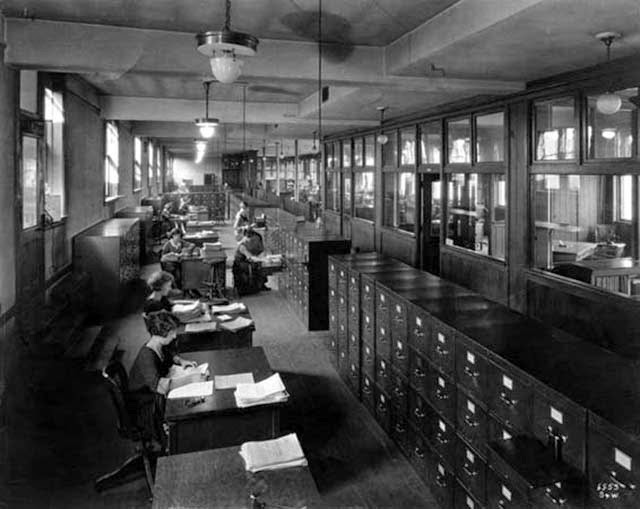
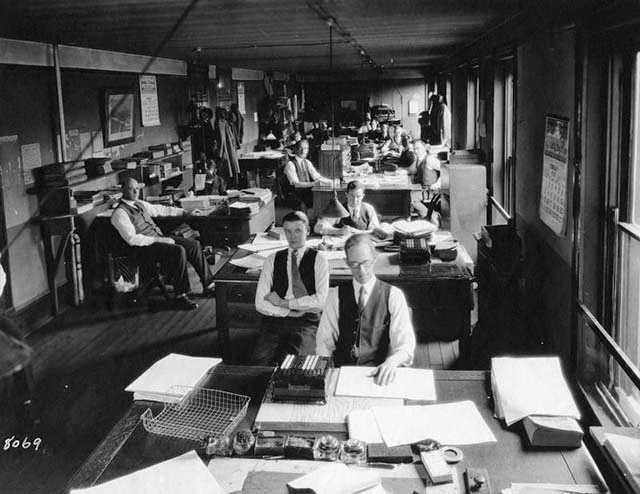
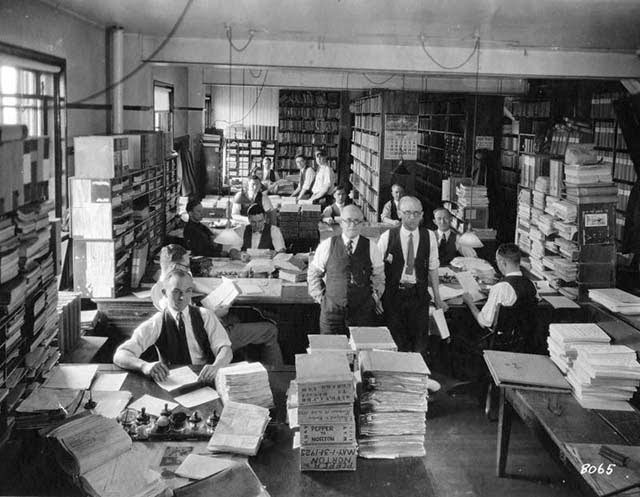
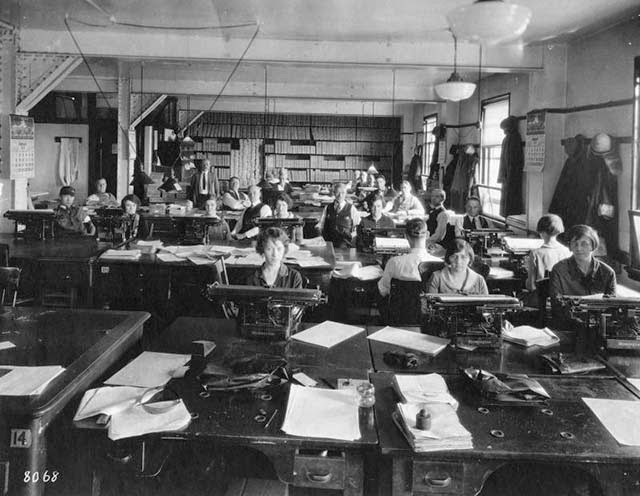
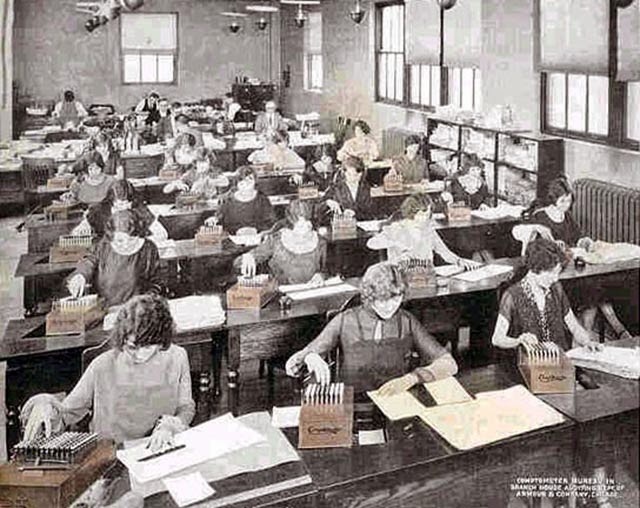
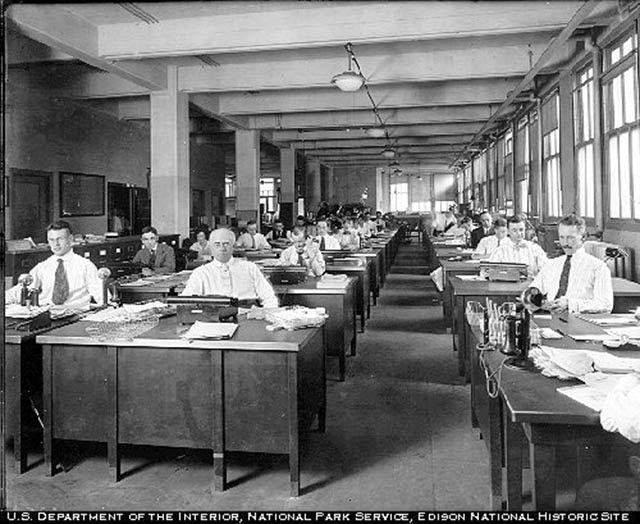
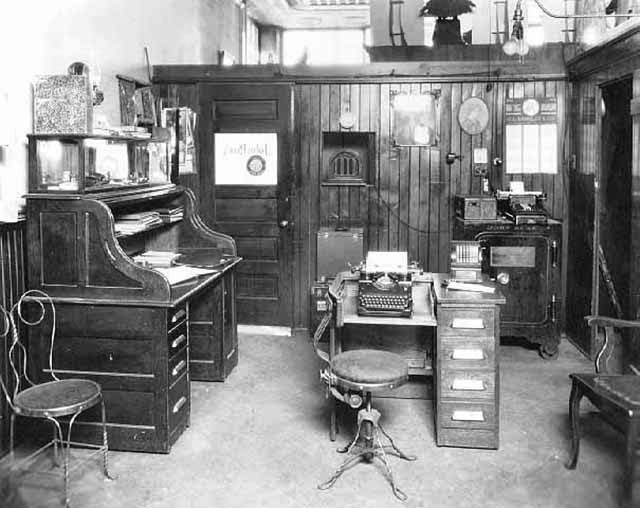
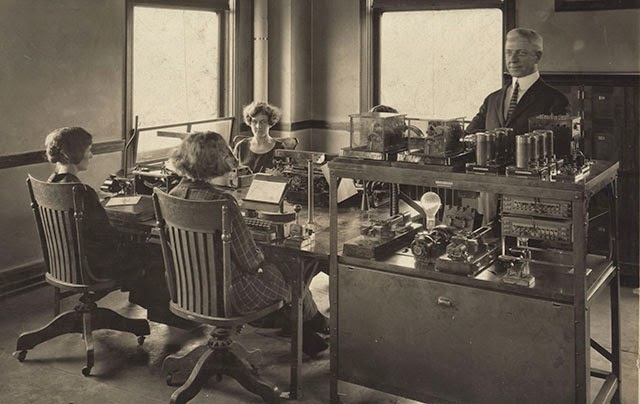
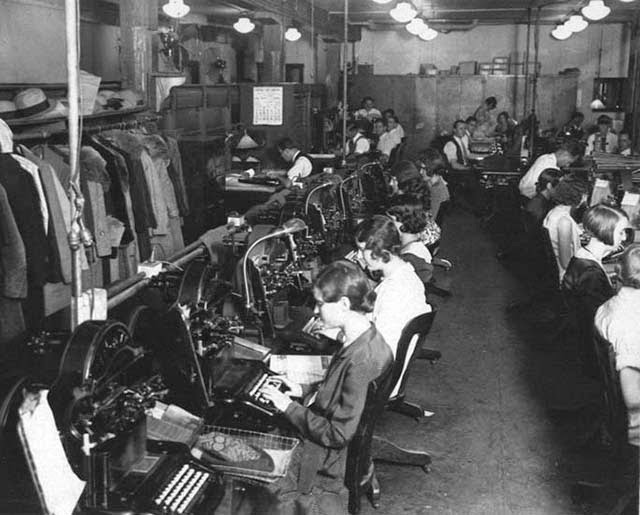
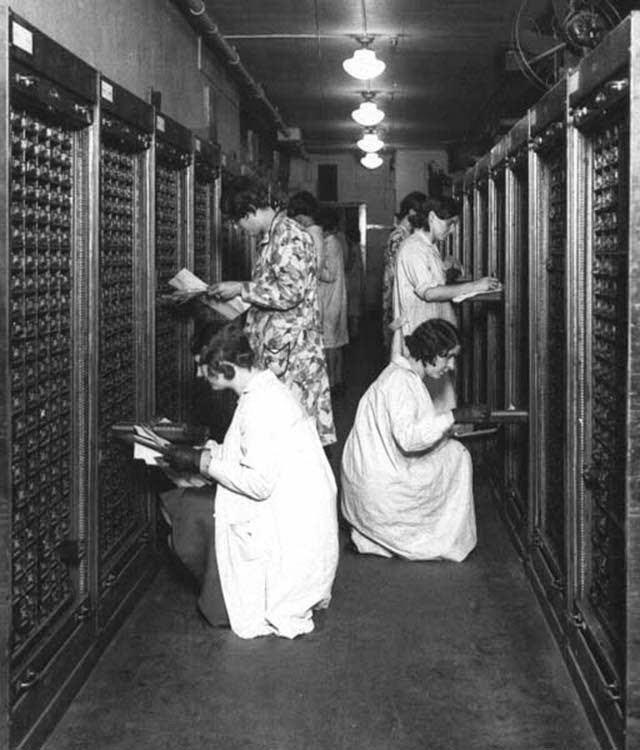
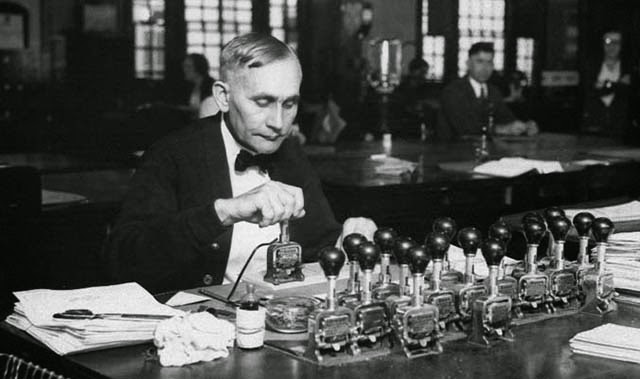
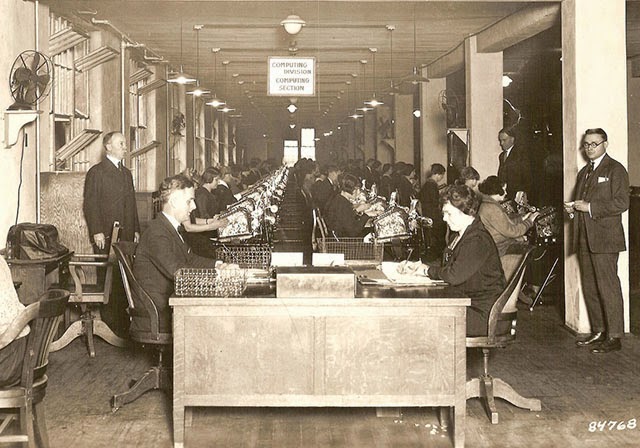
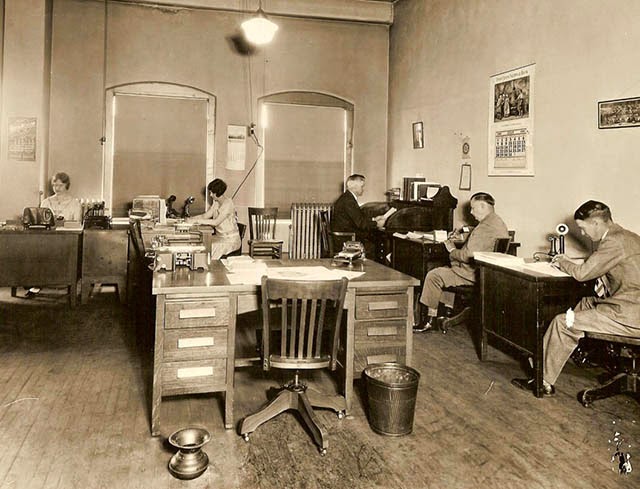
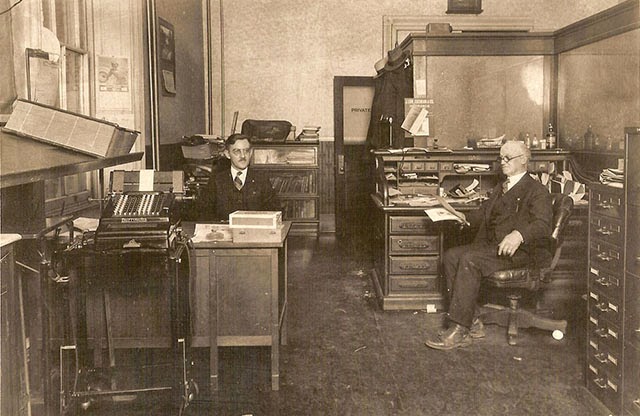
Here is an interesting collection of 30 vintage photos that shows old offices and people who were working in the 1920s.
Four people working in an office in Hempstead, TX. In the center is a Burroughs Class 3 adding machine. A candlestick telephone is on the desk.Office in Dexter Horton National Bank, Seattle, WA. There are a number of Burroughs adding machines, c.1920.Office with 19 men doing paper work on the left and about a dozen women typing on the right.Filing Section, Metropolitan Life Insurance Company, New York, NY., c.1920.Underwriters’ Office, Fireman’s Fund Insurance Co., Boston, MA, 1921.Office of Chas. Rump, Redlands Power and Irrigation Co., Grand Junction, CO, 1921.Computing Division, Veterans Bureau, Washington, DC, early 1920s. Photograph shows at least 30 workers using Burroughs electric adding machines to compute bonuses for World War I veterans. Eleven electric fans are visible.Office with sixty-four clerical workers, one of whom (front right) can be seen operating an adding listing machine.“Three women at desk,” Colorado, c.1920. Photographed by Harry M. Rhoads (1880/81-1975). Photograph shows a typewriter, a candlestick phone, and high-heeled shoes.Office with a man and four women, 1923. One woman appears to be a telephone operator and another is working at a typewriter.Office, Ponca City, OK. Both wall clocks are labeled “Naval Observatory Time Hourly by Western Union.” The desk in the foreground has a large electric time stamp. The next desk has two typewriters. The last desk has a Burroughs adding machine. There are two uniformed men in front of the door, which suggests that this may be an office at the Atchison, Topeka and Sante Fe Railroad station.Office, L. Andrew Olsen Lumber Co., Osseo, MN. 1923. Date from calendar on wall. Photograph includes adding machine on stand.Interior, Bureau of Engraving, Minneapolis, MN, 1925. Stenographers are transcribing using dictating machines and typewriters.Filing Office, c.1925.Freight Receipts, General Office Building, Norwalk & Western Railway, Roanoke, VA. Burroughs key-driven calculators.Freight Receipts, General Office Building, Norwalk & Western Railway, Roanoke, VA. Photograph shows four employees working with Comptometer calculating machines. There is an Automatic Pencil Sharpener Co. pencil sharpener, probably a Chicago model, in the foreground.General Office Building, Norwalk & Western Railway, Roanoke, VA.General Office Building, Norwalk & Western Railway, Roanoke, VA. Wide carriage Remington typewriters or bookkeeping machines.Comptometer Bureau, Armour & Co., Chicago, 1926. Armour & Co. was a meat business.Edison Purchasing Department, West Orange, NJ. Photograph shows Monroe calculating machines.John Runk’s office at his shop, Stillwater, MN, photograph by John Runk. There is an American Adder in the photo.Western Union telegraph office, Omaha, NE. Based on the equipment shown, Neal McEwen concluded that this photo and the following one show a Western Union telegraph office.Western Union telegraph office, Omaha, NE. Based on the equipment shown, Neal McEwen concluded that this photo and the preceding one show a Western Union telegraph office.Photo shows an office with thirteen Graphotype machines. Graphotypes, which were produced by Addressograph Co., Chicago, IL, embossed letters on metal plates that were used to print addresses on letters and envelopes. The typewriter keyboard Model G3-44 shown here sold for $850 in 1927. The number of Graphotypes indicates that the company maintained a huge mailing list.Photo shows files for metal address plates used in the Addressograph system.Man with eighteen Bates numbering machines.Office of Information, U.S. Department of Agriculture, Washington, DC, 1928.Computing Division, Veterans Bureau, Washington DC, 1929. Three dozen Burroughs adding machines were being used to compute veterans’ benefits.Office at an Addressograph sales and repair outlet, 1929.Office with Burroughs electric bookkeeping machine.
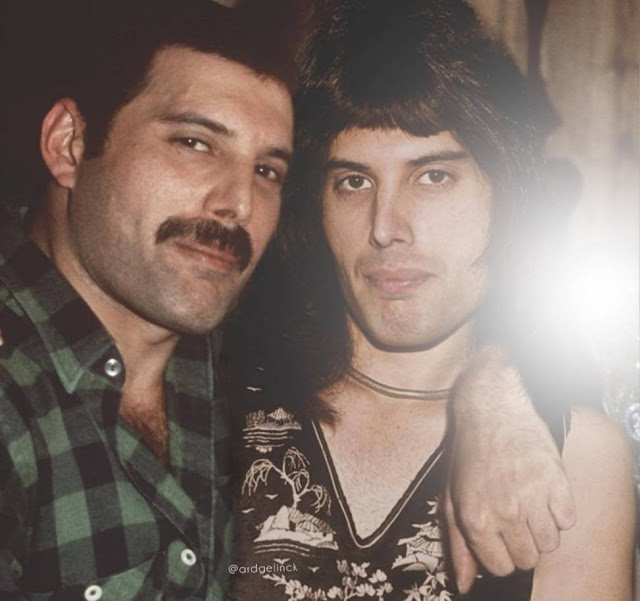
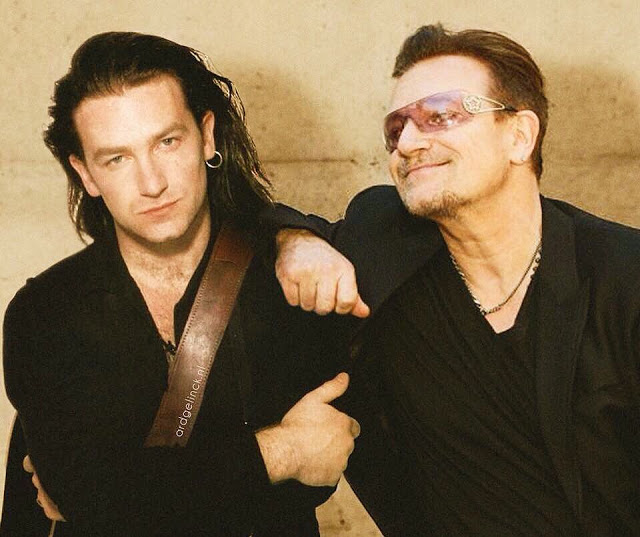
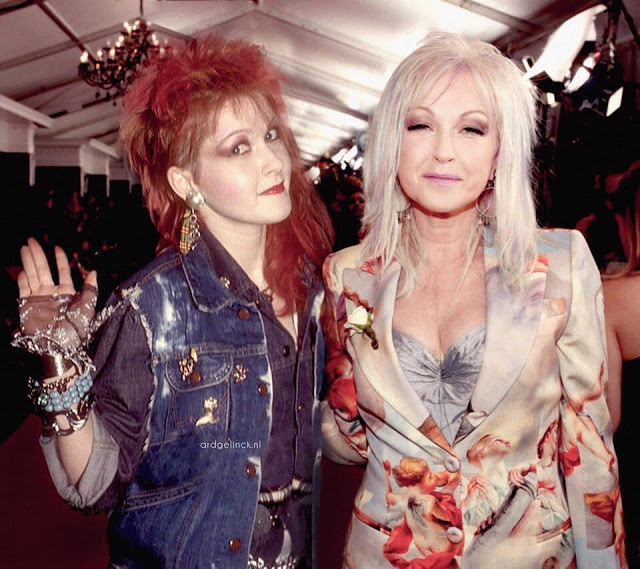
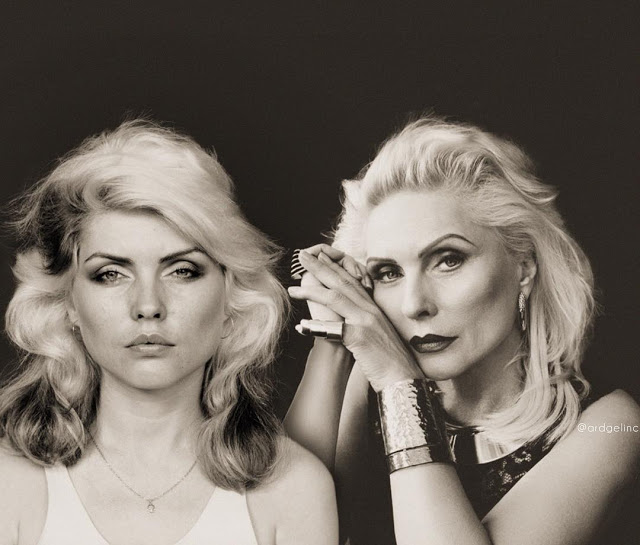
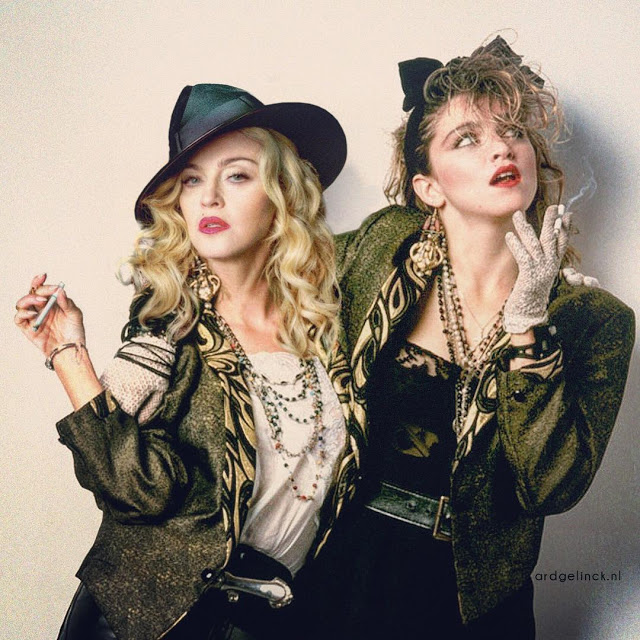
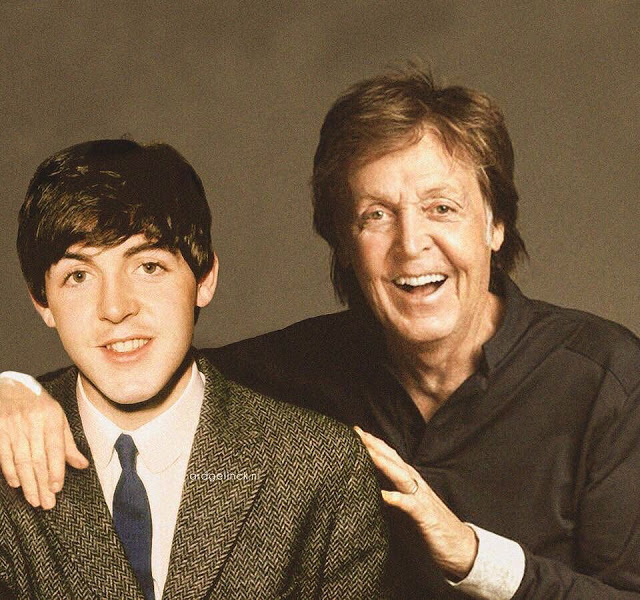
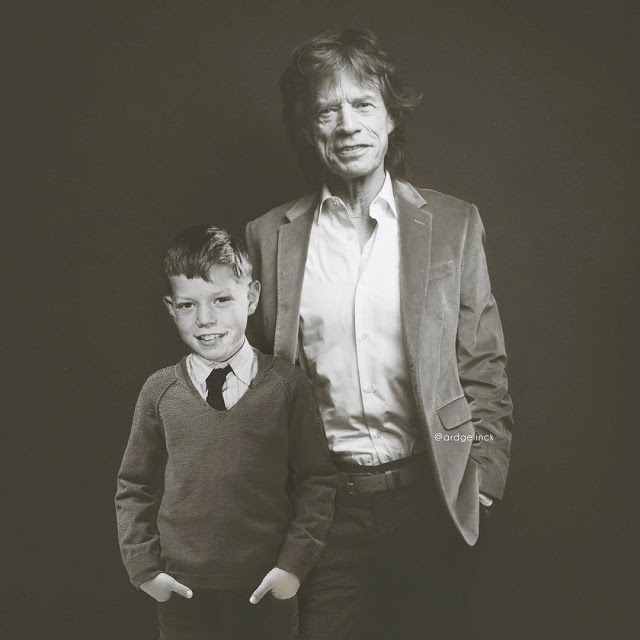
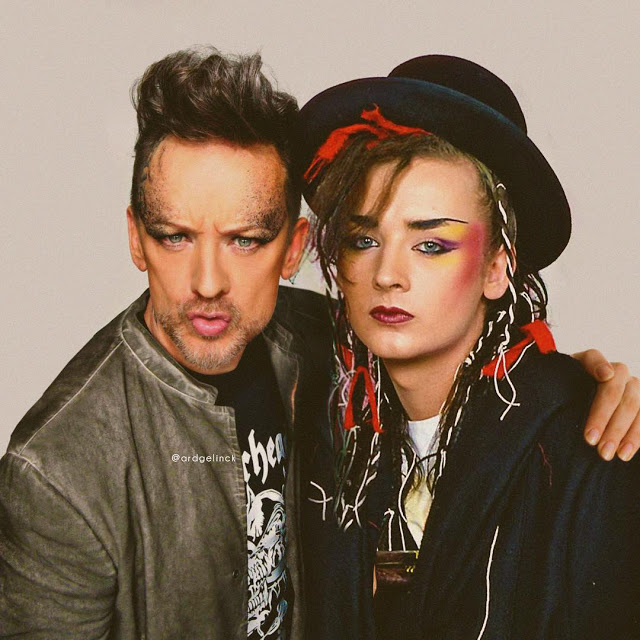
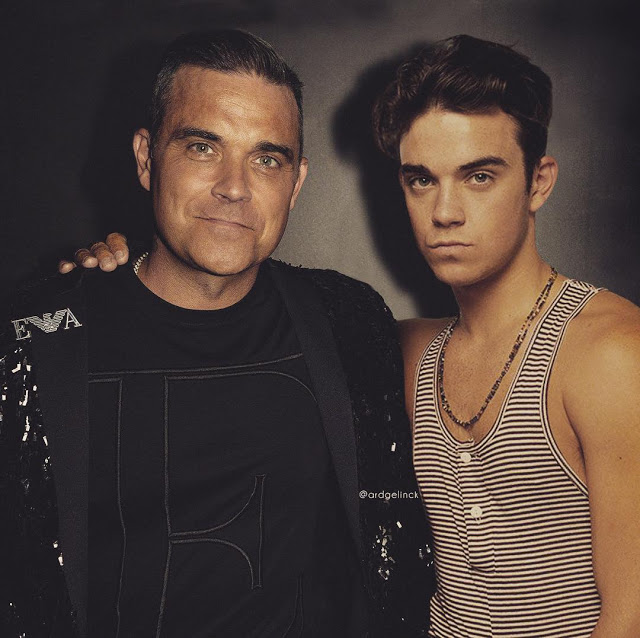
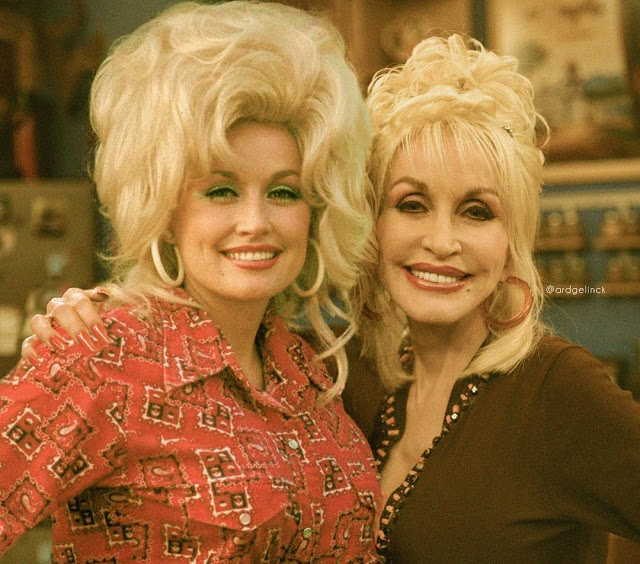
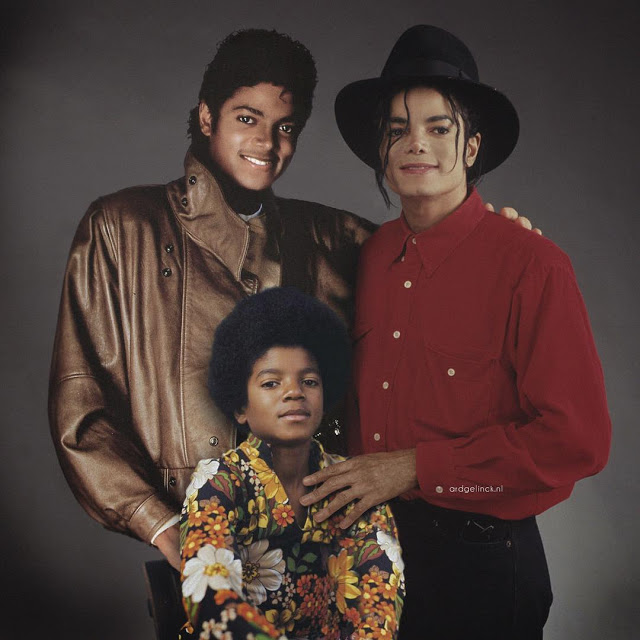
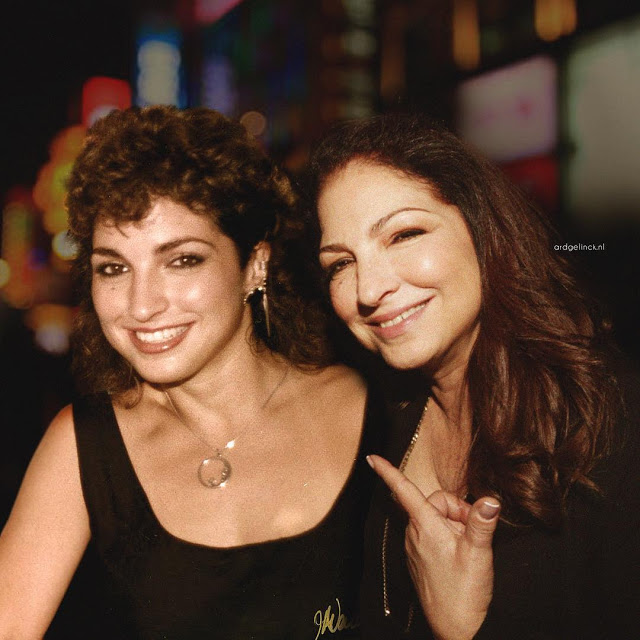
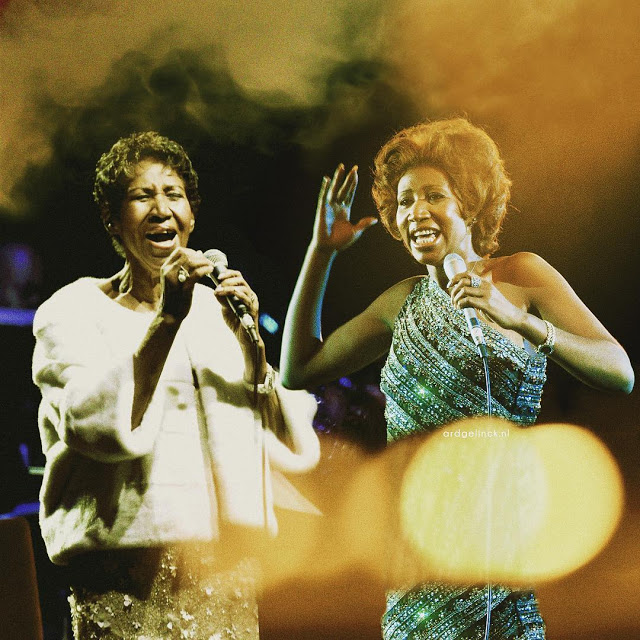
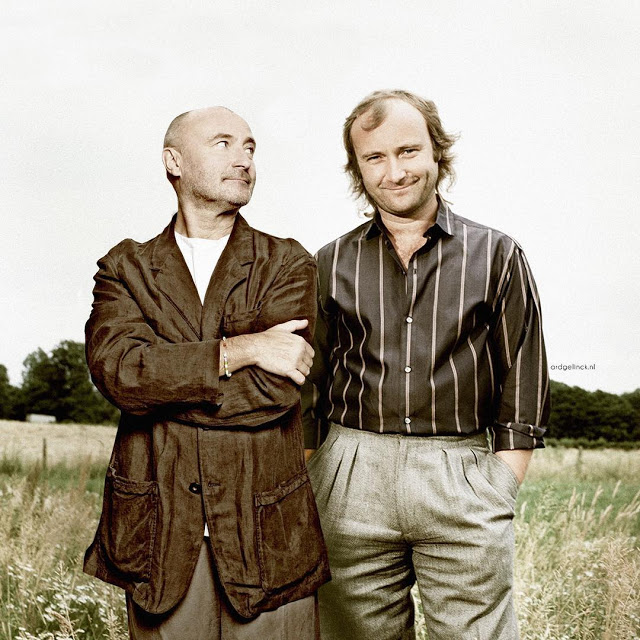
Ever wished you could travel back in time and meet your younger self?
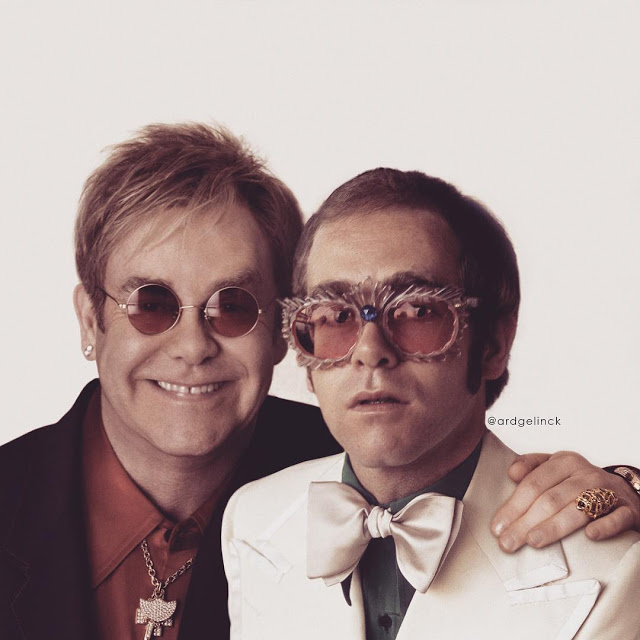
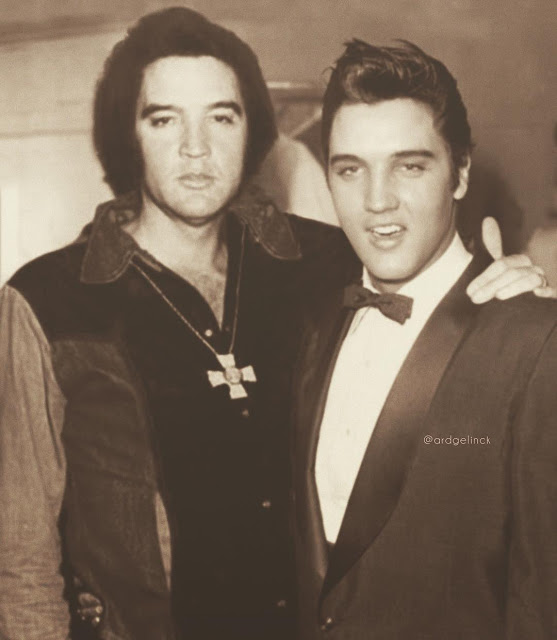
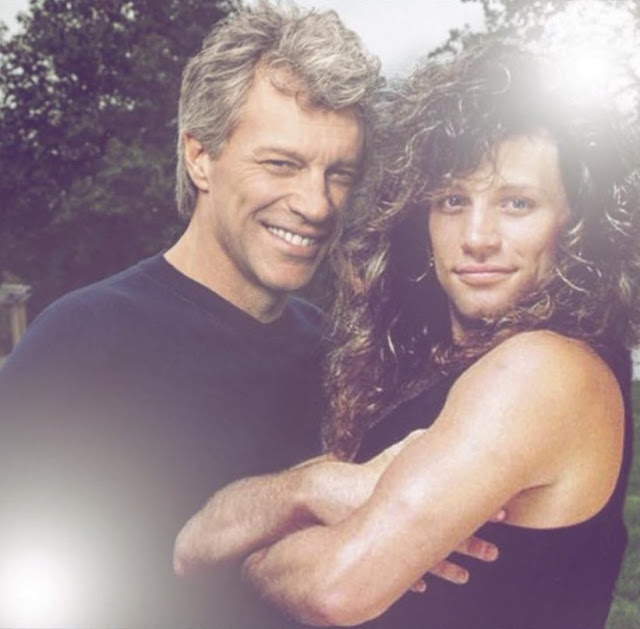
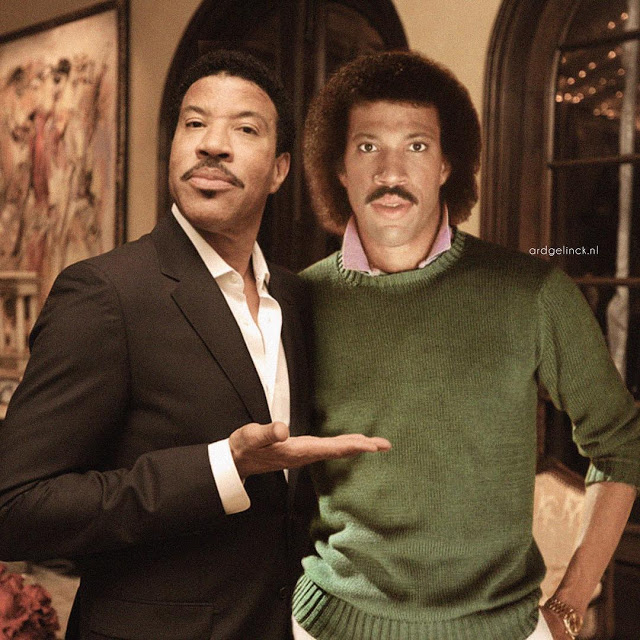
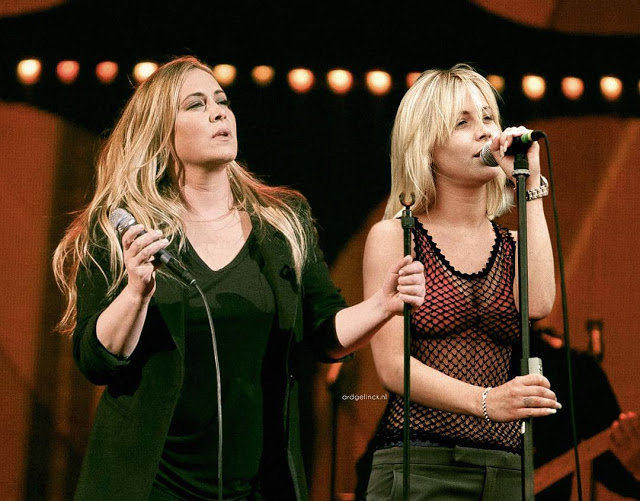
Dutch artist Ard Gelinck has been working on an ongoing Then & Now project in which he uses Photoshop to create portraits of famous people posing with their younger selves. Among these stars are Freddie Mercury, David Bowie, Elton John, Rob Lowe, Madonna, Lady Gaga, Phil Collins, and just to name a few.
His images are often quite convincing since he takes the time to find very good source photos where it appears to be credible that they are posing with each other. He then takes time to carefully match the colors and tones creating the illusion of a portrait actually taken together.
In some cases, decades have passed since the original photos, the comparisons are something really special. Take a look at the images below!
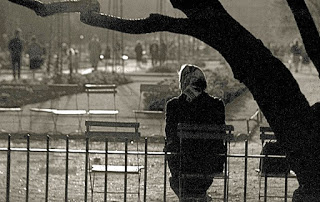
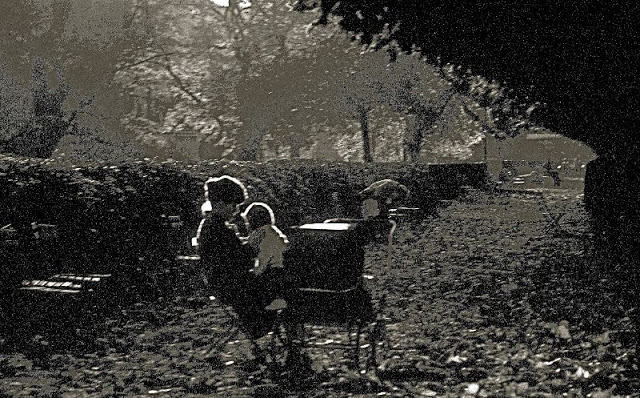
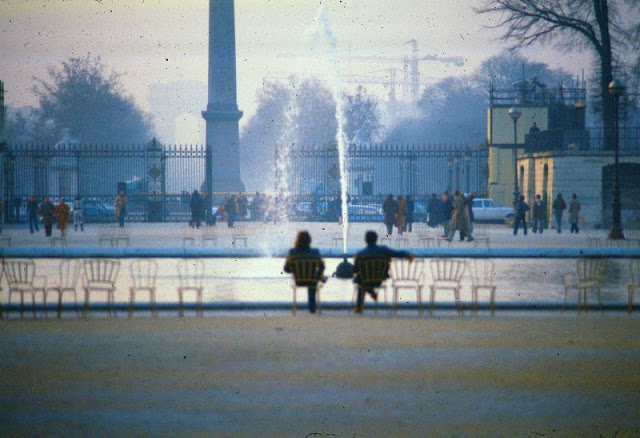
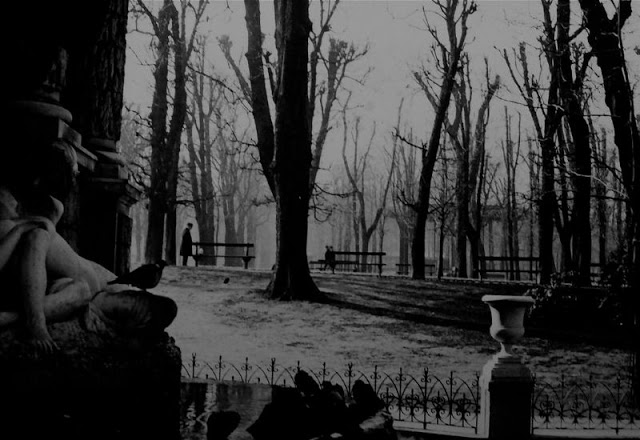
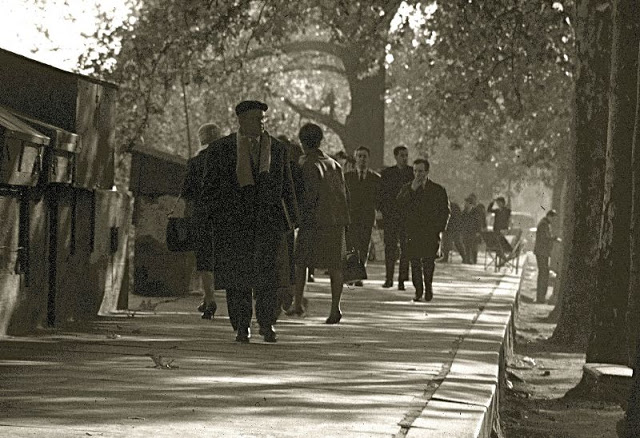
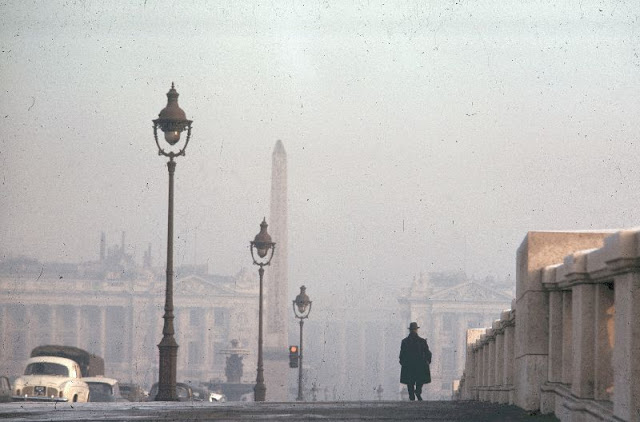
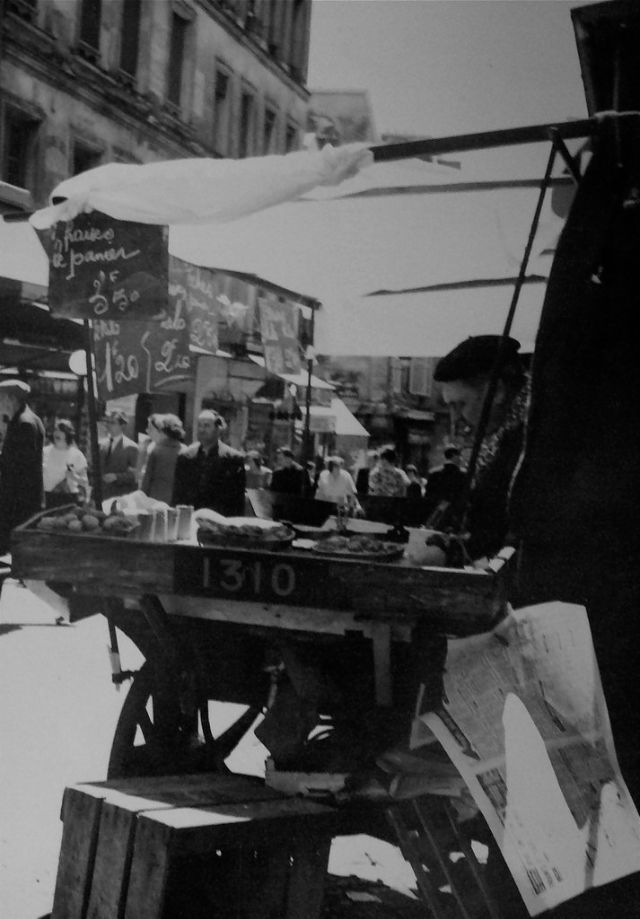
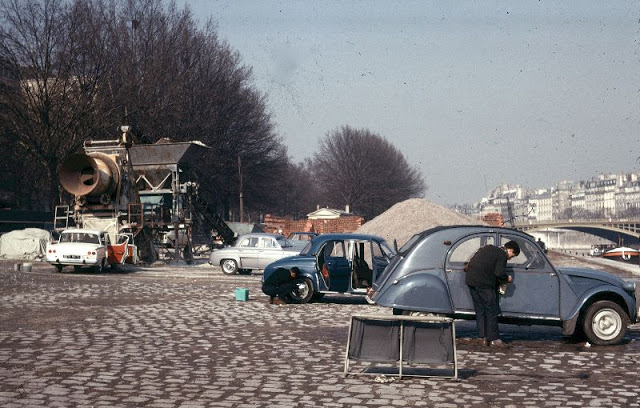
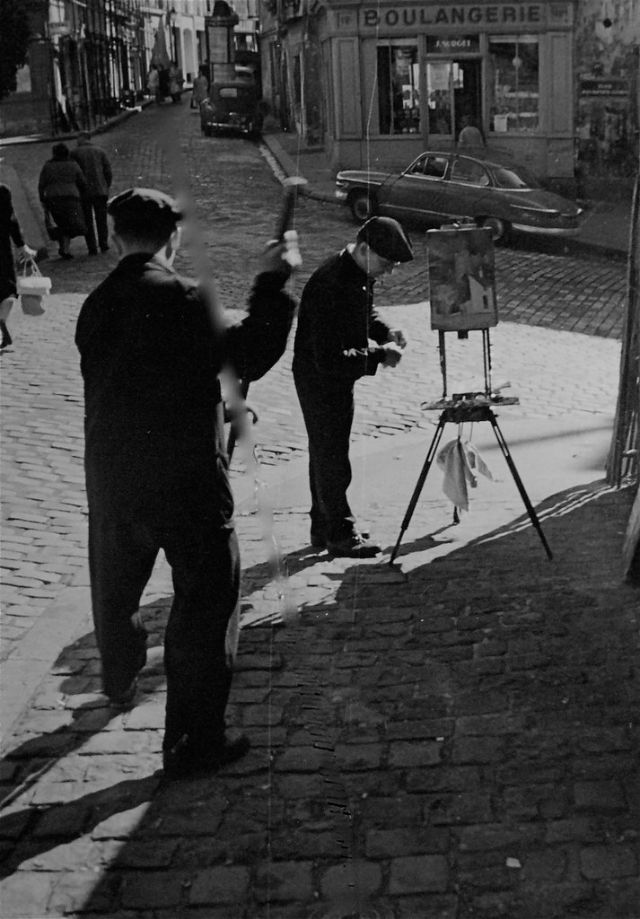
Paris is the capital and most populous city of France, with an estimated population of 2,165,423 residents in 2019 in an area of more than 105 km² (41 sq mi), making it the 34th most densely populated city in the world in 2020. Since the 17th century, Paris has been one of the world’s major centres of finance, diplomacy, commerce, fashion, gastronomy, science, and arts, and has sometimes been referred to as the capital of the world. The City of Paris is the centre and seat of government of the region and province of Île-de-France, or Paris Region, with an estimated population of 12,997,058 in 2020, or about 18% of the population of France, making it in 2020 the second largest metropolitan area in the OECD, and 14th largest in the world in 2015. The Paris Region had a GDP of €709 billion ($808 billion) in 2017. According to the Economist Intelligence Unit Worldwide Cost of Living Survey, in 2021 Paris was the city with the second-highest cost of living in the world, tied with Singapore, and after Tel Aviv.
Paris is a major railway, highway, and air-transport hub served by two international airports: Paris–Charles de Gaulle (the second-busiest airport in Europe) and Paris–Orly. Opened in 1900, the city’s subway system, the Paris Métro, serves 5.23 million passengers daily; it is the second-busiest metro system in Europe after the Moscow Metro. Gare du Nord is the 24th-busiest railway station in the world and the busiest located outside Japan, with 262 million passengers in 2015. Paris is especially known for its museums and architectural landmarks: the Louvre received 2.8 million visitors in 2021, despite the long museum closings caused by the COVID-19 virus. The Musée d’Orsay, Musée Marmottan Monet and Musée de l’Orangerie are noted for their collections of French Impressionist art. The Pompidou Centre Musée National d’Art Moderne has the largest collection of modern and contemporary art in Europe. The Musée Rodin and Musée Picasso exhibit the works of two noted Parisians. The historical district along the Seine in the city centre has been classified as a UNESCO World Heritage Site since 1991; popular landmarks there include the Cathedral of Notre Dame de Paris on the Île de la Cité, now closed for renovation after the 15 April 2019 fire. Other popular tourist sites include the Gothic royal chapel of Sainte-Chapelle, also on the Île de la Cité; the Eiffel Tower, constructed for the Paris Universal Exposition of 1889; the Grand Palais and Petit Palais, built for the Paris Universal Exposition of 1900; the Arc de Triomphe on the Champs-Élysées, and the hill of Montmartre with its artistic history and its Basilica of Sacré-Coeur.
Paris hosts several United Nations organisations: the UNESCO, the Young Engineers / Future Leaders, the World Federation of Engineering Organizations, and other international organisations such as the OECD, the OECD Development Centre, the International Bureau of Weights and Measures, the International Energy Agency, the International Federation for Human Rights, the International Organisation of La Francophonie; along with European bodies such as the European Space Agency, the European Banking Authority or the European Securities and Markets Authority. Other international organisations were founded in Paris such as the CIMAC in 1951 (International Council on Combustion Engines | Conseil International des Machines à Combustion), or the modern Olympic Games in 1894 which was then moved to Lausanne, Switzerland.
Tourism recovered in the Paris region in 2021, increasing to 22.6 million visitors, thirty percent more than in 2020, but still well below 2019 levels. The number of visitors from the United States increased by 237 percent over 2020. Museums re-opened in 2021, with limitations on the number of visitors at a time and a requirement that visitors wear masks.
The football club Paris Saint-Germain and the rugby union club Stade Français are based in Paris. The 80,000-seat Stade de France, built for the 1998 FIFA World Cup, is located just north of Paris in the neighbouring commune of Saint-Denis. Paris hosts the annual French Open Grand Slam tennis tournament on the red clay of Roland Garros. The city hosted the Olympic Games in 1900, 1924 and will host the 2024 Summer Olympics. The 1938 and 1998 FIFA World Cups, the 2007 Rugby World Cup, as well as the 1960, 1984 and 2016 UEFA European Championships were also held in the city. Every July, the Tour de France bicycle race finishes on the Avenue des Champs-Élysées in Paris. (Wikipedia)
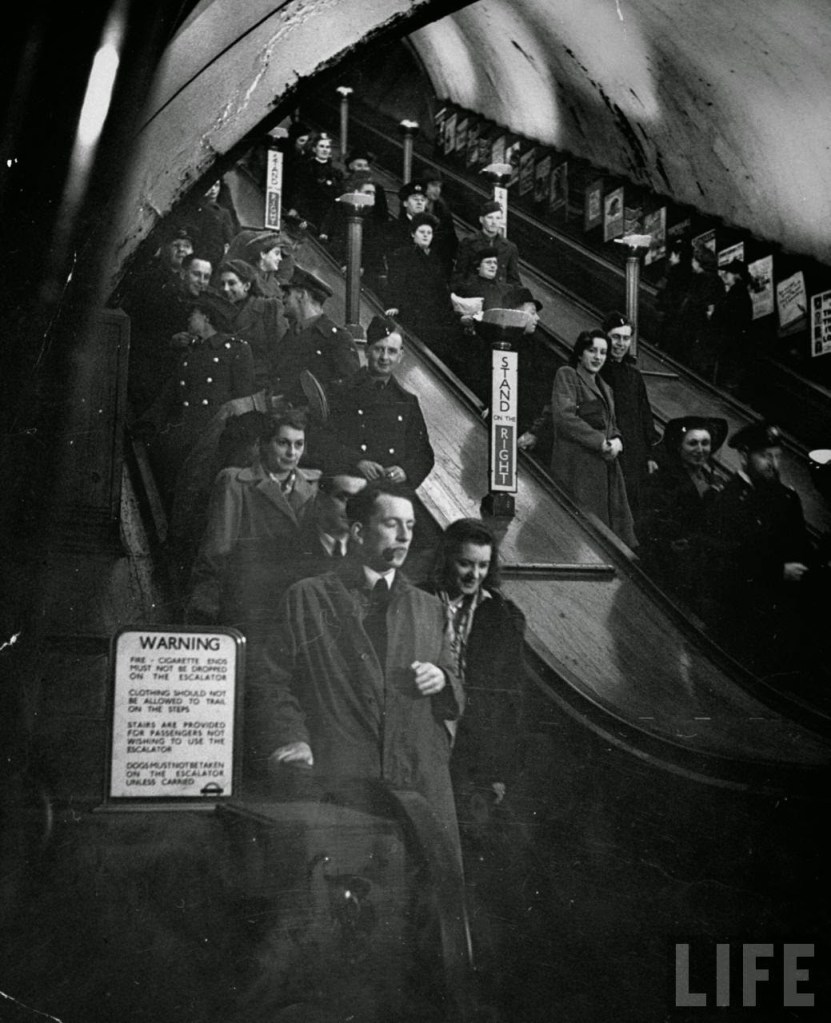
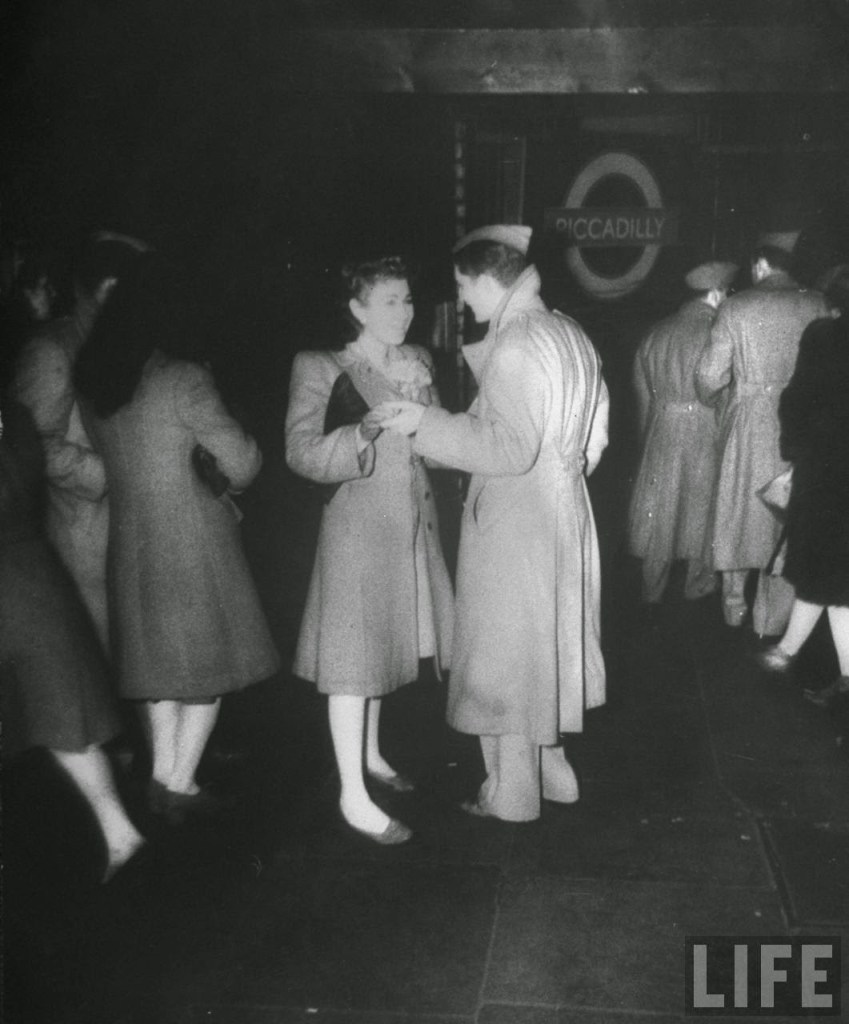
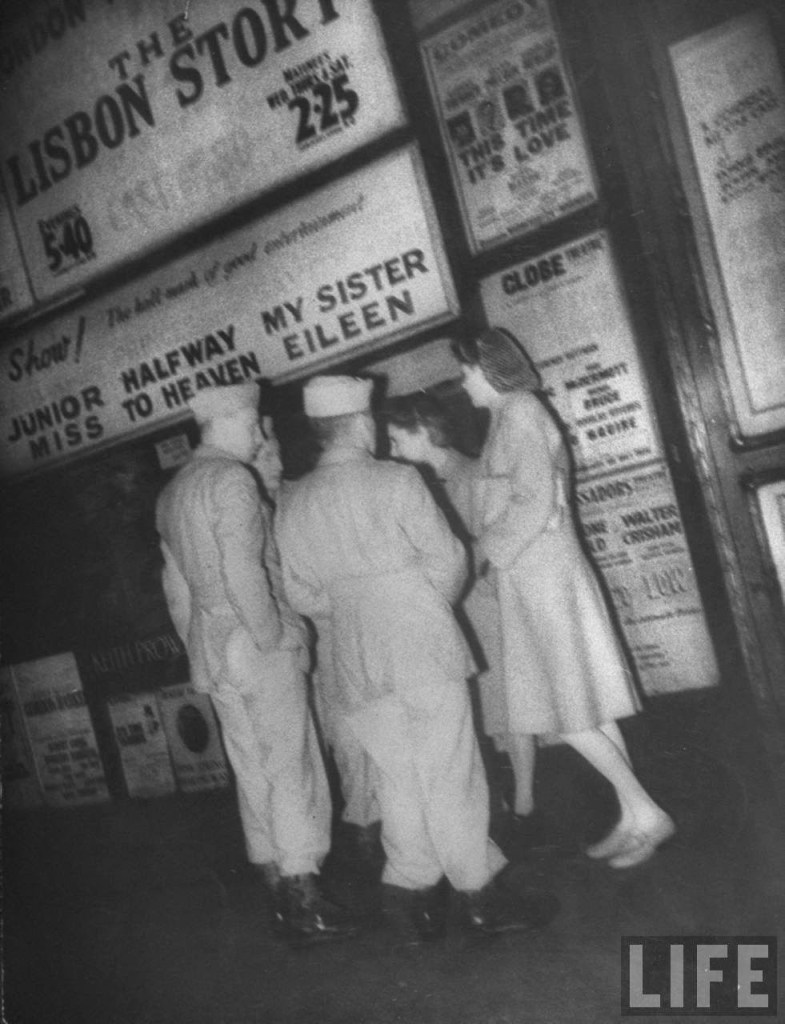
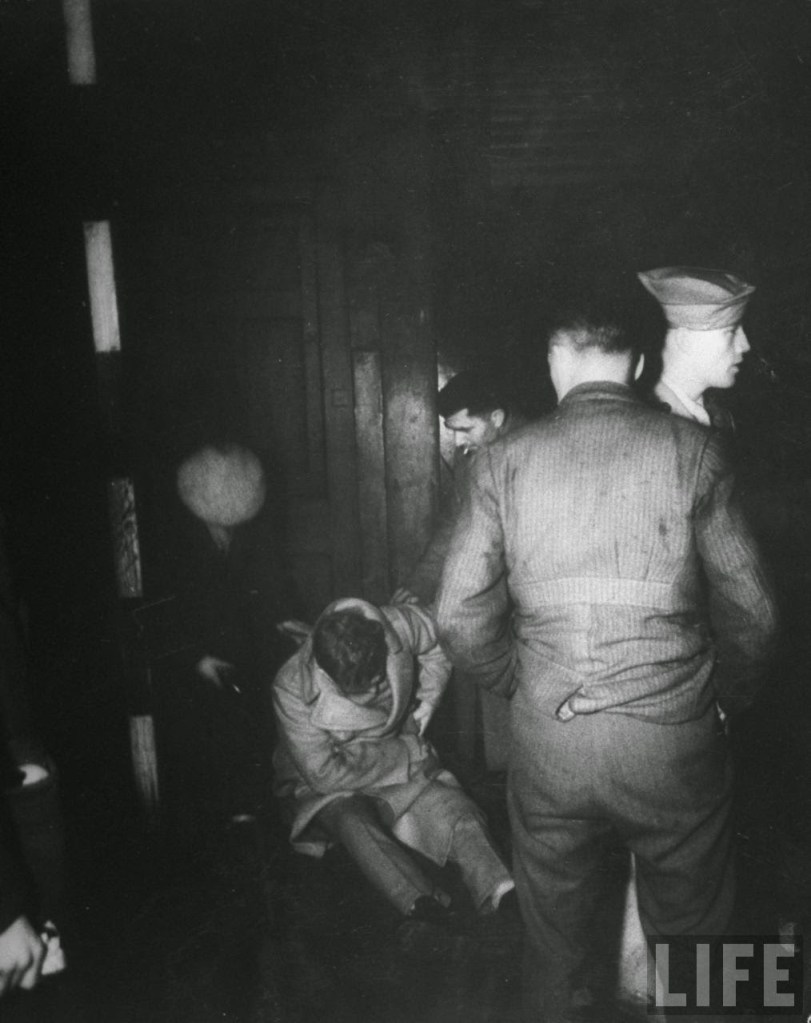
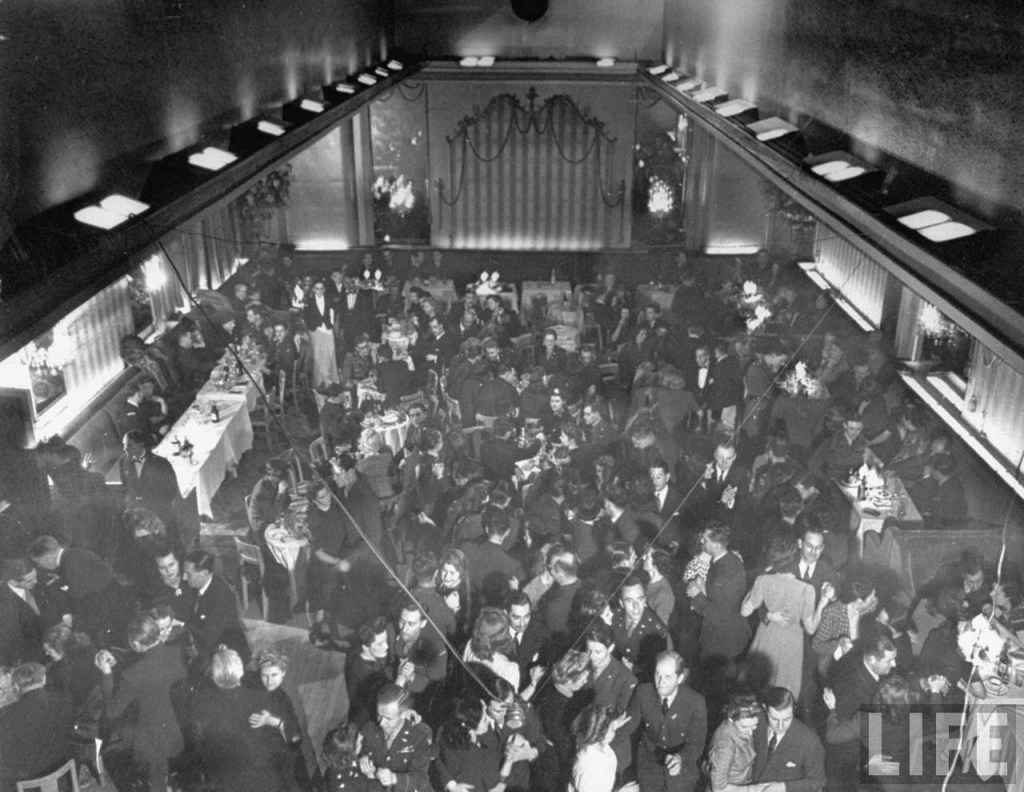
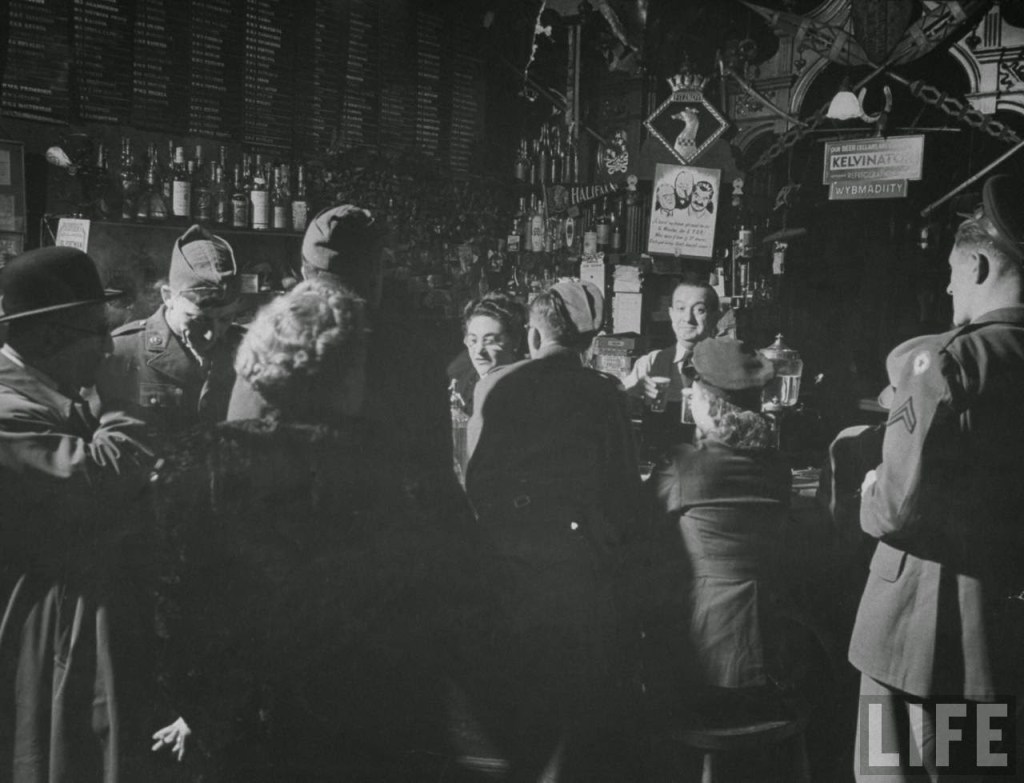
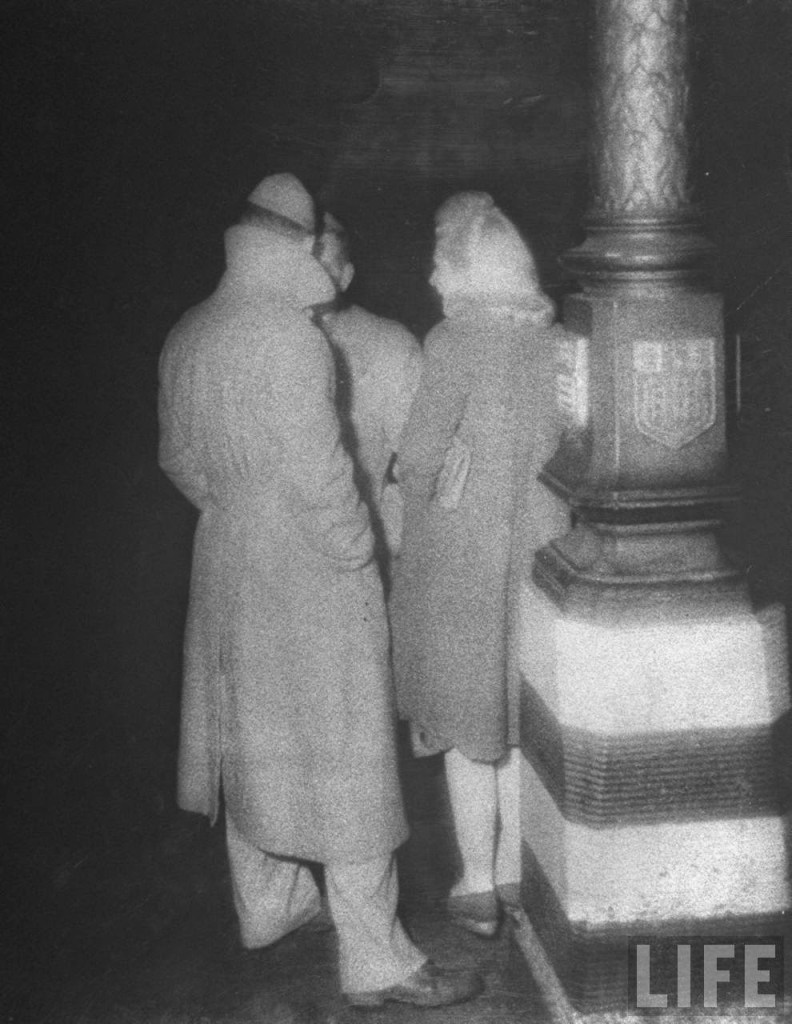
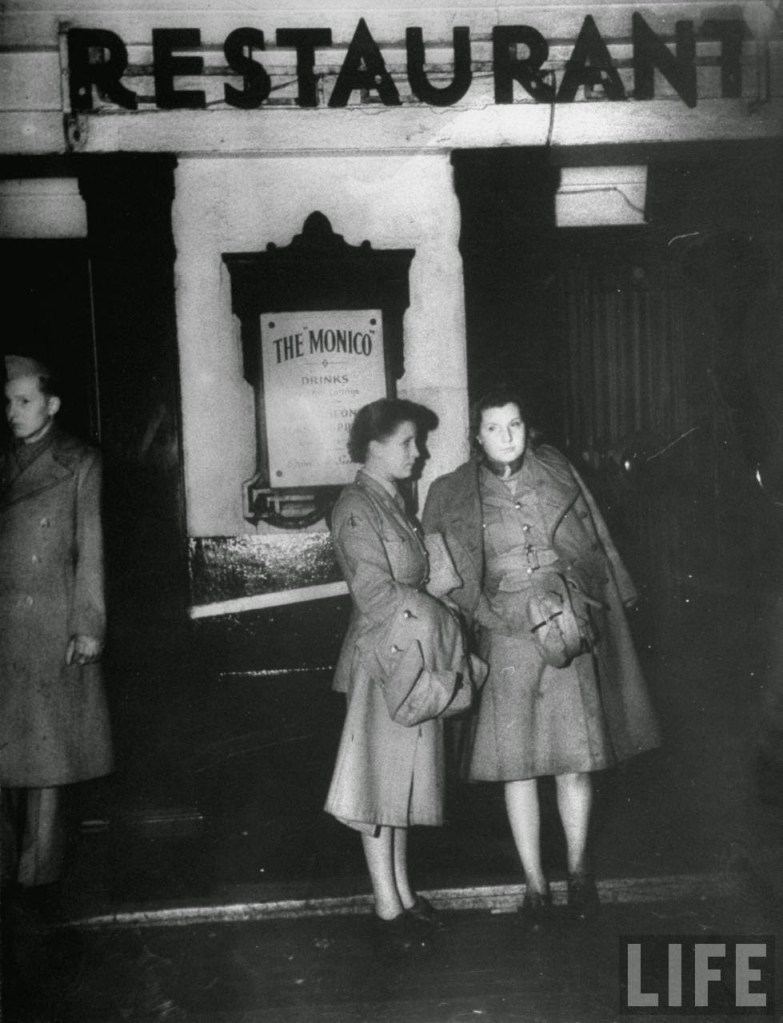
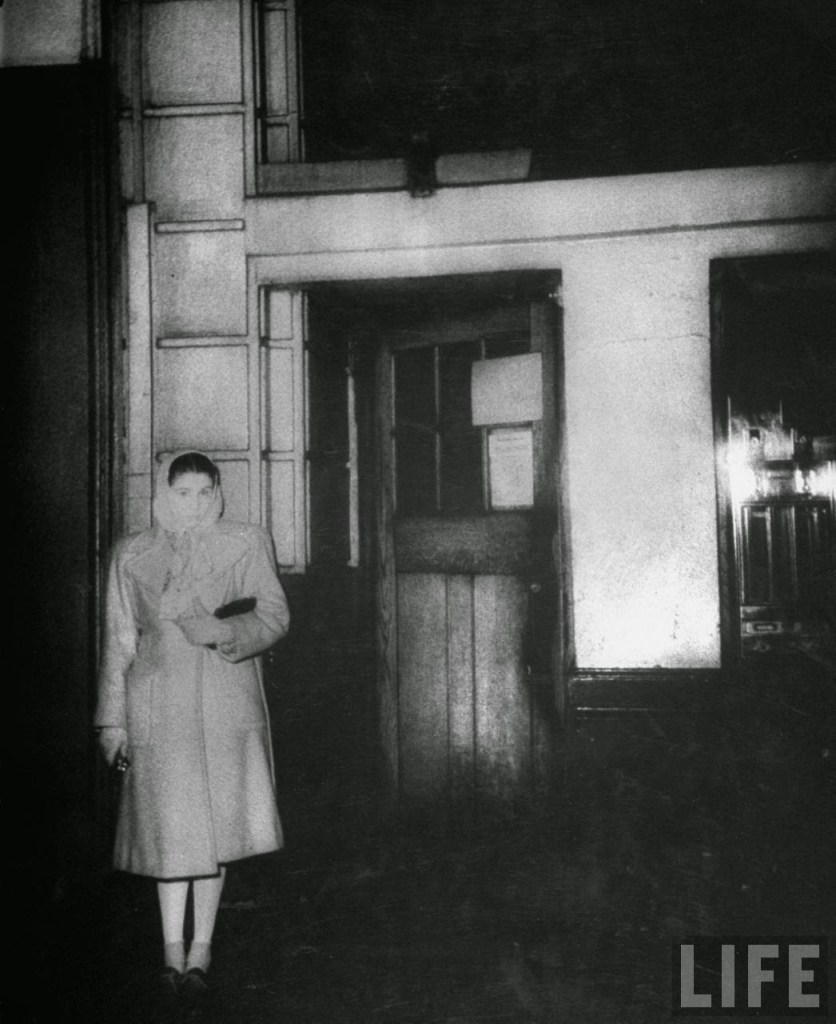
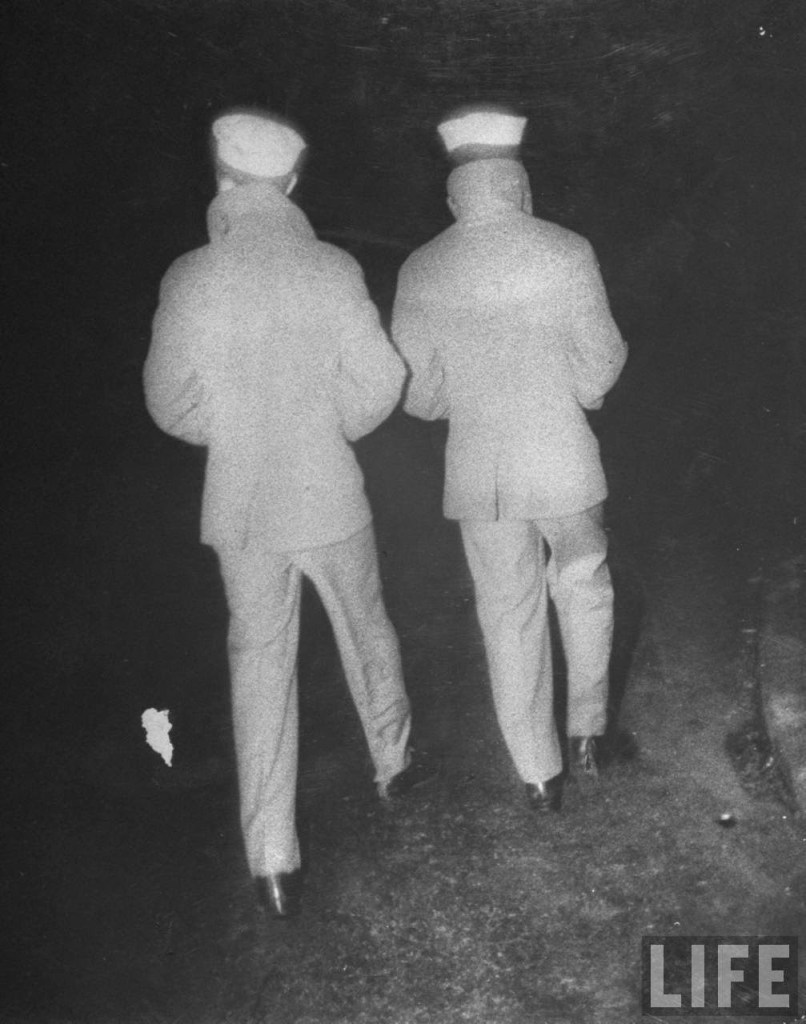
London under blackout conditions. On 17 September 1944, the blackout was replaced by a partial “dim-out”.
The blackout began two days before the war began. Under blackout rules, everyone had to cover up their windows at night with black material. This was to make it difficult for German bombers to find their target in the dark.
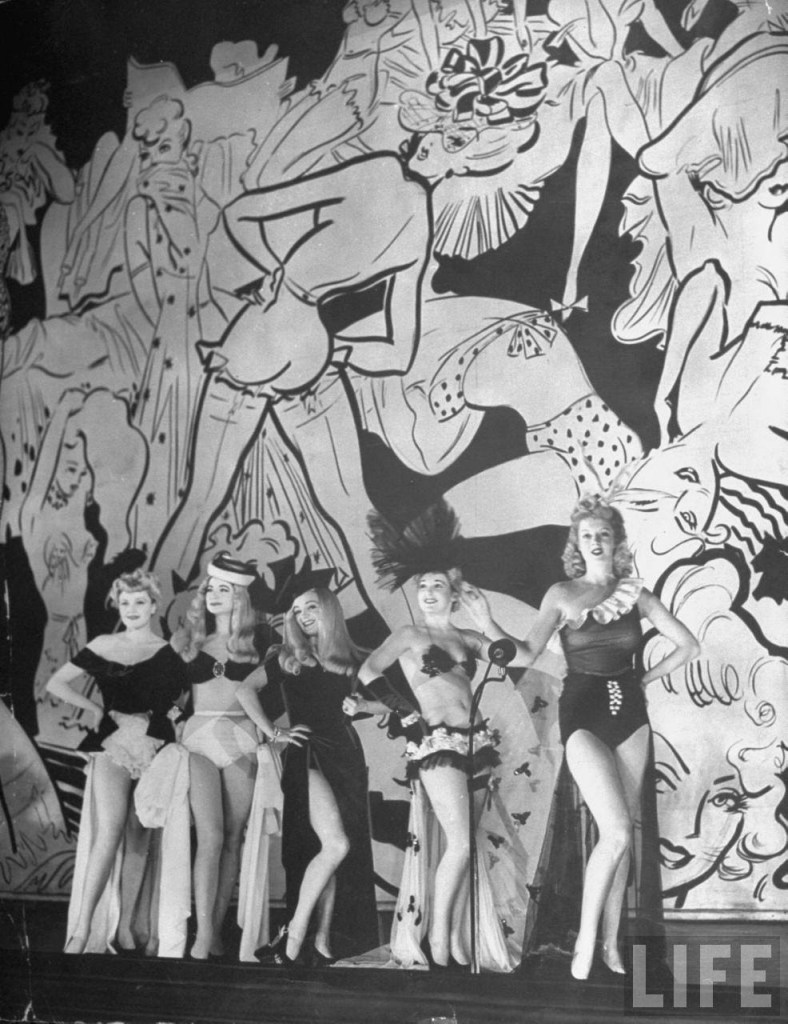
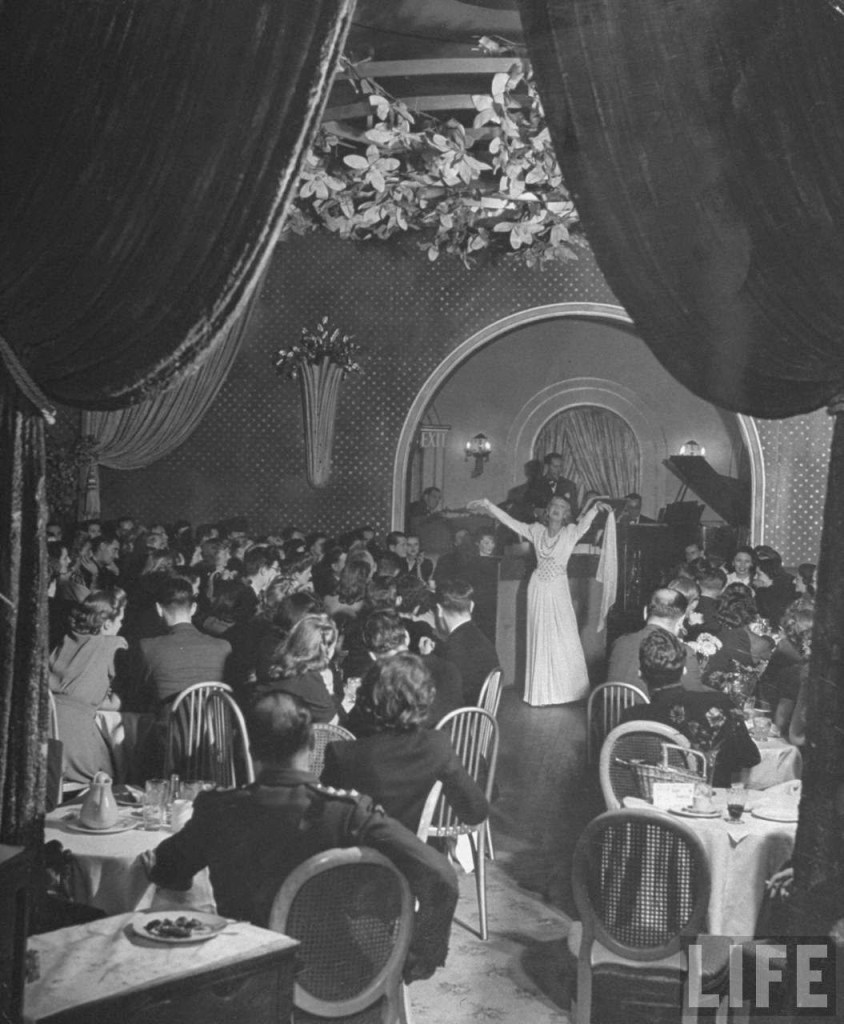
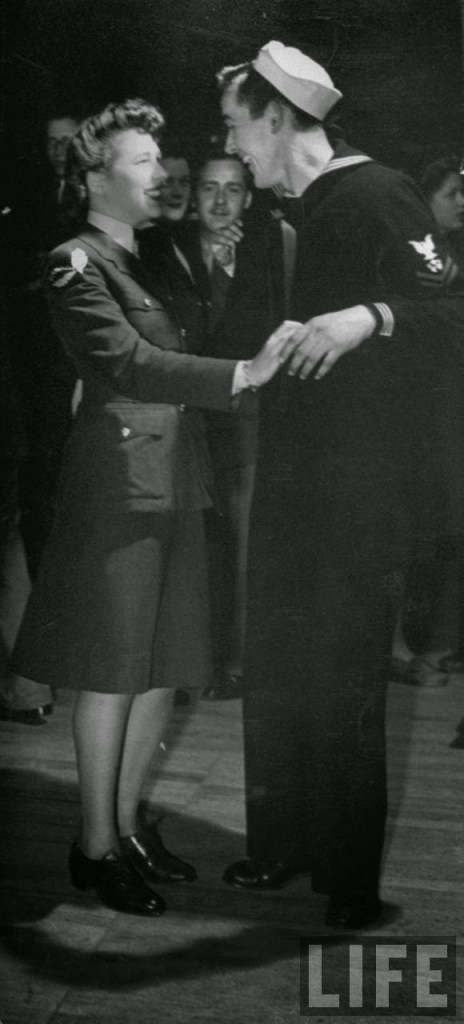
The war and threat of bombing hardly stopped people from having a good time, even if an air of poignacy hangs over the whole thing.
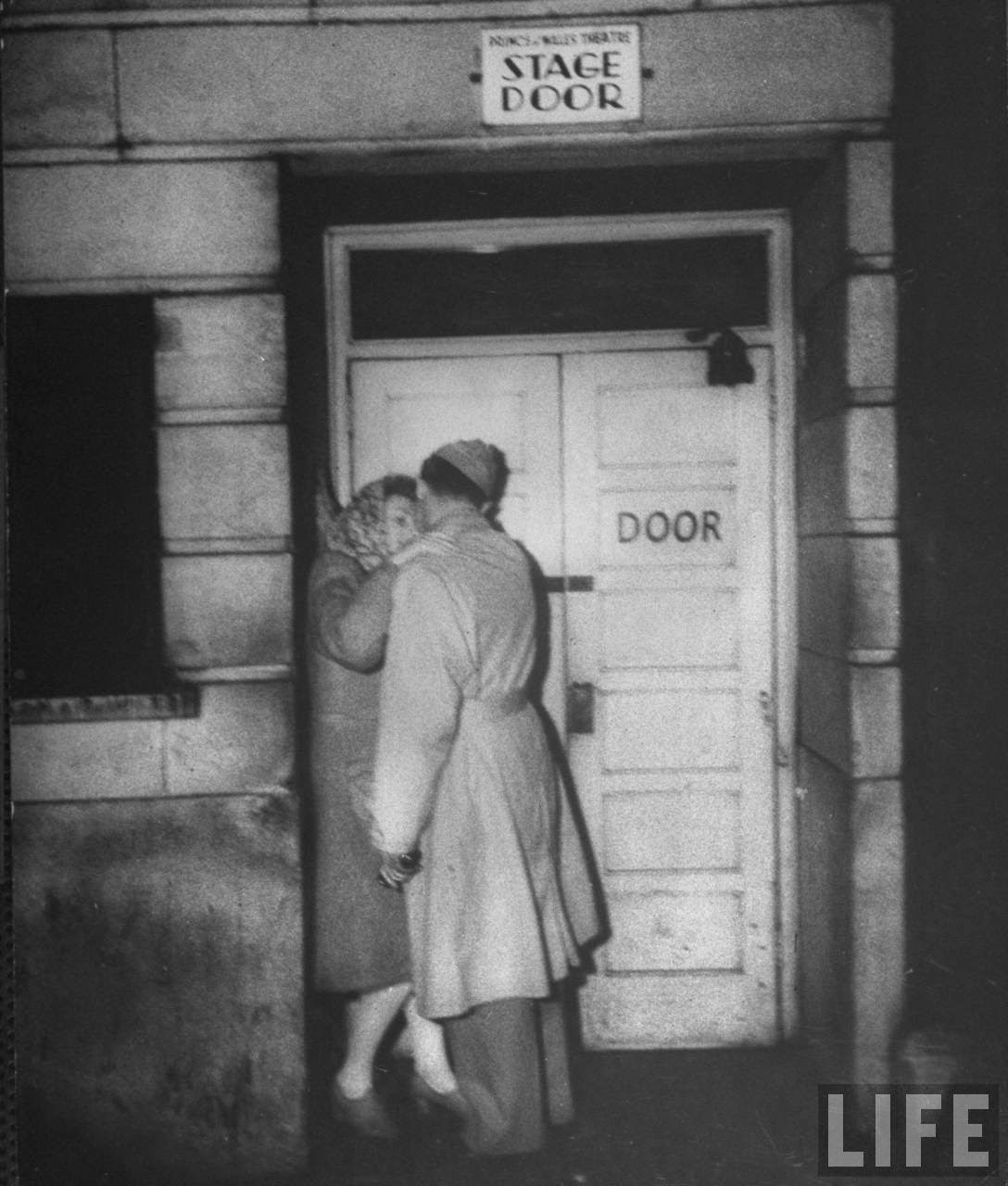
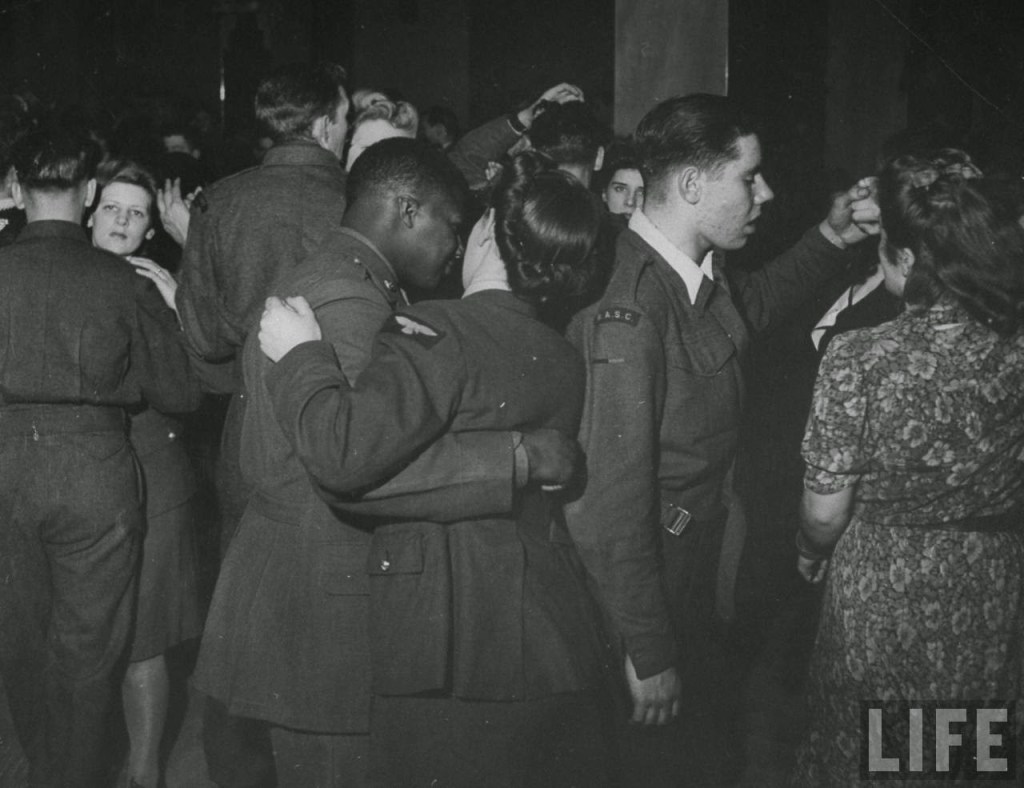
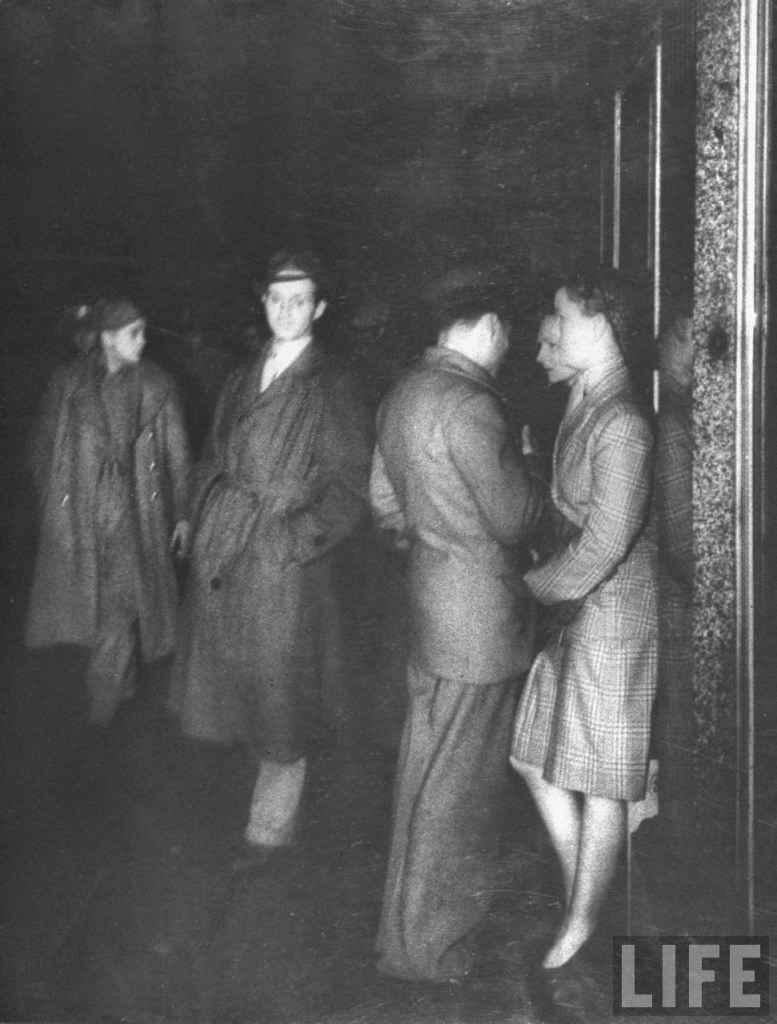
Night-lifers, servicemen & late-night war workers riding down escalators as they hurry to catch the last train home, at Piccadilly Circus underground station during WWII.People dancing to the music of orchestra on stage of Covent Garden Opera House after its conversion to a nightclub during wartime (WWII).The “Blondes in the News” act in Jack Hylton’s “Hi-De-Hi” at the Stoll.Inga Andersen singing “The General Doesn’t Like It in the Car” and “Hitler’s Gone and Lost His Secret Weapon” at “Bagatelle” Restaurant off Berkely Street.Girl talking with an American sailor.Two American MPs in Picadilly examining leave passes.Couple saying goodbye outside the Tube station entrance.Two soldiers with their torch examine the menu of a lower Wardour Street restaurant.People hanging around outside Keith Prowse discussing which shows they should try to see.Wounded soldier passed out on the street after hitting his head on the lamppost during the blackout.Couples dancing the Jitterbug at the Paramount Dance Hall on Tottenham Court Road.The “Embassy Club” on Bond Street.Couple embracing outside the stage door of Prince of Wales Theare in Lower Wardour Street.Barman checking the label on a bottle of liquor belonging to a member who has sent the waiter for it.Mad dance in Phylis Dixey’s new show “Goodnight Ladies”.Cast and audience of “Strike a new Note” at the Prince of Wales singing “The King” at the close of every public function.Ally and other soldiers drinking in a bar.Night-lifers, servicemen & late-night war workers riding down escalators as they hurry to catch the last train home, at Piccadilly Circus underground station during WWII.“Poor Man’s” Club featuring a flashy bohemian-type pub theme.Couples talking on the corner of Shaftesbury Ave and Dean Street.Two girls standing outside Monico’s in Picadilly.Girl waiting outside the stagedoor of Windmill Theatre off Picadilly for a friend.Stripper Phylis Dixey performing on stage.Two African American soldiers crossing the Circus.African American soldier dancing with a British Women’s Auxiliary Air Force member at Paramount Dance Hall.Outside the Rainbow Corner, girls talking with men.Soldiers crowding inside a Red Cross club, the Hans Crescent Club to listen to singer Joyce Grenfell.Bottles at the “Coconut Grove” labeled with their owners’ names.Girl dancing the Jitterbug at the Paramount Dance Hall on Tottenham Court Road.
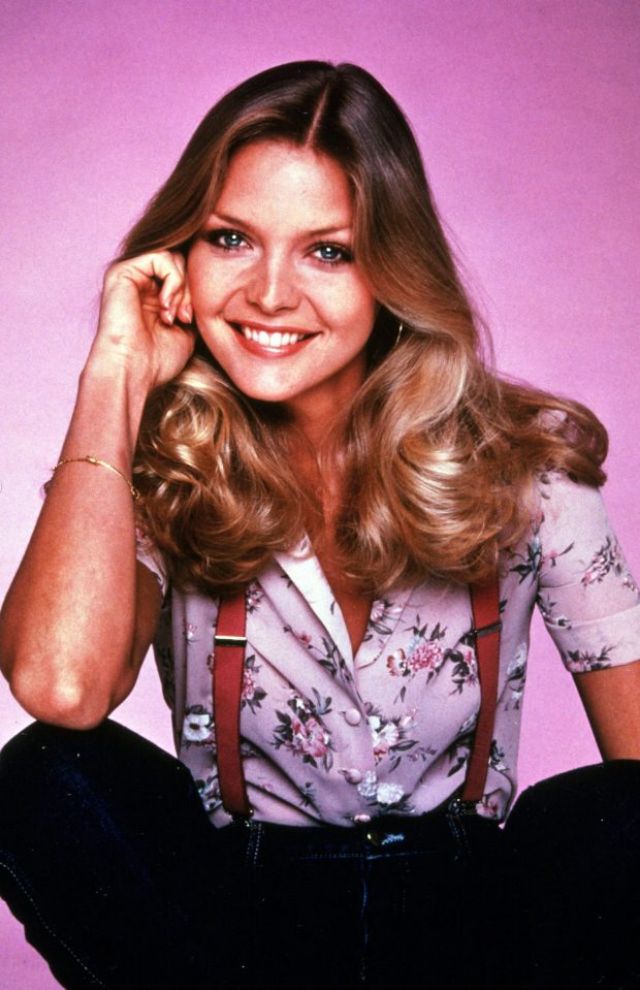
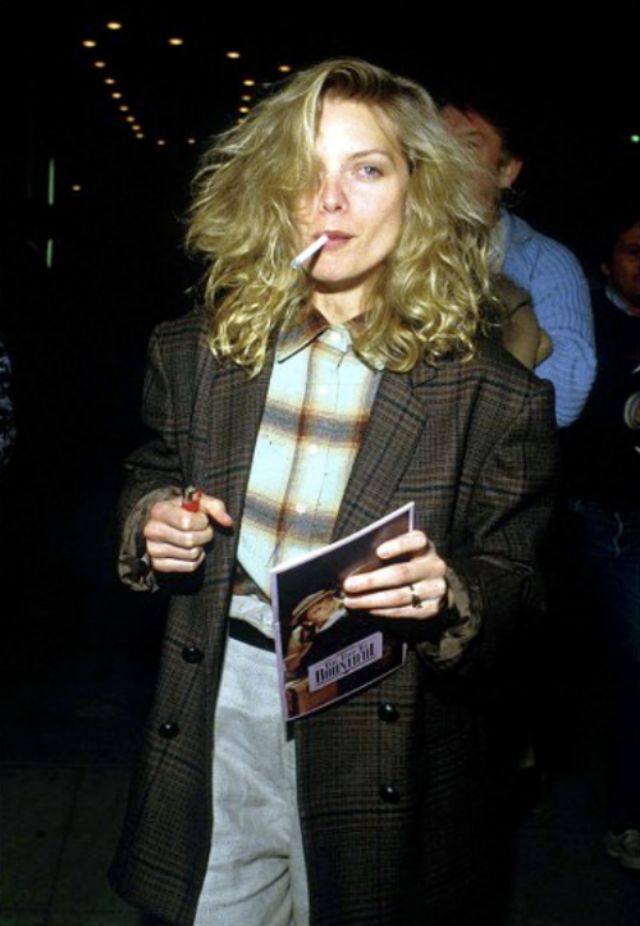
Michelle Pfeiffer is one of the most popular actresses of the 1980s and 1990s, she has received international acclaim and many accolades for her work in both comedic and dramatic films. She is very well-known for her versatility, and she has grown to become known for portraying unglamorous and nuanced, and emotionally distant characters and also strong characters who have sex appeal.
She is considered to be one of the world’s most talented actresses. She had started pursuing an acting career in the year, 1978. After she had accepted many small roles in a few TV series and movies, the actress’ very first leading role was in Grease 2 (1982), a musical movie which was the sequel to the 1978 movie. She was very frustrated with being a typecast, and the actress pursued a lot of more serious material.
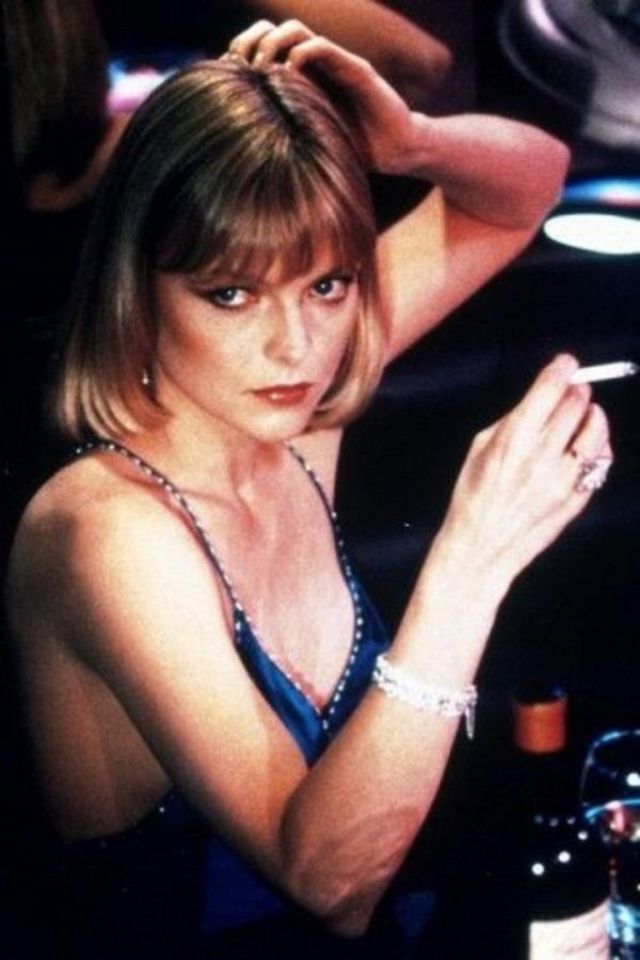
Michelle Pfeiffer then received a lot of strong reviews for her breakout performance as Elvira Hancock in Scarface. Her role in Married to the Mob had earned Michelle Pfeiffer her a Golden Globe Award nominations. Her roles in Dangerous Liaisons and The Fabulous Baker Boys had also earned her two Academy Award nominations, for Best Supporting Actress and Best Actress.
After starring as the titular actress in Frankie and Johnny, the actress had earned recognition as Catwoman/Selina Kyle in Batman Returns, and her interpretation is regarded as the most definitive ones of this character. Michelle Pfeiffer had earned her third Academy Award nomination for Love Field in 1992 before she had starred in The Age of Innocence and this was followed by Wolf in 1994, What Lies Beneath in 2000 and White Oleander in 2002.
Michelle Pfeiffer had also is produced many movies under her production company, Via Rosa Productions. After her five-year hiatus from acting, she then made an appearance in Hairspray, Chéri, and Dark Shadows.
Pictures of young Michelle Pfeiffer travel back to when the gorgeous actress who first captured the public’s attention with her performance in the 1983 film Scarface and even before that. What did Michelle Pfeiffer look like when she was young? Browse these photos of a young Michelle Pfeiffer to see for yourself!
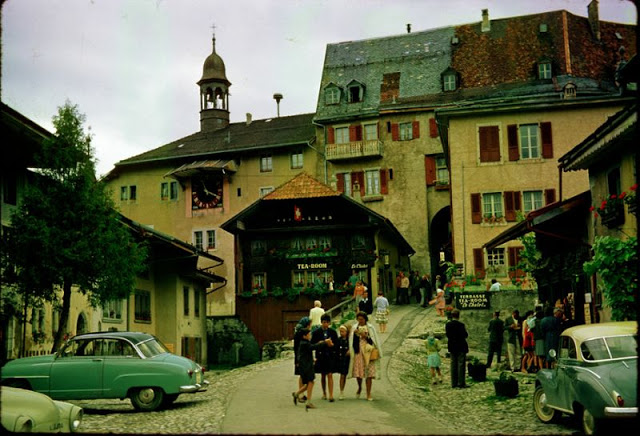
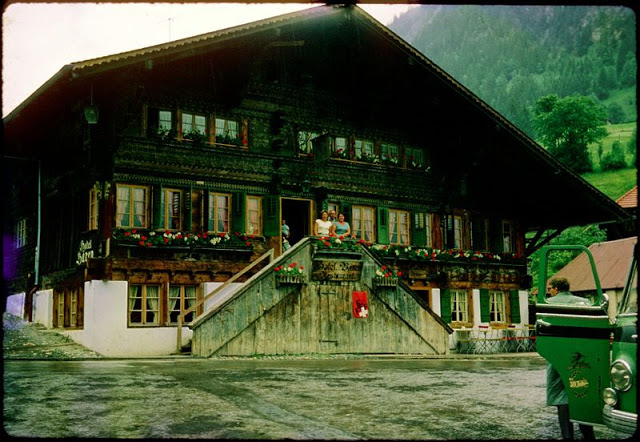
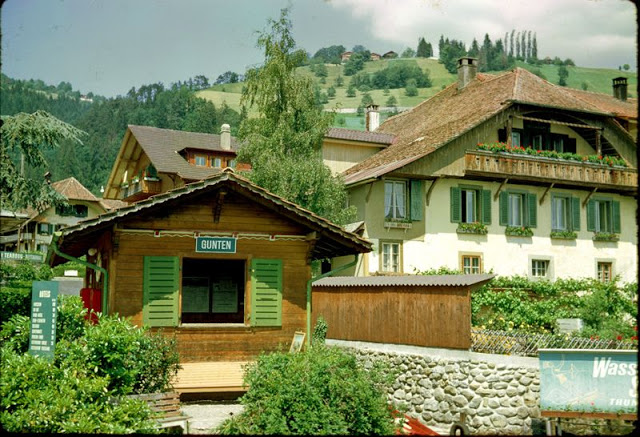
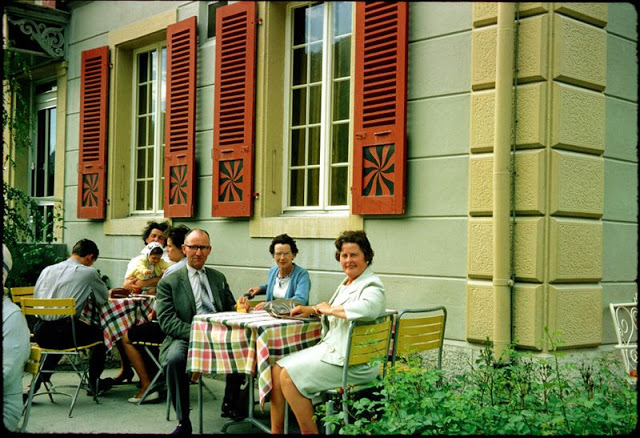
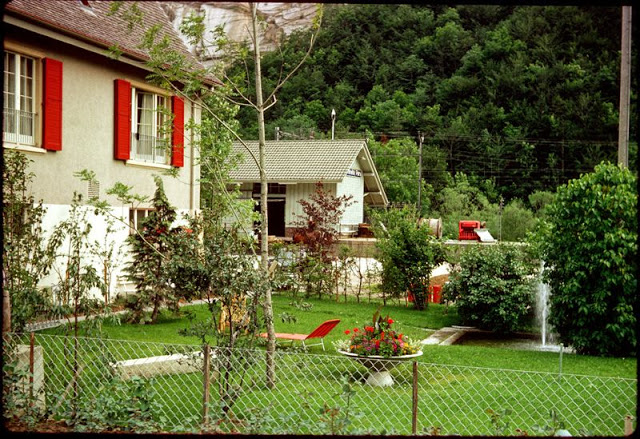
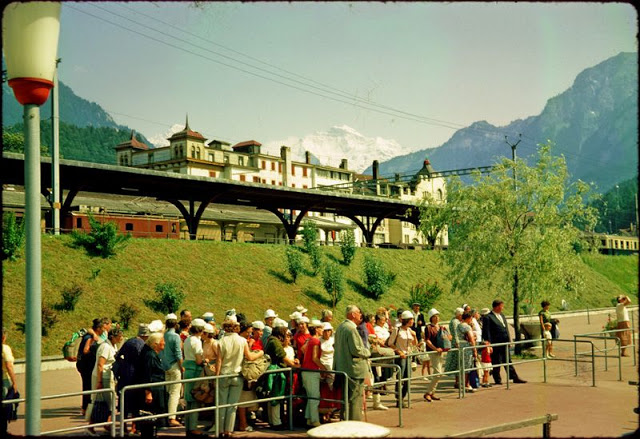
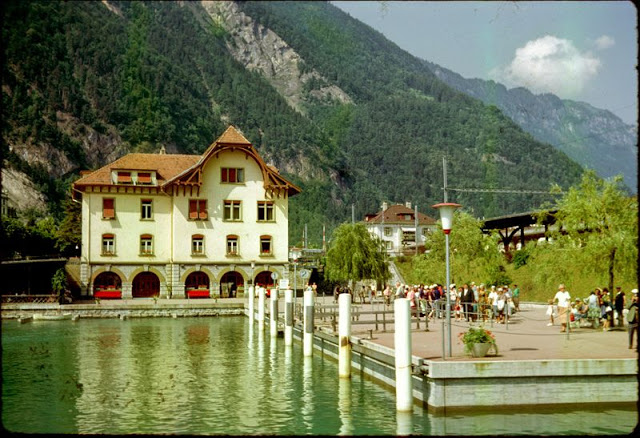
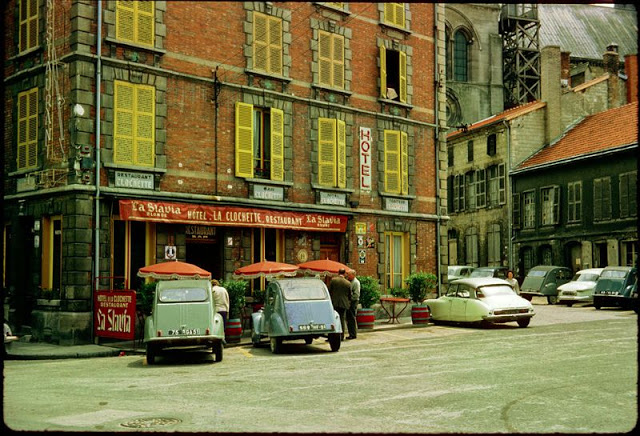
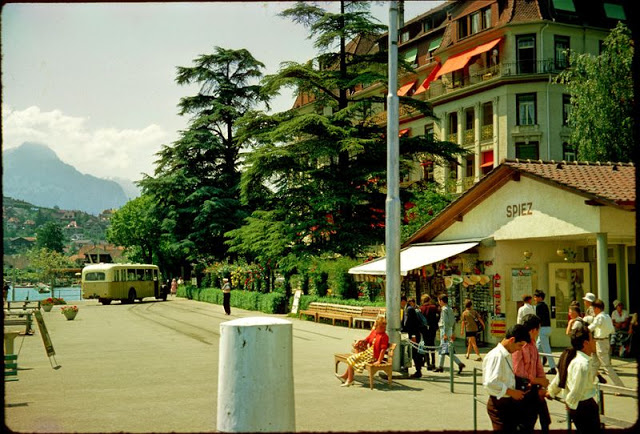
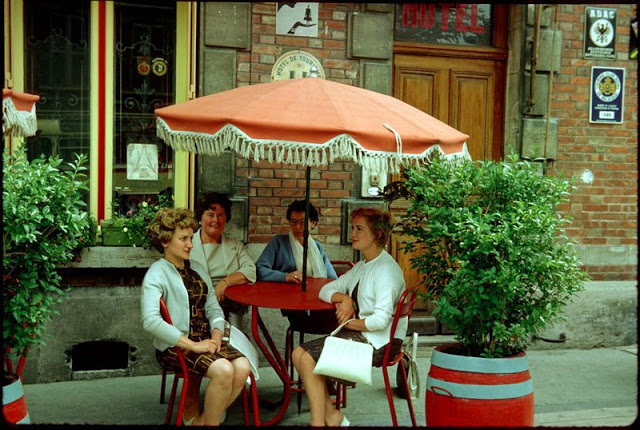
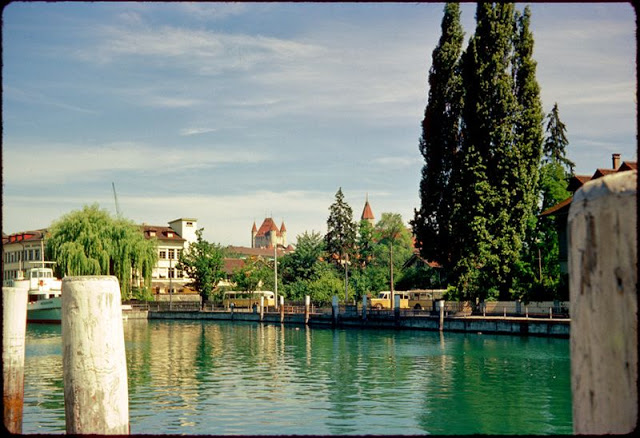
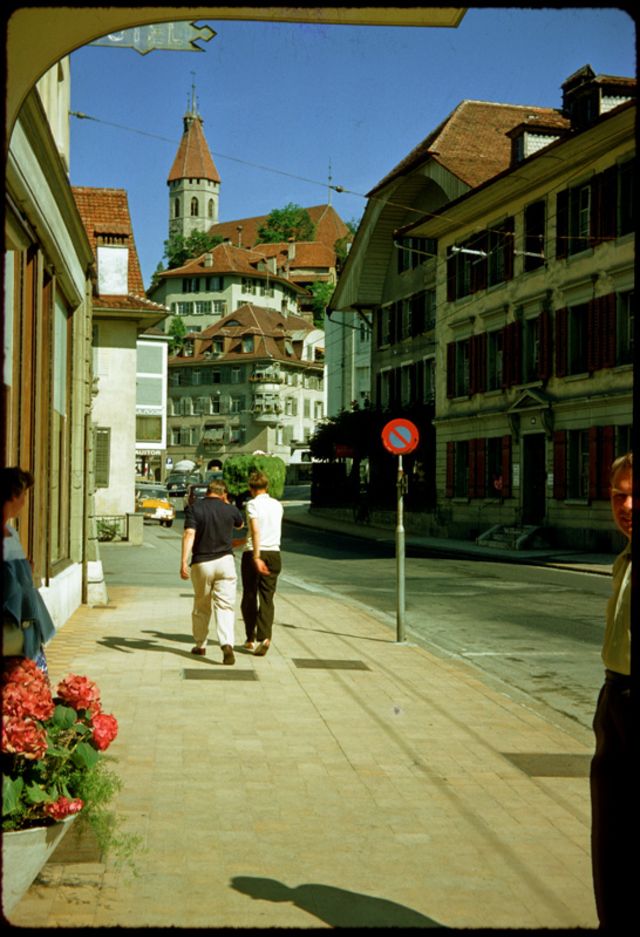
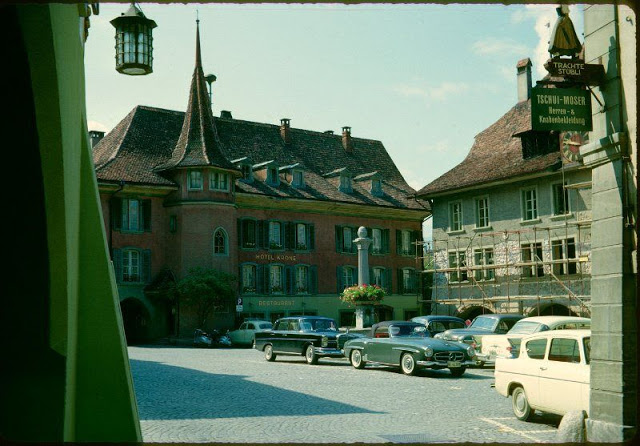
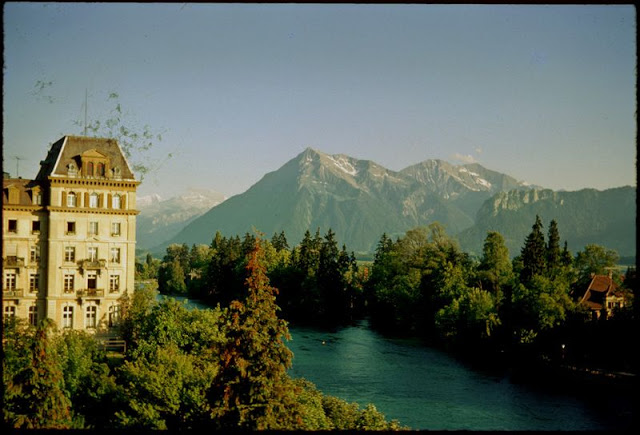
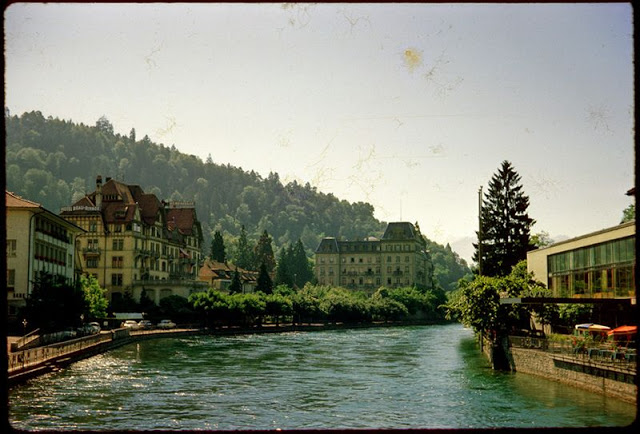
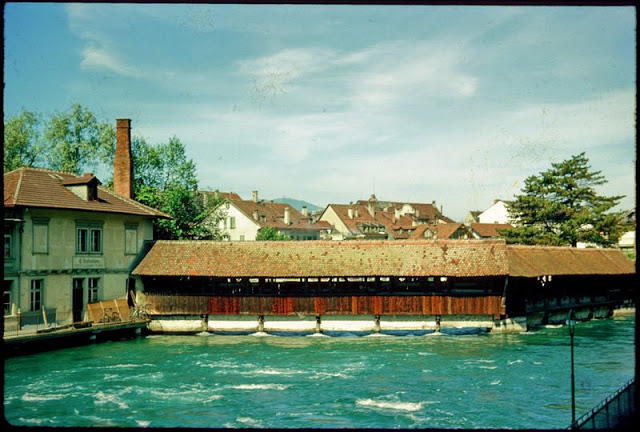
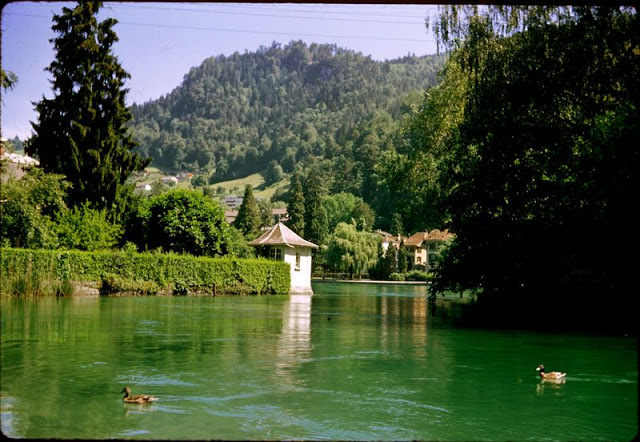
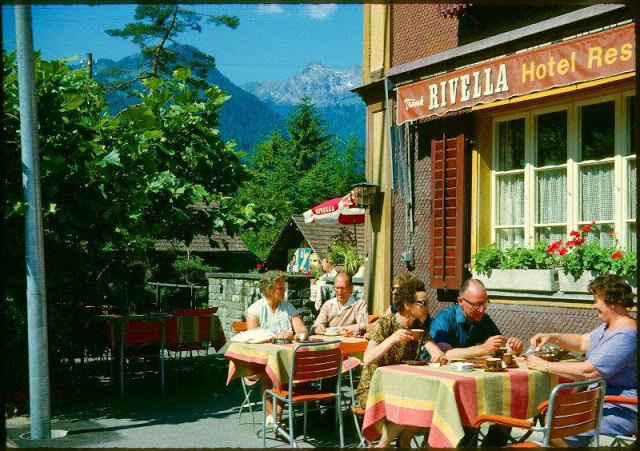
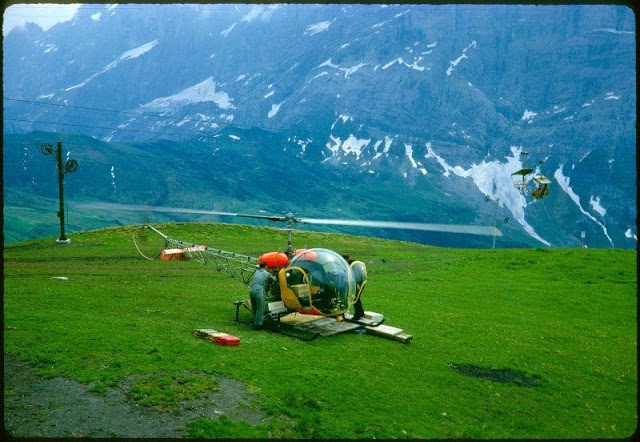
Switzerland, officially the Swiss Confederation, is a landlocked country at the confluence of Western, Central and Southern Europe. The country is a federal republic composed of 26 cantons, with federal authorities based in Bern. Switzerland is bordered by Italy to the south, France to the west, Germany to the north and Austria and Liechtenstein to the east. It is geographically divided among the Swiss Plateau, the Alps and the Jura, spanning a total area of 41,285 km2 (15,940 sq mi) and land area of 39,997 km2 (15,443 sq mi). Although the Alps occupy the greater part of the territory, the Swiss population of approximately 8.5 million is concentrated mostly on the plateau, where the largest cities and economic centres are, among them Zürich, Geneva and Basel. These three cities are home to several offices of international organisations such as the WTO, the WHO, the ILO, the headquarters of FIFA, the UN’s second-largest office, as well as the main office of the Bank for International Settlements. The main international airports of Switzerland are also located in these cities.
The establishment of the Old Swiss Confederacy in the Late Middle Ages resulted from a series of military successes against Austria and Burgundy. Swiss independence from the Holy Roman Empire was formally recognised in the Peace of Westphalia in 1648. The Federal Charter of 1291 is considered the founding document of Switzerland, which is celebrated on Swiss National Day. Since the Reformation of the 16th century, Switzerland has maintained a firm policy of armed neutrality; it has not fought an international war since 1815 and did not join the United Nations until 2002. Nevertheless, it pursues an active foreign policy. It is frequently involved in peace-building processes worldwide. Switzerland is the birthplace of the Red Cross, one of the world’s oldest and best known humanitarian organisations. It is a founding member of the European Free Trade Association, but notably not part of the European Union, the European Economic Area or the Eurozone. However, it participates in the Schengen Area and the European Single Market through bilateral treaties.
Switzerland occupies the crossroads of Germanic and Romance Europe, as reflected in its four main linguistic and cultural regions: German, French, Italian and Romansh. Although the majority of the population are German-speaking, Swiss national identity is rooted in a common historical background, shared values such as federalism and direct democracy, as well as Alpine symbolism. This identity stretching across languages, ethnic groups, and religions has led many to consider Switzerland a Willensnation (“nation of volition”), as opposed to a nation-state.
Due to its linguistic diversity, Switzerland is known by a variety of native names: Schweiz ‘?va?ts; Suisse s?is(?); Svizzera ‘zvittsera; and Svizra ‘?vi?tsr?, ‘?vi?ts??. On coins and stamps, the Latin name, Confoederatio Helvetica – frequently shortened to “Helvetia” – is used instead of the four national languages. A developed country, it has the highest nominal wealth per adult and the eighth-highest per capita gross domestic product. It ranks highly on some international metrics, including economic competitiveness and human development. Its cities such as Zürich, Geneva and Basel rank among the highest in the world in terms of quality of life, albeit with some of the highest costs of living in the world. In 2020, IMD placed Switzerland first in attracting skilled workers. The WEF ranks it the fifth most competitive country globally. (Wikipedia)
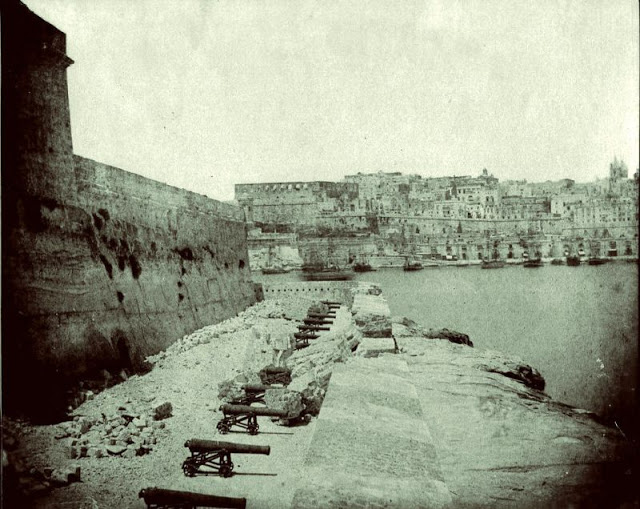
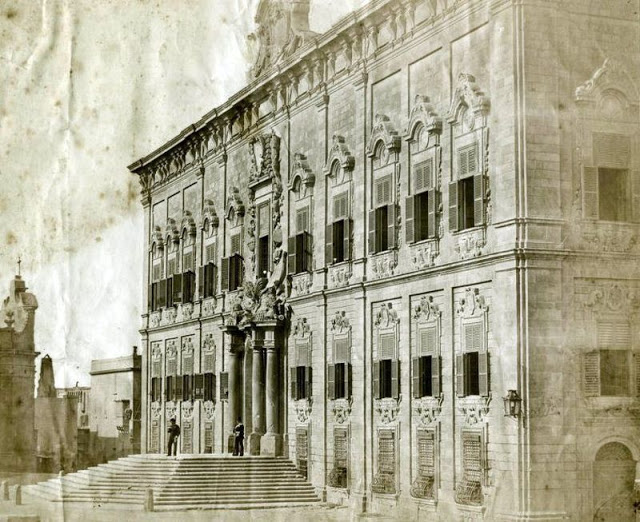
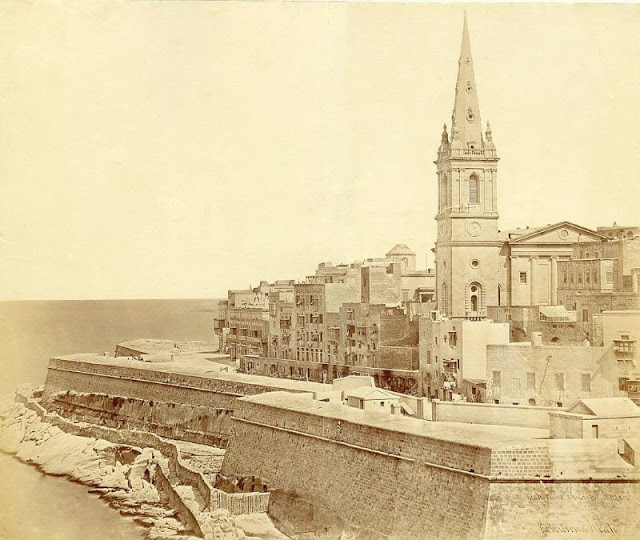
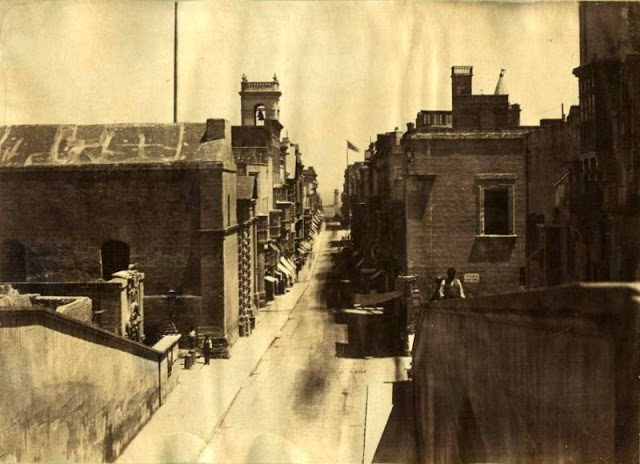
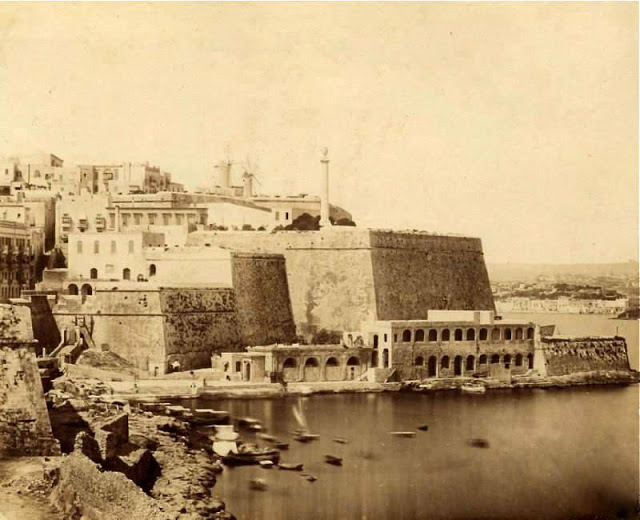
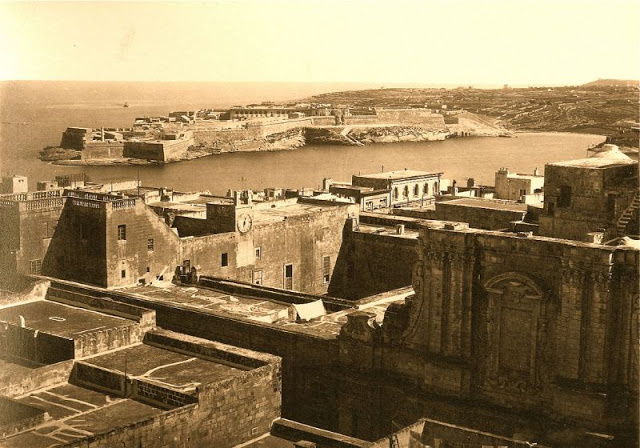
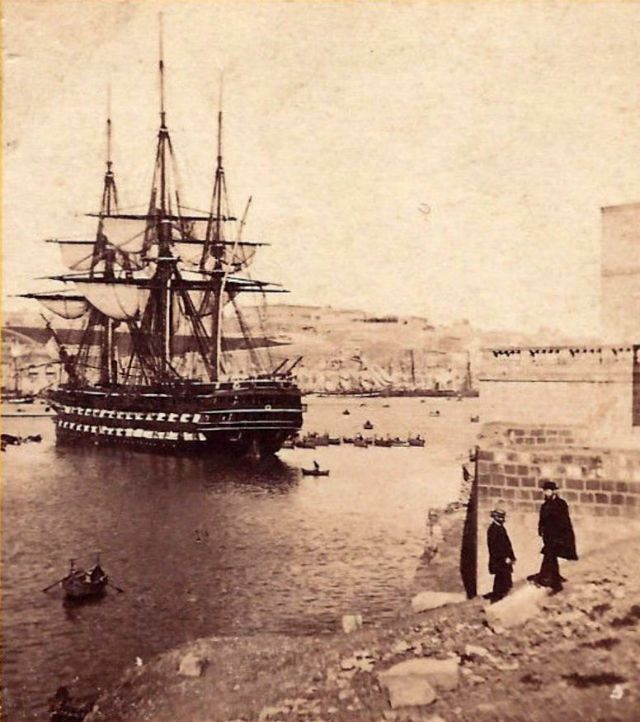
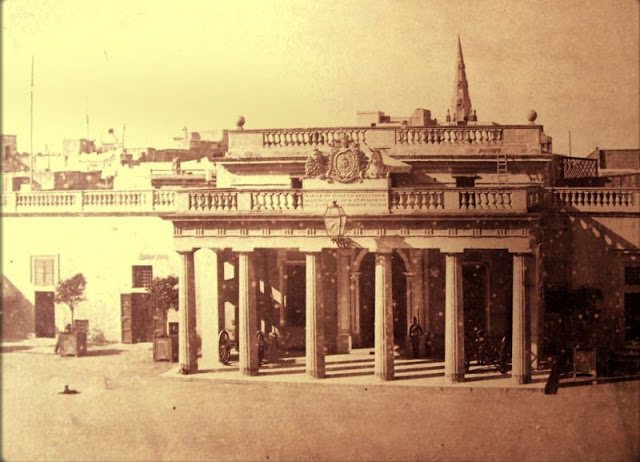
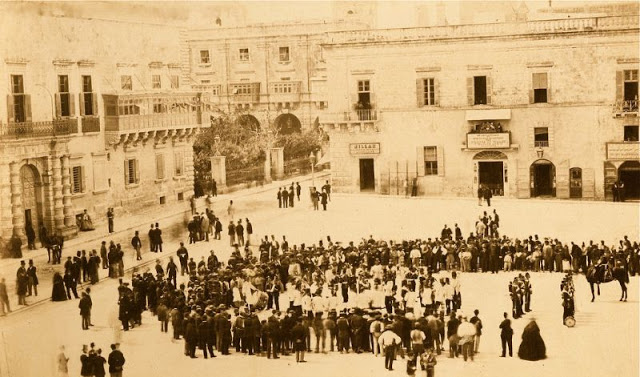
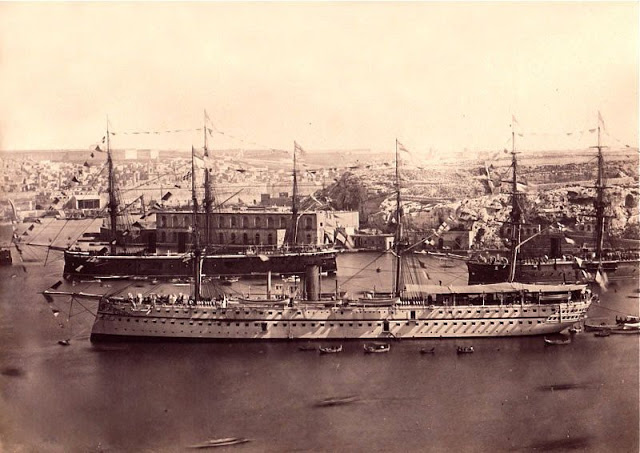
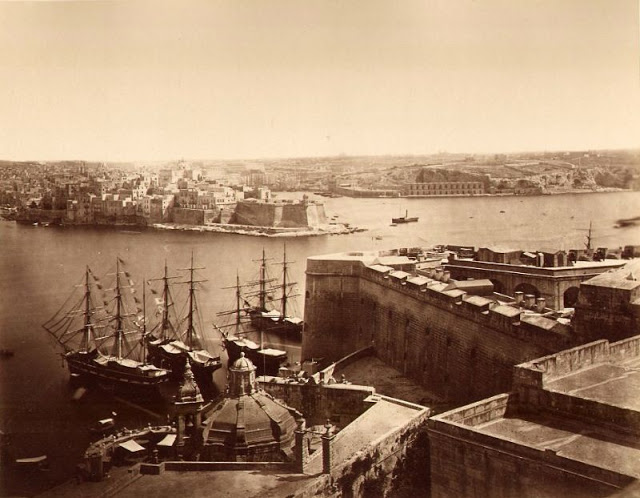
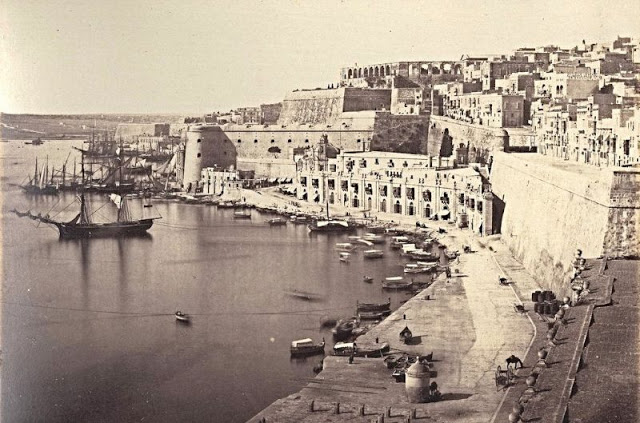
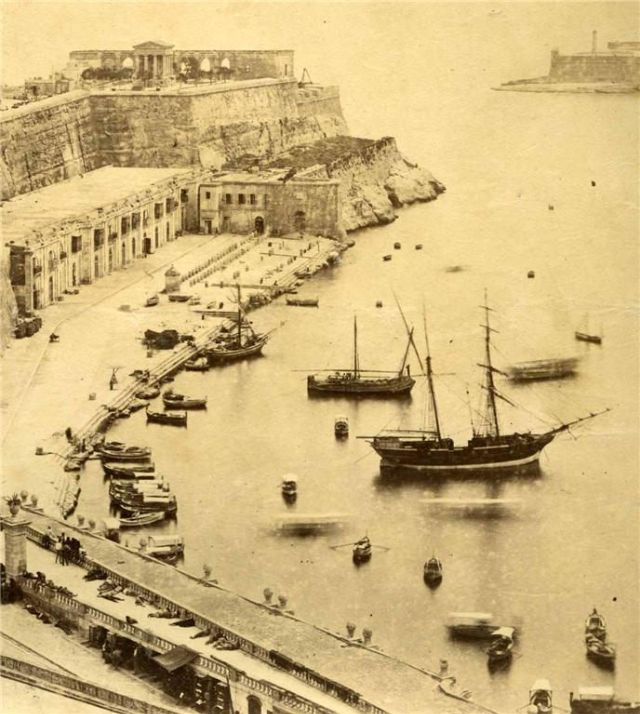
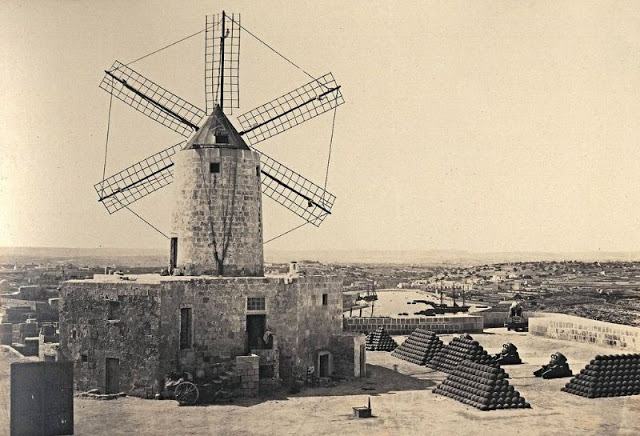
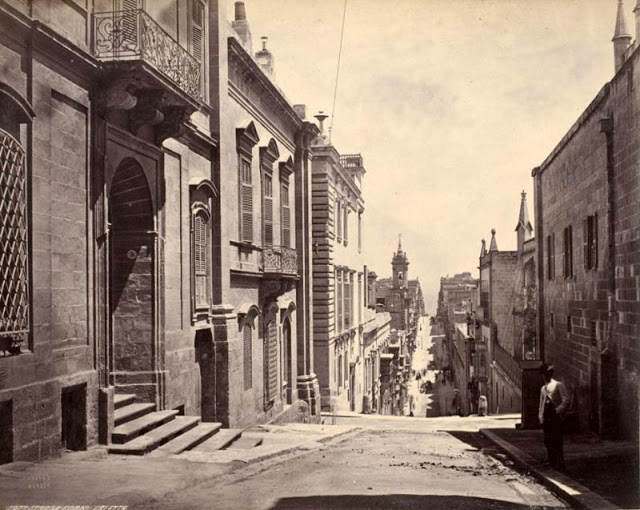
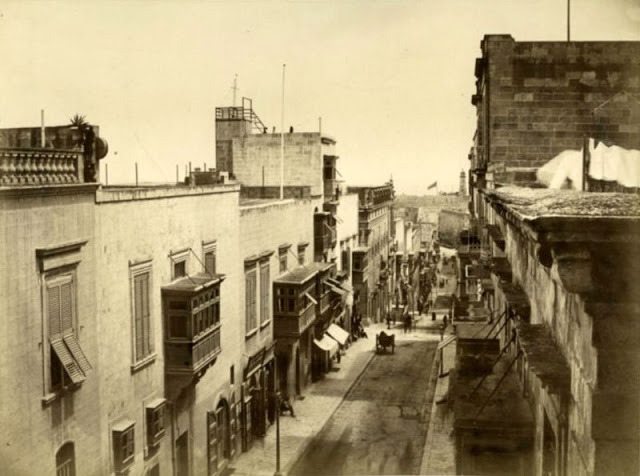
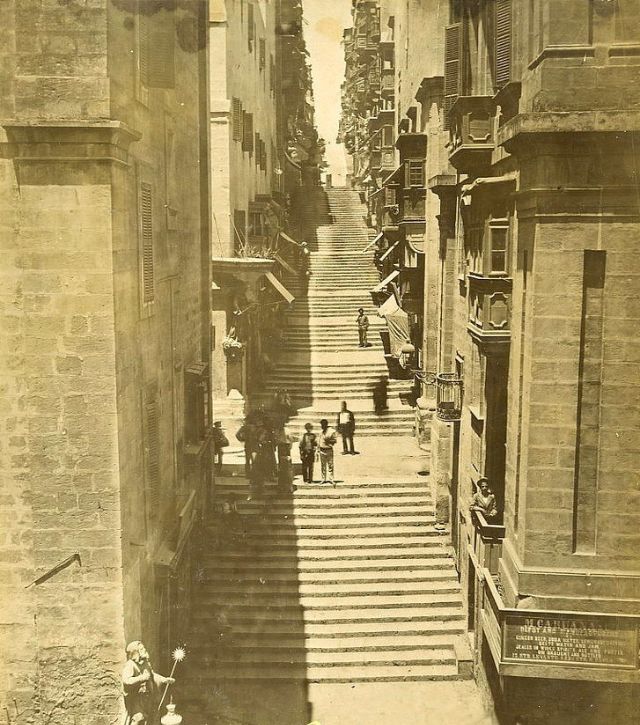
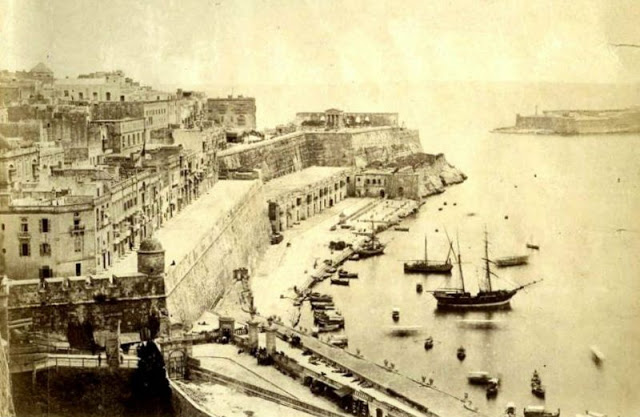
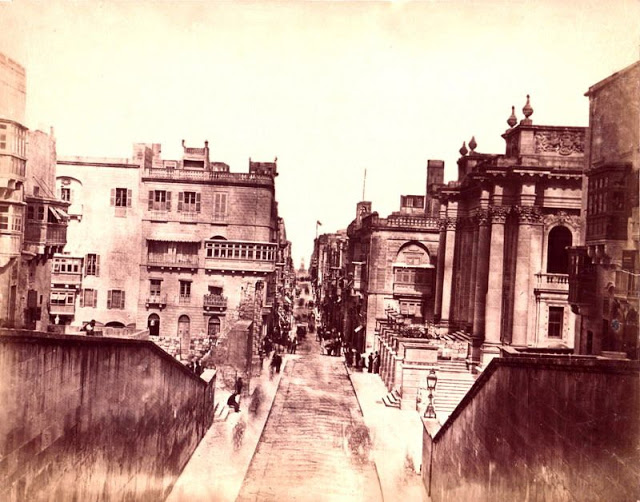
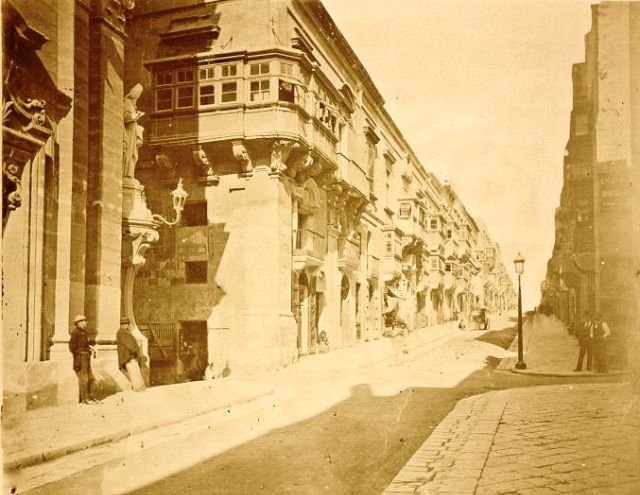
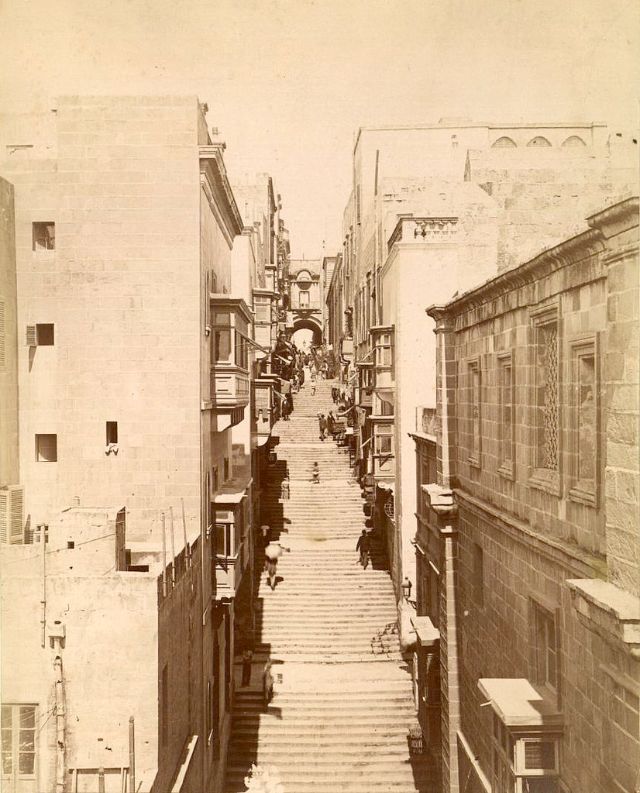
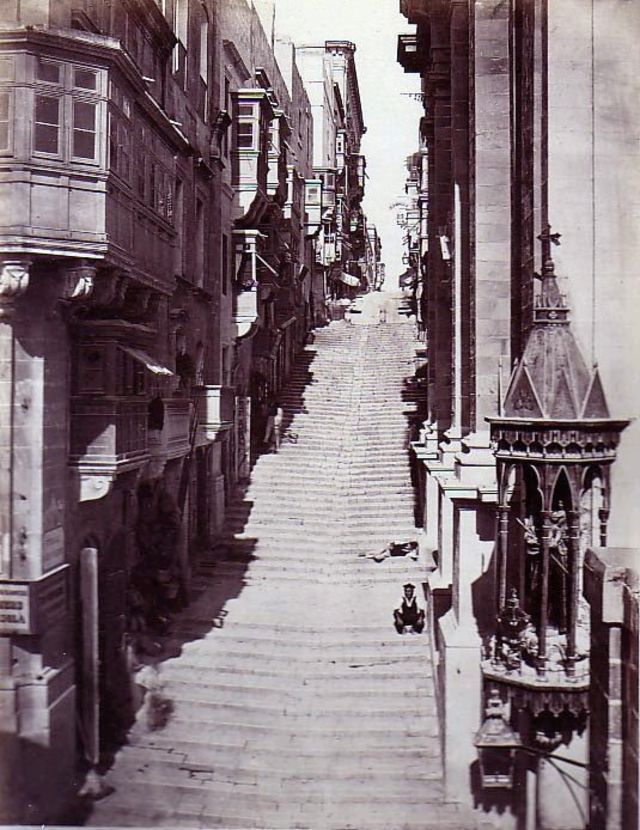
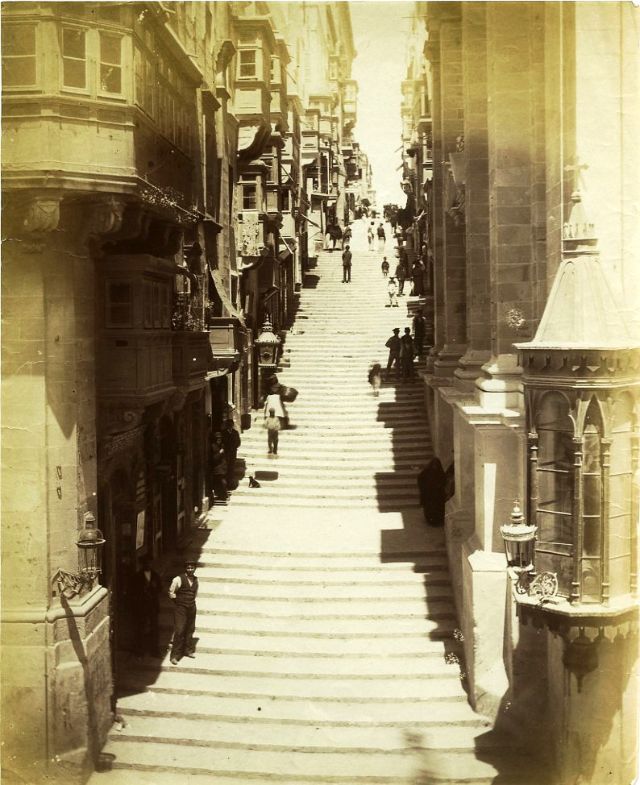
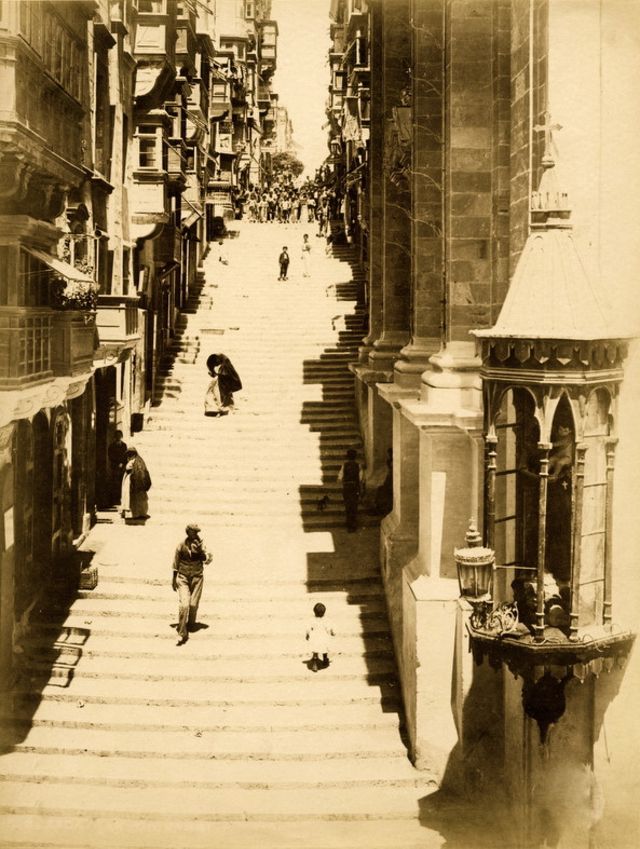
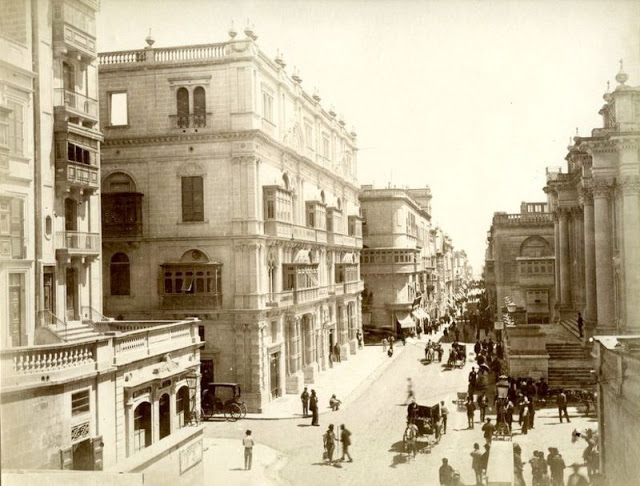
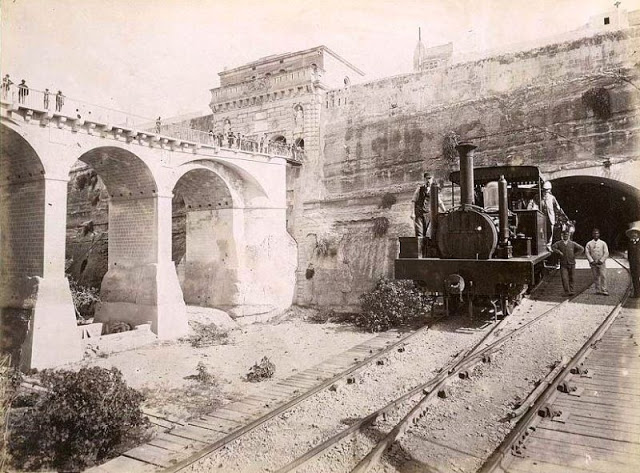
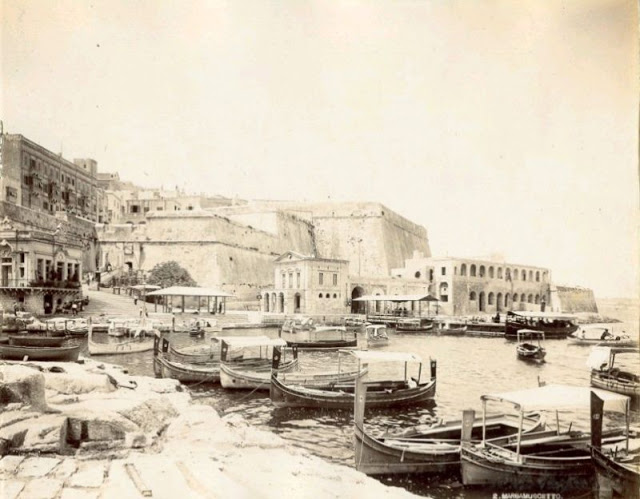
Valletta is the administrative unit and capital of Malta. Located on the main island, between Marsamxett Harbour to the west and the Grand Harbour to the east, its population within administrative limits in 2014 was 6,444. According to the data from 2020 by Eurostat, the Functional Urban Area and metropolitan region covered the whole island and has a population of 480,134. Valletta is the southernmost capital of Europe, and at just 0.61 square kilometres (0.24 sq mi), it is the European Union’s smallest capital city.
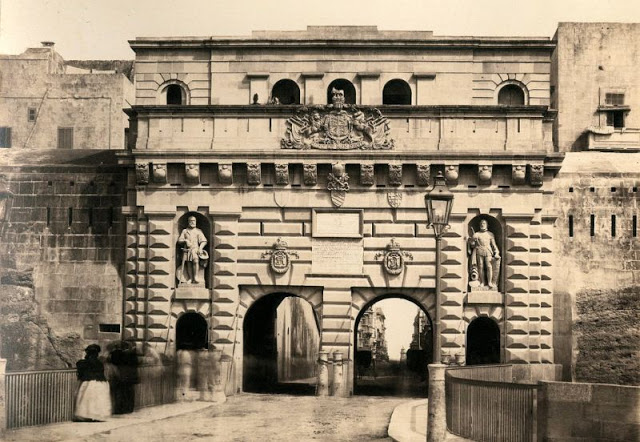
Valletta’s 16th-century buildings were constructed by the Knights Hospitaller. The city was named after Jean Parisot de Valette, who succeeded in defending the island from an Ottoman invasion during the Great Siege of Malta. The city is Baroque in character, with elements of Mannerist, Neo-Classical and Modern architecture, though the Second World War left major scars on the city, particularly the destruction of the Royal Opera House. The city was officially recognised as a World Heritage Site by UNESCO in 1980. Today, with 320 monuments, is one of the most dense monuments areas in the world. Sometimes called an “open-air museum”, Valletta was chosen as the European Capital of Culture in 2018. Valletta is also the sunniest city in Europe.
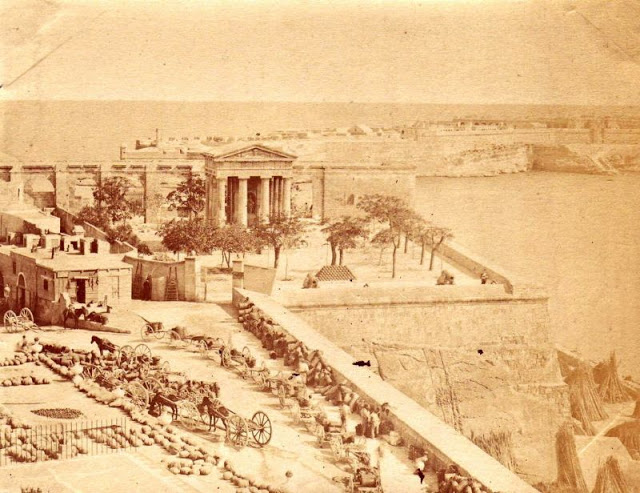
The city is noted for its fortifications, consisting of bastions, curtains and cavaliers, along with the beauty of its Baroque palaces, gardens and churches. (Wikipedia)
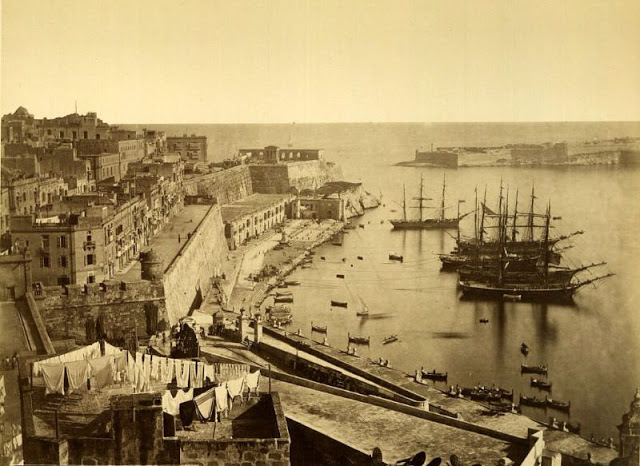
Strada Britannica, Valletta, Malta, circa late 1840s. Possibly one of the earliest street photographs taken in MaltaValletta showing Upper Barrakka in the background before Fort Lascaris was built, 1848Auberge de Castille, Valletta, Malta, 1854Marsamscetto Valletta Malta showing the spire of St. Paul’s Anglican cathedral, 1854Valletta street scene in Malta, circa 1854Kingsway, Valletta, Malta, 1859. Pre Opera House and pre Buttigieg Francia buildingGrand Harbour at Valletta with Marina Gate at lower left circa 1860sPonsomby’s column on St.Andrew’s bastion, Valletta, circa 1860Valletta rooftops with Fort Ricasoli in the background, circa 1860sHMS Neptune at Grand Harbour, Malta, 1862Main Guard, Valletta, Malta, 1865Marina Gate, Valletta, Malta, 1865St. George’s Square Valletta , British Army Bands, 1868British troop ship in Grand Harbour, Malta, circa 1870sGrand Harbour Malta with Liesse Church , Fish Market & Fort Lascaris in foreground, circa 1870sGrand Harbour, Malta, circa 1870sGrand Harbour, Malta, circa 1870sGrand Harbour, Valletta, Malta, circa 1870sLiesse Hill Street & Grand Harbour, circa 1870sMain Guard, Valletta, Malta, 1870Marsamscetto Curtain, Valletta, Malta, 1870St. John Co-cathedral, Valletta, Malta, circa 1870sSt. Michael’s bastion, Valletta, Malta, circa 1870sStrada Forni, Valletta, Malta, circa 1870s. House on the left belonged to Sir Adrian DingliStrada Reale by North Street, Valletta, Malta, 1870Strada Santa Lucia, Valletta, Malta, circa 1870sValletta port scene, circa 1870sValletta port scene, circa 1870sValletta rooftops and Grand Harbour, circa 1870sValletta street scenes, Malta, circa early 1870sKing’s Gate or Porta Reale, Valletta, Malta, 1871Lower Barakka Garden, Valletta, Malta in 1871Royal Opera House in Valletta, Malta, a year or so before the fire of 1873Grand Harbour Malta with Floriana at background right side, 1875Kingsway, Valletta, Malta, 1875St. Ursula Street, Valletta, Malta in 1875Old Bakery Street, Valletta, Malta in 1876Strada Teatro, Valletta, Malta, 1876Kingsway, Valletta, Malta, 1878Old Bakery Street, Valletta, Malta, 1879St John Street, Valletta, Malta in 1879Grand Harbour in Valletta with Floriana in background, circa 1880sMarsamscetto and Valletta rooftops, Malta, 1880St. John Street, Valletta, Malta, circa 1880Steamship at Valletta harbour, Malta, circa 1880Strada Teatro, Valletta, Malta, 1880sTelegraph Company at 6&7 Marsamscetto Road, Valletta, Malta, circa 1880sSt. John Street, Valletta, Malta, 1881St. Lucia Street, Valletta, Malta, 1881Strada Reale, Valletta, Malta, 1883Marina Gate Demolition, Valletta, Malta, April 1884Kingsway, Valletta, Malta in 1888St. George’s Square, Valletta, Malta, 1898Kingsway, Valletta, Malta, circa 1890sMain Guard with British Troops on St. George’s Square, Valletta in 1899Malta Railway, 1890sMarsamscetto, Valletta, Malta in 1899Marsamscetto, Valletta, Malta, circa 1890sNaval band march down East street in Valletta, Malta, circa 1890sStrada Reale, Valletta, Malta, circa 1890sThe Victoria Gate, Valletta, Malta, circa 1890s
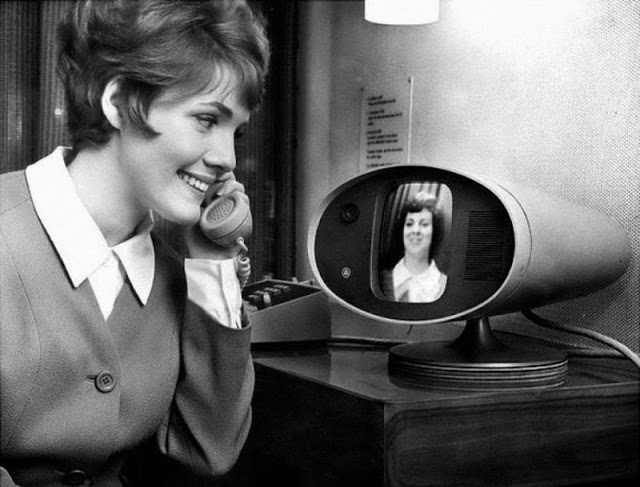
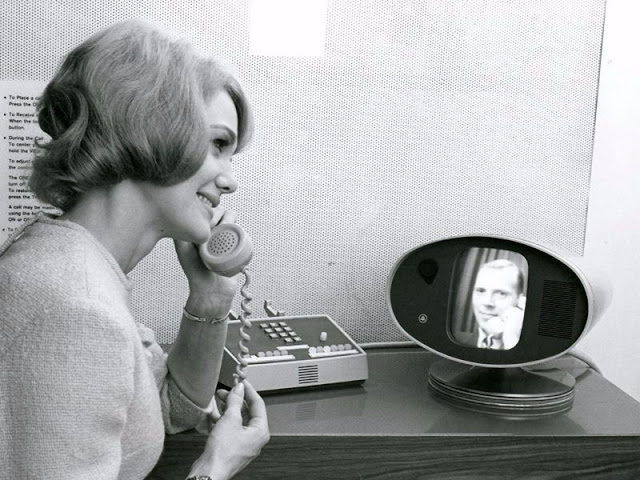
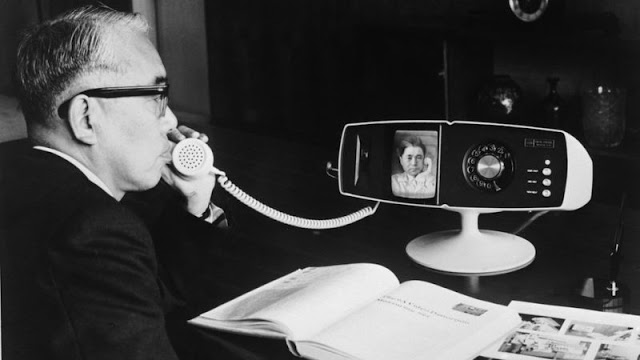
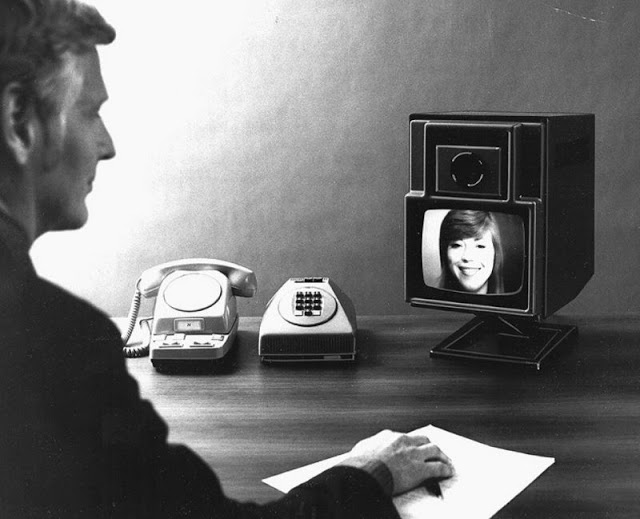
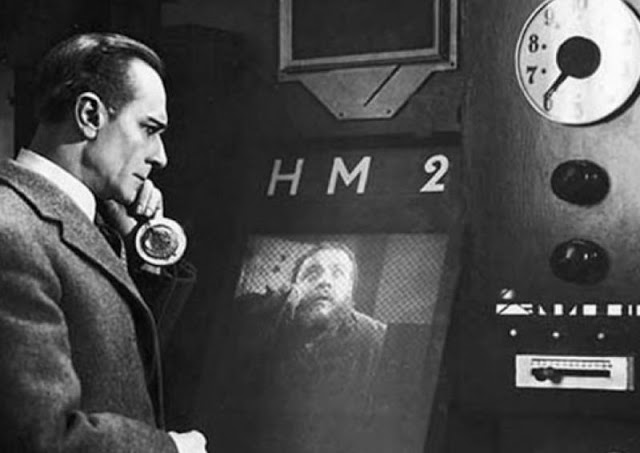
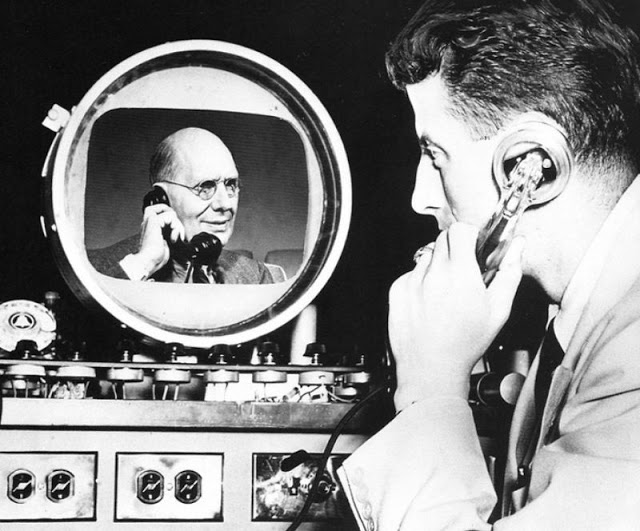
Can you even remember what life was like before video technologies like FaceTime or Skype? Out of all of the fantastic tech that the Internet has made possible, video conferencing is by far one of the most impactful. Modern video conferencing and video chat technology allow both families and businesses, from anywhere in the world, to talk with one another face-to-face as though they were sitting in the same room.
Thanks to tablets, smartphones and high-speed Internet, video chatting is as simple as pressing an icon from your contacts. But there’s a dark history that led us to this point. Company after company failed over and over again in an exercise in insanity to make video chat technology what it is today.