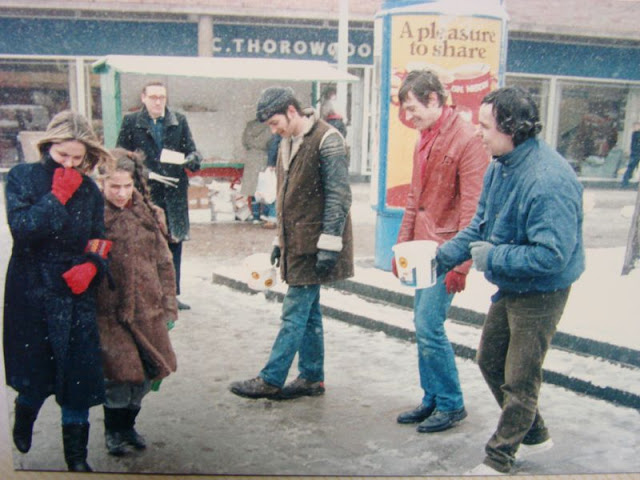
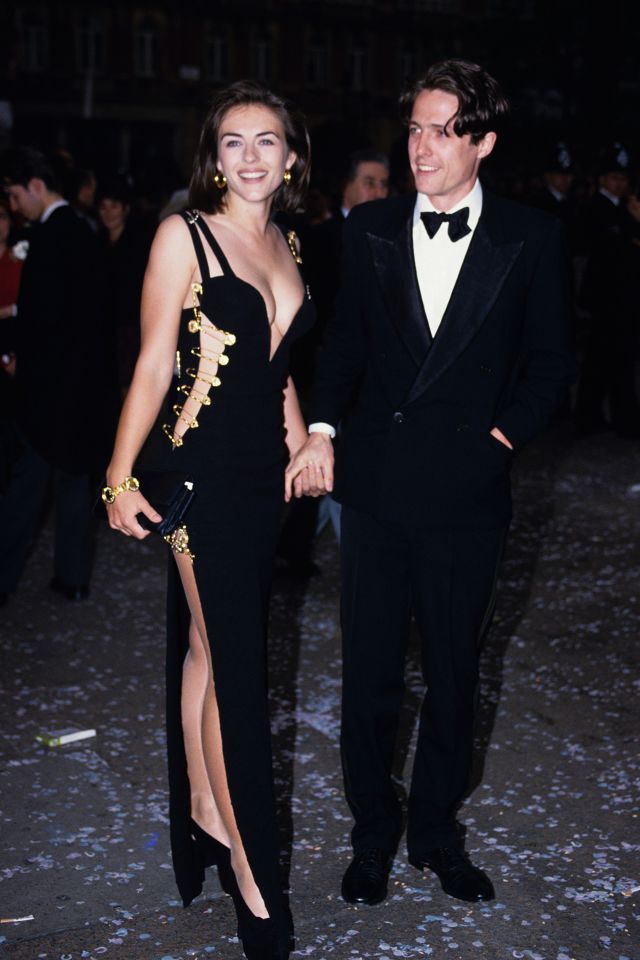
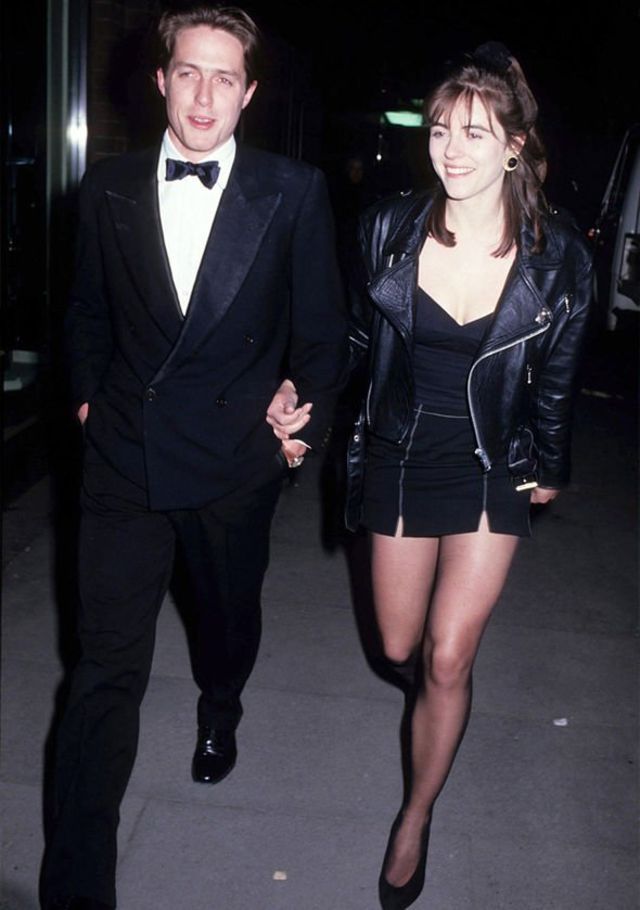
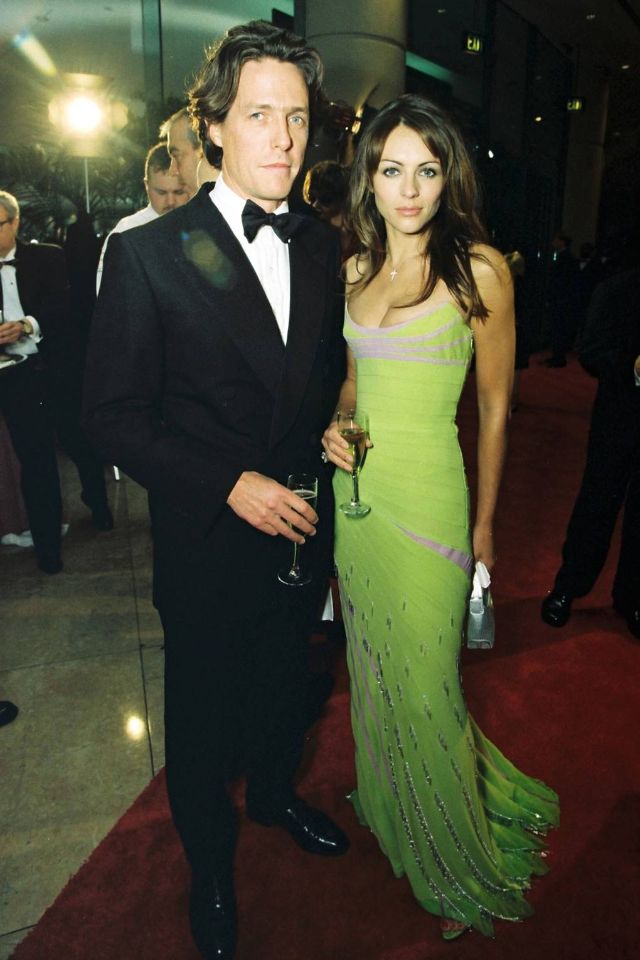
22 Candid Photographs of Hugh Grant and Elizabeth Hurley, One of the Hottest Couples in the 1990s

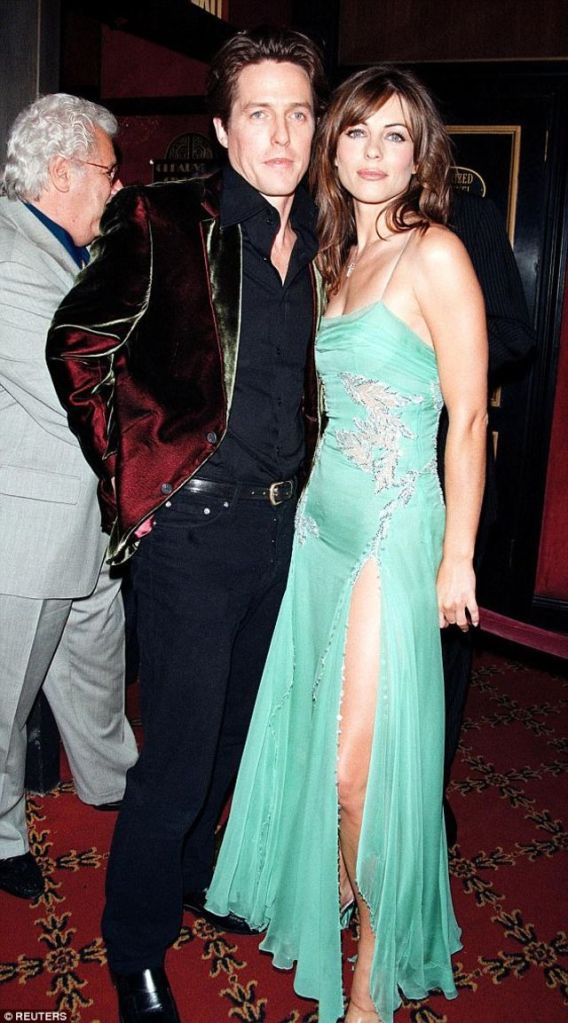
Hugh Grant and Elizabeth Hurley have one of the most unique relationships in Hollywood. They were one of the hottest couples in the 1990s. The two actors met on the set of the Rowing With the Wind back in 1987. Hugh Grant starred in the film as Lord Byron and Elizabeth Hurley played his former lover, Claire Clairmont. After hitting it off on set, they went out on a date and continued their relationship for more than a decade.

In 1995 when Hugh Grant was still in a relationship with Elizabeth Hurley, he was caught picking up a sex worker off Sunset Strip in L.A. Grant was arrested for lewd conduct, had his mug shot taken, and name dragged through the mud across all tabloids. You’d think this would be a deal breaker in a relationship, but he and Hurley stayed together! Not surprisingly, their relationship was plagued with rumors of infidelity for the next five years until they eventually called it quits in 2000.

Since then, though, Grant and Hurley have remained firm friends – so much so that Grant is the godfather of Hurley’s son, Damian.

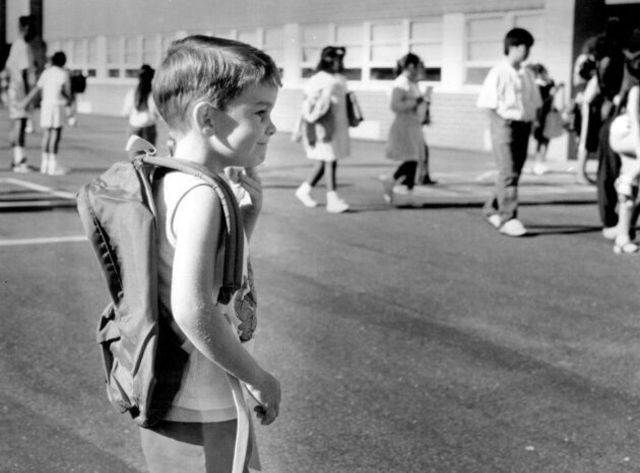
33 Vintage First-Day-Of-School Photos

Take a look at these lovely photos to see how the first day of school has changed from the past century.

A young boy and girl on the way to school for the start of a new term in the 1920s
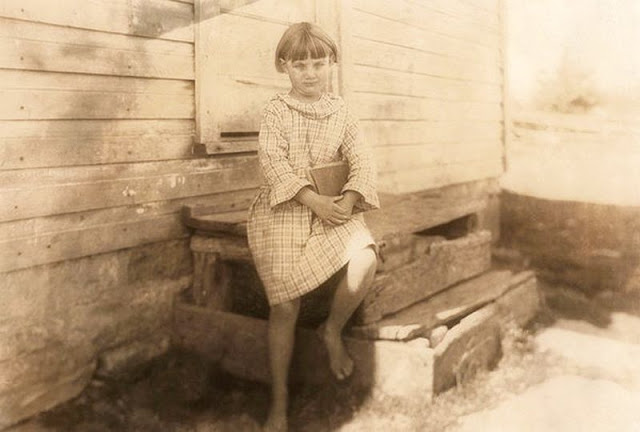
A girl’s first day of school in Pocahontas County, West Virginia, circa 1921
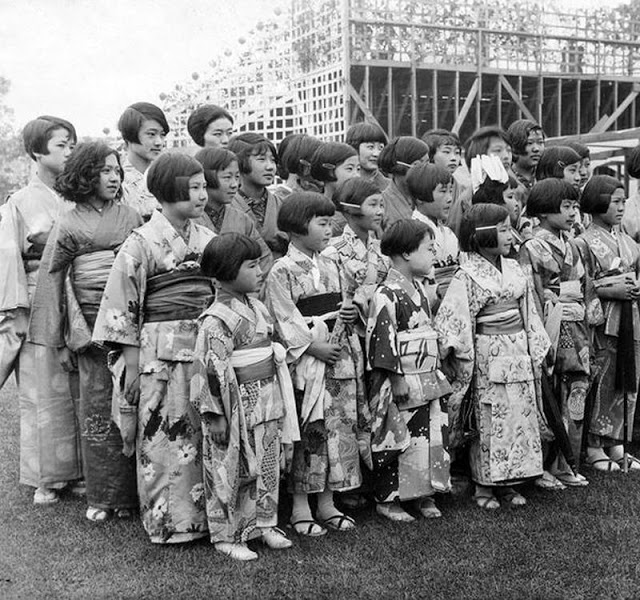
Japanese children in traditional garb start school in California in 1927
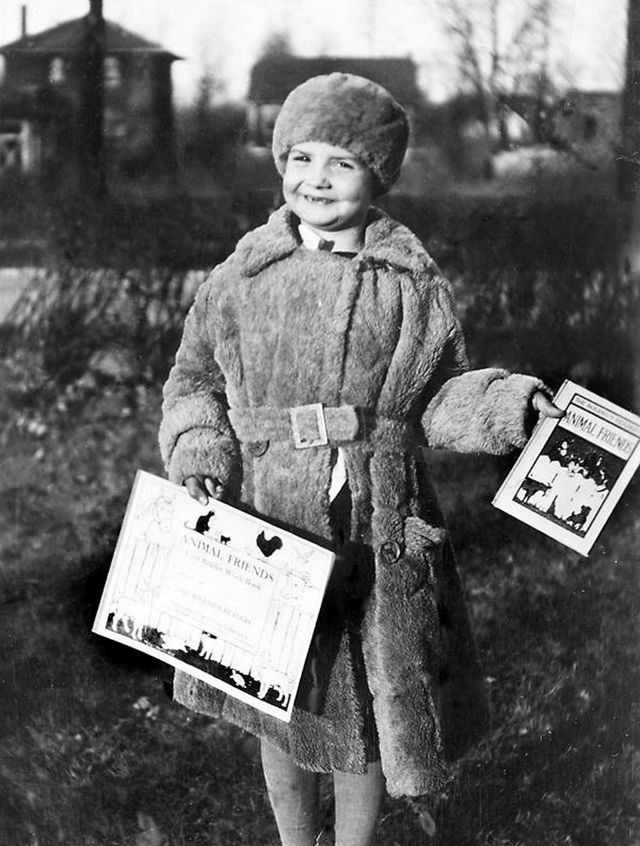
A 5-year-old girl shows off her books after her first day of kindergarten, circa 1929
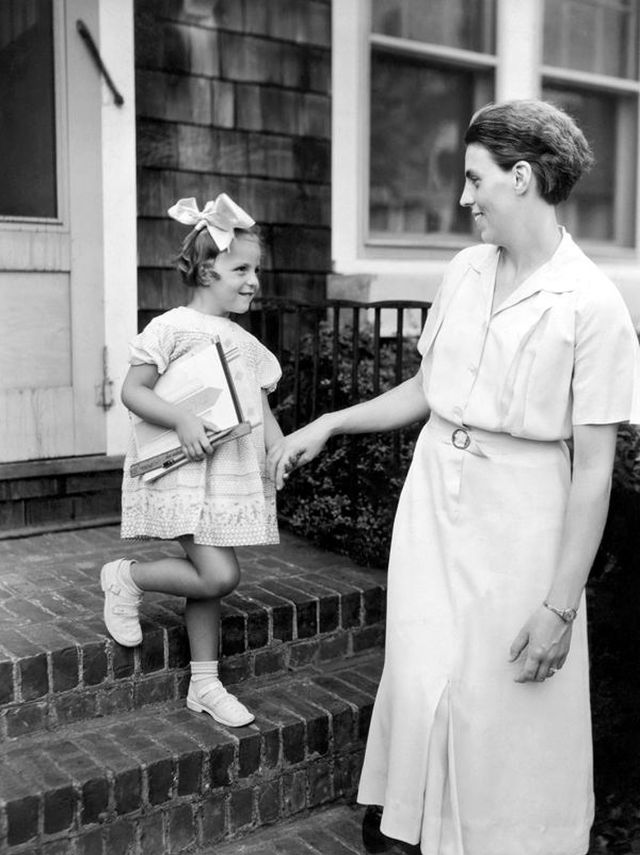
A mother takes her daughter by the hand as they head to school in the late 1920s or early 1930s
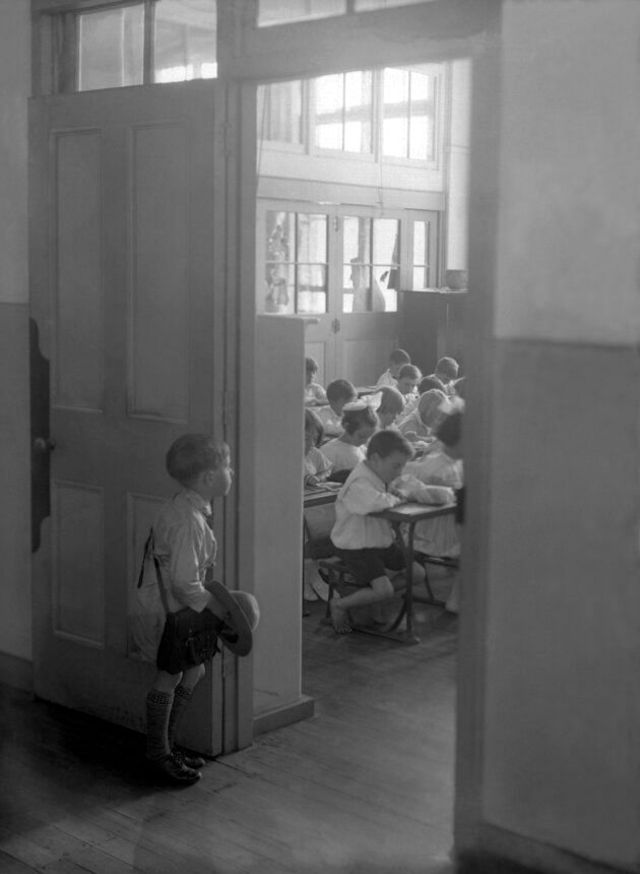
A young Australian boy stares into a classroom already full of students, circa 1930
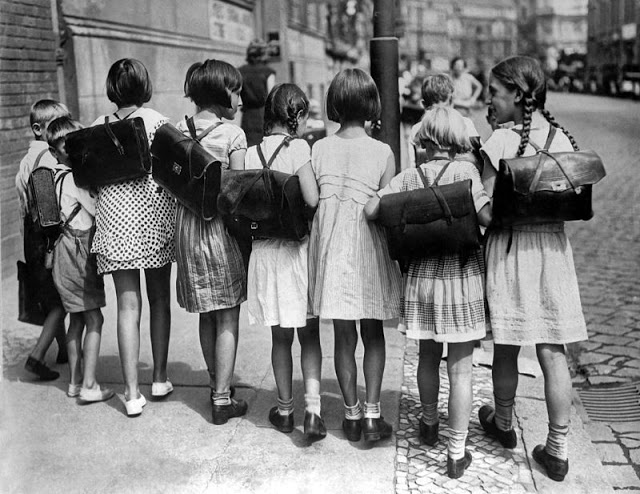
Children on their way home from school, with book bags strapped on their backs, after the first day of classes in Germany, circa 1930
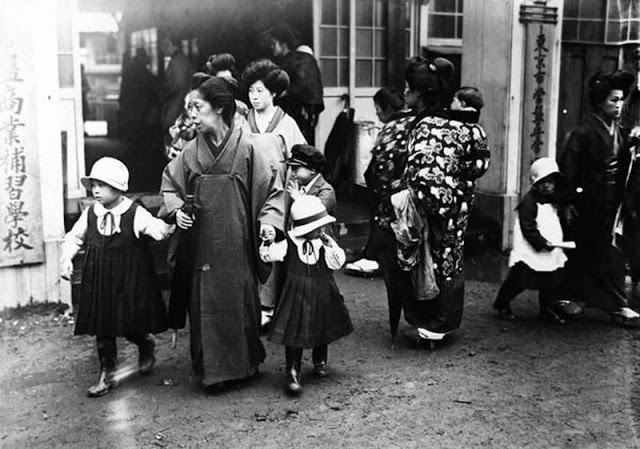
Parents and their children are seen outside a school in Tokyo in the early 20th century
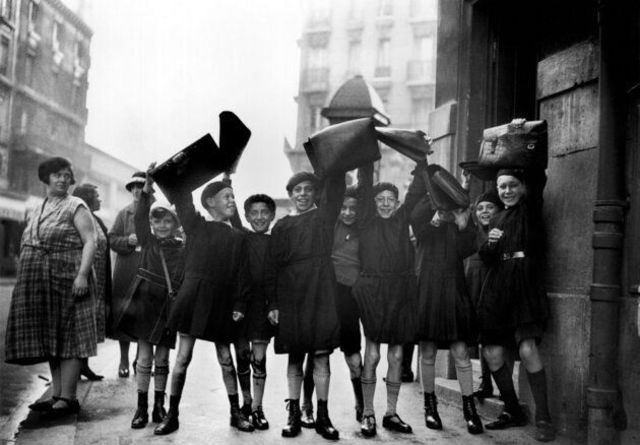
Students in France greet a photographer at the start of a new term by shaking their schoolbags in 1932
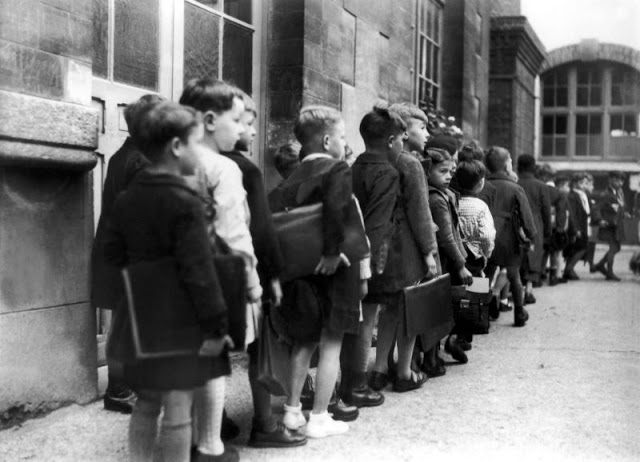
During World War II, Parisian students line up a courtyard on the first day of classes
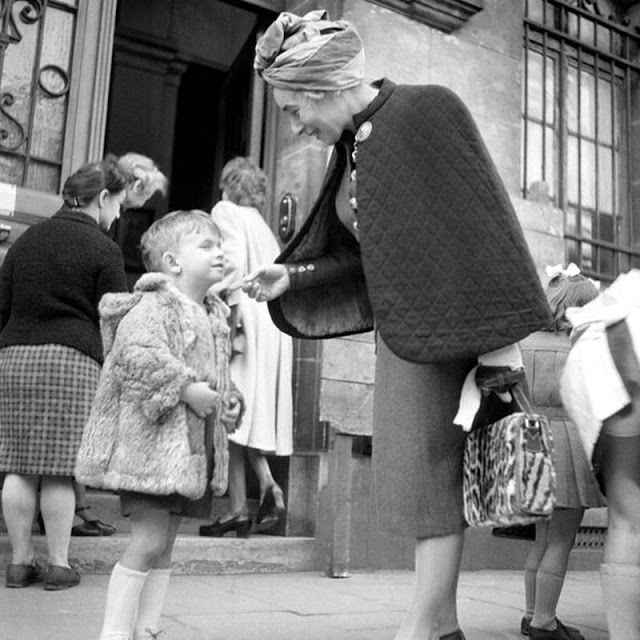
A little boy in Paris says goodbye to his mother outside a school in September 1945
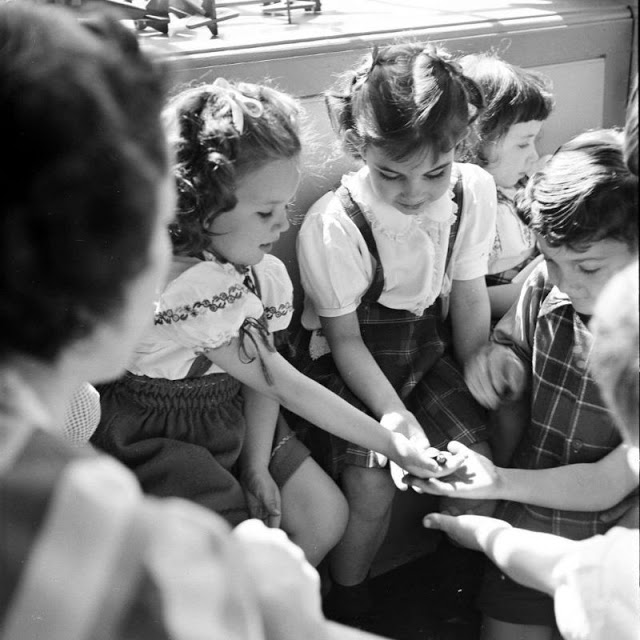
As their instruction begins in 1948, students at the Lucy D. Anthony school examine a small turtle
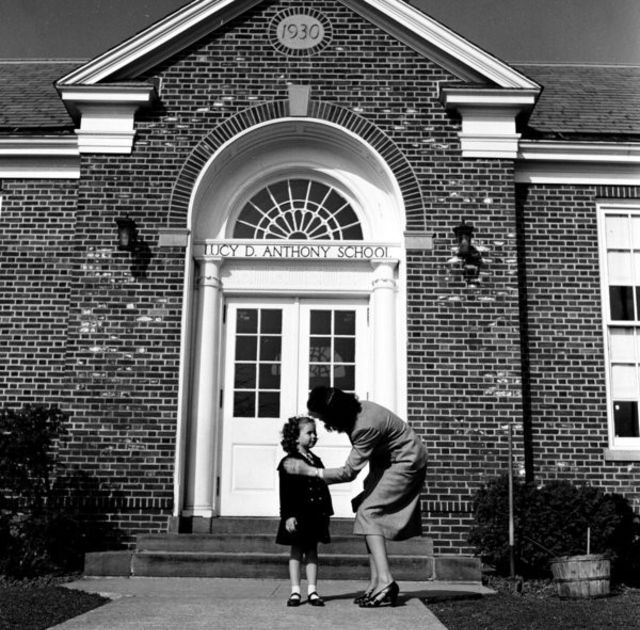
In 1948, a young girl shares a moment with her mother outside the Lucy D. Anthony school in Madison, New Jersey
Joyce Payne and Vincent Baker have fun depicting their teacher at a school in New York’s Harlem community on Sep. 13, 1948
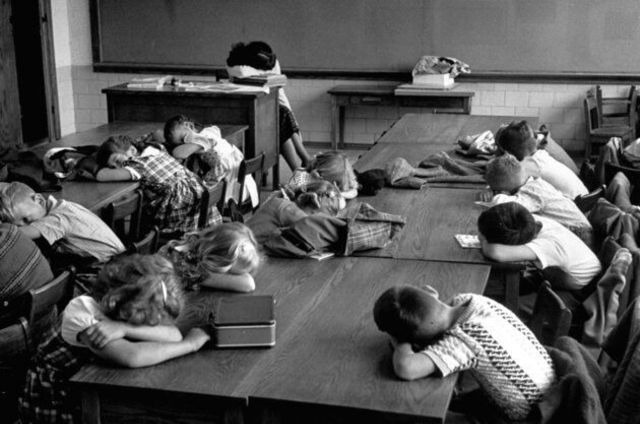
Nap-time on the first day in 1949
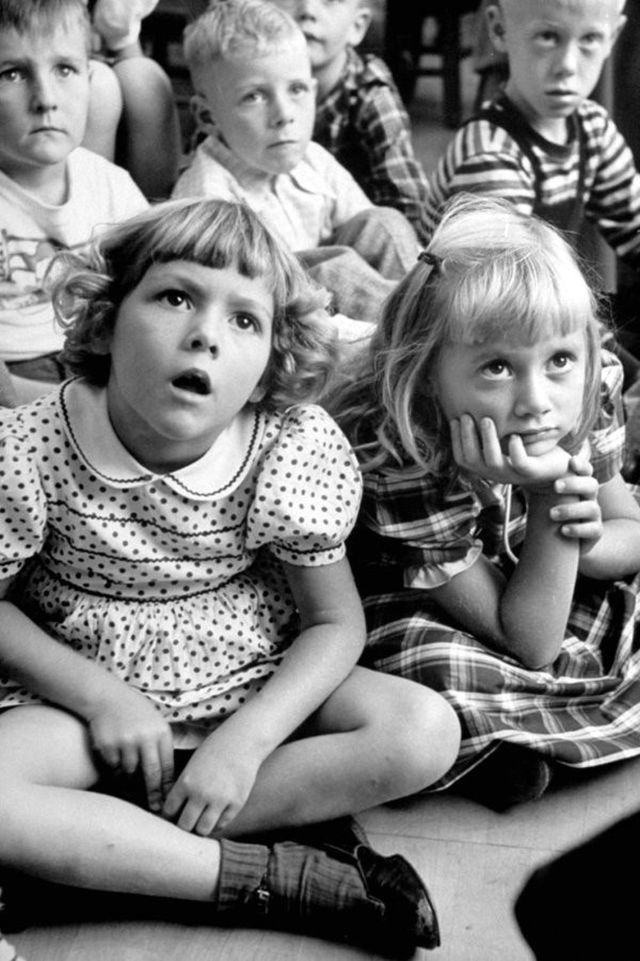
Wide-eyed children listening to fairy-tales on their first school day in 1949
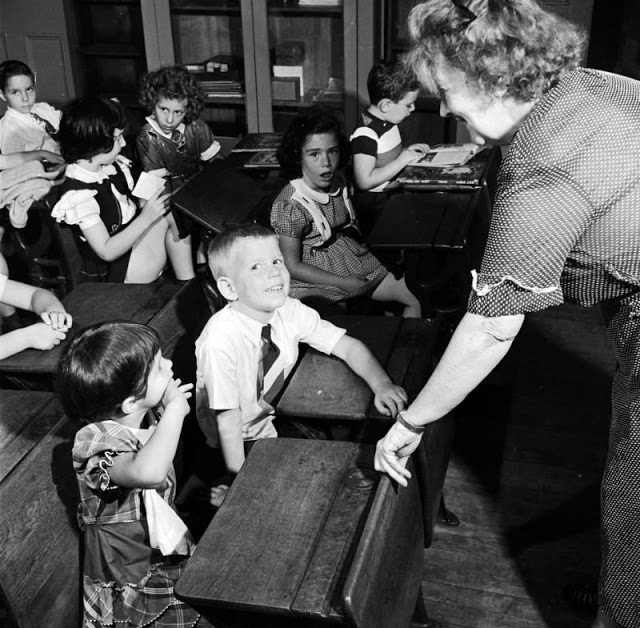
Children getting to know their new teacher, circa 1950
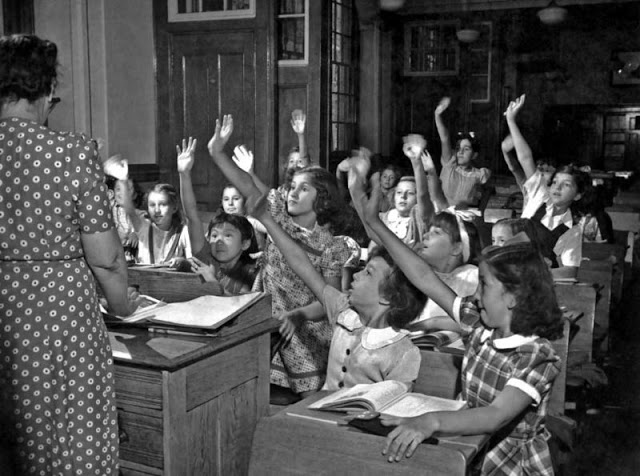
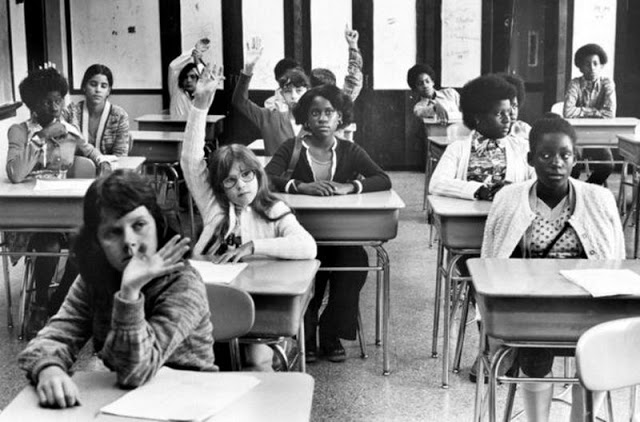
Students eagerly vie to be called on at a New York school, circa 1950
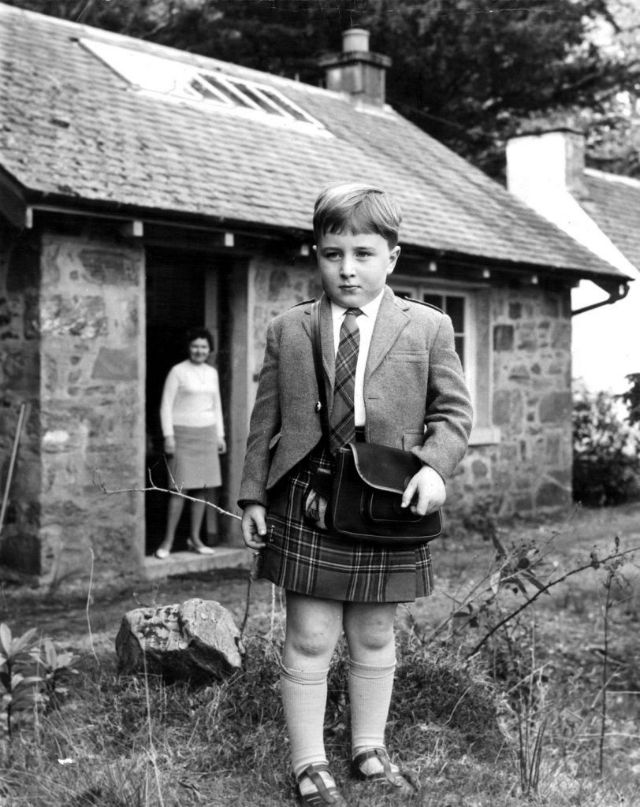
Teacher Agnes Bolton stands in the schoolhouse door on the first day of classes for her only pupil, Jimmy MacLellan, in Scotland, circa 1950
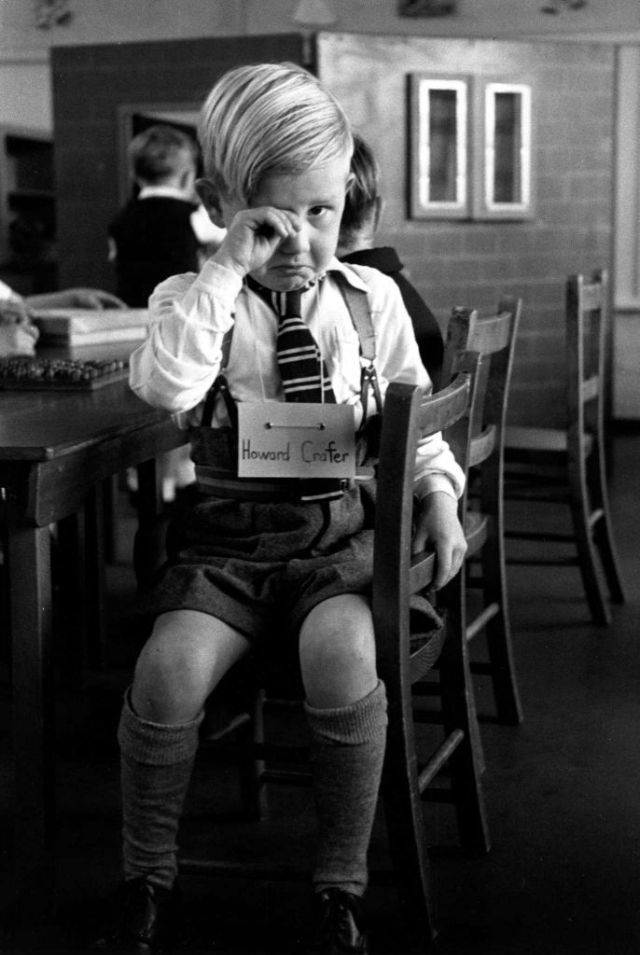
Five-year-old Howard Crafter has a tough time adjusting at the St. Nicholas County school, circa 1952
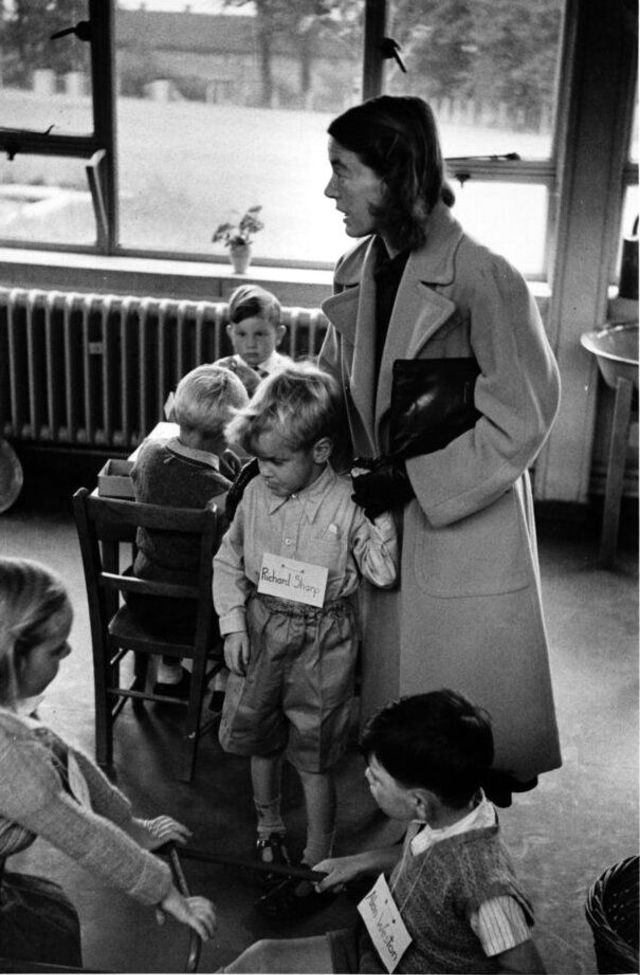
Richard Sharp on his first day at the St. Nicholas County Primary School in Loughton, England, circa 1952
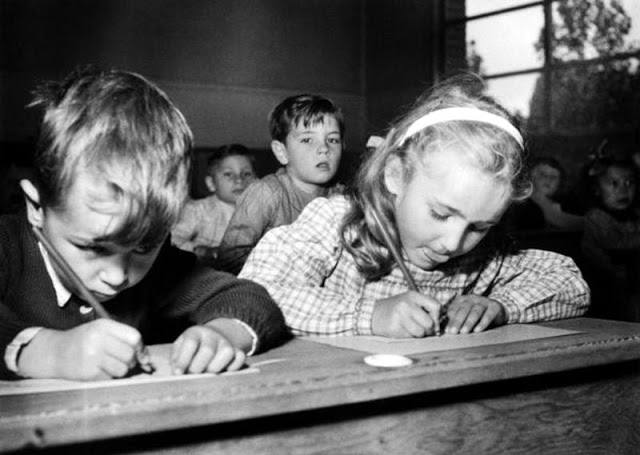
Children hard at work on Sept. 15, 1959
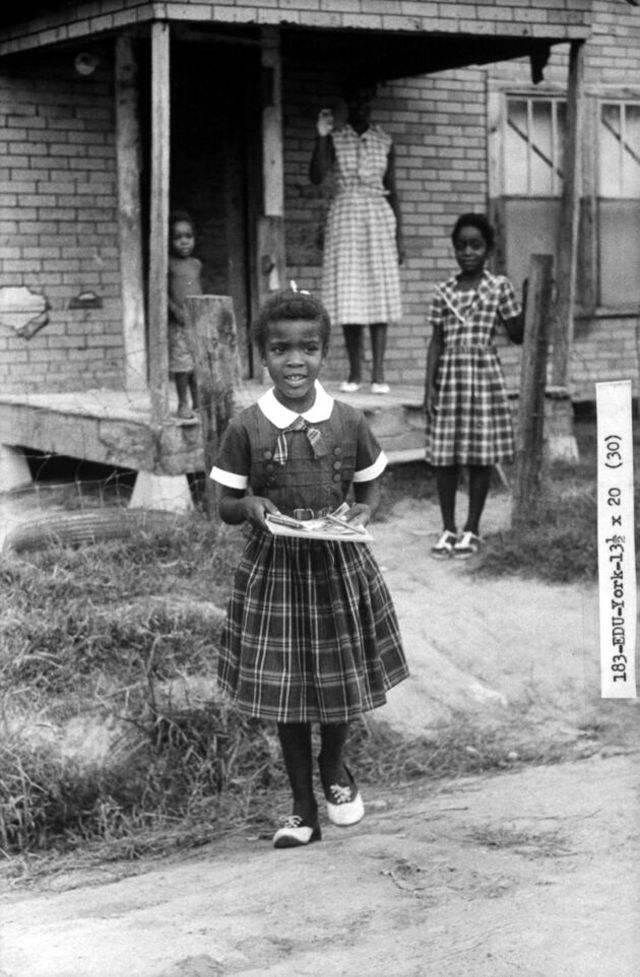
Delores York heads off for her first day at a previously all-white school in September 1960 in Arkansas
Two brothers about to start the new school year, circa 1964
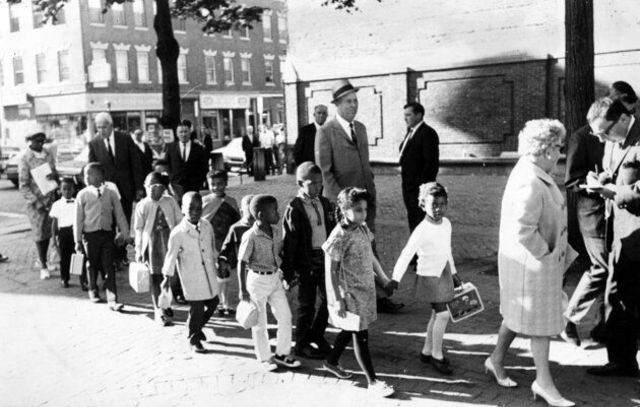
Mary Lynch, an assistant principal at a school in Boston’s Roxbury community, leads first graders to a school in the city’s North End on Sept. 6, 1967. Operation Exodus, a voluntary busing program organized by Roxbury parents, transported students from overcrowded schools in predominantly black neighborhoods to schools in predominantly white neighborhoods that had vacant seats
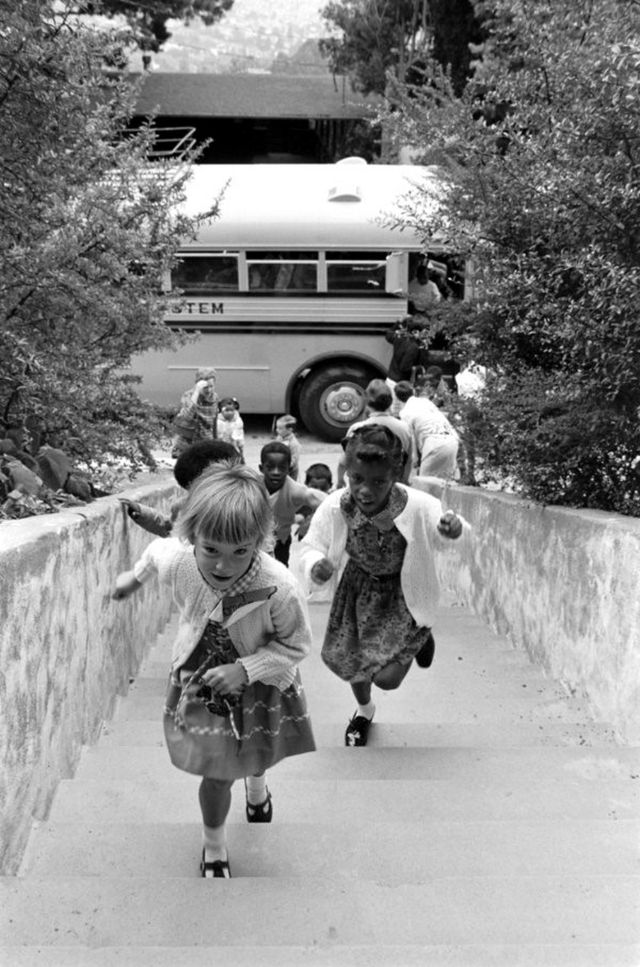
Children walk up a flight of stairs to attend a newly desegregated school in Berkeley, California, 1968
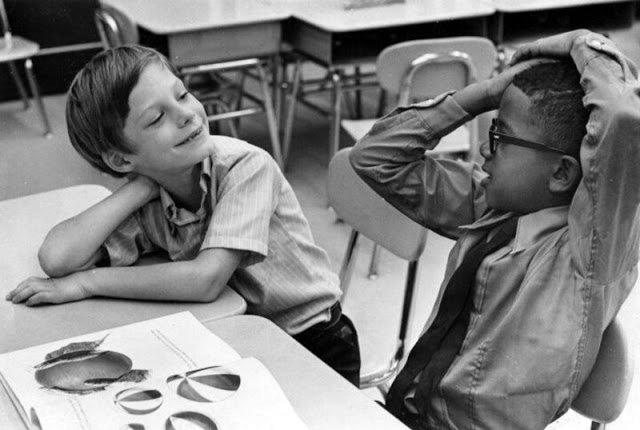
Jim Hard (left) of Framingham, Massachusetts, gets acquainted with Joseph Reis of the Roxbury neighborhood at the Trotter School in Boston on Sept. 3, 1969
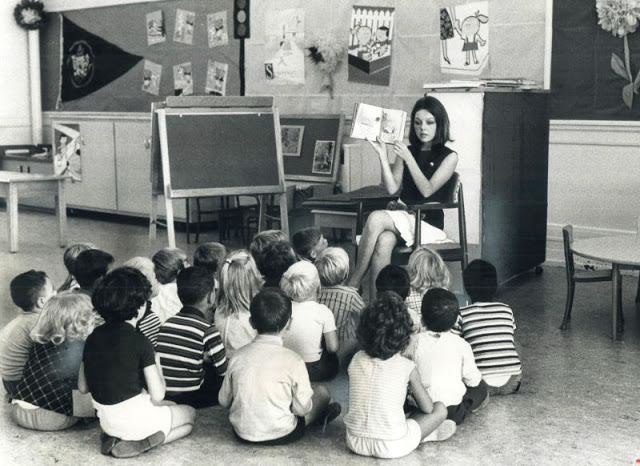
Canadian kindergarten teacher Trisha Langley teaching her first lessons on Sept. 7, 1971
Students at the Mary E. Curley School in Boston on Sept. 8, 1975
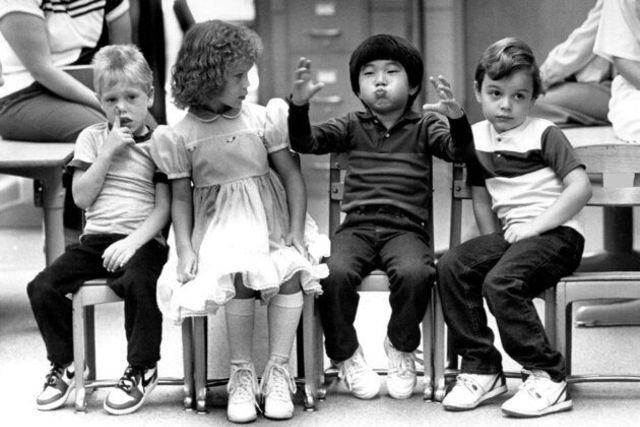
Maranda Francisco seems taken aback by a classmate’s antics on Sept. 20, 1987
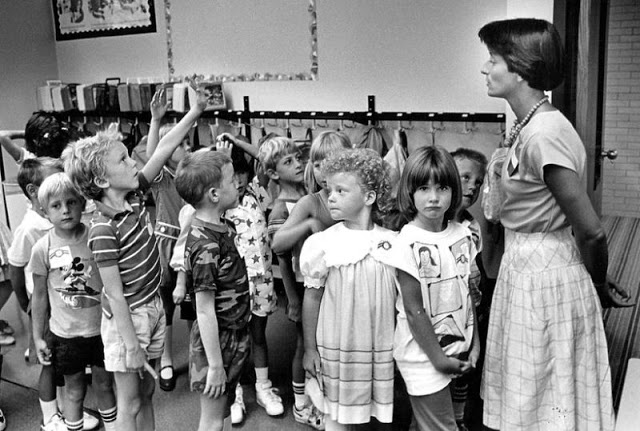
Students line up at the Side Creek Elementary School in Aurora, Colorado, on Aug. 11, 1987
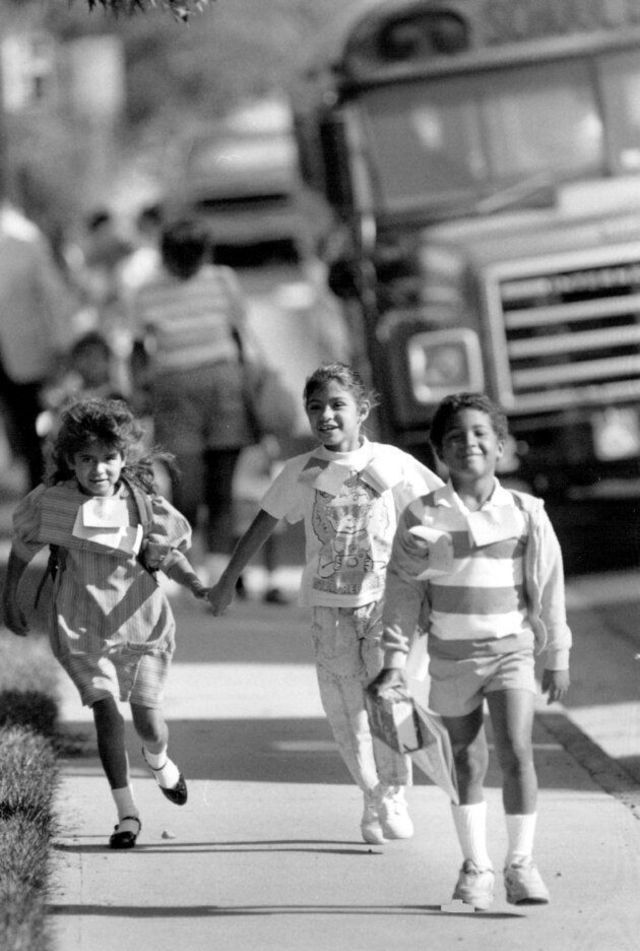
Schools kids arrive at Ellis Elementary School in Denver on Aug. 31, 1988
Five-year-old Dylan O’ Sullivan appears determined to make it a good year as he heads into class in Denver on Aug. 30, 1989

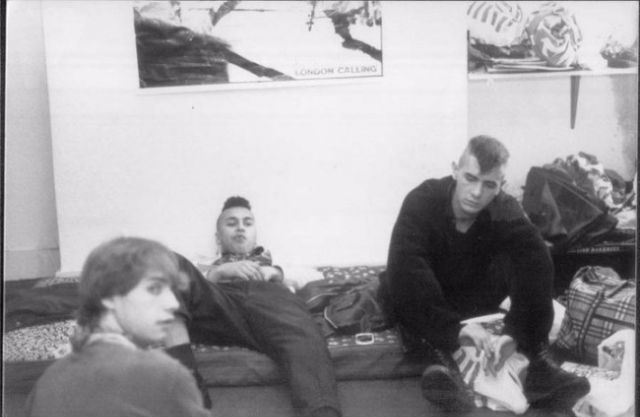
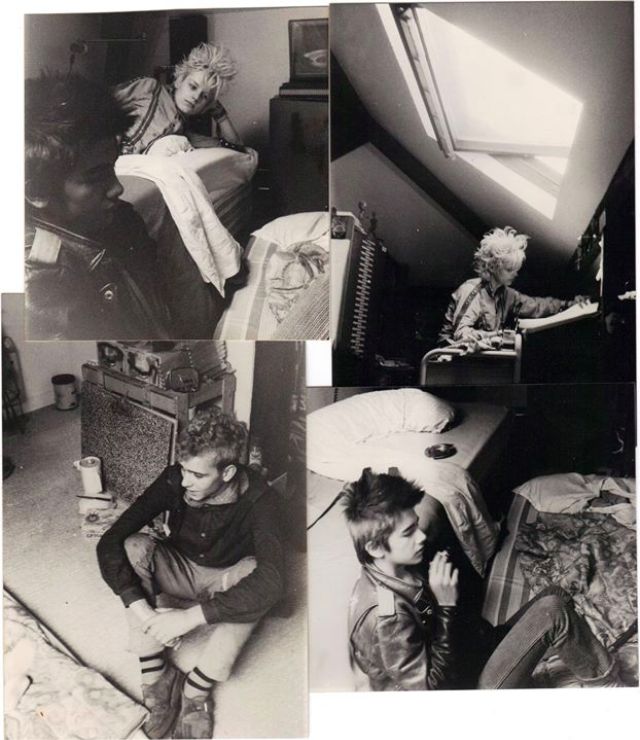
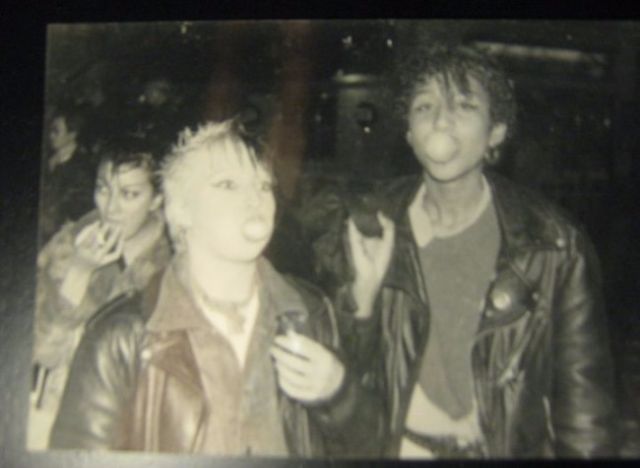
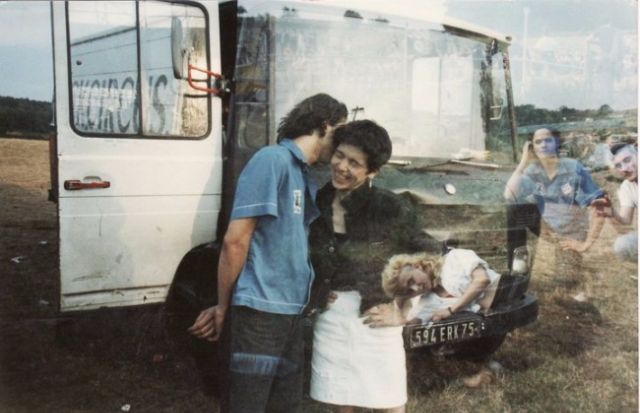
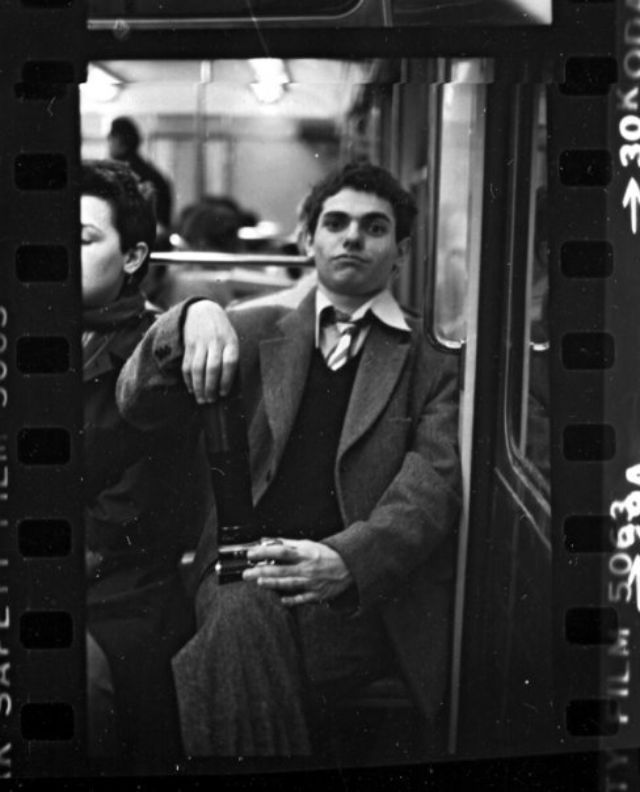
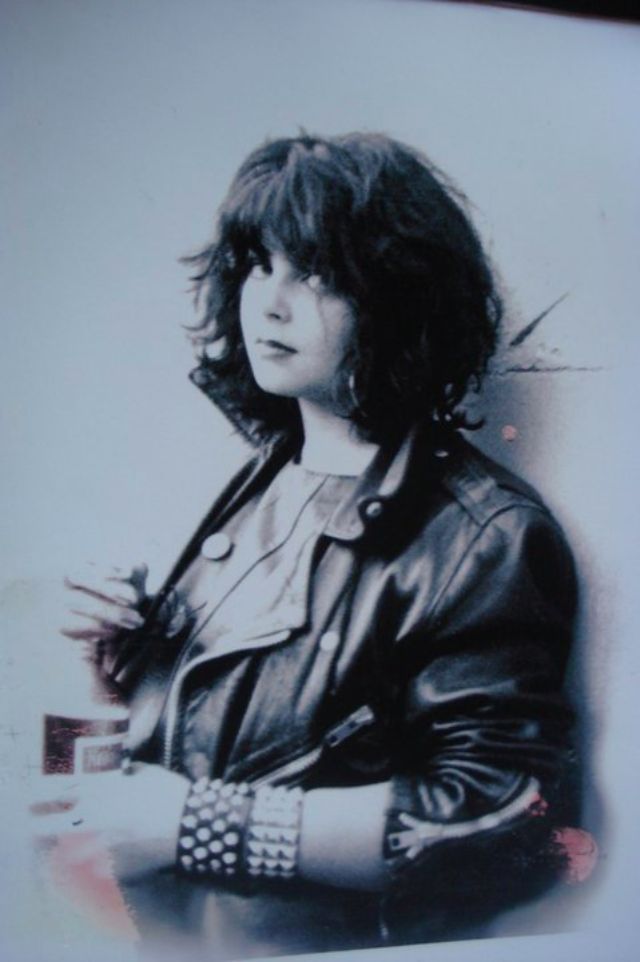
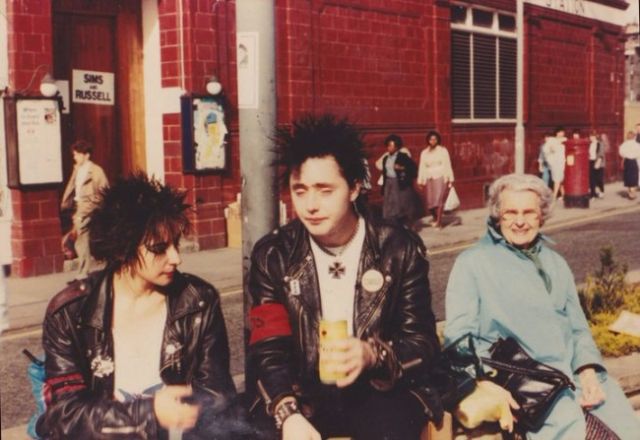
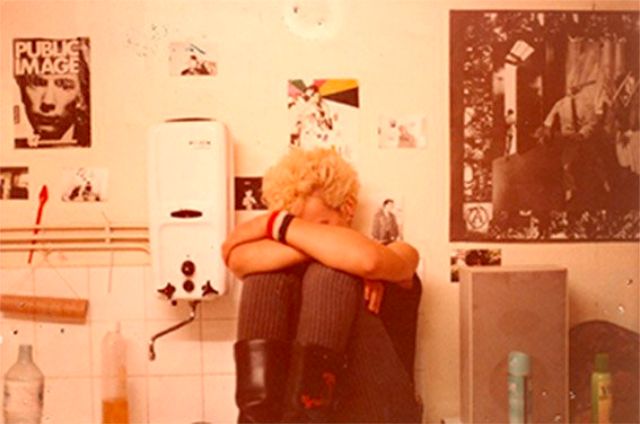
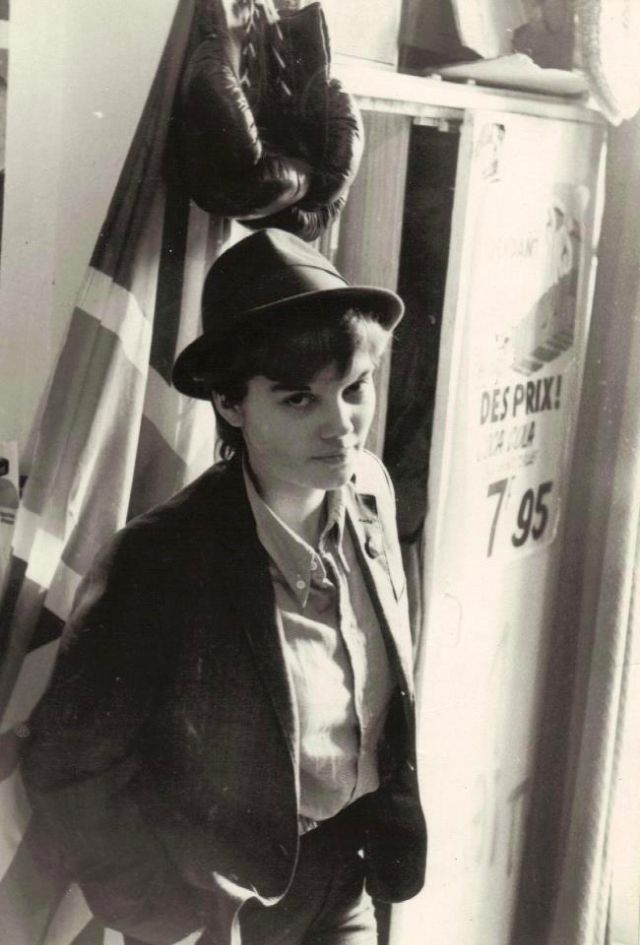
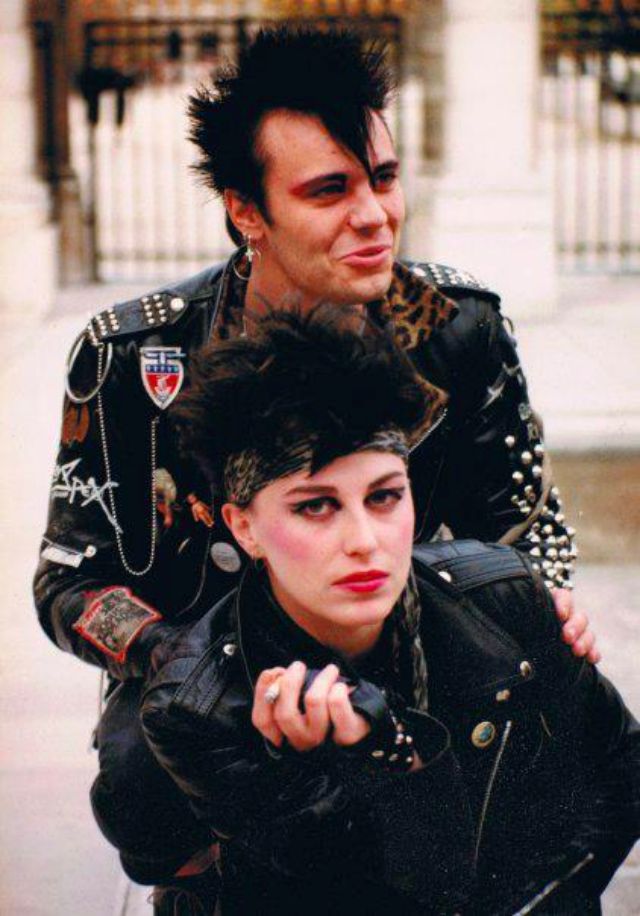
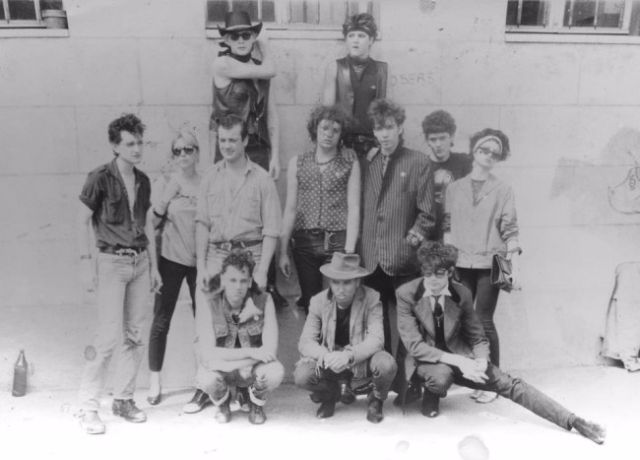
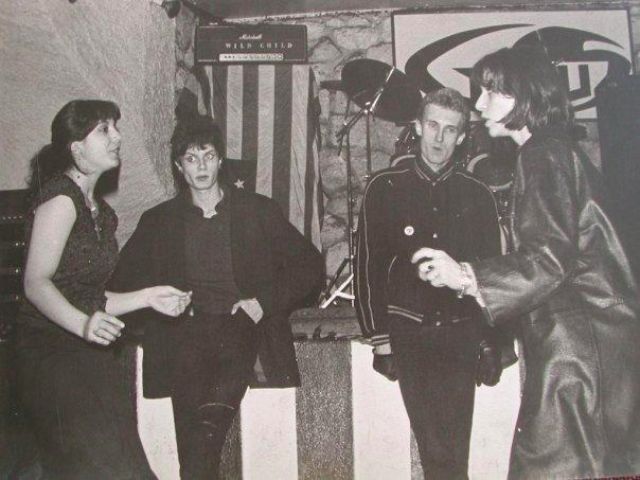
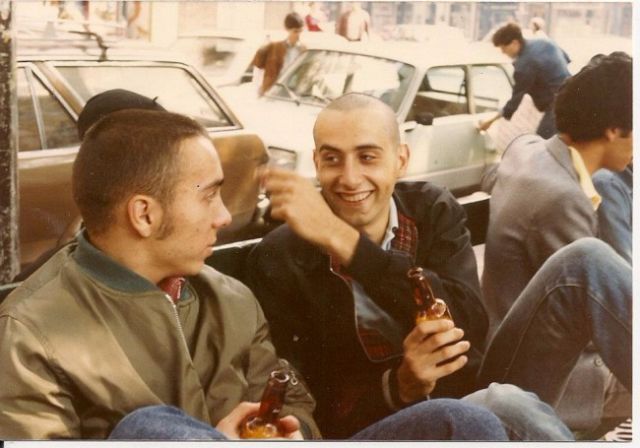
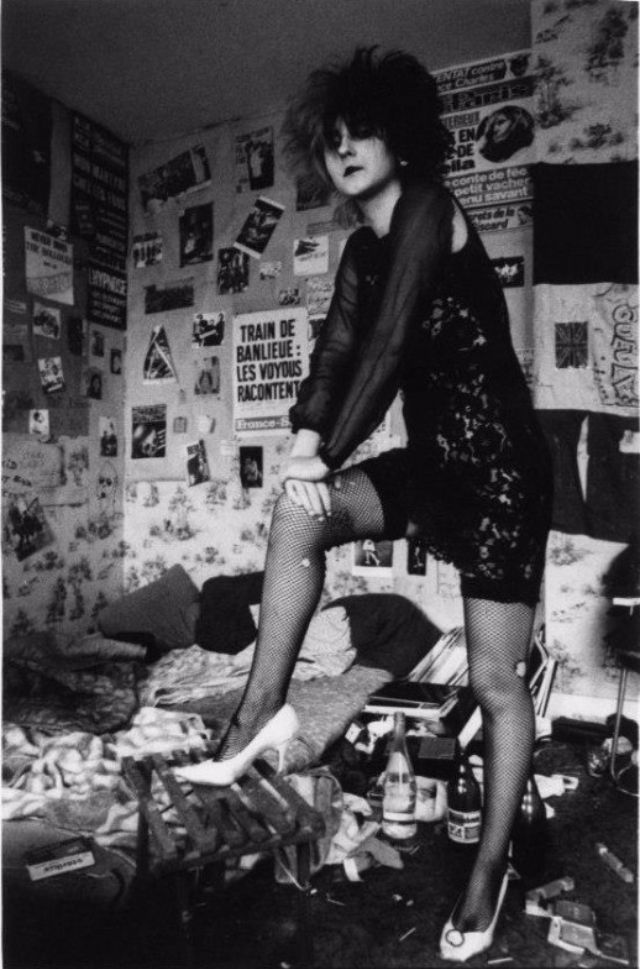
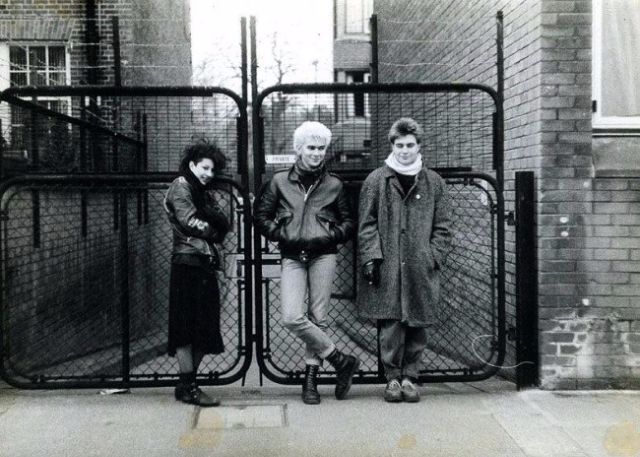
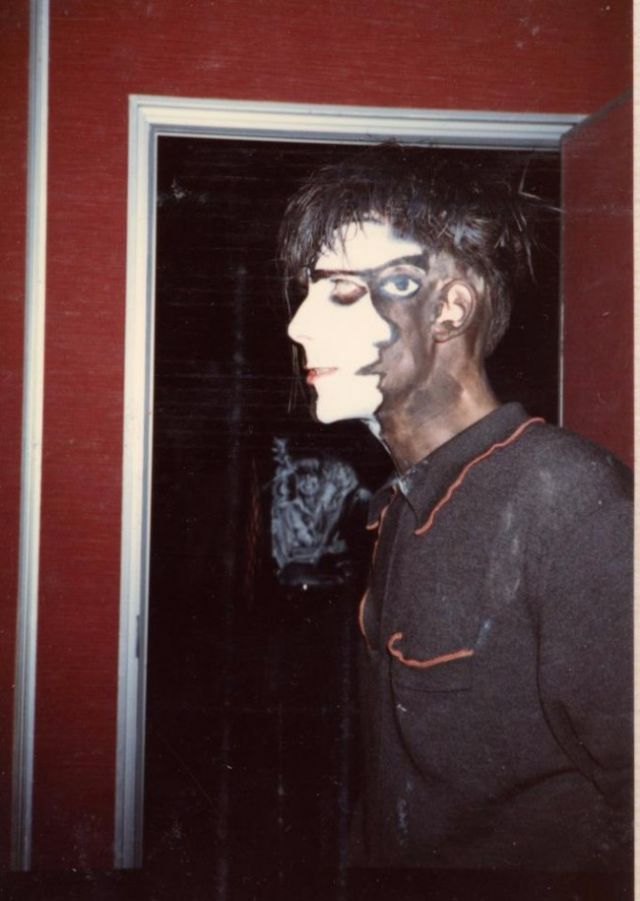
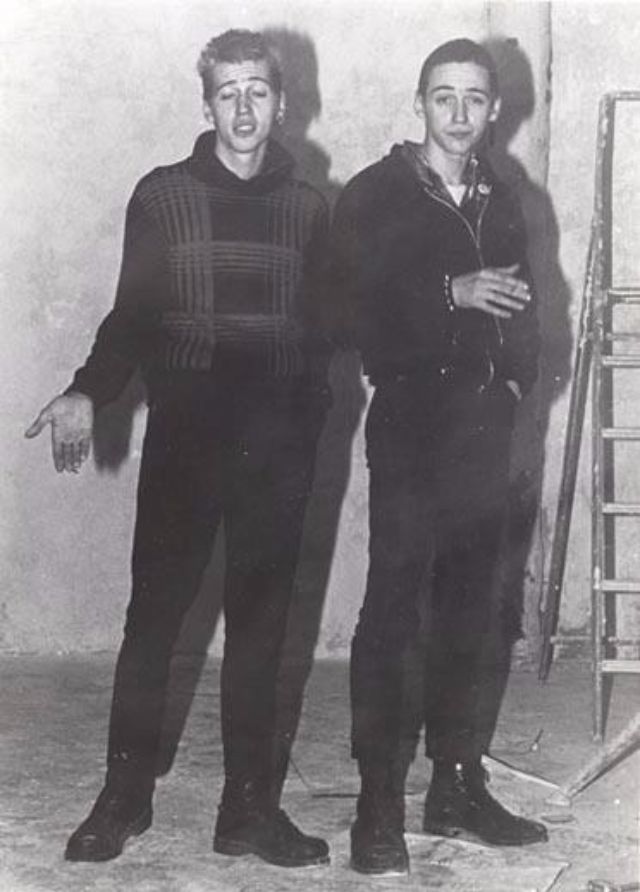
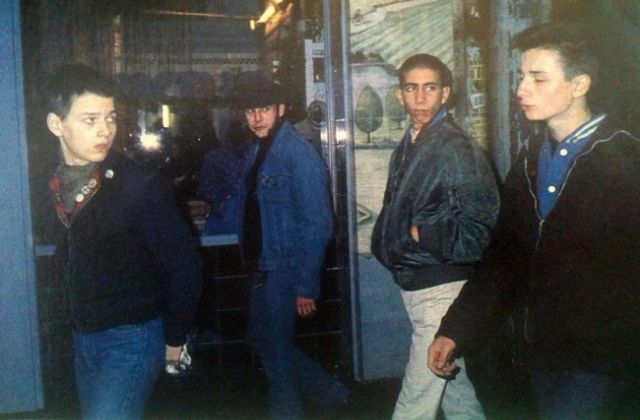
64 Fantastic Vintage Photos Showing French Punk Culture During the 1980s

The story of Punk Rock has become a decidedly British affair, through its many retellings, with the Sex Pistols providing its Anarchy in the UK strapline as well as its chief emblem – the Queen with a safety-pinned face.

Sure, the Americans got in first musically with their scene at venerated New York punk club CBGB – where bands like Blondie, Television and The Ramones were on stage from as early as 1974 – but the social impact of British punk was more profound and its ramifications more lasting.

There is, though, another essential part of the story that has been forgotten by all but the staunchest connoisseur, and that is the contribution of the French.

And because of the internet, we can now see what was taking place in France during the 1980s when it came to Punk Rock. Check out these portraits of French Punks living their lives in the wake of nuclear war!

20 Vintage Photos of Frank Zappa and His Second Wife During the Mid-1960s and 1970s

Adelaide Gail Zappa met her future husband Frank Zappa in 1966 when she was working as a secretary at the Whisky a Go Go nightclub on Sunset Strip in Los Angeles. They married in a civil ceremony in New York on September 21, 1967, late in her pregnancy with Moon Zappa, born a week later. The marriage also produced children Dweezil, Ahmet and Diva Zappa. Gail Zappa was also an aunt to model and actress Lala Sloatman.

Gail can be seen behind Frank Zappa on the sleeve of his album Absolutely Free (1967) and on the original, parody cover of his We’re Only In It For The Money album (1968). Frank Zappa also named Barking Pumpkin Records after his wife’s smoker’s cough when she tried to quit the habit. During his life, Gail Zappa acted as her husband’s business secretary, and supervised both the labels and his mail order business.

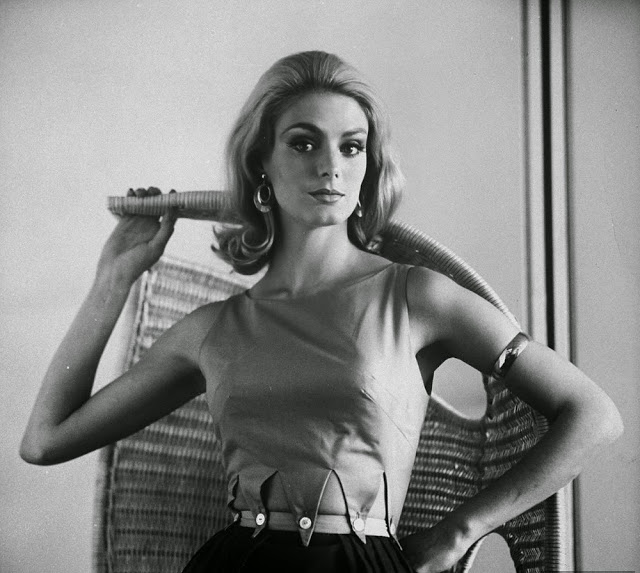
24 Wonderful Photos Showing Fashion Styles of a Young Lady During the 1950s

In many ways, the 1950s took a big step back, especially for women.

During World War II, while the men were away, women began to gain an independence that was rare before the war. They left their homes to work in offices and factories, earning and managing their own money. Clothing was heavily restricted throughout and just after the war. Everything from the length of skirts to the size of collars was regulated. This resulted in a slim, straight silhouette.

Women wore comfortable clothing like suits and shirtdresses, and even began to regularly wear pants, especially to work. They had to ‘make do and mend,’ buying or sewing well-made clothing that had to last and fixing garments that were past their prime.

The full look of the 1950s was mature, glamorous and very put-together.

Dresses, skirts and undergarments were constricting, but a wide range of new ‘leisure clothes’ allowed people to dress casually at home. Women were expected to be impeccably dressed and groomed in public or when their spouse was home, always with coordinating hats, shoes, bags, belts, gloves, and jewelry.

In privacy, women dressed much simpler, more comfortable. Eventually, these casual fashions became public clothing as well.

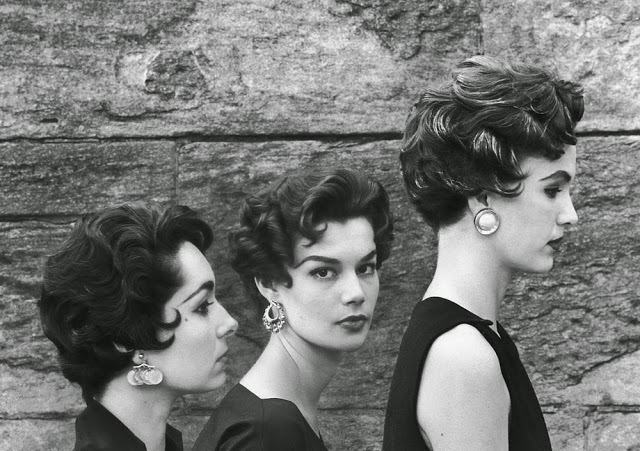
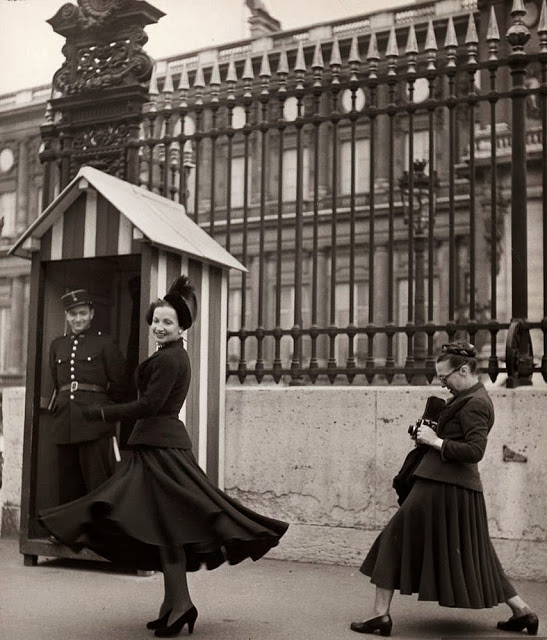
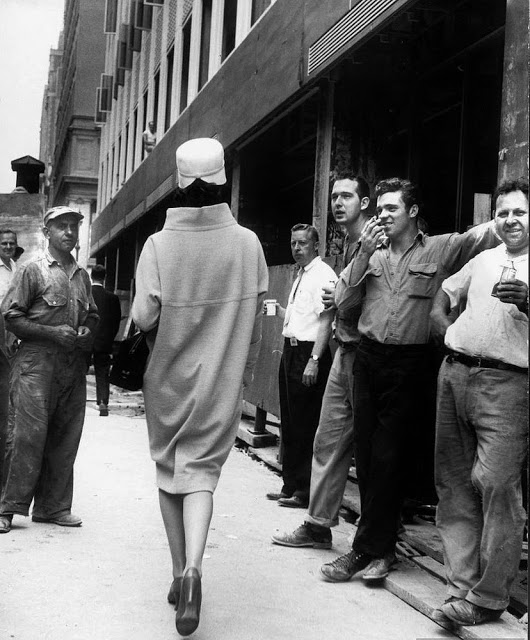
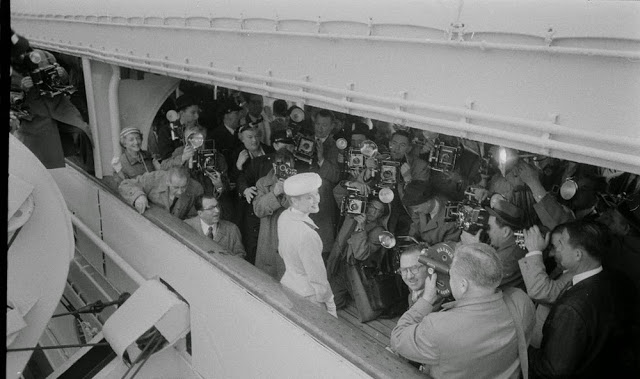
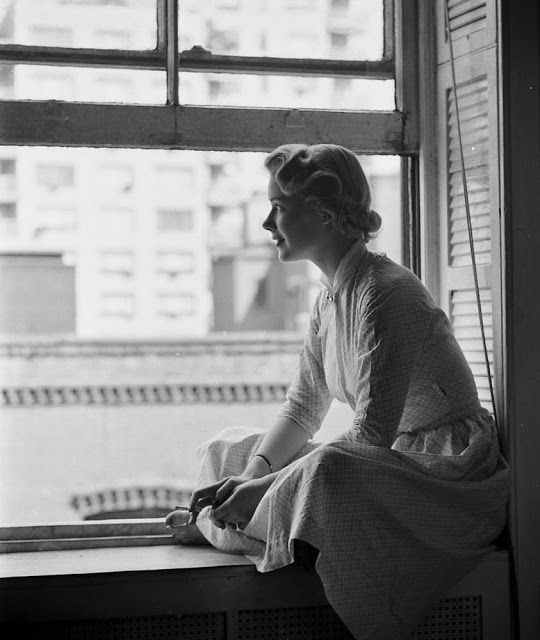
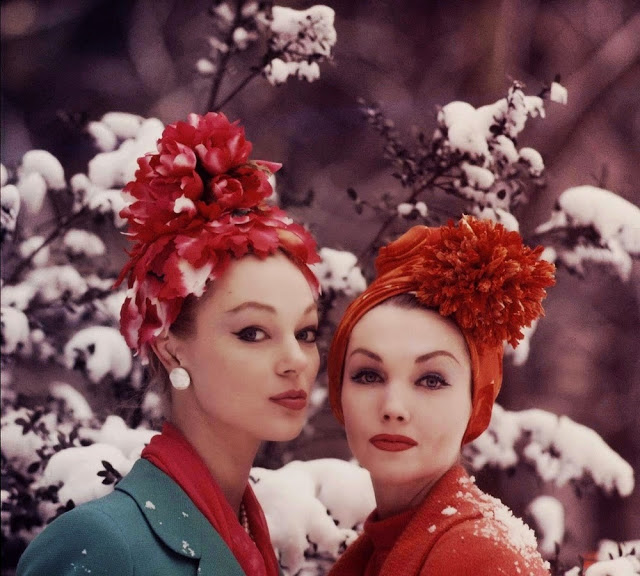
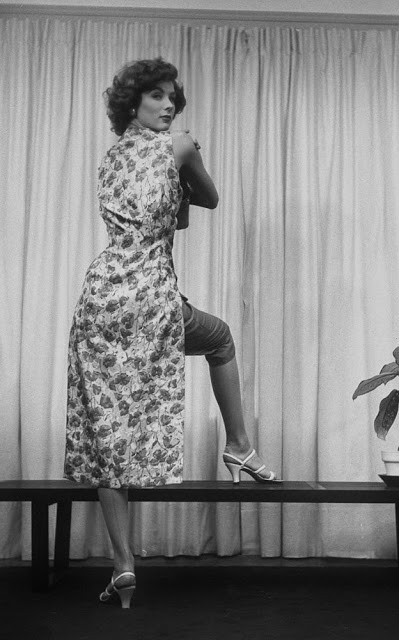
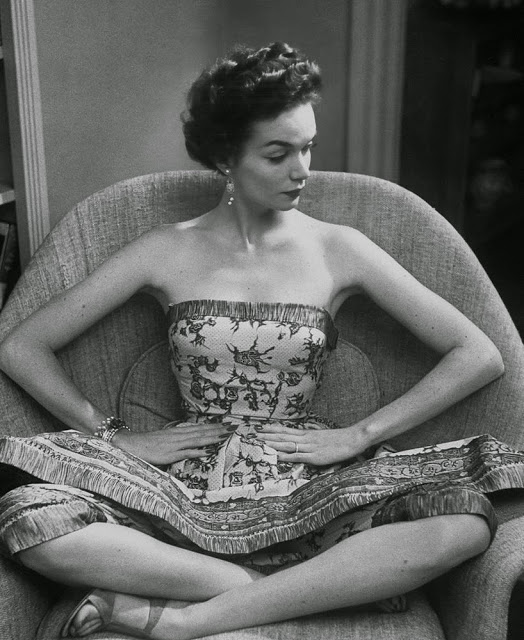
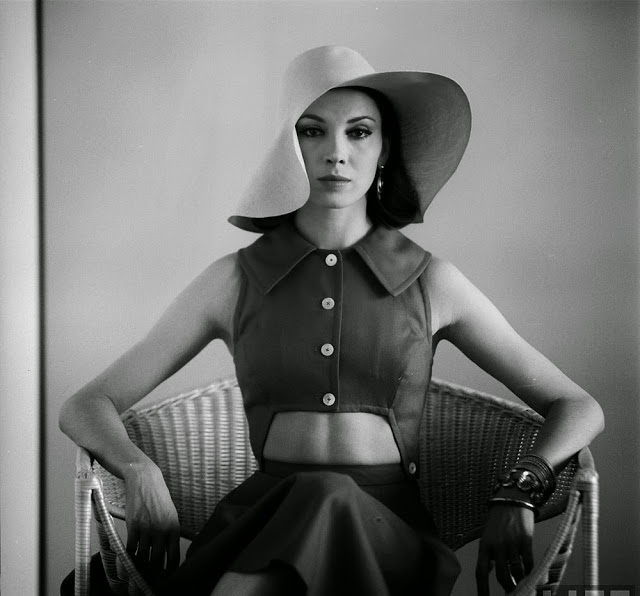
These beautiful snapshots show fashion styles of a young lady during the 1950s.

29 Behind the Scenes Photos of Debra Paget With Elvis Presley During the Filming of “Love Me Tender”, 1956

Love Me Tender is a 1956 American black-and-white CinemaScope motion picture directed by Robert D. Webb, and released by 20th Century Fox on November 15, 1956. The film, named after the song, stars Richard Egan, Debra Paget, and Elvis Presley in his acting debut. It is in the Western genre with musical numbers.

As Presley’s movie debut, it was the only time in his acting career that he did not receive top billing. Love Me Tender was originally to be titled The Reno Brothers, but when advanced sales of Presley’s “Love Me Tender” single passed one million—a first for a single—the film’s title was changed to match. This was the only time that Presley played a historical figure.

These sweet photos that captured Debra Paget with Elvis Presley during the filming of this movie in 1956.

29 Wonderful Photos Showing Denmark in 1966

Denmark is a Nordic country in Northern Europe. It is the most populous and politically central constituent of the Kingdom of Denmark, a constitutionally unitary state that includes the autonomous territories of the Faroe Islands and Greenland in the North Atlantic Ocean. European Denmark is the southernmost of the Scandinavian countries, lying southwest of Sweden, south of Norway, and north of Germany.

Spanning a total area of 42,943 km2 (16,580 sq mi), it consists of the peninsula of Jutland and an archipelago of 443 named islands,[18] of which the largest are Zealand, Funen and the North Jutlandic Island. Denmark’s geography is characterised by flat, arable land, sandy coasts, low elevation, and a temperate climate. As of 2022, it had a population of 5.88 million (1 March 2022), of which 800,000 live in the capital and largest city, Copenhagen. Denmark exercises hegemonic influence in the Danish Realm, devolving powers to handle internal affairs. Home rule was established in the Faroe Islands in 1948 and in Greenland in 1979; the latter obtained further autonomy in 2009.

The unified kingdom of Denmark emerged in the eighth century as a proficient maritime power amid the struggle for control of the Baltic Sea. In 1397, it joined Norway and Sweden to form the Kalmar Union, which persisted until the latter’s secession in 1523. The remaining Kingdom of Denmark–Norway endured a series of wars in the 17th century that resulted in further territorial cessions to the Swedish Empire. Following the Napoleonic Wars, Norway was absorbed into Sweden, leaving Denmark with the Faroe Islands, Greenland, and Iceland. A surge of nationalist movements in the 19th century were defeated in the First Schleswig War of 1848, though the Second Schleswig War of 1864 resulted in further territorial losses to Prussia. The period saw the adoption of the Constitution of Denmark on 5 June 1849, ending the absolute monarchy that was established in 1660 and introducing the current parliamentary system.

An industrialised exporter of agricultural produce in the second half of the 19th century, Denmark introduced social and labour-market reforms in the early 20th century, which formed the basis for the present welfare state model and advanced mixed economy. Denmark remained neutral during World War I but regained the northern half of Schleswig in 1920. Danish neutrality was violated in World War II following a swift German invasion in April 1940. During occupation, a resistance movement emerged in 1943 while Iceland declared independence in 1944; Denmark was liberated in May 1945. In 1973, Denmark, together with Greenland but not the Faroes, became a member of what is now the European Union, but negotiated certain opt-outs, such as retaining its own currency, the krone.

Denmark is a highly developed country with a high standard of living: the country performs at or near the top in measures of education, health care, civil liberties, democratic governance and LGBT equality. Denmark is a founding member of NATO, the Nordic Council, the OECD, OSCE, and the United Nations; it is also part of the Schengen Area. Denmark maintains close political, cultural, and linguistic ties with its Scandinavian neighbours, with the Danish language being partially mutually intelligible with both Norwegian and Swedish. (Wikipedia)

Street scene in Odense, Funen Island, Denmark
The 250S Mercedes at the Wittrup Motel, Albertslund, Zealand Island, Denmark
The Gefion Fountain in Copenhagen, Denmark
The Little Mermaid in Copenhagen, Denmark
‘Valkyrie’ at Churchill Park, Copenhagen, Denmark
Viking Ship Museum, Roskilde, Denmark
Brick building in Odense, Funen Island, Denmark
Cemetery with the Jelling runestones, Jelling, Denmark
Children in the park around Egeskov Castle, Funen Island, Denmark
Egeskov Castle and gardens, Funen Island, Denmark
Egeskov Castle, Funen Island, Denmark
Girl and a topiary squirrel in the renaissance garden at Egeskov Castle, Funen Island, Denmark
Hotel Dagmar, Ribe, Denmark
In the park around Egeskov Castle, Funen Island
Little girl sketching the Little Mermaid, observed by some passing sailors, Copenhagen, Denmark
Mother and son in the park around Egeskov Castle, Funen Island, Denmark
Renaissance garden by Egeskov Castle, Funen Island
Ribe Cathedral, Ribe, Denmark
Runestone of Harald Bluetooth, Jelling, Denmark
St. Alban’s Church, Churchill Park, Copenhagen, Denmark
St. Alban’s Church, Odense, Funen Island, Denmark
Standing stones in Jelling, Denmark
Street in Odense, Funen Island, Denmark

35 Amazing Photos of Celebrities From the 1960s and 1970s

After having been fashion photographer, John French’s, assistant, David Bailey begins the 1960s with a contract with Vogue and rapidly becomes a leading figure of the Swinging London scene, chronicling the unrestricted existences of models and musicians.

Although he admits being fascinated by the Renaissance art and the painter, Caravaggio, the British photographer favors minimalist, mostly black and white frontal depictions of his sitters. With images that clearly evoke the sex, drugs and rock n’roll spirit of the decade, David Bailey also finds women he loved in his celebrity pack, from model Jean Shrimpton to Catherine Deneuve but also Anjelica Huston and Penelope Tree.

The photographer continues to mischievously capture contemporary figures such as Kate Moss who has become an illustrious successor of the Swinging Sixties, always revealing a certain kind of eccentricity in them, even when he portrays the Queen Elisabeth II whom we have so rarely seen smile so frankly.

Mick Jagger, 1964
Andy Warhol, 1965
John Lennon 1965
John Lennon and Paul McCartney, 1965
Julie Christie, 1969
Leslie Caron, 1965
Margaret Thatcher, 1975
Marianne Faithfull, 1964
Mia Farrow, 1967
Michael Caine, 1964
Jean Shrimpton, 1965
The Rolling Stones, 1964
Rudolf Nureyev, 1965
Sue Murray, 1967
Tania Mallet, 1964
Nicole de la Marge, 1967
Catherine Deneuve, 1965
Cecil Beaton and Rudolf Nureyev, 1965
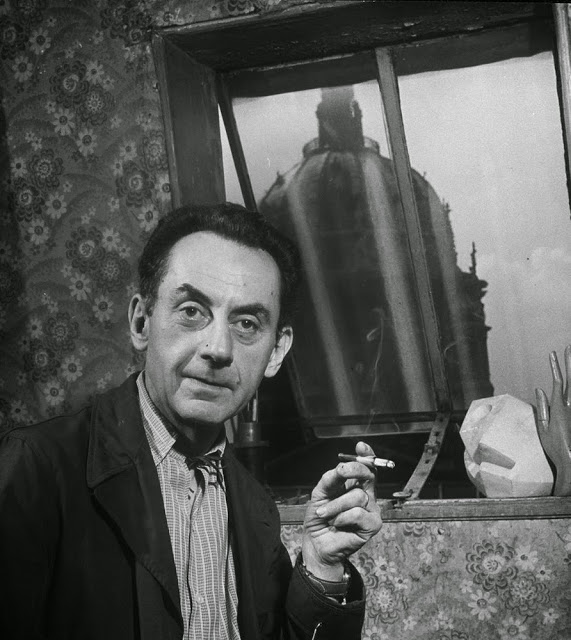
Man Ray, 1968
Paul McCartney, 1965
Jean Shrimpton, 1969
Jeanne Moreau, 1964
Alice Cooper, 1972
April Ashley, 1961
Andy Warhol and Penelope Tree, 1960s
David Hockney, 1969
Jean Luc Godard, 1968
Brigitte Bardot, 1967
Twiggy, 1960s
Anna Karina, 1965
Françoise Dorleac, 1965
Yoko Ono and John Lennon, 1971
Jane Holzer, 1965
Sue Murray, 1968
Jean Shrimpton, 1964

(Photos by David Bailey)

19 Fascinating Photos That Show Bus System of Buenos Aires in 1980

Buenos Aires, officially the Autonomous City of Buenos Aires (Spanish: Ciudad Autónoma de Buenos Aires), is the capital and largest city of Argentina. The city is located on the western shore of the Río de la Plata, on South America’s southeastern coast. “Buenos Aires” can be translated as “fair winds” or “good airs”, but the former was the meaning intended by the founders in the 16th century, by the use of the original name “Real de Nuestra Señora Santa María del Buen Ayre”, named after the Madonna of Bonaria in Sardinia, Italy.

The city of Buenos Aires is neither part of Buenos Aires Province nor the Province’s capital; rather, it is an autonomous district. In 1880, after decades of political infighting, Buenos Aires was federalized and removed from Buenos Aires Province. The city limits were enlarged to include the towns of Belgrano and Flores; both are now neighborhoods of the city. The 1994 constitutional amendment granted the city autonomy, hence its formal name of Autonomous City of Buenos Aires. Its citizens first elected a Chief of Government in 1996; previously, the Mayor was directly appointed by the President of Argentina.

The Greater Buenos Aires conurbation, which also includes several Buenos Aires Province districts, constitutes the fourth-most populous metropolitan area in the Americas, with a population of around 15.6 million. It is also the second largest city south of the Tropic of Capricorn. Buenos Aires’ quality of life was ranked 91st in the world in 2018, being one of the best in Latin America. In 2012, it was the most visited city in South America, and the second-most visited city of Latin America.

It is known for its preserved eclectic European architecture and rich cultural life. It is a multicultural city that is home to multiple ethnic and religious groups, contributing to its culture as well as to the dialect spoken in the city and in some other parts of the country. This is because since the 19th century, the city, and the country in general, has been a major recipient of millions of immigrants from all over the world, making it a melting pot where several ethnic groups live together. Thus, Buenos Aires is considered one of the most diverse cities of the Americas. Buenos Aires held the 1st FIBA World Championship in 1950 and 11th FIBA World Championship in 1990, the 1st Pan American Games in 1951, was the site of two venues in the 1978 FIFA World Cup and one in the 1982 FIVB Men’s World Championship. Most recently, Buenos Aires had a venue in the 2001 FIFA World Youth Championship and in the 2002 FIVB Volleyball Men’s World Championship, hosted the 125th IOC Session in 2013, the 2018 Summer Youth Olympics and the 2018 G20 summit. (Wikipedia)
29 Wonderful Color Photos of British Women During World War II

“The wars were a catalyst for women to work in more roles,” says Jenny Dibden, a director in the Department for Business, Innovation and Skills. “Now, there’s a much stronger sense that women working within the civil service is normal and natural. The real effort should now be on enabling women to progress to the higher grades.”

Women in World War II took on a variety of roles from country to country. World War II involved global conflict on an unprecedented scale; the absolute urgency of mobilizing the entire population made the expansion of the role of women inevitable.

This set of 29 fascinating color photos shows everyday life of British women during wartime.

On the River Avon, 1944
British war workers take a seaside break on a beach in Cornwall, 6th September 1943.
Cambridge Market Square, 1944
Day Nursery, Hatfield, June 1943
Feeding and cleaning time, 1944
July 1943, Flowers grow on bomb site in Gresham Street, London
Hill street, Richmond in Sept. 1939
Land Army girls in 1944
Land Army girls quenching their thirst, 1944
London window shopping, 1941
Marlow, Buckinghamshire, May 1944
Models wearing Berketex utility fashions designed by Norman Hartnell, June 1943
Models wearing Berketex utility fashions designed by Norman Hartnell, London, June 1943
Pupils from a primary school out walking, rest beside a river path at Saxton Road, Abingdon, July 1944
Refugees from Plymouth at Tapeley Park, October 1942
Soldier embraces his wife and children at his home in Irby in Cheshire, at the start of seven days leave, 14 April 1944
The family butcher from Aswell, Hertfordshire, 1944
War Workers on holiday in Cornwall enjoy a day on the beach surrounded by rugged cliffs on a sunny day, September 1943
Wartime bride, 1945
Wartime fashion, 1944
Woman learns to use with gas masks, 1940
Women bicycling on Cambridge street, 1944
Women painting finished petrol self-sealing tanks, Dec. 1942
A Land Army girl busy with her Standard Fordson tractor in Oxfordshire, 1944
A woman at Anderson Shelter, 1940
A young woman comforts her kid on a beach in Cornwall, 6th September 1943
Aiding the war effort, October 1943
Bishop’s Stortford, Essex, June 1944
British servicewomen enjoying a ‘garden’ on a bombed-out site in London, 1944

Yesterday Today

Bringing You the Wonder of Yesterday - Today

Skip to content ↓