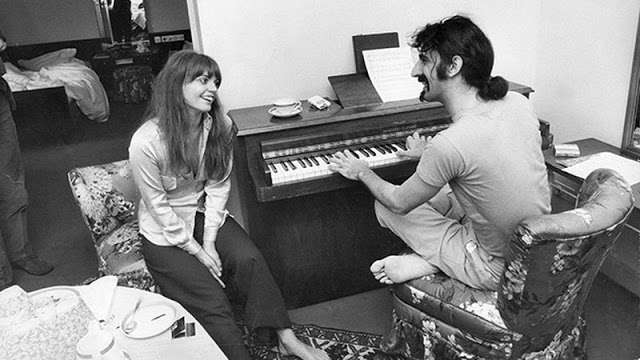
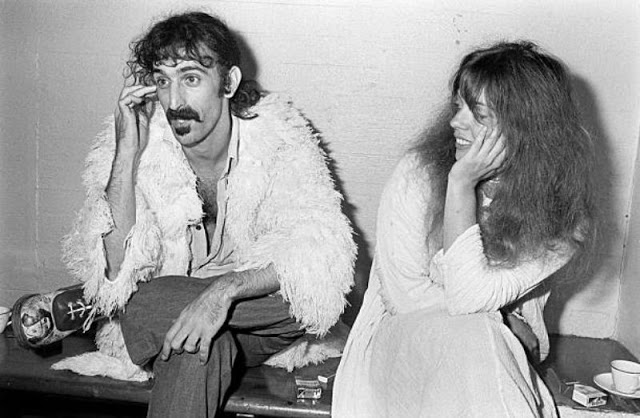
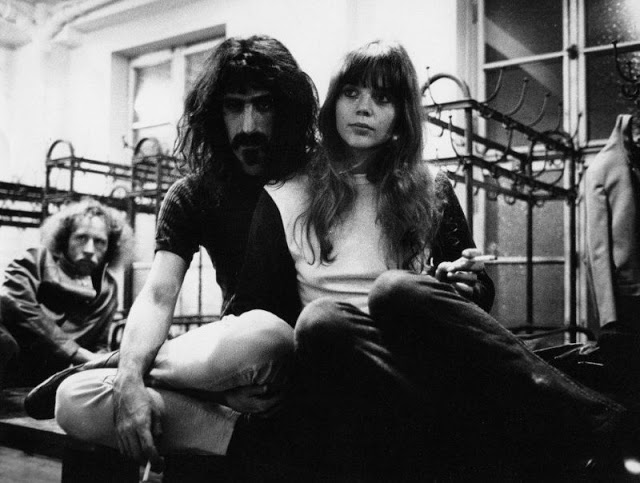
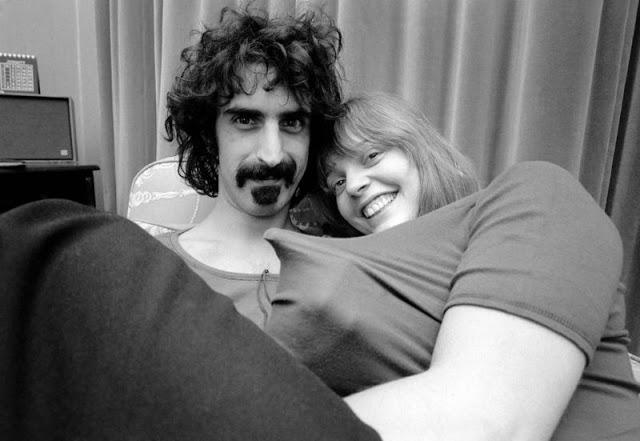
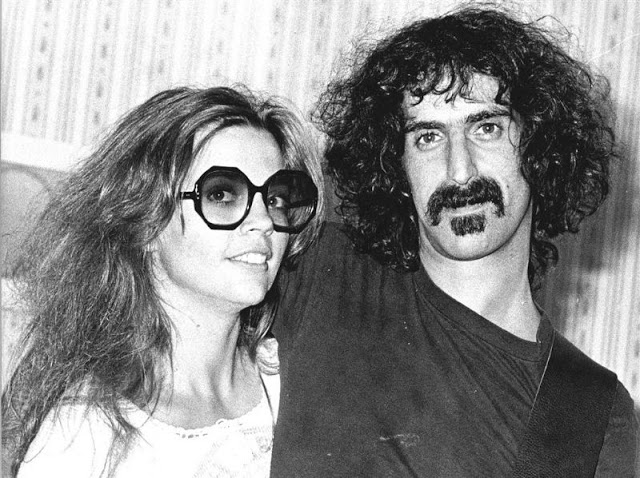
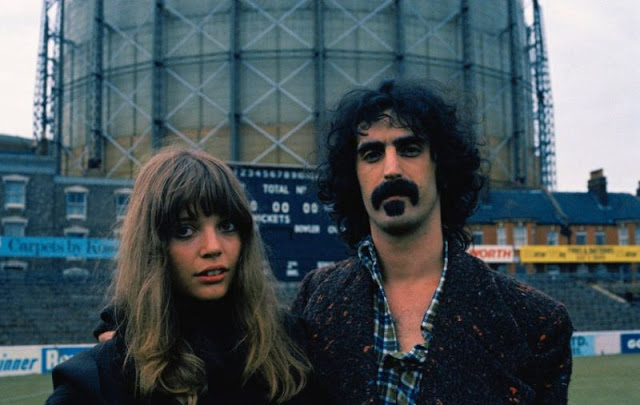
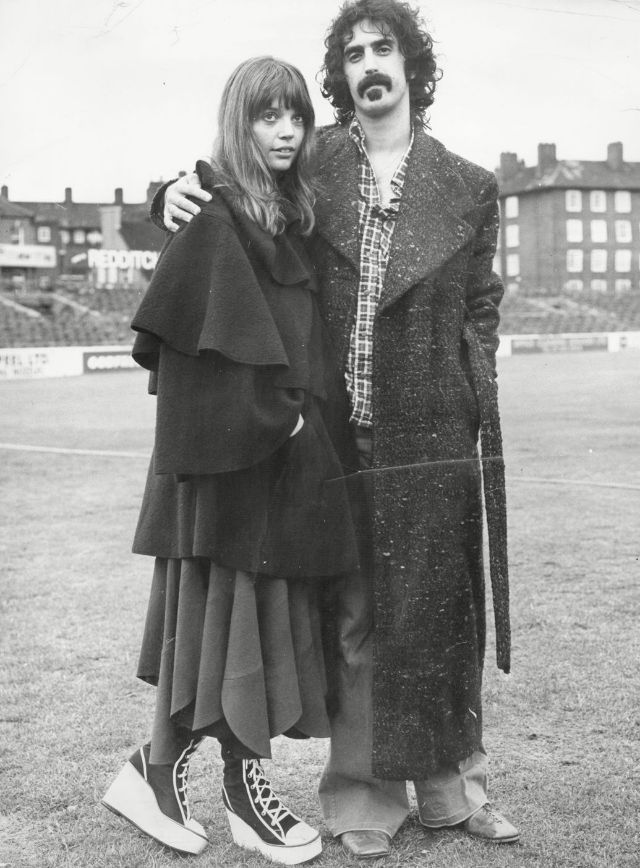
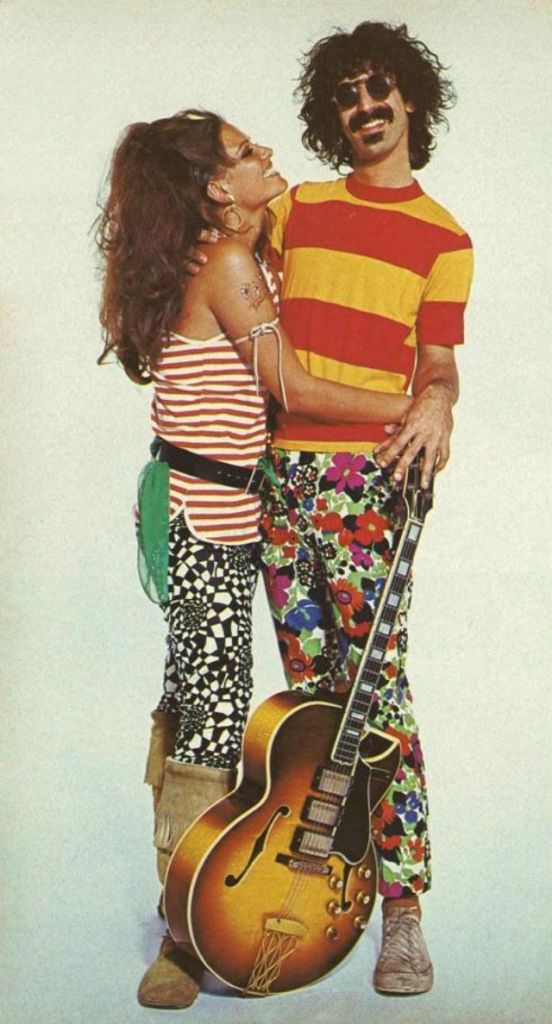
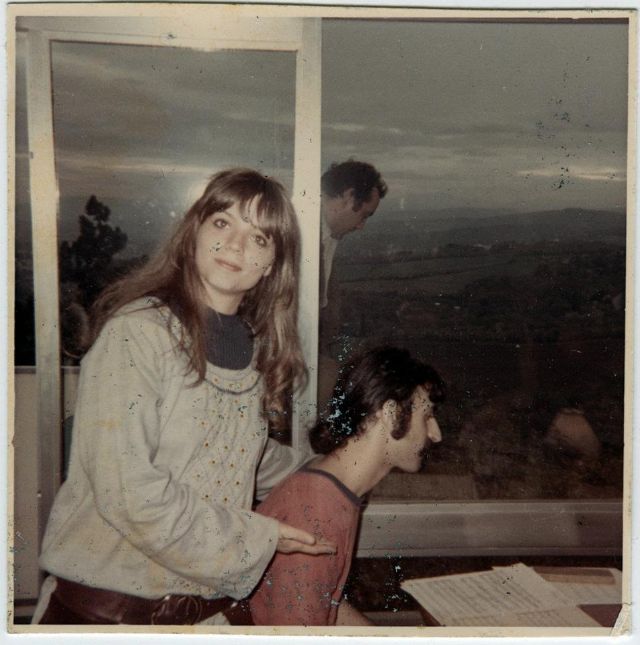
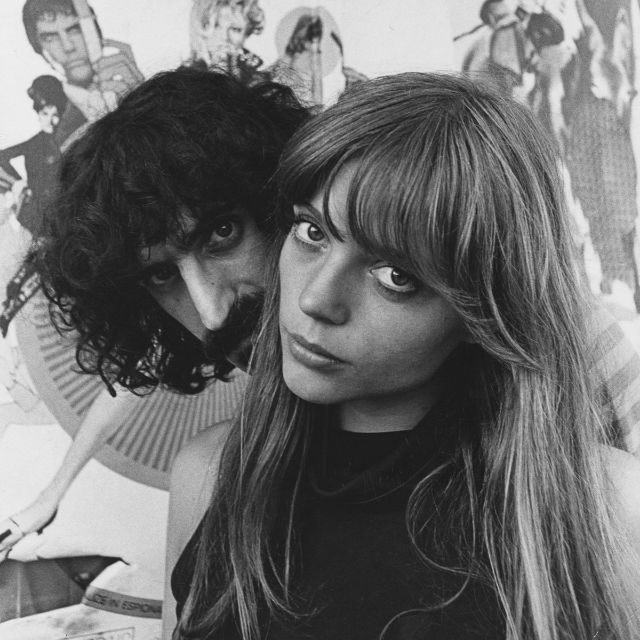
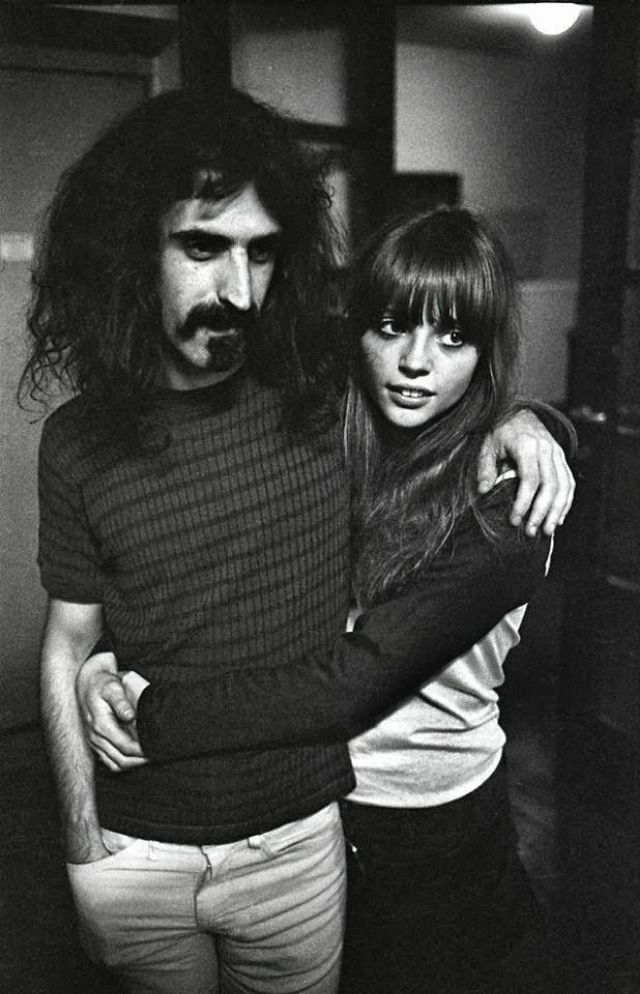
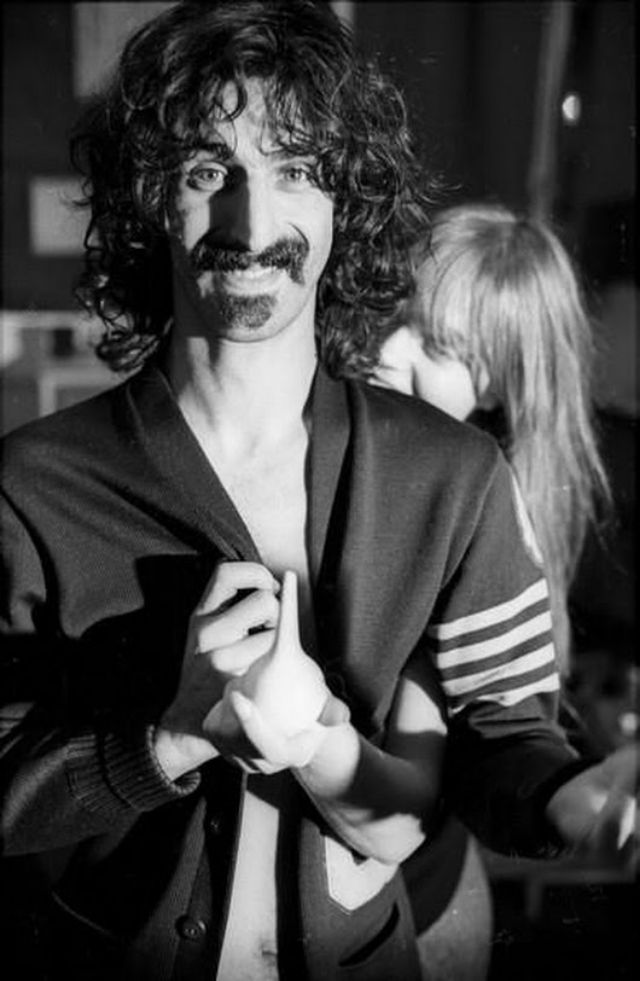
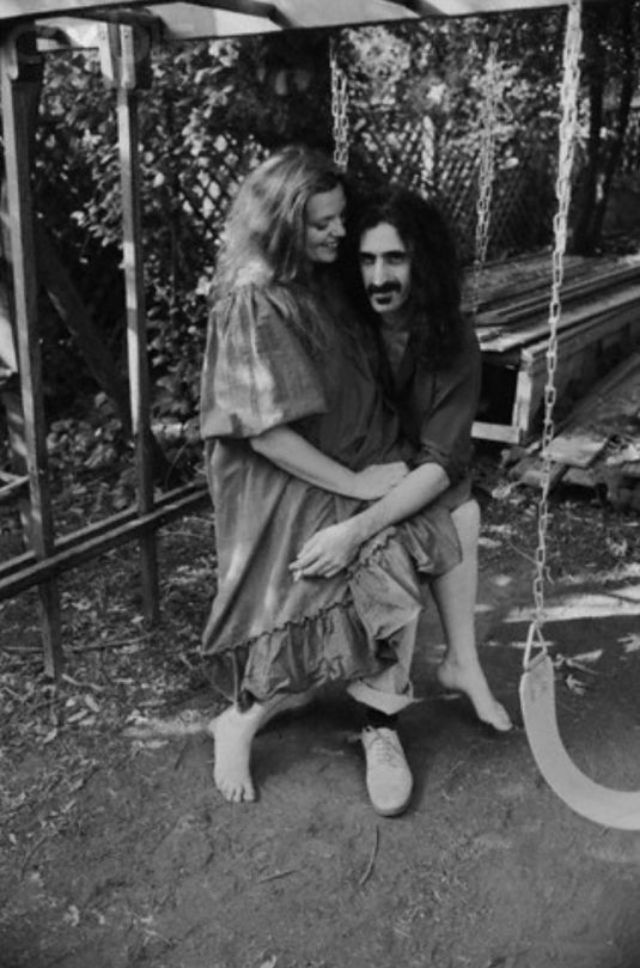
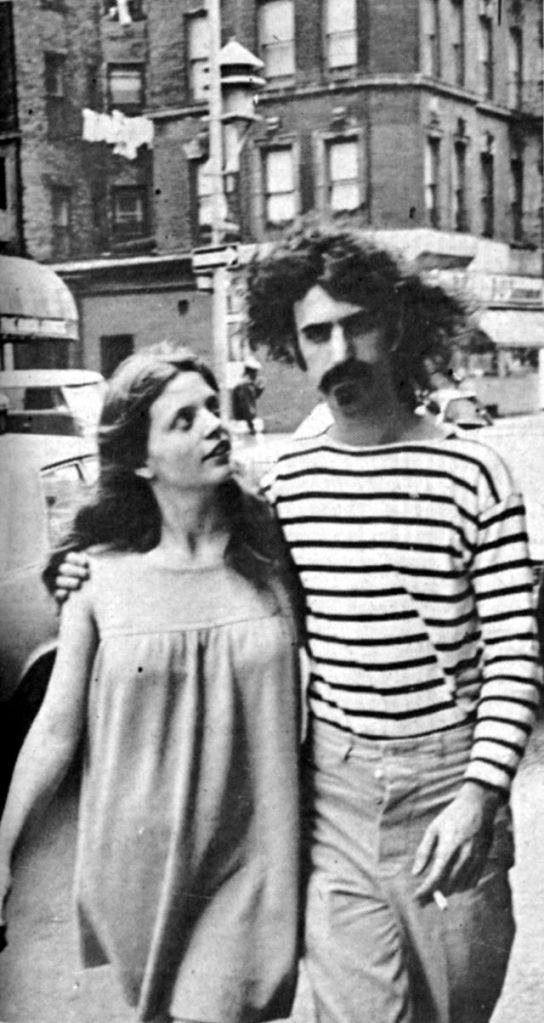
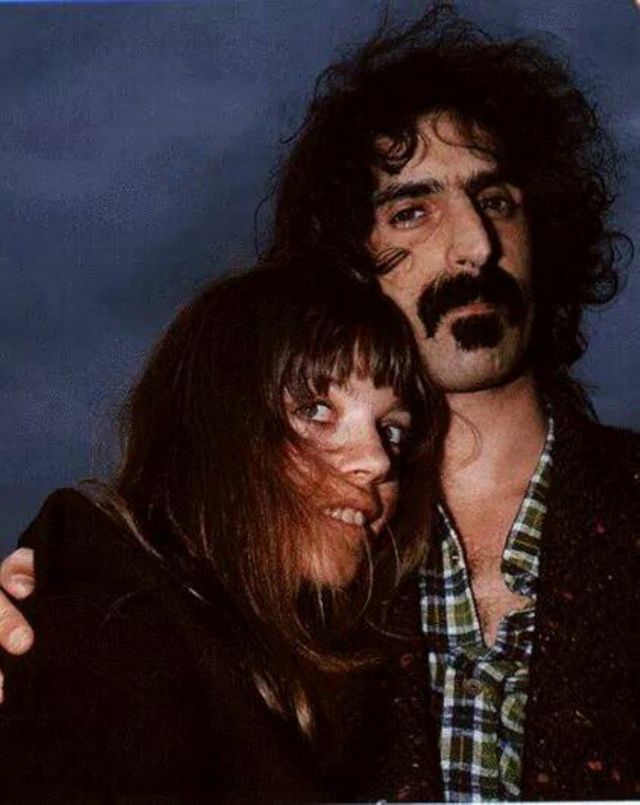
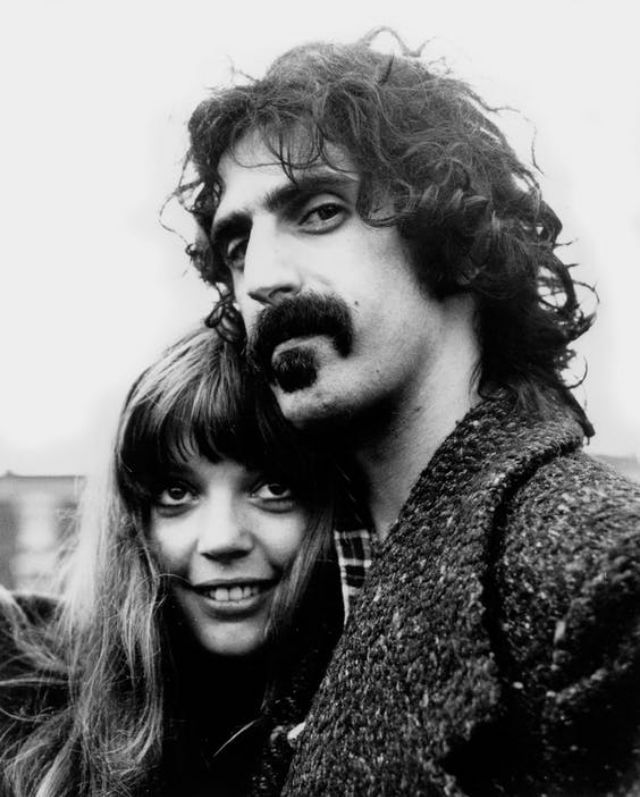
Adelaide Gail Zappa met her future husband Frank Zappa in 1966 when she was working as a secretary at the Whisky a Go Go nightclub on Sunset Strip in Los Angeles. They married in a civil ceremony in New York on September 21, 1967, late in her pregnancy with Moon Zappa, born a week later. The marriage also produced children Dweezil, Ahmet and Diva Zappa. Gail Zappa was also an aunt to model and actress Lala Sloatman.
Gail can be seen behind Frank Zappa on the sleeve of his album Absolutely Free (1967) and on the original, parody cover of his We’re Only In It For The Money album (1968). Frank Zappa also named Barking Pumpkin Records after his wife’s smoker’s cough when she tried to quit the habit. During his life, Gail Zappa acted as her husband’s business secretary, and supervised both the labels and his mail order business.
In many ways, the 1950s took a big step back, especially for women.
During World War II, while the men were away, women began to gain an independence that was rare before the war. They left their homes to work in offices and factories, earning and managing their own money. Clothing was heavily restricted throughout and just after the war. Everything from the length of skirts to the size of collars was regulated. This resulted in a slim, straight silhouette.
Women wore comfortable clothing like suits and shirtdresses, and even began to regularly wear pants, especially to work. They had to ‘make do and mend,’ buying or sewing well-made clothing that had to last and fixing garments that were past their prime.
The full look of the 1950s was mature, glamorous and very put-together.
Dresses, skirts and undergarments were constricting, but a wide range of new ‘leisure clothes’ allowed people to dress casually at home. Women were expected to be impeccably dressed and groomed in public or when their spouse was home, always with coordinating hats, shoes, bags, belts, gloves, and jewelry.
In privacy, women dressed much simpler, more comfortable. Eventually, these casual fashions became public clothing as well.
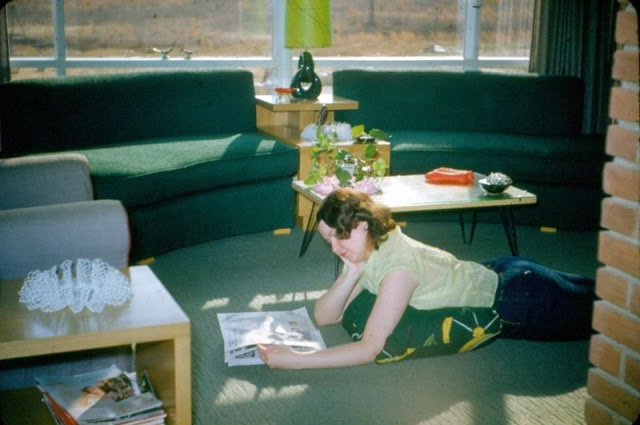
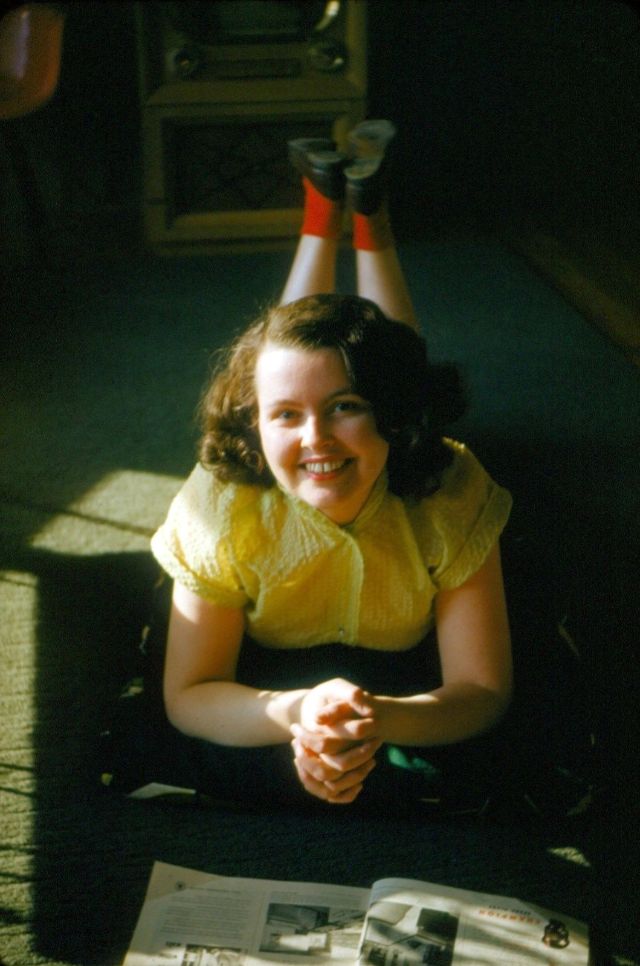
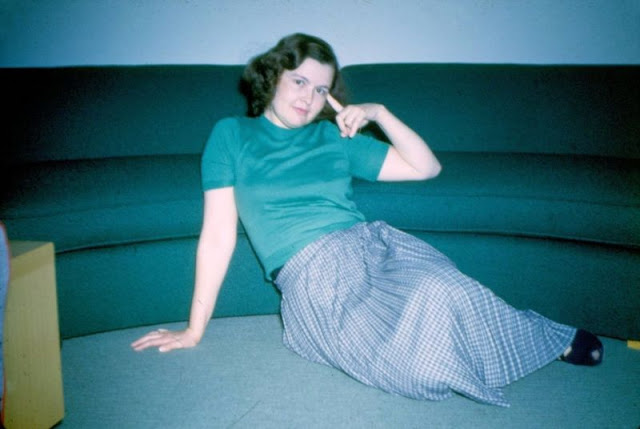
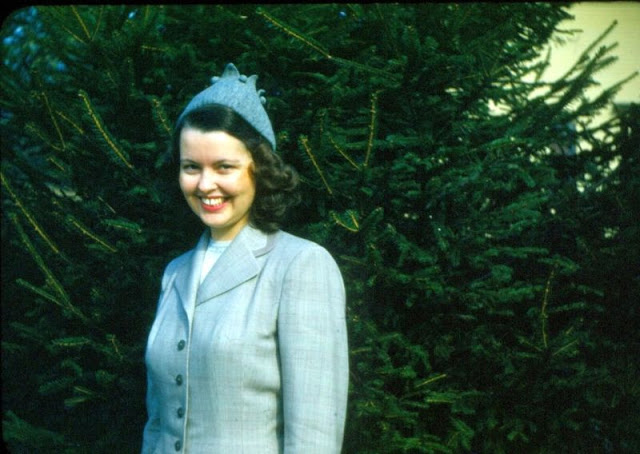
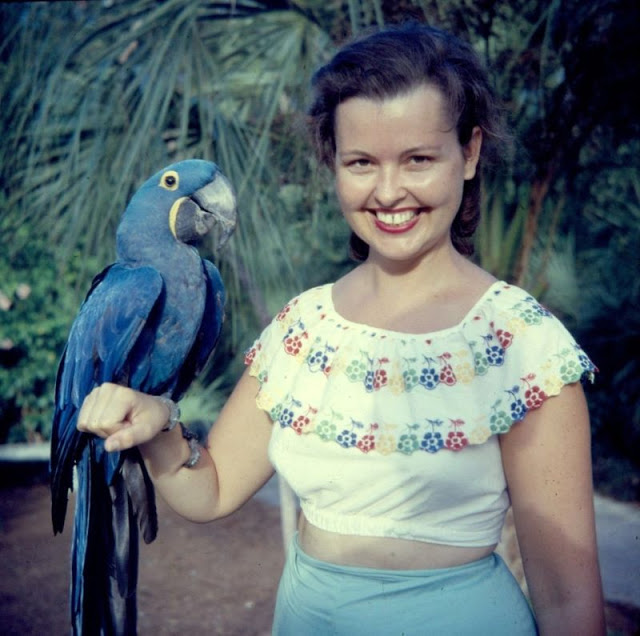
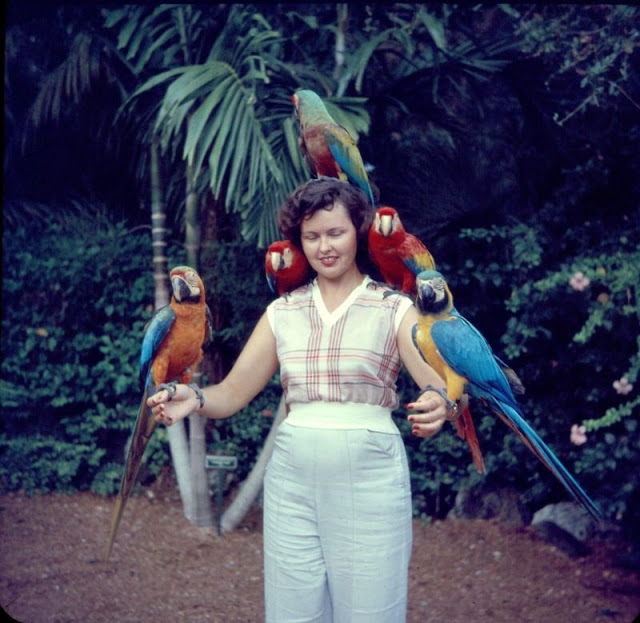
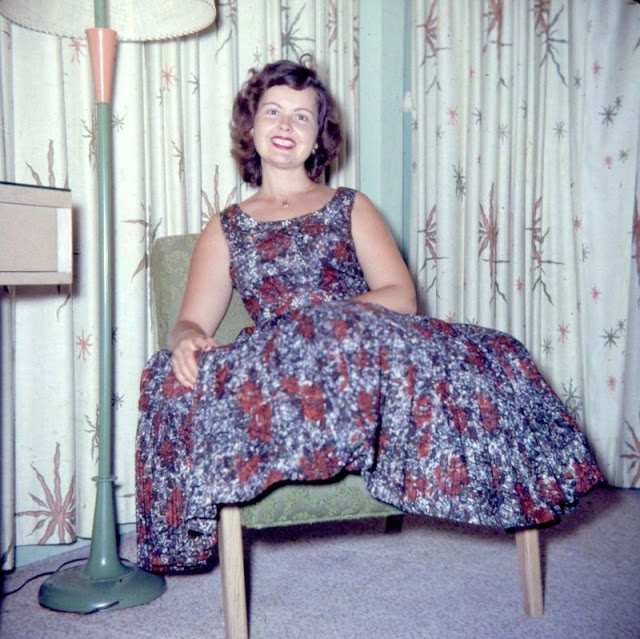
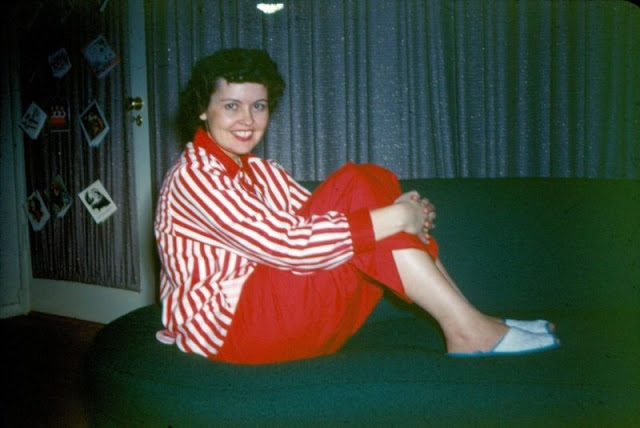
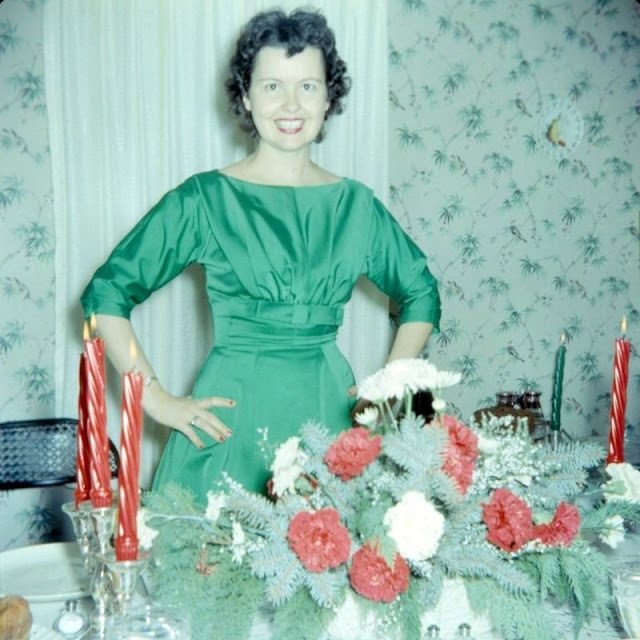
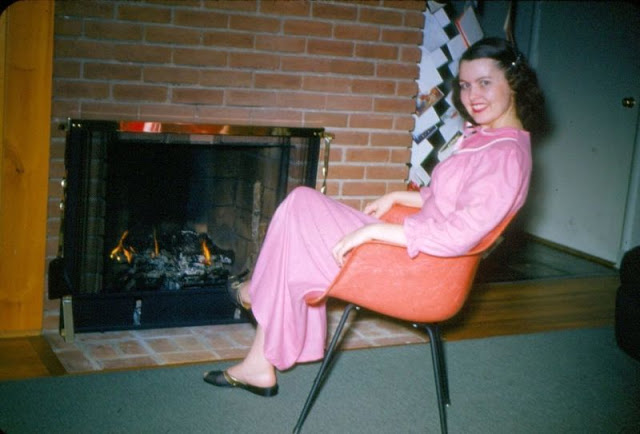
These beautiful snapshots show fashion styles of a young lady during the 1950s.
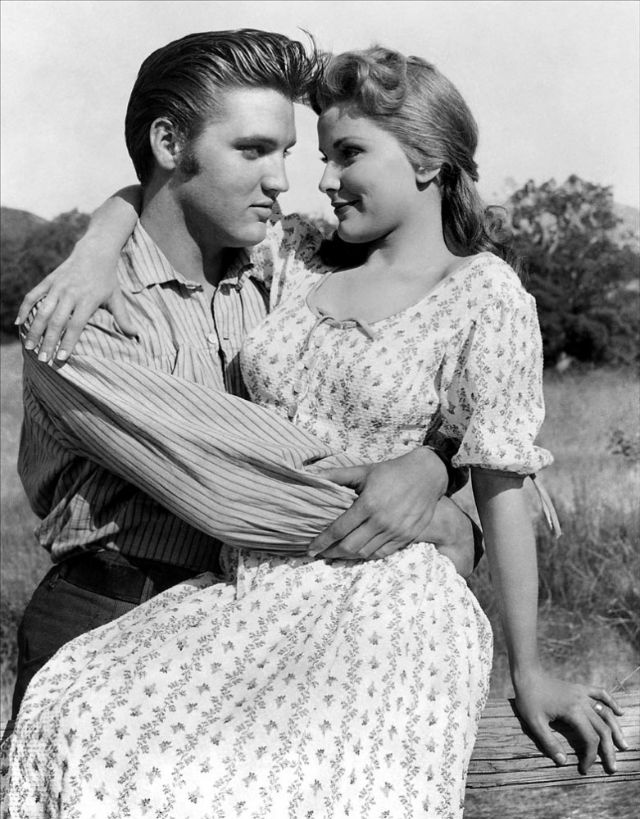
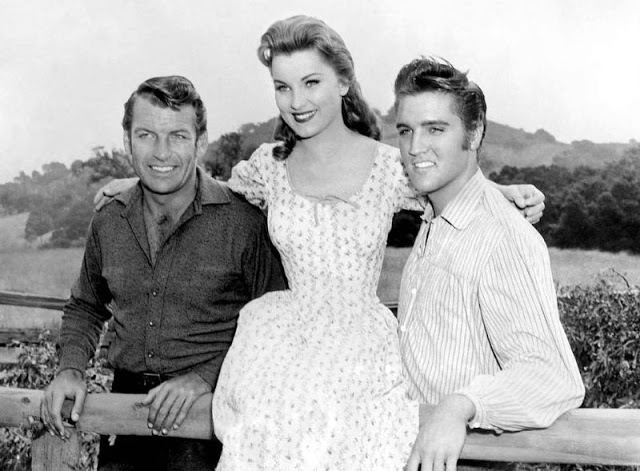
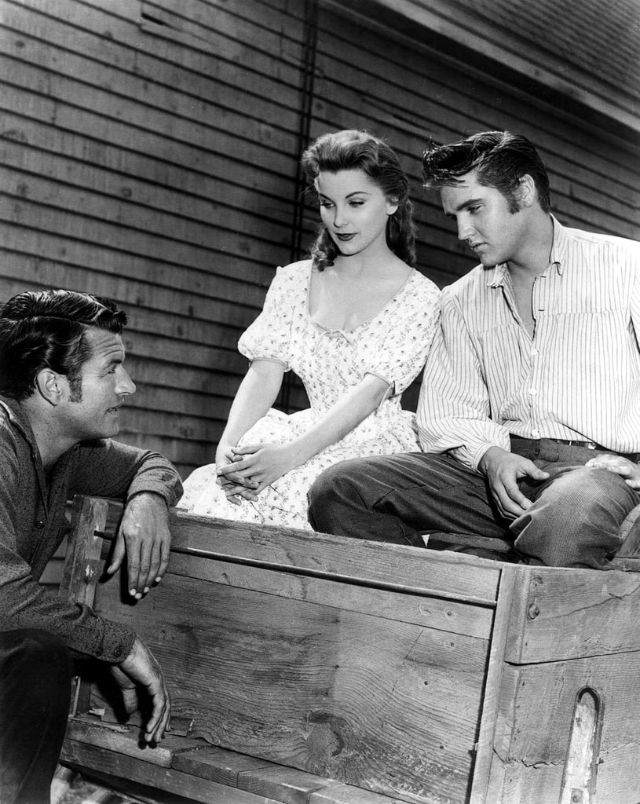
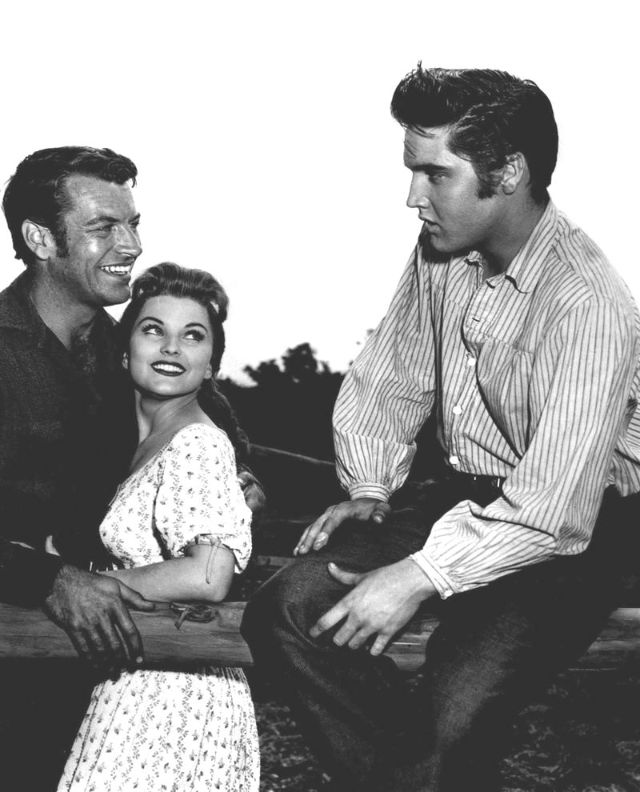
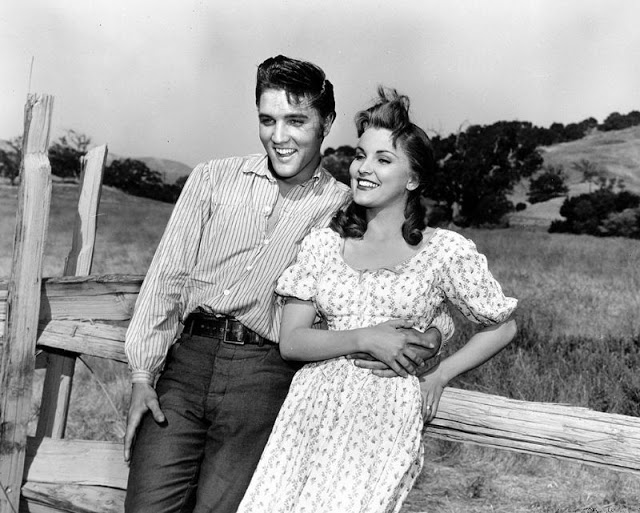
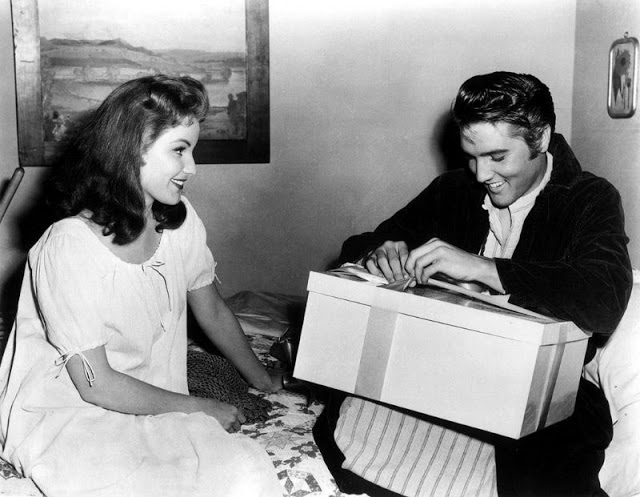
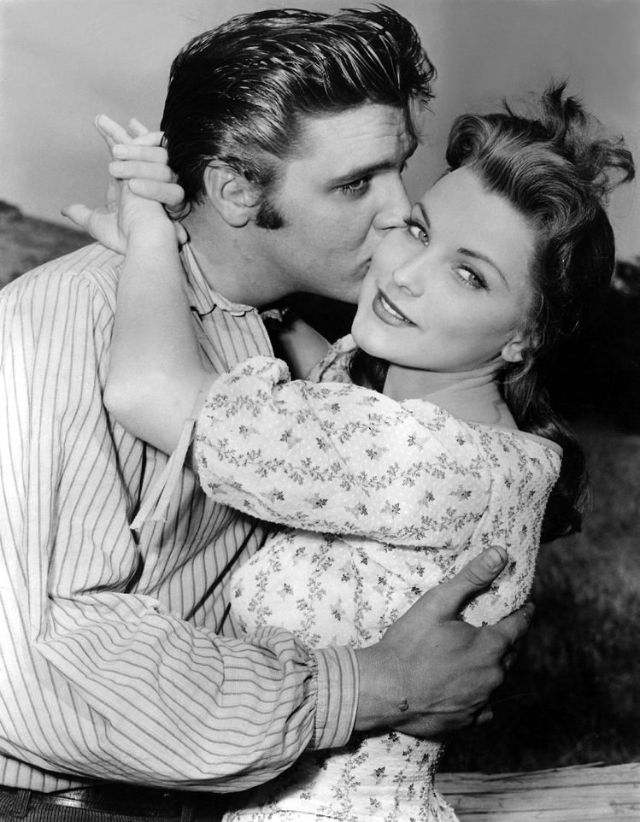
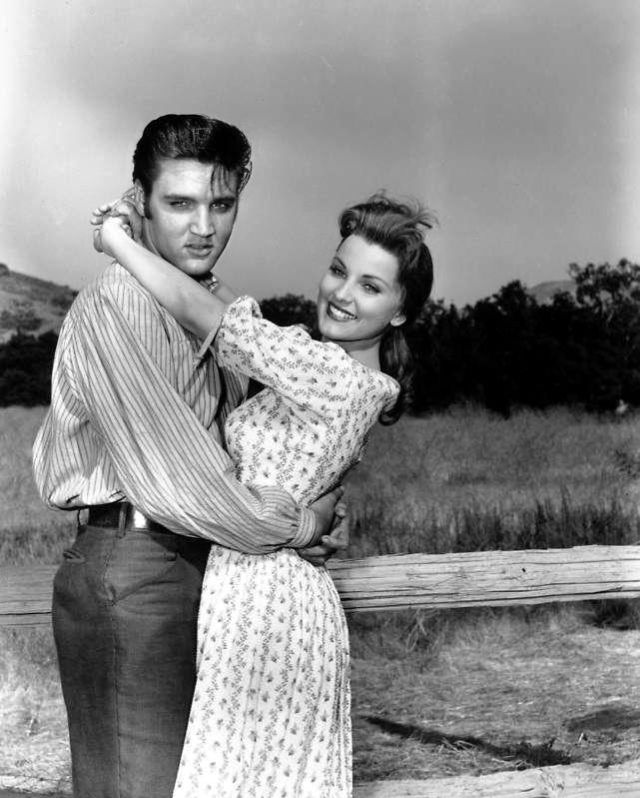
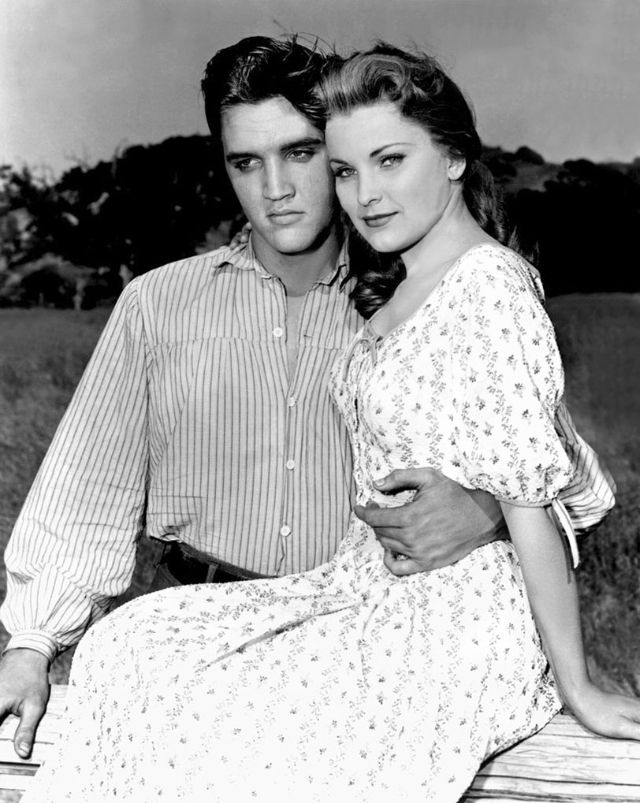
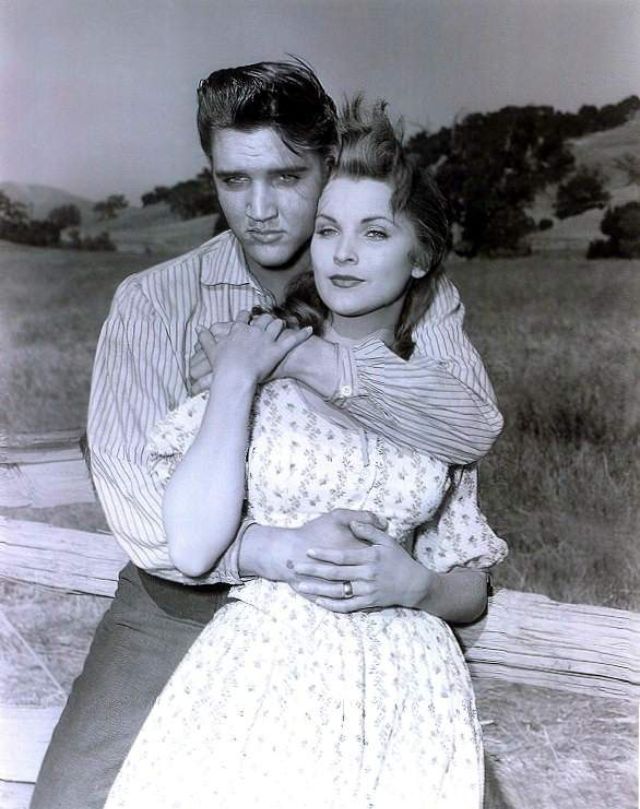
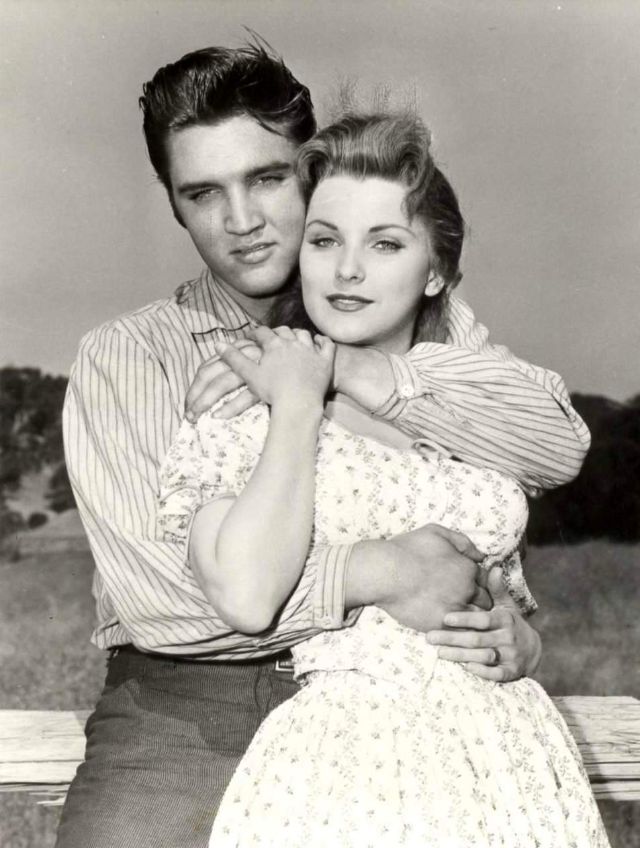
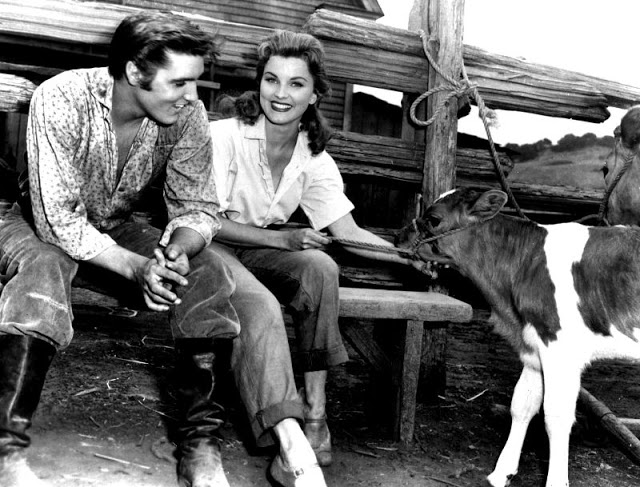
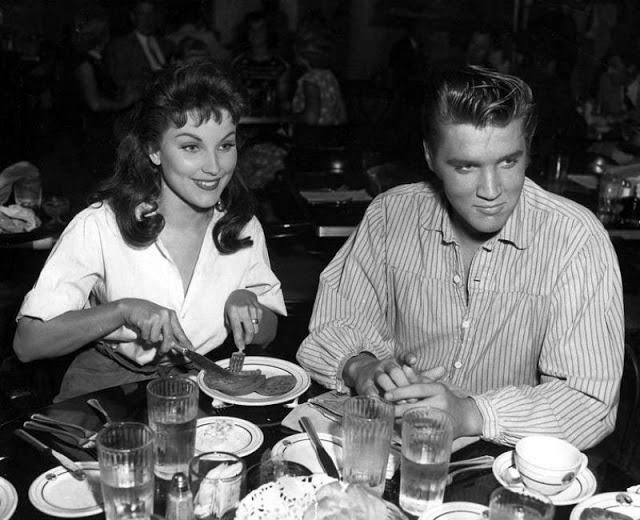
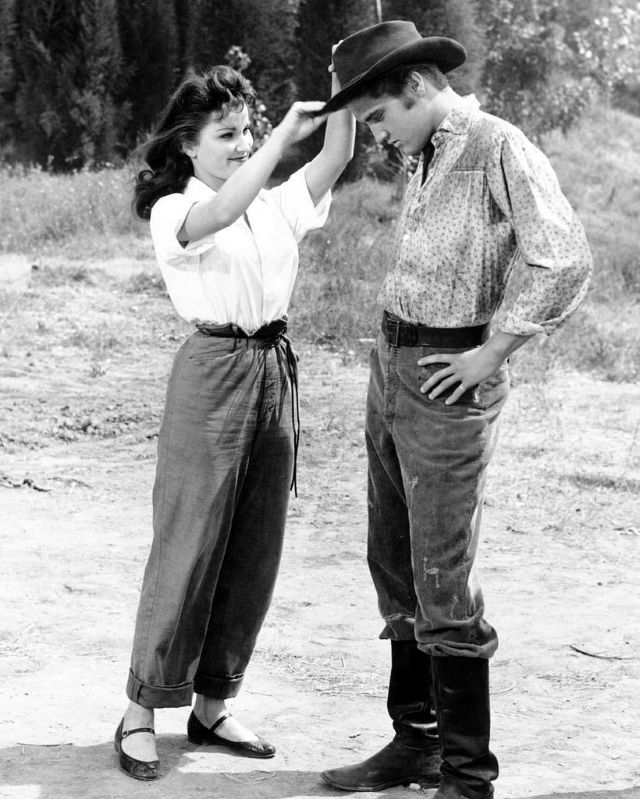
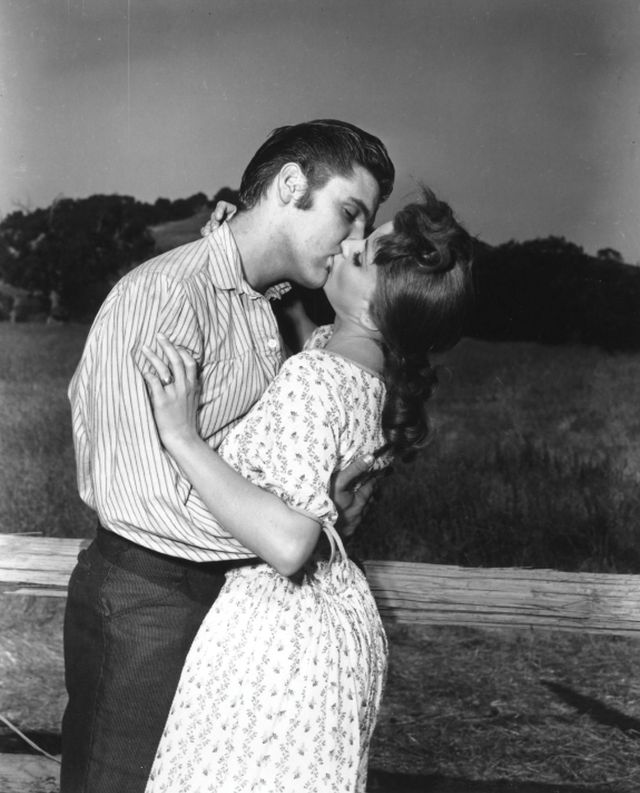
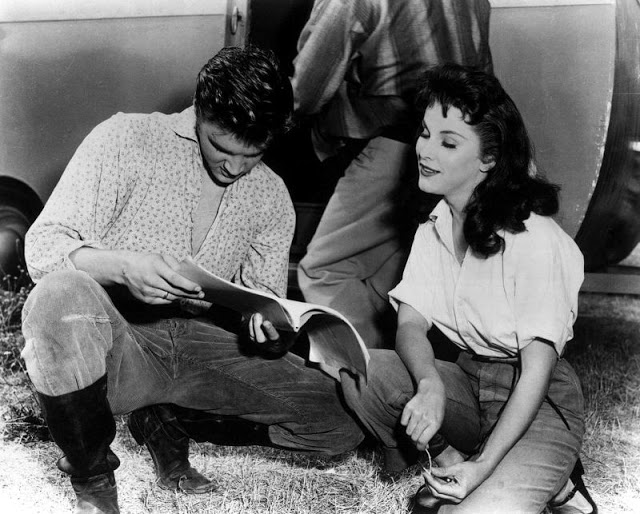
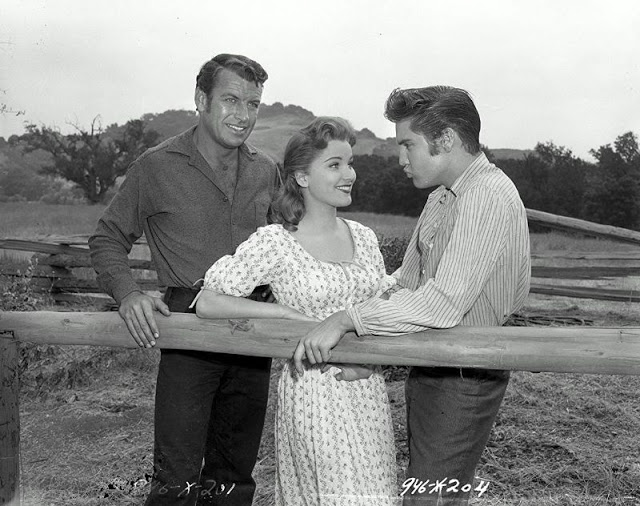
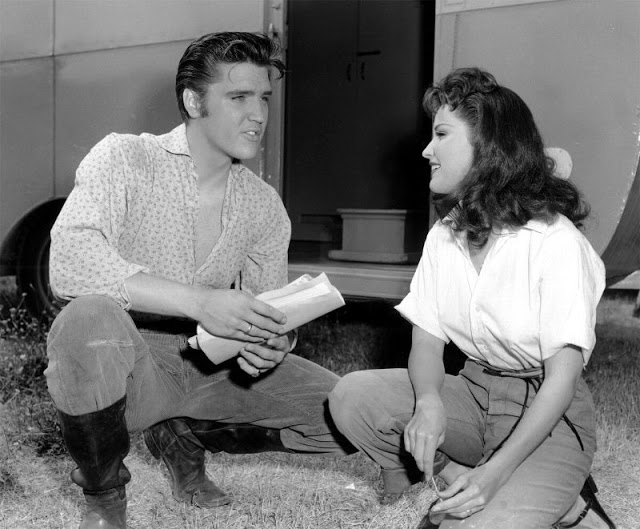
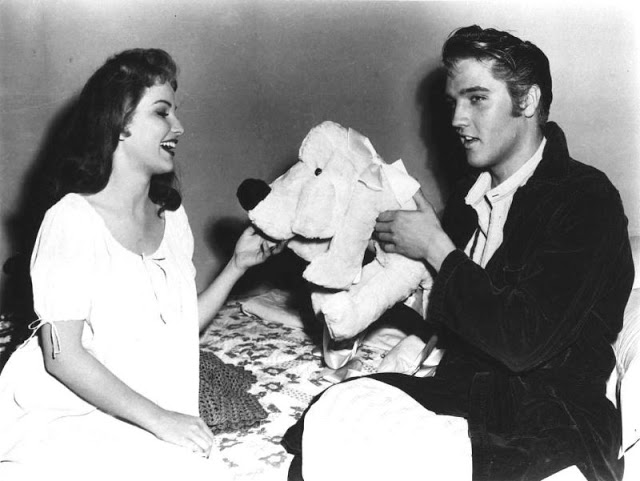
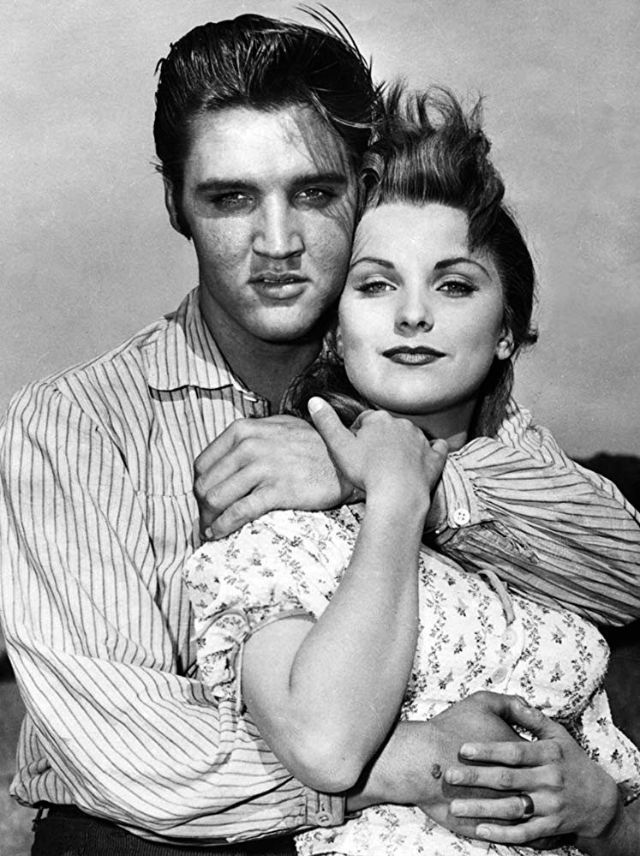
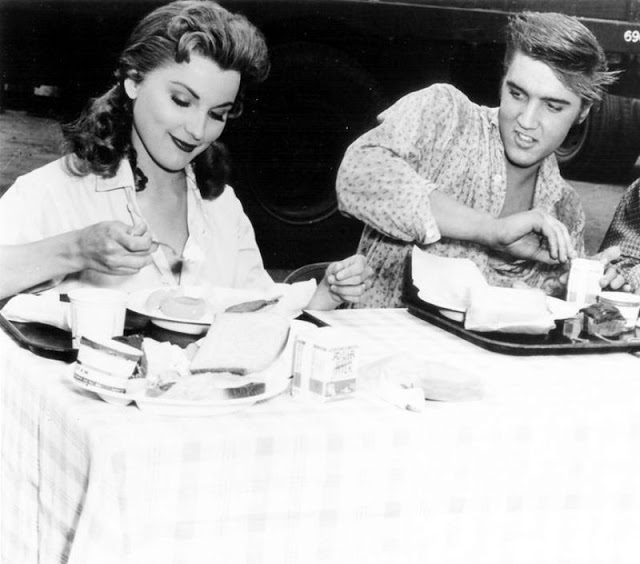
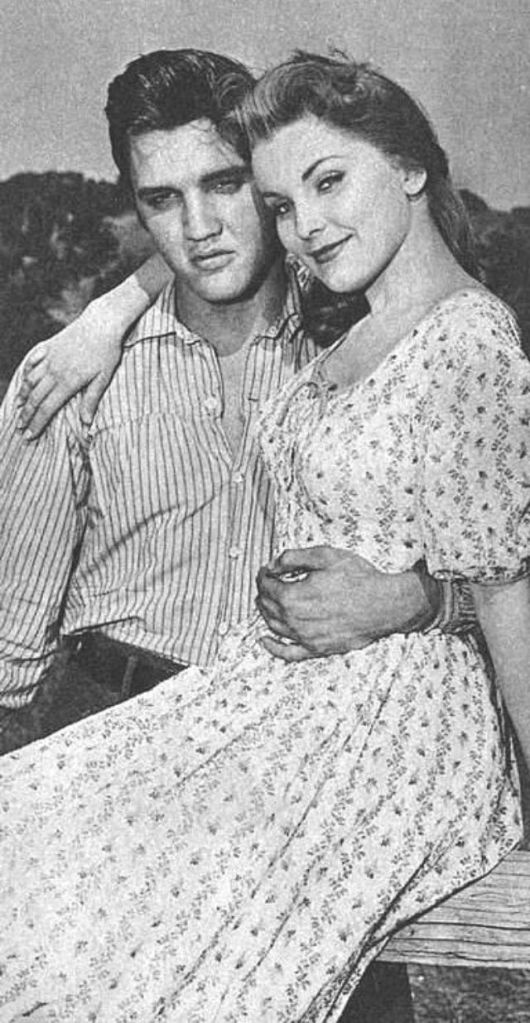
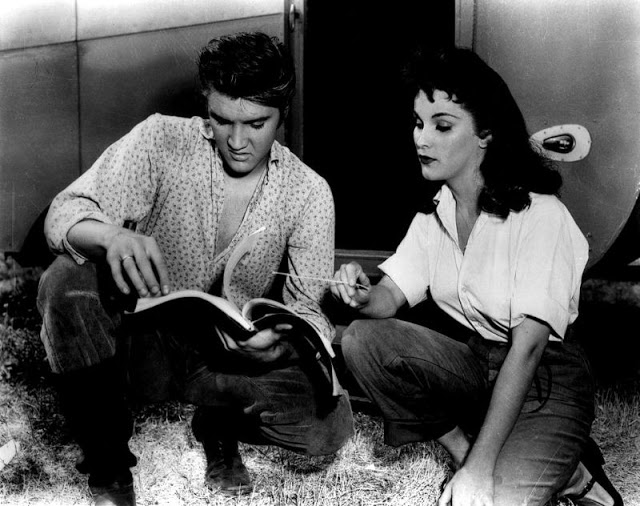
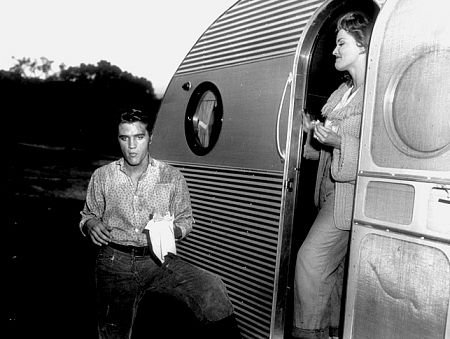
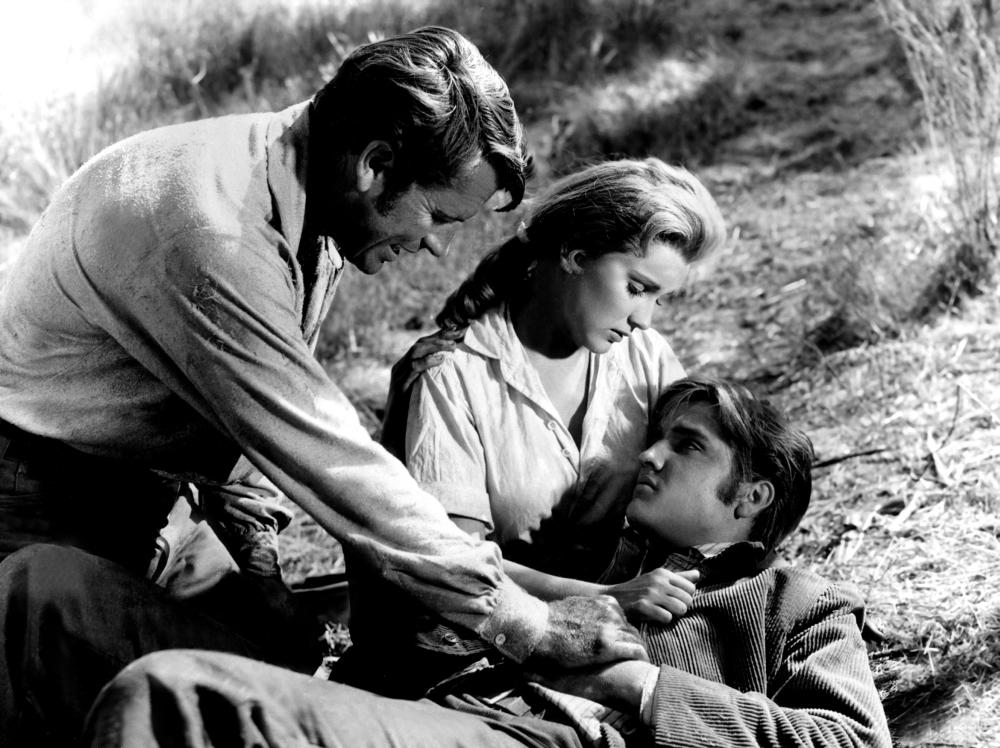
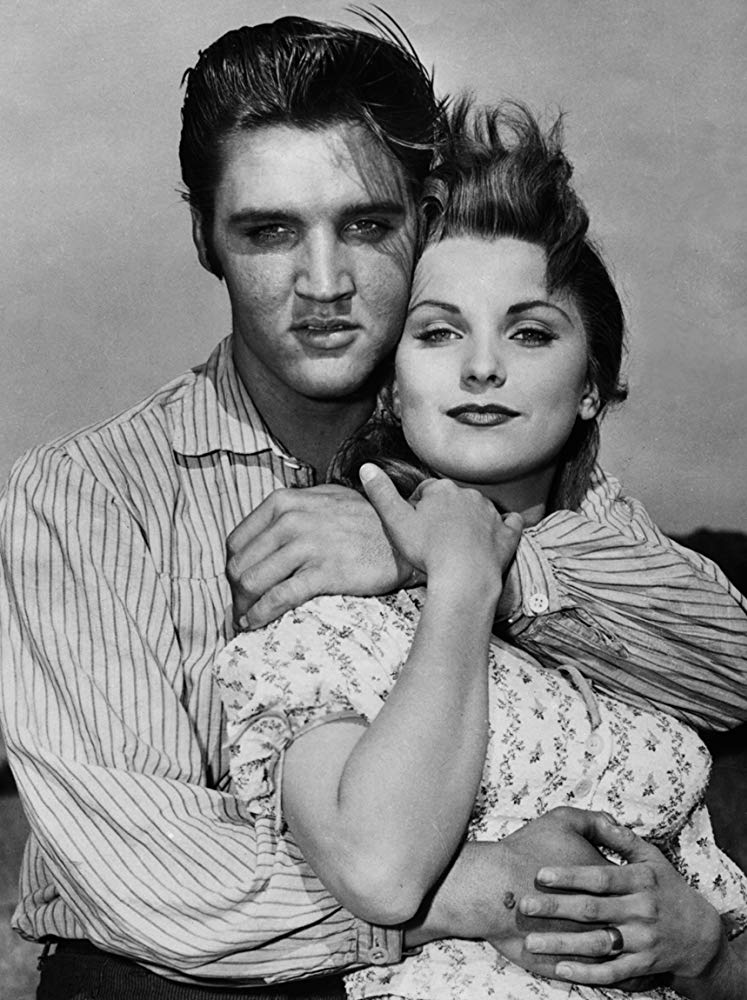
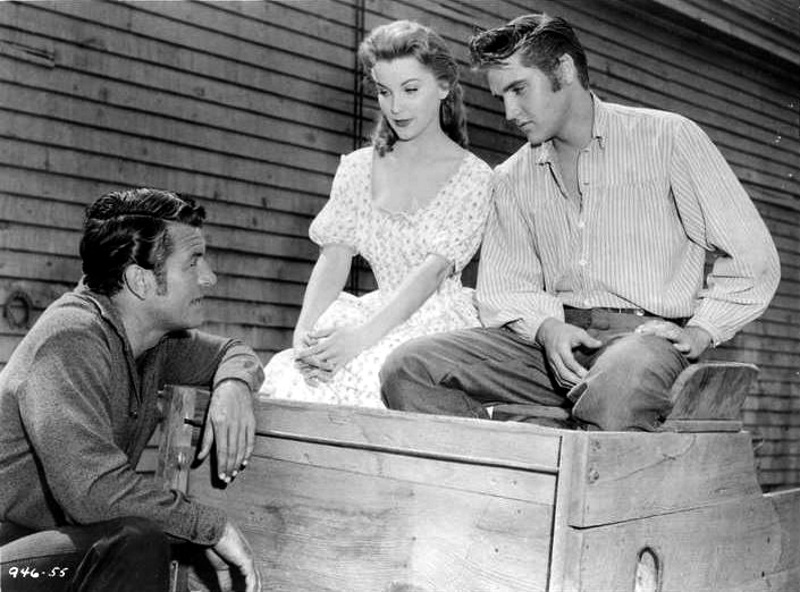
Love Me Tender is a 1956 American black-and-white CinemaScope motion picture directed by Robert D. Webb, and released by 20th Century Fox on November 15, 1956. The film, named after the song, stars Richard Egan, Debra Paget, and Elvis Presley in his acting debut. It is in the Western genre with musical numbers.
As Presley’s movie debut, it was the only time in his acting career that he did not receive top billing. Love Me Tender was originally to be titled The Reno Brothers, but when advanced sales of Presley’s “Love Me Tender” single passed one million—a first for a single—the film’s title was changed to match. This was the only time that Presley played a historical figure.
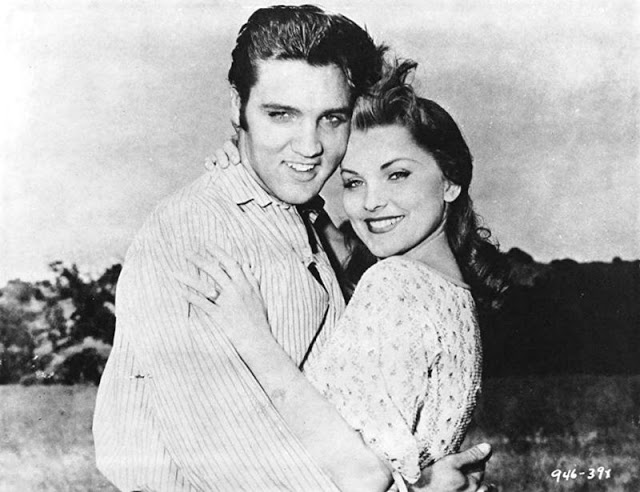
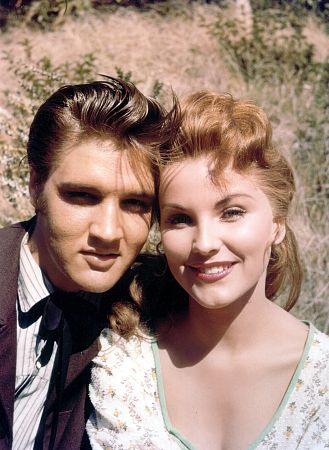
These sweet photos that captured Debra Paget with Elvis Presley during the filming of this movie in 1956.
Denmark is a Nordic country in Northern Europe. It is the most populous and politically central constituent of the Kingdom of Denmark, a constitutionally unitary state that includes the autonomous territories of the Faroe Islands and Greenland in the North Atlantic Ocean. European Denmark is the southernmost of the Scandinavian countries, lying southwest of Sweden, south of Norway, and north of Germany.
Spanning a total area of 42,943 km2 (16,580 sq mi), it consists of the peninsula of Jutland and an archipelago of 443 named islands,[18] of which the largest are Zealand, Funen and the North Jutlandic Island. Denmark’s geography is characterised by flat, arable land, sandy coasts, low elevation, and a temperate climate. As of 2022, it had a population of 5.88 million (1 March 2022), of which 800,000 live in the capital and largest city, Copenhagen. Denmark exercises hegemonic influence in the Danish Realm, devolving powers to handle internal affairs. Home rule was established in the Faroe Islands in 1948 and in Greenland in 1979; the latter obtained further autonomy in 2009.
The unified kingdom of Denmark emerged in the eighth century as a proficient maritime power amid the struggle for control of the Baltic Sea. In 1397, it joined Norway and Sweden to form the Kalmar Union, which persisted until the latter’s secession in 1523. The remaining Kingdom of Denmark–Norway endured a series of wars in the 17th century that resulted in further territorial cessions to the Swedish Empire. Following the Napoleonic Wars, Norway was absorbed into Sweden, leaving Denmark with the Faroe Islands, Greenland, and Iceland. A surge of nationalist movements in the 19th century were defeated in the First Schleswig War of 1848, though the Second Schleswig War of 1864 resulted in further territorial losses to Prussia. The period saw the adoption of the Constitution of Denmark on 5 June 1849, ending the absolute monarchy that was established in 1660 and introducing the current parliamentary system.
An industrialised exporter of agricultural produce in the second half of the 19th century, Denmark introduced social and labour-market reforms in the early 20th century, which formed the basis for the present welfare state model and advanced mixed economy. Denmark remained neutral during World War I but regained the northern half of Schleswig in 1920. Danish neutrality was violated in World War II following a swift German invasion in April 1940. During occupation, a resistance movement emerged in 1943 while Iceland declared independence in 1944; Denmark was liberated in May 1945. In 1973, Denmark, together with Greenland but not the Faroes, became a member of what is now the European Union, but negotiated certain opt-outs, such as retaining its own currency, the krone.
Denmark is a highly developed country with a high standard of living: the country performs at or near the top in measures of education, health care, civil liberties, democratic governance and LGBT equality. Denmark is a founding member of NATO, the Nordic Council, the OECD, OSCE, and the United Nations; it is also part of the Schengen Area. Denmark maintains close political, cultural, and linguistic ties with its Scandinavian neighbours, with the Danish language being partially mutually intelligible with both Norwegian and Swedish. (Wikipedia)
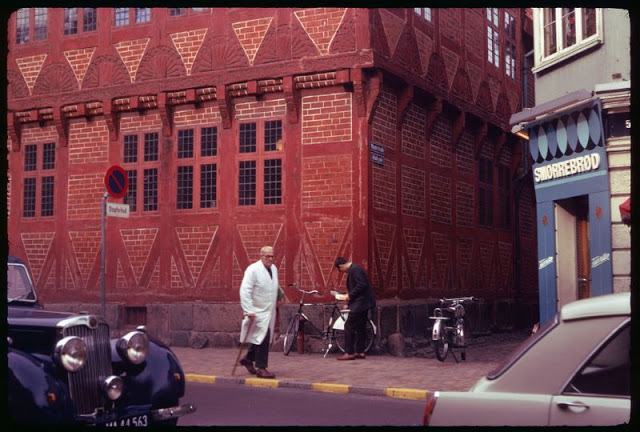
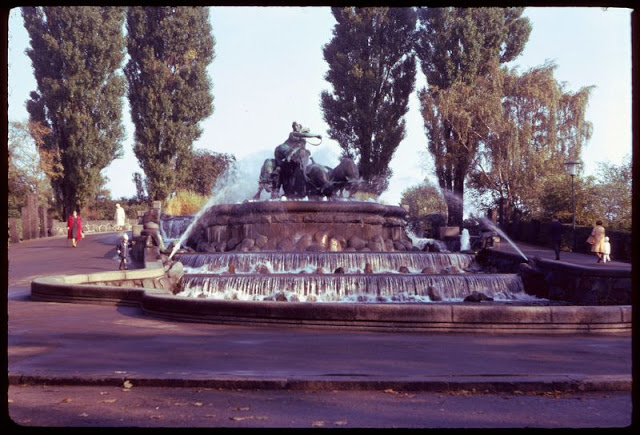
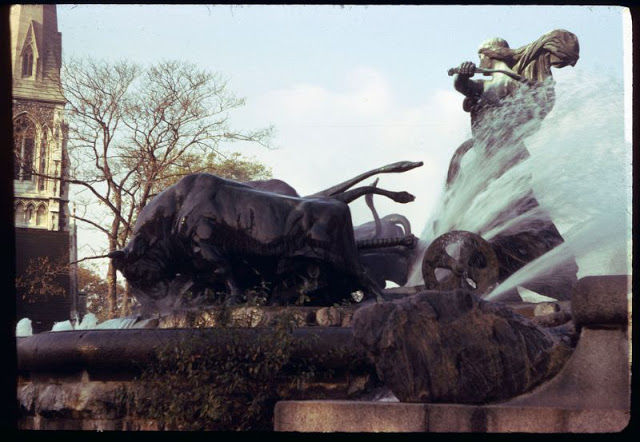
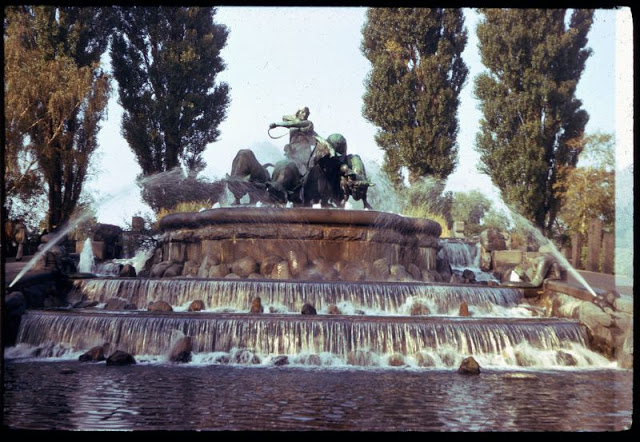
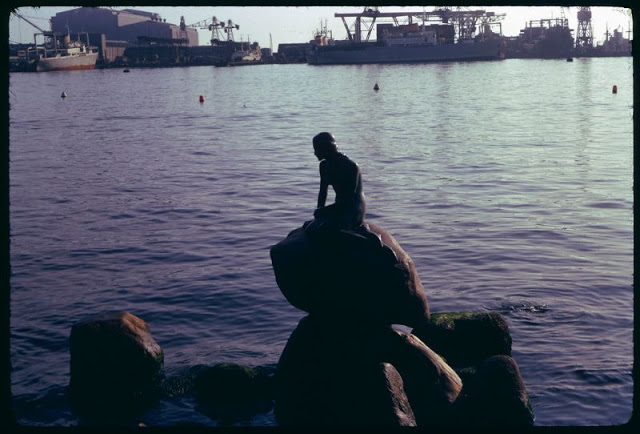
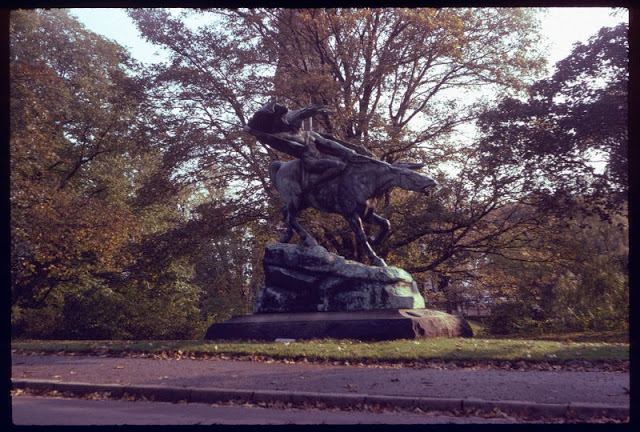
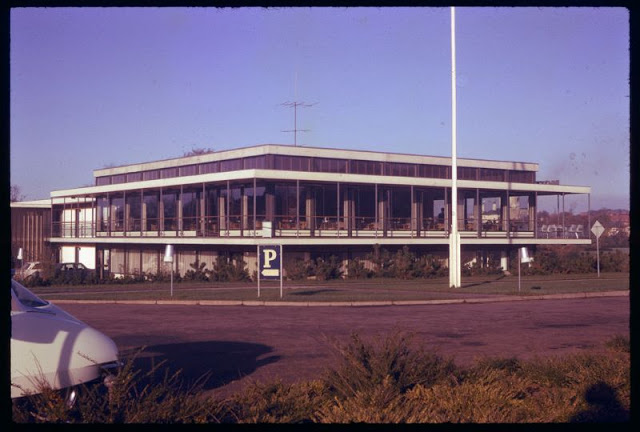
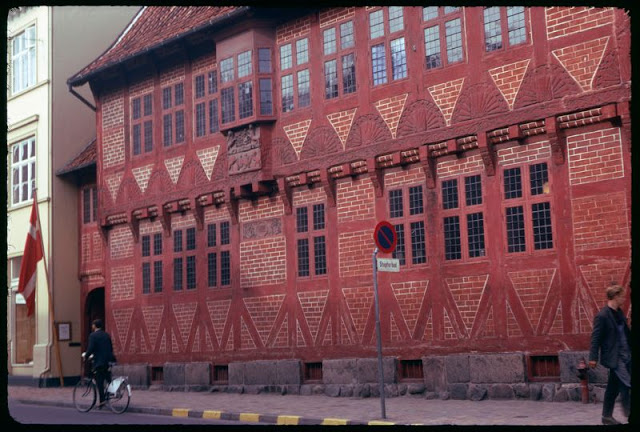
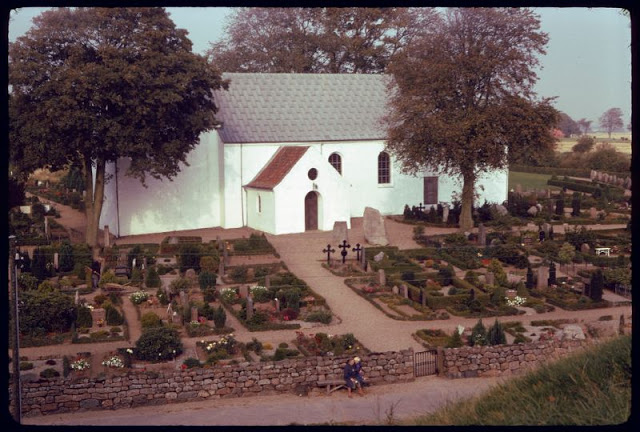
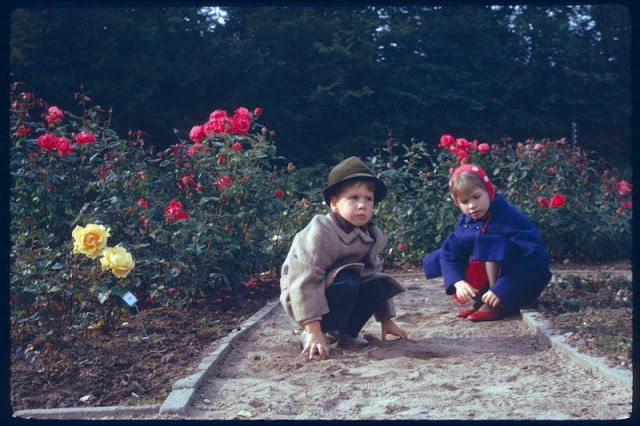
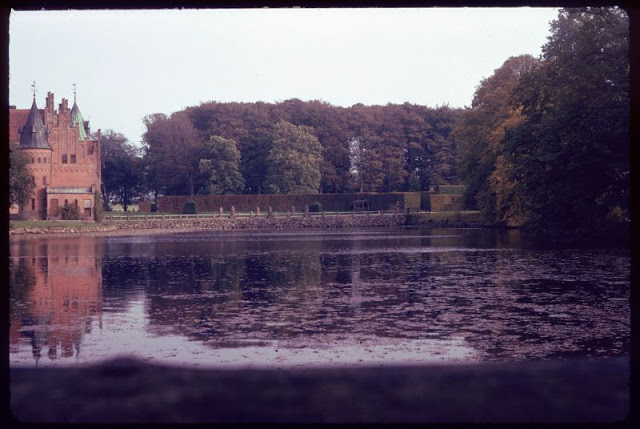
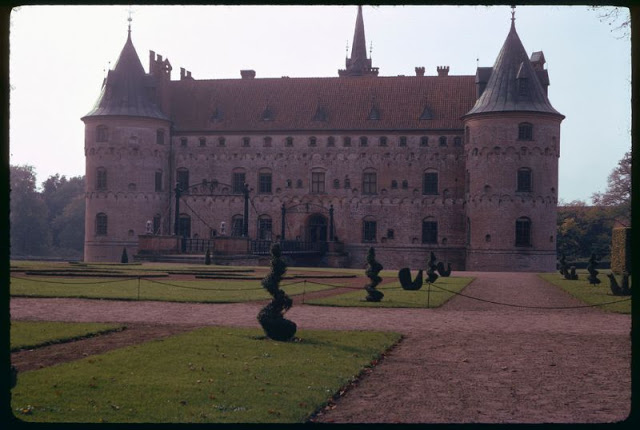
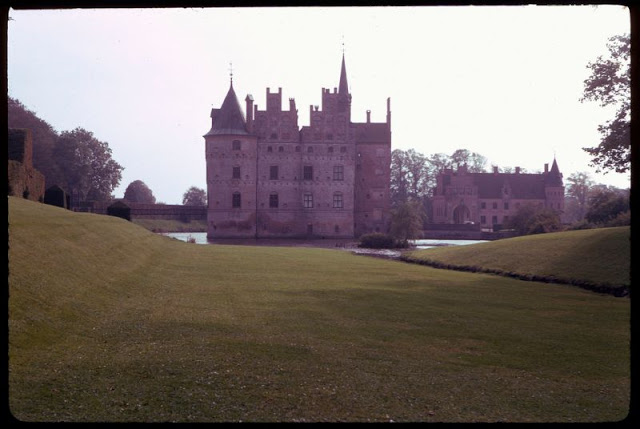
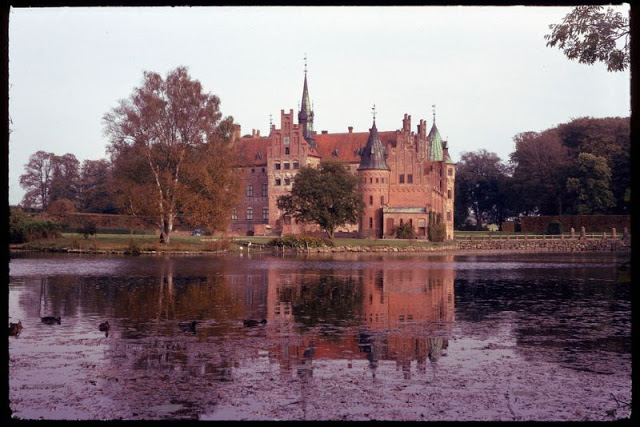
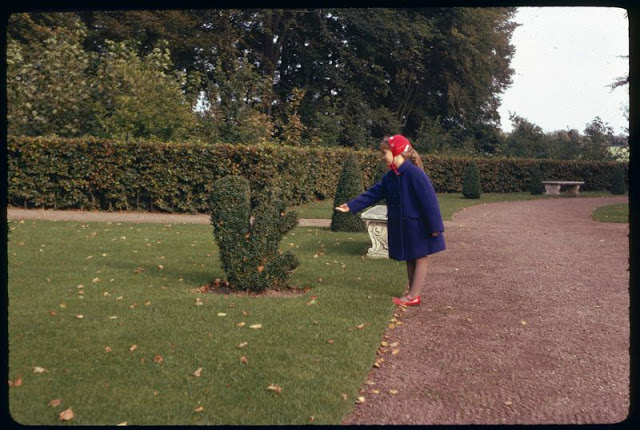
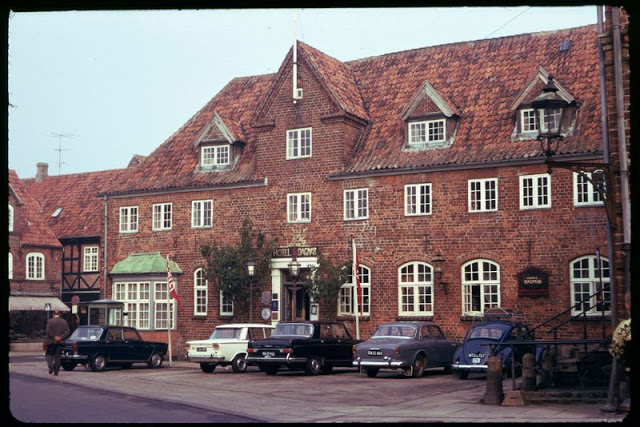
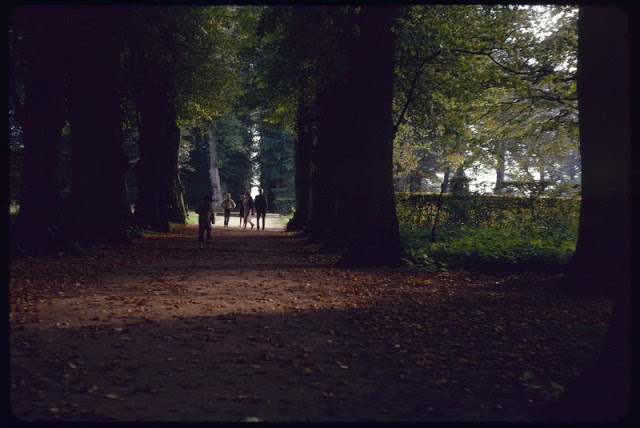
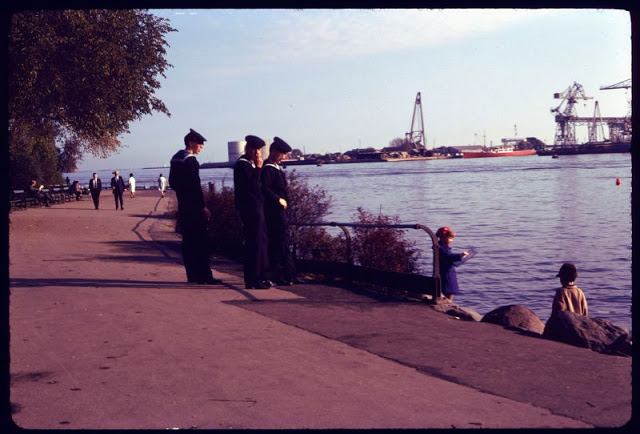
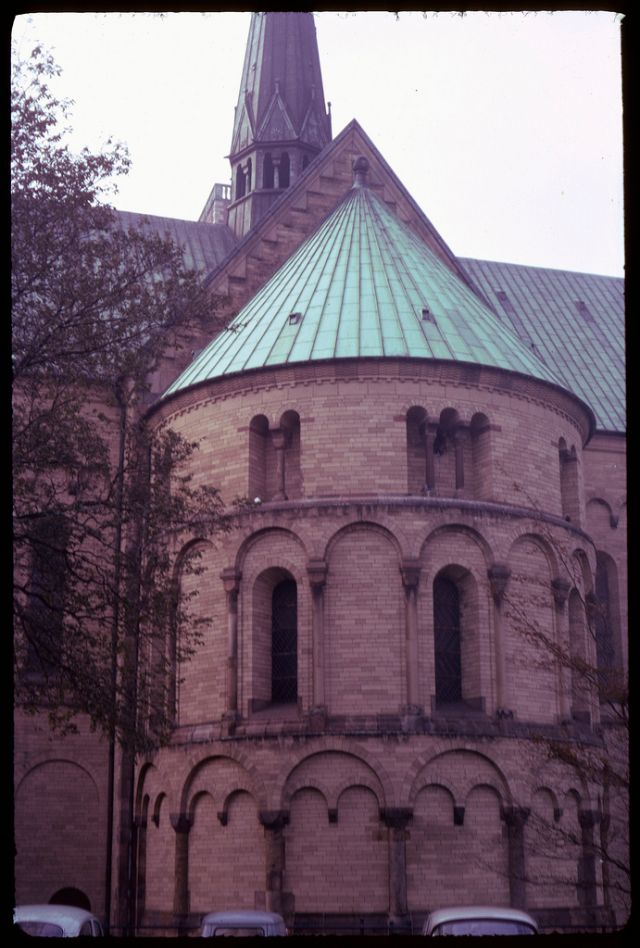
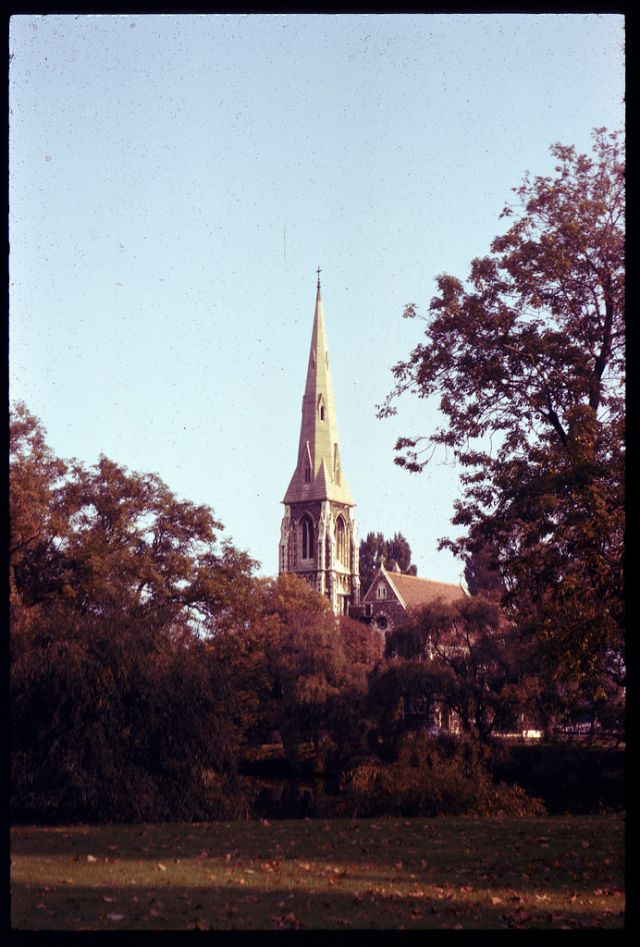
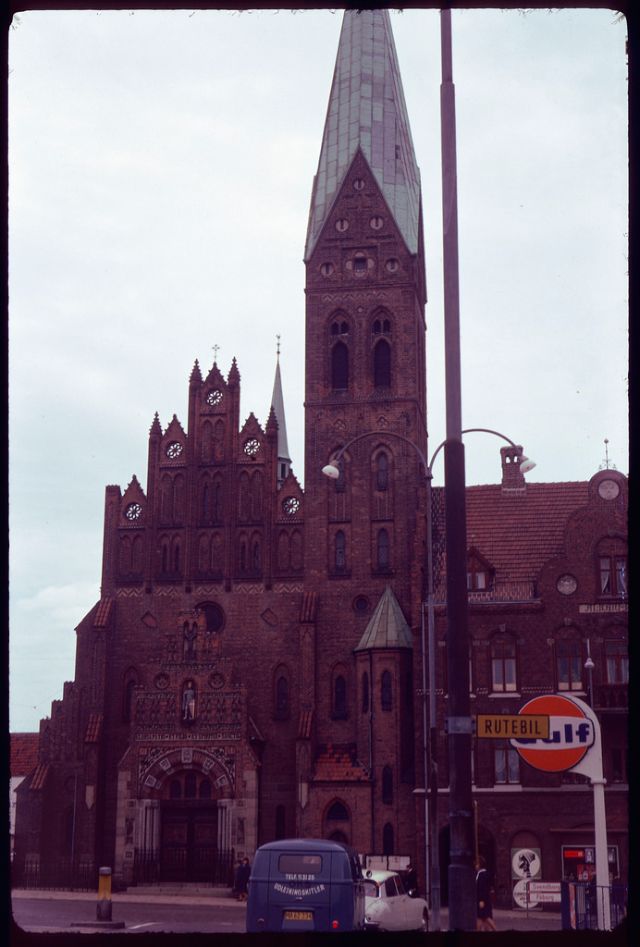
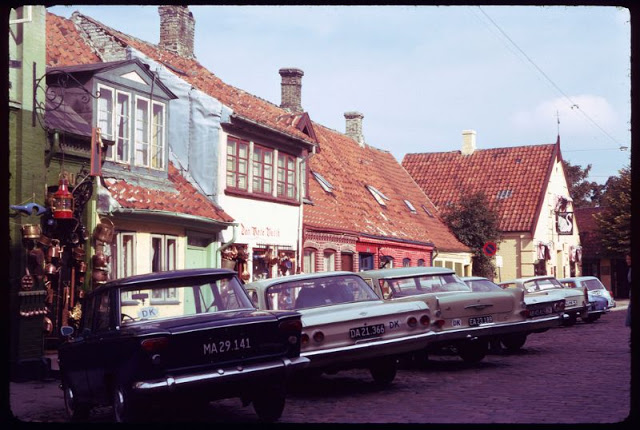
Street scene in Odense, Funen Island, DenmarkThe 250S Mercedes at the Wittrup Motel, Albertslund, Zealand Island, DenmarkThe Gefion Fountain in Copenhagen, DenmarkThe Gefion Fountain in Copenhagen, DenmarkThe Gefion Fountain in Copenhagen, DenmarkThe Little Mermaid in Copenhagen, Denmark‘Valkyrie’ at Churchill Park, Copenhagen, DenmarkViking Ship Museum, Roskilde, DenmarkBrick building in Odense, Funen Island, DenmarkCemetery with the Jelling runestones, Jelling, DenmarkChildren in the park around Egeskov Castle, Funen Island, DenmarkEgeskov Castle and gardens, Funen Island, DenmarkEgeskov Castle, Funen Island, DenmarkEgeskov Castle, Funen Island, DenmarkEgeskov Castle, Funen Island, DenmarkGirl and a topiary squirrel in the renaissance garden at Egeskov Castle, Funen Island, DenmarkHotel Dagmar, Ribe, DenmarkIn the park around Egeskov Castle, Funen IslandLittle girl sketching the Little Mermaid, observed by some passing sailors, Copenhagen, DenmarkMother and son in the park around Egeskov Castle, Funen Island, DenmarkRenaissance garden by Egeskov Castle, Funen IslandRenaissance garden by Egeskov Castle, Funen IslandRibe Cathedral, Ribe, DenmarkRunestone of Harald Bluetooth, Jelling, DenmarkSt. Alban’s Church, Churchill Park, Copenhagen, DenmarkSt. Alban’s Church, Odense, Funen Island, DenmarkStanding stones in Jelling, DenmarkStanding stones in Jelling, DenmarkStreet in Odense, Funen Island, Denmark
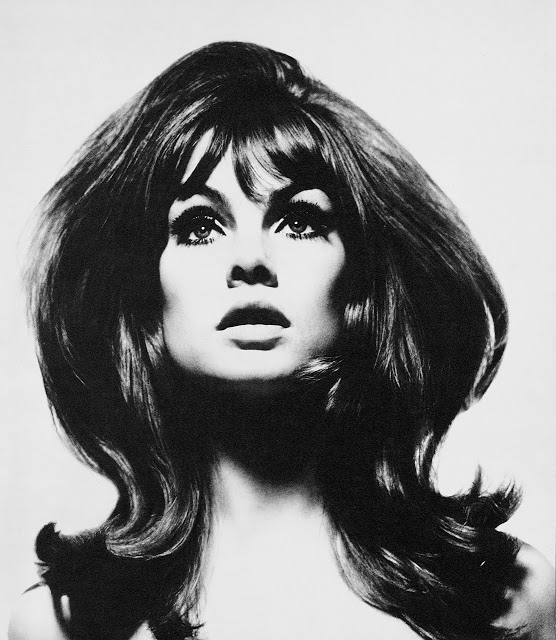
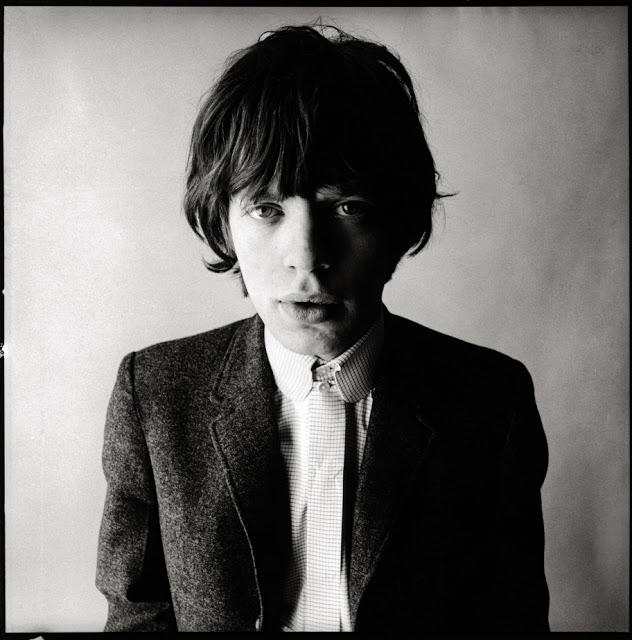
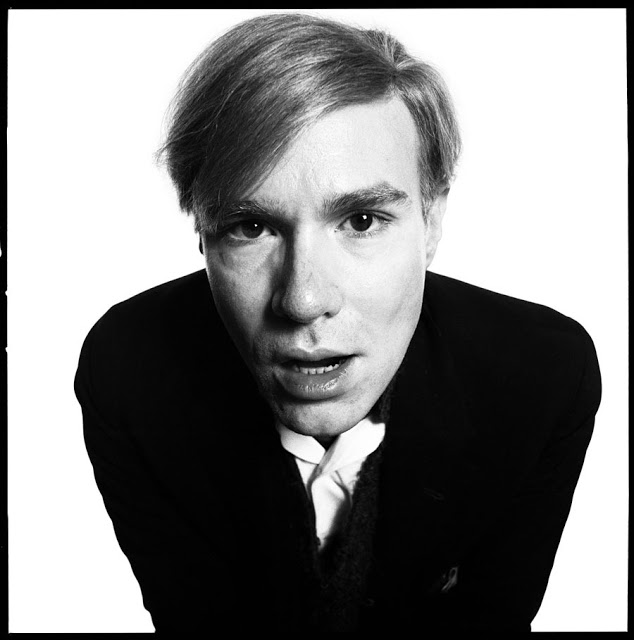
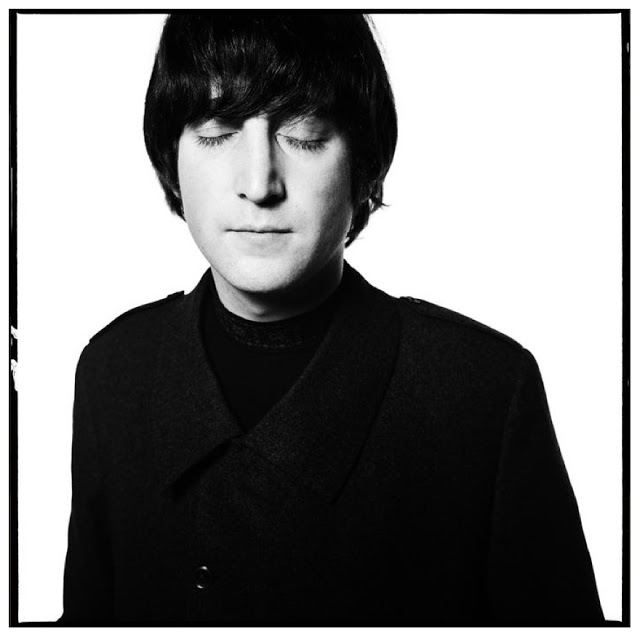
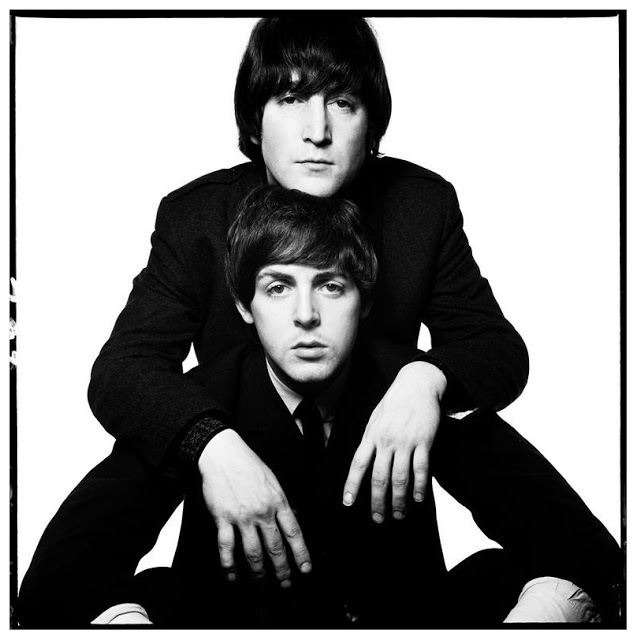
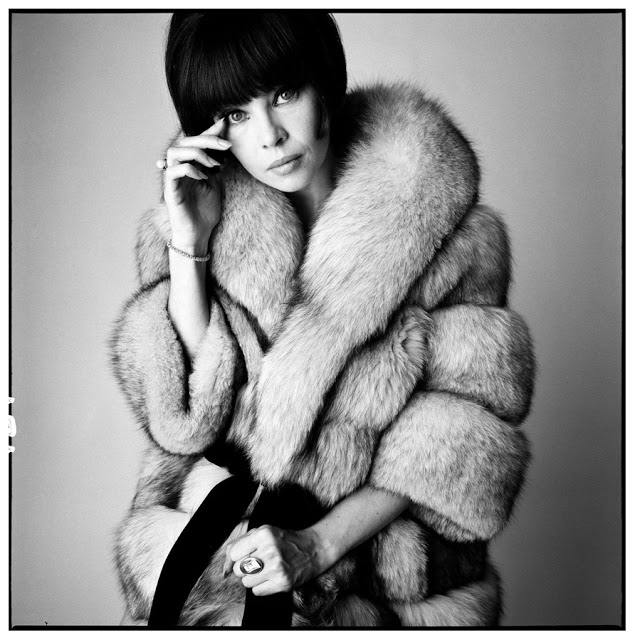
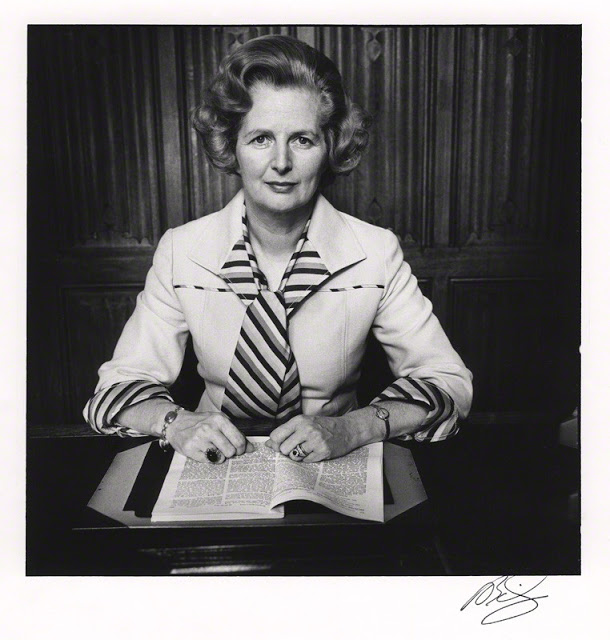
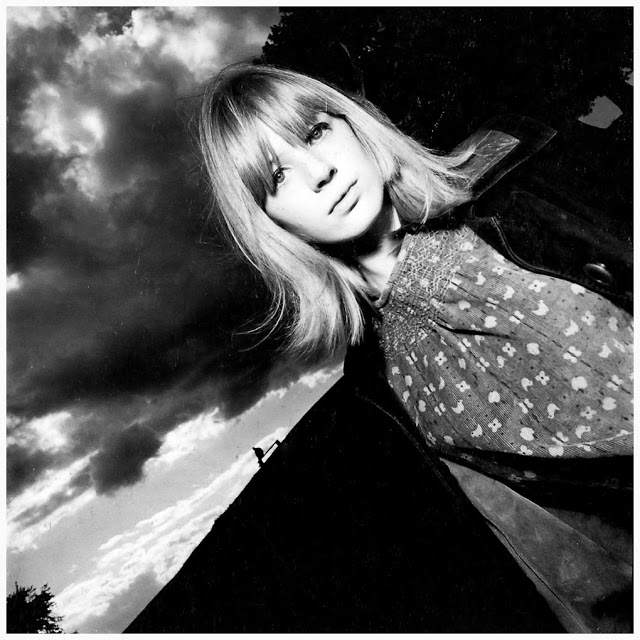
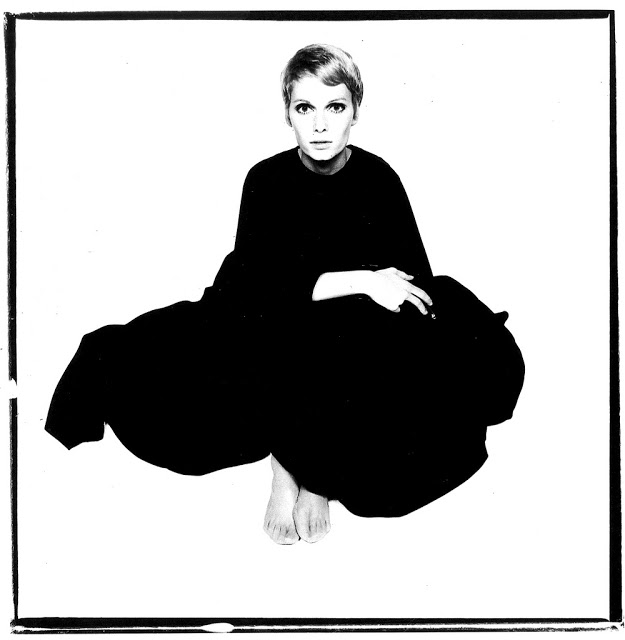
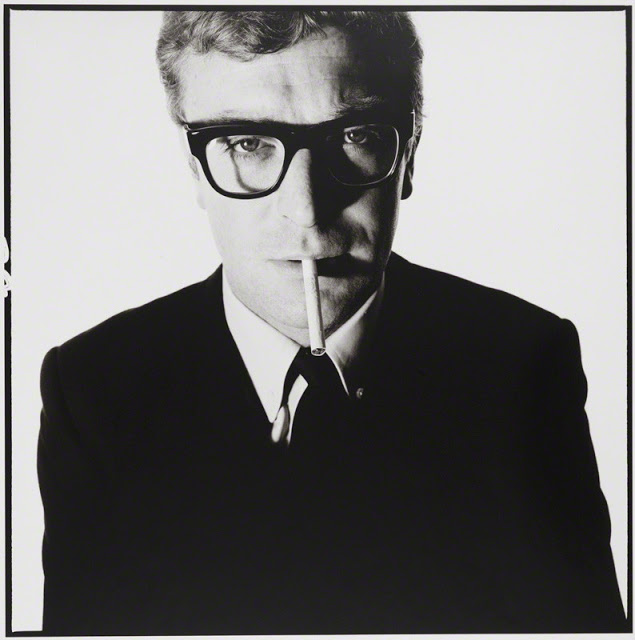
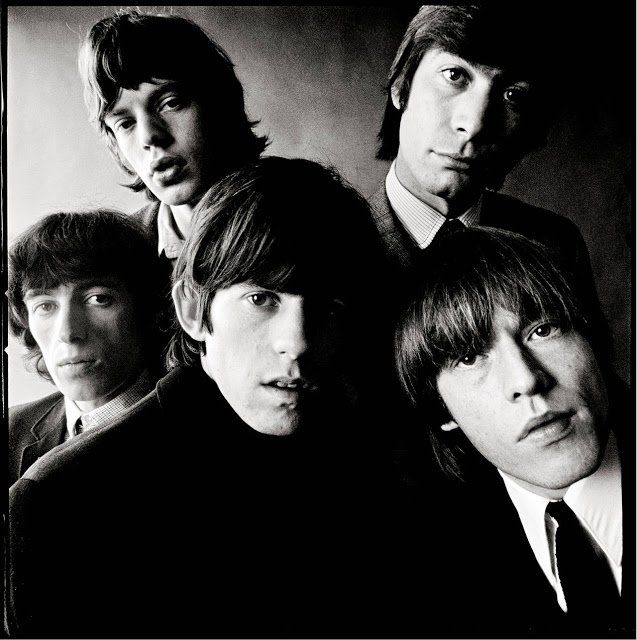
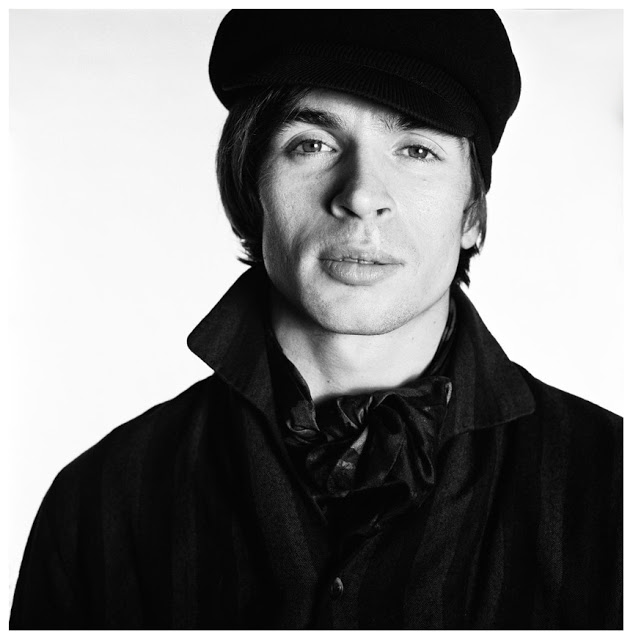
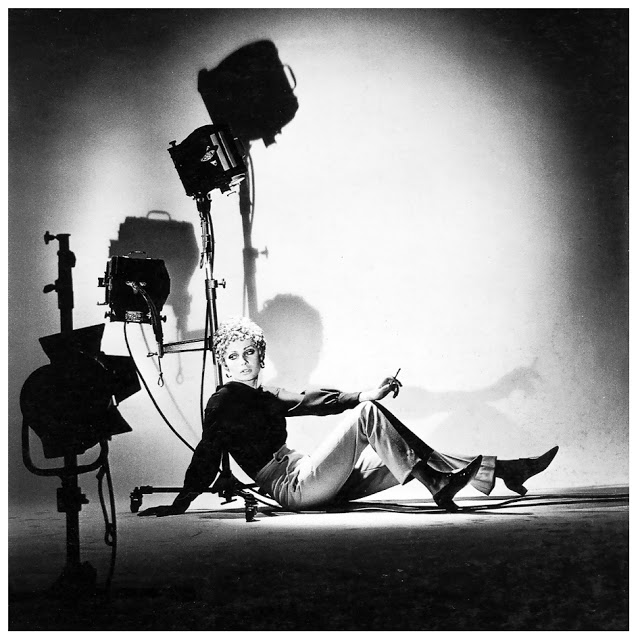
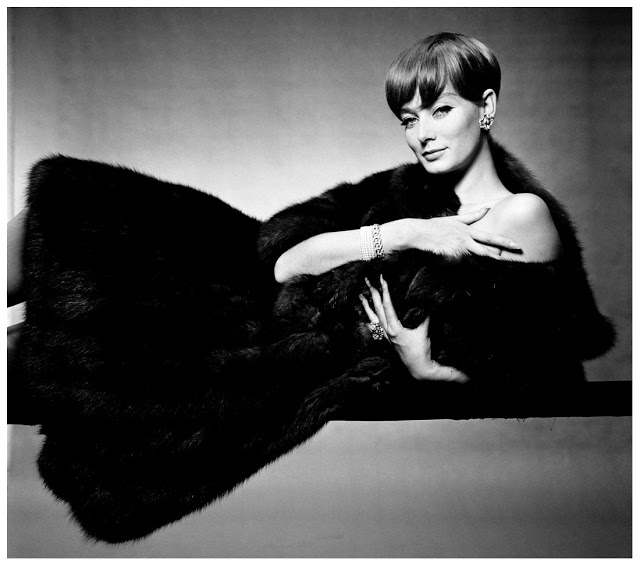
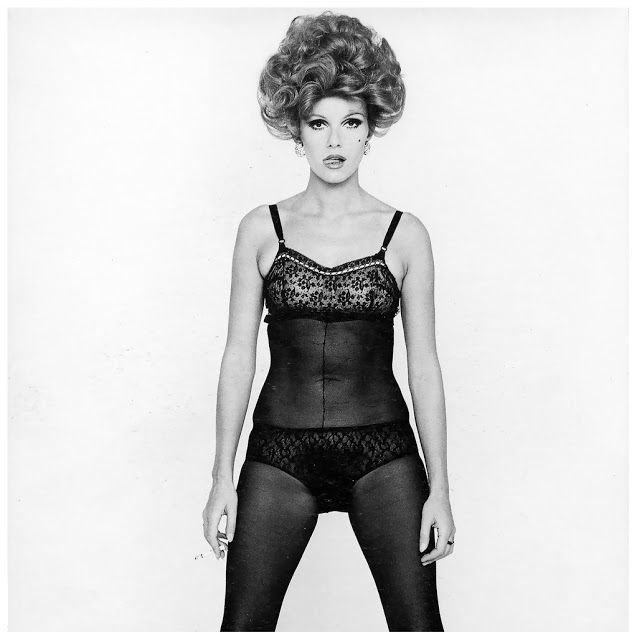
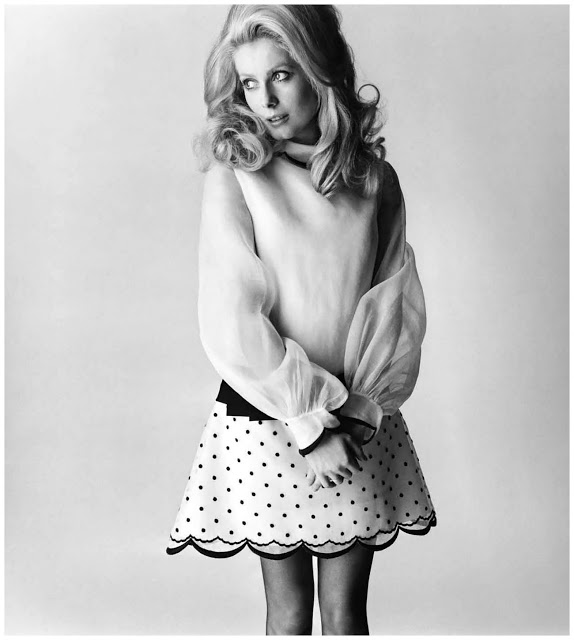
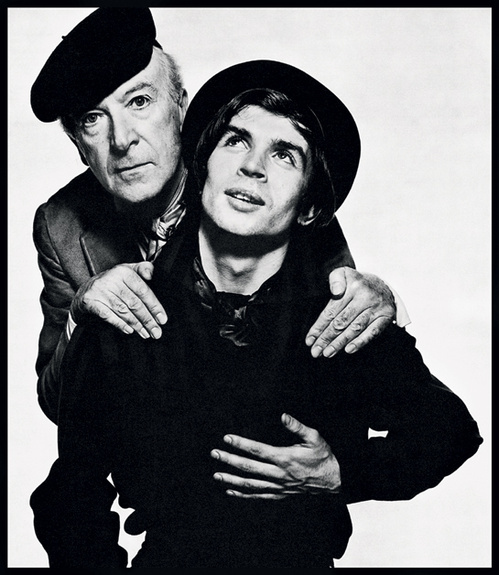
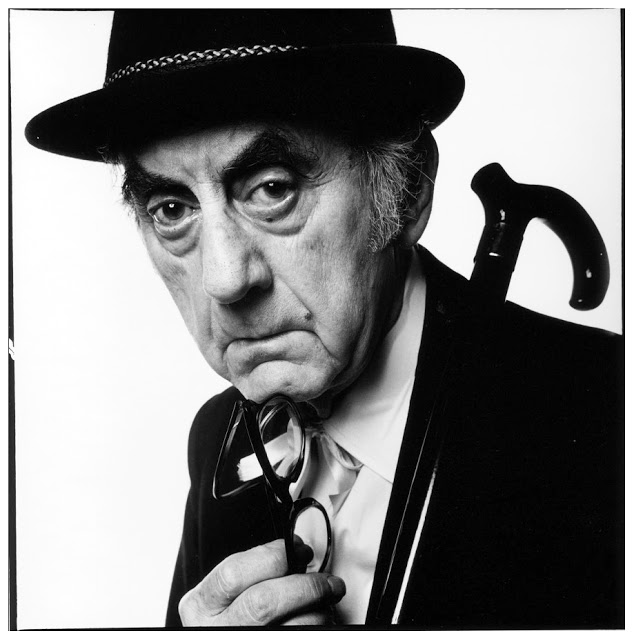
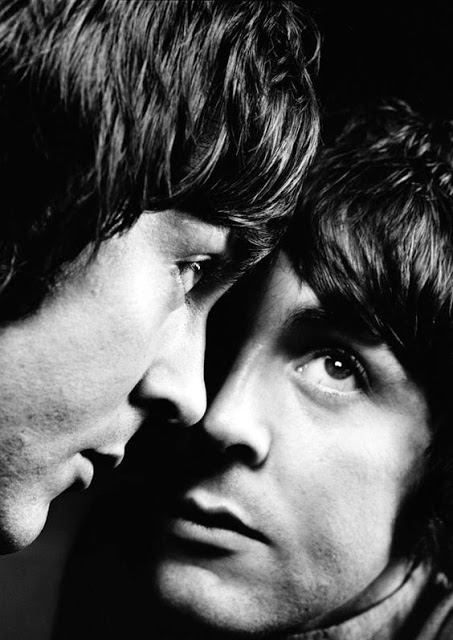
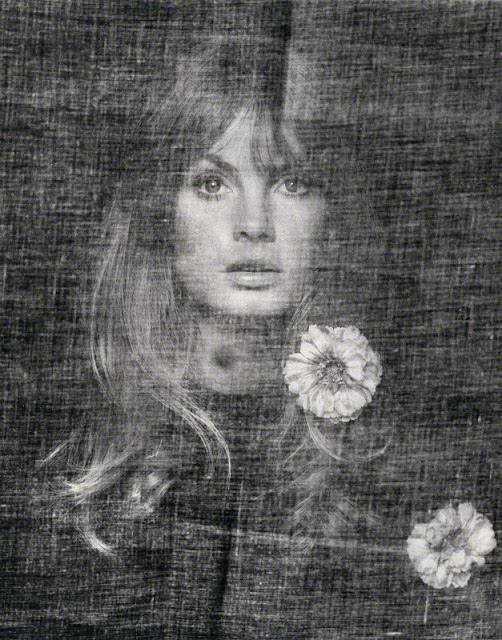
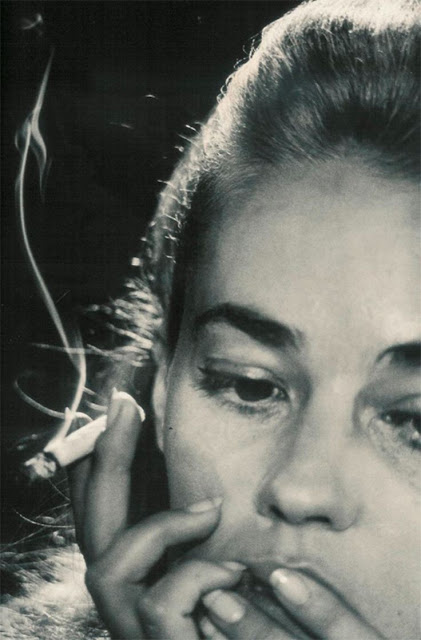
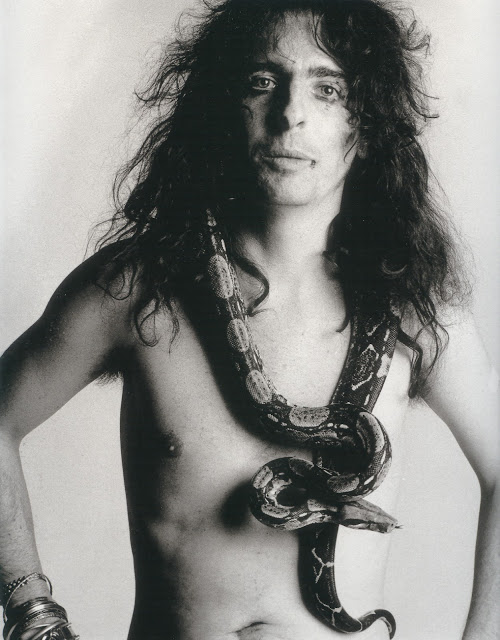
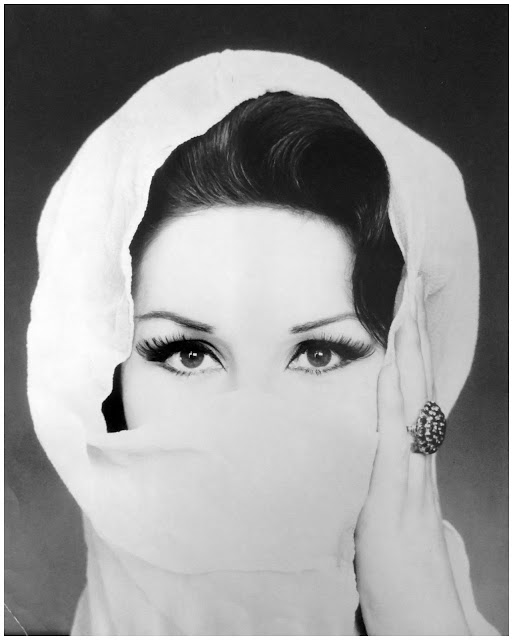
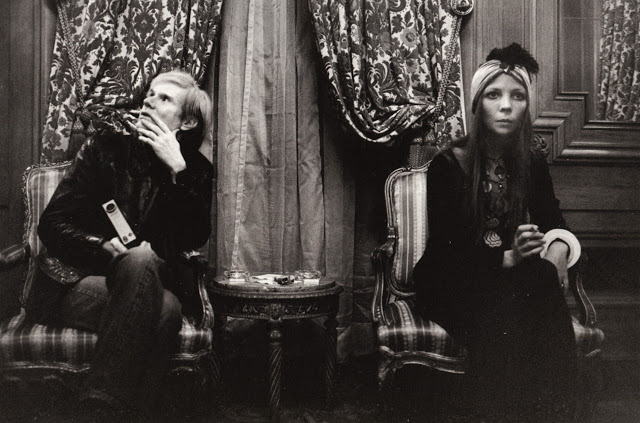
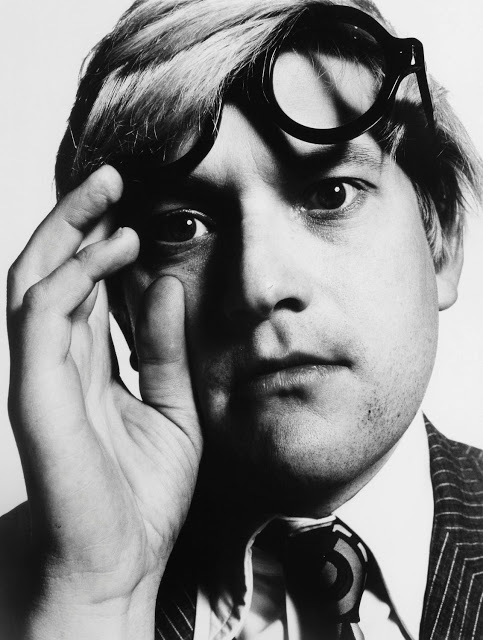
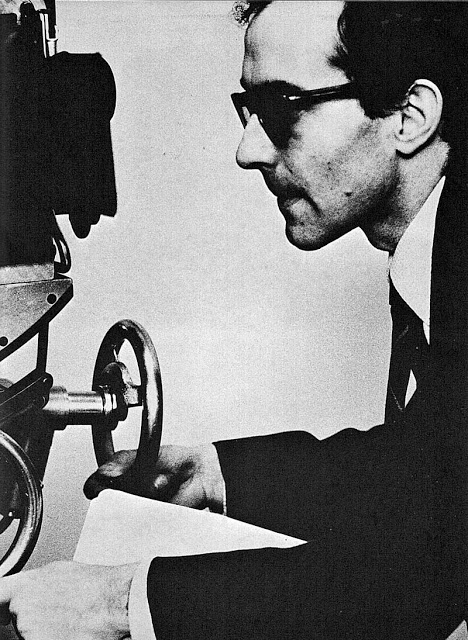
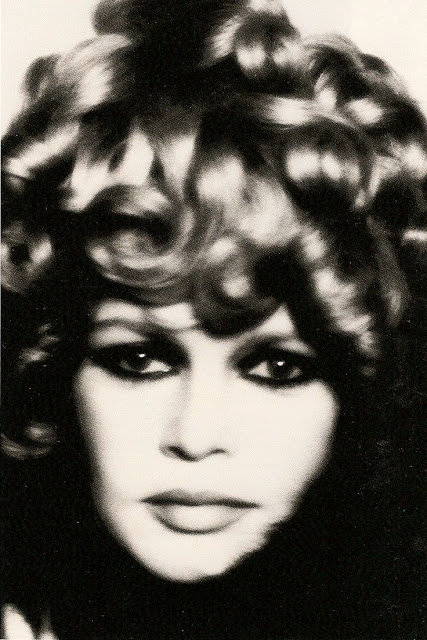
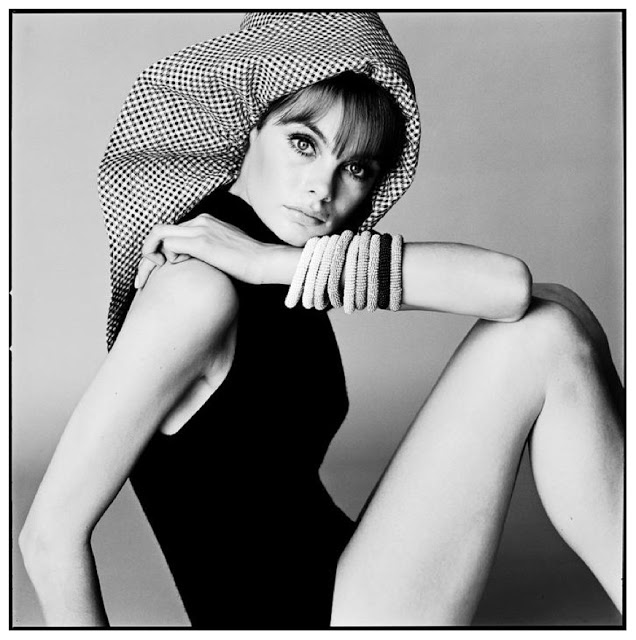
After having been fashion photographer, John French’s, assistant, David Bailey begins the 1960s with a contract with Vogue and rapidly becomes a leading figure of the Swinging London scene, chronicling the unrestricted existences of models and musicians.
Although he admits being fascinated by the Renaissance art and the painter, Caravaggio, the British photographer favors minimalist, mostly black and white frontal depictions of his sitters. With images that clearly evoke the sex, drugs and rock n’roll spirit of the decade, David Bailey also finds women he loved in his celebrity pack, from model Jean Shrimpton to Catherine Deneuve but also Anjelica Huston and Penelope Tree.
The photographer continues to mischievously capture contemporary figures such as Kate Moss who has become an illustrious successor of the Swinging Sixties, always revealing a certain kind of eccentricity in them, even when he portrays the Queen Elisabeth II whom we have so rarely seen smile so frankly.
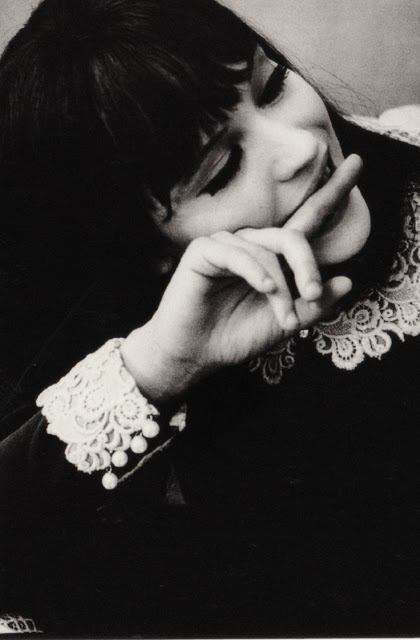
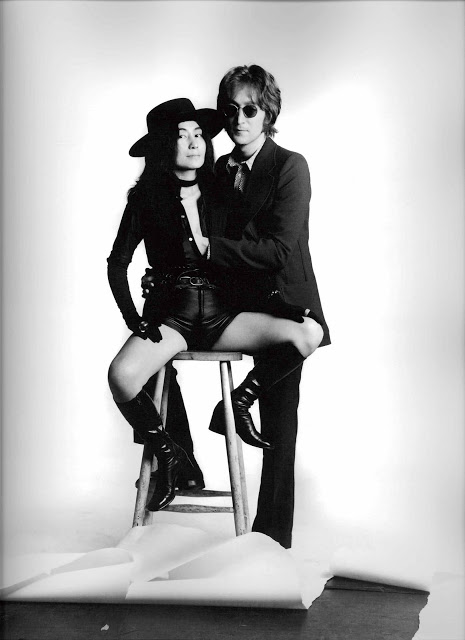
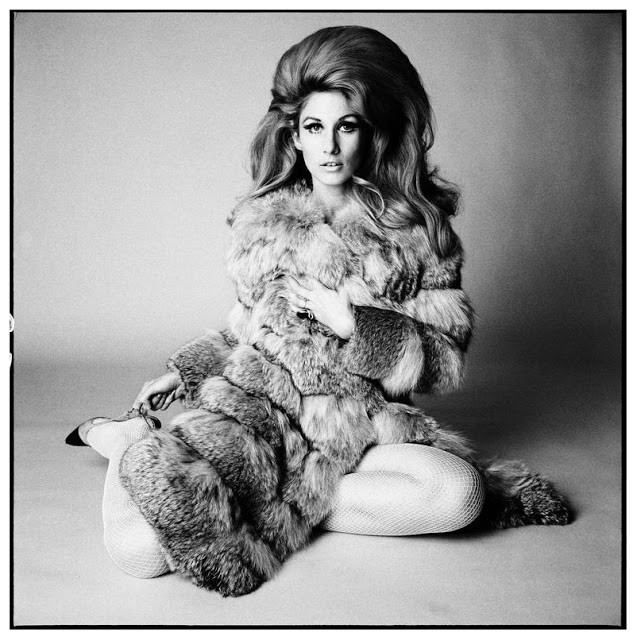
Mick Jagger, 1964Andy Warhol, 1965John Lennon 1965John Lennon and Paul McCartney, 1965Julie Christie, 1969Leslie Caron, 1965Margaret Thatcher, 1975Marianne Faithfull, 1964Mia Farrow, 1967Michael Caine, 1964Jean Shrimpton, 1965The Rolling Stones, 1964Rudolf Nureyev, 1965Sue Murray, 1967Tania Mallet, 1964Nicole de la Marge, 1967Catherine Deneuve, 1965Cecil Beaton and Rudolf Nureyev, 1965Man Ray, 1968Paul McCartney, 1965Jean Shrimpton, 1969Jeanne Moreau, 1964Alice Cooper, 1972April Ashley, 1961Andy Warhol and Penelope Tree, 1960sDavid Hockney, 1969Jean Luc Godard, 1968Brigitte Bardot, 1967Twiggy, 1960sAnna Karina, 1965Françoise Dorleac, 1965Yoko Ono and John Lennon, 1971Jane Holzer, 1965Sue Murray, 1968Jean Shrimpton, 1964
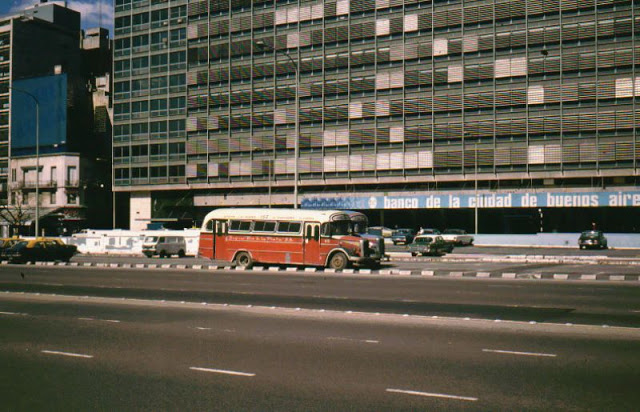
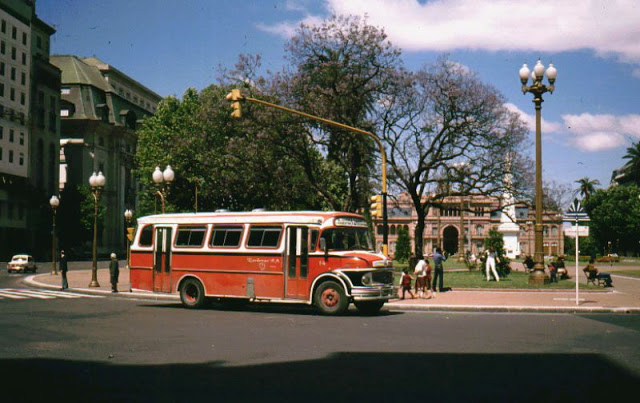
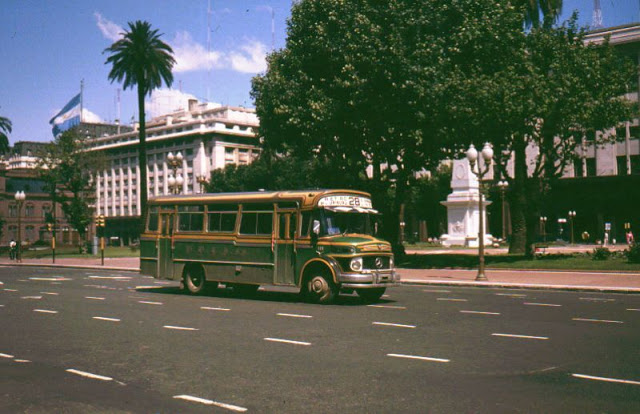
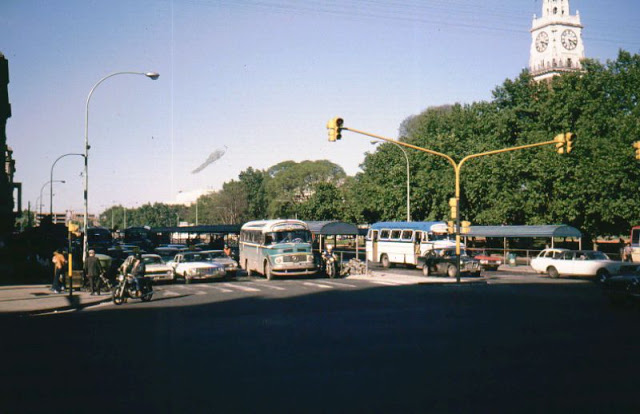
Buenos Aires, officially the Autonomous City of Buenos Aires (Spanish: Ciudad Autónoma de Buenos Aires), is the capital and largest city of Argentina. The city is located on the western shore of the Río de la Plata, on South America’s southeastern coast. “Buenos Aires” can be translated as “fair winds” or “good airs”, but the former was the meaning intended by the founders in the 16th century, by the use of the original name “Real de Nuestra Señora Santa María del Buen Ayre”, named after the Madonna of Bonaria in Sardinia, Italy.
The city of Buenos Aires is neither part of Buenos Aires Province nor the Province’s capital; rather, it is an autonomous district. In 1880, after decades of political infighting, Buenos Aires was federalized and removed from Buenos Aires Province. The city limits were enlarged to include the towns of Belgrano and Flores; both are now neighborhoods of the city. The 1994 constitutional amendment granted the city autonomy, hence its formal name of Autonomous City of Buenos Aires. Its citizens first elected a Chief of Government in 1996; previously, the Mayor was directly appointed by the President of Argentina.
The Greater Buenos Aires conurbation, which also includes several Buenos Aires Province districts, constitutes the fourth-most populous metropolitan area in the Americas, with a population of around 15.6 million. It is also the second largest city south of the Tropic of Capricorn. Buenos Aires’ quality of life was ranked 91st in the world in 2018, being one of the best in Latin America. In 2012, it was the most visited city in South America, and the second-most visited city of Latin America.
It is known for its preserved eclectic European architecture and rich cultural life. It is a multicultural city that is home to multiple ethnic and religious groups, contributing to its culture as well as to the dialect spoken in the city and in some other parts of the country. This is because since the 19th century, the city, and the country in general, has been a major recipient of millions of immigrants from all over the world, making it a melting pot where several ethnic groups live together. Thus, Buenos Aires is considered one of the most diverse cities of the Americas. Buenos Aires held the 1st FIBA World Championship in 1950 and 11th FIBA World Championship in 1990, the 1st Pan American Games in 1951, was the site of two venues in the 1978 FIFA World Cup and one in the 1982 FIVB Men’s World Championship. Most recently, Buenos Aires had a venue in the 2001 FIFA World Youth Championship and in the 2002 FIVB Volleyball Men’s World Championship, hosted the 125th IOC Session in 2013, the 2018 Summer Youth Olympics and the 2018 G20 summit. (Wikipedia)
“The wars were a catalyst for women to work in more roles,” says Jenny Dibden, a director in the Department for Business, Innovation and Skills. “Now, there’s a much stronger sense that women working within the civil service is normal and natural. The real effort should now be on enabling women to progress to the higher grades.”
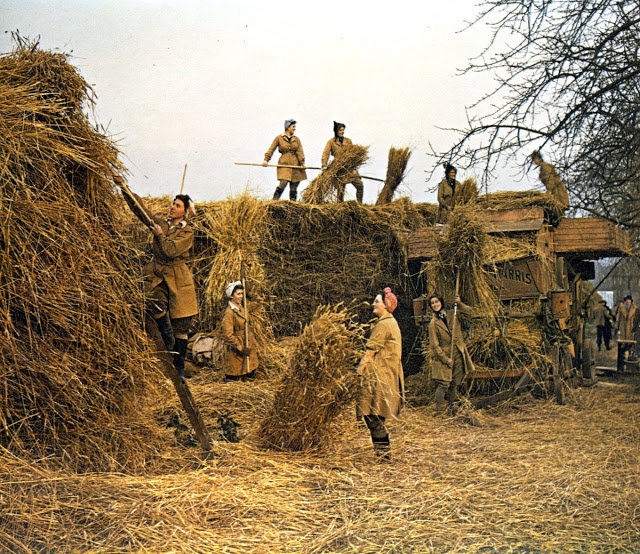
Women in World War II took on a variety of roles from country to country. World War II involved global conflict on an unprecedented scale; the absolute urgency of mobilizing the entire population made the expansion of the role of women inevitable.
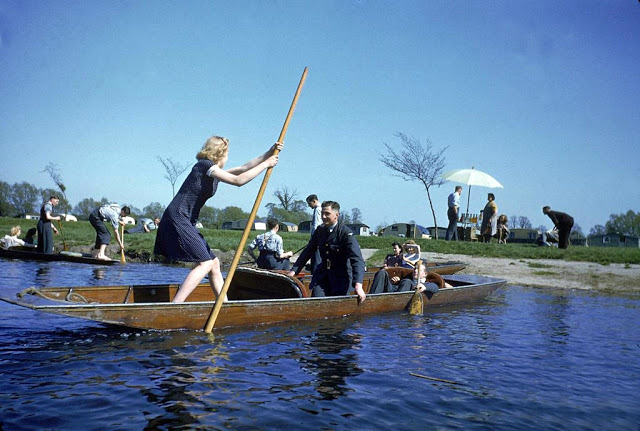
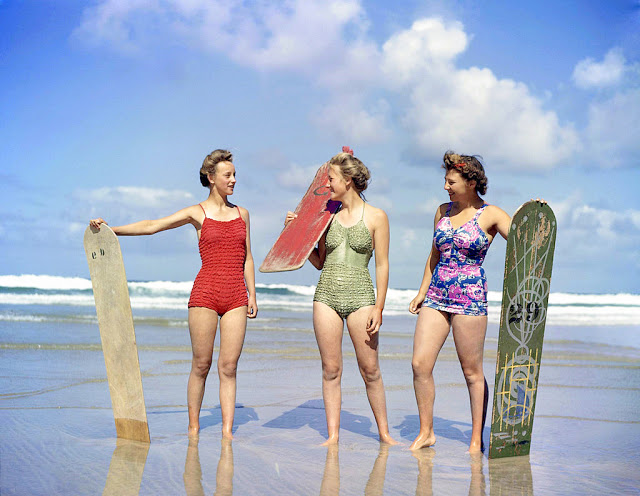
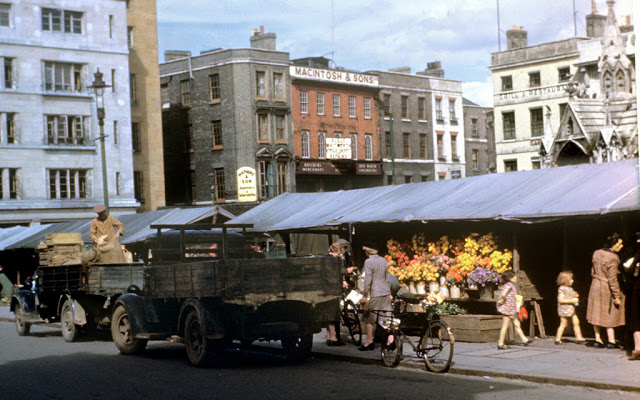
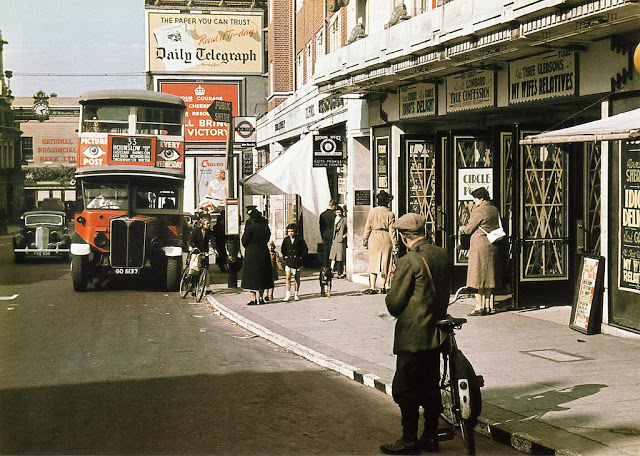
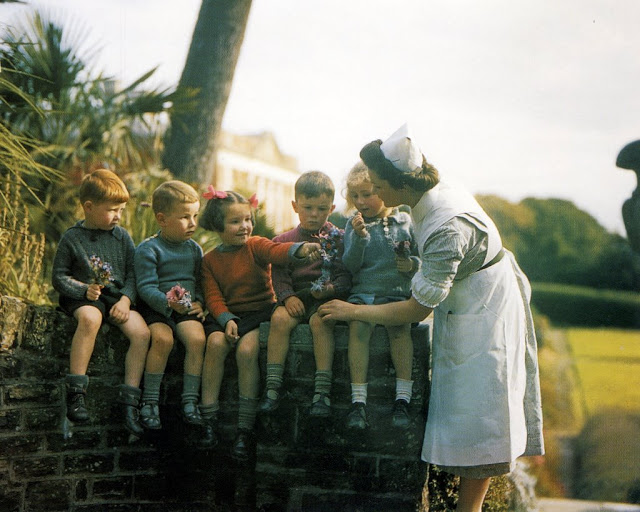
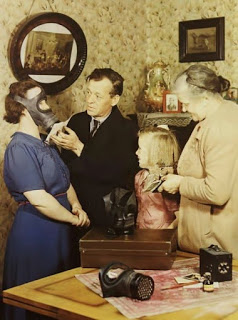
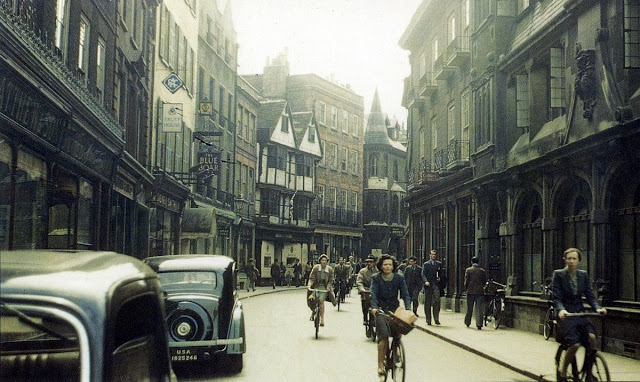
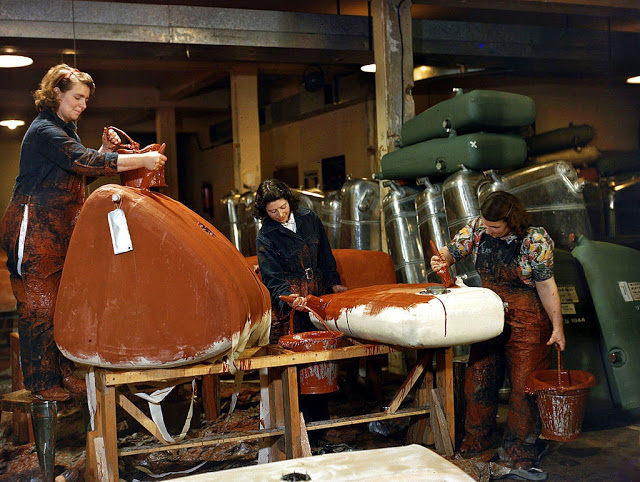
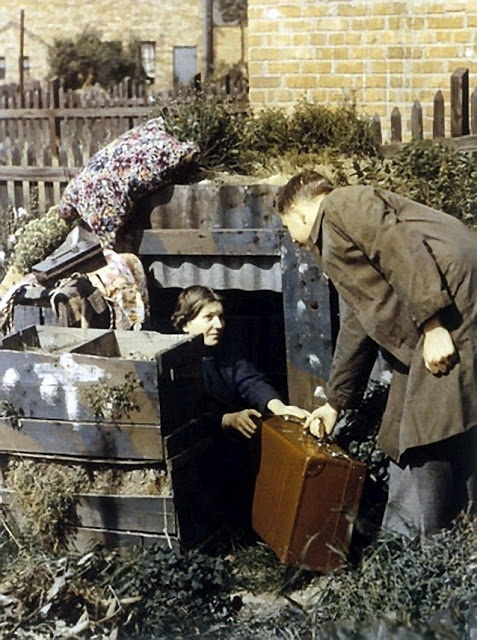
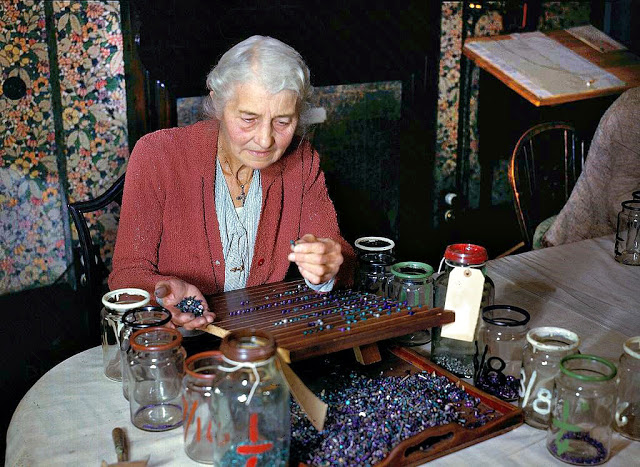
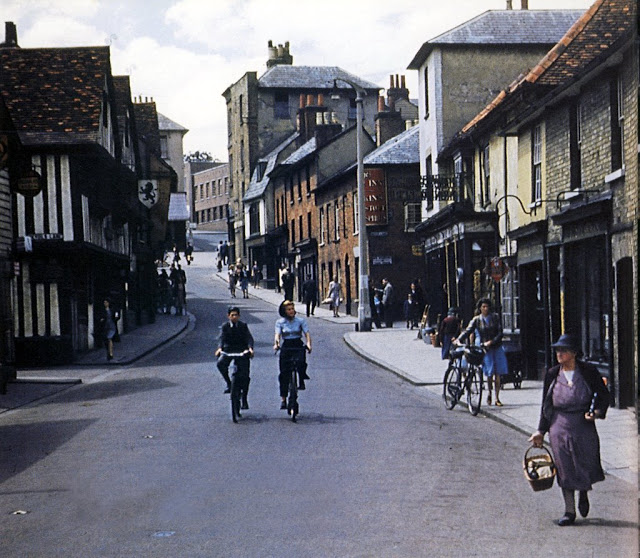
This set of 29 fascinating color photos shows everyday life of British women during wartime.
On the River Avon, 1944British war workers take a seaside break on a beach in Cornwall, 6th September 1943.Cambridge Market Square, 1944Day Nursery, Hatfield, June 1943Feeding and cleaning time, 1944July 1943, Flowers grow on bomb site in Gresham Street, LondonHill street, Richmond in Sept. 1939Land Army girls in 1944Land Army girls quenching their thirst, 1944London window shopping, 1941Marlow, Buckinghamshire, May 1944Models wearing Berketex utility fashions designed by Norman Hartnell, June 1943Models wearing Berketex utility fashions designed by Norman Hartnell, London, June 1943Pupils from a primary school out walking, rest beside a river path at Saxton Road, Abingdon, July 1944Refugees from Plymouth at Tapeley Park, October 1942Soldier embraces his wife and children at his home in Irby in Cheshire, at the start of seven days leave, 14 April 1944The family butcher from Aswell, Hertfordshire, 1944War Workers on holiday in Cornwall enjoy a day on the beach surrounded by rugged cliffs on a sunny day, September 1943Wartime bride, 1945Wartime fashion, 1944Woman learns to use with gas masks, 1940Women bicycling on Cambridge street, 1944Women painting finished petrol self-sealing tanks, Dec. 1942A Land Army girl busy with her Standard Fordson tractor in Oxfordshire, 1944A woman at Anderson Shelter, 1940A young woman comforts her kid on a beach in Cornwall, 6th September 1943Aiding the war effort, October 1943Bishop’s Stortford, Essex, June 1944British servicewomen enjoying a ‘garden’ on a bombed-out site in London, 1944
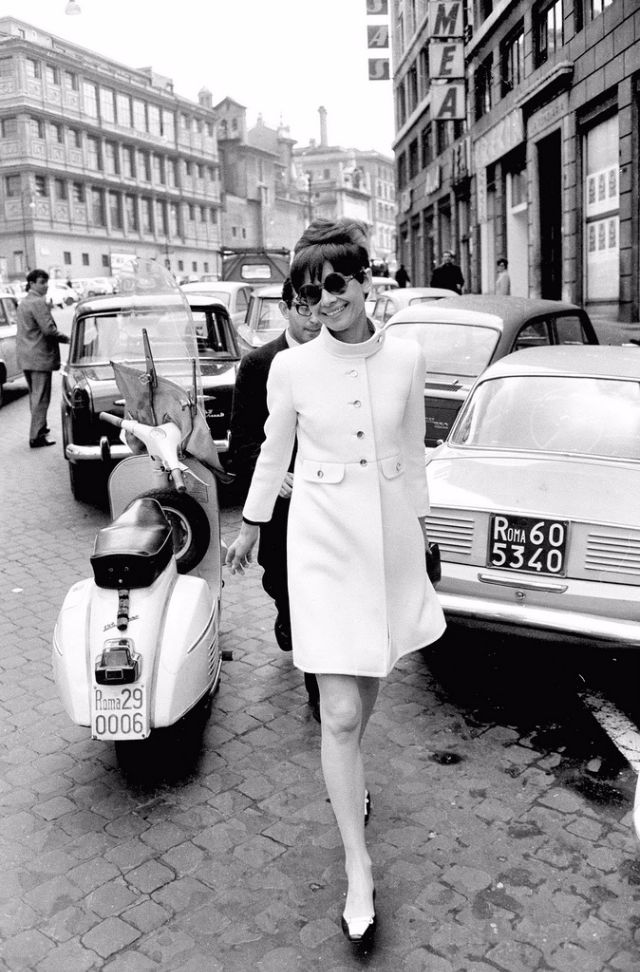
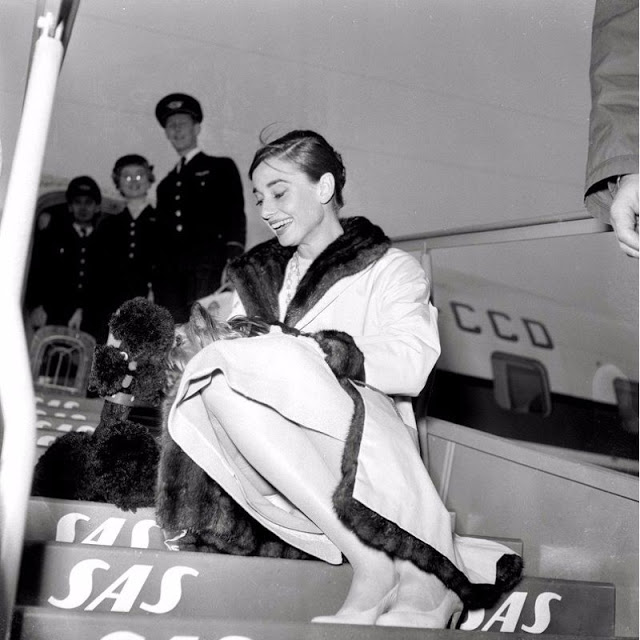
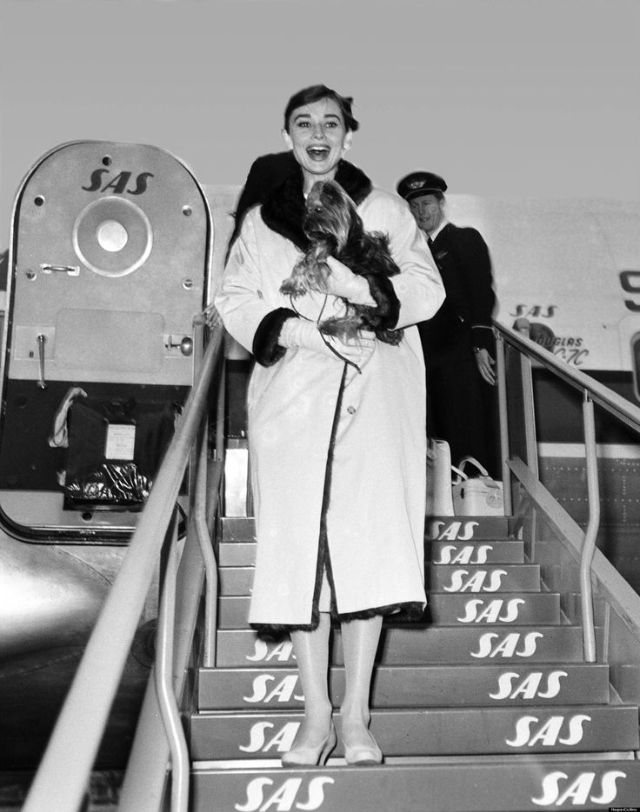
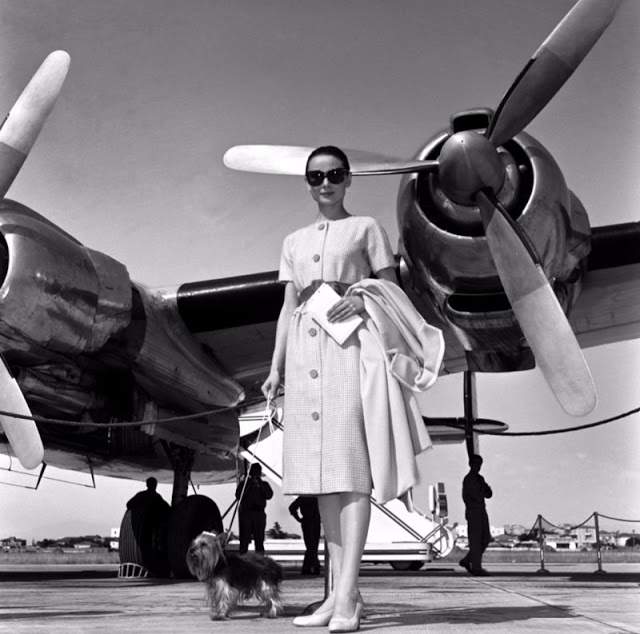
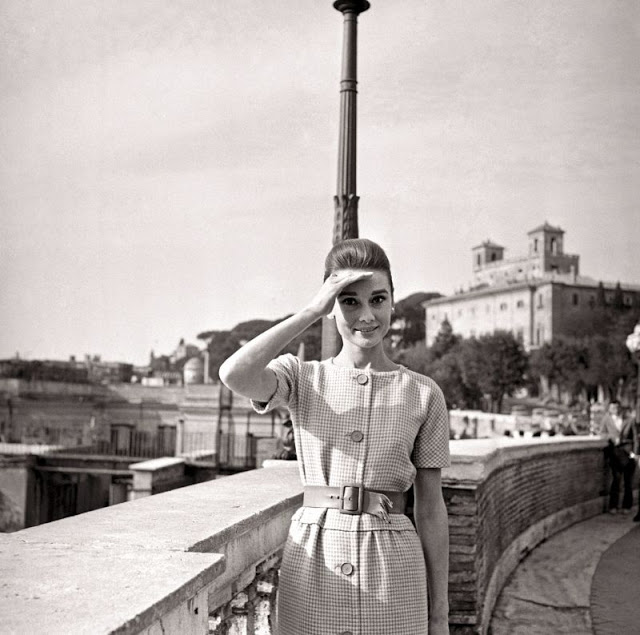
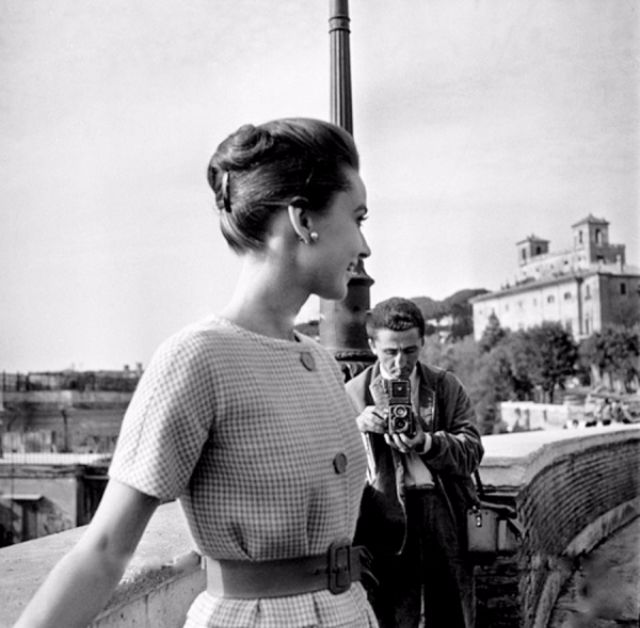
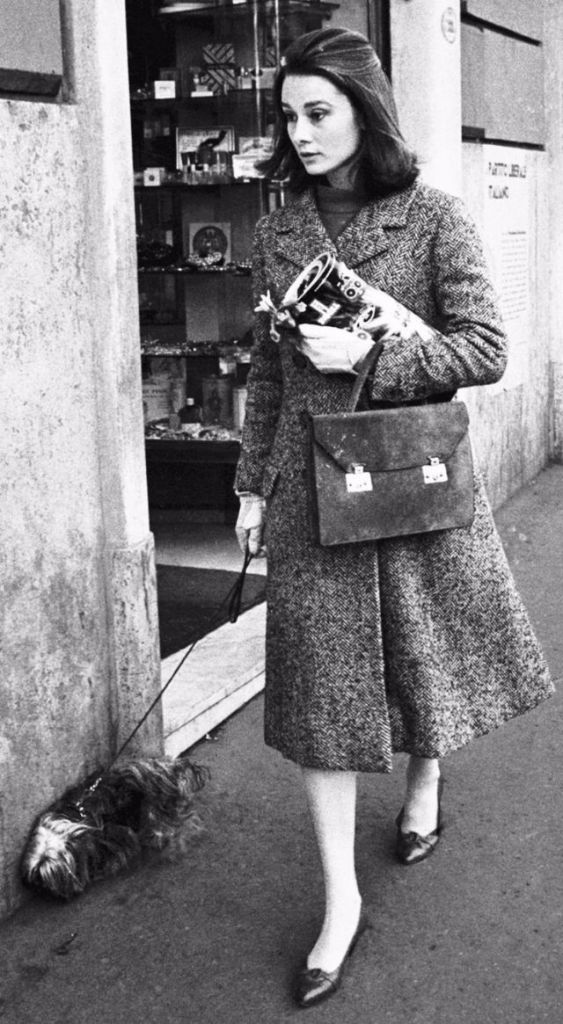
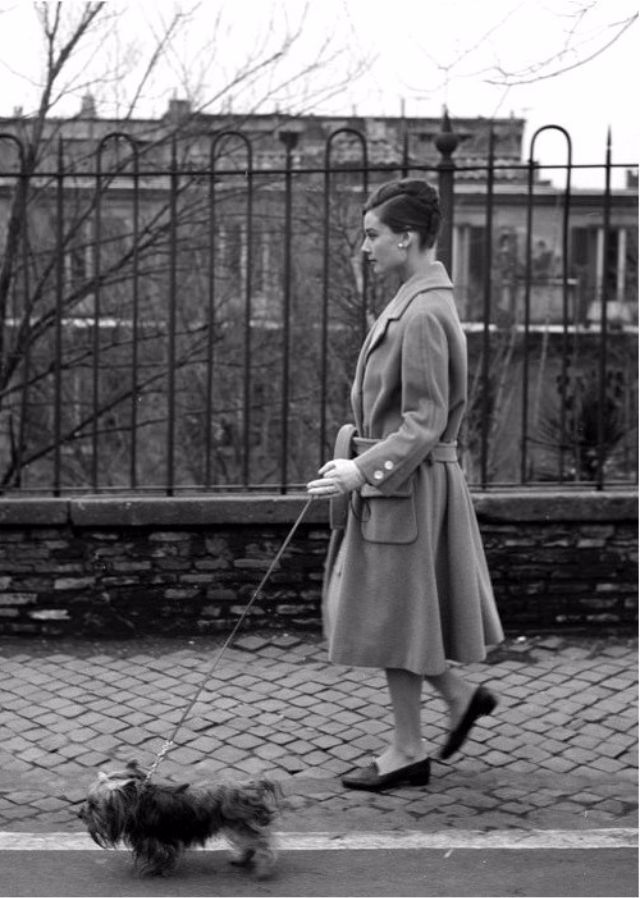
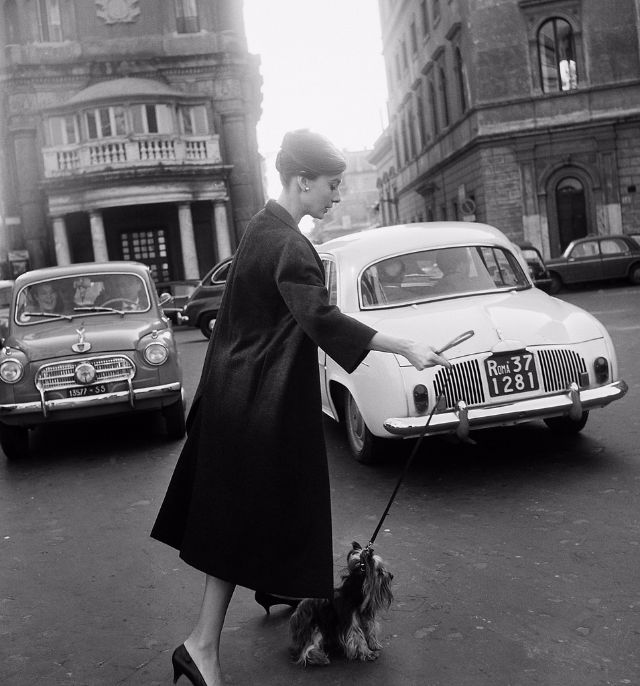
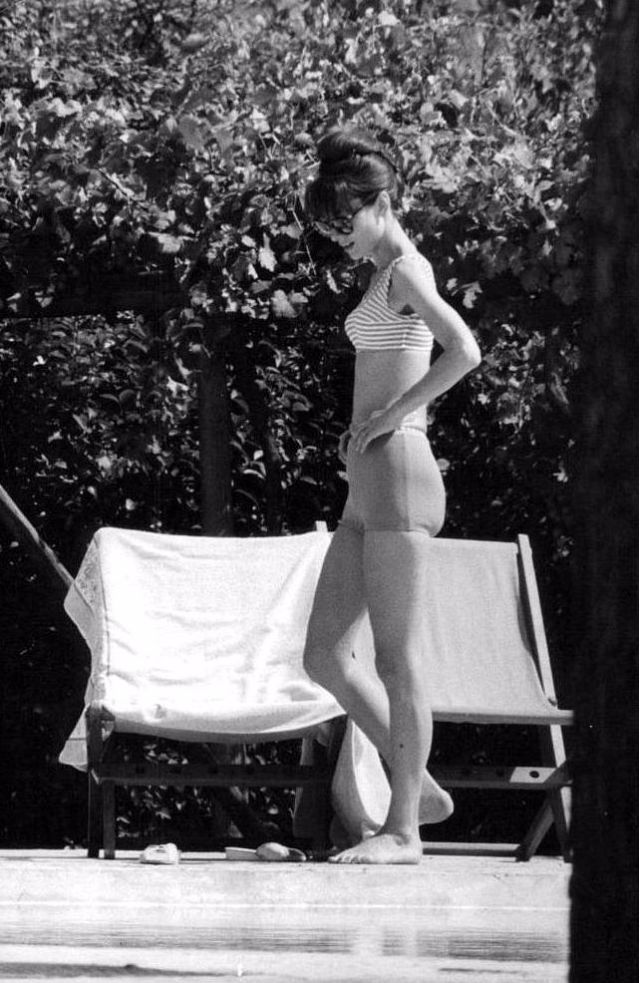
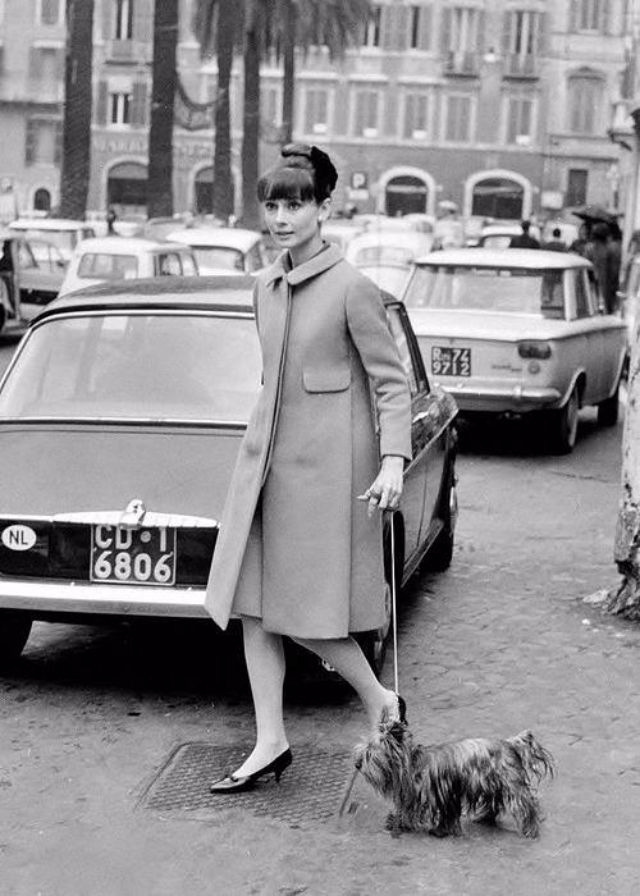
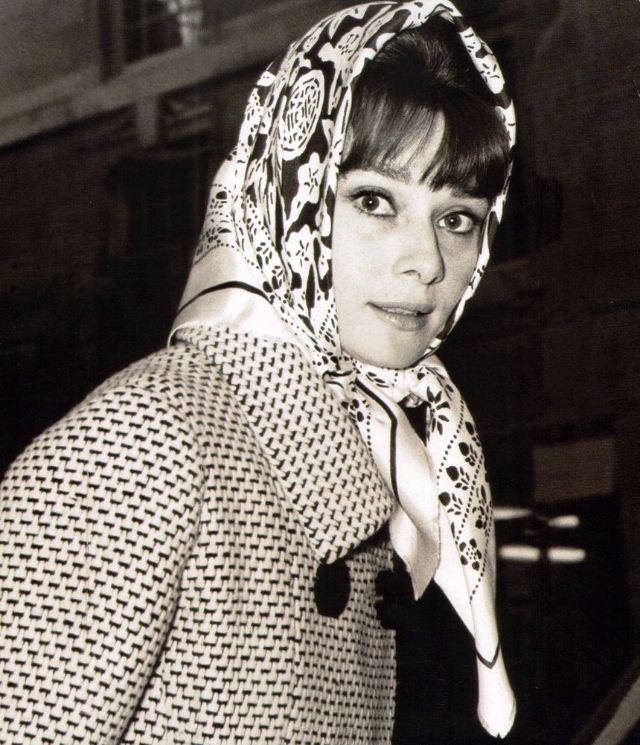
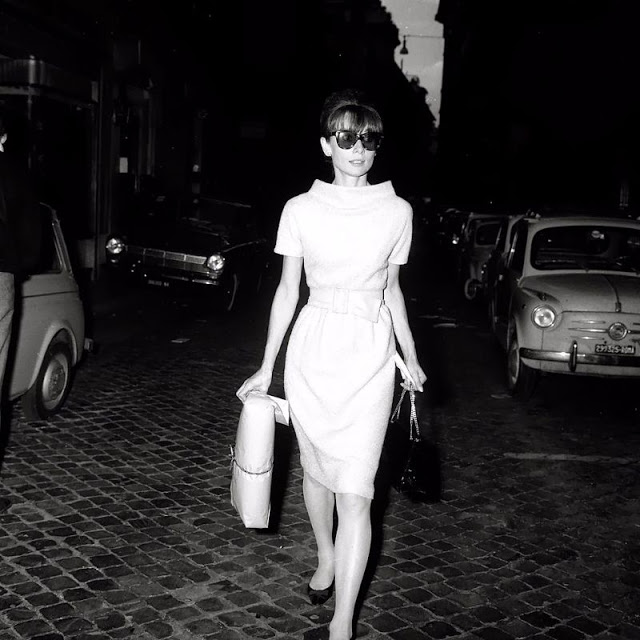
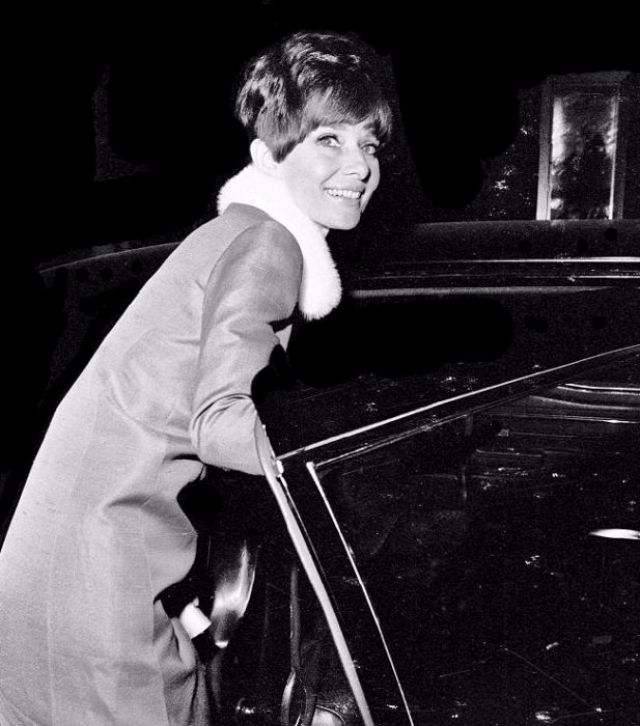
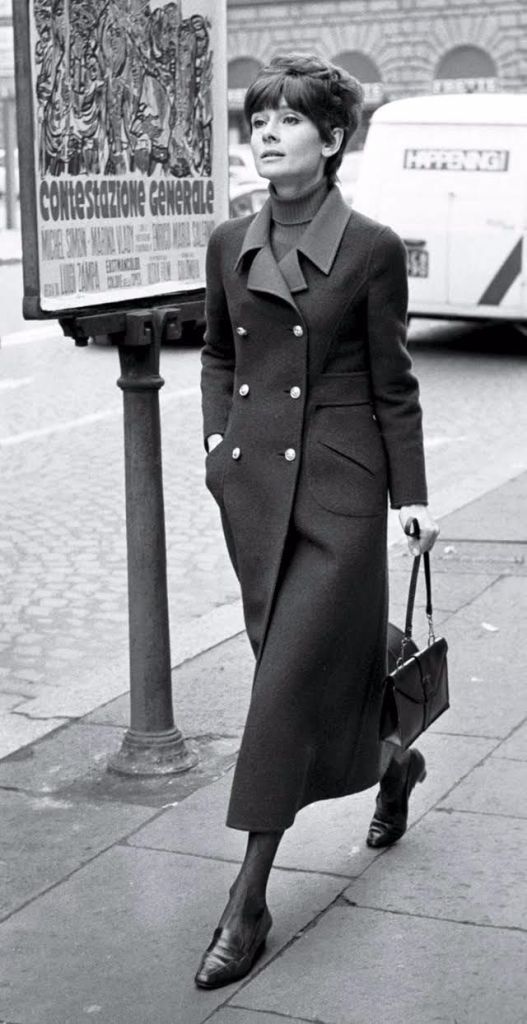
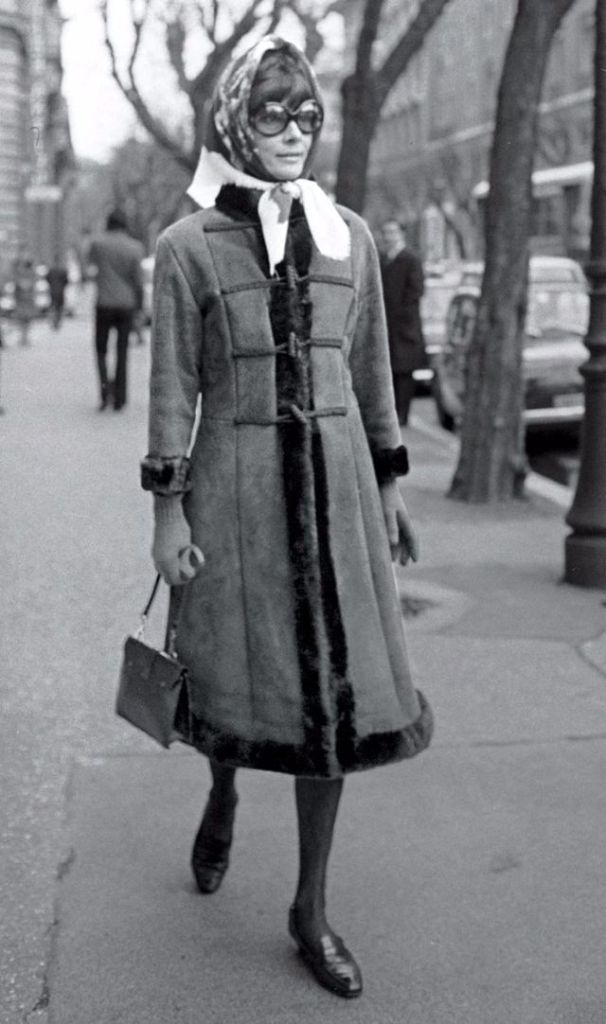
Famous Italian photographer Elio Sorci captured candid images of celebrities from the 1950s and known as a pioneer in photojournalism movement. One of celebrities is Audrey Hepburn, also his friend that he shot in Rome in the late 1950s to early 1970s.
Audrey Hepburn (born Audrey Kathleen Ruston; 4 May 1929 – 20 January 1993) was a British actress and humanitarian. Recognised as both a film and fashion icon, she was ranked by the American Film Institute as the third-greatest female screen legend from the Classical Hollywood cinema and was inducted into the International Best Dressed List Hall of Fame.
Born in Ixelles, Brussels to an aristocratic family, Hepburn spent parts of her childhood in Belgium, England, and the Netherlands. She studied ballet with Sonia Gaskell in Amsterdam beginning in 1945, and with Marie Rambert in London from 1948. She began performing as a chorus girl in West End musical theatre productions and then had minor appearances in several films. She rose to stardom in the romantic comedy Roman Holiday (1953) alongside Gregory Peck, for which she was the first actress to win an Oscar, a Golden Globe Award, and a BAFTA Award for a single performance. That year, she also won a Tony Award for Best Lead Actress in a Play for her performance in Ondine.
She went on to star in a number of successful films such as Sabrina (1954), in which Humphrey Bogart and William Holden compete for her affection; Funny Face (1957), a musical where she sang her own parts; the drama The Nun’s Story (1959); the romantic comedy Breakfast at Tiffany’s (1961); the thriller-romance Charade (1963), opposite Cary Grant; and the musical My Fair Lady (1964). In 1967 she starred in the thriller Wait Until Dark, receiving Academy Award, Golden Globe, and BAFTA nominations. After that, she only occasionally appeared in films, one being Robin and Marian (1976) with Sean Connery. Her last recorded performances were in the 1990 documentary television series Gardens of the World with Audrey Hepburn for which she won a Primetime Emmy Award for Outstanding Individual Achievement – Informational Programming.
Hepburn won three BAFTA Awards for Best British Actress in a Leading Role. In recognition of her film career, she received BAFTA’s Lifetime Achievement Award, the Golden Globe Cecil B. DeMille Award, the Screen Actors Guild Life Achievement Award, and the Special Tony Award. She remains one of only sixteen people who have won Academy, Emmy, Grammy, and Tony Awards. Later in life, Hepburn devoted much of her time to UNICEF, to which she had contributed since 1954. Between 1988 and 1992, she worked in some of the poorest communities of Africa, South America, and Asia. In December 1992, she received the Presidential Medal of Freedom in recognition of her work as a UNICEF Goodwill Ambassador. A month later, she died of appendiceal cancer at her home in Switzerland at the age of 63. (Wikipedia)
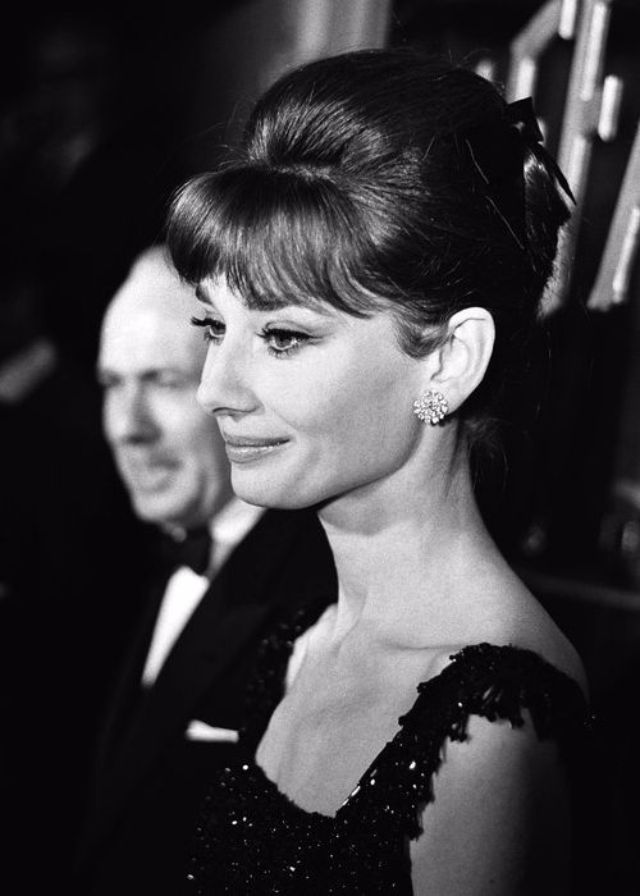
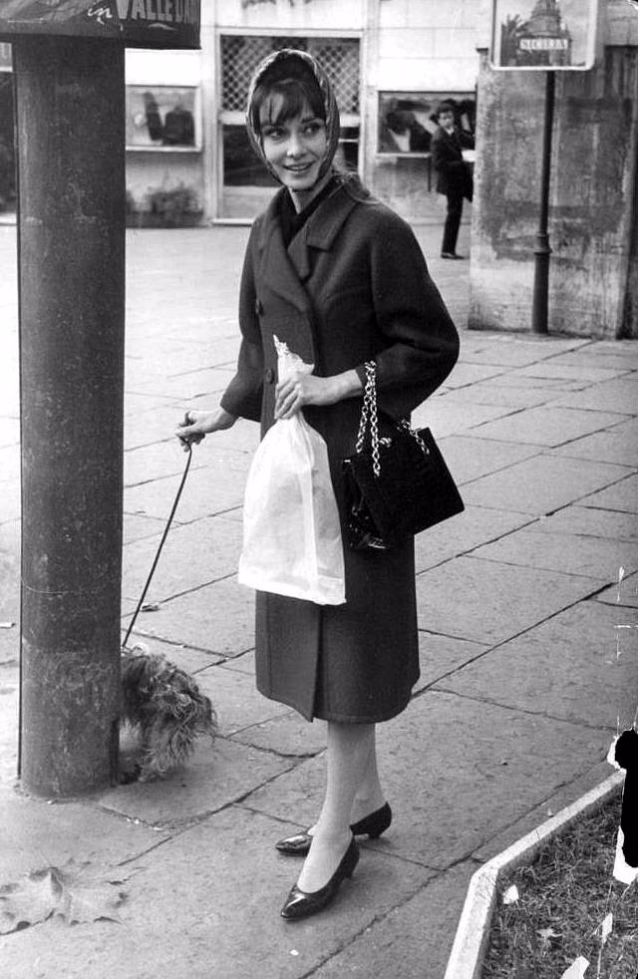
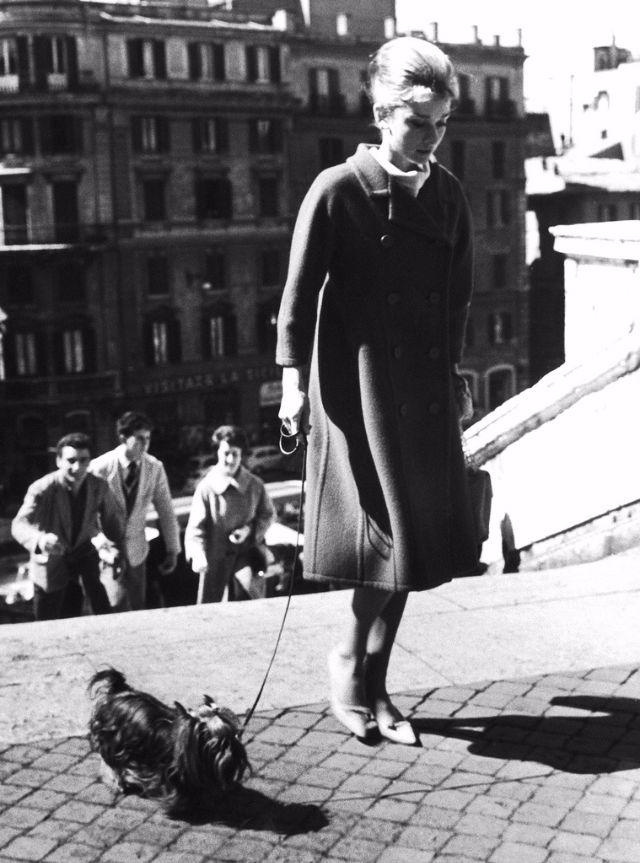
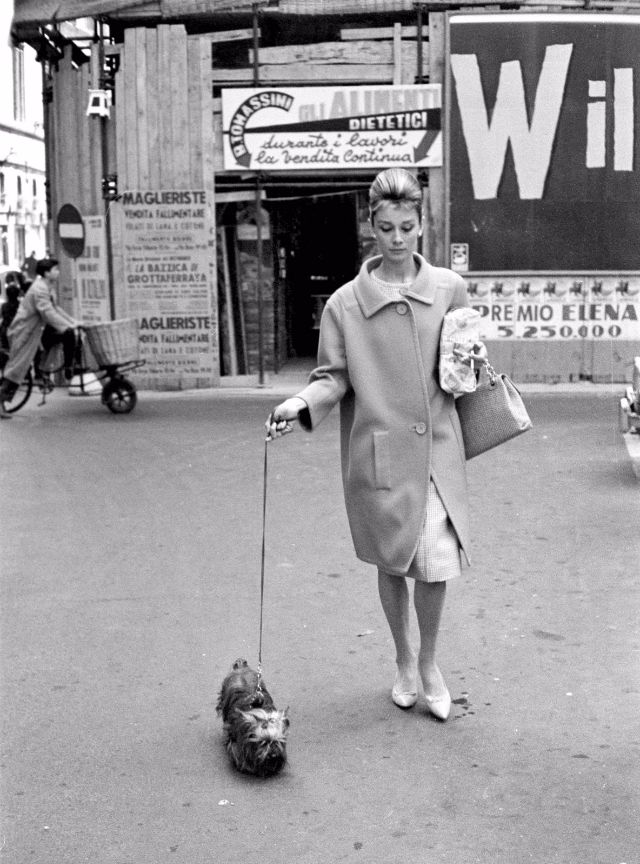
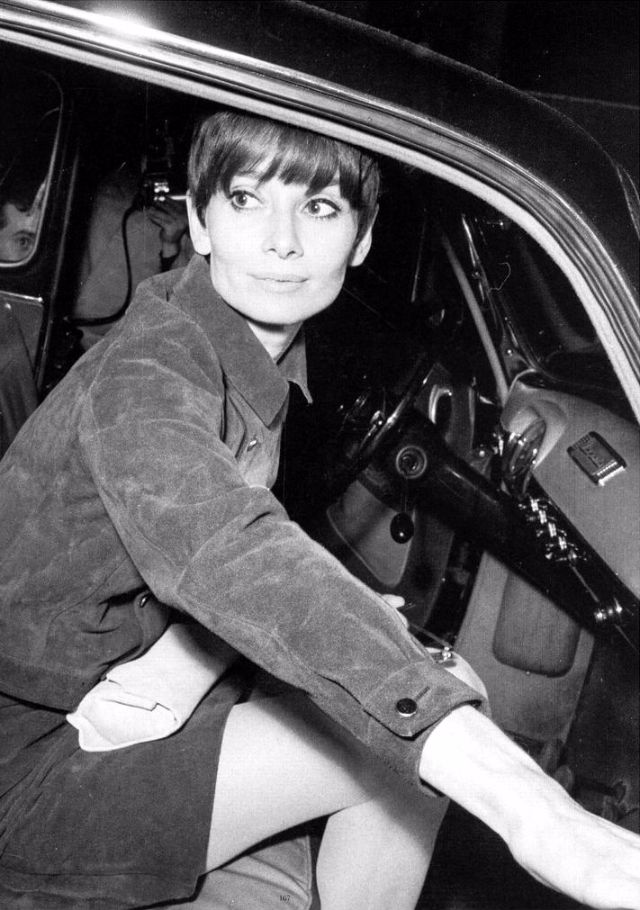
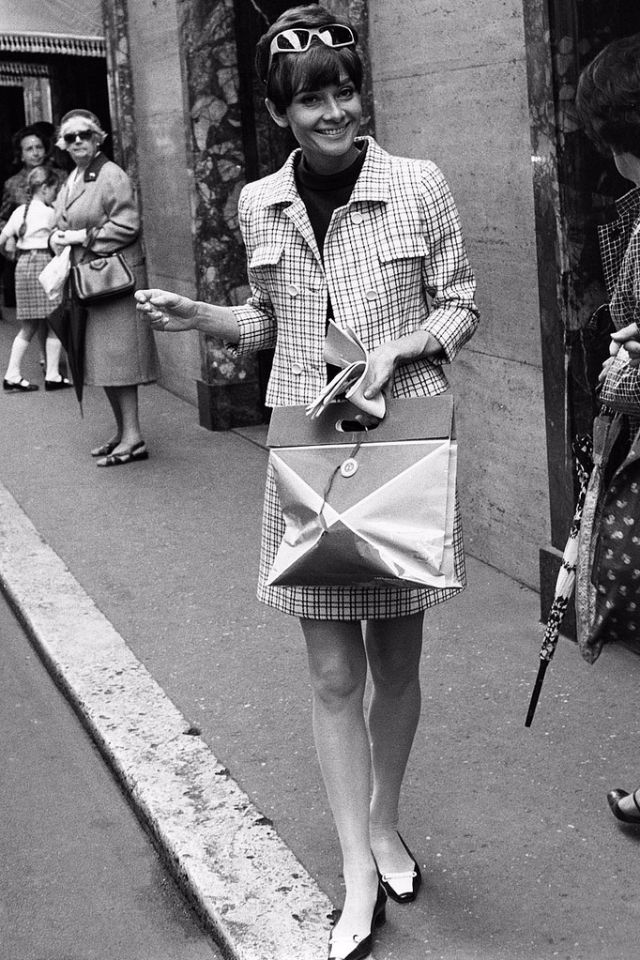
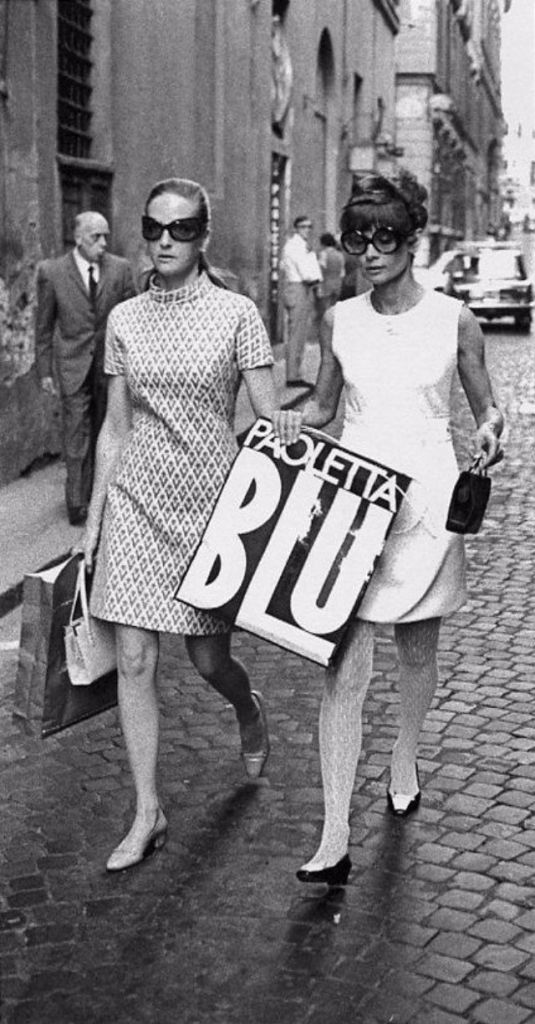
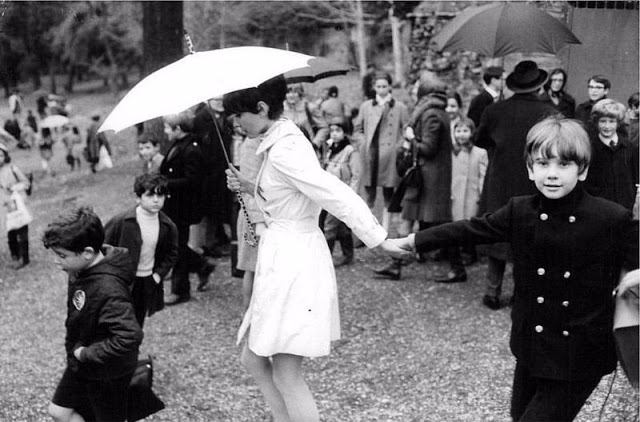
Audrey wears a coat by Dior and Mr.Famous during their arrival at the ‘Ciampino’ airport, Rome, January 1958.Audrey wears a coat by Dior and Mr.Famous during their arrival at the ‘Ciampino’ airport, Rome, January 1958.Audrey with Mr.Famous leaving from Rome’s Ciampino’s Airport, 1958.Audrey during an interview ‘outdoor’ in Rome, July 1959.Audrey during an interview ‘outdoor’ in Rome, July 1959.Audrey Hepburn with Mr. Famous in Rome, December 1959.Audrey Hepburn with Mr. Famous in Rome, December 1959.Audrey wearing coat by Balenciaga walking with Mr. Famous in Rome, 1959.Audrey Hepburn at the Italian premiere of “Breakfast at Tiffany’s” in Rome, 1961.Audrey Hepburn at the premiere of her latest movie “Breakfast at Tiffany’s” at Cinema Fiammetta in Rome on November 17, 1961.Audrey Hepburn with Assam of Assam (her Yorkshire terrier) in Rome, November 1961.Audrey in Givenchy coat with Mr. Famous on the Spanish Steps in Rome, March 1961.Audrey in Givenchy coat, Cardin suit and Chanel bag in Rome, 1961Audrey Hepburn in the outdoor area (near the pool) of a villa near Rome, July 1964.Audrey Hepburn with her dog Assam of Assam in Rome’s downtown, November 1964.Audrey is wearing coat by Givenchy and a Nina Ricci scarf in downtown Rome, March 1964.Audrey wears Givenchy dress and belt, Chanel bag and her Ray-Ban sunglasses, shopping in Rome, June 1964.Audrey Hepburn wears brown suede skirt and jacket by Yves Saint Laurent, Rome, 1968.Audrey in Givenchy and Chanel shoes in downtown of Rome, June 1968.Lovely Audrey in two-piece suit and blouse by Givenchy and shoes by René Mancini for Chanel in Rome, March 1968.Audrey Hepburn with Doris Kleiner (Yul Brynner’s former wife) in Rome (Italy), June 1969.Audrey Hepburn with her son Sean Ferrer in Rome, February 1969.Audrey wears creation of YSL, entering her car after leaving the Ópera, Rome, January 1969.Audrey Hepburn in downtown Rome, December 1970.Audrey Hepburn walks on street in Rome, November 1970.
New York, often called New York City (NYC), is the most populous city of both New York State and the United States. With a 2020 population of 8,804,190 distributed over 300 square miles (780 km2) and divided into five boroughs, New York City is also the most densely populated major city in the United States. Located at the southern tip of the state of New York, the city is the center of the New York metropolitan area, the largest metropolitan area in the world by urban area. With over 20.1 million people in its metropolitan statistical area and 23.5 million in its combined statistical area as of 2020, New York is one of the world’s most populous megacities. New York City has been described as the cultural, financial, and media capital of the world, and is a significant influence on commerce, entertainment, research, technology, education, politics, tourism, dining, art, fashion, and sports. It is the most photographed city in the world. Home to the headquarters of the United Nations, New York is an important center for international diplomacy, an established safe haven for global investors, and is sometimes described as the capital of the world.
Situated on one of the world’s largest natural harbors, with water covering 36.4% of its surface area, New York City is composed of five boroughs, each of which is coextensive with a respective county of the state of New York. The five boroughs—Brooklyn (Kings County), Queens (Queens County), Manhattan (New York County), the Bronx (Bronx County), and Staten Island (Richmond County)—were created when local governments were consolidated into a single municipal entity in 1898. The city and its metropolitan area constitute the premier gateway for legal immigration to the United States. As many as 800 languages are spoken in New York, making it the most linguistically diverse city in the world. New York is home to more than 3.2 million residents born outside the United States, the largest foreign-born population of any city in the world as of 2016. As of 2018, the New York metropolitan area is estimated to produce a gross metropolitan product (GMP) of nearly $1.8 trillion, ranking it first in the United States. If the New York metropolitan area were a sovereign state, it would have the eighth-largest economy in the world. New York is home to the highest number of billionaires of any city in the world.
New York City traces its origins to a trading post founded on the southern tip of Manhattan Island by Dutch colonists in approximately 1624. The settlement was named New Amsterdam (Dutch: Nieuw Amsterdam) in 1626 and was chartered as a city in 1653. The city came under English control in 1664 and was renamed New York after King Charles II of England granted the lands to his brother, the Duke of York. The city was regained by the Dutch in July 1673 and was renamed New Orange for one year and three months; the city has been continuously named New York since November 1674. New York City was the capital of the United States from 1785 until 1790, and has been the largest U.S. city since 1790. The Statue of Liberty greeted millions of immigrants as they came to the U.S. by ship in the late 19th and early 20th centuries, and is a symbol of the U.S. and its ideals of liberty and peace. In the 21st century, New York has emerged as a global node of creativity, entrepreneurship, and environmental sustainability, and as a symbol of freedom and cultural diversity. In 2019, New York was voted the greatest city in the world per a survey of over 30,000 people from 48 cities worldwide, citing its cultural diversity.
Many districts and monuments in New York City are major landmarks, including three of the world’s ten most visited tourist attractions in 2013. A record 66.6 million tourists visited New York City in 2019. Times Square is the brightly illuminated hub of the Broadway Theater District, one of the world’s busiest pedestrian intersections, and a major center of the world’s entertainment industry. Many of the city’s landmarks, skyscrapers, and parks are known around the world, as is the city’s fast pace, spawning the term New York minute. The Empire State Building has become the global standard of reference to describe the height and length of other structures. Manhattan’s real estate market is among the most expensive in the world. Providing continuous 24/7 service and contributing to the nickname The City That Never Sleeps, the New York City Subway is the largest single-operator rapid transit system worldwide, with 472 rail stations. The city has over 120 colleges and universities, including Columbia University, New York University, Rockefeller University, and the City University of New York system, which is the largest urban public university system in the United States. Anchored by Wall Street in the Financial District of Lower Manhattan, New York City has been called both the world’s leading financial center and the most financially powerful city in the world, and is home to the world’s two largest stock exchanges by total market capitalization, the New York Stock Exchange and Nasdaq. (Wikipedia)
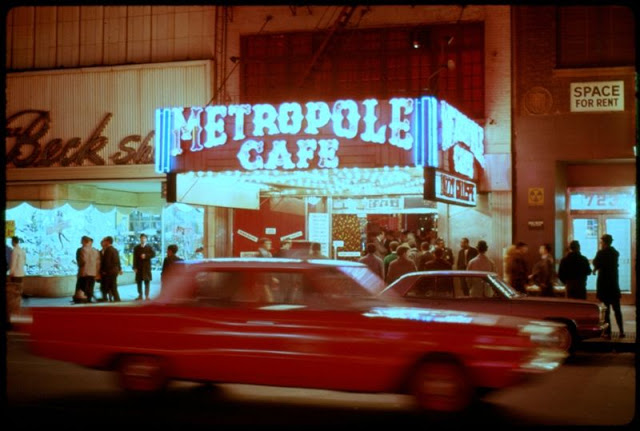
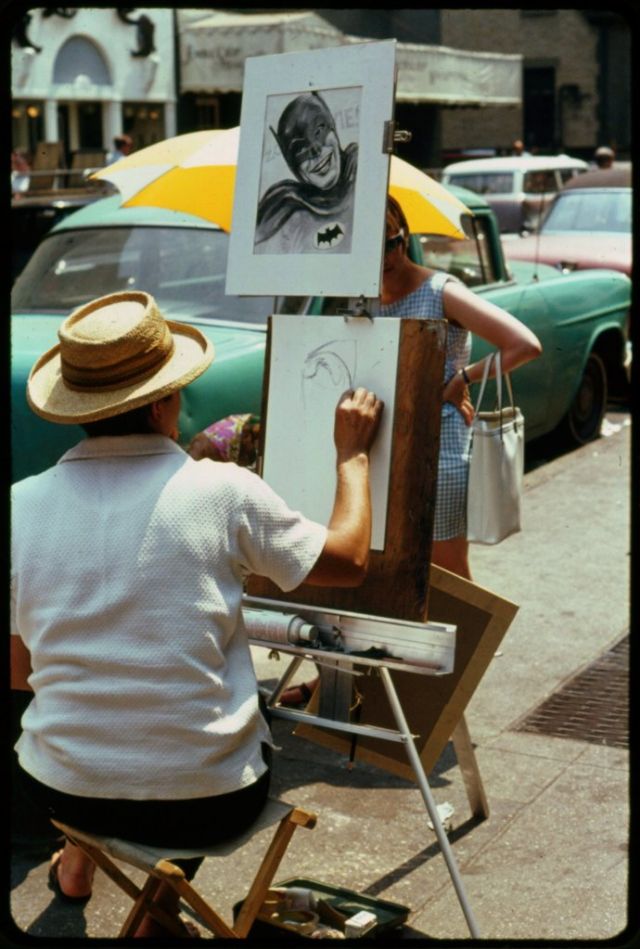
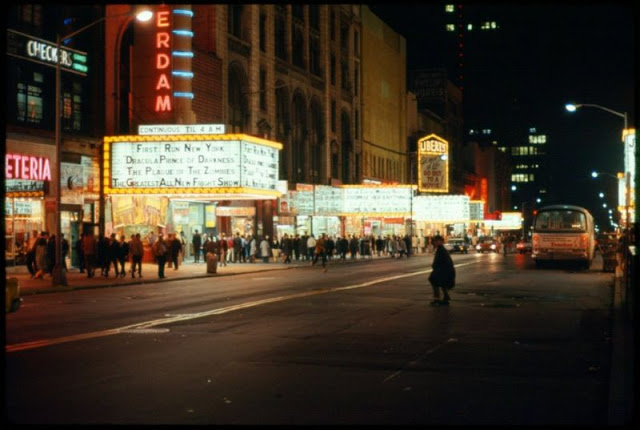
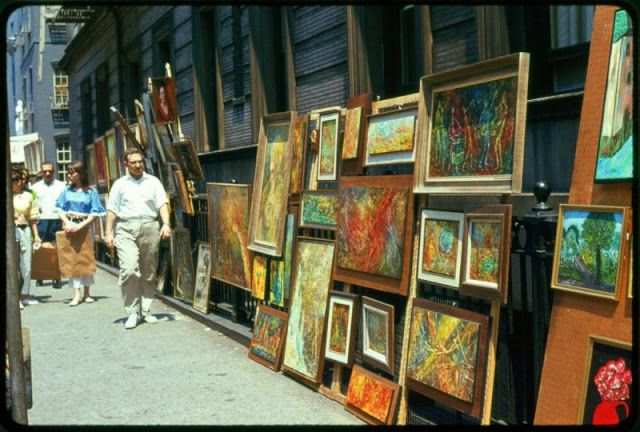
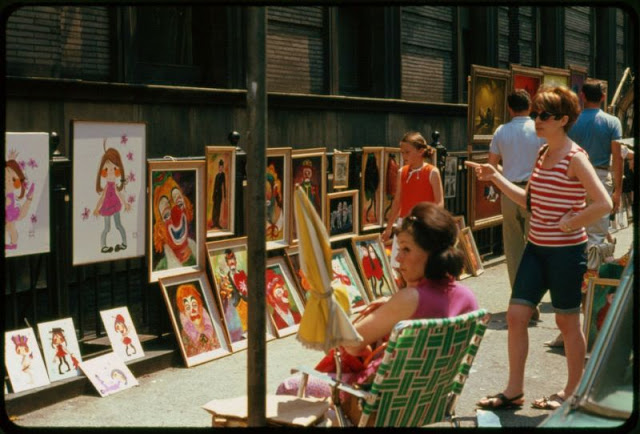
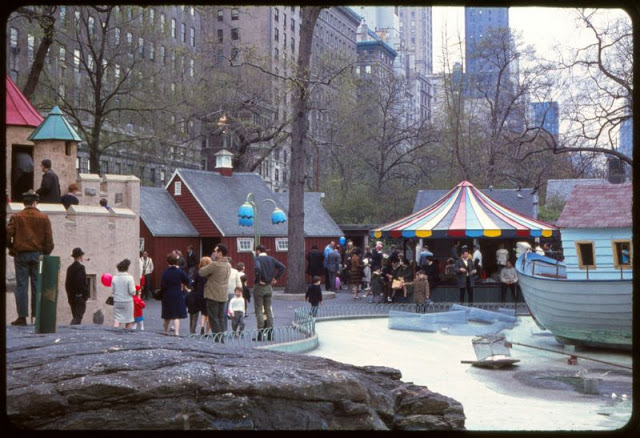
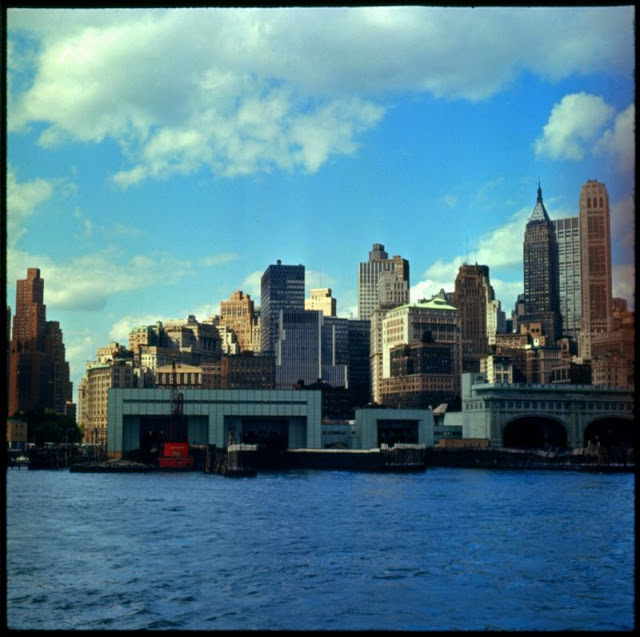
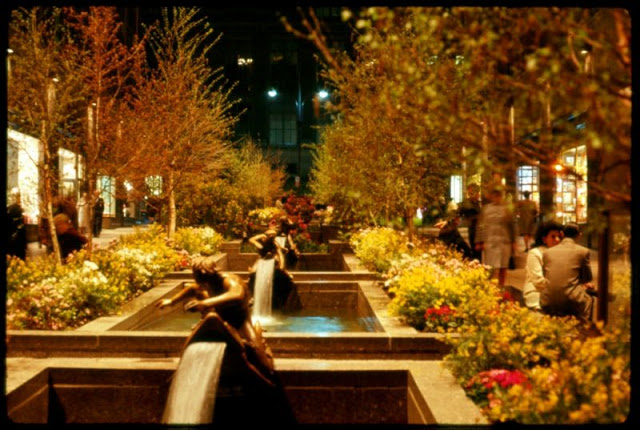
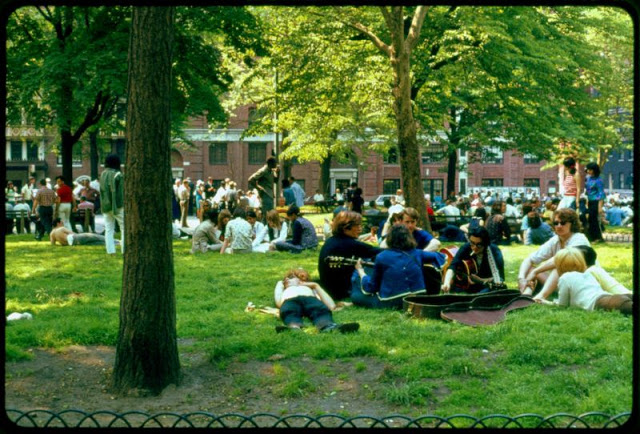
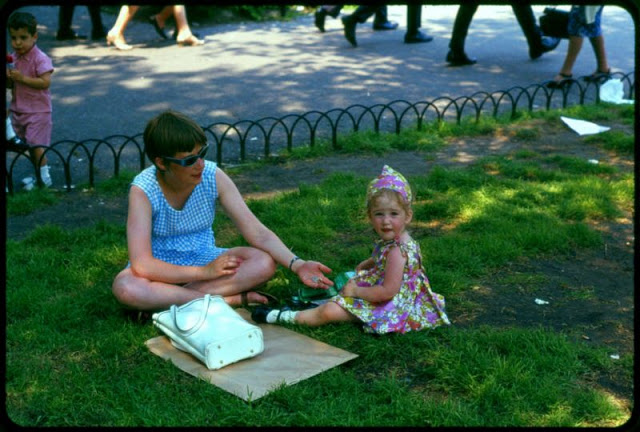
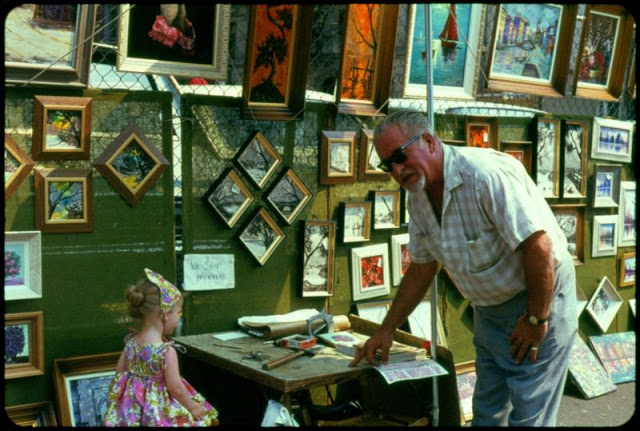
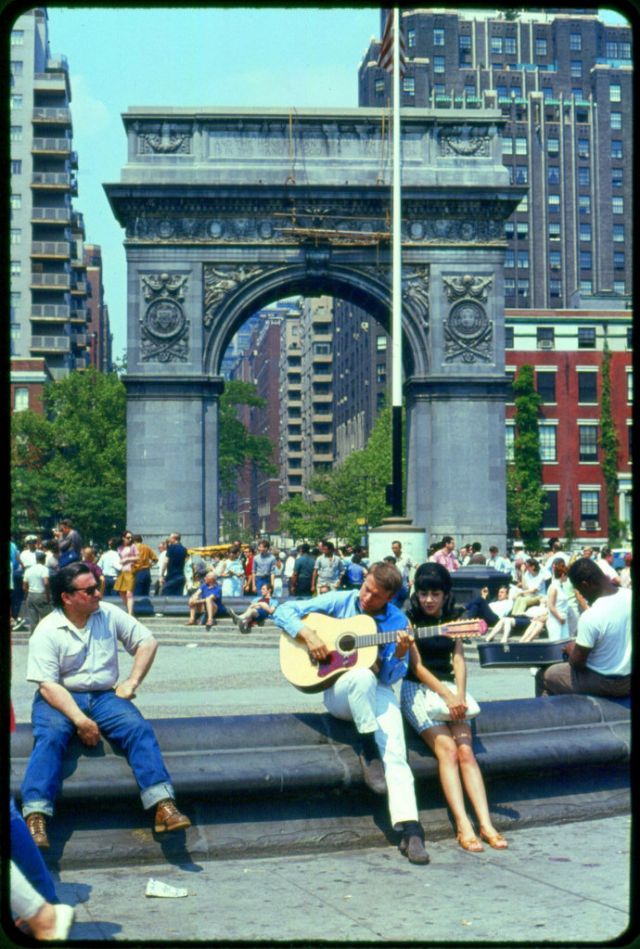
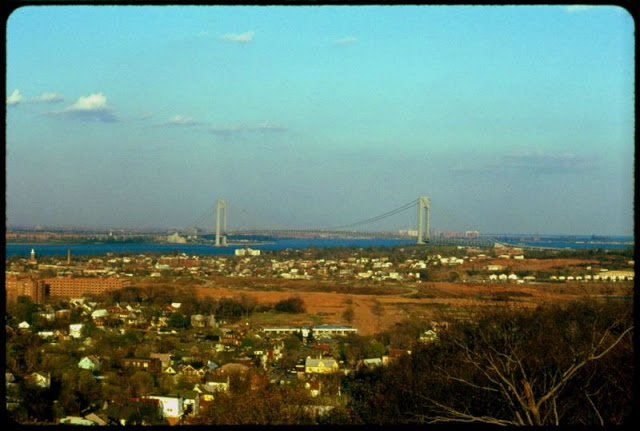
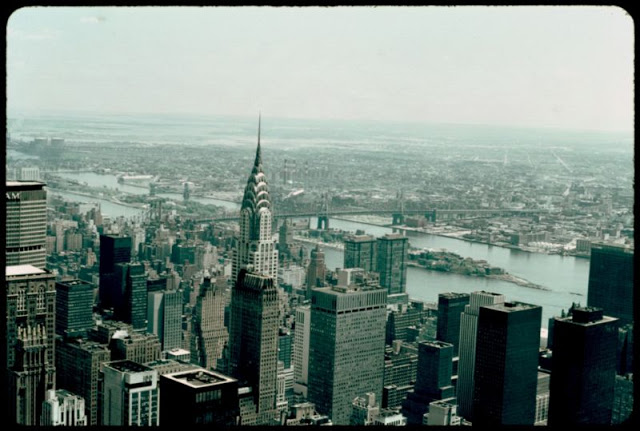
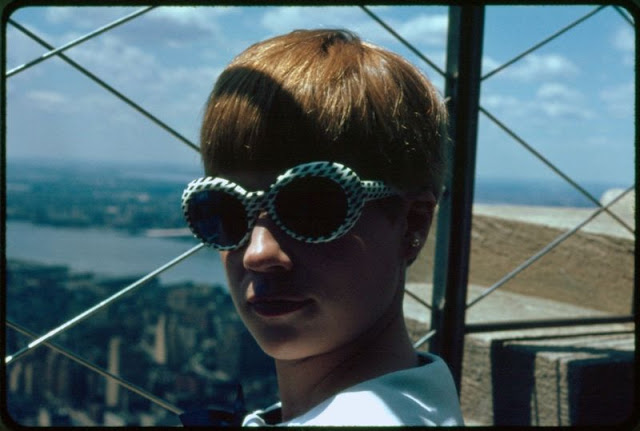
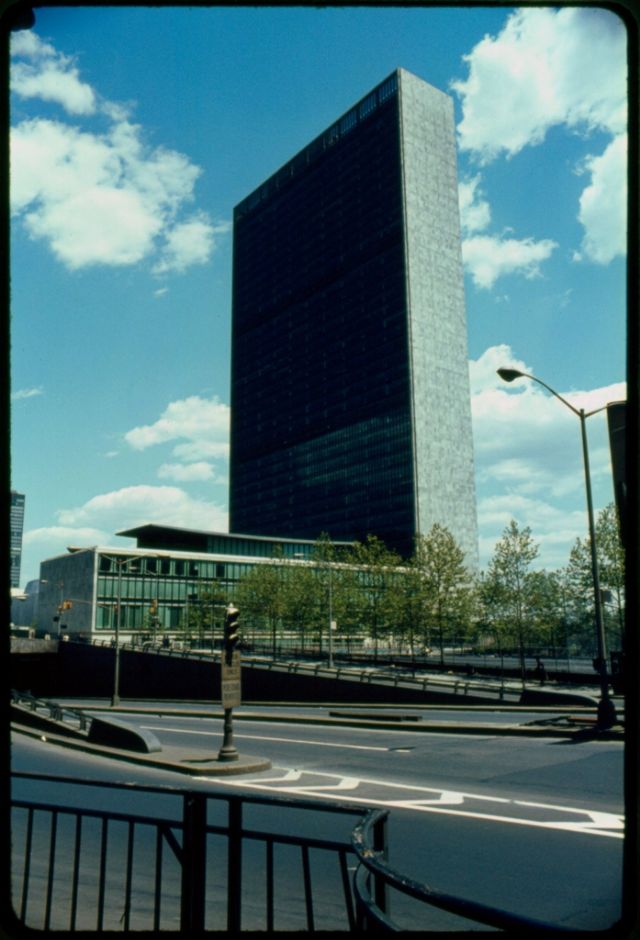
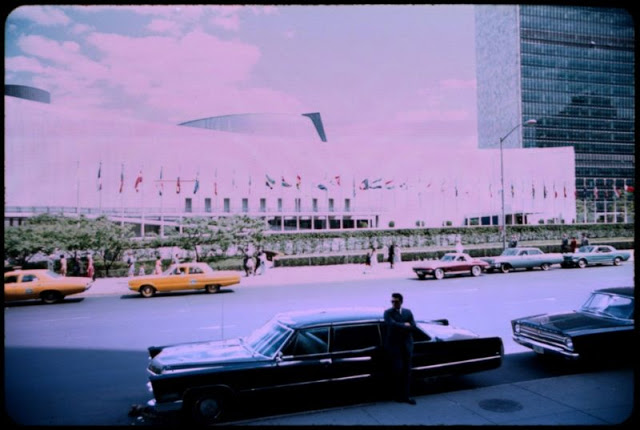
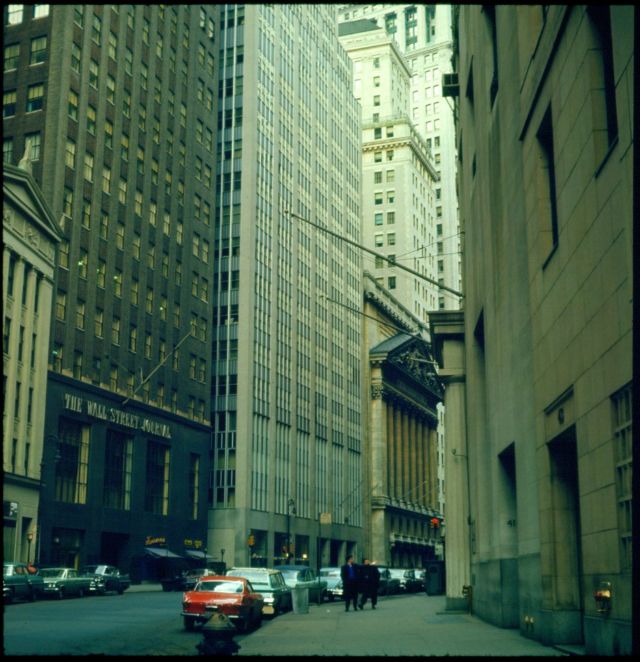
Metropole Cafe, NYC, 1966Artists along Sixth Avenue in Greenwich Village, NYC, November 1966Batman, NYC, June 1966Chess players, NYC, November 1966Guitar players at Washington Square, NYC, June 1966Le Figaro Cafe, May 1966New Amsterdam Theater, June 1966New York art walk, June 1966New York art walk, June 1966New York City from the Staten Island Ferry, June 1966New York City playground, May 1966New York City skyline from the approach to the Staten Island Ferry Terminal, 1966New York park fountains, June 1966New York park scene, June 1966New York park scene, June 1966New York street scene, June 1966New York street scene, June 1966New York street scene, June 1966NYC Building Skyline, March 1966Street art dealer, NYC, June 1966Street art, NYC, June 1966The DeVille, the Palace, and the Majestic Ballroom, NYC, June 1966The Washington Square Arch, NYC, June 1966Verrazano-Narrows Bridge, May 1966Verrazano-Narrows Bridge, May 1966Verrazano-Narrows Bridge, May 1966Washington Square Park, NYC, Summer 1966Chrysler Building, NYC, June 1967Macy’s, NYC, June 1967New York skyline, June 1967NYC skyline portrait (mother-in-law on the Empire State Building), June 1967Staten Island, NYC, 1967Statue of Liberty, NYC, June 1967The United Nations, NYC, June 1967The United Nations, NYC, June 1967The United Nations, NYC, June 1967Wall Street Journal Building, NYC, March 1967
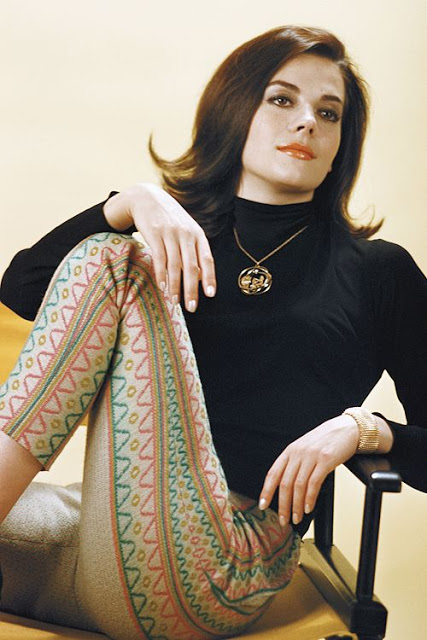
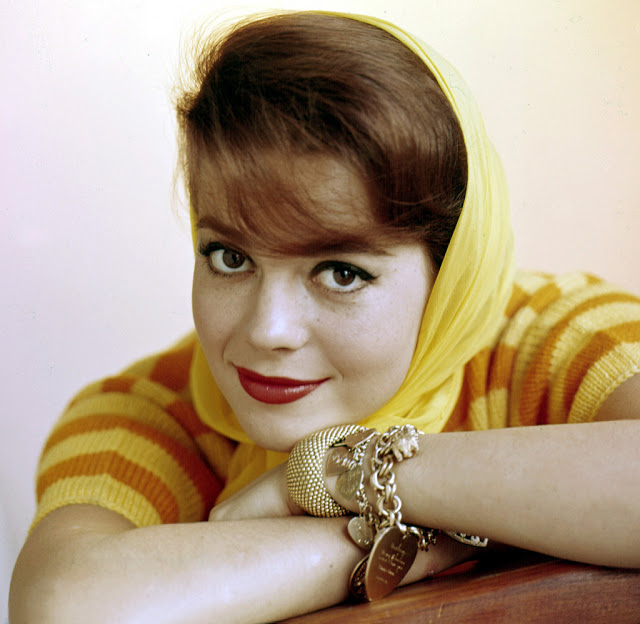
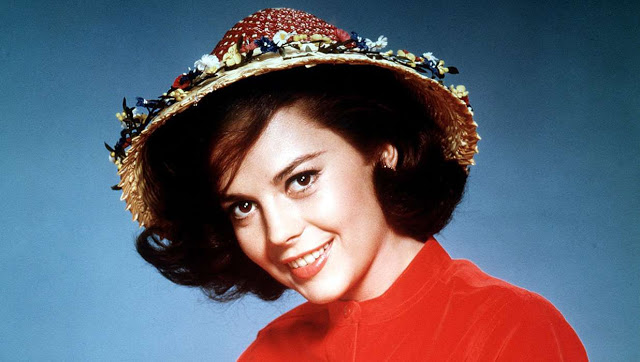
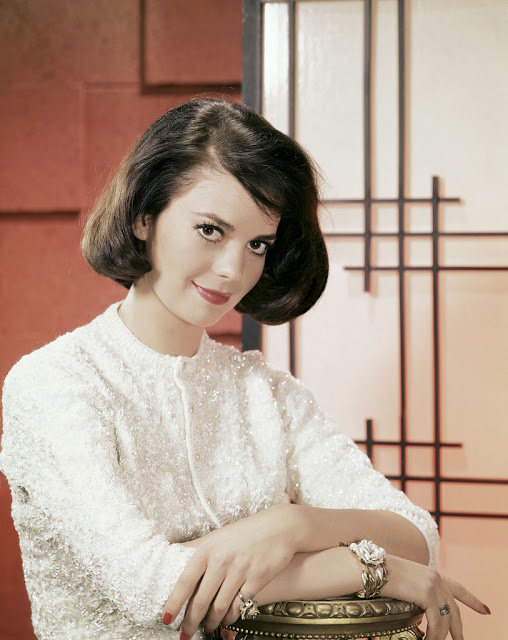
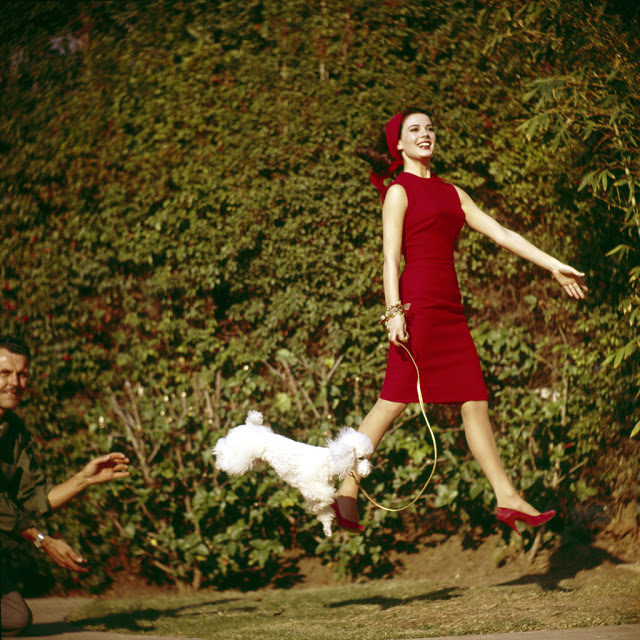
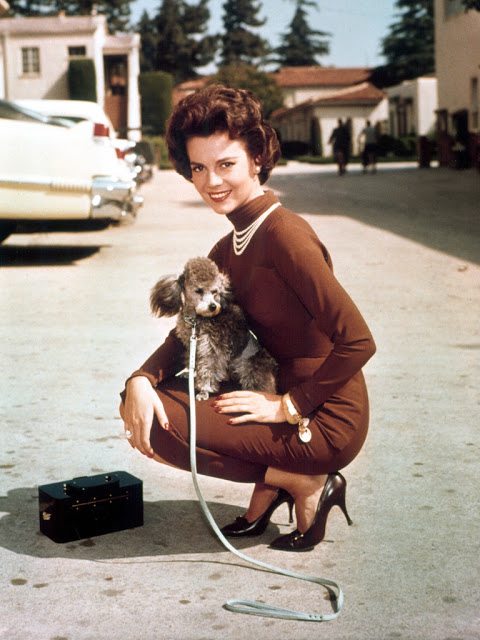
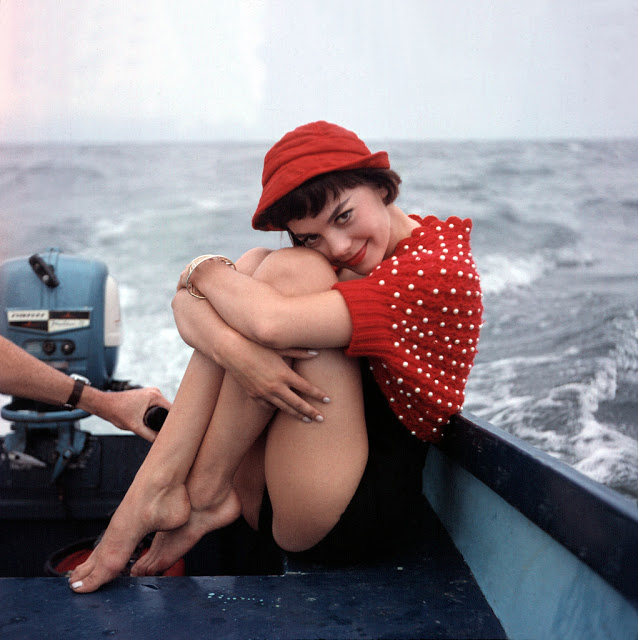
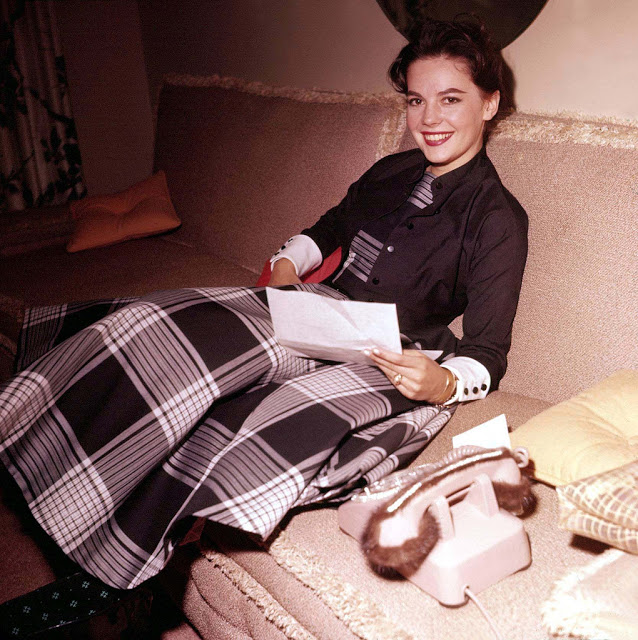
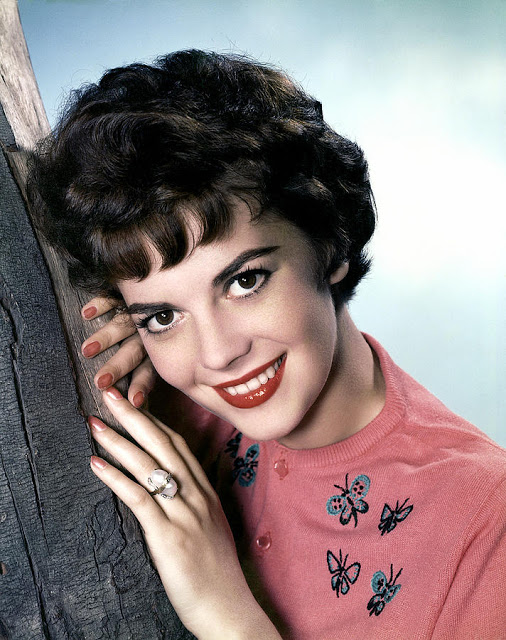
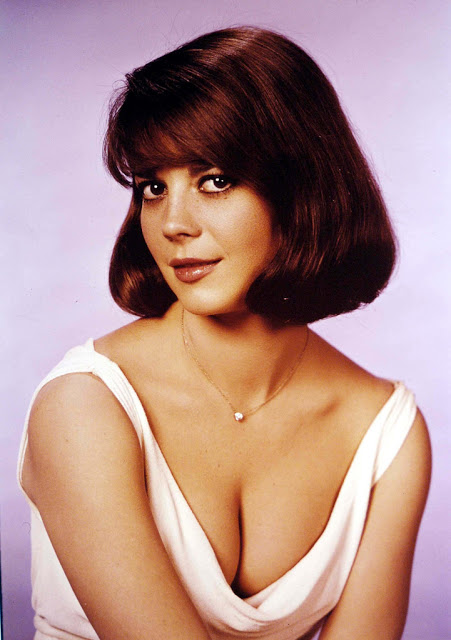
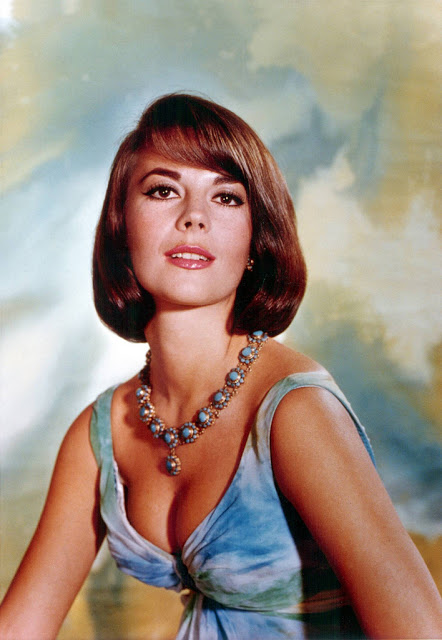
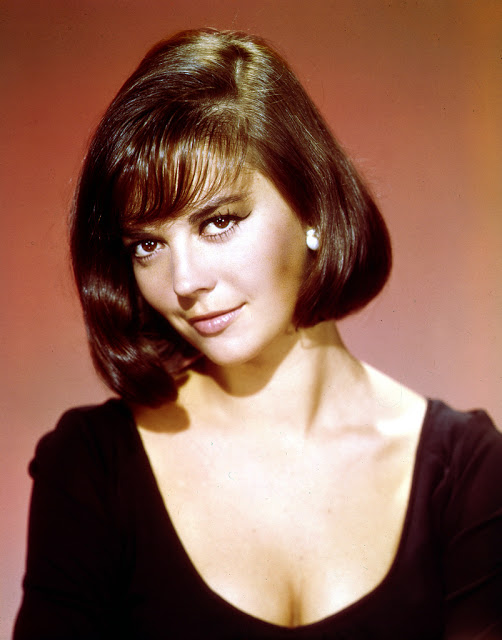
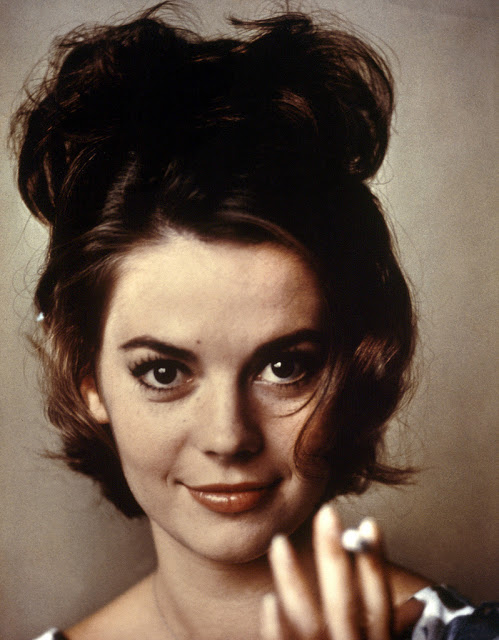
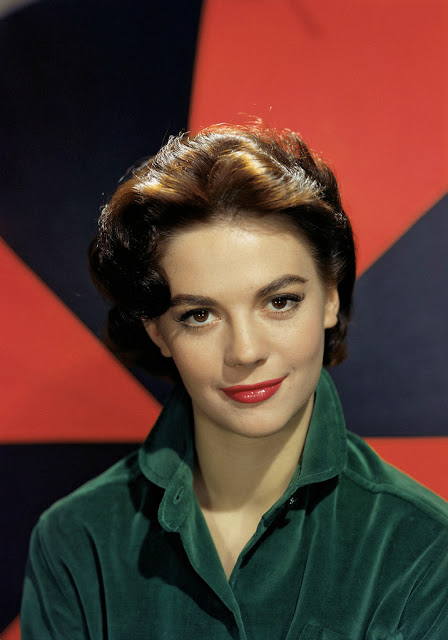
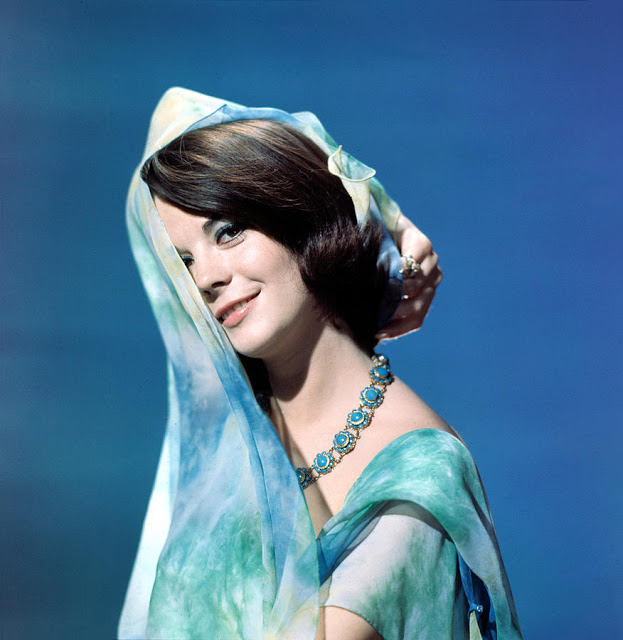
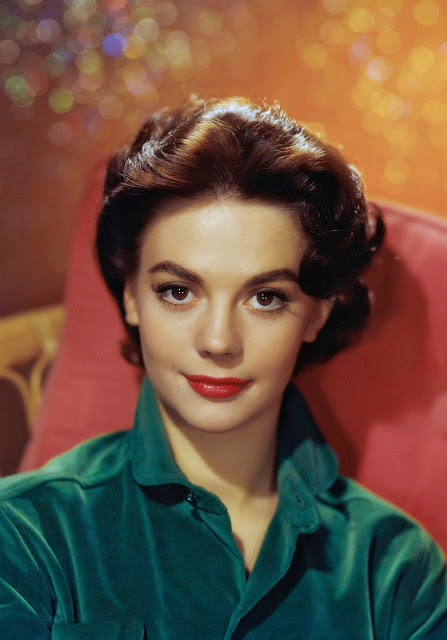
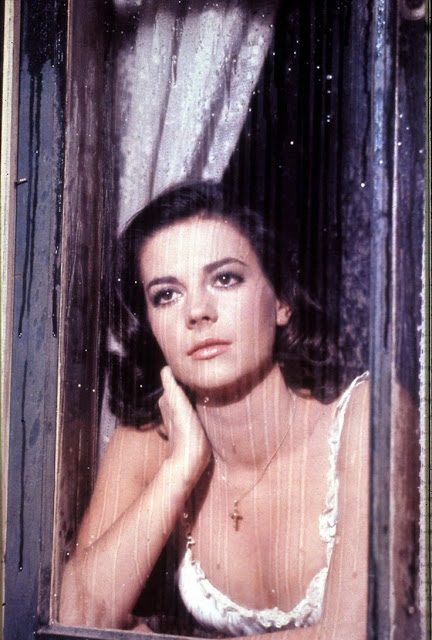
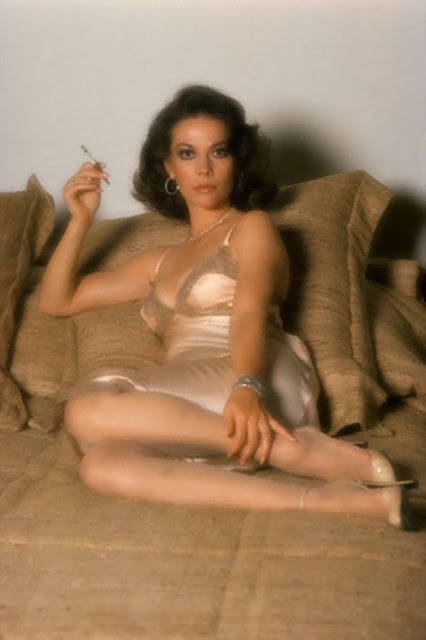
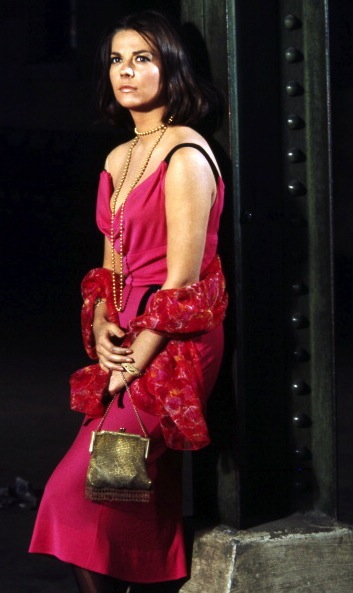
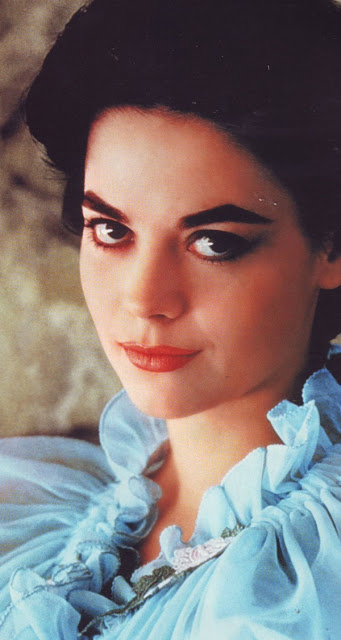
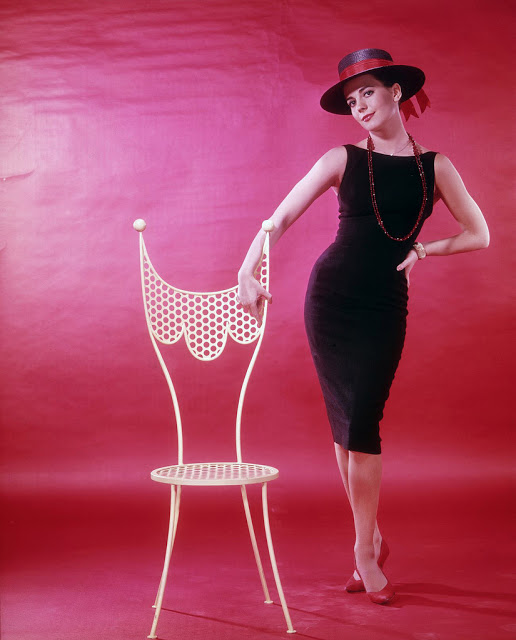
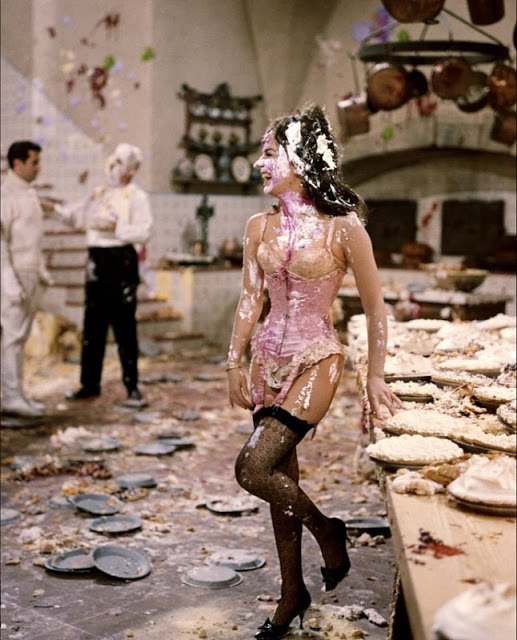
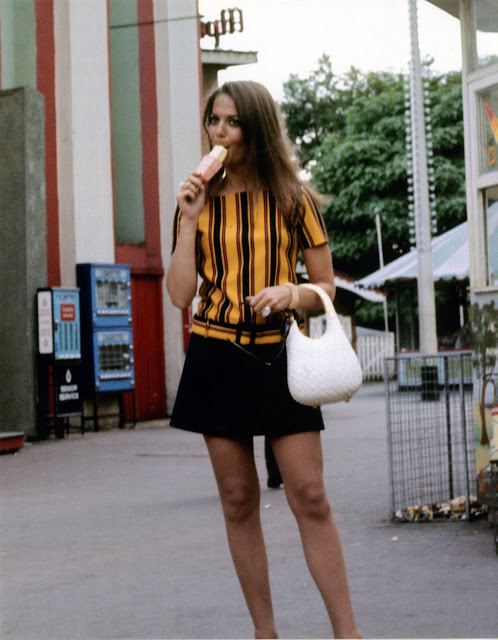
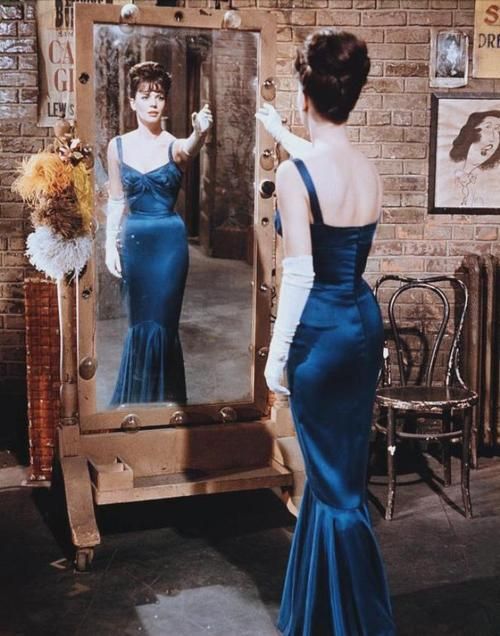
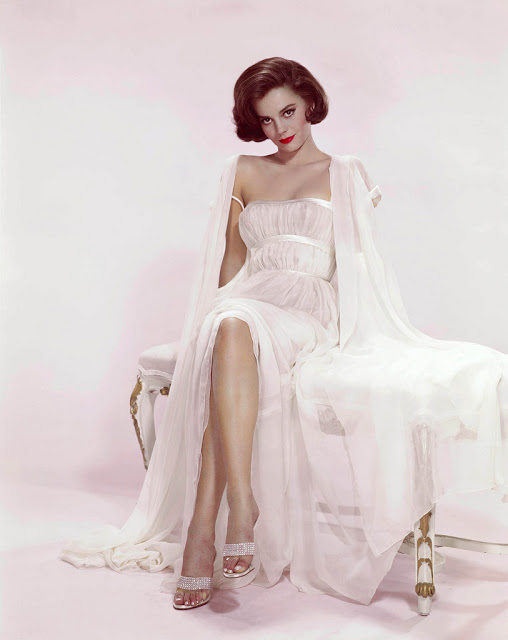
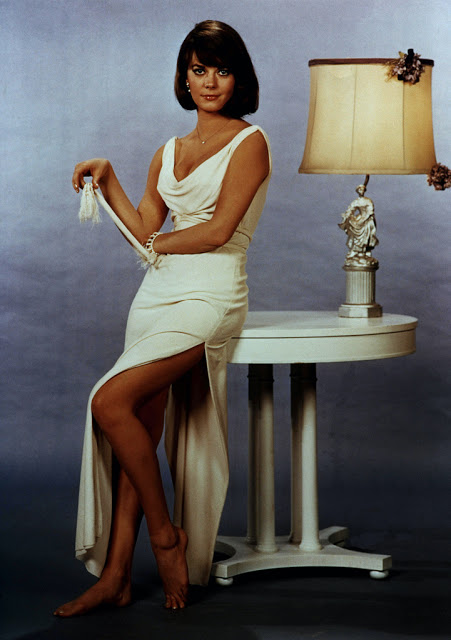
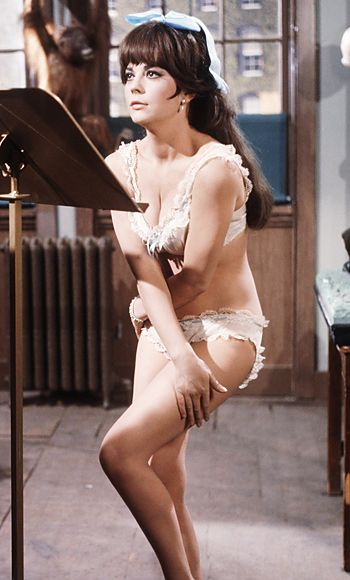
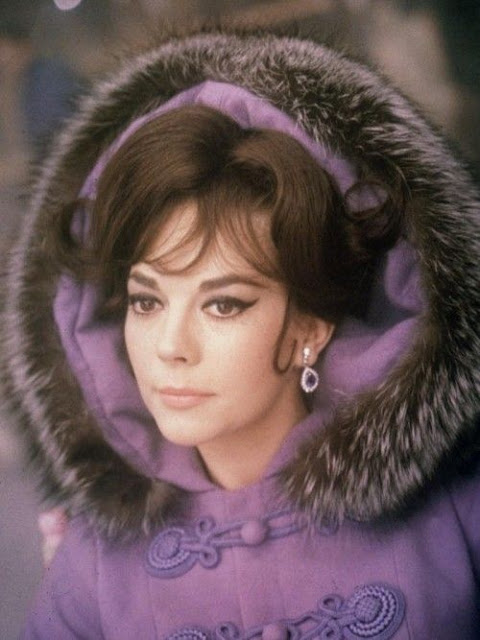
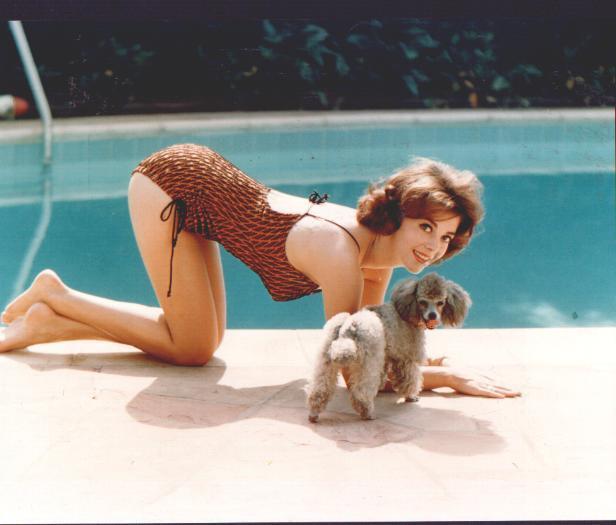
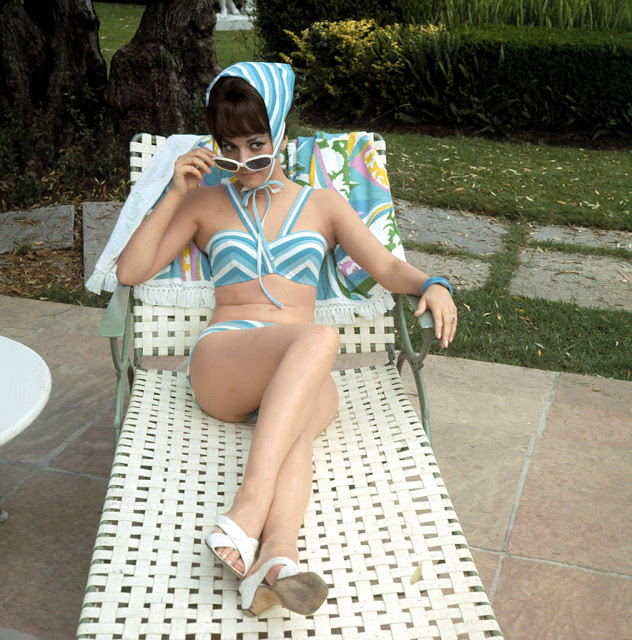
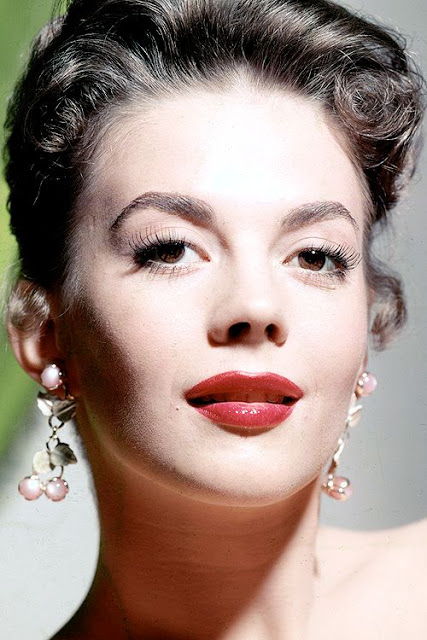
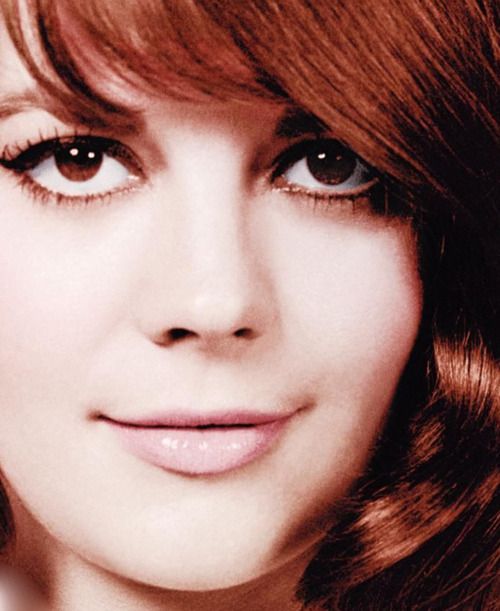
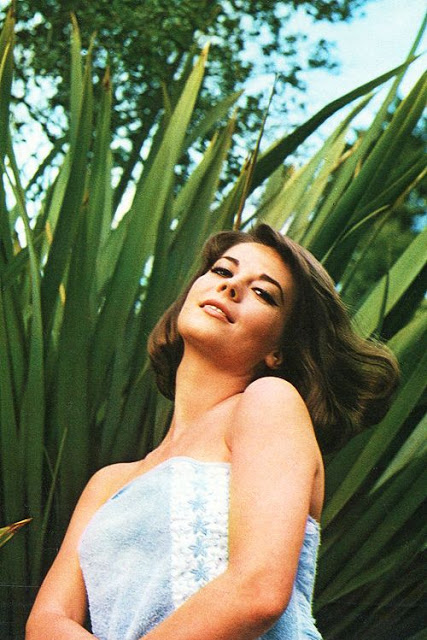
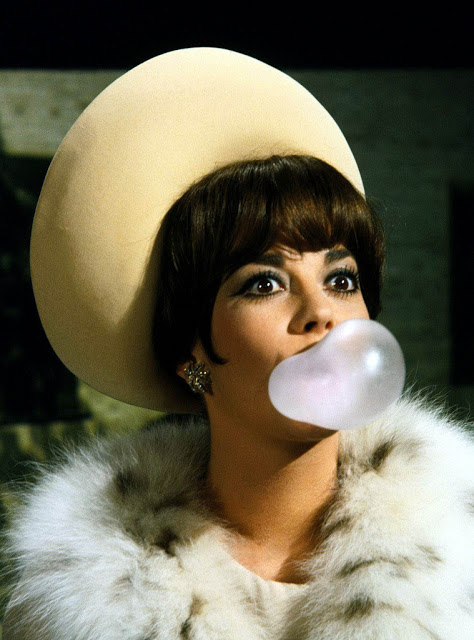
Natalie Wood (born Natalie Zacharenko, July 20, 1938 – November 29, 1981) was an American actress who began her career in film as a child and successfully transitioned to young adult roles.
Born in San Francisco to Russian immigrant parents, Wood started acting at age four and was given a co-starring role at age 8 in Miracle on 34th Street (1947).[6] As a teenager, she was nominated for an Academy Award for Best Supporting Actress for her performance in Rebel Without a Cause (1955), followed by a role in John Ford’s The Searchers (1956). Wood starred in the musical films West Side Story (1961) and Gypsy (1962), and received nominations for an Academy Award for Best Actress for her performances in Splendor in the Grass (1961) and Love with the Proper Stranger (1963). Her career continued with films such as Sex and the Single Girl (1964), Inside Daisy Clover (1965), and Bob & Carol & Ted & Alice (1969).
During the 1970s, Wood began a hiatus from film and had two daughters: one with her second husband Richard Gregson, and one with Robert Wagner, her first husband whom she married again after divorcing Gregson. She acted in only two feature films throughout the decade, but appeared slightly more often in television productions, including a remake of From Here to Eternity (1979) for which she won a Golden Globe Award. Wood’s films represented a “coming of age” for her and for Hollywood films in general. Critics have suggested that her cinematic career represents a portrait of modern American womanhood in transition, as she was one of the few to take both child roles and those of middle-aged characters.
Wood died off of the coast of Santa Catalina Island on November 29, 1981, at age 43, during a holiday break from the production of her would-be comeback film Brainstorm (1983) with Christopher Walken. The events surrounding her death have been the subject of conflicting witness statements, prompting the Los Angeles County Sheriff’s Department, under the instruction of the coroner’s office, to list her cause of death as “drowning and other undetermined factors” in 2012.
In 2018, Robert Wagner was named as a person of interest in the ongoing investigation into Wood’s death. (Wikipedia)