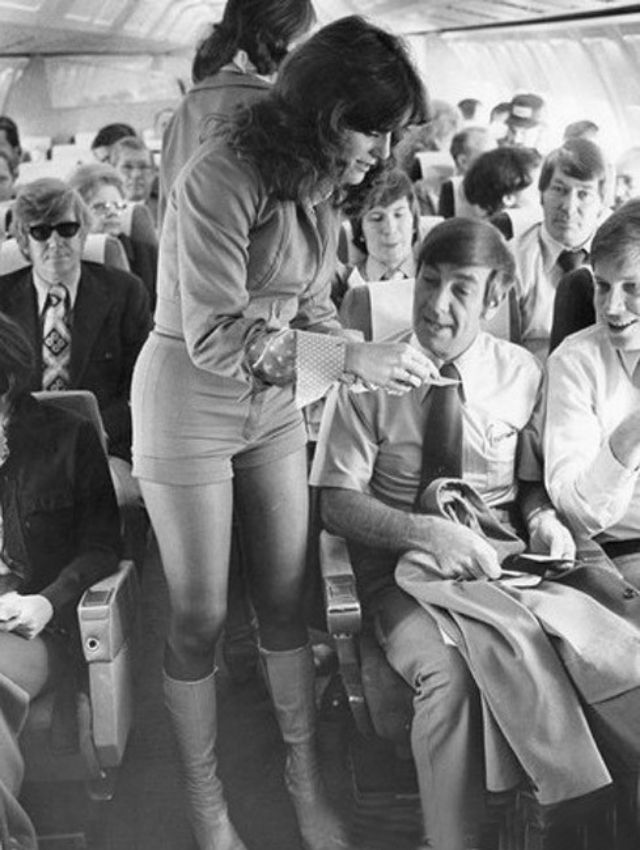
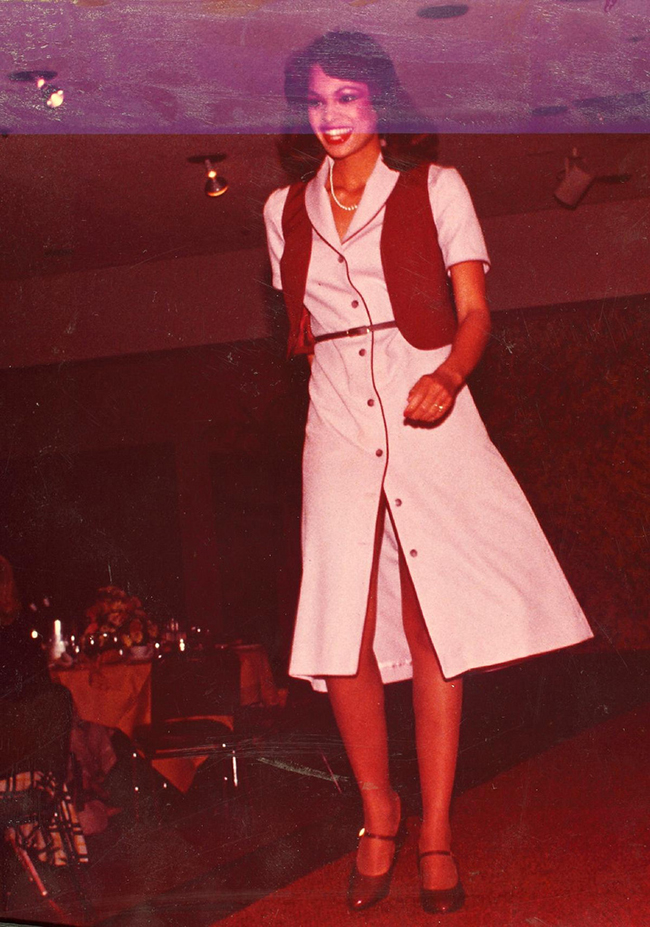
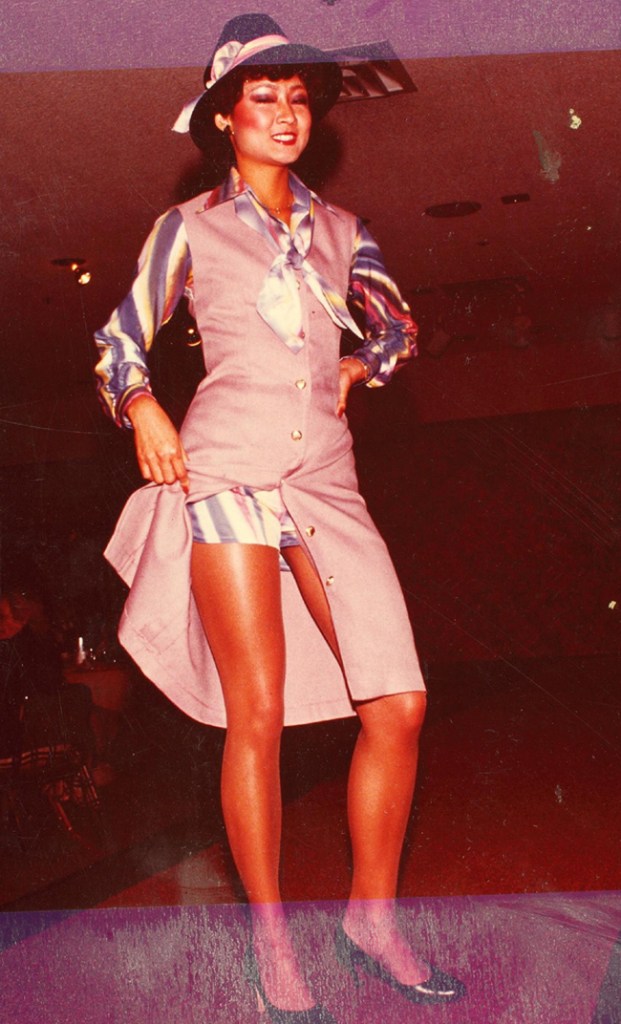
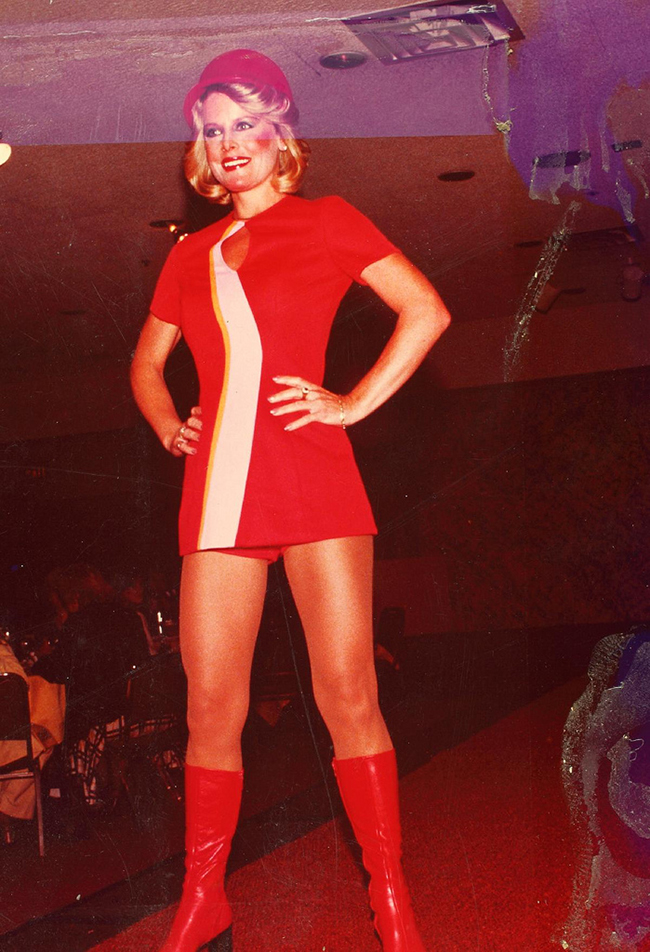
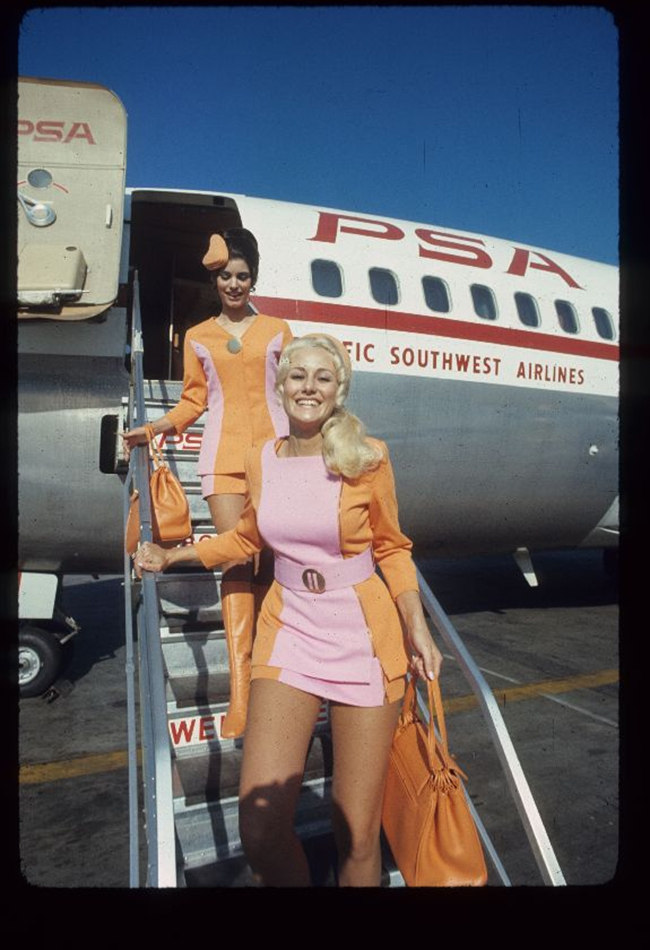
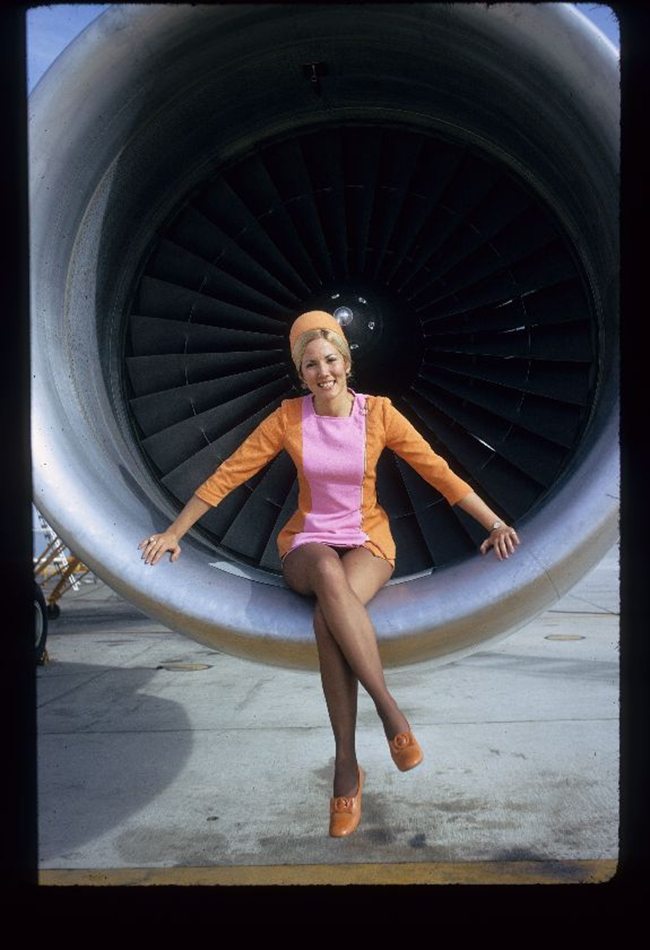
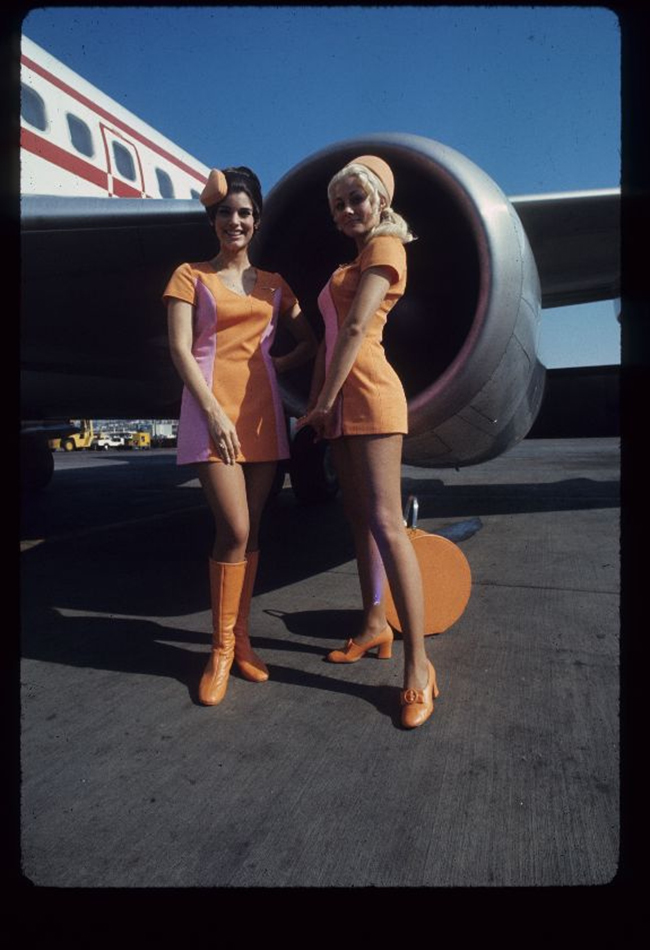
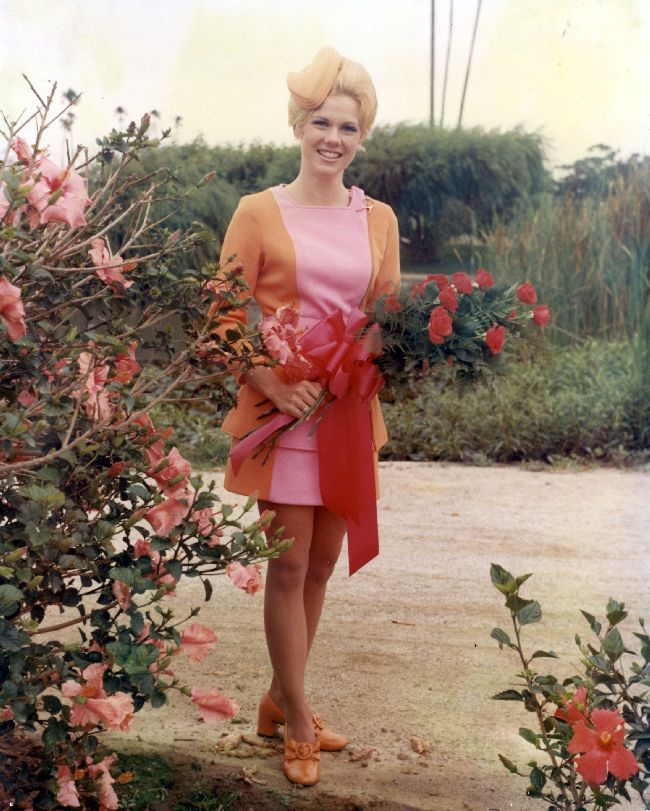
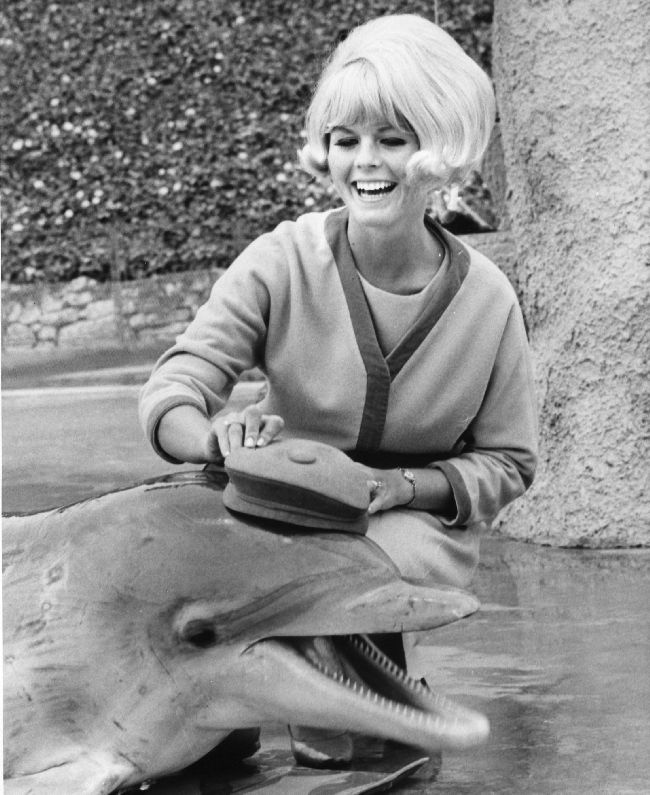
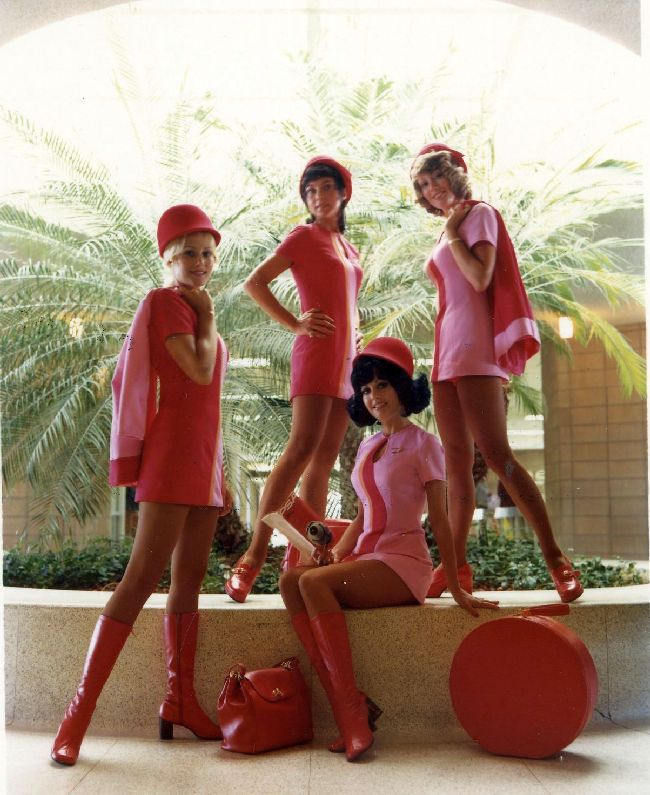
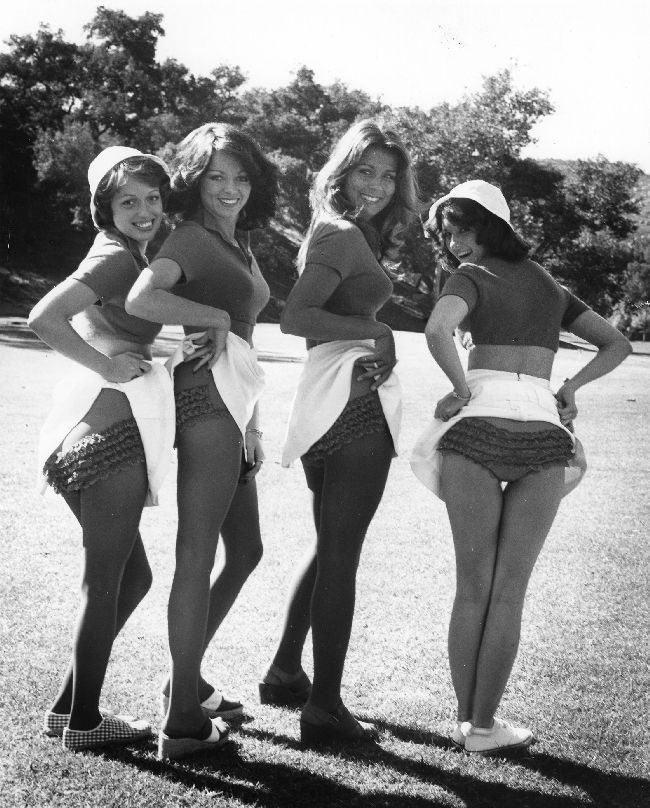
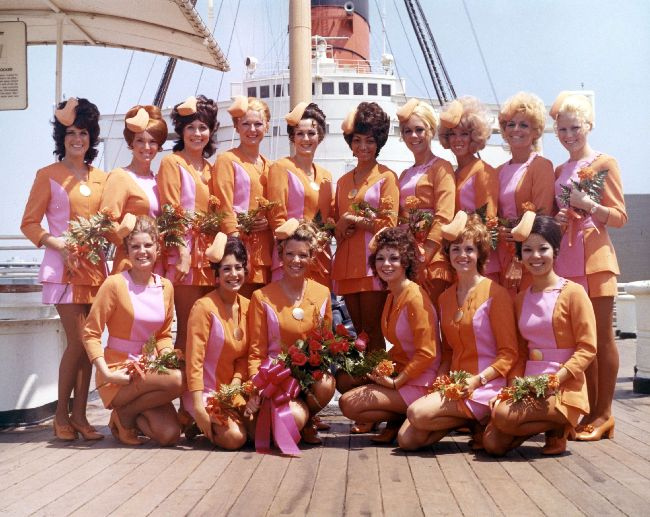
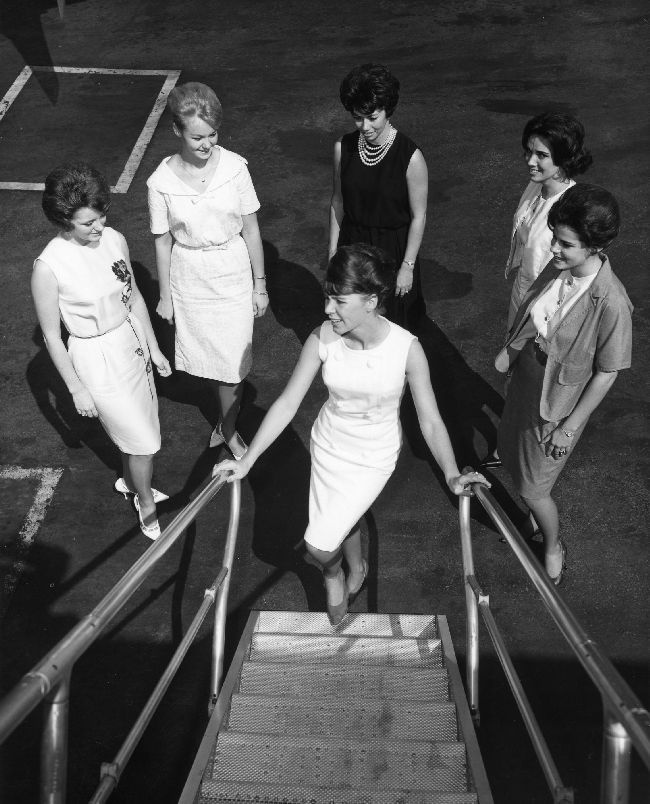
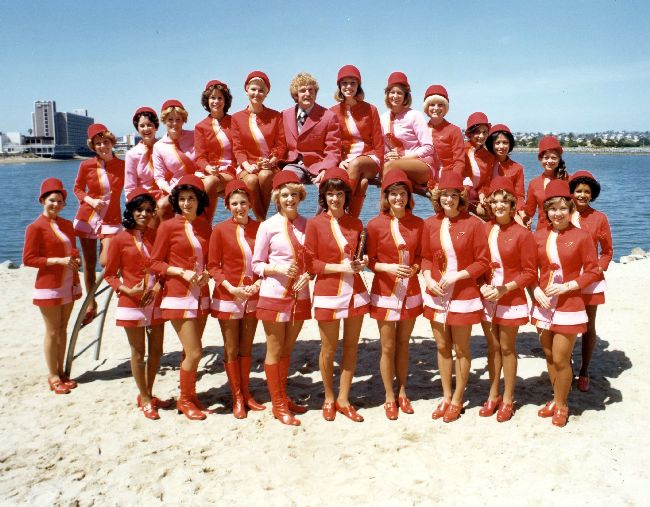
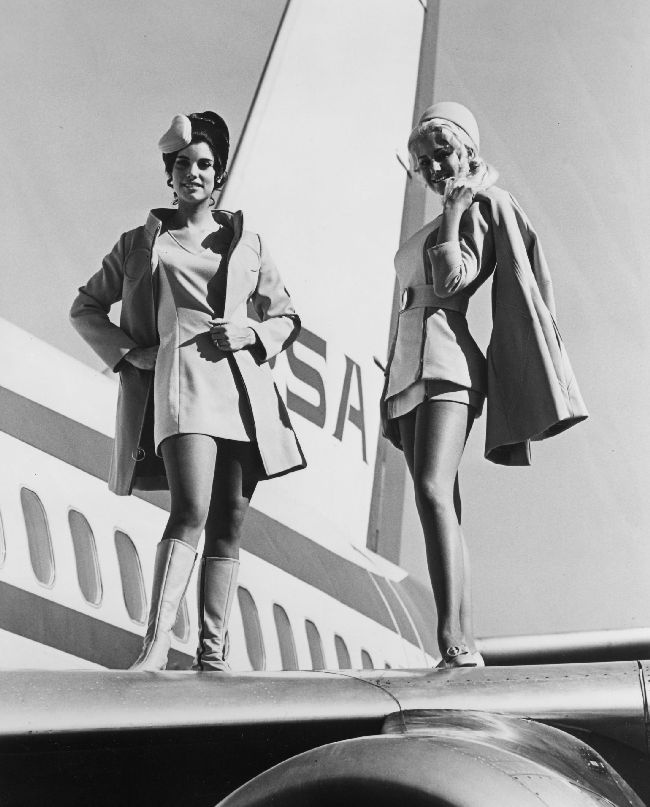
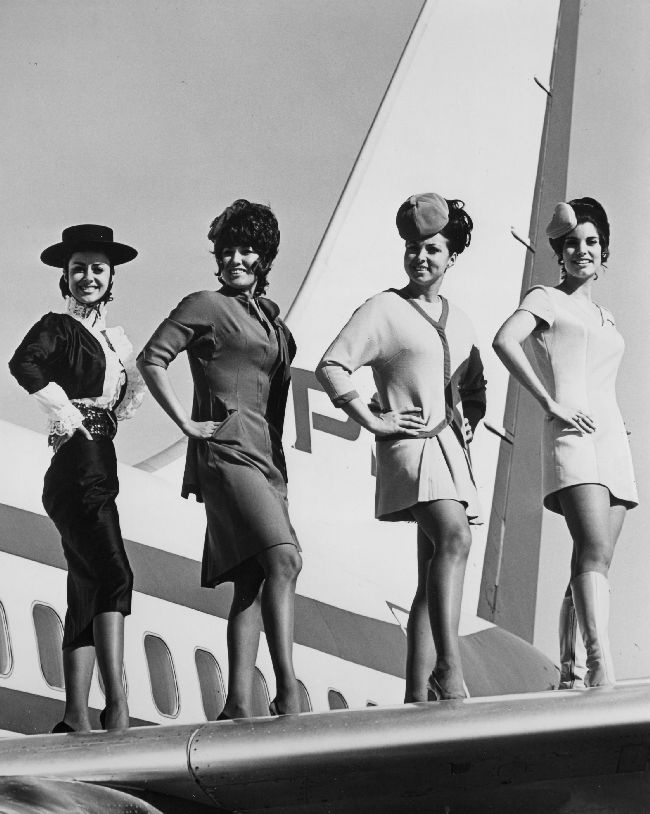
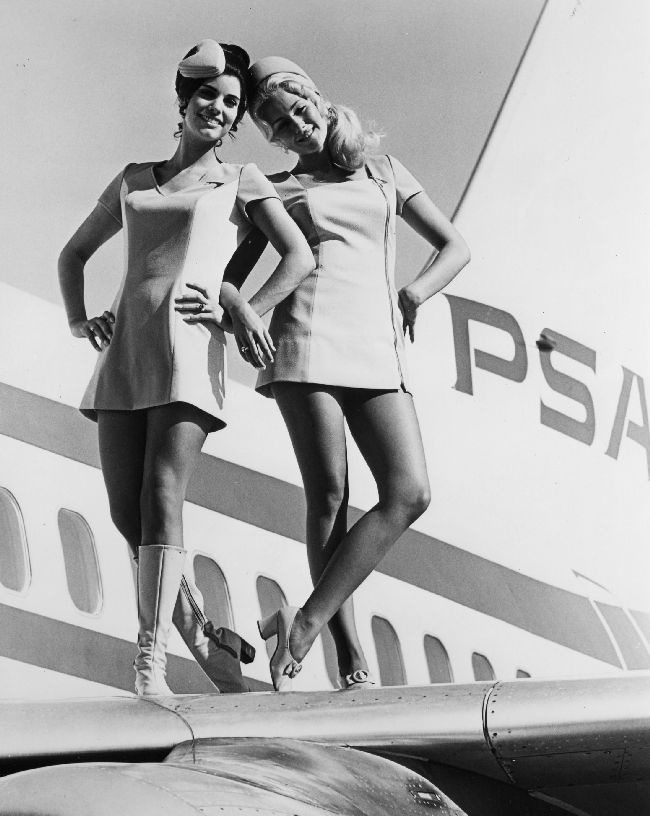
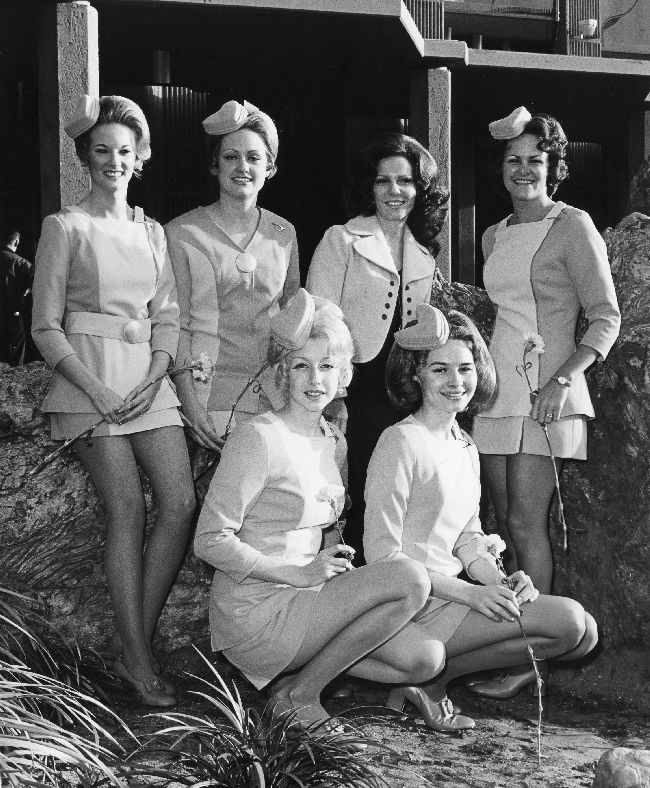
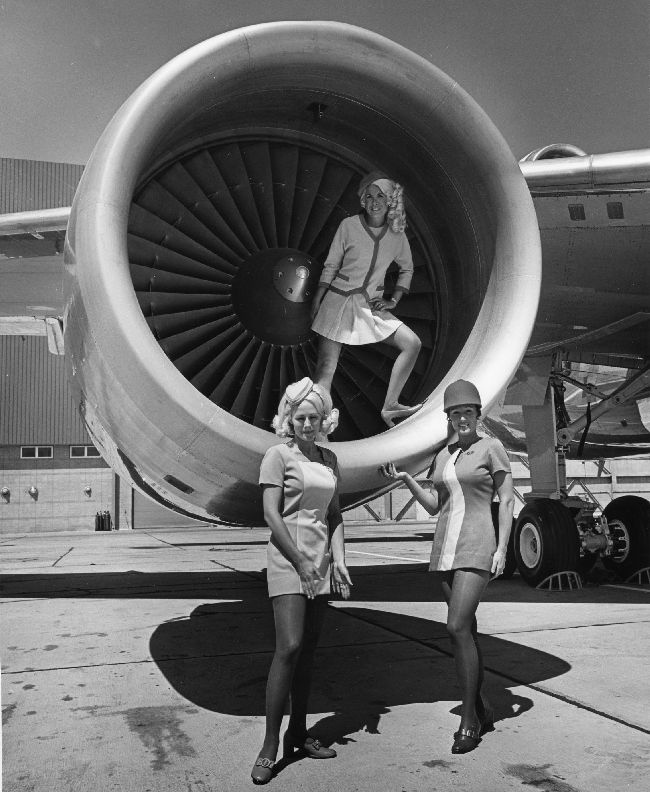
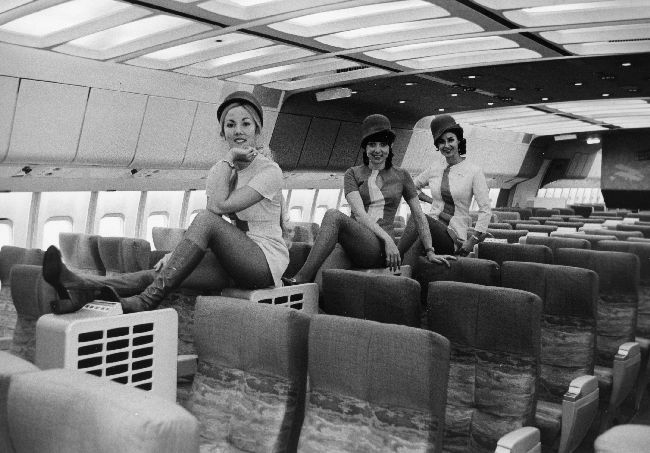
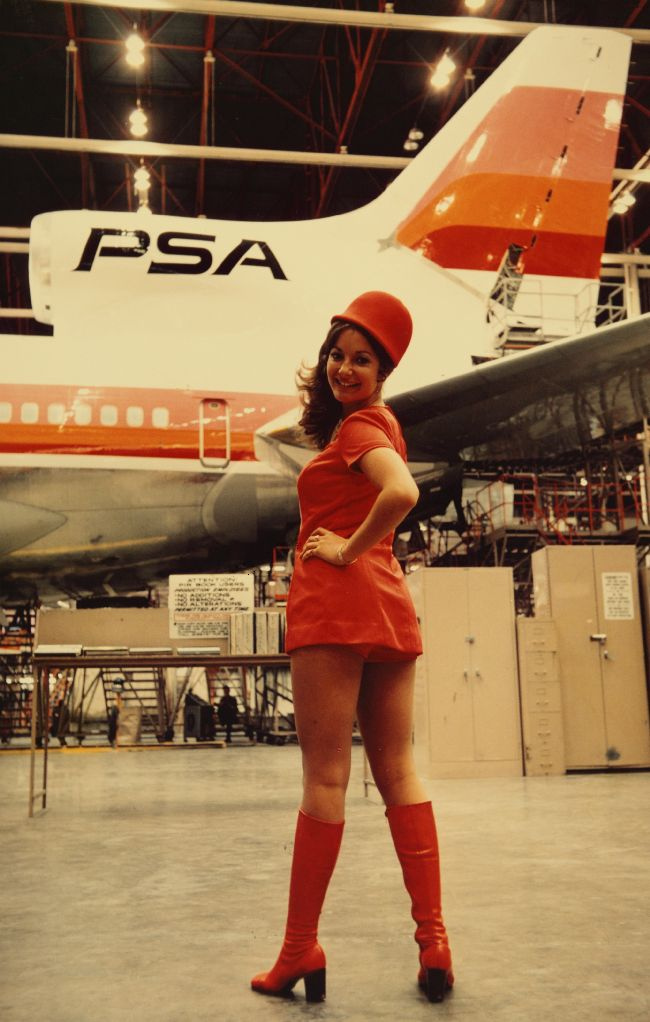
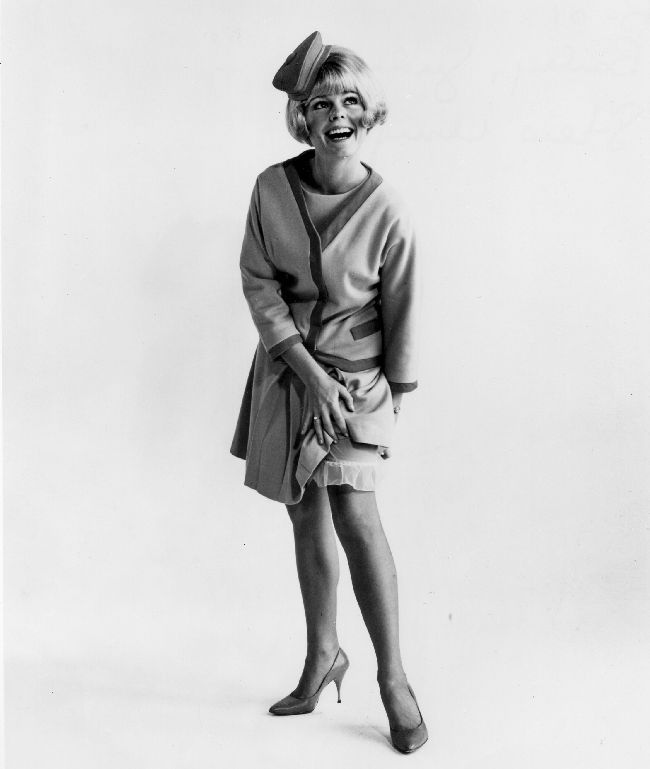
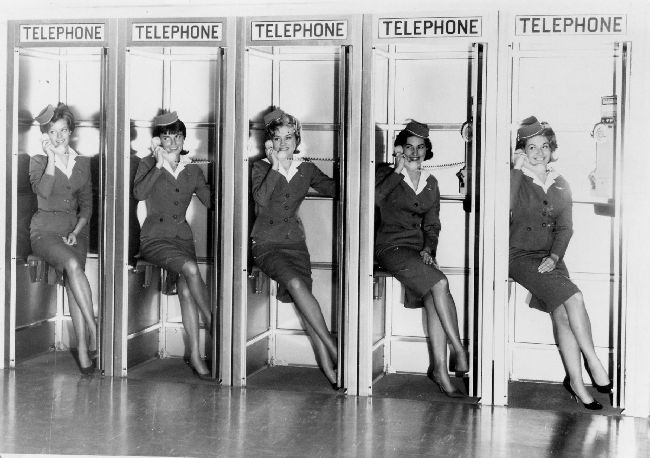
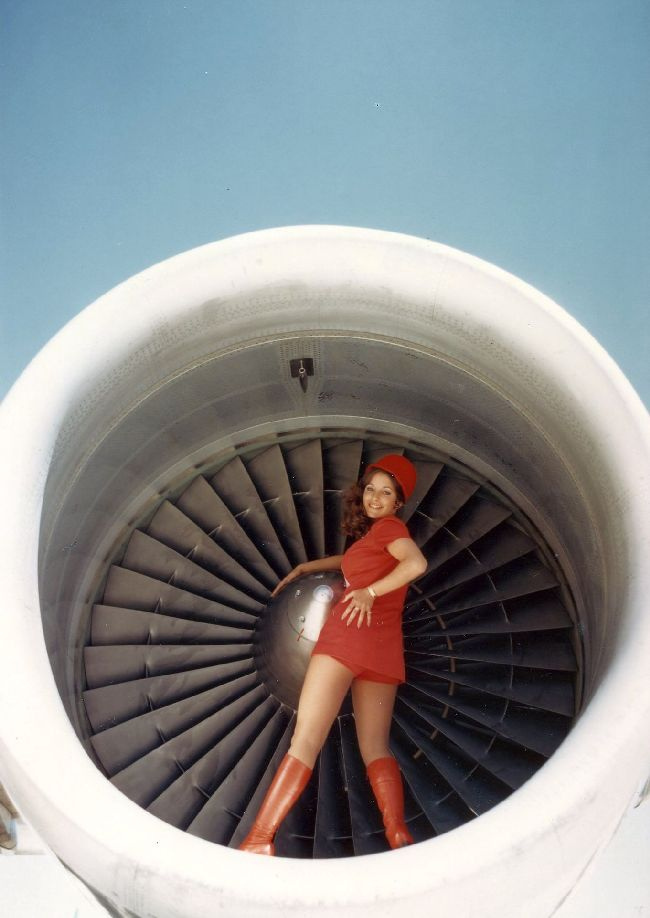
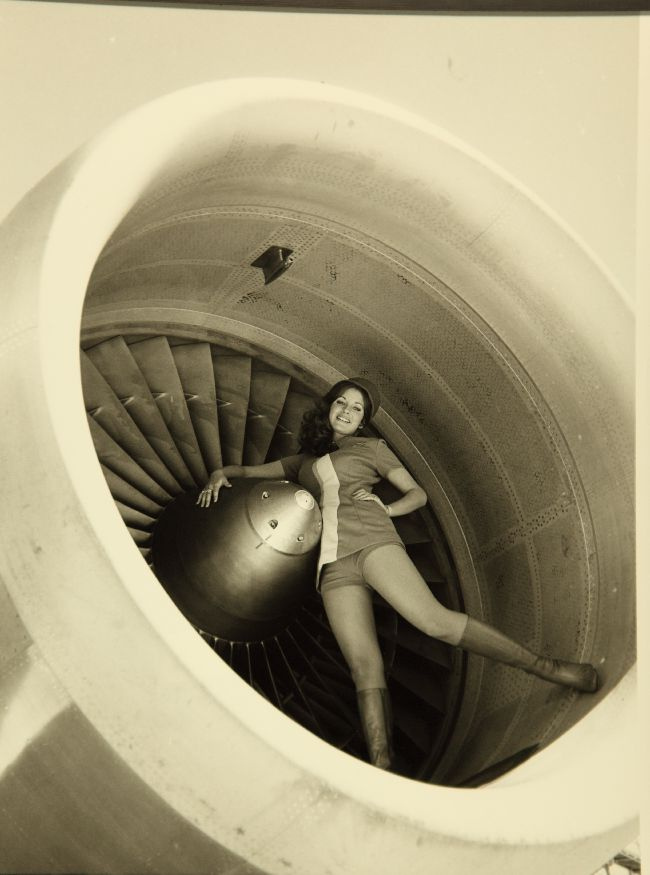
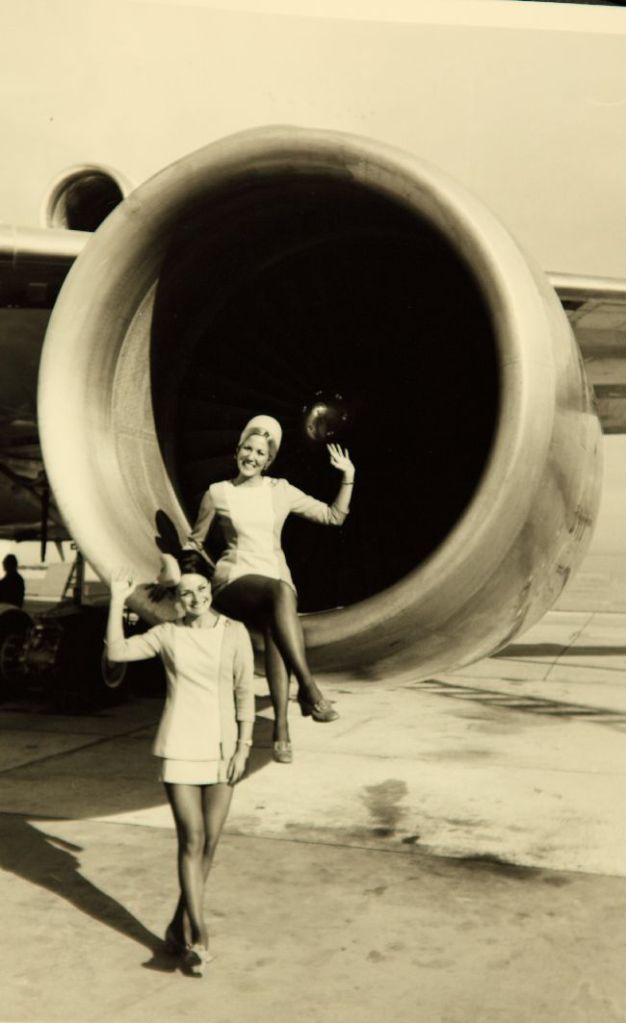
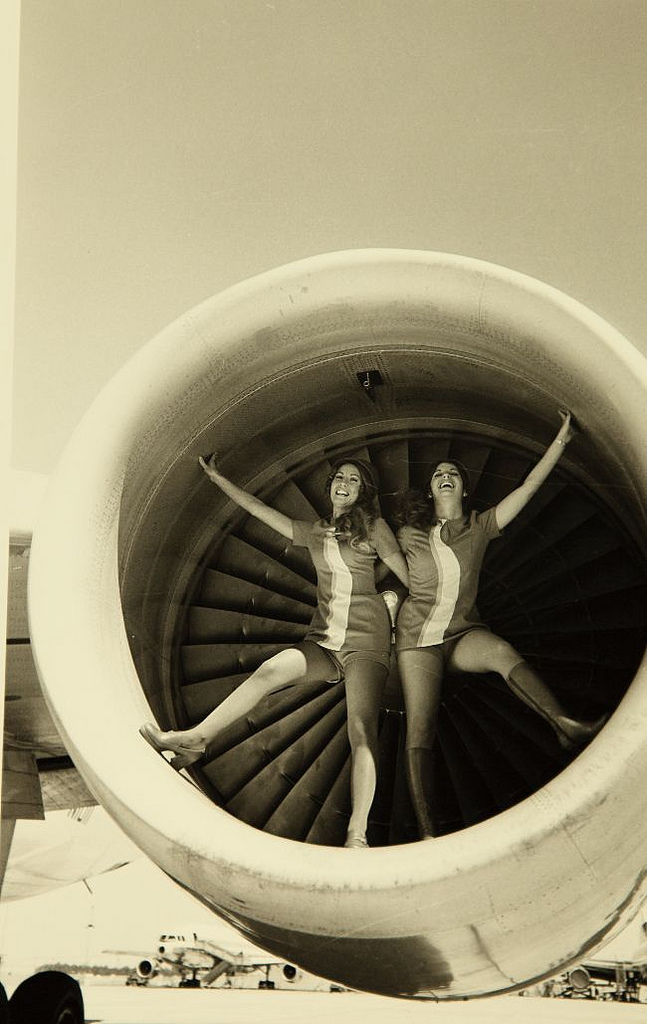
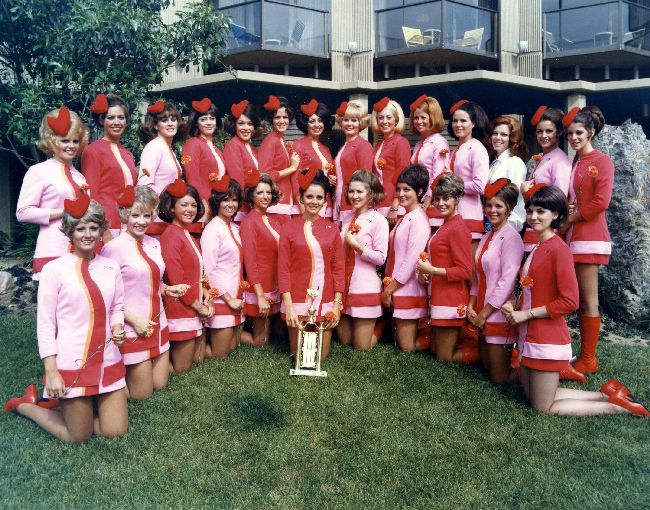
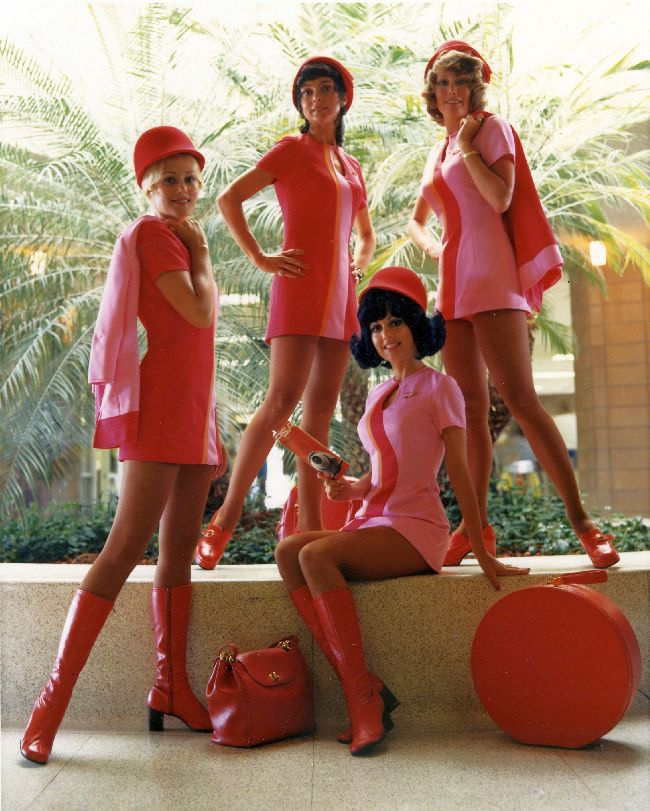
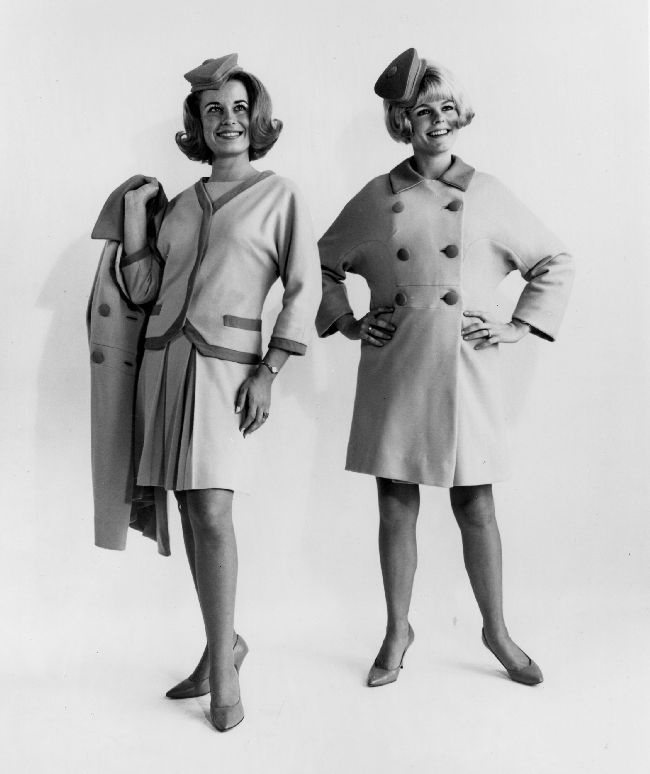
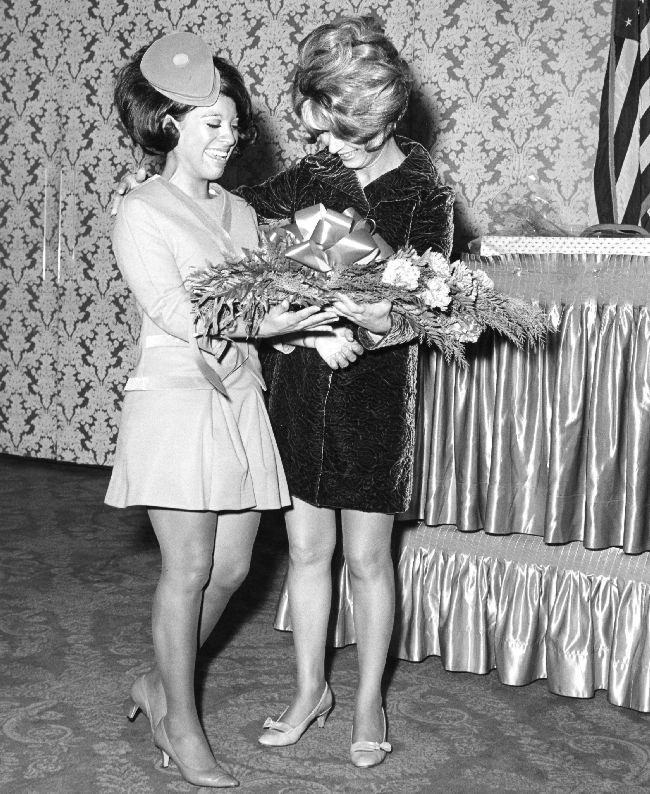
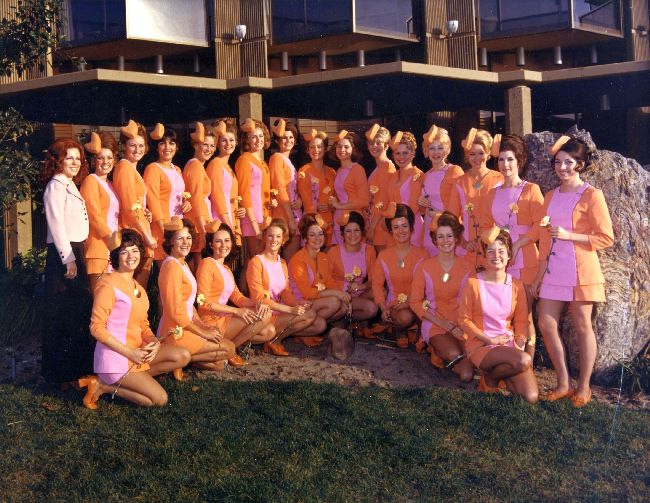
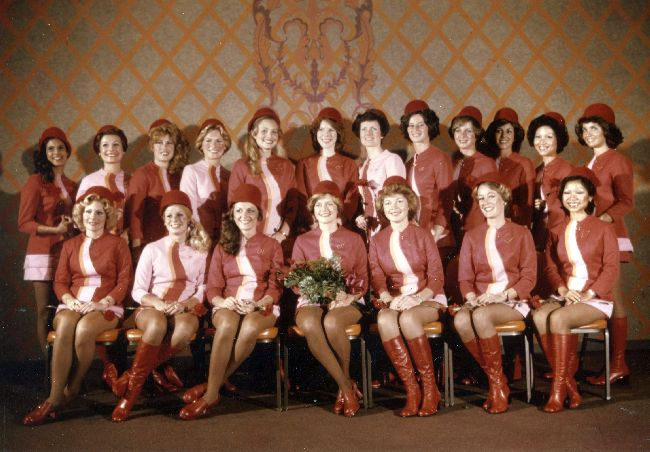
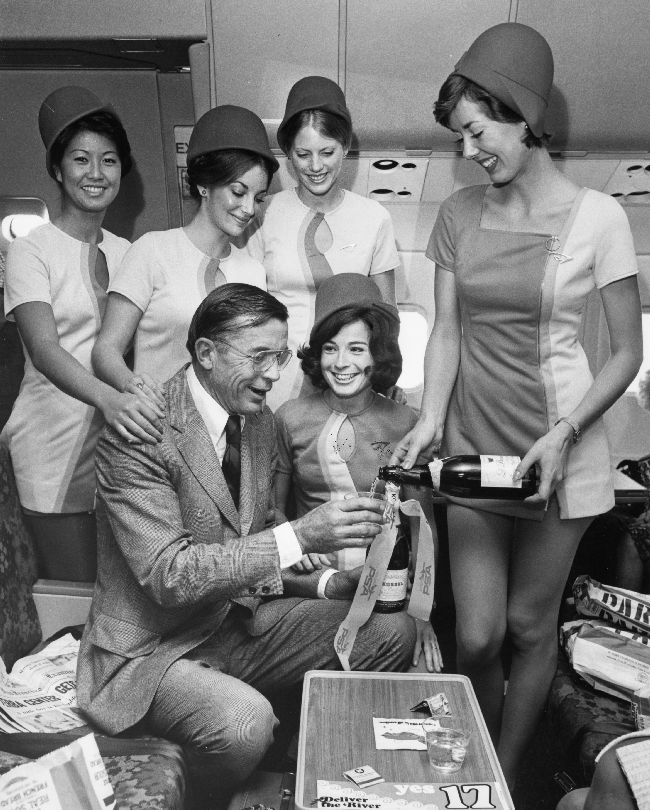
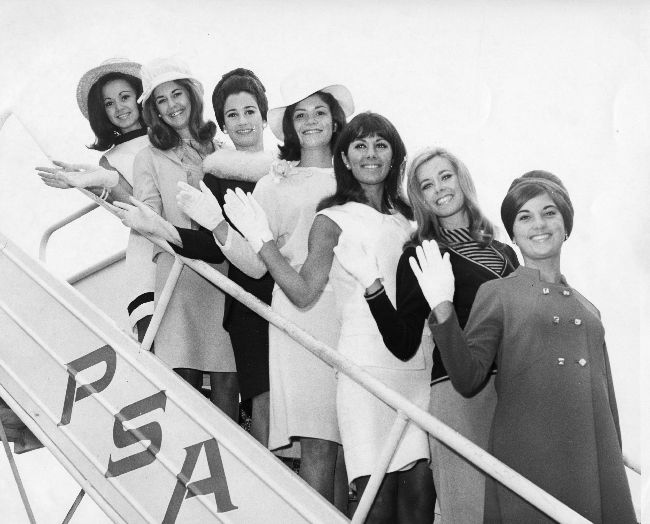
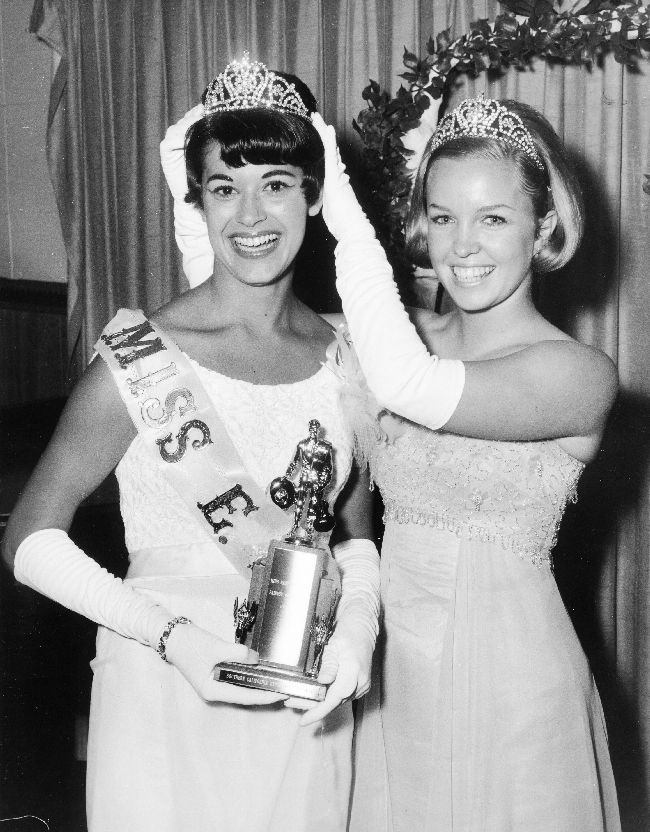
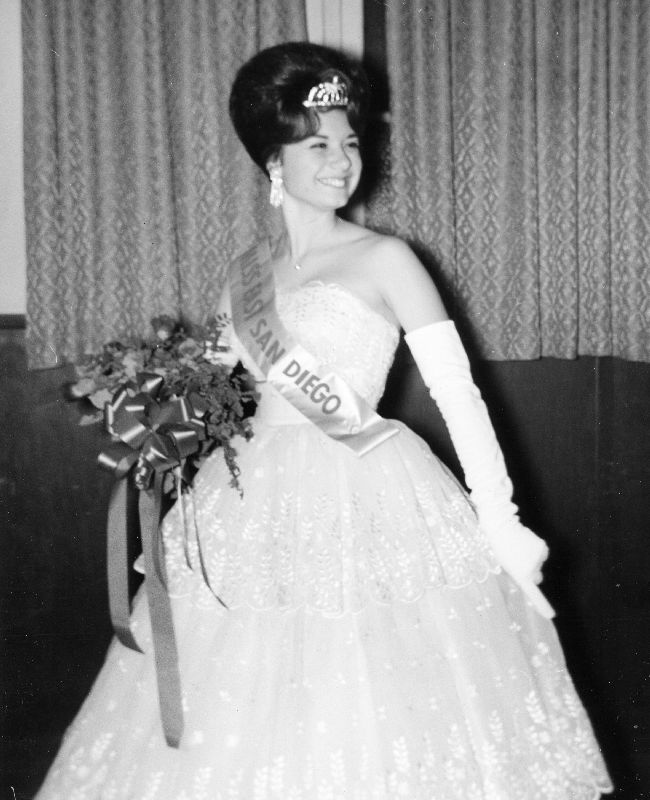
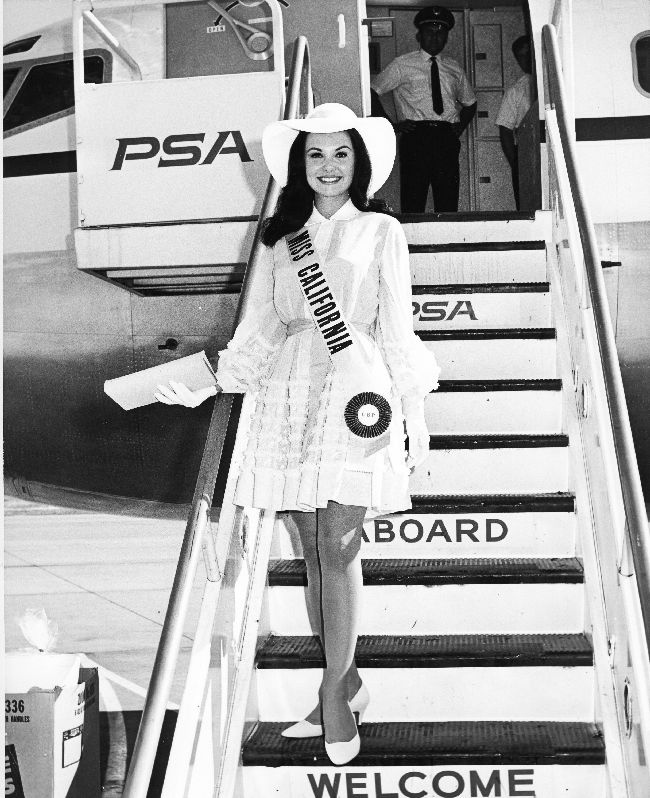
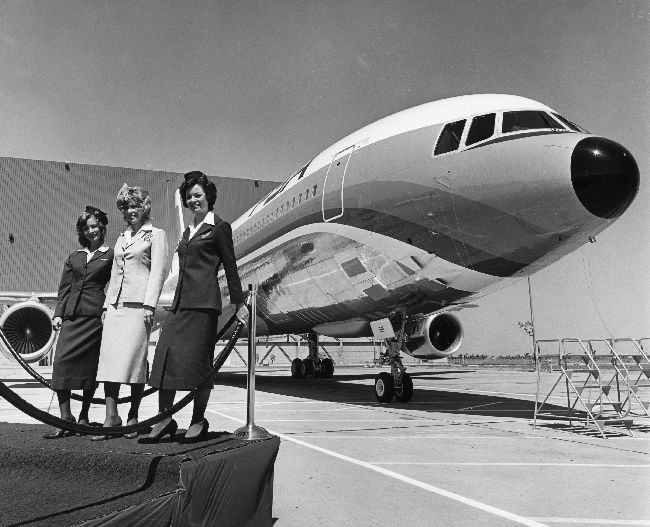
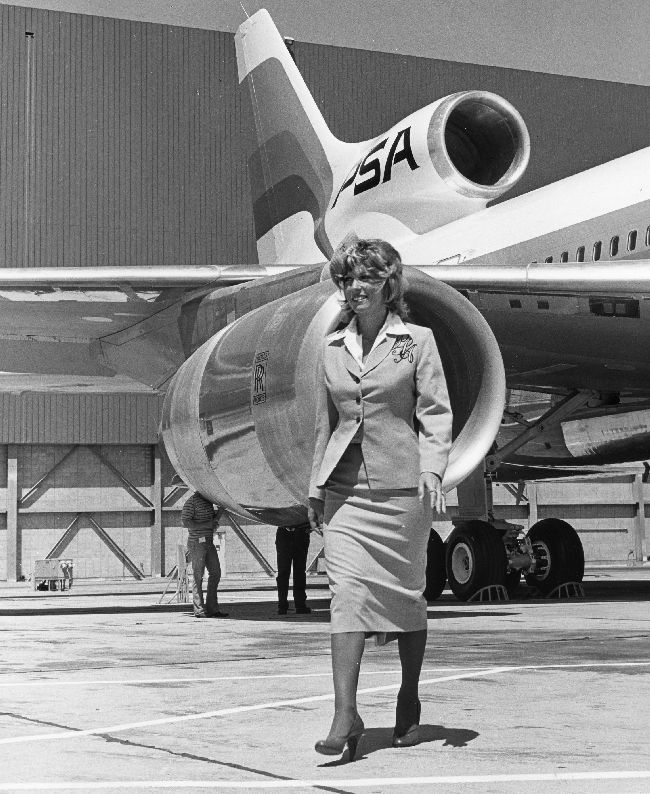
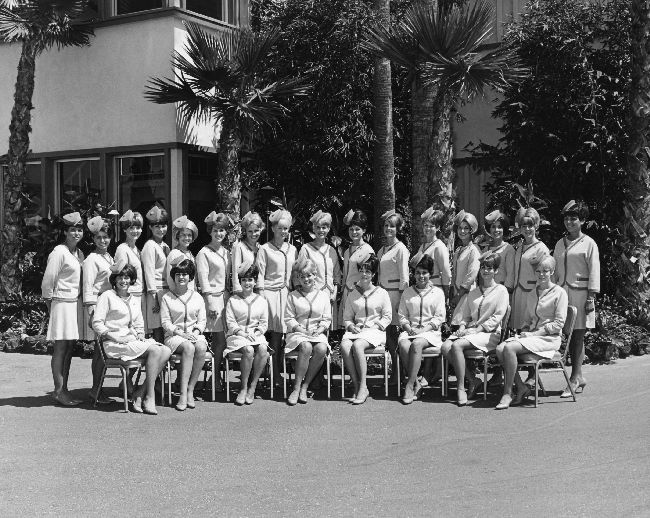
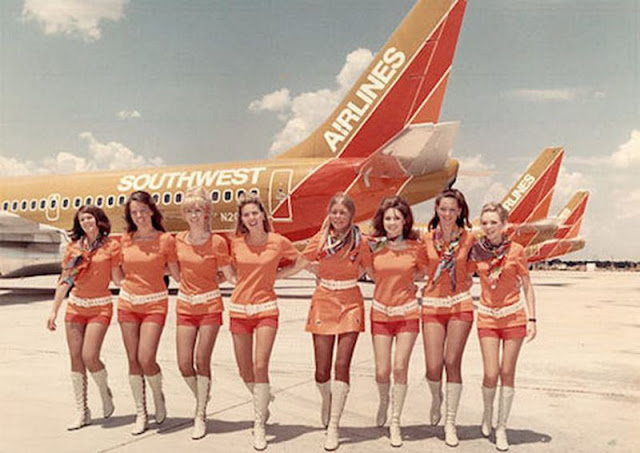
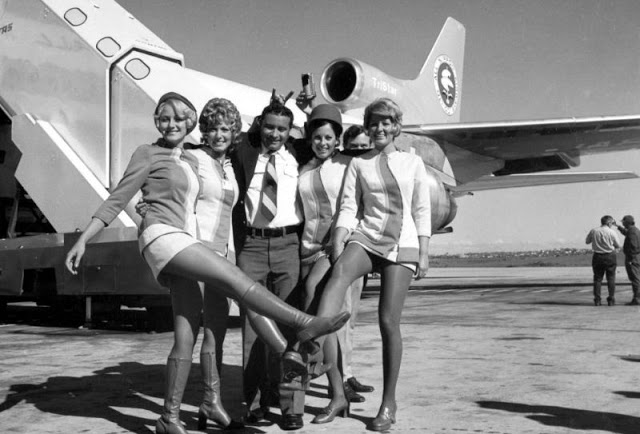
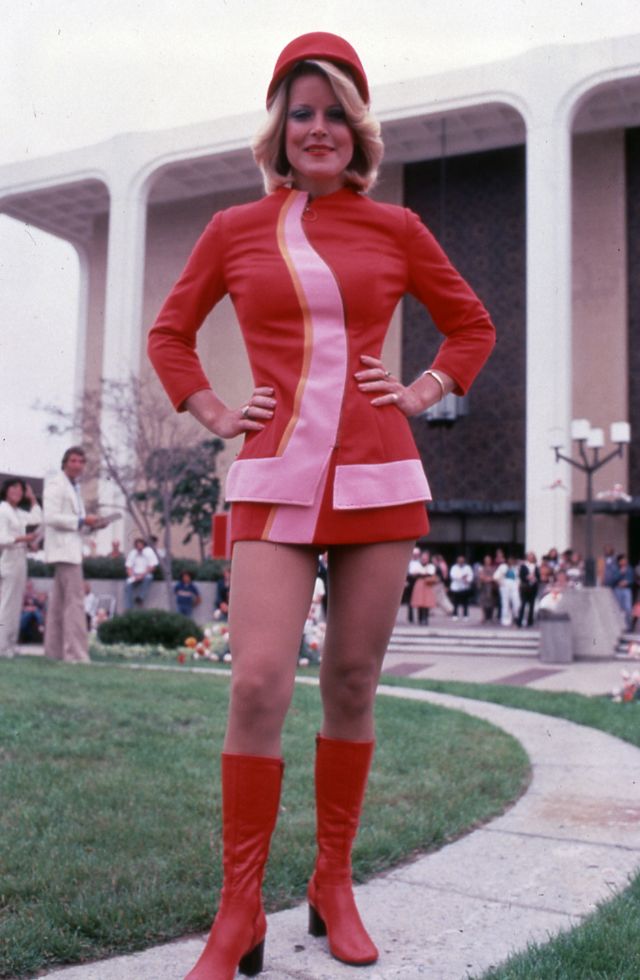
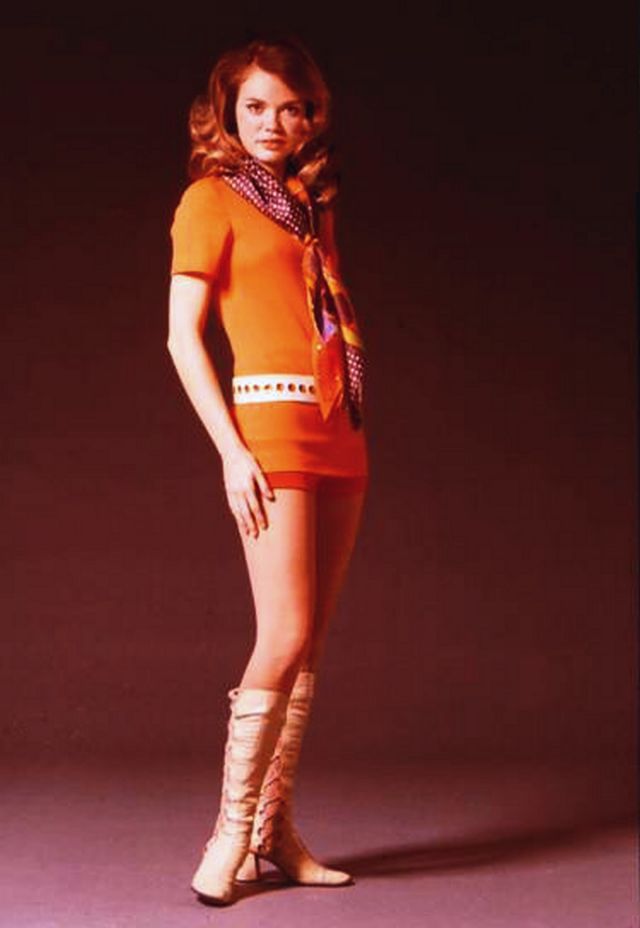
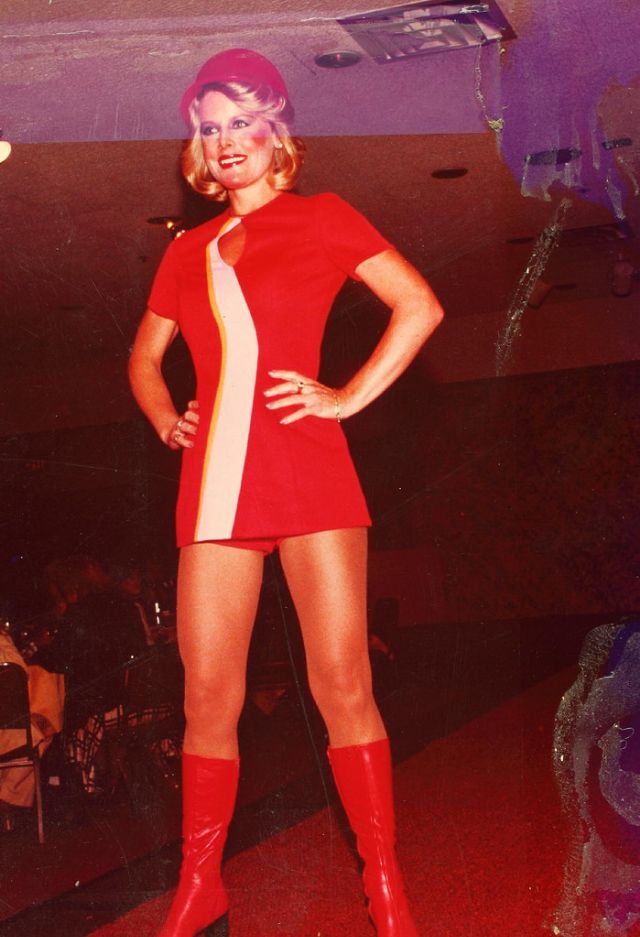
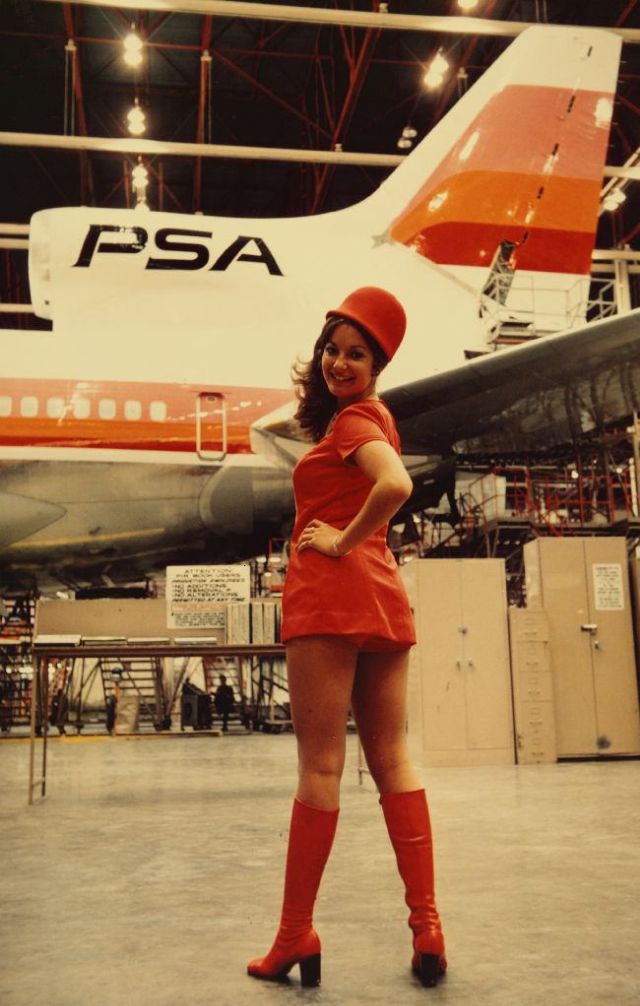
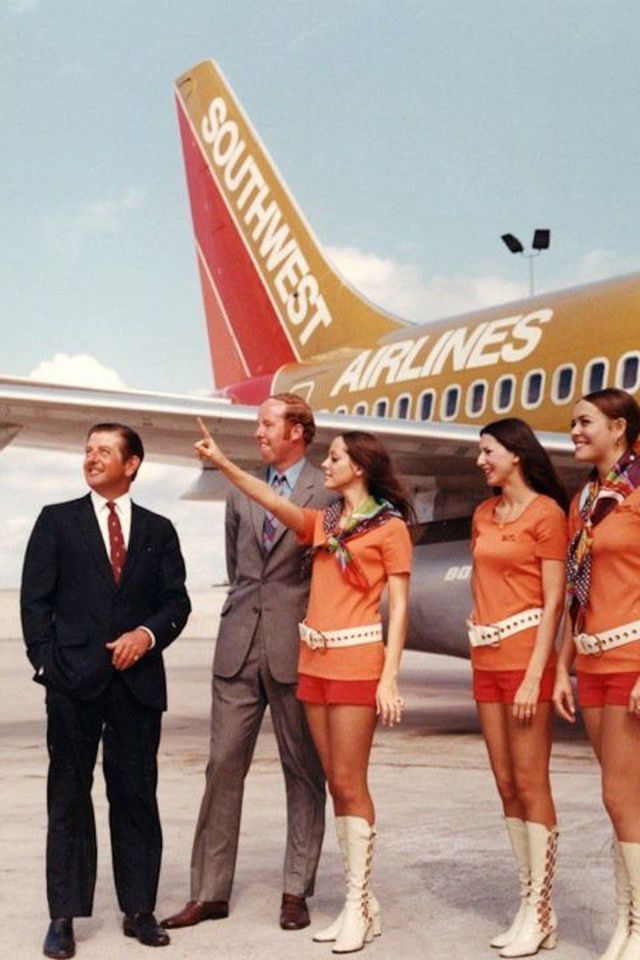
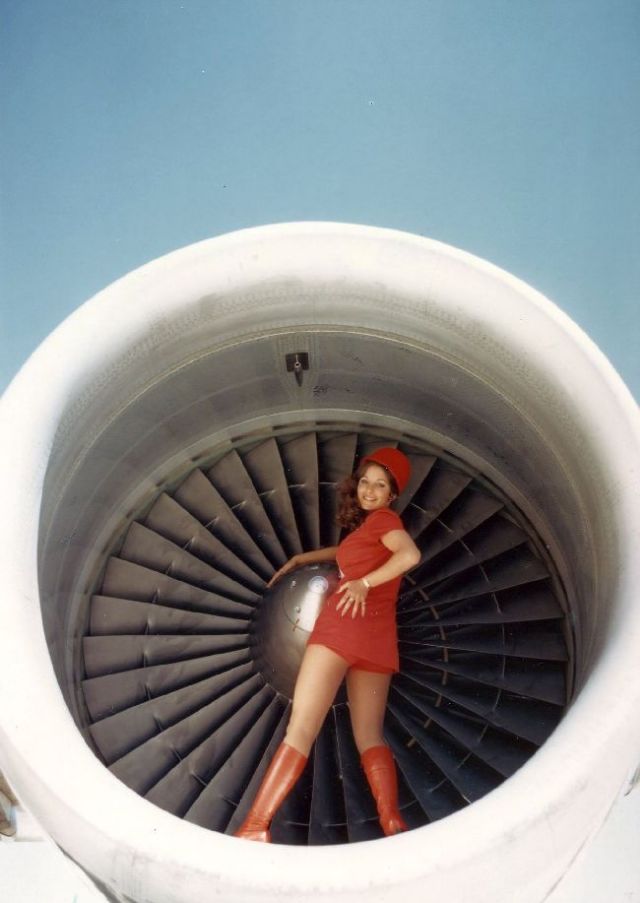
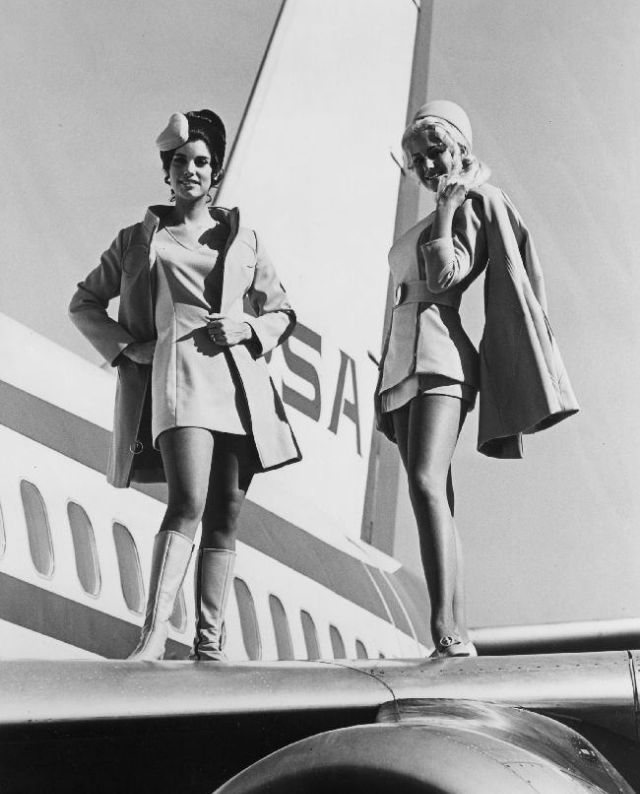
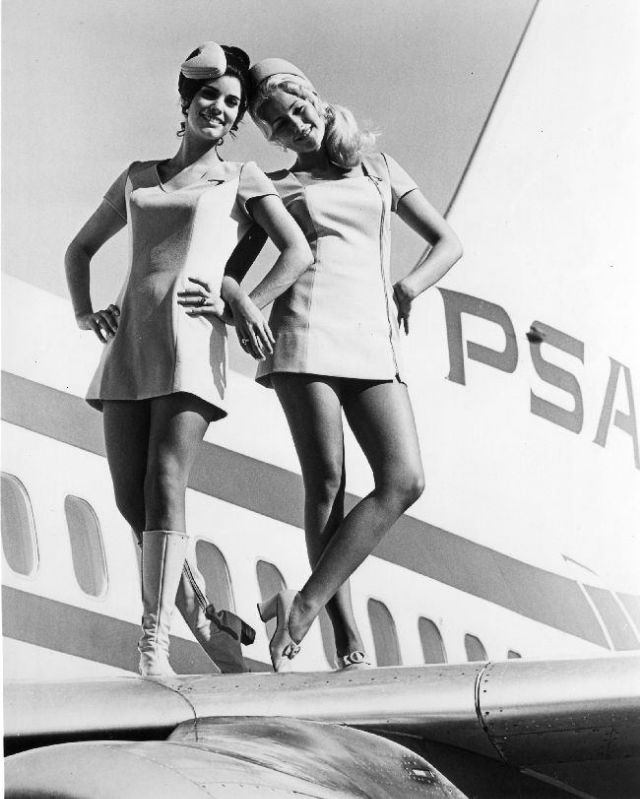
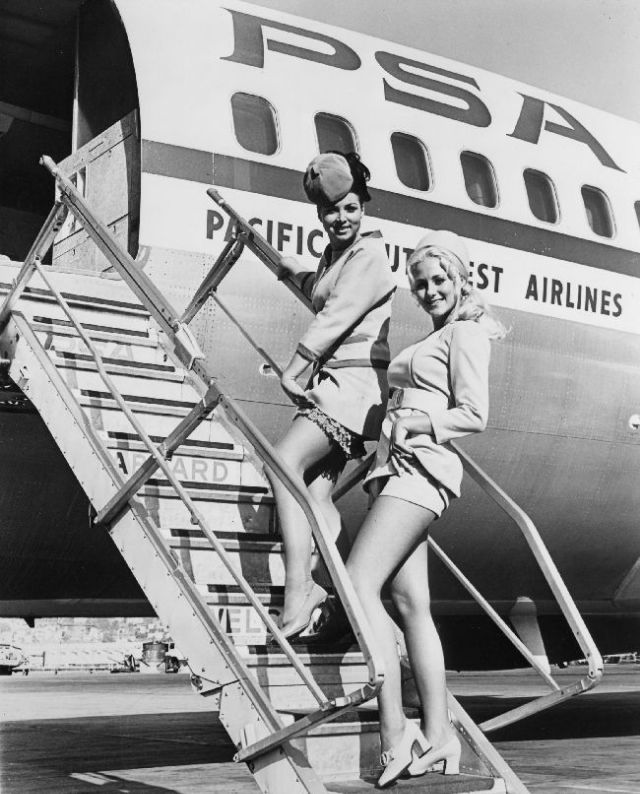
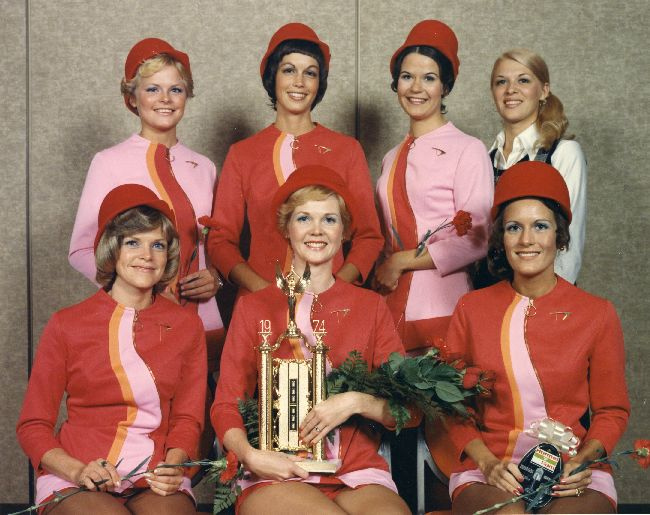
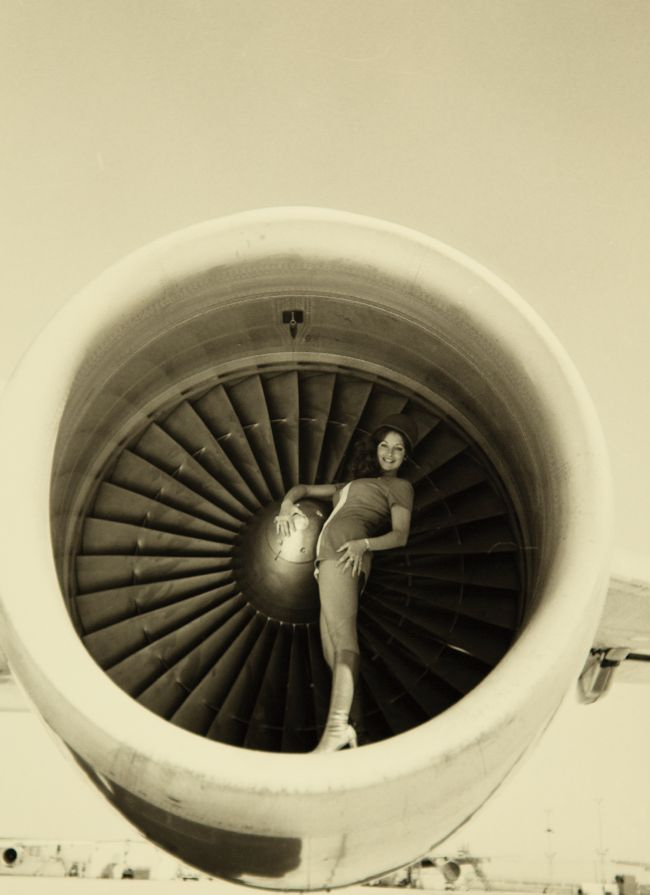
77 Vintage Photos of Lovely Pacific Southwest Airlines Flight Attendants From the 1960s and 1970s

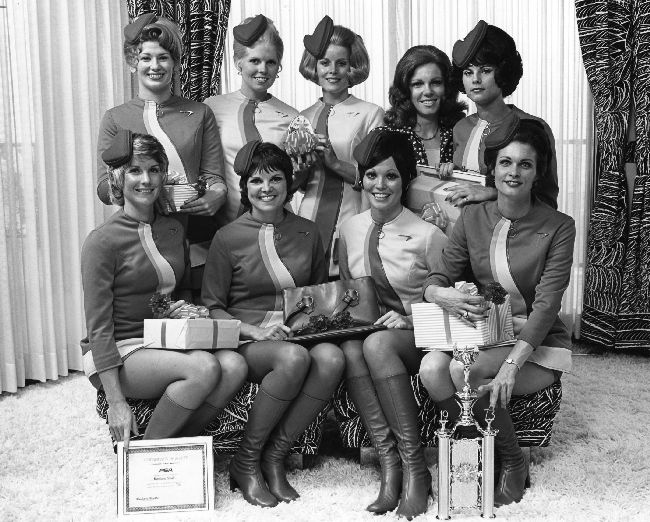
Pacific Southwest Airlines (PSA) was a United States airline headquartered in San Diego, California, that operated from 1949 to 1988. It was the first large discount airline in the United States. PSA called itself “The World’s Friendliest Airline” and painted a smile on the nose of its airplanes, the PSA Grinningbirds. Opinion L.A. of the Los Angeles Times called PSA “practically the unofficial flag carrier airline of California for almost forty years.”

The airline initially operated as an intrastate airline wholly within the state of California. This strategy which avoided the steep costs from federal regulation would later serve as the model for Southwest Airlines, doing in Texas what PSA had done in California. After the Airline Deregulation Act of 1978, PSA expanded to cities in other western states, and eventually to several cities in Mexico.

PSA was purchased by USAir (later re-named US Airways) in 1986 and was fully merged into the airline on April 9, 1988. The PSA acquisition gave USAir a network on the West Coast, and at about the same time, USAir also purchased Piedmont Airlines which gave the carrier a network on the East Coast. The combined airline became one of the world’s largest. US Airways was acquired by America West Airlines in 2005 in a reverse merger, and the combined airline purchased American Airlines in 2015.

American Airlines Group continues to use the PSA name and trademark for its regional airline subsidiary, PSA Airlines which operates flights on behalf of American Eagle. American Airlines also operates an Airbus A319 painted in the PSA Grinningbird scheme, to pay tribute to the airline. (Wikipedia)
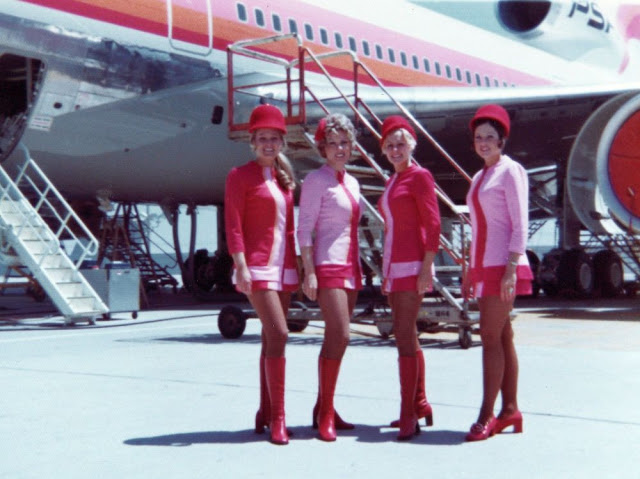
(Photos: San Diego Air and Space Museum Archive)

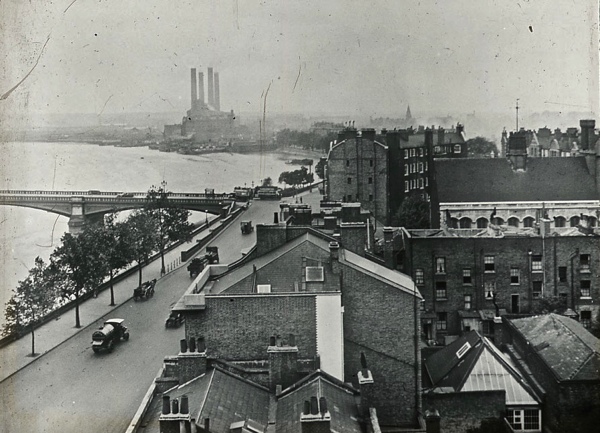
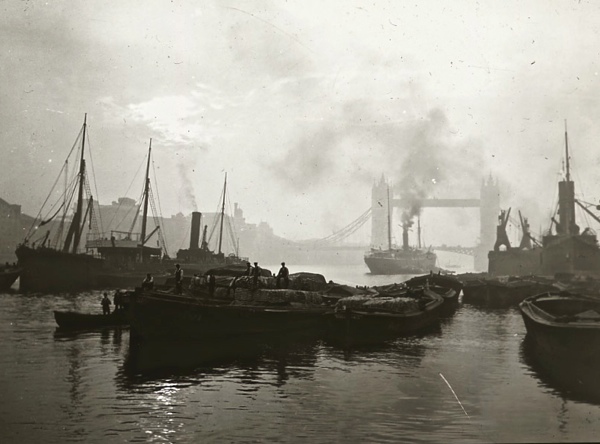
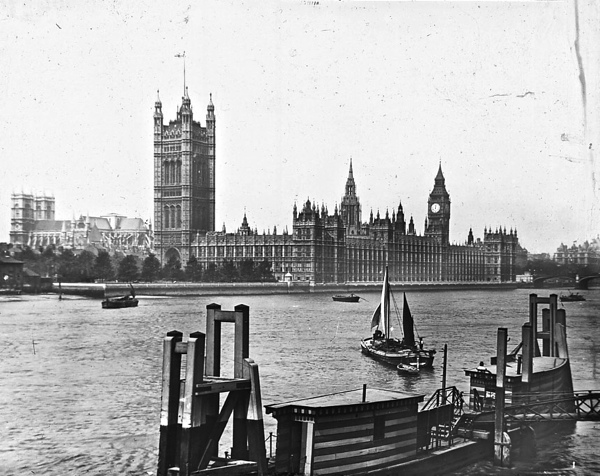
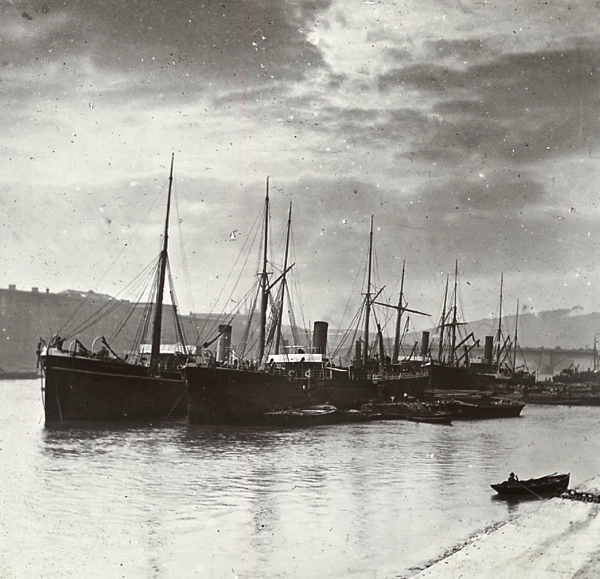
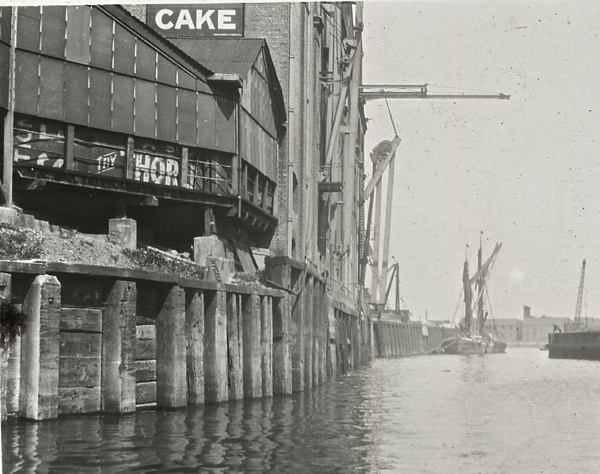
19 Vintage Historical Photos Showing the River Thames During the 1910s and 1920s

The River Thames, known alternatively in parts as the River Isis, is a river that flows through southern England including London. At 215 miles (346 km), it is the longest river entirely in England and the second-longest in the United Kingdom, after the River Severn.

It flows through Oxford (where it is commonly called the Isis), Reading, Henley-on-Thames and Windsor. The lower reaches of the river are called the Tideway, derived from its long tidal reach up to Teddington Lock. It rises at Thames Head in Gloucestershire, and flows into the North Sea via the Thames Estuary. The Thames drains the whole of Greater London.

Its tidal section, reaching up to Teddington Lock, includes most of its London stretch and has a rise and fall of 23 feet (7 m). Running through some of the driest parts of mainland Britain and heavily abstracted for drinking water, the Thames’ discharge is low considering its length and breadth: the Severn has a discharge almost twice as large on average despite having a smaller drainage basin. In Scotland, the Tay achieves more than double the Thames’ average discharge from a drainage basin that is 60% smaller.

Along its course are 45 navigation locks with accompanying weirs. Its catchment area covers a large part of south-eastern and a small part of western England; the river is fed by at least 50 named tributaries. The river contains over 80 islands. With its waters varying from freshwater to almost seawater, the Thames supports a variety of wildlife and has a number of adjoining Sites of Special Scientific Interest, with the largest being in the North Kent Marshes and covering 5,289 hectares (20.4 sq mi). (Wikipedia)
Oxford & Cambridge Boat Race at Putney Bridge, c. 1910
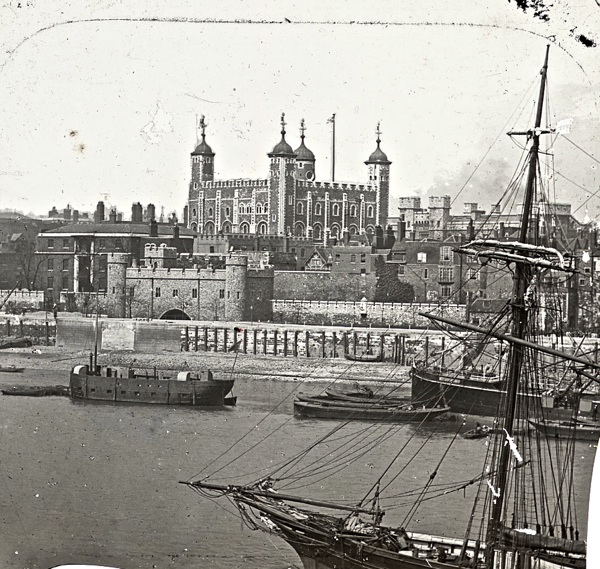
Tower of London from the river, 1910
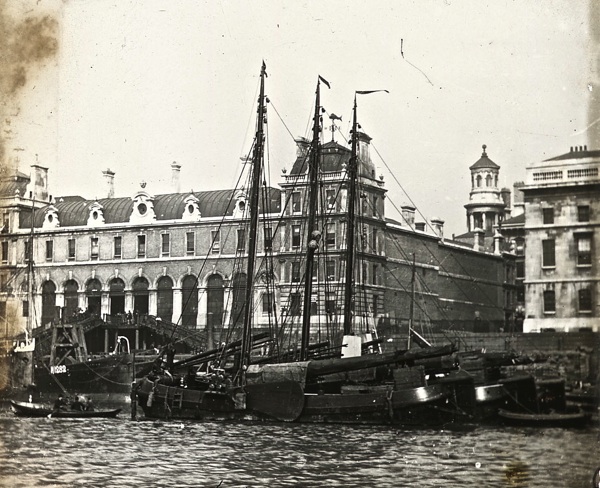
Billingsgate Market, c. 1910
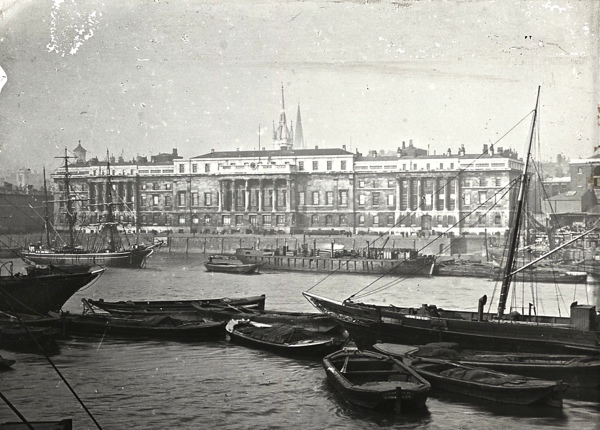
Customs House, c. 1910
Lots Rd and Battersea Bridge, c. 1910
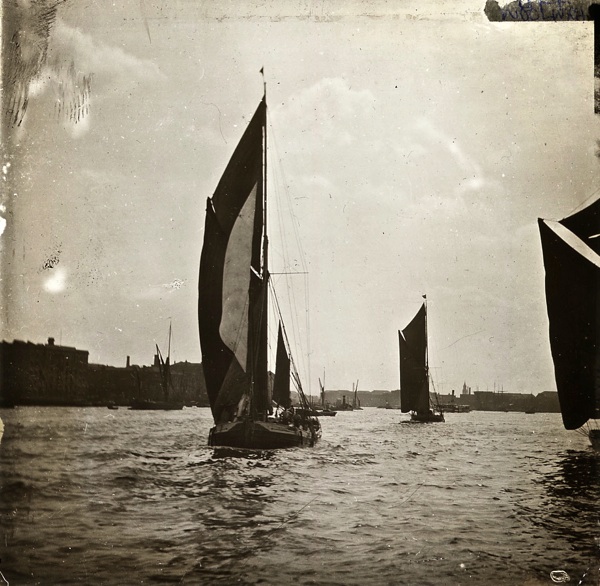
Shipping near Tower Bridge, c. 1910
Tower of London from the Thames, c.1910
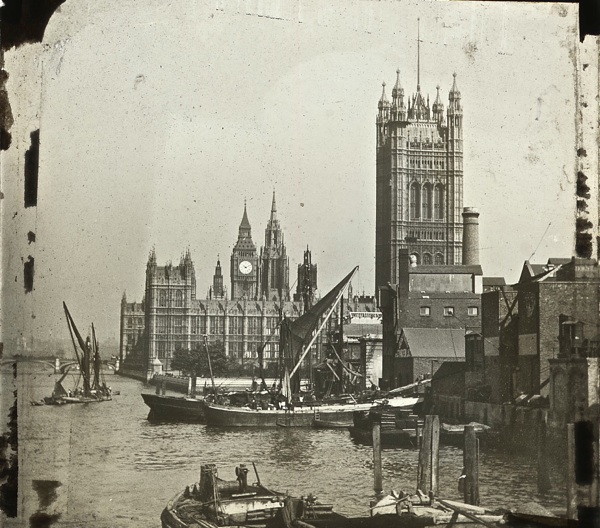
Houses of Parliament from South Bank, c. 1910
London Docks, c. 1920
Off Woolwich, c.1920
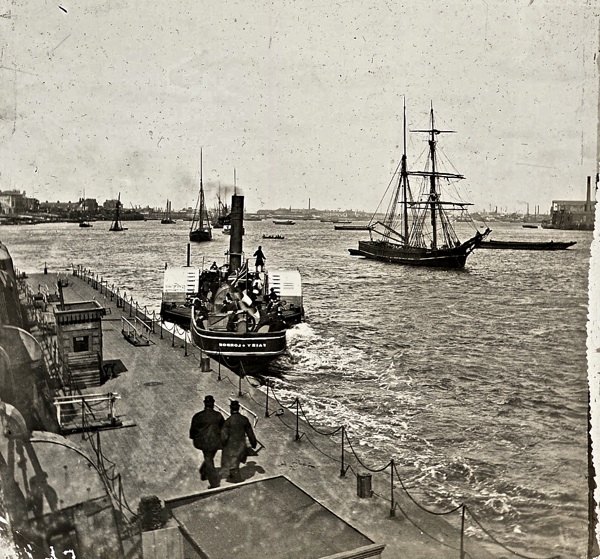
Greenwich pier, c. 1920
Ice floes on the Thames, c. 1920
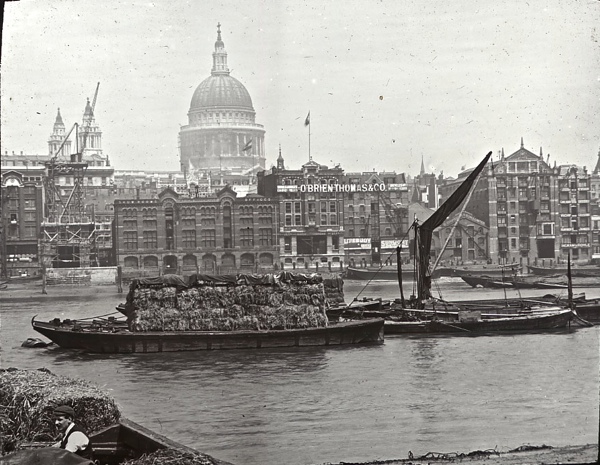
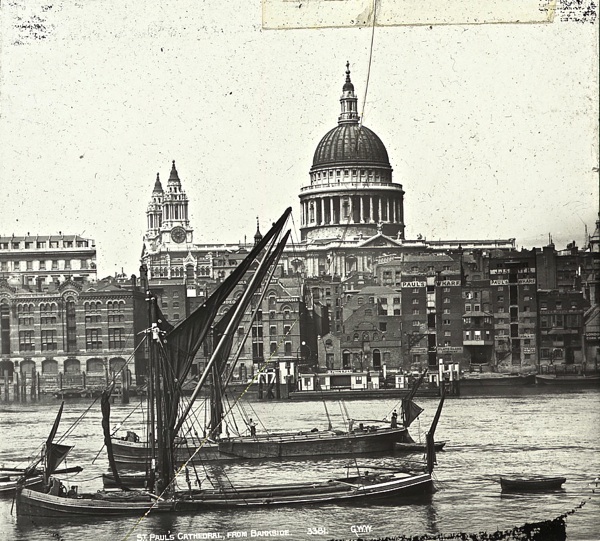
St Paul’s Cathedral from Bankside, c. 1920
St Paul’s Cathedral from Waterloo Bridge, c. 1920
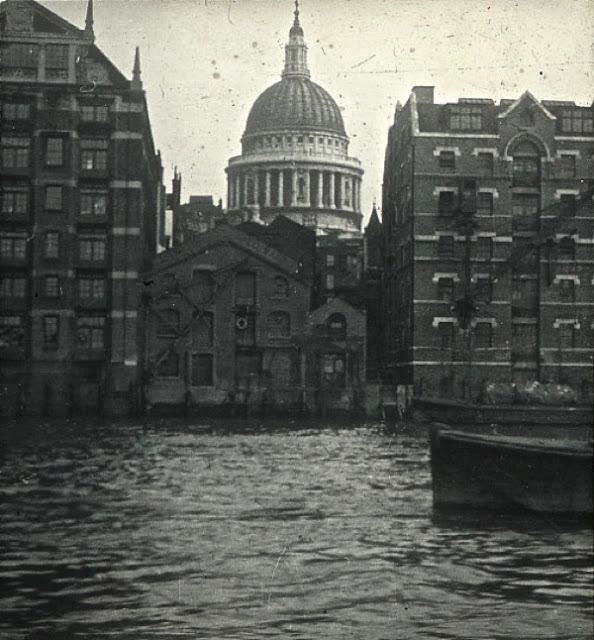
St Paul’s Cathedral from the river, c. 1920
Victoria Embankment, c. 1920
Wandsworth Creek, c, 1920
St Paul’s Cathedral from Bankside, c. 1910

35 Amazing Quotes to Live by.

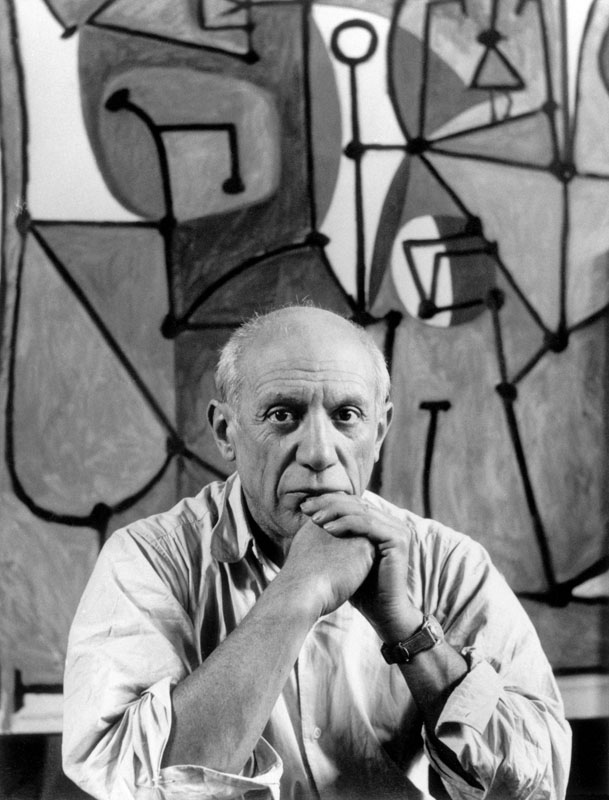
“Only put off until tomorrow what you are willing to die having left undone.” Pablo Picasso
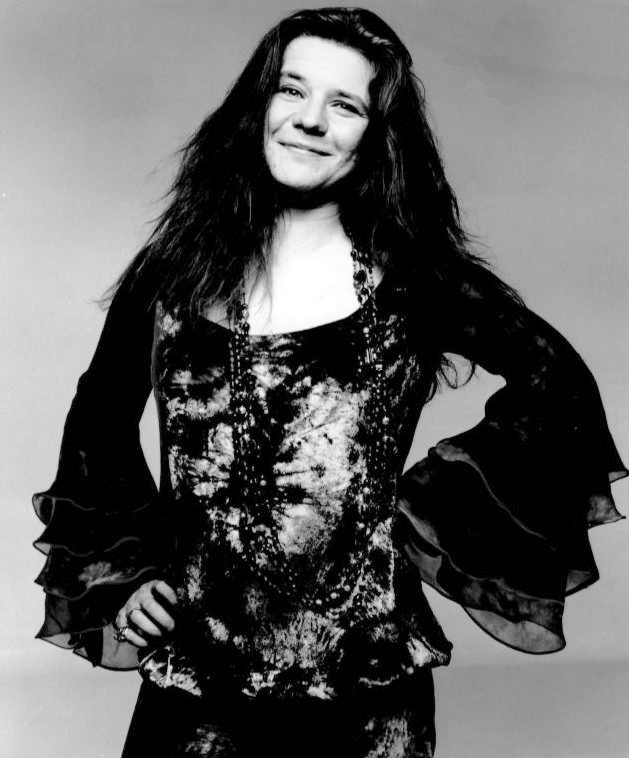
“Don’t compromise yourself. You are all you’ve got.” Janis Joplin
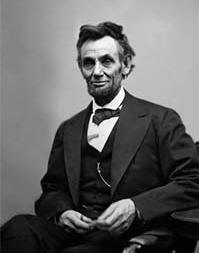
“Those who deny freedom to others, deserve it not for themselves.” Abraham Lincoln
“Wine; a constant proof that God loves us, and loves to see us happy.” — Benjamin Franklin
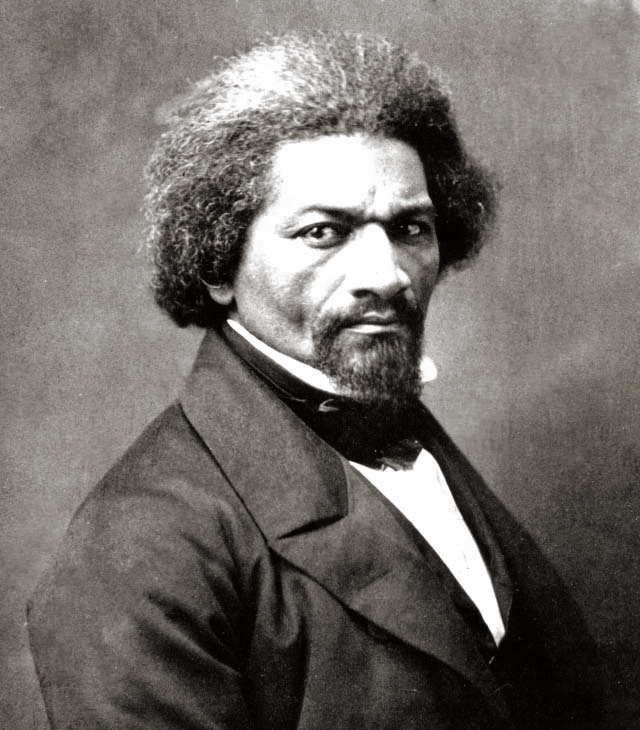
“If there is no struggle, there is no progress.” Frederick Douglass
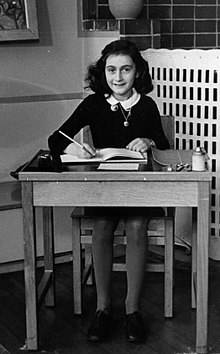
“In spite of everything, I still believe people are really good at heart.” — Anne Frank
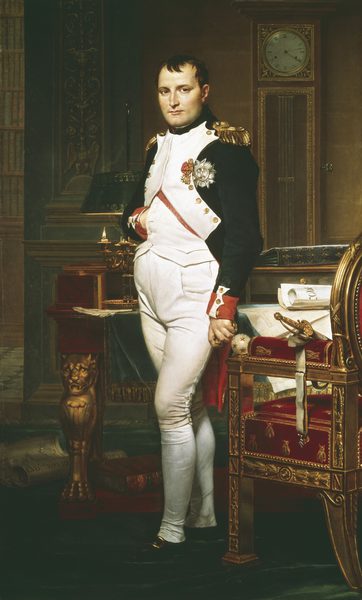
“Never interrupt your enemy when he’s making a mistake.” Napoleon Bonaparte
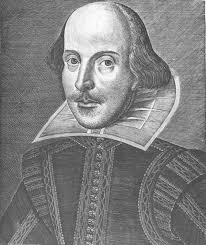
“Love all, trust a few, do wrong to none.” William Shakespeare
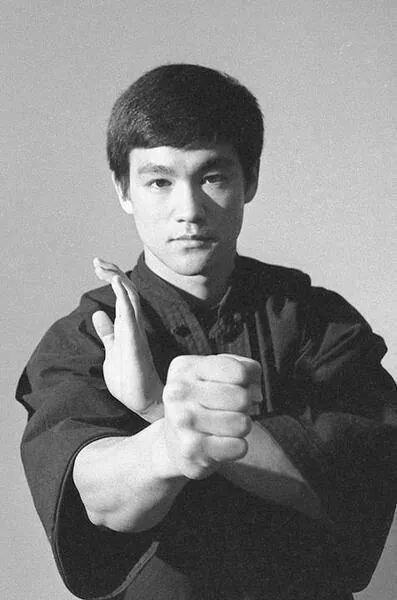
“The successful warrior is the average man, with laser-like focus.” Bruce Lee
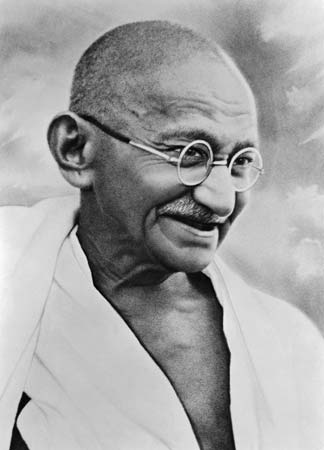
“Live as if you were to die tomorrow. Learn as if you were to live forever.” Mahatma Gandhi
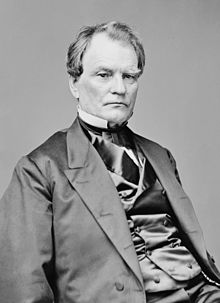
“Go to heaven for the climate, and hell for the company.” Benjamin Franklin Wade
“Love lights more fires than hate extinguishes.” Ella Wheeler Wilcox
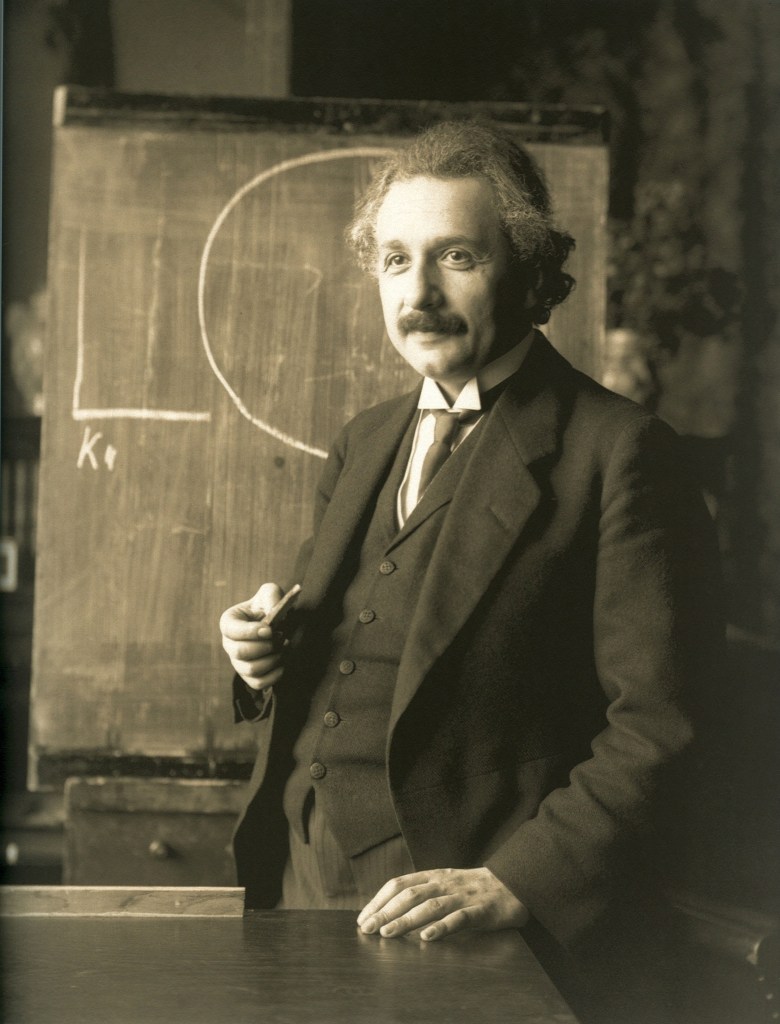
“If you can’t explain it simply, then you don’t understand it well enough.” Albert Einstein
“The truth is the kindest thing we can give folks in the end.” Harriet Beecher Stowe
“Hate… injures the hater more than it injures the hated.” Coretta Scott King
“Anticipation, I suppose, sometimes exceeds realization.” Amelia Earhart
“Nothing has ever been achieved by the person who says, ‘It can’t be done.'” Eleanor Roosevelt
“I attribute my success to this: I never gave or took an excuse.” Florence Nightingale
“Never give an order that can’t be obeyed.” Douglas MacArthur
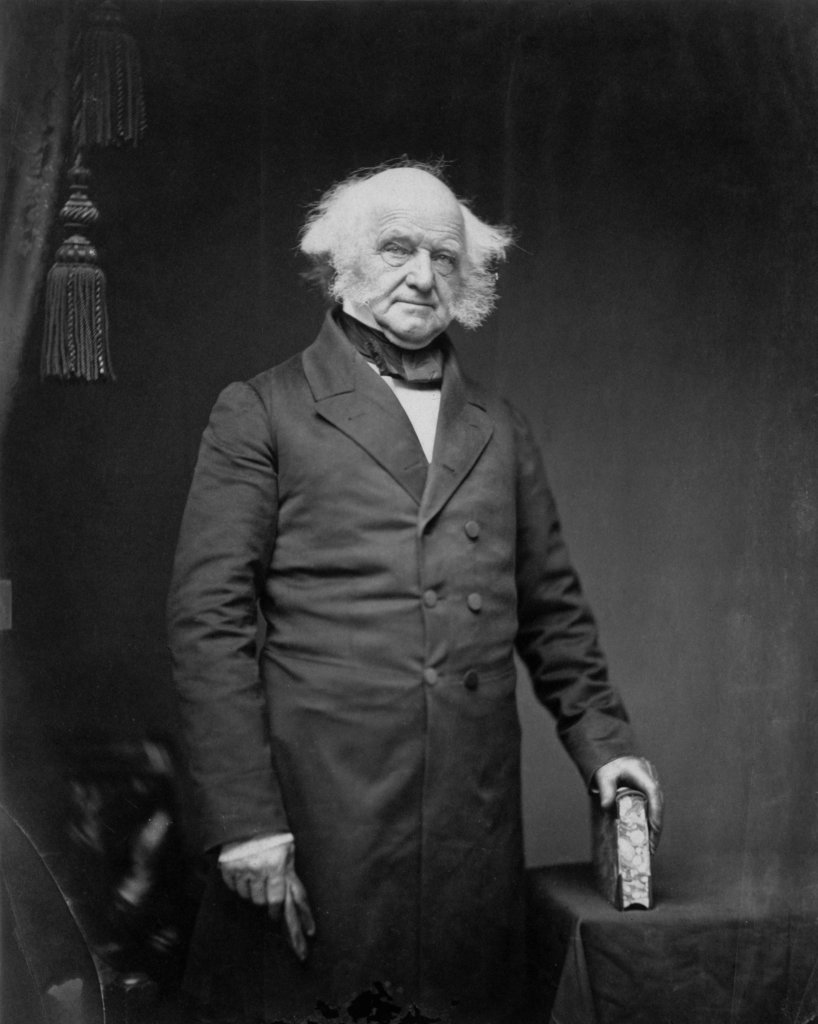
“It is easier to do a job right, than explain why you didn’t.” Martin Van Buren
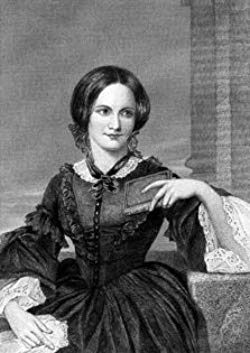
“I would always rather be happy than dignified.” Charlotte Brontë
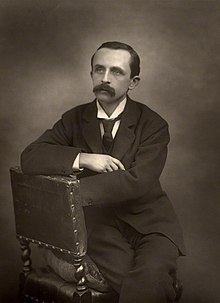
“To die will be an awfully big adventure.” J.M.Barrie
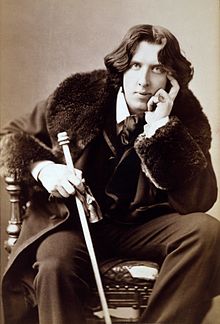
“We are all in the gutter, but some of us are looking at the stars.” Oscar Wilde
“Knowledge comes, but wisdom lingers.” Alfred, Lord Tennyson
“Maybe everybody in the whole damn world is scared of each other.” John Steinbeck
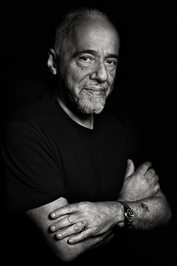
“Nothing in the world is ever completely wrong. Even a stopped clock is right twice a day.” Paulo Coelho
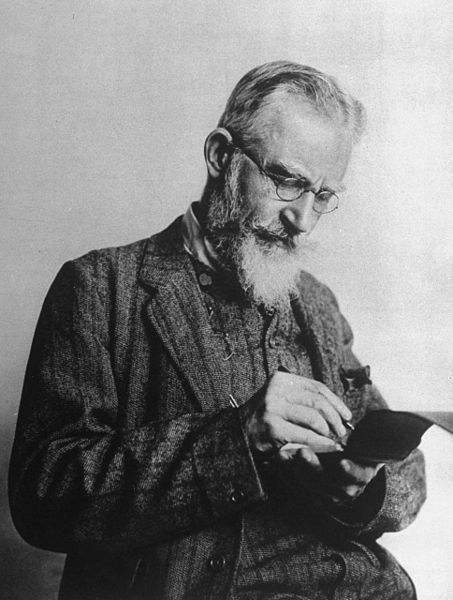
“Life isn’t about finding yourself. Life is about creating yourself.” George Bernard Shaw
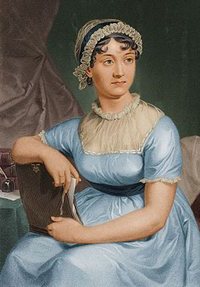
“What are men to rocks and mountains?” Jane Austen
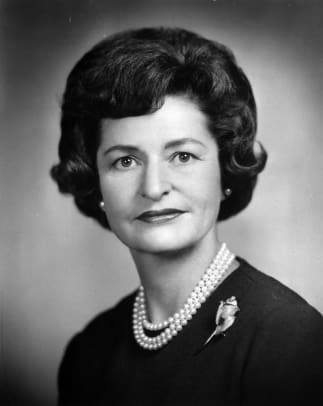
“The clash of ideas is the sound of freedom.” Claudia Alta “Lady Bird” Johnson
“The circulation of confidence is better than the circulation of money.” James Madison
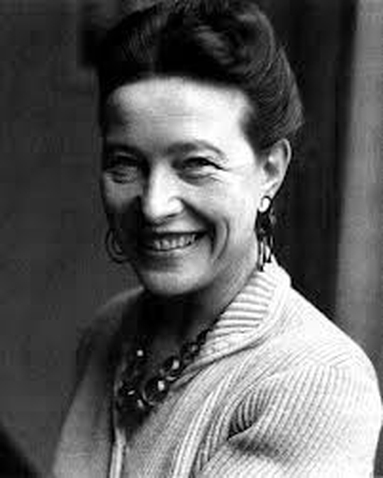
“All oppression creates a state of war.” Simone de Beauvoir
“Leadership and learning are indispensable to each other.” John F. Kennedy
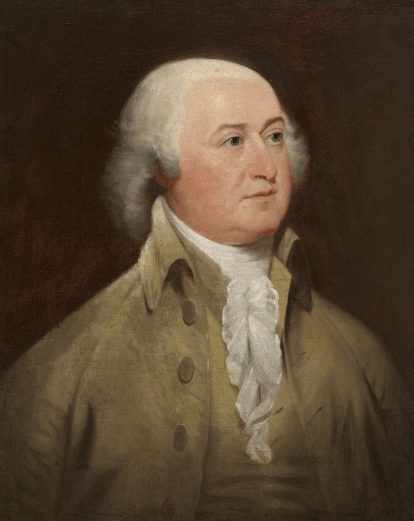
“To be good, and to do good, is all we have to do.” John Adams
“The secret to getting ahead is getting started.” Mark Twain
“Knowledge speaks, but wisdom listens.” Jimi Hendrix

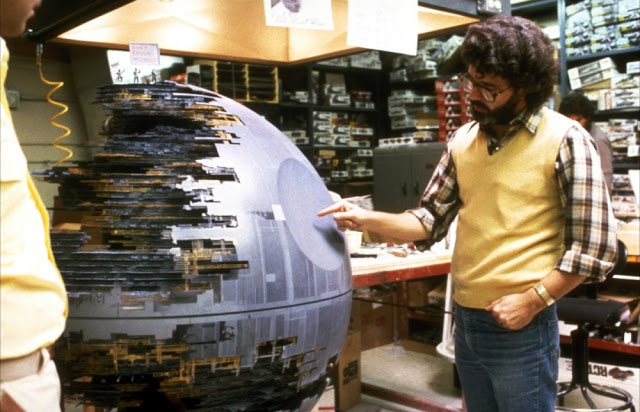
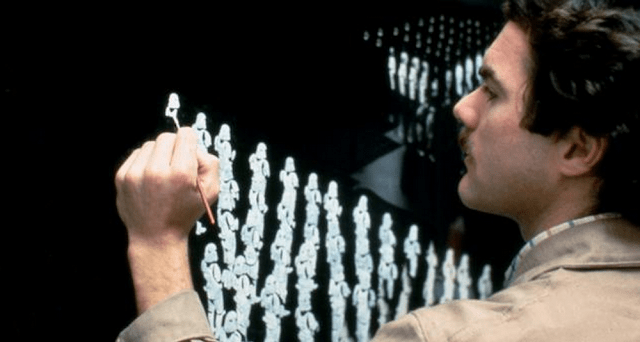
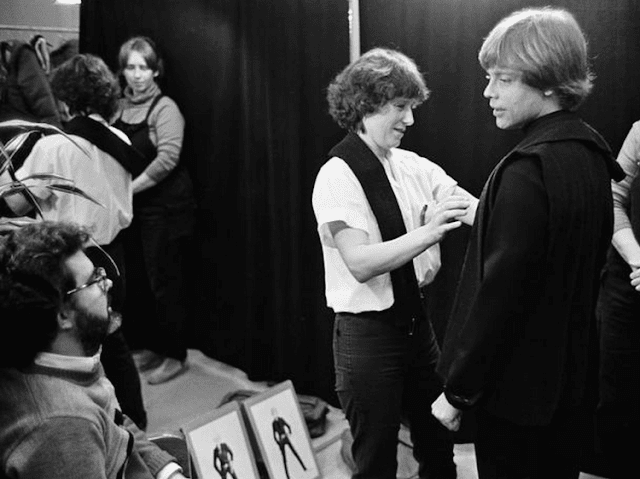
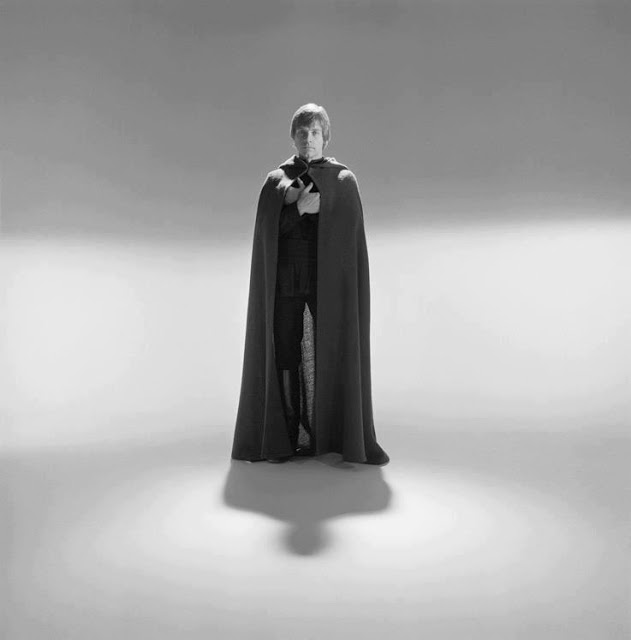
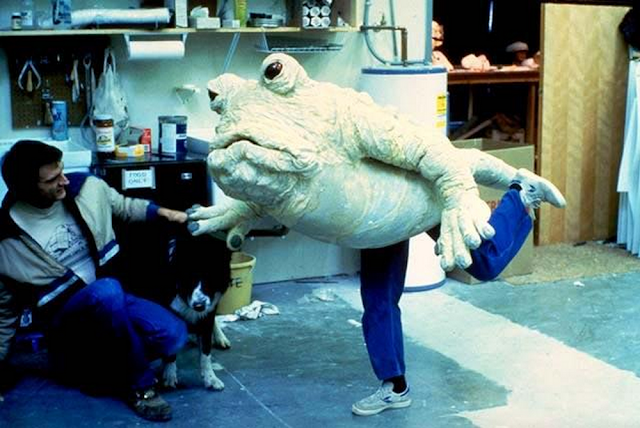
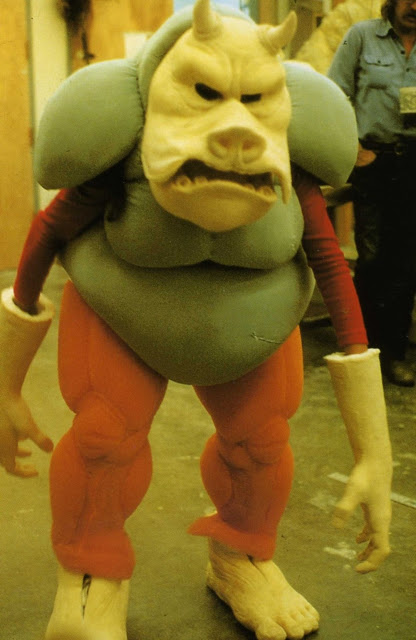
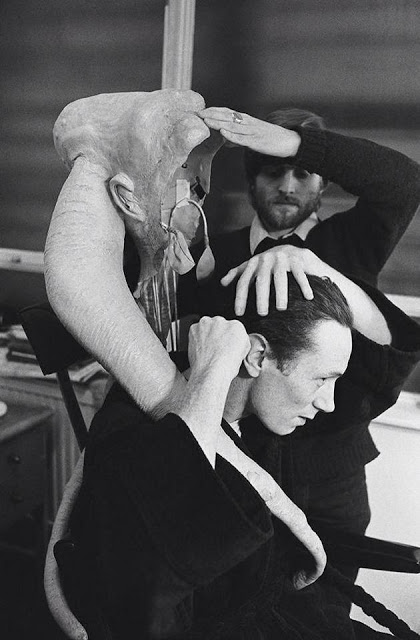
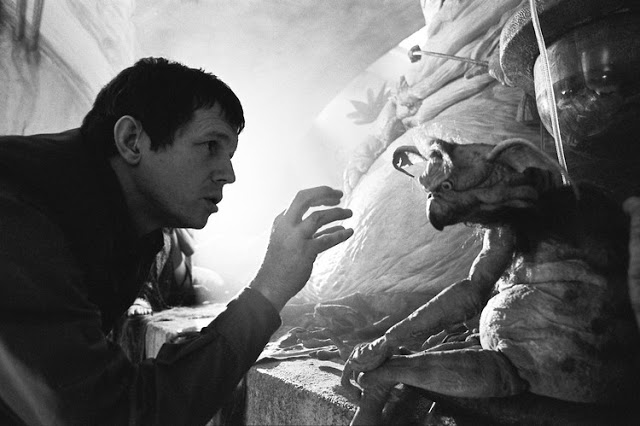
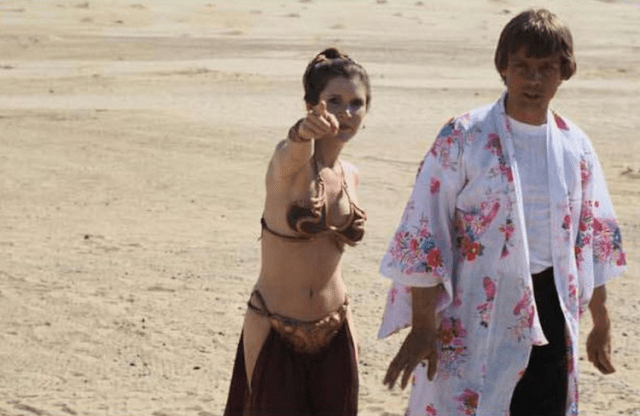
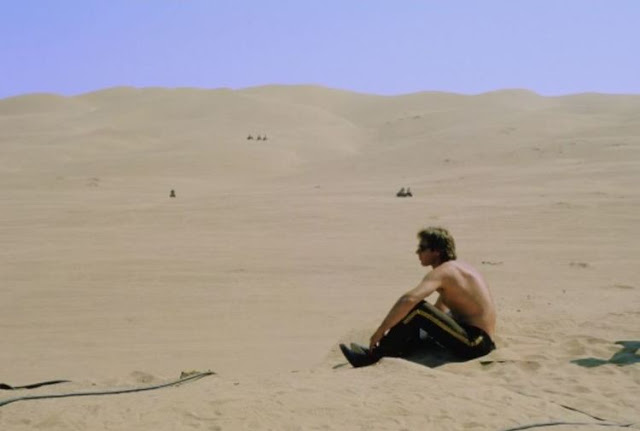
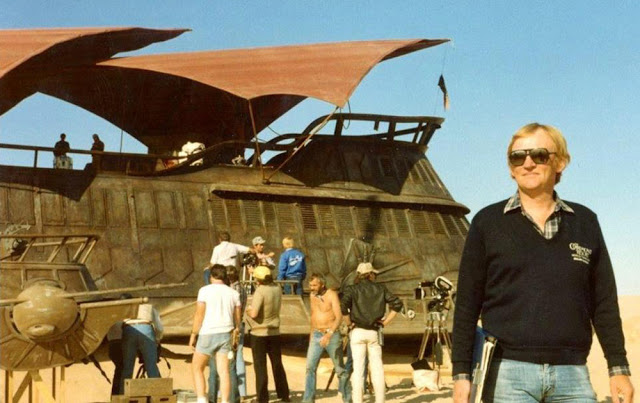
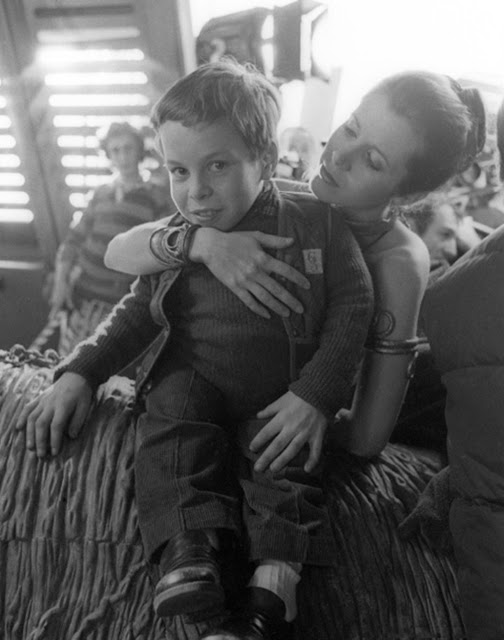
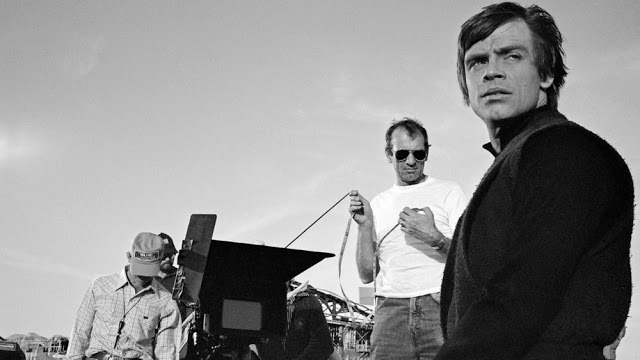
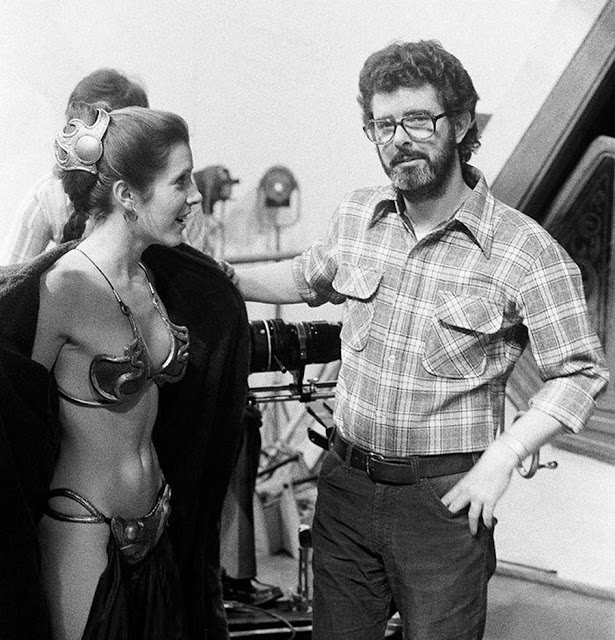
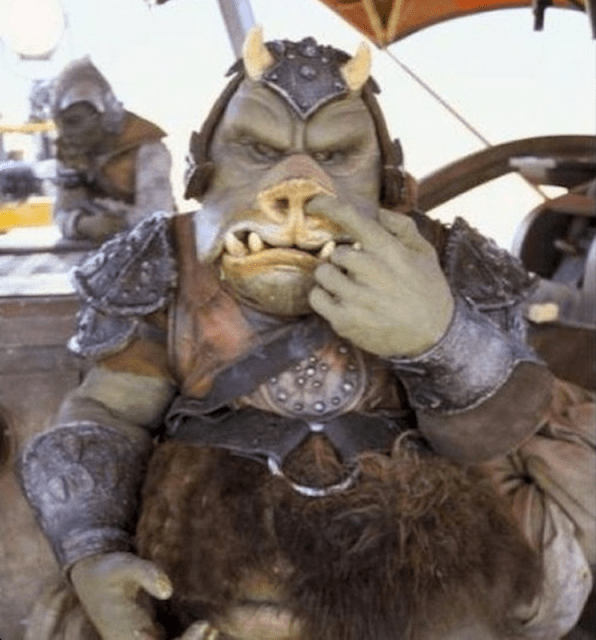
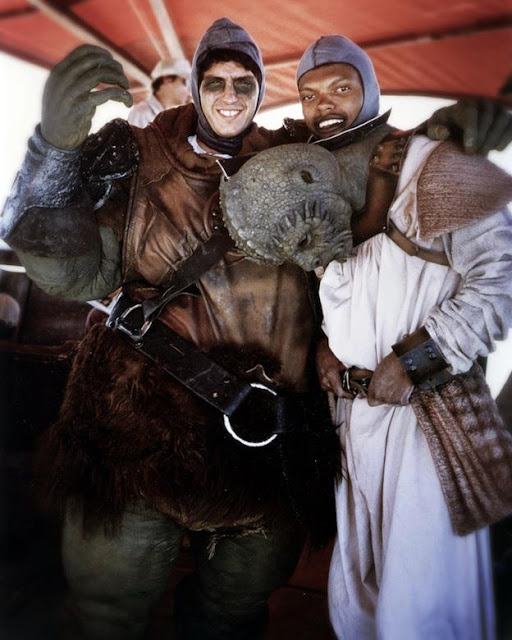
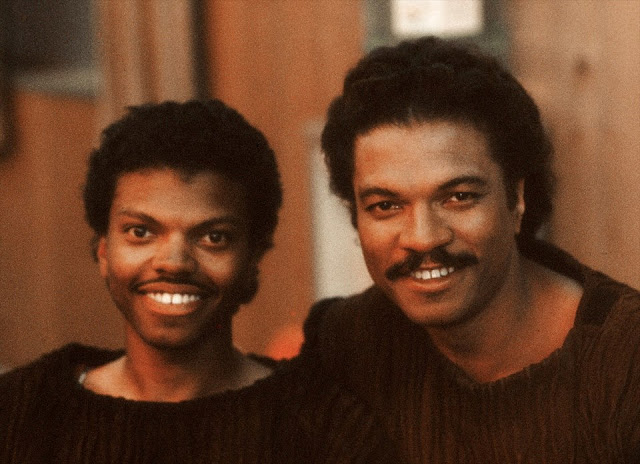
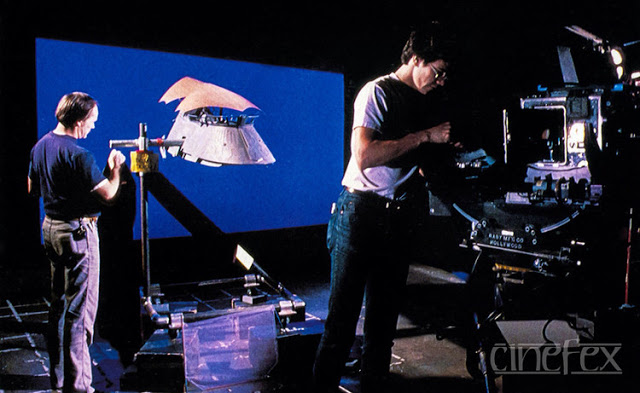
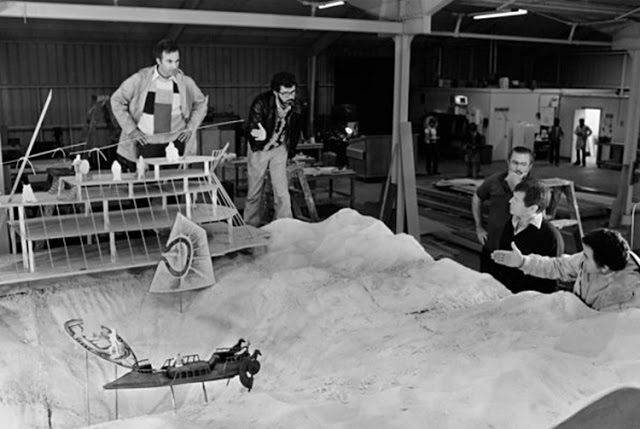
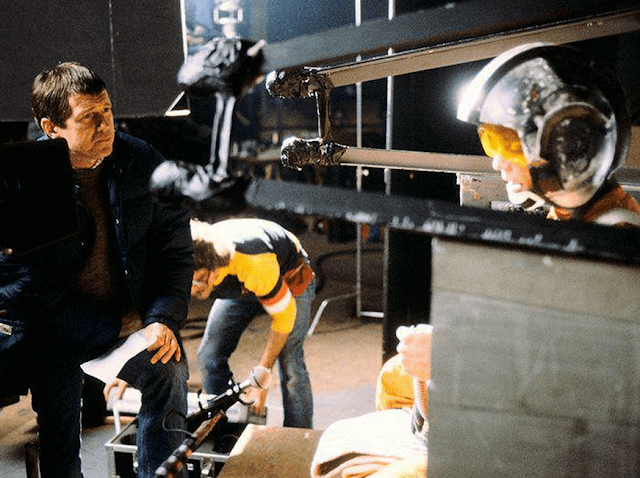
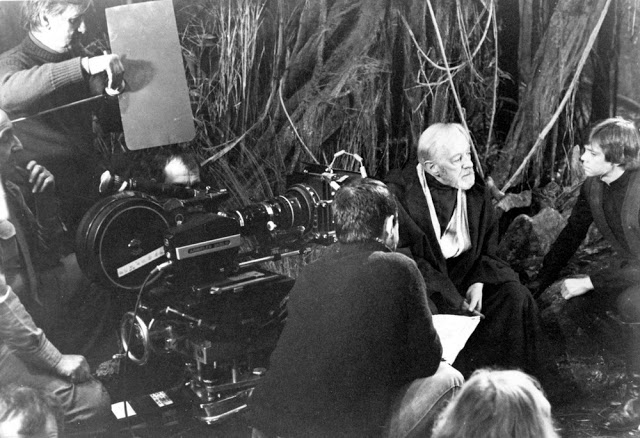
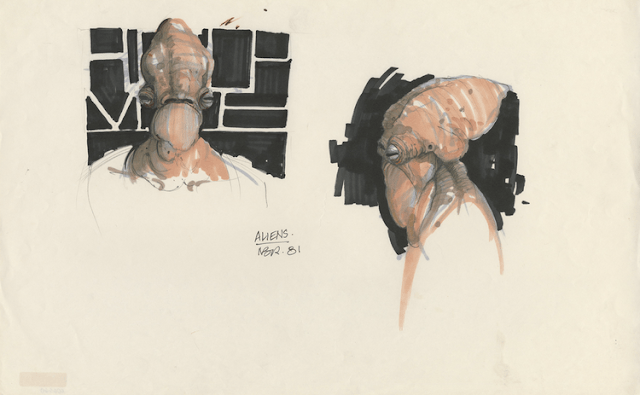
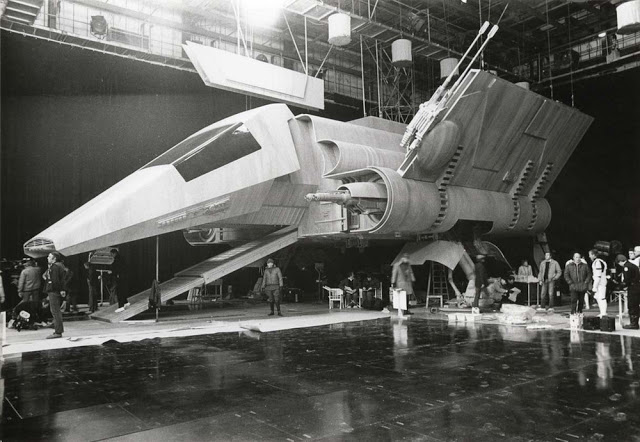
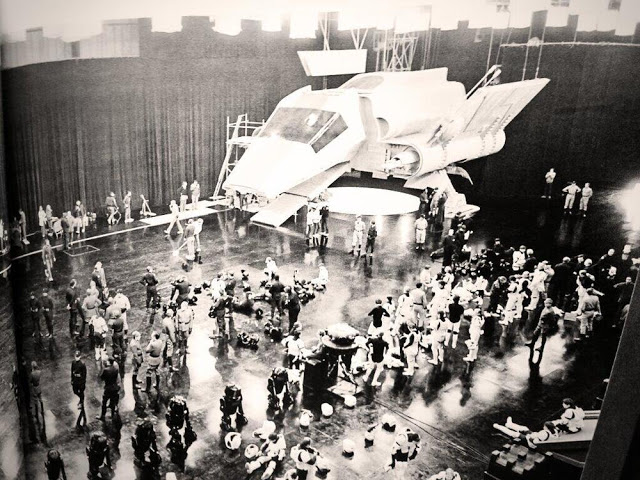
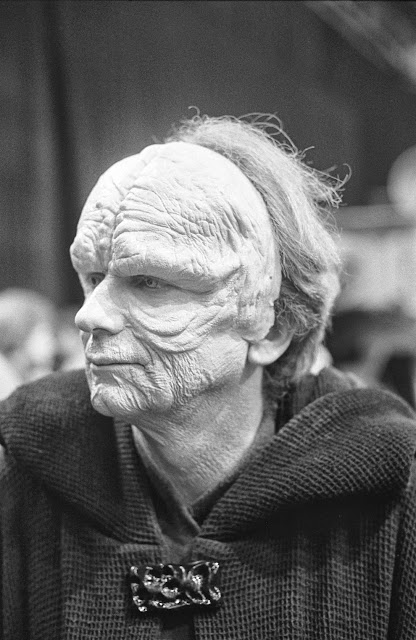
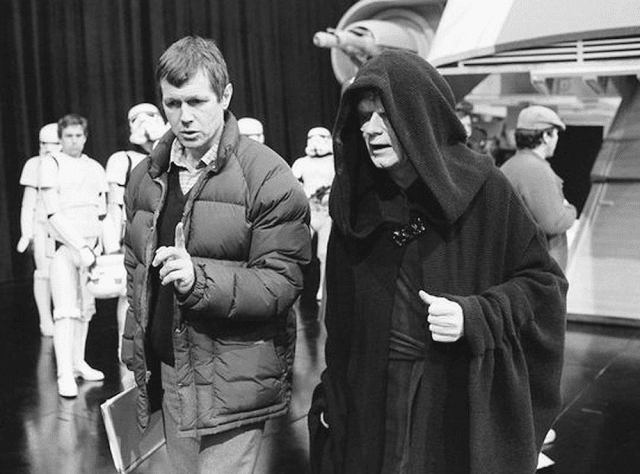
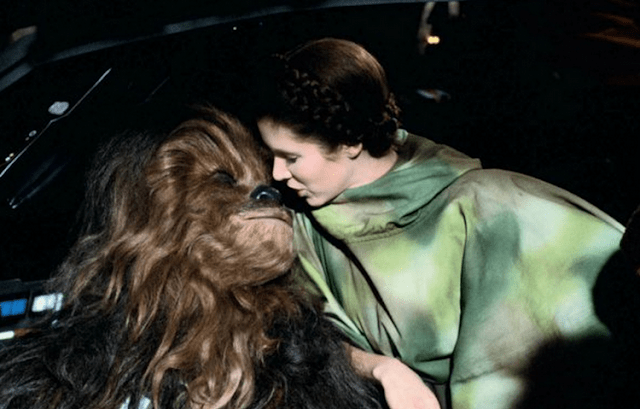
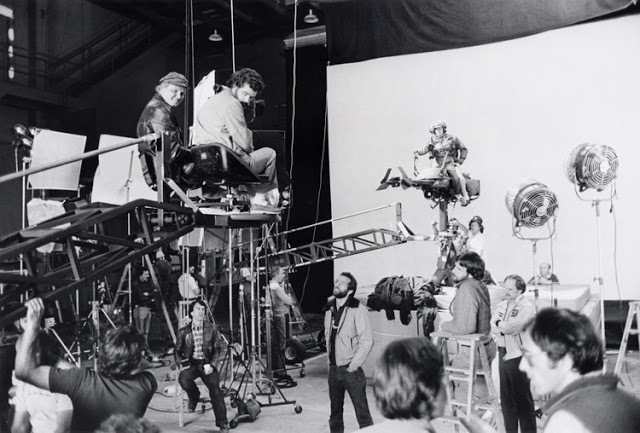
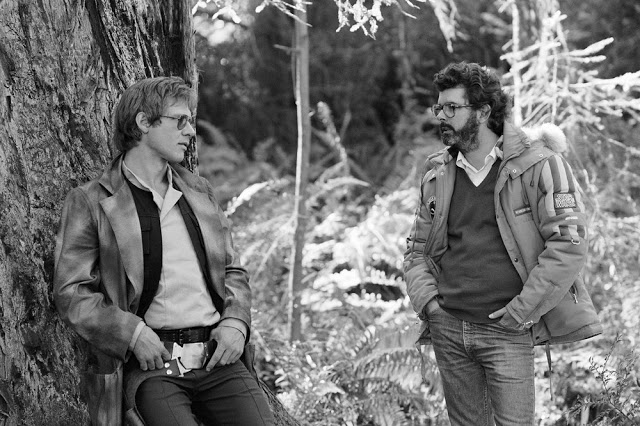
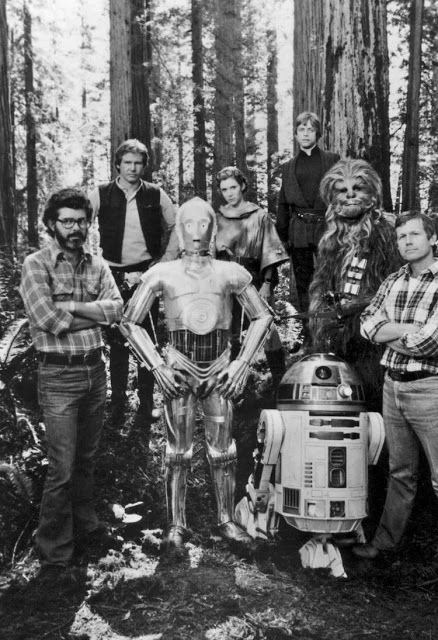
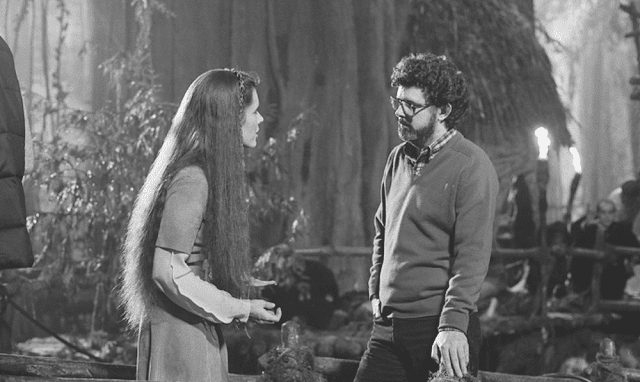
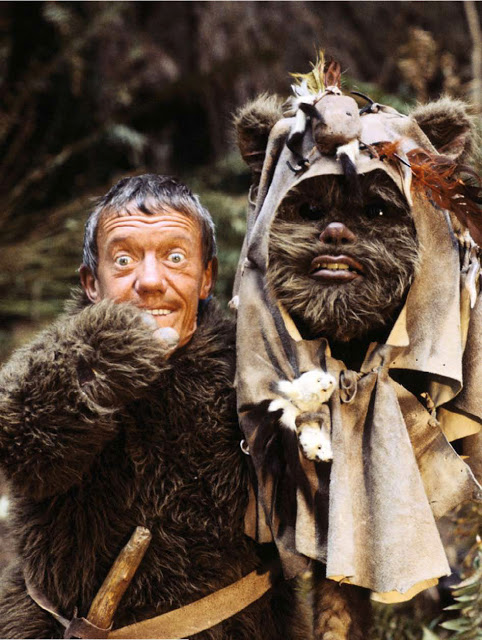
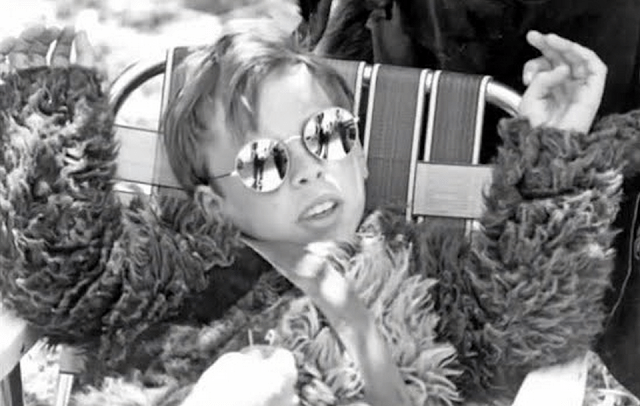
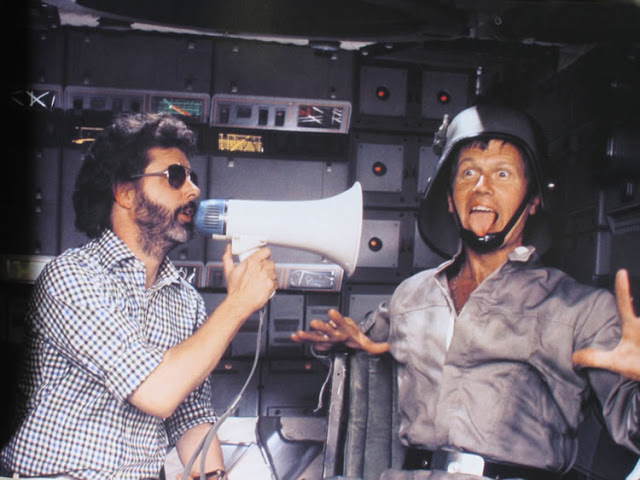
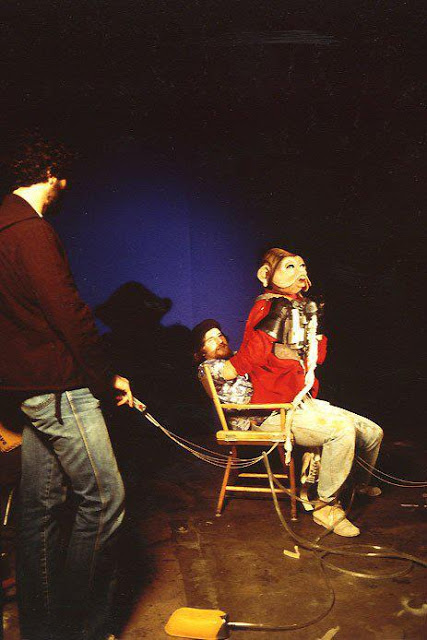
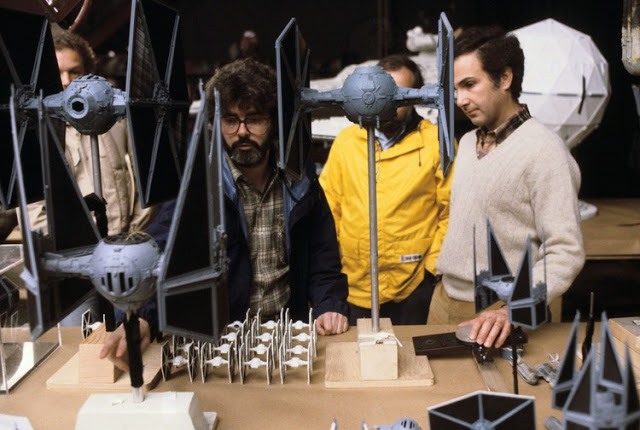
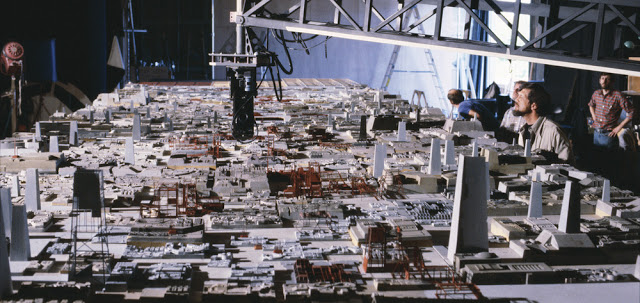
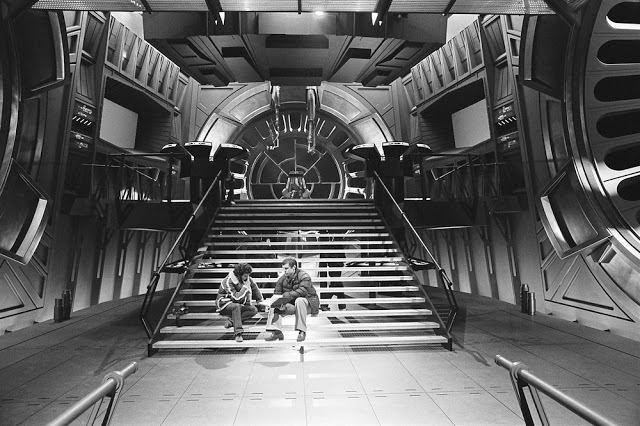
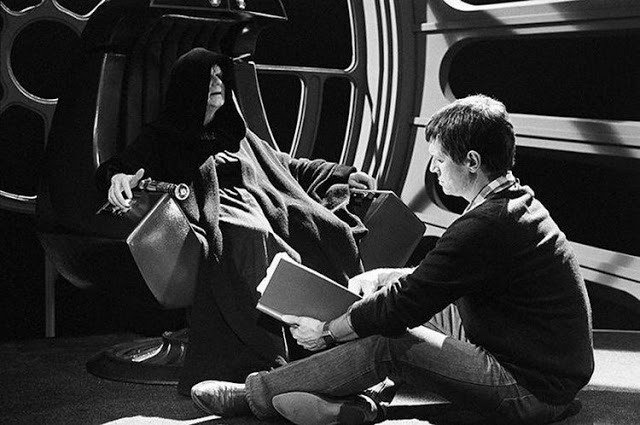
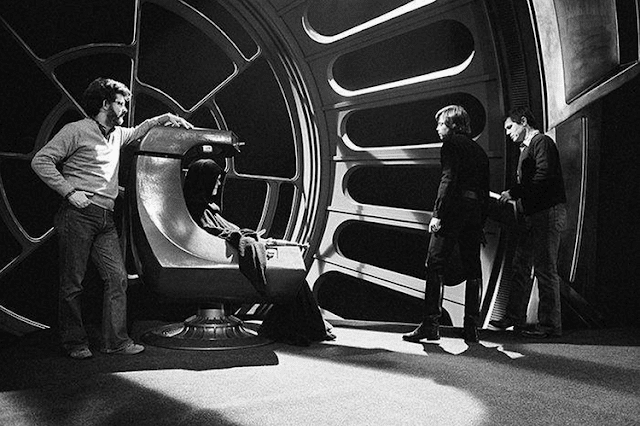
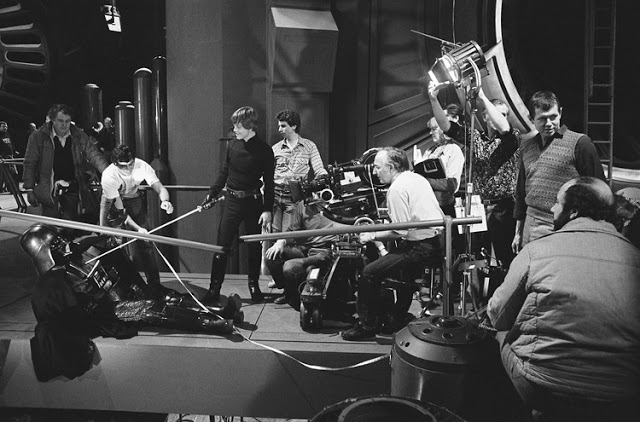
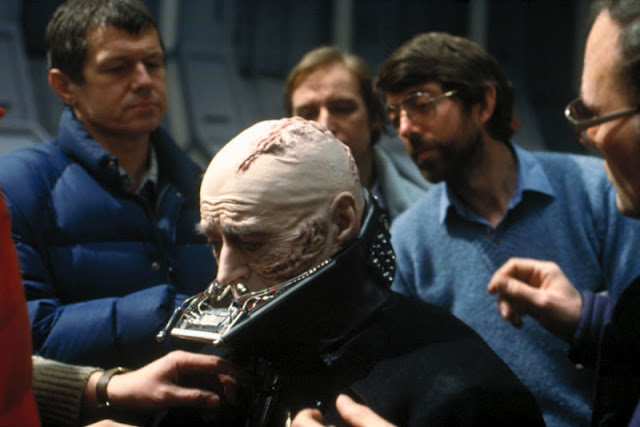
50 Amazing Behind the Scenes Photos Showing the Making of ‘Return of The Jedi’, 1983

Return of the Jedi (also known as Star Wars: Episode VI – Return of the Jedi) is a 1983 American epic space opera film directed by Richard Marquand. The screenplay is by Lawrence Kasdan and George Lucas from a story by Lucas, who was also the executive producer. The sequel to Star Wars (1977) and The Empire Strikes Back (1980), it is the third installment in the original Star Wars trilogy, the third film to be produced, and the sixth film in the “Skywalker saga”. The film stars Mark Hamill, Harrison Ford, Carrie Fisher, Billy Dee Williams, Anthony Daniels, David Prowse, Kenny Baker, Peter Mayhew and Frank Oz.

Set one year after The Empire Strikes Back, the Galactic Empire, under the direction of the Emperor, is constructing a second Death Star in order to crush the Rebel Alliance once and for all. Since the Emperor plans to personally oversee the final stages of its construction, the Rebel Fleet launches a full-scale attack on the Death Star in order to prevent its completion and kill the Emperor, effectively bringing an end to his hold over the galaxy. Meanwhile, Luke Skywalker, now a Jedi Knight, struggles to bring his father Darth Vader back to the light side of the Force.

Following Lucas and Kasdan’s discussion on making Return of the Jedi, the film went into production. Steven Spielberg, David Lynch and David Cronenberg were considered to direct the project before Marquand signed on as director. The production team relied on Lucas’ storyboards during pre-production. While writing the shooting script, Lucas, Kasdan, Marquand, and producer Howard Kazanjian spent two weeks in conference discussing ideas to construct it. Kazanjian’s schedule pushed shooting to begin a few weeks early to allow Industrial Light & Magic more time to work on the film’s effects in post-production. Filming took place in England, California, and Arizona from January to May 1982.

The film was released in theaters on May 25, 1983, receiving positive reviews, although many felt that it did not match the cinematic heights of its predecessors. It grossed $374 million during its initial theatrical run, becoming the highest-grossing film of 1983. Several re-releases and revisions to the film have followed over the decades, which has also brought its total gross to $475 million. The United States Library of Congress selected it for preservation in the National Film Registry in 2021. After Lucas finished his six-film saga by making the prequel trilogy, Disney purchased Lucasfilm and produced a sequel trilogy. Additionally, it released The Mandalorian, the first live-action television series in the franchise, for the streaming service Disney+. The series and its spin-offs are set beginning five years after Return of the Jedi. (Wikipedia)
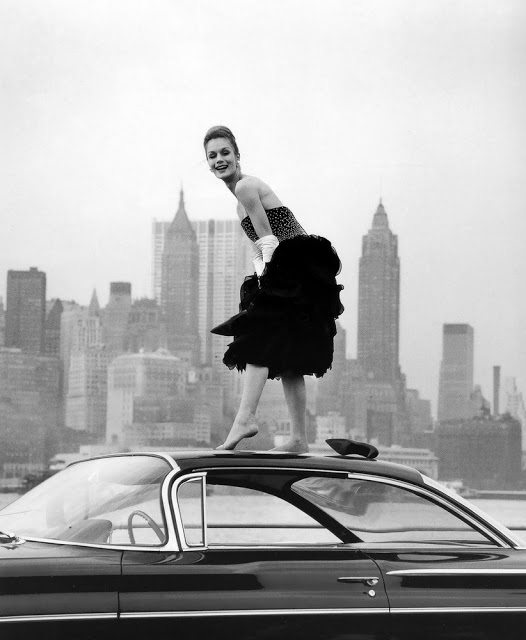
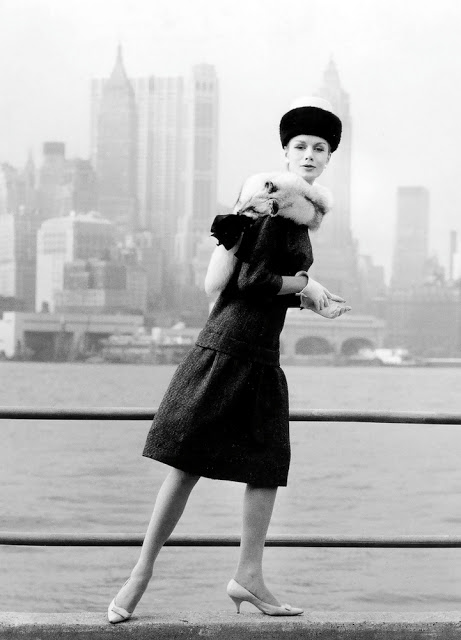
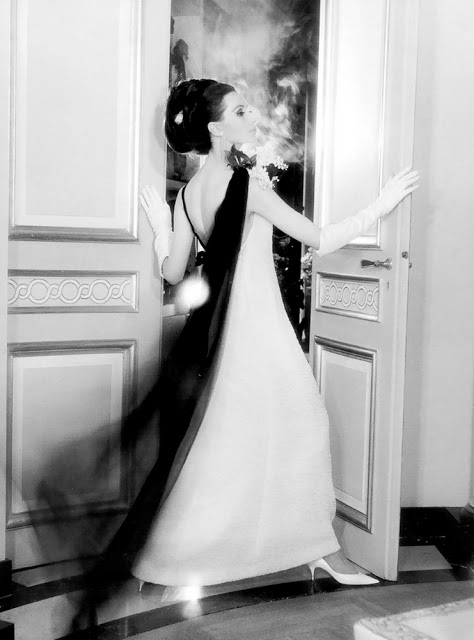
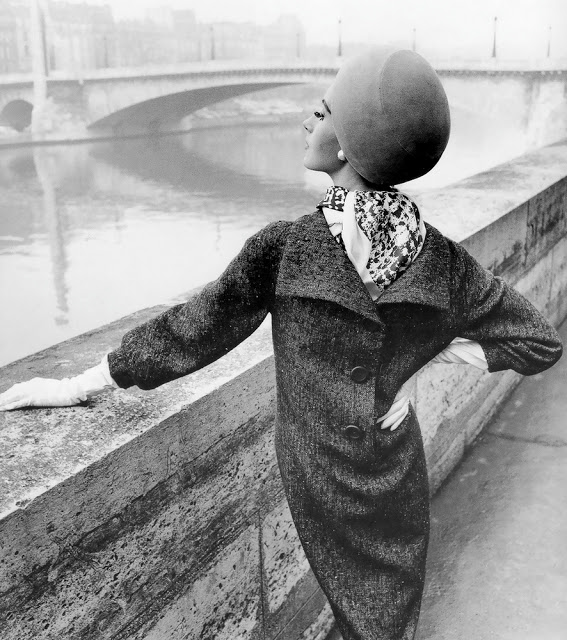
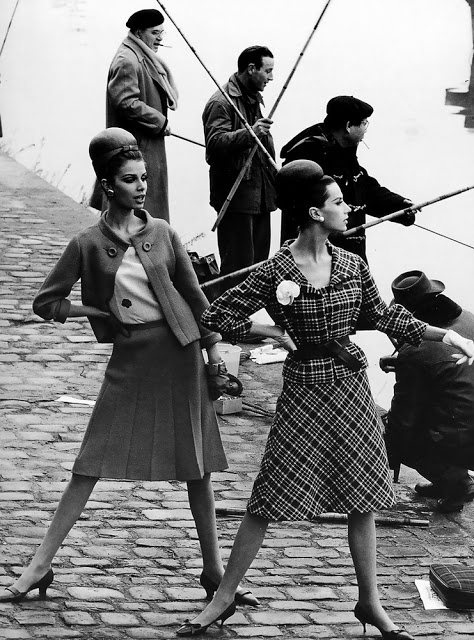
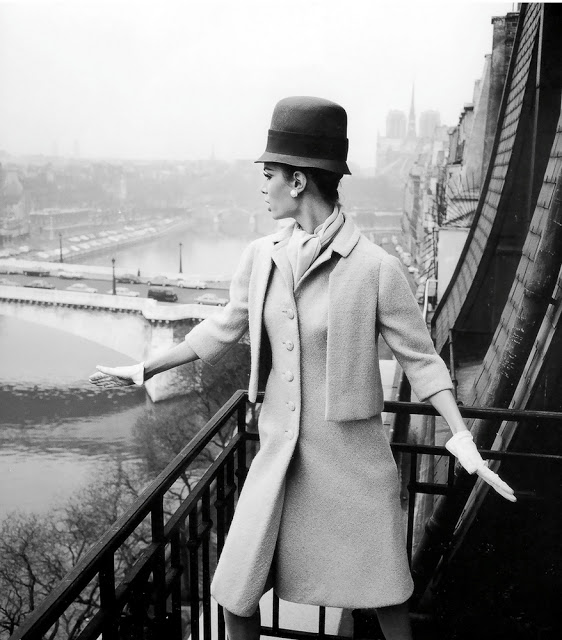
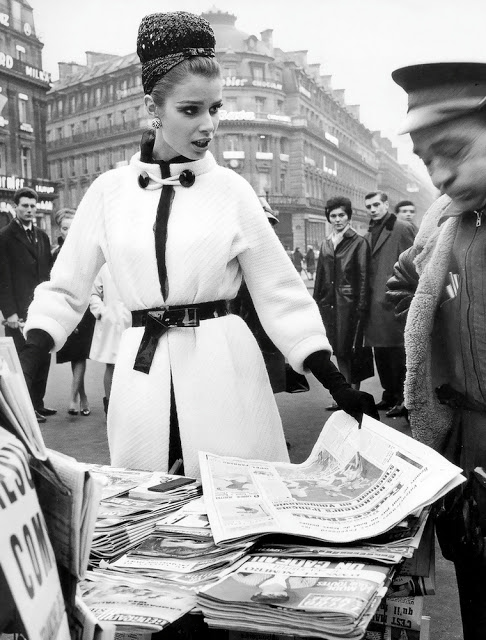
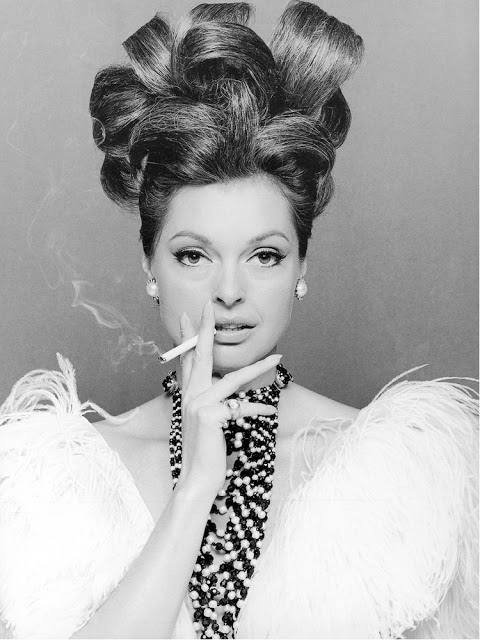
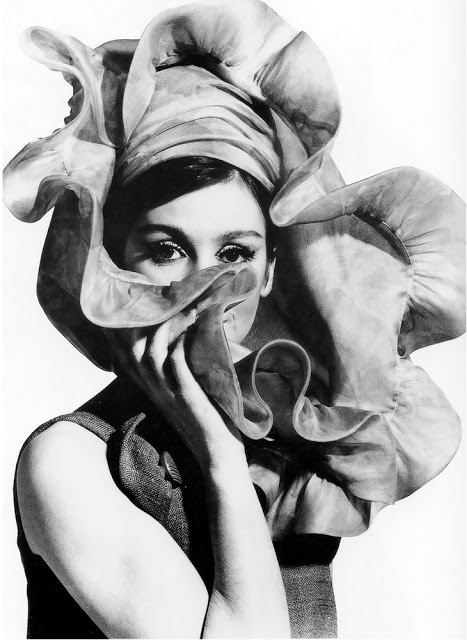
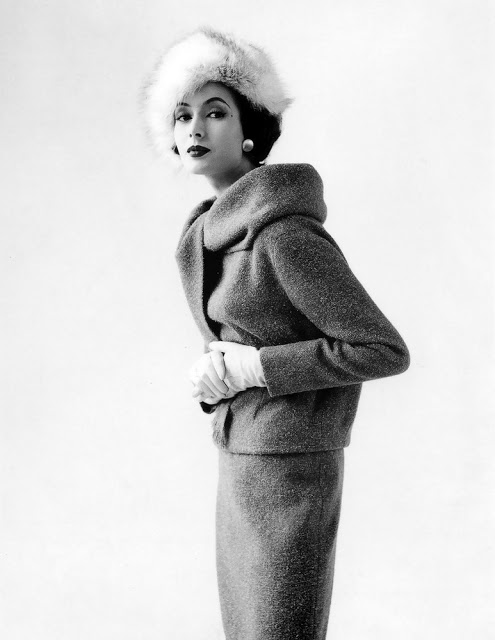
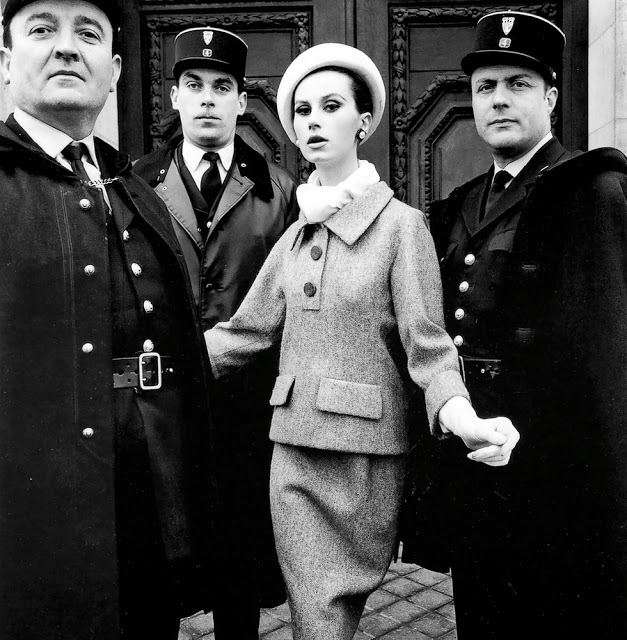
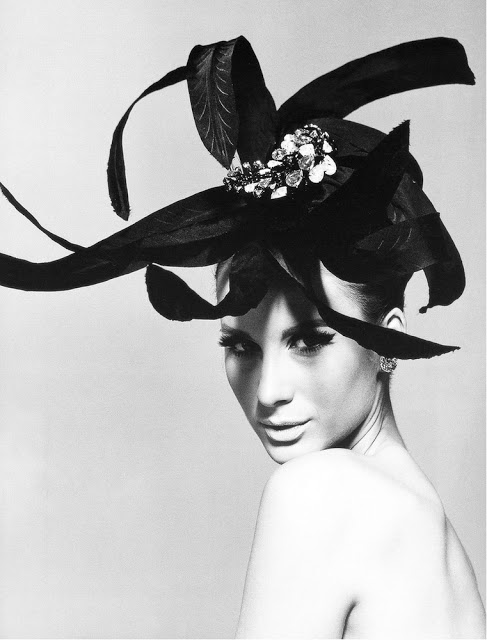
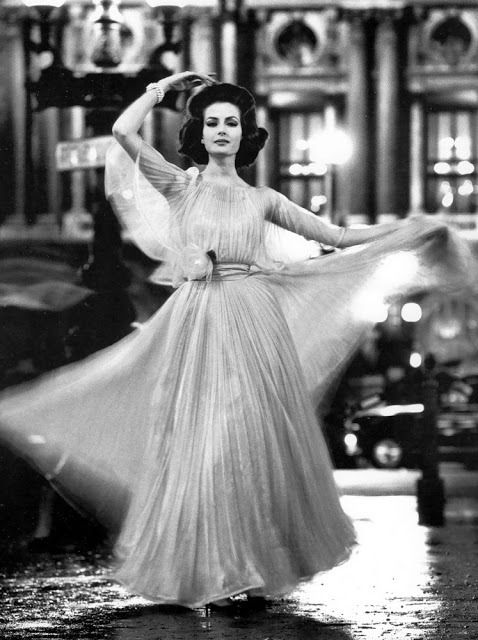
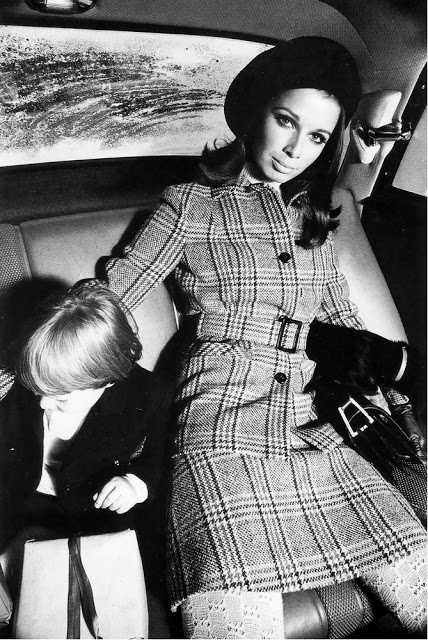
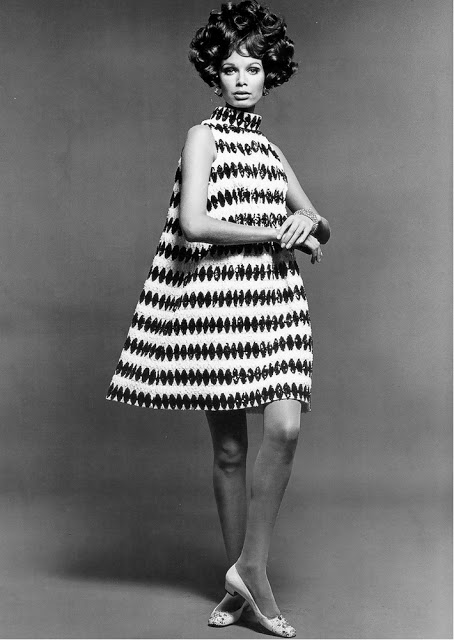
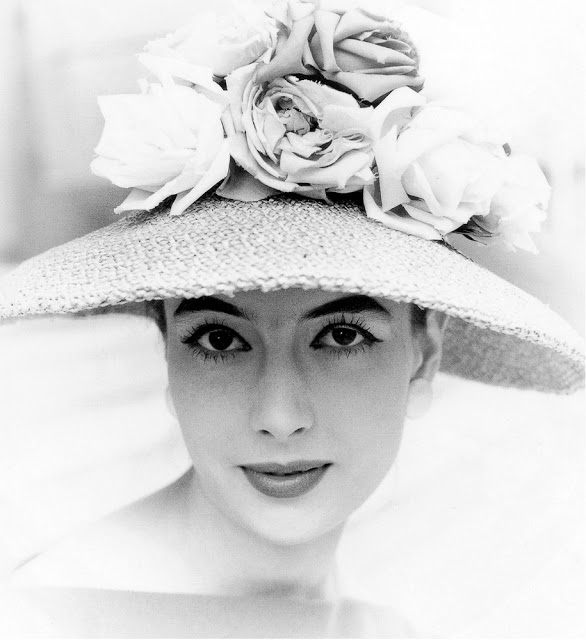
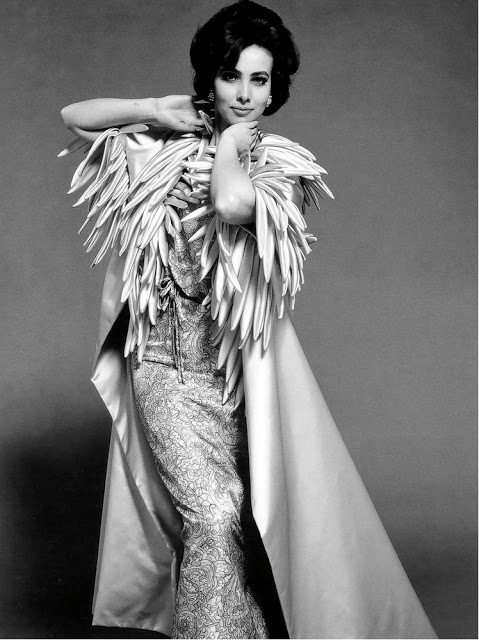
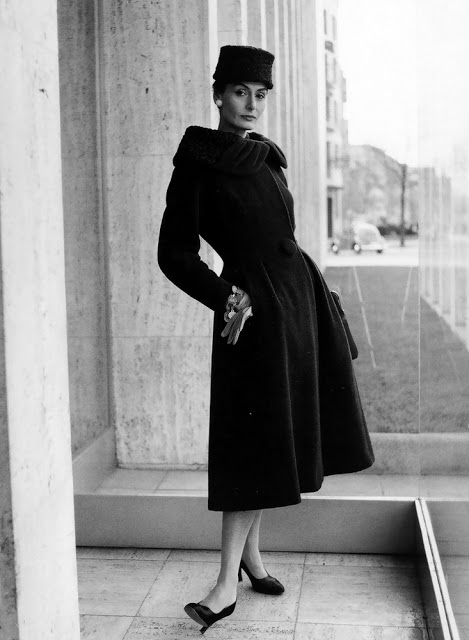
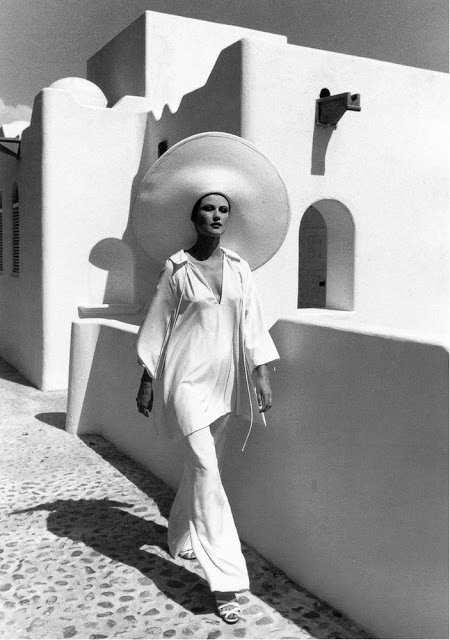
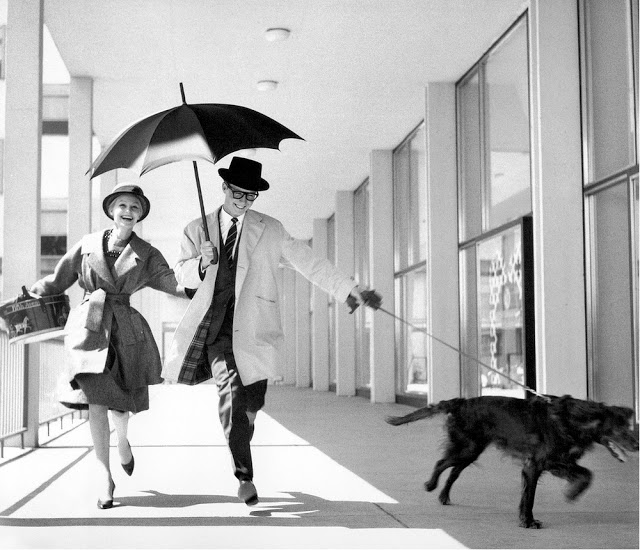
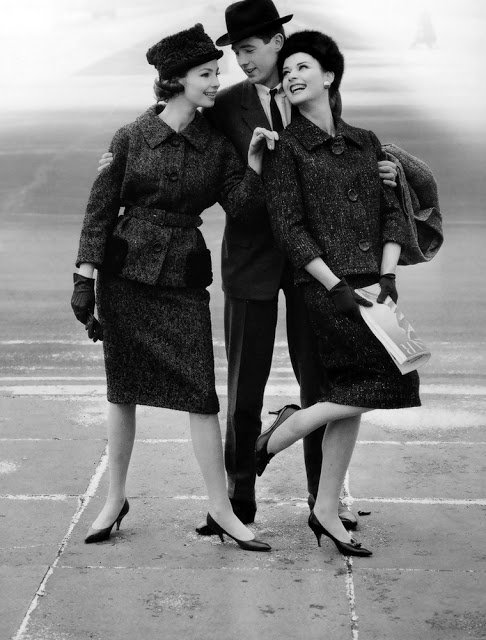
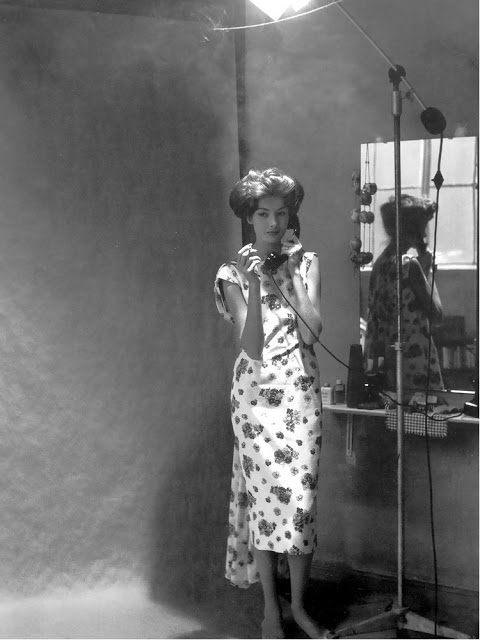
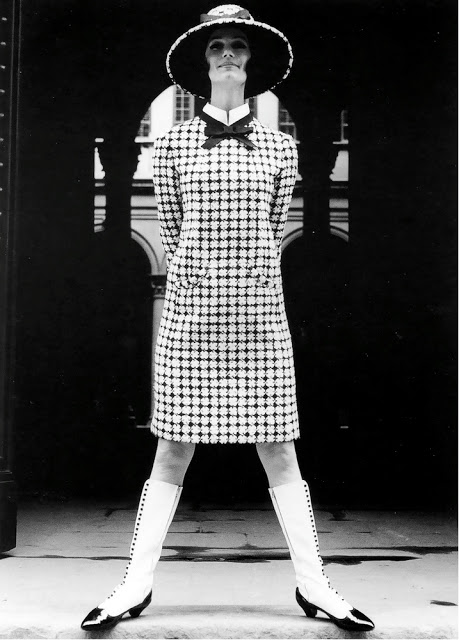
46 Extraordinary Fashion Photos From the 1950s and 1960s

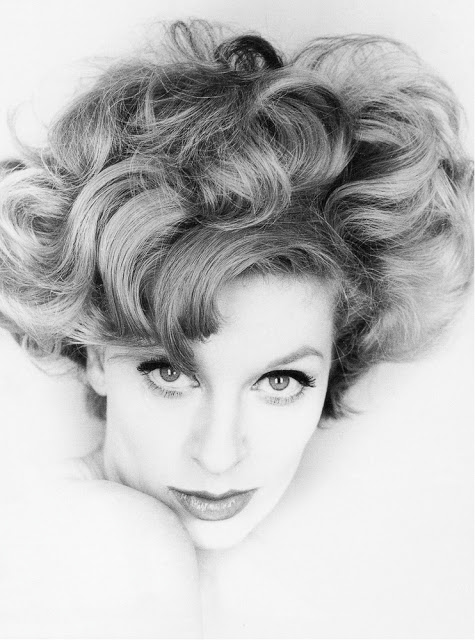
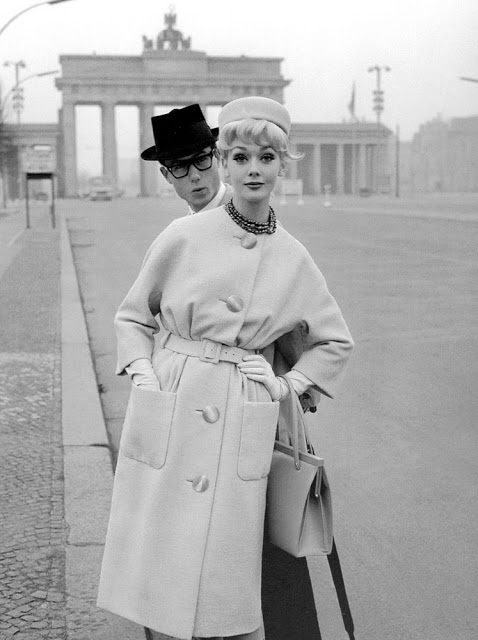
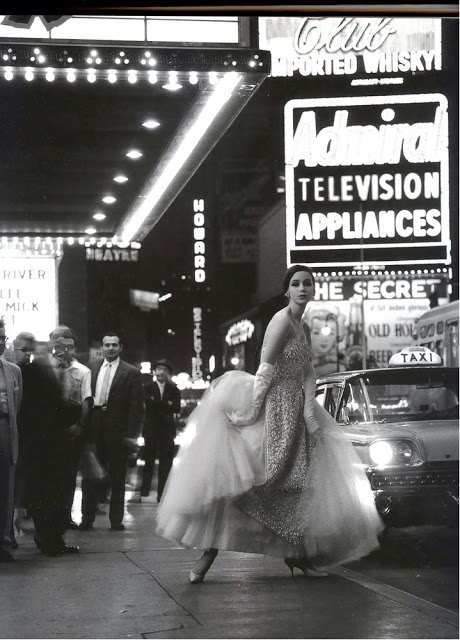
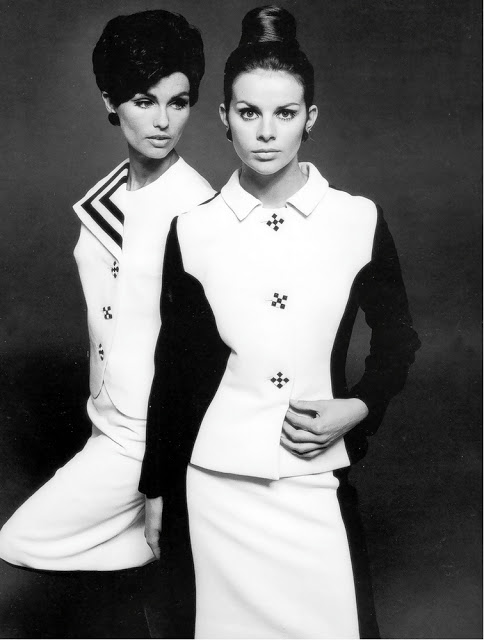
From 1951 to 1955, German photographer Rico Puhlmann studied fashion design, art design, and art history at Berlin University of the Arts (Hochschule für Bildende Künste Berlin). Initially, he had worked as fashion styler for magazines such as Burda Moden, Constanze, and the Textil-Report since 1955. Simultaneously, he worked as fashion photographer. His fashion photos were published in leading German and international fashion magazines and journals such as Stern, Petra, Constanze, Brigitte, and the French Vogue since the early Sixties.

Here’s some of his amazing work:

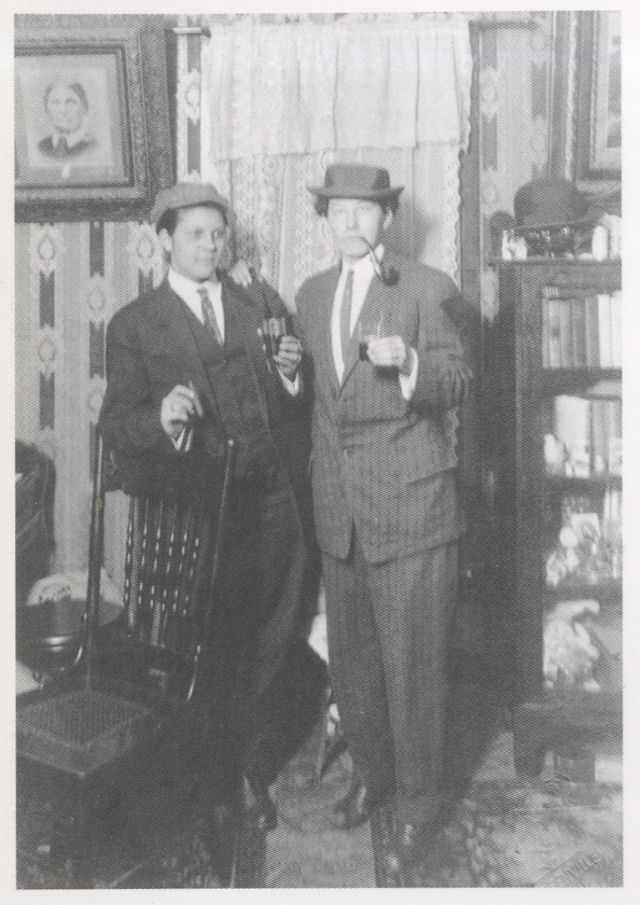
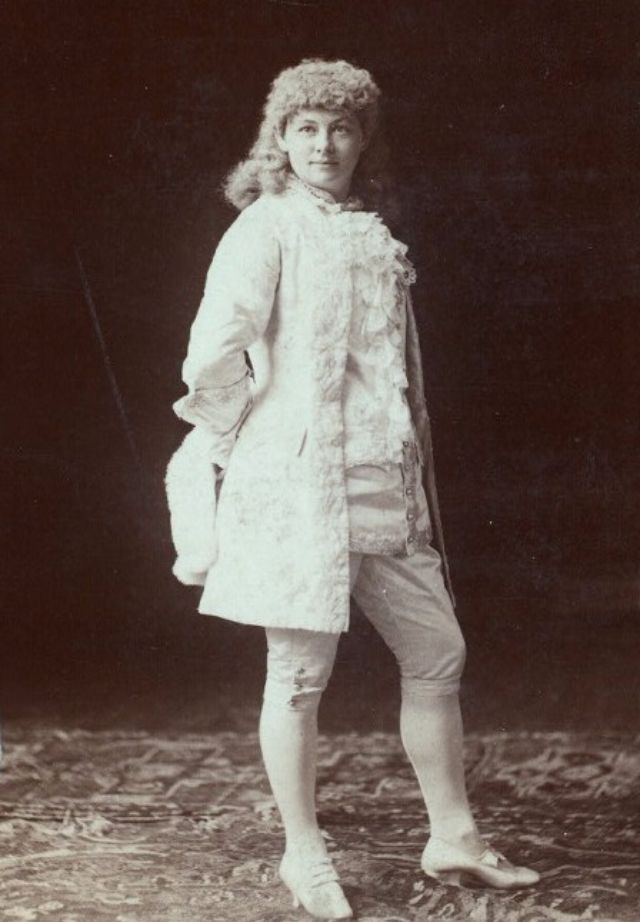
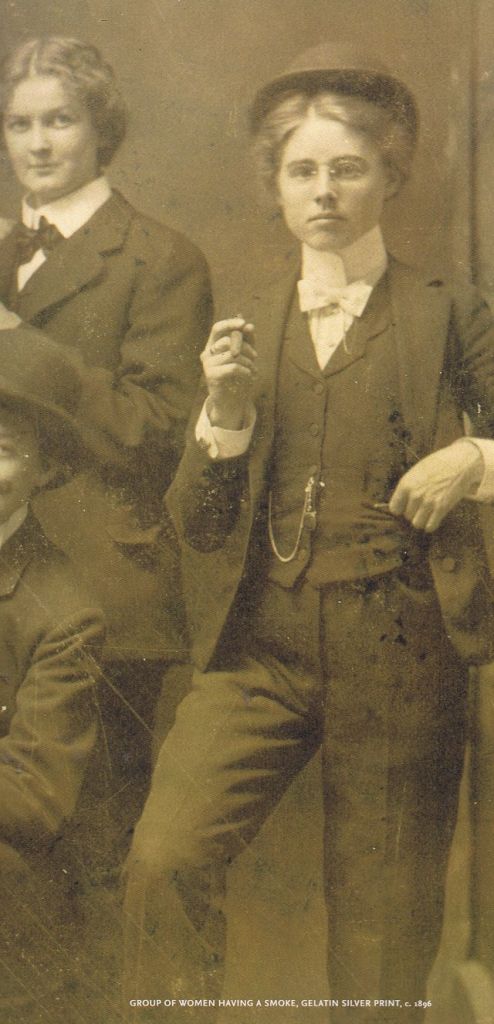
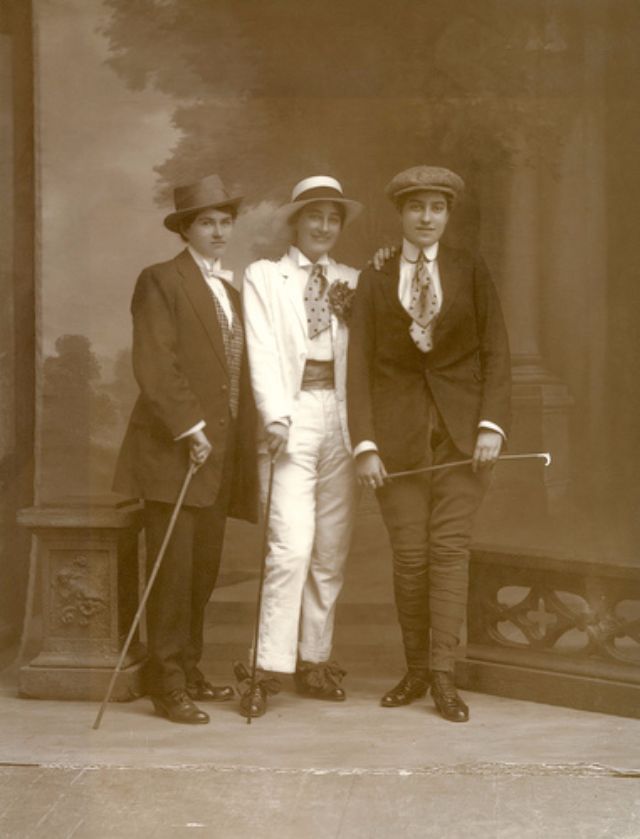
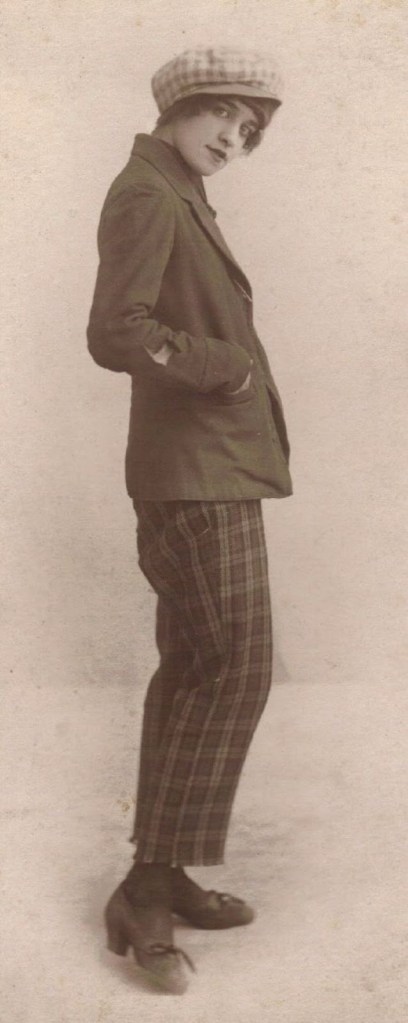
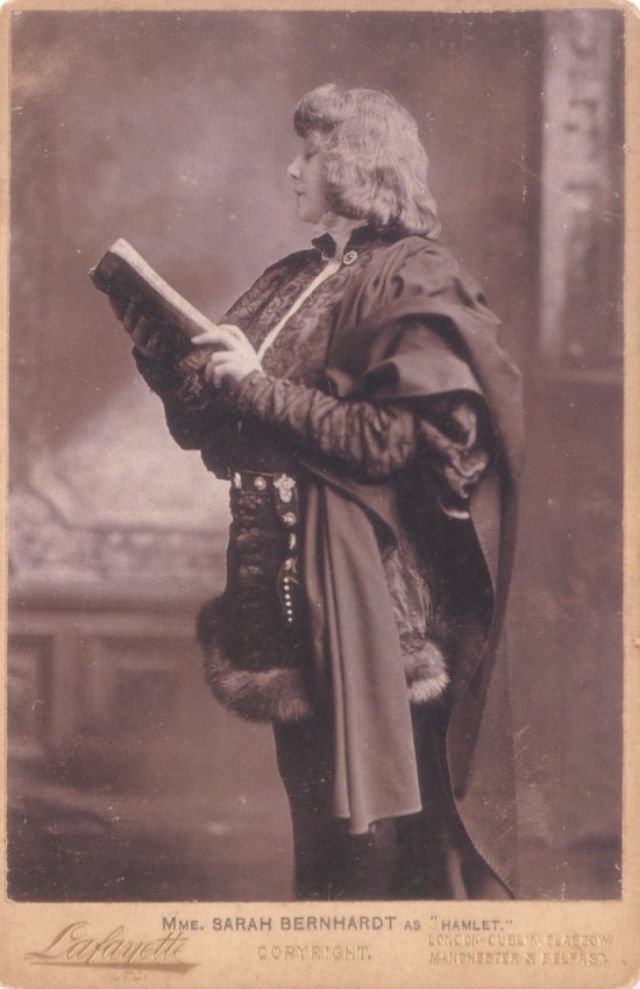
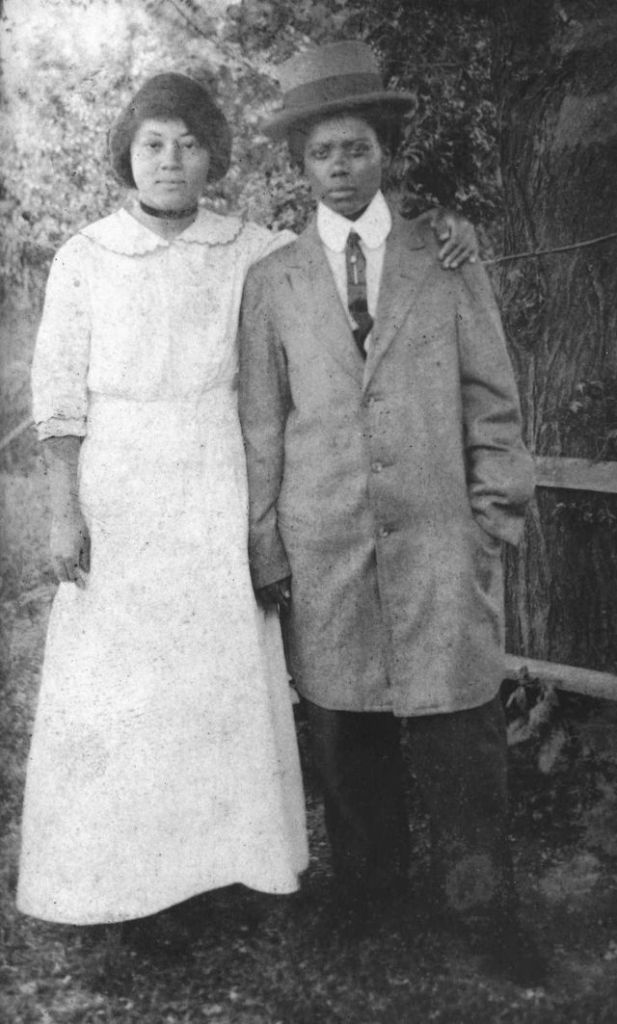
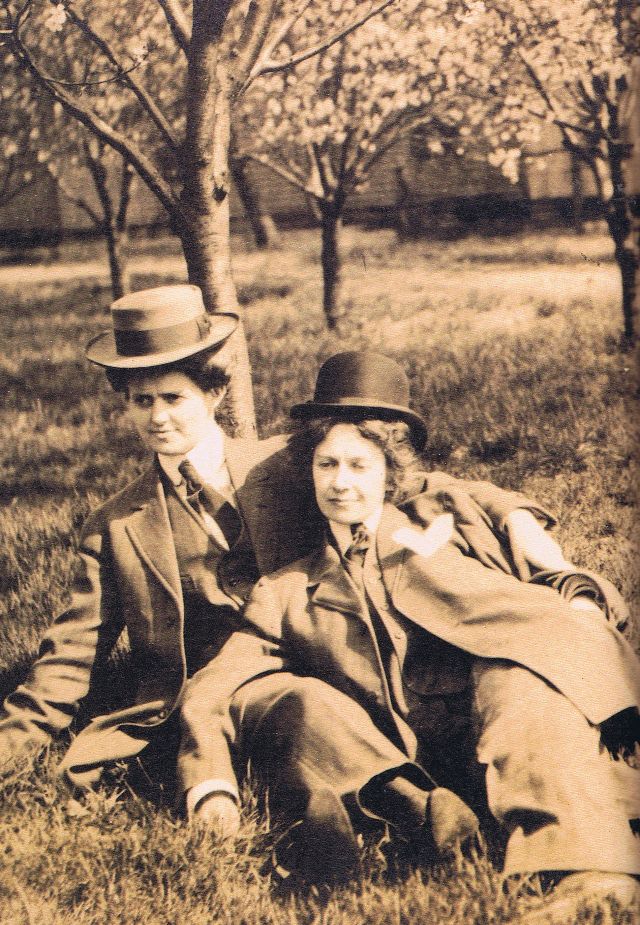
Women in Pants: Vintage Photos From the 1850s to the 1930s

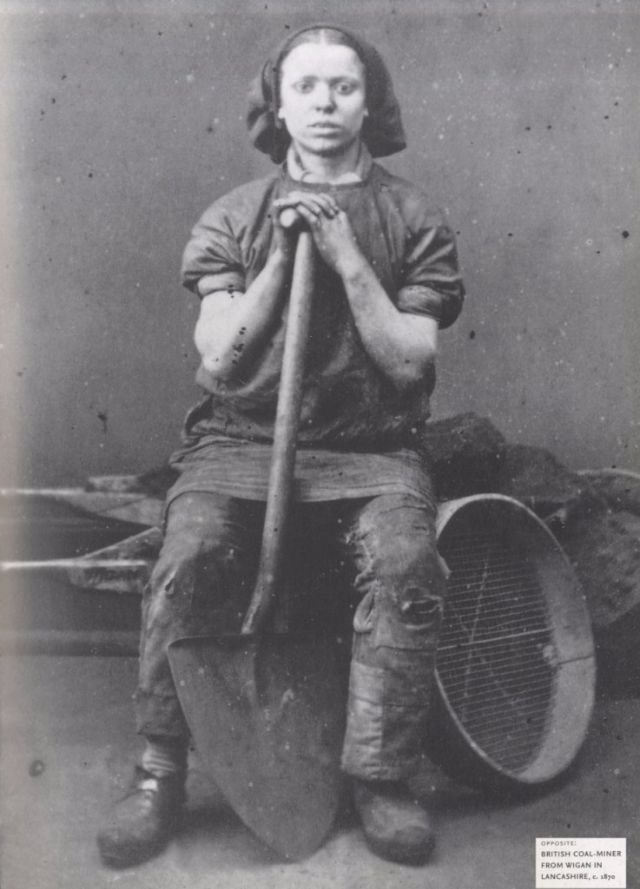
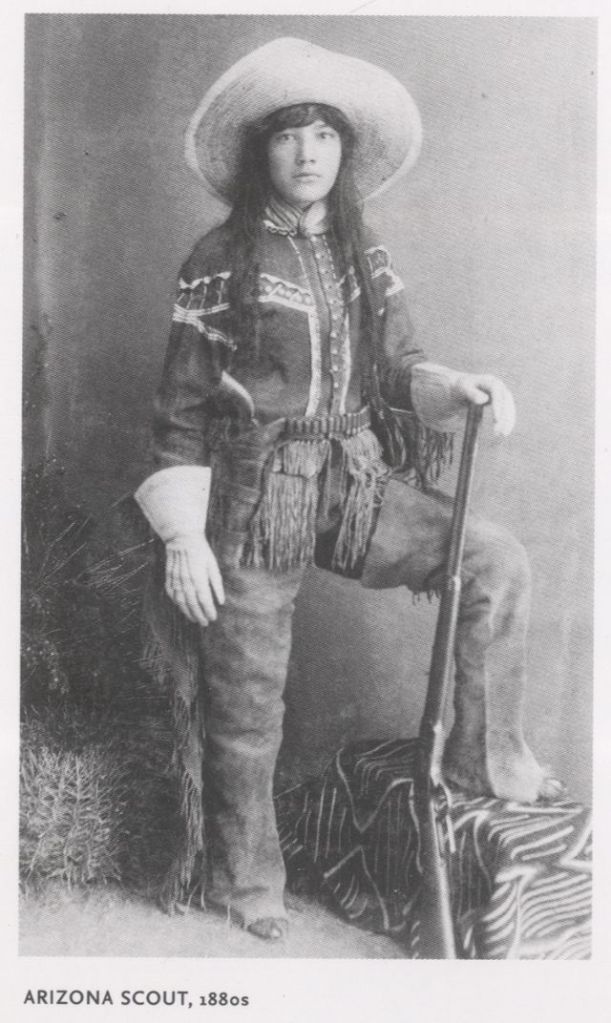
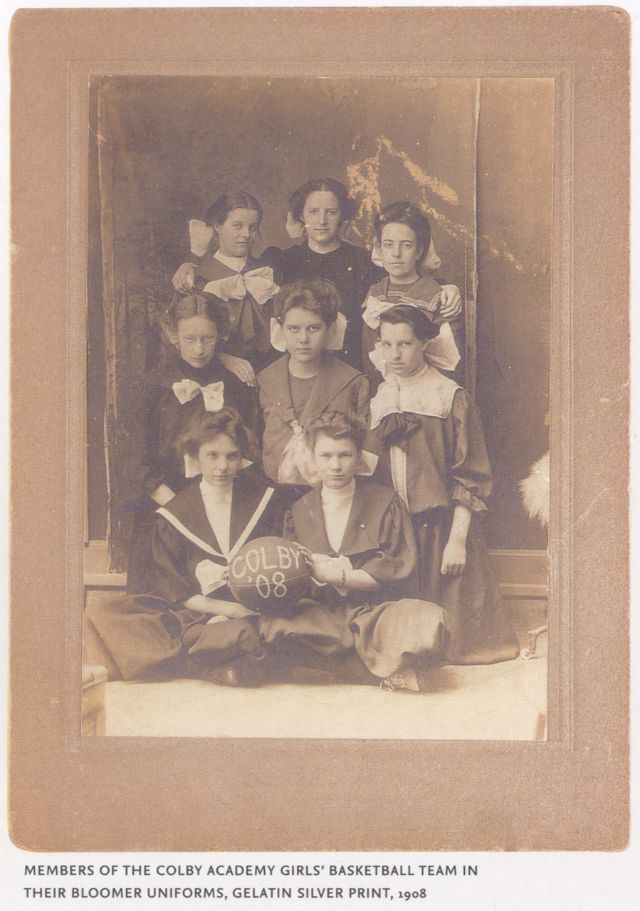
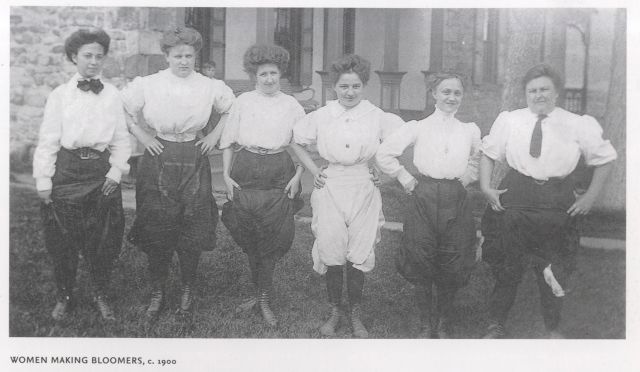
Although fashion did not embrace the look of trousers on the female form until the late 20th century, history saw working women wearing them a hundred years prior.

From Victorian coal miners who rolled up their skirts around their waist to reveal soot-covered pants underneath to today’s terrible backlash of factory-torn denim, spandex jeggings, and bedazzled bums, women’s pants have undergone quite a transformation.

Let’s take a look at the early fashion of women’s pants from the festooned Victorian era right on through to the ultra glamorous 1930s.

Victorian era
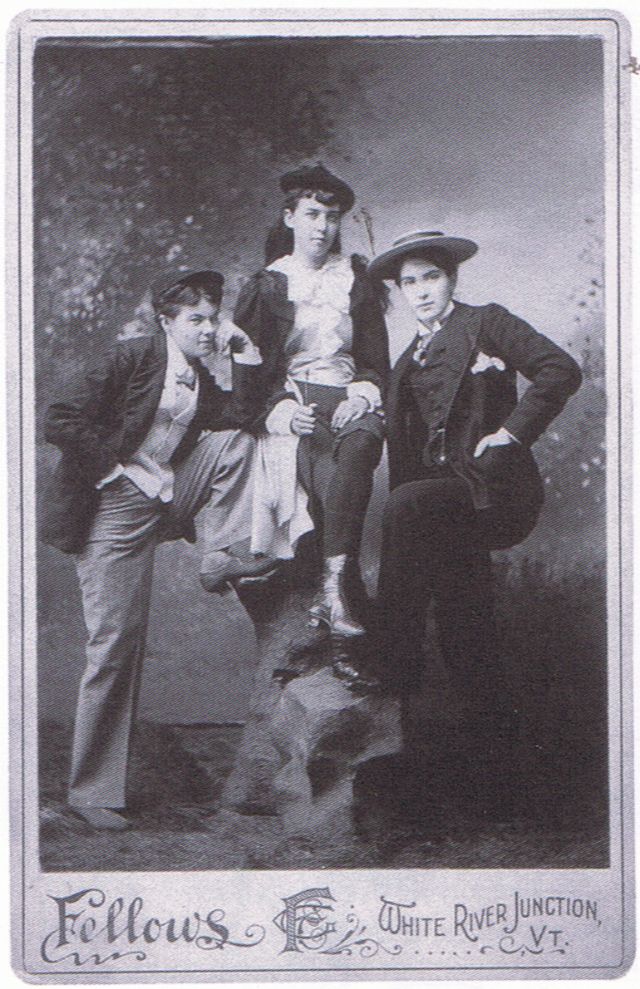
1896
Edwardian era
1920s
1920s
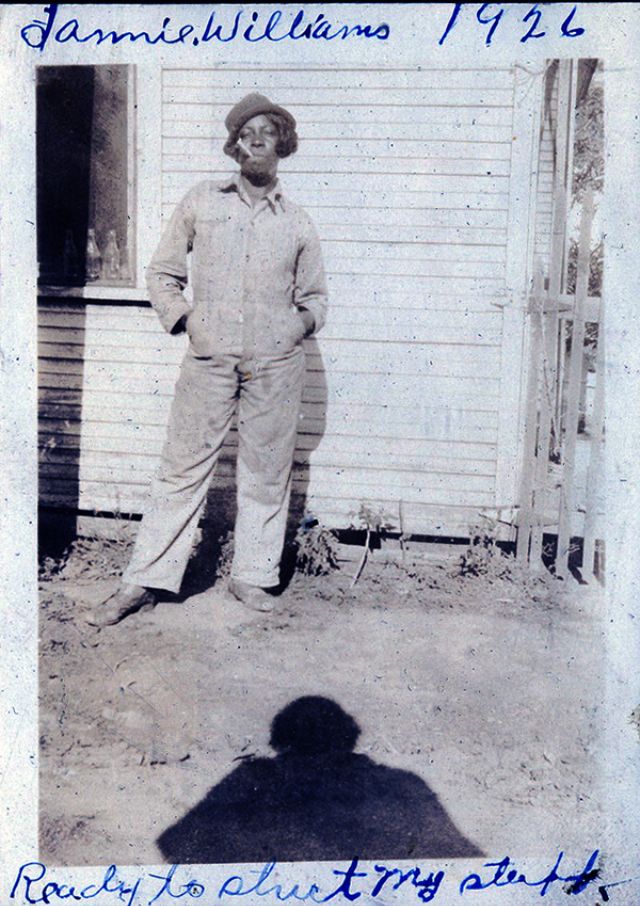
1926
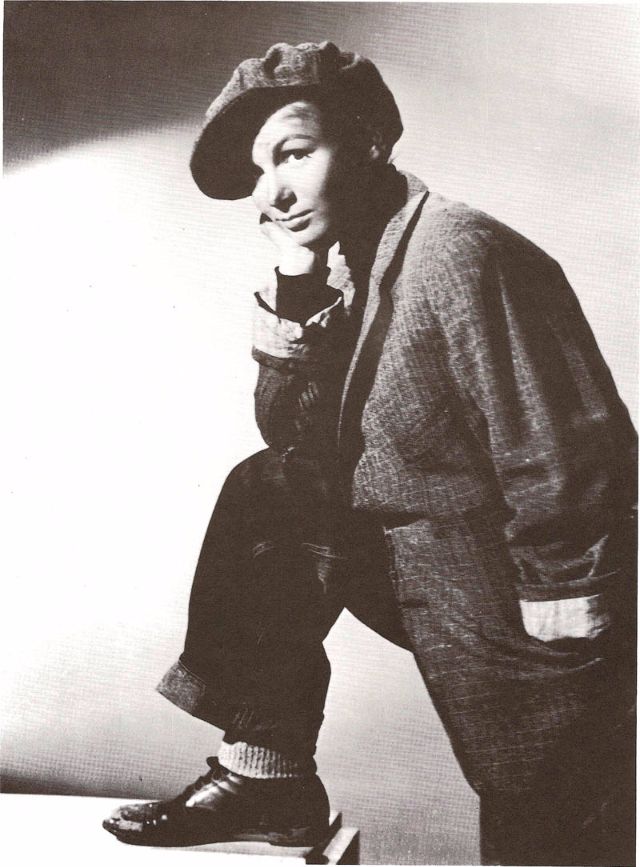
Veronica Lake. 1930s.
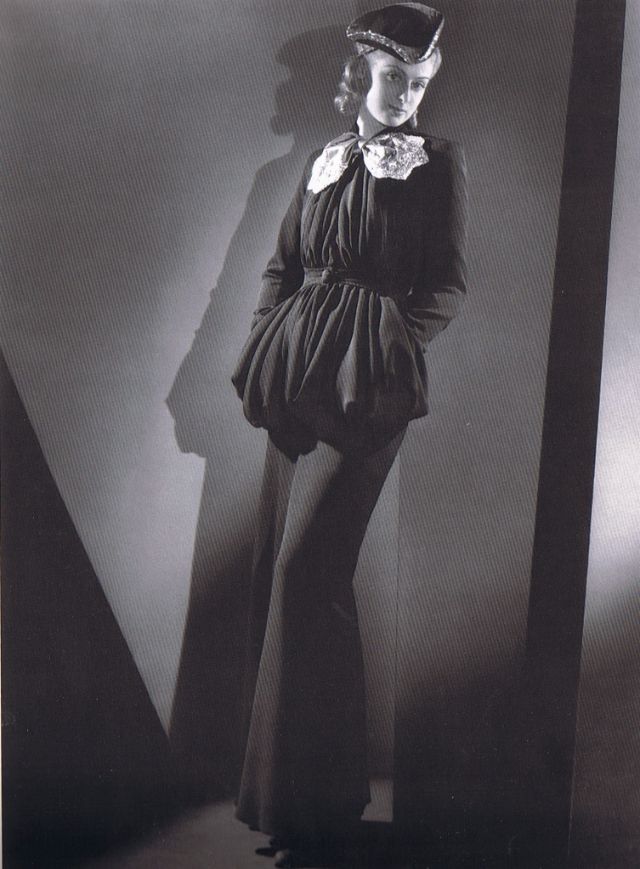
Harpers Bazaar, December 1939.
Ethel Waters. 1920s.
1890
Dr. Mary Walker, 1866.
1870
1880s
1900s
1908
1900
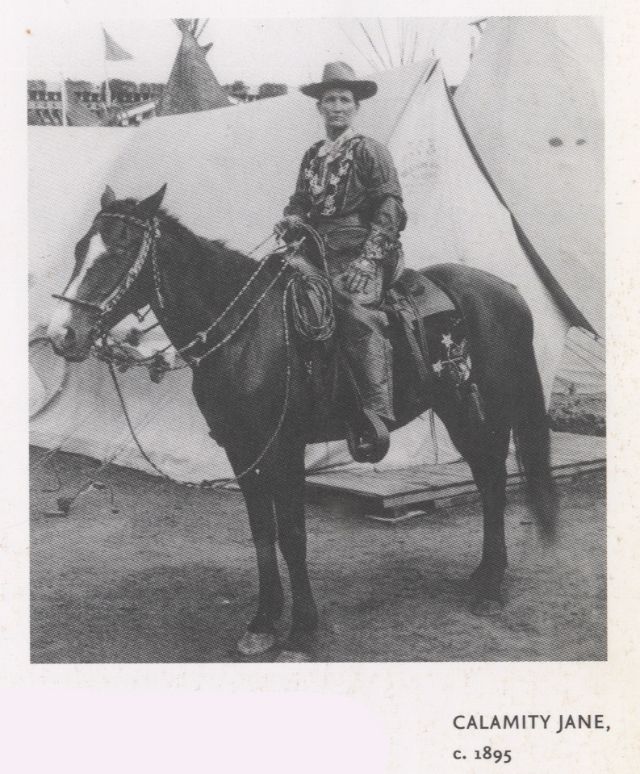
Calamity Jane, 1895.
1906
1896
Cowgirl, 1915.
1860s
1900
1900s
1900s
1910

50 Amazing Vintage Photos From the 1960s Volume 2

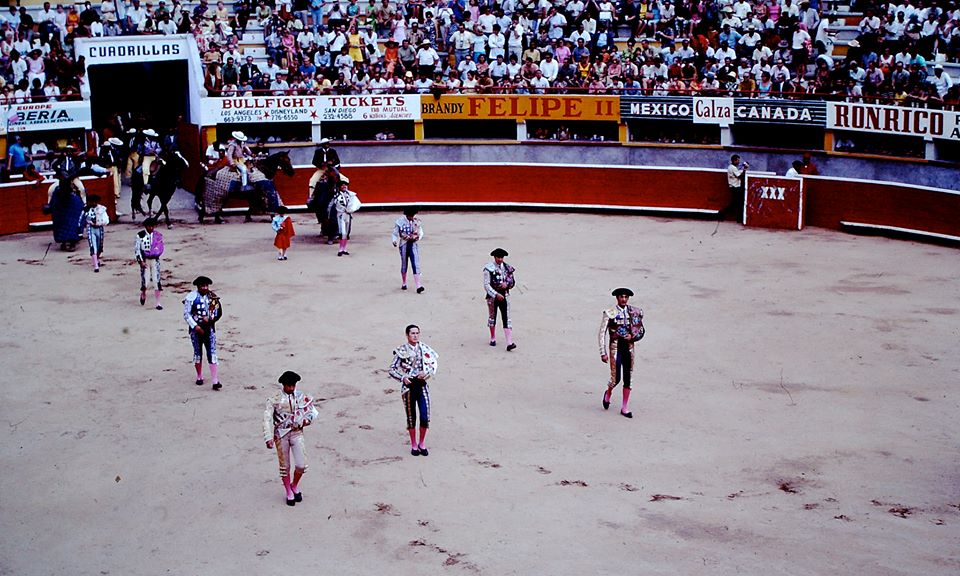
A bullfight in Tijuana, Mexico, August 1968.
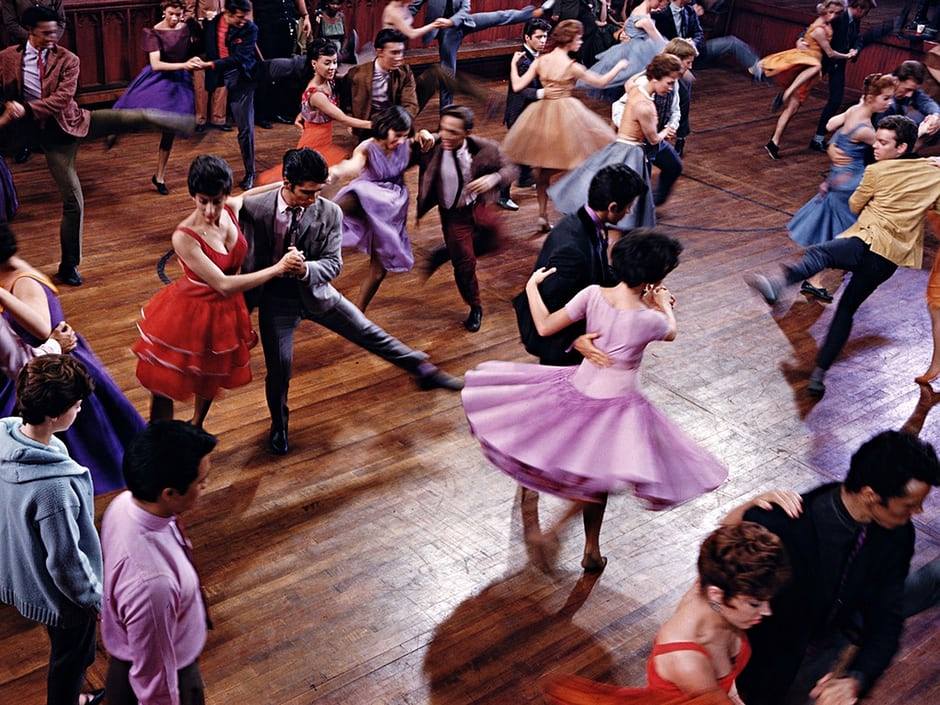
Cast members from the 1961 film, West Side Story, dance the mambo in the school dance scene.
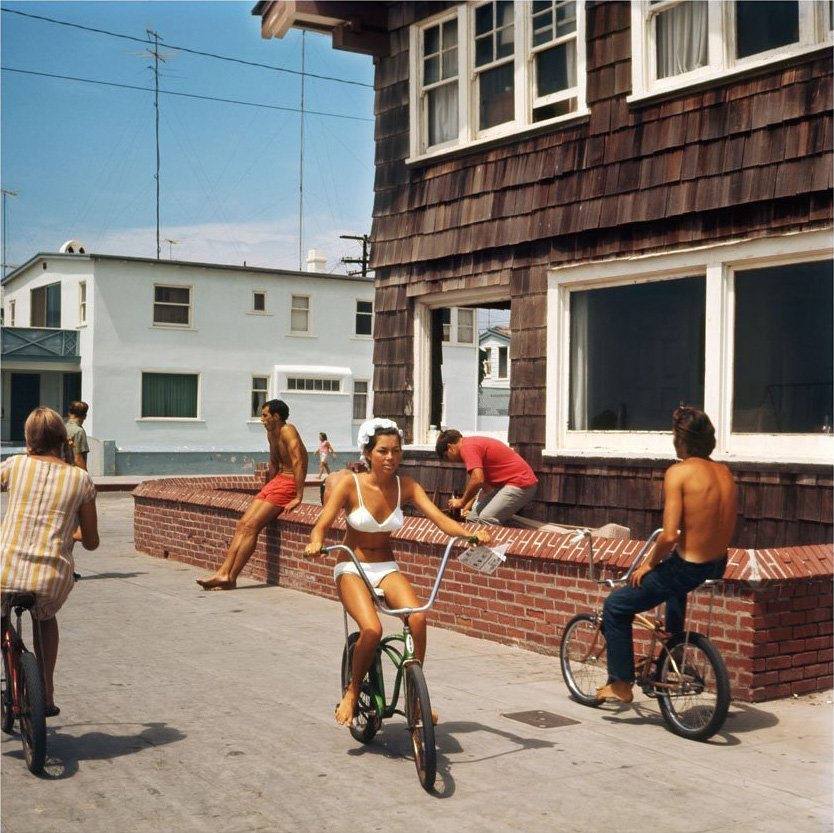
Hermosa Beach Strand, California, 1967.
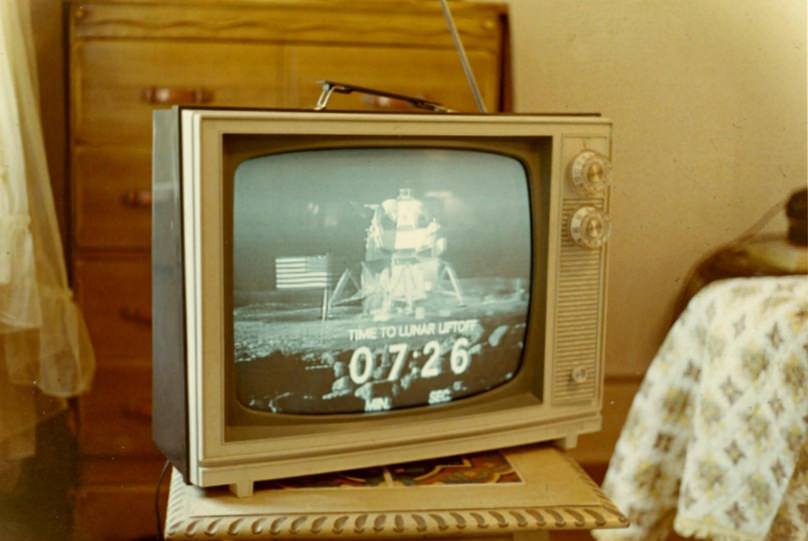
Time to lunar liftoff, 1969.
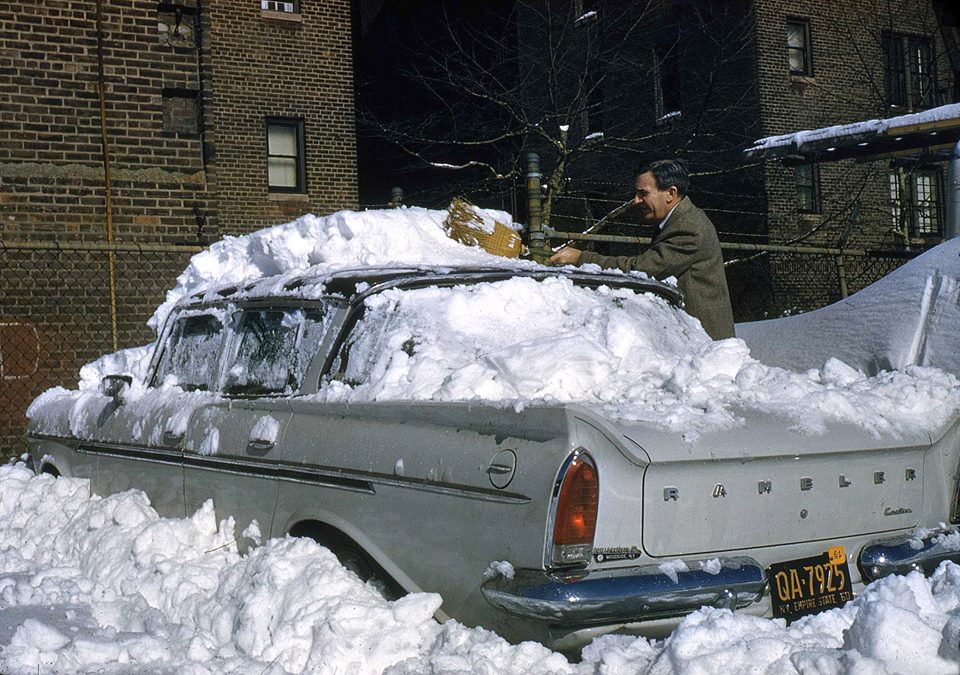
Snow covered Rambler in Queens, New York, 1961.
Sunbathing on the hoods, Daytona Beach, Florida, 1963.
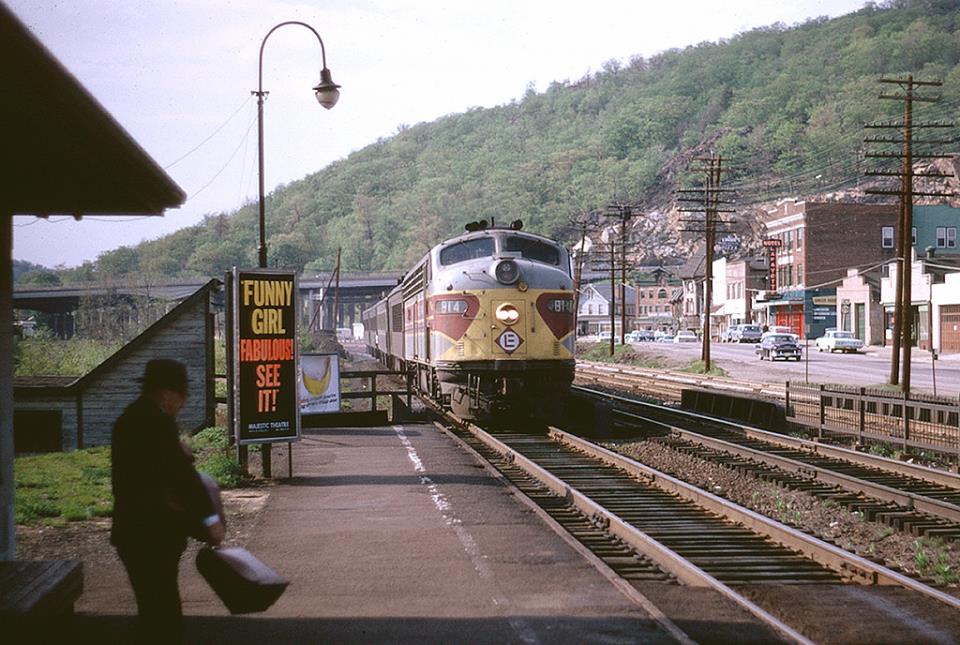
Erie-Lackawanna Local at Suffern, New York, 1966.
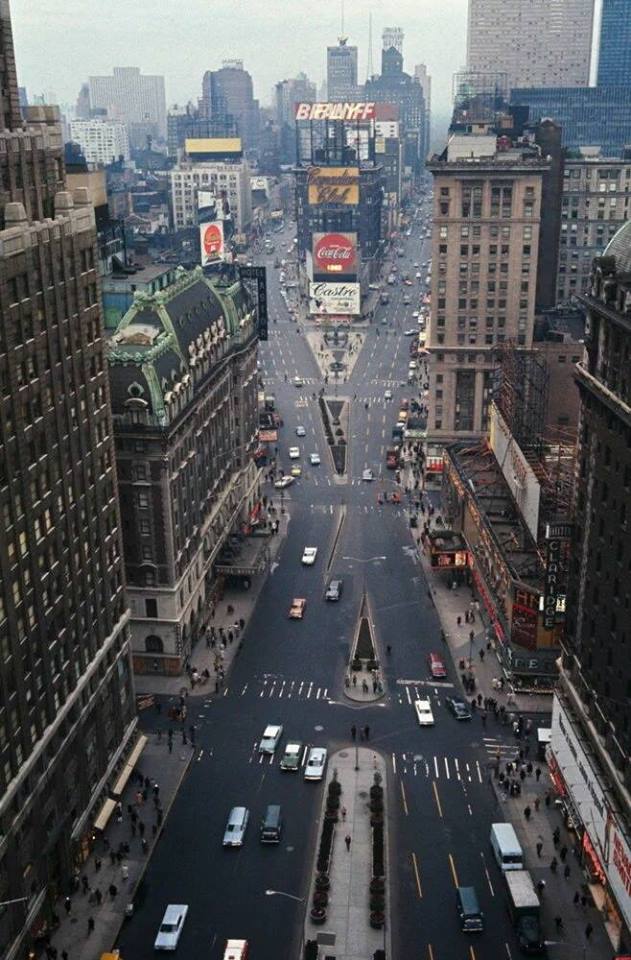
Times Square, NYC, 1967.
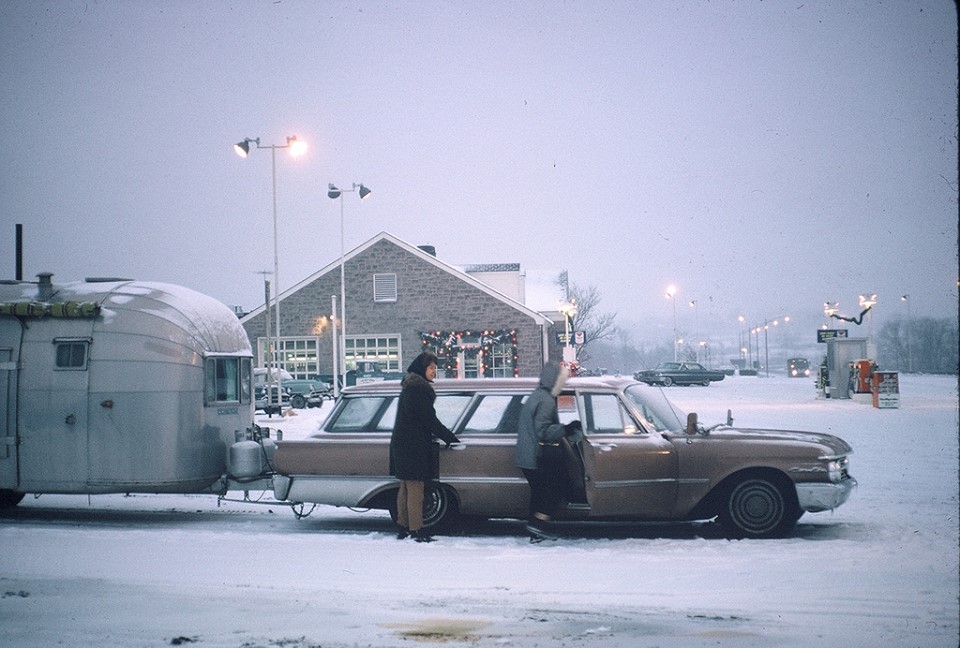
Rest-stop on the Pennsylvania Turnpike, 1963.
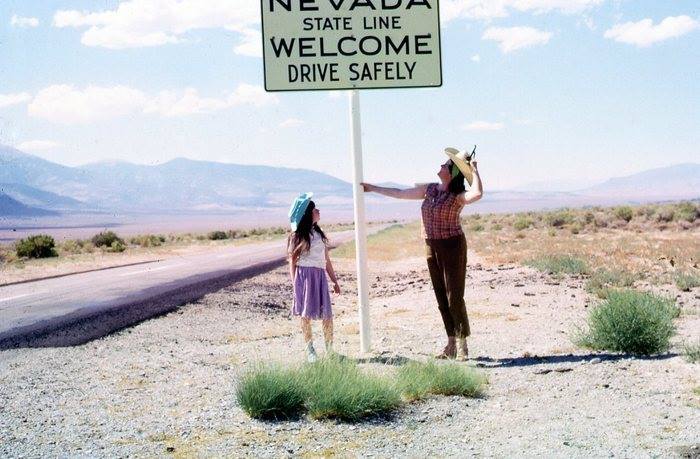
Mother and daughter on the road to Nevada, 1966.
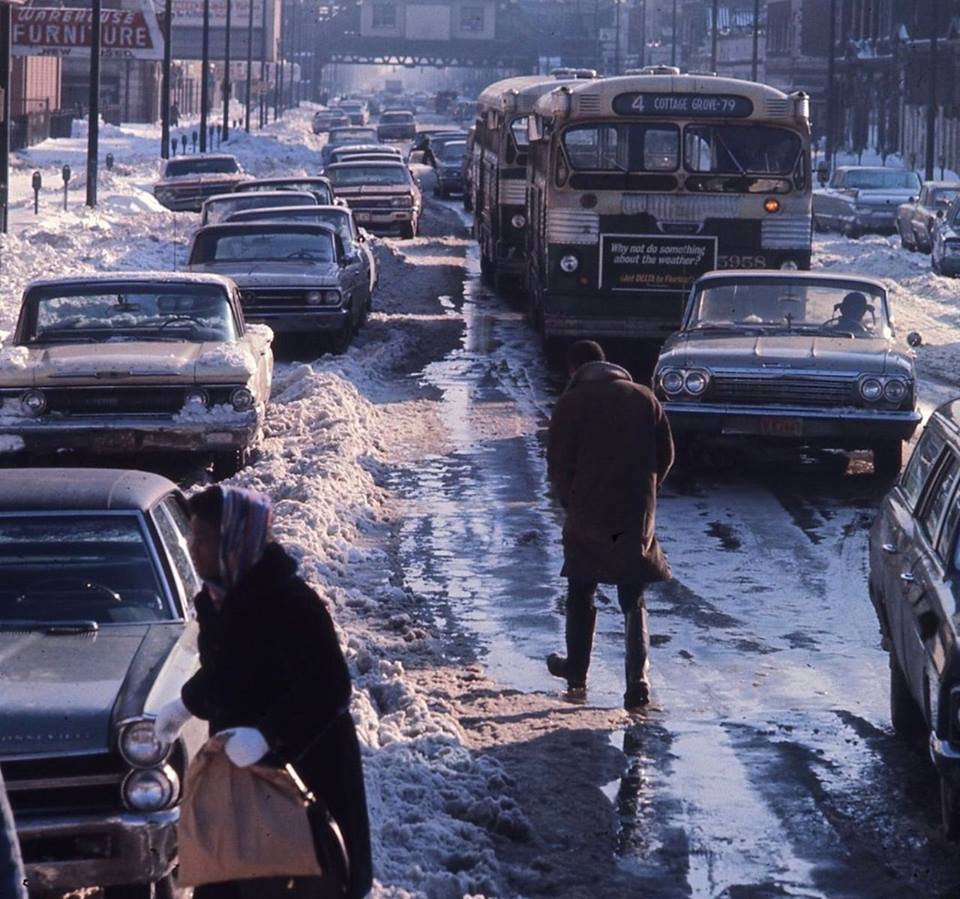
Chicago, 1967.
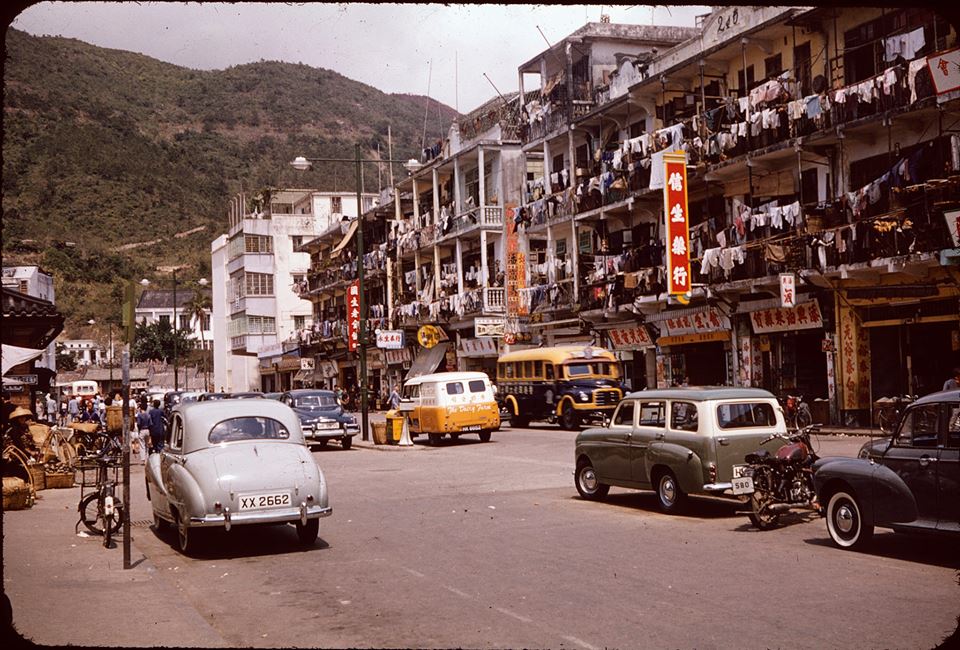
Street scene of Hong Kong in the 1960s.
Knoxville, Tennessee, 1967
Early 60’s teen.
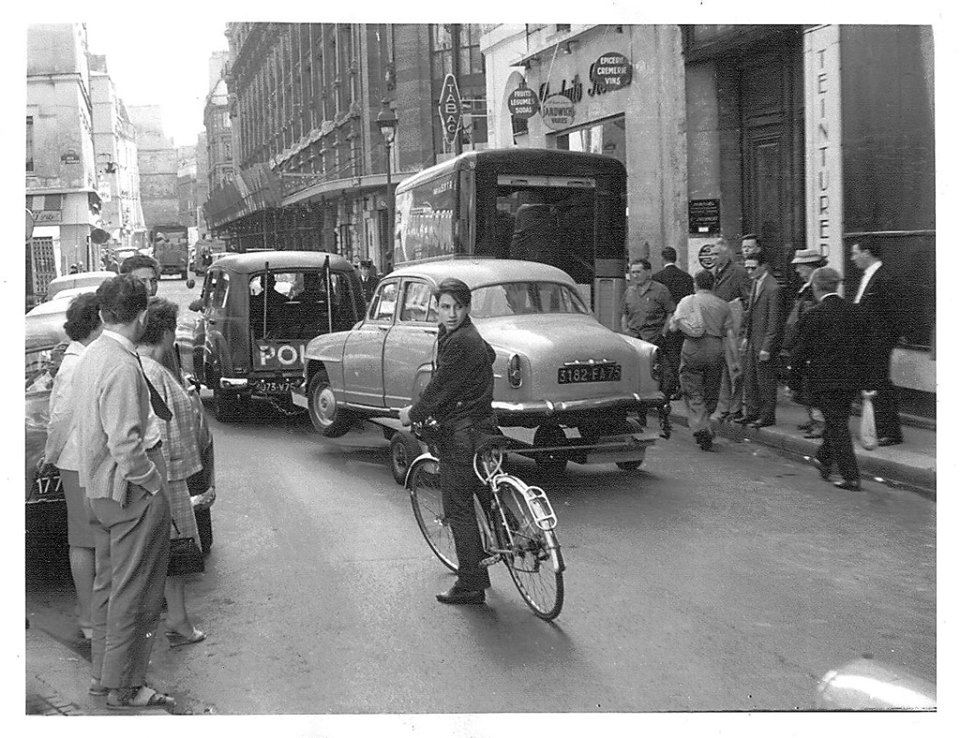
Paris in 1961.
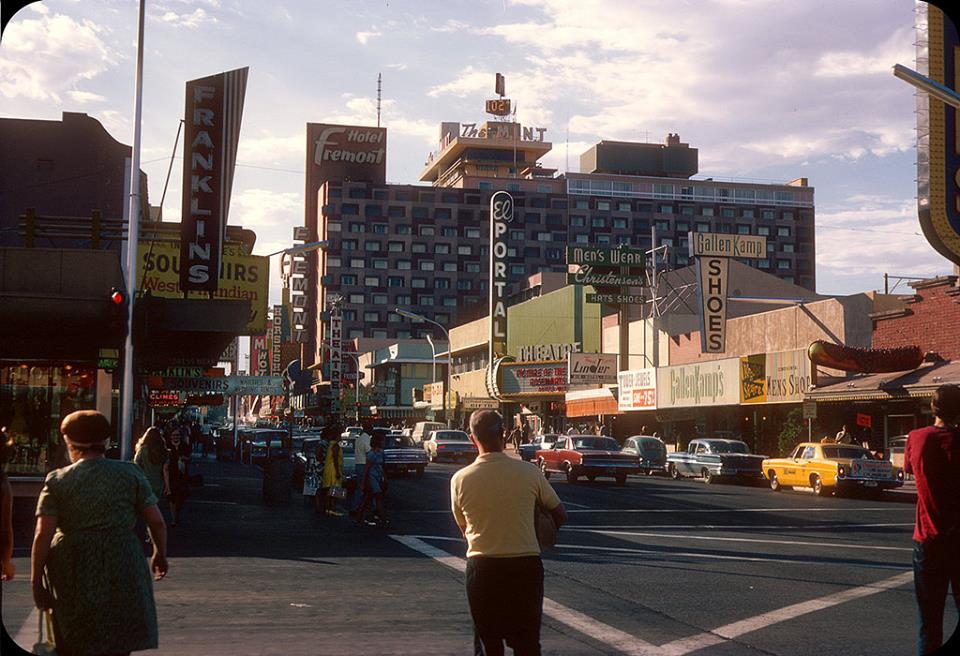
Las Vegas, Nevada, 1968.
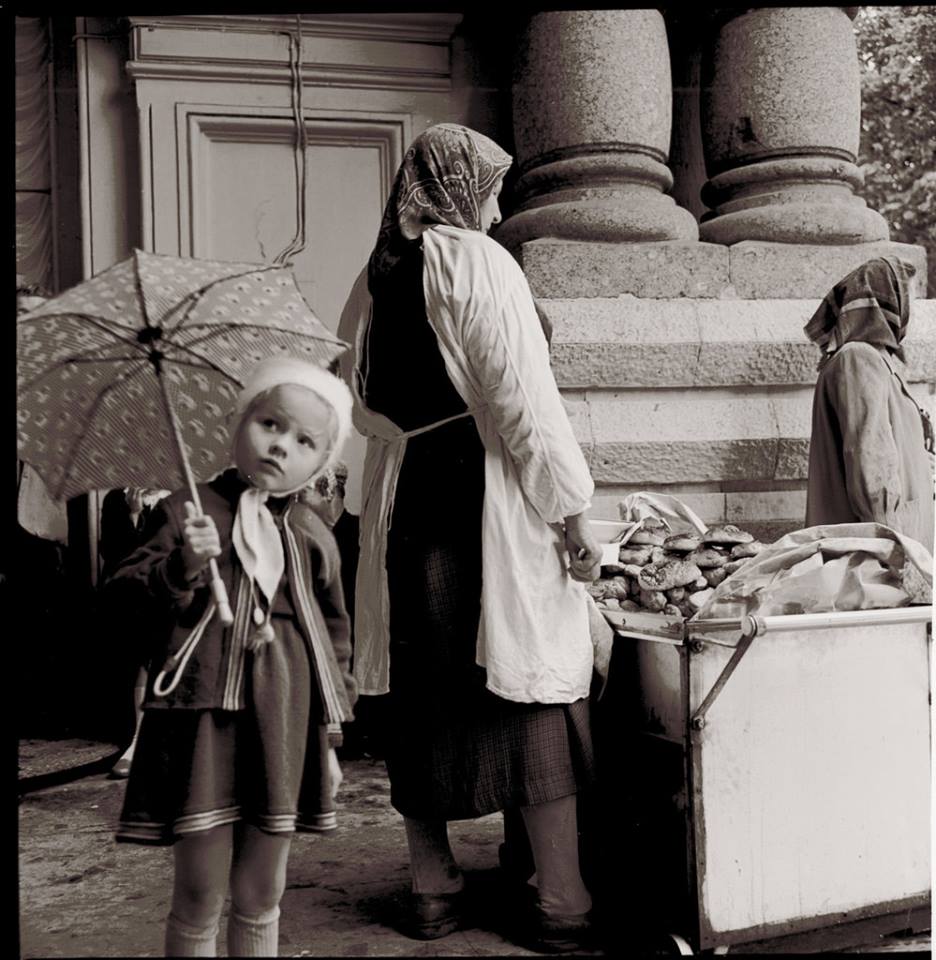
Moscow, 1960.
A porter in Nuruosmaniye, Istanbul, 1960s
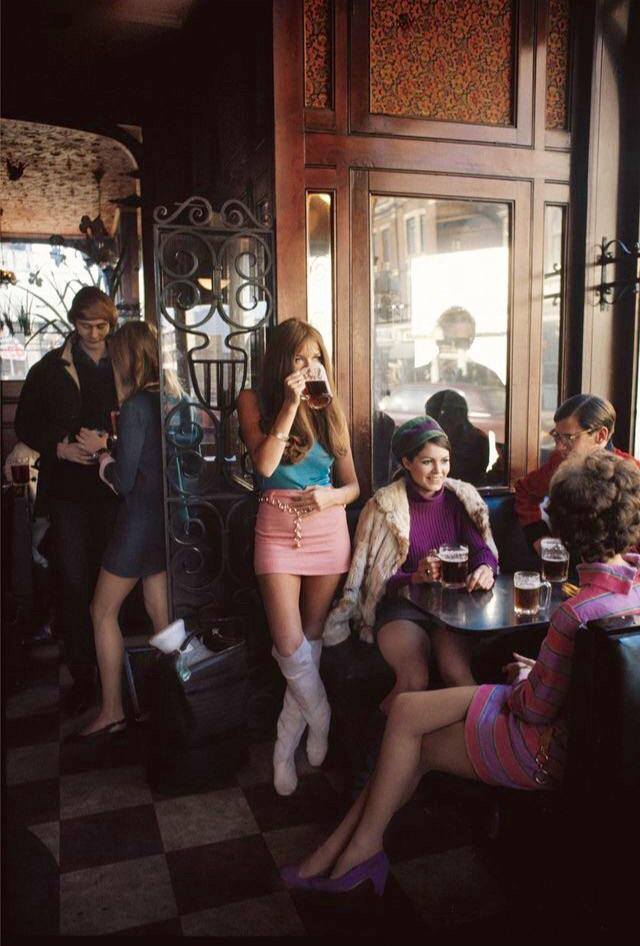
A day at the pub in London, 1967.
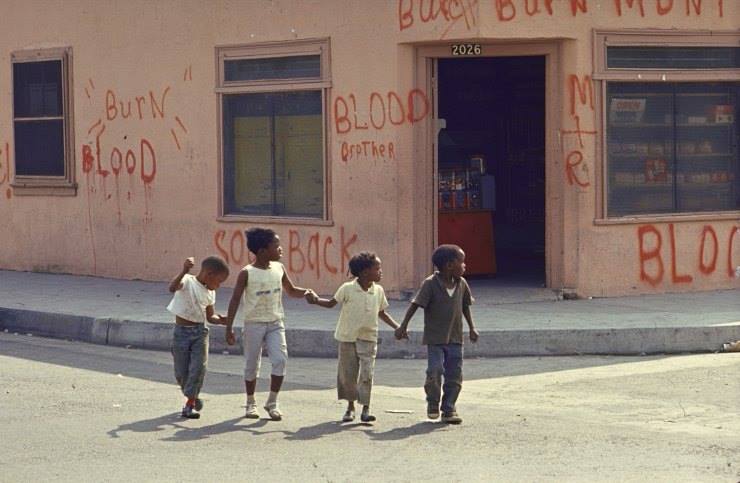
Life in Watts a year after the 1965 riots.
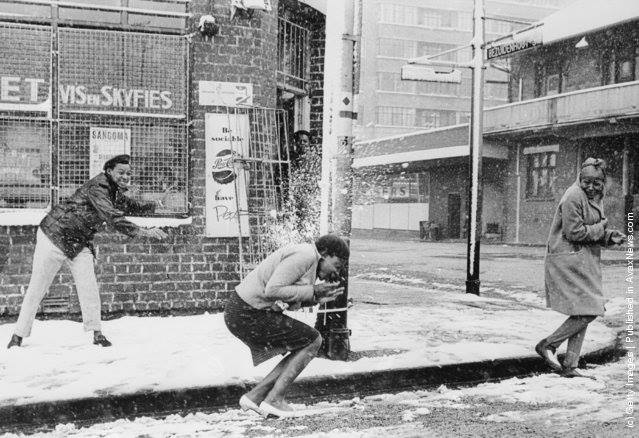
Women playing in the street as the snow falls on Johannesburg, South Africa for the first time in seventeen years. 1962.
Marilyn Monroe parked up on Blue Jay Way, June 1962.
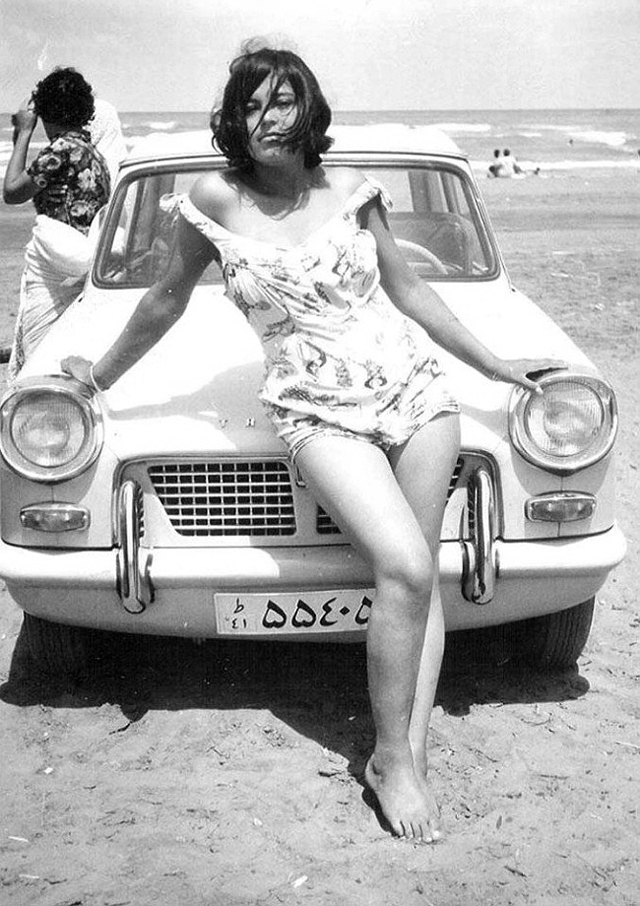
An Iranian woman, 1960
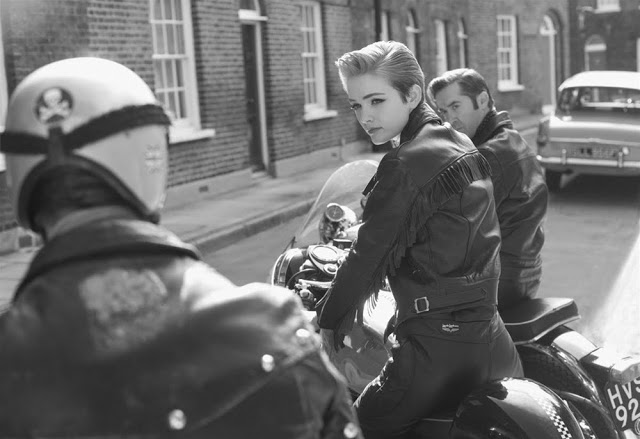
Bikers, 1960s
Players of the Toronto Maple Leafs and the Chicago Black Hawks search for Jack Evans’ lost contact lens during an ice hockey game, 1962
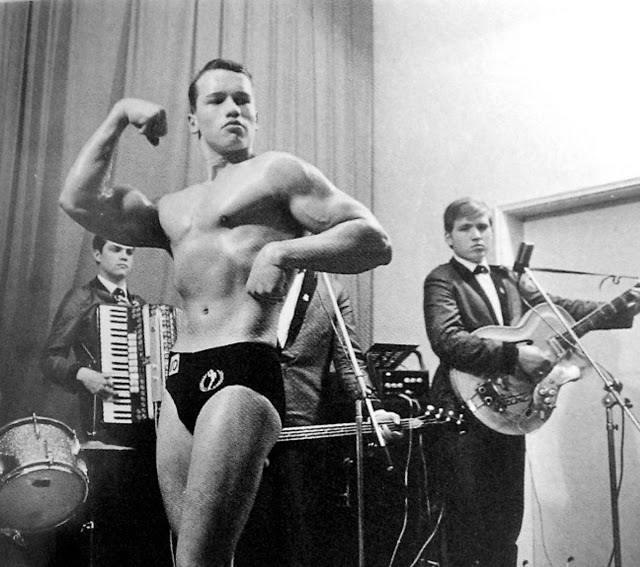
A sixteen-year-old Arnold Schwarzenegger at his first body-building competition, 1963
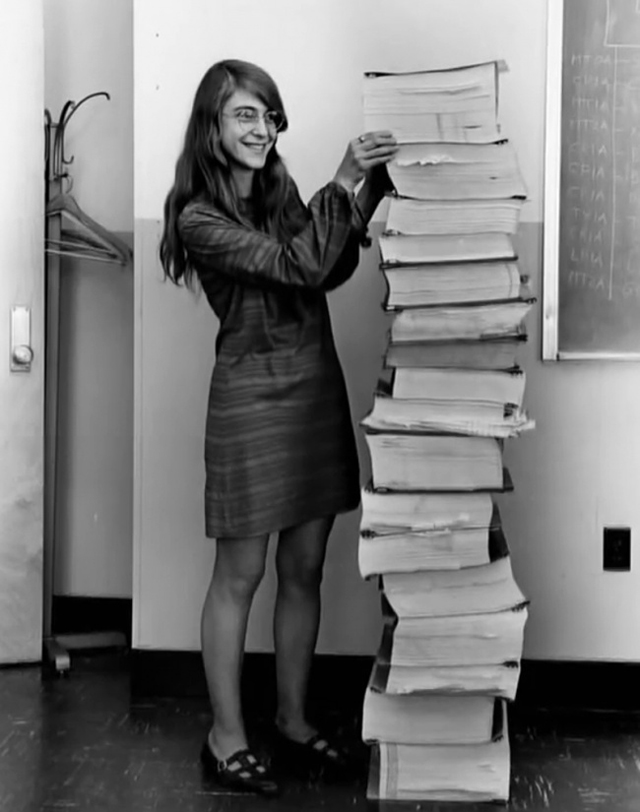
Margaret Hamilton, the principal software engineer for NASA, 1969
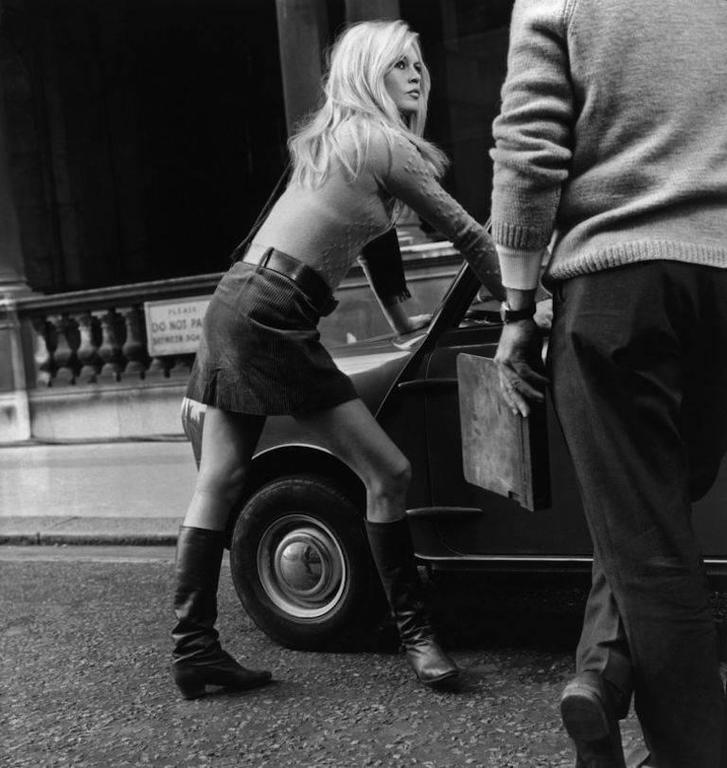
Brigitte Bardot, 1966
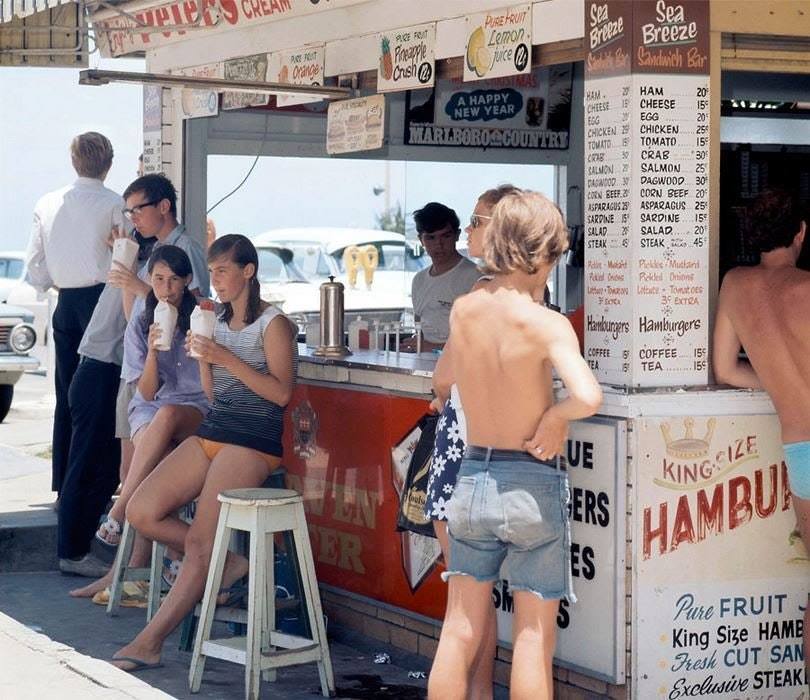
Sea Breeze Sandwich Bar, 1964.
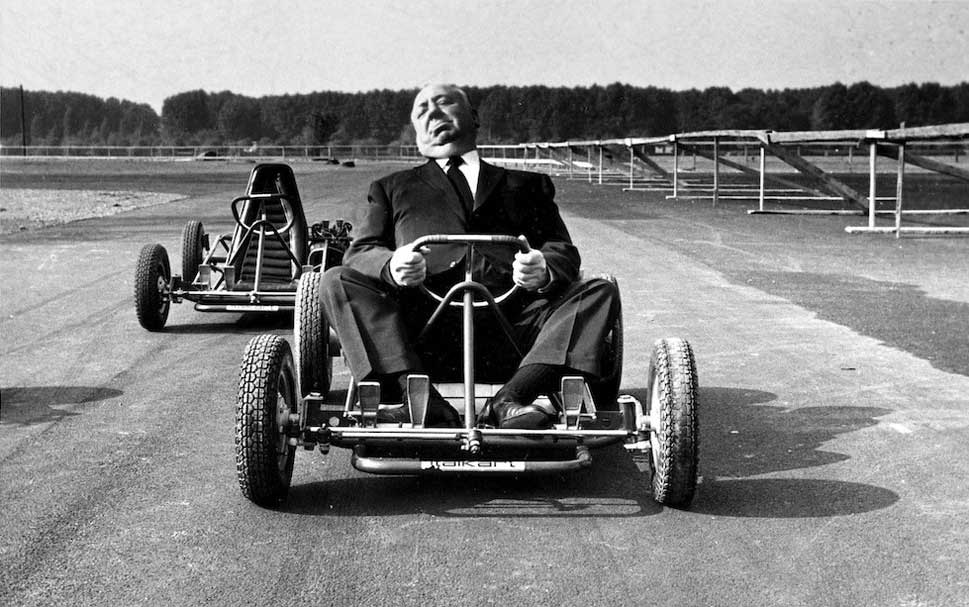
Alfred Hitchcock Riding A Go-Kart, 1960.
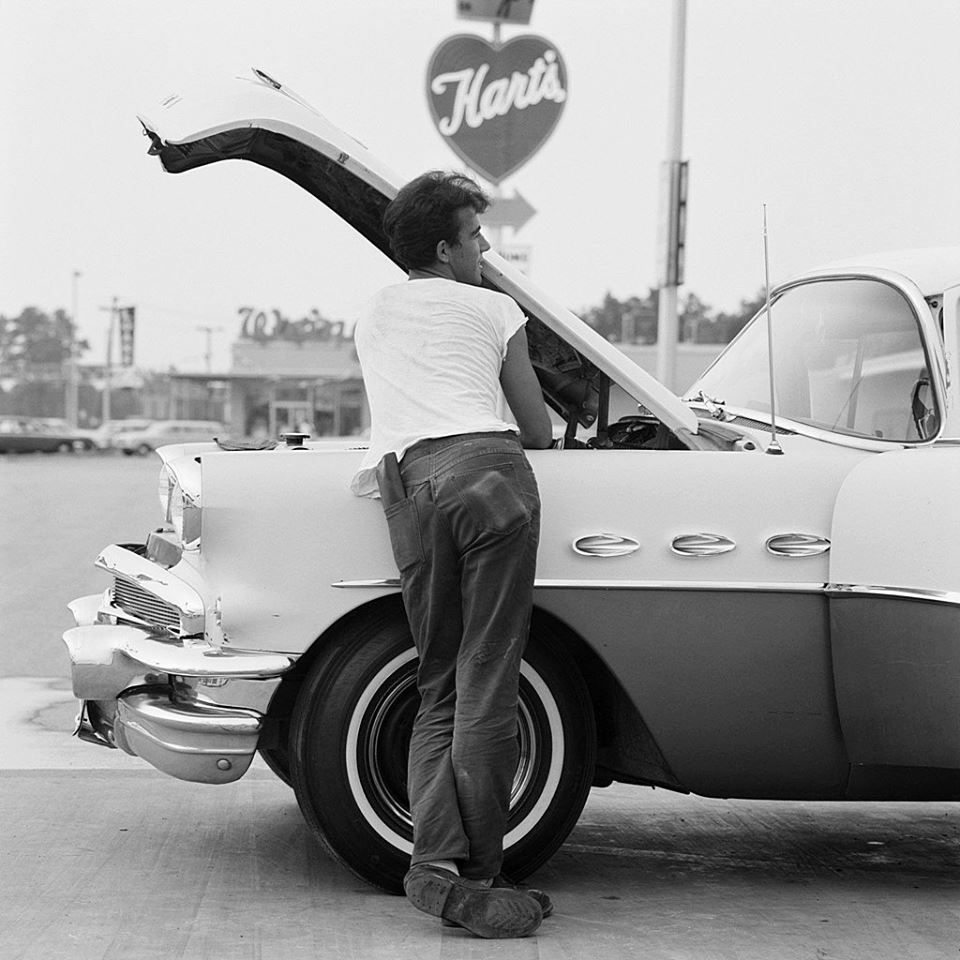
A guy and his Buick, Brooklyn, New York, 1965.
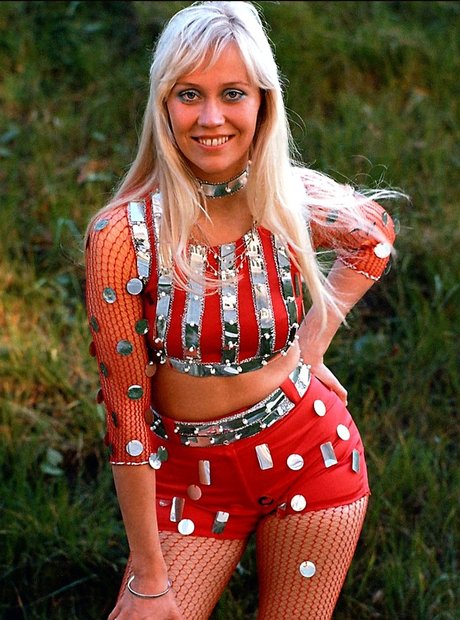
Agnetha Faltskog, 1960s
American pressure suit, designed by Republic Aviation, for extended operations on the moon’s surface, 1966.
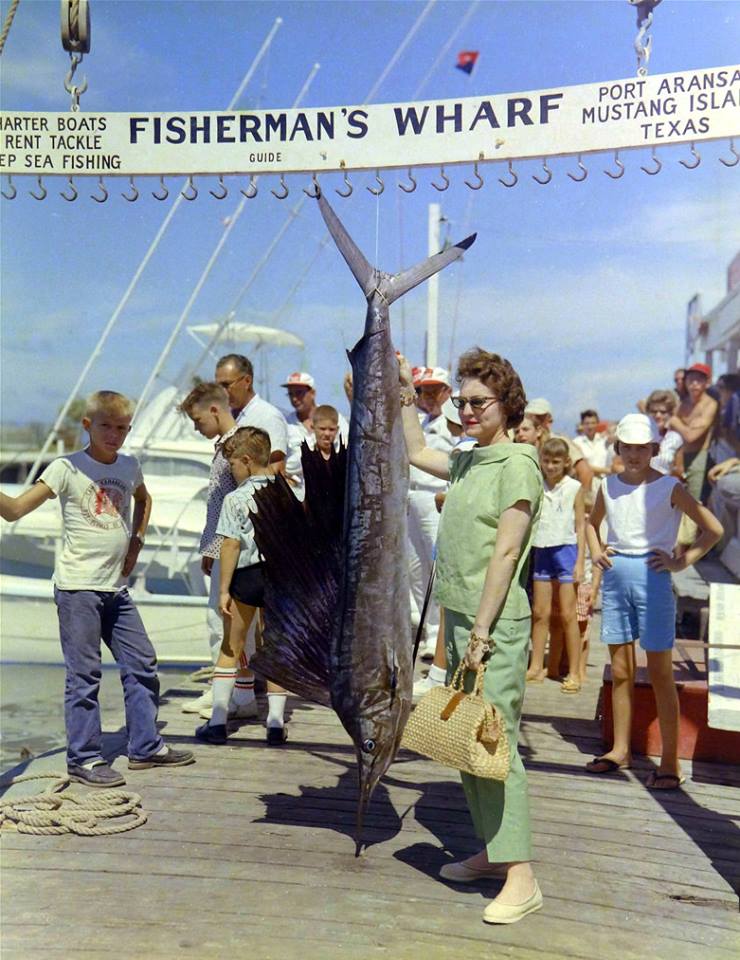
Fisherman’s Wharf in Port Aransas, Texas, 1960s.
Jerry Lewis tearing up some chicken sitting next to Colonel Sanders, 1967.
Barcelona, 1965.
Jacqueline and Caroline Kennedy kneel to kiss President John F. Kennedy’s coffin, in the Rotunda of the U.S. Capitol. November, 1963.
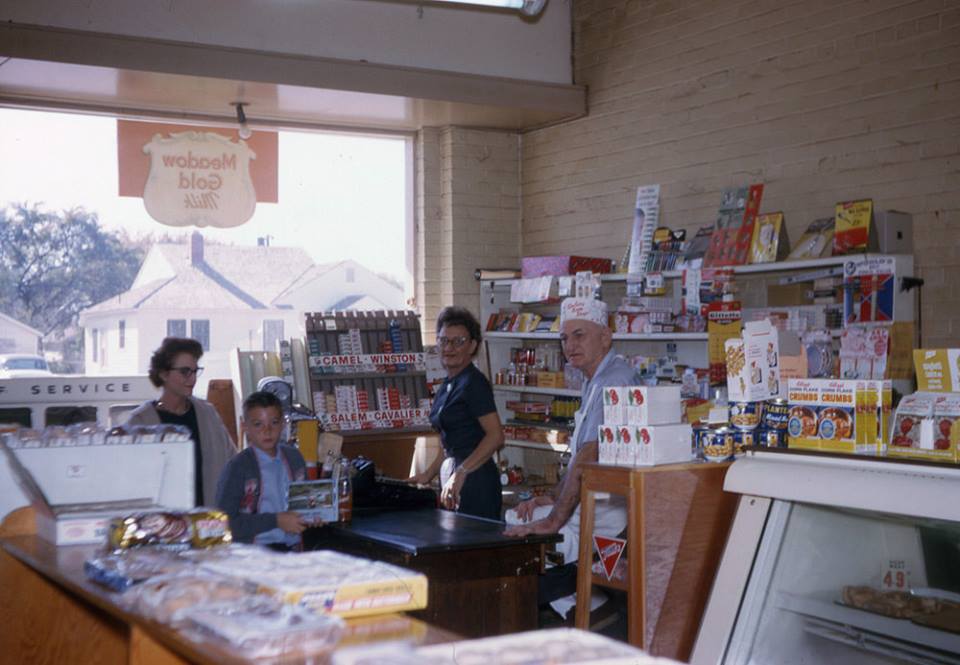
Inside a mom and pop market, Oregon, November 1963.
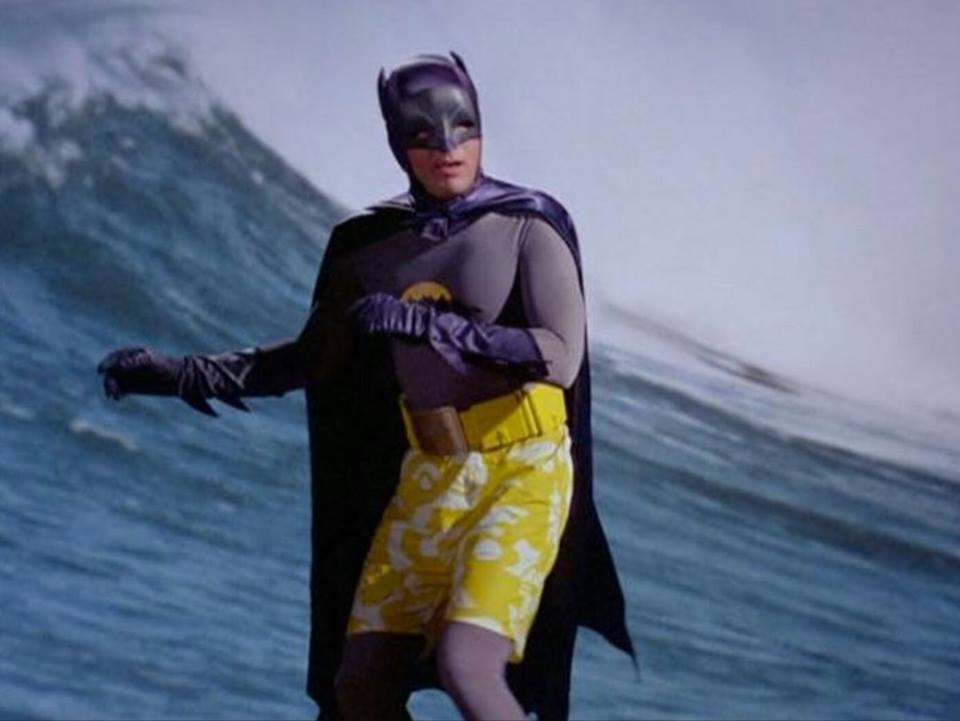
Adam West as Batman, 1966
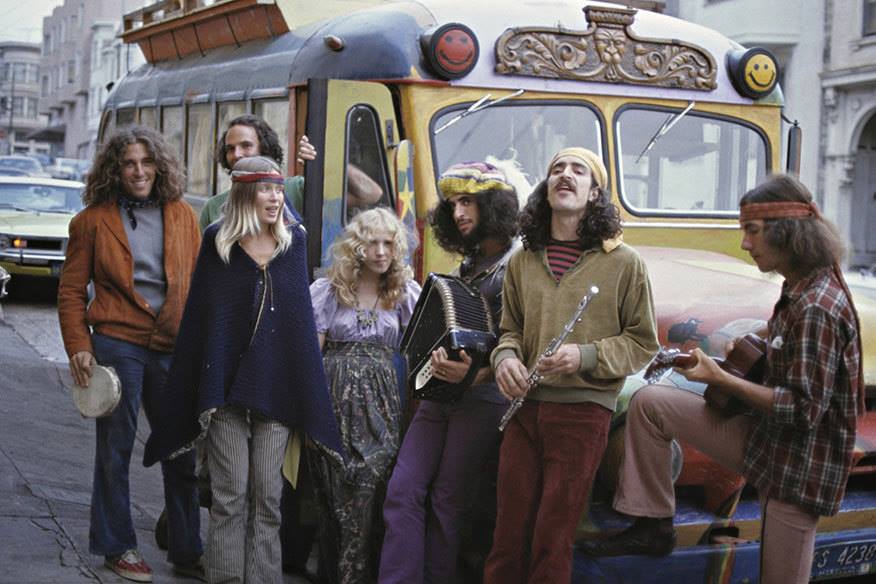
Hippie musicians and their mini-bus, 1968.
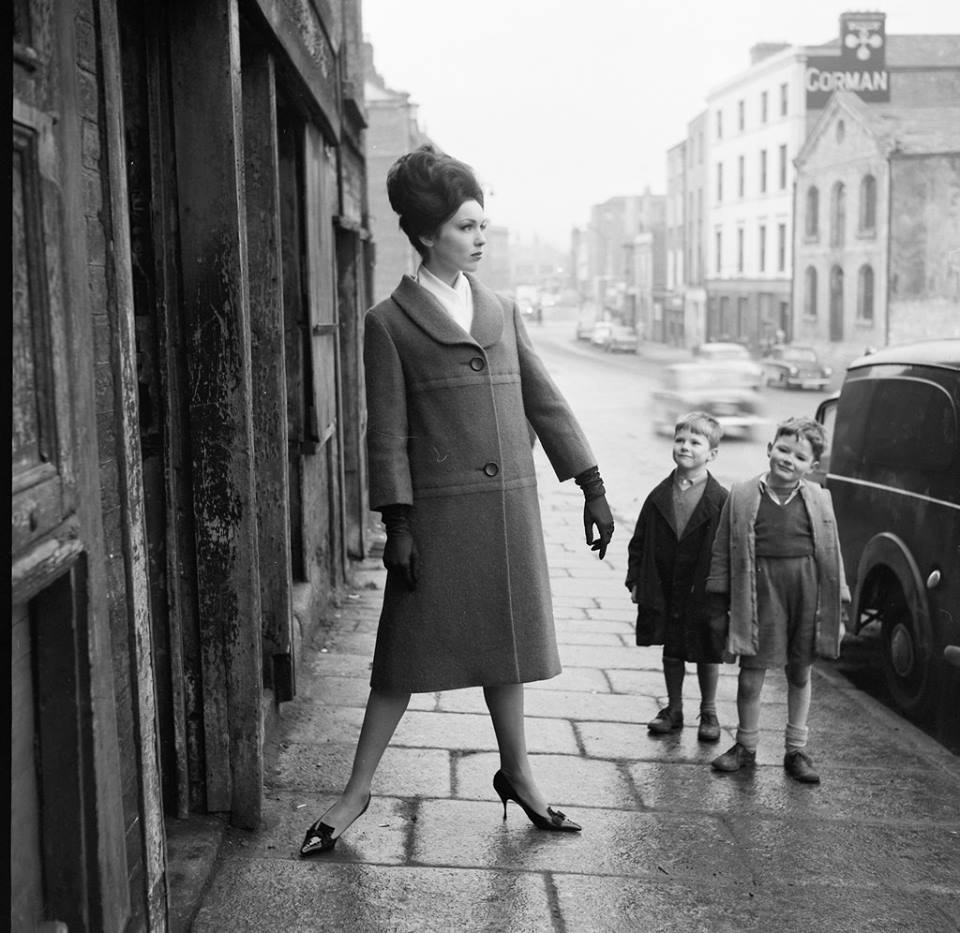
American model Linda Ward posing, while two local boys give her outfit the once over, Dublin, 1960s.
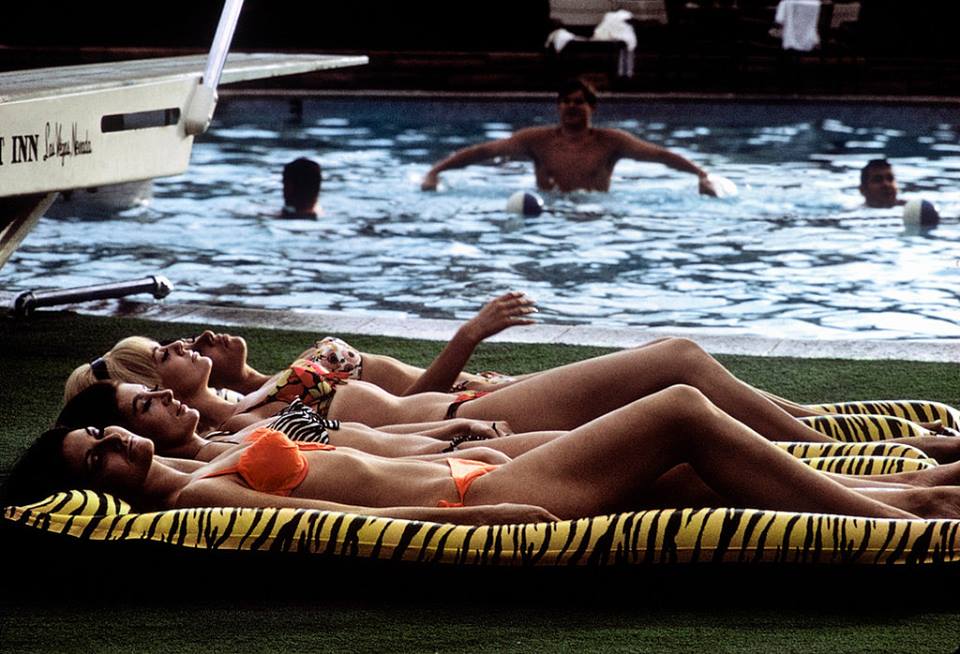
Four sunbathers on leopard skin-printed rafts, Las Vegas, Nevada, 1966.
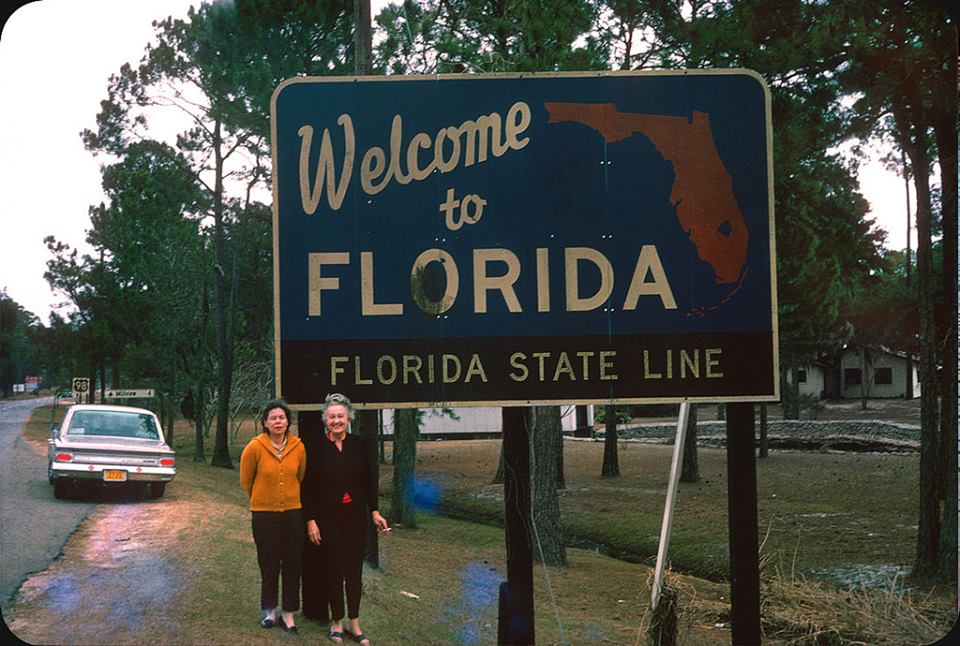
Welcome to Florida, 1964.
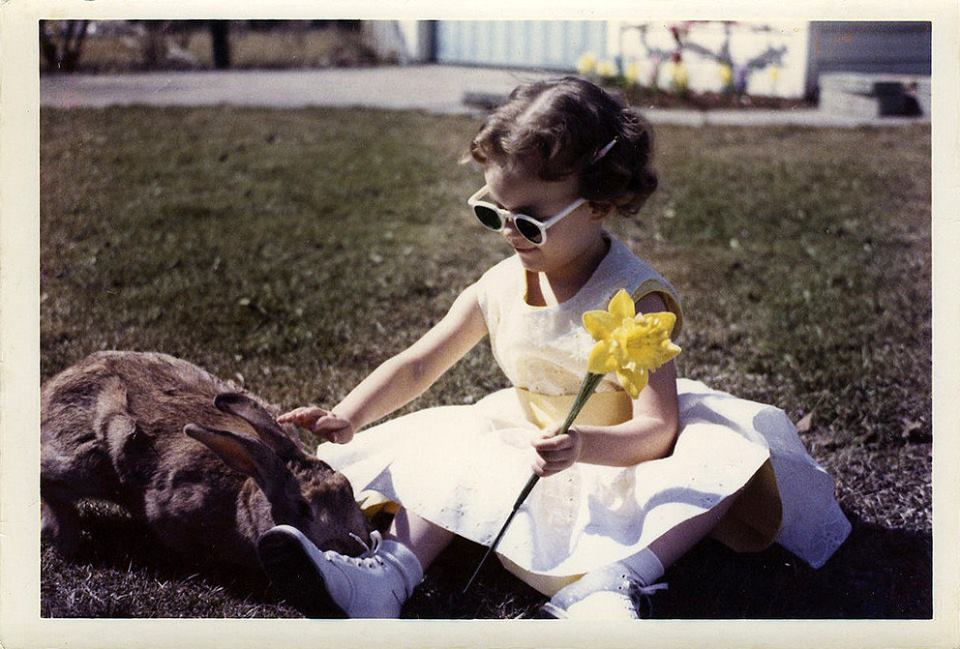
Little girl with her bunny, 1962.
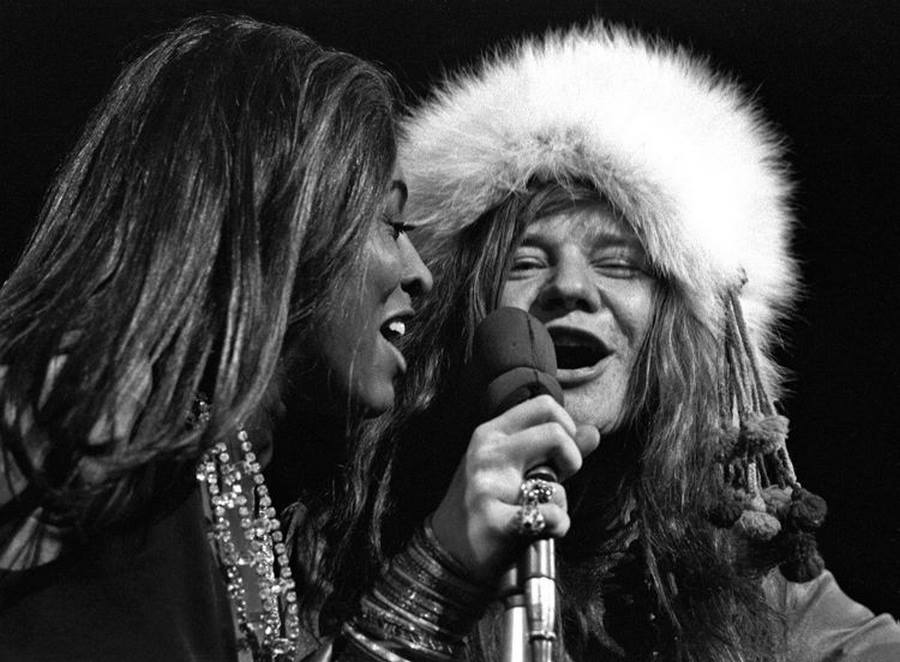
Tina Turner and Janis Joplin singing together live in 1968.
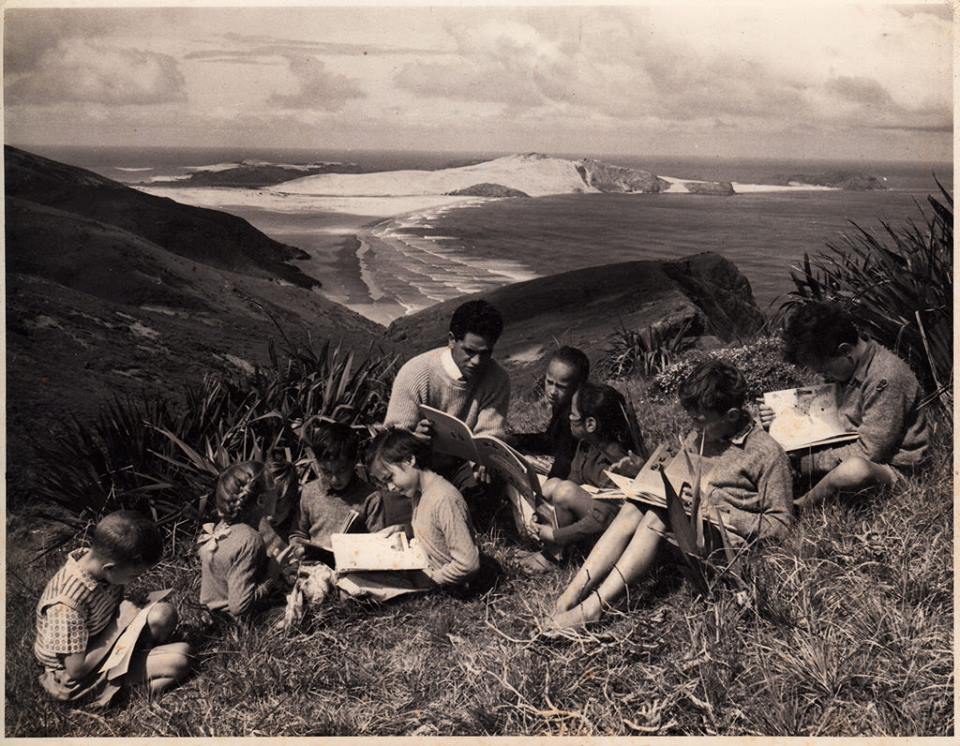
Outdoor reading session, Cape Reinga, North Island, New Zealand, 1965.
A girl photographs Joe Cocker during his performance at Woodstock, 1969.
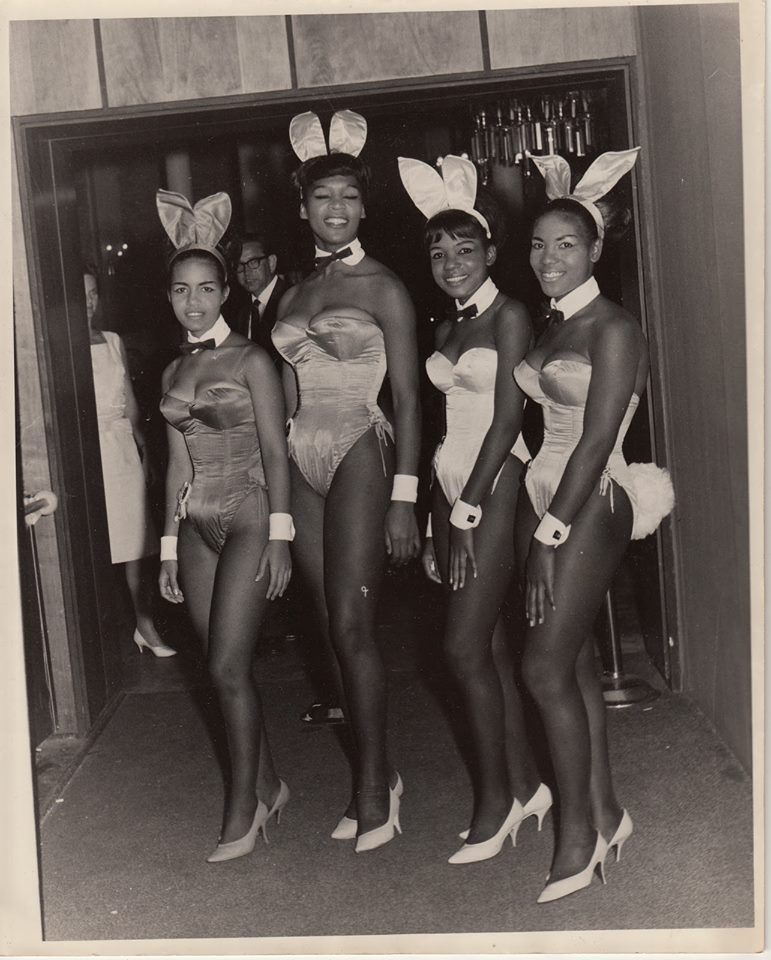
The very first black playboy bunnies in the 1960s.
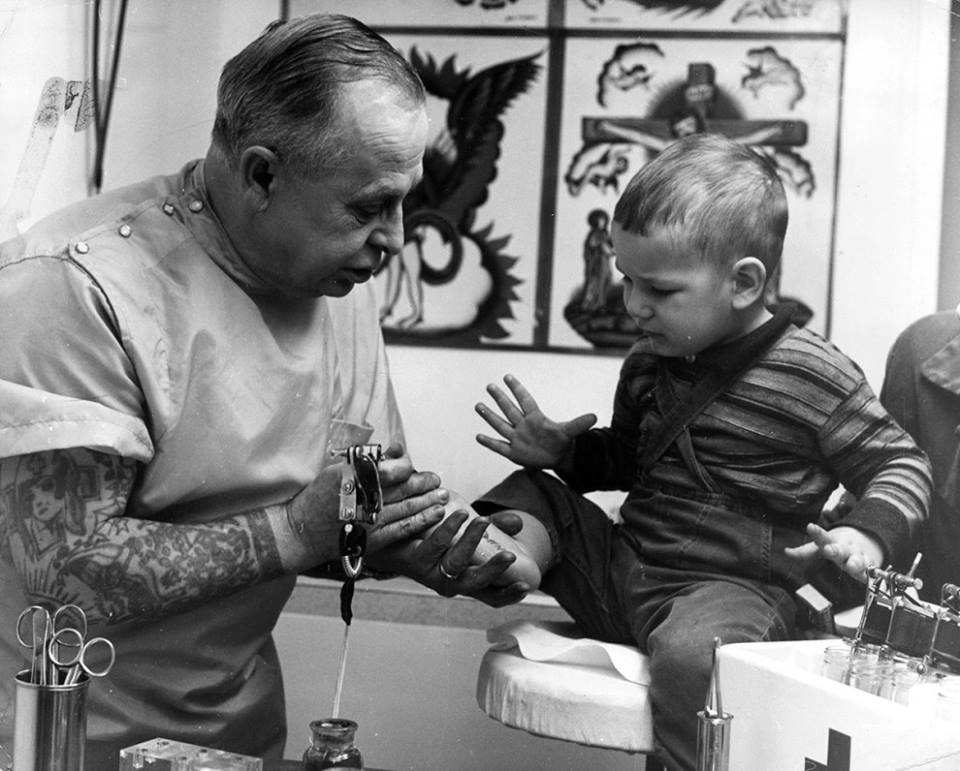
Forbes A. Hendry, a tattooist in British Columbia, tattoos a small boy’s foot with his name in 1965.
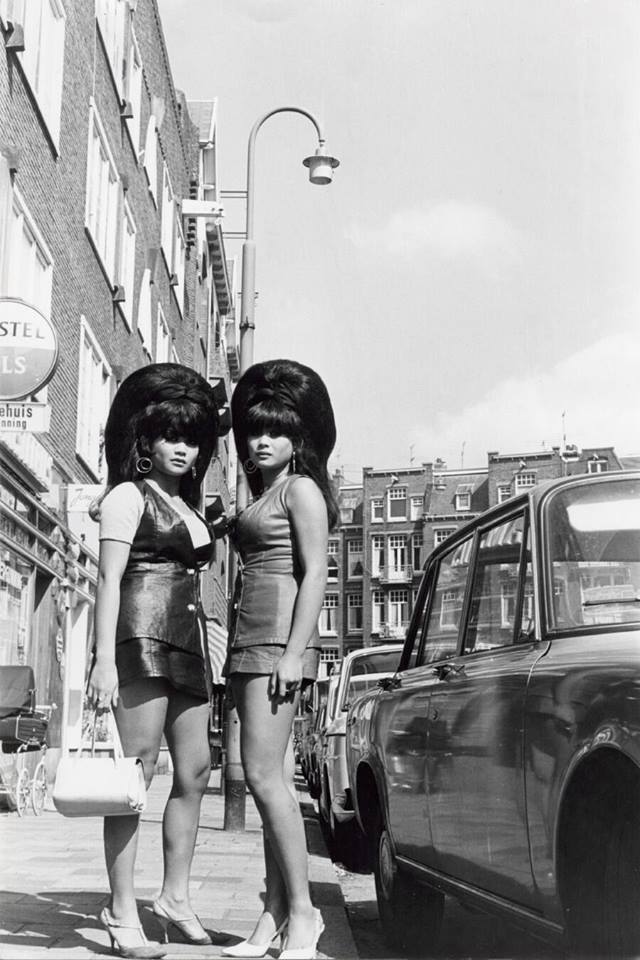
Amsterdam in the 1960s.

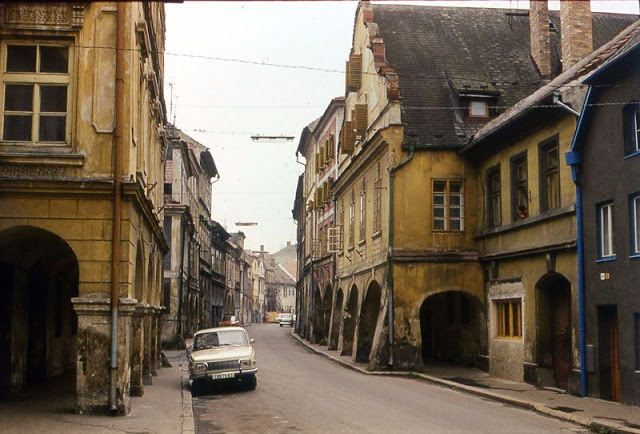
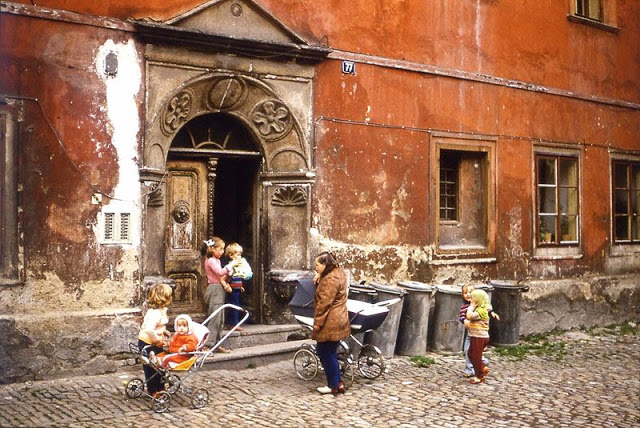
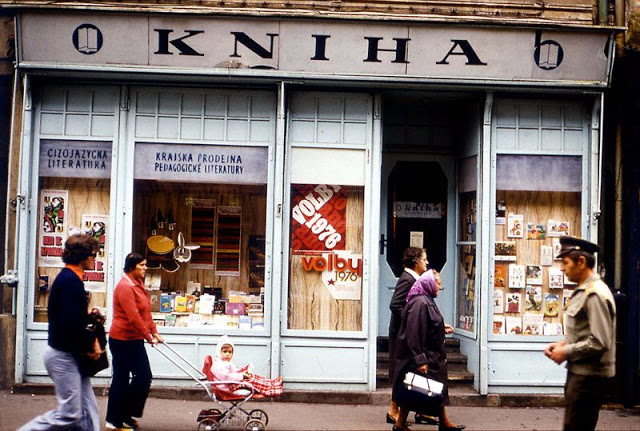
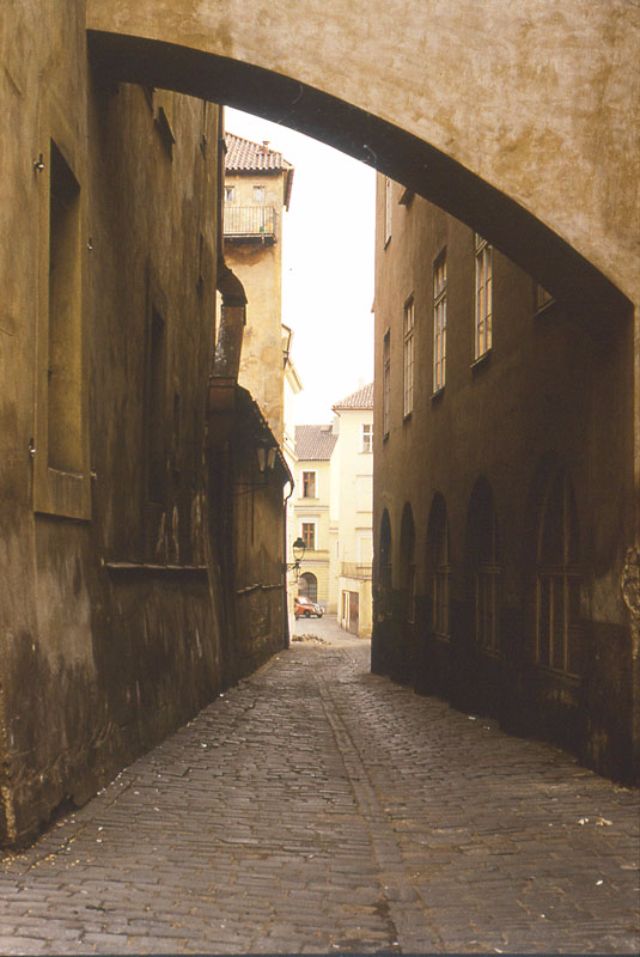
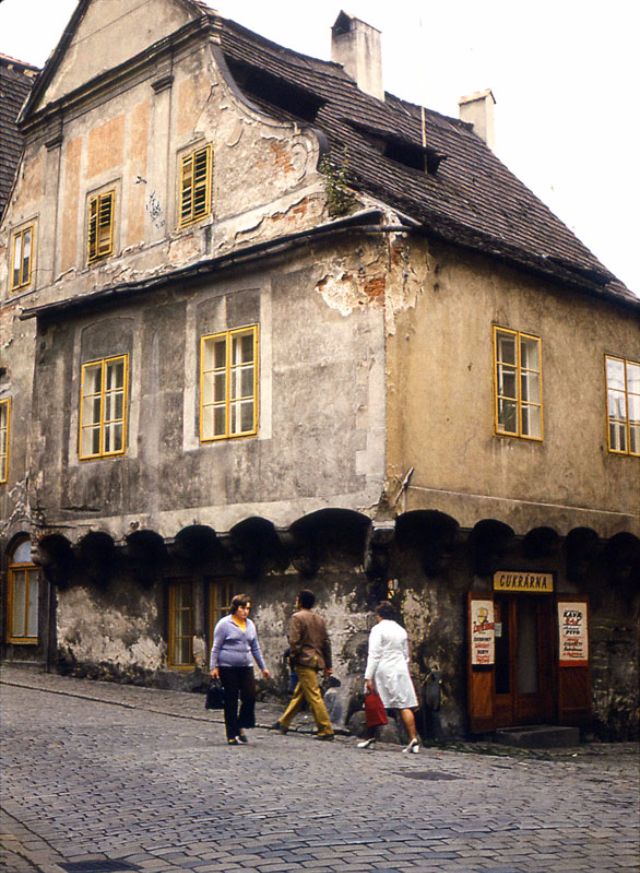
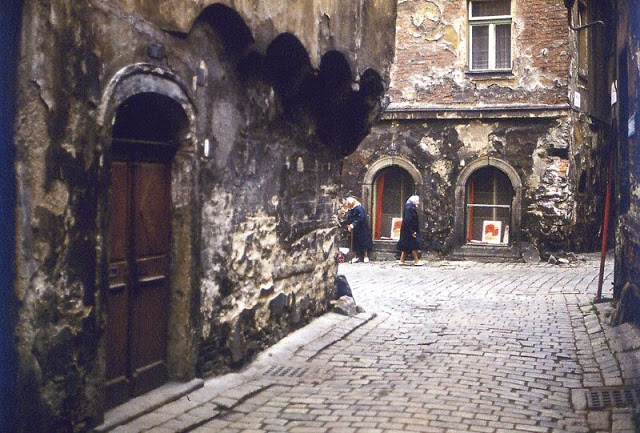
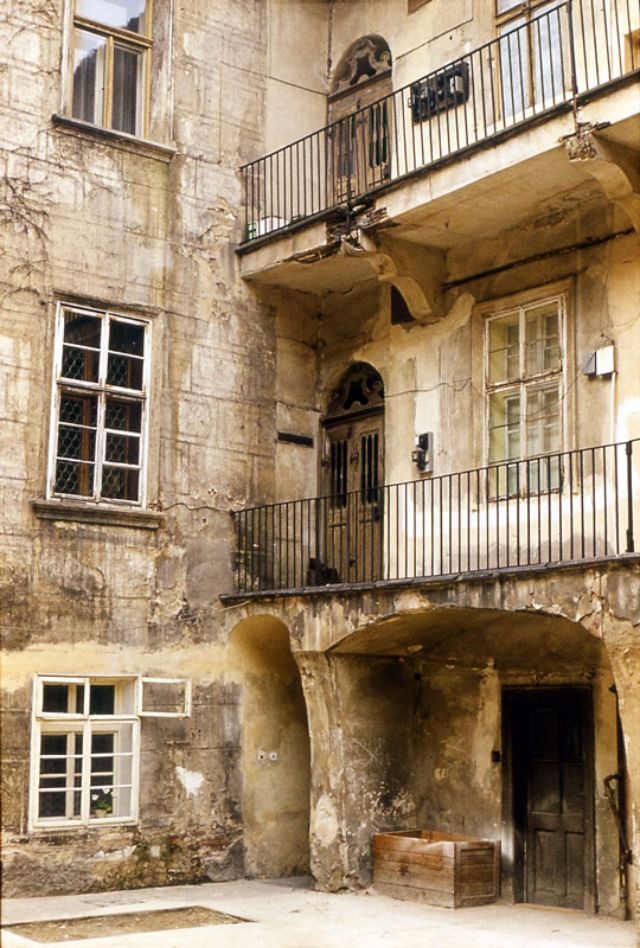
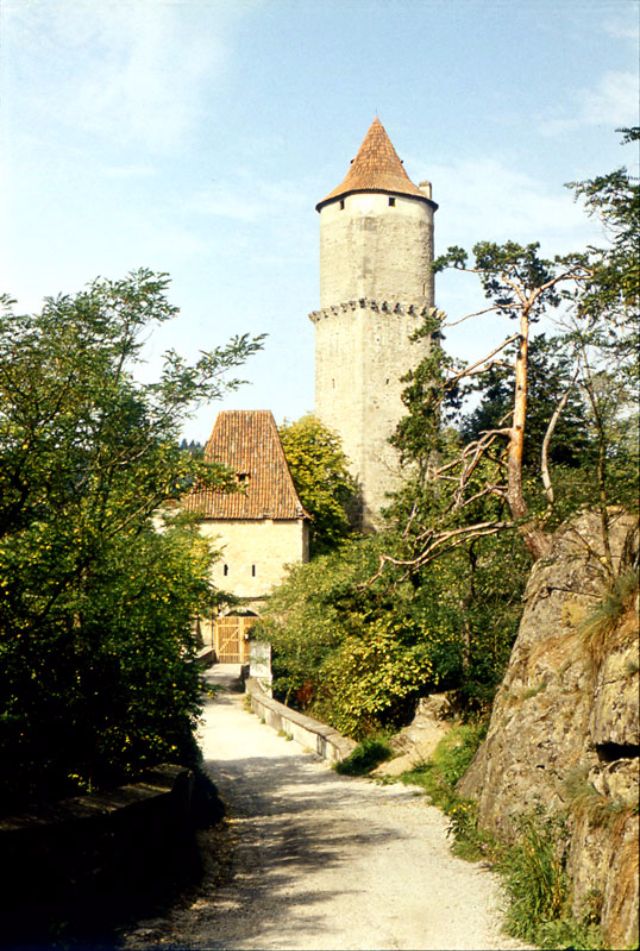
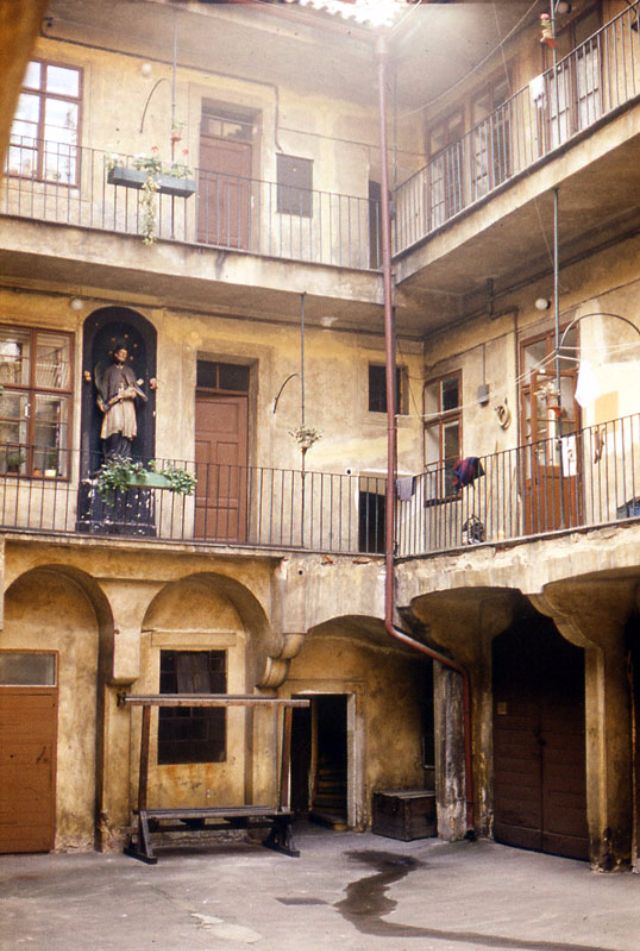
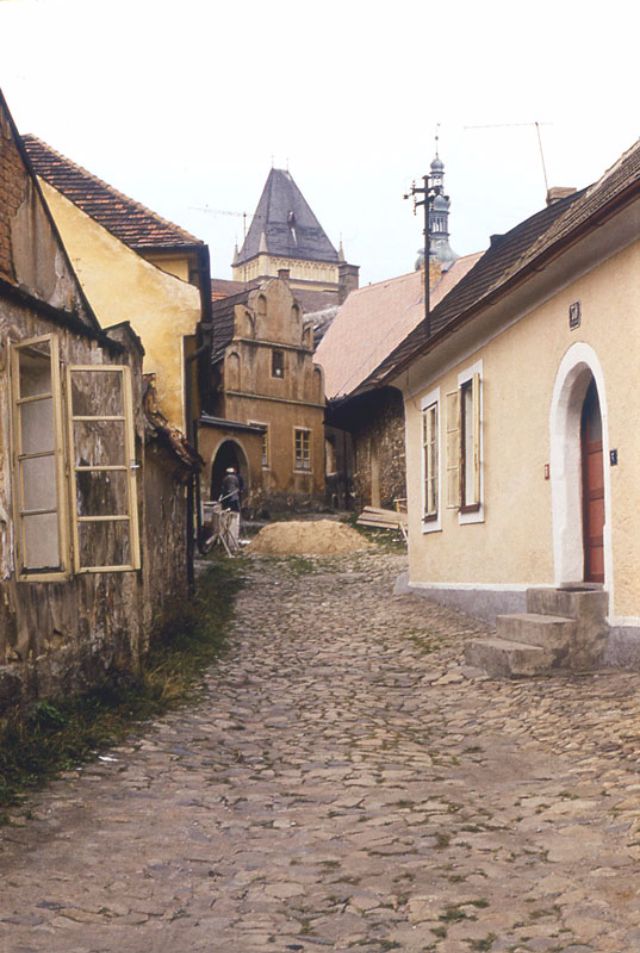
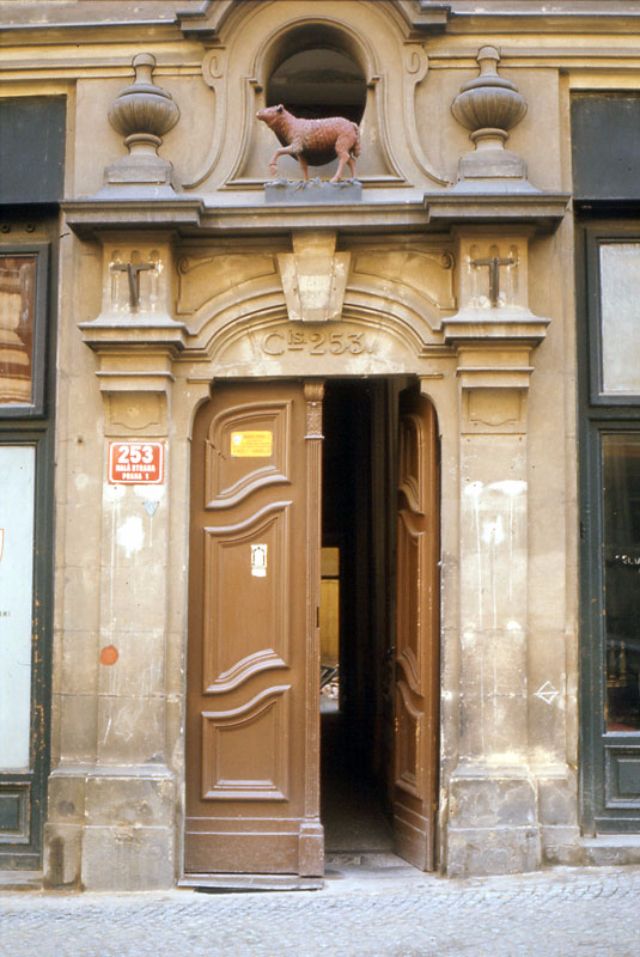
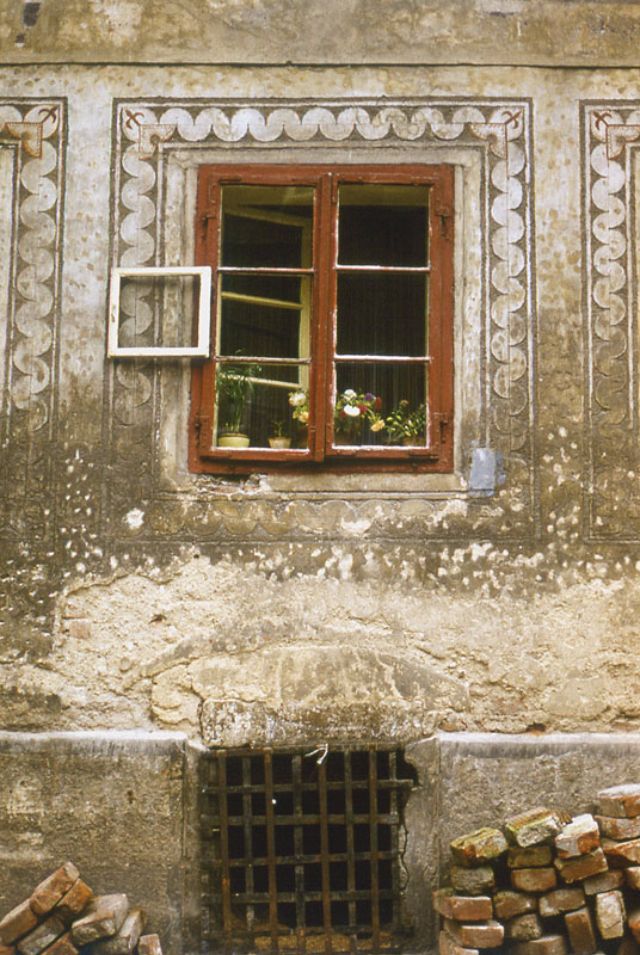
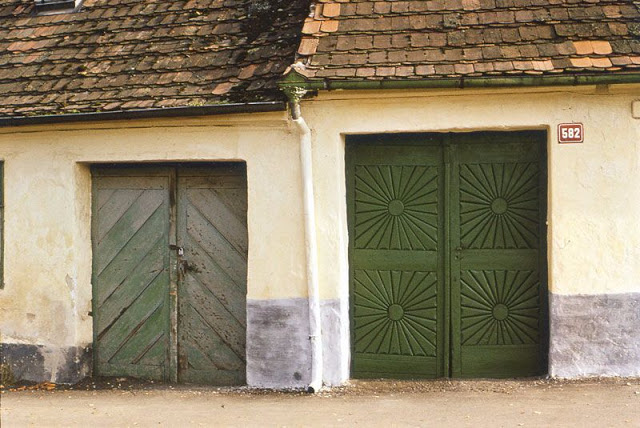
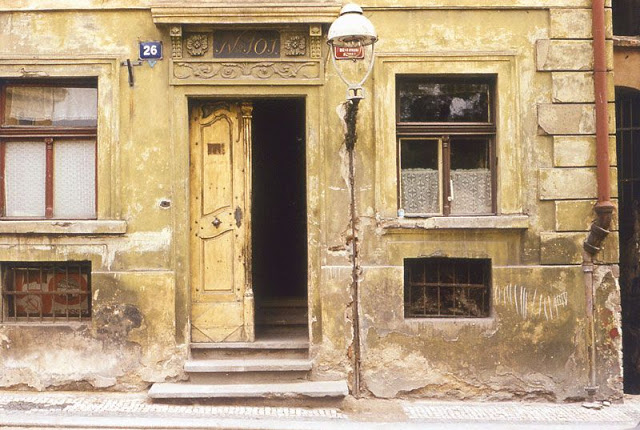
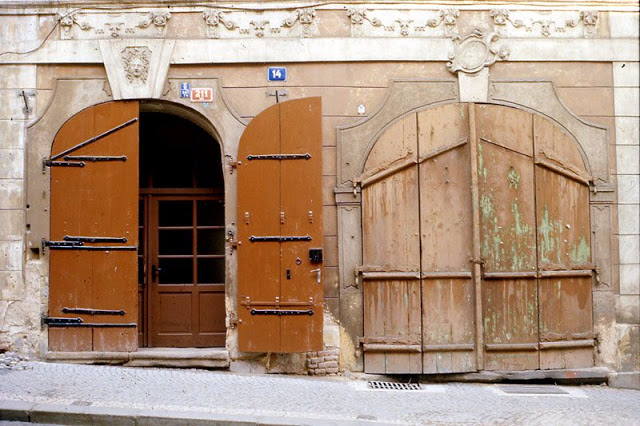
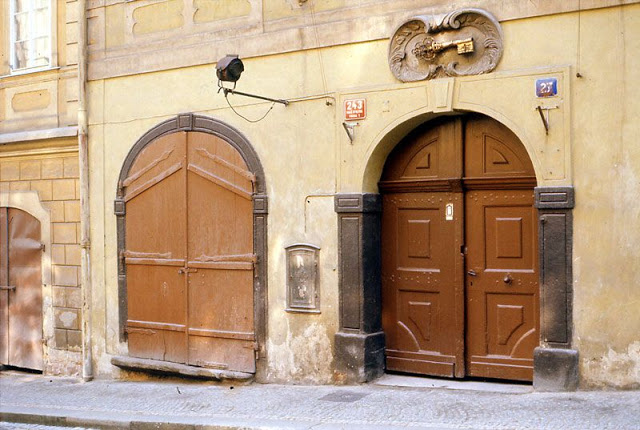
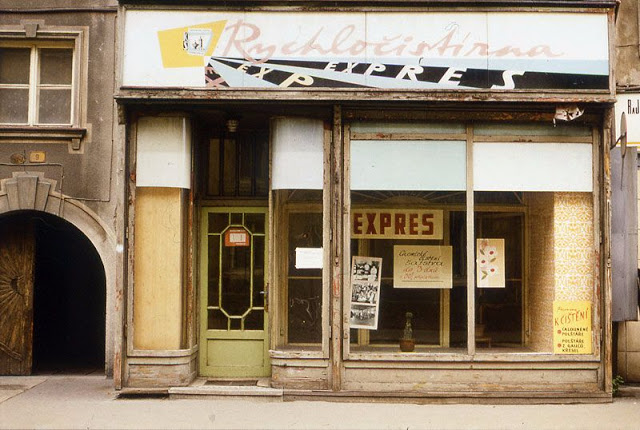
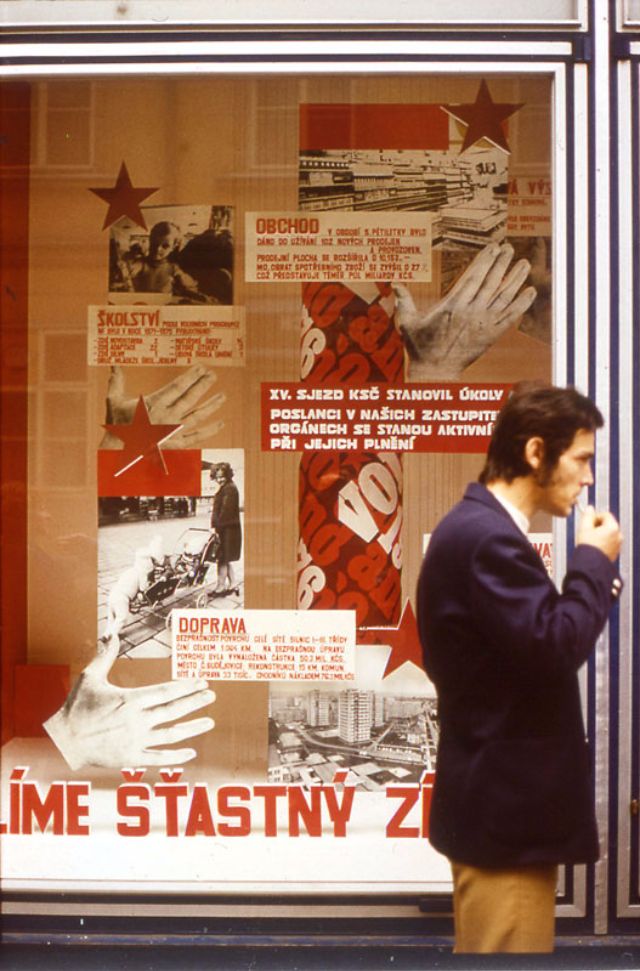
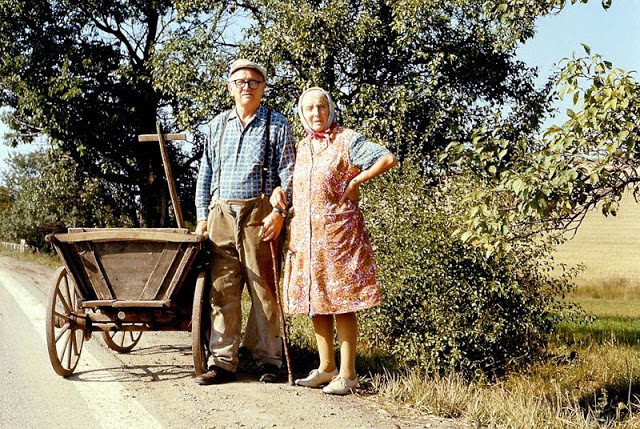
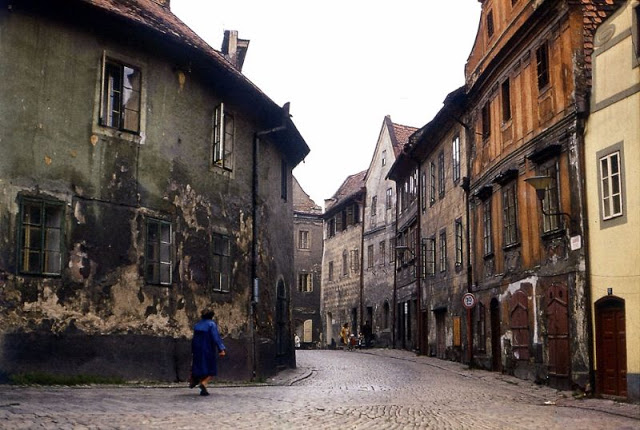
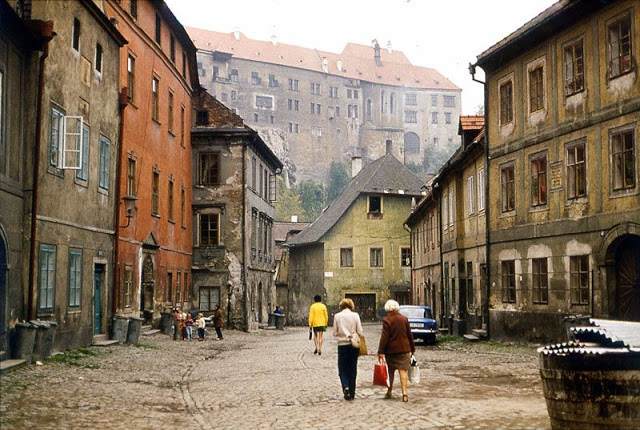
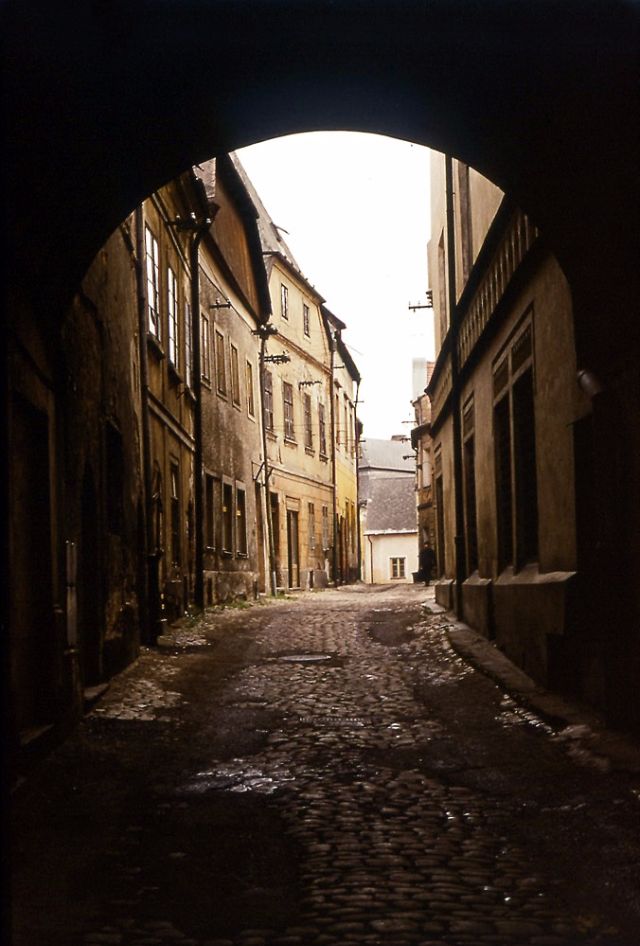
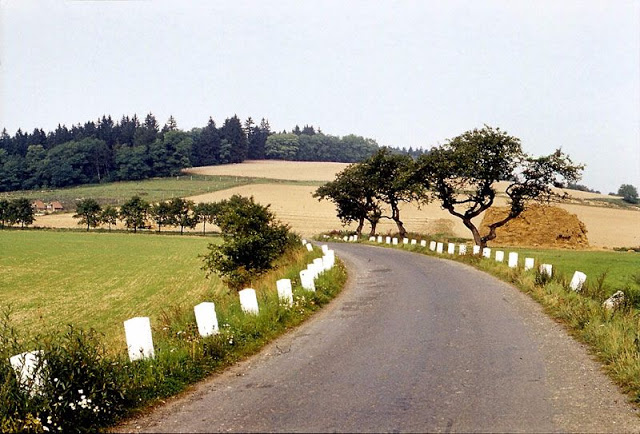
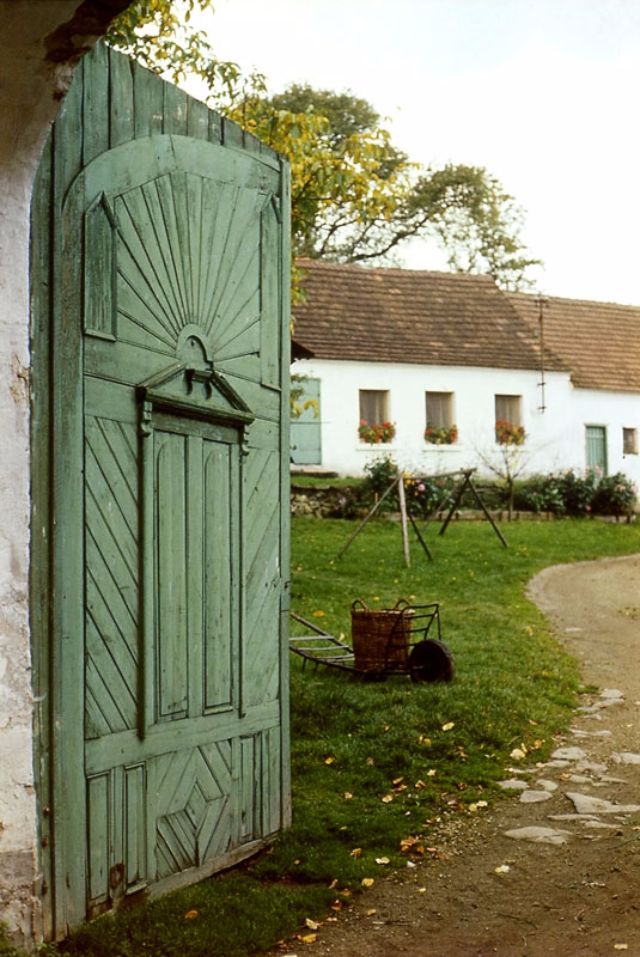
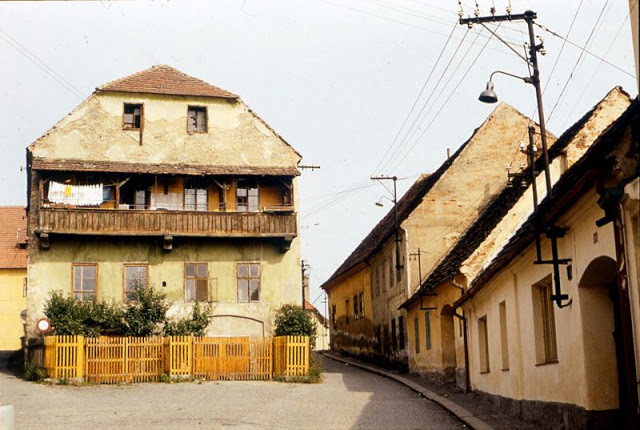
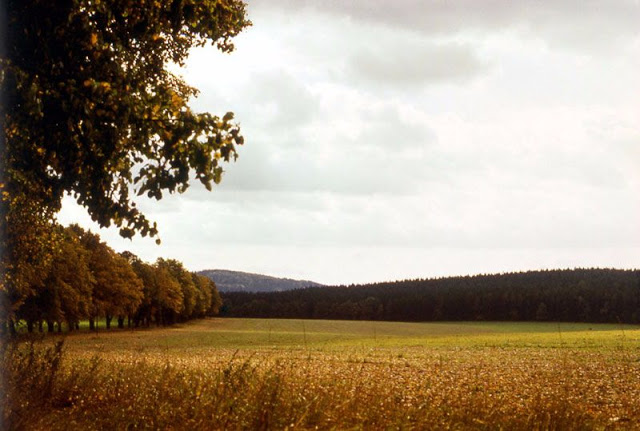
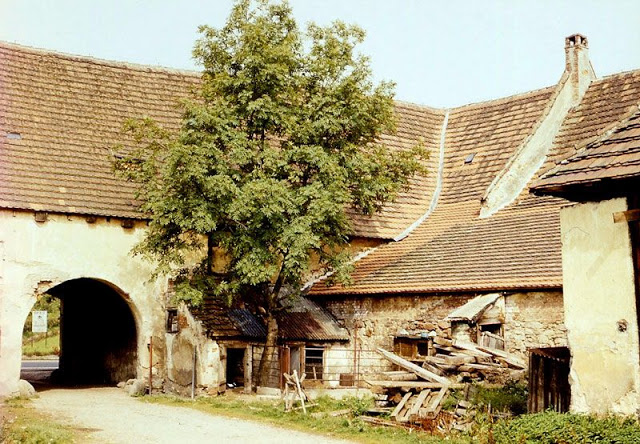
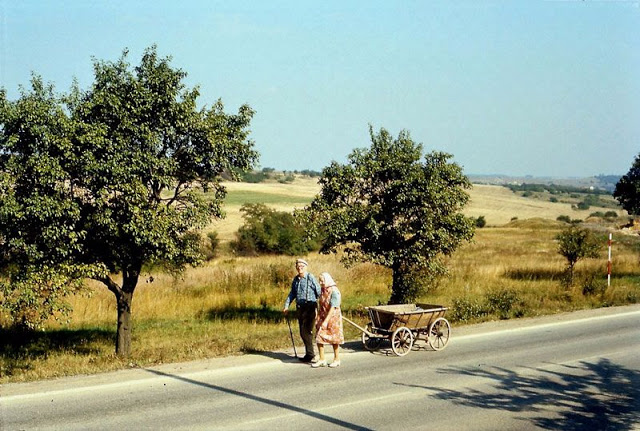
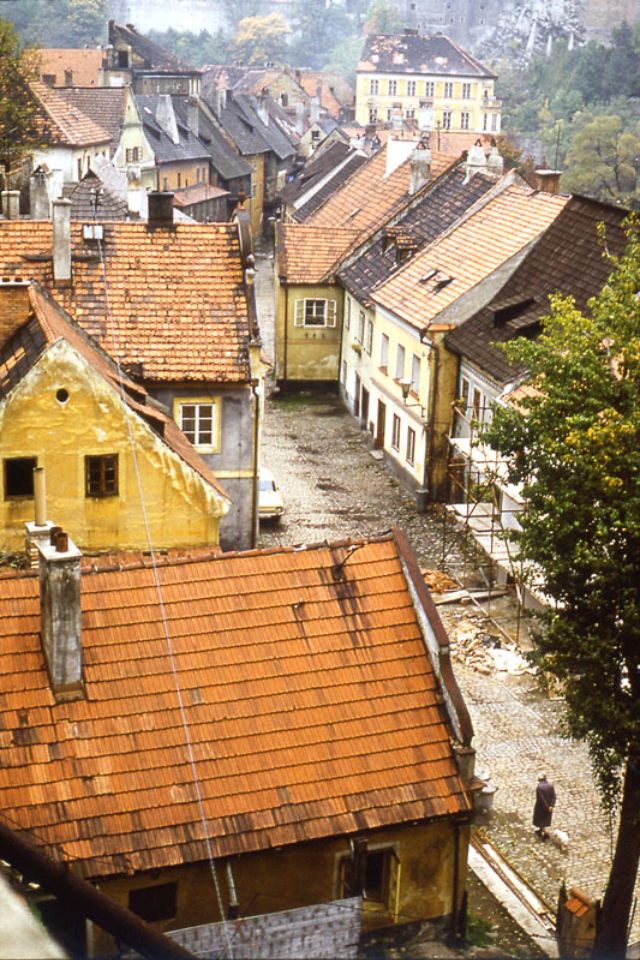
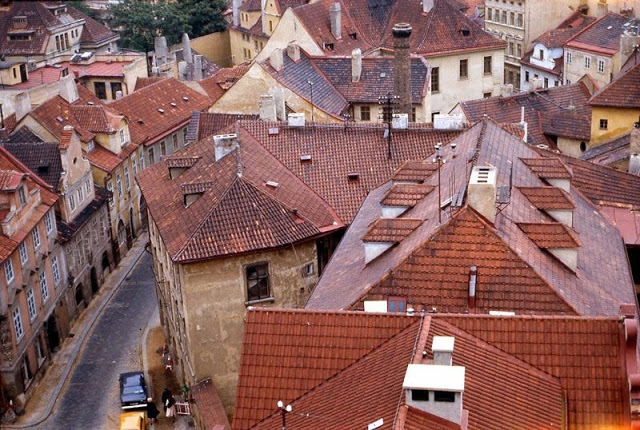
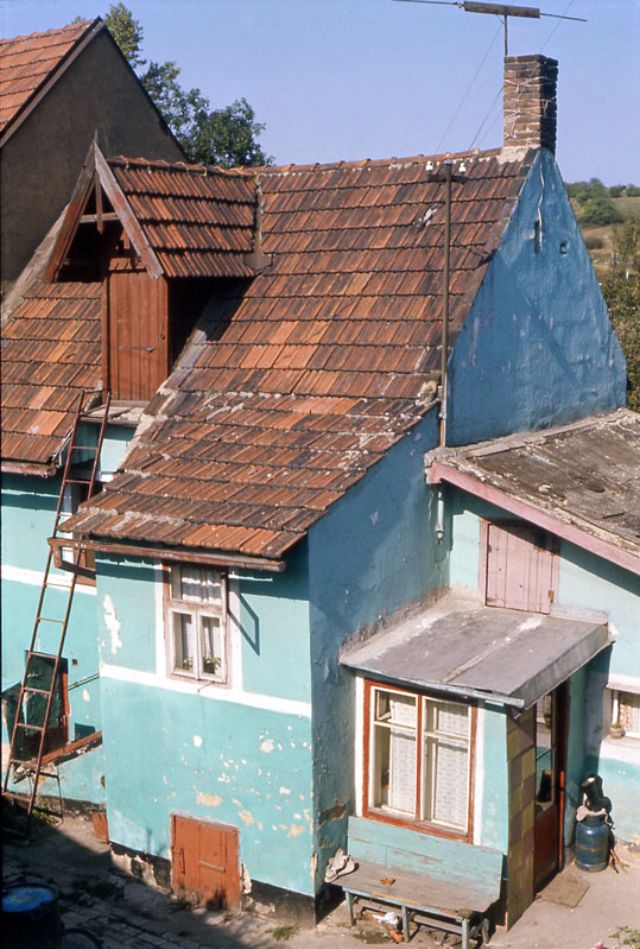
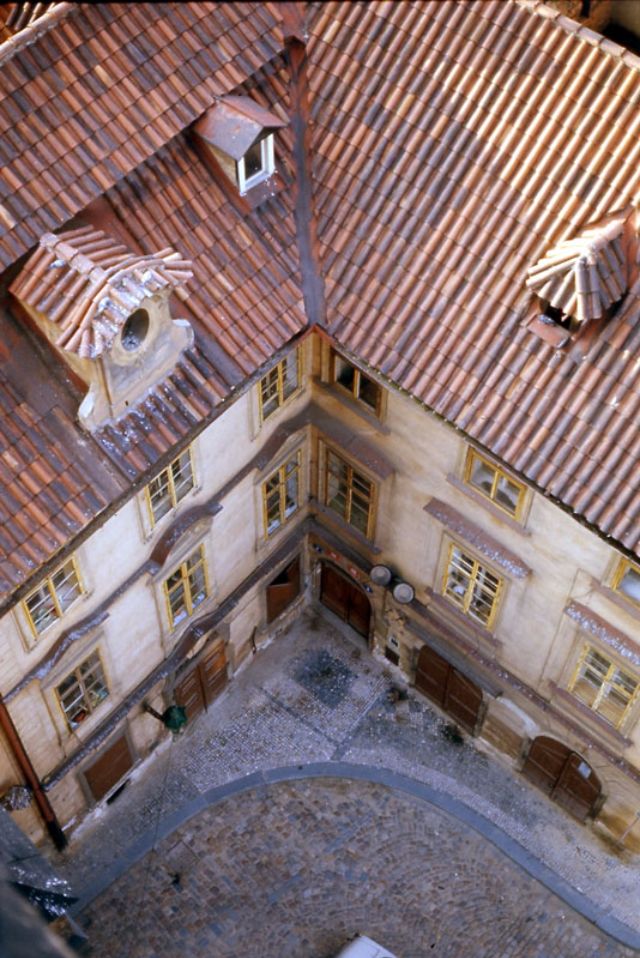
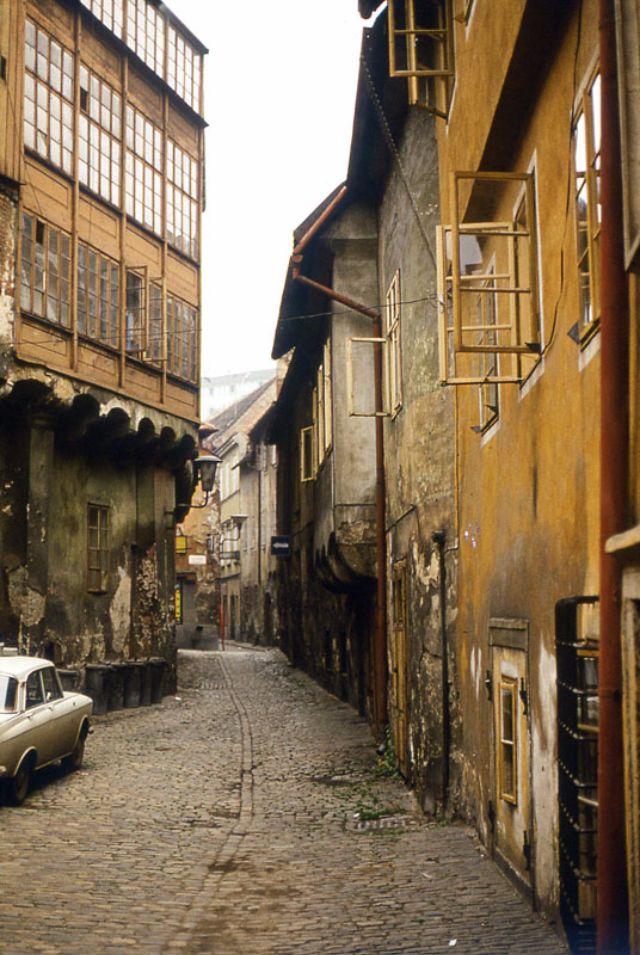
33 Amazing Photos Showing Street Scenes and Architecture of Czechoslovakia in 1976

Czechoslovakia, or Czecho-Slovakia was a sovereign state in Central Europe, created in October 1918, when it declared its independence from Austria-Hungary.

In 1938, after the Munich Agreement, the Sudetenland became part of Germany, while the country lost further territories to Hungary and Poland. Between 1939 and 1945 the state ceased to exist, as Slovakia proclaimed its independence and subsequently the remaining territories in the east became part of Hungary, while in the remainder of the Czech Lands the German Protectorate of Bohemia and Moravia was proclaimed. In October 1939, after the outbreak of the Second World War, former Czechoslovak President Edvard Beneš formed a government-in-exile and sought recognition from the Allies.

After the end of the war, the pre-1938 Czechoslovakia was reestablished, with the exception of Carpathian Ruthenia, which became part of the Ukrainian SSR (A Republic of the Soviet Union). From 1948 to 1989, Czechoslovakia was part of the Eastern Bloc with a command economy. Its economic status was formalized in membership of Comecon from 1949 and its defense status in the Warsaw Pact of May 1955. A period of political liberalization in 1968, known as the Prague Spring, was violently ended when the Soviet Union, assisted by some other Warsaw Pact countries invaded Czechoslovakia. In 1989, as Marxist–Leninist governments and communism were ending all over Europe, Czechoslovaks peacefully deposed their socialist government in the Velvet Revolution; state price controls were removed after a period of preparation.

In January 1993, Czechoslovakia split into the two sovereign states of the Czech Republic and Slovakia. (Wikipedia)

(Photos by Ard Hesselink)

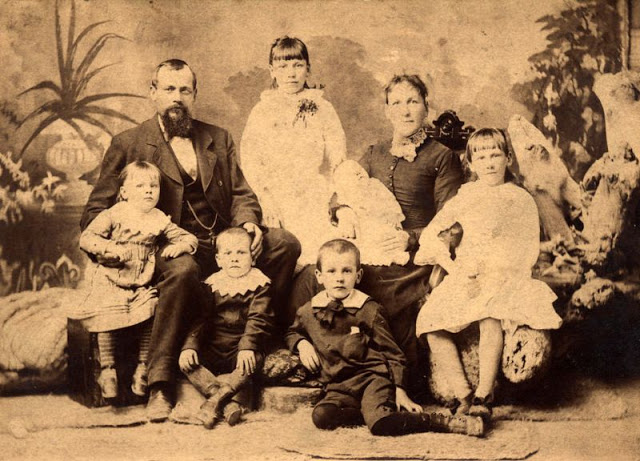
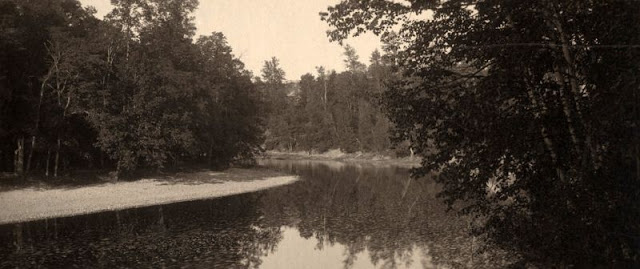
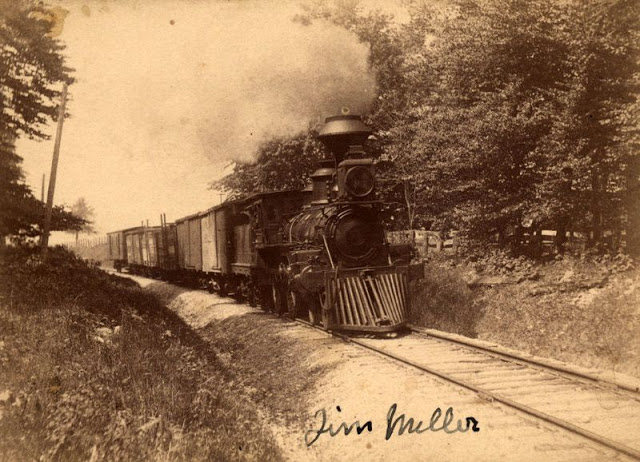
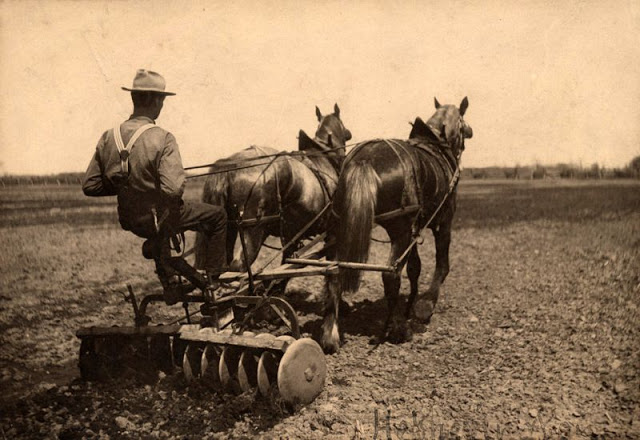
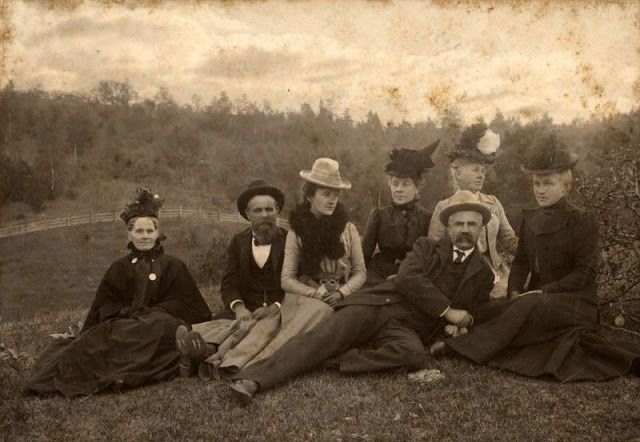
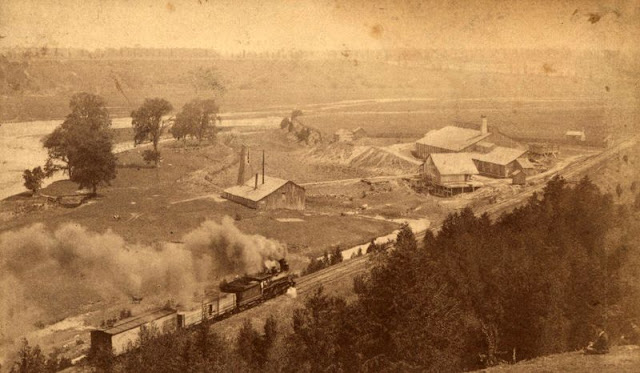
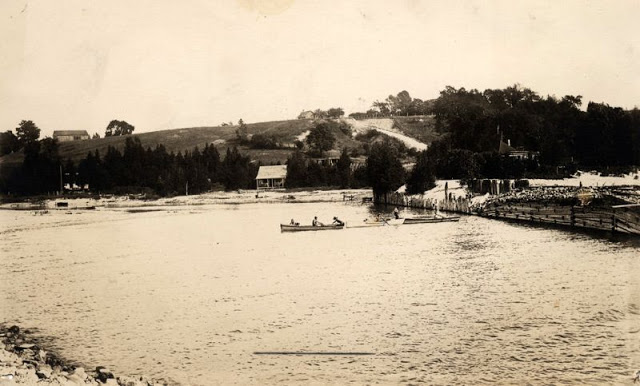
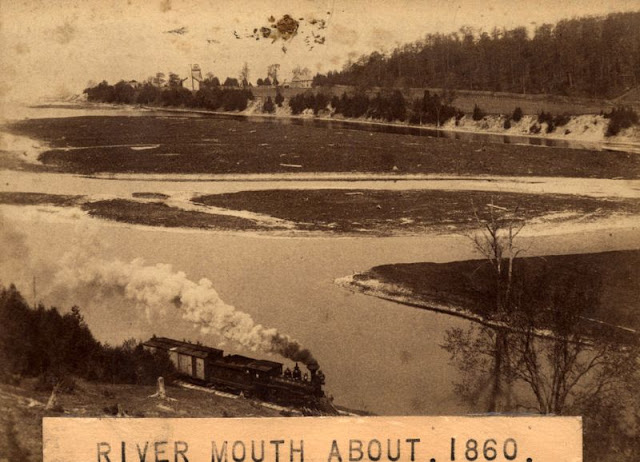
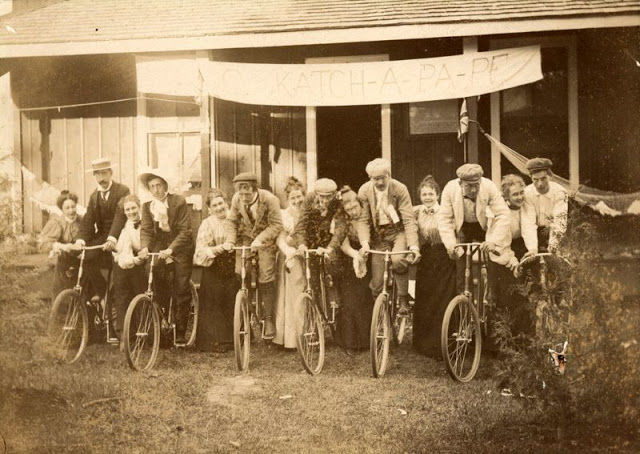
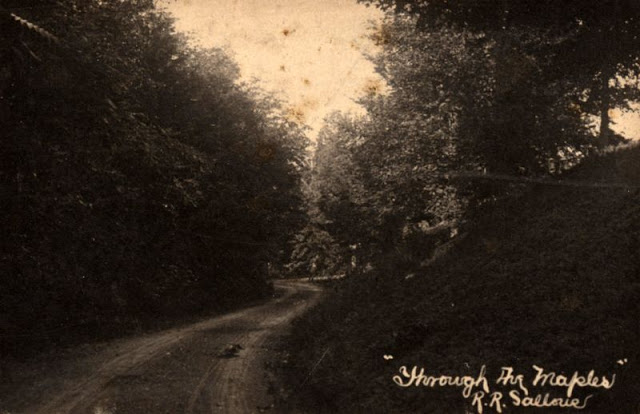
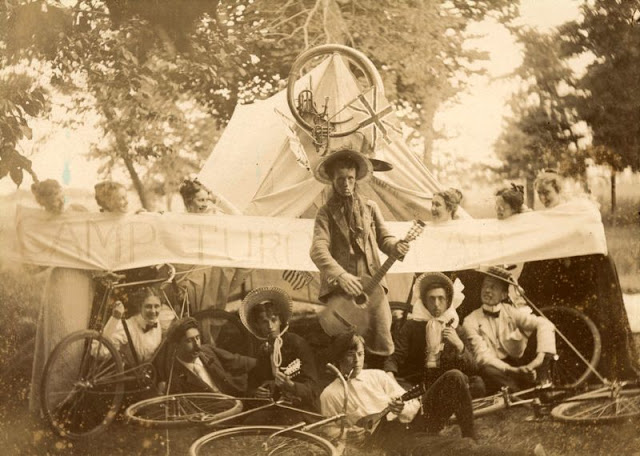
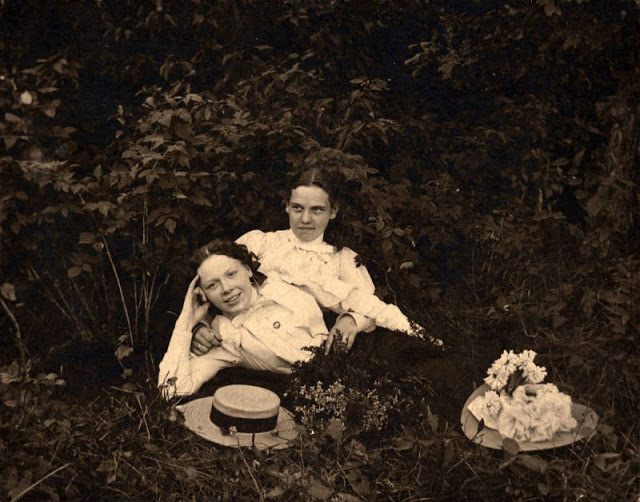
33 Amazing Photos Showing Life in Ontario, Canada during the Late 19th Century

Ontario is one of the thirteen provinces and territories of Canada. Located in Central Canada, it is Canada’s most populous province, with 38.3 percent of the country’s population, and is the second-largest province by total area (after Quebec). Ontario is Canada’s fourth-largest jurisdiction in total area when the territories of the Northwest Territories and Nunavut are included. It is home to the nation’s capital city, Ottawa, and the nation’s most populous city, Toronto, which is also Ontario’s provincial capital.

Ontario is bordered by the province of Manitoba to the west, Hudson Bay and James Bay to the north, and Quebec to the east and northeast, and to the south by the U.S. states of (from west to east) Minnesota, Michigan, Ohio, Pennsylvania, and New York. Almost all of Ontario’s 2,700 km (1,678 mi) border with the United States follows inland waterways: from the westerly Lake of the Woods, eastward along the major rivers and lakes of the Great Lakes/Saint Lawrence River drainage system. These include Rainy River, Pigeon River, Lake Superior, St. Marys River, Lake Huron, St. Clair River, Lake St. Clair, Detroit River, Lake Erie, Niagara River, Lake Ontario and the St. Lawrence River from Kingston, to the Quebec boundary just east of Cornwall. There is only about 1 km (0.6 mi) of land border, made up of portages including Height of Land Portage on the Minnesota border.

Ontario is sometimes divided into two geographic regions, Northern Ontario and Southern Ontario. The great majority of Ontario’s population and arable land is in the south. In contrast, the larger, northern part of Ontario is sparsely populated with cold winters and heavy forestation. (Wikipedia)

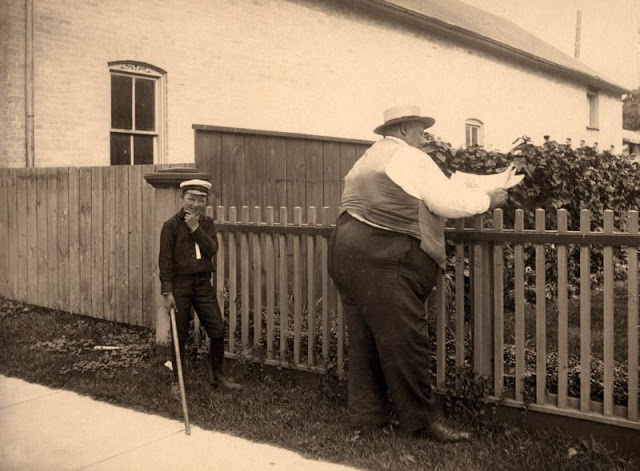
A boy holding a stick contemplates hitting backside of a large man
At home
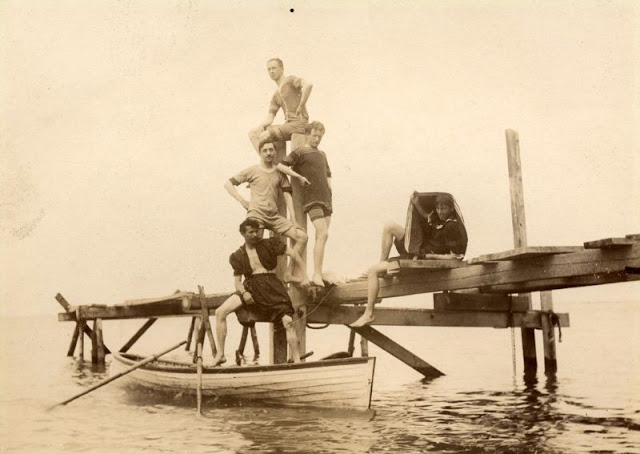
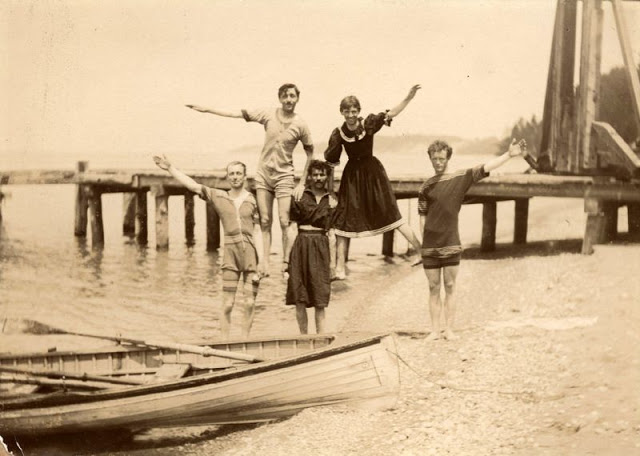
Bathing in Lake Huron
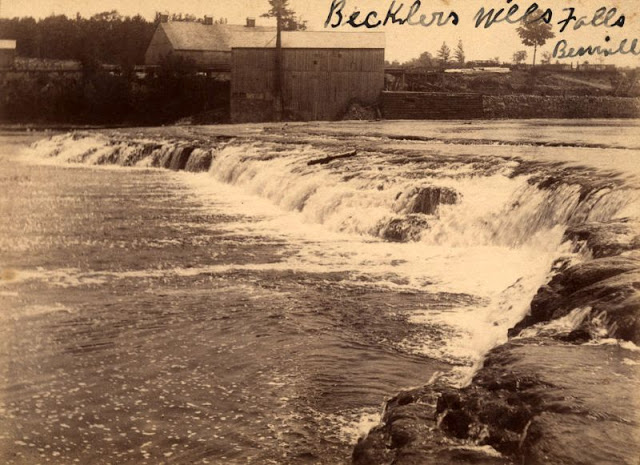
Becklers Mills Falls, Benmiller
Bend in Maitland River
Coming around curve in grove, Goderich
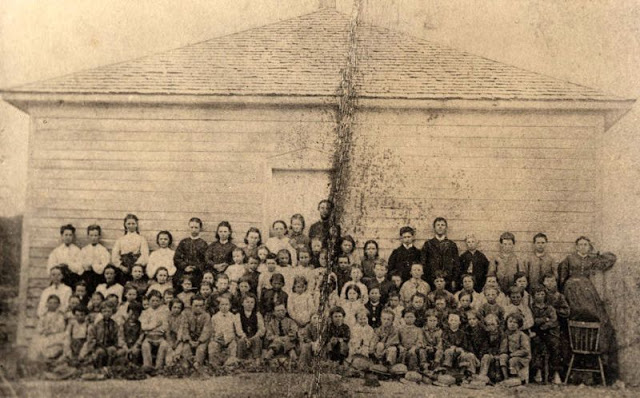
Dungannon School (destroyed by fire 1872)
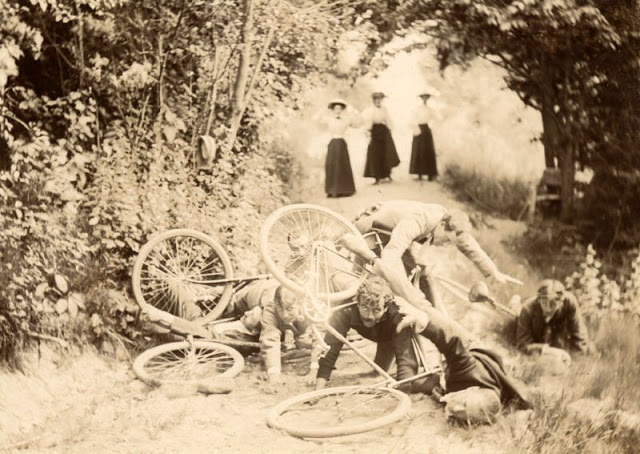
Four men and bicycles after crash on path
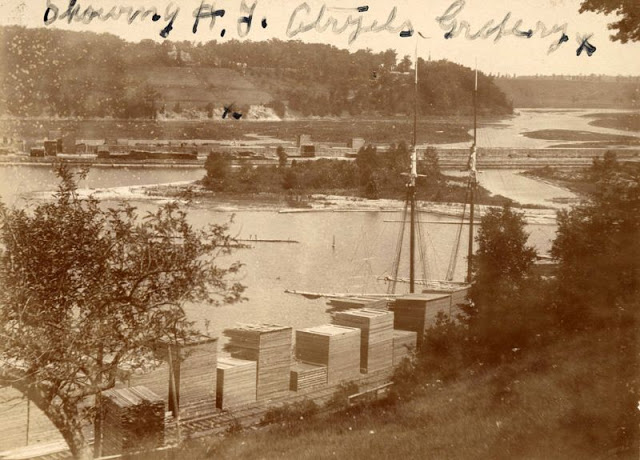
Goderich Harbor, looking east from park
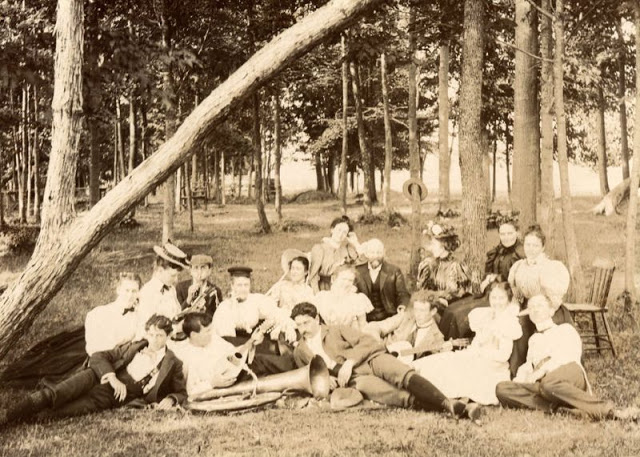
Menesetung Park
Monarch, Goderich Harbour
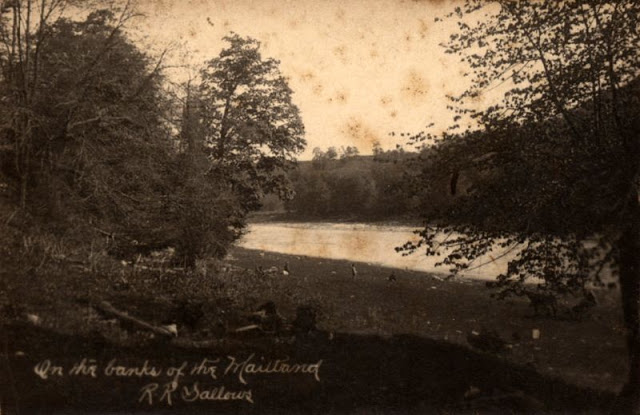
On the banks of the Maitland
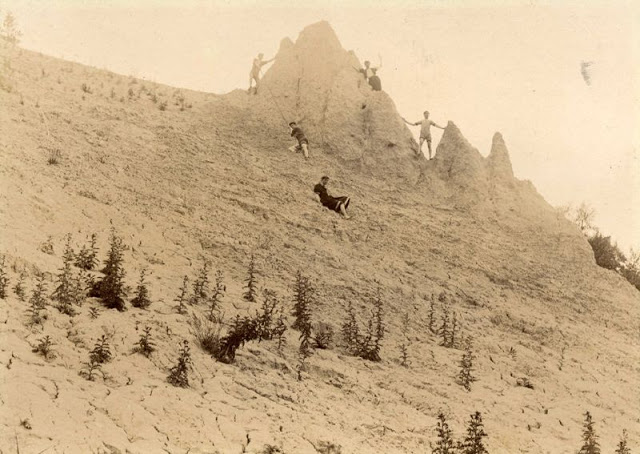
On the bluffs
Platts Mill on the river flats
Port Albert Harbour
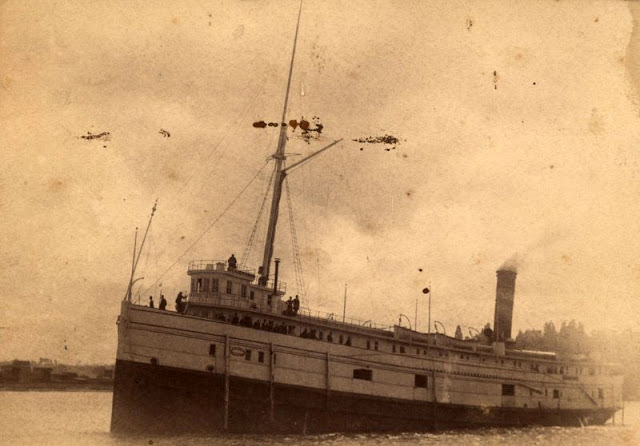
Ships in Goderich harbour
Square, Goderich
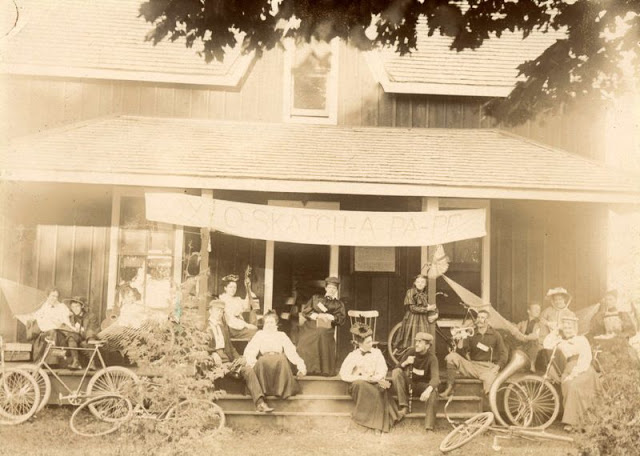
The Point Farms, summer resort near Goderich, Ontario

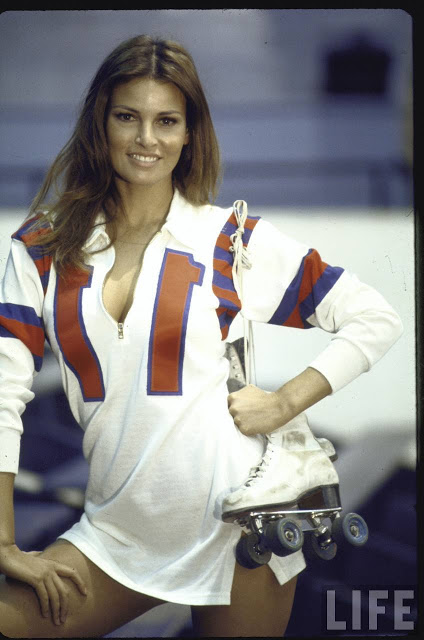
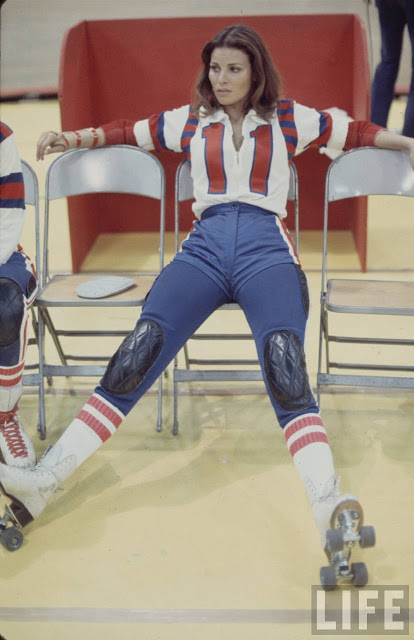
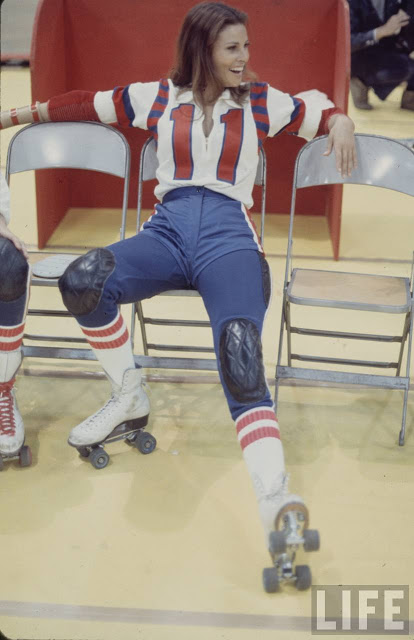
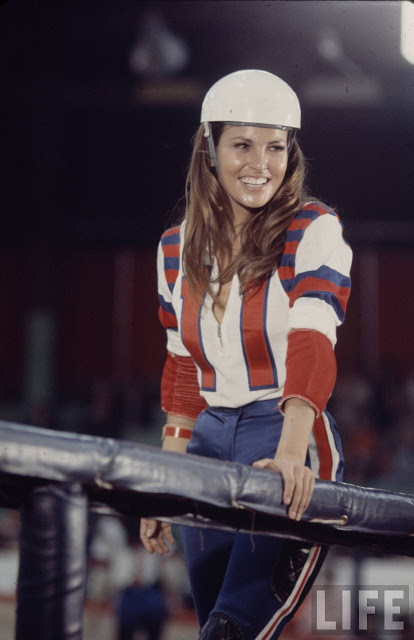
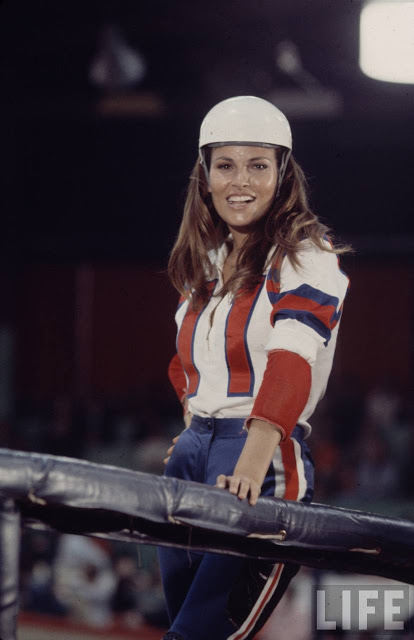
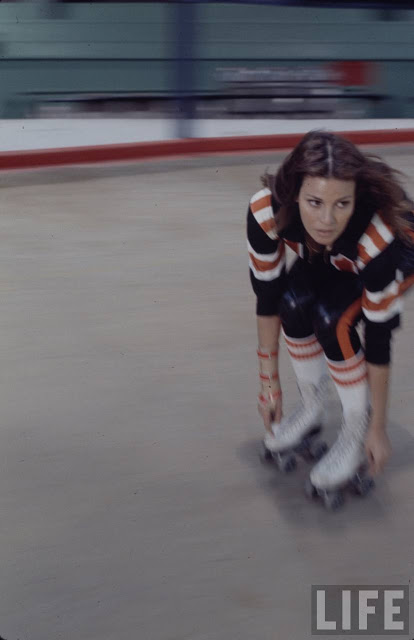
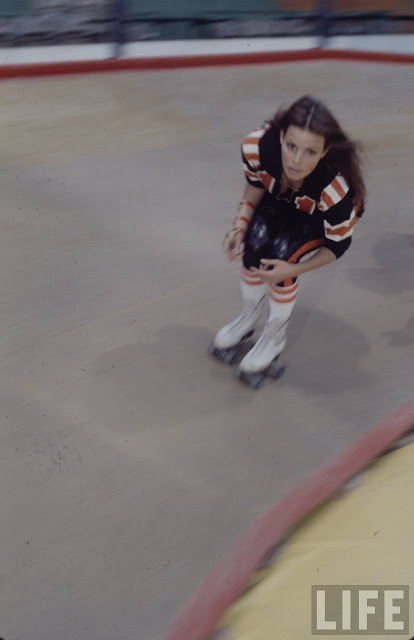
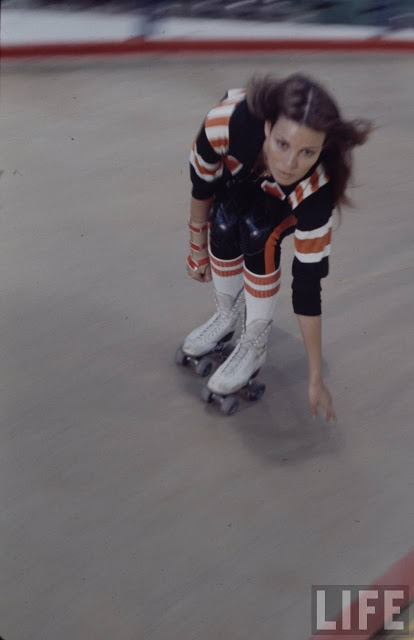
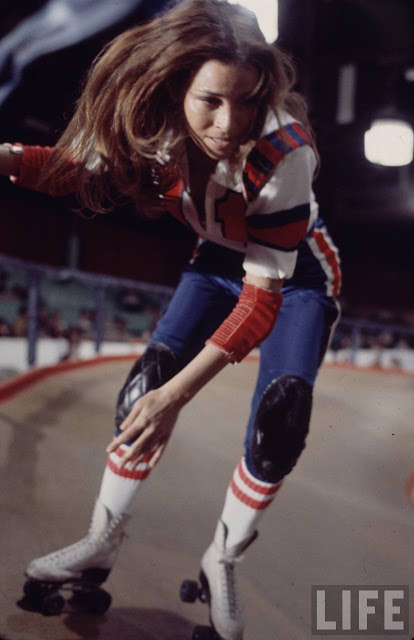
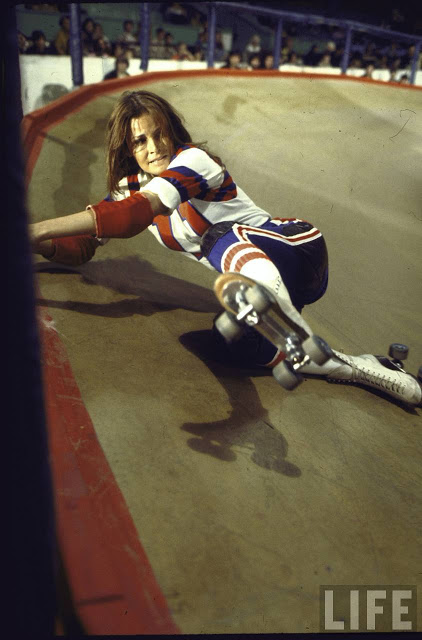
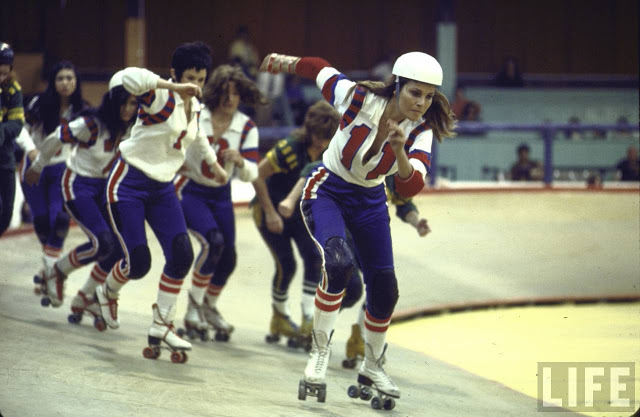
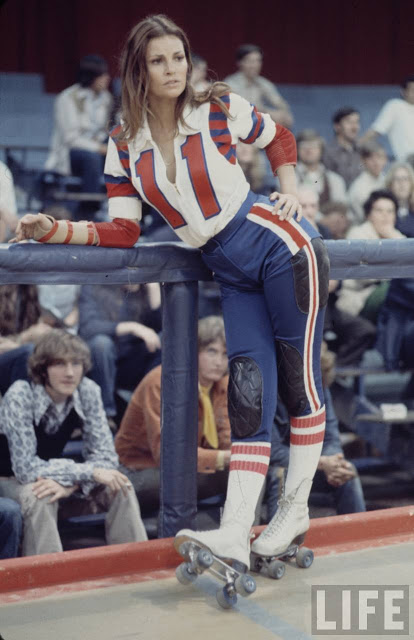
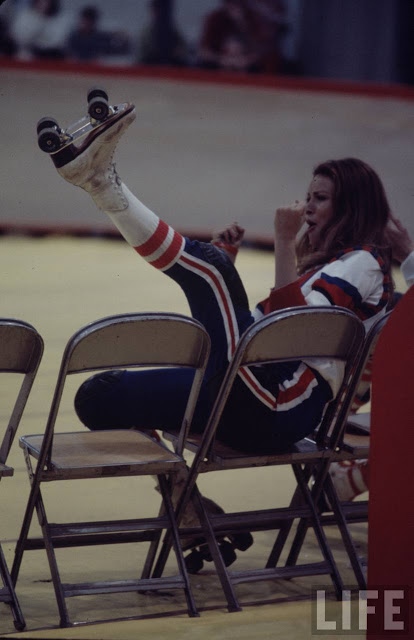
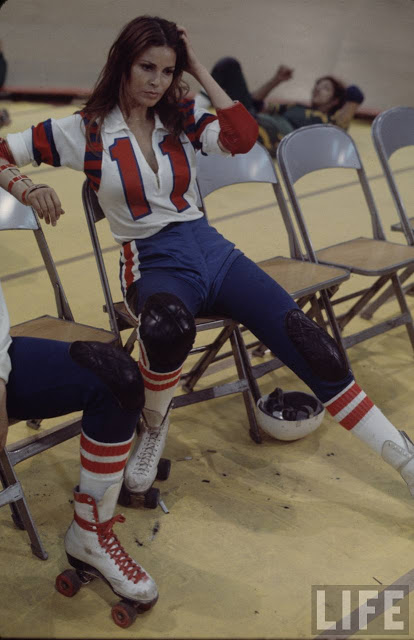
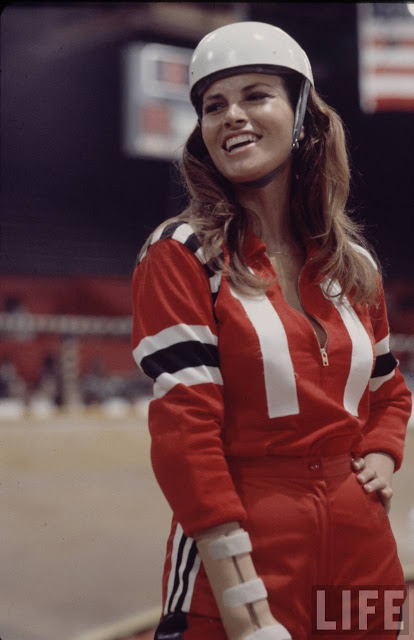
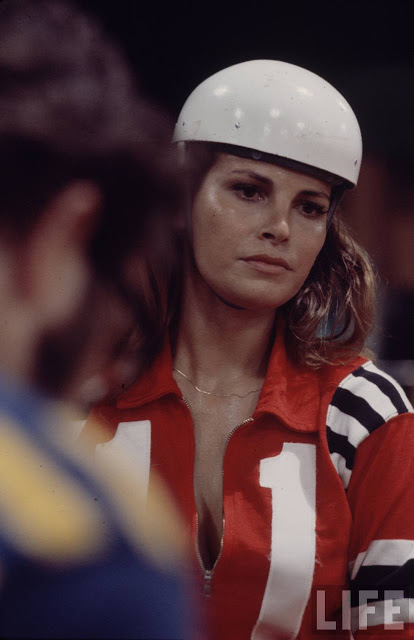
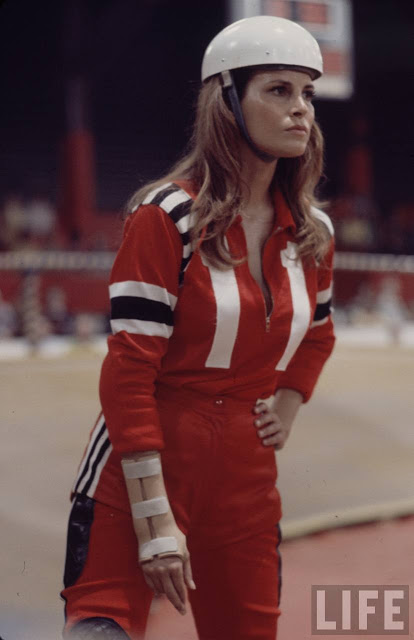
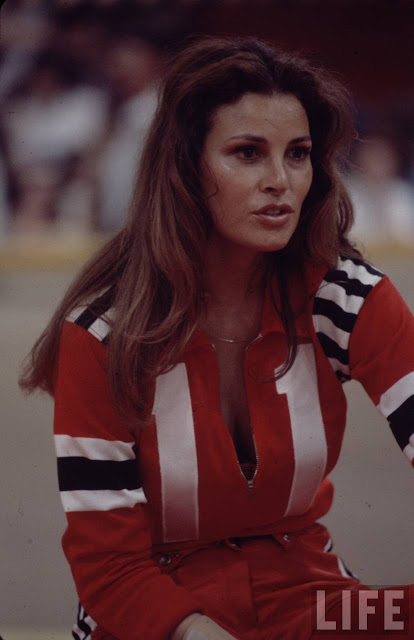
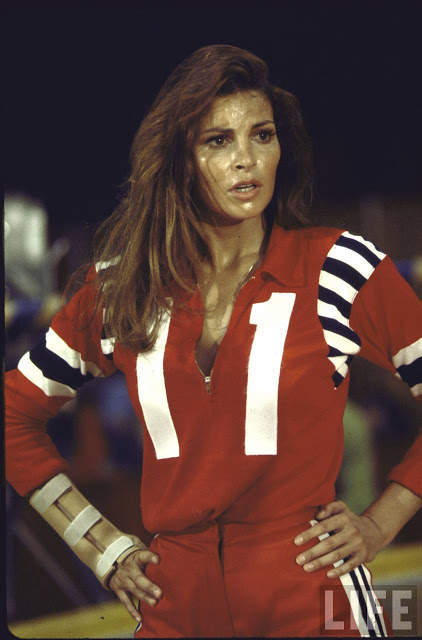
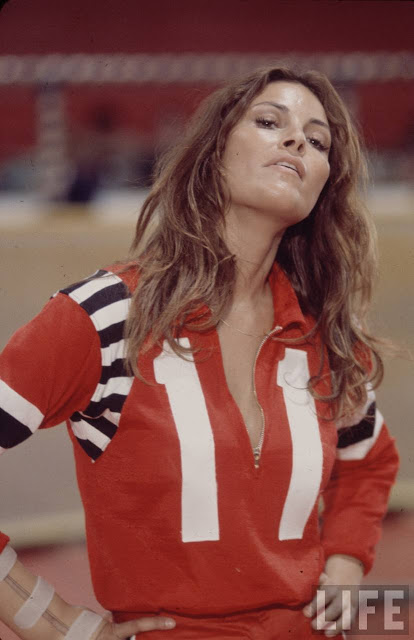
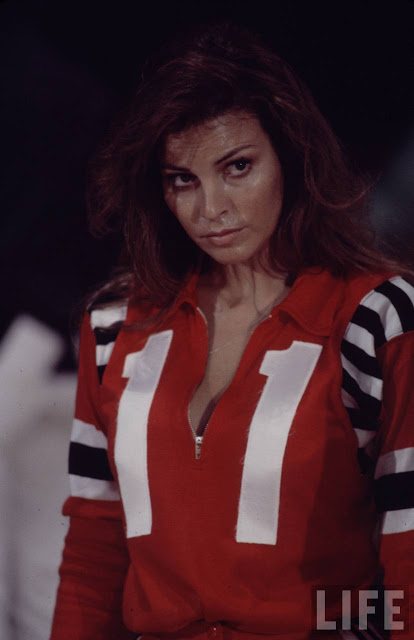
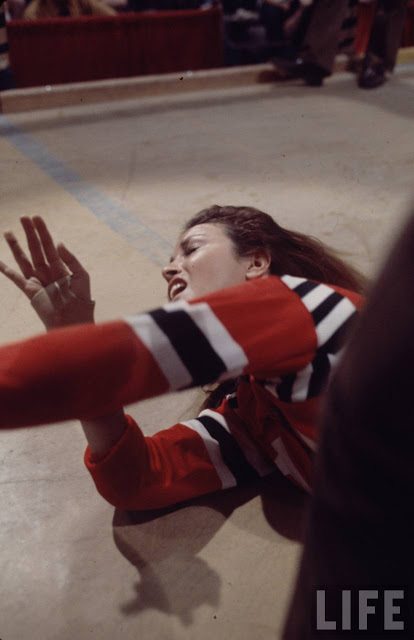
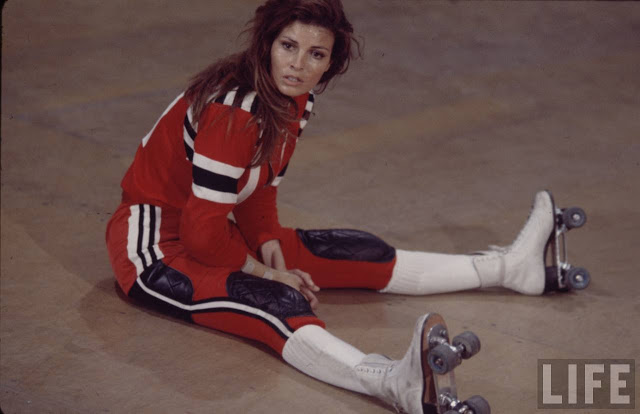
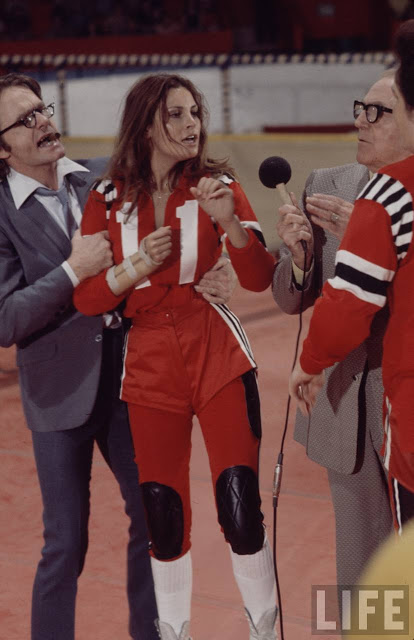
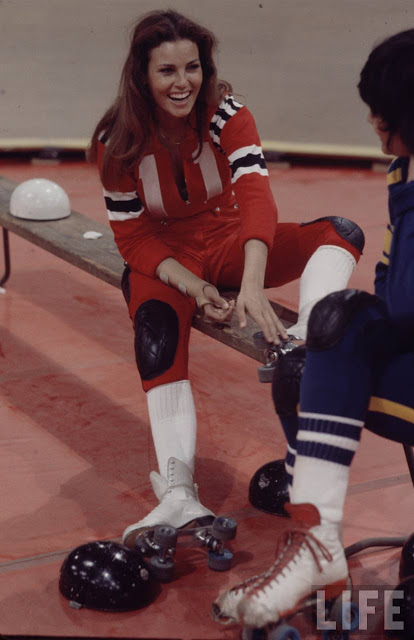
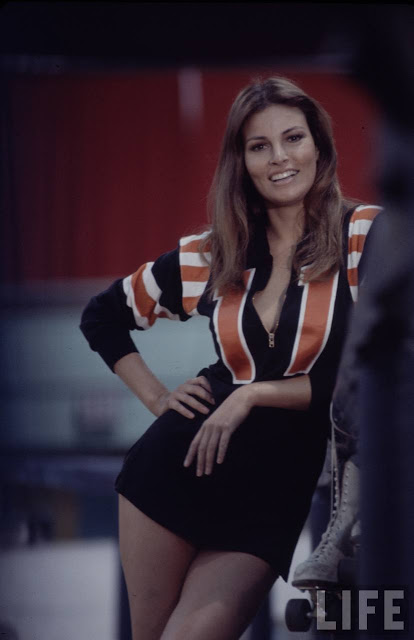
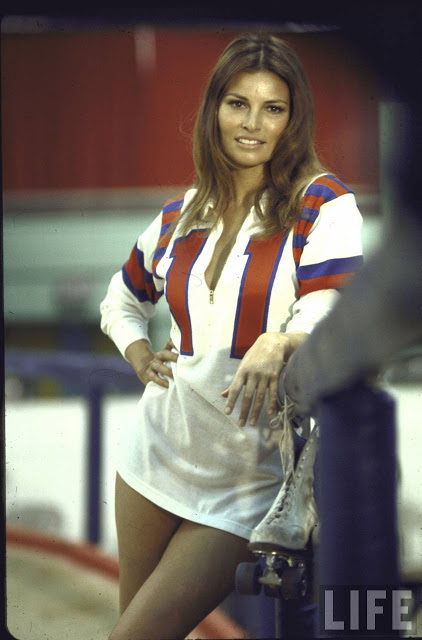
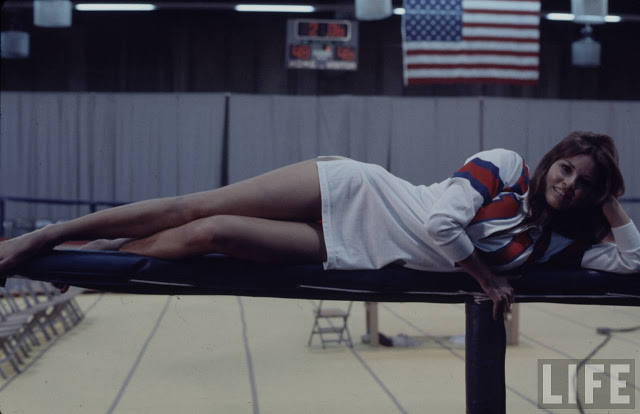
30 Amazing Vintage Photos of Raquel Welch in the Movie “Kansas City Bomber” (1972)

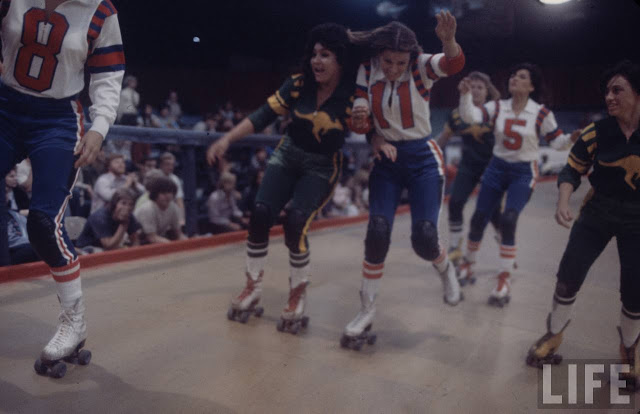
Kansas City Bomber is a unique movie. It is a sports movie that centers around a female athlete in the rough and tumble world of Roller Derby. Roller Derby, for those who don’t remember, was a team race on roller skates around a circular track that was as violent as the WWF. Players kicked, tripped and punched each other in a free-for-all mad dash on wheels. Raquel Welch plays K.C. Carr. In 1972 when this movie was released Welch was, along with Barbra Streisand and Jane Fonda, one of the biggest female box office stars in the world. She also produced this movie.

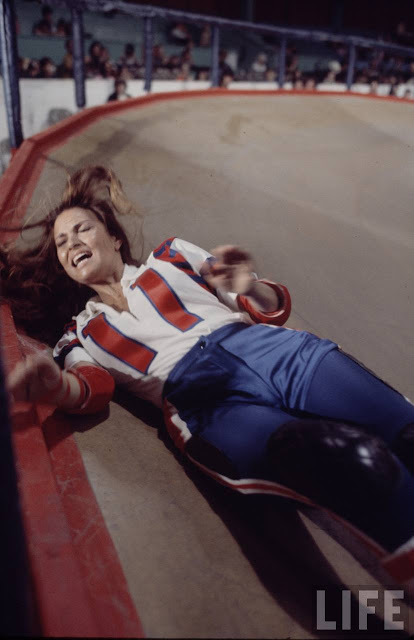
Raquel Welch broke her wrist doing some of her own stunts, in this movie where action is all-important, and plot non-existent. In 1972, by her own admission, Raquel Welch was a sex goddess who hasn’t turned serious actress — and Kansas City Bomber changed nothing. Raquel said in an interview at the time, that when she was growing up in La Jolla, CA, she would sometimes strap on a pair of skates and clank all the way from her porch to her garage and back. When she was 7, she put the skates away and didn’t skate again until a year ago when she began readying herself for Kansas City Bomber.

Raquel reported to a banked oval track built for her on a Hollywood lot, where she skated 5 hours a day for 3 months. Her tutor was famous skater Paul Rupert who skated along beside her, coaching her and teaching her the basics of 5 strides on the banked track, how to take falls (fall backwards — if you fall forwards you could break a wrist), and everything else she needed to know.

Here are some amazing behind the scenes photographs of Kansas City Bomber by Bill Eppridge for LIFE magazine.

(Photos: Bill Eppridge/LIFE photo archive)
Yesterday Today

Bringing You the Wonder of Yesterday - Today

Skip to content ↓