













Bringing You the Wonder of Yesterday – Today


Wales is a country that is part of the United Kingdom. It is bordered by England to the east, the Irish Sea to the north and west, and the Bristol Channel to the south. It had a population in 2011 of 3,063,456 and has a total area of 20,779 km2 (8,023 sq mi). Wales has over 1,680 miles (2,700 km) of coastline and is largely mountainous with its higher peaks in the north and central areas, including Snowdon (Yr Wyddfa), its highest summit. The country lies within the north temperate zone and has a changeable, maritime climate.
Welsh national identity emerged among the Britons after the Roman withdrawal from Britain in the 5th century, and Wales is regarded as one of the modern Celtic nations. Llywelyn ap Gruffudd’s death in 1282 marked the completion of Edward I of England’s conquest of Wales, though Owain Glyndwr briefly restored independence to Wales in the early 15th century. The whole of Wales was annexed by England and incorporated within the English legal system under the Laws in Wales Acts 1535 and 1542. Distinctive Welsh politics developed in the 19th century. Welsh Liberalism, exemplified in the early 20th century by David Lloyd George, was displaced by the growth of socialism and the Labour Party. Welsh national feeling grew over the century; a nationalist party, Plaid Cymru was formed in 1925, and the Welsh Language Society in 1962. Established under the Government of Wales Act 1998, the Senedd (the Welsh Parliament, formerly known as the National Assembly for Wales) is responsible for a range of devolved policy matters.
At the dawn of the Industrial Revolution, development of the mining and metallurgical industries transformed the country from an agricultural society into an industrial nation; the South Wales Coalfield’s exploitation caused a rapid expansion of Wales’ population. Two-thirds of the population live in South Wales, including the capital Cardiff along with Swansea, Newport and the nearby valleys. The eastern region of North Wales has about a sixth of the overall population with Wrexham being the largest northern town. The remaining parts of Wales are sparsely populated. Now that the country’s traditional extractive and heavy industries have gone or are in decline, the economy is based on the public sector, light and service industries, and tourism. In livestock farming, including dairy farming, Wales is a net exporter, contributing towards national agricultural self-sufficiency.
Wales closely shares its political and social history with the rest of Great Britain, and a majority of the population in most areas speaks English as a first language, but the country has retained a distinct cultural identity. Both Welsh and English are official languages; over 560,000 Welsh-speakers live in Wales, and the language is spoken by a majority of the population in parts of the north and west. From the late 19th century onwards, Wales acquired its popular image as the “land of song”, in part due to the eisteddfod tradition. At many international sporting events, such as the FIFA World Cup, Rugby World Cup and the Commonwealth Games, Wales has its own national team. At the Olympic Games, Welsh athletes compete for the UK as part of a Great Britain team. Rugby union is seen as a symbol of Welsh identity and an expression of national consciousness. (Wikipedia)
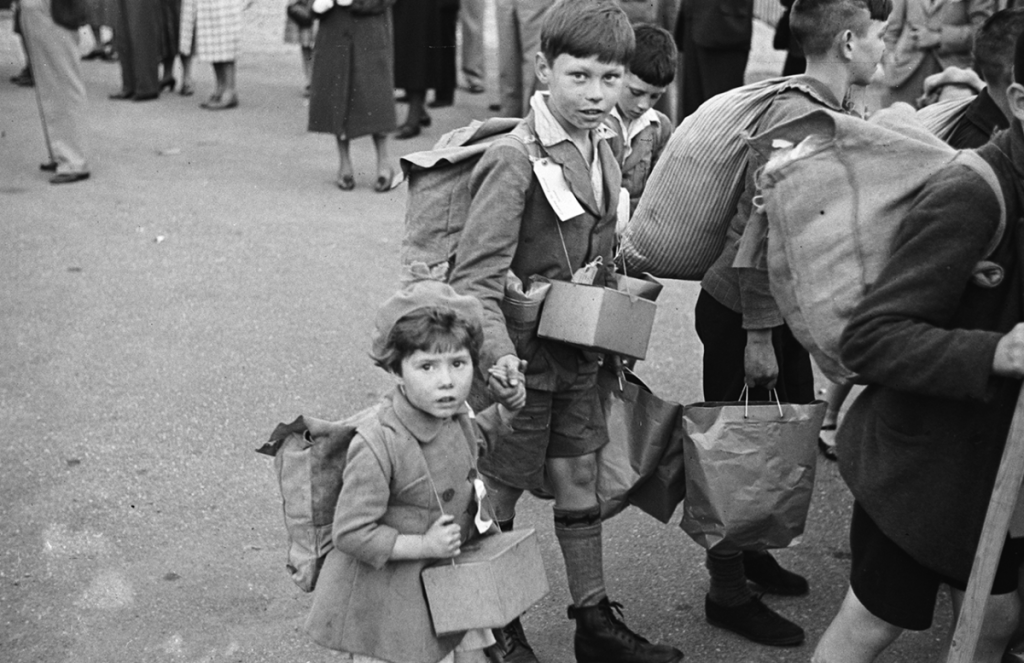
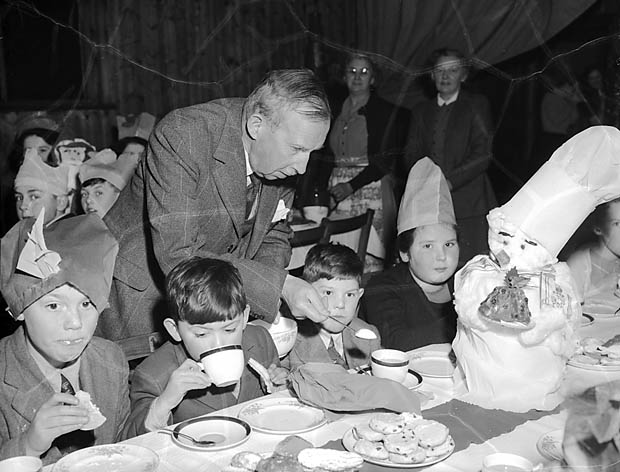
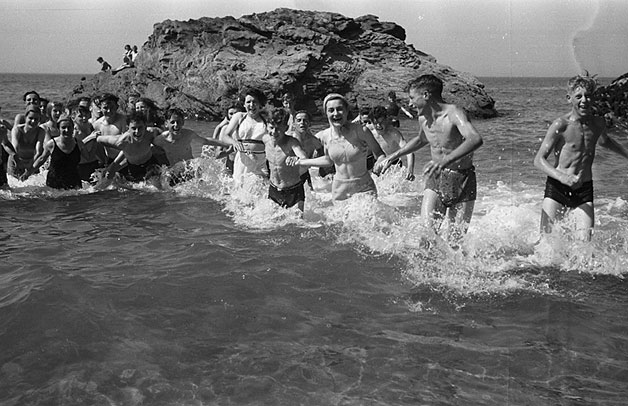
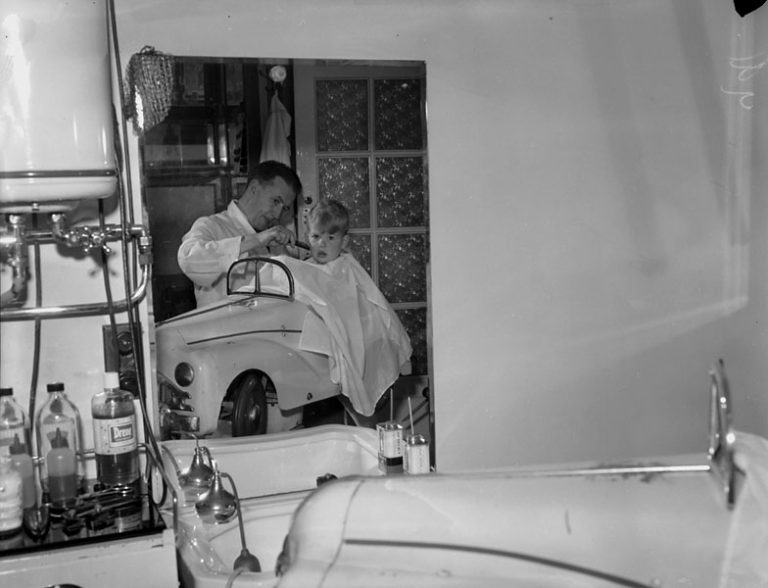
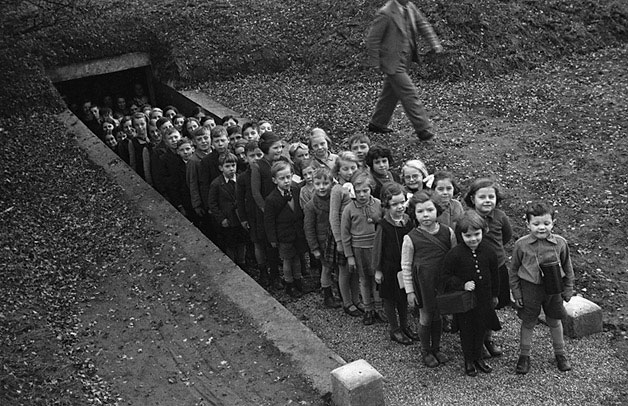
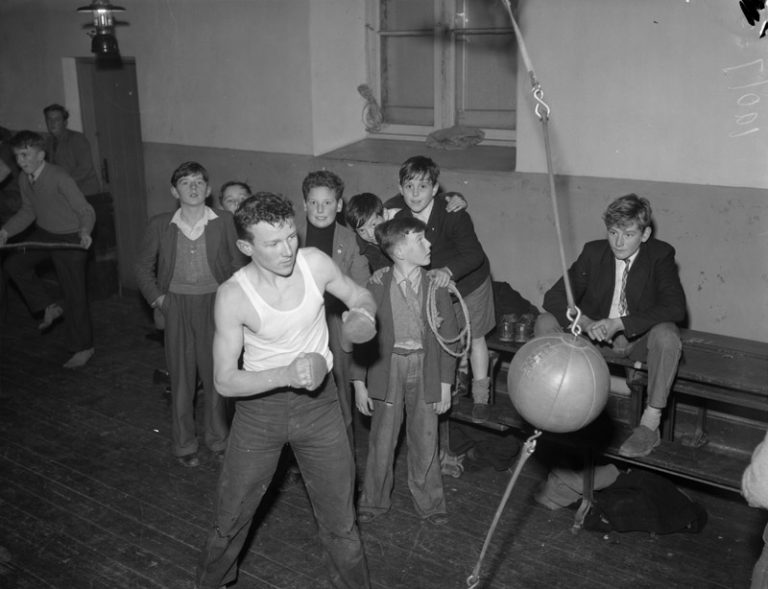
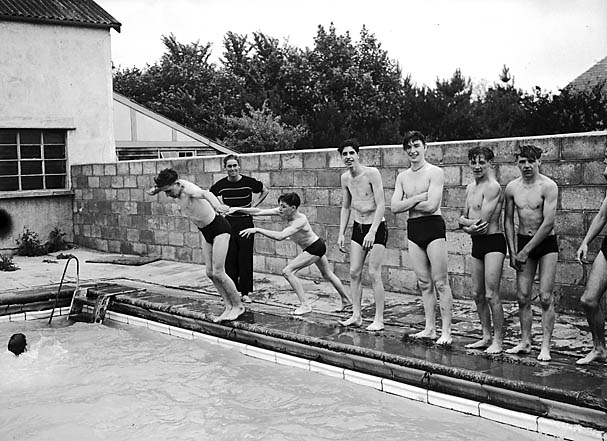
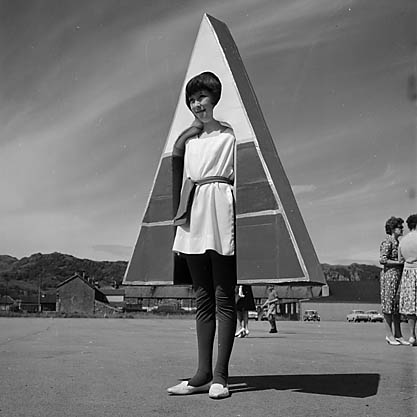
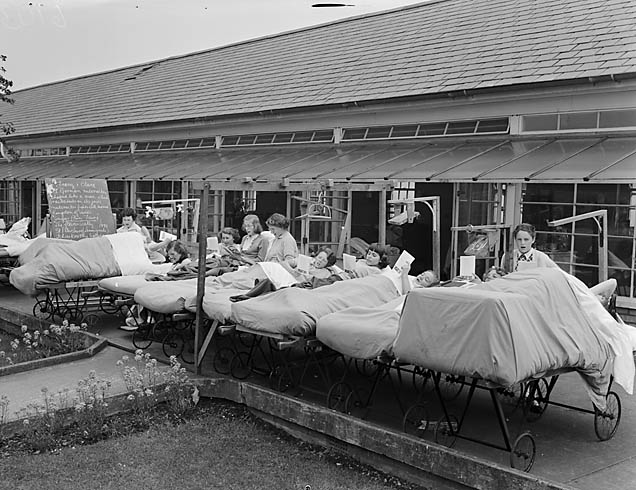
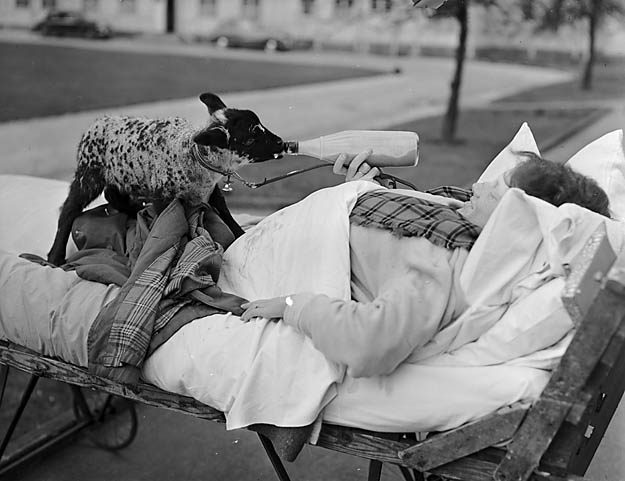
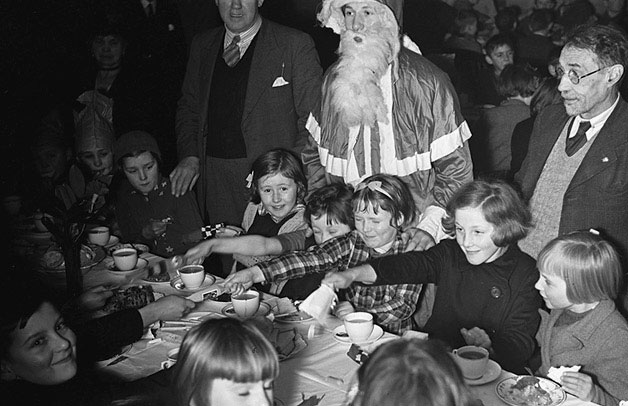
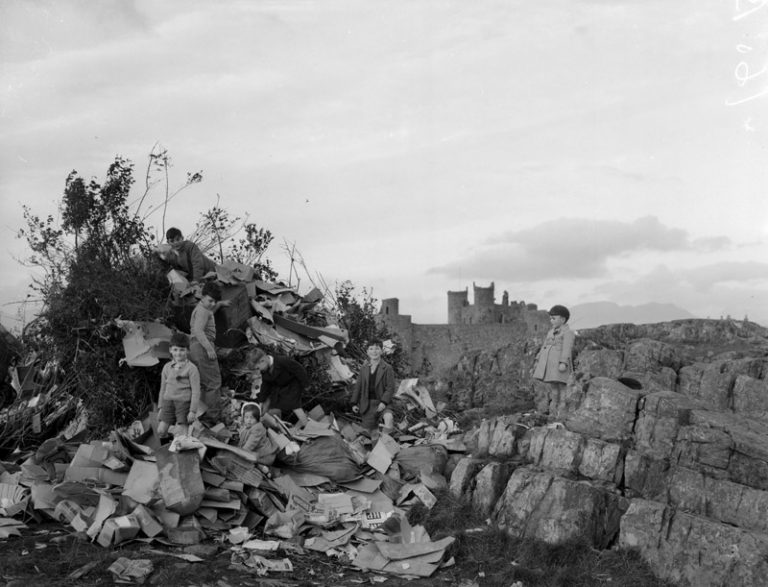
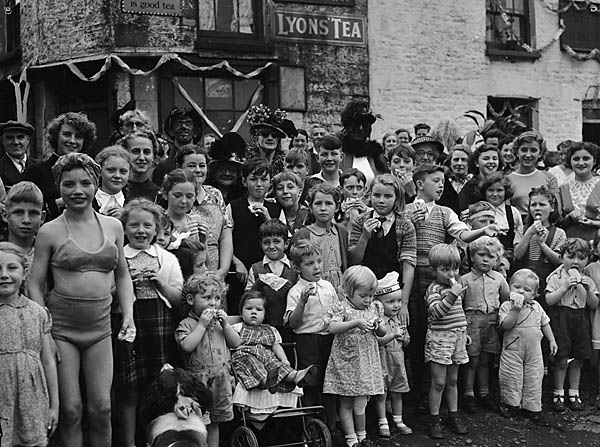
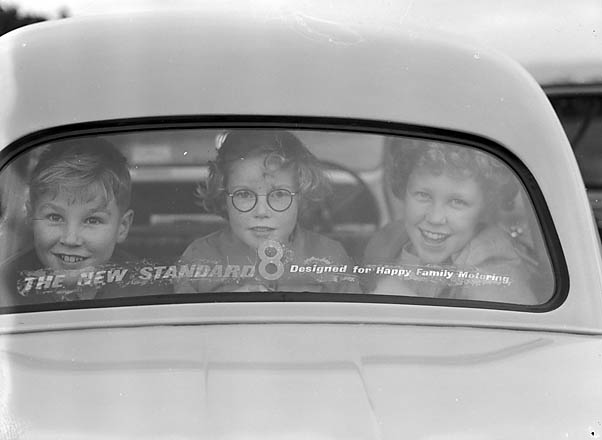
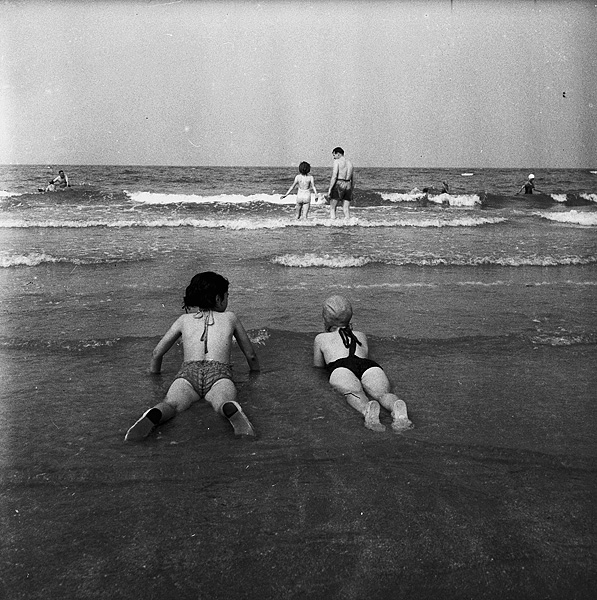
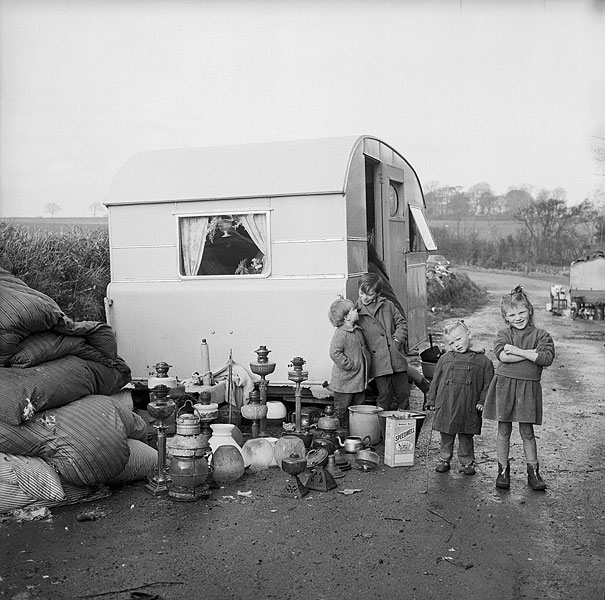

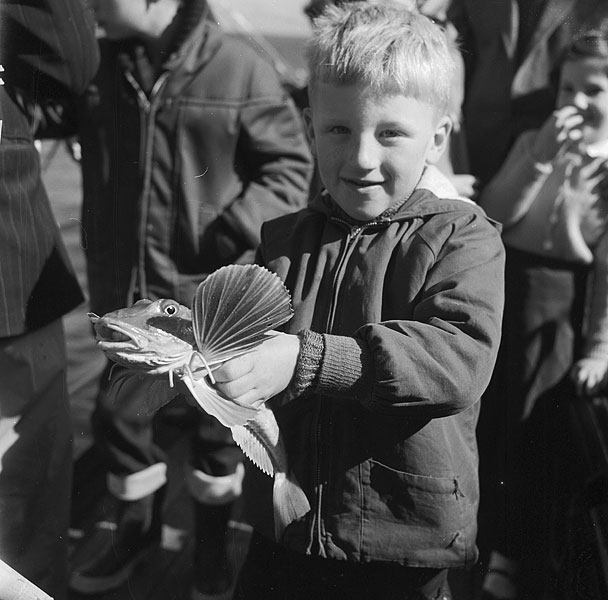
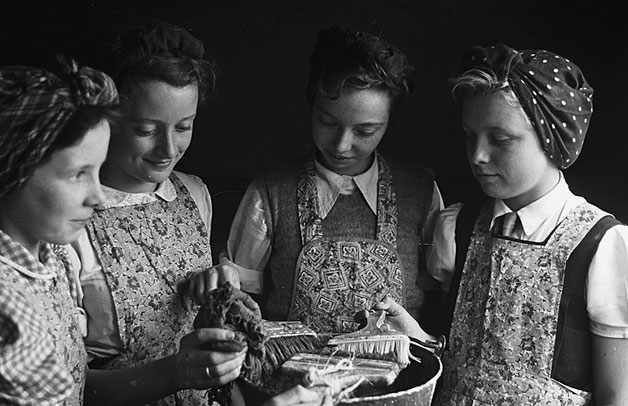
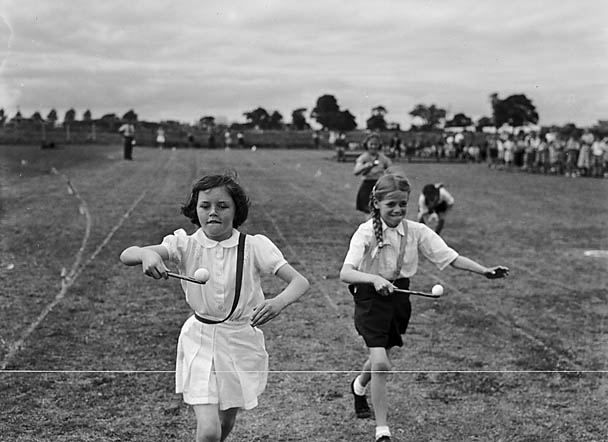
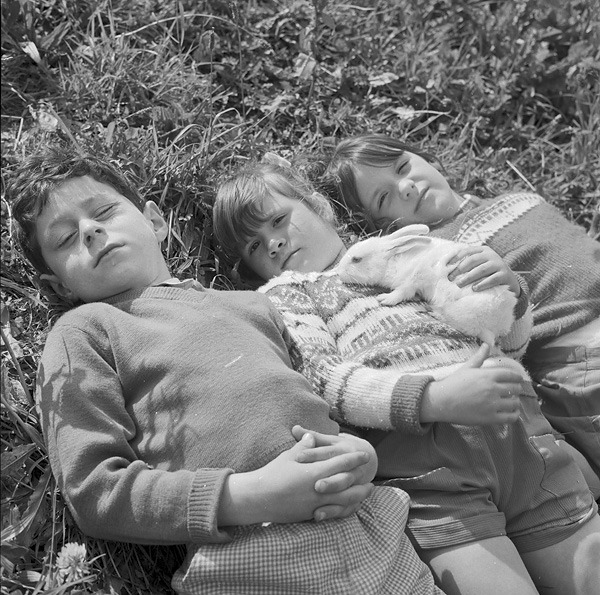
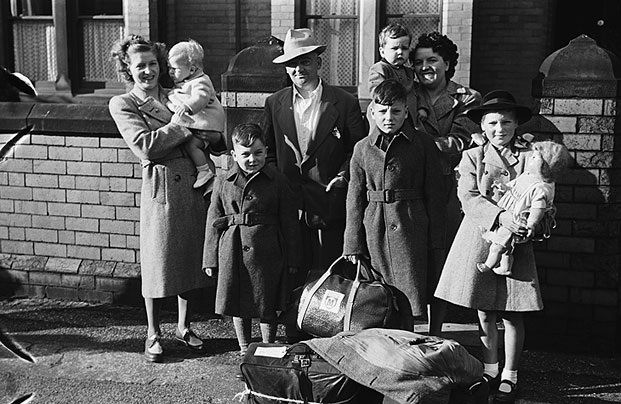
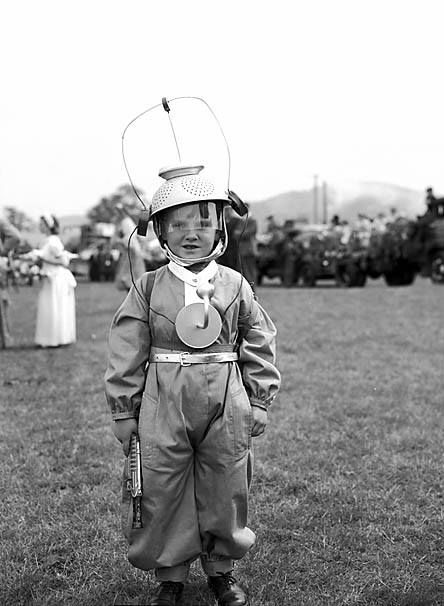
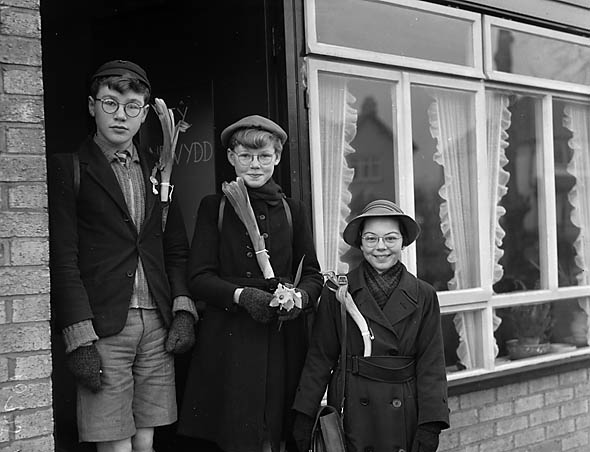
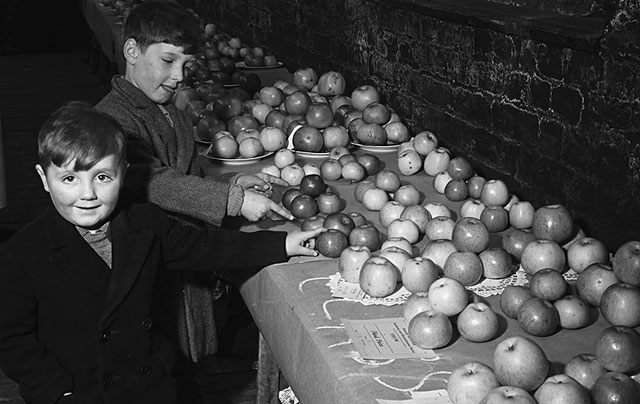
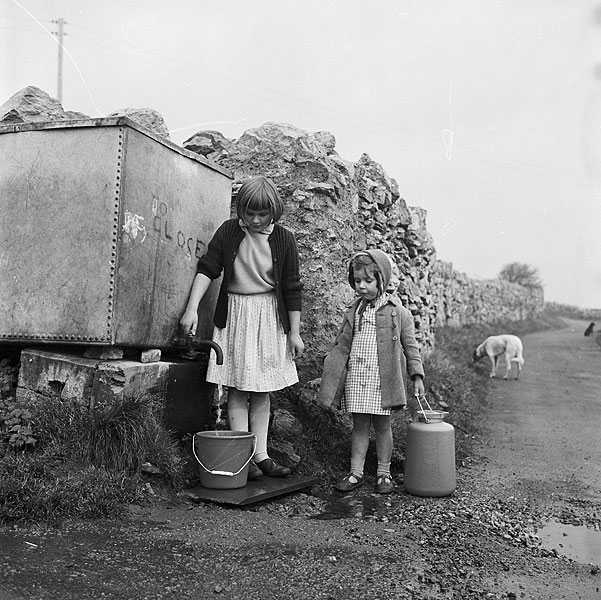
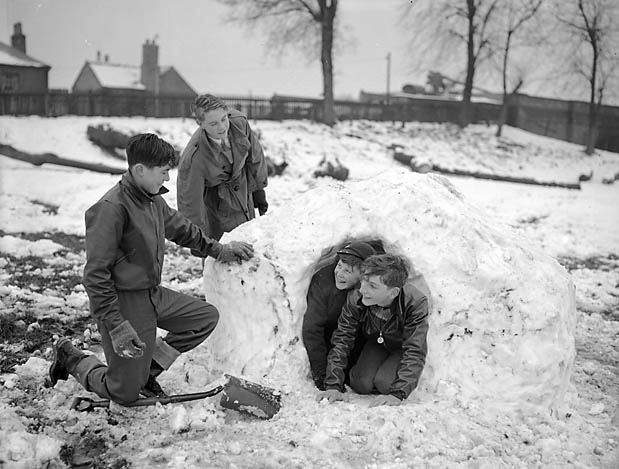
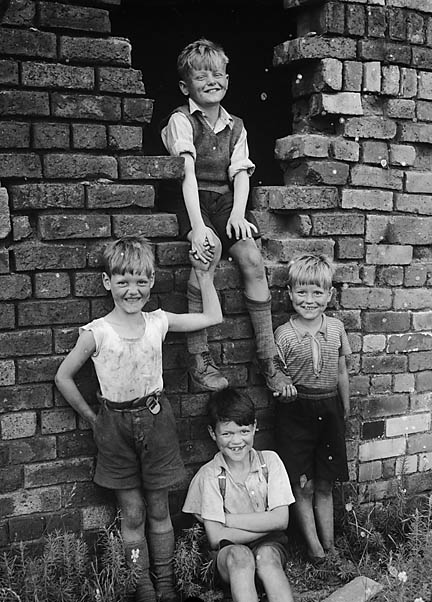
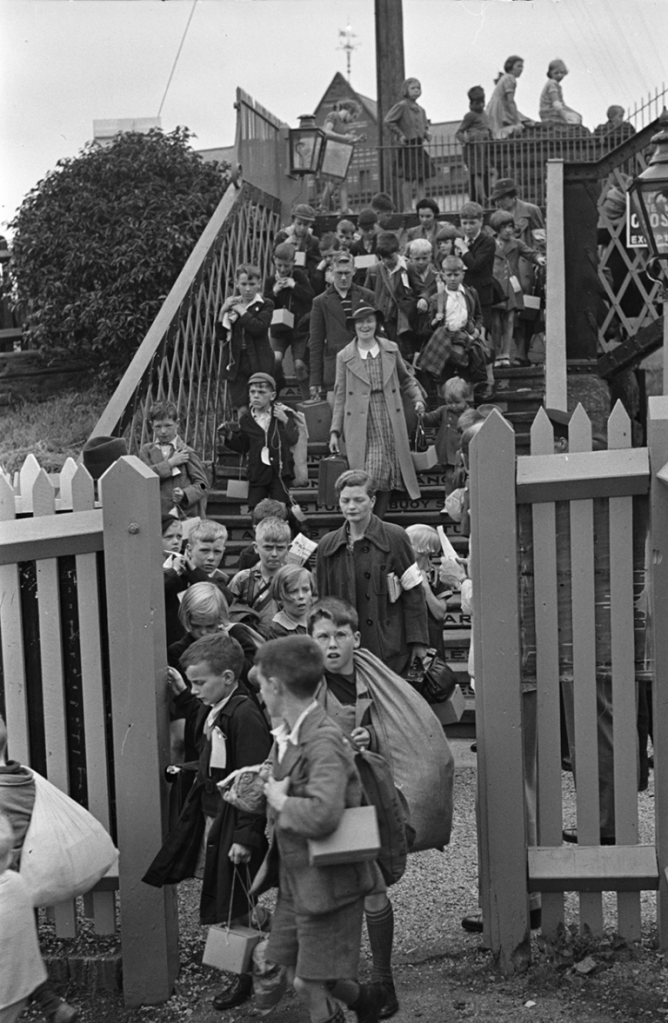
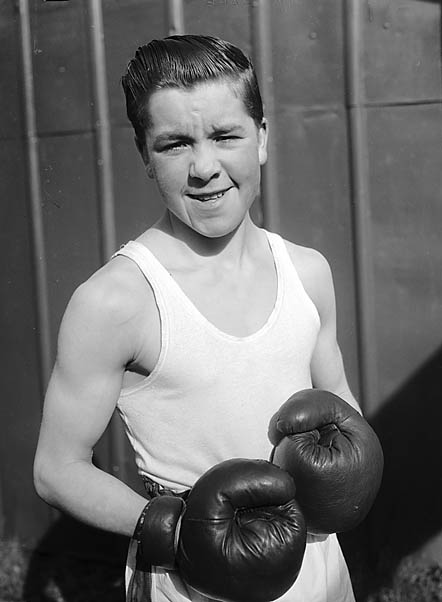
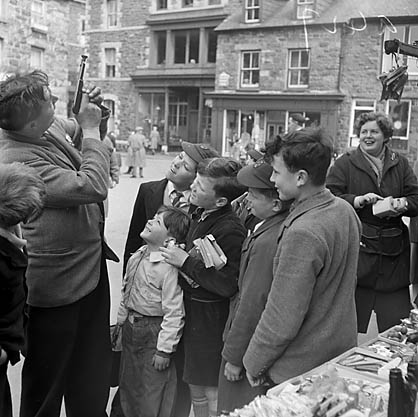
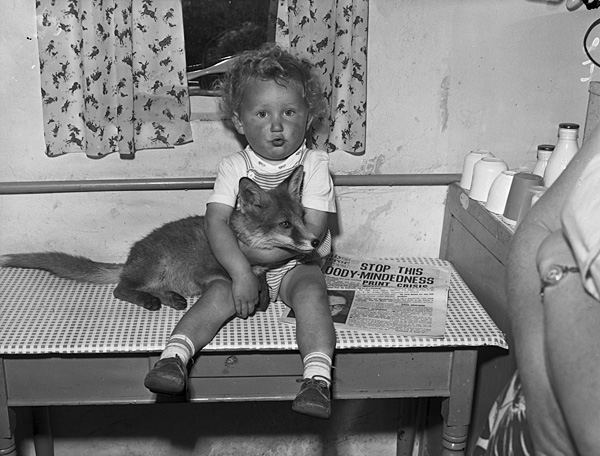
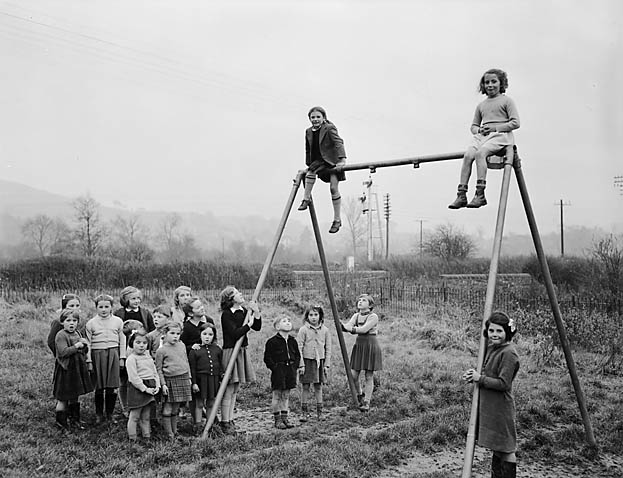
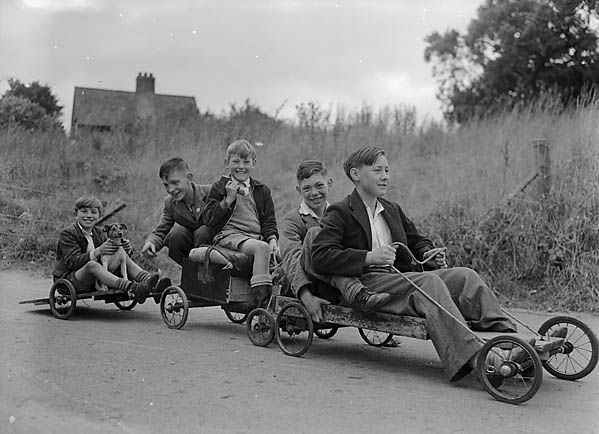
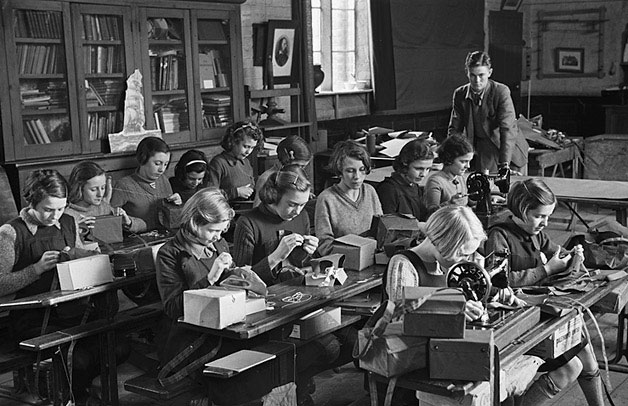
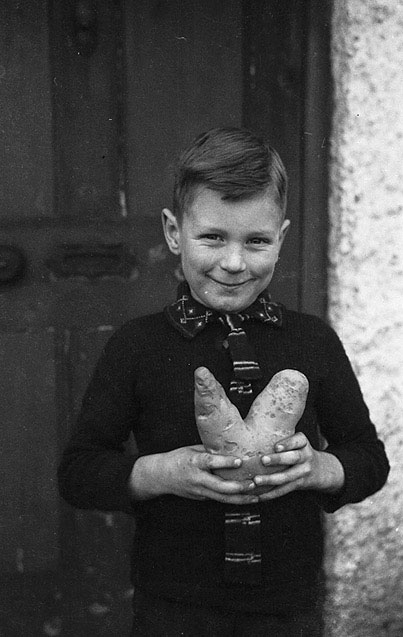
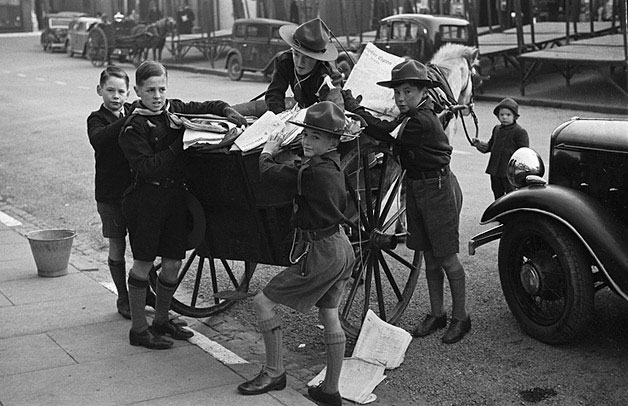
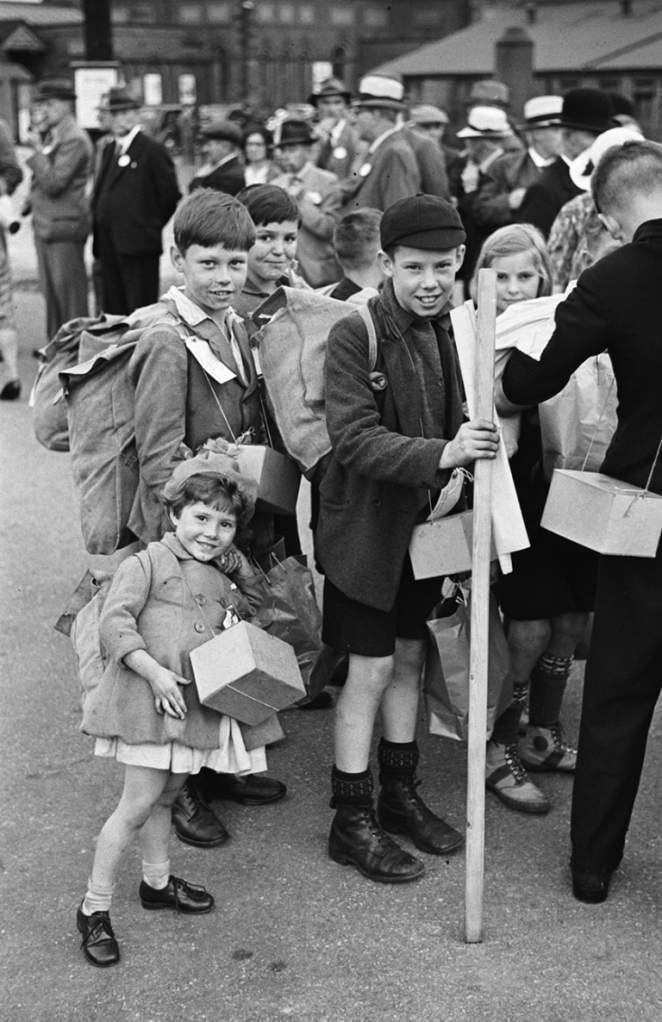
Via: National Library of Wales

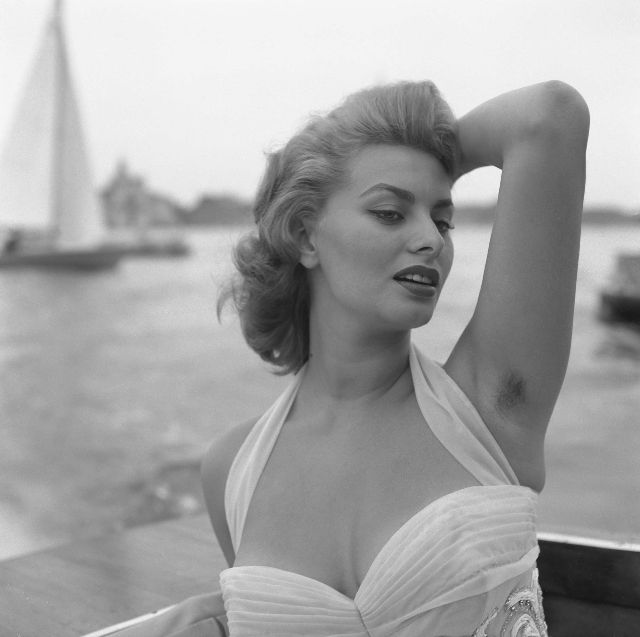
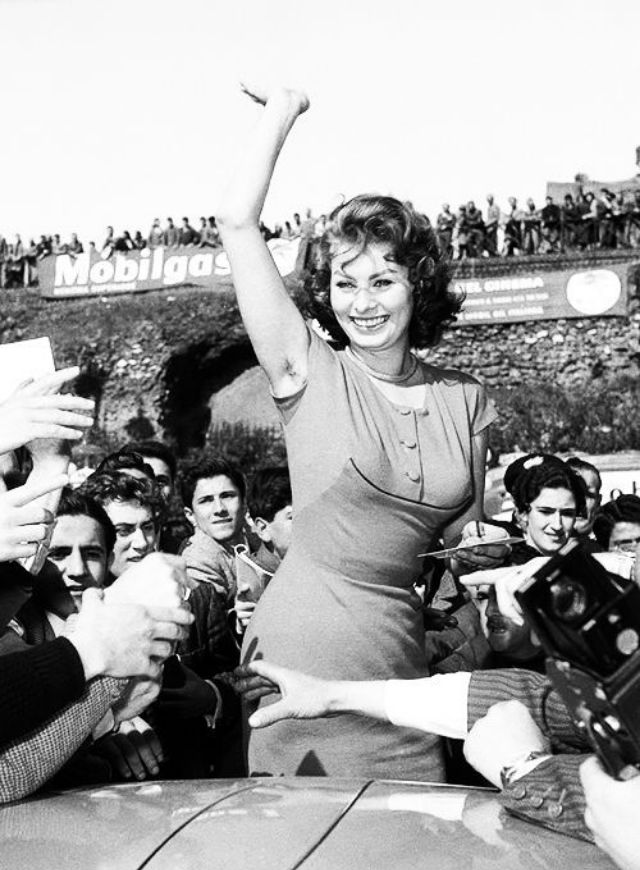
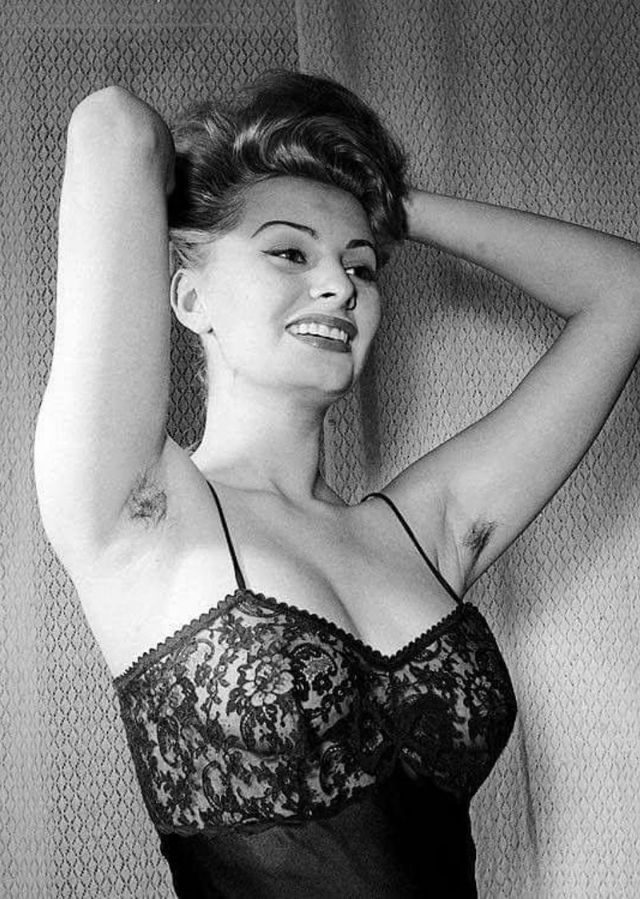
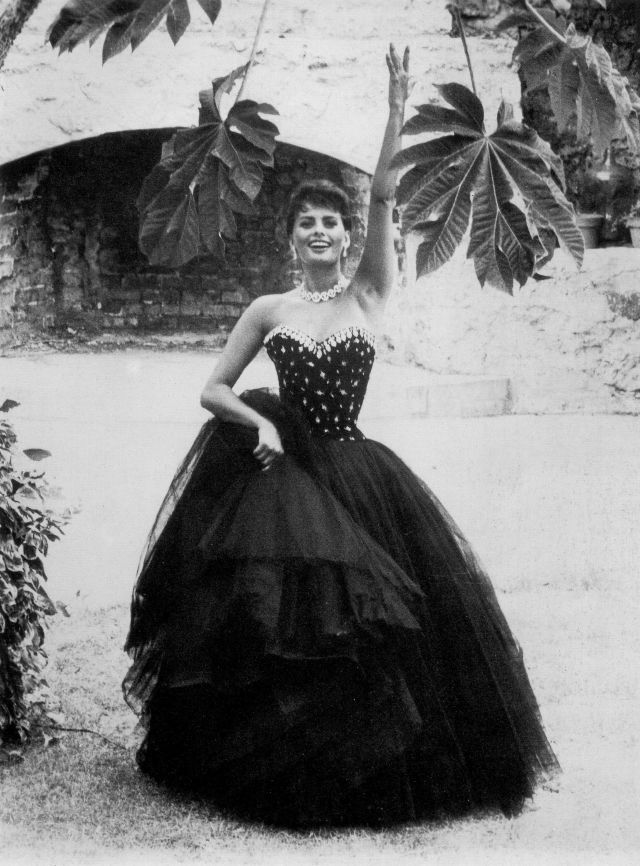
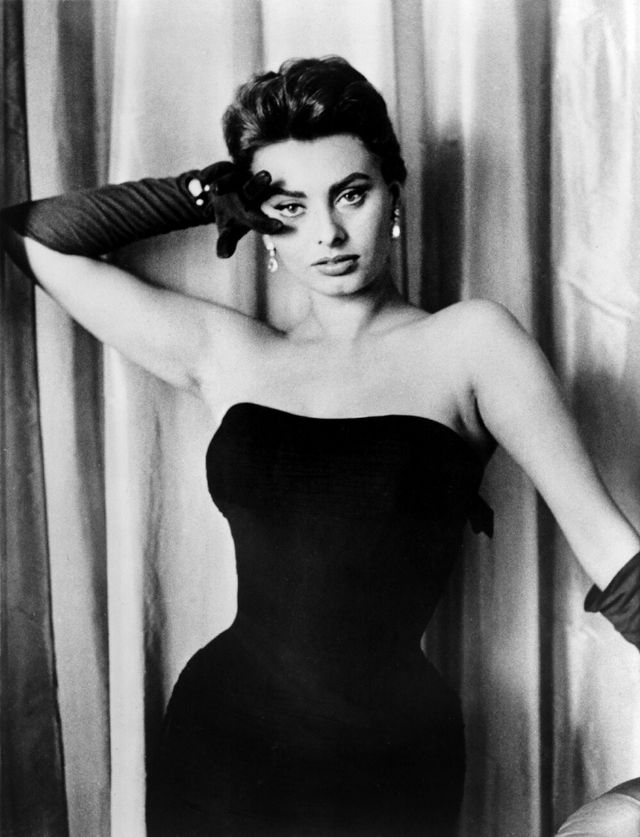
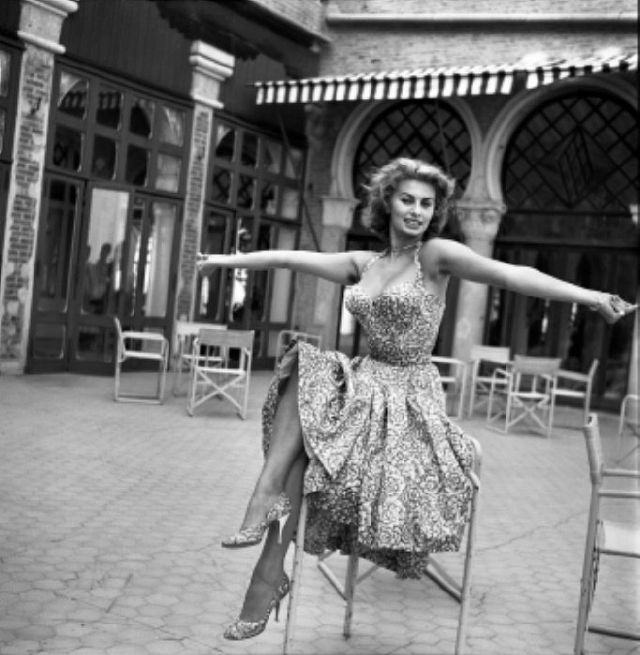
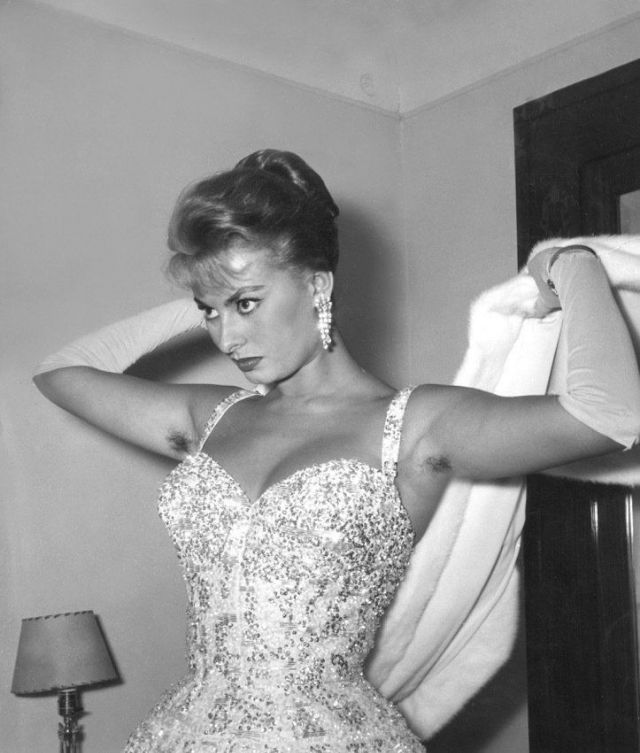
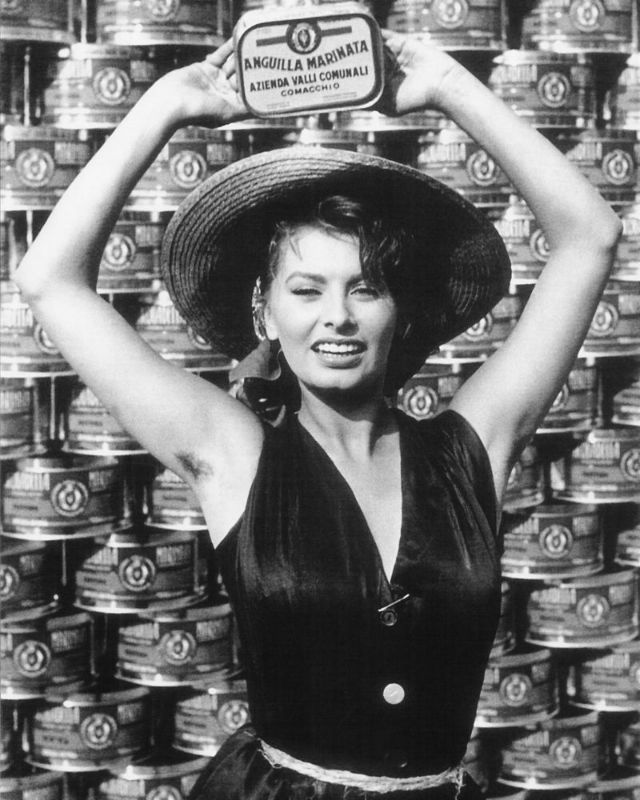
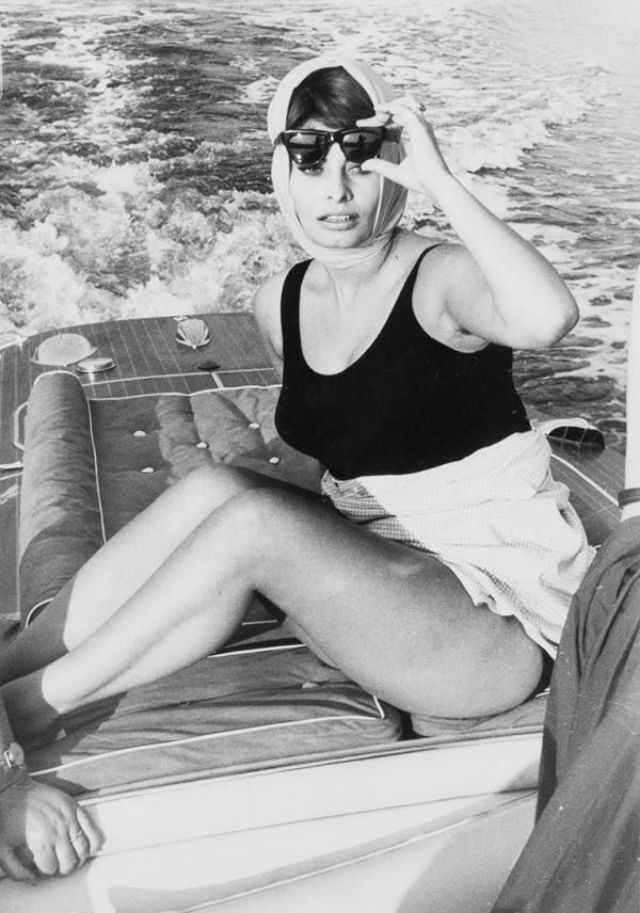
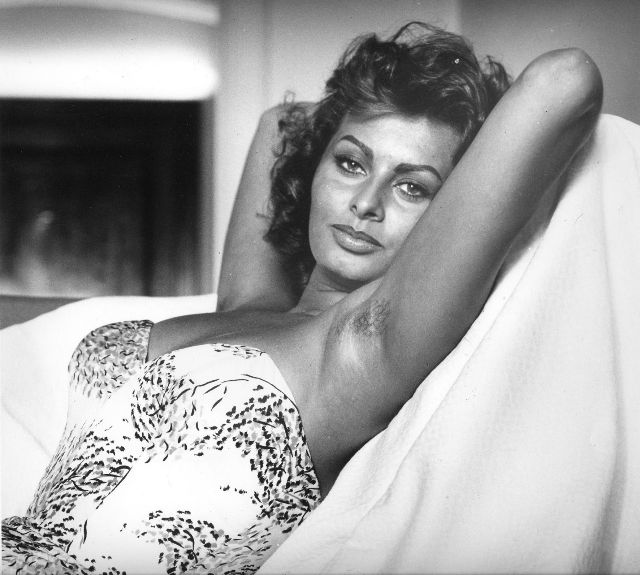
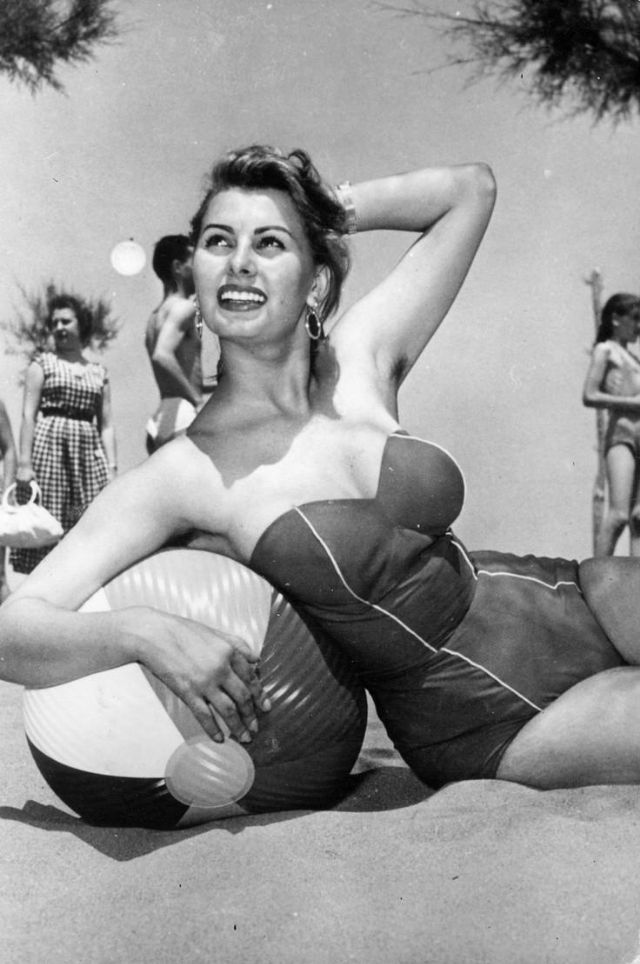
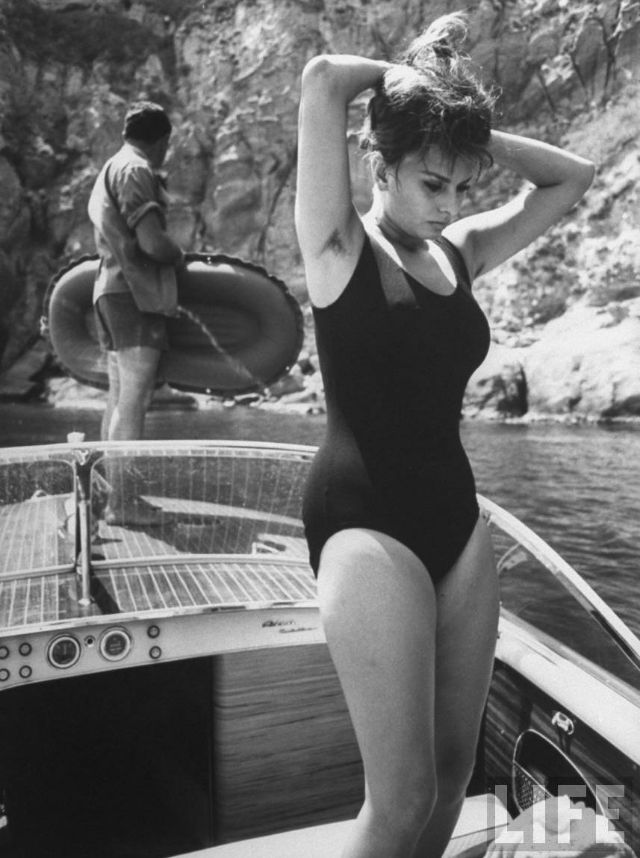
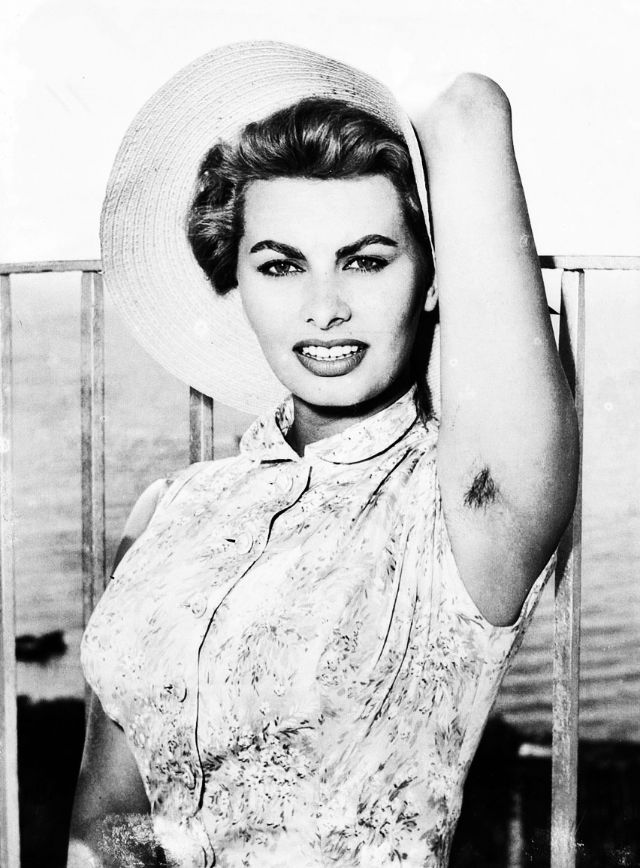
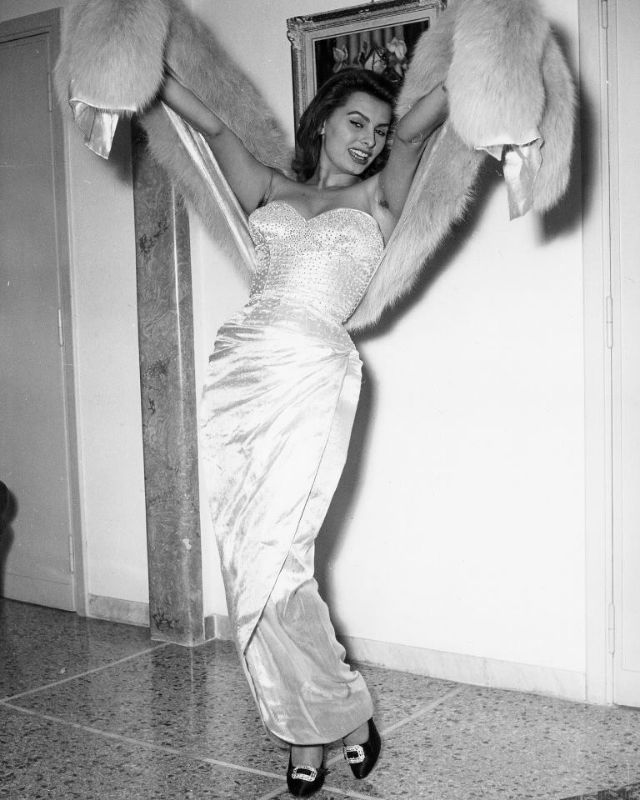
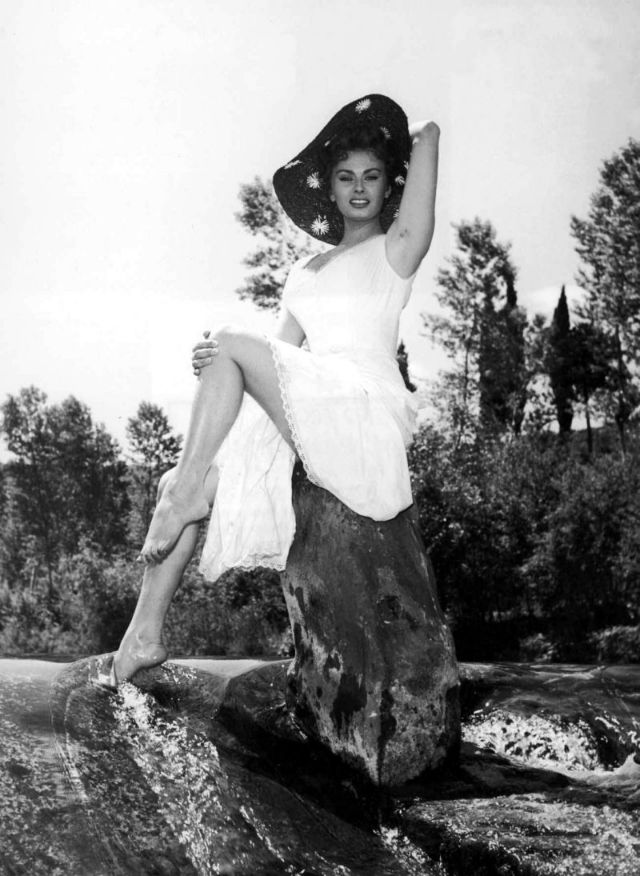
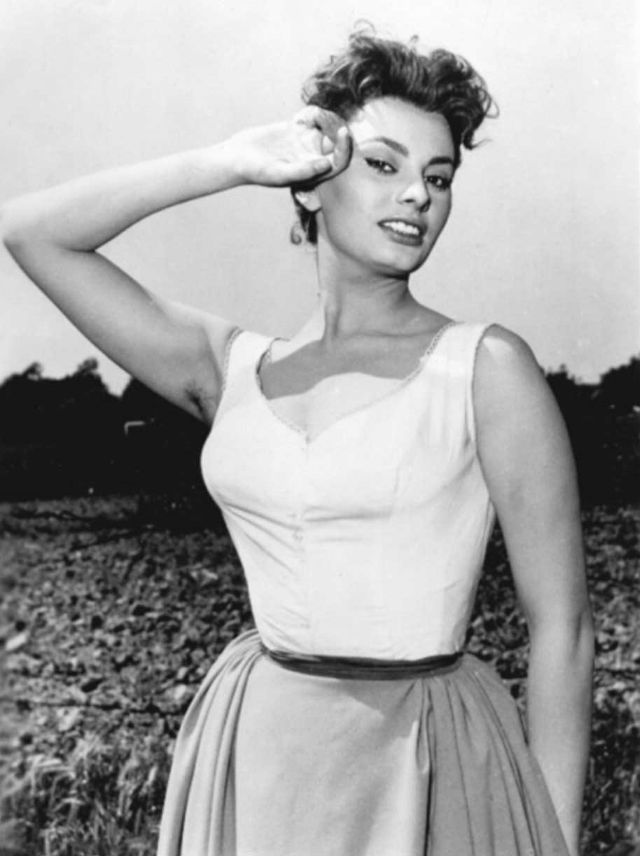
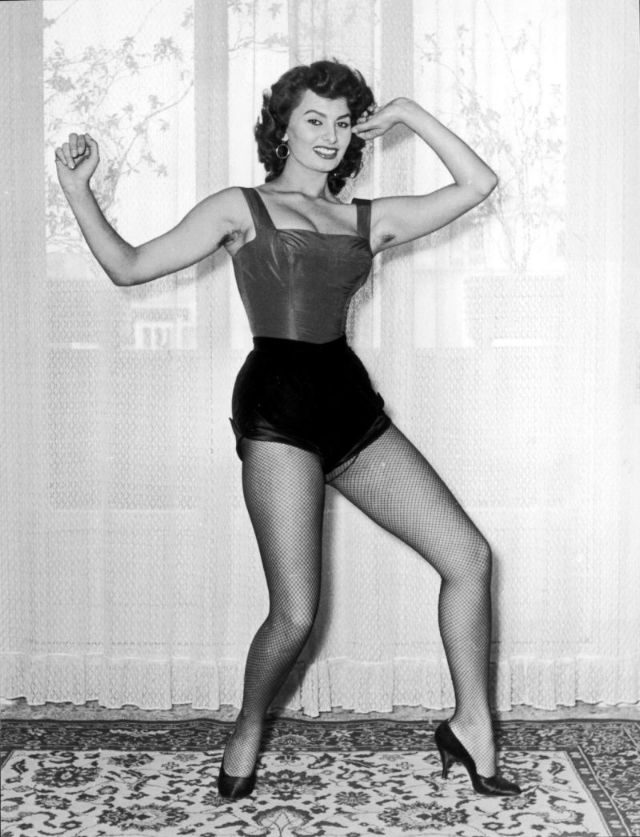
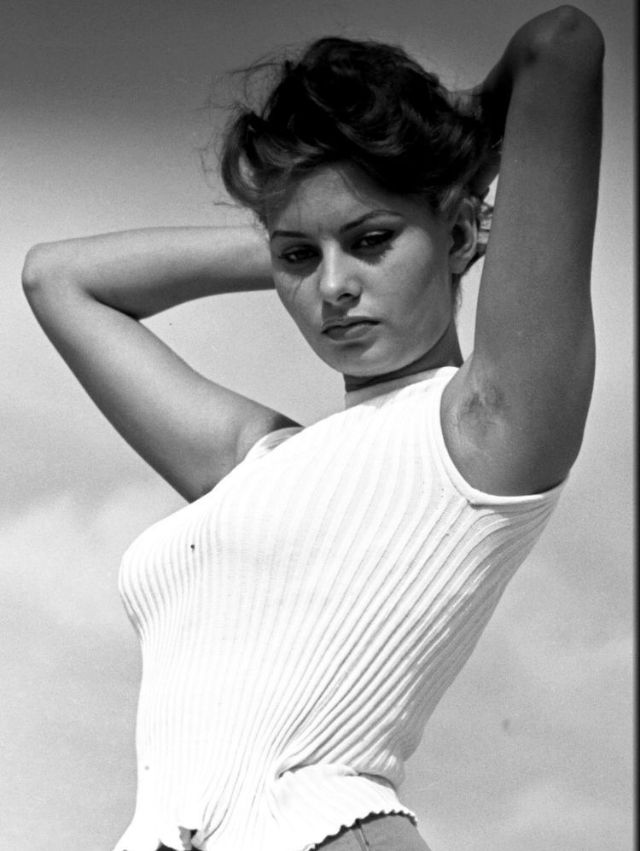
Sofia Costanza Brigida Villani Scicolone Dame Grand Cross OMRI (born 20 September 1934), known professionally as Sophia Loren, is an Italian actress. She was named by the American Film Institute as one of the greatest female stars of Classical Hollywood cinema.[2] As of 2022, Loren is the last surviving major-star from the Golden Age of Hollywood cinema and the only living person on AFI’s list.
Encouraged to enroll in acting lessons after entering a beauty pageant, Loren began her film career at age sixteen in 1950. She appeared in several bit parts and minor roles in the early part of the decade, until her five-picture contract with Paramount in 1956 launched her international career. Her film appearances around this time include The Pride and the Passion, Houseboat, and It Started in Naples. During the 1950s, she starred in films as a sexually emancipated personae and was one of the best known sex symbols of the time.
Loren’s performance as Cesira in the film Two Women (1961) directed by Vittorio De Sica won her the Academy Award for Best Actress, making her the first actor to win an Oscar for a non-English-language performance. She holds the record for having earned seven David di Donatello Awards for Best Actress: Two Women; Yesterday, Today and Tomorrow (1963); Marriage Italian Style (1964, for which she was nominated for a second Oscar); Sunflower (1970); The Voyage (1974); A Special Day (1977) and The Life Ahead (2020). She has won five special Golden Globes (including the Cecil B. DeMille Award), a BAFTA Award, a Laurel Award, a Grammy Award, the Volpi Cup for Best Actress at the Venice Film Festival and the Best Actress Award at the Cannes Film Festival. In 1991, she received the Academy Honorary Award for lifetime achievements.
Beginning at the start of the 1980s, Loren chose to make rarer film appearances. Since then, she has appeared in films such as Prêt-à-porter (1994), Grumpier Old Men (1995), and Nine (2009).





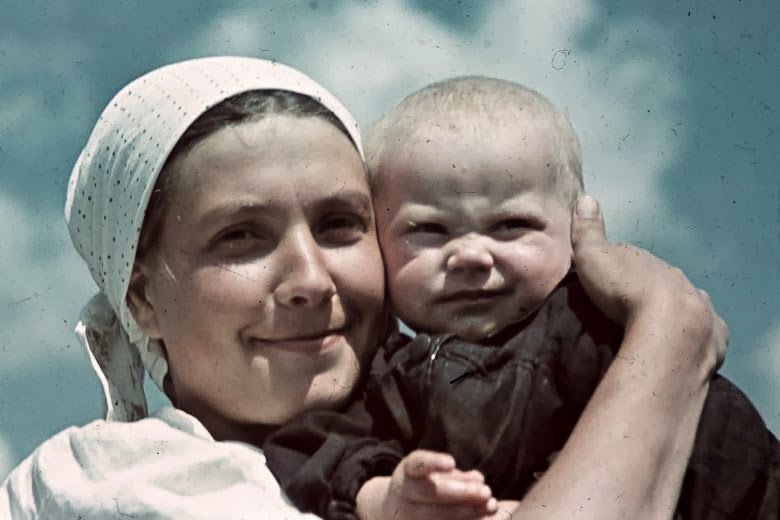
Ukraine is a country in Eastern Europe. It is the second-largest country by area in Europe after Russia, which it borders to the east and north-east. Ukraine also shares borders with Belarus to the north; Poland, Slovakia, and Hungary to the west; Romania and Moldova to the south; and has a coastline along the Sea of Azov and the Black Sea. It spans an area of 603,628 km2 (233,062 sq mi), with a population of 41.3 million, and is the eighth-most populous country in Europe. The nation’s capital and largest city is Kyiv.
The territory of modern Ukraine has been inhabited since 32,000 BC. During the Middle Ages, the area was a key centre of East Slavic culture, with the powerful state of Kievan Rus’ forming the basis of Ukrainian identity. Following its fragmentation into several principalities in the 13th century and the devastation created by the Mongol invasion, the territorial unity collapsed and the area was contested, ruled, and divided by a variety of powers, including the Polish–Lithuanian Commonwealth, Austria-Hungary, the Ottoman Empire, and Tsardom of Russia. A Cossack Hetmanate emerged and prospered during the 17th and 18th centuries, but its territory was eventually split between Poland and the Russian Empire. In the aftermath of the Russian Revolution, a Ukrainian national movement for self-determination emerged, and the internationally recognized Ukrainian People’s Republic was declared on 23 June 1917. After World War II, the western part of Ukraine merged into the Ukrainian Soviet Socialist Republic, and the whole country became a part of the Soviet Union. Ukraine gained its independence in 1991, following the dissolution of the Soviet Union.
Following its independence, Ukraine declared itself a neutral state; it formed a limited military partnership with Russia and other CIS countries while also establishing a partnership with NATO in 1994. In 2013, after the government of President Viktor Yanukovych had decided to suspend the Ukraine–European Union Association Agreement and seek closer economic ties with Russia, a several-months-long wave of demonstrations and protests known as the Euromaidan began, which later escalated into the 2014 Ukrainian revolution that led to the overthrow of Yanukovych and the establishment of a new government. These events formed the background for the annexation of Crimea by Russia in March 2014 and the War in Donbas in April 2014. On 1 January 2016, Ukraine applied for the economic component of the Deep and Comprehensive Free Trade Area with the European Union.
Ukraine is a developing country ranking 74th in the Human Development Index. It is the poorest country in Europe alongside Moldova, suffering from a very high poverty rate as well as severe corruption. However, because of its extensive fertile farmlands, Ukraine is one of the largest grain exporters in the world. It also maintains the third-largest military in Europe after Russia and France. Ukraine is a unitary republic under a semi-presidential system with separate powers: legislative, executive, and judicial branches. The country is a member of the United Nations, the Council of Europe, the OSCE, the GUAM organization, and the Lublin Triangle, and is one of the founding states of the CIS, even though it never became a member of the organization. (Wikipedia)
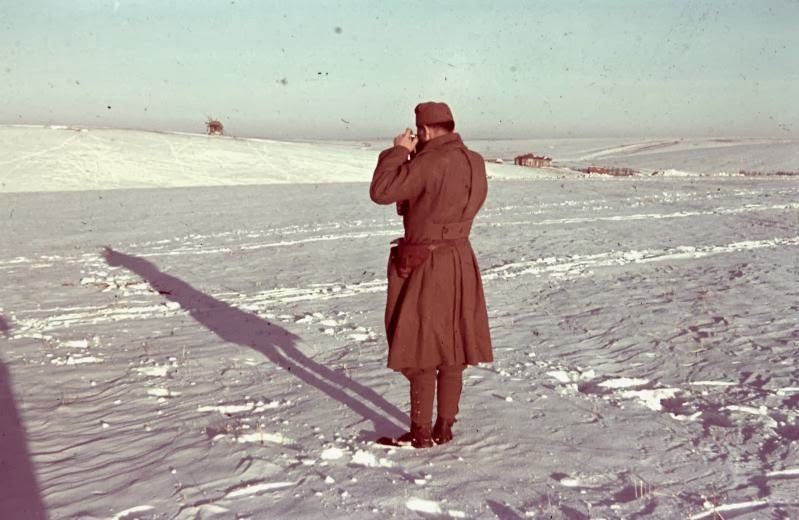
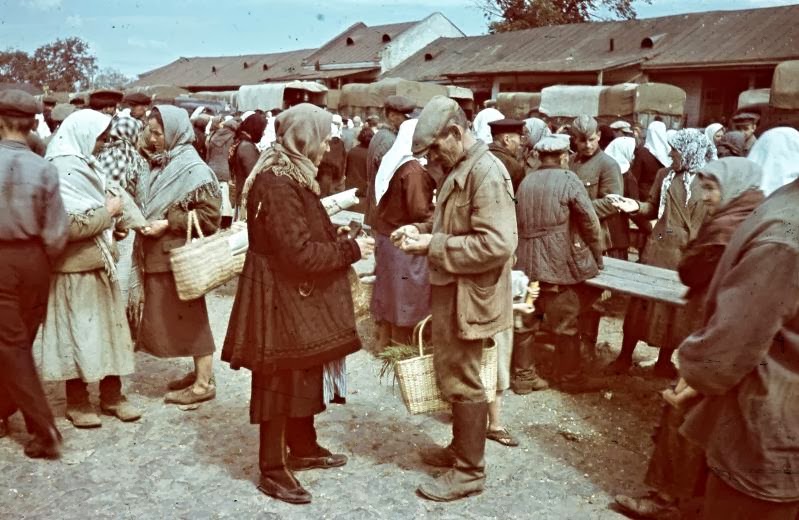
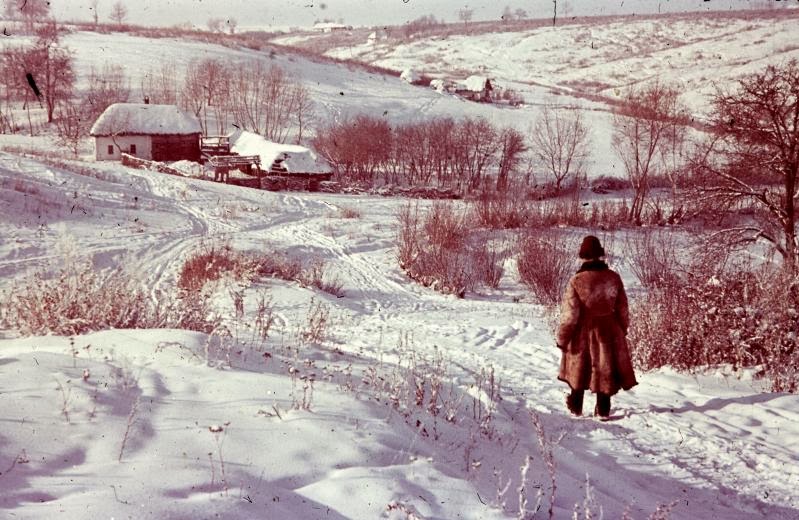
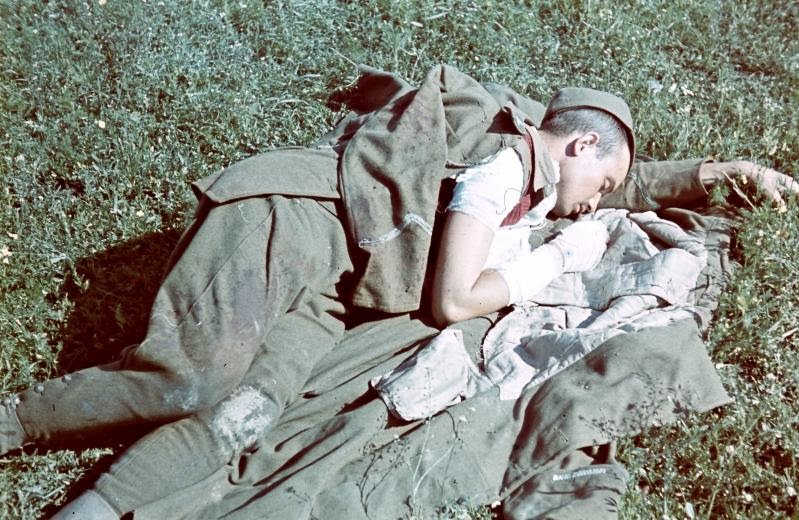
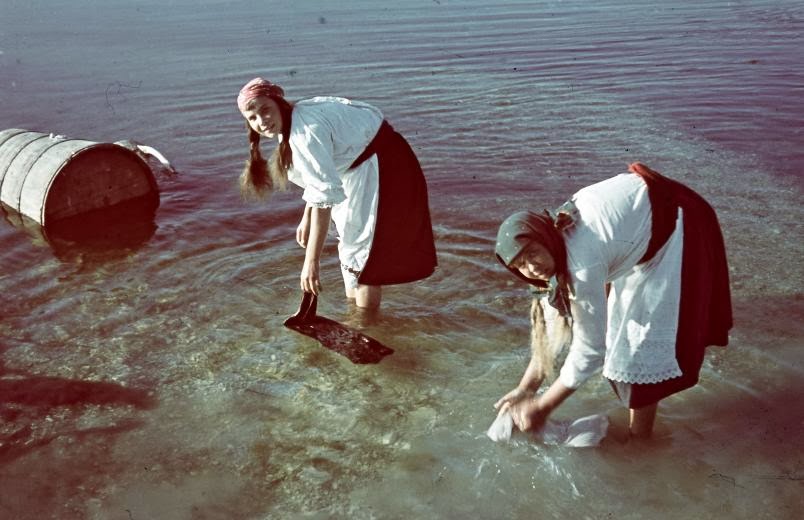
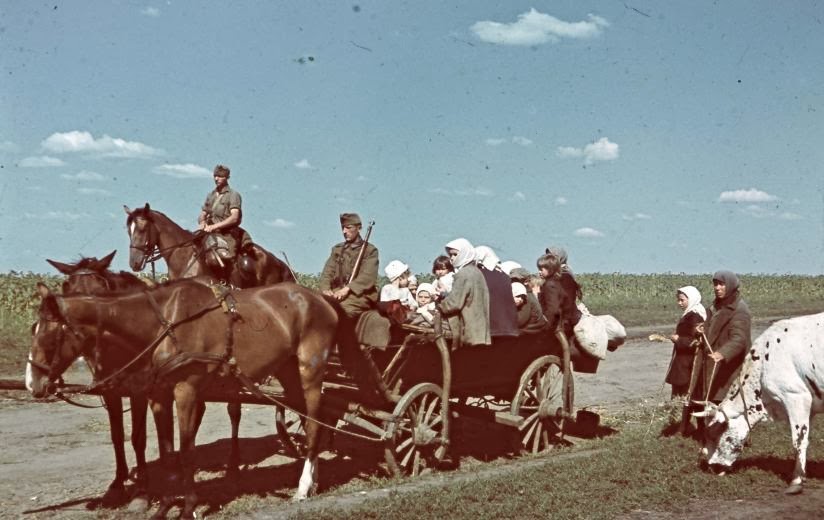
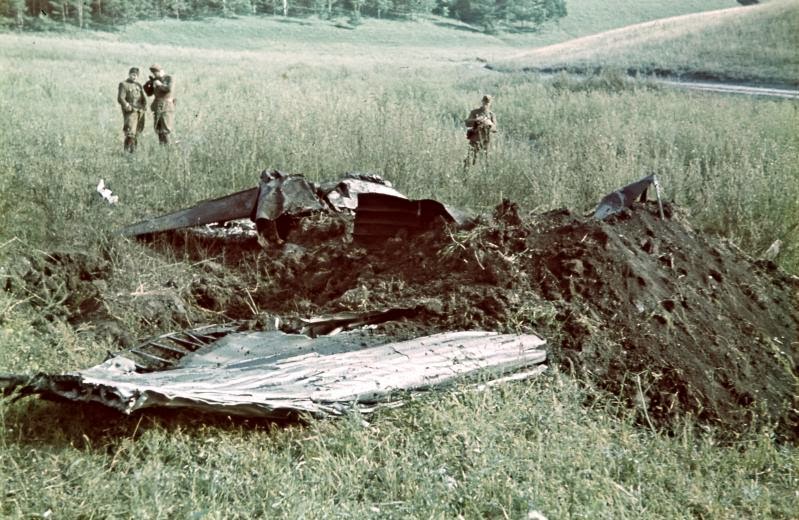
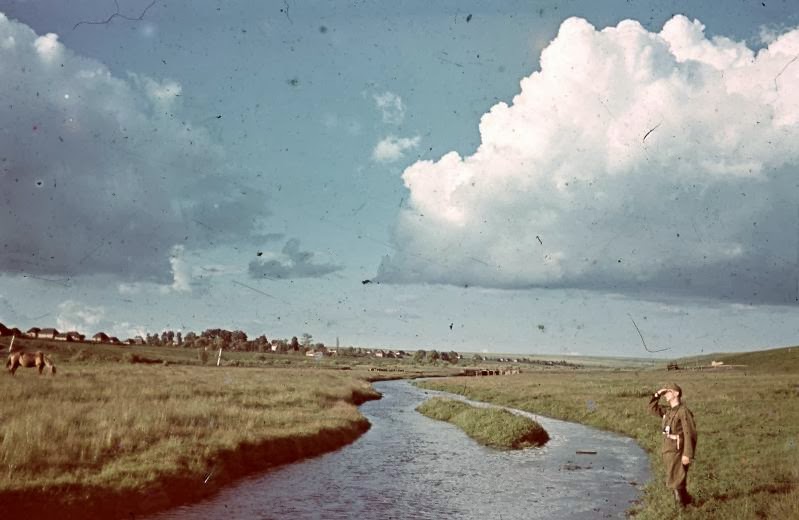
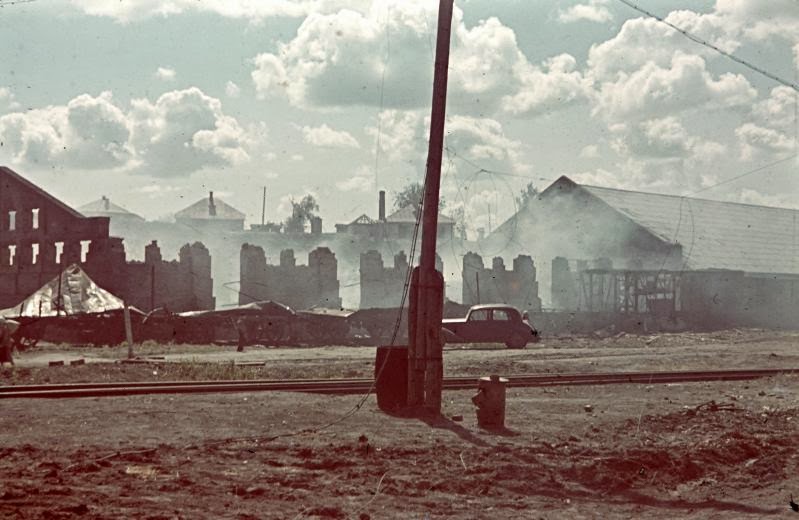
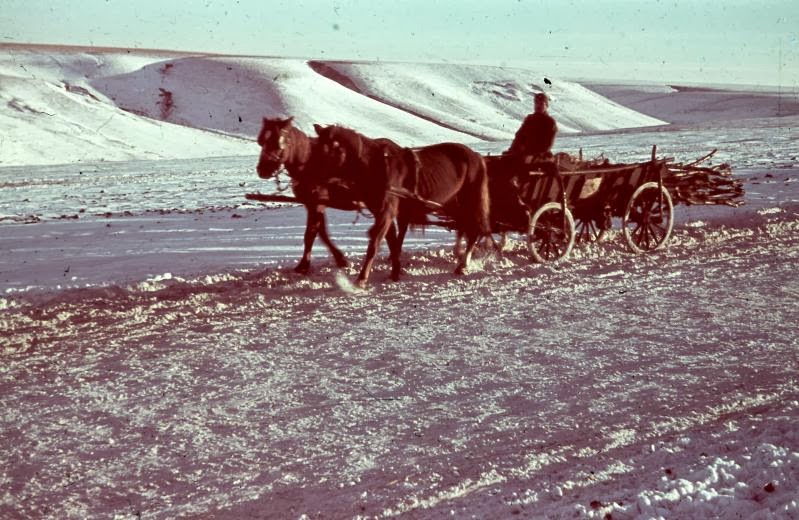
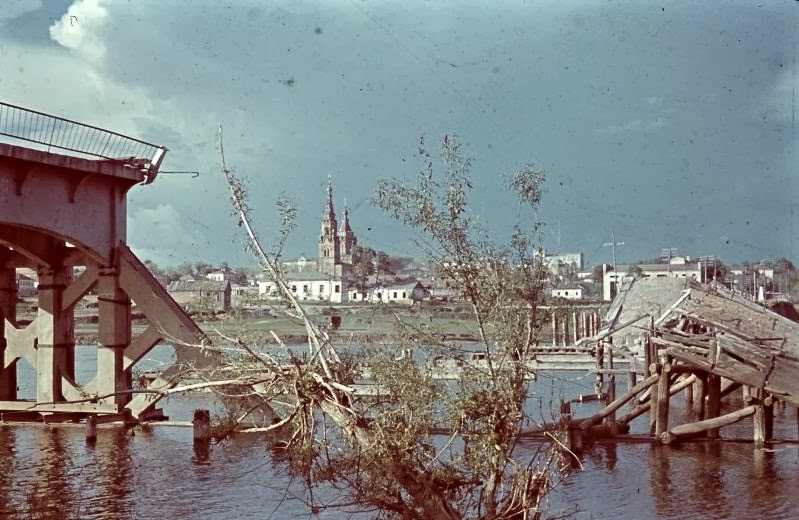
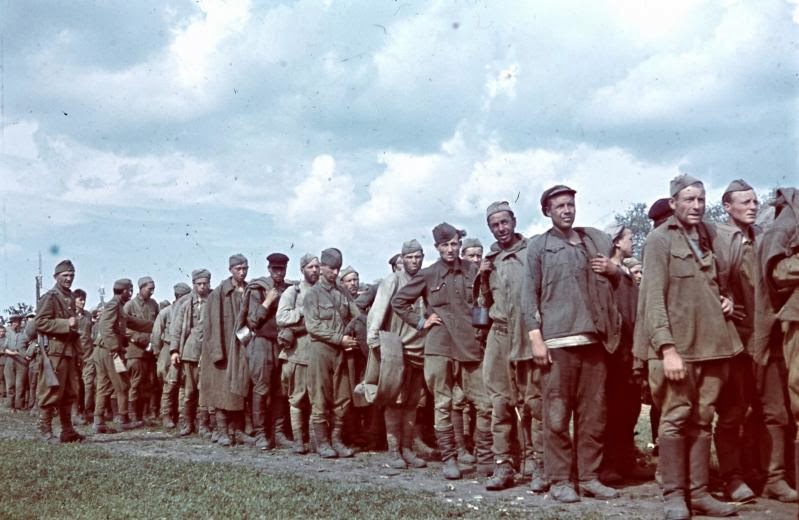
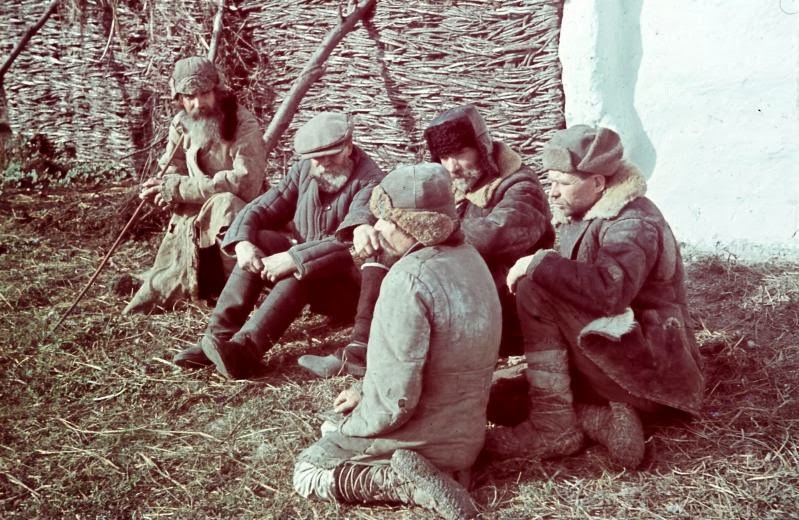
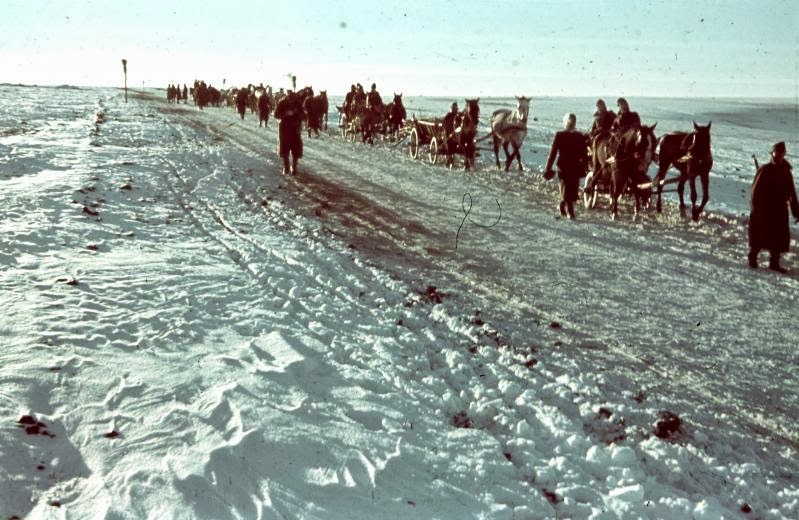
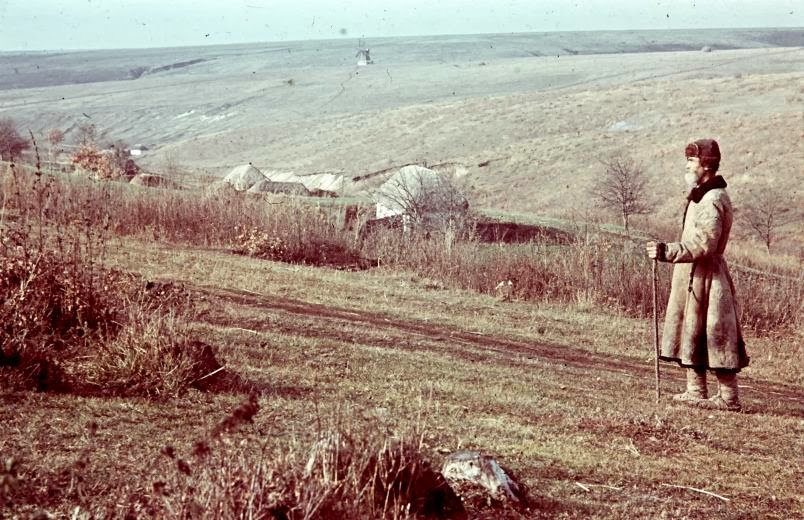
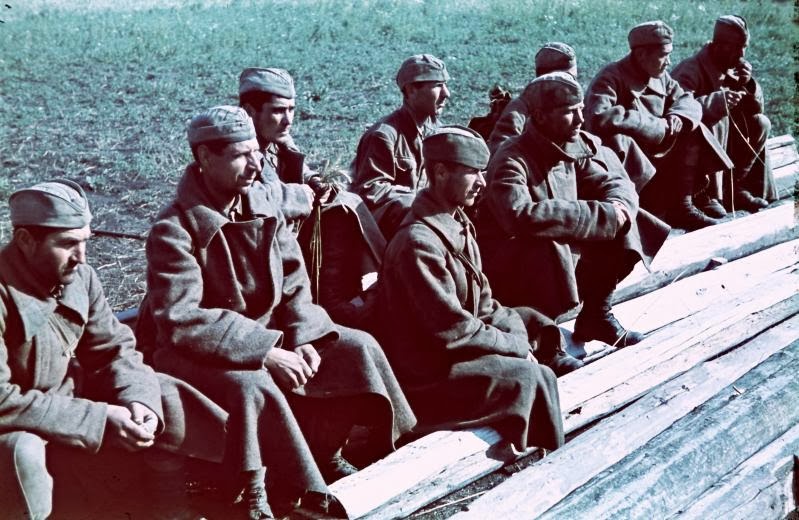
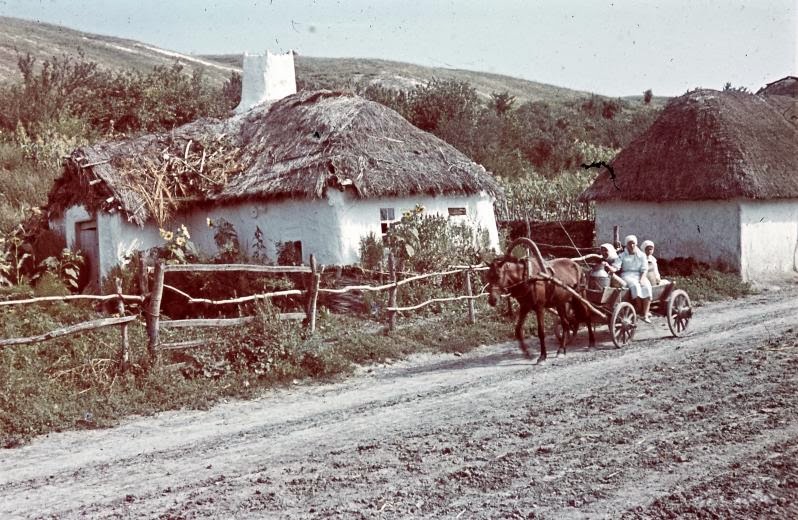
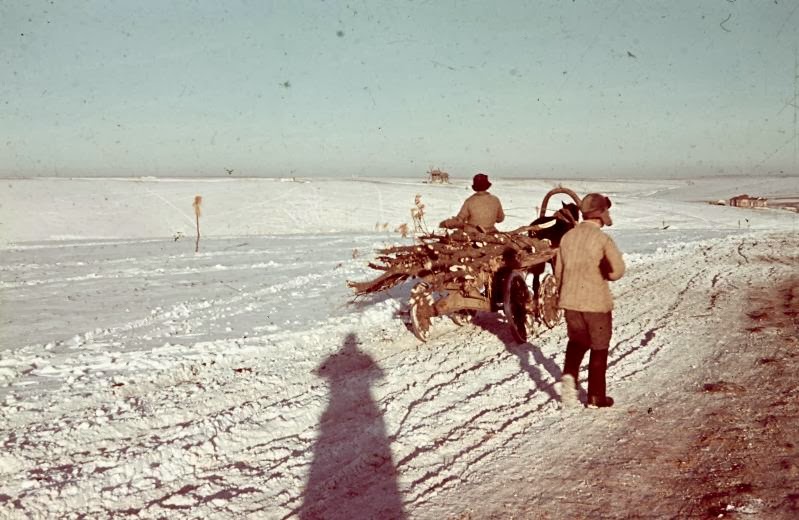
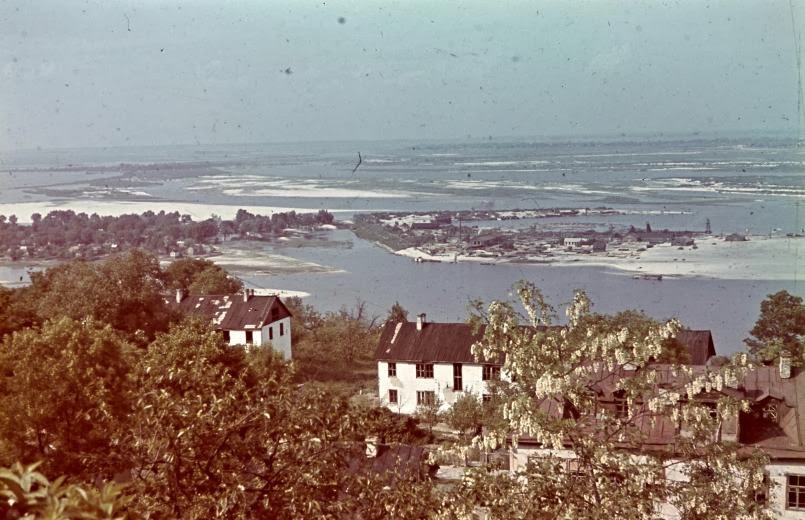
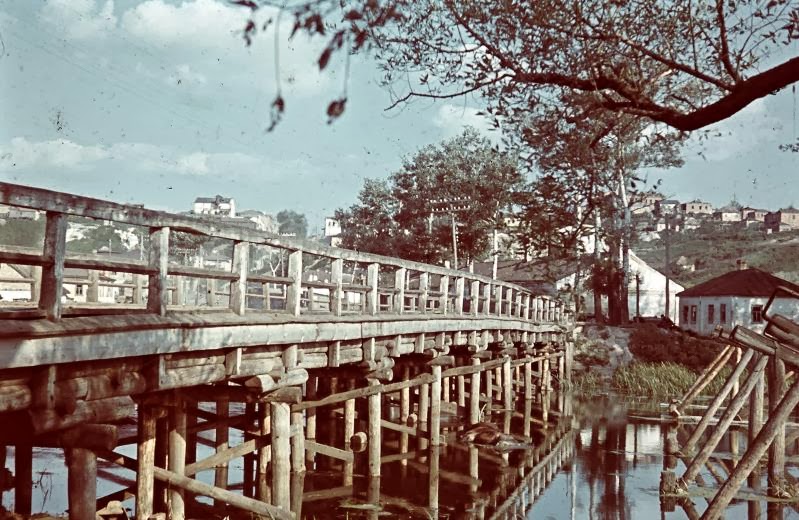
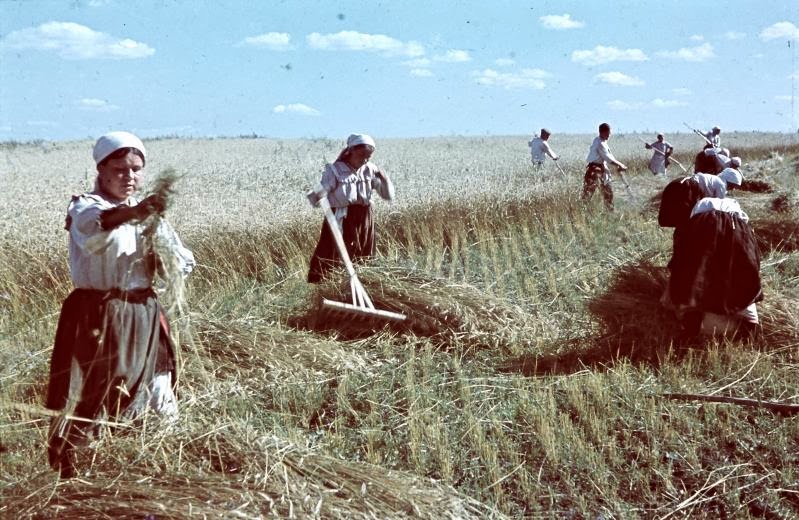
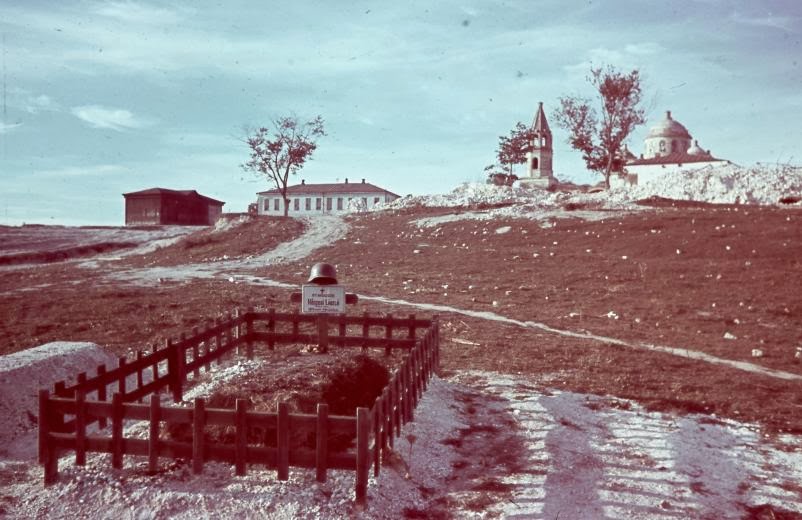
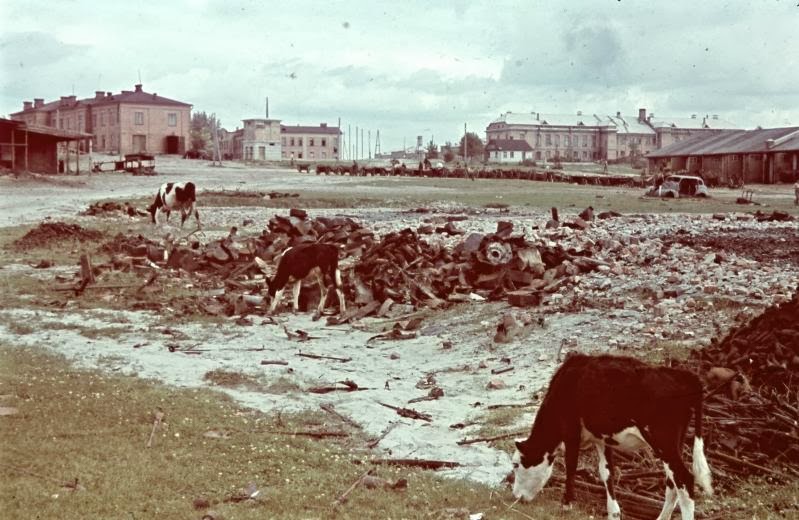
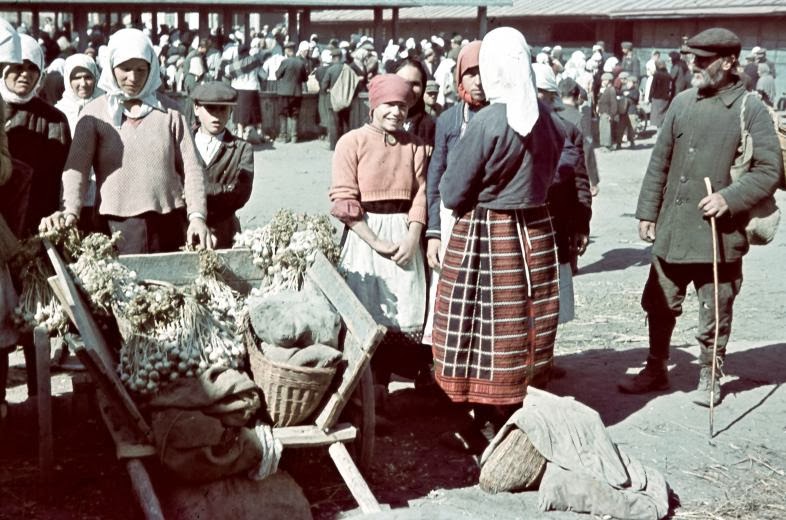
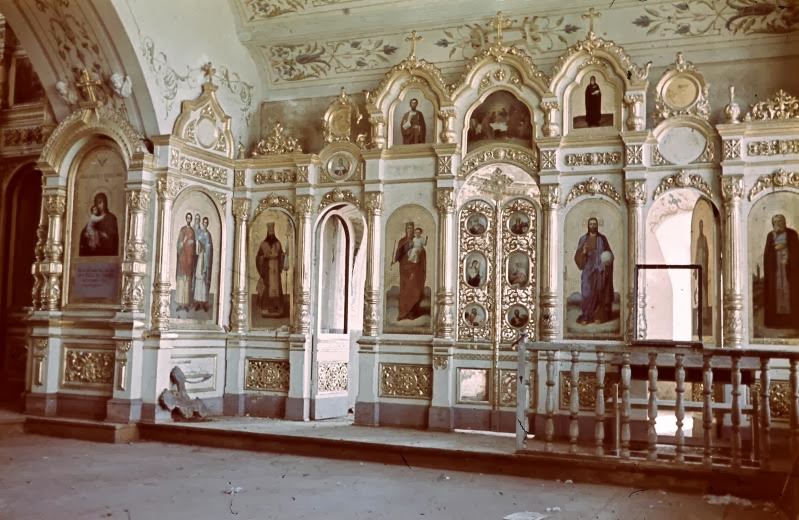
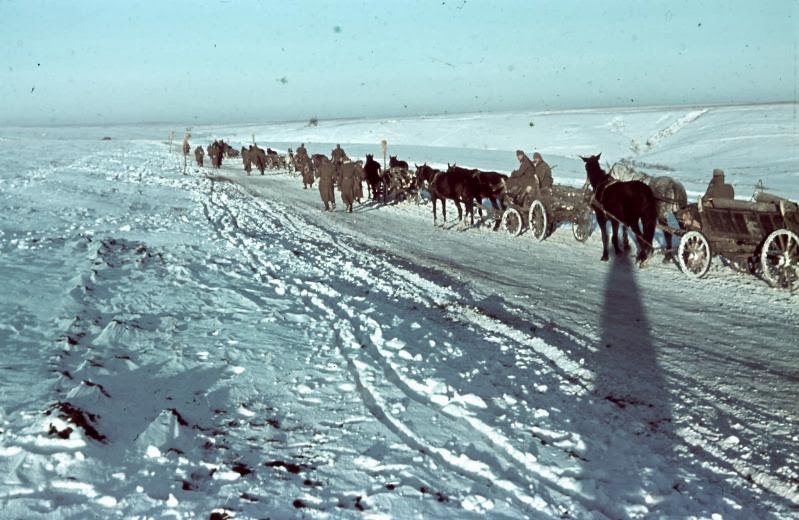
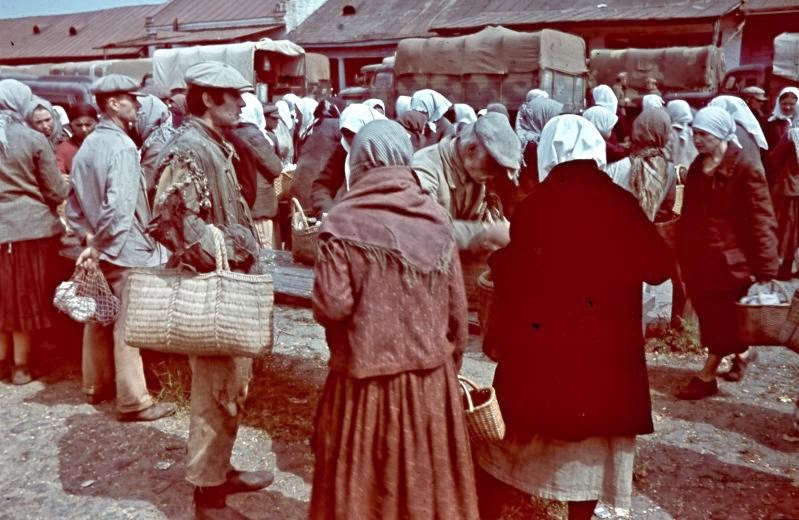
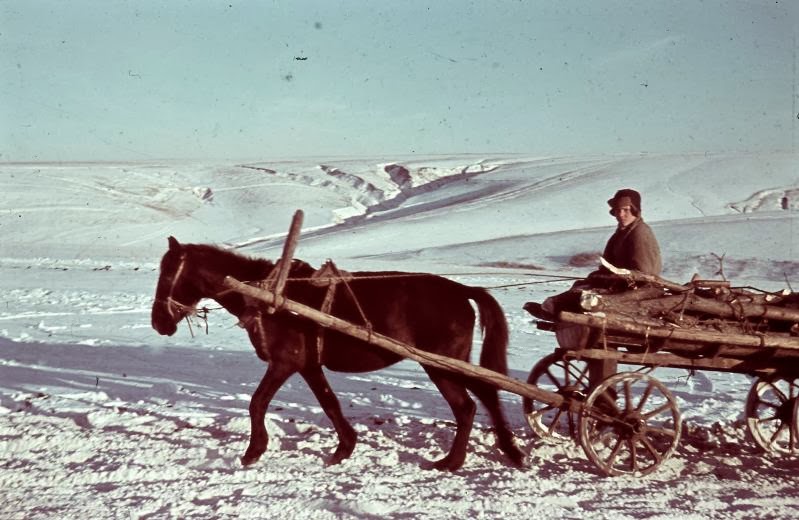
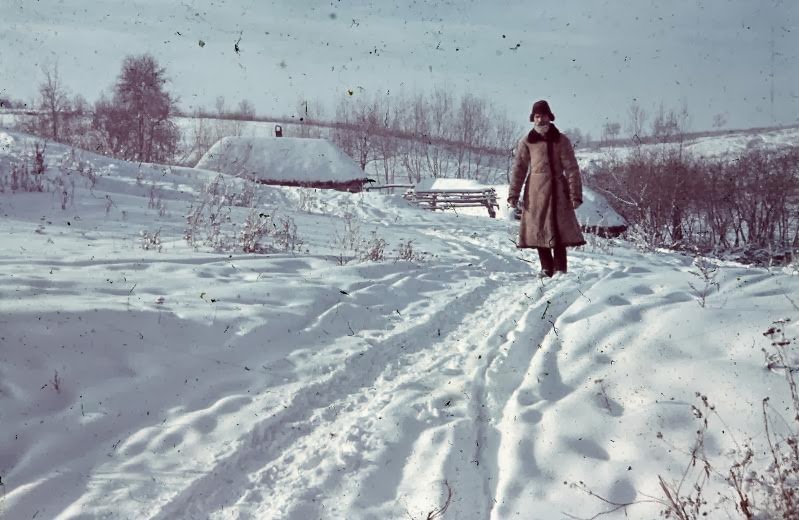
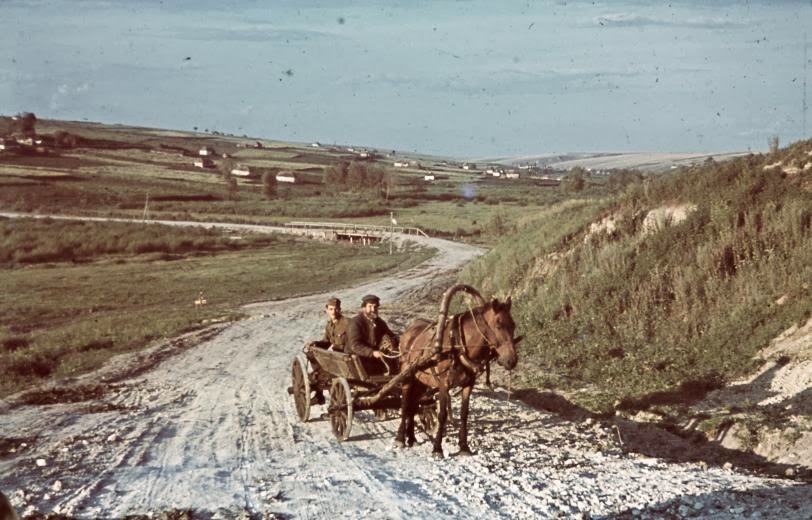
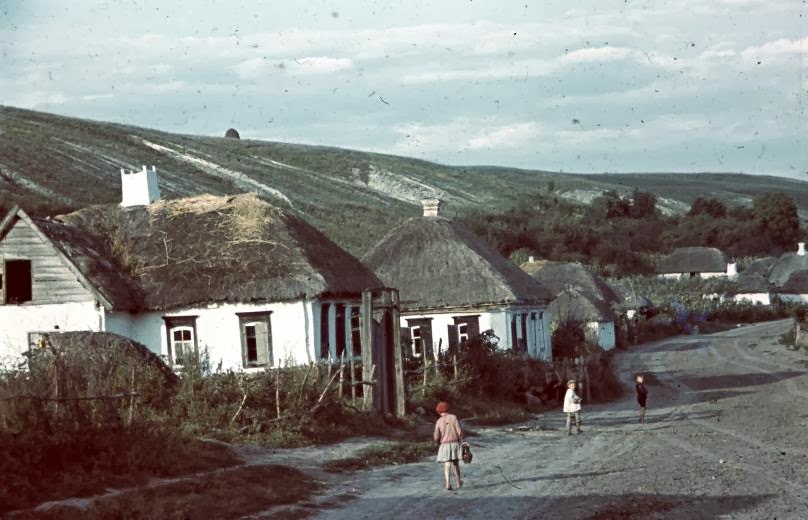
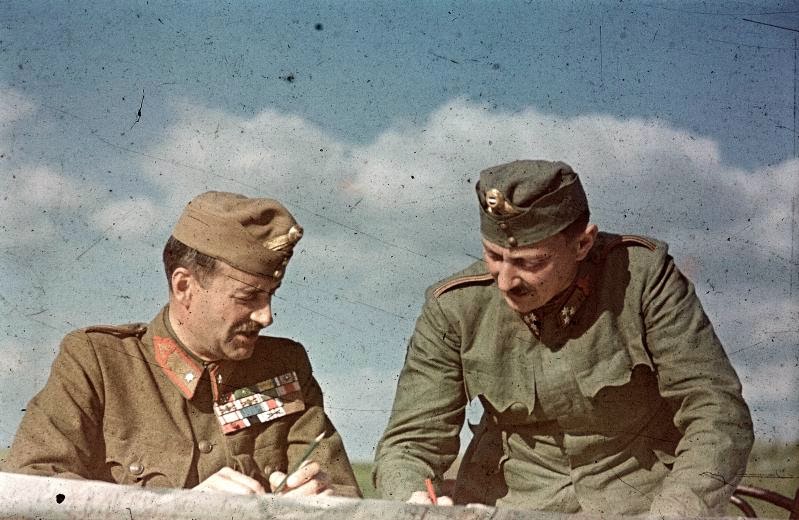
These amazing vintage color photographs were taken by Tamas Conoco Sr., captured everyday life in Ukraine in 1942.
















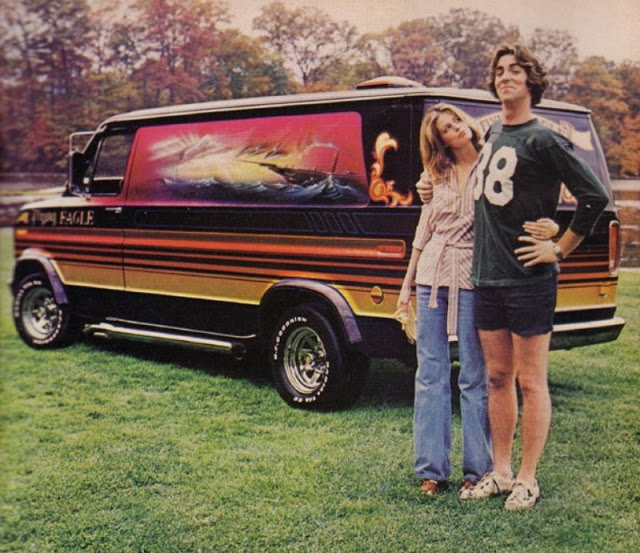
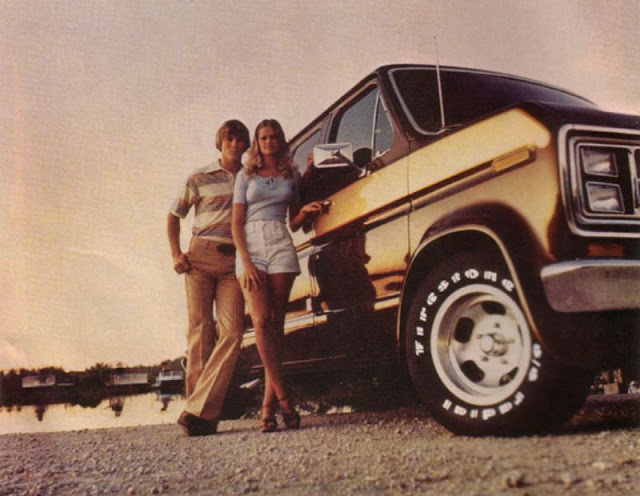
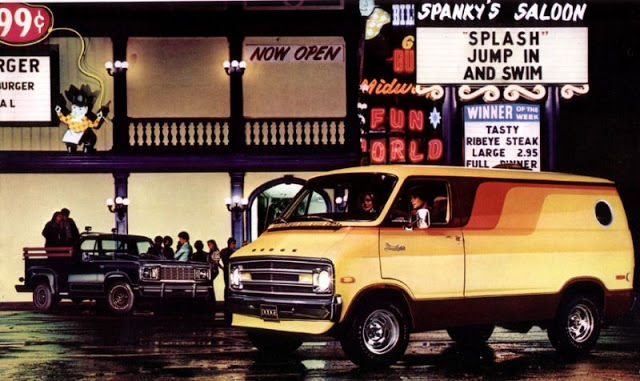
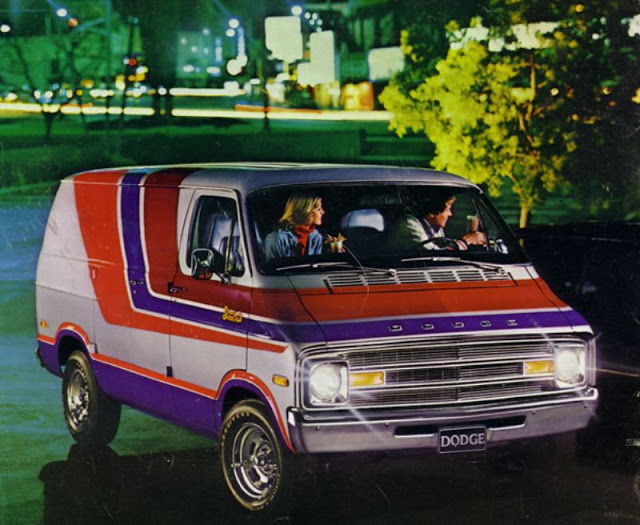
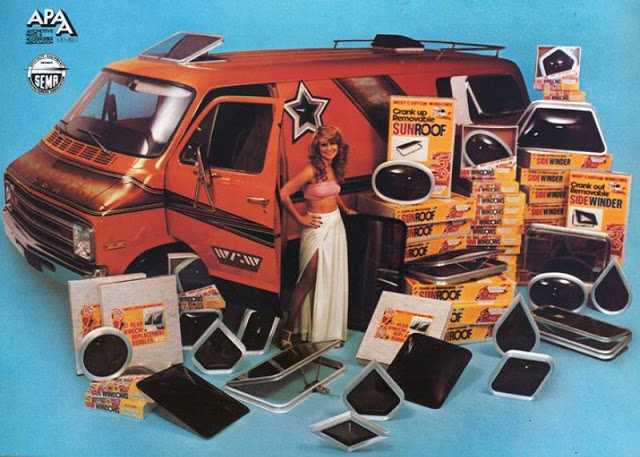
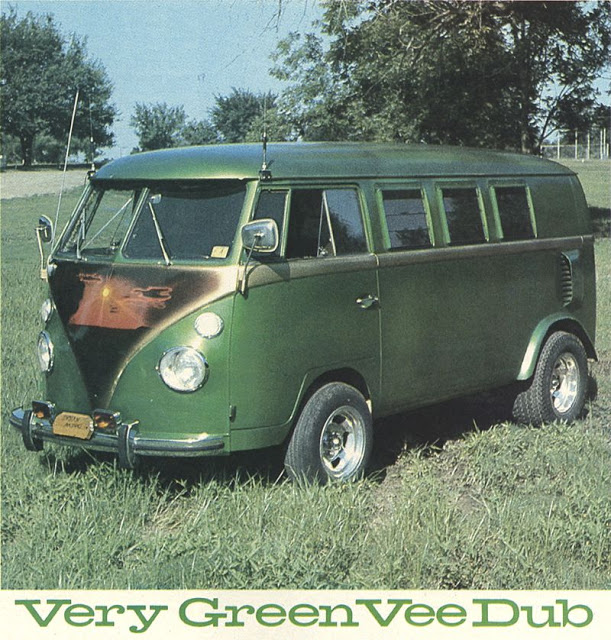
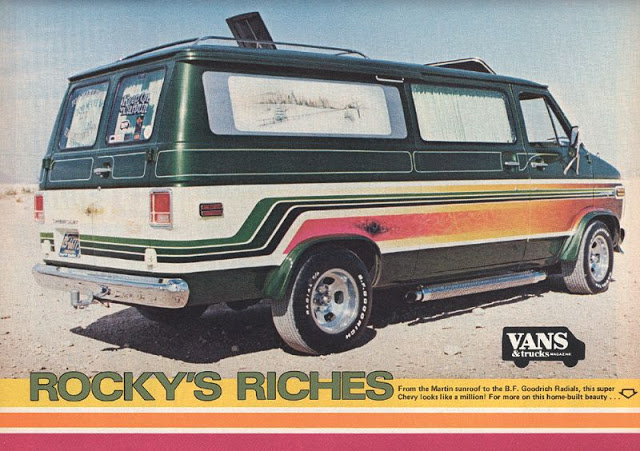
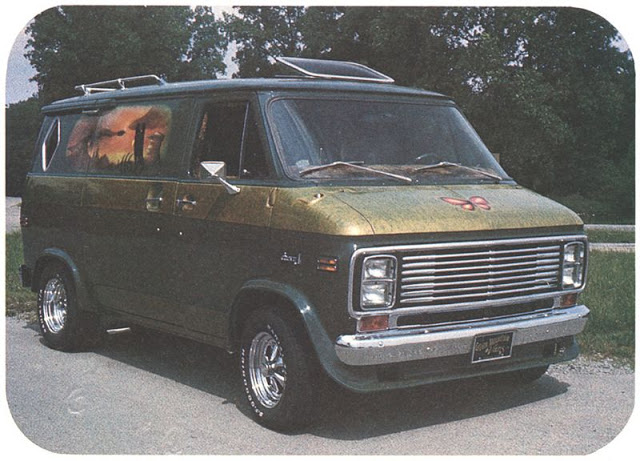
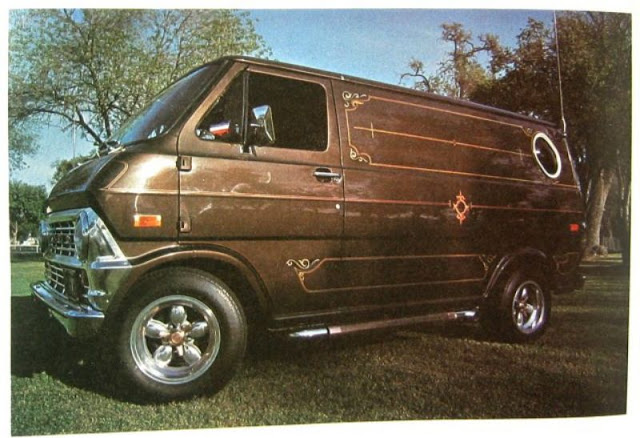
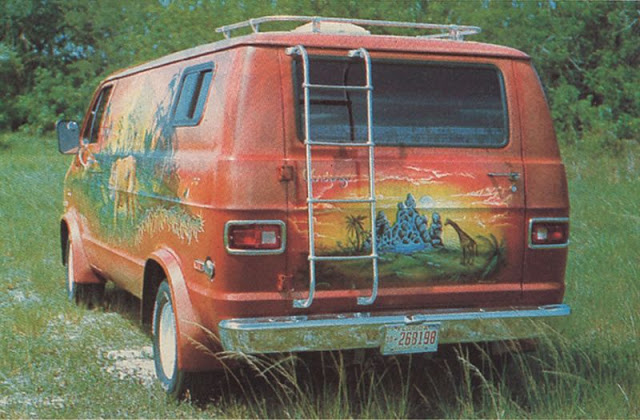
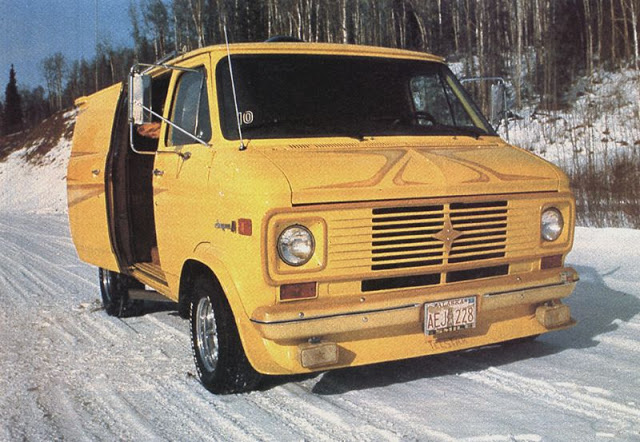
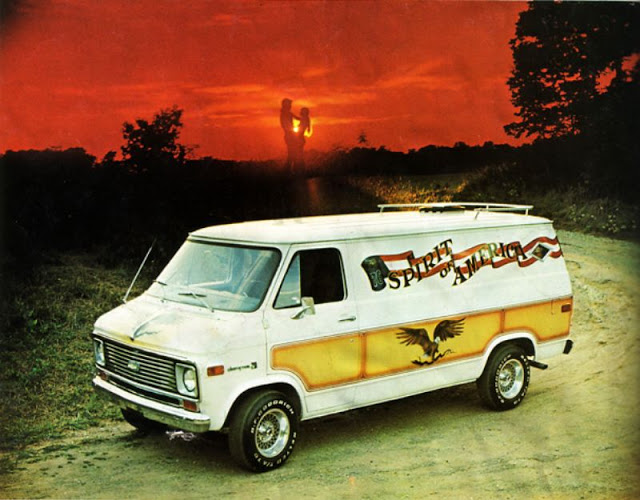
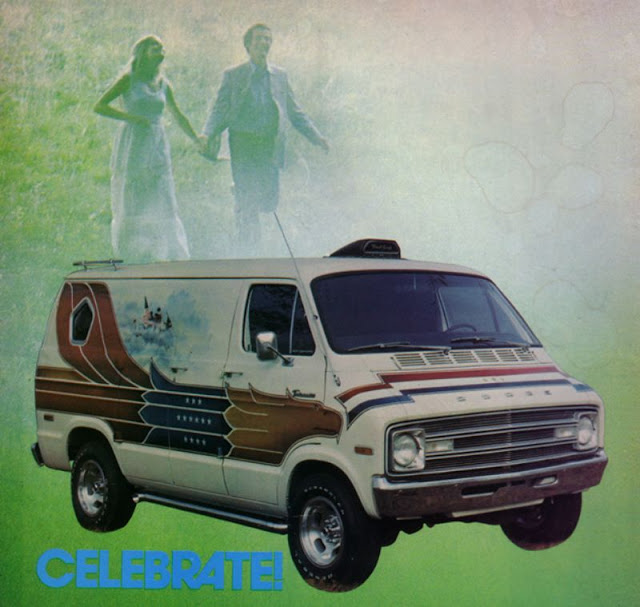
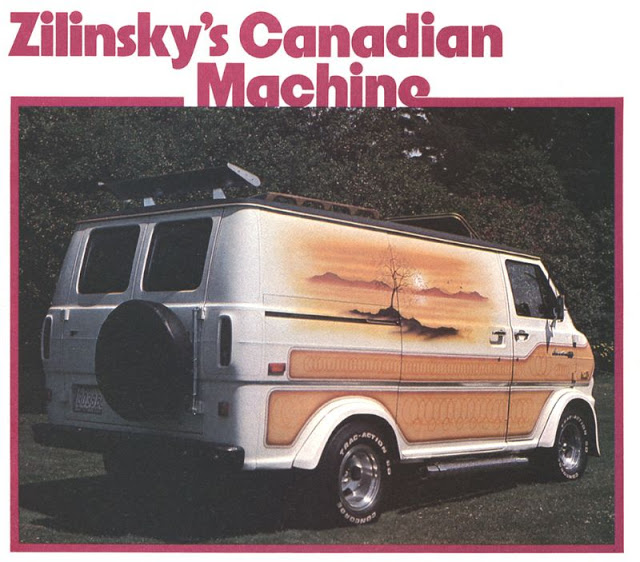
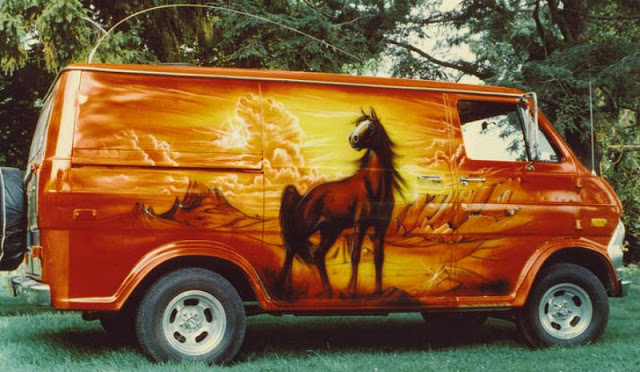
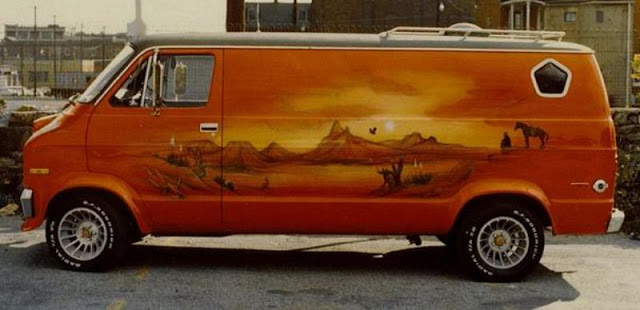
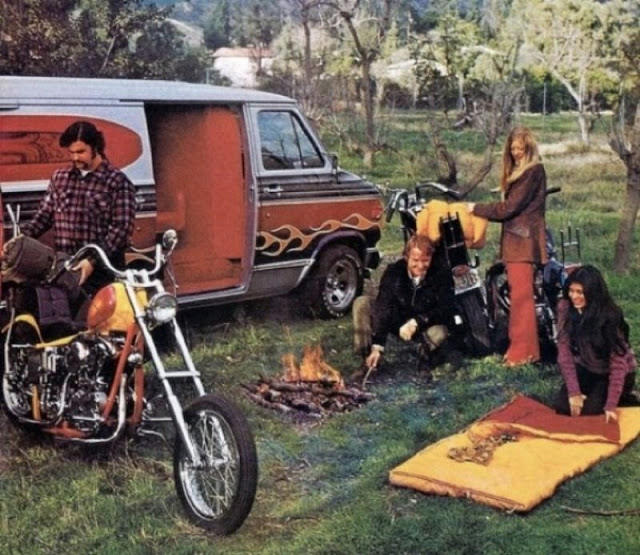
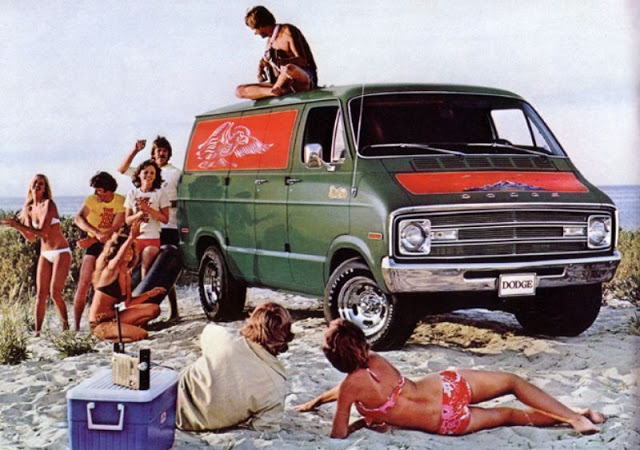
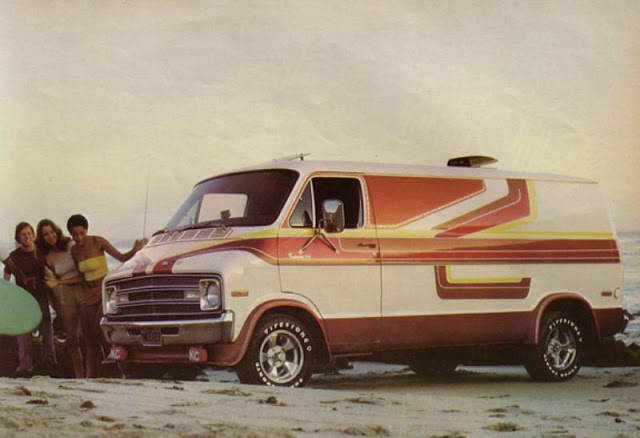
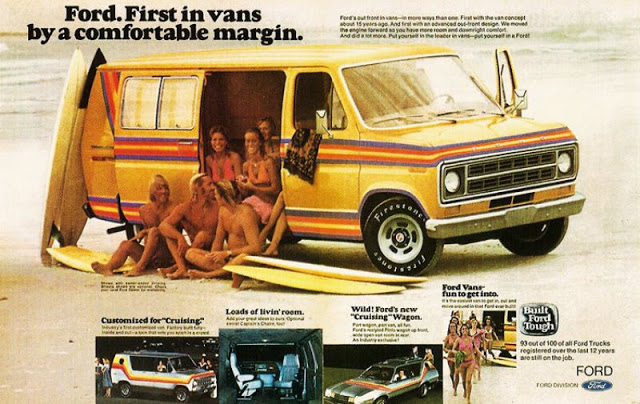
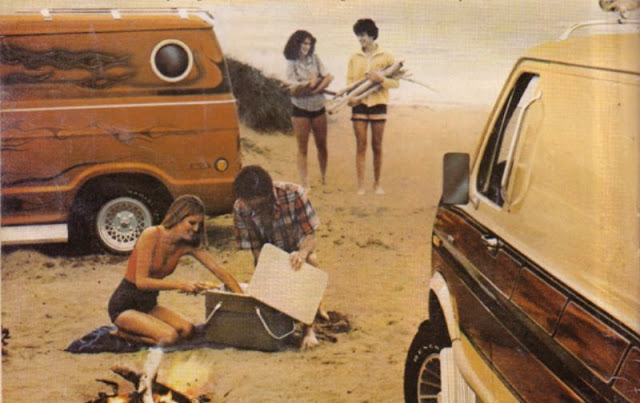
Once upon a time — or more accurately, back in the 1970s — the van reigned supreme. Riding-in right on the heels of the fading muscle car era, the custom van became the ultimate self-expression vehicle– tricked-out and personalized to show all the world just how your bad self rolled.
They were badass, man– a portable pampered pad that allowed you to take all your extra-curricular activities of sorts (legal or lotharious) on the road– and there were custom shops on every corner back then that would customize your ride with a kick-ass sound system, lighting, shag carpeting, Captains chairs, beds, bubble windows, louvres, spoilers, mag wheels, custom horns, CB radios– and don’t forget to top it all off with a one-off airbrushed paint job depicting your choice of Wizard, Warlock, Wave or Western scenic. It may be time for a comeback, folks– especially with the home foreclosure rate being what it is…









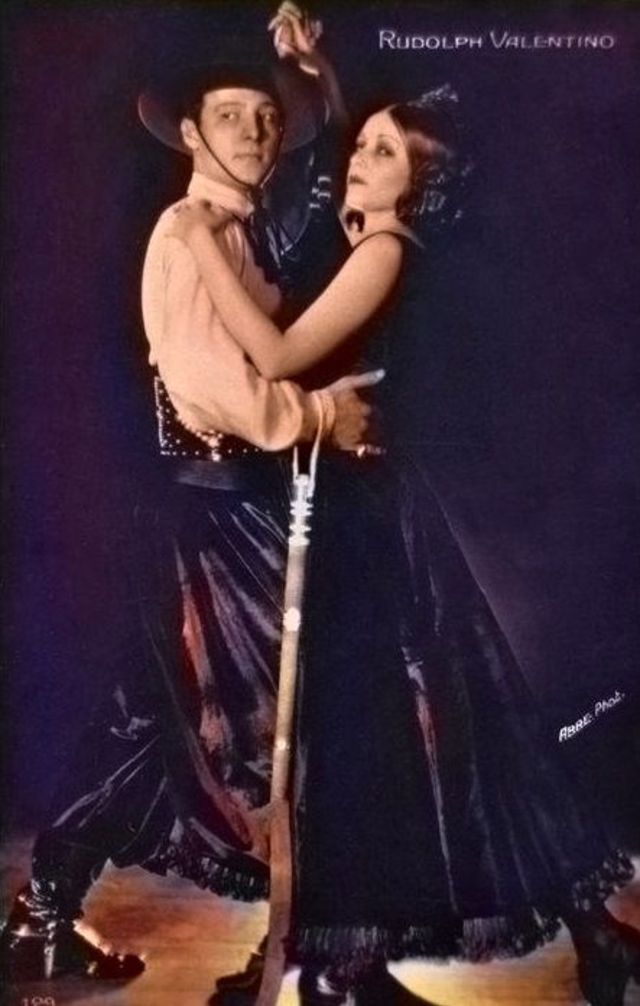
In 1919, just before the rise of his career, Italian actor Rudolph Valentino impulsively married actress Jean Acker. Acker became involved with Valentino in part to remove herself from the lesbian love triangle, quickly regretted the marriage, and locked Valentino out of their room on their wedding night. The couple separated soon after, and the marriage was never consummated. The couple remained legally married until 1921, when Acker sued Valentino for divorce, citing desertion.
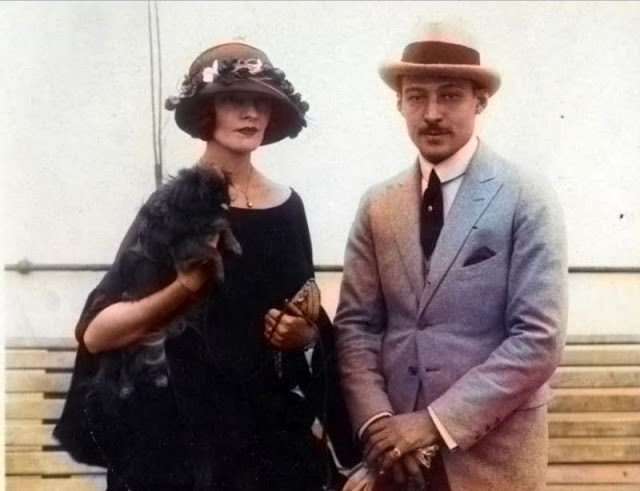
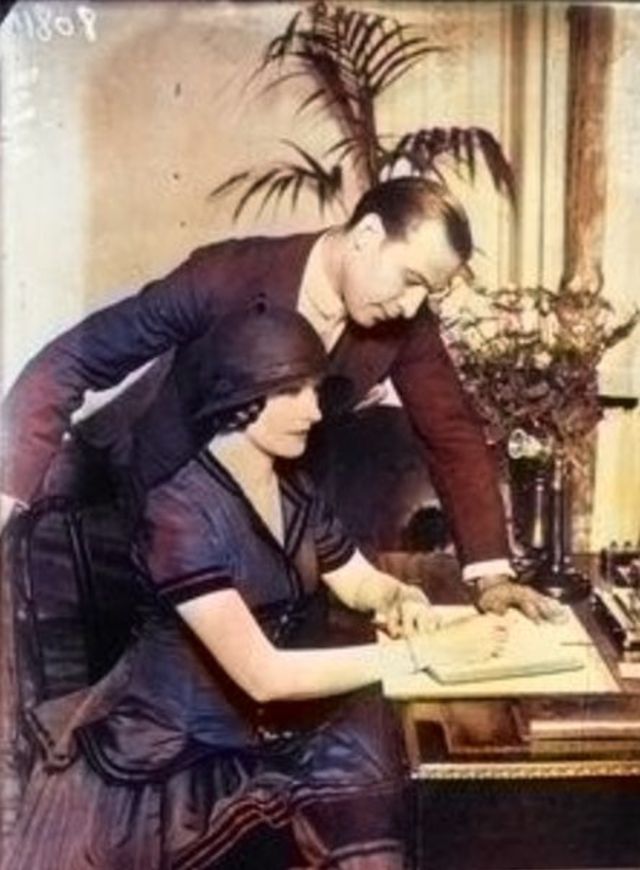
In 1921, Valentino first met Natacha Rambova – an American silent film costume and set designer, art director, and protégée of Nazimova – on the set of Uncharted Seas. The two worked together on the Nazimova production of Camille, by which time they were romantically involved. They married on March 14, 1923 at the Lake County Court House in Crown Point, Indiana.
Many of Valentino’s friends disliked Rambova and found her controlling. During his relationship with her, he lost many friends and business associates. Towards the end of their marriage, Rambova was banned from his sets by contract. Valentino and Rambova divorced in 1925. The end of the marriage was bitter, with Valentino bequeathing Rambova one dollar in his will.
Valentino died in 1926 at the age of 31 because of Peritonitis. Considered as an early pop icon, and a sex symbol of the 1920s, who was known in Hollywood as the “Latin lover” or simply as “Valentino”. His premature death caused mass hysteria among his fans and further propelled his status as a cultural film icon.
From the time he died in 1926 until the 1960s, Valentino’s sexuality was not generally questioned in print. At least four books, including the notoriously libelous Hollywood Babylon, suggested that he may have been gay despite his marriage to Rambova. For some, the marriages to Acker and Rambova, as well as the relationship with Pola Negri, add to the suspicion that Valentino was gay and that these were “lavender marriages.”
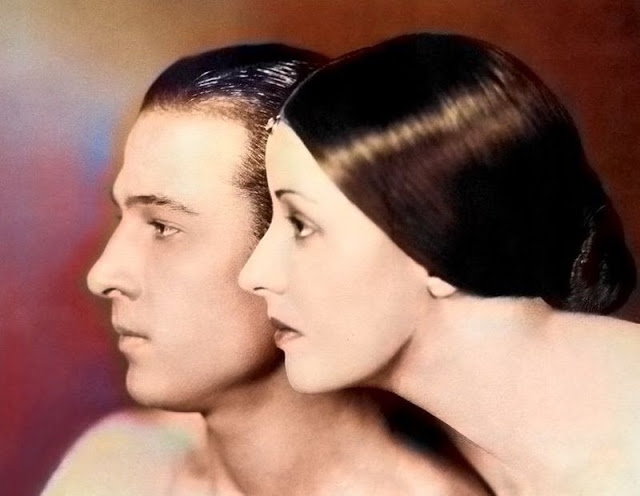
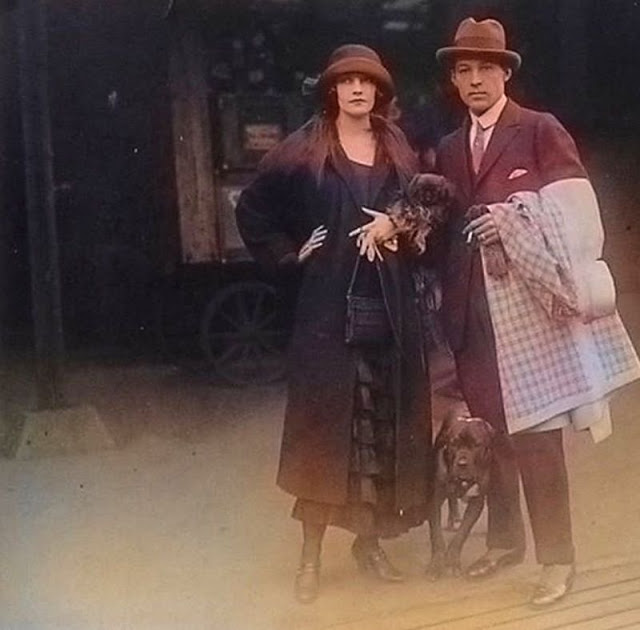
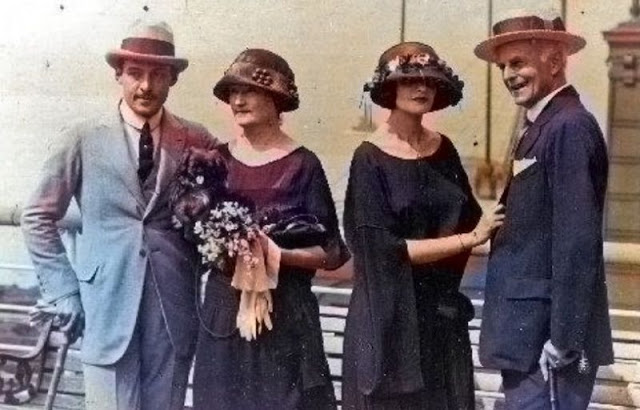
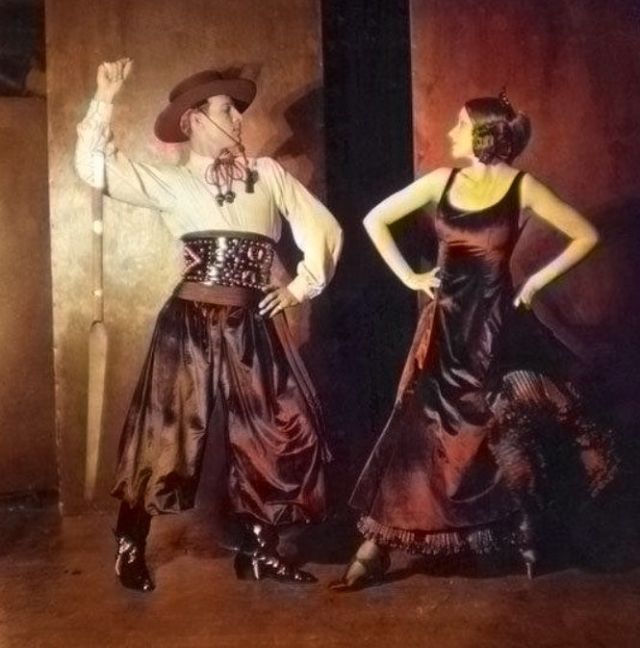
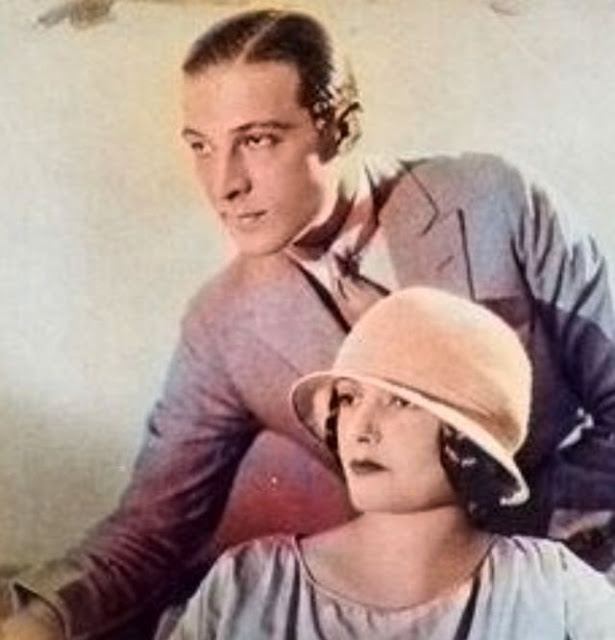
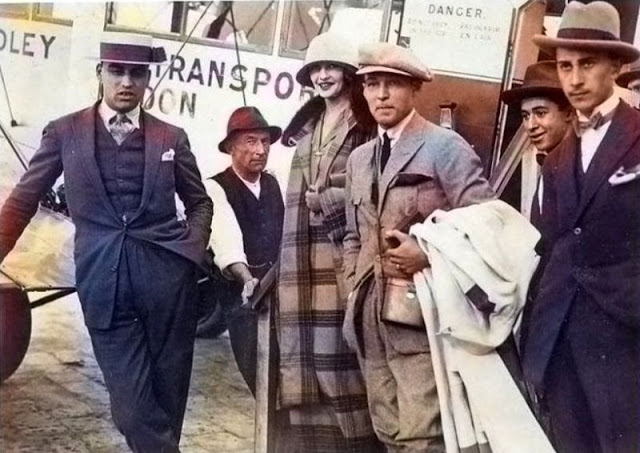
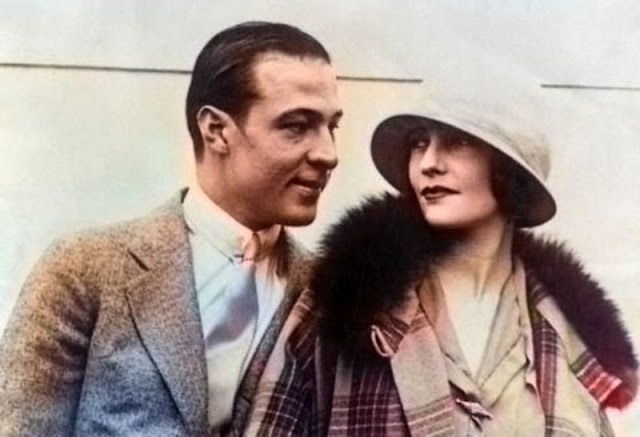
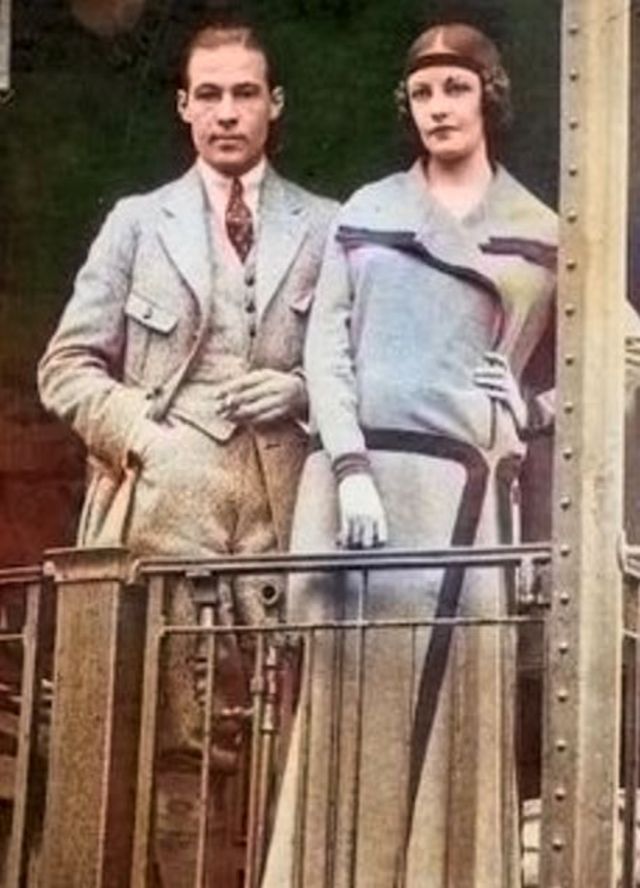
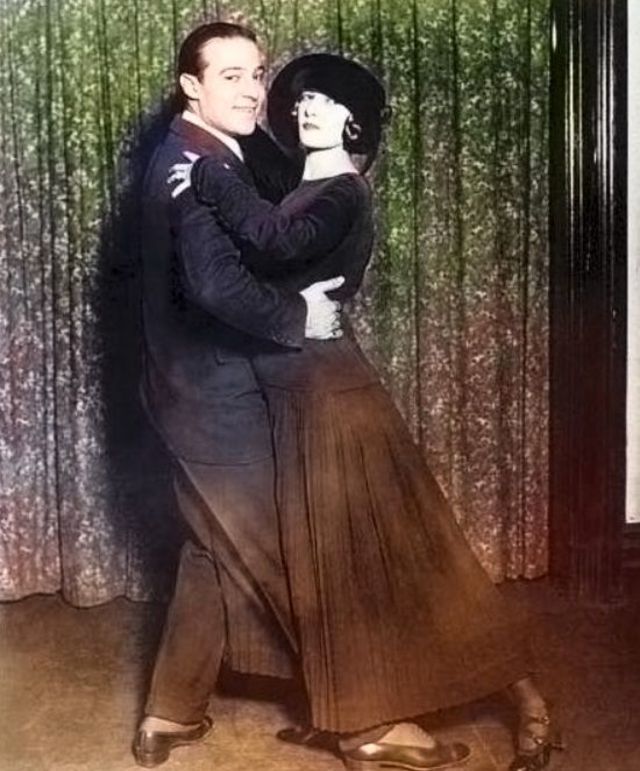
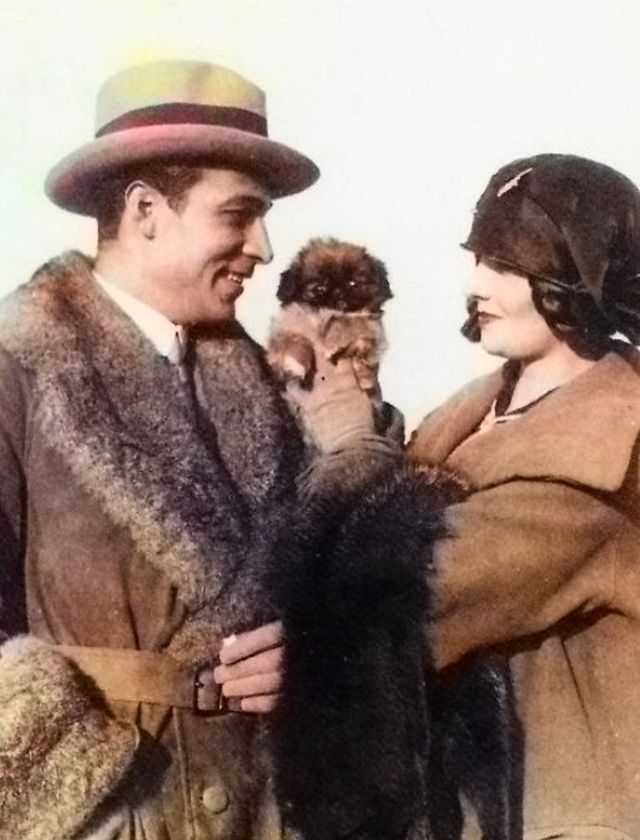
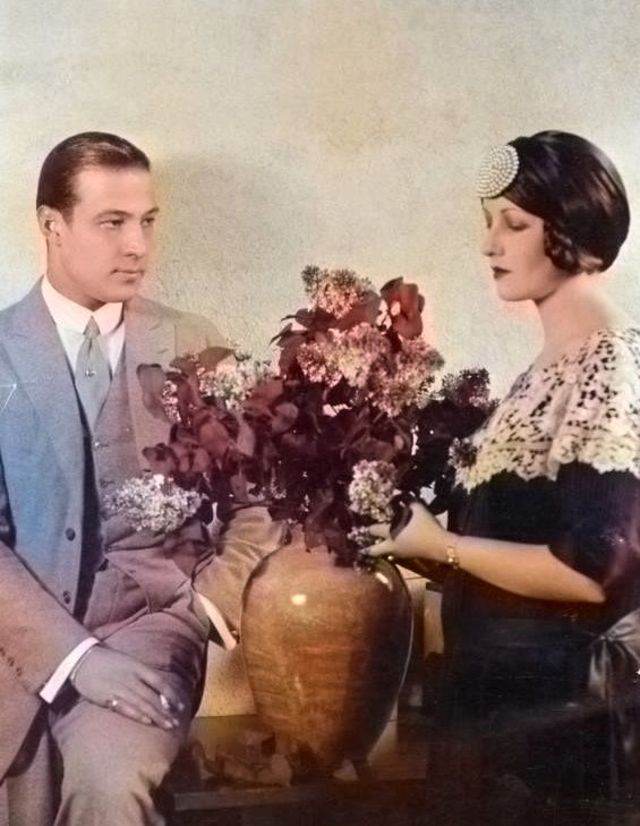
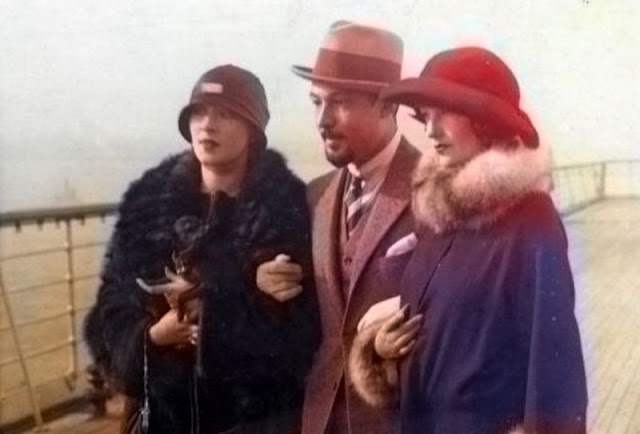
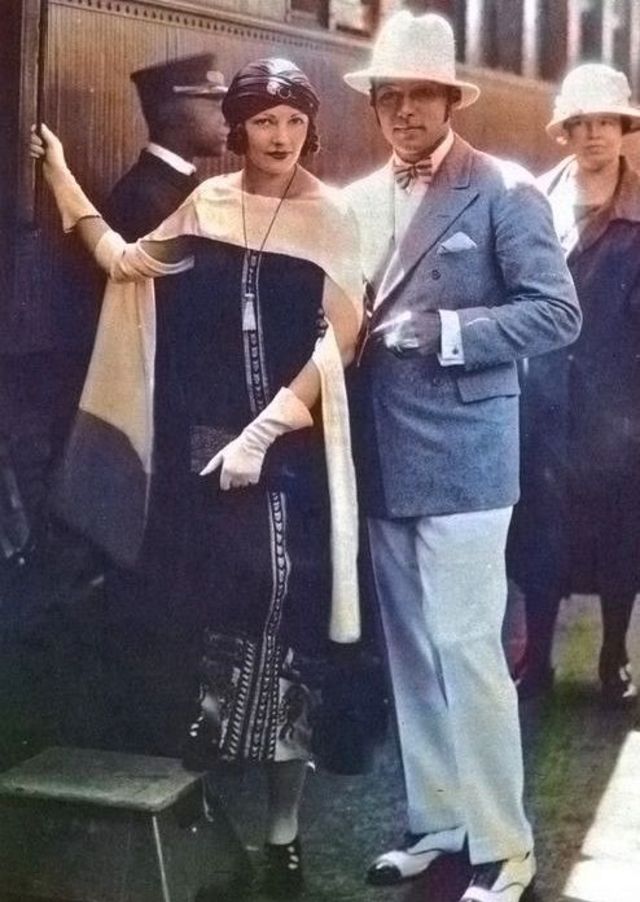
Here below is a beautiful colorized photo collection of Rudolph Valentino and Natacha Rambova during their short marriage.












The United States of America (U.S.A. or USA), commonly known as the United States (U.S. or US) or America, is a country primarily located in North America. It consists of 50 states, a federal district, five major unincorporated territories, 326 Indian reservations, and some minor possessions. At 3.8 million square miles (9.8 million square kilometers), it is the world’s third- or fourth-largest country by geographic area. The United States shares significant land borders with Canada to the north and Mexico to the south as well as limited maritime borders with the Bahamas, Cuba, and Russia. With a population of more than 331 million people, it is the third most populous country in the world. The national capital is Washington, D.C., and the most populous city is New York City.
Paleo-Indians migrated from Siberia to the North American mainland at least 12,000 years ago, and European colonization began in the 16th century. The United States emerged from the thirteen British colonies established along the East Coast. Disputes with Great Britain over taxation and political representation led to the American Revolutionary War (1775–1783), which established the nation’s independence. In the late 18th century, the U.S. began expanding across North America, gradually obtaining new territories, sometimes through war, frequently displacing Native Americans, and admitting new states; by 1848, the United States spanned the continent. Slavery was legal in the southern United States until the second half of the 19th century, when the American Civil War led to its abolition. The Spanish–American War and World War I established the U.S. as a world power, a status confirmed by the outcome of World War II. During the Cold War, the United States fought the Korean War and the Vietnam War but avoided direct military conflict with the Soviet Union. The two superpowers competed in the Space Race, culminating in the 1969 spaceflight that first landed humans on the Moon. The Soviet Union’s dissolution in 1991 ended the Cold War, leaving the United States as the world’s sole superpower.
The United States is a federal presidential-constitutional republic with three separate branches of government, including a bicameral legislature. It is a founding member of the United Nations, World Bank, International Monetary Fund, Organization of American States, NATO, and other international organizations. It is a permanent member of the United Nations Security Council. Considered a melting pot of cultures and ethnicities, its population has been profoundly shaped by centuries of immigration. The United States ranks high in international measures of economic freedom, quality of life, education, and human rights; it has low levels of perceived corruption. However, it has been criticized for inequality related to race, wealth, and income; use of capital punishment; high incarceration rates; and lack of universal health care.
The United States is a highly developed country, accounts for approximately a quarter of global GDP, and is the world’s largest economy by GDP at market exchange rates. By value, the United States is the world’s largest importer and second-largest exporter of goods. Although its population is only 4.2% of the world’s total, it holds 29.4% of the total wealth in the world, the largest share held by any country. Making up more than a third of global military spending, it is the foremost military power in the world and internationally a leading political, cultural, and scientific force. (Wikipedia)
















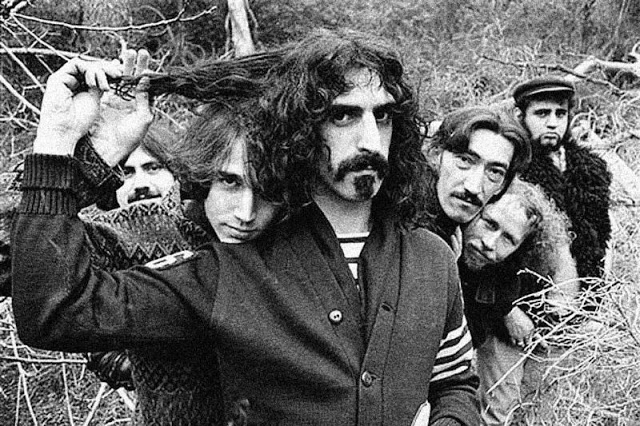
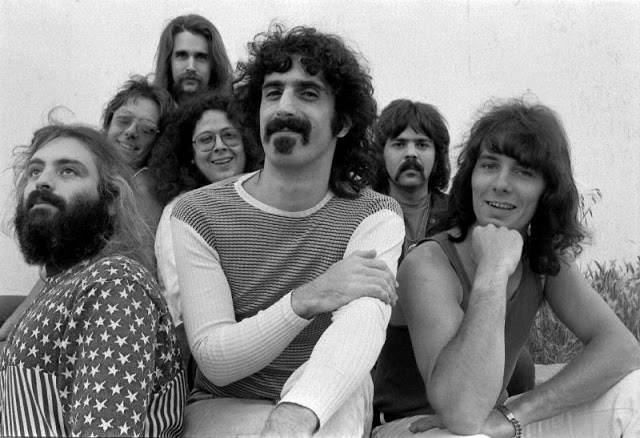
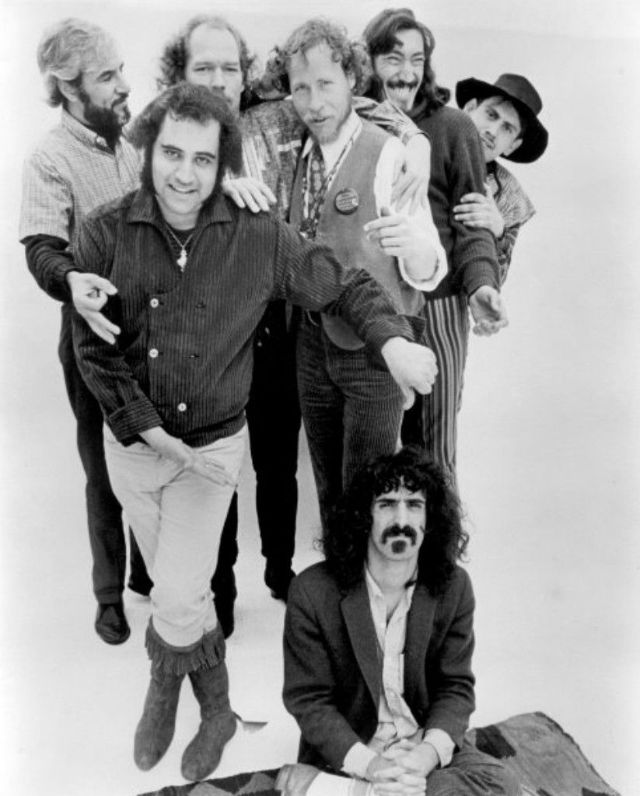
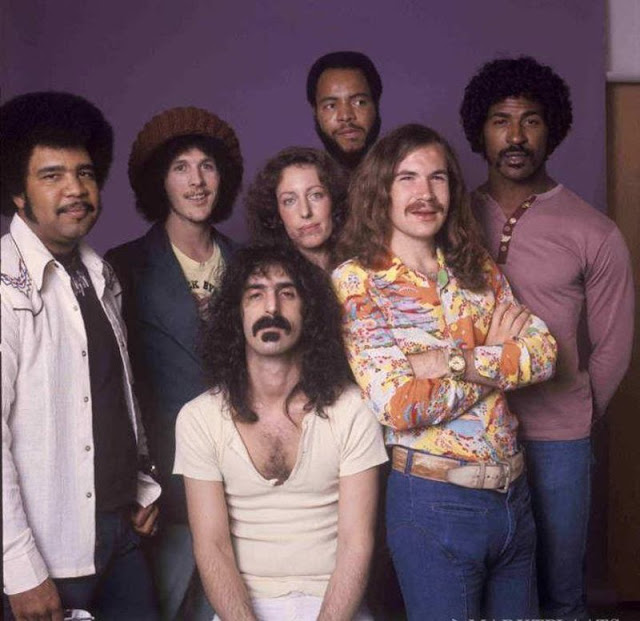
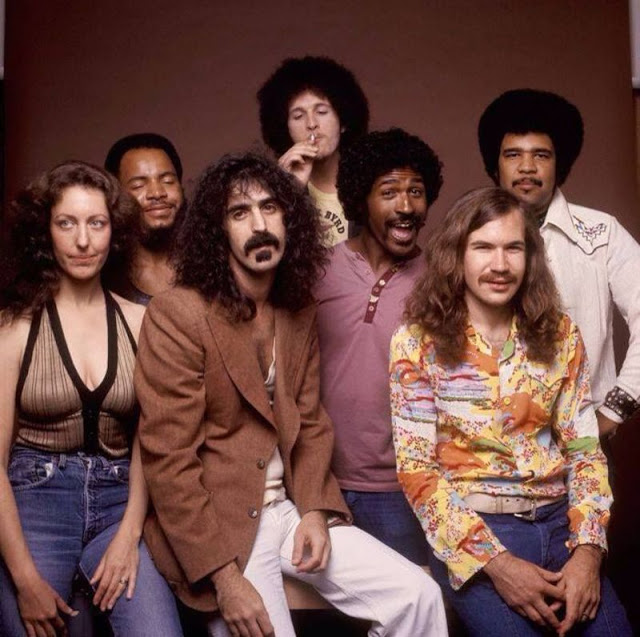
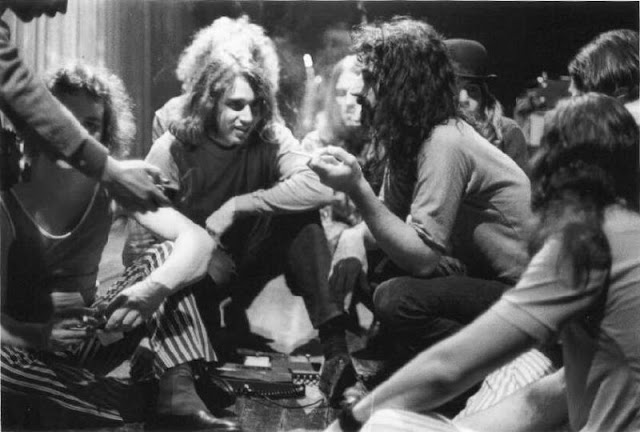
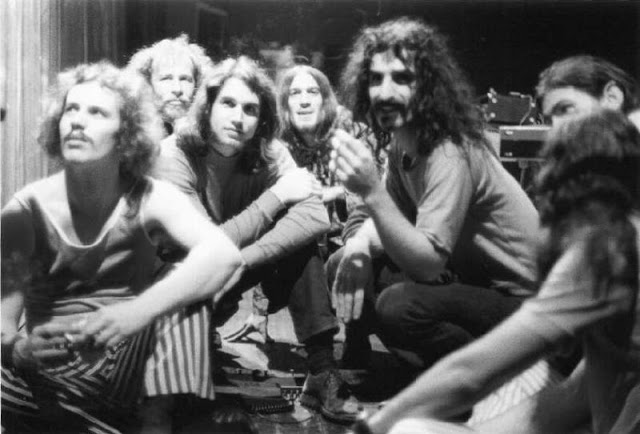
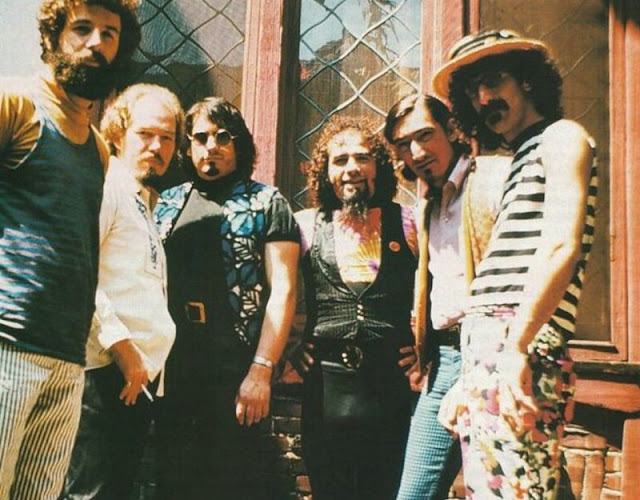
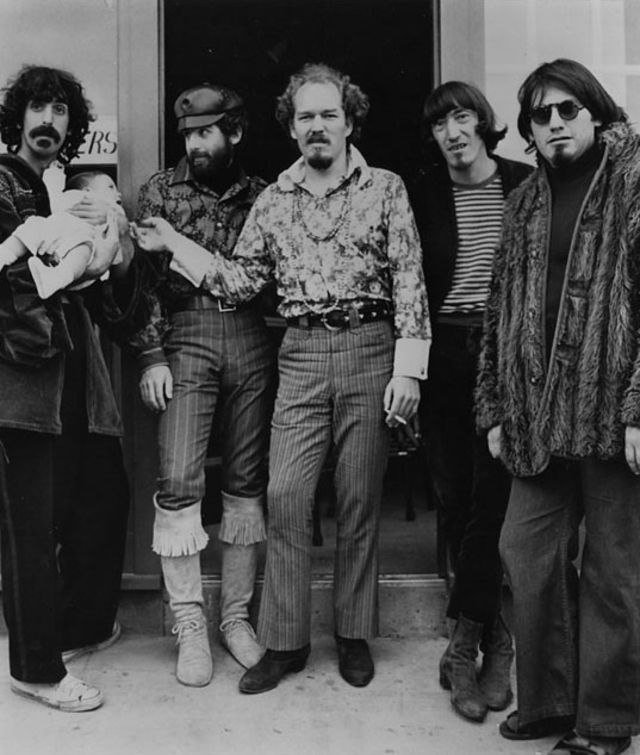
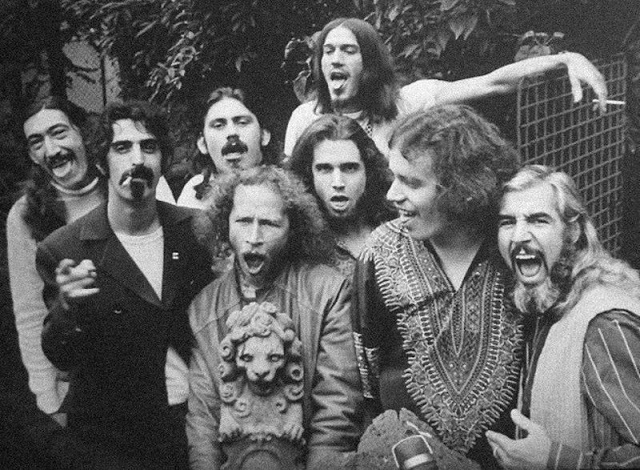
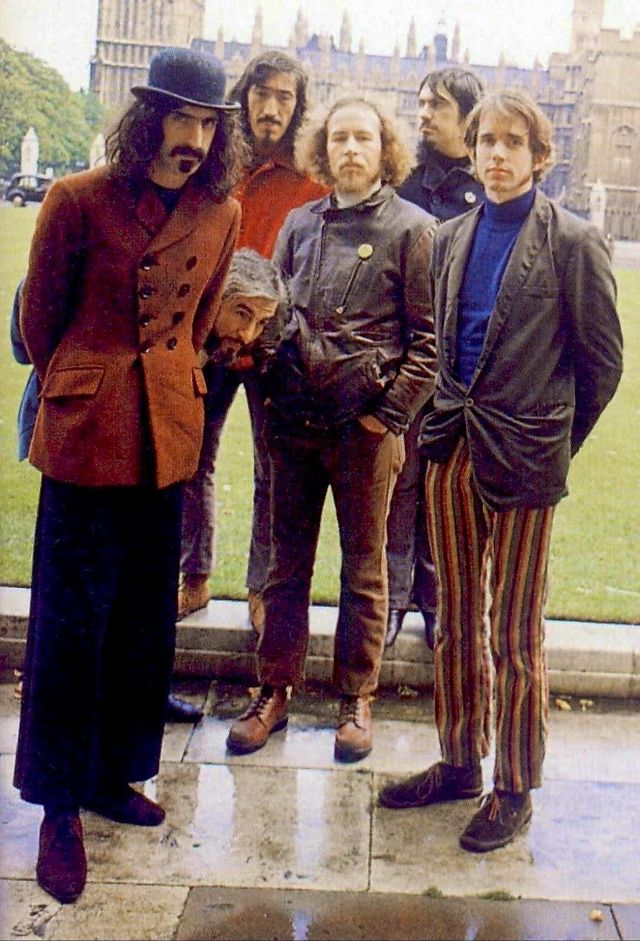
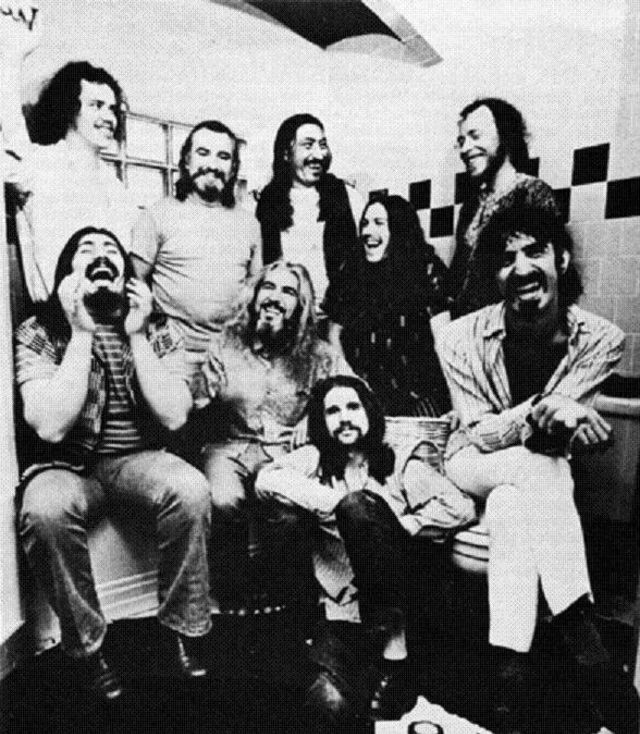
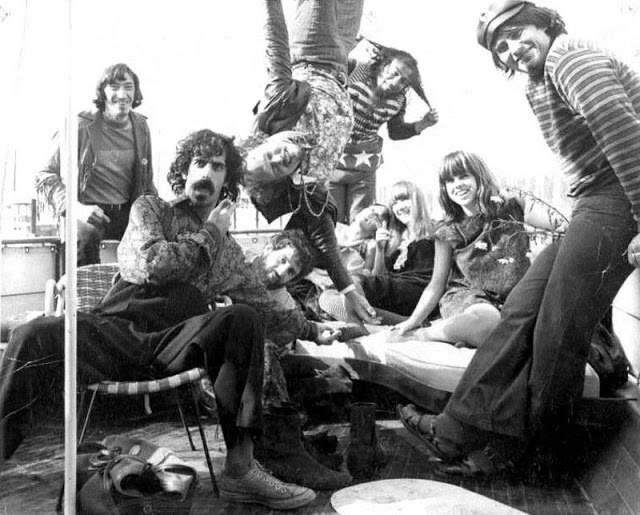
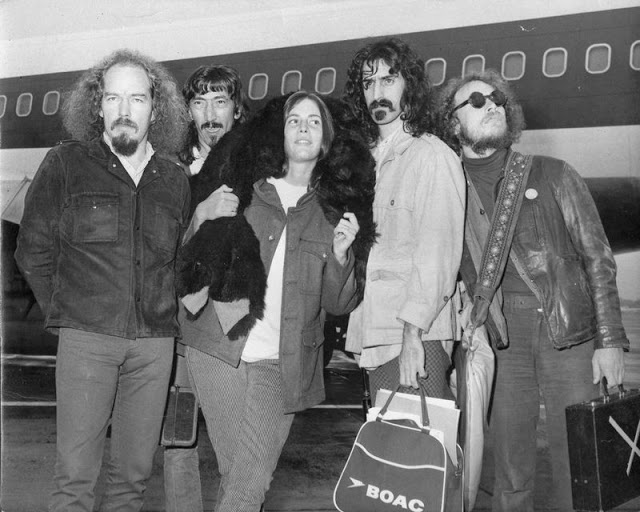
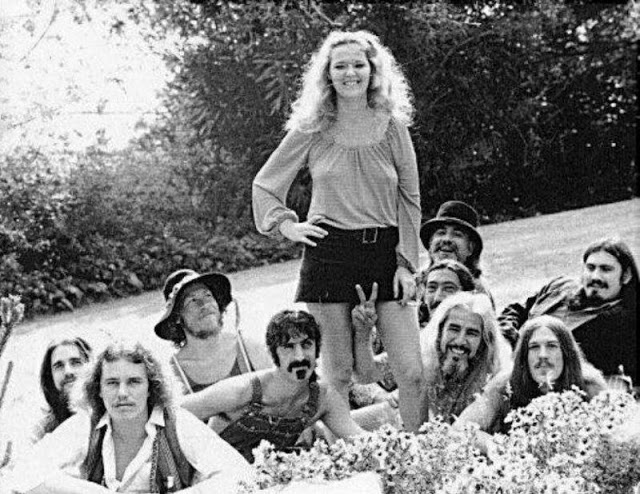
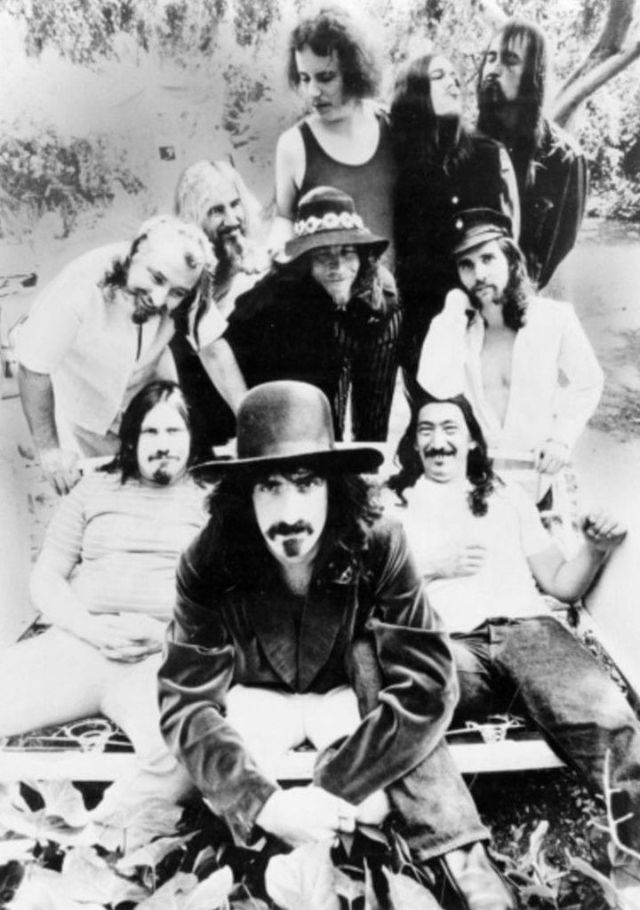
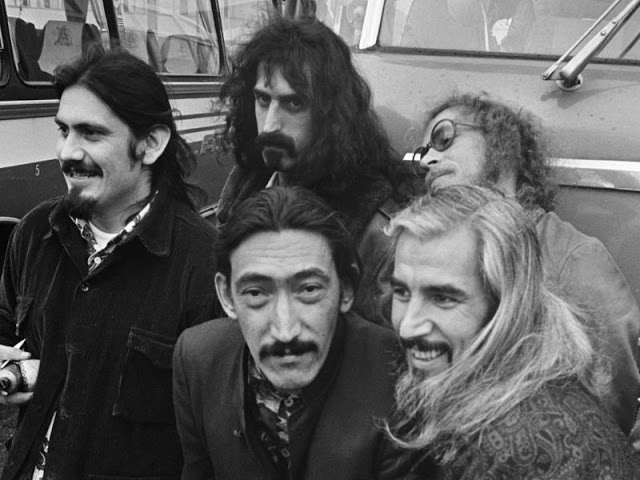
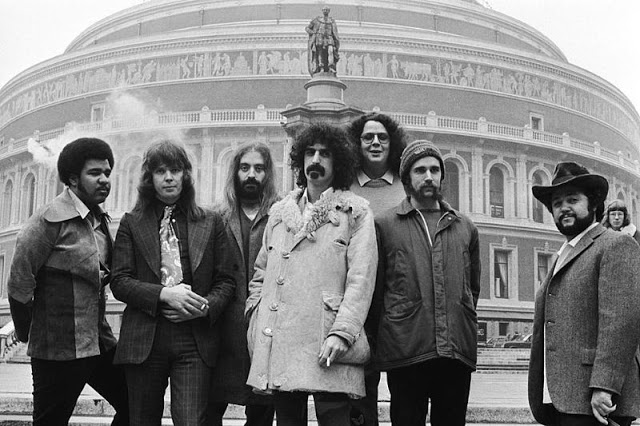
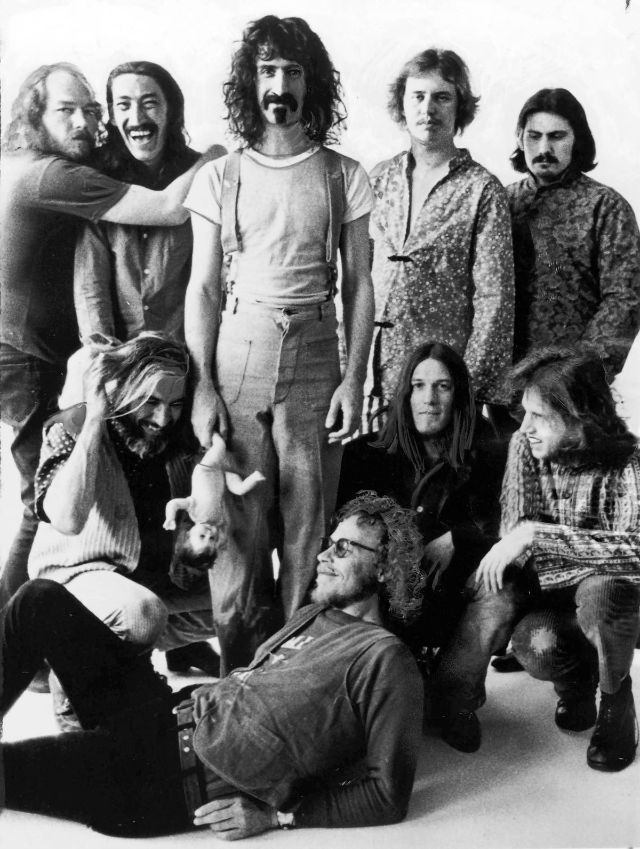
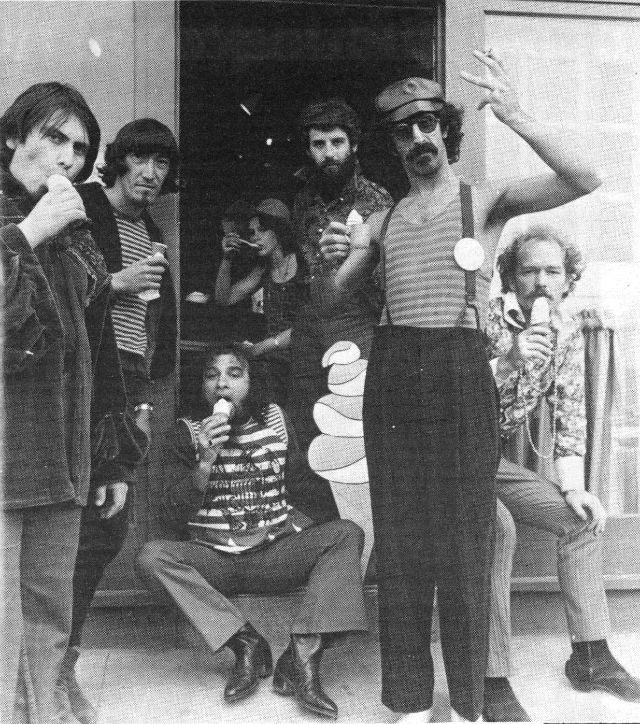
The Mothers of Invention were an American rock band from California. Formed in 1964, their work is marked by the use of sonic experimentation, innovative album art, and elaborate live shows.
Originally an R&B band called the Soul Giants, the band’s first lineup included Ray Collins, David Coronado, Ray Hunt, Roy Estrada and Jimmy Carl Black. Frank Zappa was asked to take over as the guitarist following a fight between Collins and Coronado, the band’s original saxophonist/leader. Zappa insisted that they perform his original material, and on Mother’s Day in 1964, changed their name to the Mothers. Record executives demanded that the name be changed, and so “out of necessity,” Zappa later said, “we became the Mothers of Invention.”
After early struggles, the Mothers earned substantial popular commercial success. The band first became popular playing in California’s underground music scene in the late 1960s. Under Zappa’s helm, it was signed to jazz label Verve Records as part of the label’s diversification plans. Verve released the Mothers of Invention’s début double album Freak Out! in 1966, featuring a lineup including Zappa, Collins, Black, Estrada and Elliot Ingber. Don Preston joined the band soon after.
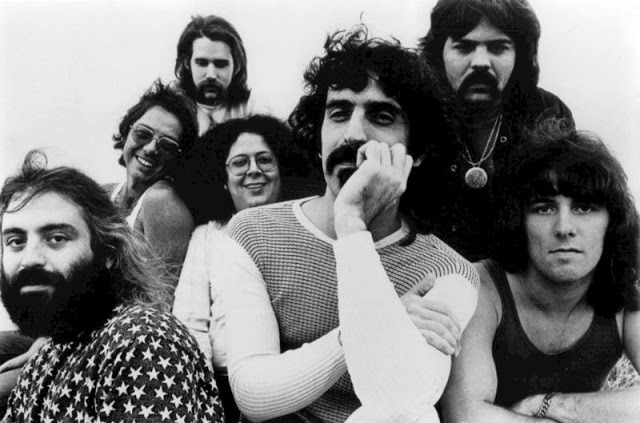
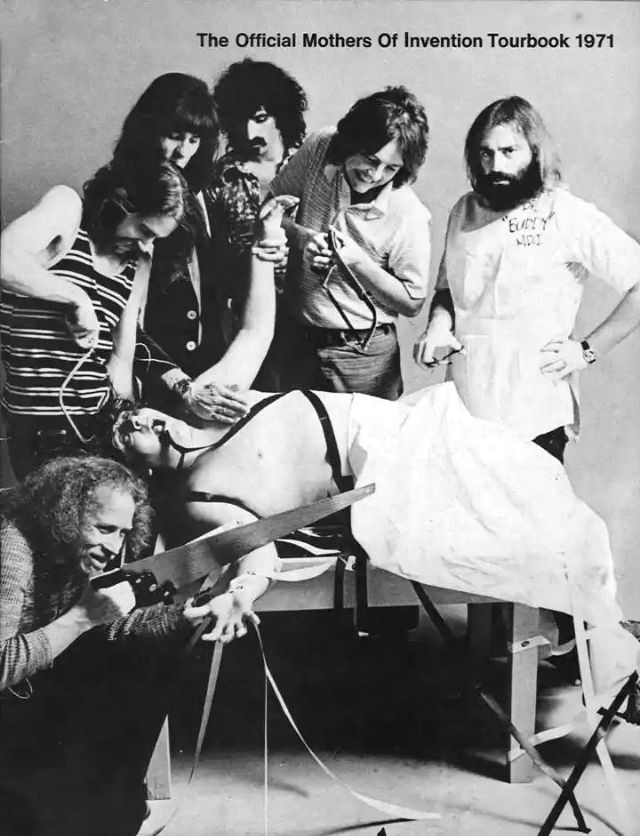
Under Zappa’s leadership and a changing lineup, the band released a series of critically acclaimed albums, including Absolutely Free, We’re Only in It for the Money and Uncle Meat, before being disbanded by Zappa in 1969. In 1970, he formed a new version of the Mothers that included Ian Underwood, Jeff Simmons, George Duke, Aynsley Dunbar and singers Mark Volman and Howard Kaylan (formerly of the Turtles, but who for contractual reasons were credited in this band as the Phlorescent Leech & Eddie). Later adding another ex-Turtle, bassist Jim Pons, this lineup endured through 1971, when Zappa was injured by an audience member during a concert appearance.
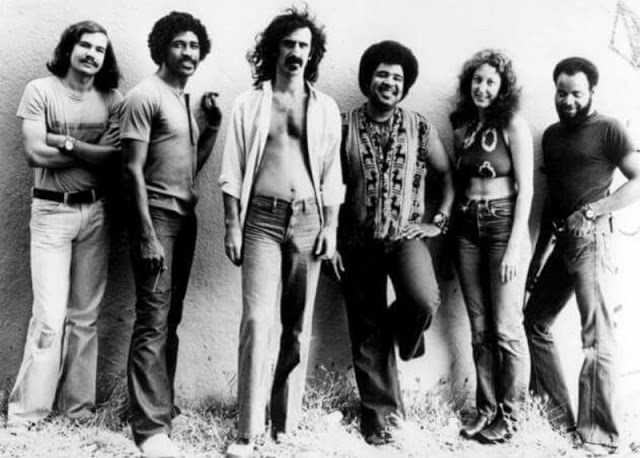
Zappa focused on big-band and orchestral music while recovering from his injuries, and in 1973 formed the Mothers’ final lineup, which included drummer Ralph Humphrey, trumpeter Sal Marquez, keyboardist/vocalist George Duke, trombonist Bruce Fowler, bassist Tom Fowler, percussionist Ruth Underwood and keyboardist/saxophonist Ian Underwood. The final album using the Mothers as a backing band, Bongo Fury (1975), featured guitarist Denny Walley and drummer Terry Bozzio, who continued to play for Zappa on non-Mothers releases.

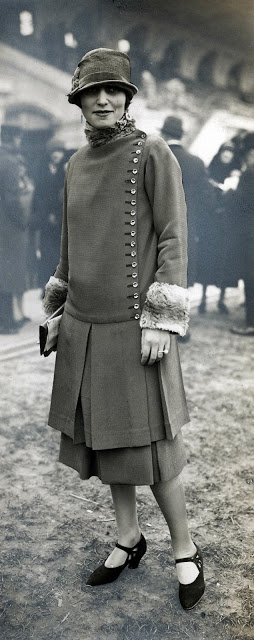
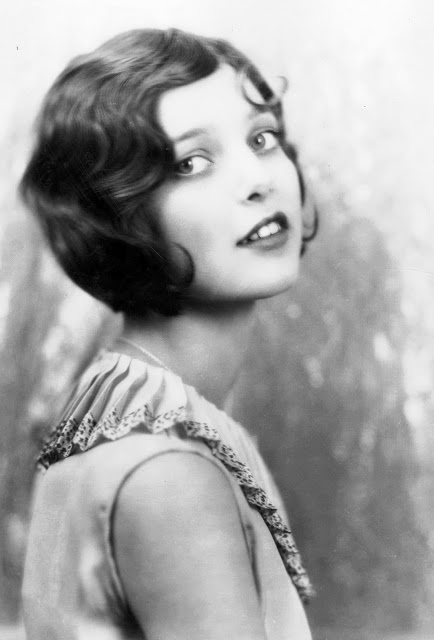
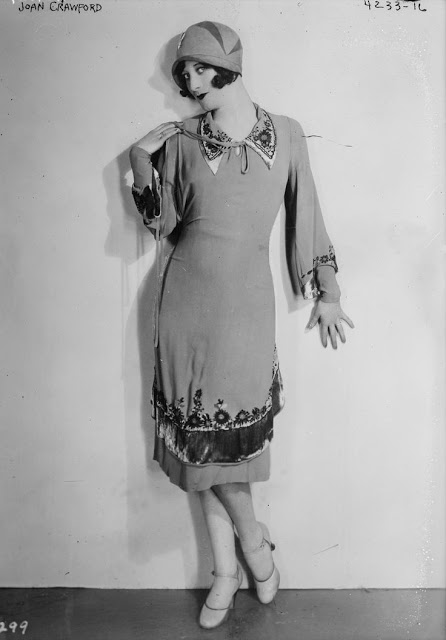
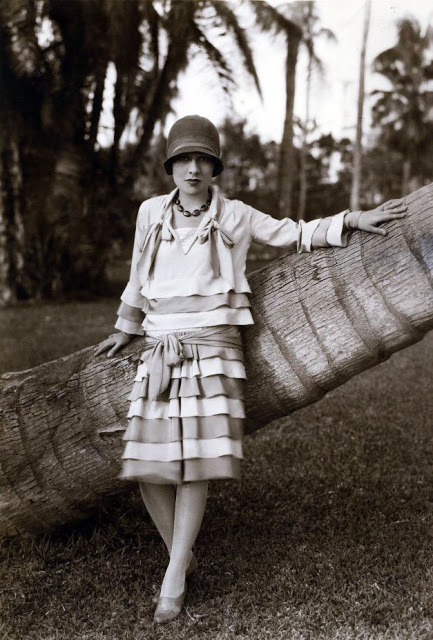
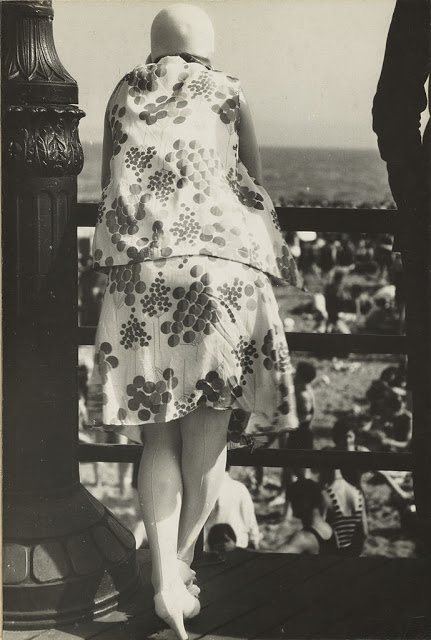
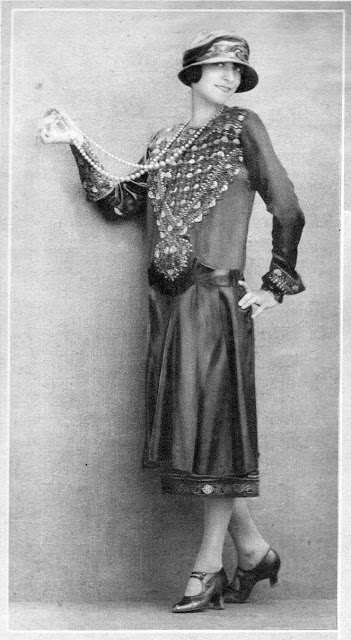
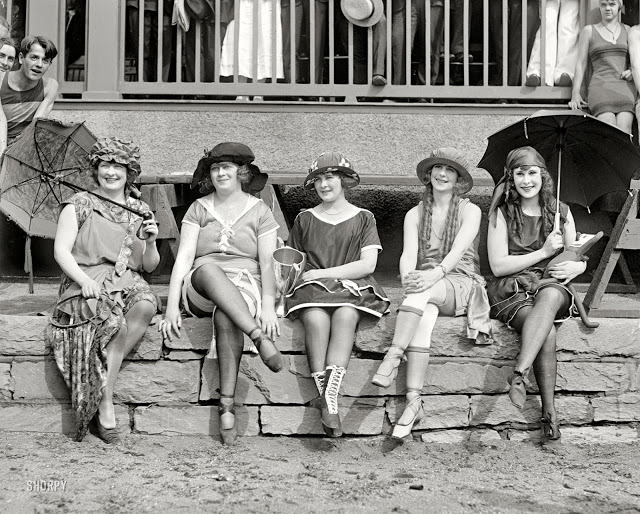
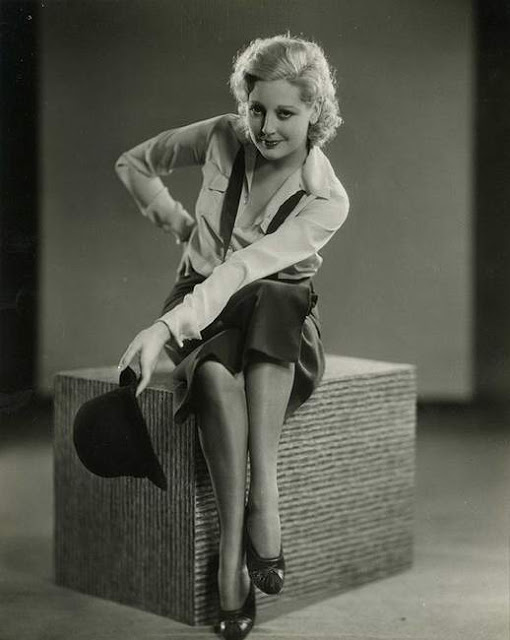
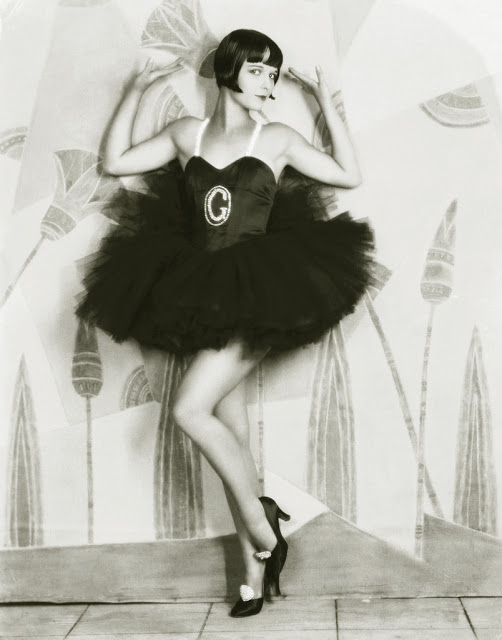
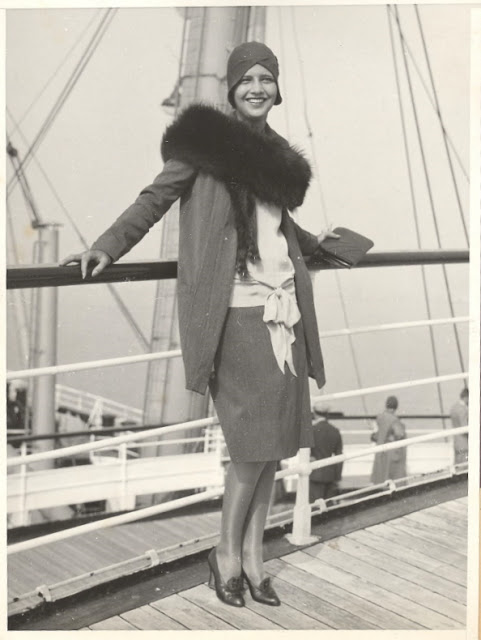
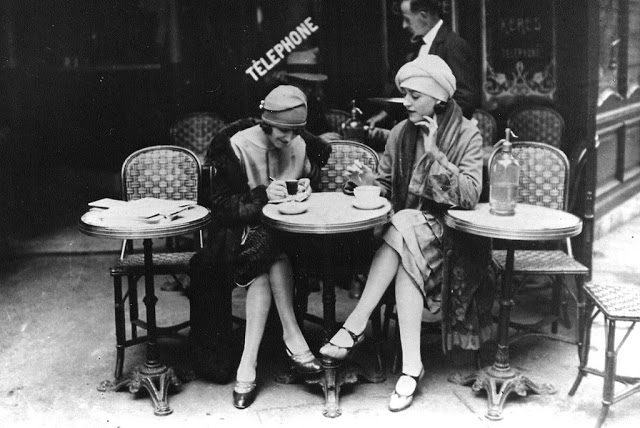
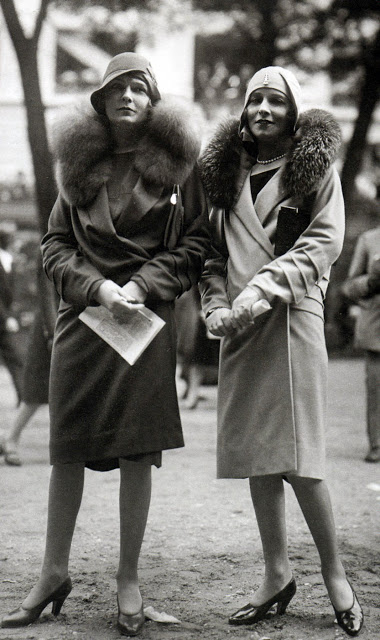
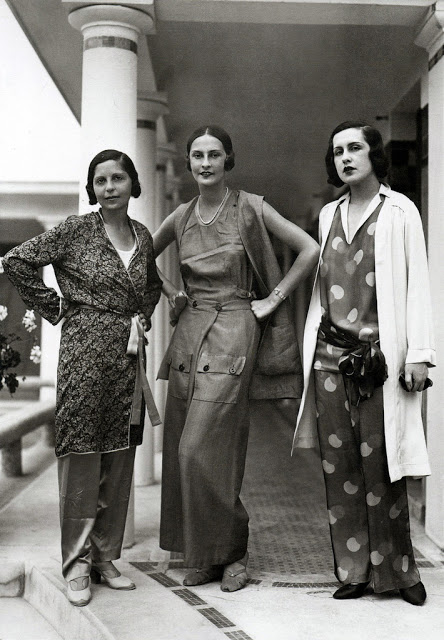
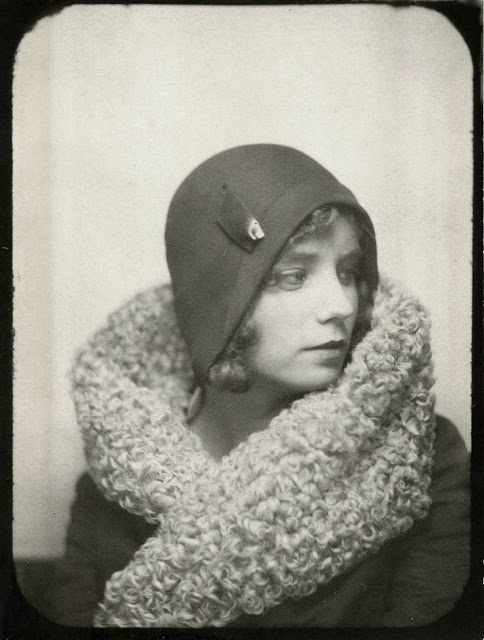
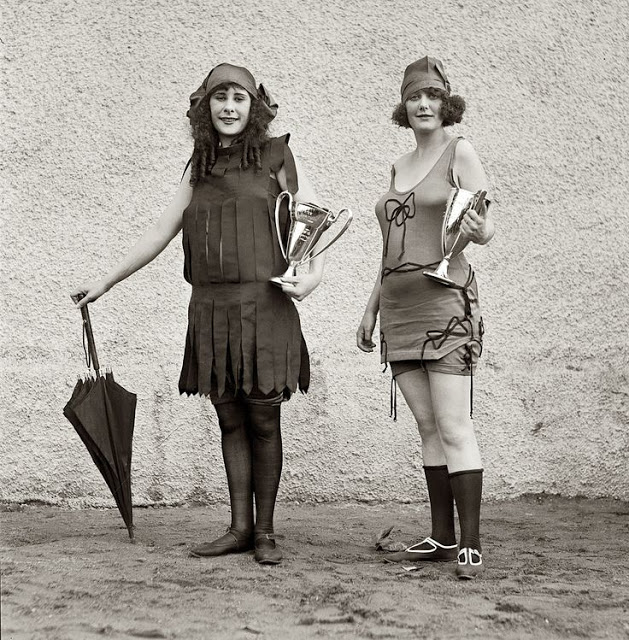
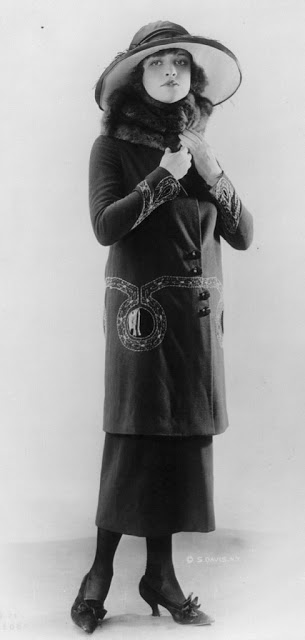
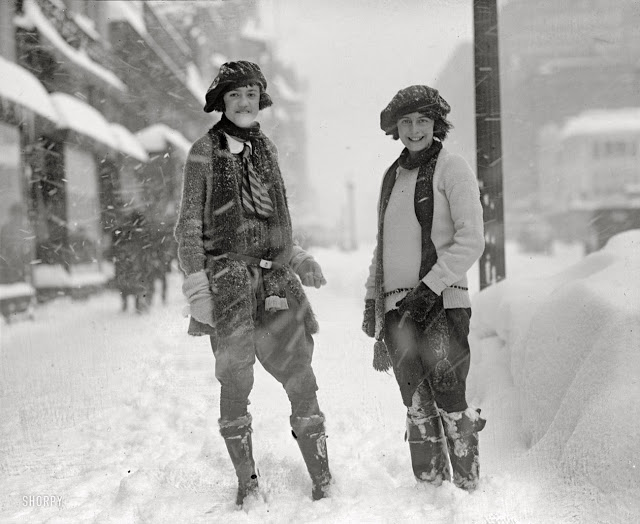
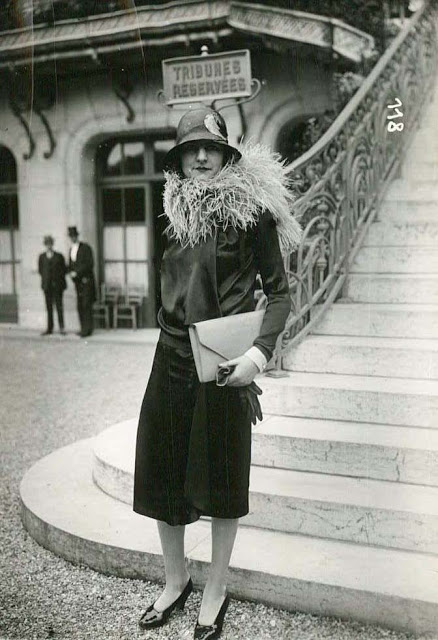
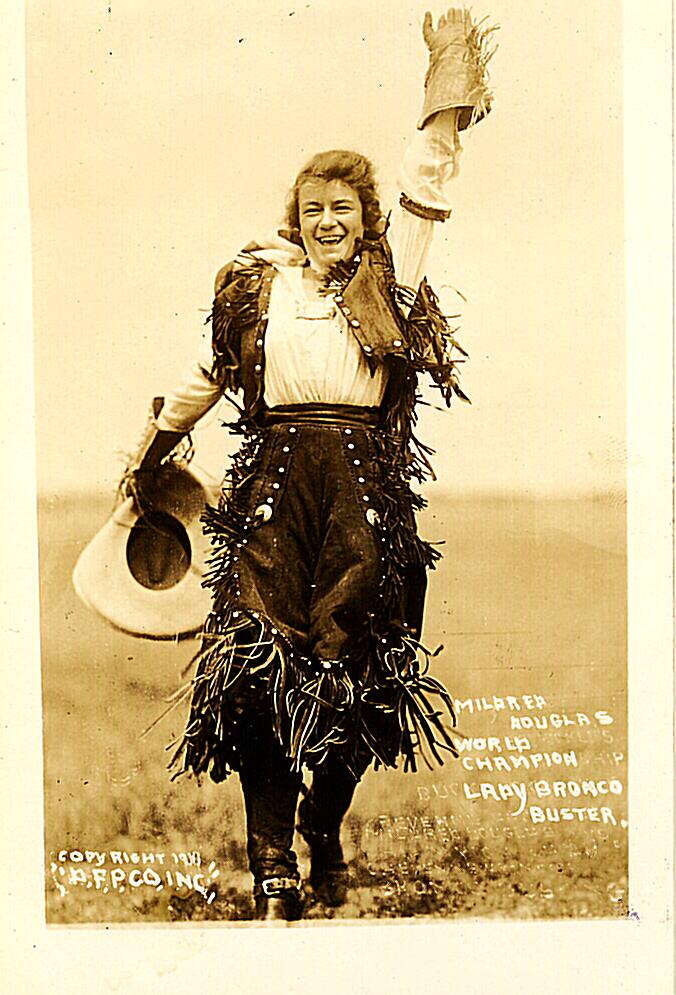
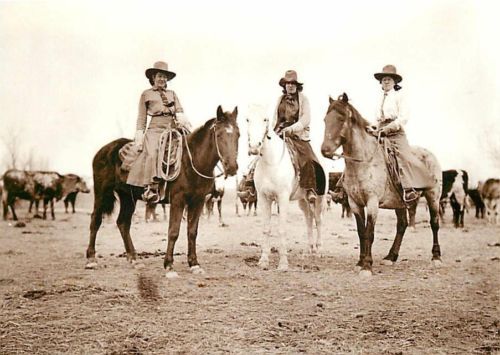
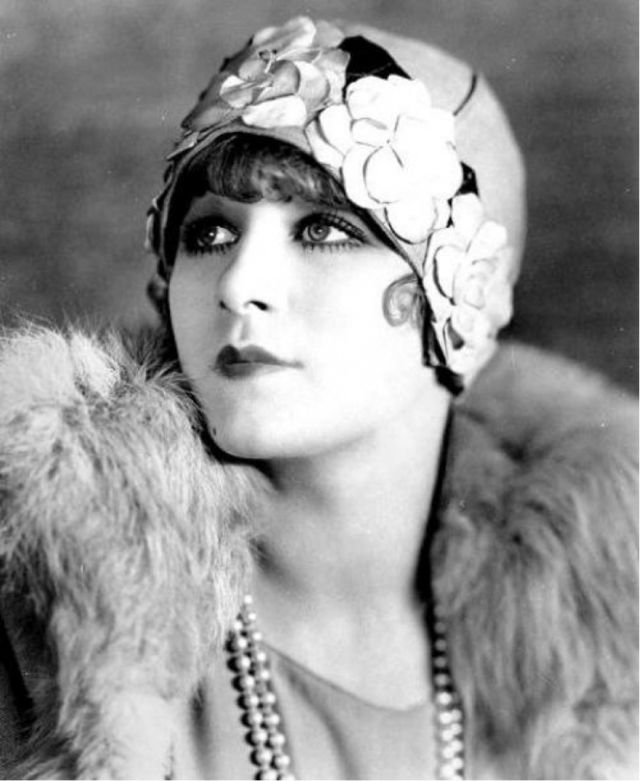
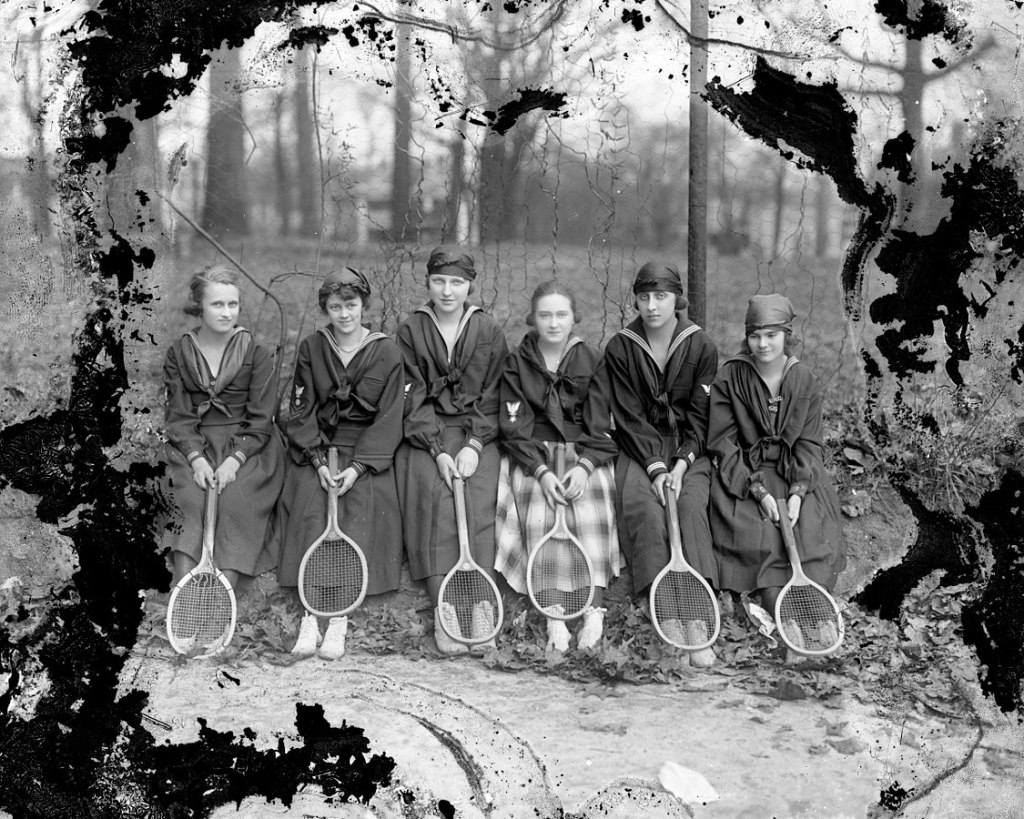
The 1920s marked the beginning of an unprecedented era of freedom for women. Not only did they gain the right to vote in 1920, but women also began to play a more active role in sports, social life and even the workplace.
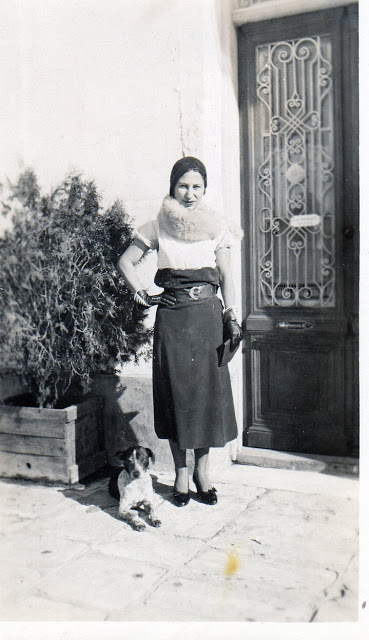
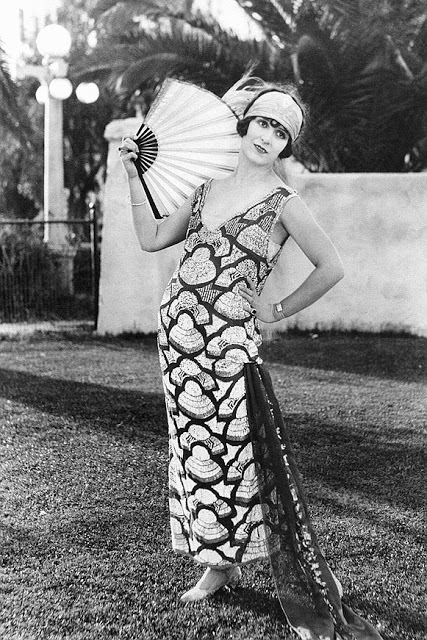
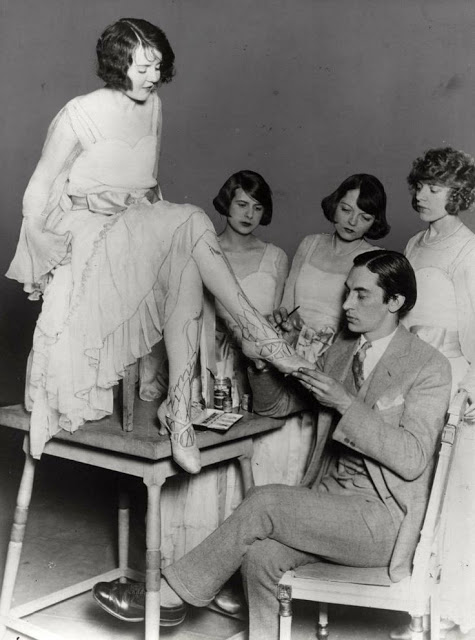
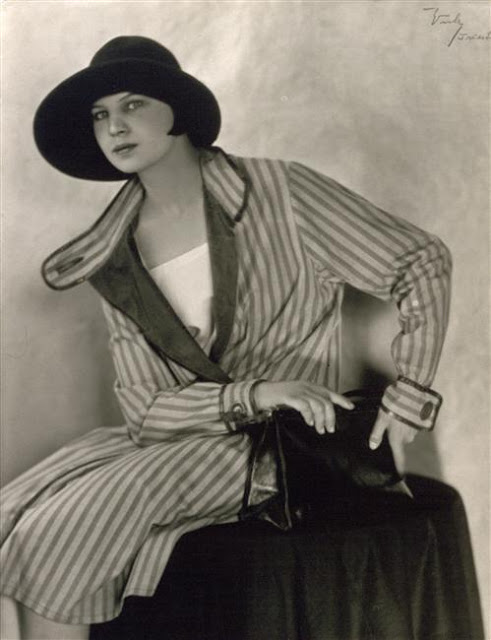
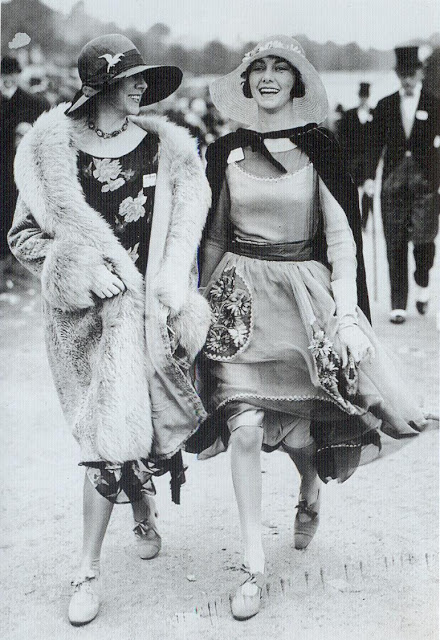
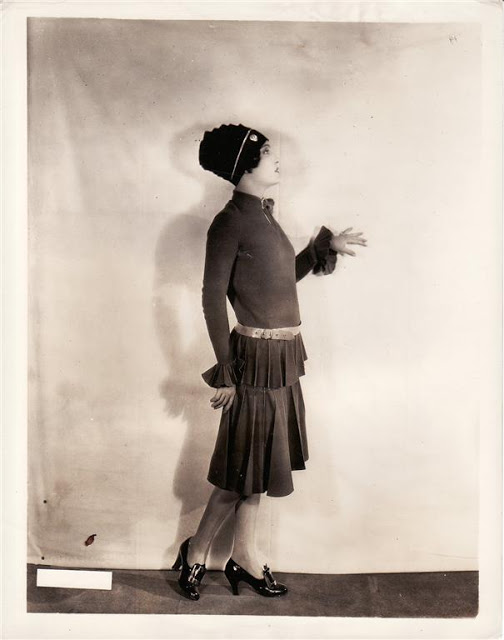
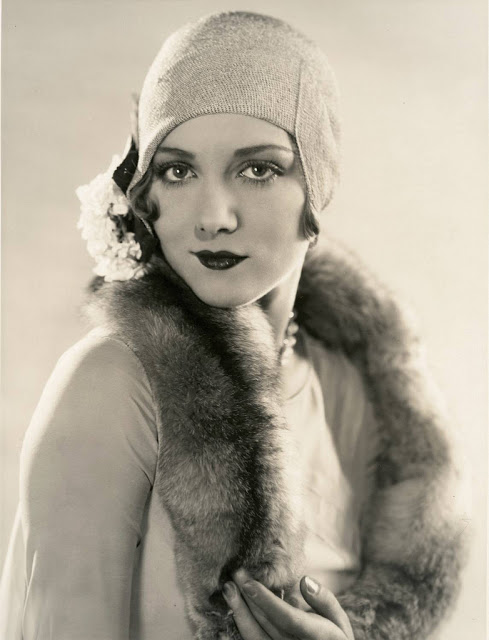
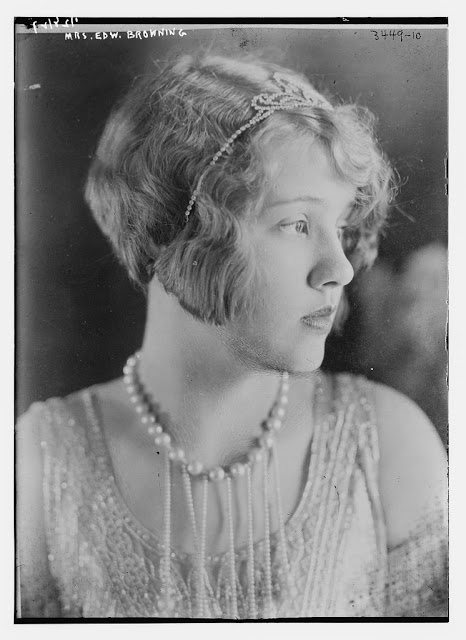
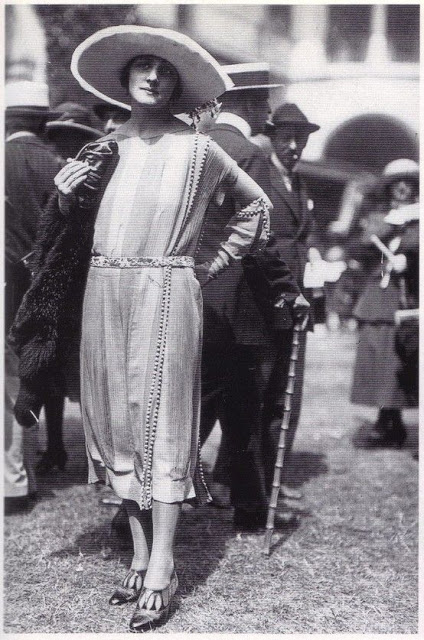
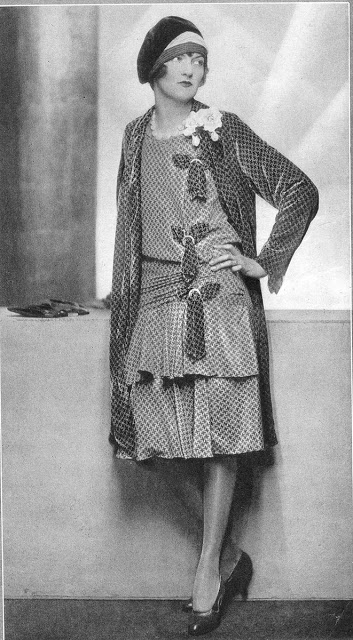
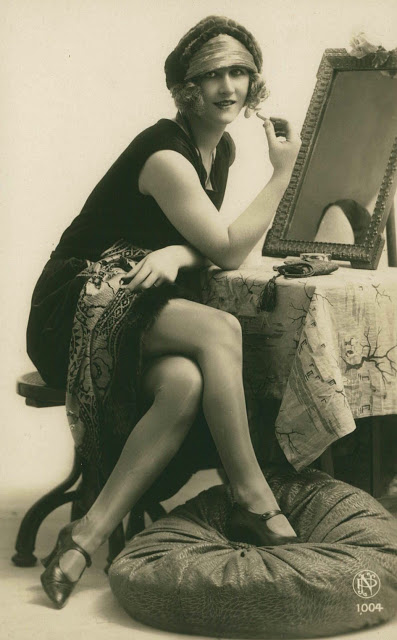
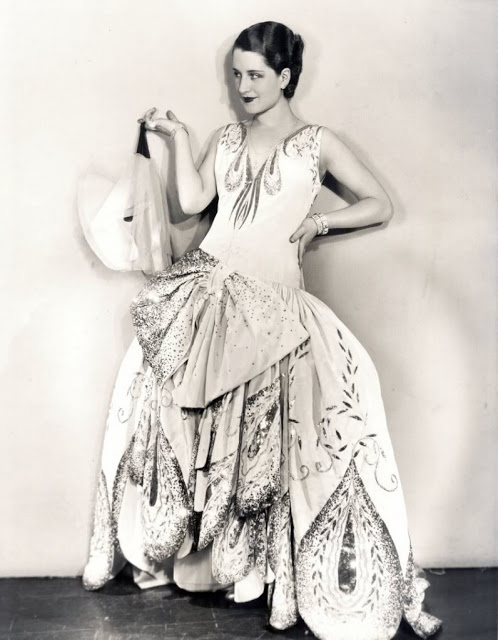
In accordance with their changing roles in society, women adopted new fashions that permitted them more freedom of movement than the tight-laced Victorian and Edwardian garments they had previously worn.
There were very different types of people converging at once in the 1920s from many different walks of life. Some were desperate for change, others wanted nothing to do with it.
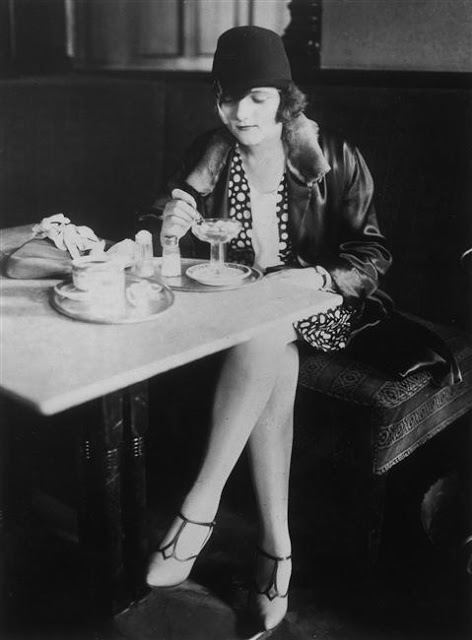
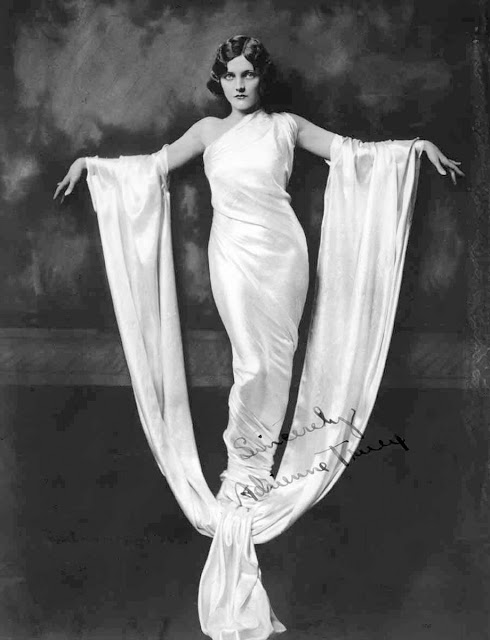
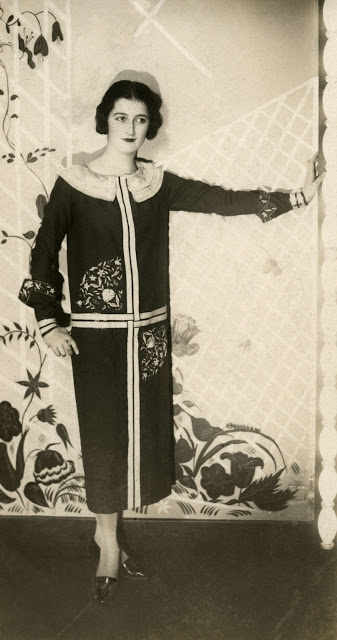
The most stunning thing you will notice about 1920s fashion is the shape of the silhouette. It is strikingly straight and flat. While most fashions accentuate the figure in some way or another, it almost seemed like, at times, any shape other than straight was a big no-no. This straight shape is a very distinct element of 1920s style.