
Bringing You the Wonder of Yesterday – Today

Read more of this content when you subscribe today.
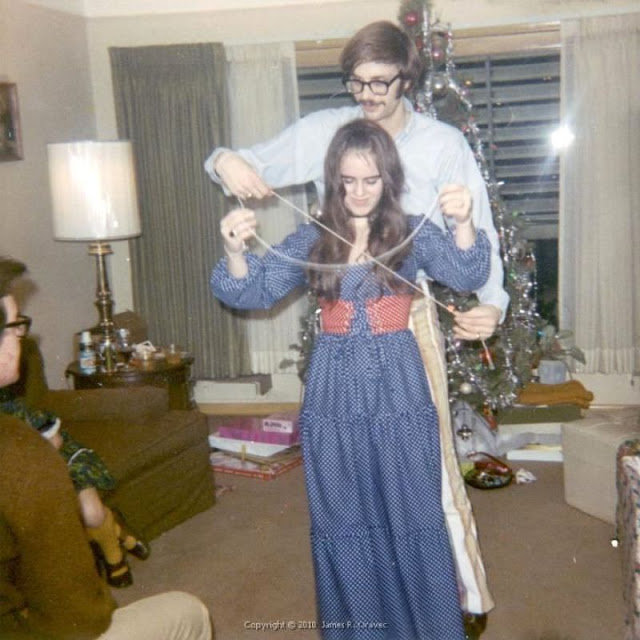
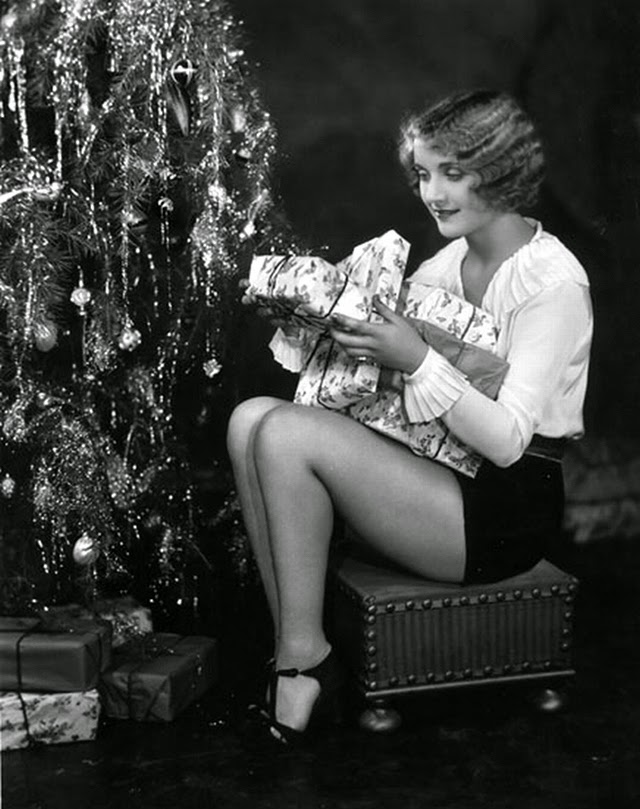
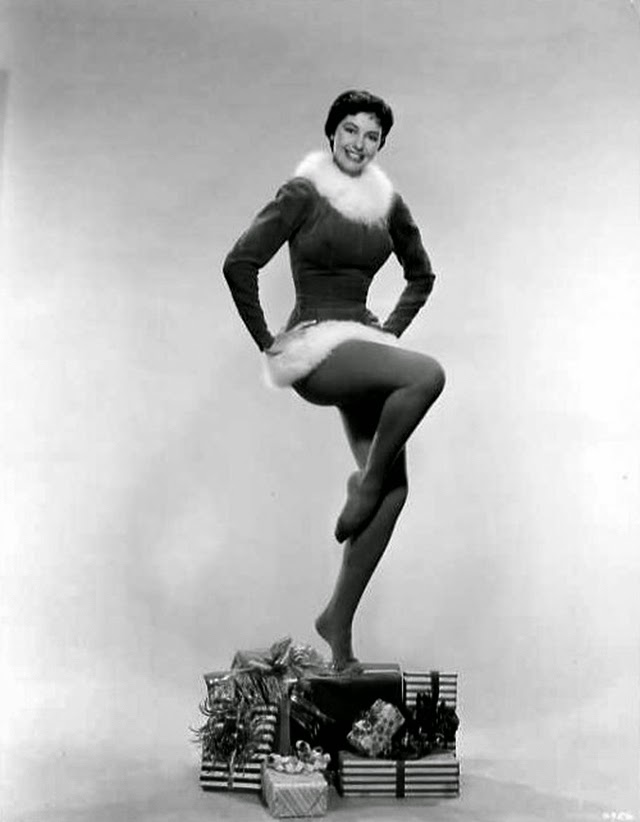
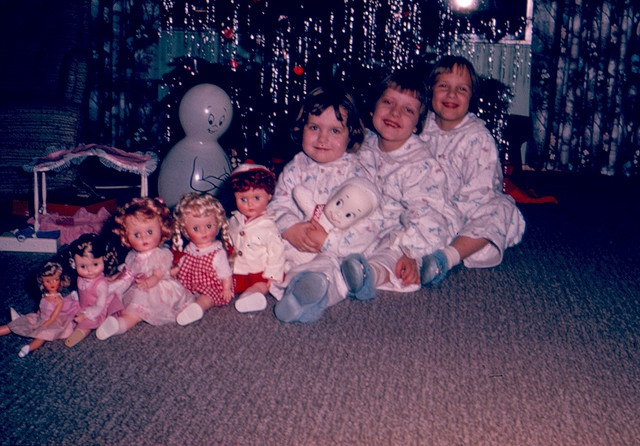
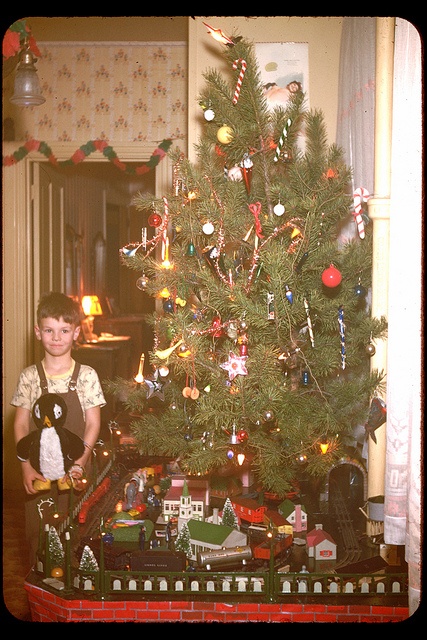
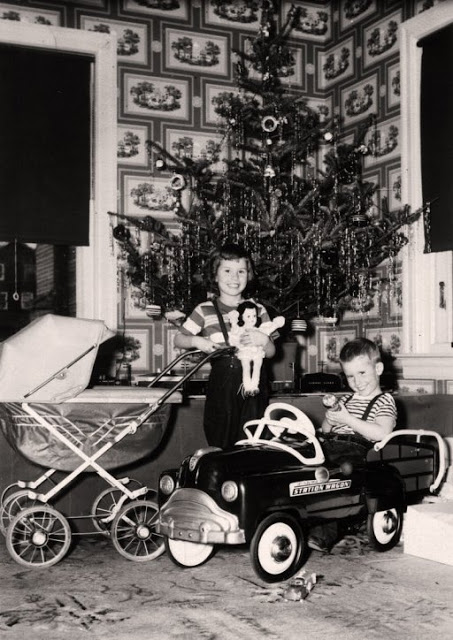
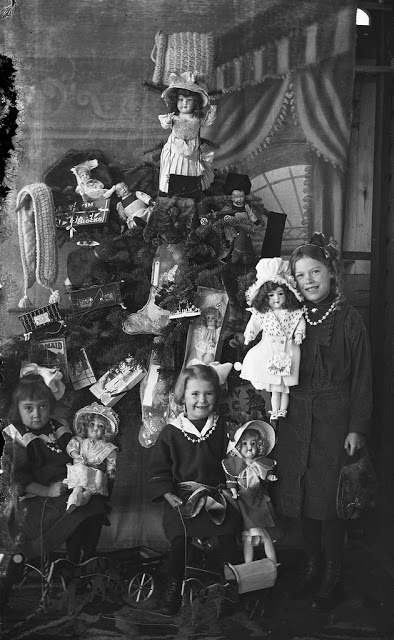
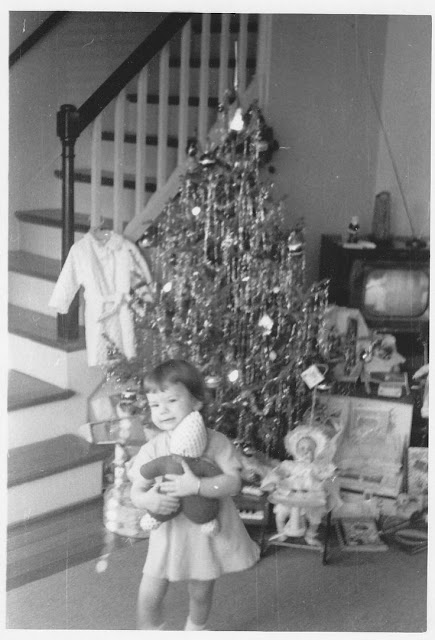
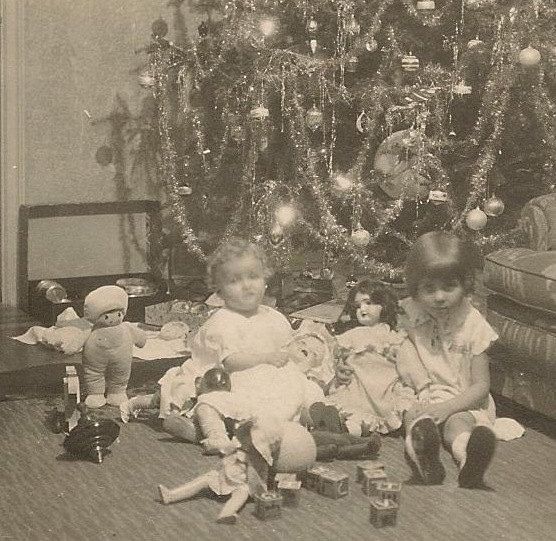
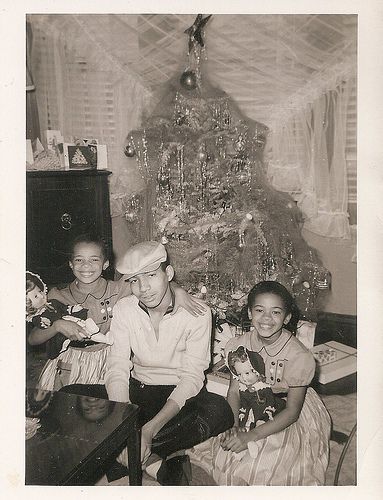
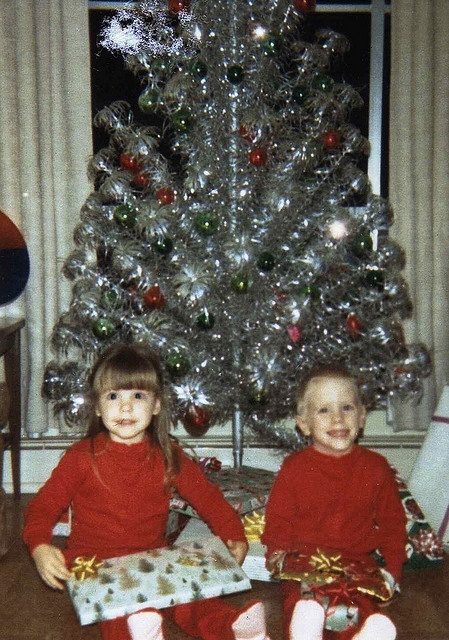
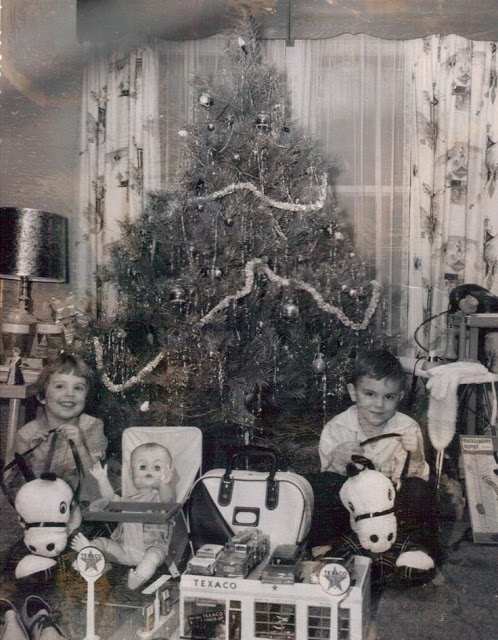
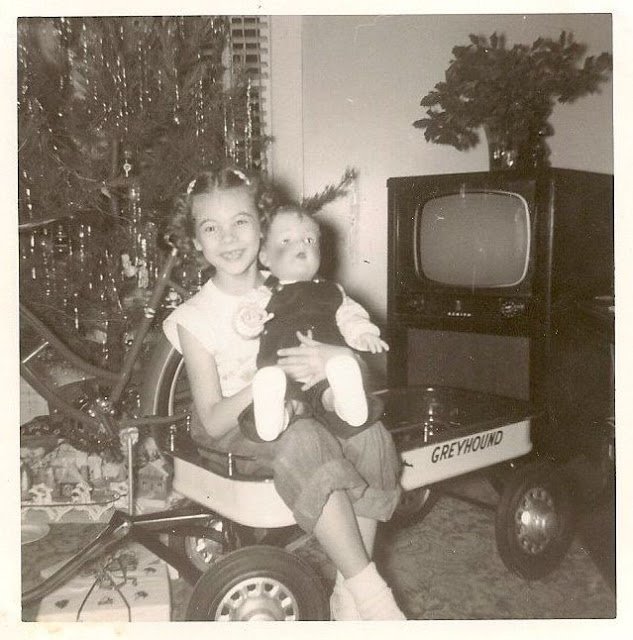
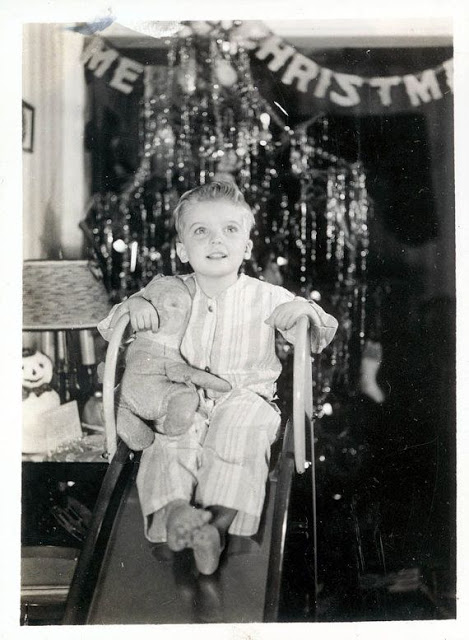
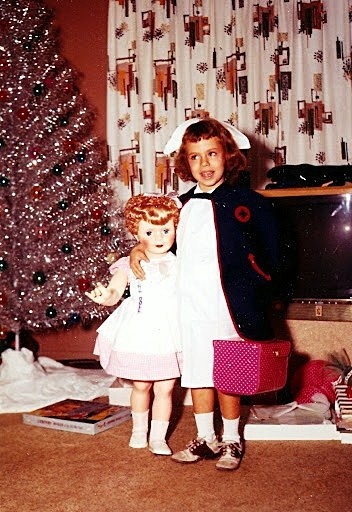
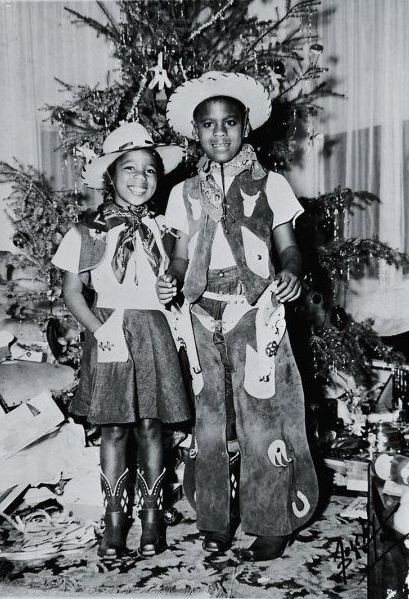
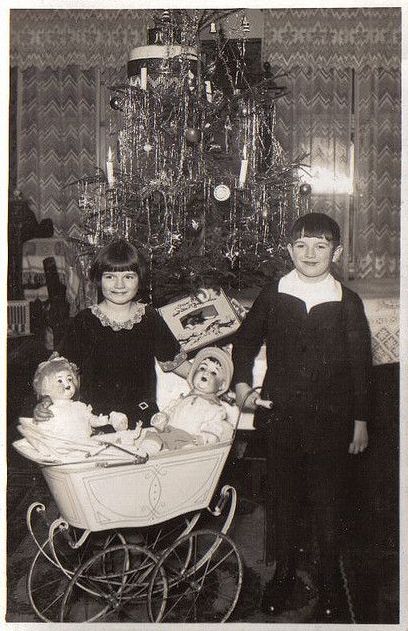
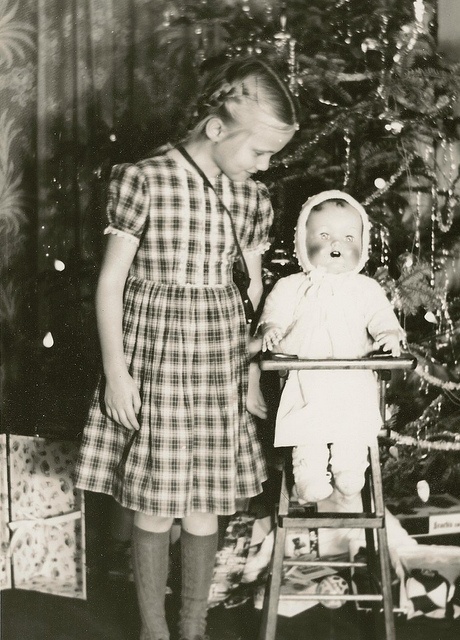
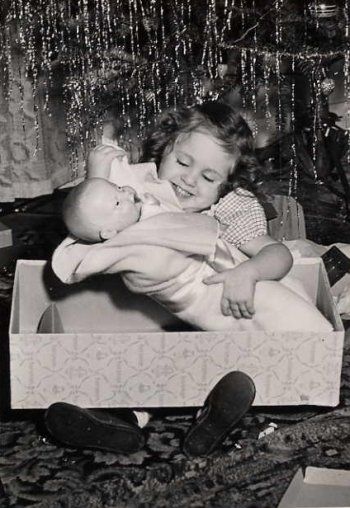
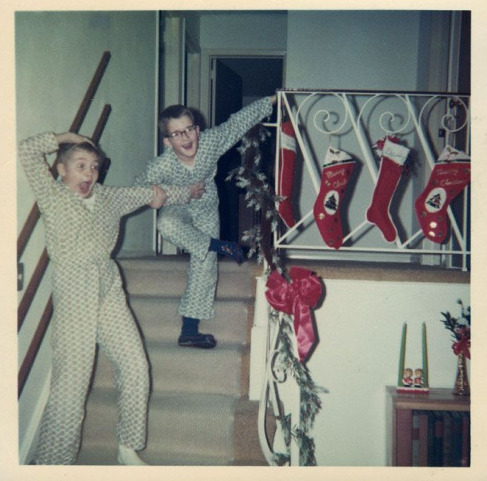
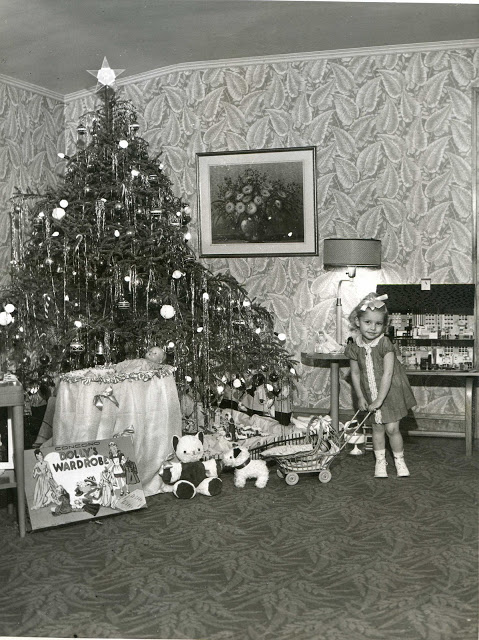
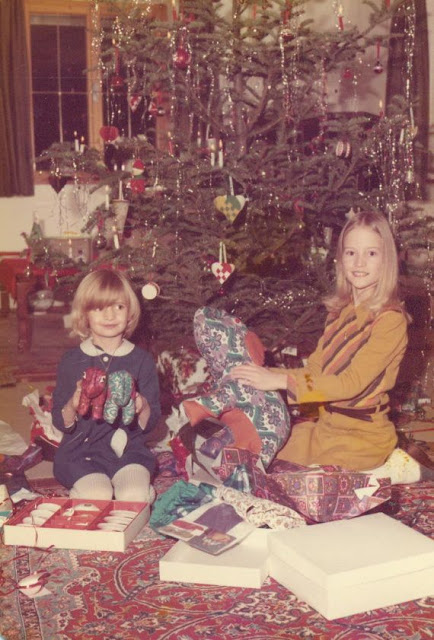
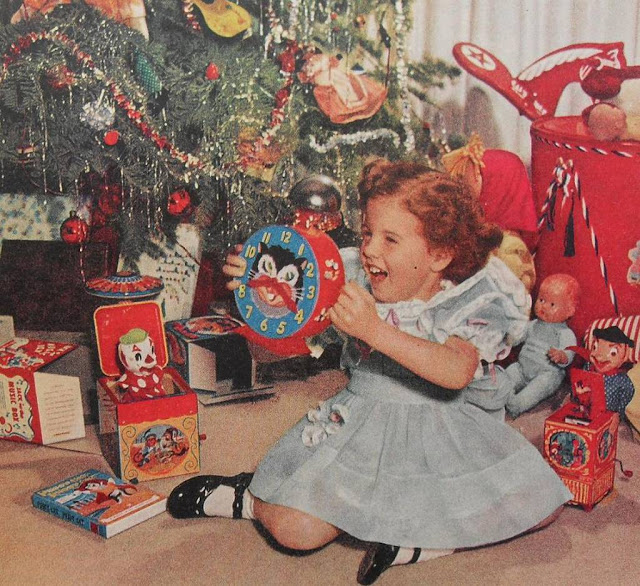
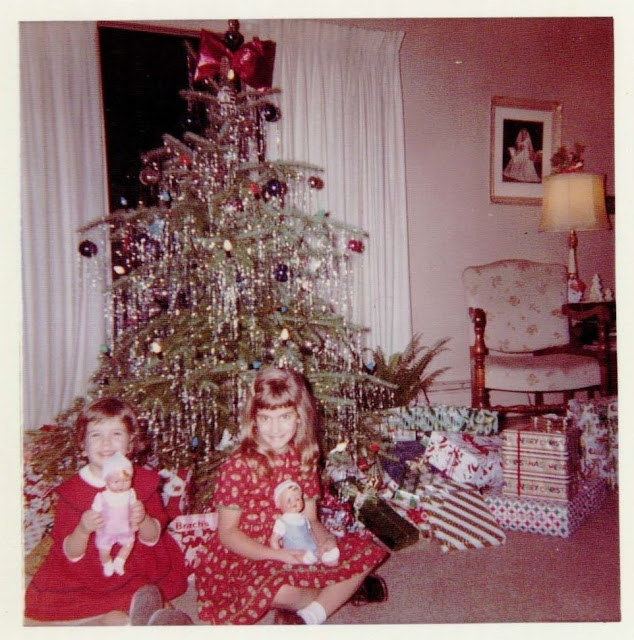
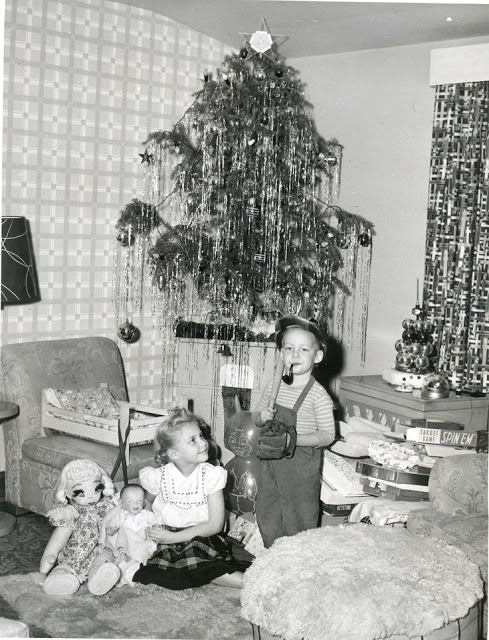
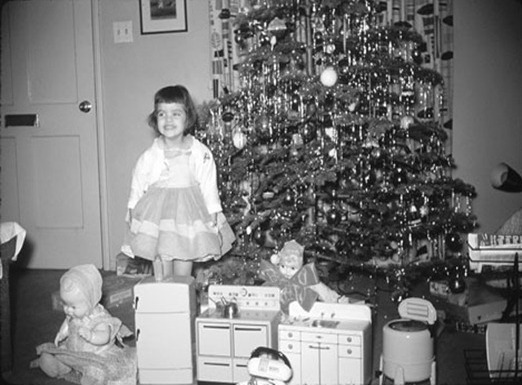
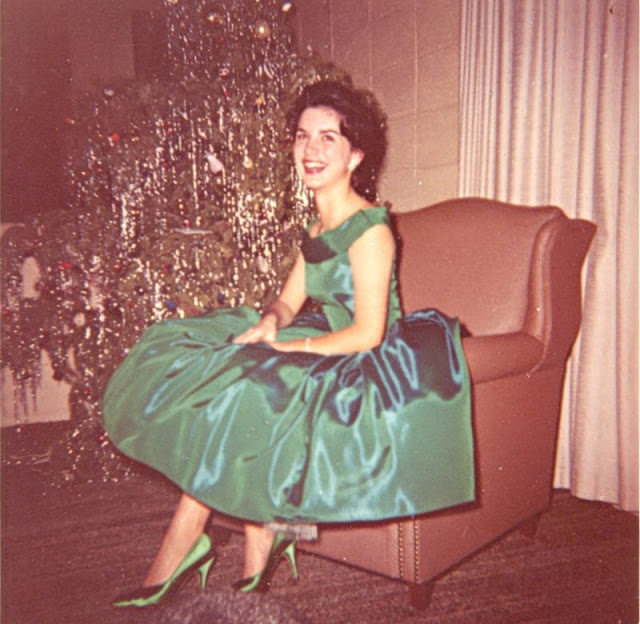
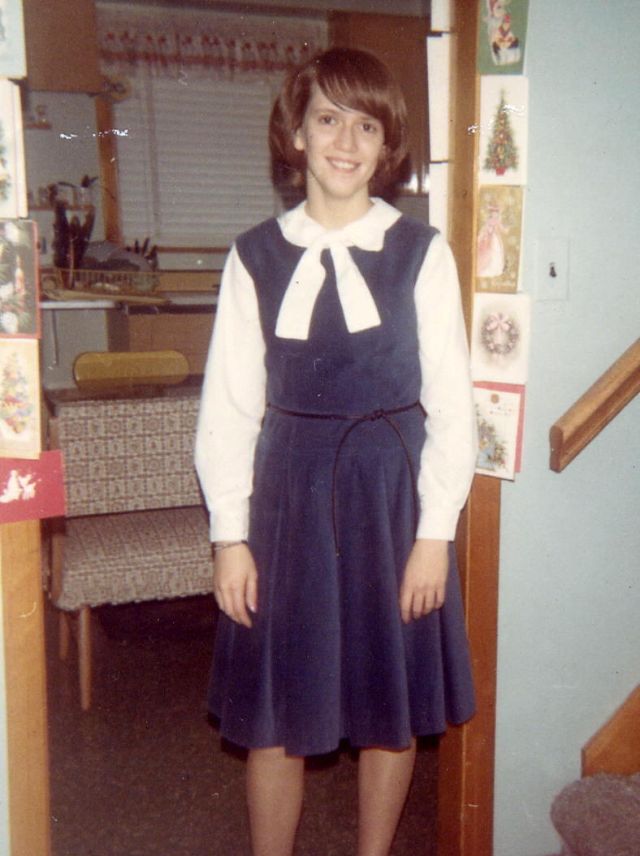
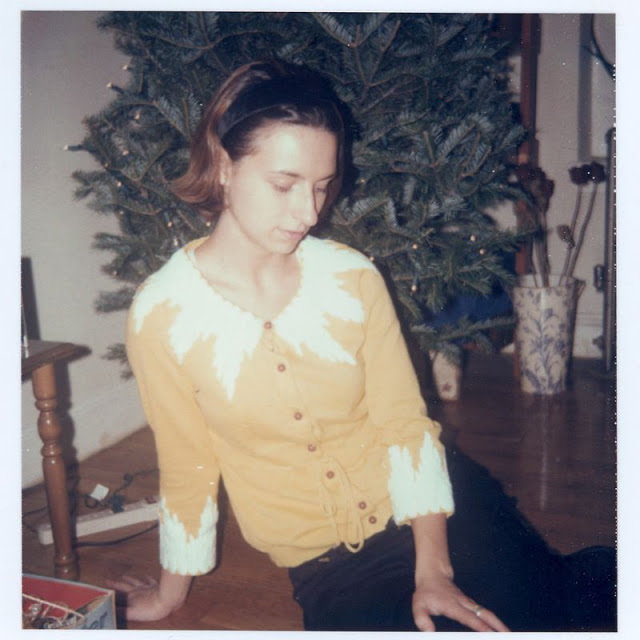
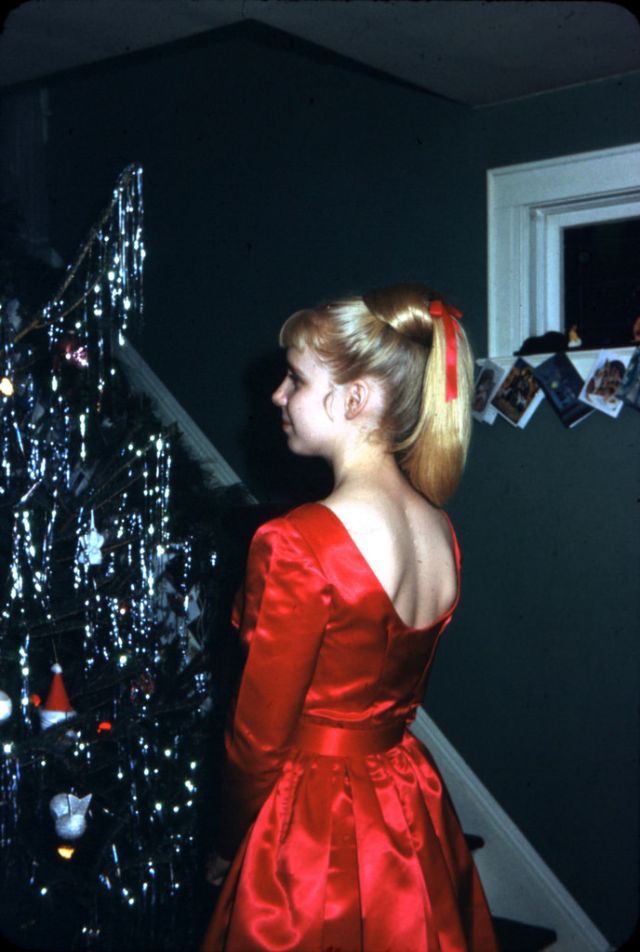
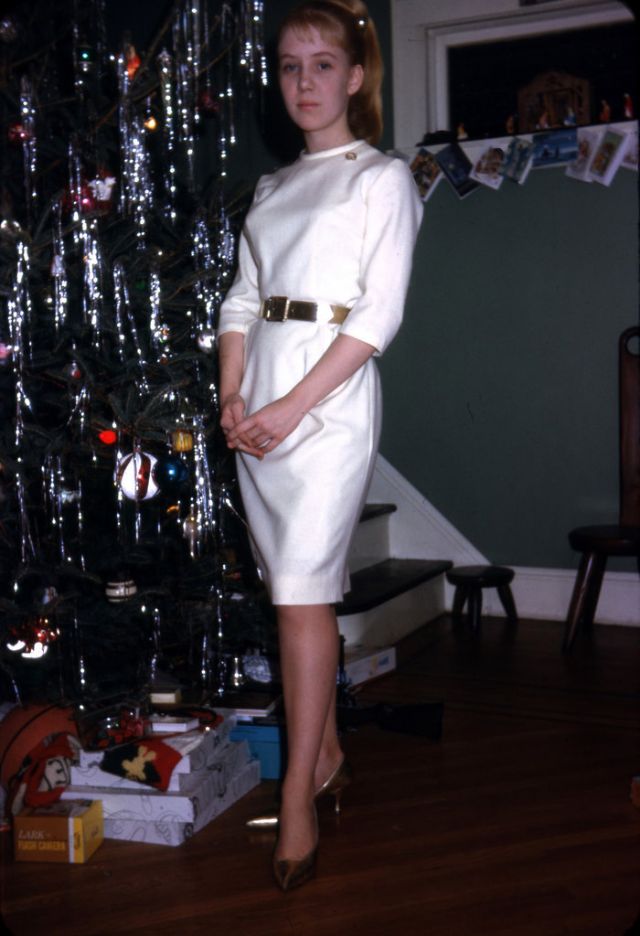
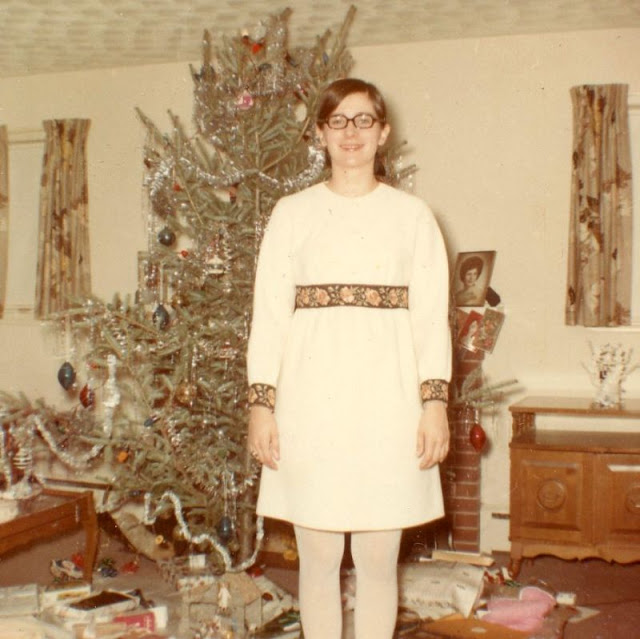
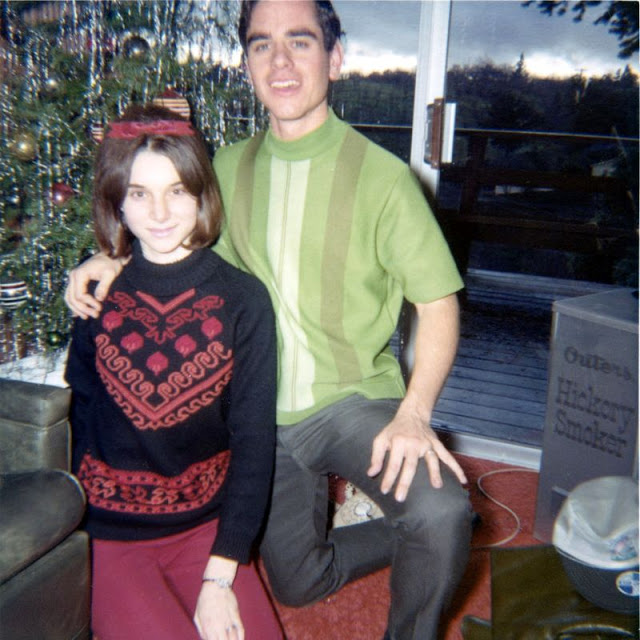
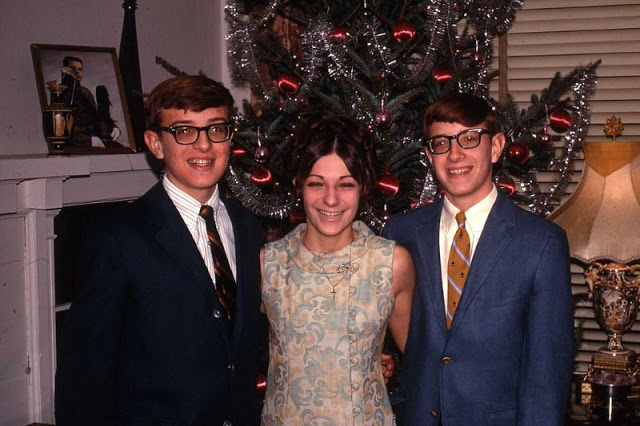
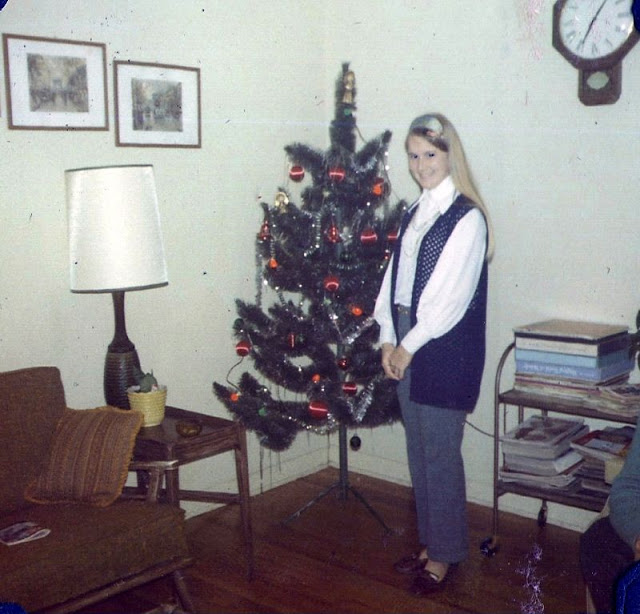
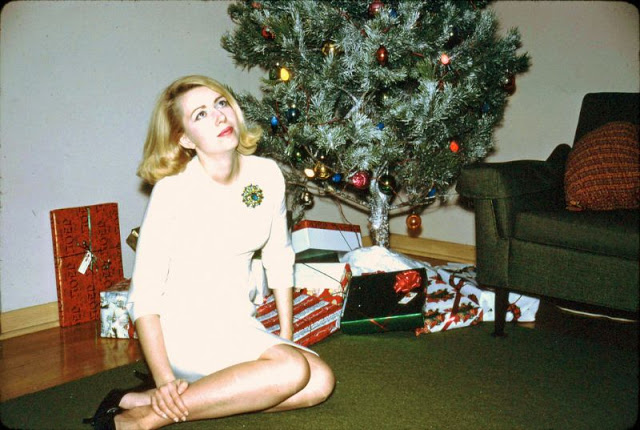
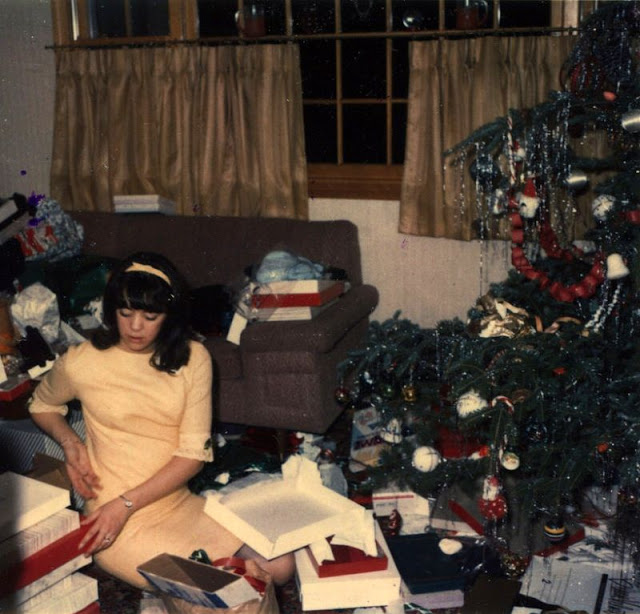
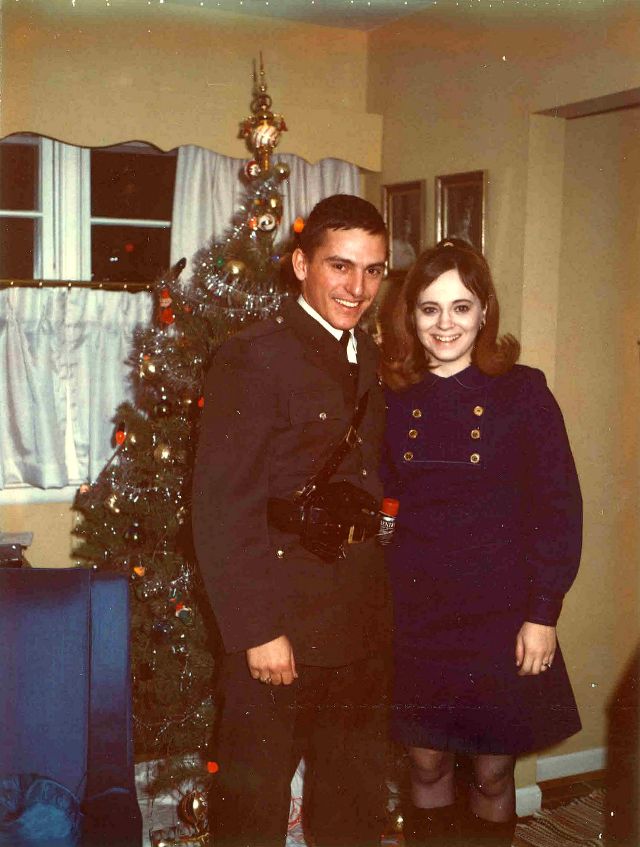
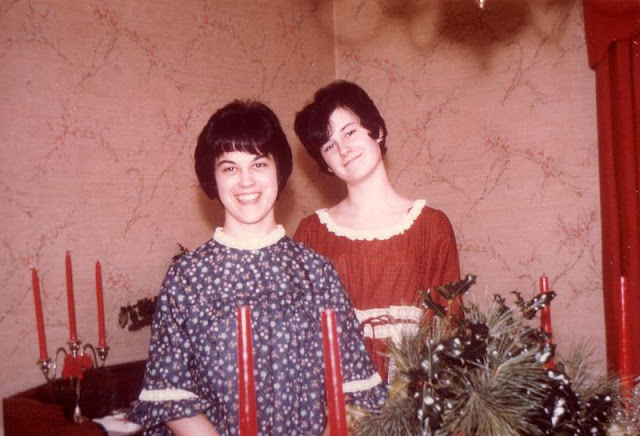
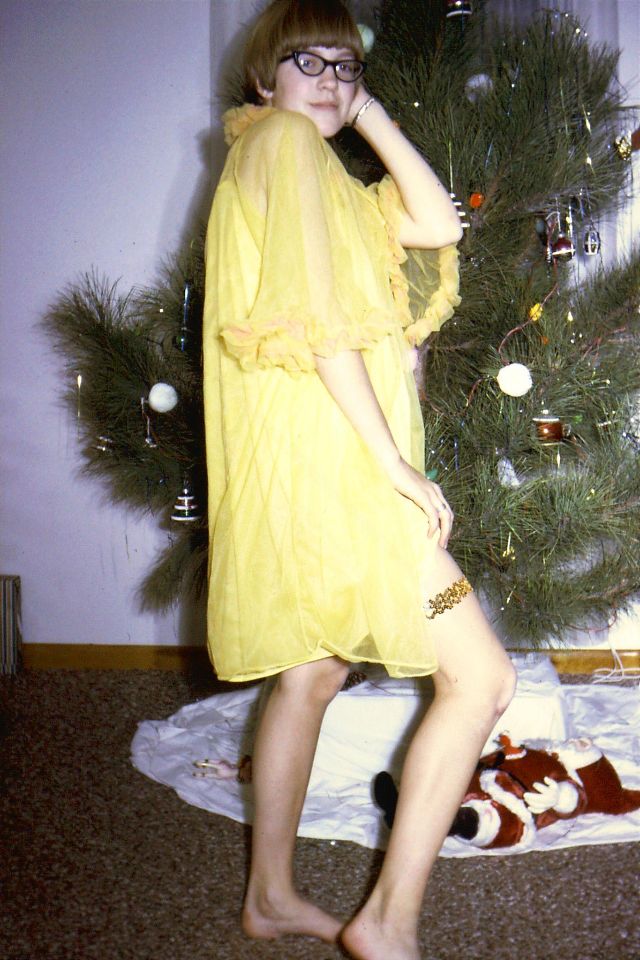
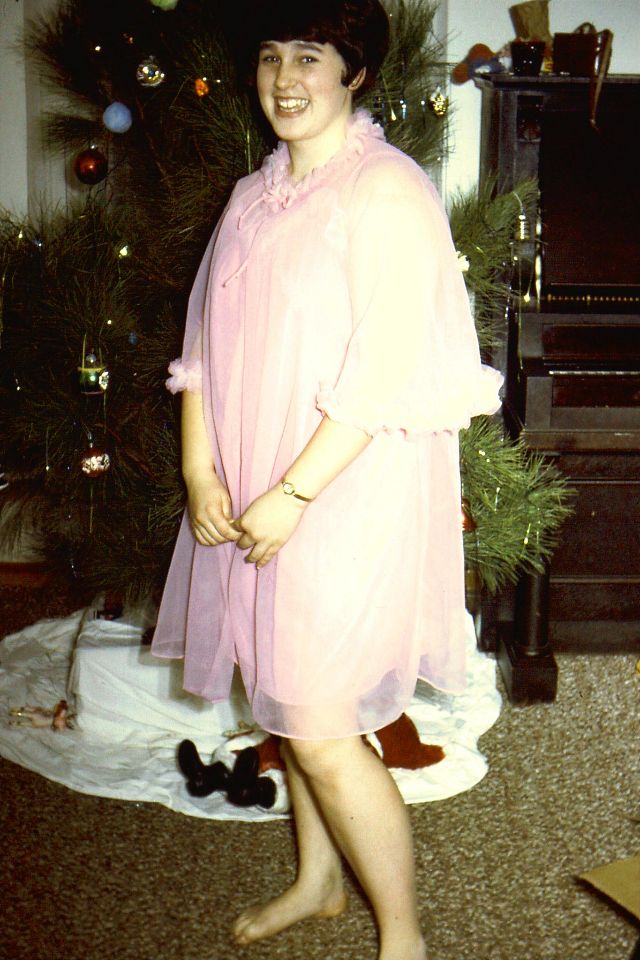
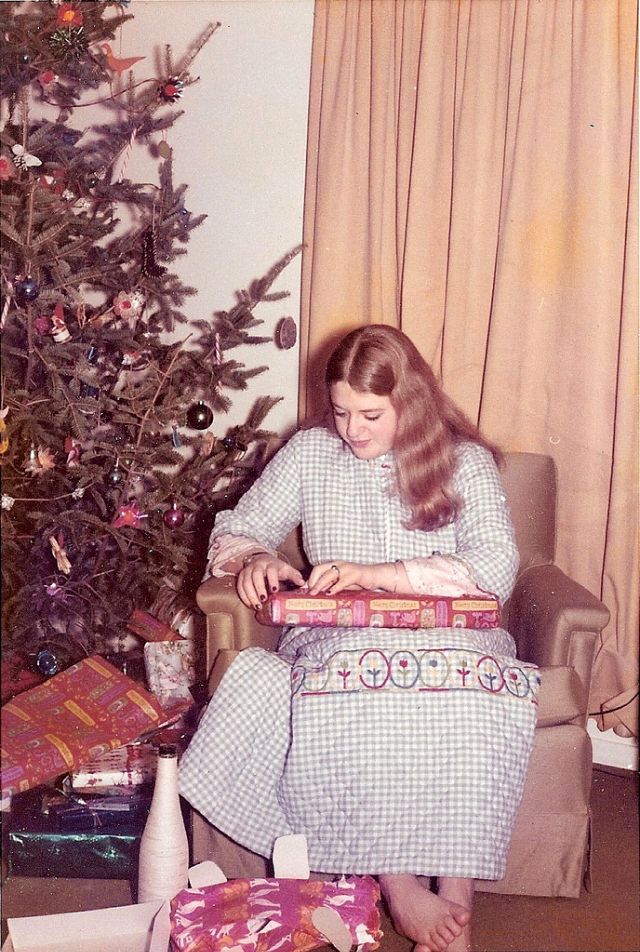
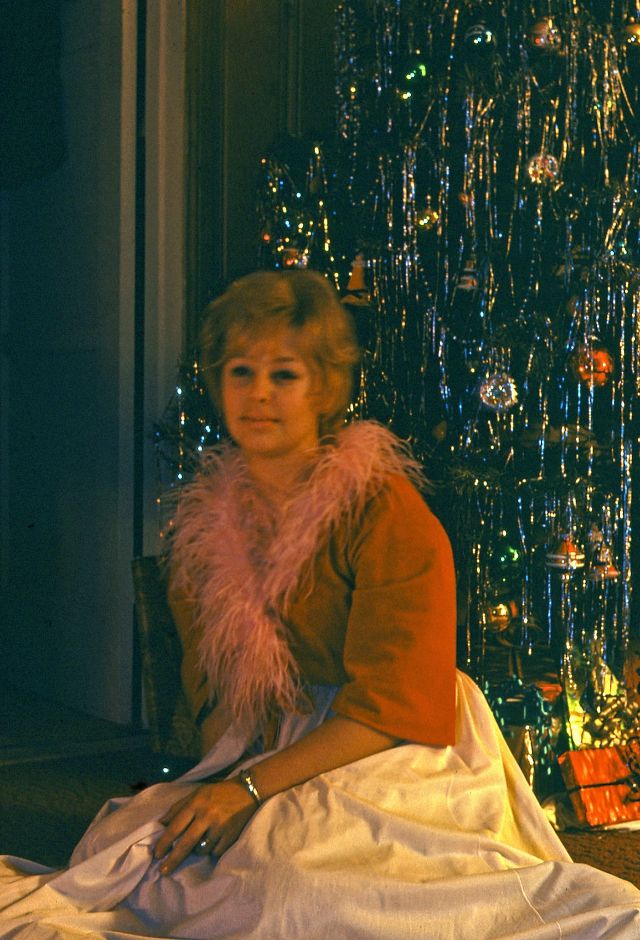
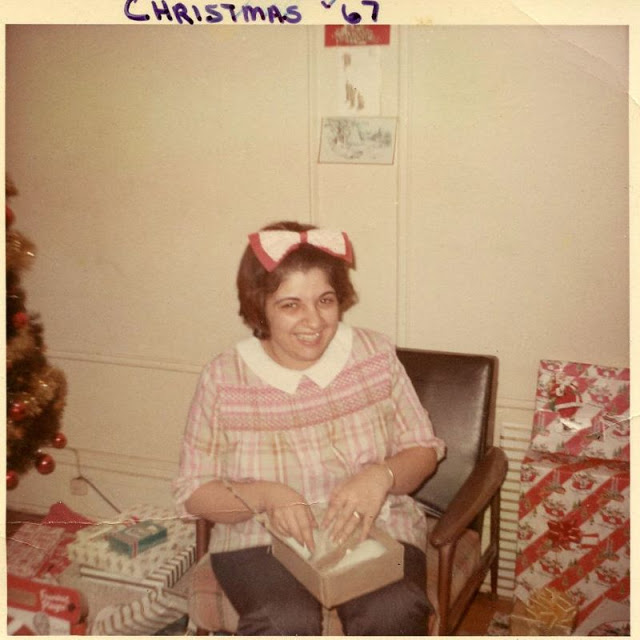
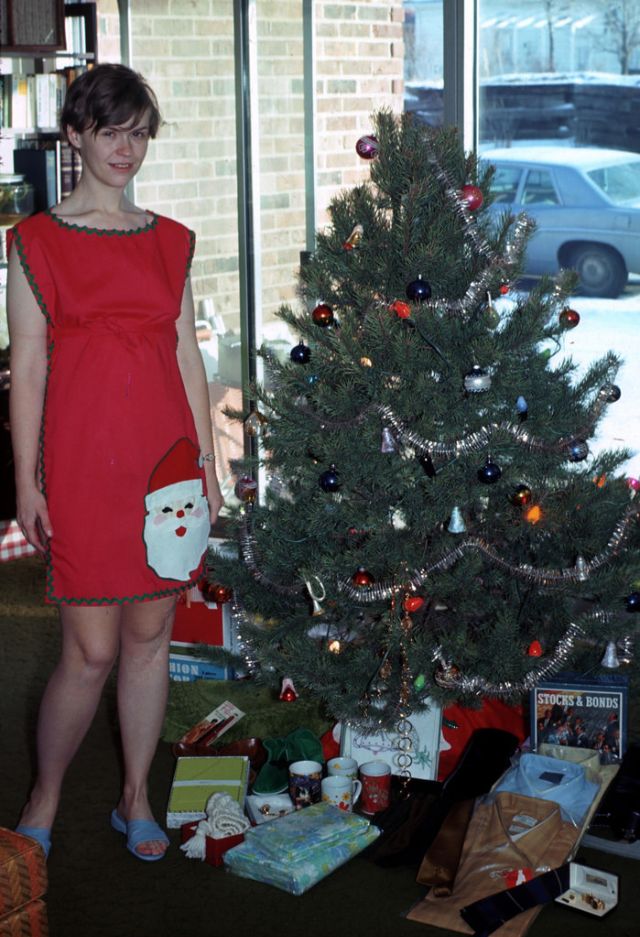
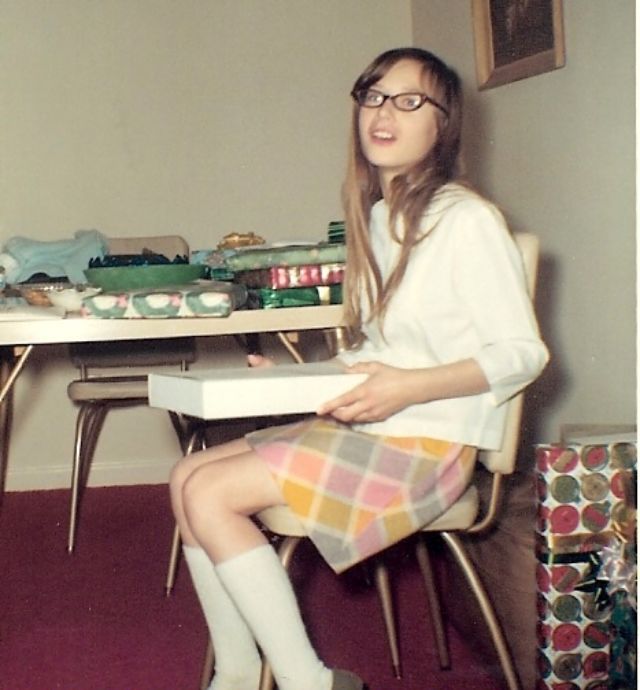
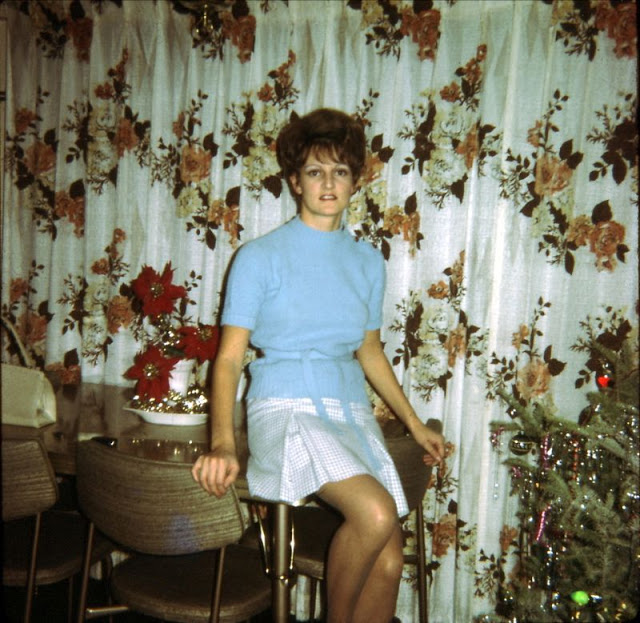
Christmas mornings in the 1960s and 1970s were often filled with a mix of anticipation, tradition, and joy. Families would wake up early, the excitement palpable as children rushed to the tree to see what Santa Claus had left for them. The living room, often decorated with tinsel, colorful lights, and handmade ornaments, was the heart of the celebration. Parents, still in their pajamas and nursing their first cups of coffee, watched with warm smiles as their children tore open brightly wrapped packages.
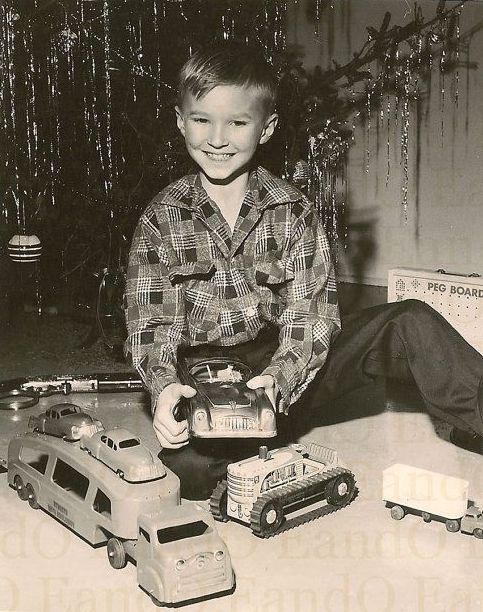
In many households, the day began with the sounds of Christmas carols playing on the record player or the radio, creating a festive atmosphere. The scent of freshly baked cinnamon rolls or holiday cookies wafted from the kitchen, where mothers and grandmothers prepared the day’s feast. While children played with their new toys—ranging from Etch A Sketches and G.I. Joes in the 1960s to Atari consoles and Star Wars action figures in the 1970s—adults reminisced about Christmases past and shared laughter over family stories.
Christmas morning was also a time for religious reflection for many families. Attending a morning church service was a common tradition, where communities gathered to celebrate the birth of Jesus Christ. After the service, families returned home to continue their festivities, often visiting with extended family members and neighbors. The day was marked by a sense of togetherness, with people cherishing the simple pleasures of being with loved ones.
Technology in the 1960s and 1970s was far simpler than today, but it played its role in the holiday celebrations. Polaroid cameras were popular, capturing instant memories of the joyous morning. Television specials, like “A Charlie Brown Christmas” or “Rudolph the Red-Nosed Reindeer,” were family favorites, bringing everyone together in front of the screen. These shows added to the magic of the season and became an integral part of the Christmas experience.
Overall, Christmas mornings in the 1960s and 1970s were a blend of excitement, tradition, and community. The holiday spirit was tangible, and the focus was on creating lasting memories with family and friends. It was a time of joy and togetherness, where the simple pleasures of life were celebrated and cherished.

Become a paid subscriber to get access to the rest of this post and other exclusive content.


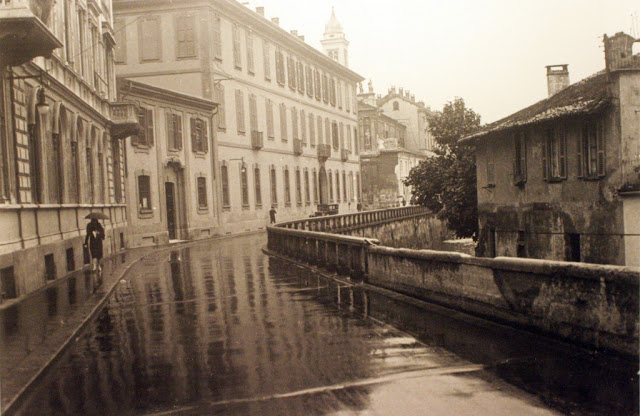
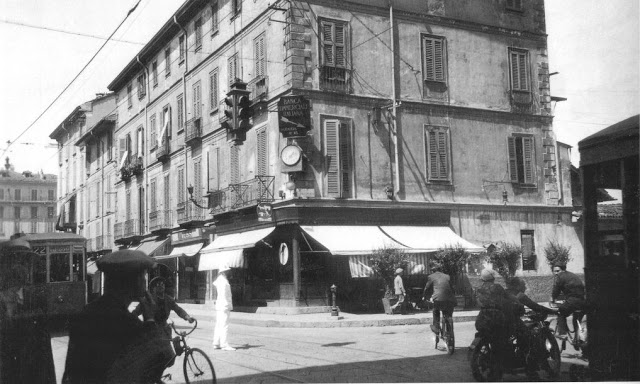
Milan is a city in northern Italy, capital of Lombardy, and the second-most populous city proper in Italy after Rome. The city proper has a population of about 1.4 million, while its metropolitan city has 3.26 million inhabitants. Its continuously built-up urban area, that stretches well beyond the boundaries of the administrative metropolitan city and into Switzerland, is the fourth largest in the EU with 5.27 million inhabitants. According to national sources, the population within the wider Milan metropolitan area (also known as Greater Milan), is estimated between 8.2 million and 12.5 million making it by far the largest metropolitan area in Italy and one of the largest in the EU.
Milan is considered a leading alpha global city, with strengths in the fields of art, commerce, design, education, entertainment, fashion, finance, healthcare, media, services, research and tourism. Its business district hosts Italy’s stock exchange (Italian: Borsa Italiana), and the headquarters of national and international banks and companies. In terms of GDP, Milan is the wealthiest city in Italy, it has the third-largest economy among EU cities after Paris and Madrid, and is the wealthiest among EU non-capital cities. Milan is viewed along with Turin as the southernmost part of the Blue Banana urban development corridor (also known as the “European Megalopolis”), and one of the Four Motors for Europe.
The city’s role as a major political centre dates back to the late antiquity, when it served as the capital of the Western Roman Empire, while from the 12th century until the 16th century, Milan was one of the largest European cities, and a major trade and commercial centre, consequently becoming the capital of the Duchy of Milan, which was one of the greatest political, artistic and fashion forces in the Renaissance. Despite losing much of its political and cultural importance in the early modern period, the city regained its status as a major economic and political centre, being considered today as the industrial and financial capital of Italy.
The city has been recognized as one of the world’s four fashion capitals thanks to several international events and fairs, including Milan Fashion Week and the Milan Furniture Fair, which are currently among the world’s biggest in terms of revenue, visitors and growth. It hosted the Universal Exposition in 1906 and 2015. The city hosts numerous cultural institutions, academies and universities, with 11% of the national total of enrolled students. Milan received 10 million visitors in 2018, with the largest numbers of foreign visitors coming from China, United States, France and Germany. The tourists are attracted by Milan’s museums and art galleries that include some of the most important collections in the world, including major works by Leonardo da Vinci. The city is served by many luxury hotels and is the fifth-most starred in the world by Michelin Guide. Milan is also home to two of Europe’s most successful football teams, A.C. Milan and Inter Milan, and one of Europe’s main basketball teams, Olimpia Milano. Milan will host the Olympic and Paralympic games for the first time in 2026, together with Cortina d’Ampezzo. (Wikipedia)
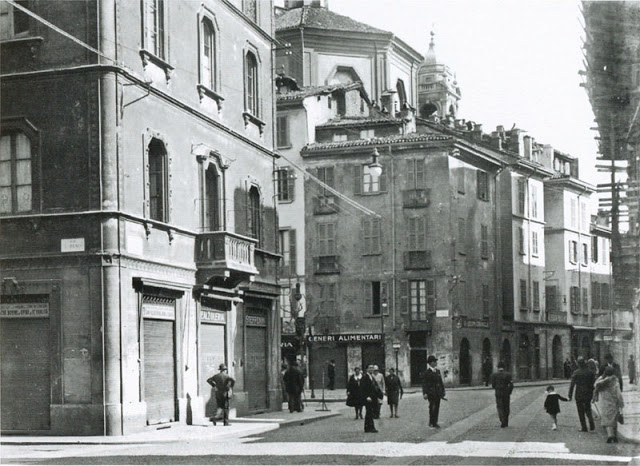
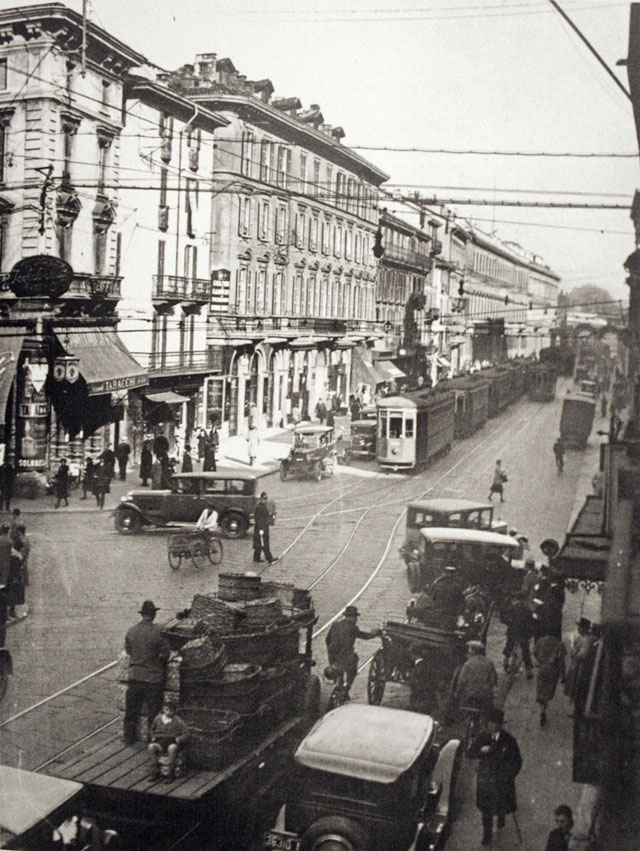
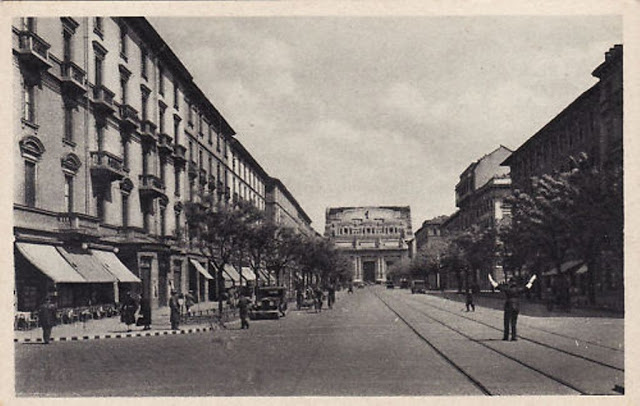
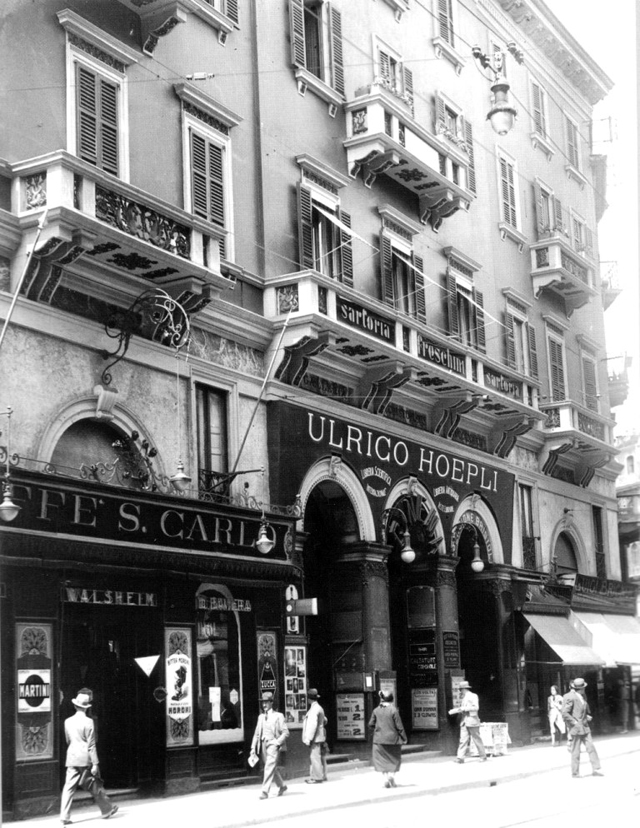
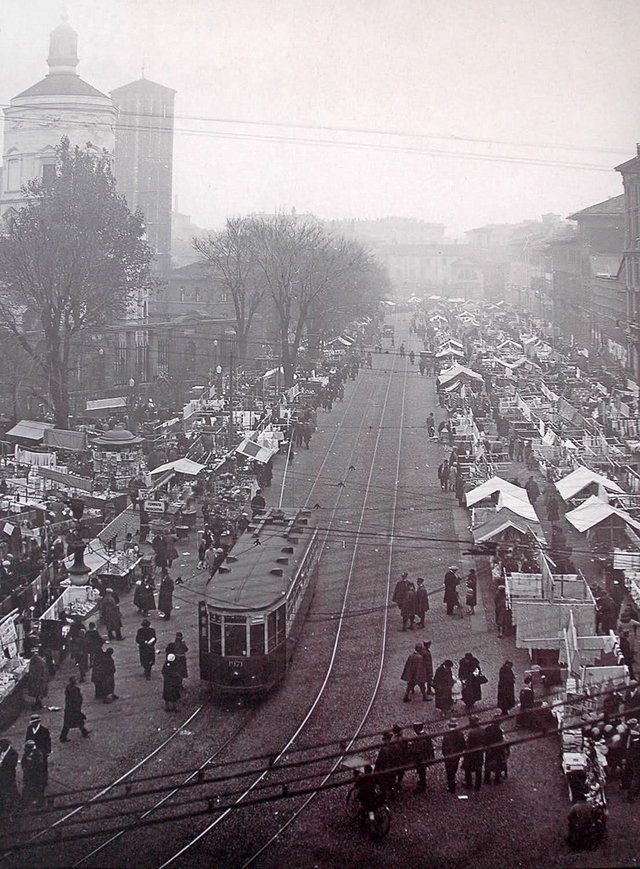
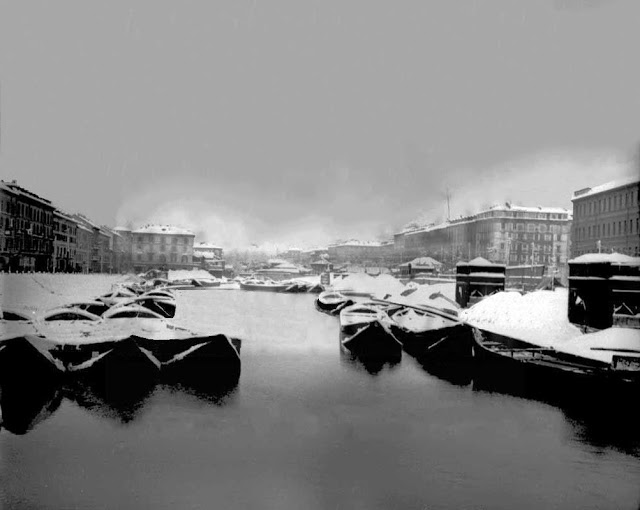
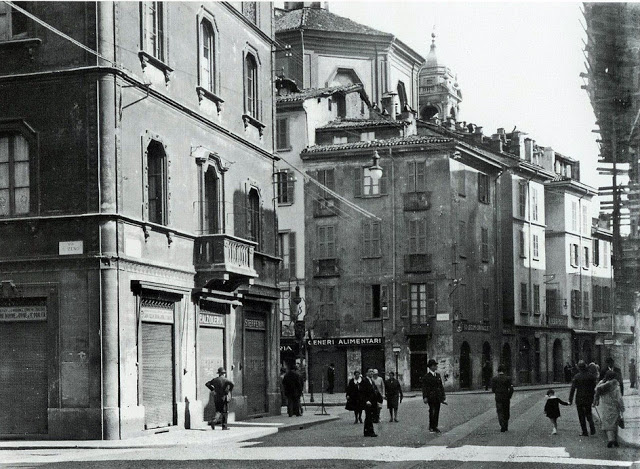
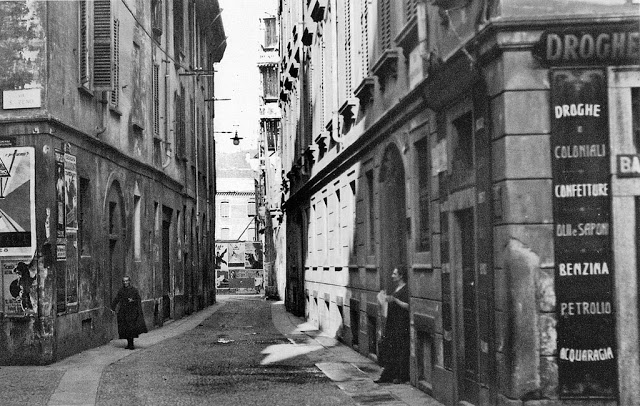
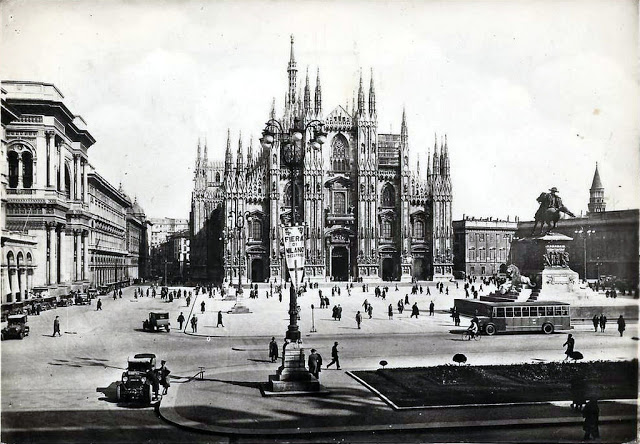
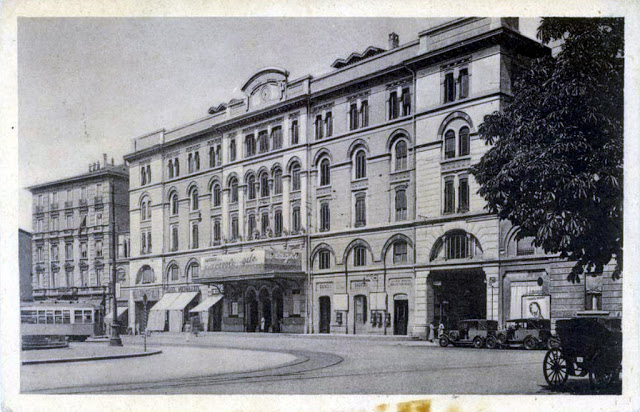
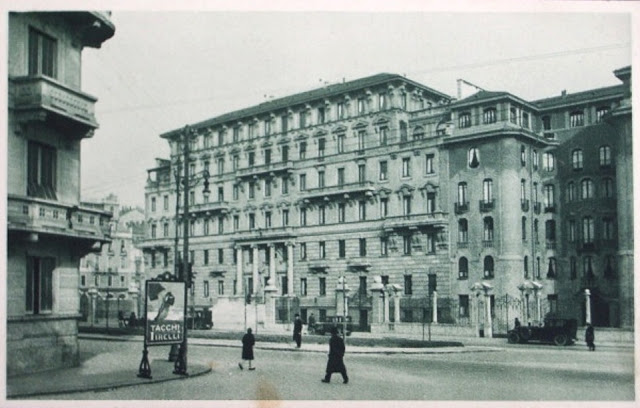
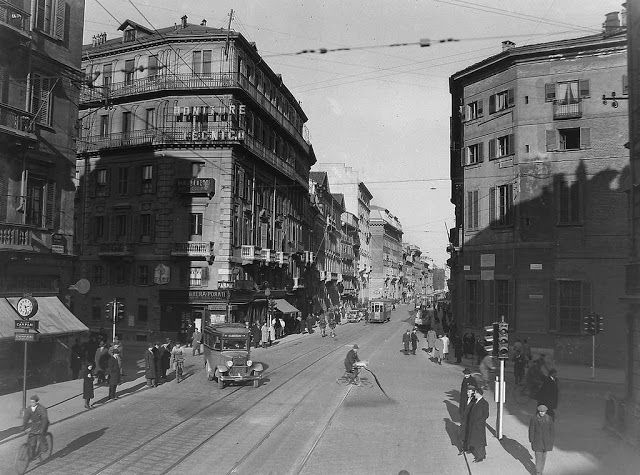
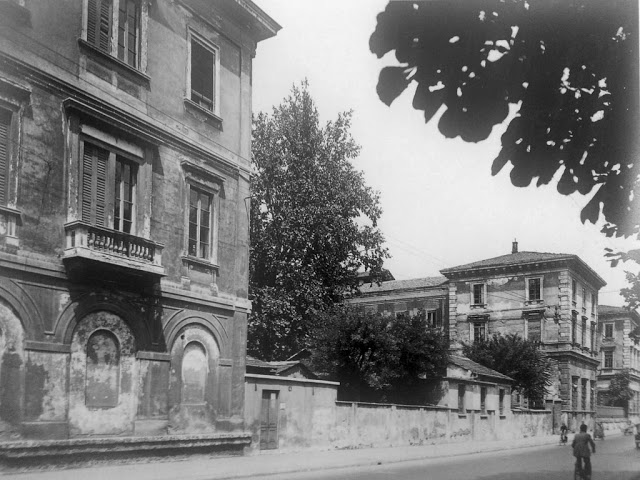
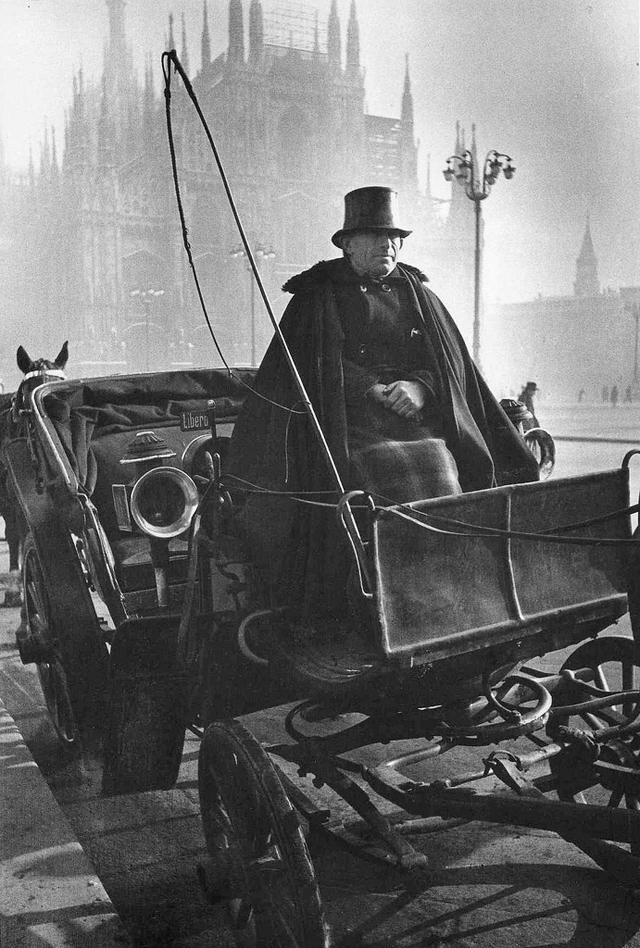
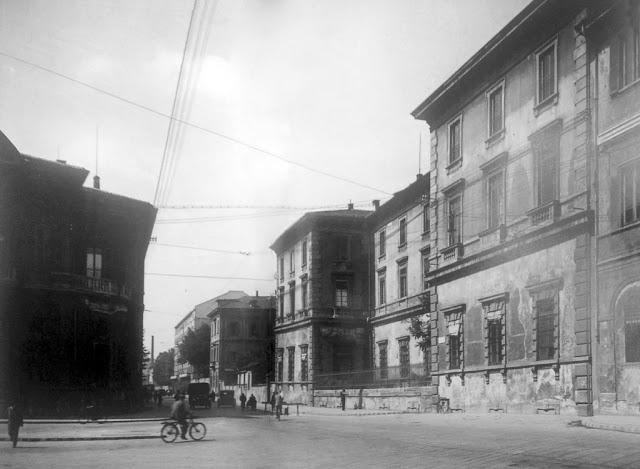
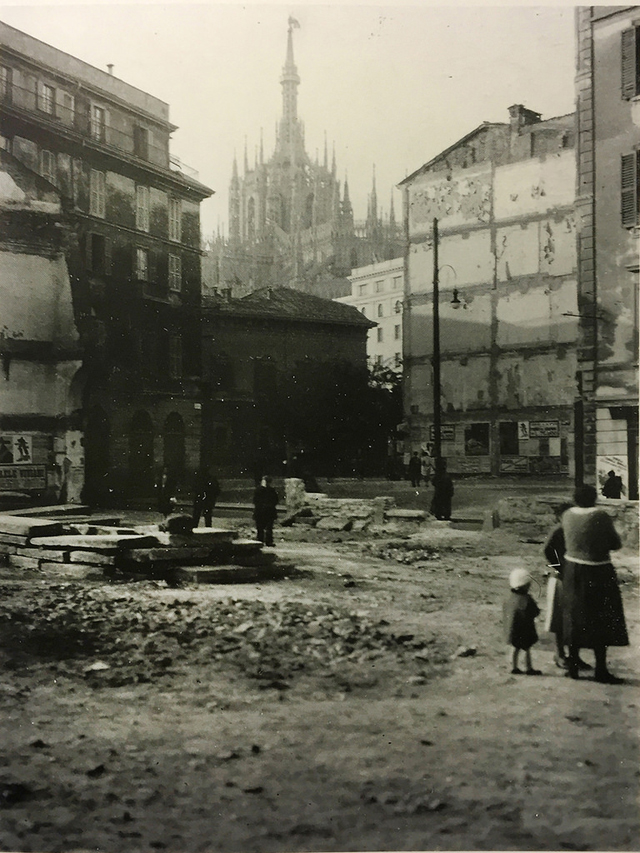
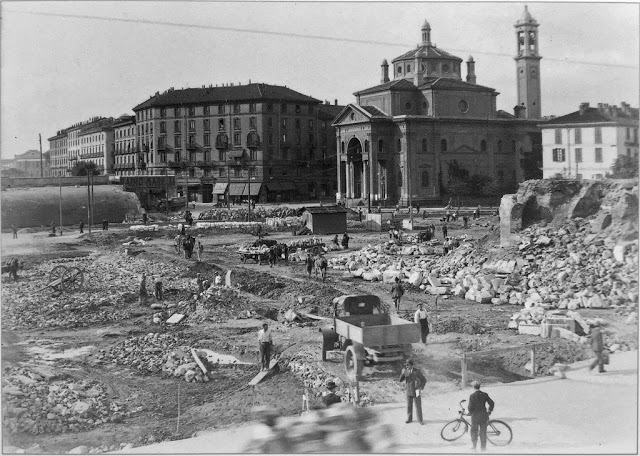
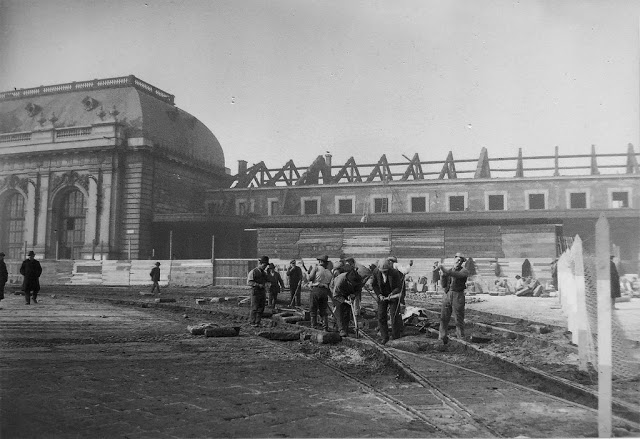
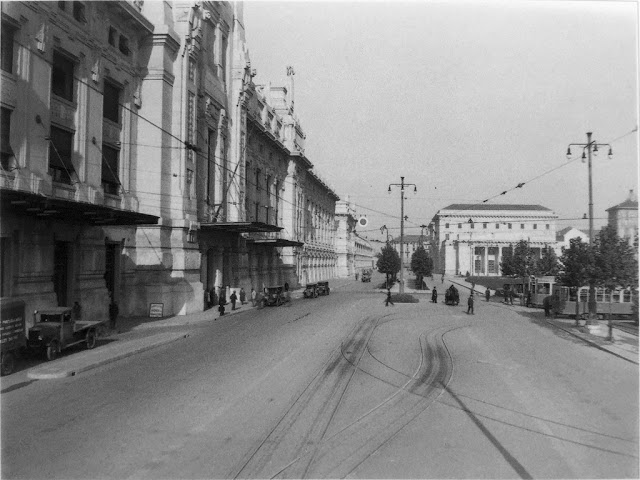
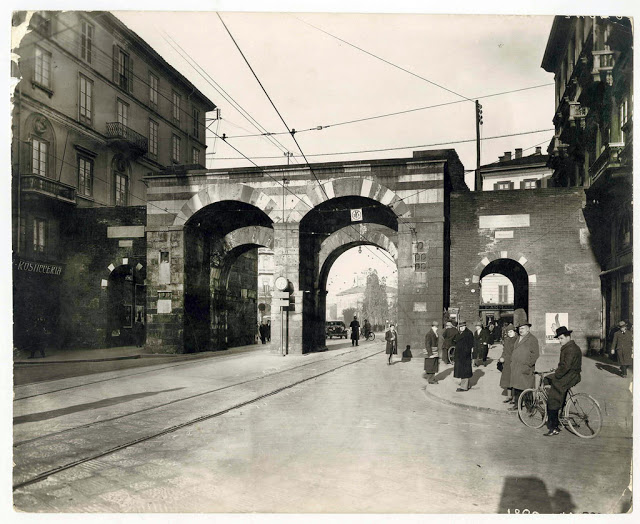
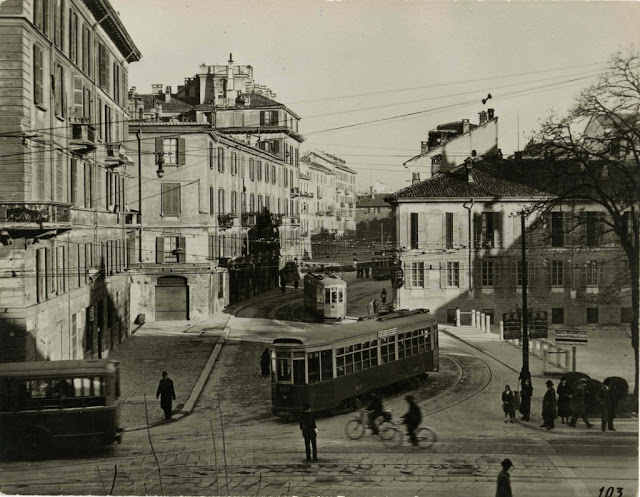
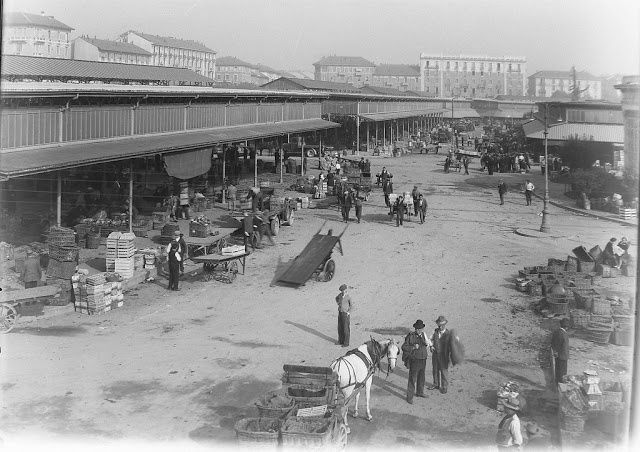
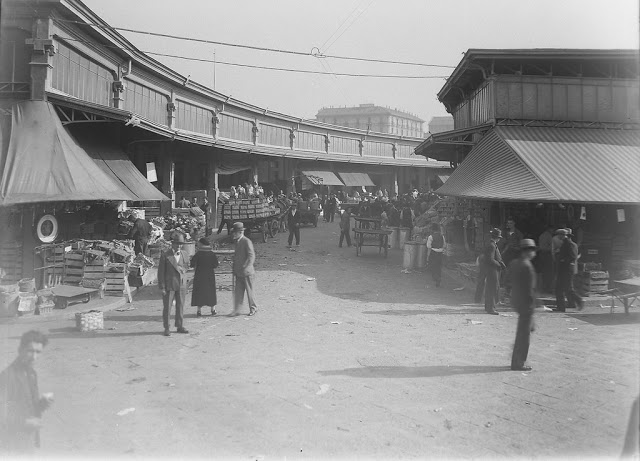
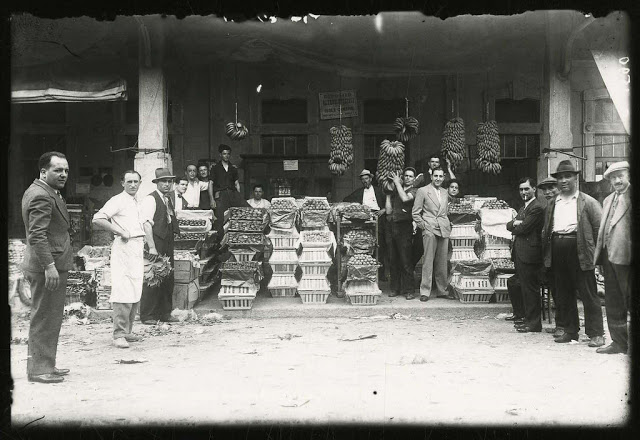
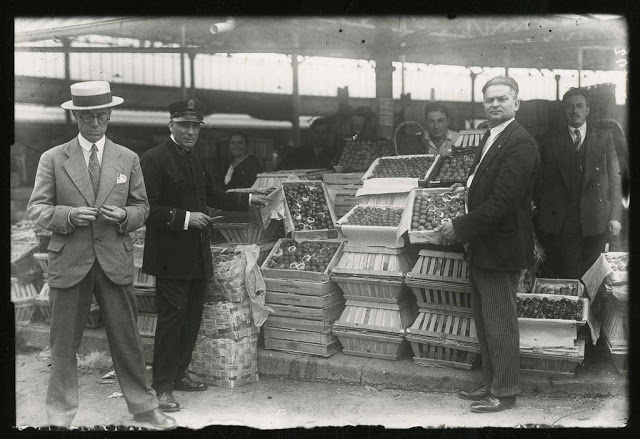
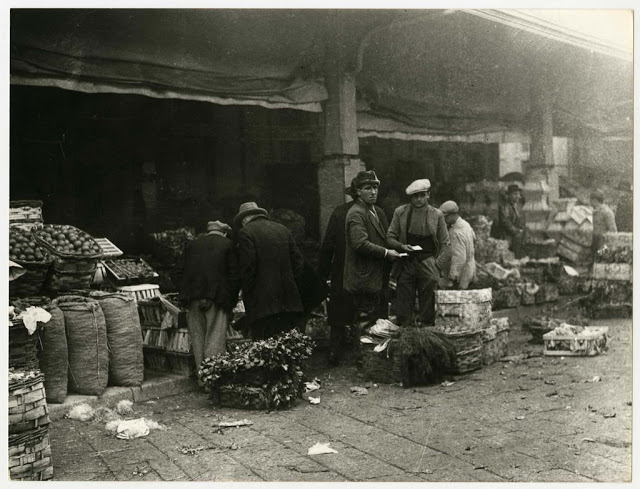
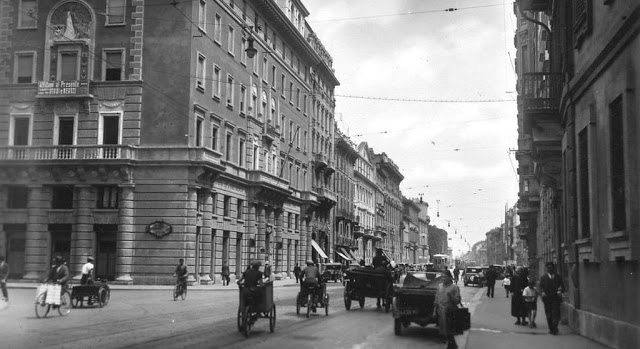
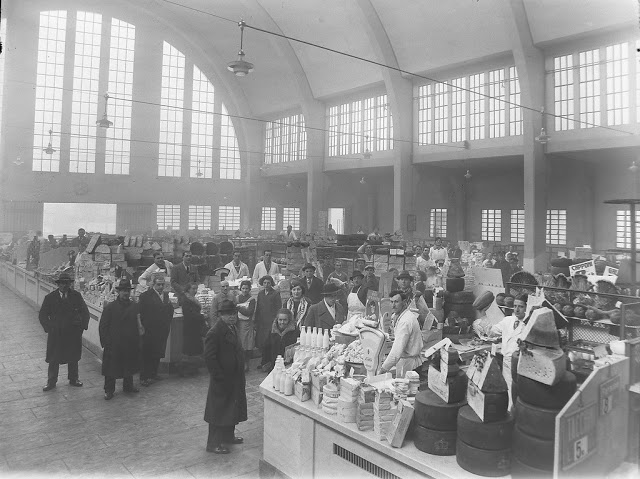
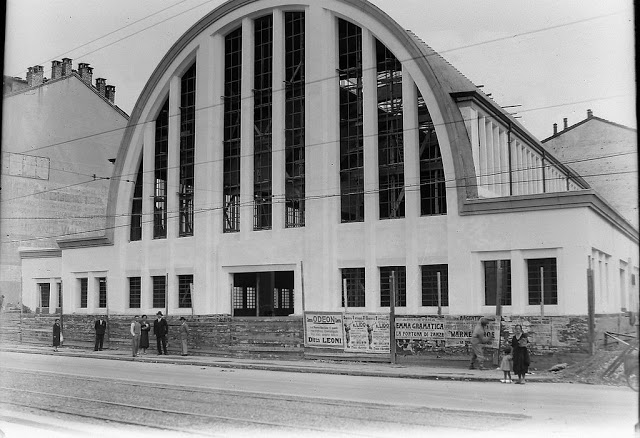
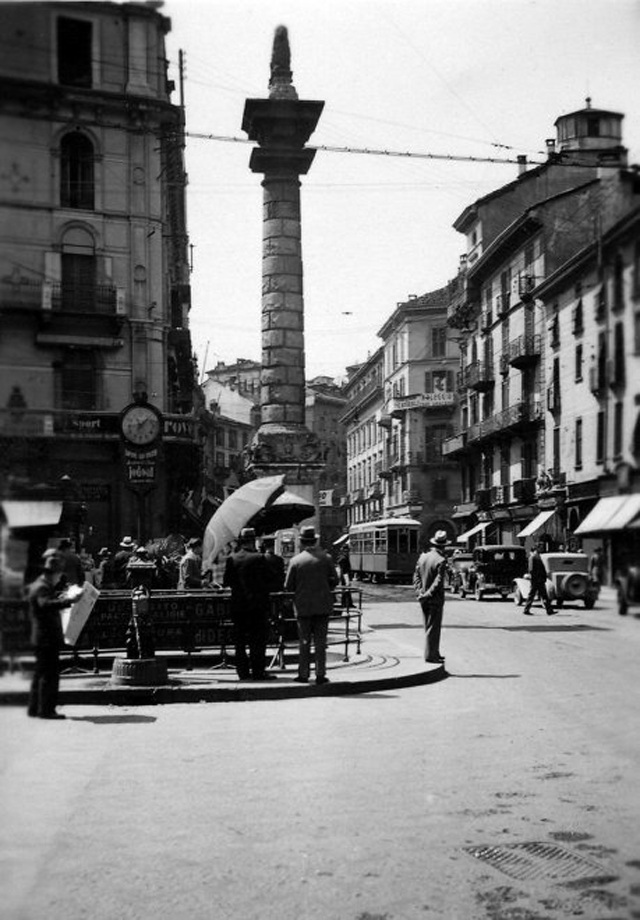
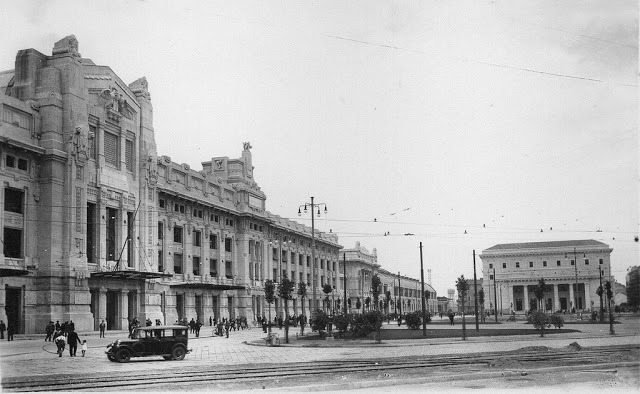
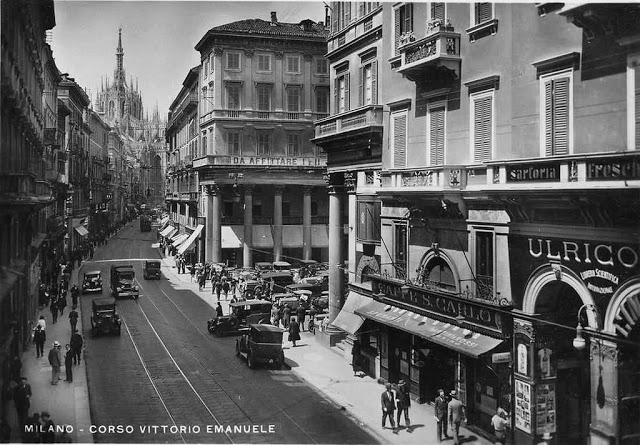
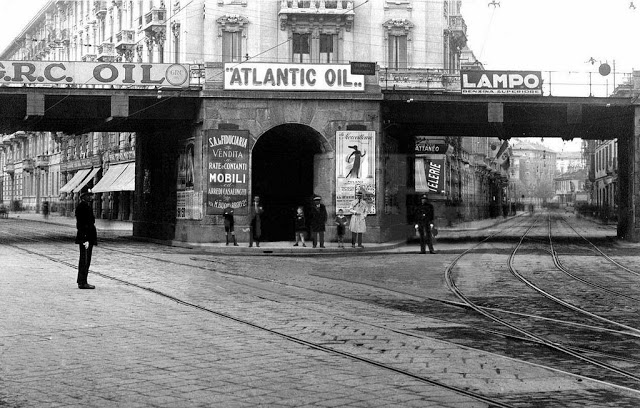
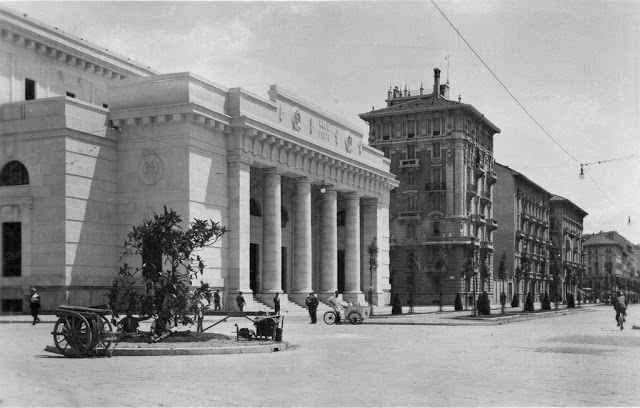
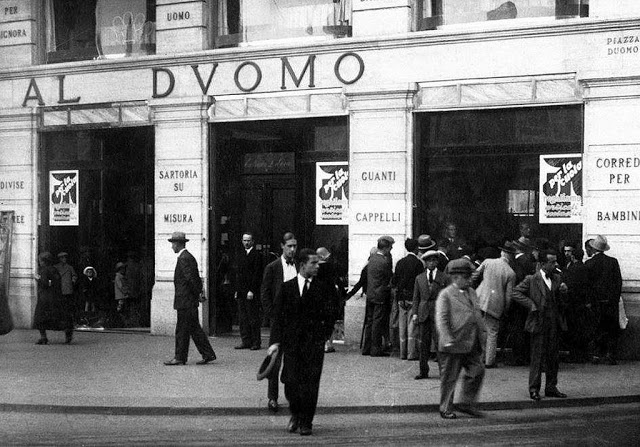
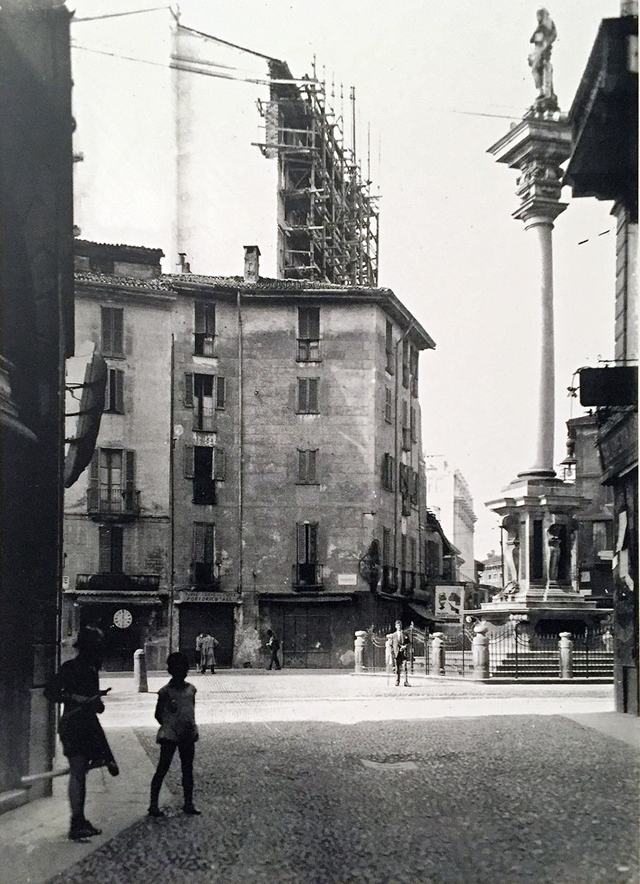
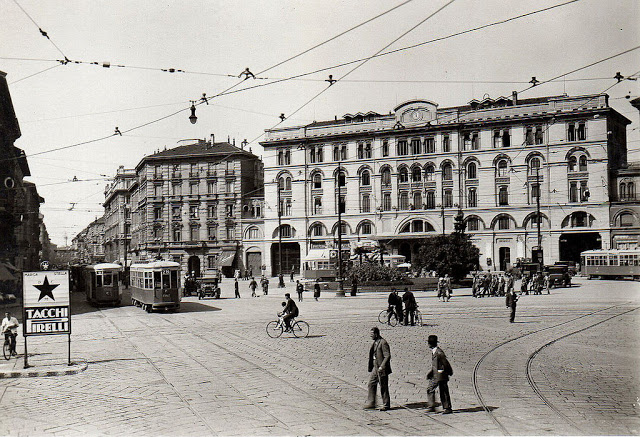
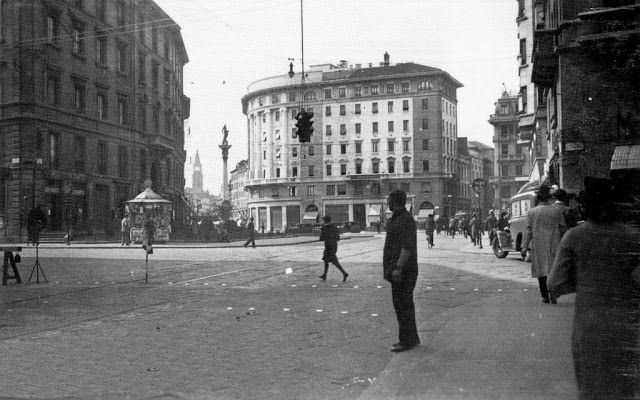
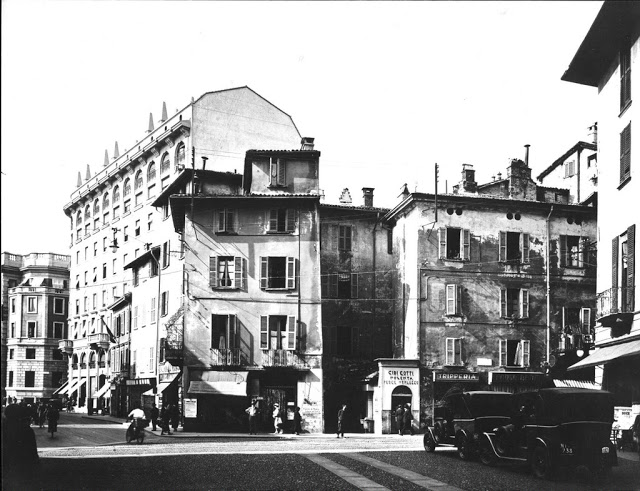
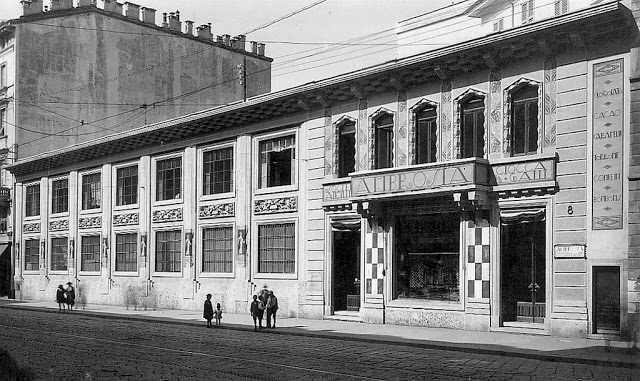
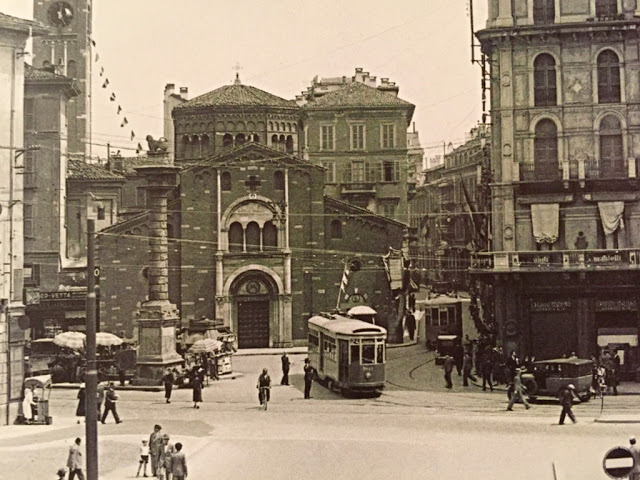
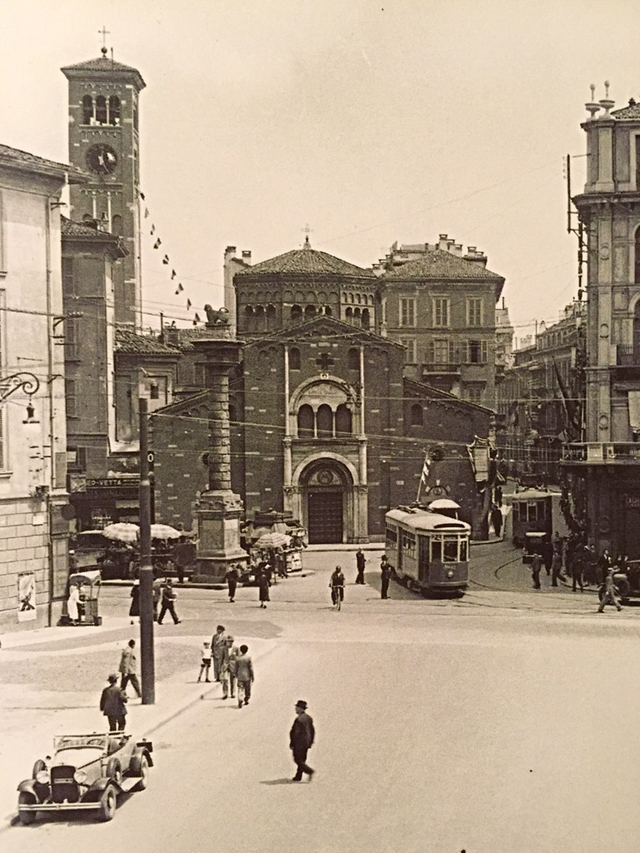
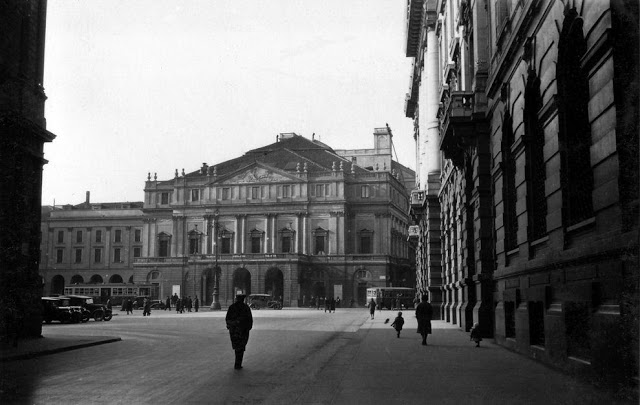
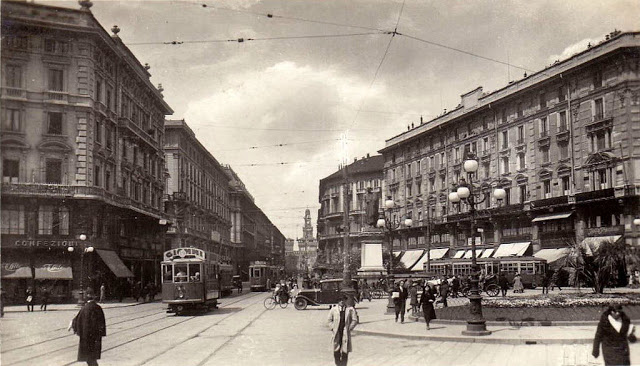
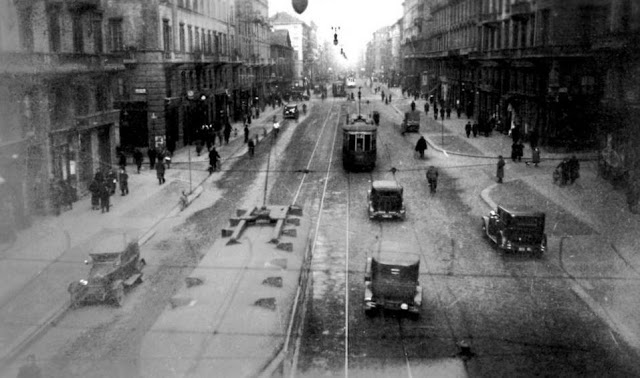
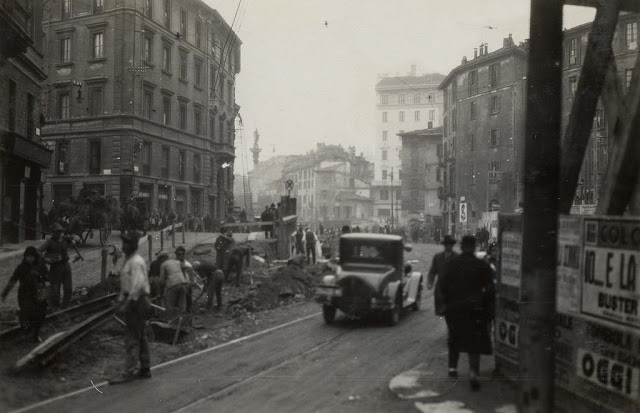
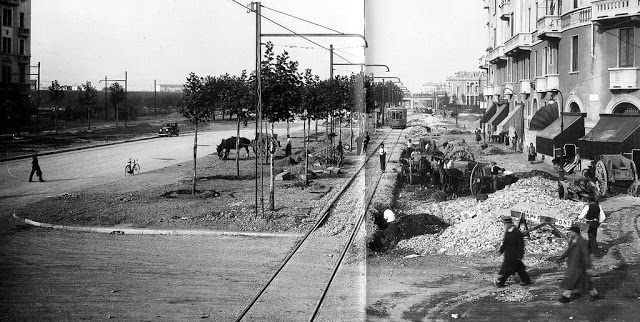
Here is an amazing vintage photo collection that shows everyday life and street scenes of Milan during the 1930s.















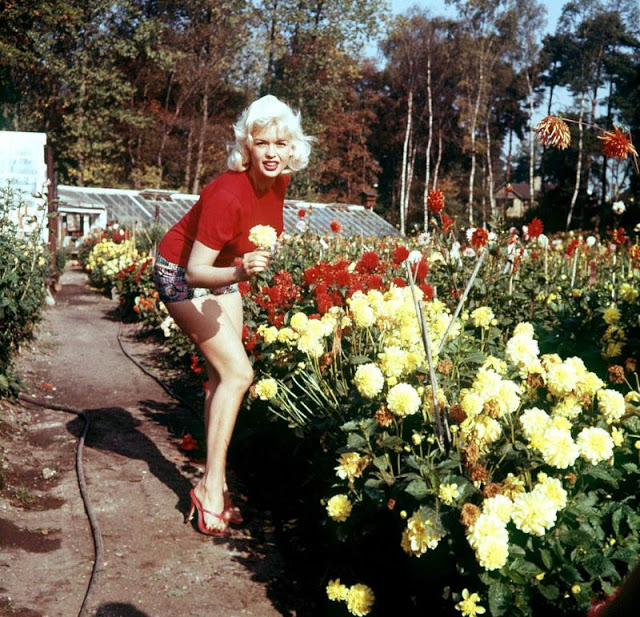
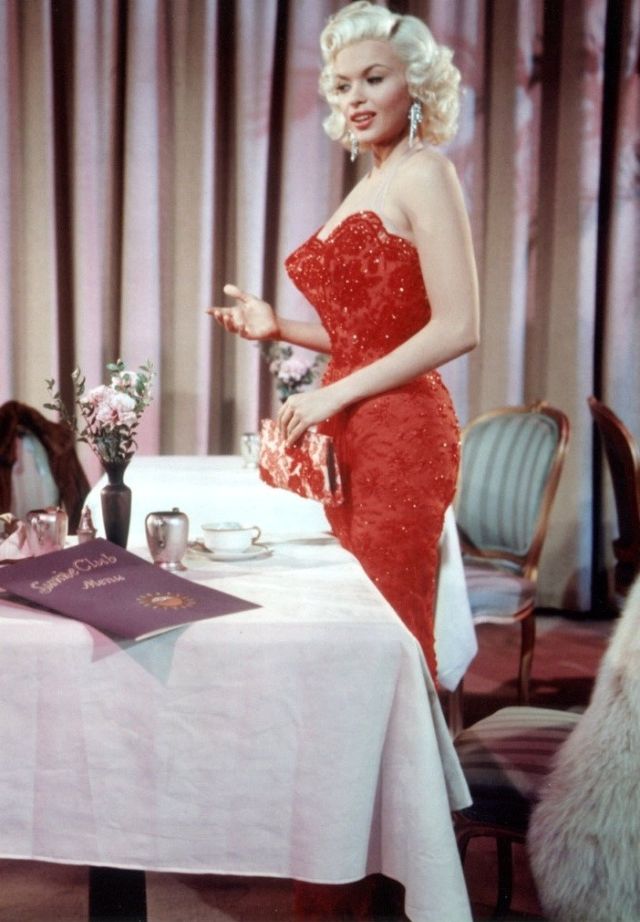
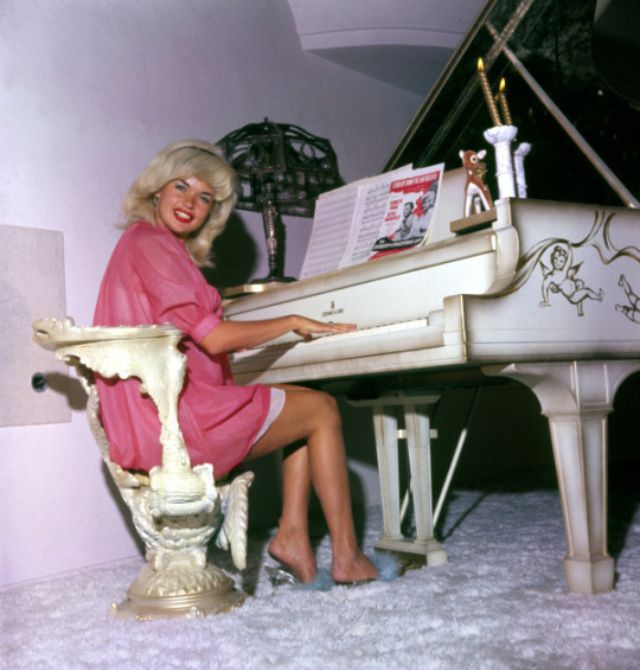
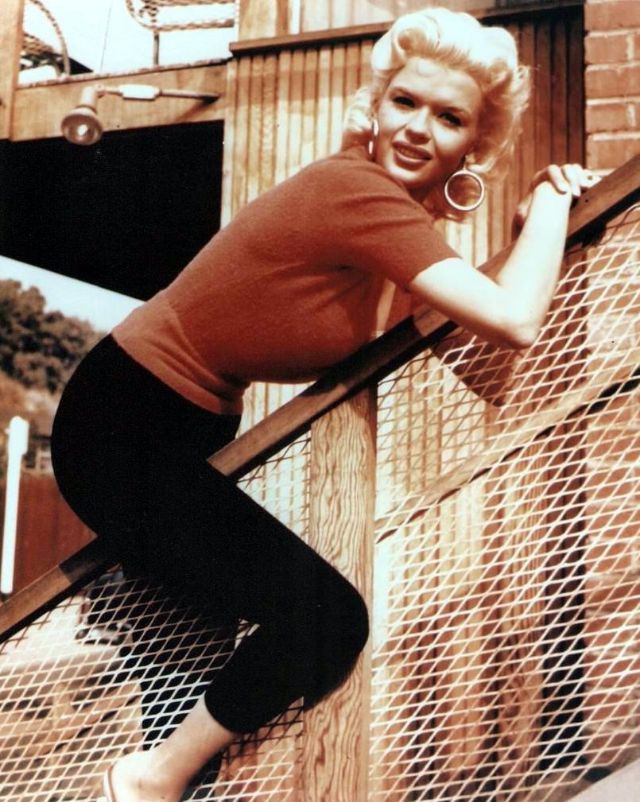
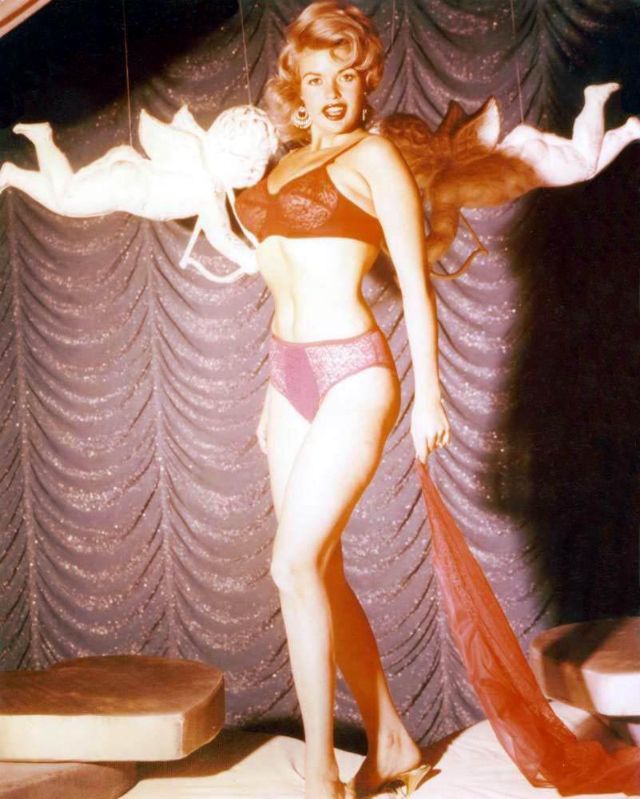
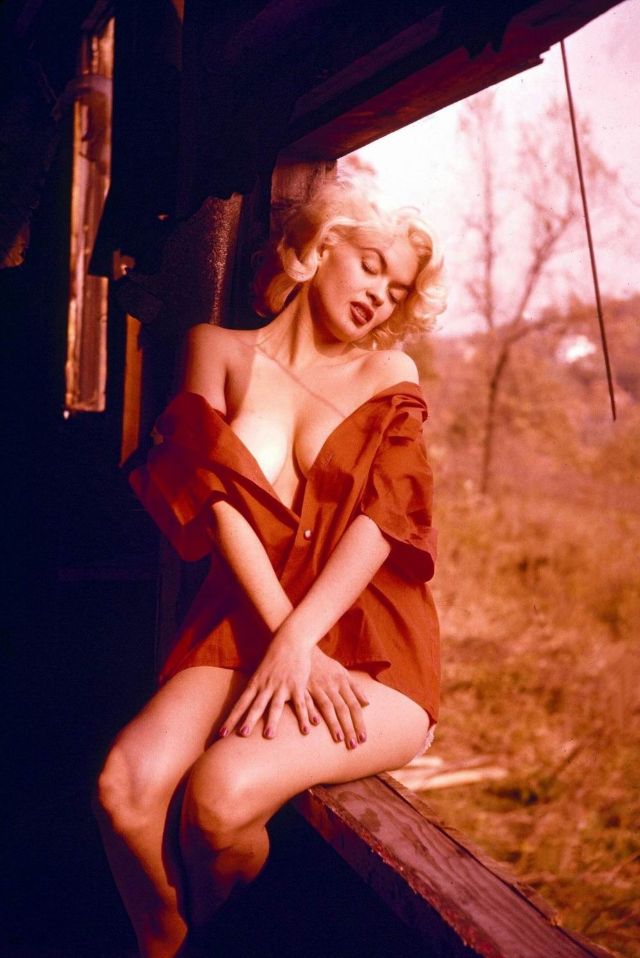
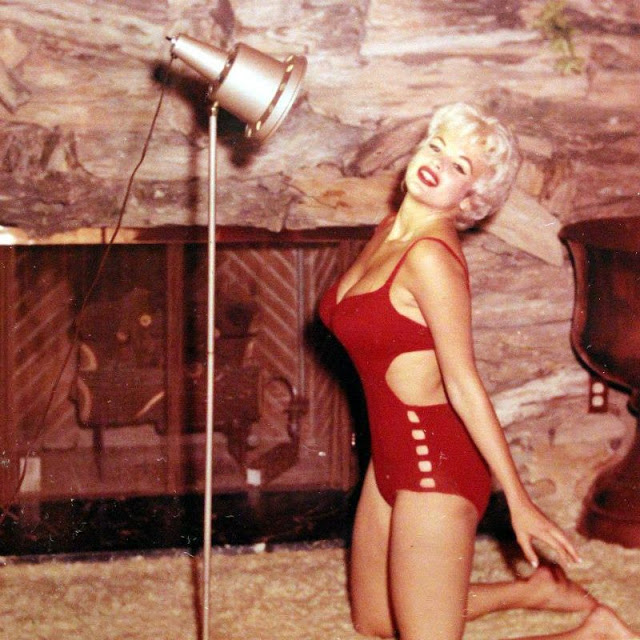
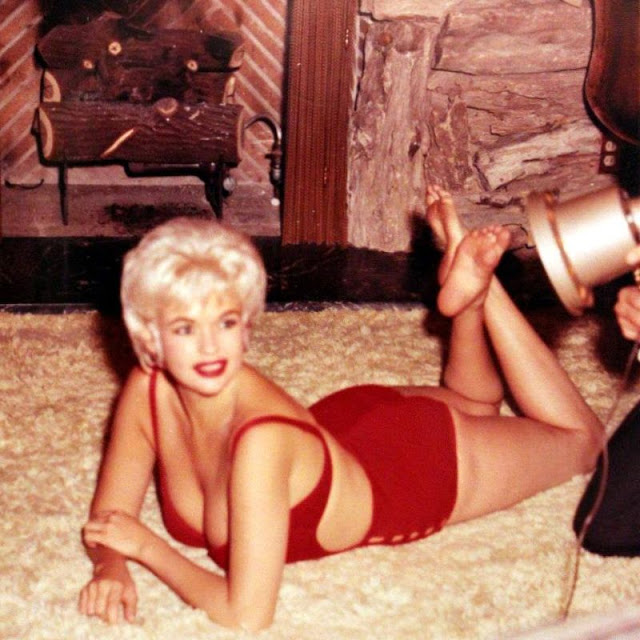
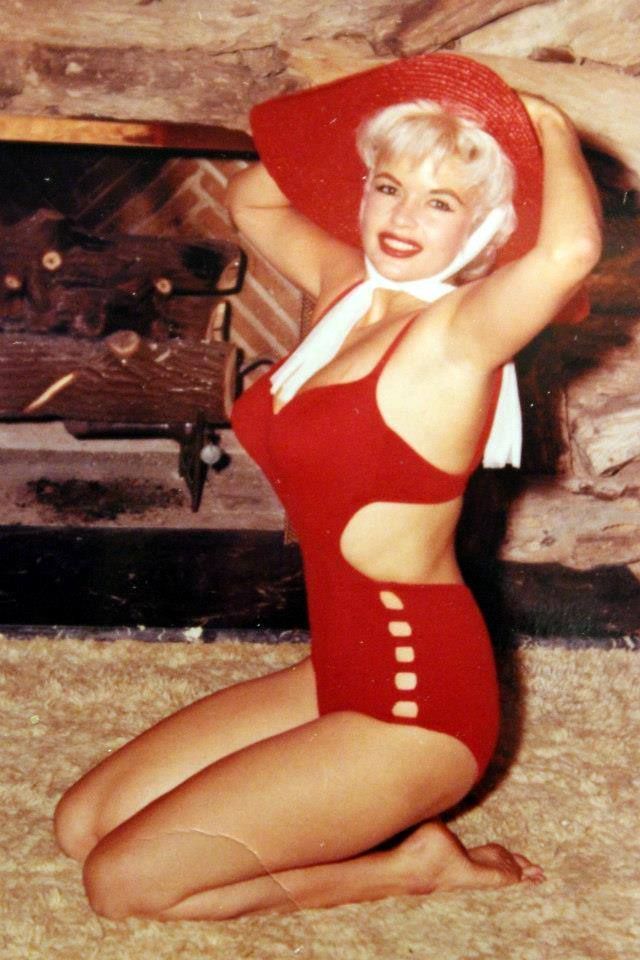
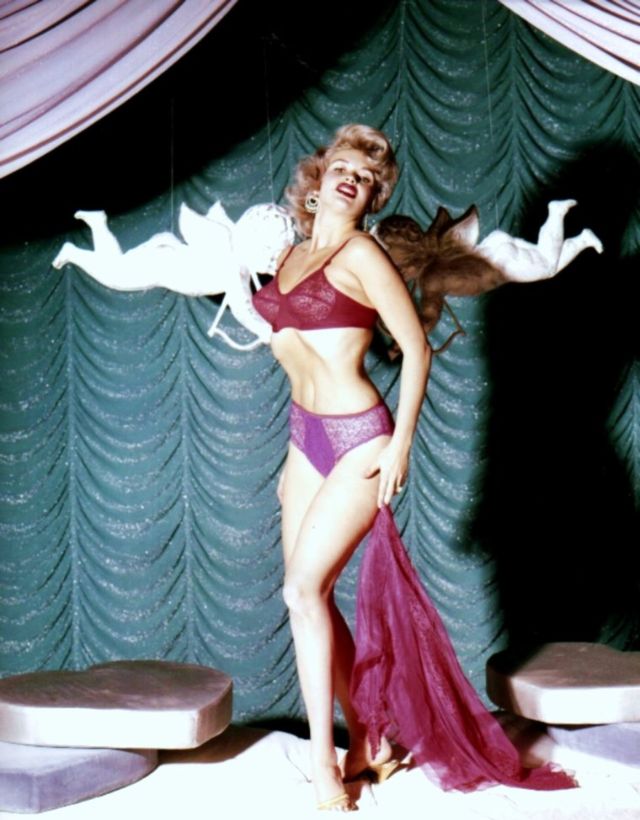
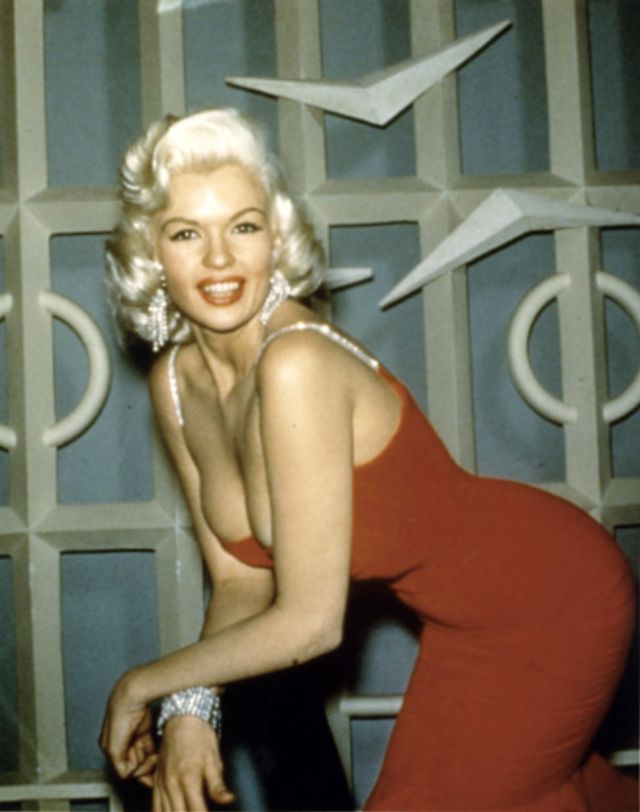
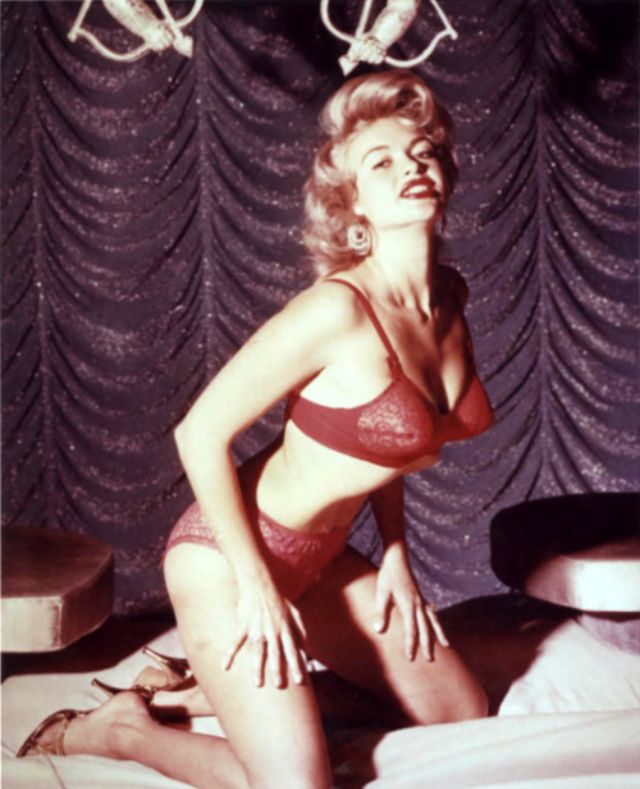
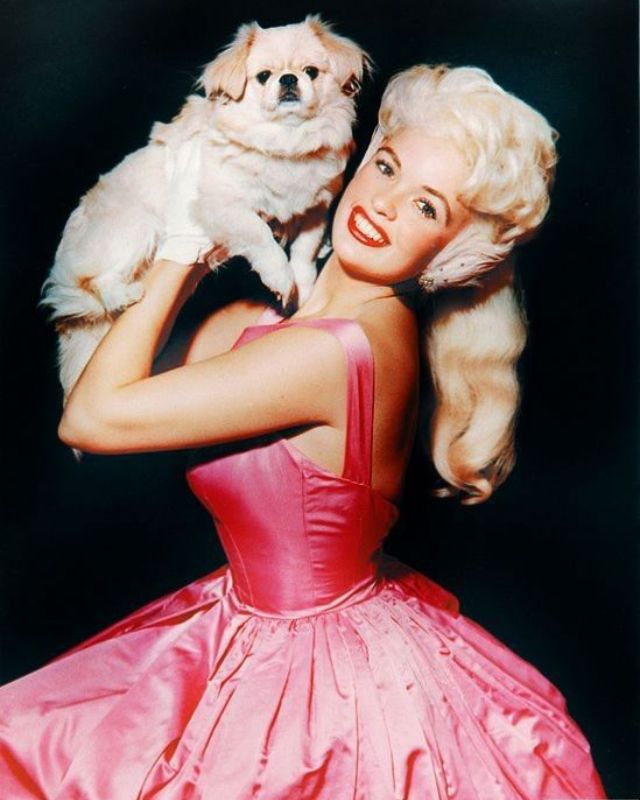
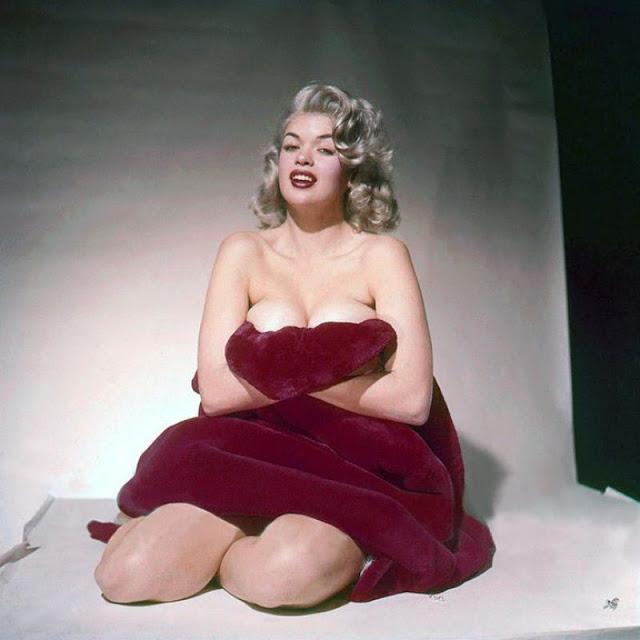
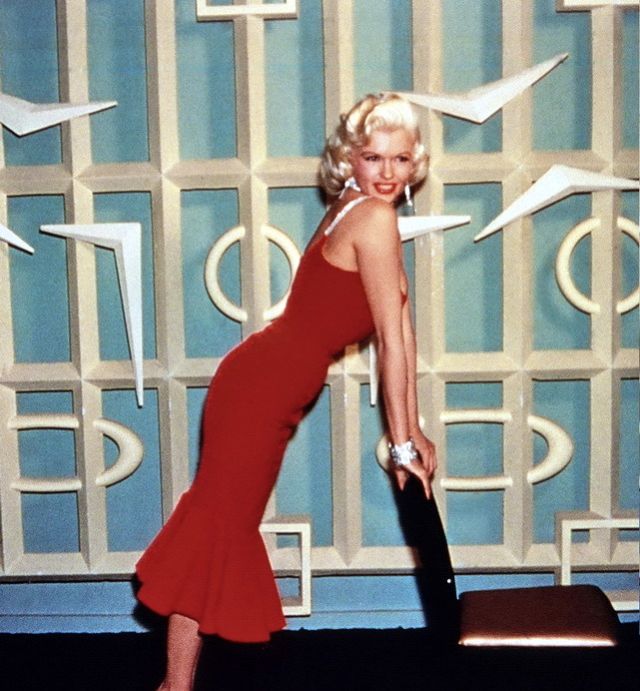
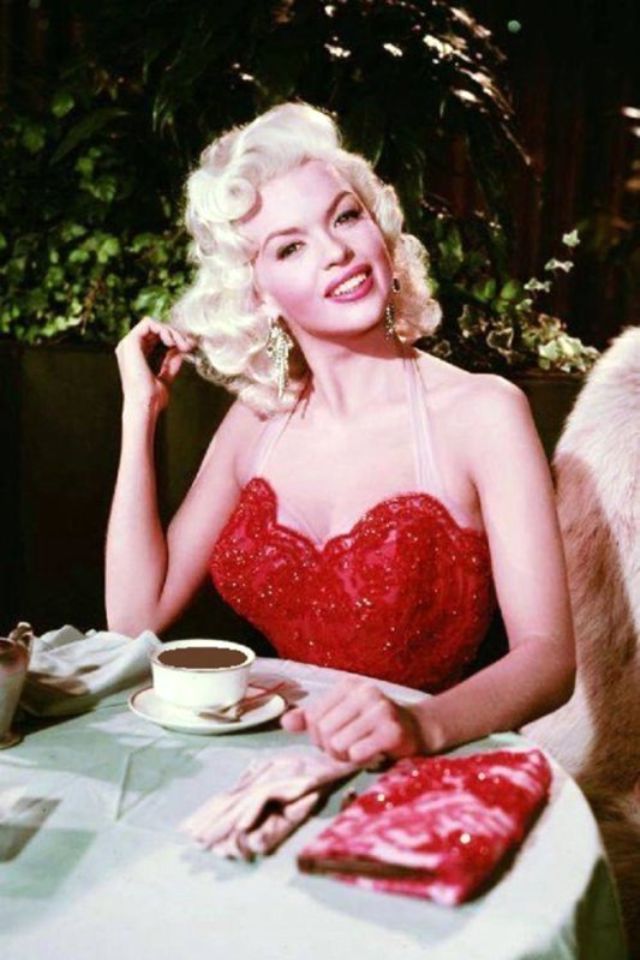
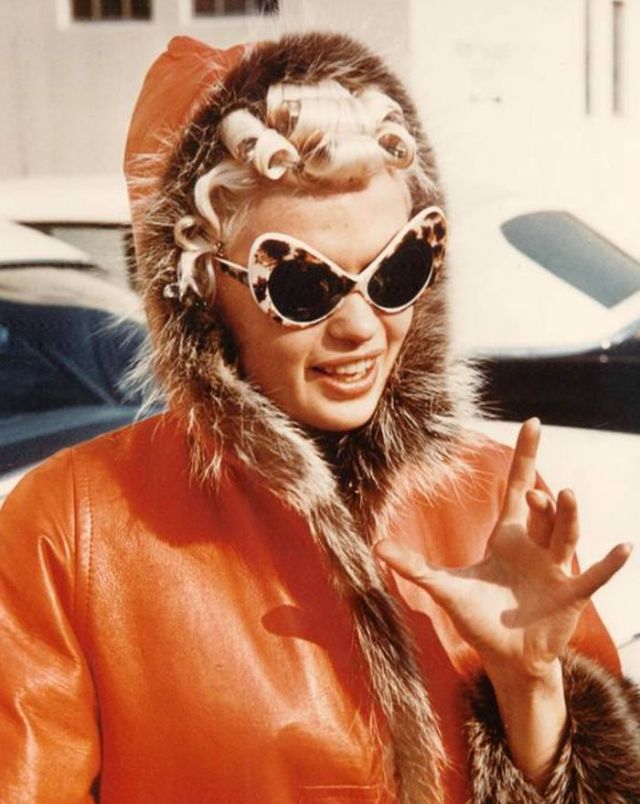
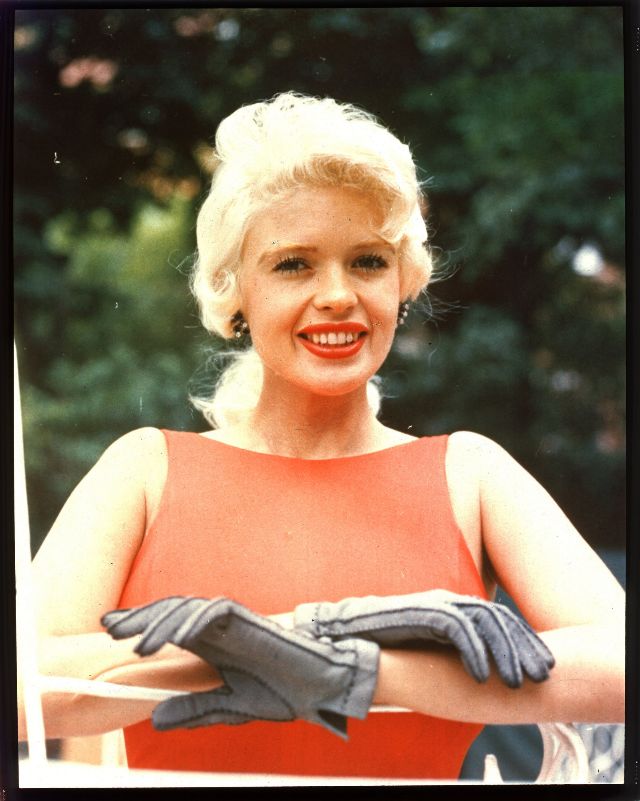
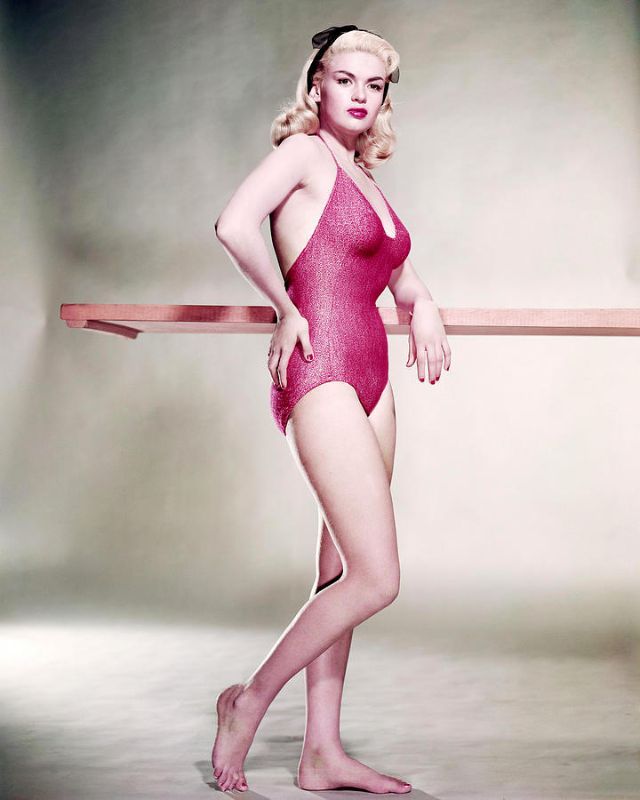
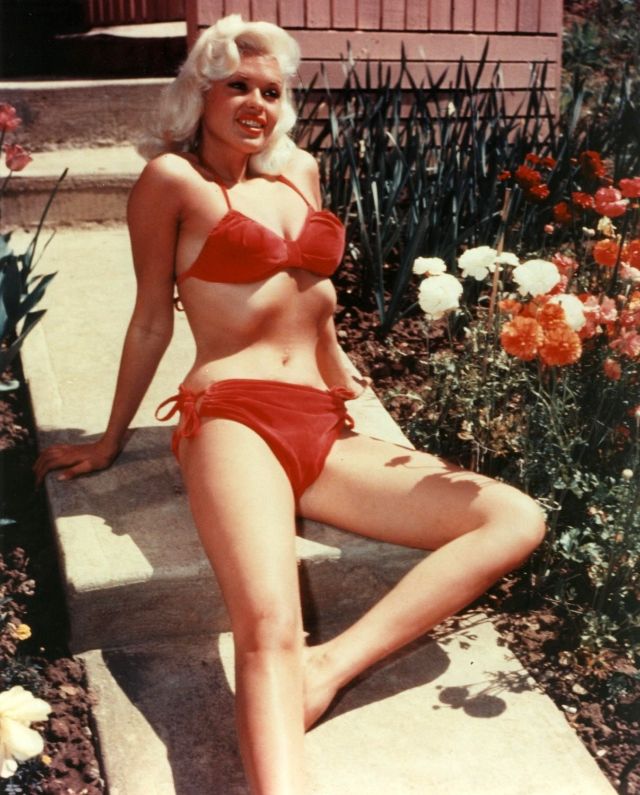
Jayne Mansfield (born Vera Jayne Palmer; April 19, 1933 – June 29, 1967) was an American actress, singer, nightclub entertainer, and Playboy Playmate. A sex symbol of the 1950s and early 1960s while under contract at 20th Century Fox, Mansfield was known for her well-publicized personal life and publicity stunts. Her film career was short-lived, but she had several box-office successes and won a Theatre World Award and a Golden Globe Award.
Mansfield enjoyed success in the role of fictional actress Rita Marlowe in the Broadway play Will Success Spoil Rock Hunter? (1955–1956), which she reprised in the film adaptation of the same name (1957). Her other film roles include the musical comedy The Girl Can’t Help It (1956), the drama The Wayward Bus (1957), the neo-noir Too Hot to Handle (1960), and the sex comedy Promises! Promises! (1963); the latter established Mansfield as the first major American actress to perform in a nude scene in a post-silent era film.
Although Jayne Mansfield was an intelligent woman, said to have an IQ of 163, Jayne Mansfield never managed to overcome the caricatured blonde bombshell image she was given and that she highly nourished. Hollywood’s ‘smartest dumb blonde’ knew the public was ‘more interested in 40-21-35.’
Mansfield took her professional name from her first husband, public relations professional Paul Mansfield. She married three times, all of which ended in divorce, and had five children. She was allegedly intimately involved with numerous men, including Robert and John F. Kennedy, her attorney Samuel S. Brody, and Las Vegas entertainer Nelson Sardelli. On June 29, 1967, she died in an automobile accident in Eastern New Orleans at the age of 34.
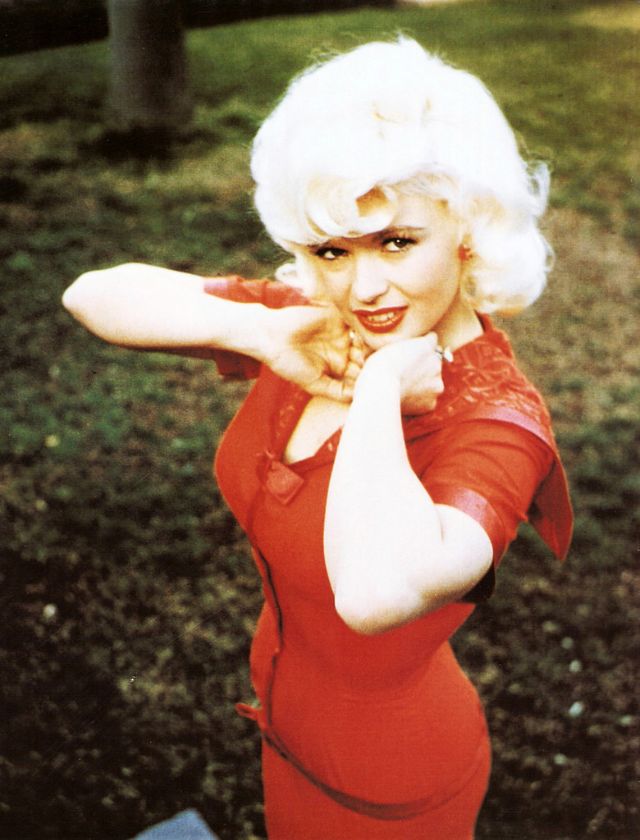
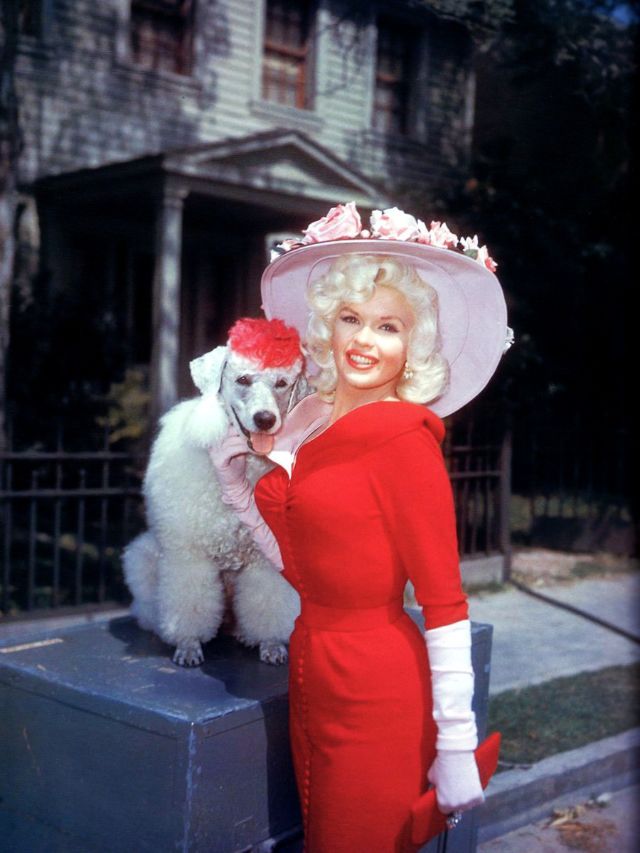
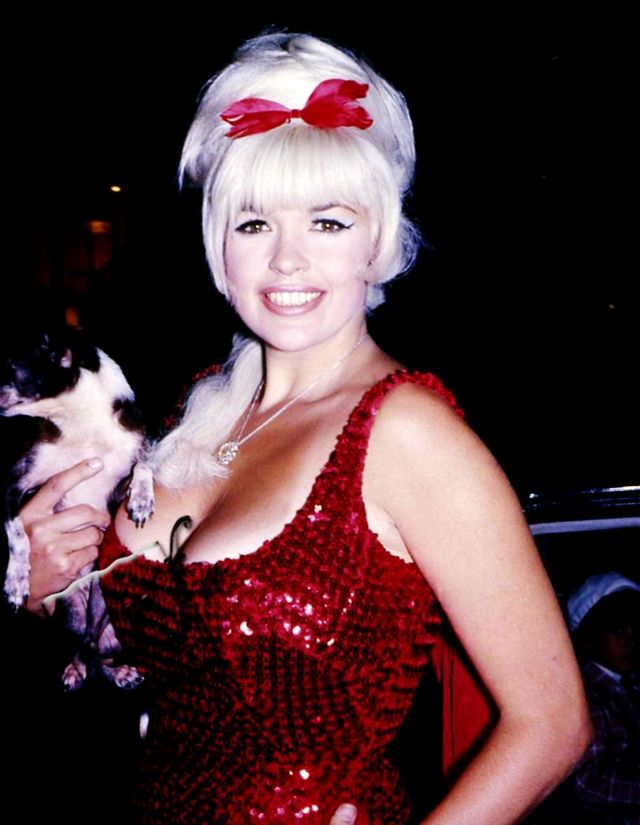
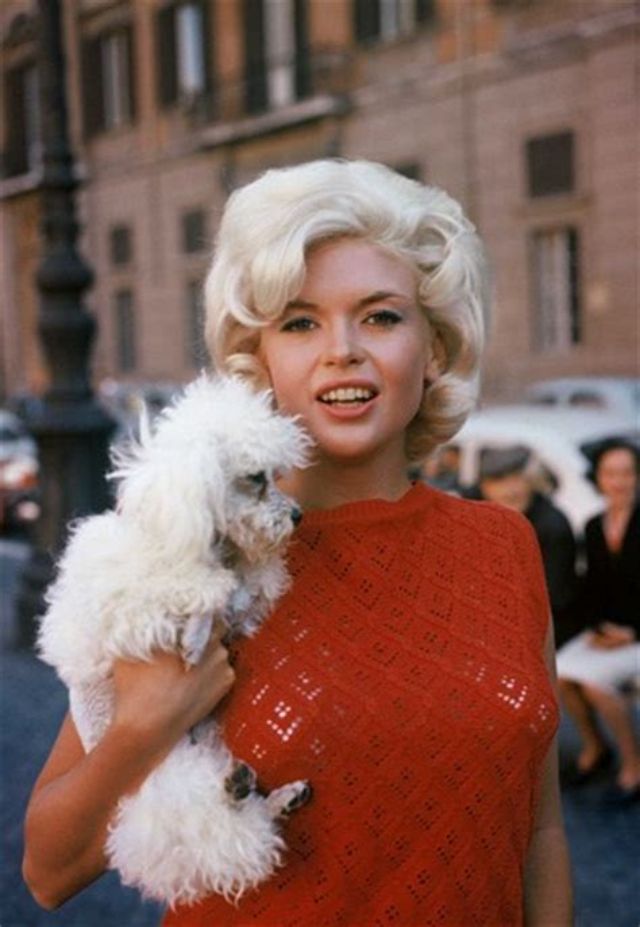
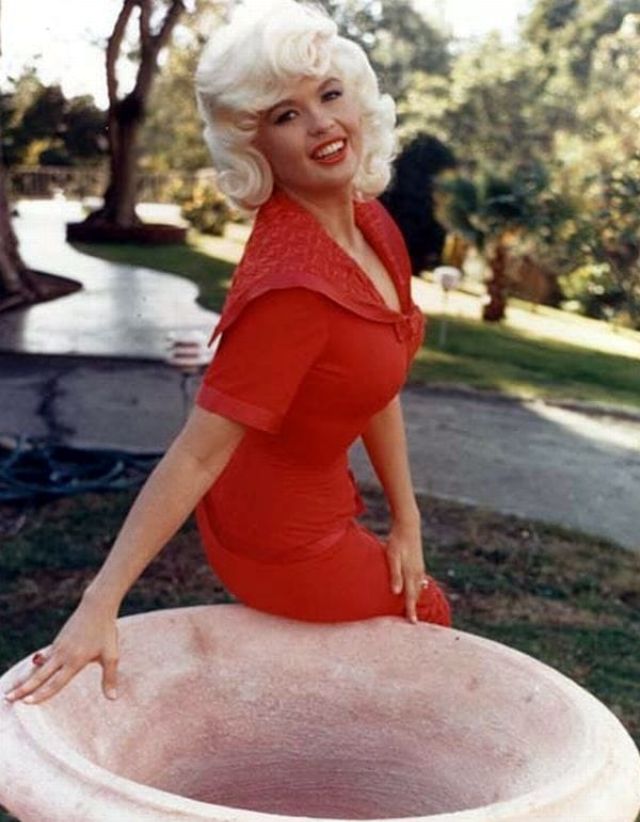
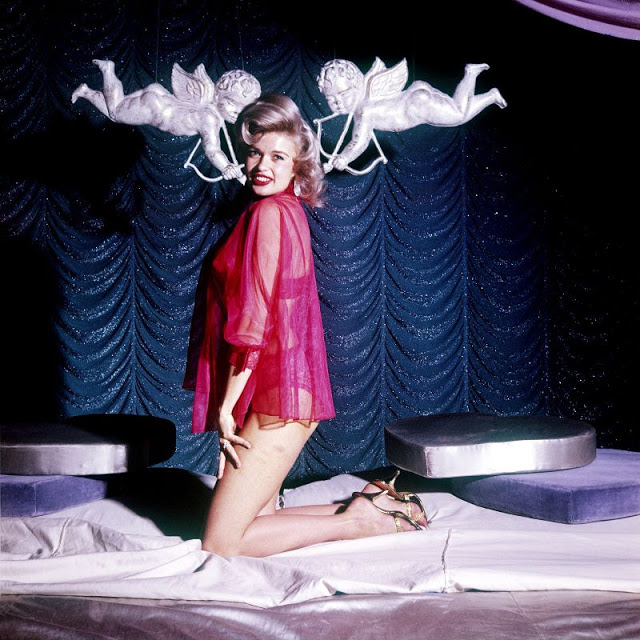
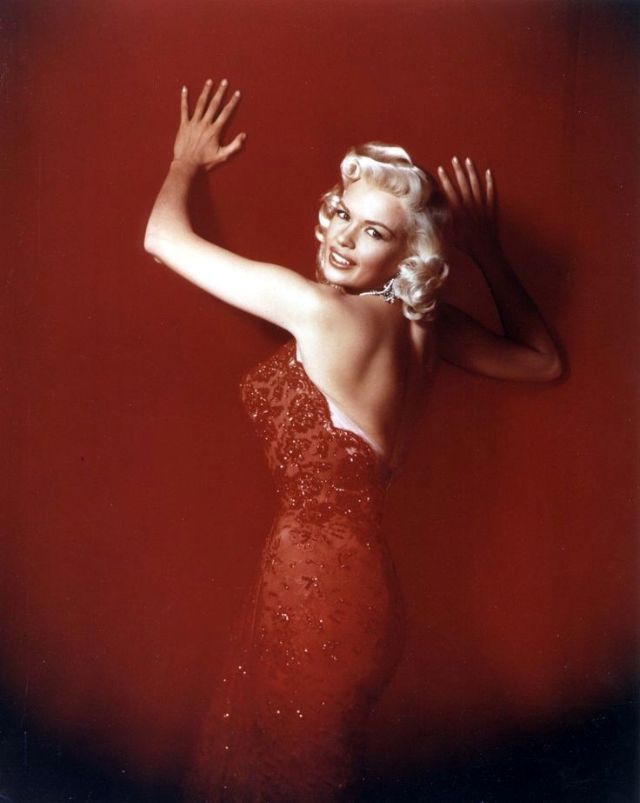
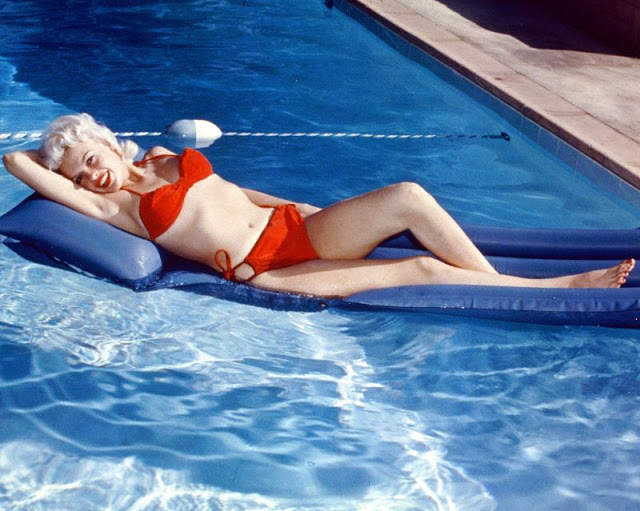
Take a look at these glamorous photos to see the beauty of Jayne Mansfield in red from the 1950s and 1960s.







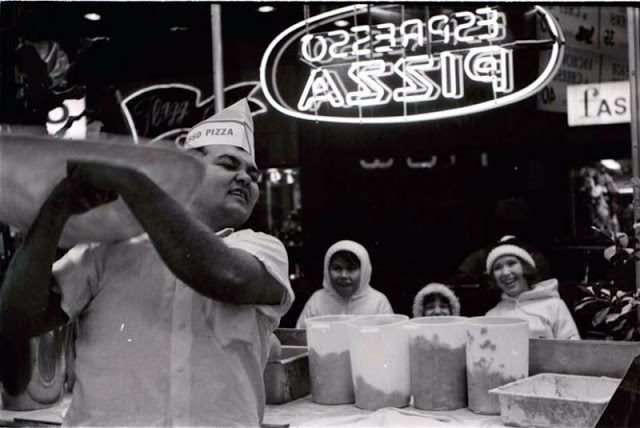
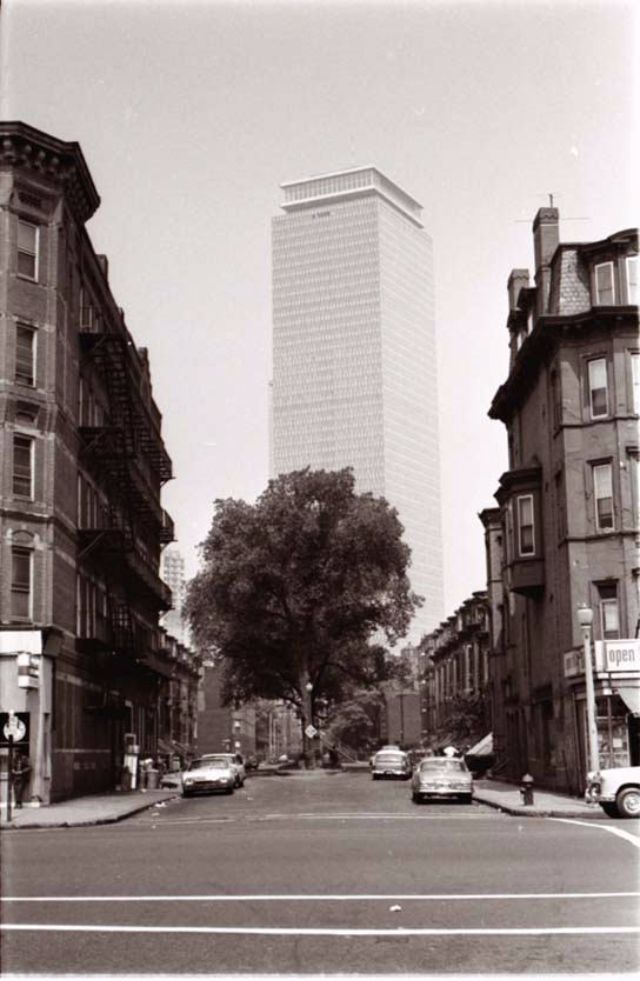
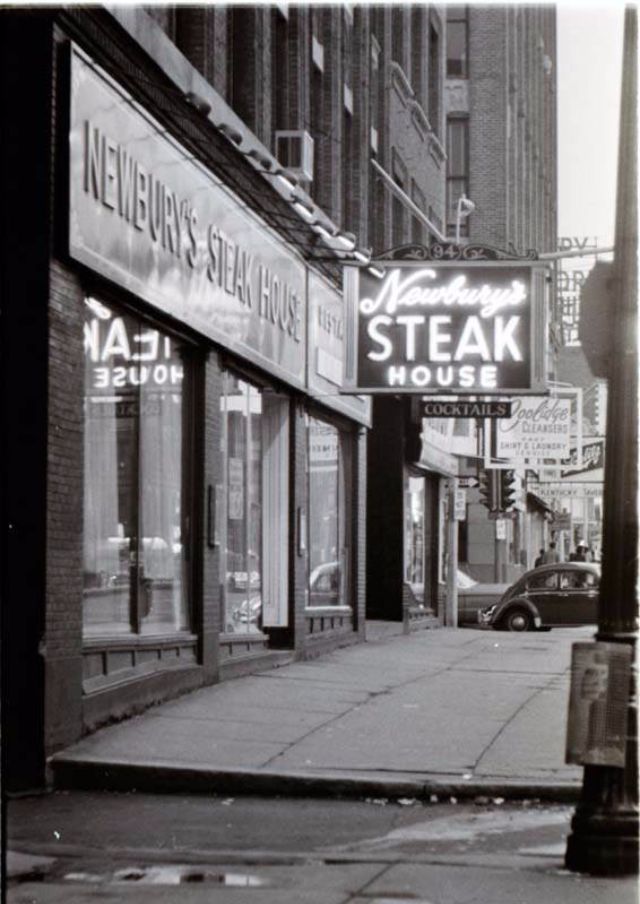
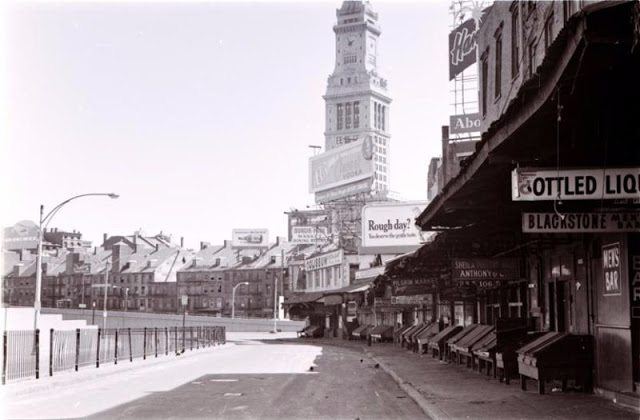
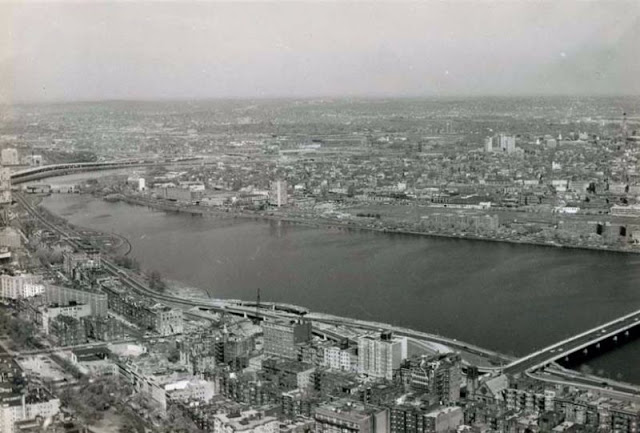
Boston, officially the City of Boston, is the capital and most populous city of the Commonwealth of Massachusetts in the United States and 24th-most populous city in the country. The city proper covers 48.4 square miles (125 km2) with a population of 675,647 in 2020, also making it the most populous city in New England. It is the seat of Suffolk County (although the county government was disbanded on July 1, 1999). The city is the economic and cultural anchor of a substantially larger metropolitan area known as Greater Boston, a metropolitan statistical area (MSA) home to a census-estimated 4.8 million people in 2016 and ranking as the tenth-largest MSA in the country. A broader combined statistical area (CSA), generally corresponding to the commuting area and including Providence, Rhode Island, is home to some 8.2 million people, making it the sixth most populous in the United States.
Boston is one of the oldest municipalities in the United States, founded on the Shawmut Peninsula in 1630 by Puritan settlers from the English town of the same name. It was the scene of several key events of the American Revolution, such as the Boston Massacre, the Boston Tea Party, the Battle of Bunker Hill and the siege of Boston. Upon American independence from Great Britain, the city continued to be an important port and manufacturing hub as well as a center for education and culture. The city has expanded beyond the original peninsula through land reclamation and municipal annexation. Its rich history attracts many tourists, with Faneuil Hall alone drawing more than 20 million visitors per year. Boston’s many firsts include the United States’ first public park (Boston Common, 1634), first public or state school (Boston Latin School, 1635) and first subway system (Tremont Street subway, 1897).
Today, Boston is a thriving center of scientific research. The Boston area’s many colleges and universities make it a world leader in higher education, including law, medicine, engineering and business, and the city is considered to be a global pioneer in innovation and entrepreneurship, with nearly 5,000 startups. Boston’s economic base also includes finance, professional and business services, biotechnology, information technology and government activities. Households in the city claim the highest average rate of philanthropy in the United States; businesses and institutions rank among the top in the country for environmental sustainability and investment. The city has one of the highest costs of living in the United States as it has undergone gentrification, though it remains high on world livability rankings. (Wikipedia)




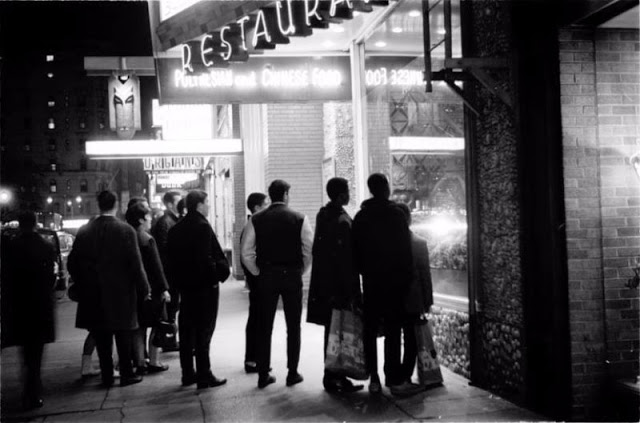

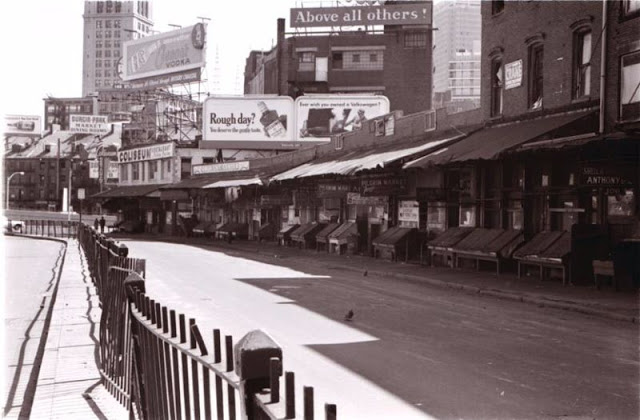


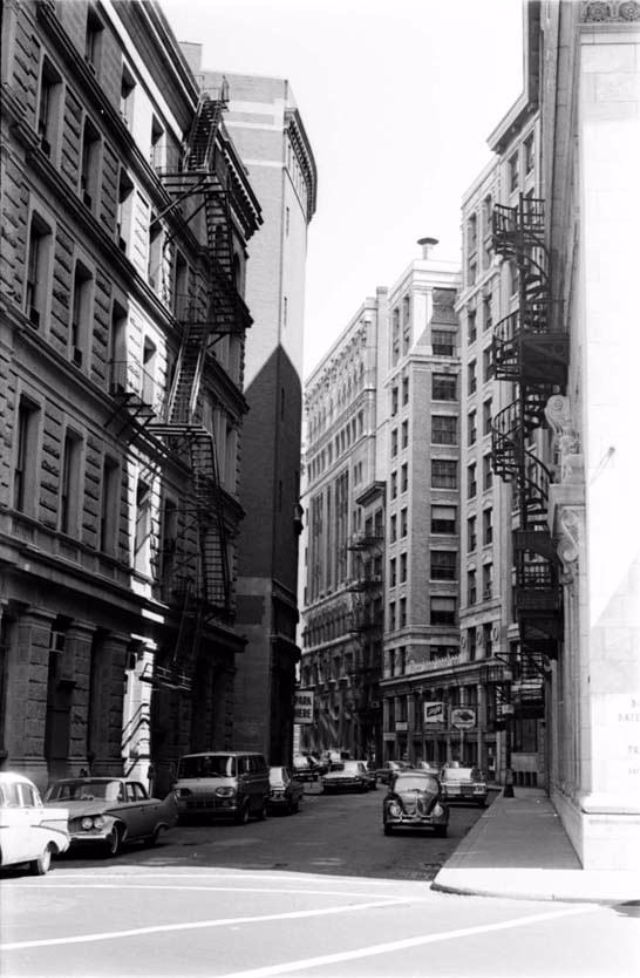
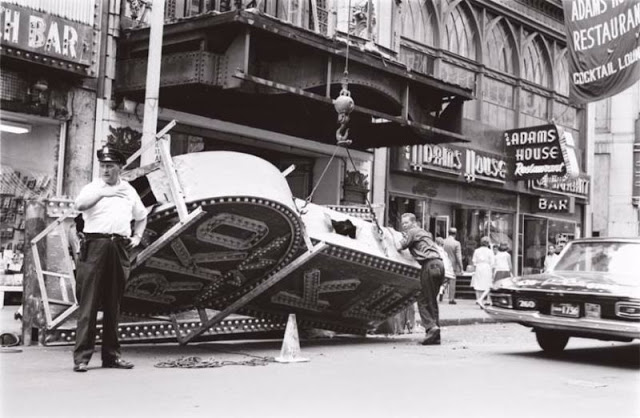
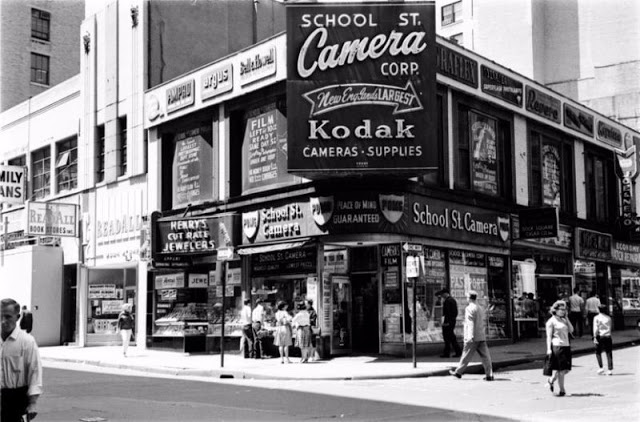

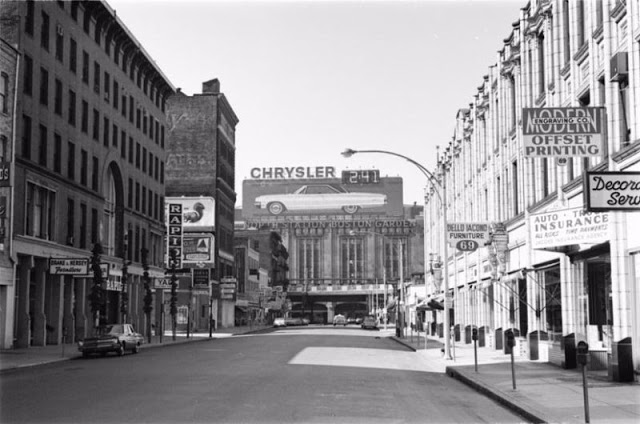

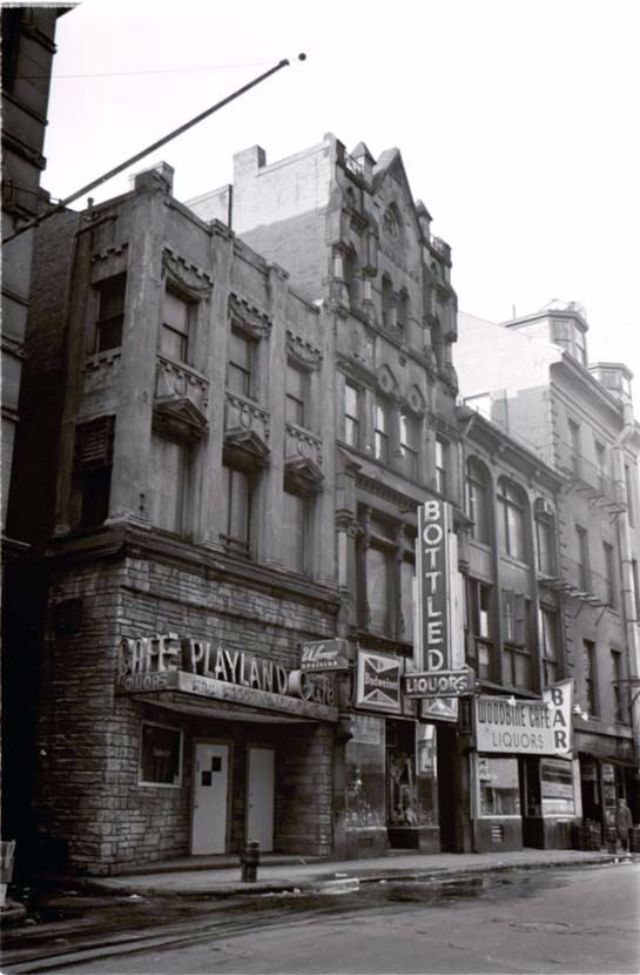


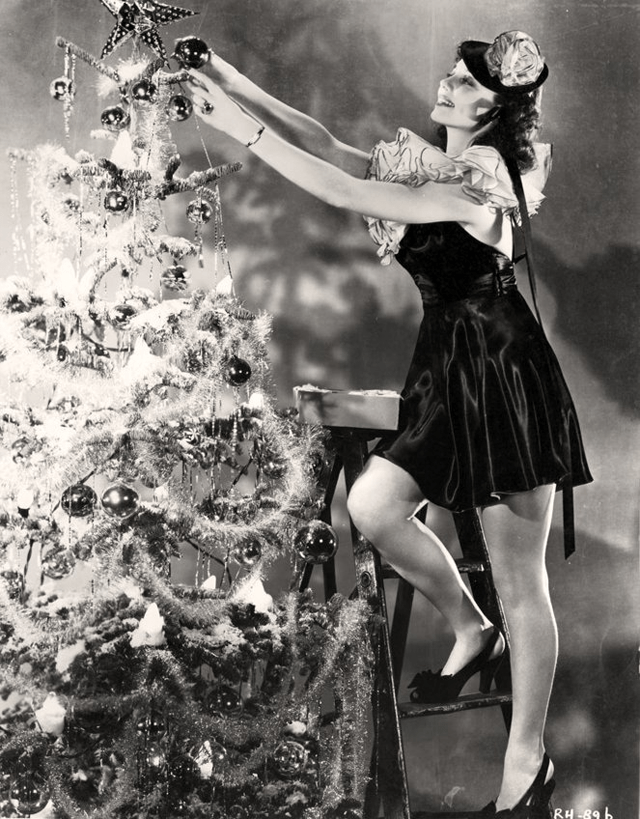
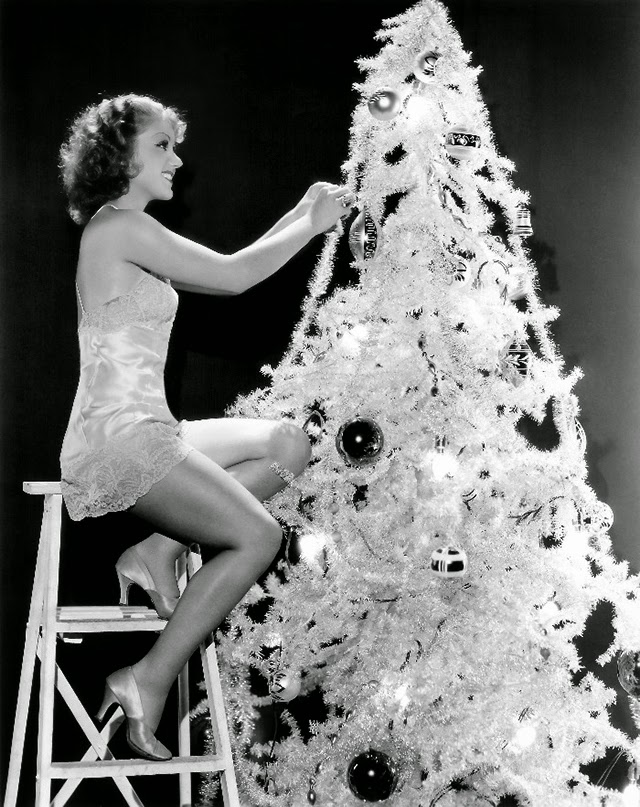
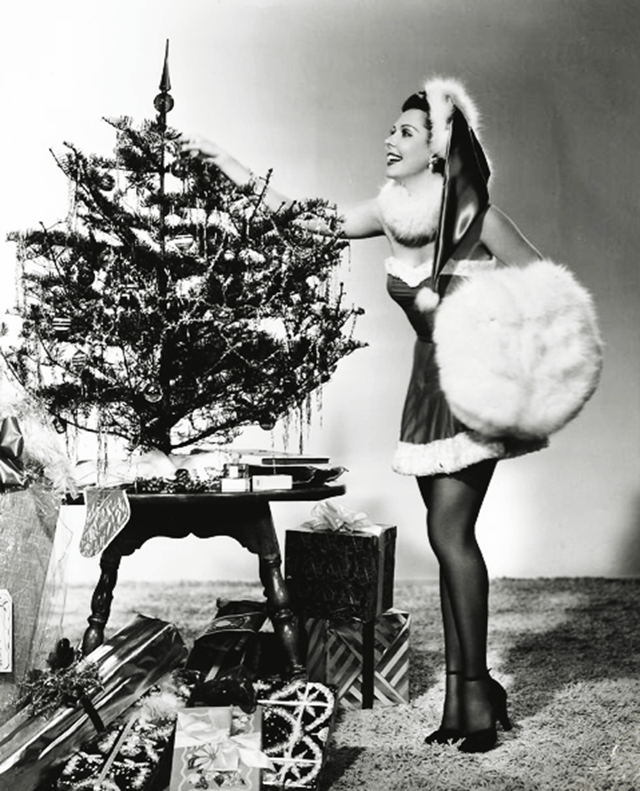
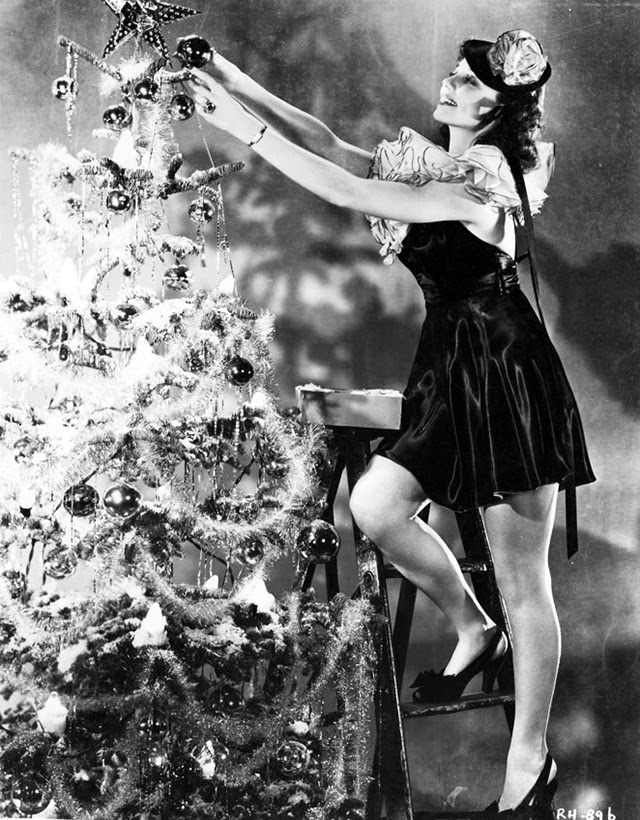
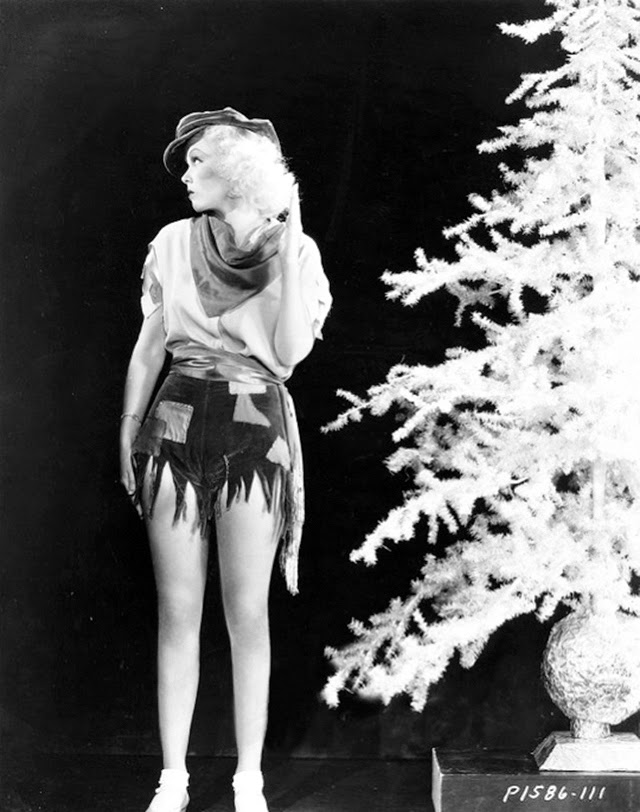
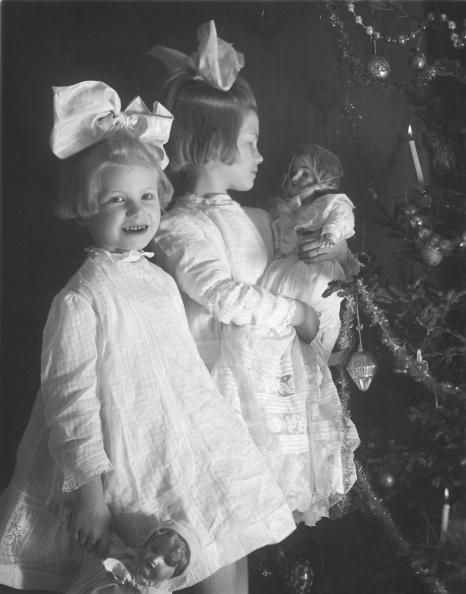
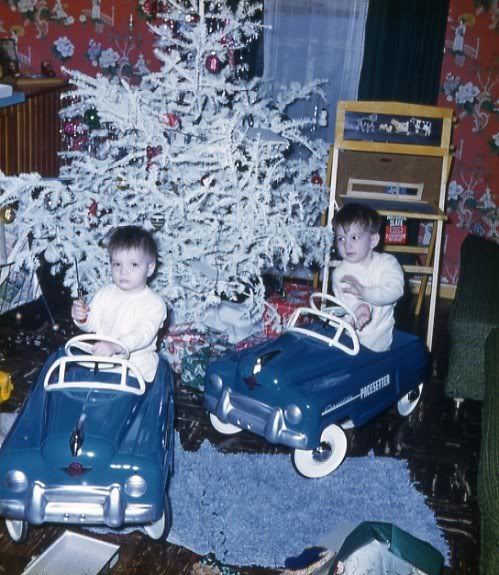
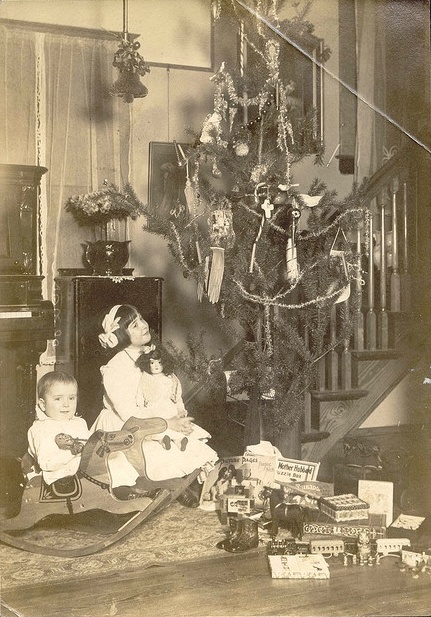
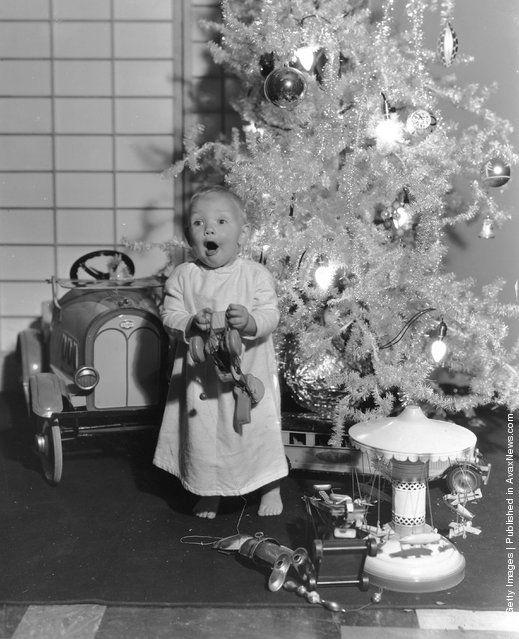
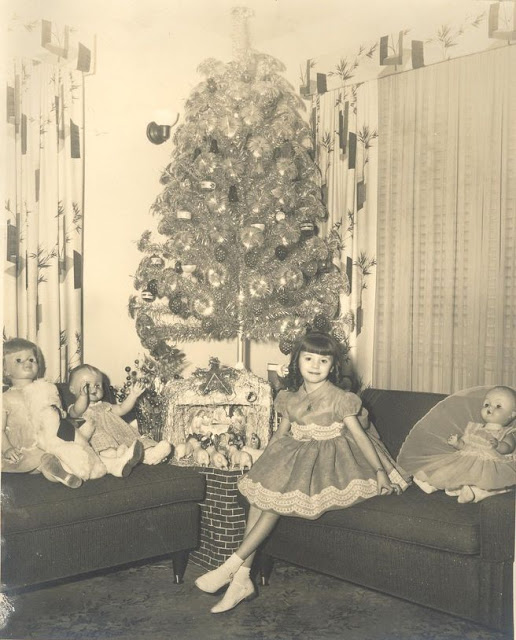
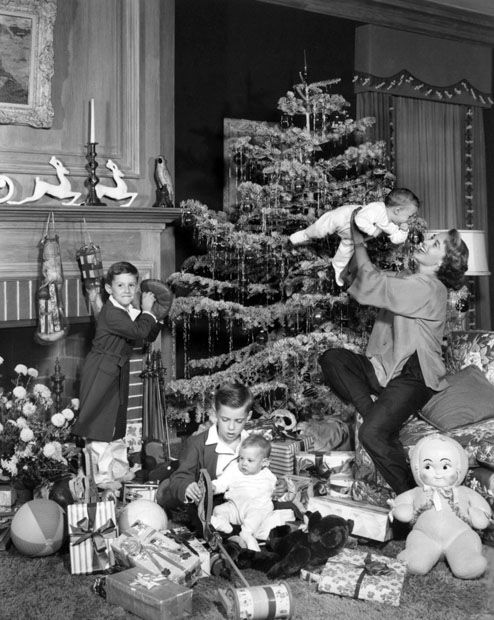
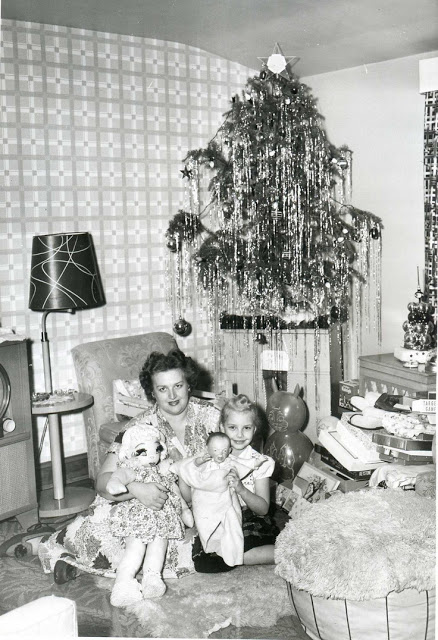
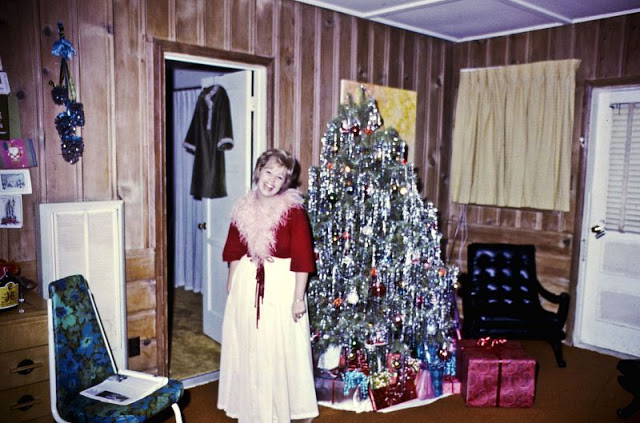
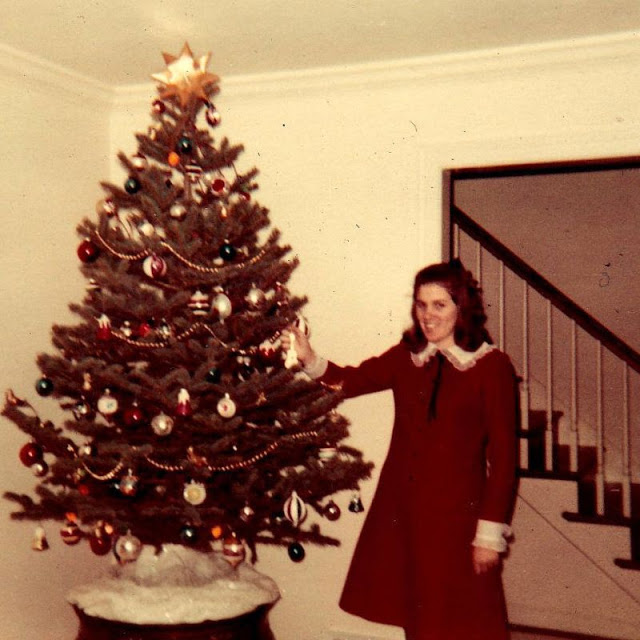
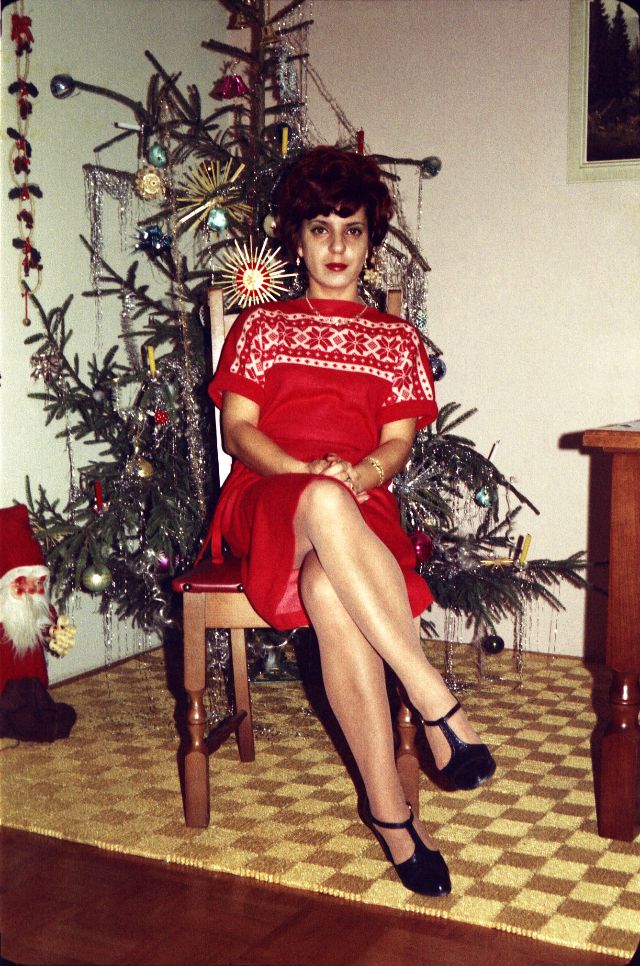
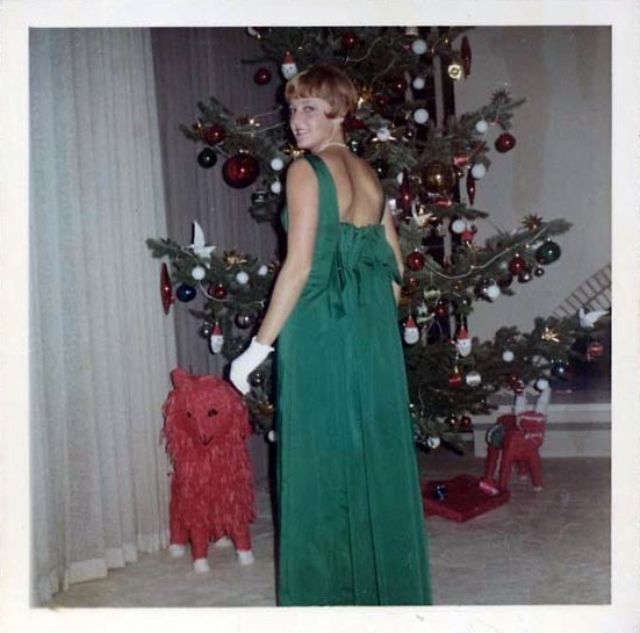
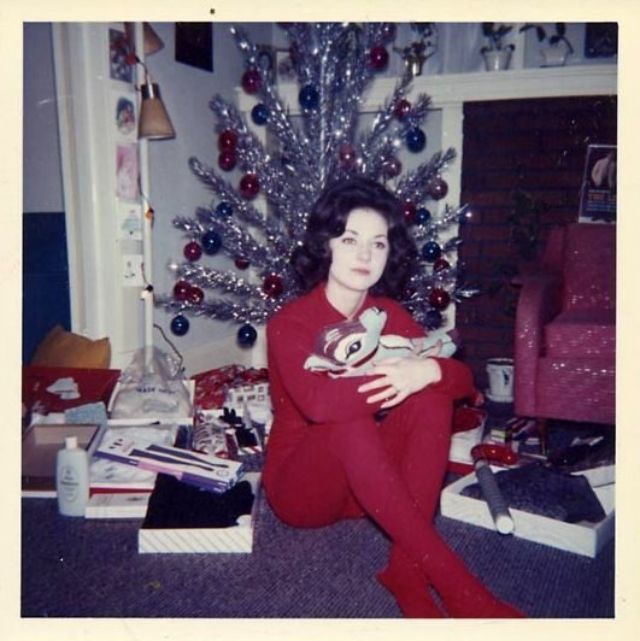
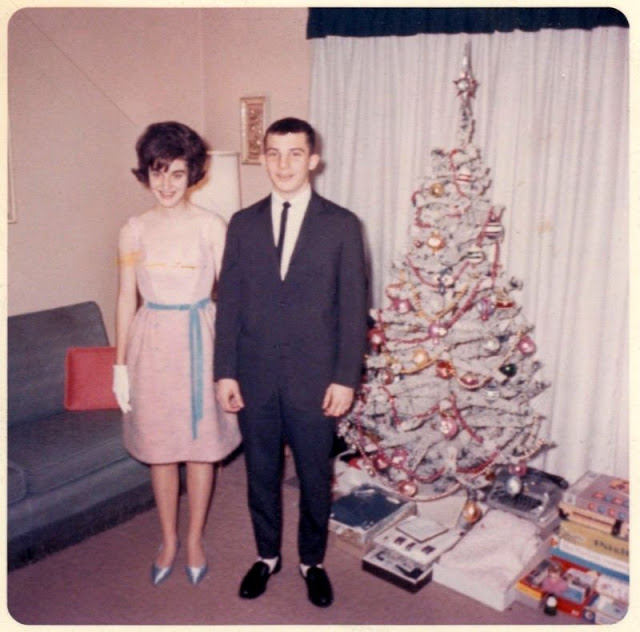
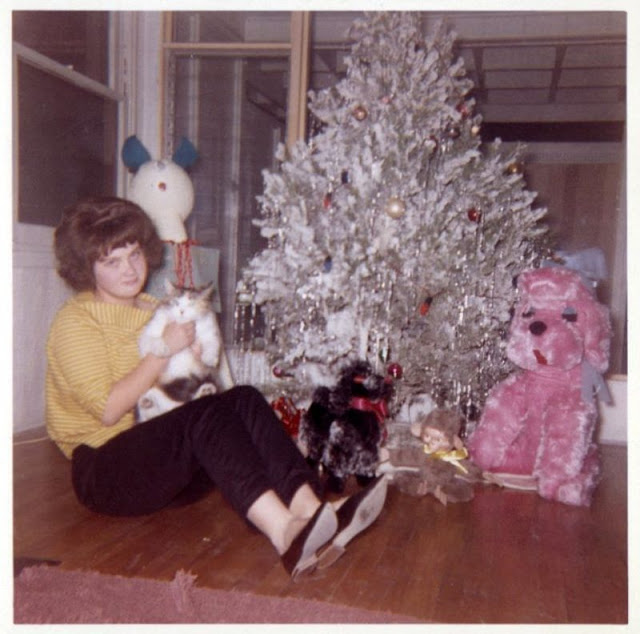
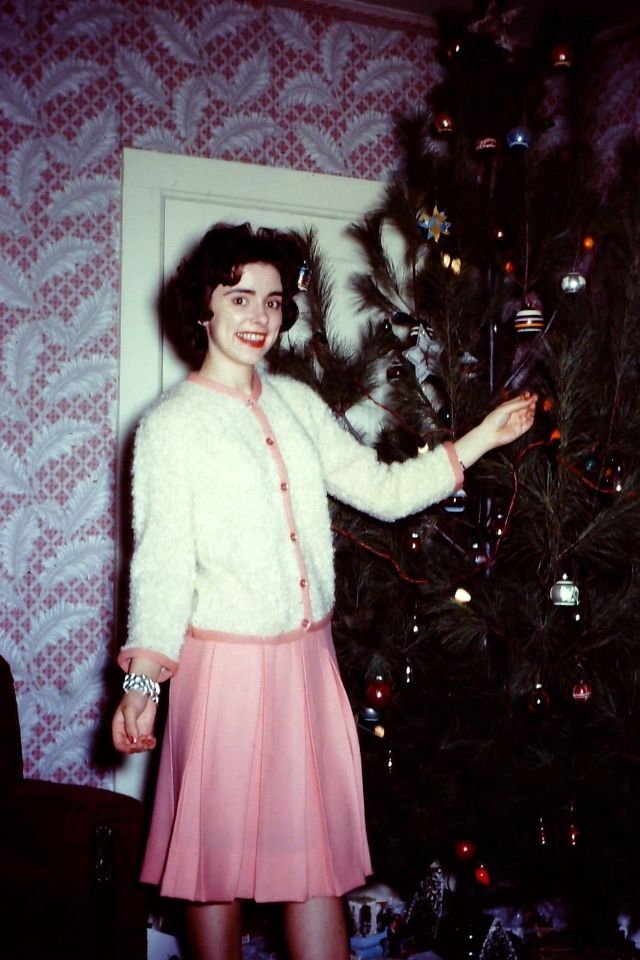
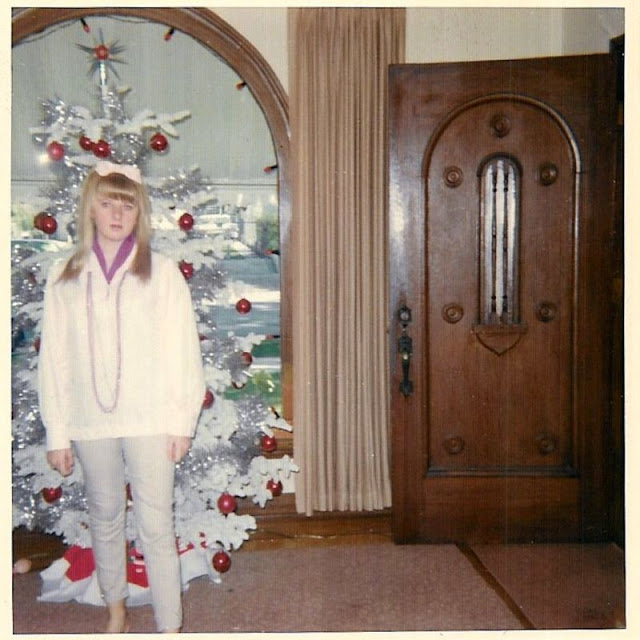
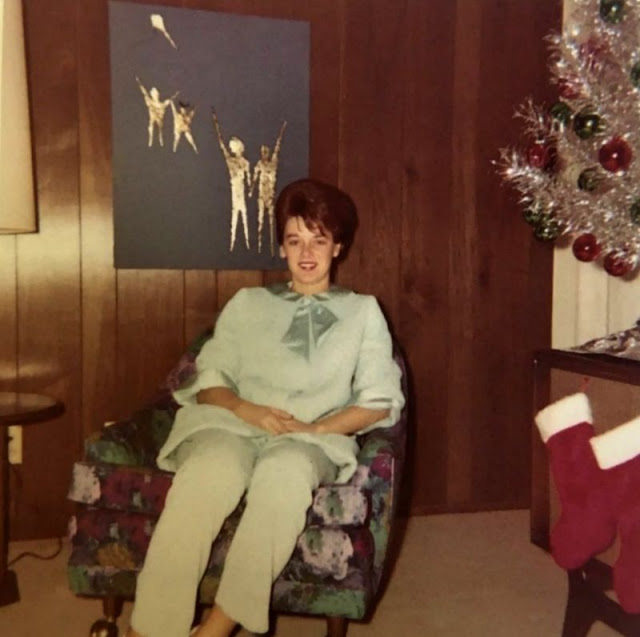
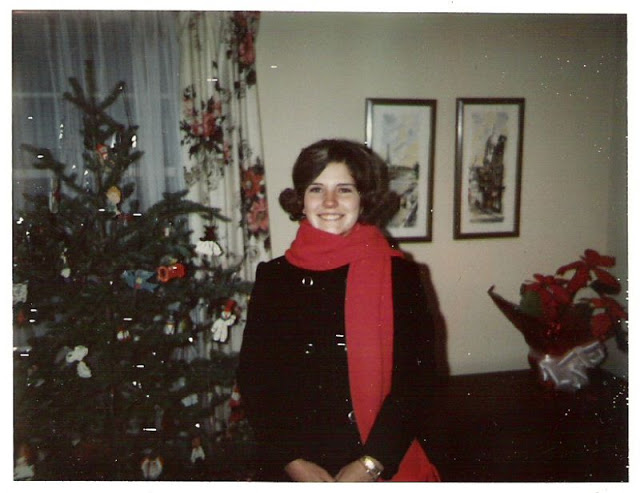
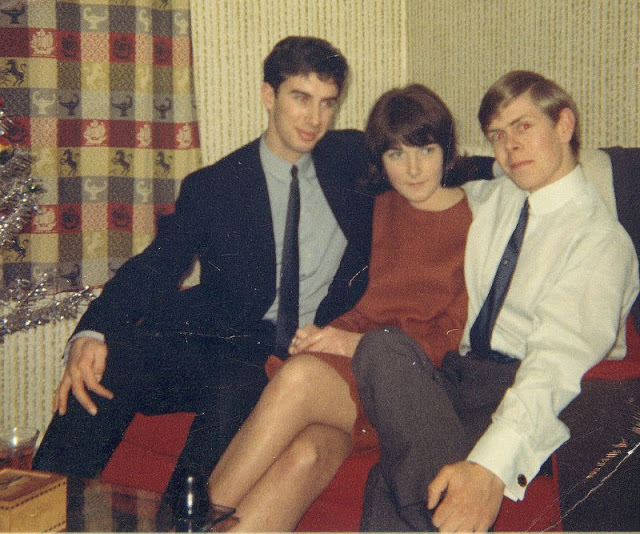
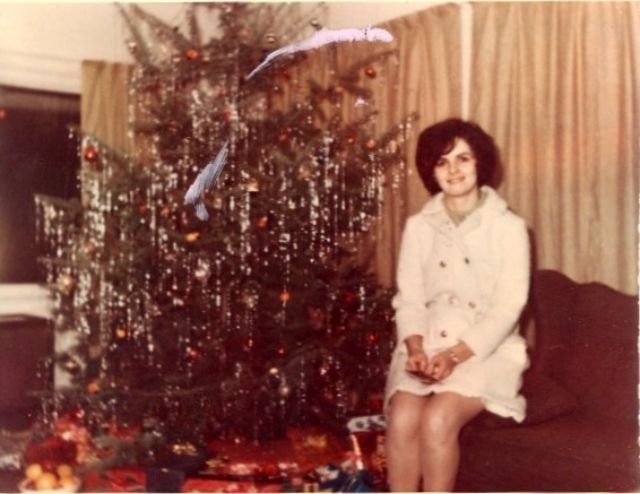
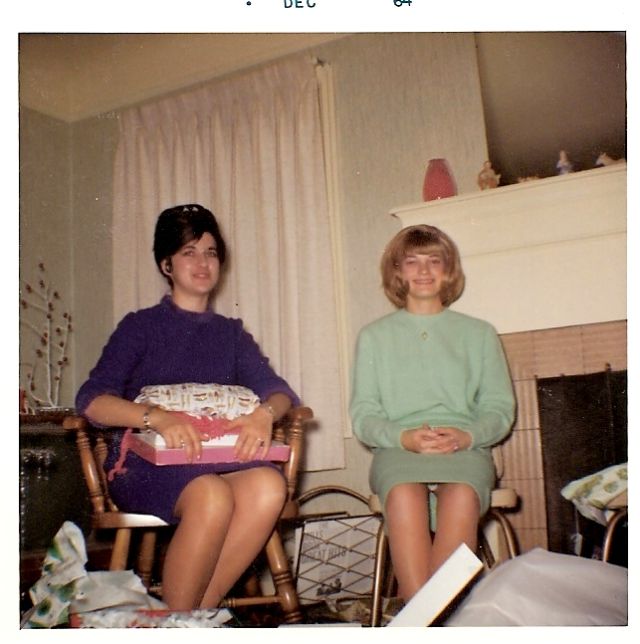
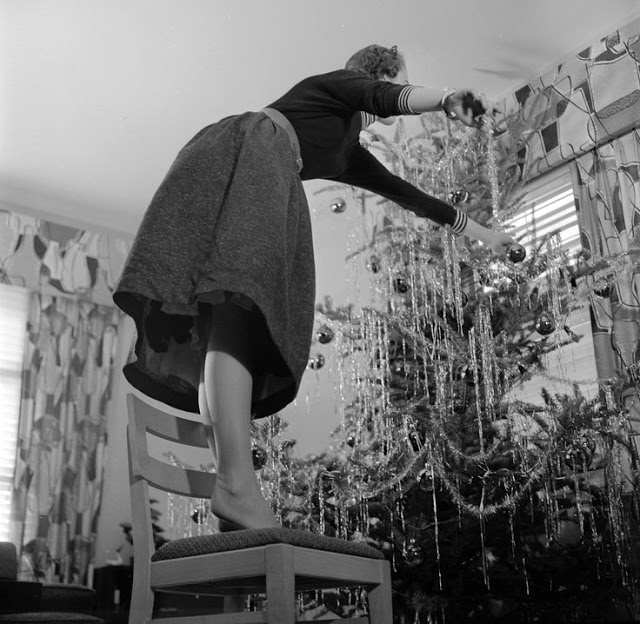
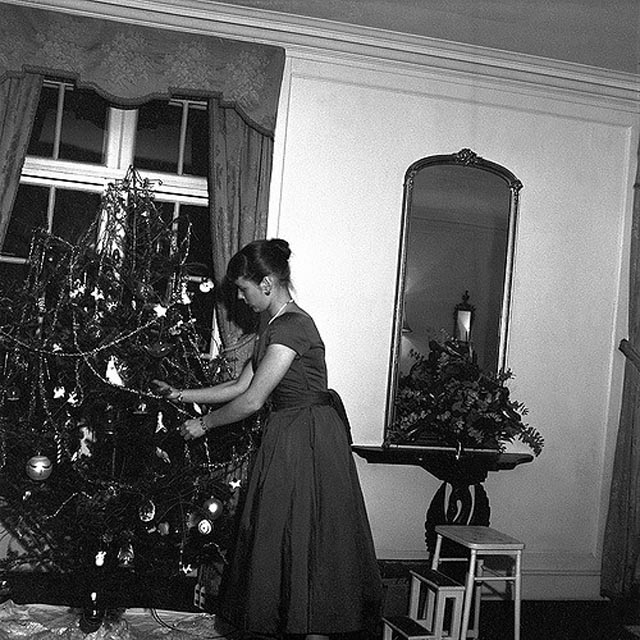
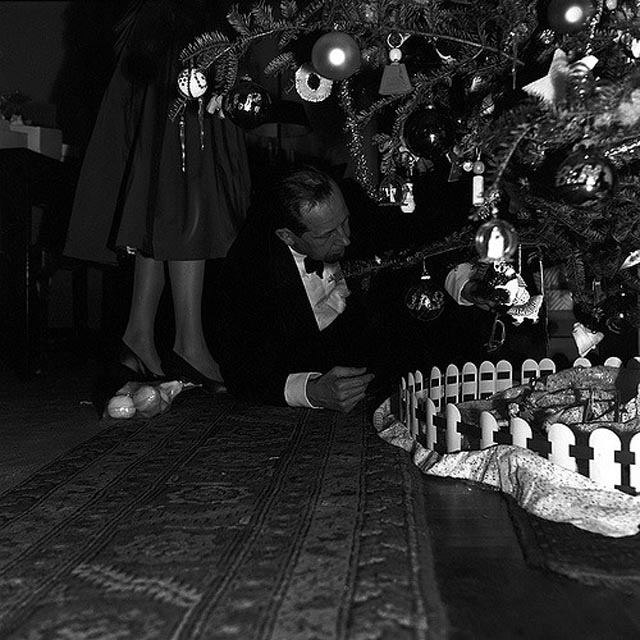
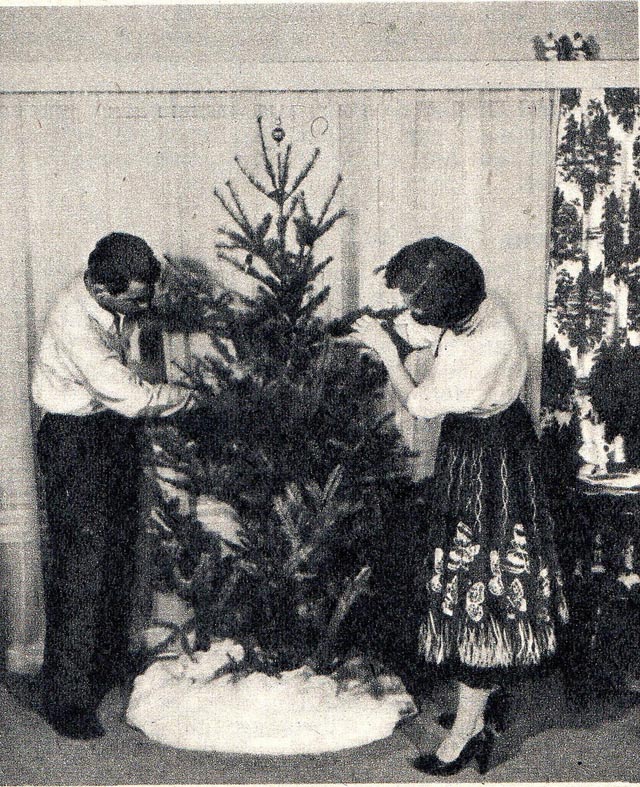
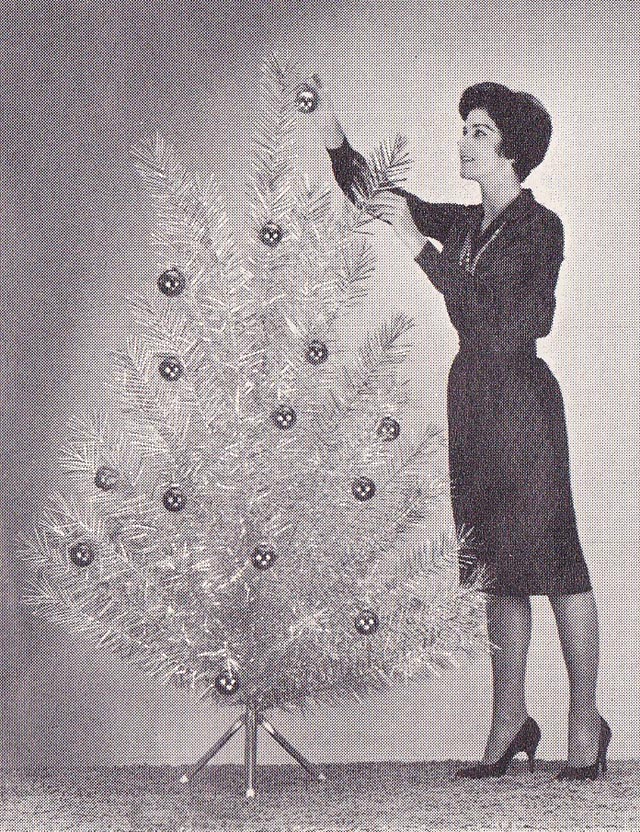
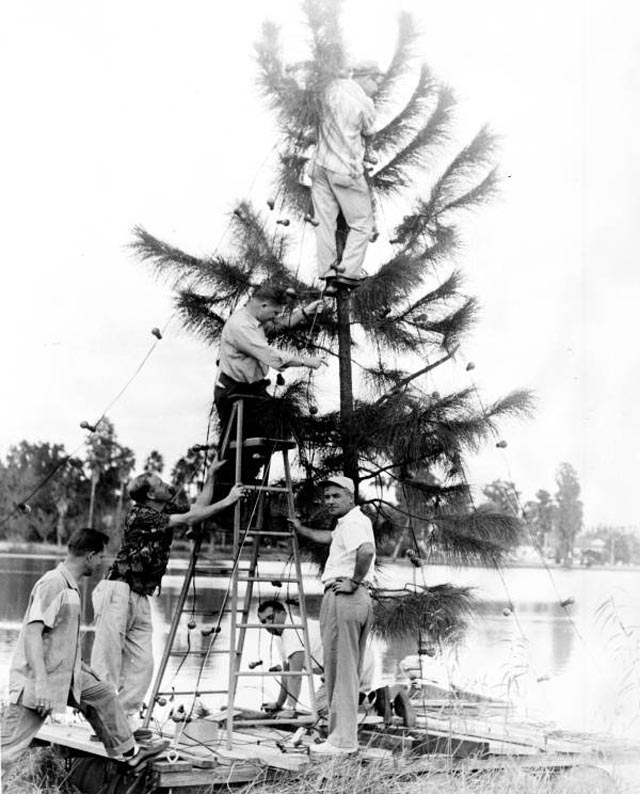
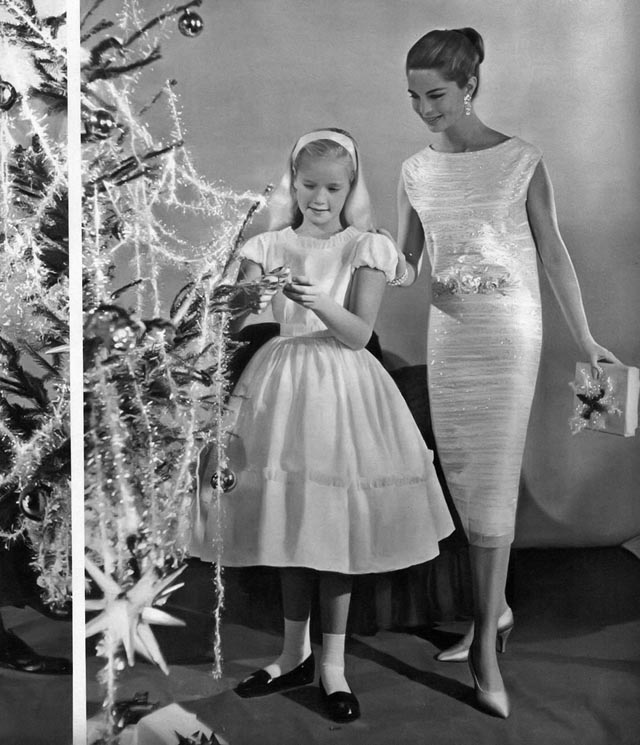
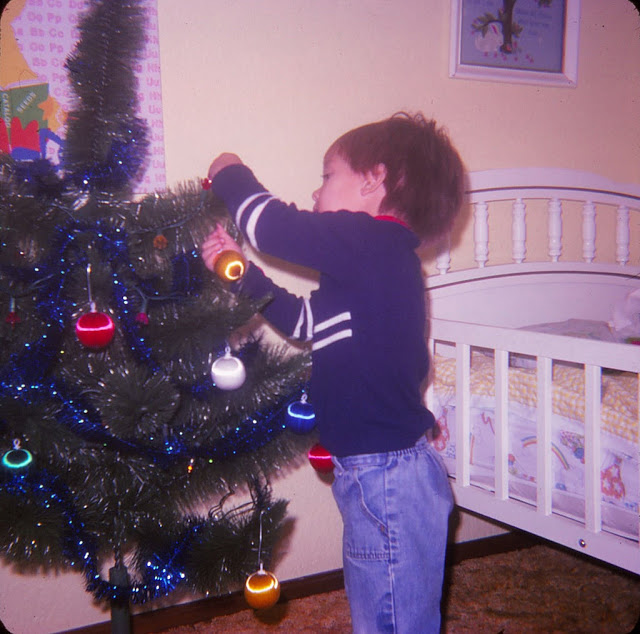
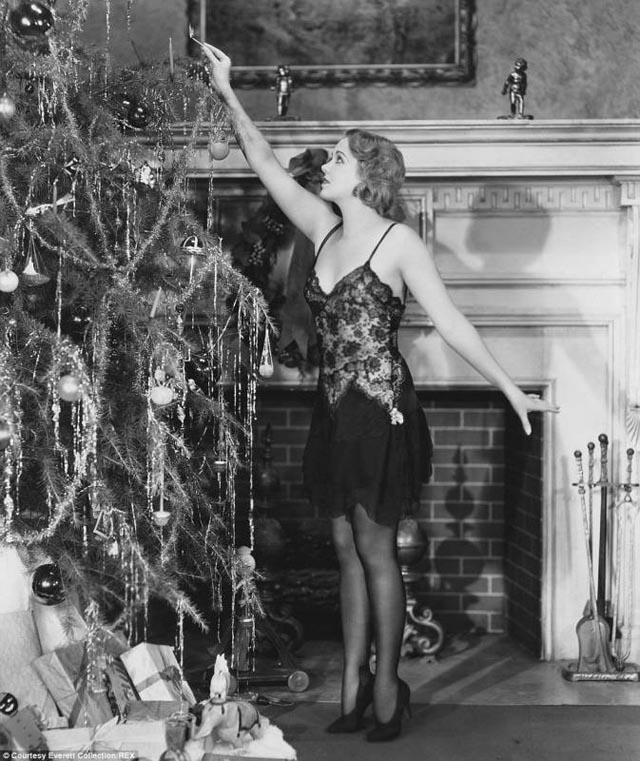
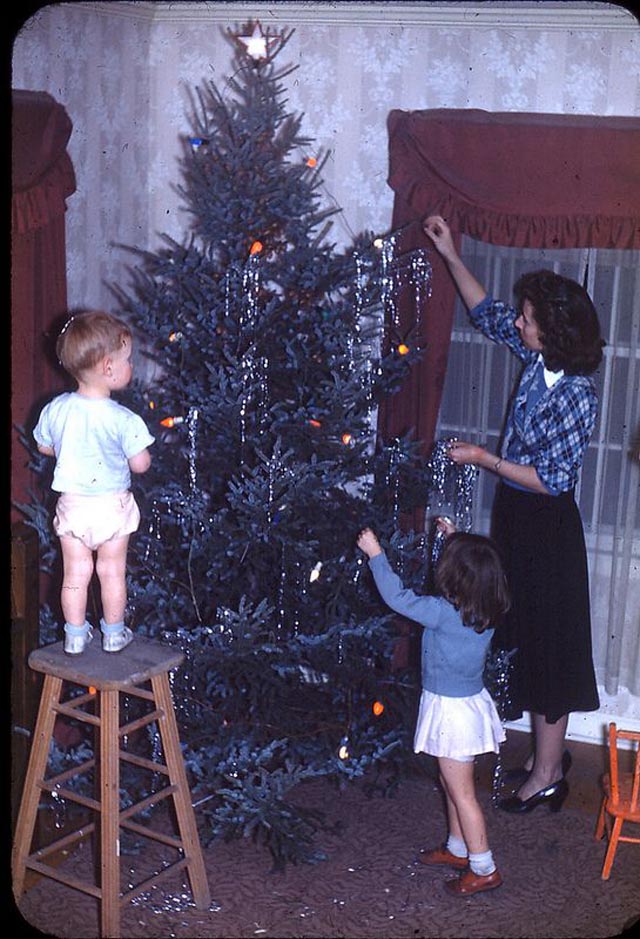
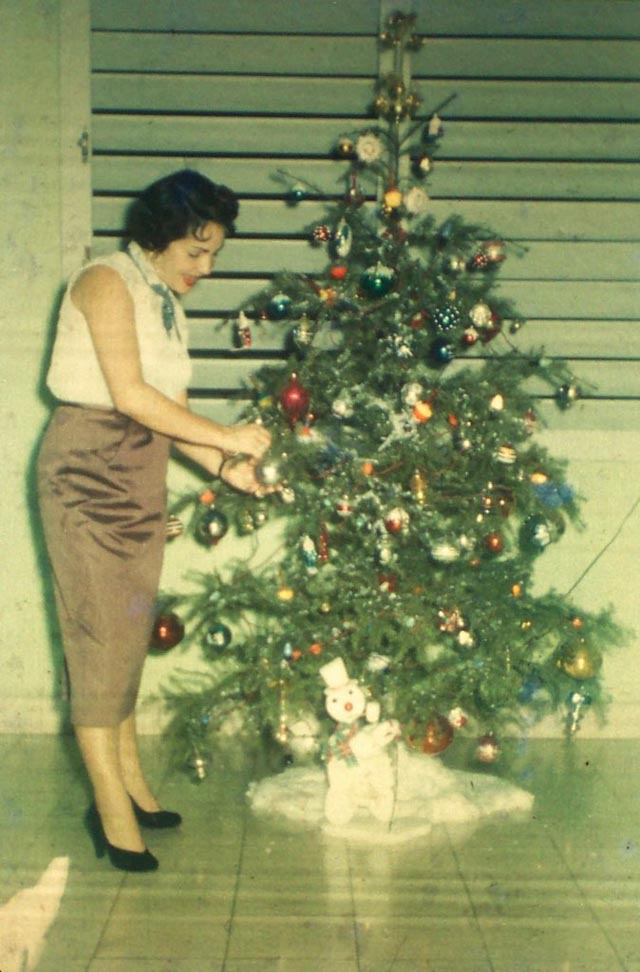
It’s time to prepare for Christmas. There are a lot of things to do, and decorating for Christmas trees is indispensable. Look at these vintage photos to see how people decorated their Christmas trees in the past.

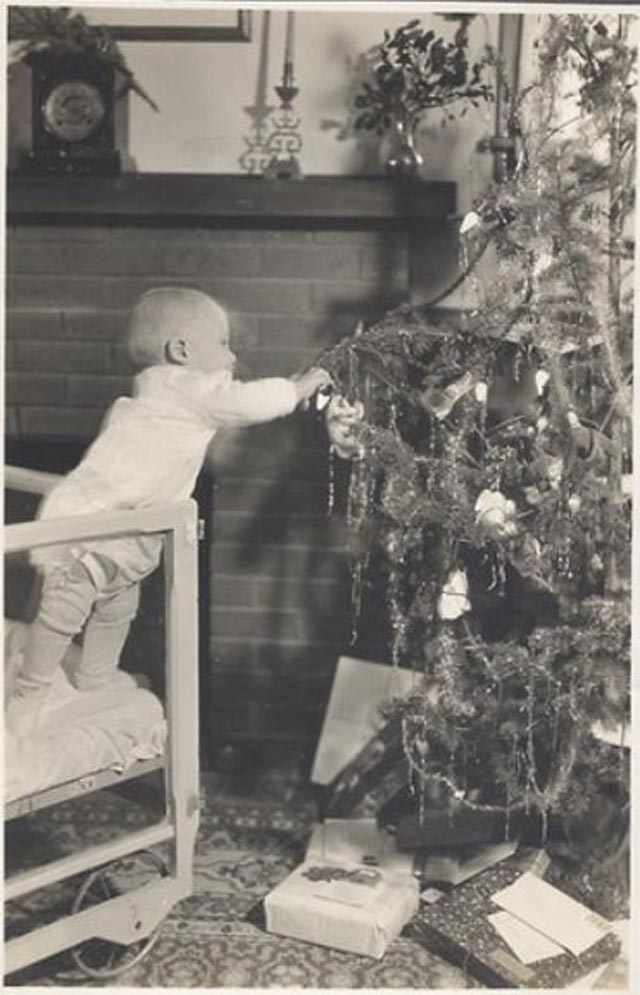
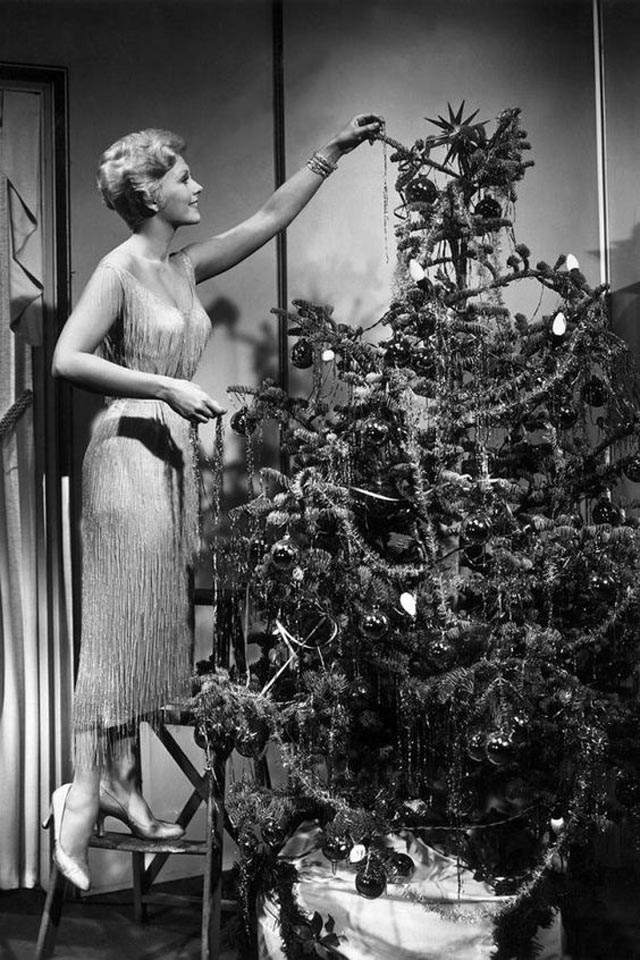
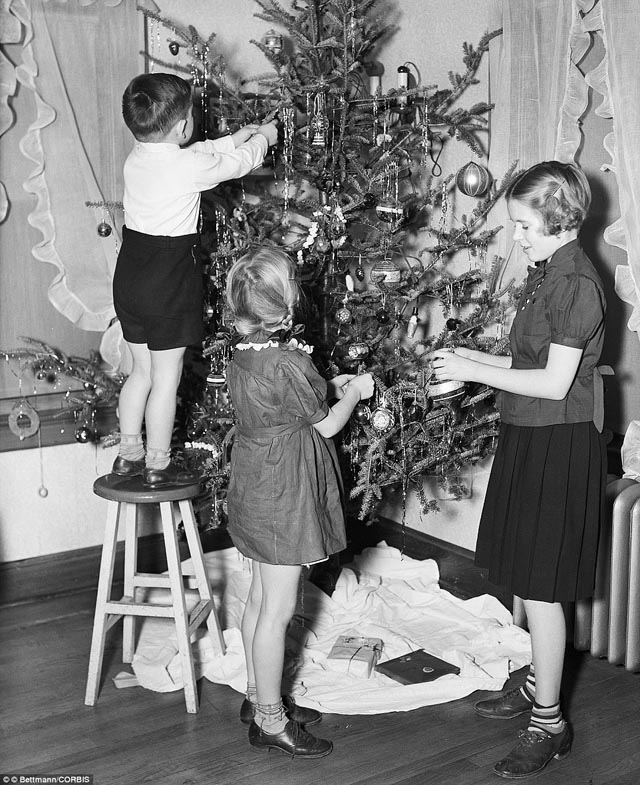


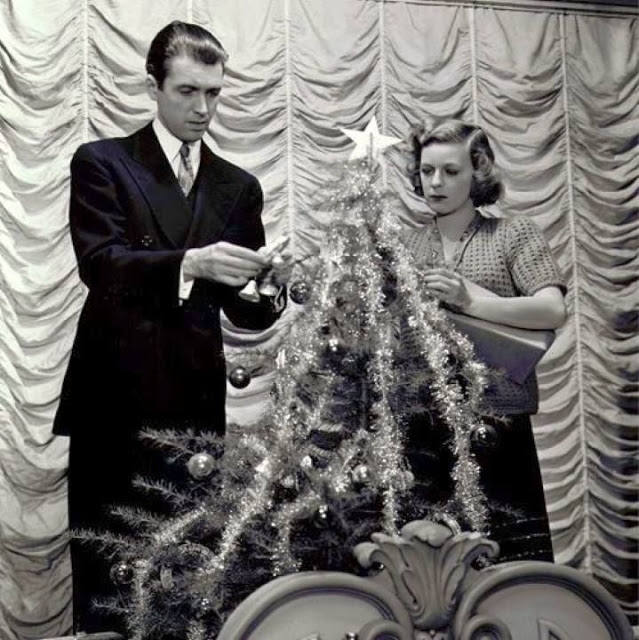





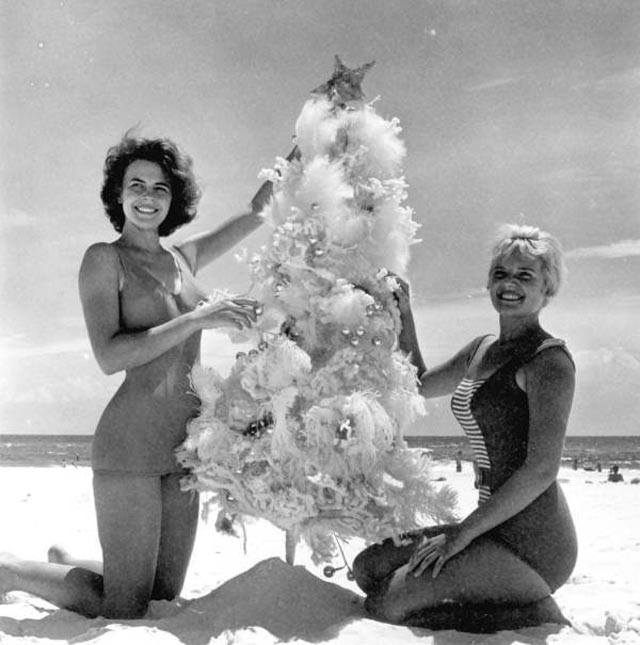
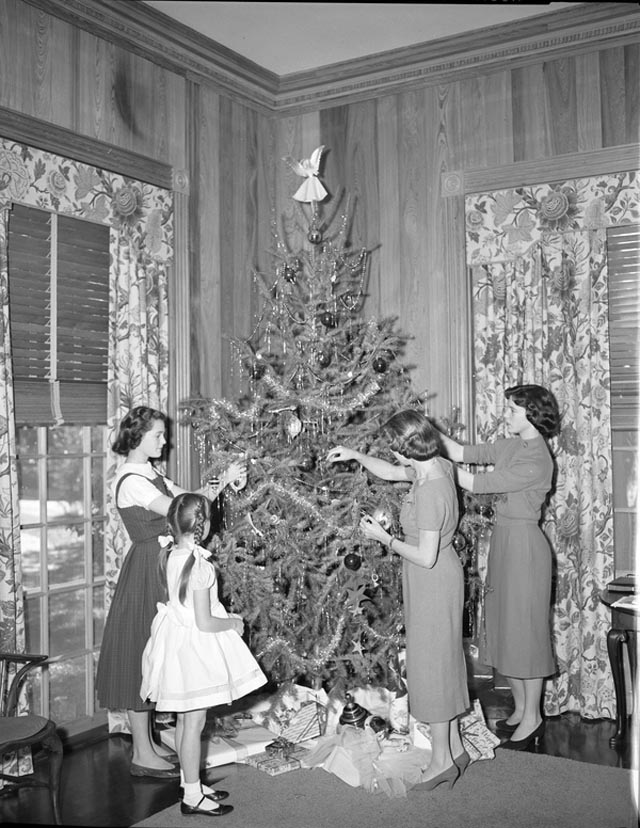
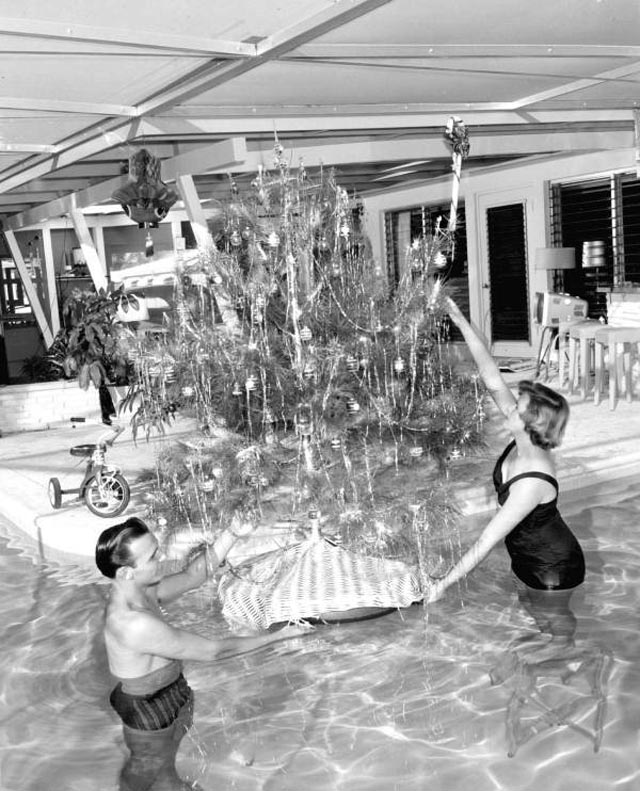

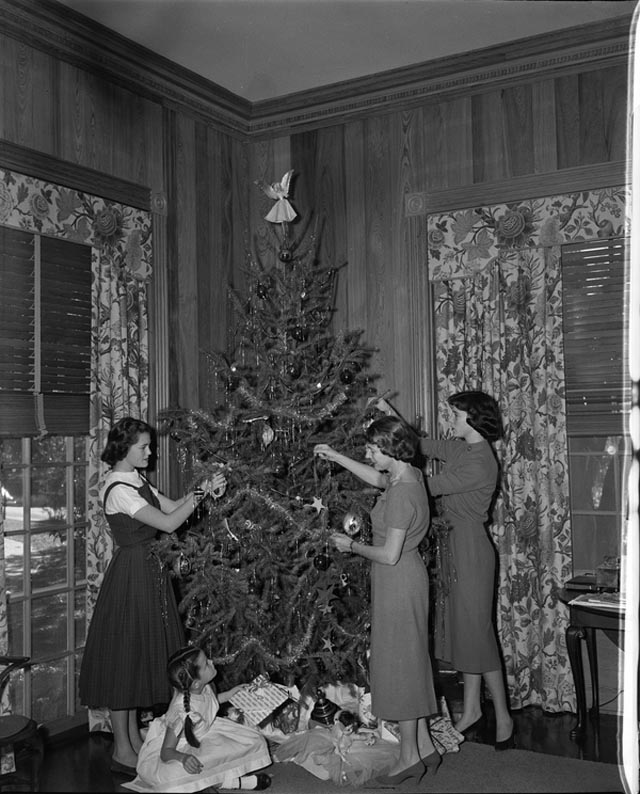





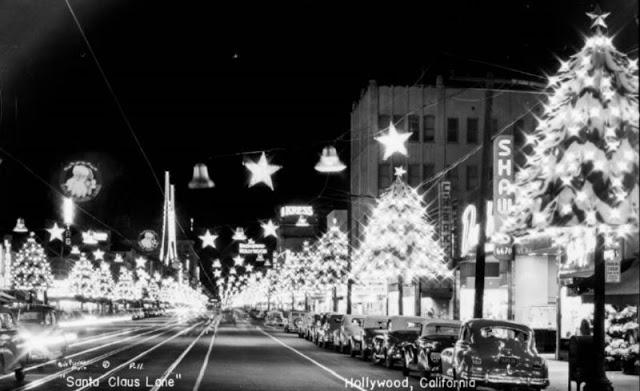
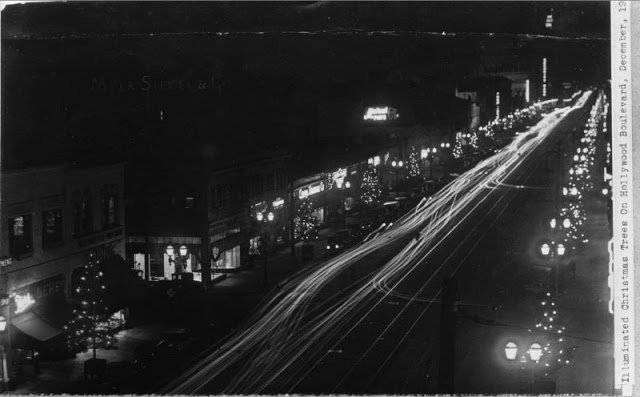
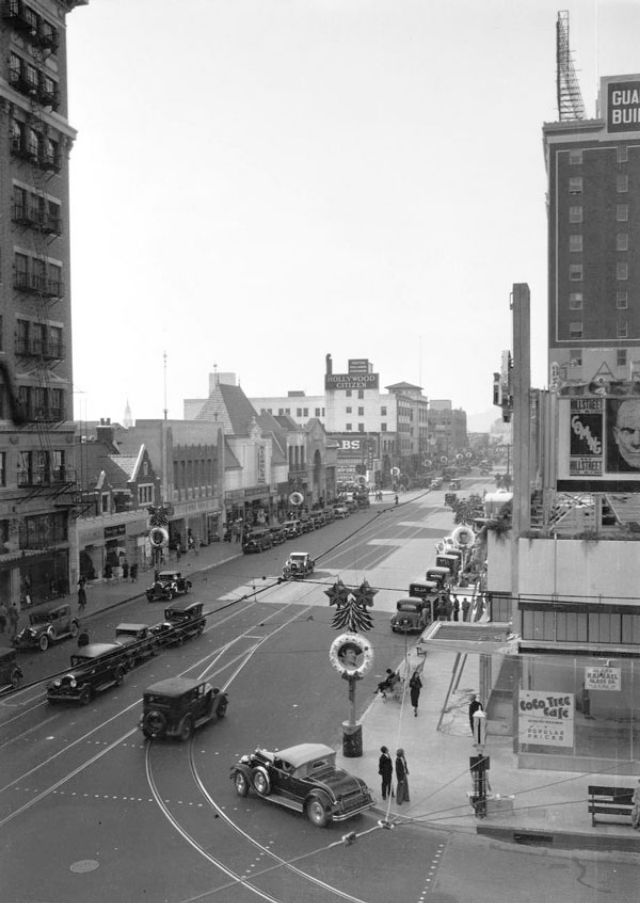
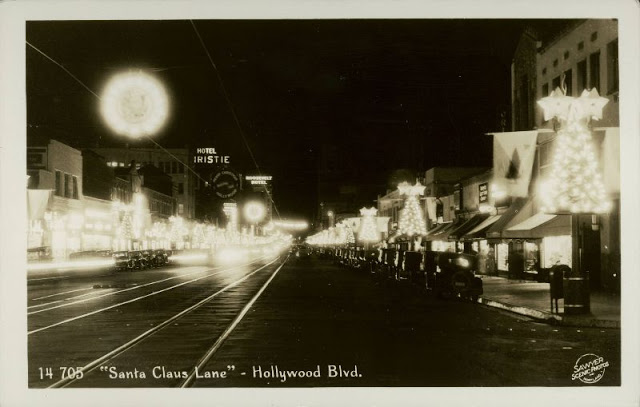
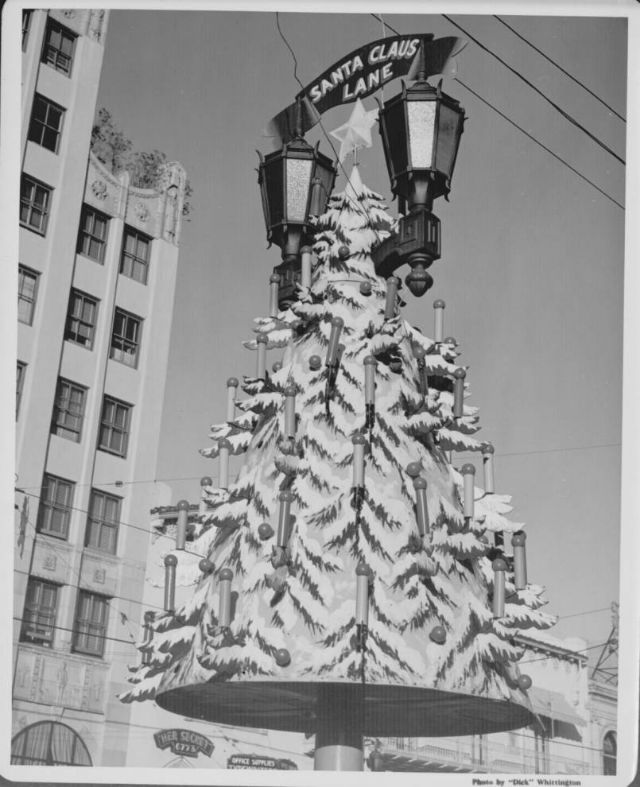
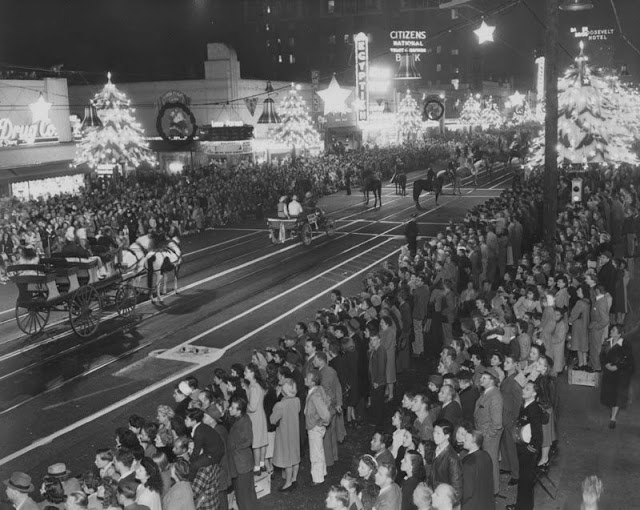
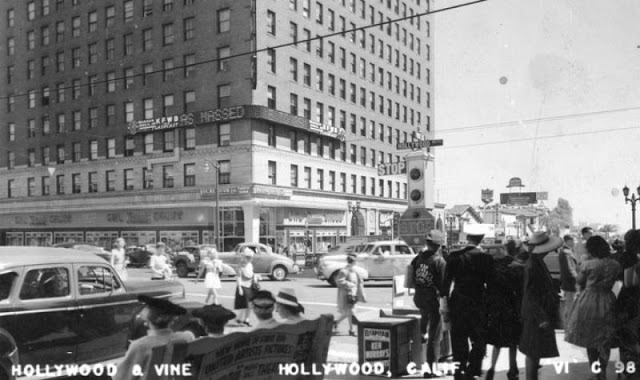
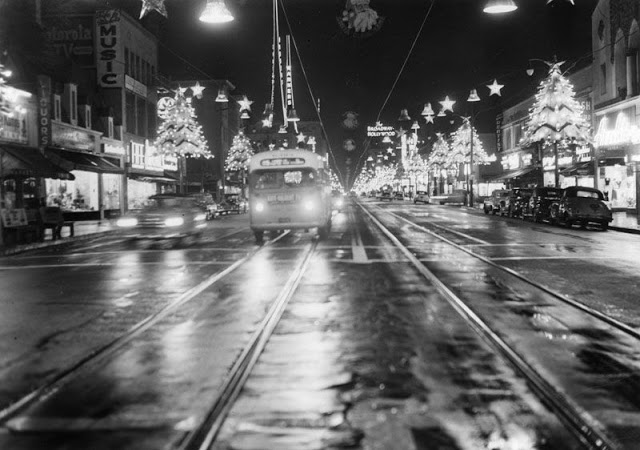
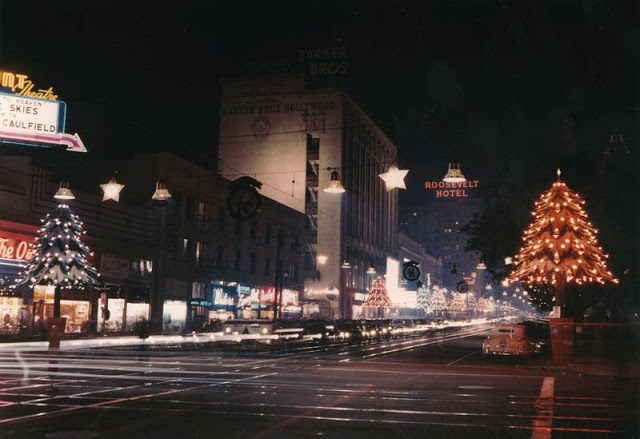
Each November beginning in 1928, Hollywood merchants transformed a one-mile stretch of Hollywood Boulevard between Vine and La Brea into Santa Claus Lane to boost shopping. Part of the promotion was a daily parade featuring Santa Claus and a film star.
The brainchild of businessman Harry Blaine and the Hollywood Boulevard Association, which promoted the thoroughfare as the “world’s largest department store,” Santa Claus Lane lured shoppers away from downtown’s dominant Broadway retail district with winking lights, daily processions featuring a reindeer-drawn sleigh, and plentiful, brightly decorated Christmas trees.
The first year, 100 living firs were dug up from the forest near Big Bear and placed along Hollywood Blvd. in wooden planters. Once fully dressed in nearly 10,000 incandescent light bulbs, the trees lit the path for a nightly parade. Joined on his sleigh by a silver screen star, Santa Claus greeted passersby as a team of six live reindeer pulled him down the boulevard. After New Year’s Day, the trees were replanted on the grounds of the Hollywood Bowl.
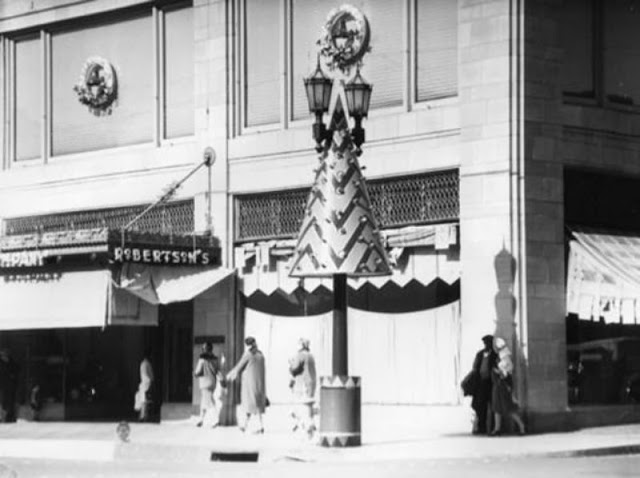
In later years, metallic decorations replaced the living trees. Drawings of film stars’ faces smiled at shoppers from the center of tin wreaths hung from lampposts. Whimsical, shiny toy Christmas trees blinked with colorful lights. At the annual promotion’s peak, organizers boasted that Hollywood Blvd. was the most brightly lit street in the nation.
To complete the wintertime transformation, Hollywood Blvd. took on a new name. For one month, signs at intersections read “Santa Claus Lane,” and merchants updated their street addresses to reflect the temporary name change.
Though the elaborate decorations are no more, Santa Claus Lane gave birth to a Tinseltown tradition that survives today. In 1931, the Hollywood Chamber of Commerce expanded Santa Claus’ nightly procession into an annual extravaganza, since renamed the Hollywood Christmas Parade. And in 1946, grand marshal Gene Autry, who rode on horseback just paces in front of the parade’s main star, turned the screams of delight he heard from children into a classic holiday tune: “Here Comes Santa Claus (Right Down Santa Claus Lane).”