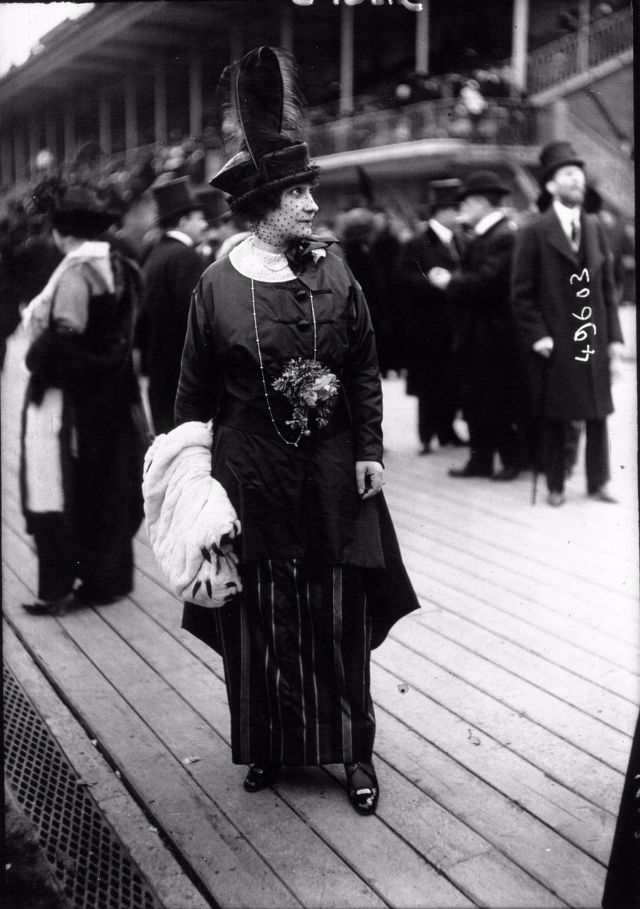
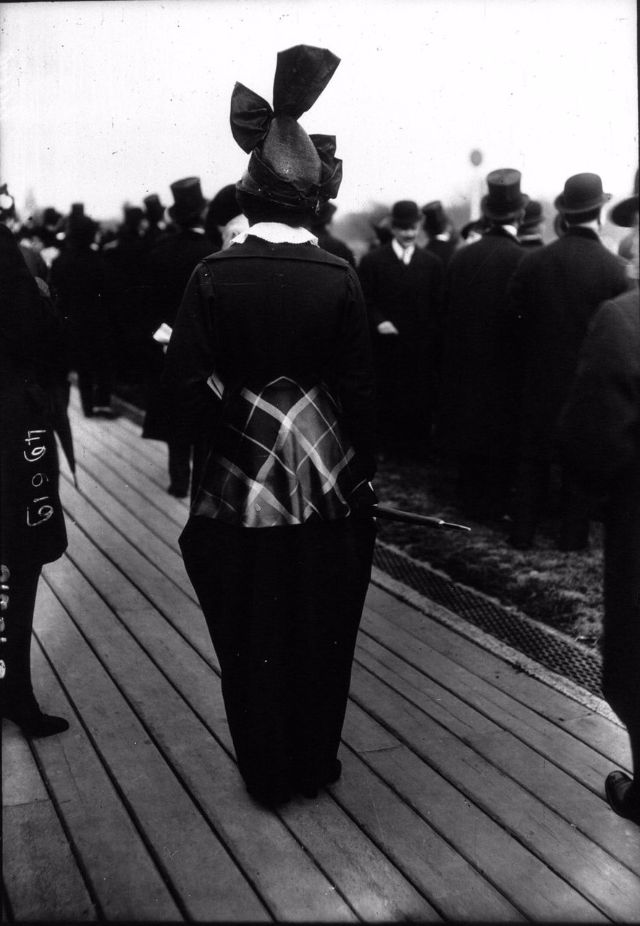
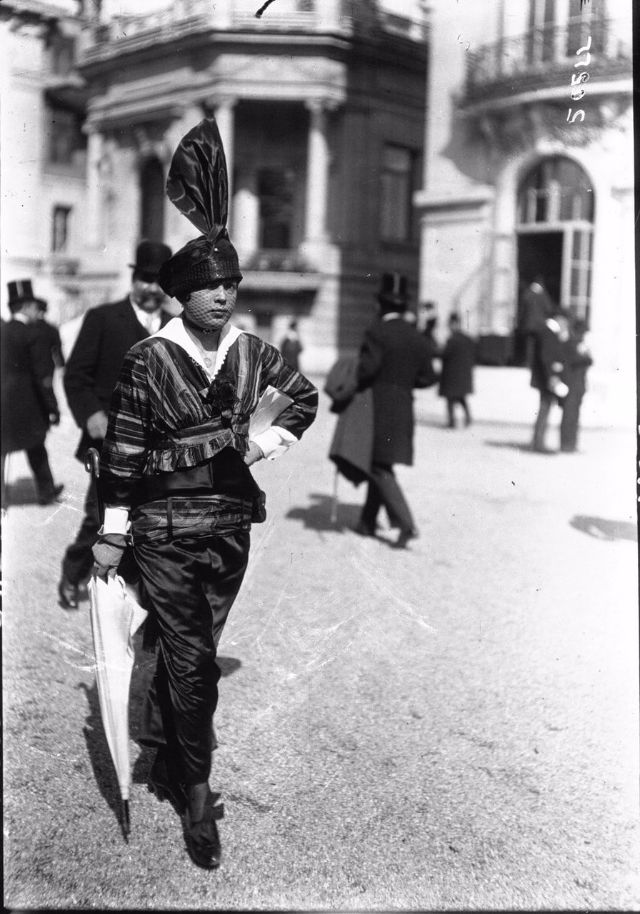
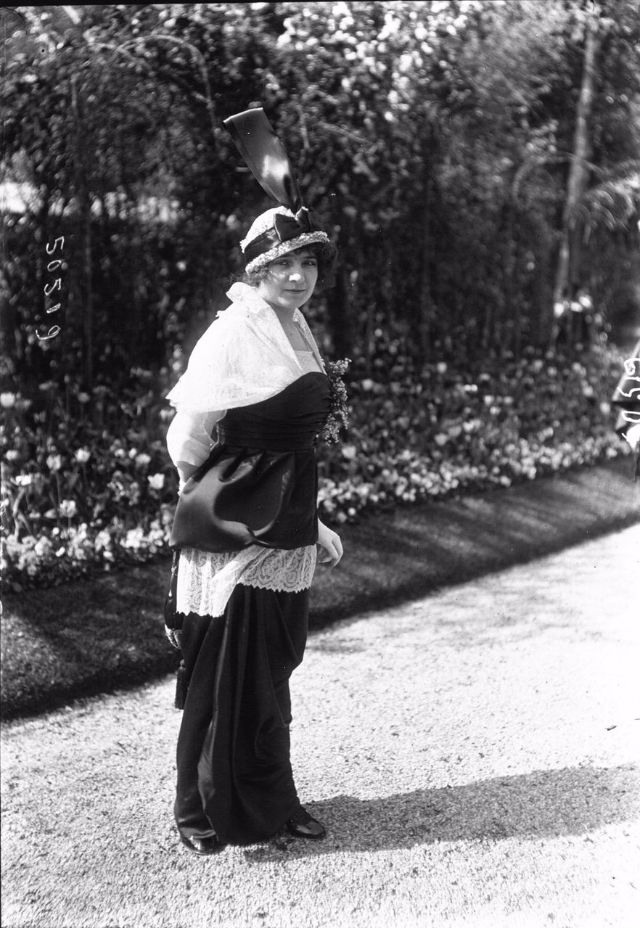
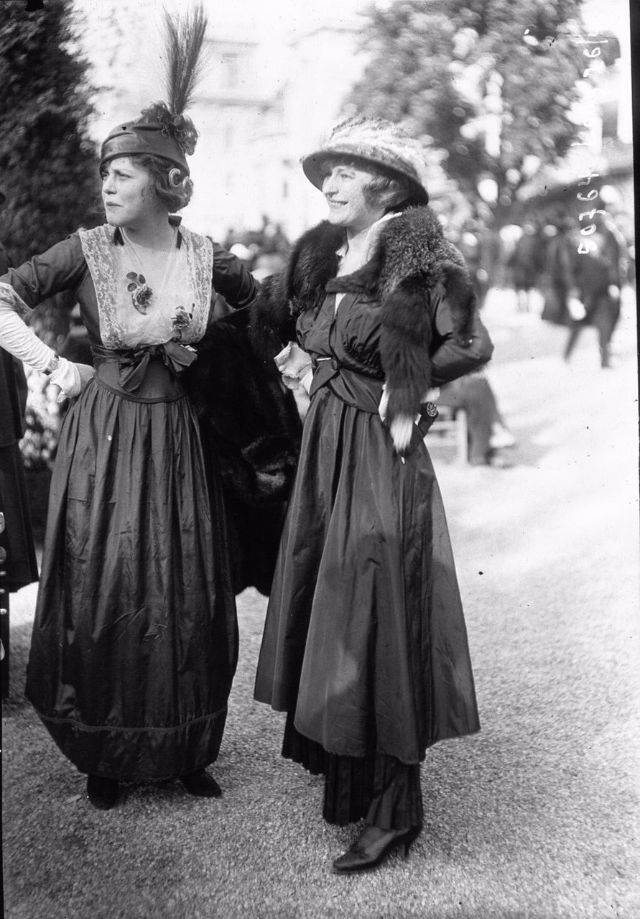
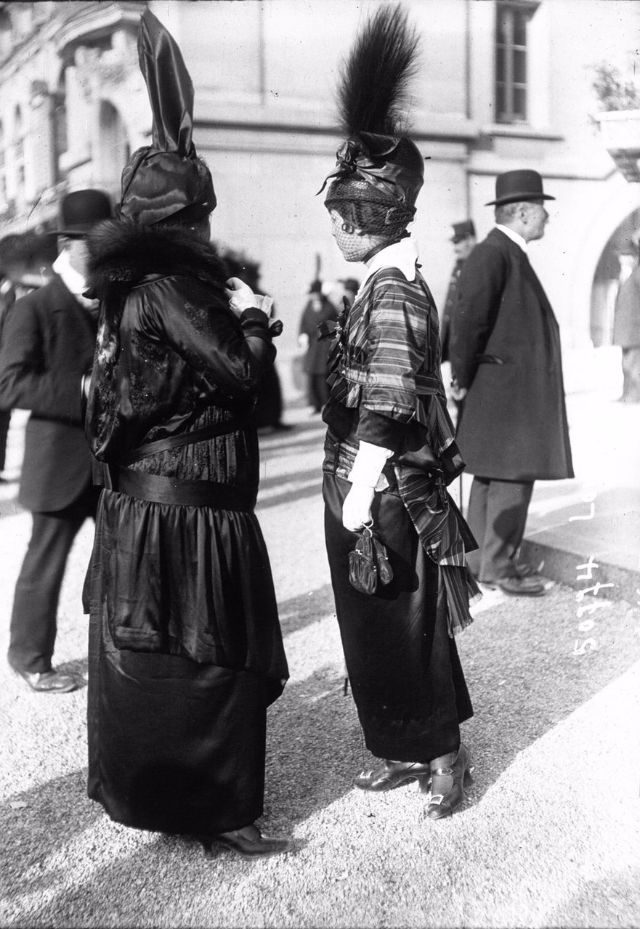
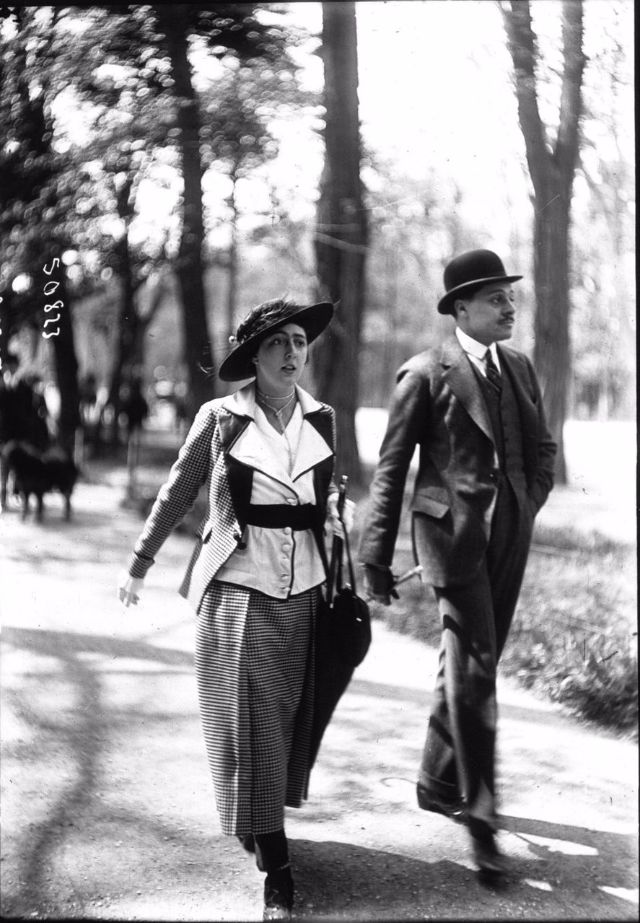
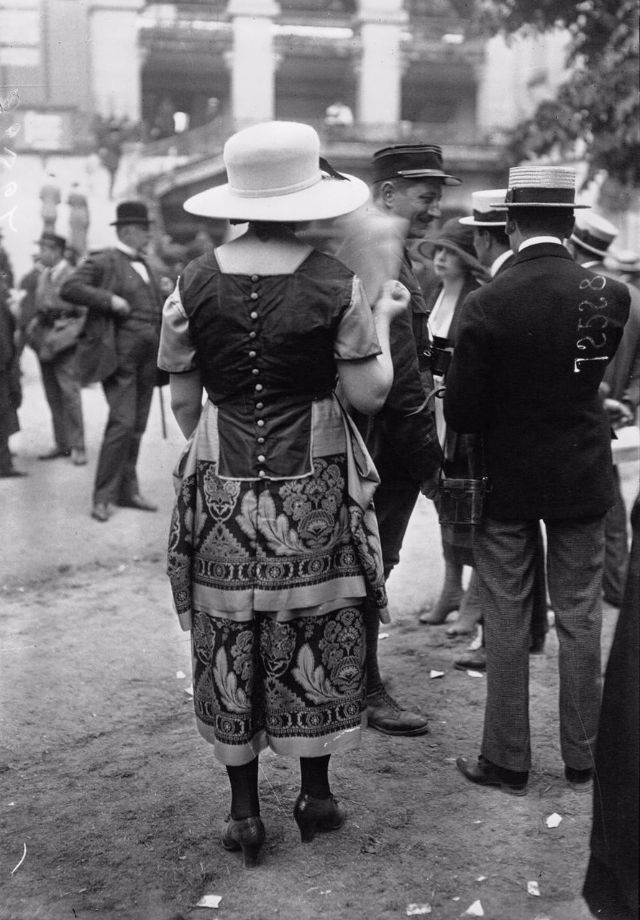
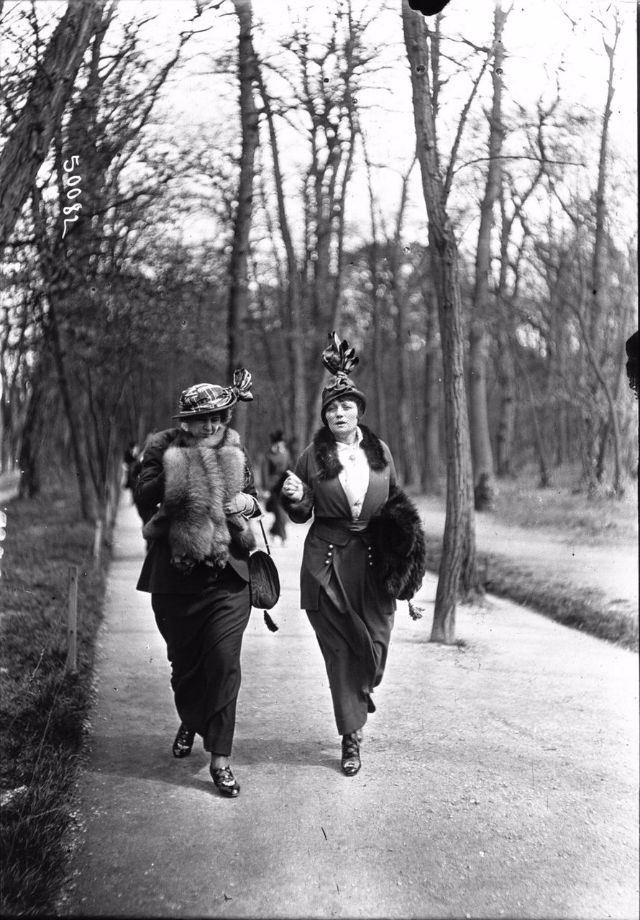
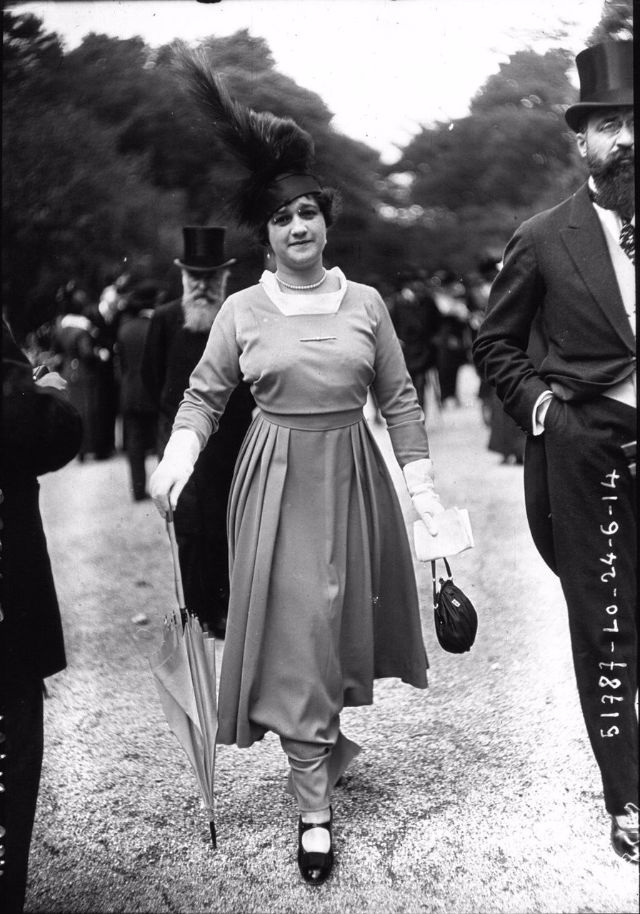
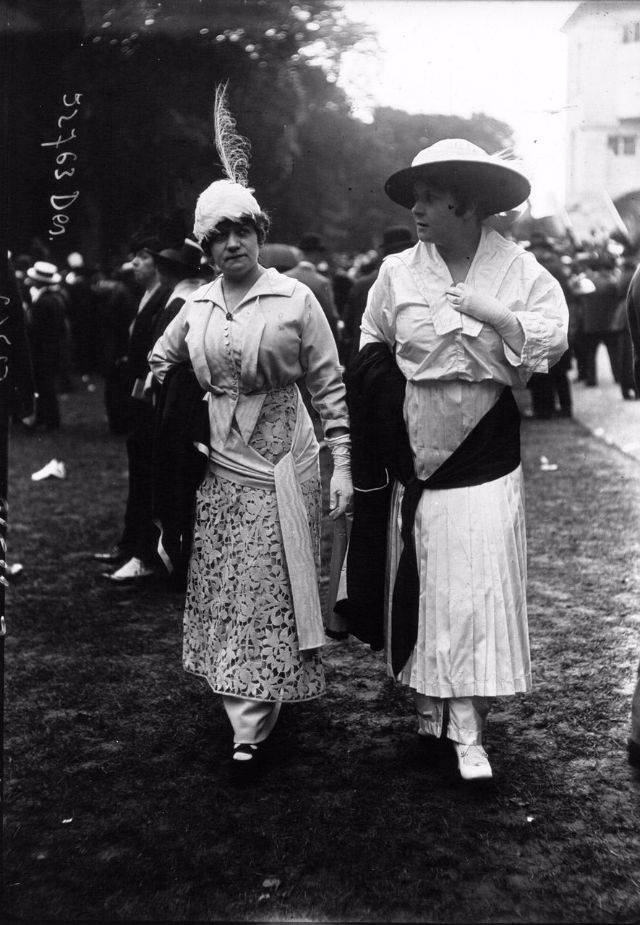
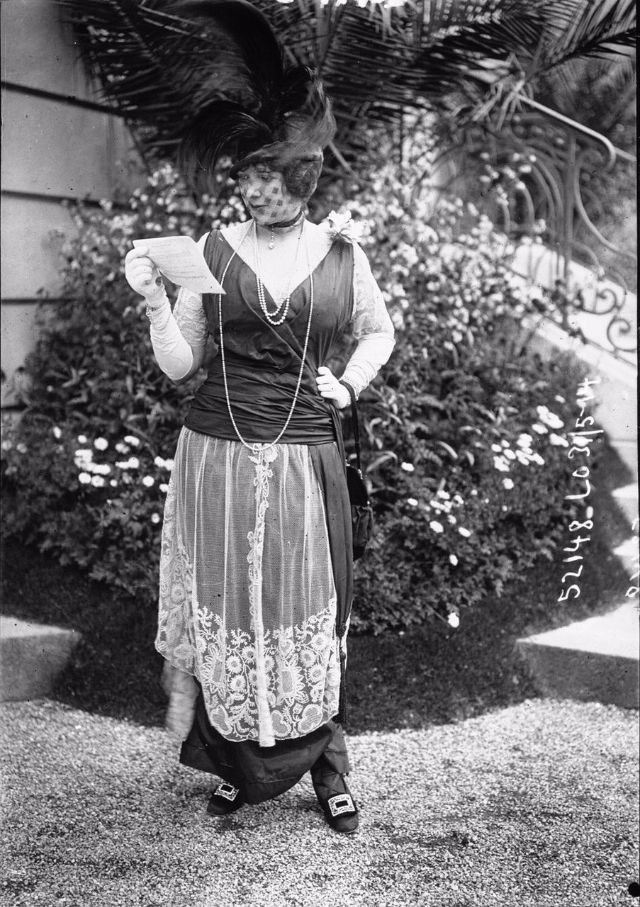
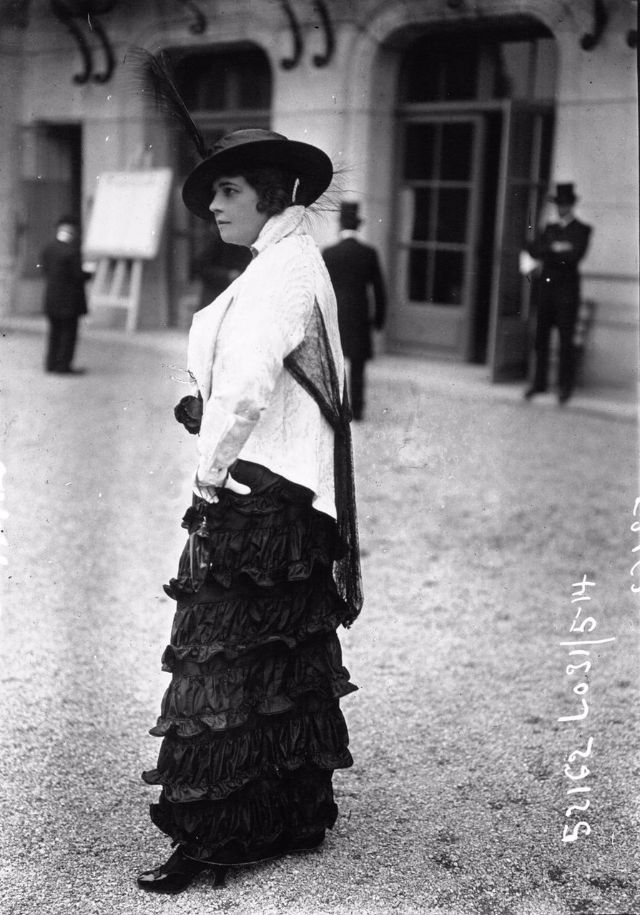
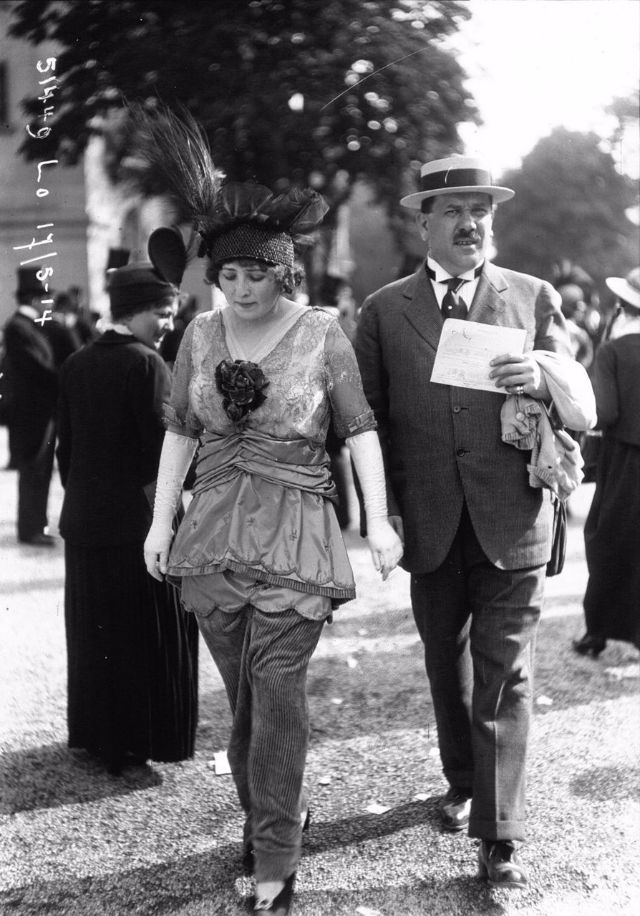
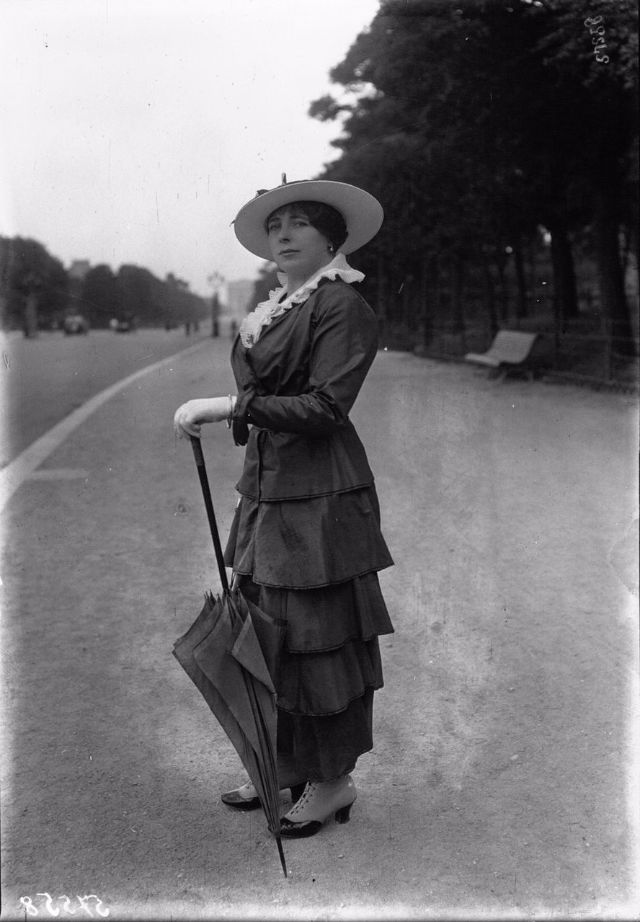
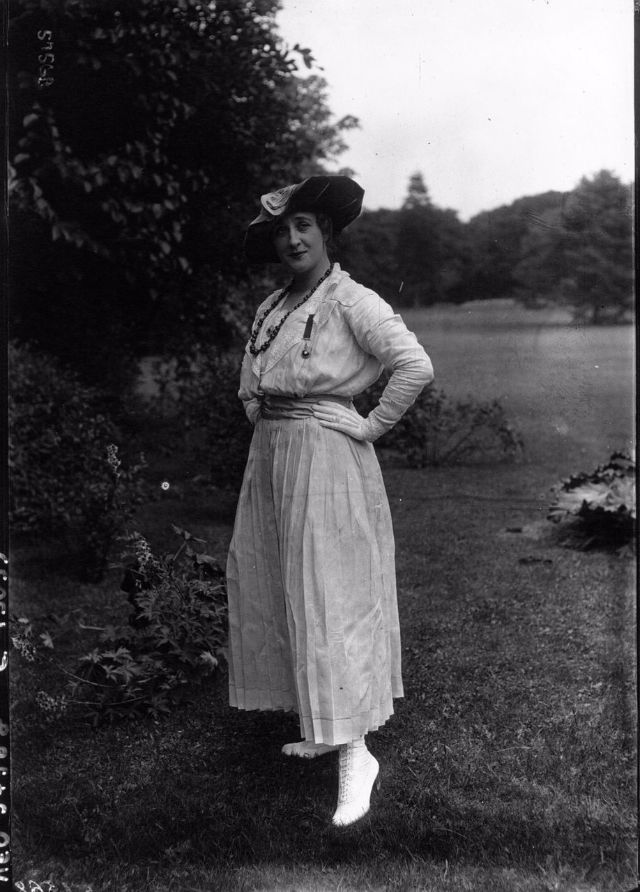
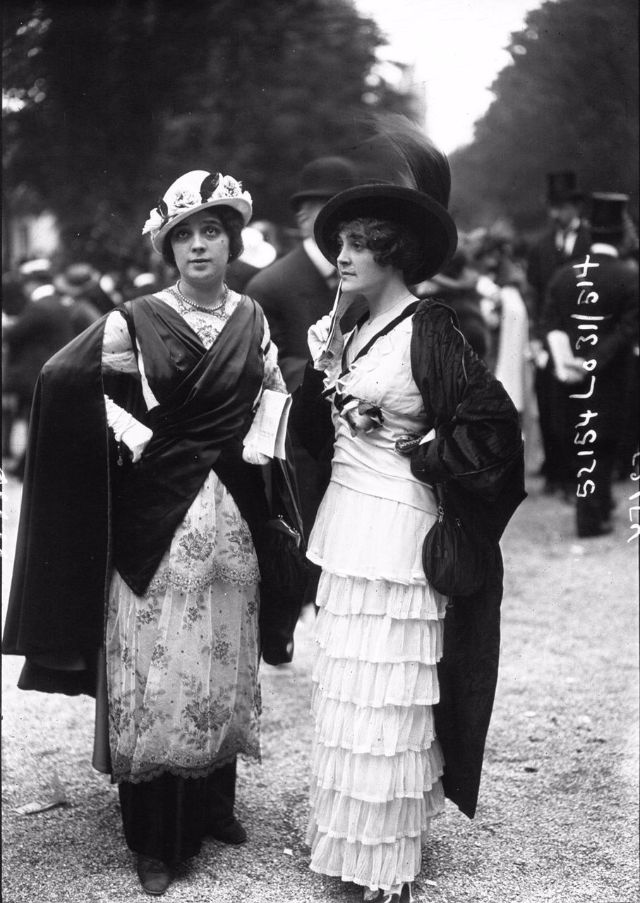
The French called the era from 1895 to 1914 La Belle Époque. It was an epoch of beautiful clothes and the peak of luxury living for a select few – the very rich and the very privileged through birth.
In retrospect we can see it is an era very separate from the 20th century despite belonging at its start. The attitudes and lifestyles of two decades were swept away by war and because the war was so atrocious a new socialism and sense of personal identity was born. The masses started to reject the concept of privilege as the reason for a better life.
The Longchamp racecourse is situated in the Bois de Boulogne on the banks of the Seine River, in Paris, France. The first Longchamp race meeting was held in 1857.
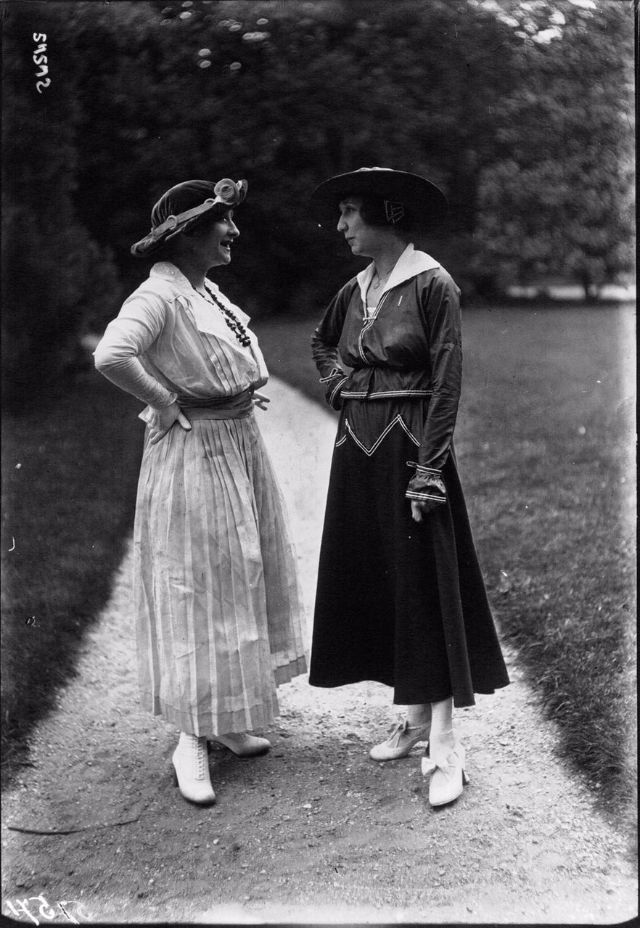
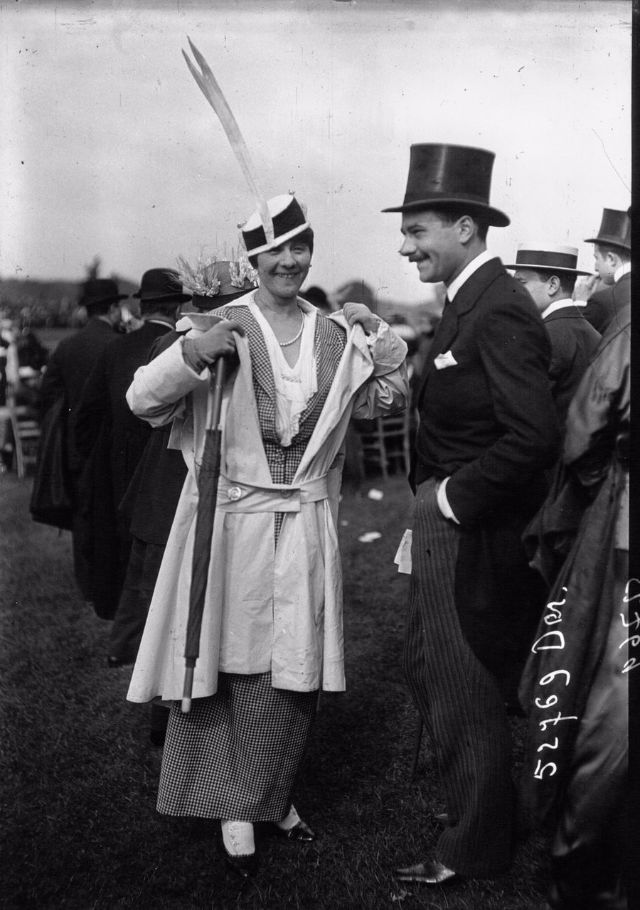
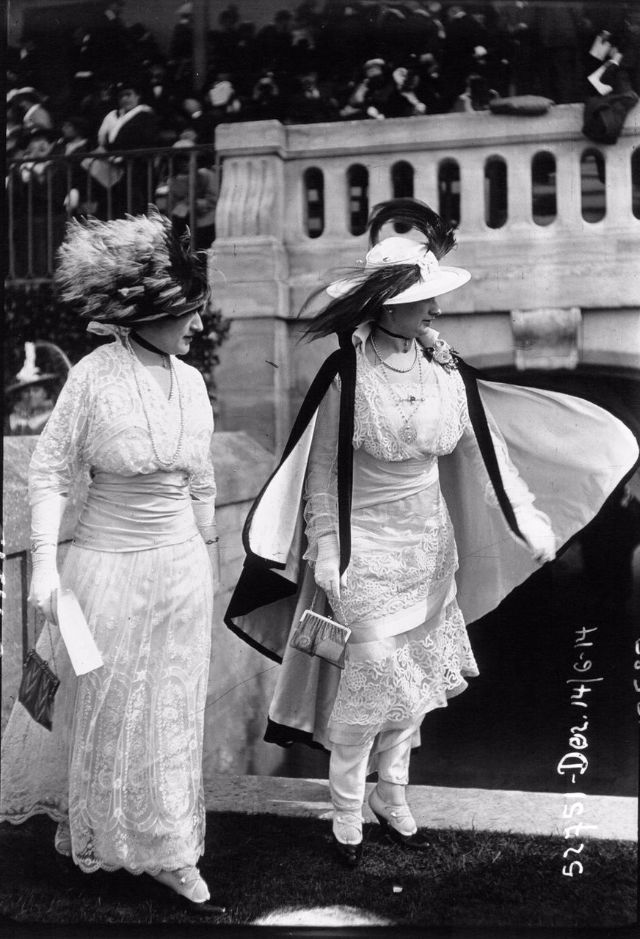
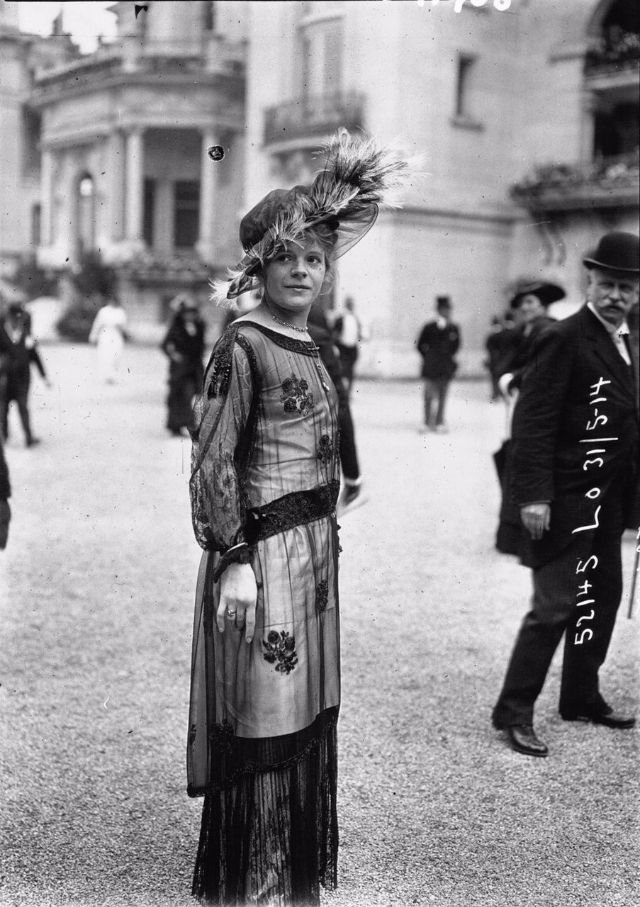
With the first real fashion shows organized in the 1910s, the new century hailed Paris as the fashion capital of the world. And couturiers routinely sent models wearing their latest designs to the racecourse. Below is a gallery of 60 amazing photographs that capture women’s fashion at the Longchamp Grand Prix in the early 1910s. The racecourse was closed for the duration of WWI but would reopen in 1919.
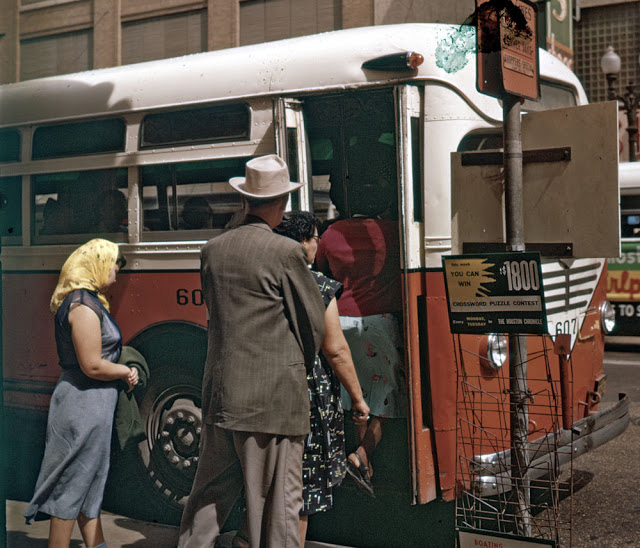
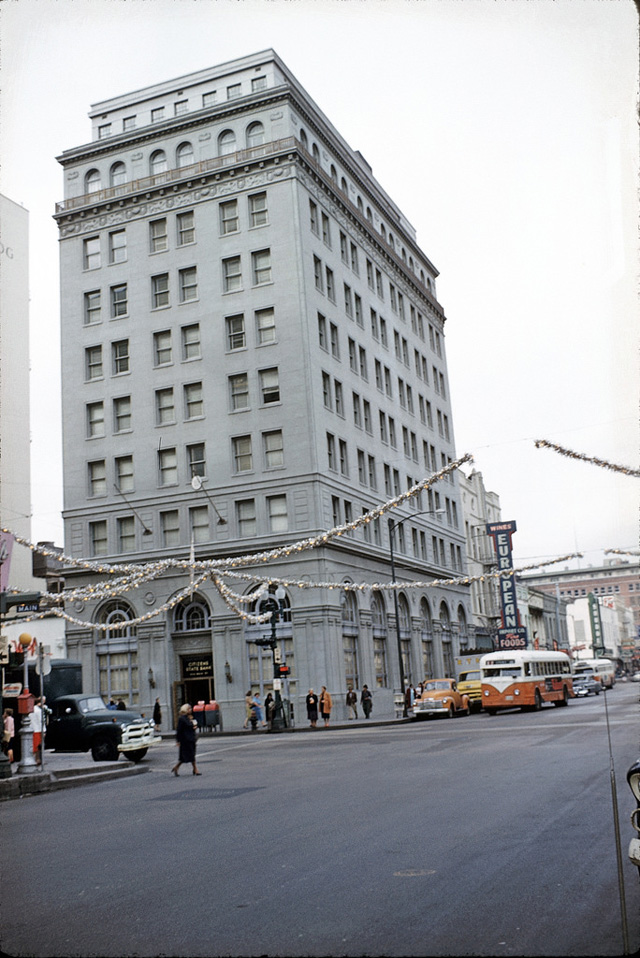
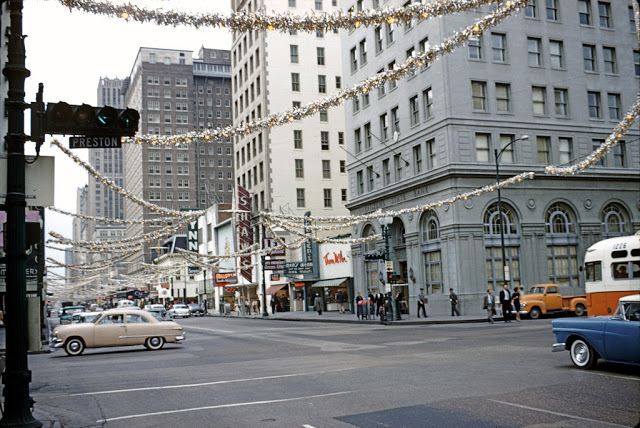
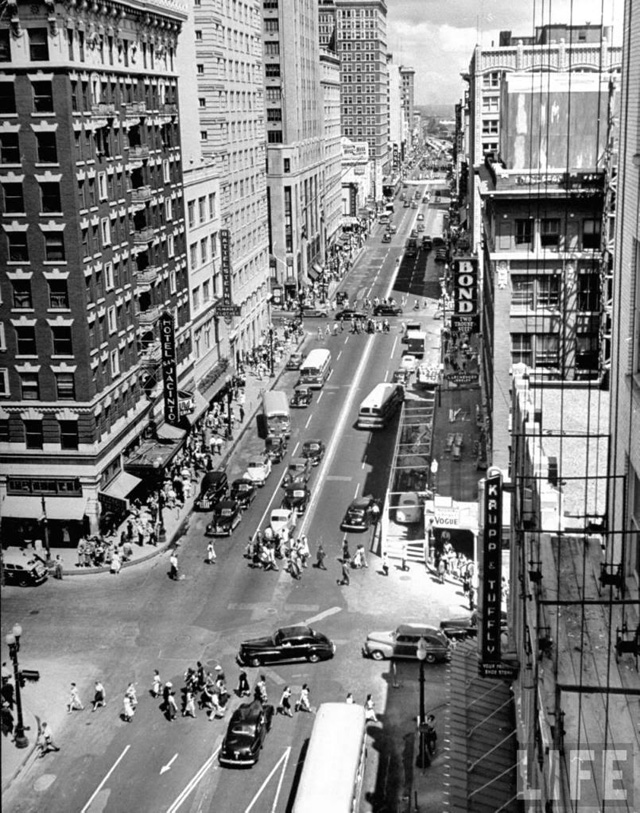
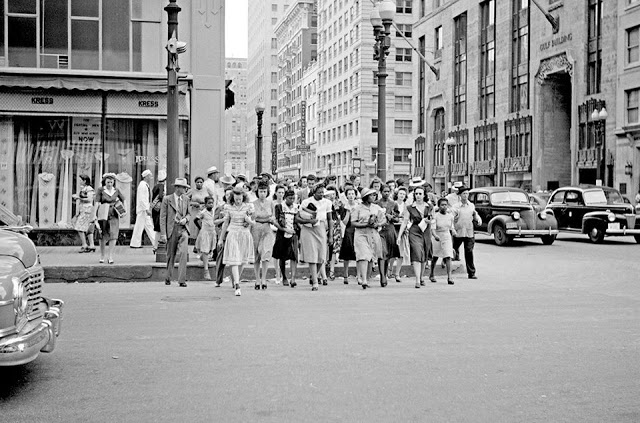
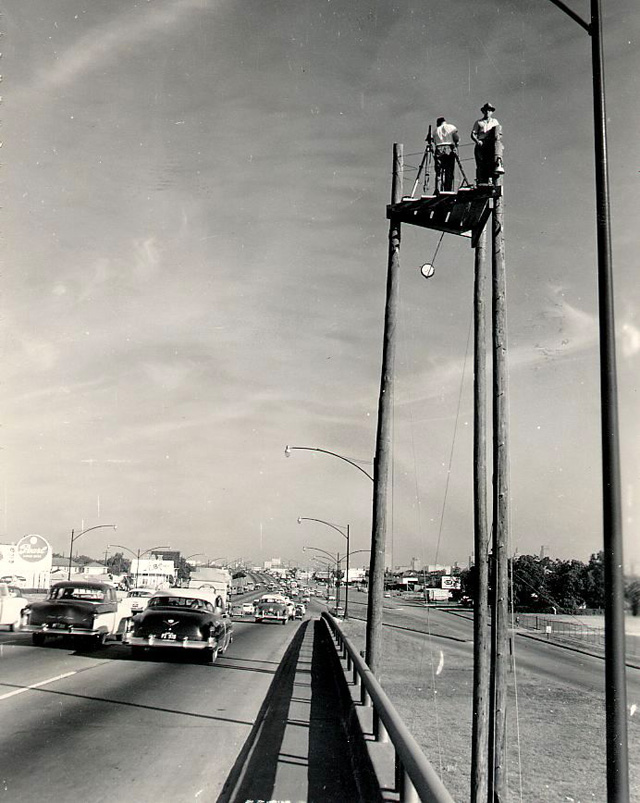
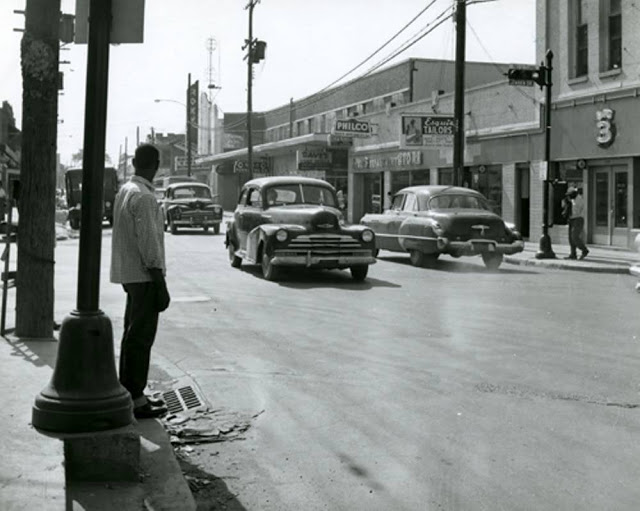
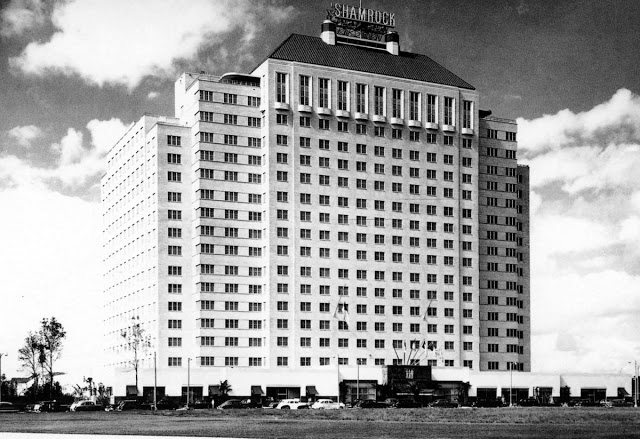
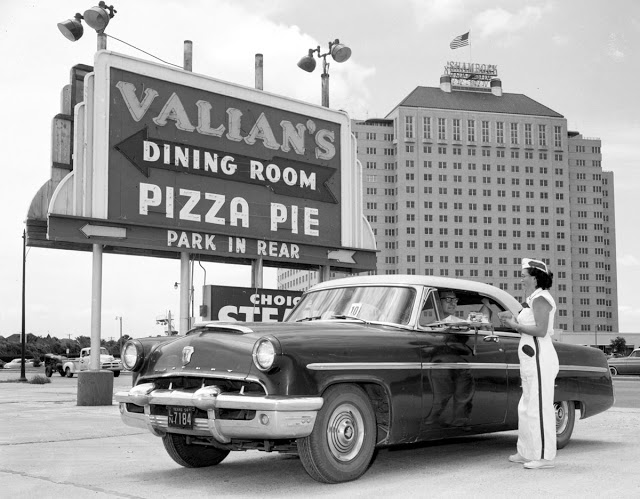
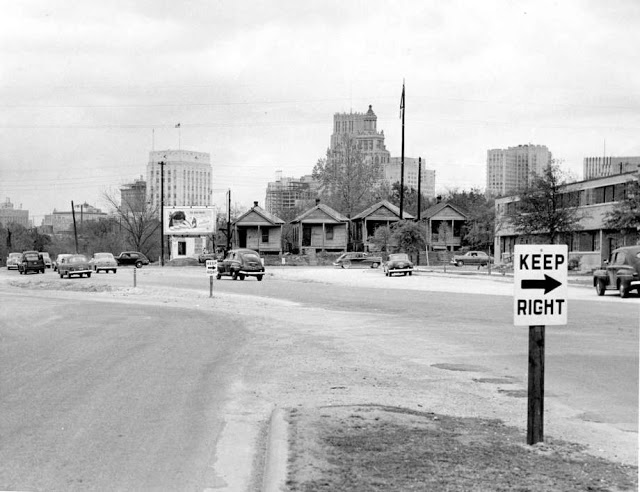
Houston is the most populous city in the U.S. state of Texas, fourth-most populous city in the United States, most populous city in the Southern United States, as well as the sixth-most populous in North America, with a population of 2,304,580 in 2020. Located in Southeast Texas near Galveston Bay and the Gulf of Mexico, it is the seat of Harris County and the principal city of the Greater Houston metropolitan area, which is the fifth-most populous metropolitan statistical area in the United States. Houston is the southeast anchor of the greater megaregion known as the Texas Triangle.
Comprising a total area of 637.4 square miles (1,651 km2), Houston is the ninth-most expansive city in the United States (including consolidated city-counties). It is the largest city in the United States by total area, whose government is not consolidated with a county, parish, or borough. Though primarily in Harris County, small portions of the city extend into Fort Bend and Montgomery counties, bordering other principal communities of Greater Houston such as Sugar Land and The Woodlands.
The city of Houston was founded by land investors on August 30, 1836, at the confluence of Buffalo Bayou and White Oak Bayou (a point now known as Allen’s Landing) and incorporated as a city on June 5, 1837. The city is named after former General Sam Houston, who was president of the Republic of Texas and had won Texas’s independence from Mexico at the Battle of San Jacinto 25 miles (40 km) east of Allen’s Landing. After briefly serving as the capital of the Texas Republic in the late 1830s, Houston grew steadily into a regional trading center for the remainder of the 19th century.
The arrival of the 20th century brought a convergence of economic factors that fueled rapid growth in Houston, including a burgeoning port and railroad industry, the decline of Galveston as Texas’s primary port following a devastating 1900 hurricane, the subsequent construction of the Houston Ship Channel, and the Texas oil boom. In the mid-20th century, Houston’s economy diversified, as it became home to the Texas Medical Center—the world’s largest concentration of healthcare and research institutions—and NASA’s Johnson Space Center, home to the Mission Control Center.
Since the late 19th century Houston’s economy has had a broad industrial base, in energy, manufacturing, aeronautics, and transportation. Leading in healthcare sectors and building oilfield equipment, Houston has the second-most Fortune 500 headquarters of any U.S. municipality within its city limits (after New York City). The Port of Houston ranks first in the United States in international waterborne tonnage handled and second in total cargo tonnage handled.
Nicknamed the “Bayou City”, “Space City”, “H-Town”, and “the 713”, Houston has become a global city, with strengths in culture, medicine, and research. The city has a population from various ethnic and religious backgrounds and a large and growing international community. Houston is the most diverse metropolitan area in Texas and has been described as the most racially and ethnically diverse major metropolis in the U.S. It is home to many cultural institutions and exhibits, which attract more than seven million visitors a year to the Museum District. The Museum District is home to nineteen museums, galleries, and community spaces. Houston has an active visual and performing arts scene in the Theater District, and offers year-round resident companies in all major performing arts. (Wikipedia)
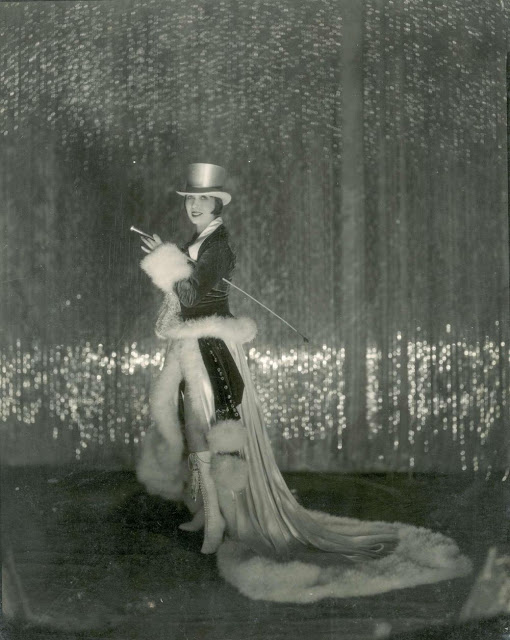
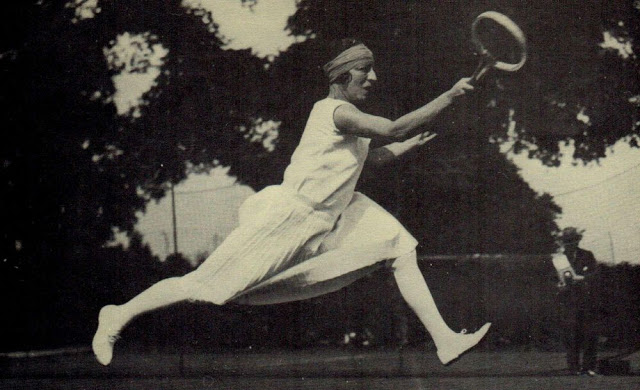
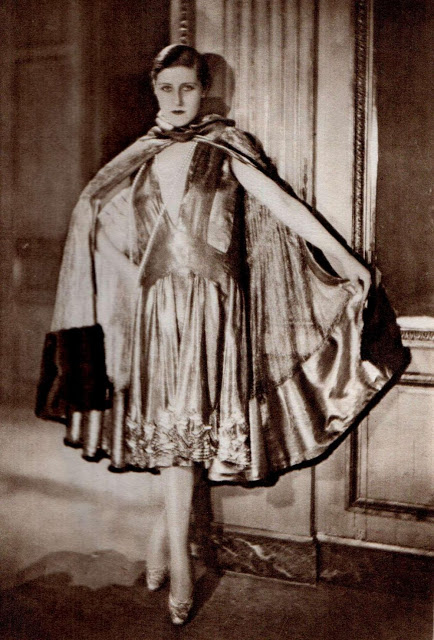
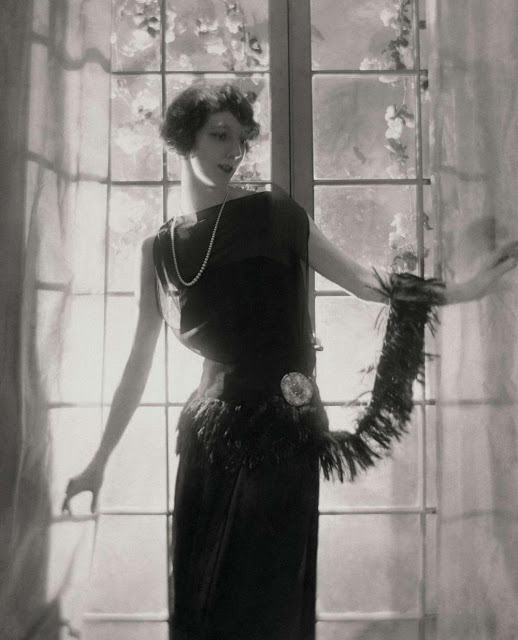
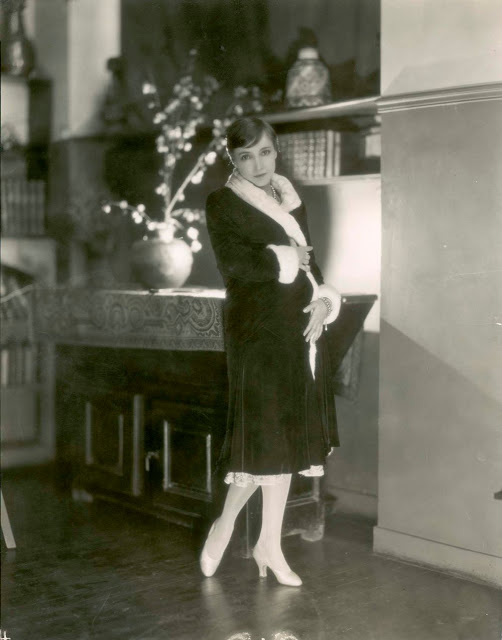
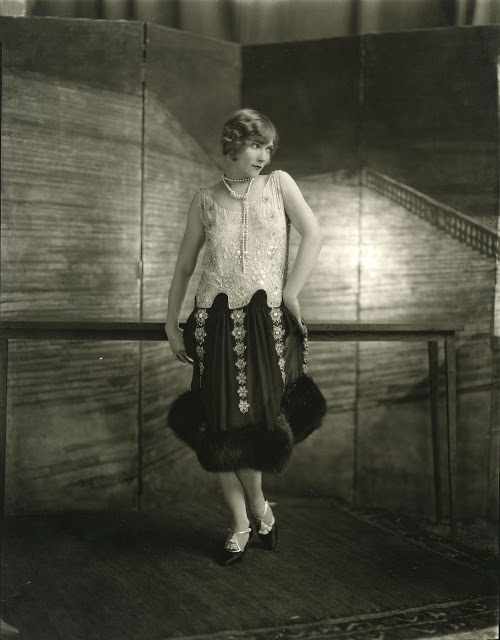
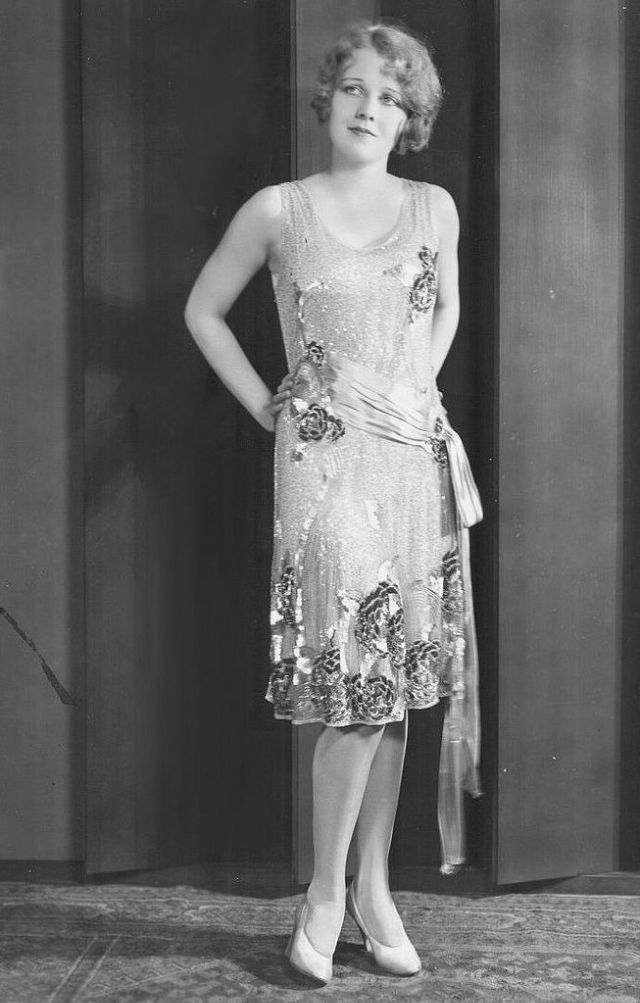
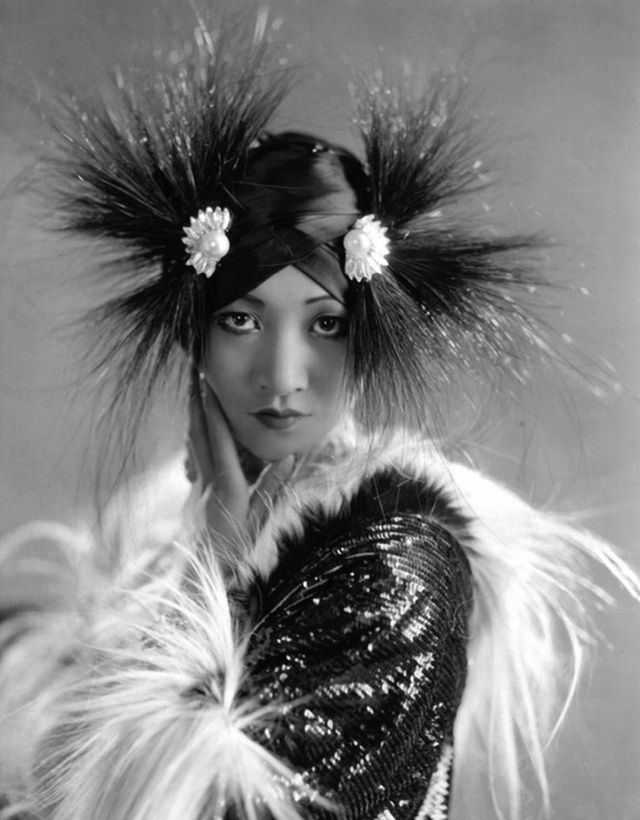
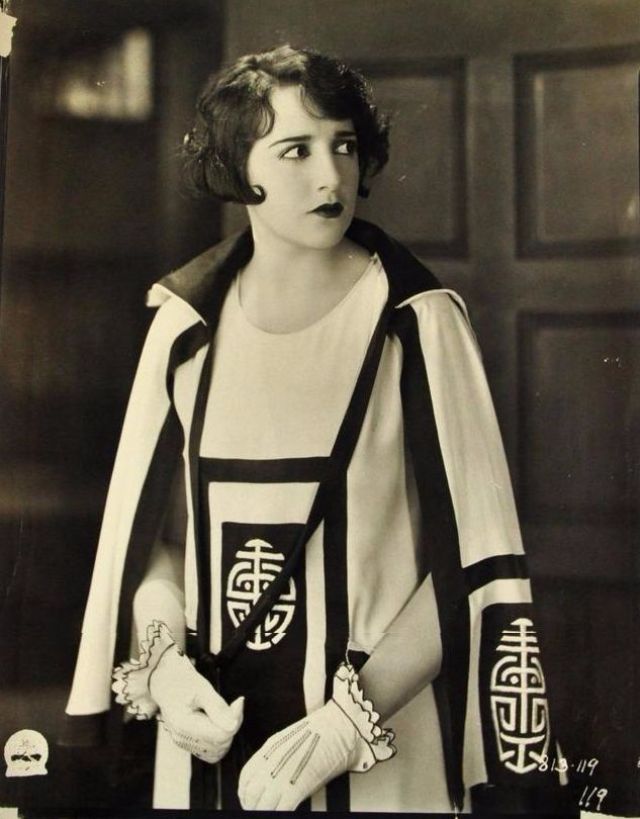
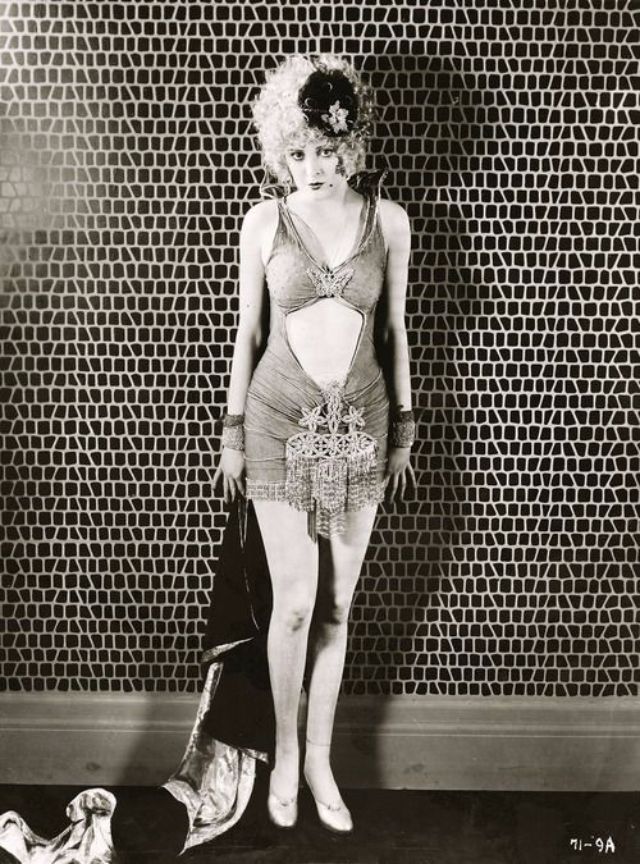
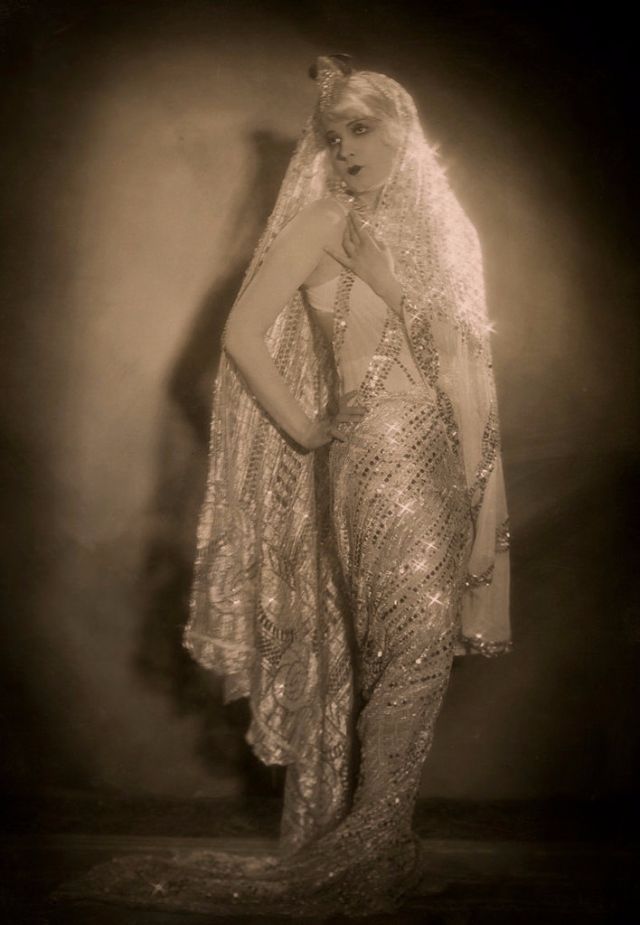
The Dolly Sisters (Jenny and Rosie), Paris, 1924, Modeling ‘Bulldog’ Collars by Marthe Regnier.A woman can be seen wearing a snakeskin outfit coordinated with her car interior, circa 1927.The Dolly Sisters (Jenny and Rosie), in ‘Paris Sans Voiles’ at the Ambassadeurs Theatre, Paris, 1923.Mistinguett in ‘La Revue Mistinguett’, Moulin Rouge, 1925.This window display at McCormick-Saeltzer department store in Redding, California, shows what bathing suits looked like circa 1925.French tennis player Suzanne Lenglen can be seen wearing a Patou outfit and her trademark bandeau headwear, which became part of mainstream fashion in the 1920s.French actress Andrée Spinelly can be seen in 1927 performing in Paris in a sparkly costume and headdress.Rudolph Valentino and Natasha Rambova, New York, 1922.Norma and Constance Talmadge, 1922.A young woman in dress during the Jazz Age in America.This Jean Patou dress, dating back to 1921, made out of georgette crepe and featuring a fringed waist, is modelled by the dancer Madame Lubovska.Edward, Prince of Wales, is featured circa 1925 wearing an informal lounge suit along with a straw boater.Showgirl Dolores Costello in 1919. She was a star of the Ziegfeld Follies and a leading influence on fashion.These four men, photographed in America in 1921, illustrate the transitionary period in men’s fashion; from the Edwardian-era high collars on the men in the middle to the less formal, waistcoat-less style of the man on the left.These men and women can be seen in 1929 in America, wearing almost identical bathing suits.Louise Brooks, Prix De Beaute, 1929.Beatrice Pratt as Isis.Bessie Love, 1925.Fred and Adele Astaire on the set of Lady Be Good, 1926.Gertrude Lawrence and Noel Coward in London Calling, 1923.Gilda Gray. 1925.Norma Talmadge, 1922.Anita Page, 1929Anna May Wong, 1928Bebe Daniels, 1925Billie Dove, 1927Dolores Costello, 1928Gloria Swanson, 1922Jacqueline Logan, 1928Lili Damita, 1925
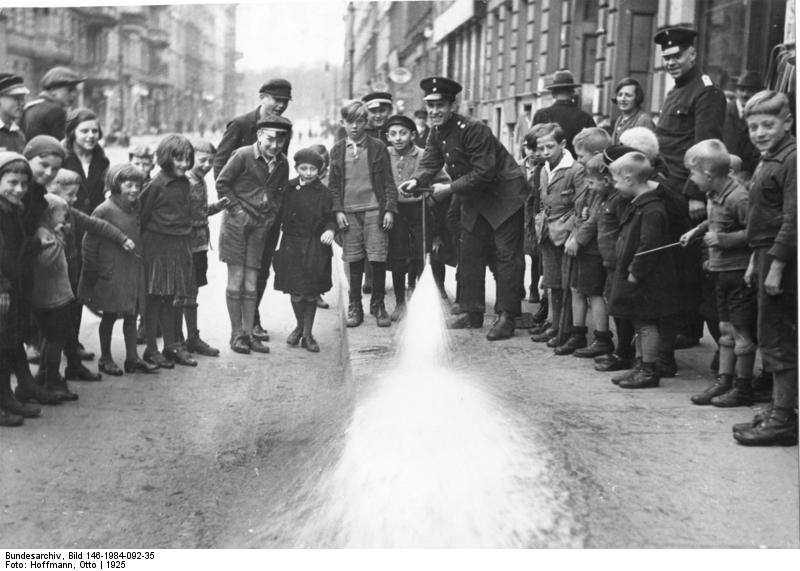
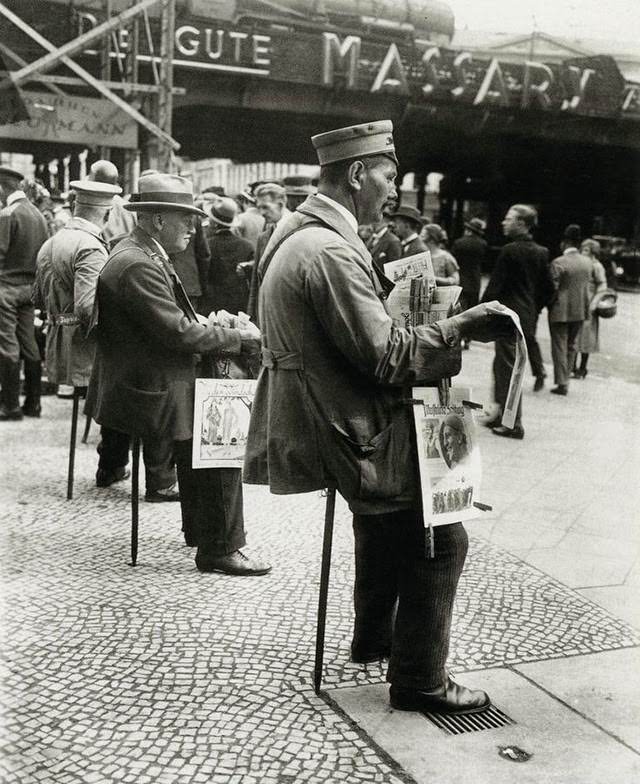
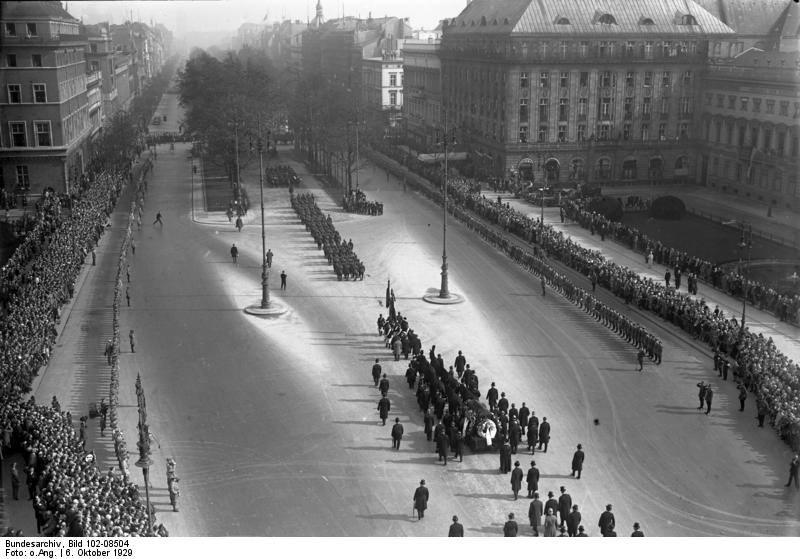
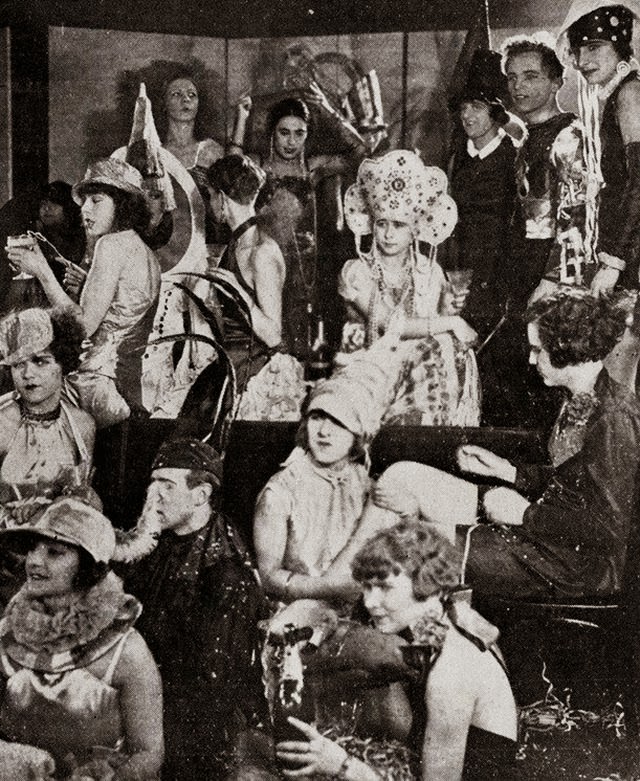
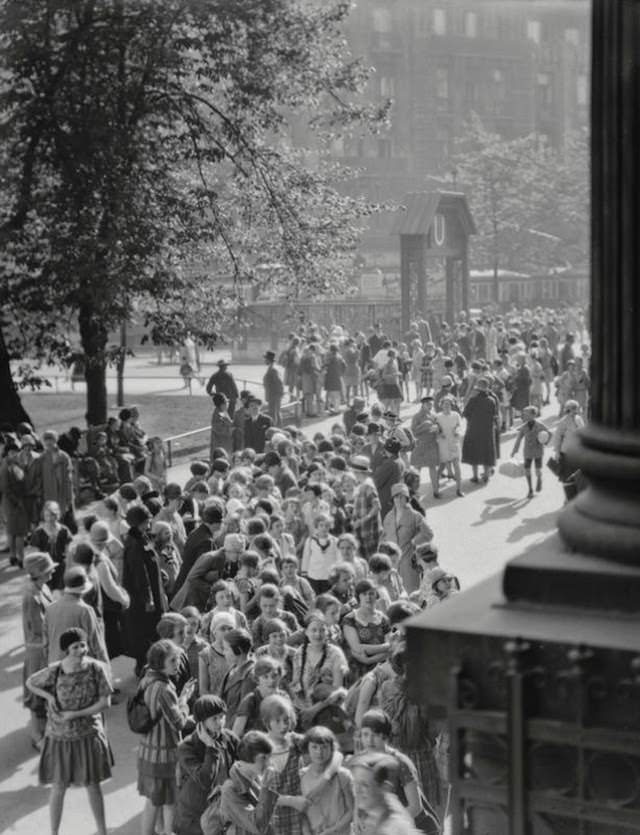
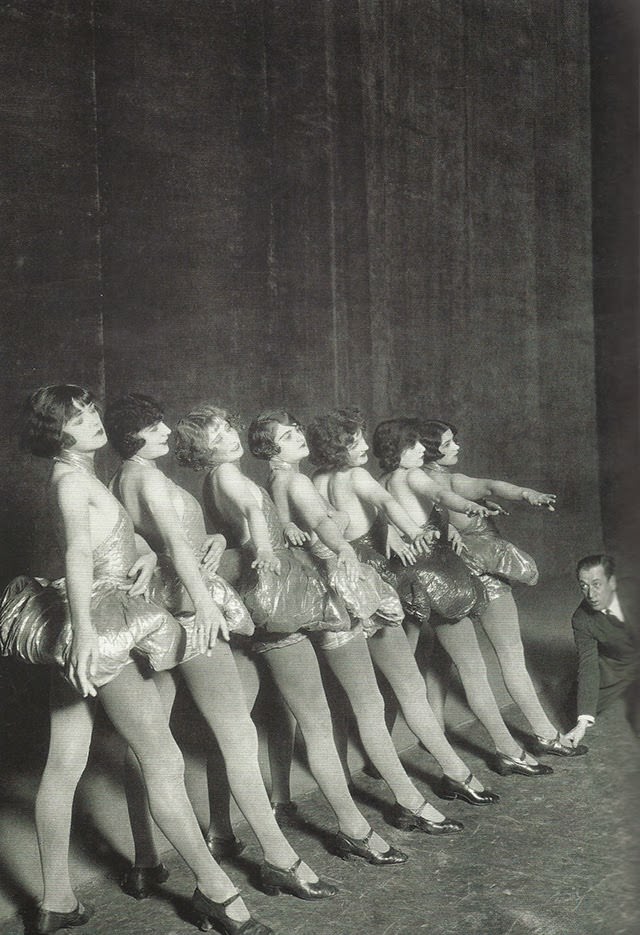
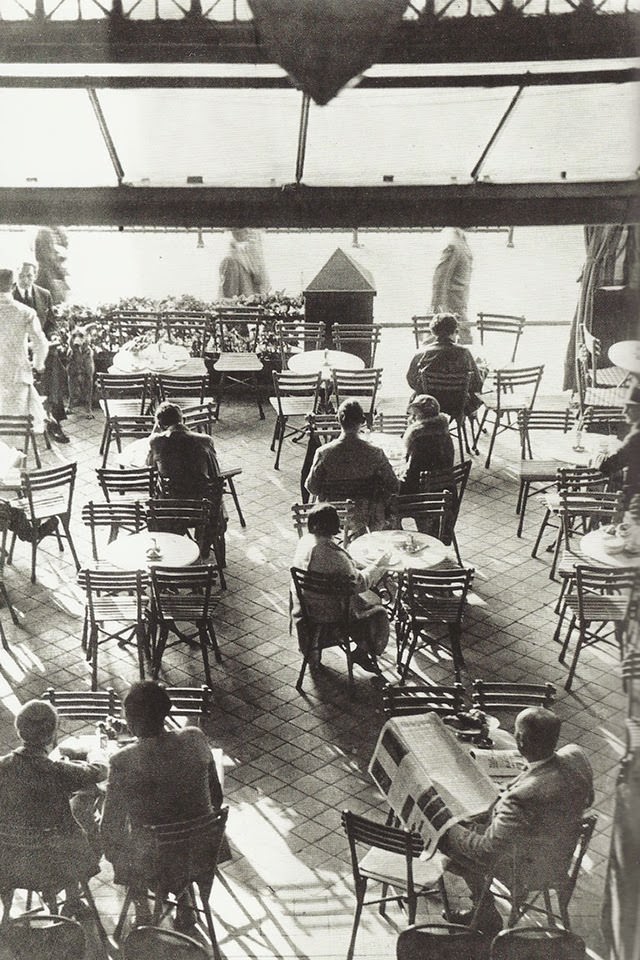
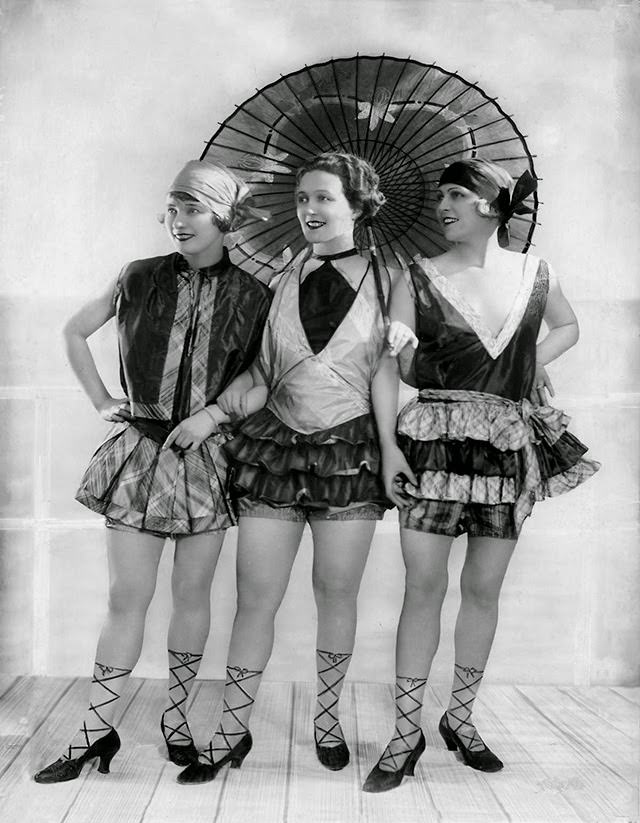
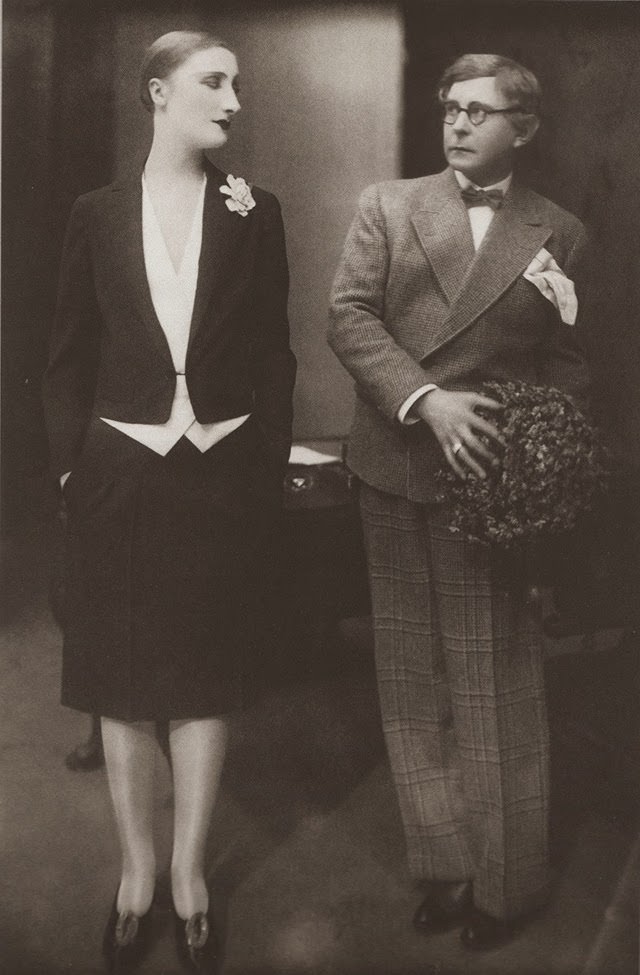
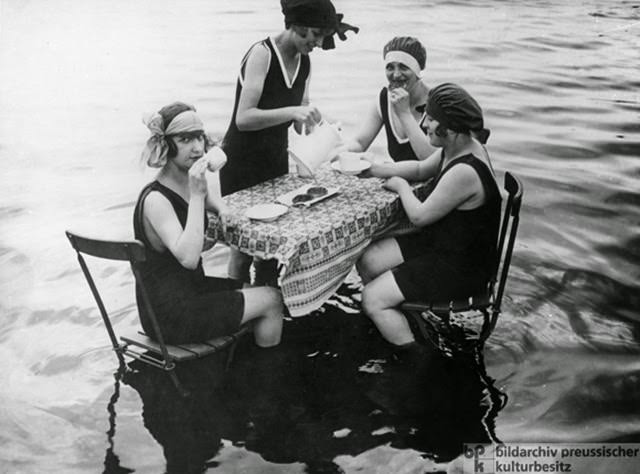
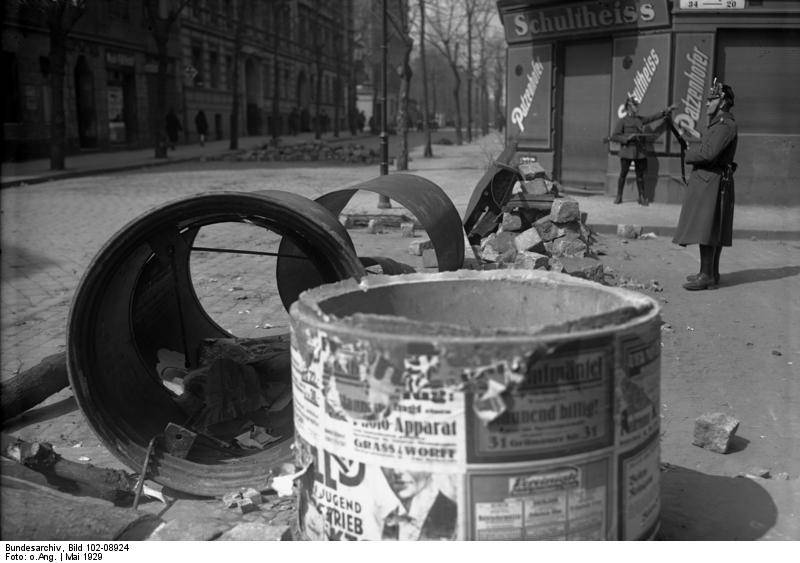
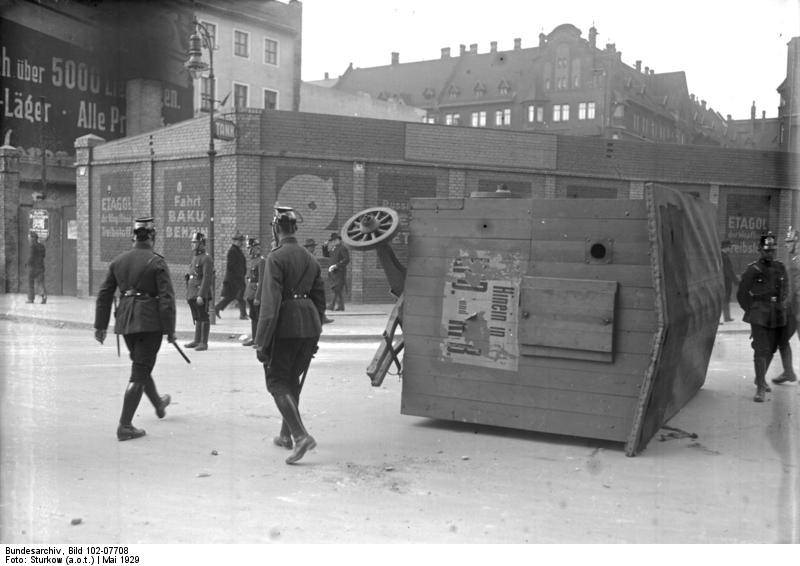
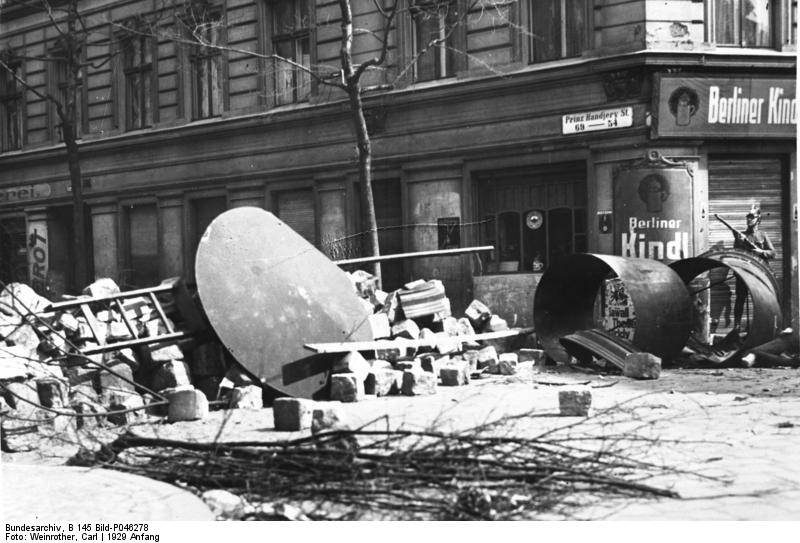
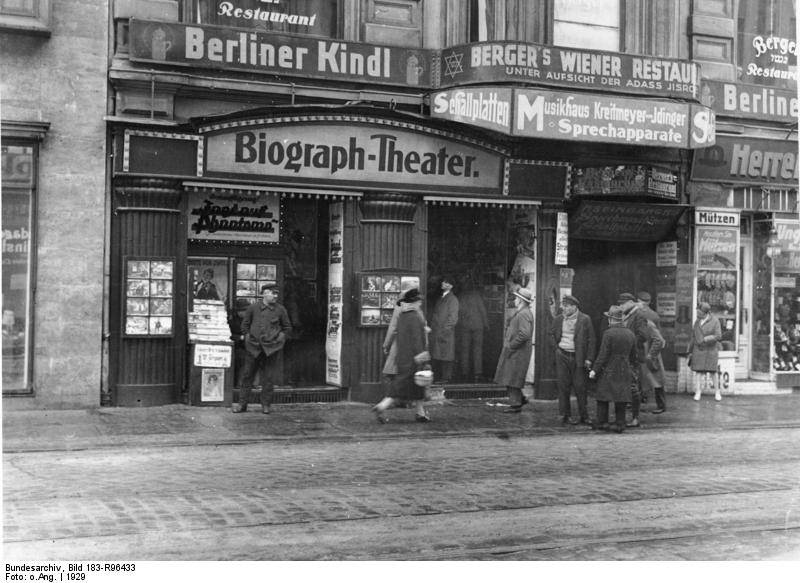
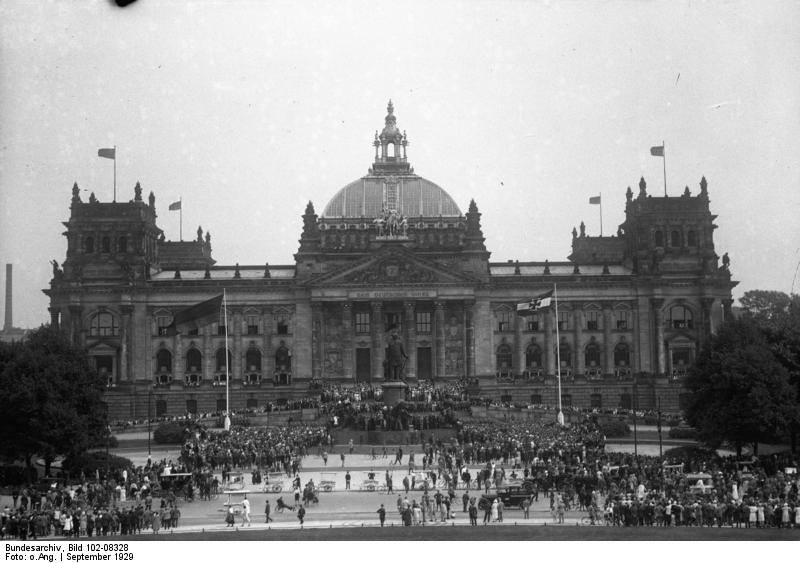
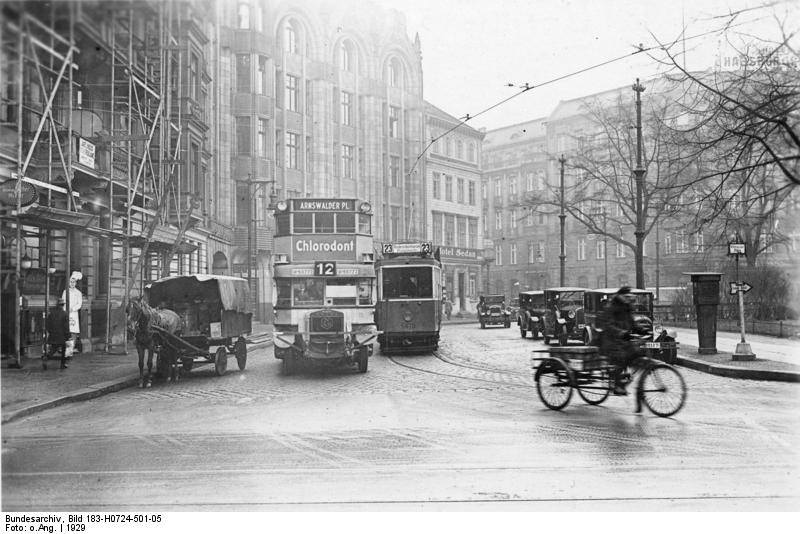
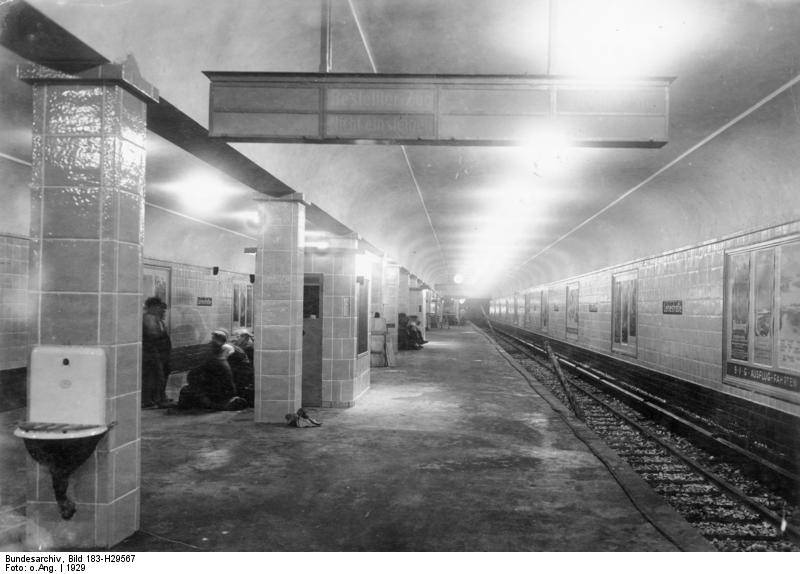
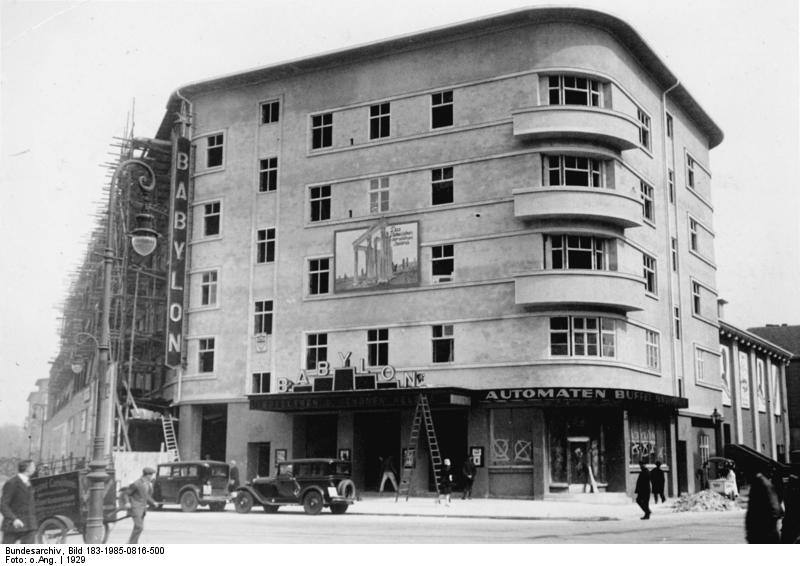
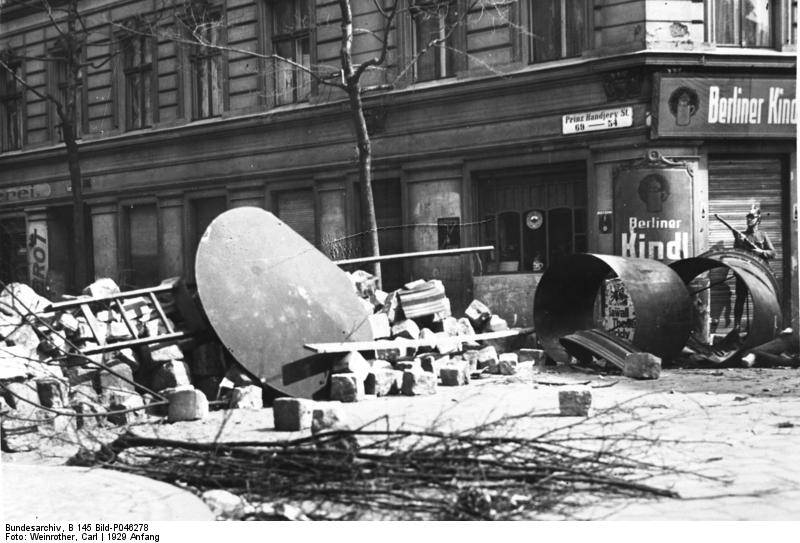
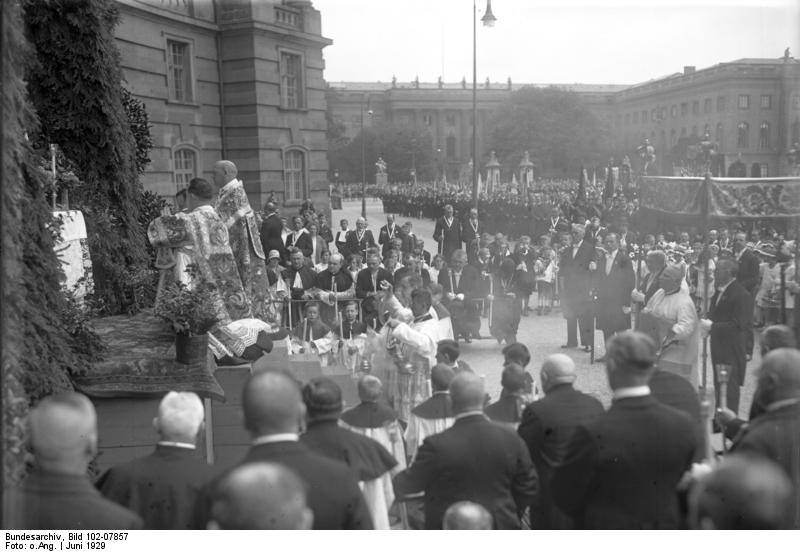
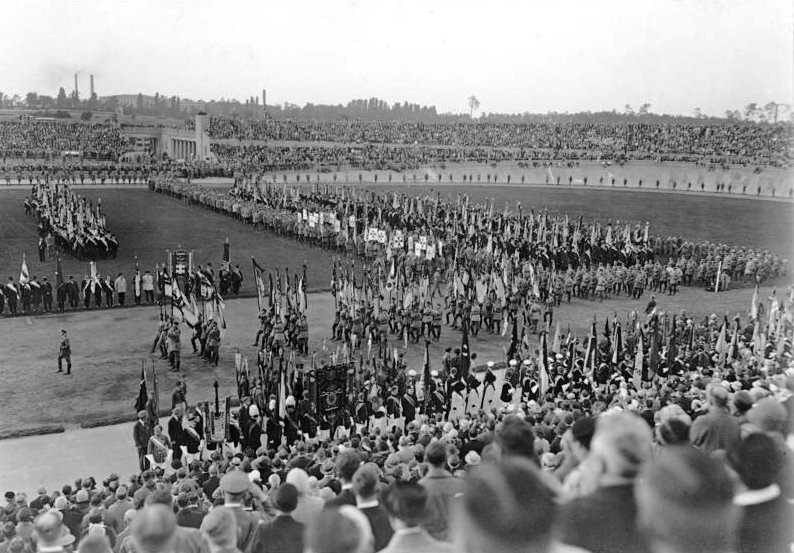
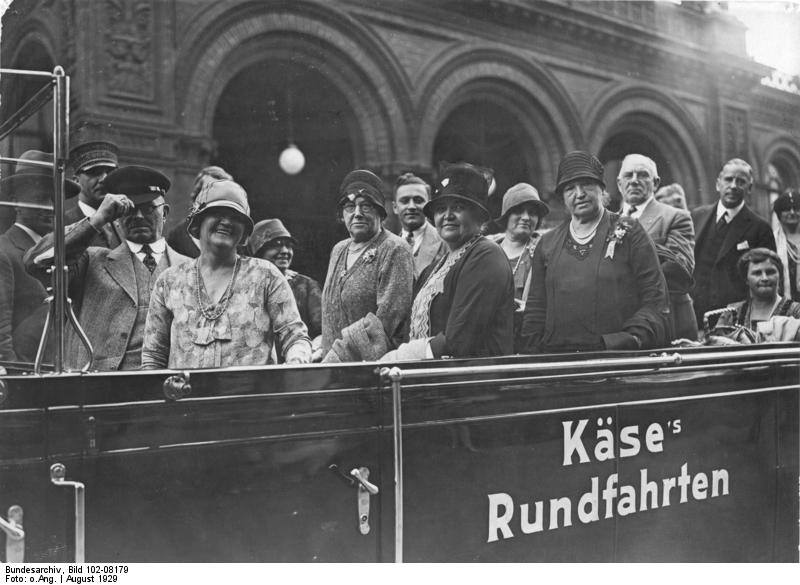
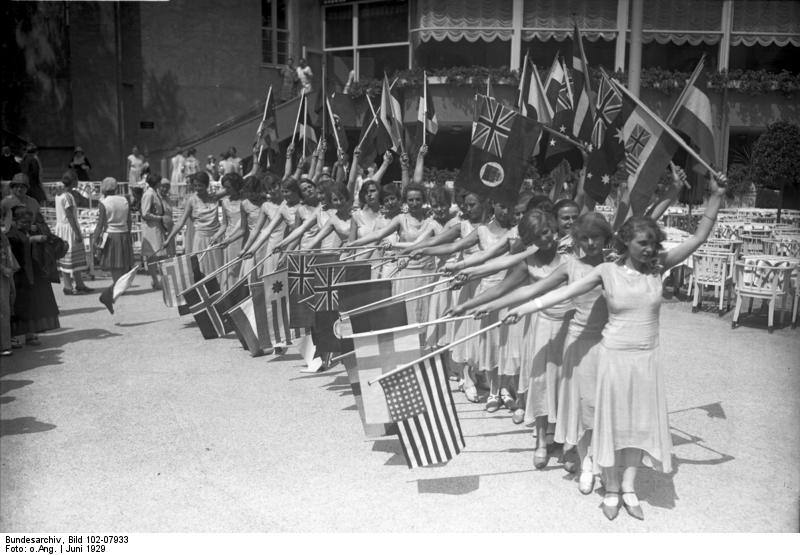
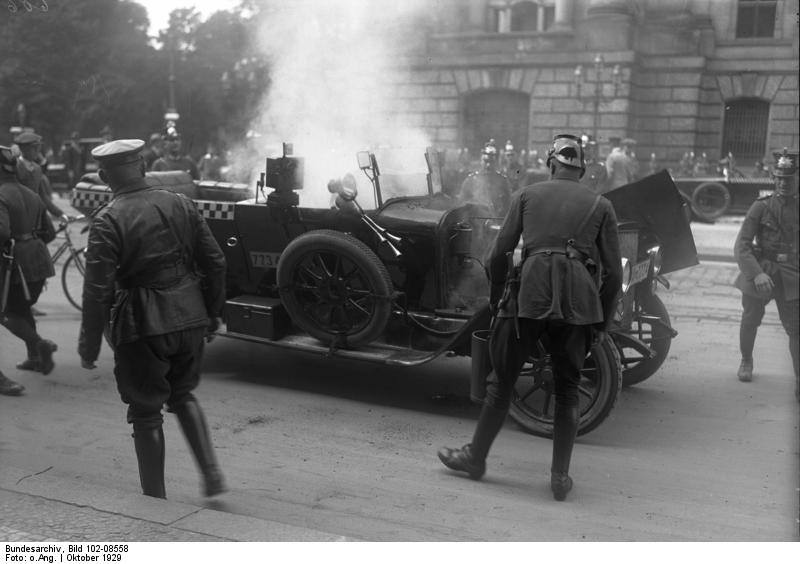
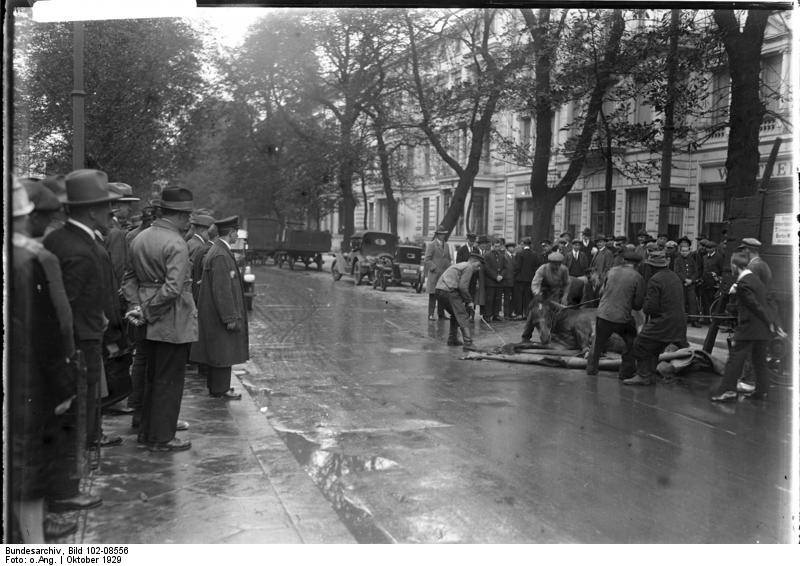
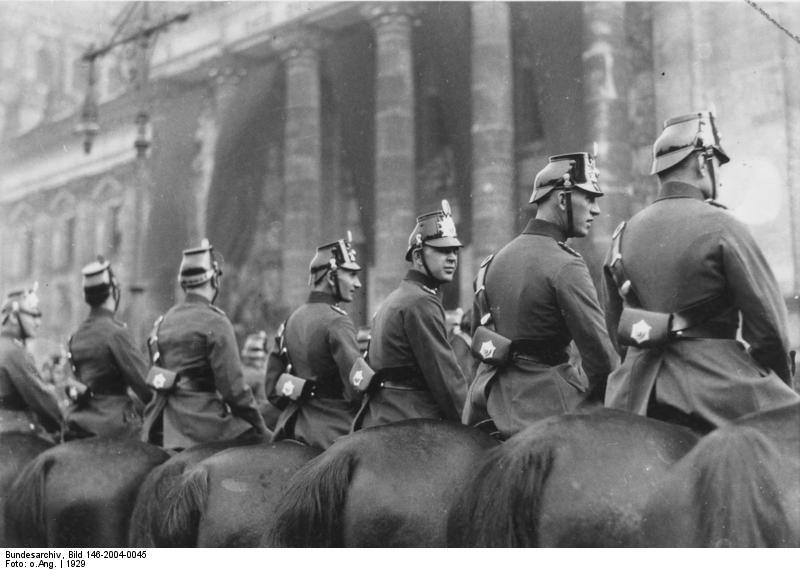
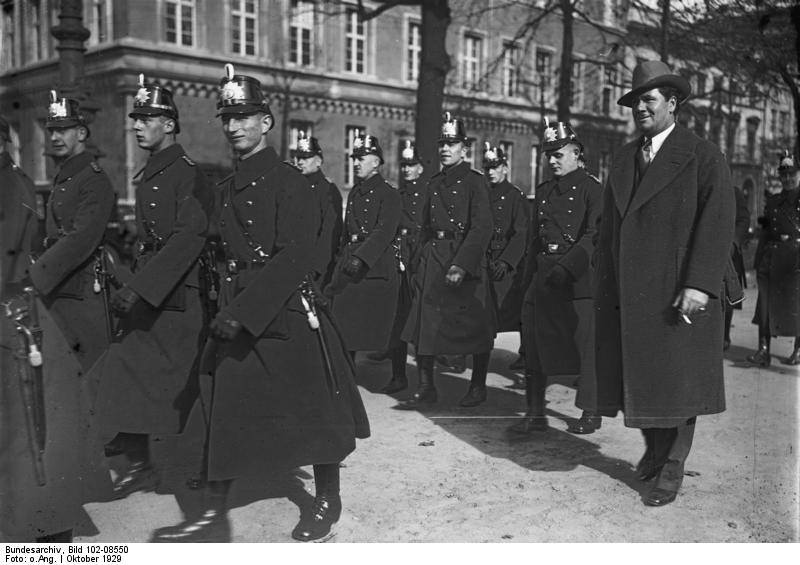
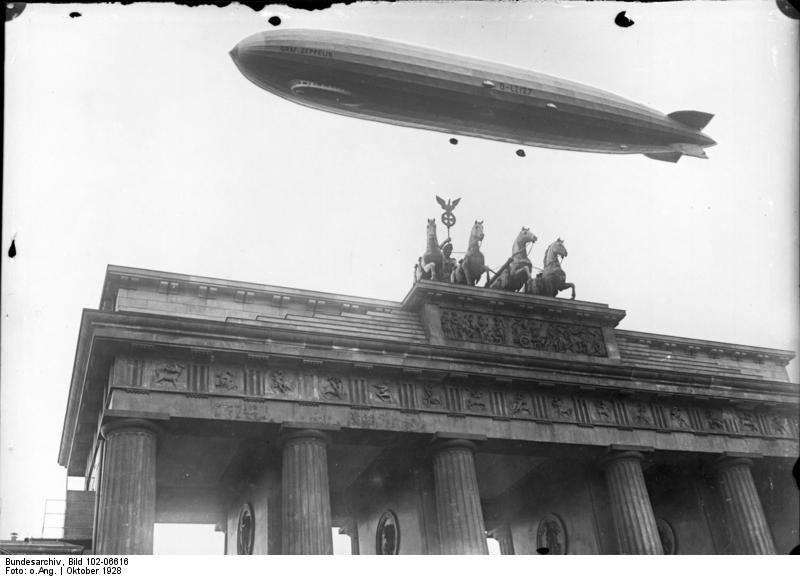
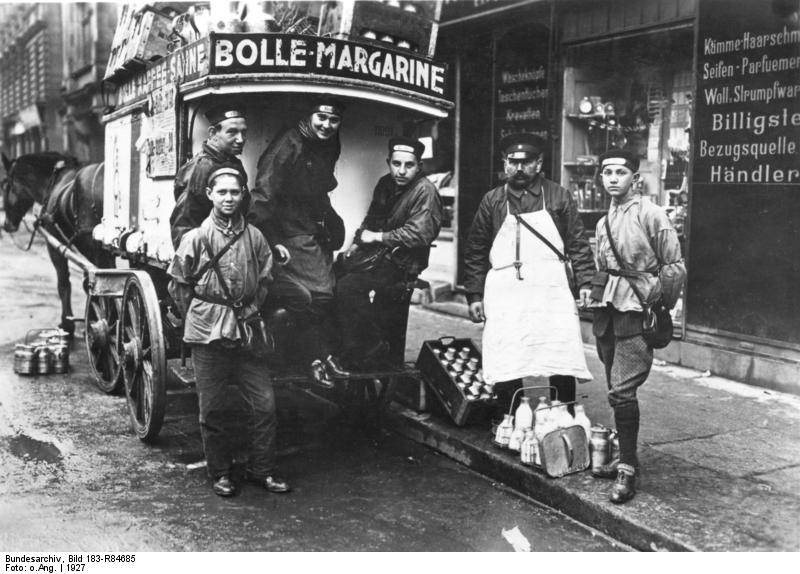
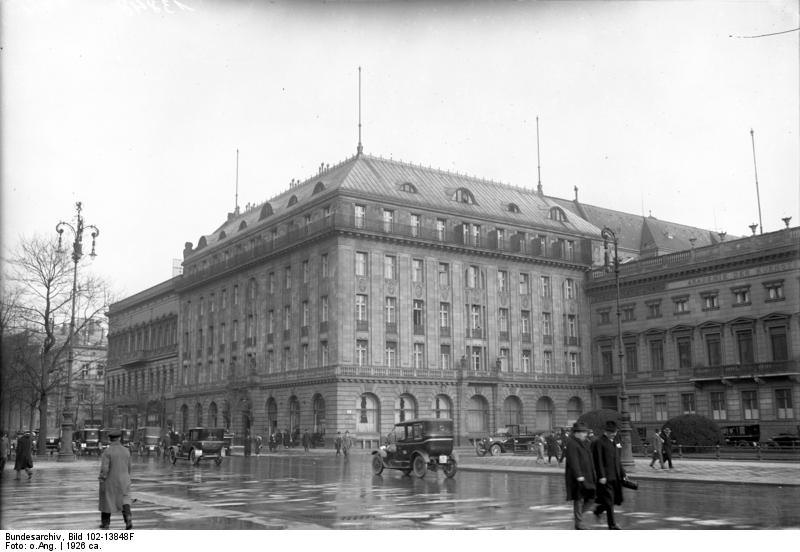
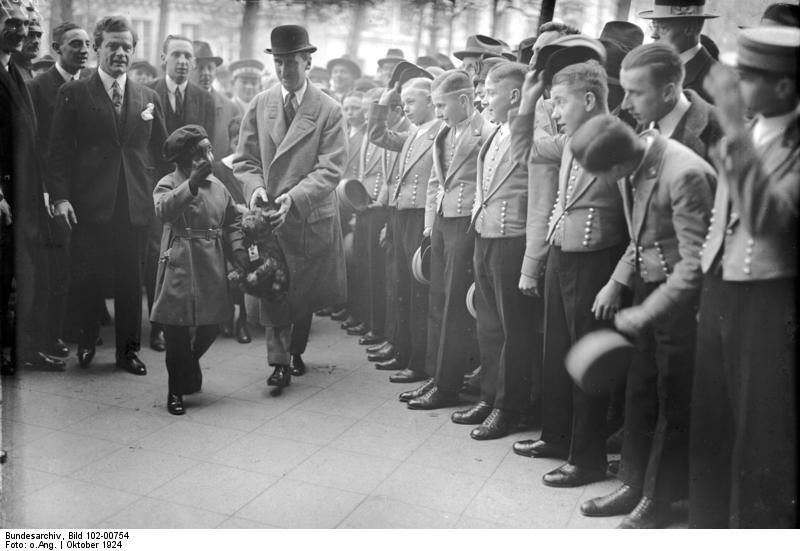
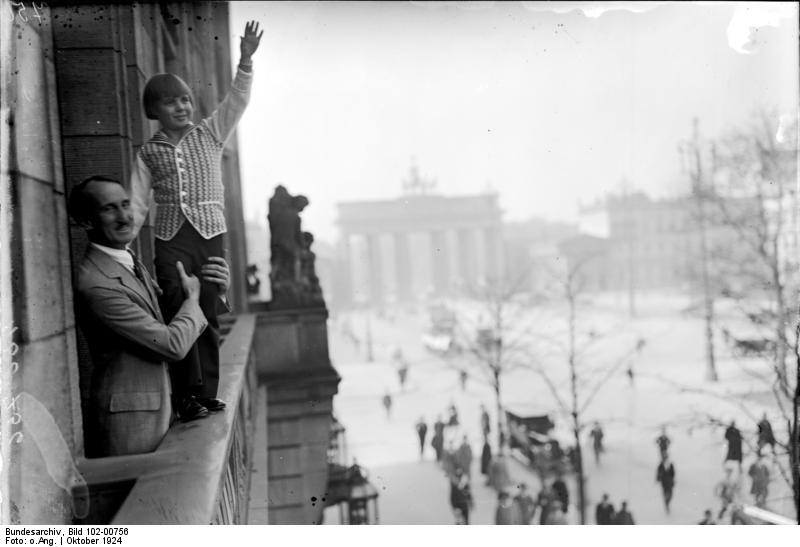
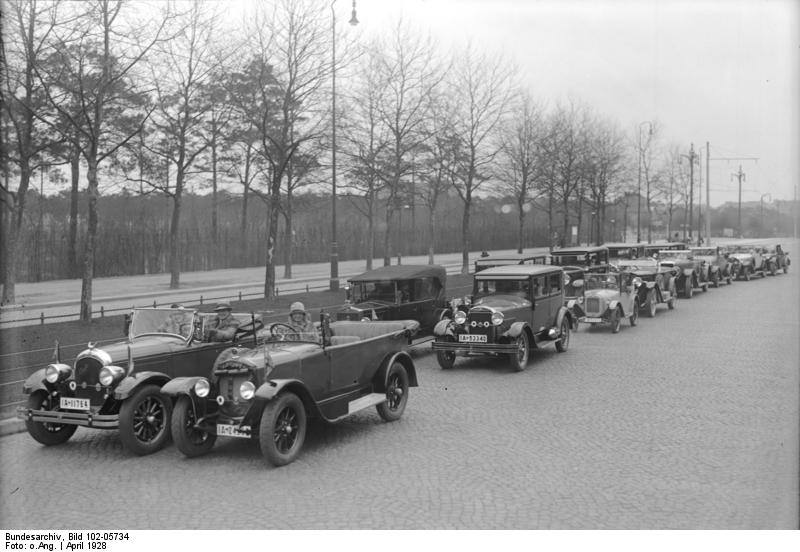
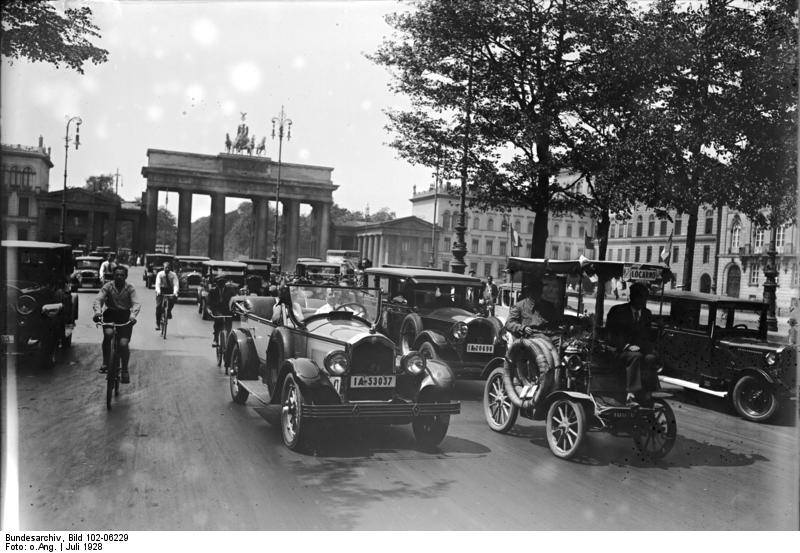
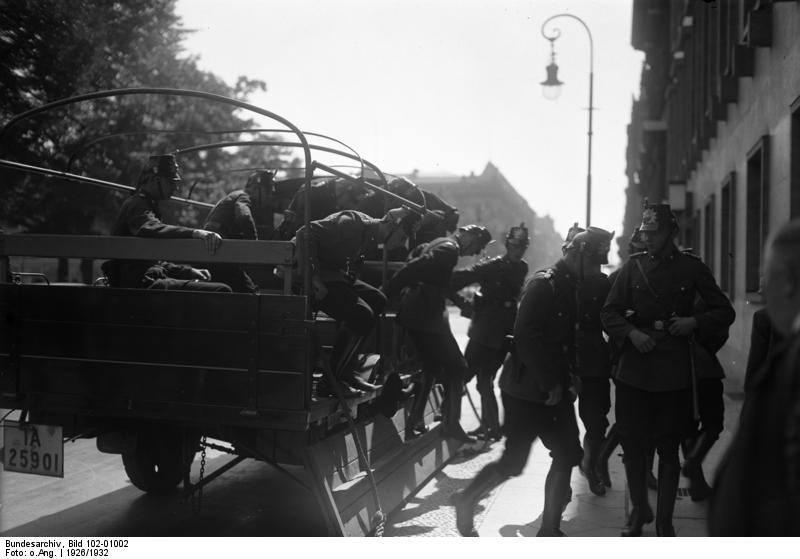
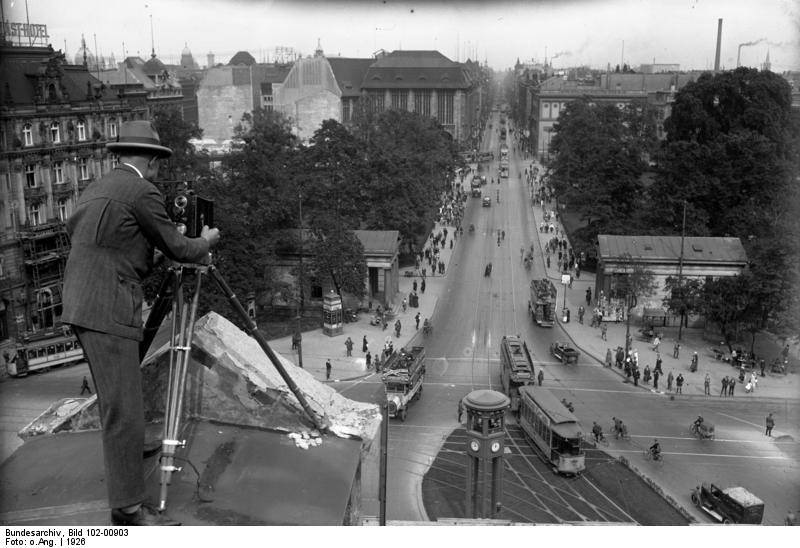
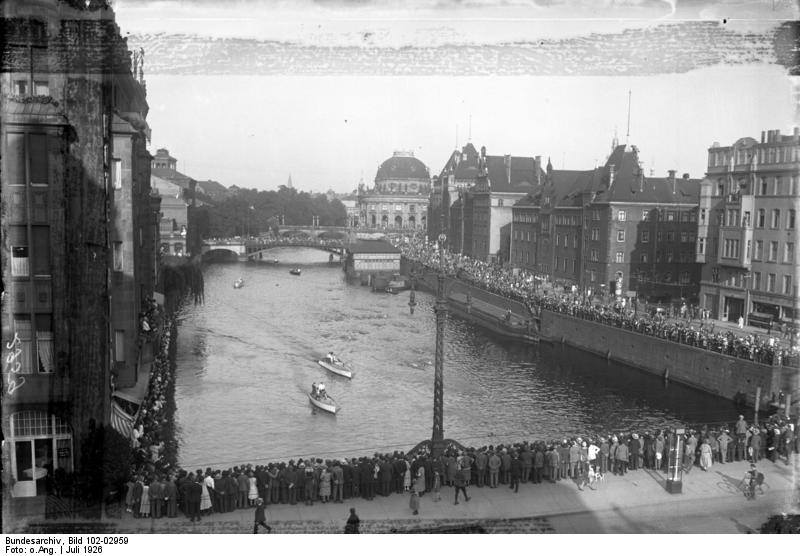
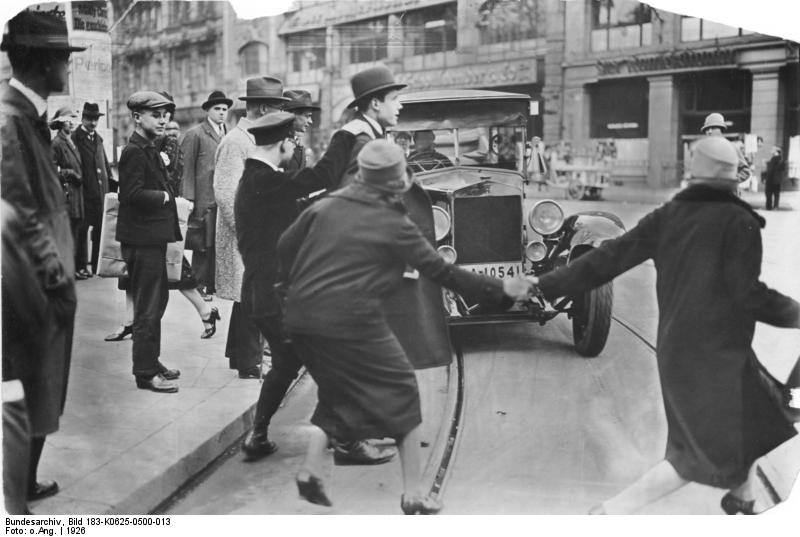
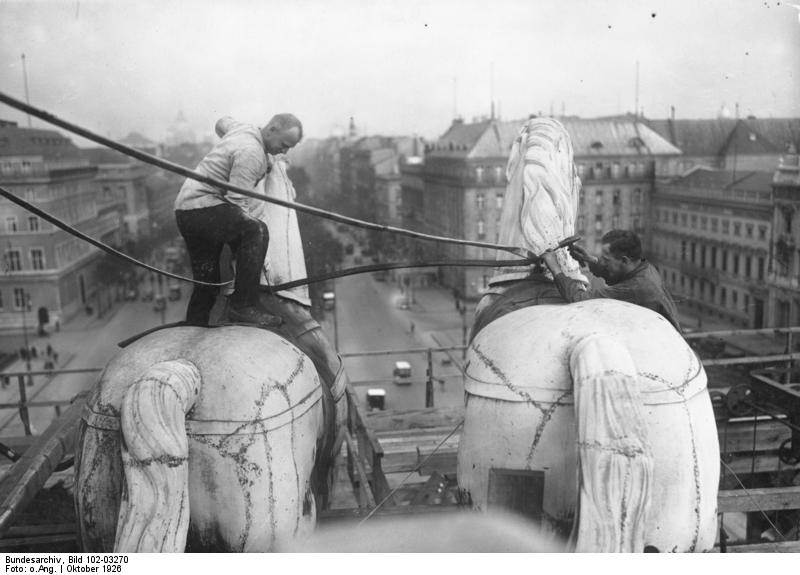
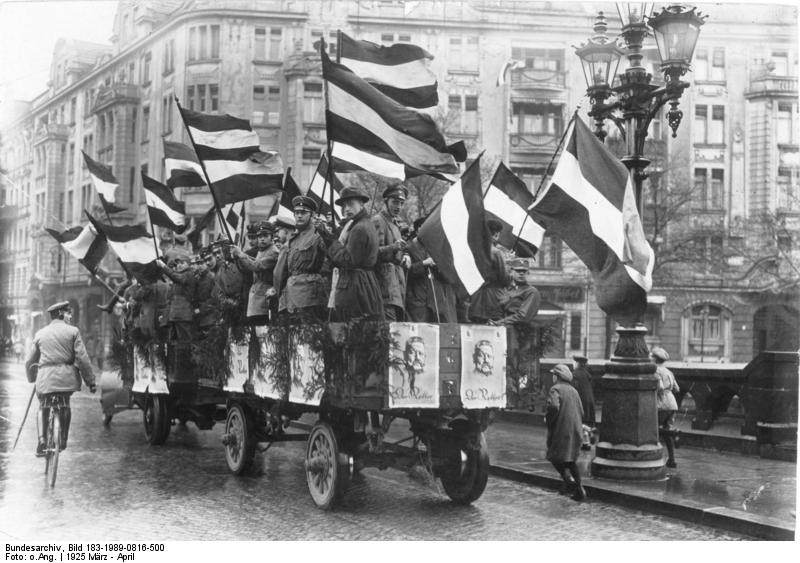
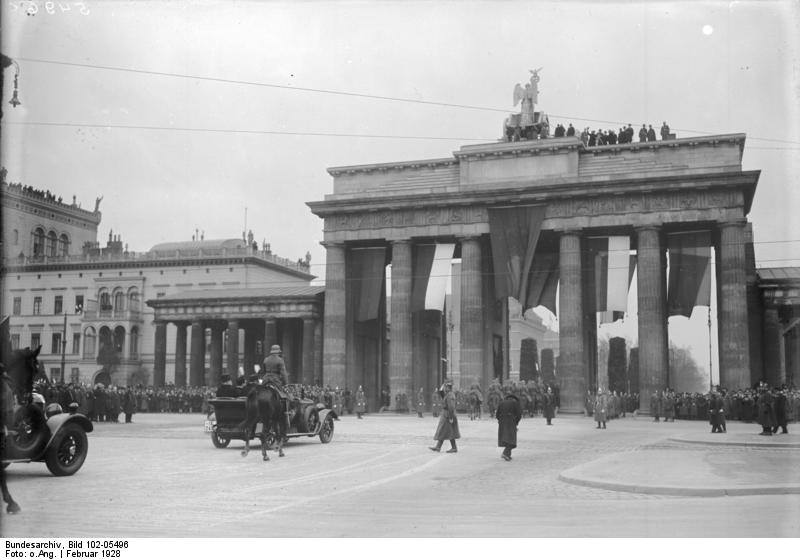
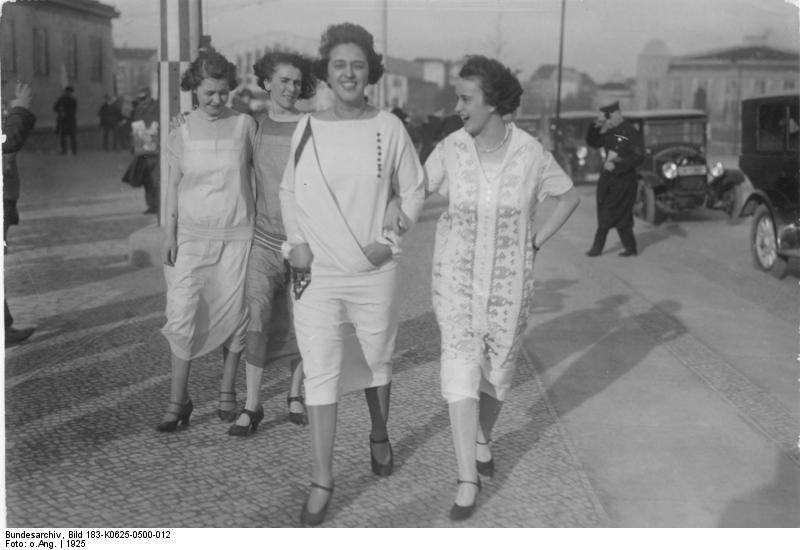
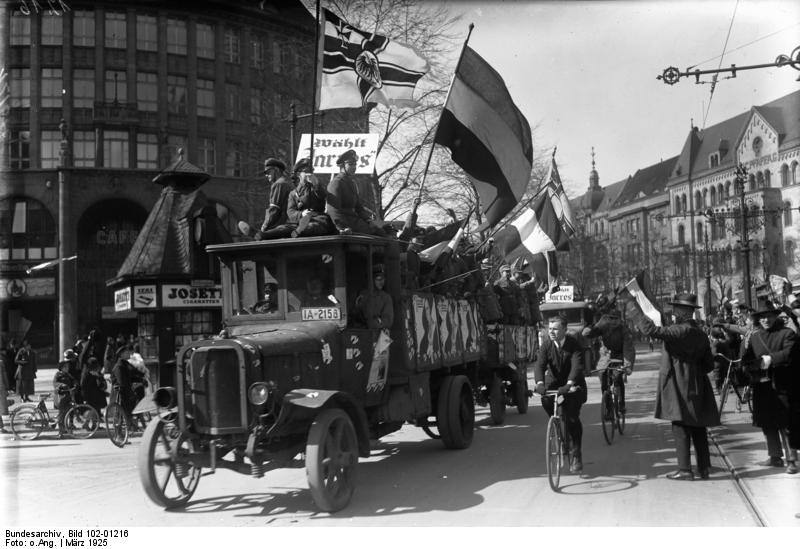
After the devastation of the Great War, cultural life blossomed and reached its heyday in Berlin. The city became the third largest municipality in the world. The city was packed with bars, restaurants, dance halls, cabaret theaters offering risque shows, and huge cinemas with full-sized symphony orchestras providing live musical accompaniment to the silent films.
Berlin is the capital and largest city of Germany by both area and population. Its 3.8 million inhabitants make it the European Union’s most populous city, according to population within city limits. One of Germany’s sixteen constituent states, Berlin is surrounded by the State of Brandenburg and contiguous with Potsdam, Brandenburg’s capital. Berlin’s urban area, which has a population of around 4.5 million, is the second most populous urban area in Germany after the Ruhr. The Berlin-Brandenburg capital region has over six million inhabitants and is Germany’s third-largest metropolitan region after the Rhine-Ruhr and Rhine-Main regions.
Berlin straddles the banks of the Spree, which flows into the Havel (a tributary of the Elbe) in the western borough of Spandau. Among the city’s main topographical features are the many lakes in the western and southeastern boroughs formed by the Spree, Havel and Dahme, the largest of which is Lake Müggelsee. Due to its location in the European Plain, Berlin is influenced by a temperate seasonal climate. About one-third of the city’s area is composed of forests, parks, gardens, rivers, canals and lakes. The city lies in the Central German dialect area, the Berlin dialect being a variant of the Lusatian-New Marchian dialects.
First documented in the 13th century and at the crossing of two important historic trade routes, Berlin became the capital of the Margraviate of Brandenburg (1417–1701), the Kingdom of Prussia (1701–1918), the German Empire (1871–1918), the Weimar Republic (1919–1933), and the Third Reich (1933–1945). Berlin in the 1920s was the third-largest municipality in the world. After World War II and its subsequent occupation by the victorious countries, the city was divided; West Berlin became a de facto exclave of West Germany, surrounded by the Berlin Wall (1961–1989) and East German territory. East Berlin was declared capital of East Germany, while Bonn became the West German capital. Following German reunification in 1990, Berlin once again became the capital of all of Germany.
Berlin is a world city of culture, politics, media and science. Its economy is based on high-tech firms and the service sector, encompassing a diverse range of creative industries, research facilities, media corporations and convention venues. Berlin serves as a continental hub for air and rail traffic and has a highly complex public transportation network. The metropolis is a popular tourist destination. Significant industries also include IT, pharmaceuticals, biomedical engineering, clean tech, biotechnology, construction and electronics.
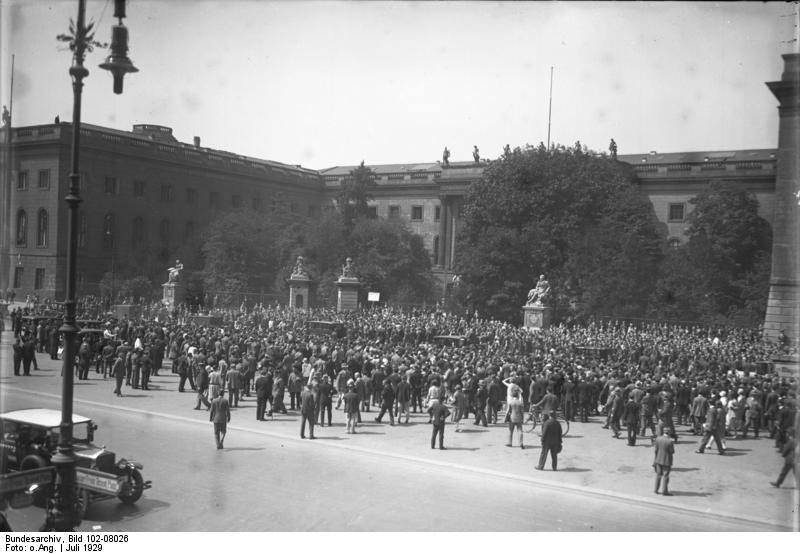
Berlin is home to world-renowned universities such as the Humboldt University, the Technical University, the Free University, the University of the Arts, ESMT Berlin and Bard College Berlin. Its Zoological Garden is the most visited zoo in Europe and one of the most popular worldwide. With Babelsberg being the world’s first large-scale movie studio complex, Berlin is an increasingly popular location for international film productions. The city is well known for its festivals, diverse architecture, nightlife, contemporary arts and a very high quality of living. Since the 2000s Berlin has seen the emergence of a cosmopolitan entrepreneurial scene.
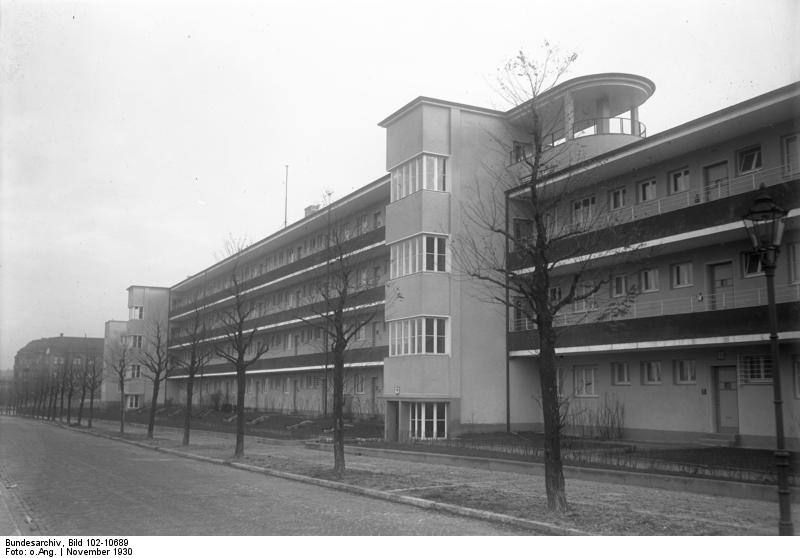
Berlin contains three World Heritage Sites: Museum Island; the Palaces and Parks of Potsdam and Berlin; and the Berlin Modernism Housing Estates. Other landmarks include the Brandenburg Gate, the Reichstag building, Potsdamer Platz, the Memorial to the Murdered Jews of Europe, the Berlin Wall Memorial, the East Side Gallery, the Berlin Victory Column, Berlin Cathedral and the Berlin Television Tower, the tallest structure in Germany. Berlin has numerous museums, galleries, libraries, orchestras, and sporting events. These include the Old National Gallery, the Bode Museum, the Pergamon Museum, the German Historical Museum, the Jewish Museum Berlin, the Natural History Museum, the Humboldt Forum, the Berlin State Library, the Berlin State Opera, the Berlin Philharmonic and the Berlin Marathon. (Wikipedia)
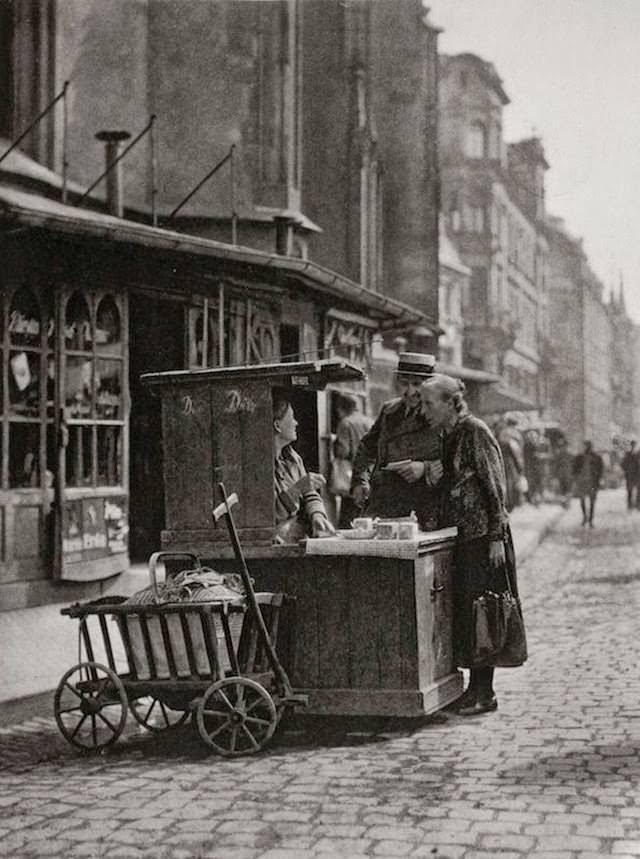
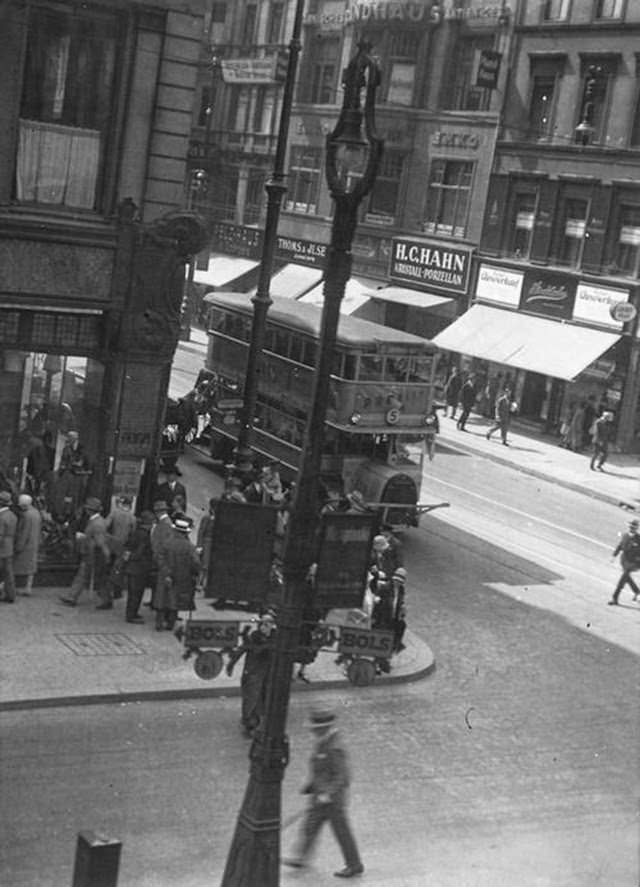
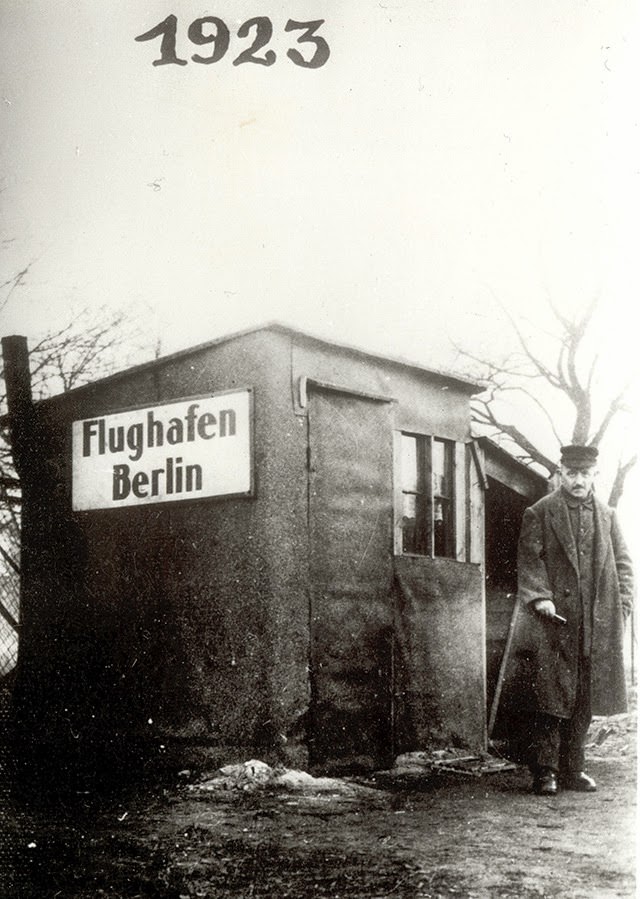
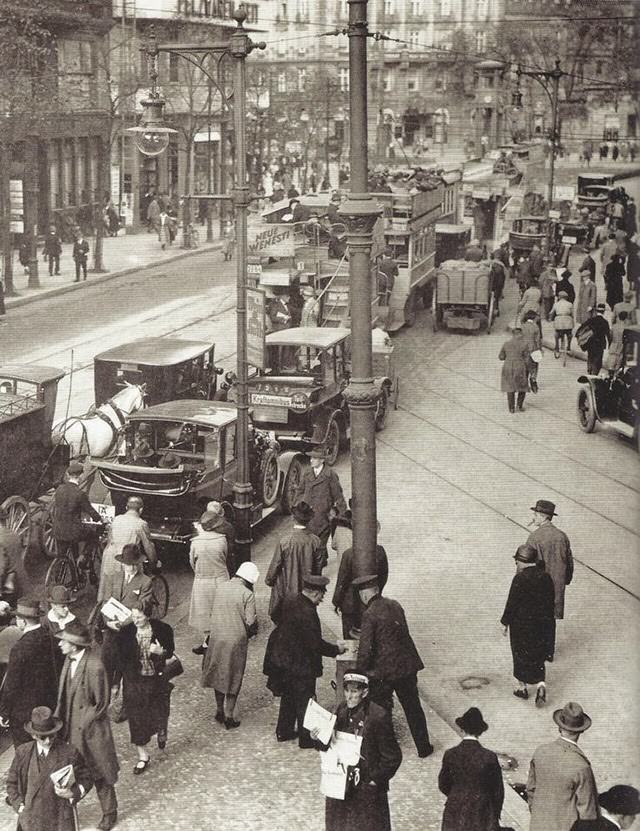
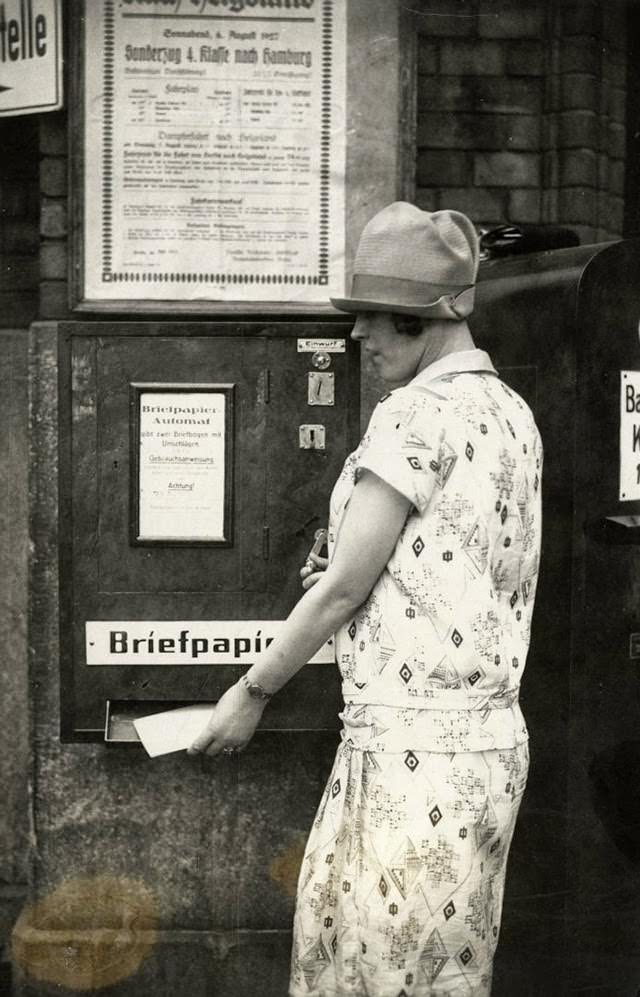
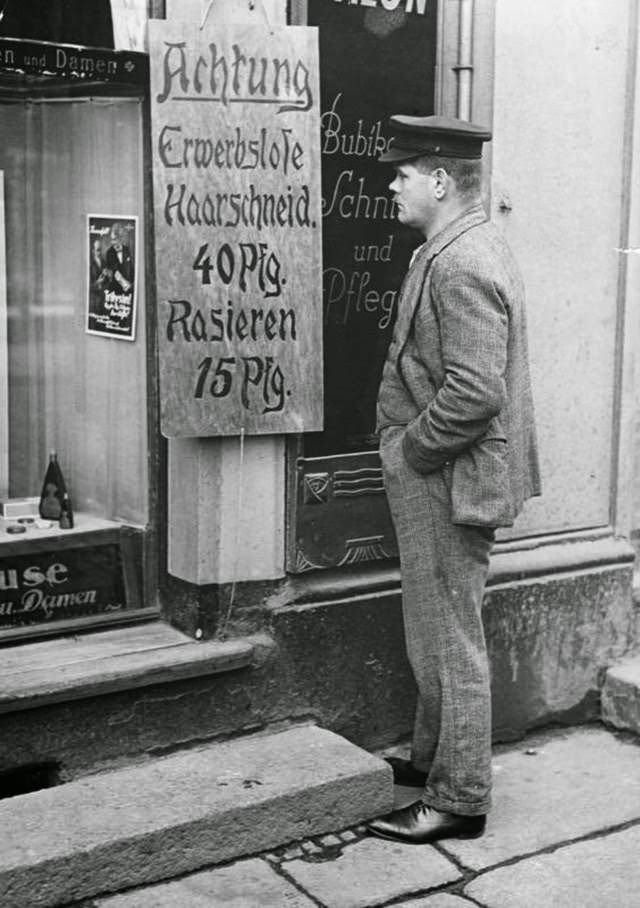
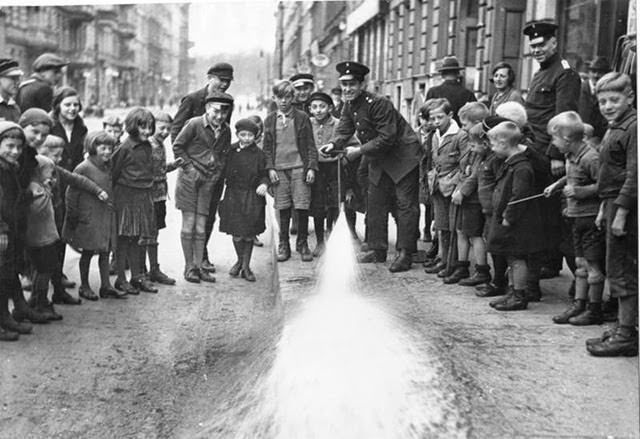
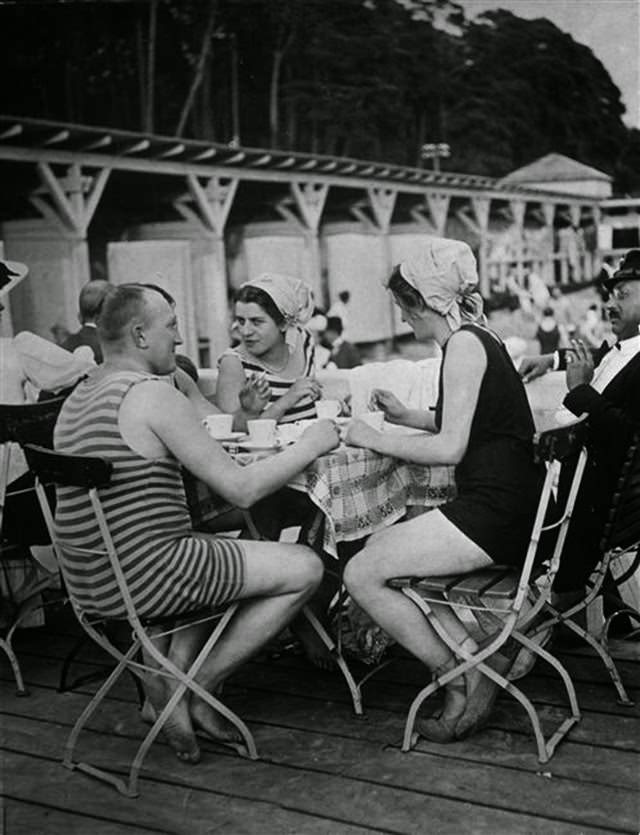
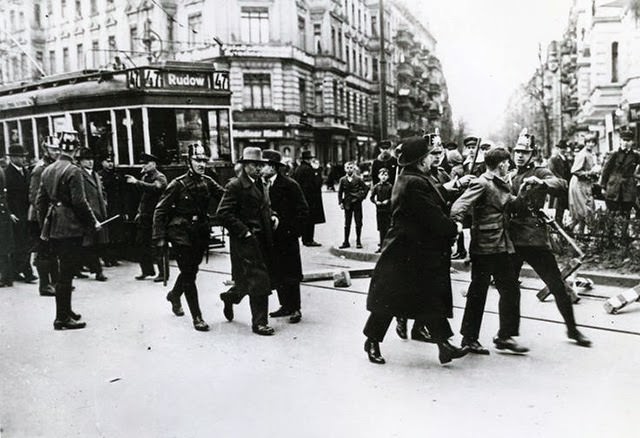
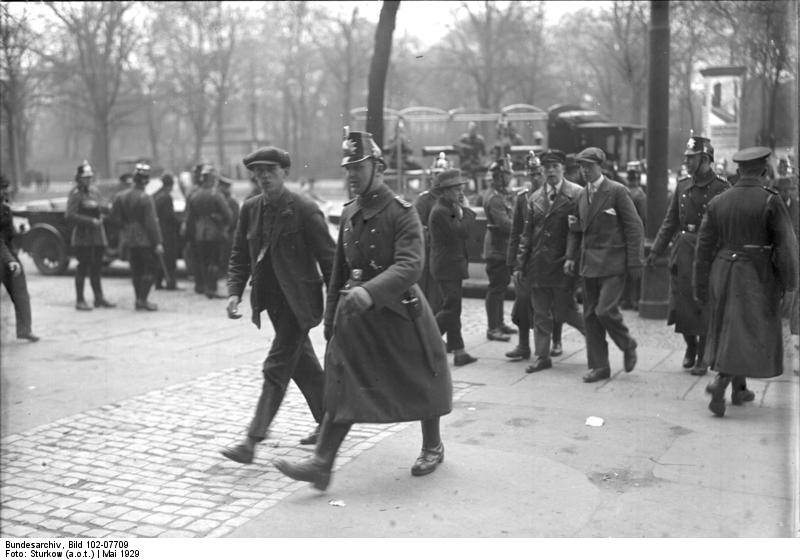
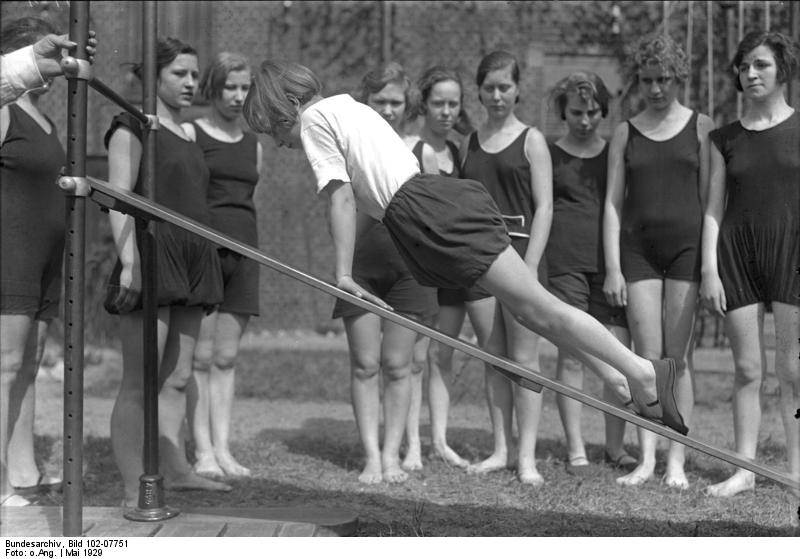
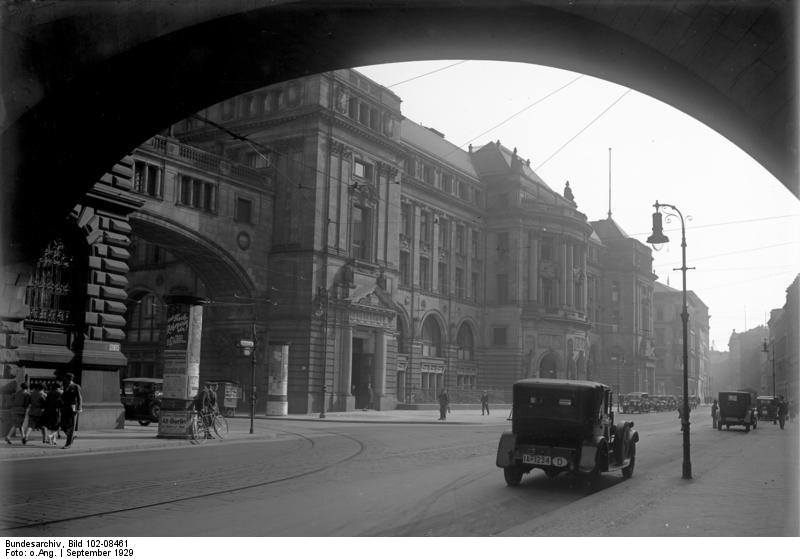
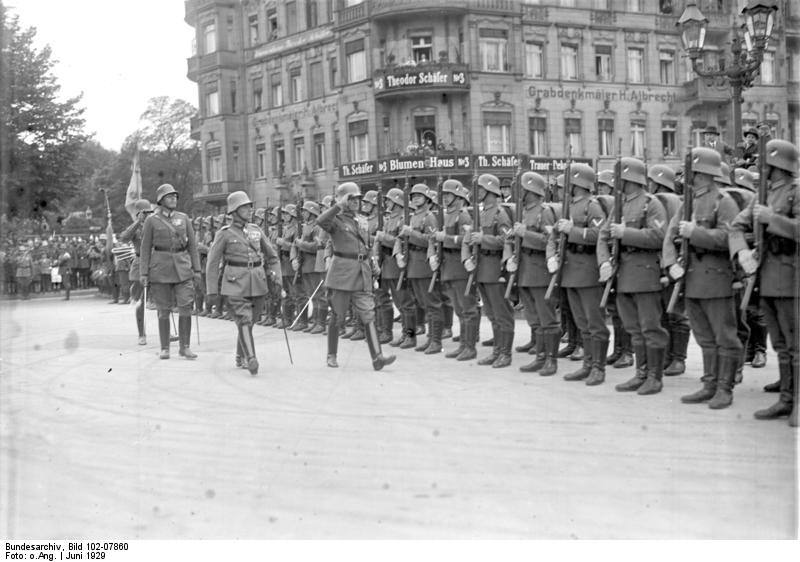
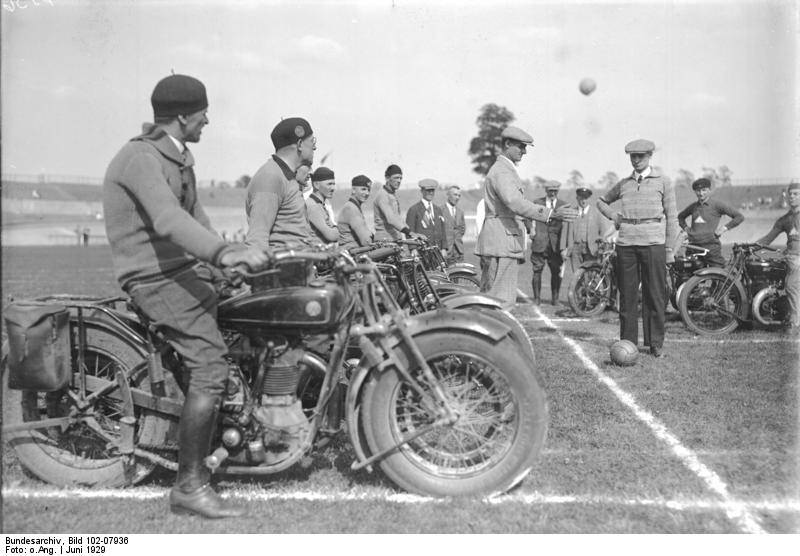
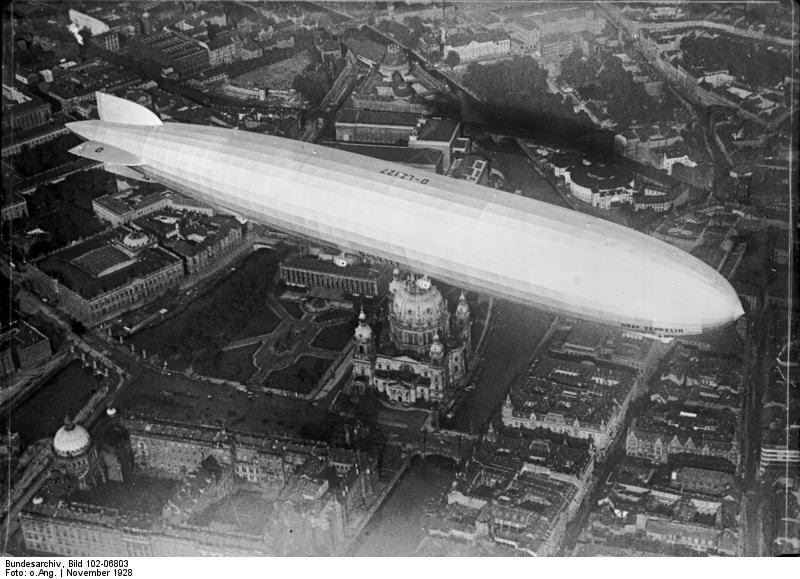
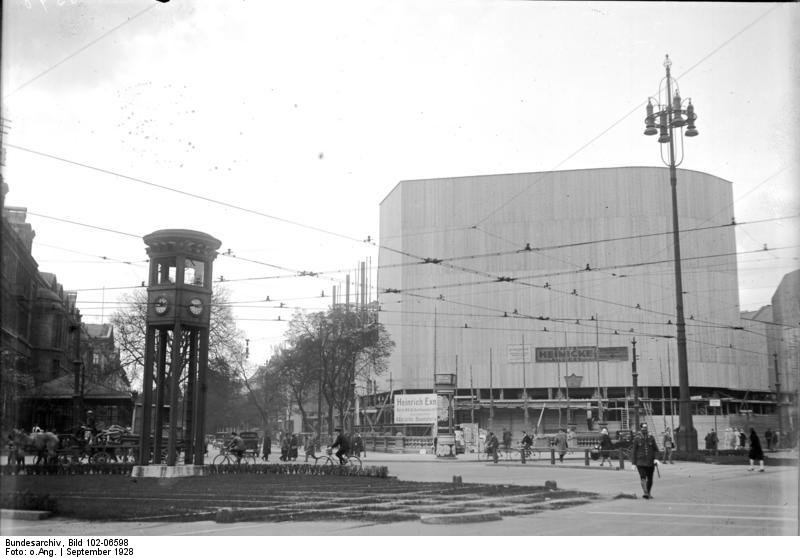
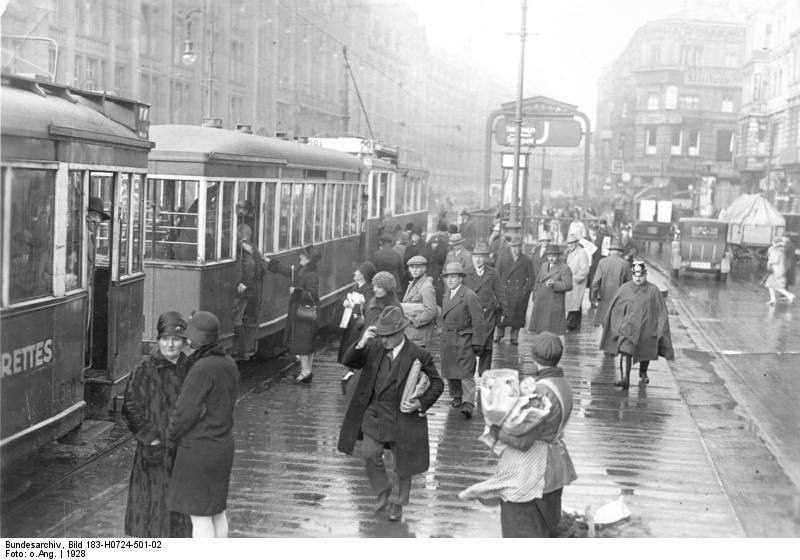
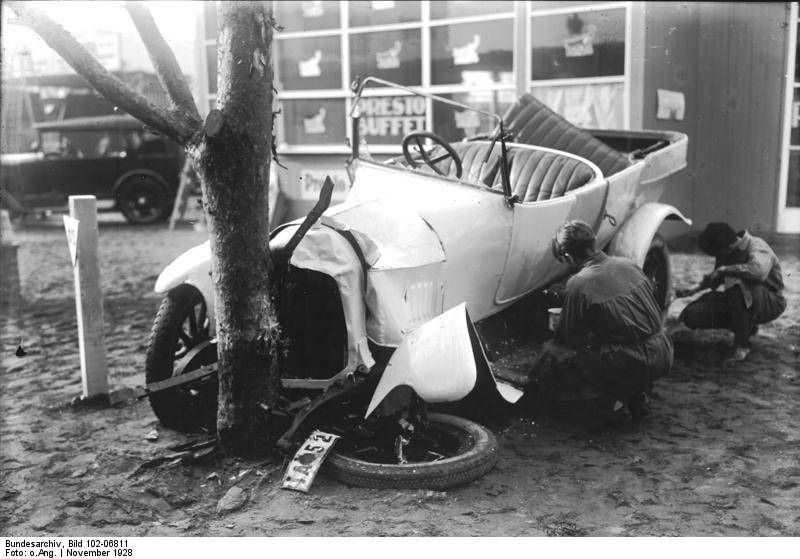
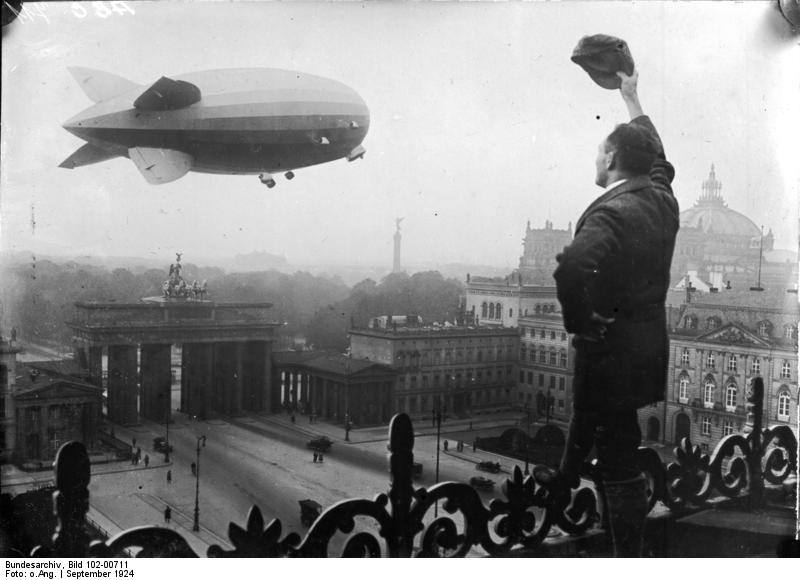
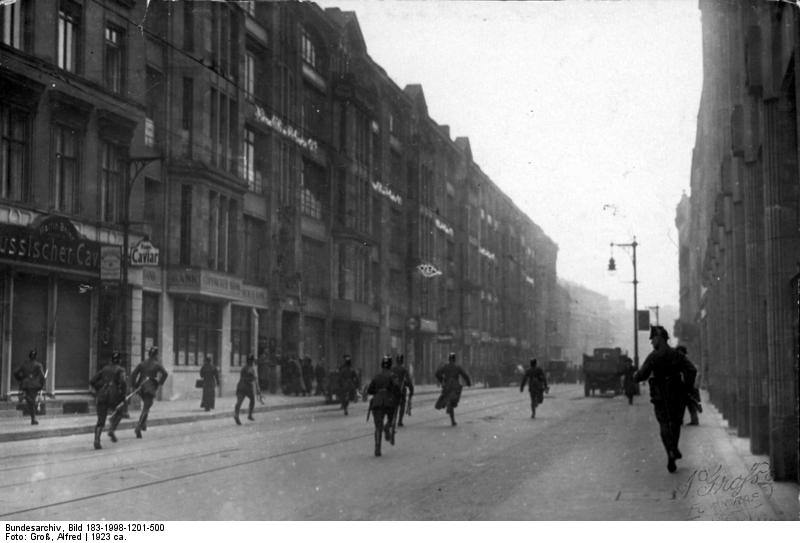
Have a look at these historical photographs that show what Berlin looked like in the 1920s.
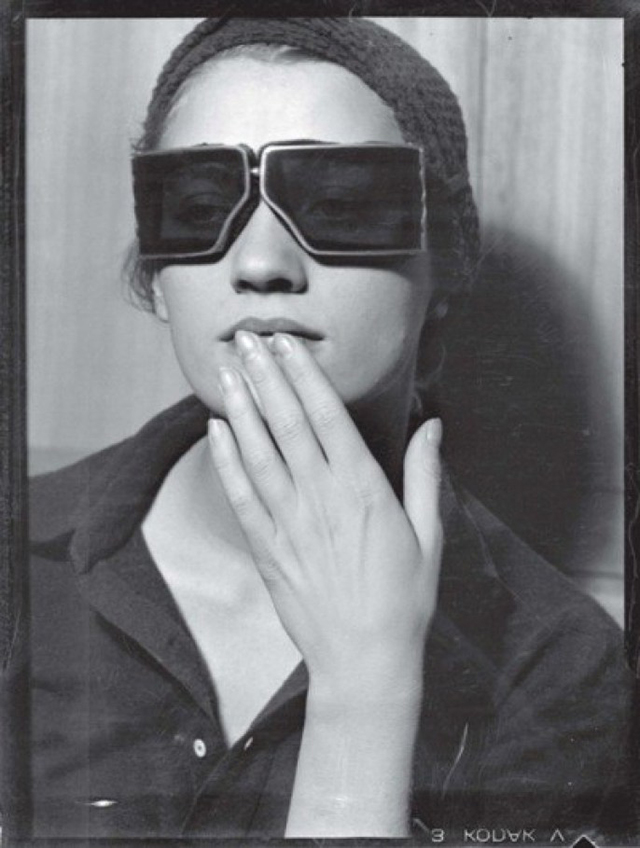
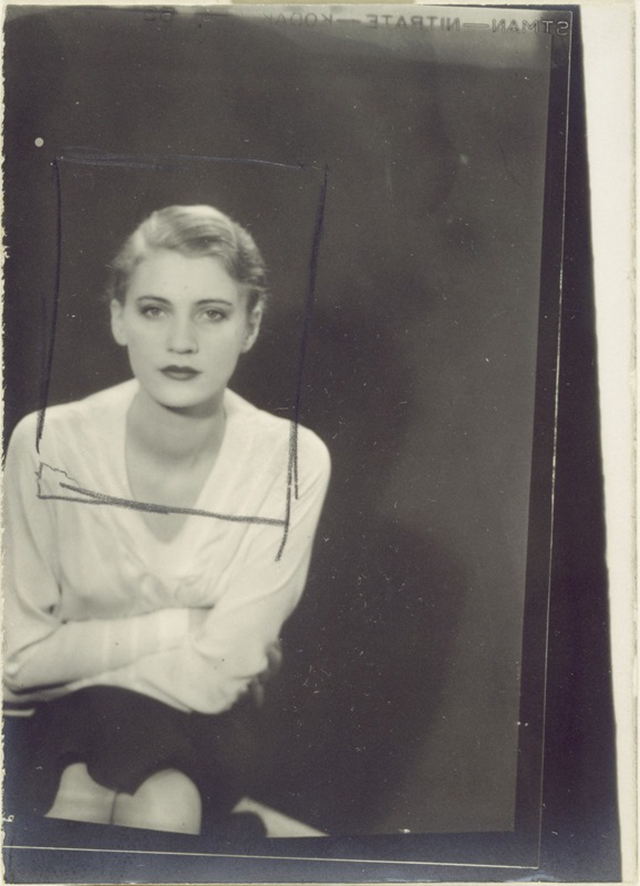
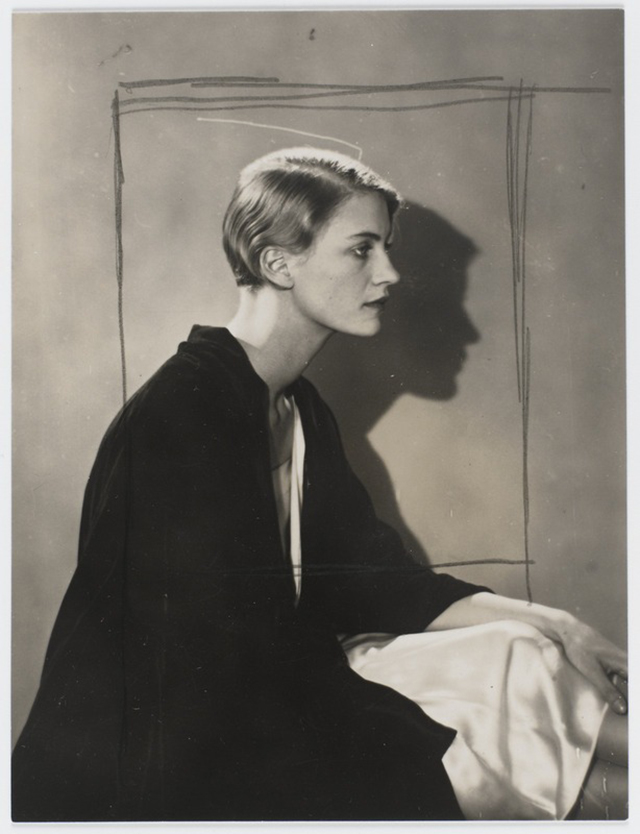
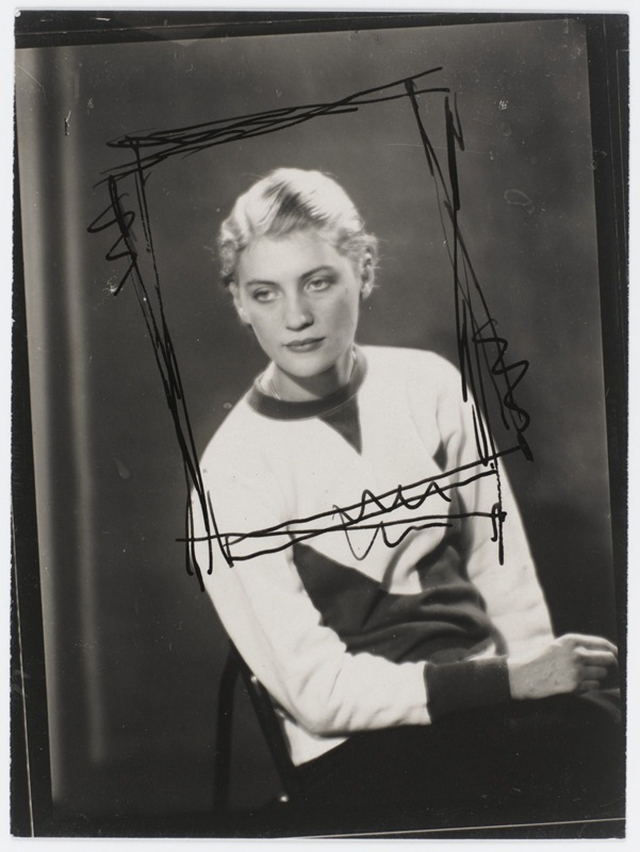
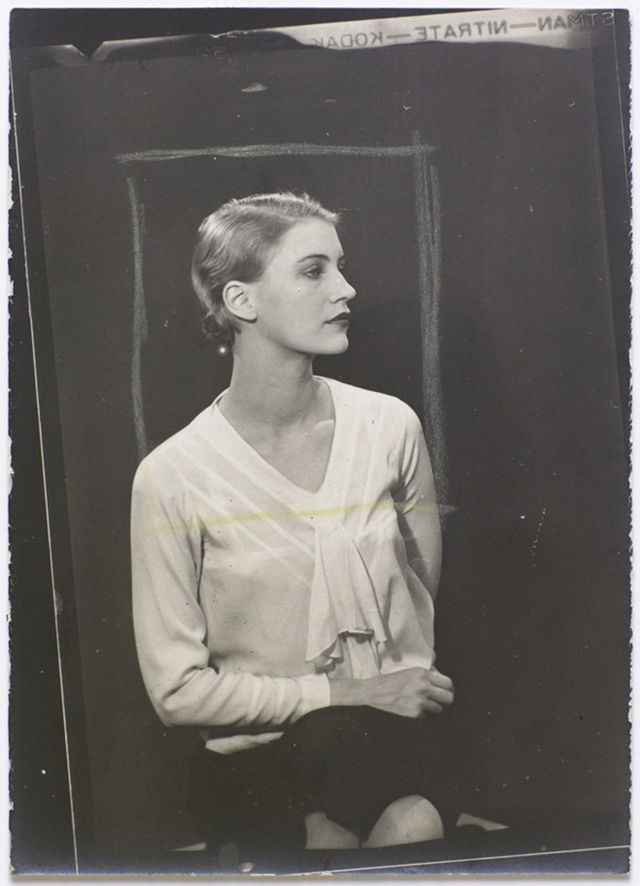
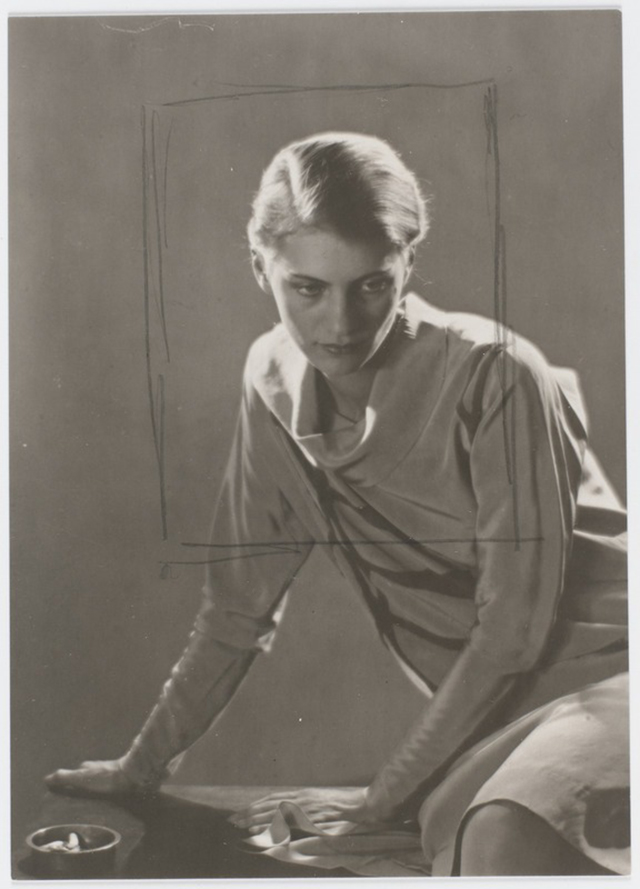
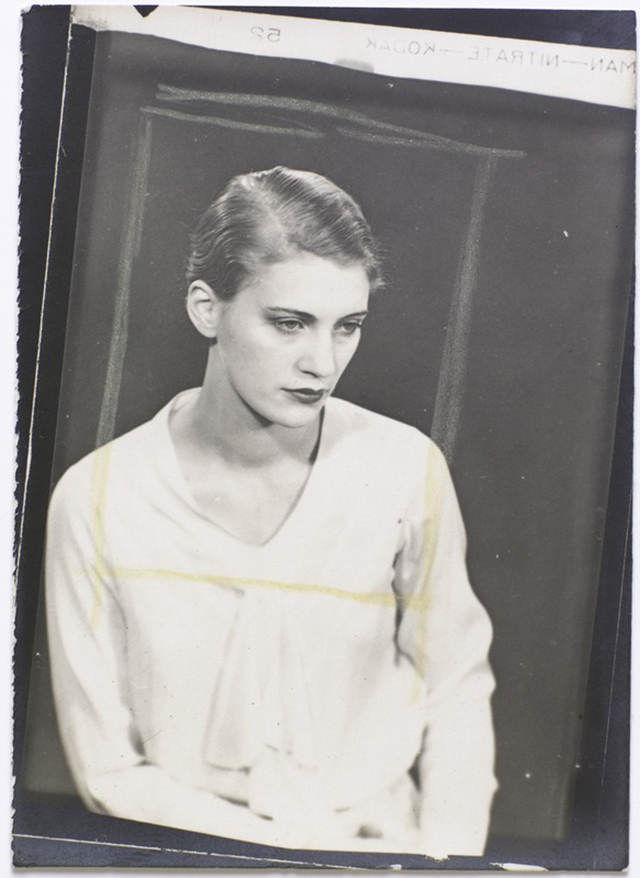
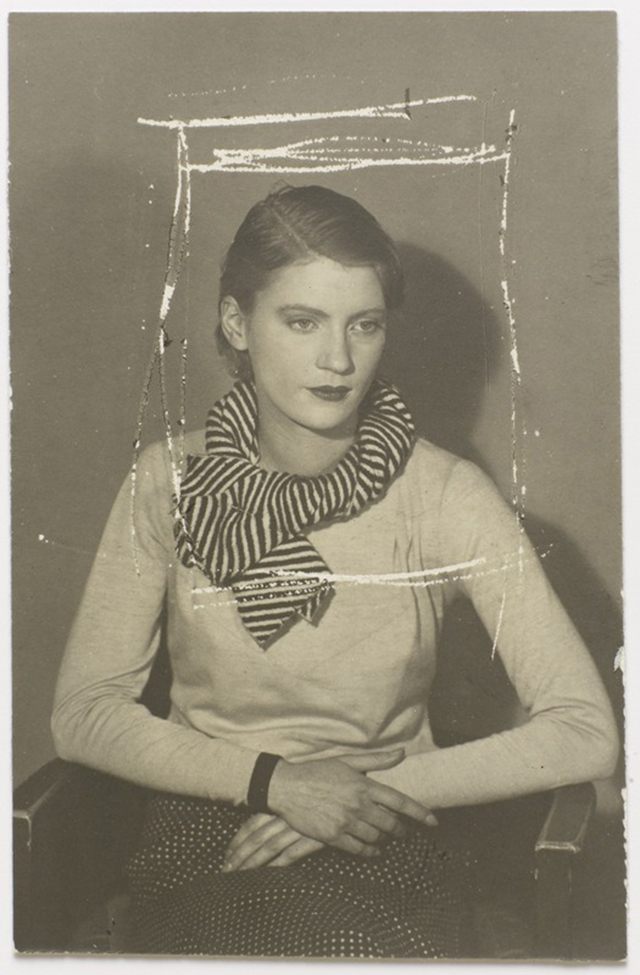
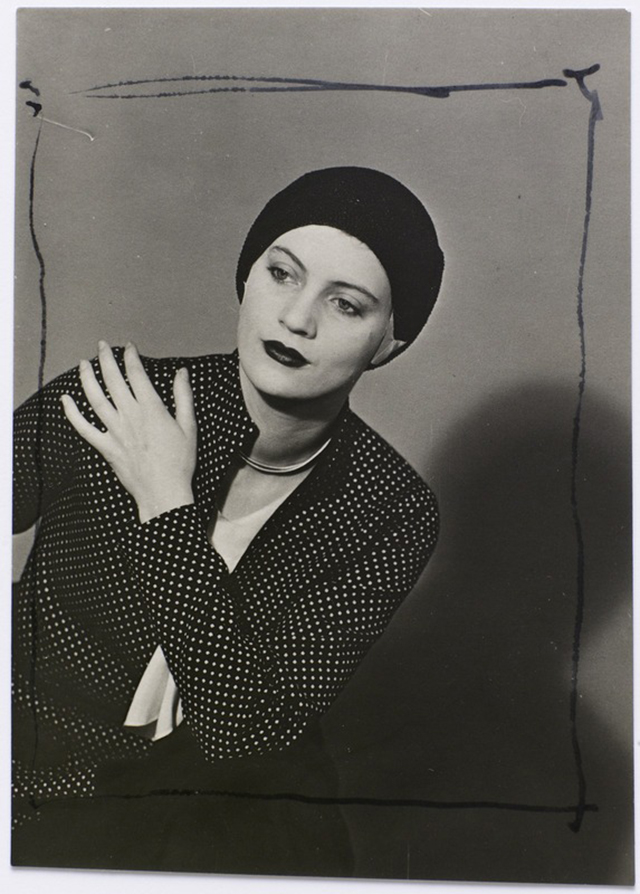
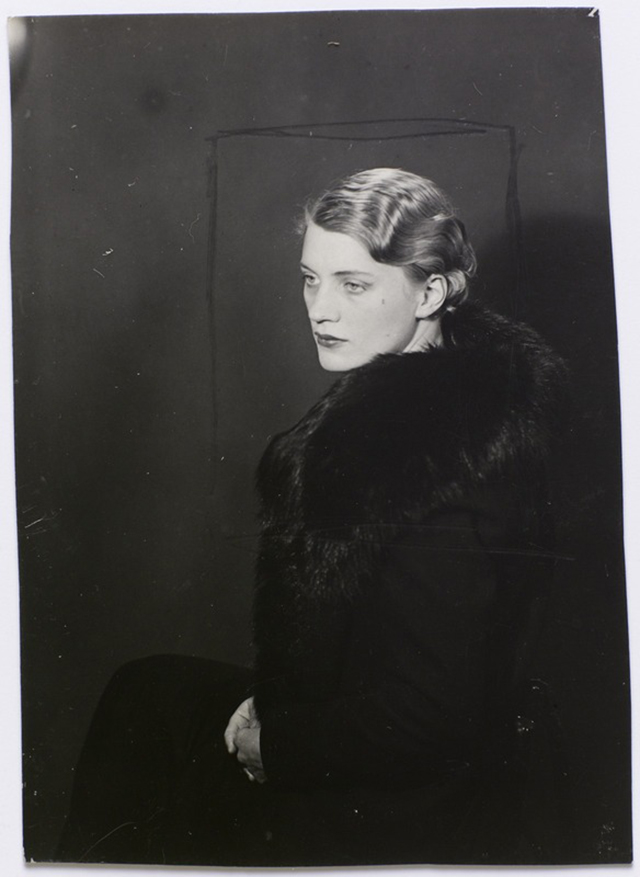
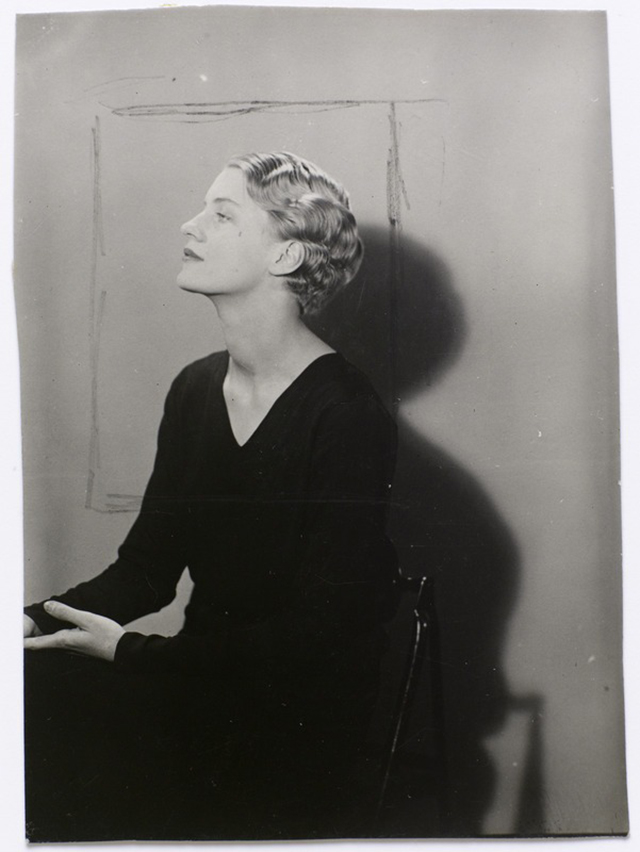
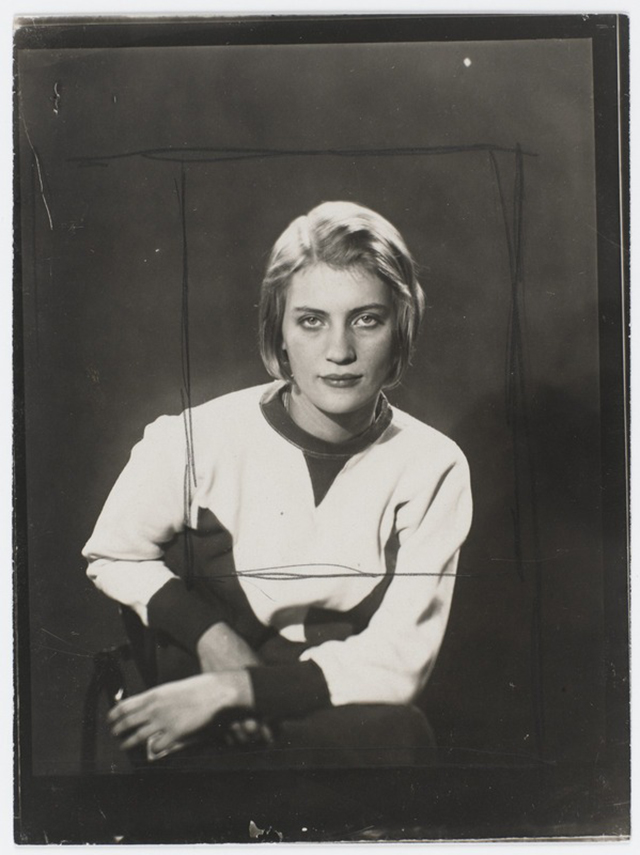
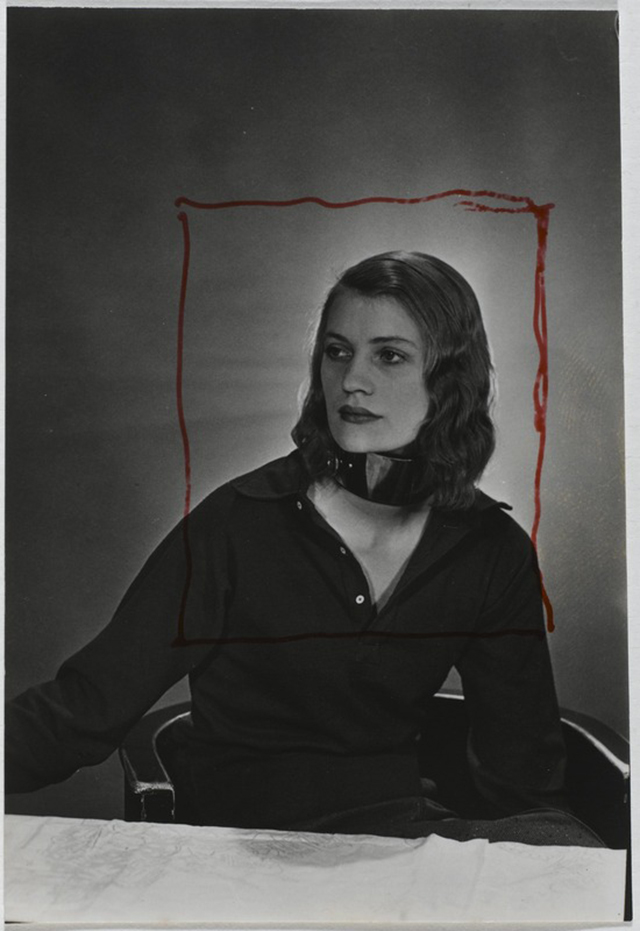
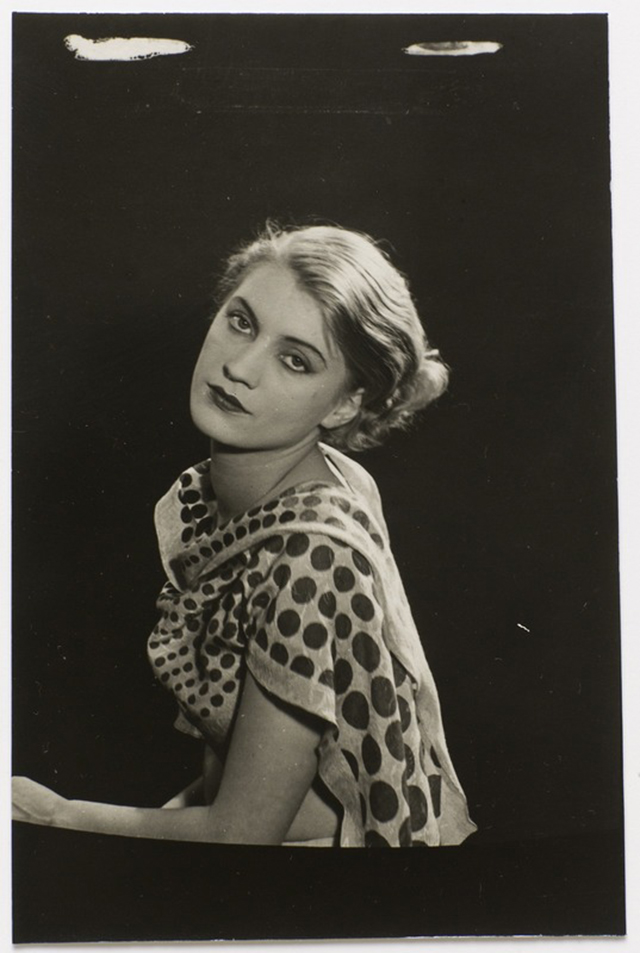
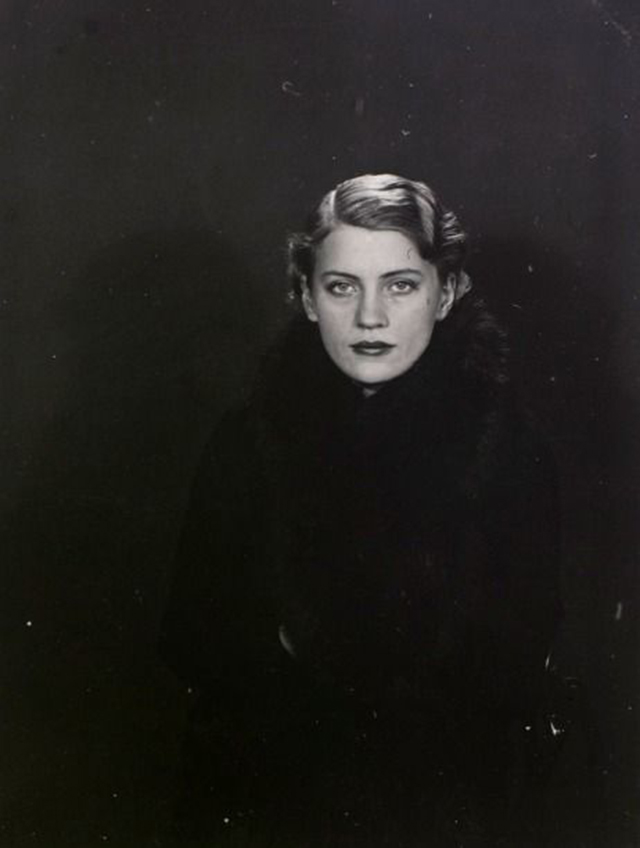
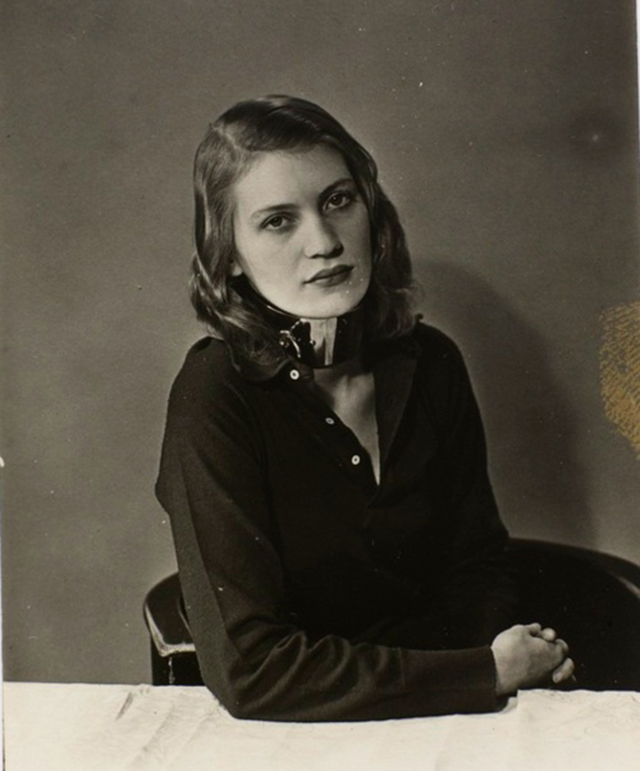
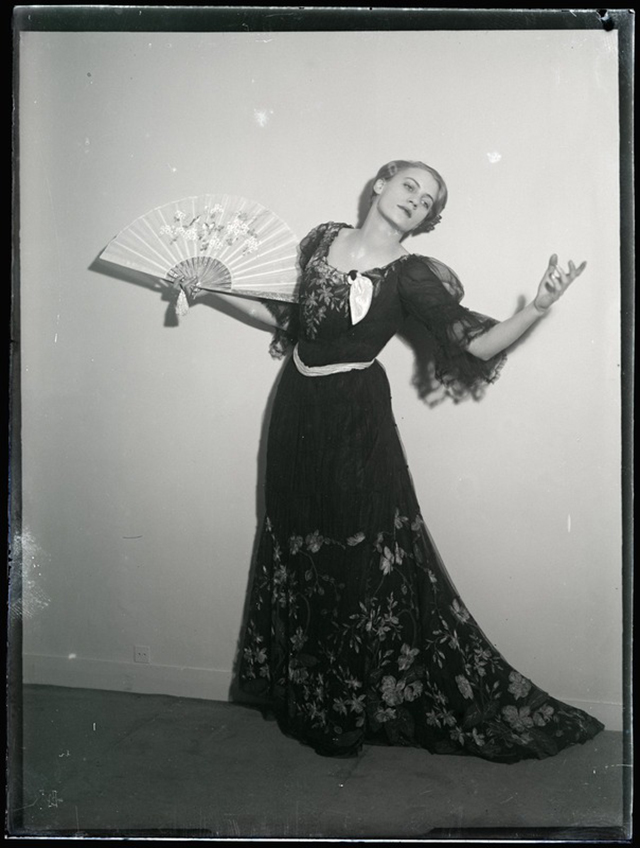
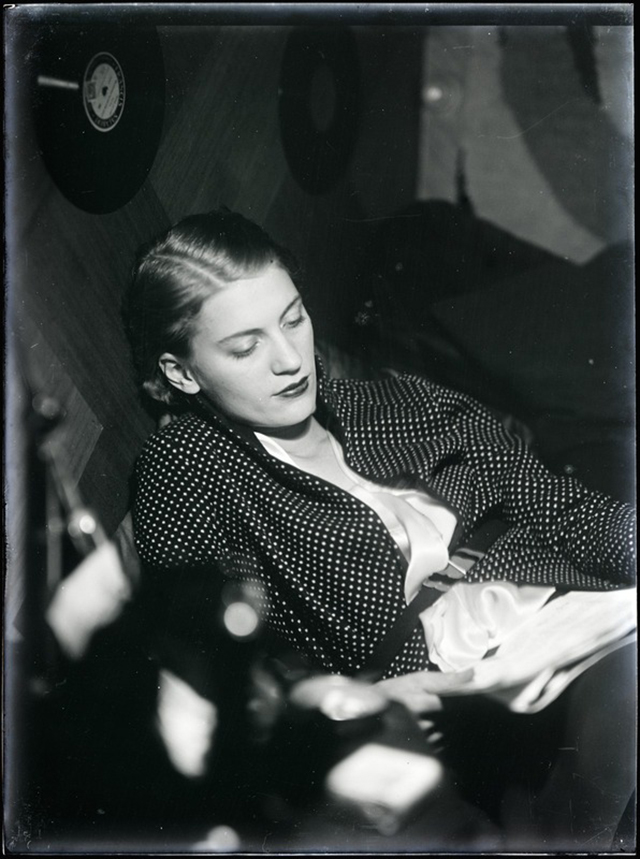
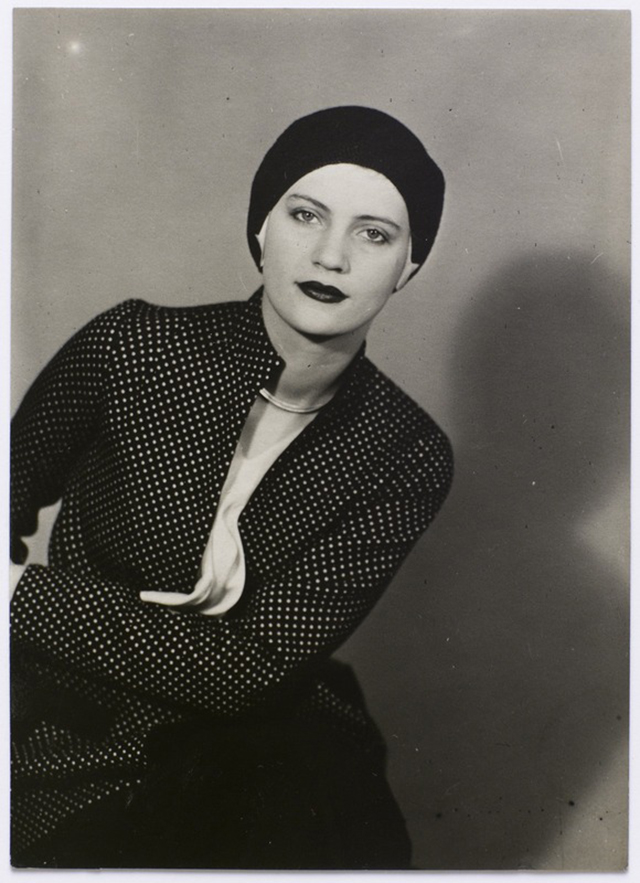
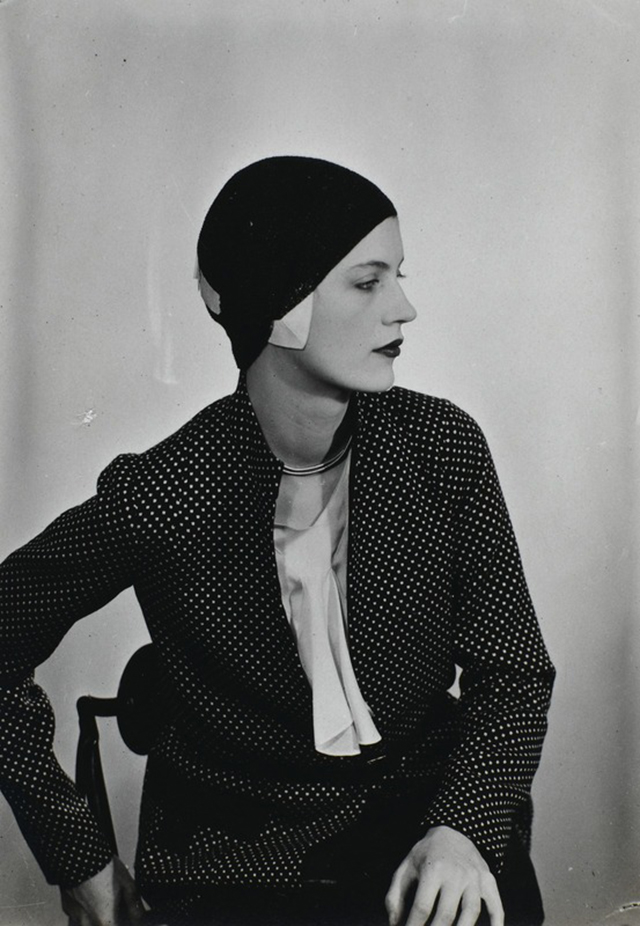
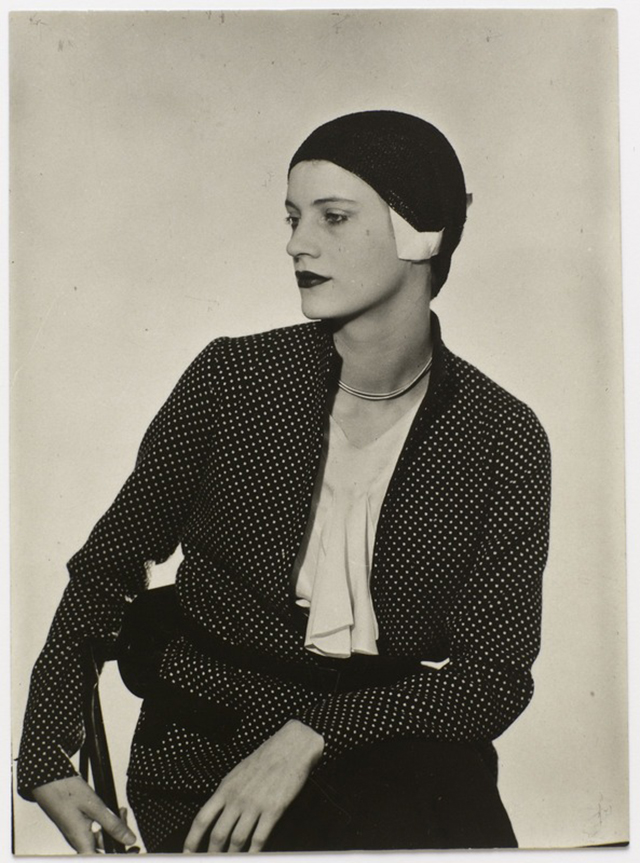
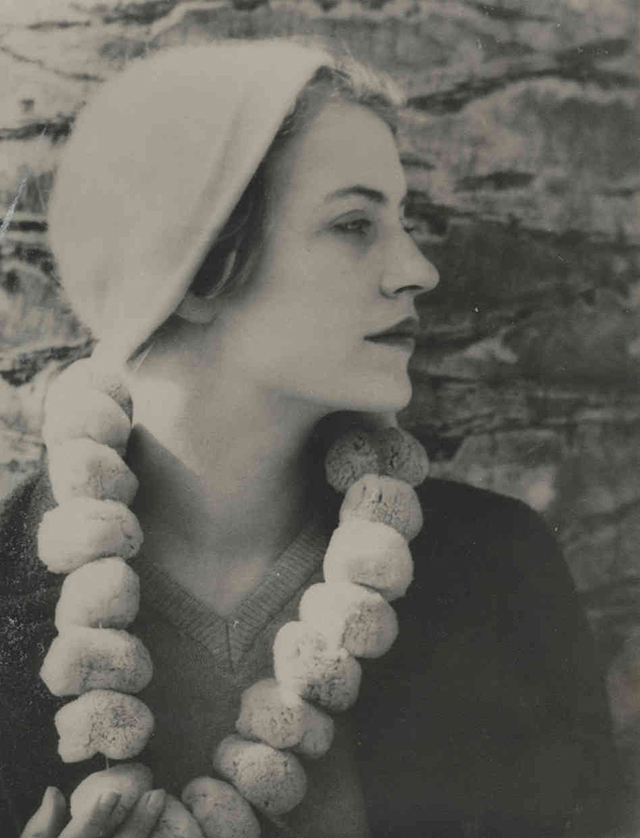
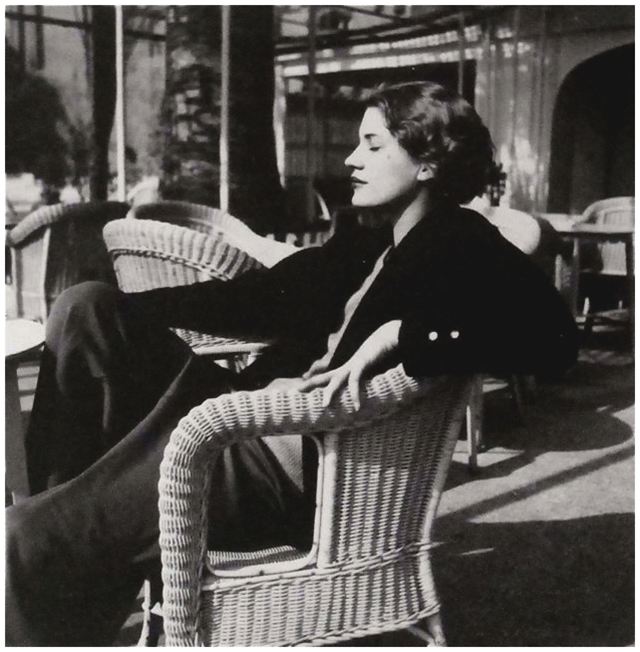
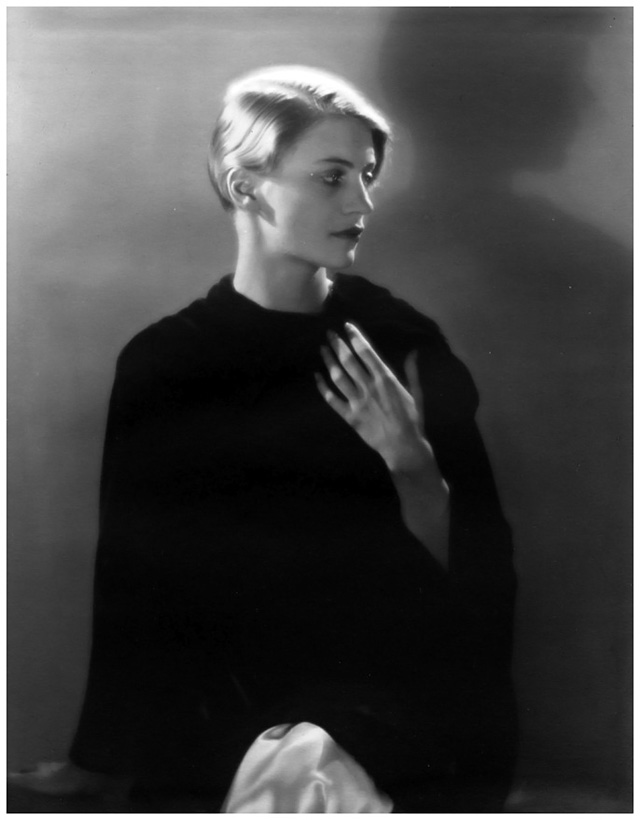
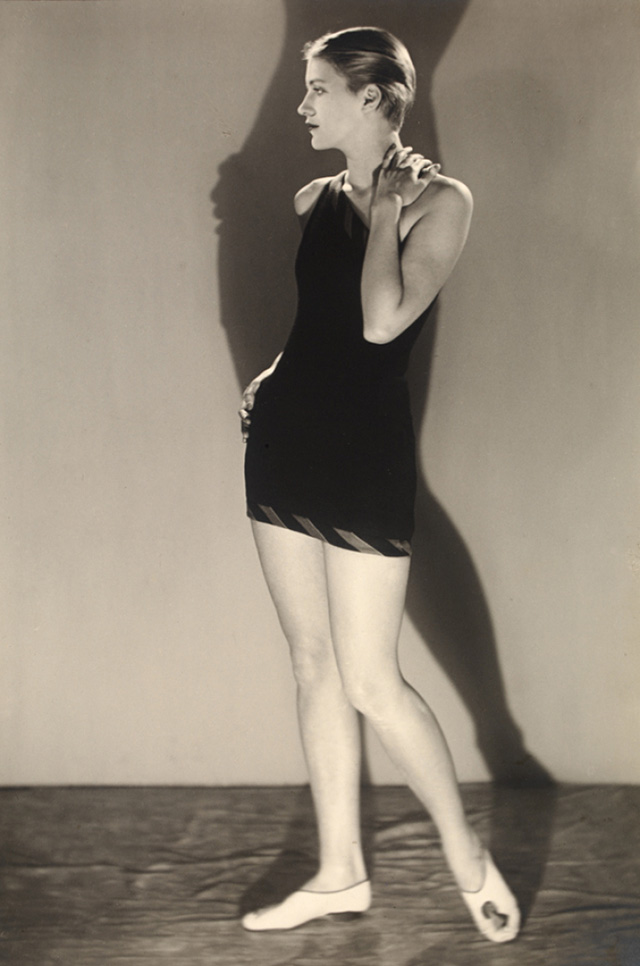
Just two weeks after her 22nd birthday in 1929, Lee Miller was leaving New York at the height of her fame as a model. A regular on the cover of Vogue, she was, by common consent, one of the most striking women of the age. A favourite subject of the great photographers Edward Steichen and Arnold Genthe, her pale blonde hair was cut so short that she looked, in Cecil Beaton’s words, “like a sun-kissed goat boy from the Appian Way”.
But Miller’s vim and beauty stirred up trouble for herself and those who loved her. She was constantly under siege from men who wanted to assert ownership over her, and she drove artists in their legions to pinnacles of creativity. Cocteau cast her in his film The Blood of a Poet, Picasso outlined her perfect form in no less than six portraits.
None, however, came close to the passion she inspired in the artist and photographer Man Ray. For three intense years they worked side by side in his studio, first as artist and apprentice, then as lovers and artistic equals, finally as bitter adversaries. By the time they parted in 1932, Ray had driven himself to the brink of a madness from which he would take decades to recover.
Elizabeth “Lee” Miller, Lady Penrose (April 23, 1907 – July 21, 1977), was an American photographer and photojournalist. She was a fashion model in New York City in the 1920s before going to Paris, where she became a fashion and fine art photographer. During the Second World War, she was a war correspondent for Vogue, covering events such as the London Blitz, the liberation of Paris, and the concentration camps at Buchenwald and Dachau.
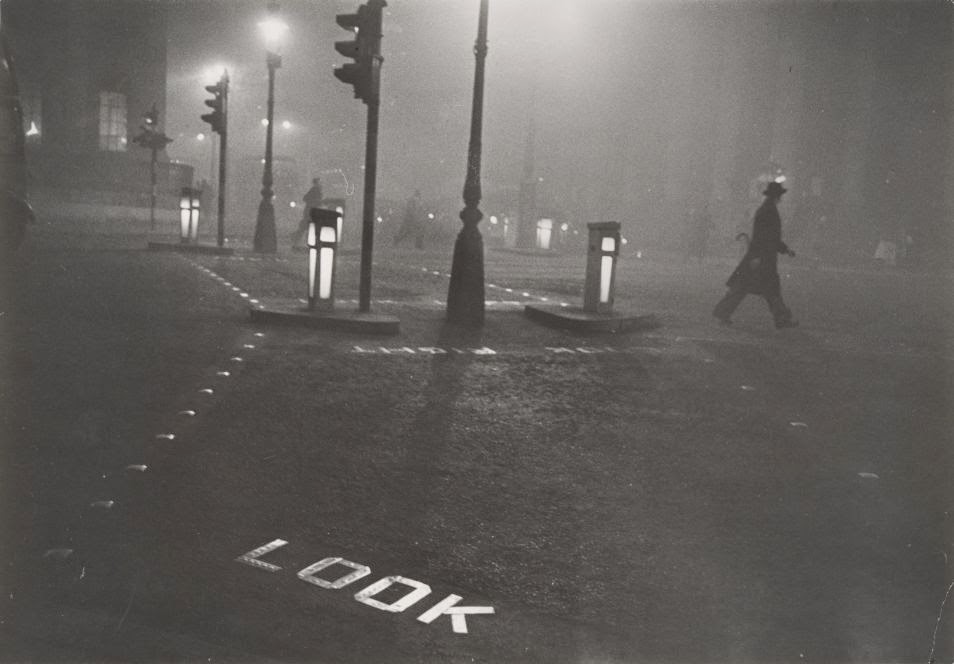
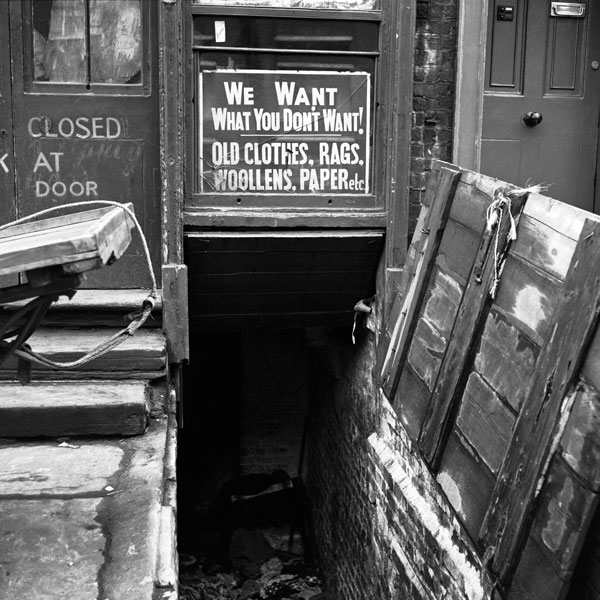
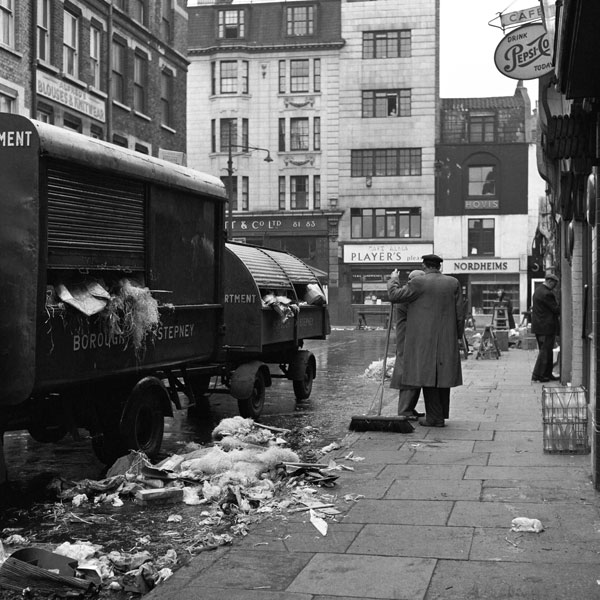
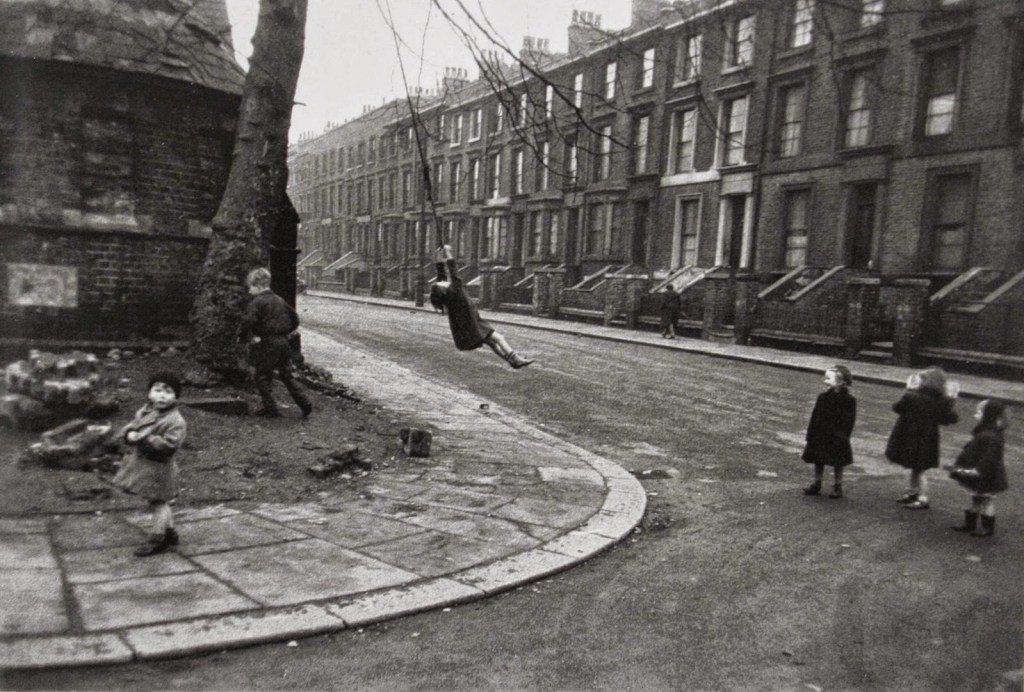
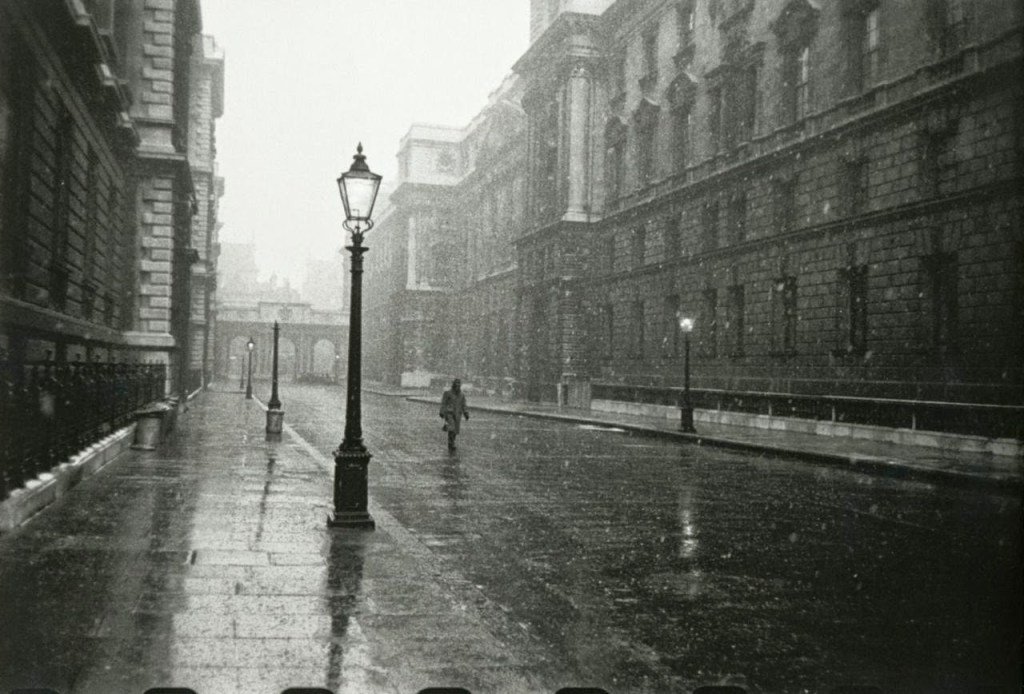
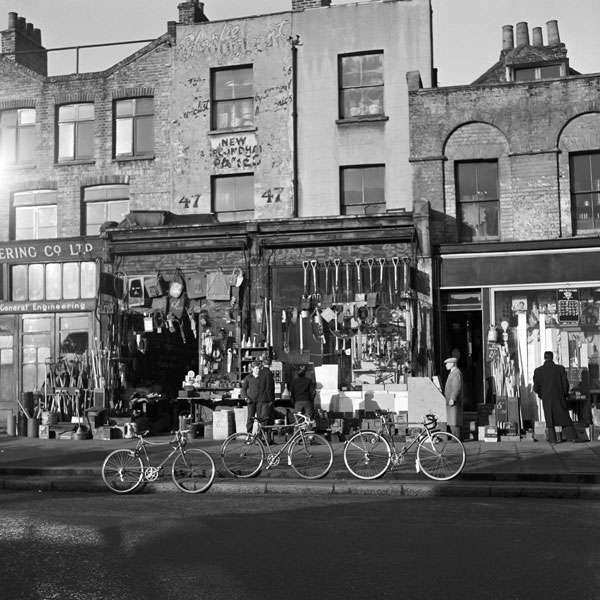
London is the capital and largest city of England and the United Kingdom. Standing on the River Thames in south-east England at the head of a 50-mile (80 km) estuary down to the North Sea, it has been a major settlement for two millennia. The City of London, its ancient core and financial centre, was founded by the Romans as Londinium and retains boundaries close to its medieval ones. Since the 19th century, “London” has also referred to the metropolis around this core, historically split between the counties of Middlesex, Essex, Surrey, Kent, and Hertfordshire, which largely makes up Greater London, the region governed by the Greater London Authority. The City of Westminster, to the west of the City, has for centuries held the national government and parliament.
London, as one of the world’s global cities, exerts strong influence on its arts, commerce, education, entertainment, fashion, finance, health care, media, tourism and communications. Its GDP (€801.66 billion in 2017) makes it the biggest urban economy in Europe and one of the major financial centres in the world. In 2019 it had the second highest number of ultra high-net-worth individuals in Europe after Paris and the second-highest number of billionaires of any city in Europe after Moscow. With Europe’s largest concentration of higher education institutions, it includes Imperial College London in natural and applied sciences, the London School of Economics in social sciences, and the comprehensive University College London. The city is home to the most 5-star hotels of any city in the world. In 2012, London became the first city to host three Summer Olympic Games.
London’s diverse cultures mean over 300 languages are spoken. The mid-2018 population of Greater London of about 9 million, made it Europe’s third-most populous city. It accounts for 13.4 per cent of the UK population. Greater London Built-up Area is the fourth most populous in Europe, after Istanbul, Moscow and Paris, with 9,787,426 inhabitants at the 2011 census. The London metropolitan area is the third-most populous in Europe after Istanbul’s and Moscow’s, with 14,040,163 inhabitants in 2016.
London covers four World Heritage Sites: the Tower of London; Kew Gardens; the Palace of Westminster along with Westminster Abbey, and St Margaret’s Church, and the historic settlement in Greenwich, where the Royal Observatory, Greenwich defines the Prime Meridian (0° longitude) and Greenwich Mean Time. Other landmarks include Buckingham Palace, the London Eye, Piccadilly Circus, St Paul’s Cathedral, Tower Bridge and Trafalgar Square. It has numerous museums, galleries, libraries and sporting venues, including the British Museum, National Gallery, Natural History Museum, Tate Modern, British Library and West End theatres. The London Underground is the oldest rapid transit system in the world. (Wikipedia)
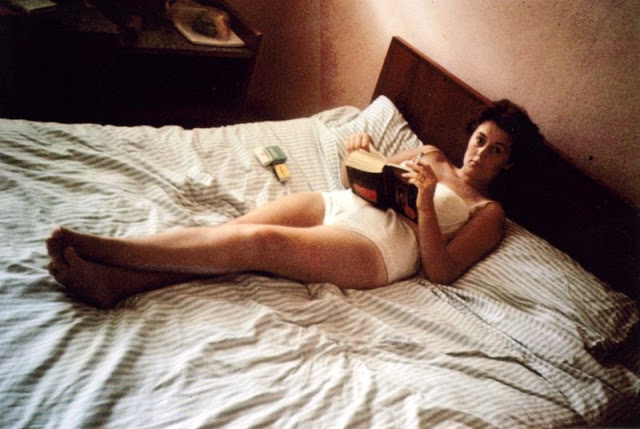
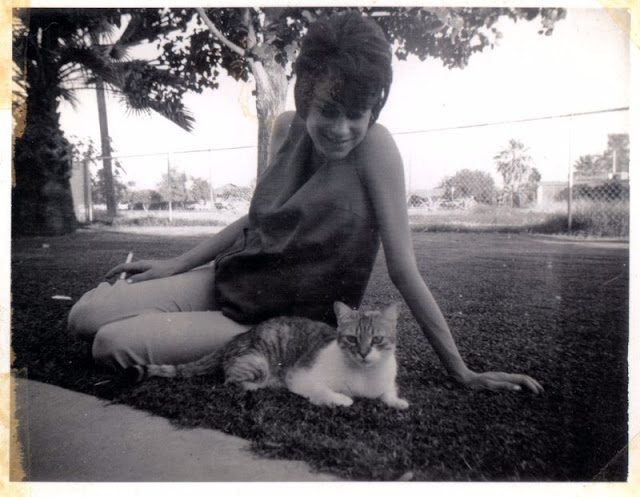
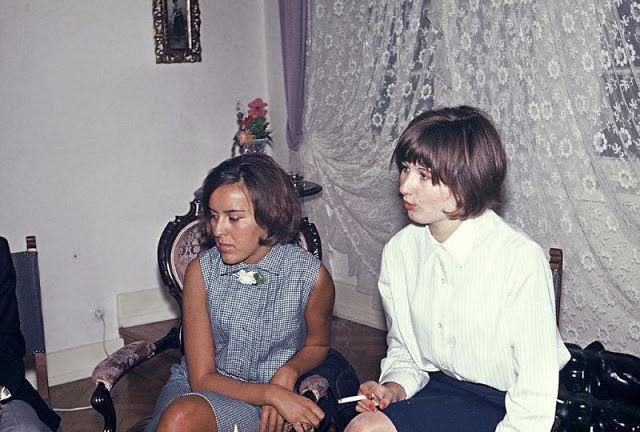
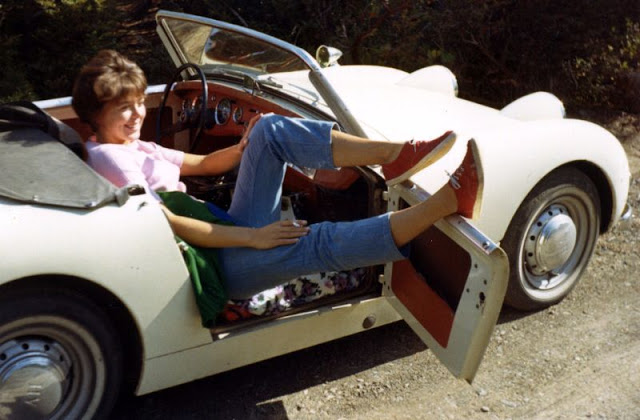
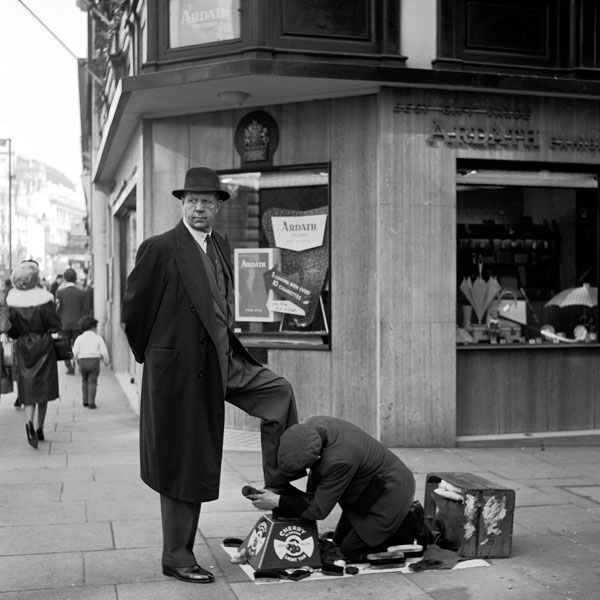
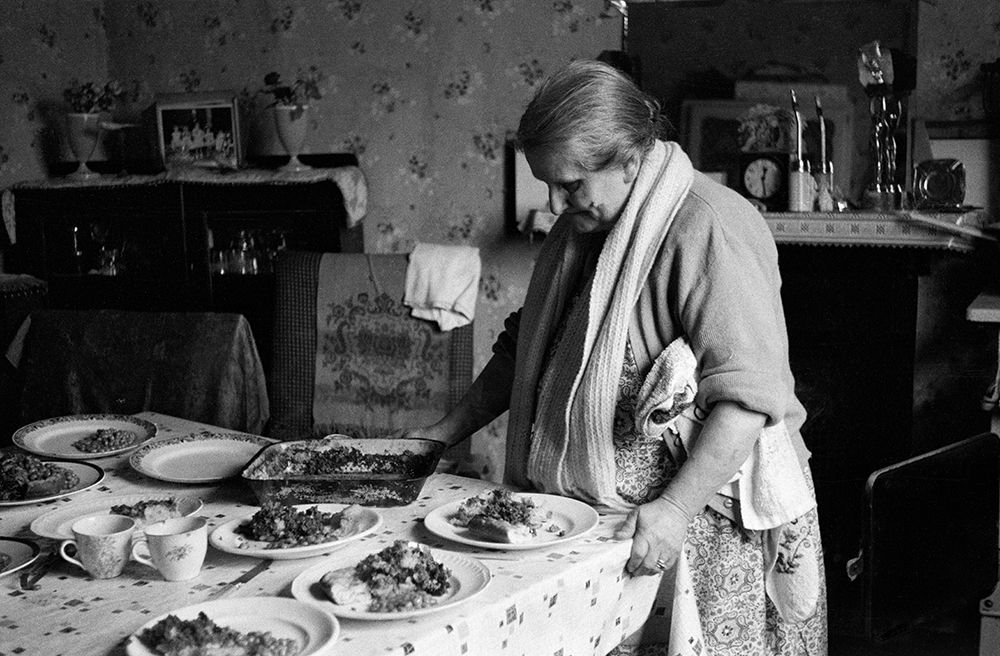
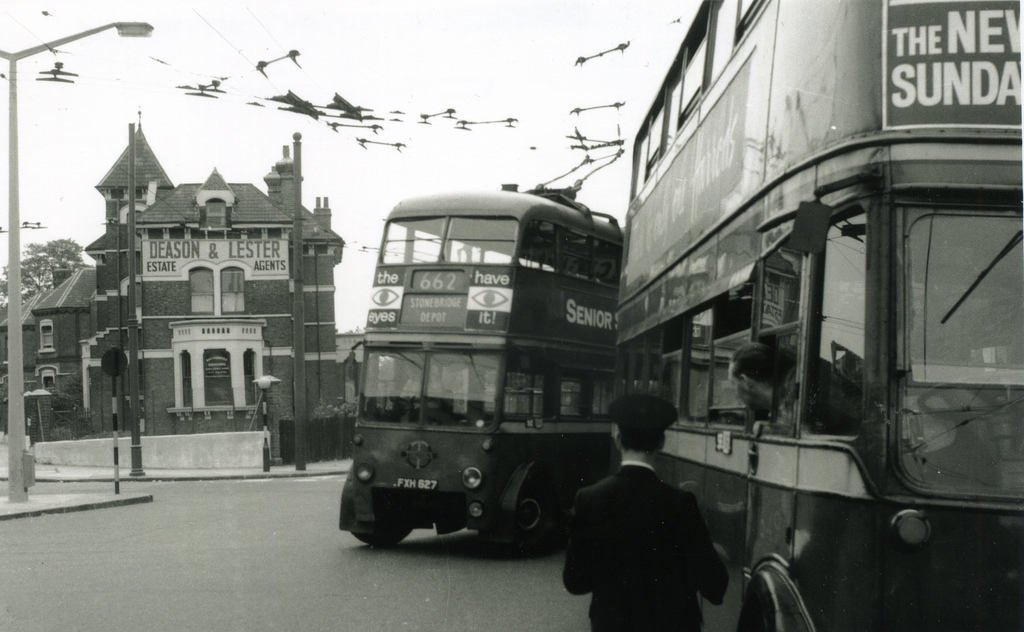
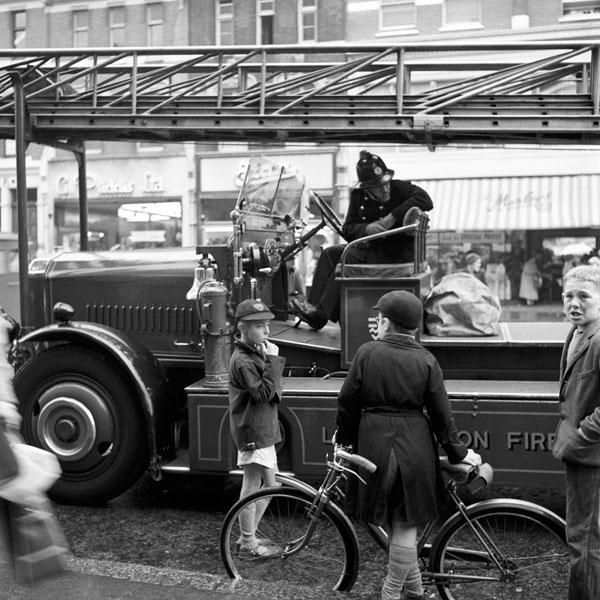
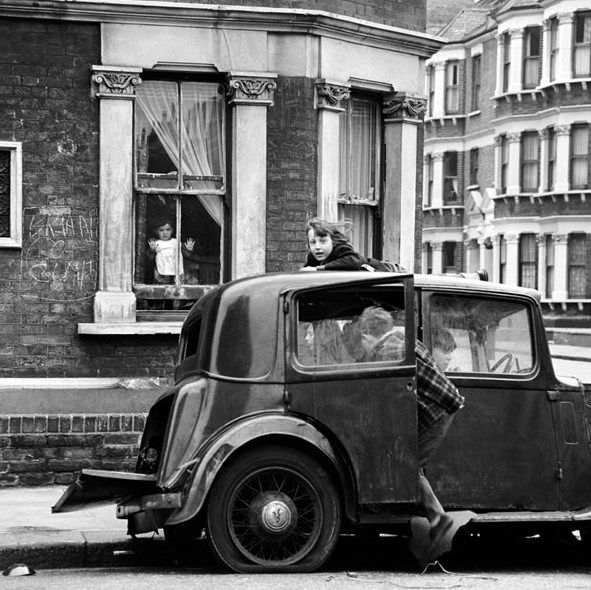
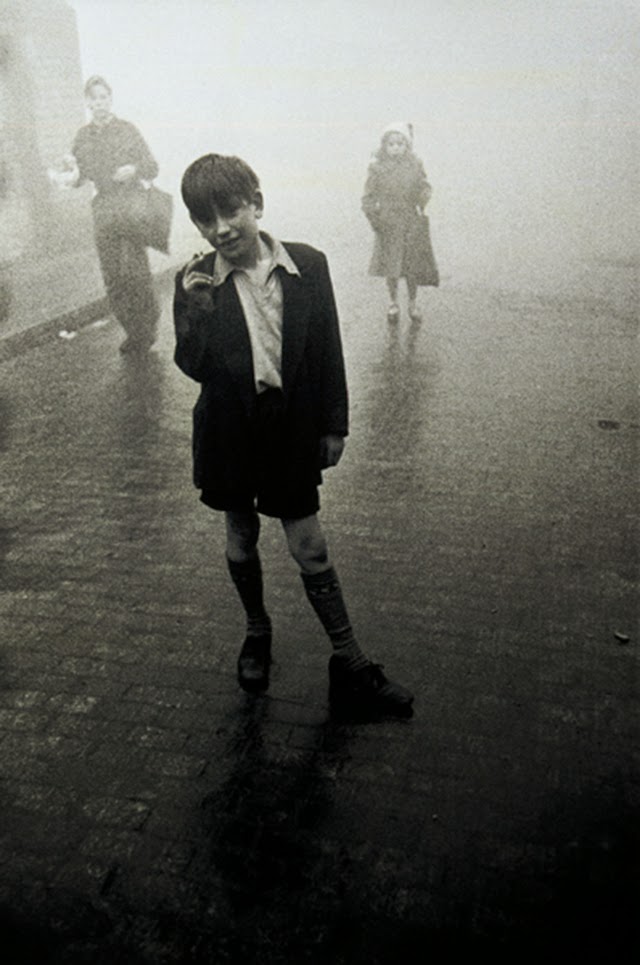
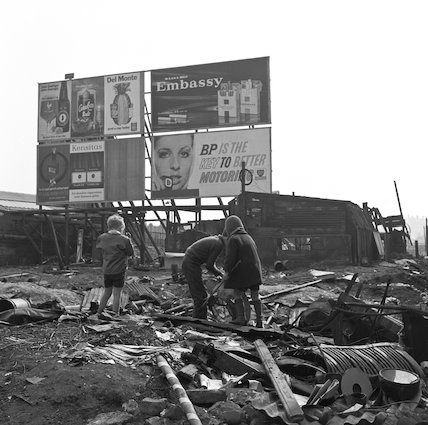
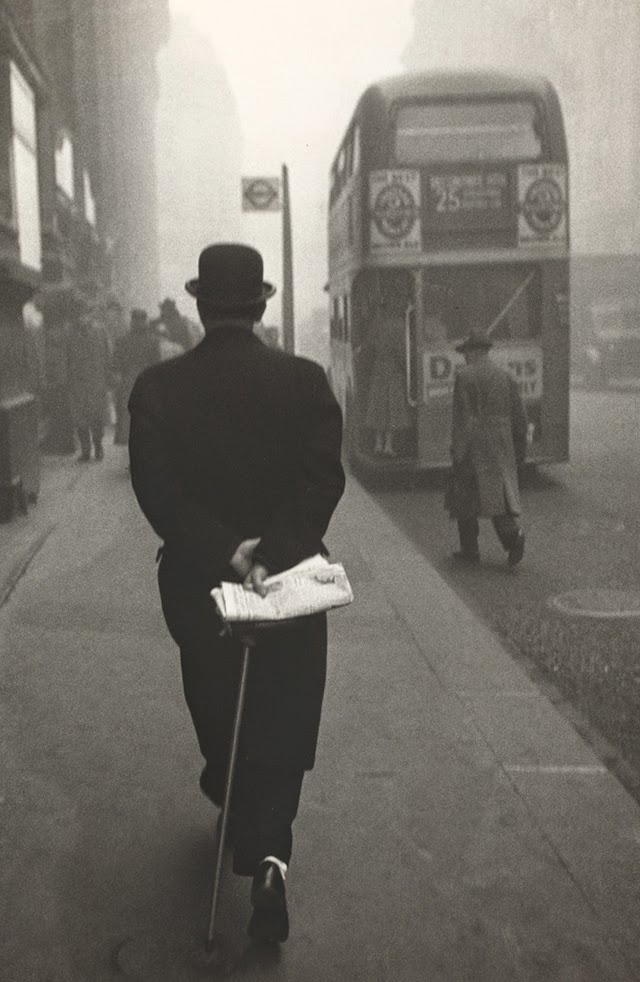
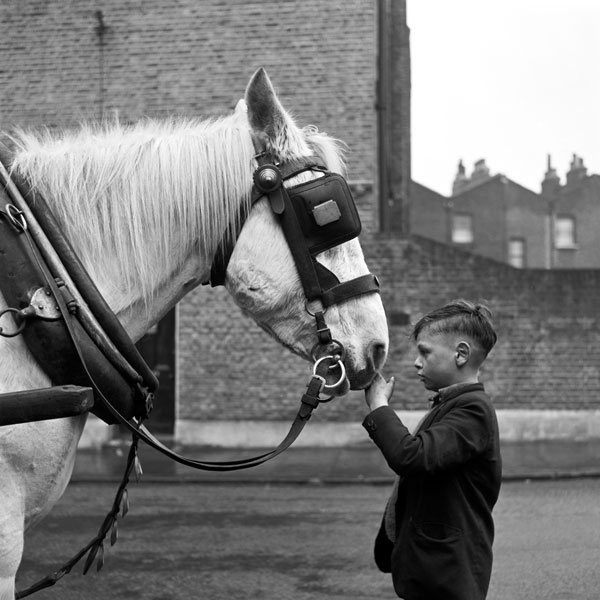
(Photos by Robert Frank and Frederick James Wilfred)
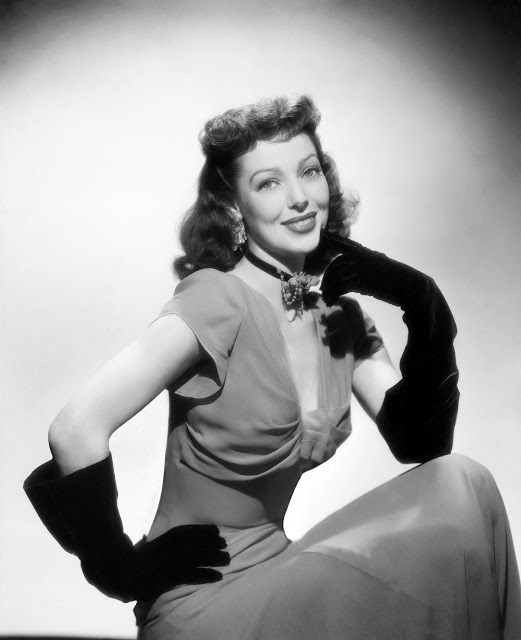
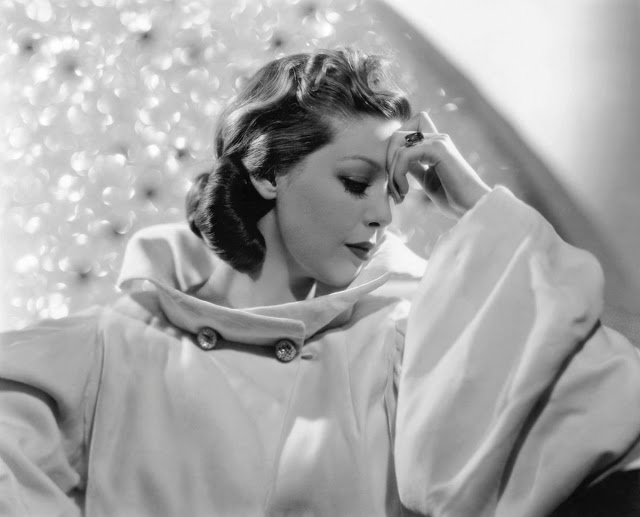
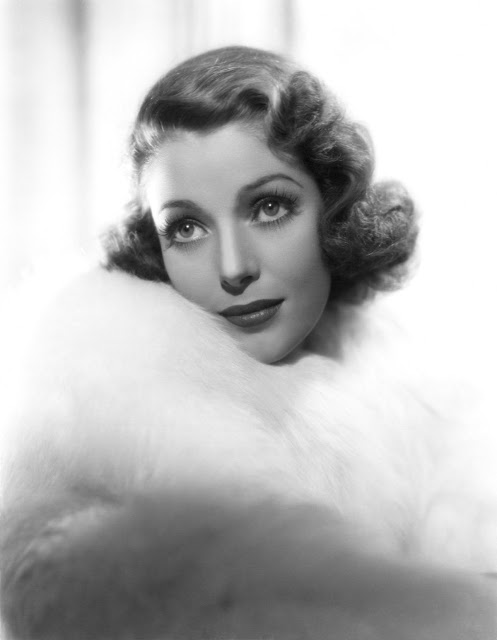
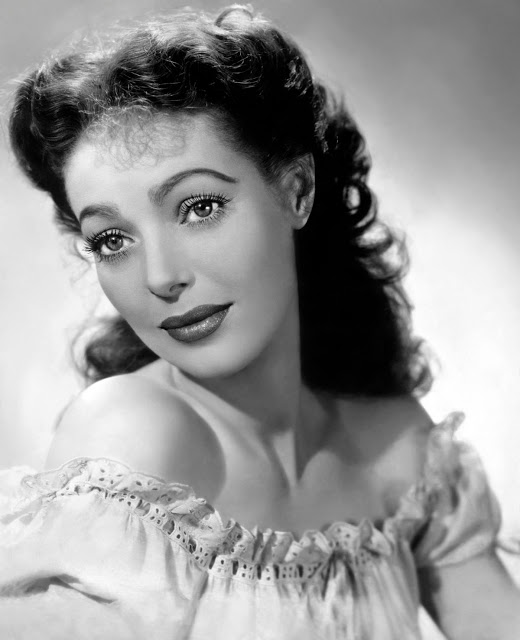
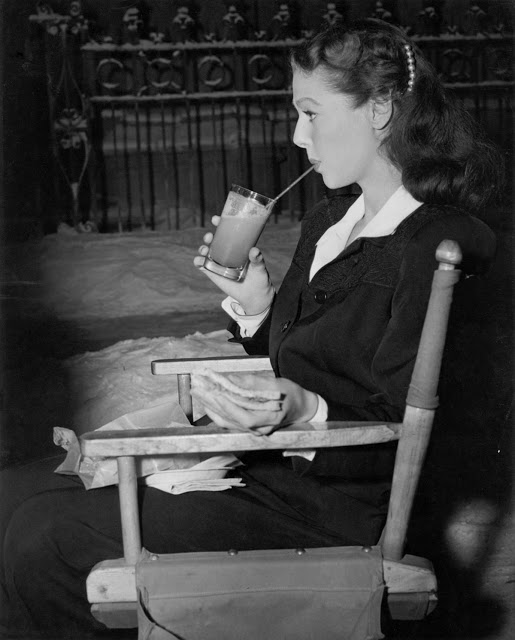
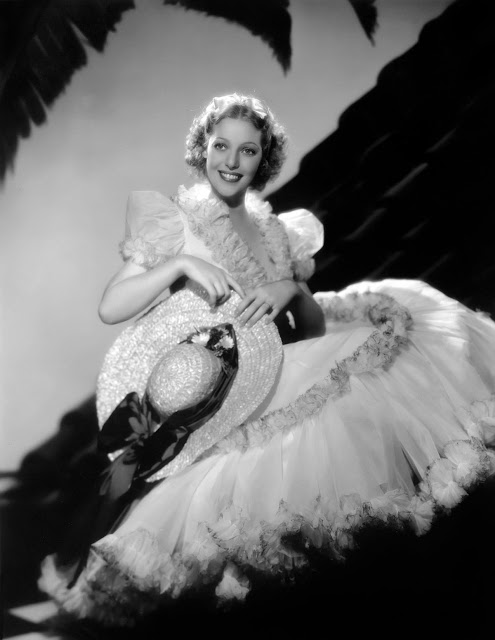
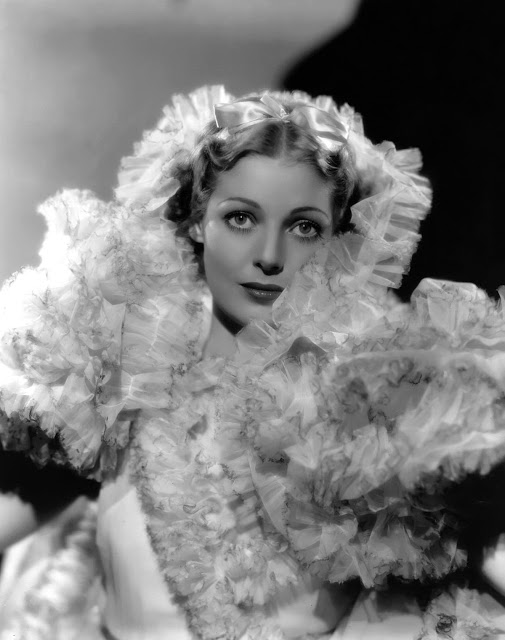
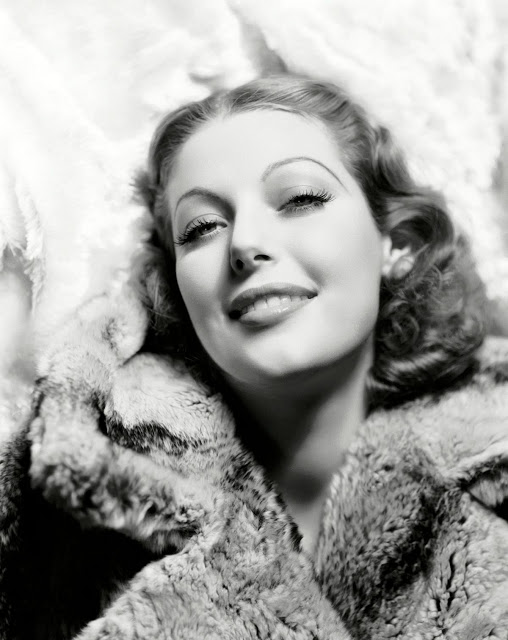
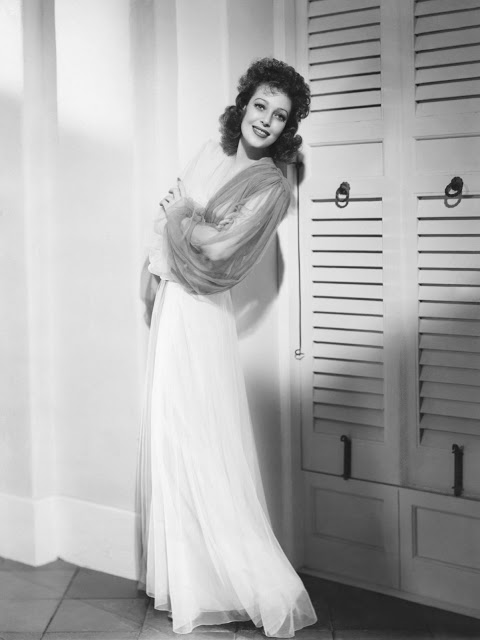
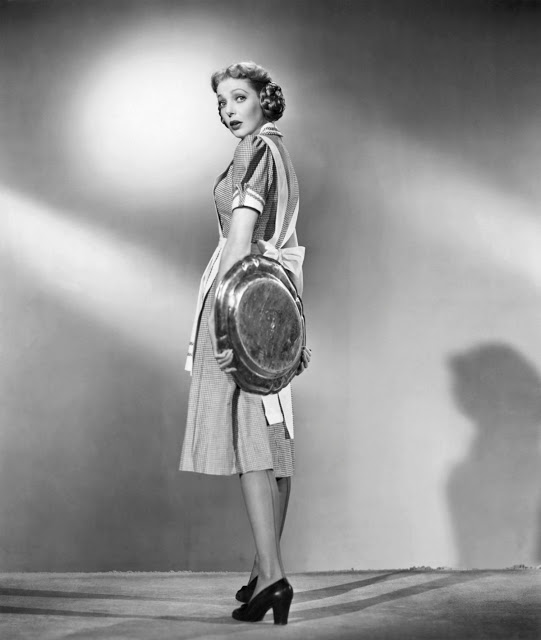
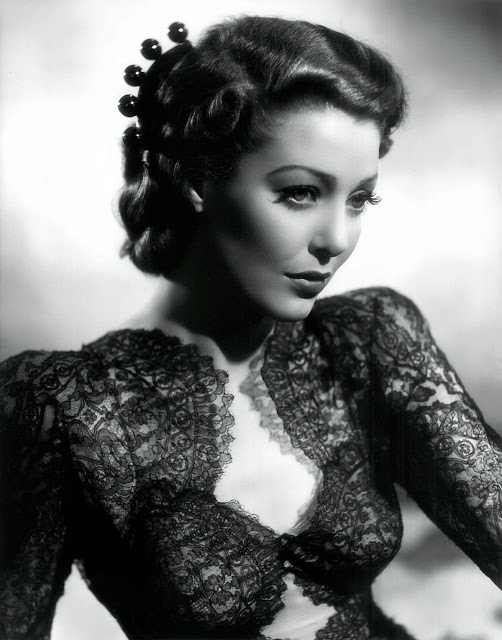
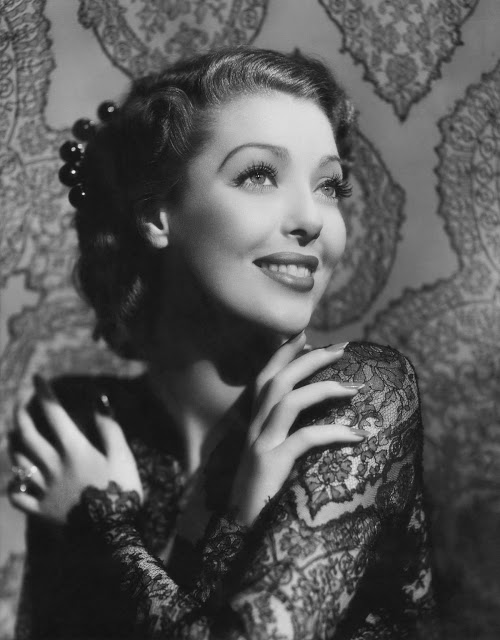
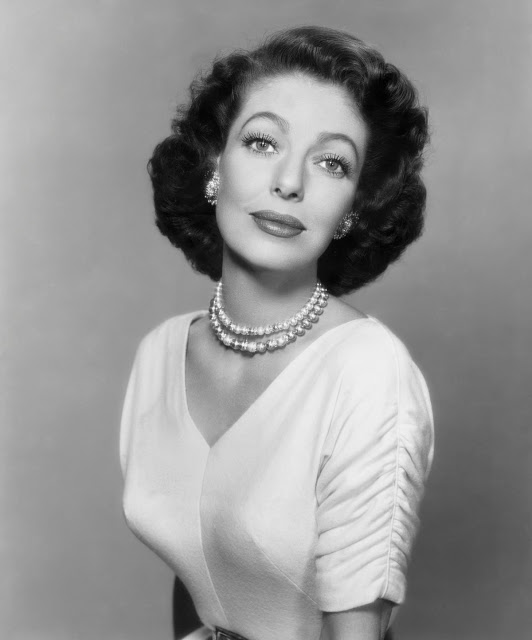
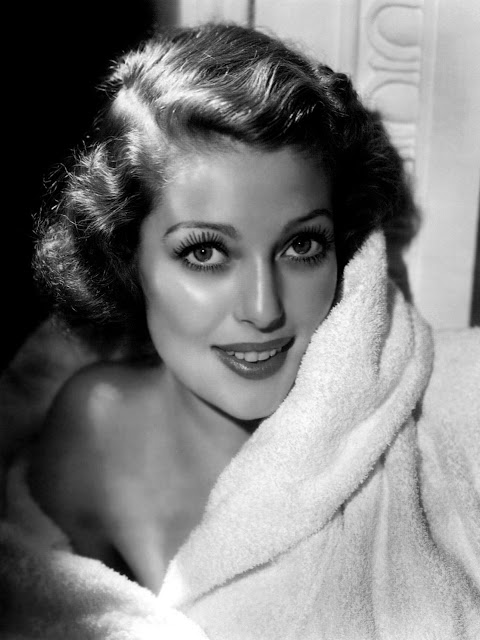
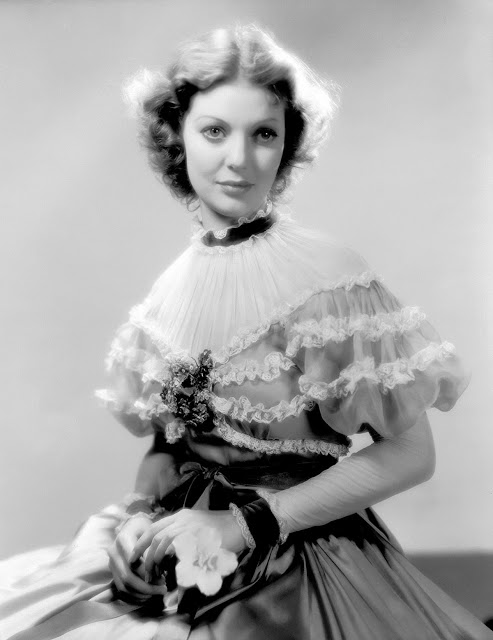
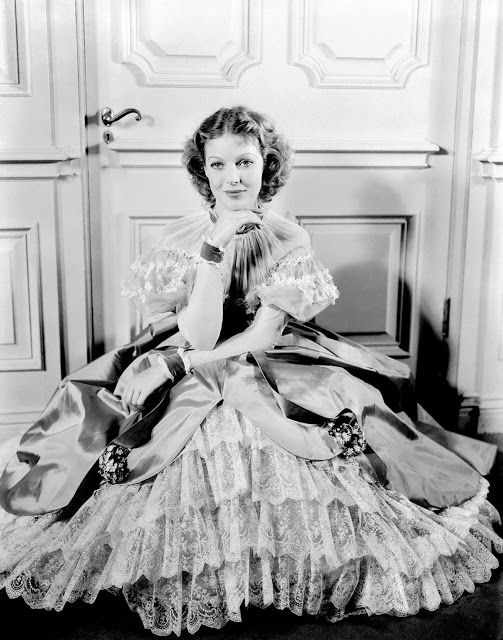
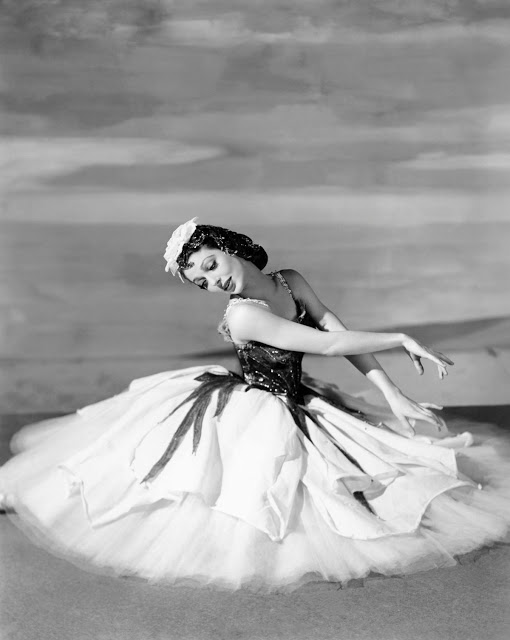
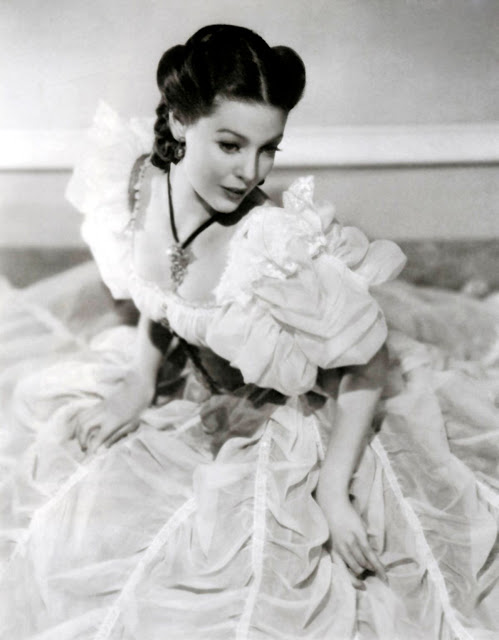
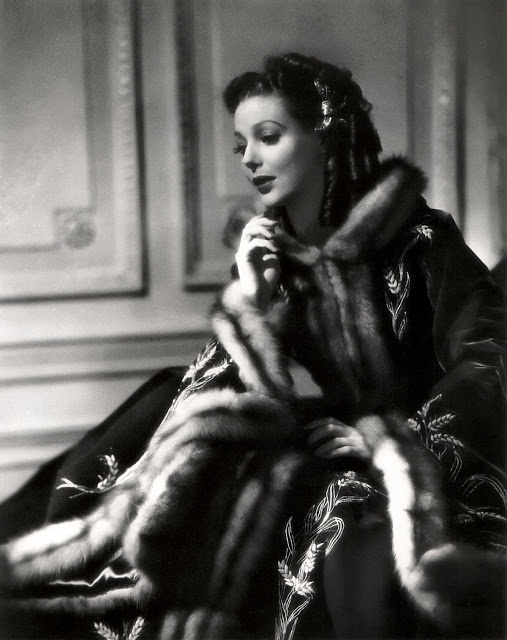
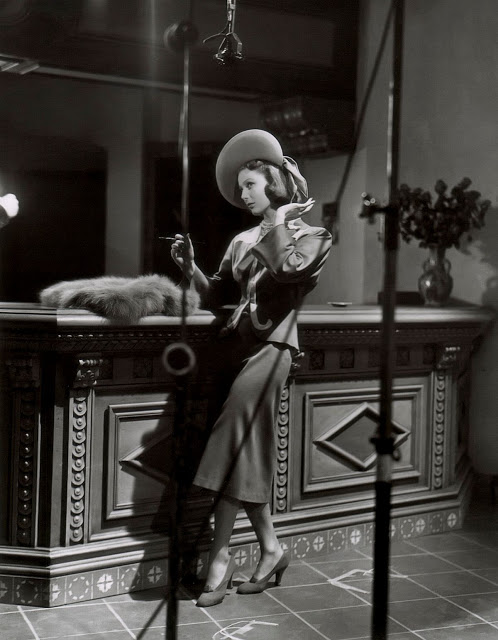
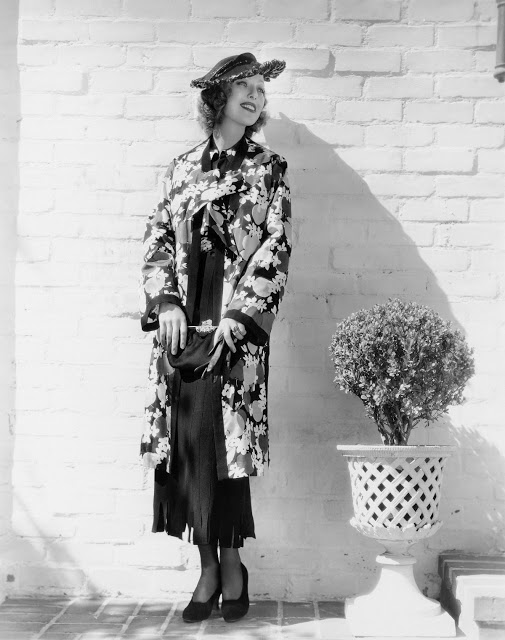
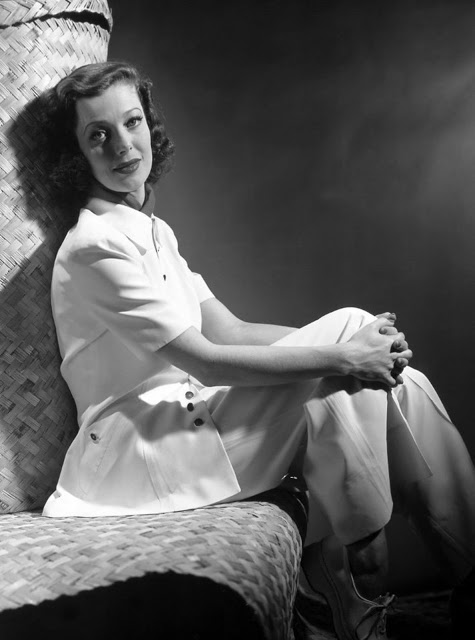
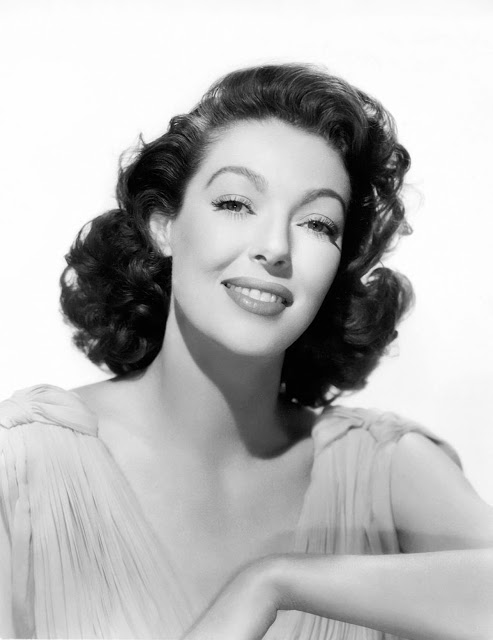
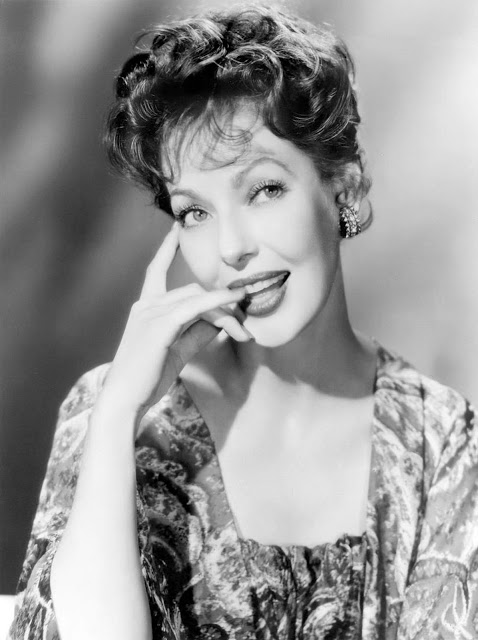
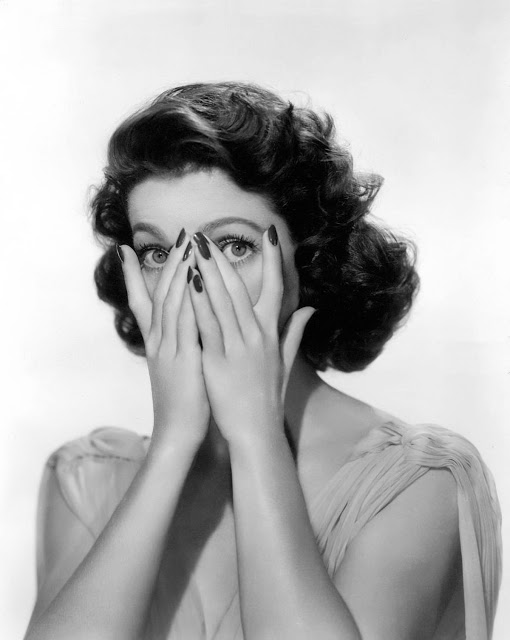
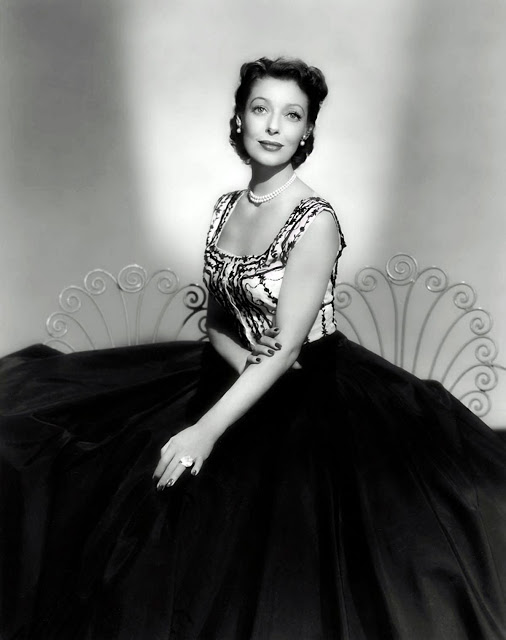
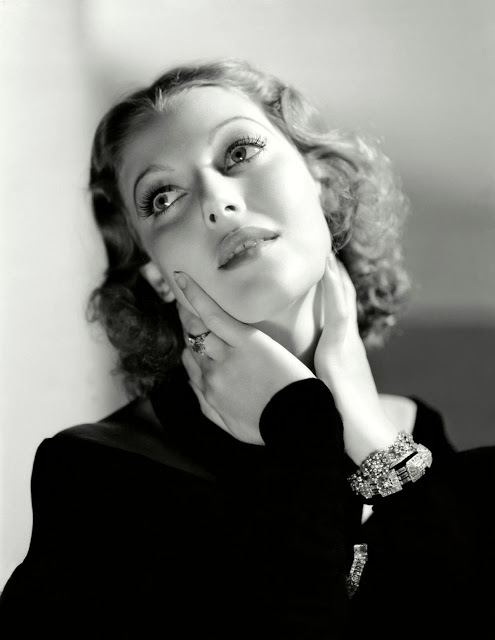
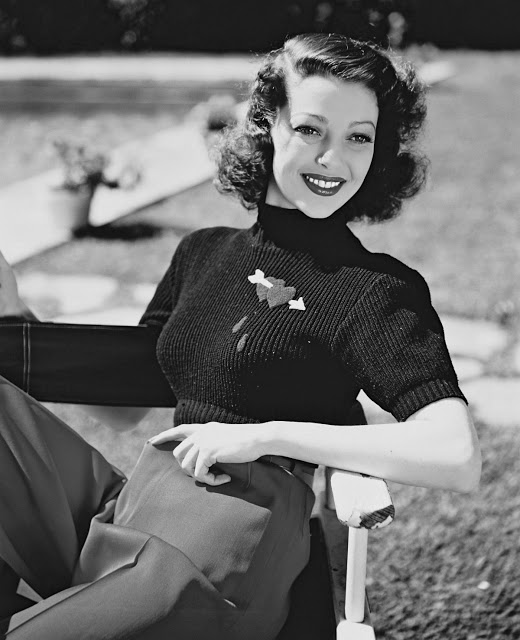
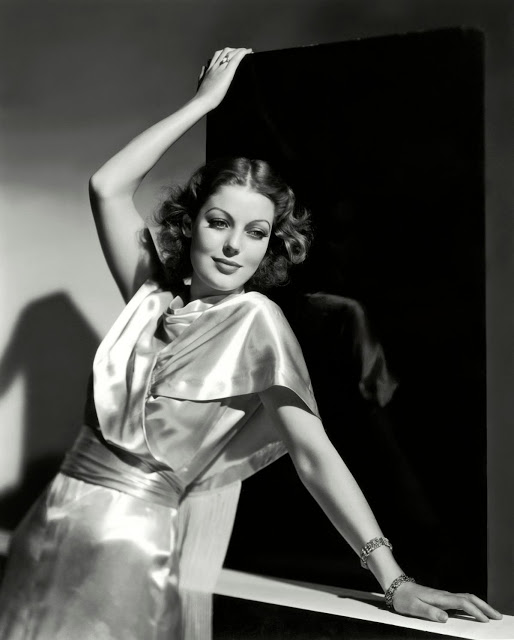
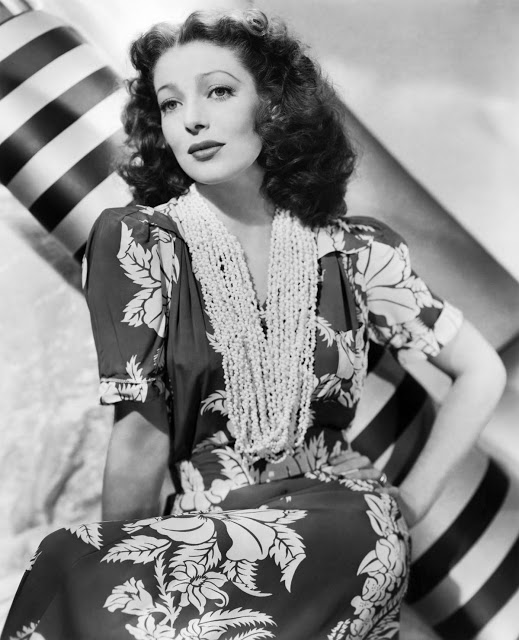
Loretta Young (born Gretchen Young; January 6, 1913 – August 12, 2000) was an American actress. Starting as a child actress, she had a long and varied career in film from 1917 to 1953. She won the 1948 Academy Award for Best Actress for her role in the 1947 film The Farmer’s Daughter and received an Oscar nomination for her role in Come to the Stable in 1949. Young moved to the relatively new medium of television, where she had a dramatic anthology series, The Loretta Young Show, from 1953 to 1961. The series earned three Emmy Awards and was rerun successfully on daytime TV and later in syndication. In the 1980s, Young returned to the small screen and won a Golden Globe for her role in Christmas Dove in 1986. Young, a devout Roman Catholic, worked with various Catholic charities after her acting career.
Young died of ovarian cancer on August 12, 2000, at the home of her maternal half-sister, Georgiana Montalbán[32] (the wife of actor Ricardo Montalban) in Santa Monica, California. She was interred in the family plot in Holy Cross Cemetery in Culver City, California. Her ashes were buried in the grave of her mother, Gladys Belzer.
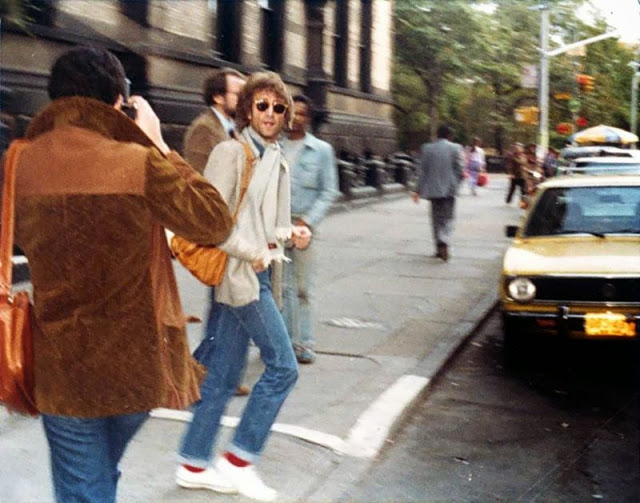
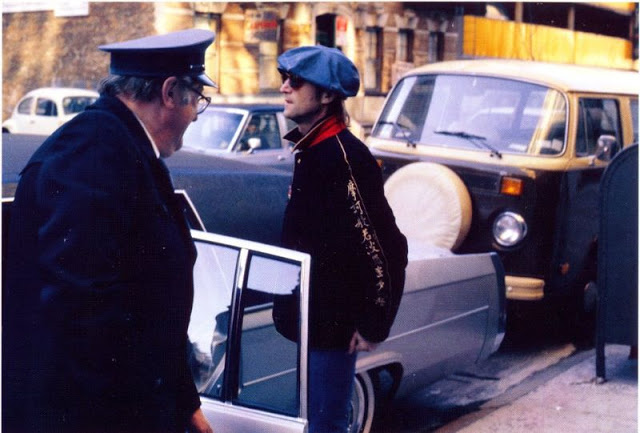
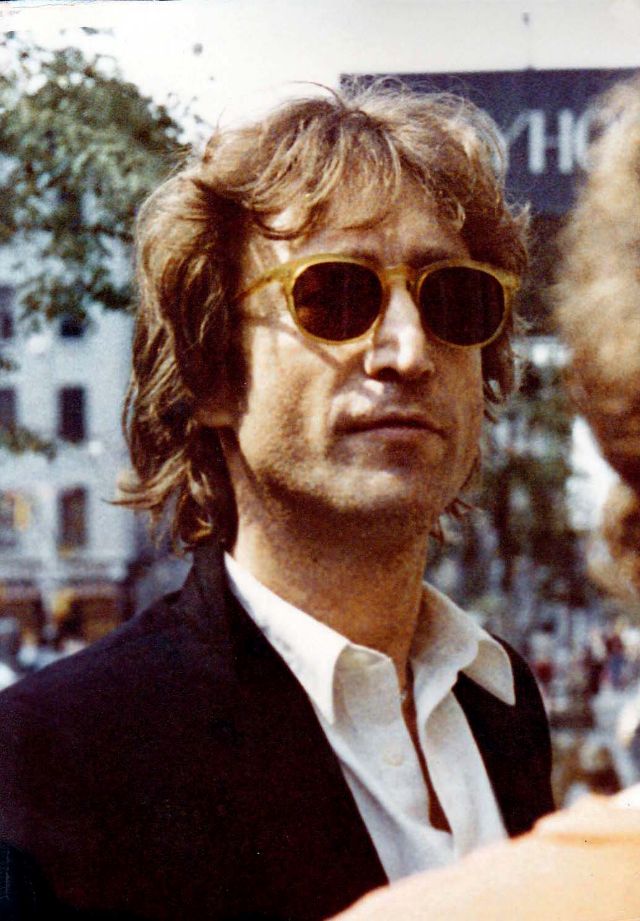
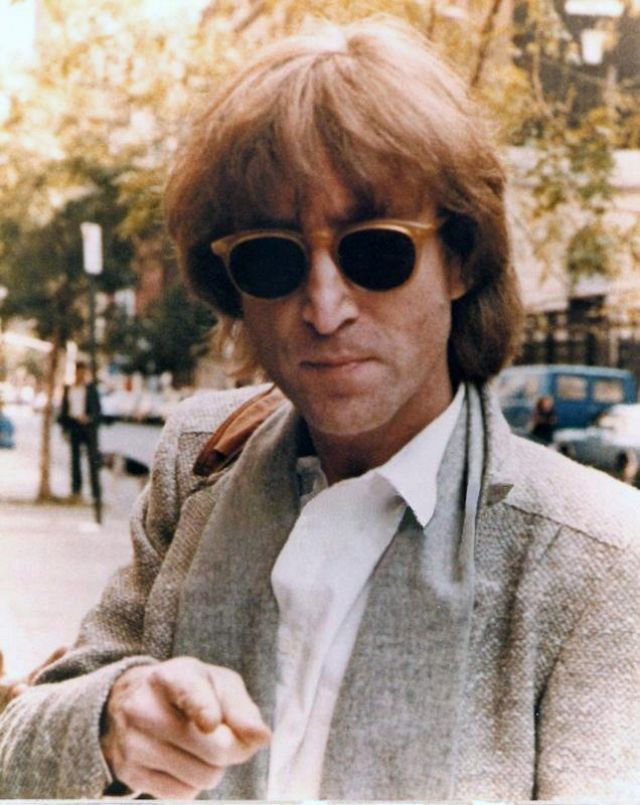
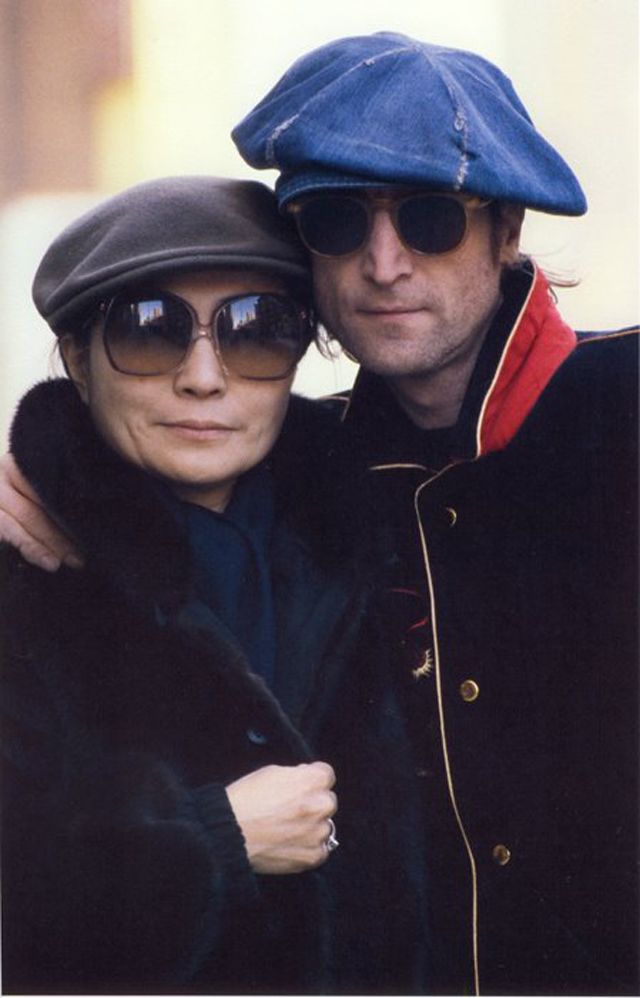
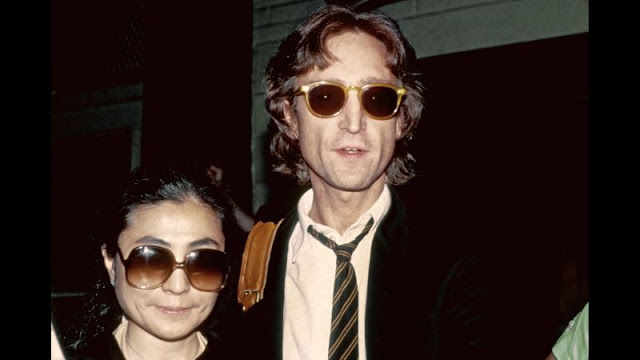
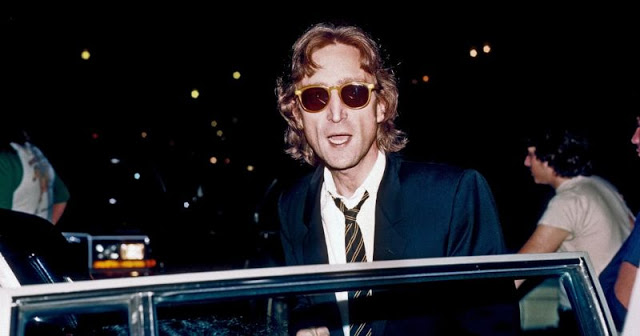
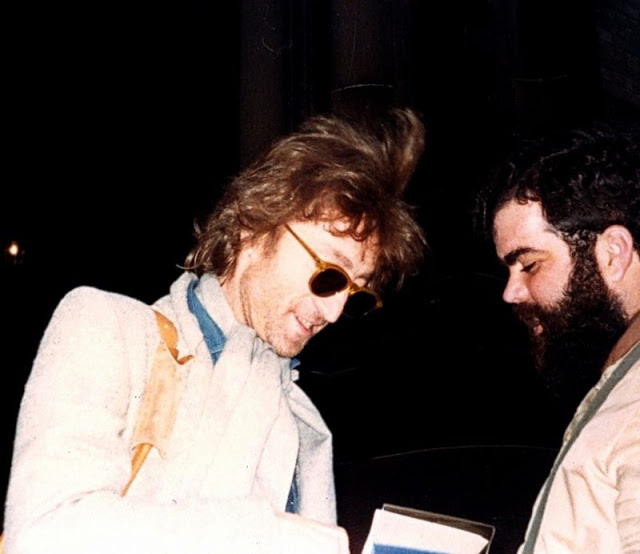
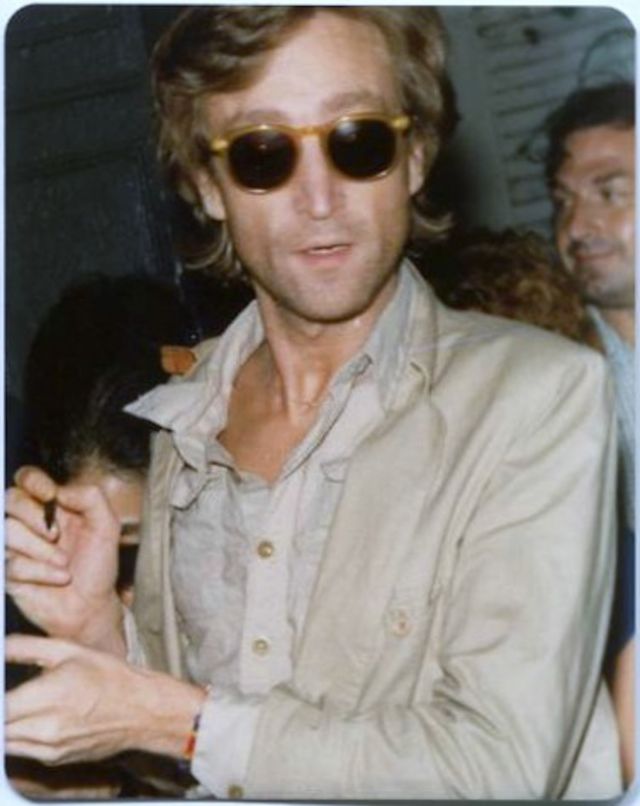
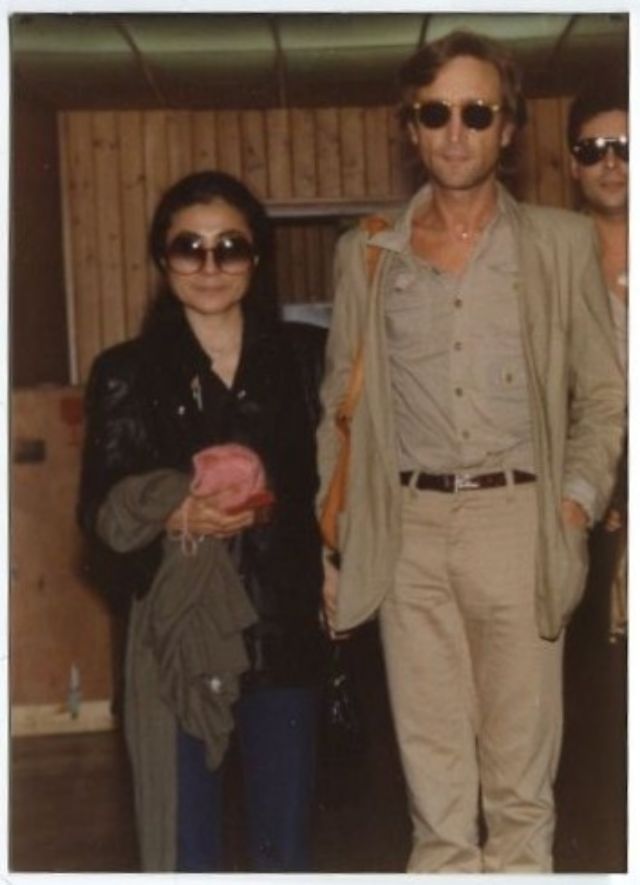
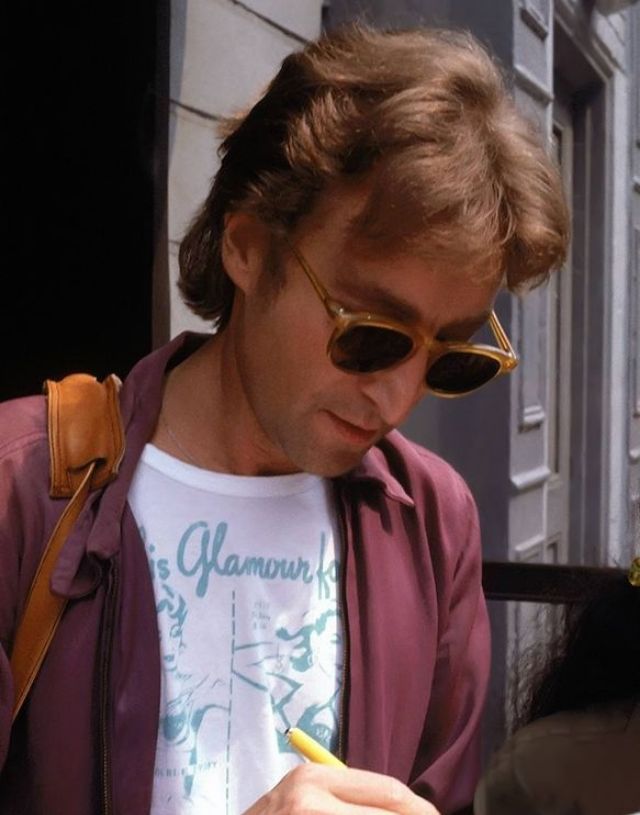
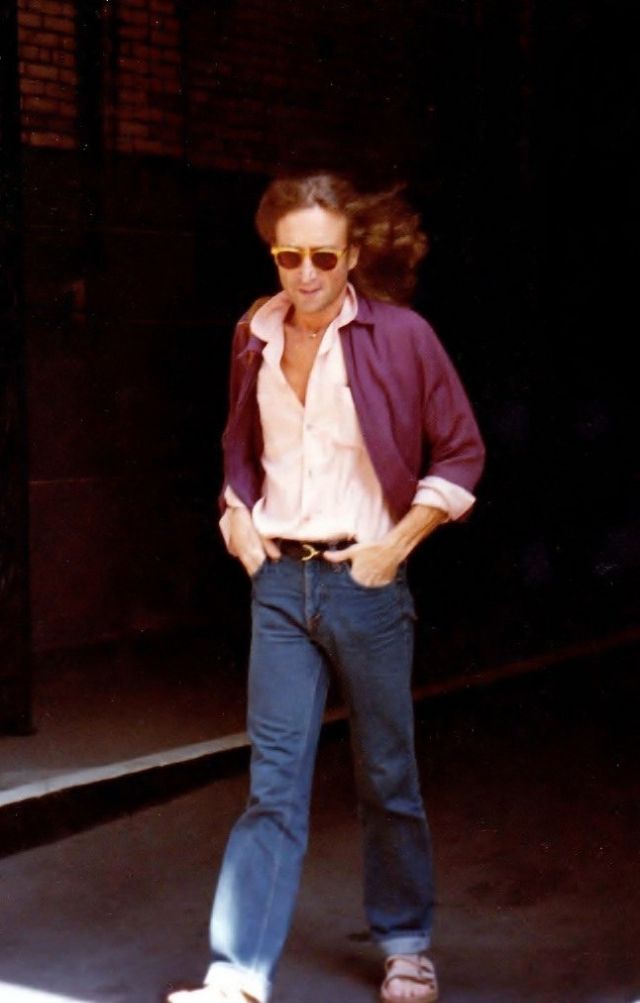
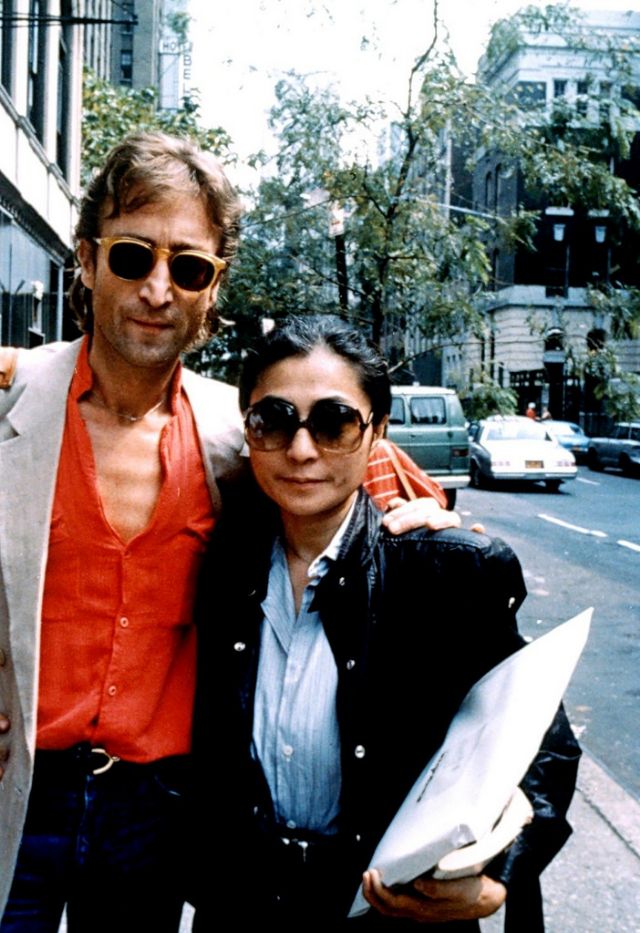
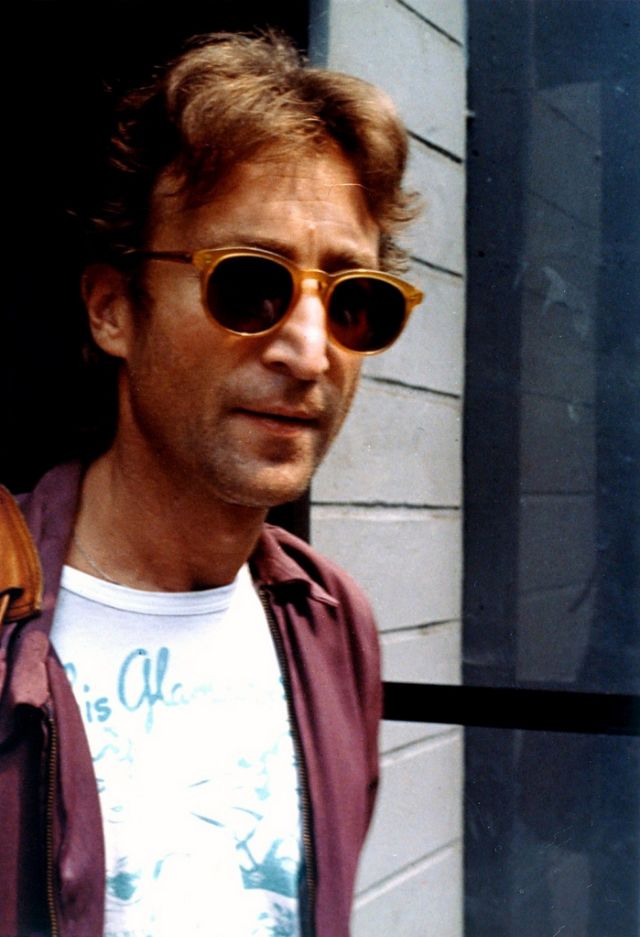
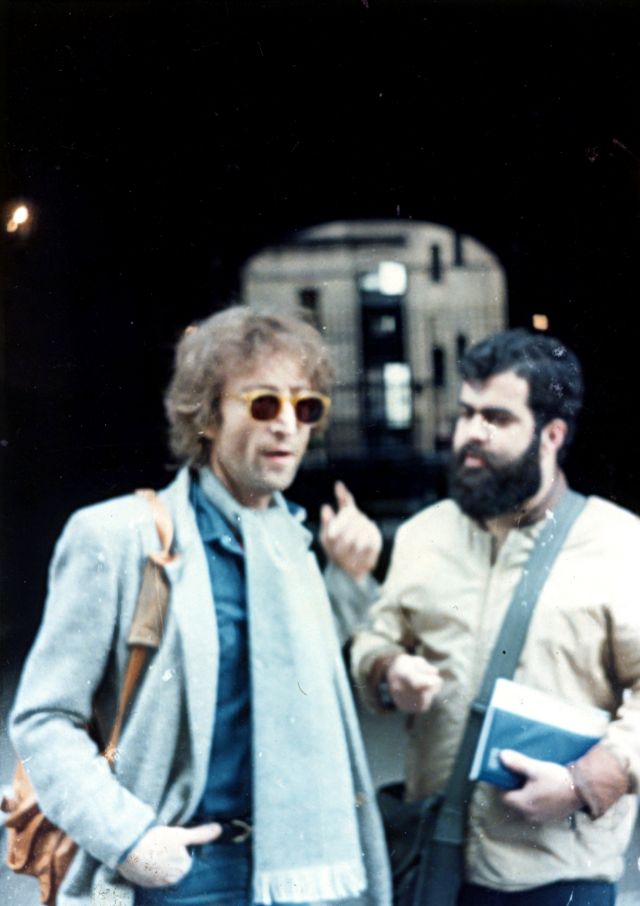
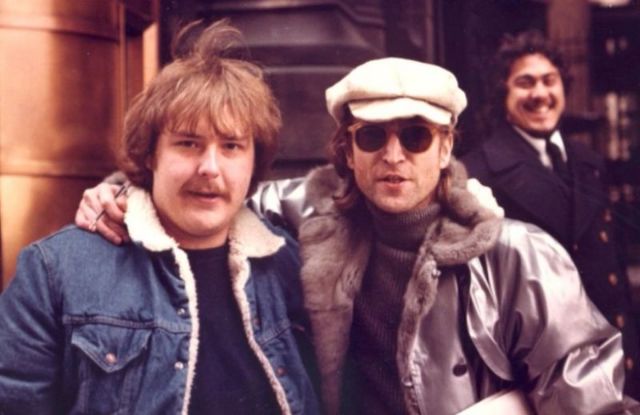
John Winston Ono Lennon (born John Winston Lennon; 9 October 1940 – 8 December 1980) was an English singer, songwriter, musician and peace activist who achieved worldwide fame as the founder, co-songwriter, co-lead vocalist and rhythm guitarist of the Beatles. He was characterised for the rebellious nature and acerbic wit in his music, writing, drawings, on film and in interviews. His songwriting partnership with Paul McCartney remains the most successful in history.
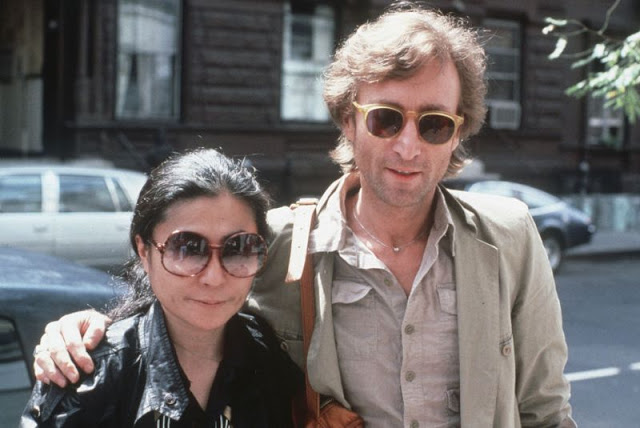
Born in Liverpool, Lennon became involved in the skiffle craze as a teenager. In 1956, he formed his first band, the Quarrymen, which evolved into the Beatles in 1960. He was initially the group’s de facto leader, a role gradually ceded to McCartney. In the mid-1960s, he authored two books: In His Own Write and A Spaniard in the Works, both collections of nonsense writings and line drawings. Starting with 1967’s “All You Need Is Love”, his songs were adopted as anthems by the anti-war movement and the larger counterculture. In 1969, he started the Plastic Ono Band with his second wife, Yoko Ono, and held the two week-long anti-war demonstration Bed-Ins for Peace. After the Beatles disbanded in 1970, Lennon continued his music career as a solo artist and as Ono’s collaborator.
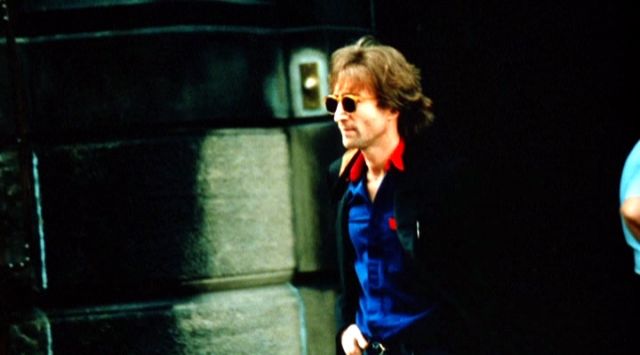
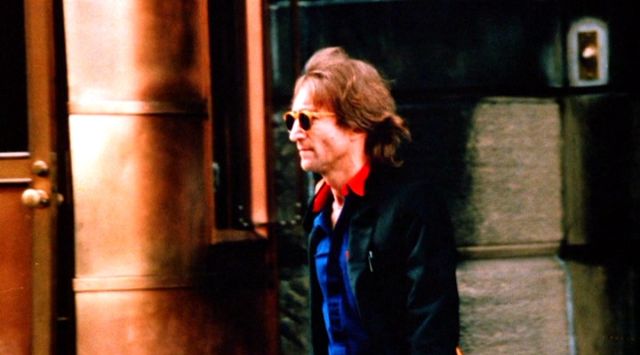
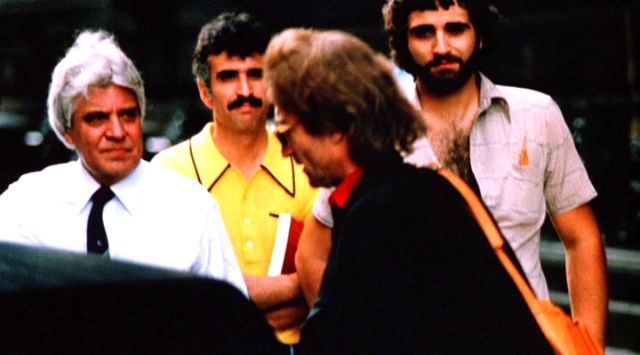
From 1968 to 1972, Lennon produced many records with Ono, including a trilogy of avant-garde albums, his first solo LPs John Lennon/Plastic Ono Band and Imagine, and the international top 10 singles “Give Peace a Chance”, “Instant Karma!”, “Imagine” and “Happy Xmas (War Is Over)”. After moving to New York City in 1971, his criticism of the Vietnam War resulted in a three-year attempt by the Nixon administration to deport him. Lennon and Ono temporarily separated during his two-year “lost weekend”, a period that included chart-topping collaborations with Elton John (“Whatever Gets You thru the Night”) and David Bowie (“Fame”). In 1975, Lennon disengaged from the music business to raise his infant son Sean and, in 1980, returned with the Ono collaboration Double Fantasy. He was shot and killed in the archway of his Manhattan apartment building by a Beatles fan, Mark David Chapman, three weeks after the album’s release.
As a performer, writer or co-writer, Lennon had 25 number one singles in the Billboard Hot 100 chart. Double Fantasy, his best-selling album, won the 1981 Grammy Award for Album of the Year. In 1982, Lennon was honoured with the Brit Award for Outstanding Contribution to Music. In 2002, Lennon was voted eighth in a BBC poll of the 100 Greatest Britons. Rolling Stone ranked him the fifth-greatest singer and thirty-eighth greatest artist of all time. He was inducted into the Songwriters Hall of Fame (in 1997) and the Rock and Roll Hall of Fame (twice, as a member of the Beatles in 1988 and as a solo artist in 1994).