







Bringing You the Wonder of Yesterday – Today



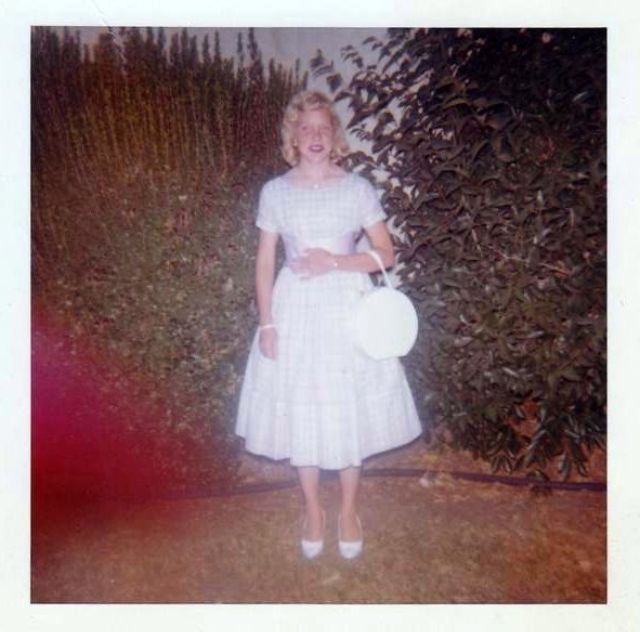
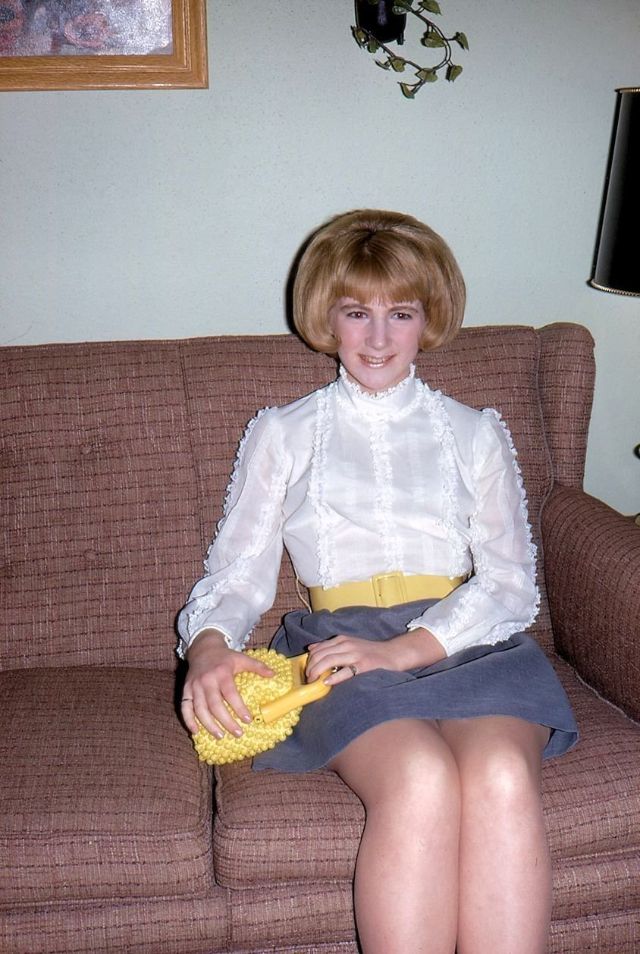
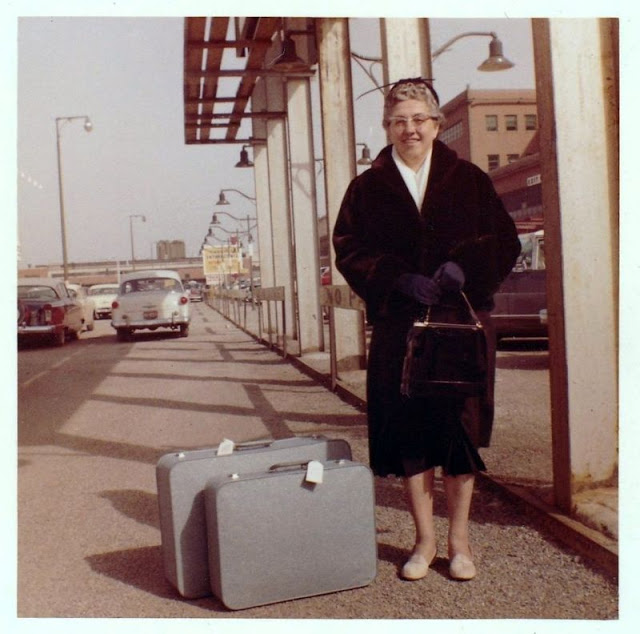
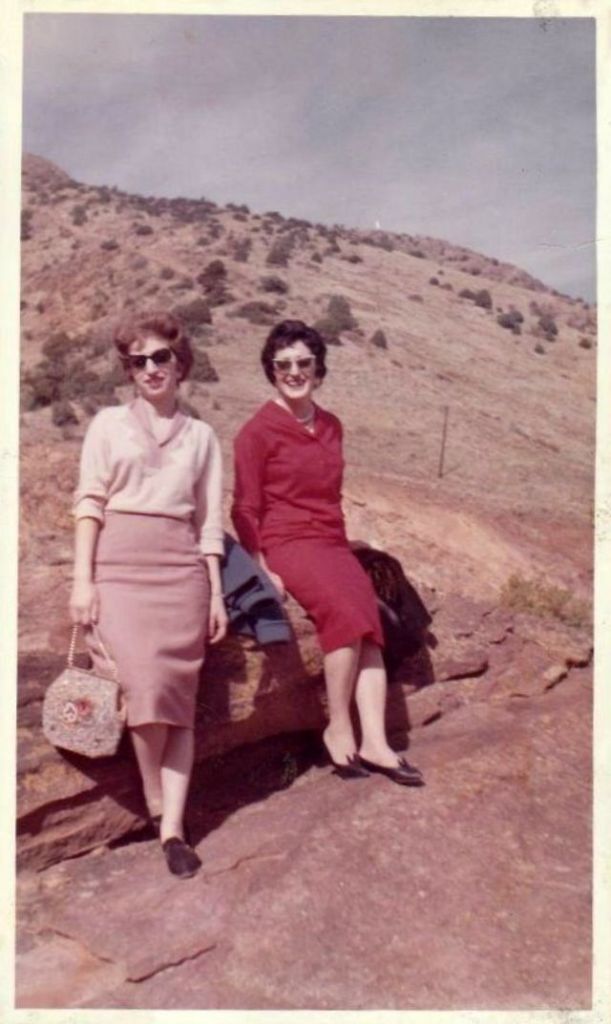
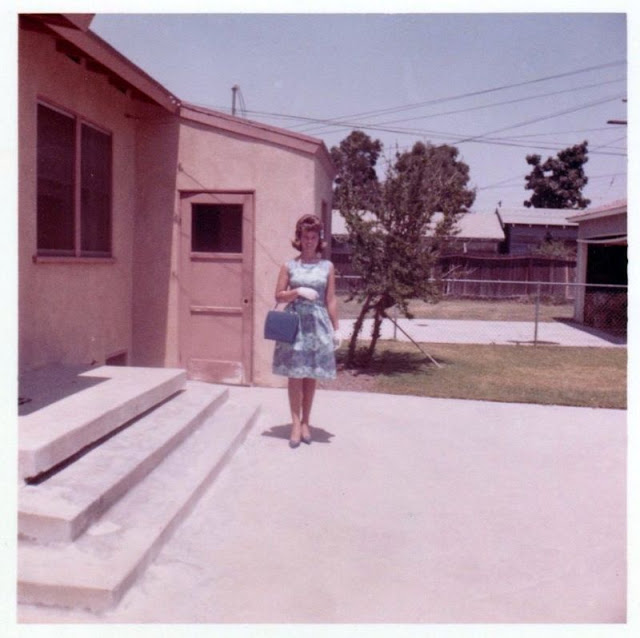

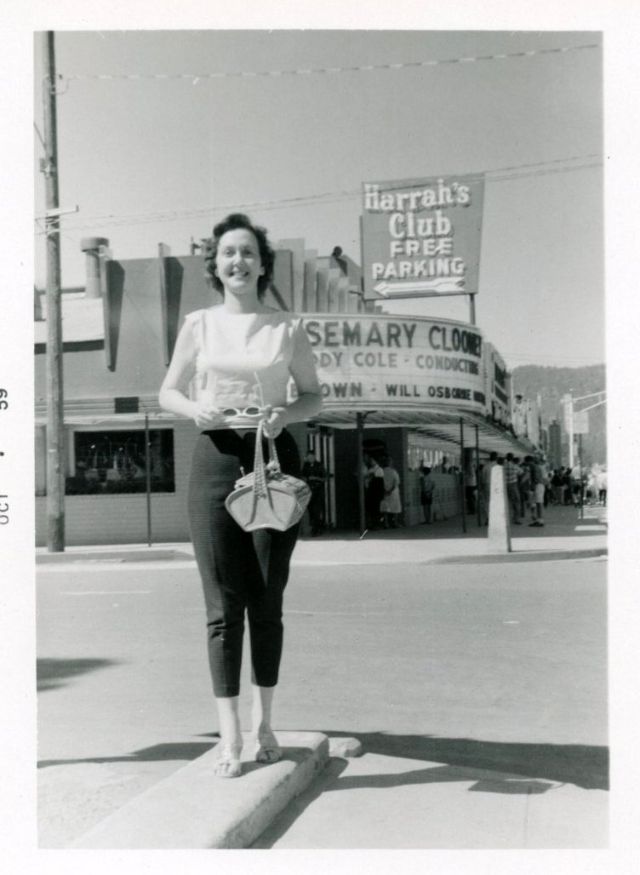
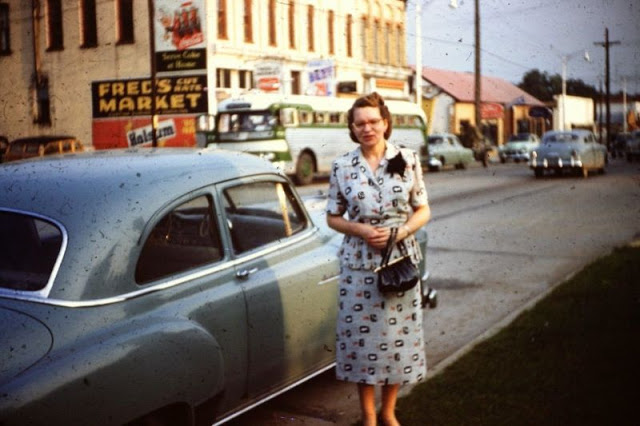

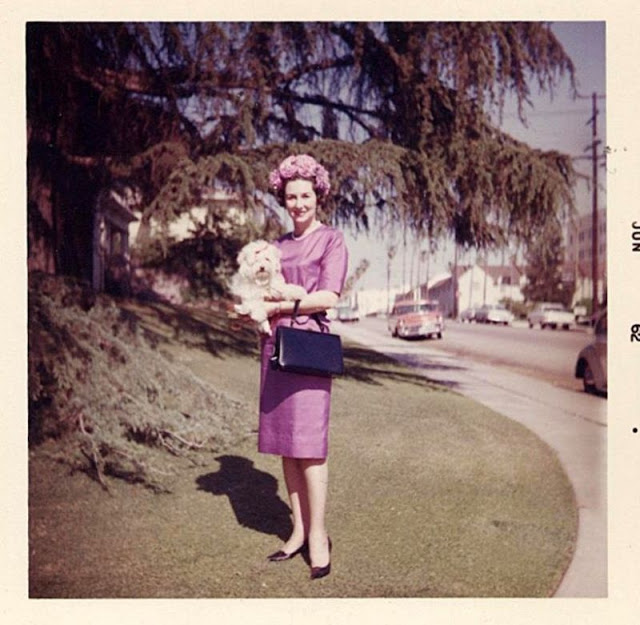
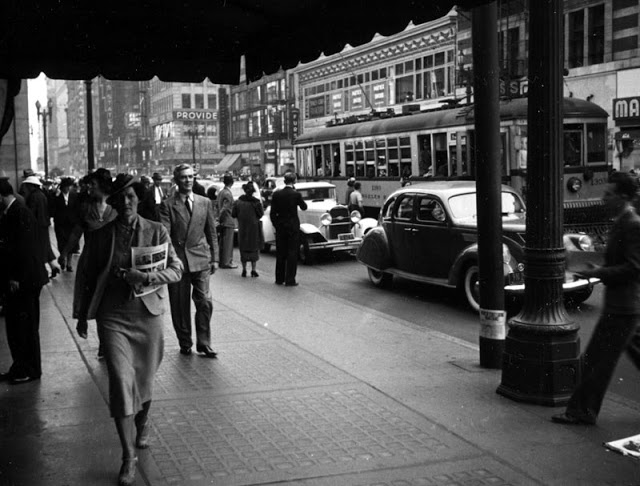
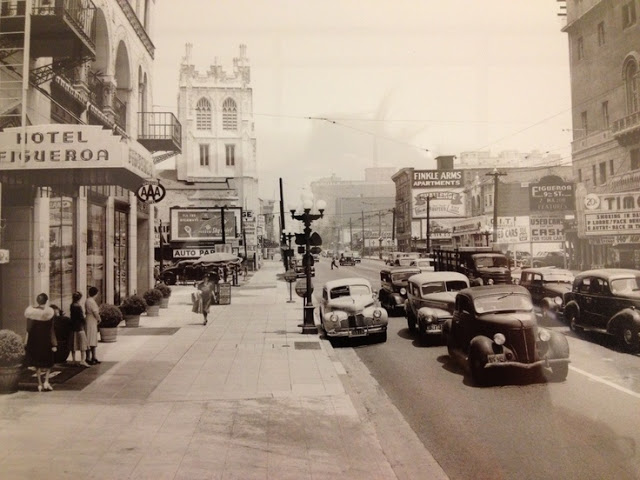
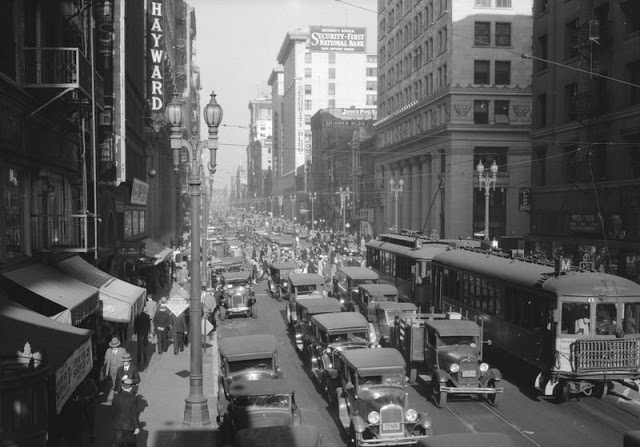
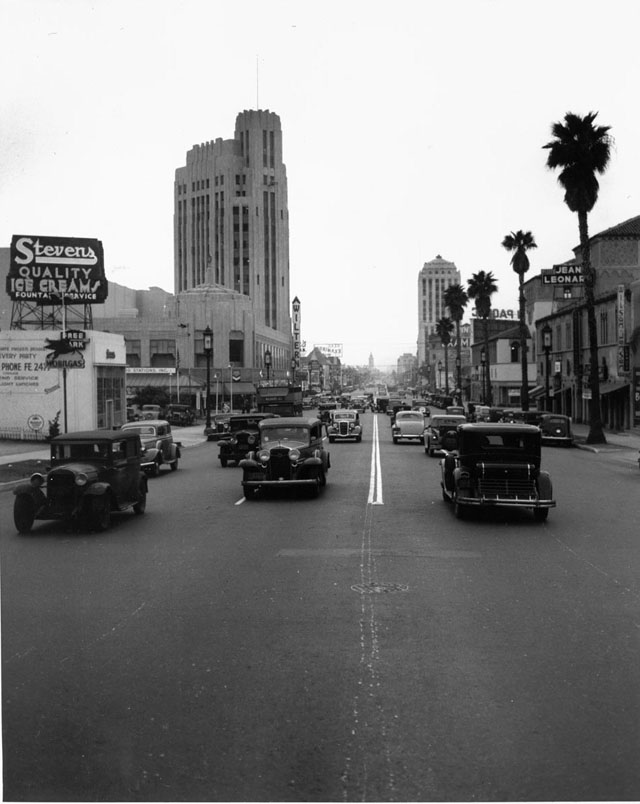
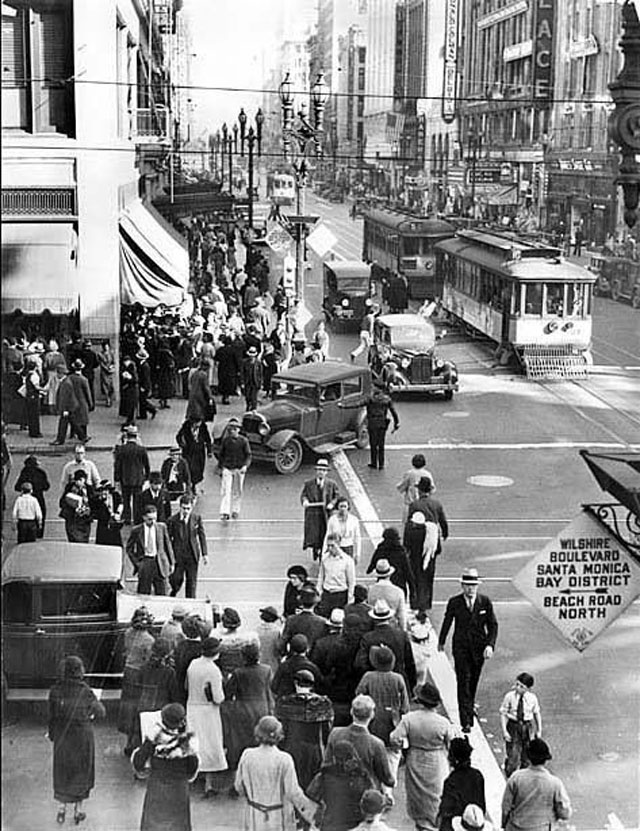
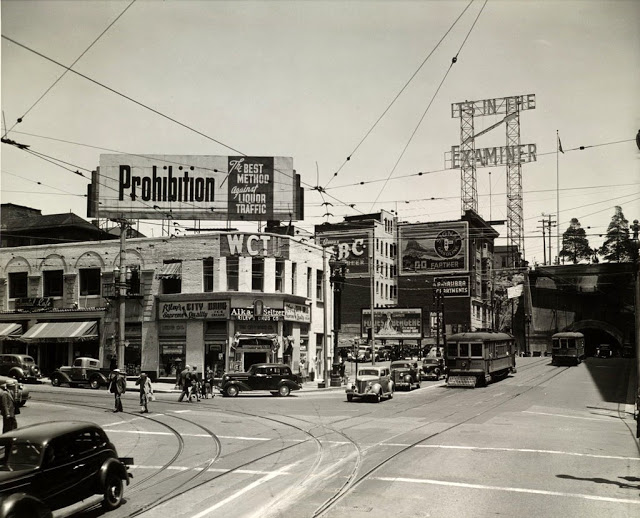
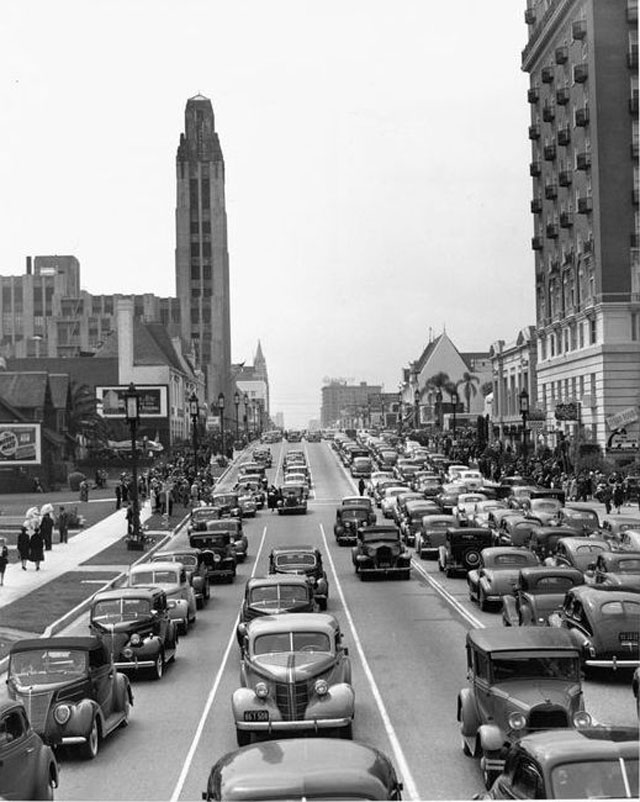
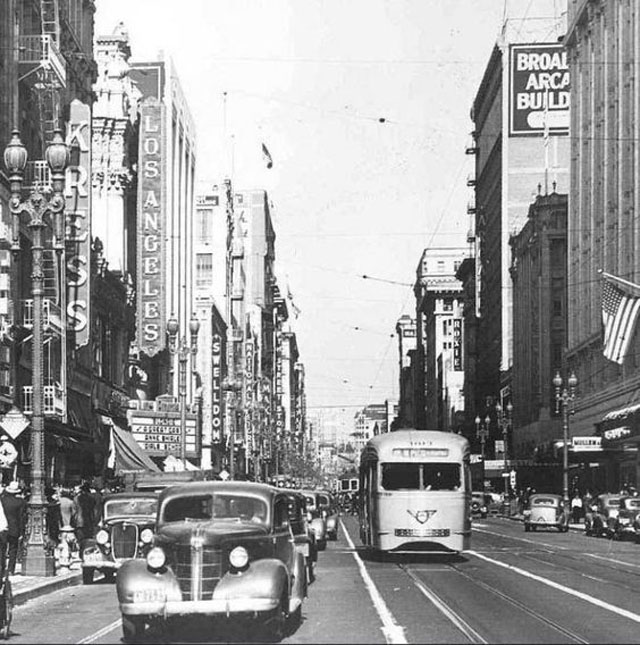
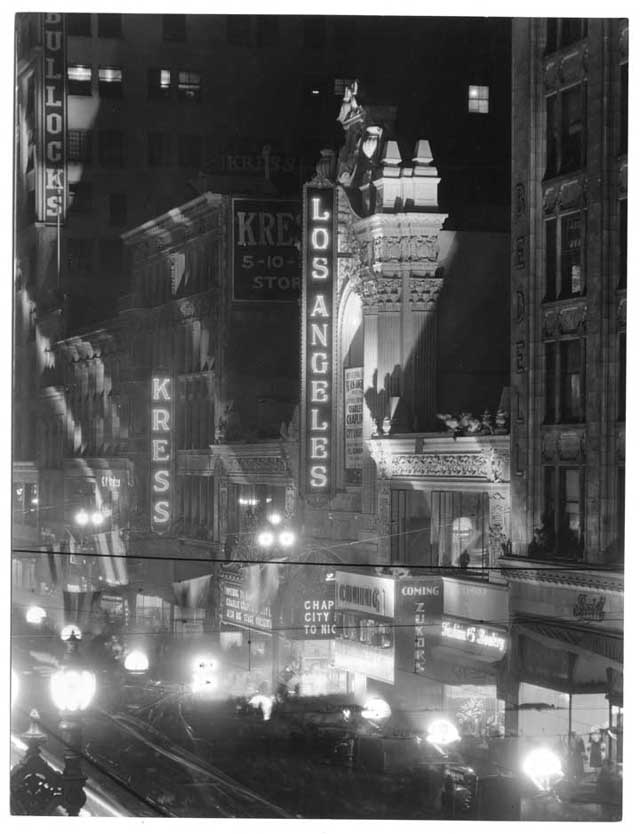
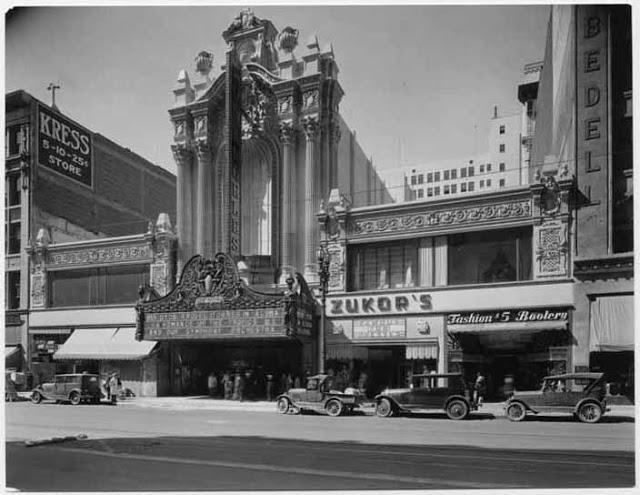
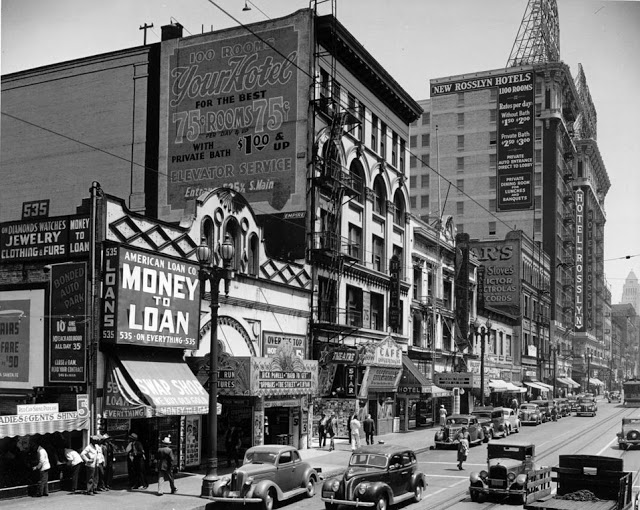
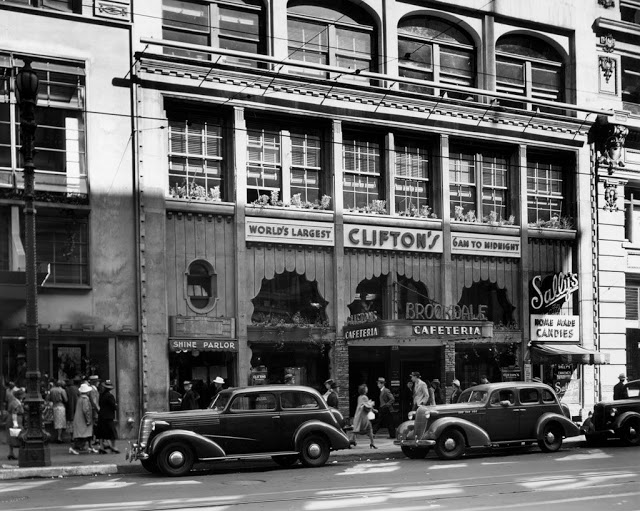
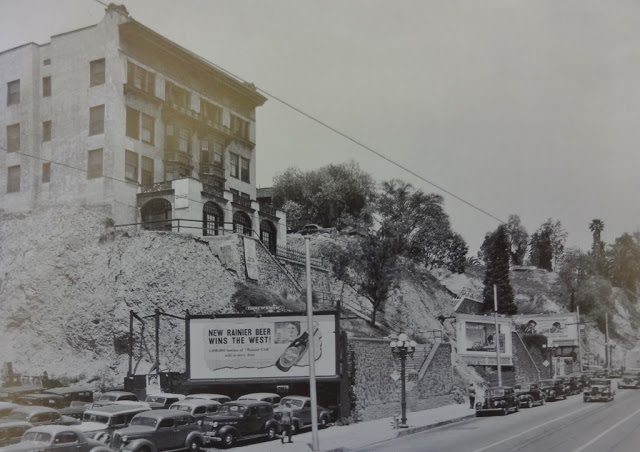
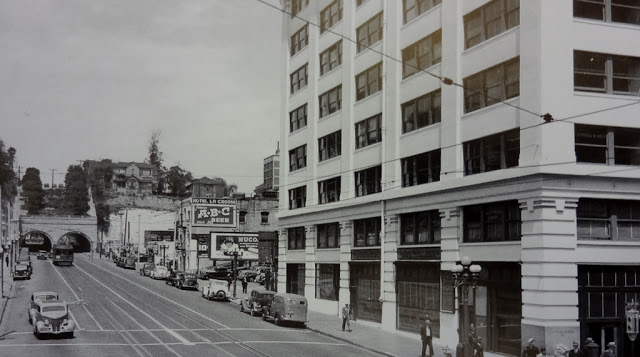
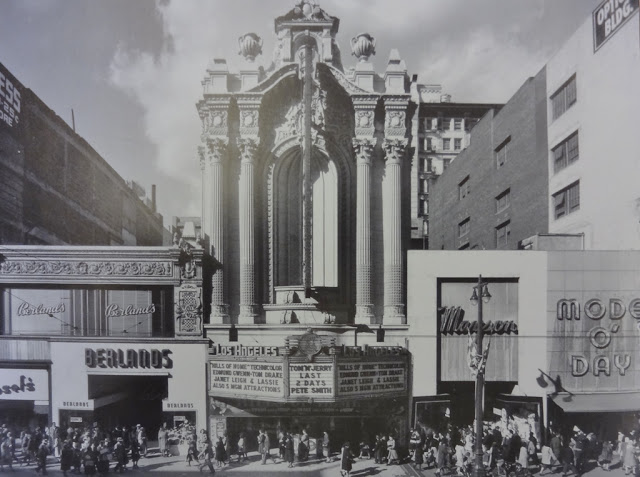
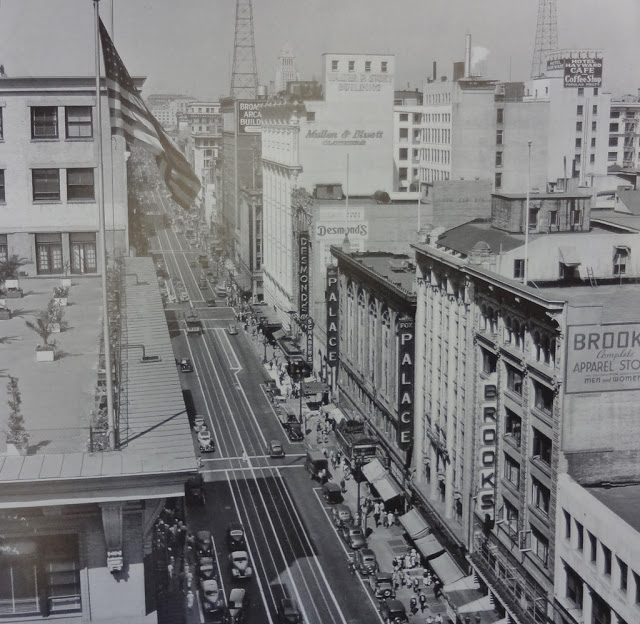
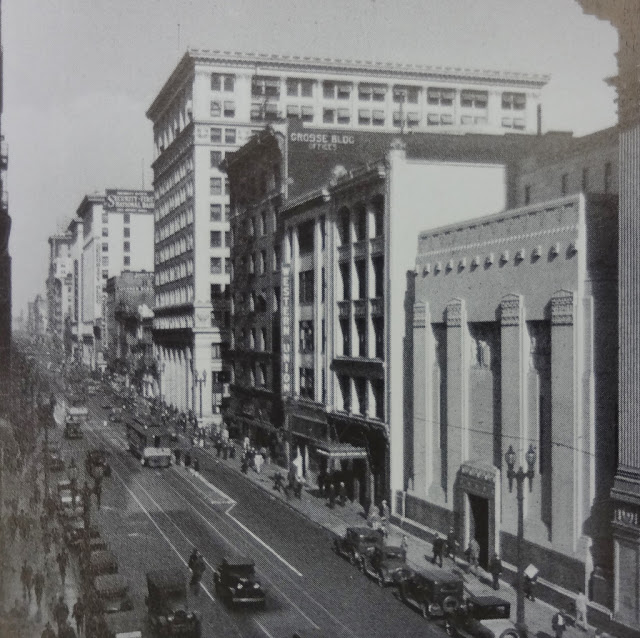
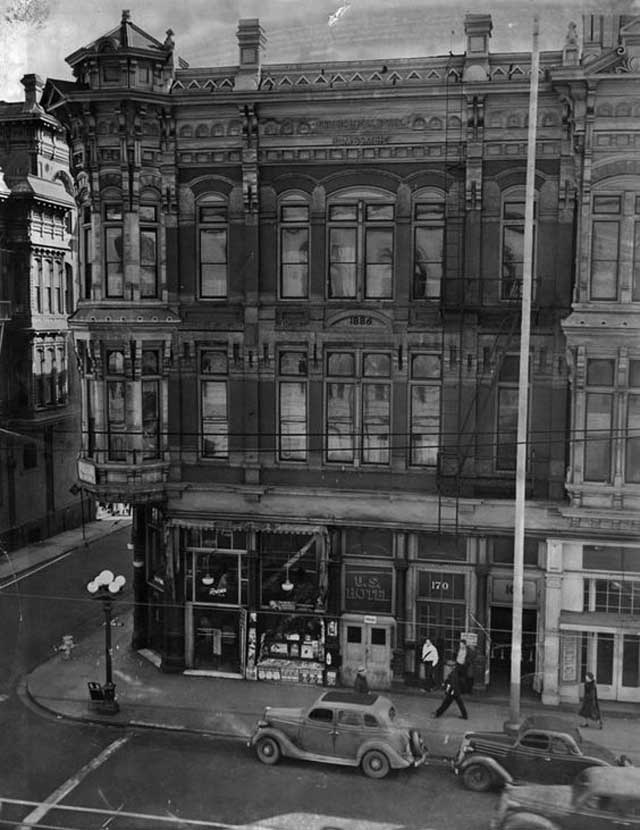
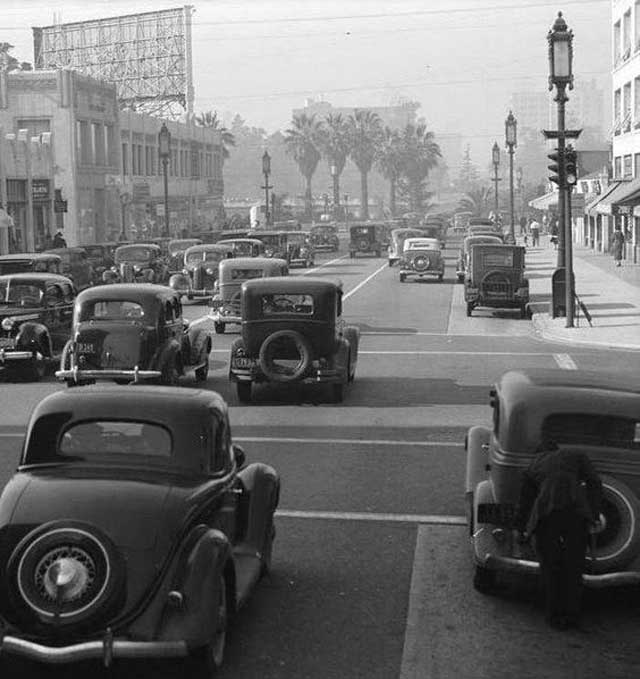
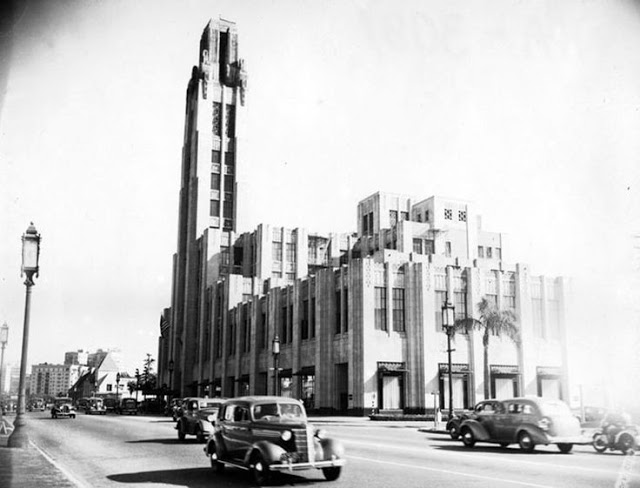
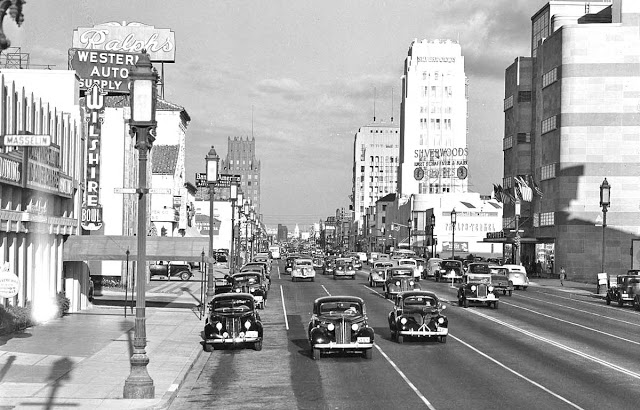
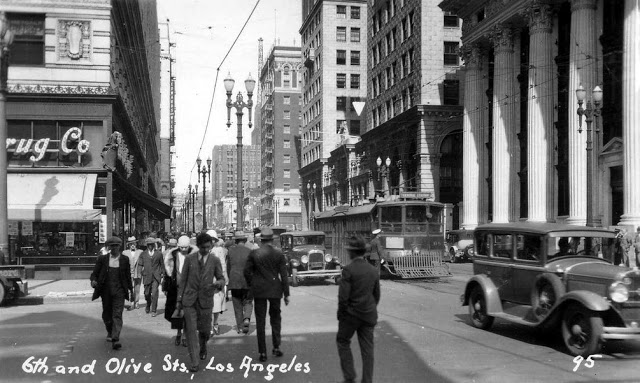
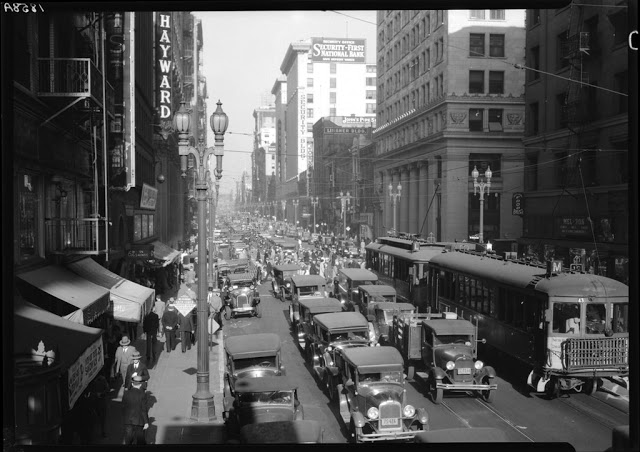
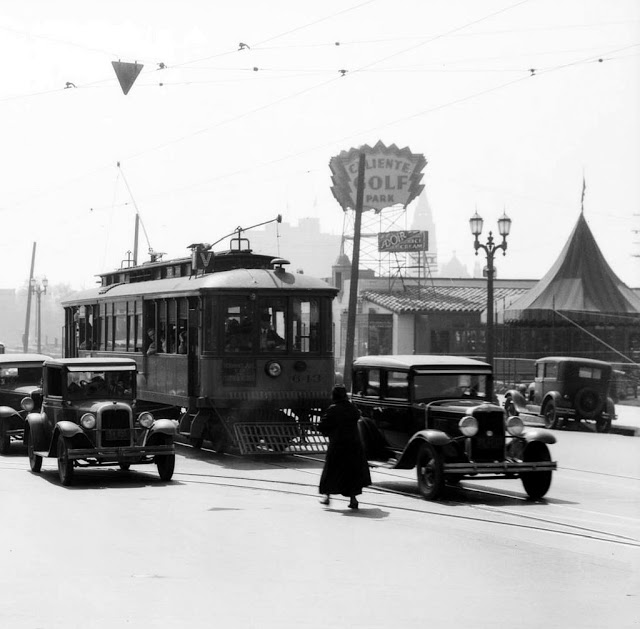
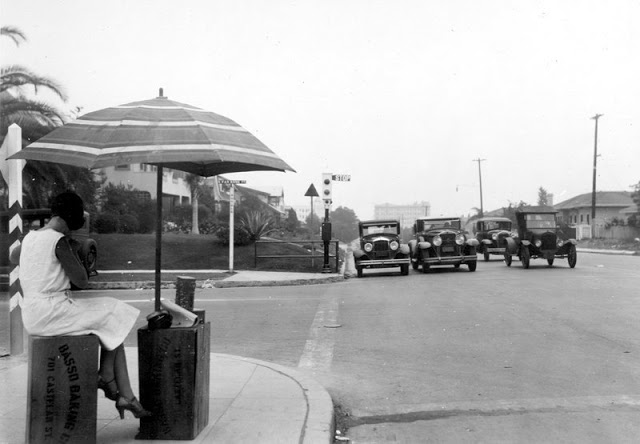
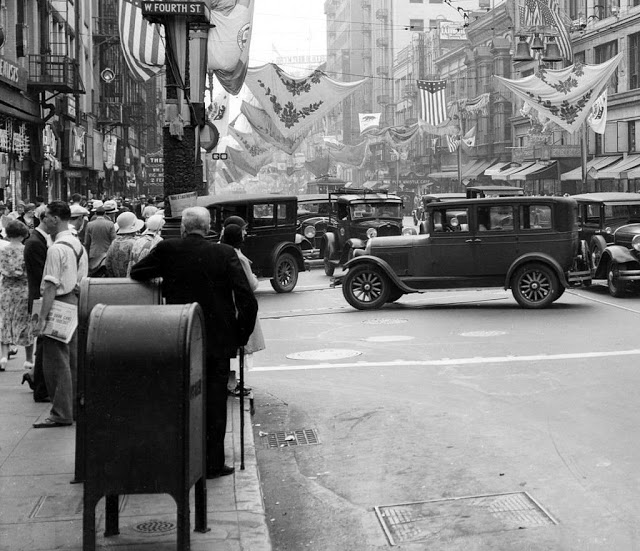
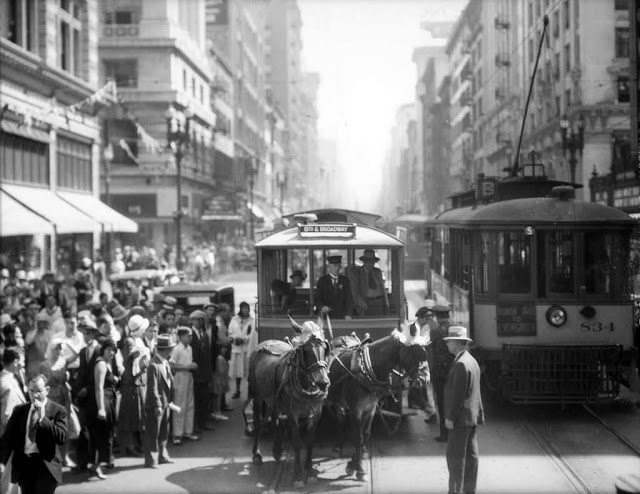
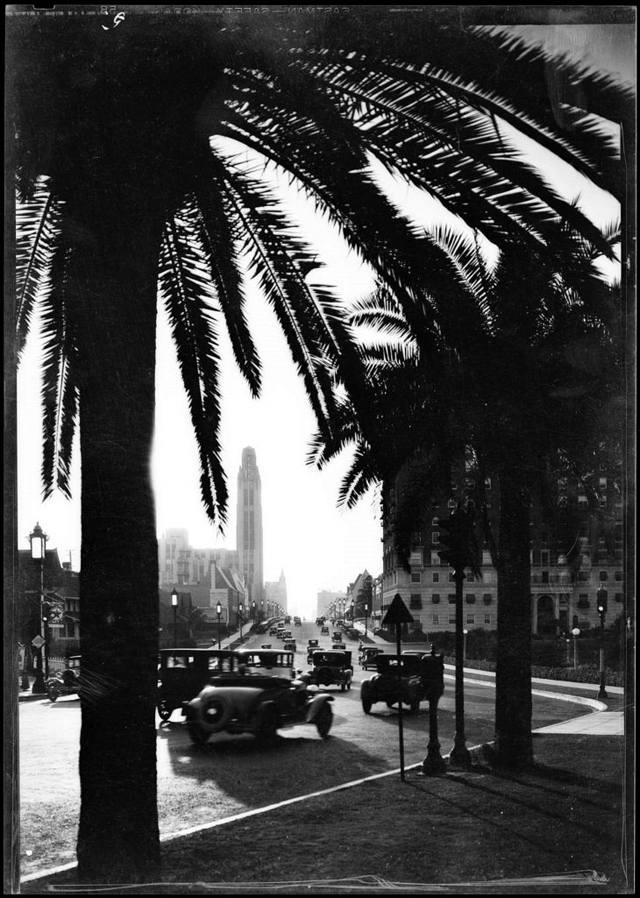
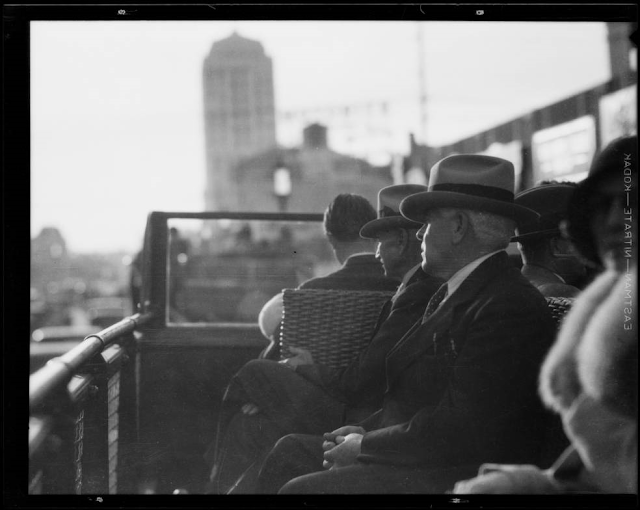
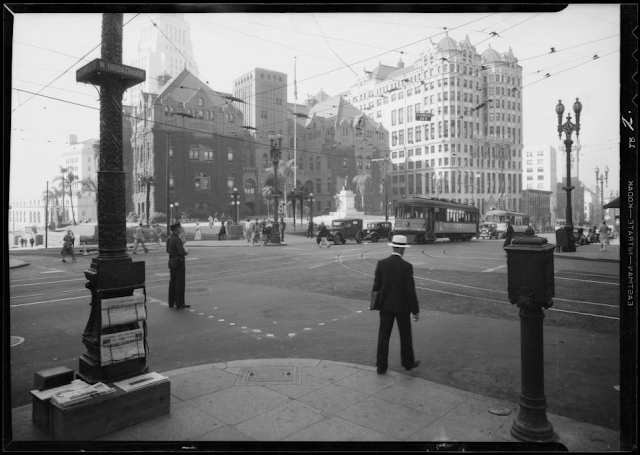
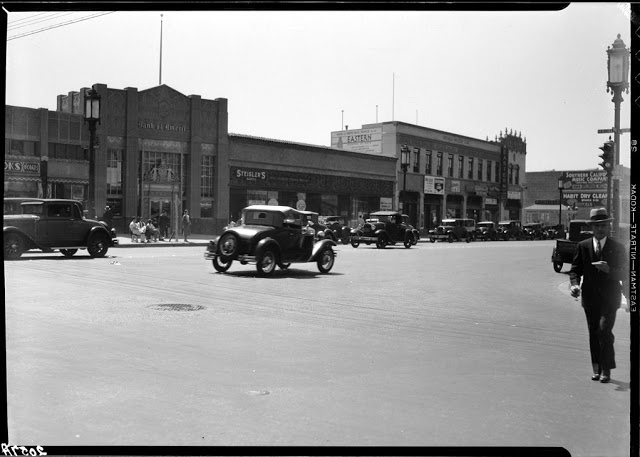
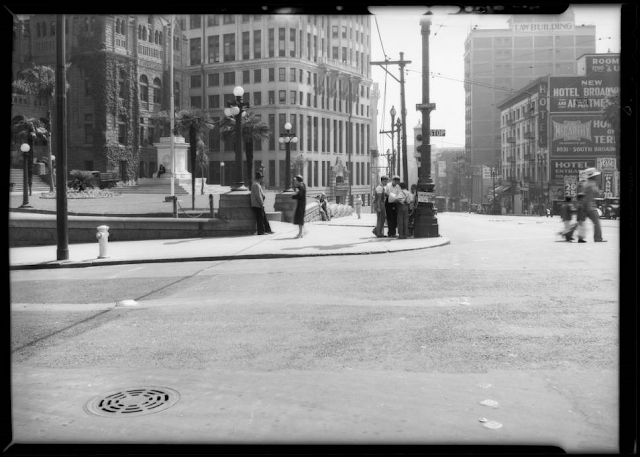
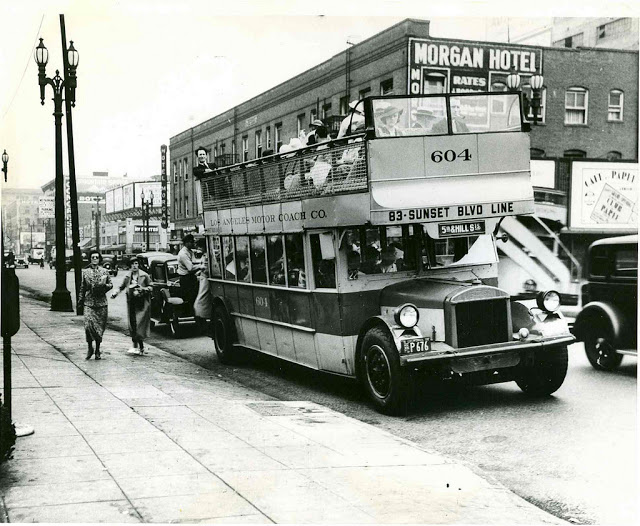
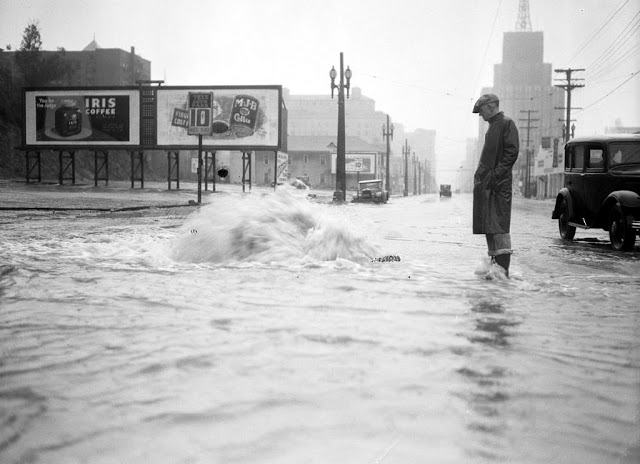
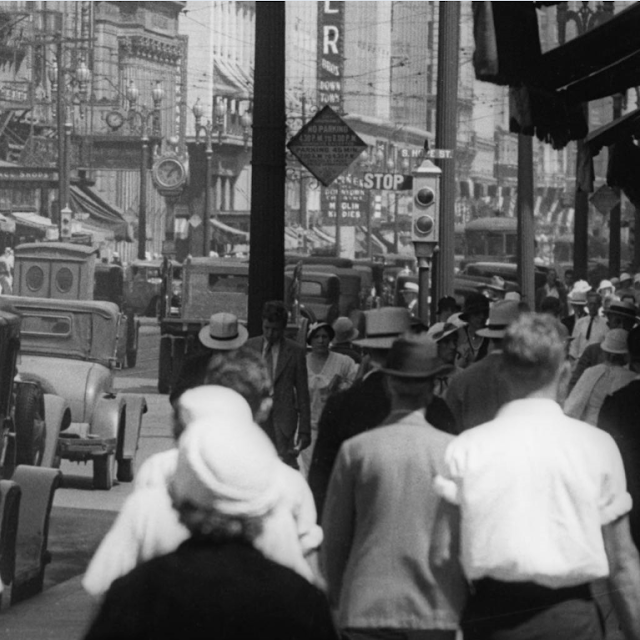
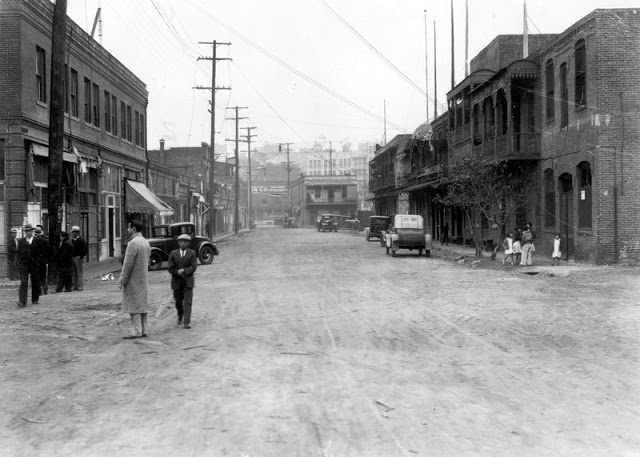
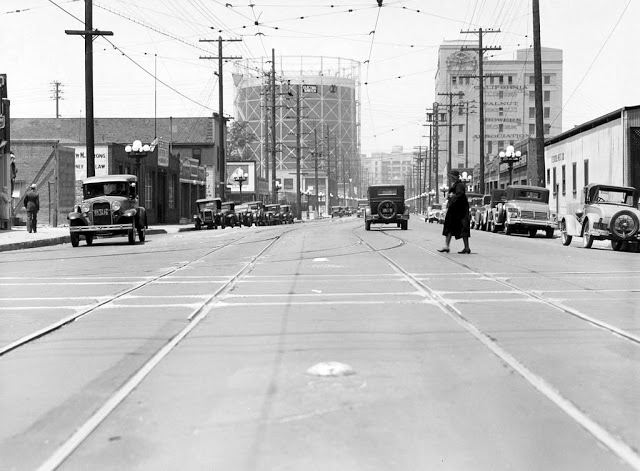
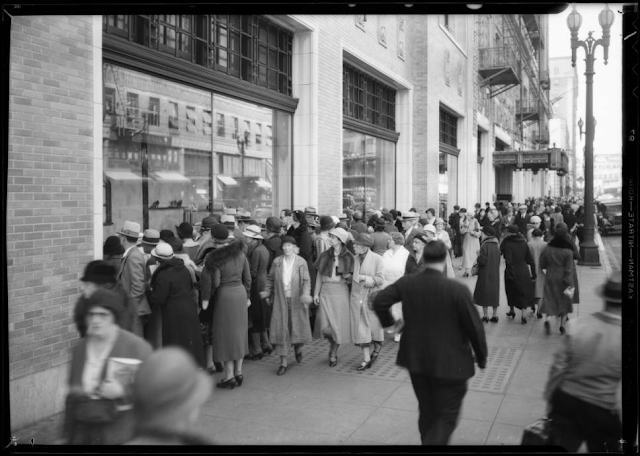
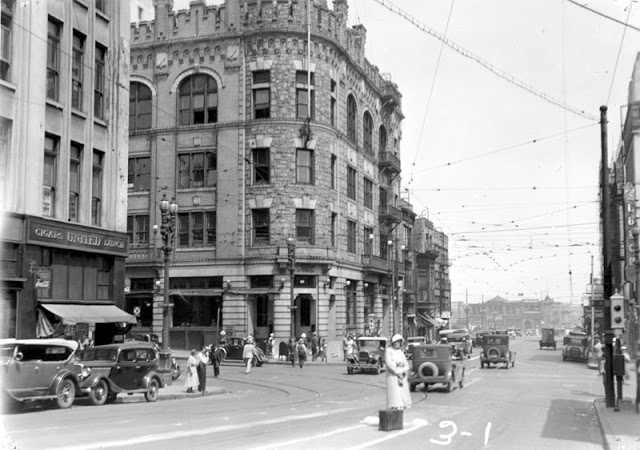
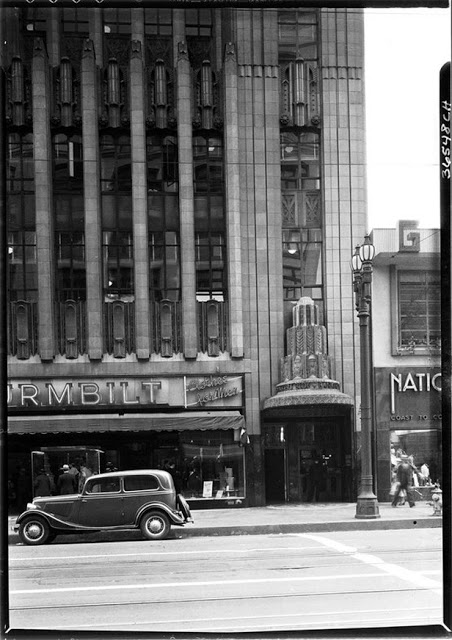
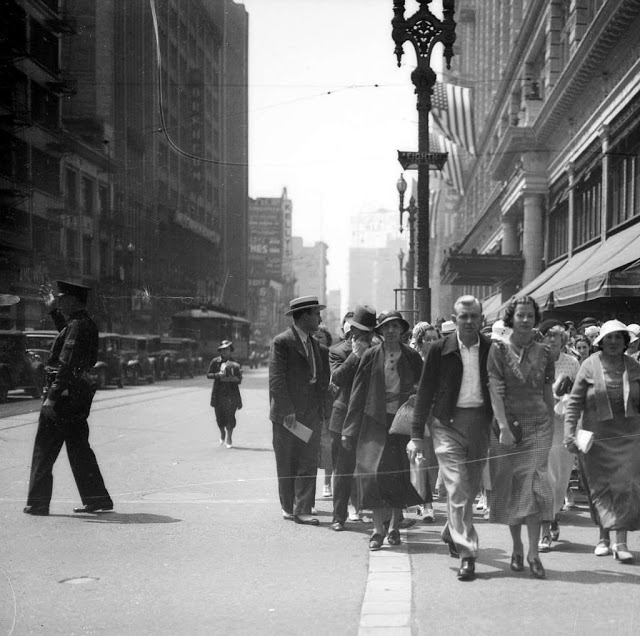
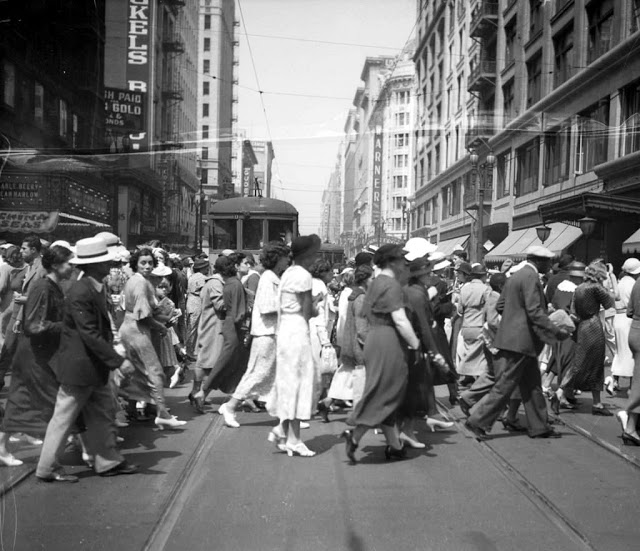
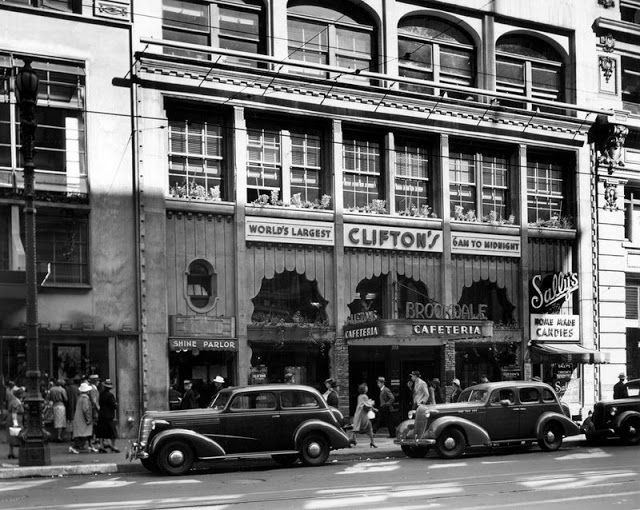
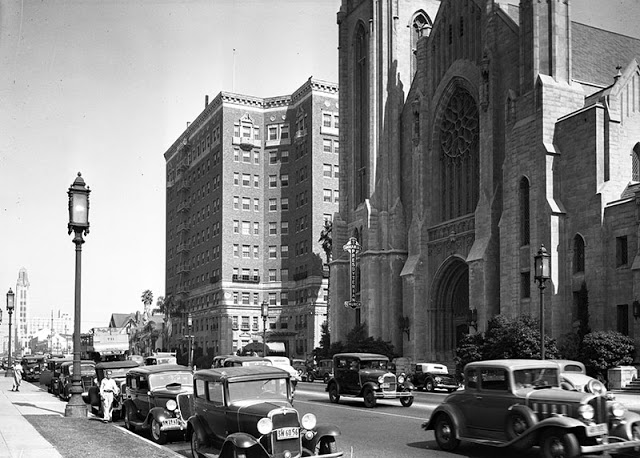
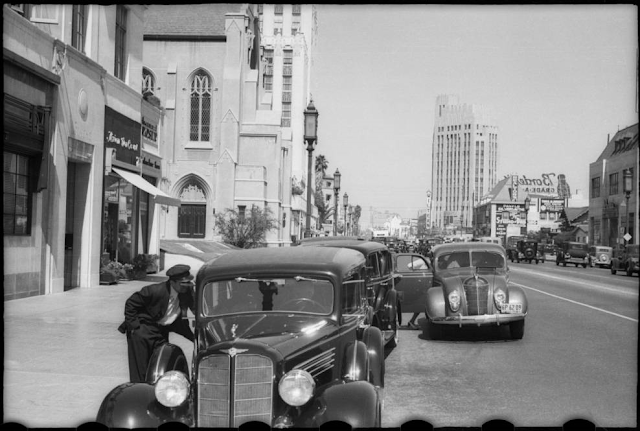
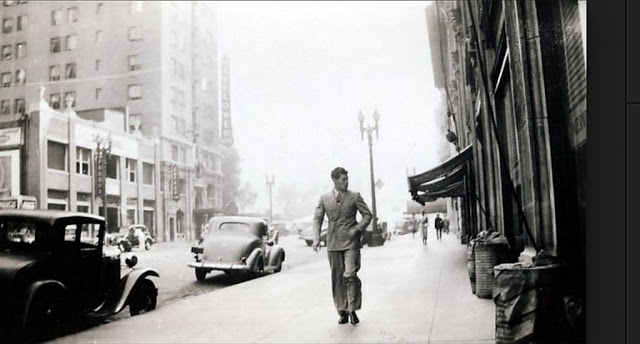
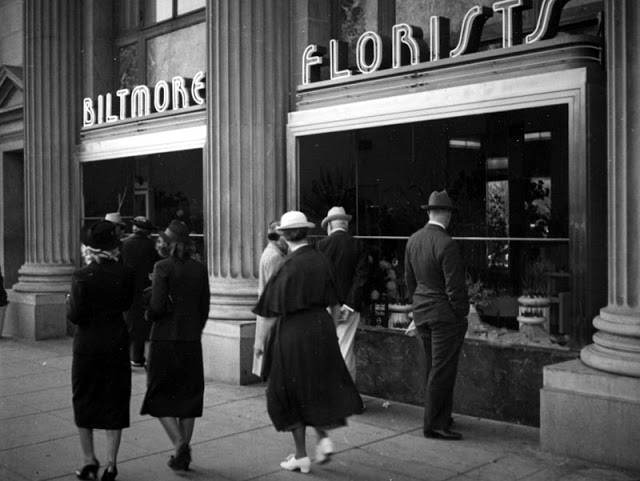
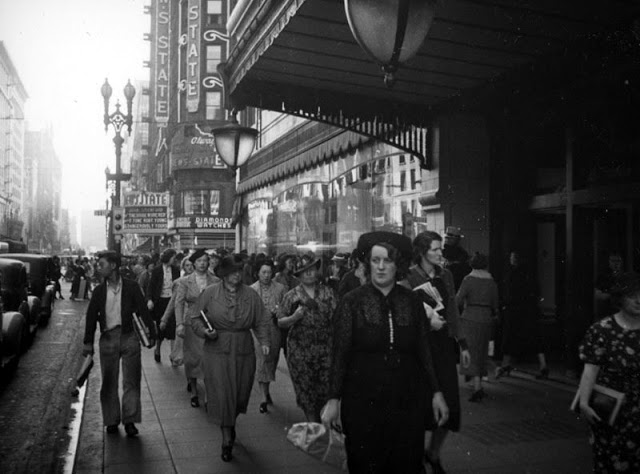
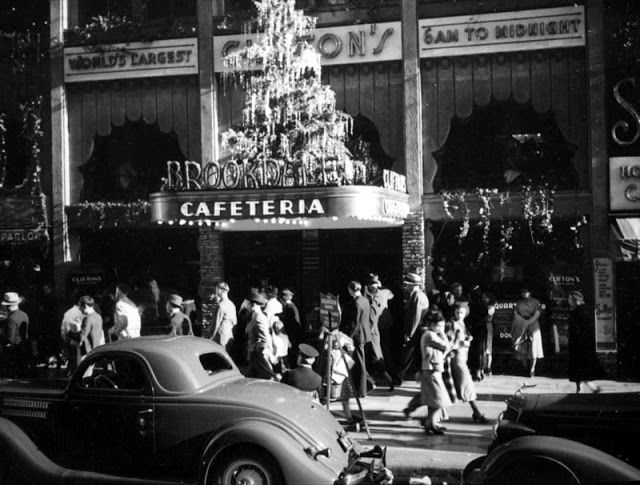
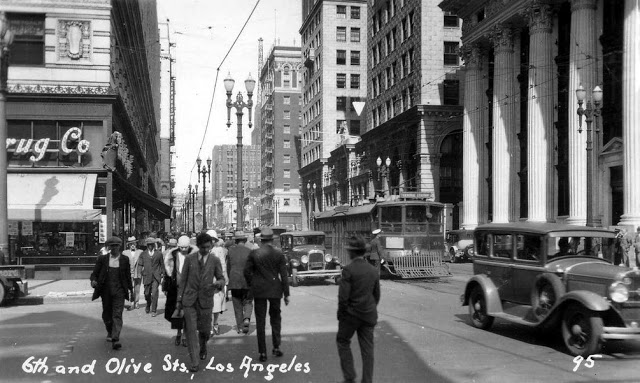
Los Angeles, often spoken and written as its initialism, L.A., is the largest city in California. With a 2020 population of 3,898,747, it is the second-largest city in the United States, after New York City, and the third-largest city in North America, after Mexico City and New York City. Los Angeles is known for its Mediterranean climate, ethnic and cultural diversity, Hollywood entertainment industry, and its sprawling metropolitan area.
Los Angeles lies in a basin in Southern California, adjacent to the Pacific Ocean, with mountains as high as 10,000 feet (3,000 m), and deserts. The city, which covers about 469 square miles (1,210 km2), is the seat of Los Angeles County, the most populous county in the United States. The Los Angeles metropolitan area (MSA) is home to a population of 13.1 million, making it the second-largest metropolitan area in the nation after that of New York. Greater Los Angeles includes metro Los Angeles as well as the Inland Empire and Ventura County. It is the second most populous U.S. combined statistical area, also after New York, with a 2015 estimate of 18.7 million people.
Home to the Chumash and Tongva, the area that became Los Angeles was claimed by Juan Rodríguez Cabrillo for Spain in 1542. The city was founded on September 4, 1781, under Spanish governor Felipe de Neve, on the village of Yaanga. It became a part of Mexico in 1821 following the Mexican War of Independence. In 1848, at the end of the Mexican–American War, Los Angeles and the rest of California were purchased as part of the Treaty of Guadalupe Hidalgo, and thus became part of the United States. Los Angeles was incorporated as a municipality on April 4, 1850, five months before California achieved statehood. The discovery of oil in the 1890s brought rapid growth to the city. The city was further expanded with the completion of the Los Angeles Aqueduct in 1913, which delivers water from Eastern California.
Los Angeles has a diverse and robust economy, and hosts businesses in a broad range of professional and cultural fields. It also has the busiest container port in the Americas. In 2018, the Los Angeles metropolitan area had a gross metropolitan product of over $1.0 trillion, making it the city with the third-largest GDP in the world, after Tokyo and New York City. Los Angeles hosted the 1932 and 1984 Summer Olympics and will host the 2028 Summer Olympics. (Wikipedia)


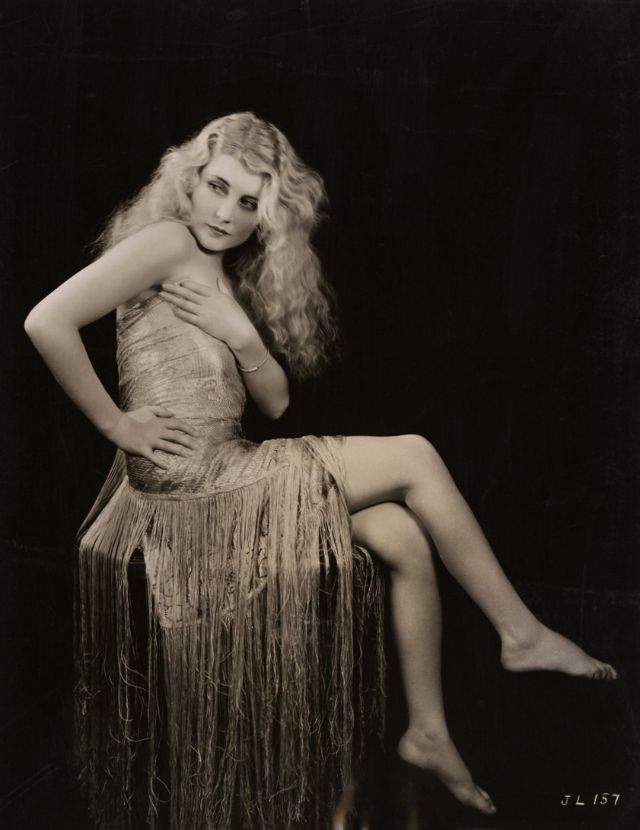
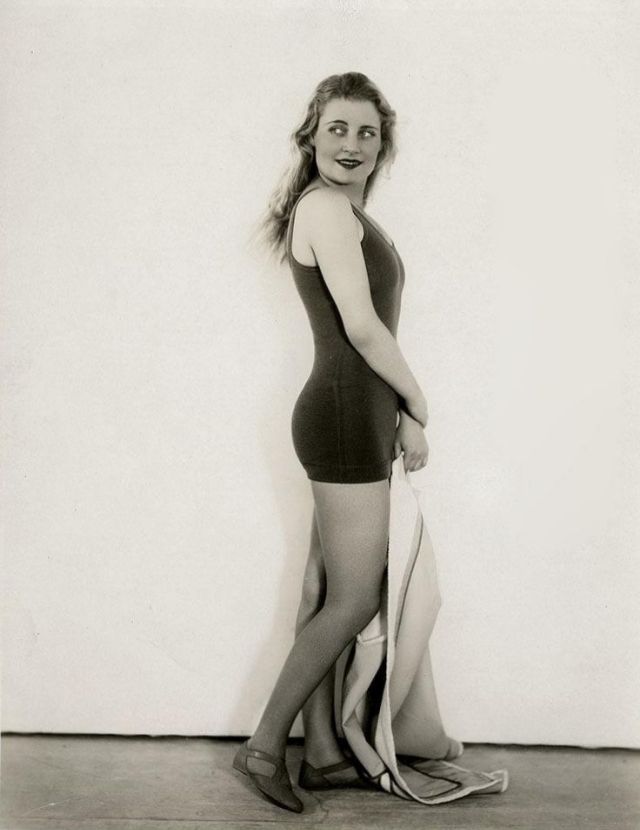
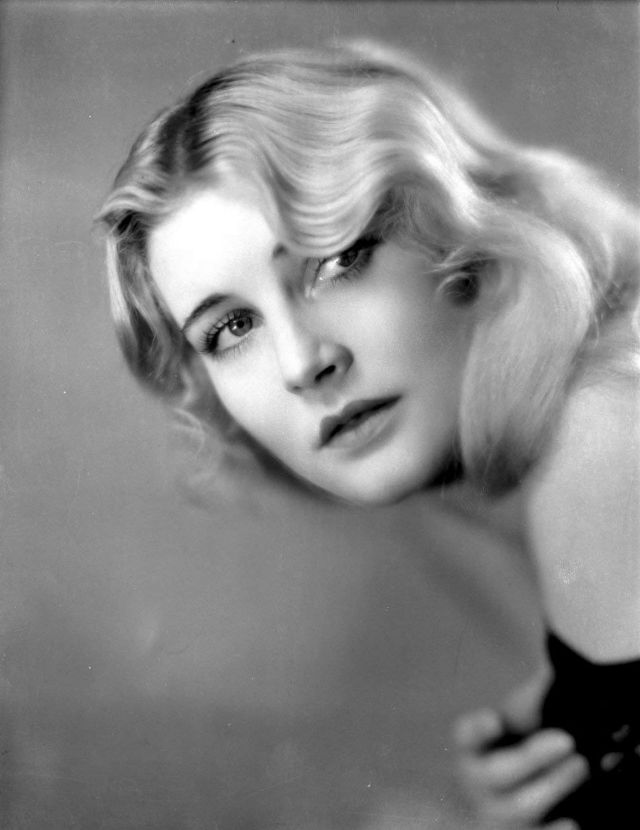
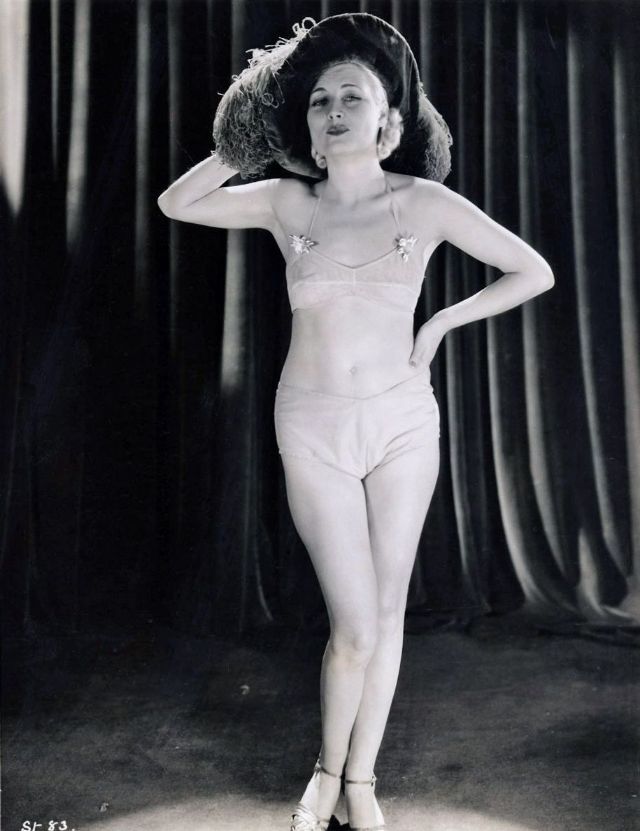
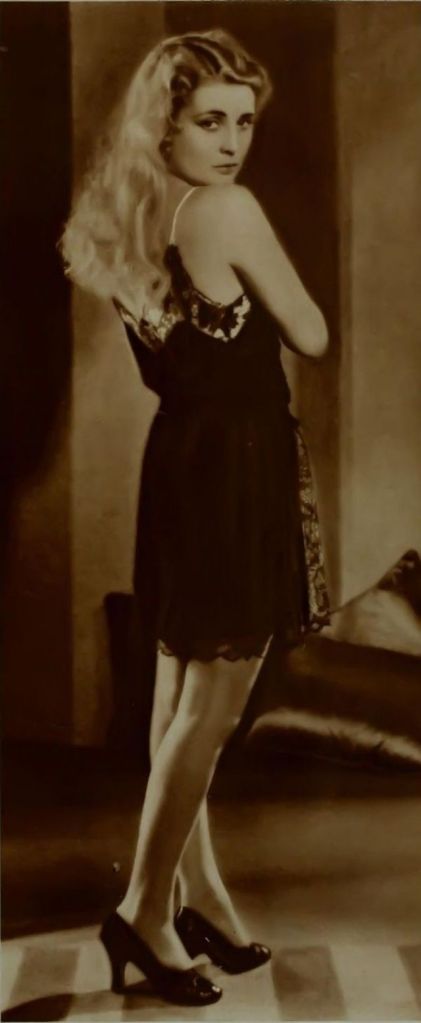
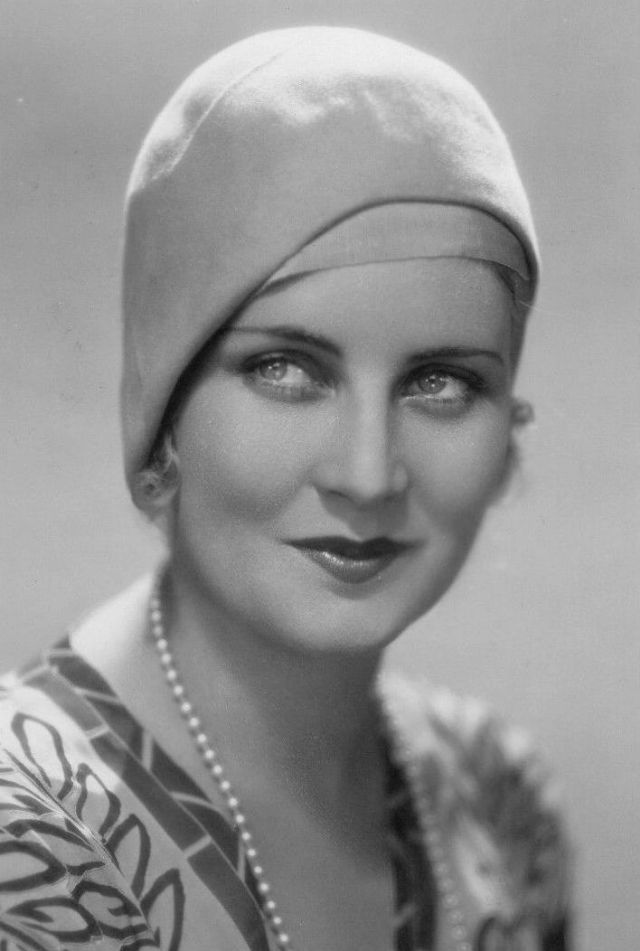
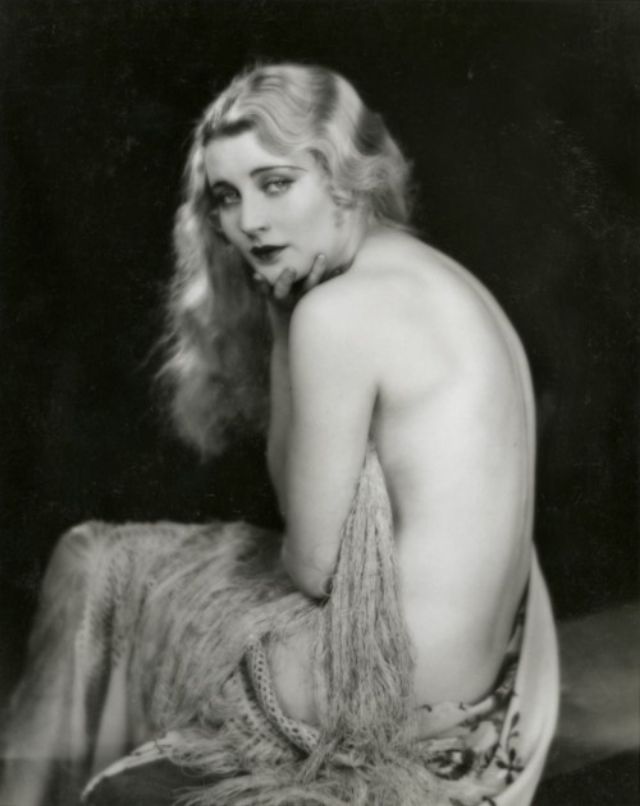
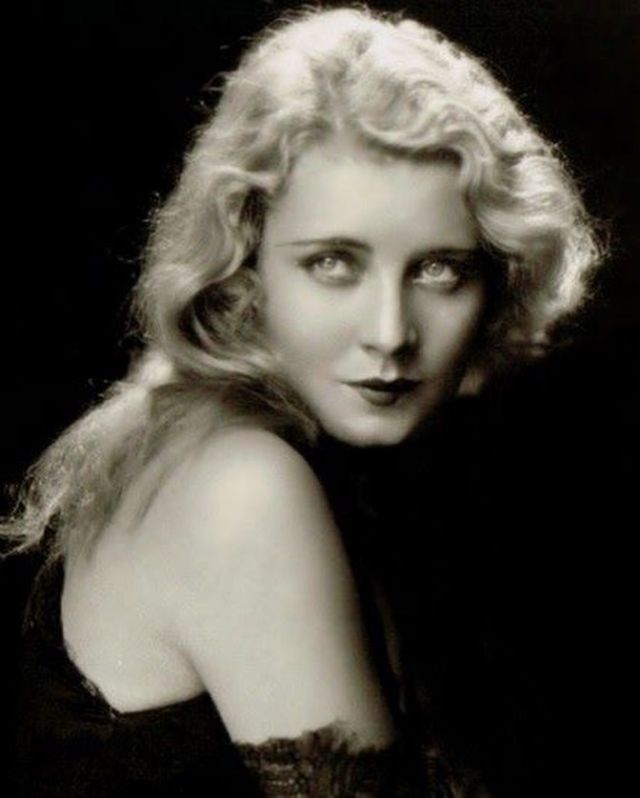
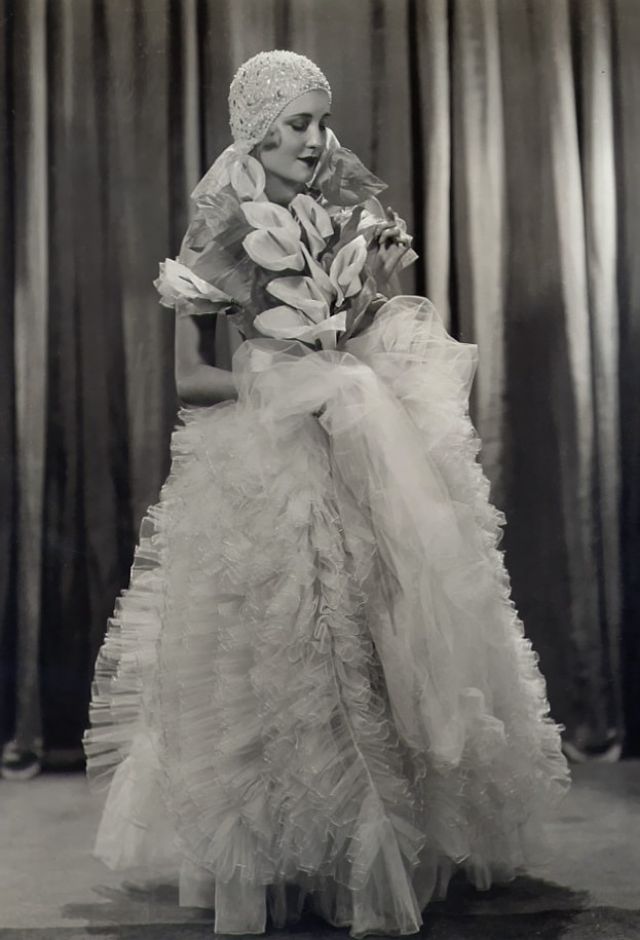
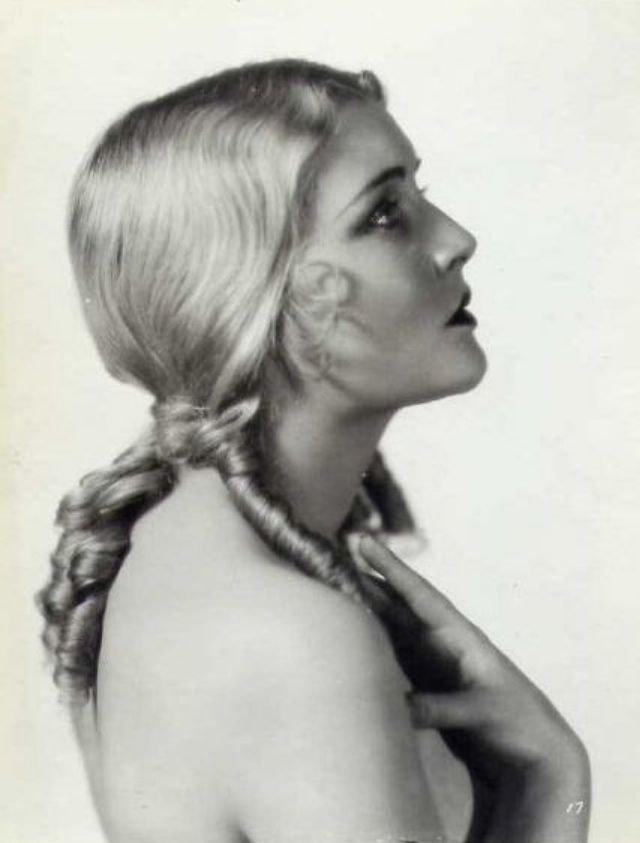
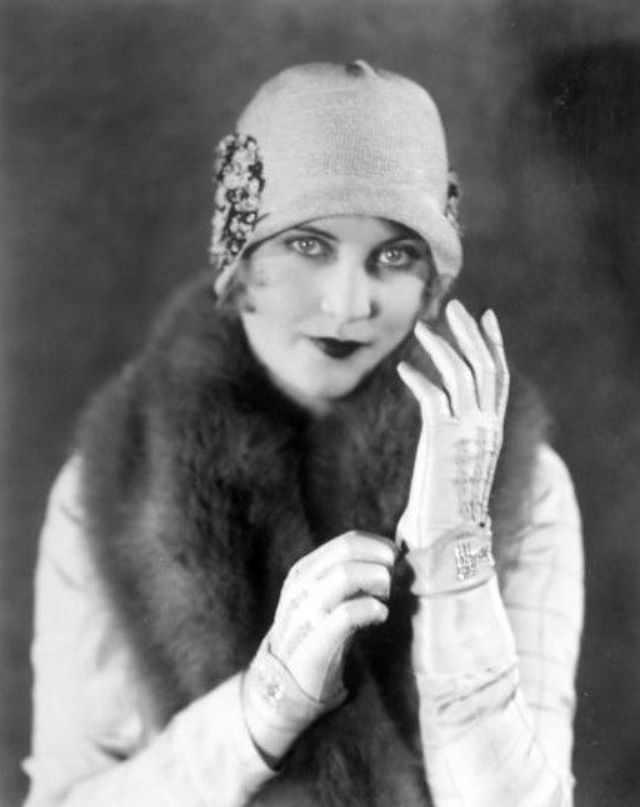
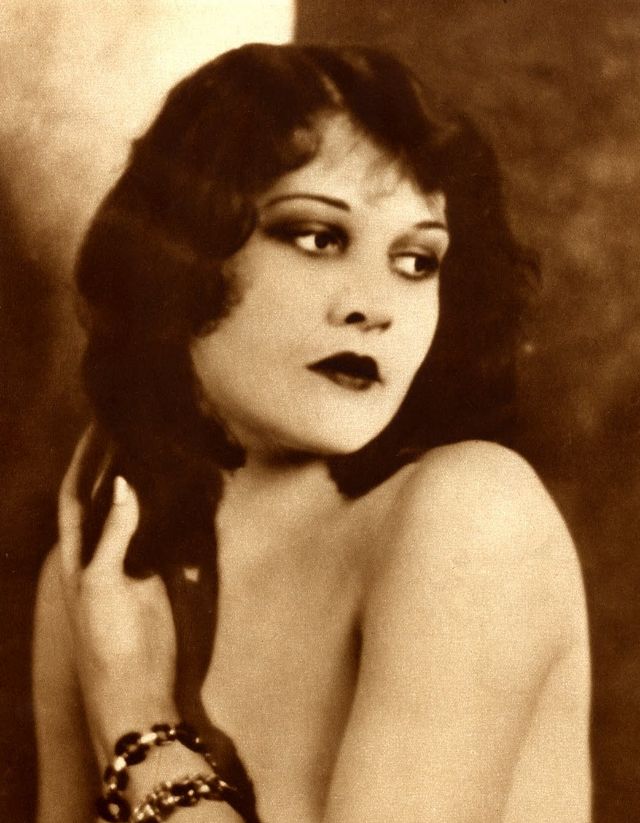
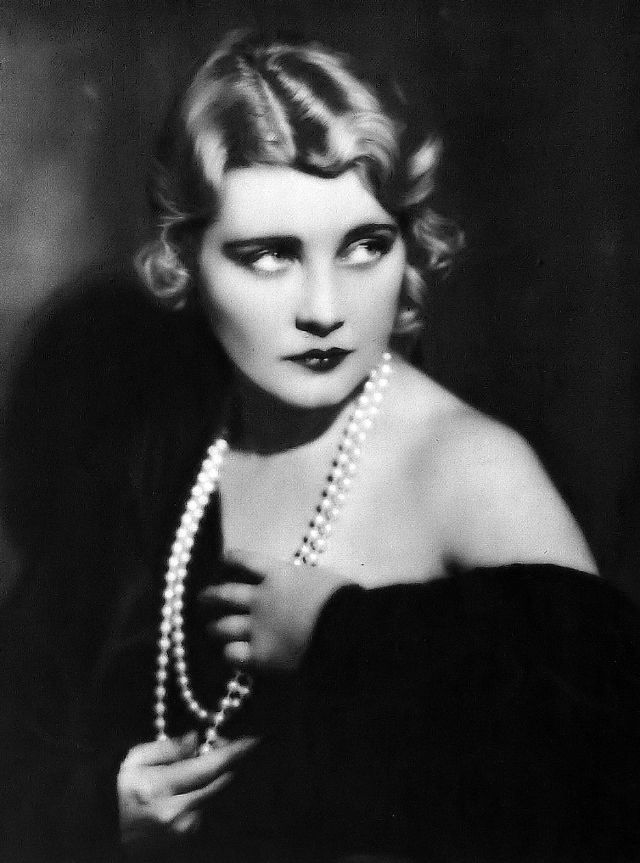
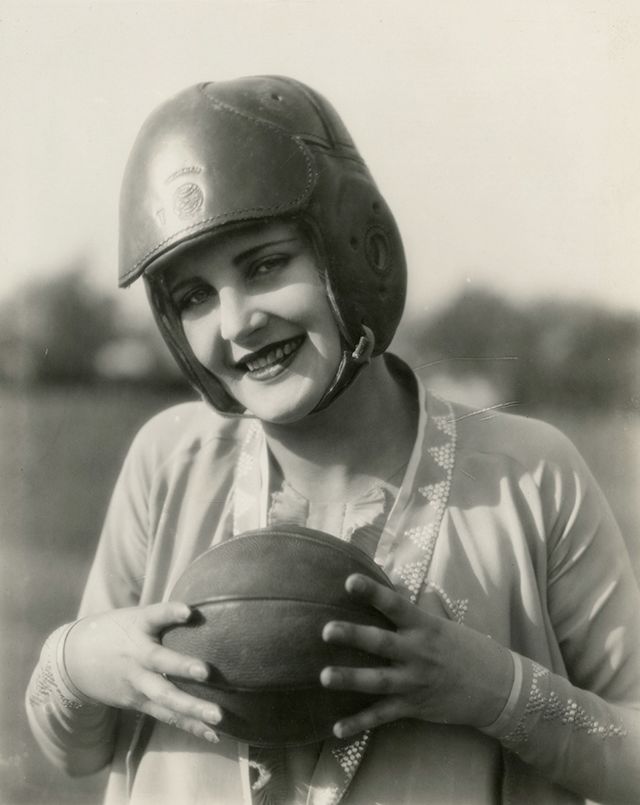
Another beautiful actress from the silent screen who came to a tragic end. Jeanette Loff is definitely someone worth remembering not only for her beautiful face, but for her many talents. Her life came to a tragic end when she was just thirty-five years old.
“I don’t think there is much of a story in me. I haven’t had any strange or remarkable experiences. I haven’t done anything startling.” – Jeanette
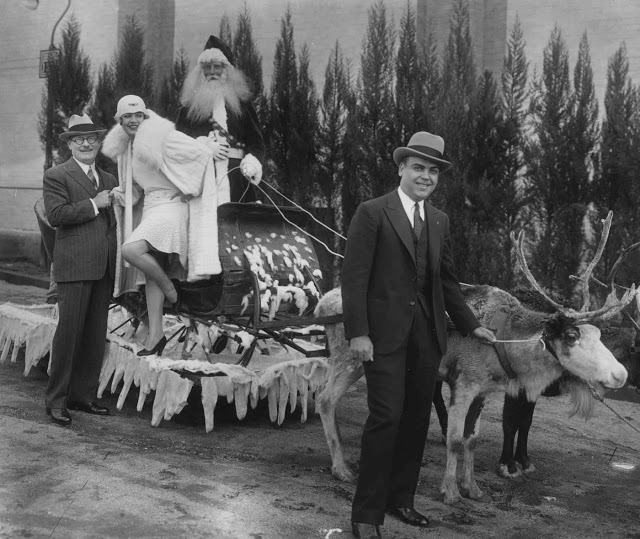
The first Hollywood Christmas Parade, held on December 5, 1928, was known as “Santa Claus Lane” and featured Santa and Jeanette Loff (a last-minute replacement for Lili Damita). That evening, crowds thronged Christmas-tree lined Hollywood Boulevard (rechristened Santa Claus Lane) from Vine Street to La Brea Avenue. With Jeanette Loff, Santa Claus drove his reindeer-drawn sleigh east on the brilliantly illuminated course to La Brea, and returned over the same route.
The “parade” continued every evening during the Christmas season with a different prominent film player (Lili Damita showed up the following evening) each night.
However, Jeanette Loff, the first starlet of what is known today as the Hollywood Christmas Parade, is probably little known today. At the time of the first Santa Clause Lane, Loff had appeared in twelve films since 1926, working her way up to costarring parts in Hold ‘Em Yale (1928) with Rod La Rocque, Annapolis (1928) with Johnny Mack Brown and Love Over Night (1928), again with La Roque.
Jeanette Loff was born on October 9, 1905 (most records claim 1906), in Orofino, Idaho to Marius and Inga (Loseth) Loff. Studio publicity claimed that her father was a famous Danish violinist, but he was in fact a barber and later a farmer.
After living for a time in Wadena, Canada, the Luff’s relocated to Lewiston, Idaho. After her high school graduation, the family moved to Portland, Oregon, where Jeanette enrolled at the Ellison & White Conservatory of Music where she learned to play the pipe-organ. When a local theater needed a pipe-organ player, Jeanette got the position. She worked her way up to playing at bigger and better Portland theaters.
Loff’s discovery in Hollywood is open to several versions. Whatever her introduction to films, in 1926, with her extremely wholesome looks, she earned a bit part in Universal’s The Collegian series followed by another extra part in Young April (1926) a film for Cecil B. DeMille’s company at Pathé, where she was put under contract.
DeMille cast her in two Westerns, followed by leading roles in the two films with Rod La Rocque. Over the next few years, she costarred in several good, but not outstanding films. At some point during her early career, she also posed for nude photographs.
Shortly after appearing as the first actress to ride in Hollywood’s premier Santa Claus Lane, Loff was brought to Universal to audition for The King of Jazz (1930), a possible million-dollar film they were producing. Executives were doubting their original choice for an important leading female role when producer Paul Bern arranged for her to audition. In the audition, she sang the number, “The Bridal Veil,” in a clear lyric soprano that impressed producers to give her the part.
In 1929, Loff’s parents had divorced, and her mother Inga and two sisters, Myrtle and Irene, moved to Los Angeles (her father, Marius, remained in Oregon until his death). That same year, Jeanette was also divorced from her first husband, traveling jewelry salesman Harry Roseboom whom she had secretly married in 1927. She reportedly had affairs with Gilbert Roland, Paul Bern–who tried unsuccessfully to cast her in a film–and lyricist Walter O’Keefe.
After making three more films over the next year, she grew tired of Hollywood and moved to New York, struggling to find stage roles, appearing only in the short-lived Broadway musical, Free for All, which closed after twelve days.
In 1933, she returned to Hollywood when she heard that Universal was planning to re-release The King of Jazz. Thinking it would revive her career, she accepted the leading role in St. Louis Woman (1934) with Johnny Mack Brown (she also worked with Brown in Annapolis) for a poverty row studio. The film did poorly, but she made two shorts and three more films that same year, none of them money-makers. Her last film was Million Dollar Baby (1934) for Monogram Pictures.
From then on, she retired from films. In 1935, she married liquor salesman, Bertram “Bert” Friedlob. The following year, Friedlob produced Bert Wheeler’s Hollywood Stars in Person revue and included Loff in the cast. Her marriage to Friedlob was rocky; he was a womanizer who had affairs with Lana Turner and many others.
On August 1, 1942, Loff ingested ammonia at her Beverly Hills home at 702 North Crescent Drive; she was treated for mouth and throat burns at Hollywood Presbyterian Hospital where she died three days later. Loff was only 35.
The coroner was unable to determine if her death was accidental or a suicide. Reportedly at the time, she was suffering from a stomach ailment and accidentally took the wrong bottle of medication.
However, wouldn’t she have noticed the ammonia smell? In any event, her death certificate called her death a “probable suicide.” Surprising, some in her family maintained that she had been murdered, but never publicly offered proof.




















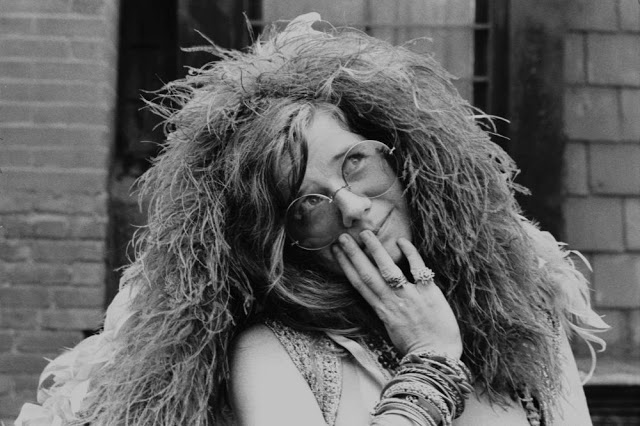
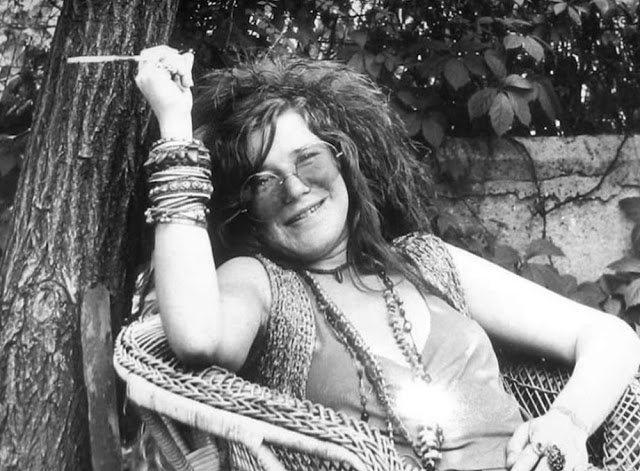
Photographer whose work vividly expressed the essence of creative personalities ranging from Janis Joplin to Arthur Miller. Like that of many photographers, David Gahr’s work was better known than his name. He was among the first photographers to specialize in taking pictures of popular musicians and, more specifically, to think them worthy of being photographed.
As a consequence, he caught the likes of Janis Joplin, Joni Mitchell and Bruce Springsteen disarmed, and his shots of them for album covers and magazines helped to propel them to fame and, for millions of record buyers, defined their heroes’ images.
“Janis Joplin would like you or hate you on sight or insight. And was rarely wrong. She shrieked when I told her my assignment was for Time Magazine. ‘Damn, now my old man will know I’ve done something, I am someone! He always reads Time. Damn, damn. Good!’ We miss you, Joplin, wherever you are.”
In 1970 Gahr shot Janis Joplin for the cover of Rolling Stone, and also snapped the cover of her classic posthumous LP Pearl. These candid snapshots were taken by David Gahr at the Chelsea Hotel in June 1970, just four months before her death at the age of 27.
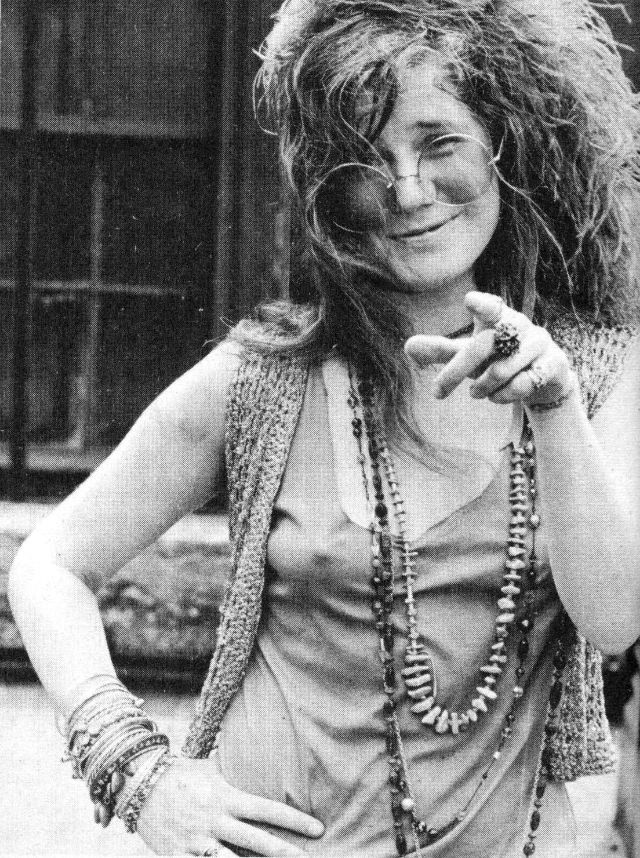
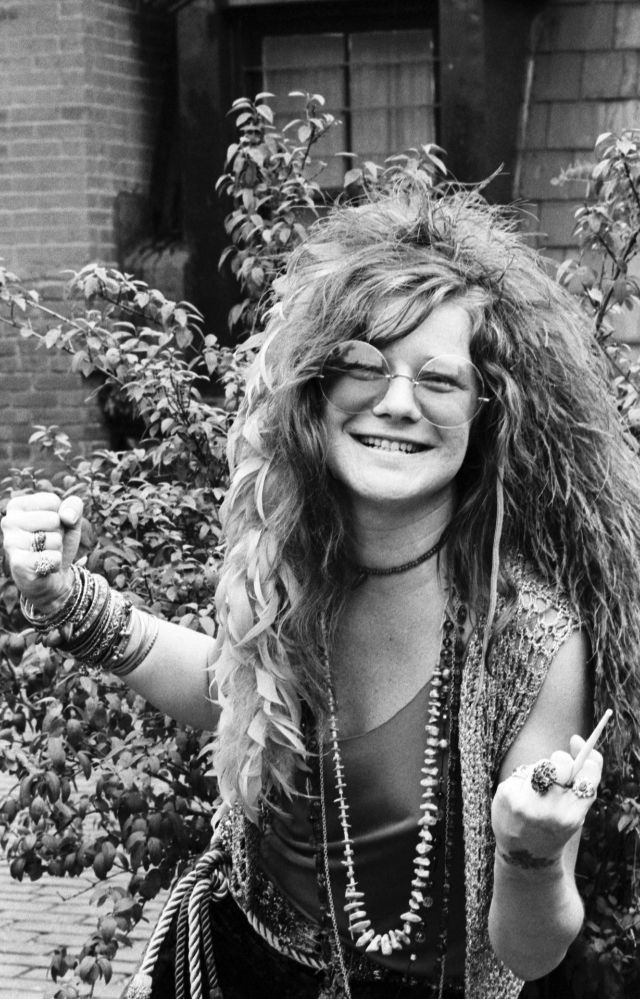
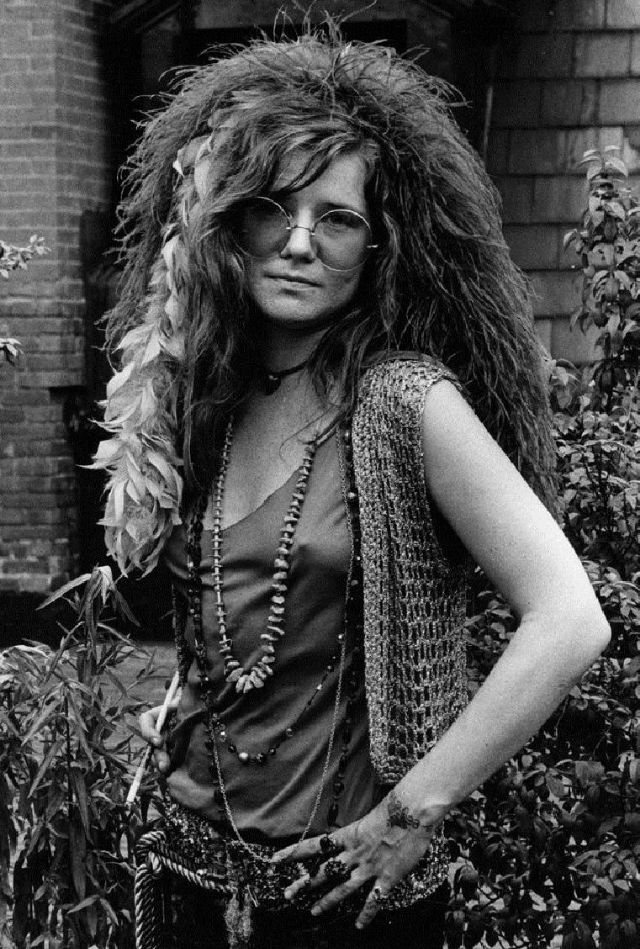
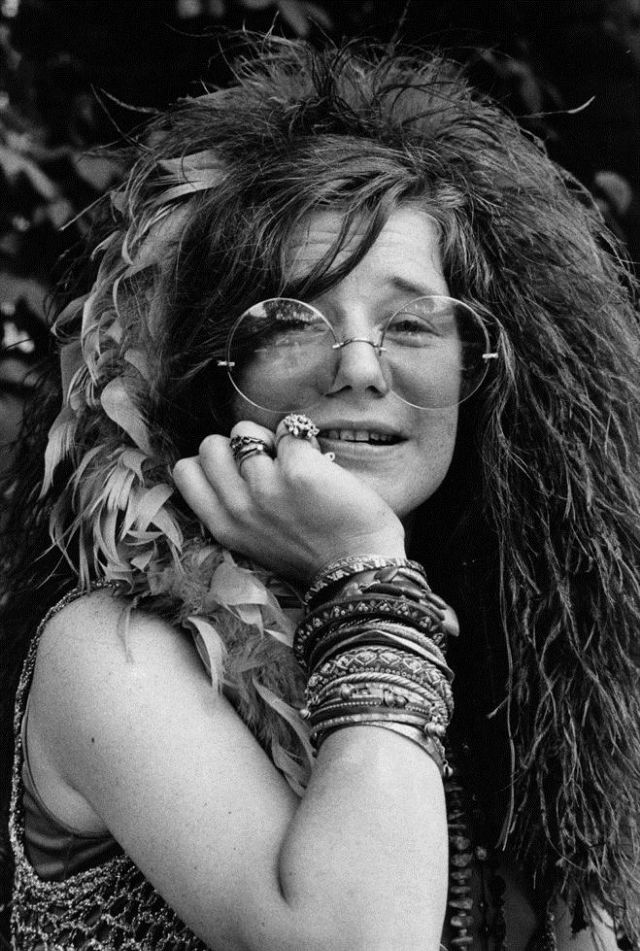
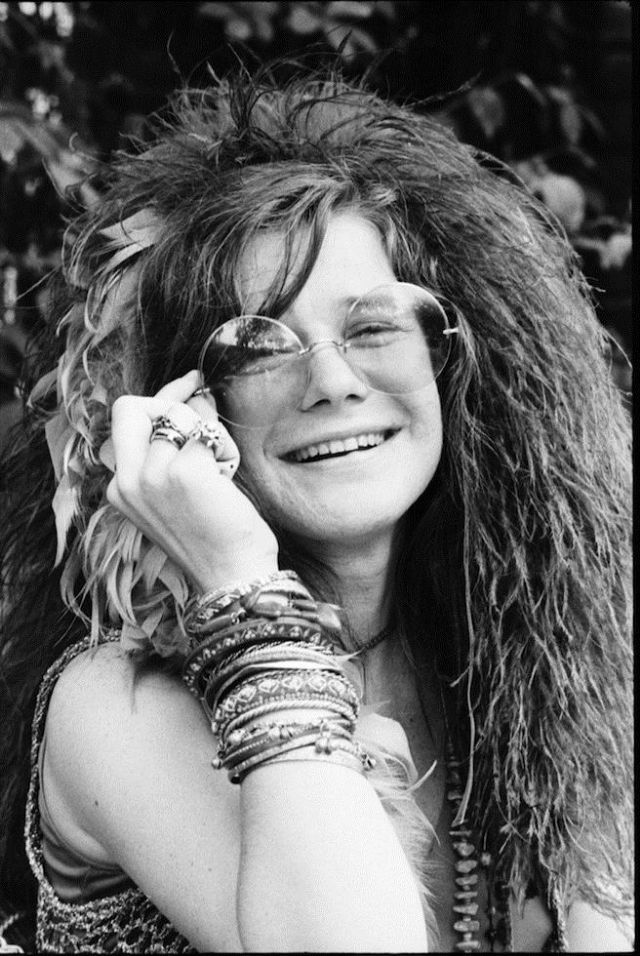
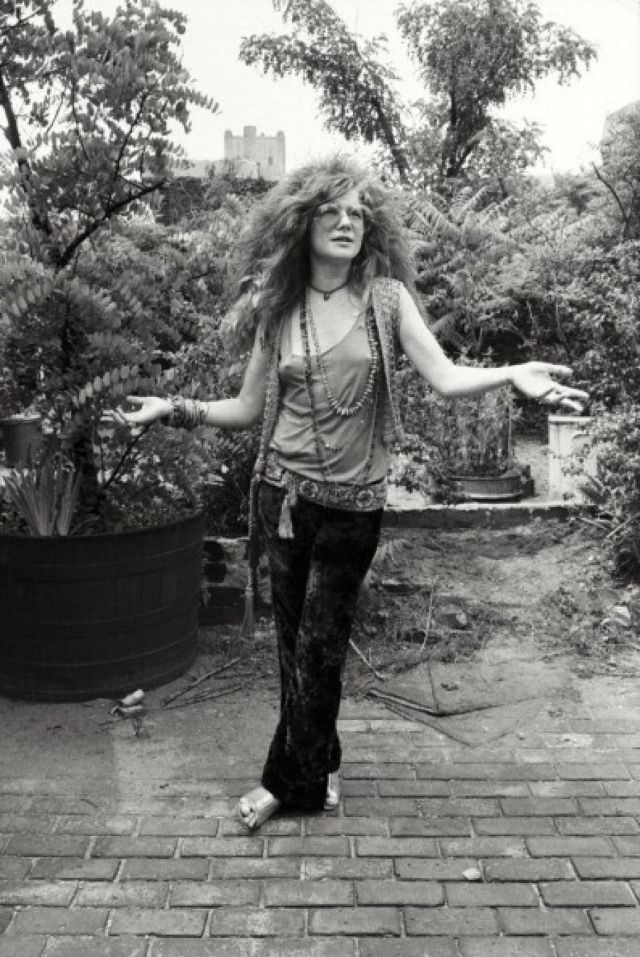
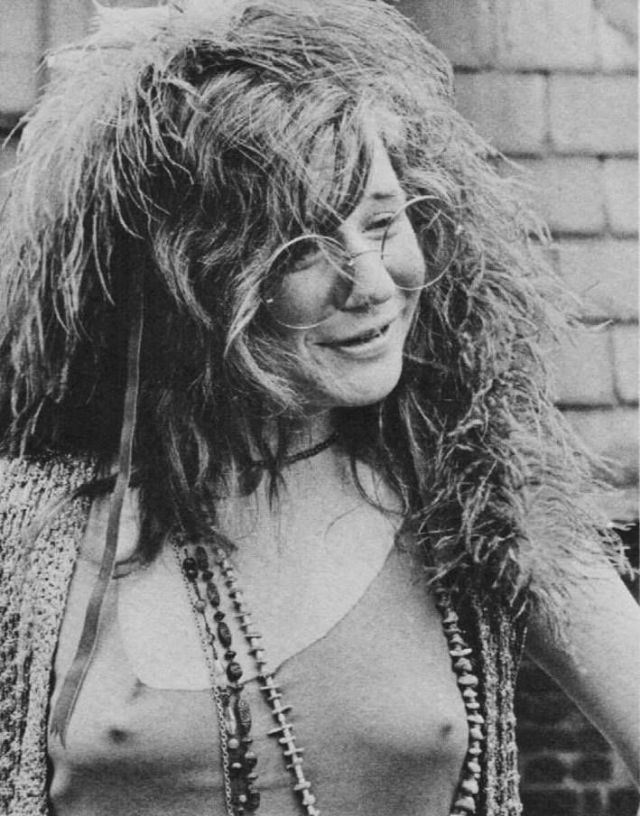
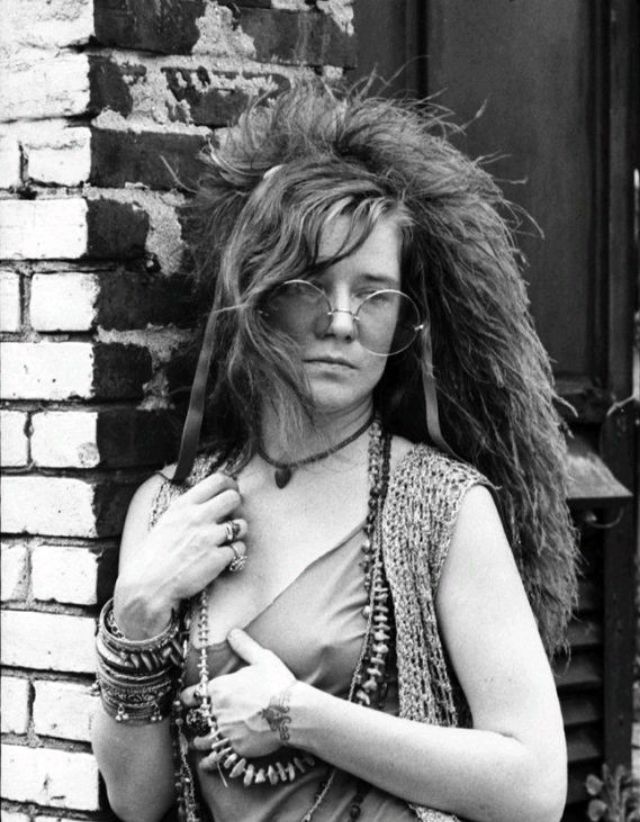
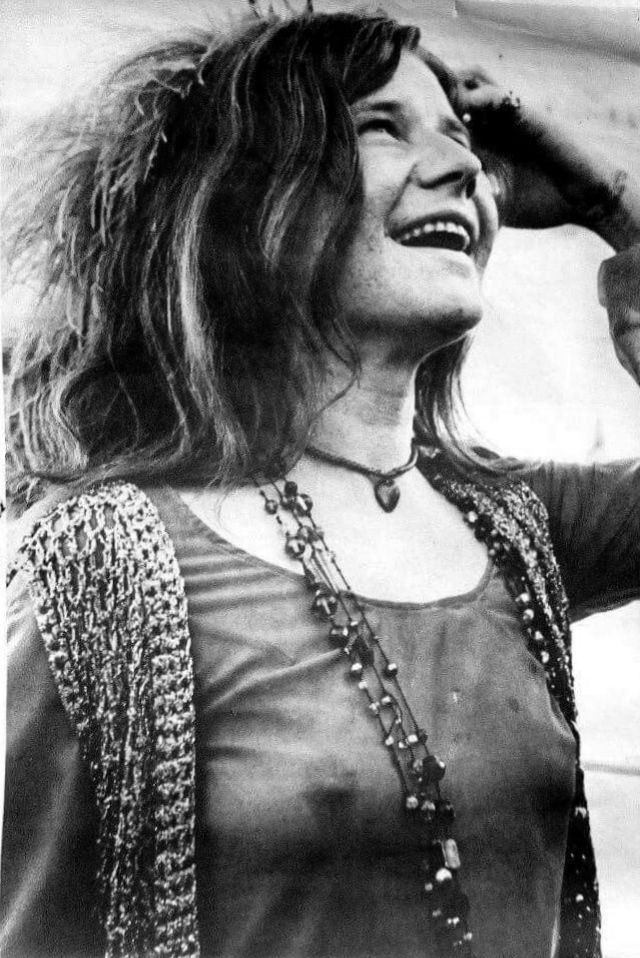
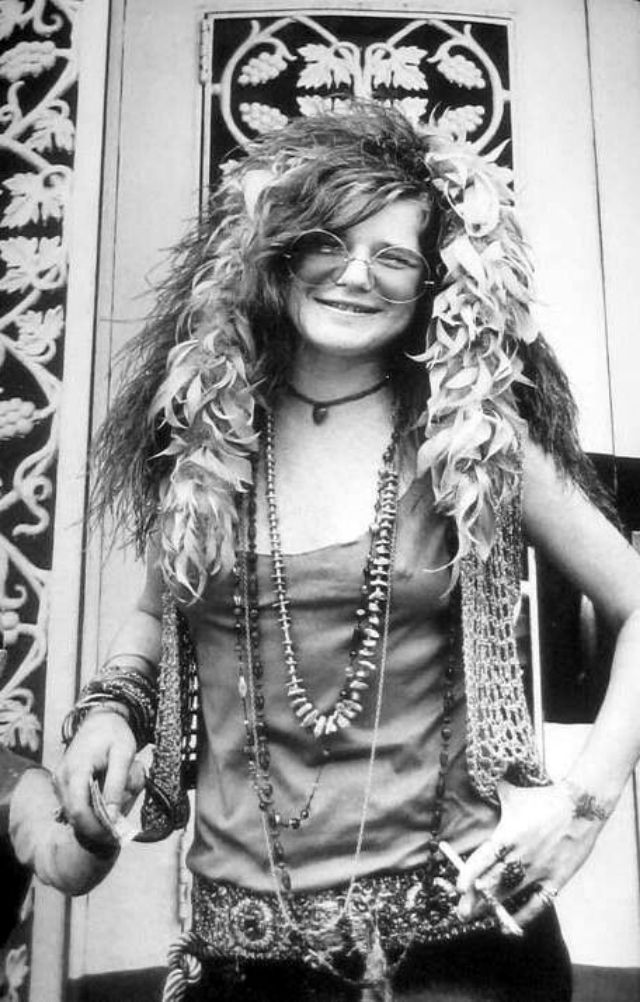
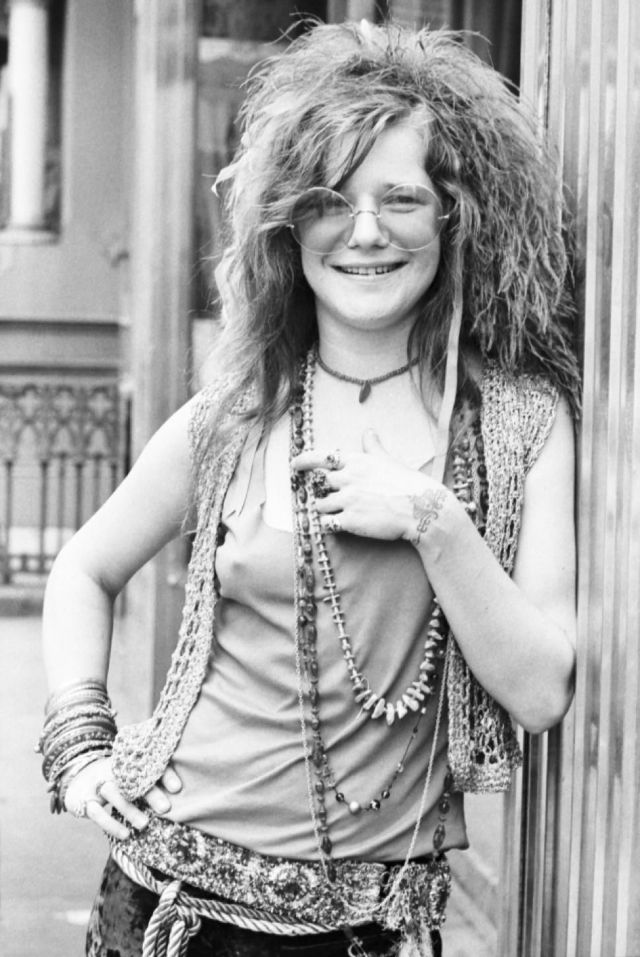
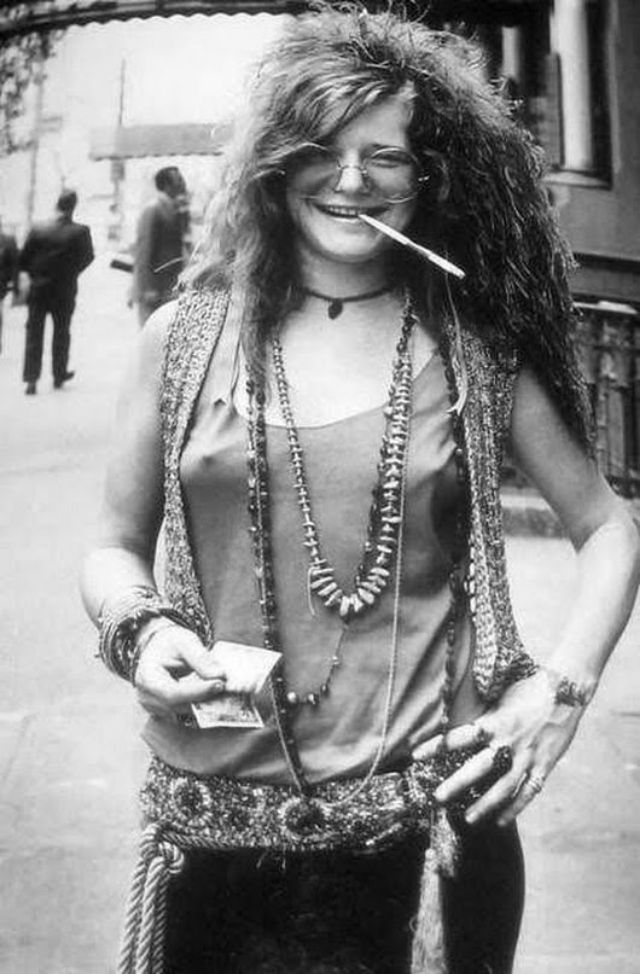
(Photos by David Gahr)
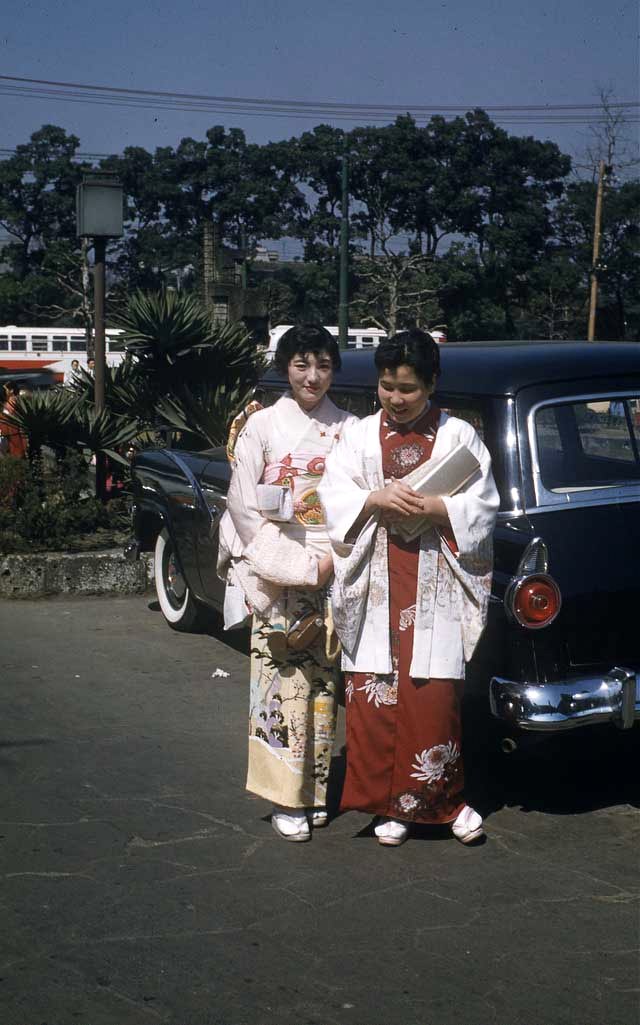
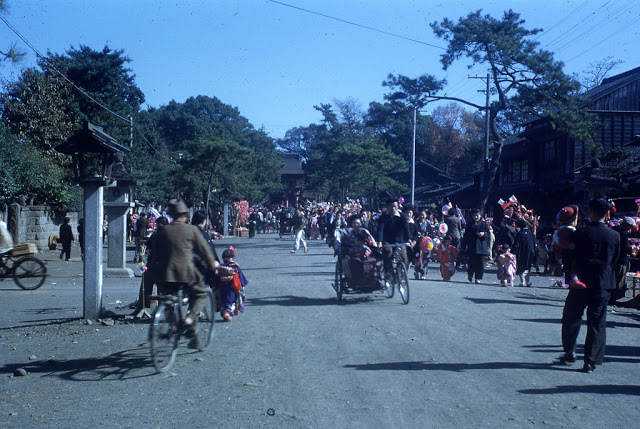
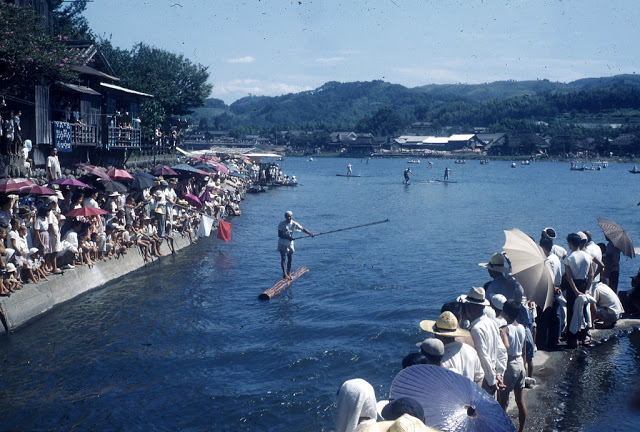
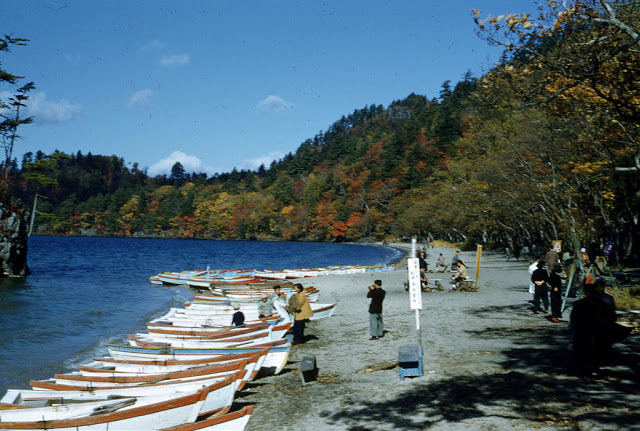
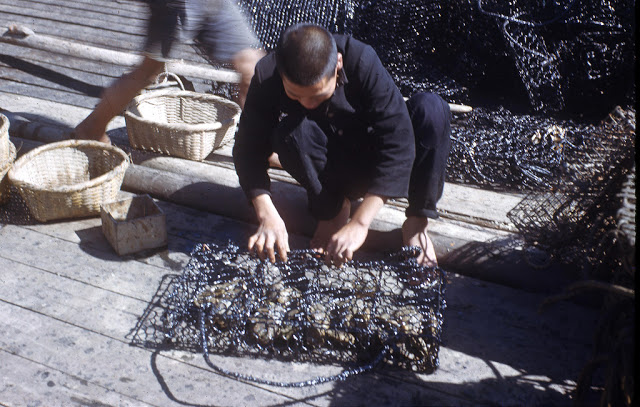
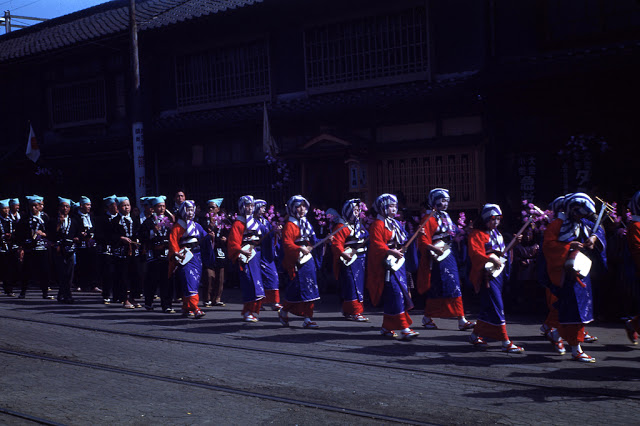
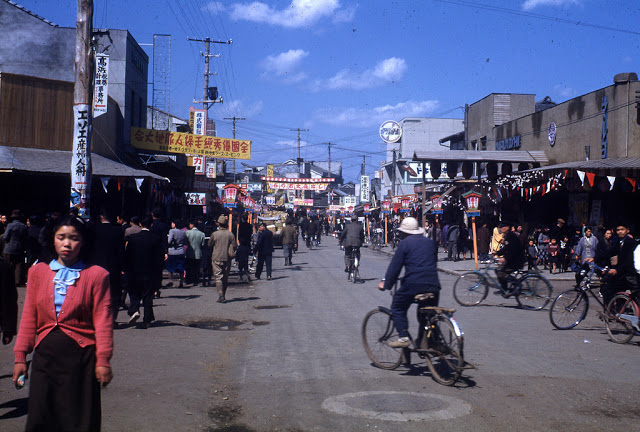
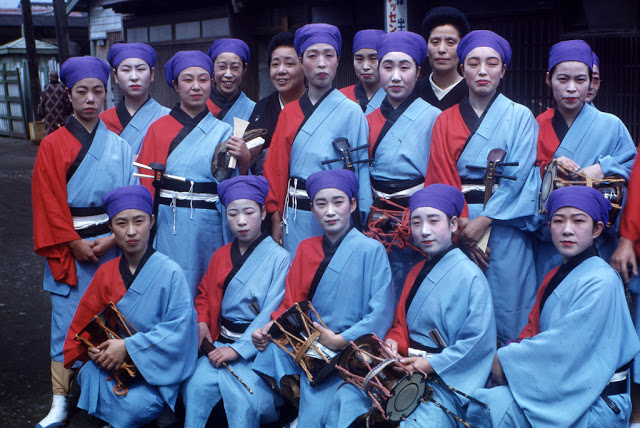
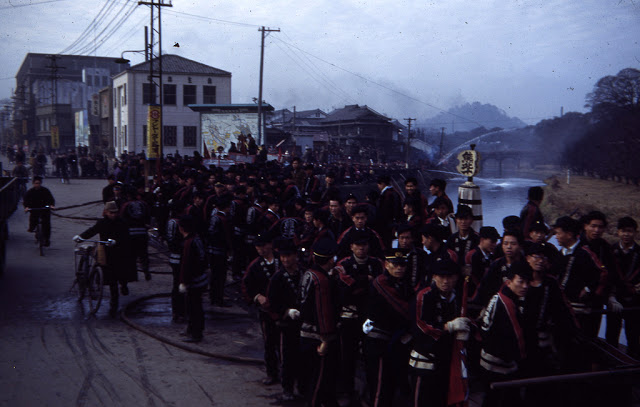
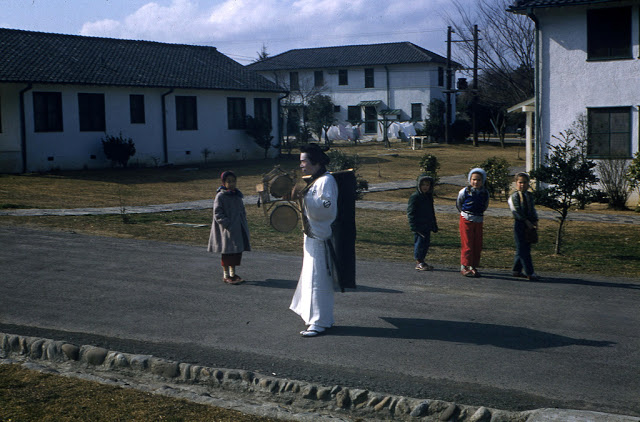
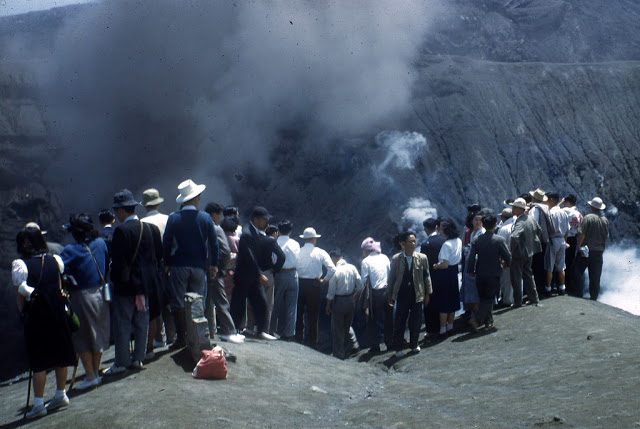
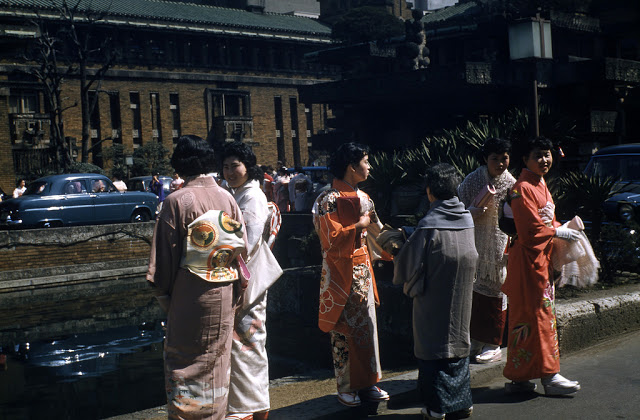
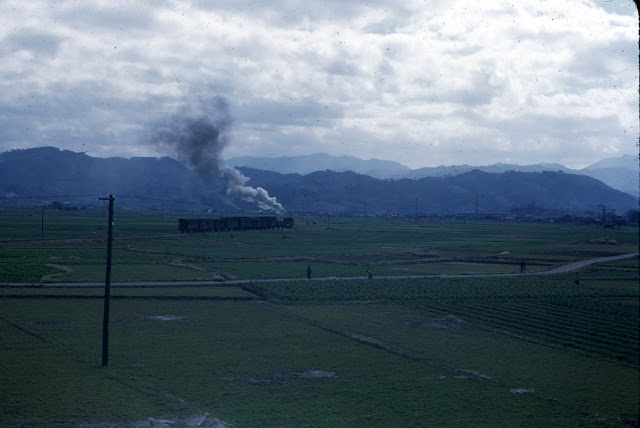
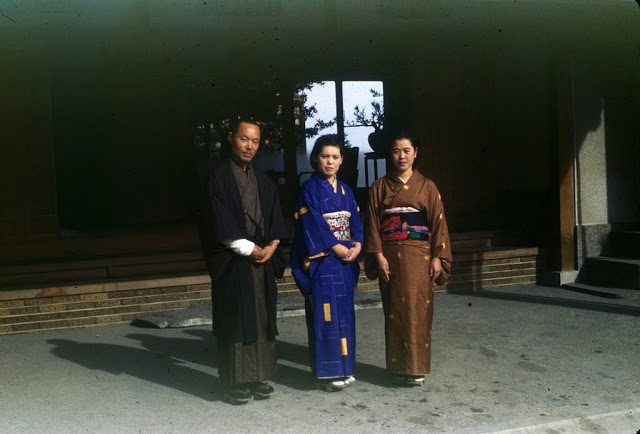
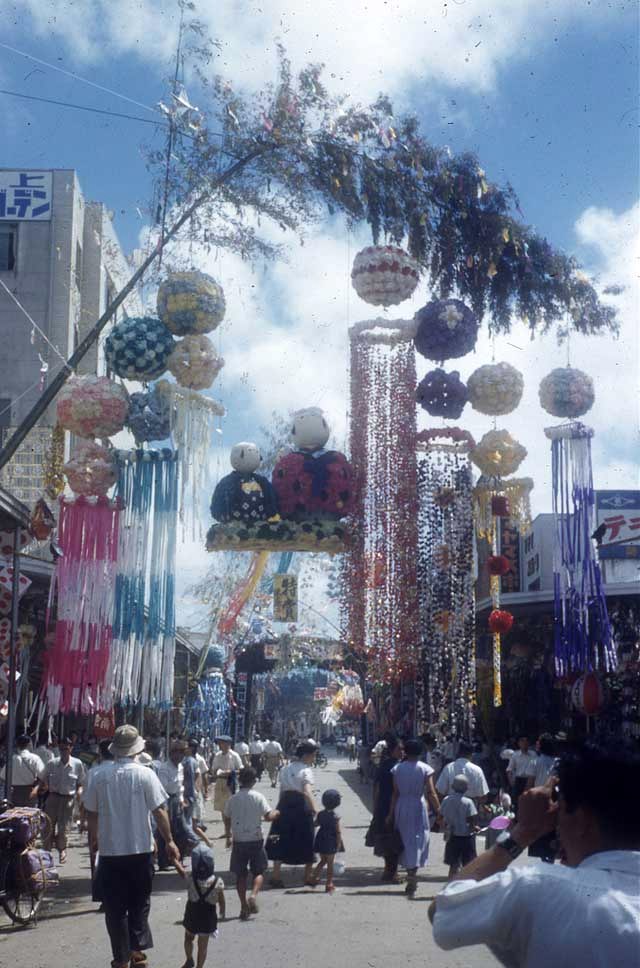
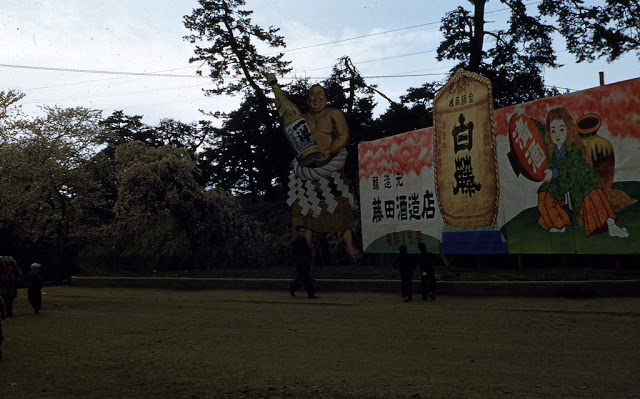
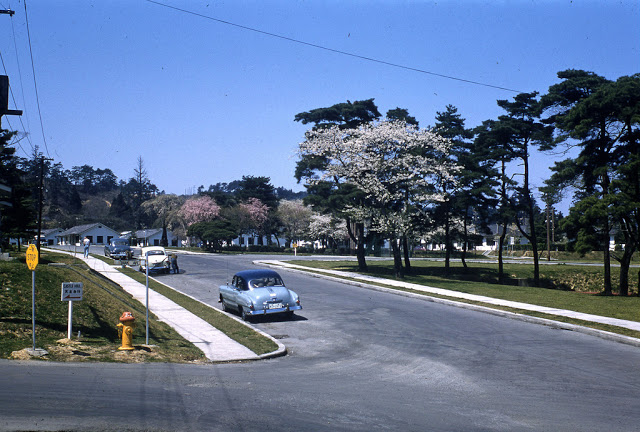
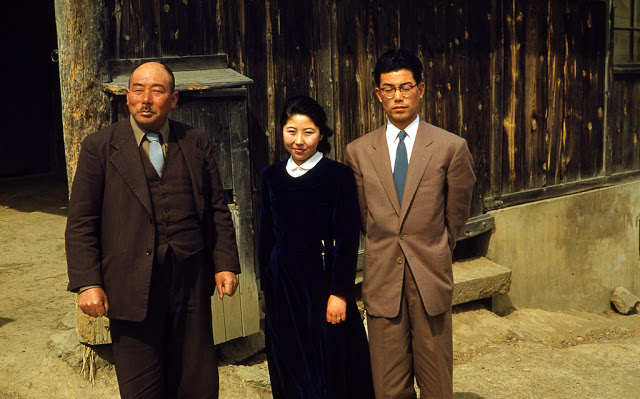
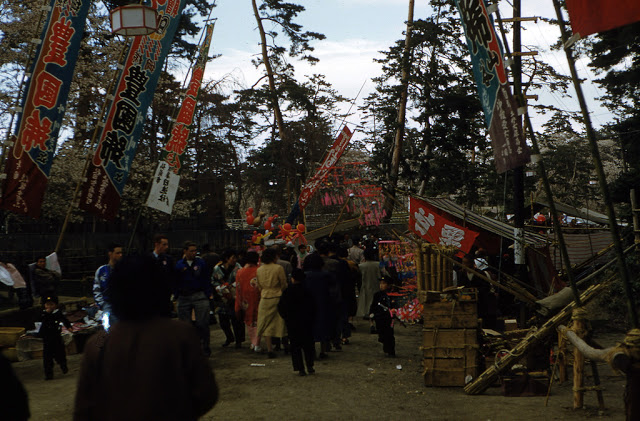
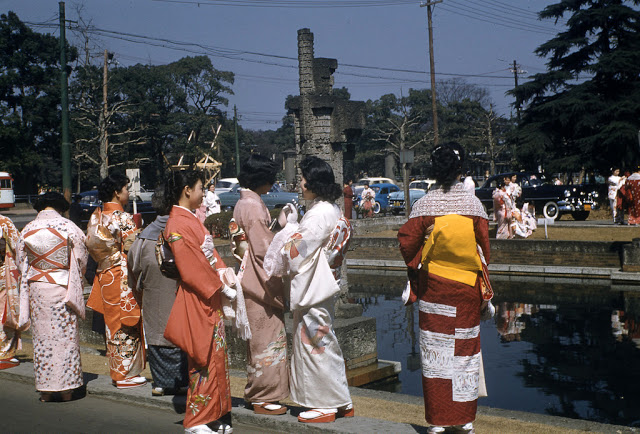
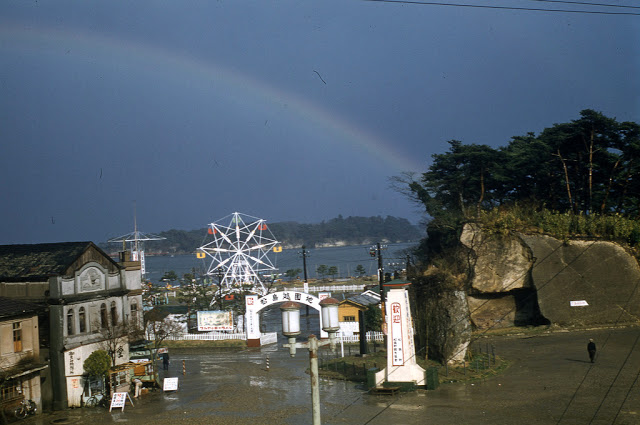
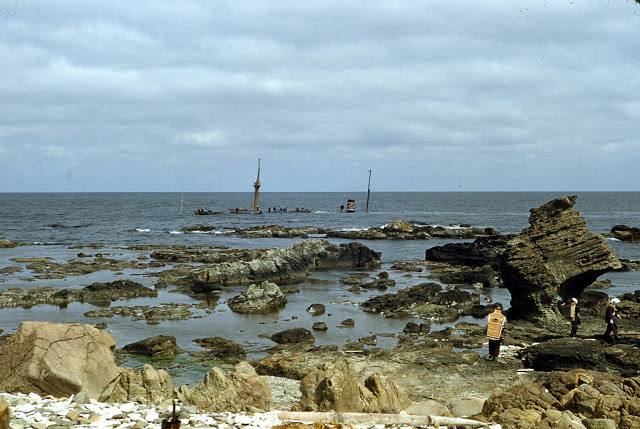
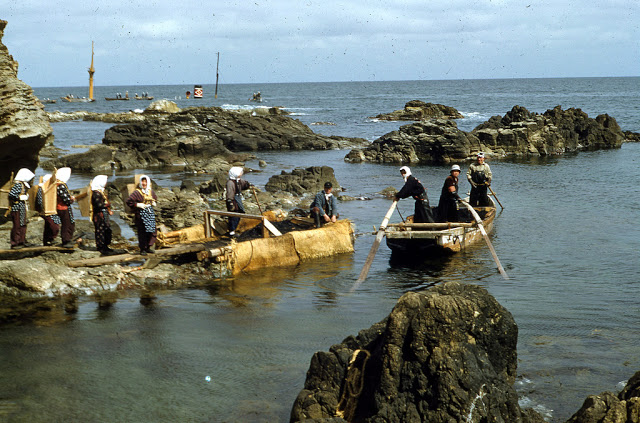
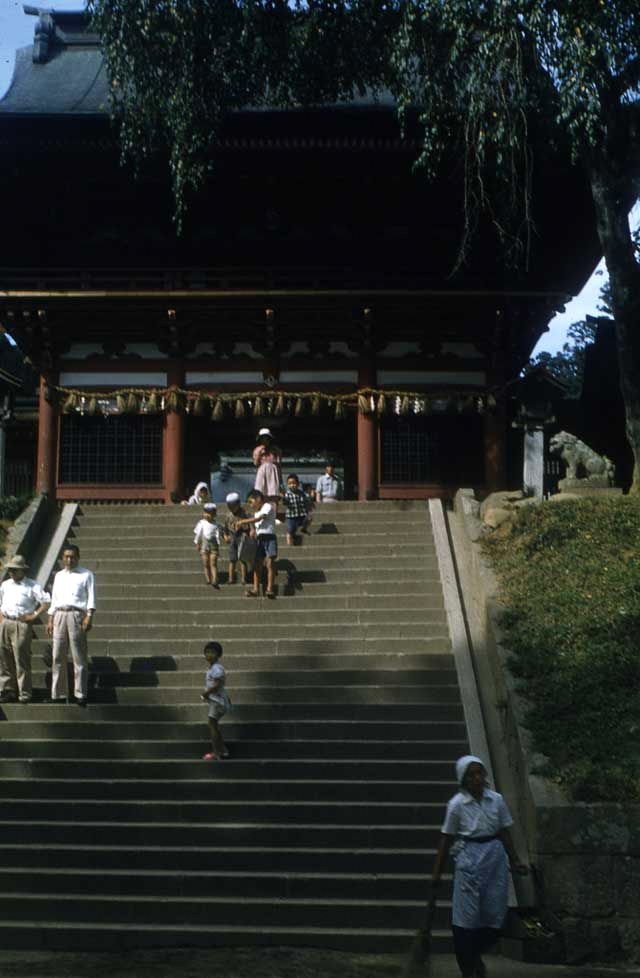
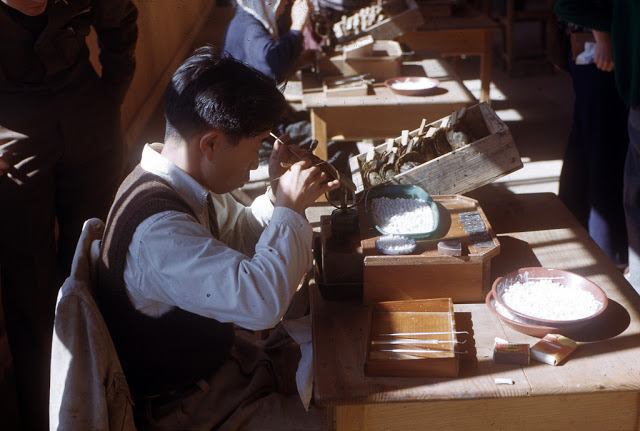
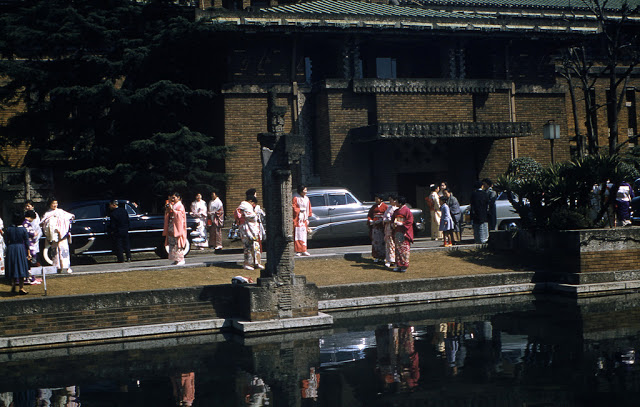
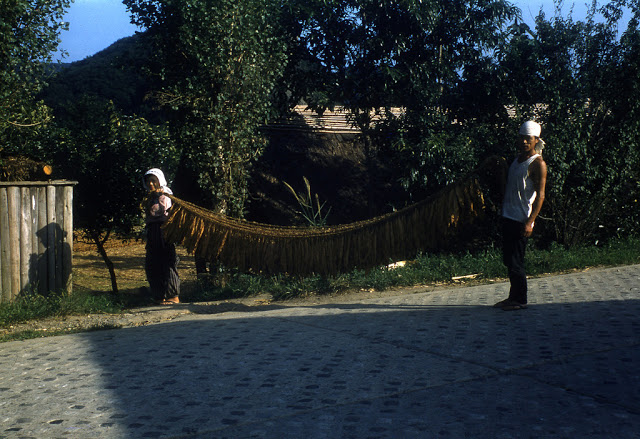
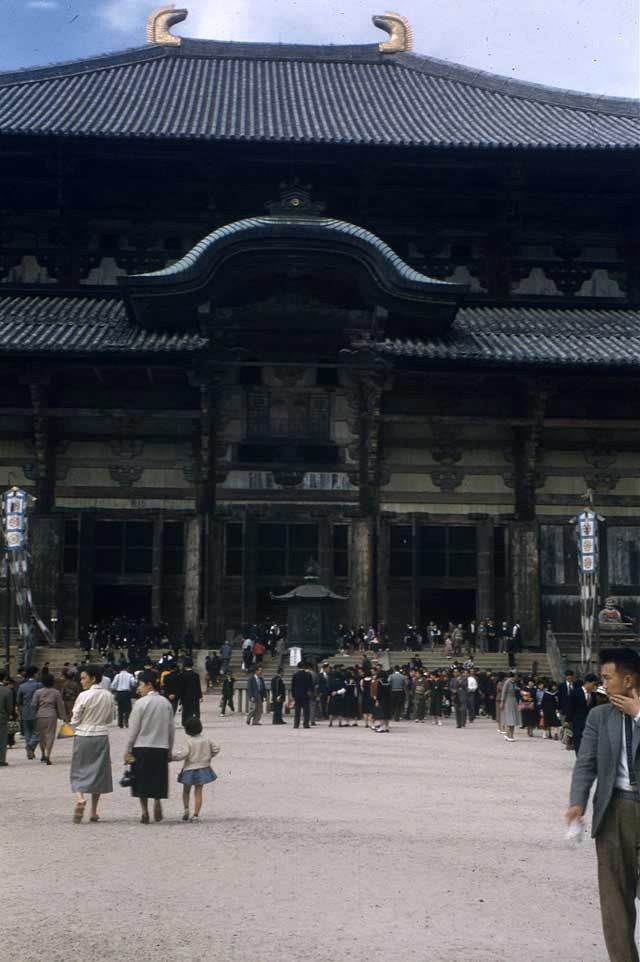
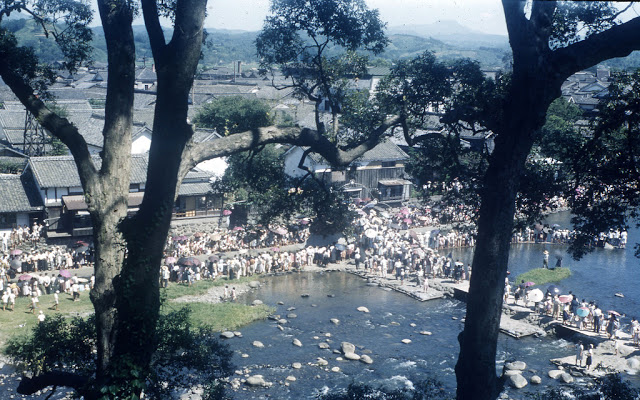
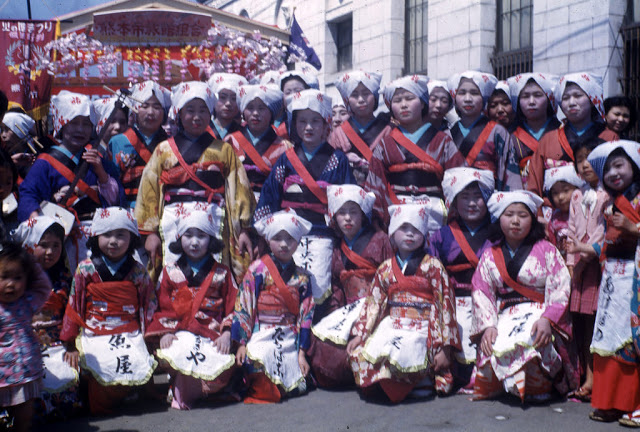
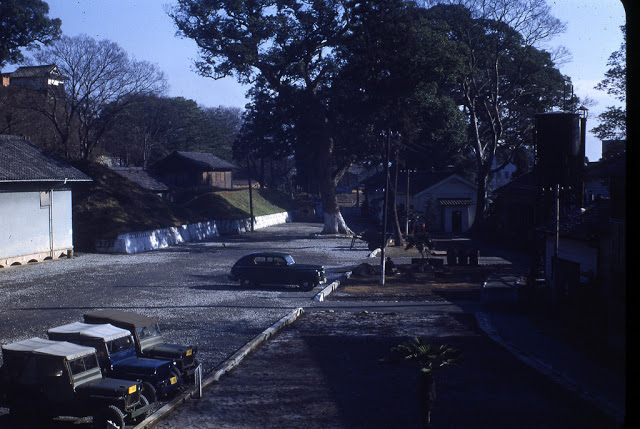
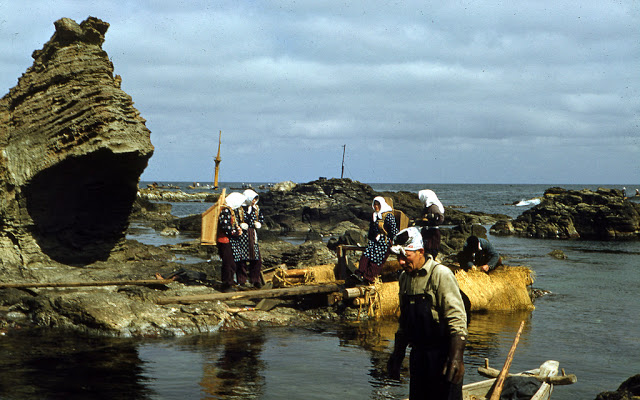
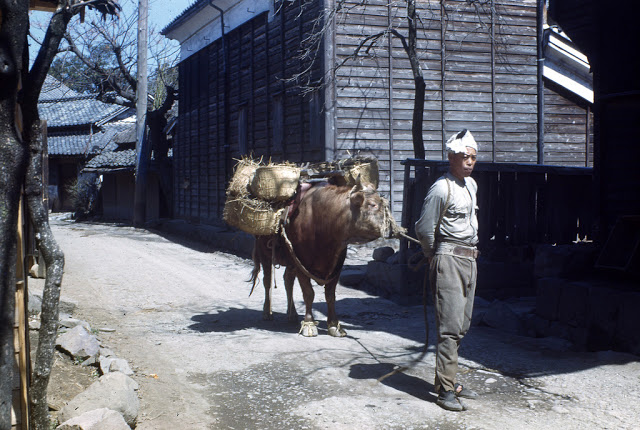
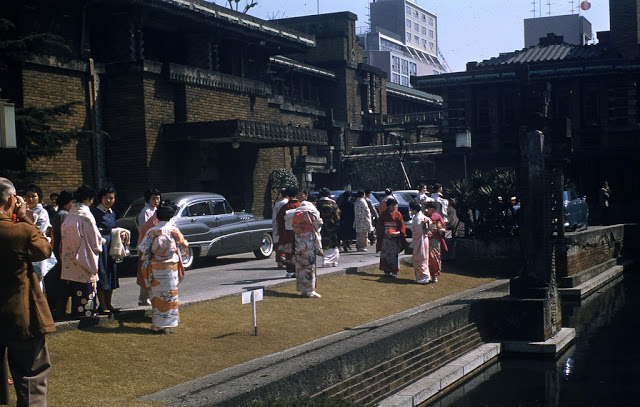
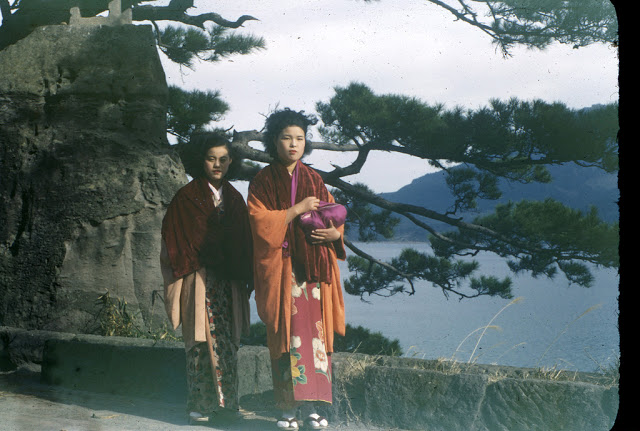
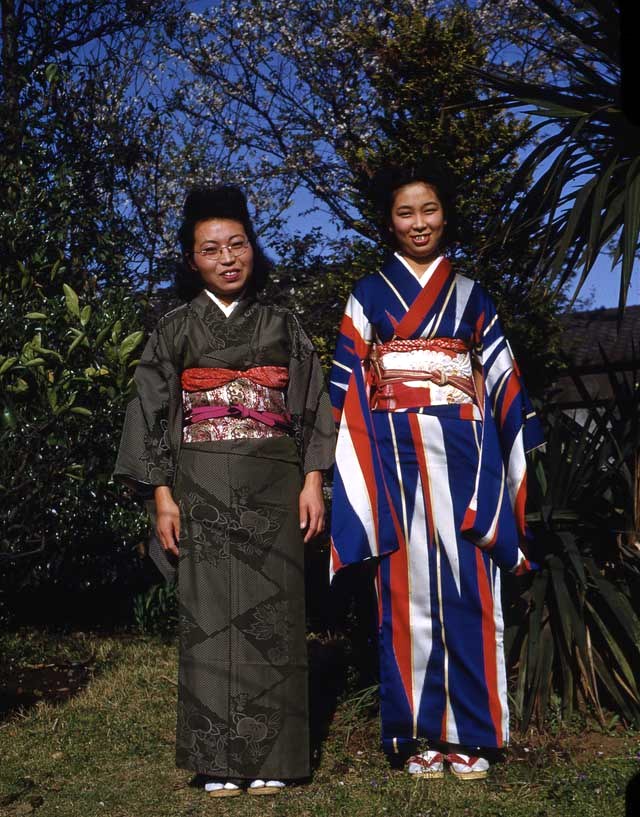
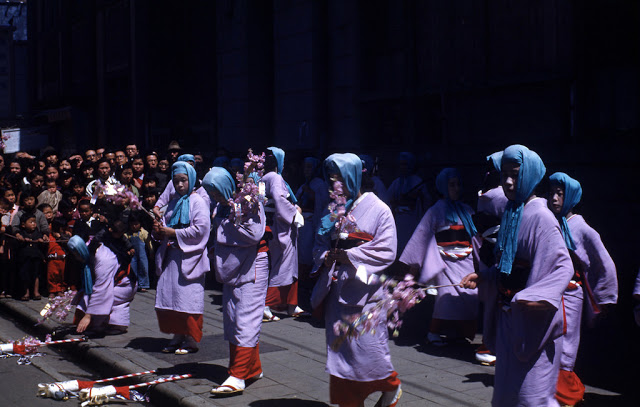
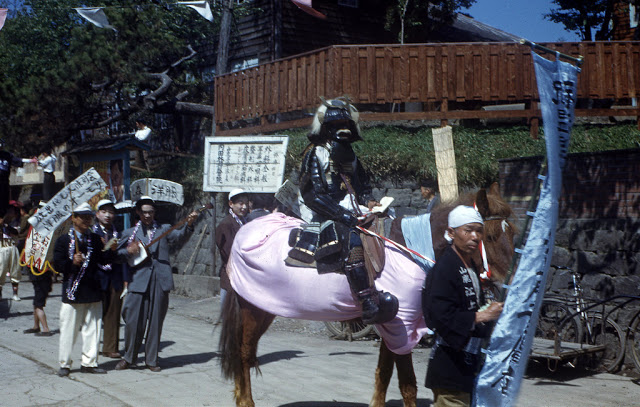
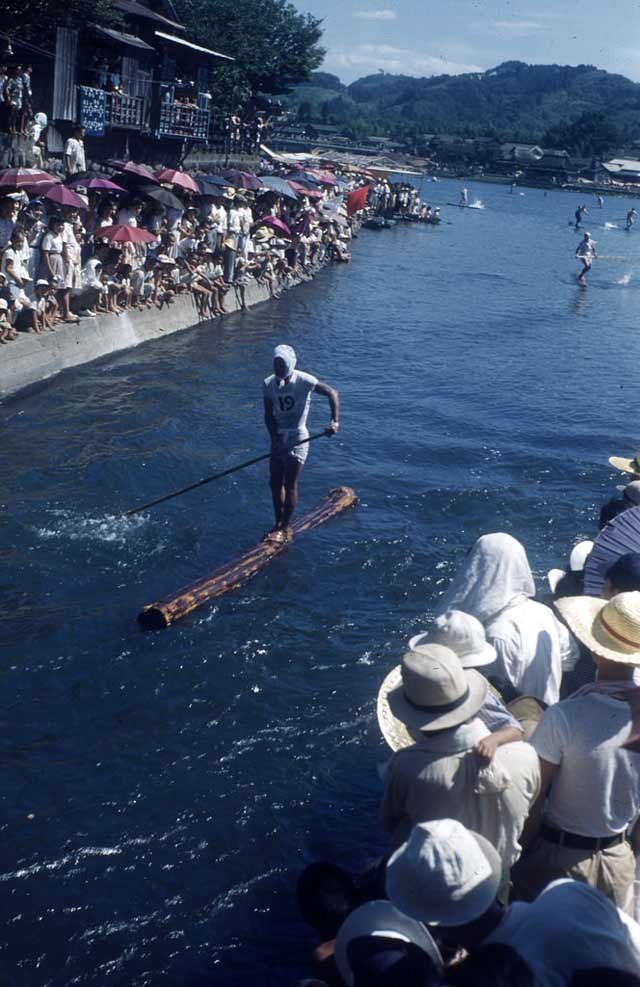
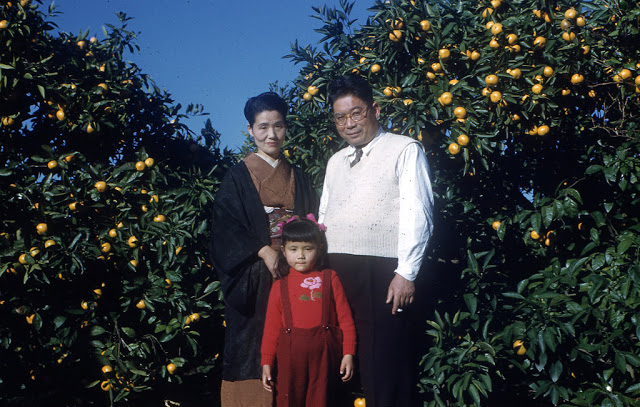
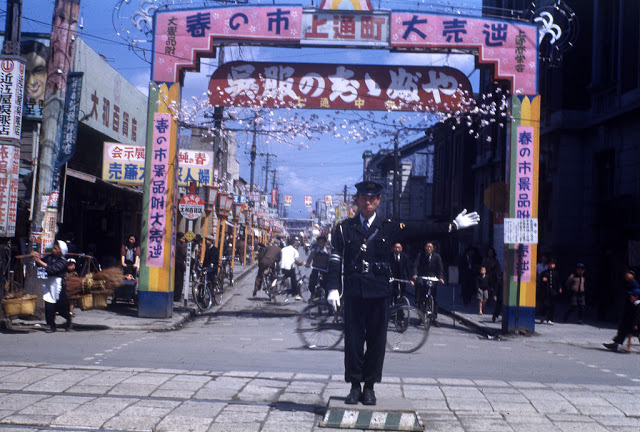
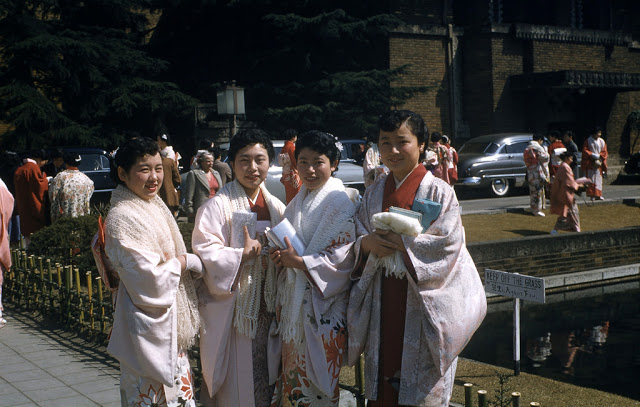
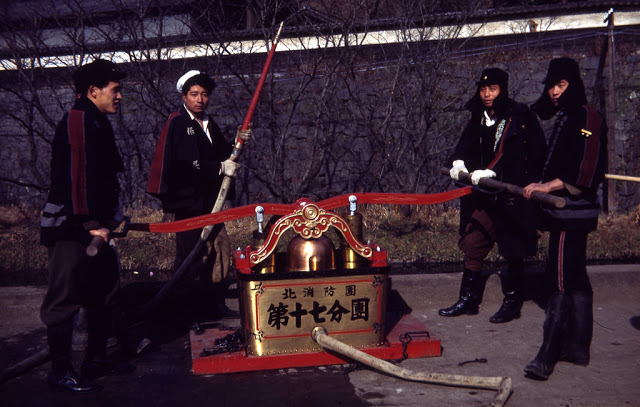
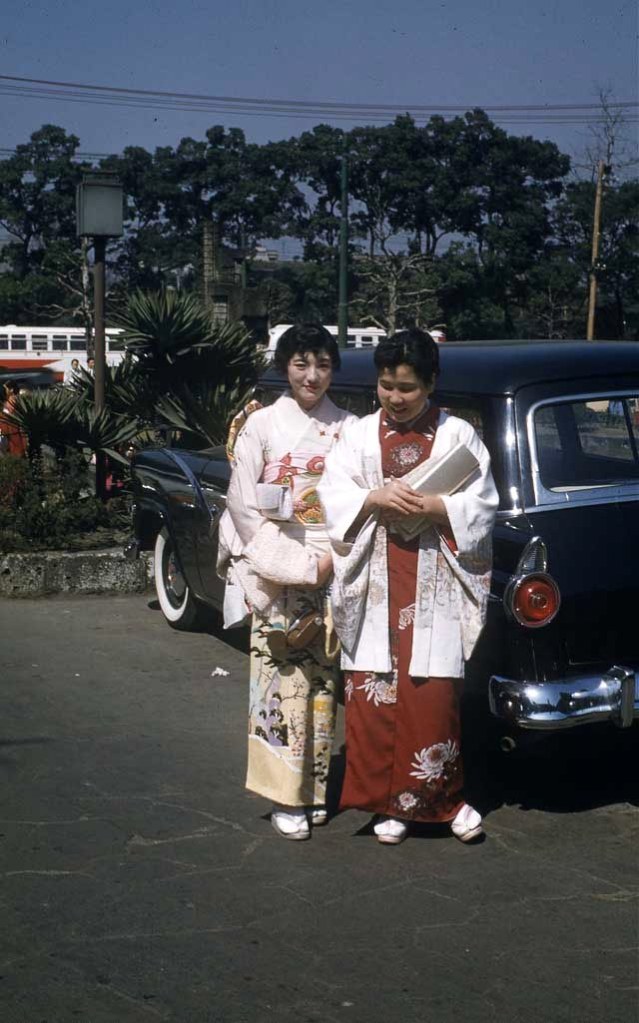
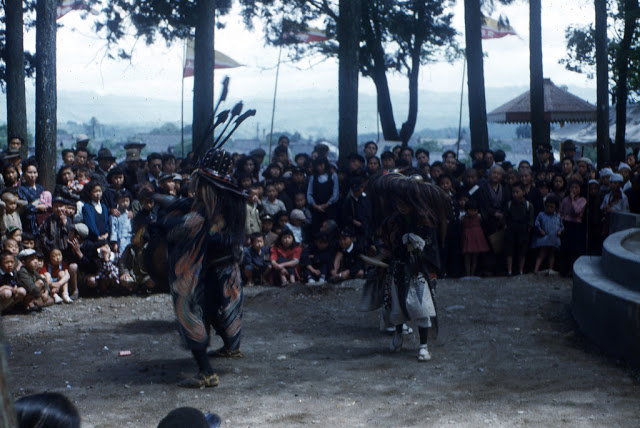
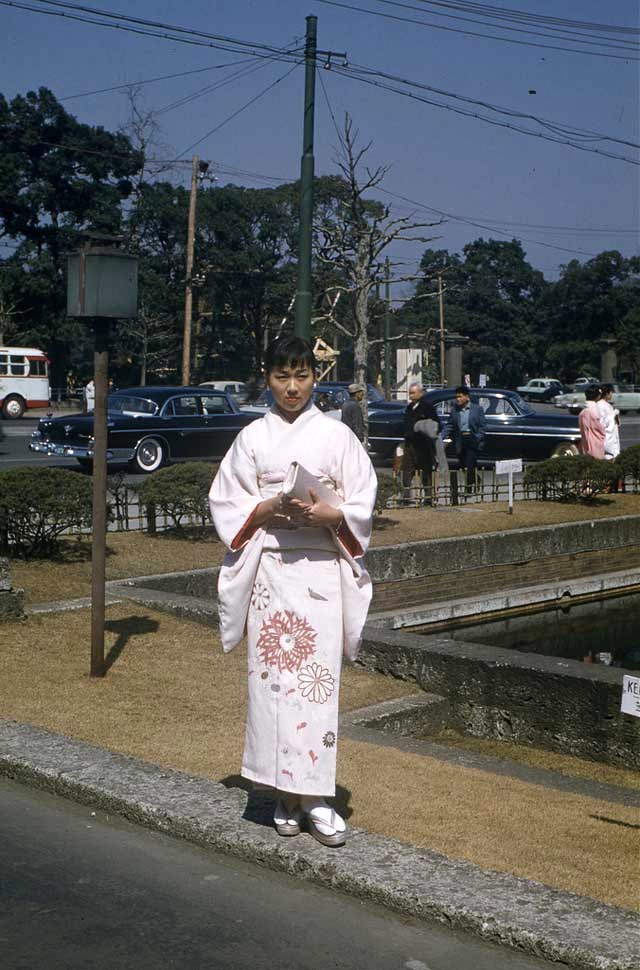
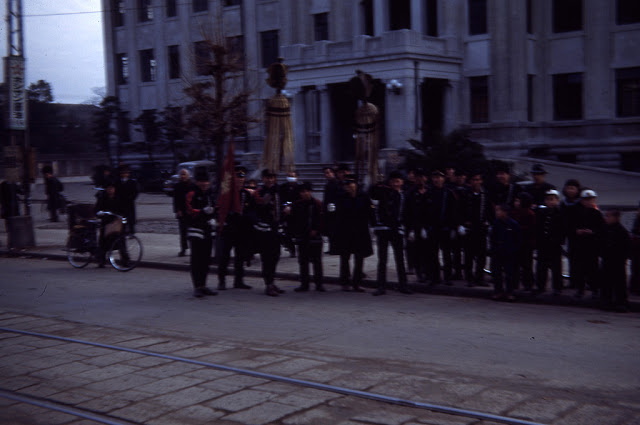
After Japan’s surrender in World War II, the country rapidly changed from an imperial nation under an emperor, to a democratic and demilitarized state.
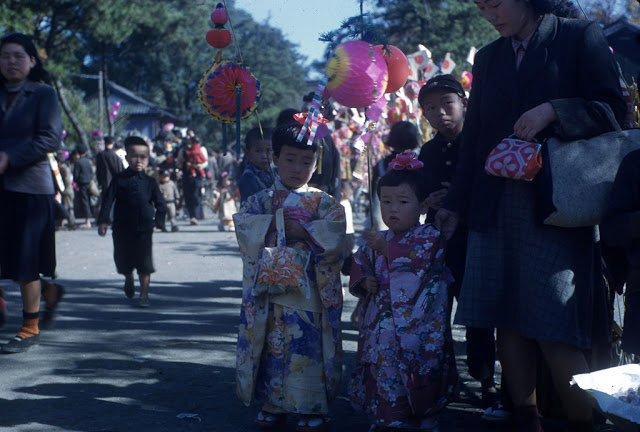
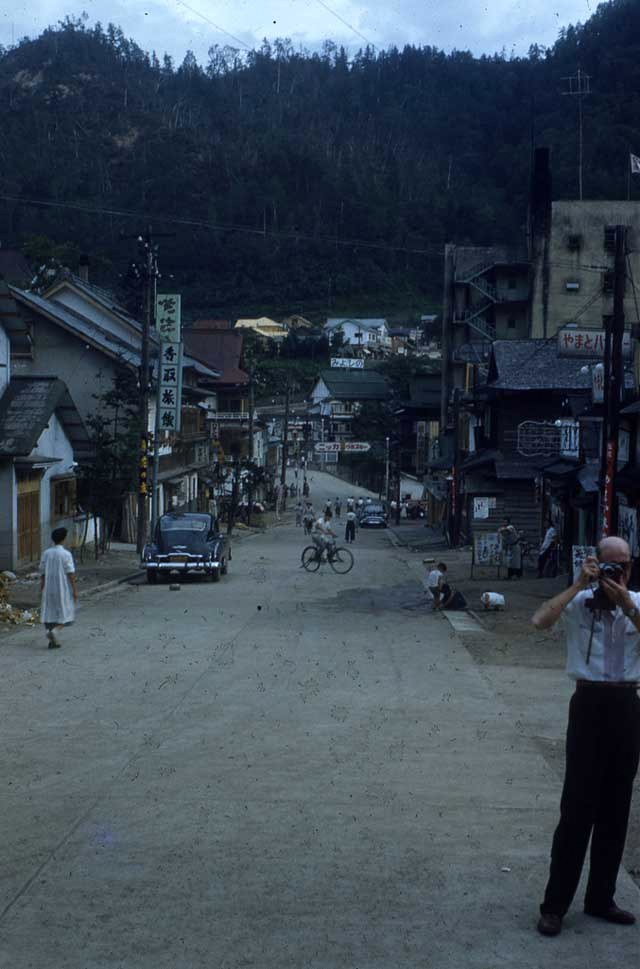
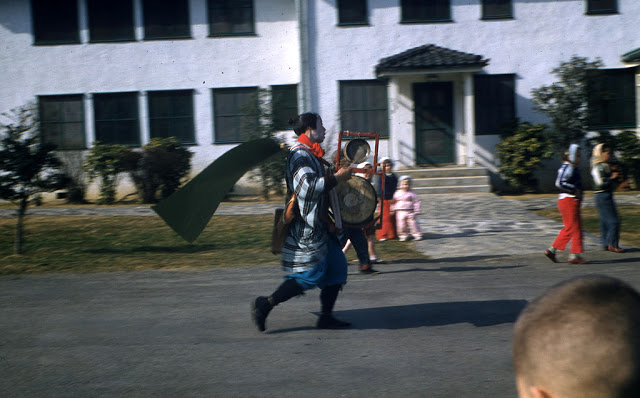
Much of Japan lay in ruins after the war, devastated by air raids and the atomic bombs on Hiroshima and Nagasaki. Yet the country’s economy grew so fast that by 1964, Tokyo hosted the Olympic Games. Japan adopted a new, progressive constitution, allied with the United States and enshrined limits on the use of military force.
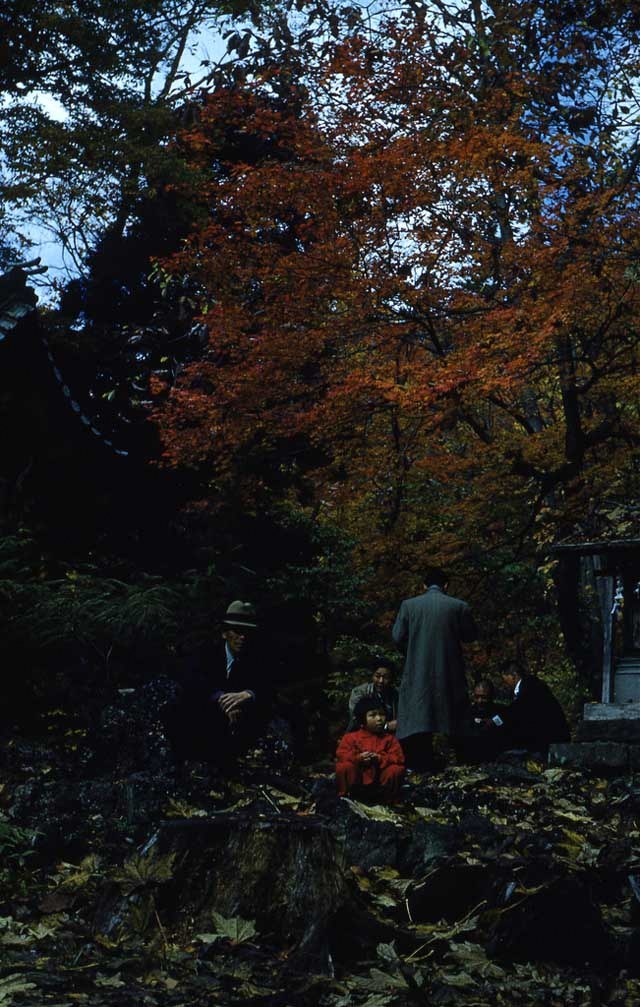
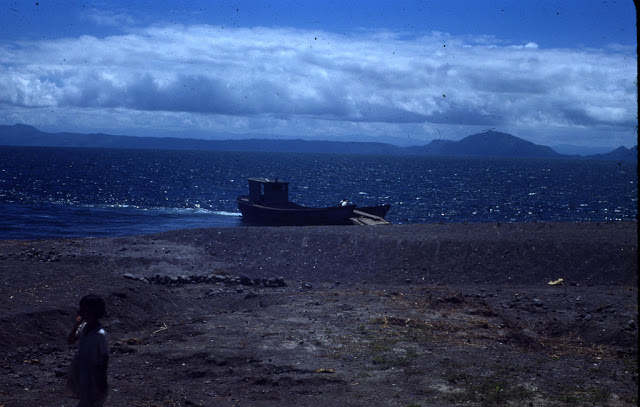
These amazing photographs were taken by an American lieutenant colonel in Counter Intelligence operations stationed in Kumamoto during the American occupation of Japan after World War II.




































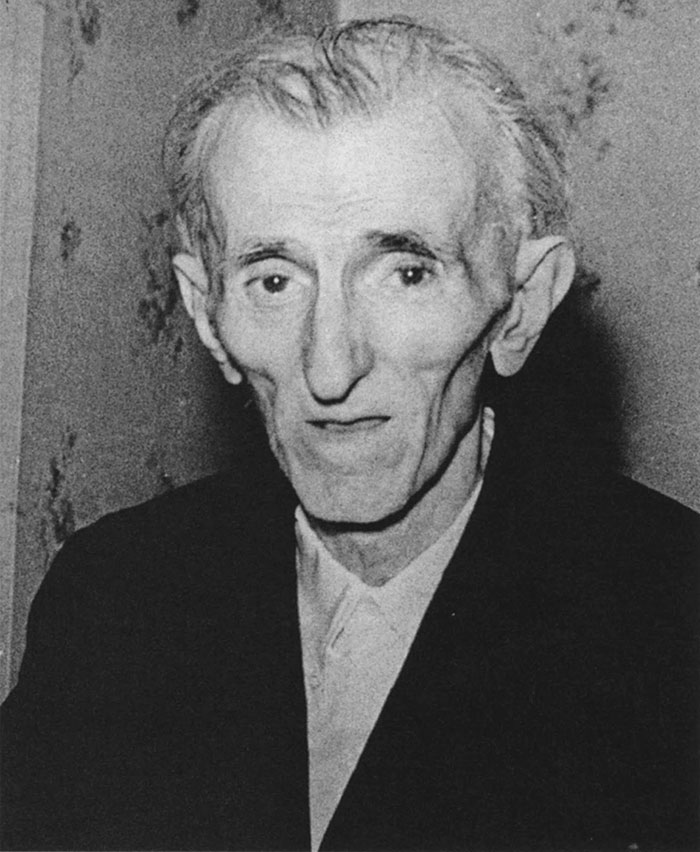


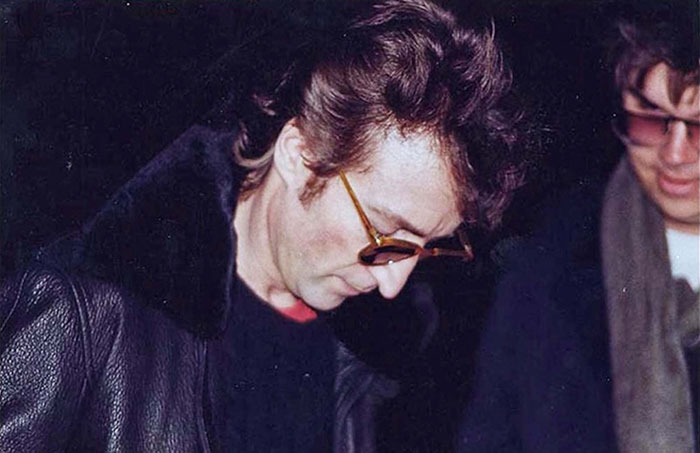

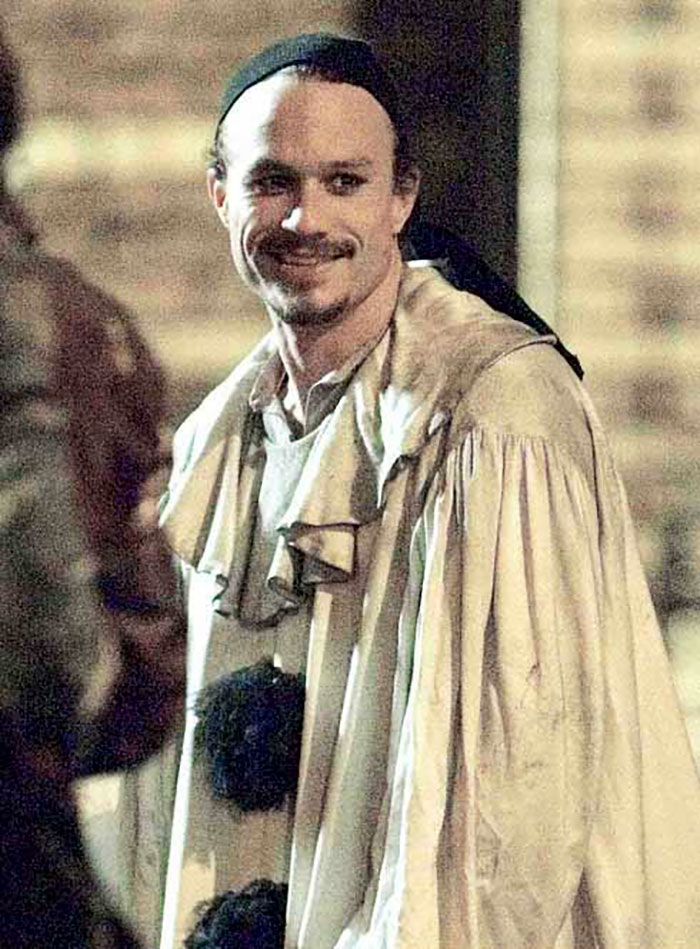

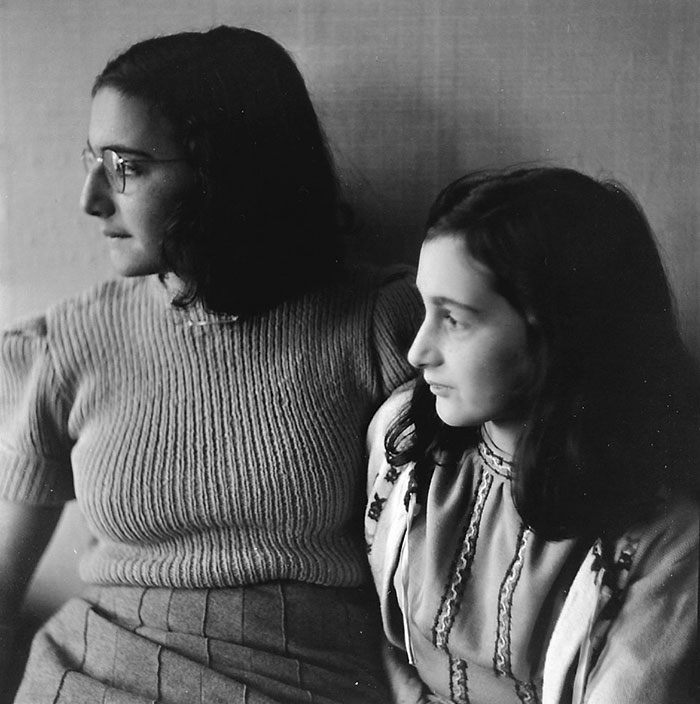



























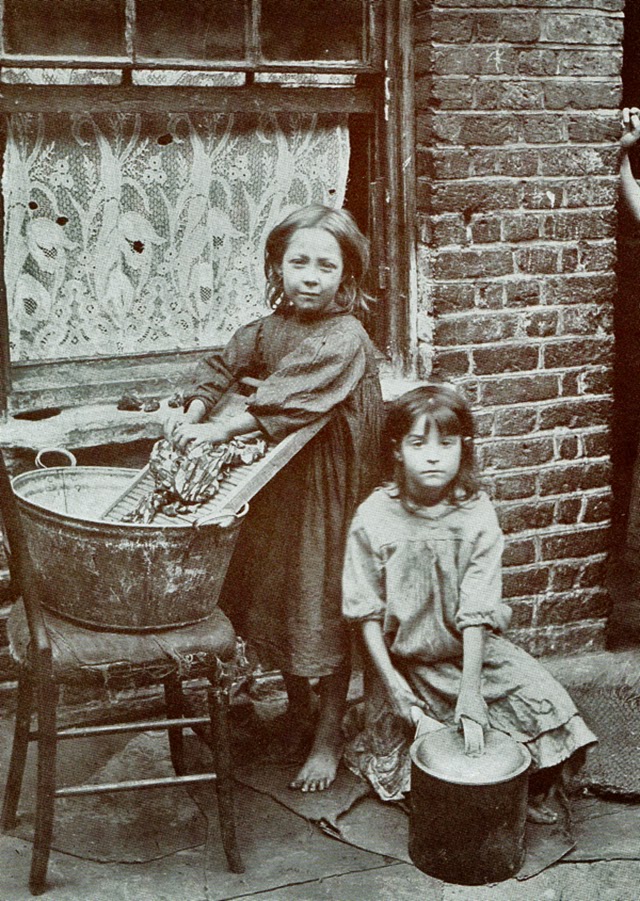
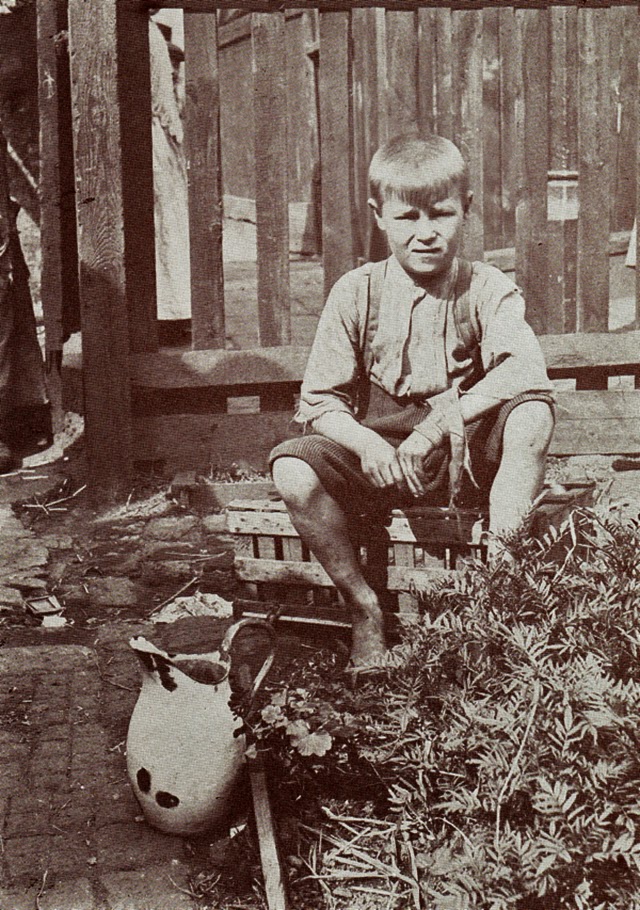
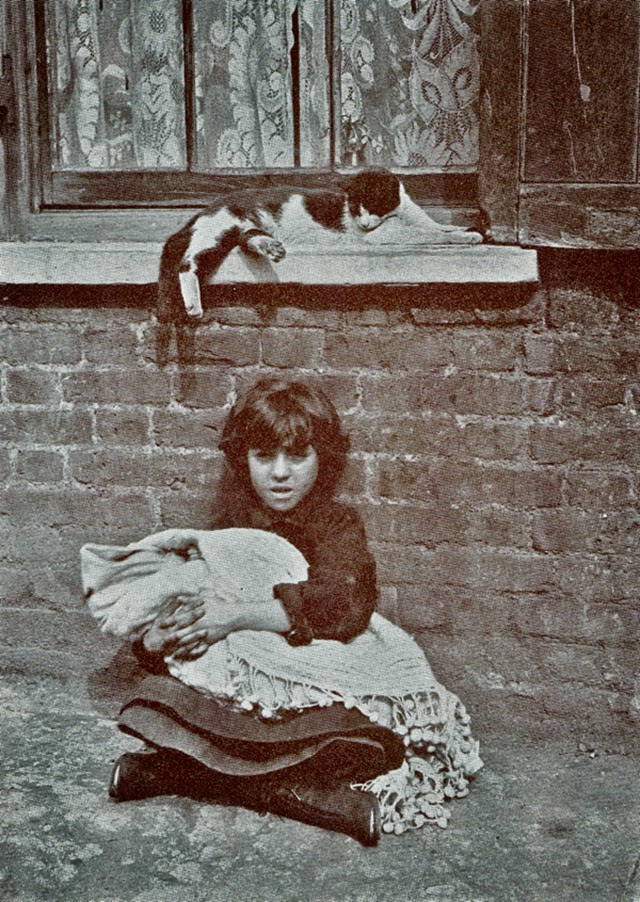
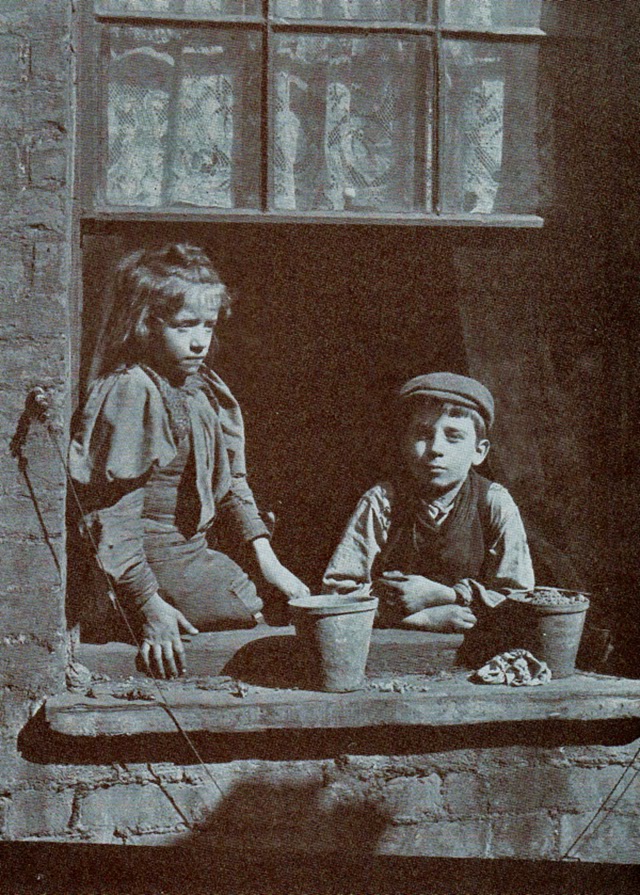
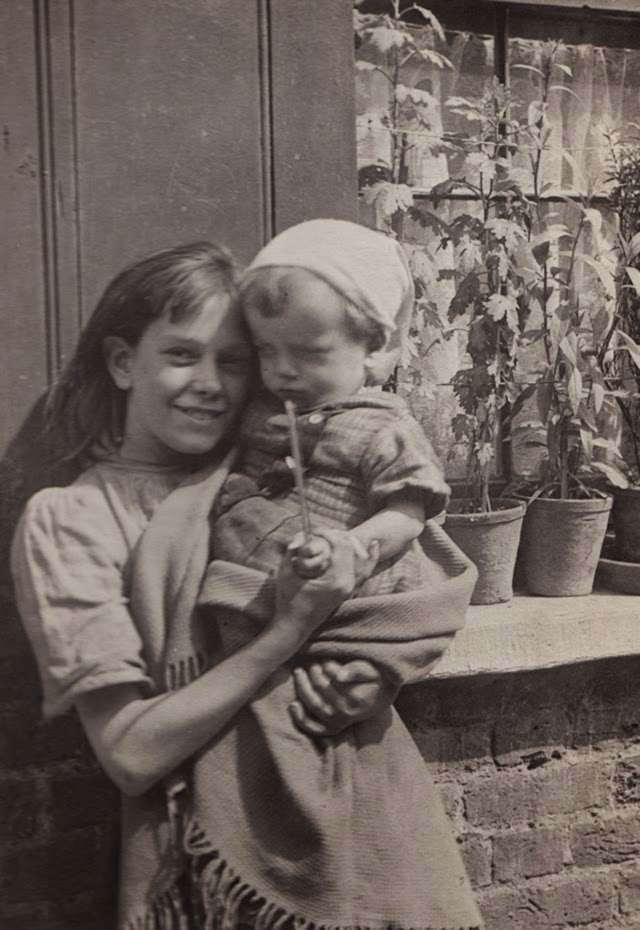
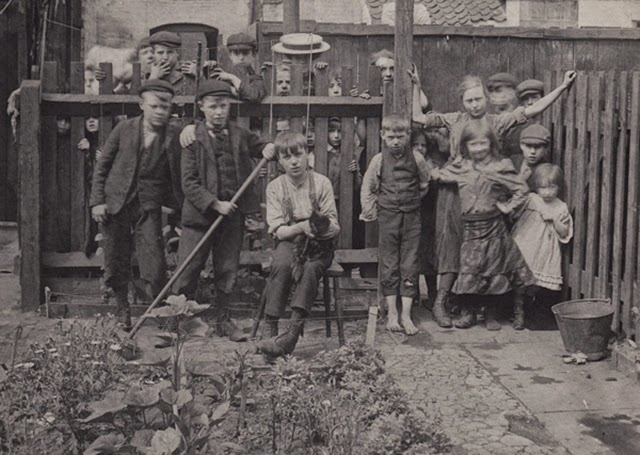
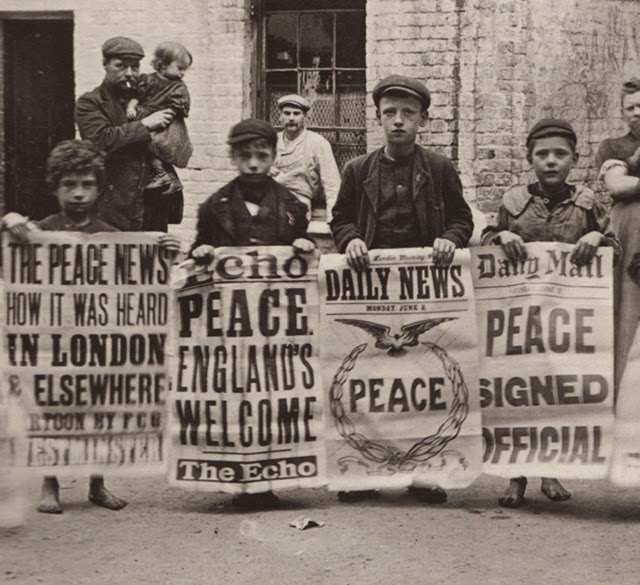
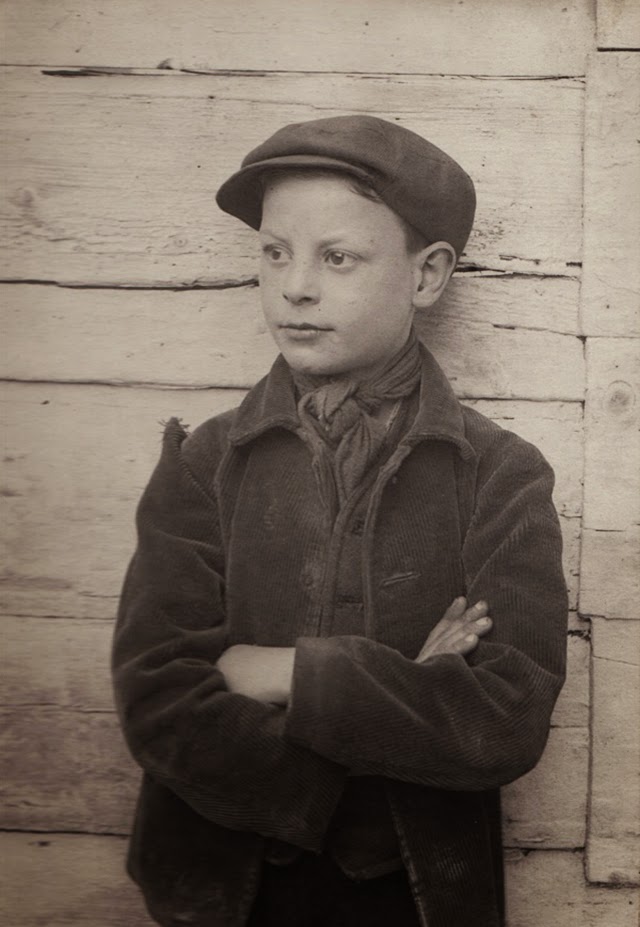
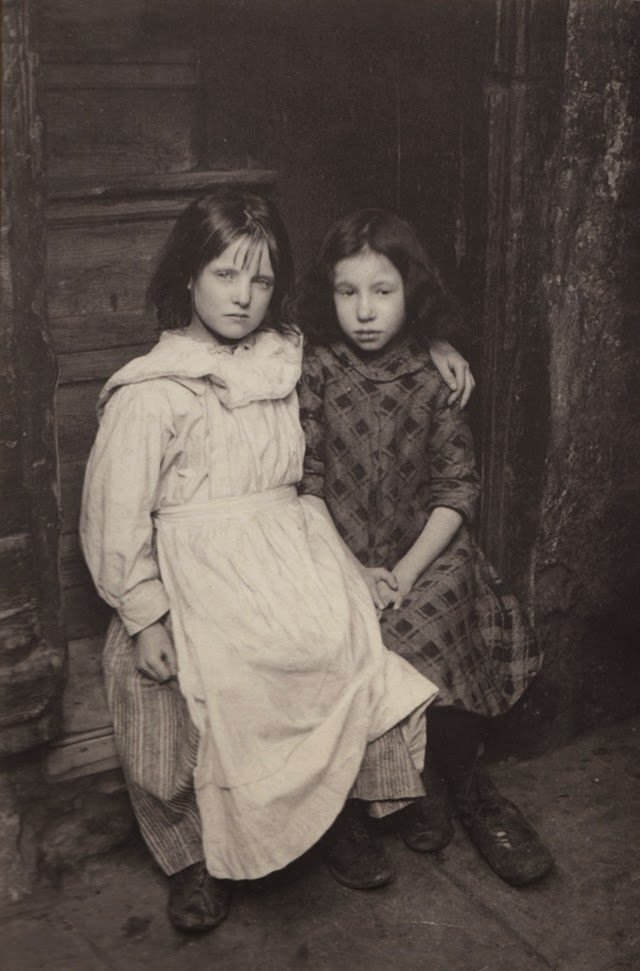
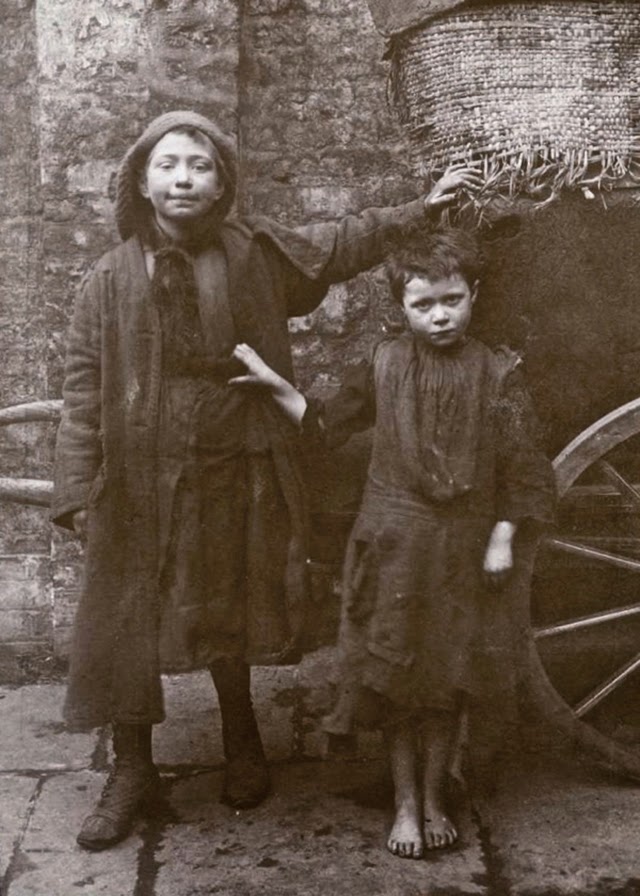
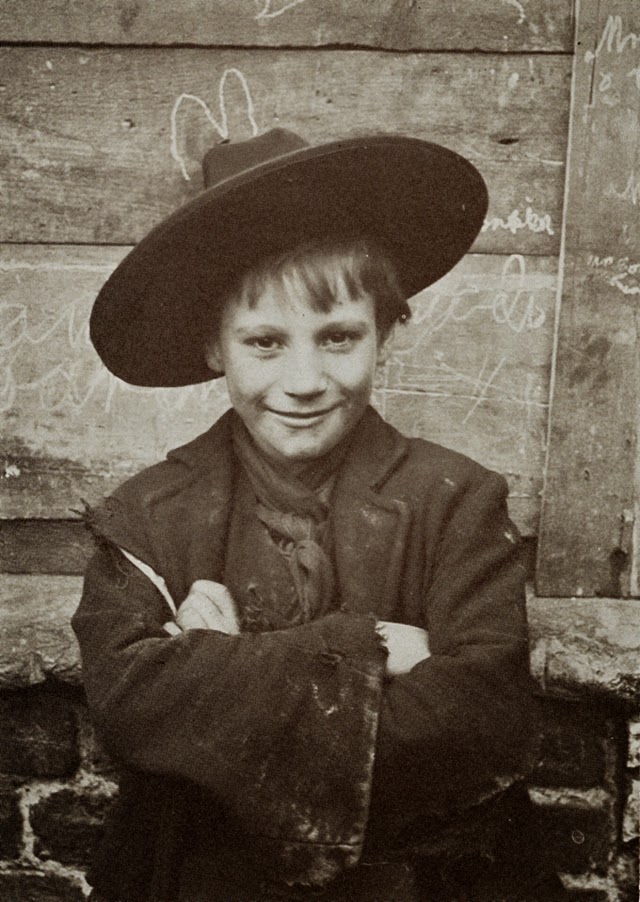
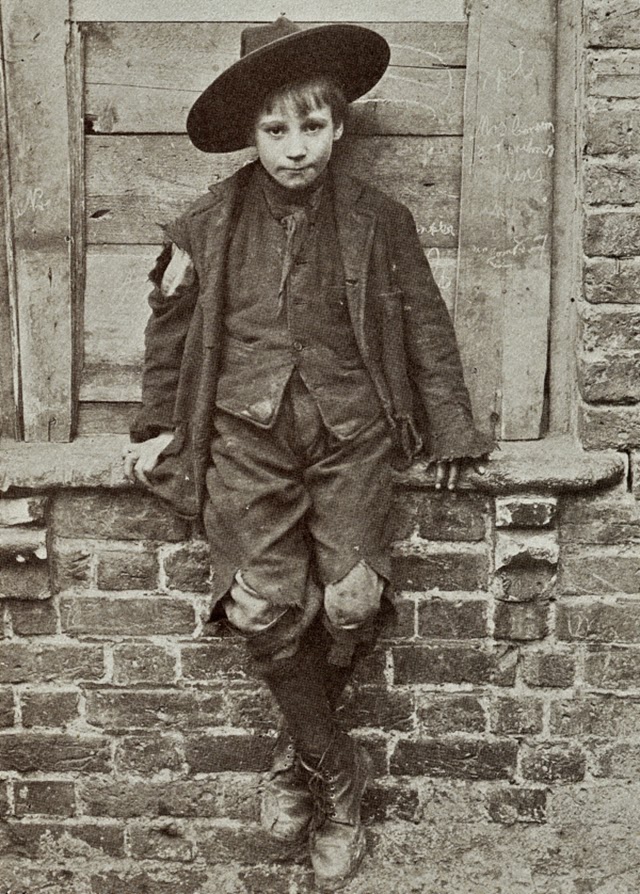
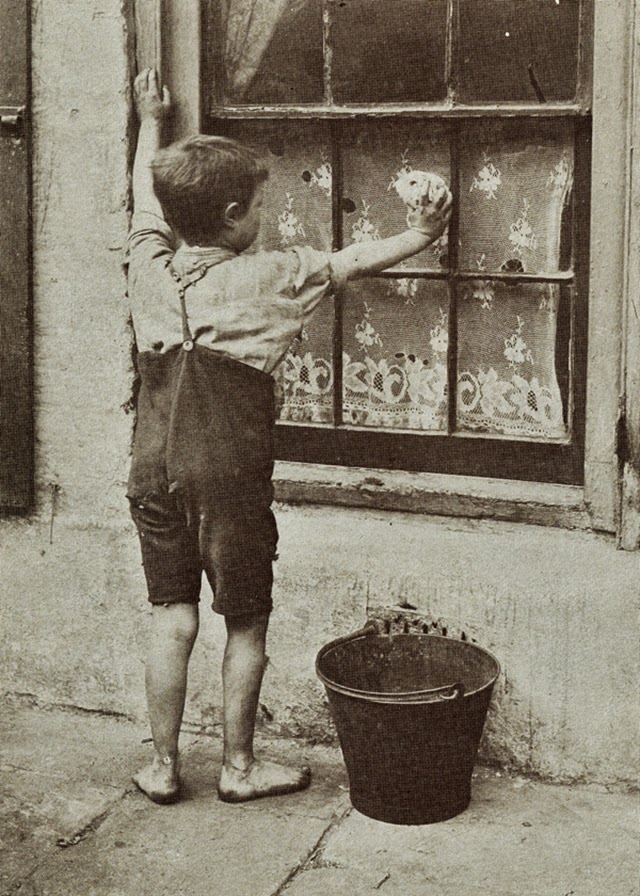
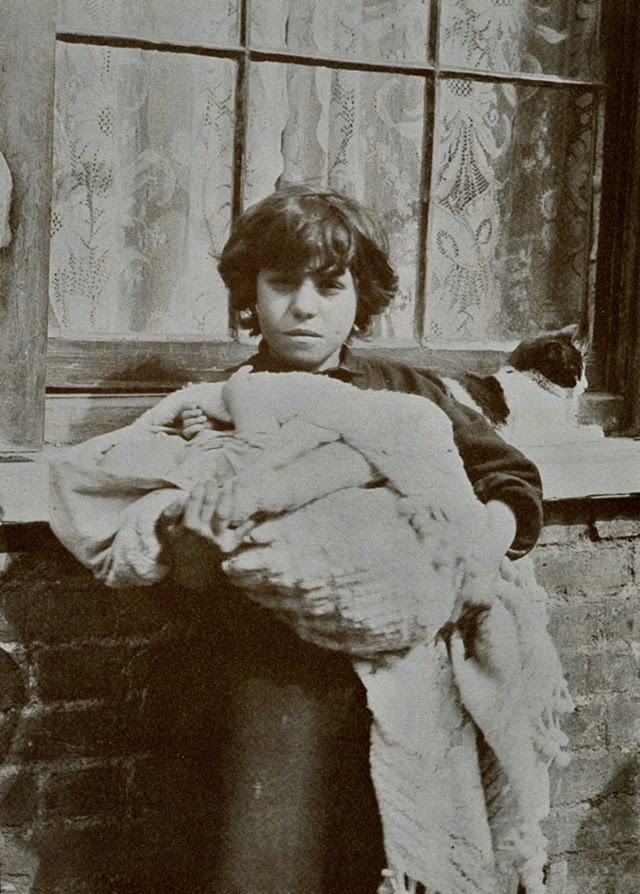
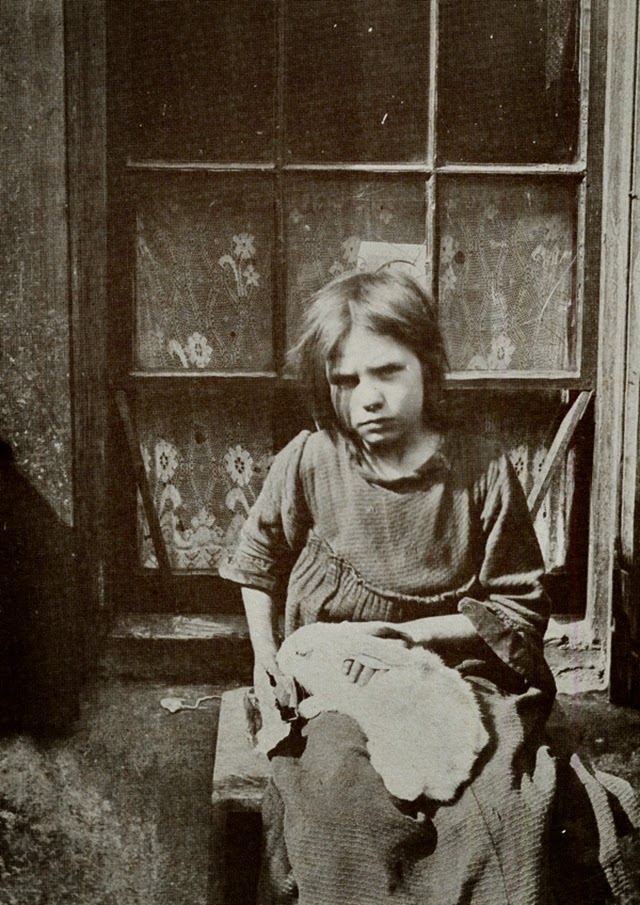
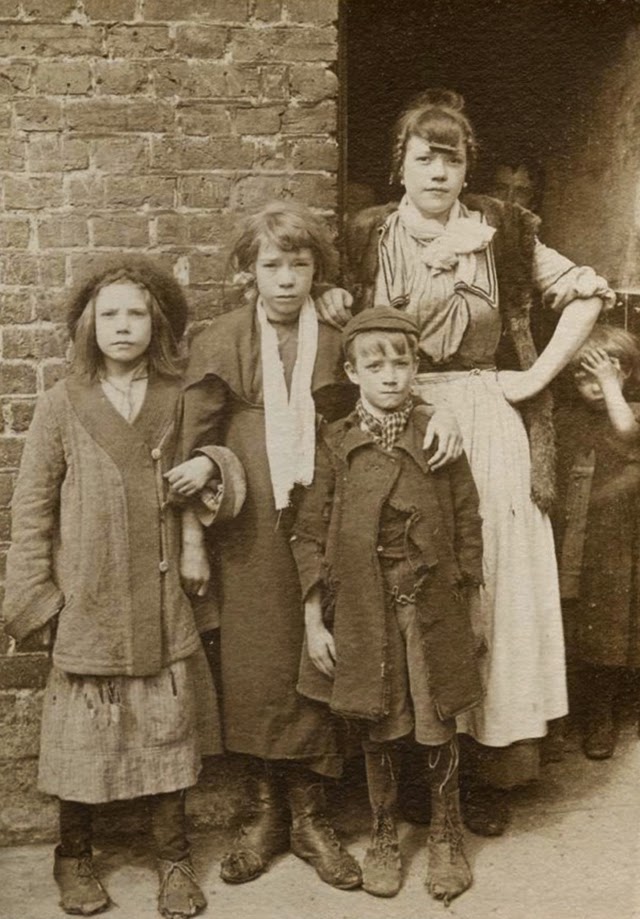
Around 1900, photographer Horace Warner took a series of portraits of some of the poorest people in London – creating relaxed, intimate images that gave dignity to his subjects and producing great photography that is without comparison in his era.