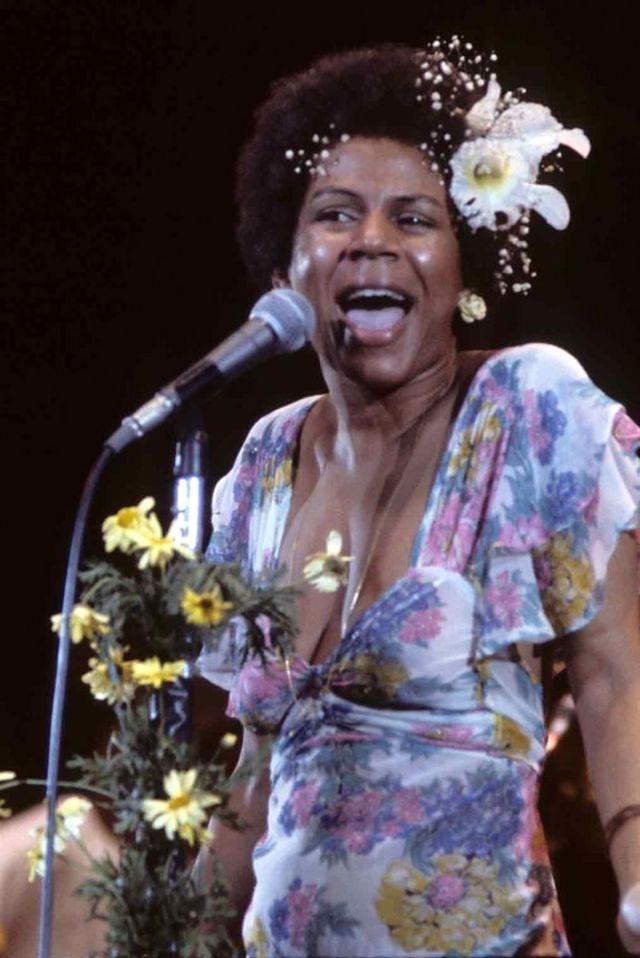
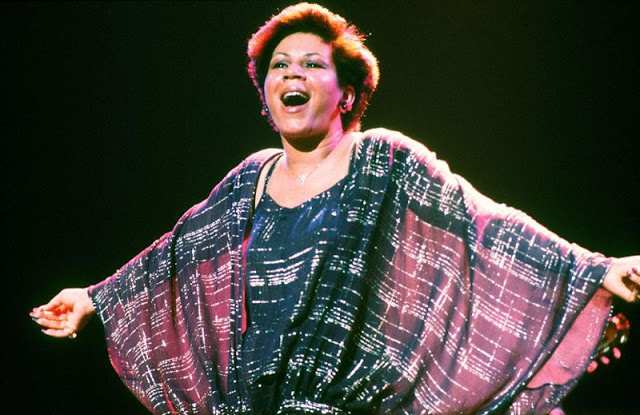
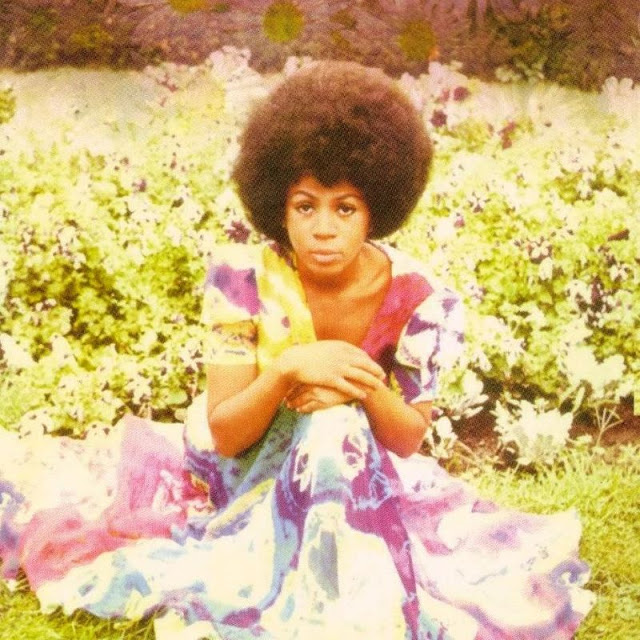
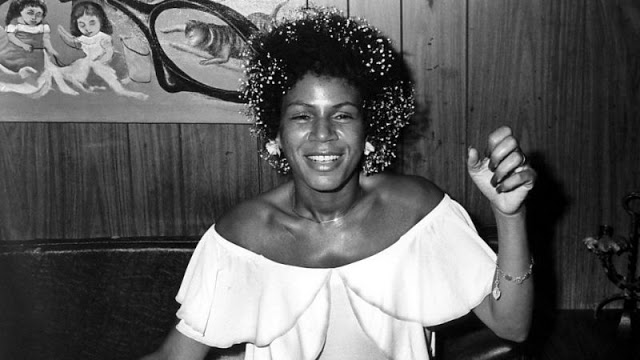
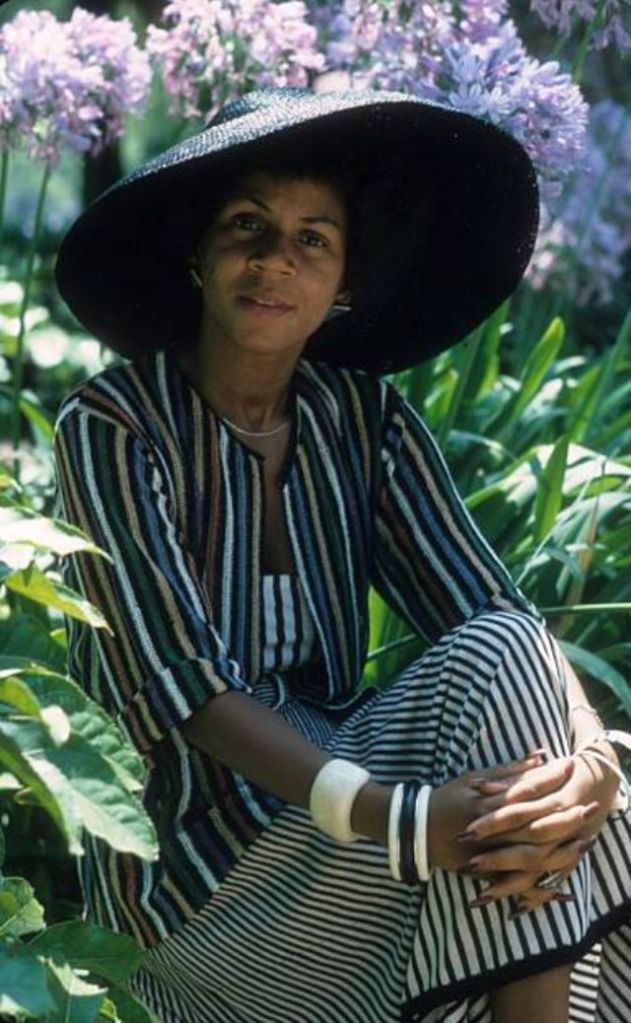
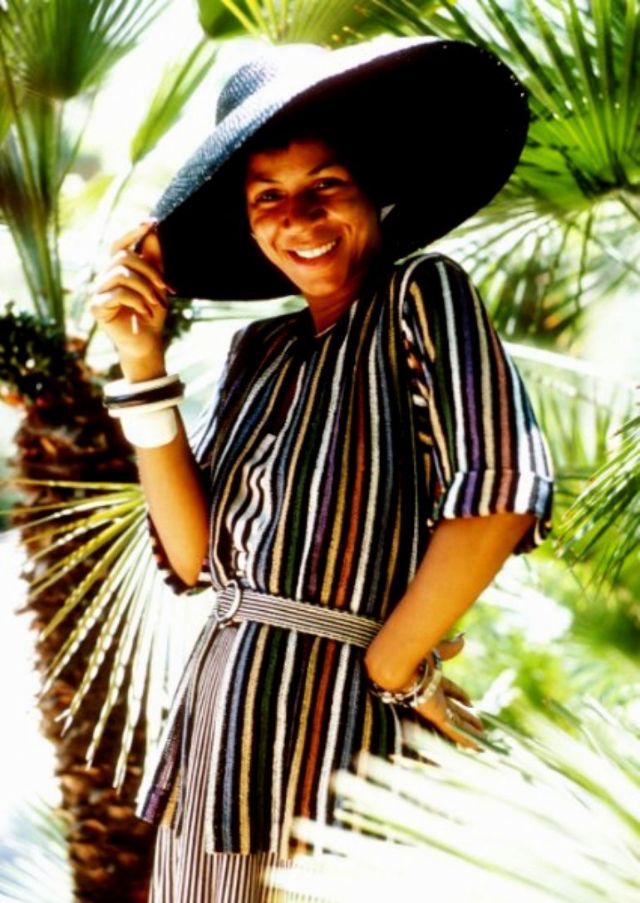
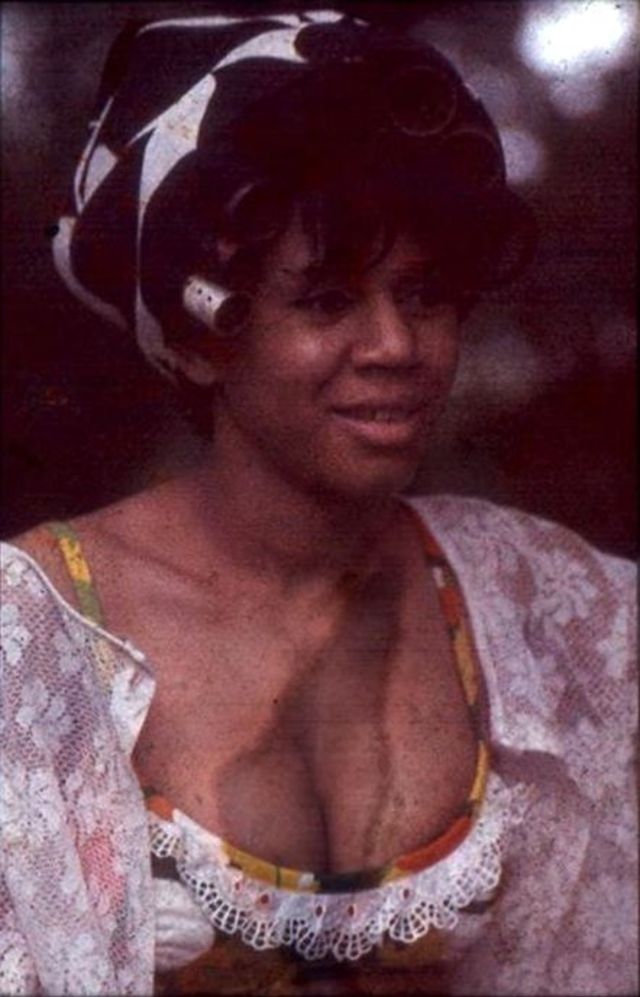
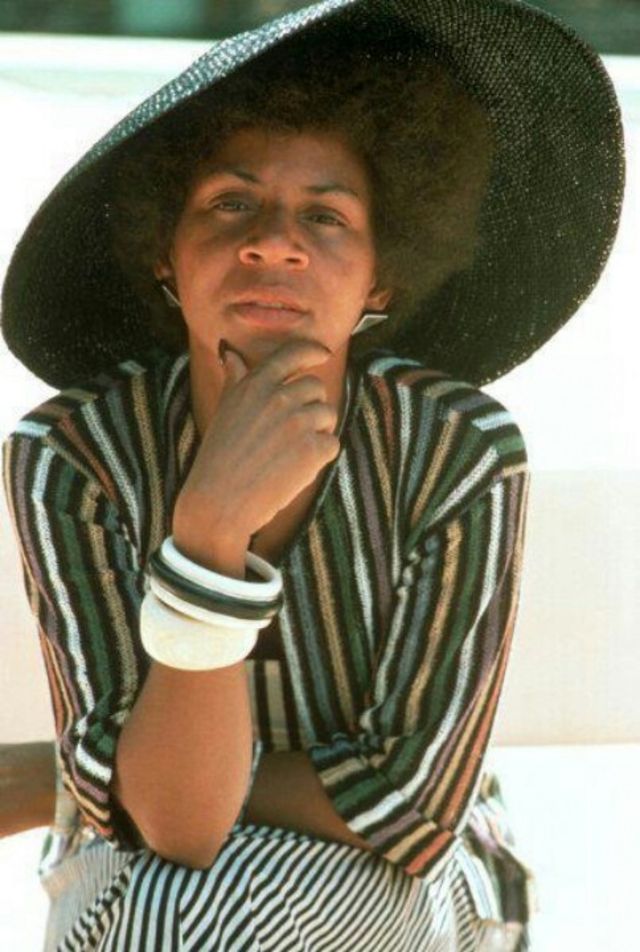
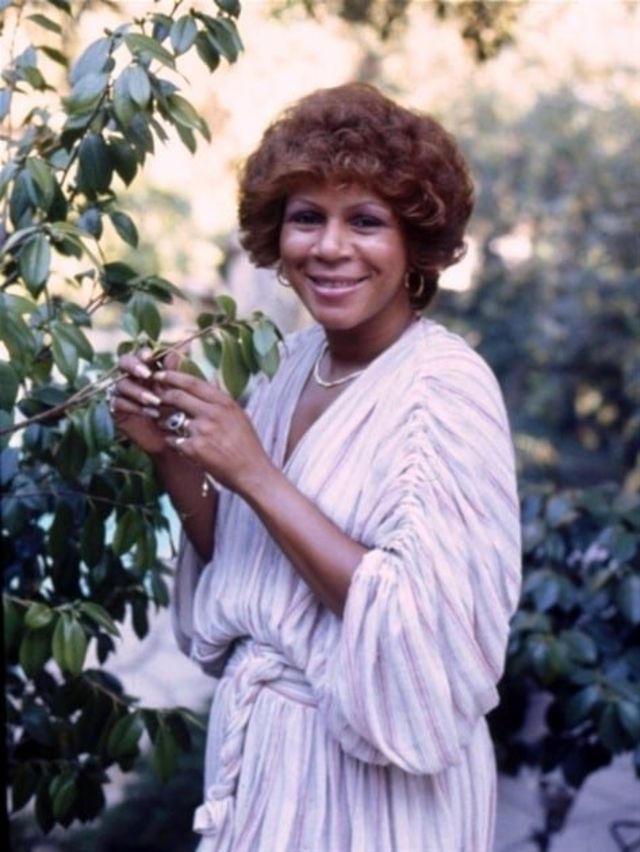
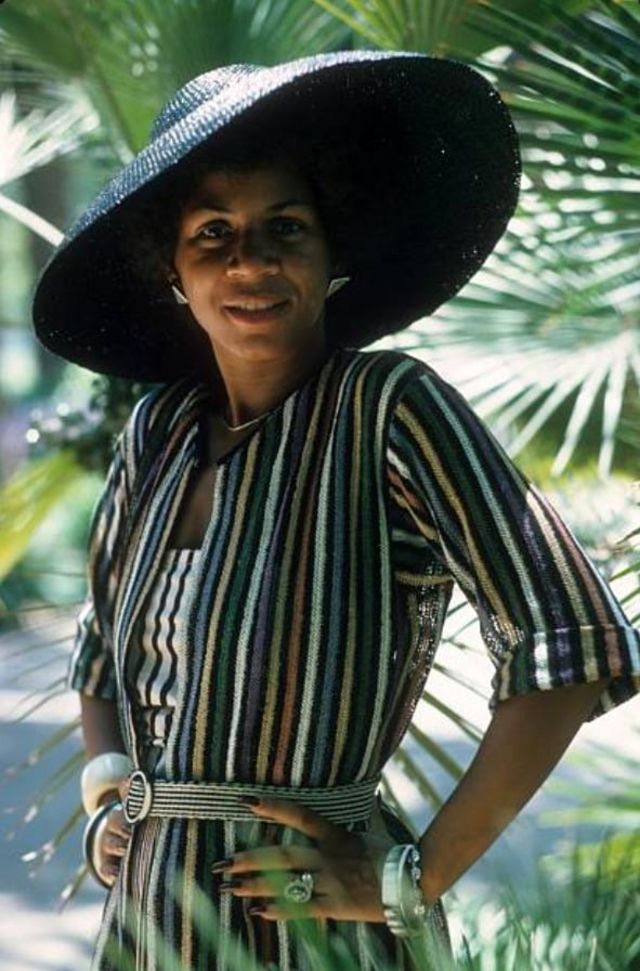
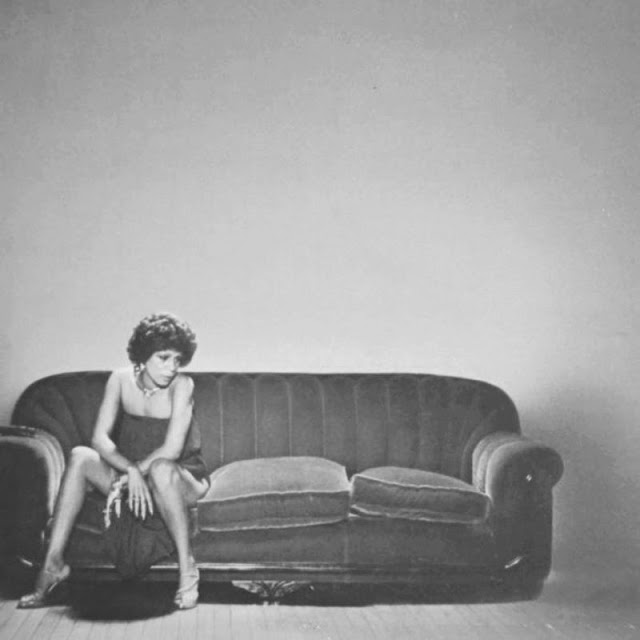
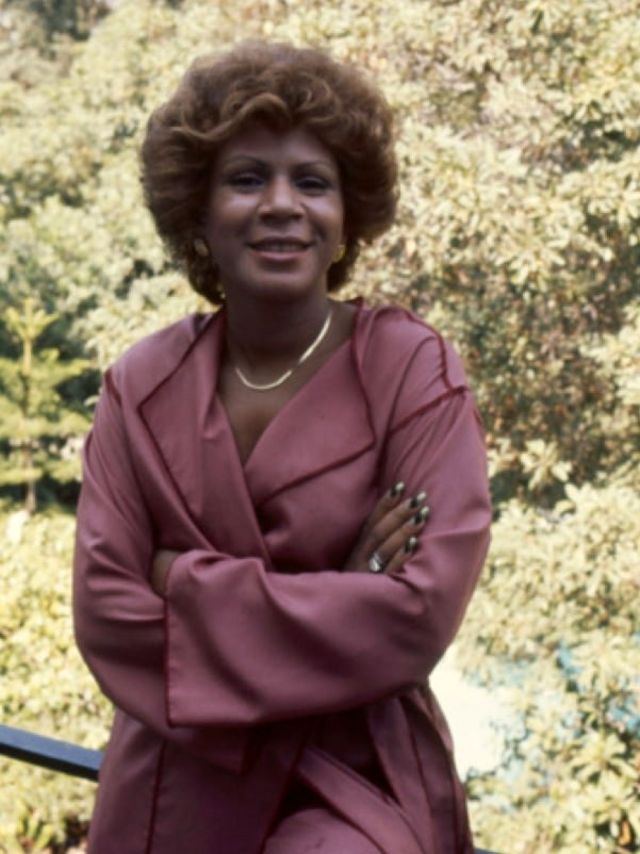
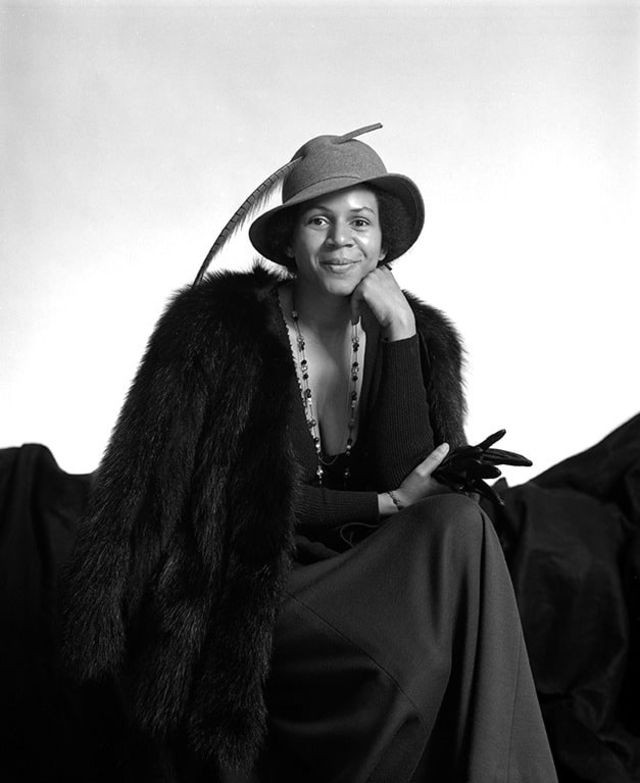
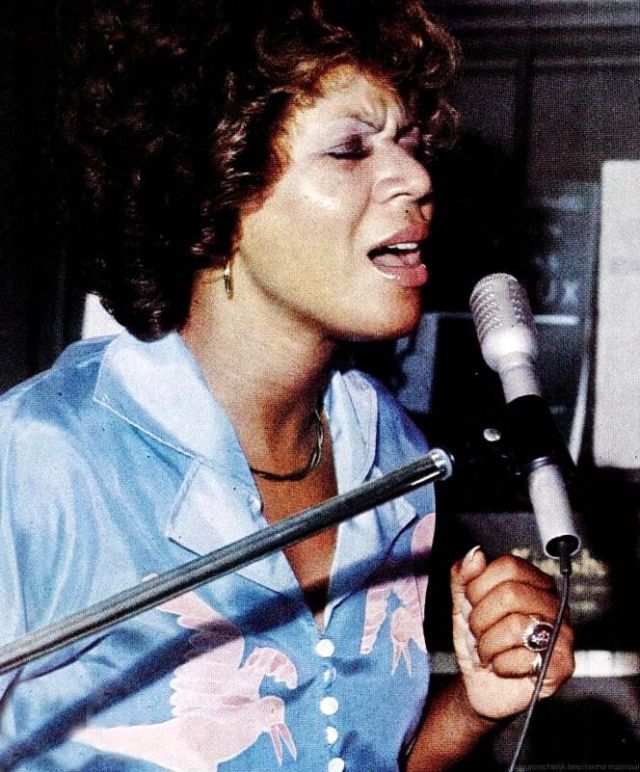
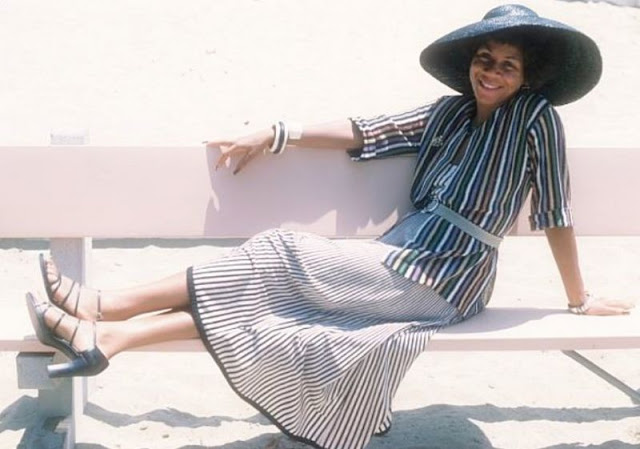
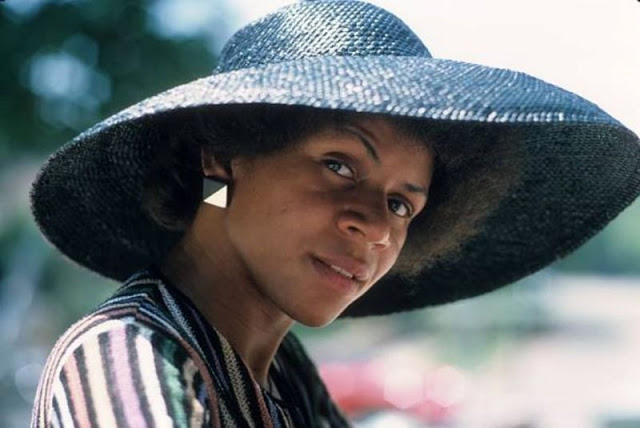
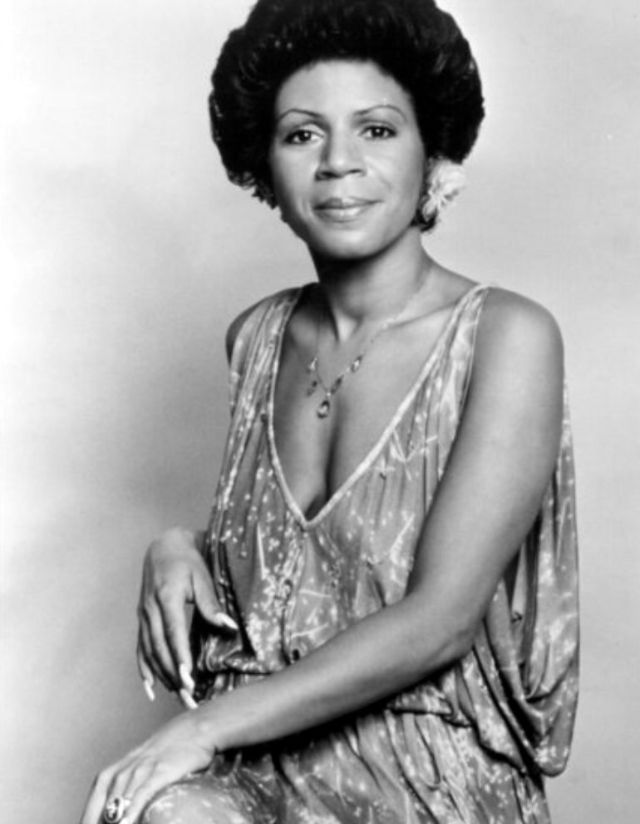
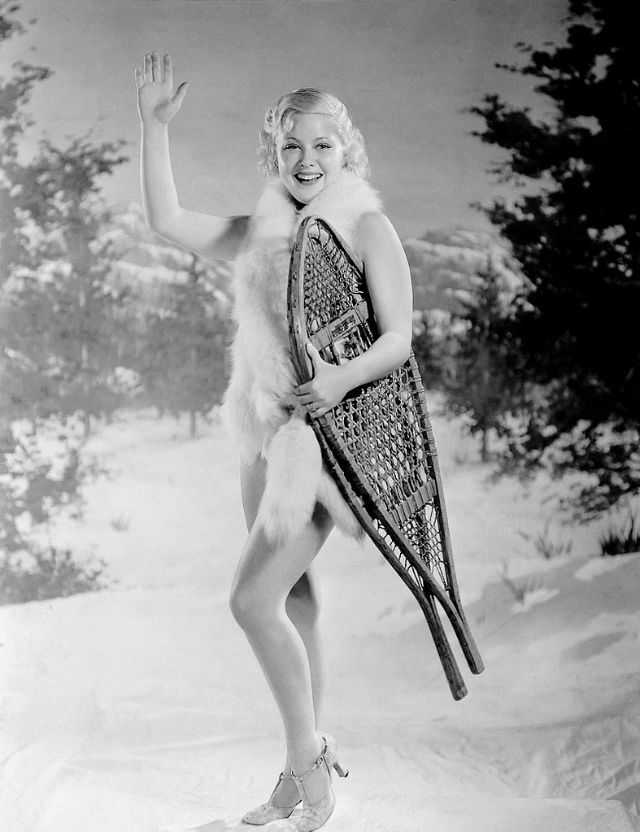
Classic Blonde Bombshell: 40 Glamorous Photos of Susan Denberg in the 1960s

Born 1944 as Dietlinde Zechner in Bad Polzin, Germany, German-Austrian model and actress Susan Denberg was a chorus dancer and 1966 Playboy playmate, who made a brief brush with an acting career in the late 1960s. In addition, she did stage and dancing in London and Las Vegas.

Denberg’s best known acting role was in the Hammer horror film, Frankenstein Created Woman (1967), opposite Peter Cushing. However, Denberg’s voice in the film was dubbed, as her Austrian accent was considered too strong. One of her few other acting roles was in the Star Trek episode, “Mudd’s Women” (1966).

After becoming immersed in the 60s high life of drugs and sex, Denberg left show business and returned to Austria. News interviews at the time show a depressed Denberg in the company of her mother, at home in Klagenfurt. These news items, repeated in fan periodicals for years, gave the impression Denberg was suicidal or had already died. Actually, she is still alive.

These glamorous photos captured portrait of young Susan Denberg showing her beauty in the 1960s.

Style in the Jazz Age: 20 Vintage Photos Showing Beautiful Women’s Fashions in the Roaring Twenties

The Jazz Age was a period in the 1920s and 1930s in which jazz music and dance styles rapidly gained nationwide popularity in the United States. The Jazz Age’s cultural repercussions were primarily felt in the United States, the birthplace of jazz. Originating in New Orleans as mainly sourced from the culture of the diaspora, jazz played a significant part in wider cultural changes in this period, and its influence on popular culture continued long afterwards. The Jazz Age is often referred to in conjunction with the Roaring Twenties, and in the United States, it overlapped in significant cross-cultural ways with the Prohibition Era. The movement was largely affected by the introduction of radios nationwide. During this time, the Jazz Age was intertwined with the developing youth culture. The movement also helped start the beginning of the European Jazz movement. American author F. Scott Fitzgerald is widely credited with coining the term, first using it in his 1922 short story collection titled Tales of the Jazz Age.

25 Stunning Photos of Victorian Women From the Late 19th Century

The fashion of the 19th century is renowned for its corsets, bonnets, top hats, bustles and petticoats. Women’s fashion during the Victorian period was largely dominated by full skirts, which gradually moved to the back of the silhouette.

However, towards the end of the period, the less restrictive Aesthetic style began to emerge. Take a look at these glamorous photos to see the fashion styles of late Victorian women from between the 1870s and 1890s.

45 Beautiful Photos of Shirley MacLaine in the 1950s and 1960s

Shirley MacLaine (born Shirley MacLean Beaty, April 24, 1934) is an American actress, singer, author, activist, and former dancer. In a career which spans seven decades, she is known for her portrayals of quirky, headstrong, eccentric women. MacLaine is the recipient of numerous accolades including an Academy Award, two British Academy Film Awards, five Golden Globe Awards, and a Primetime Emmy Award.

Born in Richmond, Virginia, MacLaine made her acting debut as a teenager with minor roles in the Broadway musicals Oklahoma! and The Pajama Game. Following minor appearances as an understudy in various other productions, MacLaine made her film debut with Alfred Hitchcock’s black comedy The Trouble With Harry (1955), winning the Golden Globe Award for New Star of the Year – Actress. She rose to prominence with starring roles in Around the World in 80 Days (1956), Some Came Running (1958), Ask Any Girl (1959), The Apartment (1960), The Children’s Hour (1961), Two for the Seesaw (1962), Irma la Douce (1963), and Sweet Charity (1969). A six time Academy Award nominee, MacLaine won the Academy Award for Best Actress for the comedy-drama Terms of Endearment (1983). Her other prominent films include The Turning Point (1977), Being There (1979), Madame Sousatzka (1988), Steel Magnolias (1989), Postcards from the Edge (1990), The Evening Star (1996), Bewitched (2005), In Her Shoes (2005), Valentine’s Day (2010), and The Little Mermaid (2018).

MacLaine has been the recipient of many honorary awards. She was awarded the AFI Life Achievement Award in 2012, Gala Tribute from the Film Society of Lincoln Center in 1995, and Kennedy Center Honor in 2013 for her contribution to American culture, through performing arts. In 1998, she was awarded the Golden Globe Cecil B. DeMille Award. Apart from acting, MacLaine has written numerous books regarding the subjects of metaphysics, spirituality, reincarnation as well as a best-selling memoir Out on a Limb (1983).

These stunning photos that show the beauty of young Shirley MacLaine in the 1950s and 1960s.

29 Vintage Color Photos of San Francisco during the 1940s and 1950s

San Francisco was founded on June 29, 1776, when colonists from Spain established the Presidio of San Francisco at the Golden Gate and Mission San Francisco de Asís a few miles away, both named for Francis of Assisi. The California Gold Rush of 1849 brought rapid growth, making it the largest city on the West Coast at the time. San Francisco became a consolidated city-county in 1856. San Francisco’s status as the West Coast’s largest city peaked between 1870 and 1900, when around 25% of California’s population resided in the city proper. After three-quarters of the city was destroyed by the 1906 earthquake and fire, San Francisco was quickly rebuilt, hosting the Panama-Pacific International Exposition nine years later. In World War II, San Francisco was a major port of embarkation for service members shipping out to the Pacific Theater. It then became the birthplace of the United Nations in 1945. After the war, the confluence of returning servicemen, significant immigration, liberalizing attitudes, along with the rise of the “beatnik” and “hippie” countercultures, the Sexual Revolution, the Peace Movement growing from opposition to United States involvement in the Vietnam War, and other factors led to the Summer of Love and the gay rights movement, cementing San Francisco as a center of liberal activism in the United States. Politically, the city votes strongly along liberal Democratic Party lines.

A popular tourist destination, San Francisco is known for its cool summers, fog, steep rolling hills, eclectic mix of architecture, and landmarks, including the Golden Gate Bridge, cable cars, the former Alcatraz Federal Penitentiary, Fisherman’s Wharf, and its Chinatown district. San Francisco is also the headquarters of companies such as Wells Fargo, Twitter, Square, Airbnb, Levi Strauss & Co., Gap Inc., Salesforce, Dropbox, Pacific Gas and Electric Company, Uber, and Lyft. The city, and the surrounding Bay Area, is a global center of the sciences and arts and is home to a number of educational and cultural institutions, such as the University of California, San Francisco (UCSF), the University of San Francisco (USF), San Francisco State University (SFSU), the de Young Museum, the San Francisco Museum of Modern Art, the SFJAZZ Center, and the California Academy of Sciences.

(Photos: Charles W. Cushman Photograph Collection/Indiana University Archives)

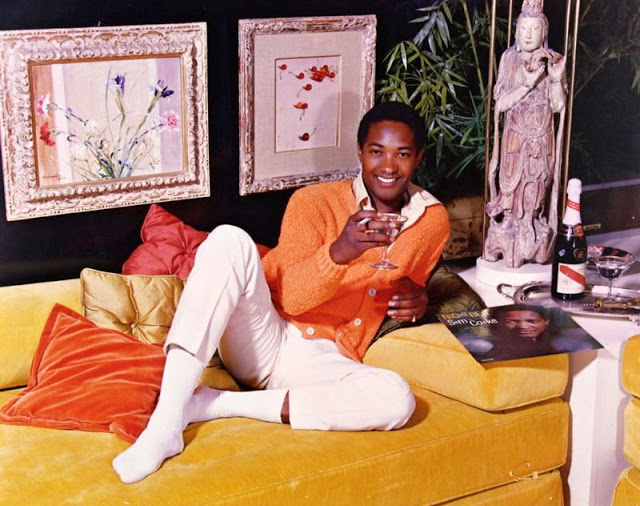
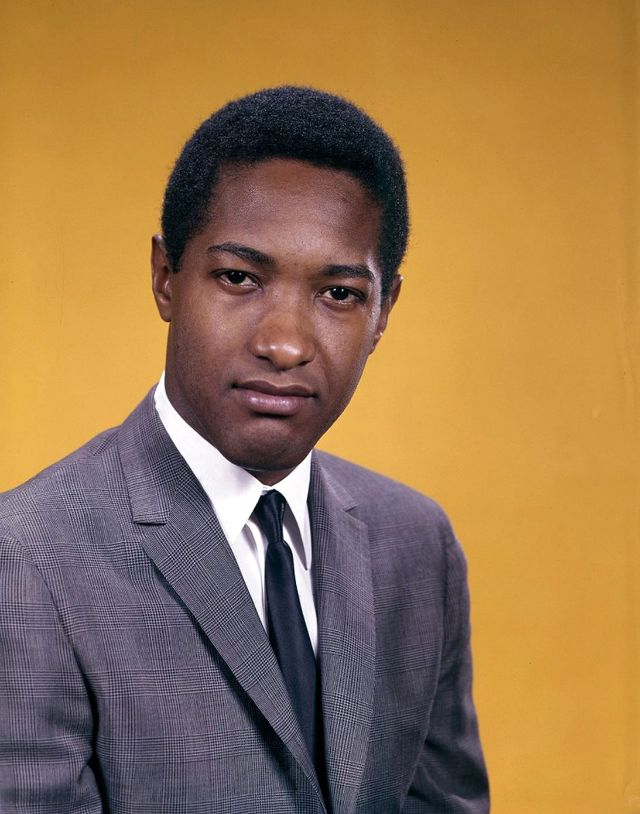
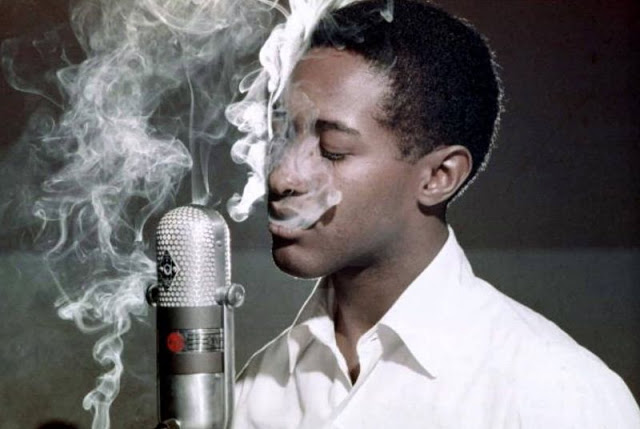
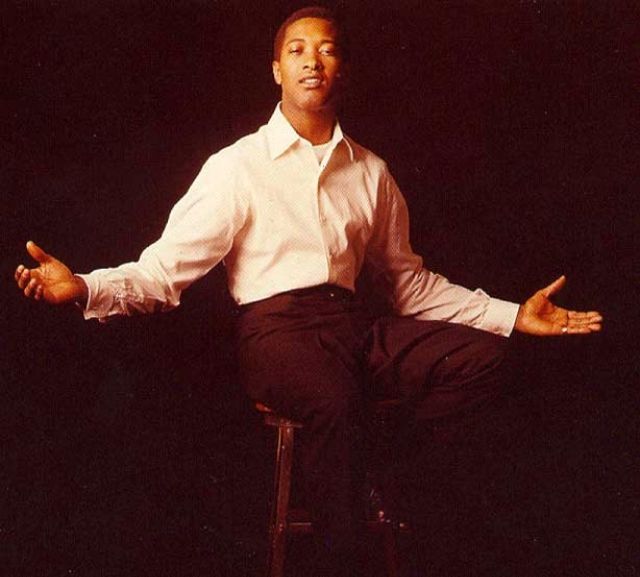
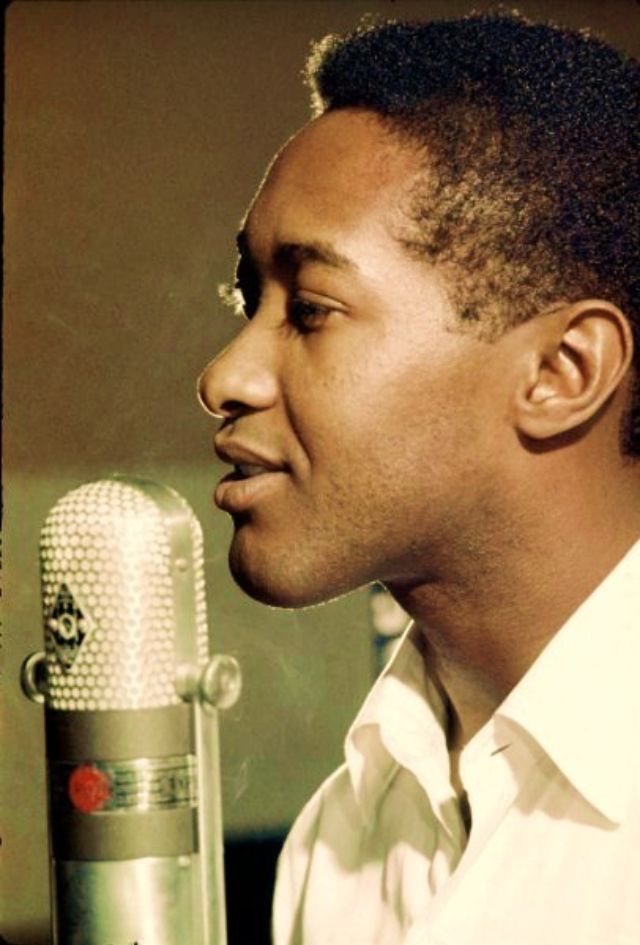
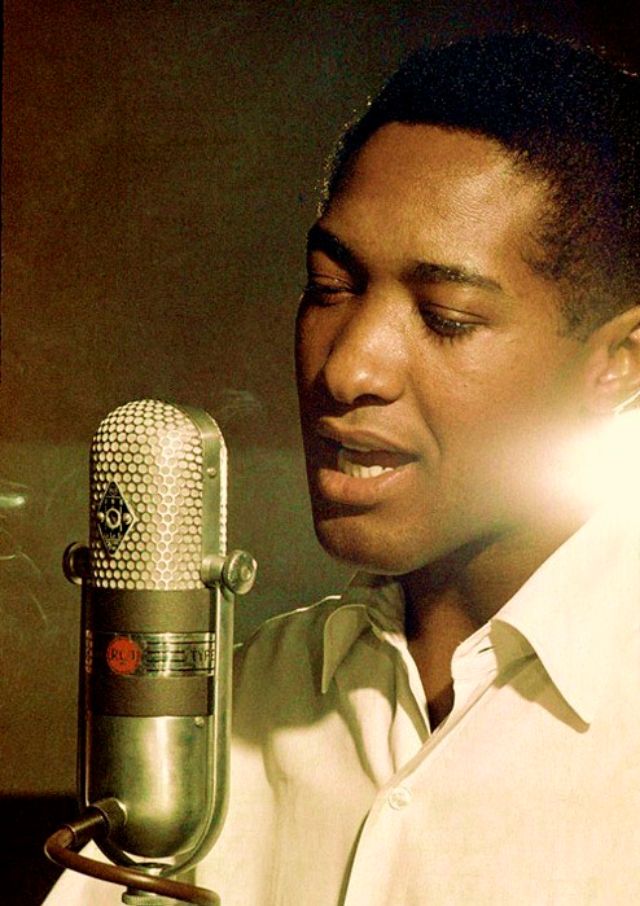
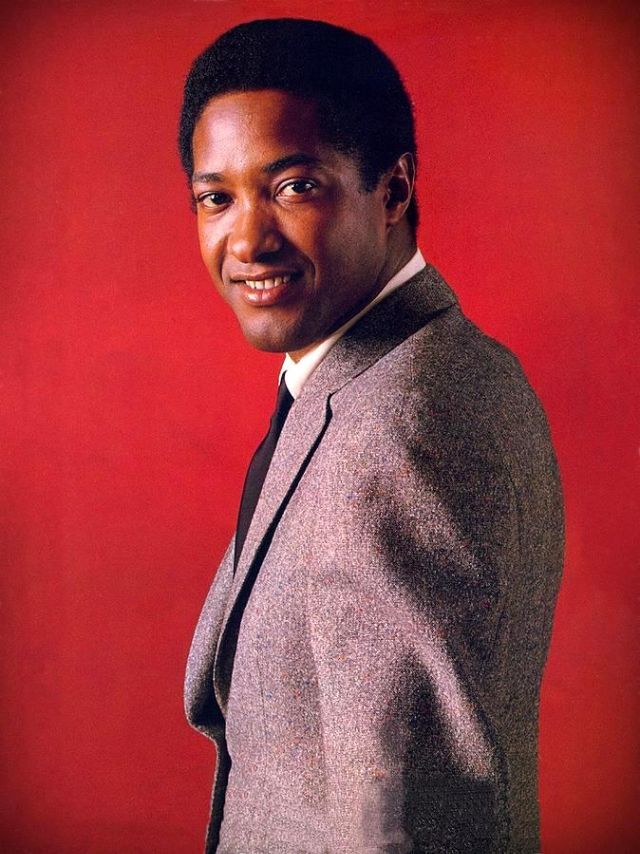
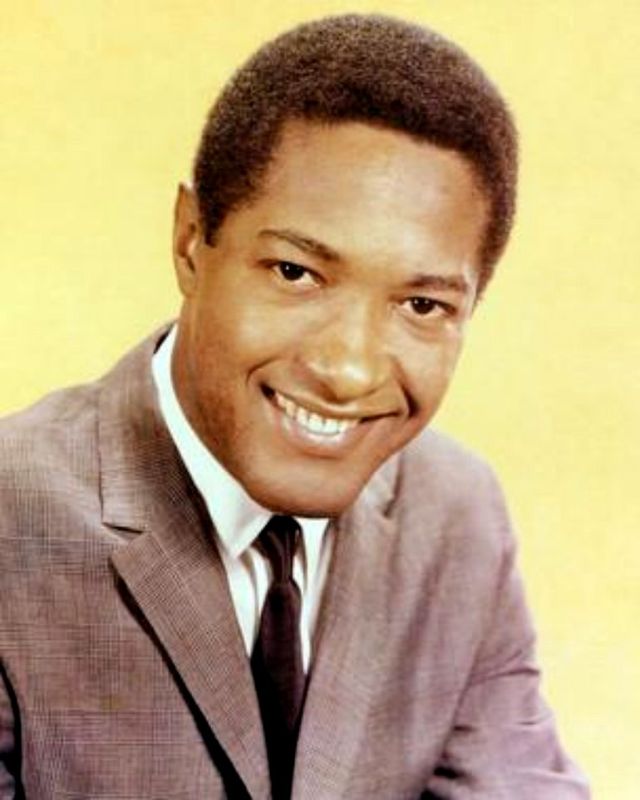
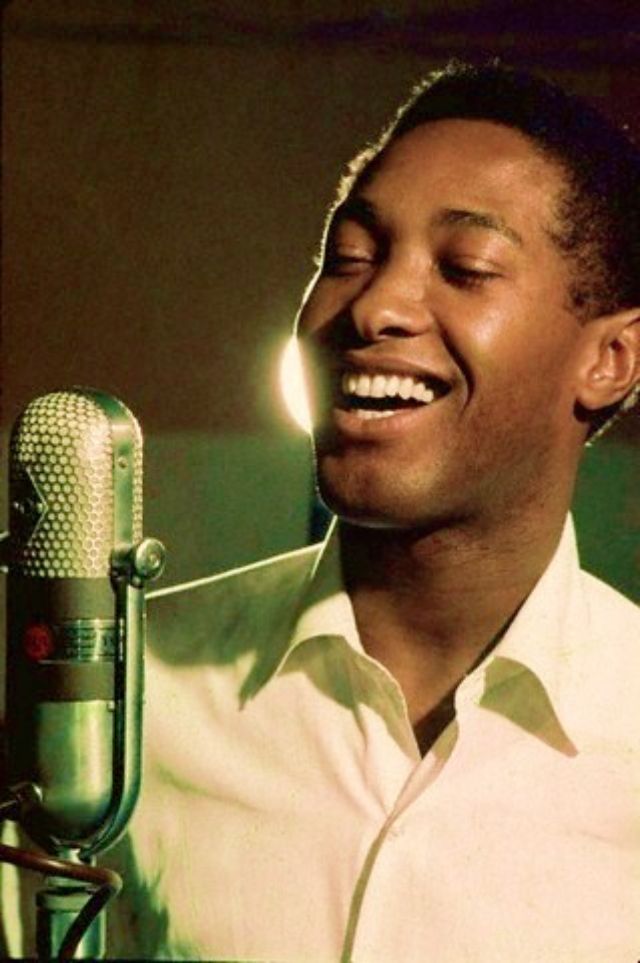
29 Vintage Photos of Sam Cooke, “The King of Soul”, in the 1950s and 1960s

Samuel Cook (January 22, 1931 – December 11, 1964), known professionally as Sam Cooke, was an American singer, songwriter, and entrepreneur. Considered to be a pioneer and one of the most influential soul artists of all time, Cooke is commonly referred to as the “King of Soul” for his distinctive vocals, notable contributions to the genre and high significance in popular music.

Cooke was born in Mississippi and later relocated to Chicago with his family at a young age, where he began singing as a child and joined the Soul Stirrers as lead singer in the 1950s. Going solo in 1957, Cooke released a string of hit songs, including “You Send Me”, “A Change Is Gonna Come”, “Cupid”, “Wonderful World”, “Chain Gang”, “Twistin’ the Night Away”, “Bring It On Home to Me”, and “Good Times”. During his eight-year career, Cooke released 29 singles that charted in the Top 40 of the Billboard Pop Singles chart, as well as 20 singles in the Top Ten of Billboard’s Black Singles chart.

In 1964, Cooke was shot and killed by the manager of a motel in Los Angeles. After an inquest and investigation, the courts ruled Cooke’s death to be a justifiable homicide; his family has since questioned the circumstances of his death.

Cooke’s pioneering contributions to soul music contributed to the rise of Aretha Franklin, Bobby Womack, Al Green, Curtis Mayfield, Stevie Wonder, Marvin Gaye, and Billy Preston, and popularized the work of Otis Redding and James Brown. AllMusic biographer Bruce Eder wrote that Cooke was “the inventor of soul music”, and possessed “an incredible natural singing voice and a smooth, effortless delivery that has never been surpassed”.

Cooke was also a central part of the Civil Rights Movement, using his influence and popularity with the white and black population to fight for the cause. He was good friends with boxer Muhammad Ali, activist Malcolm X and football player Jim Brown, who together campaigned for racial equality.

Take a look at these fantastic vintage photos that captured portrait of Sam Cooke in the 1950s and 1960s.

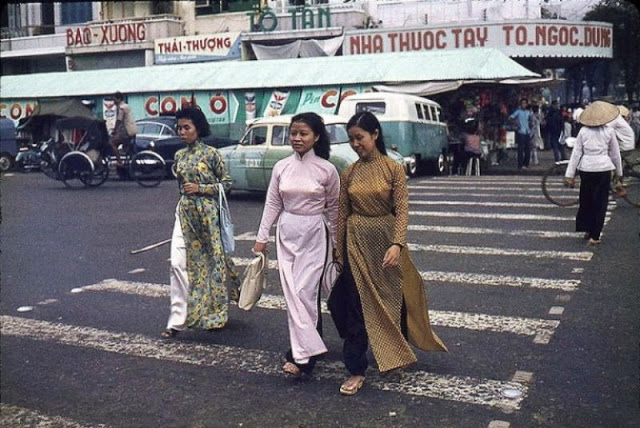
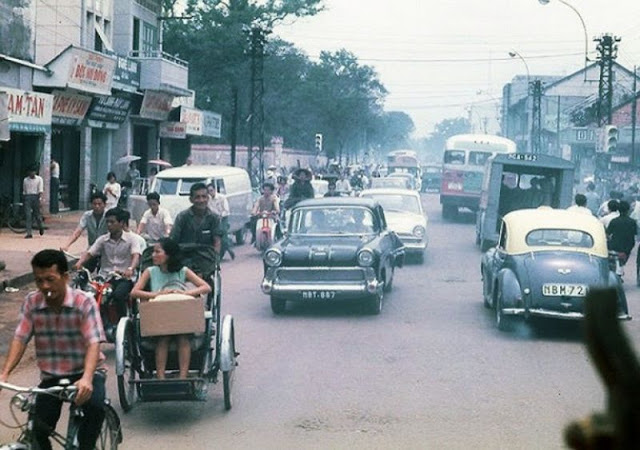
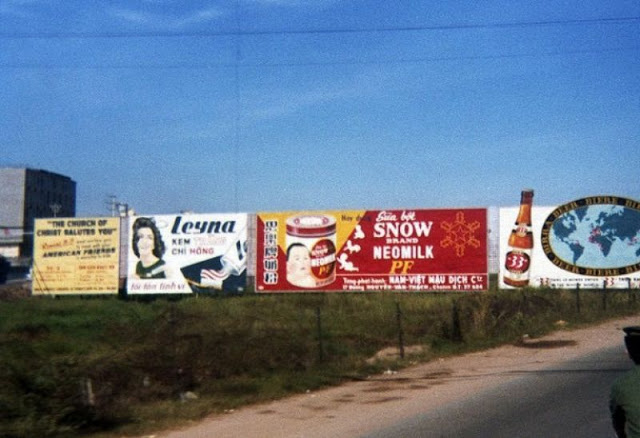
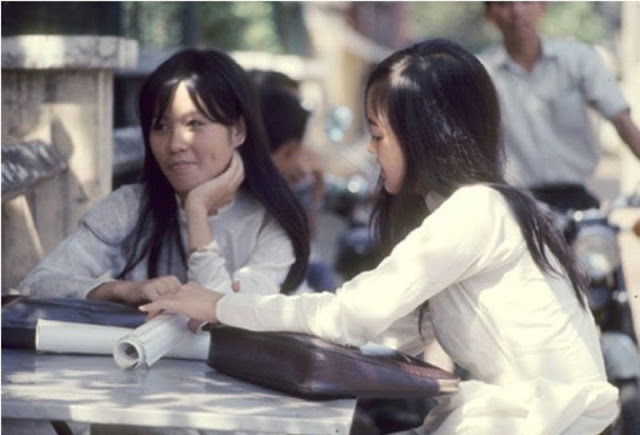
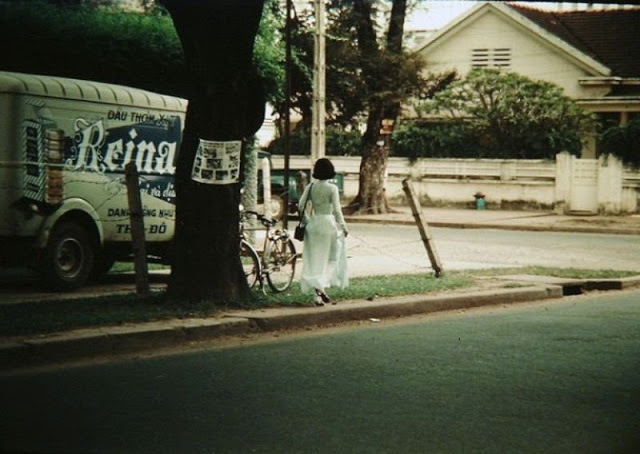
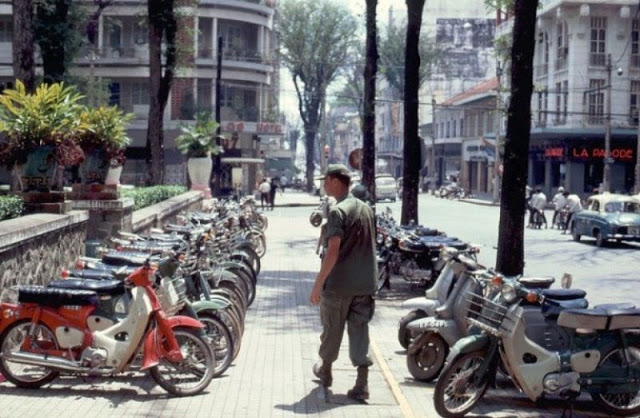
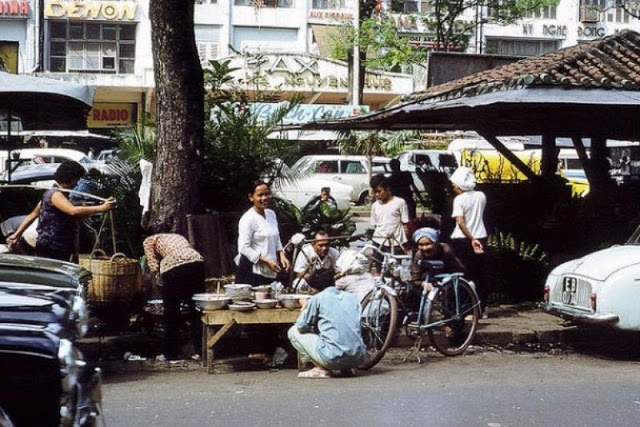
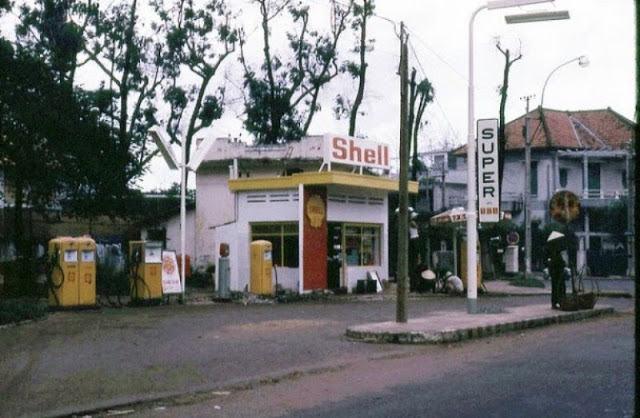
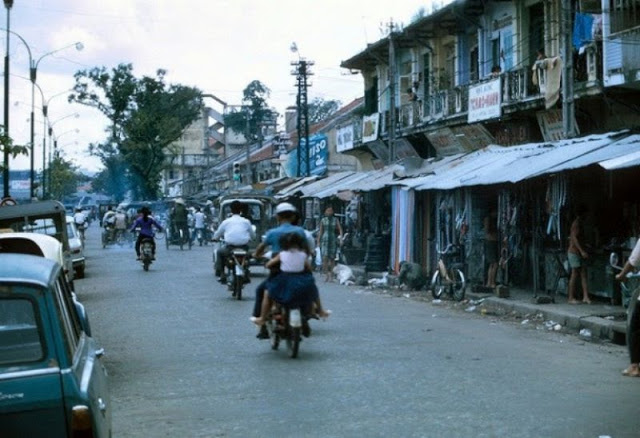
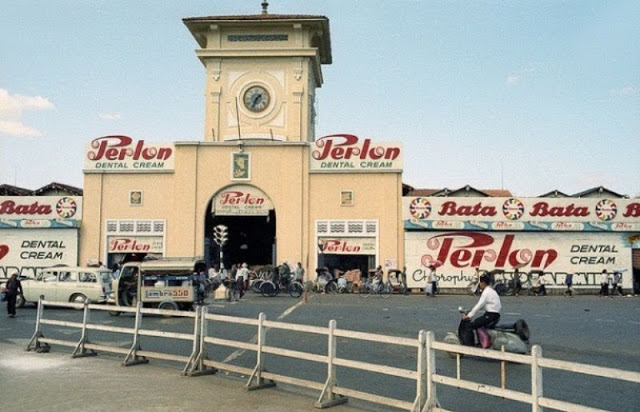
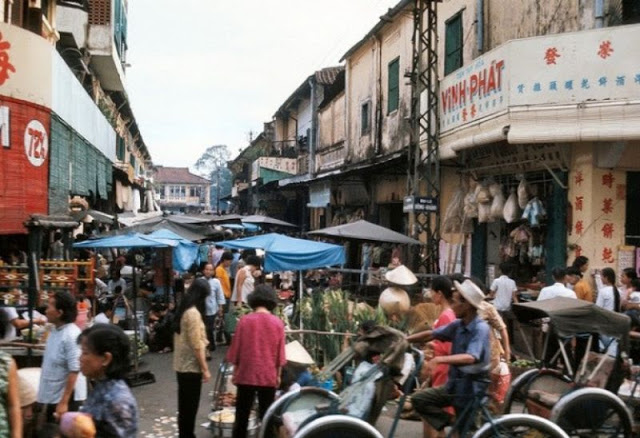
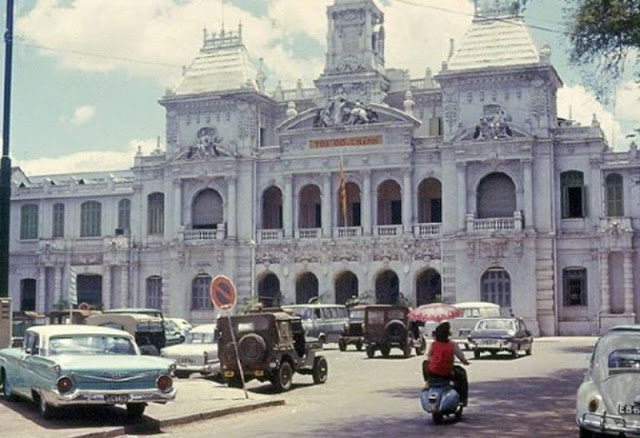
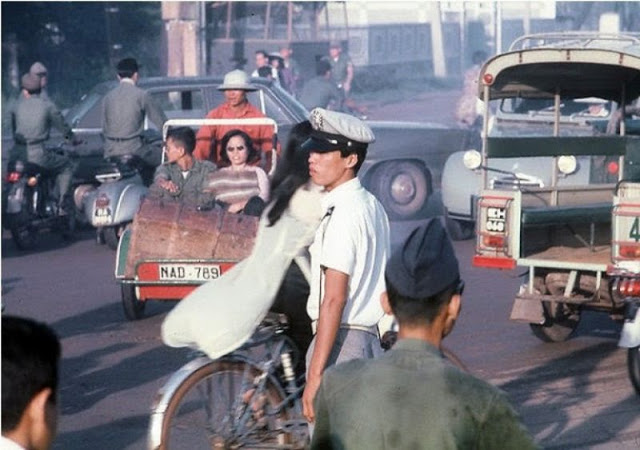
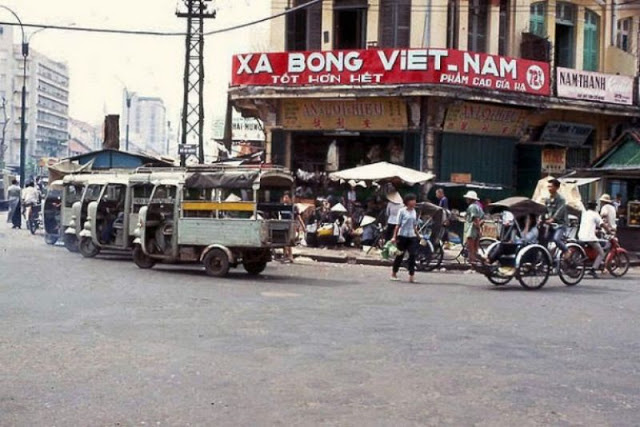
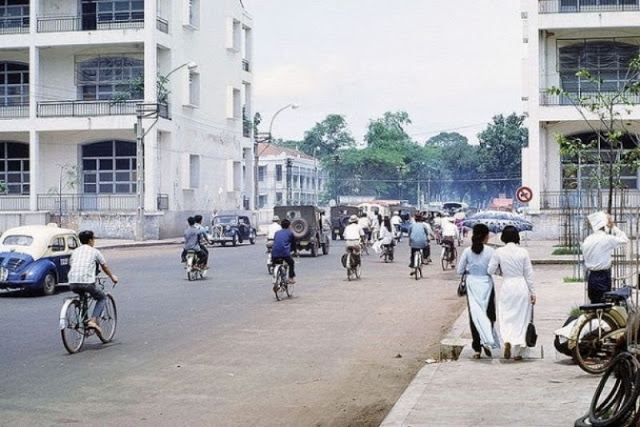
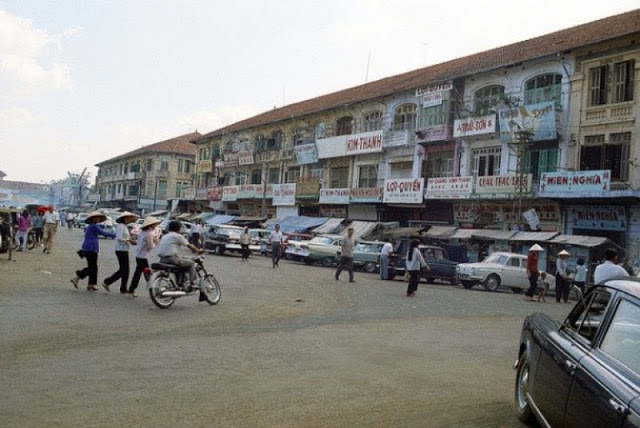
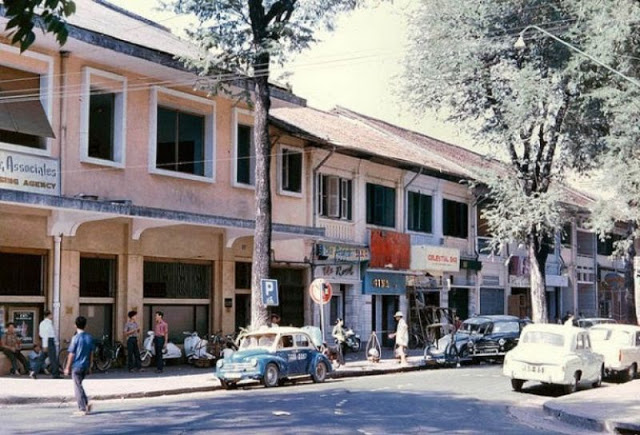
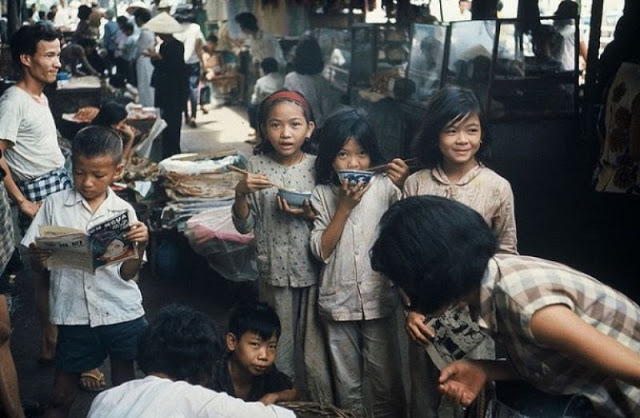
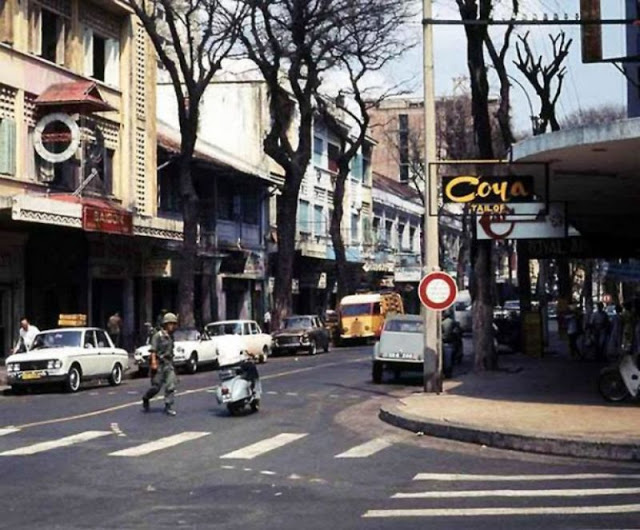
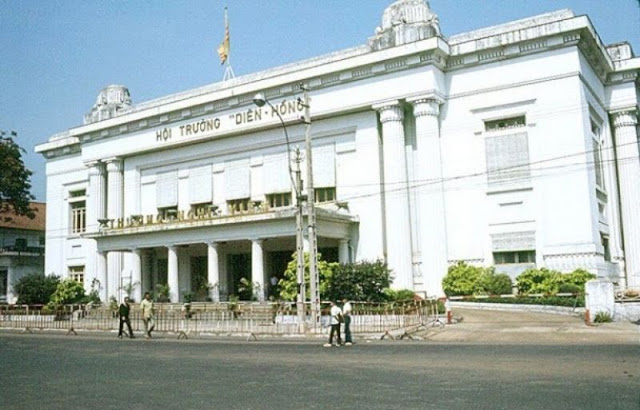
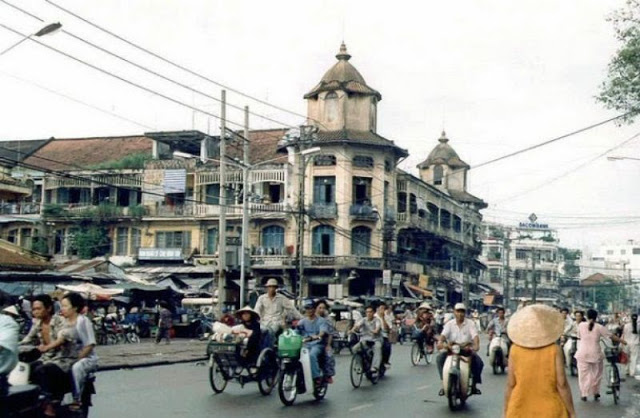
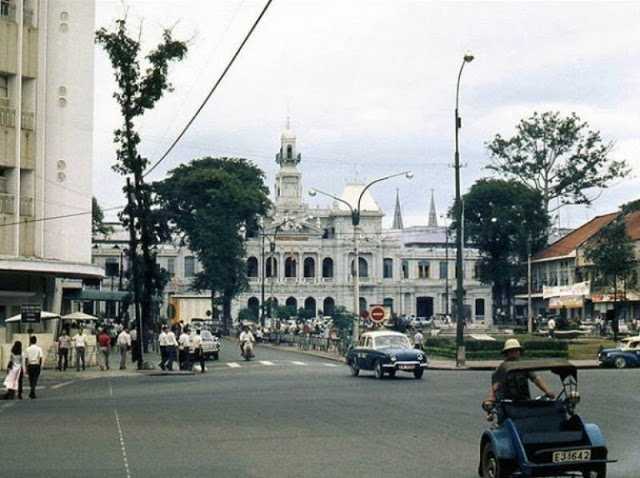
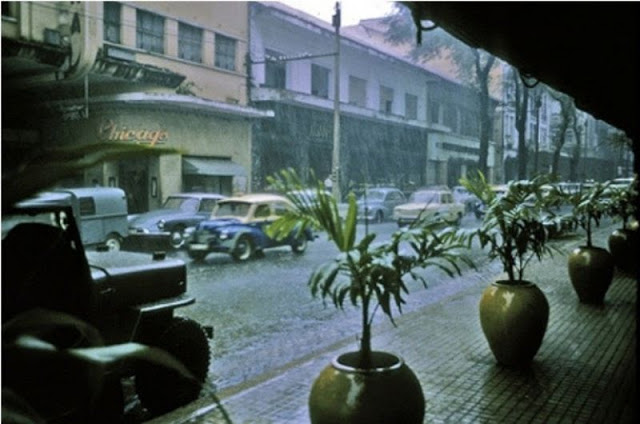
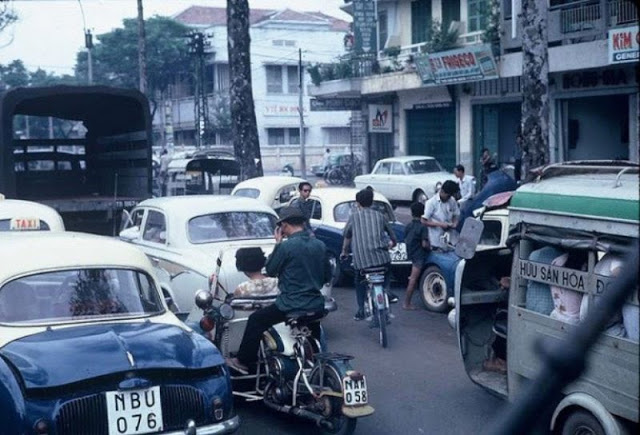
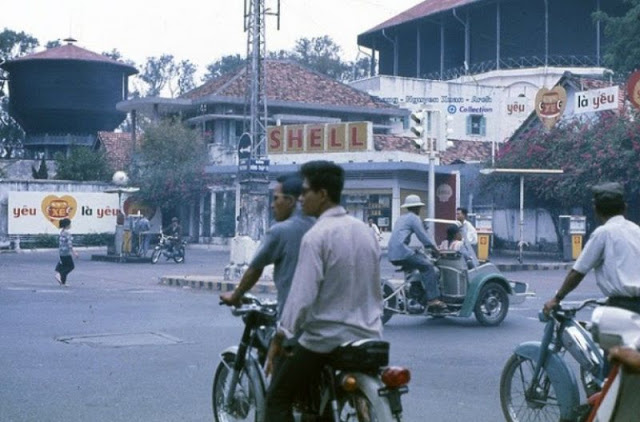
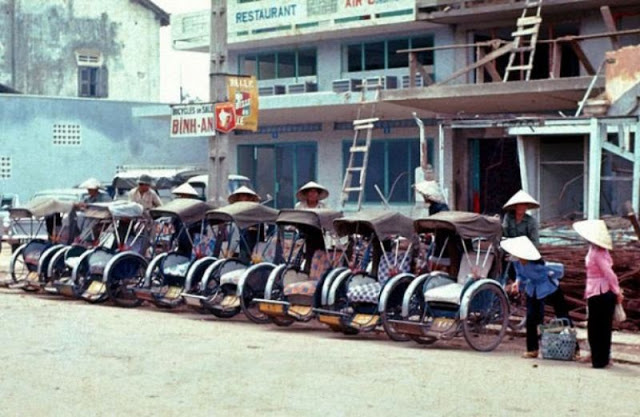
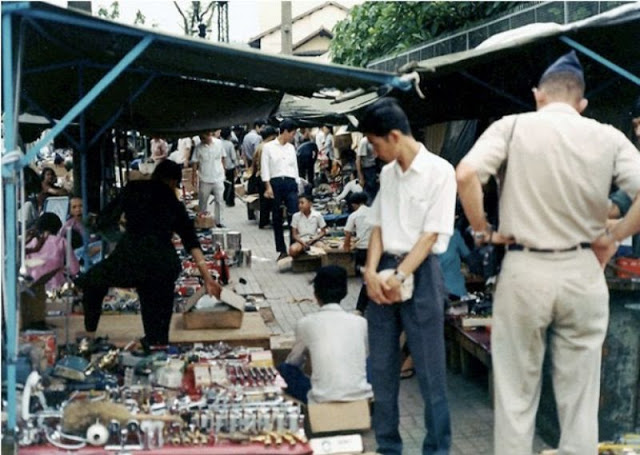
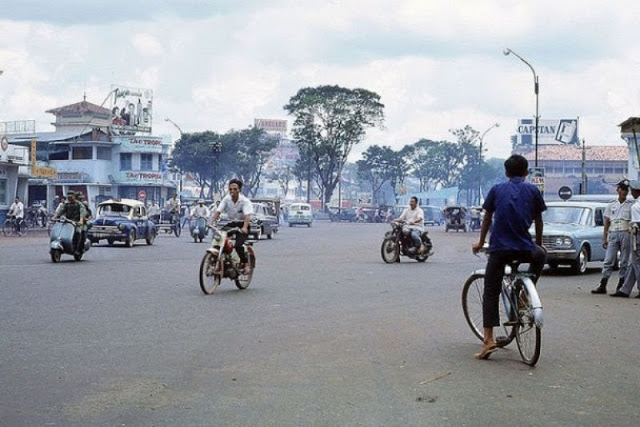
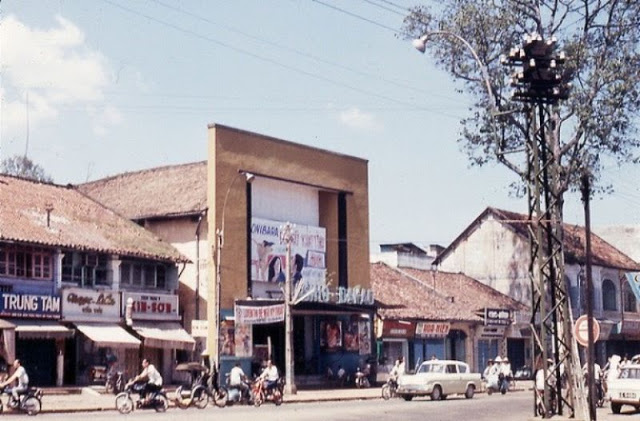
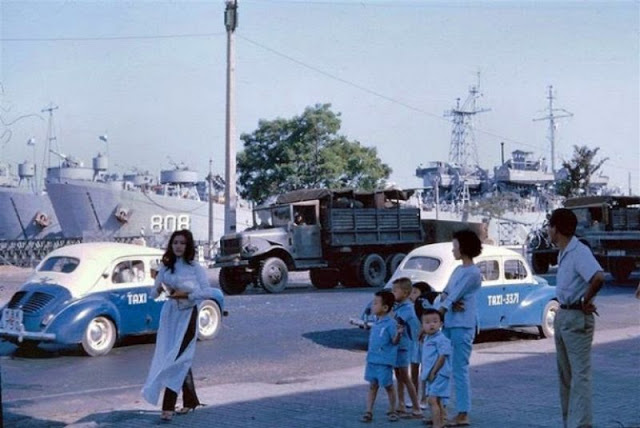
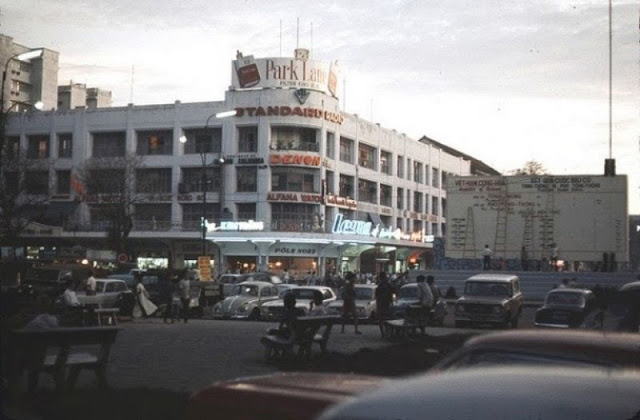
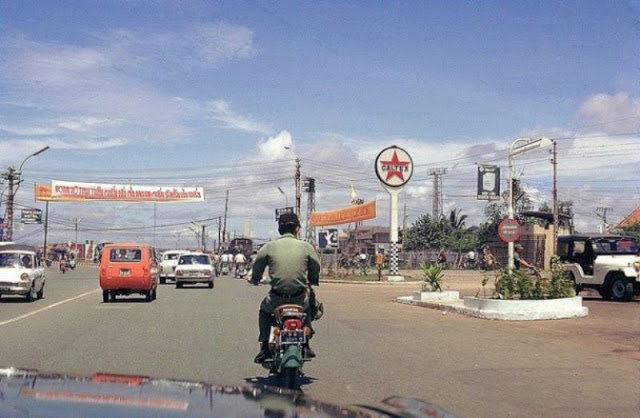
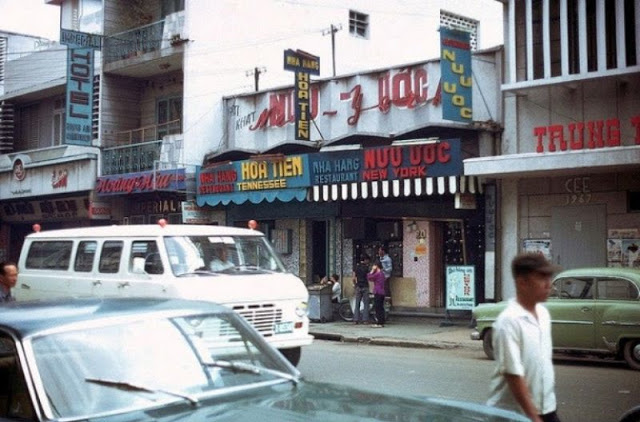
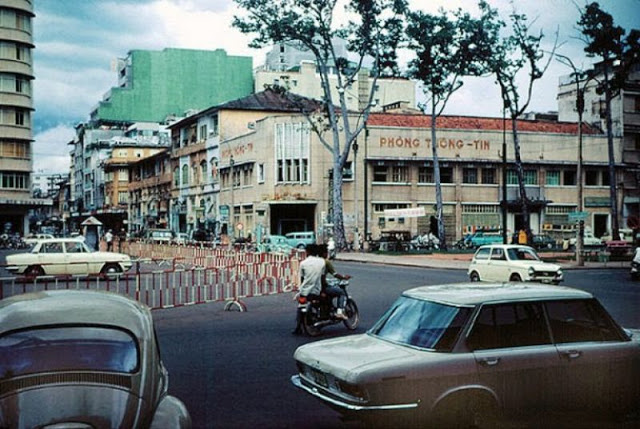
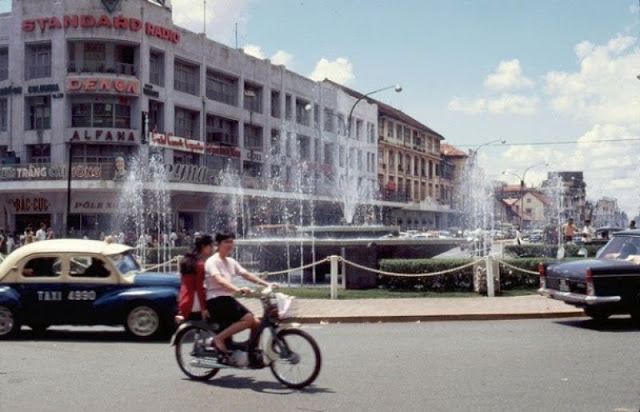
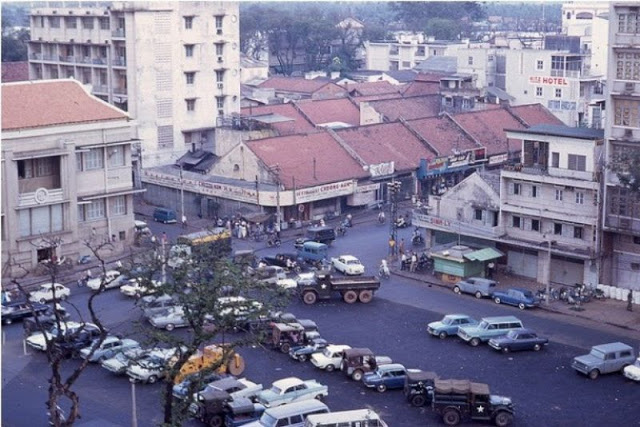
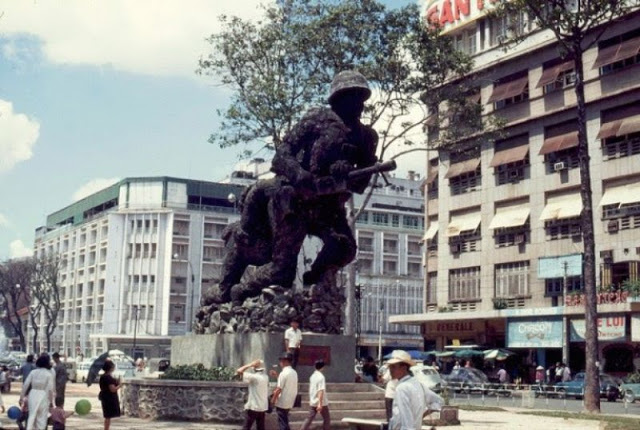
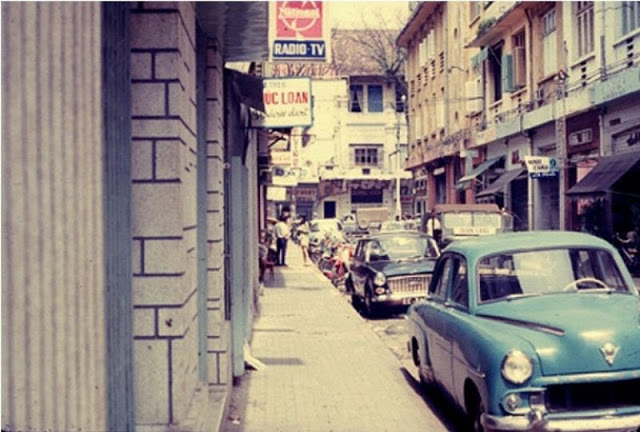
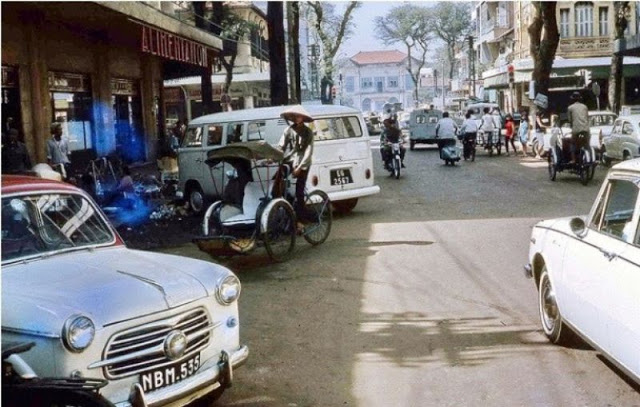
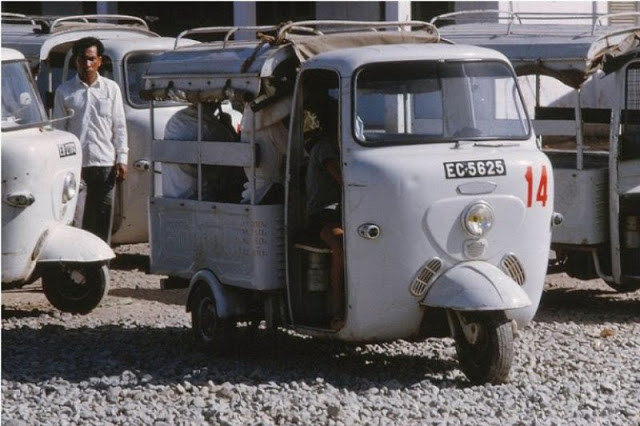
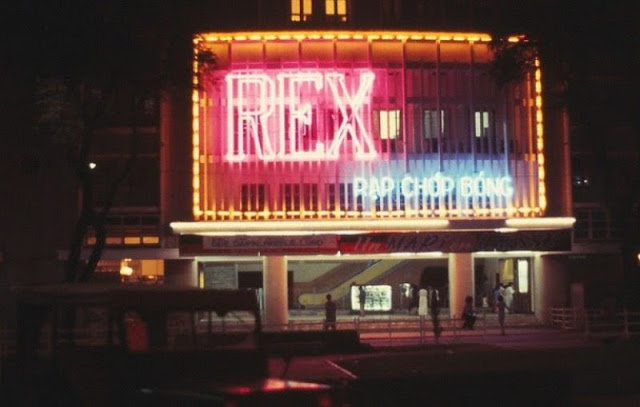
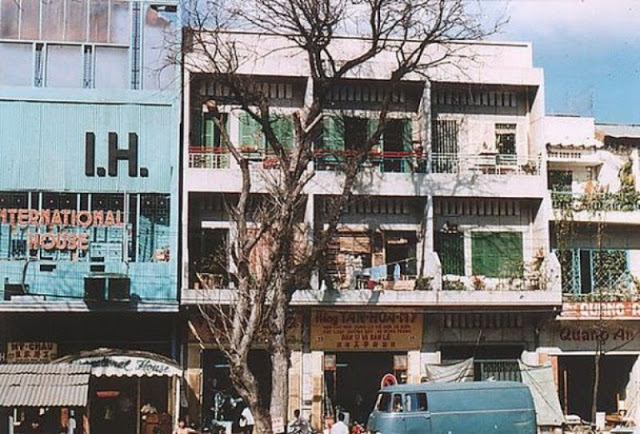
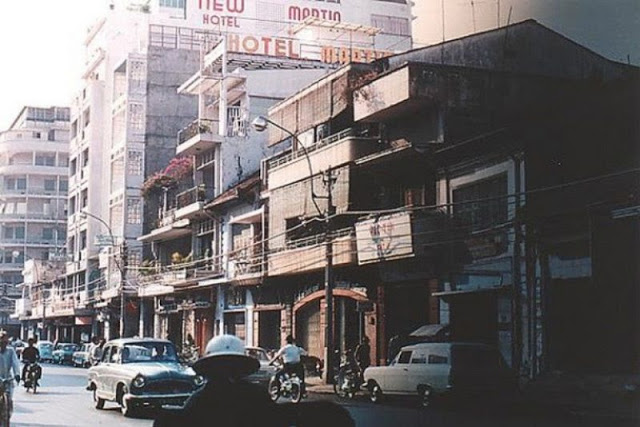
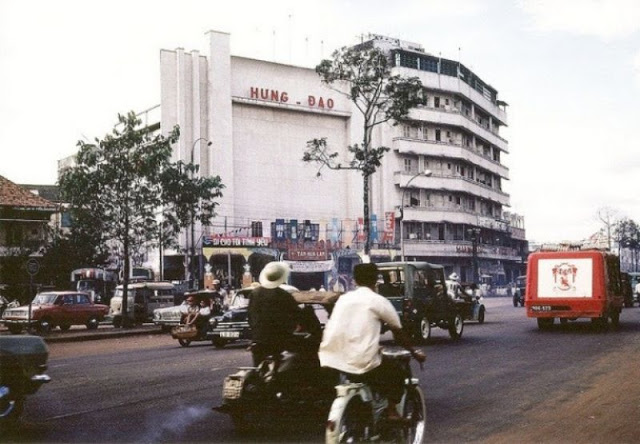
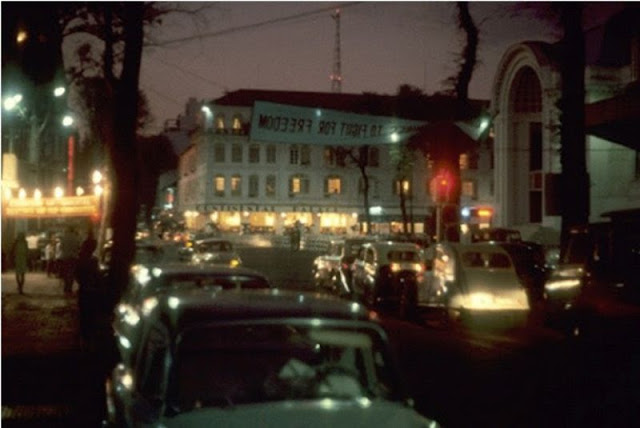
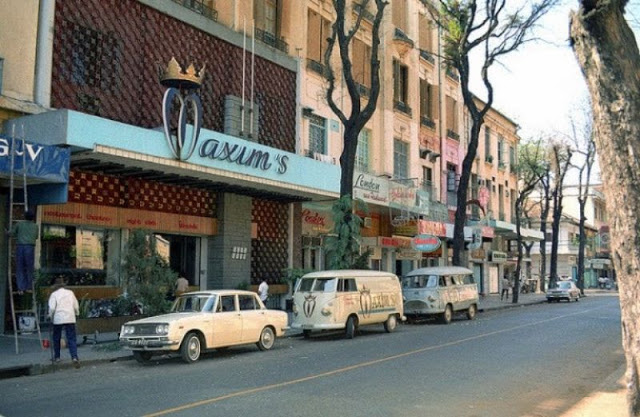
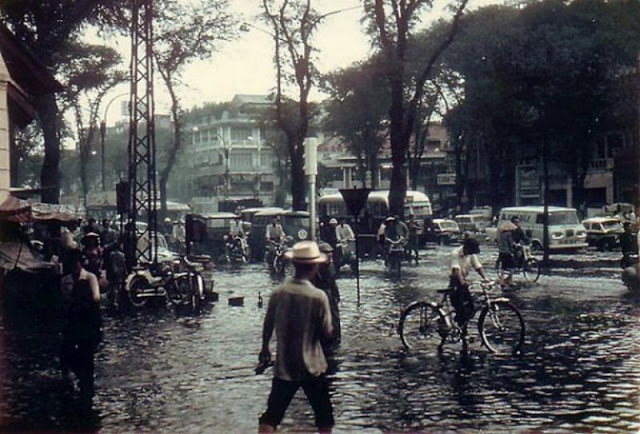
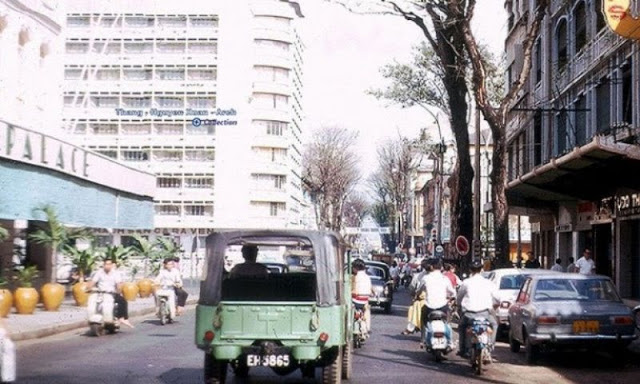
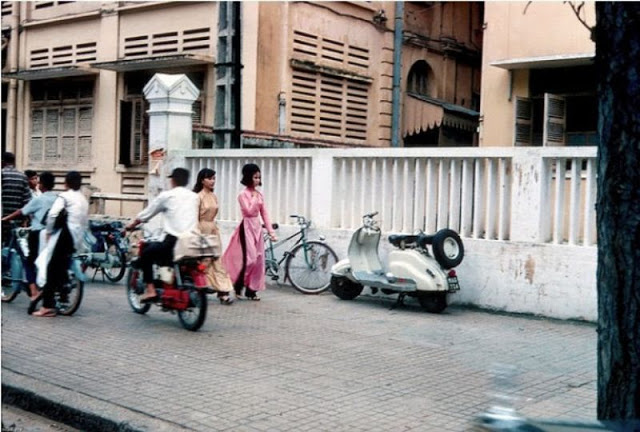
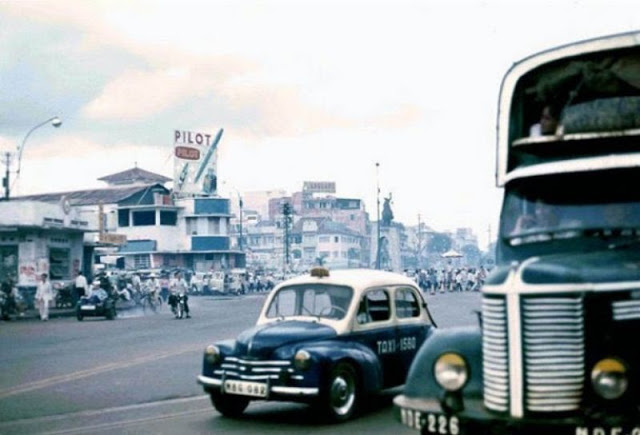
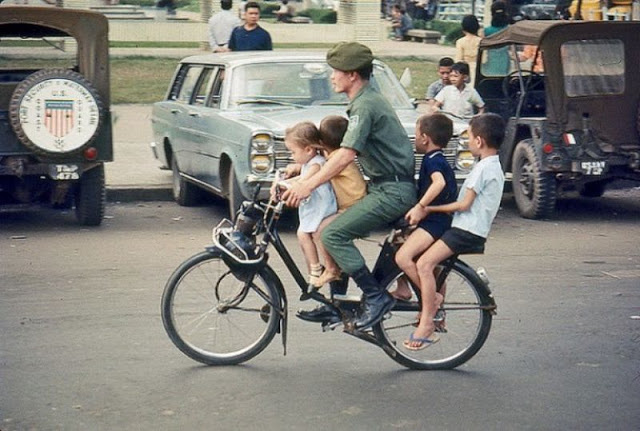
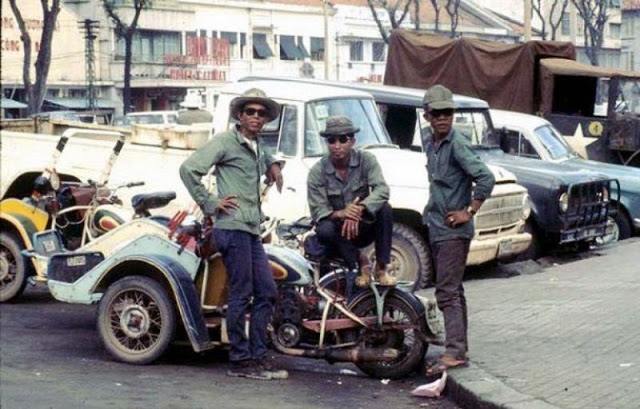
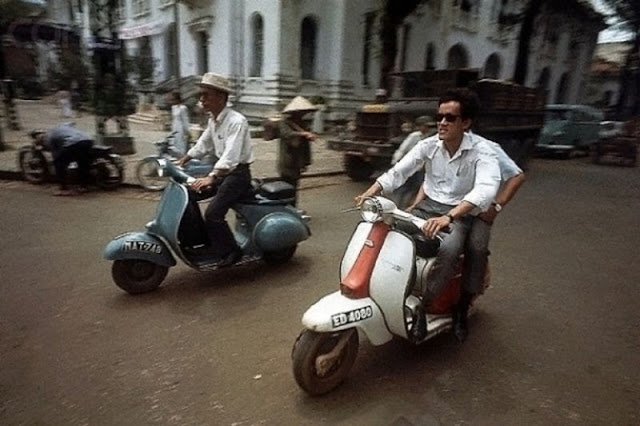
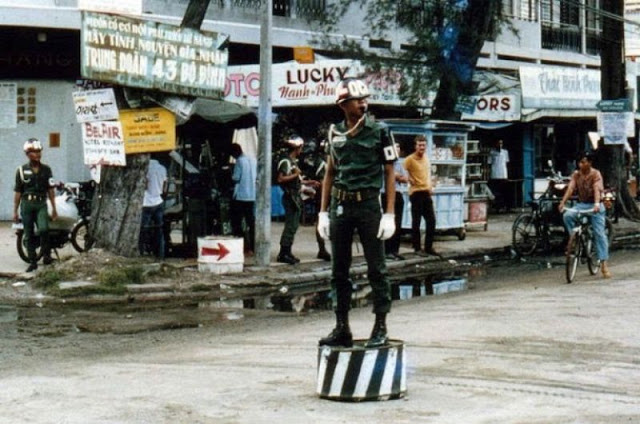
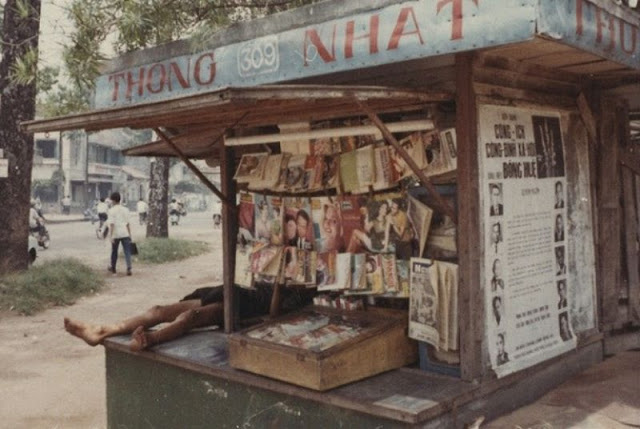
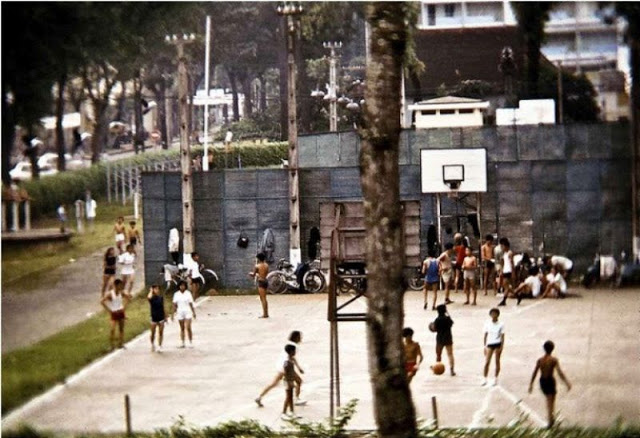
60 Wonderful Photographs Showing Life in Saigon During the Vietnam War

Saigon at this time was a city full of energy! It it was overcrowded, full of refugees and one wondered at times how it functioned as a municipality. People were always busy, yet always had the time to stop and talk or spend a while in a café.

Saigon in the 1960s and early 1970s was the capital of America’s global proxy war to counter the ‘domino effect’ of spreading communism, the focal point of the battle between ideologies. Most of the fighting, however, took place in rural villages throughout central Vietnam. In Saigon, life went on much the same as it had for years — except with more American soldiers around.

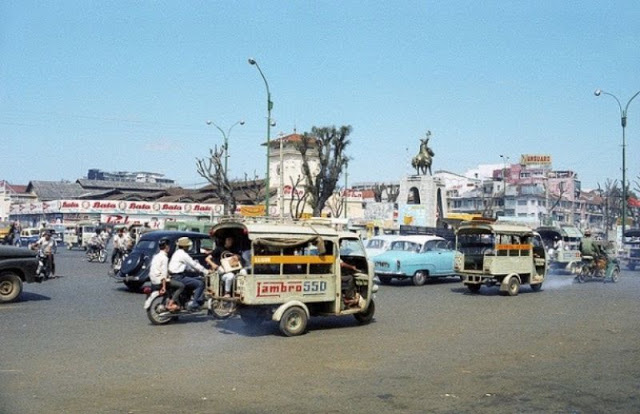
The motorbikes are older, and nobody’s wearing helmets, but much of the street life in Saigon looked the same back in the 1960s as it does today: tall trees, ao dais, conical hats, and cyclos. You don’t get the sense of a cataclysmic war in these photos, because it hadn’t come to Saigon yet. These are scenes of business as usual, with people out hustling to get ahead, just like their children and grandchildren still do today.
Yesterday Today

Bringing You the Wonder of Yesterday - Today

Skip to content ↓