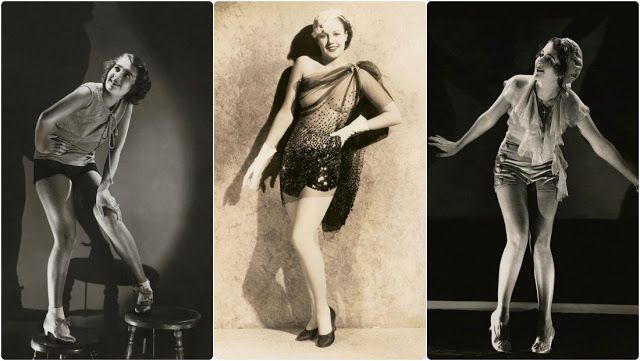
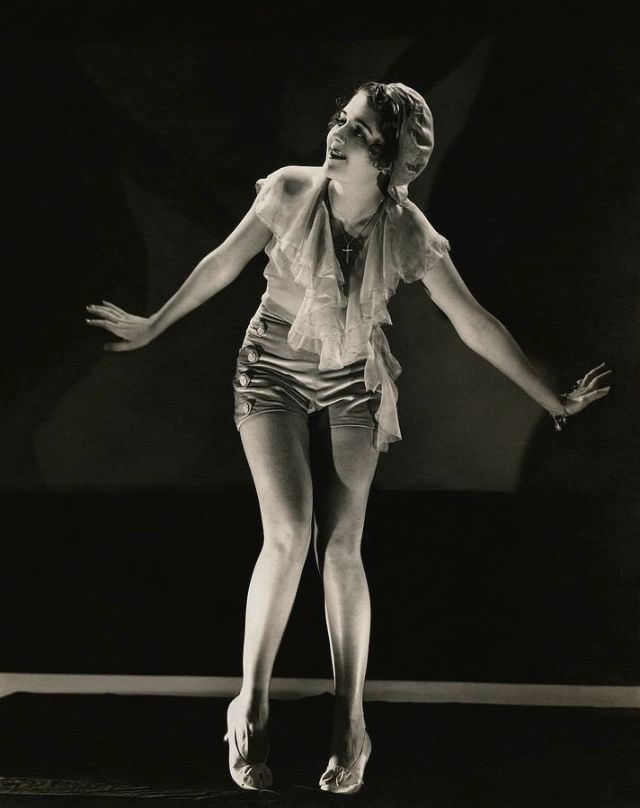
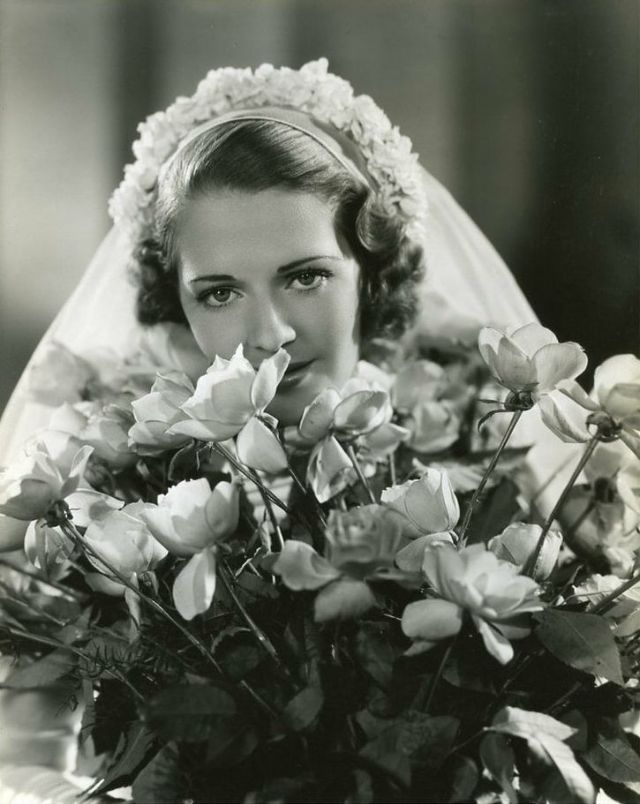
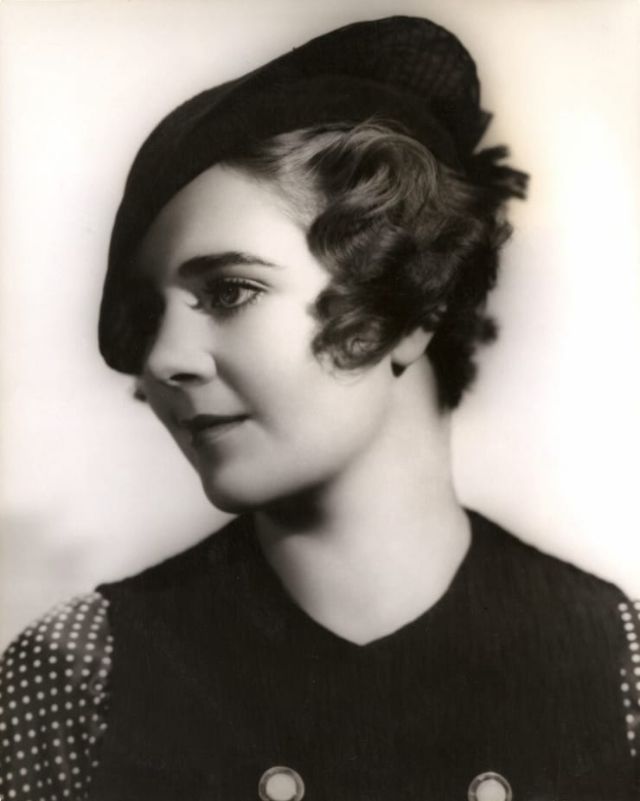
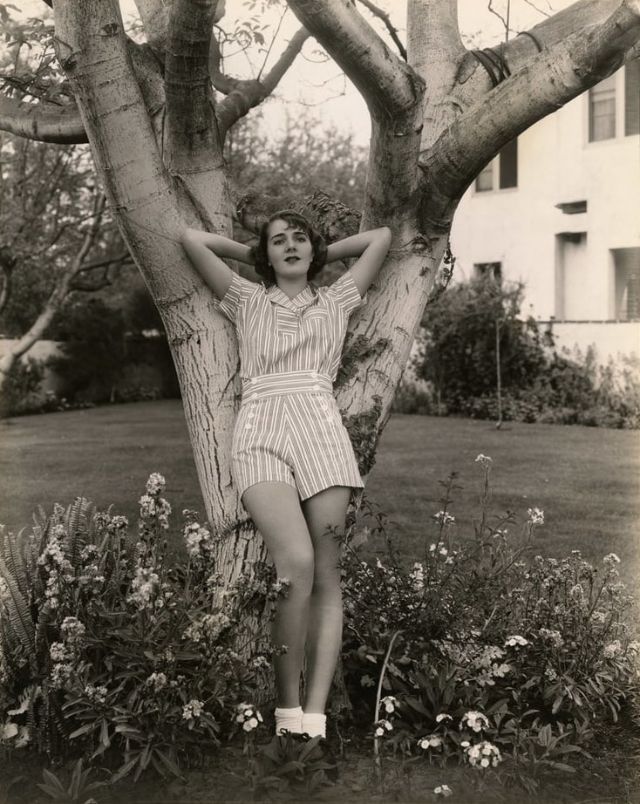
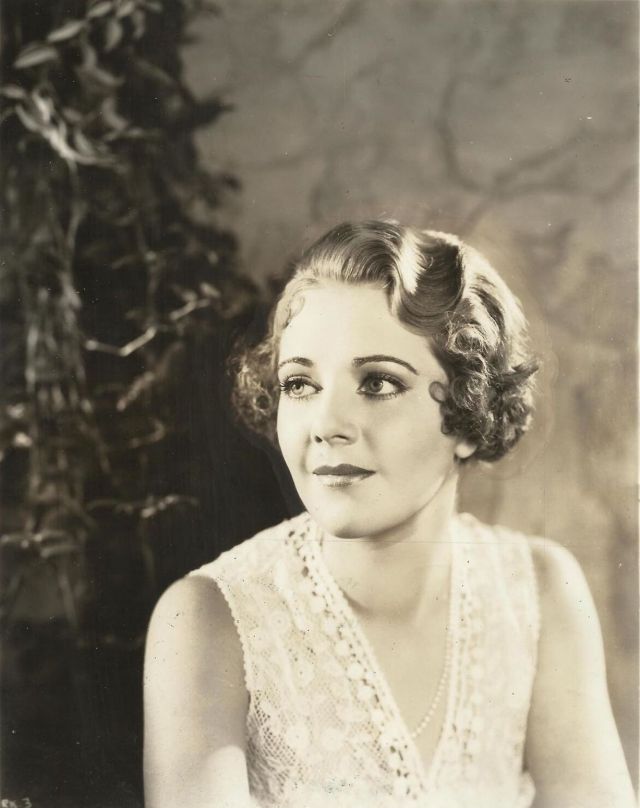
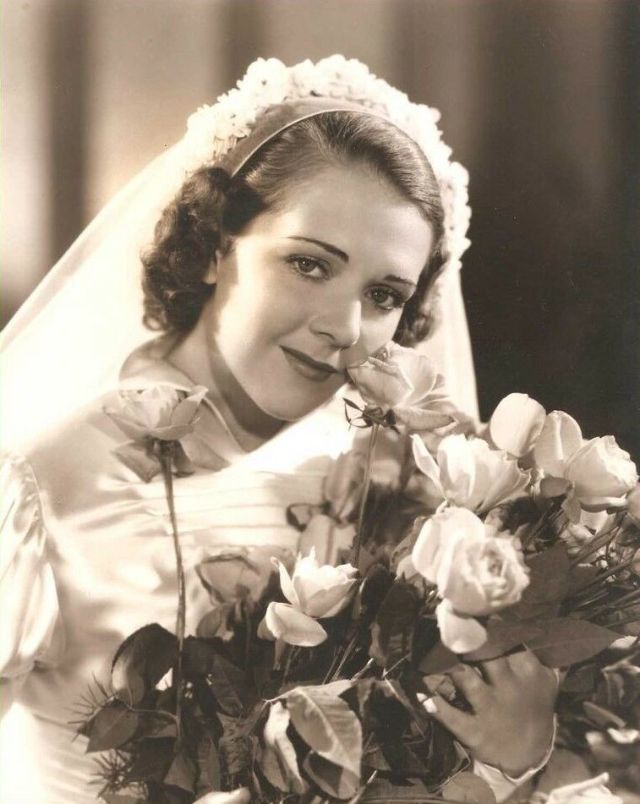
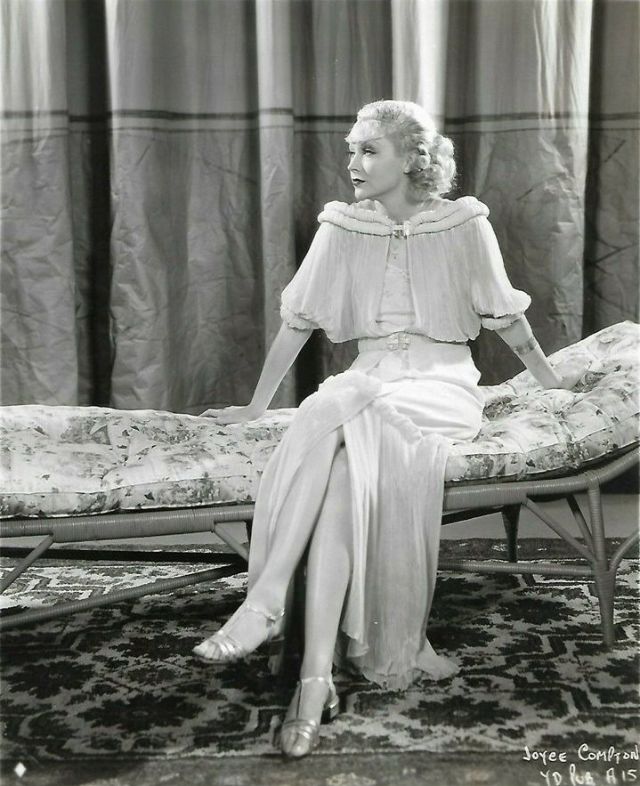
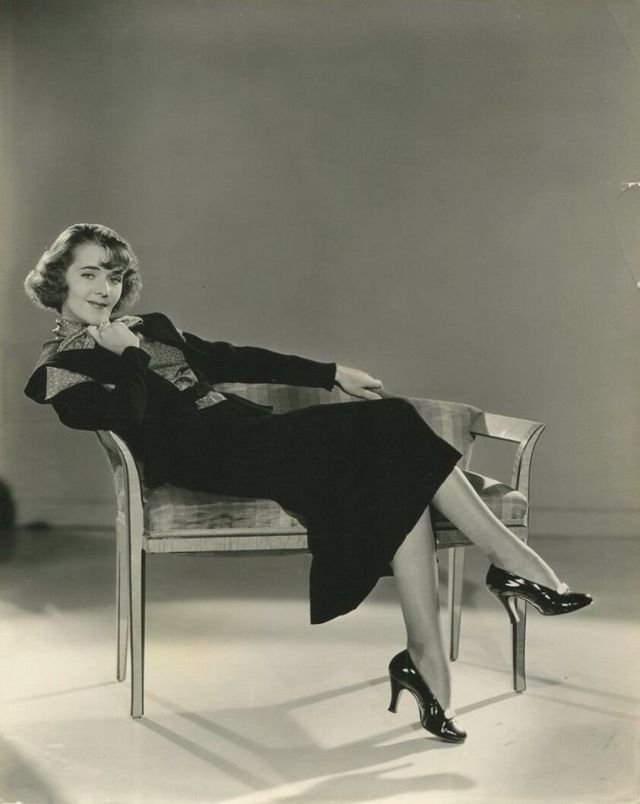
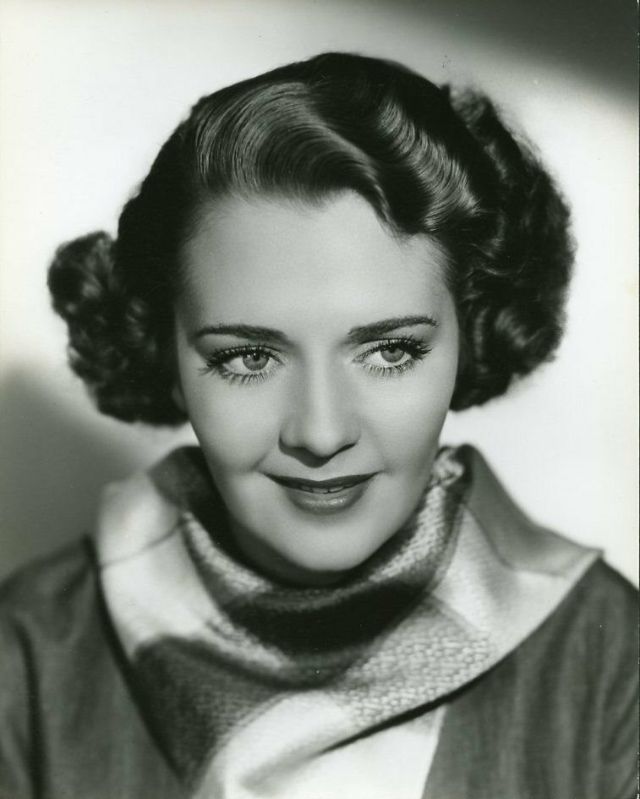
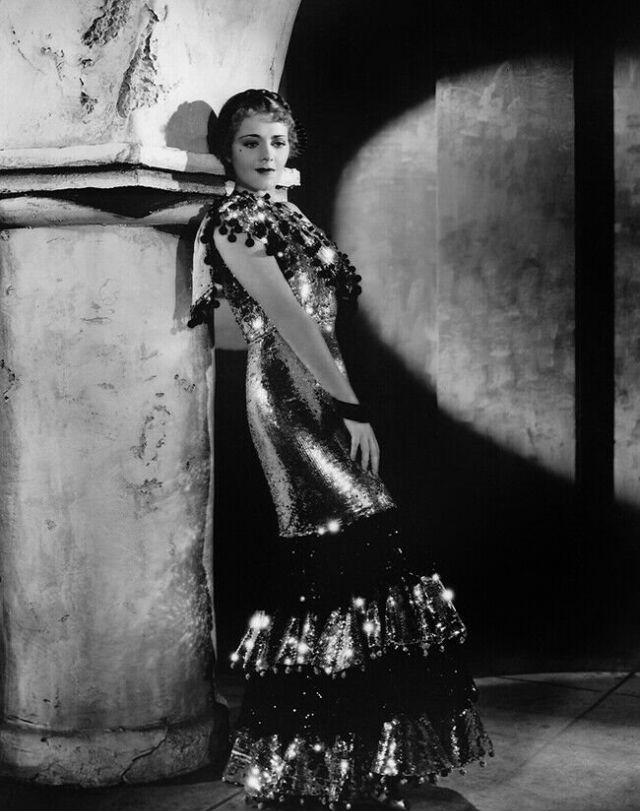
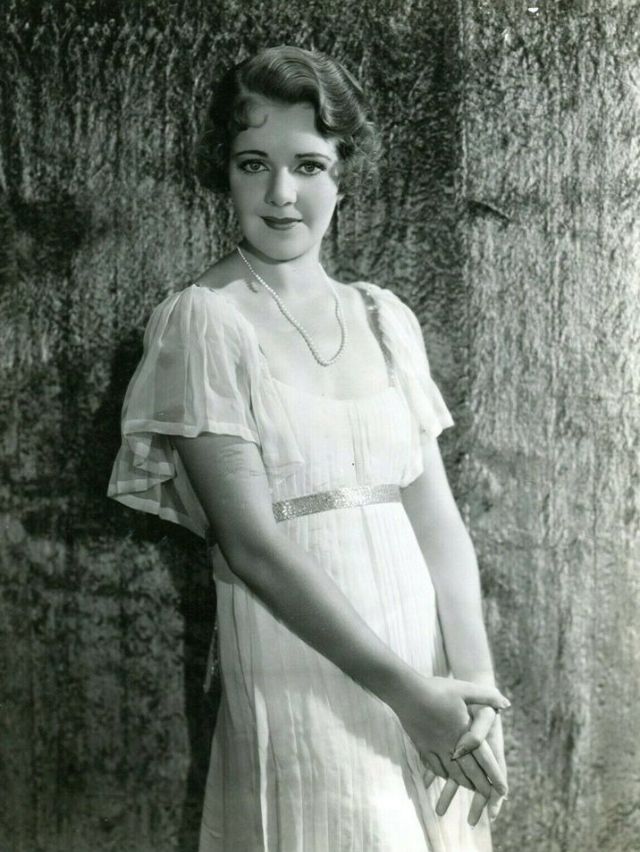
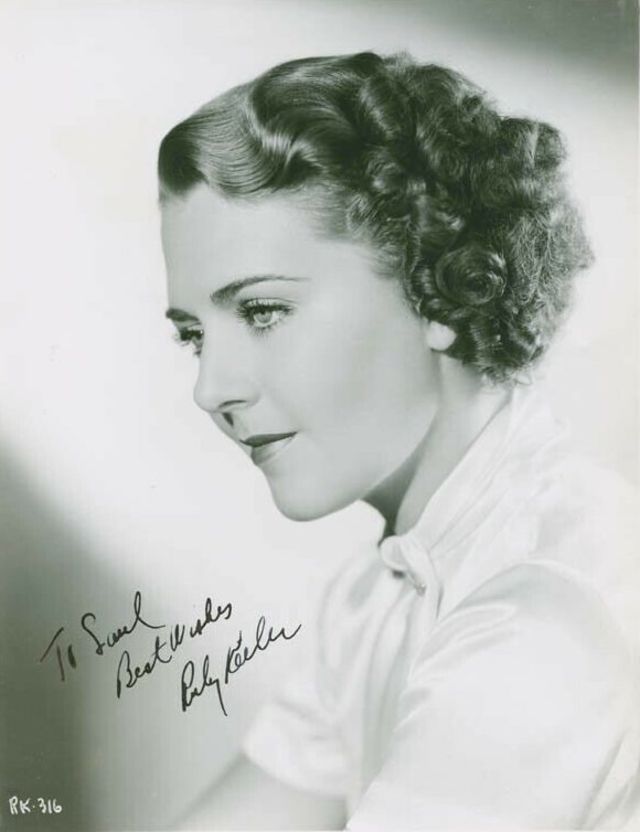
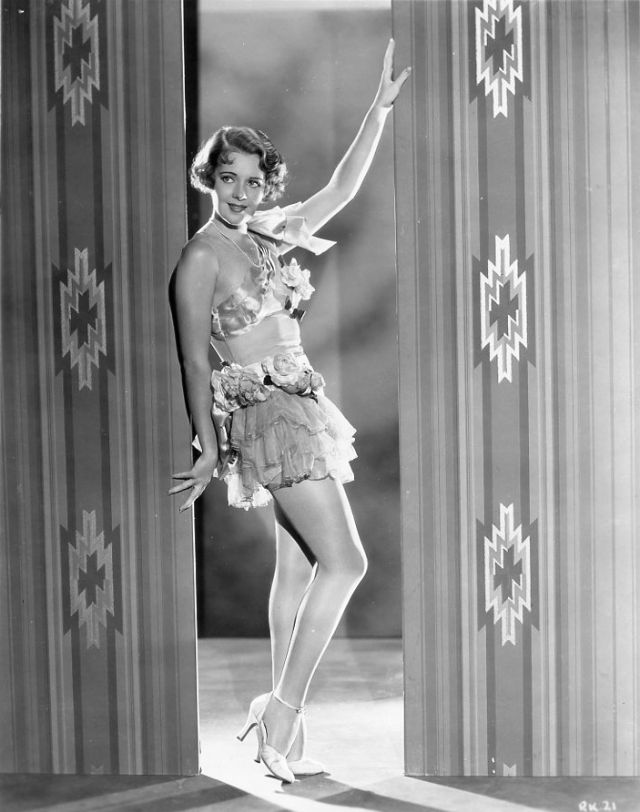
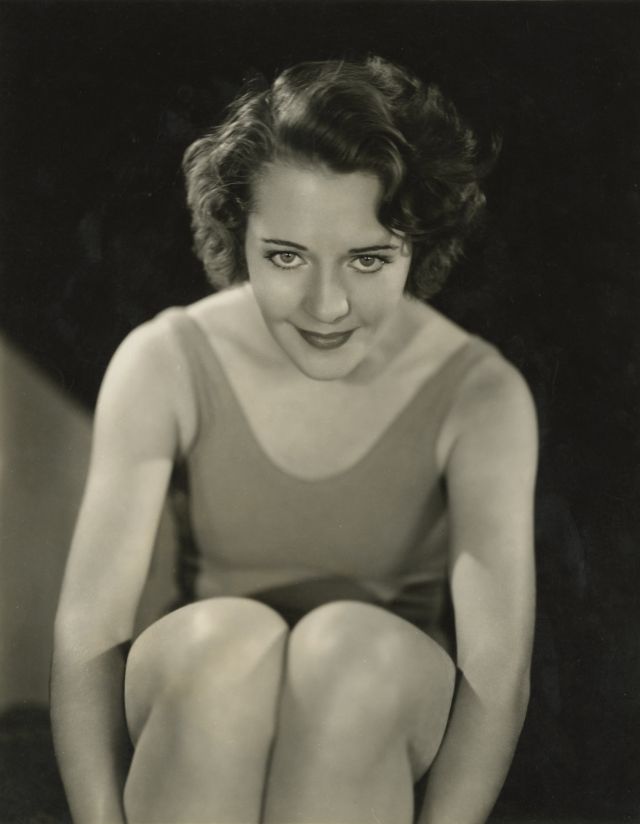
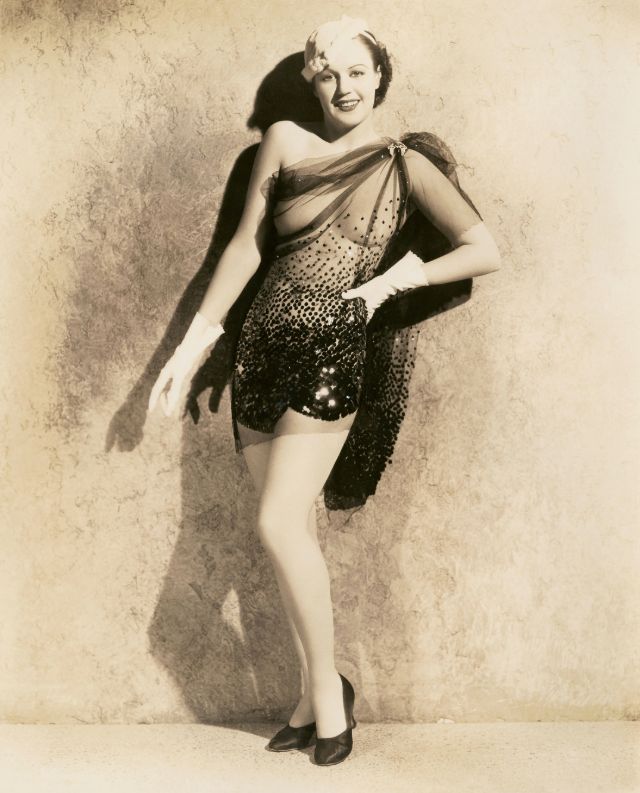
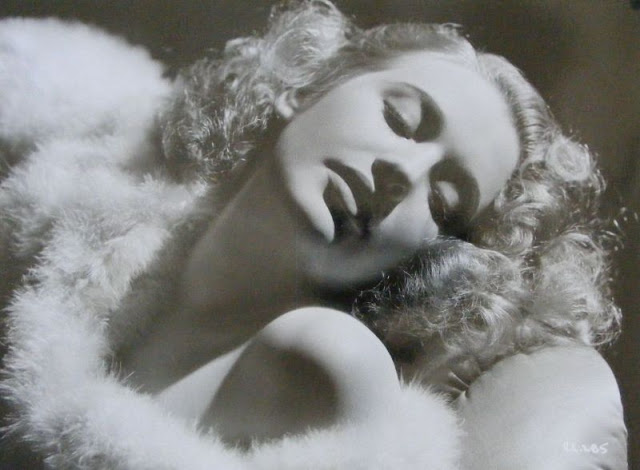
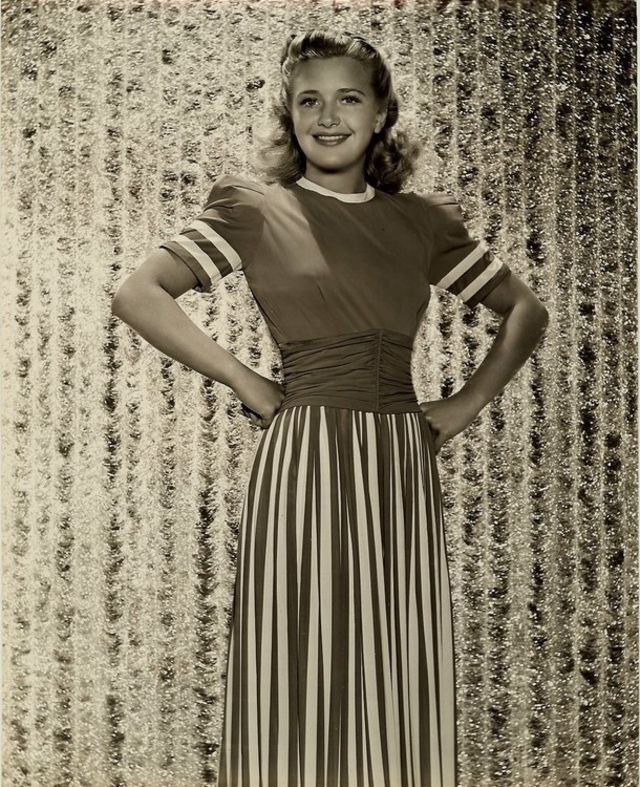
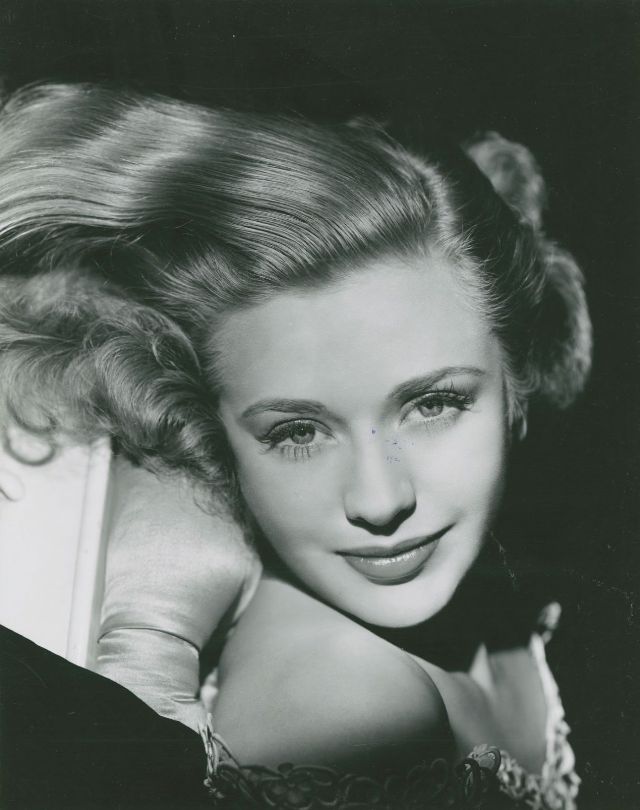
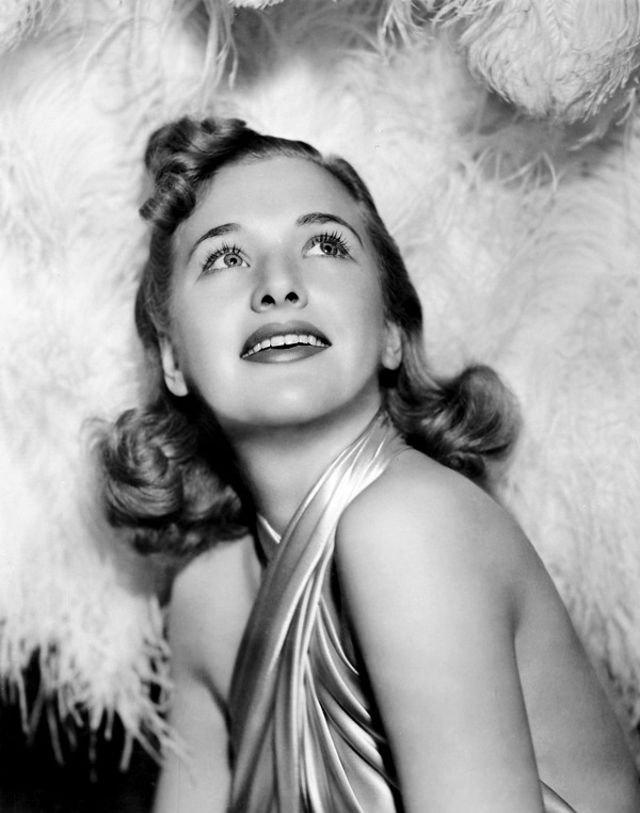
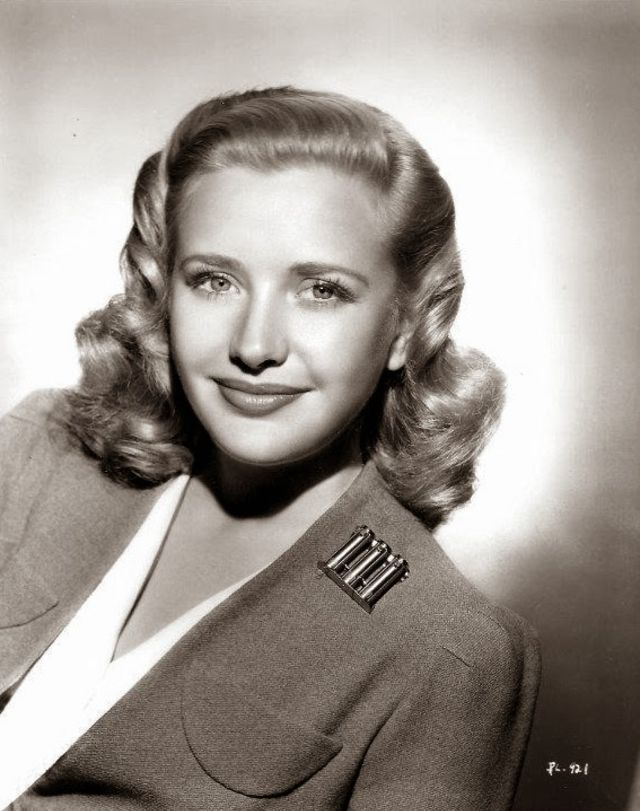
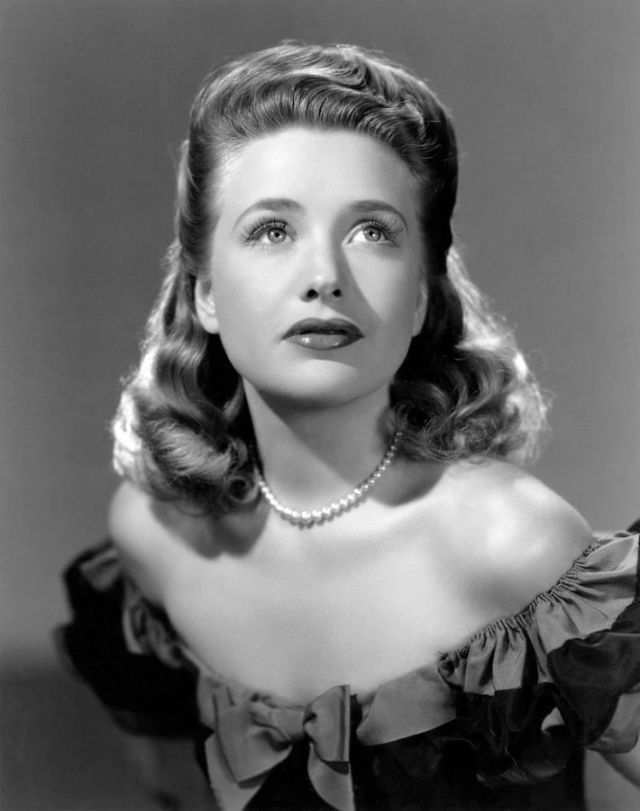
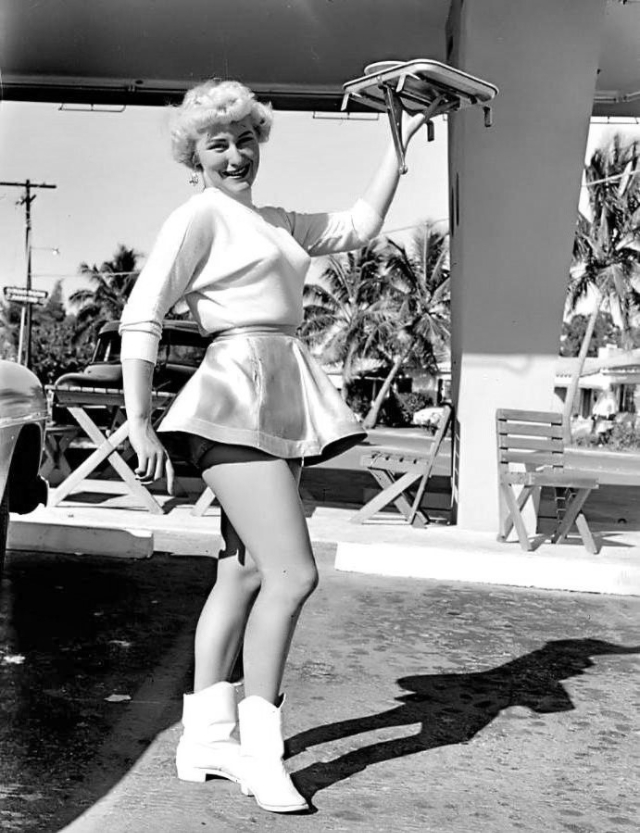
Ethel Ruby Keeler (August 25, 1909 – February 28, 1993) was a Canadian actress, dancer, and singer who was paired on-screen with Dick Powell in a string of successful early musicals at Warner Bros., particularly 42nd Street (1933). From 1928 to 1940, she was married to actor and singer Al Jolson. She retired from show business in the 1940s, but made a widely publicized comeback on Broadway in 1971.
Keeler was born in Dartmouth, Nova Scotia, Canada, in 1909 to Ralph Hector and Nellie (née Lahey) Keeler, one of six siblings in an Irish Catholic family. Two sisters, Helen and Gertrude, had brief performing careers. Her father was a truck driver. When Ruby was three years old, her family moved to New York City, where her father could get better pay. Although Keeler was interested in taking dance lessons, the family could not afford to send her.
Keeler attended St. Catherine of Siena on New York’s East Side, and one period each week, a dance teacher taught all styles of dance. The teacher saw potential in Keeler and spoke to her mother about Ruby’s taking lessons at her studio. Though her mother declined, apologizing for the lack of money, the teacher wanted to work with her so badly that she asked her mother if she would bring her to class lessons on Saturdays, and she agreed.
During the classes, a girl told her about auditions for chorus girls. The law required professional chorus girls to be at least 16 years old; although they were only 13, they decided to lie about their ages at the audition. It was a tap audition, and many other talented girls were there. The stage was covered except for a wooden apron at the front. When it was Ruby’s turn to dance, she asked the dance director, Julian Mitchell, if she could dance on the wooden part so that her taps could be heard. He did not answer, so she went ahead, walked up to the front of the stage, and started her routine. The director said “Who said you could dance up there?” She replied “I asked you!”, and she got a job in George M. Cohan’s The Rise of Rosie O’Reilly (1923), in which she made $45 per week.
Around 1923, when she was around 14 years old, she was hired by Nils Granlund, the publicity manager for Loews Theaters, who also served as the stage-show producer for Texas Guinan at Larry Fay’s El Fay nightclub, a speakeasy frequented by gangsters. She was noticed by Broadway producer Charles B. Dillingham, who gave her a role in Bye, Bye, Bonnie (produced by L. Lawrence Weber), which ran for six months. She then appeared in Lucky and as Mamie in The Sidewalks of New York, also produced by Dillingham. In the later show, she was seen by Flo Ziegfeld, who sent her a bunch of roses and a note that stated, “May I make you a star?”
She appeared in Ziegfeld’s Whoopee! (before being replaced before the opening by Ethel Shutta) in 1928, the same year she married Al Jolson. The two met in Los Angeles (not at Texas Guinan’s as he would claim), where Granlund had sent her to assist in the marketing campaign for The Jazz Singer. Jolson was smitten and immediately proposed. The couple married September 21, 1928, in Port Chester, New York, in a private ceremony. The two sailed the following morning for a brief honeymoon before she began her tour with Whoopee! She was 19 years old, and he was around 42.
In 1933, producer Darryl F. Zanuck cast Keeler in the Warner Bros. musical 42nd Street opposite Dick Powell and Bebe Daniels. The film was a huge success due to Busby Berkeley’s lavish, innovative choreography. Following 42nd Street, Jack L. Warner gave Keeler a long-term contract and cast her in Gold Diggers of 1933, Footlight Parade, Dames, and Colleen. Keeler and Jolson starred together in Go into Your Dance, which was their only film together. They are satirized in Frank Tashlin’s 1937 cartoon The Woods Are Full of Cuckoos. Jolson and Keeler appeared on Broadway one last time together for the unsuccessful show Hold on to Your Hats.
In 1963, Keeler appeared in The Greatest Show on Earth, Jack Palance’s television series based on the earlier Charlton Heston circus film of the same name, and made a brief cameo in the 1970 film The Phynx. In 1971, Keeler was acclaimed as a star again in the successful Broadway revival of the 1920s musical No, No, Nanette, opposite Jack Gilford, Bobby Van, Helen Gallagher, and Patsy Kelly. The production was supervised by Keeler’s 42nd Street director Busby Berkeley, adapted and directed by Burt Shevelove, and choreographed by Donald Saddler, who won the Tony Award for his musical staging. Keeler starred in the musical for two seasons on Broadway, followed by two additional years touring in the show. After suffering a brain aneurysm in 1974, she became spokeswoman for the National Stroke Association.
In 1992, a Golden Palm Star on the Palm Springs Walk of Stars was dedicated to her. She has a star on the Hollywood Walk of Fame at 6730 Hollywood Blvd. In 1979, she was awarded an honorary doctor of humane letters degree by St. Bonaventure University.
Keeler and Jolson adopted a son, but later divorced in 1940. In 1941, she married John Homer Lowe, a businessman, and left show business the same year. Keeler and Lowe had four children. Lowe died in 1969.
Keeler had two nephews who also worked in the film business. Joey D. Vieira, also known as Donald Keeler, is best remembered for portraying Sylvester “Porky” Brockway on TV’s Lassie (retitled Jeff’s Collie in syndicated reruns and on DVD) from 1954 to 1957. Vieira’s brother, Ken Weatherwax, played Pugsley Addams on the 1960s TV series The Addams Family. Ruby’s son John Lowe had a career as a Broadway stage manager for a number of productions beginning with No, No, Nanette in 1970.
Keeler was a Catholic. She was also a Republican who supported Dwight Eisenhower’s campaign during the 1952 presidential election.
Keeler died of kidney cancer on February 28, 1993, in Rancho Mirage, California, aged 83. (Wikipedia)
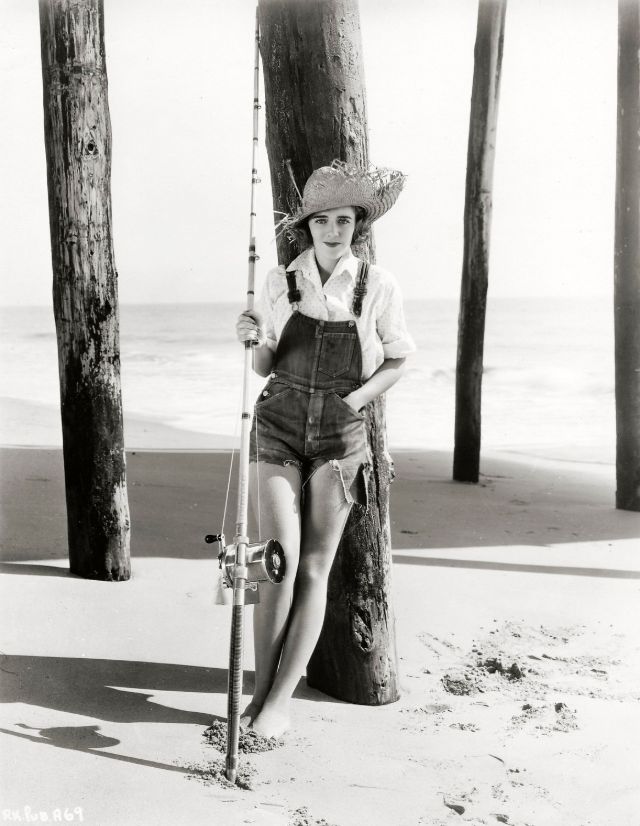
Take a look at these glamorous photos to see the beauty of young Ruby Keeler in the 1930s.
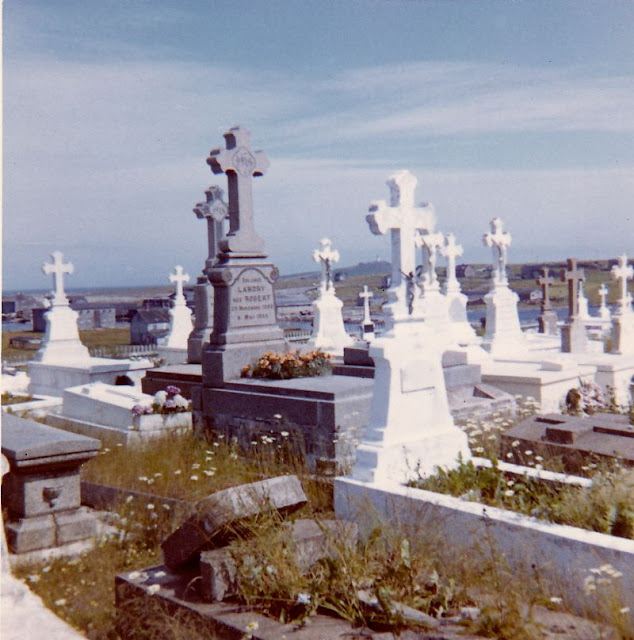
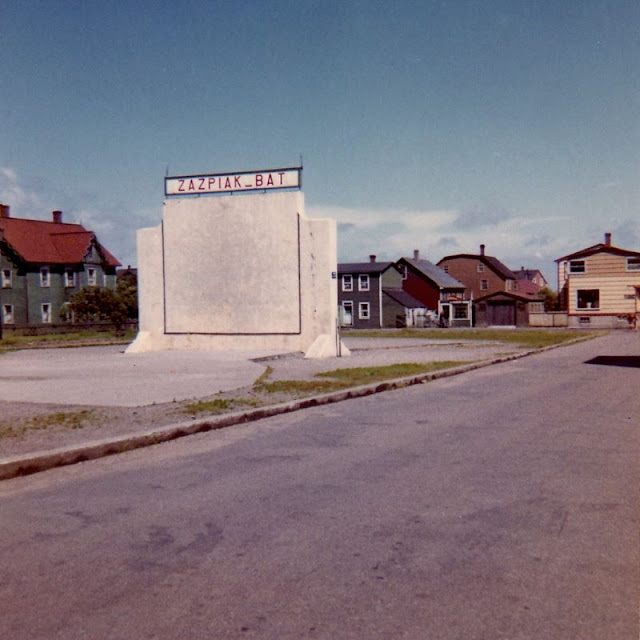
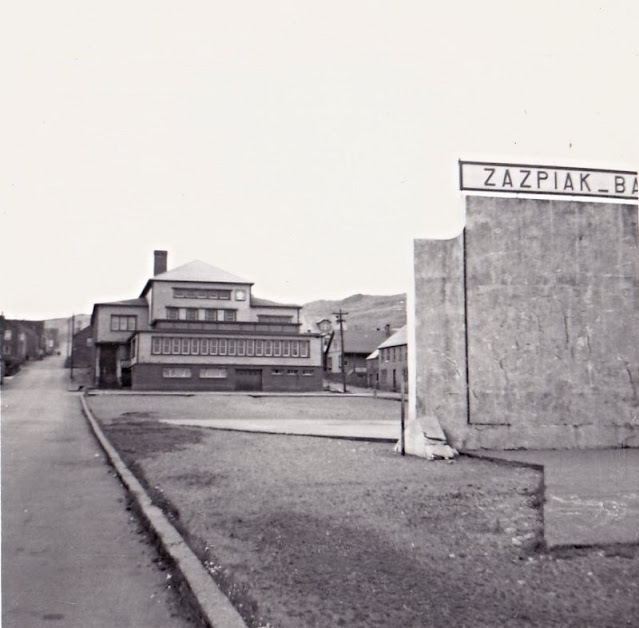
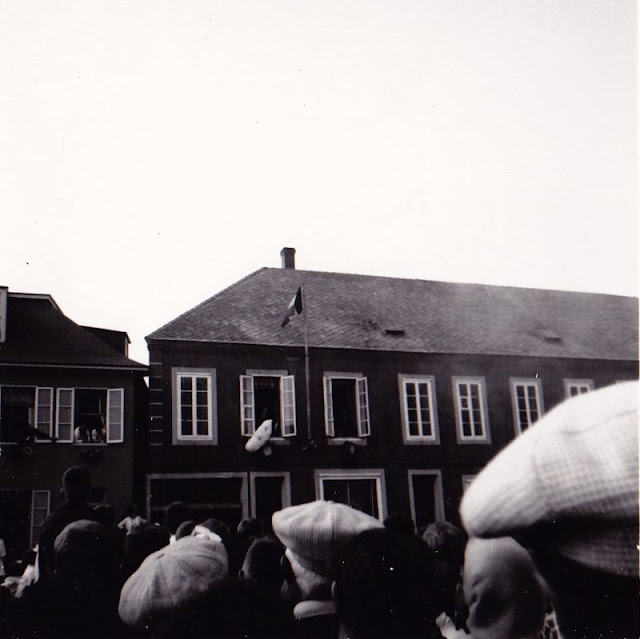
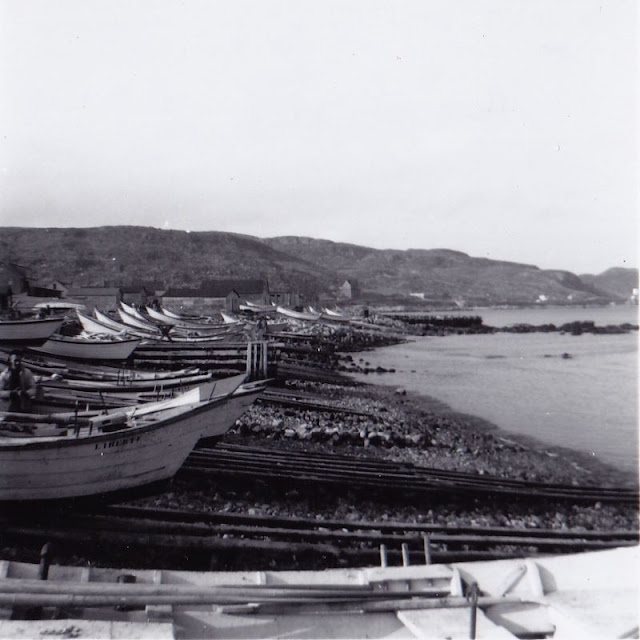
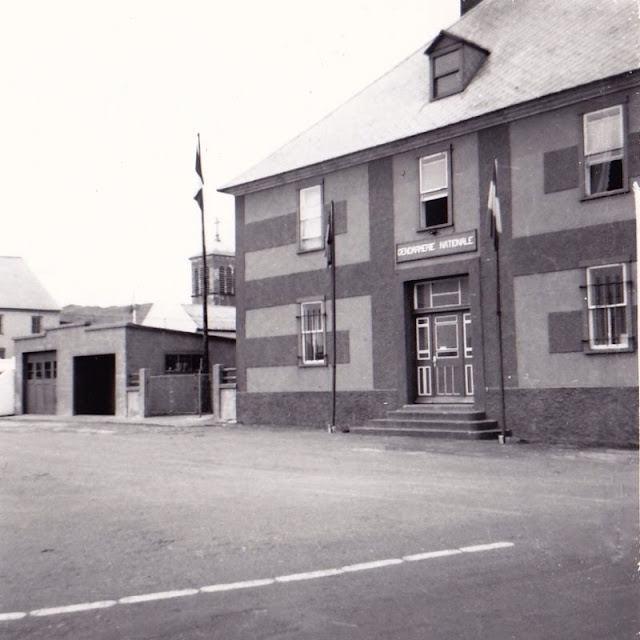
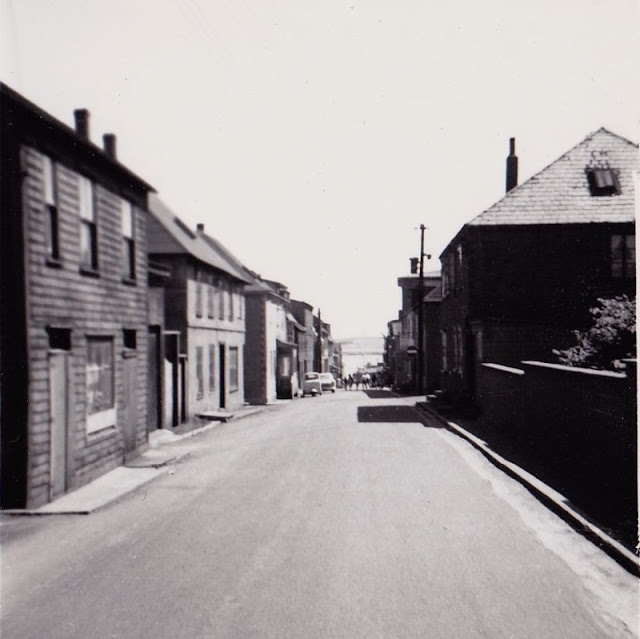
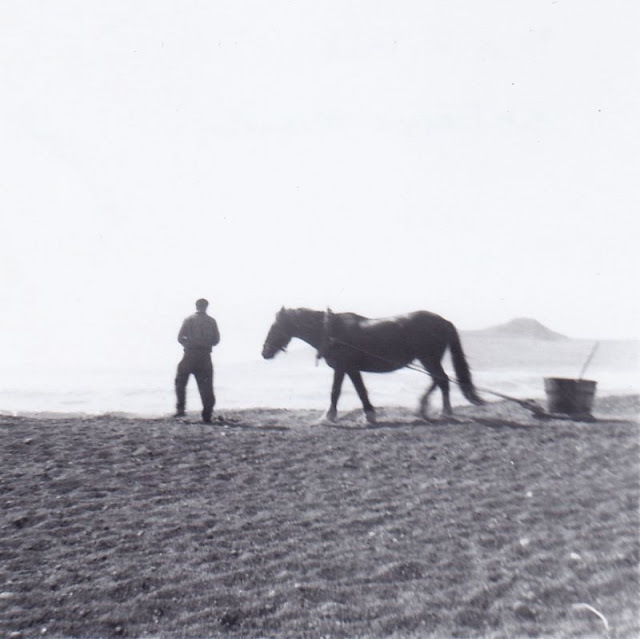
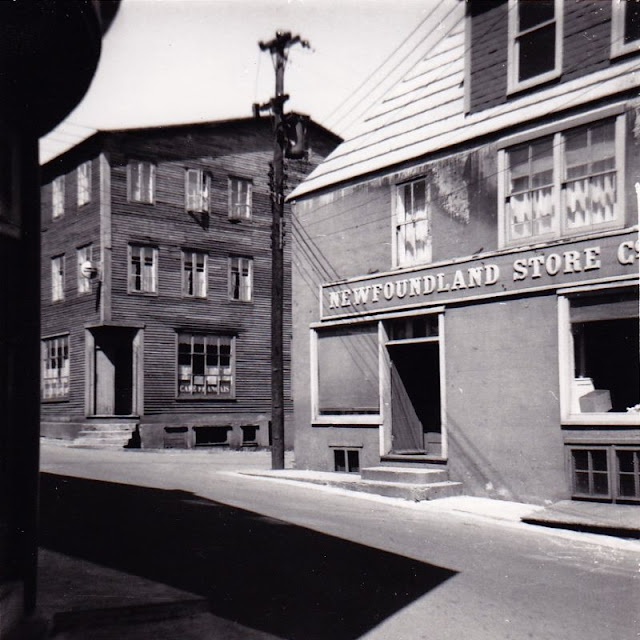
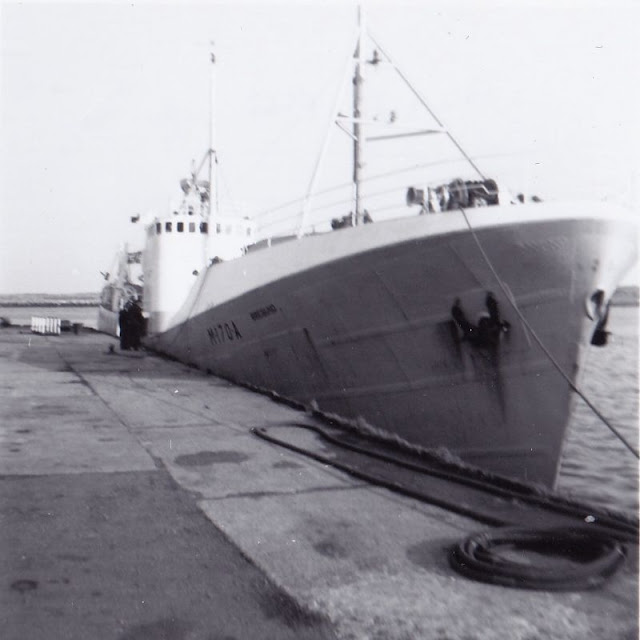
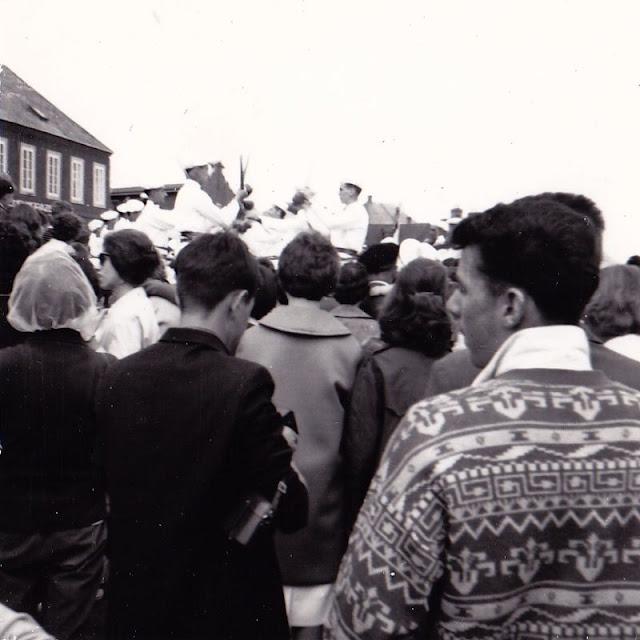
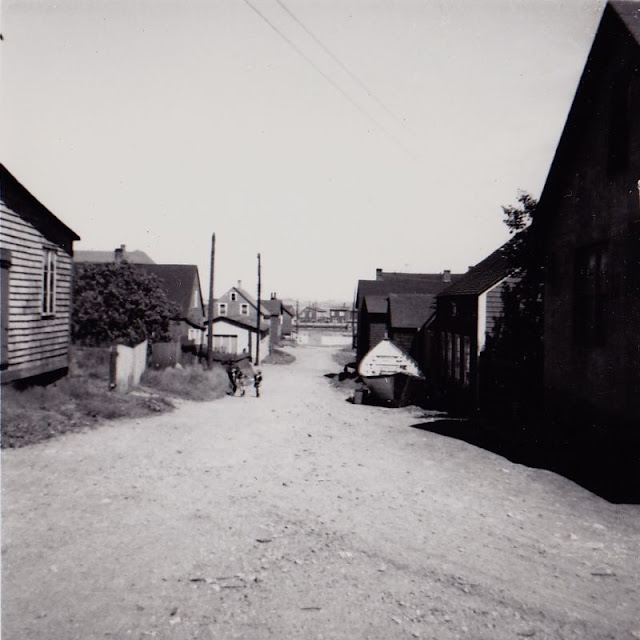
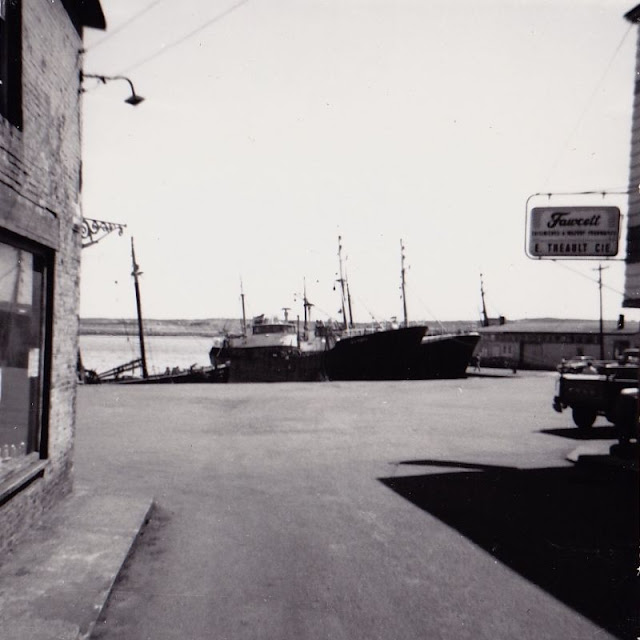
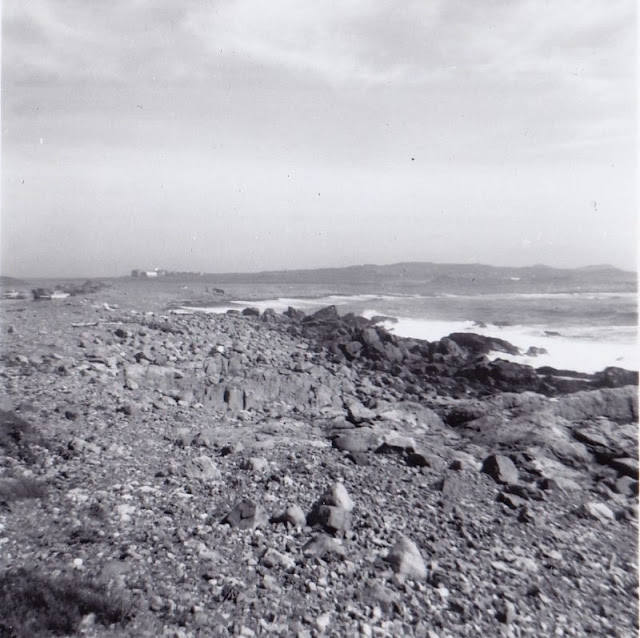
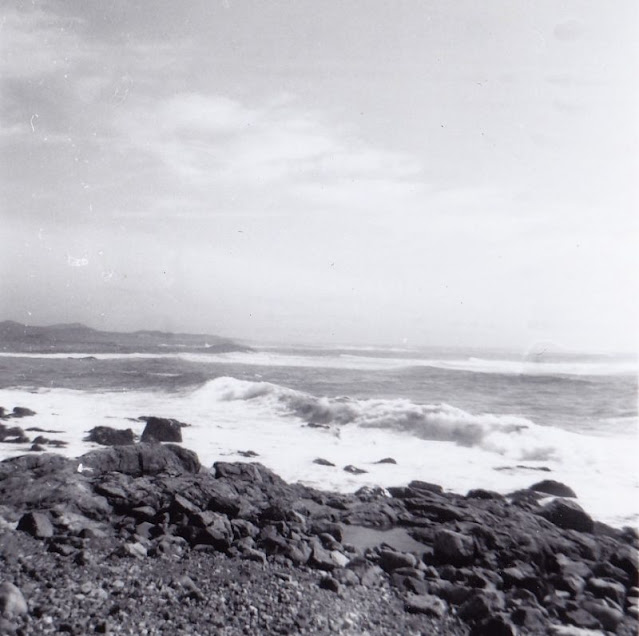
Saint Pierre and Miquelon is a self-governing territorial overseas collectivity of France in the northwestern Atlantic Ocean near the Canadian province of Newfoundland and Labrador. Saint Pierre and Miquelon is the remaining vestige of the once vast territory of New France. Its residents are French citizens; the collectivity is a full member of the National Assembly and participates in senatorial and presidential elections. It covers 242 km2 (93 sq mi) of land and shores.
The islands are in the Gulf of St. Lawrence near the entrance of Fortune Bay, which extends into the southwestern coast of Newfoundland, near the Grand Banks of Newfoundland. St. Pierre is 19 km (12 mi) from Point May on the Burin Peninsula of Newfoundland and 3,819 km (2,373 mi) from Brest, the nearest city in Metropolitan France. The tiny Canadian Green Island lies 10 km (6 mi) east of St. Pierre, roughly halfway to Point May.
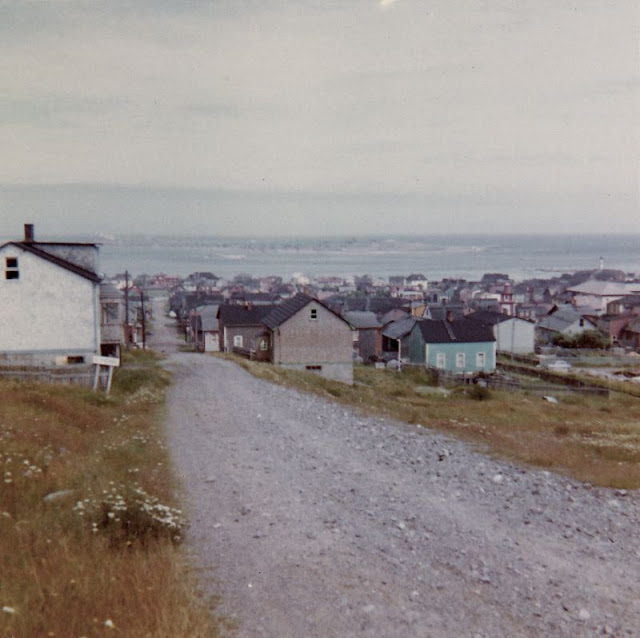
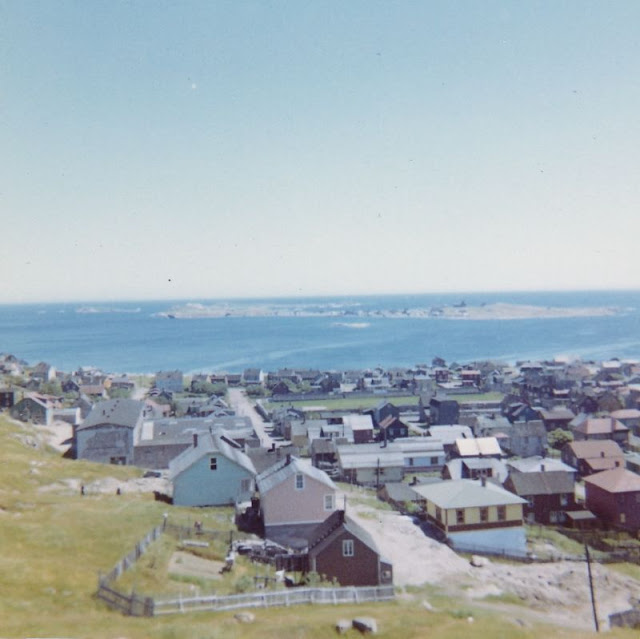
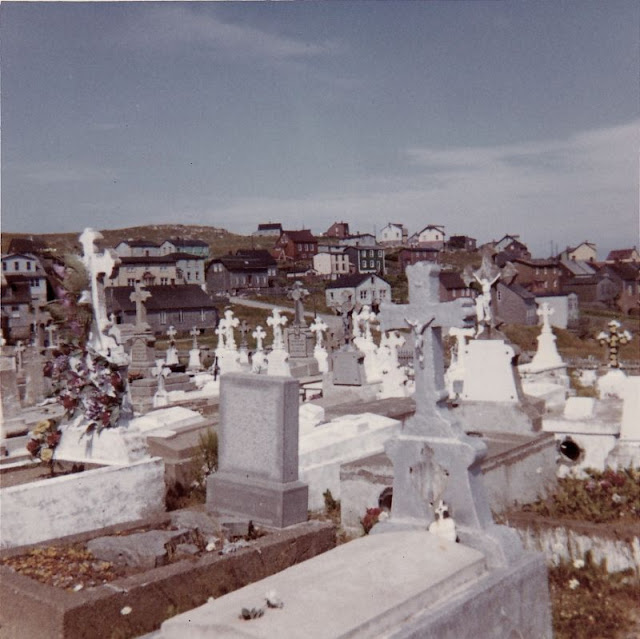
These vintage photos from dianp captured street scenes of Saint Pierre and Miquelon in 1963.
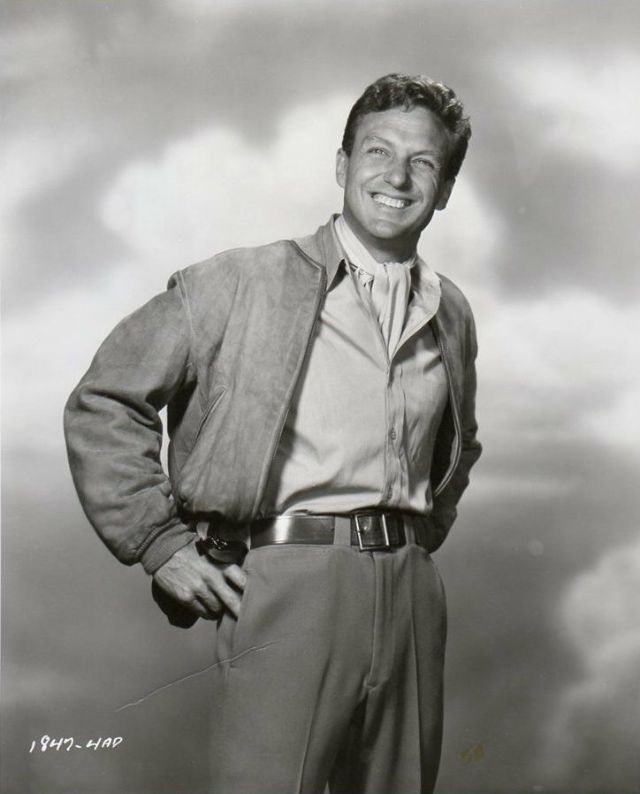
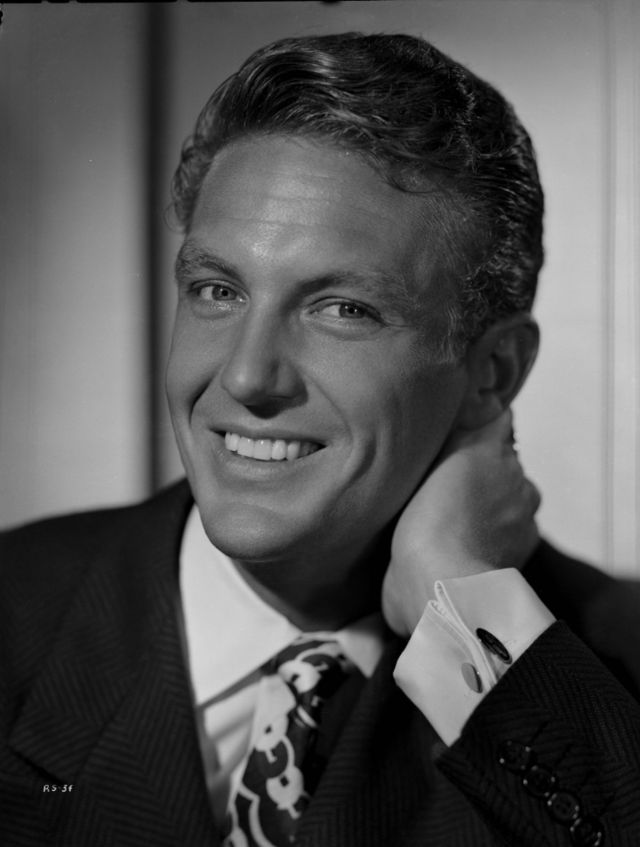
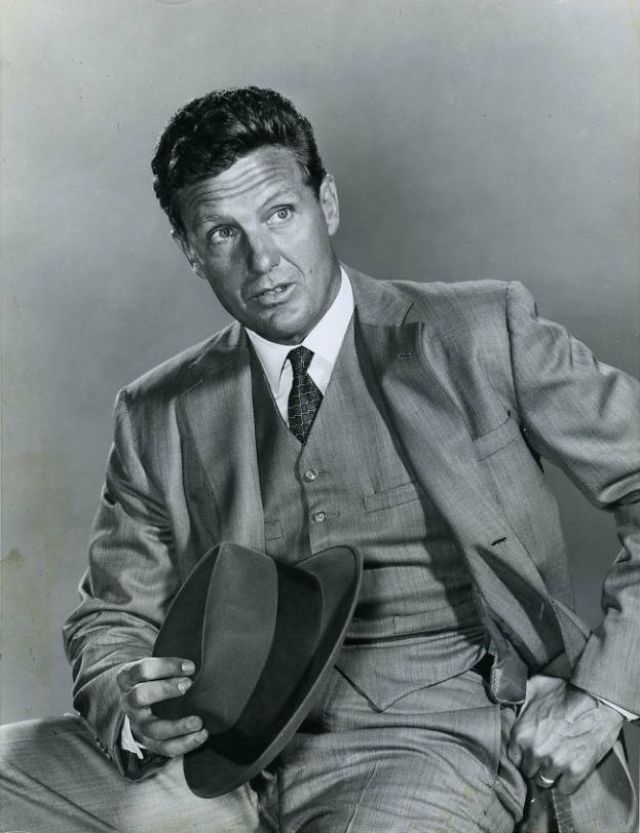
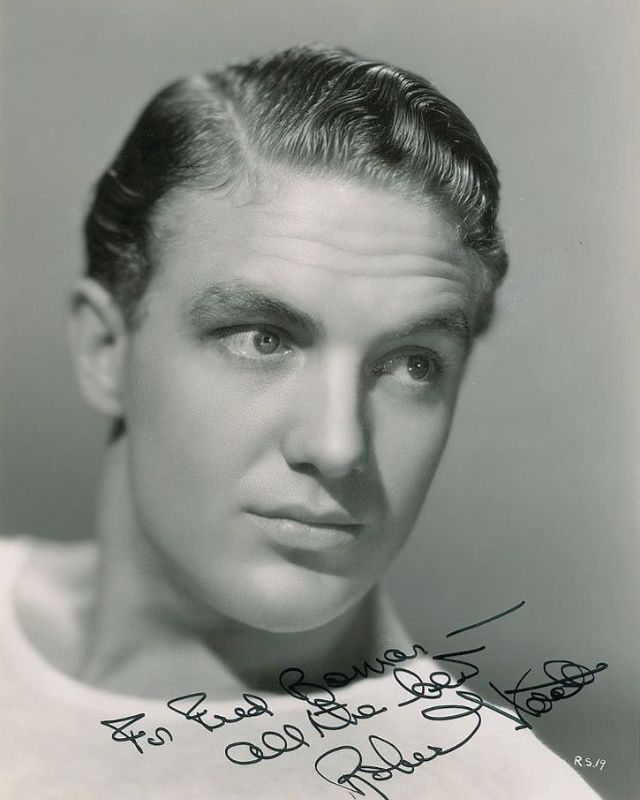
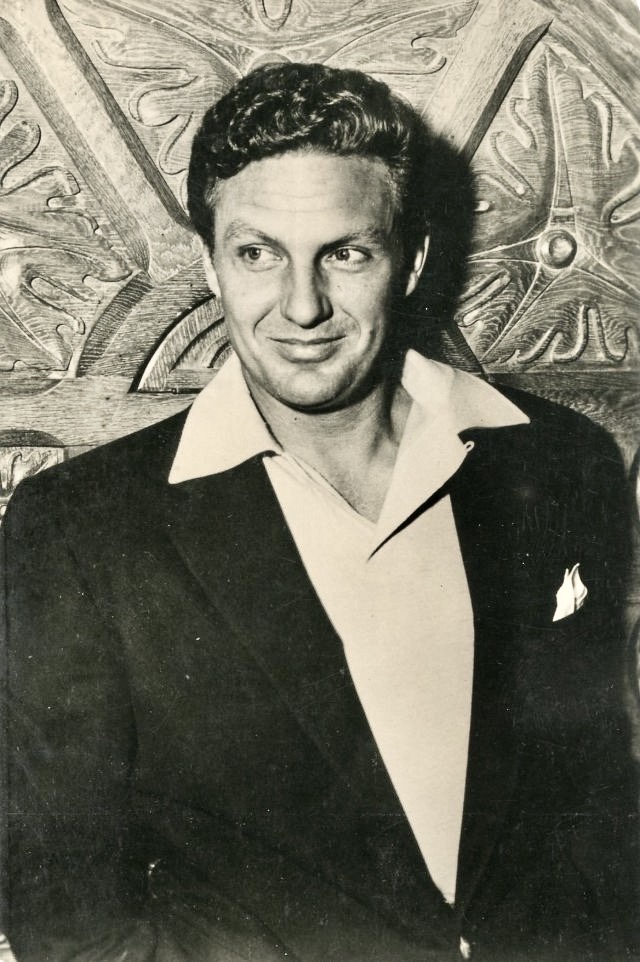
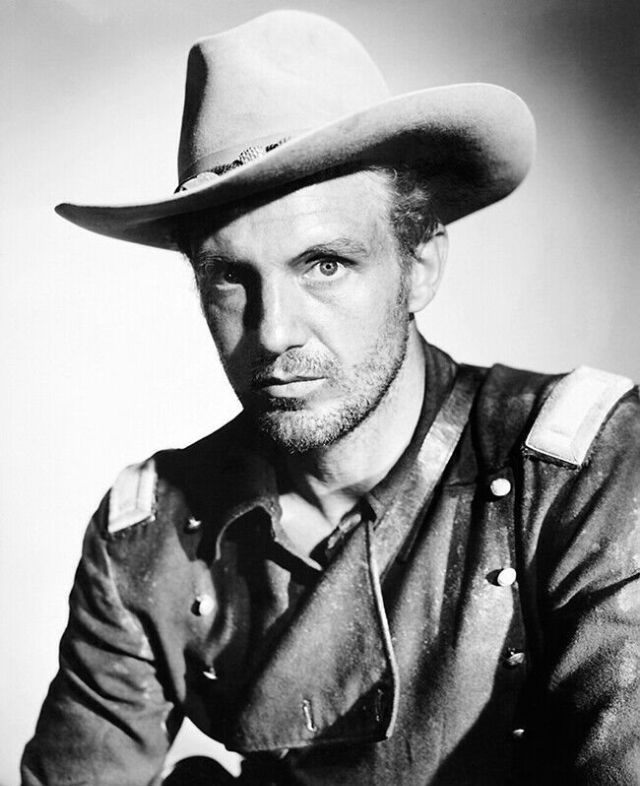
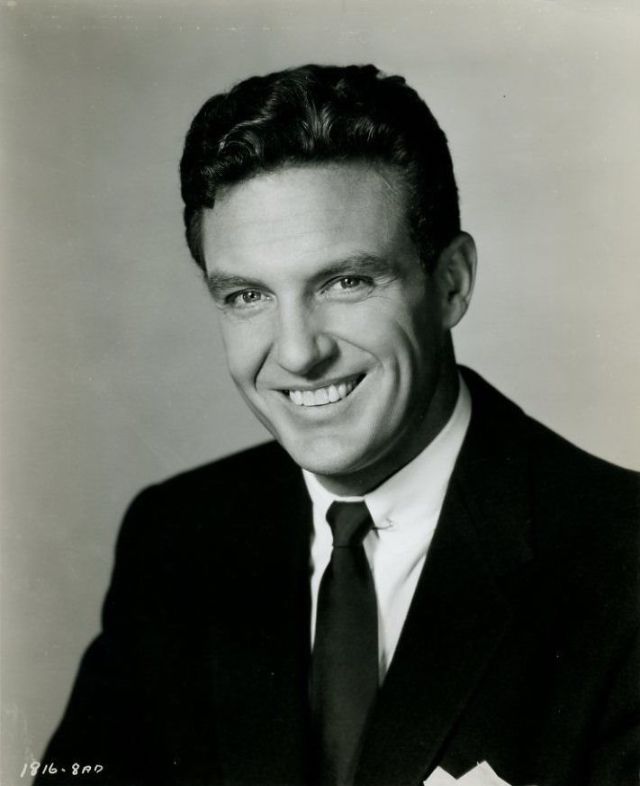
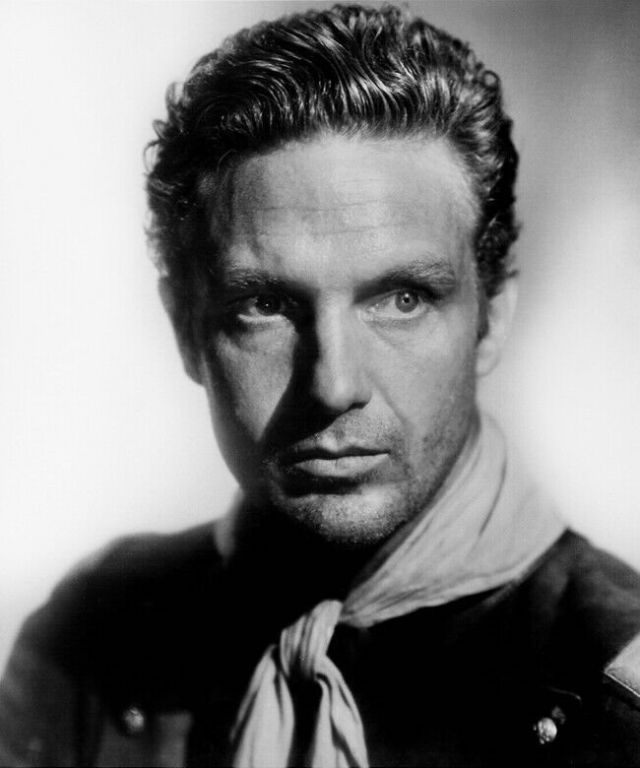
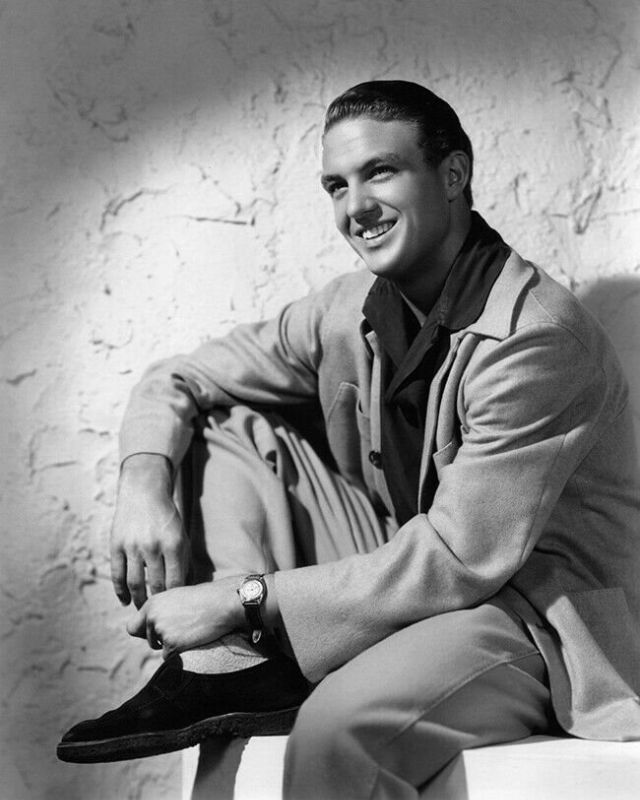
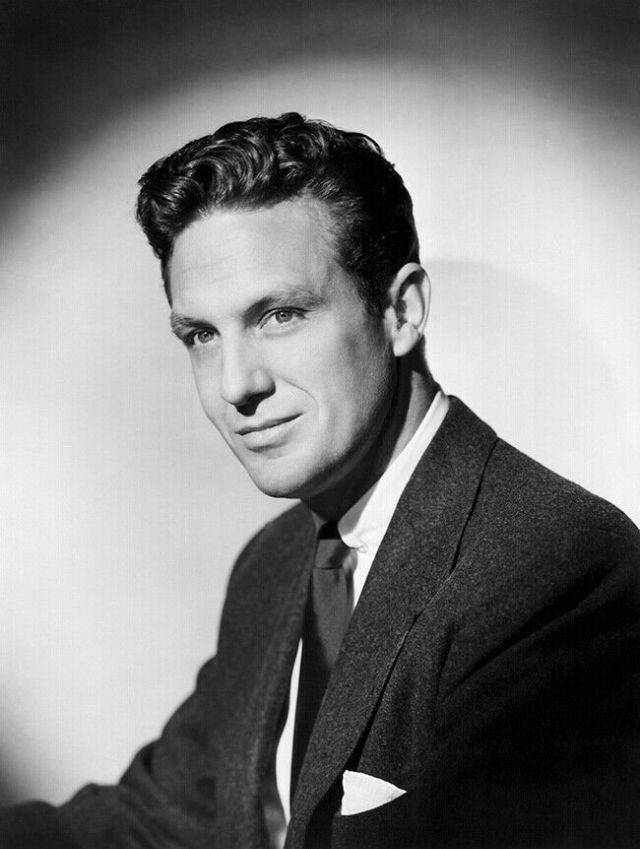
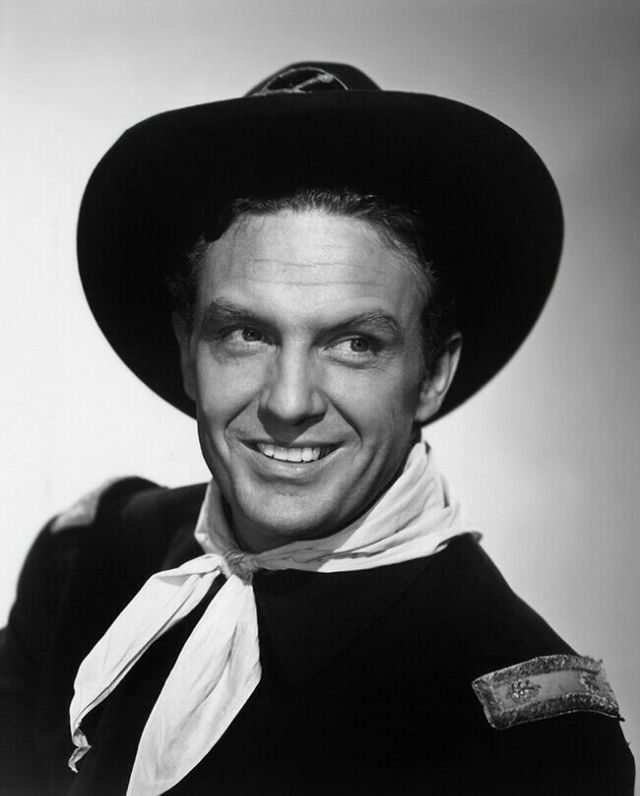
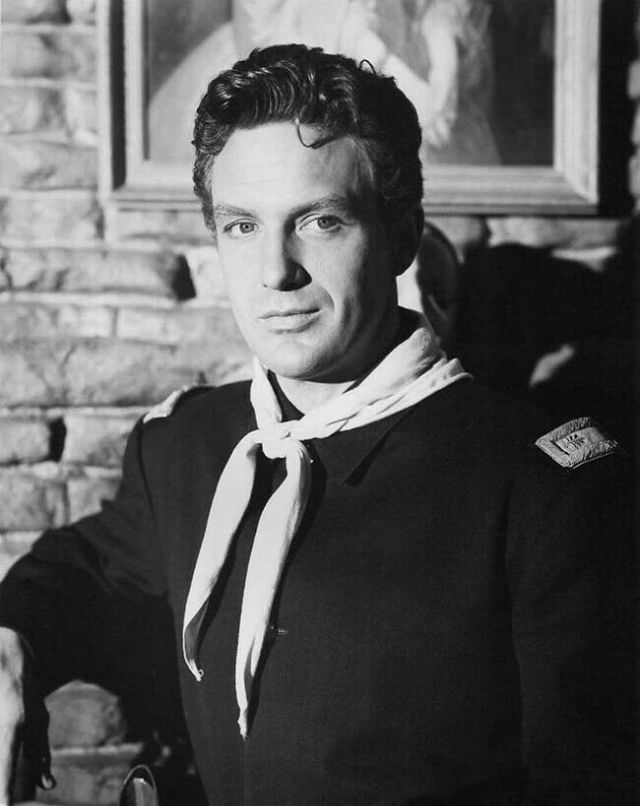
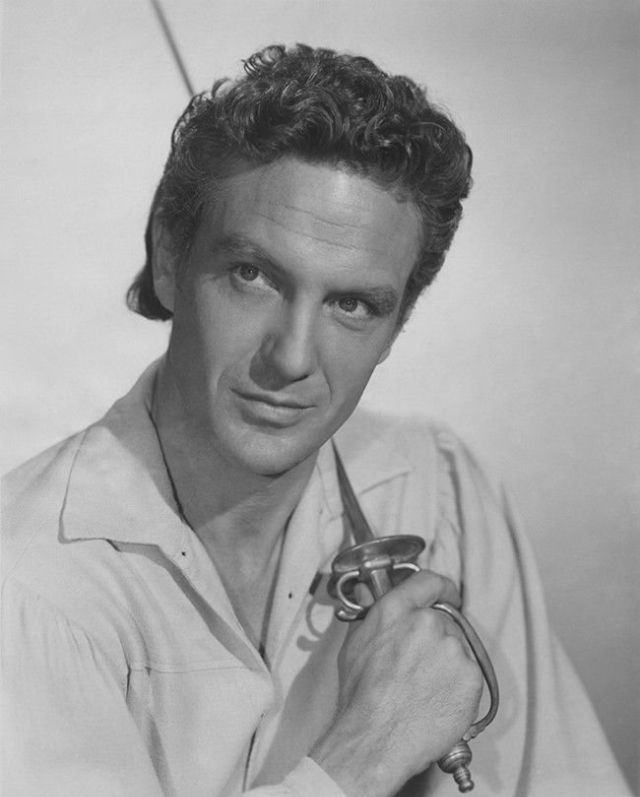
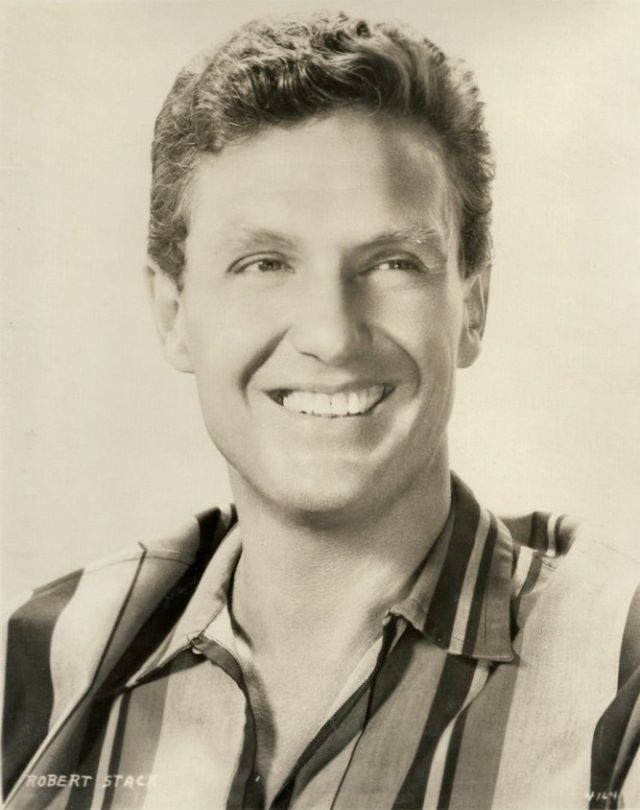
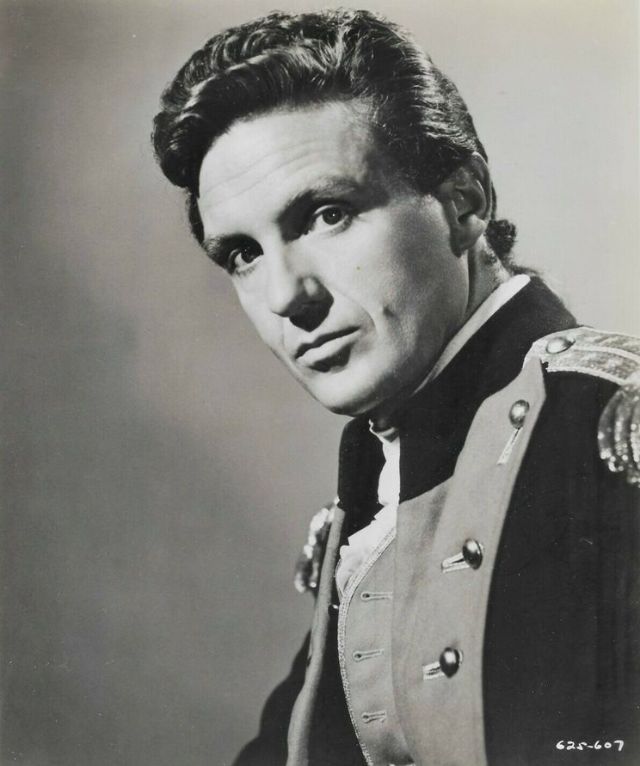
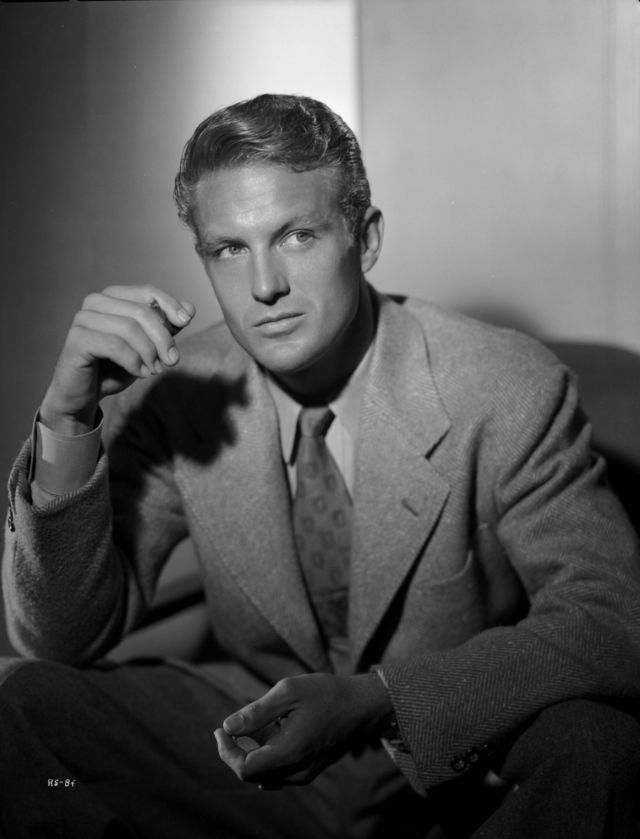
Born 1919 as Charles Langford Modini Stack in Los Angeles, California, American actor, sportsman, and television host Robert Stack had his first film in First Love (1939), produced by Pasternak. This film was considered controversial at the time, as he was the first actor to give Durbin an on-screen kiss.
Known for his deep voice and commanding presence, he appeared in over forty feature films. He starred in the ABC television series The Untouchables (1959–1963), for which he won the 1960 Primetime Emmy Award for Outstanding Performance by an Actor in a Series, and later hosted/narrated the true-crime series Unsolved Mysteries (1987–2002). He was also nominated for an Academy Award for Best Supporting Actor for his role in the film Written on the Wind (1956).
In 1996, a Golden Palm Star on the Palm Springs, California, Walk of Stars was dedicated to him. Stack died of heart failure at his home in Bel Air, Los Angeles in 2003, at the age of 84. Take a look at these vintage photos to see portraits of young Robert Stack in the 1940s and 1950s.
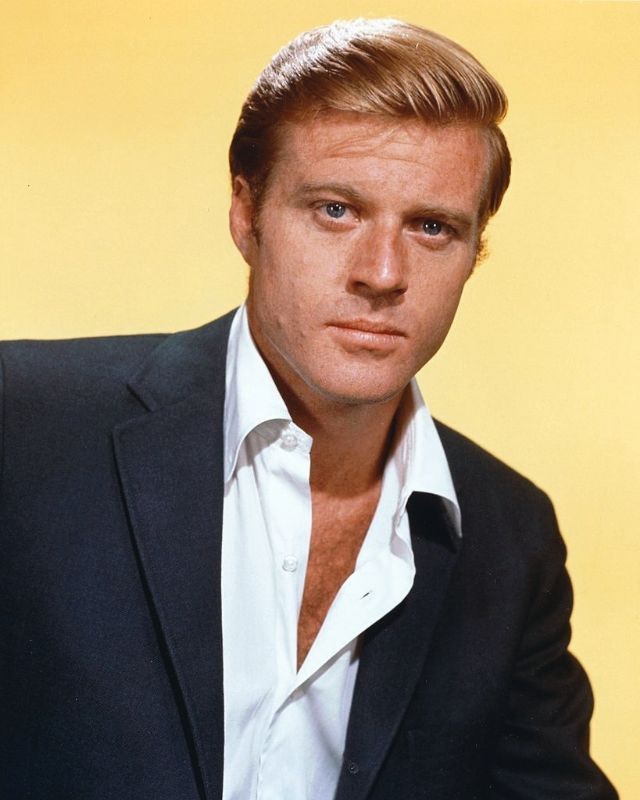
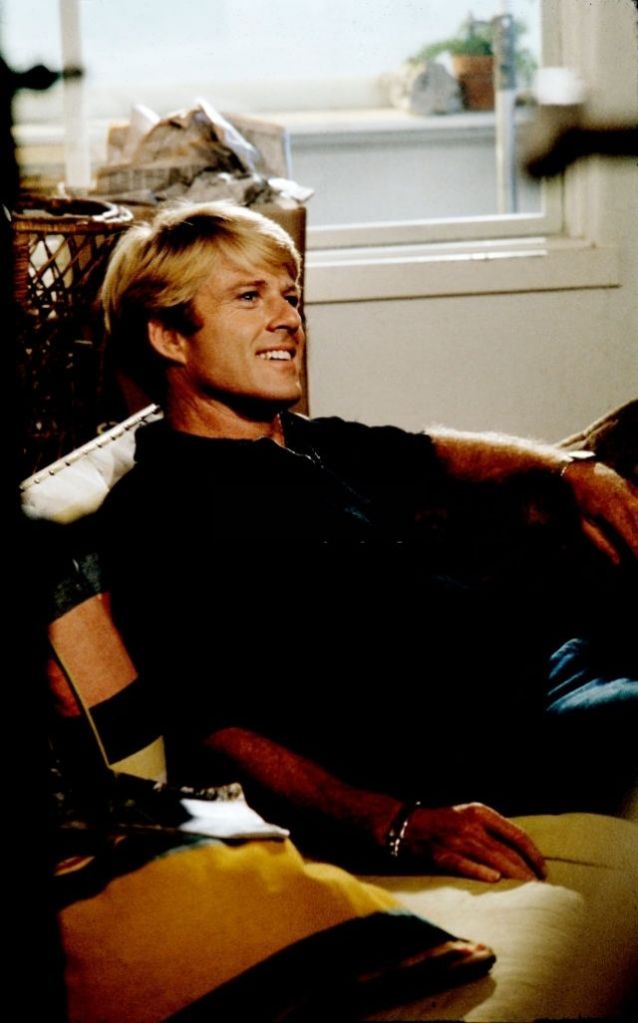
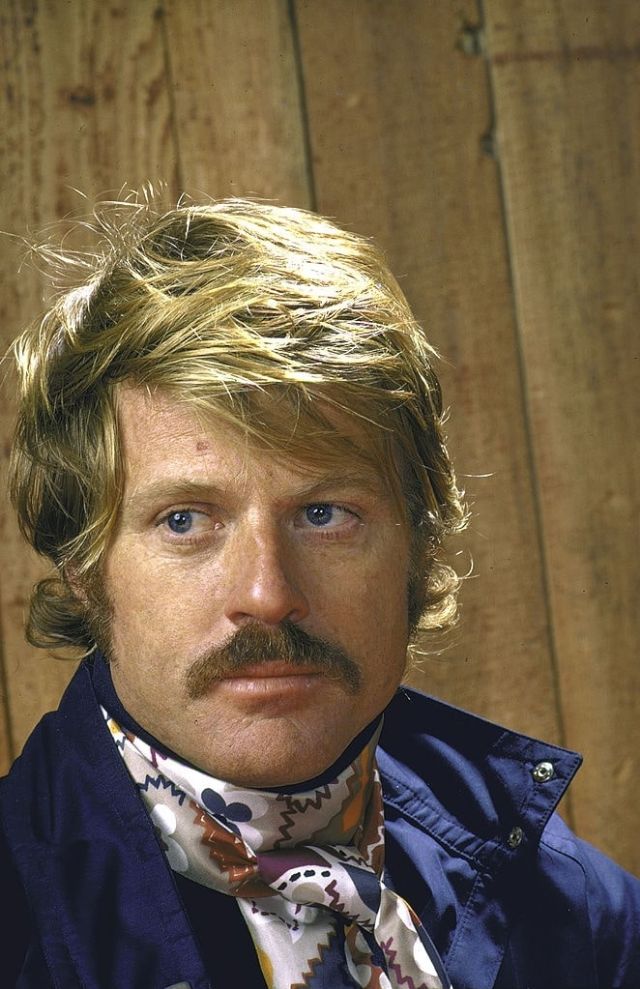
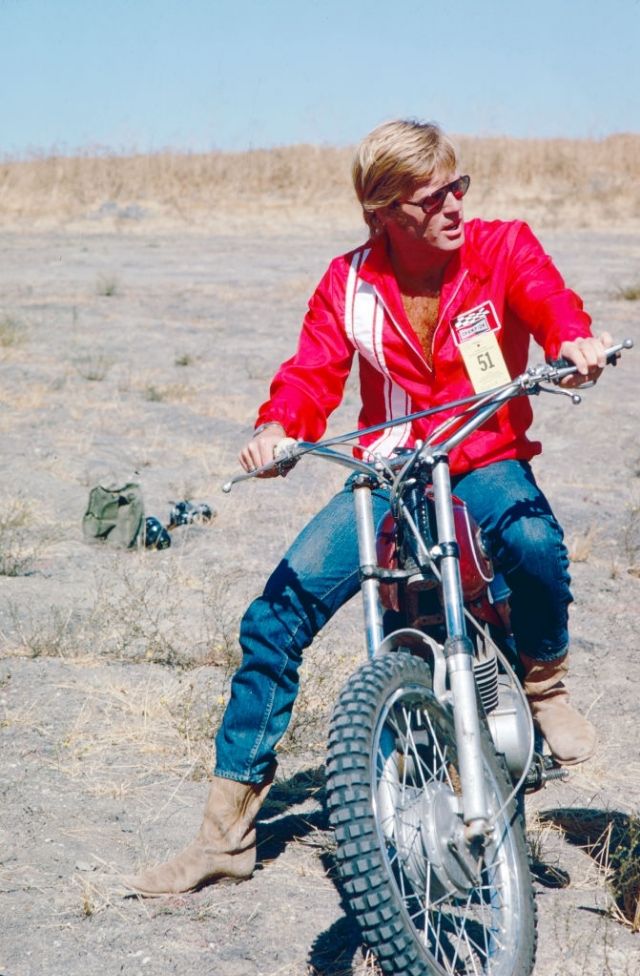
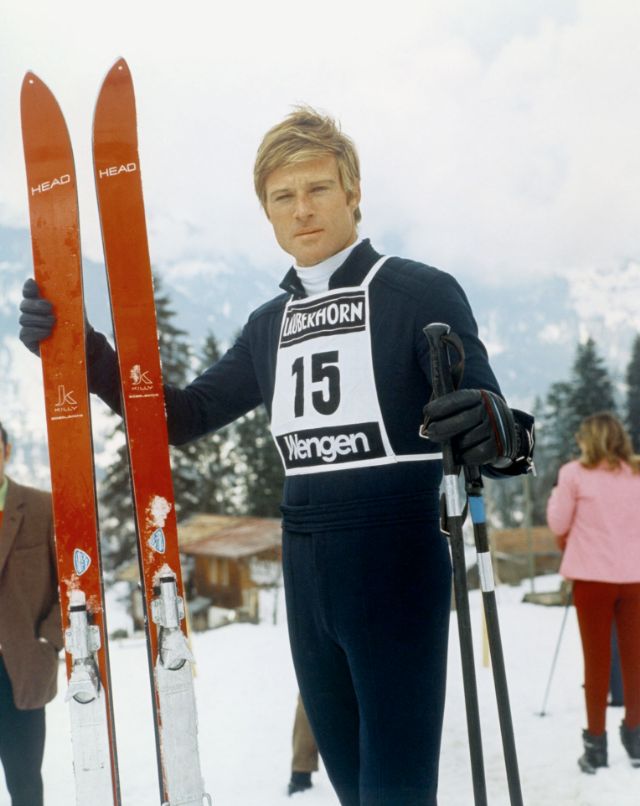
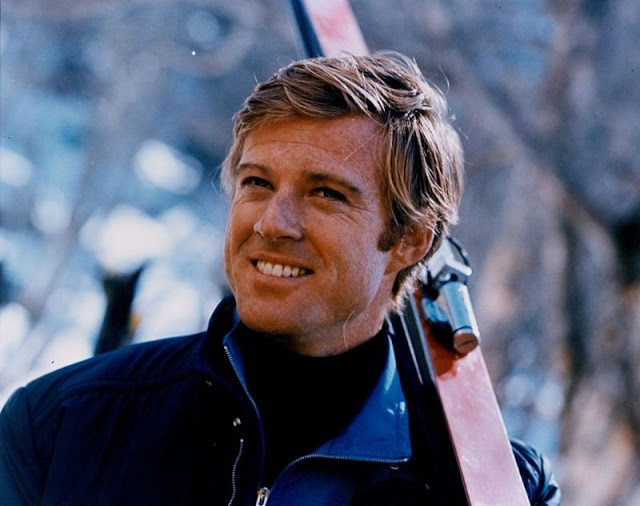
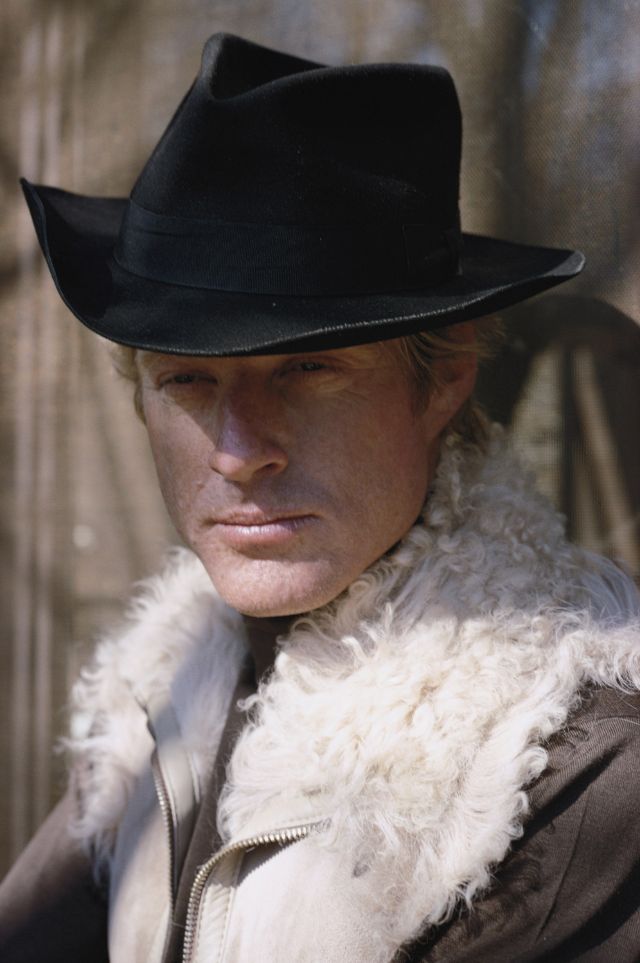
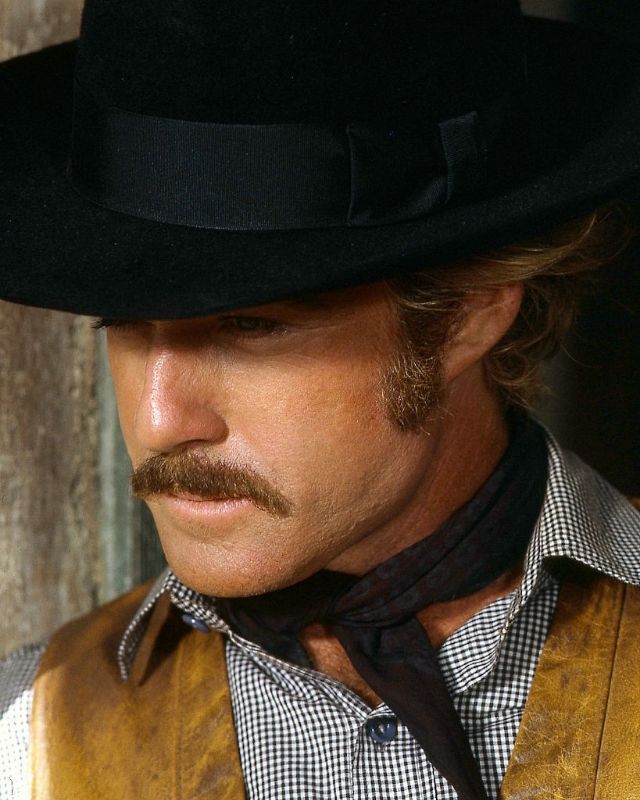
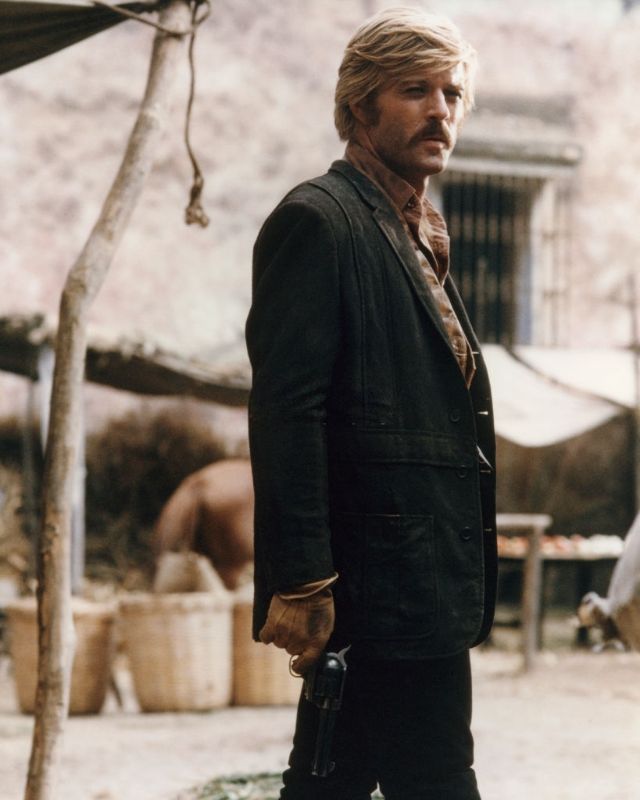
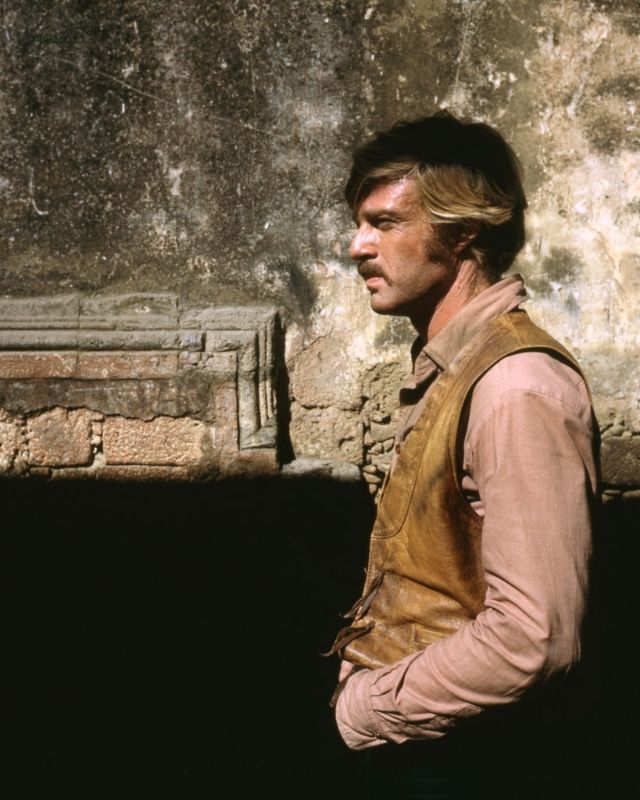
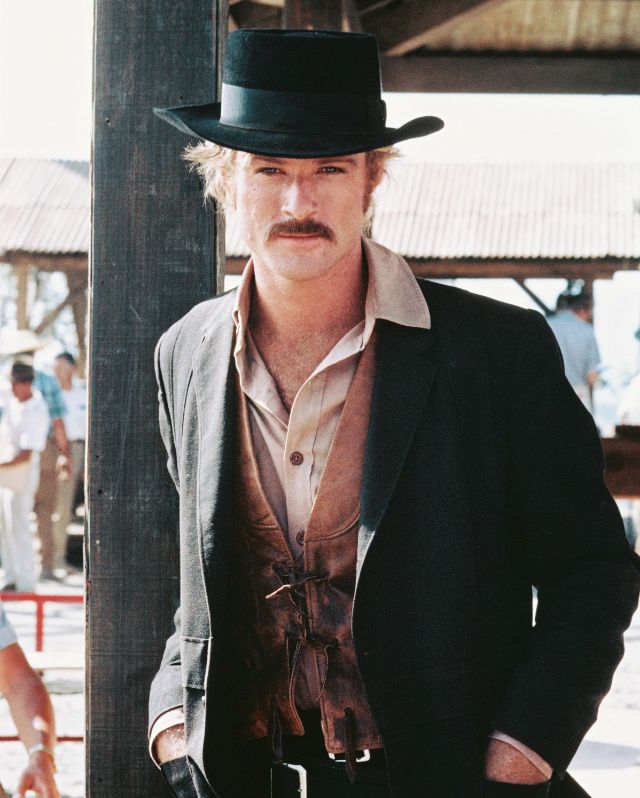
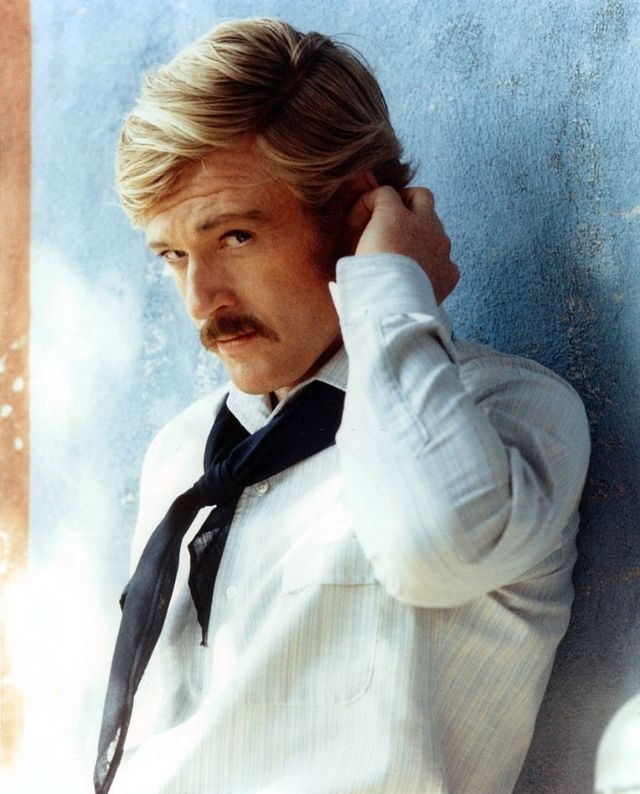
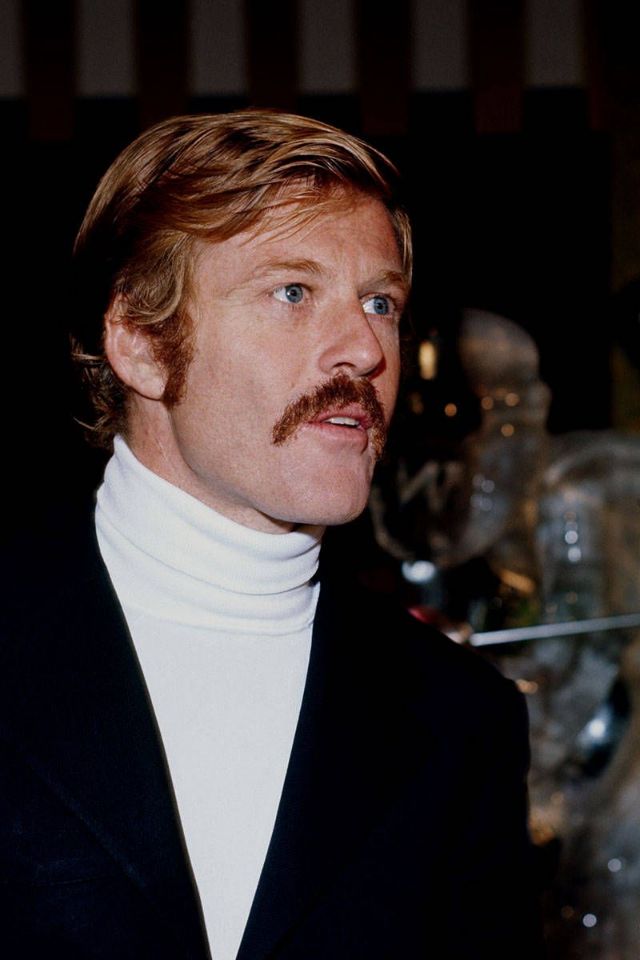
Charles Robert Redford Jr. (born August 18, 1936) is an American actor, director and producer. He is the recipient of various accolades, including an Academy Award from four nominations, a British Academy Film Award, two Golden Globe Awards, the Cecil B. DeMille Award and the Presidential Medal of Freedom. In 2014, Time named him one of the 100 most influential people in the world.
Appearing on stage in the late 1950s, Redford’s television career began in 1960, including an appearance on The Twilight Zone in 1962. He earned an Emmy nomination as Best Supporting Actor for his performance in The Voice of Charlie Pont (1962). His greatest Broadway success was as the stuffy newly-wed husband of co-star Elizabeth Ashley’s character in Neil Simon’s Barefoot in the Park (1963). Redford made his film debut in War Hunt (1962). He starred with Natalie Wood in Inside Daisy Clover (1965) which won him a Golden Globe for the best new star. He starred alongside Paul Newman in Butch Cassidy and the Sundance Kid (1969), which was a huge success and made him a major star. He had a critical and box office hit with Jeremiah Johnson (1972), and in 1973 he had the greatest hit of his career, the blockbuster crime caper The Sting, a reunion with Paul Newman, for which he was nominated for an Academy Award; that same year, he also starred opposite Barbra Streisand in The Way We Were. The popular and acclaimed All the President’s Men (1976) was a landmark film for Redford.
In the 1980s, Redford began his career as a director with Ordinary People (1980), which was one of the most critically and publicly acclaimed films of the decade, winning four Academy Awards including Best Picture and the Academy Award for Best Director for Redford. He continued acting and starred in Brubaker (1980), as well as playing the male lead in Out of Africa (1985), which was an enormous box office success and won seven Oscars including Best Picture. He released his third film as a director, A River Runs Through It, in 1992. He went on to receive Best Director and Best Picture nominations in 1995 for Quiz Show. He received a second Academy Award—for Lifetime Achievement—in 2002. In 2010, he was made a chevalier of the Légion d’Honneur. Redford is also one of the founders of the Sundance Film Festival. (Wikipedia)
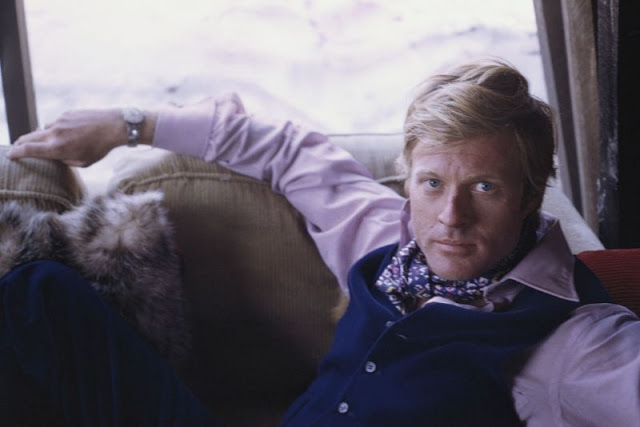
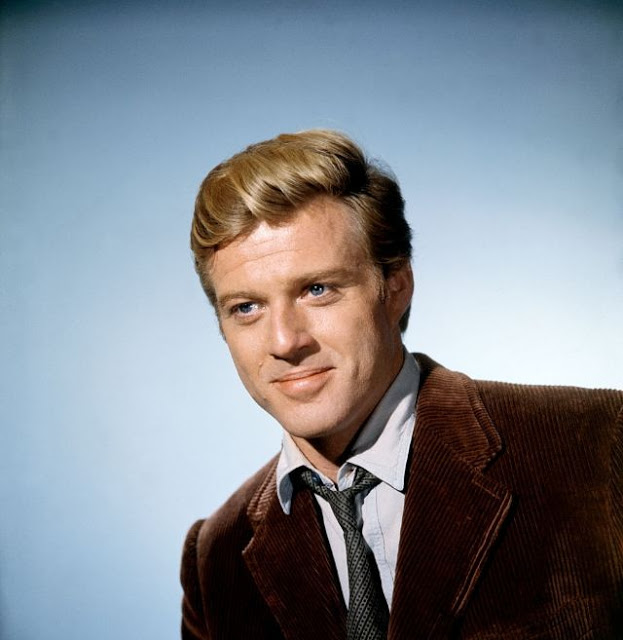
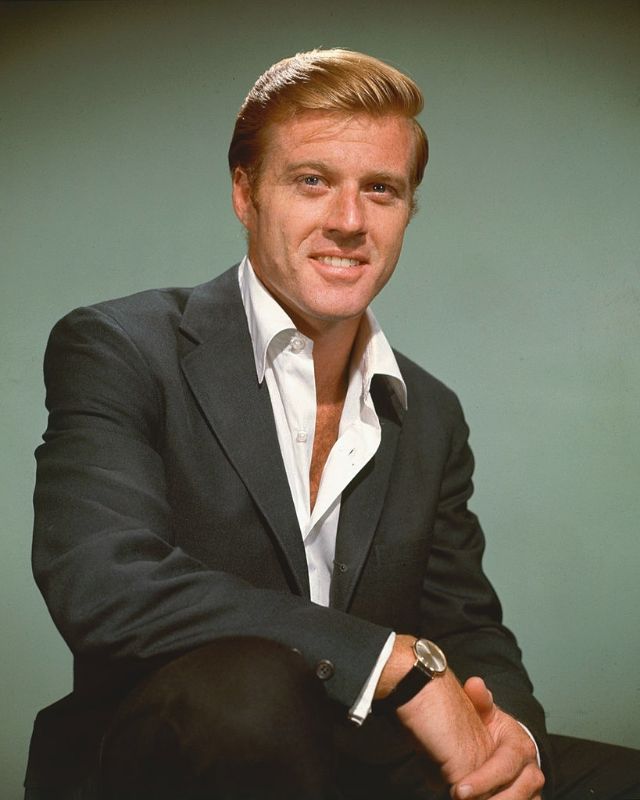
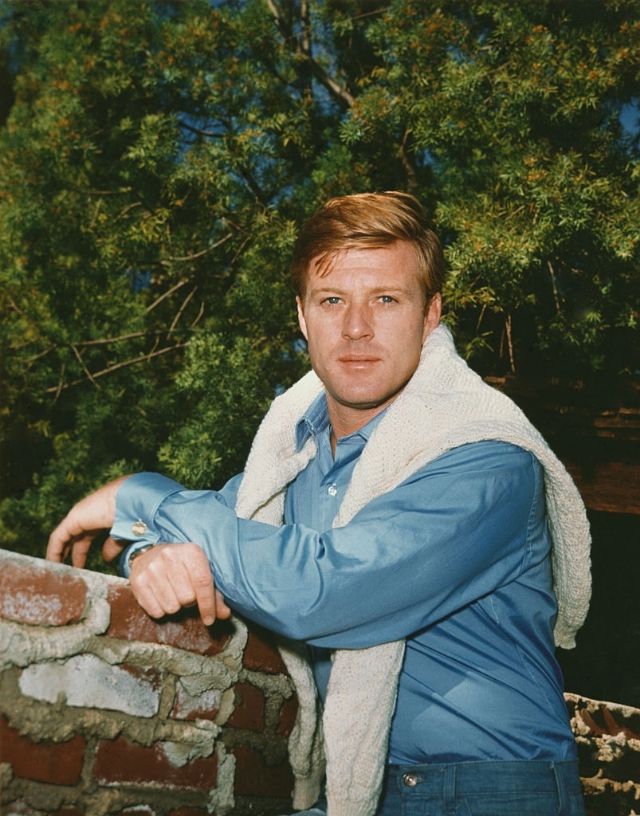
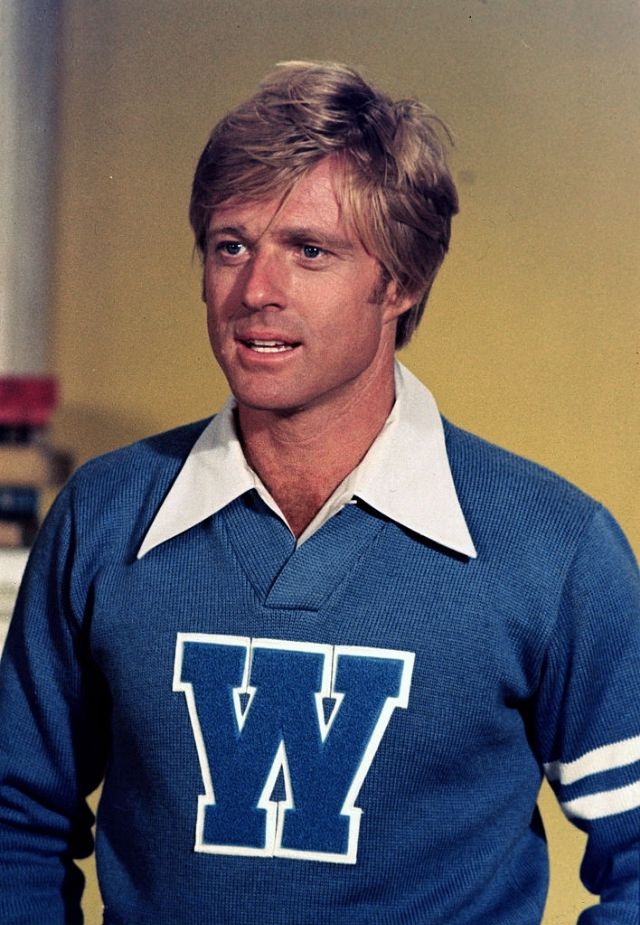
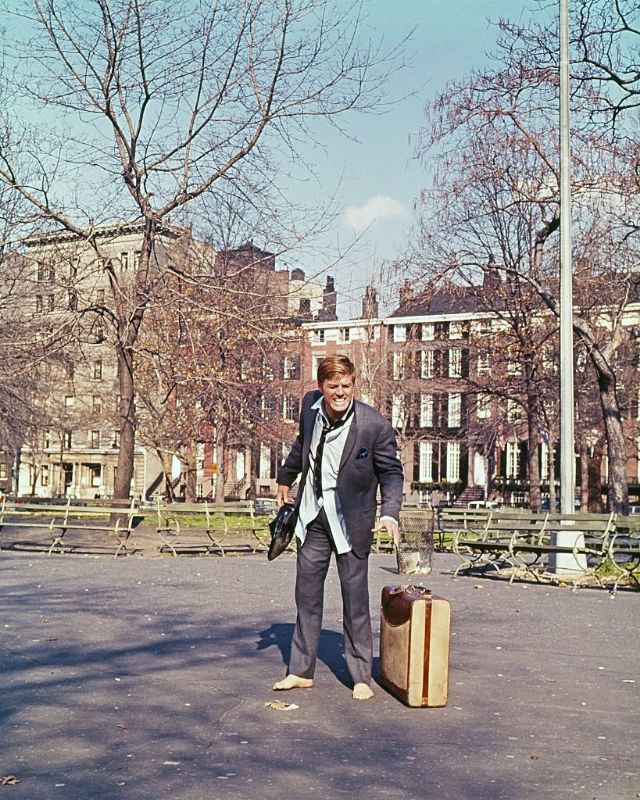
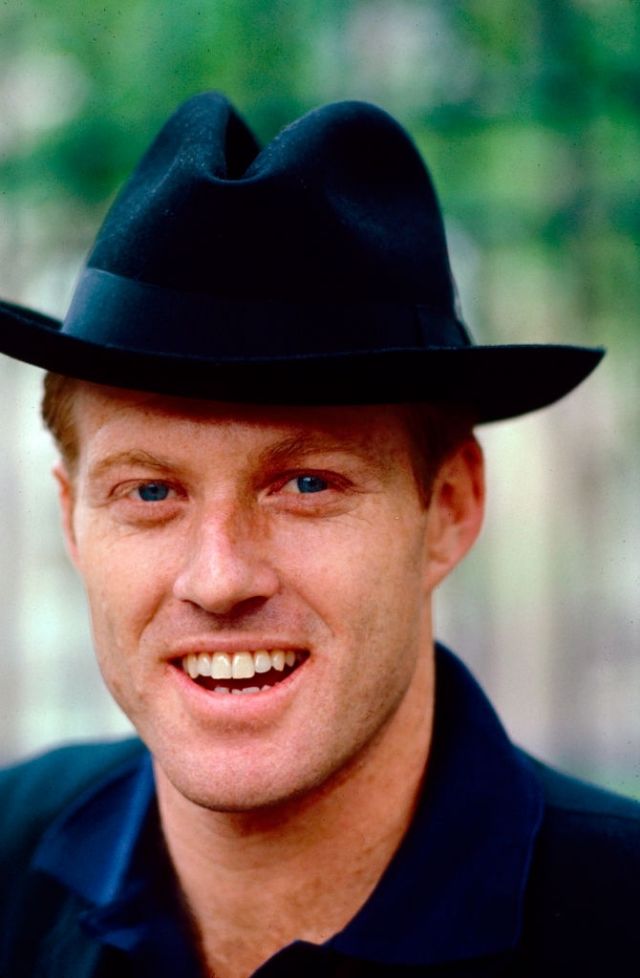
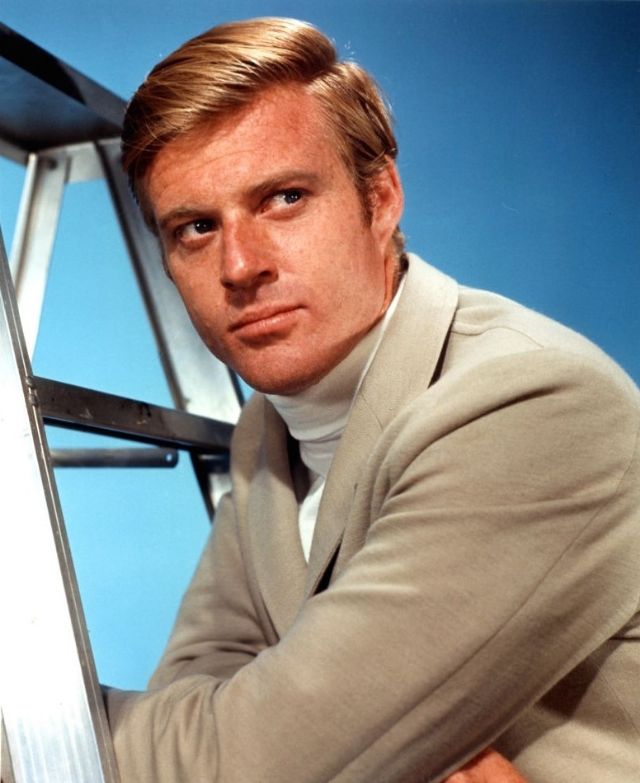
Take a look back at the handsome young actor in the 1960s through 22 gorgeous vintage color portraits:
The Golden Globe Awards are accolades bestowed by the 87 members of the Hollywood Foreign Press Association beginning in January 1944, recognizing excellence in film, both American and international, and American television.
The annual ceremony at which the awards are presented is normally held every January, and is a major part of the film industry’s awards season, which culminates each year in the Academy Awards. The eligibility period for the Golden Globes corresponds to the calendar year (i.e., January 1 through December 31).
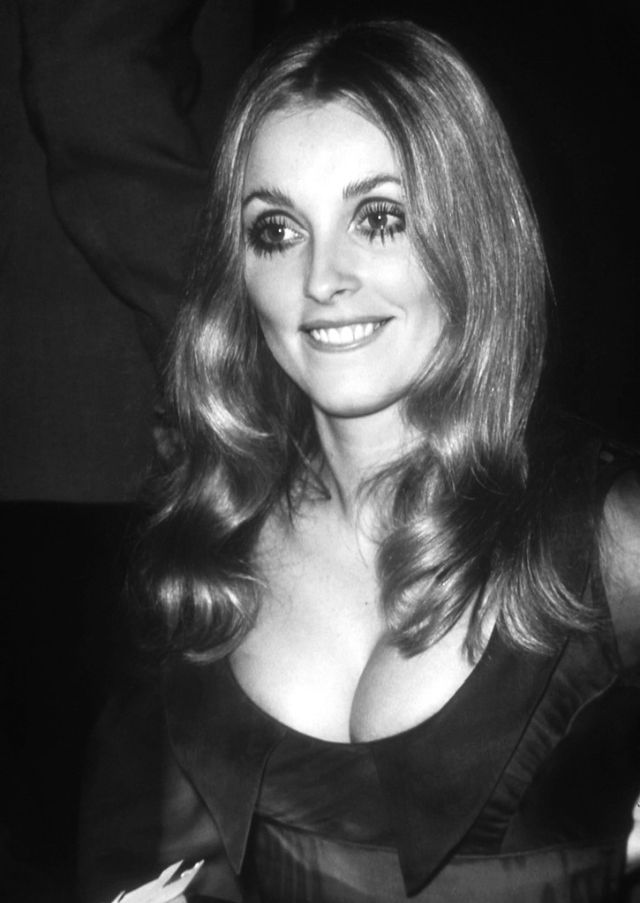
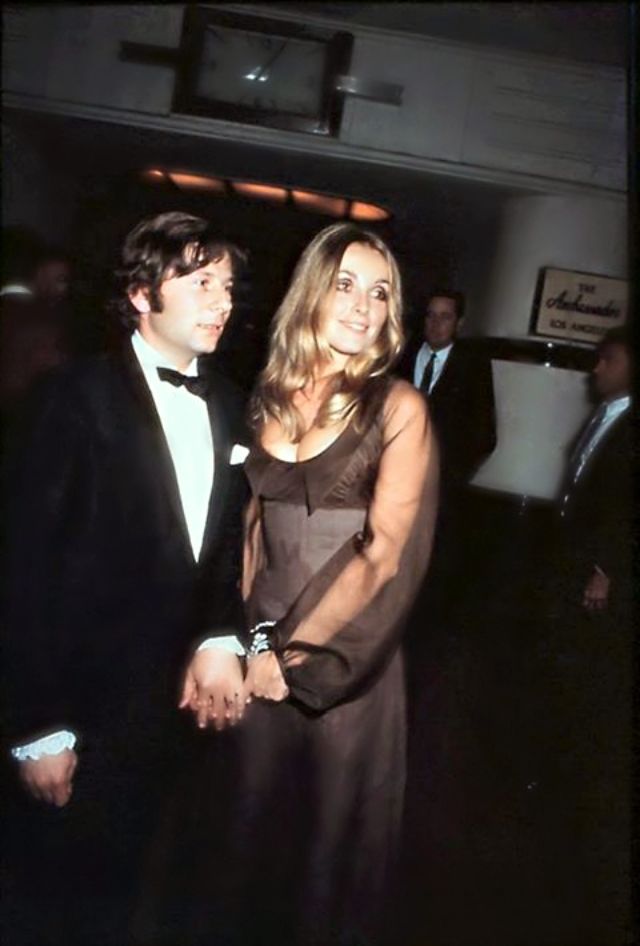
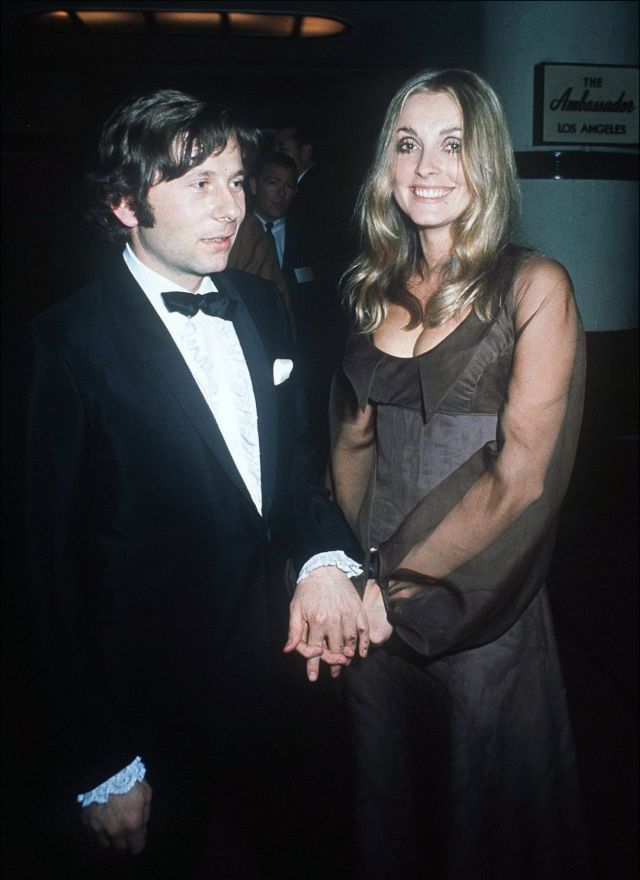
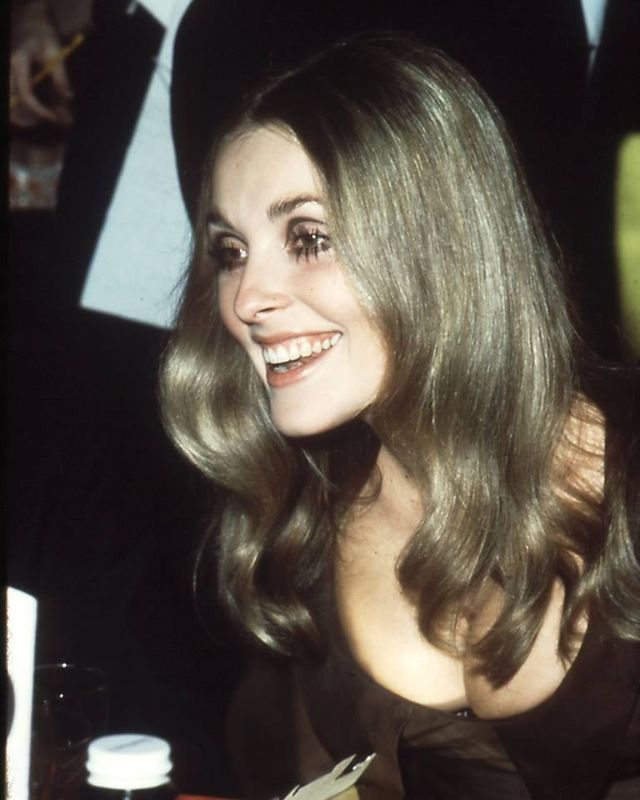
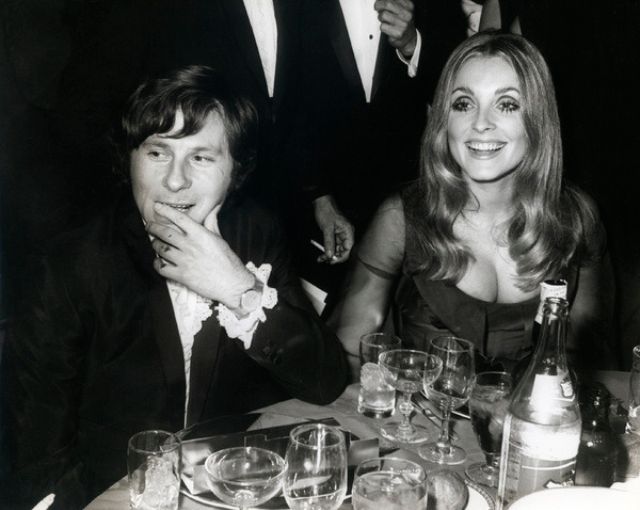
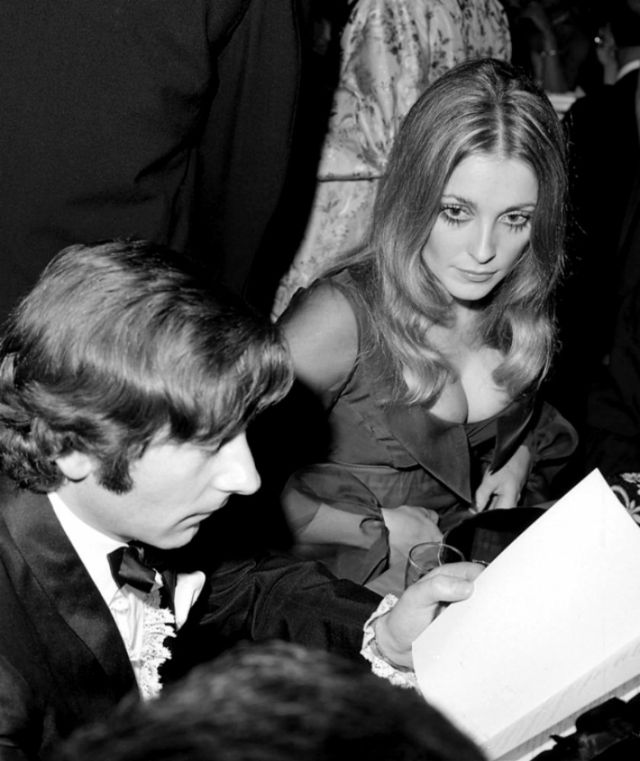
These intimate photos captured moments of Roman Polanski and Sharon Tate attending the 25th Golden Globe Awards, honoring the best achievements in 1967, that were held on 12 February 1968.
The 1950s (pronounced nineteen-fifties; commonly abbreviated as the “Fifties” or the ” ’50s”) (among other variants) was a decade that began on January 1, 1950, and ended on December 31, 1959.
Throughout the decade, the world continued its recovery from World War II, aided by the post-World War II economic expansion. The period also saw great population growth with increased birth rates and the emergence of the baby boomer generation. Despite this recovery, the Cold War developed from its modest beginnings in the late 1940s to a heated competition between the Soviet Union and the United States by the early 1960s. The ideological clash between communism and capitalism dominated the decade, especially in the Northern Hemisphere, with conflicts including the Korean War in the early 1950s, the Cuban Revolution, the beginning of the Vietnam War in French Indochina, and the beginning of the Space Race with the launch of Sputnik 1 in 1957. Along with increased testing of nuclear weapons (such as RDS-37 and Upshot–Knothole), the tense geopolitical situation created a politically conservative climate. In the United States, a wave of anti-communist sentiment known as the Second Red Scare resulted in Congressional hearings by both houses in Congress. The beginning of decolonization in Africa and Asia also took place in this decade and accelerated in the following decade. (Wikipedia)
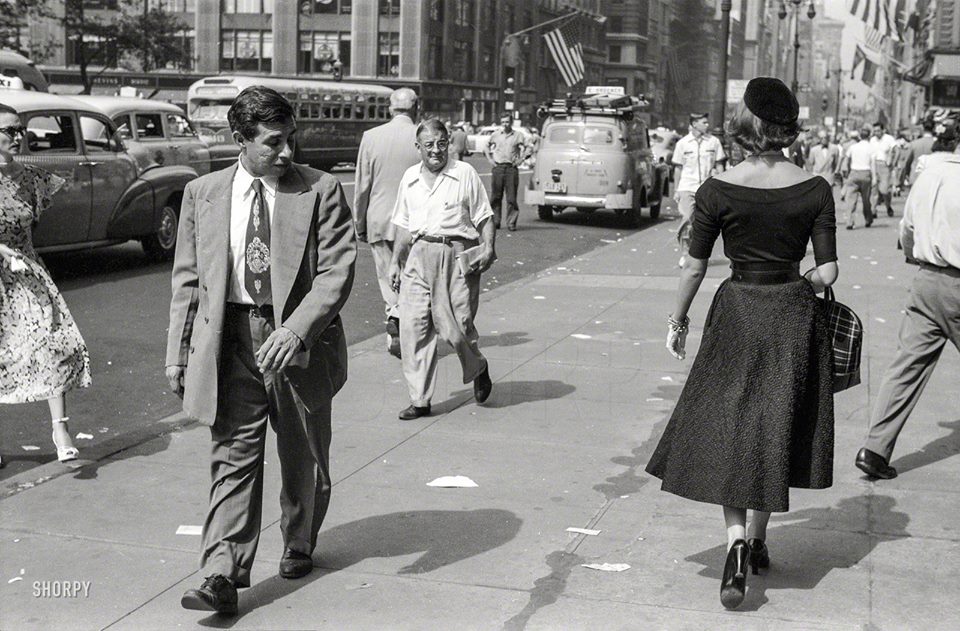
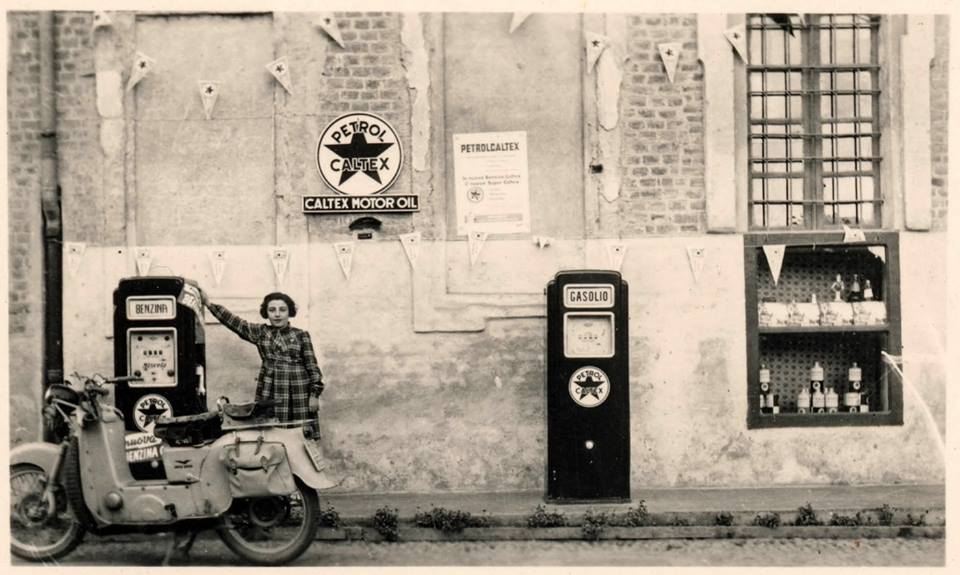
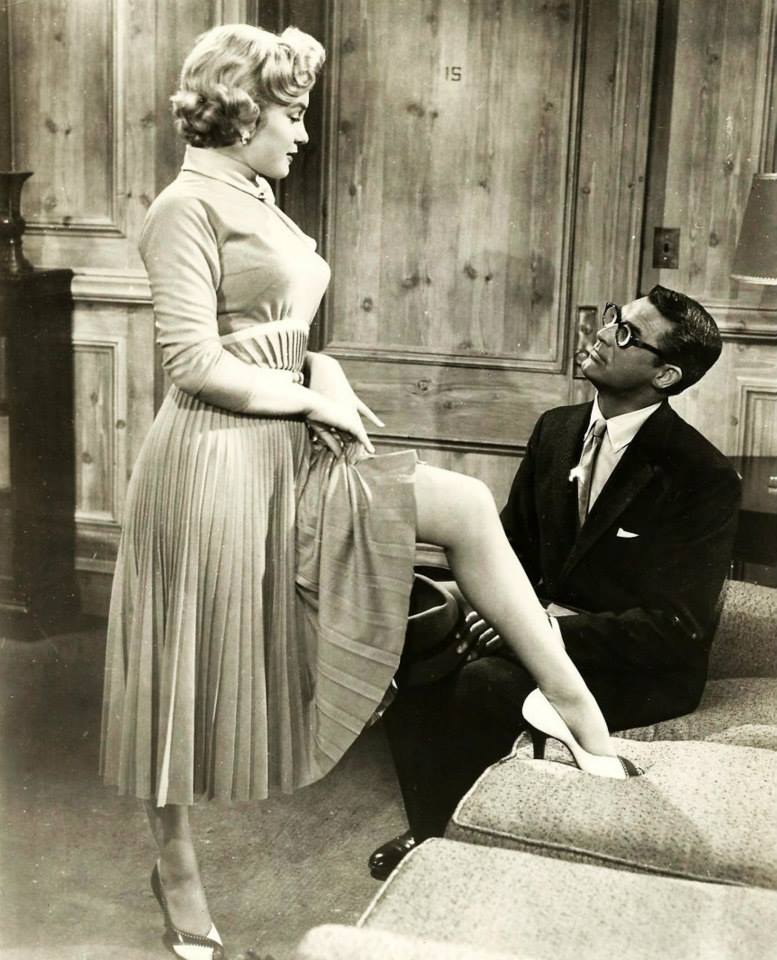
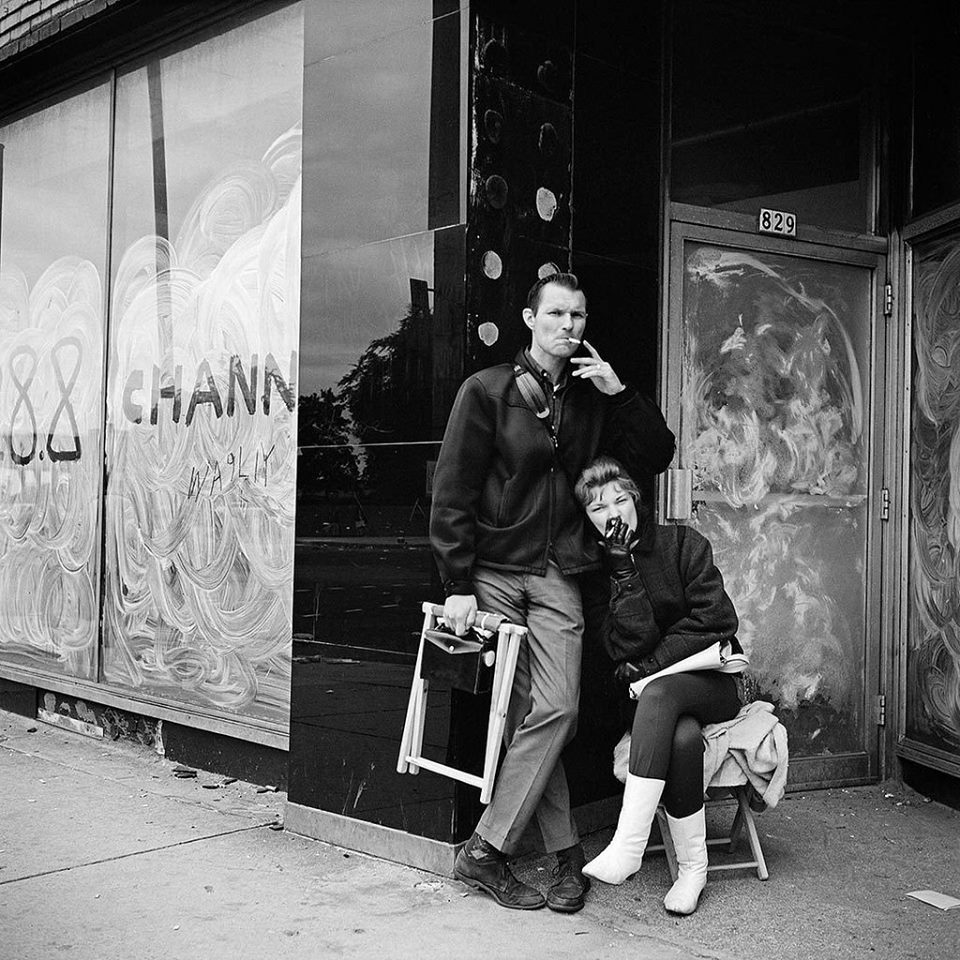
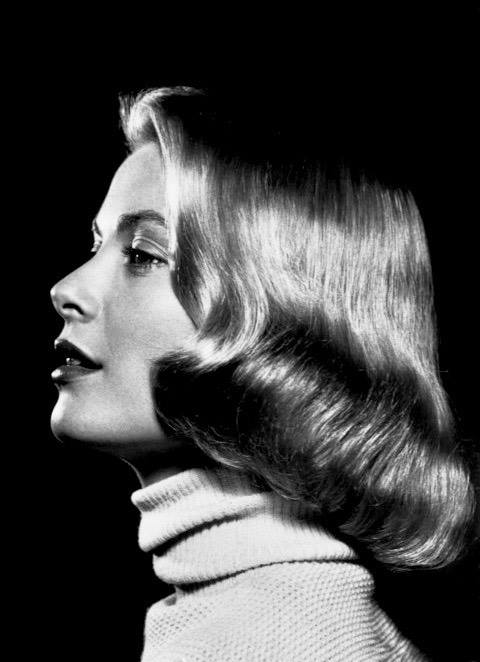
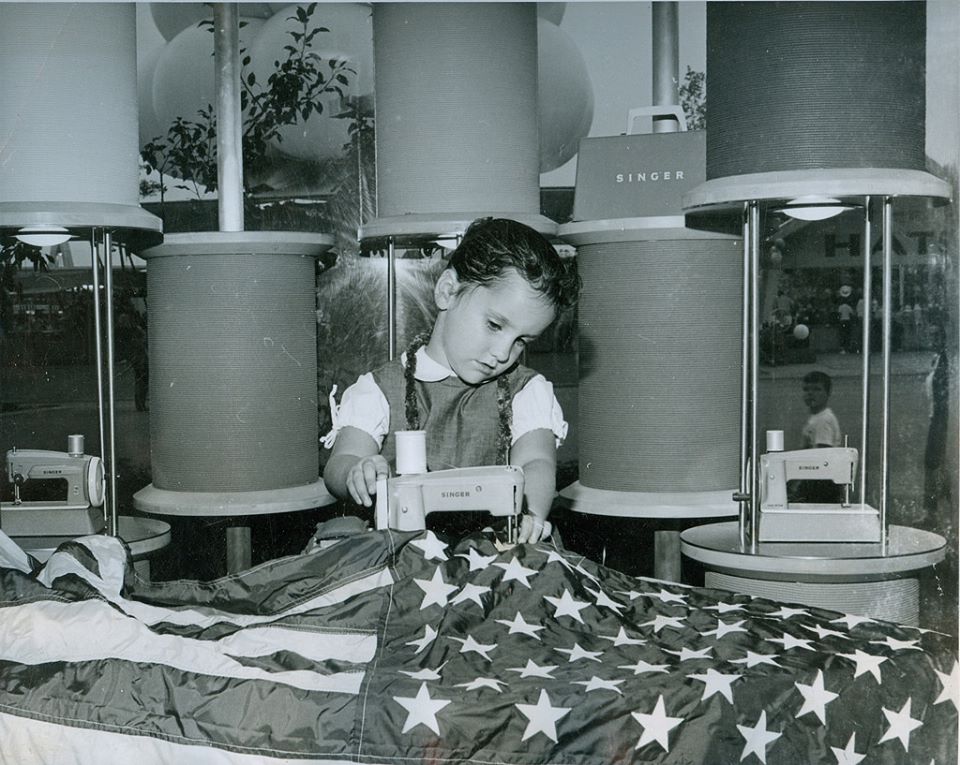
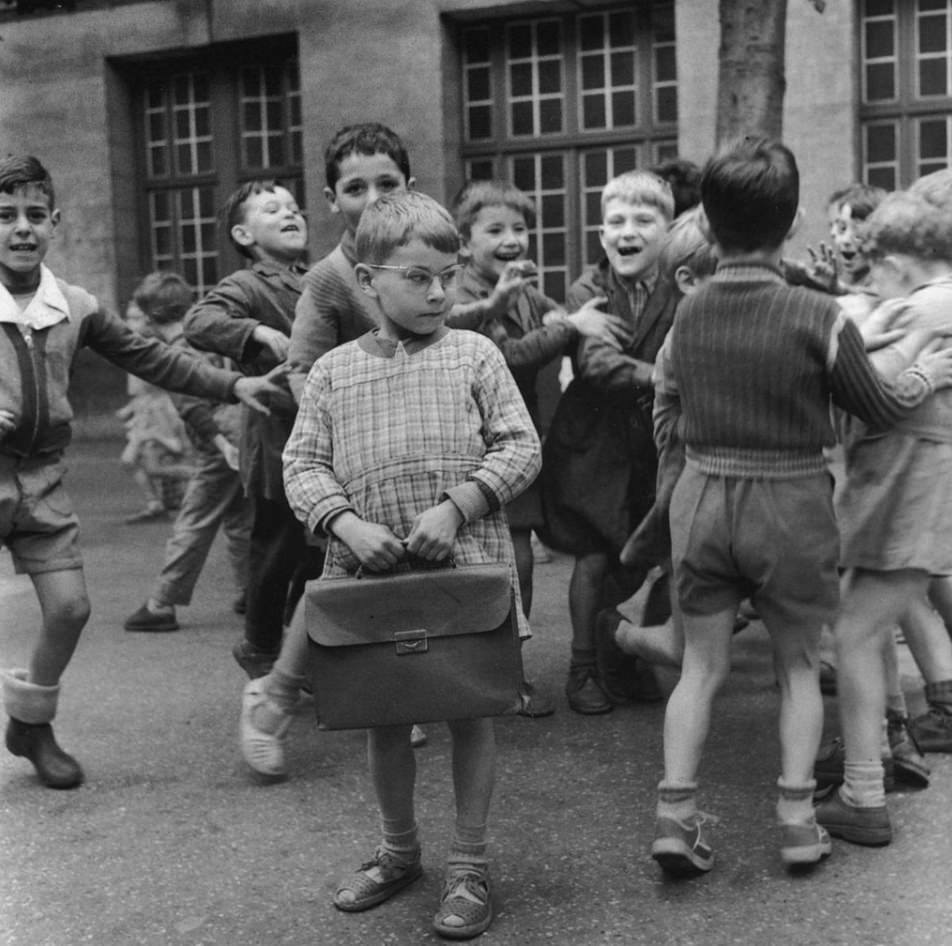
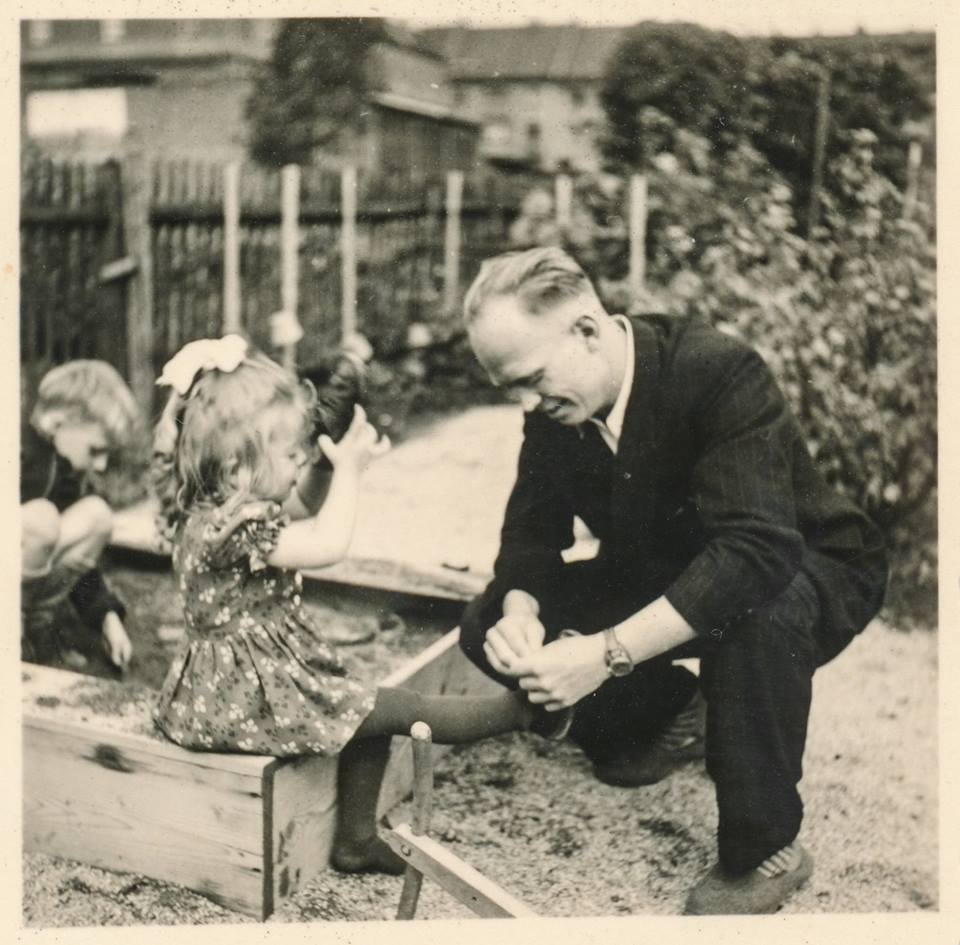
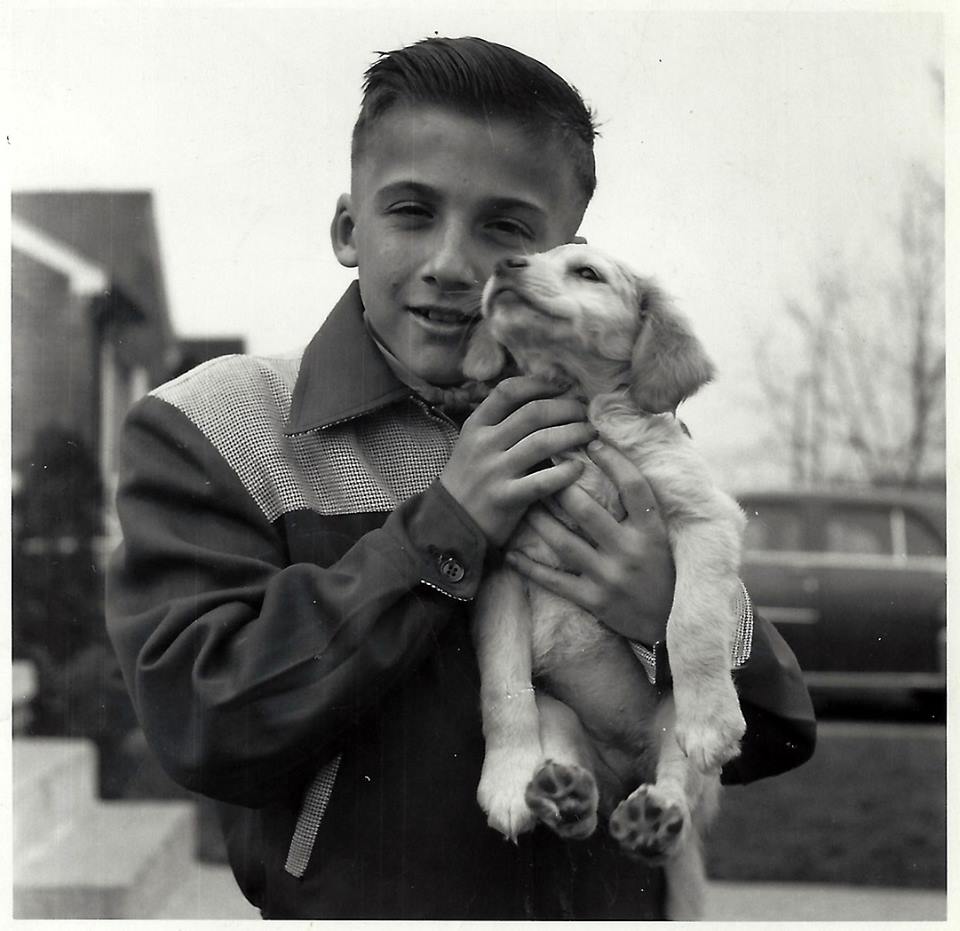
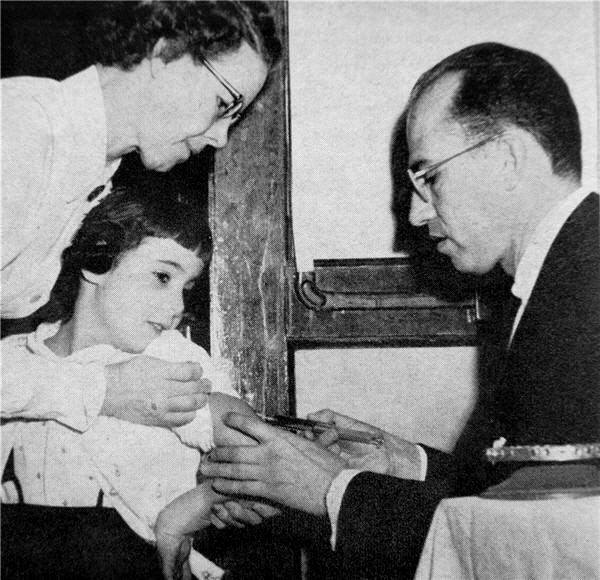
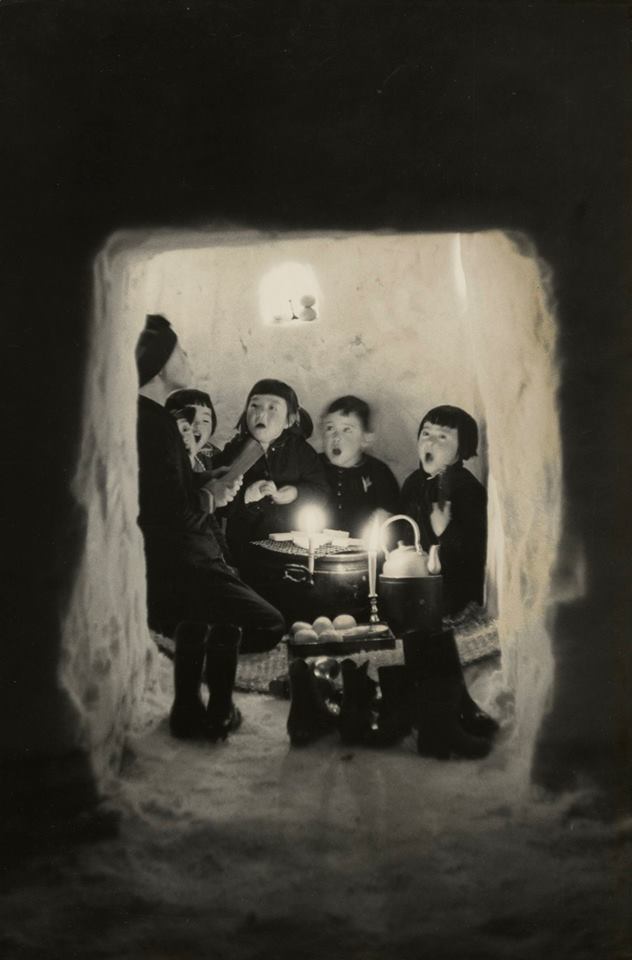
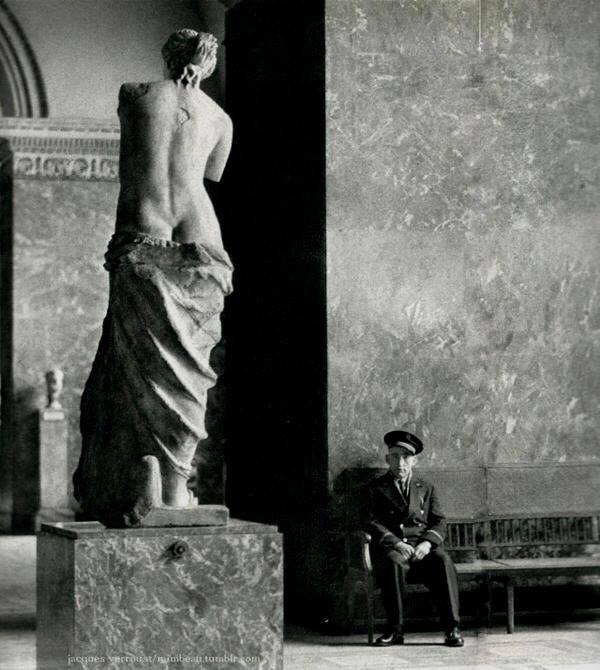
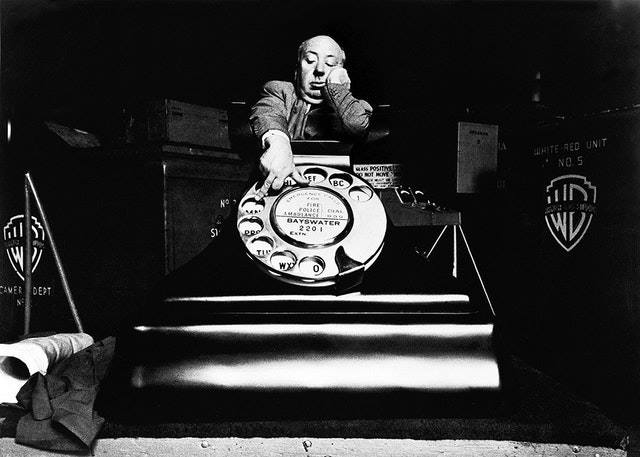
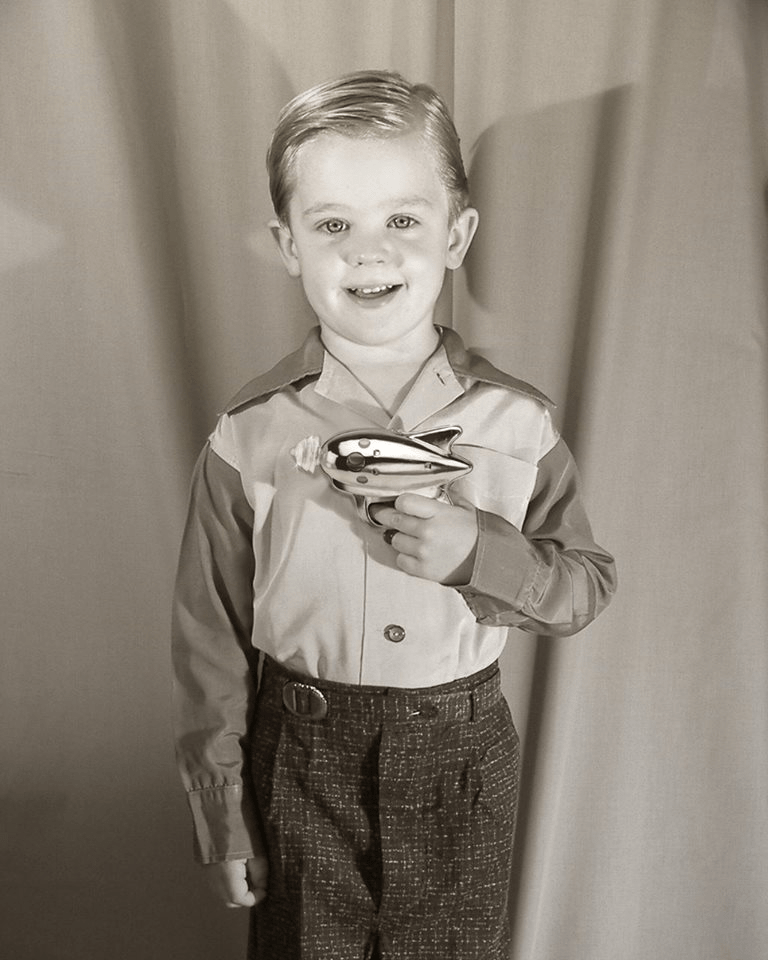
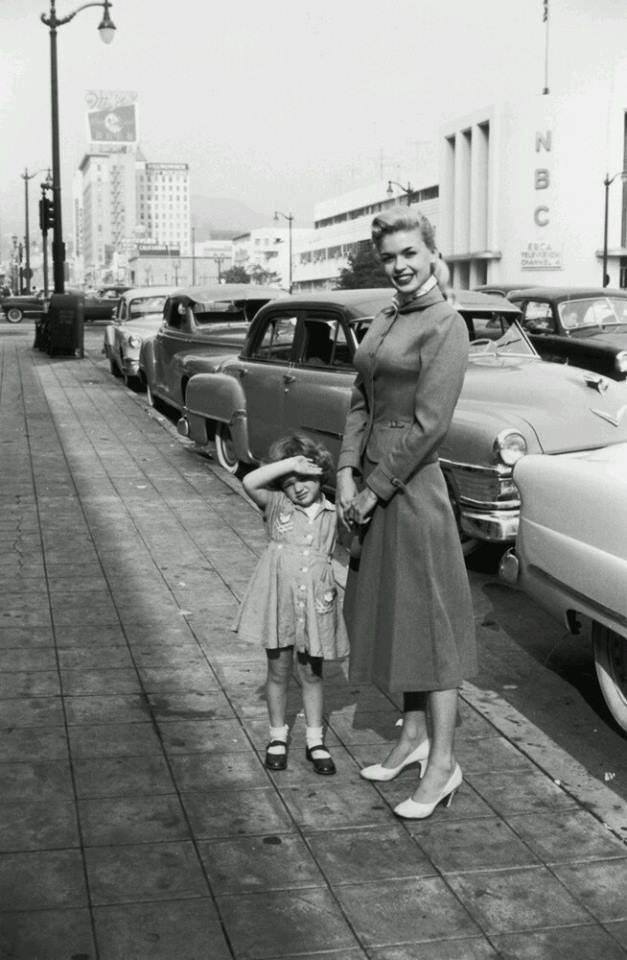
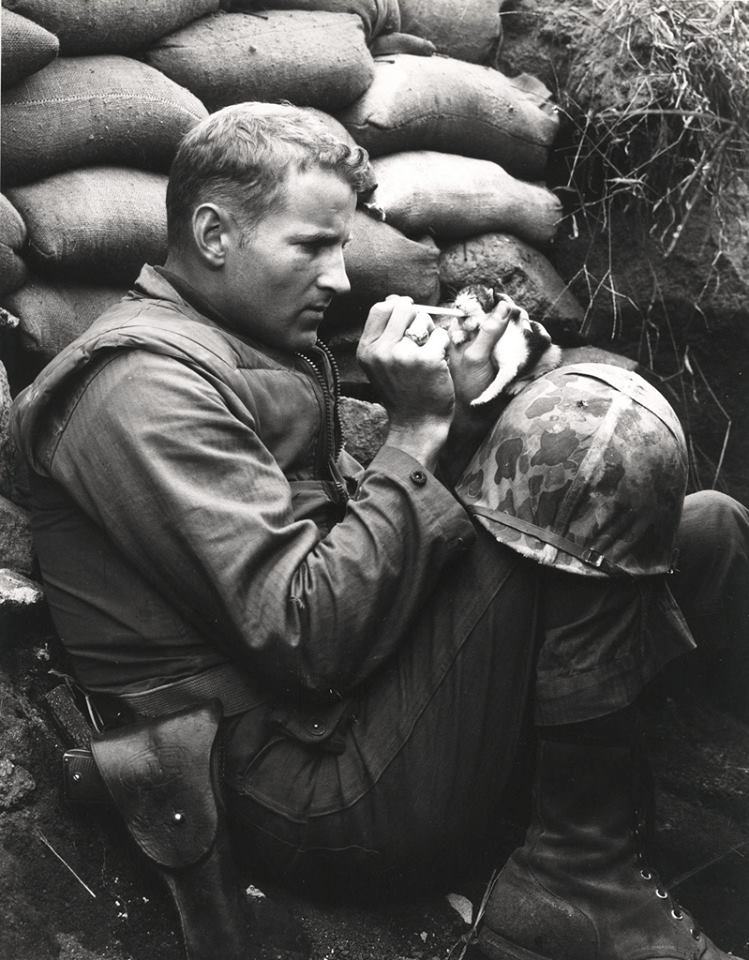
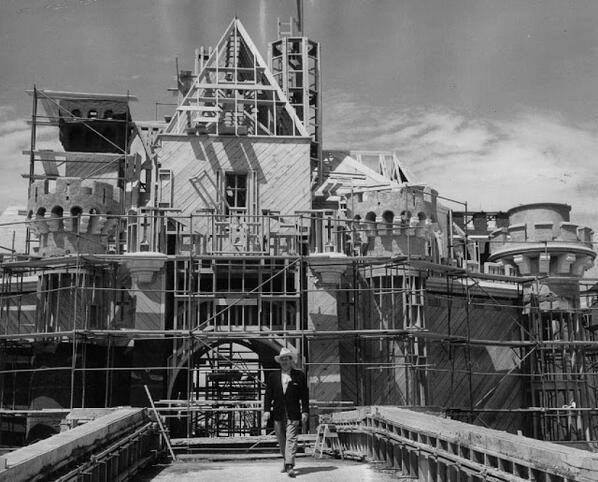
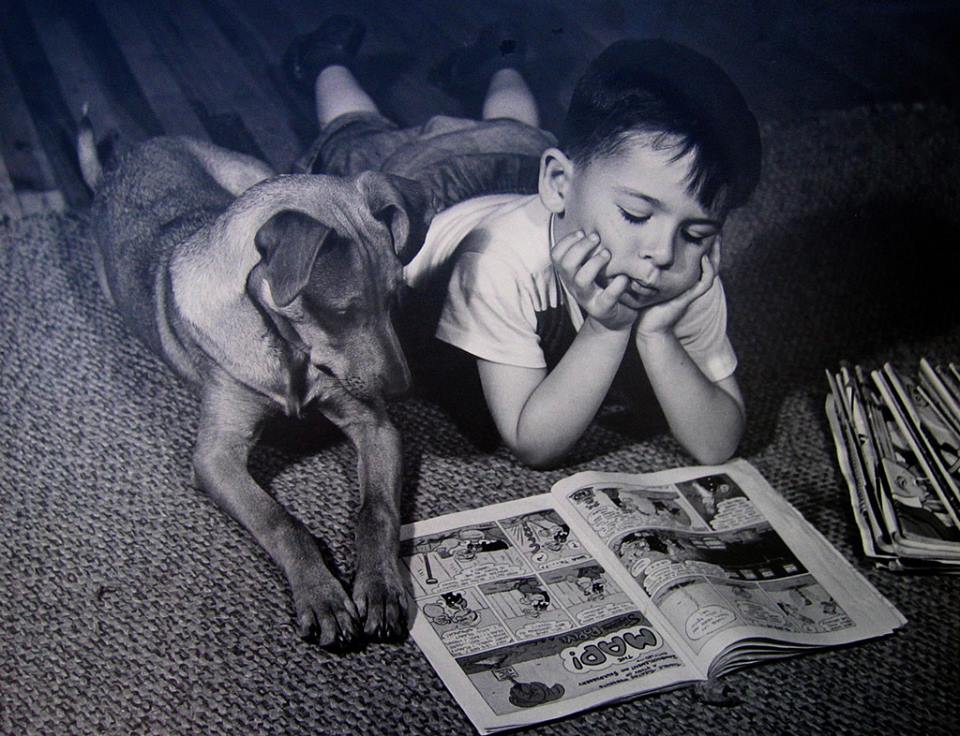
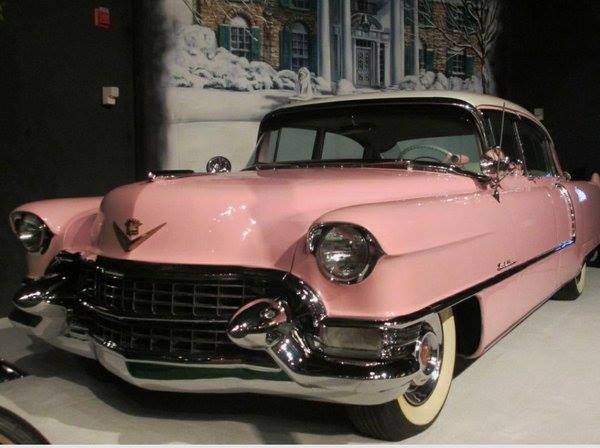
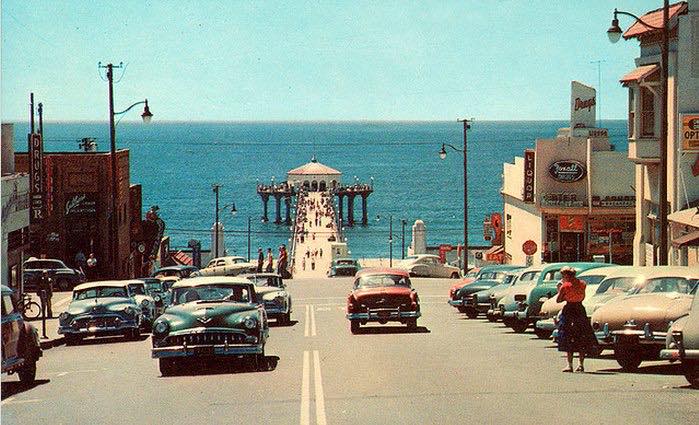
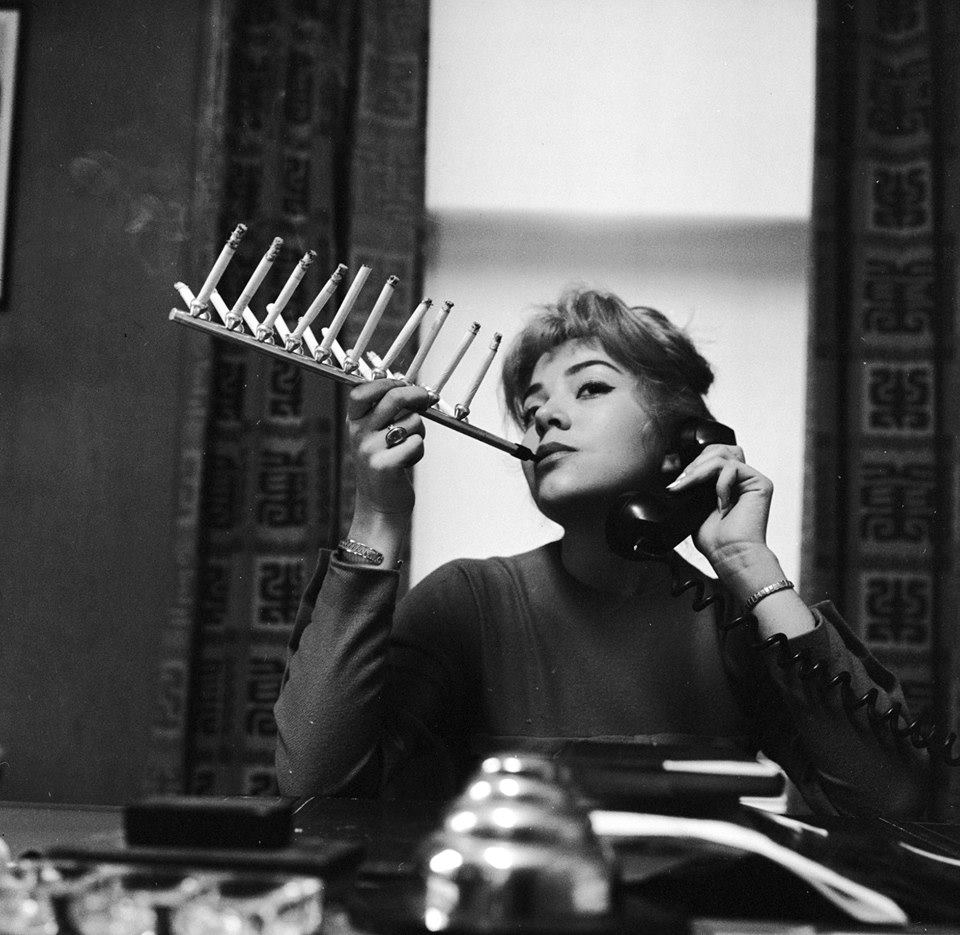
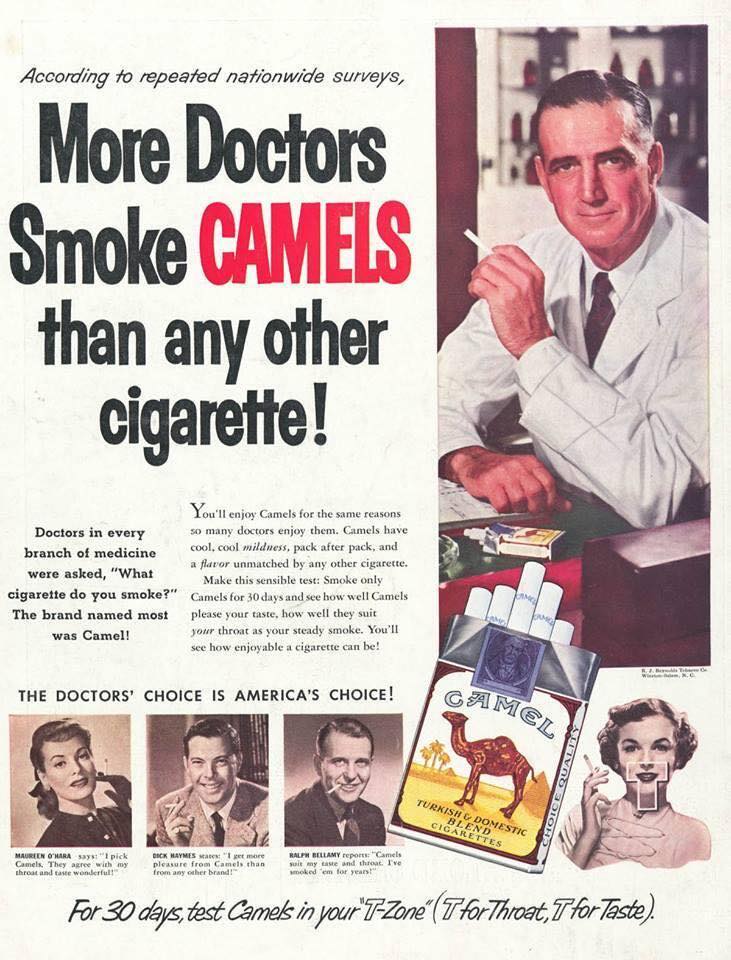
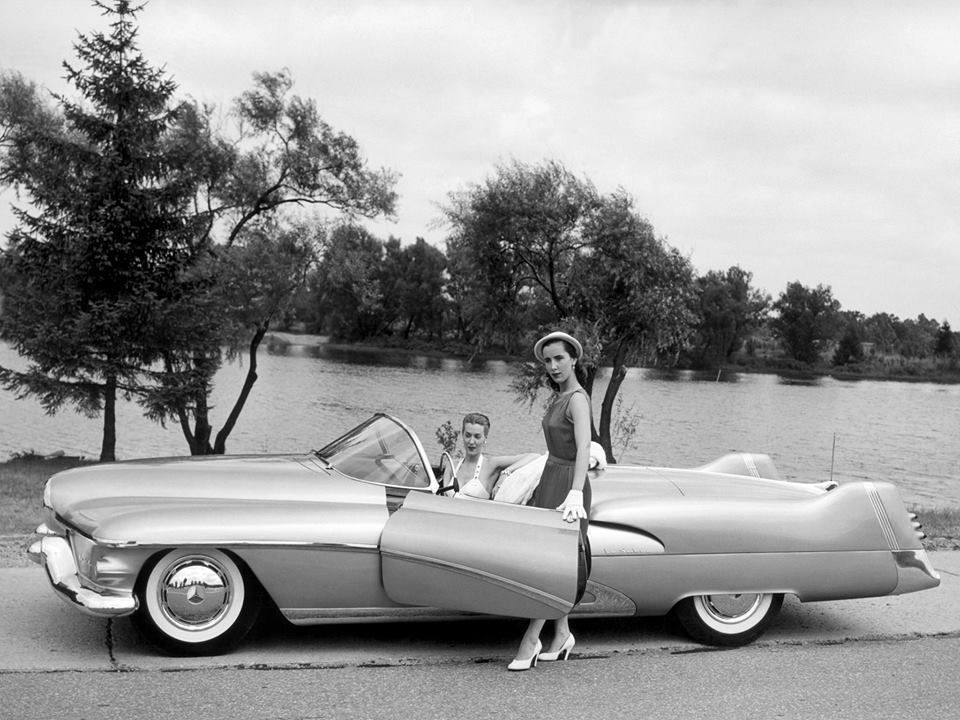
Steve McQueen in his 1957 Jaguar XKSS.Marilyn Monroe in her cat-eye glasses, 1950s.Little girl wearing Mickey Mouse ear hat sending a postcard to her family in Disneyland, Anaheim, California, 1957.Kid deep in latest news, 1953.Dale Strickland, 5, carries his puppy in the flood, Pico Rivera, February 25, 1958.An Italian girl filling her motorcycle with gasoline, 1950s.Charlton Heston riding a scooter during filming of Ben Hur, 1959.Marilyn Monroe in ‘Monkey Business’, 1952.Two models on a “Don’t Walk” sign, New York City, 1958Fisherman’s Wharf window reflection, Seattle, Washington, 1958.Central Park, New York, 1956.Man and Woman Smoking, NYC, 1959.Grace Kelly in 1954Little girl making a flag, 1950s.Shy kid with glasses, Paris, 1956.Dad helps tie his girl shoes, 1954.The watchers, 1950.The salesman, Naples, Italy, 1958.Times Square, 1952.Cinema in the outskirts of Naples, Italy, 1956.Boy and his puppy, 1950s.Boy with his kitten, 1953.Children playing with an old tire on the streets of Salford, Manchester, 1951.The polio vaccine, developed by Jonas Salk, was made available to the public, 1956.Late night TV show legend, Johnny Carson reads a story to his three sons, Chris, Cory, and Richard, 1955.Children singing in a snow cave, Niigata Prefecture, Japan, 1956.Little girl and her dog, 1950Watching over the ancient marble statue “Aphrodite of Milos” or better known as the Venus de Milo at the Louvre Museum in Paris, 1954.Men taking a smoko during construction of Auckland Harbour Bridge, 1959.The New York skyline at night, 1954.Alfred Hitchcock poses with the 4-foot prop phone used for the close-up shots in his film, “Dial M for Murder,” 1954.A boy proudly shows off his ray gun, 1950sMomma Jayne Mansfield posing on Vine Street with her oldest child Jayne Marie Mansfield, 1953.The Marine and the kitten, 1953. Sergeant Frank Praytor feeding the orphan kitten he named ‘Mis Hap’ that he saved during the Korean War.Walt Disney stands in front of the unfinished ‘Sleeping Beauty’s Castle’ in 1955.Best friends, 1950Playing in the snow in the driveway, Warren, Ohio, 1951.Two children on a bank in Alabama, 1956.Choosing Tabu perfume from a coin-operated ‘Perfumatic’ vending machine, 1952.Dinner and a movie, dining in the car at a drive-in movie theater in 1952.Here are stacks of 4.5 megabytes of data in 62,500 punched cards in 1955.In 1956, Elvis Presley gave his mother this pink Cadillac.Hiroshima atomic bomb survivor Shigeki Tanaka won the Boston Marathon in 1951.Manhattan Beach in 1957Model Frances Richards smokes a pack of cigarettes all on one cigarette holder, 1955Laurel and Hardy sitting in a pub in a small village in England chatting with the locals, Christmas, 1952Cigarettes were promoted by doctors until the early 1950s1951 Buick LeSabre.New York, September 1952.Watching Boeing 377 Stratocruiser, 1951.
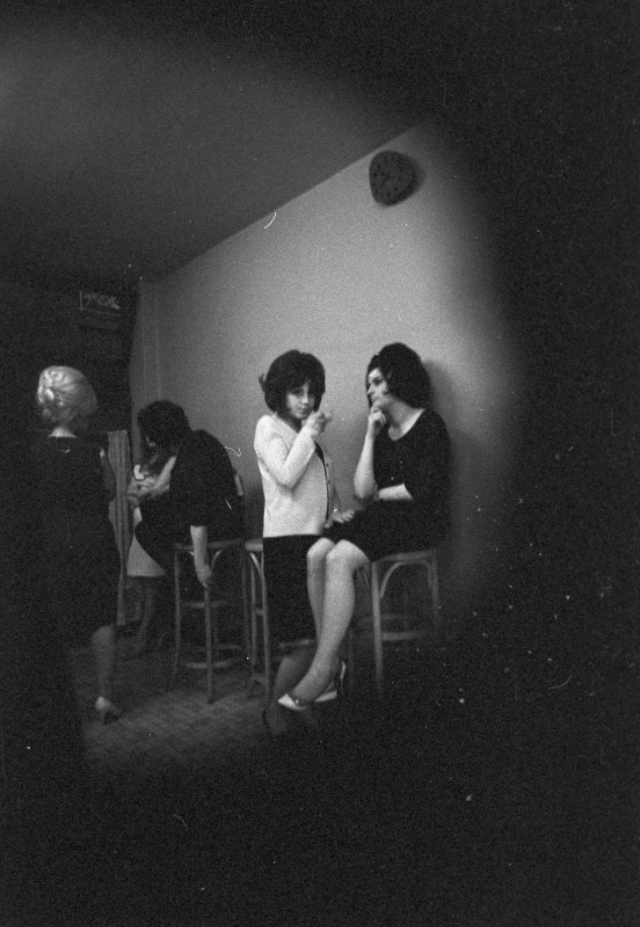
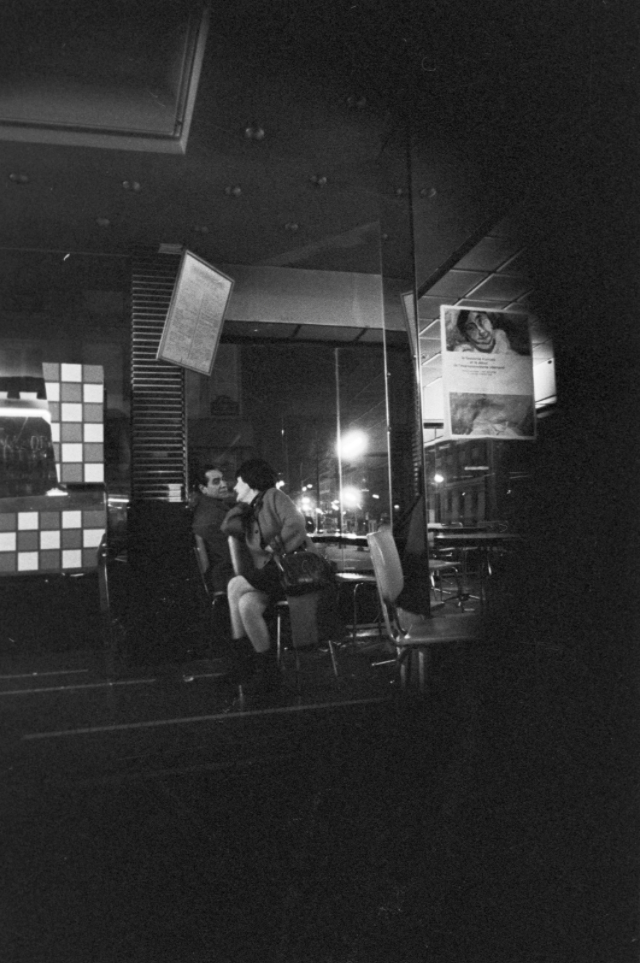
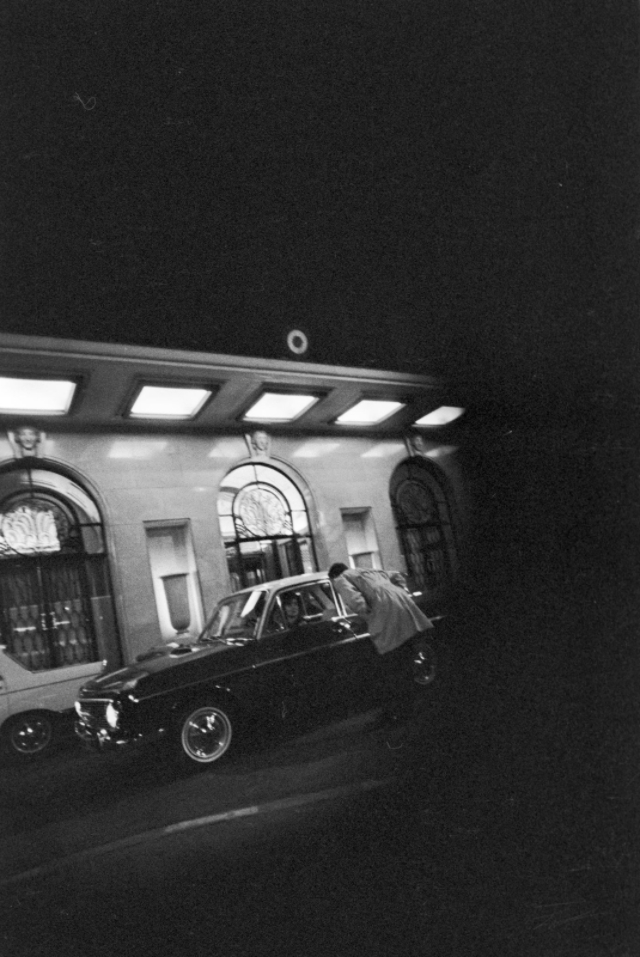
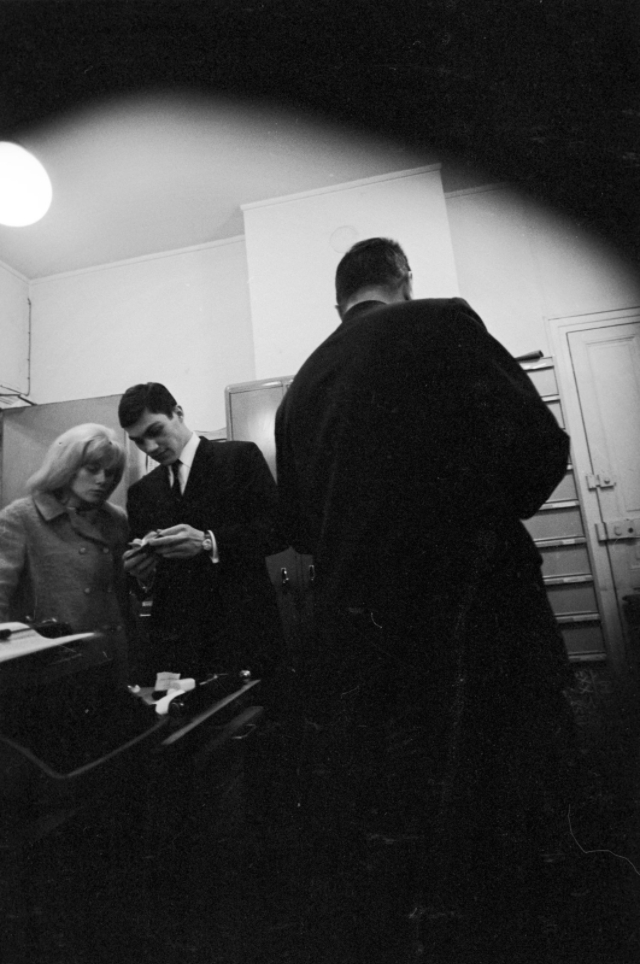
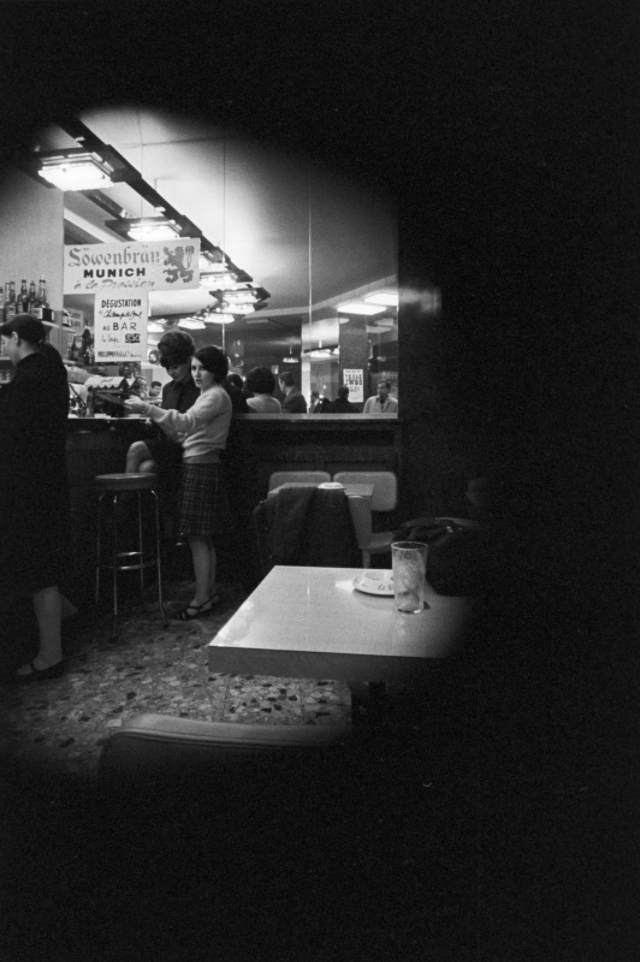
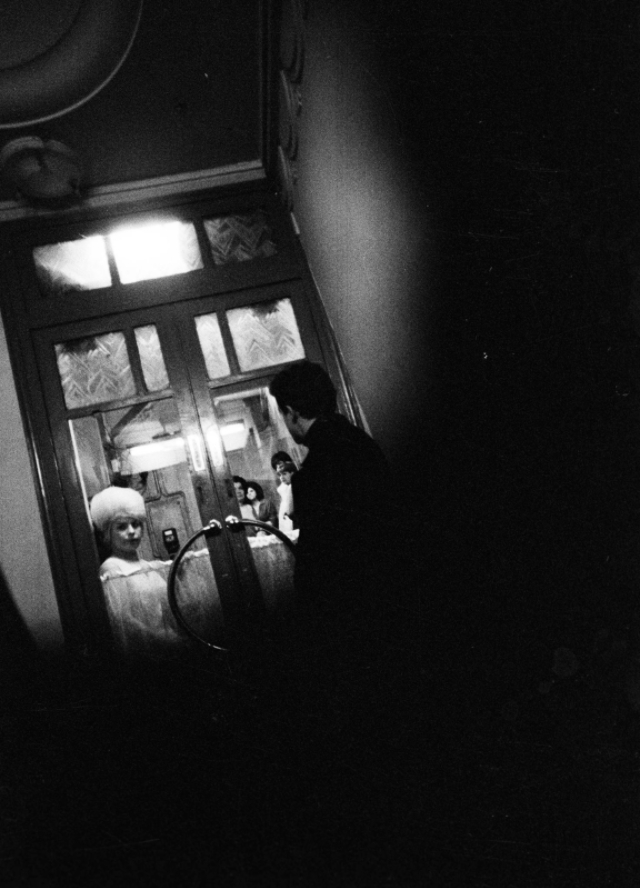
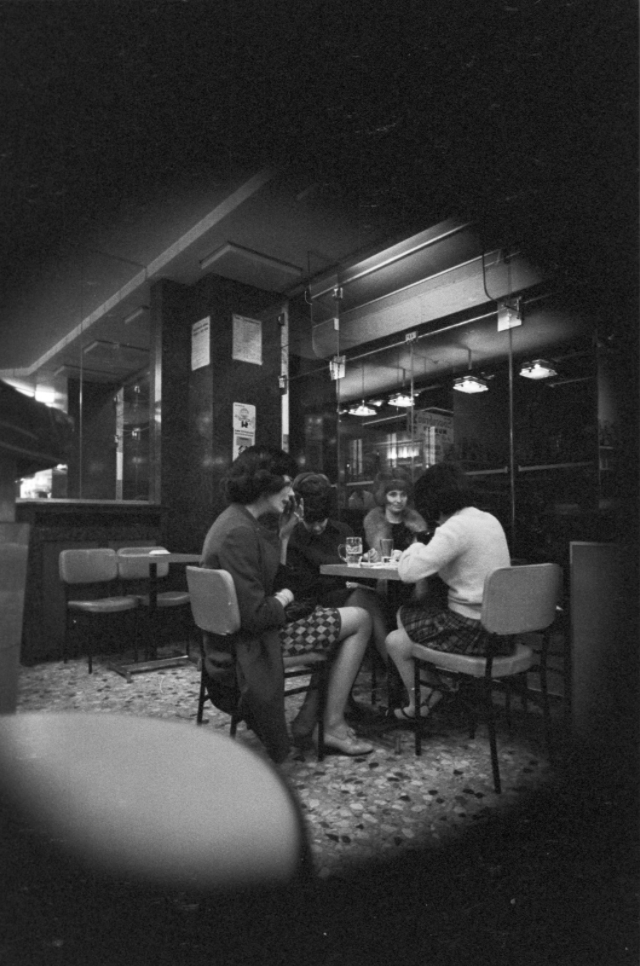
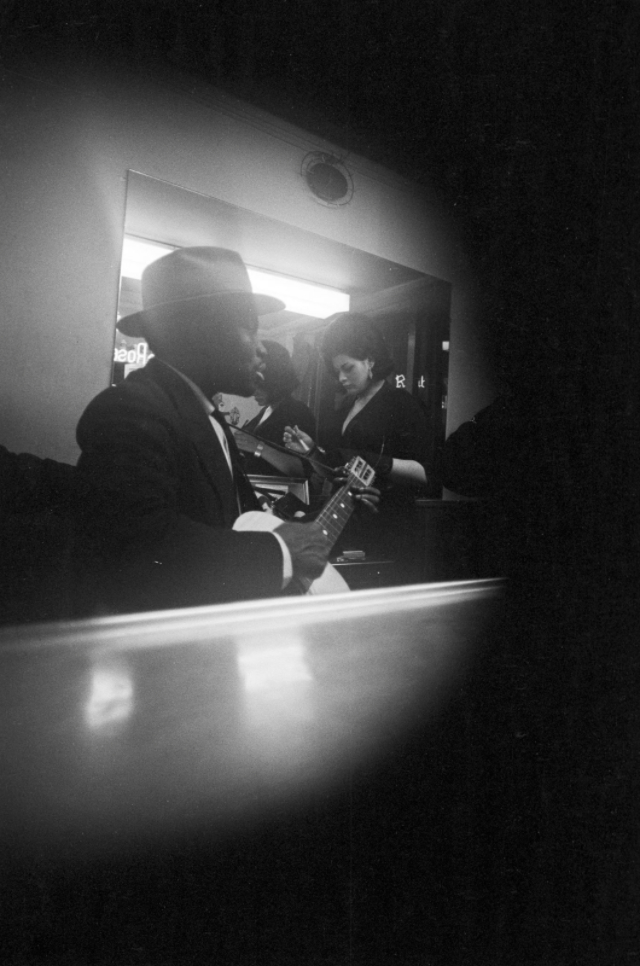
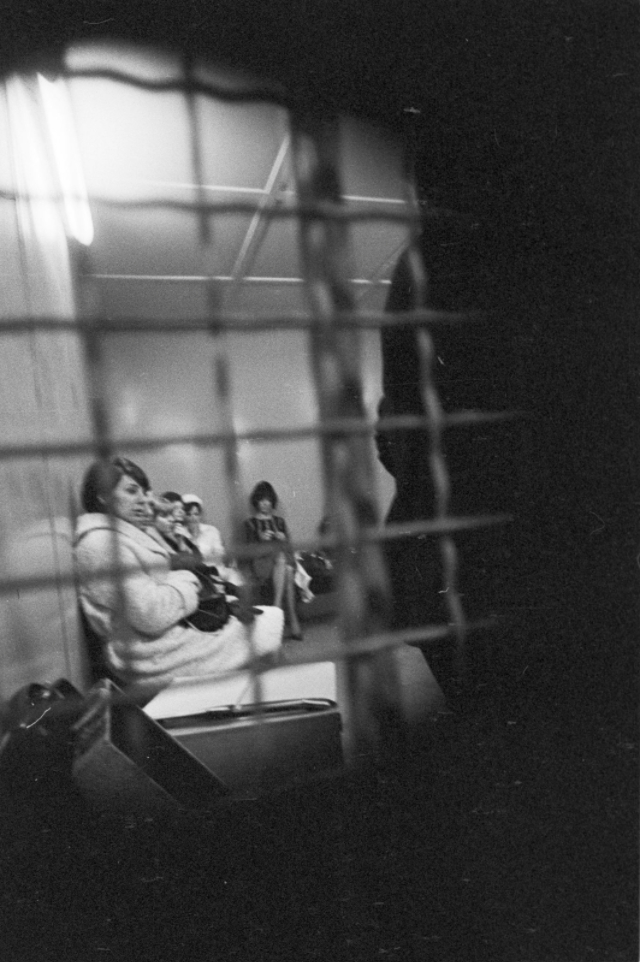
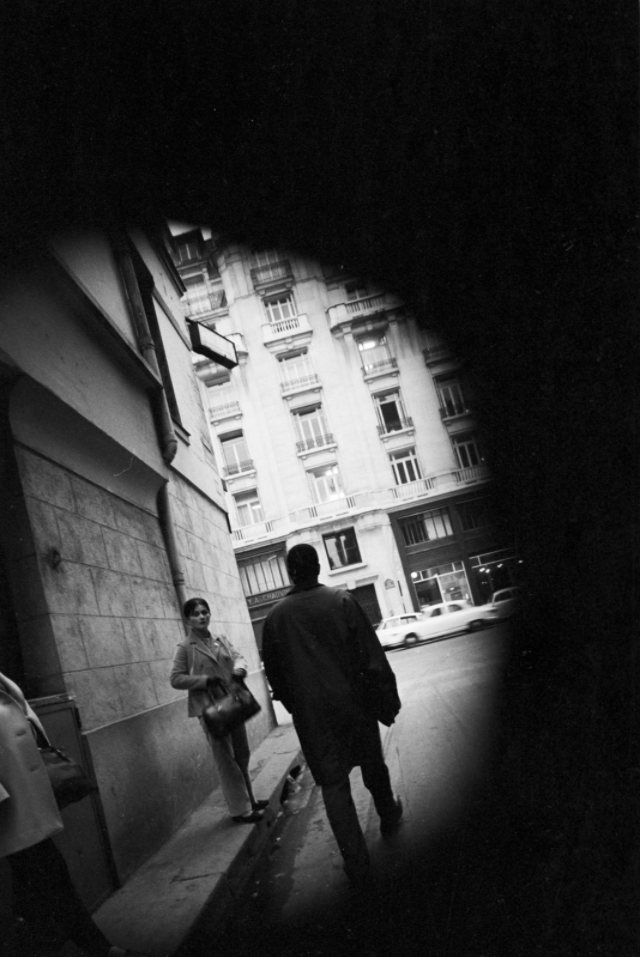
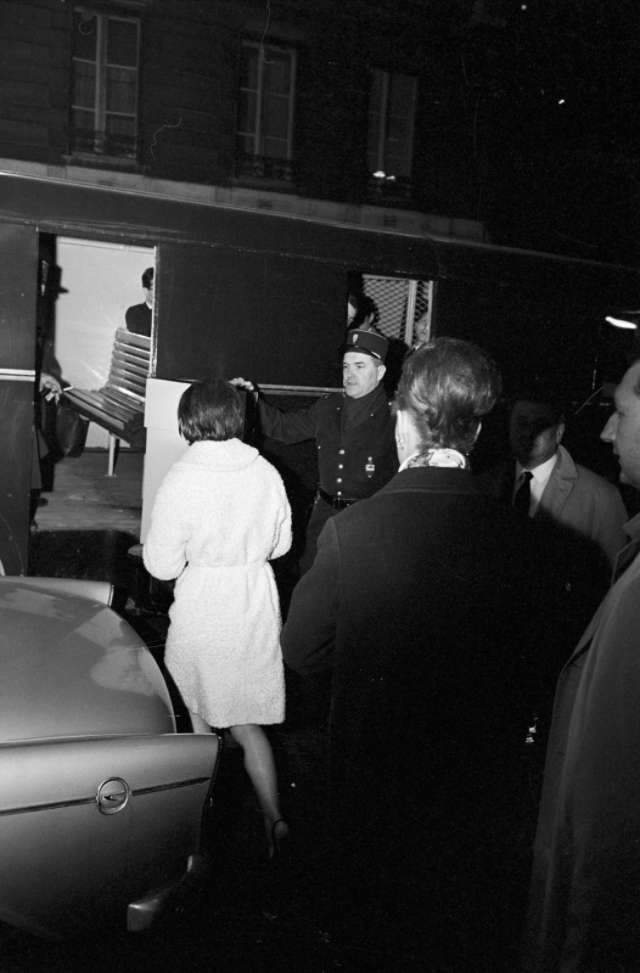
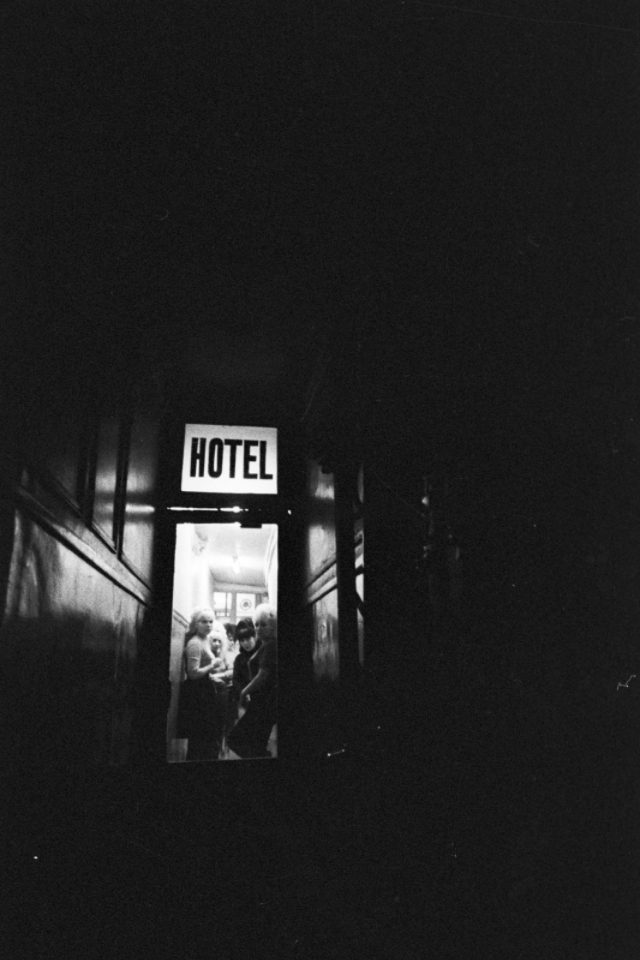
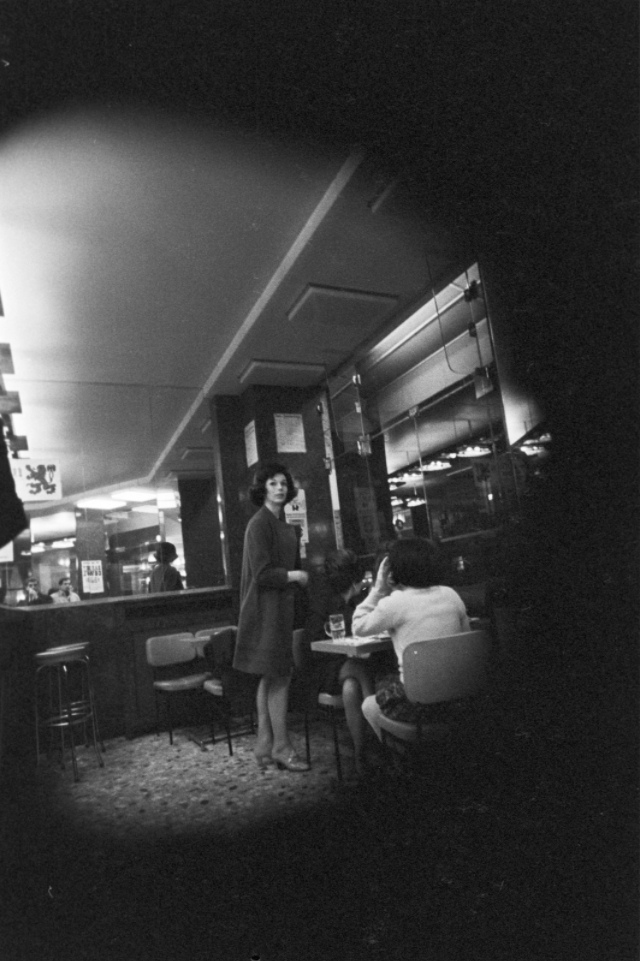
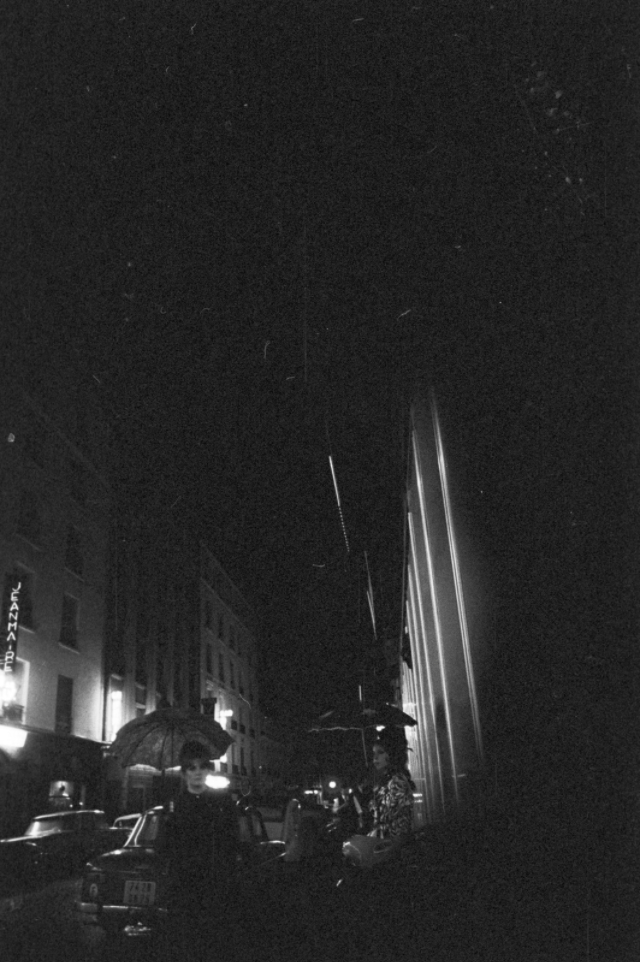
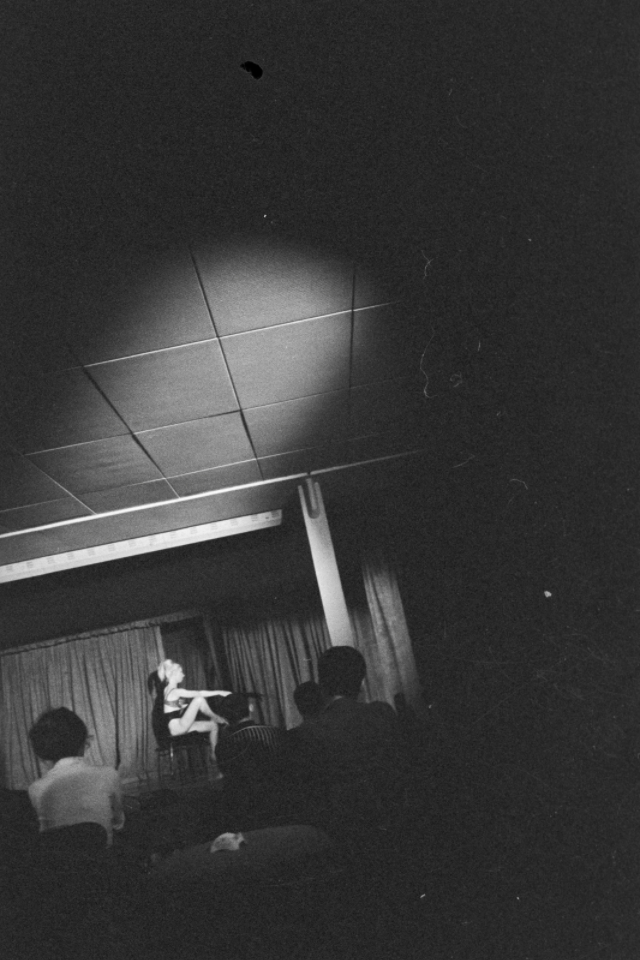
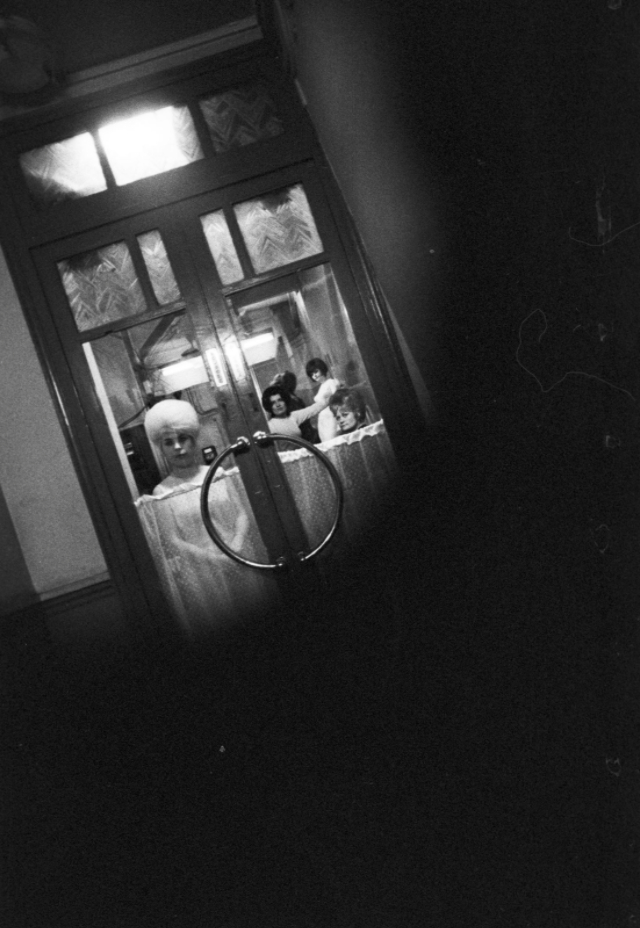
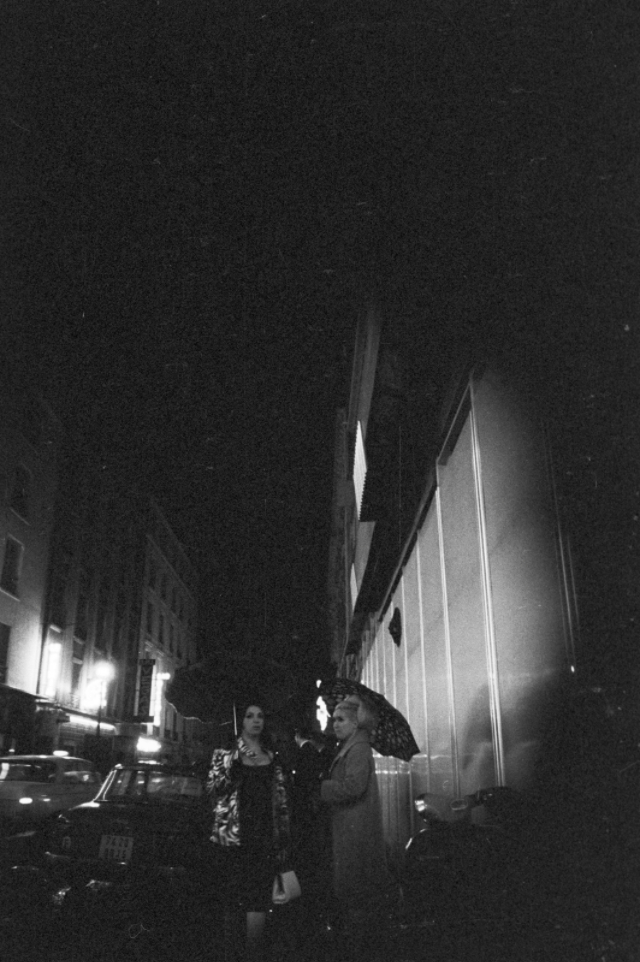
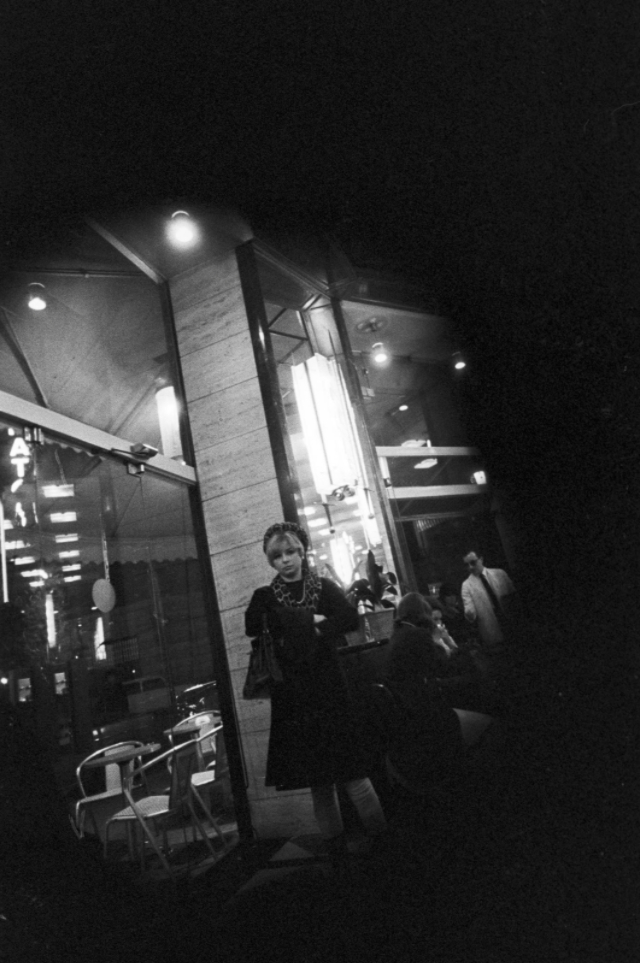
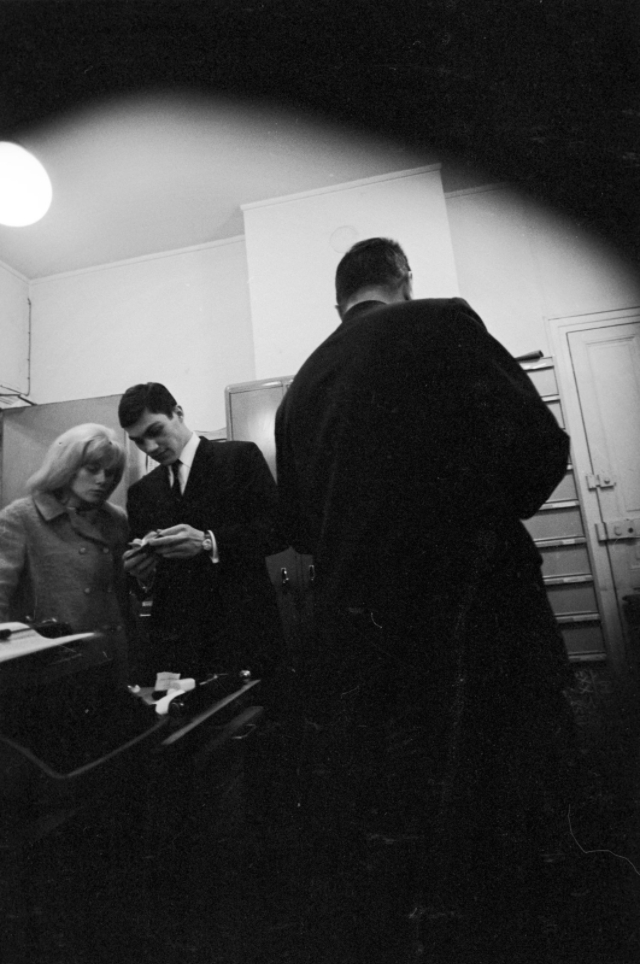
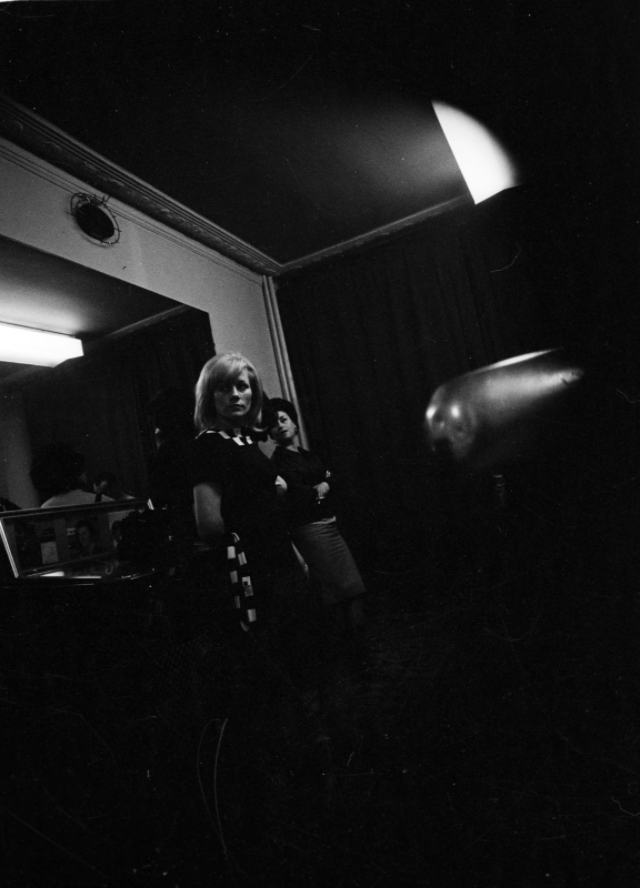
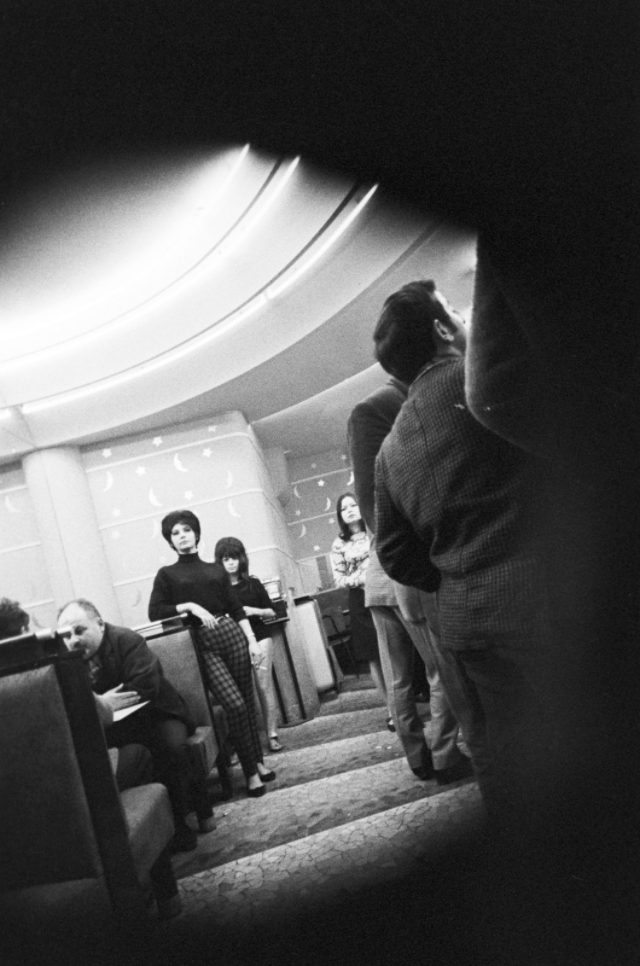
Prostitution in Paris, both street prostitution and prostitution from dedicated facilities has a long history but also its own modernity in the French capital. Prostitutes are mostly women but also include transgender people and men.
Of men born between 1920 and 1925, one in five had experienced his first sexual relationship in a maison-close. Paris accommodated many brothels until their prohibition in 1946 following the introduction of the Loi Marthe Richard. 195 establishments were then closed in Paris. Among the most famous are the One-Two-Two, Le Chabanais, Le Sphinx and La Fleur blanche.
From 1960, in the debates over prostitution in France, “abolition” was used to refer to both the abolition of laws and regulations that make any distinction between someone involved in prostitution and the general population, and the abolition of prostitution itself. At that time, police files on prostitutes were finally destroyed. However, implementation varied considerably locally, although prostitution was rarely on the political agenda over the next 30 years. Exceptions were the demonstrations of prostitutes rights movements against police harassment in 1975, and periodic calls by individual politicians for re-opening the “maisons”.
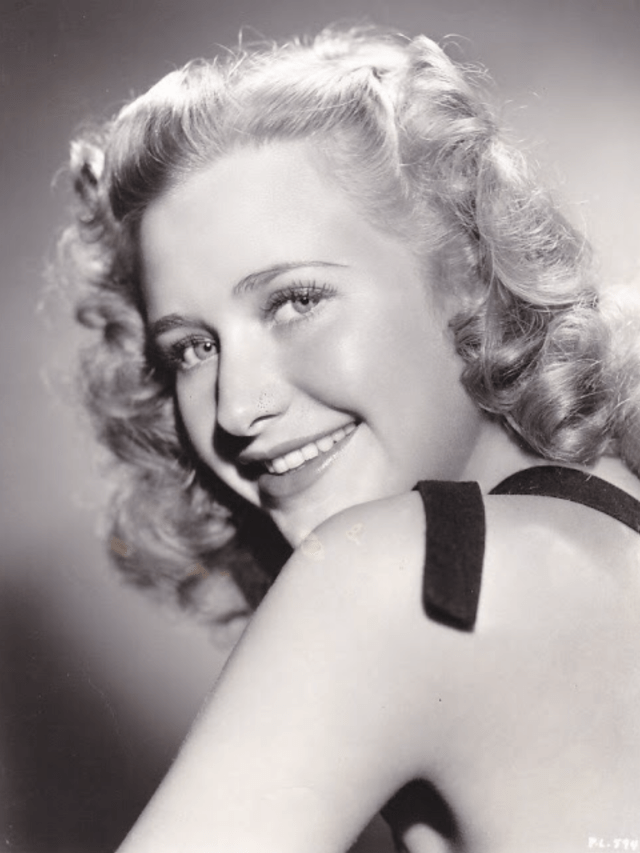
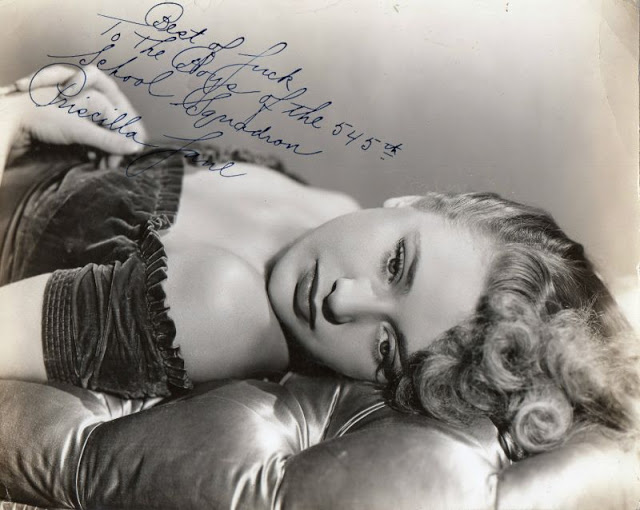
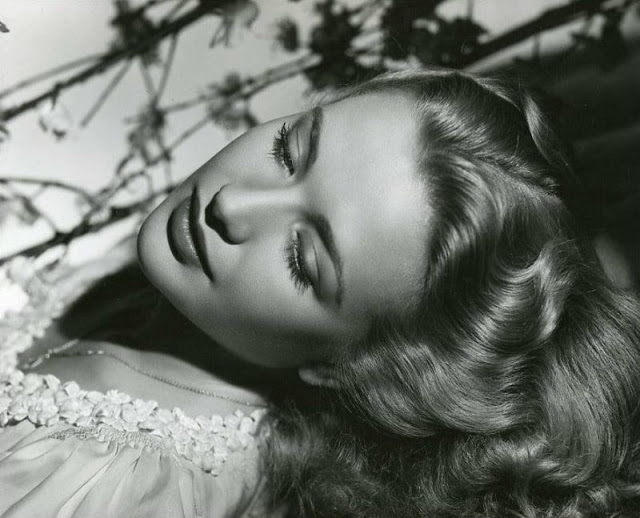
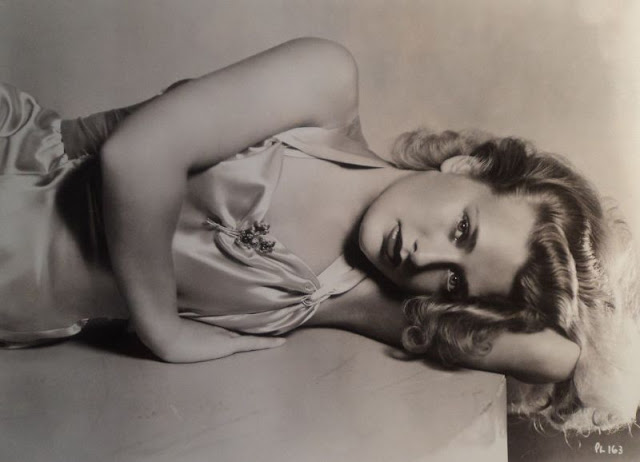
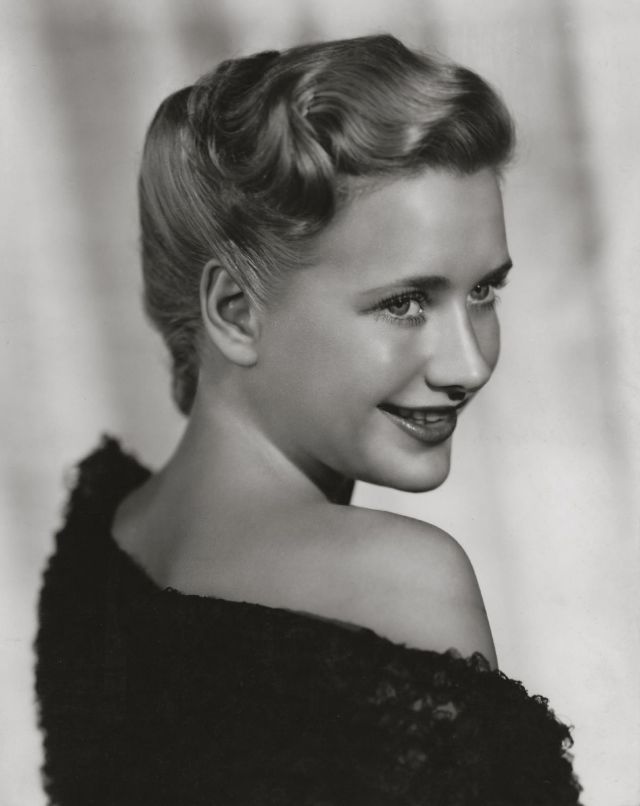
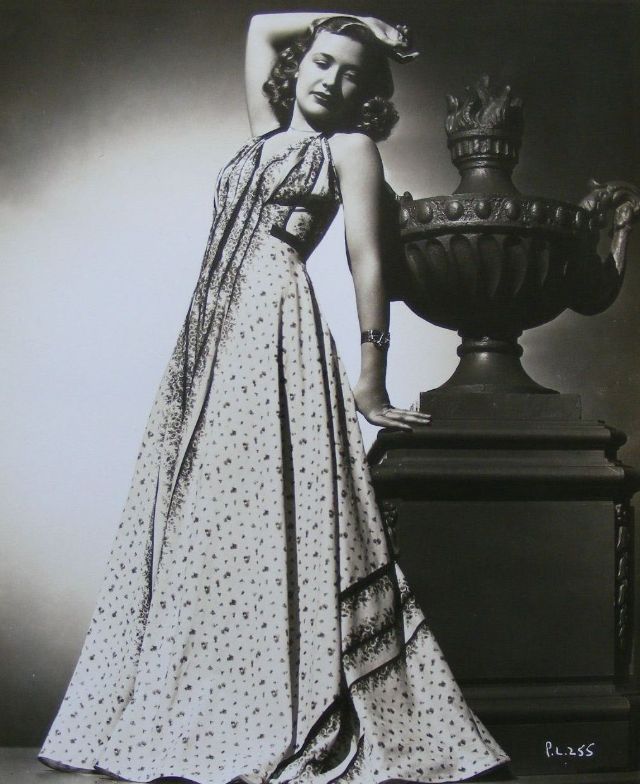
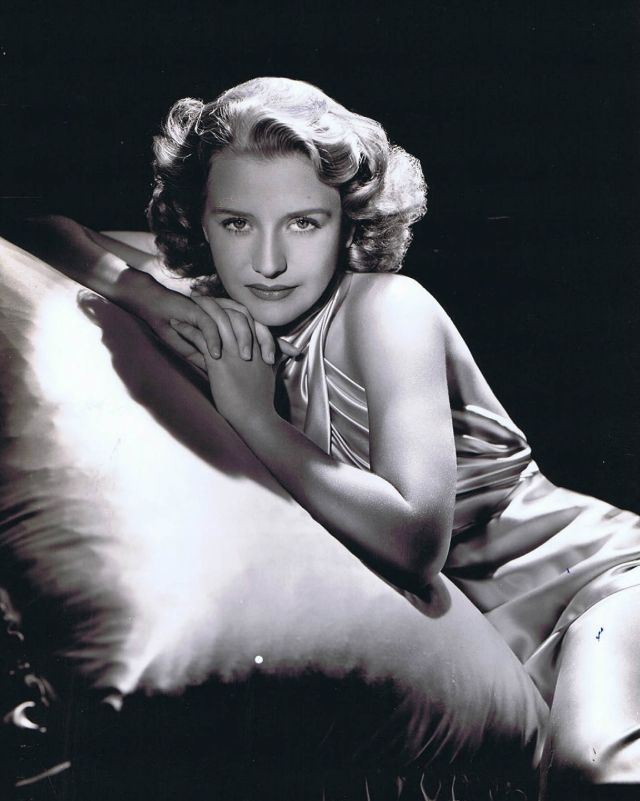
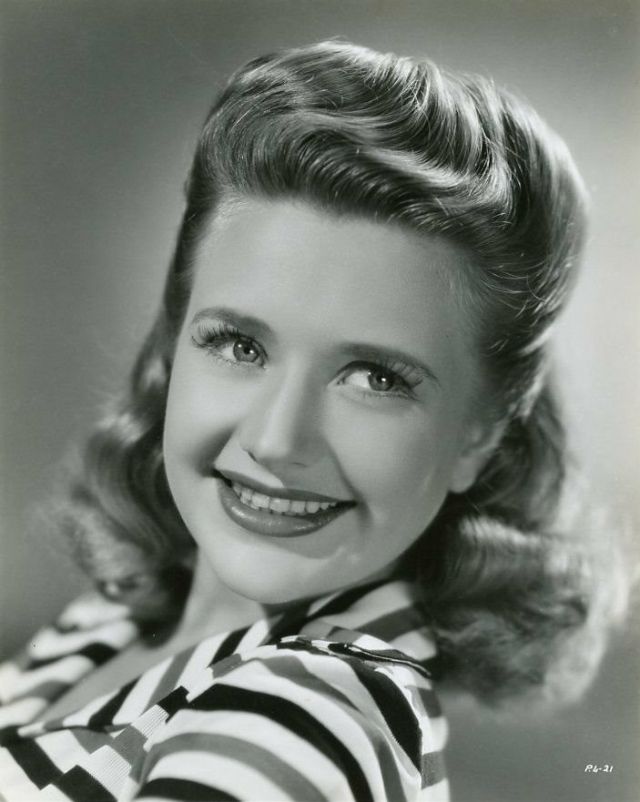
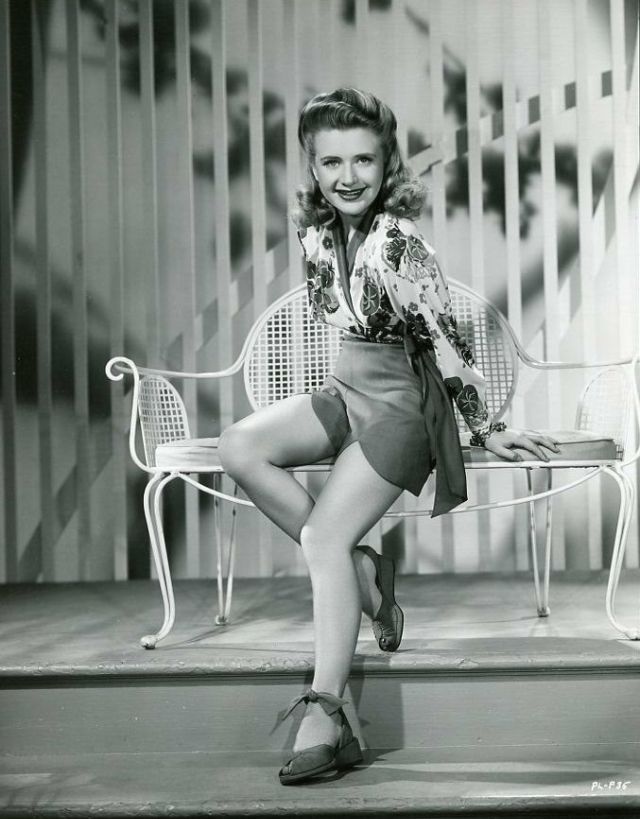
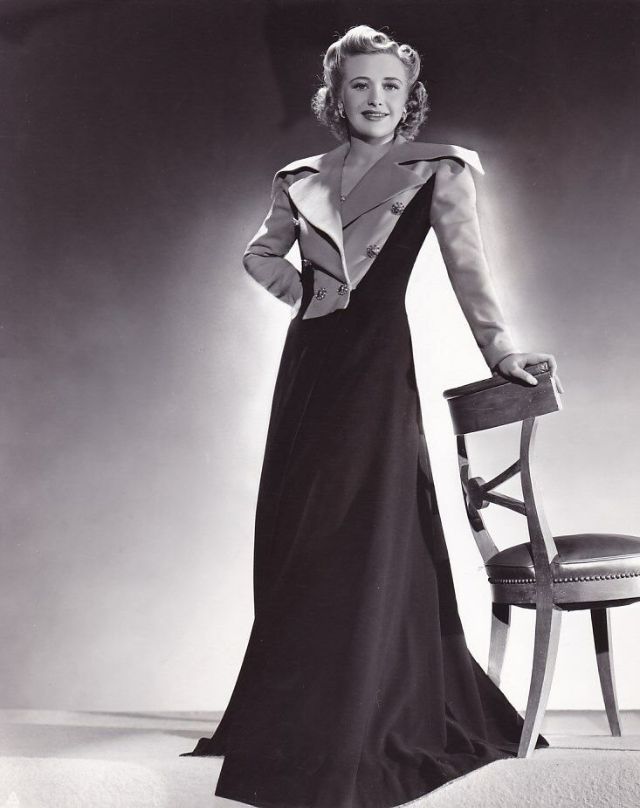
Priscilla Lane (born Priscilla Mullican, June 12, 1915 – April 4, 1995) was an American actress, and the youngest sibling in the Lane Sisters of singers and actresses. She is best remembered for her roles in the films The Roaring Twenties (1939) co-starring with James Cagney and Humphrey Bogart; Saboteur (1942), an Alfred Hitchcock film in which she plays the heroine, and Arsenic and Old Lace (1944), in which she portrays Cary Grant’s fiancée and bride.
Priscilla Mullican was born on June 12, 1915, in Indianola, Iowa, a small college town south of Des Moines. She was the youngest of five daughters of Dr. Lorenzo Mullican, DDS, and his wife, Cora Bell Hicks. Dr. Mullican had a dental practice in Indianola. The family owned a large house with 22 rooms, some of which they rented to students attending nearby Simpson College.
Priscilla and one of her sisters, Rosemary, traveled to Des Moines every weekend to study dancing with Rose Lorenz, a renowned dance teacher[3] at the time. The girls made their first professional appearance September 30, 1930, at Des Moines’ Paramount Theater. Priscilla, then 15, performed on stage as part of the entertainment accompanying the release of her sister Lola’s Hollywood movie Good News (1930).
After graduating from high school, Priscilla was permitted to travel to New York to visit a third sister, Leota (the eldest of the five Mullican sisters), then appearing in a musical revue in Manhattan. Priscilla enrolled at the nearby Fagen School of Dramatics, and Leota paid the fee. At this time, talent agent Al Altman saw Priscilla performing in one of Fagen’s school plays and invited her to screentest for MGM. She was 16 years old. Priscilla wrote to a friend in Indianola, “Leota accompanied me to a sort of theater in a New York skyscraper. Others were there being made up. One was a strange looking girl with her hair slicked back in a sort of a bun. Her name is said to be Catherine Hepburn [sic]. Not very pretty, I thought, but Mr. Altman said she has something. Margaret Sullavan, the Broadway actress, was there too!” A follow-up letter said that her test had proven unsuitable. Neither Hepburn nor Sullavan were approved, and neither received a contract from MGM at the time.
In 1932, Cora and Rosemary arrived in New York. Cora immediately went to work pushing her two young daughters into attending auditions for various prospective Broadway productions, without success. During a tryout at a music publishing office, orchestra leader and radio personality Fred Waring heard them harmonizing. He found them attractive and talented and soon signed them to a radio contract. Priscilla, who at this time adopted the surname Lane, quickly became known as the comedienne of the group. Rosemary sang the ballads, while Priscilla performed the swing numbers and wisecracked with Waring and various guests. Back in Iowa, Dr. Mullican instituted divorce proceedings against his wife on the grounds of desertion, and the divorce was granted in 1933.
Rosemary and Priscilla remained with Fred Waring for almost five years. In 1937, Waring was engaged by Warner Bros. in Hollywood to appear with his entire band in Varsity Show, a musical starring Dick Powell. Both Rosemary and Priscilla were tested and awarded feature roles in the film. Rosemary shared the romantic passages with Powell, while Priscilla played a high-spirited college girl.
Warner Bros. purchased Priscilla and Rosemary’s contract from Fred Waring and signed them to seven-year pacts.[1] Priscilla’s first film after Varsity Show was Men Are Such Fools (1938), in which she starred with Wayne Morris. This was followed by Love Honor and Behave (also 1938), another light romantic comedy with Morris, who, playing her husband, spanked her 47 times in a scene for which she declined a double, and Cowboy from Brooklyn, again teaming with Dick Powell. The publicity department at the studio suggested that Priscilla and Morris be seen together around town. They liked each other and did date for a period; however, Priscilla later said it was never serious on either side.
Also in 1938, Priscilla, Rosemary and third sister Lola Lane appeared as three of four sisters (the fourth being Gale Page) in Four Daughters, the similarly themed Daughters Courageous the following year, and two sequels to Four Daughters a few years later, Four Wives and Four Mothers.
Priscilla was next assigned the lead in Brother Rat, which had been a very successful Broadway play. Again she played opposite Wayne Morris, and among the cast were newcomers Ronald Reagan, Jane Wyman, Jane Bryan, and Eddie Albert. The film, when released in October 1938, was a big success for all the young players. At this time of professional success, the sisters were informed that Dr. Mullican had died in Iowa.
After winning her raise, Priscilla returned to work, but the films assigned to her were no better than those she had turned down. Brother Rat and a Baby (aka, Baby Be Good, 1940) was an inferior sequel and Three Cheers for the Irish (also 1940) gave her little to do.
The British Picturegoer magazine, always a supporter of the Lane Sisters, stated that all was not right with Priscilla Lane. In its June 15, 1940 issue, they wondered why “Priscilla was still knocking at the door of major stardom”. They felt Warner Bros. was casting her as stooge to such actors as John Garfield and James Cagney. They went on to say Priscilla had great charm and while not a really great dramatic actress, deserved much larger and more important roles than she was getting. The same magazine, two years later on August 22, 1942, referred to their 1940 article and once again expressed disappointment at Warners’ treatment of the star. They were unaware that she had already left the studio.
On April 28, 1941, she was heard on Lux Radio Theater with George Brent and Gail Patrick in Wife, Husband and Friend. At Warner Bros. she appeared opposite Ronald Reagan in a lighthearted comedy, Million Dollar Baby (1941) and as a night club singer in Blues in the Night (also 1941).
Frank Capra requested her for the lead opposite Cary Grant in Arsenic and Old Lace. The comedy film was completed in early 1942, but was not released until 1944; it was held up by contractual agreement not to distribute the film until the play’s long Broadway run was over. It was Priscilla’s last Warner film. Her contract was terminated by mutual agreement after five years with the studio.
She freelanced next, signing a one-picture deal with Universal Studios where she starred with Robert Cummings in Alfred Hitchcock’s Saboteur (1942). The director did not want either Cummings or Lane for their roles. Hitchcock felt Lane was too much the girl next door. Universal insisted that they play the leads, and when the film was released, her acting was praised while some criticism was focused on Hitchcock for reworking so much from his earlier films into this wartime spy drama.
She had commitments for two more films. The first was Silver Queen (1942) for producer Harry Sherman in which she co-starred with George Brent. She played the owner of a gambling house in 1870s San Francisco. The other film was a Jack Benny comedy, The Meanest Man in the World, released in January 1943. Lane then retired from films. For the duration of the war, she followed her husband across America as he moved from one military base to another. She was generous with her talents and often performed at camp shows.
While living in Van Nuys, she was offered and accepted the leading role in Fun on a Weekend (1947) for producer–director Andrew Stone, co-starring Eddie Bracken. When the film was released, Variety opined, “Miss Lane, who’s been absent from films for some time, gives a good enough performance which should ensure her work in more pictures.” However, Lane returned to domestic life. Once again she and her husband moved, this time to Studio City.
Lane accepted the offer of the lead role opposite Lawrence Tierney in a film noir, Bodyguard (1948), starring as Doris Brewster. During an interview with a Hollywood correspondent, she stated, “I didn’t realize how much I miss filming until I came back. I love this work, and I hope to make many, many more pictures.” Bodyguard would be her last picture. An expected contract with RKO Studios did not come to pass.
In January 1951, Cora Mullican died at the San Fernando Valley home her daughters had bought for her years earlier. Priscilla returned to show business briefly in 1958 with her own show on a local television station broadcasting from Boston. Titled The Priscilla Lane Show, she chatted and interviewed celebrities visiting the area. She enjoyed the television experience, but family demands proved too much, and she gave up after a year.
Personal Life
Lane dated assistant director and screenwriter Oren W. Haglund, later the production manager of eleven ABC/Warner Brothers television series of the 1950s and 1960s. Impulsively she eloped with Haglund to Yuma, Arizona, on January 14, 1939, but left him the following day. They were divorced in May 1941. On June 14, 1941, Lane’s mother announced her engagement to newspaper publisher John Barry, whom she had first met in 1939. She wrote in the November issue of Photoplay about how she looked forward to their marriage and would continue her career.
In early 1942, the engagement to Barry ended after she met Joseph Howard, a 27-year-old Army Air Corps lieutenant, at a dude ranch in the Mojave Desert. A native of Lawrence, Massachusetts, he had joined the Army Air Corps straight from college in 1939. He was scouting the area for likely sites for air bases and had taken a short vacation. The couple were married on May 22, 1942, in Las Vegas, Nevada.
At the war’s end in 1945, Lane and Howard were living in New Mexico and she was pregnant with their first child. Their son, Joseph Lawrence, was born on December 31, 1945. In 1946, after Howard’s discharge from the service, the couple moved back to California, where they resided in Victorville. Howard, who had a degree in engineering, became a building contractor. The family moved to Van Nuys in December 1945. Afterwards Howard and Lane moved to Studio City. Priscilla became pregnant again in 1949. On April 17, 1950, her daughter Hannah was born. By June 1951, the boom in the construction industry in New England had Lane and her family moving back to Howard’s native Massachusetts. Howard left the final decision to end her career to Lane, who later declared she never regretted her choice. She fell in love with New England, and the couple settled with their children in Andover, Massachusetts. Lane was busy with her family. She gave birth to a second daughter, Judith, on August 22, 1953. The Howards’ fourth and youngest child James was born December 4, 1955. During the 1952 presidential election, she, along with her sisters, all of whom were registered as Democrats, supported the campaign of Adlai Stevenson.
Outside her family, Priscilla remained busy. She was devoutly religious, having converted to Roman Catholicism, as had her elder sister Lola. The family attended church regularly, and she was involved with Catholic charities. She enjoyed tending her garden, and growing flowers and vegetables. She ran a Girl Scout troop and volunteered at local hospitals. In July 1972, Joe Howard retired from business, and he and Lane moved to their summer home at 7 Howards Grove in Derry, New Hampshire. Howard died suddenly on May 18, 1976, aged 60. He was still in the Air Force Reserve, which he had joined after his discharge from active duty in 1946. He was buried at Arlington National Cemetery with full military honors. Heartbroken, Priscilla remained afterward in Derry. She said, more than a year later in 1977, “I’m still trying to pull myself together after Joe’s death.” She busied herself with volunteer work and her garden.
Lane was diagnosed with lung cancer in 1994. She moved to a nursing home, Wingate, in Andover near her son Joe and his family. She died there at 7:30 a.m. on April 4, 1995, from lung cancer and chronic heart failure, aged 79. A funeral mass was celebrated at St. Matthew’s Church in Windham, New Hampshire. She was laid to rest beside her husband (Wikipedia)
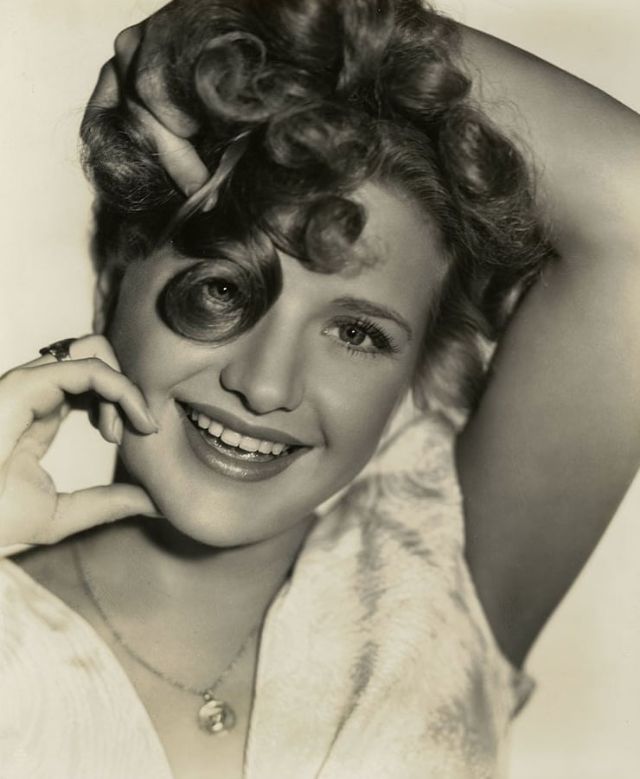
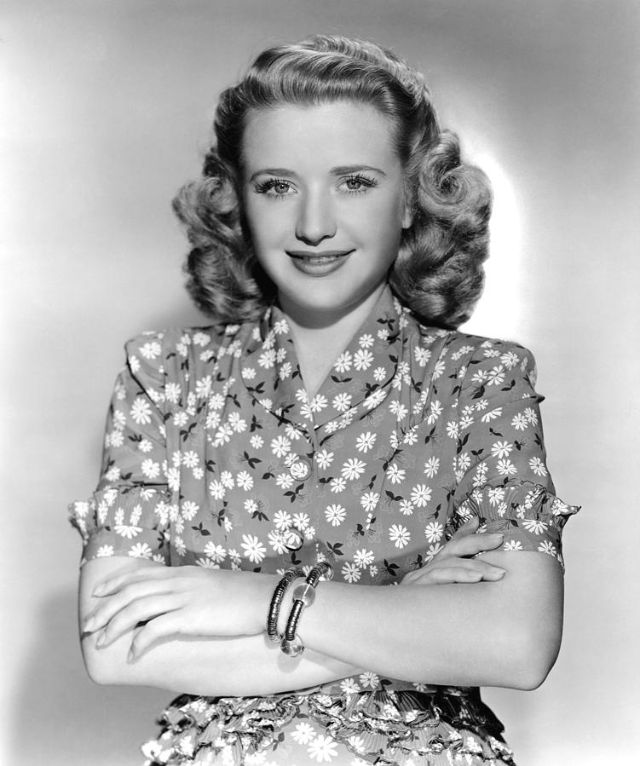
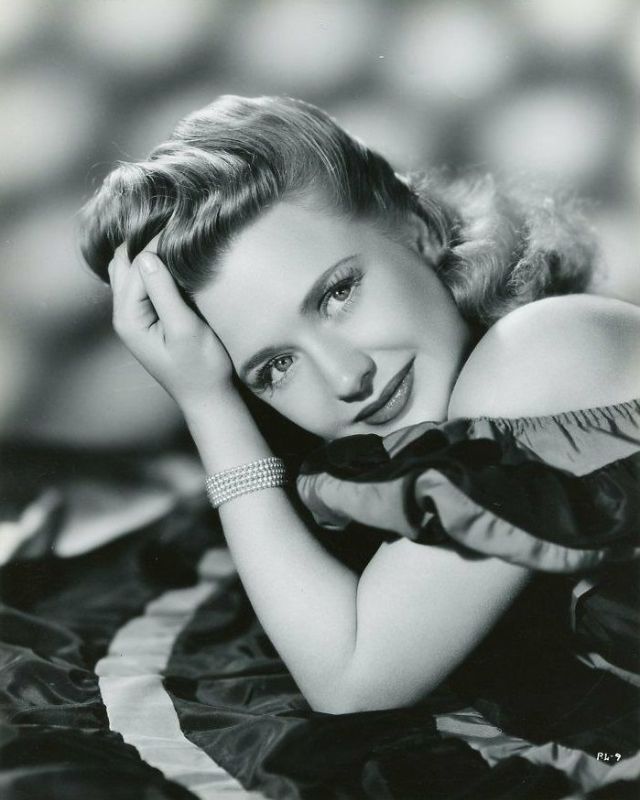
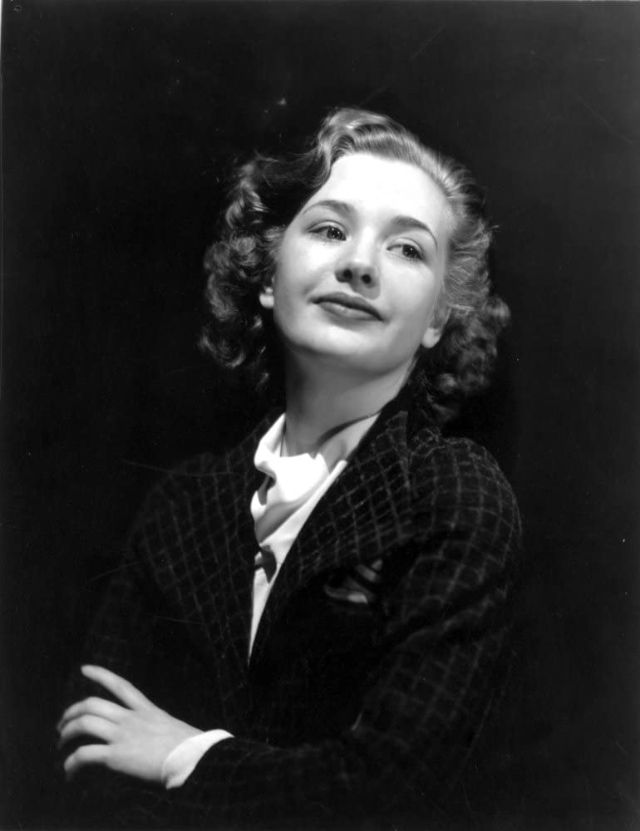
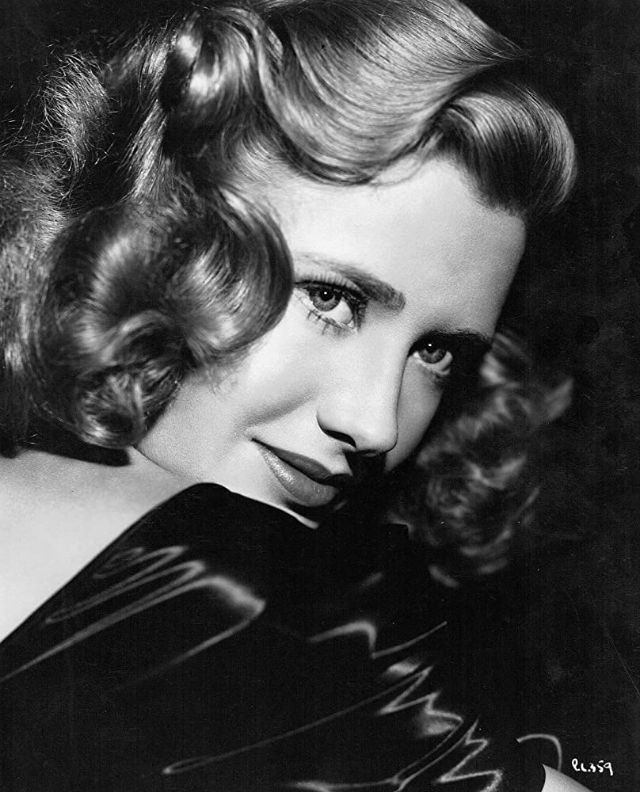
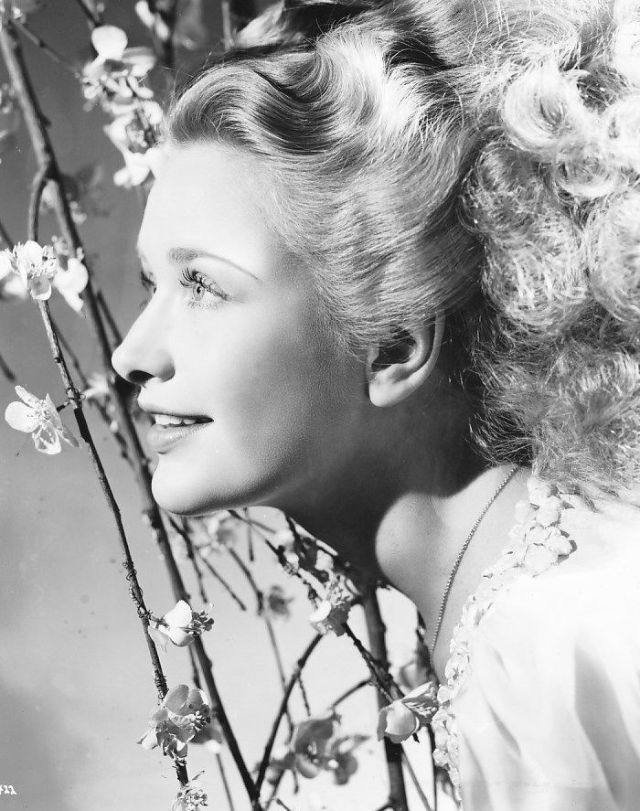
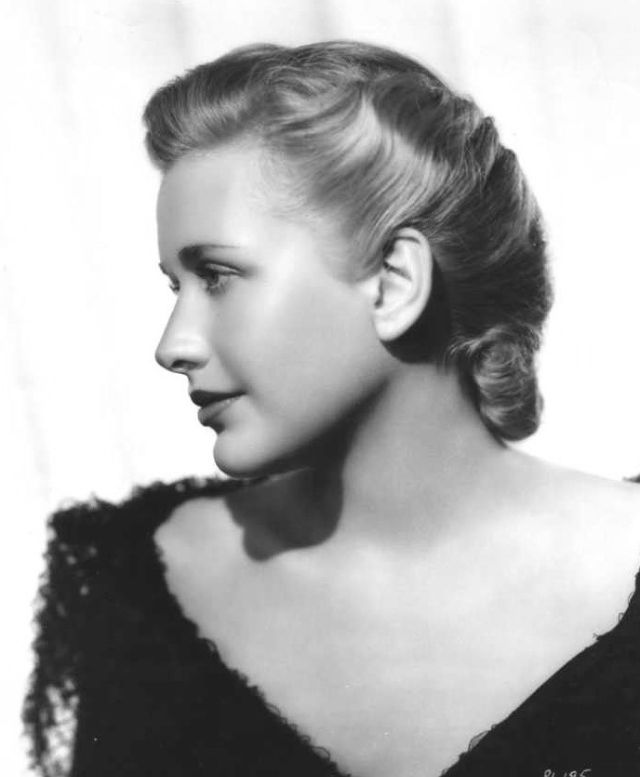
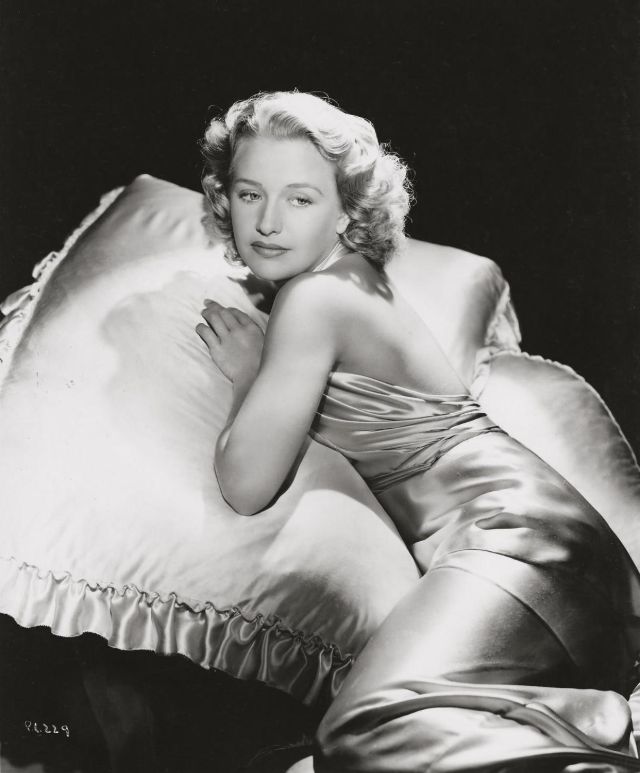
Take a look at these beautiful photos to see portrait of young Priscilla Lane in the 1930s and 1940s.