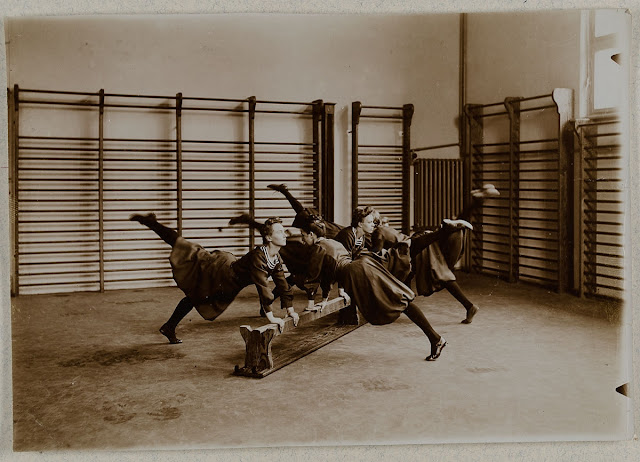
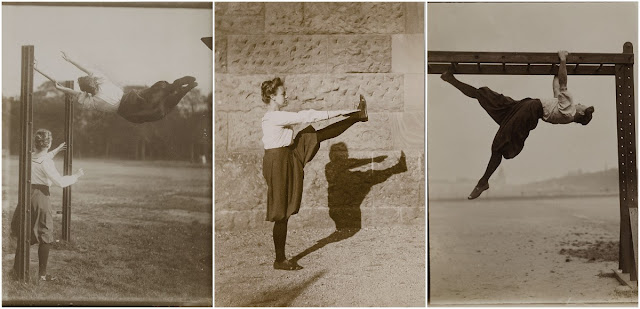
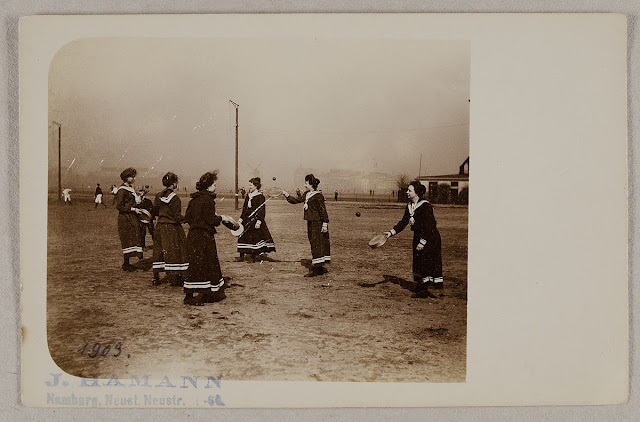
Vintage Photographs Show German Women Practicing Swedish Gymnastics in Hamburg From the Early 20th Century

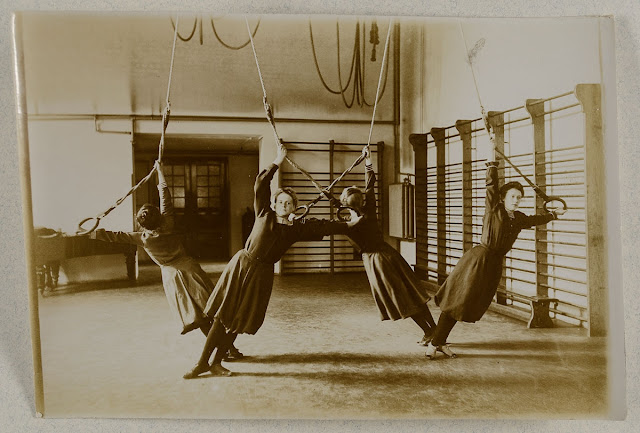
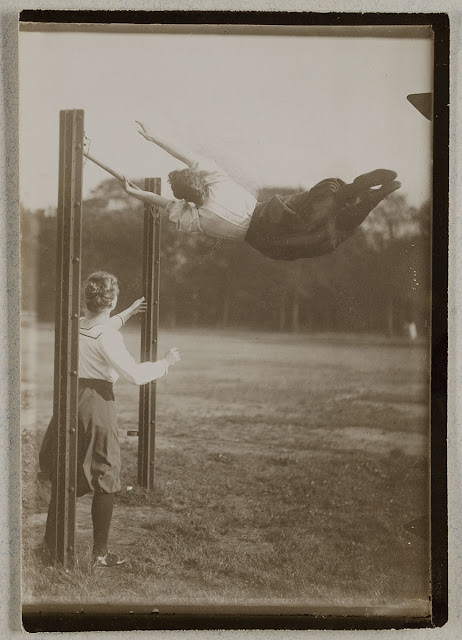
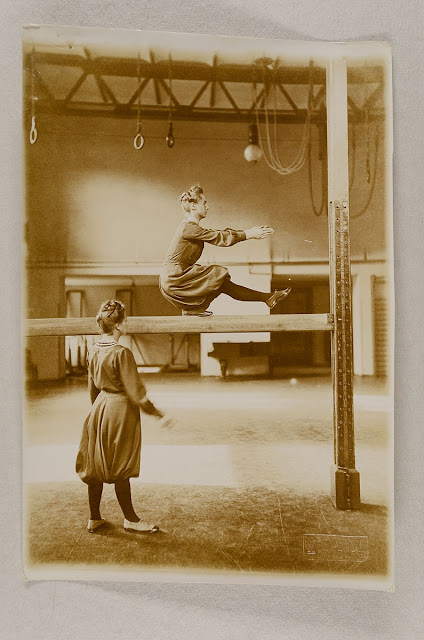
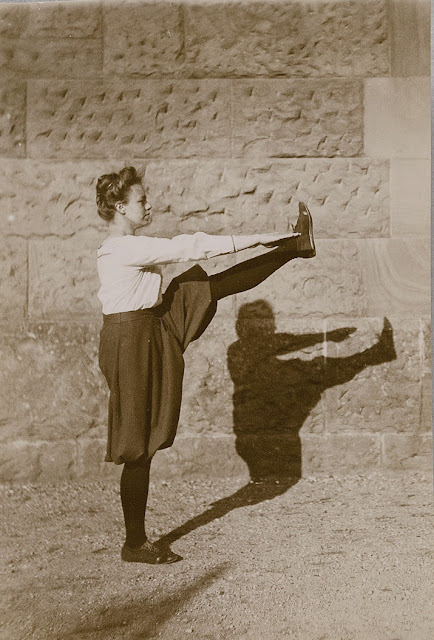
These photographs were taken between 1902 and 1910 by Heinrich Hamann in Hamburg, Germany. As a keen gymnast, Hamann portrayed many athletes in action. Here, German women exercising Swedish Gymnastics in a sports hall and on the Heiligengeistfeld (German: “field of the Holy Spirit”) in Hamburg’s St. Pauli quarter.

During the 19th century, Swedish Gymnastics became one of the main models of physical education in the Western world. Swedish Gymnastics (also known as the Swedish Movement Cure) was founded in the early 19th century by poet, student of theology and European languages Pehr Henrik Ling (1776–1839).

There were two experiences that brought Ling to the world of Physical Culture. Firstly, as a response to Sweden losing territory to Russia during the Napoleonic Wars, Ling the poet began exploring Viking mythology (which was common with the ‘Romantics’ of the time) and decided the nation had degenerated physically from its past ‘glories’. Secondly, whilst studying languages in Denmark, Ling undertook Fencing classes and realized the physical conditioning sessions greatly improved the health of some gout that was in his arm.

Subsequently he decided to familiarize himself with Nachtegall’s Danish Gymnastics and upon returning to Sweden, Ling taught Fencing and began developing the Swedish Gymnastics system. Ling’s Gymnastics were a ‘lighter’ floor style utilizing only the ‘Swedish Bars’ apparatus (invented by Ling) and exercises were chosen for their influence on the body and health. The Swedish Gymnastics system also included manual therapy techniques.

(Photos by Heinrich Hamann / The Museum für Kunst und Gewerbe Hamburg)

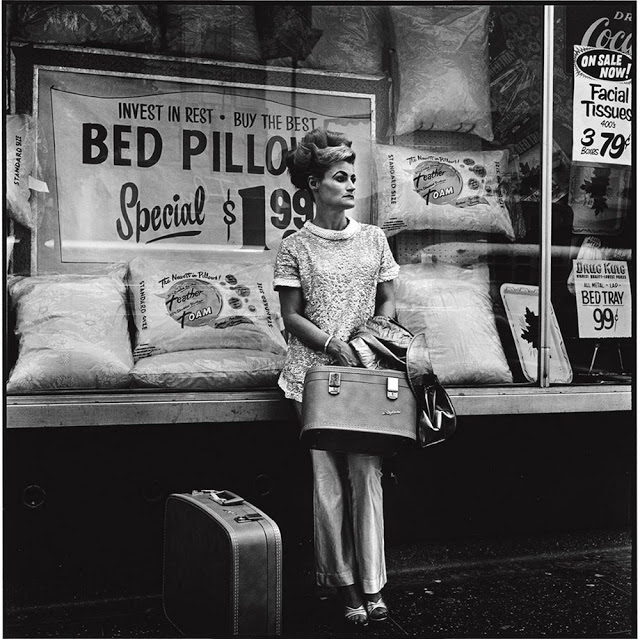
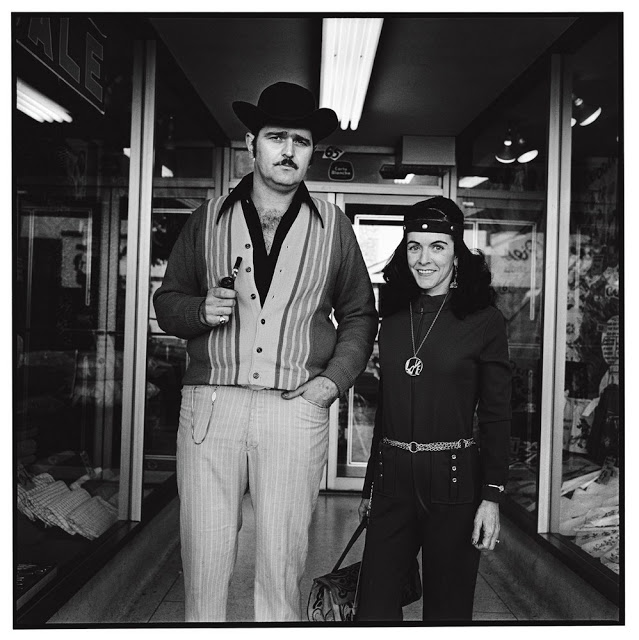
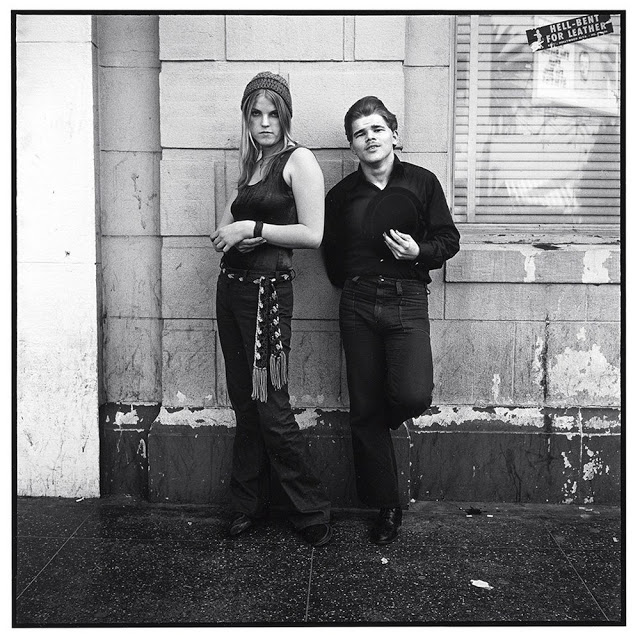
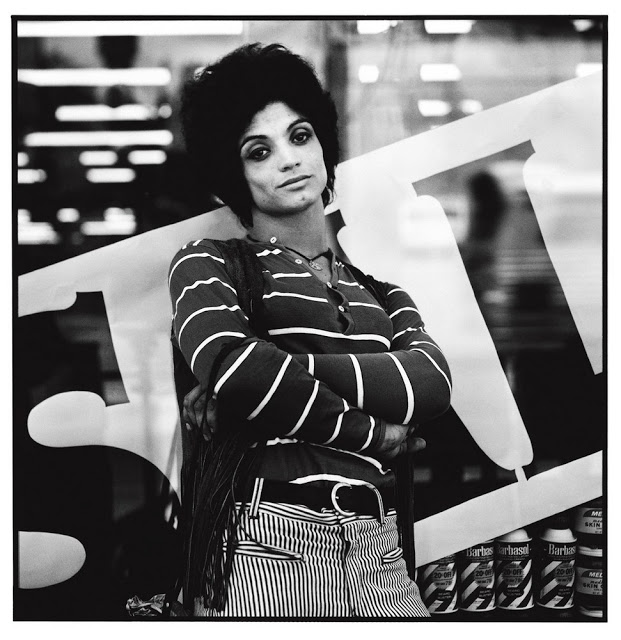
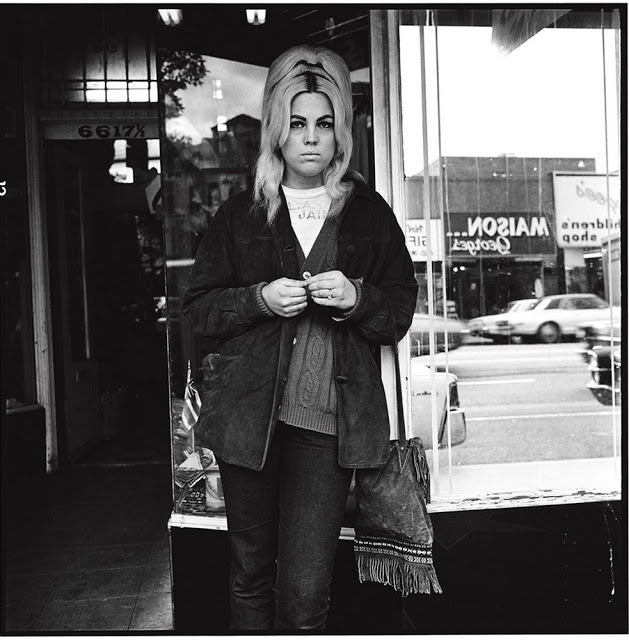
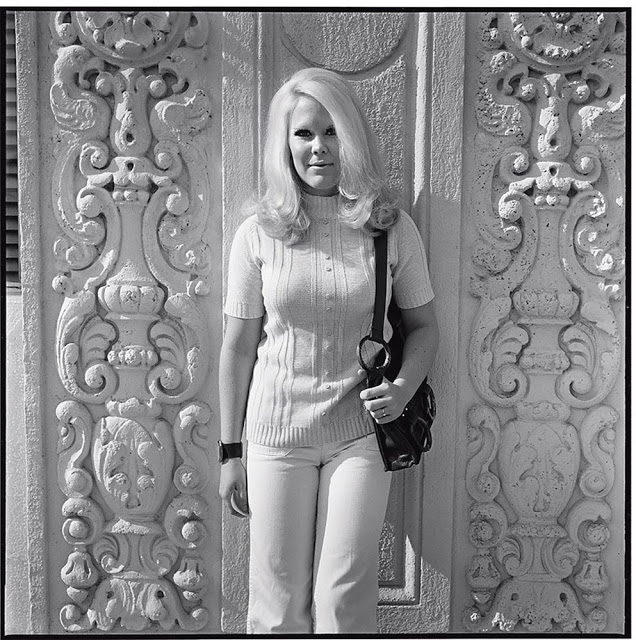
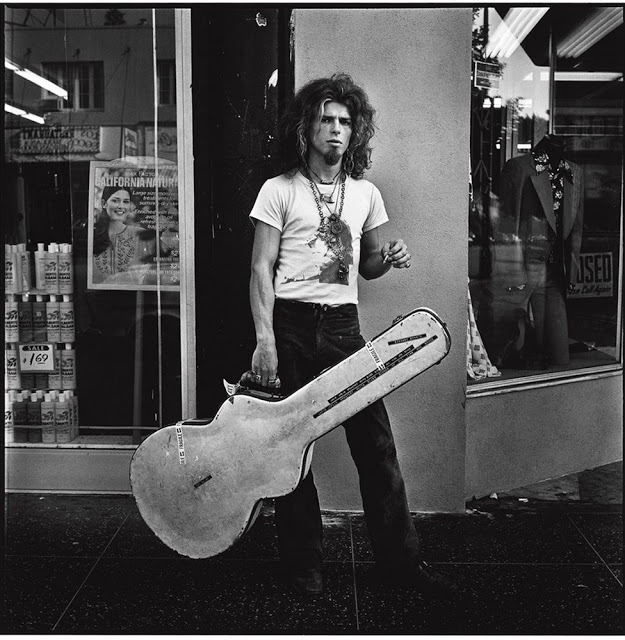
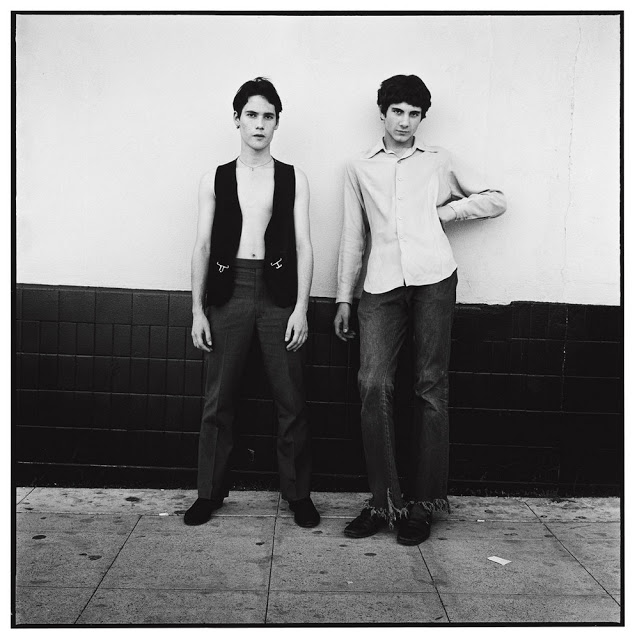
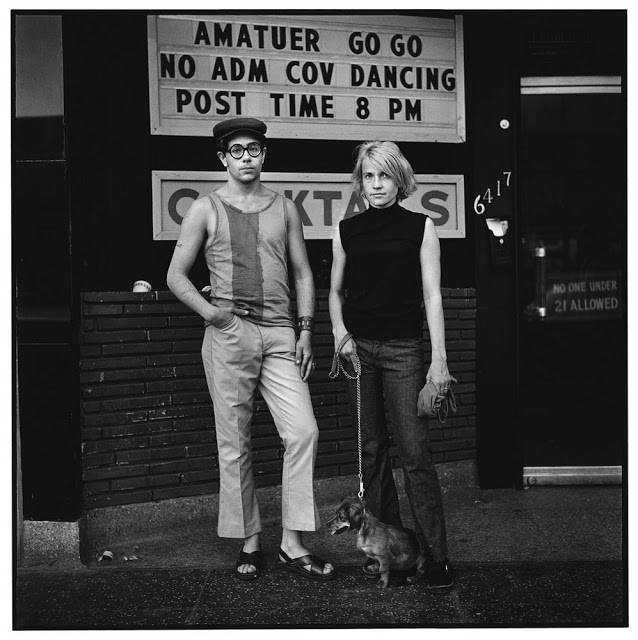
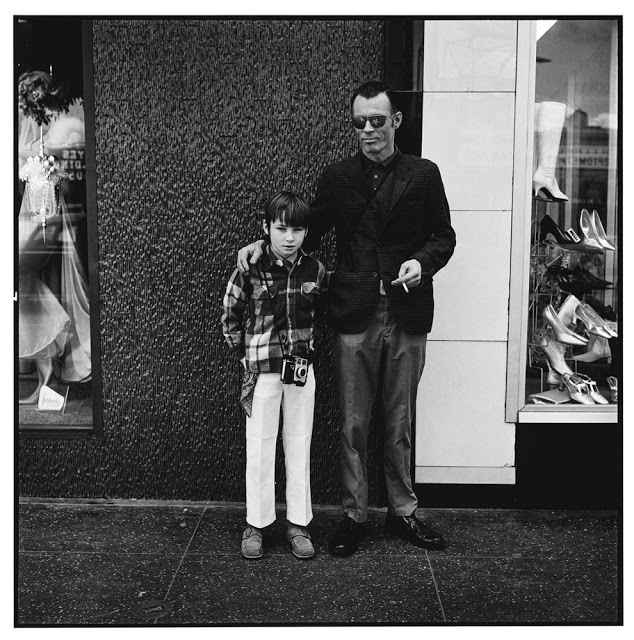
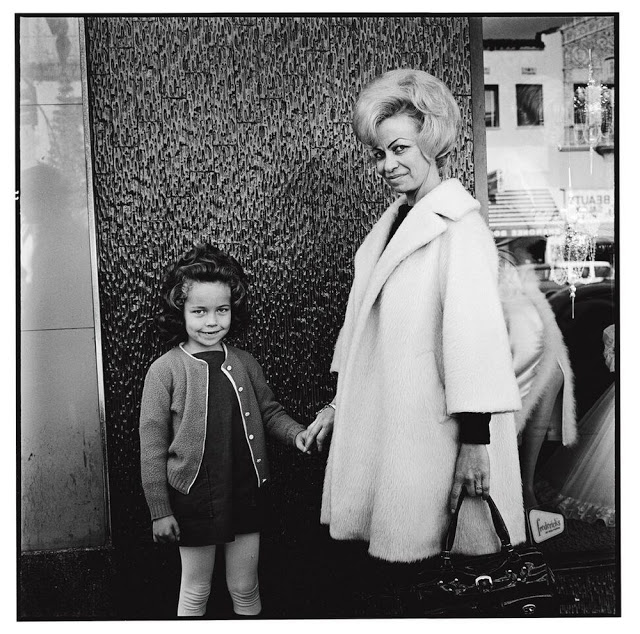
37 Amazing Photos of Strangers Along Hollywood Boulevard During the Late 1960s to Early 1970s

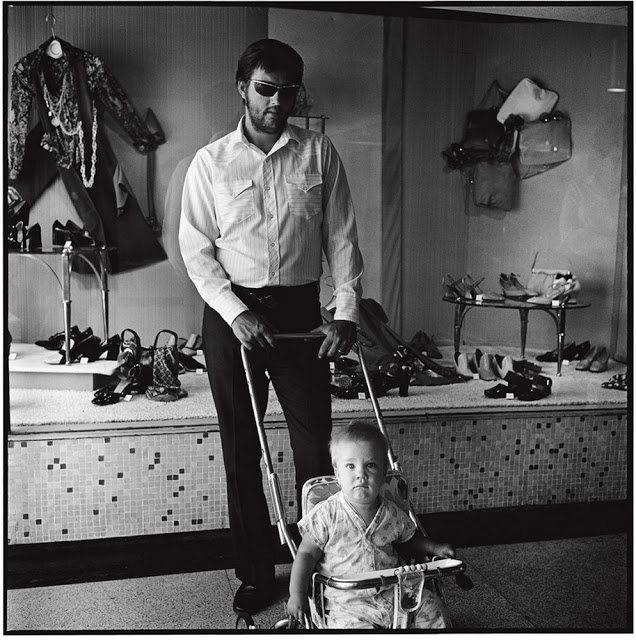
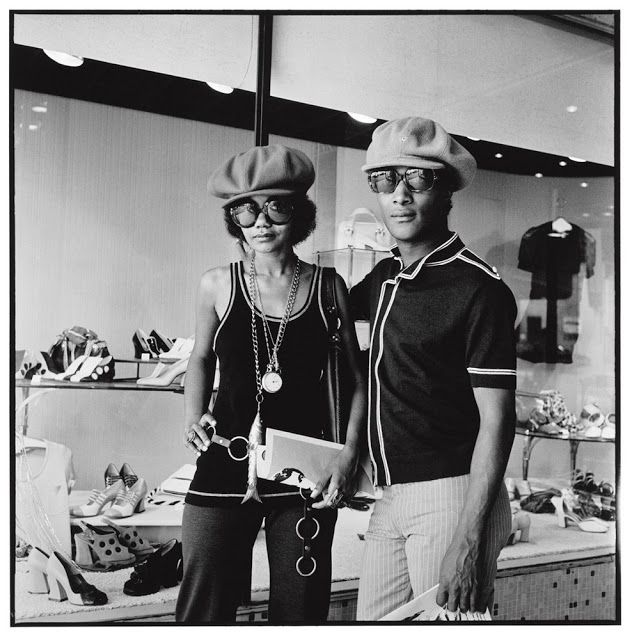
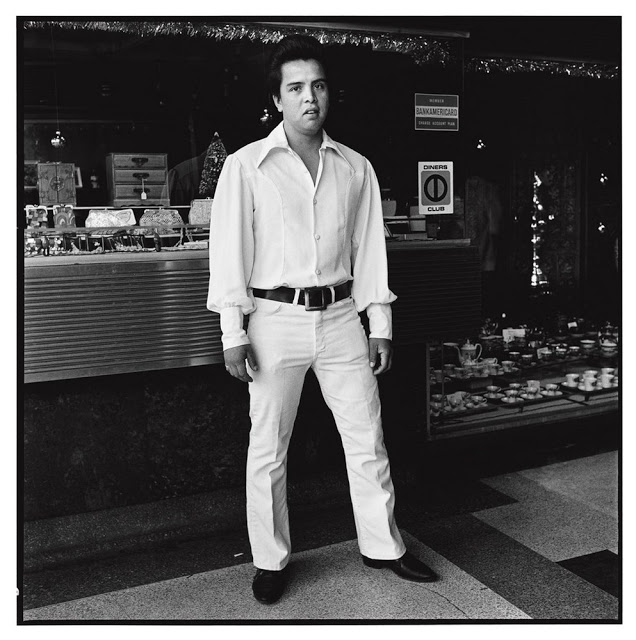
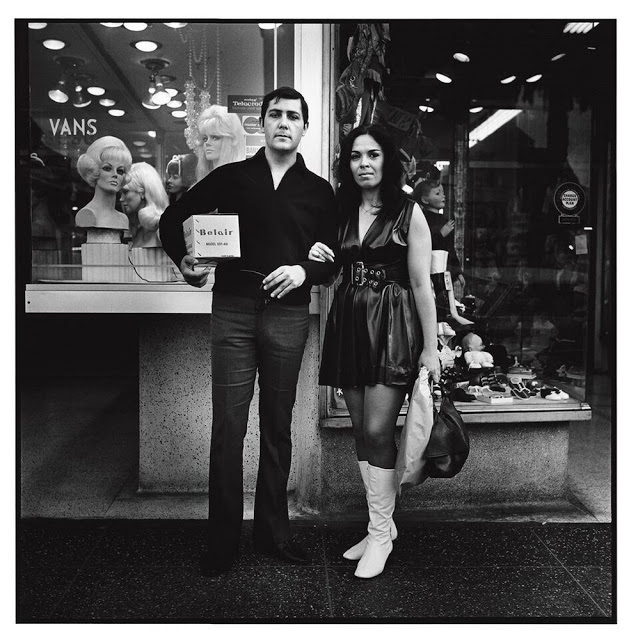
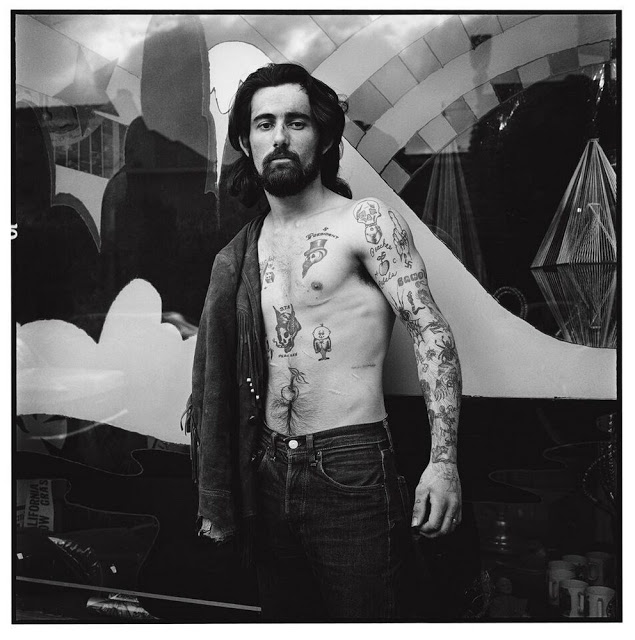
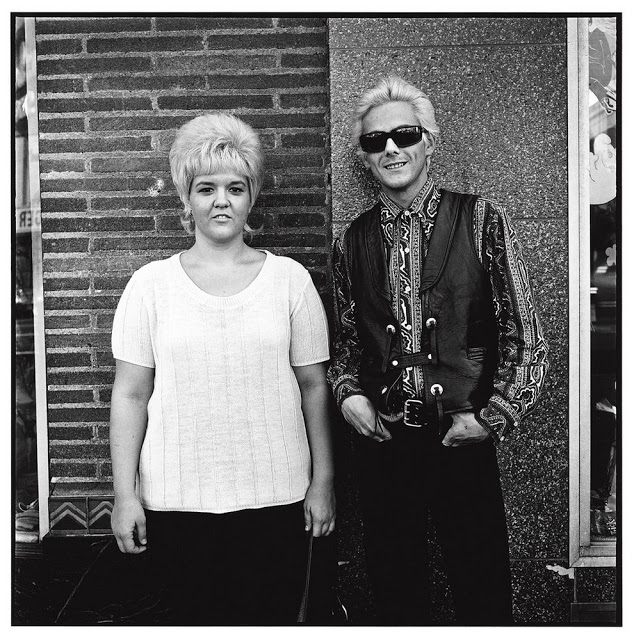
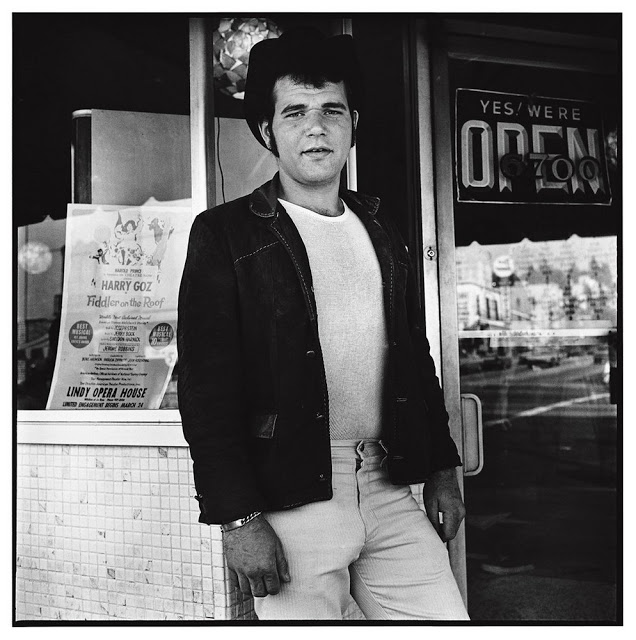
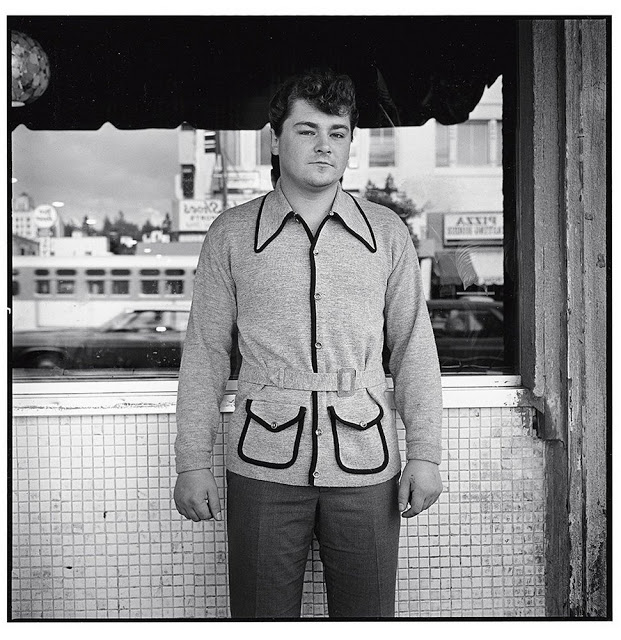
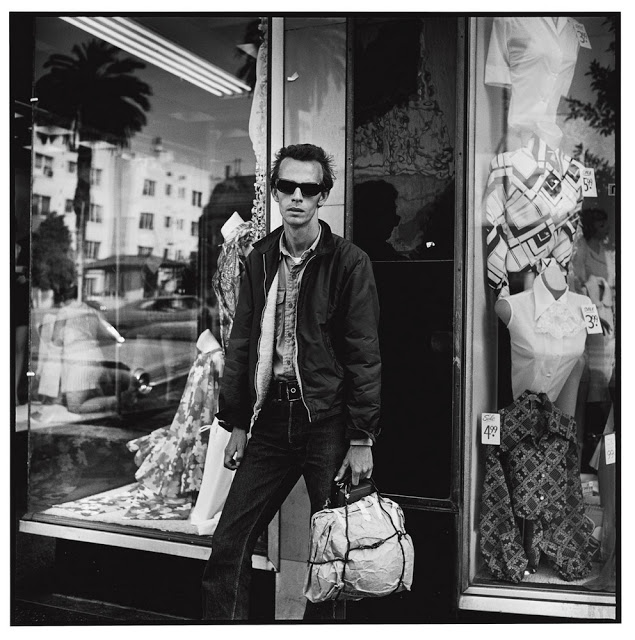
For three years, between 1969 and 1972, Los Angeles photographer Dennis Feldman started documenting people walking up and down Hollywood Boulevard, where the rich and famous are immortalised with bronze stars embedded in the pavement. Visitors to this iconic street might have imagined glamour and glitz but instead found a seedy, rubbish-strewn and dangerous area.

“It was really gritty and grubby,” Feldman said. “People were attracted by the Hollywood myth but they stayed for the cheap housing. The tourists didn’t come down much from beyond Highland. These were the regulars, the people who lived around there.”

In 1907, a Shipload of 1,000 Immigrant Women From the Baltic Seeking Husbands Came to New York

Was there really a shortage of marriage-minded women in the United States in the early 1900s? Apparently rumors had been circulating in Europe that American men couldn’t find wives. With this in mind, just over 1,000 “maids” booked passage on a New York–bound ship that arrived on September 27, 1907.

The Washington Post wrote an article in 1907 on the arrival of 1,000+ women from European countries that came to America seeking husbands. This drew considerable attention from young American men, who waited at the pier for the arrival of their ship the Baltic, so as to catch a glimpse of these women and consider these potential suitors.

The article also asked women aboard the ship where in America they will settle as they search for husbands and what kind of men they are looking for. Some seek “rich Americans,” others like “tall men and blonds,” but some will marry “if [they] can find anybody to have [them].”

The article concluded with the statement, “it is thought that the proposals will come thick and fast,” demonstrating a general positivity toward immigrants coming to America, specifically women. Not only were European women seeking husbands in America, the men favorably accepted their arrival. This emphasizes the favorable regard with which Americans accepted immigrants in the early 1900s, especially when they arrived from European countries, such as England. In addition, if such immigrants were seeking a better life in America and were willing to assimilate into the culture, in this case by marrying an American man, then Americans gladly welcomed their stay.

Today there is talk of foreign women marrying American men to achieve green cards so that they can live legally in America. If such a large volume of women arrived in the U.S. today seeking marriage, would they be equally as welcome? It seems marriage between immigrants and Americans was accepted publicly in the early 1900s, but do we carry the same opinions today?

30 Beautiful Photos of Actress Rita Hayworth during the 1940s

Rita Hayworth (born Margarita Carmen Cansino; October 17, 1918 – May 14, 1987) was an American actress, dancer and producer. She achieved fame during the 1940s as one of the era’s top stars, appearing in 61 films over 37 years. The press coined the term “The Love Goddess” to describe Hayworth after she had become the most glamorous screen idol of the 1940s. She was the top pin-up girl for GIs during World War II.
Hayworth is perhaps best known for her performance in the 1946 film noir Gilda, opposite Glenn Ford, in which she played the femme fatale in her first major dramatic role. She is also known for her performances in Only Angels Have Wings (1939), The Strawberry Blonde (1941), Blood and Sand (1941), The Lady from Shanghai (1947), Pal Joey (1957), and Separate Tables (1958). Fred Astaire, with whom she made two films, You’ll Never Get Rich (1941) and You Were Never Lovelier (1942), once called her his favorite dance partner. She also starred in the Technicolor musical Cover Girl (1944), with Gene Kelly. She is listed as one of the top 25 female motion picture stars of all time in the American Film Institute’s survey, AFI’s 100 Years…100 Stars.
In 1980, Hayworth was diagnosed with early-onset Alzheimer’s disease, which contributed to her death in 1987 at age 68. The public disclosure and discussion of her illness drew attention to Alzheimer’s, and helped to increase public and private funding for research into the disease. (Wikipedia)

Take a look back at the icon in the 1940s through 30 stunning vintage black-and-white portraits:

Stunning Black and White Photos of a New Seoul From 1956 to 1963

During his lifetime, Han Youngsoo (1933–1999) was little known outside of Korea. Born to a well-to-do family in Gaesung, Korea, Youngsoo took drawing and painting lessons as a young man and pursued photography as a hobby. After taking part in bitter frontline fighting as a young South Korean soldier during the Korean War (1950–53), he returned to Seoul at the war’s end and found a devastated, impoverished city. Choosing photography as a profession, Youngsoo witnessed a period of profound transformation in Seoul that saw the rapid creation of a modern city and urban society.

Youngsoo’s photographs tell this story by offering a fascinating window onto the everyday lives of the city’s ordinary men, women, and children. Although he did not overlook the surviving customs and architecture of old Seoul, Youngsoo was more interested in exploring the modern urban culture that was rapidly taking shape. He also paid special attention to the changing status of Korean women, who were then finding new roles as entrepreneurs or consumers, as suggested in his views of narrow streets lined with well-stocked fashion boutiques.

“The war had taken away many things,” wrote Youngsoo. “Not only had it mercilessly trampled down on our beloved families and neighbors, but also their happiness, hope, and furthermore humanity itself. As if that wasn’t enough, by the end it had utterly destroyed everything on the face of the earth leaving behind ruins, despair, famine and sorrow.”

Seoul, officially known as the Seoul Special City, is the capital and largest metropolis of South Korea. According to the 2020 census, Seoul has a population of 9.9 million people, and forms the heart of the Seoul Capital Area with the surrounding Incheon metropolis and Gyeonggi province. It is considered to be a global city and rated as an Alpha – City by Globalization and World Cities Research Network (GaWC), Seoul was the world’s 4th largest metropolitan economy in 2014 after Tokyo, New York City and Los Angeles. International visitors generally reach Seoul via AREX from Incheon International Airport, notable for having been rated the best airport for nine consecutive years (2005–2013) by Airports Council International. In 2015, it was rated Asia’s most livable city with the second highest quality of life globally by Arcadis, with the GDP per capita (PPP) in Seoul being around $40,000. Seoul was one of the host cities for the official tournament of the 2002 FIFA World Cup, which was co-hosted by South Korea and Japan.

With major technology hubs centered in Gangnam and Digital Media City, the Seoul Capital Area is home to the headquarters of 15 Fortune Global 500 companies, including Samsung, LG, and Hyundai. Ranked seventh in the Global Power City Index and Global Financial Centres Index, the metropolis exerts a major influence in global affairs as one of the five leading hosts of global conferences. Seoul has hosted the 1986 Asian Games, 1988 Summer Olympics, and the 2010 G20 Seoul summit.

Seoul was the capital of various Korean states, including Baekje, Joseon, the Korean Empire, Goryeo (as a secondary capital), and presently South Korea. It is strategically located along the Han River. Seoul’s history stretches back over two thousand years, when it was founded in 18 BC by the people of Baekje, one of the Three Kingdoms of Korea. The city was later designated the capital of Korea under the Joseon dynasty. Seoul is surrounded by a mountainous and hilly landscape, with Bukhan Mountain located on the northern edge of the city. The Seoul Capital Area contains five UNESCO World Heritage Sites: Changdeok Palace, Hwaseong Fortress, Jongmyo Shrine, Namhansanseong and the Royal Tombs of the Joseon Dynasty. More recently, Seoul has been a major site of modern architectural construction – major modern landmarks include the N Seoul Tower, the 63 Building, the Lotte World Tower, the Dongdaemun Design Plaza, Lotte World, Trade Tower, COEX, and the IFC Seoul. Seoul was named the 2010 World Design Capital. It is the birthplace of K-pop and the Korean wave. (Wikipedia)

Take a look at the city as it rebuilt itself after the war through these 33 stunning black and white photographs taken by Youngsoo:

Saratoga (1937): The Last Movie of Jean Harlow

Saratoga is a 1937 American romantic comedy film written by Anita Loos and directed by Jack Conway. The film stars Clark Gable and Jean Harlow in their sixth and final film collaboration and features Lionel Barrymore, Frank Morgan, Walter Pidgeon, Hattie McDaniel and Margaret Hamilton.

When filming of Saratoga was 90% completed, Harlow collapsed on the set during a scene with Walter Pidgeon and died about a week later, of kidney failure. She had suffered from sun poisoning some months before, combined with the problems with her wisdom teeth, which contributed to her critical condition.

MGM wanted to reshoot the film with Virginia Bruce or Jean Arthur, but Harlow’s fans complained, so the remaining scenes were filmed with Mary Dees, shot from behind or with costumes that obscured her face, playing Harlow’s part for the camera, and Paula Winslowe supplying Harlow’s voice.

Saratoga was released on July 23, 1937, not quite seven weeks after Harlow’s death, and the crowds of her fans that turned out to see the film pushed it into being one of the year’s largest monetary successes. According to MGM records the film earned $2,432,000 in the US and Canada and $820,000 elsewhere, resulting in a profit of $1,146,000 to make it became the most successful film of 1937 and the highest-grossing film of Harlow’s career.

These romantic photos captured portraits of Jean Harlow and Clark Gable together during the filming of Saratoga in 1937.

30 Vintage Photos of Actor Robert Donat in the 1930s and 1940s

Born 1905 in Withington, Manchester, English actor Robert Donat made his first stage appearance in 1921 at the age of 16 at the Prince of Wales Theatre, Birmingham, playing Lucius in Julius Caesar. His break came in 1924 when he joined the company of Shakespearean actor Sir Frank Benson, where he stayed for four years.

Donat made his film debut in a quota quickie Men of Tomorrow (1932) for Alexander Korda’s London Films. He is best remembered for his roles in Alfred Hitchcock’s The 39 Steps (1935) and Goodbye, Mr. Chips (1939), winning for the latter the Academy Award for Best Actor.

In his book, The Age of the Dream Palace, Jeffrey Richards wrote that Donat was “British cinema’s one undisputed romantic leading man in the 1930s”. “The image he projected was that of the romantic idealist, often with a dash of the gentleman adventurer.”

Donat suffered from chronic asthma, which affected his career and limited him to appearing in only 20 films. He died in Soho, London in 1958 at age 53. Donat has a star on the Hollywood Walk of Fame at 6420 Hollywood Blvd.

Take a look at these vintage photos to see portraits of a young Robert Donat in the 1930s and 1940s.

Stunning Vintage Portraits of Tallulah Bankhead in the 1930s

Tallulah Bankhead was an American stage and screen actress. She was a member of the Brockman Bankhead family, a prominent Alabama political family. Bankhead, however, differed from her family politically and personally. She chose to support liberal causes, including the budding civil rights movement, even broke with her southern contemporaries with their support of white supremacy and Jim Crow laws. Bankhead often opposed her own family publicly.

In her personal life, Bankhead struggled with alcoholism and drug addiction; she reportedly smoked 120 cigarettes a day and often talked openly about her vices. She also openly had a series of relationships with both men and women. “Daddy warned me about men and alcohol,” she once quipped. “But he never warned me about women and cocaine.”

Primarily an actress of the stage, as Bankhead was not very interested in making films. She made her screen debut in Tarnished Lady (1931). In 1932 she starred in Devil and the Deep, a film notable for the presence of three major co-stars, with Bankhead’s receiving top billing over Gary Cooper, Charles Laughton, and Cary Grant. She later returned to theater and played in various Broadway performances over the next few years.

Bankhead was said to be the inspiration for the character of Cruella De Vil in Walt Disney’s One Hundred and One Dalmatians (1961).

Take a look back at the actress in the 1930s through 27 stunning vintage portraits below:

A Norwegian University Student’s Secret Street Photography From 1890s Oslo

Subscribe to get access

Read more of this content when you subscribe today.

Known mostly as an accomplished mathematician and physicist from Norway, Carl Størmer (Fredrik Carl Mülertz Størmer) also enjoyed a very unusual side hobby at the time. With a bulky camera hidden in his clothes, Størmer walked around Oslo, Norway and secretly capture candid moments of passersby. As his subjects were always caught in their natural states, Størmer’s photography stands in striking contrast to portraiture of the era that largely consisted of serious and grave images against decorative settings.

Most of his photos were taken in the 1890s by using a C.P. Stirn Concealed Vest Spy Camera, which he got in 1893 when he was a 19-year-old student at the Royal Frederick University (now, University of Oslo). “It was a round flat canister hidden under the vest with the lens sticking out through a buttonhole,” he told the St. Hallvard Journal in 1942. “Under my clothes, I had a string down through a hole in my trouser pocket, and when I pulled the string the secret camera took a photo.”

Størmer tended to capture people exactly at the time they were greeting him on the street. “I strolled down Carl Johan, found me a victim, greeted, got a gentle smile, and pulled.” He described. “Six images at a time and then I went home to switch [the] plate.” In total, the Norway’s very first paparazzi took a total of about 500 of these black-and-white photos.

Subscribe to continue reading

Become a paid subscriber to get access to the rest of this post and other exclusive content.

Yesterday Today

Bringing You the Wonder of Yesterday - Today

Skip to content ↓