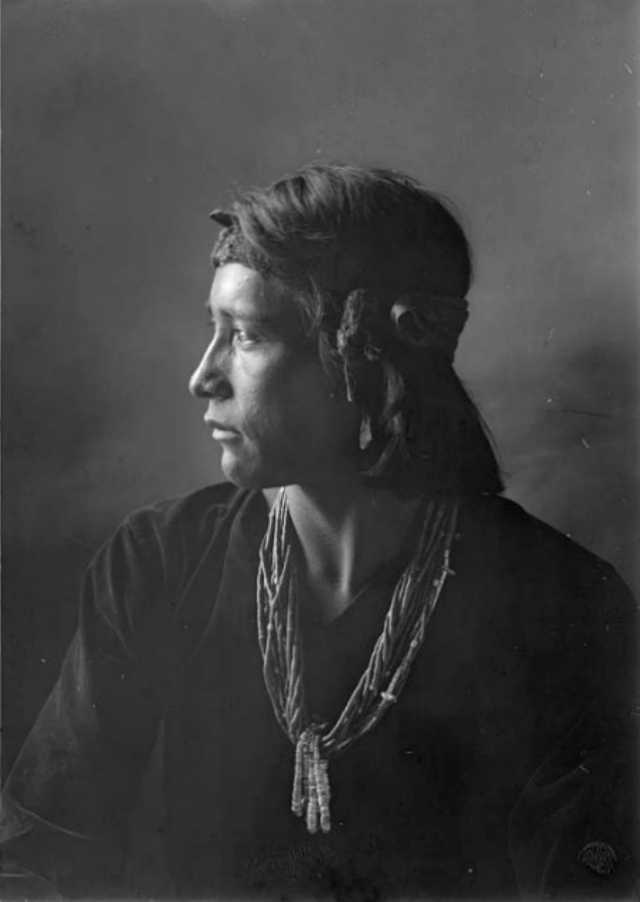
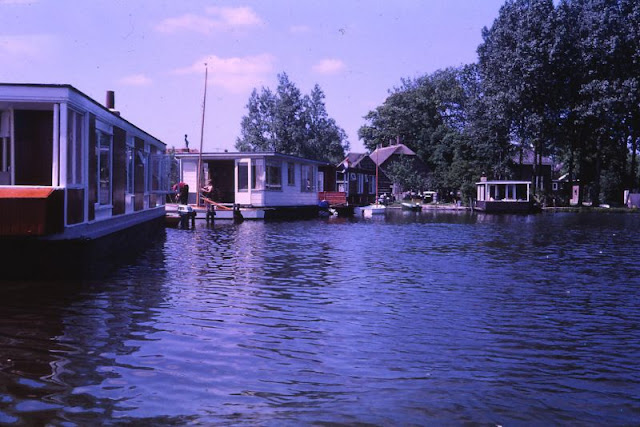
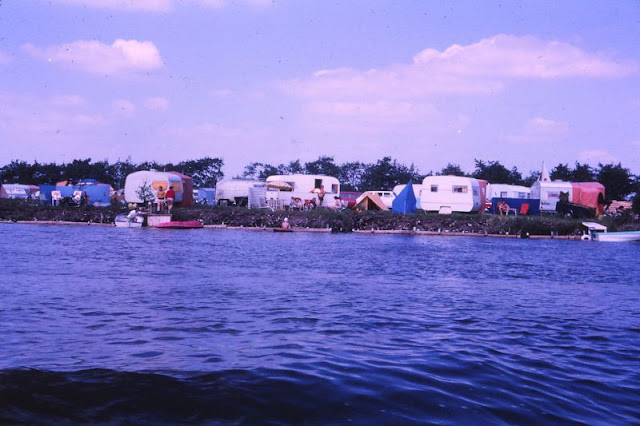
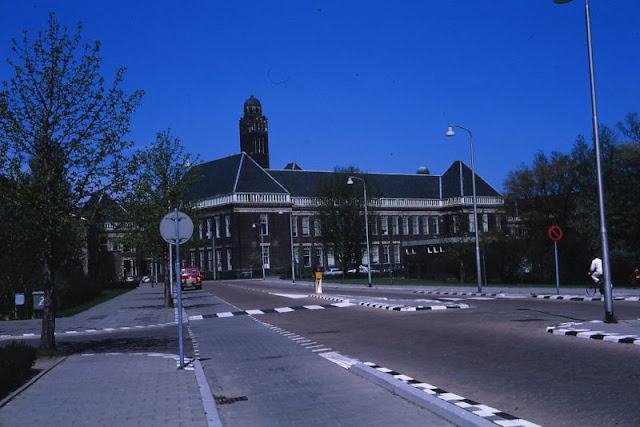
These photographs were taken in 1905 or 1907 by photographer Carl Everton Moon (1879–1948). According to the Huntington Library, Carl Moon’s title read “Navajo Boy. Che-bah-nah.”
There is conflicting information about the identity of the individual depicted. According to the Huntington Library, the man is Diné (Navajo), and the word “Bi-yazh” is transcribed from the print. According to the Getty Museum, the model may actually be Esikio Tobar (1893–1950) of the Lipan Apache Tribe of Texas, wearing Diné (Navajo) dress.
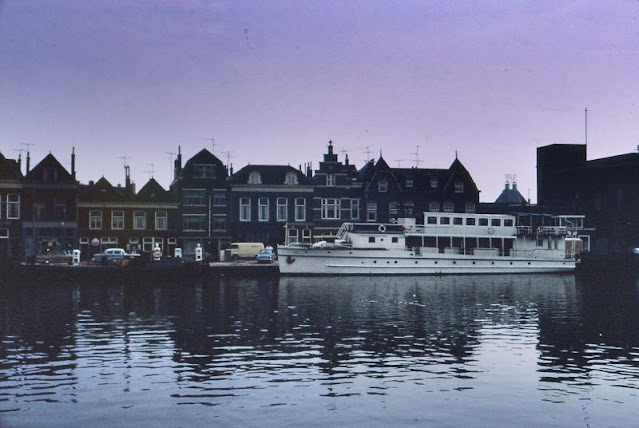
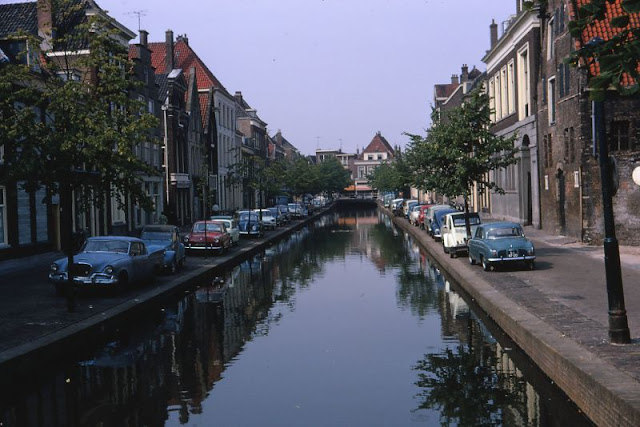
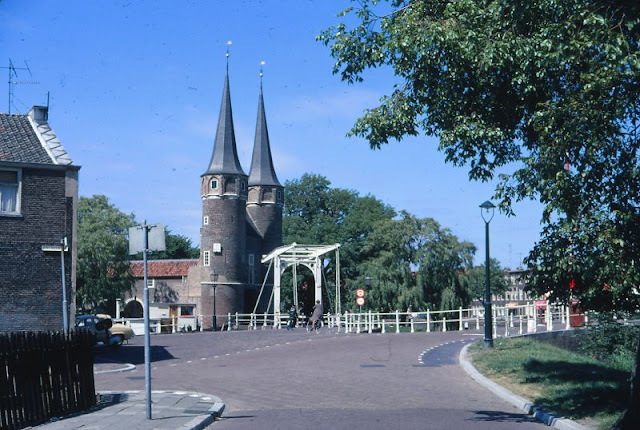
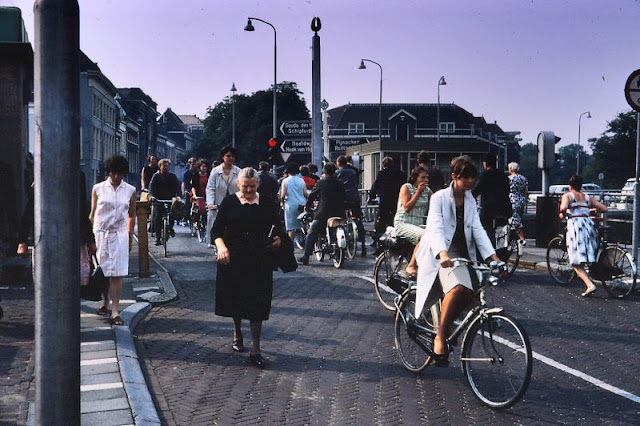
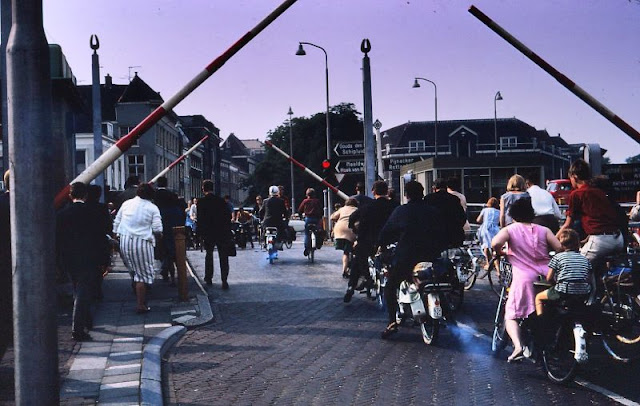
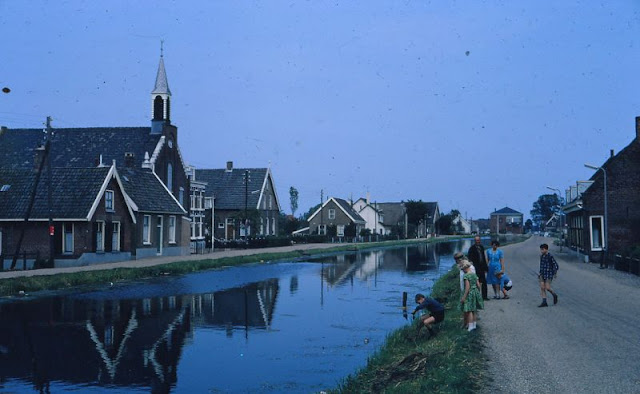
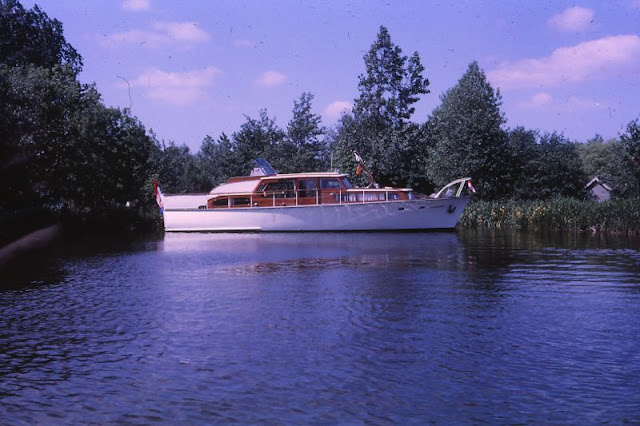
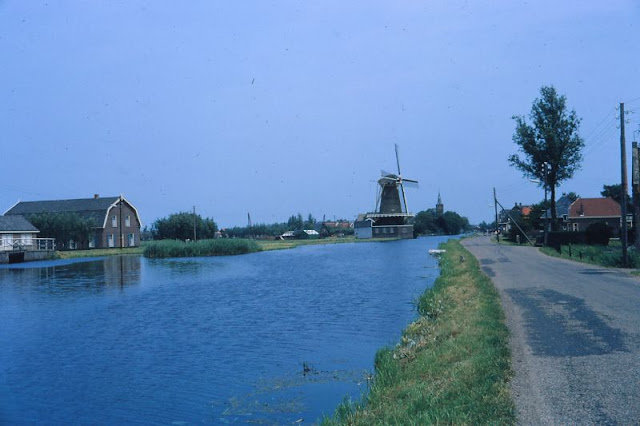
The Netherlands, informally Holland, is a country located in Northwestern Europe with overseas territories in the Caribbean. It is the largest of four constituent countries of the Kingdom of the Netherlands. The Netherlands consists of twelve provinces; it borders Germany to the east, Belgium to the south, with a North Sea coastline to the north and west. It shares maritime borders with the United Kingdom, Germany and Belgium in the North Sea. The country’s official language is Dutch, with West Frisian as a secondary official language in the province of Friesland. Dutch Low Saxon and Limburgish are recognised regional languages, while Dutch Sign Language, Sinte Romani and Yiddish are recognised non-territorial languages. Dutch, English and Papiamento are official in the Caribbean territories.
The four largest cities in the Netherlands are Amsterdam, Rotterdam, The Hague and Utrecht. Amsterdam is the country’s most populous city and the nominal capital. The Hague holds the seat of the States General, Cabinet and Supreme Court. The Port of Rotterdam is the busiest seaport in Europe. Schiphol is the busiest airport in the Netherlands, and the third busiest in Europe. The Netherlands is a founding member of the European Union, Eurozone, G10, NATO, OECD, and WTO, as well as a part of the Schengen Area and the trilateral Benelux Union. It hosts several intergovernmental organisations and international courts, many of which are centred in The Hague.
Netherlands literally means “lower countries” in reference to its low elevation and flat topography, with only about 50% of its land exceeding 1 m (3.3 ft) above sea level, and nearly 26% falling below sea level. Most of the areas below sea level, known as polders, are the result of land reclamation that began in the 14th century. In the Republican period, which began in 1588, the Netherlands entered a unique era of political, economic, and cultural greatness, ranked among the most powerful and influential in Europe and the world; this period is known as the Dutch Golden Age. During this time, its trading companies, the Dutch East India Company and the Dutch West India Company, established colonies and trading posts all over the world.
With a population of 17.6 million people, all living within a total area of roughly 41,800 km2 (16,100 sq mi)—of which the land area is 33,500 km2 (12,900 sq mi)—the Netherlands is the 16th most densely populated country in the world and the second-most densely populated country in the European Union, with a density of 526 people per square kilometre (1,360 people/sq mi). Nevertheless, it is the world’s second-largest exporter of food and agricultural products by value, owing to its fertile soil, mild climate, intensive agriculture, and inventiveness.
The Netherlands has been a parliamentary constitutional monarchy with a unitary structure since 1848. The country has a tradition of pillarisation and a long record of social tolerance, having legalised abortion, prostitution and human euthanasia, along with maintaining a liberal drug policy. The Netherlands abolished the death penalty in Civil Law in 1870, though it was not completely removed until a new constitution was approved in 1983. The Netherlands allowed women’s suffrage in 1919 and was the first country to legalise same-sex marriage in 2001. Its mixed-market advanced economy had the eleventh-highest per capita income globally. The Netherlands ranks among the highest in international indices of press freedom, economic freedom, human development and quality of life, as well as happiness. (Wikipedia)
The 1930s (pronounced “nineteen-thirties” and commonly abbreviated as “the 30s”) was a decade that began on January 1, 1930, and ended on December 31, 1939.
The decade was defined by a global economic and political crisis that culminated in the Second World War. It saw the collapse of the international financial system, beginning with the Wall Street Crash of 1929, the largest stock market crash in American history. The subsequent economic downfall, called the Great Depression, had traumatic social effects worldwide, leading to widespread poverty and unemployment, especially in the economic superpower of the United States and in Germany, which was already struggling with the payment of reparations for the First World War. The Dust Bowl in the United States (which led to the nickname the “Dirty Thirties”) exacerbated the scarcity of wealth. U.S. President Franklin D. Roosevelt, elected in 1933, introduced a program of broad-scale social reforms and stimulus plans called the New Deal in response to the crisis.
In the wake of the Depression, the decade also saw the rapid retreat of liberal democracy as authoritarian regimes emerged in countries across Europe and South America, including Italy, Spain, and in particular Nazi Germany. With the rise of Adolf Hitler, Germany undertook a series of annexations and aggressions against neighboring territories in Central Europe, and imposed a series of laws which discriminated against Jews and other ethnic minorities. Weaker states such as Ethiopia, China, and Poland were invaded by expansionist world powers, with the last of these attacks leading to the outbreak of World War II on September 1, 1939, despite calls from the League of Nations for worldwide peace. World War II helped end the Great Depression when governments spent money for the war effort. The 1930s also saw many important developments in science and a proliferation of new technologies, especially in the fields of intercontinental aviation, radio, and film. (Wikipedia)
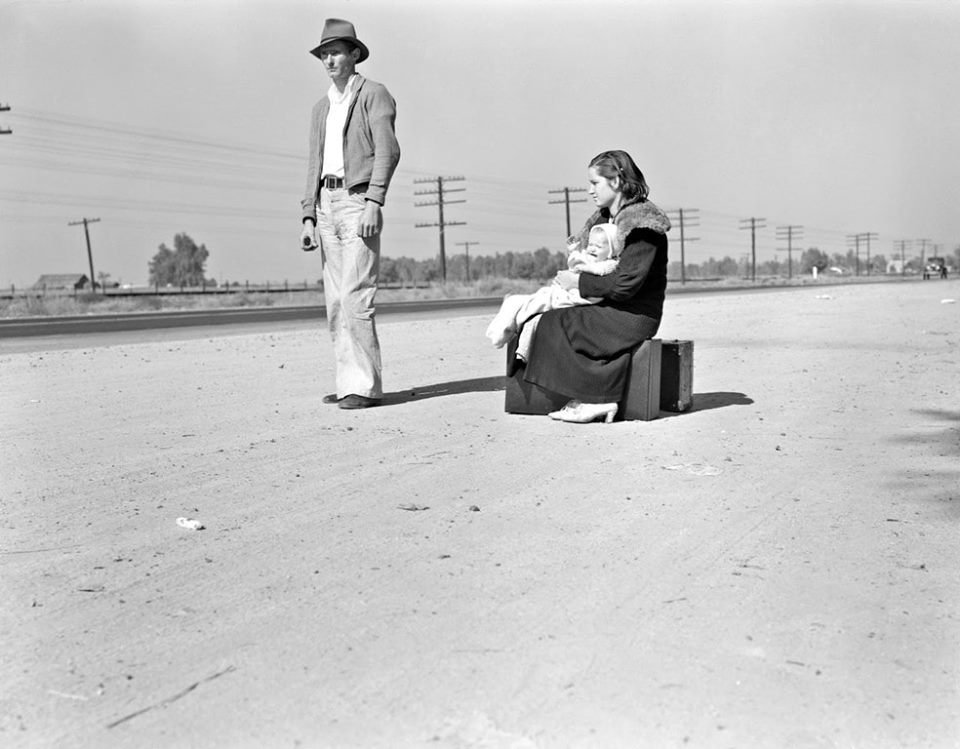
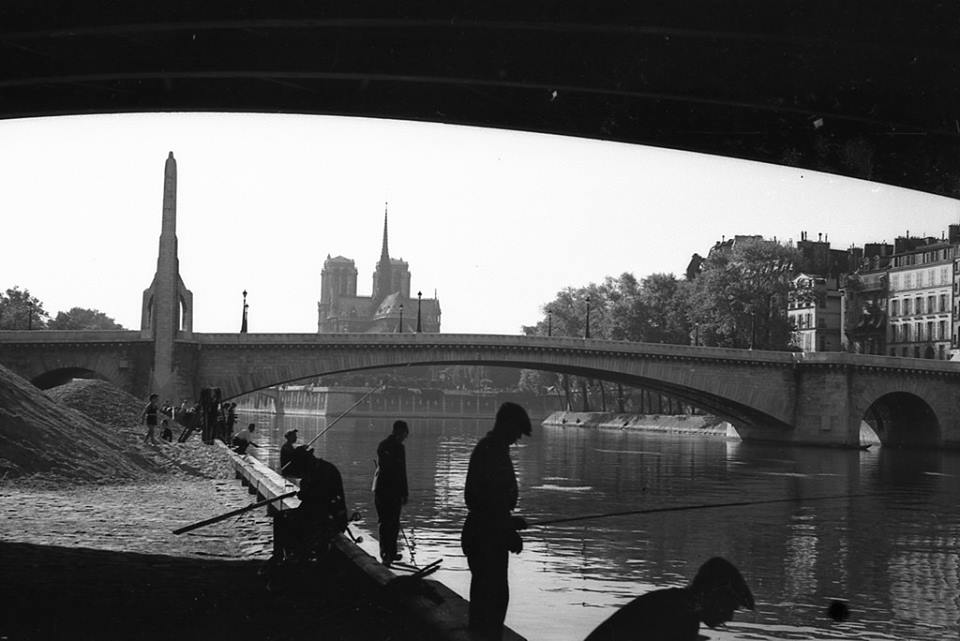
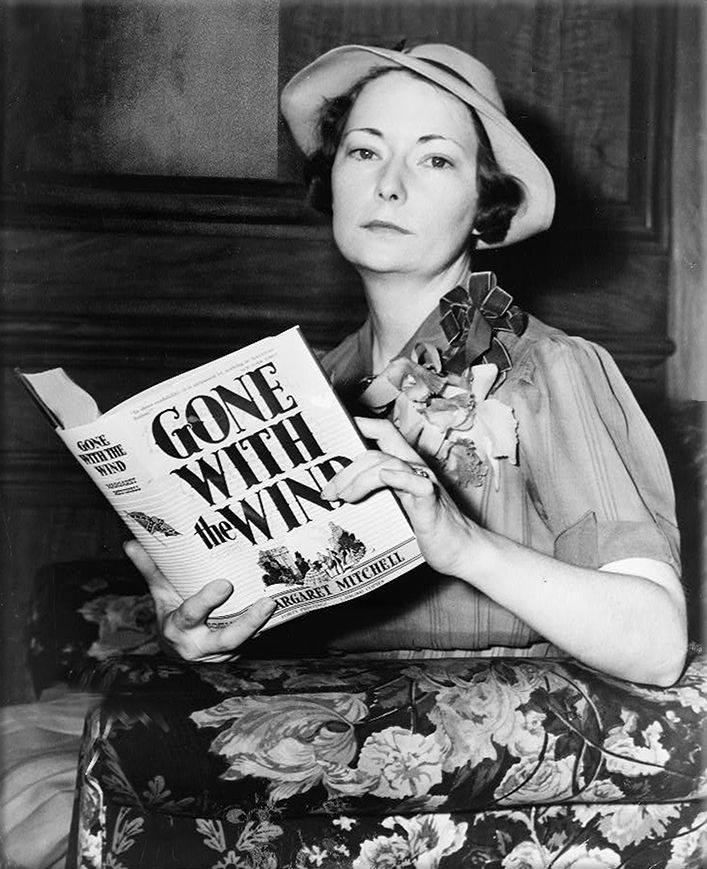
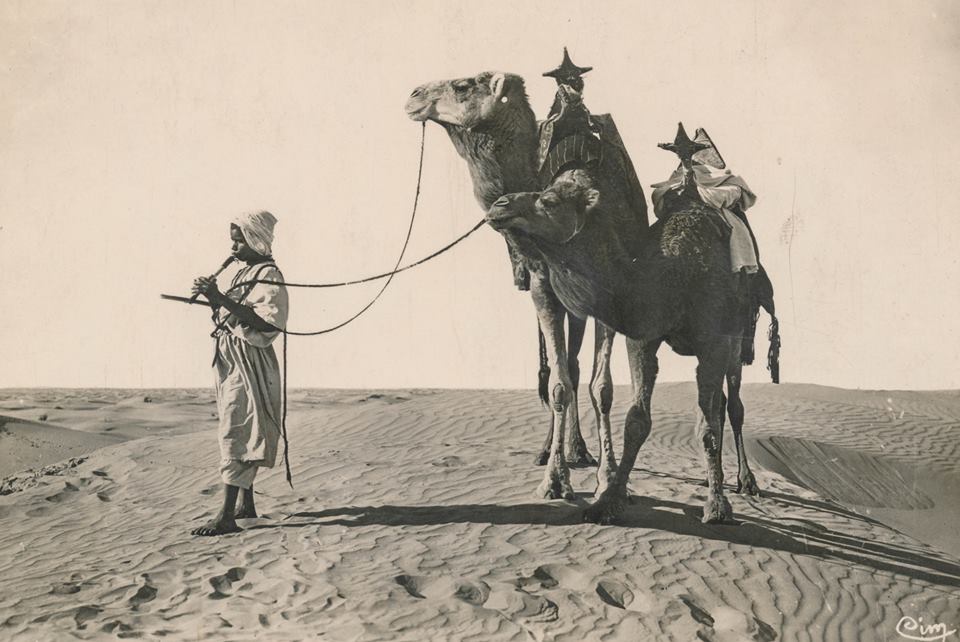
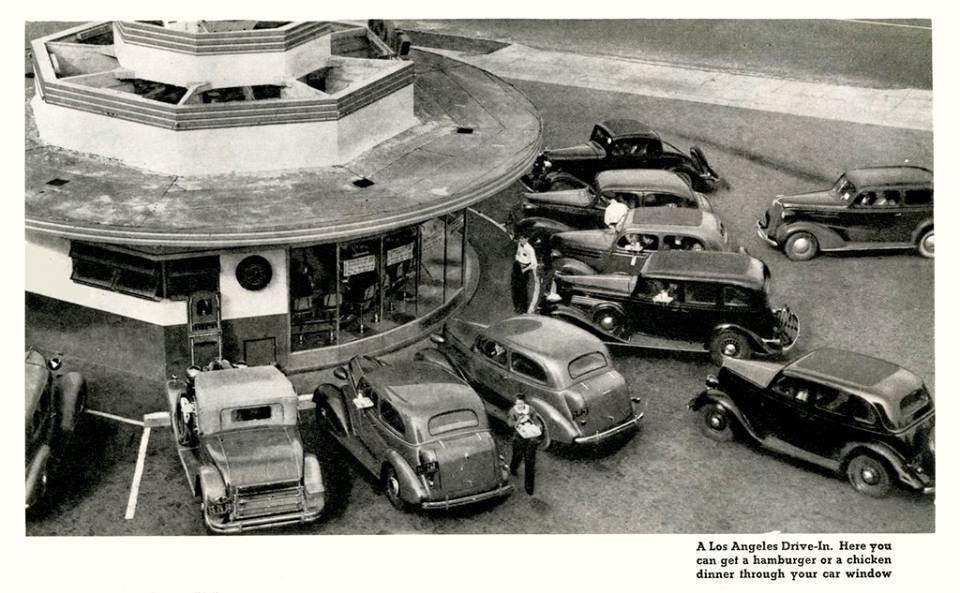
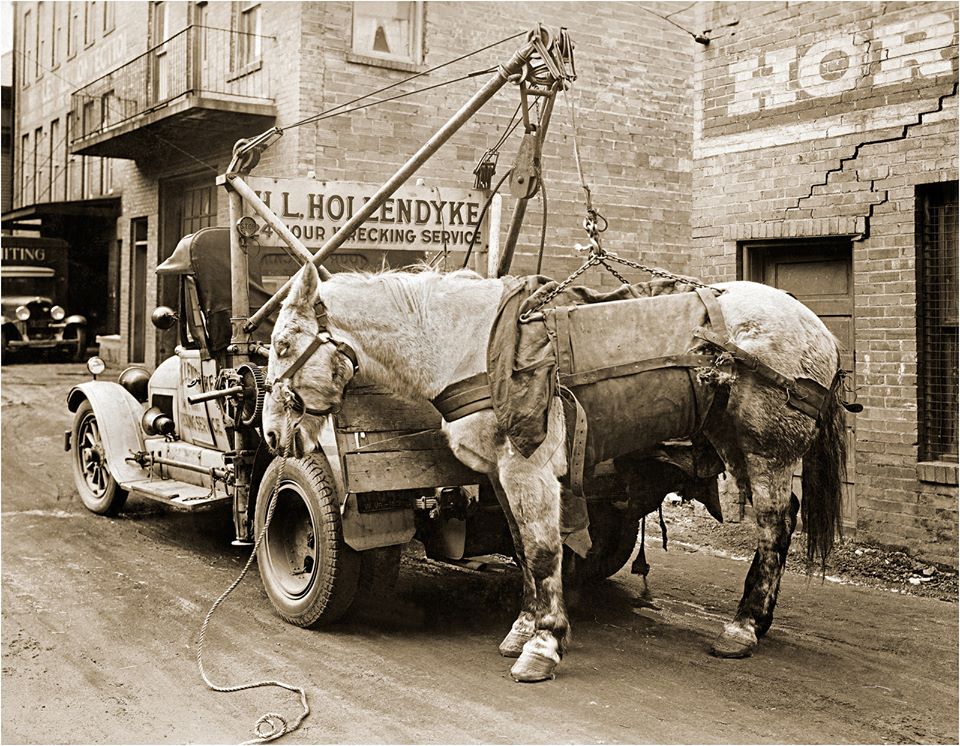
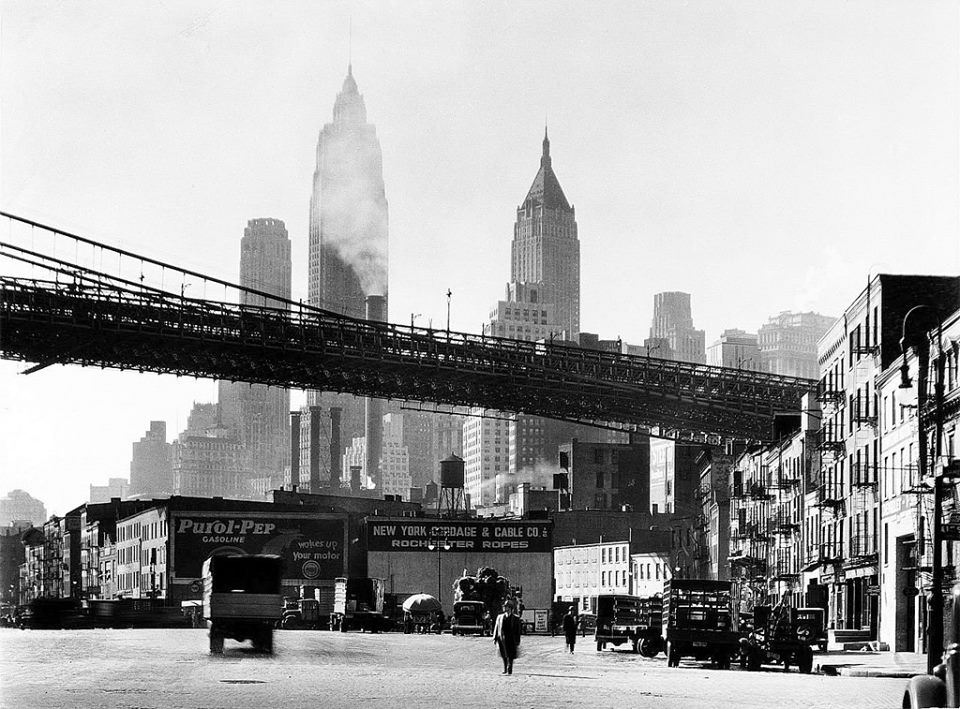
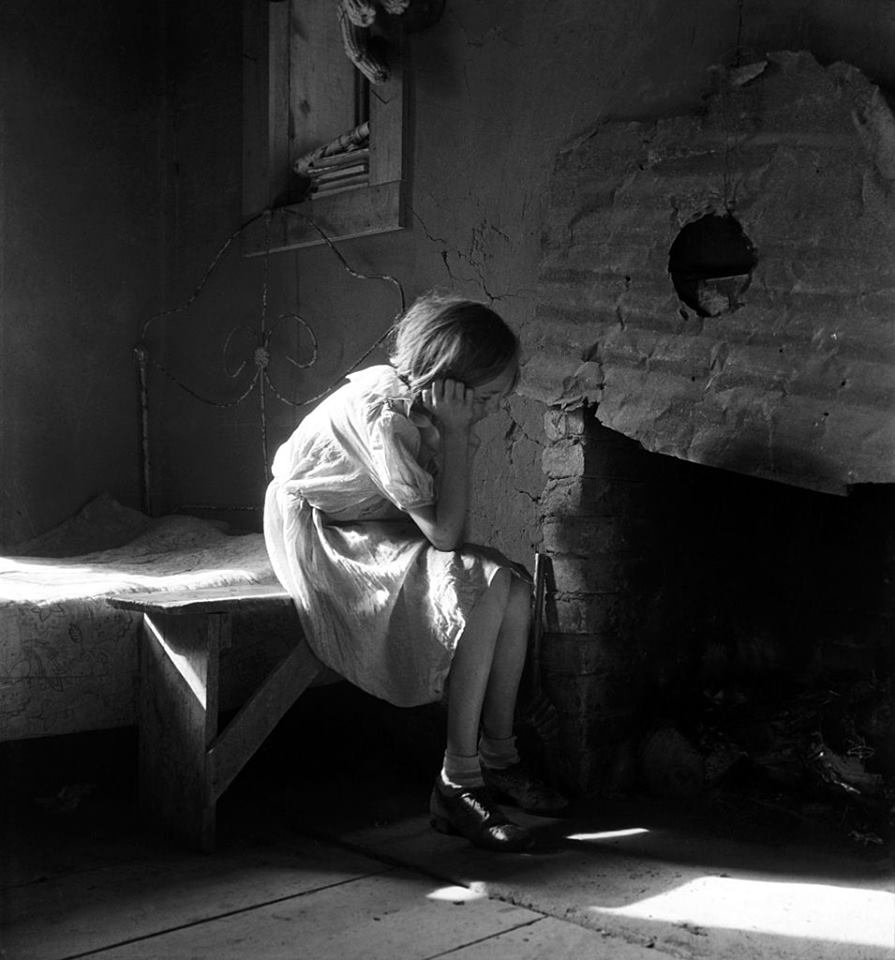
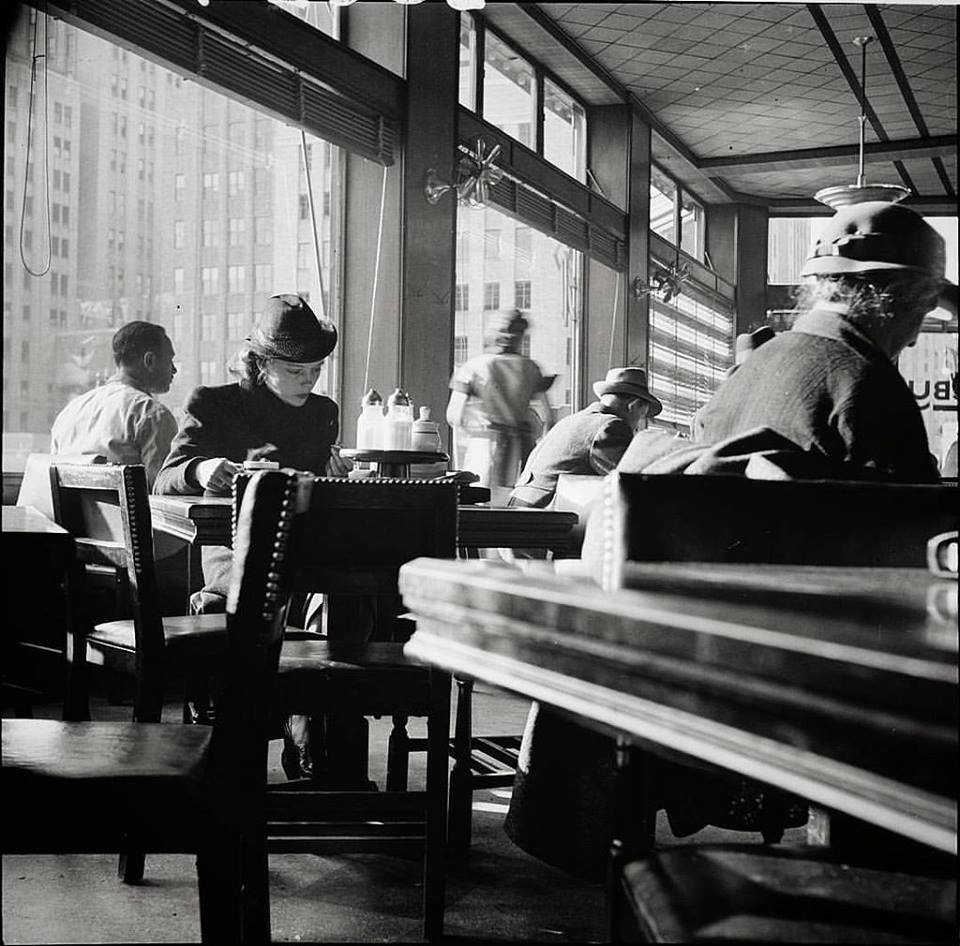
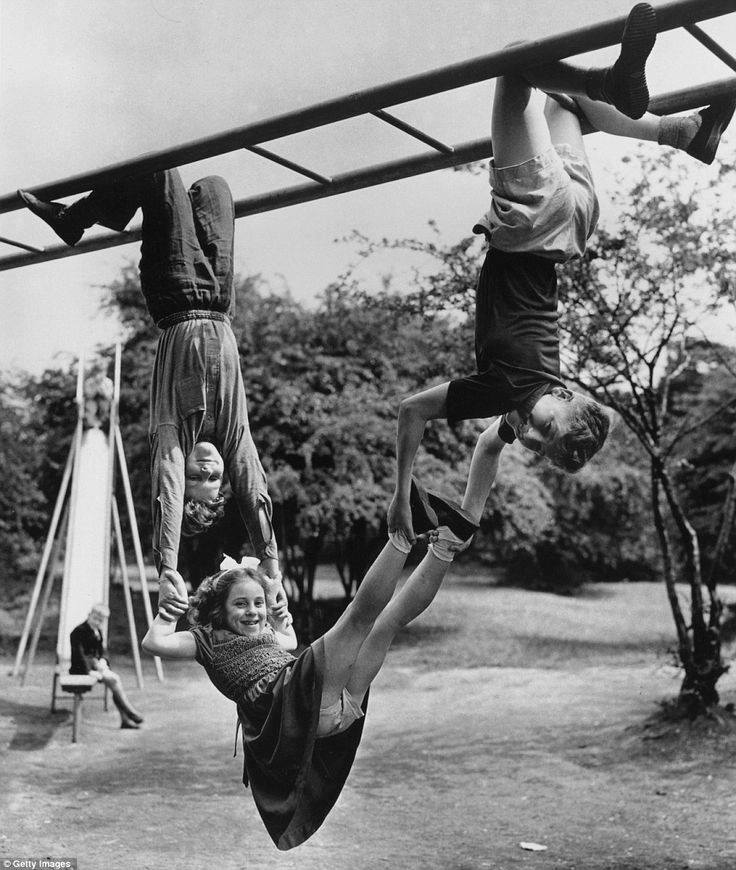
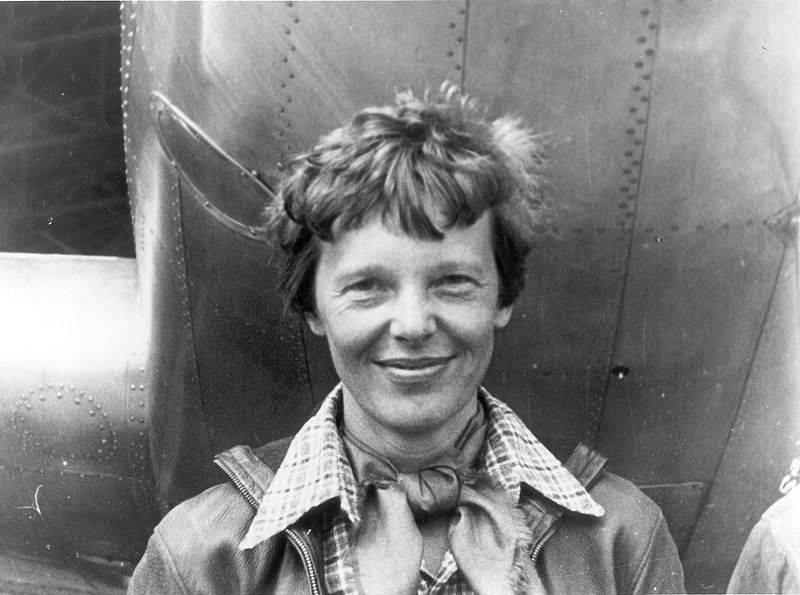
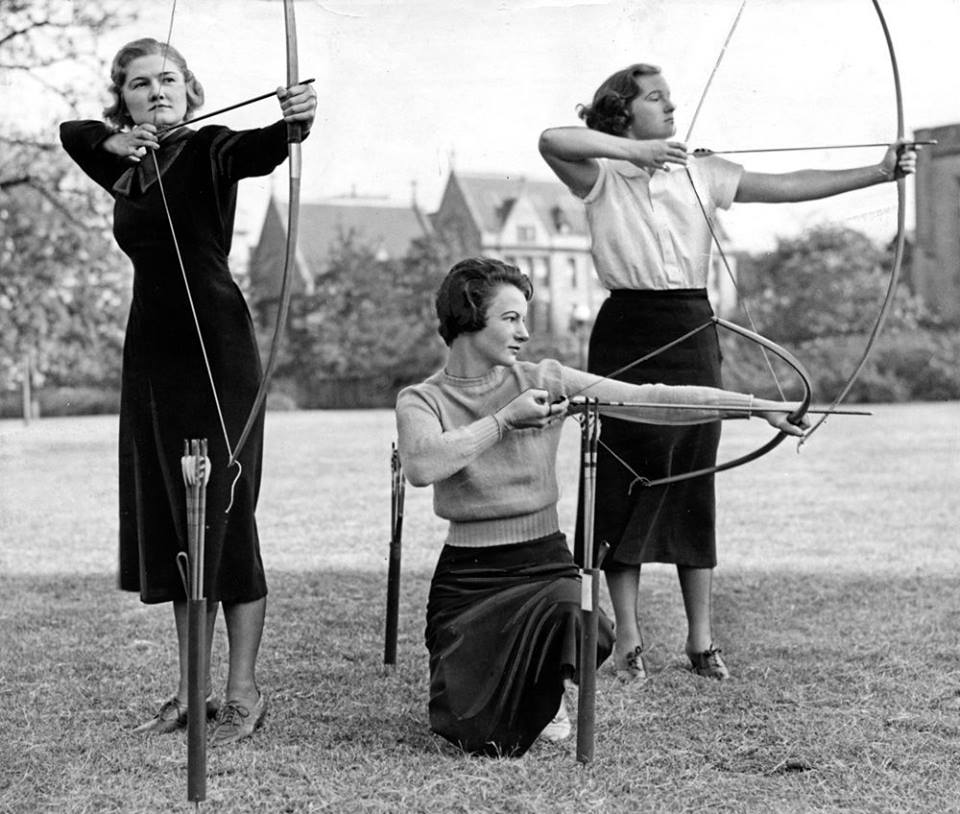
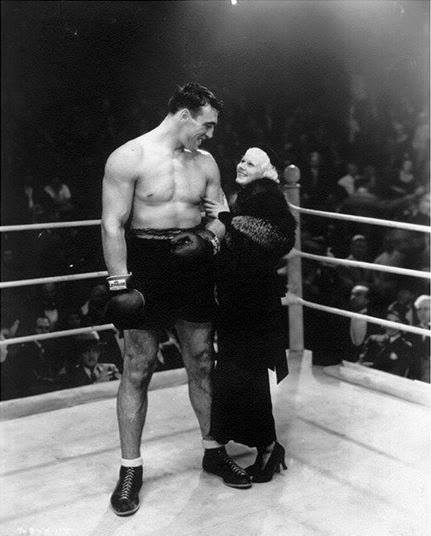
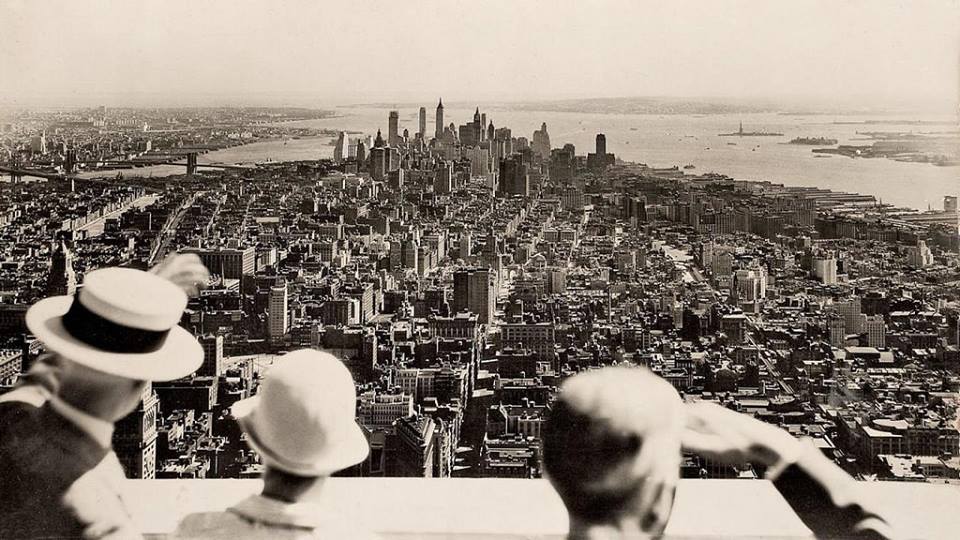
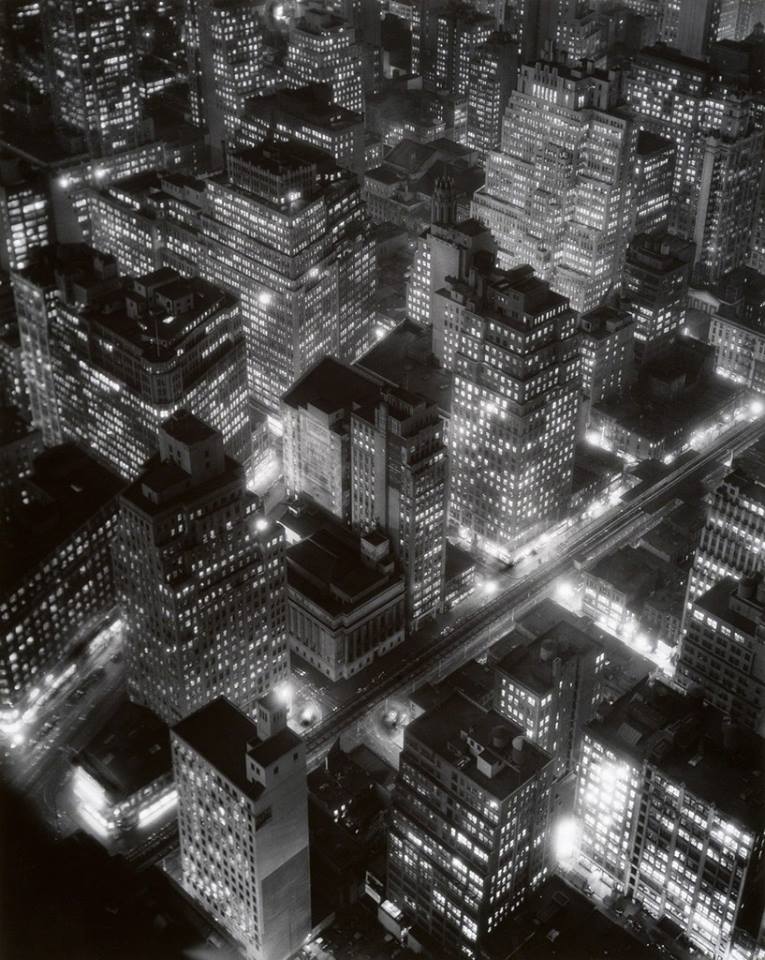
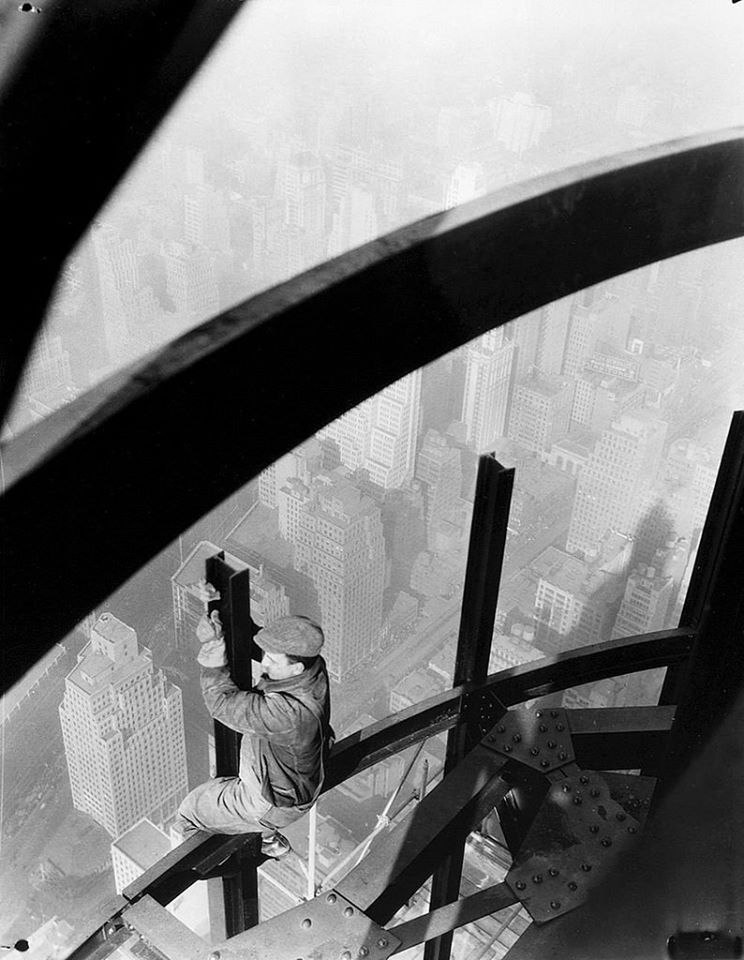
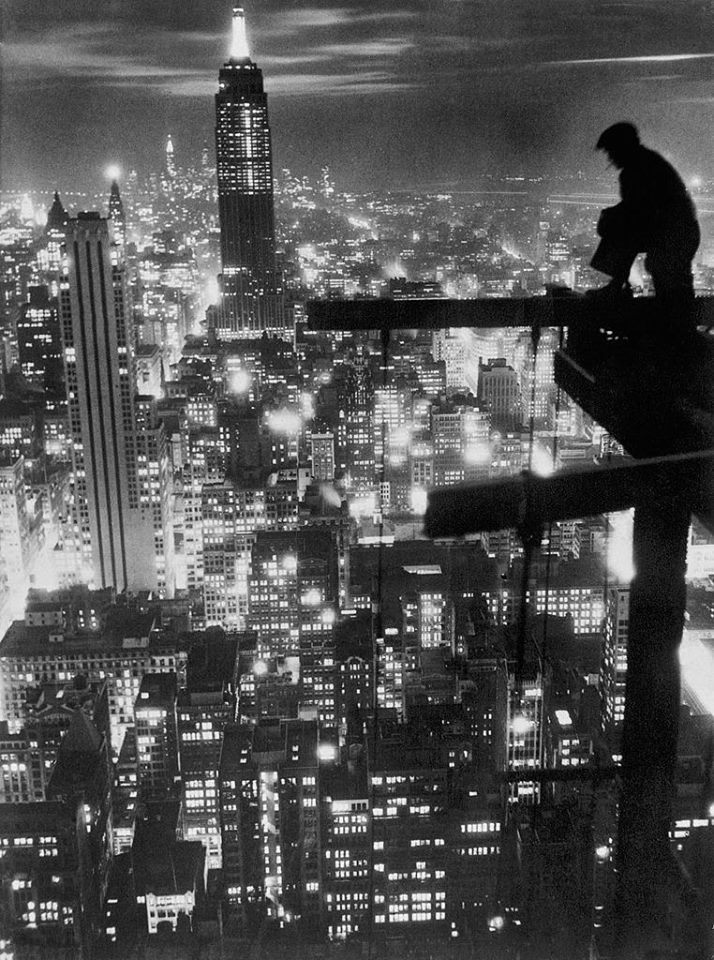
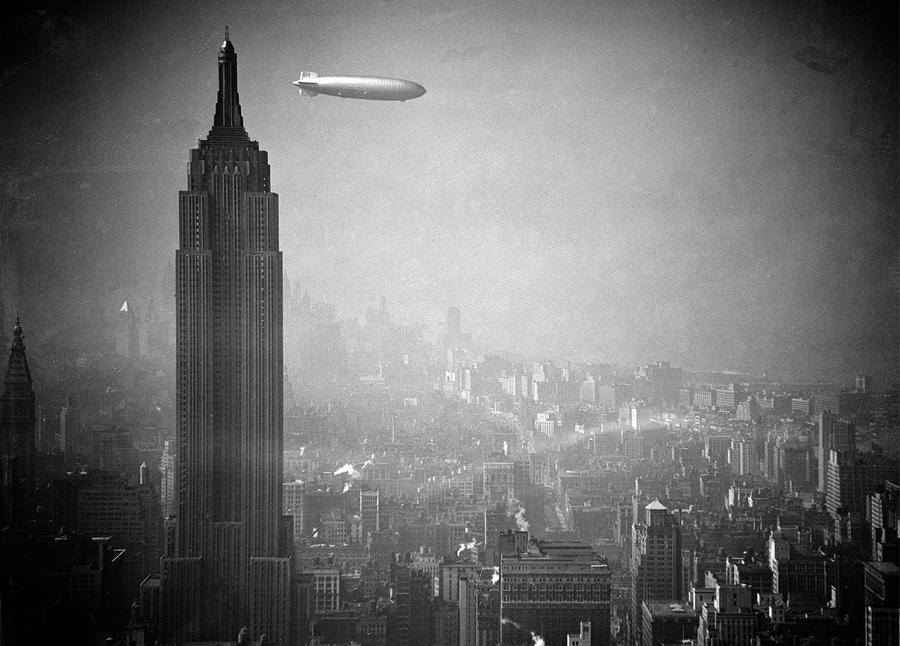
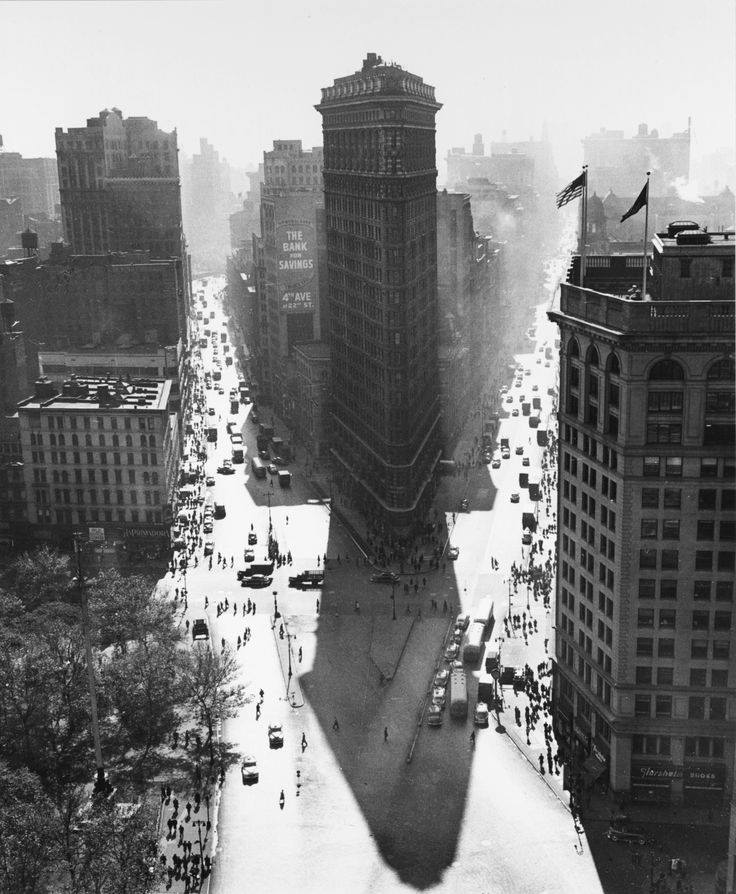
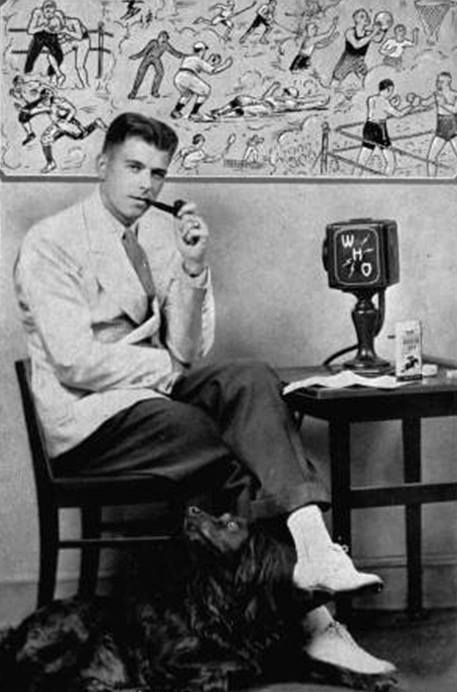
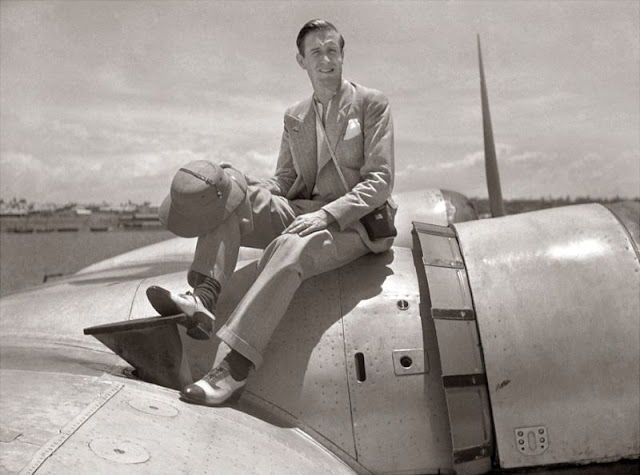
Young family, penniless, hitchhiking on U.S. Highway 99, California. November, 1936.Street vendor selling ices from 2 to 5 cents, New York City, 1938.Soho, London, 1935.The quays of the Seine, Paris, 1935.The Direct Fisheries in Osmaston Road, Allenton, UK, 1930.Margaret Mitchell holding her book, Gone with the Wind, 1938.Lucille Ball in 1933.Elvis Presley with parents Gladys and Vernon in 1937.Little girls feeding pigeons at the Lustgarten, Berlin, Germany, 1934.Young boy playing flute beside his camels, 1931.Young motorcycle gang, 1930.Summer on the Lower East Side, New York, 1937.Mae Clarke in the 1931 horror film “Frankenstein.”Bride of Frankenstein, 1935A Los Angeles drive-in in 1938.Hollendyke Wrecking Service, Clarksburg, West Virginia, 1933.A film fan uses a mirror to admire the image of film star Gary Cooper she has had tattooed on her back, 1936.Rome, 1938.Gary Cooper and his wife Rocky, 1934.A device that helps to correct the application of make-up. Invented by Max Factor (right) in 1930.Dancing at a nightclub on Central Avenue, Los Angeles, 1938.South Street Waterfront, Manhattan, 1935.Heavy black clouds of dust rising over the Texas Panhandle, March 1936.Angelo’s, Columbus, Ohio, August 1938.Tyrone Power in 1938.Resettled farm child, New Mexico, 1935.New York, 1938.Boy with his cat, 1930s.Boys diving into the Thames river during an April heatwave in London, 1933.Just a little peek, 1937.Hanging around in Swansea, April 1939.Amelia Earhart standing under the nose of her Lockheed Model 10-E Electra, 1937.Wedding of musical stars Madge Elliott and Cyril Ritchard at St Mary’s Cathedral, Sydney, 1935The University of Chicago Archery Team in 1935.The timeless beauty of actress Loretta Young, 1931.Jean Harlow poses next to the huge World Heavyweight Champion Primo Carnera (nicknamed the Ambling Alp) in 1933.The view from the top of the Empire State Building on opening day, New York, May 1st, 1931.New York City at Night, 1932.Ironworker plying his trade on the Empire State Building, New York, 1931.Long hours, RCA building, Rockefeller Center, New York, 1932.The German zeppelin Hindenburg floats past the Empire State Building over Manhattan, on August 8th, 1936.Flat Iron Building, Madison Square, New York, May 18, 1938.Notre Dame de Paris, 1935.Here’s a shield that protected the face during extreme cold temps and snow storms in Canada, 1939.Near Edinburgh, 1935Hamilton County, Ohio. Cincinnati slum dwellings. 1935A group of Native American men wearing their traditional attire while raising the Stars and Stripes at the Lincoln Memorial in 1936.Roland, a 4000-lb elephant seal, gets a snow bath from his handler at the Berlin Zoo in 1930.Ronald “Dutch” Reagan was a radio sportscaster for WHO in Des Moines and on a tobacco ad card in 1932.
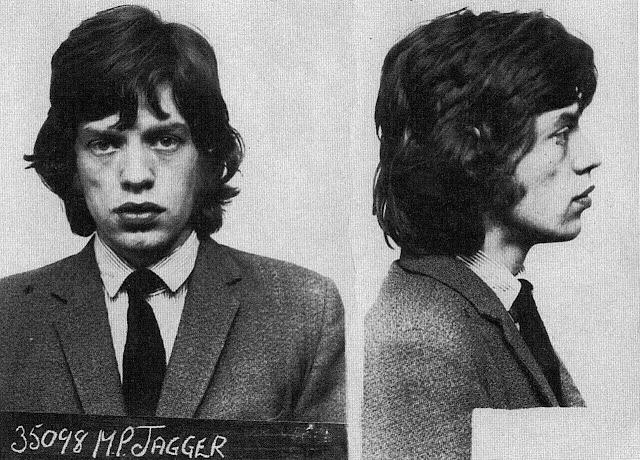
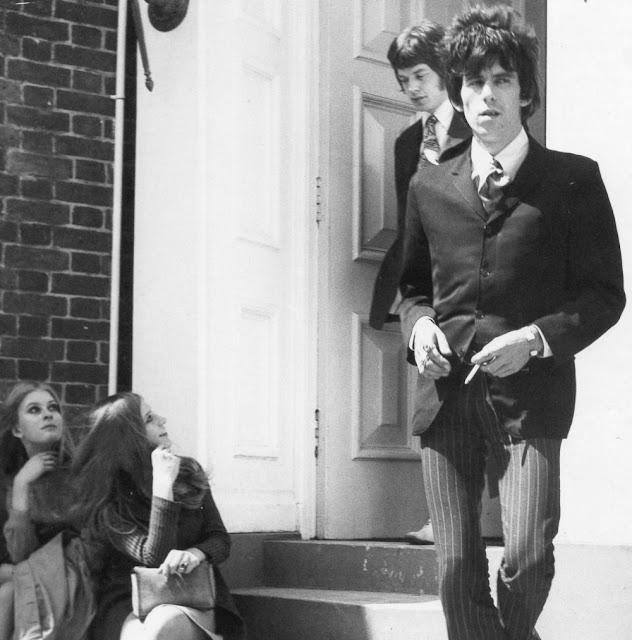
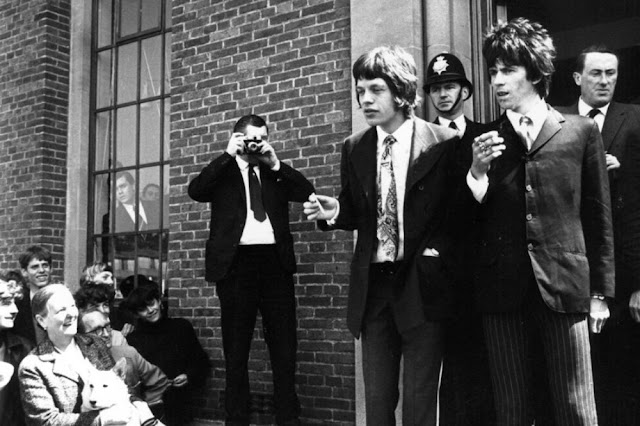
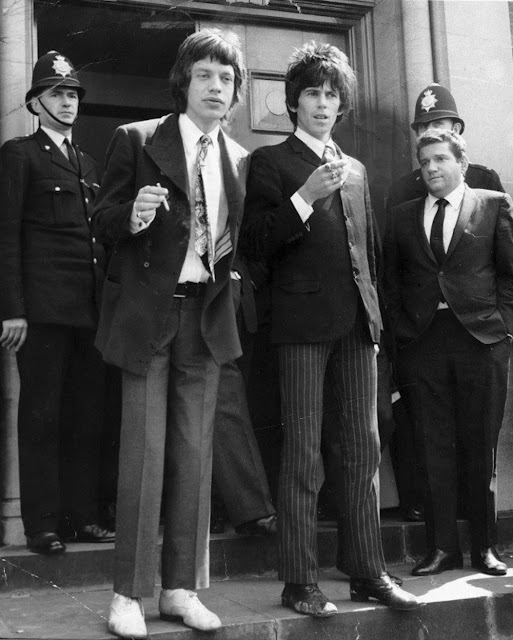
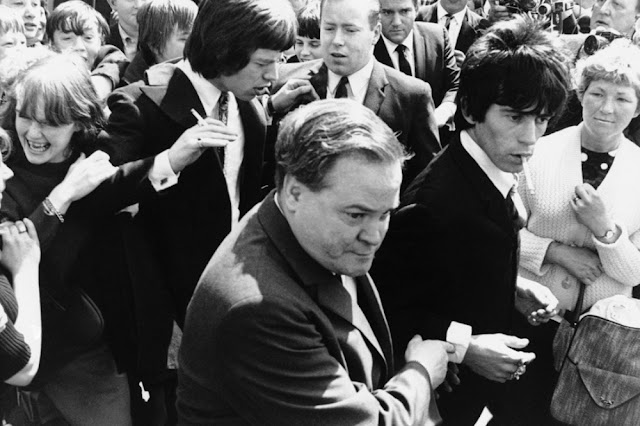
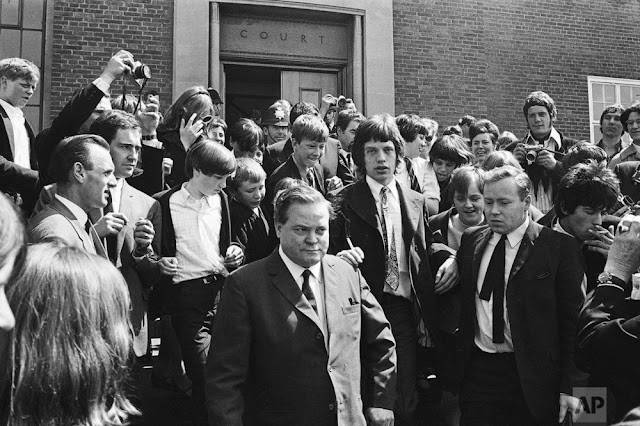
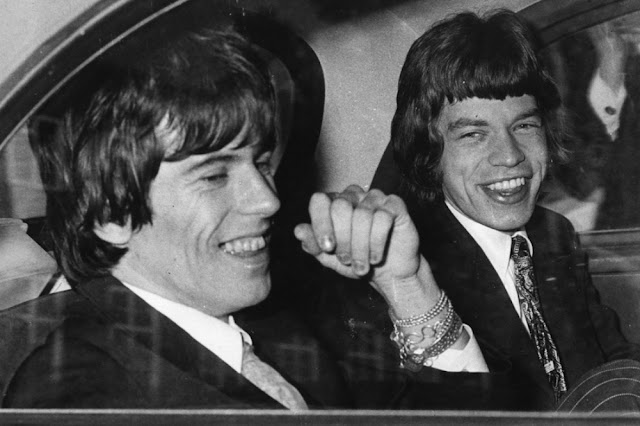
In February 1967, two members of The Rolling Stones, lead singer Mick Jagger and guitarist Keith Richards were arrested at Richards’ home, Redlands, West Wittering, Sussex for drug possession. The raid had been preceded by a major campaign by the tabloid newspaper the News of the World, whom Jagger was suing for libel at the time, and who carried lurid stories regarding Jagger and his girlfriend, Marianne Faithfull.
Although convicted—and having spent a night in prison—a publicity campaign by their colleagues in the music industry encouraged popular support and criticism of the decision to prosecute them. Most notably, the traditionally-conservative newspaper The Times published an op-ed by William Rees-Mogg asking Who Breaks a Butterfly on a Wheel?, in which he criticized the prosecutions as unfounded and unnecessary.
Following a tip-off from the News of the World on Sunday 12, February, Detective Sergeant Norman Pilcher led a squad of 18 officers—including two female constables in case it became necessary to perform a body search on Faithfull—which had been tipped off by his chauffeur raided a party at Keith Richards’ home, Redlands. No arrests were made at the time, but Jagger, Richards and their friend art dealer Robert Fraser were subsequently charged with drug offenses. It was believed that Jagger, Richards and Faithfull were coming down from an all-day acid trip.
In his autobiography, Richards later described how, “there’s a knock on the door, I look out the window, and there’s this whole lot of dwarves outside … I’d never been busted before, and I’m still on acid.” The police discovered little sign of illegality: a few roaches, amphetamine pills from Jagger’s Italian supplier, and Fraser was found in possession of heroin. It is likely that the pills were Faithfull’s but that Jagger claimed them as his own to save her from arrest.
The News of the World reported that when the police entered Faithfull had just had a shower and had had to put a fur rug over herself. She later described how, as a side effect of their comedowns, they kept breaking into laughter while the police searched the house, “collecting sticks of incense and miniature bars of hotel soap.” The police told Richards that, under the DDA, he was held responsible as the property owner for any drugs discovered, to which Richards said, “I see. They pin it all on me.” Meanwhile, Jones had phoned to say he had finished his work on “Mord” and was about to drive down; “don’t bother,” replied Richards, telling him “we’ve been busted.”
Although Jagger, Richards and Fraser were released the following day, it soon became clear, argues Goodman, that “the government was serious” about sending them to prison. Originally charged at Chichester Magistrates Court on May 10, Jagger and Richards pled not guilty and availed themselves of their right to a trial by jury. The case was heard at Chichester Crown Court before Judge Leslie Kenneth Allen Block. They were remanded to Lewes Prison to await sentencing on July 27. The subsequent arrest of Richards and Jagger put them on trial before the British courts, whilst also trying them in the court of public opinion. On June 19, 1967, Jagger was sentenced a £200 fine and to three months’ imprisonment for possession of four amphetamine tablets. Richards was found guilty of allowing cannabis to be smoked on his property and sentenced to one year in prison and a £500 fine. Both Jagger and Richards were imprisoned at that point: Jagger was taken to Brixton Prison in south London, and Richards to Wormwood Scrubs Prison in west London. Fraser received a year and did not appeal. Both were released on bail the next day pending appeal. They were represented in court by the barrister Michael Havers.
Richards said in 2003, “When we got busted at Redlands, it suddenly made us realize that this was a whole different ball game and that was when the fun stopped. Up until then, it had been as though London existed in a beautiful space where you could do anything you wanted.” On the treatment of the man responsible for the raid, he later added: “As I heard it, he never walked the same again.”
Mexico, officially the United Mexican States, is a country in the southern portion of North America. It is bordered to the north by the United States; to the south and west by the Pacific Ocean; to the southeast by Guatemala, Belize, and the Caribbean Sea; and to the east by the Gulf of Mexico. Mexico covers 1,972,550 square kilometers (761,610 sq mi), making it the world’s 13th-largest country by area; with approximately 126,014,024 inhabitants, it is the 10th-most-populous country and has the most Spanish-speakers. Mexico is organized as a federal republic comprising 31 states and Mexico City, its capital. Other major urban areas include Monterrey, Guadalajara, Puebla, Toluca, Tijuana, Ciudad Juárez, and León.
Pre-Columbian Mexico traces its origins to 8,000 BCE and is identified as one of the world’s six cradles of civilization. In particular, the Mesoamerican region was home to many intertwined civilizations; including the Olmec, Maya, Zapotec, Teotihuacan, and Purepecha. Last were the Aztecs, who dominated the region in the century before European contact. In 1521, the Spanish Empire and its indigenous allies conquered the Aztec Empire from its capital Tenochtitlan (now Mexico City), establishing the colony of New Spain. Over the next three centuries, Spain and the Catholic Church played an important role expanding the territory, enforcing Christianity and spreading the Spanish language throughout. With the discovery of rich deposits of silver in Zacatecas and Guanajuato, New Spain soon became one of the most important mining centers worldwide. Wealth coming from Asia and the New World contributed to Spain’s status as a major world power for the next centuries, and brought about a price revolution in Western Europe. The colonial order came to an end in the early nineteenth century with the War of Independence against Spain.
Mexico’s early history as an independent nation state was marked by political and socioeconomic upheaval, both domestically and in foreign affairs. The country was invaded by two foreign powers during the 19th century: first, by the United States as a consequence of the Texas Revolt by American settlers, which led to the Mexican–American War and huge territorial losses in 1848. After the introduction of liberal reforms in the Constitution of 1857, conservatives reacted with the war of Reform and prompted France to invade the country and install an Empire, against the Republican resistance led by liberal President Benito Juárez, which emerged victorious. The last decades of the 19th century were dominated by the dictatorship of Porfirio Díaz, who sought to modernize Mexico and restore order. However, the Porfiriato era led to great social unrest and ended with the outbreak in 1910 of the decade-long Mexican Revolution (civil war). This conflict had profound changes in Mexican society, including the proclamation of the 1917 Constitution, which remains in effect to this day. The remaining war generals ruled as a succession of presidents until the Institutional Revolutionary Party (PRI) emerged in 1929. The PRI in turn governed Mexico for the next 70 years, first under a set of paternalistic developmental policies of considerable economic success. During World War II Mexico also played an important role for the U.S. war effort. Nonetheless, the PRI regime resorted to repression and electoral fraud to maintain power; and moved the country to a more US-aligned neoliberal economic policy during the late 20th century. This culminated with the signing of the North American Free Trade Agreement in 1994, which caused a major indigenous rebellion in the state of Chiapas. PRI lost the presidency for the first time in 2000, against the conservative party (PAN).
Mexico is a developing country, ranking 74th on the Human Development Index, but has the world’s 15th-largest economy by nominal GDP and the 11th-largest by PPP, with the United States being its largest economic partner. Its large economy and population, cultural influence, and steady democratization make Mexico a regional and middle power; it is often identified as an emerging power but is considered a newly industrialized state by several analysts. Mexico ranks first in the Americas and seventh in the world for the number of UNESCO World Heritage Sites. It is also one of the world’s 17 megadiverse countries, ranking fifth in natural biodiversity. Mexico’s rich cultural and biological heritage, as well as varied climate and geography, makes it a major tourist destination: as of 2018, it was the sixth most-visited country in the world, with 39 million international arrivals. However, the country continues to struggle with social inequality, poverty and extensive crime. It ranks poorly on the Global Peace Index, due in large part to ongoing conflict between the government and drug trafficking syndicates, which violently compete for the US drug market and trade routes. This “drug war” has led to over 120,000 deaths since 2006. Mexico is a member of United Nations, the G20, the Organisation for Economic Co-operation and Development (OECD), the World Trade Organization (WTO), the Asia-Pacific Economic Cooperation forum, the Organization of American States, Community of Latin American and Caribbean States, and the Organization of Ibero-American States. (Wikipedia)
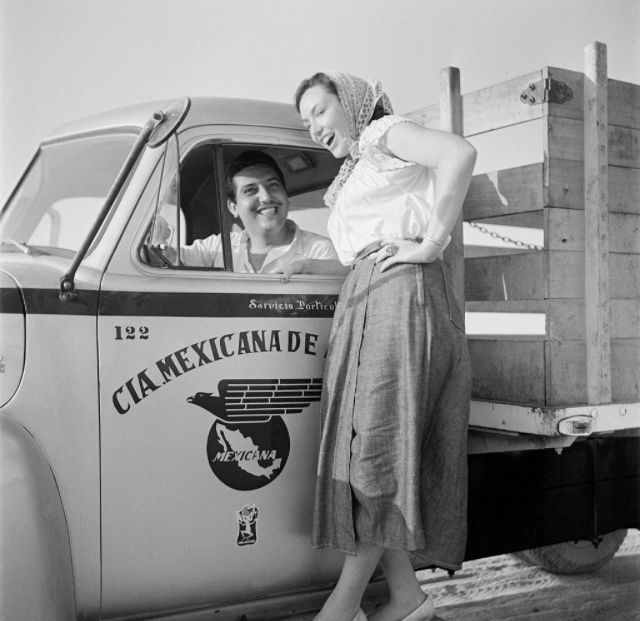
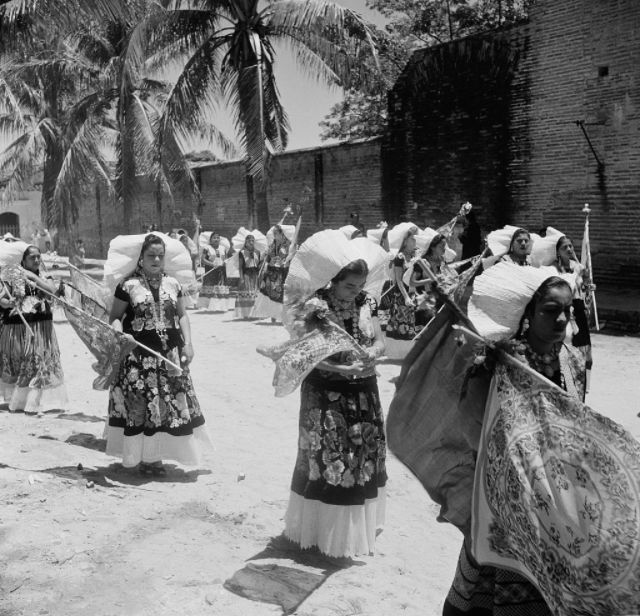
Below are 25 photographs depicted local life in Mexico taken in 1952:
Subscribe to continue reading
Become a paid subscriber to get access to the rest of this post and other exclusive content.
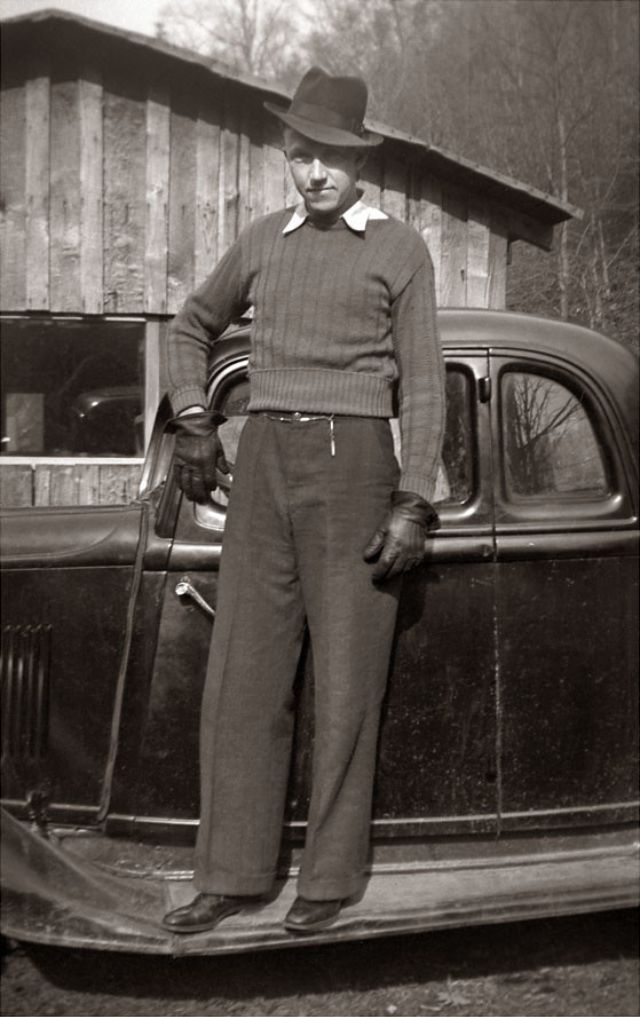
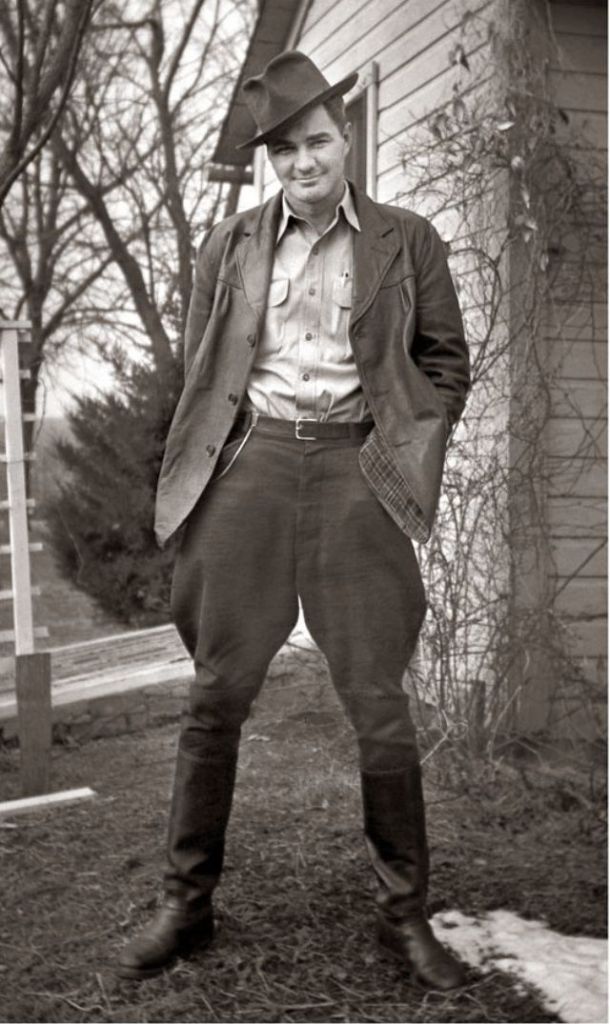
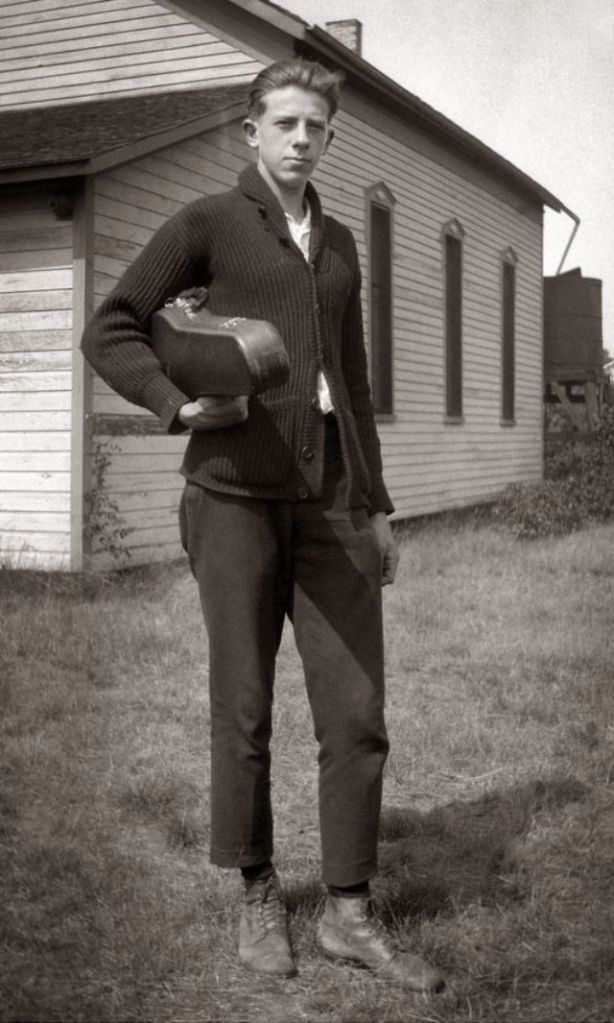
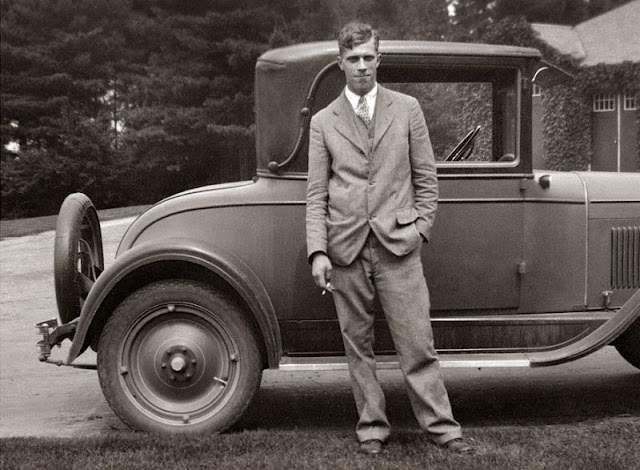
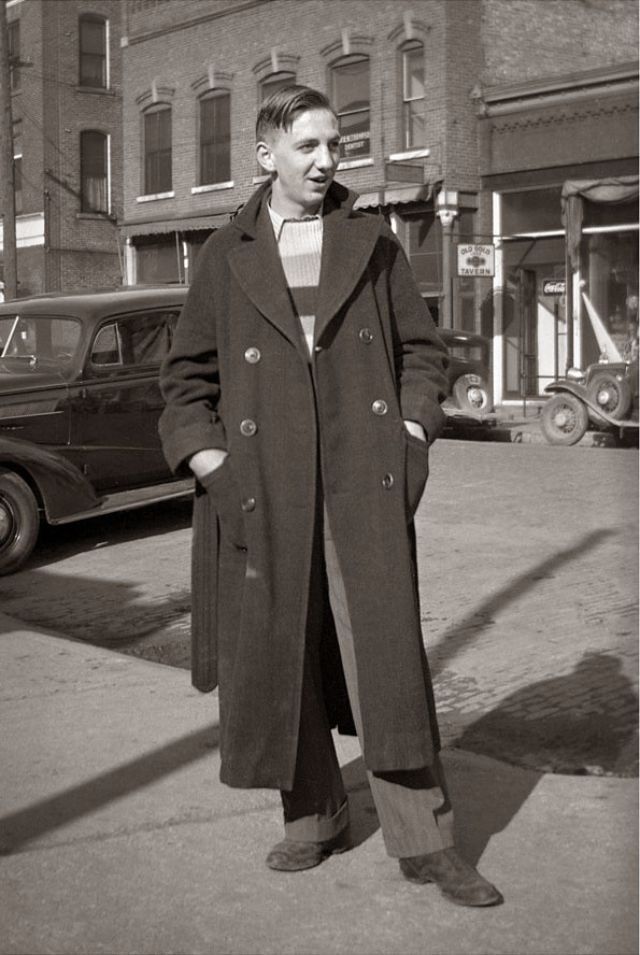
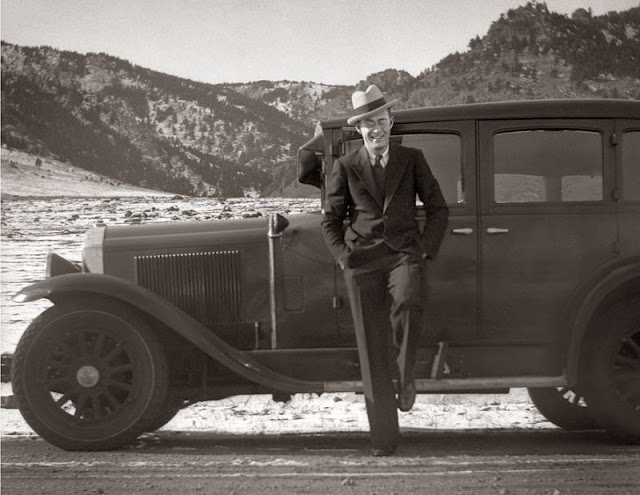
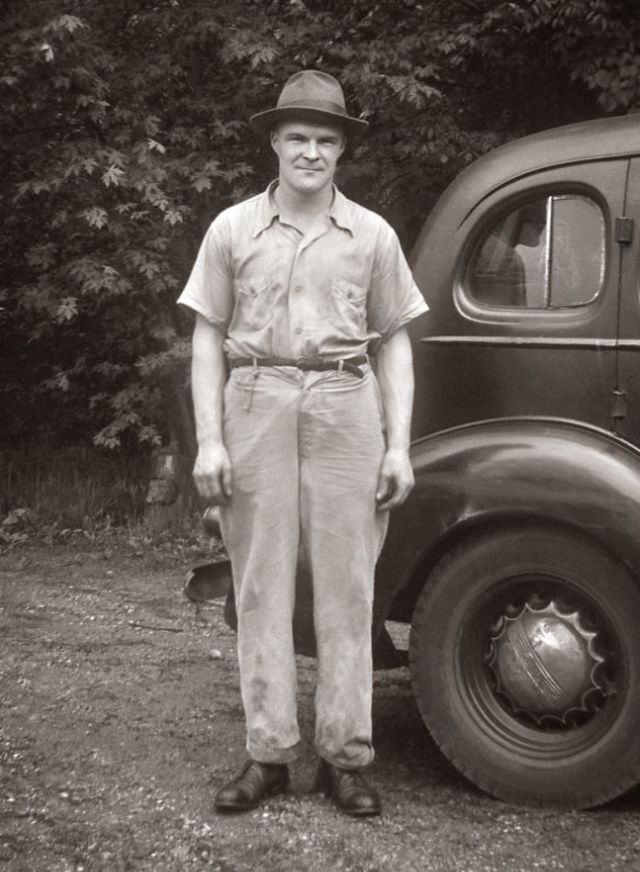
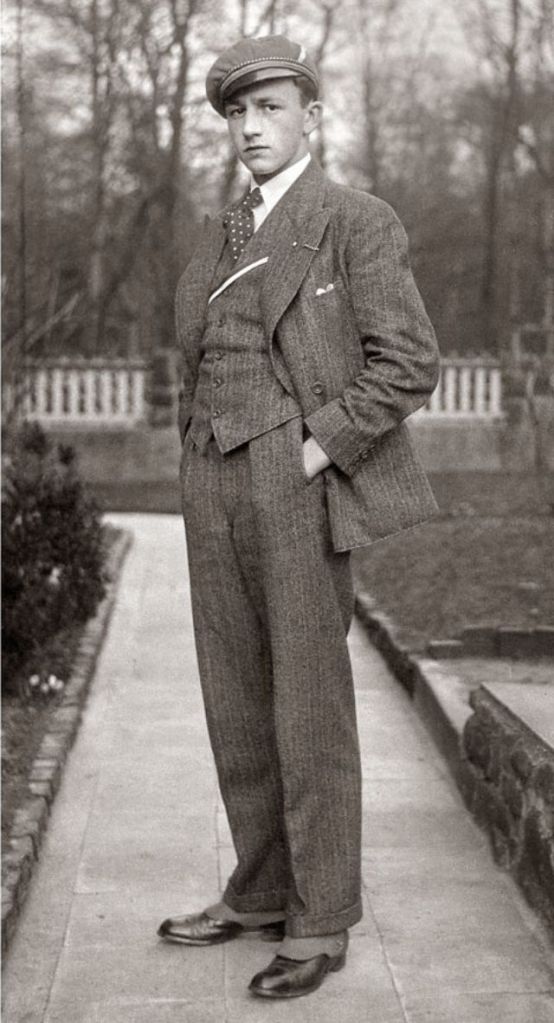
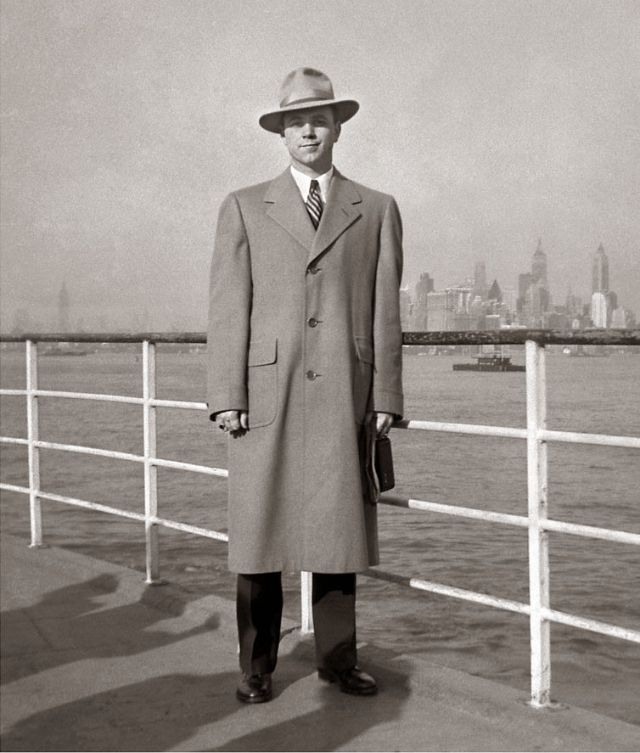
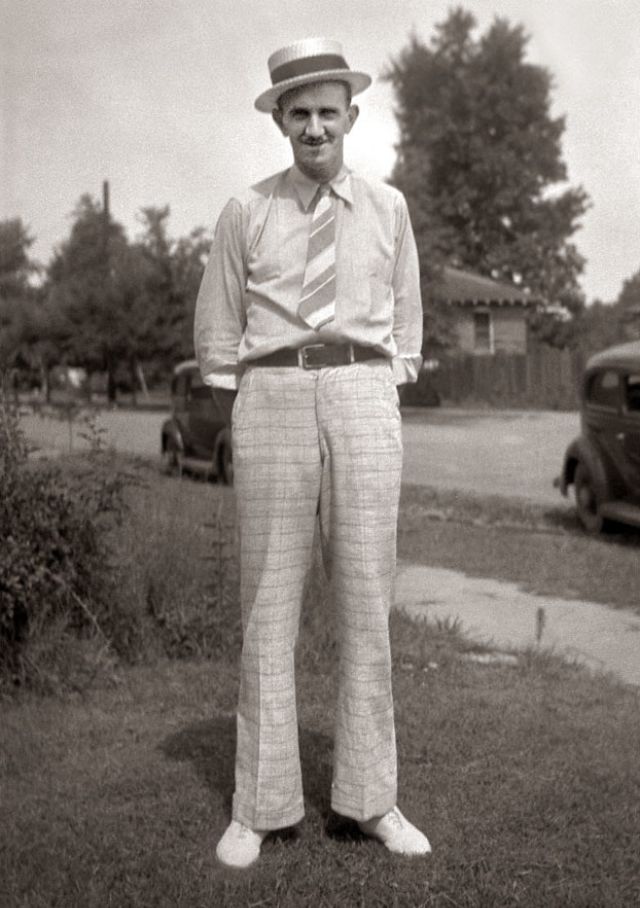
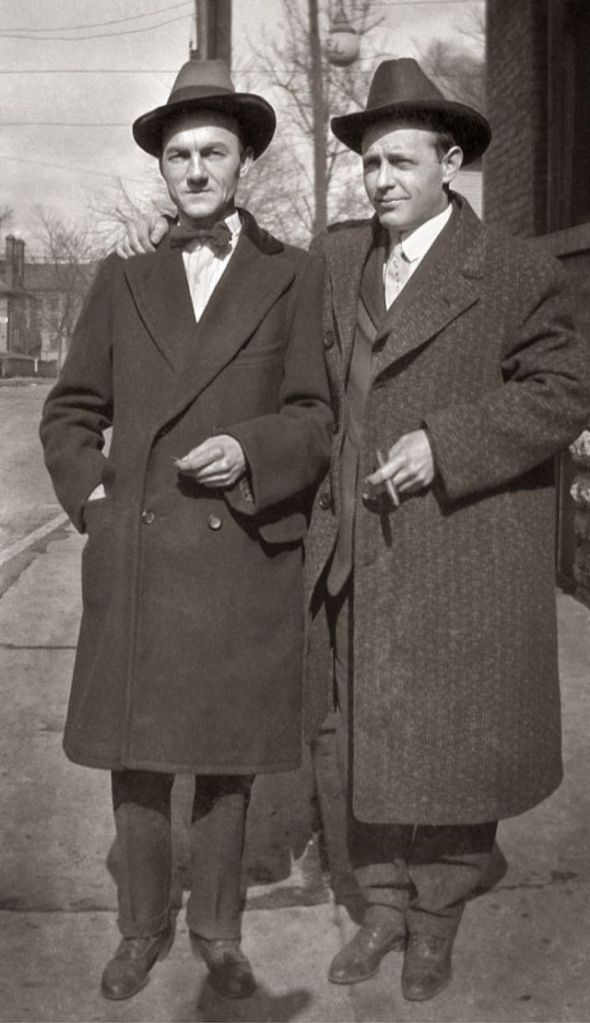
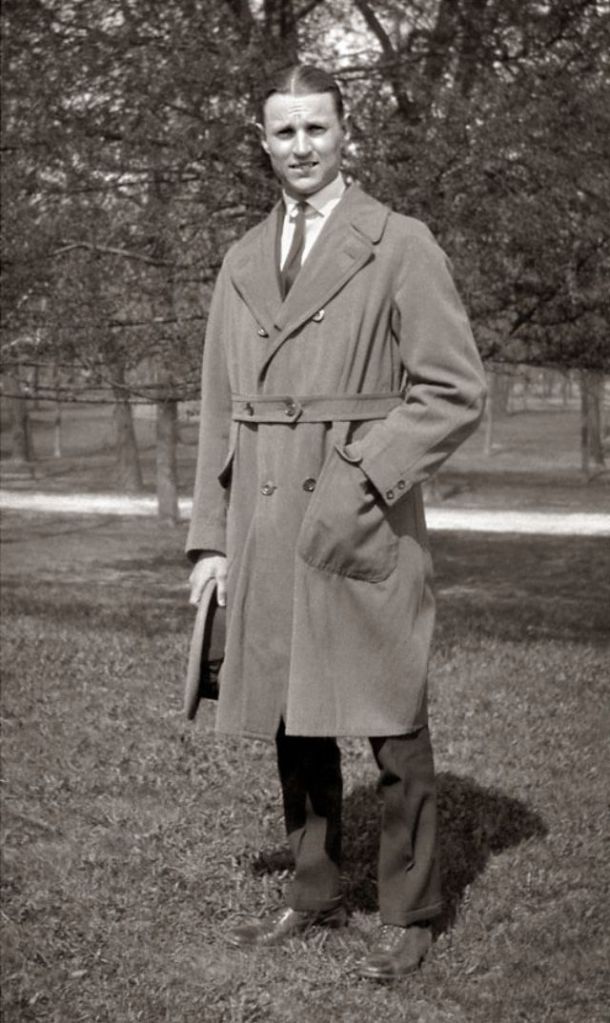
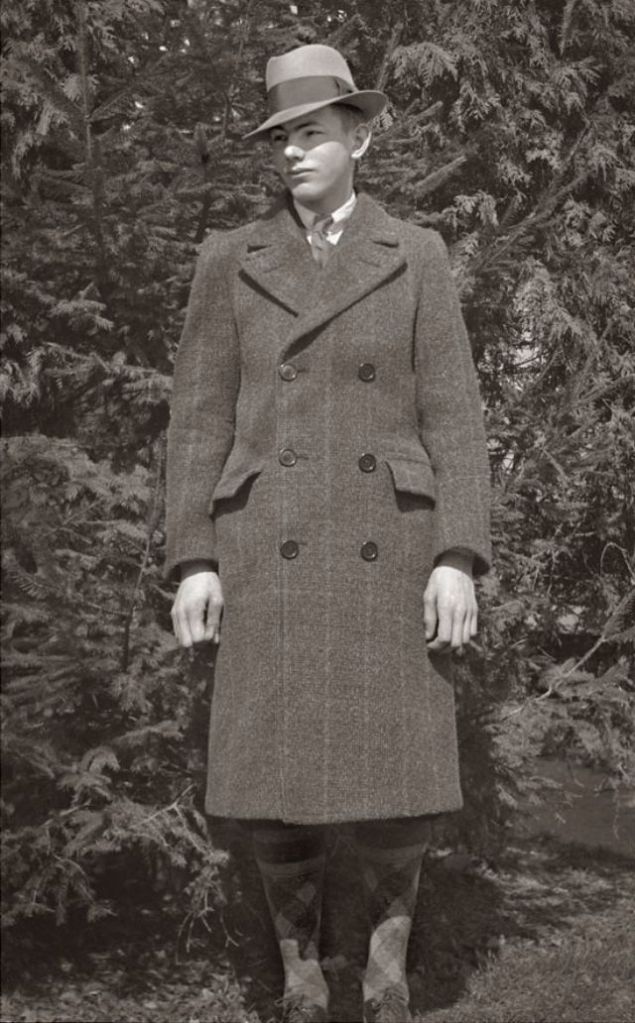
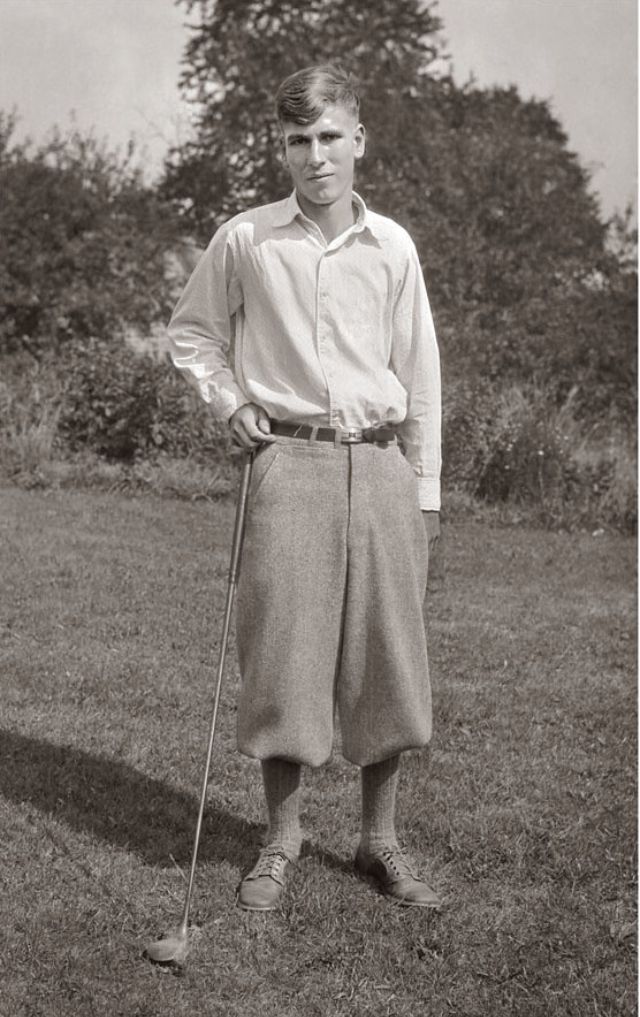
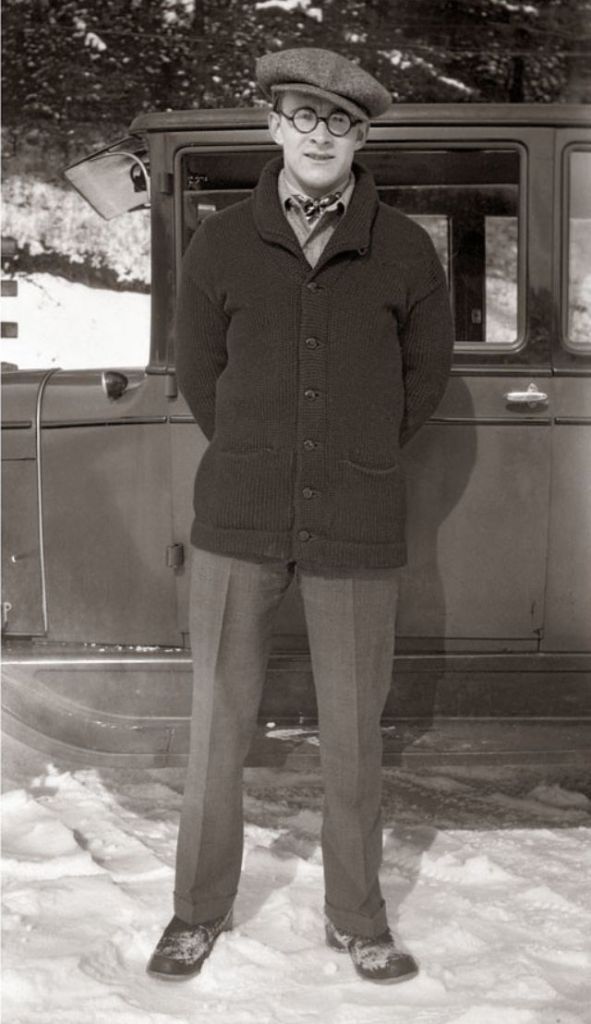
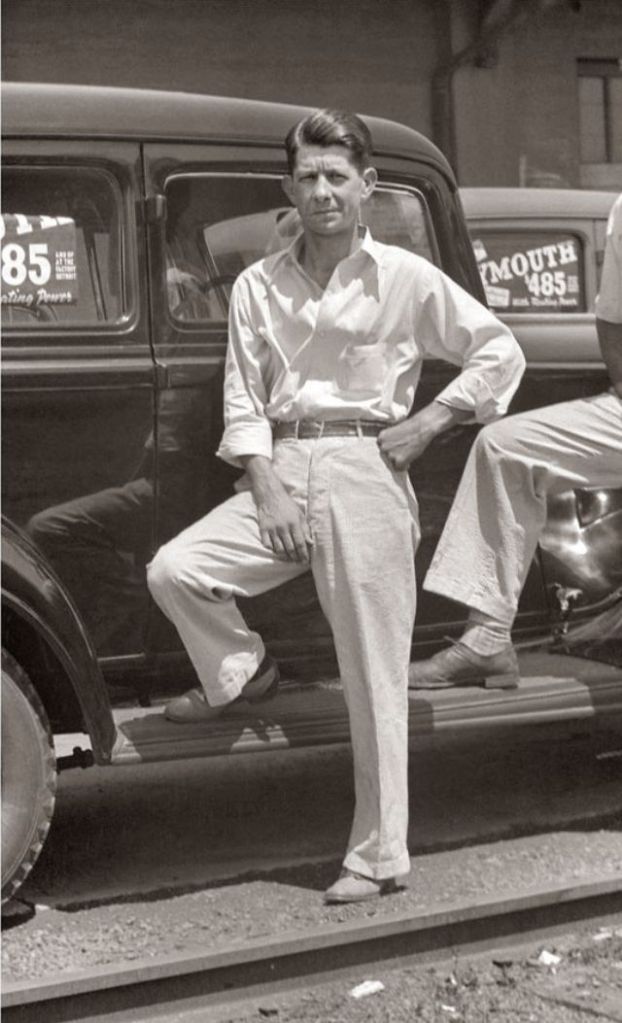
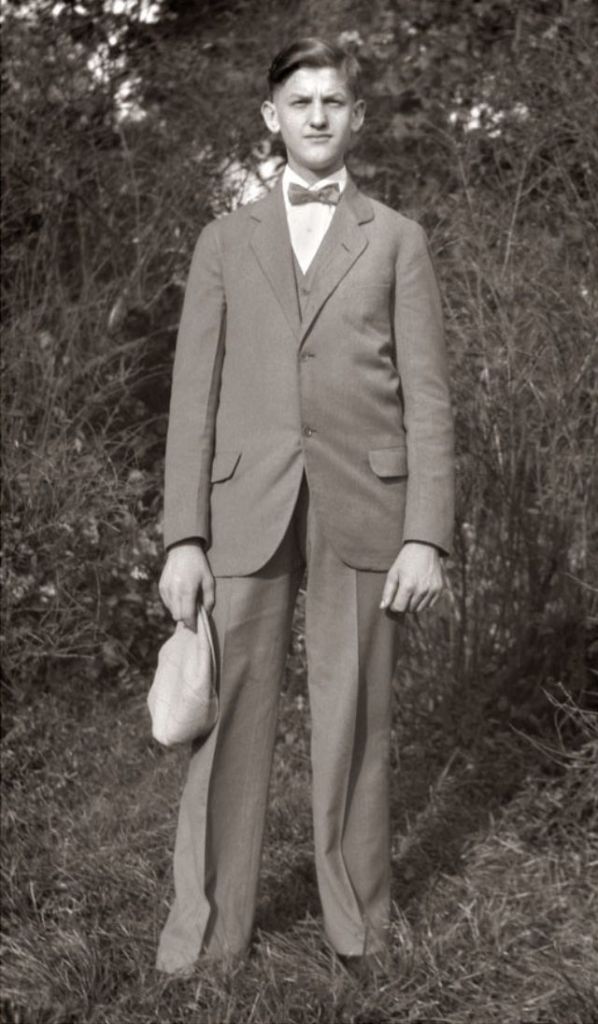
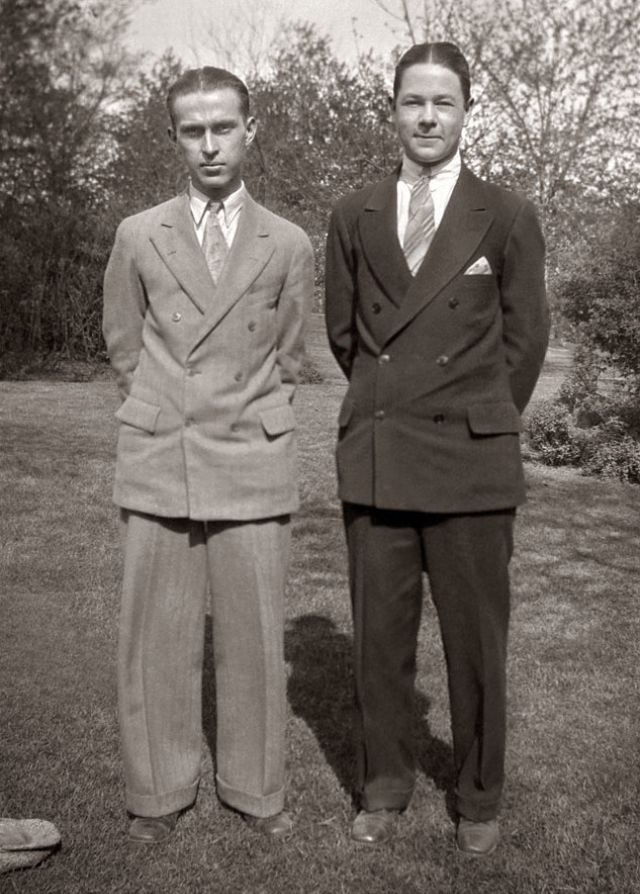
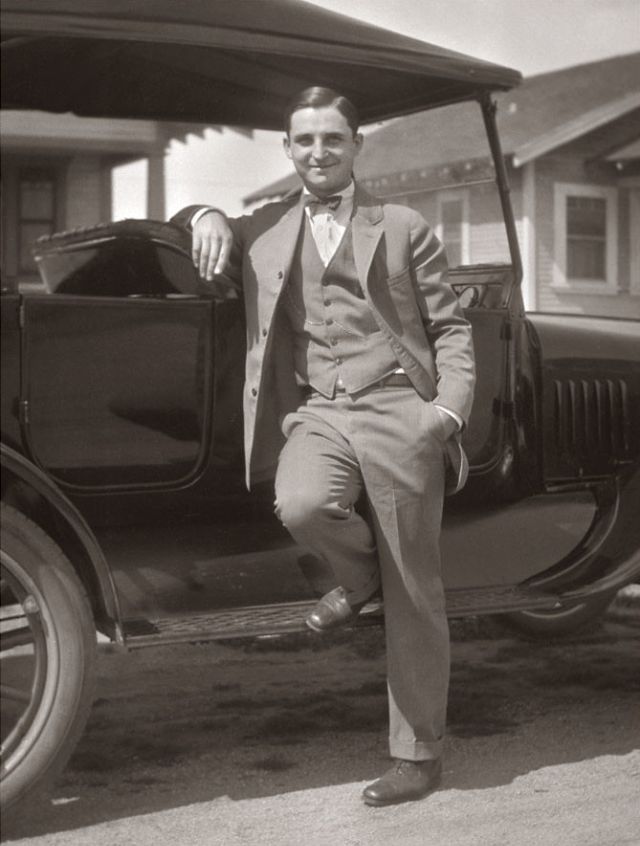
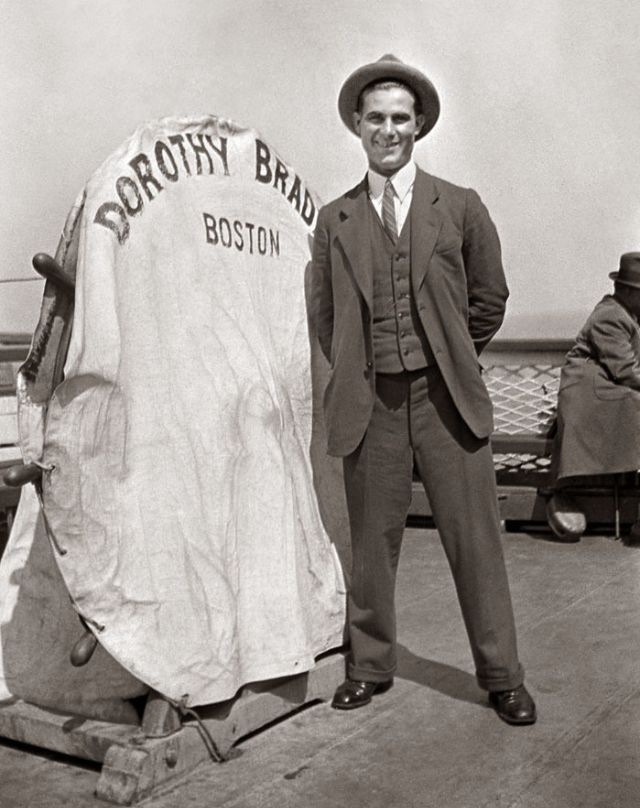
The 1930s were a turbulent decade where the free-spirited, reckless, youthful “me” class of the roaring twenties was replaced by serious, masculine, working-class men who had responsibilities to their home and country.
The stock market crash of 1929 not only put men out of work, but also out of reach of high fashions coming from Europe. The new man of the 1930s was conservative yet colorful, oversized yet practical, and confident yet concerned about his spending on unnecessary clothing. His “larger than life” look spoke to his optimism for a recovering economy and his role as the patriarchal head of household.
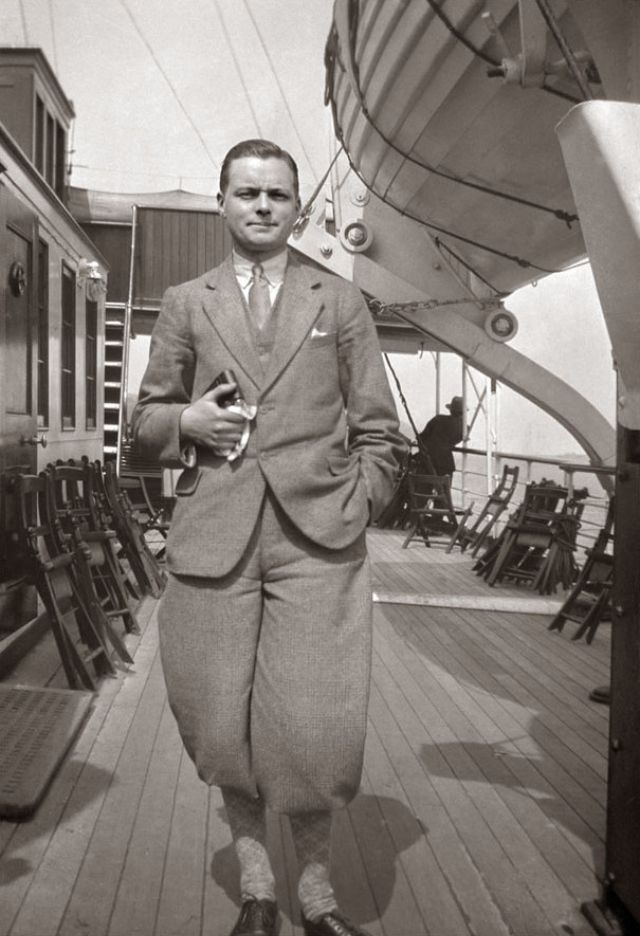
In the 1930s, the athletic body seen on boxers, swimmers, and Superman became the ideal male figure. Clothing reflected this new silhouette with extra broad shoulders, thin waists, and tapered wide legs. Everything was big, tall, and surprisingly comfortable.
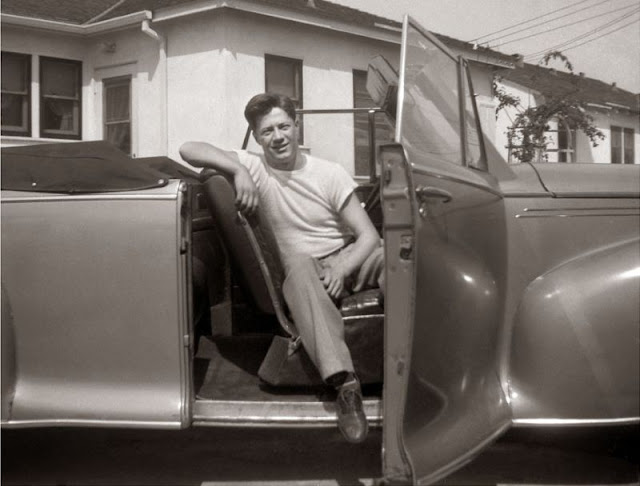
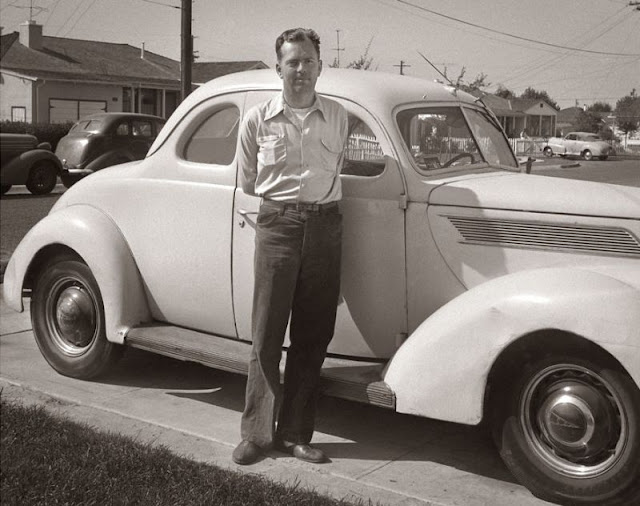
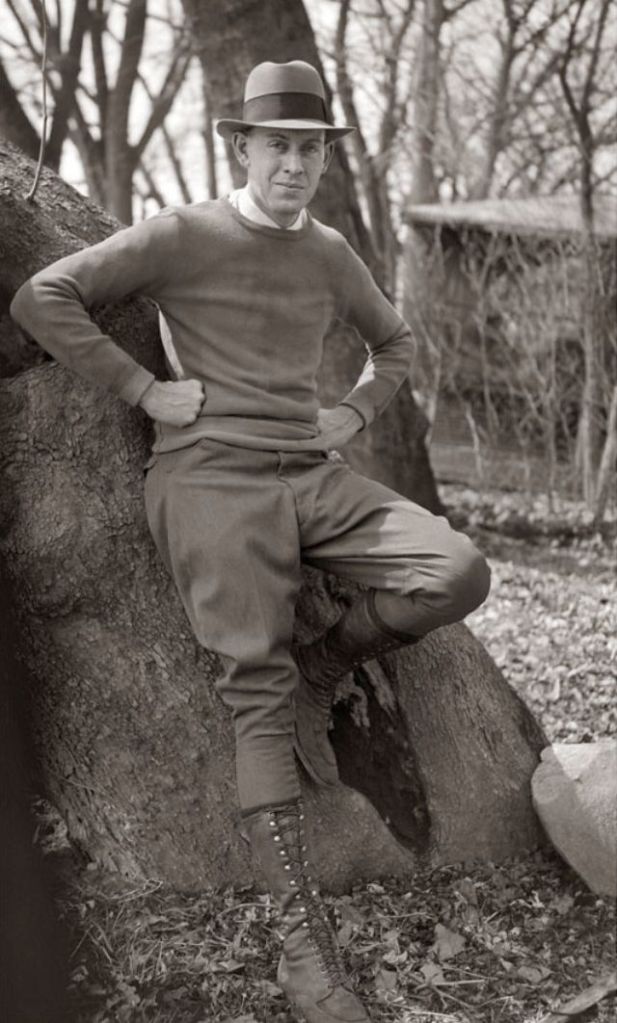
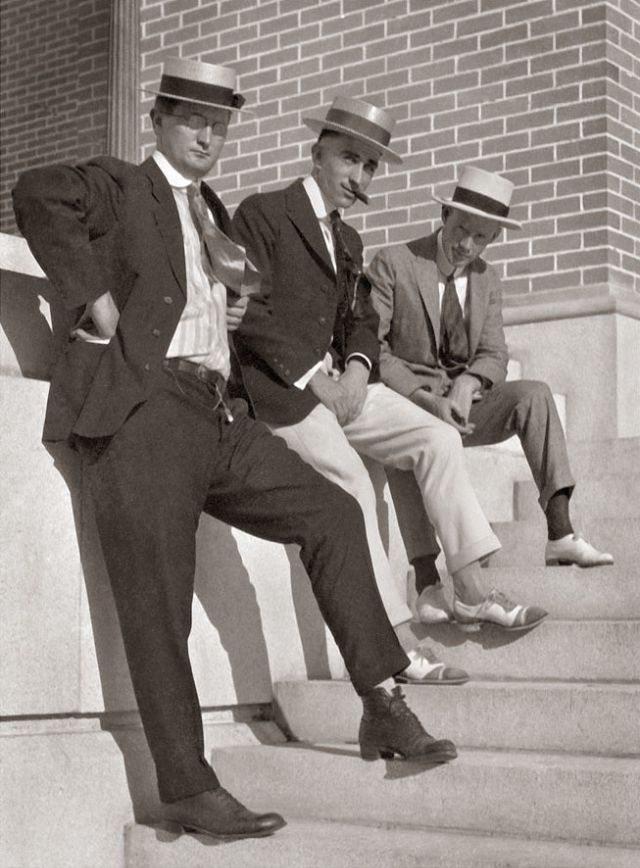
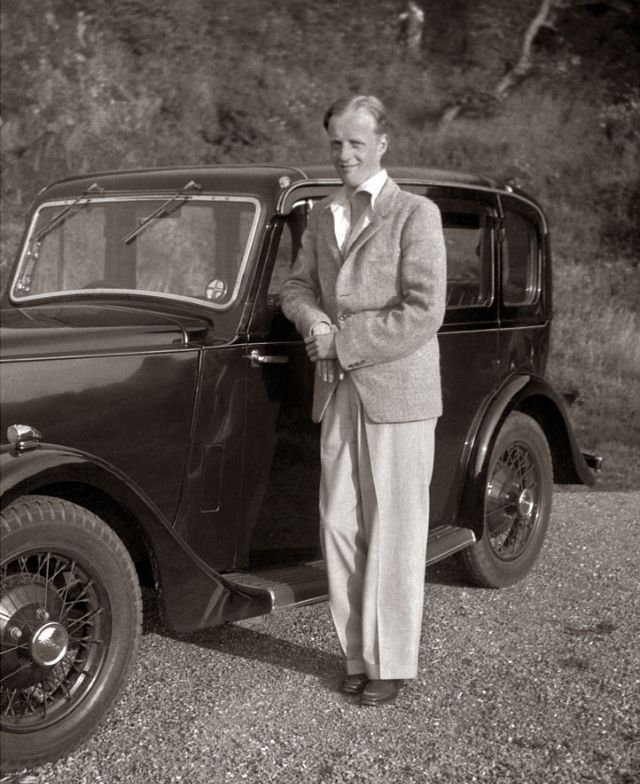
These photos show what men looked like in the 1930s.
“To be an air stewardess is hard work and not to be recommended to someone who just wants to see the world,” said chief stewardess Anna Lönnqvist, who had a degree from Uppsala University. “To underline that, it should be remembered that we’re only allowed to do two flights to America each month and that the free time must be used for rest. It’s our New York route that seems to be the most attractive, even though it’s a 25-hour journey filled with hard work.” That hardly turned anyone away, even though the work was certainly not easy.
The first female flight attendant was a 25-year-old registered nurse named Ellen Church. Hired by United Airlines in 1930, she also first envisioned nurses on aircraft. Other airlines followed suit, hiring nurses to serve as flight attendants, then called “stewardesses” or “air hostesses,” on most of their flights. In the United States, the job was one of only a few in the 1930s to permit women, which, coupled with the Great Depression, led to large numbers of applicants for the few positions available. Two thousand women applied for just 43 positions offered by Transcontinental and Western Airlines in December 1935.
Female flight attendants rapidly replaced male ones, and by 1936, they had all but taken over the role. They were selected not only for their knowledge but also for their physical characteristics. A 1936 New York Times article described the requirements: “The girls who qualify for hostesses must be petite; weight 100 to 118 pounds; height 5 feet to 5 feet 4 inches; age 20 to 26 years. Add to that the rigid physical examination each must undergo four times every year, and you are assured of the bloom that goes with perfect health.”
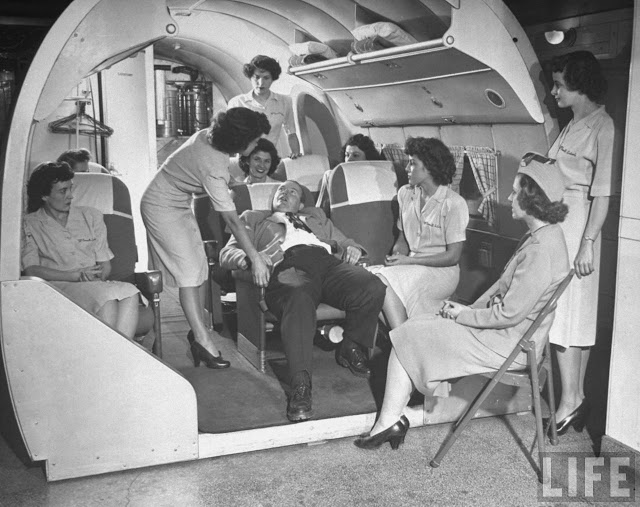
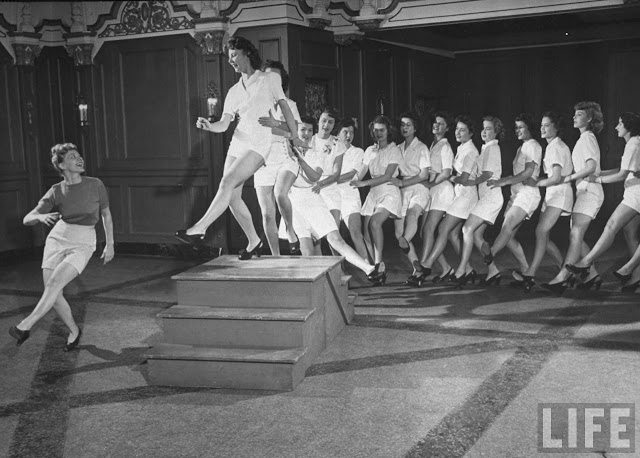
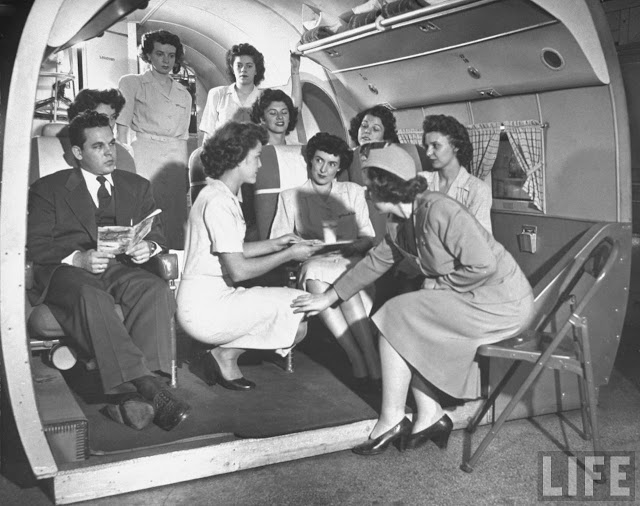
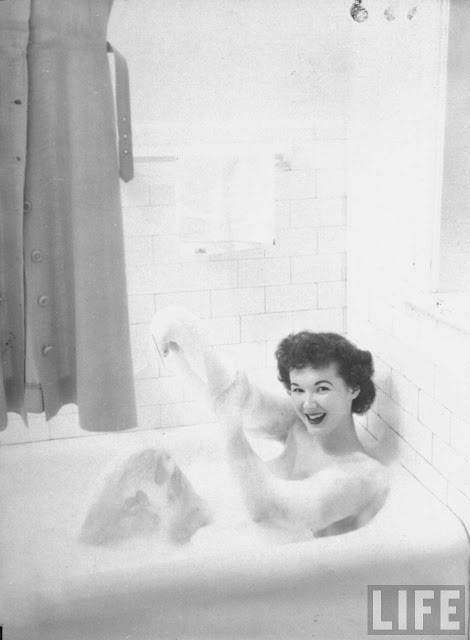
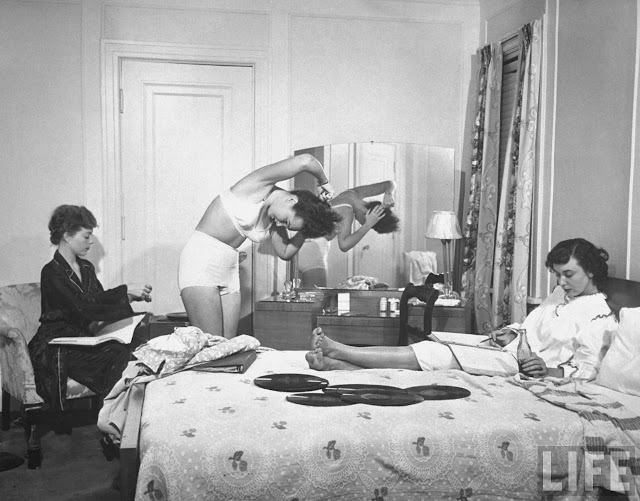
Here, photos taken at the McConnell Air Hostess School which trained air hostesses for TWA in the 1940s. The training included learning the correct way to serve drinks, dealing with inebriated passengers and even learning how to change nappies. Even more surprisingly they are also pictured having chewing gum to reduce that double chin, having their posture checked, doing the conga and having a bubble bath.
Students taking classes at the McConnell Air Hostess School.Students taking classes at the McConnell Air Hostess School.Students taking classes at the McConnell Air Hostess School.Students at the McConnell Air Hostess School learning how to deal with inebriated passengers.Students at the McConnell Air Hostess School learning the right and wrong ways to serve passengers.Students at the McConnell Air Hostess School learning how to change a baby.Women checking their posture at the McConnell Air Hostess School.Zell McConnell, owner of the McConnell Air Hostess School.Student at the McConnell Air Hostess School chewing gum to reduce her double chin.Student at the McConnell Air Hostess School taking a bath.Students at the McConnell Air Hostess School relaxing in their room.
(Photos by Wallace Kirkland, via LIFE photo archive)
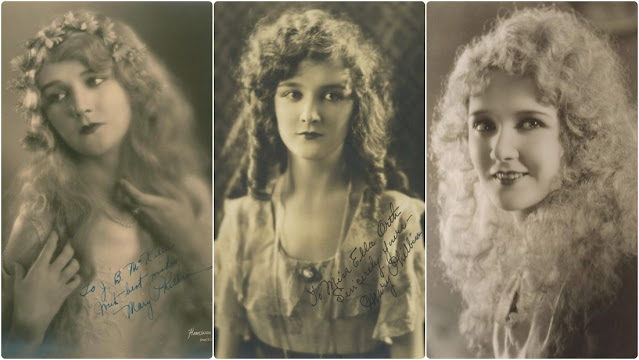
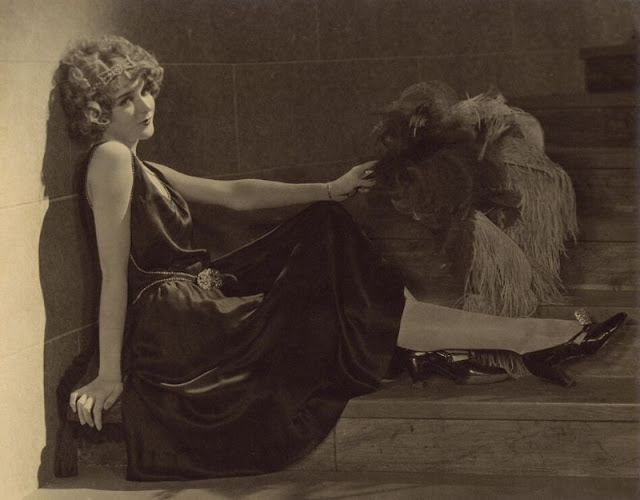
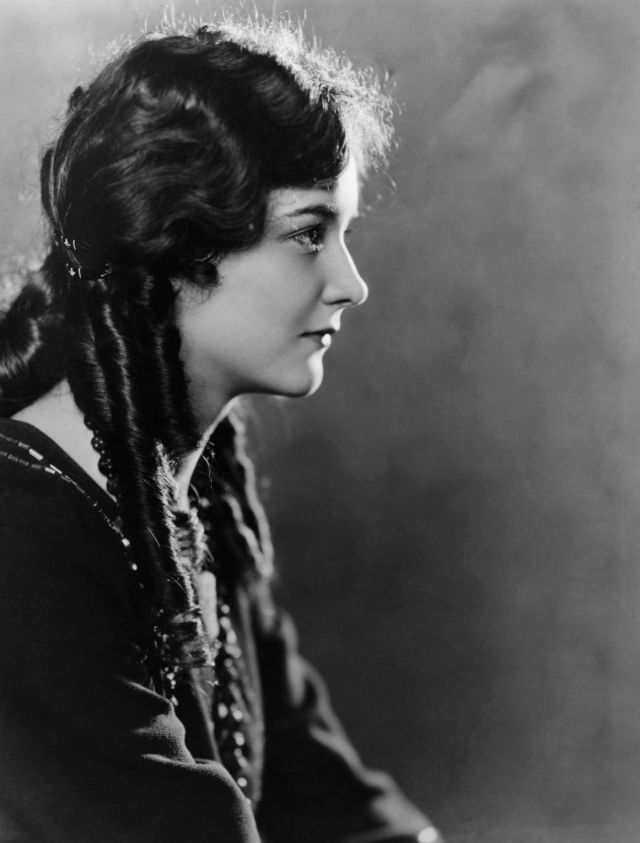
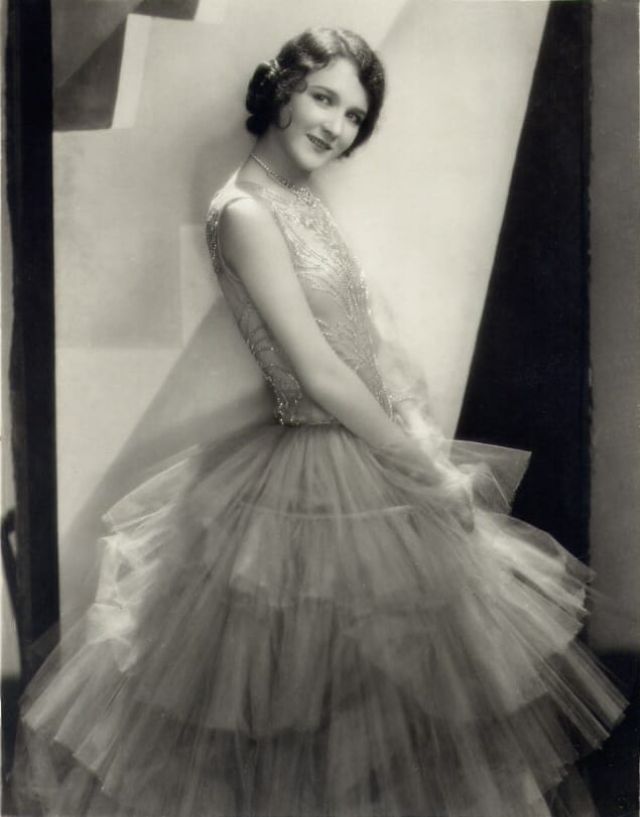
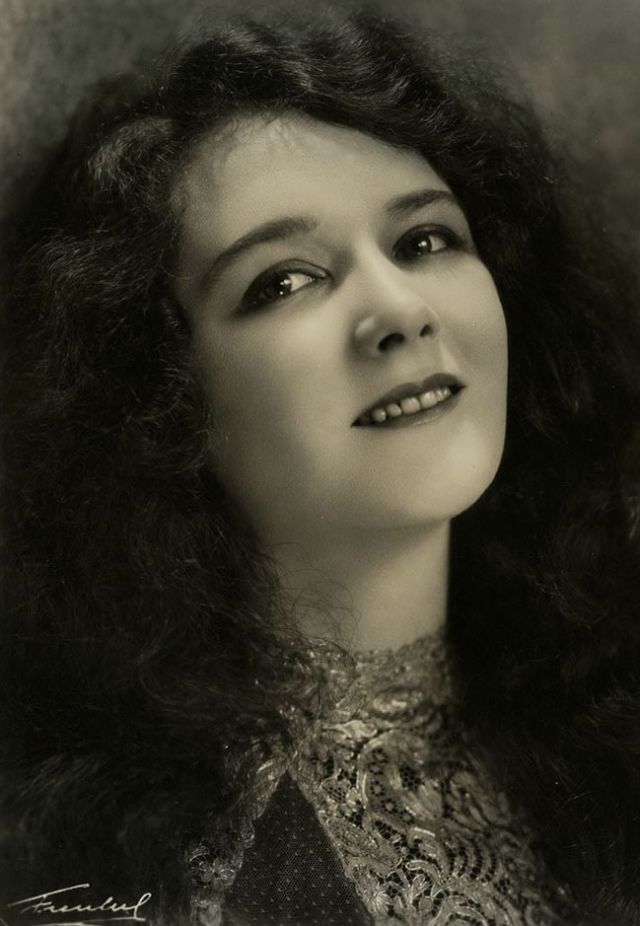
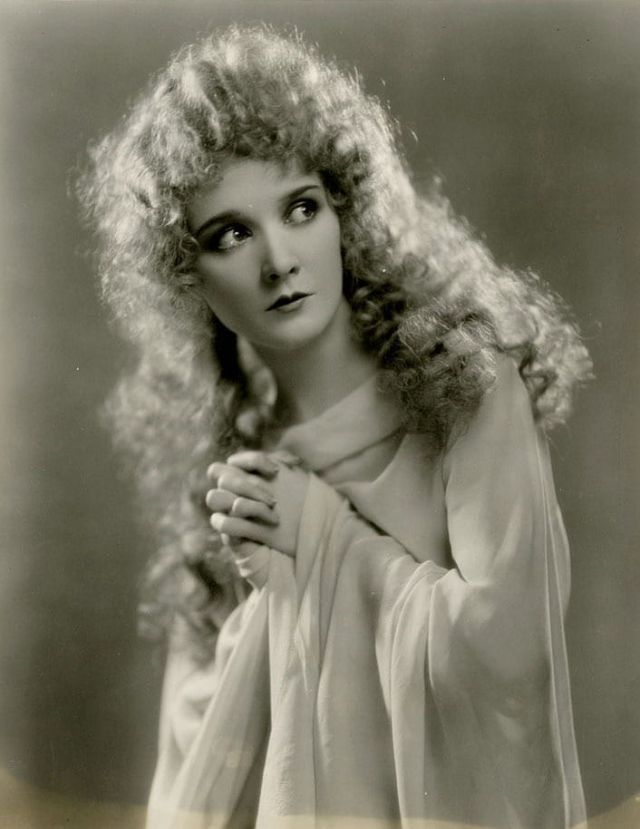
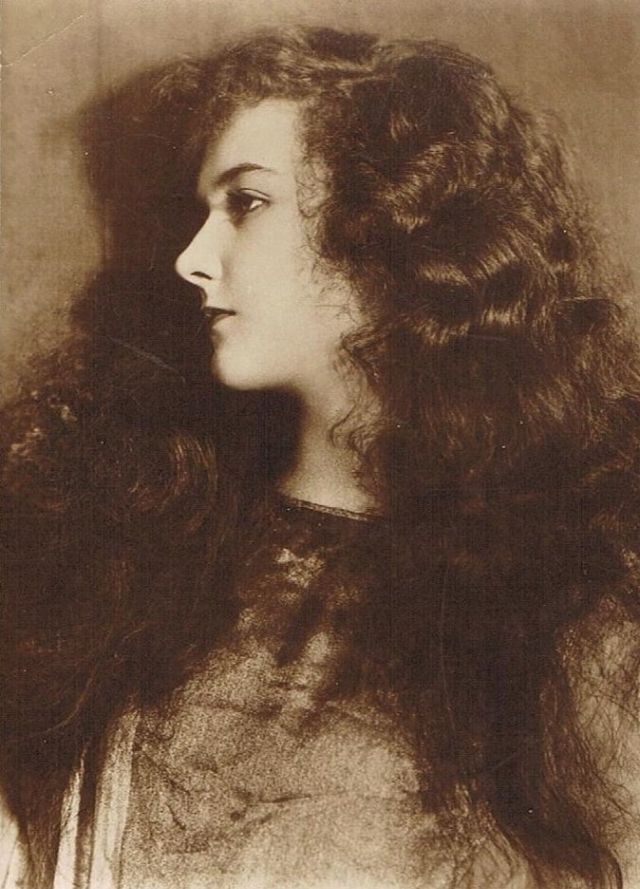
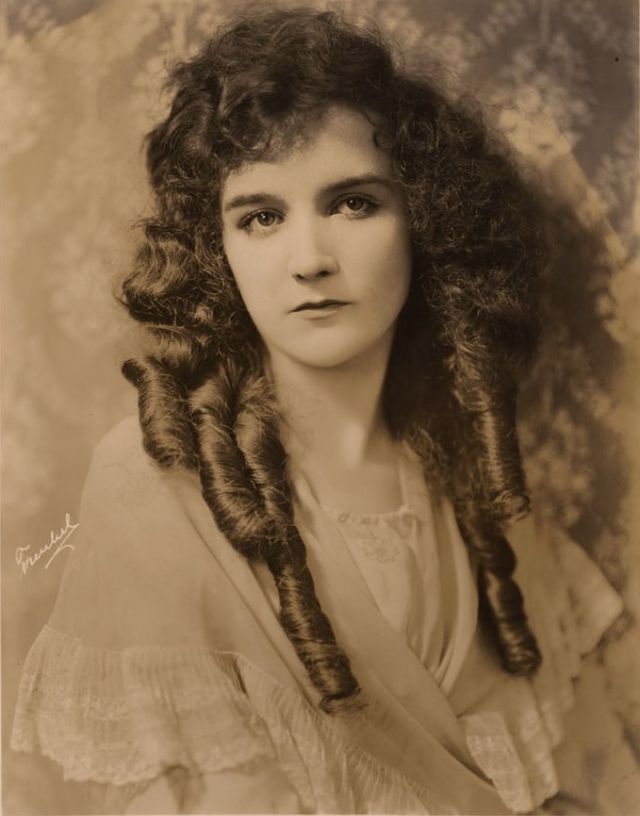
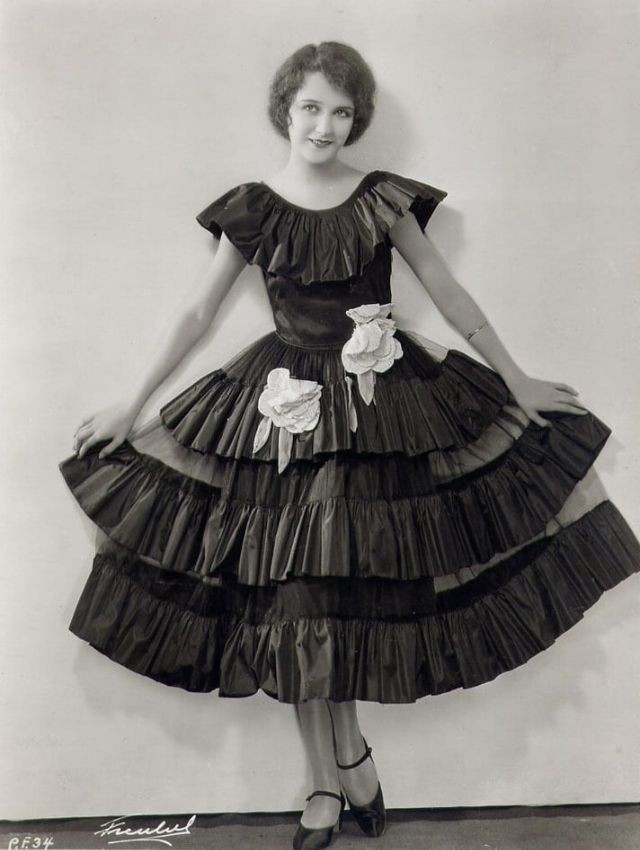
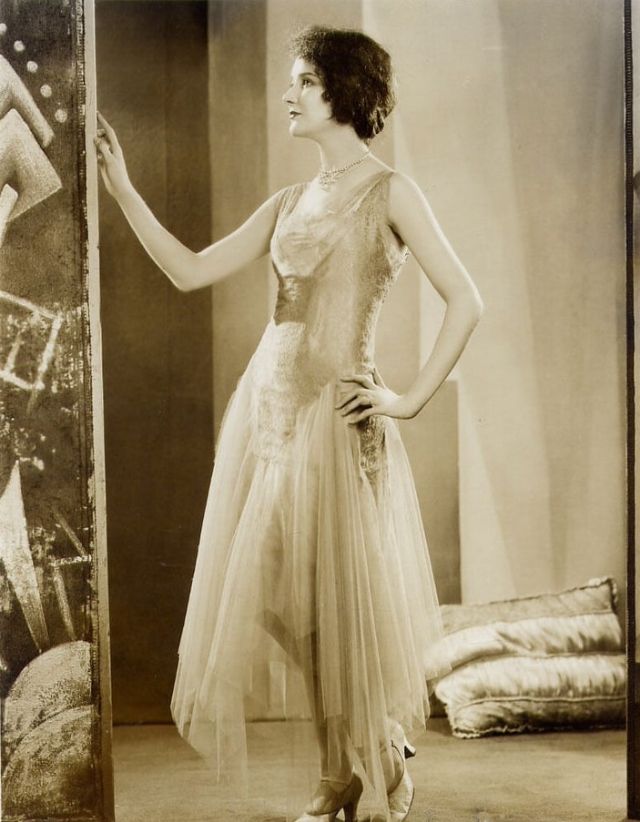
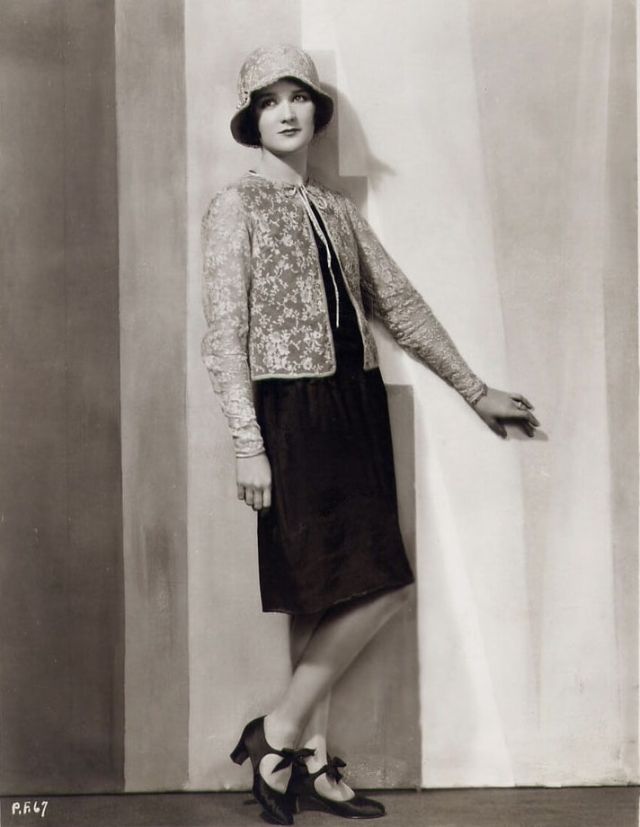
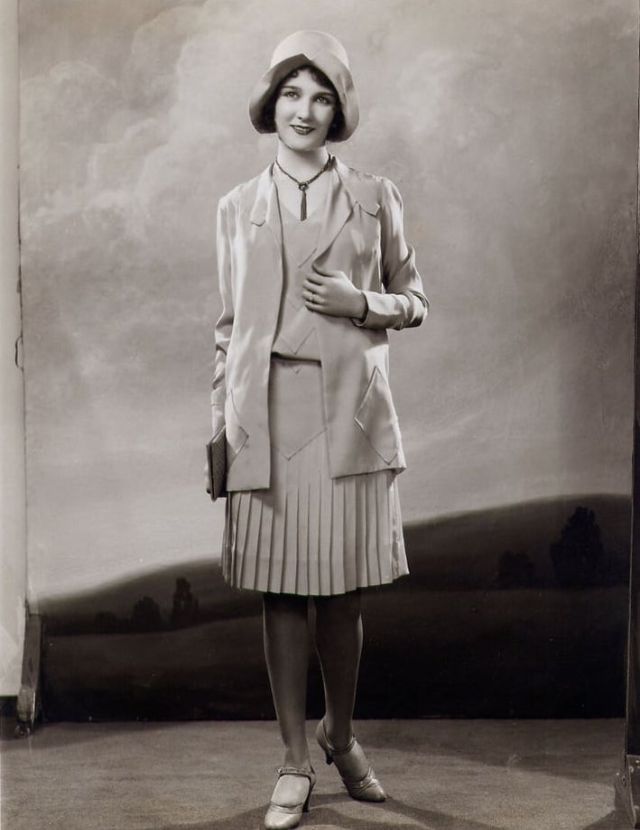
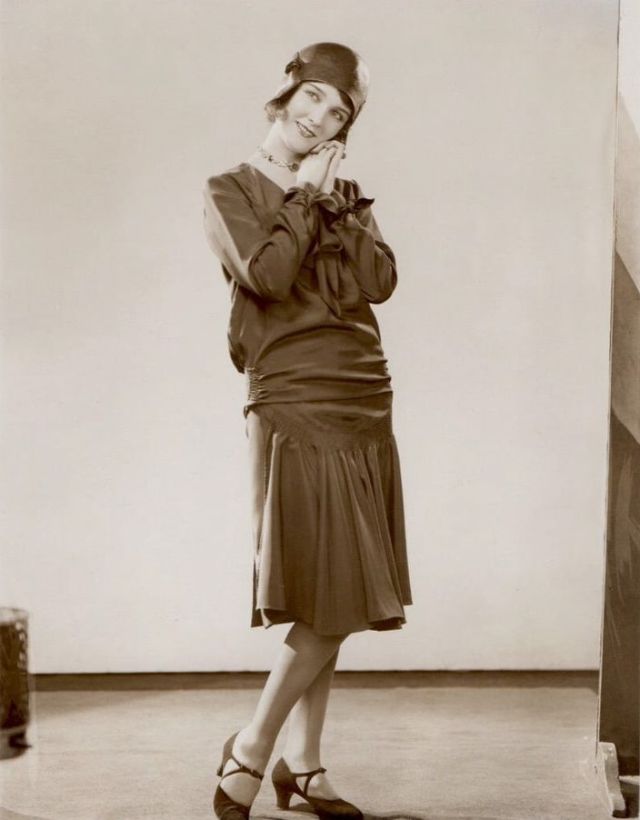
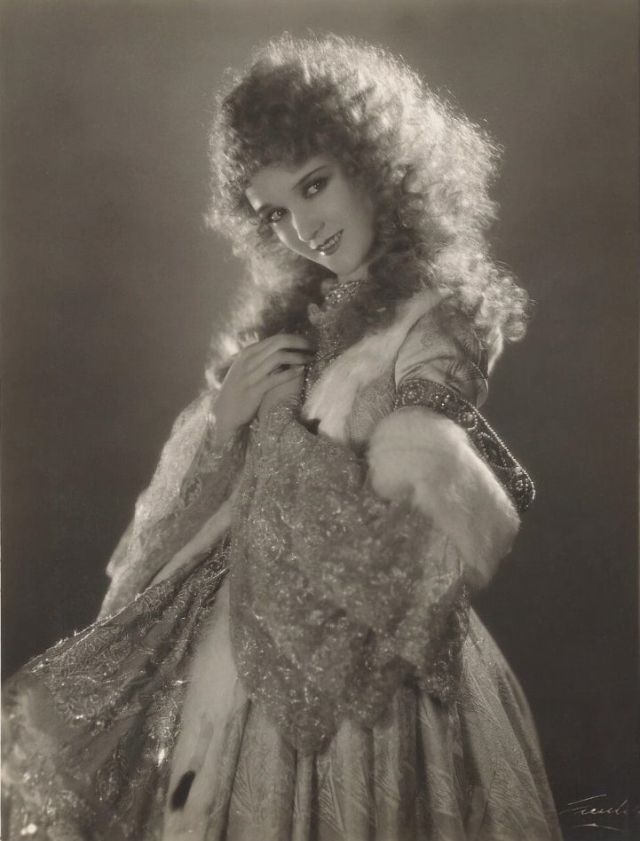
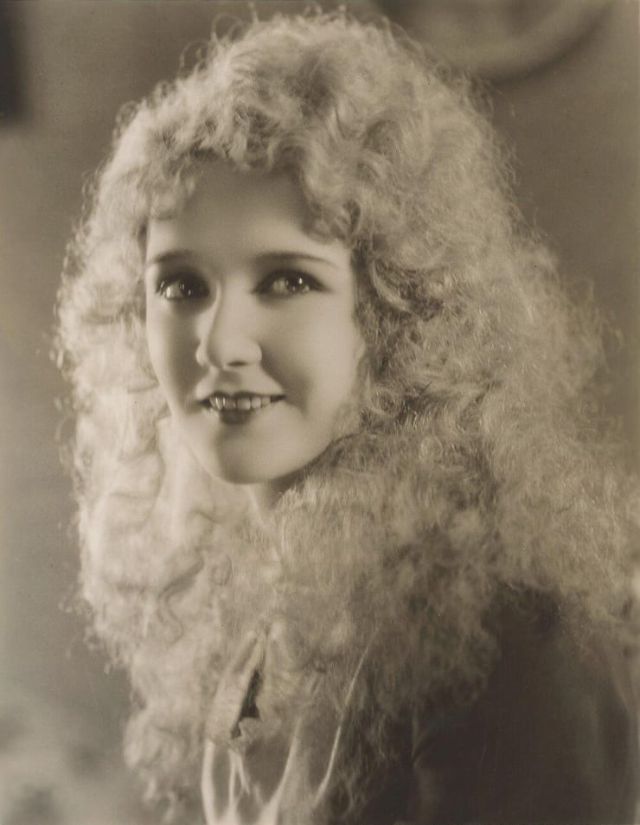
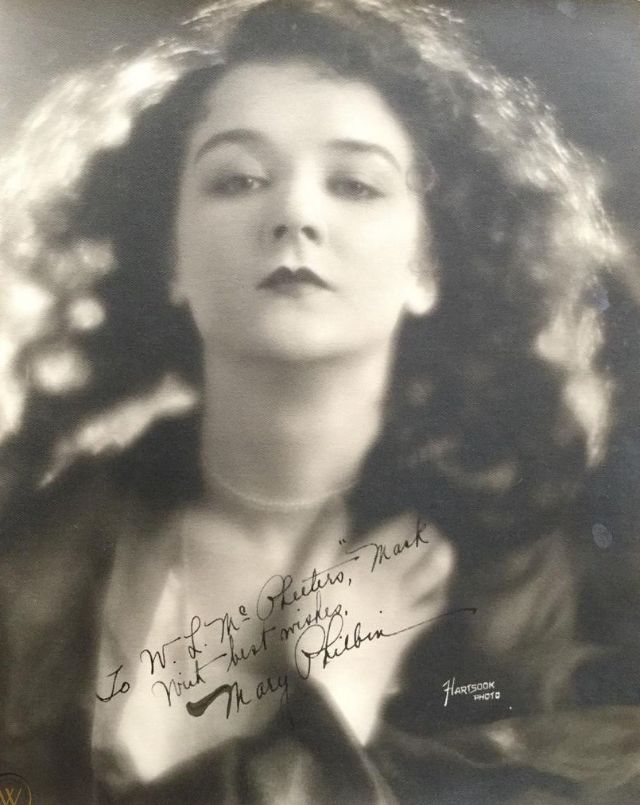
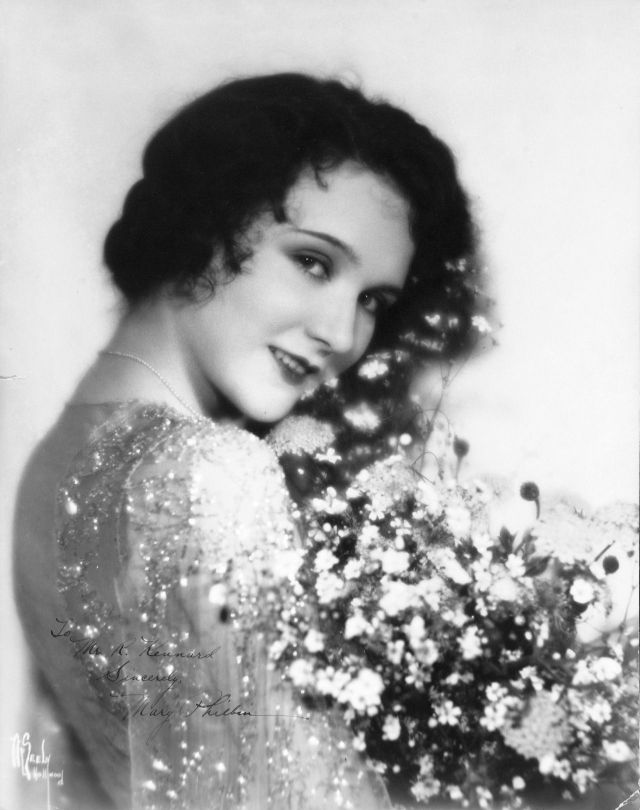
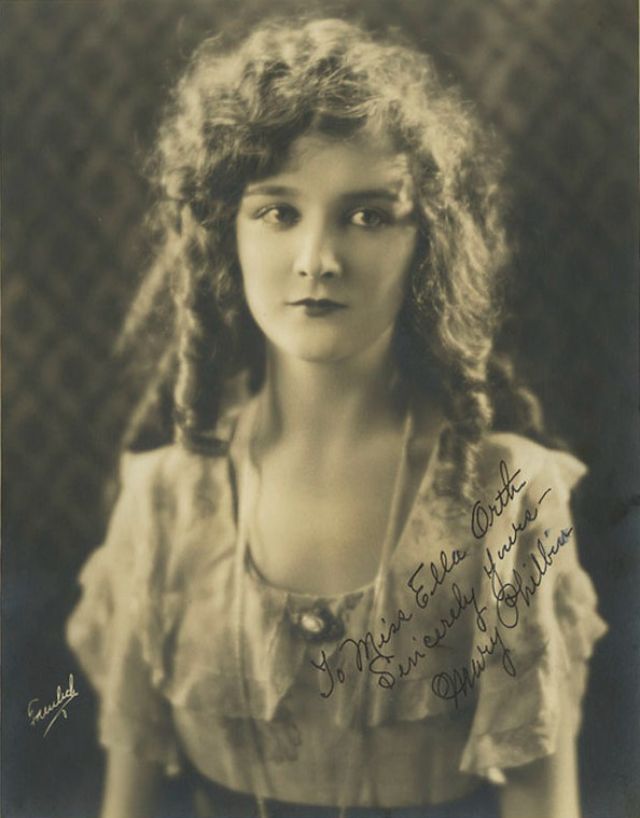
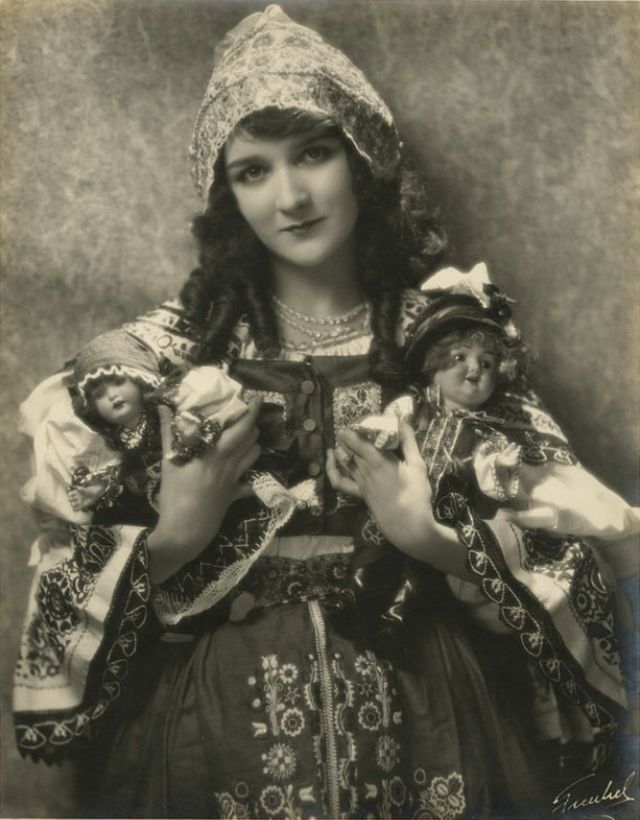
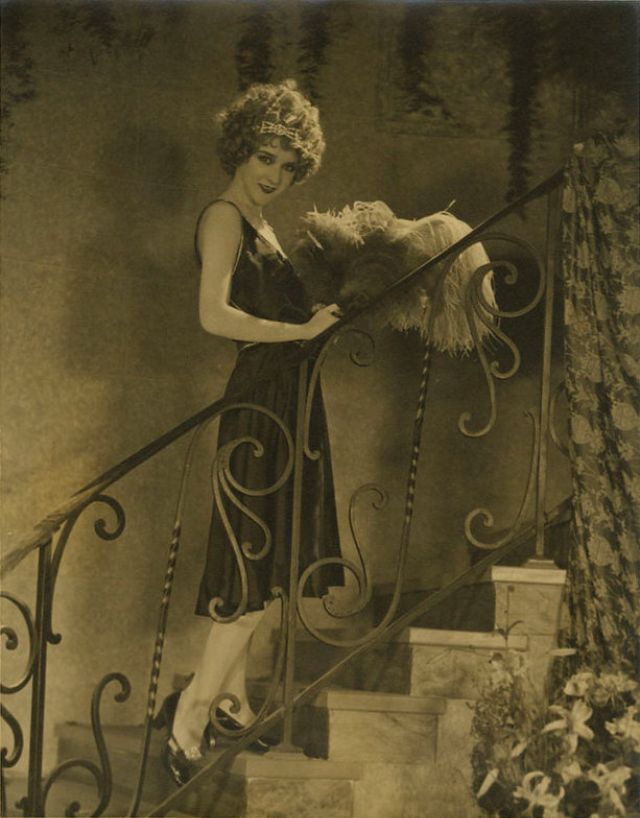
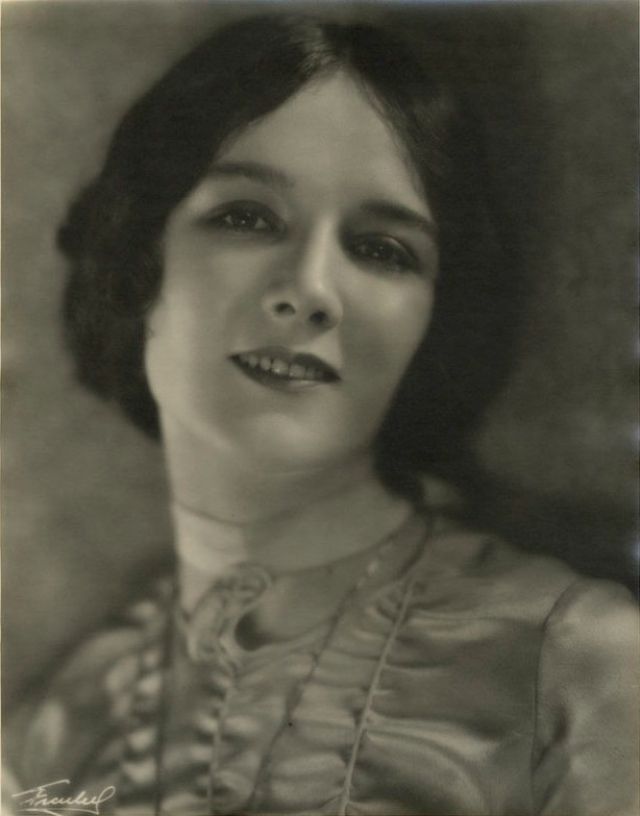
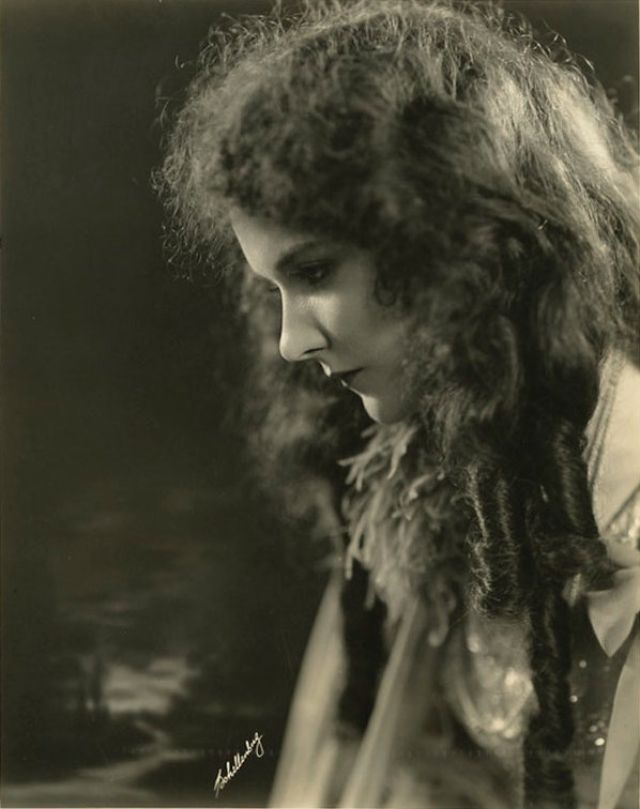
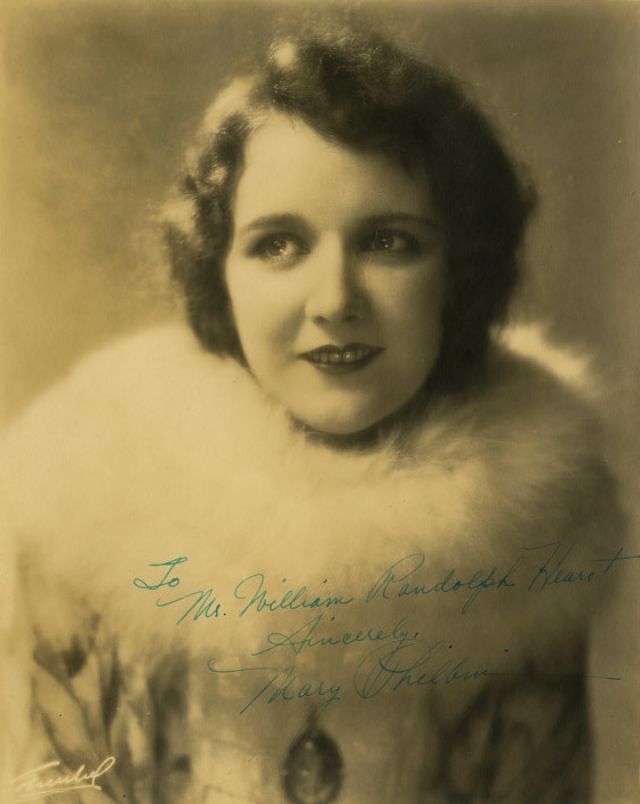
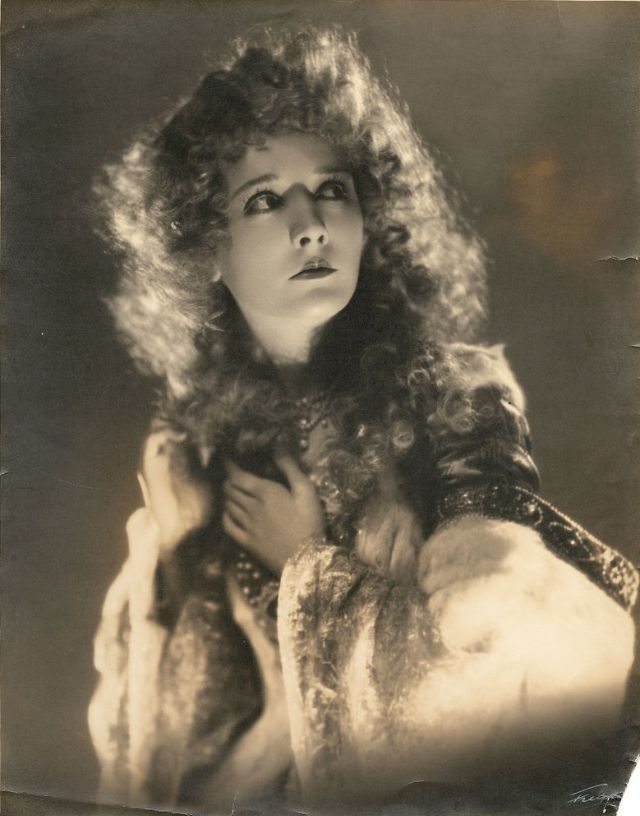
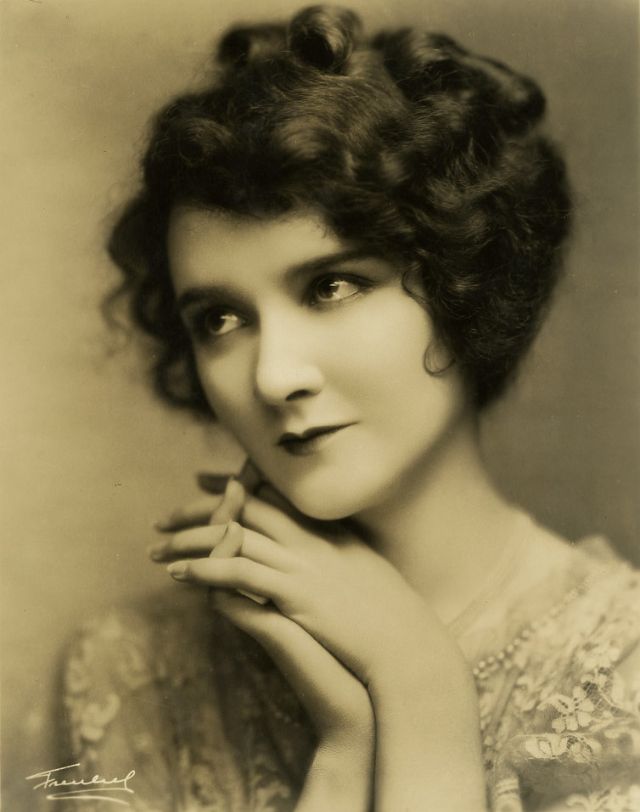
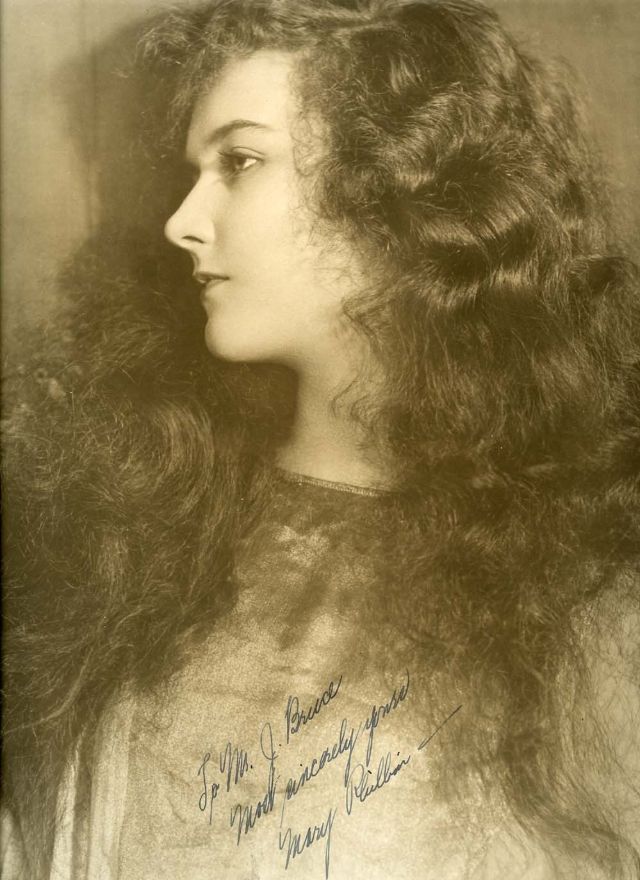
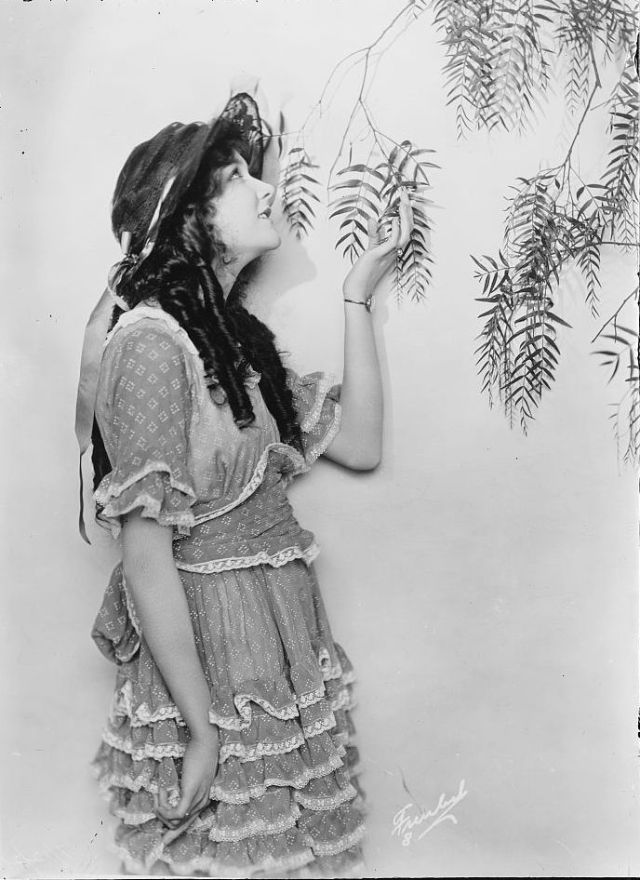
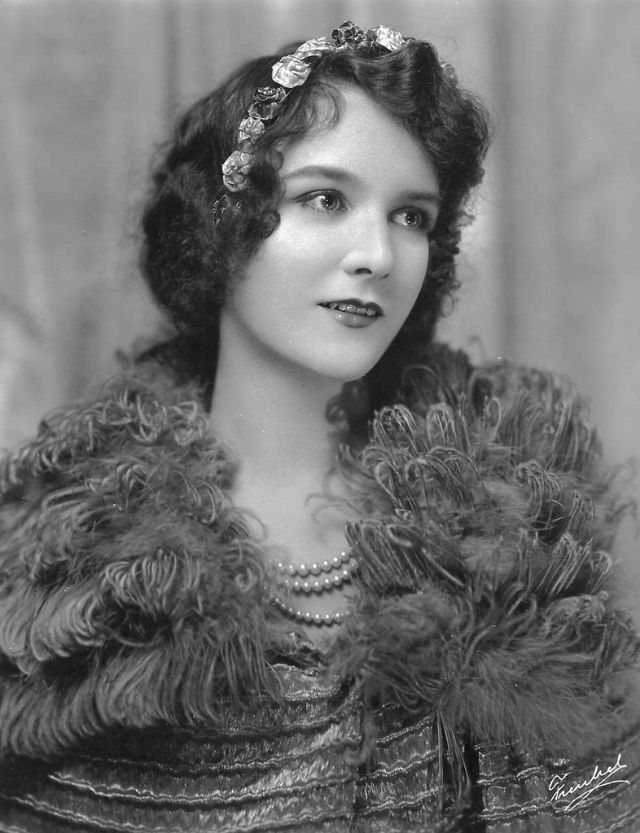
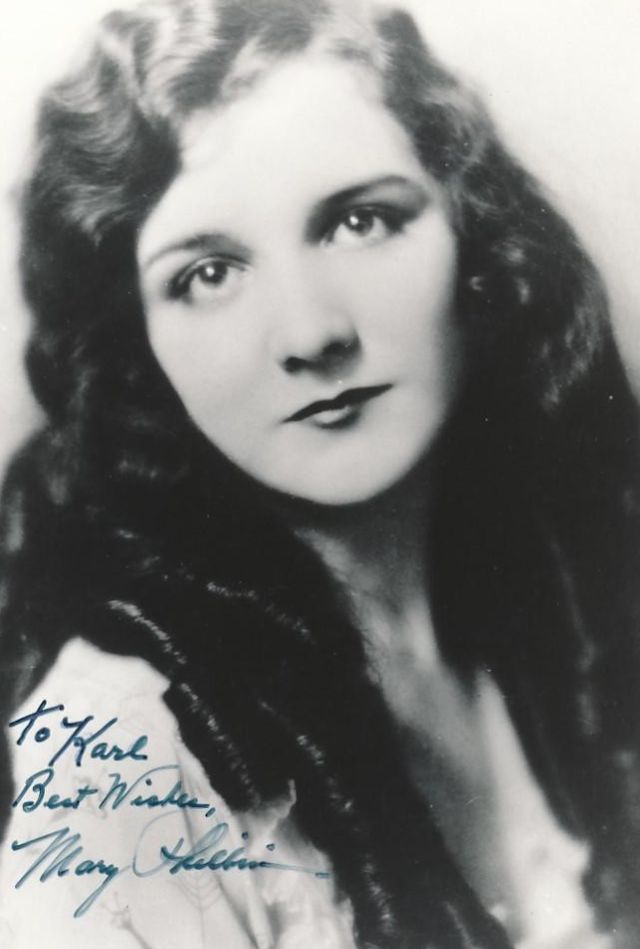
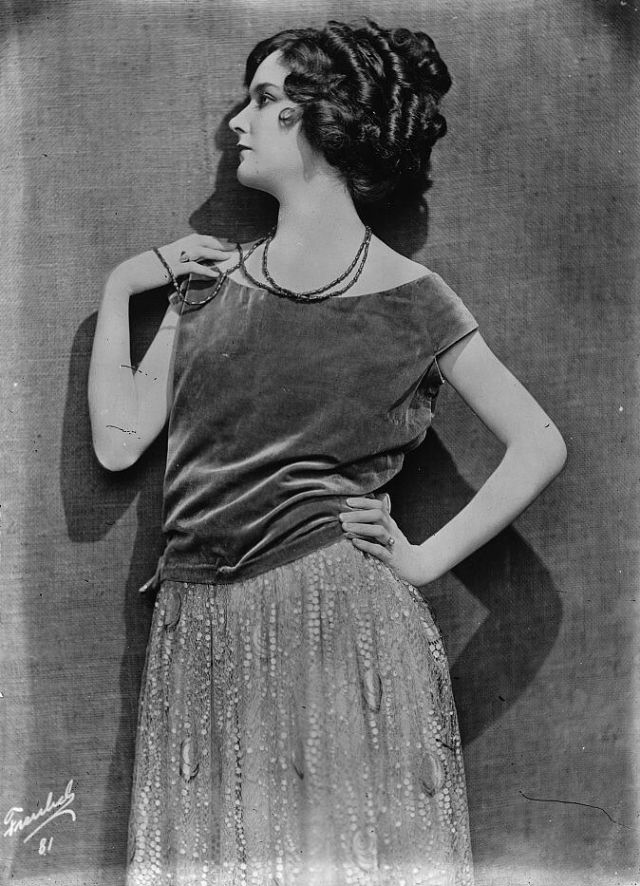
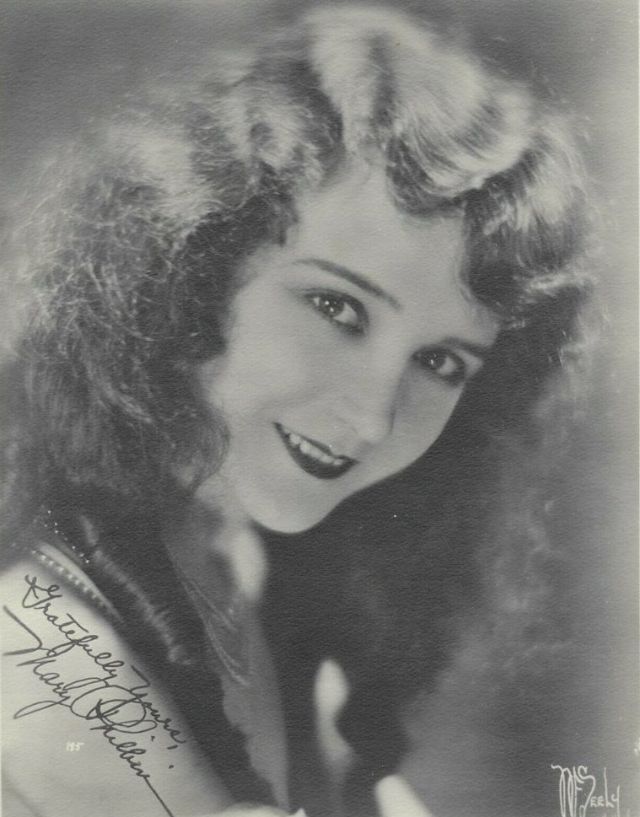
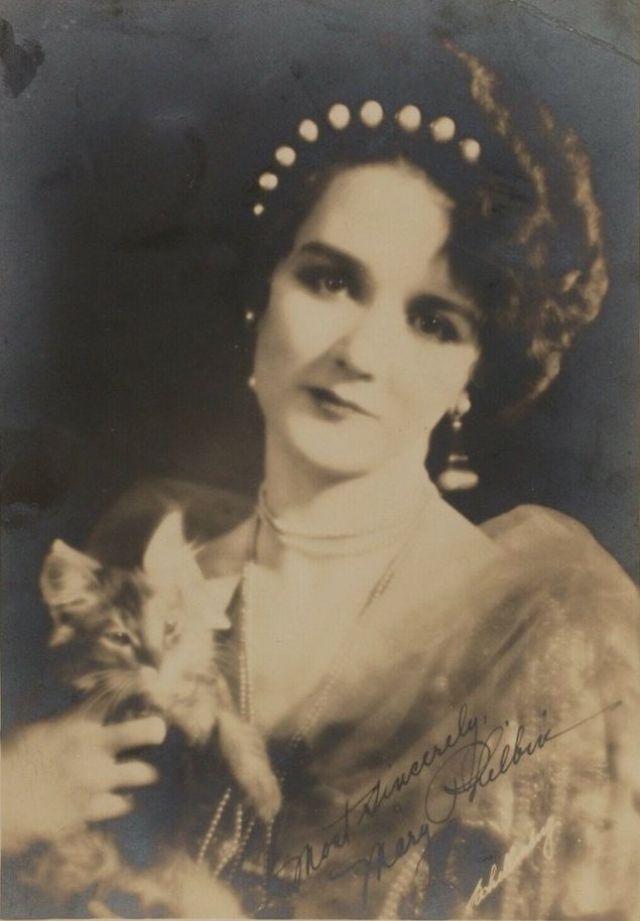
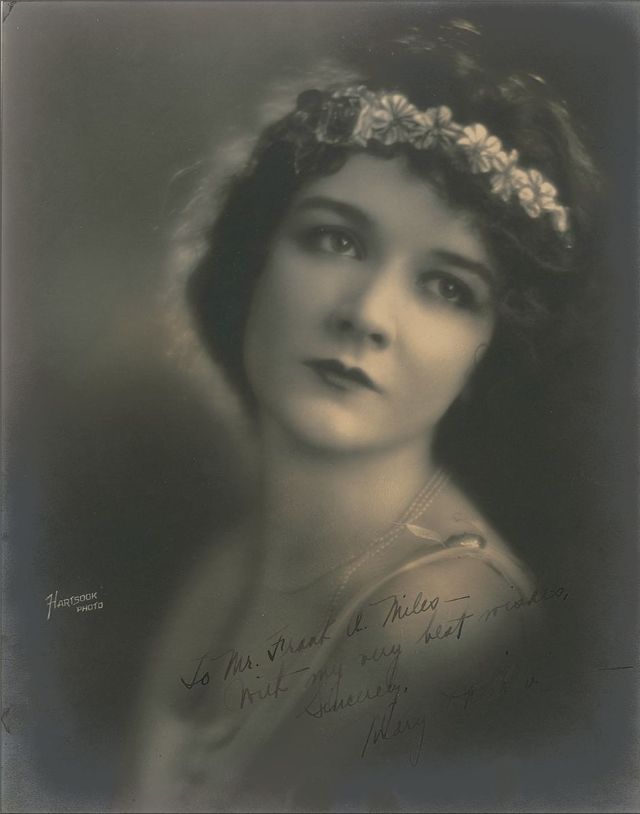
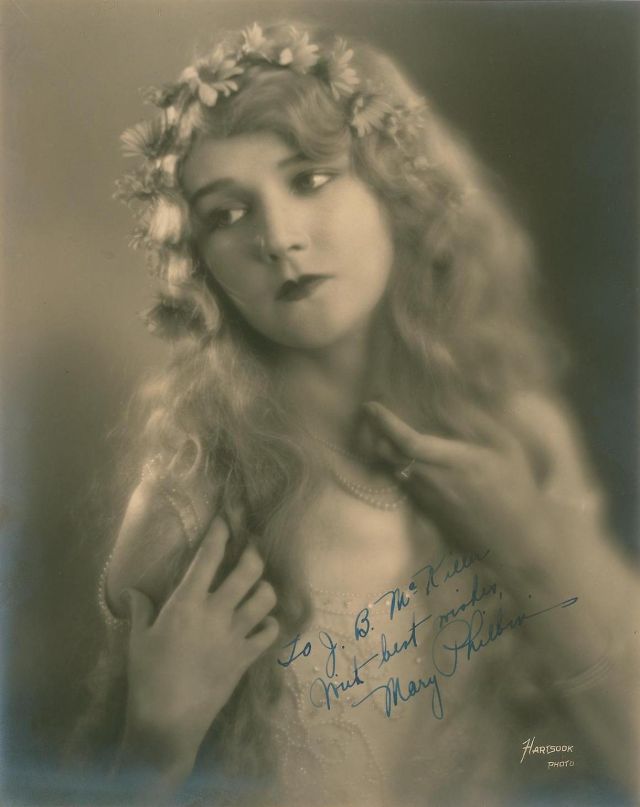
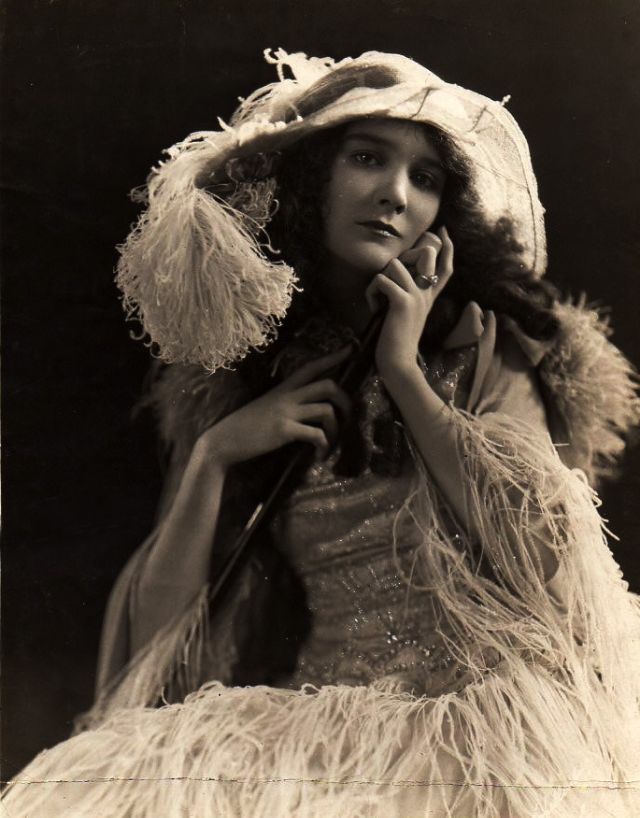
Born 1902 in Chicago, Illinois, American actress Mary Philbin began her acting career after winning a beauty contest sponsored by Universal Pictures in Chicago. After she moved to California, Erich von Stroheim signed her to a contract with Universal, deeming her a “Universal Super Jewel.”
Philbin made her screen debut in 1921, and the following year was honored at the first WAMPAS Baby Stars awards, a promotional campaign sponsored by the Western Association of Motion Picture Advertisers in the United States, which annually honored young women whom they believed to be on the threshold of movie stardom.
During the 1920s, Philbin starred in a number of high-profile films, most notably in D. W. Griffith’s 1928 film Drums of Love. In 1927, she appeared in the horror film Surrender, though her most celebrated role was in the Universal horror film The Phantom of the Opera in 1925.
Philbin played a few parts during the early talkie era and most notably dubbed her own voice when The Phantom of the Opera was given sound and re-released. She retired from the screen in 1930 and devoted her life to caring for her aging parents.
Philbin never married and rarely made public appearances. She died of pneumonia at age 90 in 1993. Take a look at these gorgeous photos to see the beauty of a young Mary Philbin in the 1920s.
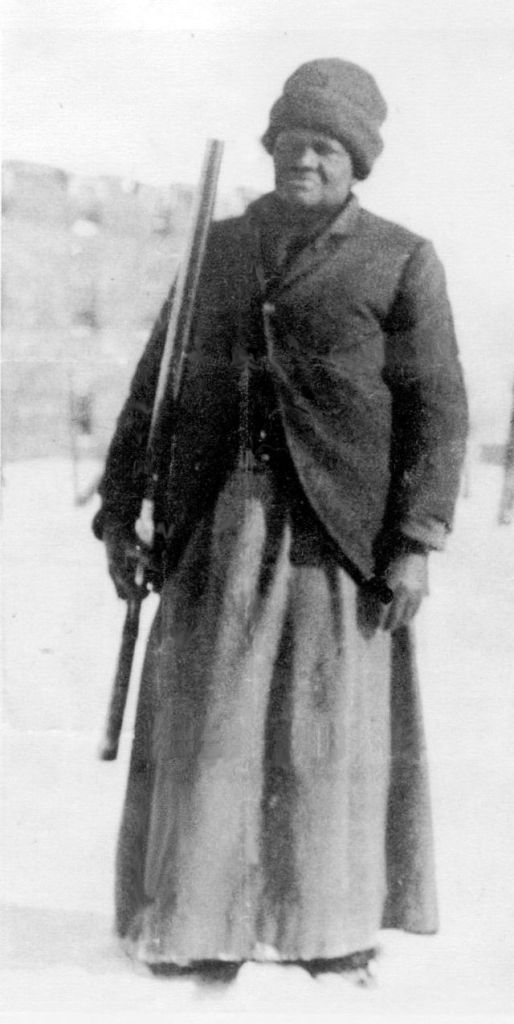
Armed with a rifle and dressed in the comfortable clothes of a man, this badass slave became the first black woman employed to carry the U.S. mail. At 200 pounds, she was said to be a match for any two men in Montana Territory. She had a standing bet that she could knock a man out with one punch, and she never lost a dime to anyone foolish enough to take her up on that bet. By order of the mayor, she was the only woman of reputable character in Cascade allowed to drink in the local bar, and while she enjoyed the privilege, she never drank to excess. She was often spotted smoking cigars in public, and she liked to argue politics with anyone.
Photograph of Mary Fields holding a rifle, ca. 1895.
Mary Fields, also known as Stagecoach Mary and Black Mary, was born into slavery in either 1832 or 1833; her exact birthday is unknown. Her birthplace and other details about her early childhood are also unknown. What is known is that she worked for the Warner family in West Virginia in the years leading up to the Civil War. Fields was emancipated in 1863 or shortly after the Civil War; she then moved from West Virginia and went up the Mississippi River where she worked on steamboats.
Fields ended up in Ohio, specifically Toledo. There, she began working at Ursuline Convent of the Sacred Heart. There is debate over how and why Fields ended up working at the convent. Yet, what is known is that Fields’s gruff style was not something that fit into the serene calm that was the convent.
Mary Fields, once again, posing with her gun.
During her time at the convent, Fields washed laundry, bought supplies, managed the kitchen, and grew and maintained the garden and grounds. Mary was known to lose her temper and was quick to yell at anyone who stepped on the grass after she had cut it.
It is unclear why Fields left Toledo. Many sources think that she moved to take care of an ill friend. Mother Amadeus Dunne, who had been Mother Superior in Toledo before moving West, had fallen ill. Fields and Mother Amadeus were known friends. Some records date their friendship all the way back to the Warren family in West Virginia, though this claim is not substantiated.
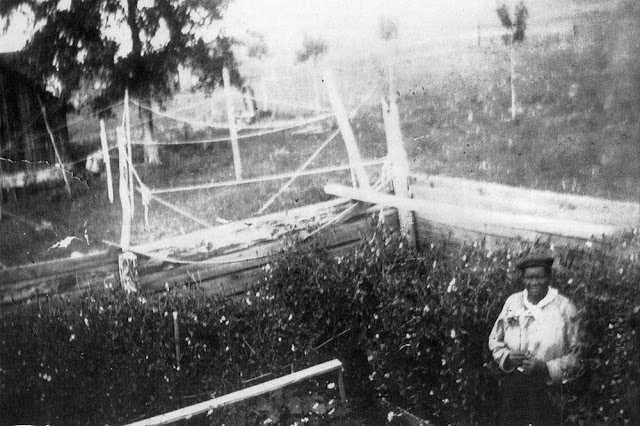
Mary Fields in her garden in back of her cabin.Fields’ laundry in Cascade before it was destroyed by fire.
Once she arrived West, Fields got to work. She mainly worked for Saint Peter’s Mission near Cascade, Montana where she did many of the jobs she had done before in Toledo. This mission was run by Ursuline nuns and was where Mother Amadeus Dunne resided. Fields performed maintenance and repair work. She also gardened and did the laundry. One major thing that Fields was also in charge of was the locating and delivery of supplies needed for the mission. Yet Fields had no official contract with the mission and nuns; thus, she was free to come and go as she pleased, taking additional work outside the mission.
Fields was unfortunately dismissed from the mission. This was due in part to her crass behavior, unruly temper and penchant for drinking and smoking in saloons with men. The final straw appears to involve an argument in which Fields and another mission janitor, a male, got into a fight and were agitated to the point that both drew guns. While neither ever fired their gun, this incident was enough to make the Bishop of the area demand for the nuns to relieve her duties.
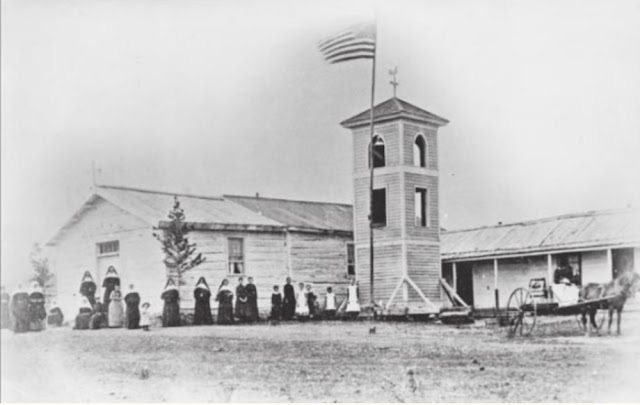
St. Peter’s Mission in 1884, after construction of quarters for the Uruslines. Fields sitting on buckboard with her mule Moses, right; Nuns and Indian Children, left.
Fields moved to neighboring Cascade, Montana, where she tried but failed to open one or more eateries. They were said to have failed due to her giving nature of allowing folks who could not pay to eat for free. Fields also reportedly set up a laundry shop and did other odd jobs to make money. It is around this time that Fields’ drinking, gun toting, and smoking become well known to the townspeople of Cascade.
In 1895, in her early sixties, Mary Fields obtained a contract by the United States Post Office Department to be a Star Route Carrier. A Star Route Carrier was an independent contractor who used a stagecoach to deliver the mail in the harsh weather of northern Montana. Fields was the first African American woman and the second woman to receive a Star Route contract from the United States Post Office Department. This contract was secured with the help of the Ursuline nuns. The nuns wished to look out for Fields as they felt connected with her. This was because they did not wish to see her go as the nuns heavily relied on Fields for work done around the mission.
Mary Fields sitting on her stagecoach.
Fields built a reputation of being fearless while working as a mail carrier. Fields’ job was not only to deliver the mail but to also protect the mail from bandits, thieves, wolves and the weather as well. Fields gained her nickname “Stagecoach Mary” due to her use of a stagecoach as a method of transportation to deliver the mail. Fields was also known for the guns she carried. During the time that Mary was delivering the mail, she was known to carry both a rifle and a revolver.
Fields spent eight years delivering the mail as a Star Route Carrier. During this time, she became beloved by the locals of Cascade, Montana for her fearlessness and generosity, as well as for her kindness to children. Fields retired from being a Star Route Carrier in the early 20th century. After her retirement, Fields settled into life in Cascade, Montana.
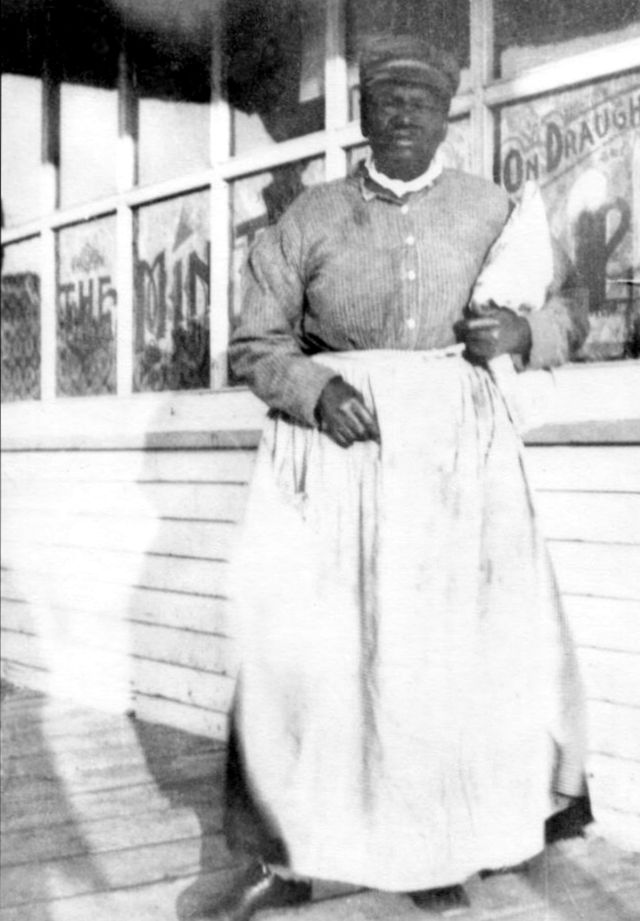
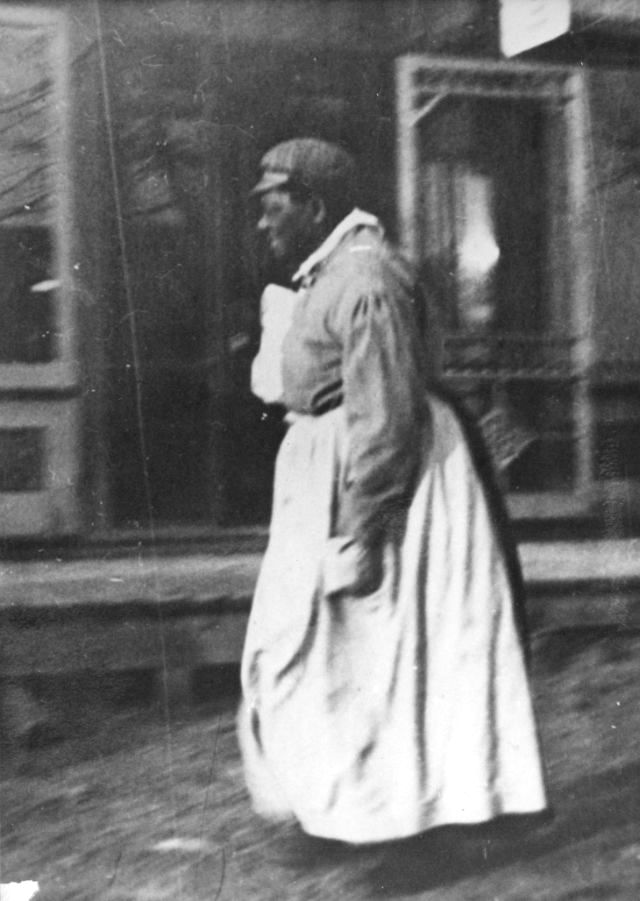
Mary Fields grocery shopping in Cascade, Montana.Mary Fields walking down the road of Cascade, Montana.
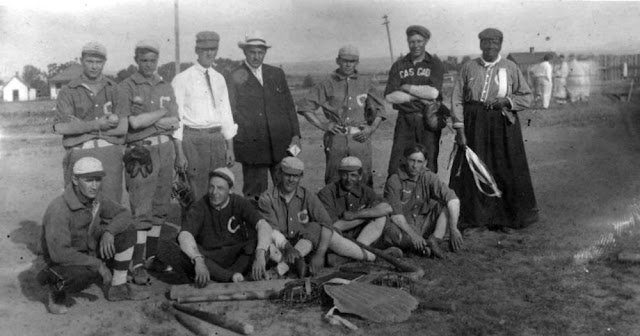
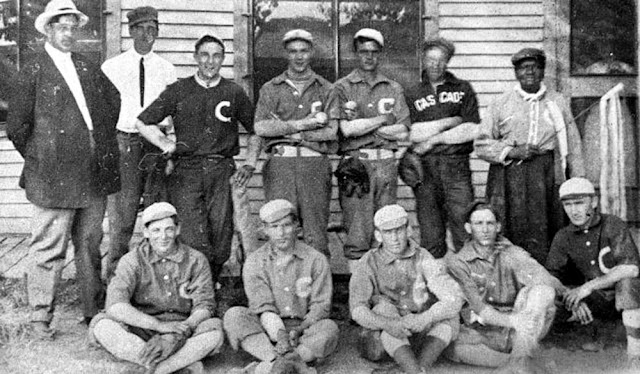
Upon retiring, Fields started a laundry business in town. She also opened an eatery as well as babysat the local children. She remained famous, even becoming the mascot for the town’s baseball team. Fields was beloved by the people of Cascade, so much so that she drank in saloons for free and ate for free at local restaurants and hotels.
An avid baseball fan, Fields regularly attended home games and rewarded Cascade team members who hit home runs with bouquets from her garden.Fields with the Cascade Cubs baseball team.
Mary Fields died on December 5, 1914. After her death, the townspeople raised money to have her buried in a cemetery on a road she drove frequently that linked Cascade to the mission. Fields’ funeral was said to be one of the largest in town.
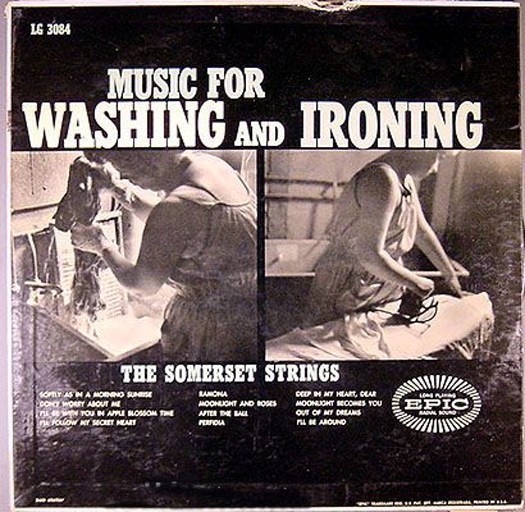
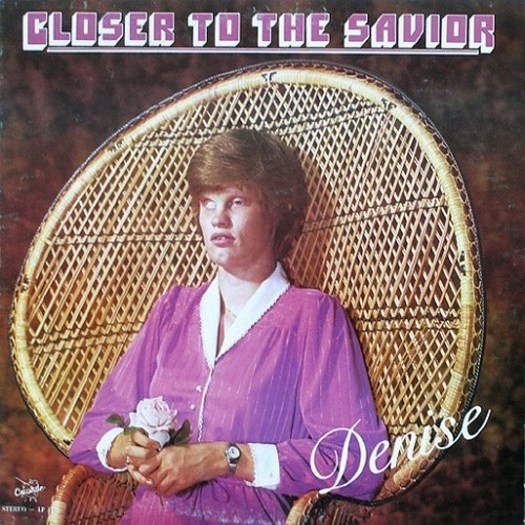
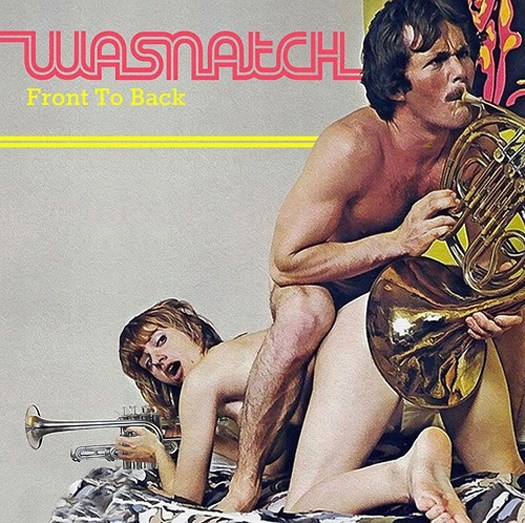
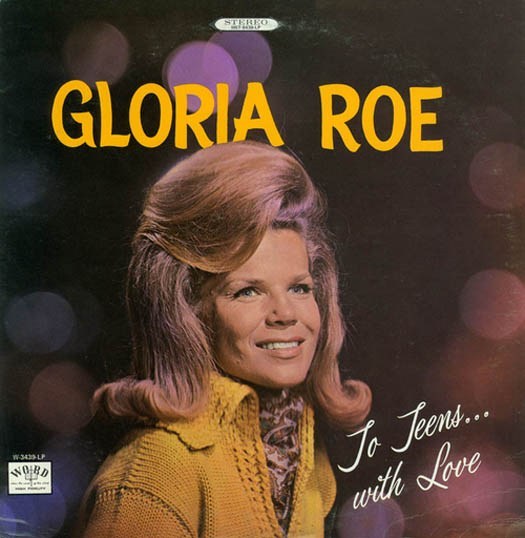
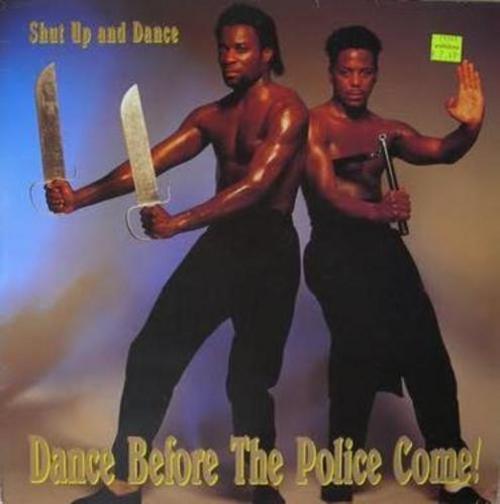
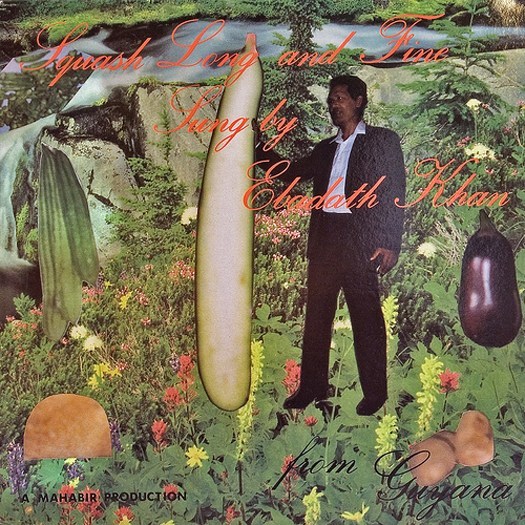
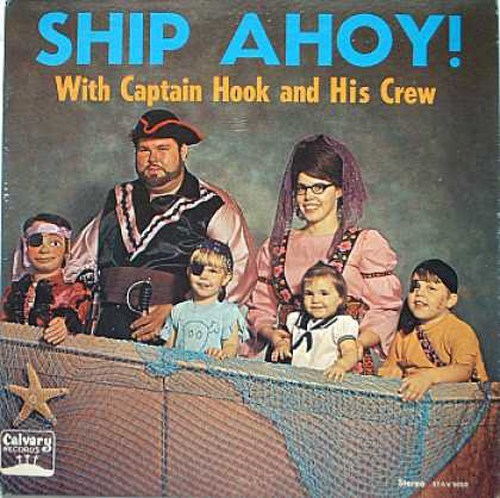
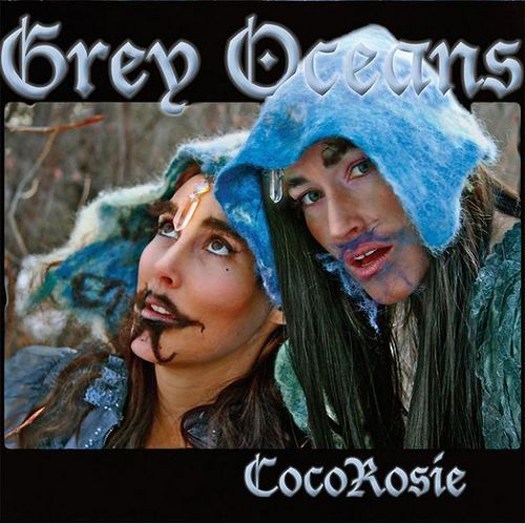
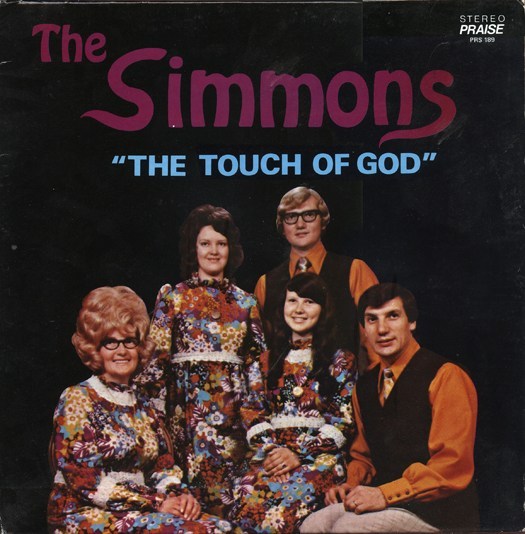
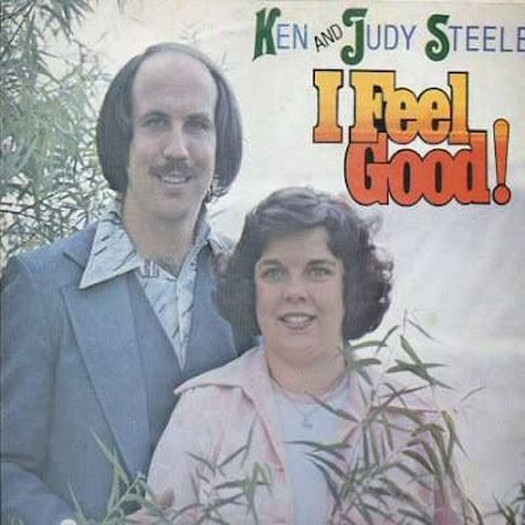
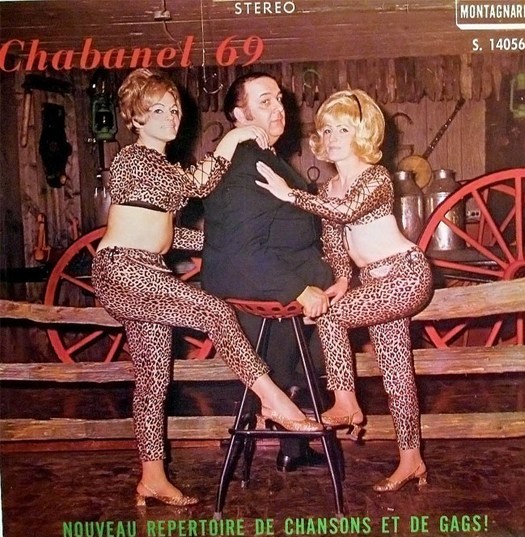
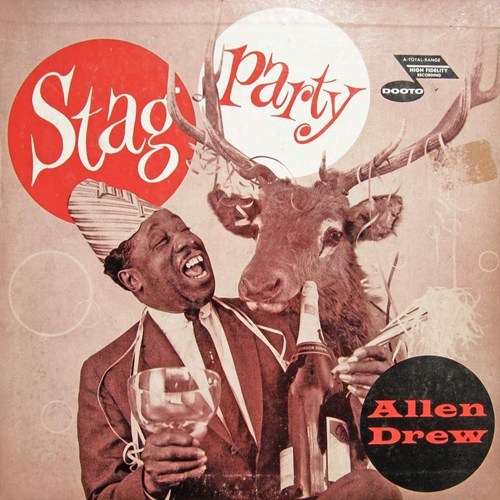
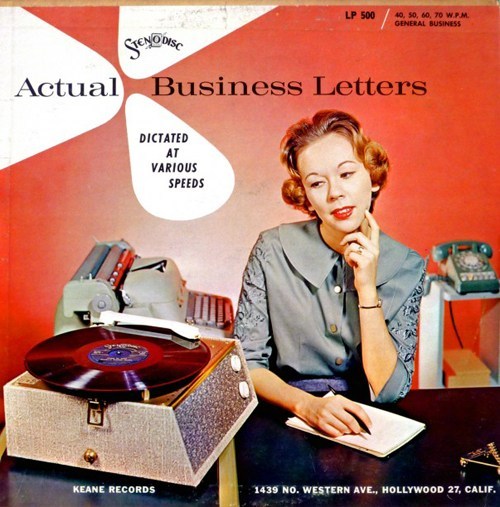
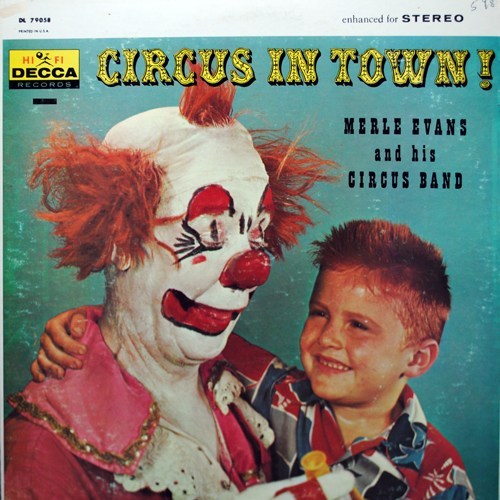
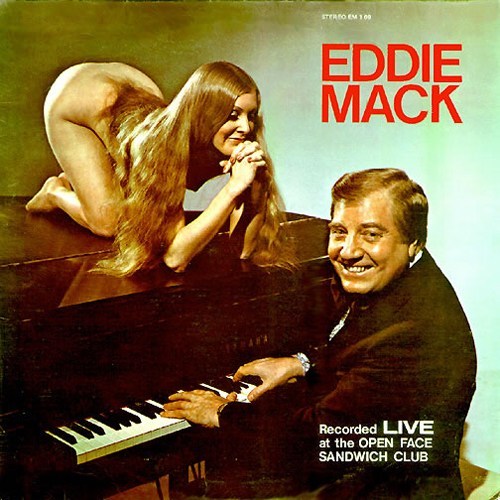
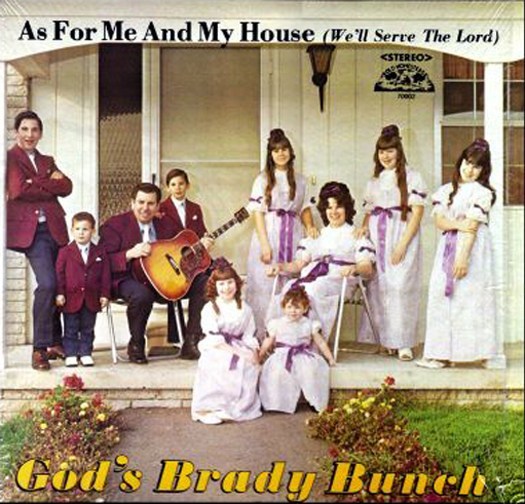
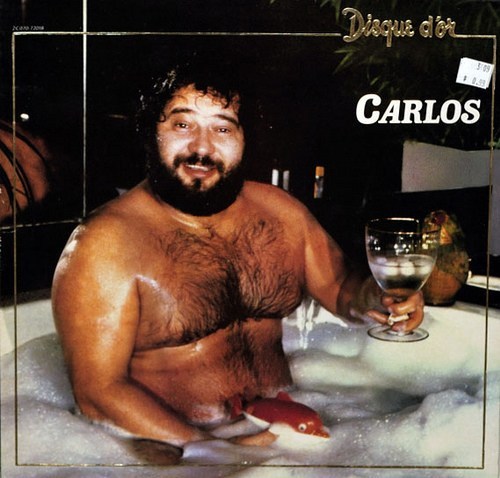
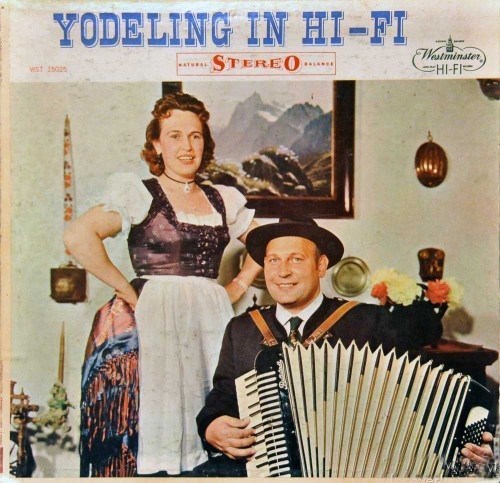
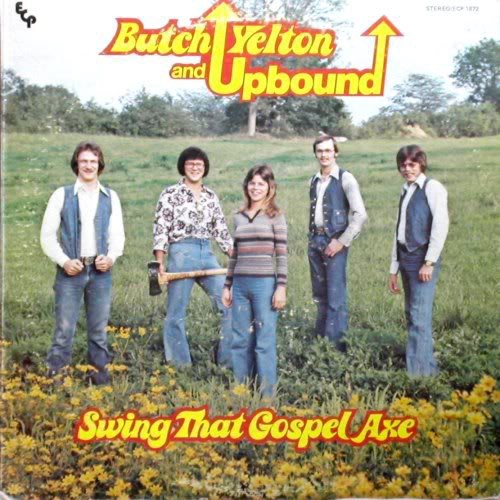
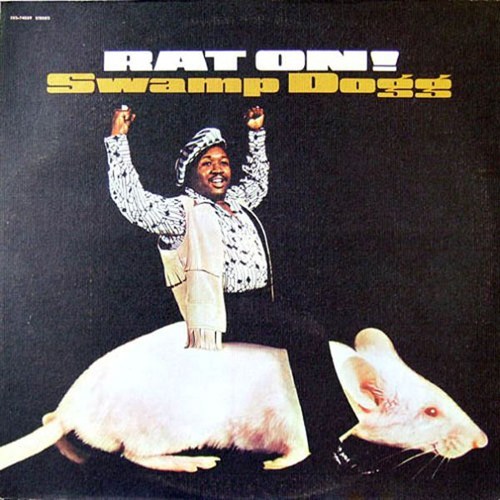
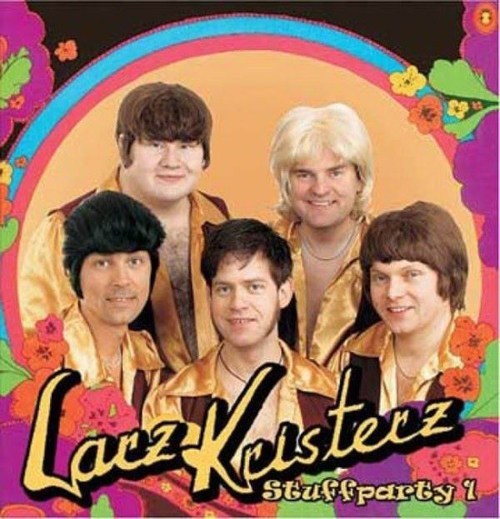
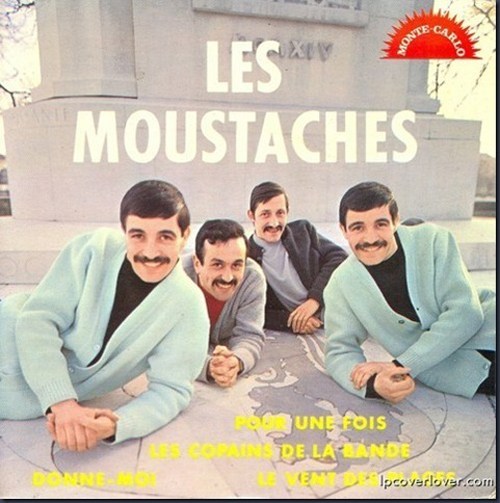
Art is a strange creature. Ever mutating, evolving, and forever changing. Often the most obvious is overlooked. Often the over-looked is the most obvious in how we view the world around us. Often that which is overlooked is over shadowed by a more imposing medium. We identify so much with what we listen to and define parts of who we are by the sounds resting within the sleeves protecting the disc. We listen to the music and often take in the art with great interest but in many ways do not relate the image as art the way we do when we look at a painting or a photograph.
The art of album covers is a wild and wonderful genera of art that really has an upper hand in defining the culture that embraces the music it caresses. An honesty on a very temporal and primal level is recognized in the way this art is interpreted and rendered with these pieces.
These are gems that are the “less seen” visions and through them we can revisit the worlds that these artists and musicians lived in. Through them hopefully we can get a fresher glimpse of our own lives in the moment we live in.
Some of the images are disturbing and strange. Some are very revealing and serious commentary of the way we are as a community of humans. Others are humorous and delightful, poking fun at the world we live in. Mostly they are reflections of who we are and where we, where we have been, and where we are going to.