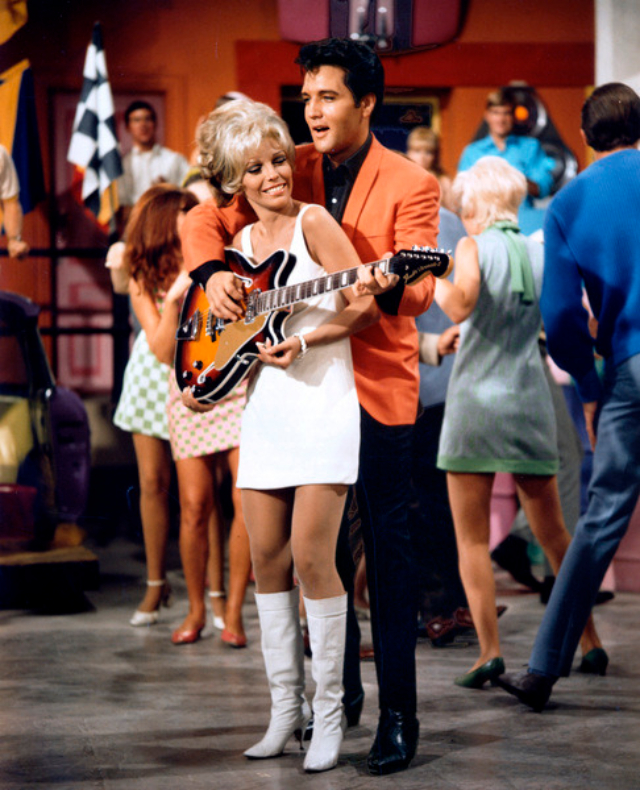
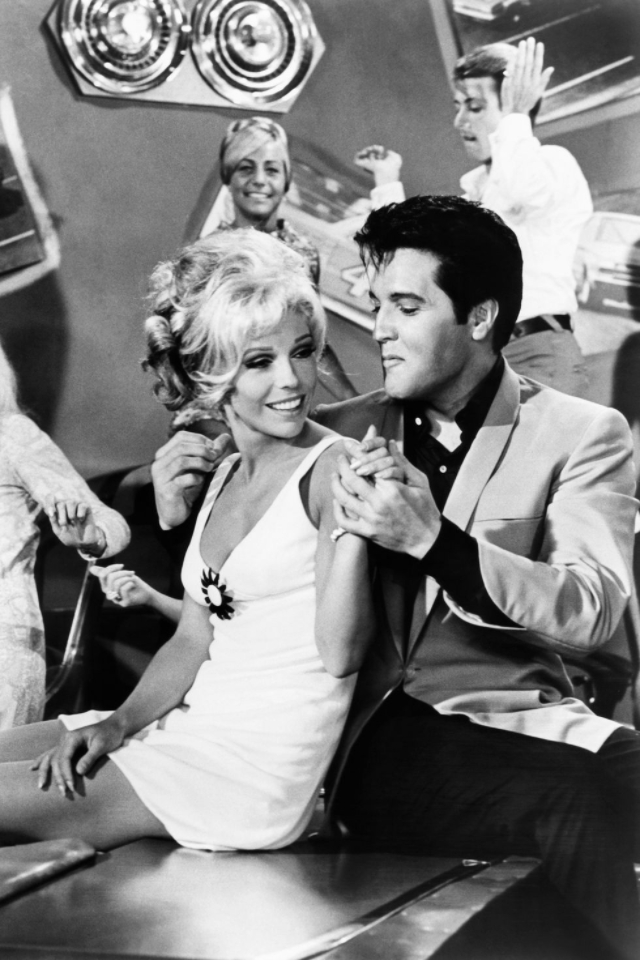
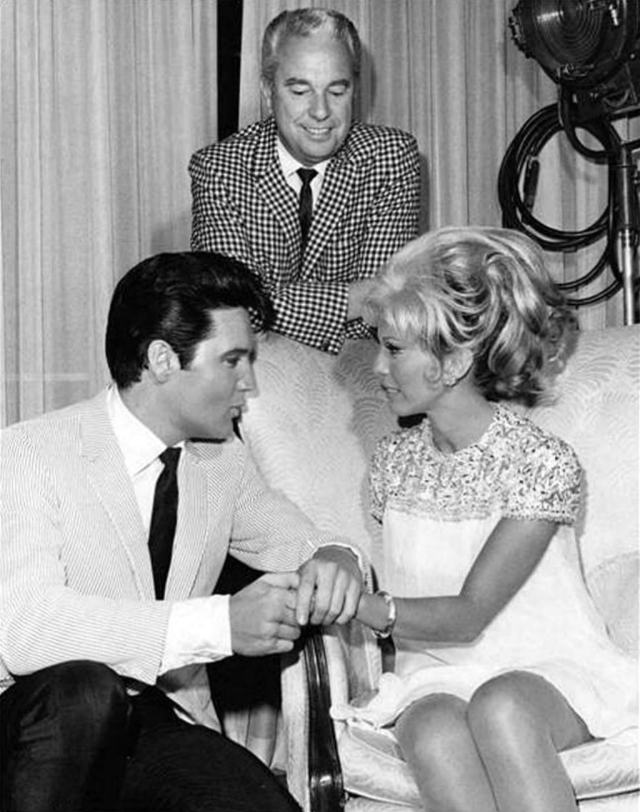
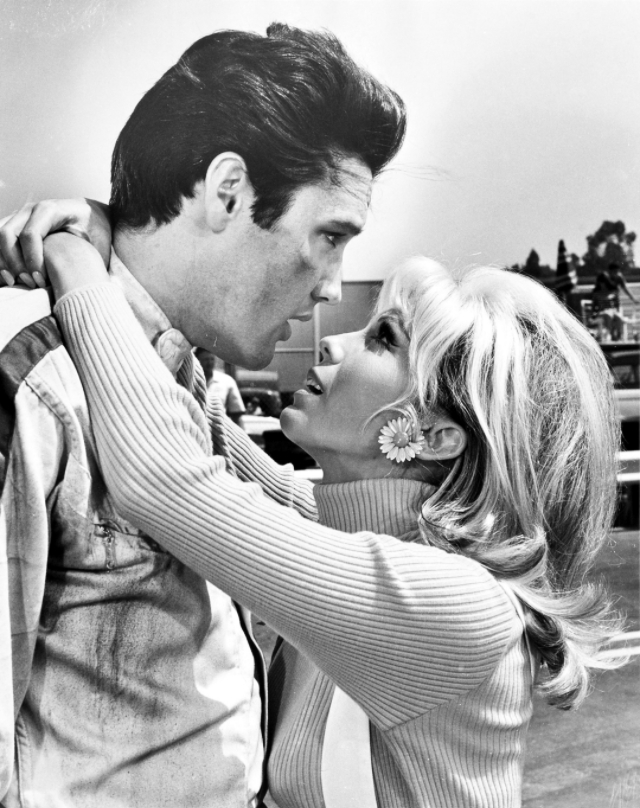
Elvis Presley and Nancy Sinatra were two major icons in the 1960s, so it only made sense that they made a movie together. During the making of Speedway, the King of Rock ‘n’ Roll tried to spend some time alone with Sinatra.
Speedway was a 1968 MGM production directed by Norman Taurog. In the film, Elvis plays a race car driver. Considering he drove a race car in one of his most famous movies, Viva Las Vegas, Speedway feels at least a little derivative.
According to Nancy, the couple spent a great deal of time together on the Speedway set. “We used to ride a bicycle built for two around the studio, the MGM lot,” she said. “Speedway was Elvis at his peak, in his prime. He was beautiful. This movie and his ‘comeback’ special were his zenith. I mean, how gorgeous was he then? Wow!”
Nancy also said she and Elvis “flirted” but it was “platonic” flirting.
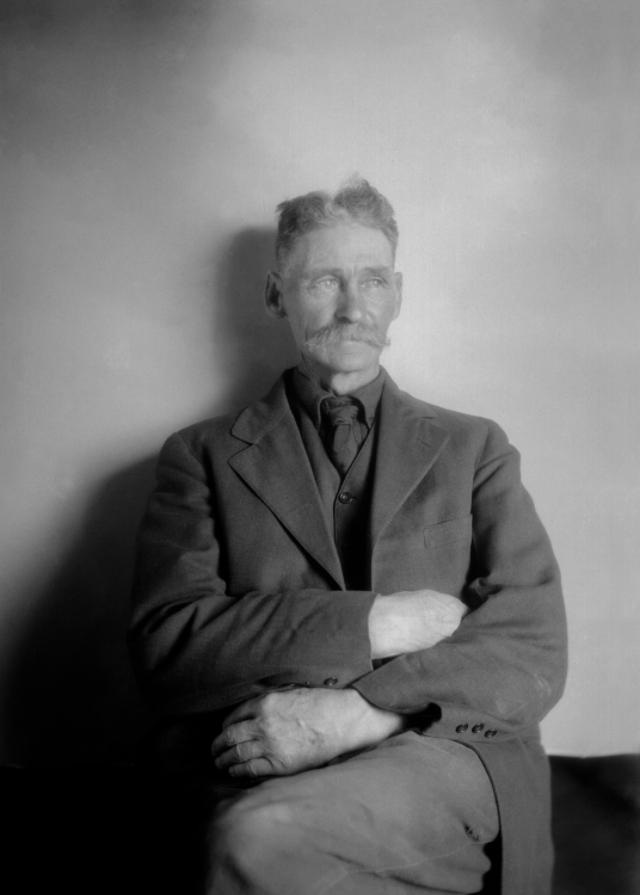
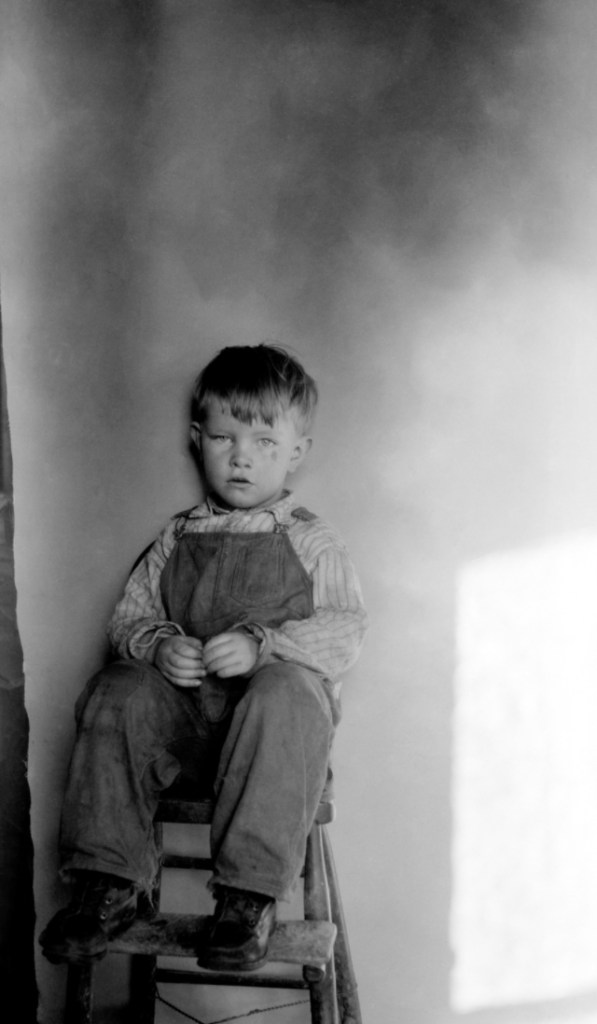
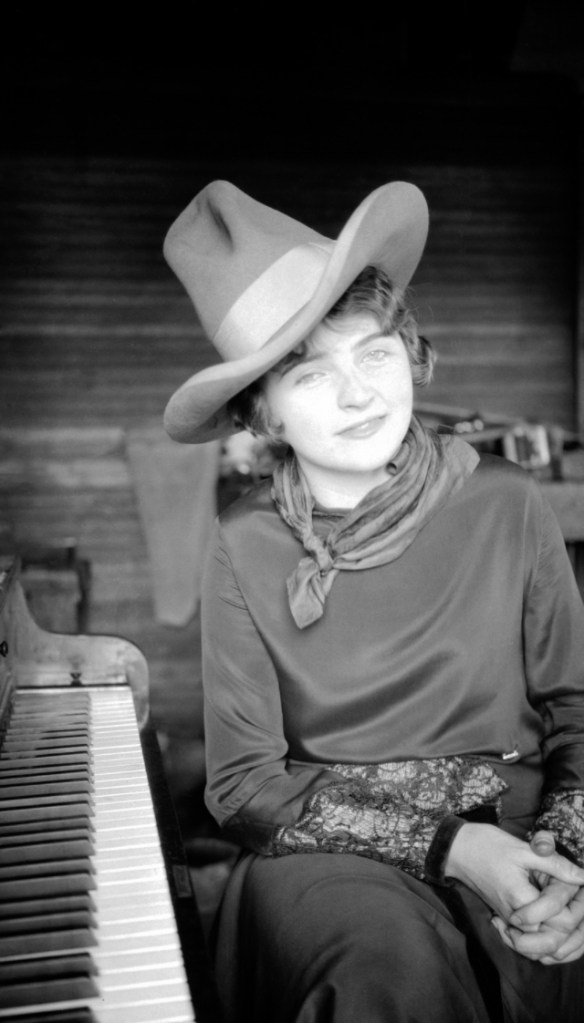
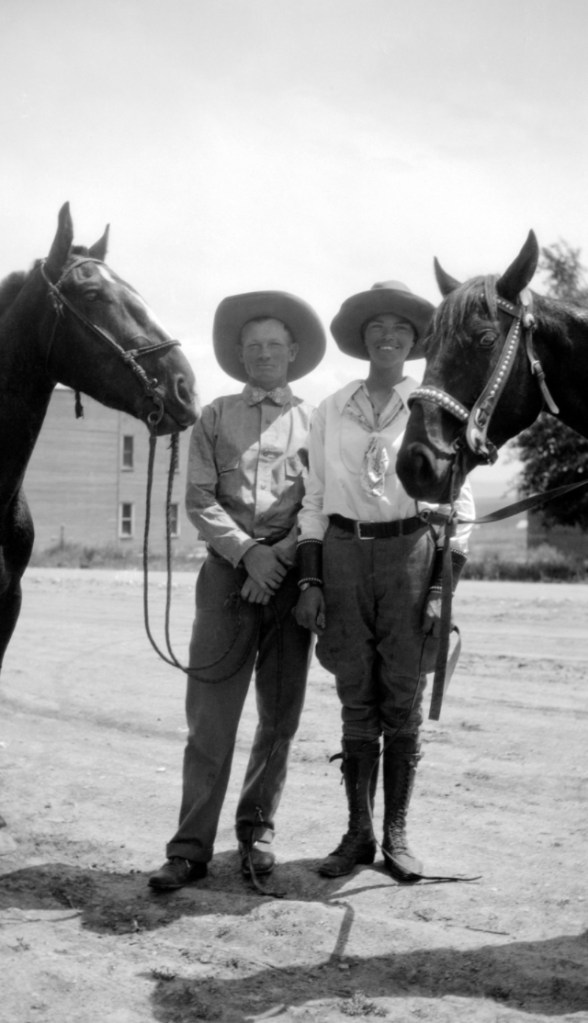
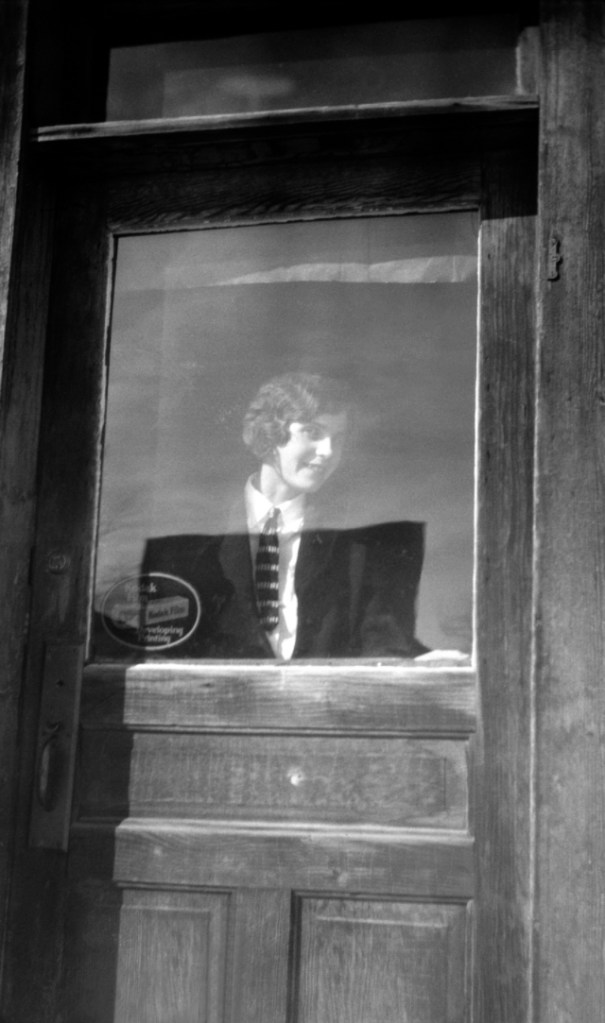
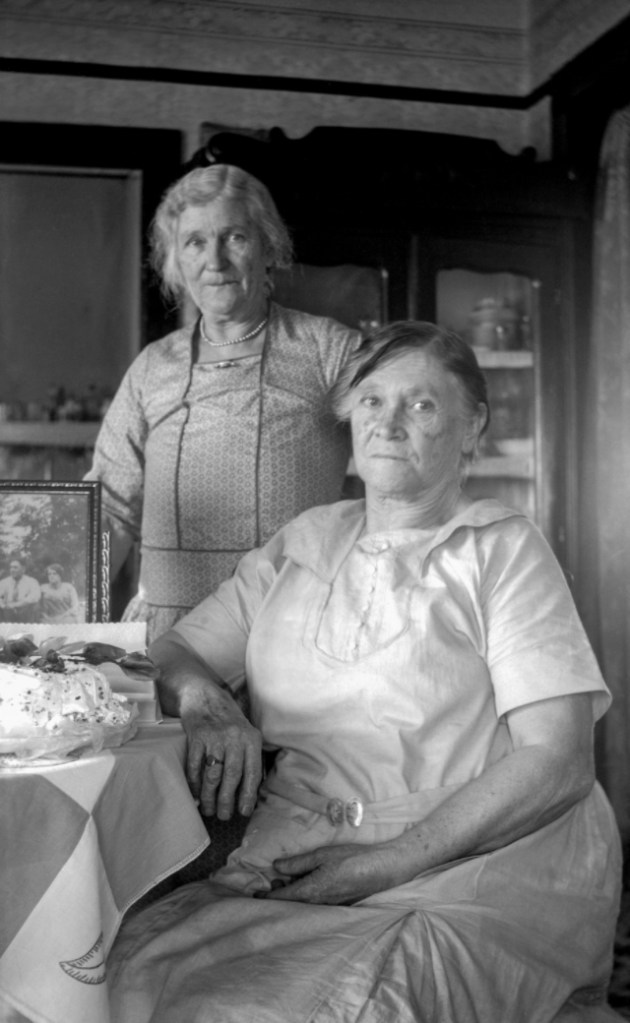
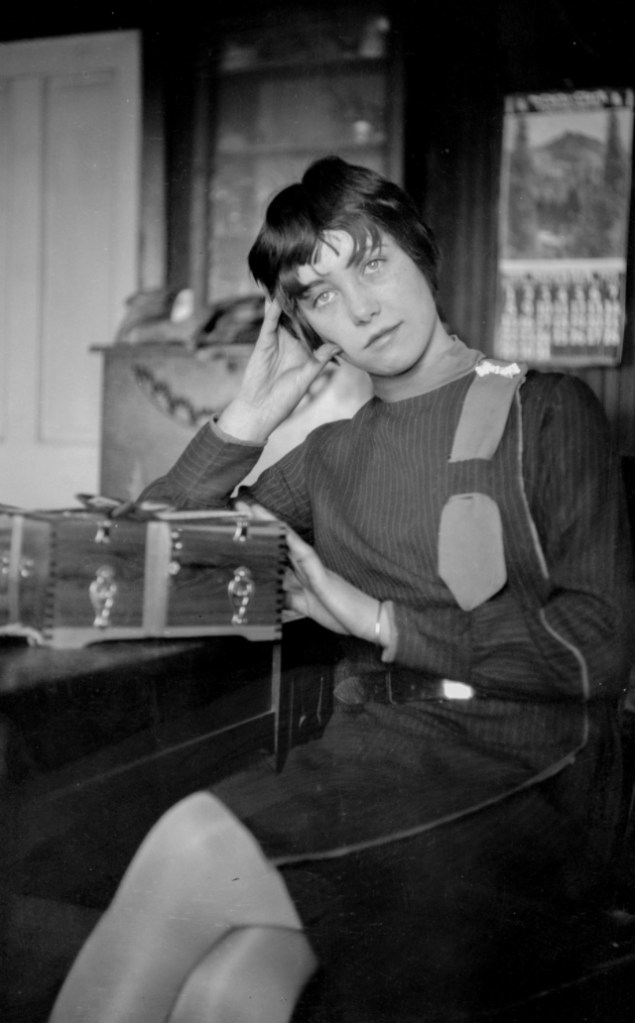
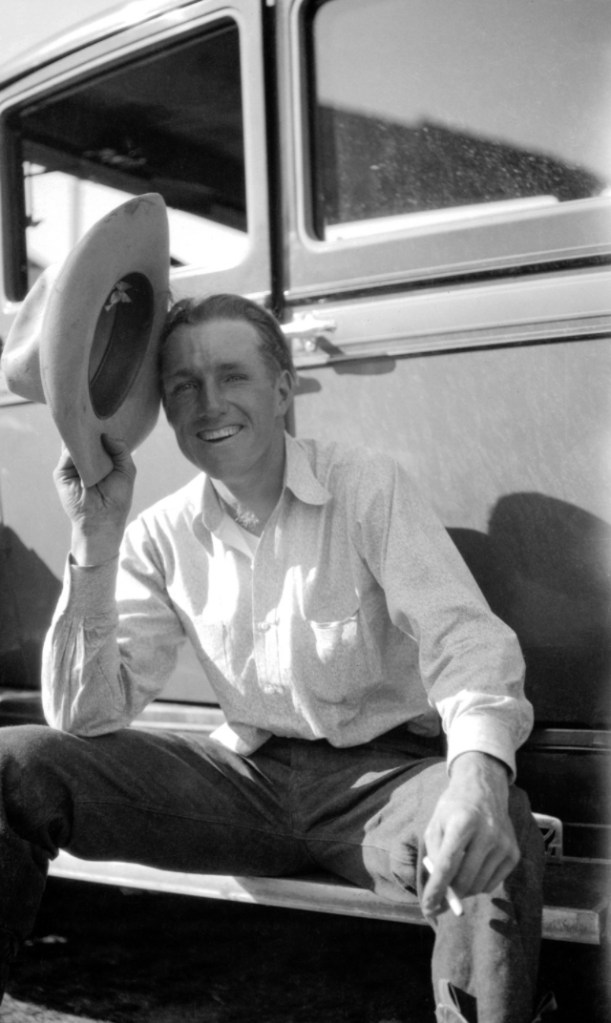
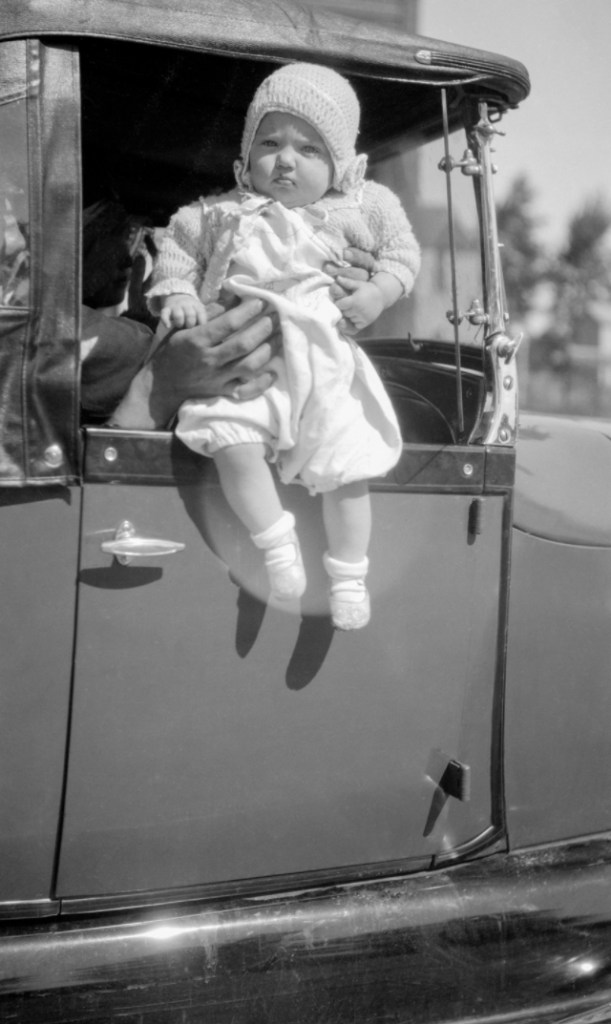
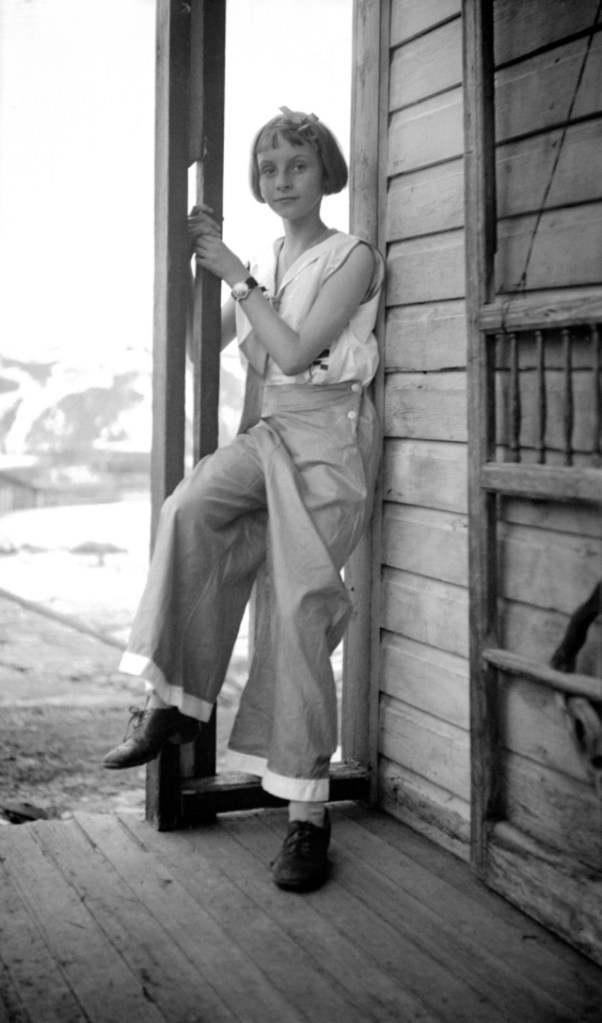
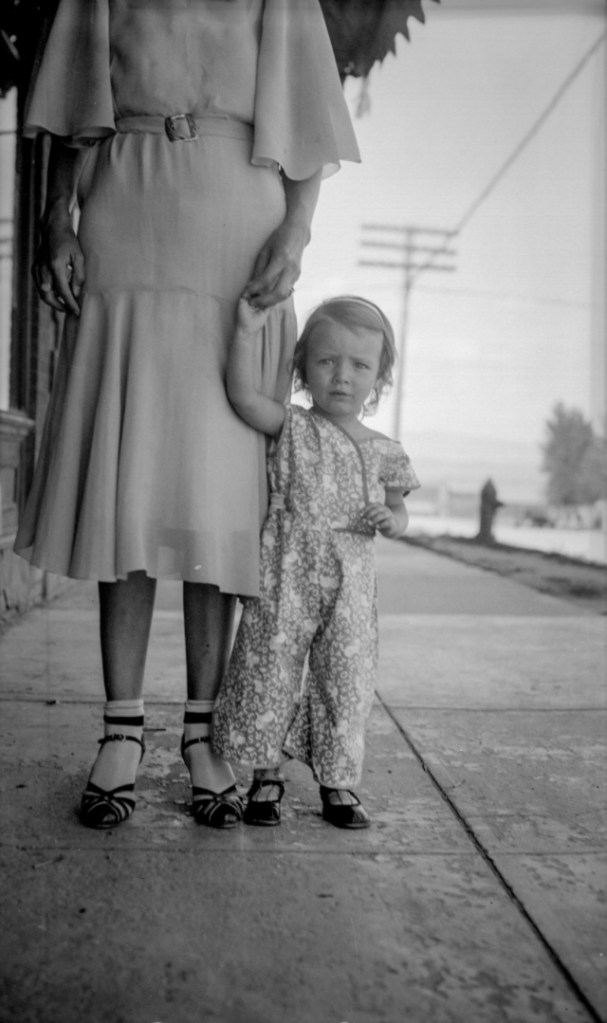
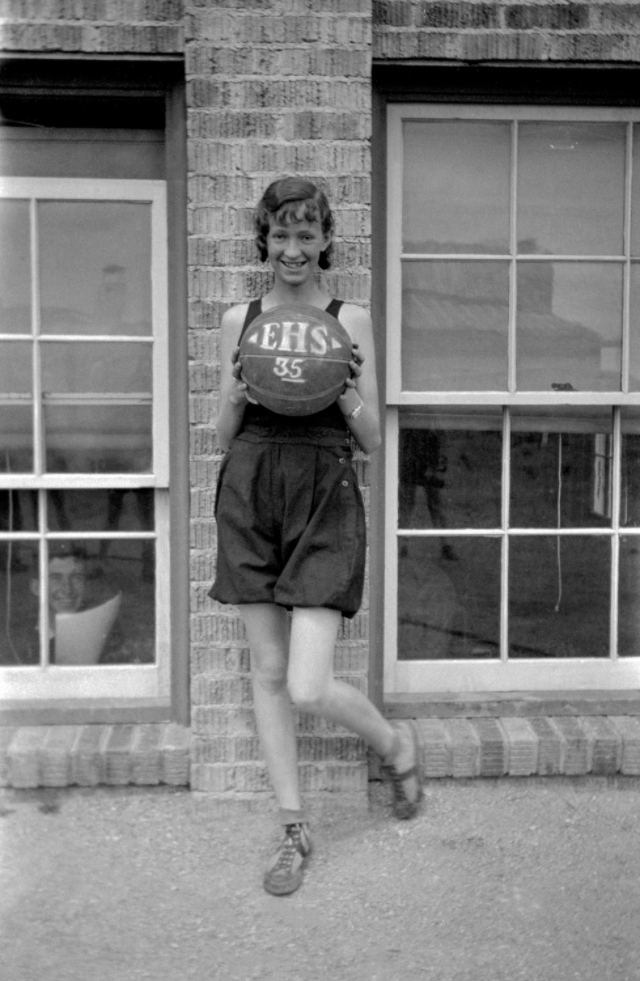
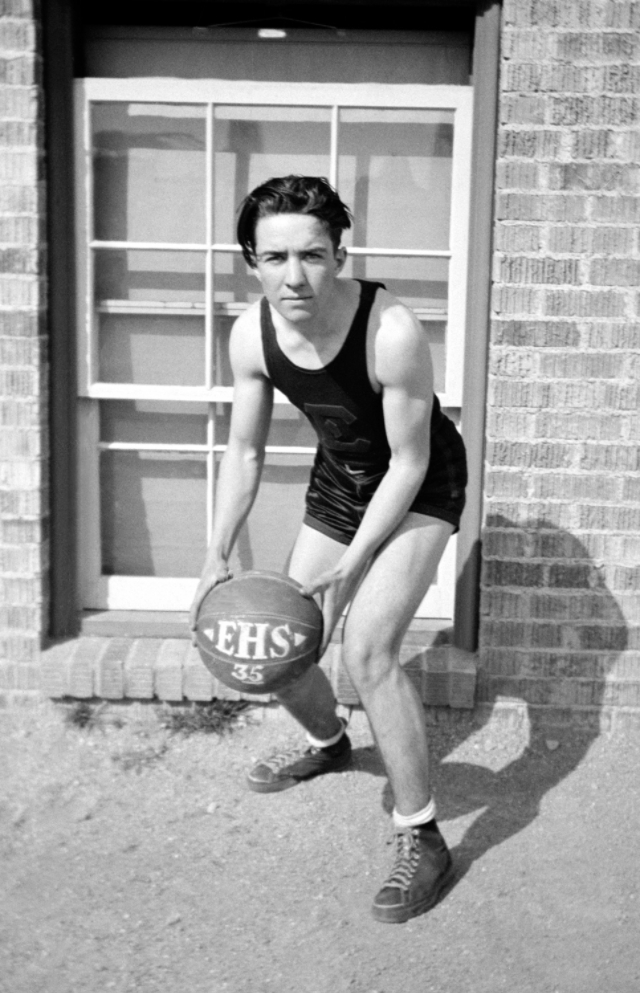
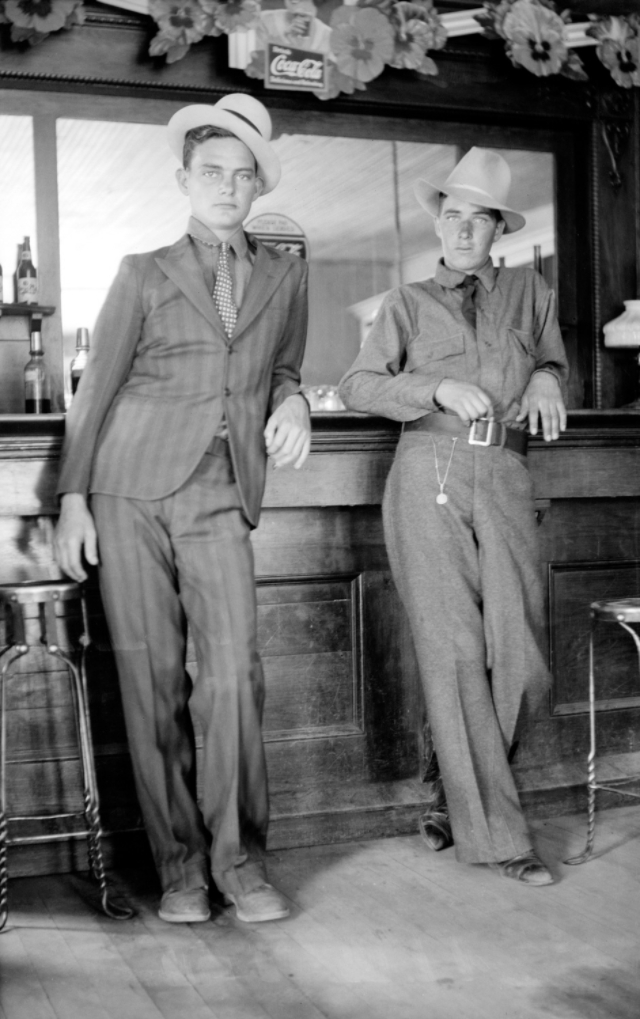
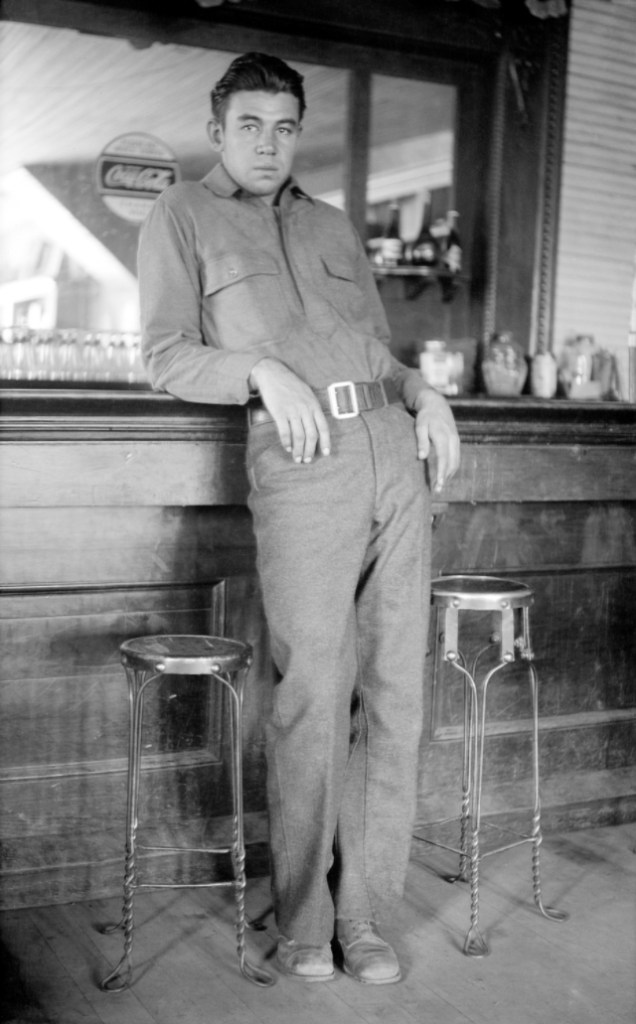
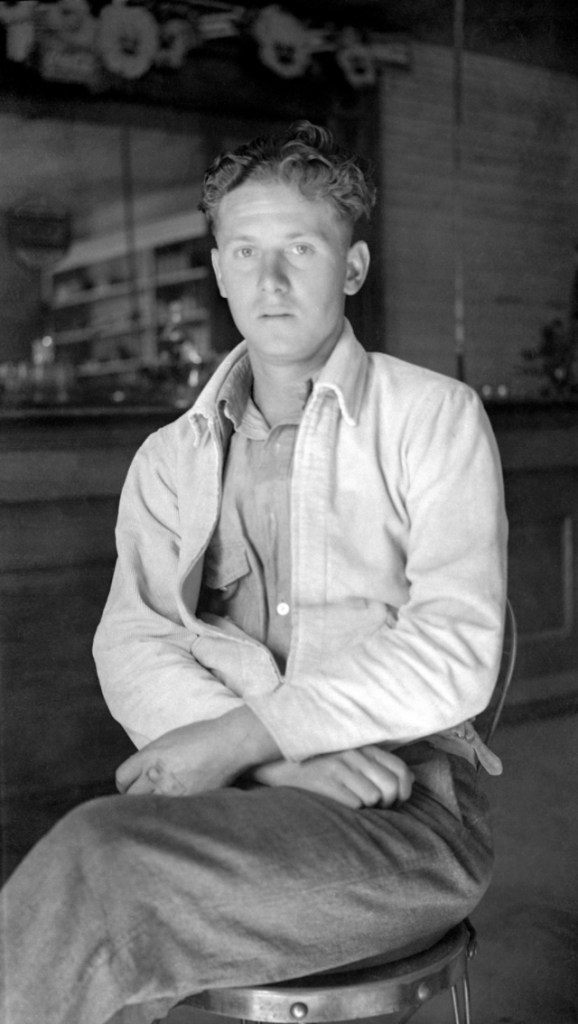
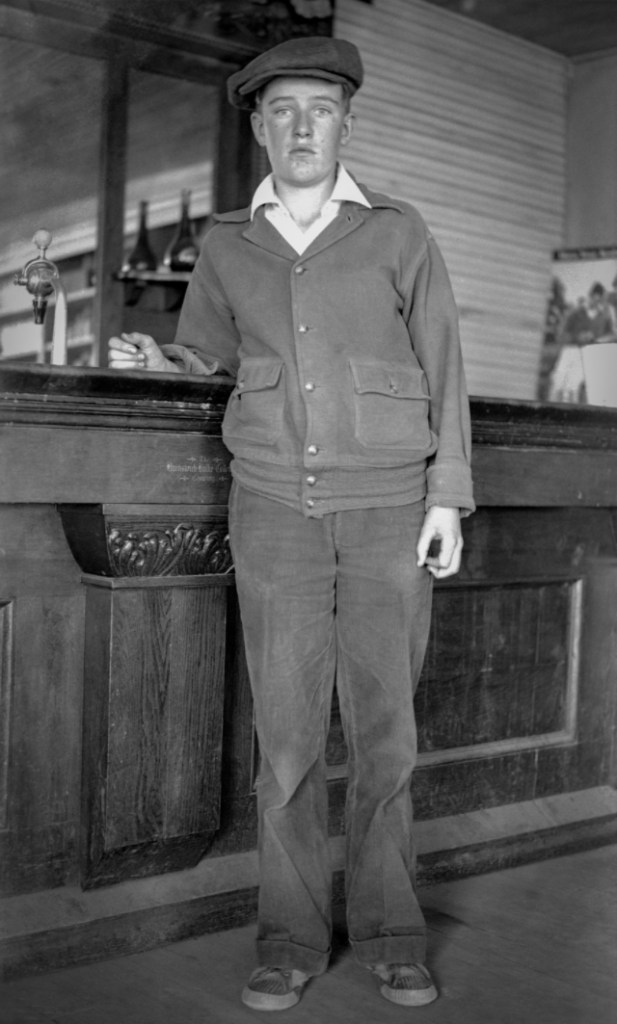
When her youngest child reached 4 years of age and the Nichols family committed to remaining in Encampment after the last of the mining and railroad work left town, Lora Webb Nichols (1883-1962) purchased a storefront and established the Rocky Mountain Studio in the center of Encampment, Wyoming.
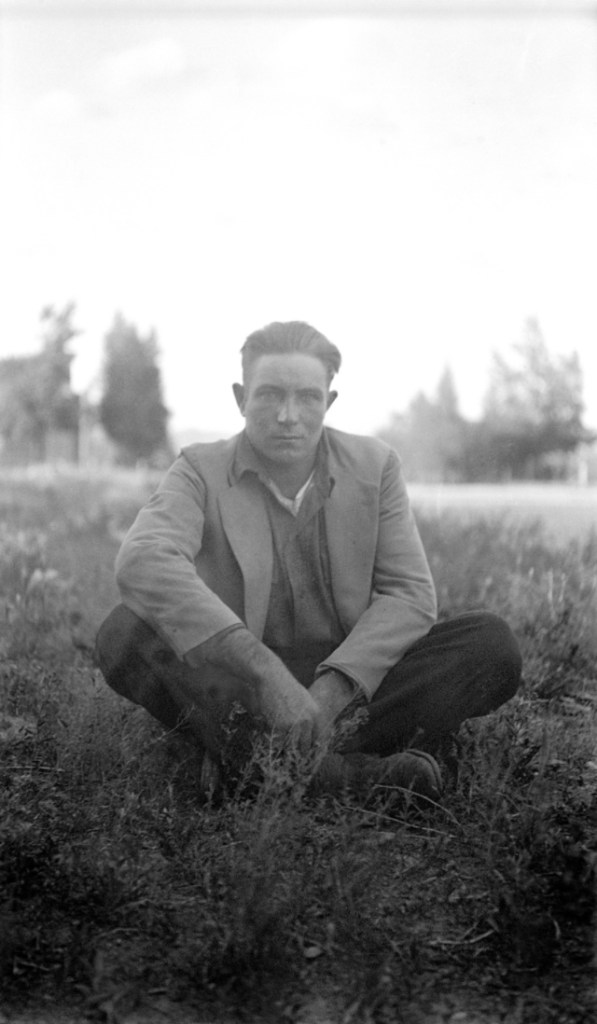
Many of the images were made in and around the boardwalk that surrounded the studio and Lora’s other Encampment business venture, The Sugar Bowl soda fountain. She created and collected approximately 24,000 negatives over the course of her lifetime in the mining town of Encampment. The images chronicle the domestic, social, and economic aspects of the sparsely populated frontier of south-central Wyoming.
Nichols received her first camera in 1899 at the age of 16, coinciding with the rise of the region’s copper mining boom. The earliest photographs are of her immediate family, self-portraits, and landscape images of the cultivation of the region surrounding the town of Encampment. In addition to the personal imagery, the young Nichols photographed miners, industrial infrastructure, and a small town’s adjustment to a sudden, but ultimately fleeting, population increase.
As early as 1906, Nichols was working for hire as a photographer for industrial documentation and family portraits, developing and printing from a darkroom she fashioned in the home she shared with her husband and their children. After the collapse of the copper industry, Nichols remained in Encampment and established the Rocky Mountain Studio, a photography and photofinishing service, to help support her family. Her commercial studio was a focal point of the town throughout the 1920s and 1930s.
The Eiffel Tower was built to be the entrance to the 1889 World’s Fair in Paris. Construction was started by Gustave Eiffel’s company in January 1887 and completed in March 1889.
On March 31, 1889, the Eiffel Tower is dedicated in Paris in a ceremony presided over by Gustave Eiffel, the tower’s designer, and attended by French Prime Minister Pierre Tirard, a handful of other dignitaries, and 200 construction workers.
At the opening of the World’s Fair, the elevators were not completed, however, so Gustave Eiffel ascended the tower’s stairs with a few hardy companions and raised an enormous French tricolor on the structure’s flagpole. Fireworks were then set off from the second platform. Eiffel and his party descended, and the architect addressed the guests and about 200 workers. In early May, the Paris International Exposition opened, and the tower served as the entrance gateway to the giant fair.
The Eiffel Tower remained the world’s tallest man-made structure until the completion of the Chrysler Building in New York in 1930. Incredibly, the Eiffel Tower was almost demolished when the International Exposition’s 20-year lease on the land expired in 1909, but its value as an antenna for radio transmission saved it. It remains largely unchanged today and is one of the world’s premier tourist attractions.
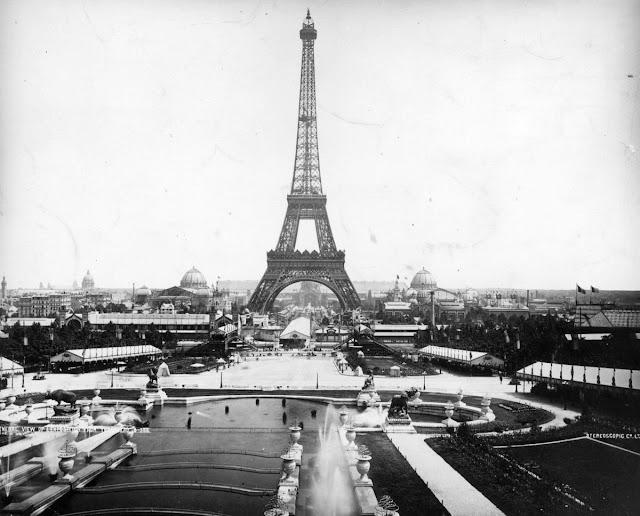
Crowds walking under the base of the Eiffel Tower while attending the Universal Expostion in Paris, 1889, looking toward the Central Dome.
Subscribe to continue reading
Become a paid subscriber to get access to the rest of this post and other exclusive content.
A summertime tea is a vintage themed event that you can enjoy recreating for all decades. The vintage tea gown’s heyday was centered in the Edwardian era (1900-1920), when white lace dresses posed beautifully against a luscious green garden. The enormous flower-covered picture hats were also perfectly suited for an outdoor tea.
Starting in 1870, women adopted a newer, lighter, free fitting form of house dress worn at the time of afternoon tea, roughly 3 to 6pm. It was a formal house dress gown suitable for entertaining guests in one’s home. It need not be as formal as a dinner gown, but was formal enough to be seen among one’s peers. It was often an expression of a woman’s artistic abilities where the dress coordinated with her parlor room decor.
By the Edwardian era, tea gowns were a regular part of a woman’s wardrobe outside of her home, too. Tea time became more flexible as well, as the location changed to outside porches and gardens. The sexual overtones vanished as these dresses became part of everyday summer fashions of the teens and early 1920s. Nearly all Edwardian tea gowns were white eyelet, embroidery, or lace inset sheer gowns. During fall and winter, darker color gowns were worn.
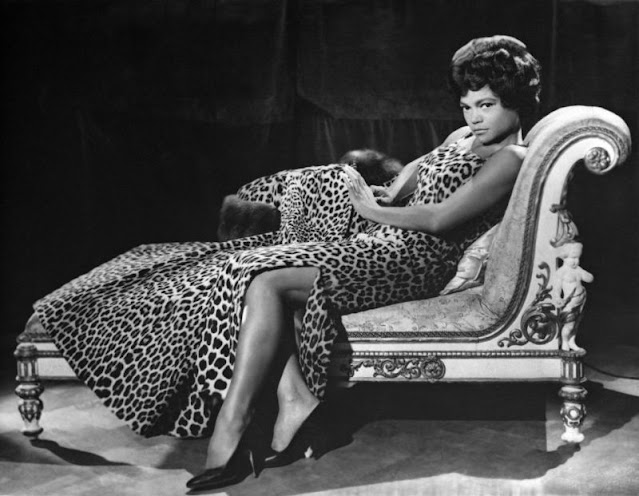
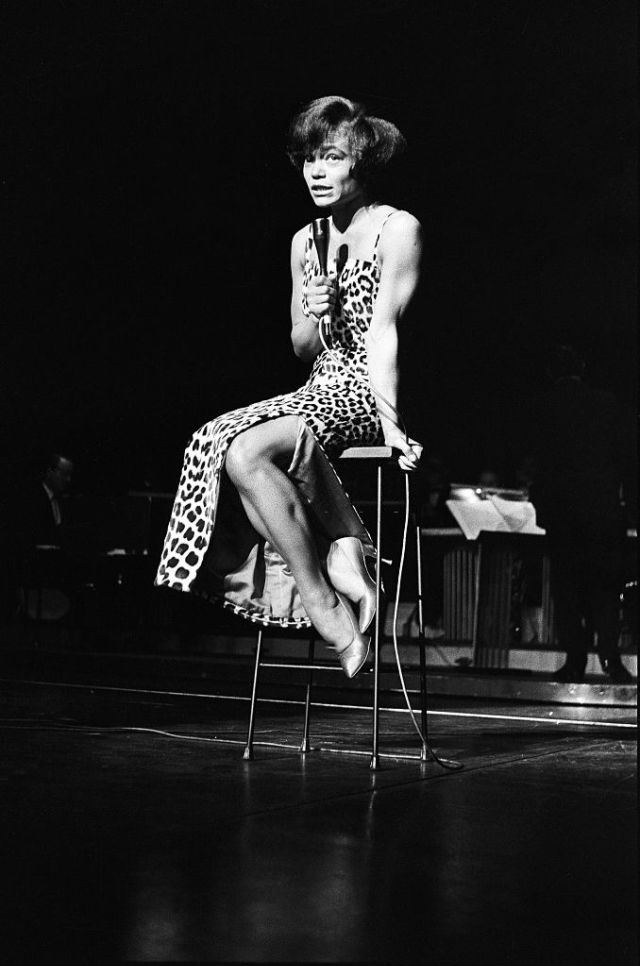
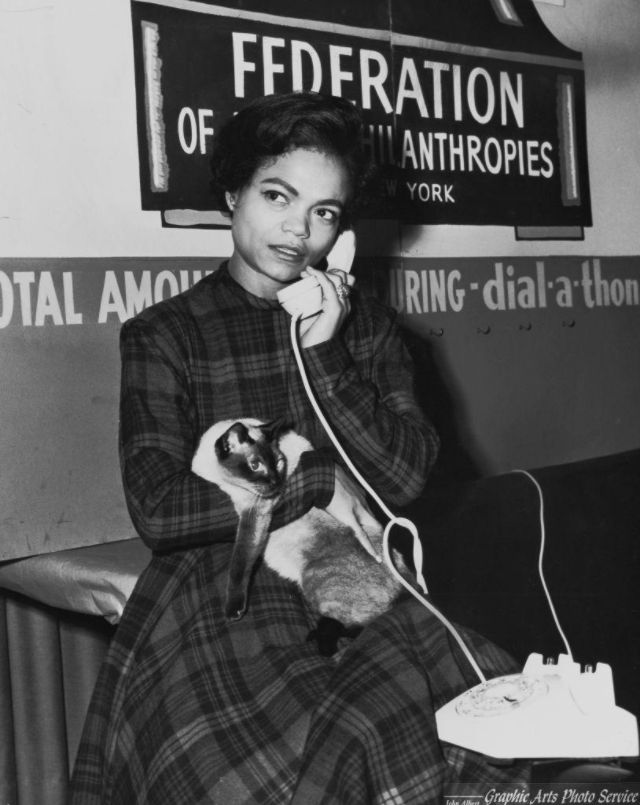
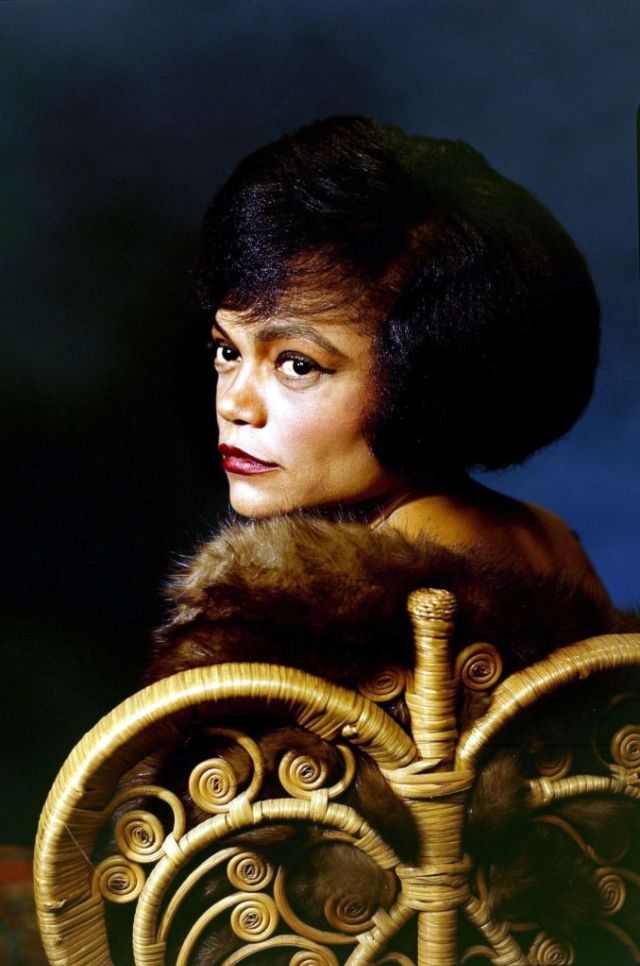
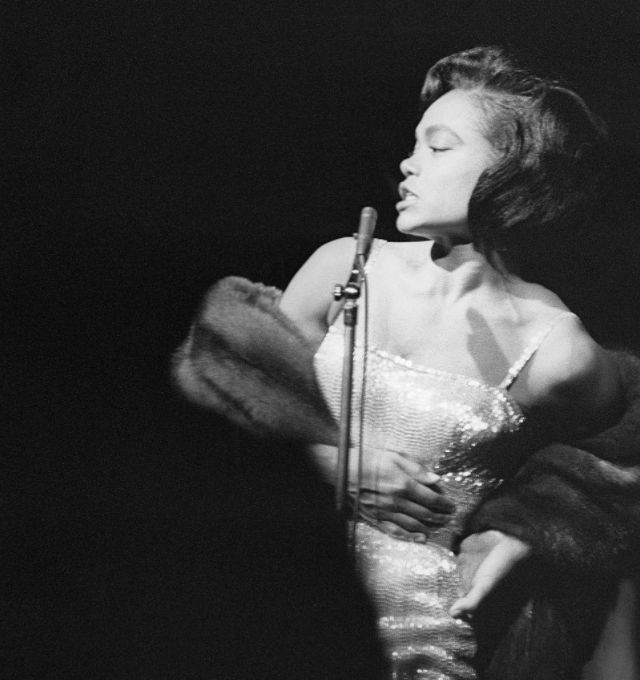
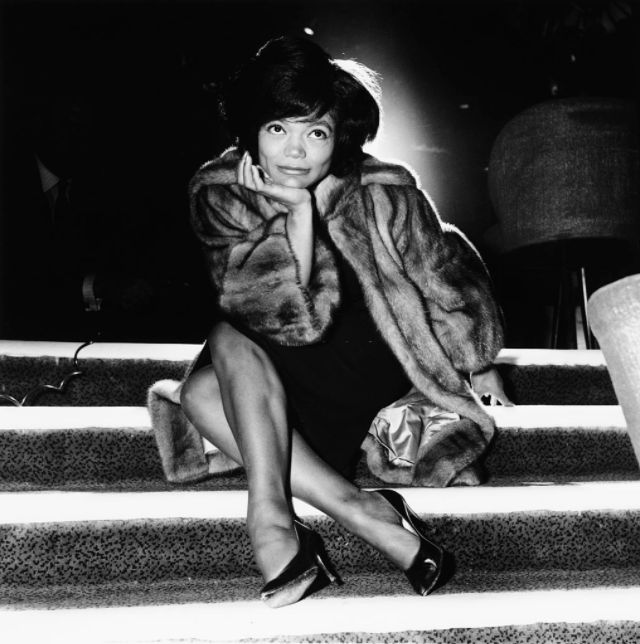
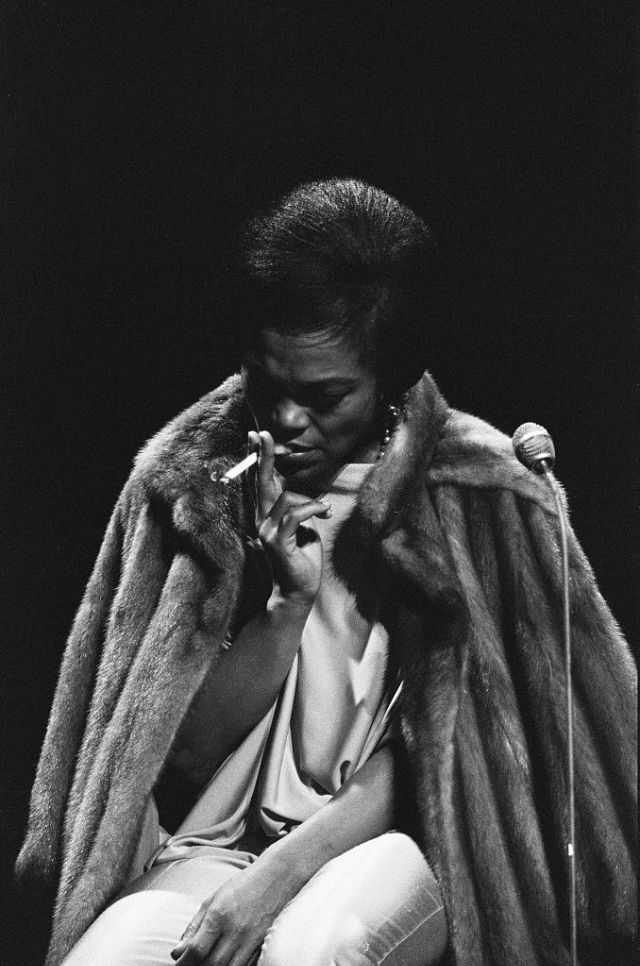
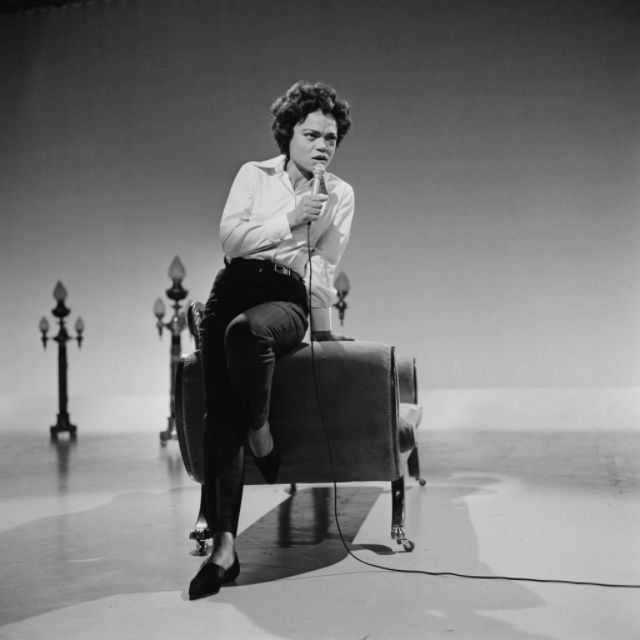
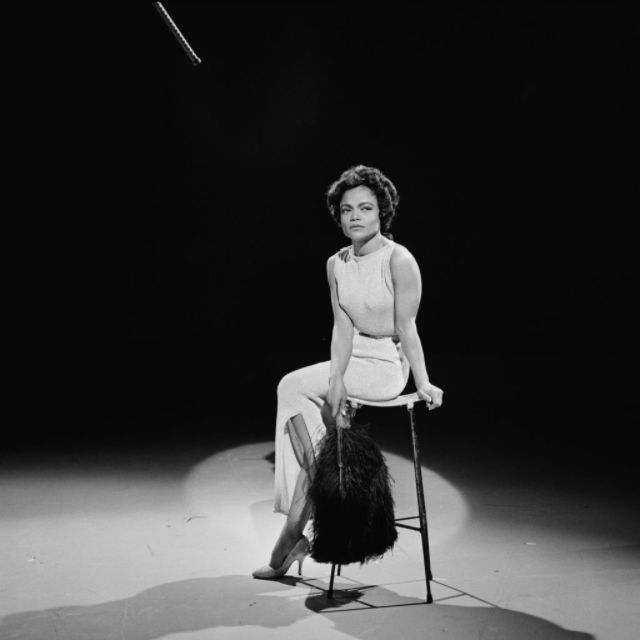
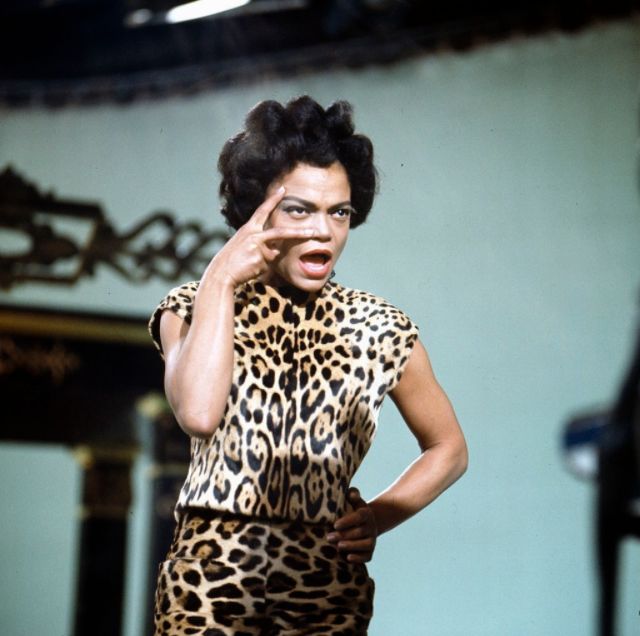
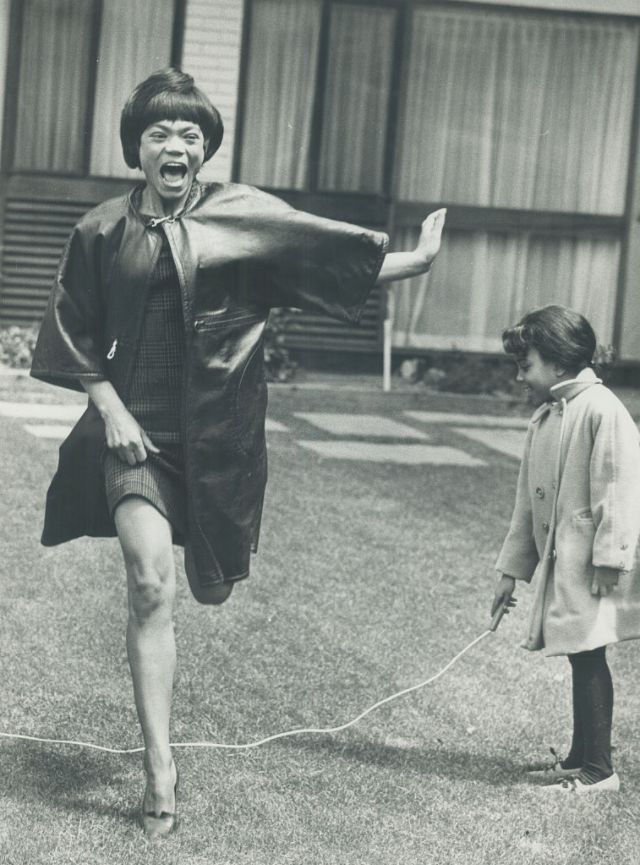
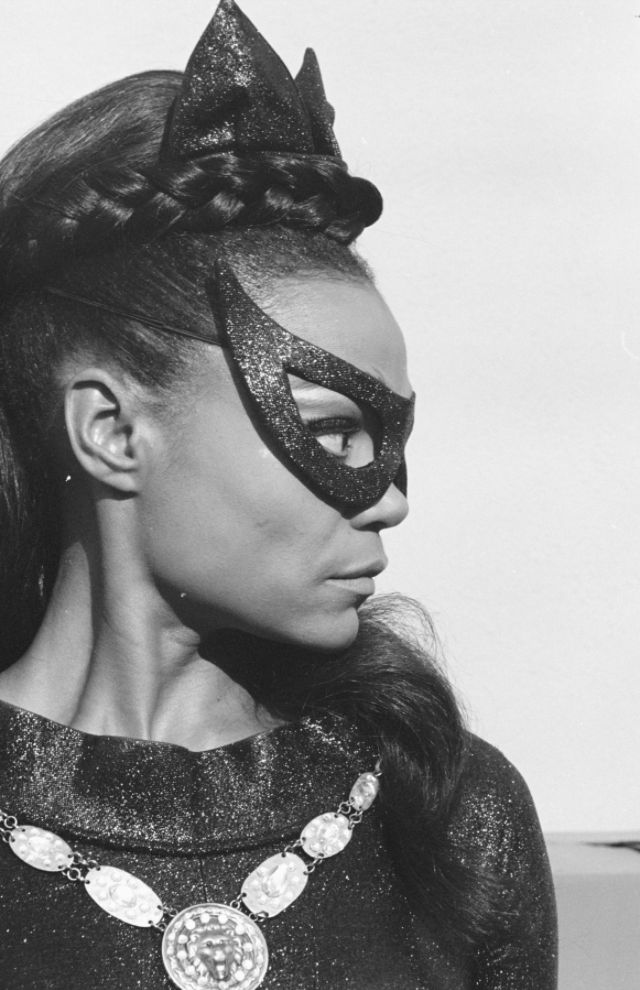
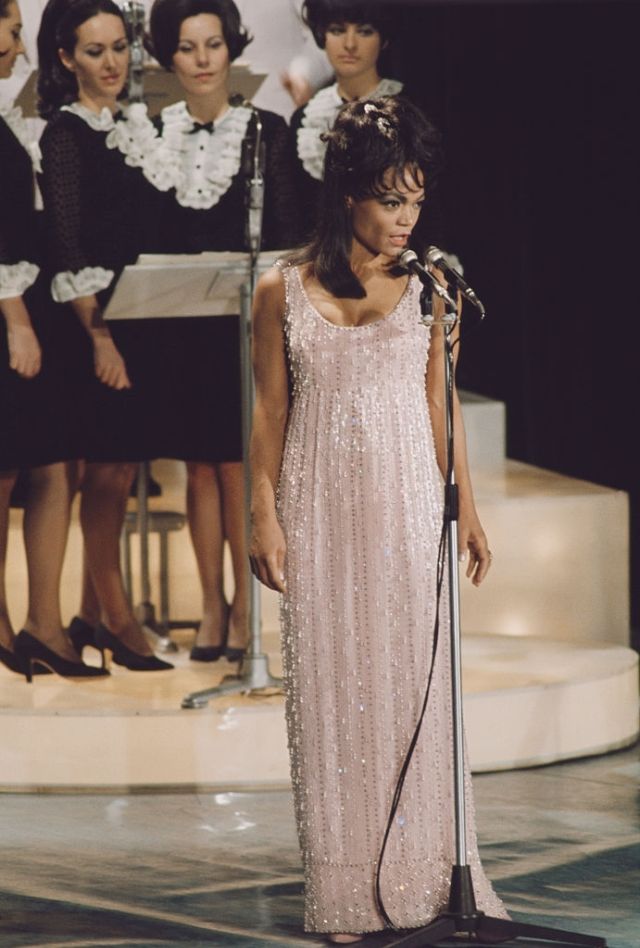
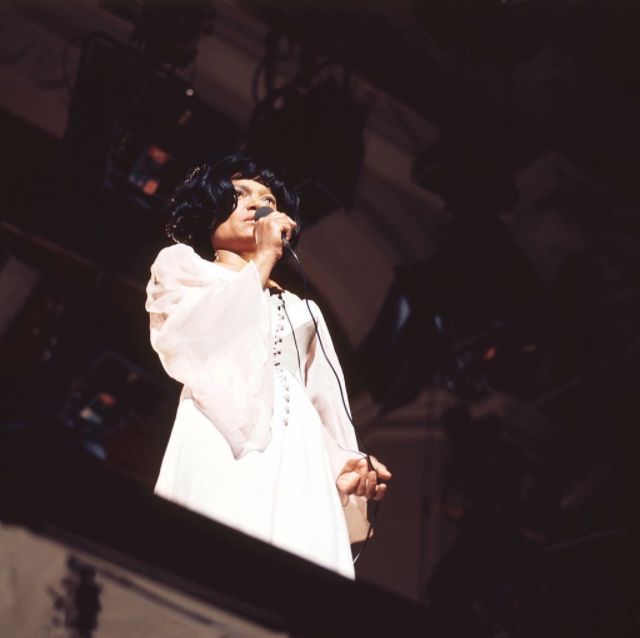
Throughout the rest of the 1950s and early 1960s, Eartha Kitt recorded, worked in film, television, and nightclubs, and returned to the Broadway stage. In 1966, she was nominated for an Emmy Award for Outstanding Single Performance by an Actress in a Leading Role in a Drama for her performance as a drug-addicted cabaret singer in the television series I Spy. She starred as Catwoman in the third and final season of the television series Batman in 1967 after Julie Newmar had left the show.
In January 1968, during a White House luncheon, Kitt was asked by First Lady Lady Bird Johnson about the Vietnam War, to which she replied: “You send the best of this country off to be shot and maimed. No wonder the kids rebel and take pot.” Her remarks caused Mrs. Johnson to burst into tears. It is widely believed that Kitt’s career in the United States was ended following her anti-war statements. Following the incident, Kitt devoted her energies to performances in Europe and Asia.
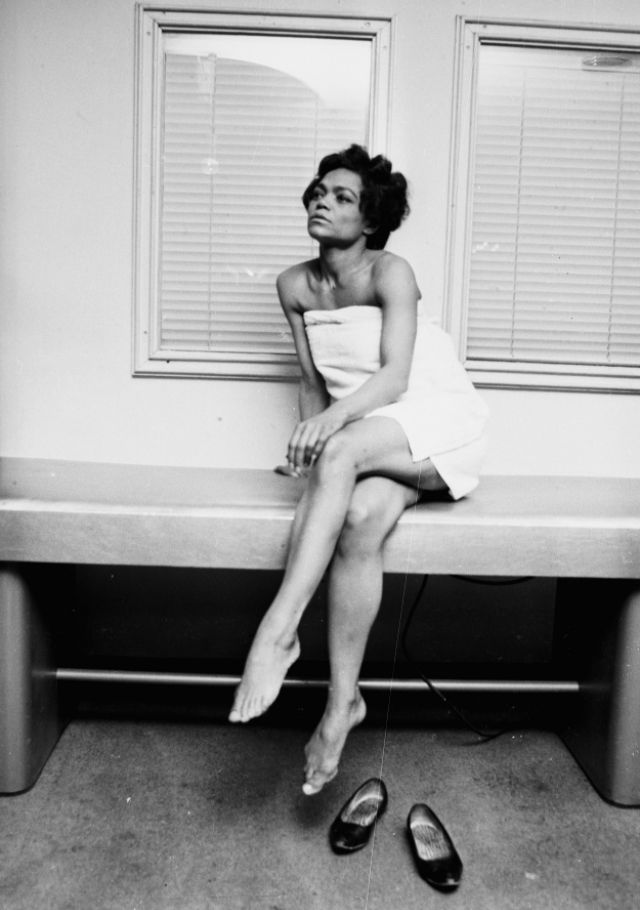
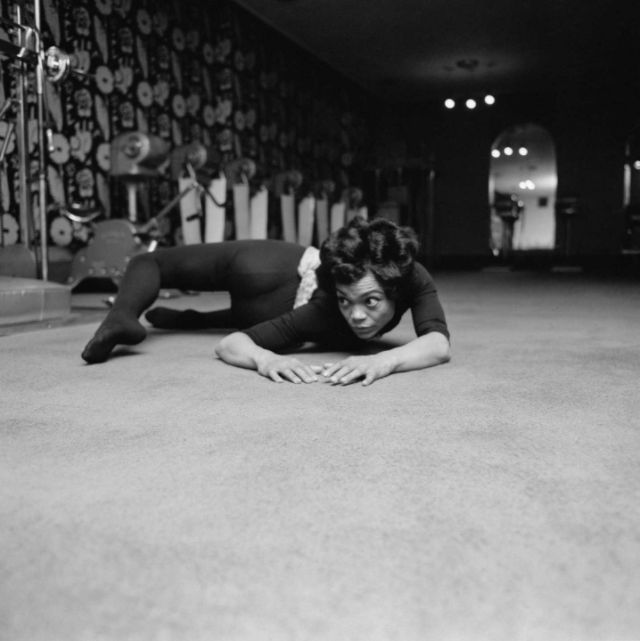
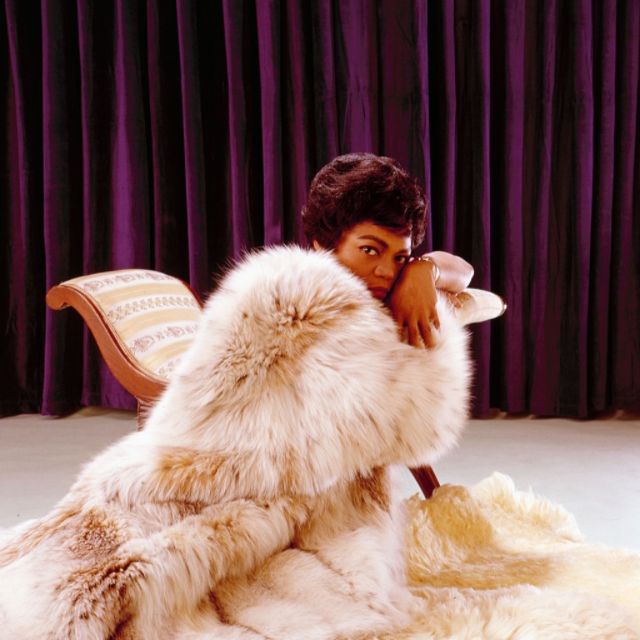
Take a look back at Kitt in the sixties through these 24 beautiful vintage photographs:
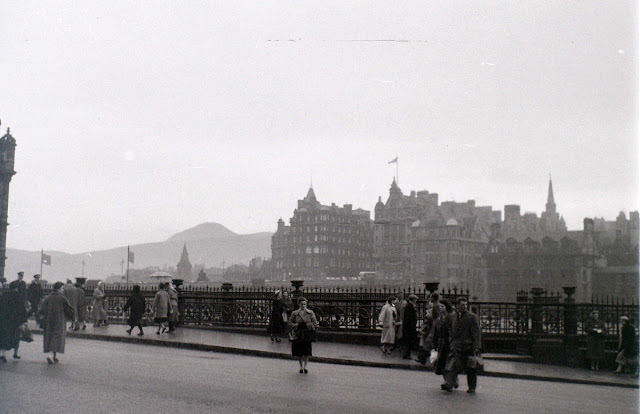
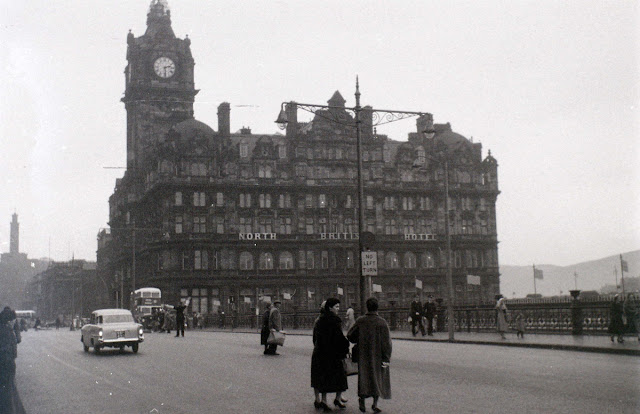
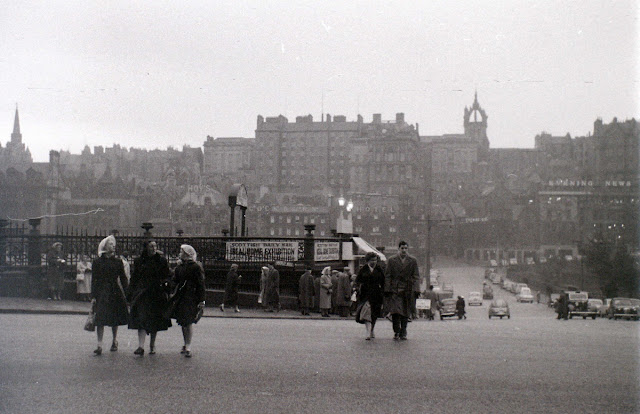
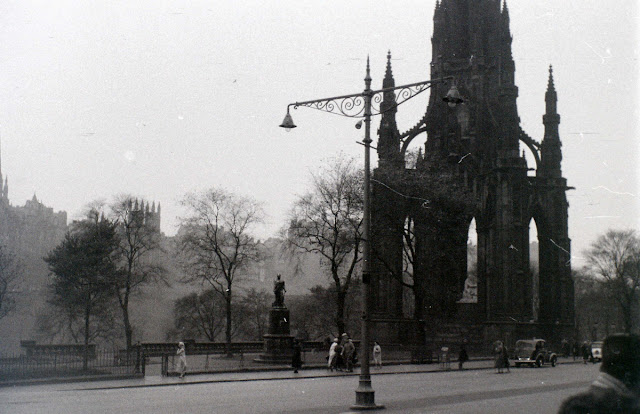
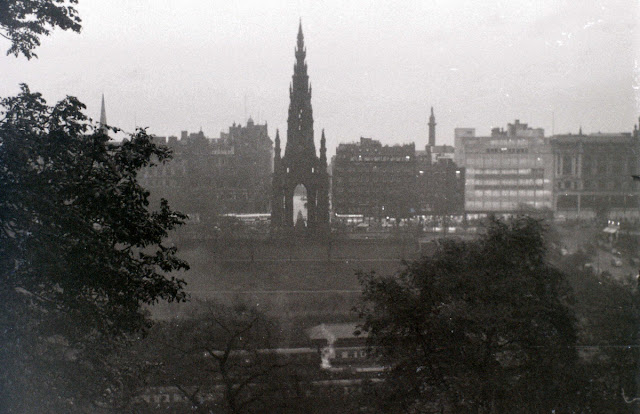
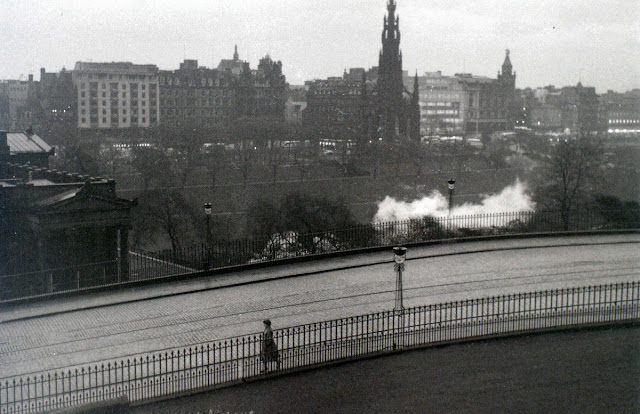
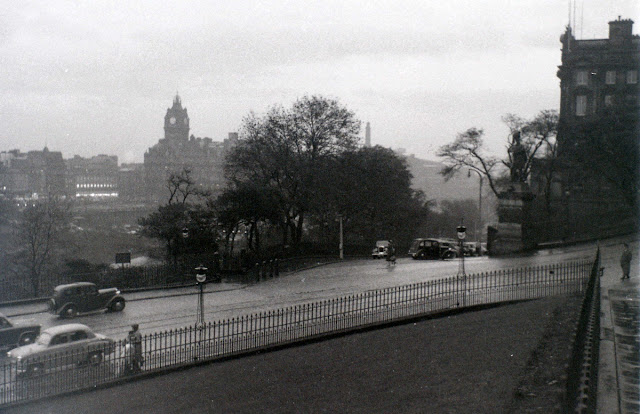
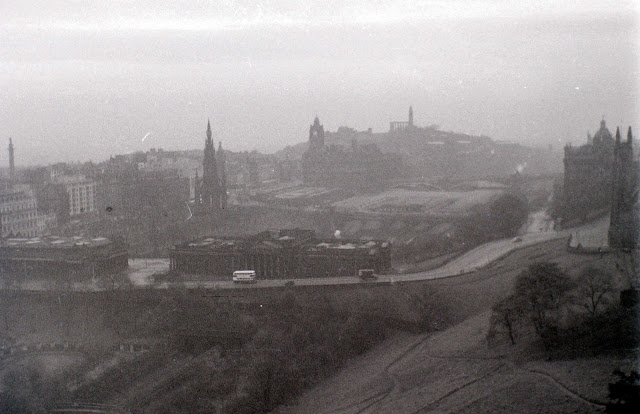
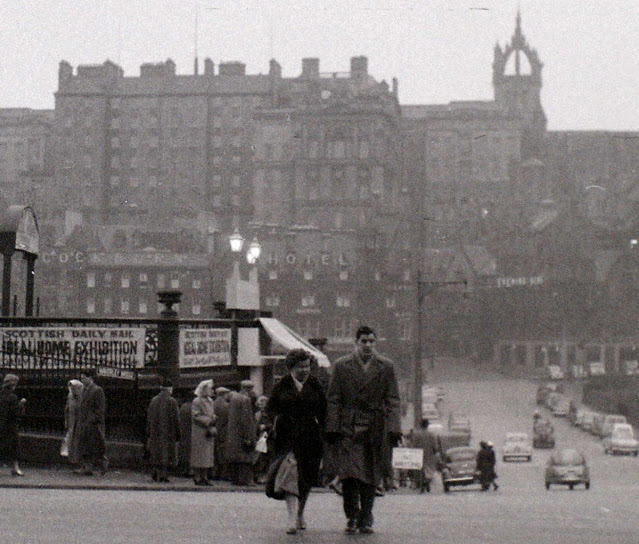
These images show Edinburgh in the late 1950s at a time when the nation was on the cusp of change, when traditional industries were struggling to survive and historic buildings were making way for modern designs.
The photographs were captured by Allan Hailstone in 1958, during several trips to Scotland. “Edinburgh was not the tourist destination it has since become, and its blackened buildings held a great atmosphere,” he said. “And I do not think that many people considered Glasgow in those days to be a tourist destination, but the city had hidden depths. Glasgow and Edinburgh are chalk and cheese.”
Like Glasgow, the late 1950s saw a huge slum clearance program in Edinburgh, causing the Old Town’s population to plummet. However, traditional industries such as insurance, banking, printing and brewing, continued to prosper. And it was also around this time that the city began to capitalize on its history – with tourists beginning to visit in huge numbers to admire Edinburgh’s grand buildings.
Meanwhile, just outside the city on the banks of the Firth of Forth, the Forth Road Bridge, a massive project to link North and South Queensferry, neared completion. The need for a new bridge, which would provide a crossing between Edinburgh and Fife, was needed due to a massive spike in private car ownership.
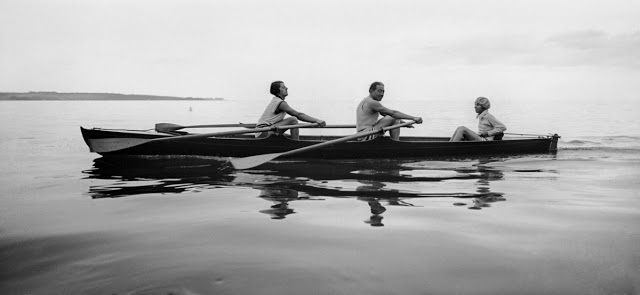
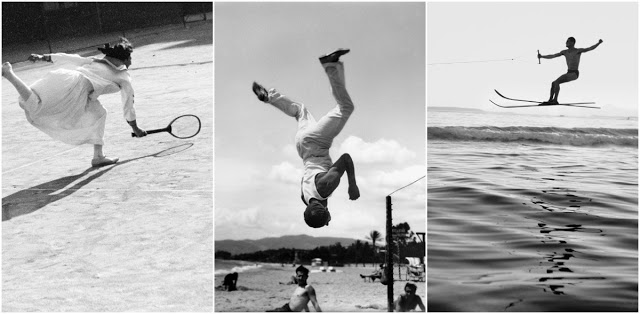
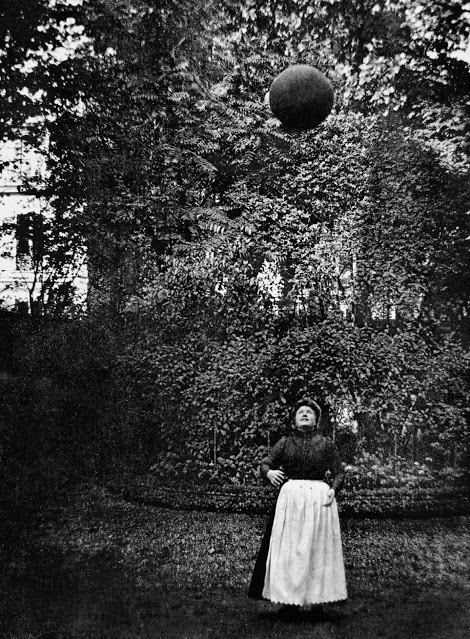
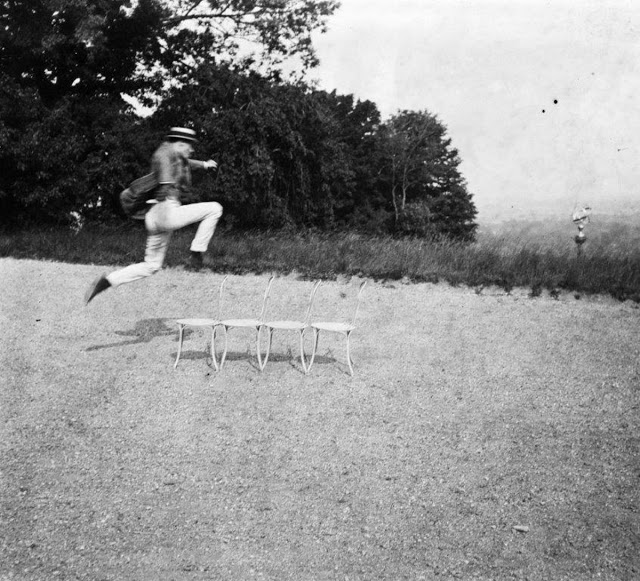
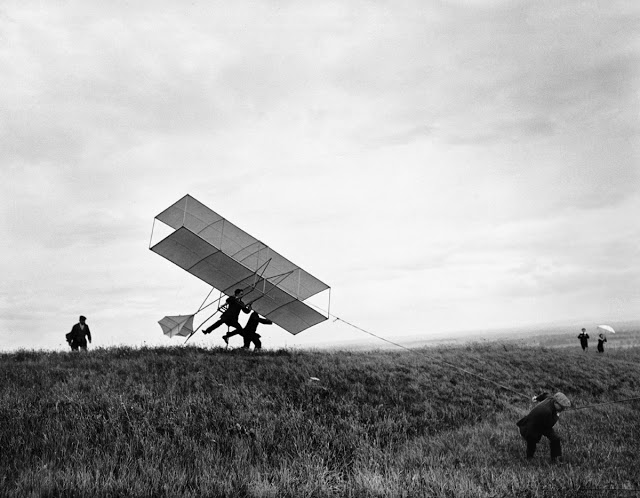
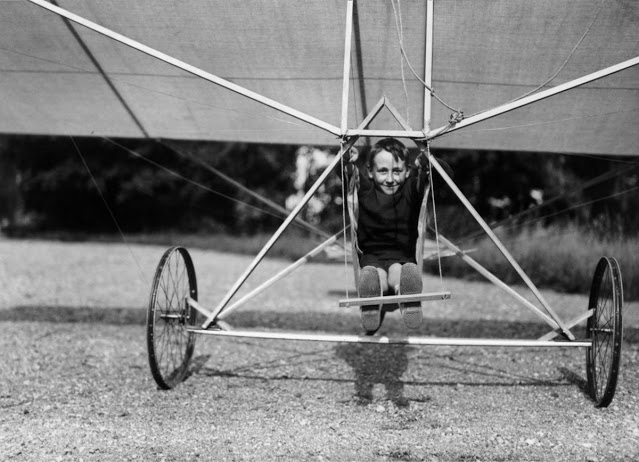
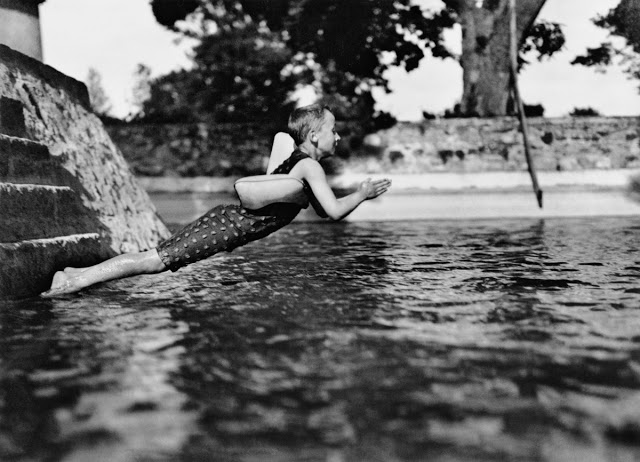
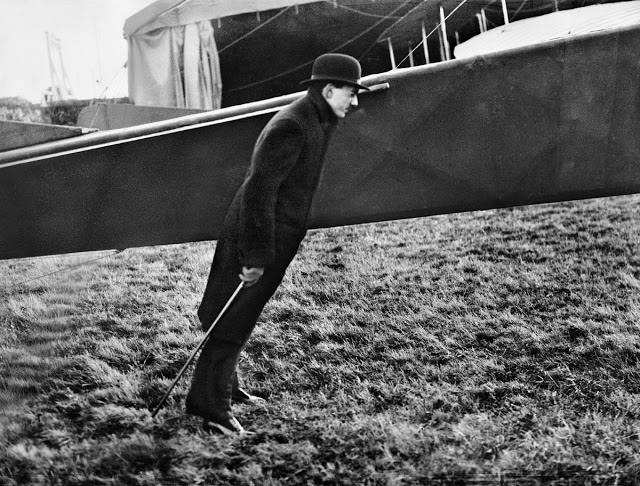
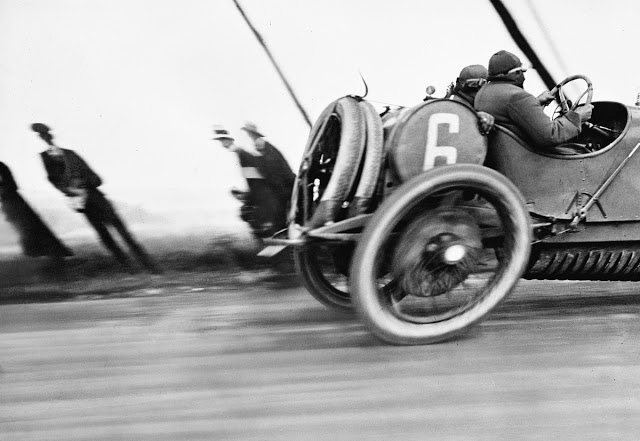
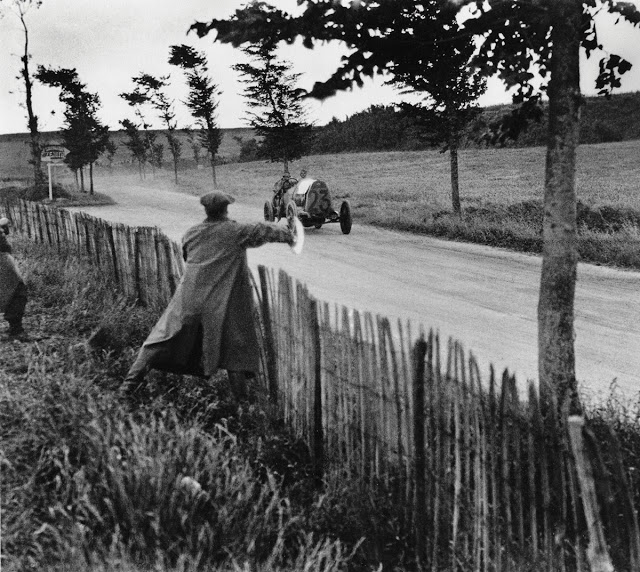
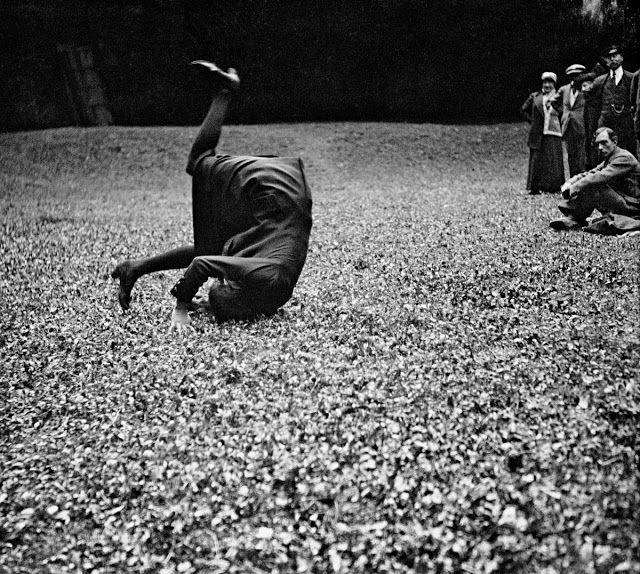
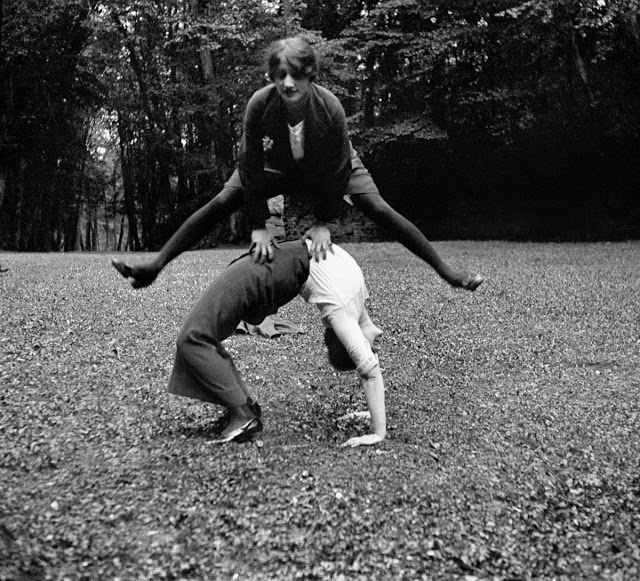
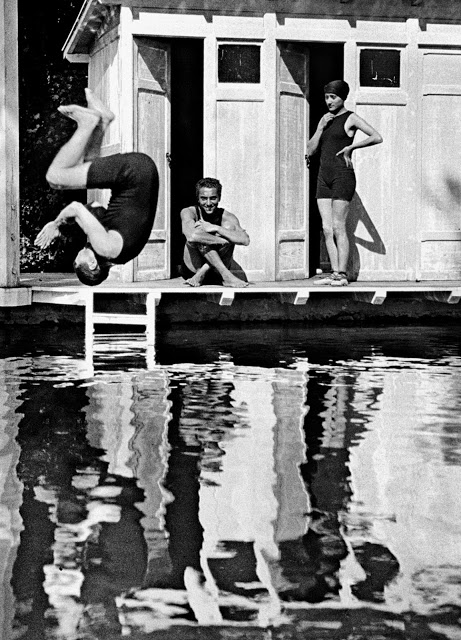
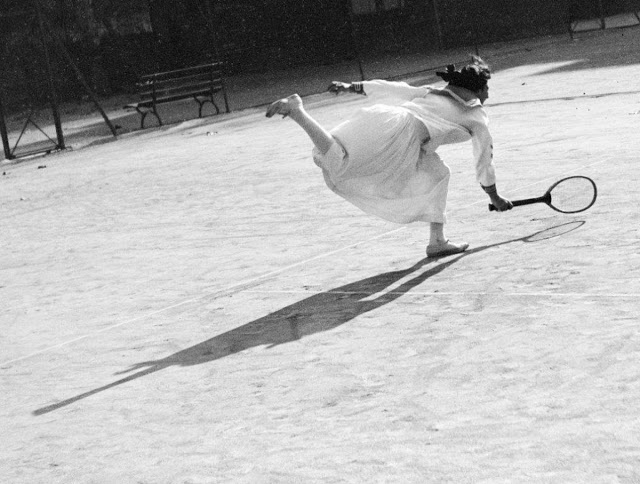
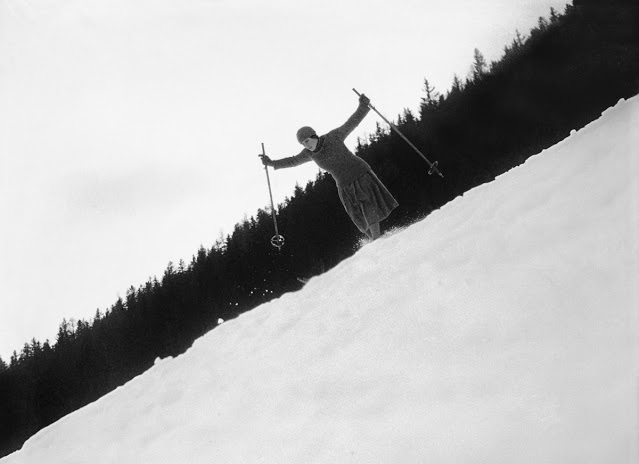
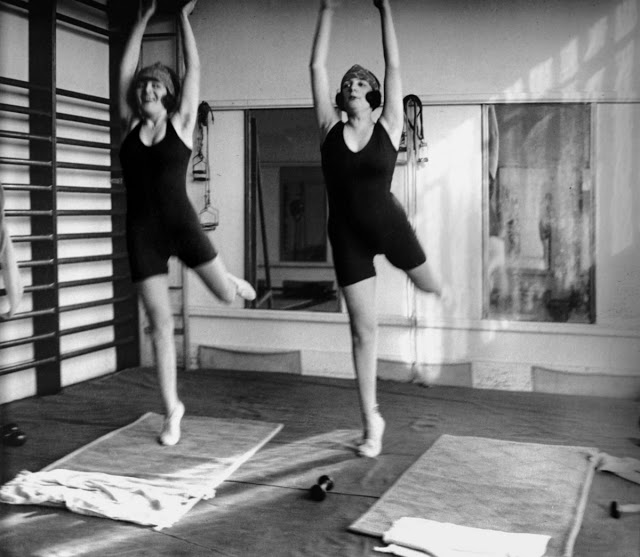
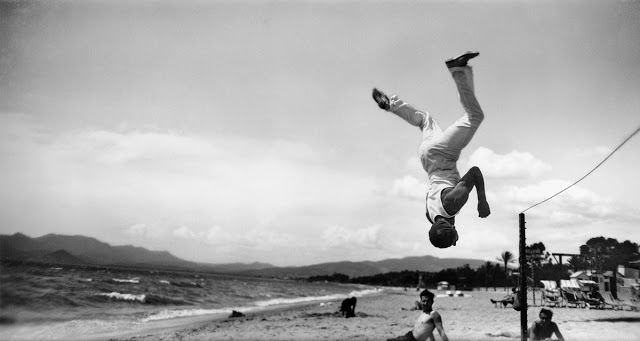
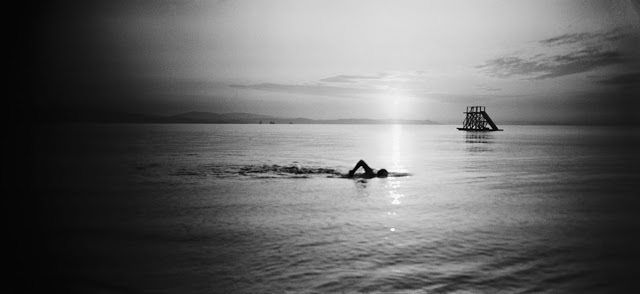
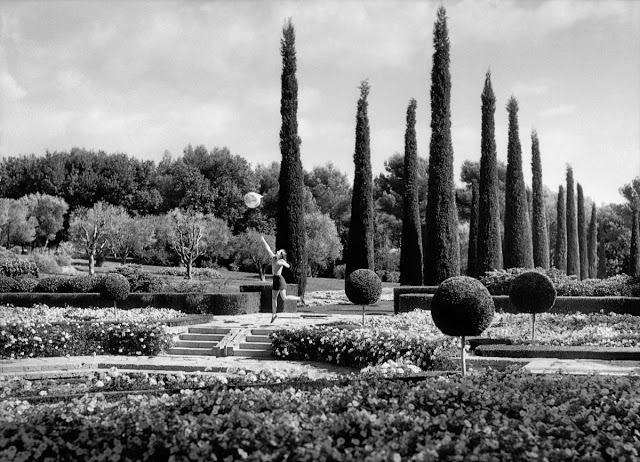
acques Henri Lartigue was fascinated by the ascent of sport in the early 20th century as a fashionable pastime for the middle classes, and was himself a keen sportsman. Lartigue’s entirely unposed photographs, presented album-style in this gorgeous, luxurious and delightful volume, capture both the joyous exuberance of amateur sports––racing, skiing, tennis, gymnastics, hang gliding––and the particular character of its popularity in the first half of the 20th century.
Lartigue is an absolute master at conveying the dynamism of the human body at play––the peculiar shapes it can contort into, and the gestures that can express anything from easy nonchalance to fierce focus. These photographs also serve as a historical catalogue of the paraphernalia and smart casual clothing associated with each sport.
Jacques Henri Lartigue (1894–1986) was a French photographer and painter, most famous for his photographs of the leisure activities of France’s middle and upper classes. An avid photographer from the age of seven, Lartigue gained fame for his photo albums, which provide a comprehensive chronicle of the twentieth century in France and abroad, and for his official portraits.
My nanny Dudu, 40, on rue Cortambert in Paris, 1904.Oléo, Rouzat, August 1908.The ZYX24 takes off while Piroux, Zissou, Georges, Louis, Dédé and Robert make there attempt as well in Rouzat, September 1910.Robert, the lightest, is chosen to test-fly the “Pic no. 3” in Rouzat, September 1910.My cousin Dédé in Rouzat, 1911.Zissou leans against the wind from Amerigo’s propeller in Buc, Nov. 9, 1911.Grand Prix de L’Automobile Club de France, 1912.The great racer Nazzaro signals to Wagner to accelerate, Grand Prix de l’A.C.F., June 26, 1912.My cousin Simone Roussel in Marly Forest, 1913.My cousin Simone and Golo in Marly Forest, March 1913.Charly, Rico and Sim in Rouzat, September 1913.Training of Suzanne Lenglen, Nice, November 1915.Malvina in Chamonix, January 1918.Bibi and Lolo in Paris, 1921.Cannes, May 1927.Cannes, May 1927.Dawn in Hyères, September 1929.Coco at l’Altana, the Weisswellers’ estate in Antibes, March 1936.Deauville, June 1938.World ski-jumping championships in Juan-les-Pins, September 1938.
(Photos: Jacques Henri Lartigue / Ministère de la Culture-France / AAJHL)
When photography was invented in the first half of the 19th century, it seemed to be the solution to problems with criminal identification that police around the world had been waiting for: finally, they did not have to rely on their memories and written descriptions of prisoners to recognize criminals.
Daguerreotype of prisoner in Brussels, ca. 1843.
As early as 1841 the French began making daguerreotypes of prisoners, but the earliest mug shot still in existence was taken by Belgian officials in 1843. Within the same decade, British Police also employed their first professional photographer. At first, photographs of criminals were mainly used as a tool to help familiarize regional police with vagrants who would move from place to place committing crimes. Soon, however, many prisons began systematically photographing incarcerated prisoners in order to supplement their written descriptions and help defeat the use of aliases. In 1854 Swiss authorities began circulating photographs of criminals to the public for the first time, pre-empting the ‘Wanted’ posters that were made famous in the American Wild West during the 1860s.
In 1858 the New York Police Department opened its first ‘rogues gallery’ to the public. Here, people were invited to look through galleries of mug shots in order to familiarize themselves with local criminals, and possibly help identify offenders. Rather than a practical aid to police, however, some scholars have criticized rogues galleries as merely a source of entertainment for Victorian voyeurs. Furthermore, they claim that mug shots at this time served to publicly humiliate and punish the offender more than as a practical means of recording information. Nonetheless, the trend caught on around the world, with galleries opening in Germany in 1864, Russia in 1867 and England in 1870. Soon, mug shots became a familiar type of image that was easily recognizable by almost everyone, and a standard aspect of police work.
The decade of the 1960s was characterised by worldwide economic boom, the rise of population after the war, ‘the Baby Boom’, and the emergence of Civil Rights movements. Student movements came to prominence around the world, culminating in the events of 1968.
Ireland also benefited from the economic boom and developing economy as policies of protectionism were abandoned and the country was opened up to international trade and industry. RTÉ television began on the last day of 1961.
The 1960s also saw the end of censorship in Ireland, and the provision of free post-primary education. The Civil Rights movement began in the North of Ireland, and the start of the ‘troubles’, which continued to the end of the century.
Dublin is the capital and largest city of Ireland. Situated on a bay on the east coast, at the mouth of the River Liffey, it is in the province of Leinster and the Eastern and Midland Region. It is bordered on the south by the Dublin Mountains, a part of the Wicklow Mountains range. At the 2016 census, it had an urban area population of 1,173,179, while the population of the traditional County Dublin as a whole was 1,347,359. The population of the Greater Dublin Area was 1,904,806.
There is archaeological debate regarding precisely where and when Dublin originated, with a settlement established by the Gaels during or before the 7th century CE,[17] and a second, Viking, settlement, following. As the small Kingdom of Dublin, the city grew, and it became Ireland’s principal settlement after the 12th century Anglo-Norman invasion of Ireland. The city expanded rapidly from the 17th century and was briefly the second largest city in the British Empire and the sixth largest in Western Europe after the Acts of Union in 1800. Following independence in 1922, Dublin became the capital of the Irish Free State, later renamed Ireland in 1937.
Dublin is a contemporary and historical centre for Irish education, arts and culture, administration and industry. As of 2018 the city was listed by the Globalization and World Cities Research Network (GaWC) as a global city, with a ranking of “Alpha minus”, which places it as one of the top thirty cities in the world. (Wikipedia)
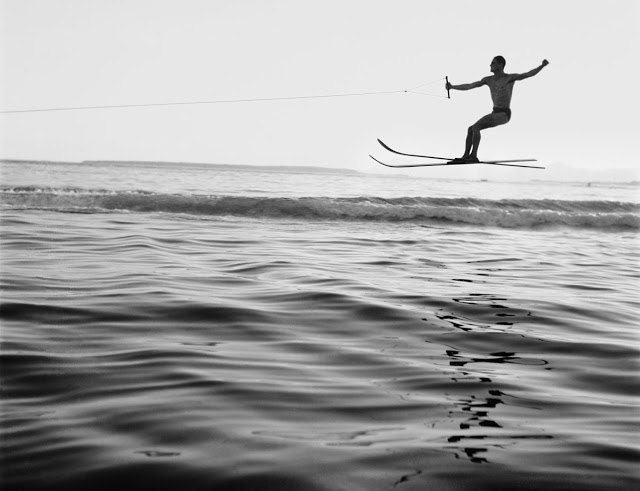
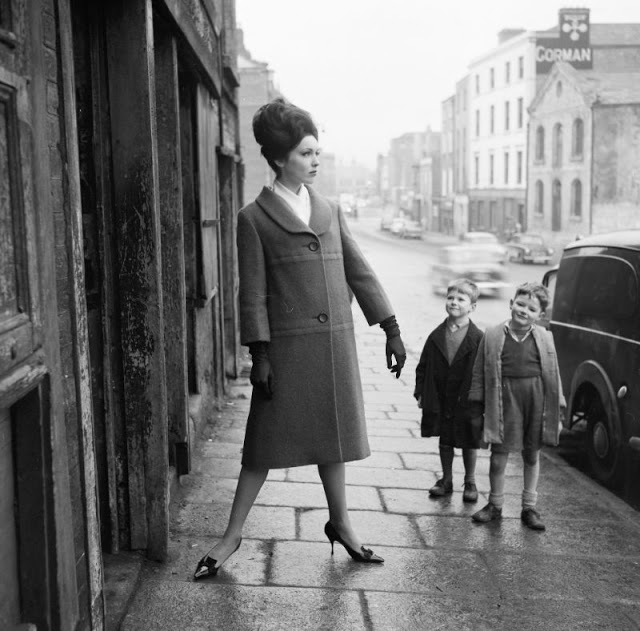
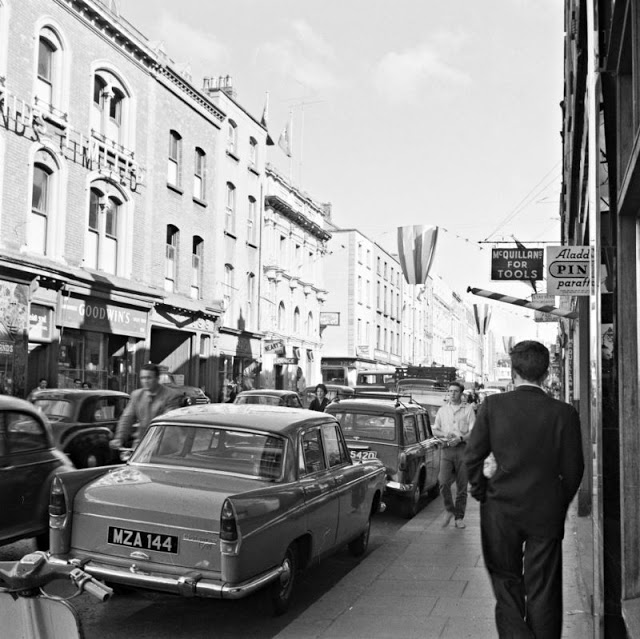
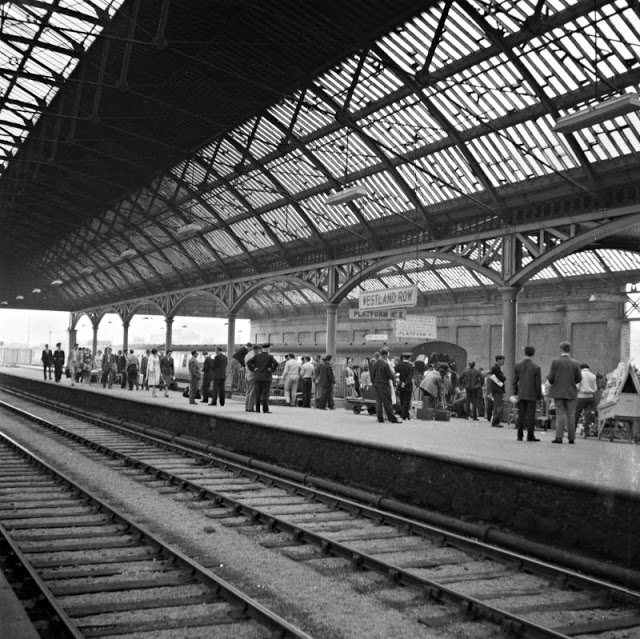
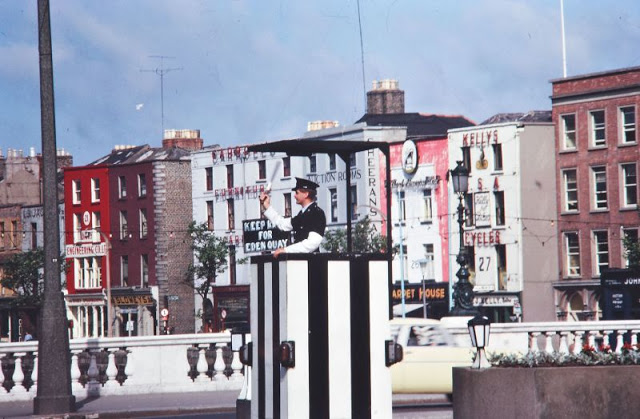
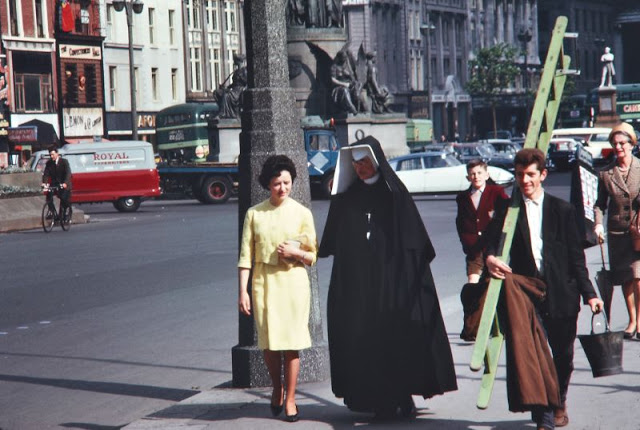
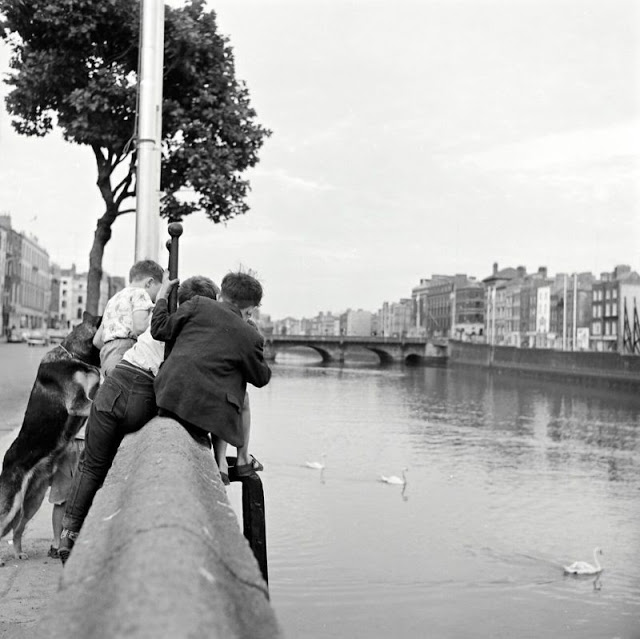
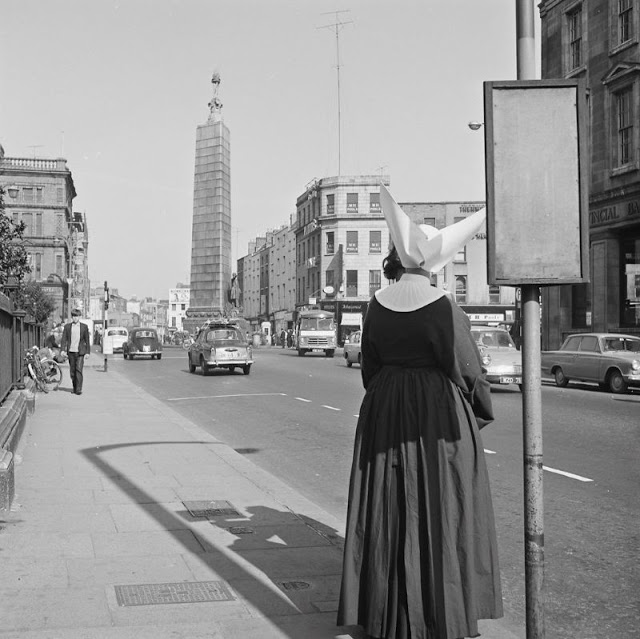
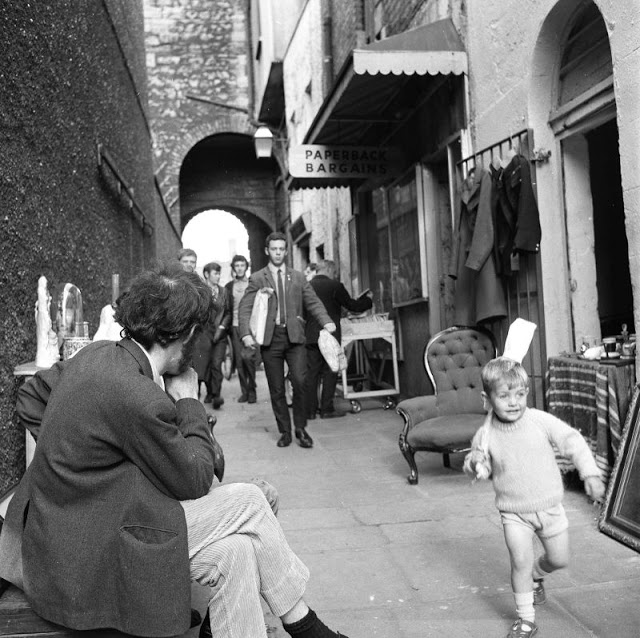
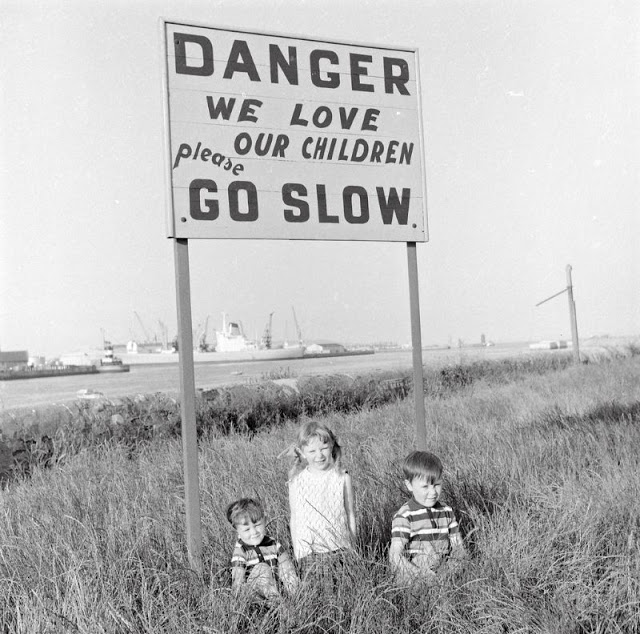
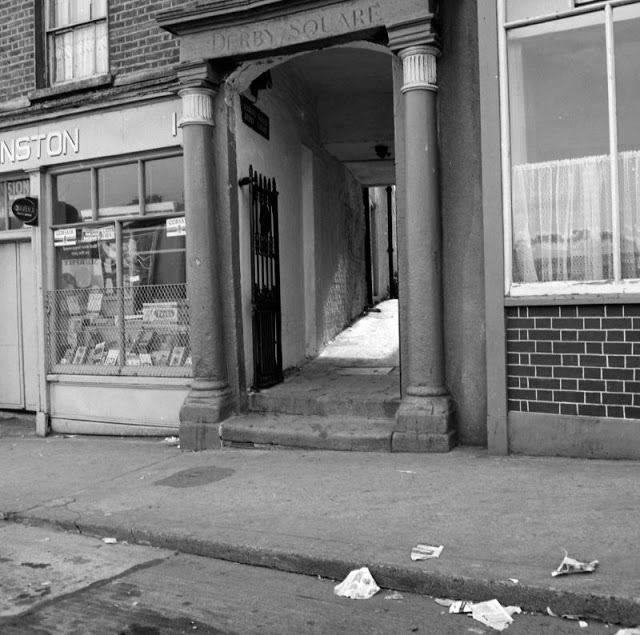
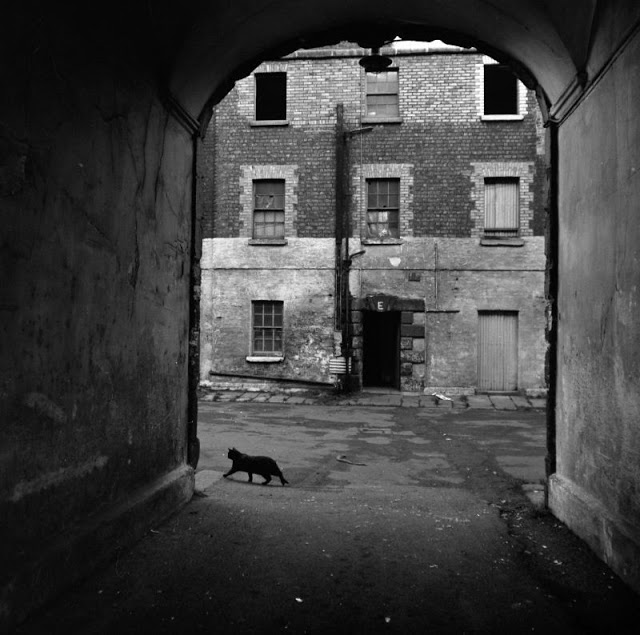
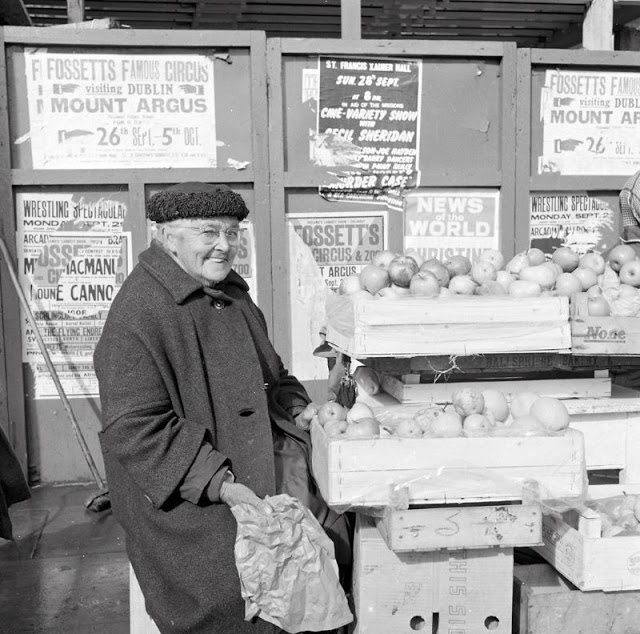
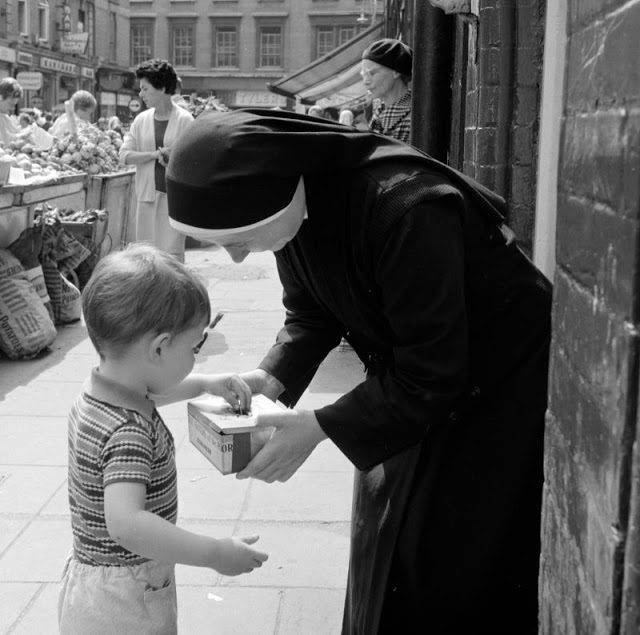
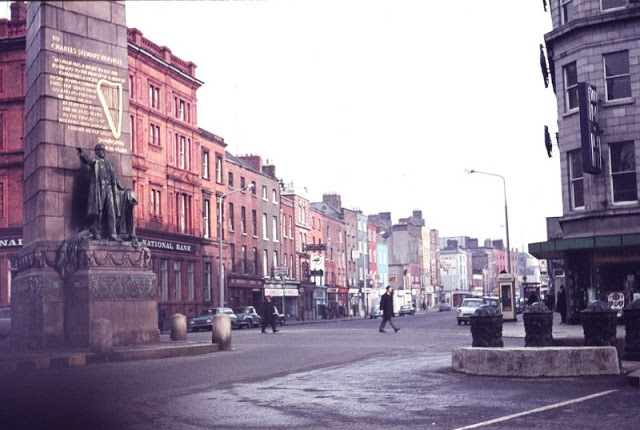
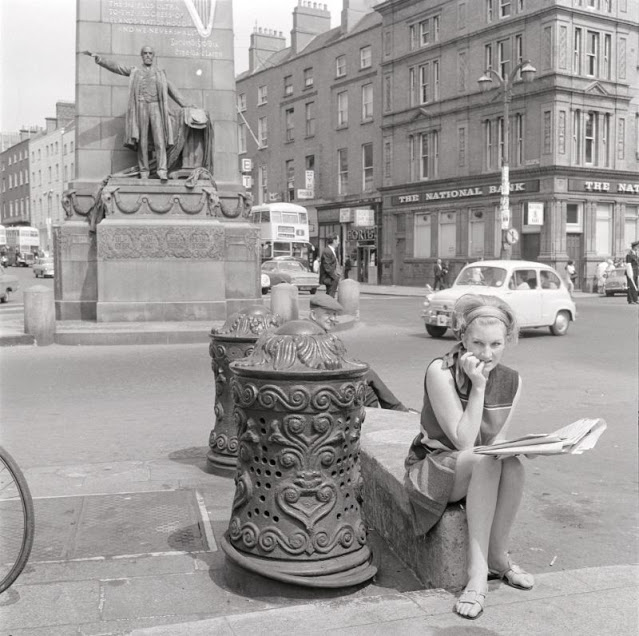
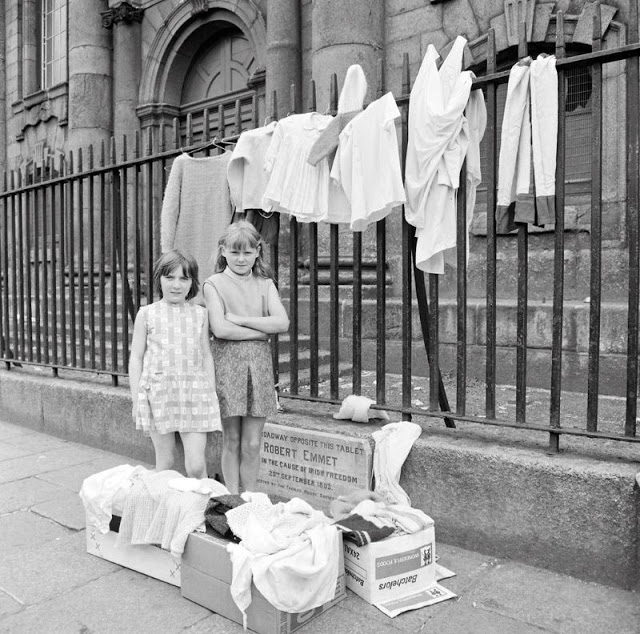
Take a look at these fascinating photos from National Library of Ireland to see what Dublin, Capital of the Republic of Ireland looked like in the 1960s.
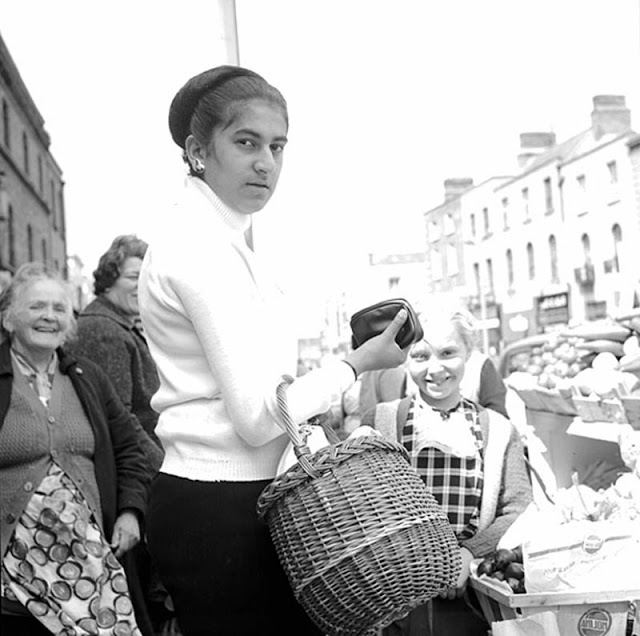
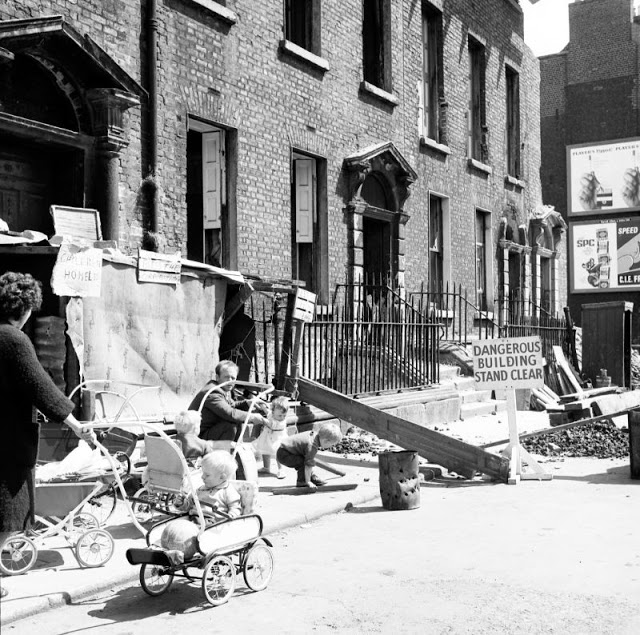
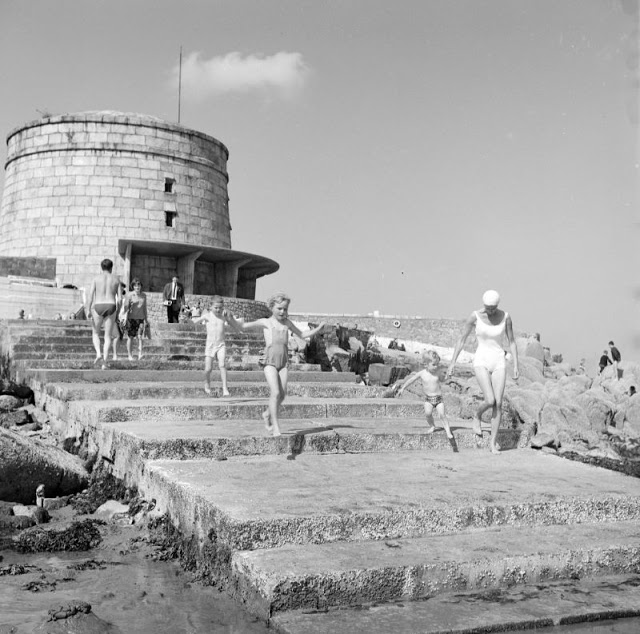
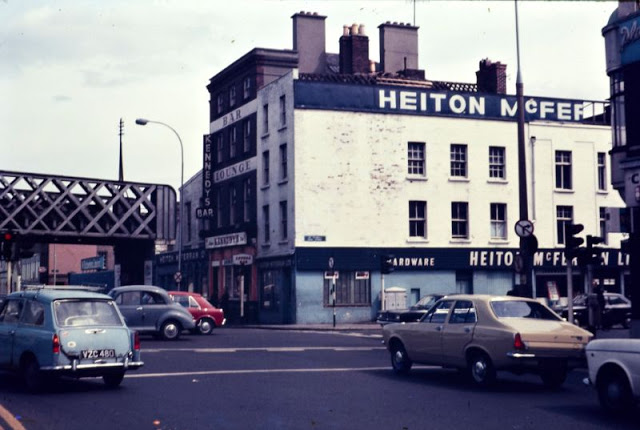
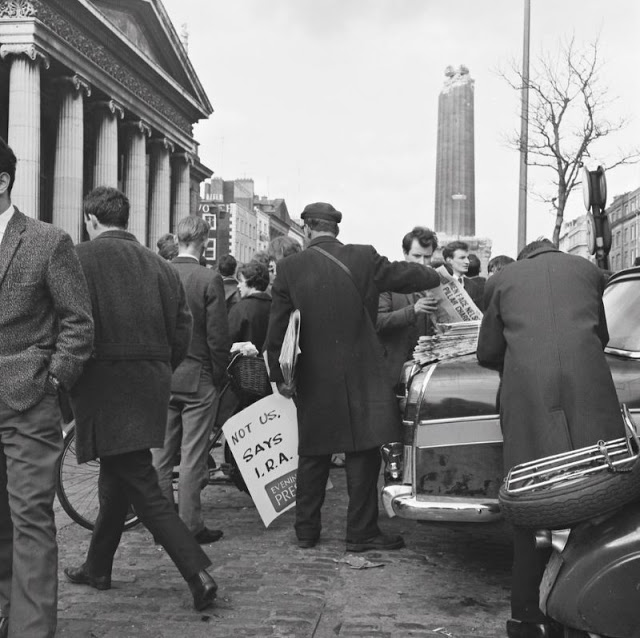
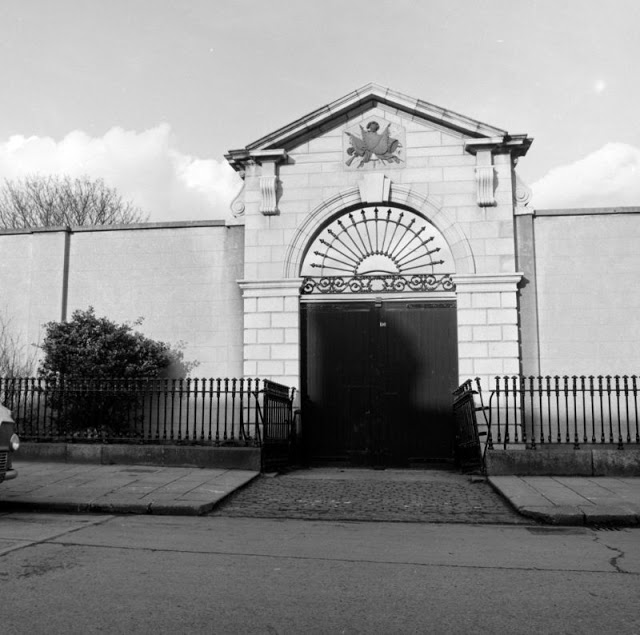
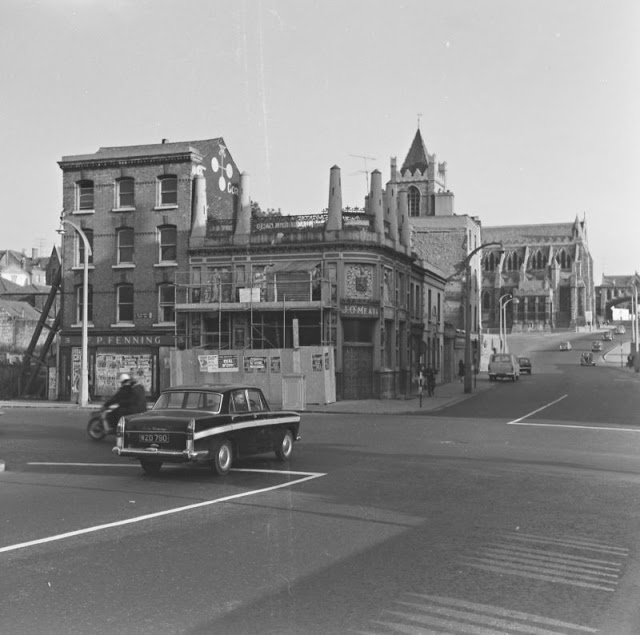
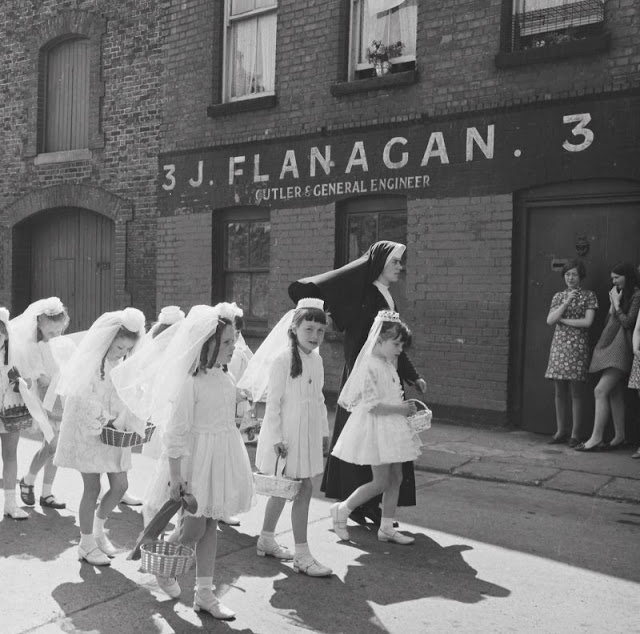
Capel Street, Dublin at 9.30 am, June 28, 1960Filming at Westland Row Station, now Pearse Station, in Dublin, June 24, 1960New houses being constructed, Templeogue, Co. Dublin, 1961Store Street, Dublin, September 1961The late lamented Theatre Royal on Hawkins Street in Dublin, April 1, 1962Garda directing traffic, O’Connell Bridge, Dublin, 1963O’Connell Street, Dublin, June 1963This is American model Linda Ward (later O’Reilly) posing, Dublin, circa 1963A bunch of fascinated boys, and their equally engaged alsatian dog study something in the River Liffey at Upper Ormond Quay, Dublin, 1964A nun with a most remarkable (and slightly dangerous-looking) veil/head dress waiting for a bus outside the Rotunda Hospital on Parnell Street, Dublin, 1964A very direct stare from a woman shopping on Moore Street, Dublin, 1964Mystery shoppers in Moore Street, Dublin, 1964Protest against evictions from tenement buildings on York Street in Dublin, 1964The Martello Tower in Seapoint with the children in fine fettle, 1964The Heiton McFerran shop on the corner of Tara Street, circa 1965A half-demolished Nelson’s Pillar on O’Connell Street, Dublin, March 8, 1966An Evening Press newspaper seller does a brisk trade on O’Connell Street, Dublin on the day after Nelson’s Pillar was blown up, March 9, 1966Ornate arch and gateway, Charlemont House, Parnell Square North at 116 St James’s Street, Dublin, 1966“The Irish House”, Winetavern Street, Dublin City, Co. Dublin, 1968A young nun walking Holy Communion girls past no. 3, Halston Street, Dublin on the feast of Corpus Christi, June 5, 1969Busiest boy in Dublin, 1969Children under a sign designed to protect them on the Pigeon House Road, Ringsend, Dublin, 1969Derby Square in Werburgh St. facing the old labour exchange Jurys car park built on it now, 1969Dublin’s Marshalsea Barracks, 1969Fruit seller with a very cheeky grin, Dublin, September 1969Little boy putting money in nun’s collection tray, Dublin, 1969Returning to Dublin’s 1932 urinals today (installed in advance of the 1932 Eucharistic Congress). This one was on Eden Quay, Dublin, and you can just catch a glimpse of Liberty Hall behind the tree, September 1969Secondhand (pre-owned!) shoe stall at Cumberland Street Market in Dublin, 1969The Parnell Monument at the junction of Upper O’Connell Street, Parnell Street and Cavendish Row, Dublin, 1969The Parnell Monument, Dublin, July 1969These two young entrepreneurs had set out their “stall” in front of St. Catherine’s Church on Thomas Street in Dublin,1969
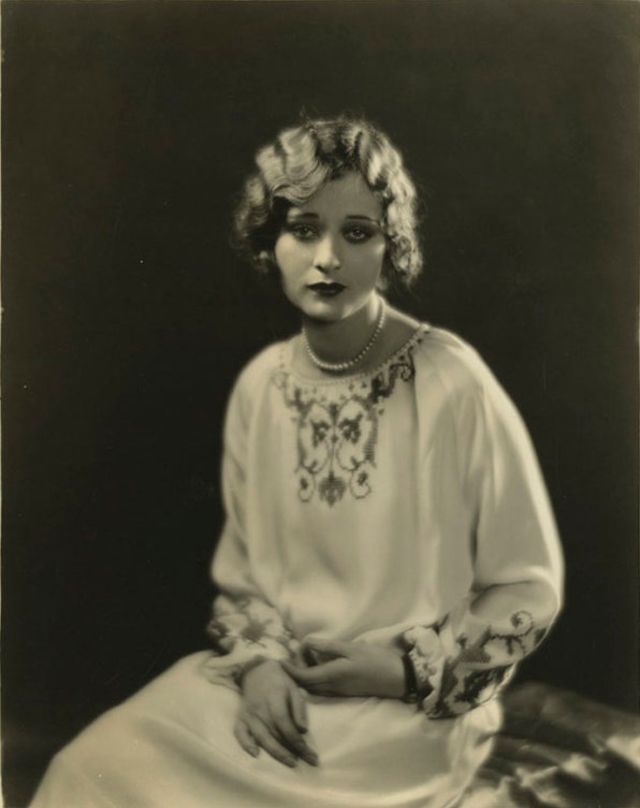
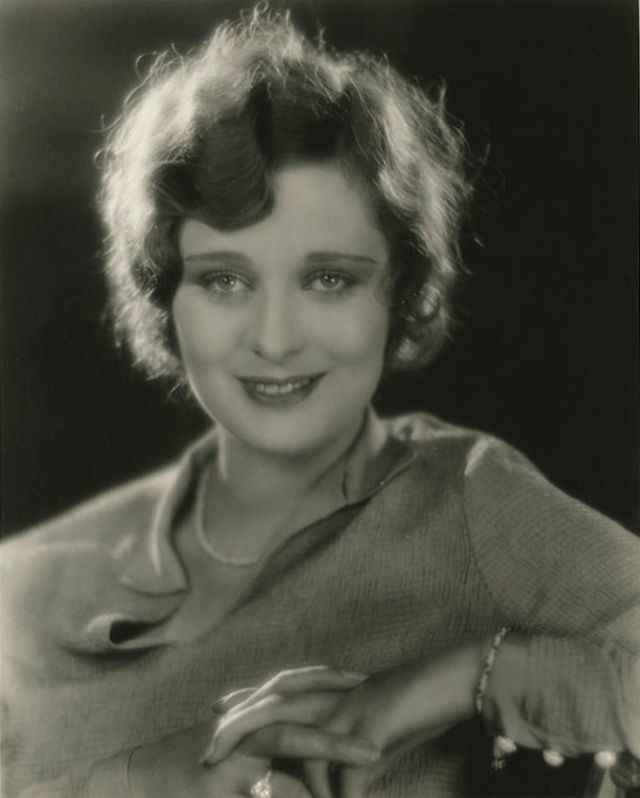
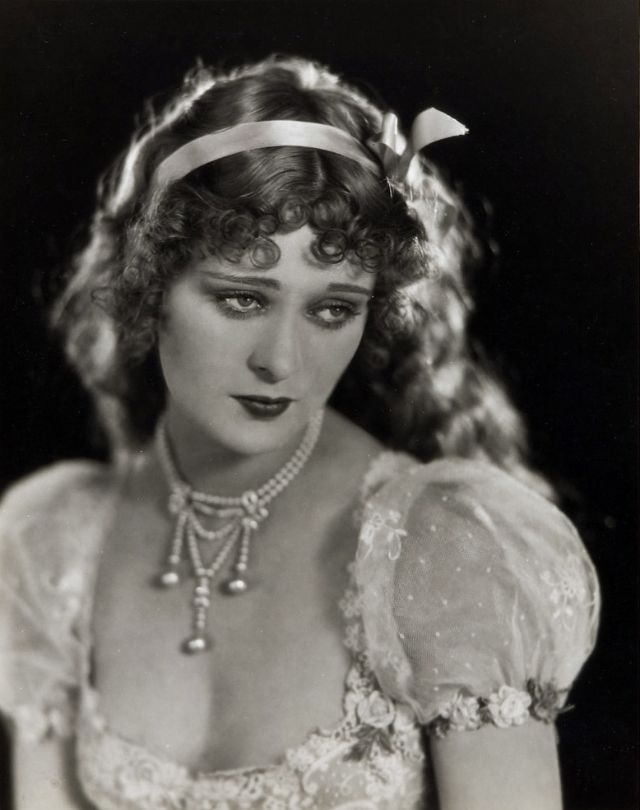
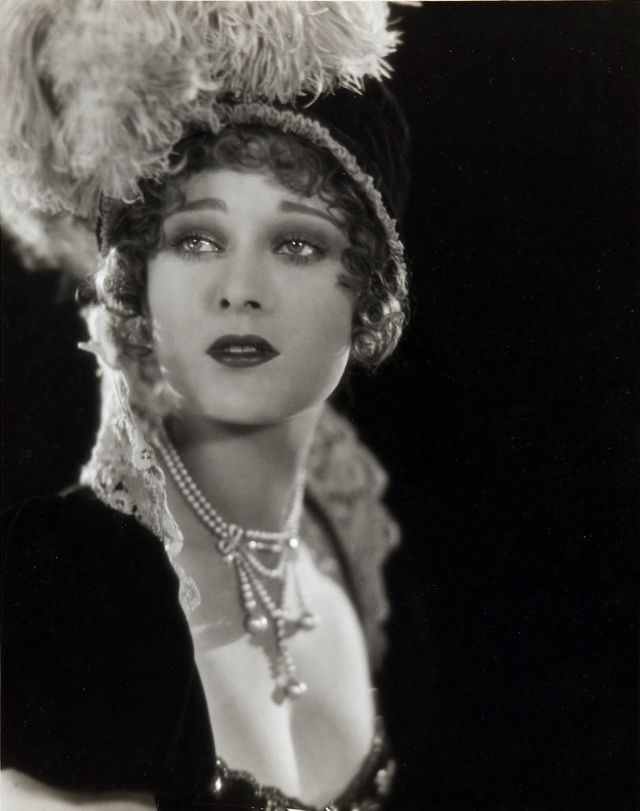
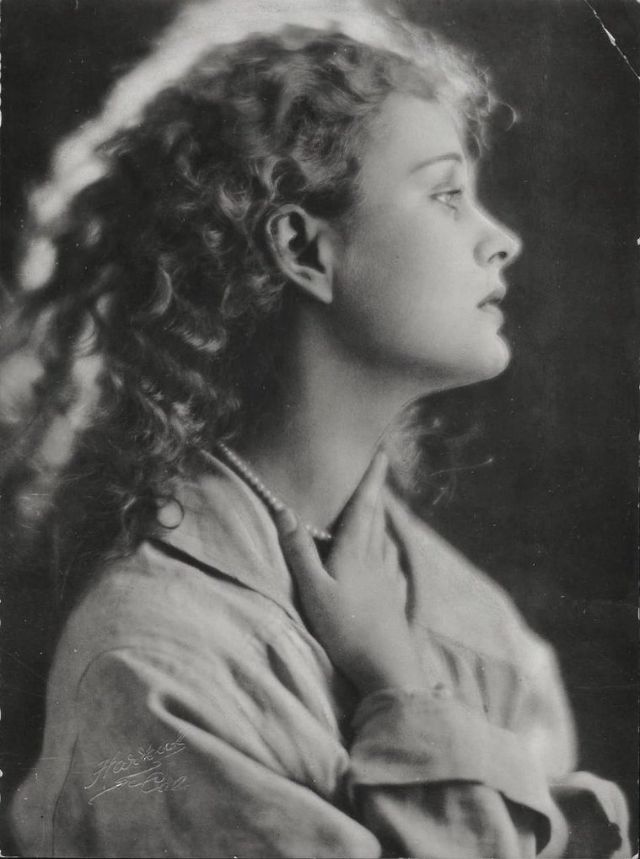
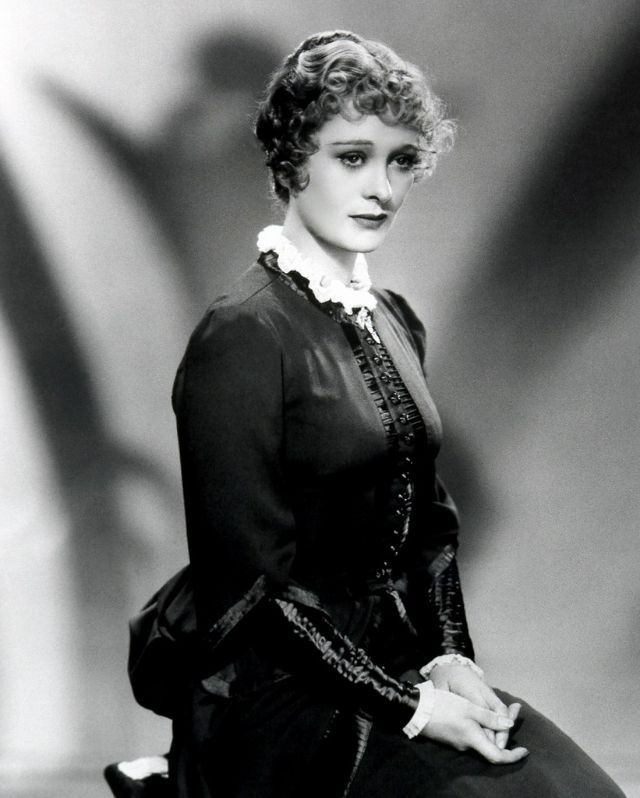
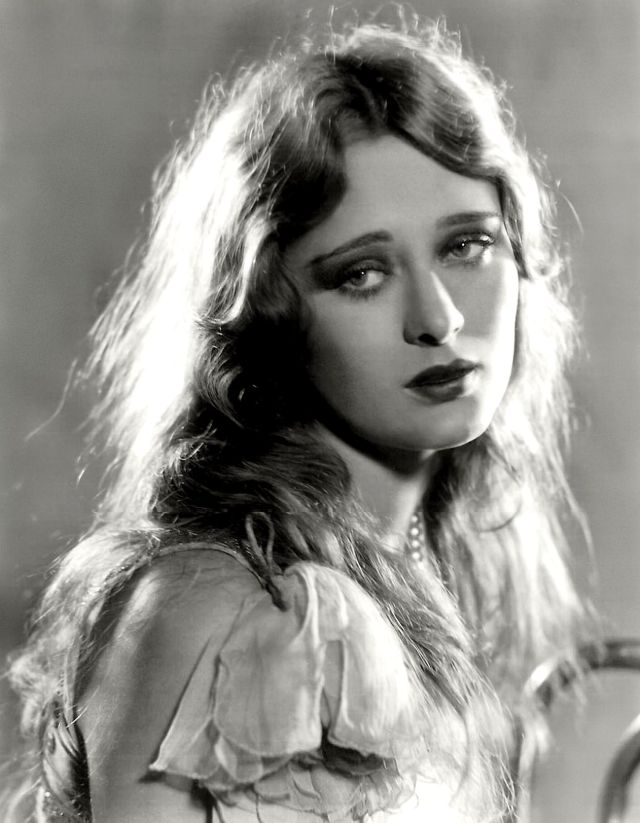
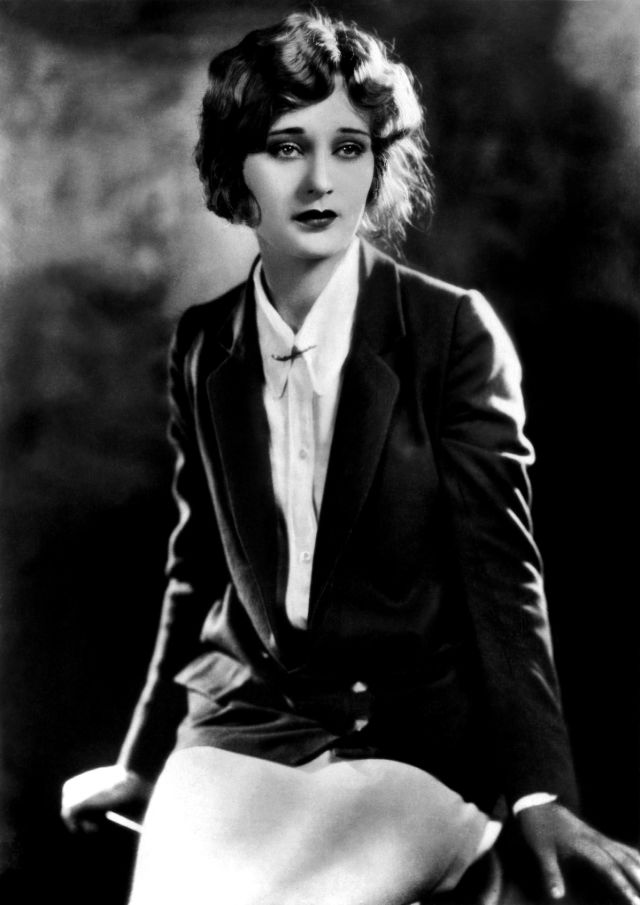
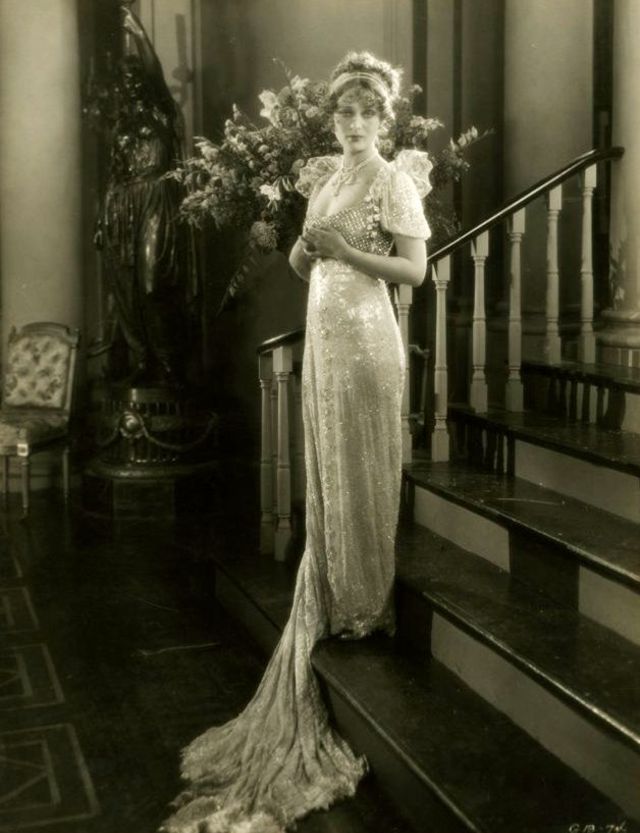
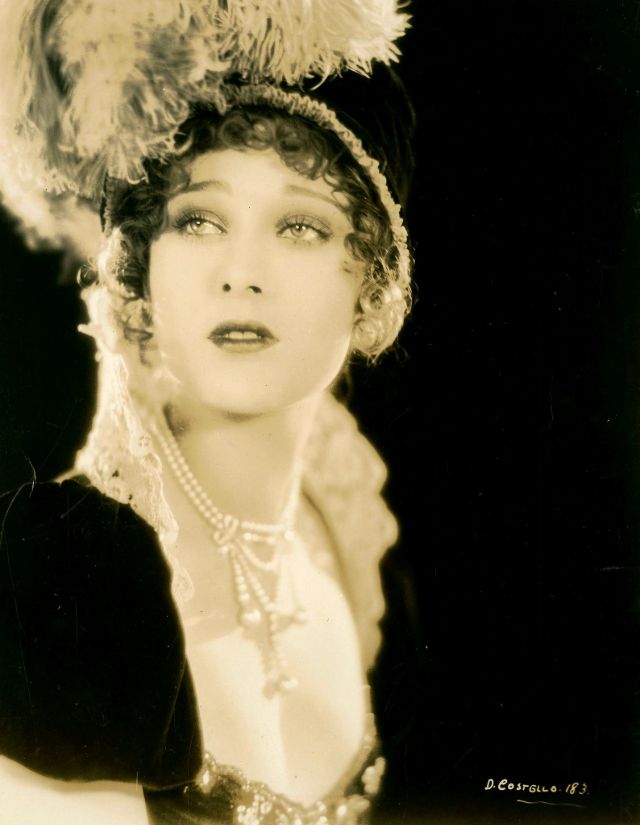
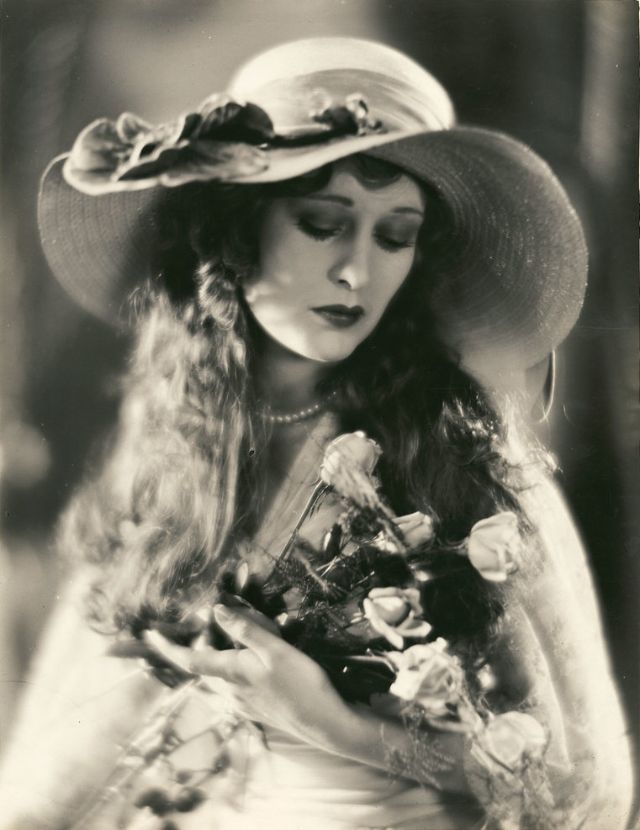
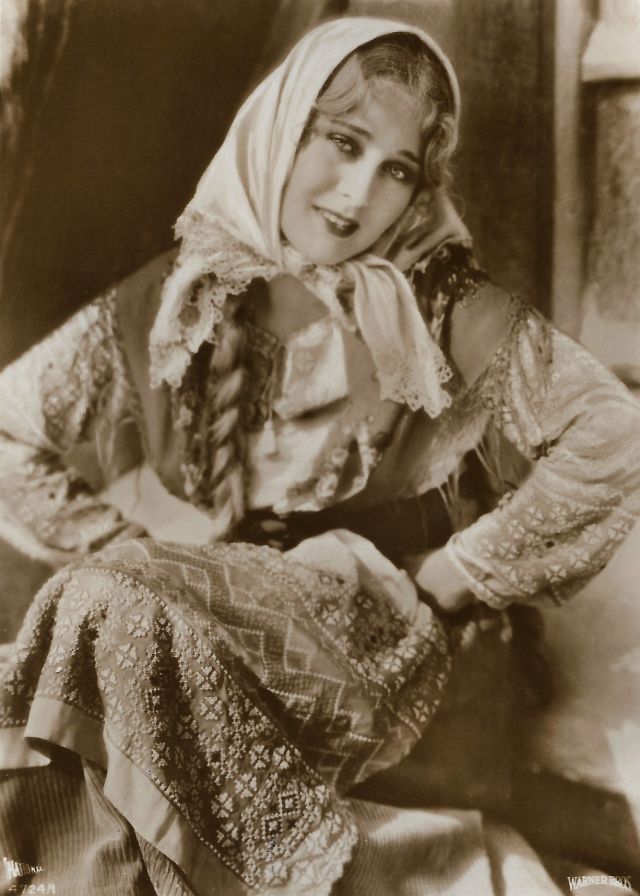
Dolores Costello (September 17, 1903 – March 1, 1979) was an American film actress who achieved her greatest success during the era of silent movies. She was nicknamed “The Goddess of the Silent Screen” by her first husband, the actor John Barrymore. She was the mother of John Drew Barrymore.
Dolores Costello was born in Pittsburgh, Pennsylvania; the daughter of actors Maurice Costello[1] and Mae Costello (née Altschuk). She was of Irish and German descent. She had a younger sister, Helene, and the two made their first film appearances in the years 1909–1915 as child actresses for the Vitagraph Film Company. They played supporting roles in several films starring their father, who was a popular matinee idol at the time. Dolores Costello’s earliest listed credit on the IMDb is in the role of a fairy in a 1909 adaptation of Shakespeare’s A Midsummer Night’s Dream.
The two sisters appeared on Broadway together as chorines and their success resulted in contracts with Warner Bros. Pictures. In 1926, following small parts in feature films, Dolores Costello was selected by John Barrymore to star opposite him in The Sea Beast, a loose adaptation of Herman Melville’s Moby-Dick, after which Warner soon began starring her in her own vehicles. Meanwhile, she and Barrymore became romantically involved and married in 1928.
Within a few years of achieving stardom, Costello had become a film personality in her own right. As a young adult her career developed to the degree that in 1926, she was named a WAMPAS Baby Star, and had acquired the nickname “The Goddess of the Silver Screen”. Warners alternated Costello between films with contemporary settings and elaborate costume dramas. In 1927, she was re-teamed with John Barrymore in When a Man Loves, an adaptation of Manon Lescaut. In 1928, she co-starred with George O’Brien in Noah’s Ark, a part-talkie epic directed by Michael Curtiz.
Costello spoke with a lisp and found it difficult to make the transition to talking pictures, but after two years of voice coaching she was comfortable speaking before a microphone. One of her early sound film appearances was with her sister Helene in Warner Bros.’s all-star extravaganza, The Show of Shows (1929).
Costello with husband John Barrymore and their children, John Drew and Dolores, 1934 Her acting career became less a priority for her following the birth of her first child, Dolores Ethel Mae “DeeDee” Barrymore, on April 8, 1930, and she retired from the screen in 1931 to devote time to her family. Her second child, John Drew Barrymore, was born on June 4, 1932, but the marriage proved difficult due to her husband’s increasing alcoholism, and they divorced in 1935.
She resumed her career a year later and achieved some successes, most notably in Little Lord Fauntleroy (1936), and The Magnificent Ambersons (1942). She retired permanently from acting following her appearance in This is the Army (1943), again under the direction of Michael Curtiz.
Making a rare radio appearance, Costello appeared as the Danish Countess Elsa on the radio program Suspense with an air date of August 28, 1943. The title of the episode is The King’s Birthday written by Corporal Leonard Pellitier US Army.
In 1939, she married Dr. John Vruwink, an obstetrician who was her physician during her pregnancies, but they divorced in 1950. Costello spent the remaining years of her life in semi-seclusion, managing an avocado farm. Her film career was largely ruined by the destructive effects of early film makeup, which ravaged her complexion too severely to camouflage. Her final film was This Is the Army (1943). In the 1970s her house was inundated in a flash flood which caused a good deal of damage to her property and memorabilia from her movie career and life with John Barrymore.
Shortly before her death, she was interviewed for the documentary series Hollywood (1980) discussing her film career. She died from emphysema in Fallbrook, California, in 1979, and is interred in Calvary Cemetery, East Los Angeles.
Dolores Costello has a star on the Hollywood Walk of Fame for her contributions to Motion Pictures, at 1645 Vine Street. (Wikipedia)
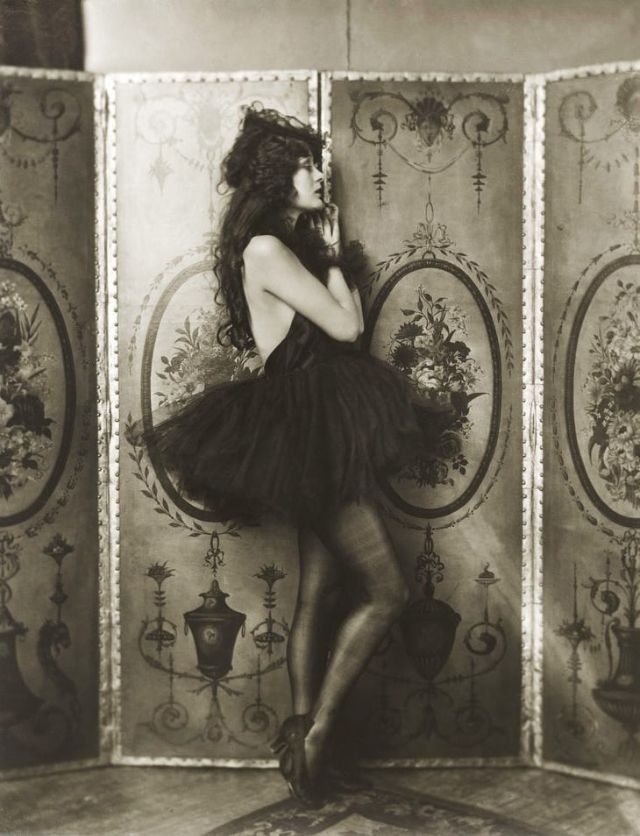
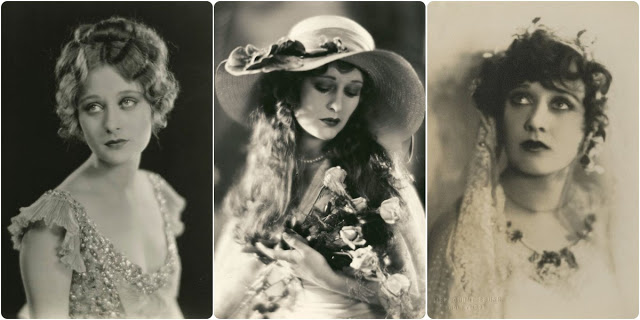
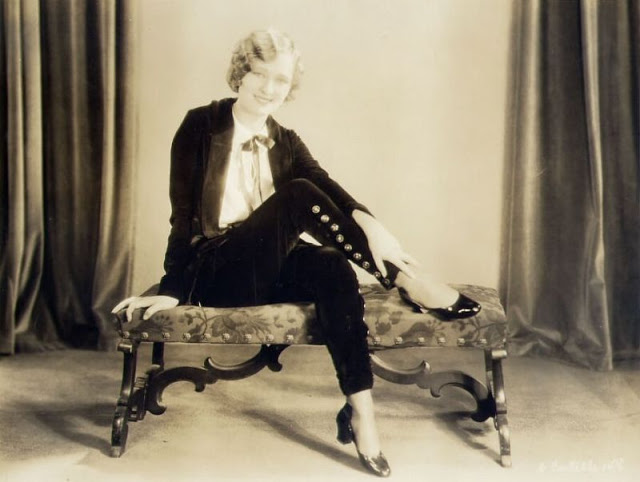
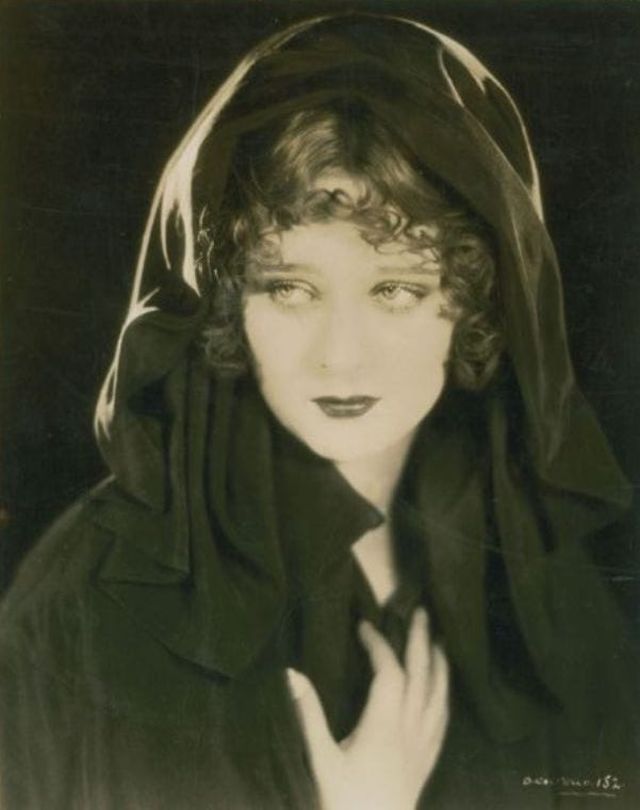
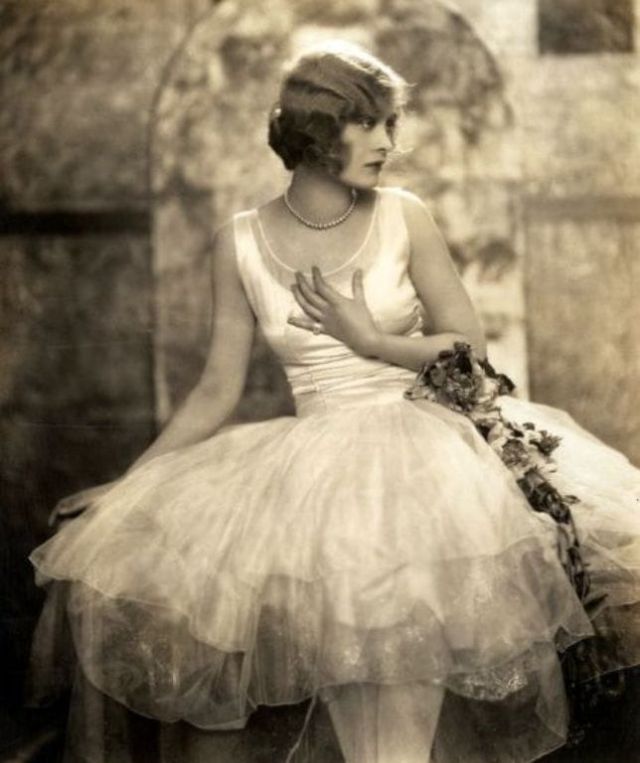
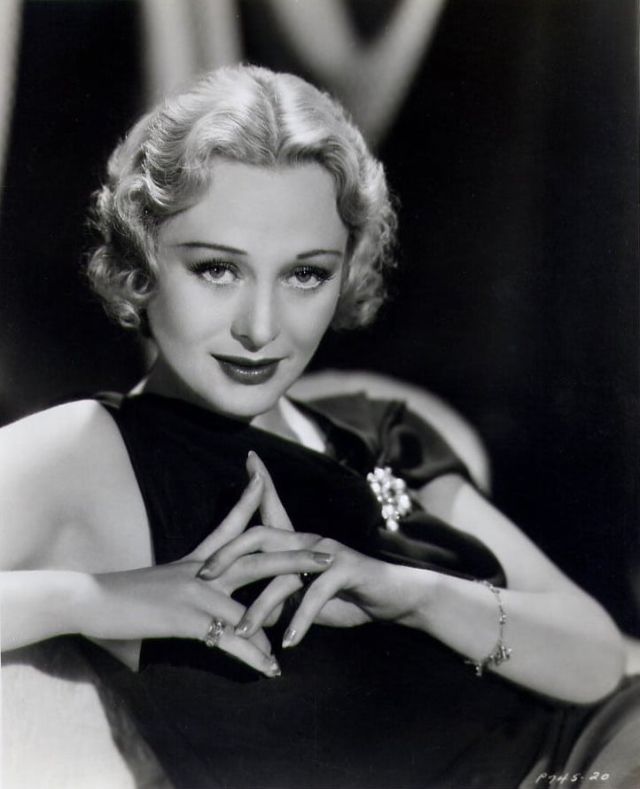
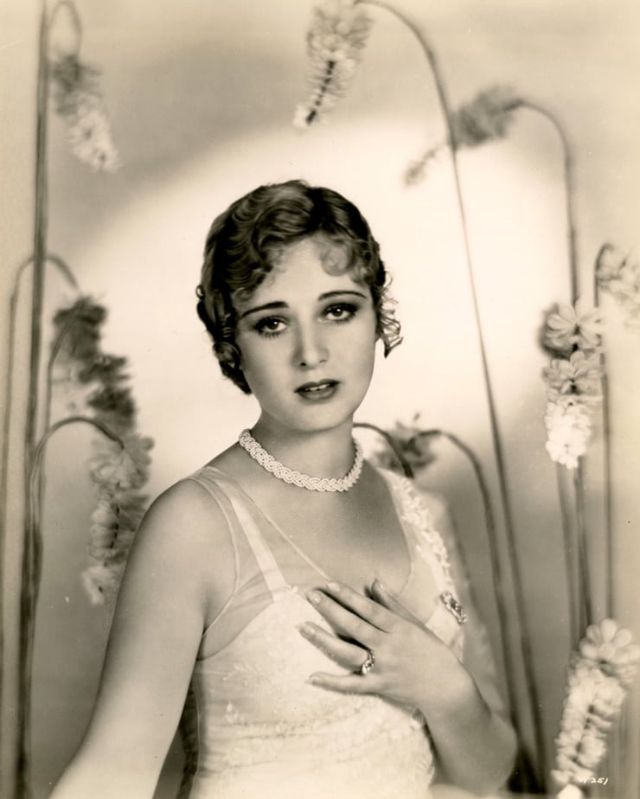
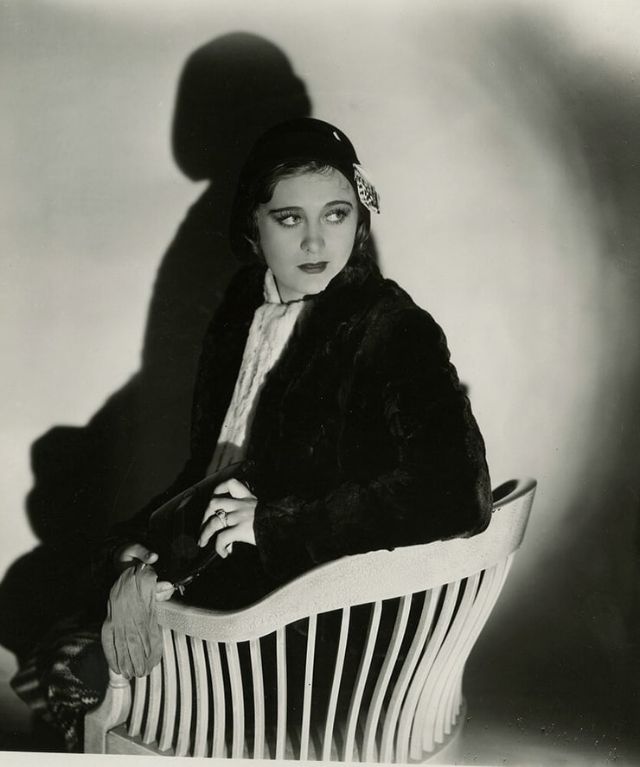
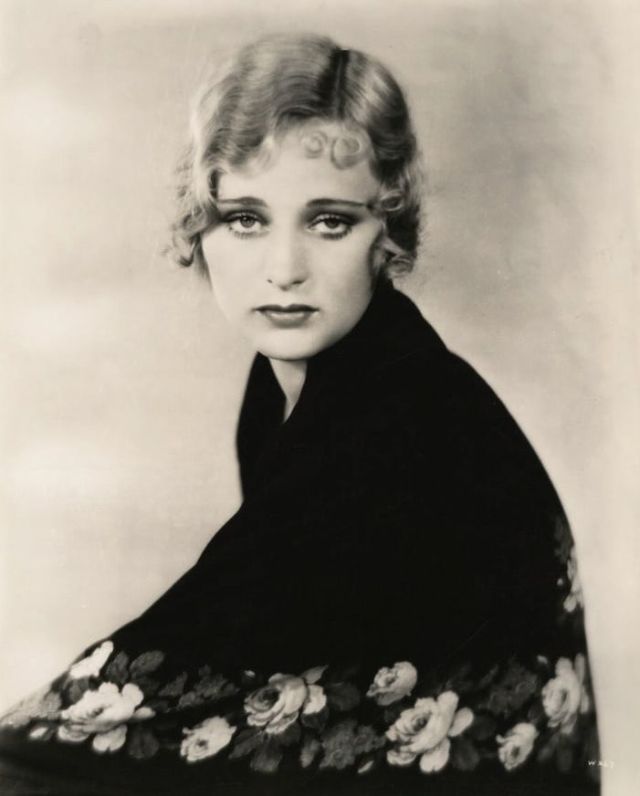
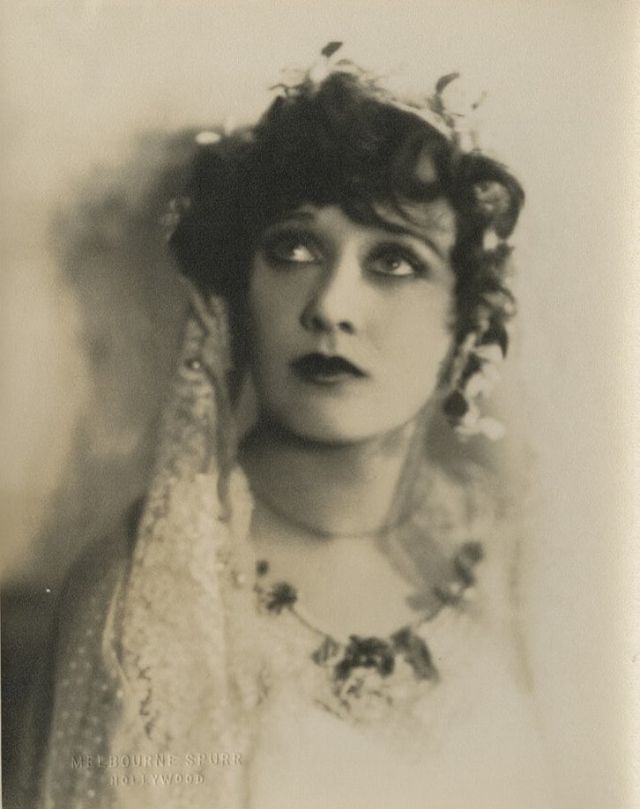
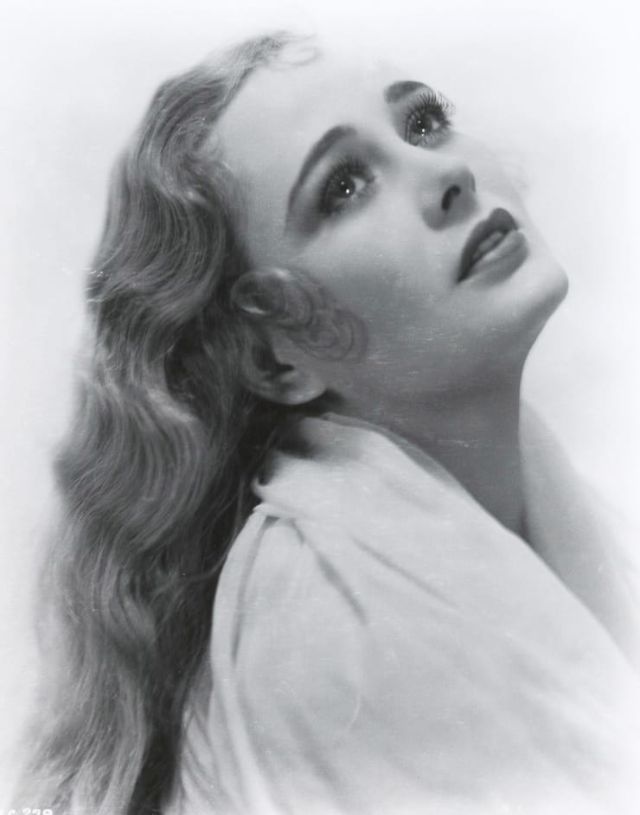
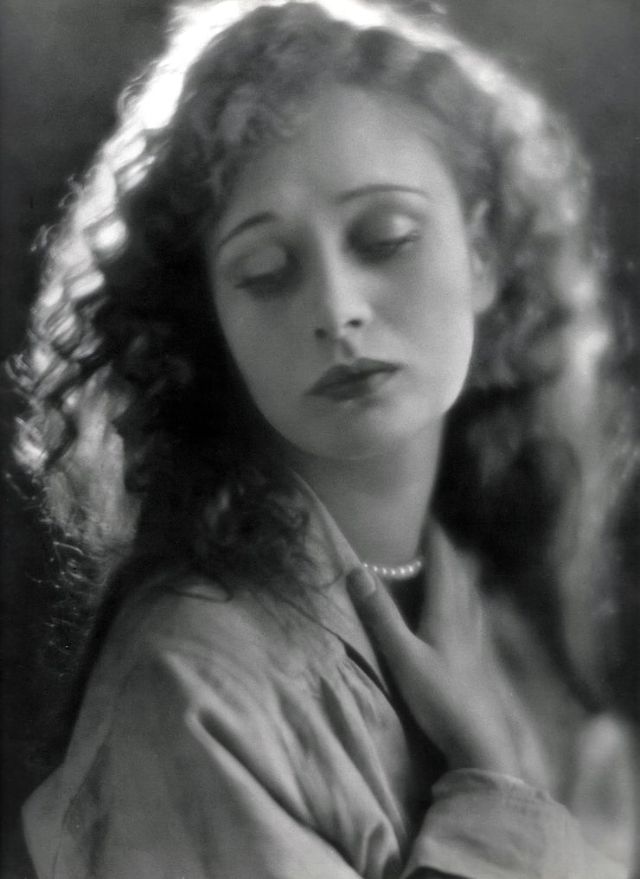
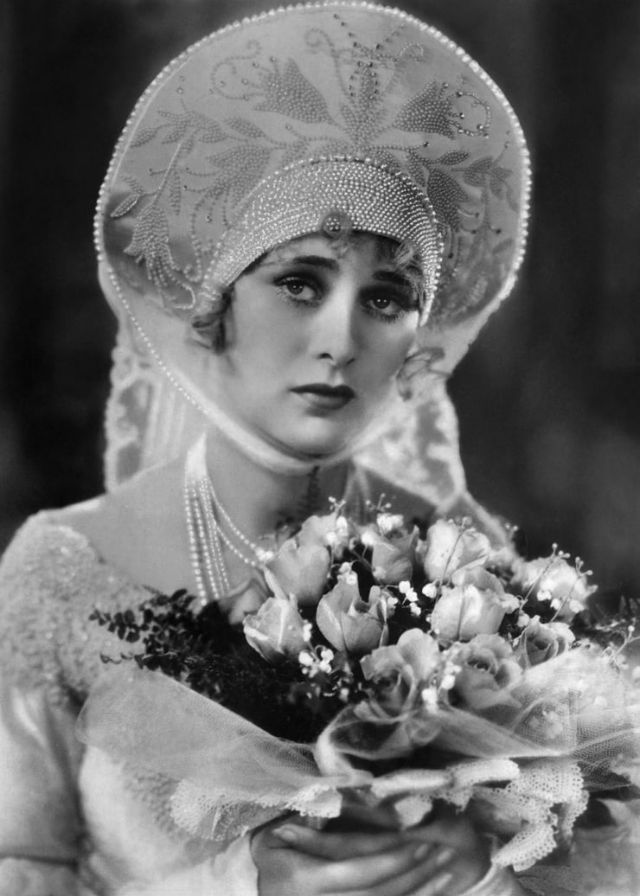
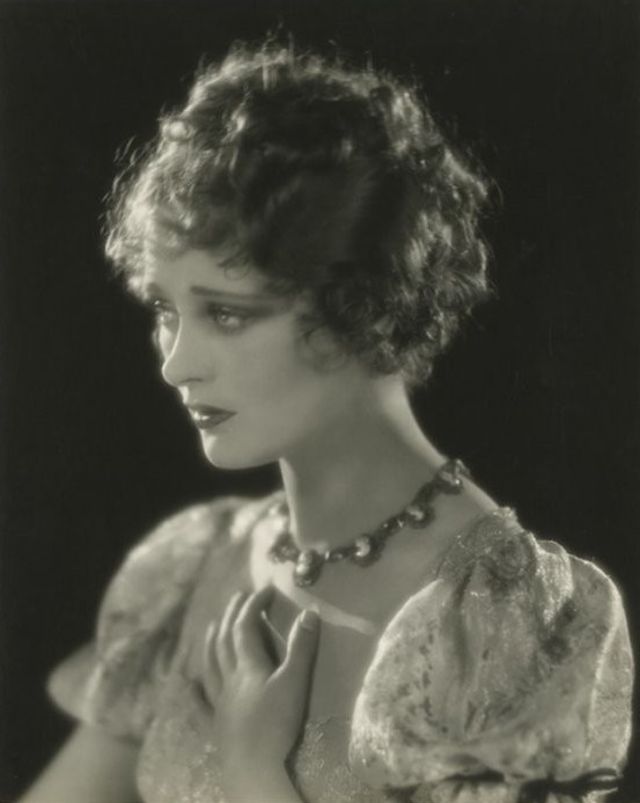
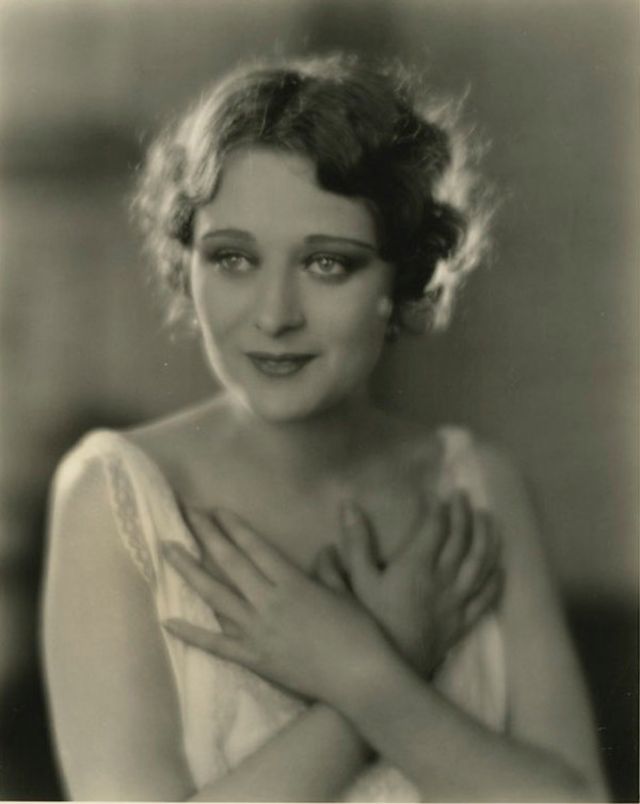
Take a look at these gorgeous photos to see the beauty of young Dolores Costello in the 1920s and 1930s.