Subscribe to get access
Read more of this content when you subscribe today.
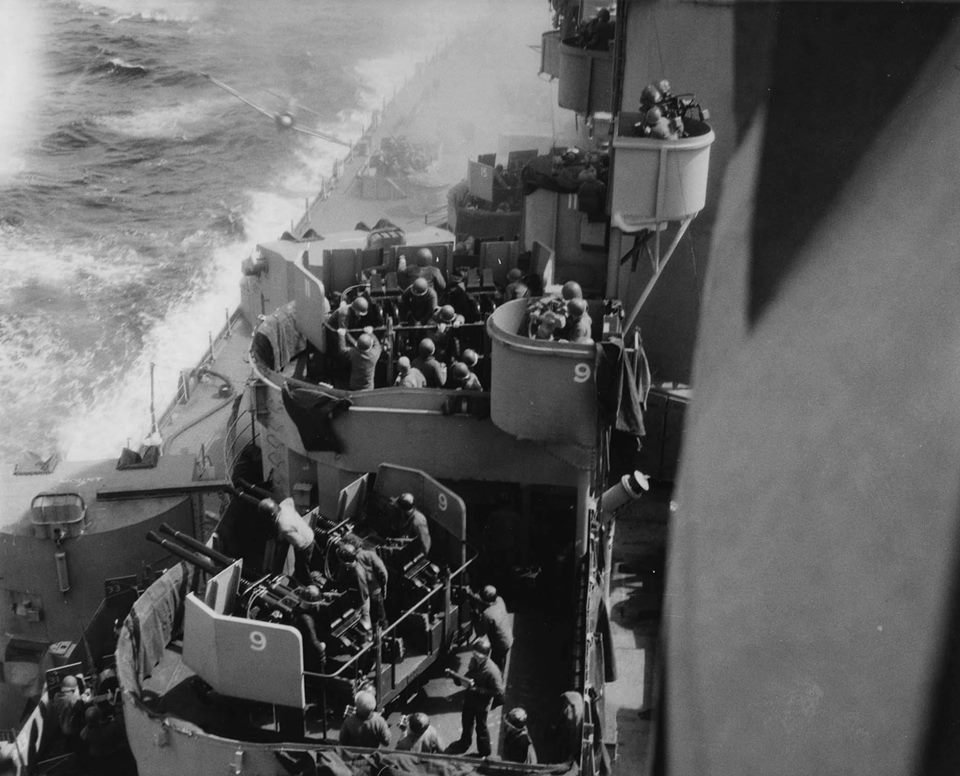
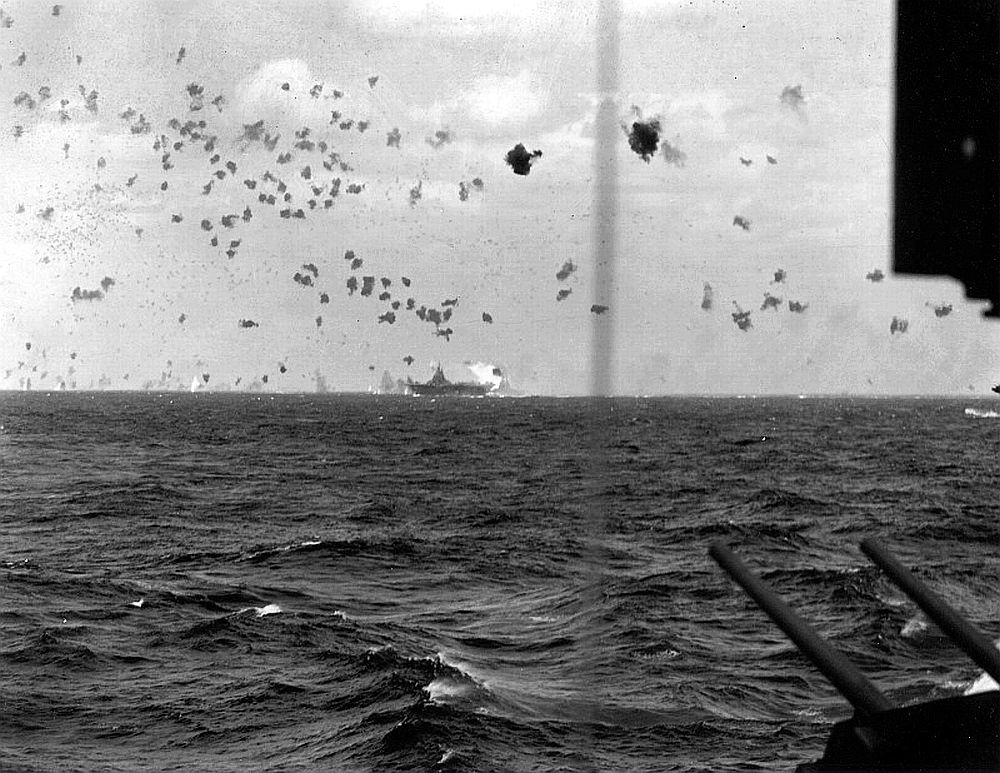
“There was a hypnotic fascination to the sight so alien to our Western philosophy. We watched each plunging kamikaze with the detached horror of one witnessing a terrible spectacle rather than as the intended victim. We forgot self for the moment as we groped hopelessly for the thought of that other man up there.”
Vice Admiral C.R. Brown, US Navy
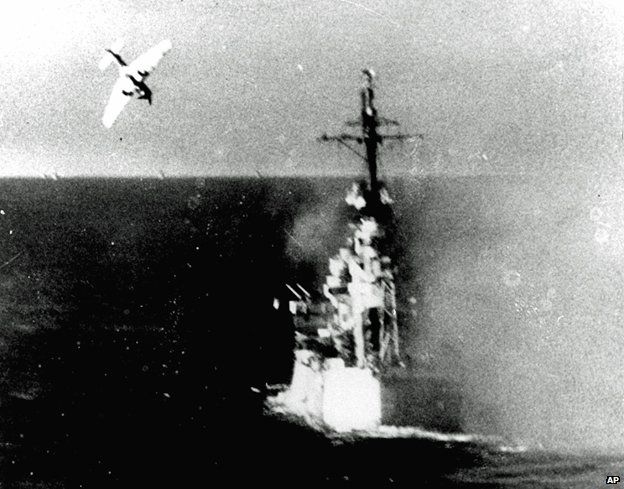
Kamikaze (神風, pronounced [kamiꜜkaze]; “divine wind” or “spirit wind”), officially Shinpū Tokubetsu Kōgekitai (神風特別攻撃隊, “Divine Wind Special Attack Unit”), were a part of the Japanese Special Attack Units of military aviators who flew suicide attacks for the Empire of Japan against Allied naval vessels in the closing stages of the Pacific campaign of World War II, intending to destroy warships more effectively than with conventional air attacks. About 3,800 kamikaze pilots died during the war, and more than 7,000 naval personnel were killed by kamikaze attacks.
Kamikaze aircraft were essentially pilot-guided explosive missiles, purpose-built or converted from conventional aircraft. Pilots would attempt to crash their aircraft into enemy ships in what was called a “body attack” (tai-atari) in aircraft loaded with bombs, torpedoes or other explosives. About 19% of kamikaze attacks were successful. The Japanese considered the goal of damaging or sinking large numbers of Allied ships to be a just reason for suicide attacks; kamikaze were more accurate than conventional attacks, and often caused more damage. Some kamikazes were still able to hit their targets even after their aircraft had been crippled.
The attacks began in October 1944, at a time when the war was looking increasingly bleak for the Japanese. They had lost several important battles, many of their best pilots had been killed, their aircraft were becoming outdated, and they had lost command of the air. Japan was losing pilots faster than it could train their replacements, and the nation’s industrial capacity was diminishing relative to that of the Allies. These factors, along with Japan’s unwillingness to surrender, led to the use of kamikaze tactics as Allied forces advanced towards the Japanese home islands.
The tradition of death instead of defeat, capture, and shame was deeply entrenched in Japanese military culture; one of the primary values in the samurai life and the Bushido code was loyalty and honor until death. In addition to kamikazes, the Japanese military also used or made plans for non-aerial Japanese Special Attack Units, including those involving Kairyu (submarines), Kaiten human torpedoes, Shinyo speedboats and Fukuryu divers. (Wikipedia)

Subscribe to continue reading
Become a paid subscriber to get access to the rest of this post and other exclusive content.
