
Subscribe to get access
Read more of this content when you subscribe today.
Life in America During the 1950s
The 1950s were a defining decade for the United States, marked by economic prosperity, social conformity, and the early stirrings of cultural change. Following the devastation of World War II, the country experienced rapid economic growth, suburban expansion, and technological advancements that shaped daily life. However, beneath this seemingly idyllic existence, tensions brewed as civil rights movements gained momentum and Cold War anxieties loomed large.
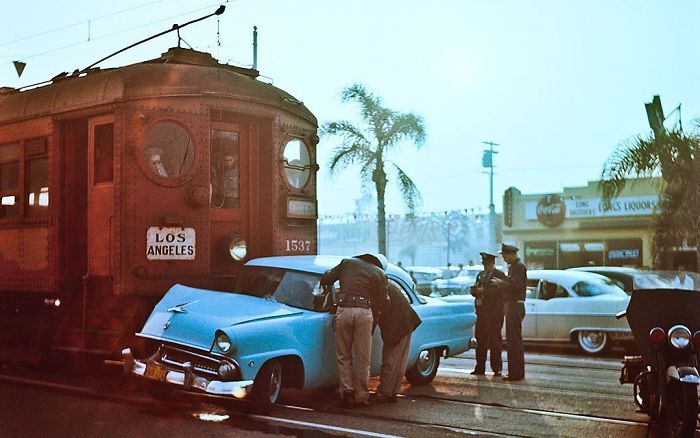
Economically, the post-war boom led to rising incomes and a surge in consumer culture. The American Dream was centered on homeownership, stable employment, and material comforts, with suburban neighborhoods sprouting across the country. The rise of the automobile industry and highway infrastructure made commuting easier, reinforcing the idea of suburban living. Shopping malls, television sets, and fast food restaurants became symbols of convenience and modernity.
Social life in the 1950s was characterized by conformity and traditional gender roles. Men were expected to be breadwinners, while women were largely confined to domestic roles as homemakers and mothers. Popular media reinforced these ideals, portraying nuclear families in TV shows such as Leave It to Beaver and Father Knows Best. Though these images painted a rosy picture of family life, they often masked the dissatisfaction that many individuals—especially women—felt with their limited roles.
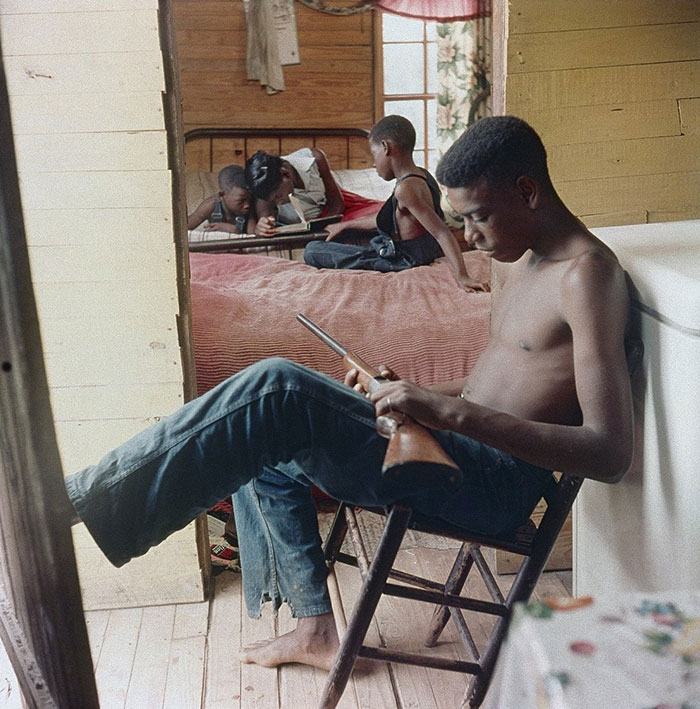
Amid this conformity, racial segregation persisted, particularly in the South. African Americans faced systemic discrimination in education, housing, and employment, despite their contributions to society. The seeds of the Civil Rights Movement began to take root, with landmark events such as the Brown v. Board of Education Supreme Court ruling in 1954, which declared school segregation unconstitutional. Leaders like Martin Luther King Jr. and Rosa Parks helped galvanize the fight for equality, setting the stage for the struggles of the 1960s.
Culturally, the 1950s witnessed the rise of rock ‘n’ roll and rebellious youth. Elvis Presley, Chuck Berry, and Little Richard brought a fresh sound that resonated with teenagers, challenging the rigid norms of previous generations. The Beat Generation, led by writers like Jack Kerouac and Allen Ginsberg, questioned mainstream values and sought deeper spiritual and artistic fulfillment. Hollywood reflected these tensions with films such as Rebel Without a Cause, starring James Dean, which highlighted youthful angst and dissatisfaction.
The decade was also dominated by Cold War fears and the looming threat of nuclear war. The rivalry between the United States and the Soviet Union intensified, leading to the Korean War and an arms race. Americans were encouraged to build fallout shelters and practice “duck and cover” drills in schools, demonstrating the pervasive fear of Soviet aggression. The Red Scare, driven by Senator Joseph McCarthy, led to accusations of communist infiltration, creating paranoia in government and entertainment industries.
Despite these challenges, the 1950s laid the foundation for profound changes in American society. Economic prosperity and technological advancements improved living standards, while cultural shifts and civil rights activism challenged outdated norms. The decade was both a time of comfort and crisis, stability and change—ultimately shaping the nation’s future in ways that would become more evident in the turbulent 1960s.

Subscribe to continue reading
Become a paid subscriber to get access to the rest of this post and other exclusive content.
