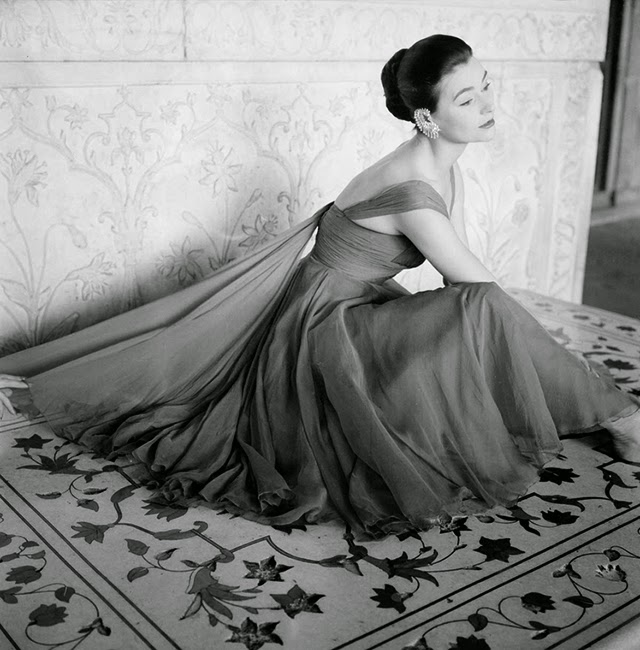
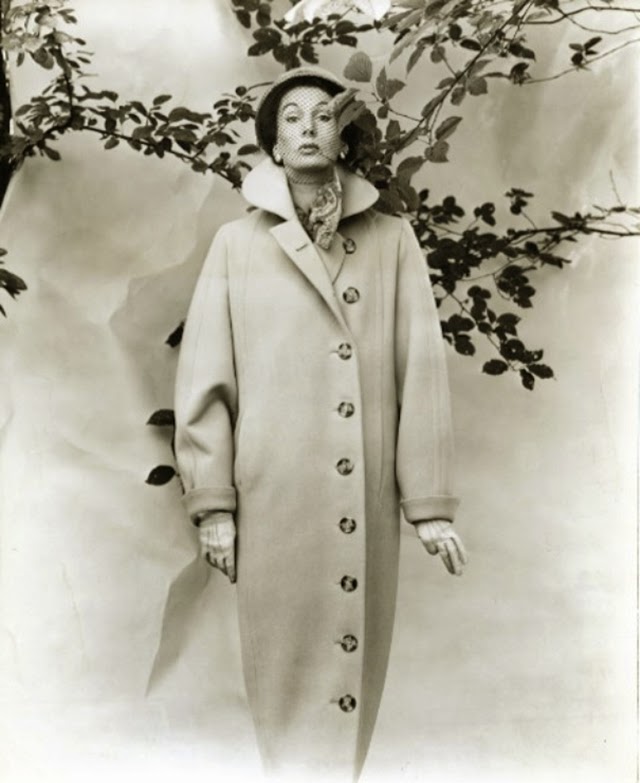
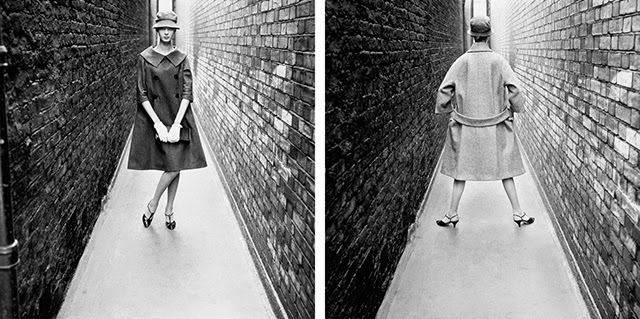
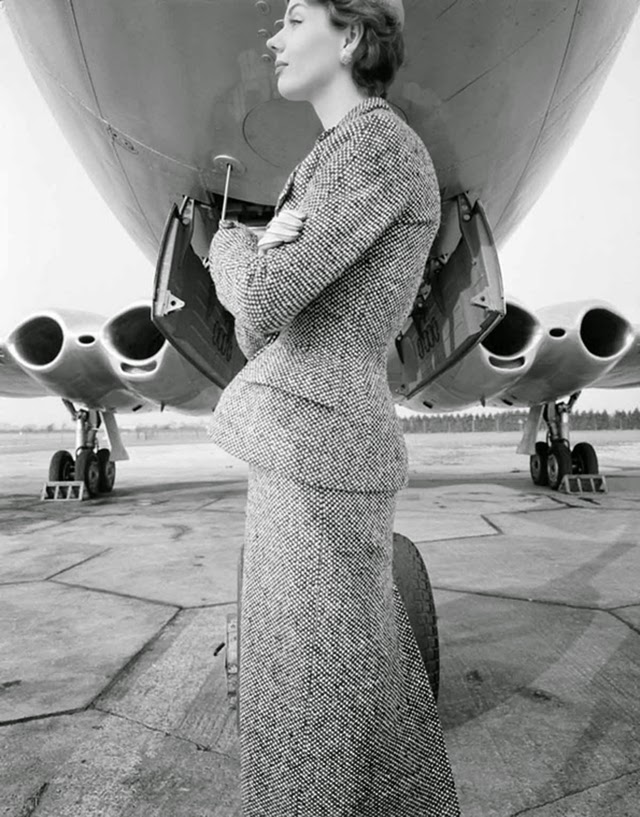
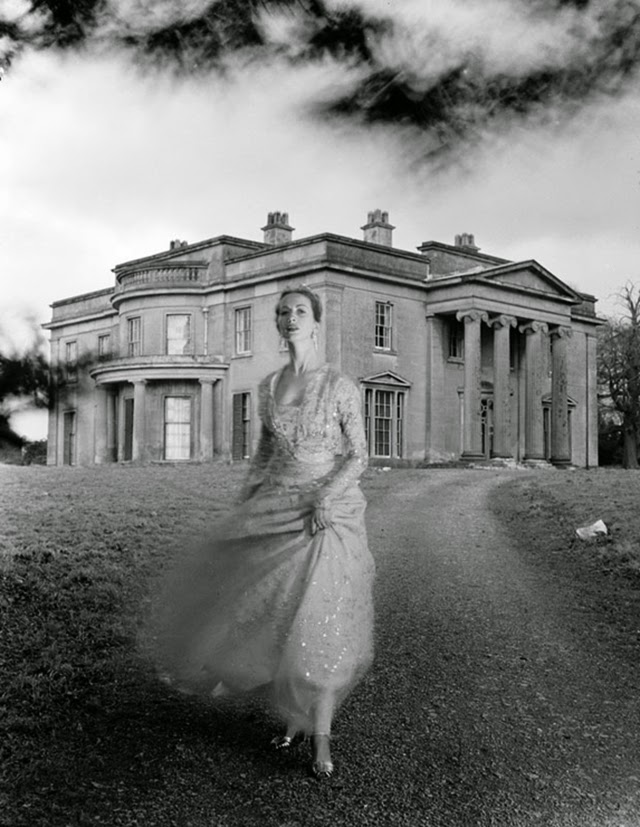
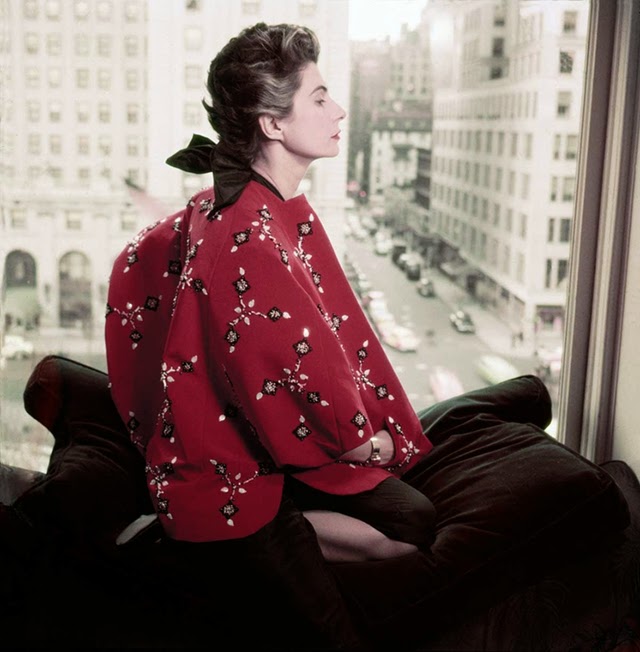
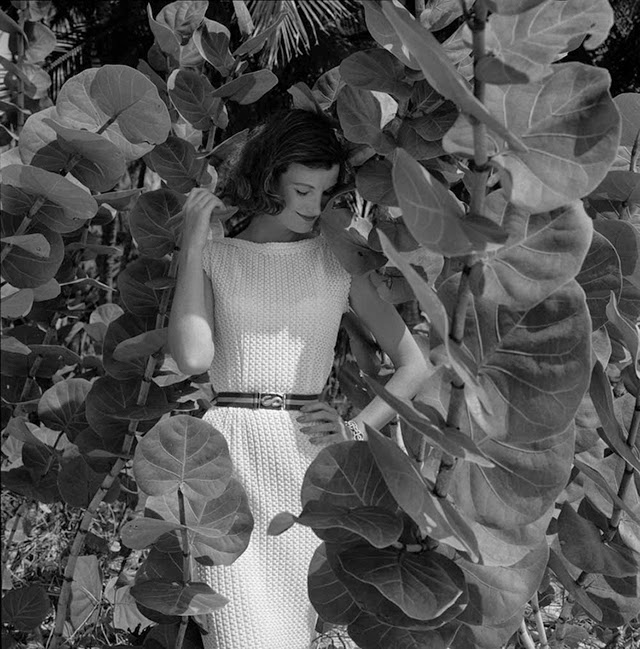
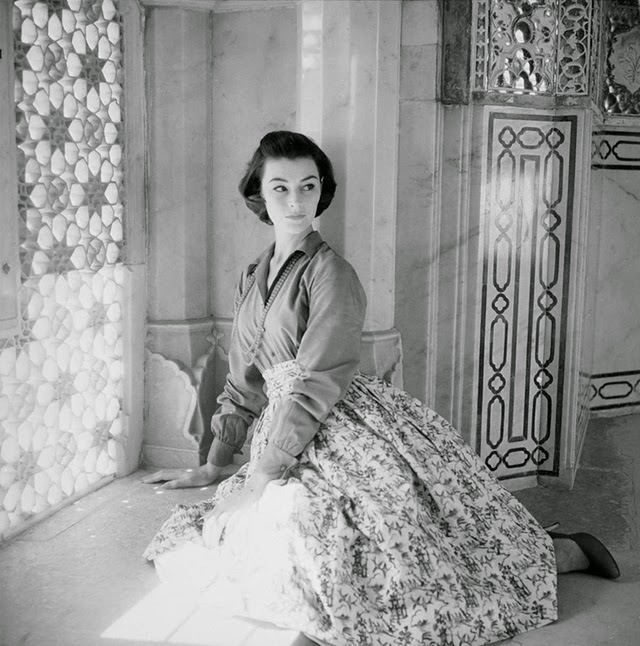
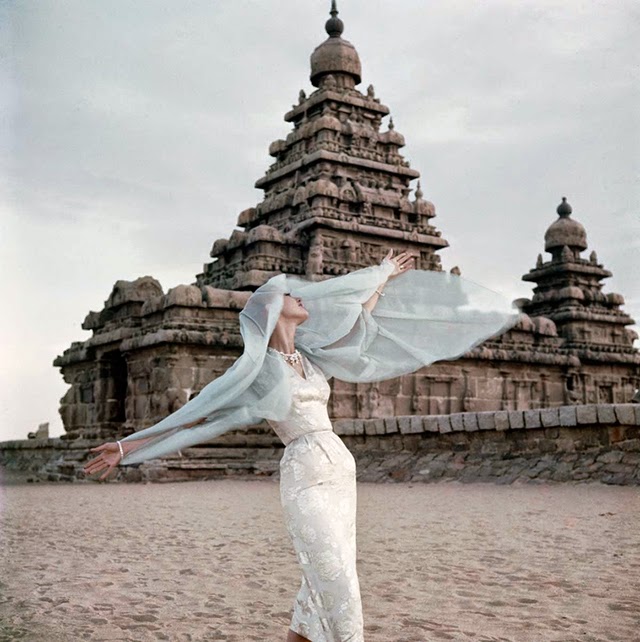
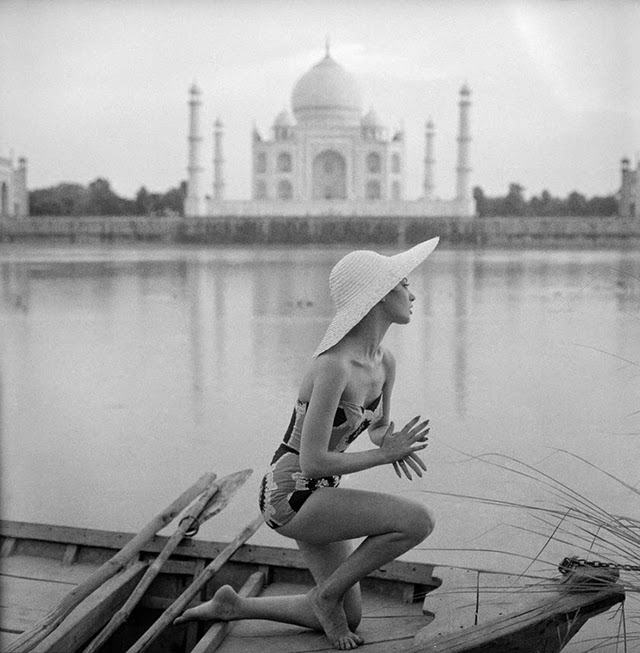
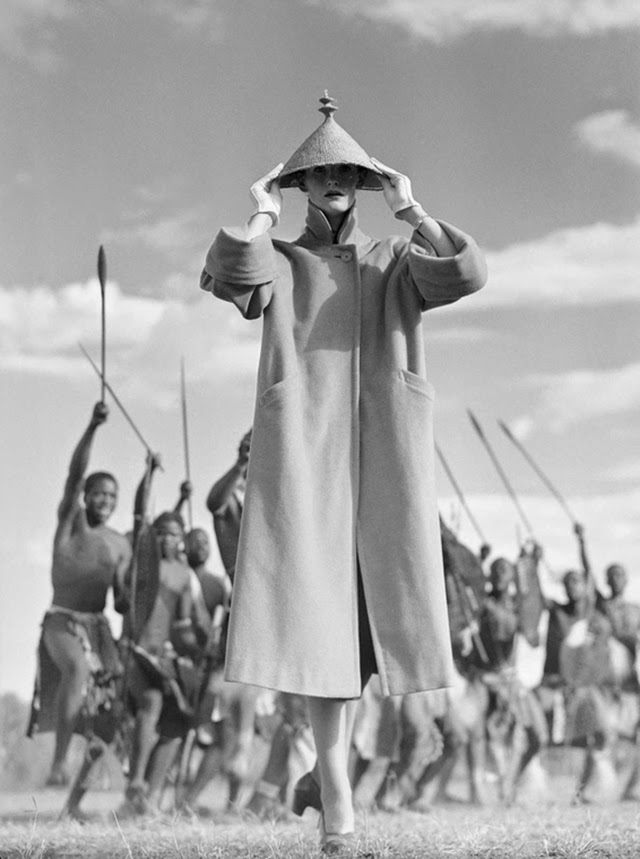
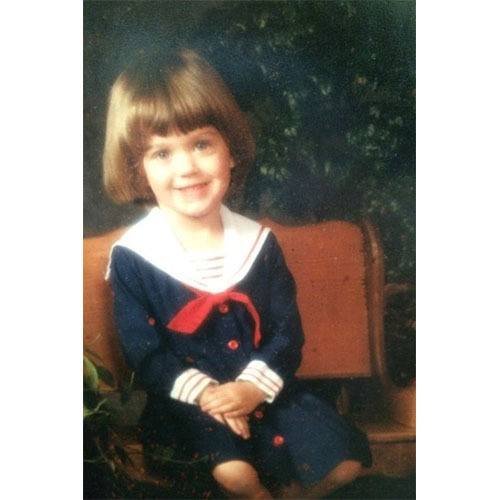
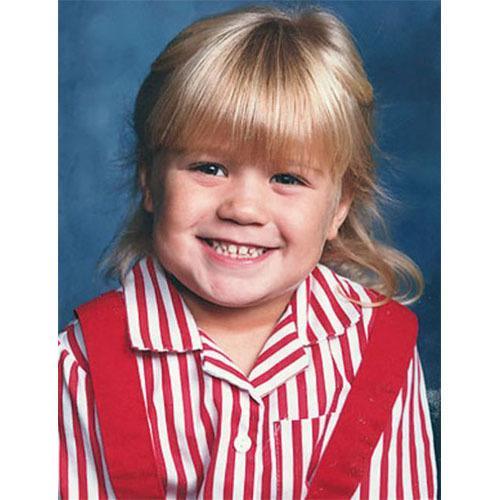
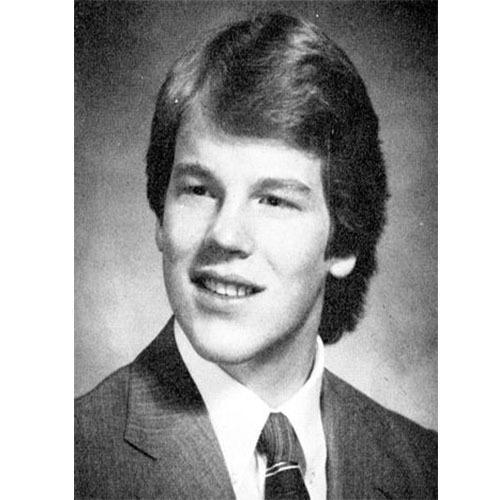
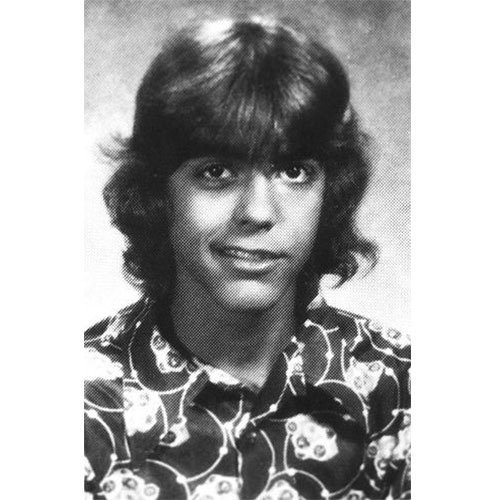
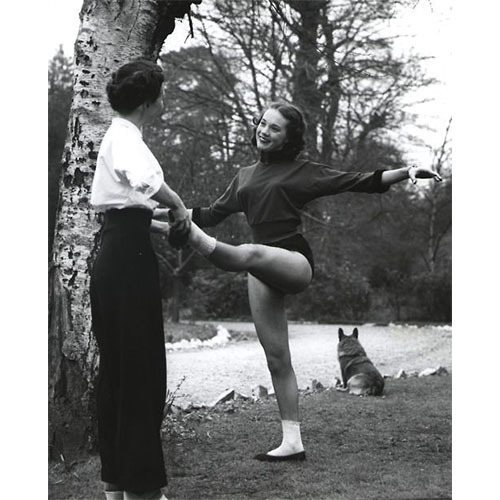
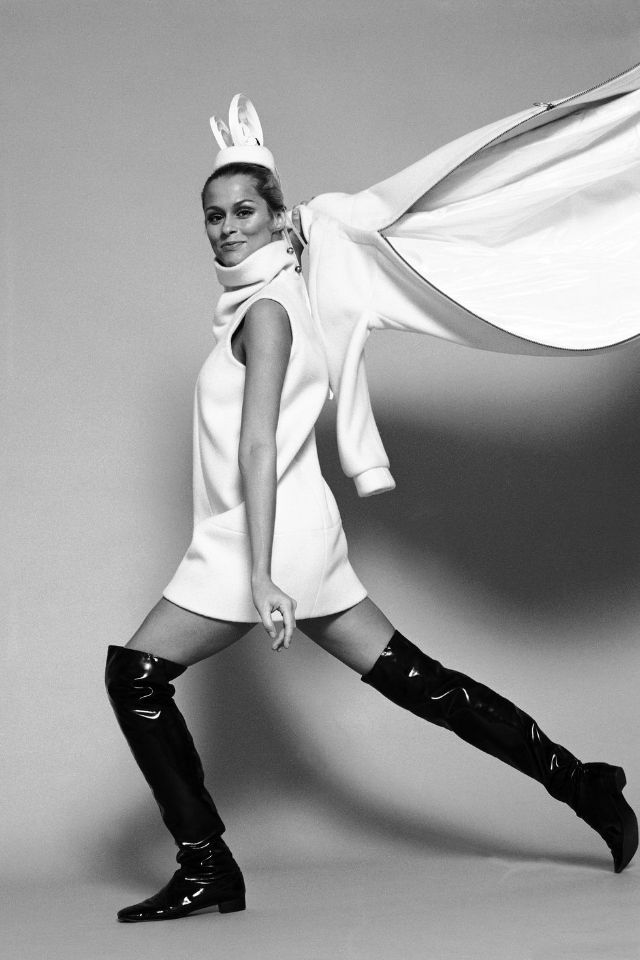
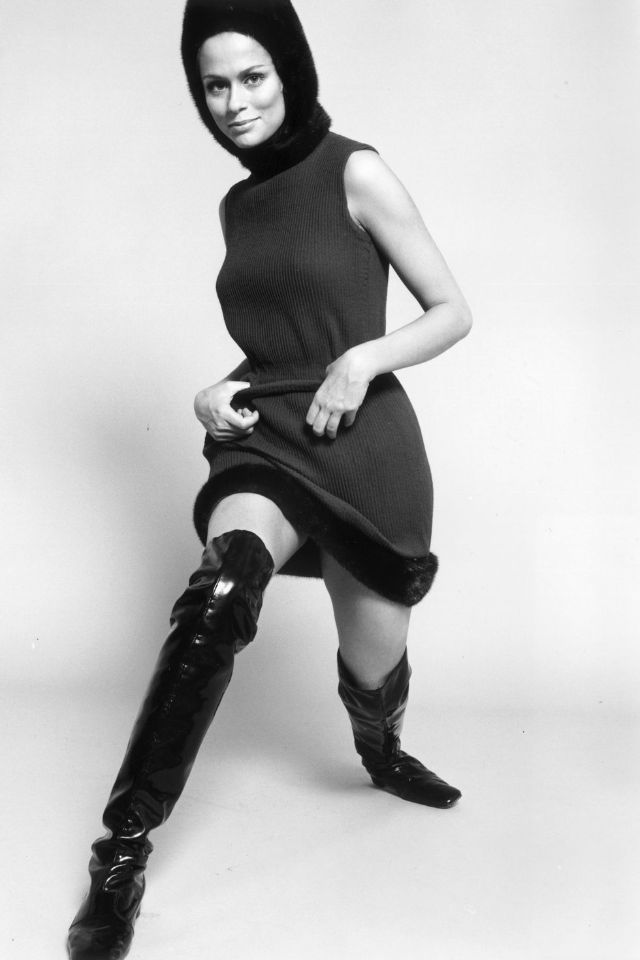
Norman Parkinson (1913 – 1990) was a celebrated English portrait and fashion photographer. He always maintained he was a craftsman and not an artist. From his early days as a photographer up to his death he remained one of the foremost British portrait and fashion photographers. His work, following the lead of Martin Munkacsi at Harper’s Bazaar, revolutionised the world of British fashion photography in the ’40s by bringing his models from the rigid studio environment into a far more dynamic outdoor setting. Humour played a central role in many of his photographs which often included himself. As well as magazine work he also created celebrated calendars featuring glamorous young women.
Coinciding with the beginnings of the first wave of feminism in the 19th century came the attempt by women to gain equal rights to education in the United States. Women’s rights organizations focused on adjusting and increasing women’s place in the public arena by arguing that the only fundamental differences between women and men were socially created ones, and thus women should be offered the same extensive and practical education that was offered to men.
After long battles against gender oppression women finally obtained the right to be educated through several government acts/conventions, the opening of facilities willing to educate them, and the opportunity to continue into higher education.
Education was a controversial topic in the 1930s, and sex-segregated school systems protected “the virtue of female high school students.” Home economics and industrial education were new elements of the high school curriculum designed for unmistakably women’s occupations. These classes taught women practical skills such as sewing, cooking, and using the new domestic inventions of the era; unfortunately, this “formal training offered women little advantage in the struggle for stable work at a liveable wage.”
The 1930s also saw tremendous changes in women’s education at the college level. In 1900, there were 85,338 female college students in the United States and 5,237 earned their bachelor’s degrees; by 1940, there were 600,953 female college students and 77,000 earned bachelor’s degrees. This increase was partially explained by the “contemporary discourse that reinforced the need for higher education for women in their positions as wives, mothers, citizens, and professionals.”
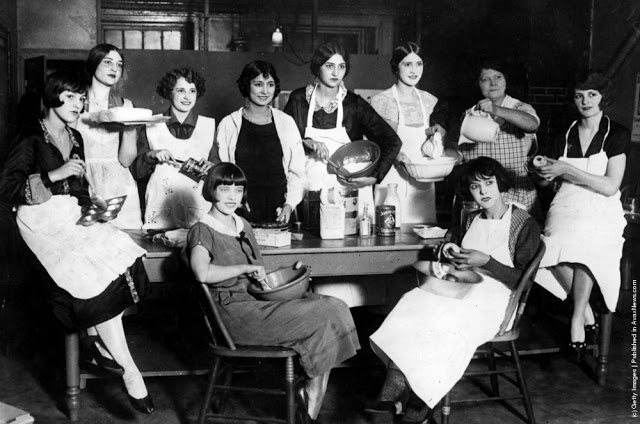
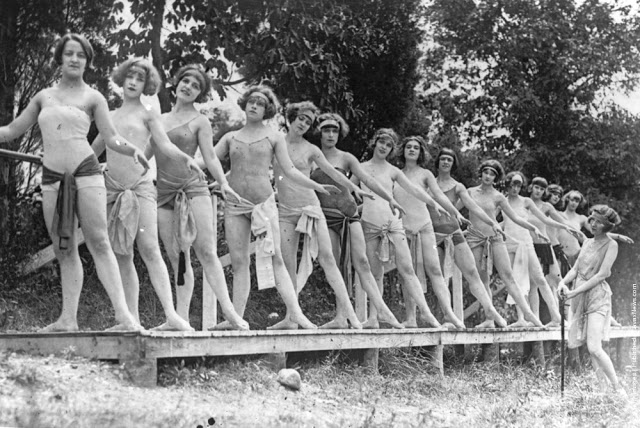
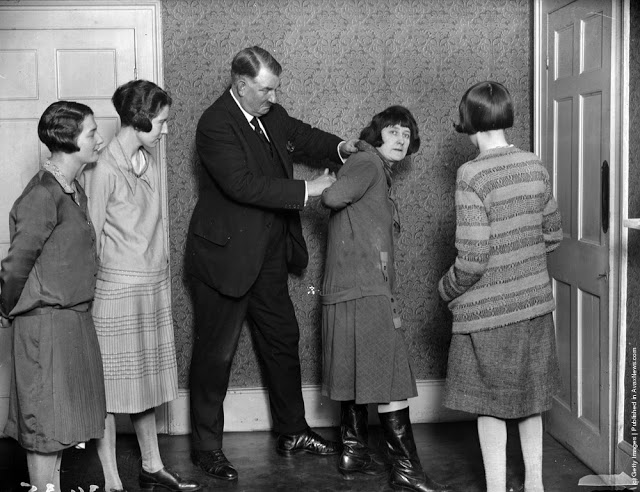
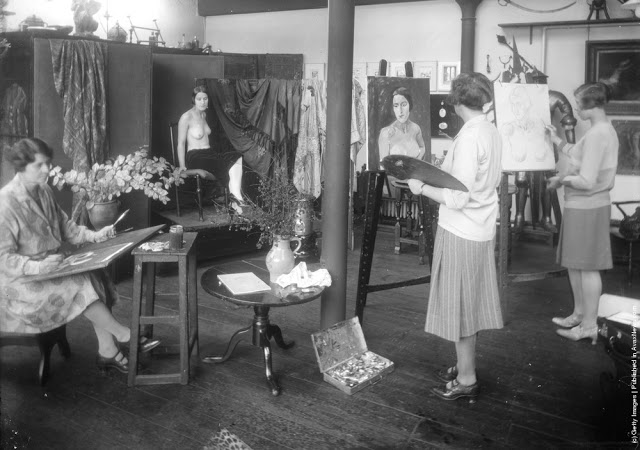
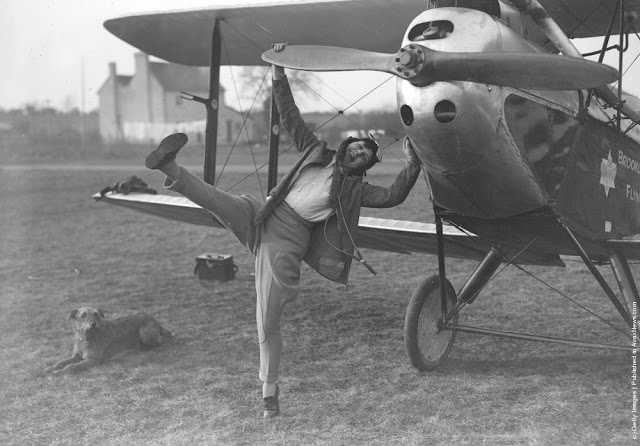
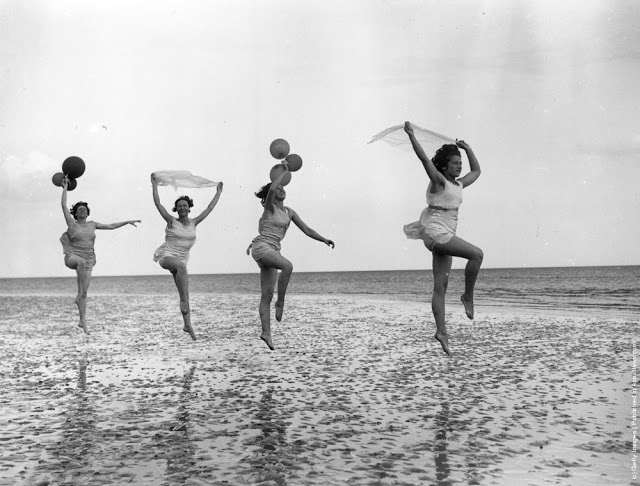
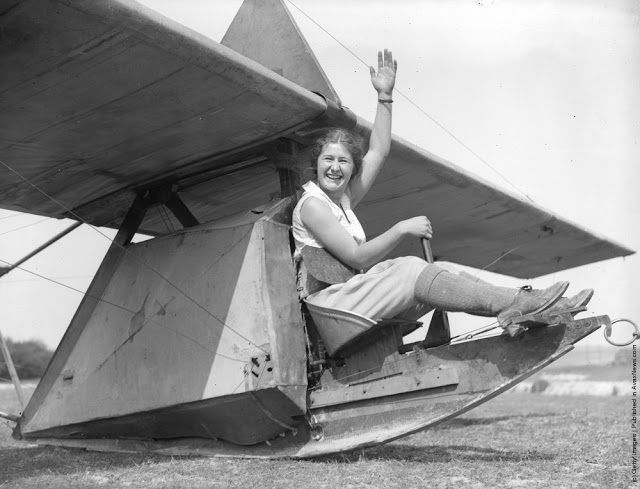
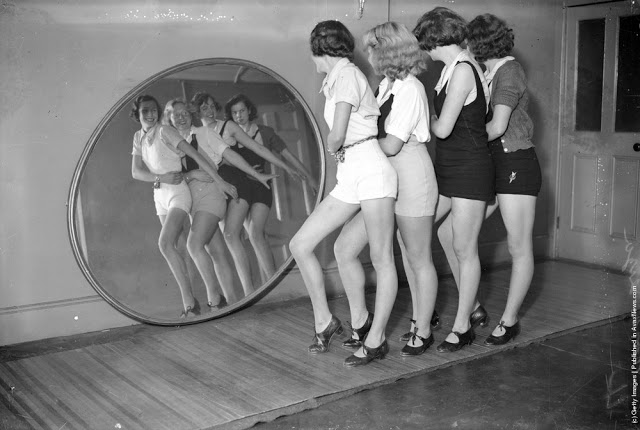
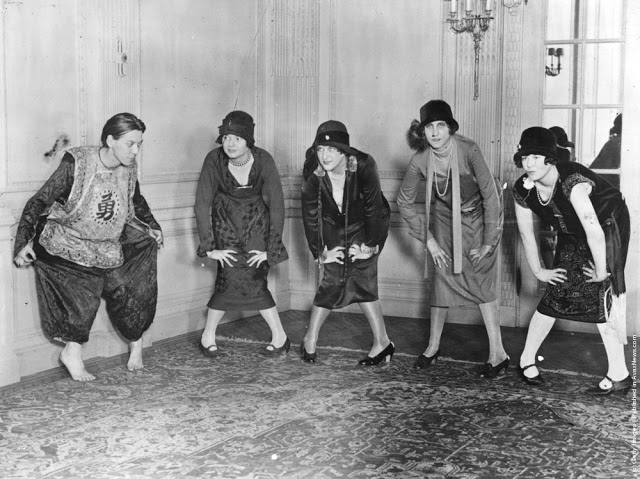
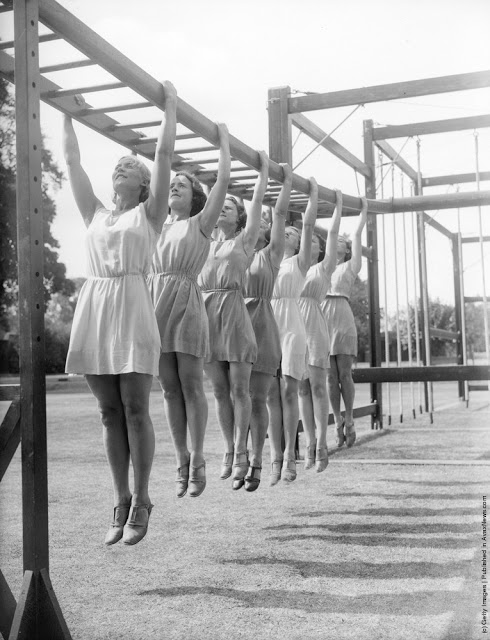
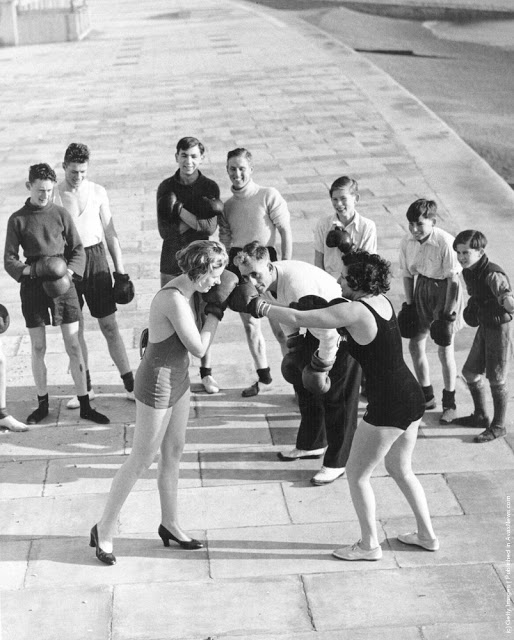
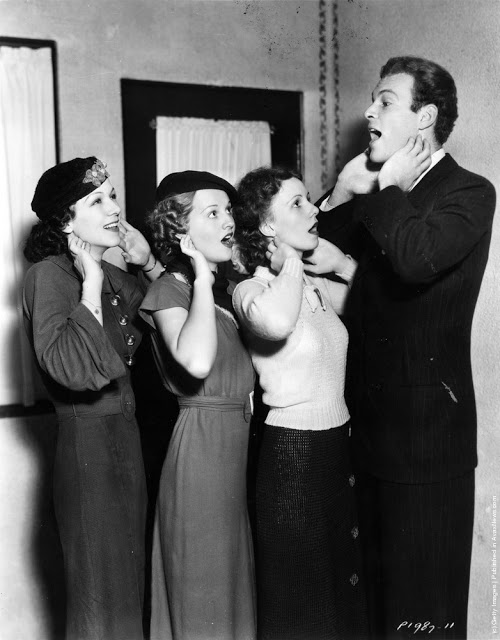
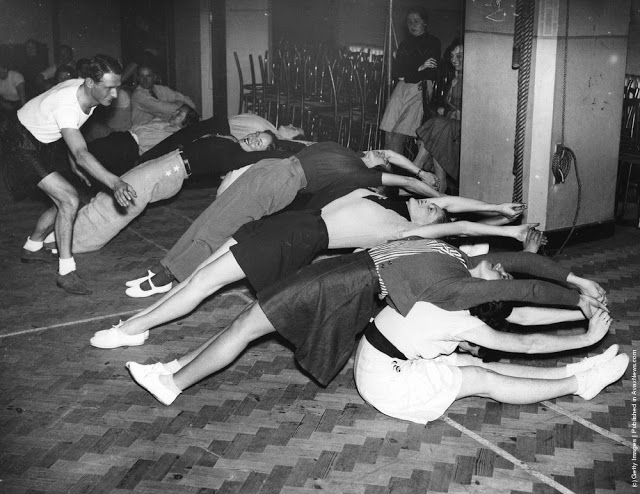
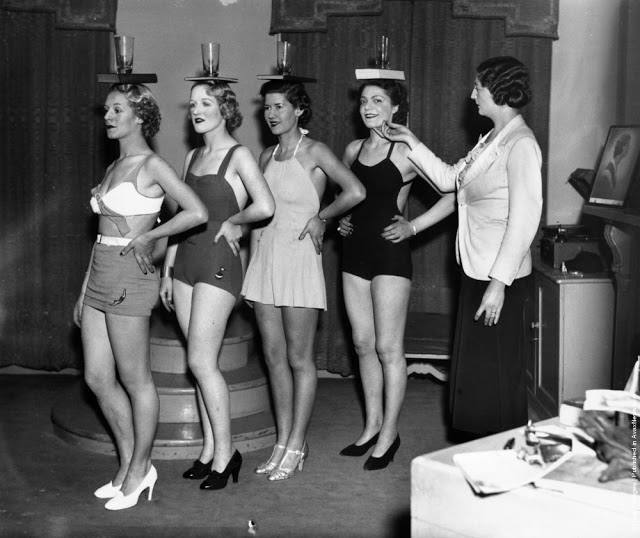
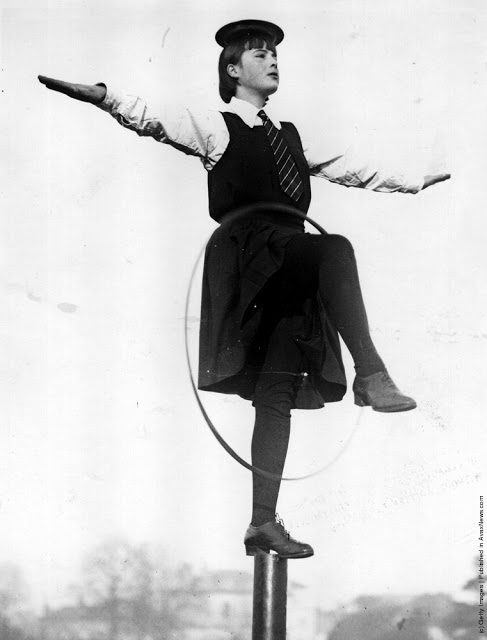
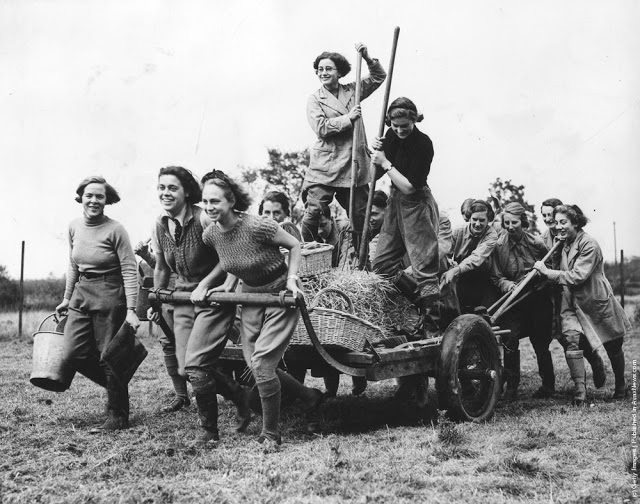
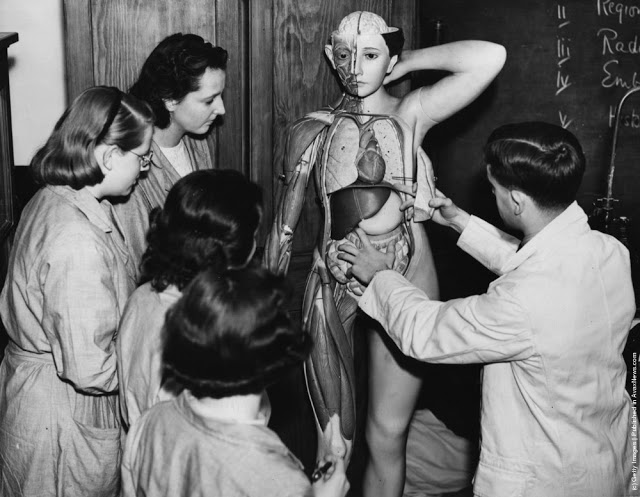
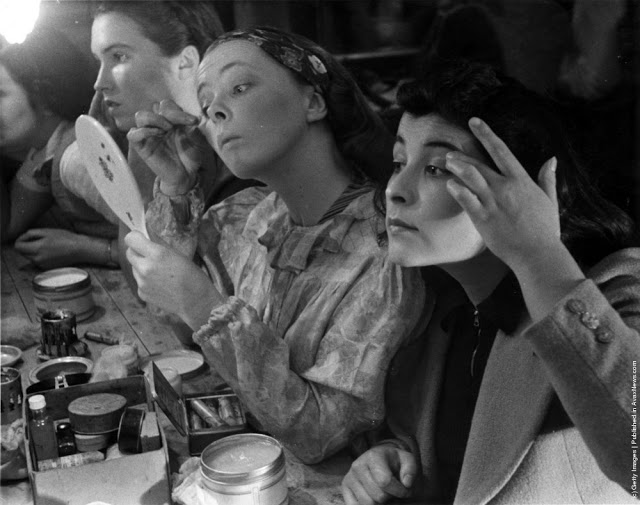
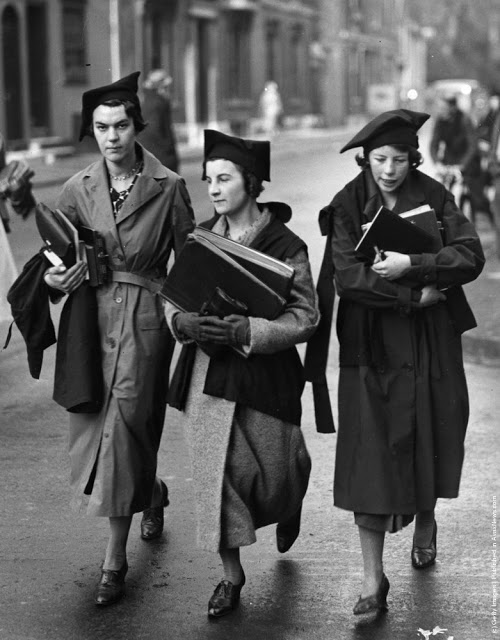
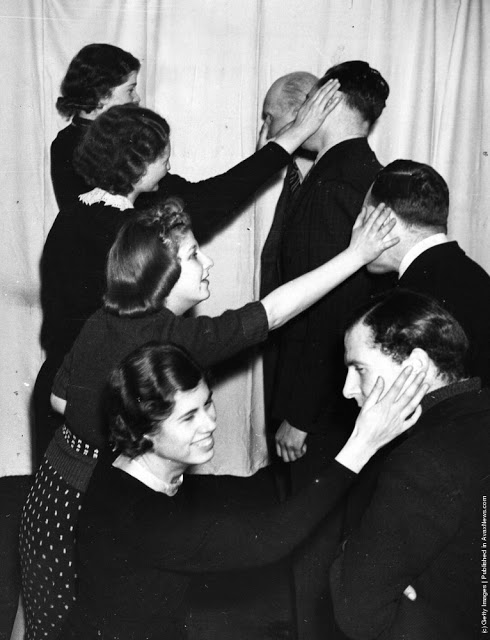
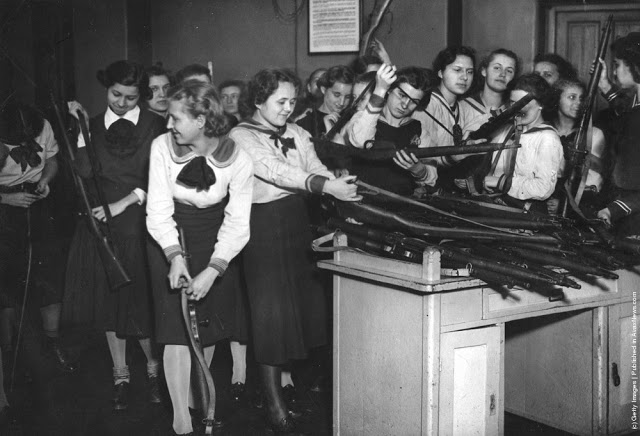
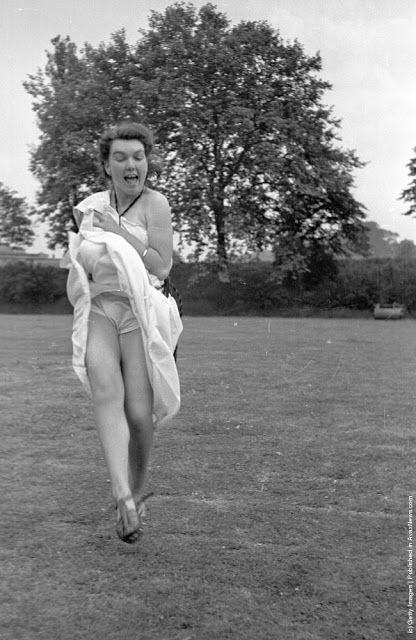
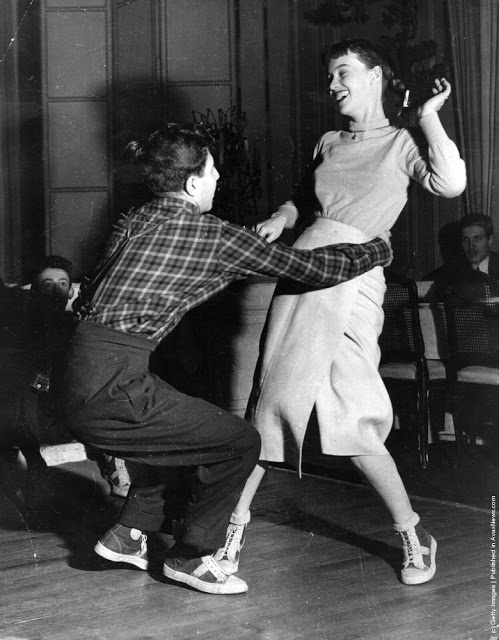
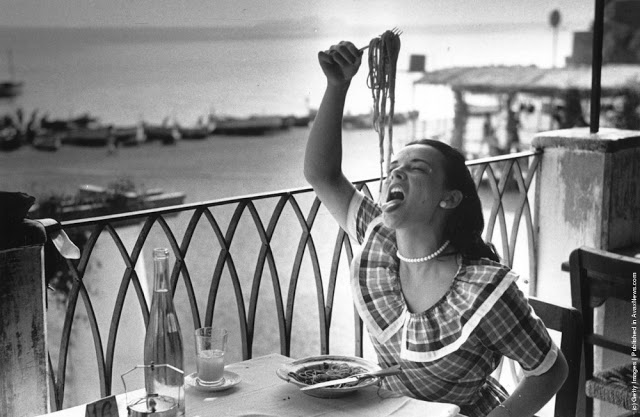
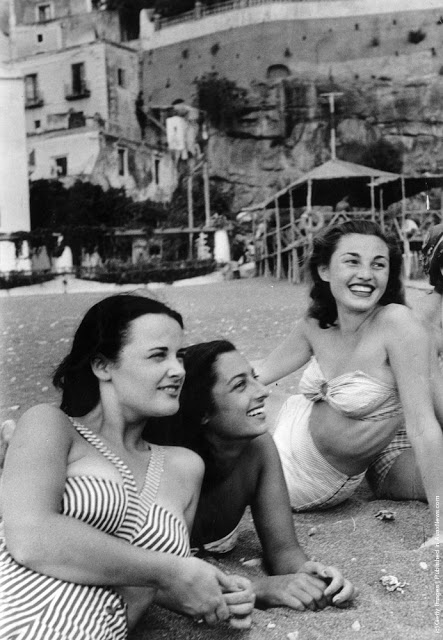
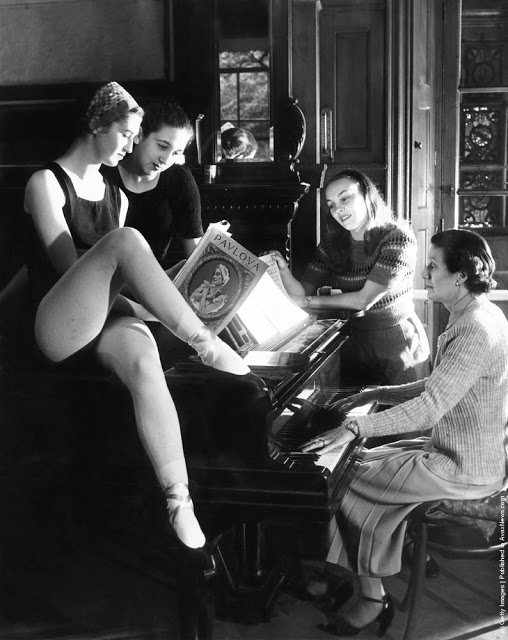
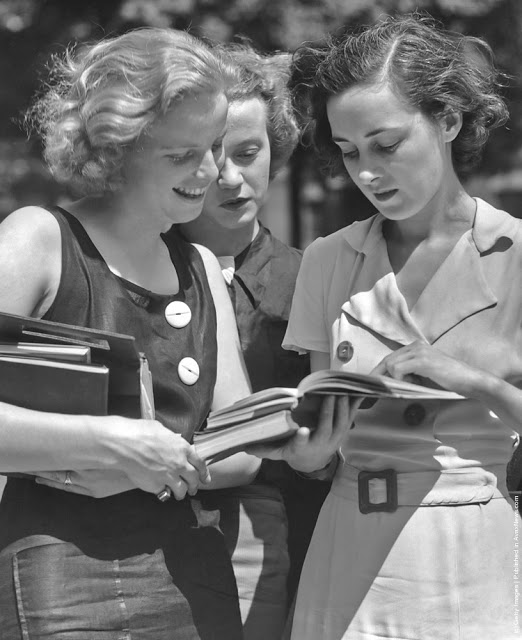
Members of the “Greenwich Village Follies” learning to become good cooks and bakers at the Mary Ryan Tea Room in Greenwich Village, New York, ca. 1925.Madame Lubovska teaching student dancers from the National American Ballet school, August 1924.Trainee fashion models learn how to carry themselves gracefully by balancing books on their heads at a school of modelling and deportment in the West End of London, 1925.Lady detectives learning their trade. Mr. Kersey is showing them how to apprehend a suspect, April 1927.Students at the Heatherley School of Art in Baker Street, London, painting a nude model in the portrait studio, November 1927.A young woman taking flying lessons at Brooklands School, 1929.Dancing school pupils practice en plein air at Worthing in East Sussex, May 1933.A college student prepares to try out a small glider at the London Gliding Club on Dunstable Downs, 15th April 1933.Students at a dance school dancing in front of a large, round mirror, ca. 1935.A group of ladies learning “The Charleston” dance, March 1935.International pupils at an outdoor physical education class at the English-Scandinavian Summer School in Milner Court, Sturry, Kent, 7th August 1935.Two female members of a keep fit group learn boxing techniques as part of self defence lessons, 7th December 1935.Glenn Erikson teaching pupils how to relax their throats for improved voice control, 1936. The Paramount actresses are Kay Gordon, Jane Rhodes and Jeanne Perkins who are all training for “Florida Special”.Would-be skiers taking lessons from an Austrian ski champion in the gym, learning that suppleness is essential in skiing, 20th February 1936.Lucie Clayton instructs pupils in the art of correct posture by balancing a glass and book on their heads at her finishing school in Old Cavendish Street, London, 25th November 1936.A school girl from Pengworn Ladies College, Cheltenham learning tha art of balancing to cultivate good carriage in walking by balancing a plate on her head whilst standing on one leg on a pole and spinning a hoop with her knee! 14th December 1936.A record number of students, a third of them girls, have enrolled for the winter session at the East Anglian Institute of Agricultural Studies in Chelmsford, Essex1st November 1937.Trainee nurses examine a model of a human body to learn anatomy, 7th October 1938.Students at the Royal Academy of Dramatic Art in Bloomsbury, London, applying make-up backstage, 29th October 1938.Undergraduates of Oxford University walking to lectures, well equipped with books, 6th November 1938Four students at a Liverpool drama school enjoy a lesson in face-slapping, 4th February 1939.Military training has been introduced to the schools in Budapest. Here the pupils of a girl’s school are issued with their arms, 4th February 1939.One of the students shows a little more leg than necessary at a cricket match at the Goldsmith’s Art College end of term party in London. The theme of the occasion is “A Roman Holiday”French university students dance the jitterbug in Paris, 1949.18-year old London student Mercy Haystead enjoys a plate of spaghetti, whilst on holiday in Italy as an official guest of the town of Positano, September 1949.18-year old London student Mercy Haystead on holiday in Italy as an official guest of the town of Positano, 24th September 1949.Overseas students studying ballet at the Royal Academy of Dance (RAD) Training Centre, London, 3rd November 1949. Left to right: Denise Shalovsky of Southern Rhodesia (now Zimbabwe), Felicia Zaymes and Valerie Goddard of South Africa. Shalovsky is training to teach ballet.Three female students reading a book circa 1950s.
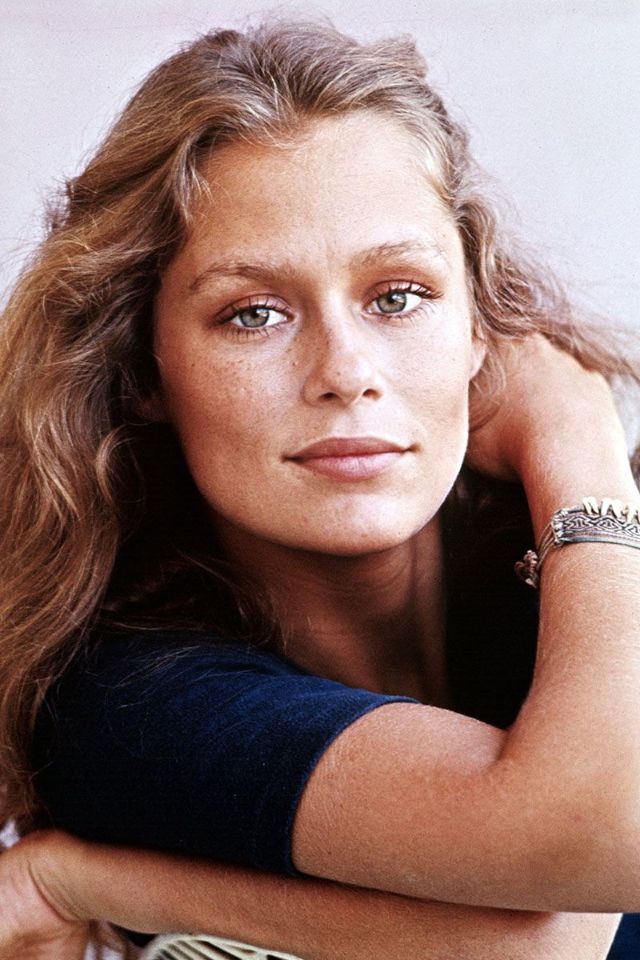
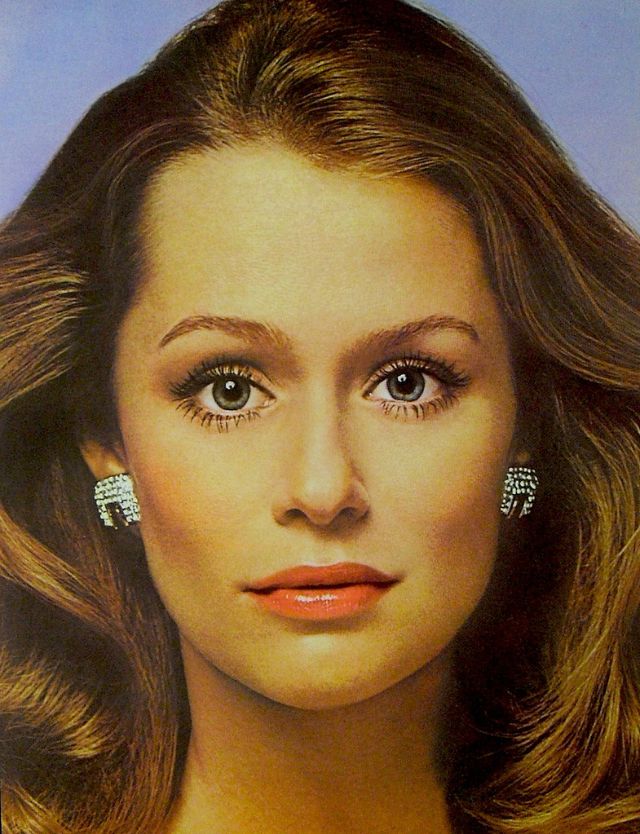
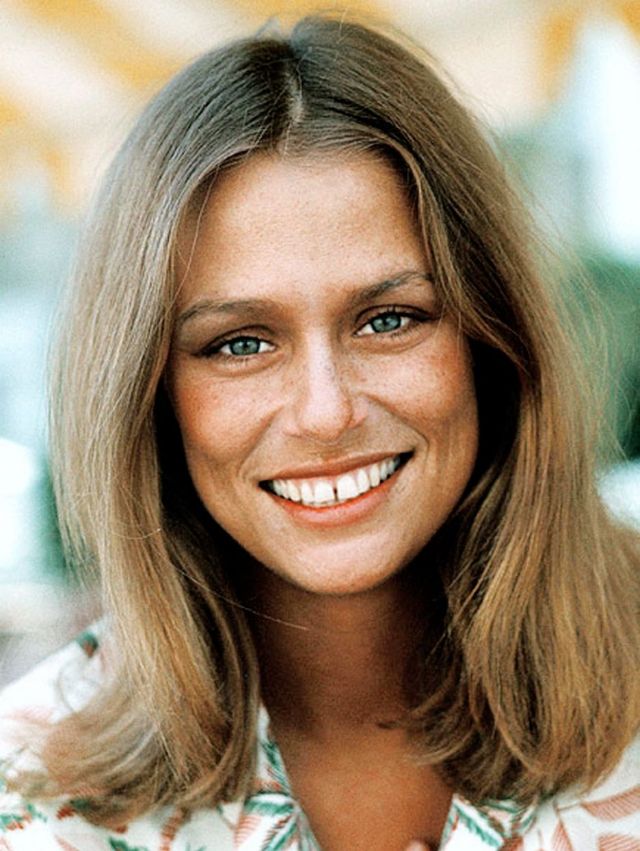
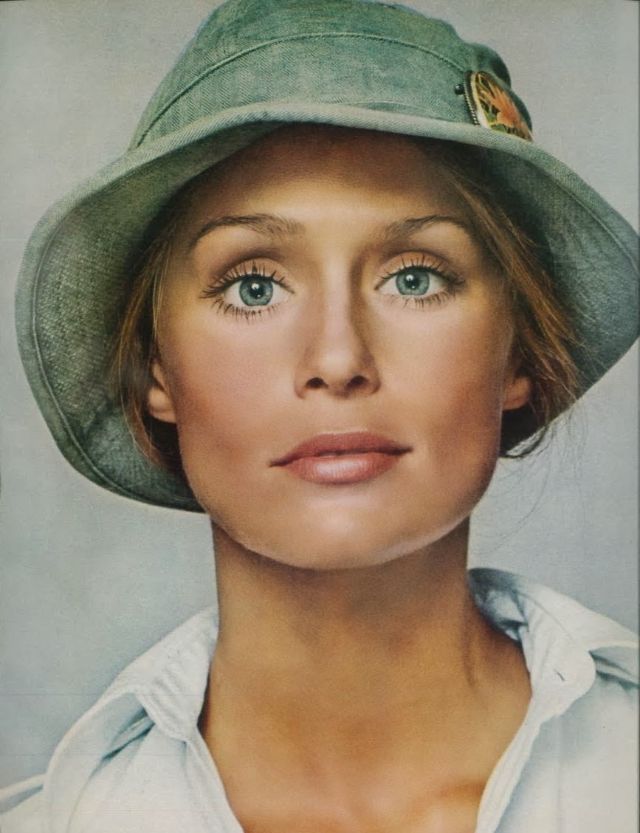
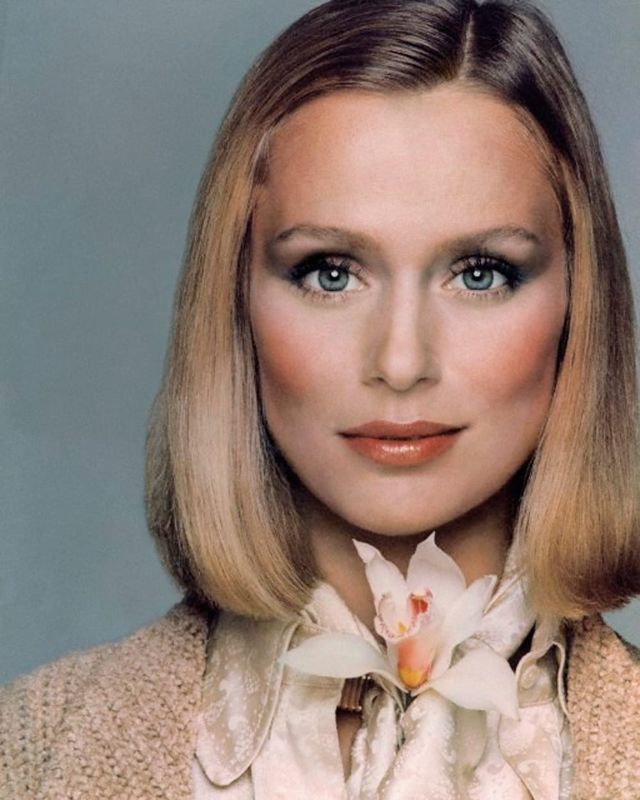
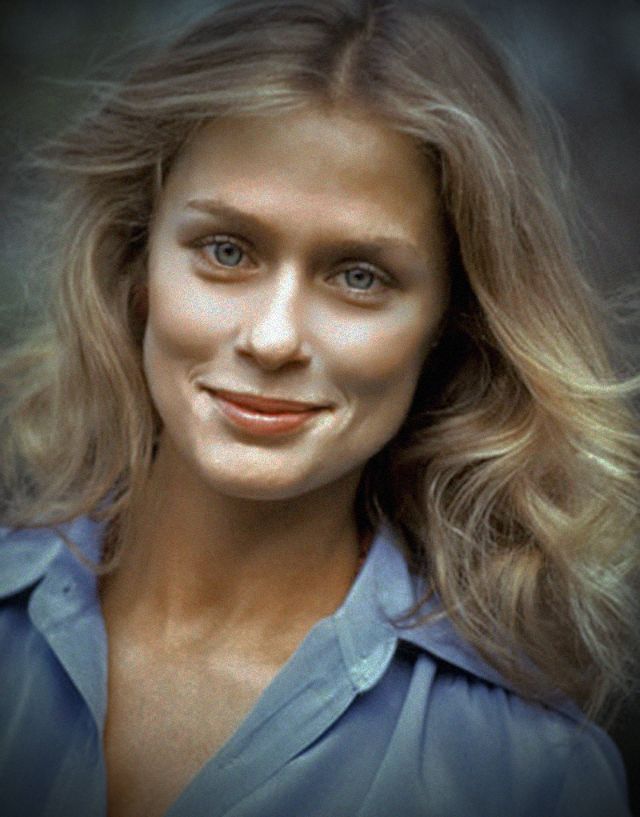
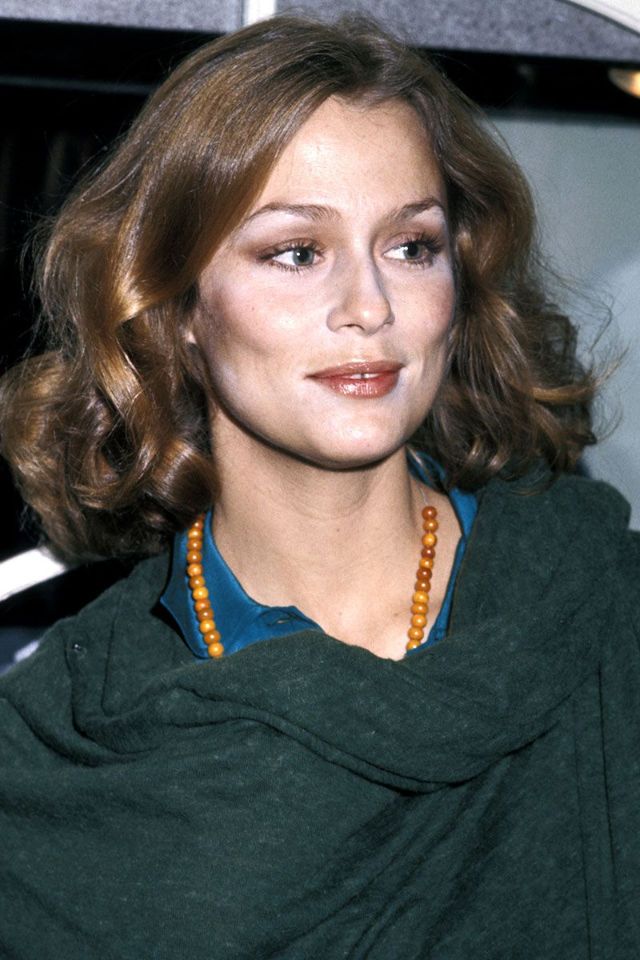
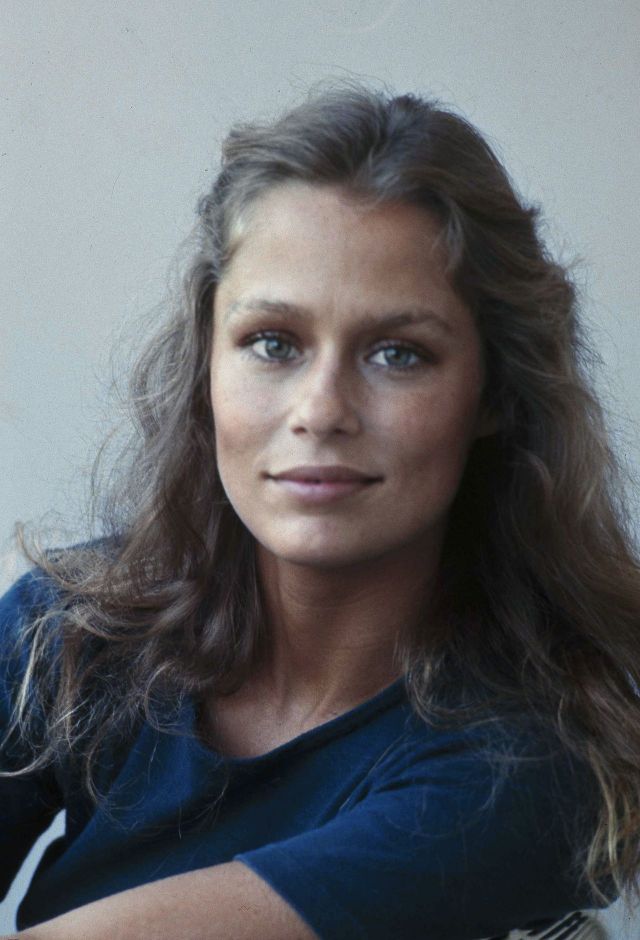
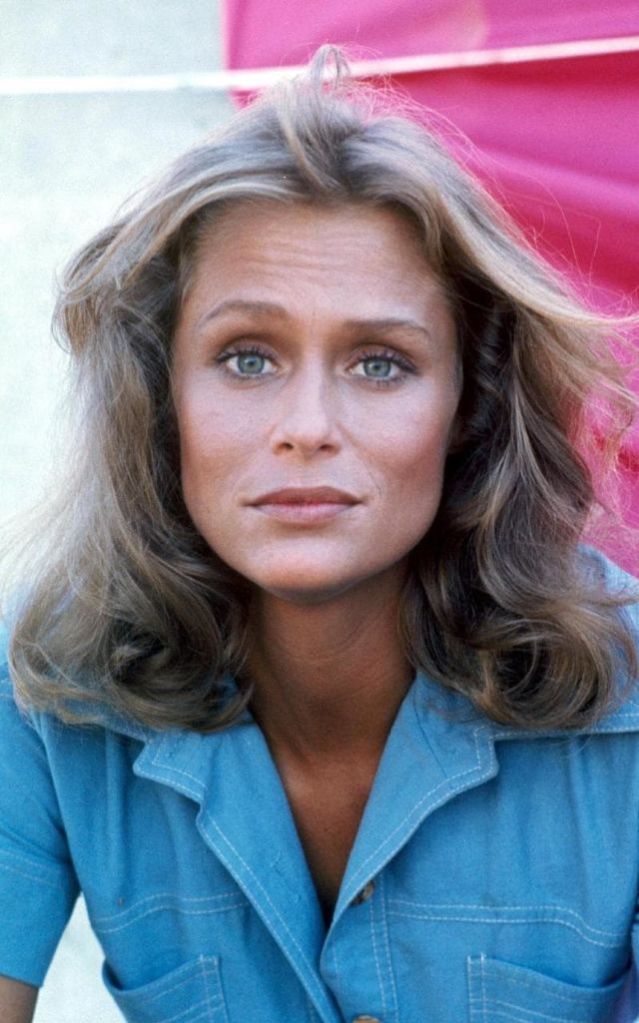
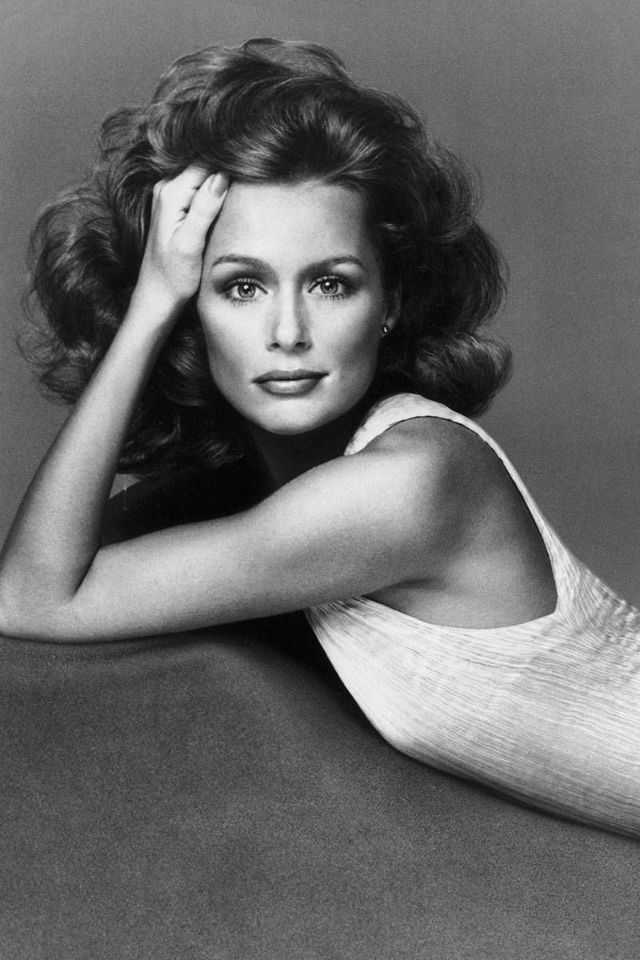
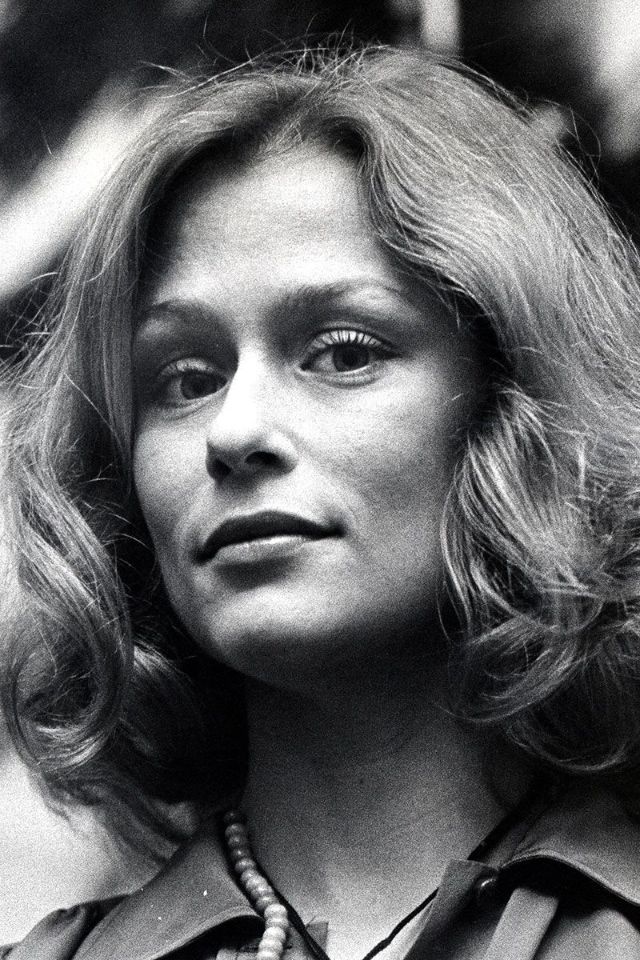
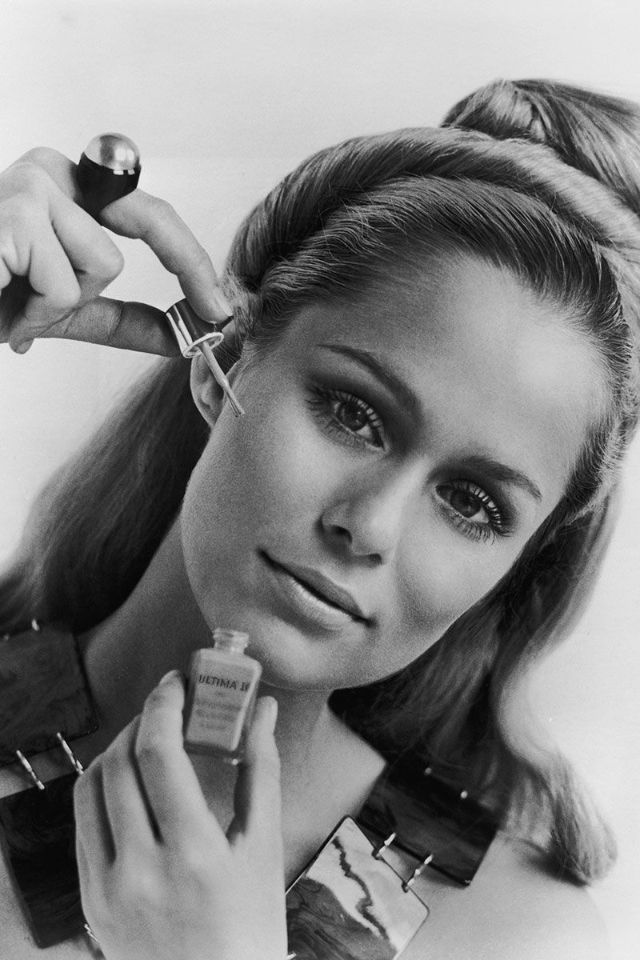
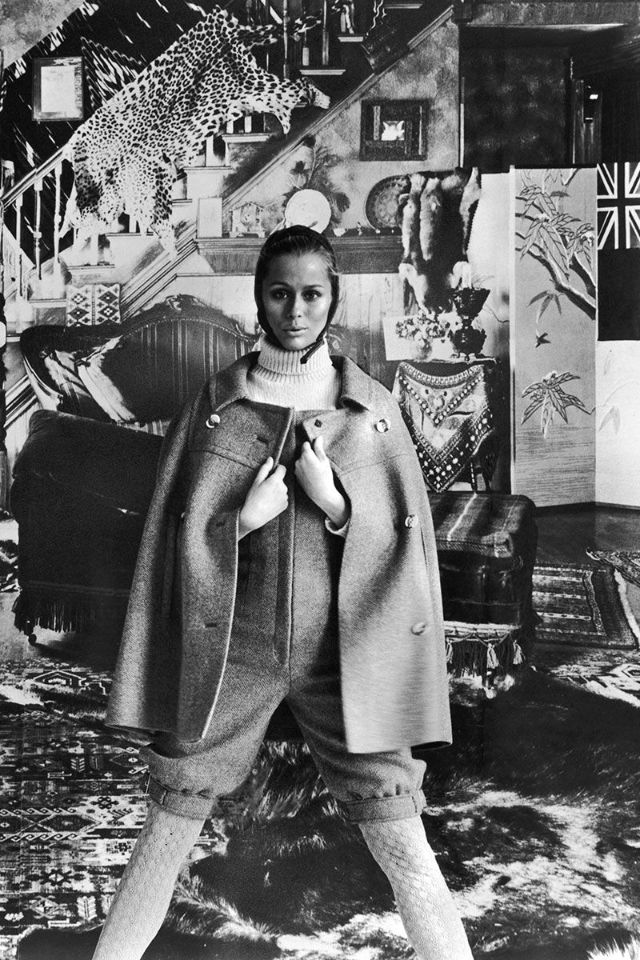
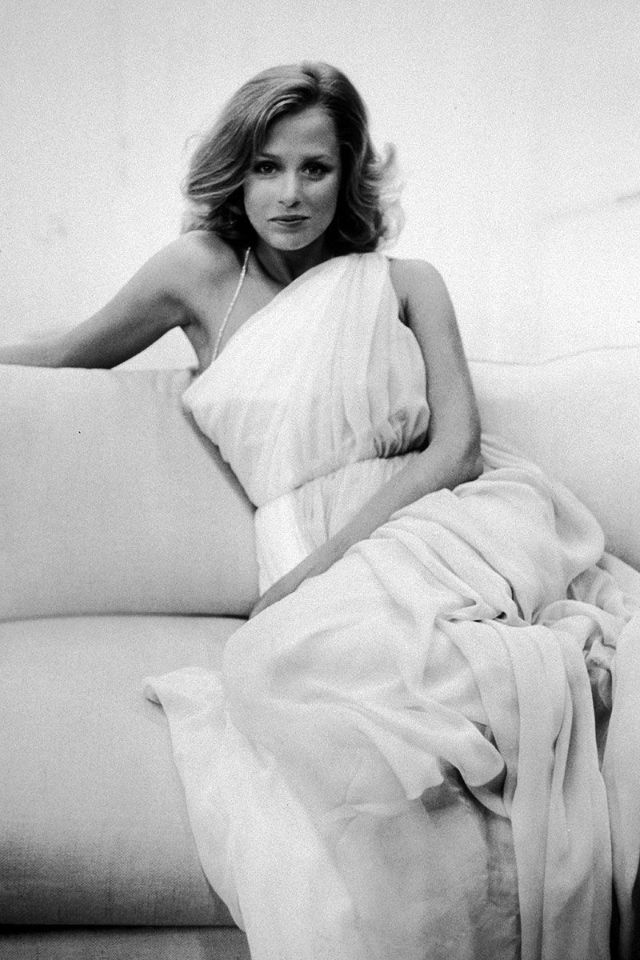
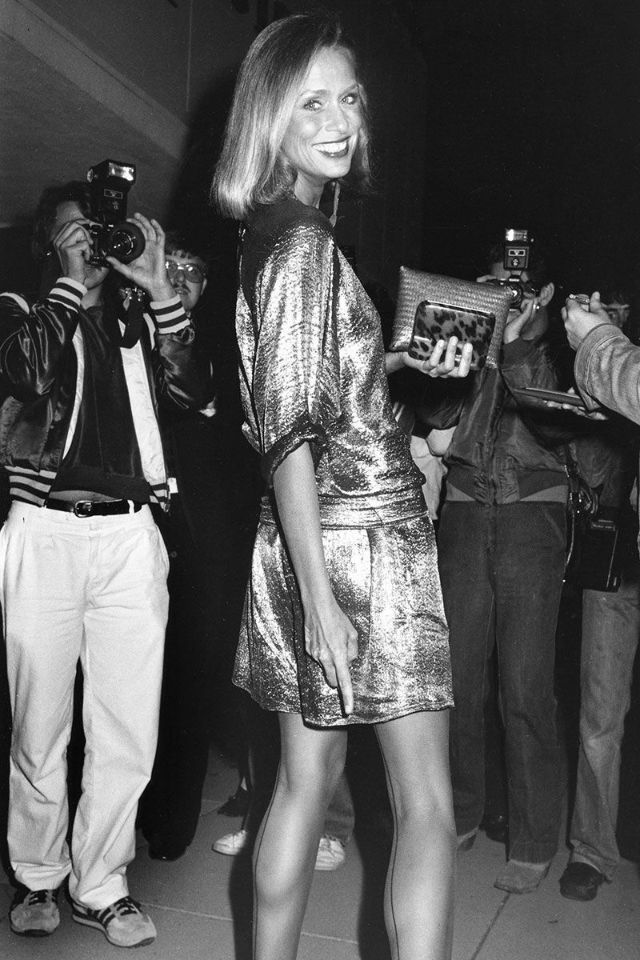
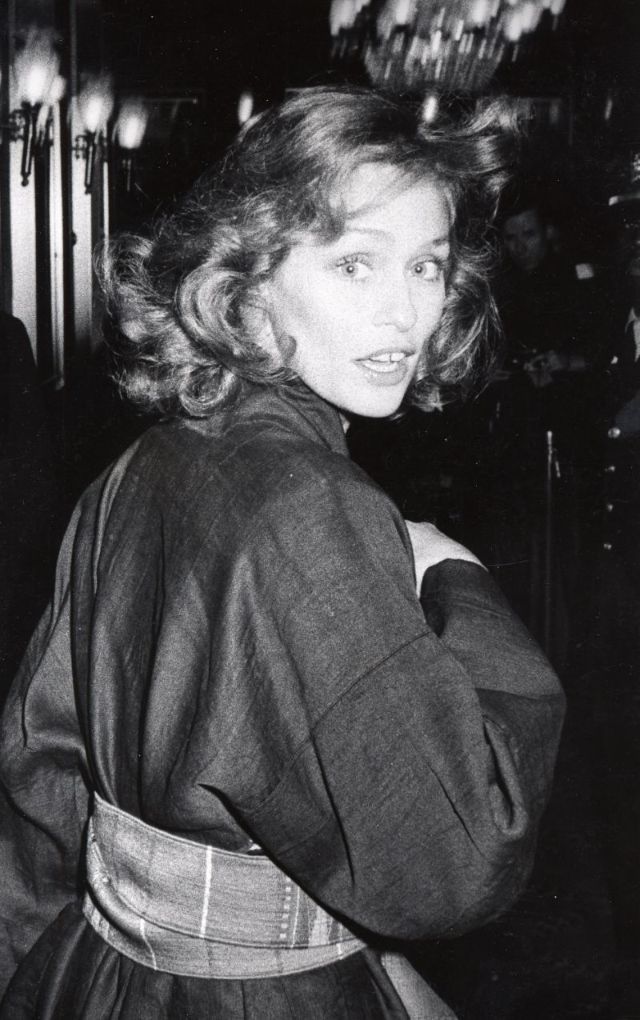
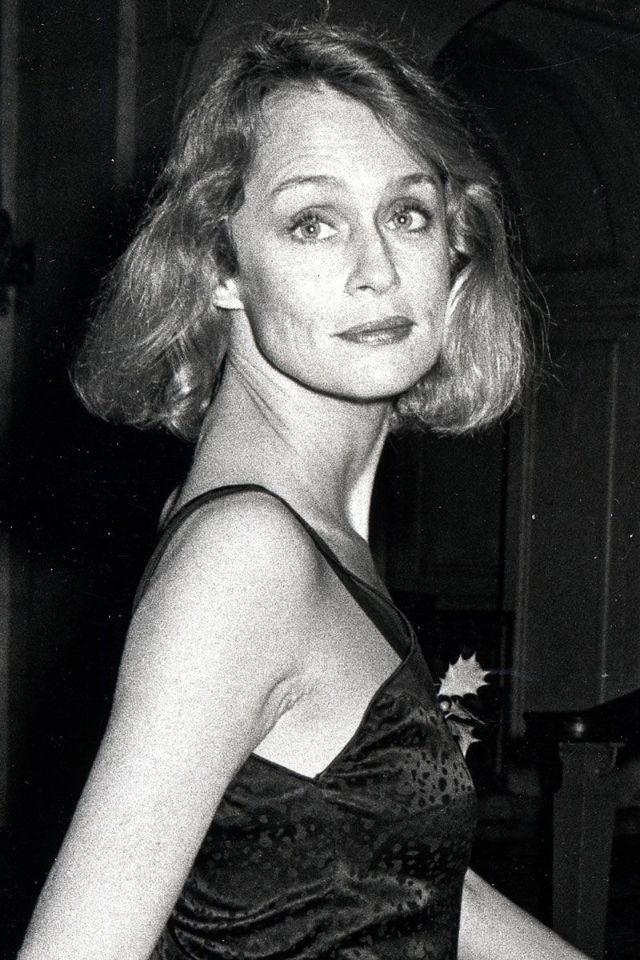
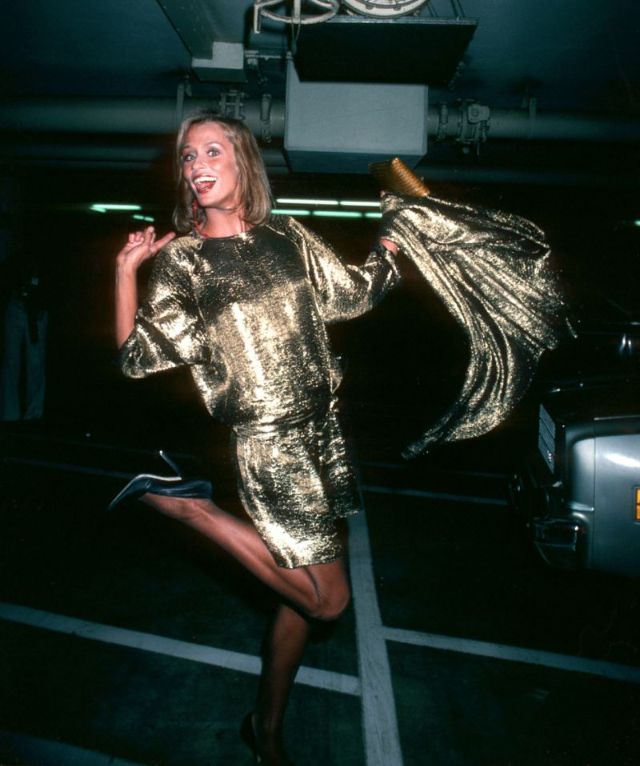
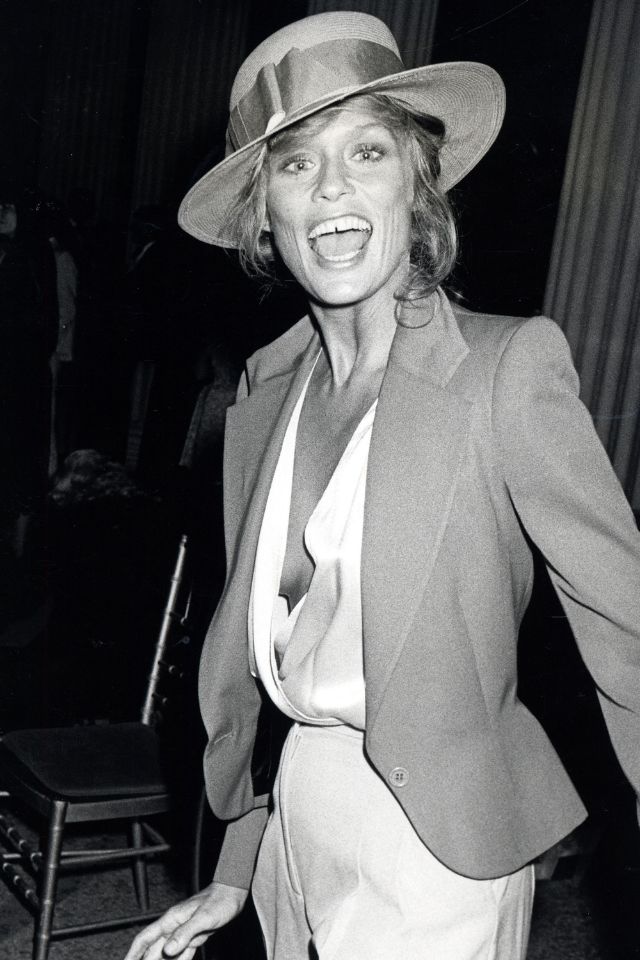
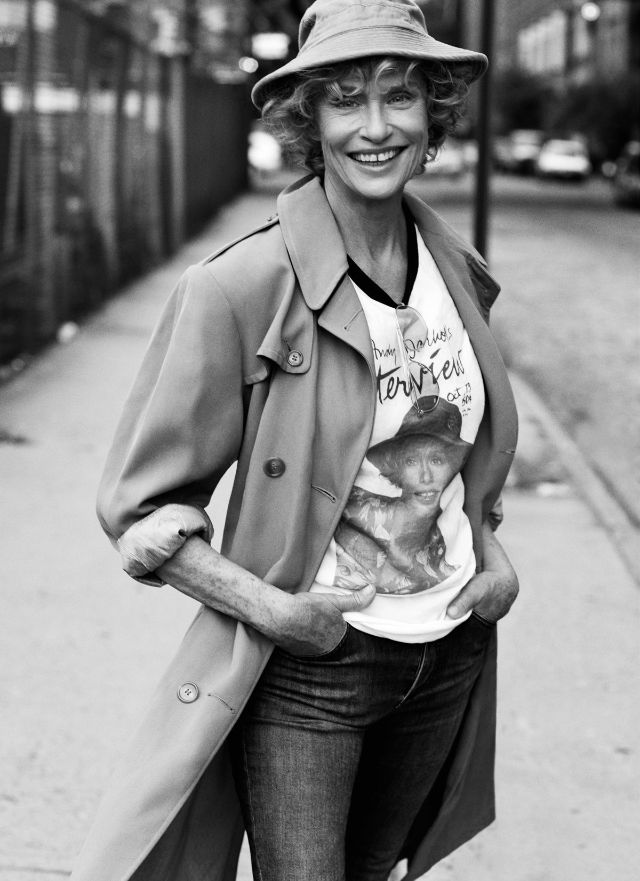
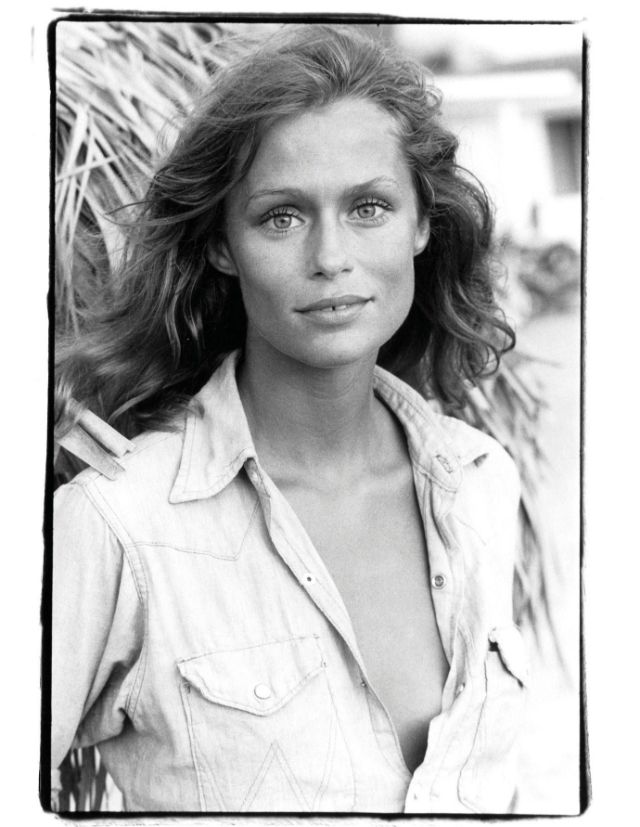
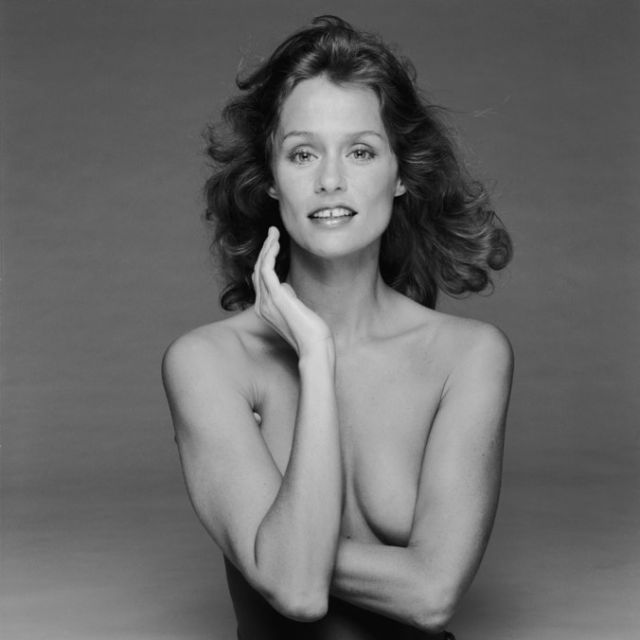
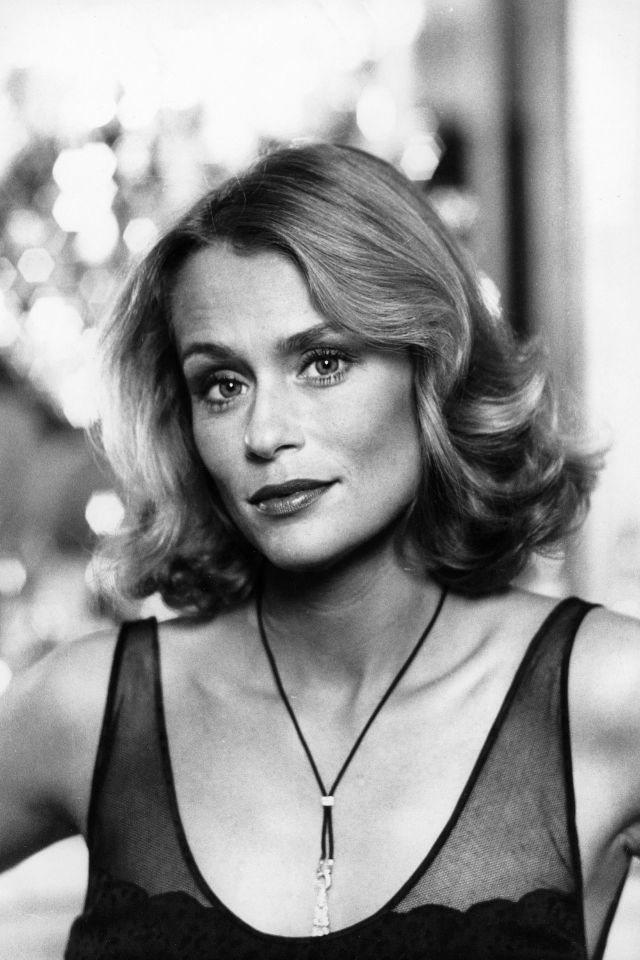
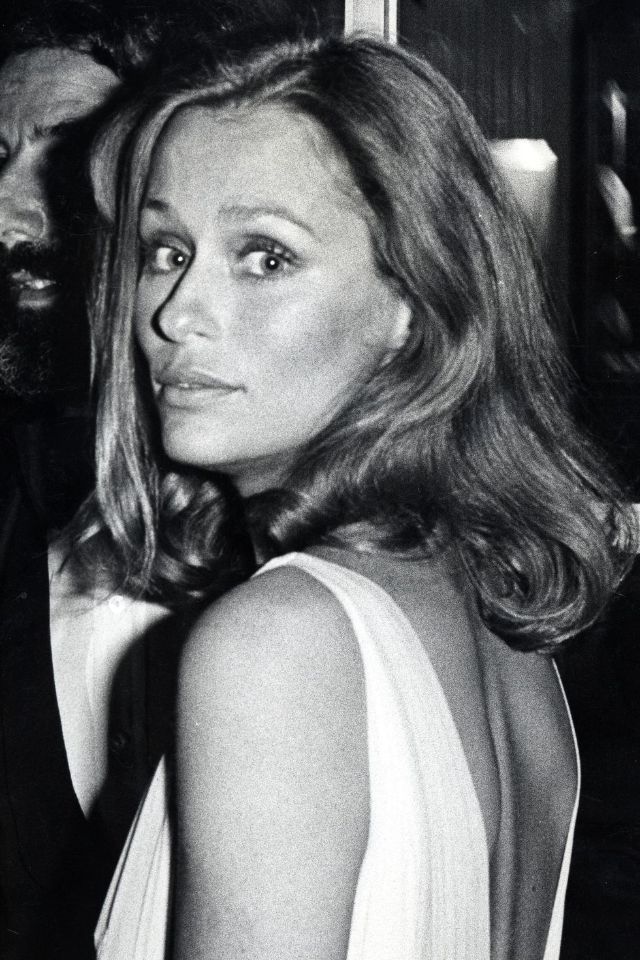
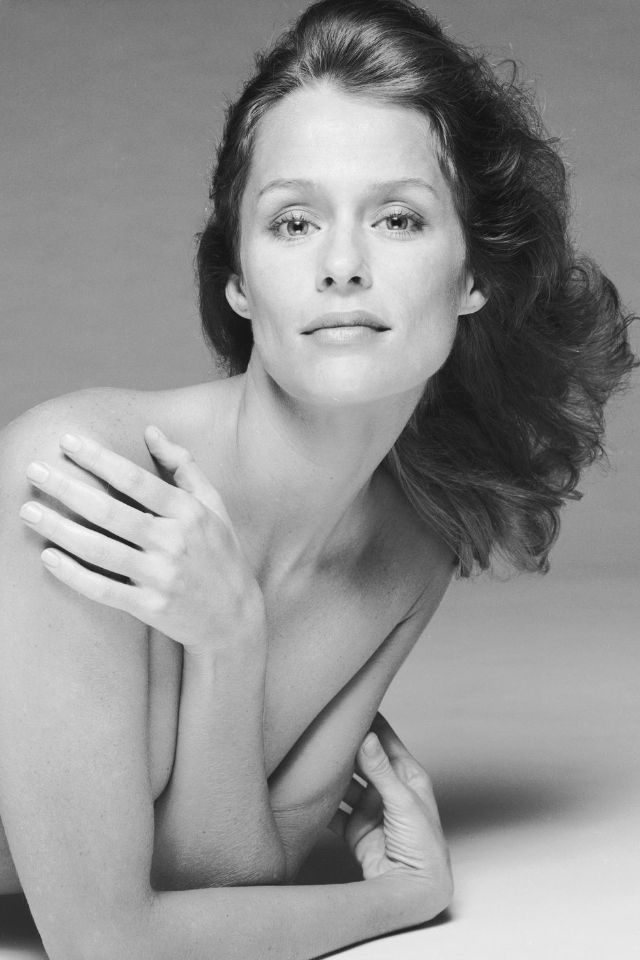
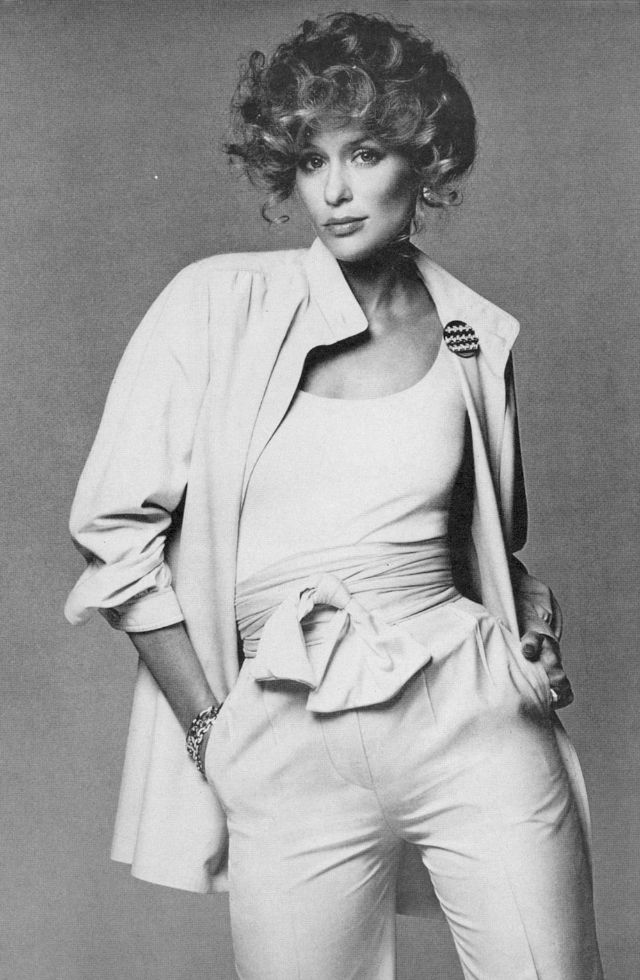
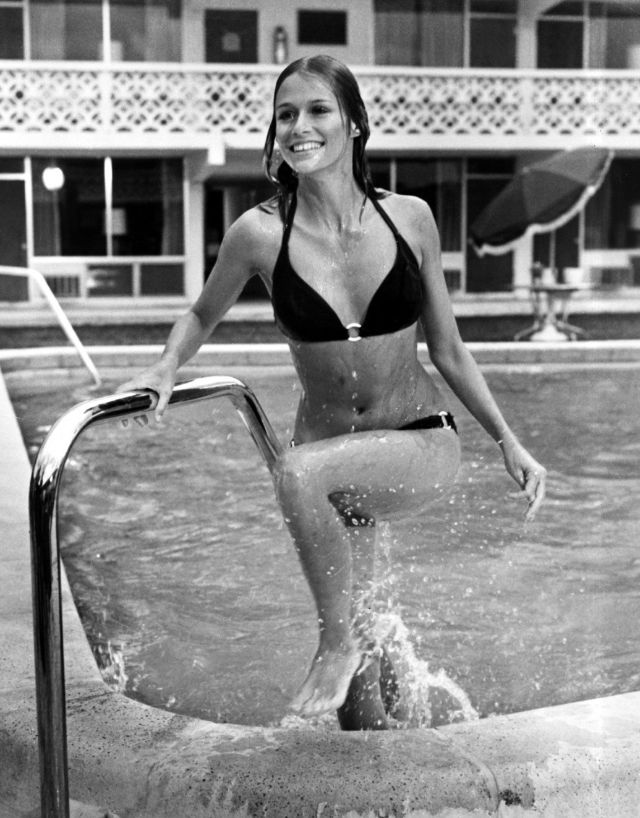
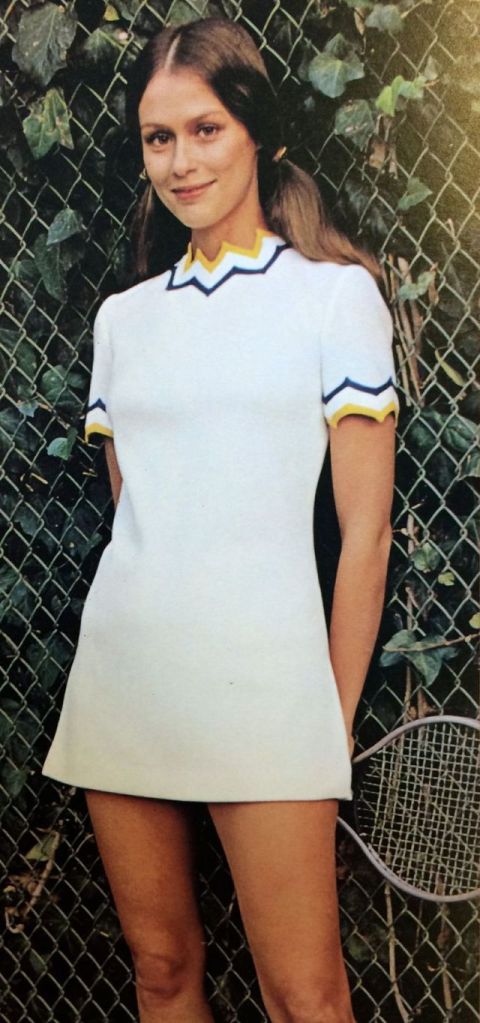
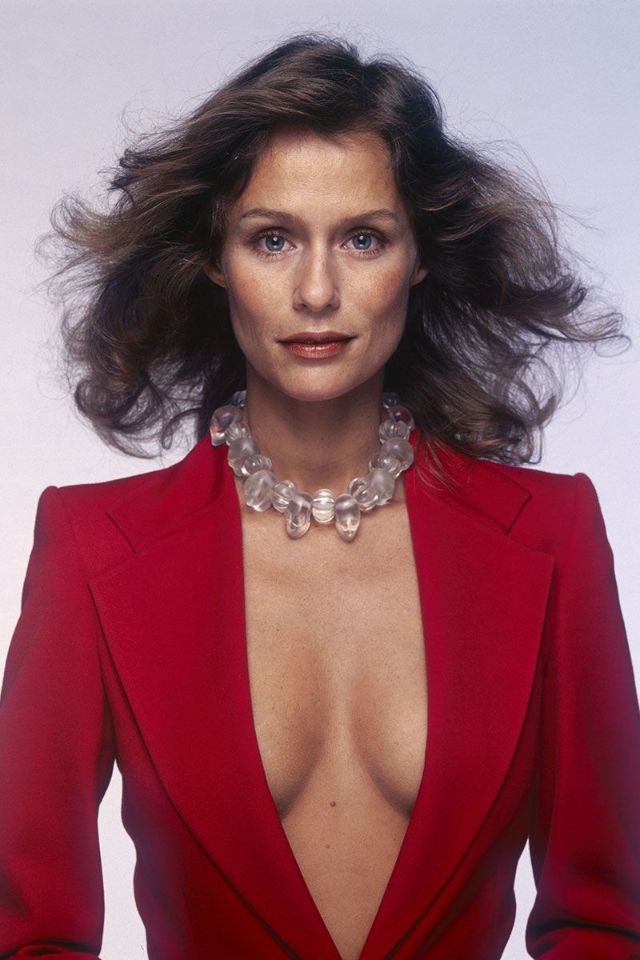
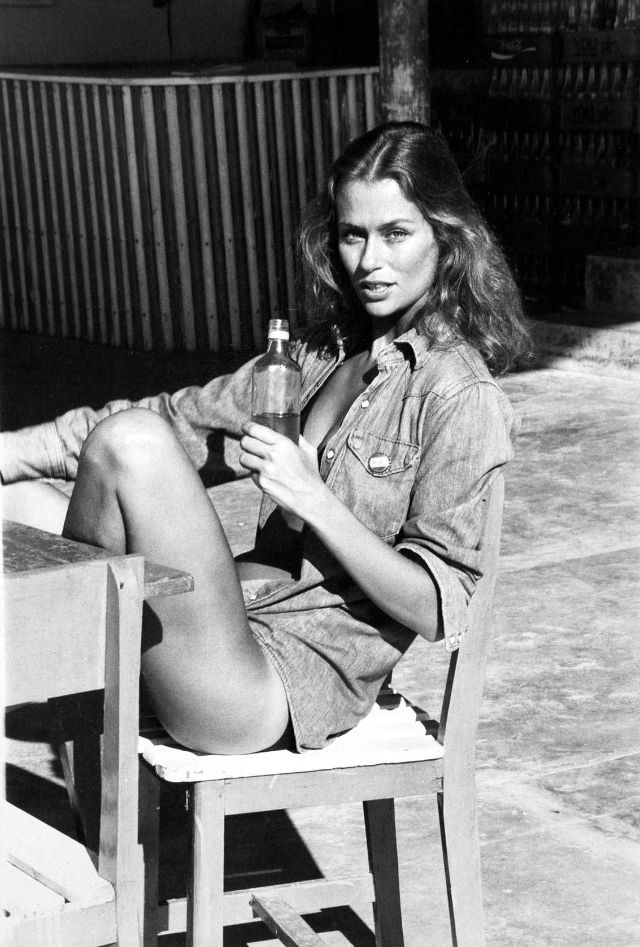
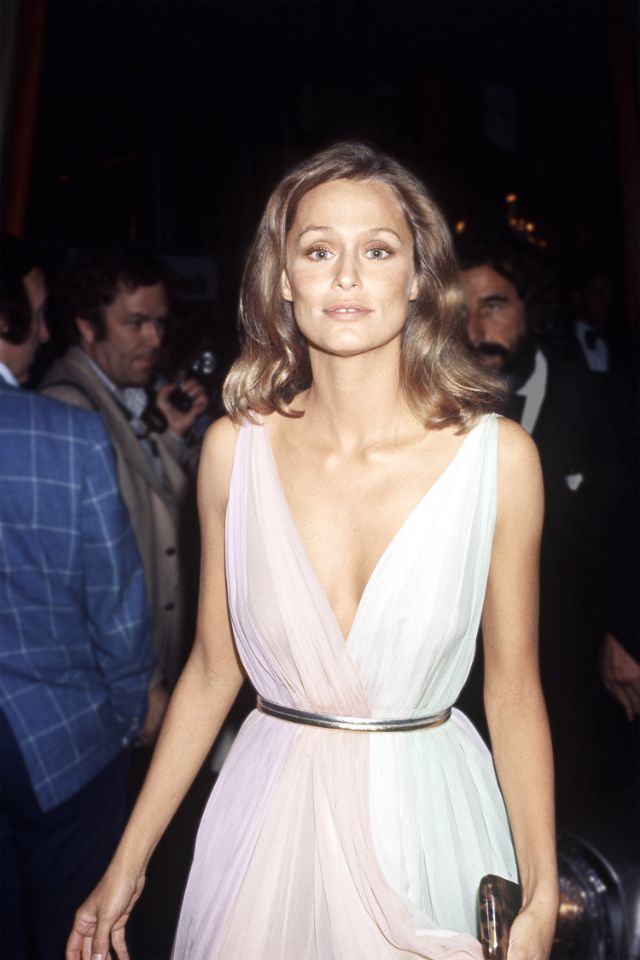
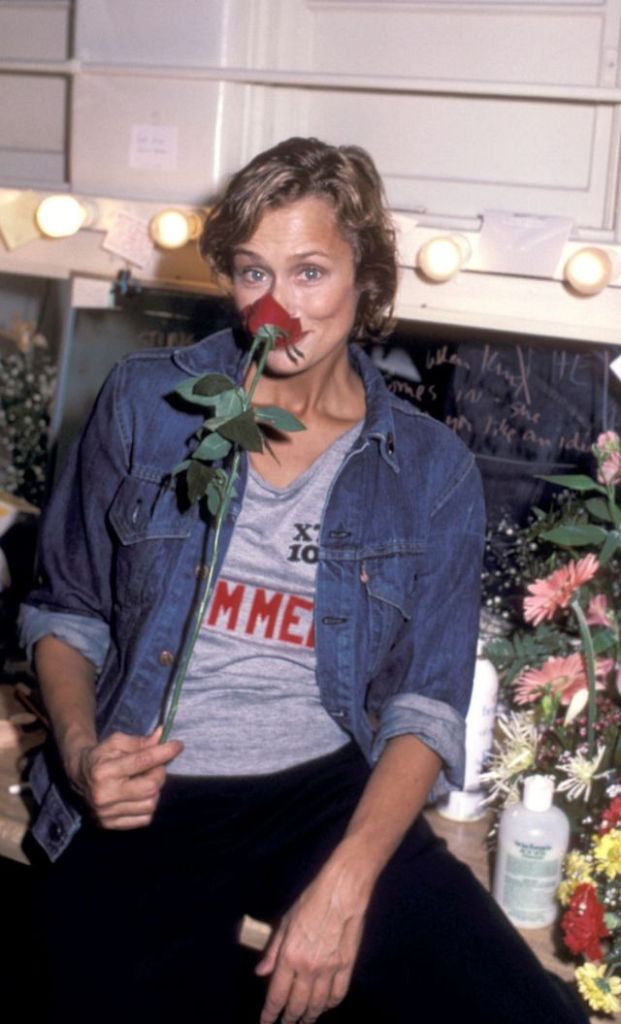
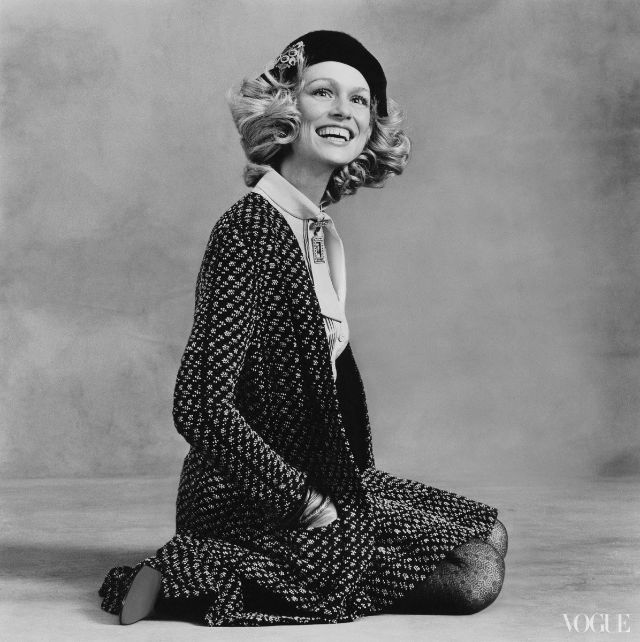
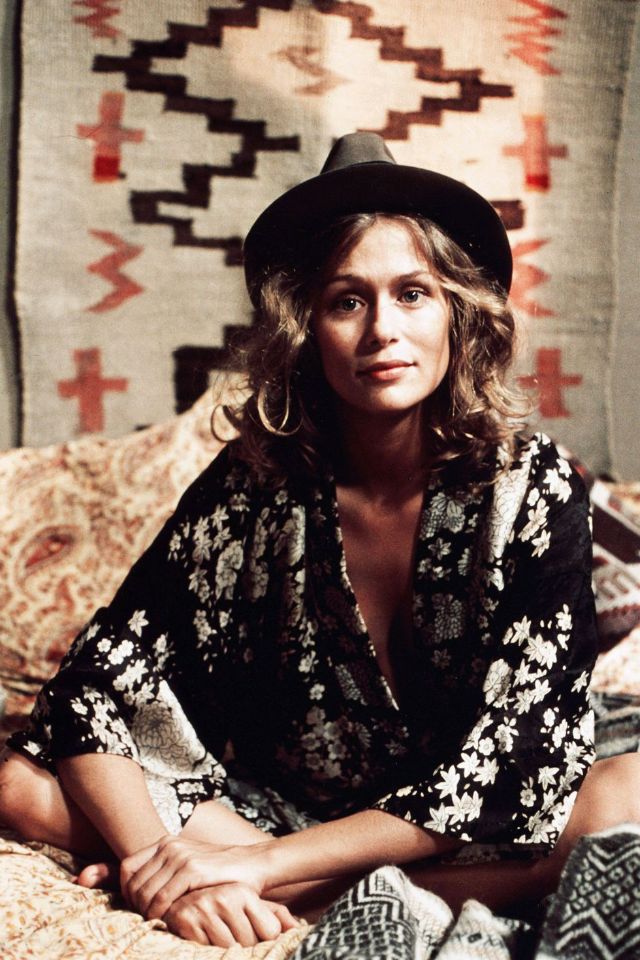
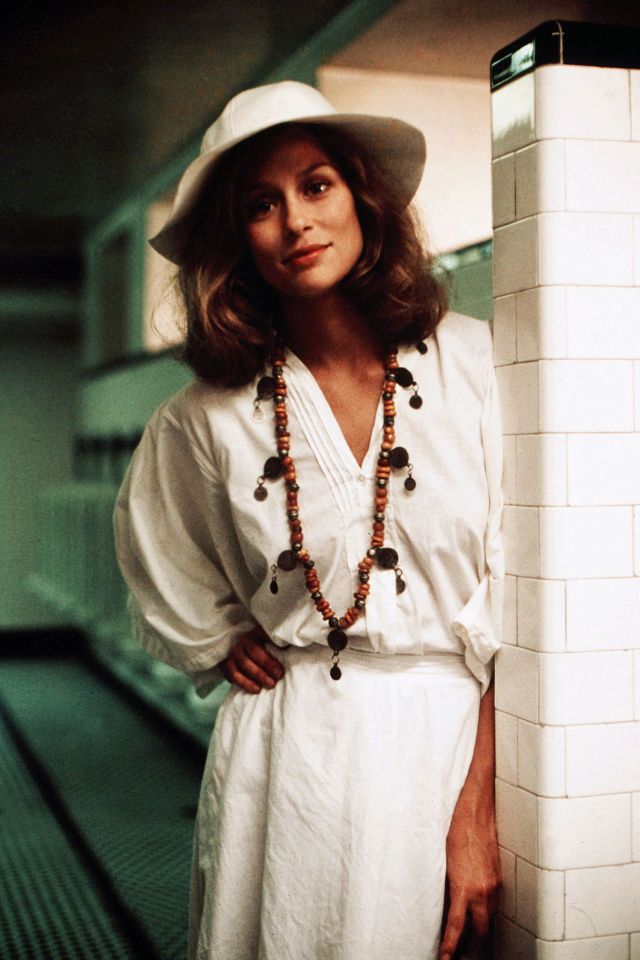
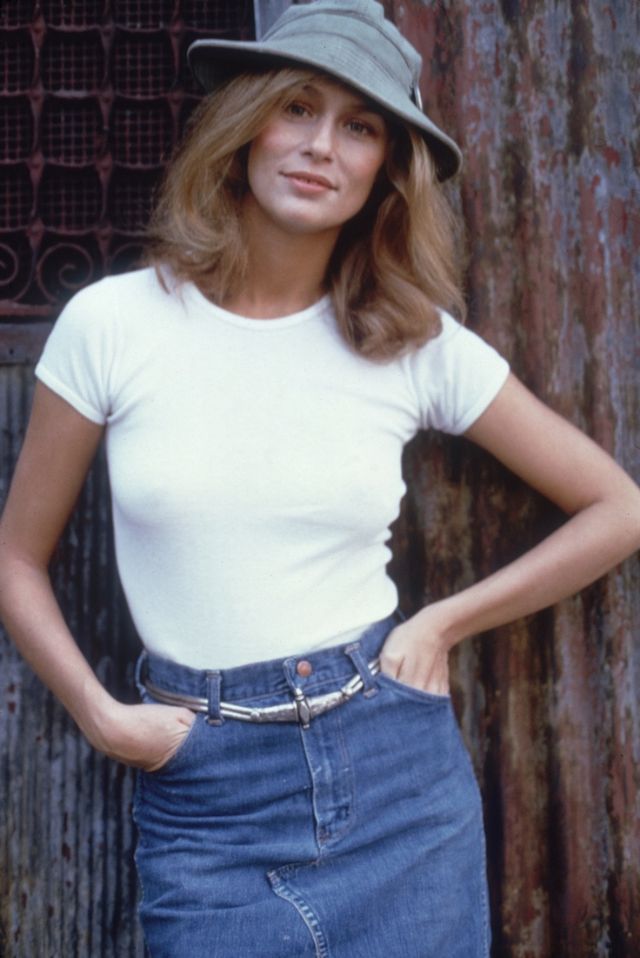
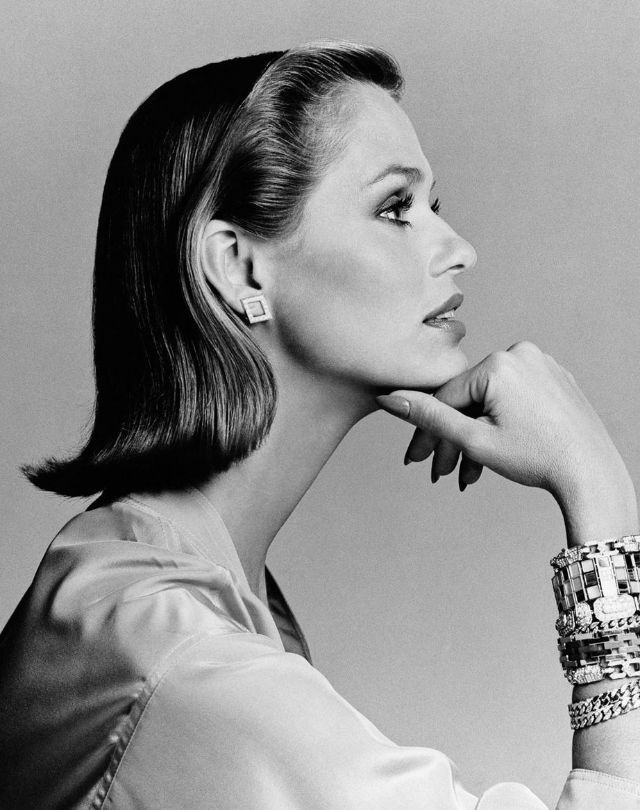
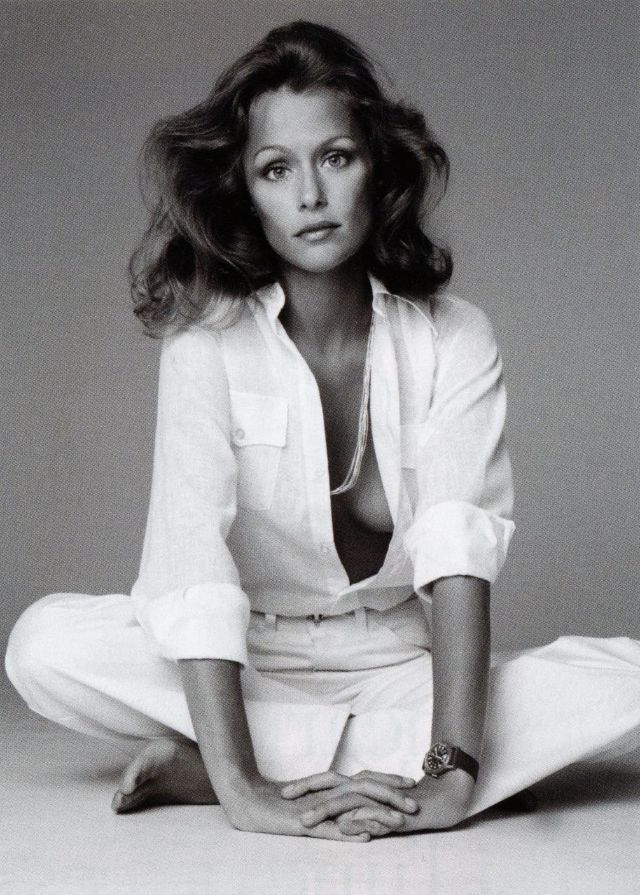
Lauren Hutton’s modeling career began in the mid-1960s. Initially she tried to hide her iconic gap teeth with a cap, and even mortician’s wax. Signing one of the biggest modeling contracts of all time with Revlon in 1973 helped solidify Hutton’s supermodel status. Her partnership with the cosmetics company lasted 10 years.
Born Mary Laurence Hutton on November 17, 1943 in Charleston, South Carolina, the aspiring model moved to New York just after college, where she changed her name and quickly became the picture of American beauty, swiftly amassing a record 26 covers of Vogue magazine. But Hutton was not just a pretty face. The model effortlessly transitioned into the actress role, starring in iconic films such as The Gambler (1974) and American Gigolo (1980). Nearly three decades later, Hutton shows no signs of slowing down.
Hutton has a distinct personal style that can best be described as effortless. She favored light sportswear looks, often opting for blazers. Here’s a selection of 40 photos, all taken in the 1970s and early ’80s, are packed with styling inspiration for the here and now. What’s more, they offer quite the glimpse into just how much fun Hutton was having back then.
London is the capital and largest city of England and the United Kingdom, with a population of just over 9 million. It stands on the River Thames in south-east England at the head of a 50-mile (80 km) estuary down to the North Sea, and has been a major settlement for two millennia. The City of London, its ancient core and financial centre, was founded by the Romans as Londinium and retains boundaries close to its medieval ones. Since the 19th century, The name “London” has also referred to the metropolis around this core, historically split between the counties of Middlesex, Essex, Surrey, Kent, and Hertfordshire, which largely comprises Greater London, governed by the Greater London Authority. The City of Westminster, to the west of the City of London, has for centuries held the national government and parliament.
As one of the world’s major global cities, London exerts a strong influence on its arts, entertainment, fashion, education, commerce and finance, health care, media, science and technology, tourism, and communications. Its GDP (€801.66 billion in 2017) makes it the biggest urban economy in Europe, and it is one of the major financial centres in the world. As of 2021, London had the most millionaires of any city. With Europe’s largest concentration of higher education institutions, it includes Imperial College London in natural and applied sciences, the London School of Economics in social sciences, and the comprehensive University College London. The city is home to the most 5-star hotels of any city in the world. In 2012, London became the first city to host three Summer Olympic Games.
London’s diverse cultures encompass over 300 languages. The mid-2018 population of Greater London of about 9 million[5] made it Europe’s third-most populous city, accounting for 13.4% of the population of the United Kingdom and over 16% of the population of England. Greater London Built-up Area is the fourth-most populous in Europe, after Istanbul, Moscow and Paris, with about 9.8 million inhabitants at the 2011 census. The London metropolitan area is the third-most populous in Europe after Istanbul’s and Moscow’s, with about 14 million inhabitants in 2016, granting London the status of a megacity.
London has four World Heritage Sites: the Tower of London; Kew Gardens; the combined Palace of Westminster, Westminster Abbey, and St Margaret’s Church; and also the historic settlement in Greenwich, where the Royal Observatory, Greenwich defines the Prime Meridian (0° longitude) and Greenwich Mean Time. Other landmarks include Buckingham Palace, the London Eye, Piccadilly Circus, St Paul’s Cathedral, Tower Bridge, and Trafalgar Square. It has numerous museums, galleries, libraries and sporting venues, including the British Museum, National Gallery, Natural History Museum, Tate Modern, British Library, and numerous West End theatres. The London Underground is the oldest rapid transit system in the world. Important annual sporting events held in London include the FA Cup Final, Wimbledon Tennis Championships and London Marathon. (Wikipedia)
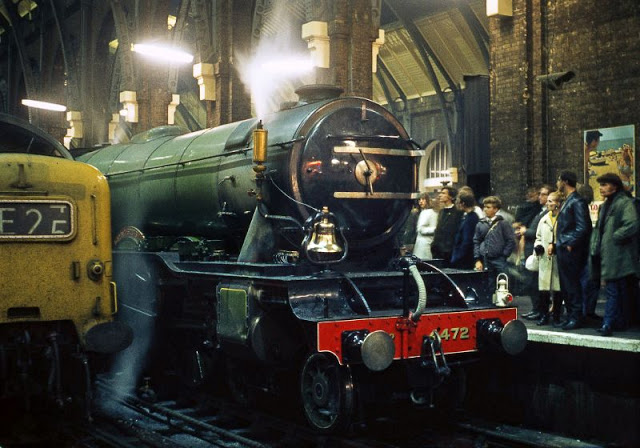
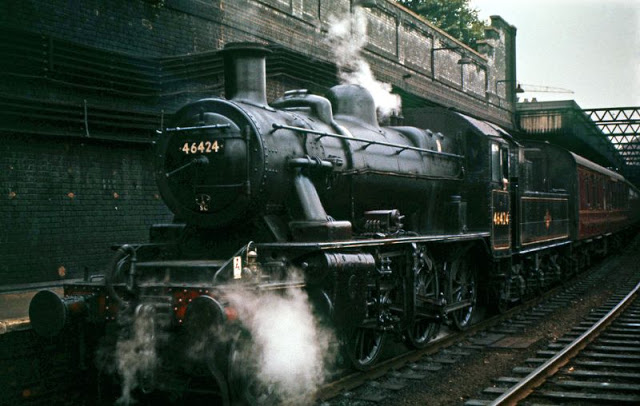
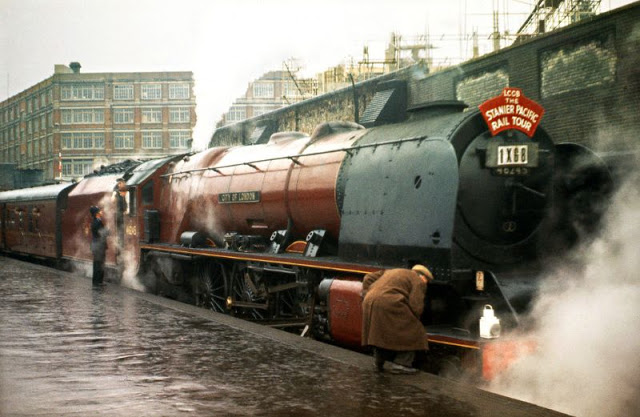
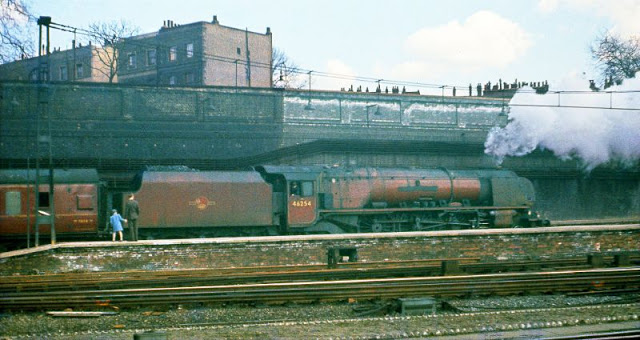
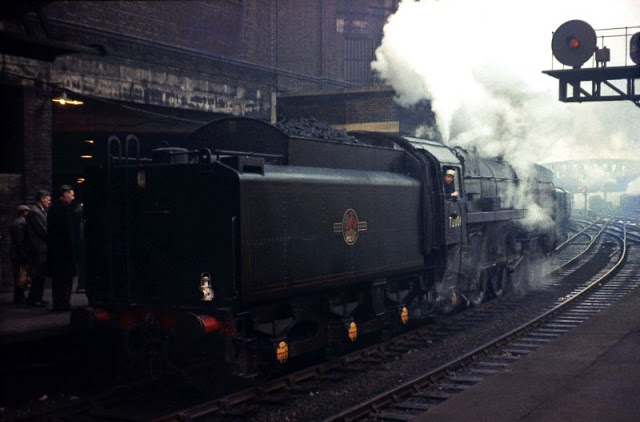
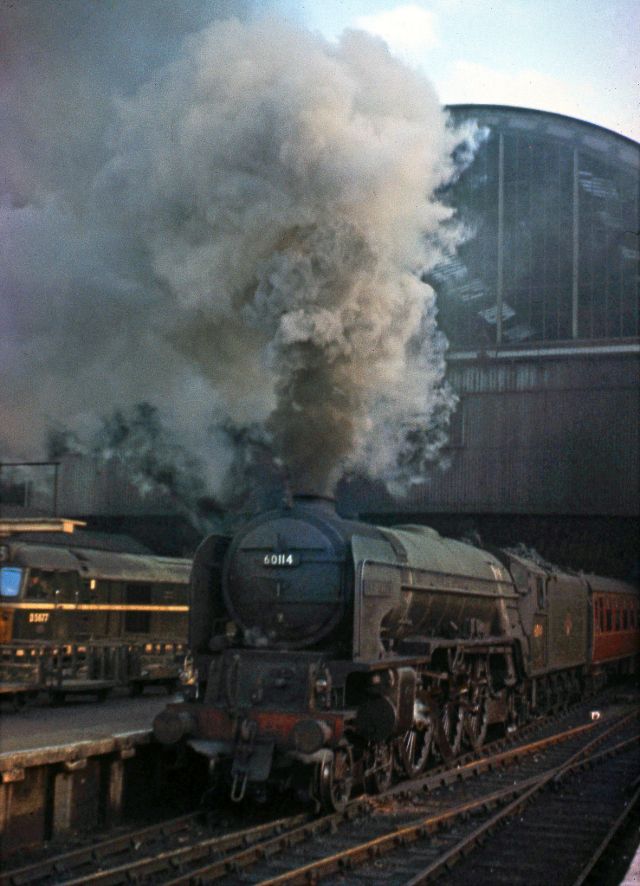
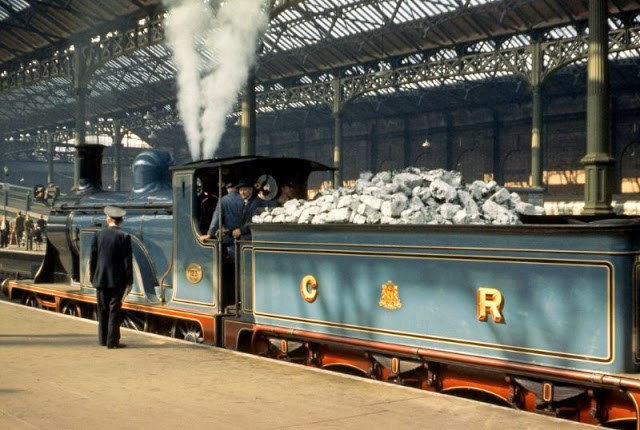
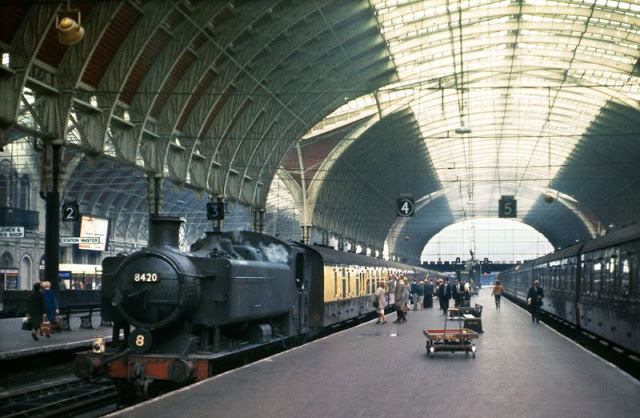
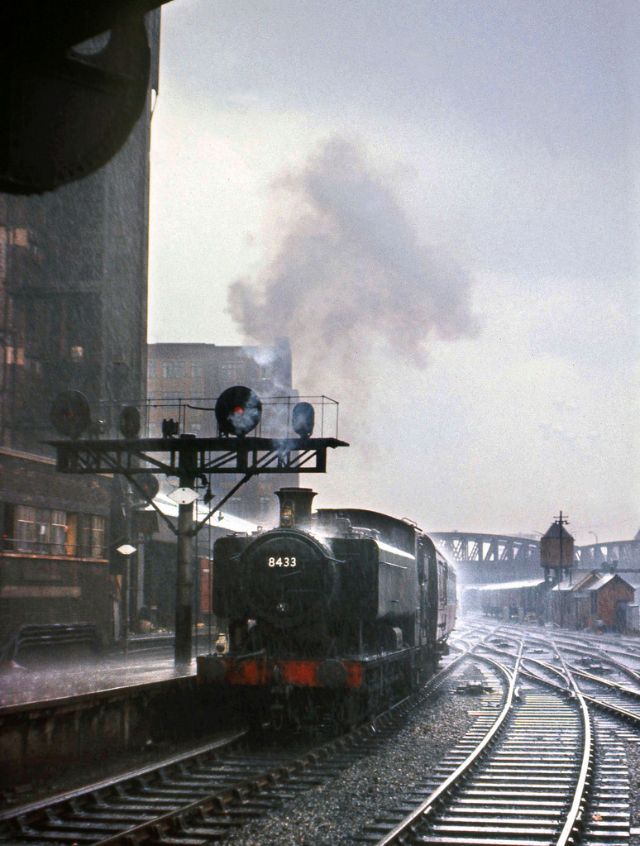
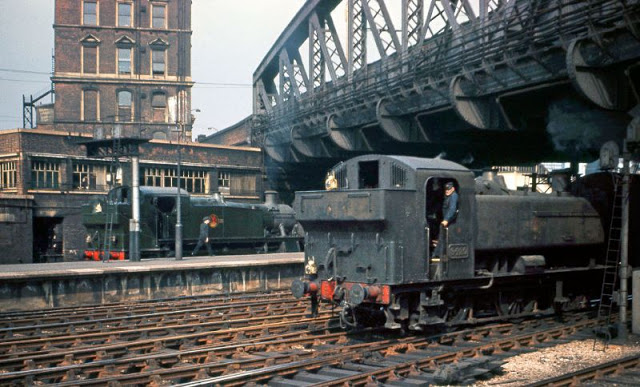
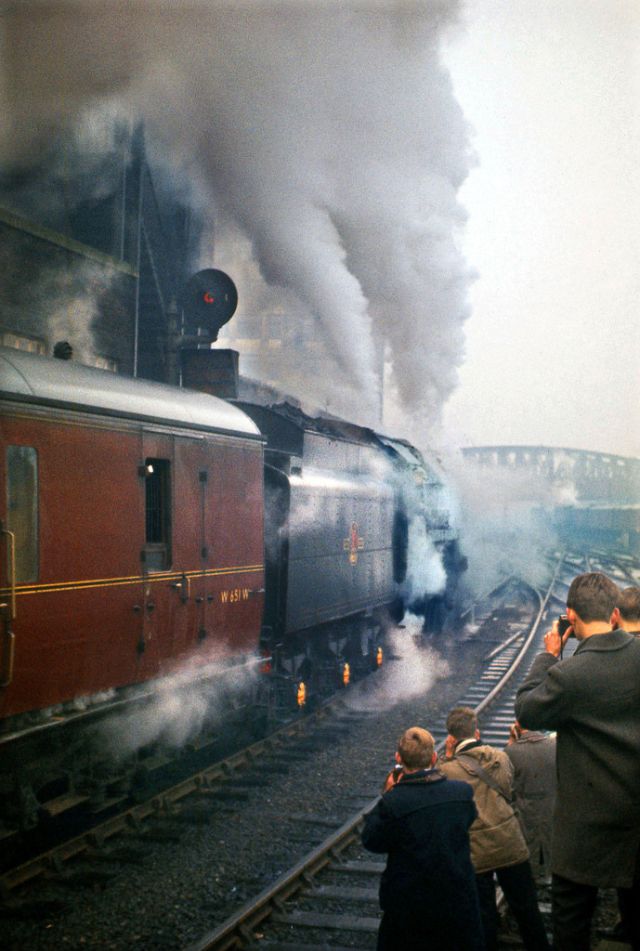
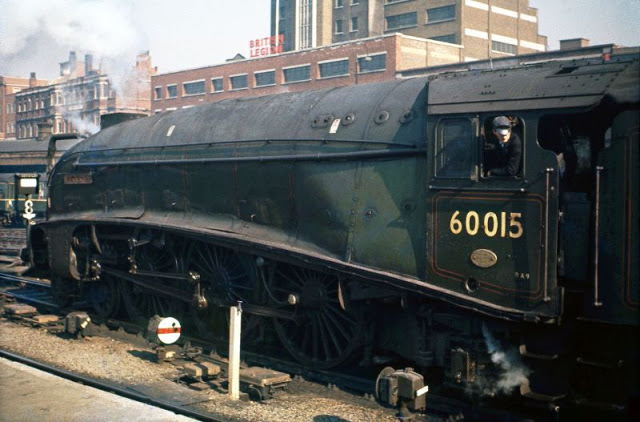
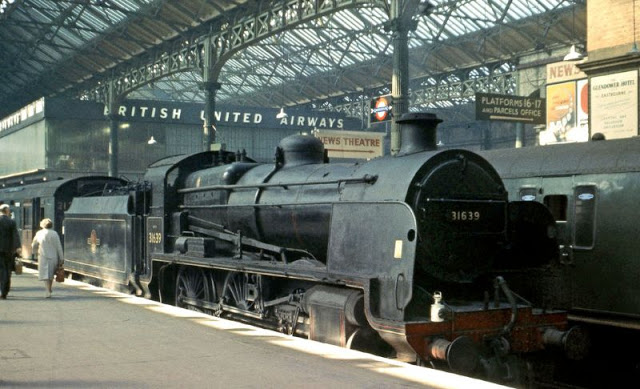
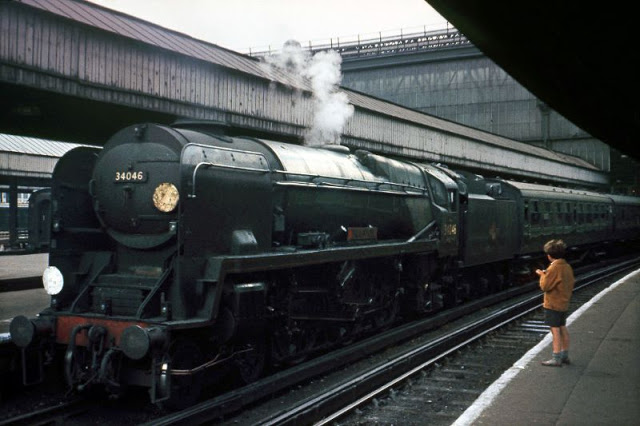
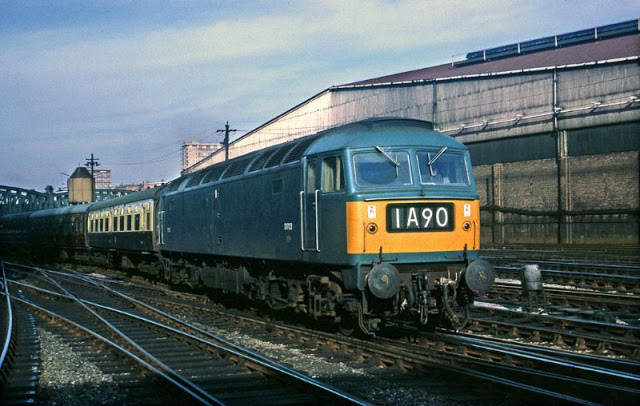
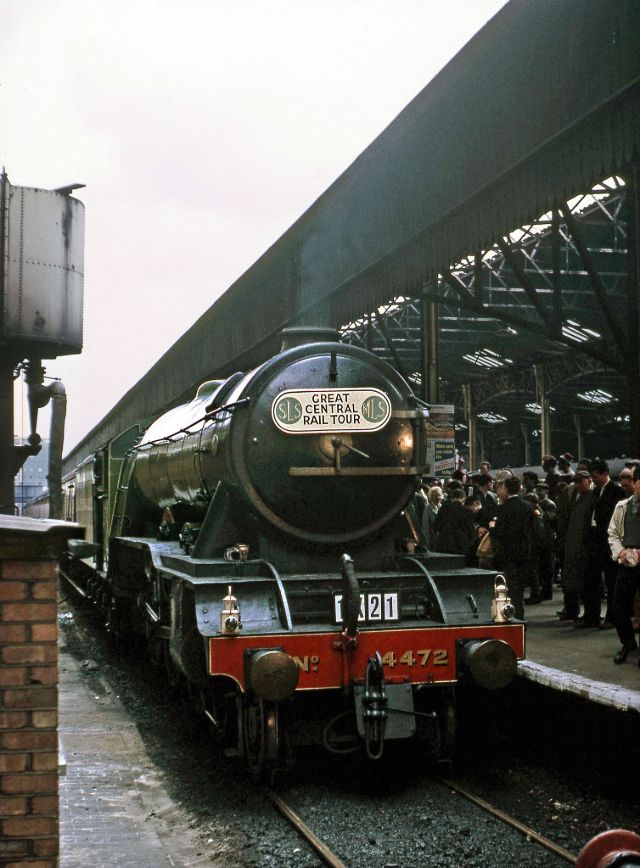
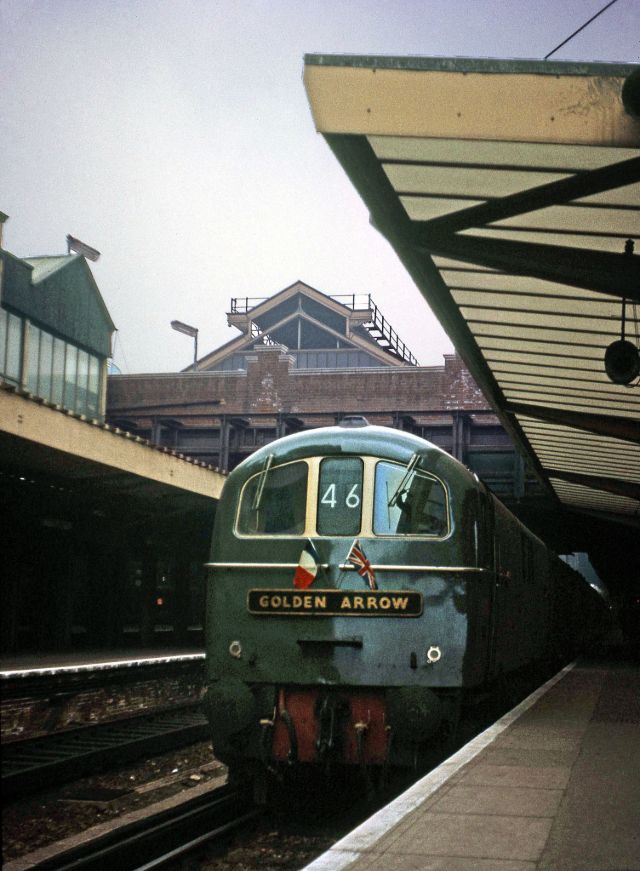
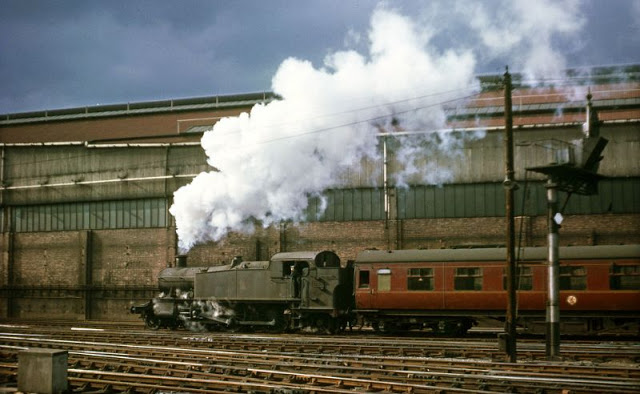
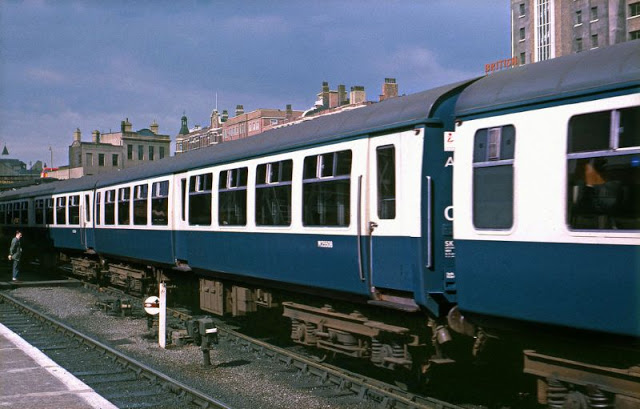
A Blue Pullman set arriving at Paddington, September 5, 196246256 Sir William A Stanier at Euston, September 3, 1962Blue Pullman at Paddington, September 5, 1962D1000 Western Enterprise at Paddington, September 5, 1962Ivatt 2MT 46424 at Euston, September 3, 1962Spanking new D1037 Western Empress gets its running lamp changed at Paddington, September 5, 196246245 City of London at Euston, November 17, 196346254 City of Stoke-on-Trent backs out at Euston, April 12, 196372006 Clan Mackenzie backs down at Paddington, December 8, 1963A1 60114 W.P.Allen (Doncaster) departs Kings Cross, April 13, 1963A1 60130 Kestrel at Kings Cross, March 2, 1963A4 60022 Mallard deps. Kings Cross, March 2, 1963Black 5 45015 at Euston, May 25, 1963Cab of Caley Single 123 at Victoria, September 15, 1963Caley Single & T9 on Bluebell Special at Victoria Station, September 15, 1963Caley Single 123 departing Victoria, September 15, 1963Caley Single No.123 about to depart Victoria on the ‘Bluebell’ special, September 15, 1963EE type 4 D379 at the head of a train with Sulzer type 2 D5074 at Euston, October 6, 1963Jubilee class ‘Silver Jubilee’ departs Paddington on a Home Counties Special, October 6, 1963LSWR T9 No.120 doubles up with the Caley Single at Victoria Station, September 15, 1963Outside Cylinder Pannier Tank 1506 piloting at Paddington, April 20, 1963Paddington interior with Pannier Tank 8420, October 6, 1963Pannier tank No.8433 pilots a train into the platforms at Paddington, June 9, 1963Pannier Tank No.9420 and 2-6-2 Tank No.6163 on pilot duties at Paddington, June 15, 1963Stnd.5MT 73089 (Nine Elms) departs in the rain at Waterloo, April 20, 1963T9 120’s cab at Victoria Station, September 15, 1963The Clan, 72006, now departs Paddington suitably photographed by young enthusiasts, December 8, 1963Top Sheds A4 60015 Quicksilver backs down at Kings Cross, March 2, 1963U class 31639 (Norwood) had brought the stock of the Bluebell Special into Victoria Station, September 15, 1963U class 31639 at Victoria, September 15, 1963WC class 34046 Braunton at Waterloo, June 9, 1963LSWR T9 120 & CR Single 123 (from rear) at Victoria Station, September 15, 19634472 Flying Scotsman at Marylebone, April 18, 1964Britannia 70020 Mercury at Kings Cross, October 4, 1964Early morning departures from Waterloo – 34102 Lapford (clean) with 34006 Bude, October 11, 1964Experimental blue-liveried D1733 arriving Paddington, September 20, 1964LNER A3 4472 Flying Scotsman just arrived at Marylebone, April 18, 1964Pannier 9710 at Paddington, September 20, 1964SR Electric Loco E5010 on the Golden Arrow at Victoria, March 28, 1964Tank 6160 pilots at Paddington, August 8, 1964XP64 stock at Kings Cross, August 8, 1964Clun Castle dep. Kings Cross, September 17, 1967Flying Scotsman at Kings Cross, April 30, 1967Flying Scotsman departs Kings Cross on her special, April 30, 1967A loco of Flying Scotsman departing Kings Cross, March 30, 1969Flying Scotsman at Kings Cross buffers, August 31, 1969Flying Scotsman departing Kings Cross, March 30, 1969Flying Scotsman departing Kings Cross, March 30, 1969
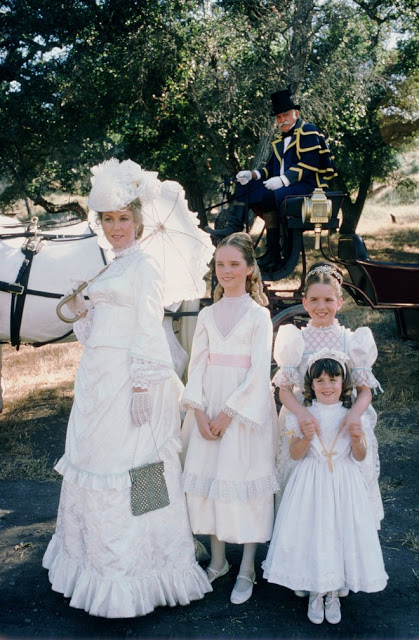
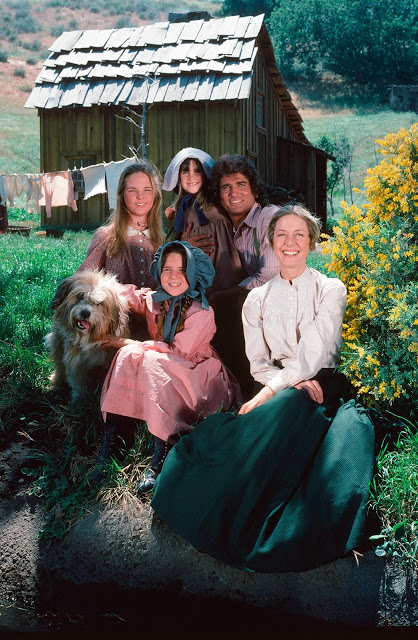
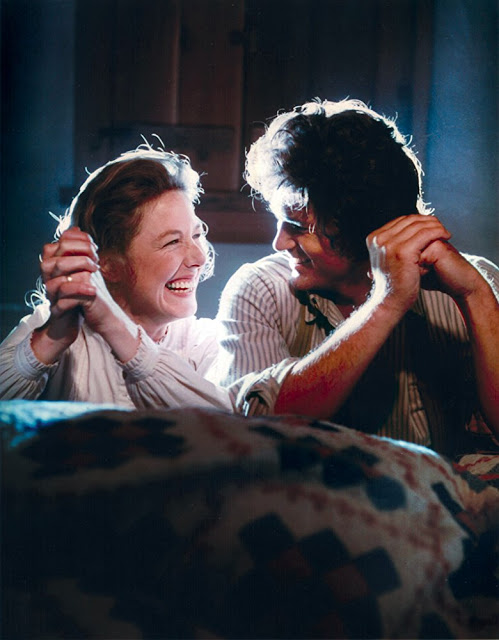
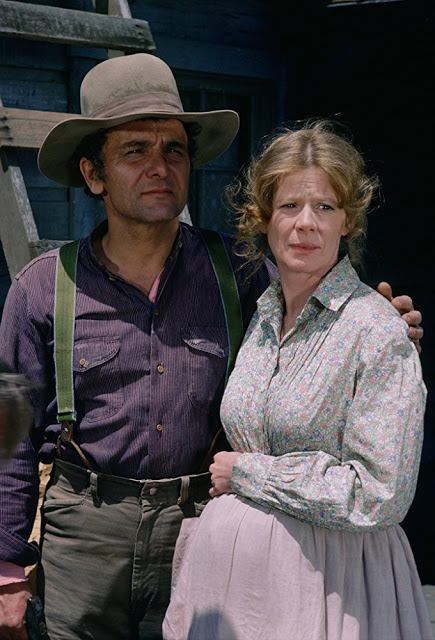
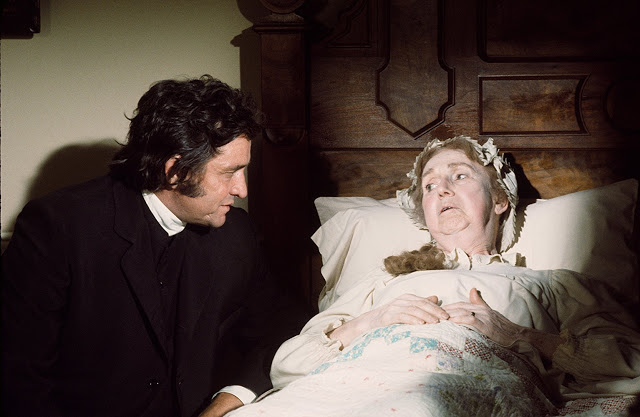
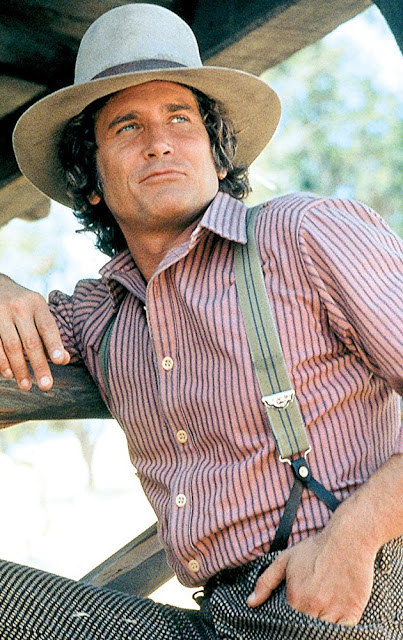
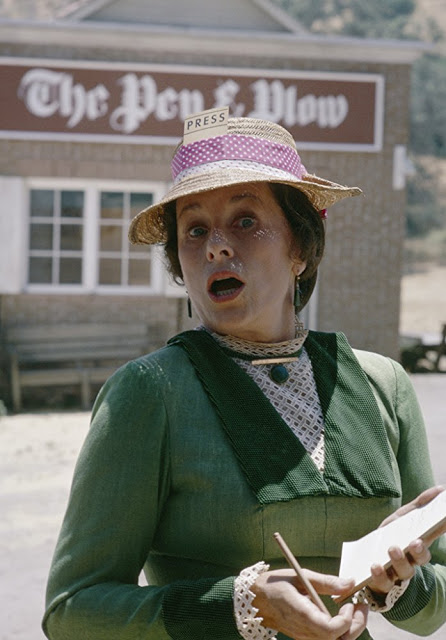
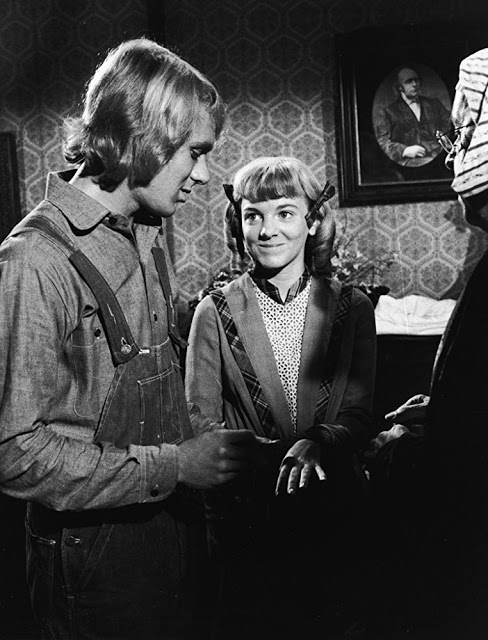
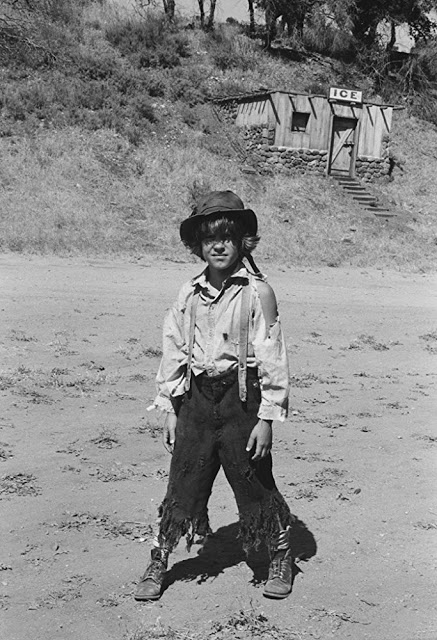
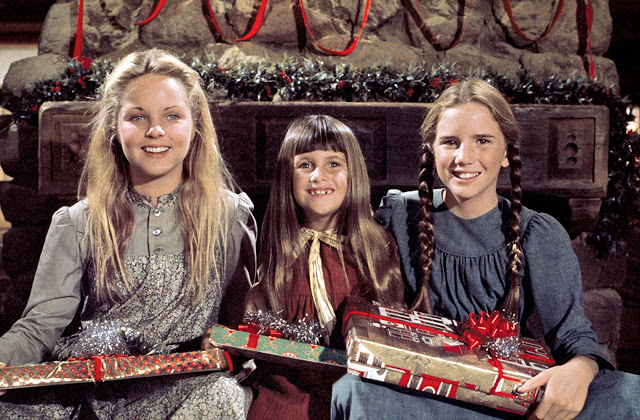
The television series Little House on the Prairie aired on the NBC network from 1974 to 1983. The show was a loose adaptation of Laura Ingalls Wilder’s Little House on the Prairie semi-autobiographical novel series, although the namesake book was represented in the premiere only; the ensuing television episodes primarily followed characters and locations from the follow-up book, On the Banks of Plum Creek (1937), although the continuity of the television series greatly departed from this book as well.
Some storylines were borrowed from Wilders’ later books but were portrayed as having taken place in the Plum Creek setting. Michael Landon starred as Charles Ingalls, Karen Grassle played Caroline Ingalls, Melissa Gilbert played Laura Ingalls, Melissa Sue Anderson played Mary Ingalls, and the twins Lindsay and Sidney Greenbush (credited as Lindsay Sidney Greenbush) played Carrie Ingalls. Victor French portrayed long-time friend Mr. Edwards. Dean Butler portrayed Laura’s husband, Almanzo Wilder. Some characters were added in the show, such as Albert, played by Matthew Laborteaux, an orphan whom the family adopted.
Although it deviated from the original books in many respects, the television series, which was set in Walnut Grove, Minnesota, was one of a few long-running successful dramatic family shows. It remained a top-rated series, and garnered 17 Emmy® and three Golden Globe® nominations, along with two People’s Choice® Awards. Below is a collection of 33 fascinating vintage photos from Little House on the Prairie (Season 1).
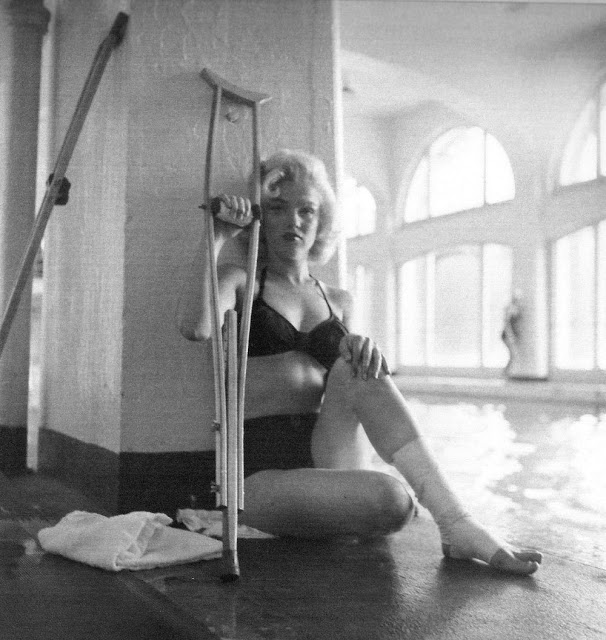
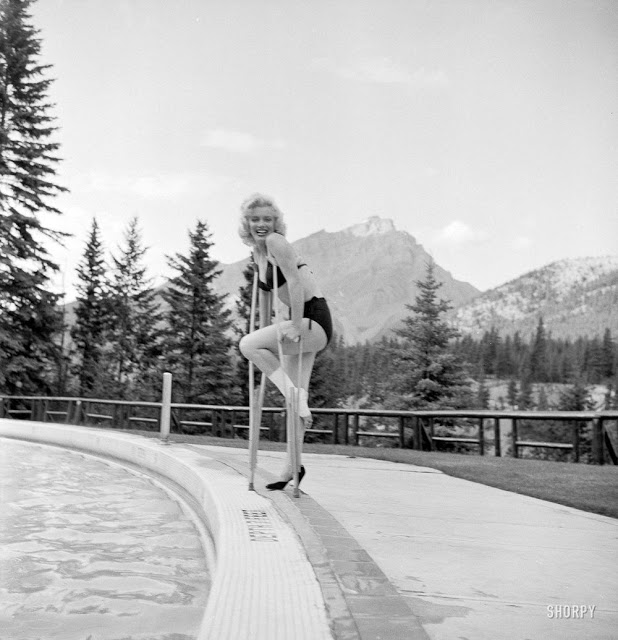
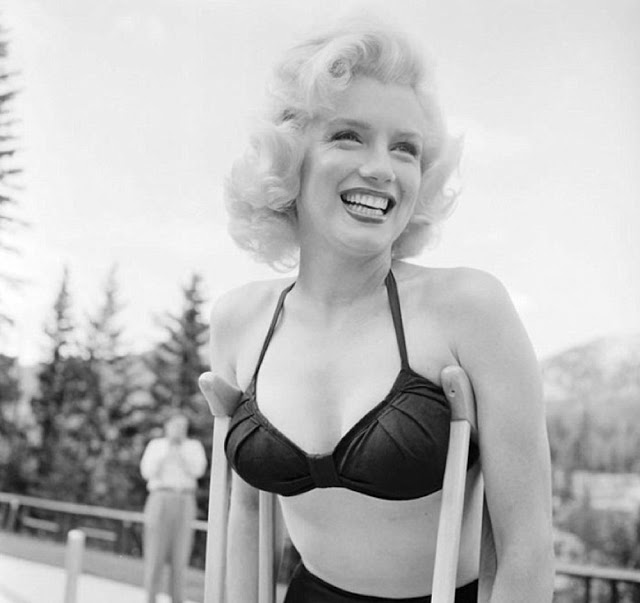
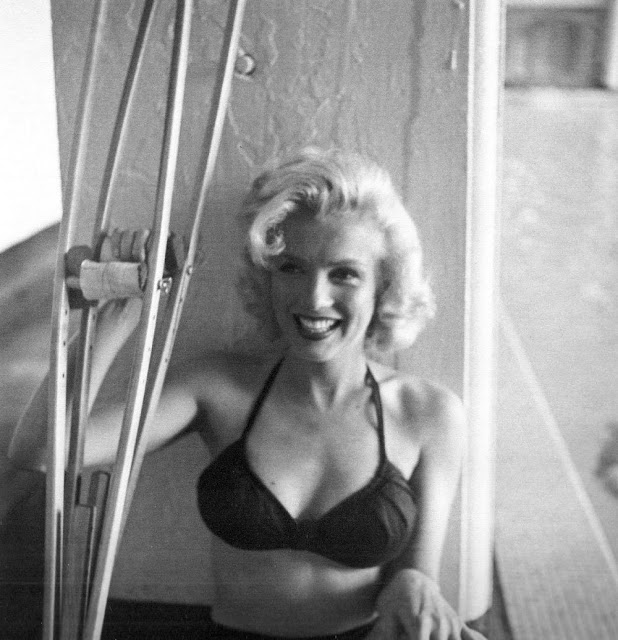
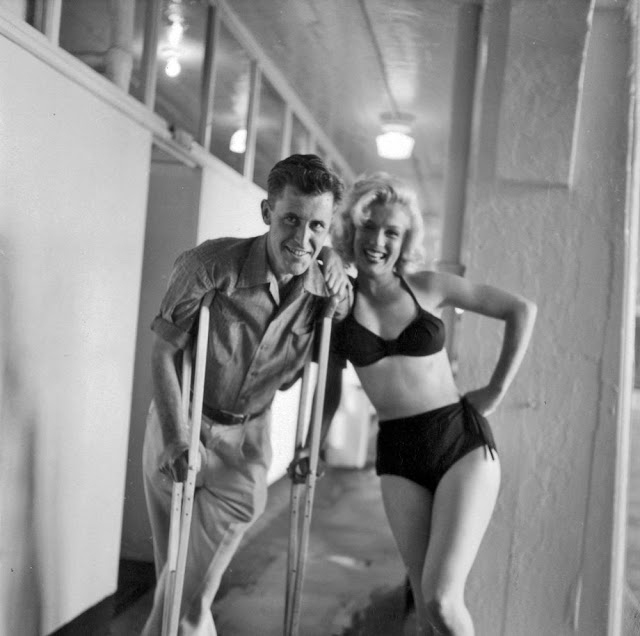
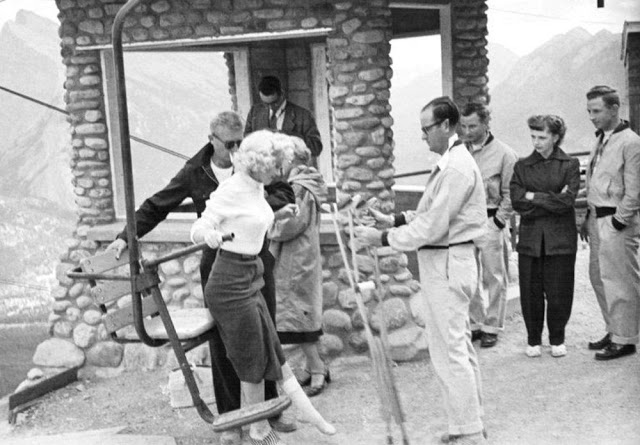
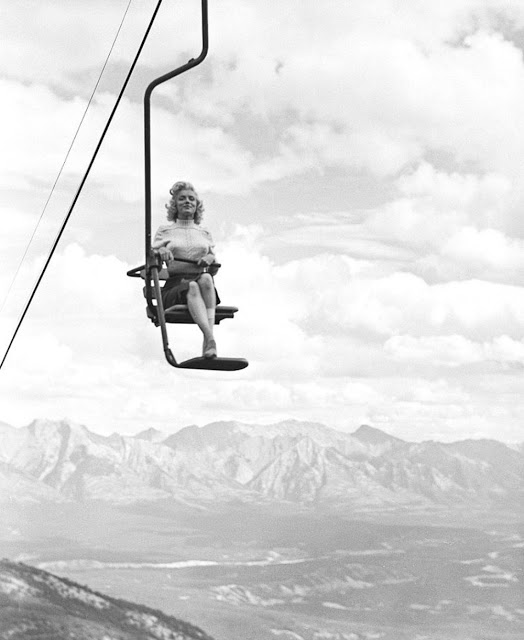
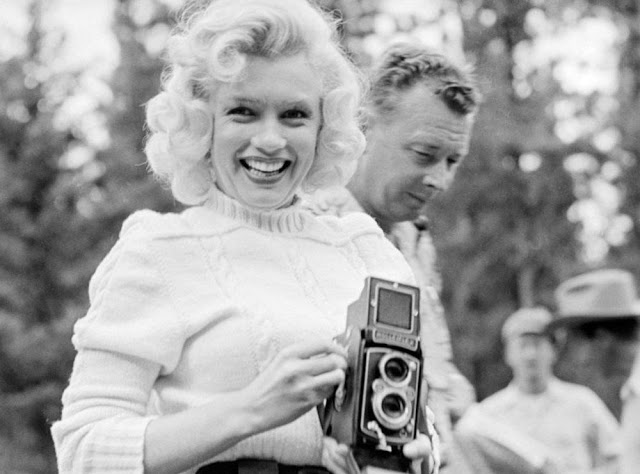
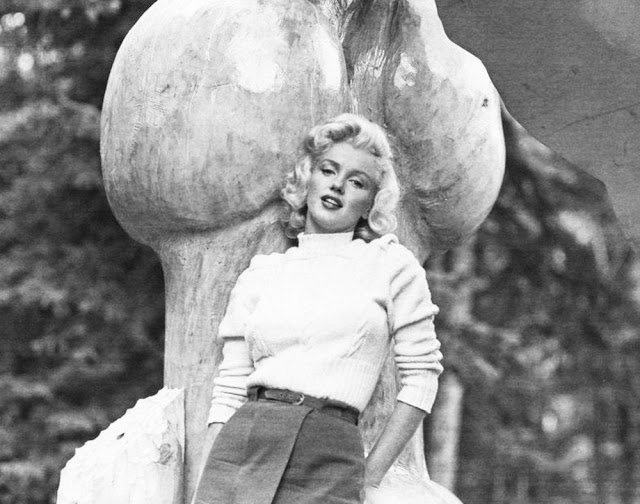
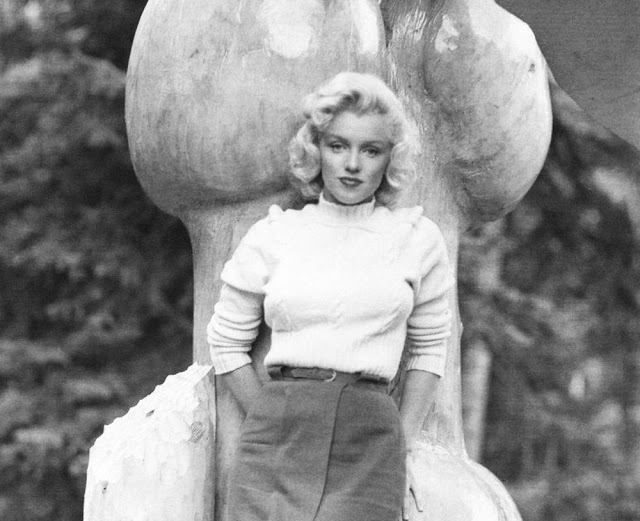
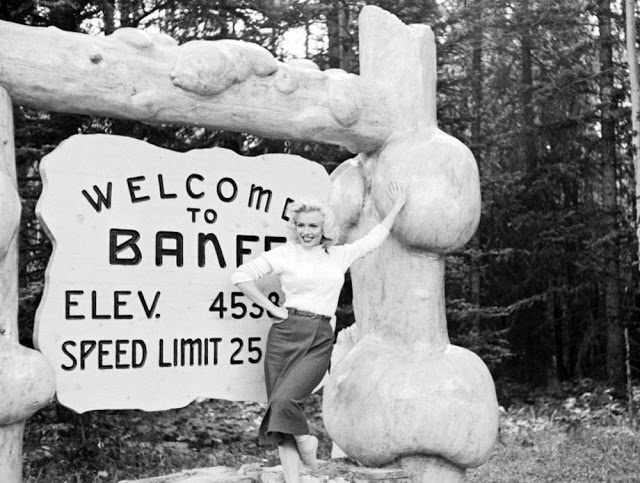
Marilyn Monroe filmed River of No Return in the Canadian Rockies at Alberta’s Bow Valley. It was her first western and during filming she twisted her ankle during a scene in the river, bringing Joe DiMaggio to her side as she hobbled around on crutches. Some say the injury was Marilyn’s way of getting back at director Otto Preminger, with whom Marilyn didn’t get along.
The photos were shot by John Vachon, on assignment for LOOK magazine in Alberta, Canada, where Monroe was filming River of No Return with Robert Mitchum. An injured ankle prevented Monroe from filming, allowing Vachon to have several days to shoot the Hollywood icon.
Vachon’s lens captured her in a variety of contexts and countenances. Here is Marilyn the way we want to remember her: luminous, sexually charismatic, smiling radiantly — even on crutches. This extraordinary portfolio of revealing images ranges from her mugging poolside to riding high on a ski lift to nuzzling with her then-husband-to-be, the legendary Joe DiMaggio — the only time that the two posed formally together for a photographer.
These are the pictures of Miss Monroe that were taken for LOOK magazine in 1953, but only three from the album made it into the final edition. The remaining negatives have been hidden away – until 2011.
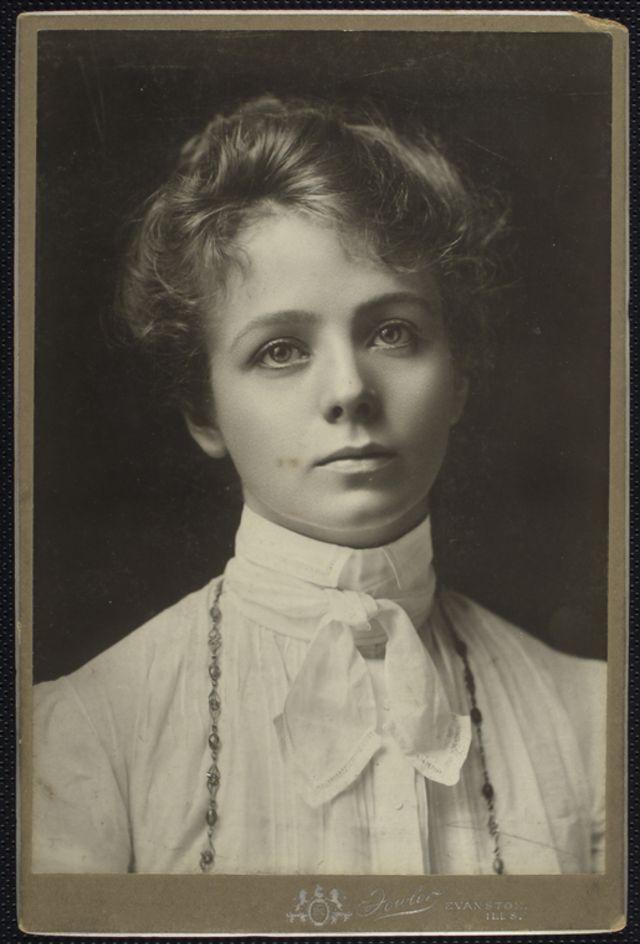
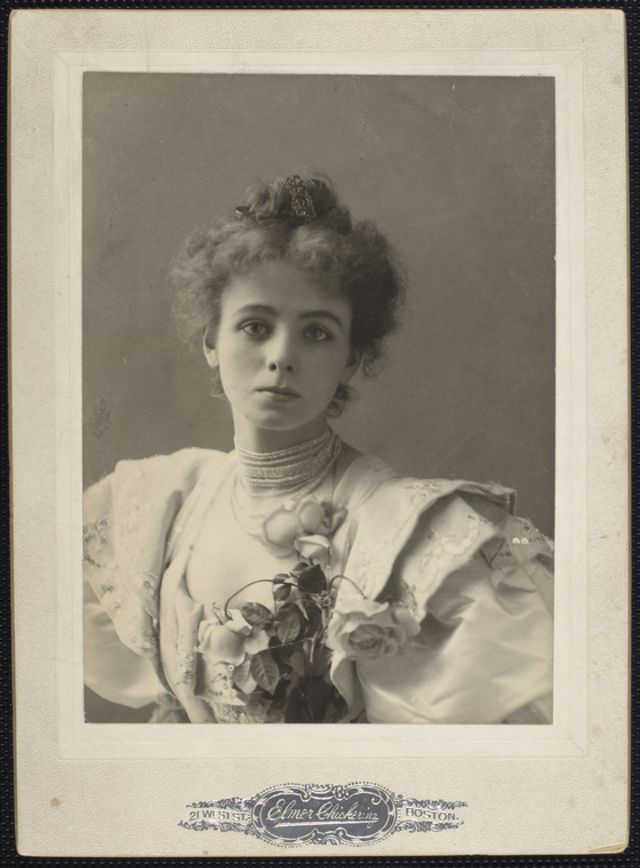
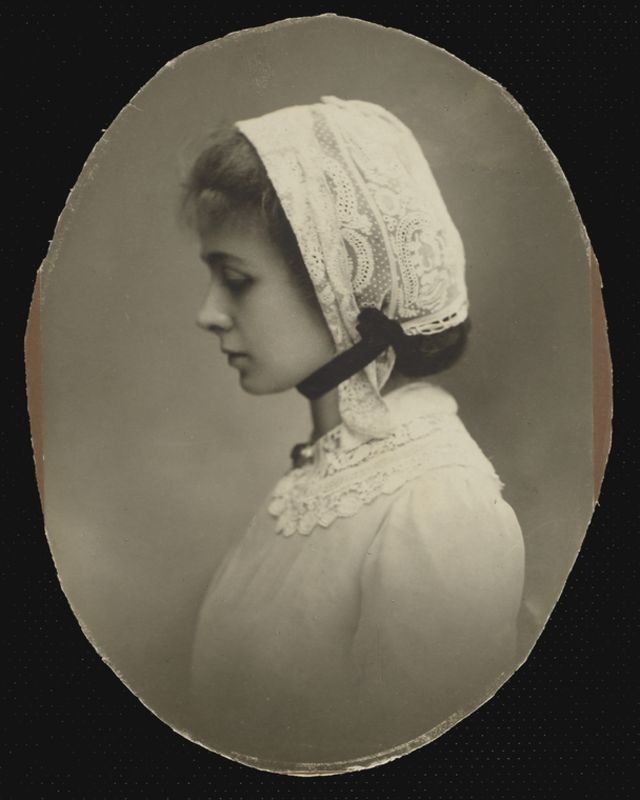
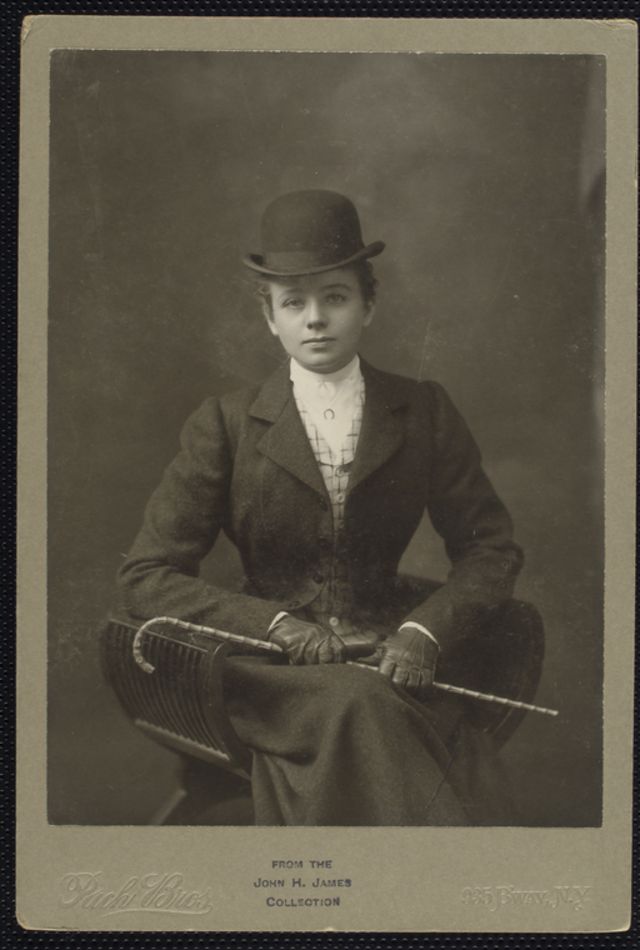
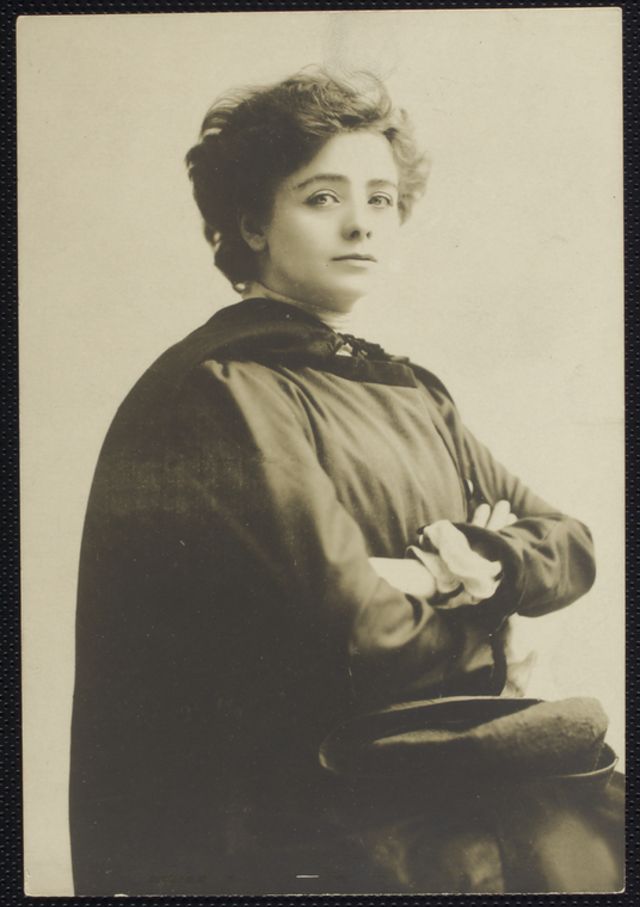
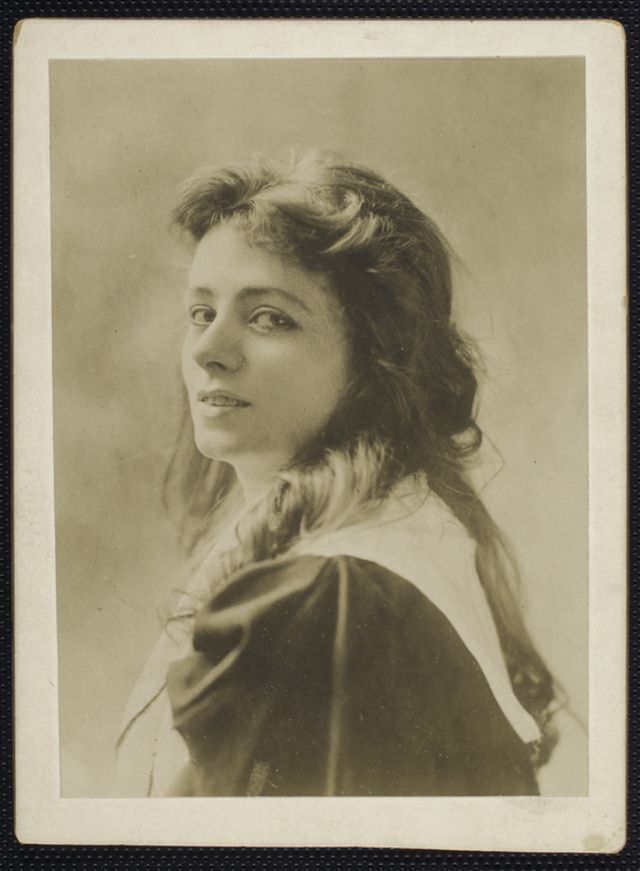
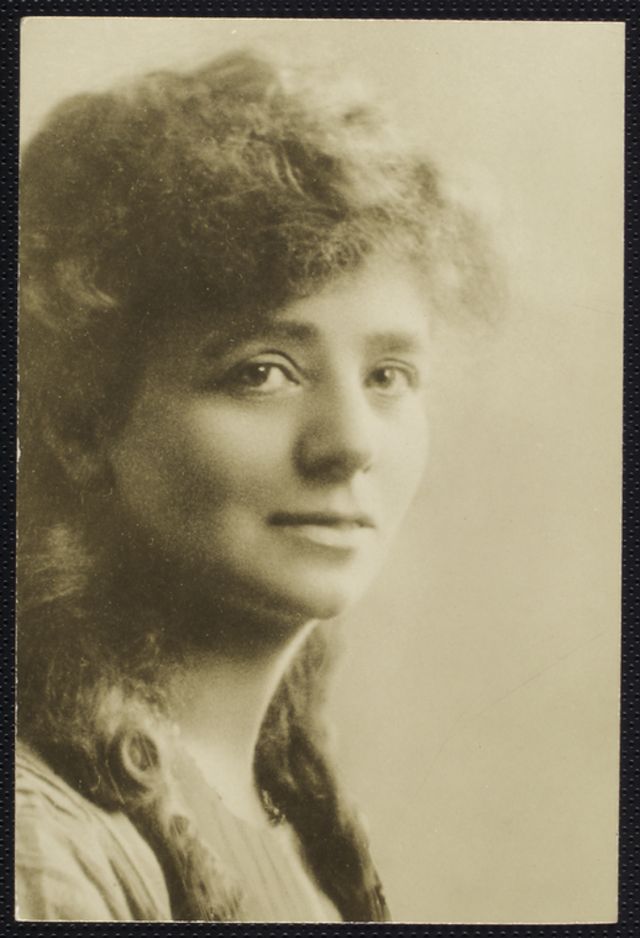
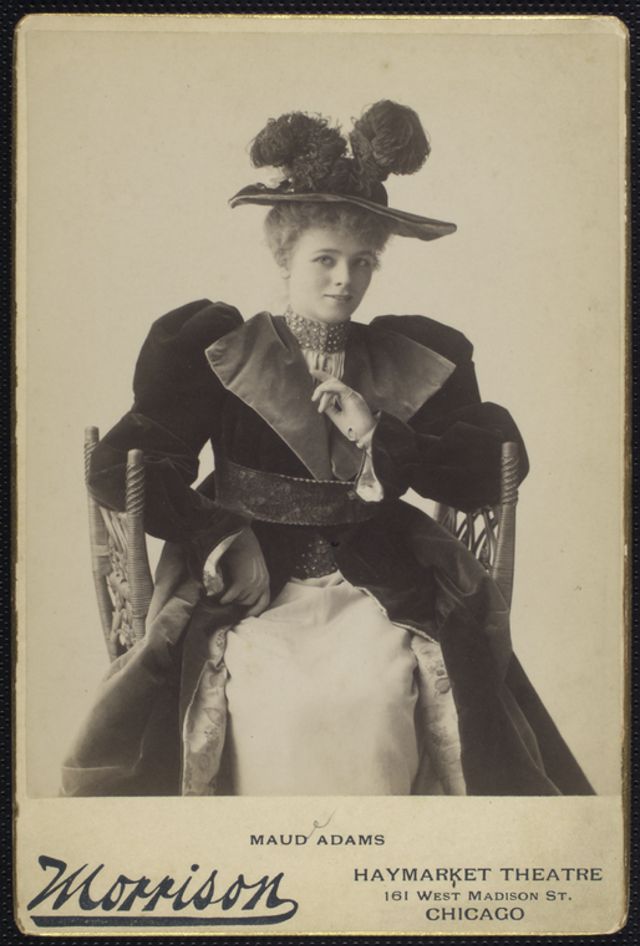
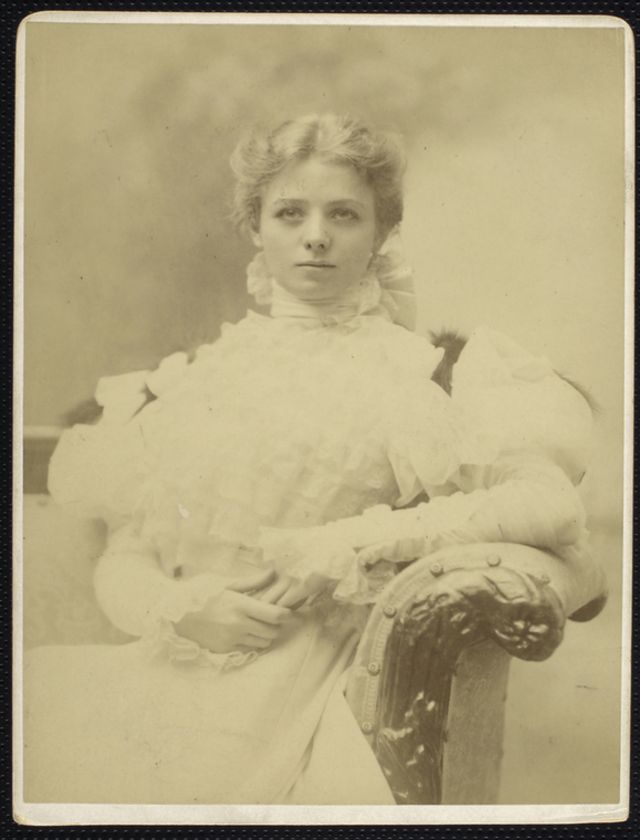
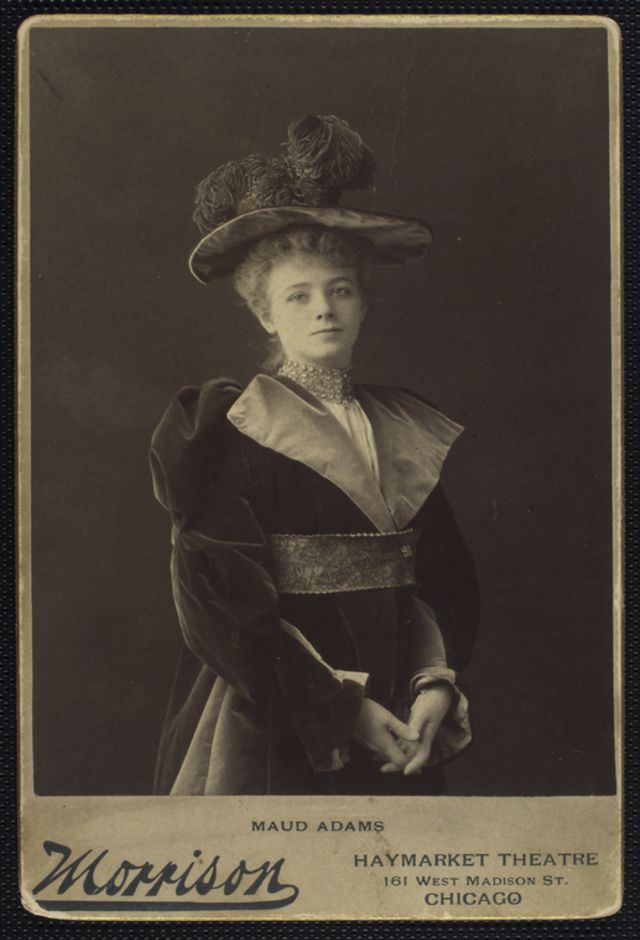
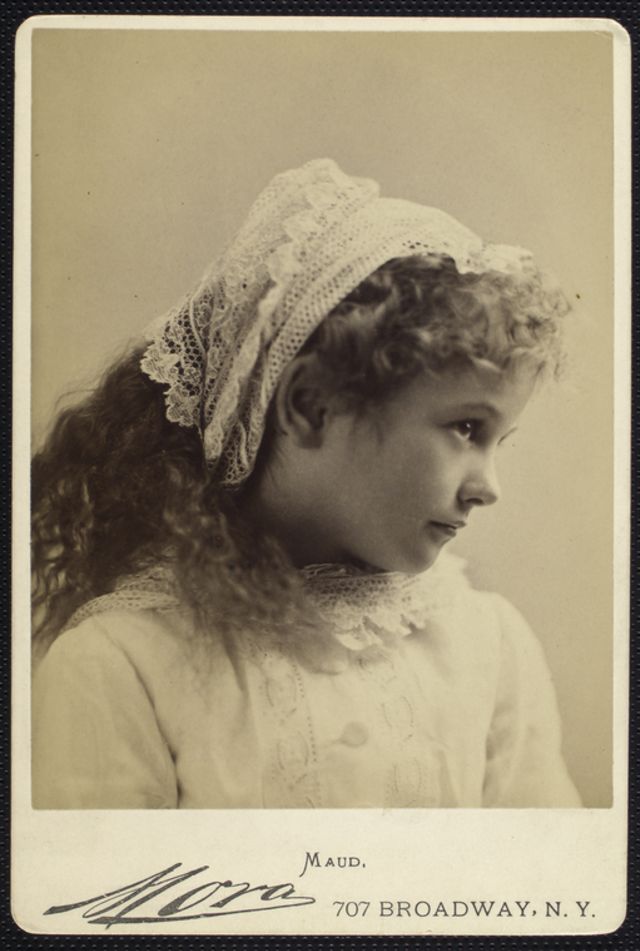
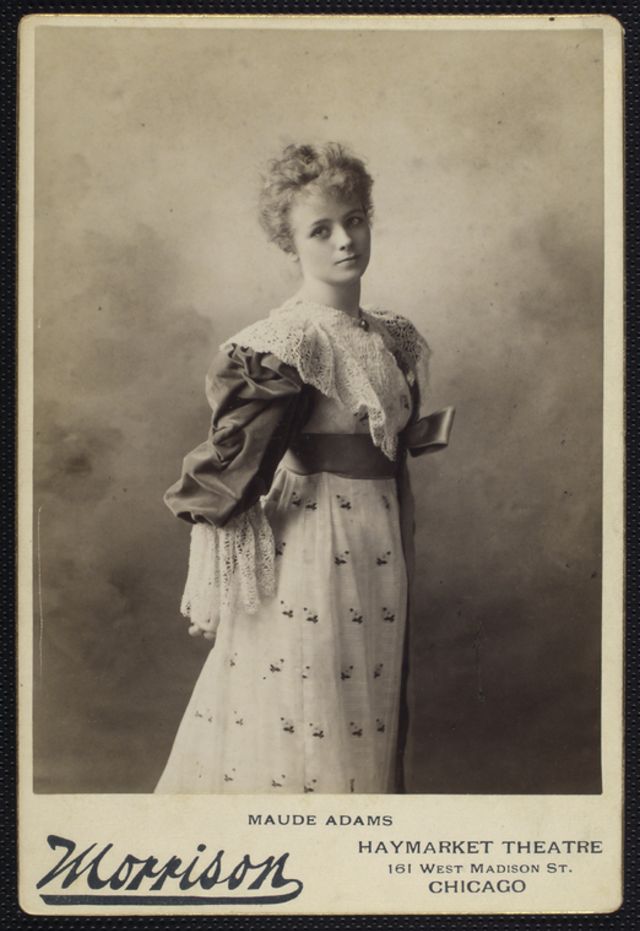
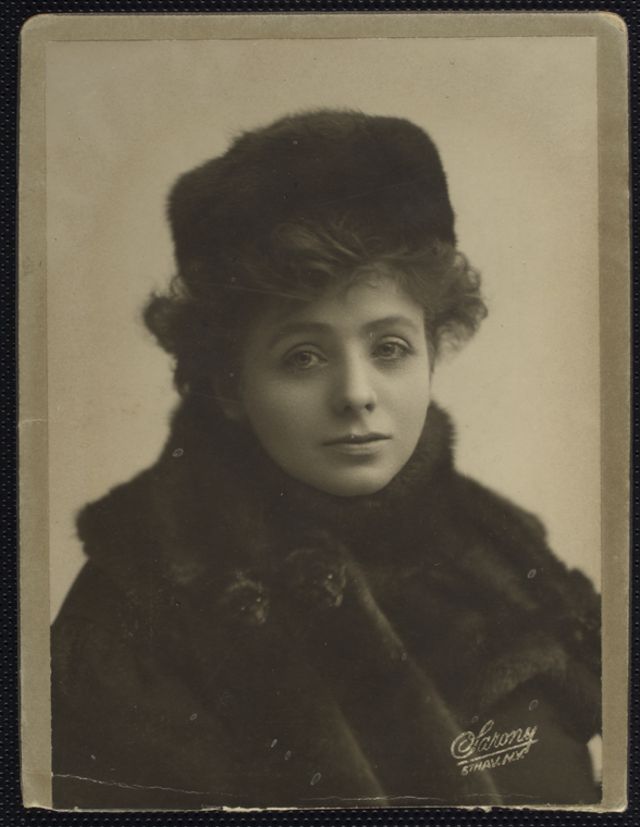
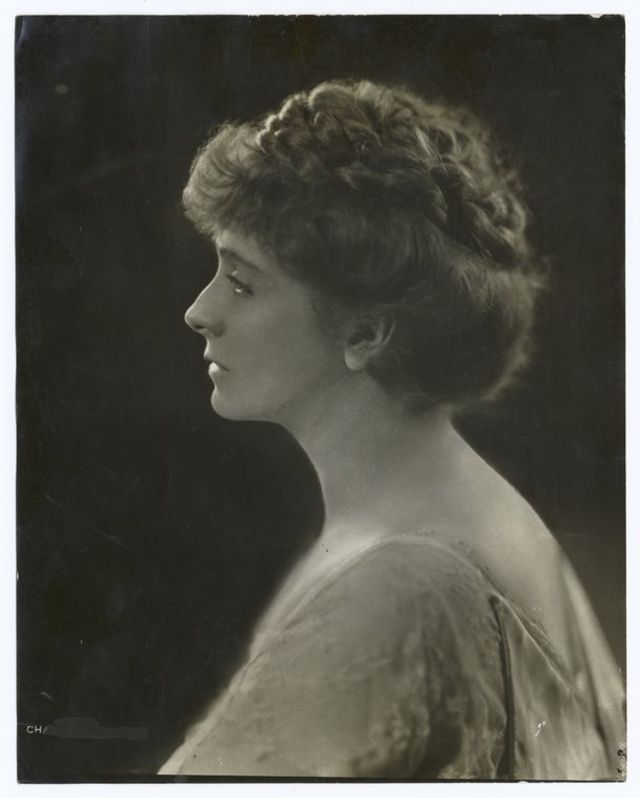
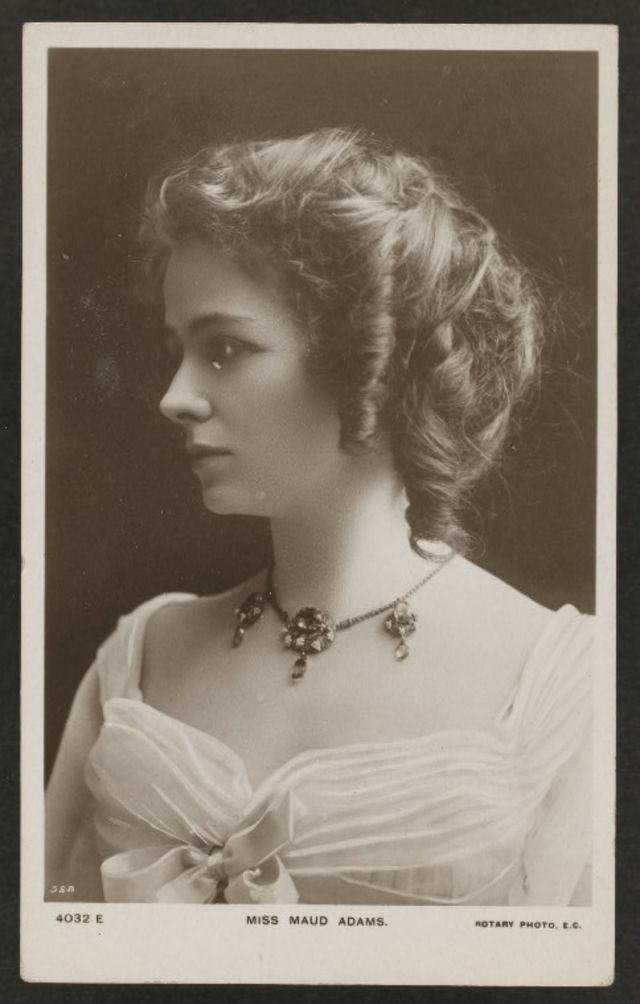
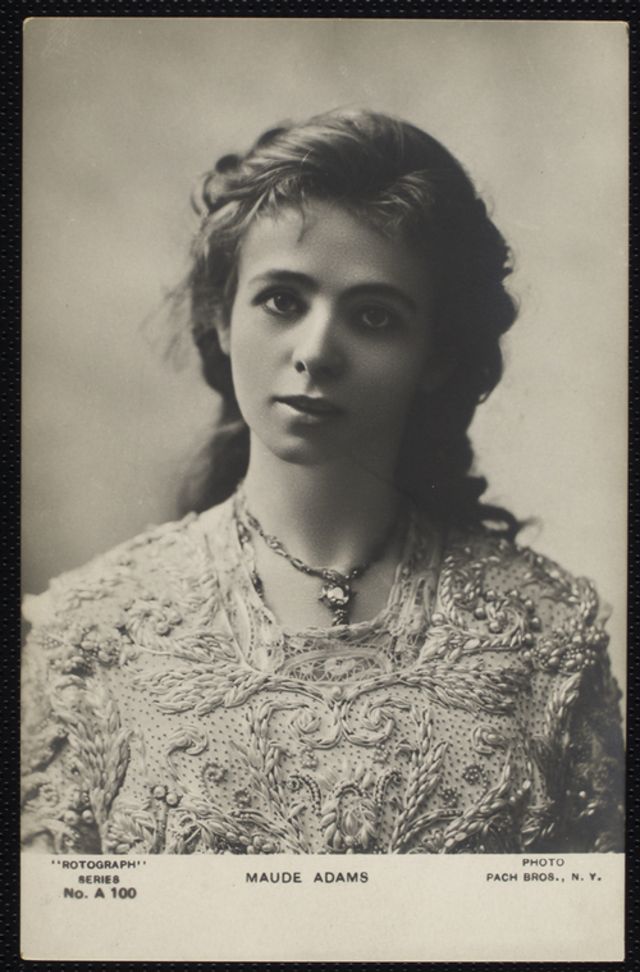
Maude Adams, her stage name, was born Maude Ewing Adams Kiskadden in 1872 in Salt Lake City, Utah. Her mother was Asaneth Ann Adams Kiskadden, also an actress, who went by the stage name of Annie Adams. Maude Adams was a hugely successful American stage actress of the late nineteenth and early twentieth centuries. She was perhaps most famous for her performance as Peter Pan. When playwright J.M. Barrie needed an actress to play Peter Pan on Broadway, he turned to Maude Adams. Adams has proven herself and became a star in prior productions Barrie worked on. The choice proved an excellent one.
Adams moved to New York City at the age of 16 where she made her Broadway debut. She signed on with legendary Broadway producer Charles Frohman who elevated her career. It was only after J.M. Barrie saw Adams in a production of Rosemary that he agreed to adapt the novel The Little Minister for Frohman to produce on stage. Until seeing Adams perform, Barrie was unwilling to adapt the novel for the stage. He did not believe there was an actress available who could play the leading female role of Lady Babbie. Adams’s performance changed his mind. The production, with Adams cast, was a tremendous success. It broke box office records. The vast majority of performances being standing room only. A film version of The Little Minister based on the novel, and Barrie’s adaption of it, would be released in 1934. It starred famed actress Katherine Hepburn. Had Adams not won over Barrie with her strong performance in Rosemary, it’s possible neither the stage or film productions of The Little Minister would have ever happened. It’s also possible that Adams would have not gone on to become Broadway’s first Peter Pan.
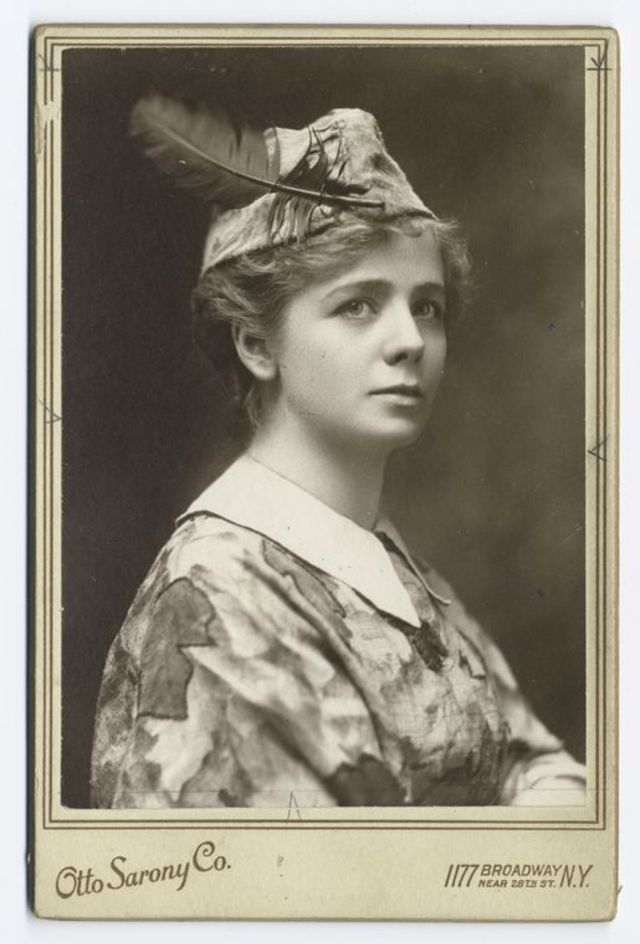
Peter Pan debuted on Broadway in 1905 with Maude Adams in the title role. An emergency appendectomy shortly after her being cast raised doubts whether she would be able to perform. But she went on for over 1,500 performances and earning $20,000 a month; an amount unheard of at the time. Her portrayal of the character would set the example for all performing the role of Peter Pan who followed. She even helped create the costume. Adams would often reprise the role over the decade that the first production was on Broadway.
Adams worked with Barrie in many roles throughout the early 1900s. She retired from the stage after falling ill in 1918. In the 1920s, she worked with General Electric to improve stage lighting and the Eastman Company to develop color photography. She helped invent a high-powered light bulb that made color movies possible. Her retirement from the stage was short-lived. She returned to acting in 1931 and continued until 1934. At the high point of her career, Adams made over $1 million a year. She would supplement the pay of other actors in productions she was in. In 1937, she became the head of the drama department at Stephens College in Missouri.
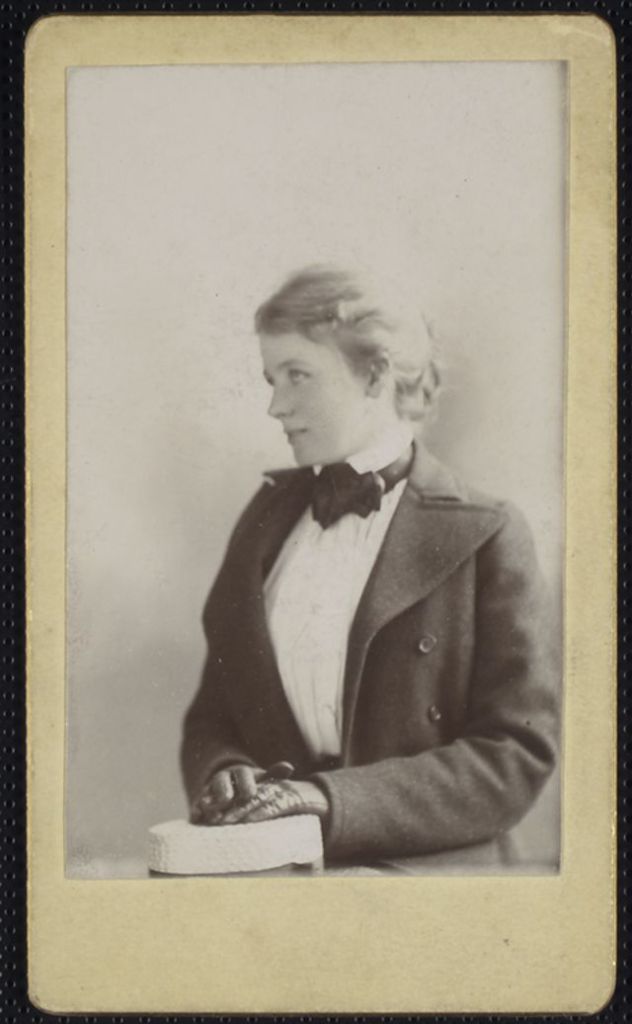
Maude Adams never married. Frohman, her producer, used the absence of relationships with men to create a public image of her being virtuous and innocent. It is now believed that Adams was a lesbian. She enjoyed long-term relationships with two woman over the course of her lifetime. The first being with Lillie Florence until Florence’s death in 1901. The second being an over 45-year relationship beginning in 1905 with Louise Boynton. Boynton died in 1951. When Adams passed away in 1953 in New York, four months shy of 80, she was buried next to Boynton where they share a headstone.
There’s no record of her discussing her relationships with Florence or Boynton. Apart from her work on the stage, Adams was a very private person. She didn’t feel the need to open her life to anyone, including her the public who adored her. Boynton is often described by others as being Adams’s lifelong friend and secretary. It was common that women were excluded from discussions about homosexuality. She also kept her private life out of the public eye, so her relationships were not scrutinized.
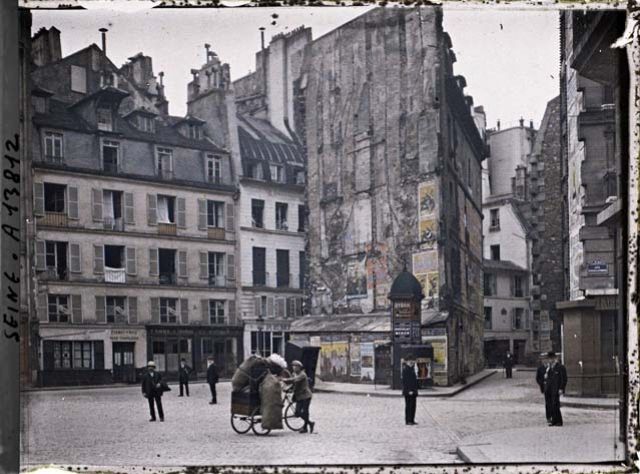
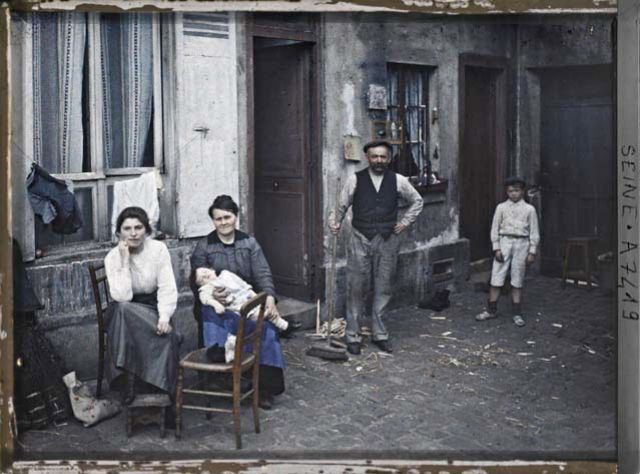
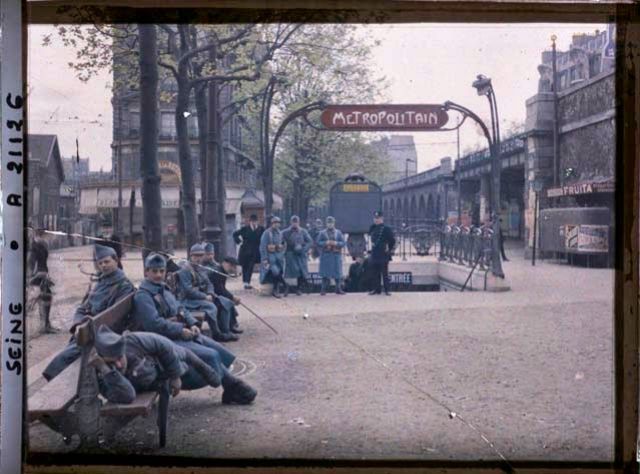
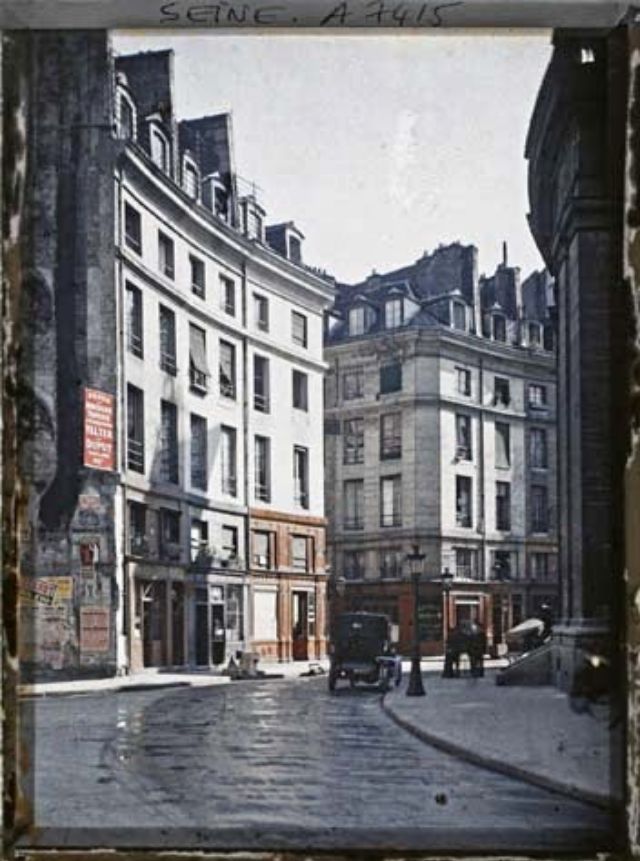
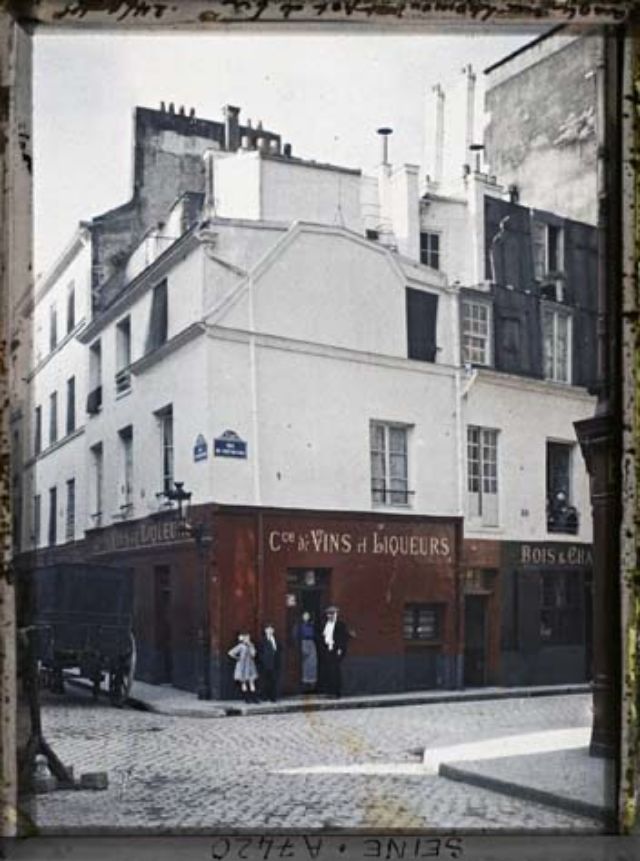
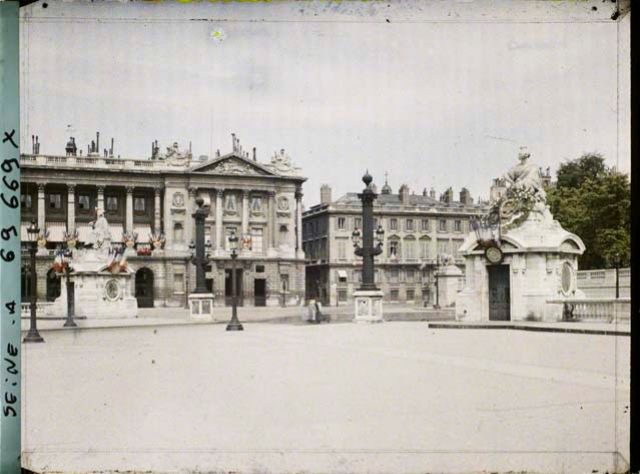
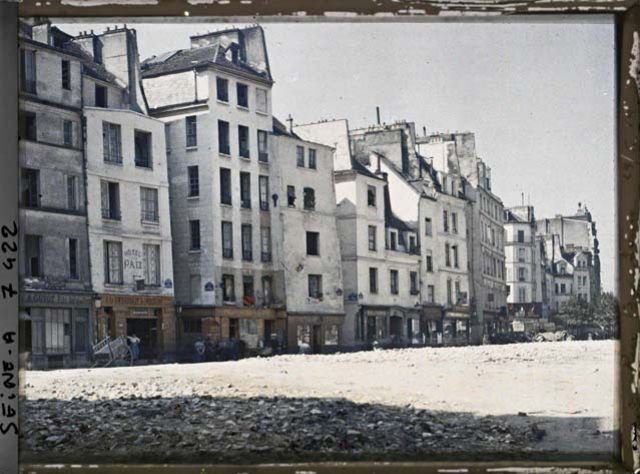
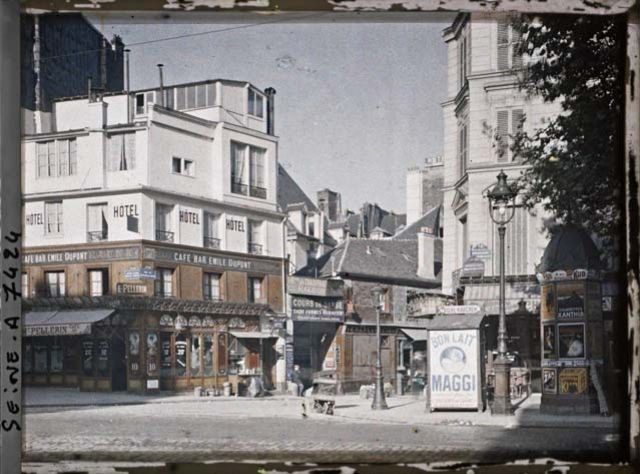
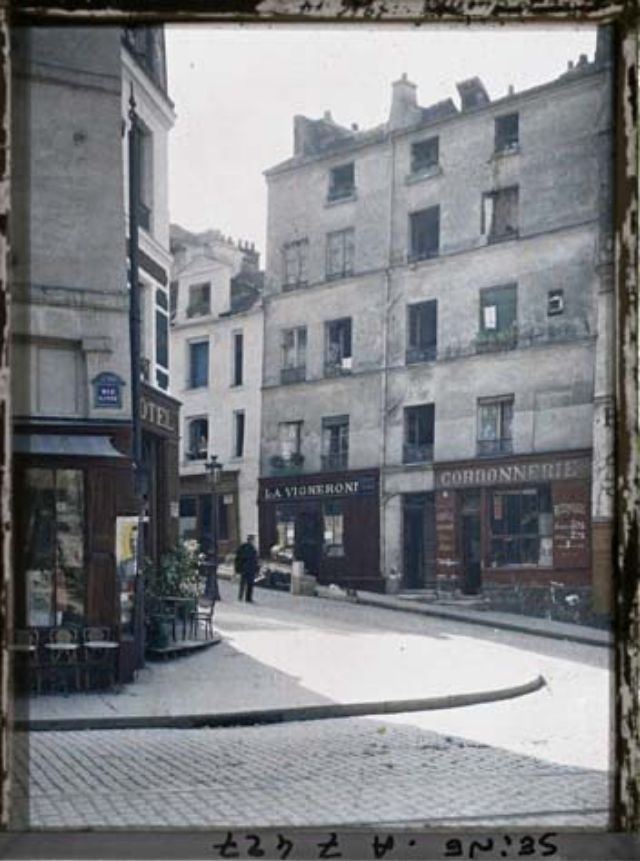
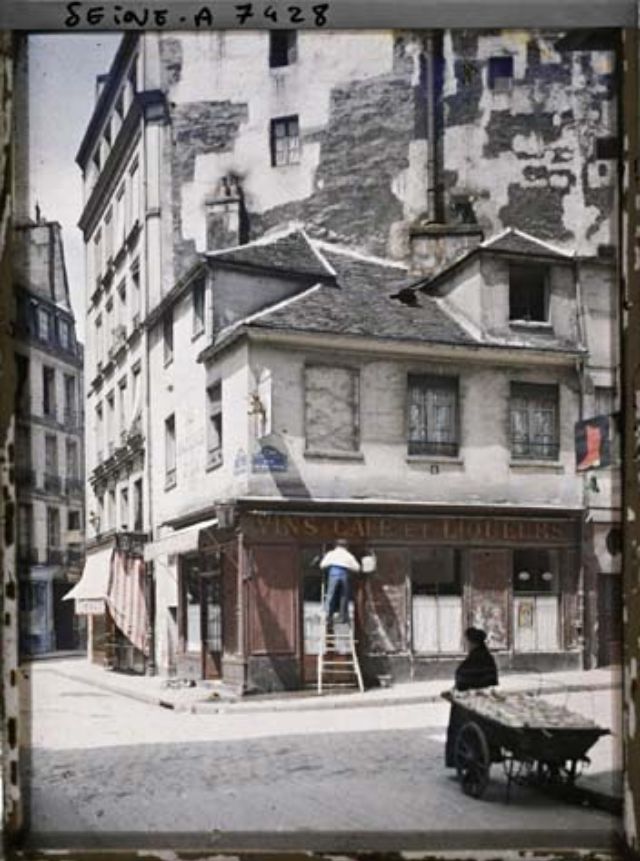
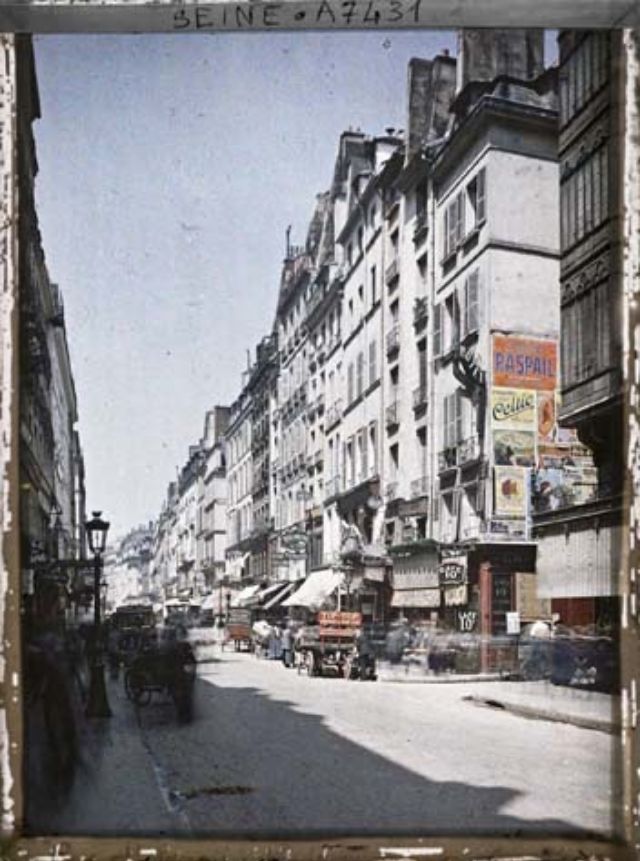
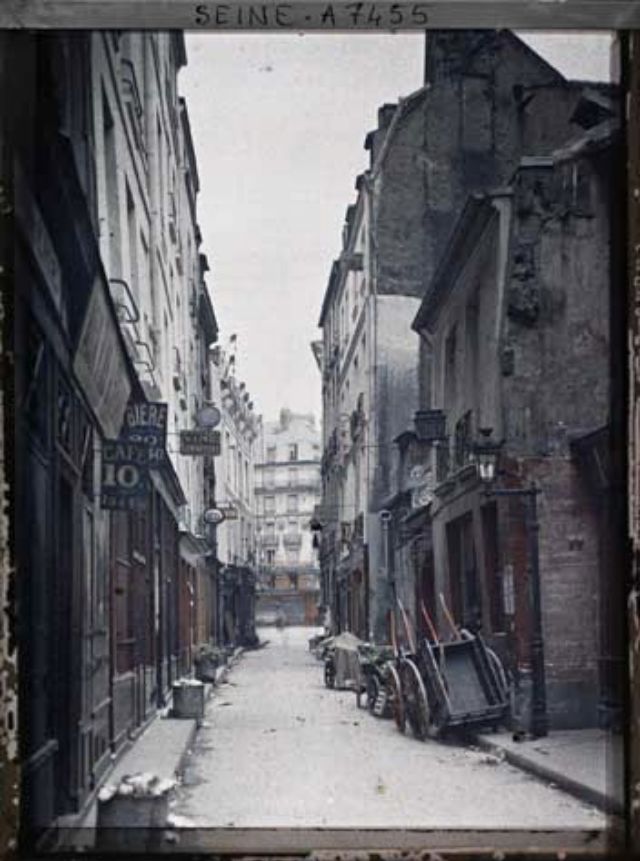
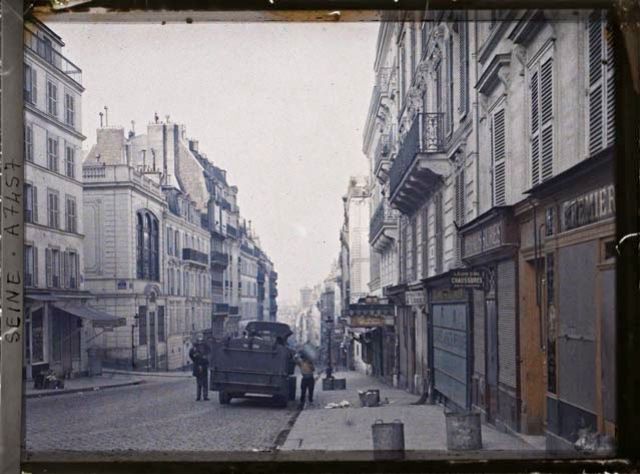
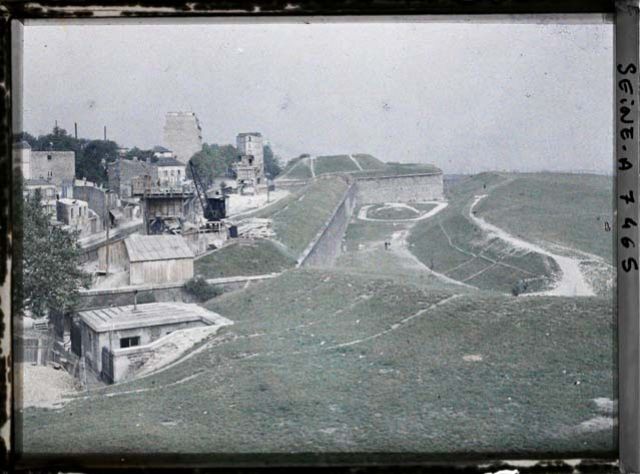
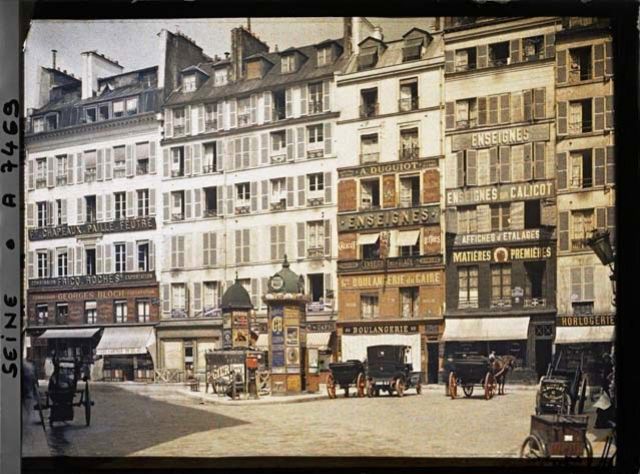
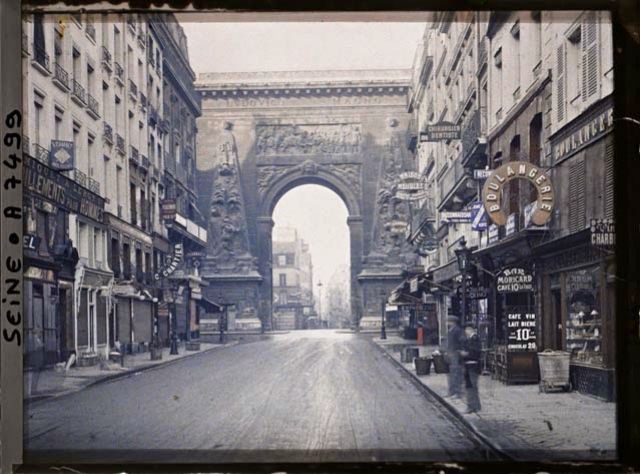
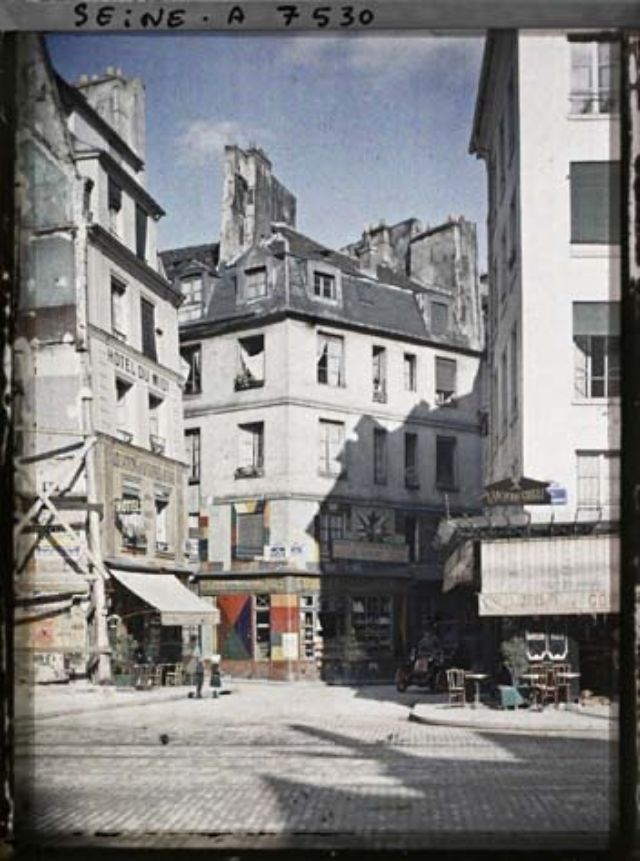
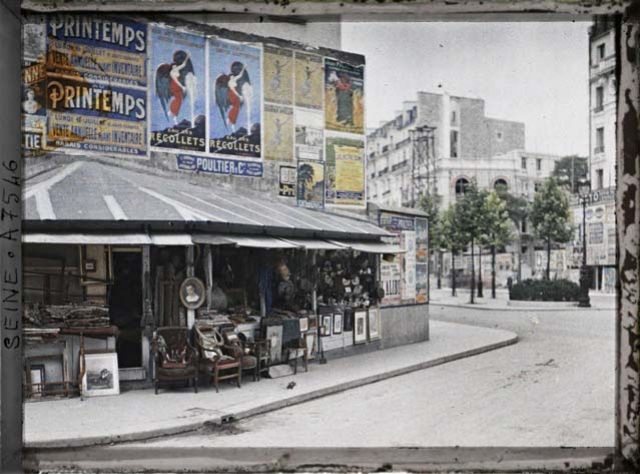
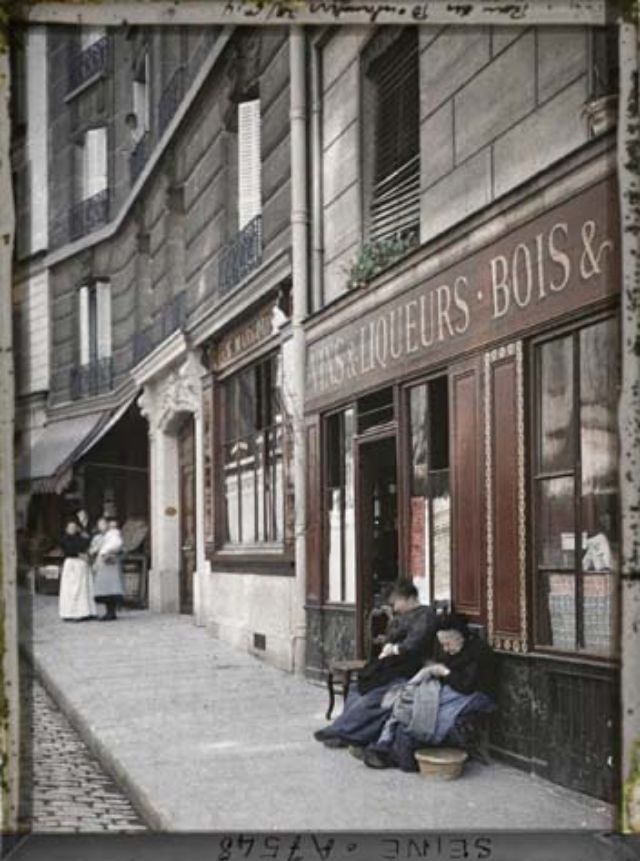
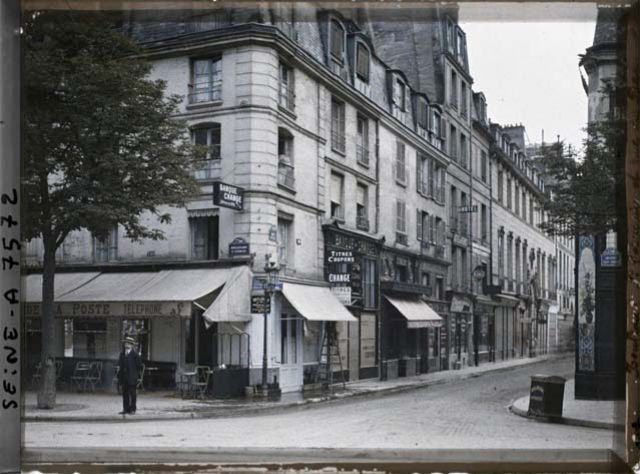
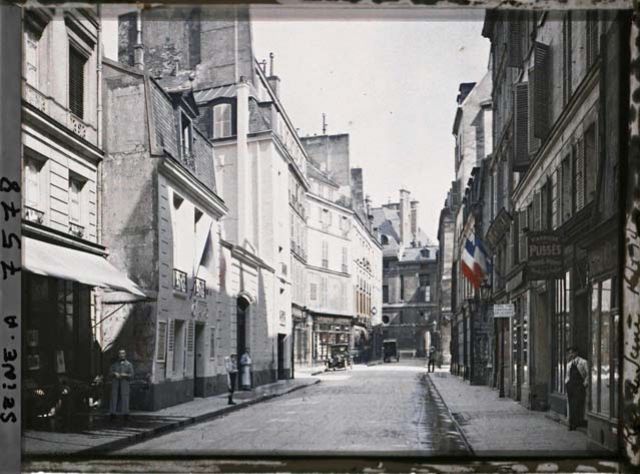
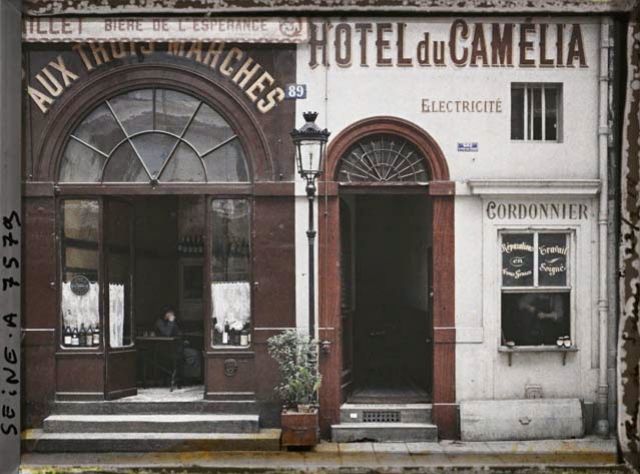
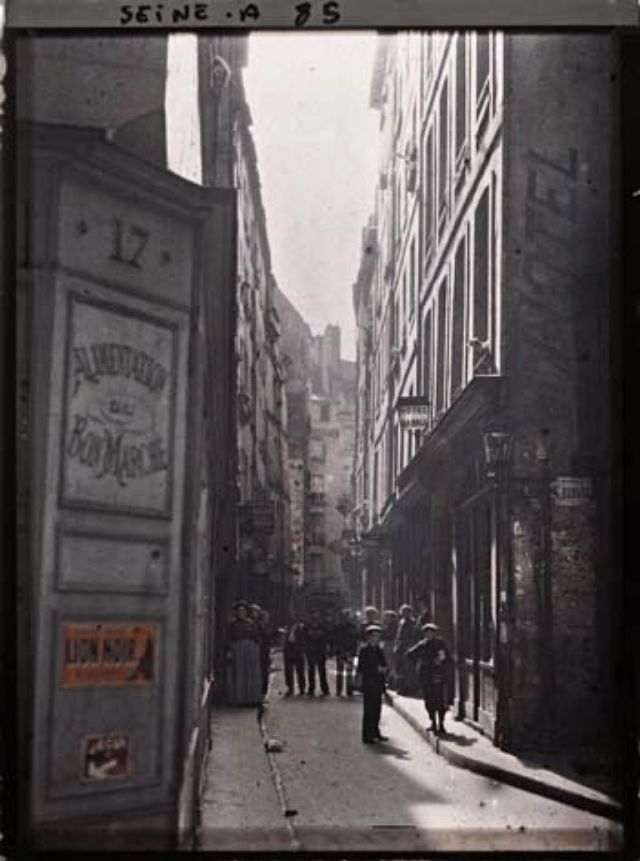
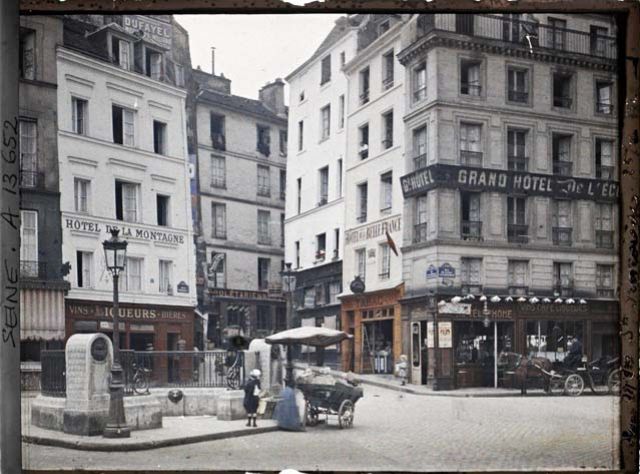
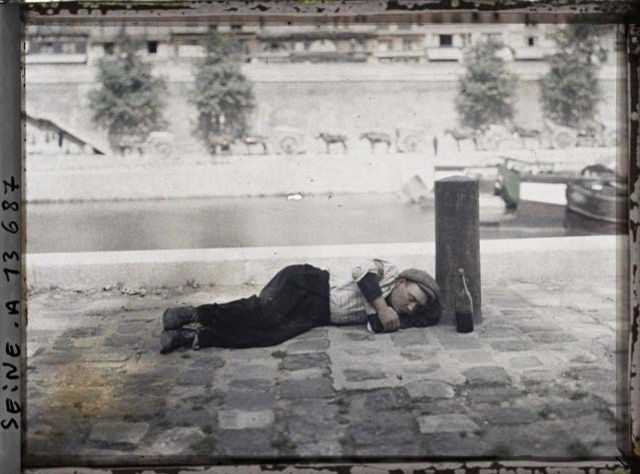
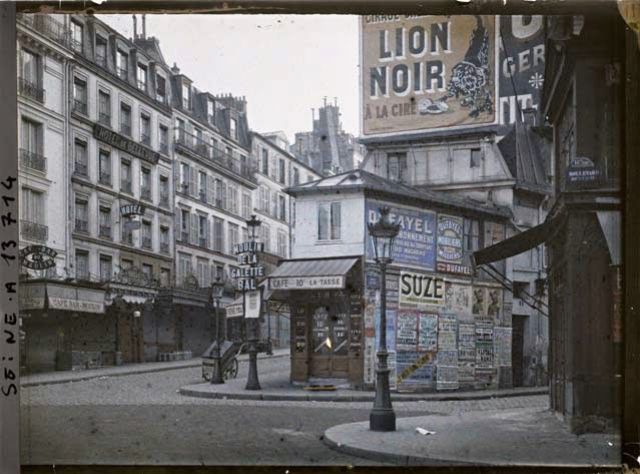
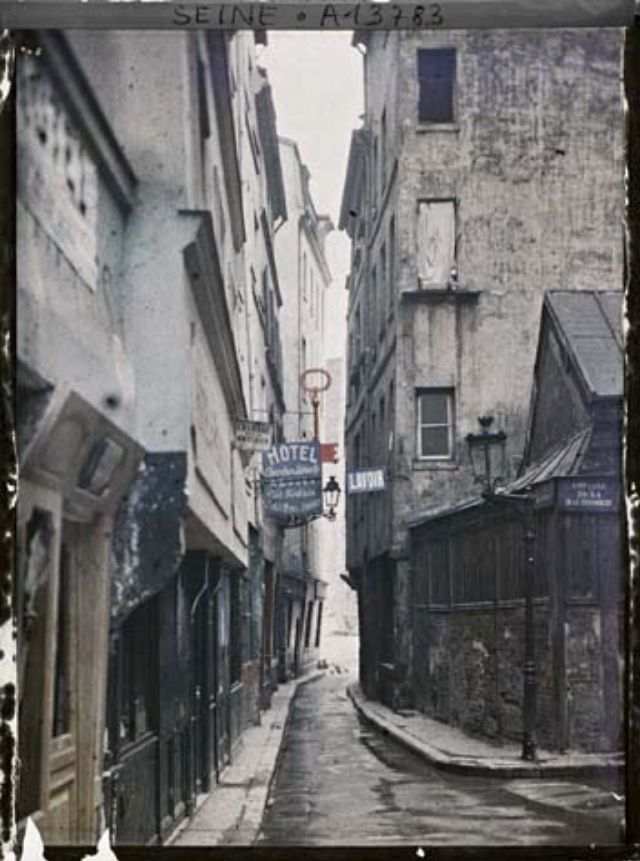
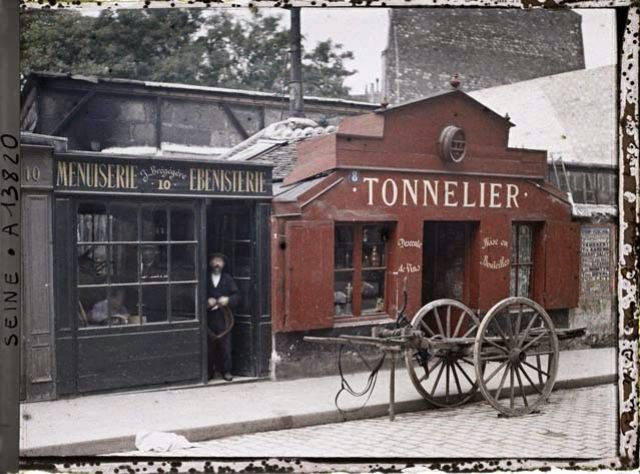
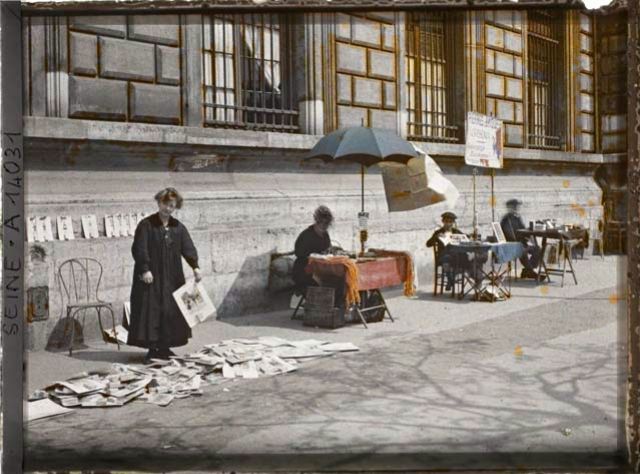
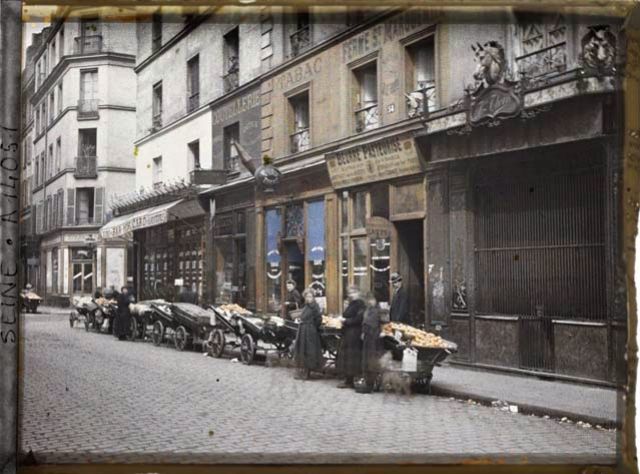
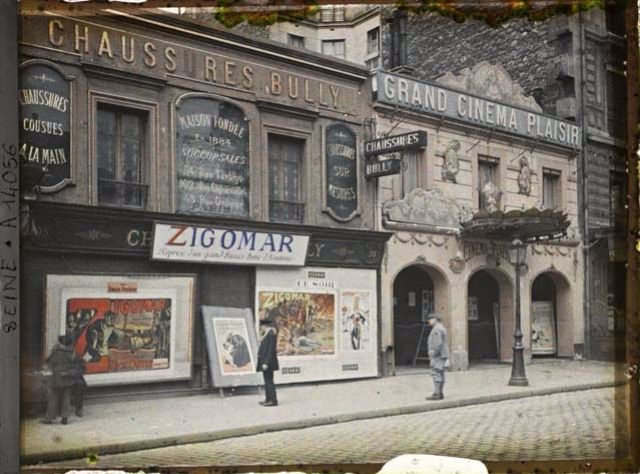
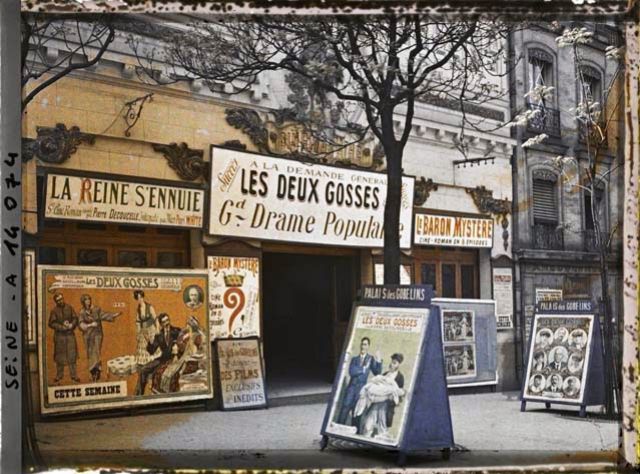
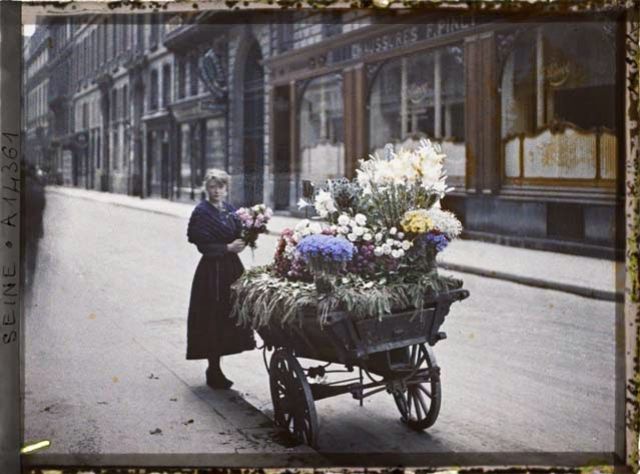
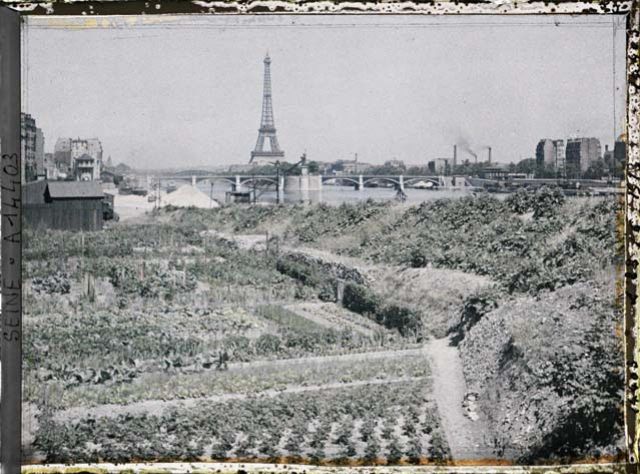
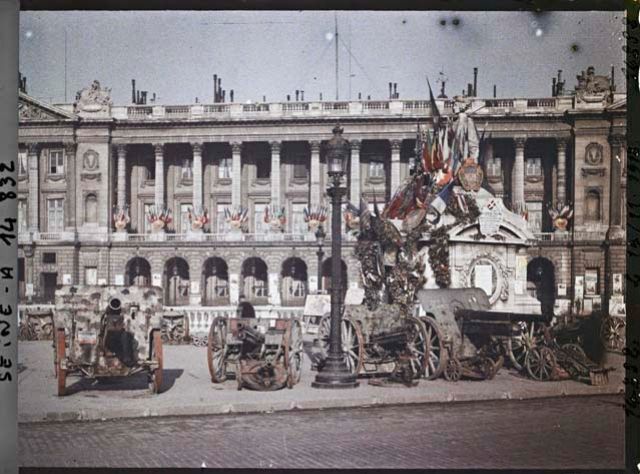
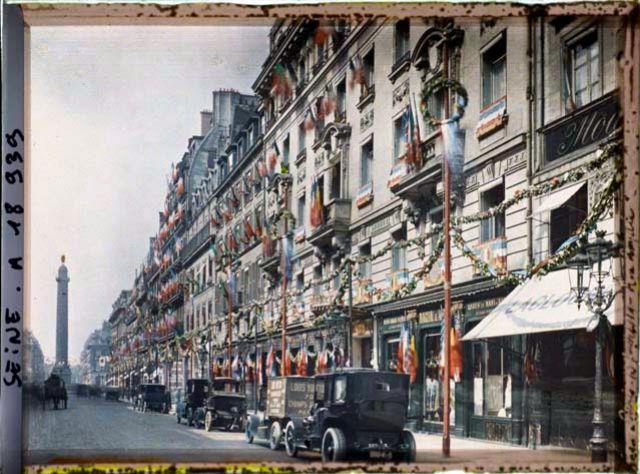
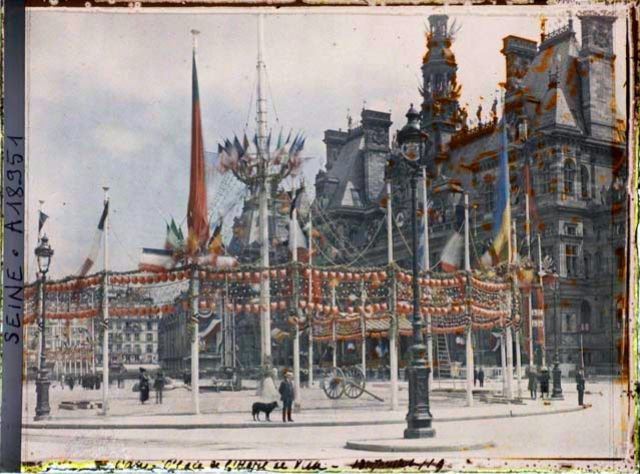
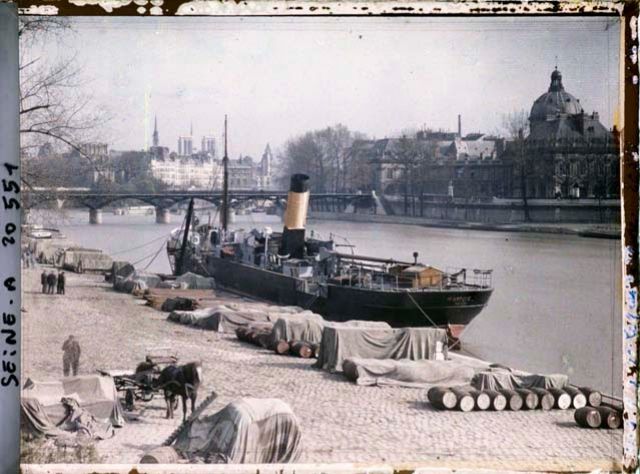
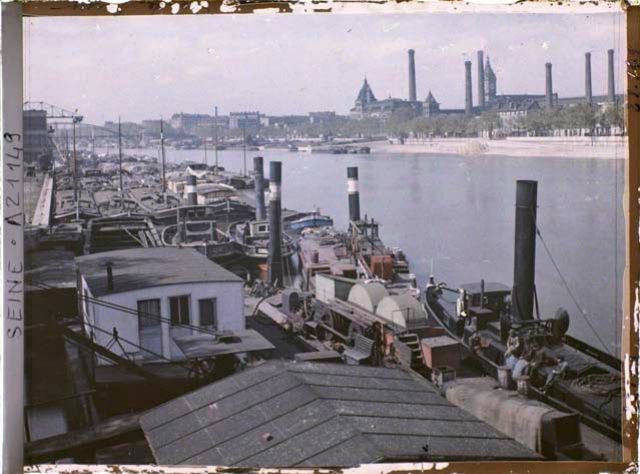
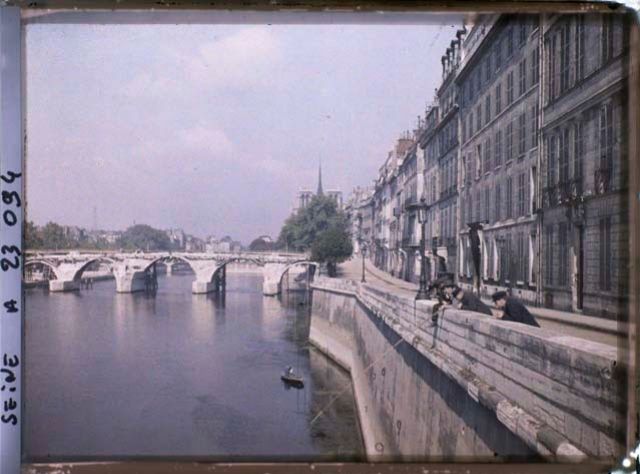
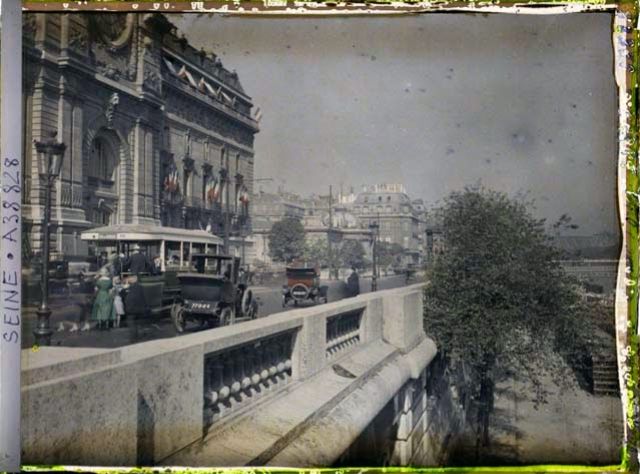
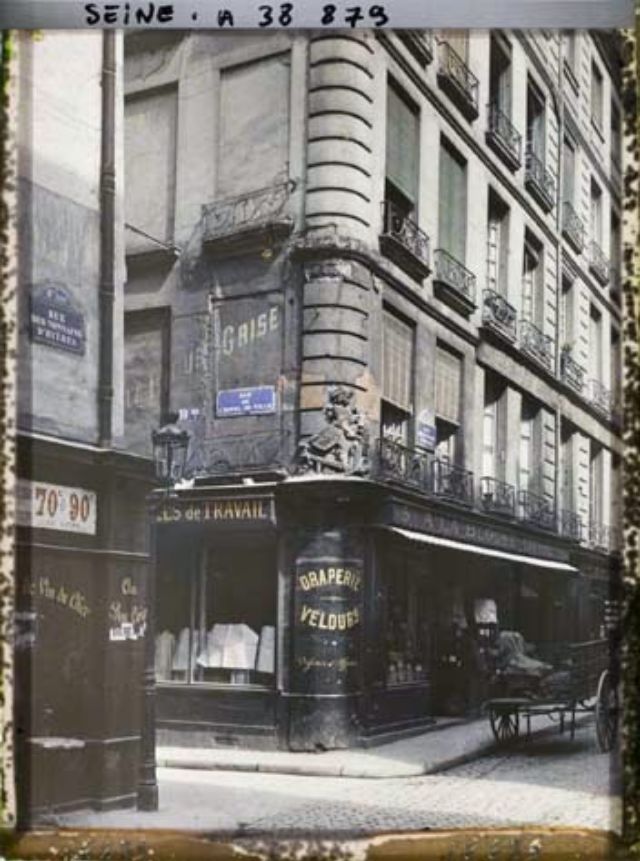
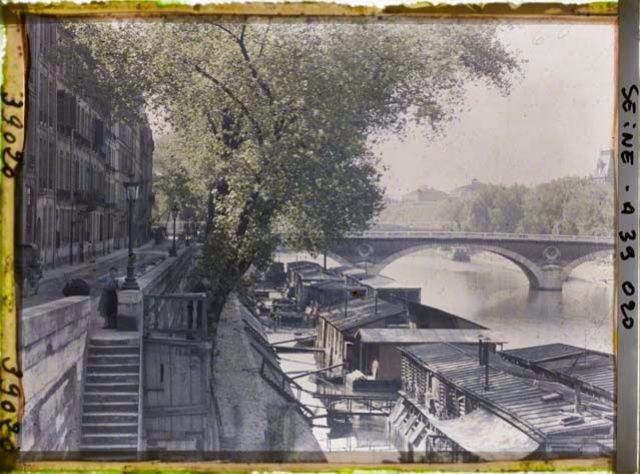
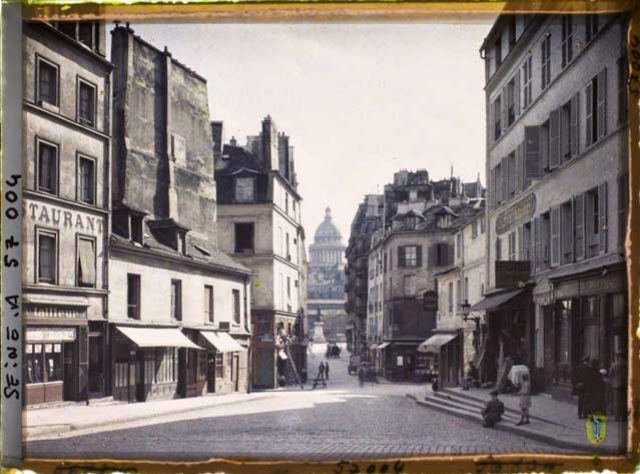
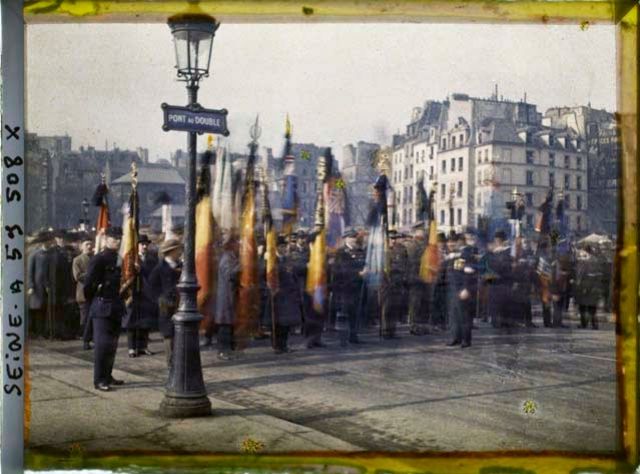
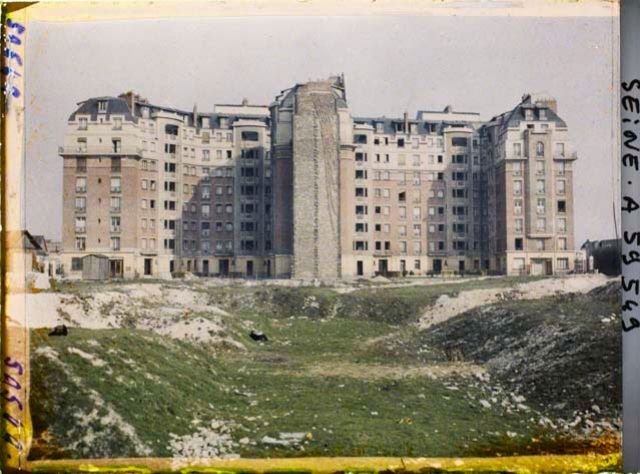
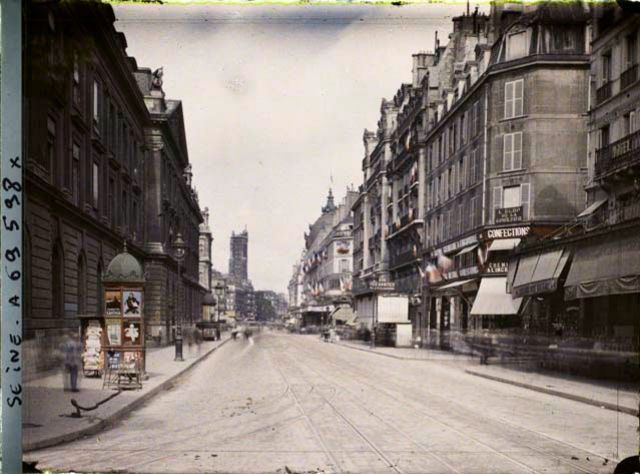
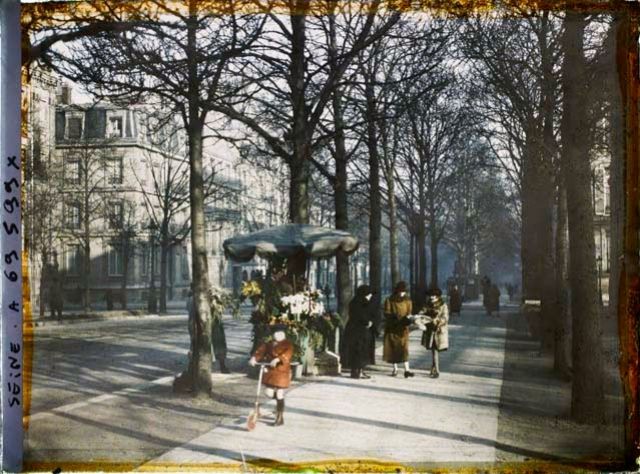
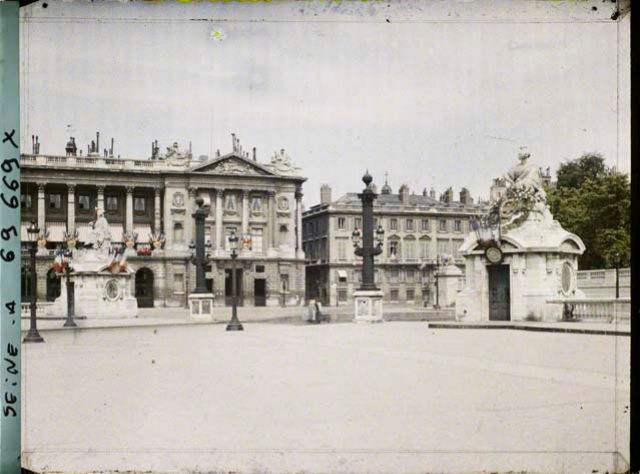
These incredible photographs of early-20th-century Paris were taken between 1907 and 1930 by photographers such as Léon Gimpel, Stéphane Passet, Georges Chevalier, and Auguste Léon. They offer a rare glimpse — in color — at France’s capital before it was occupied during World War II.
The photos were produced using Autochrome, an early technology patented by Louis Lumière in 1903 that used dyed potato starch sandwiched between glass panes. Some of the images were recolored based on their original colors.
Check out these incredible photos below:
Paris (II arr.) by Stéphane PassetFamily, rue du Pot de Fer by Stéphane PassetParis (XVI arr.) by Frédéric GadmerThe Eiffel Tower and Trocadero by Leon AugusteViarmes Street by Leon AugusteSoldiers reading Porte de Saint-Cloud posters, on the occasion of May 1 by Frédéric GadmerLhomond Iron Pot by Stéphane PassetStatues of Lille and Strasbourg, Place de la ConcordeRue Beaubourg, with the left Venice Street and Ovens-Saint-Martin Street by Stéphane PassetCorner of the Beaumarchais Boulevard and Rue du Pas-de-la-mule by Stéphane PassetPlace Jussieu, corner of Linnaeus and Bakers by Stéphane PassetRue du Haut-Pavé at the corner of the Rue de la Bûcherie by Stéphane PassetRue Saint-Honoré, at the corner of the Rue de la Sourdière by Stéphane PassetBièvre Street by Stéphane PassetRue des Martyrs towards Notre-Dame-de-Lorette, with left rue de la Tour d’Auvergne by Stéphane PassetFortifications by Stéphane PassetThe rue d’Aboukir, view from Cairo instead by Stéphane PassetThe Faubourg and the Porte Saint-Denis by Stéphane PassetThe corner of Saint-Jacques, Galande and Saint-Julien-le-Pauvre by Stéphane PassetBoulevard Raspail and Rue du Montparnasse seen from Notre-Dame-des-Champs by Stéphane Passet25 rue des Bakers Stéphane PassetThe angle of the Rue du Bac and the Boulevard St-Germain by Stéphane PassetThe Rue de Seine, at the number 12 by Stéphane Passet89 rue de Seine by Stéphane PassetHuchette street and rue Xavier Privas by Stéphane PassetParis (Ve arr.) by Stéphane PassetA Parisian asleep on the dock CelestineCorner of Puget Lepic and Boulevard de Clichy by Georges ChevalierParis (fourth arr.) by Georges ChevalierNumbers 8 and 10 rue du Montparnasse by Stéphane PassetParis (Xe arr.) by Leon AugusteOrange Market, rue Basfroi by Leon AugusteThe Grand Cinema Fun at 95 rue de la Roquette by Leon AugusteCinema Pathe Palais des Gobelins Gobelins or by Auguste LéonA flower seller in front of 53 rue Cambon by Leon AugusteGardens, quai d’Auteuil (current quai Louis Bleriot), opposite the Pont de Grenelle and the Statue of Liberty by Leon AugusteCannons captured from the Germans exposed Place de la Concorde, Statue of Lille and underwriting office by Leon AugusteThe Rue de la Paix decorated for the holidays Victory by Augustus LeonReceipt of marshals of France in the town hall for celebrations of Victory 13 and 14 July 1919 by Auguste LéonThe Quai du Louvre (current quai François-Mitterrand) and the Ile de la Cité, opposite the Quai de Conti and the Institute of France by Auguste LéonThe Austerlitz port by Auguste LéonParis (fourth arr.) by Georges ChevalierThe Quai d’Orsay at the Gare d’Orsay by Leon AugusteOld sign at the corner of Nonnains-d’Hyères street and the Hotel de Ville by Leon AugusteParis (fourth arr.) by Leon AugusteRue du Haut-Pavé on the corner of the right Bûcherie, Great-Degrees left and Frederic Sauton opposite direction of the Pantheon by Auguste LéonParade of foreign delegations on the deck of Double for the funeral of Marshal Foch view taken towards the quai de Montebello by Stéphane PassetDemolition of the fortifications and reconstruction of buildings (HBM), Porte d’Orléans by Stéphane PassetRue de Rivoli along the town hall by Georges ChevalierRue de Rivoli along the Town HallStatues of Lille and Strasbourg, Place de la Concorde
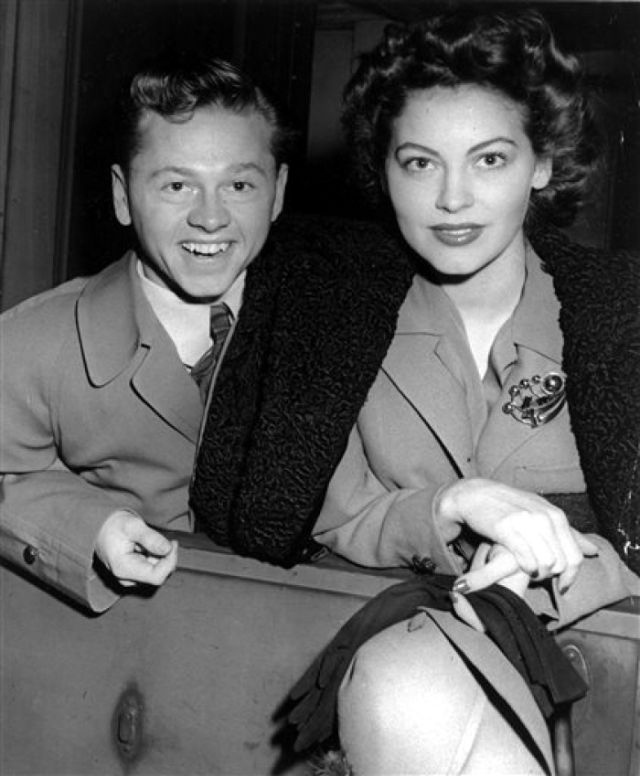
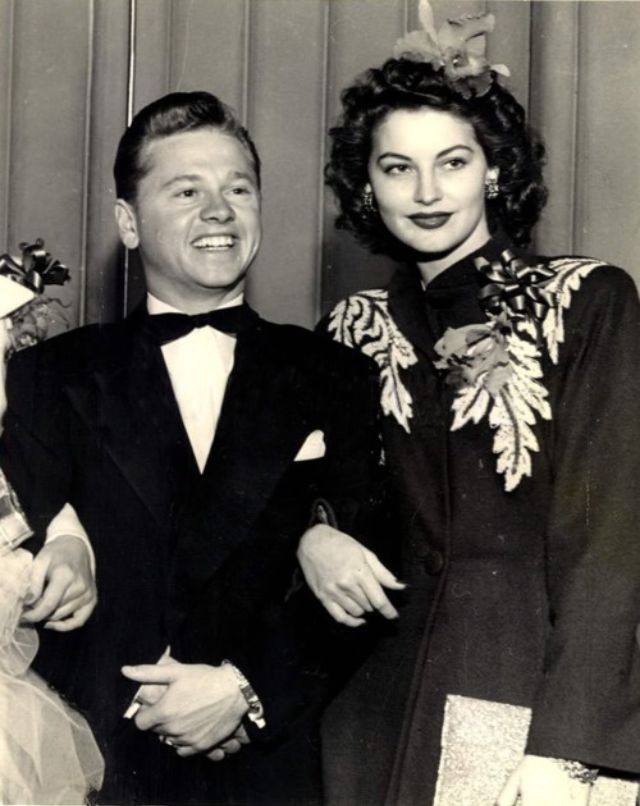
Rooney was married eight times, with six of the marriages ending in divorce. In 1942, he married his first wife, actress Ava Gardner, who at that time was still an obscure teenage starlet. They divorced the following year, partly because he had apparently been unfaithful.
Ava Gardner was only 19 when she married Mickey Rooney. “The smallest husband I ever had, and the biggest mistake” — that was how she described Mickey Rooney, who’d once been Hollywood’s top box-office draw.
Mickey Rooney (born Joseph Yule Jr.; September 23, 1920 – April 6, 2014) was an American actor, producer, radio entertainer and vaudevillian. In a career spanning nine decades, he appeared in more than 300 films, and was among the last surviving stars of the silent-film era. He was the top box-office attraction from 1939 to 1941, and one of the best-paid actors of that era. At the height of a career marked by declines and comebacks, Rooney performed the role of Andy Hardy in a series of 16 films in the 1930s and 1940s that epitomized mainstream America’s self-image.
At the peak of his career between ages 15 and 25, he made 43 films, and was one of MGM’s most consistently successful actors. A versatile performer, he became a celebrated character actor later in his career. Laurence Olivier once said he considered Rooney “the best there has ever been”. Clarence Brown, who directed him in two of his earliest dramatic roles in National Velvet and The Human Comedy, said Rooney was “the closest thing to a genius” with whom he had ever worked. He won a Golden Globe Award in 1982 and an Emmy Award in the same year for the title role in a television movie Bill and was awarded Academy Honorary Award in 1982.
Rooney first performed in vaudeville as a child actor, and made his film debut at the age of 6. He played the title character in the popular “Mickey McGuire” series of 78 short films, from age 7 to 13. At 14 and 15, he played Puck in the play and subsequent film adaptation of A Midsummer Night’s Dream. At the age of 16 he began playing Andy Hardy, and gained first recognition at 17 as Whitey Marsh in Boys Town. At only 19, Rooney became the second-youngest Best Actor in a Leading Role nominee and the first teenager to be nominated for an Academy Award for his performance as Mickey Moran in 1939 film adaptation of coming-of-age Broadway musical Babes in Arms; he was awarded a special Academy Juvenile Award in 1939. Rooney received his second Academy Award nomination in the same category for his role as Homer Macauley in The Human Comedy.
Drafted into the military during World War II, Rooney served nearly two years entertaining over two million troops on stage and radio, and was awarded a Bronze Star for performing in combat zones. Returning in 1945, he was too old for juvenile roles, but too short at 5 ft 2 in (157 cm) for most adult roles, and was unable to get as many starring roles. However, numerous low-budget, but critically well-received films noir had Rooney playing the lead during this period and the 1950s. Rooney’s popularity was renewed with well-received supporting roles in films such as The Bold and the Brave (1956), Requiem for a Heavyweight (1962), It’s a Mad, Mad, Mad, Mad World (1963), Pete’s Dragon (1977), and The Black Stallion (1979). For his roles in The Bold and the Brave and The Black Stallion, Rooney received nominations for an Academy Award for Best Actor in a Supporting Role in 1957 and 1980 respectively. In the early 1980s, he returned to Broadway in Sugar Babies, a role that earned him nominations for Tony Award and Drama Desk Award for Best Actor in a Leading Role in a Musical, and again became a celebrated star. He made hundreds of appearances on TV, including dramas, variety programs, and talk shows.
Ava Lavinia Gardner (December 24, 1922 – January 25, 1990) was an American actress. She first signed a contract with Metro-Goldwyn-Mayer in 1941 and appeared mainly in small roles until she drew critics’ attention in 1946 with her performance in Robert Siodmak’s film noir The Killers. She was nominated for an Academy Award for Best Actress for her performance in John Ford’s Mogambo (1953), and for best actress for both a Golden Globe Award and BAFTA Award for her performance in John Huston’s The Night of the Iguana (1964).
During the 1950s, Gardner established herself as a leading lady and one of the era’s top stars with films like Show Boat, Pandora and the Flying Dutchman (both 1951), The Snows of Kilimanjaro (1952), The Barefoot Contessa (1954), Bhowani Junction (1956) and On the Beach (1959). She continued her film career for three more decades, appearing in the films 55 Days at Peking (1963), Seven Days in May (1964), The Bible: In the Beginning… (1966), Mayerling (1968), Tam-Lin (1970), The Life and Times of Judge Roy Bean (1972), Earthquake (1974) and The Cassandra Crossing (1976). She continued to act regularly until 1986, four years before her death in 1990, at the age of 67.
In 1999, the American Film Institute ranked Gardner No. 25 on their greatest female screen legends of classic American cinema list. (Wikipedia)
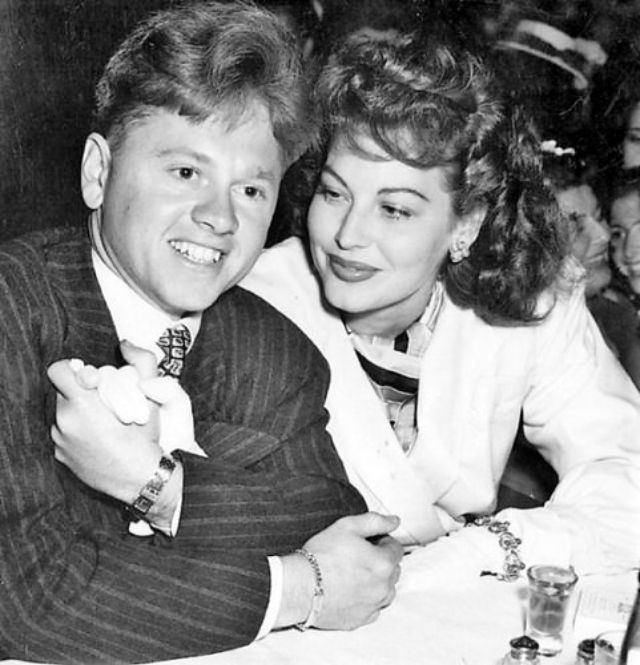
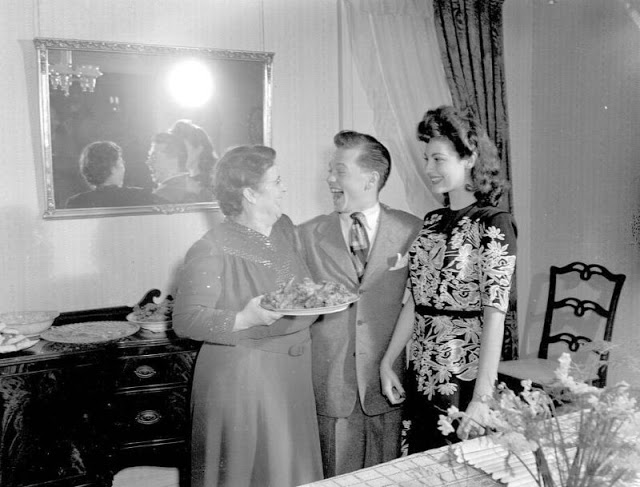
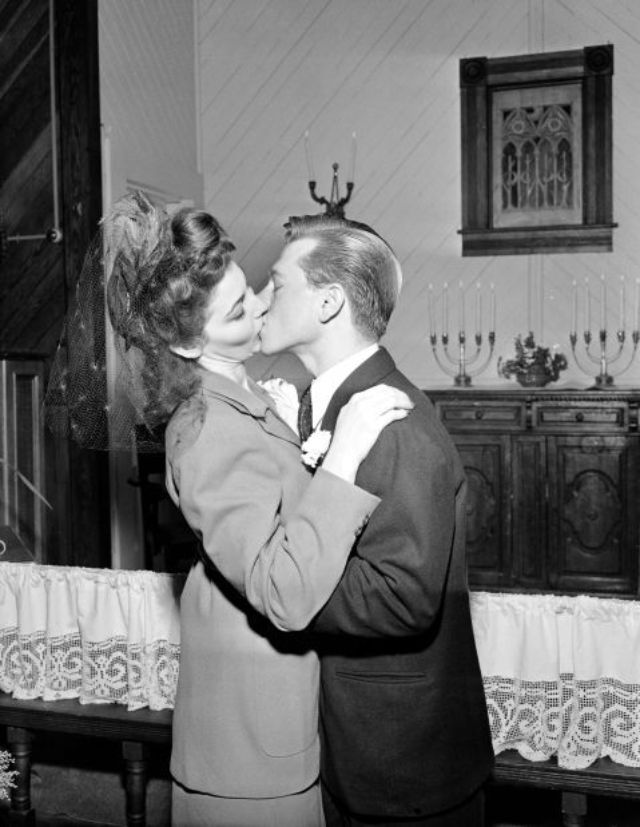
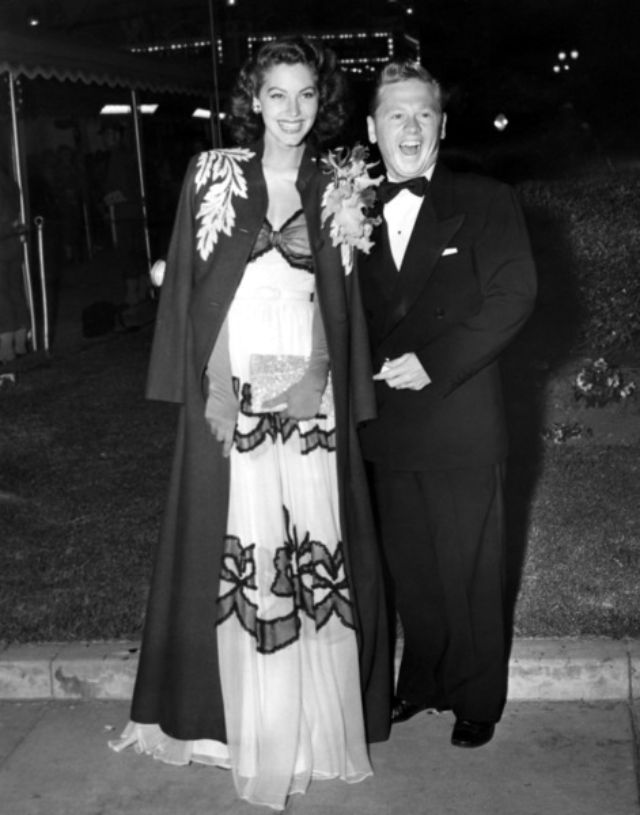
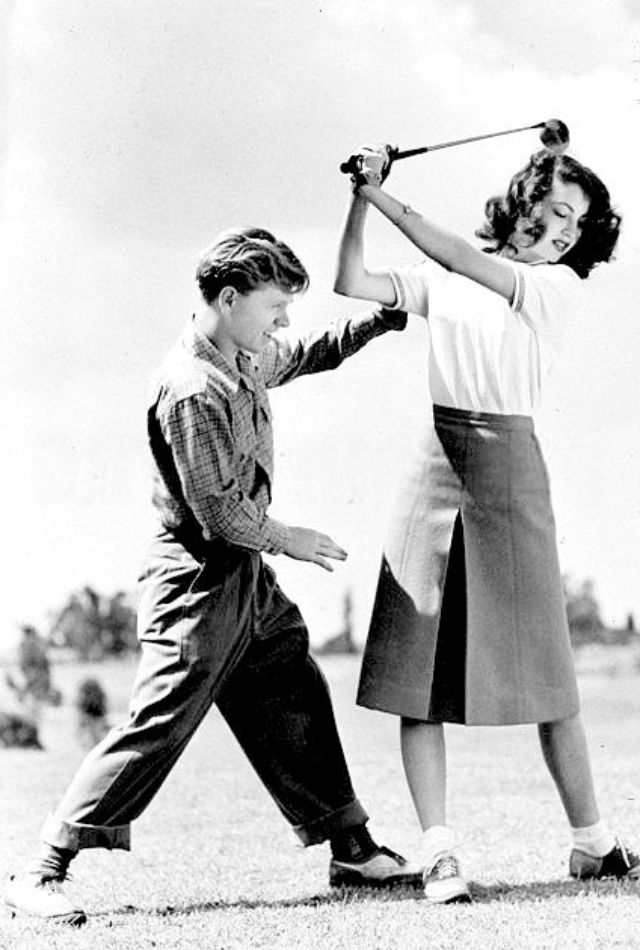
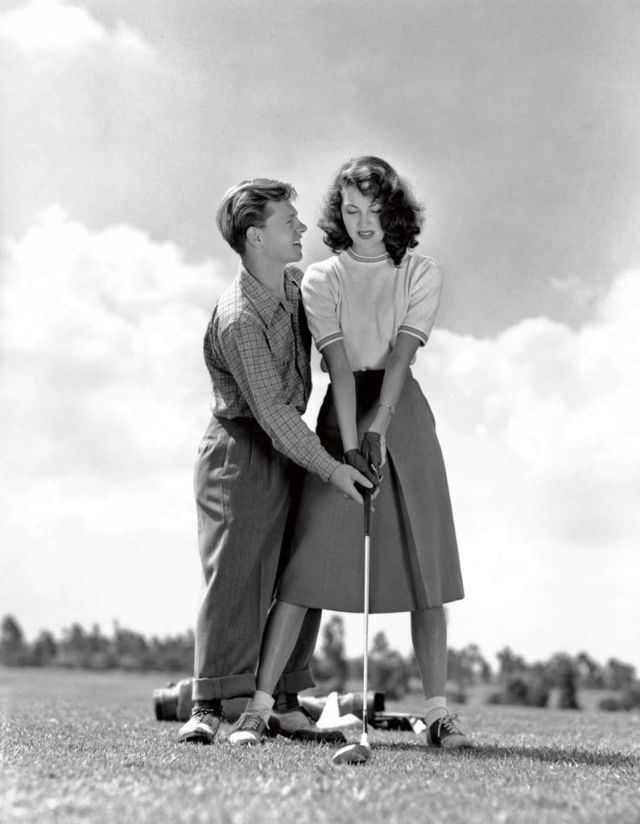
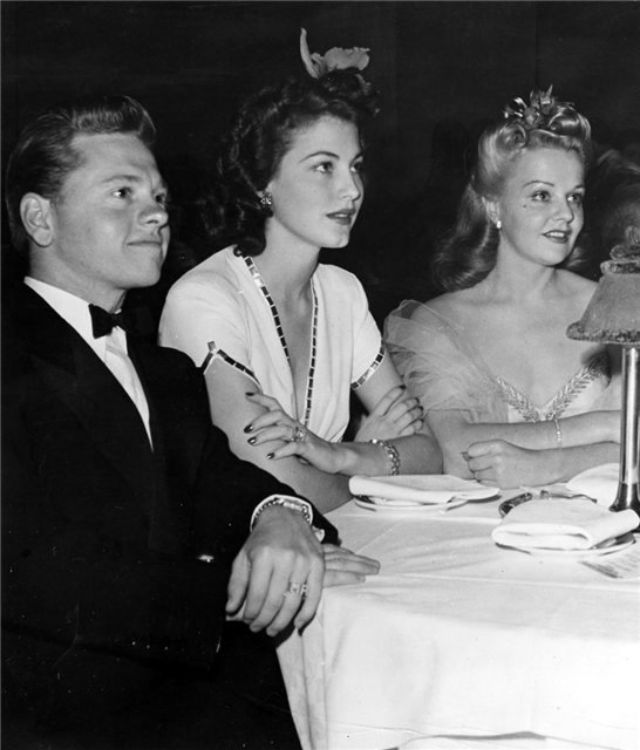
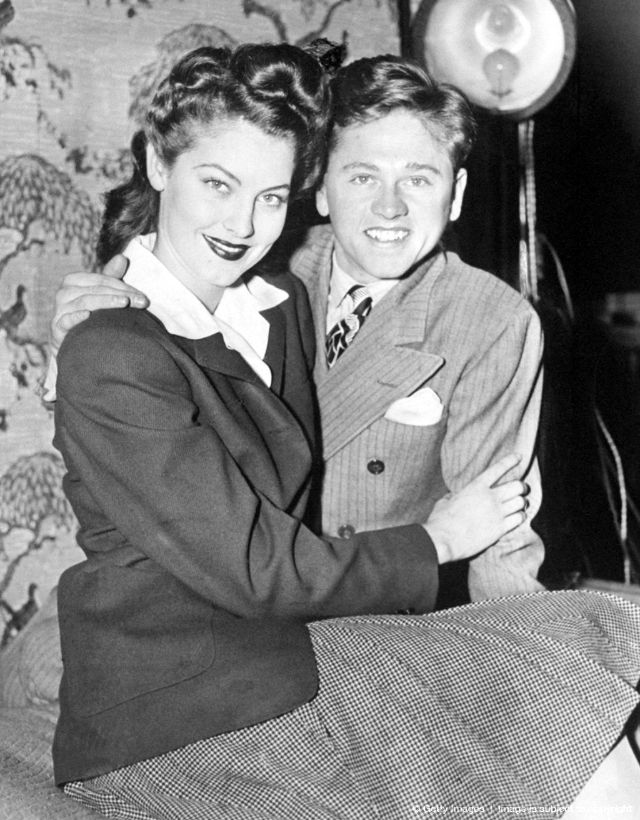
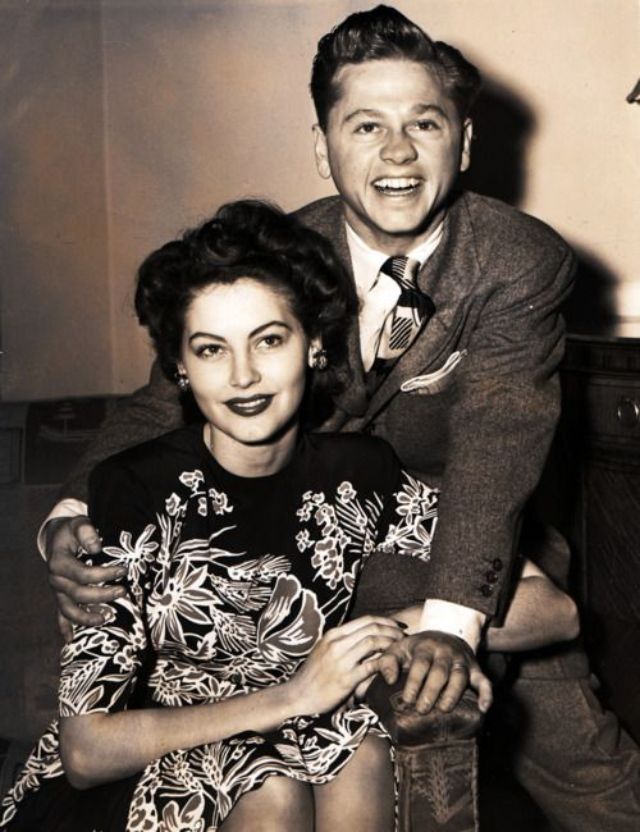
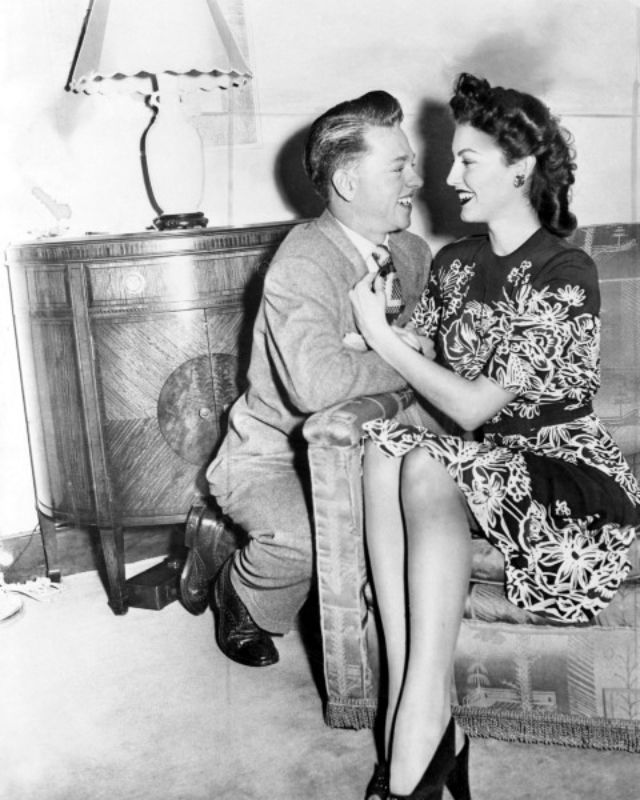
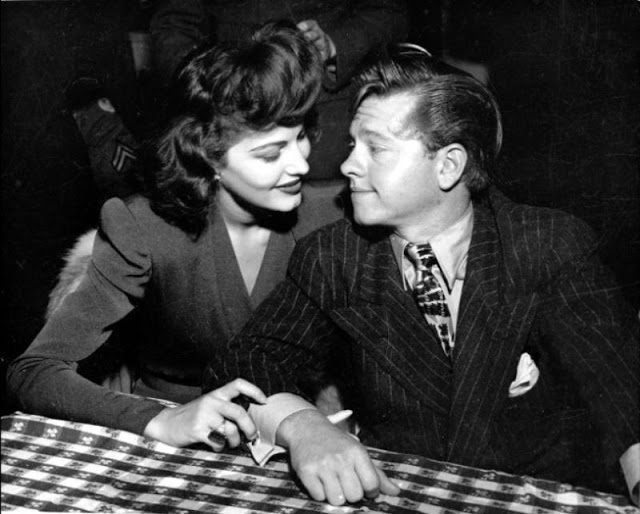
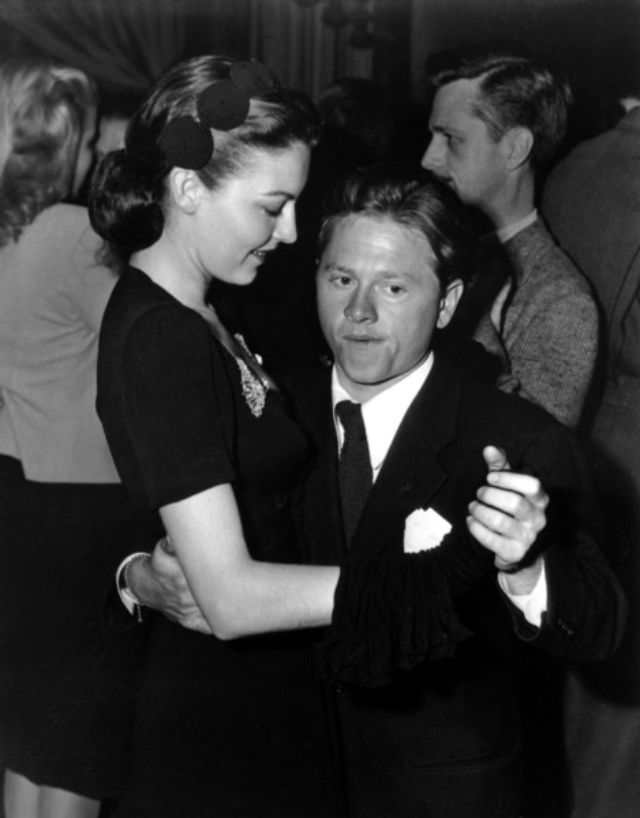
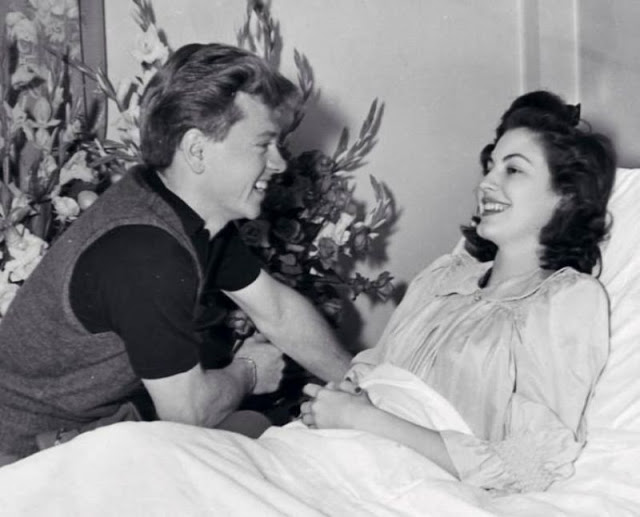
Here below is a sweet photo collection that shows the happiness of Mickey Rooney and Ava Gardner during their short marriage.
Mickey Rooney and Ava Gardner smiling at each other as they announced their wedding plans, Los Angeles, California, 10th December 1941Mickey Rooney and Ava Gardner, an 18-year-old actress, are shown after announcing their engagement, 10th December 1941Mickey Rooney and Ava Gardner, an 18-year-old actress, are shown after announcing their engagement, 10th December 1941Mickey Rooney and Ava Gardner, circa 1941Ava Gardner and Mickey Rooney were engaged in 1942Ava Gardner looks on as her new husband Mickey Rooney greets his mother-in-law, Mrs. J.B. Gardner, 1942Newlyweds Mickey Rooney and Ava Gardner are greeted by Gardner’s mother with a plate of fried chicken, 1942Ava Gardner and Mickey Rooney after their wedding, January 1942Ava Gardner and Mickey Rooney after their wedding, January 1942Mickey Rooney kisses his new bride Ava Gardner after their marriage in a Presbyterian church in rural Ballard, California, Jan. 10, 1942Ava Gardner and Mickey Rooney attending the ‘Mrs. Miniver’ premiere at the Carthay Circle Theatre, 1942Ava Gardner and Mickey Rooney attending the ‘Mrs. Miniver’ premiere at the Carthay Circle Theatre, 1942Ava Gardner and Mickey Rooney in 1942Ava Gardner and Mickey Rooney on their wedding, January 1942Ava Gardner and Mickey Rooney, 1942Ava Gardner plays a round of golf with her husband Mickey Rooney, 29th May 1942Ava Gardner takes a golfing tip from her husband Mickey Rooney, 29th May 1942Ava Gardner takes a golfing tip from her husband Mickey Rooney, 29th May 1942Ava Gardner, her husband Mickey Rooney, and Phil Silvers, circa 1942Mickey and Ava at a party, circa 1942Mickey Rooney and bride Ava Gardner in the Daily News studio, 1942Mickey Rooney and his bride, actress Ava Gardner pose for cameramen after marriage ceremony at the Santa Ynez Valley Presbyterian Church, 1942Mickey Rooney and his bride, actress Ava Gardner pose for cameramen after marriage ceremony at the Santa Ynez Valley Presbyterian Church, 1942Mickey Rooney and his bride, actress Ava Gardner pose for cameramen after marriage ceremony at the Santa Ynez Valley Presbyterian Church, 1942Mickey Rooney and his first wife actress Ava Gardner sit at a table and make goo-goo eyes at each other, 1942Mickey Rooney and his first wife American actress Ava Gardner sit at a table, circa 1942Mickey Rooney and wife, Ava Gardner, arrive in New York in January 1942, en route to Boston where Rooney is to appear at a Red Cross benefitMickey Rooney dancing with his wife Ava Gardner, 1942Mickey Rooney visits Ava Gardner in Hollywood hospital when she is recovering from emergency appendectomy, 1942Mickey Rooney visits Ava Gardner in Hollywood hospital when she is recovering from emergency appendectomy, 1942Mickey Rooney with his wife Ava Gardner, 1942Mickey Rooney with his wife Ava Gardner, 1942