Katharine Hepburn & Spencer Tracy: A Hollywood Affair to Remember

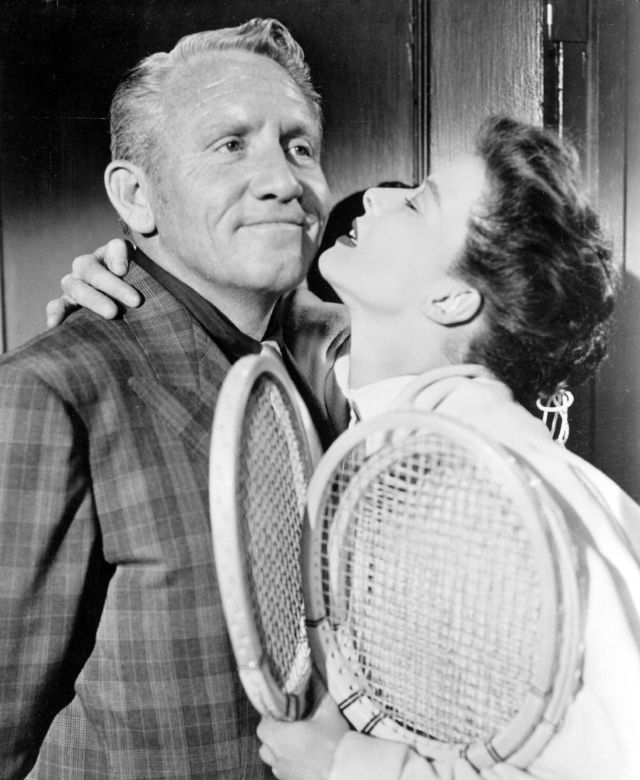
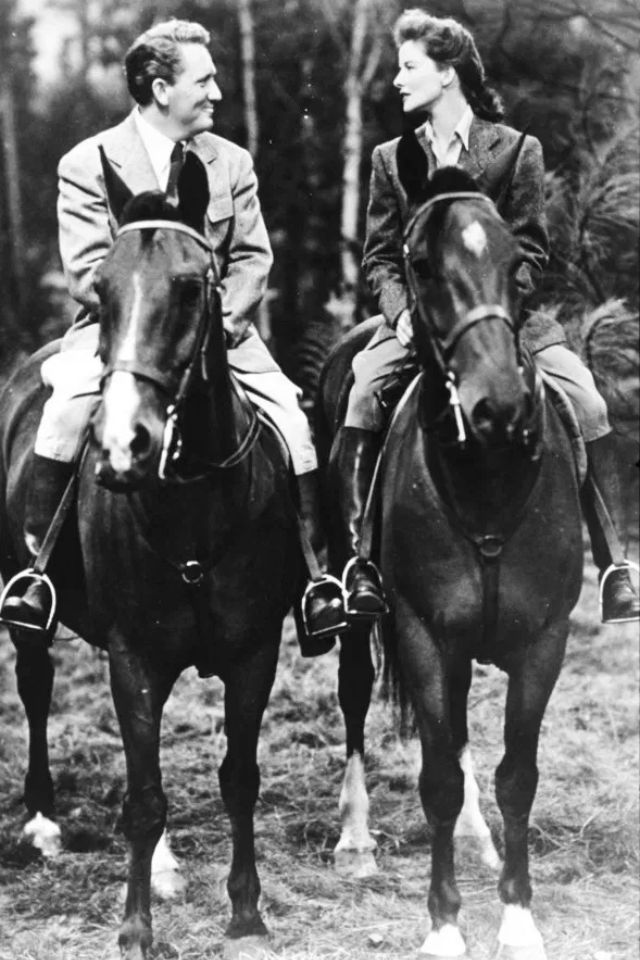
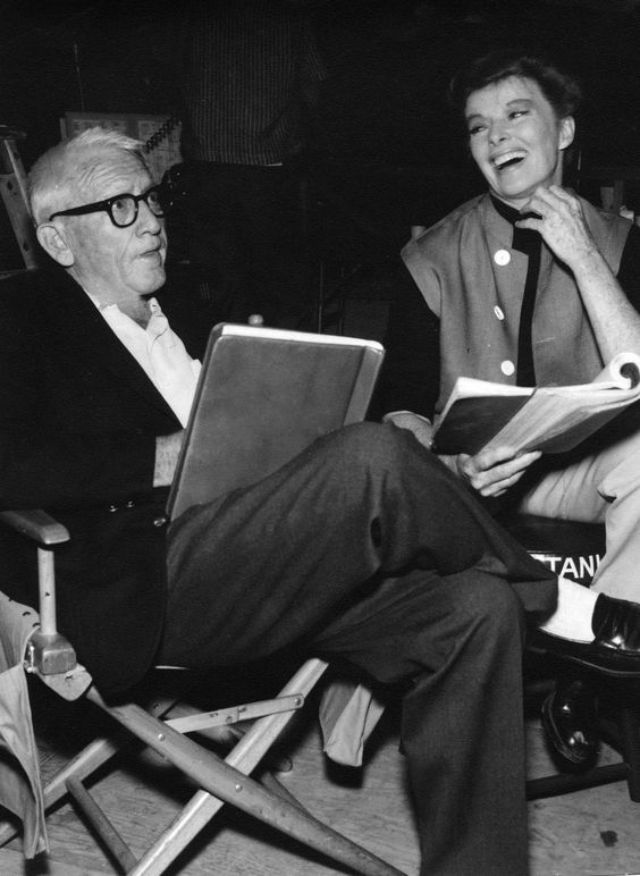
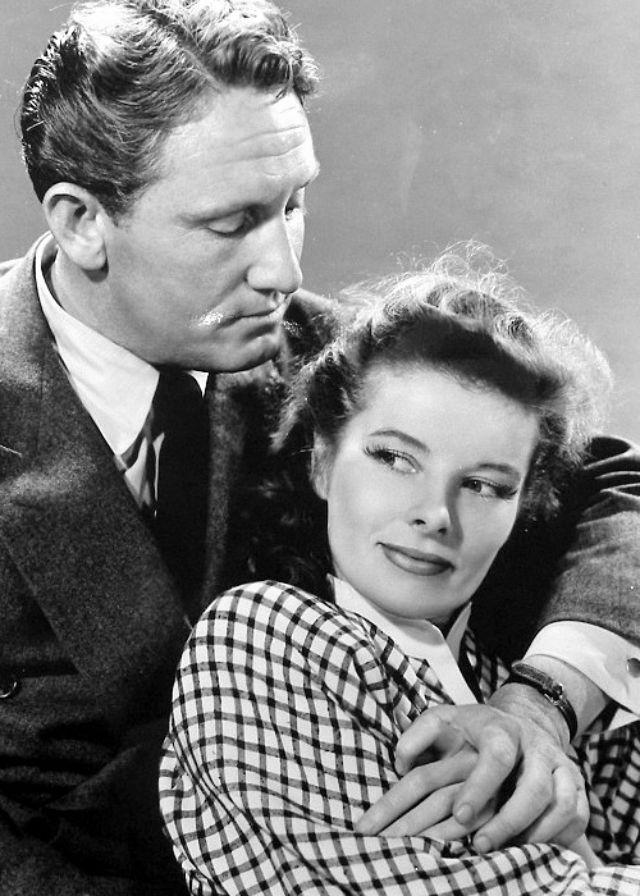
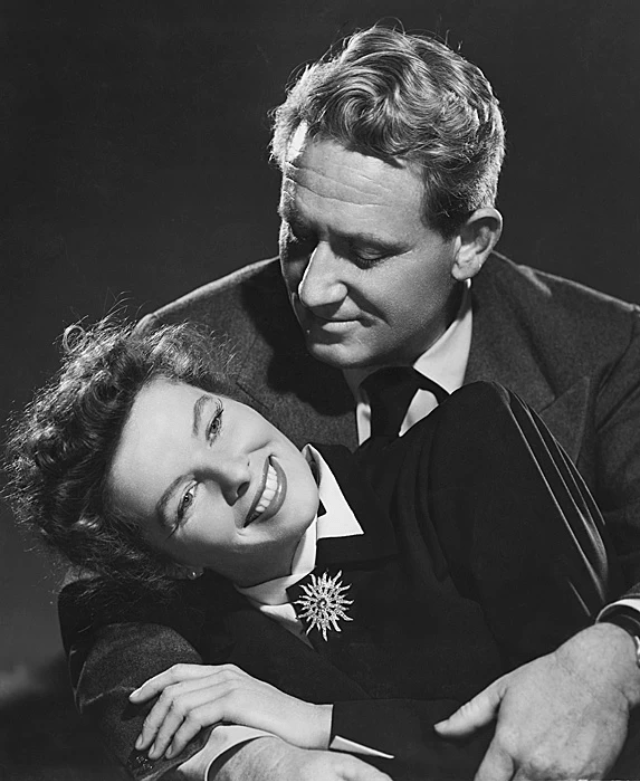
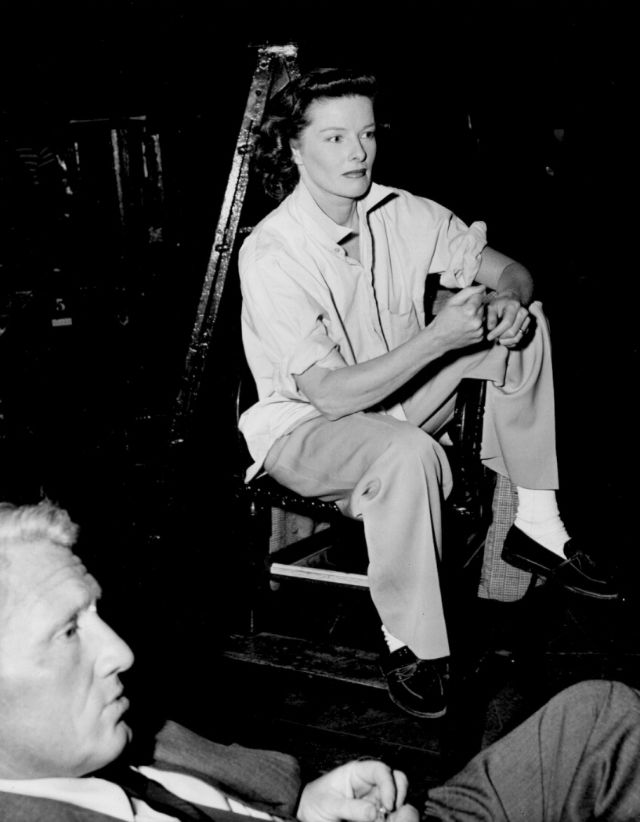
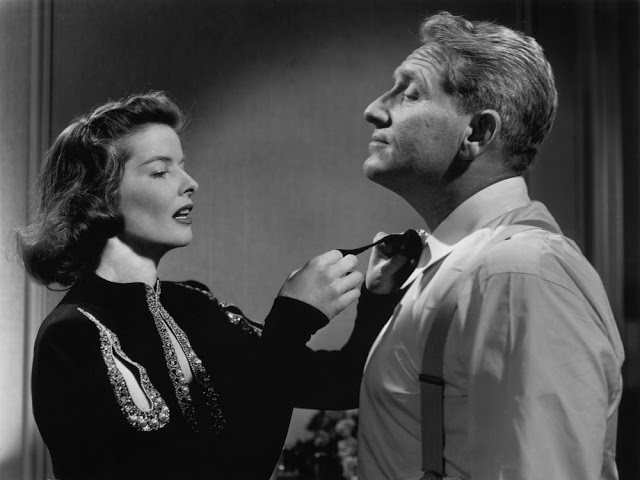
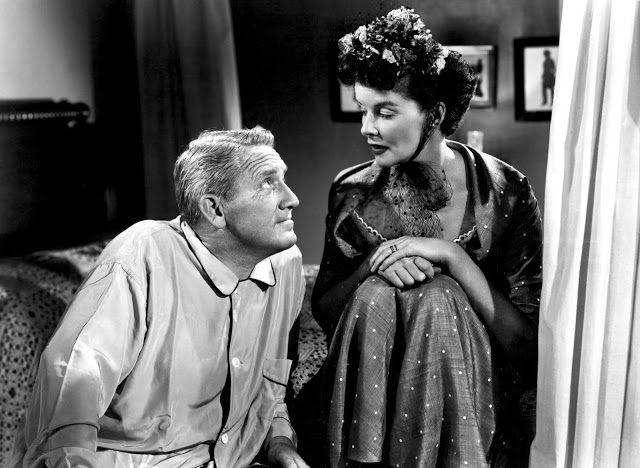
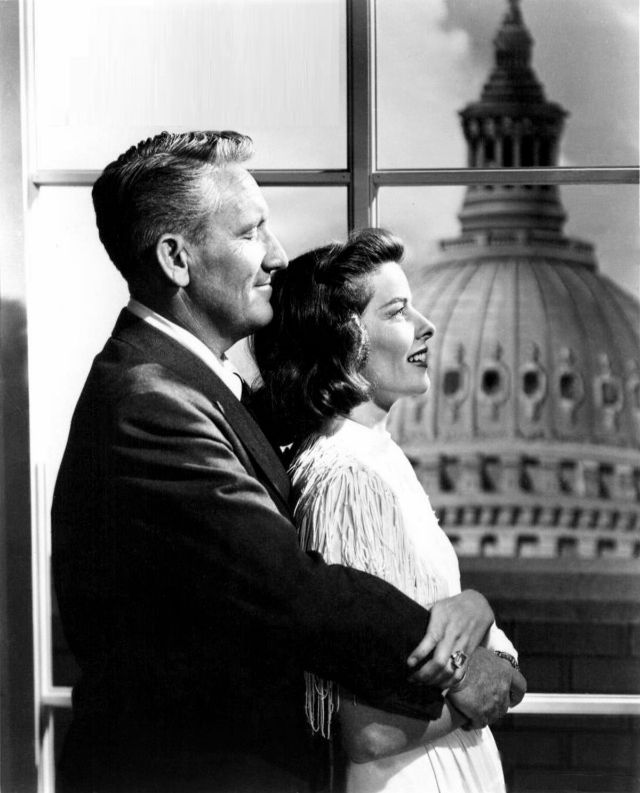
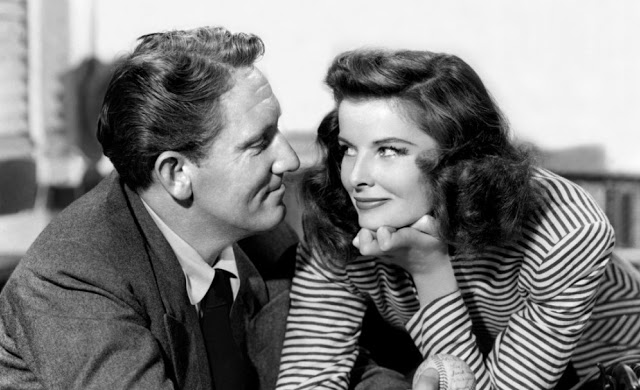
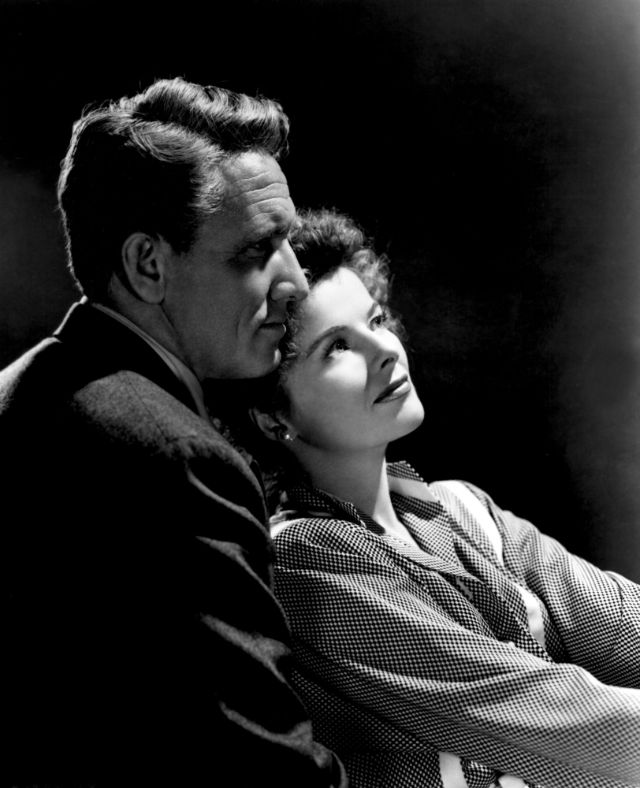
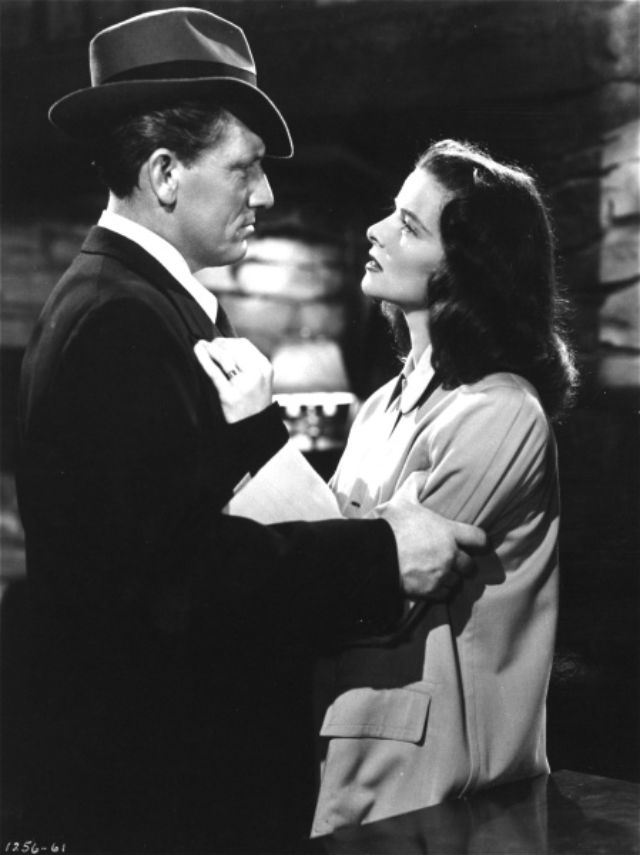
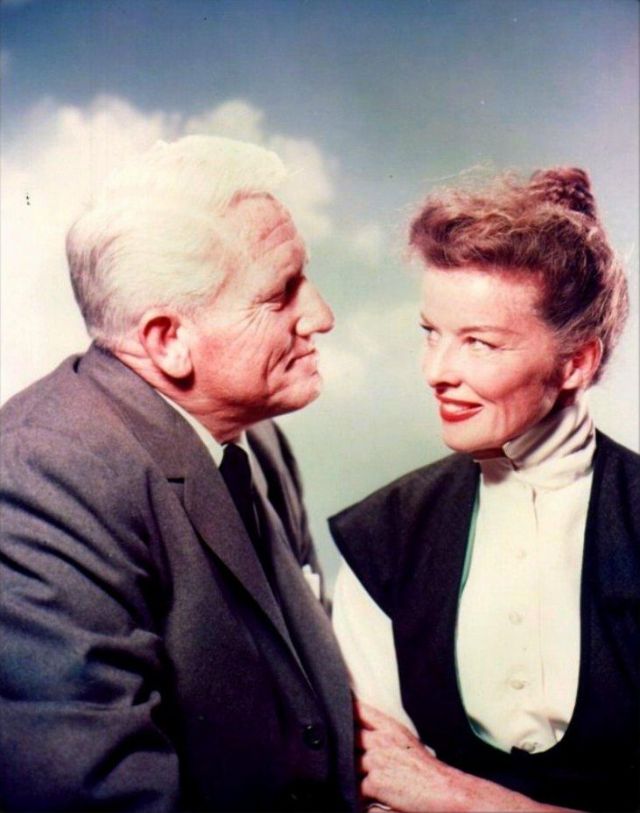
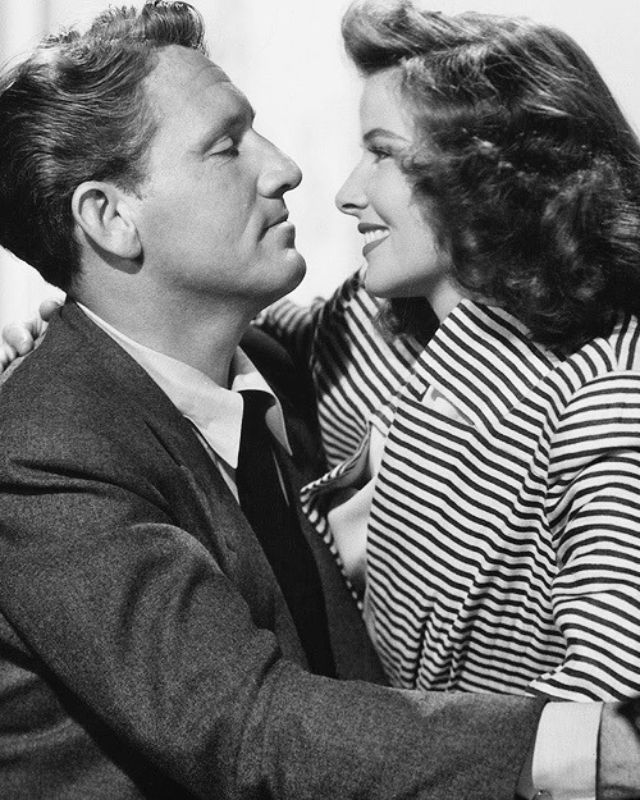
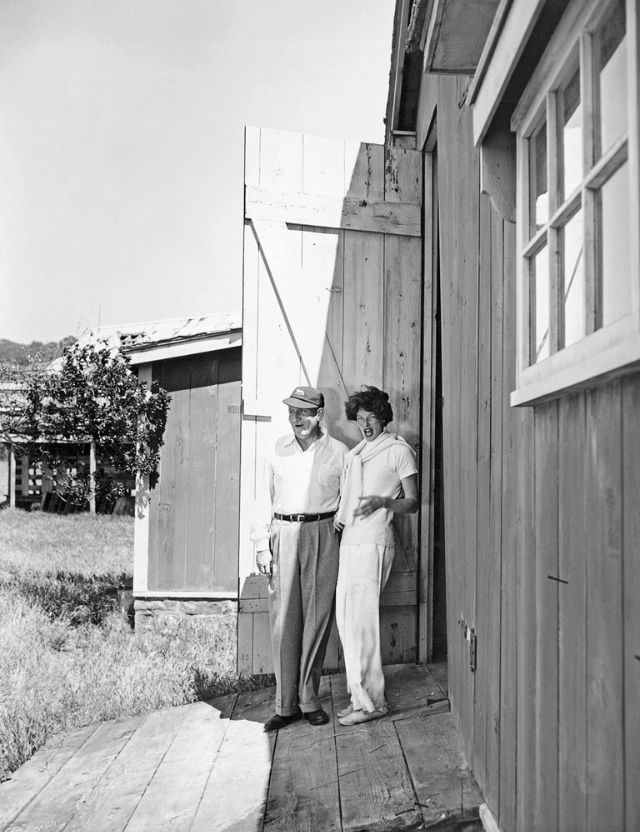
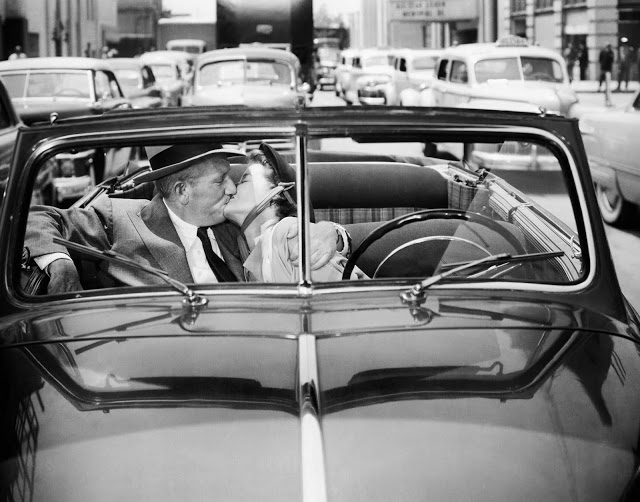
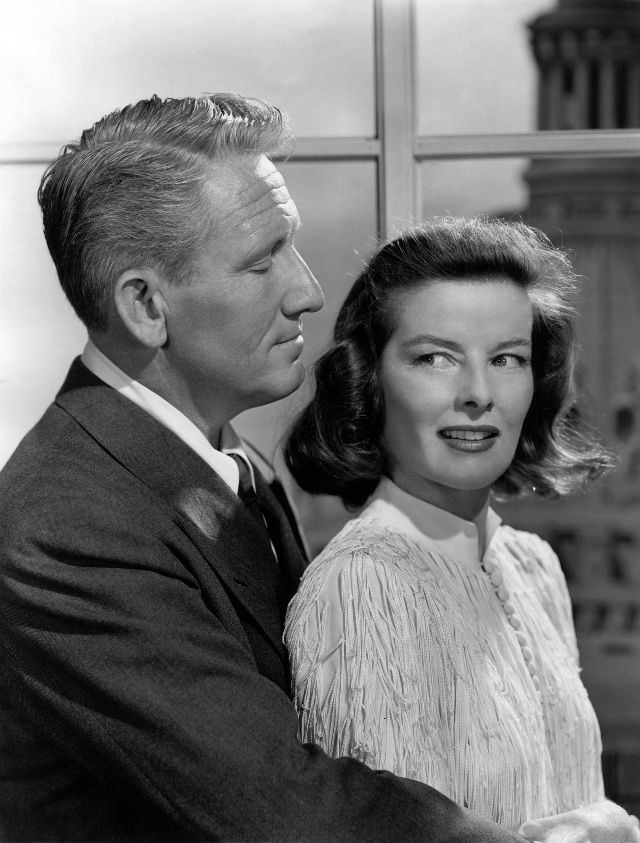
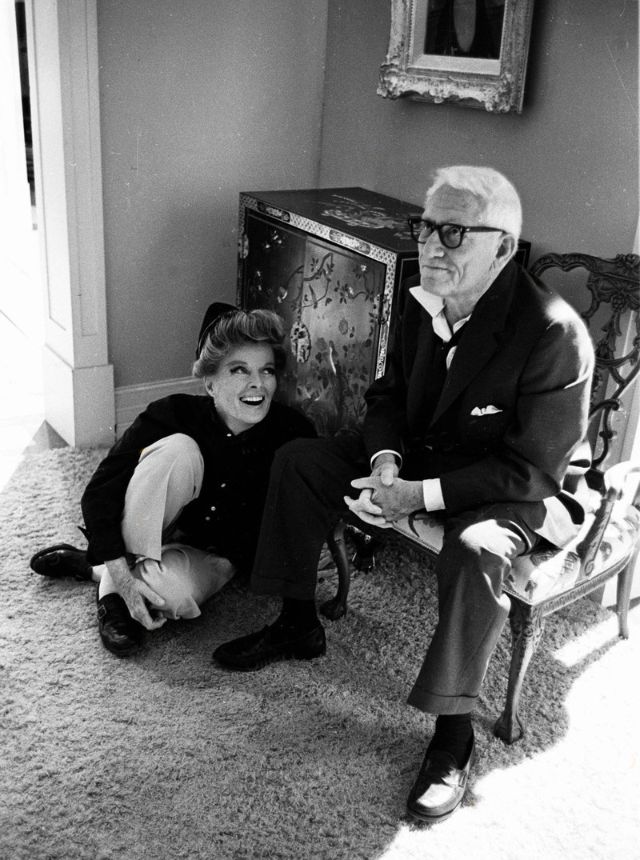
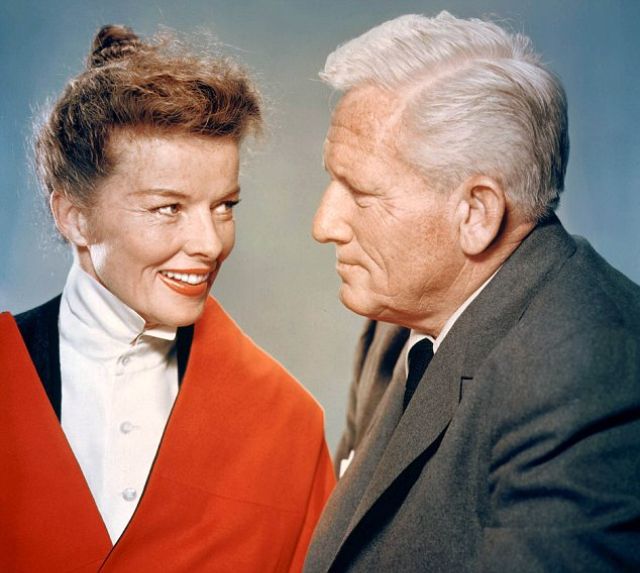
Of all the legendary Hollywood’s love stories and affairs, perhaps the most complicated is Spencer Tracy and Katharine Hepburn’s. Though carefully concealed from the public, on screen the iconic duo shared their time on total nine different films, starting with the 1942 classic “Woman of the Year” and coming to an end with the ever indelible “Guess Who’s Coming to Dinner” in 1967.

Tracy and Hepburn first met on the set of “Woman of the Year,” when he was 41 and she was 34. Their initial impressions were similar to a screwball comedy, with Hepburn’s first words to Tracy were “I fear I may be too tall for you, Mr. Tracy,” and his being wary of her, even suspecting that she was a lesbian. At the beginning, the pair addressed each other as “Miss Hepburn” and “Mr. Tracy,” but within a week after they changed to first-name terms. Gene Kelly, a co-star on the film, once recalled, “At lunch time they’d just meet and sit on a bench on the lot. They’d hold hands and talk – and everybody left them alone in their little private world.”

Their relationship, however, was kept in secret, with Tracy determined to conceal the affair from his wife, even as M.G.M was to prevent a controversy; needless to say, it still remained an open secret in Hollywood at the time. They were extremely careful to avoid being seen together in public and maintained separate residences, though Tracy did settle into a cottage near Hepburn’s house in Beverly Hills. Throughout the pair’s 26-year-long romance, Tracy remained married and Hepburn never fought for marriage. According to Joan Fontaine, he could “get a divorce whenever I want to, but my wife and Kate like things just as they are.”

Intimate as it seemed from the outside, theirs was not a healthy relationship, since Tracy’s was a troubled soul. He was known to be an alcoholic and frequently depressed. Hepburn described him as “tortured;” Louise, his wife, called him “the most volatile person I’ve ever seen – up in the clouds one minute and down in the depths the next.” Behind closed door, a heavily drunk Tracy bellowed at his devoted mistress until he passed out, and even once smacked his hand across her face. Hepburn, however, devoted herself to make his life more peaceful. From people who saw them together, her usual strong-willed and self-involved demeanor changed into an almost submission whenever she was around Tracy, who was also heavily dependent on her. She mothered, obeyed and always put his demands first. “I wanted him to be happy, safe, comfortable. I liked to wait on him, listen to him, feed him, work for him. I tried not to disturb him. I was happy to do this.”

In the sixties, when Tracy’s health significantly deteriorated, Hepburn took a five-year hiatus in her career to take care of him. She moved into his house for this period, stayed by his side when he passed away on June 10, 1967. Mindful of his family, Hepburn did not attend Tracy’s funeral, though she did call his wife to see whether a peace between them could be reached, to which Louise responded, “I thought you were a rumor.”

It was not until Louise’s death, in 1983, that Hepburn began to break her public silence on her feelings for Tracy. At this time she had befriended his daughter, Susie. In response to the question of why she stayed with Tracy for so long when their relationship could never become official, she replied, “I honestly don’t know. I can only say that I could never have left him.” Briefly after that Hepburn added that she did not know exactly the nature of Tracy’s feelings toward her, but that they “just passed twenty-seven years together in what was to me absolute bliss.”

“I loved Spencer Tracy,” Hepburn wrote in her 1991 autobiography, “I would have done anything for him.” Below are 36 photos and stills capturing their intimate moments on screen.
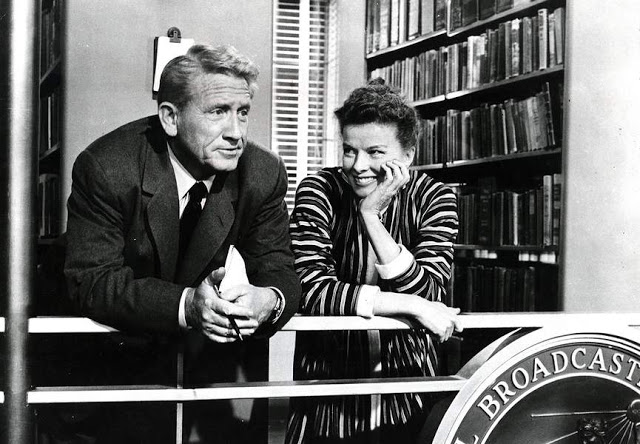
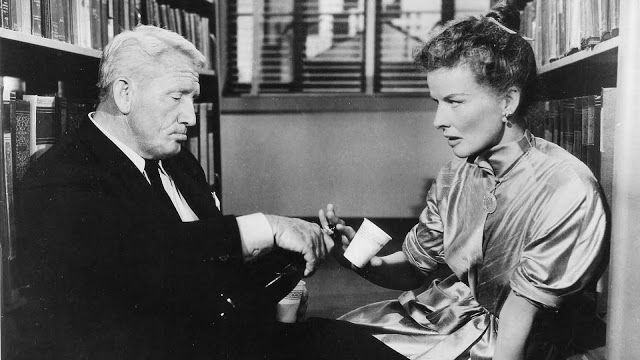
Still of Katharine Hepburn and Spencer Tracy for the film ‘Desk Set,’ 1957.
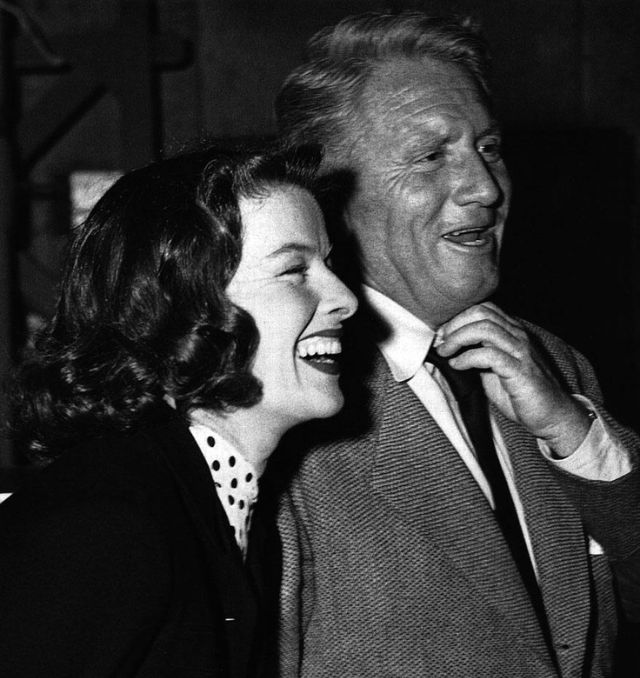
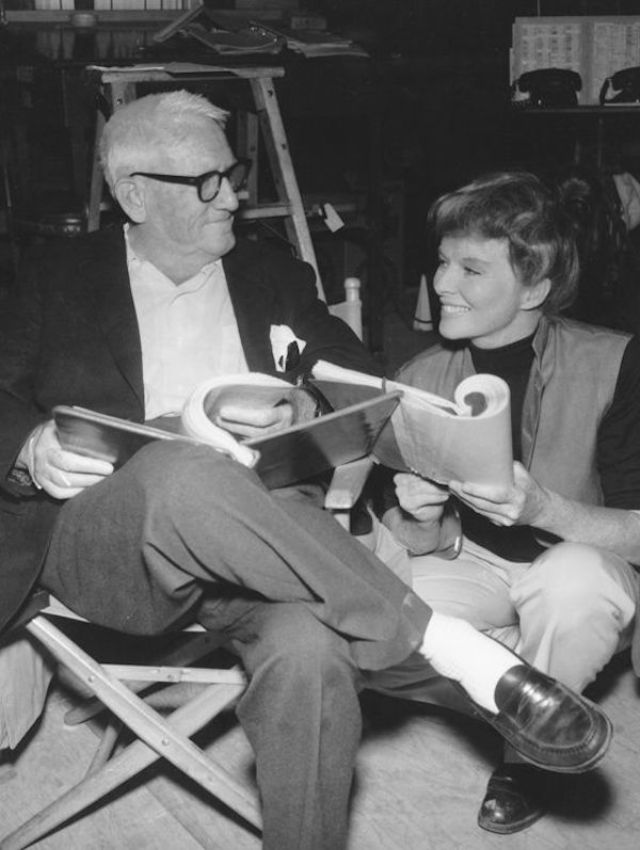
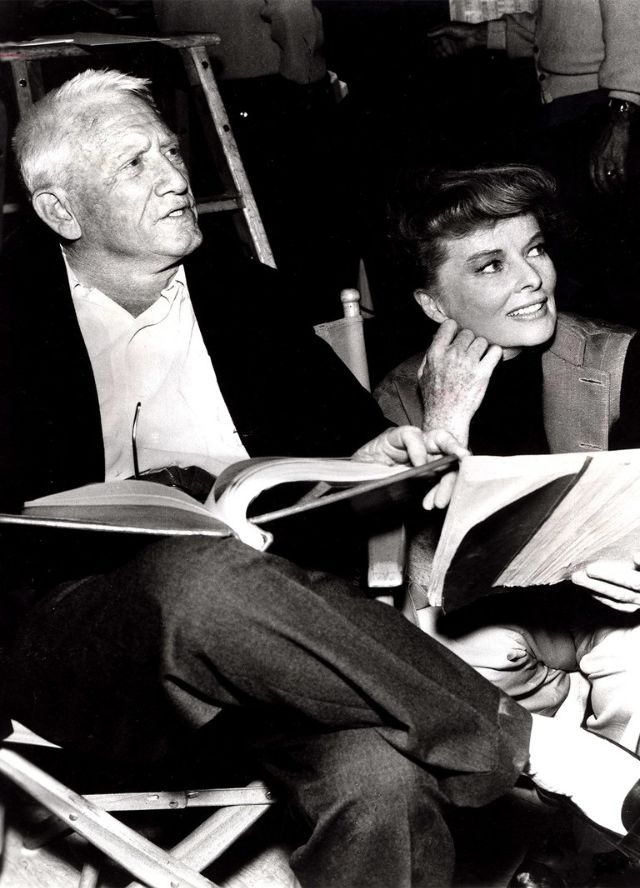
Katharine Hepburn and Spencer Tracy on the set of ‘State of the Union,’ 1948.
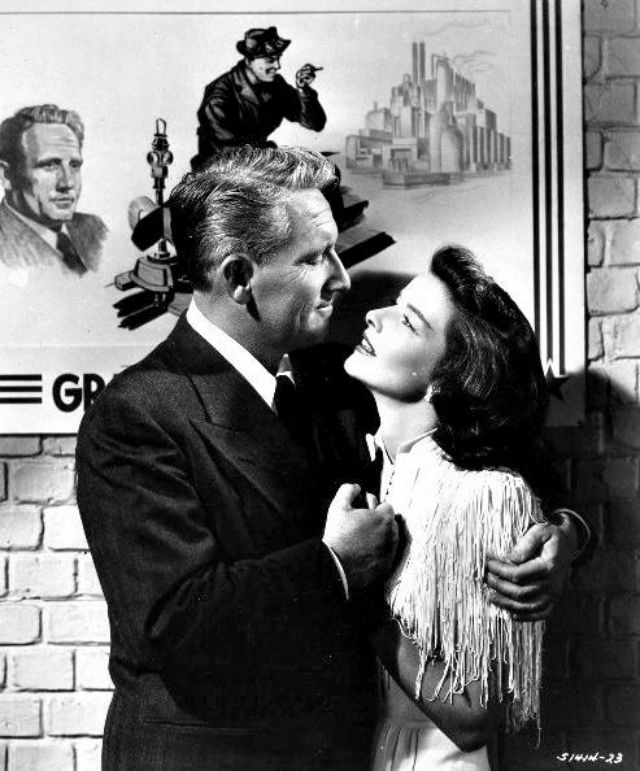
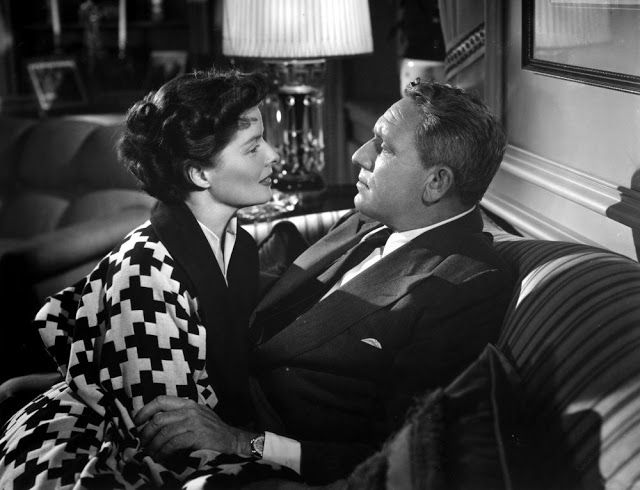
Spencer Tracy and Katharine Hepburn in ‘State of the Union,’ 1948.
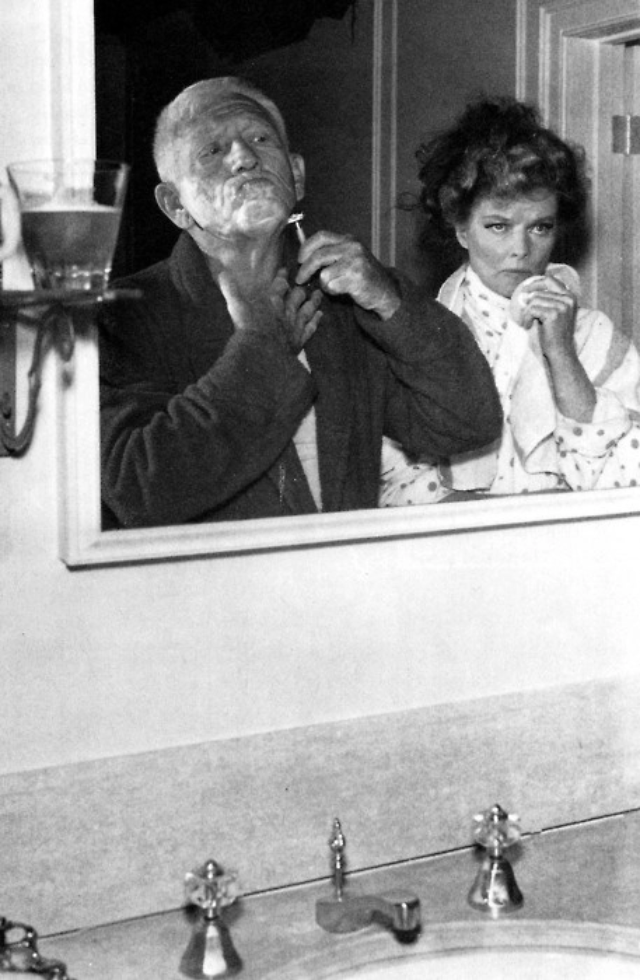
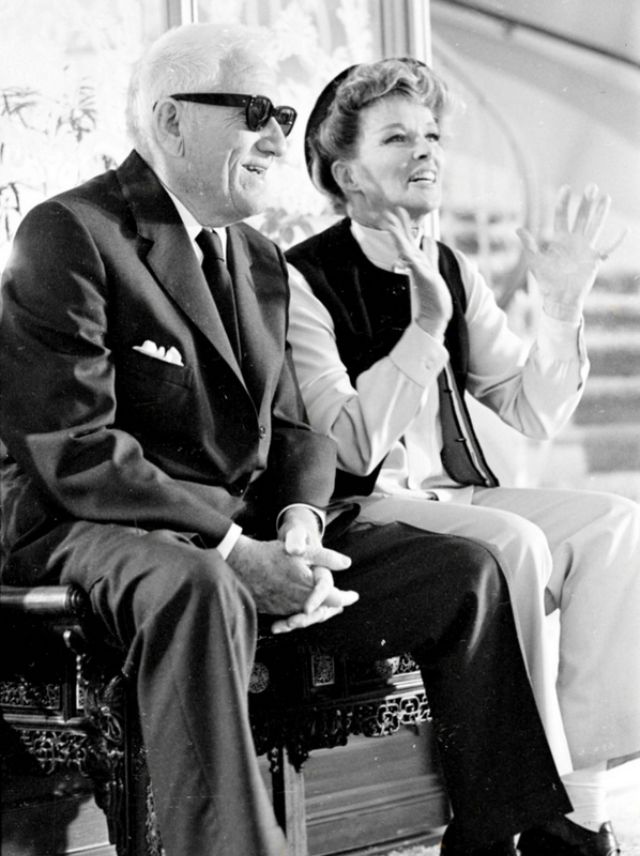
Spencer Tracy and Katharine Hepburn between takes of ‘Guess Who’s Coming to Dinner,’ 1967.
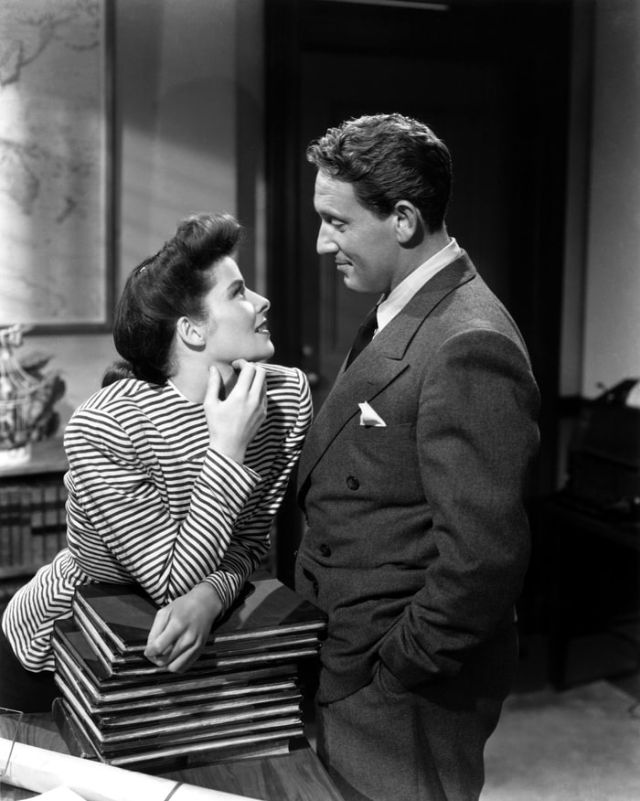
Katharine Hepburn and Spencer Tracy looking into each other eyes in a scene from the film ‘Woman of the Year’, 1942.
Spencer Tracy and Katharine Hepburn in ‘Pat and Mike,’ 1952.
Spencer Tracey and Katherine Hepburn in ‘Keeper of the Flame,’ 1942.
Katharine Hepburn and Spencer Tracy in a publicity photo from the film ‘Guess Who’s Coming to Dinner’, 1967.
Katharine Hepburn and Spencer Tracy in ‘Desk Set,’ 1957.
Still of Spencer Tracy and Katharine Hepburn in ‘Woman of the Year,’ 1942.
Spencer Tracy and Katharine Hepburn on the film set of ‘Without Love’, 1945.
Spencer Tracy and Katharine Hepburn on the set of ‘Adam’s Rib,’ 1948.
Katharine Hepburn and Spencer Tracy in ‘State of the Union,’ 1948.
Spencer Tracy photographed between scenes with Katharine Hepburn in film ‘Guess Who’s Coming to Dinner,’ 1967.
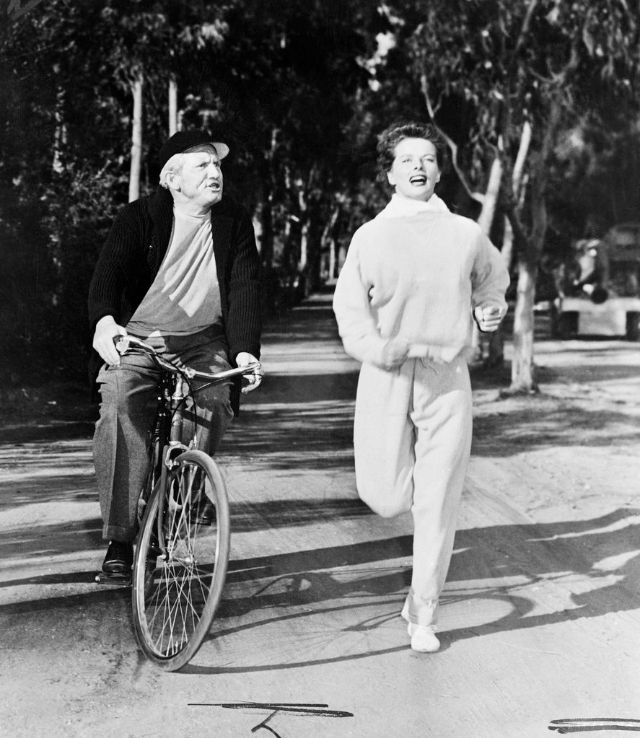
Spencer Tracy on a bike along side Katharine Hepburn jogging in a scene from ‘Pat and Mike,’ April 29, 1952.
Katharine Hepburn and Spencer Tracy in a scene from ‘Guess Who’s Coming to Dinner,’ 1967.
Spencer Tracy looking tired on the set of his final film, the 1967 comedy ‘Guess Who’s Coming to Dinner.’
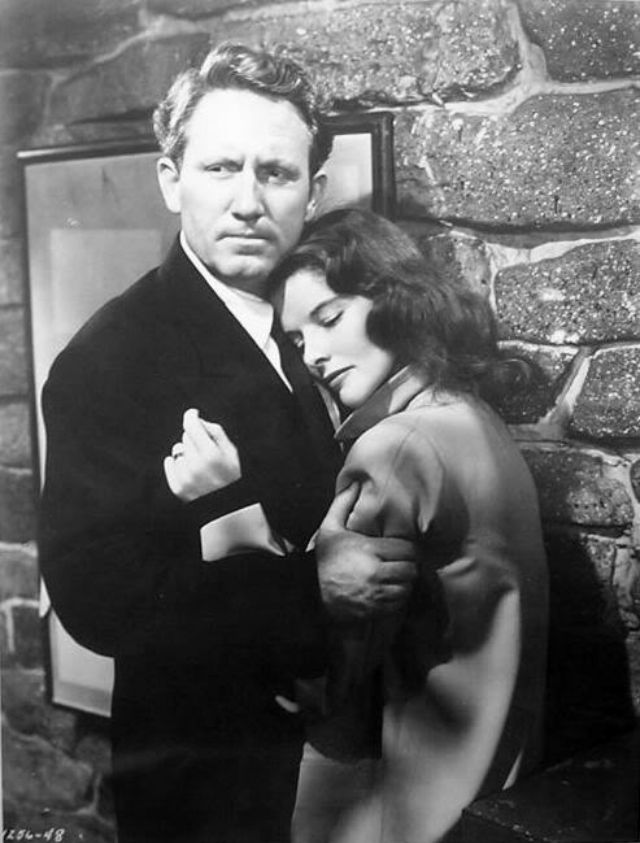
Spencer Tracy holding Katharine Hepburn in ‘Keeper of the Flame,’ 1942.
Spencer Tracy and Katherine Hepburn share a drink in a scene from the film ‘Desk Set,’ 1957.
Katharine Hepburn and Spencer Tracy in ‘Adam’s Rib,’ 1949.
Spencer Tracy and Katharine Hepburn on the set of ‘Guess Who’s Coming to Dinner,’ 1967.
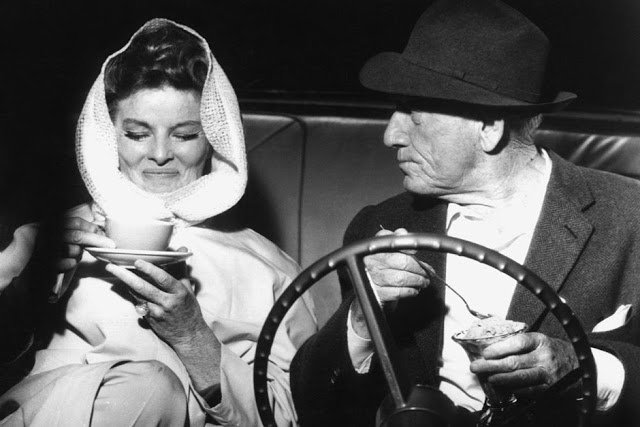
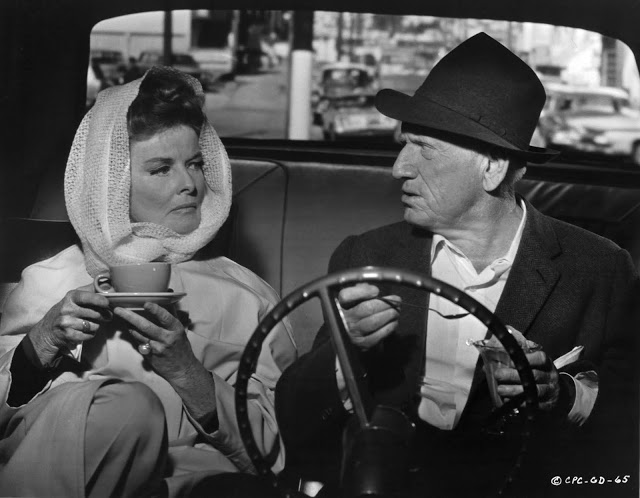
Katharine Hepburn and Spencer Tracy sitting in a car together enjoying a snack in a scene from the film ‘Guess Who’s Coming to Dinner,’ 1967.
Katharine Hepburn and Spencer Tracy starring together in the film ‘Adam’s Rib,’ 1949.
Spencer Tracy and Katharine Hepburn in ‘State of the Union,’ 1948.
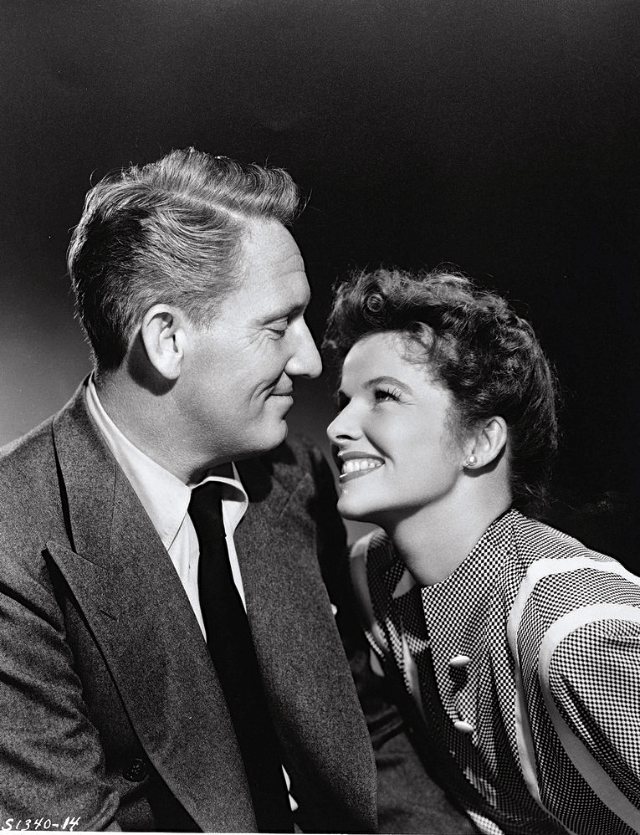
Spencer Tracy and Katharine Hepburn look lovingly into each others eyes in a publicity photo for the 1945 film ‘Without Love.’
Spencer Tracy and Katharine Hepburn in the 1948 film ‘State of the Union.’
Spencer Tracy and Katharine Hepburn in the romantic comedy film ‘Woman of the Year,’ 1942.
Spencer Tracy and Katharine Hepburn on the set of ‘Without Love,’ 1945.
Spencer Tracy and Katharine Hepburn in ‘Keeper of the Flame,’ 1942.
Spencer Tracy and Katharine Hepburn in a promotional image for ‘Desk Set,’ 1957.
Katharine Hepburn sitting on Spencer Tracy’s lap in his office in a scene from the film ‘Woman of the Year,’ 1942.
Katharine Hepburn and Spencer Tracy joking around on the set of the 1949 film ‘Adam’s Rib’ directed by George Cukor. Photo by George Rinhart.
Spencer Tracy and Katharine Hepburn kissing in a scene from ‘Adam’s Rib,’ 1949.
Katharine Hepburn and Spencer Tracy in the 1948 ‘State of the Union’ directed by Frank Capra.
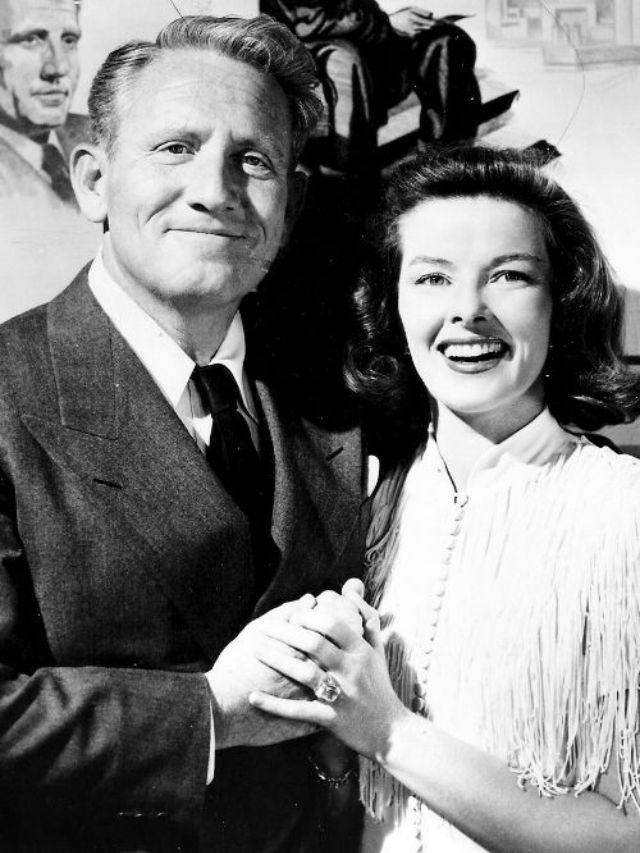
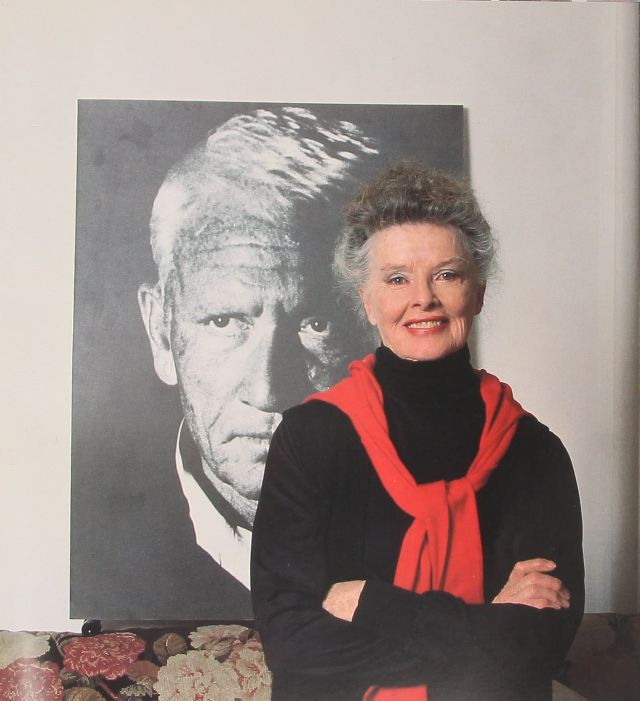
Katharine Hepburn standing in front of a poster size photo (her favorite, taken by Phil Stern) of actor Spencer Tracy in her townhouse, 1986. Photo by John Bryson.

45 Gorgeous Photos of Marie-Hélène Arnaud, The “Face of Chanel”, in the 1950s

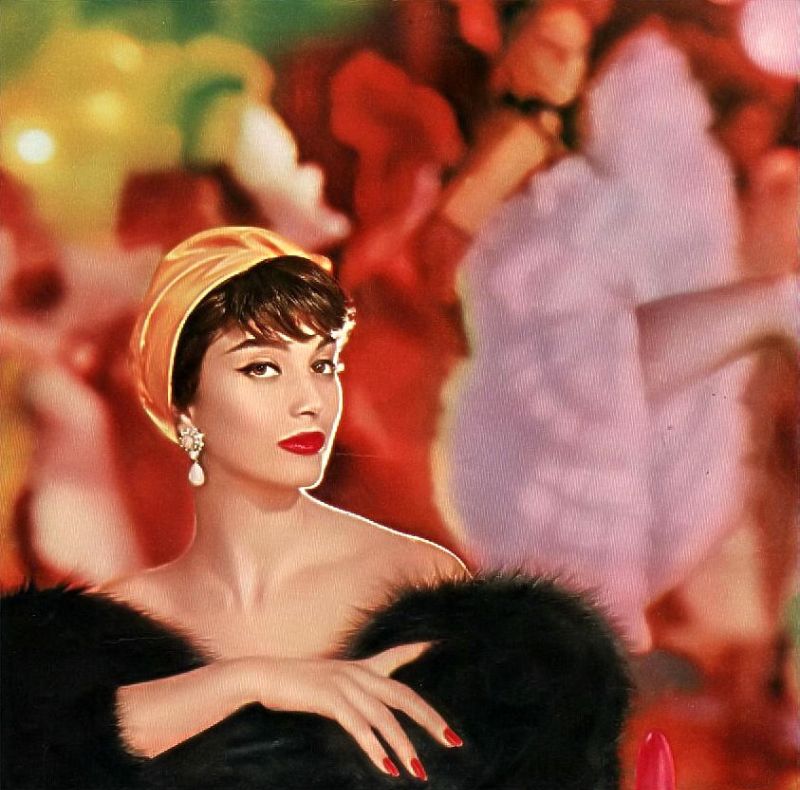
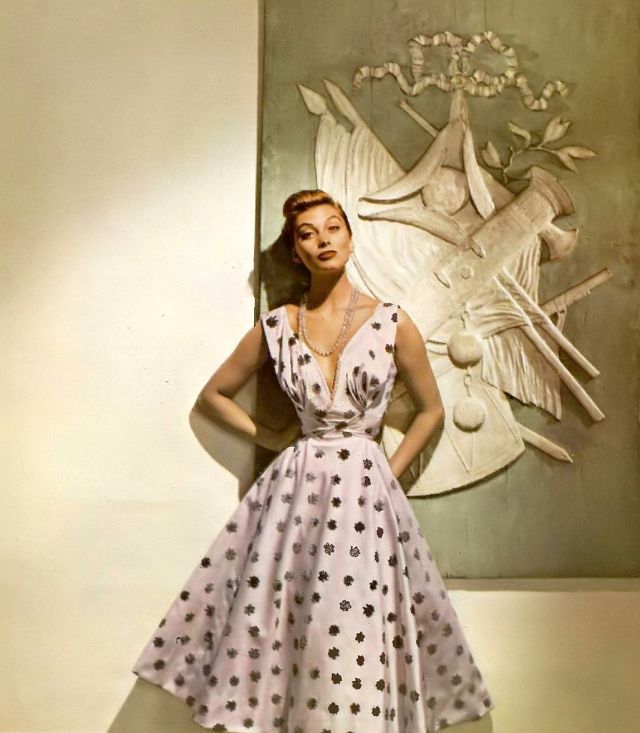
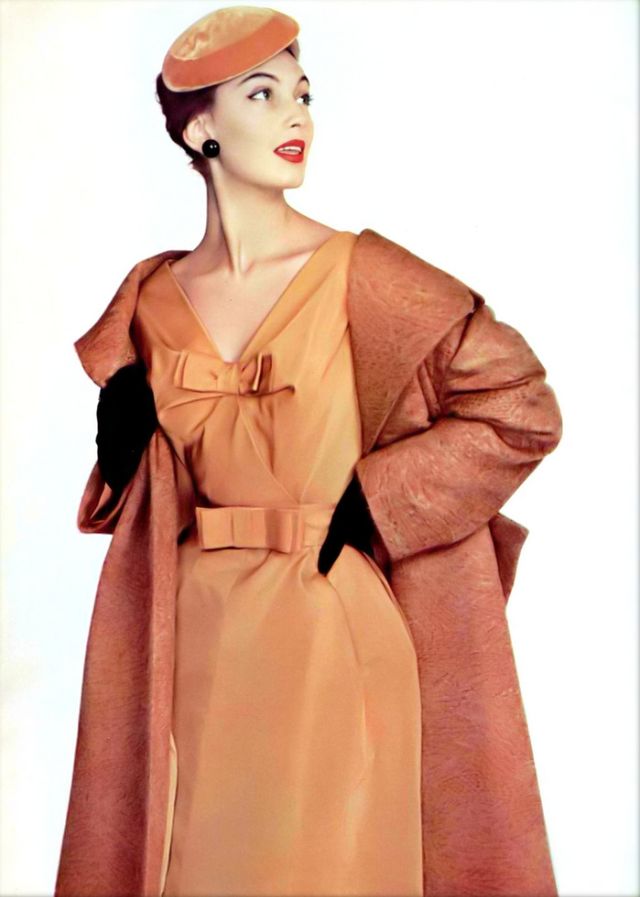
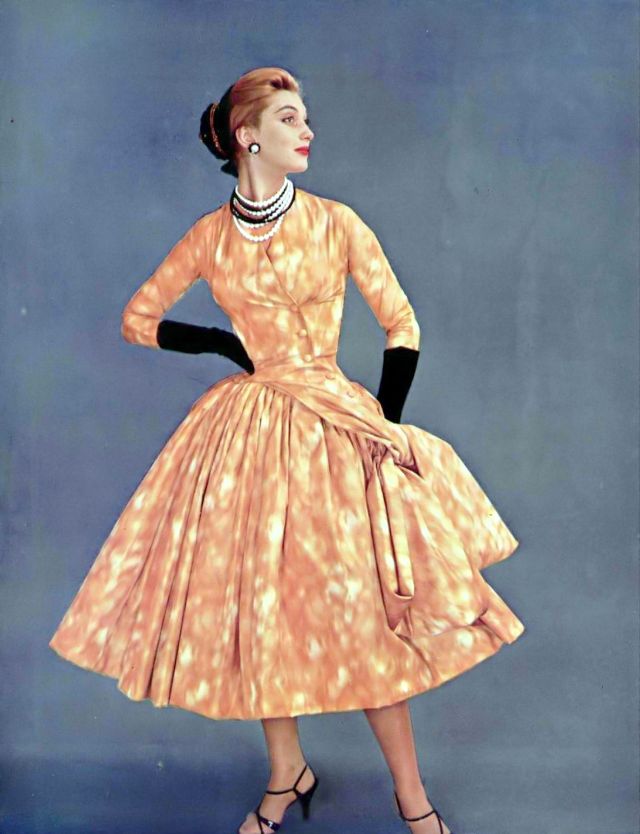
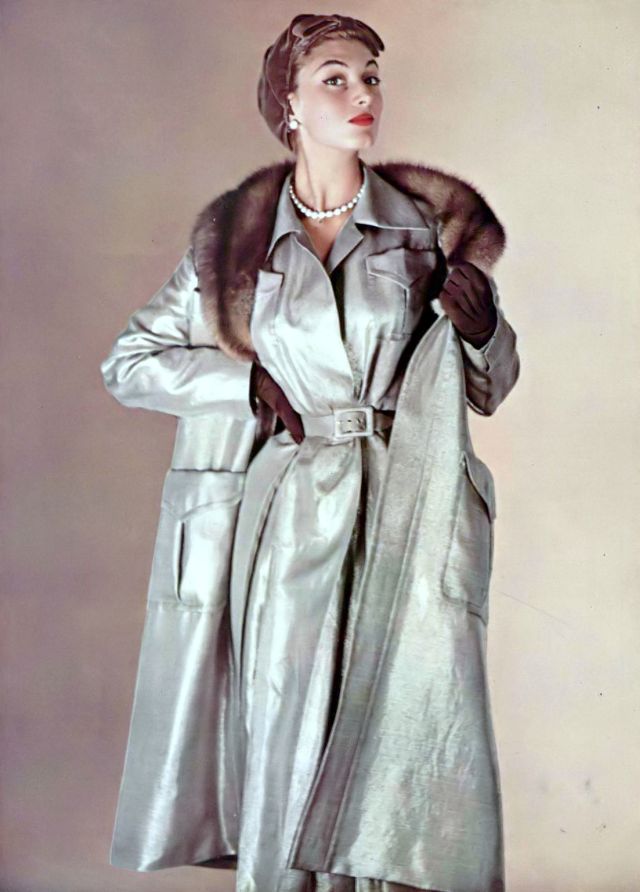
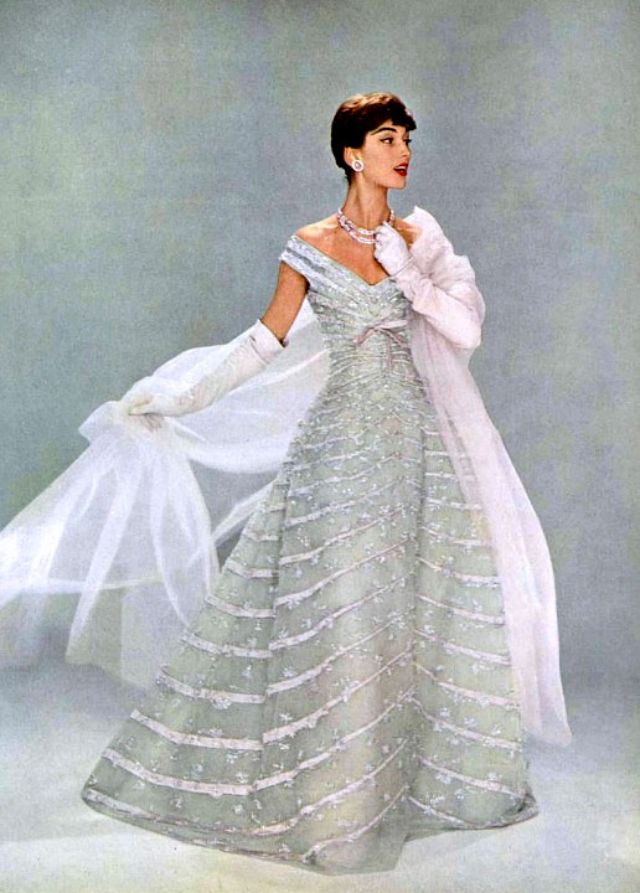
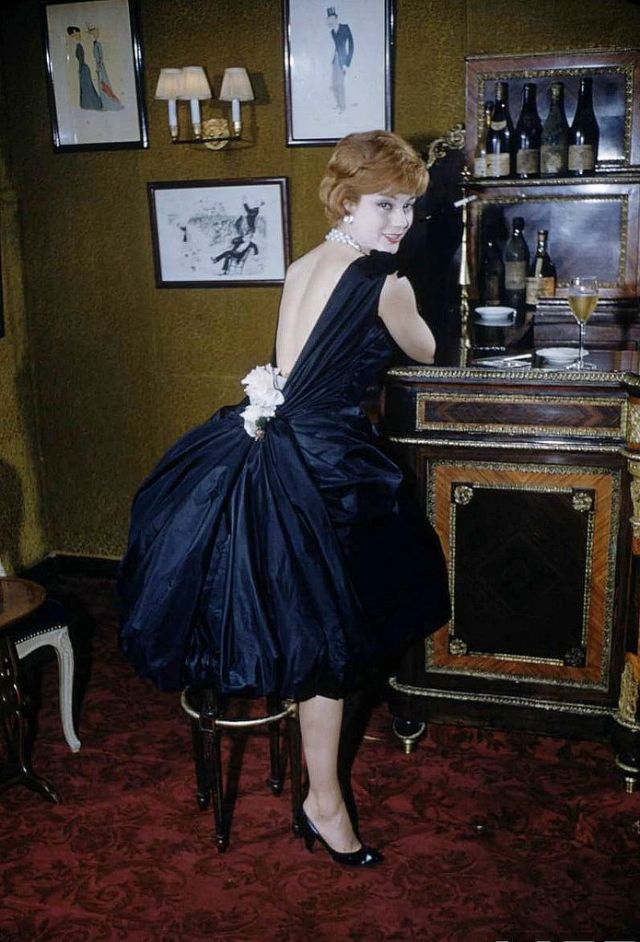
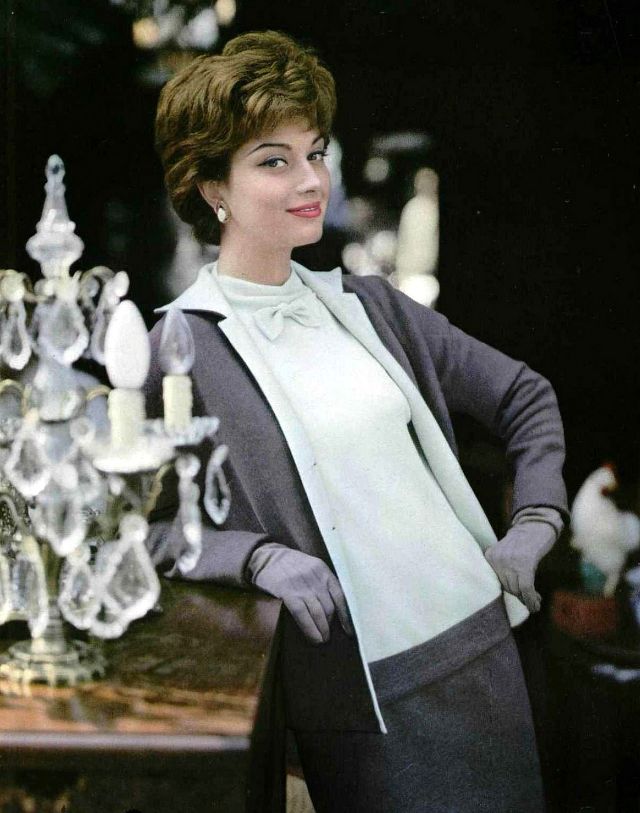
Born 1934 in Montmorency in the northern suburbs of Paris, French model and actress Marie-Hélène Arnaud started at Chanel as a house model and rapidly grew to be Coco’s favorite and eventually the directrice at her fashion house.

At 24 Arnaud became the public “face of Chanel”. After she left Chanel, Arnaud set herself up a designer, launching a line of clothes for the department store Grande Maison de Blanc in the Place de l’Opéra, with five seamstresses working from her Paris apartment. The line was not a success and was short-lived.

Like many models of the era, Arnaud branched out into acting in films. She had a number of minor speaking roles, but the biggest film she featured in was her non-speaking role in the musical Gigi, which won a record-breaking nine Oscars in 1958, including Best Picture and Best Costume Design (for Cecil Beaton). Wearing a Beaton-designed evening dress and playing the part of a Maxim’s girl, she made a dramatic entrance on the arm of Maurice Chevalier.

Arnaud was found dead in her bath one morning in October 1986. Was it suicide or a simple heart attack? No one will ever know. Just remember her as the luminous beauty who remains for ever the ideal ambassador for the Chanel style around the world.

Take a look at these stunning photos to see the beauty of Marie-Hélène Arnaud in the 1950s.

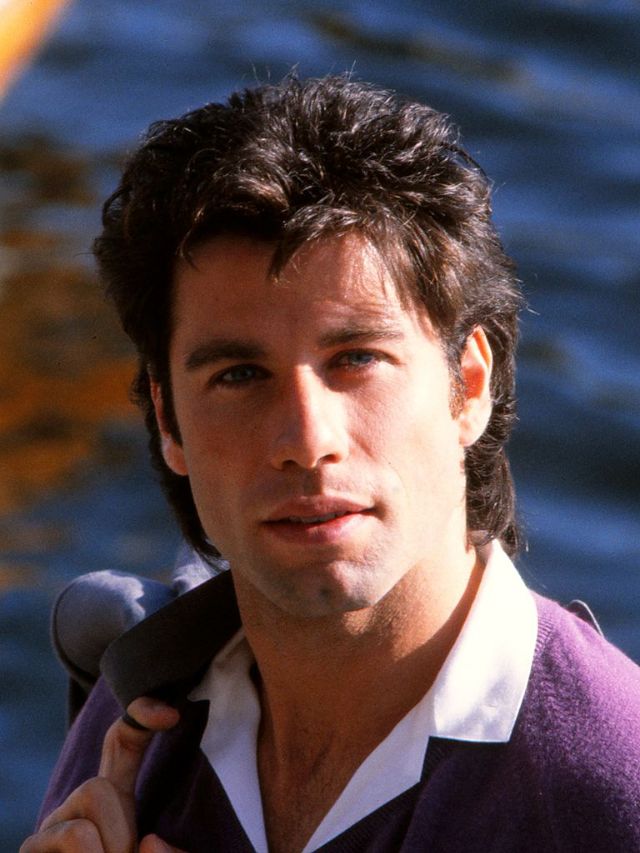
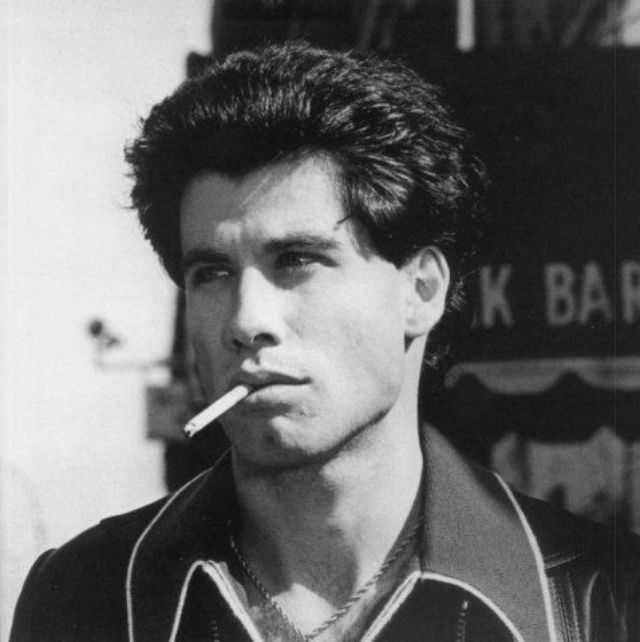
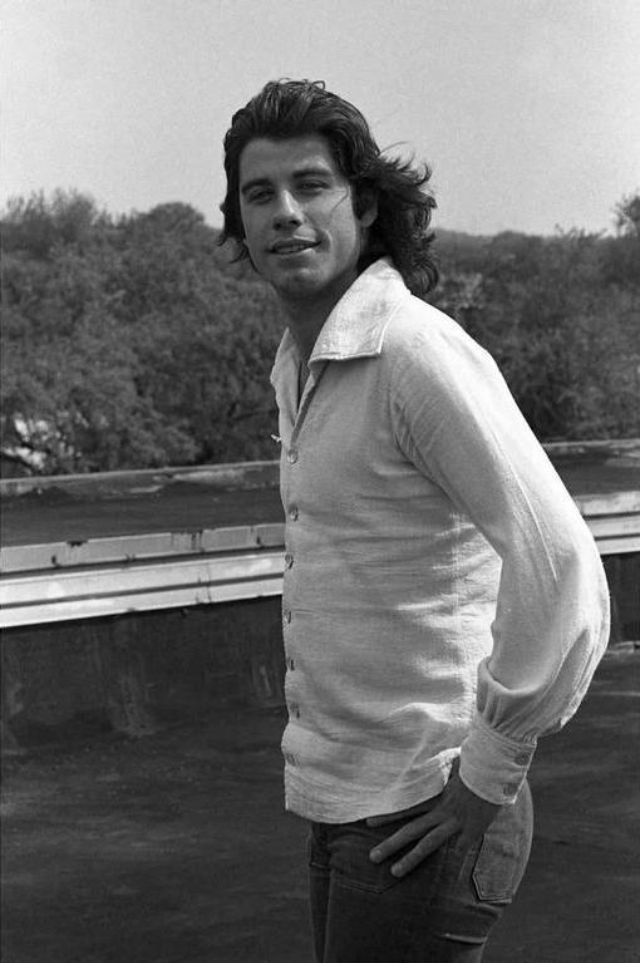
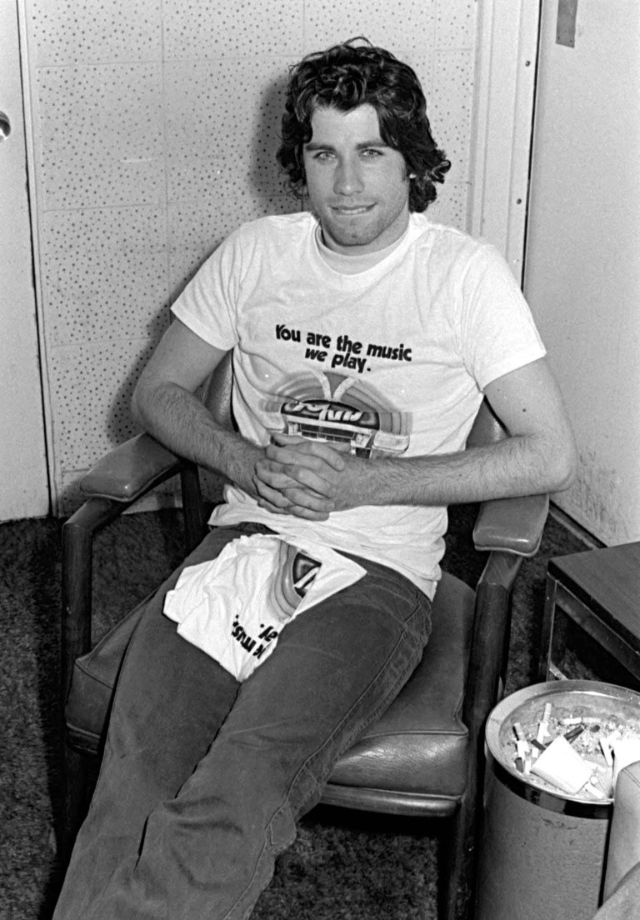
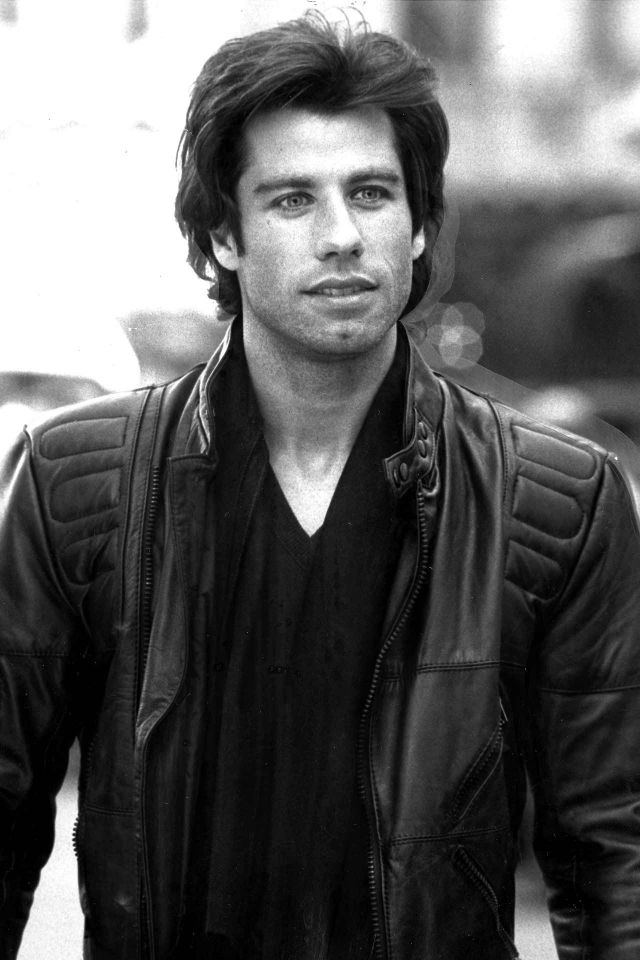
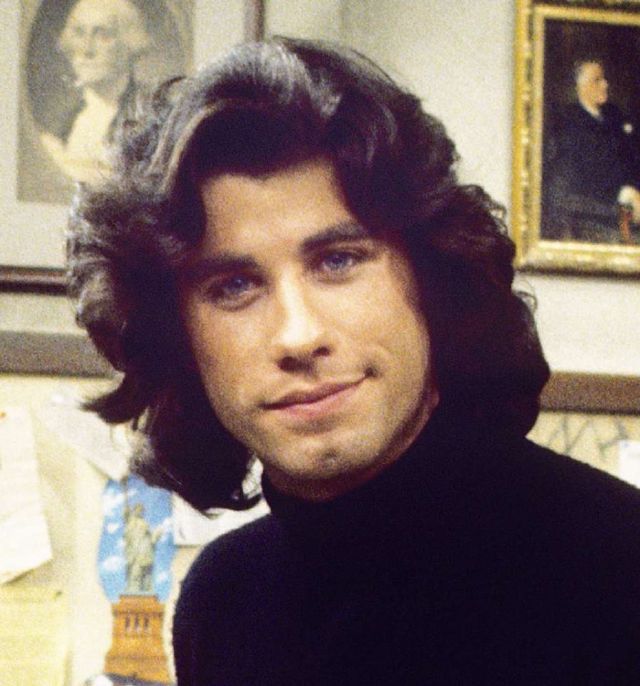
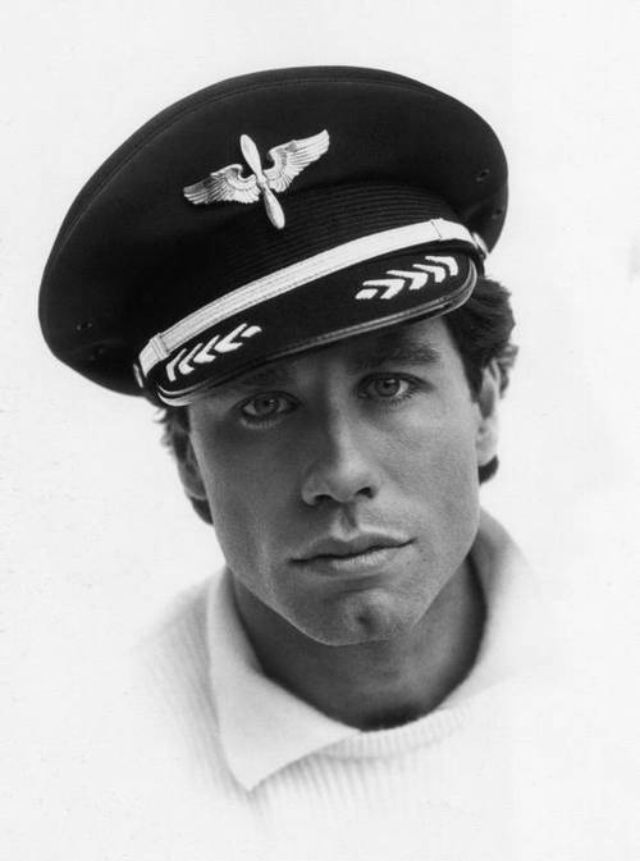
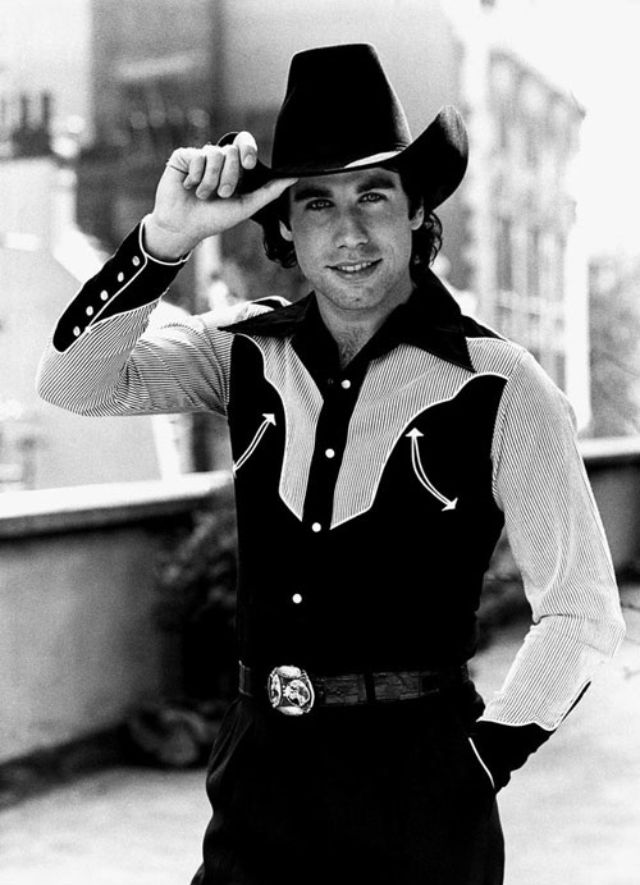
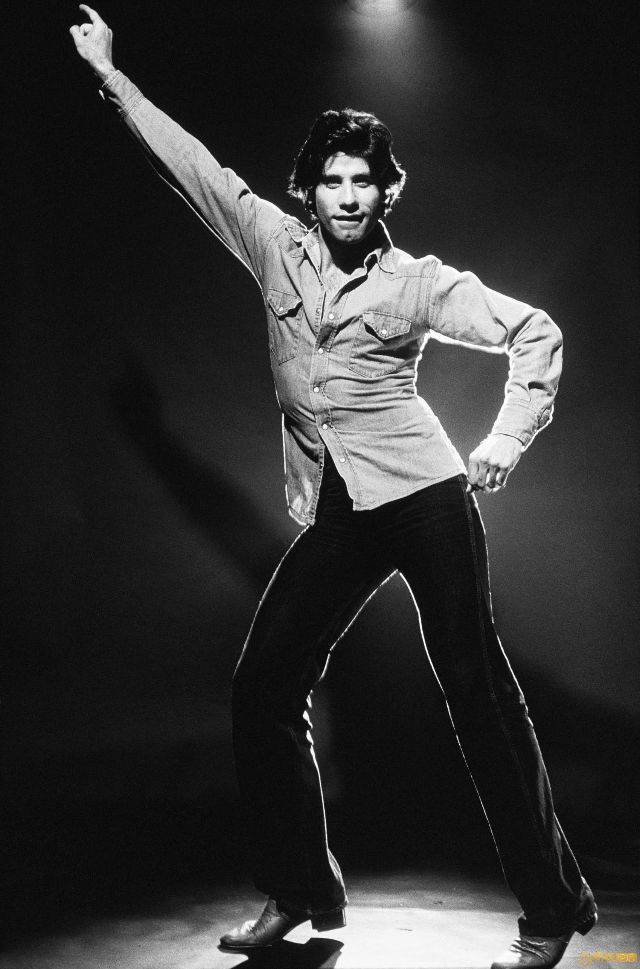
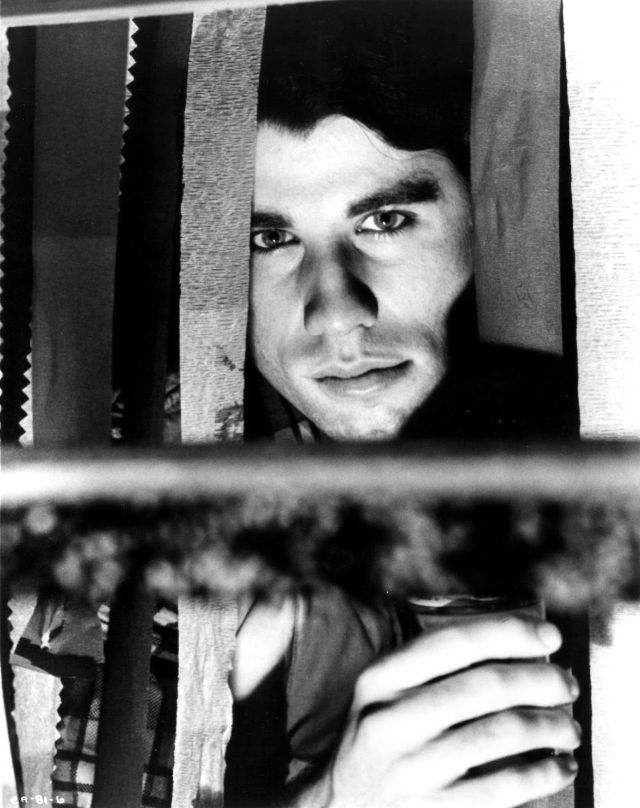
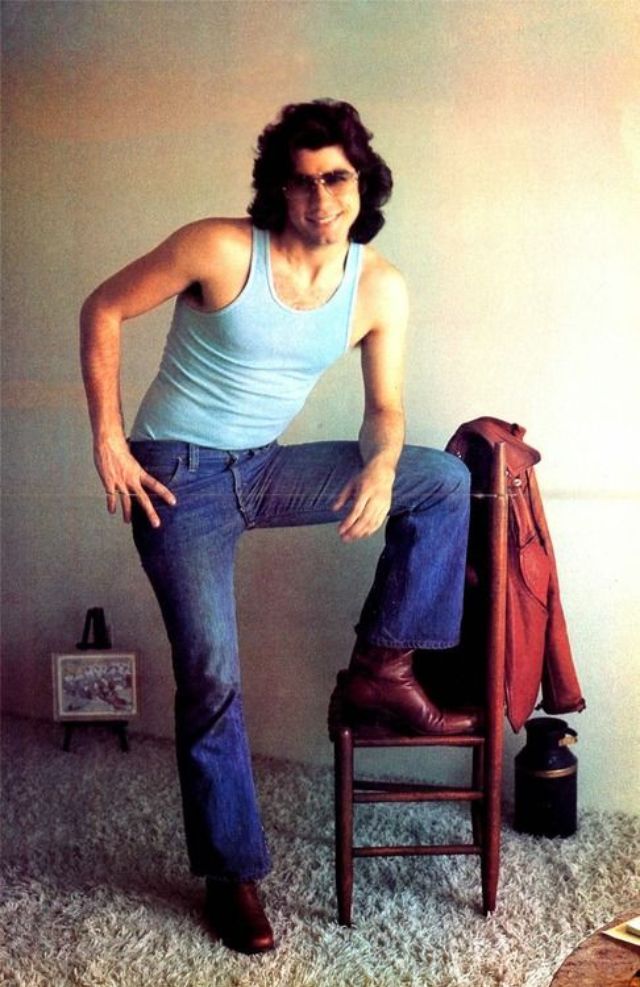
35 Handsome Photos of John Travolta During the 1970s and 1980s

John Joseph Travolta (born February 18, 1954) is an American actor and singer. He came to public attention during the 1970s, appearing on the television sitcom Welcome Back, Kotter (1975–1979) and starring in the box office successes Carrie (1976), Saturday Night Fever (1977), Grease (1978), and Urban Cowboy (1980). His acting career declined throughout the 1980s, but he enjoyed a resurgence in the 1990s with his role in Pulp Fiction (1994), and went on to star in films including Get Shorty (1995), Broken Arrow (1996), Phenomenon (1996), Face/Off (1997), A Civil Action (1998), Primary Colors (1998), Hairspray (2007), and Bolt (2008).

Travolta was nominated for the Academy Award for Best Actor for his performances in Saturday Night Fever and Pulp Fiction. He won a Golden Globe Award for Best Actor in a Motion Picture – Musical or Comedy for his performance in Get Shorty and has received a total of six nominations, the most recent being in 2011. In 2014, he received the IIFA Award for Outstanding Achievement in International Cinema. In 2016, Travolta received his first Primetime Emmy Award, as a producer of the first season of the anthology series American Crime Story, subtitled The People v. O. J. Simpson. He also received an additional Emmy nomination and a Golden Globe nomination for his portrayal of lawyer Robert Shapiro in the series. Travolta is also a private pilot. (Wikipedia)

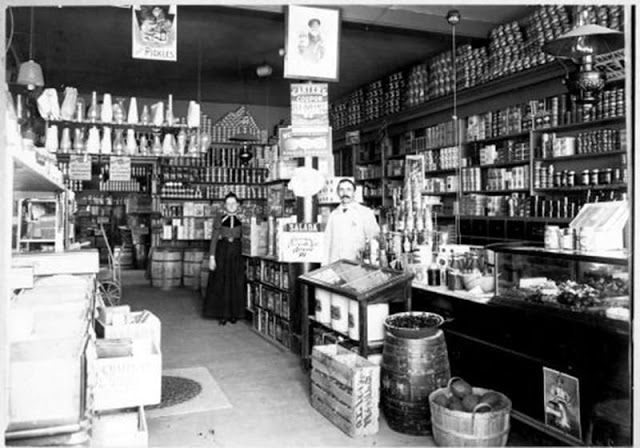
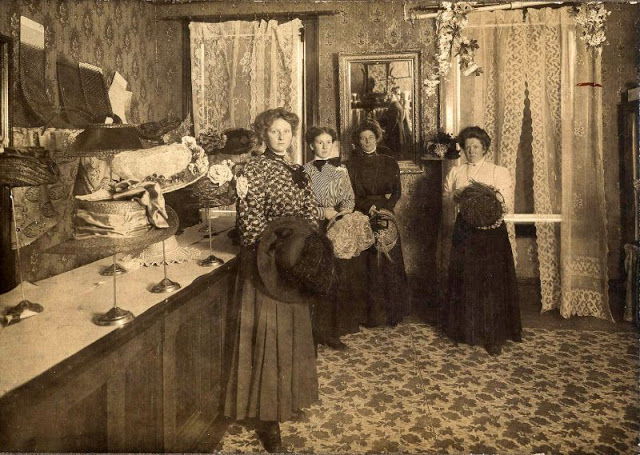
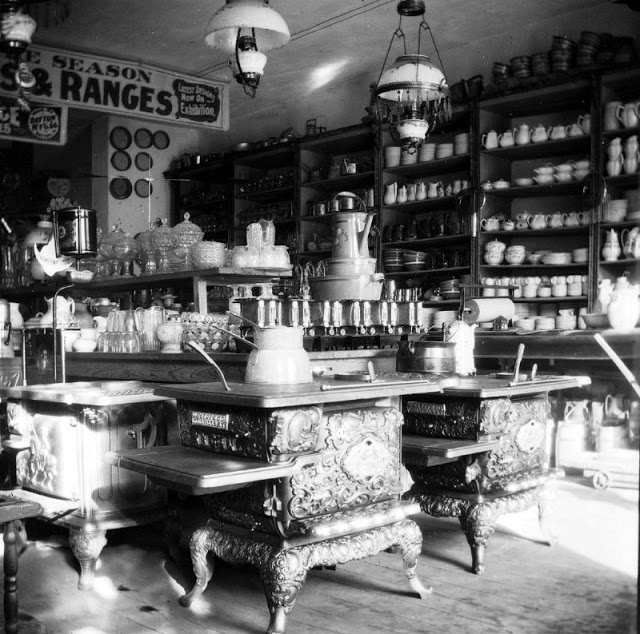
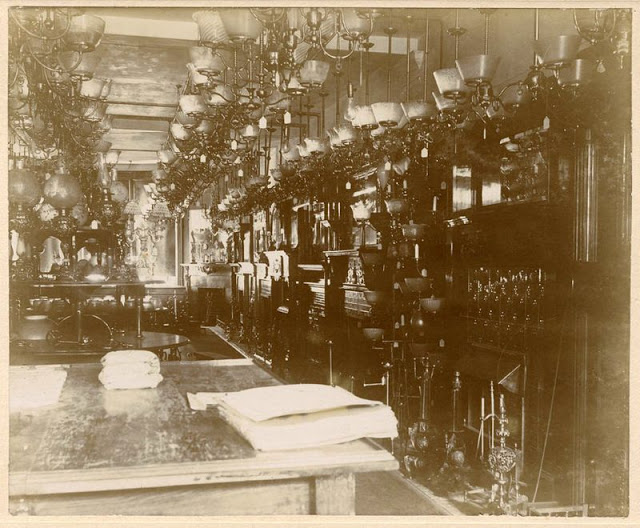
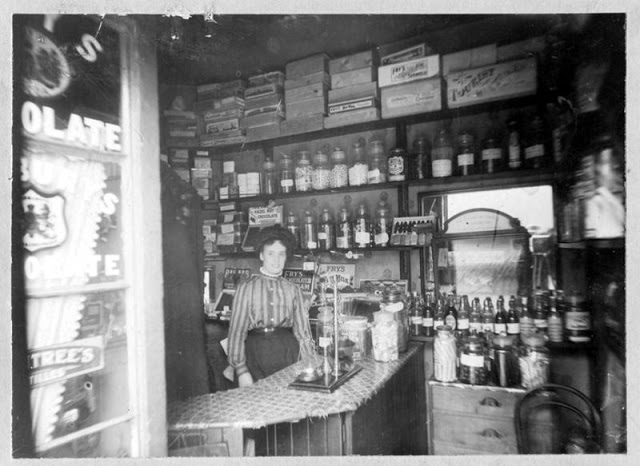
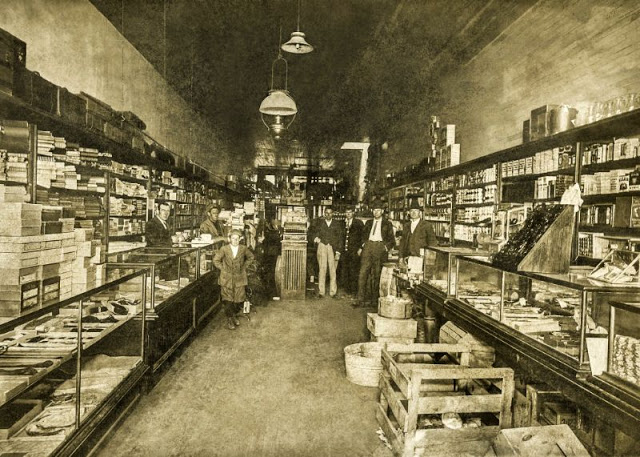
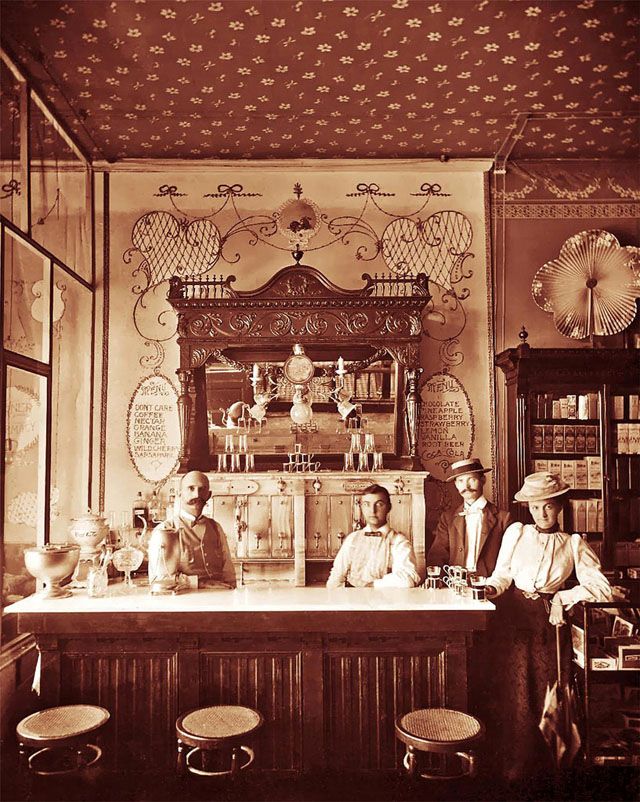
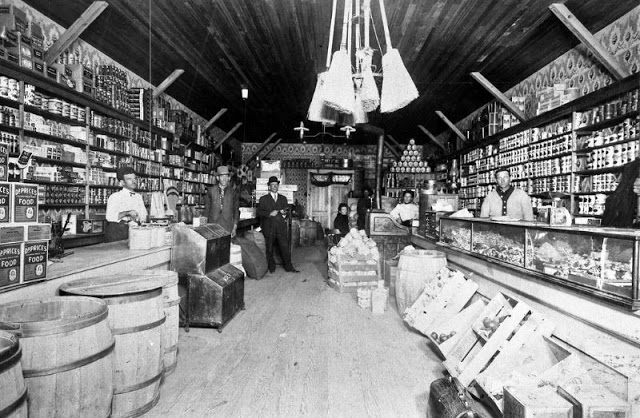
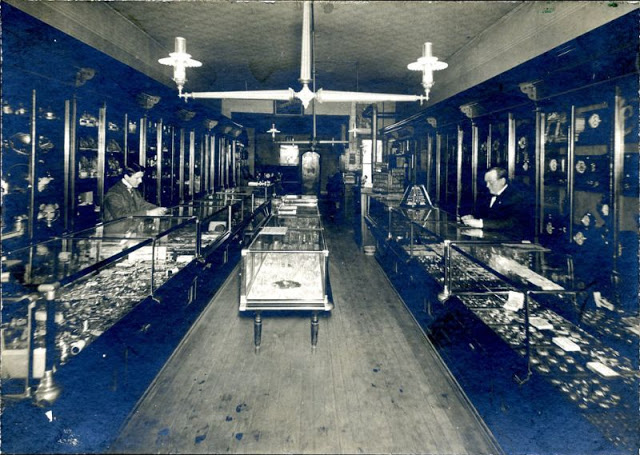
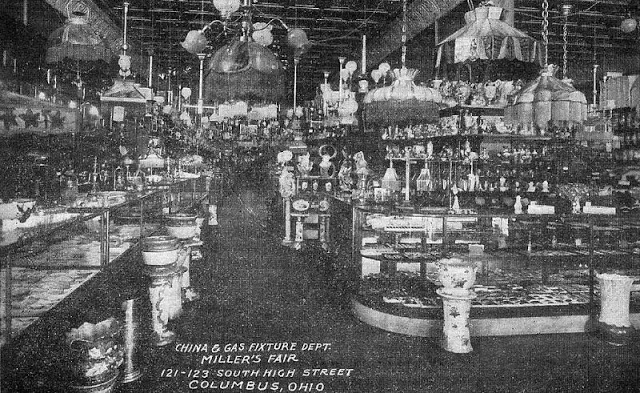
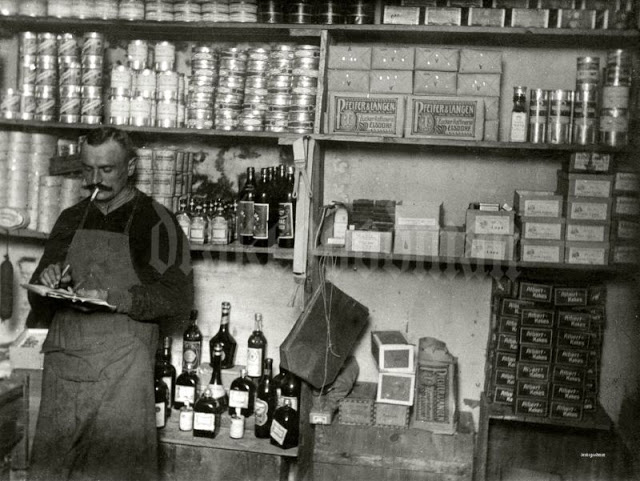
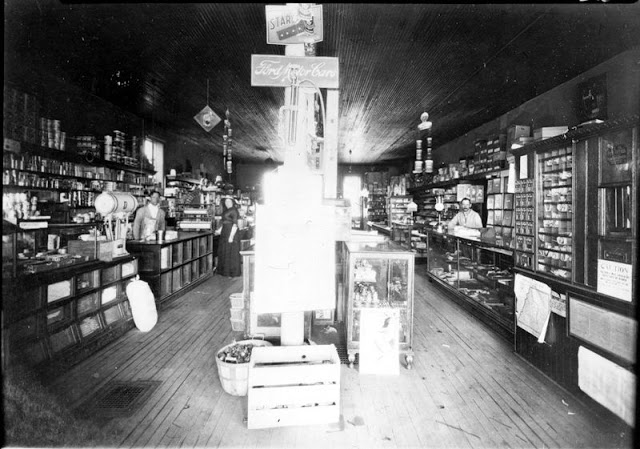
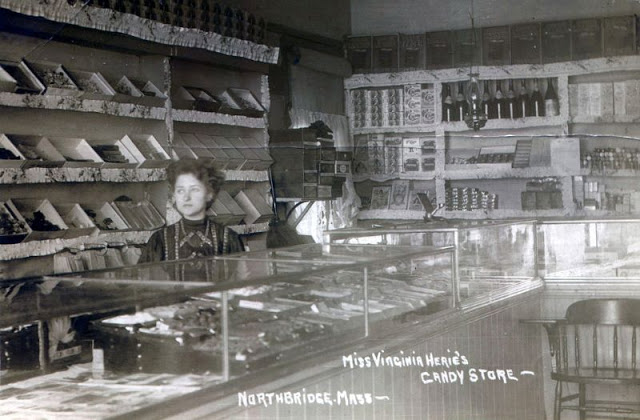
35 Vintage Photos Show the Inside of Stores in the Early 20th Century

A.L. Woodruff and Sons, General Store, Needham, Massachusetts
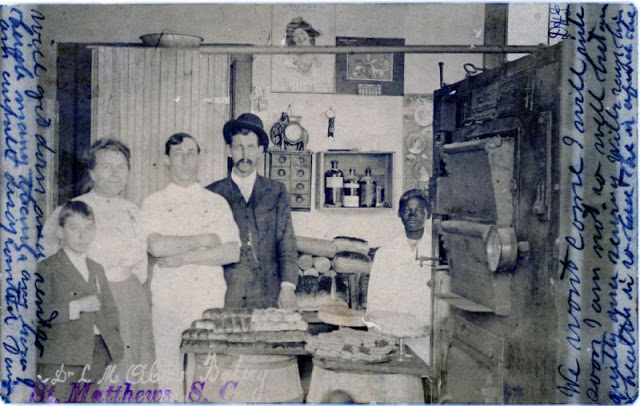
Bakery in St. Matthews South Carolina
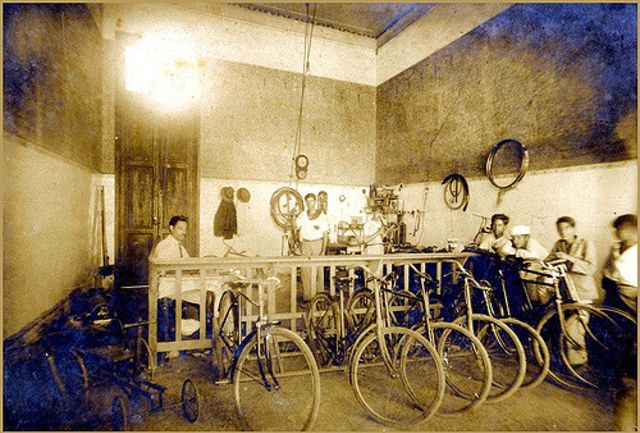
Bike Shop in Rio de Janeiro’s Downtown
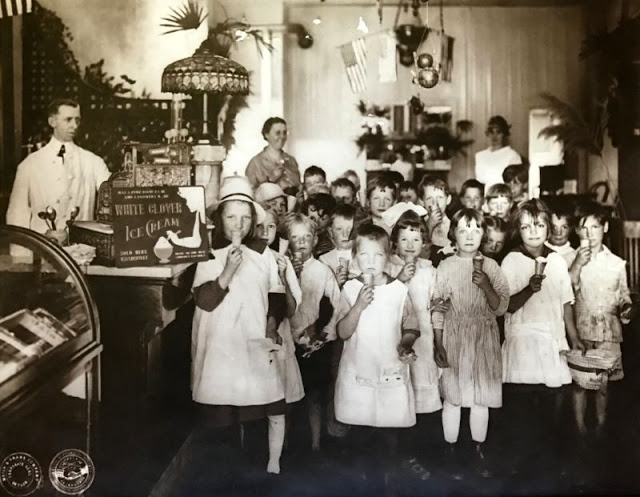
Children Enjoying White Clover Ice Cream Cones at the Silverton Ice Cream Parlor in Silverton, Oregon
Chinese Store in San Francisco, CA
Christensen General Store
Clothing Store, Alma, Kansas
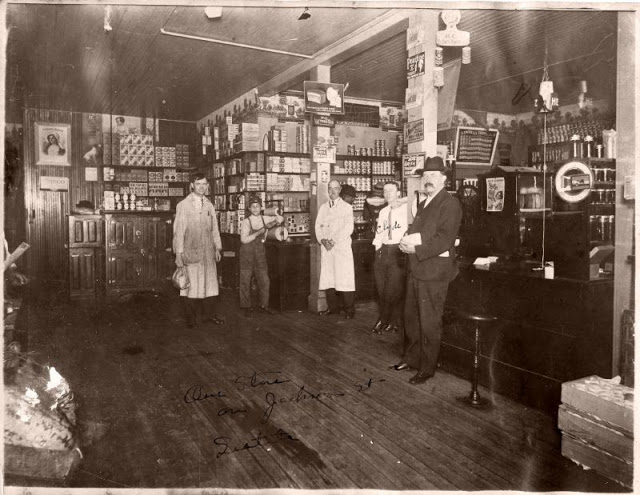
Clyde Meredith’s Store at 2801 Jackson in Seattle
Conrad & Hinkle Food Market, Lexington, North Carolina
Dickinson’s Drug Store in Brooklyn, NYC
Dry Goods Store in Dekalb, Illinois
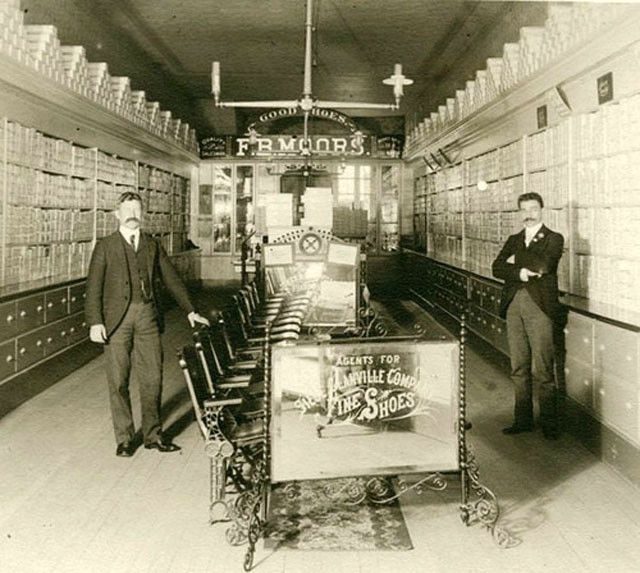
F. B. Moors Shoe Store in Marysville, CA
Fabric Store in Battle Creek, Michigan
Four Women in a Hat Shop
Furniture Store in Milledgeville, Georgia
Gas Fixture Store
General Store in Perth, Scotland
General Store in Texas
General Store
General Store
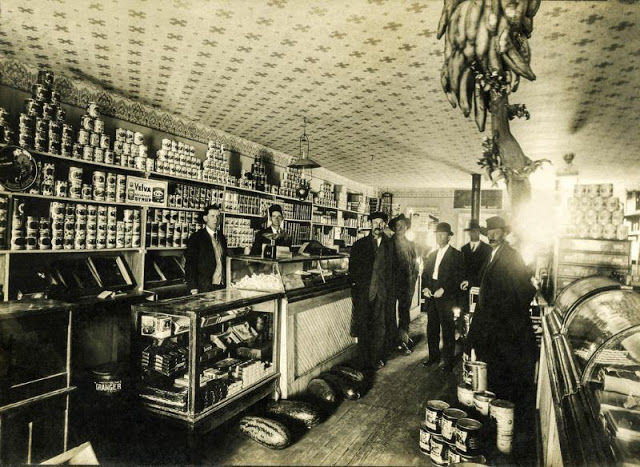
Grocery Store in Clovis, New Mexico
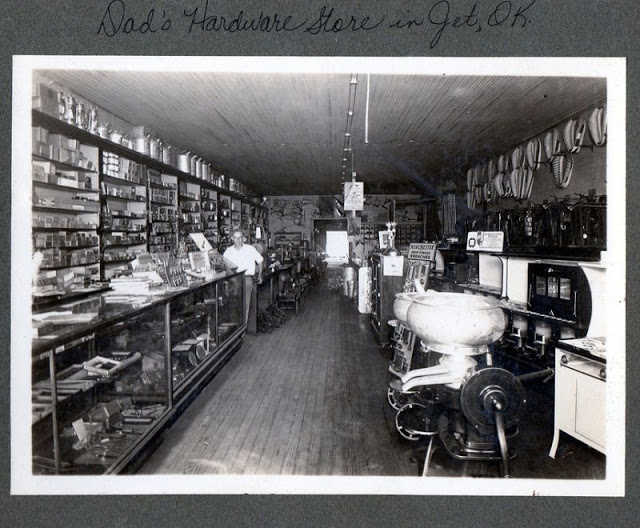
Hardware Store
H-E-B, a Grocery Store in Kerrville, Texas
In the Hat Shop
Jack Mclean’s Store in Narrabeen, Australia
Jewelery Store
Lighting Store in Ohio
Little Shop in Amy, Picardy, France
Manhart Store Interior, Plum Avenue, Sedalia, Colorado
Miss Virginia Herie’s Candy Store
Hardware Store in Jet, Oklahoma
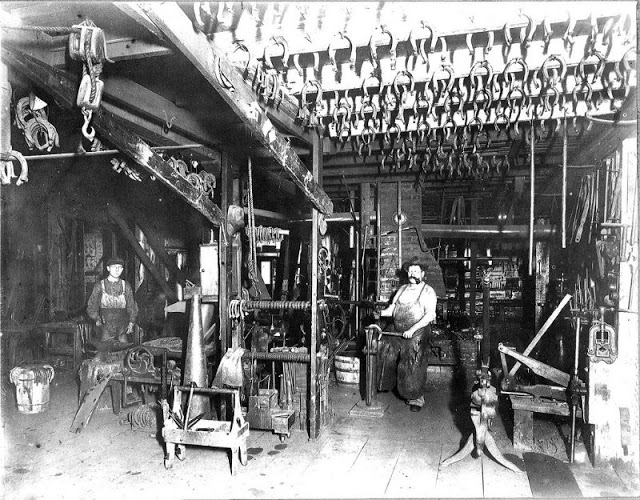
Blacksmith Shop, Laurel, Iowa, USA
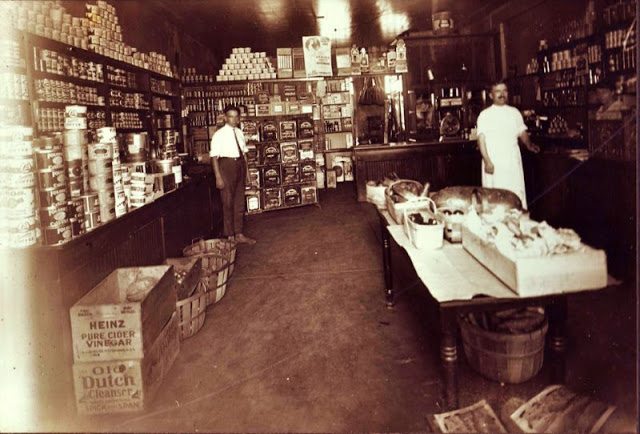
Grocery Store in Kansas City, MO
Sarnia Dry Goods Store, Ontario, Canada
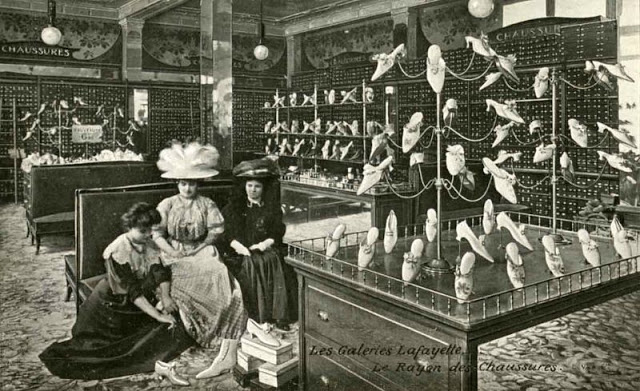
Shoes Section, Galeries Lafayette, Paris

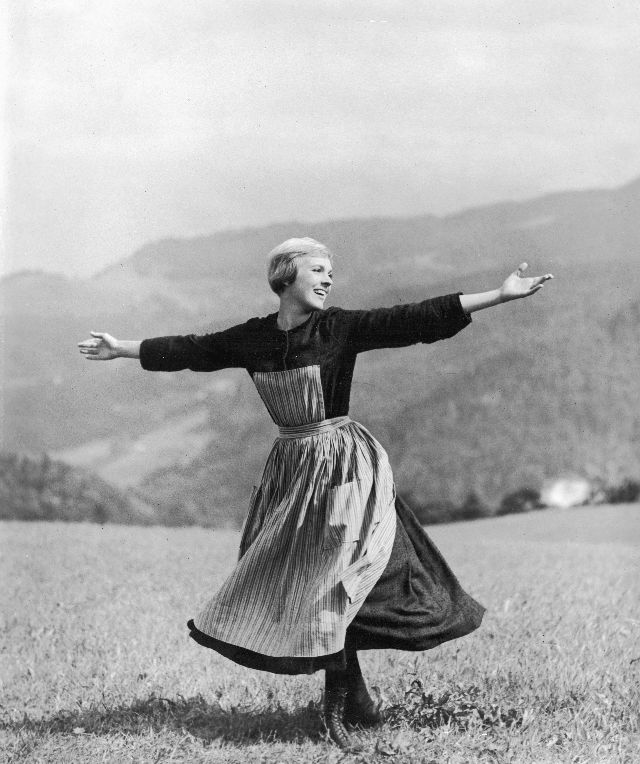
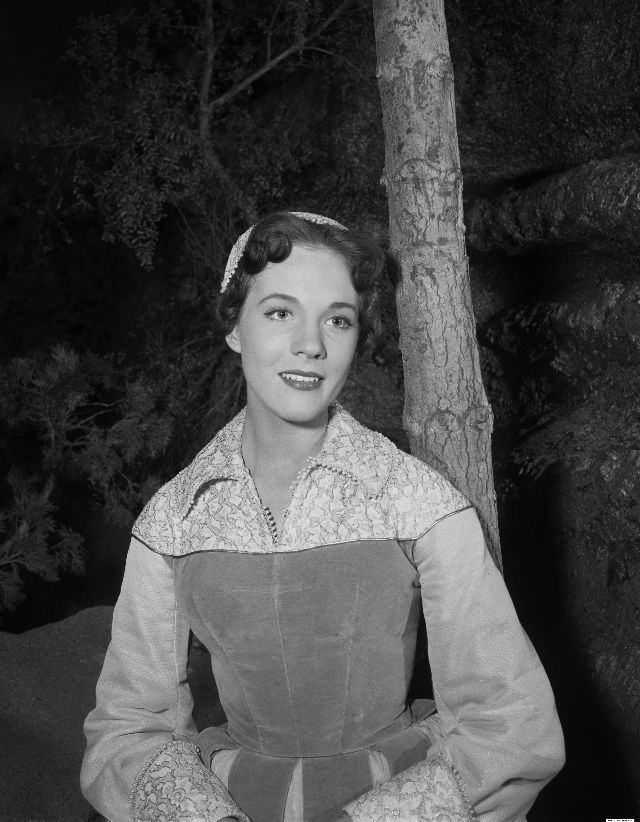
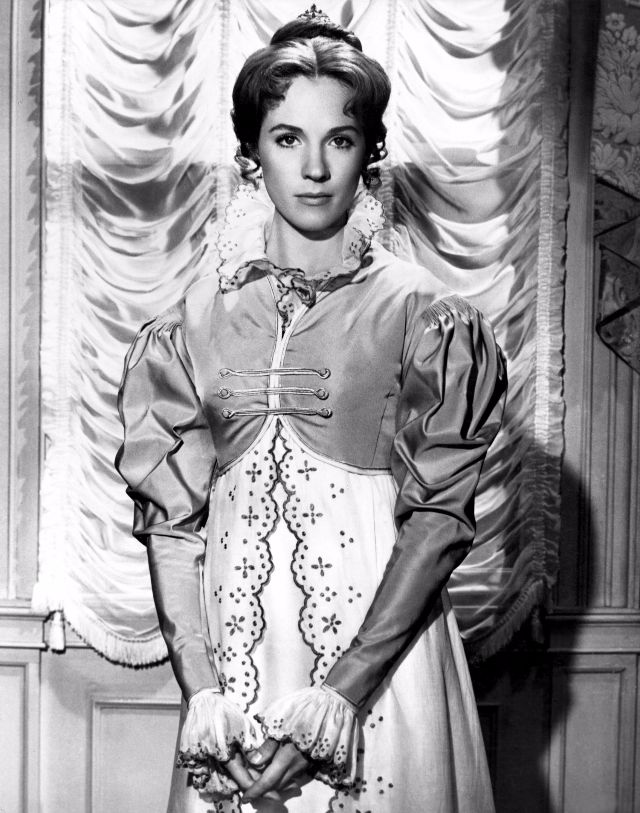
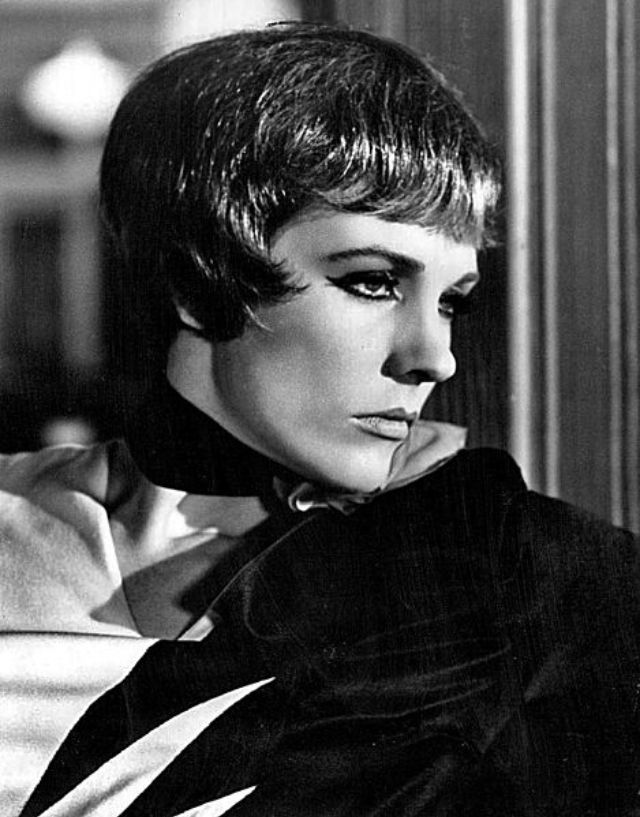
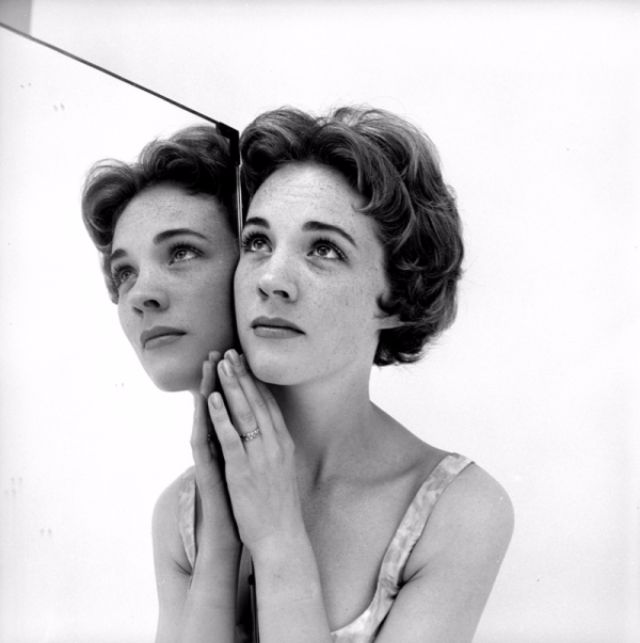
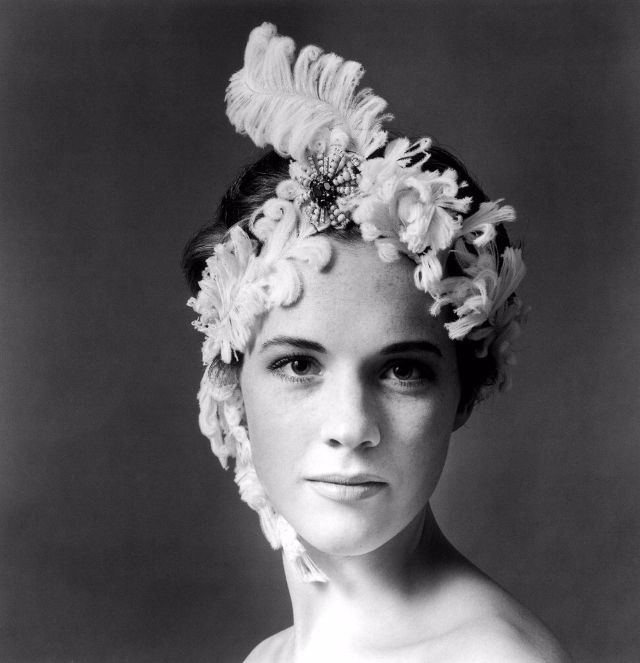
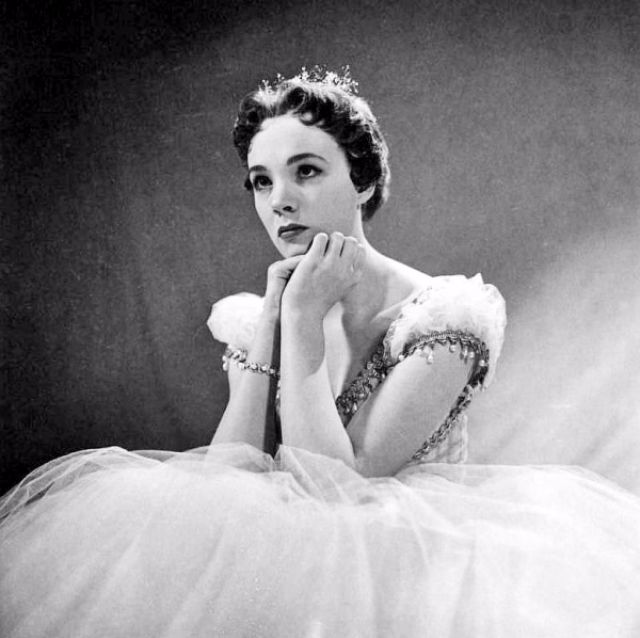
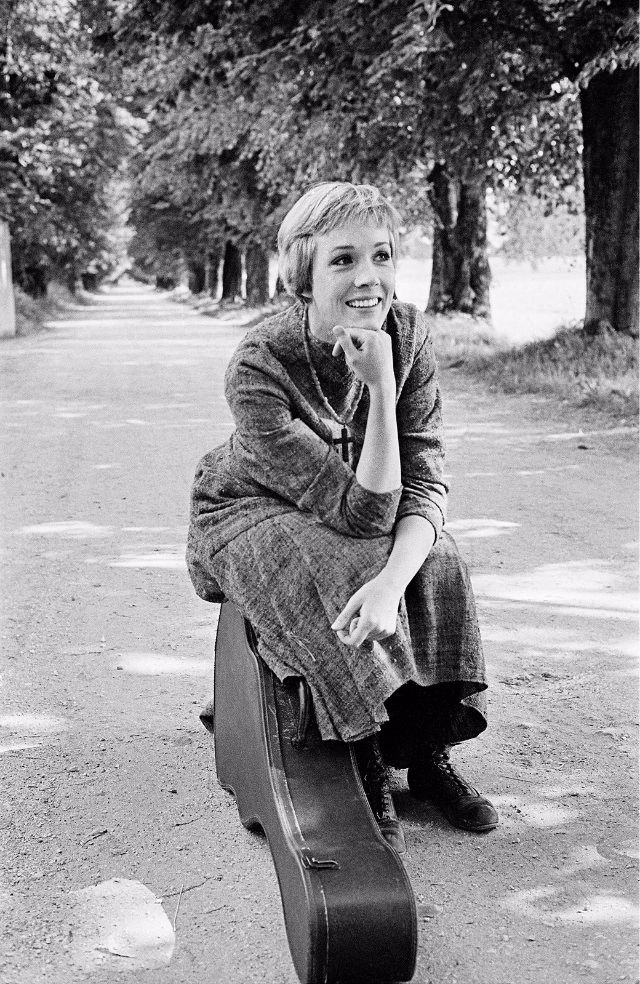
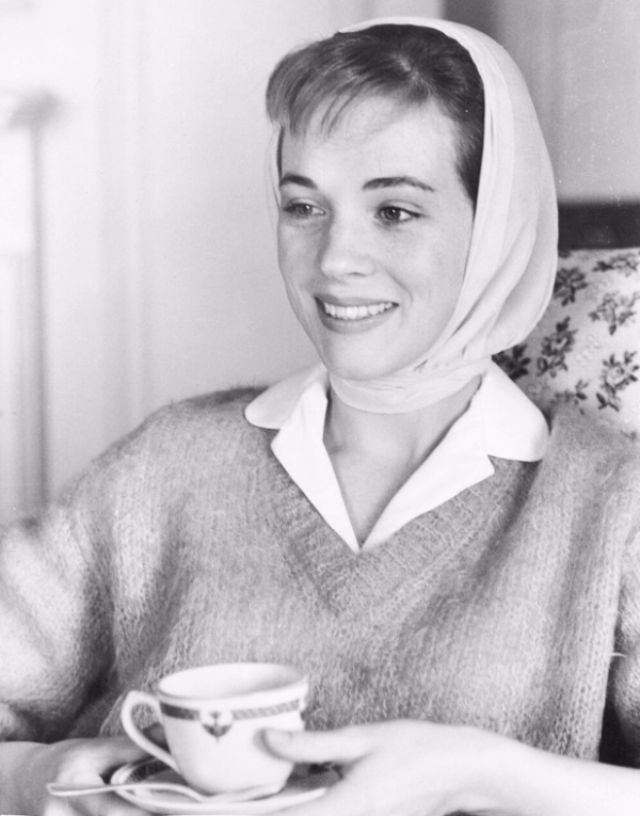
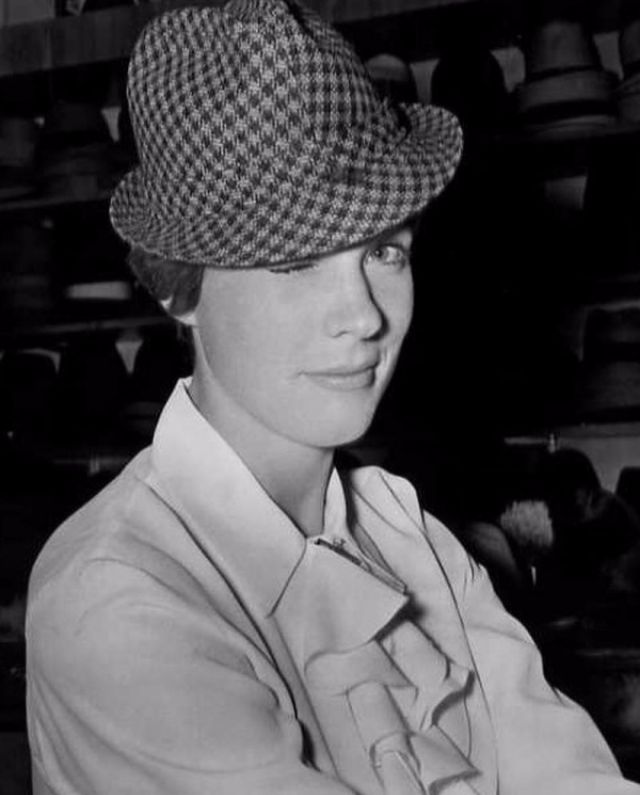
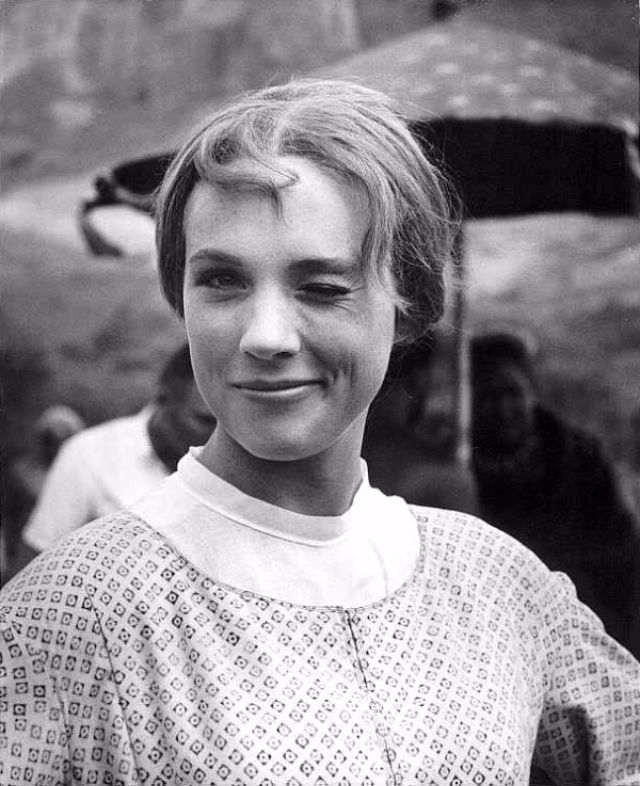
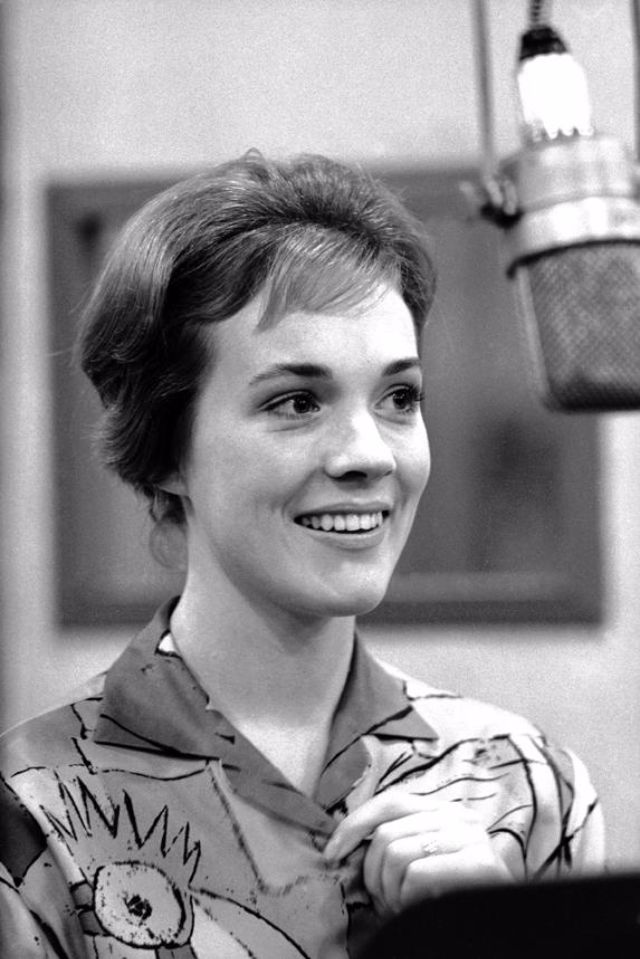
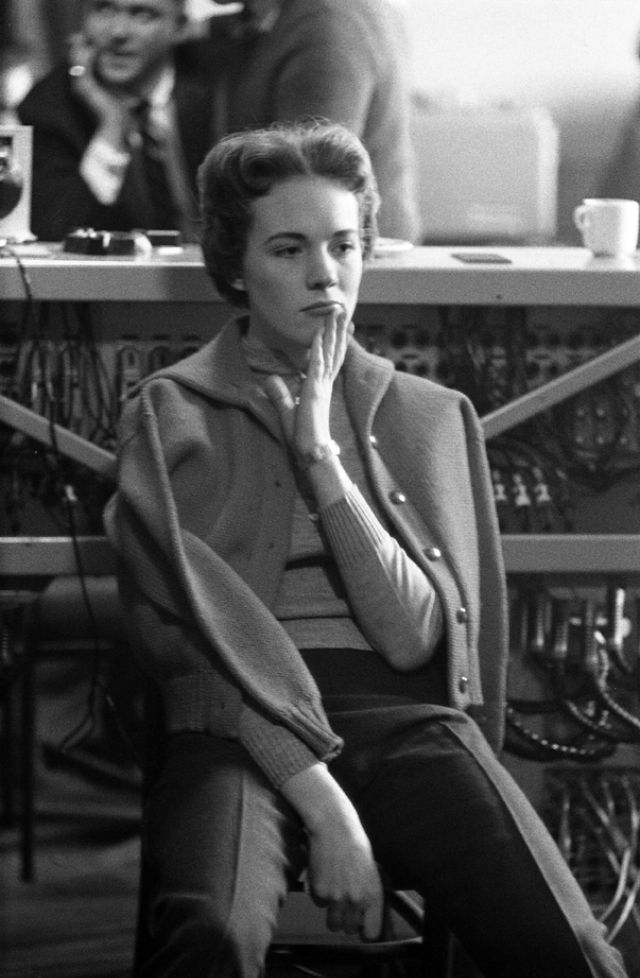
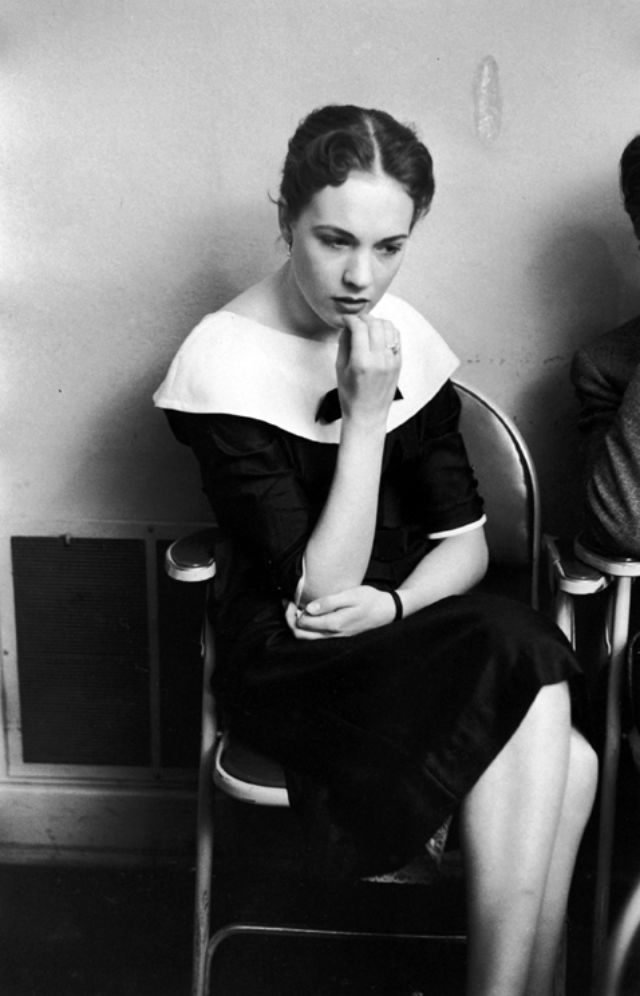
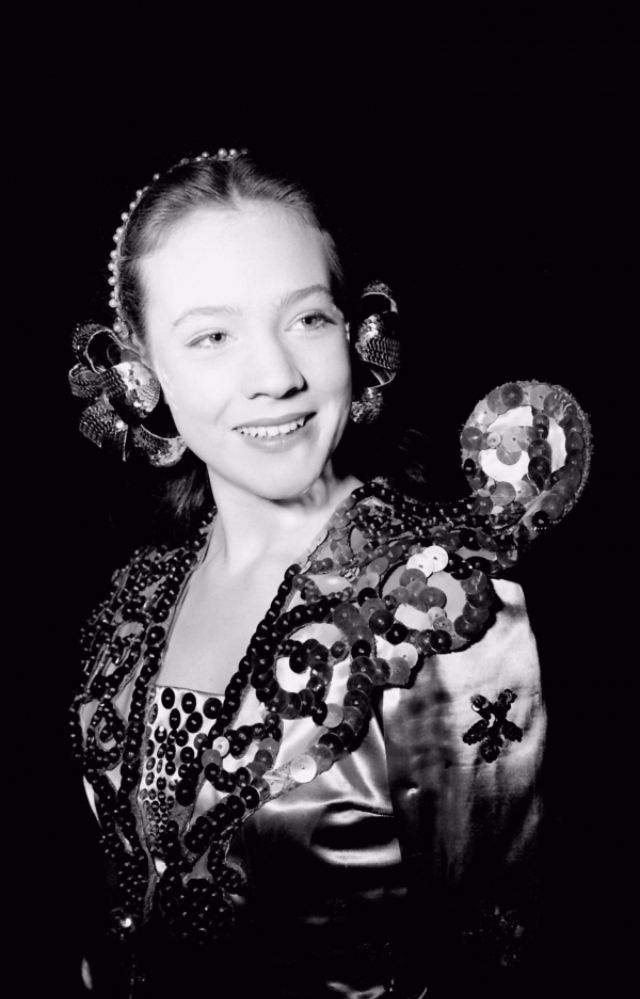
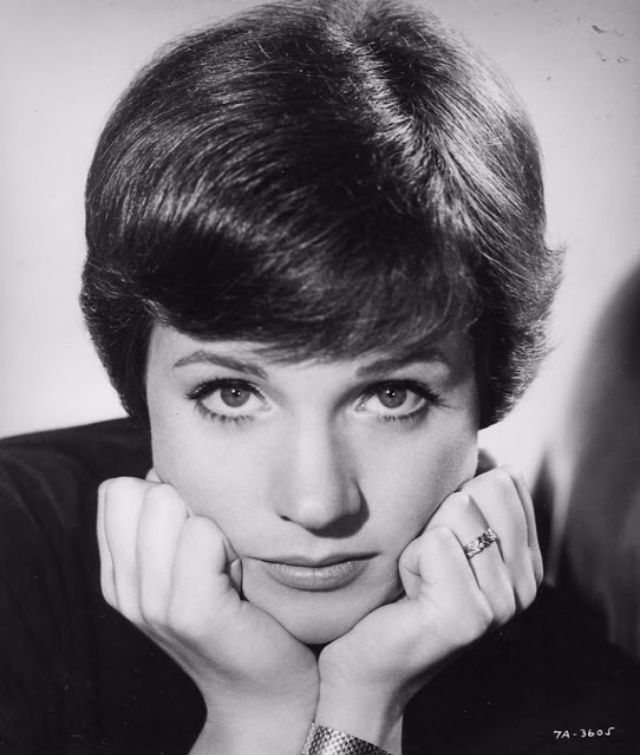
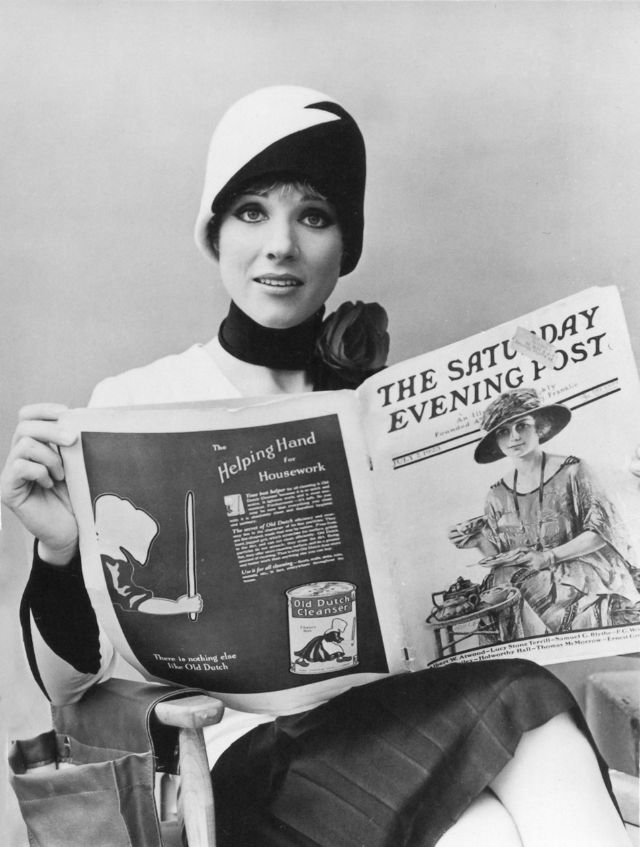
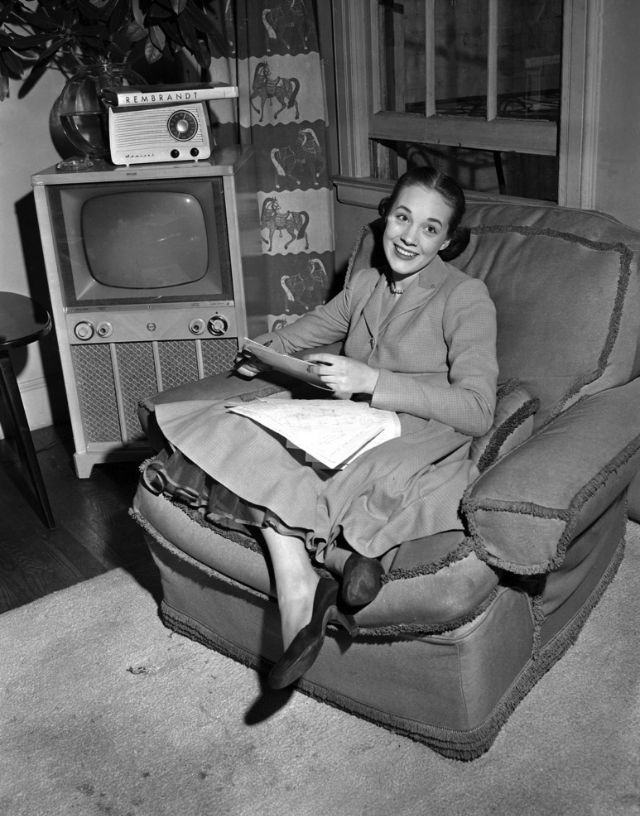
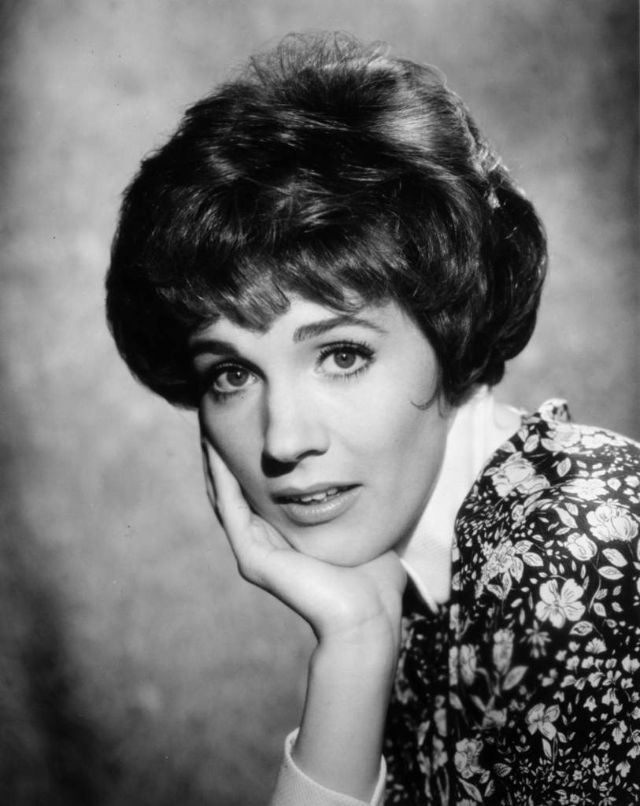
20 Stunning Black and White Photos of Julie Andrews From the 1950s and 1960s

Julie Andrews first appeared on the vaudeville scene from the age of 12 alongside her mother and stepfather, in England.

In 1947, she made her first major performance at the London hippodrome where her vocal prowesses wowed the public. She soon starred on West End stages in such productions as Humpty Dumpty, in 1948 and Cinderella, in 1953, before traveling to Broadway to play in The Boyfriend, in 1954. In 1956, she was cast as My Fair Lady for Broadway and became popular with the public thanks to her various television performances.

In 1963, cinema finally took over this singing and acting talent and offered Julie Andrews the title role of Walt Disney’s musical, Mary Poppins, in which the actress ideally incarnated the nanny who is ‘practically perfect in every way!’ In 1965, she starred in another box office musical hit, embodying Maria Van Trapp, in The Sound of Music. However, Julie Andrews aimed to break away from her sweet ‘goody-two-shoes’ persona and appeared in Alfred Hitchcock’s Torn Curtain, in 1966, opposite Paul Newman and her husband, Blake Edwards’ films such as The Tamarind Seed, in 1974.

The 1970s was the decline of her career before the much praised Victor/Victoria, in 1982, in which she interpreted an ambiguous dual feminine and masculine role. In 1998, she lost most of her vocal range after a throat operation which however did not prevent her from winning new younger audiences when starring in Disney’s The Princess Diaries opposite Anne Hathaway and by dubbing the voice of Queen Lillian in the animated film series, Schrek.

Julie Andrews embodies the idea of grace, kindness and regal elegance to the eyes of the public who doesn’t need scandalous or sexy performances to appreciate the multi-faceted entertainer: she’s their childhood secret treasure.

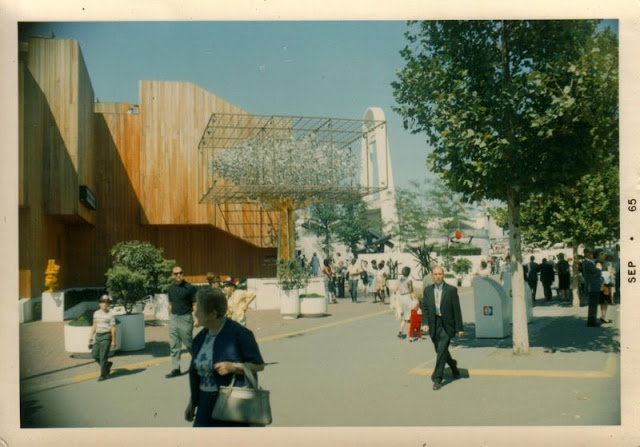
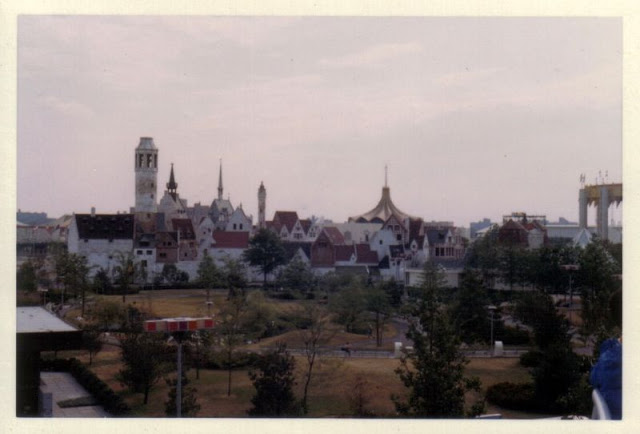
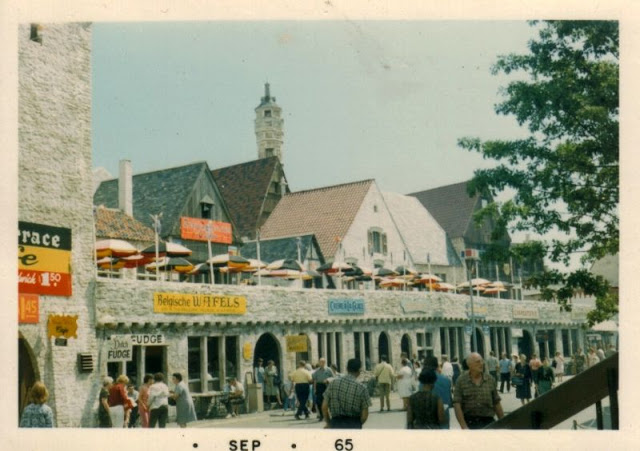
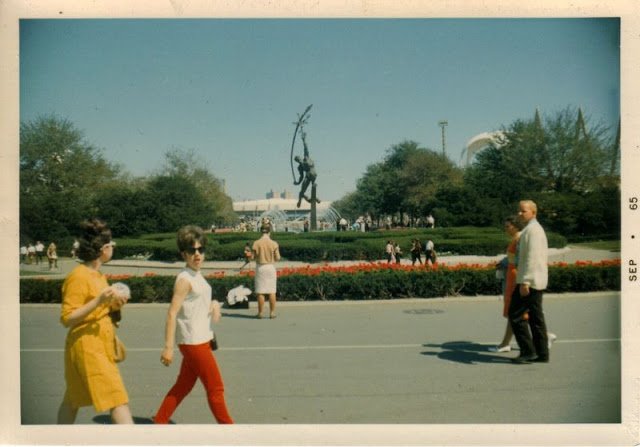
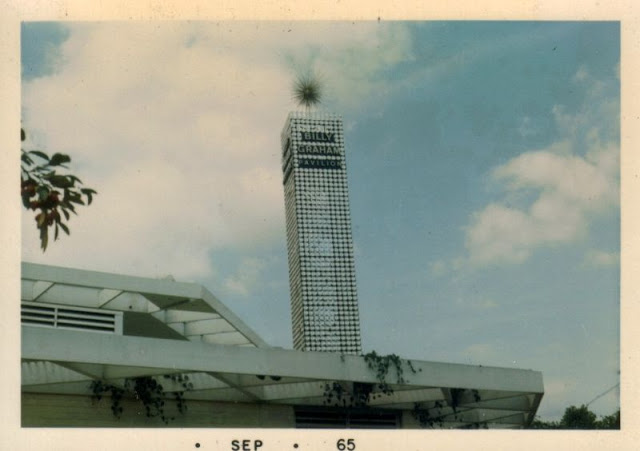
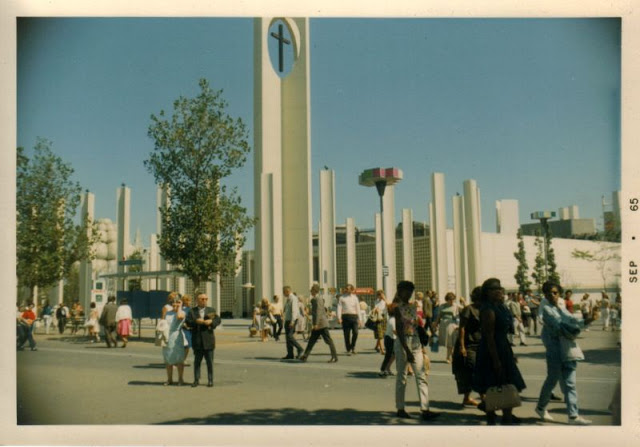
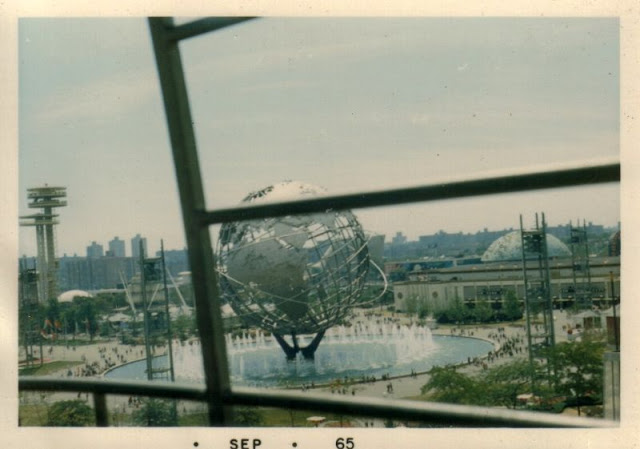
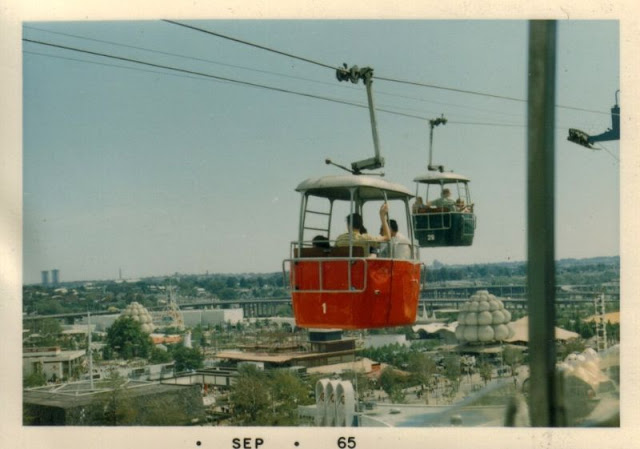
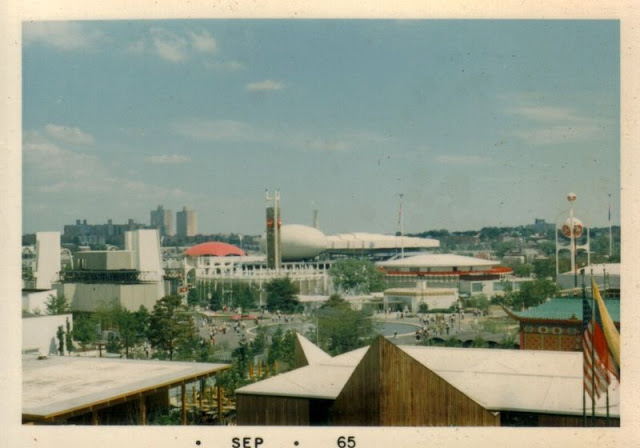
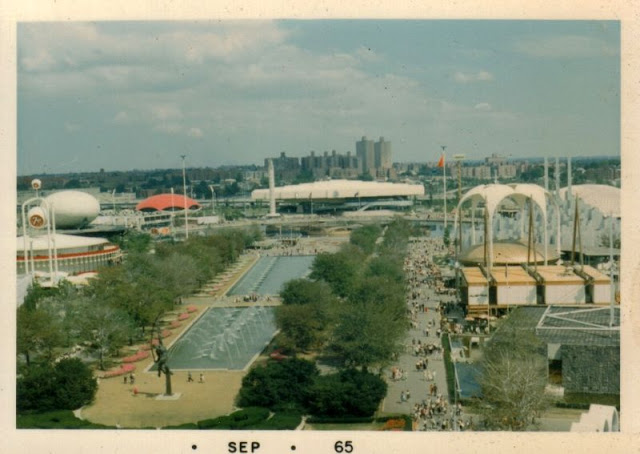
45 Amazing Vintage Photos of the 1964 New York World’s Fair

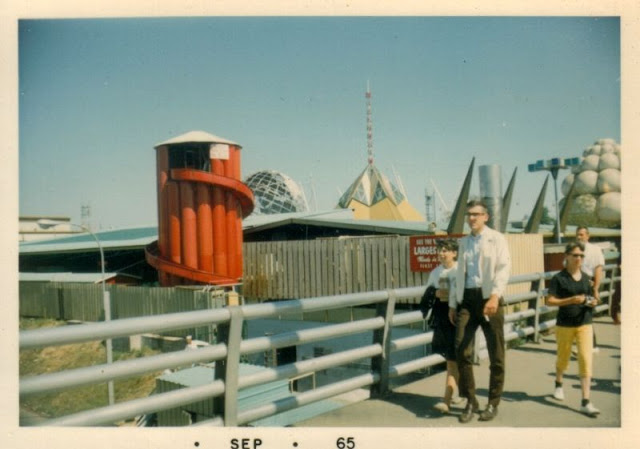
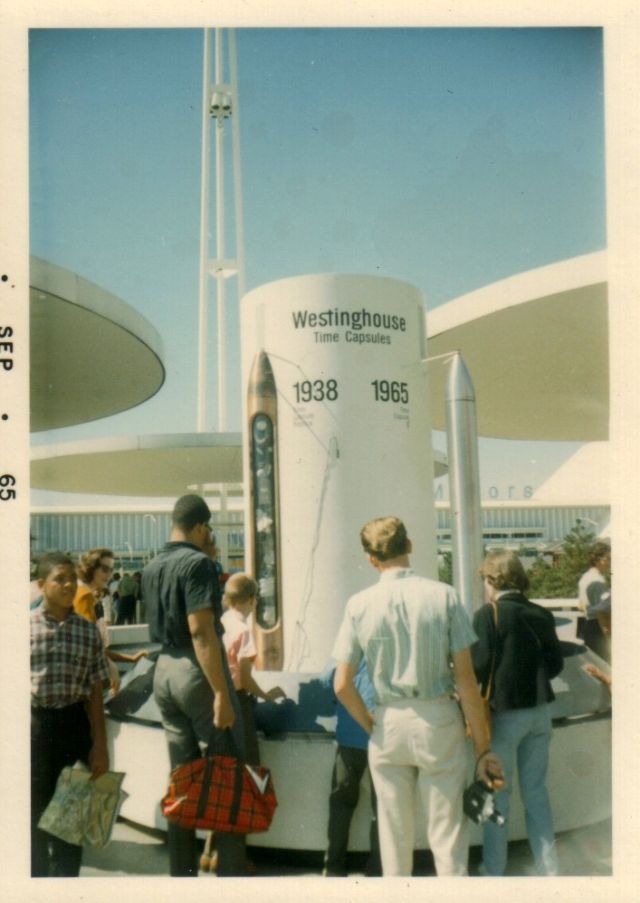
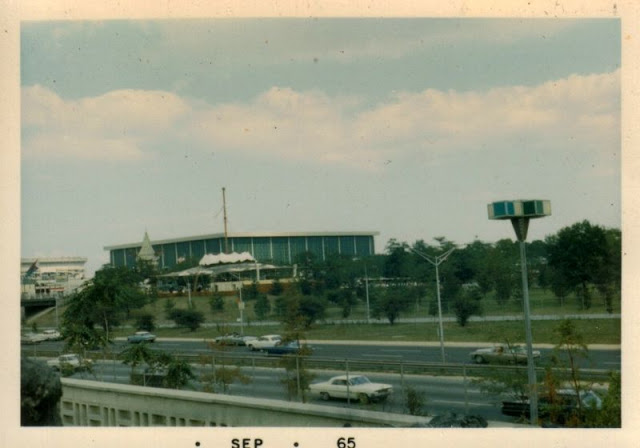
The 1964/1965 New York World’s Fair held over 140 pavilions, 110 restaurants, for 80 nations (hosted by 37), 24 US states, and over 45 corporations to build exhibits or attractions at Flushing Meadows Park in Queens, NY.

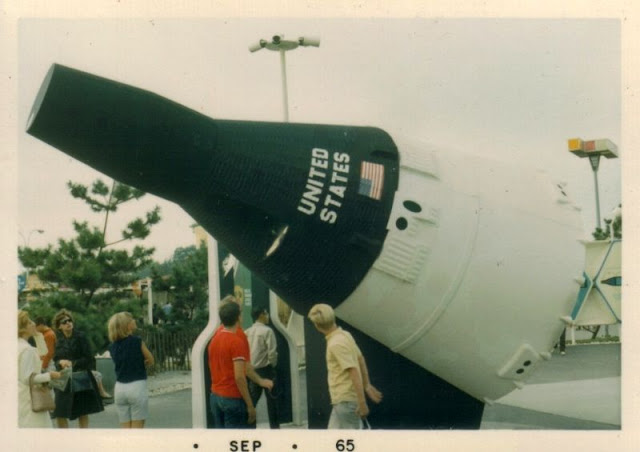
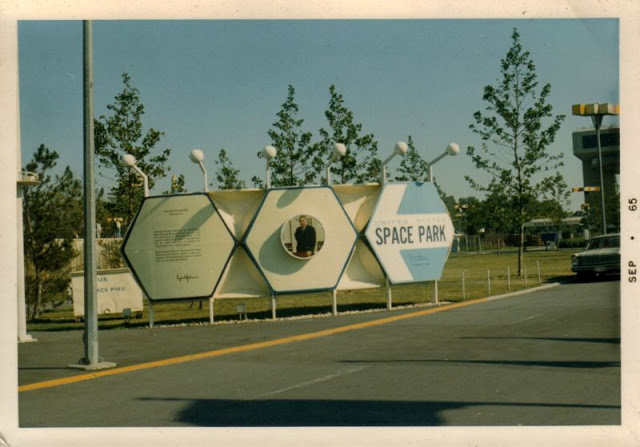
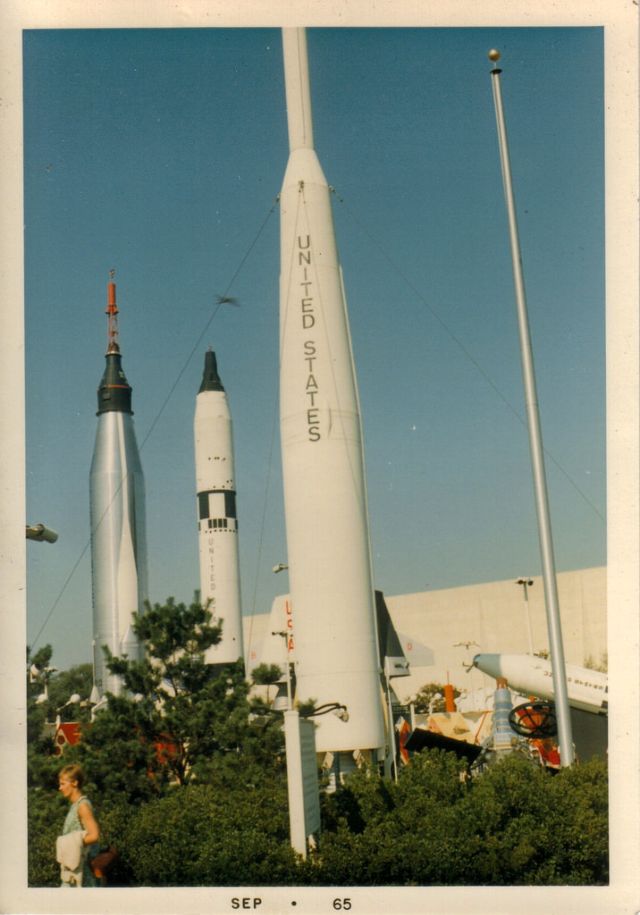
The fair is noted as a showcase of mid-20th-century American culture and technology. The nascent Space Age, with its vista of promise, was well represented. More than 51 million people attended the fair, though fewer than the hoped-for 70 million. It remains a touchstone for many American Baby Boomers, who visited the optimistic fair as children before the turbulent years of the Vietnam War, cultural changes, and increasing domestic violence associated with the Civil Rights Movement.

American Express Money Tree
Belgian Village from Kodak Pavilion
Belgian Village
Bell Telephone
Billy Graham
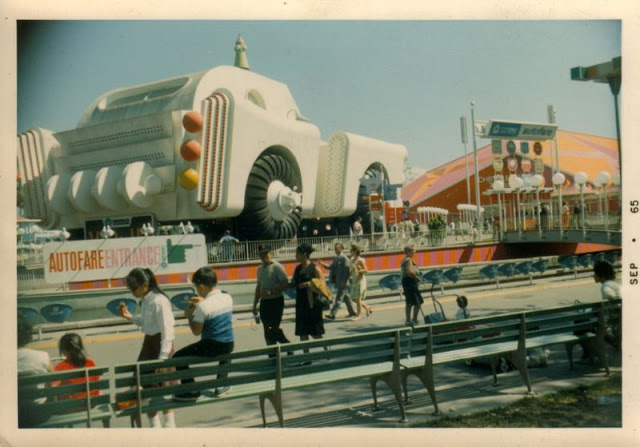
Chrysler Exhibit
Chrysler Exhibit
Chrysler
Chrysler
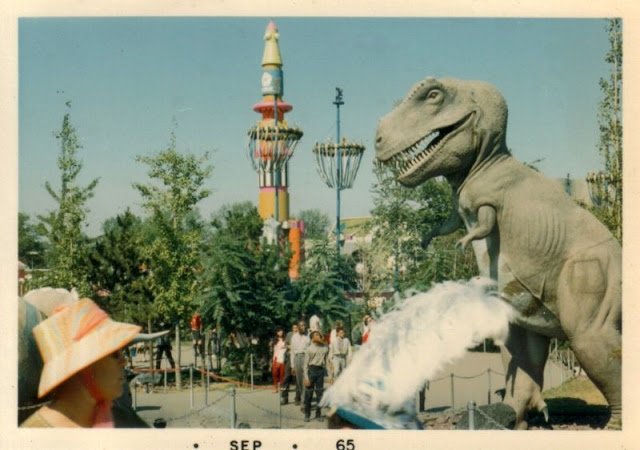
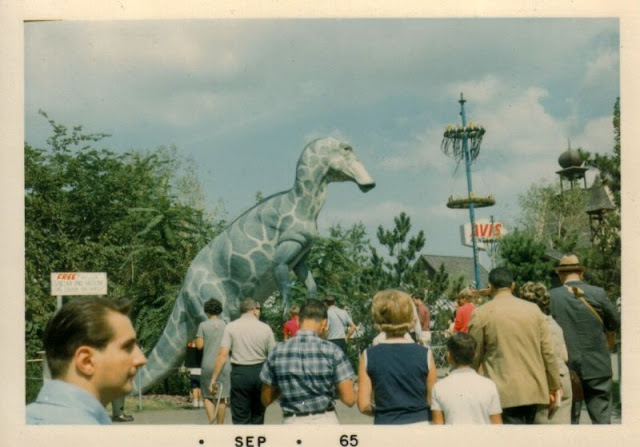
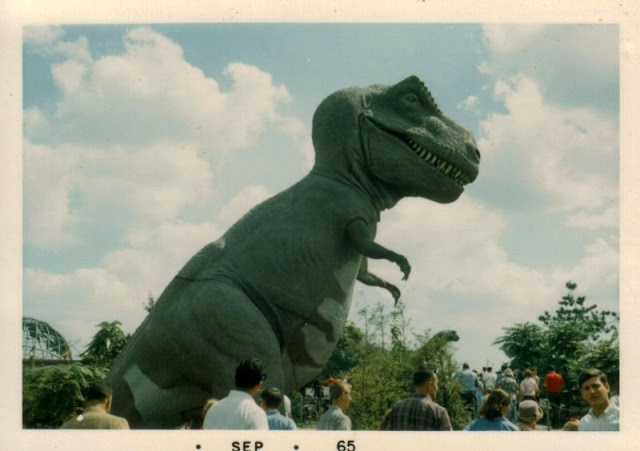
Dinoland
Dinoland
Dinoland
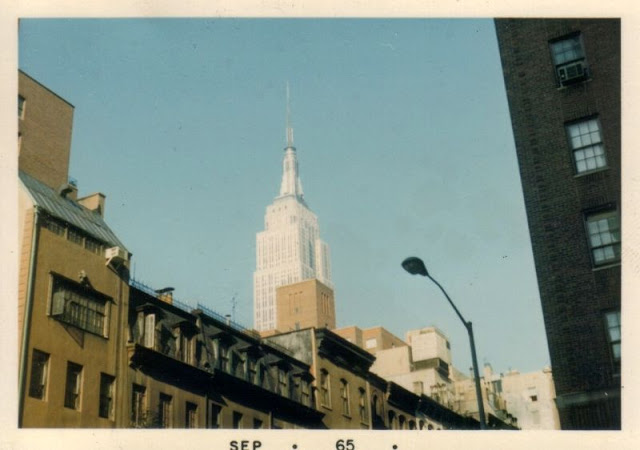
Empire State Building
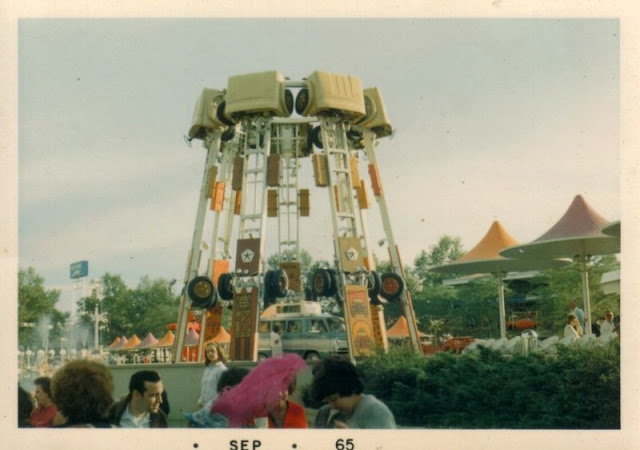
Ferris Wheel
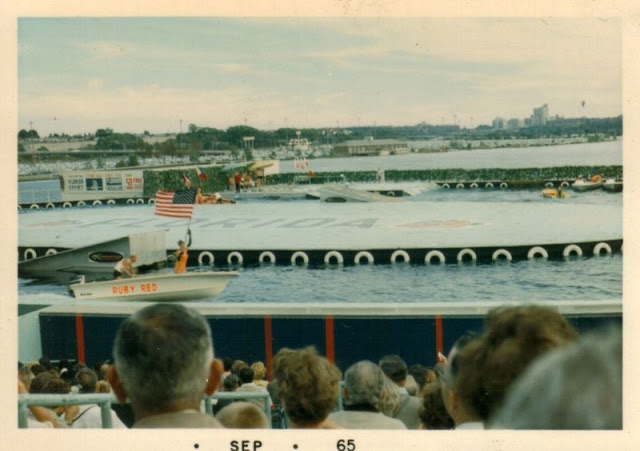
Florida Water Thrillshow
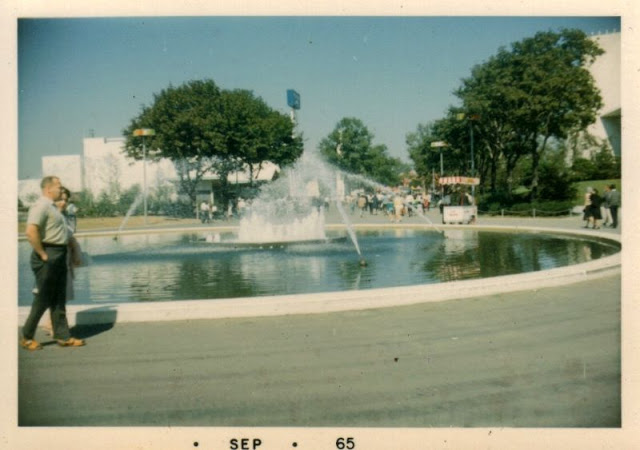
Fountain
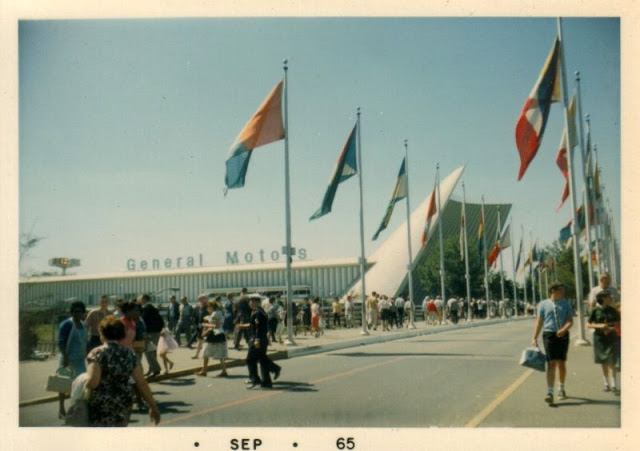
G.M. Pavillion
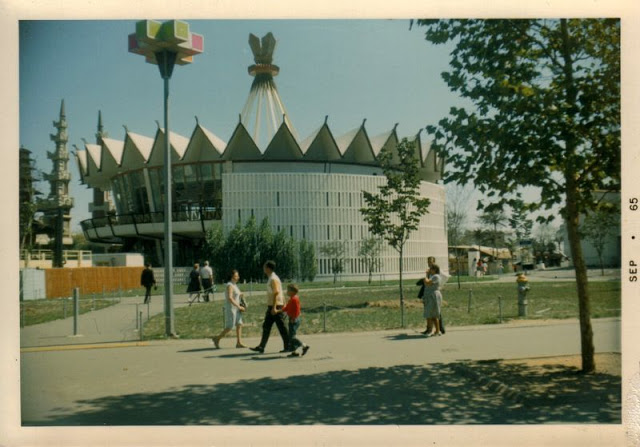
Indonesian Pavillion
Jewish Protestant Pavillion
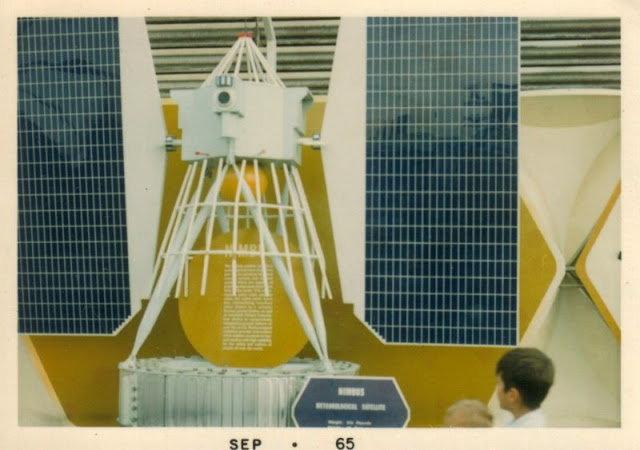
Meteorological satellite
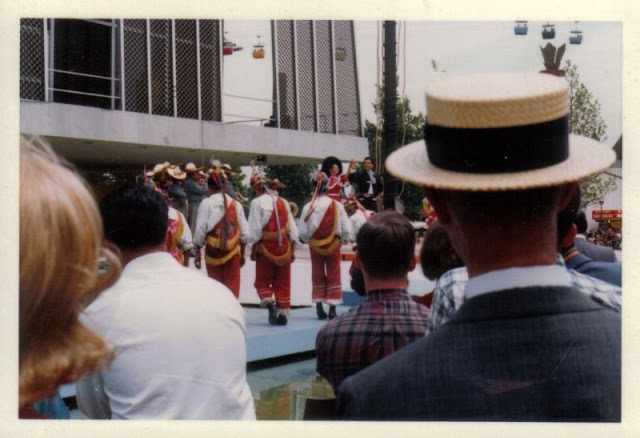
Mexican Dancers
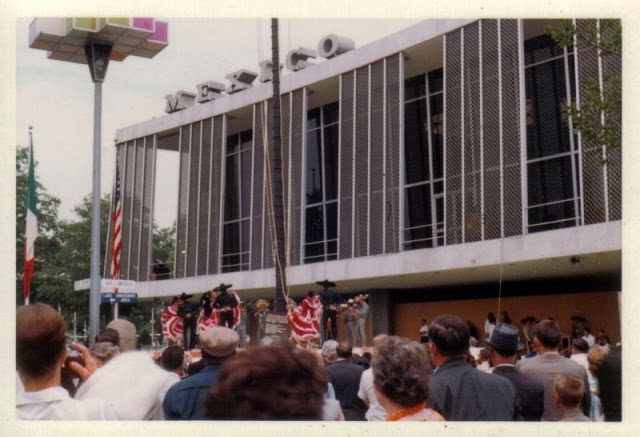
Mexico Pavilion
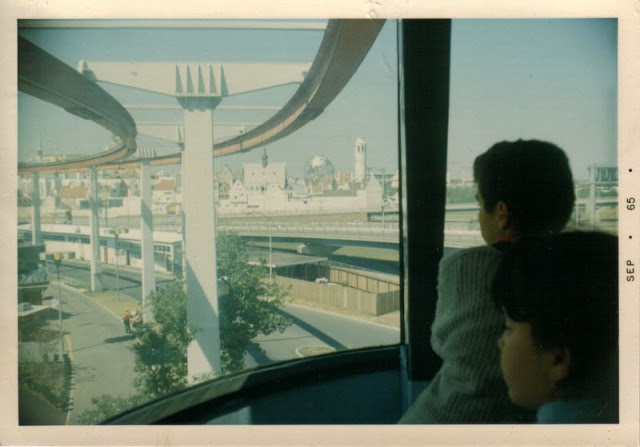
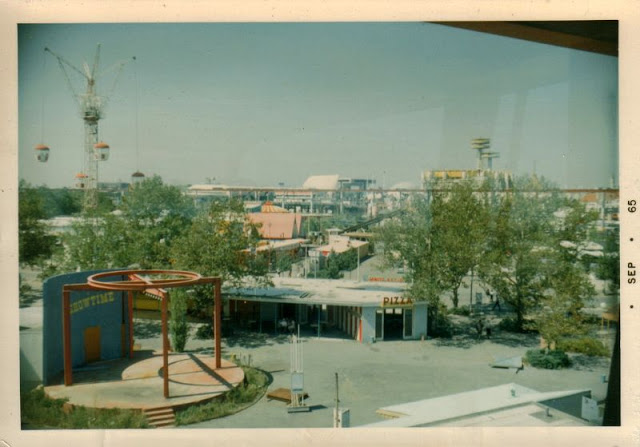
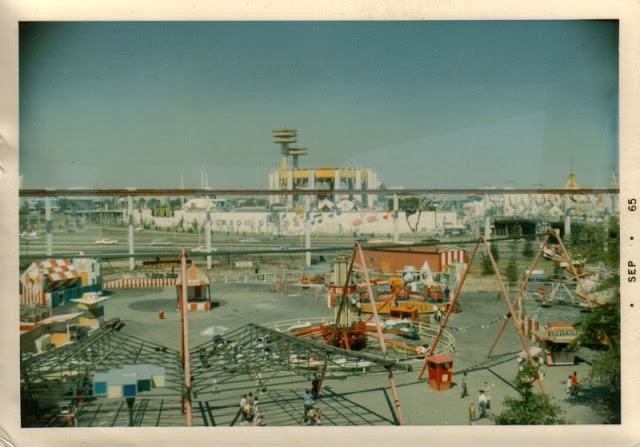
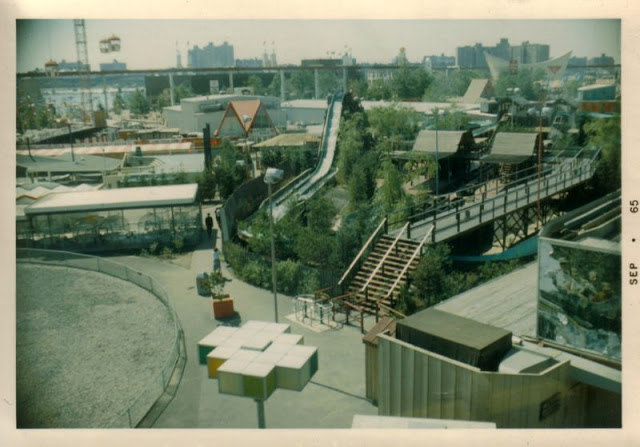
Monorail Ride
Monorail Ride
Monorail Ride
Monorail Ride
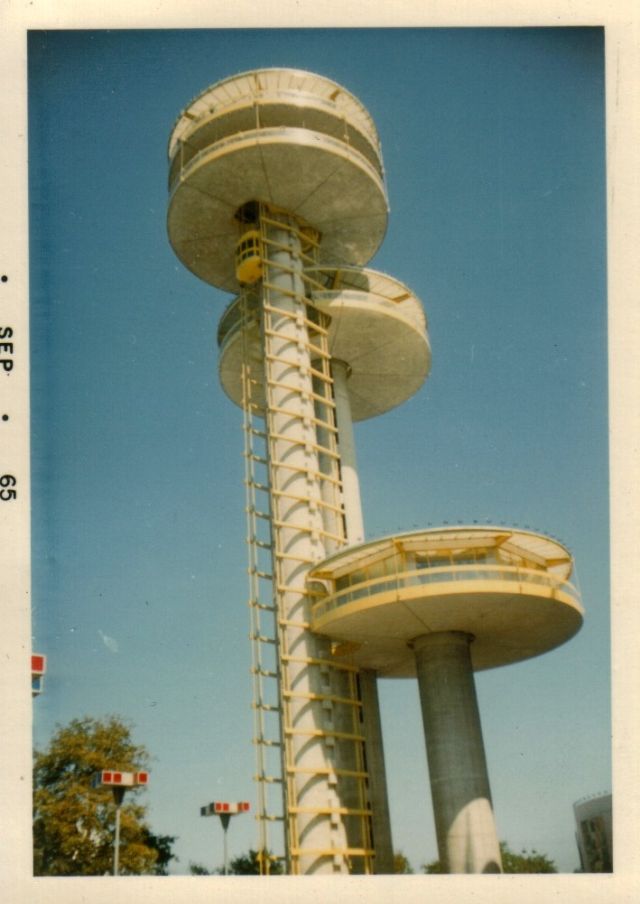
N.Y. State Towers
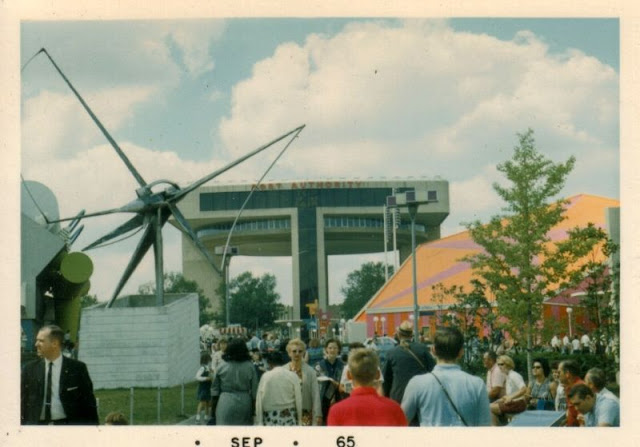
Port Authority Terminal
Protestant-Jewish Pavilion
Science Building
Slide
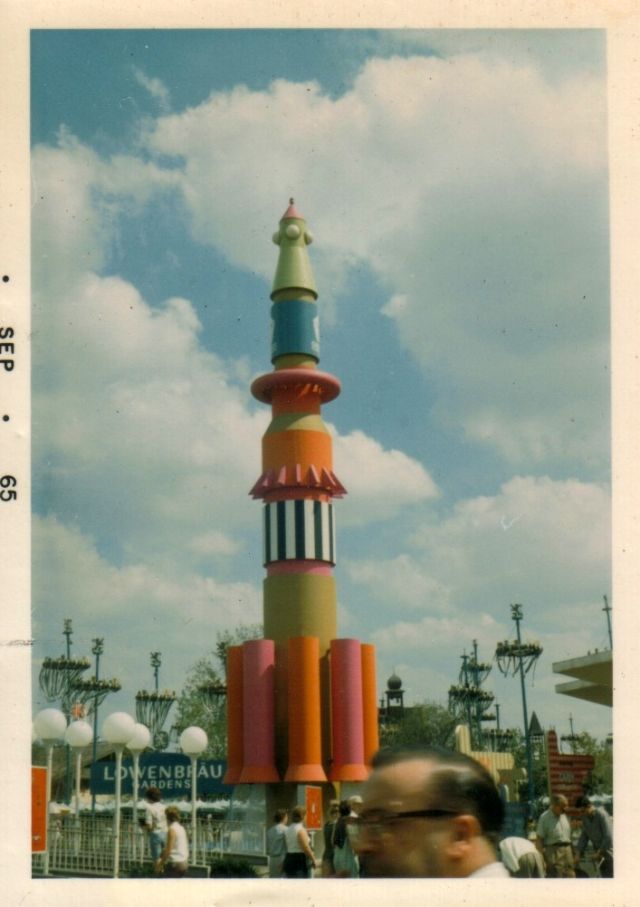
Space Park
Space Park
Space Park
Swiss Sky Ride
Swiss Sky Ride
Swiss Sky Ride
Swiss Sky Ride
Swiss Sky Ride
Swiss Sky Ride
Swiss Sky Ride
Swiss Sky Ride
Time Capsule
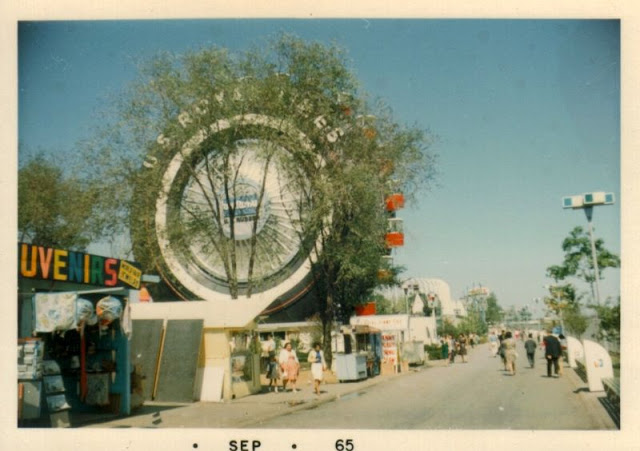
U.S. Pavilion
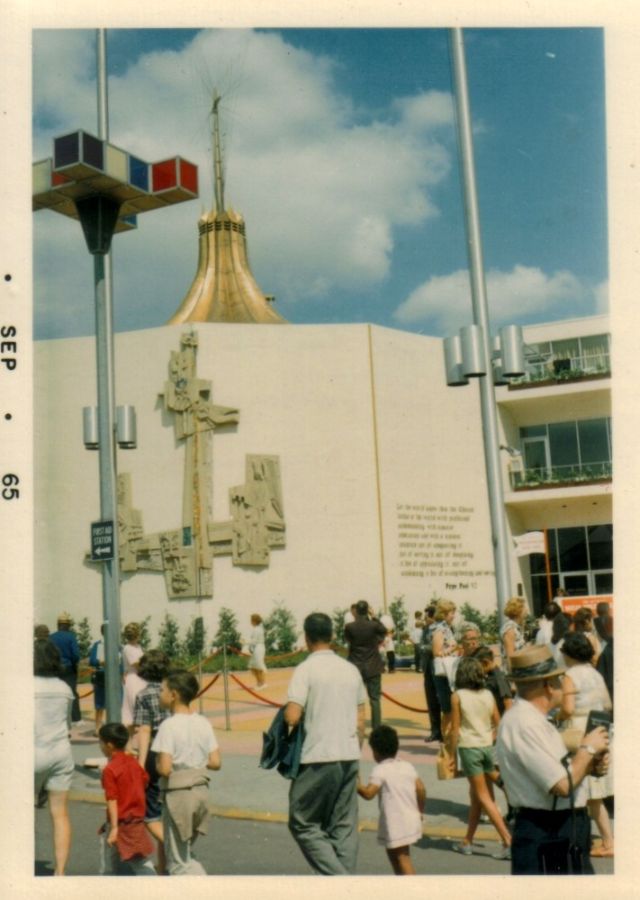
Vatican Pavilion

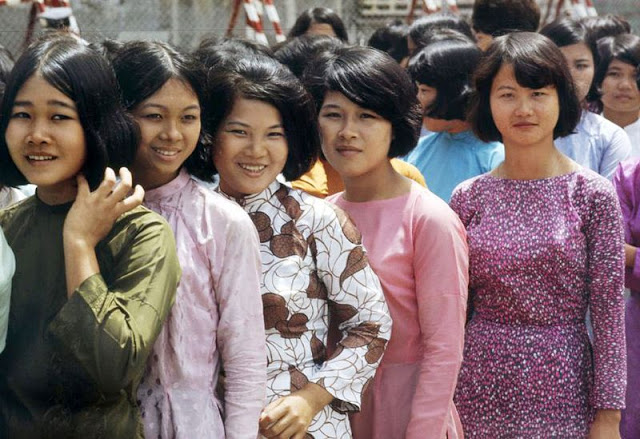
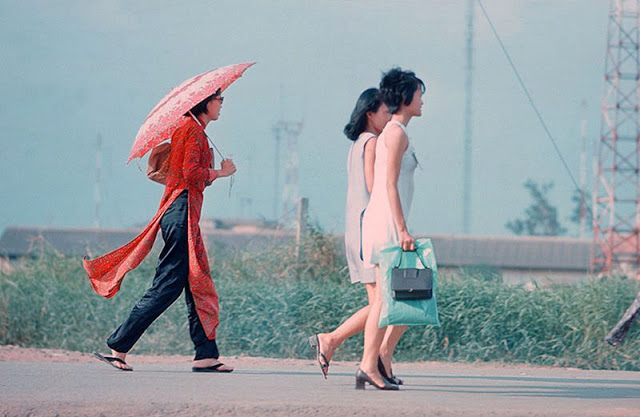
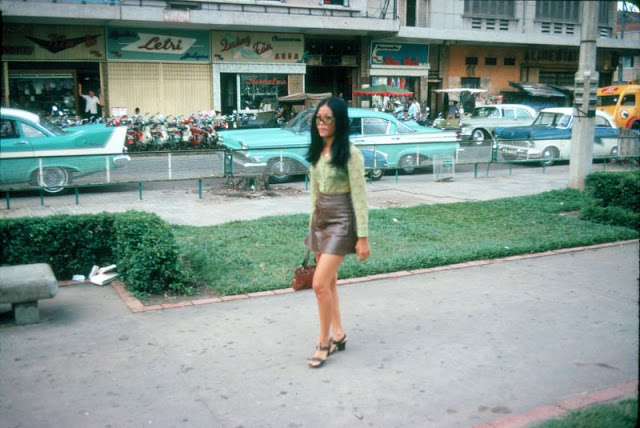
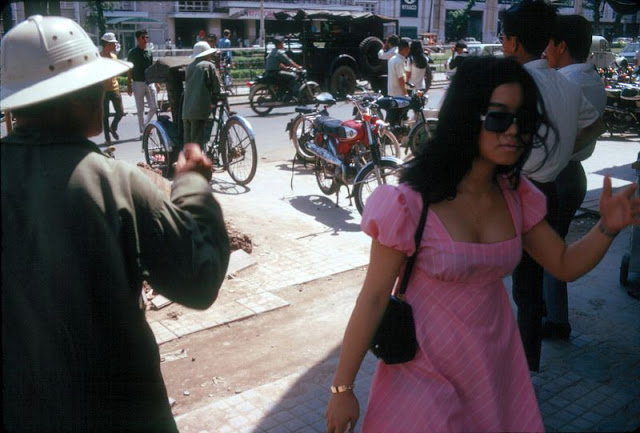
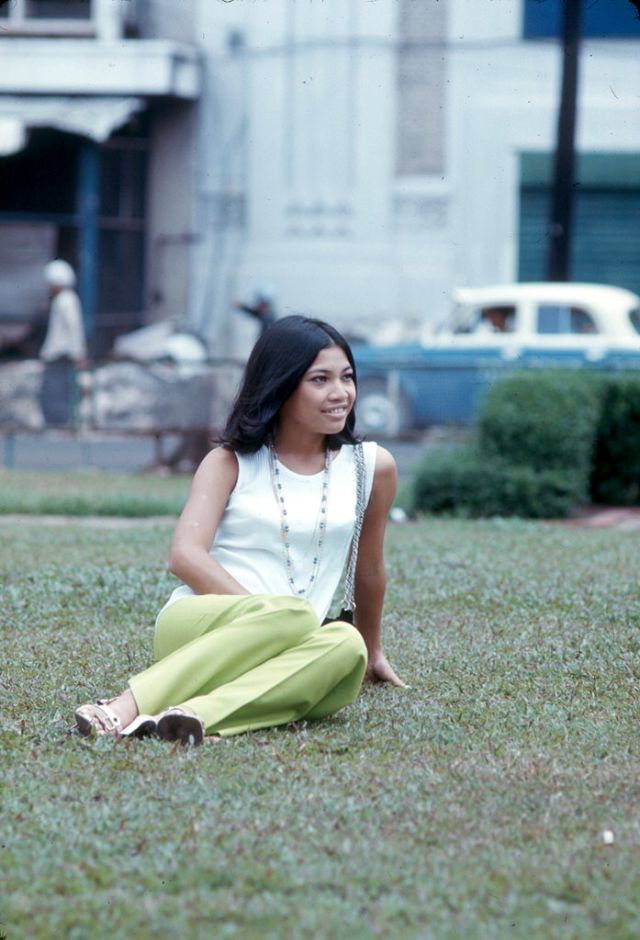
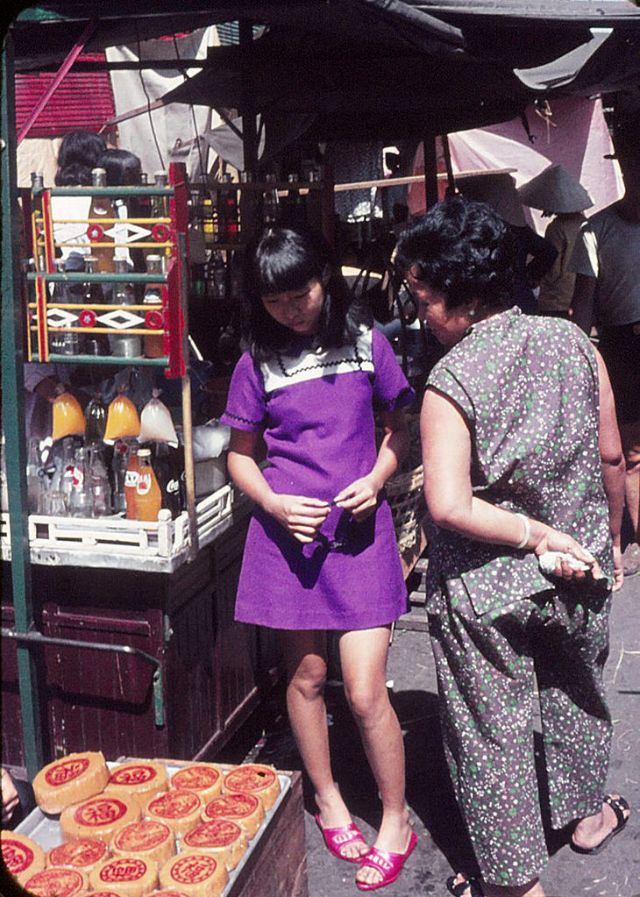
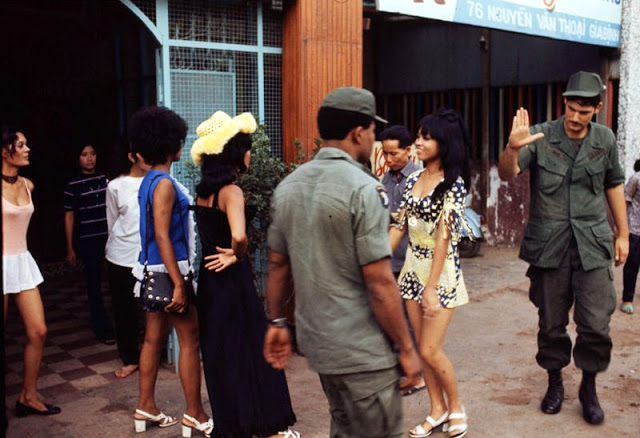
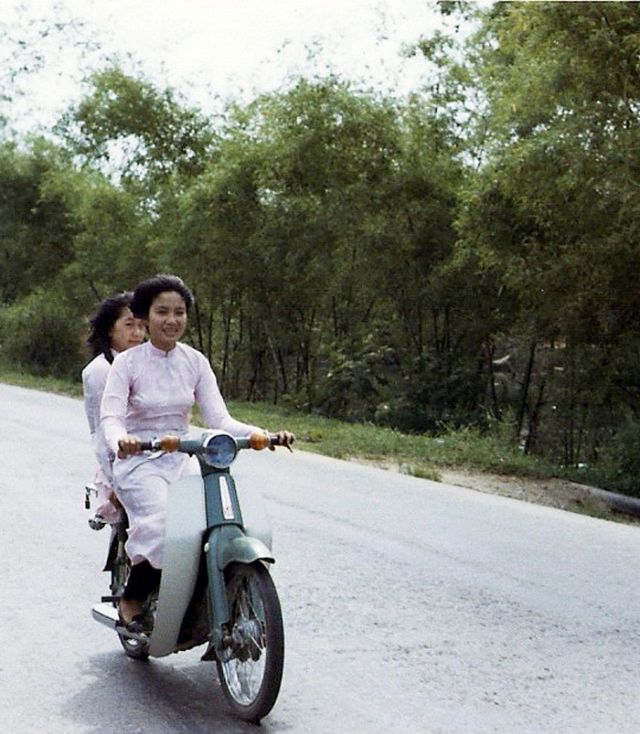
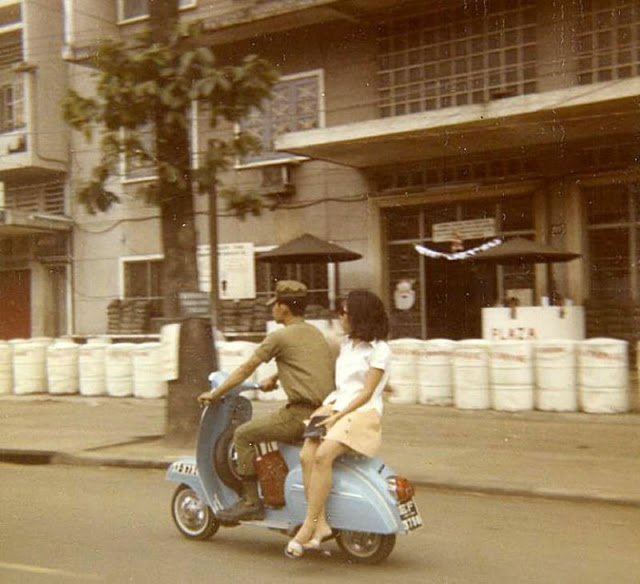
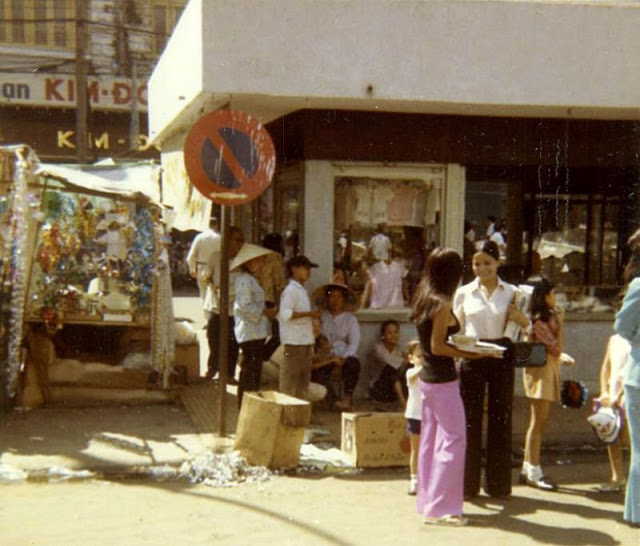
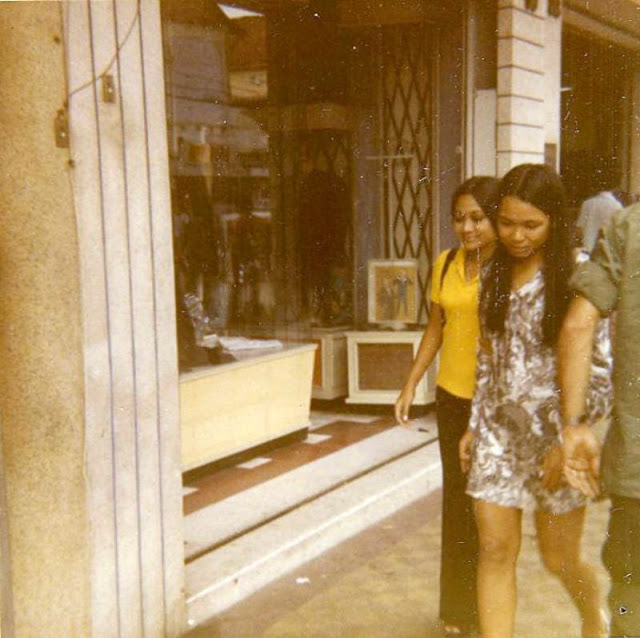
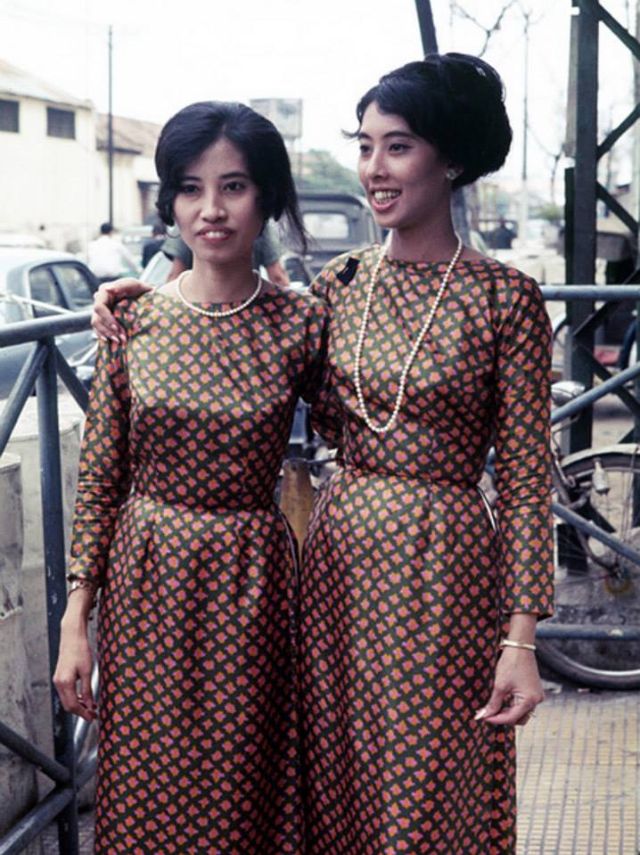
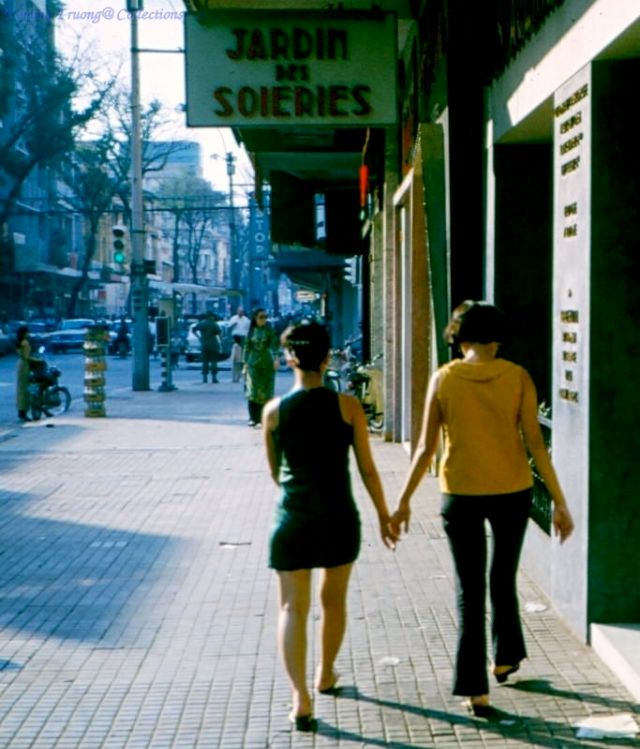
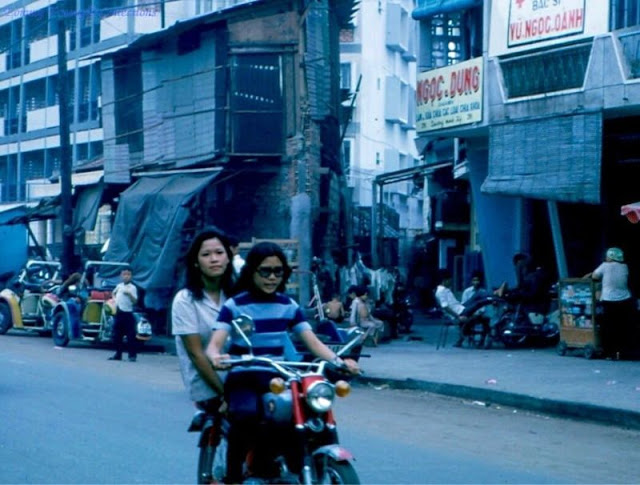
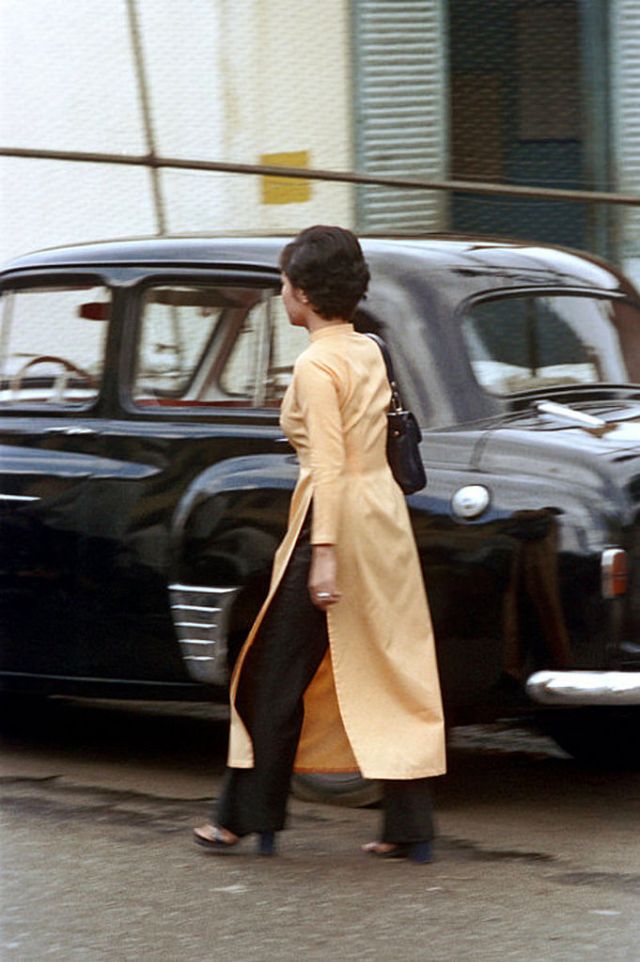
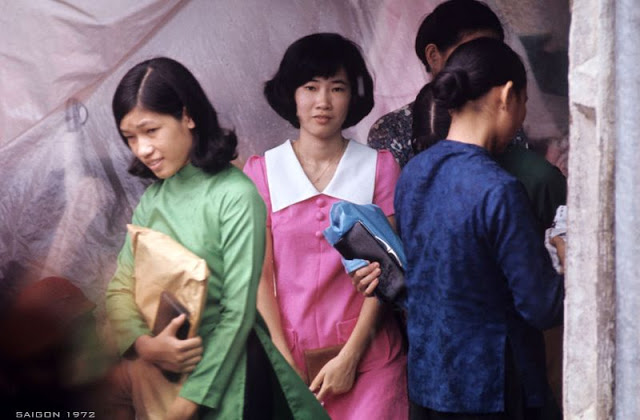
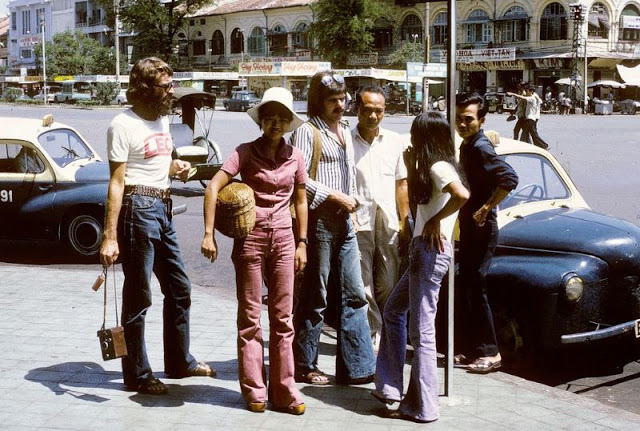
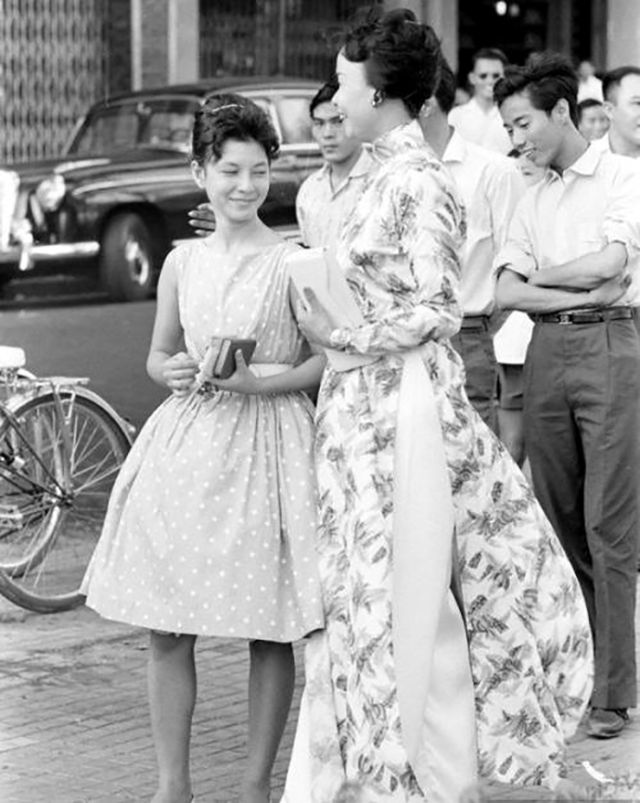
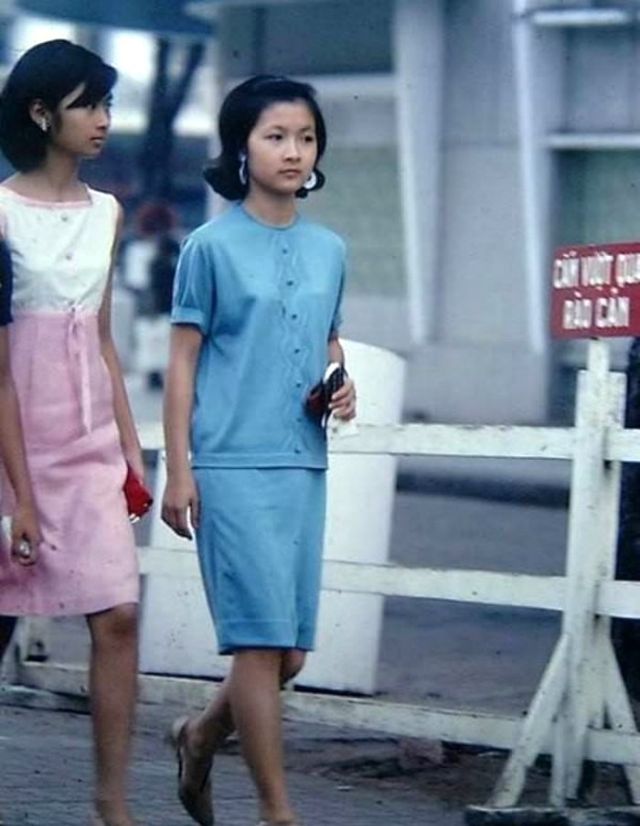
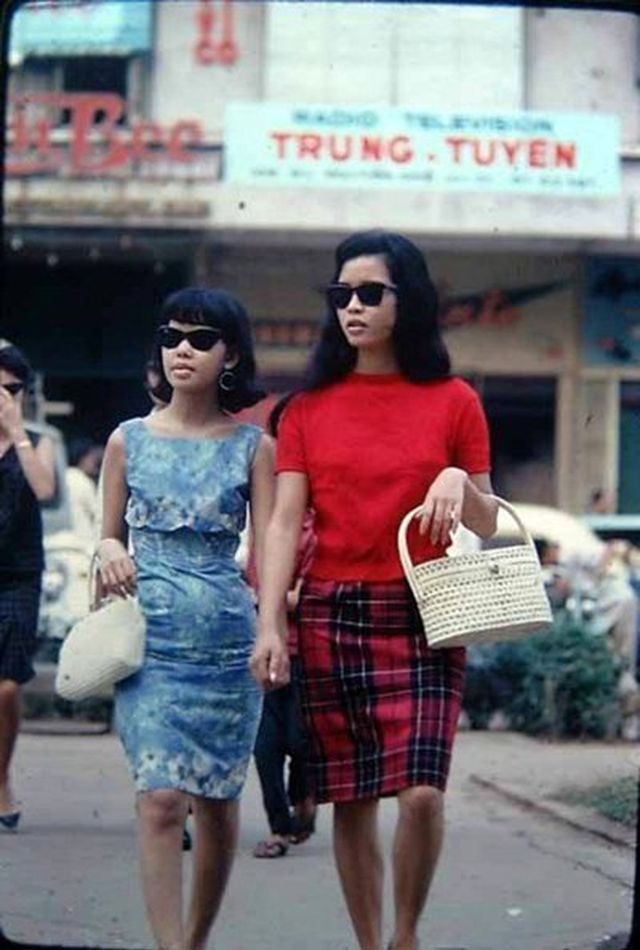
45 Vintage Photos Showing Street Fashion of Vietnamese Girls During the Early 1970s

Vietnam, officially the Socialist Republic of Vietnam, is a country in Southeast Asia. Located at the eastern edge of mainland Southeast Asia, it covers 311,699 square kilometres (120,348 sq mi). With a population of over 96 million, it is the world’s fifteenth-most populous country. Vietnam borders China to the north, Laos and Cambodia to the west, and shares maritime borders with Thailand through the Gulf of Thailand, and the Philippines, Indonesia, and Malaysia through the South China Sea. Its capital is Hanoi and its largest city is Ho Chi Minh City.

Vietnam was inhabited as early as the Paleolithic age. The first known states during the first millennium BC centered on the Red River Delta, located in modern-day northern Vietnam. The Han dynasty annexed and put Northern and Central Vietnam under Chinese rule from 111 BC, until the first dynasty emerged in 939. Successive monarchical dynasties absorbed Chinese influences through Confucianism and Buddhism, and expanded southward to the Mekong Delta, conquering Champa. The Nguyễn—the last imperial dynasty—fell to French colonisation in 1887. Following the August Revolution, the nationalist Viet Minh under the leadership of communist revolutionary Ho Chi Minh proclaimed independence from France in 1945.

Vietnam went through prolonged warfare through the 20th century. After World War II, France returned to reclaim colonial power in the First Indochina War, from which Vietnam emerged victorious in 1954. The Vietnam War began shortly after, during which the nation was divided into communist North supported by the Soviet Union and China, and anti-communist South supported by the United States. Upon the North Vietnamese victory in 1975, Vietnam reunified as a unitary socialist state under the Communist Party of Vietnam (CPV) in 1976. An ineffective planned economy, a trade embargo by the West, and wars with Cambodia and China crippled the country further. A unitary one-party socialist republic, in 1986, the CPV decided to initiate economic and political reforms similar to the Chinese economic reform a few years prior, transforming the country to a market-oriented economy. The reforms facilitated Vietnamese reintegration into global economy and politics.

A developing country with a lower-middle-income economy, Vietnam after a turbulent 20th century is nevertheless one of the fastest growing economies of the 21st century, and its total GDP is predicted to possibly rival those of several developed nations by 2050 under current trajectories. Contemporary issues in Vietnam include high levels of corruption, censorship and a poor human rights record; the country ranks among the lowest in international measurements of civil liberties, freedom of the press and freedom of religion and ethnic minorities. It is part of international and intergovernmental institutions including the United Nations (UN), ASEAN, the APEC, the CPTPP, the Non-Aligned Movement, the OIF, and the WTO. It has assumed a seat on the United Nations Security Council twice. (Wikipedia)

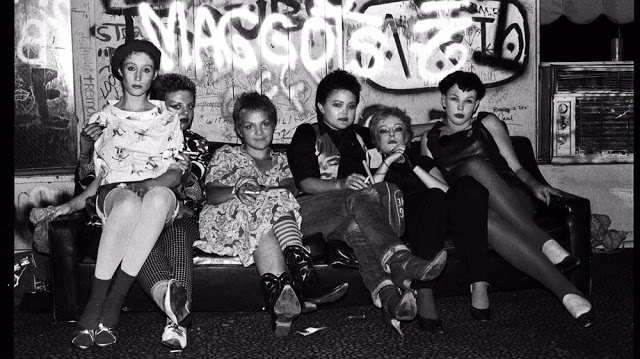
34 Photographs of Women in Punk From Between the Late 1970s and Early 1990s

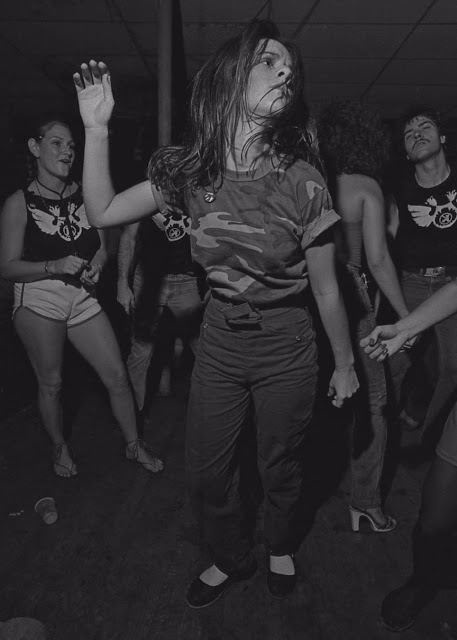
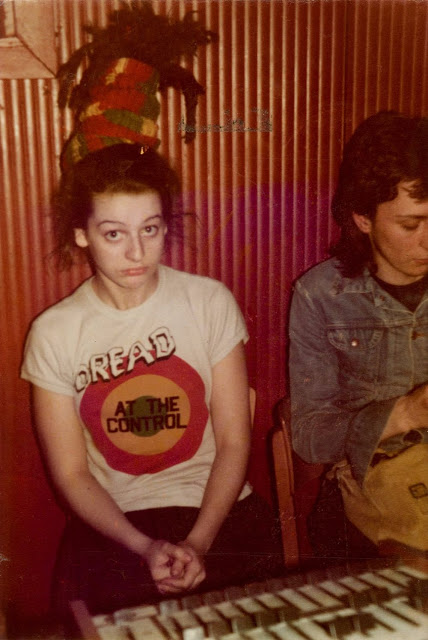
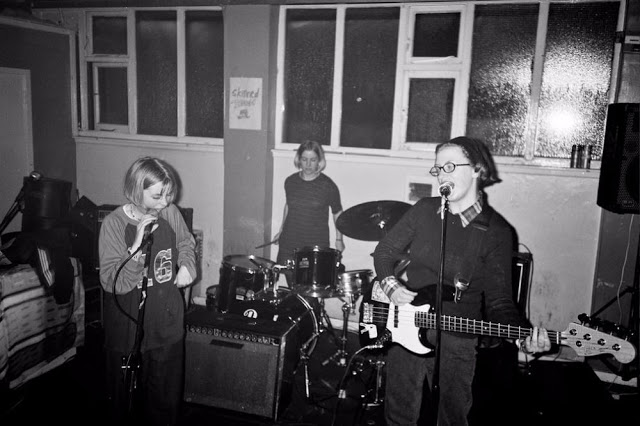
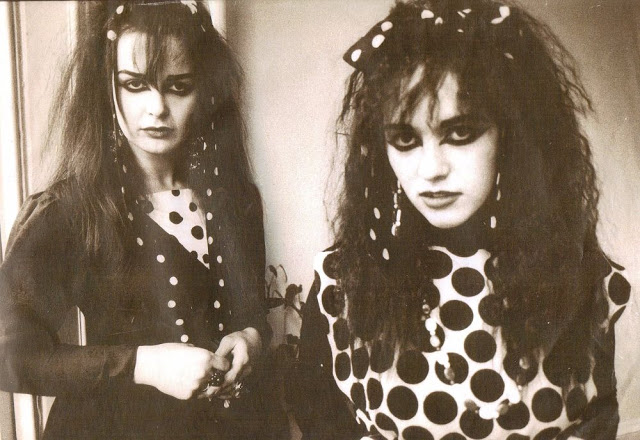
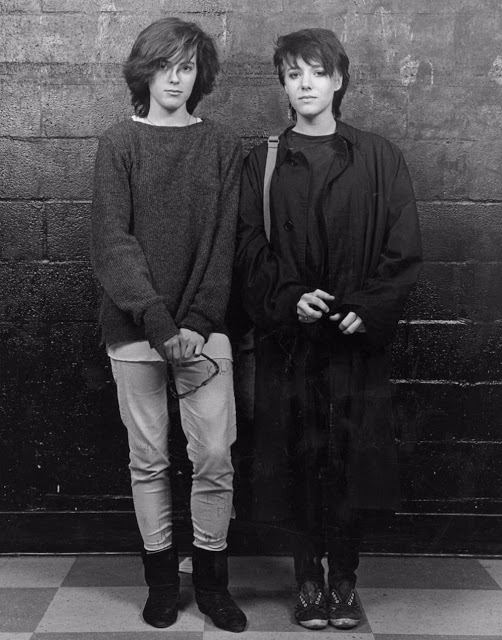
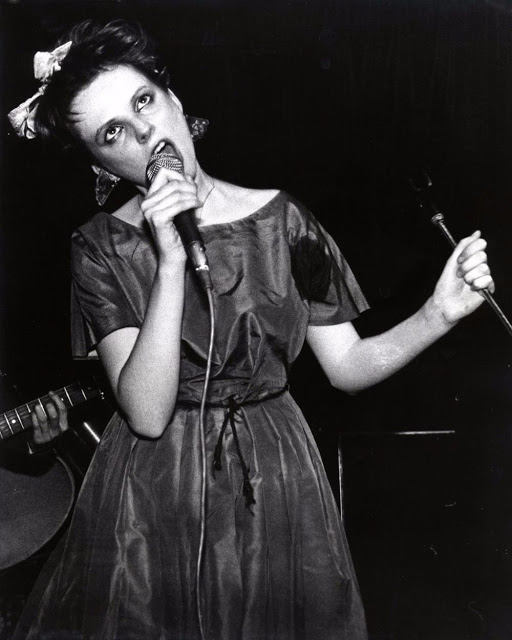
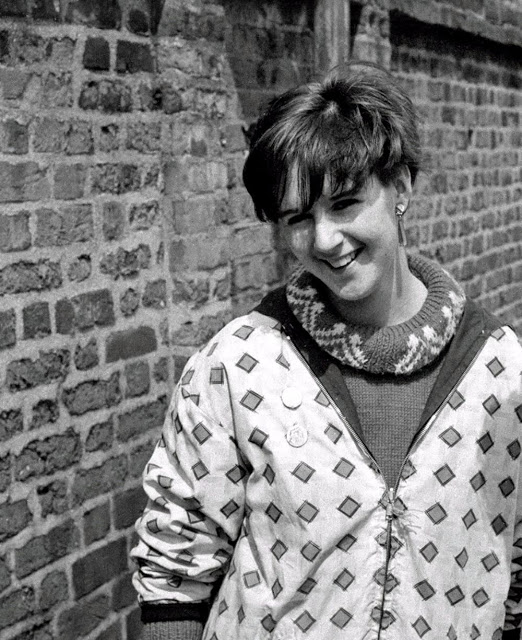
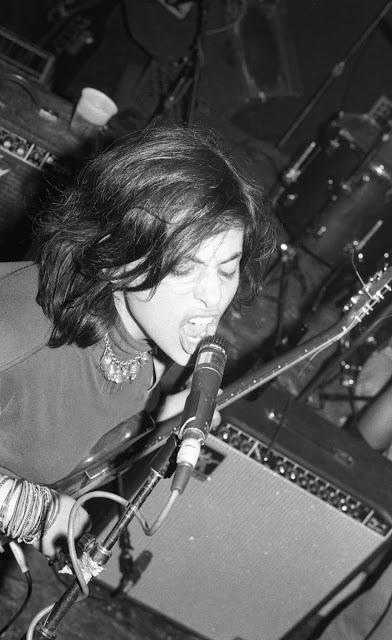
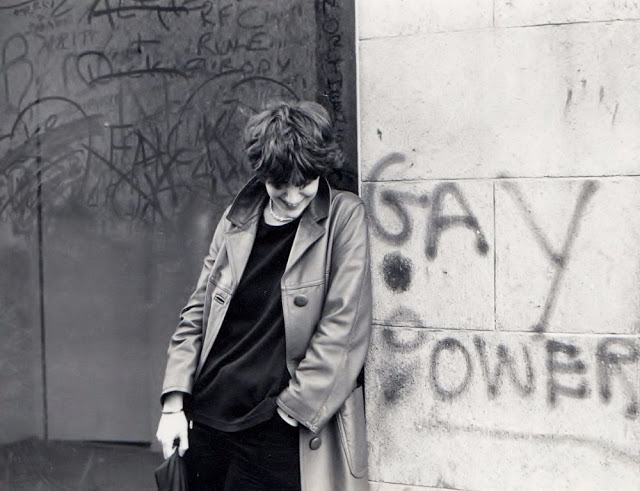
These rarely seen, personal photographs, taken from Sam Knee’s forthcoming book, Untypical Girls: Styles and Sounds of the Transatlantic Indie Revolution, chart the rise of women in alternative music.

From the advent of punk in late-70s Britain to grunge via no wave, indie, and hardcore, Untypical Girls traces the evolution of indie girl styles, and, more important, the transformation and explosion of voices long suppressed in the music industry.

As Knee writes in the introduction, “This book is by no means an indie girl A-Z. Merely a glimpse into a journey from nascent radical stages to the full flower of revolution, the looks and attitudes of which are frighteningly relevant today.”

Punk girls with Belinda Carlisle from the Go-Go’s in the center. Los Angeles, 1978.
Kim Gordon. Somewhere in Connecticut, 1987.
Poly Styrene from the X-Ray Spex at the Red Cow. London, 1977
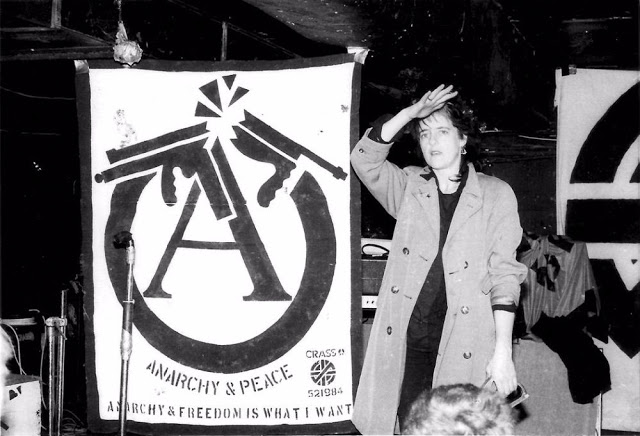
Gee Vaucher of CRASS at Eric’s Club. Liverpool, England, 1979.
Hu¨sker Du¨ fan. Somewhere in New Jersey, 1984.
Slant 6 at the Embassy. Washington, DC, 1992.
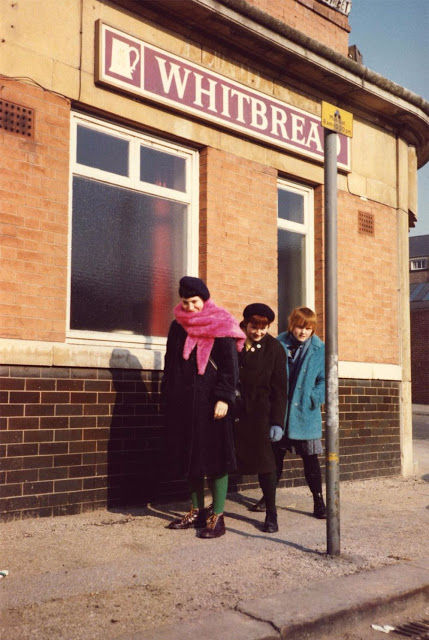
The band Dolly Mixture. Doncaster, England, 1981.
Riot girls at the March for Women’s Lives. Washington, DC, 1992.
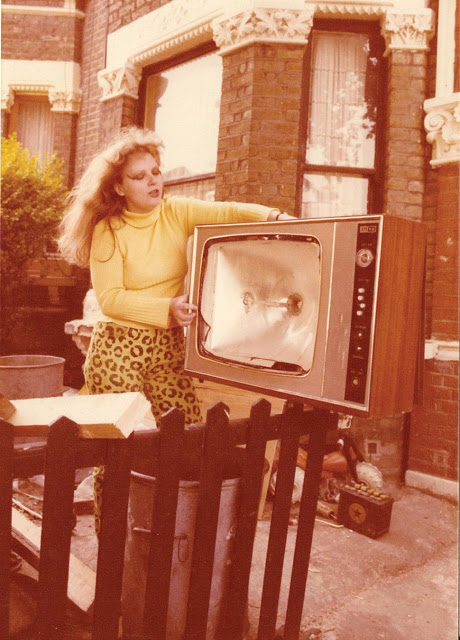
Stef Petticoat of post- punk band the Petticoats. London, 1980.
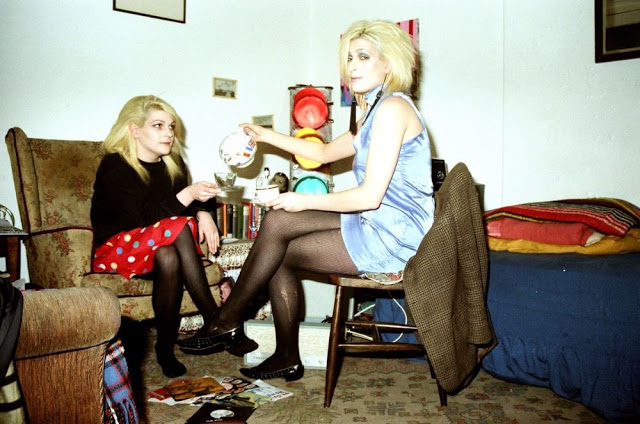
Two post-punk fans pose. Wimbledon, London, 1980.
Clare Kearney and Liz Gutekunst of the Cancer Girls. Washington, DC, 1979.
Riot grrrls performing. Washington, DC, 1992.
Kim Gordon of Sonic Youth at Maxwell’s. Hoboken, New Jersey, 1984.
Neo Boys, likely Portland’s 1st all-girl punk group. Portland, Oregon, 1981.
Dancing to the Big Boys. Houston, 1980.
Gillian Elam of Bi-Joopiter, 1989.
Ari Up of the Slits, 1979.
Bikini Kill, 1993.
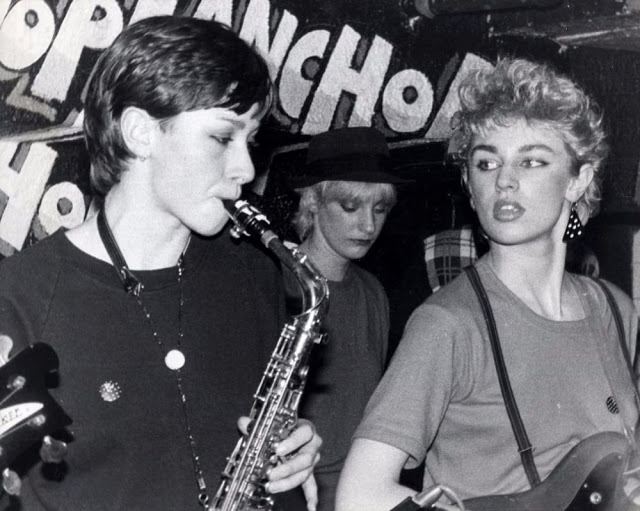
Bodysnatchers, 1980.
Skinned Teen, 1983.
Strawberry Switchblade, 1982.
Lunachicks, 1989.
Two women during the Revolution Summer in Washington DC, 1985 – an upswell of activism against the violence and sexism in the US punk scene
Julia Gorton, 1979.
Modettes, 1980.
Altered Images, 1981.
Jane Fox, 1981.
Rachel and Gaye Bell – The Twinsets, 1981.
GUN CLUB, 1981.
Bilinda MBV, 1988.
Julie Cafritz with Pussy Galore, 1988.
Jan Aberdeen, 1981.
Sonic Youth, 1987.
Courtney Love, 1991.

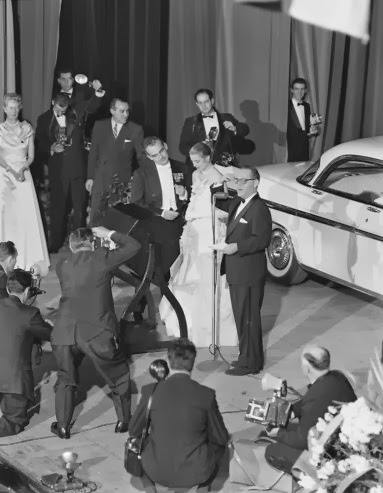
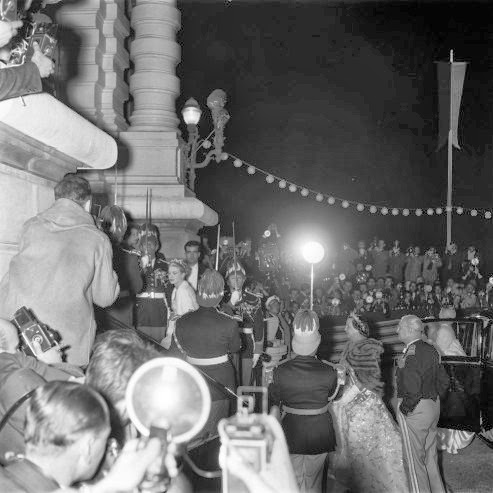
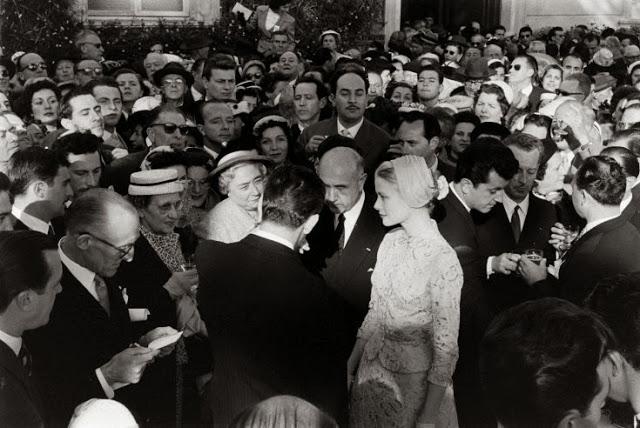
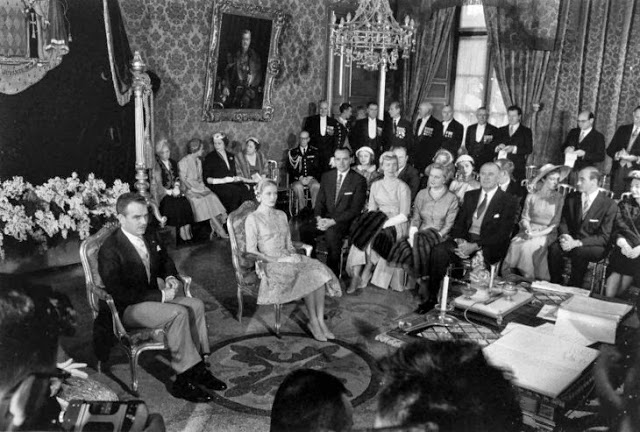
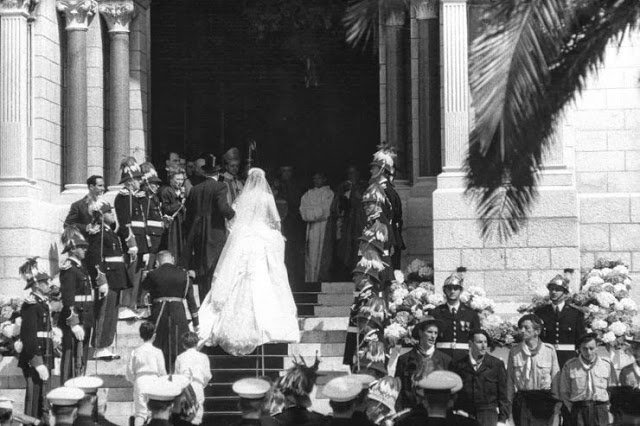
32 Wonderful Vintage Photos of Grace Kelly and Prince Rainier III of Monaco in 1956

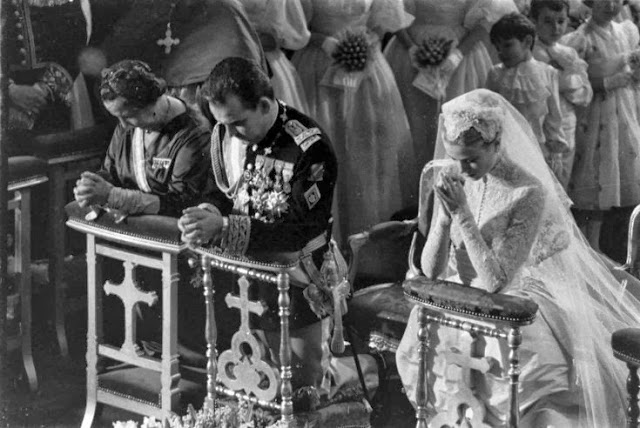
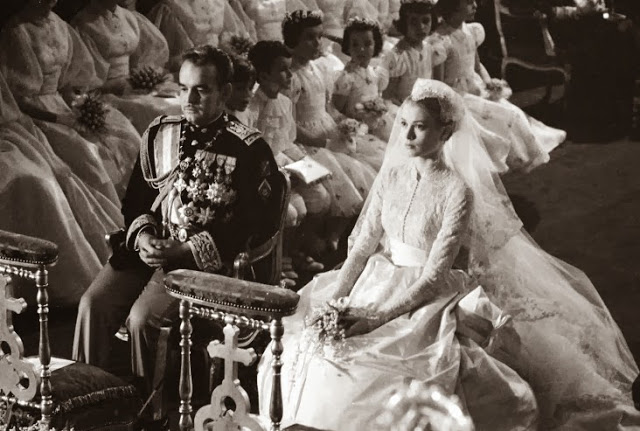
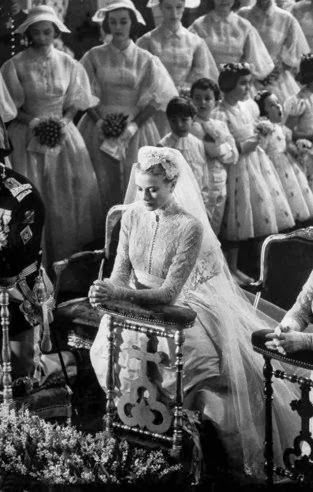
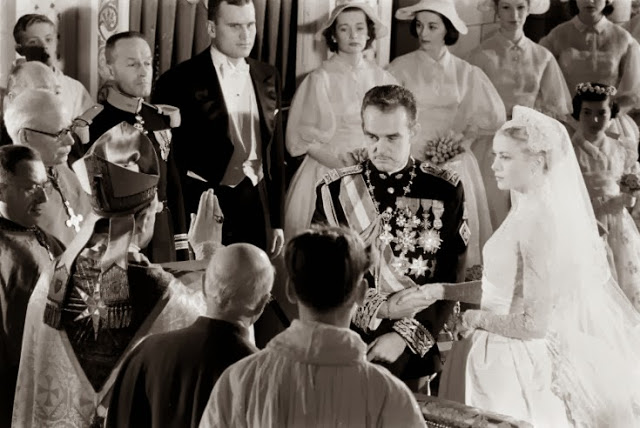
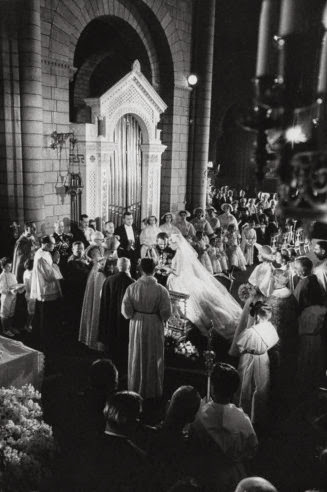
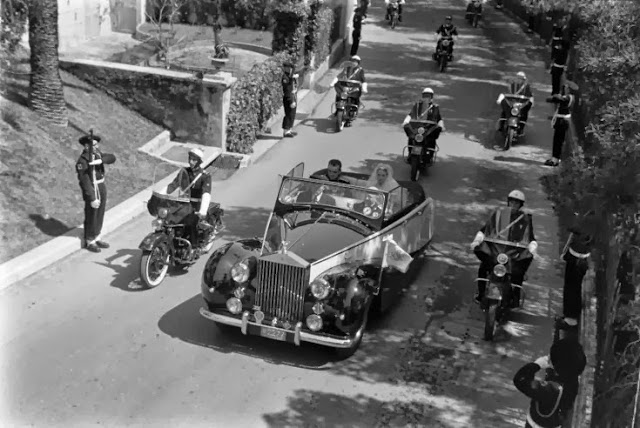
Before William and Kate, before Charles and Di, before Liz and Dick (I and II), before any of the “storybook” weddings of the past several decades, there was the fairytale wedding of the last century: the April 1956 nuptials of Grace Kelly and Prince Rainier III of Monaco. The tale of the American movie star and Philadelphia native marrying the prince of a small, sensationally wealthy city-state was simply too perfect to ignore — and for months leading up to the event, from the time of the couple’s engagement until the two ceremonies (civil and religious) that formalized their union, the Hollywood princess and the real-life prince were hardly ever out of the news.

Here’s a collection of interesting black and white pictures of the Monaco Royal wedding in 1956.

Grace Kelly and Prince Rainier wed, St. Nicholas Cathedral, Monaco, April 19, 1956
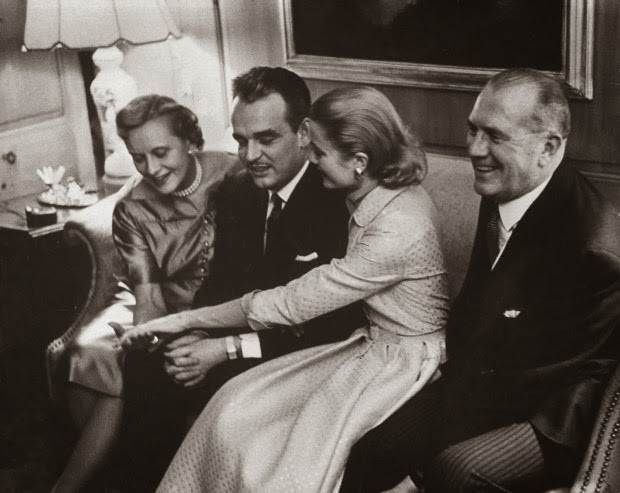
Grace Kelly and Prince Rainier show her engagement ring to her mother and father at the Kelly home in Philadelphia, 1956
Monaco’s Prince Rainier and Grace Kelly at time of the announcement of their engagement, January 1956
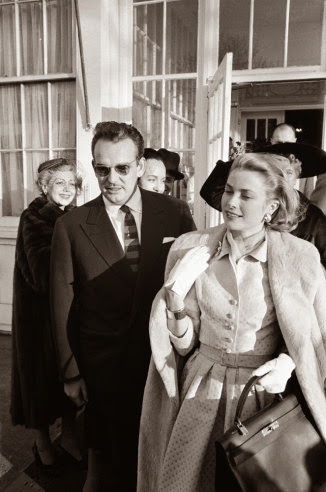
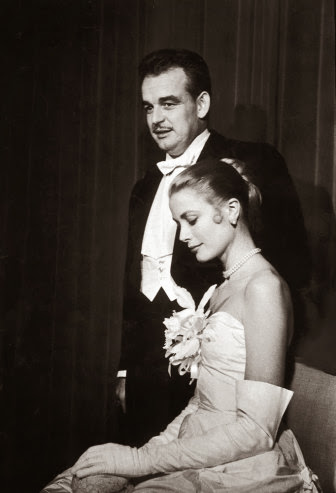
Grace Kelly and Prince Rainier arrive at the Waldorf-Astoria Hotel in New York, the day after announcing their engagement, January 1956
Grace Kelly and Prince Rainier at the Waldorf-Astoria Hotel in New York, the day after announcing their engagement, January 1956
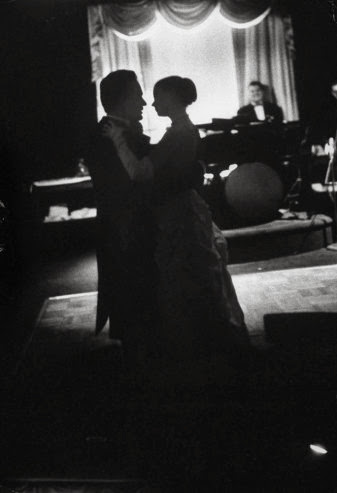
Grace Kelly and Prince Rainier dance not long after announcing their engagement, 1956
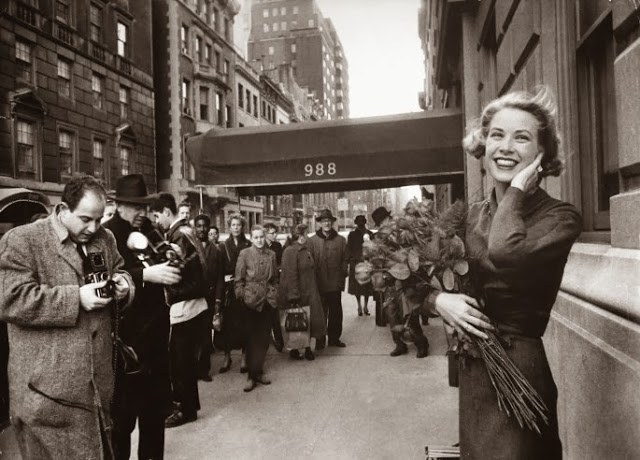
Smiling in a brisk March wind and surrounded by photographers and fans, Grace Kelly poses just off of Fifth Avenue in New York, 1956
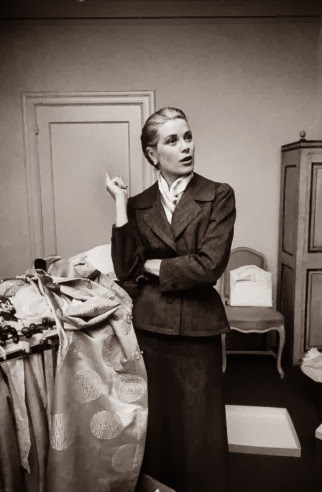
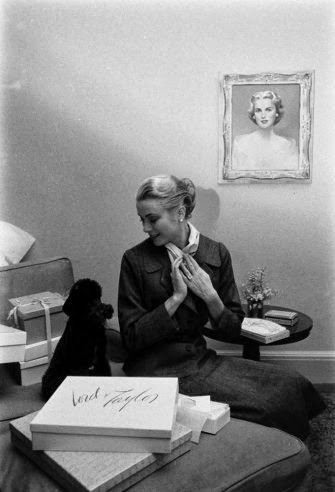
Grace Kelly takes a momentary breather while packing her things before the wedding, 1956
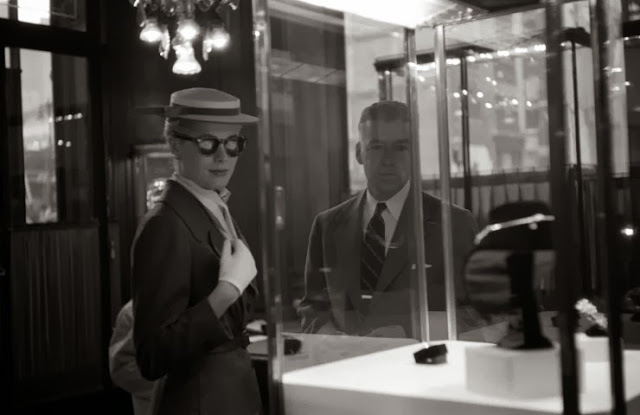
Kelly inside a New York jewelry store, where she perused possible gifts for her groom
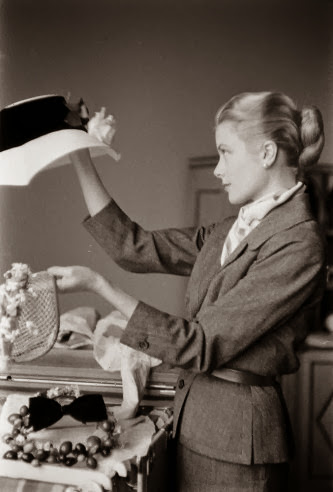
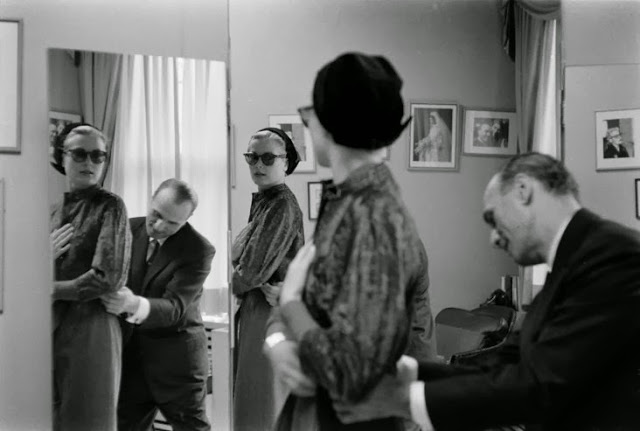
Grace Kelly packing for her trip to Monaco, March 1956
Grace Kelly, March 1956
Grace Kelly and her poodle, Oliver, 1956
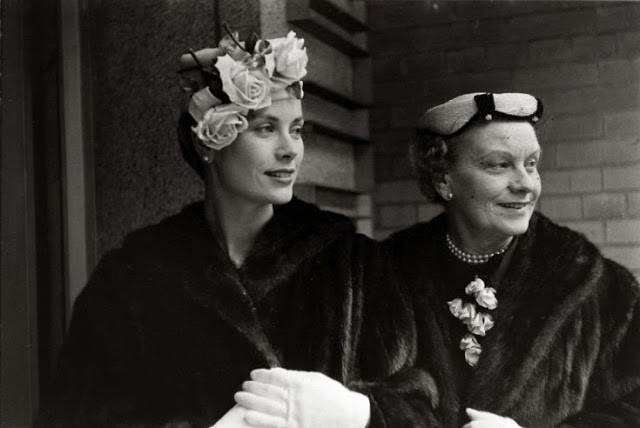
Grace Kelly with her mother, Margaret Majer Kelly, before leaving New York for Monaco in March 1956
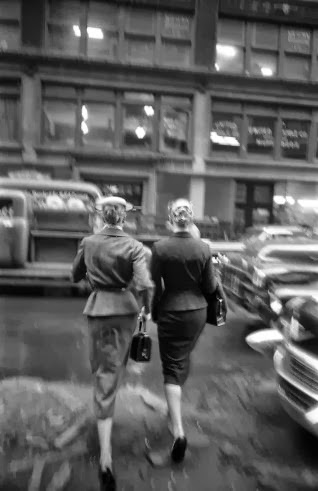
Grace Kelly (left) and one of her two sisters (either Peggy or Lizanne), New York City, 1956
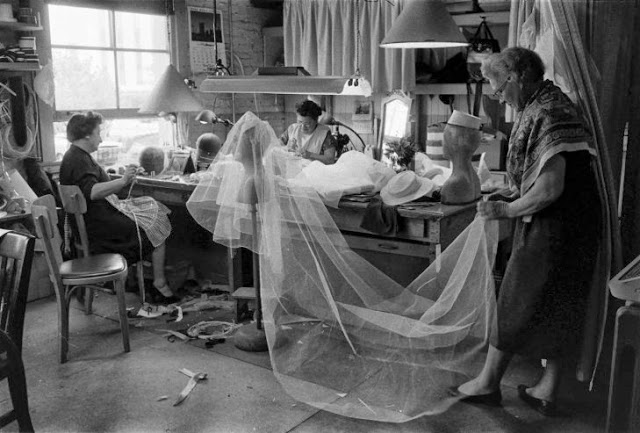
Seamstresses work on Grace Kelly’s wedding dress and veil, conceived by MGM’s wardrobe designer, Helen Rose, Hollywood, Calif., 1956
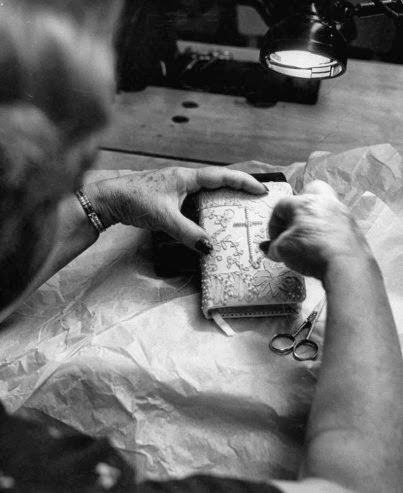
A woman puts the finishing touches on the pearl-studded prayer book for Grace Kelly’s wedding, Hollywood, Calif., 1956
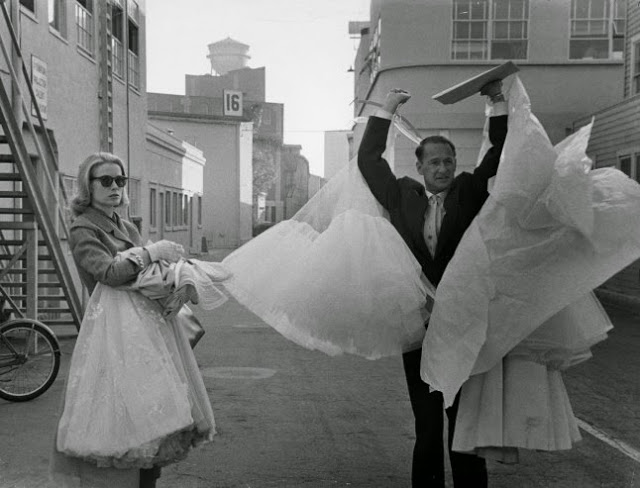
Grace Kelly leaves a Hollywood studio lot for the last time before her marriage, 1956
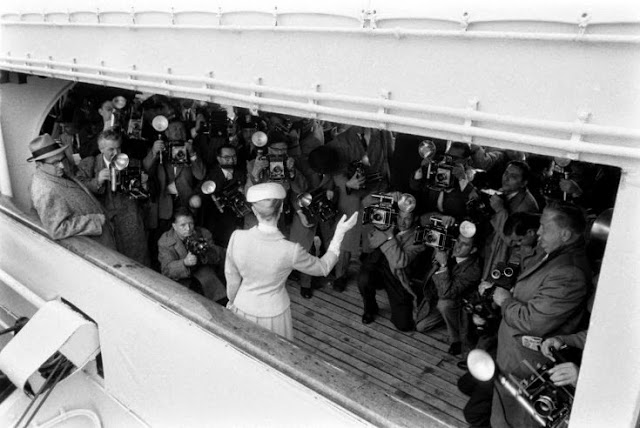
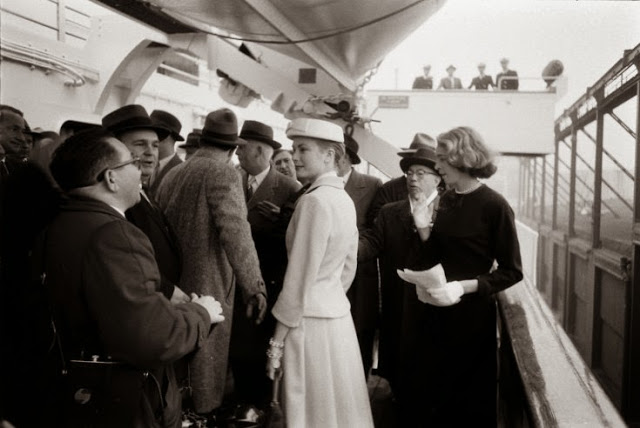
On April 4, 1956, Grace Kelly — her bridesmaids, her relatives, her dog, and about 80 pieces of luggage in tow — left New York for Monaco aboard the liner, SS Constitution
Grace Kelly aboard the liner, SS Constitution, on which she traveled to Monaco for her wedding, April 1956
Grace Kelly in Monaco, April 1956
Grace Kelly in Monaco before her wedding, April 1956
Grace Kelly and Prince Rainier in Monaco, the day before their wedding, April 1956
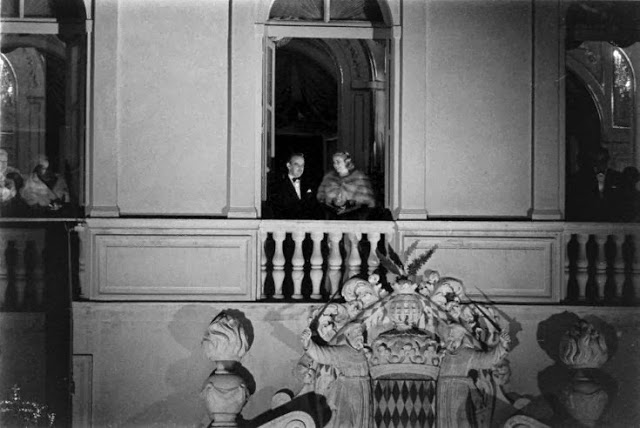
Prince Rainier III and Grace Kelly ascend the steps of Monaco Palace
Grace Kelly and Prince Rainier kneel during Mass at their religious wedding, April 1956
Grace Kelly prays before her wedding to Prince Rainier III, April 1956
Grace Kelly and Prince Rainier join hands as the Bishop of Monaco, Mgr. Gilles Barthe, administers the nuptial benediction at Saint Nicholas Cathedral, April 1956
Wedding ceremony of Prince Rainier III of Monaco to Grace Kelly, April 1956
Princess Grace and Prince Rainier III, newlyweds, April 1956
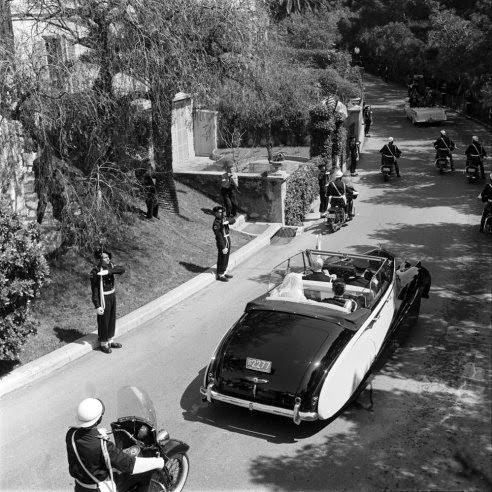
Princess Grace and Prince Rainier III, newlyweds, are whisked away in a Rolls Royce convertible, April 1956
Prince Rainier III and Her Serene Highness, Princess Gracia Patricia of Monaco, April 19, 1956
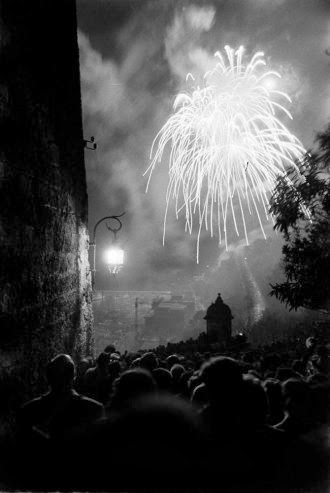
Fireworks light up the sky above Monaco in celebration of the wedding of Prince Rainier III and Grace Kelly, April 1956
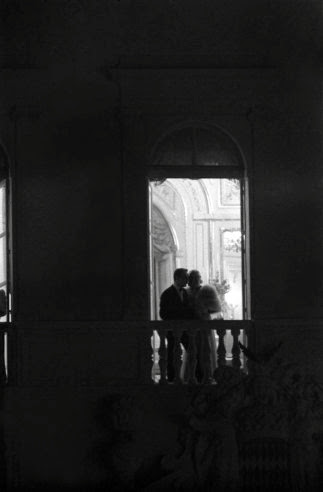
Grace Kelly and Prince Rainier III of Monaco, April 1956

(Photos: Frank Scherschel, via Time & Life Pictures/Getty Images)

28 Memorable Movie Posters of Bill Gold

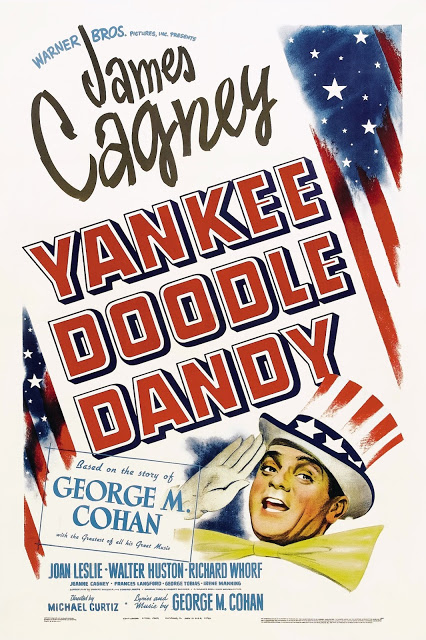
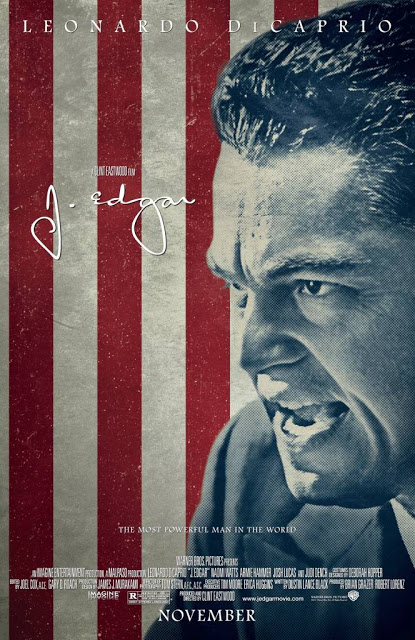
Bill Gold (1921-2018) is an American former graphic designer best known for thousands of film poster designs. He began his professional design career in 1941, in the advertising department of Warner Bros.. Gold became head of poster design in 1947. His first film poster was for Yankee Doodle Dandy (1941), and his most recent work was for J. Edgar (2011).

“I know what movie posters should look like, instinctively,” he told the New York Times “I looked at everything that MGM and Paramount and all the companies did, and I never liked anything that I saw. I always found fault with the fact that they showed three heads of the actors, and that’s about all the concept they would use. And when I started to work, I thought: I don’t want to just do a concept with three heads in it. I want a story.”

During his 70-year career he has worked with some of Hollywood’s greatest filmmakers, including Laurence Olivier, Clint Eastwood, Alfred Hitchcock, Stanley Kubrick, Elia Kazan, Ridley Scott, and many more. Among his most famous film posters are those for Casablanca and A Clockwork Orange.

Yankee Doodle Dandy (1941). Gold’s first poster.
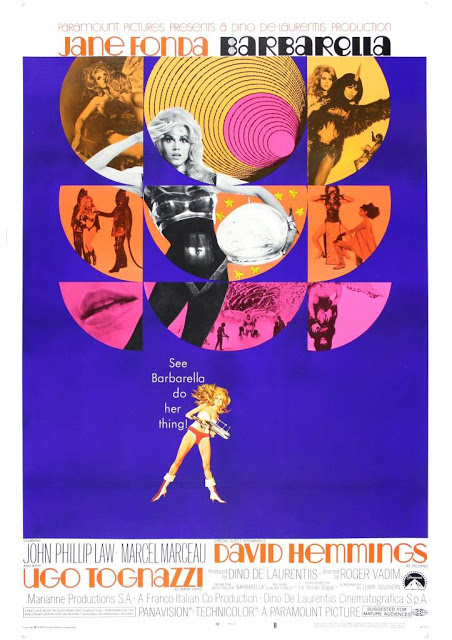
Barbarella (1968)
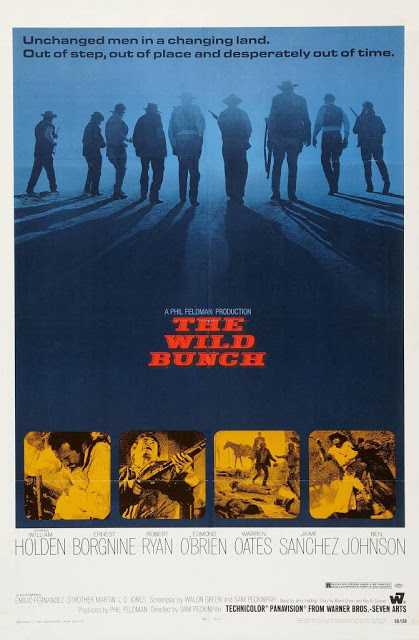
The Wild Bunch (1969)
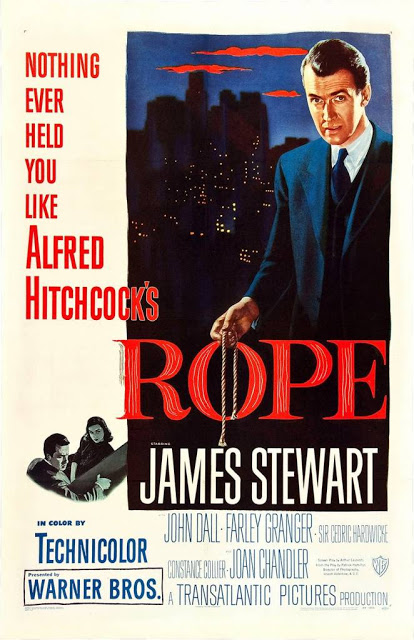
Rope (1948)
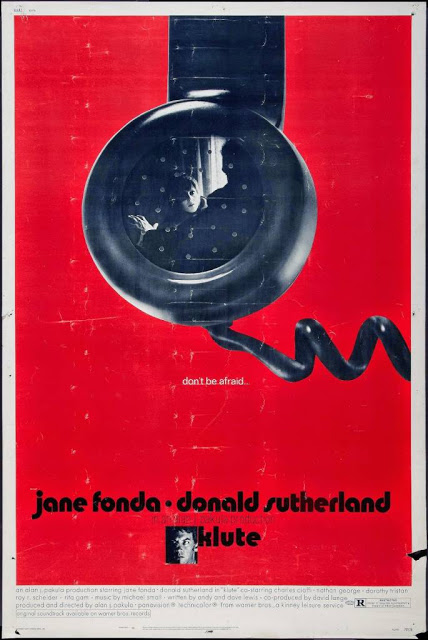
Klute (1971)
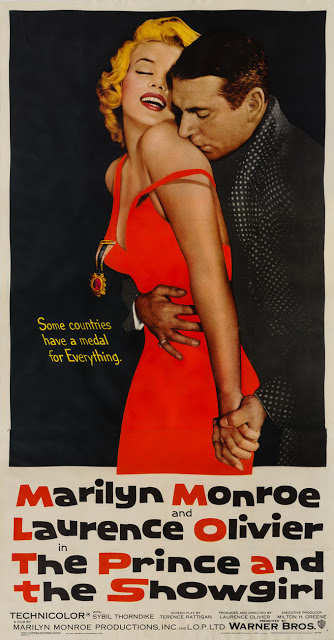
The Prince and the Showgirl (1957)
Casablanca (1942)
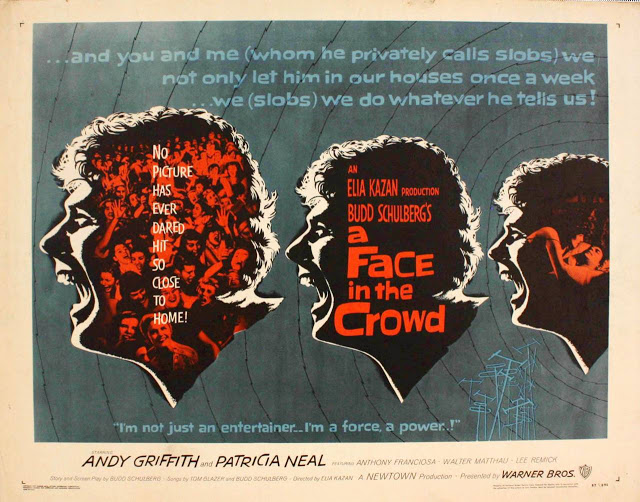
A Face in the Crowd (1957)
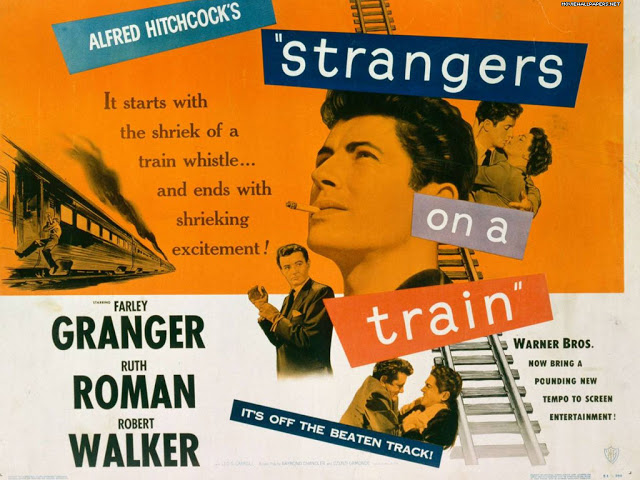
Strangers on a Train (1951)
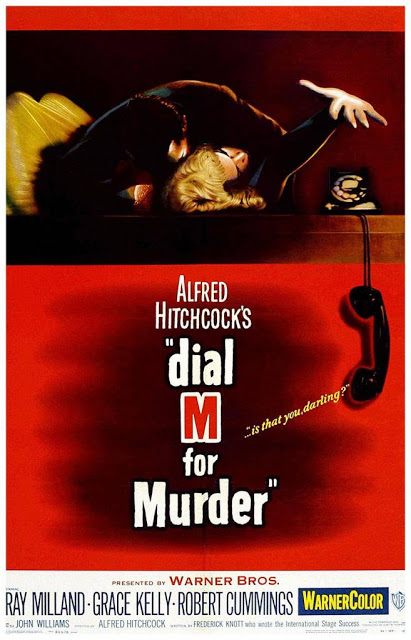
Dial M for Murder (1954)
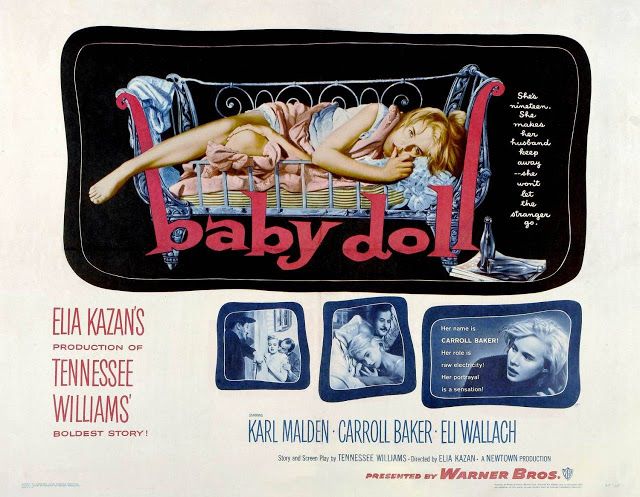
Baby Doll (1956)
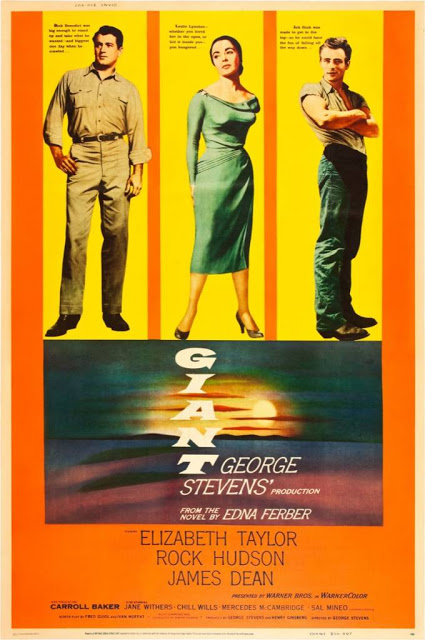
Giant (1956)
The Old Man and the Sea (1958)
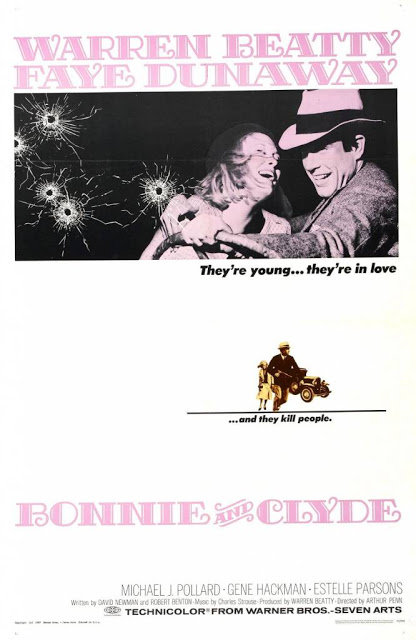
Bonnie and Clyde (1968)
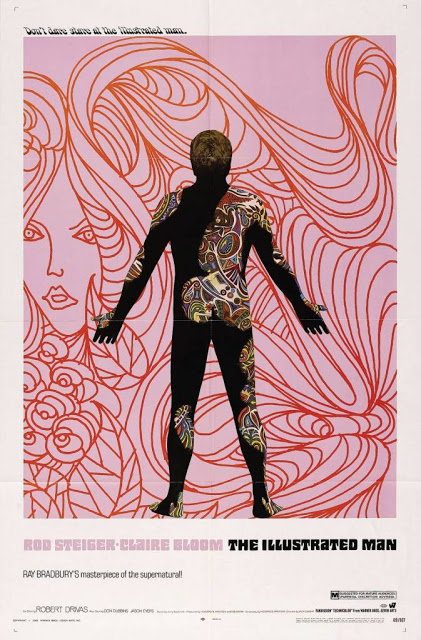
Illustrated Man (1969)
J Edgar (2011). Bill Gold’s last poster.
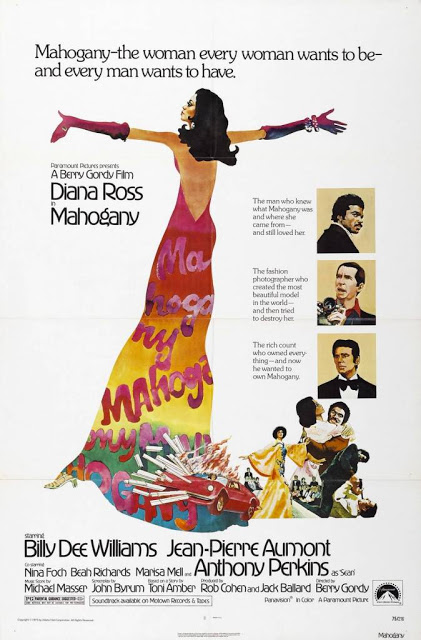
Mahogany (1975)
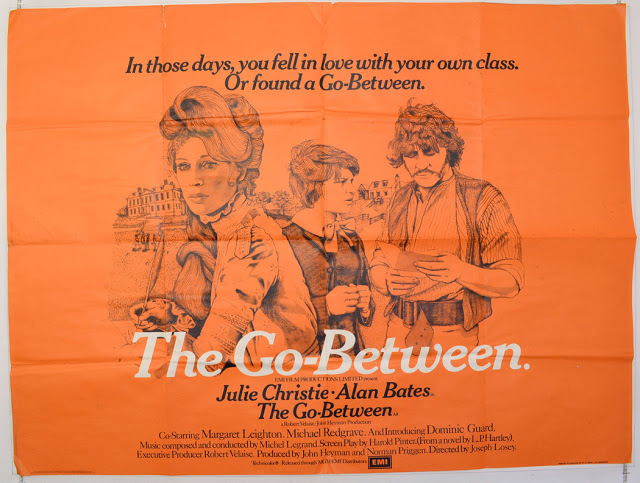
The Go-Between (1971)
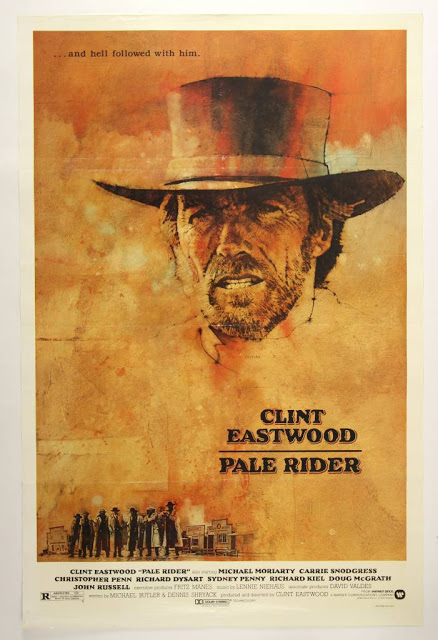
Pale Rider (1985)
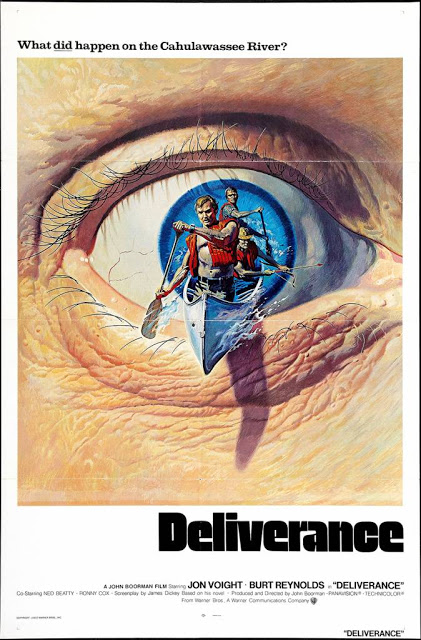
Deliverance (1972)
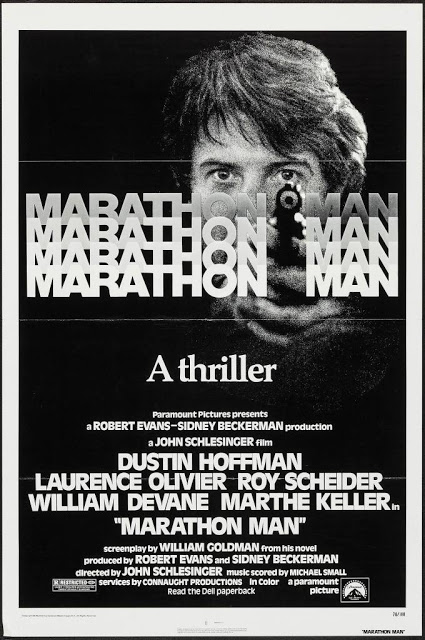
Marathon Man (1976)
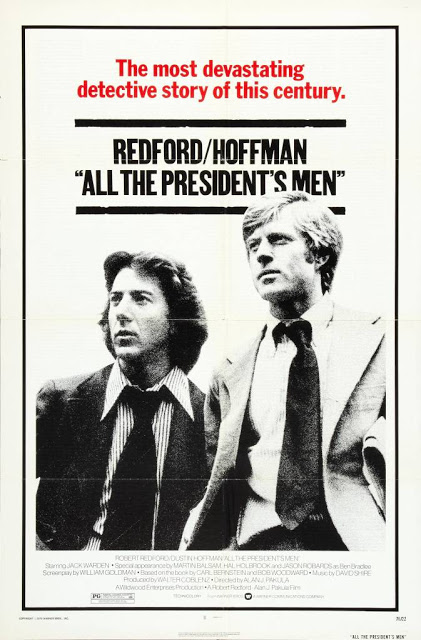
All the President’s Men (1976)
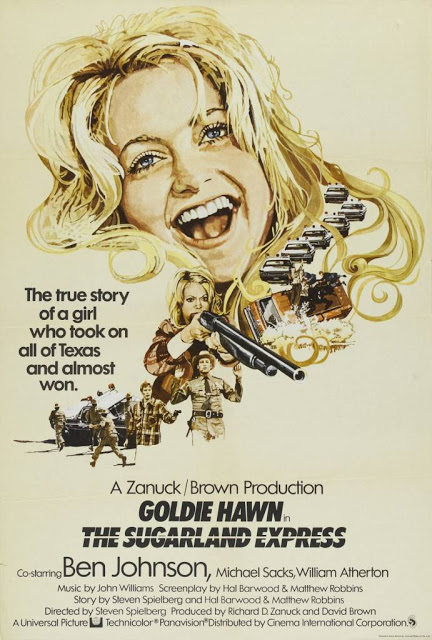
Sugarland Express (1974)
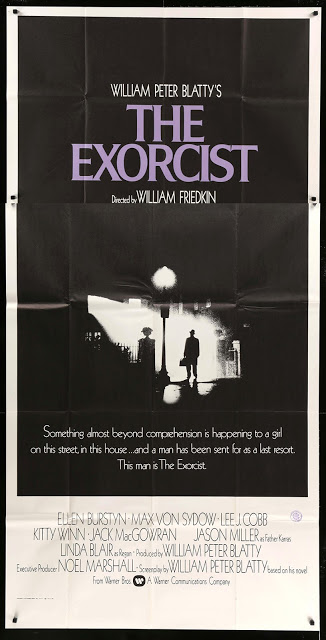
The Exorcist (1972)
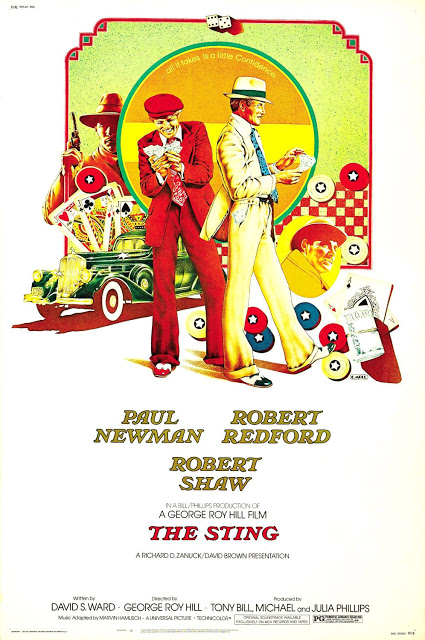
The Sting (1973)
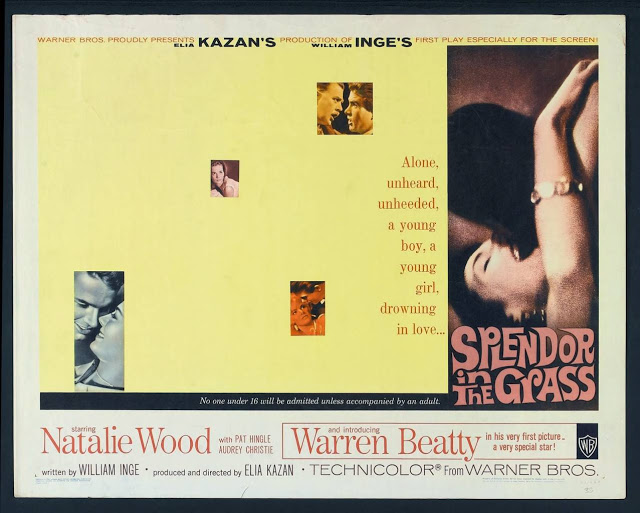
Splendor in the Grass (1961)
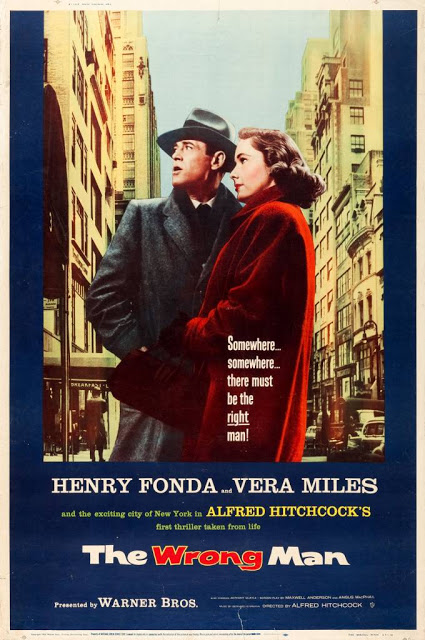
The Wrong Man (1956)
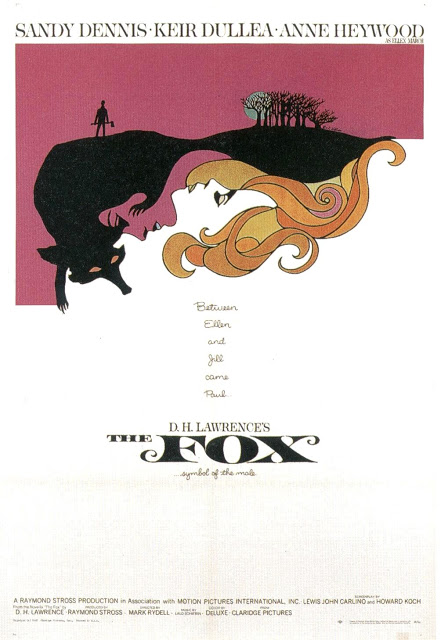
The Fox (1967)

Yesterday Today

Bringing You the Wonder of Yesterday - Today

Skip to content ↓