







Bringing You the Wonder of Yesterday – Today

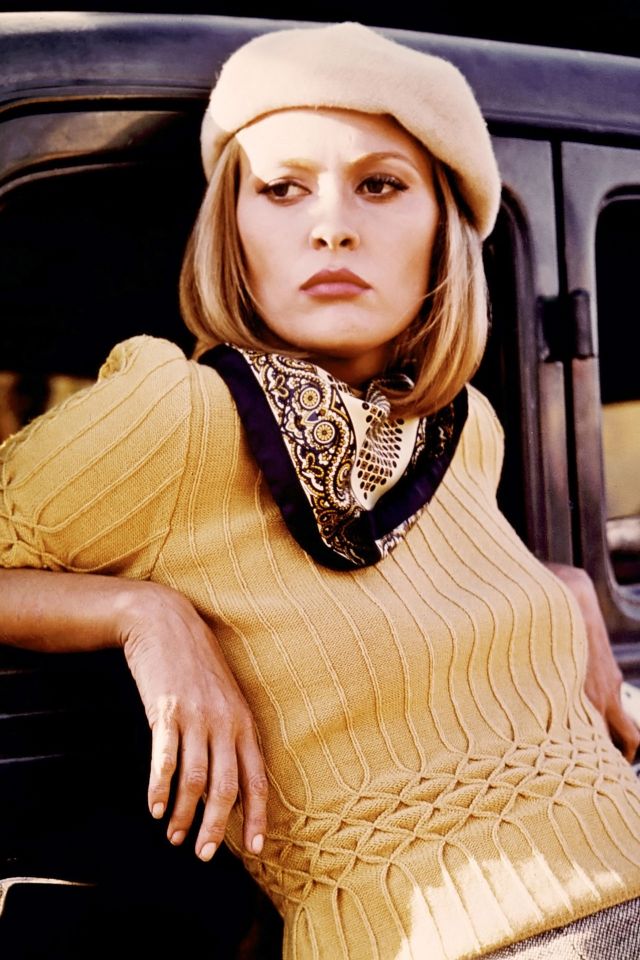
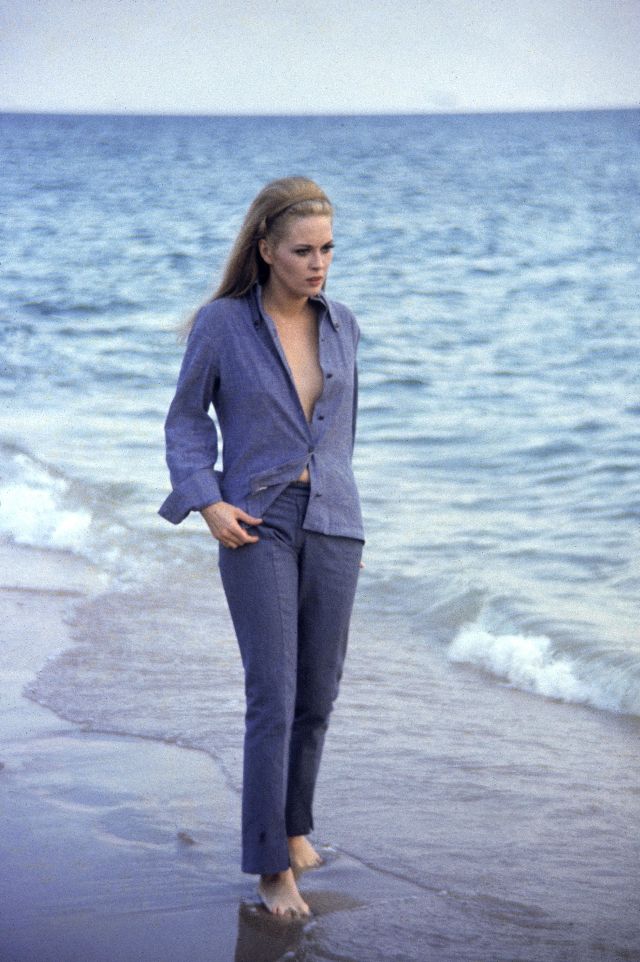
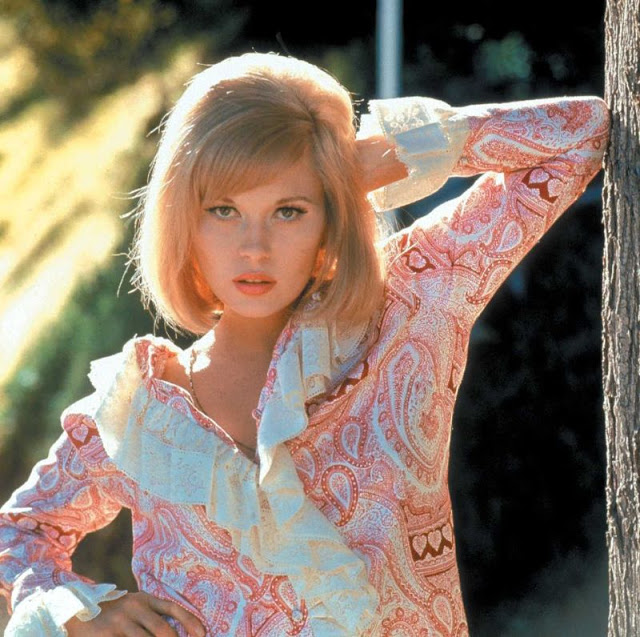
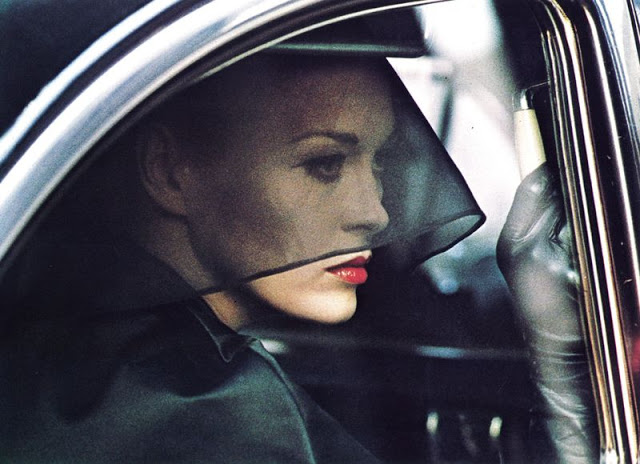
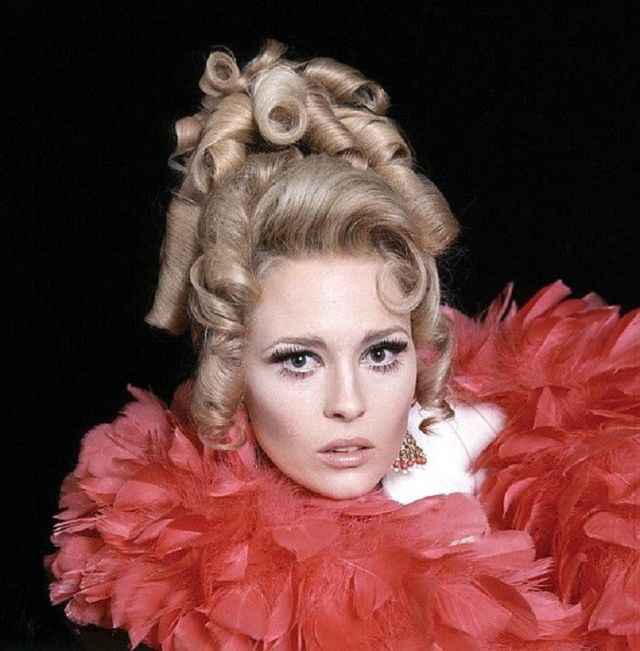
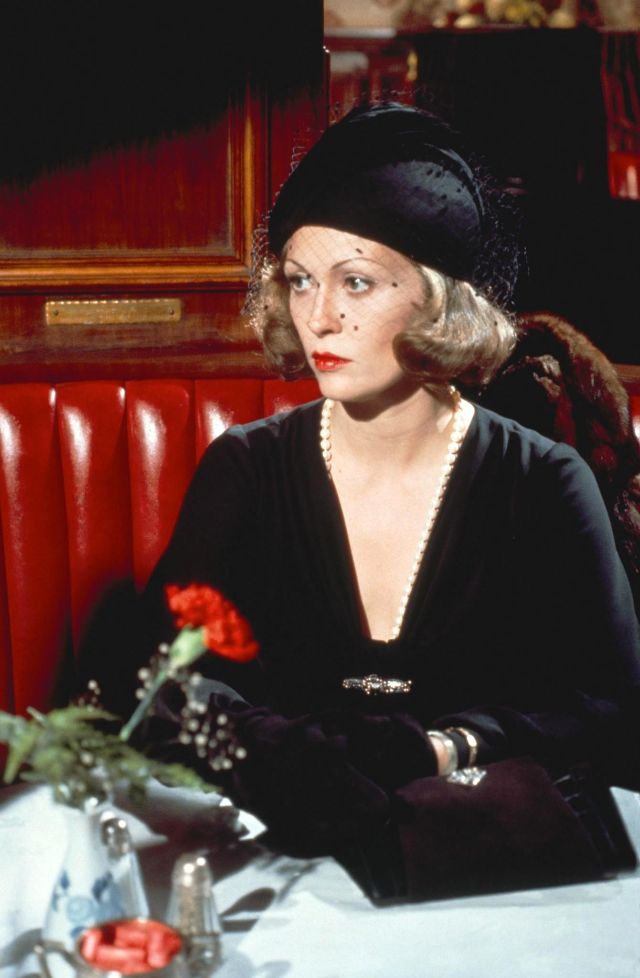
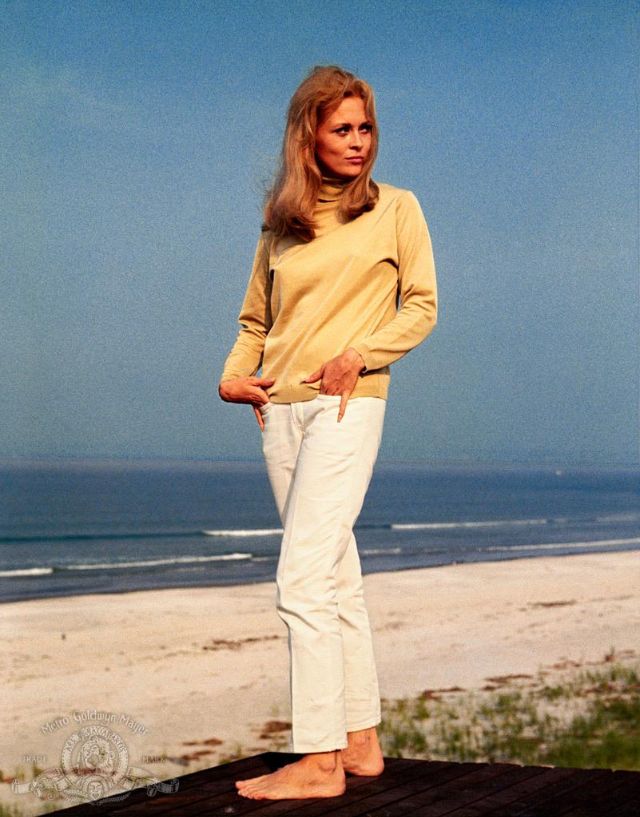
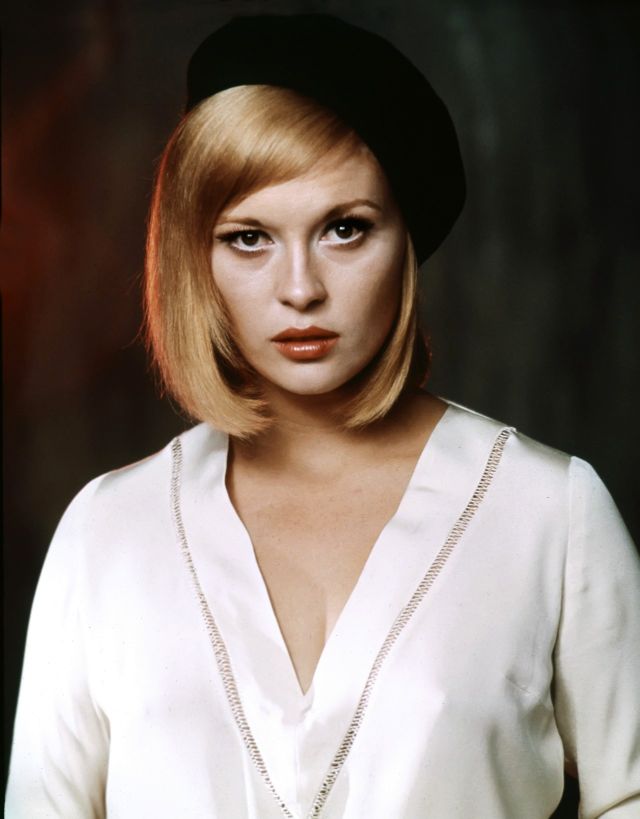
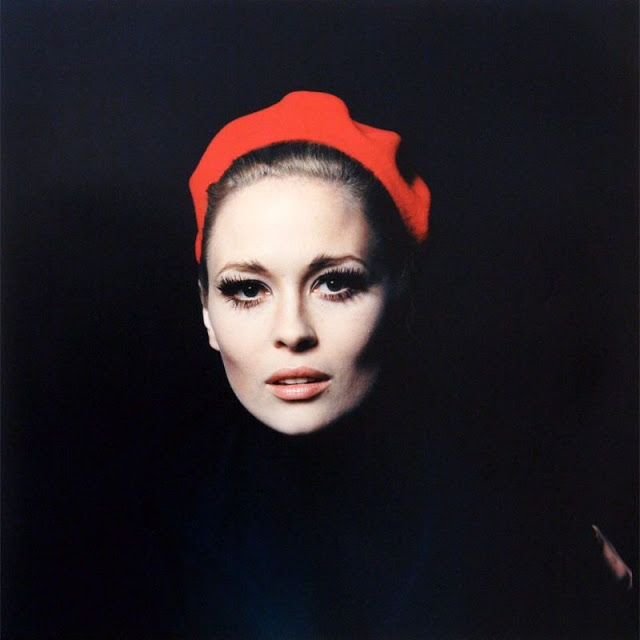
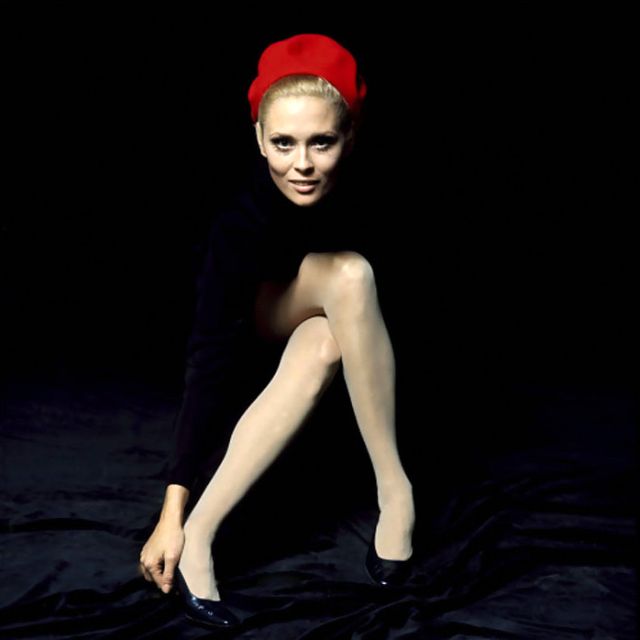
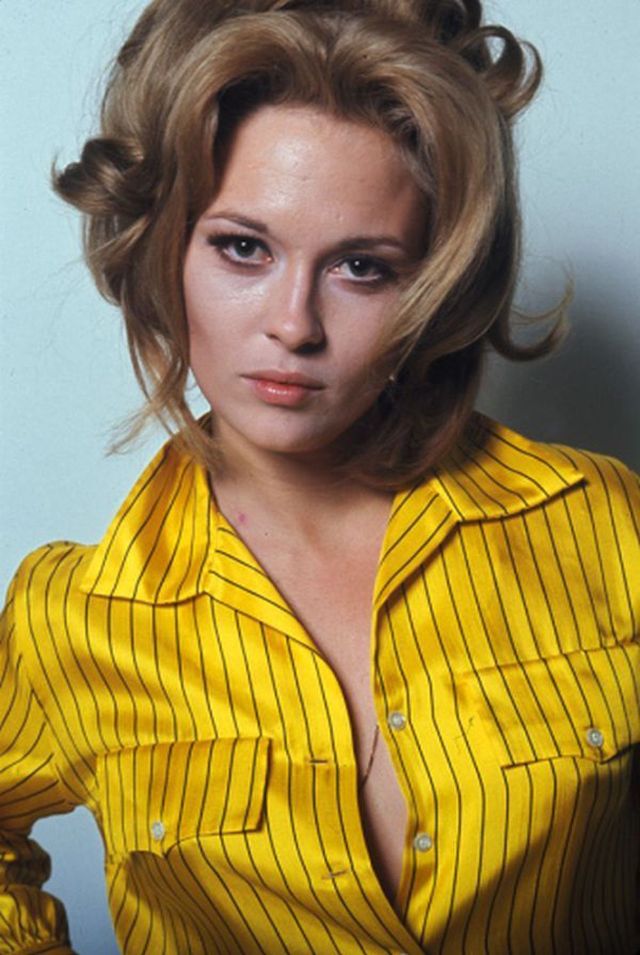
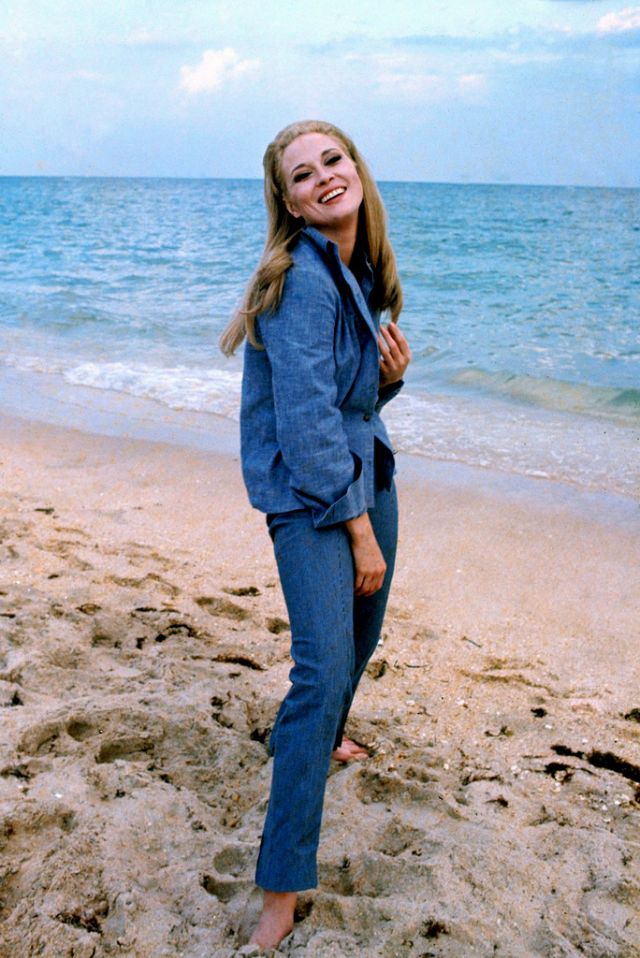
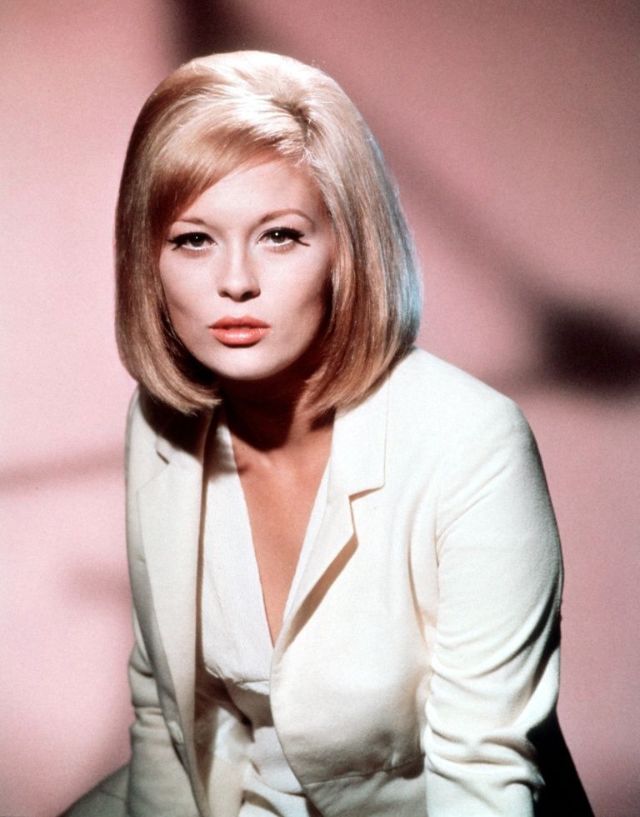
Dorothy Faye Dunaway (born January 14, 1941) is an American actress. She is the recipient of many accolades, including an Academy Award, a Primetime Emmy Award, three Golden Globe Awards, and a BAFTA Award. In 2011, the government of France made her an Officer of the Order of Arts and Letters.
Her career began in the early 1960s on Broadway. She made her screen debut in the 1967 film The Happening, the same year made Hurry Sundown” with an all-star cast but rose to fame that same year with her portrayal of outlaw Bonnie Parker in Arthur Penn’s Bonnie and Clyde, for which she received her first Academy Award nomination. Her most notable films include the crime caper The Thomas Crown Affair (1968), the drama The Arrangement (1969), the revisionist western Little Big Man (1970),(Oklahoma Crude ) western with George C Scott 1973 an adaptation of the Alexandre Dumas classic The Three Musketeers (1973), the neo-noir mystery Chinatown (1974) (for which she earned her second Oscar nomination), the action-drama disaster The Towering Inferno (1974), the political thriller Three Days of the Condor (1975), the satire Network (1976) (for which she won an Academy Award for Best Actress), and the thriller Eyes of Laura Mars (1978).
Her career evolved to more mature and character roles in subsequent years, often in independent films, beginning with her controversial portrayal of Joan Crawford in the 1981 film Mommie Dearest. Other notable films in which she has appeared include Supergirl (1984), Barfly (1987), The Handmaid’s Tale (1990), Arizona Dream (1994), Don Juan DeMarco (1995), The Twilight of the Golds (1997), Gia (1998) and The Rules of Attraction (2002). Dunaway has also performed on stage in several plays, including A Man for All Seasons (1961–63), After the Fall (1964), Hogan’s Goat (1965–67), A Streetcar Named Desire (1973) and was awarded the Sarah Siddons Award for her portrayal of opera singer Maria Callas in Master Class (1996).
Protective of her private life, she rarely gives interviews and makes very few public appearances. After romantic relationships with Jerry Schatzberg and Marcello Mastroianni, Dunaway married twice, first to singer Peter Wolf and then to photographer Terry O’Neill, with whom she had a son, Liam. (Wikipedia)
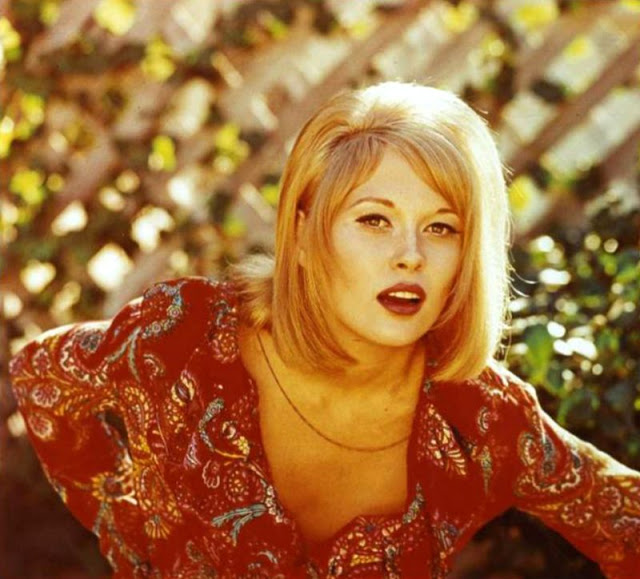
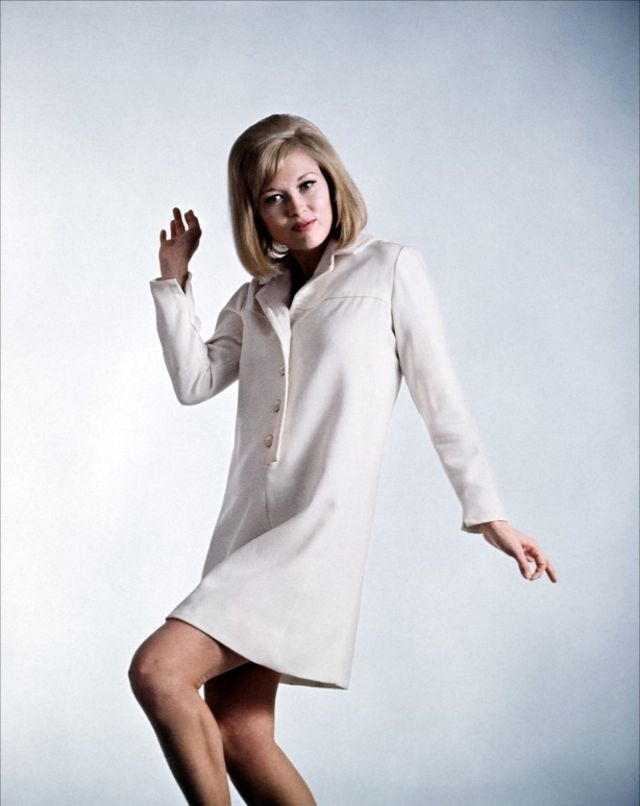
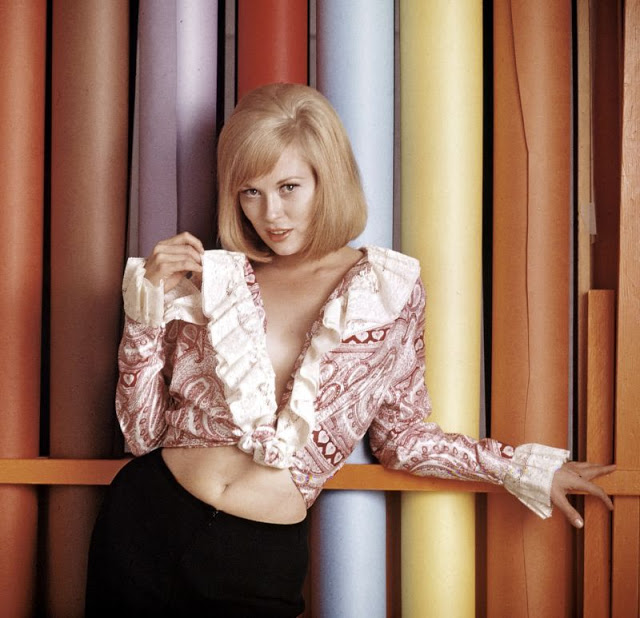
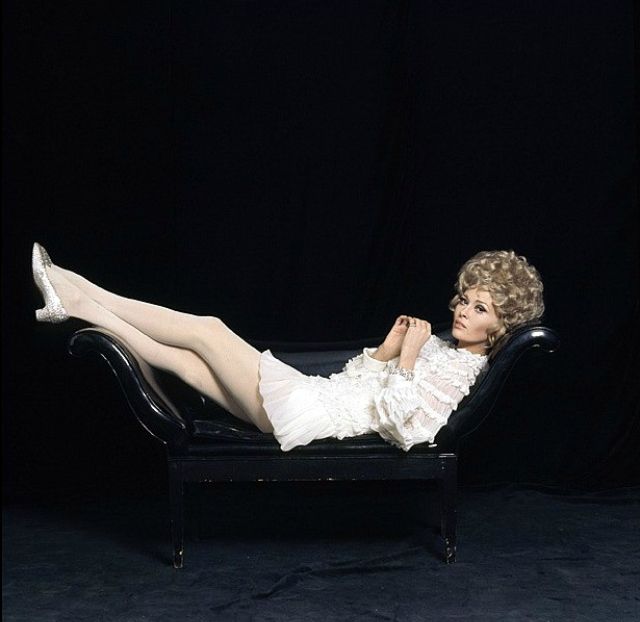
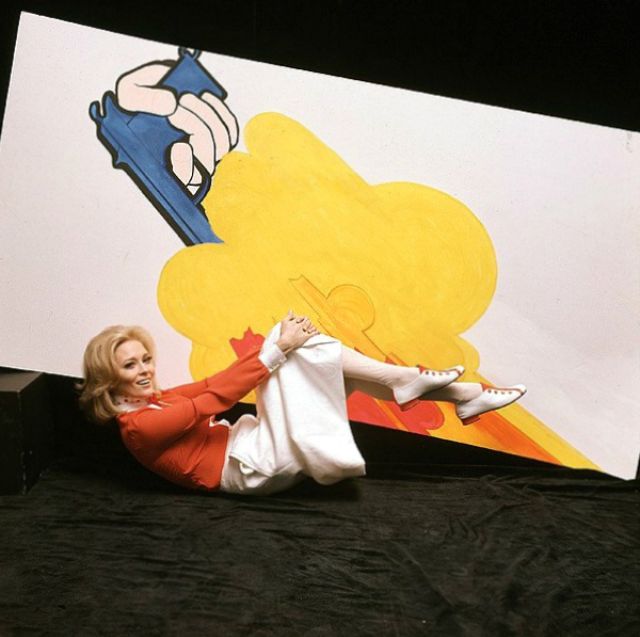
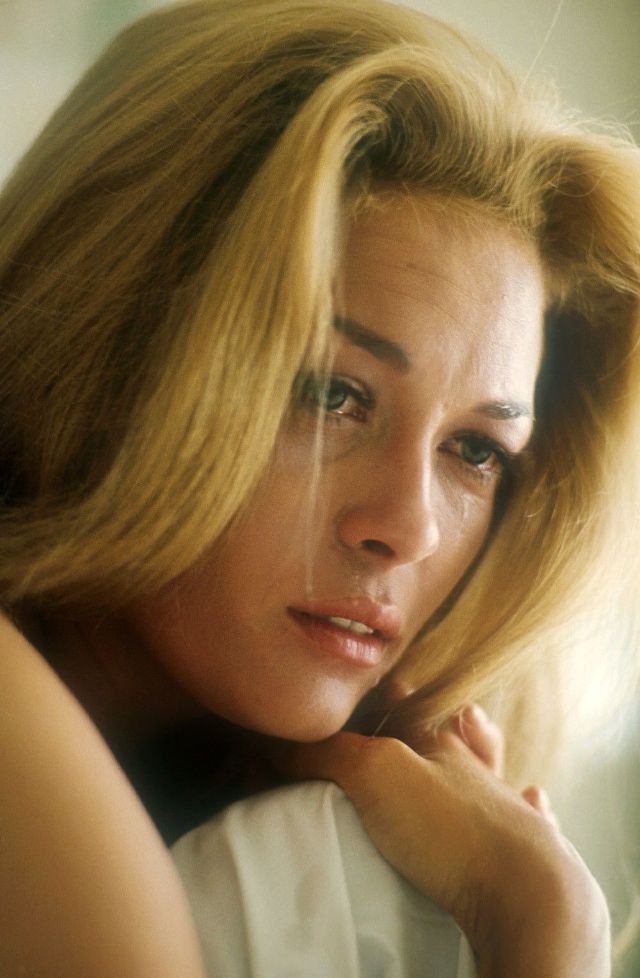
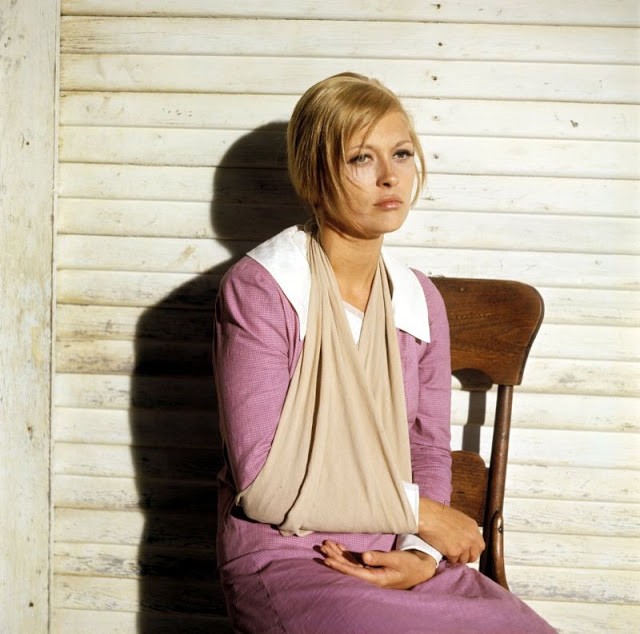
Take a look at these gorgeous photos to see the beauty of young Faye Dunaway in the 1960s and early 1970s.


























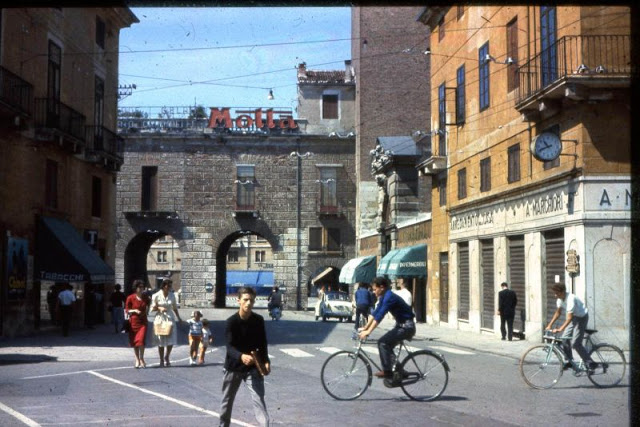
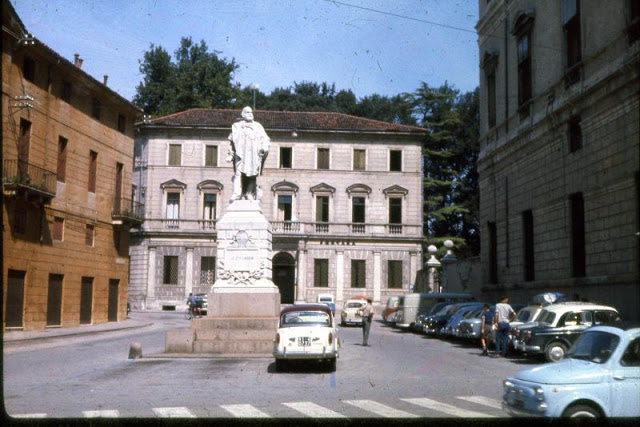
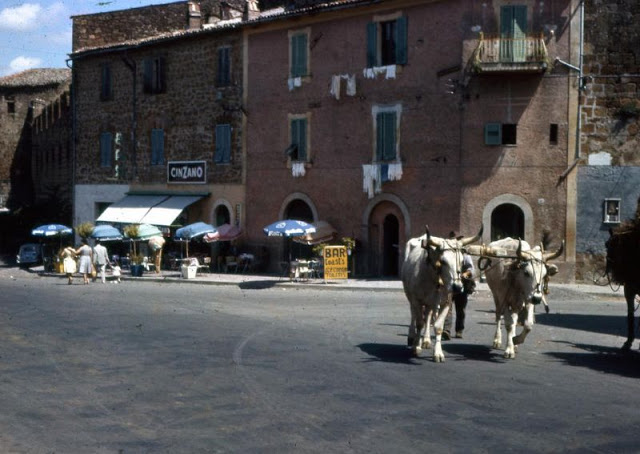
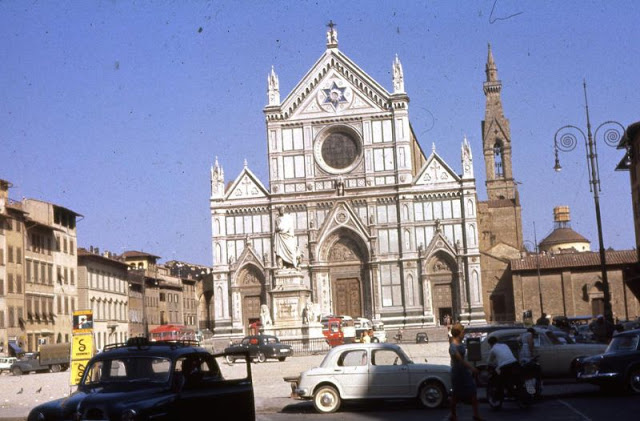
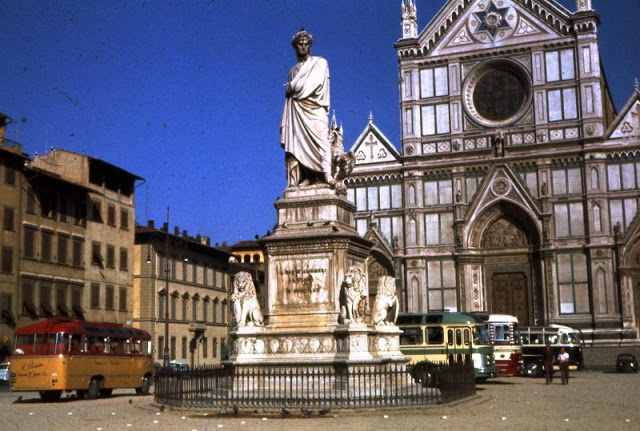
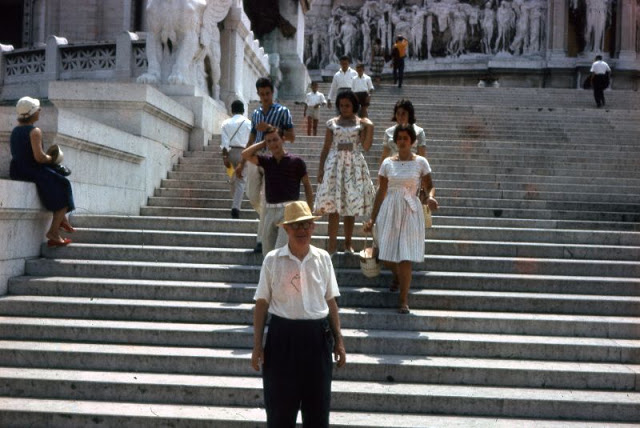
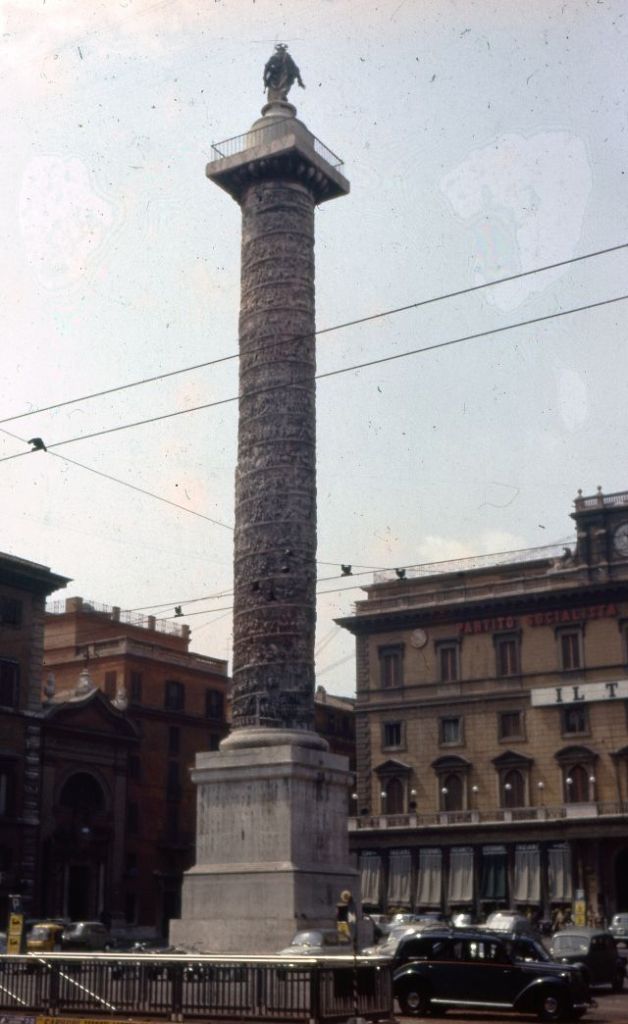
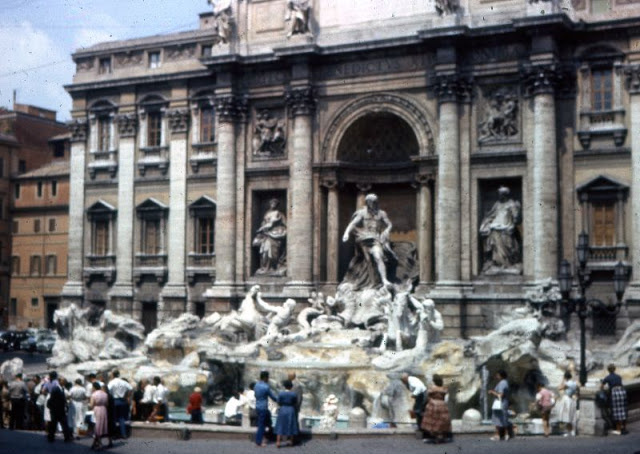
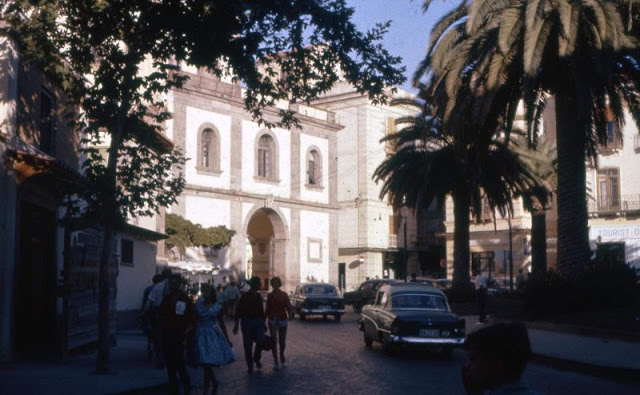
Italy, officially the Italian Republic or Republic of Italy, is a country that consists of a peninsula delimited by the Alps and several islands surrounding it, whose territory largely coincides with the homonymous geographical region. Italy is located in the middle of the Mediterranean Sea, in Southern Europe; it is also considered part of Western Europe. A unitary parliamentary republic with Rome as its capital and largest city, the country covers a total area of 301,230 km2 (116,310 sq mi) and shares land borders with France, Switzerland, Austria, Slovenia, as well as the enclaved microstates of Vatican City and San Marino. Italy has a territorial exclave in Switzerland, Campione. With over 60 million inhabitants, Italy is the third-most populous member state of the European Union.
Due to its central geographic location in Southern Europe and the Mediterranean, Italy has historically been home to myriad peoples and cultures. In addition to the various ancient peoples dispersed throughout what is now modern-day Italy, the most predominant being the Indo-European Italic peoples who gave the peninsula its name, beginning from the classical era, Phoenicians and Carthaginians founded colonies mostly in insular Italy, Greeks established settlements in the so-called Magna Graecia of Southern Italy, while Etruscans and Celts inhabited central and northern Italy respectively. An Italic tribe known as the Latins formed the Roman Kingdom in the 8th century BC, which eventually became a republic with a government of the Senate and the People. The Roman Republic initially conquered and assimilated its neighbours on the Italian peninsula, eventually expanding and conquering parts of Europe, North Africa and Asia. By the first century BC, the Roman Empire emerged as the dominant power in the Mediterranean Basin and became a leading cultural, political and religious centre, inaugurating the Pax Romana, a period of more than 200 years during which Italy’s law, technology, economy, art, and literature developed.
During the Early Middle Ages, Italy endured the fall of the Western Roman Empire and the Barbarian Invasions, but by the 11th century, numerous rival city-states and maritime republics, mainly in the northern and central regions of Italy, became prosperous through trade, commerce, and banking, laying the groundwork for modern capitalism. These mostly independent statelets served as Europe’s main trading hubs with Asia and the Near East, often enjoying a greater degree of democracy than the larger feudal monarchies that were consolidating throughout Europe; however, part of central Italy was under the control of the theocratic Papal States, while Southern Italy remained largely feudal until the 19th century, partially as a result of a succession of Byzantine, Arab, Norman, Angevin, Aragonese, and other foreign conquests of the region. The Renaissance began in Italy and spread to the rest of Europe, bringing a renewed interest in humanism, science, exploration, and art. Italian culture flourished, producing famous scholars, artists, and polymaths. During the Middle Ages, Italian explorers discovered new routes to the Far East and the New World, helping to usher in the European Age of Discovery. Nevertheless, Italy’s commercial and political power significantly waned with the opening of trade routes that bypassed the Mediterranean. Centuries of foreign conquest and meddling, and the rivalry and infighting between the Italian city-states, such as the Italian Wars of the 15th and 16th centuries, left Italy politically fragmented, and it was further conquered and divided among multiple foreign European powers over the centuries.
By the mid-19th century, rising Italian nationalism and calls for independence from foreign control led to a period of revolutionary political upheaval. After centuries of foreign domination and political division, Italy was almost entirely unified in 1861 following a war of independence, establishing the Kingdom of Italy. From the late 19th century to the early 20th century, Italy rapidly industrialised, mainly in the north, and acquired a colonial empire, while the south remained largely impoverished and excluded from industrialisation, fuelling a large and influential diaspora. Despite being one of the victorious allied powers in World War I, Italy entered a period of economic crisis and social turmoil, leading to the rise of the Italian fascist dictatorship in 1922. The participation of Fascist Italy in World War II on the Axis side and against the Allies ended in military defeat, economic destruction, and the occupation of Italy by Nazi Germany and the collaborationist Italian Social Republic. Following the rise of the Italian Resistance and the subsequent Italian Civil War and liberation of Italy, the country abolished its monarchy, established a democratic Republic, enjoyed a prolonged economic boom, and became a highly developed country.
Italy has an advanced economy. The country is the ninth-largest by nominal GDP (third in the European Union), the eighth-largest by national wealth and the third-largest by central bank gold reserve. It ranks highly in life expectancy, quality of life, healthcare, and education. The country is a great power, and it has a significant role in regional and global economic, military, cultural, and diplomatic affairs. Italy is a founding and leading member of the European Union and a member of numerous international institutions, including the United Nations, NATO, the OECD, the Organization for Security and Co-operation in Europe, the World Trade Organization, the Group of Seven, the G20, the Union for the Mediterranean, the Latin Union, the Council of Europe, Uniting for Consensus, the Schengen Area, and many more. The source of many inventions and discoveries, the country has long been a global centre of art, music, literature, philosophy, science and technology, and fashion and has greatly influenced and contributed to diverse fields including cinema, cuisine, sports, jurisprudence, banking, and business. As a reflection of its cultural wealth, Italy has the world’s largest number of World Heritage Sites (58), and is the fifth-most visited country. (Wikipedia)













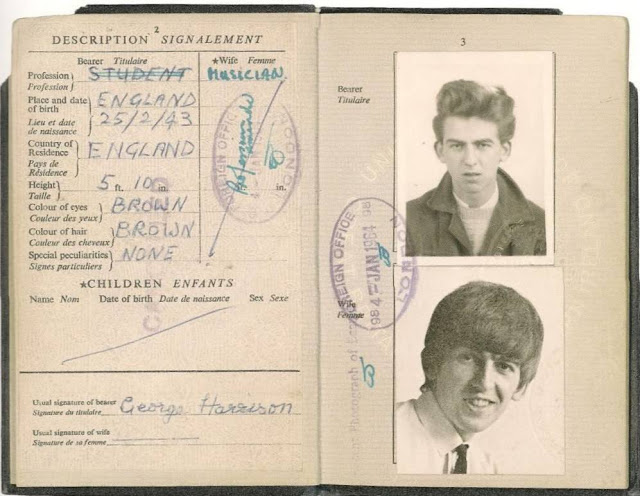
George Harrison MBE (25 February 1943 – 29 November 2001) was an English musician and singer-songwriter who achieved international fame as the lead guitarist of the Beatles. Sometimes called “the quiet Beatle”, Harrison embraced Indian culture and helped broaden the scope of popular music through his incorporation of Indian instrumentation and Hindu-aligned spirituality in the Beatles’ work. Although the majority of the band’s songs were written by John Lennon and Paul McCartney, most Beatles albums from 1965 onwards contained at least two Harrison compositions. His songs for the group include “Taxman”, “Within You Without You”, “While My Guitar Gently Weeps”, “Here Comes the Sun” and “Something”.
Harrison’s earliest musical influences included George Formby and Django Reinhardt; Carl Perkins, Chet Atkins and Chuck Berry were subsequent influences. By 1965, he had begun to lead the Beatles into folk rock through his interest in Bob Dylan and the Byrds, and towards Indian classical music through his use of Indian instruments, such as sitar, on numerous Beatles songs, starting with “Norwegian Wood (This Bird Has Flown)”. Having initiated the band’s embracing of Transcendental Meditation in 1967, he subsequently developed an association with the Hare Krishna movement. After the band’s break-up in 1970, Harrison released the triple album All Things Must Pass, a critically acclaimed work that produced his most successful hit single, “My Sweet Lord”, and introduced his signature sound as a solo artist, the slide guitar. He also organised the 1971 Concert for Bangladesh with Indian musician Ravi Shankar, a precursor to later benefit concerts such as Live Aid. In his role as a music and film producer, Harrison produced acts signed to the Beatles’ Apple record label before founding Dark Horse Records in 1974 and co-founding HandMade Films in 1978.
Harrison released several best-selling singles and albums as a solo performer. In 1988, he co-founded the platinum-selling supergroup the Traveling Wilburys. A prolific recording artist, he was featured as a guest guitarist on tracks by Badfinger, Ronnie Wood and Billy Preston, and collaborated on songs and music with Dylan, Eric Clapton, Ringo Starr and Tom Petty, among others. Rolling Stone magazine ranked him number 11 in their list of the “100 Greatest Guitarists of All Time”. He is a two-time Rock and Roll Hall of Fame inductee – as a member of the Beatles in 1988, and posthumously for his solo career in 2004.
Harrison’s first marriage, to model Pattie Boyd in 1966, ended in divorce in 1977. The following year he married Olivia Arias, with whom he had a son, Dhani. Harrison died from lung cancer in 2001 at the age of 58, two years after surviving a knife attack by an intruder at his Friar Park home. His remains were cremated, and the ashes were scattered according to Hindu tradition in a private ceremony in the Ganges and Yamuna rivers in India. He left an estate of almost £100 million. (Wikipedia)
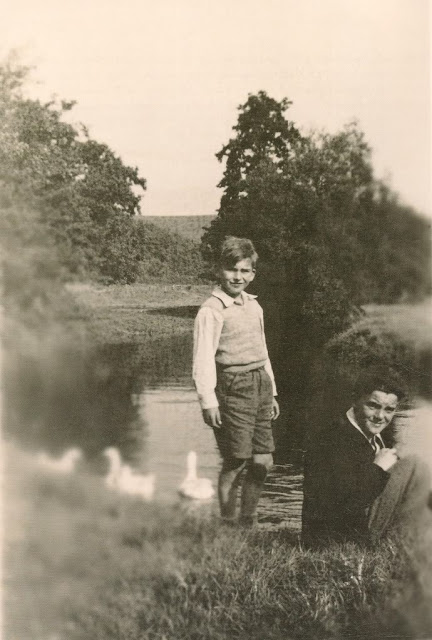
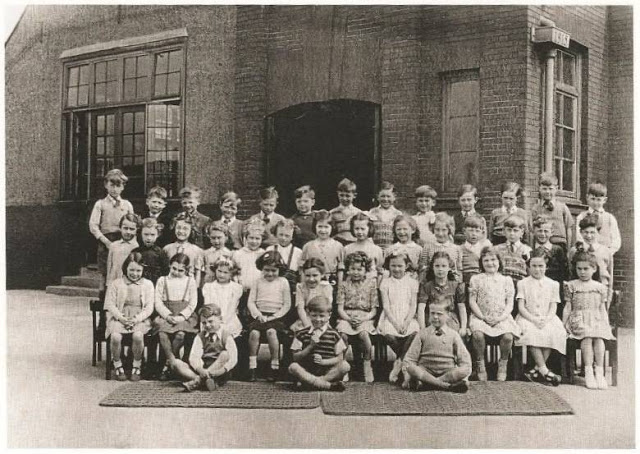
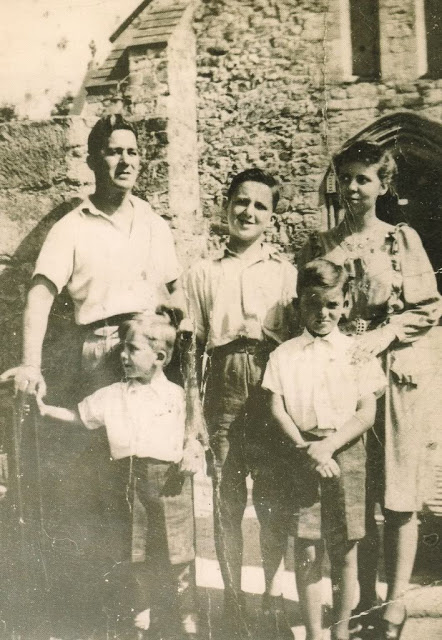
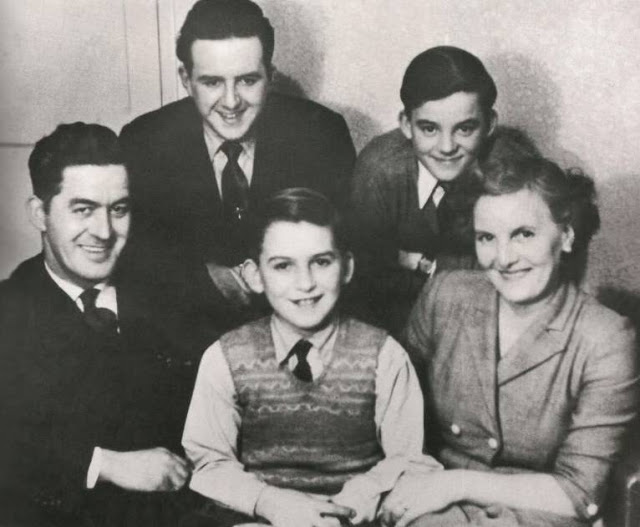
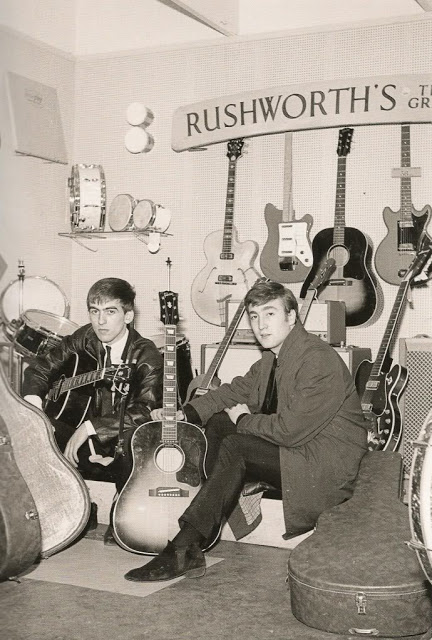
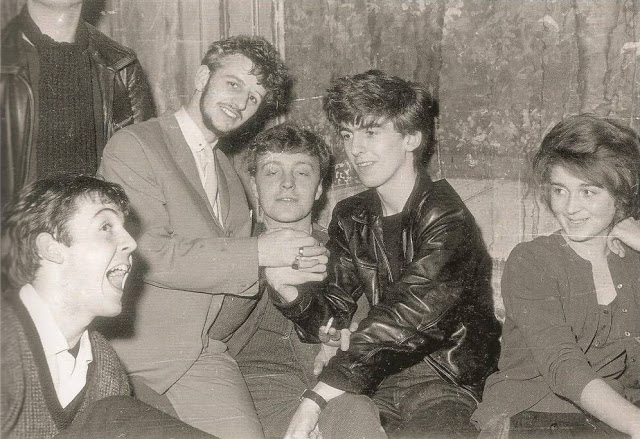
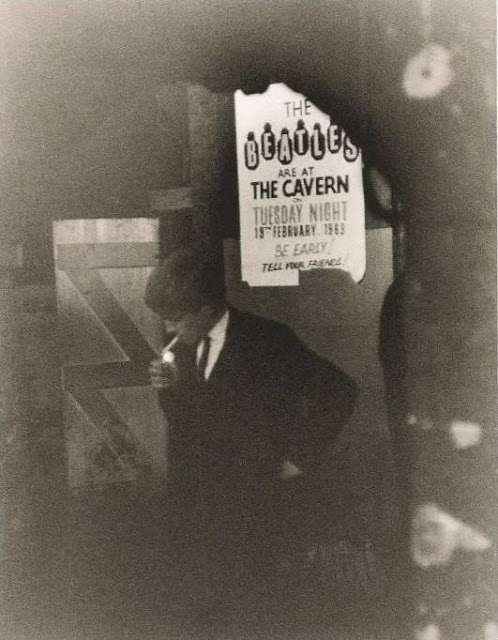
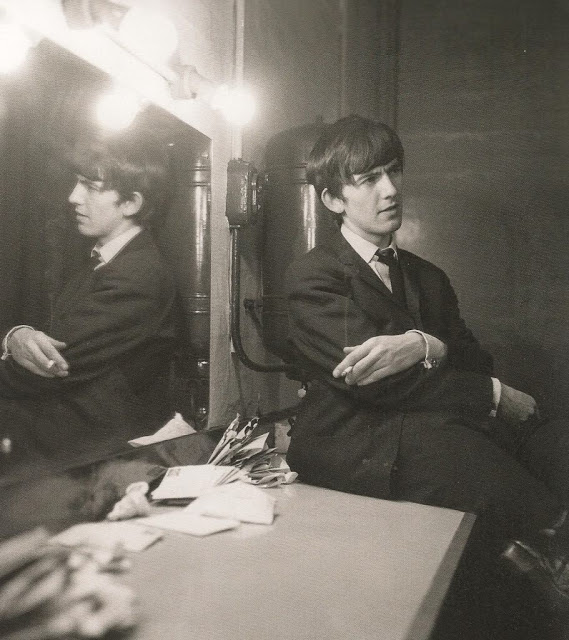
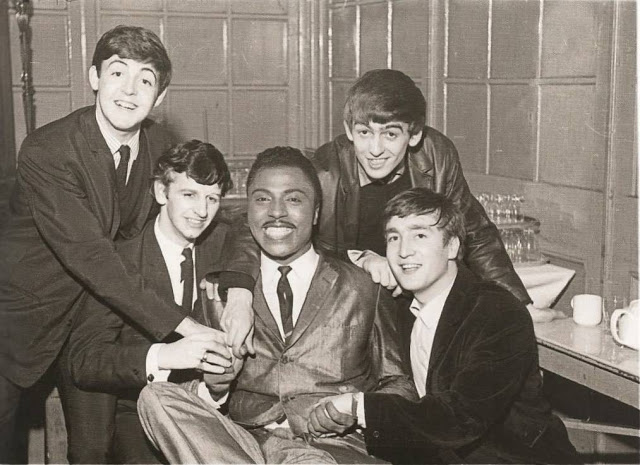
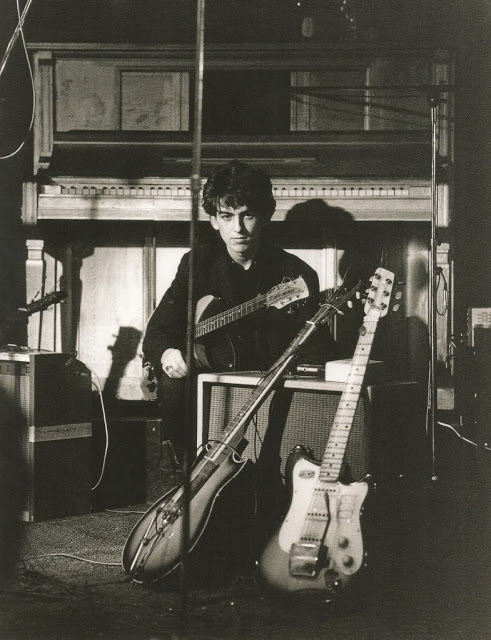
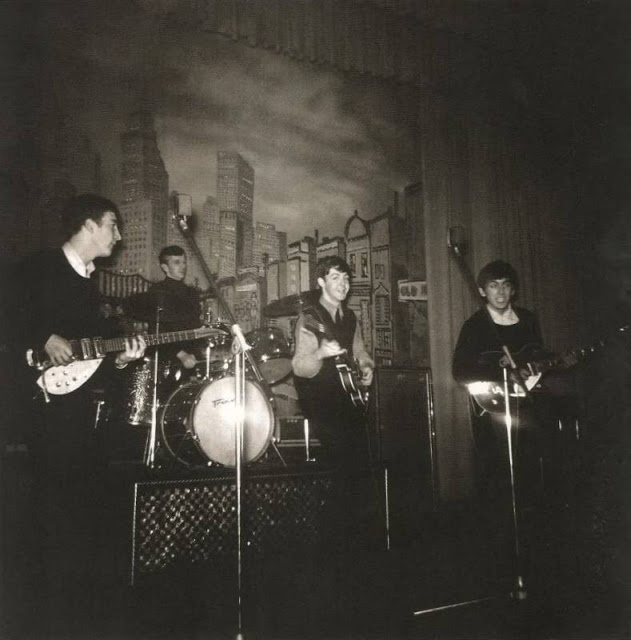
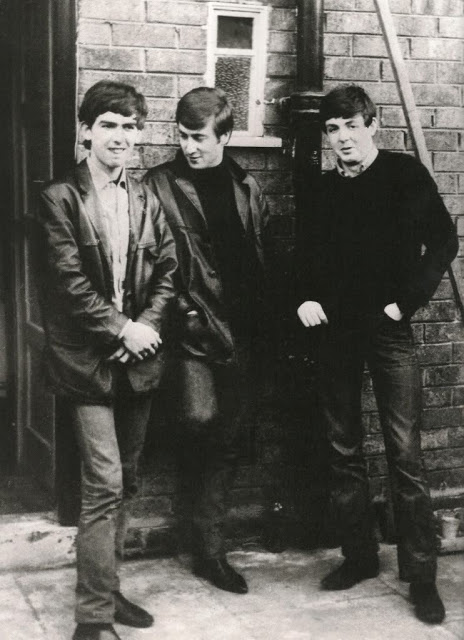
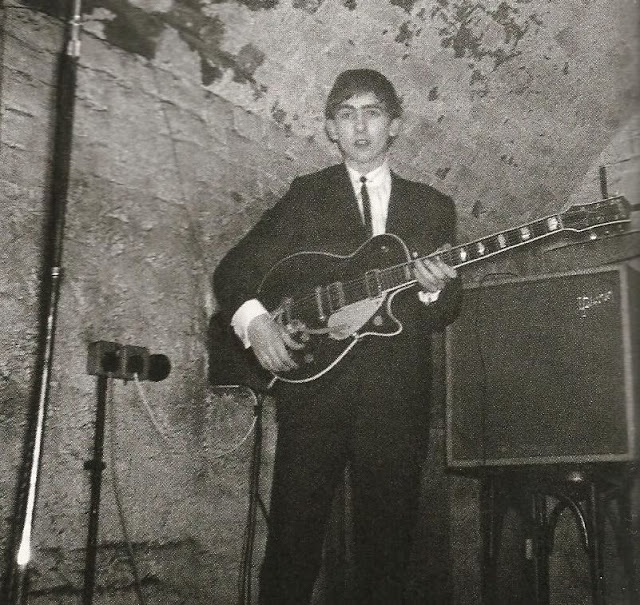
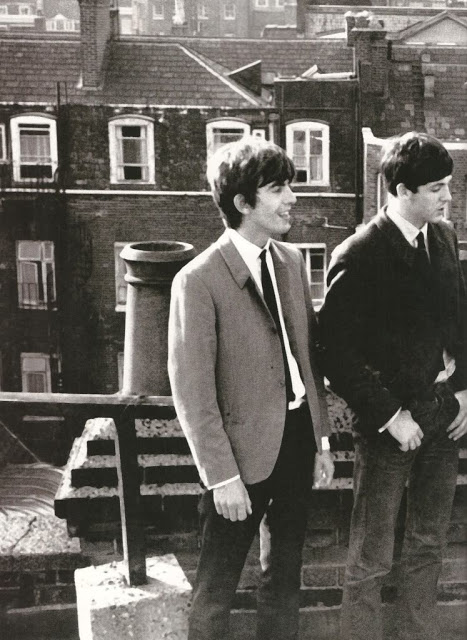
Below is a gallery of 40 rare and incredible vintage photos of a young George Harrison from the 1940s through early 1960s as you’ve never seen before.


































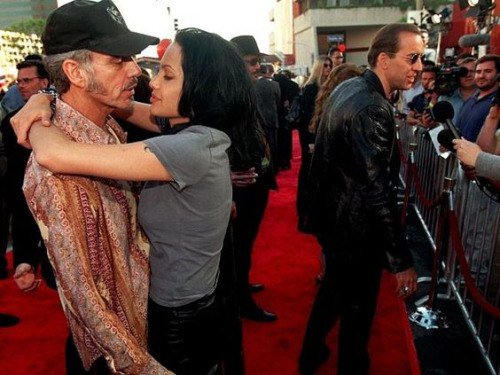



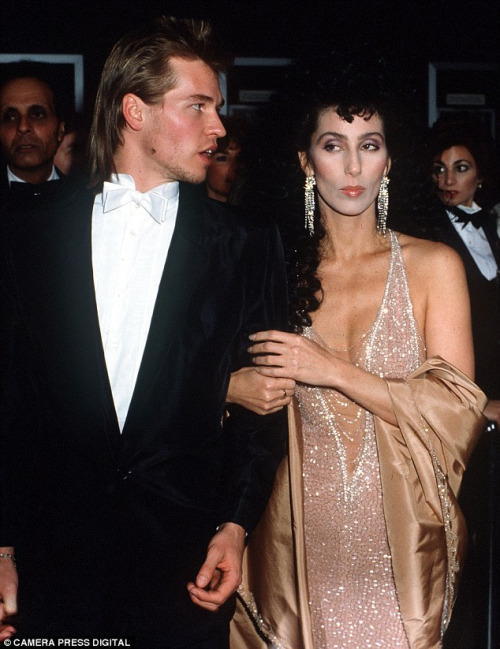

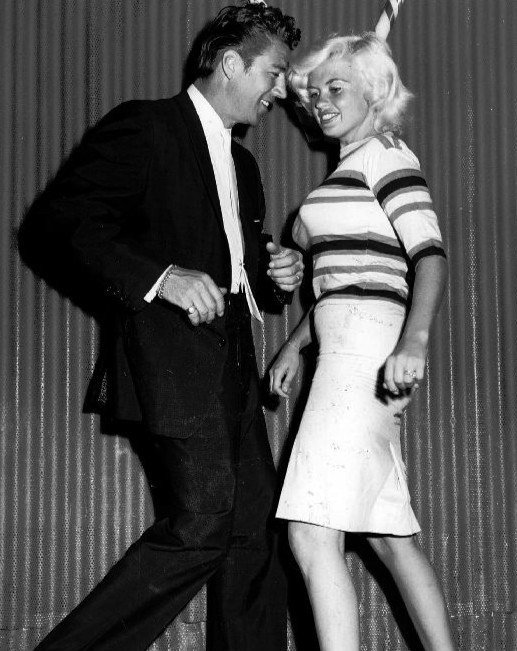


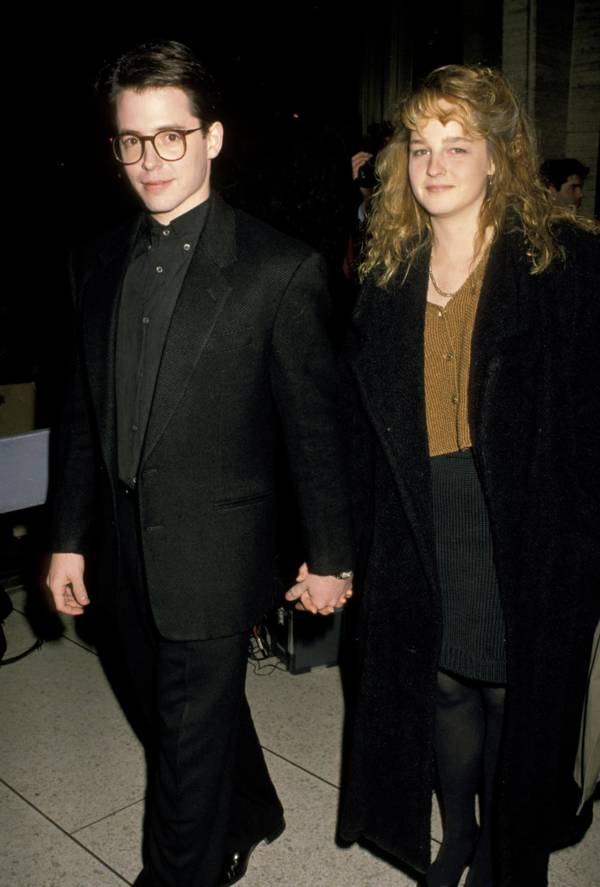







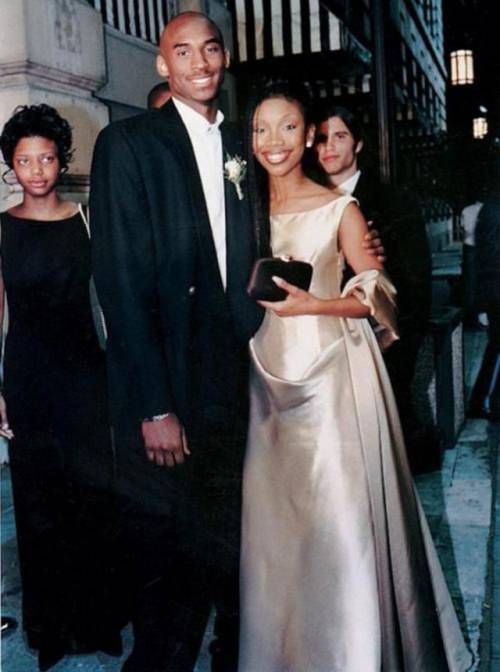
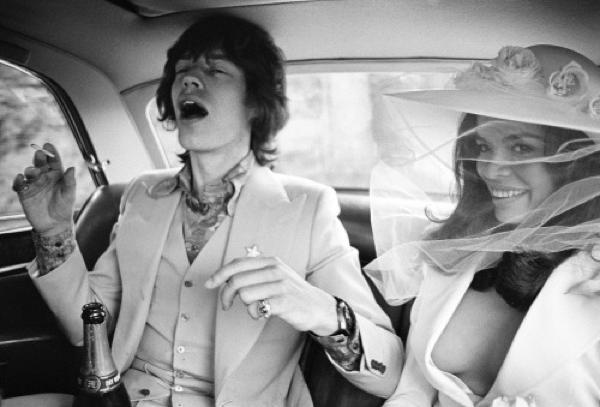
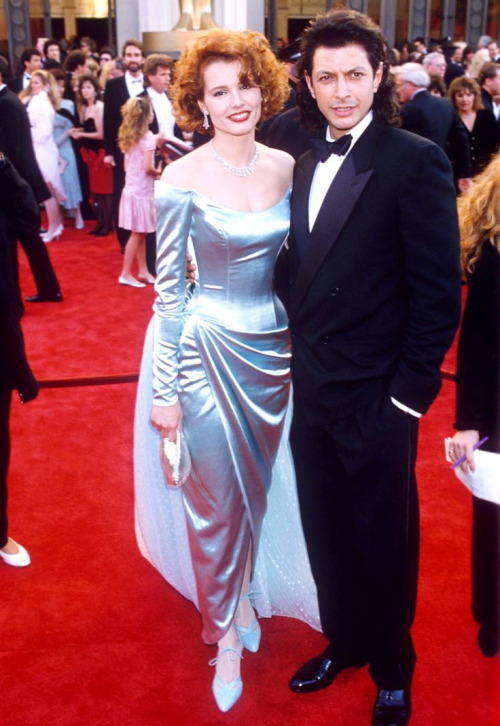
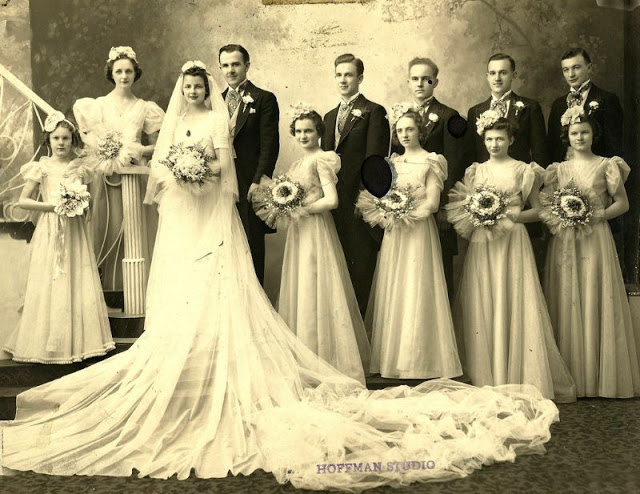
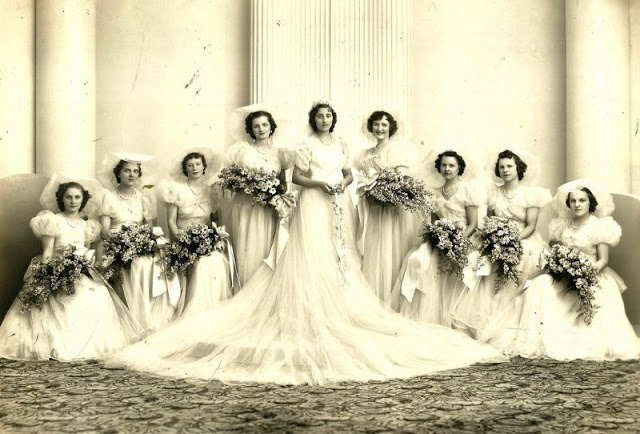
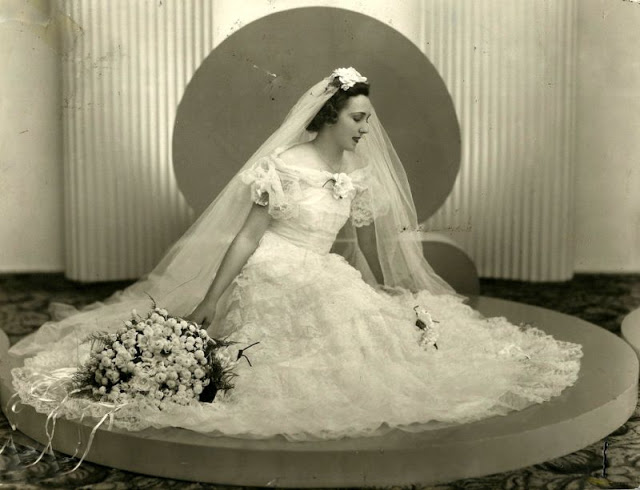
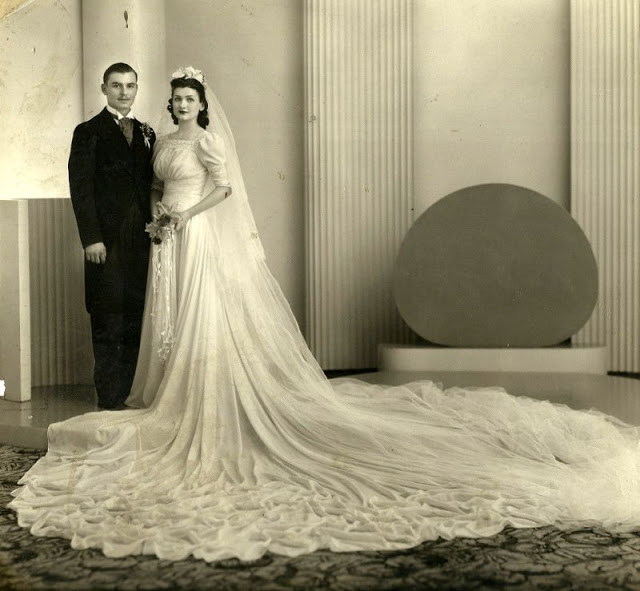
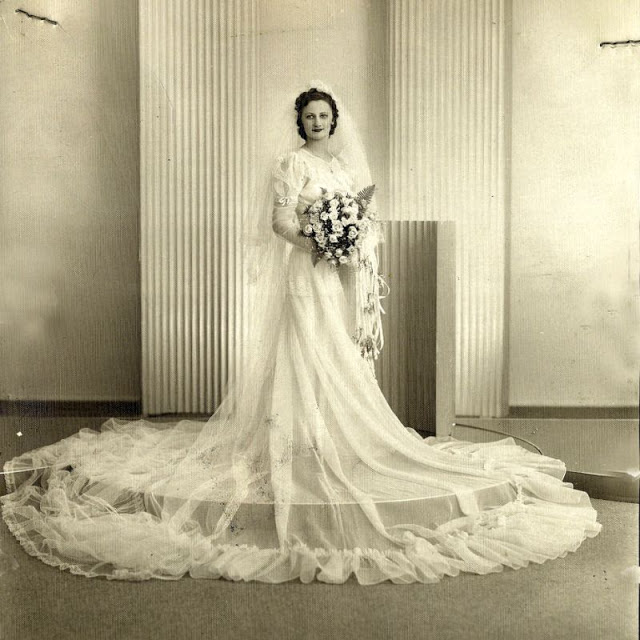
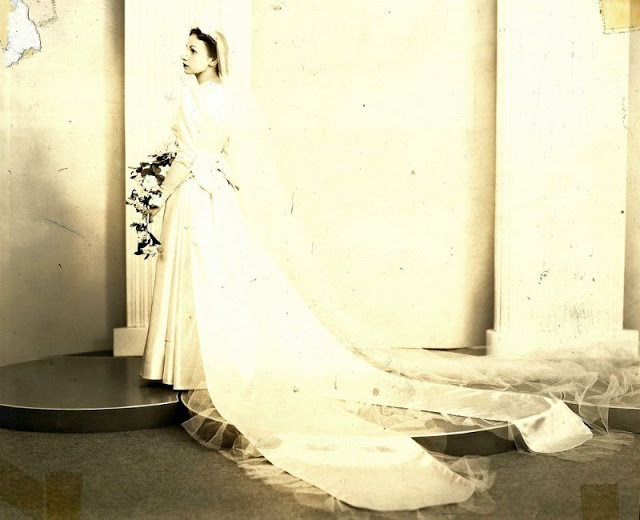
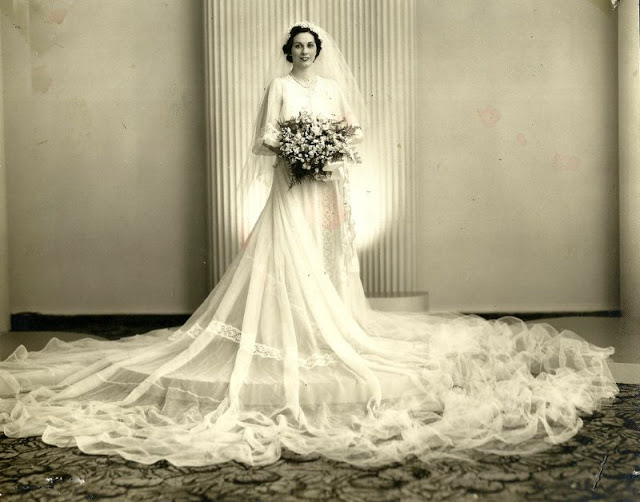
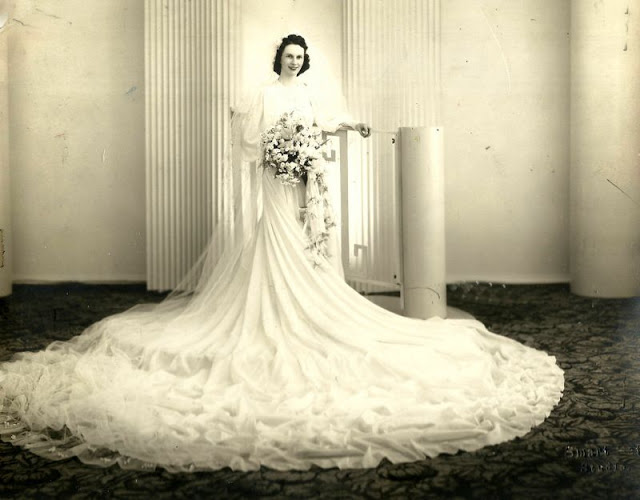
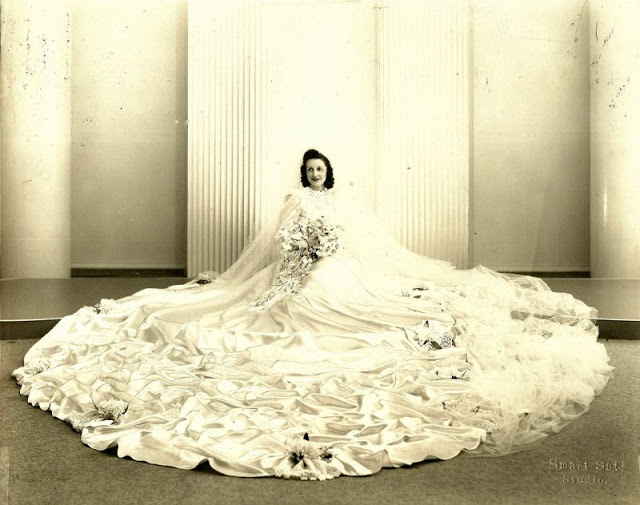
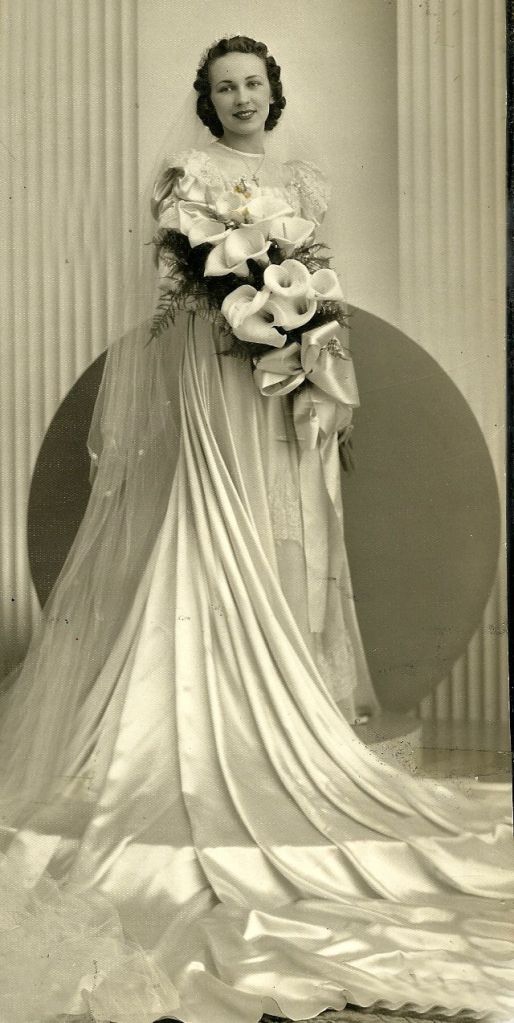
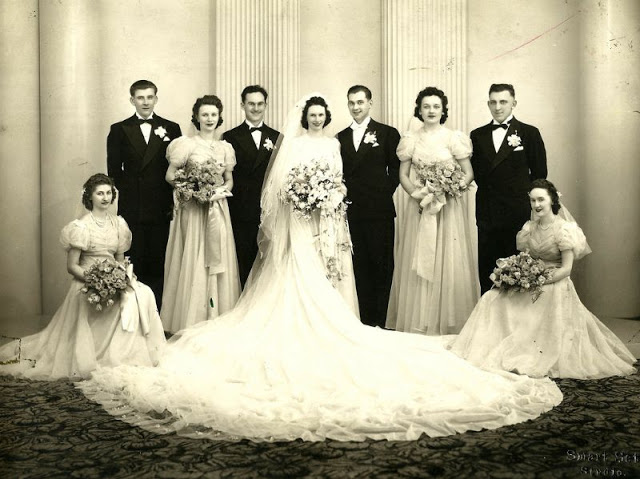
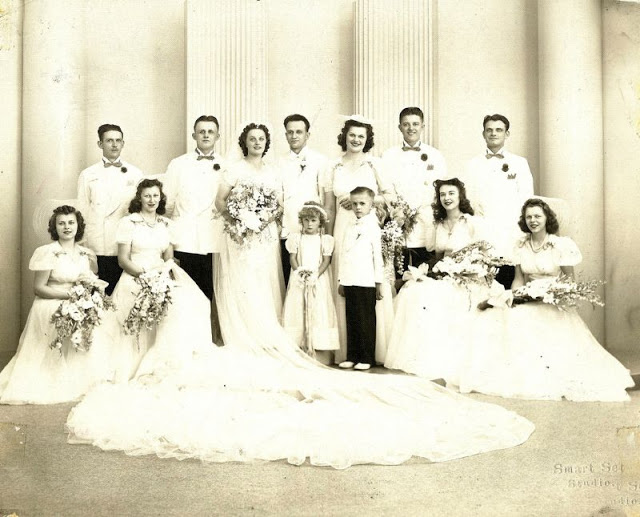
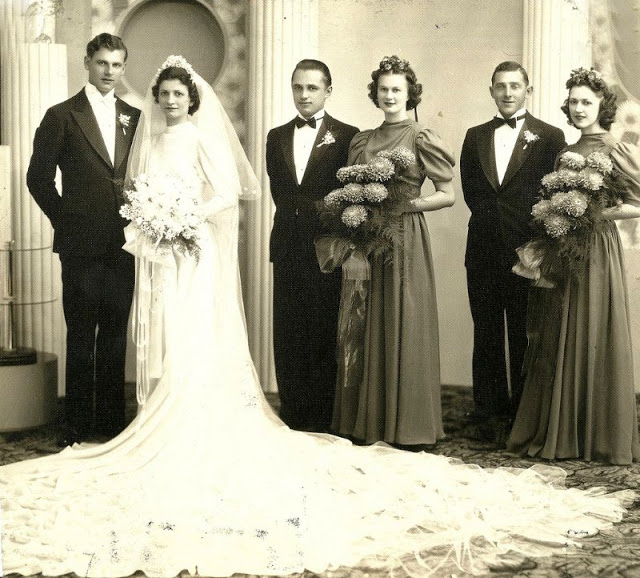
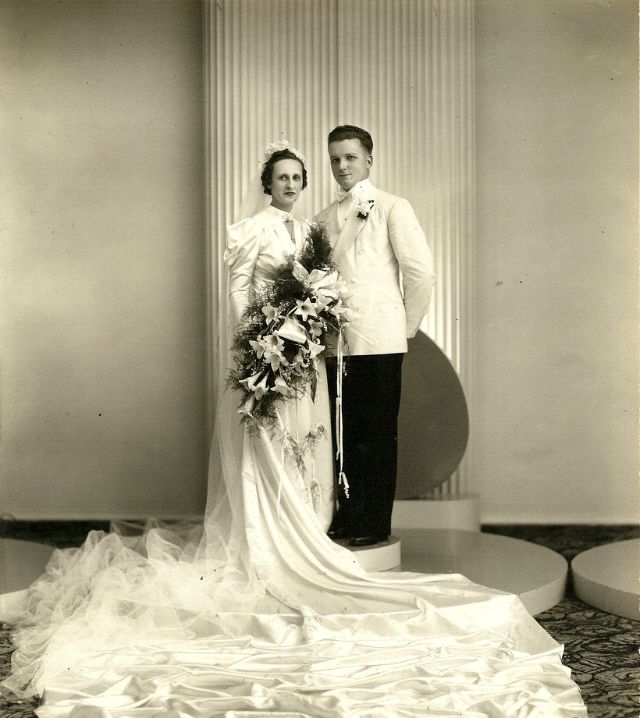
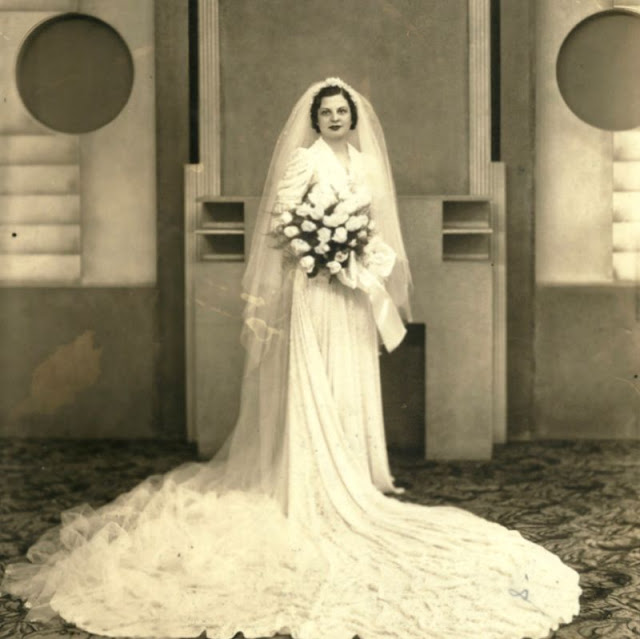
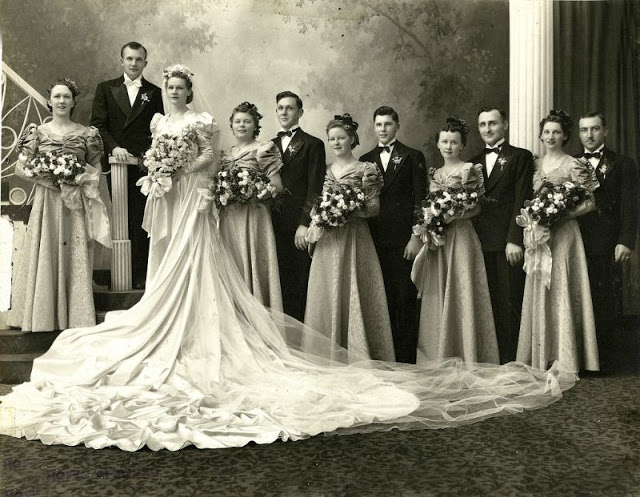
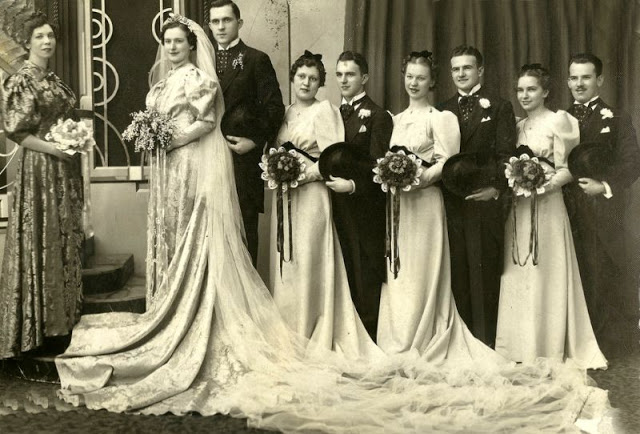
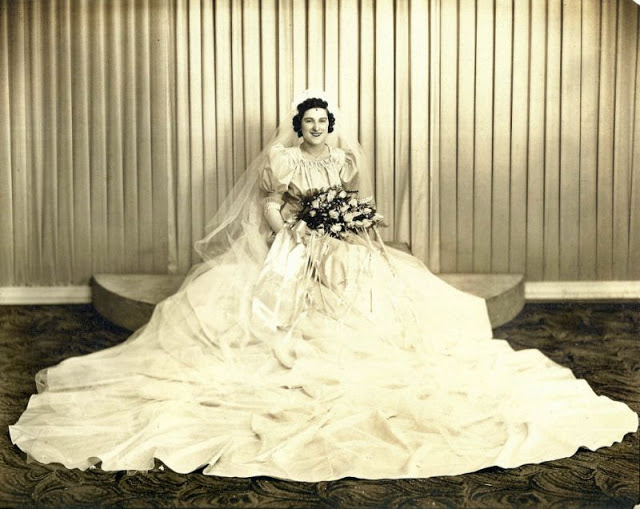
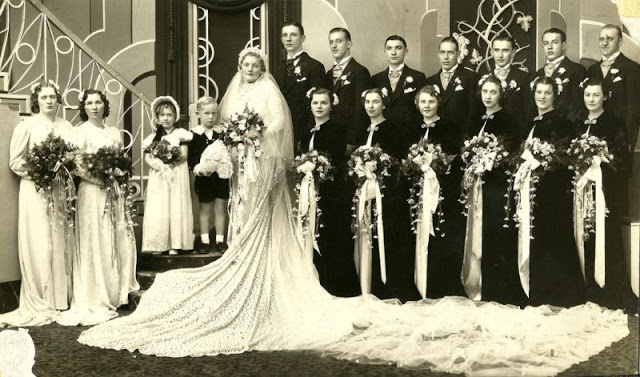
The 1930s style wedding dresses inspired by the era of Old Hollywood movie star glamour. From sleek silky satin gowns, long beaded dresses to backless bias cut gowns in white, ivory, jewel tones or pastels, and even more especially the long and big bridal gowns.
Take a look at these pictures to see beautiful brides in their cool wedding gowns from the 1930s.


















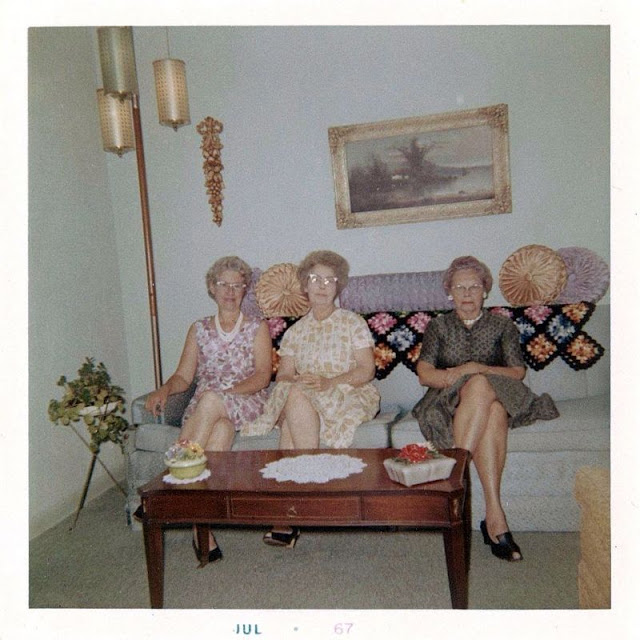
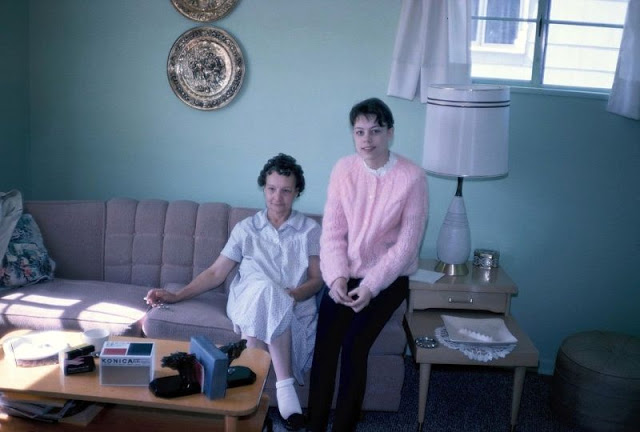
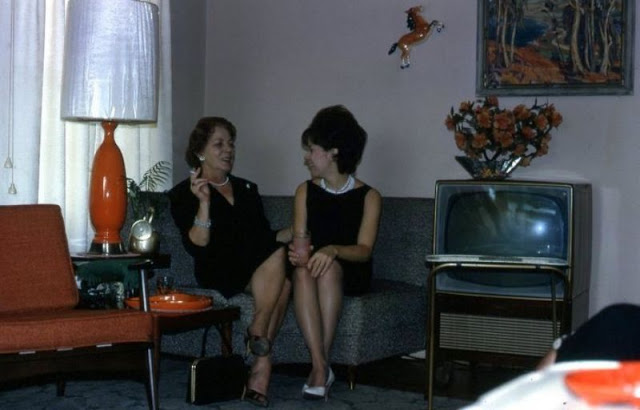
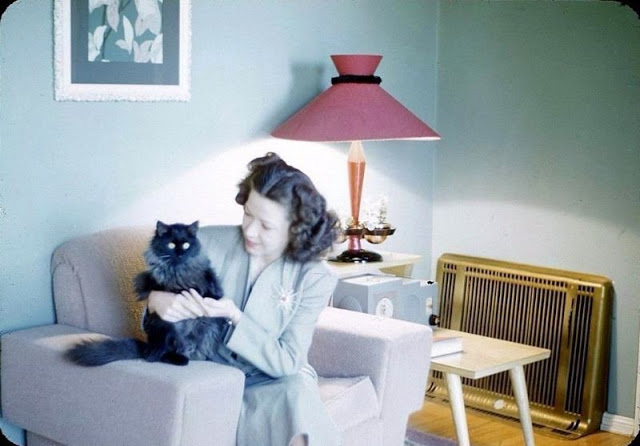
What did wall decorations look like in the 1960s? Check out these interesting snapshots to see what people picked to decorate their houses from the 1960s.



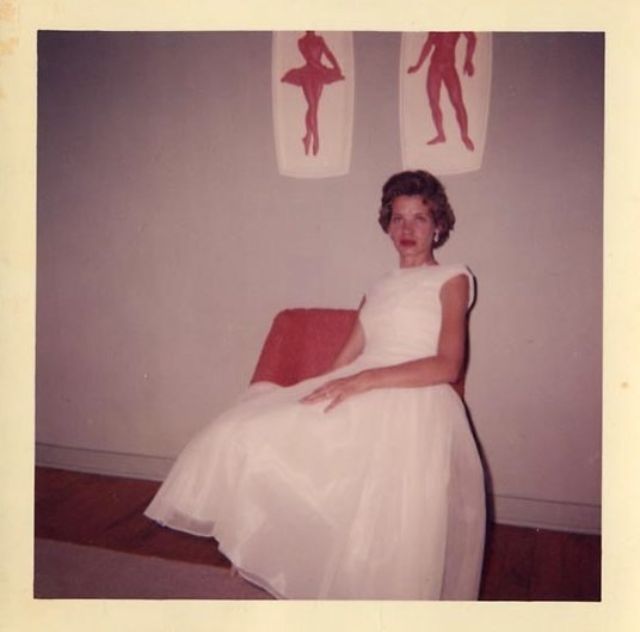



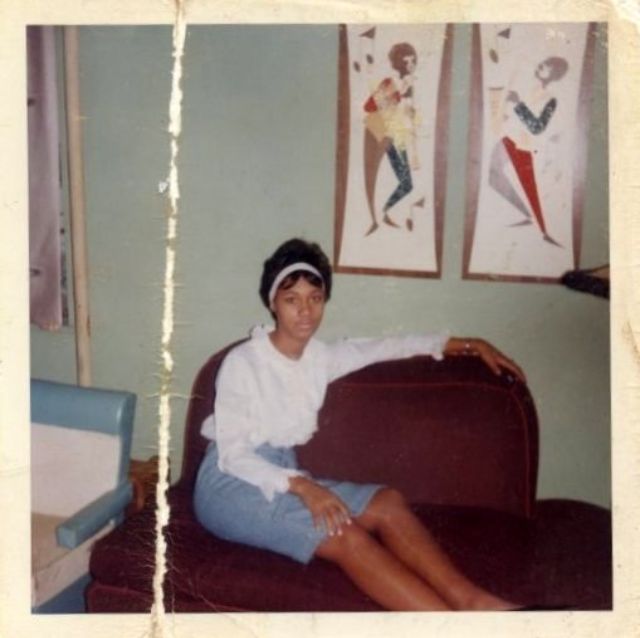


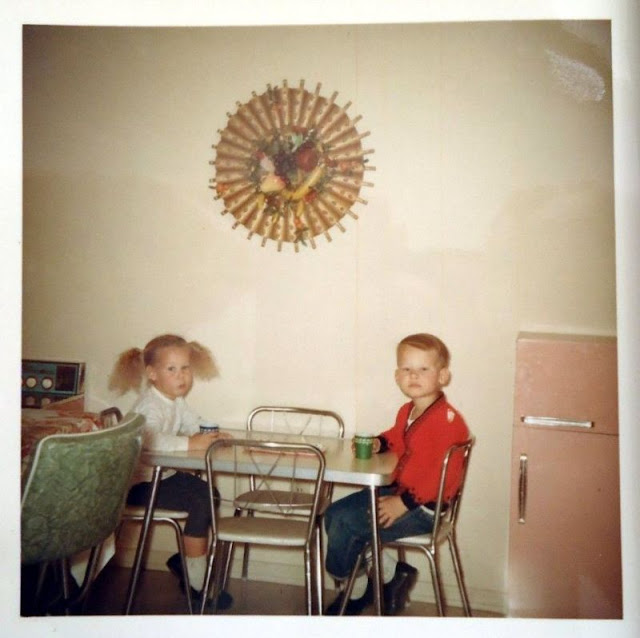

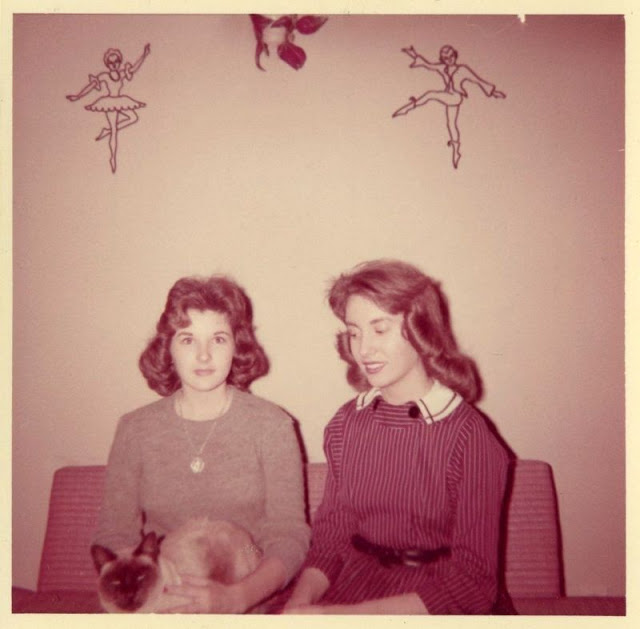






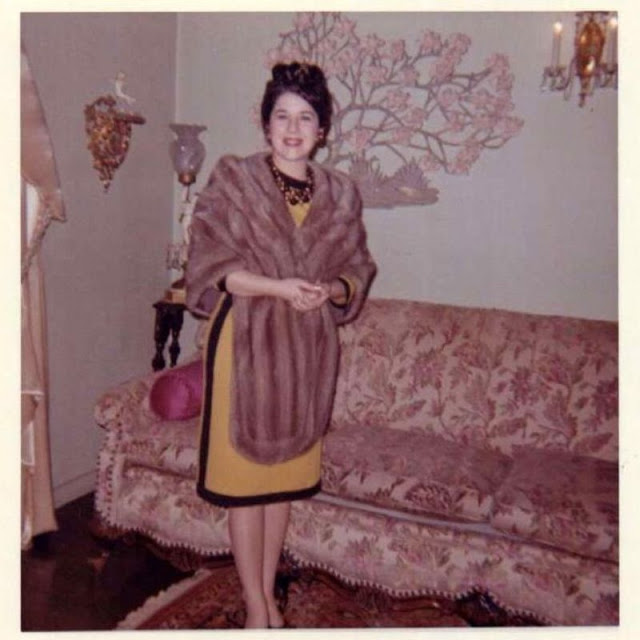




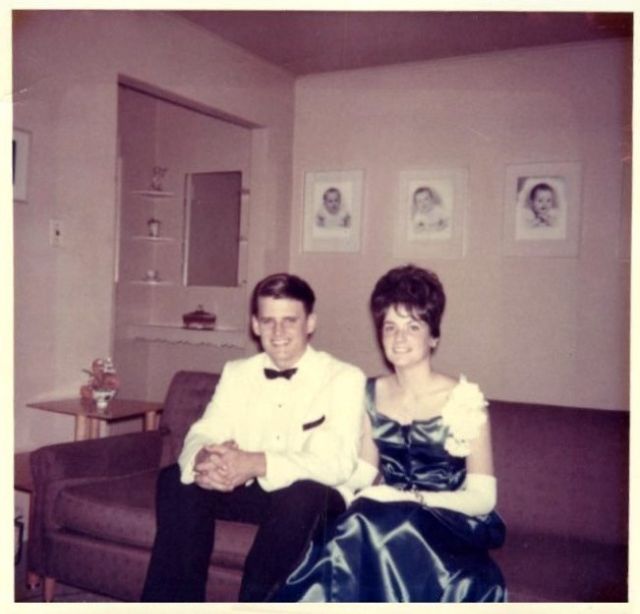
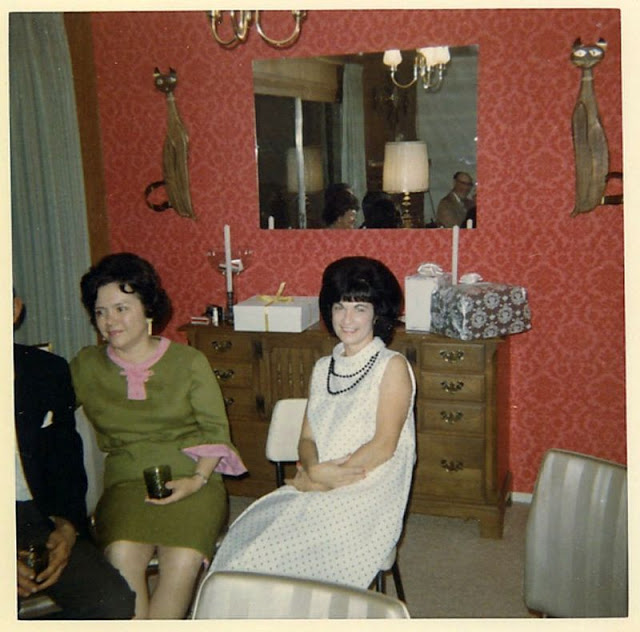

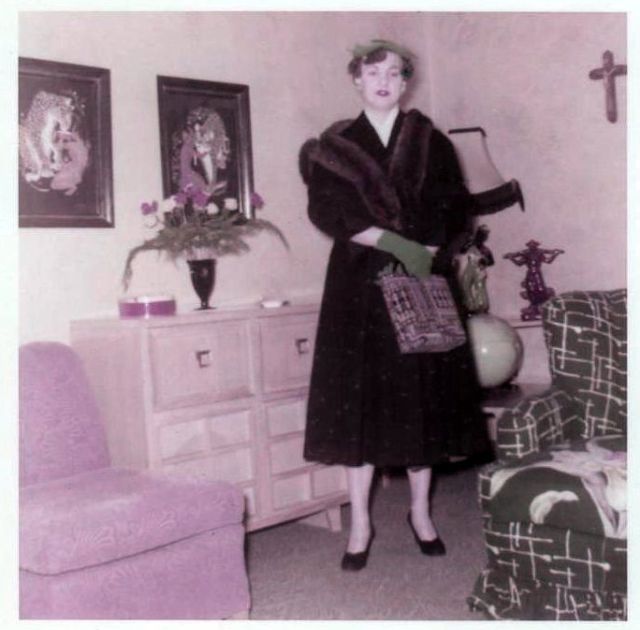







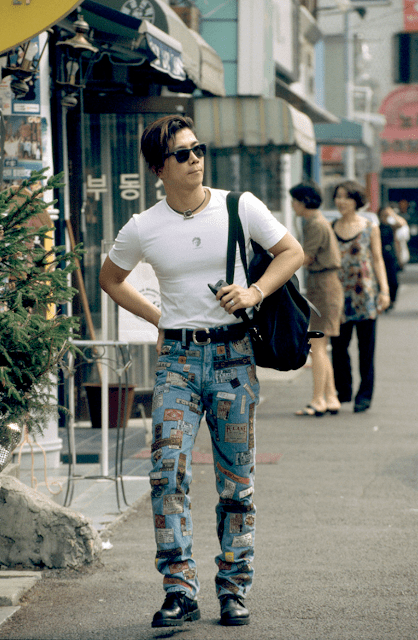
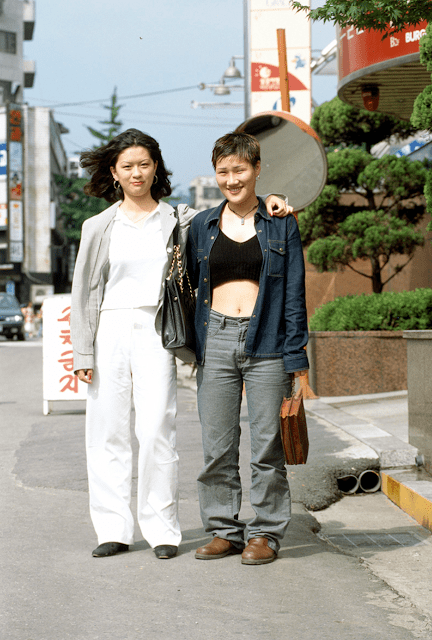
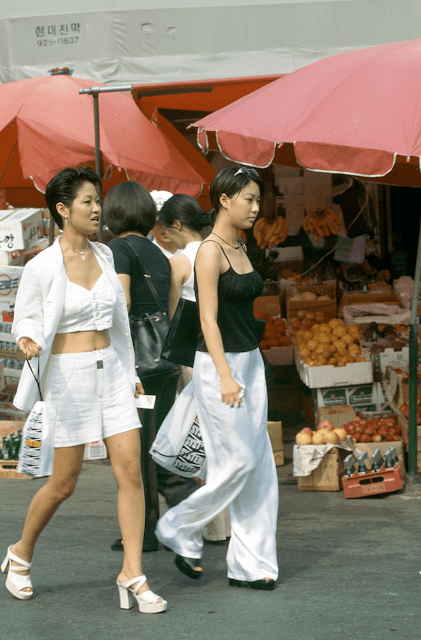
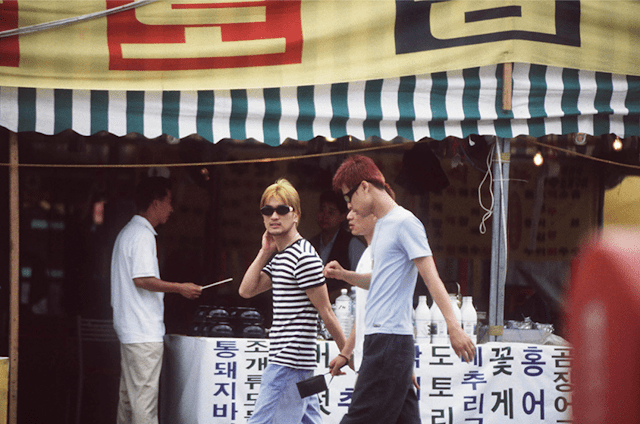
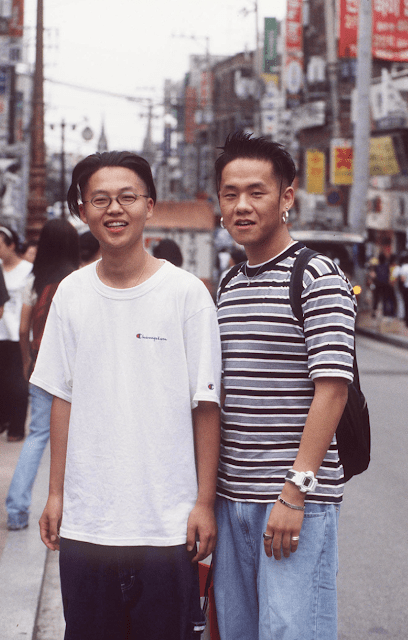
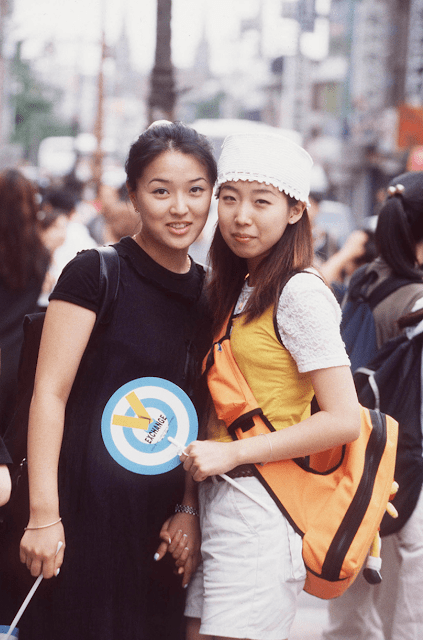
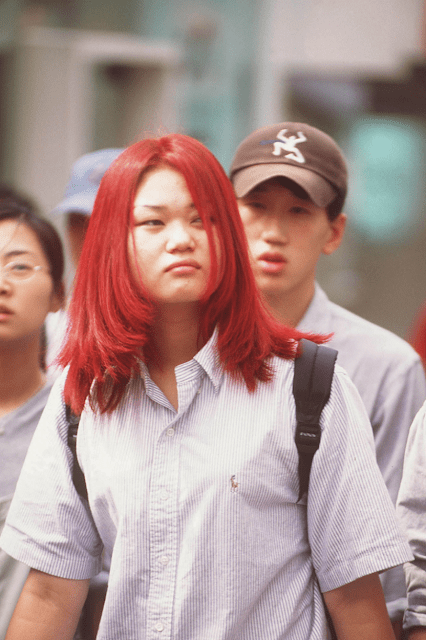
Everything was more simple back then. The country’s reputation wasn’t as popular as these days. Seoul was less sophisticated and there were still many poor areas. People were less materialistic and plastic surgery wasn’t as common as these days.
“Korea in the 1970s and ’80s had no fashion industry at all. It hardly had any industries to be honest. Up until the 1990s, I would say that we were barely living in a developed country.” – Woo Youngmi, fashion designer.
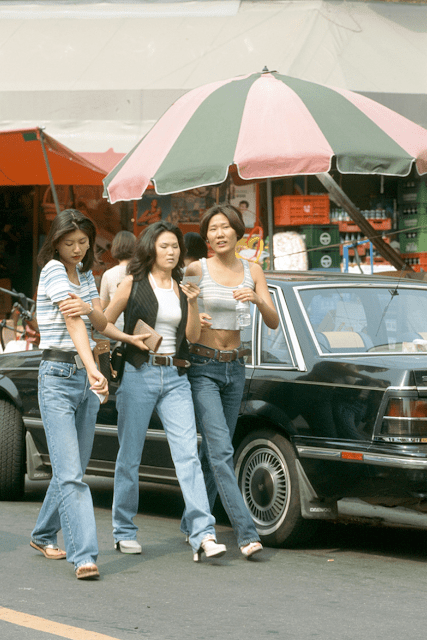
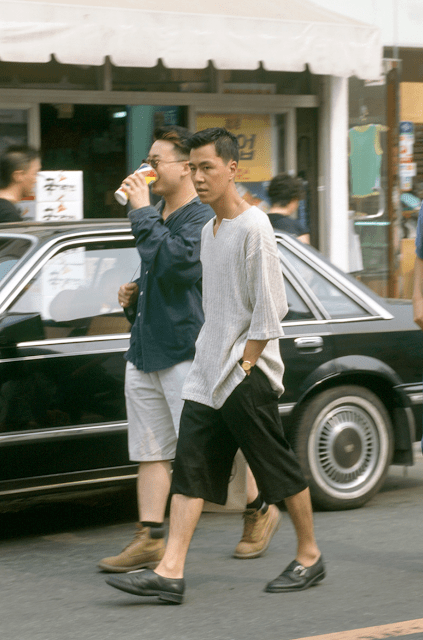
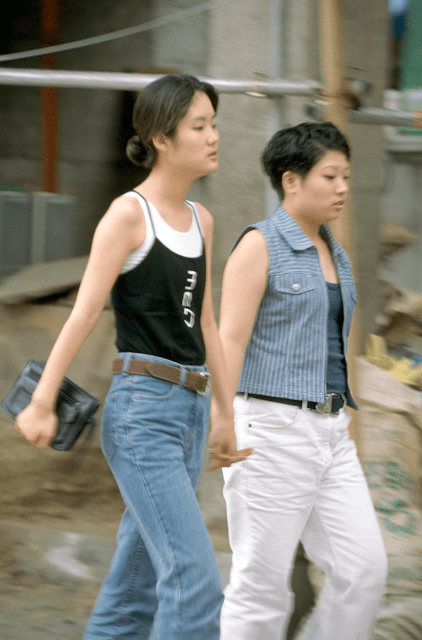
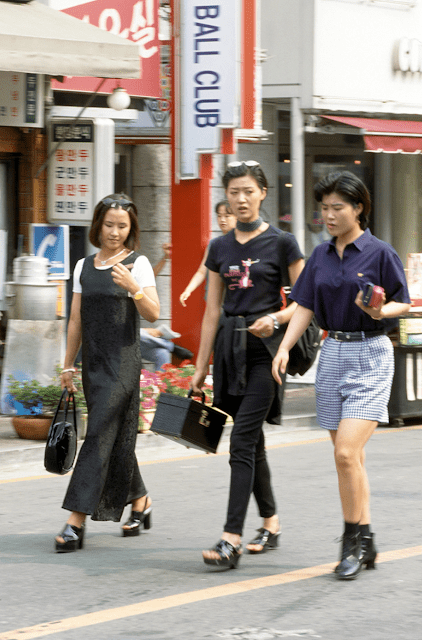
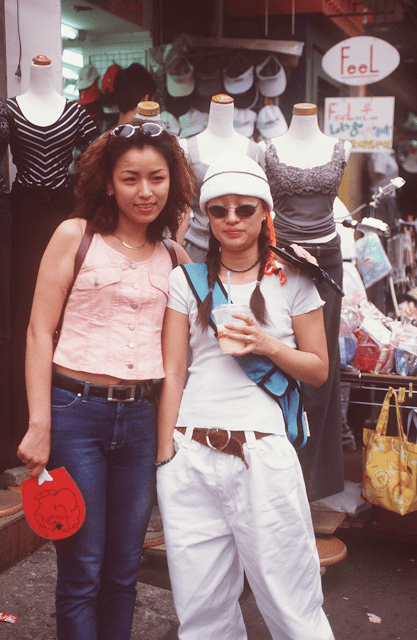
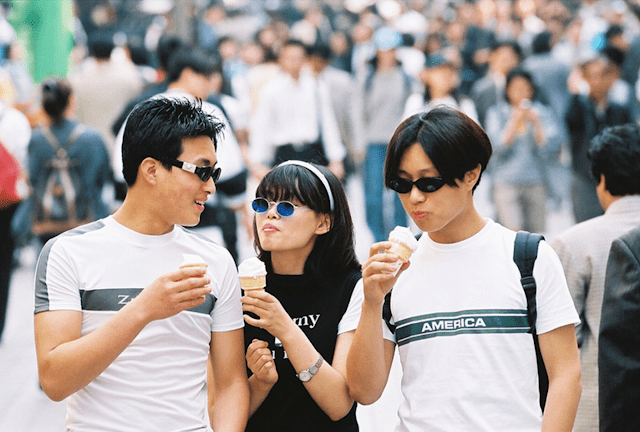
The ’90s in Korea was a crazy time. Fashion trends come and go but the style is forever! These 90s fashion trends in Korea are so bold and trendy, they look like K-Pop Idols’ stage outfits.
South Korea, officially the Republic of Korea (ROK), is a country in East Asia, constituting the southern part of the Korean Peninsula and sharing a land border with North Korea. Its western border is formed by the Yellow Sea, while its eastern border is defined by the Sea of Japan. South Korea claims to be the sole legitimate government of the entire peninsula and adjacent islands. It has a population of 51.75 million, of which roughly half live in the Seoul Capital Area, the fifth largest metropolis in the world. Other major cities include Incheon, Busan, and Daegu.
The Korean Peninsula was inhabited as early as the Lower Paleolithic period. Its first kingdom was noted in Chinese records in the early 7th century BCE. Following the unification of the Three Kingdoms of Korea into Silla and Balhae in the late 7th century, Korea was ruled by the Goryeo dynasty (918–1392) and the Joseon dynasty (1392–1897). The succeeding Korean Empire was annexed in 1910 into the Empire of Japan. Japanese rule ended following the former’s surrender in World War II, after which Korea was divided into two zones; a northern zone occupied by the Soviet Union and a southern zone occupied by the United States. After negotiations on reunification failed, the latter became the Republic of Korea in August 1948 while the former became the socialist Democratic People’s Republic of Korea the following month.
In 1950, a North Korean invasion began the Korean War, which saw extensive American-led United Nations intervention in support of the South, while China intervened to support the North, with Soviet assistance. After the war’s end in 1953, the country entered into a military alliance with the U.S., and its devastated economy began to soar, recording the fastest rise in average GDP per capita in the world between 1980 and 1990. Despite lacking natural resources, the nation rapidly developed to become one of the Four Asian Tigers based on international trade and economic globalization, integrating itself within the world economy with export-oriented industrialization; currently being one of the largest exporting nations in the world, along with having one of the largest foreign-exchange reserves in the world. The June Democratic Struggle led to the end of authoritarian rule in 1987 and the country is now considered among the most advanced democracies in Asia, with the highest level of press freedom on the continent.
South Korea is a developed country and is ranked as the seventh-highest country on the Human Development Index (HDI) in the Asia and Oceania region. South Korea has the third-highest life expectancy in the world. In recent years, the country has been facing an aging population and the lowest fertility rate in the world. Its economy ranks as the world’s twelfth-largest by nominal GDP. Its citizens enjoy one of the world’s fastest Internet connection speeds and the densest high-speed railway network. The country is the world’s ninth-largest exporter and ninth-largest importer. Its armed forces is ranked as one of the world’s strongest militaries and is the world’s second-largest standing army by military and paramilitary personnel. Since the 21st century, South Korea has been renowned for its globally influential pop culture, particularly in music (K-pop), TV dramas and cinema, a phenomenon referred to as the Korean Wave. It is a member of the OECD’s Development Assistance Committee, the G20, the IPEF, and the Paris Club. (Wikipedia)




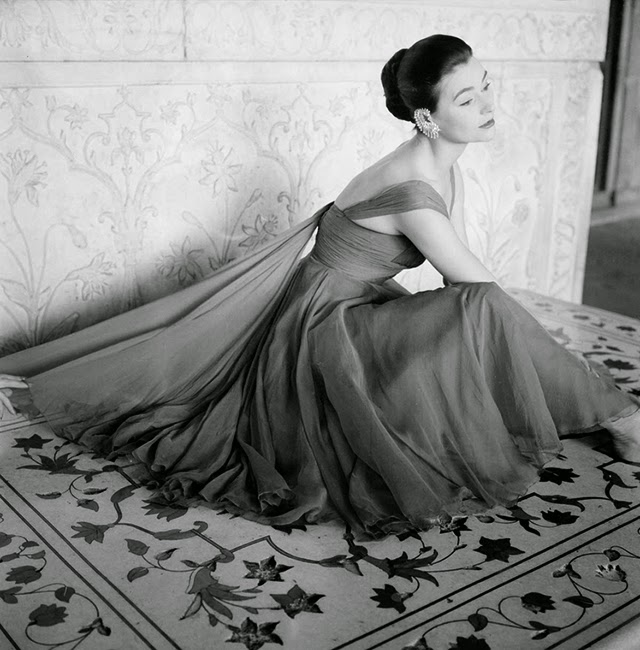
Norman Parkinson (1913 – 1990) was a celebrated English portrait and fashion photographer. He always maintained he was a craftsman and not an artist. From his early days as a photographer up to his death he remained one of the foremost British portrait and fashion photographers. His work, following the lead of Martin Munkacsi at Harper’s Bazaar, revolutionised the world of British fashion photography in the ’40s by bringing his models from the rigid studio environment into a far more dynamic outdoor setting. Humour played a central role in many of his photographs which often included himself. As well as magazine work he also created celebrated calendars featuring glamorous young women.


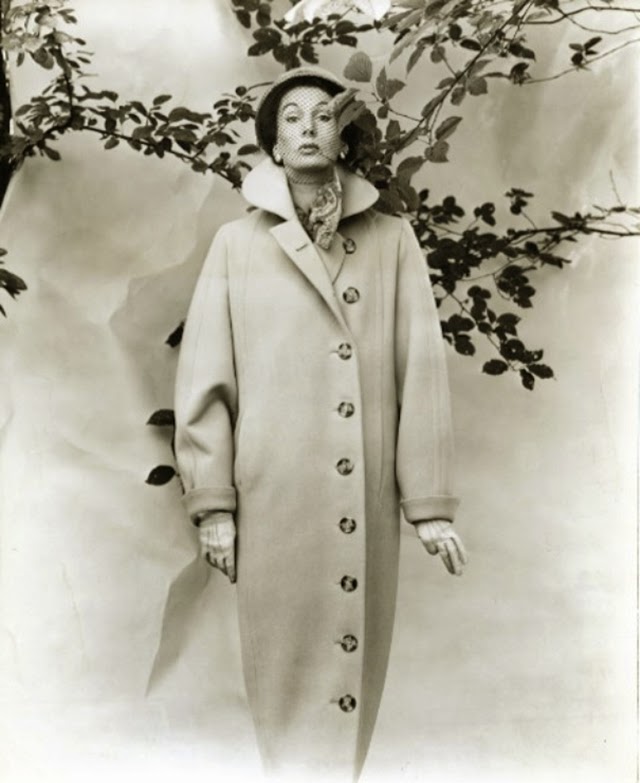

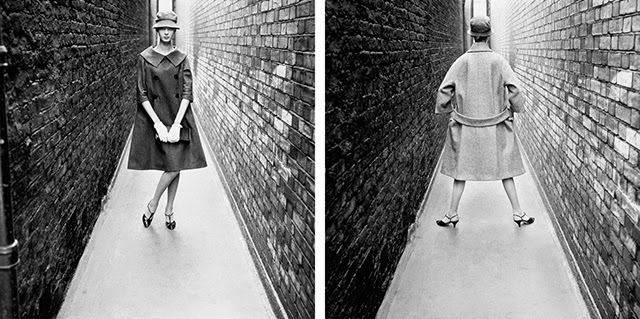


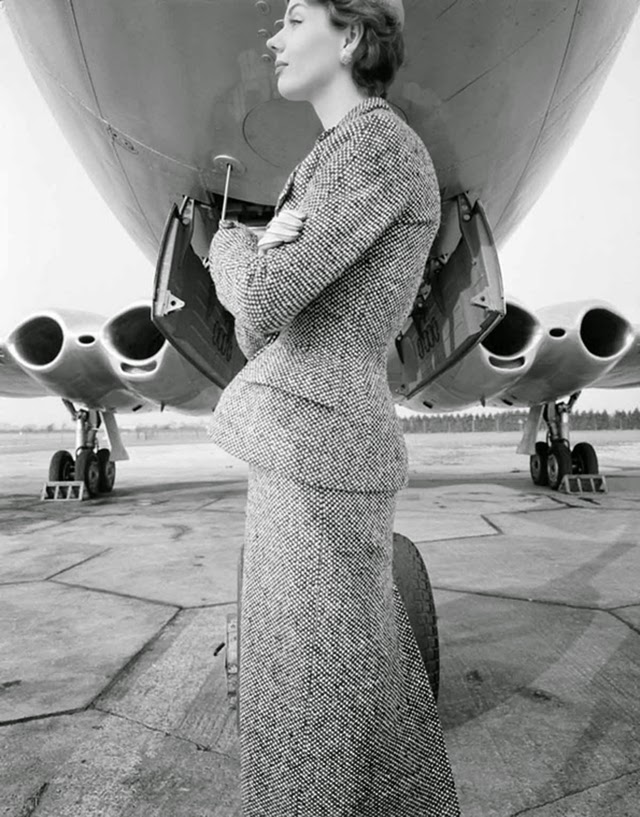
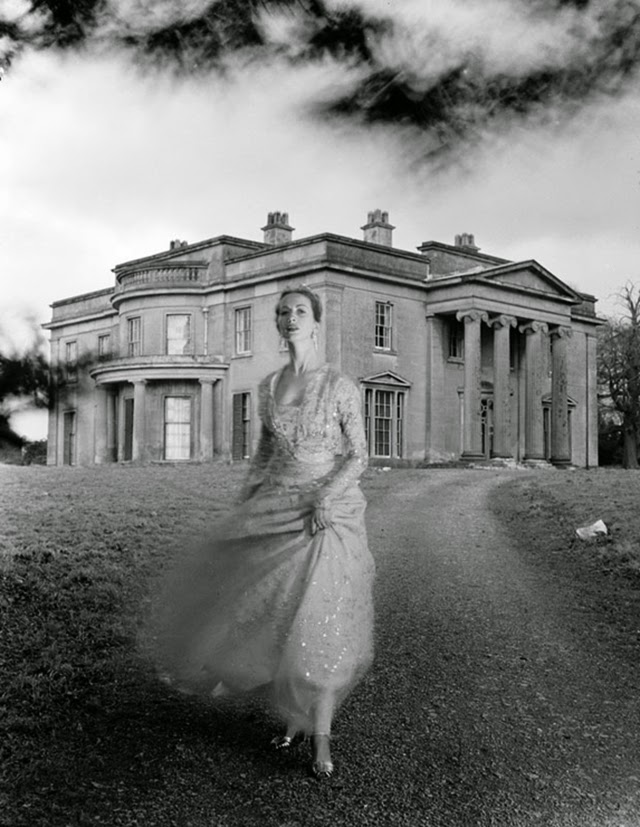

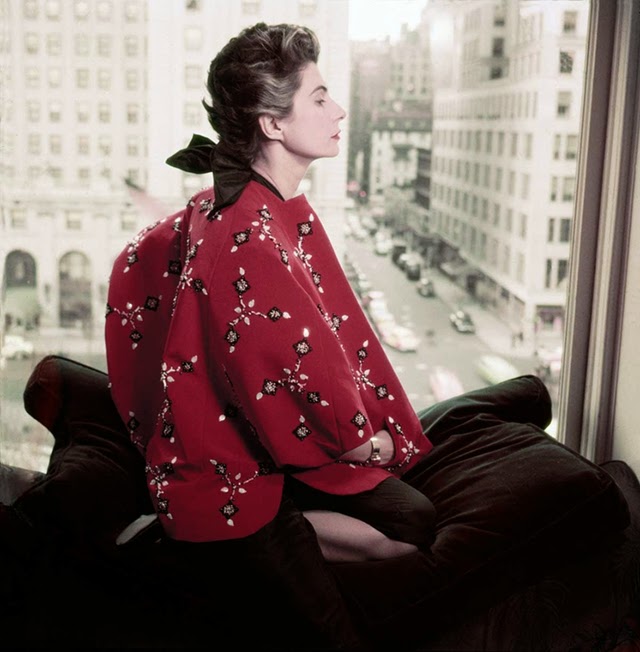

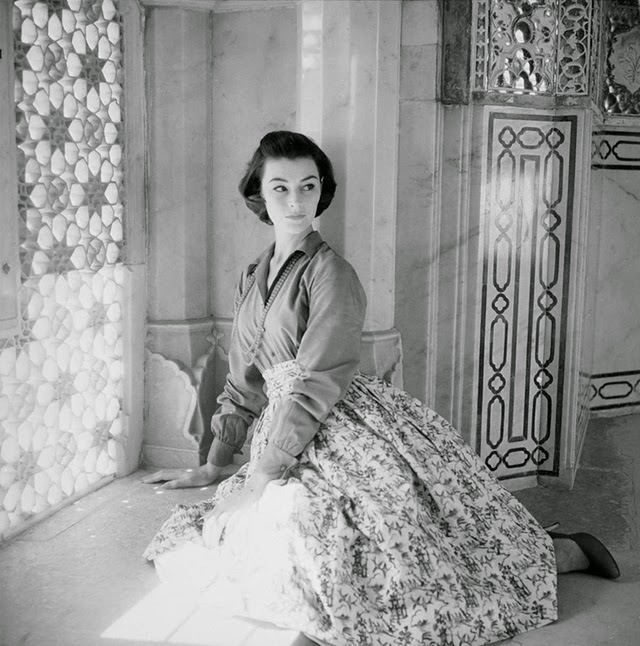

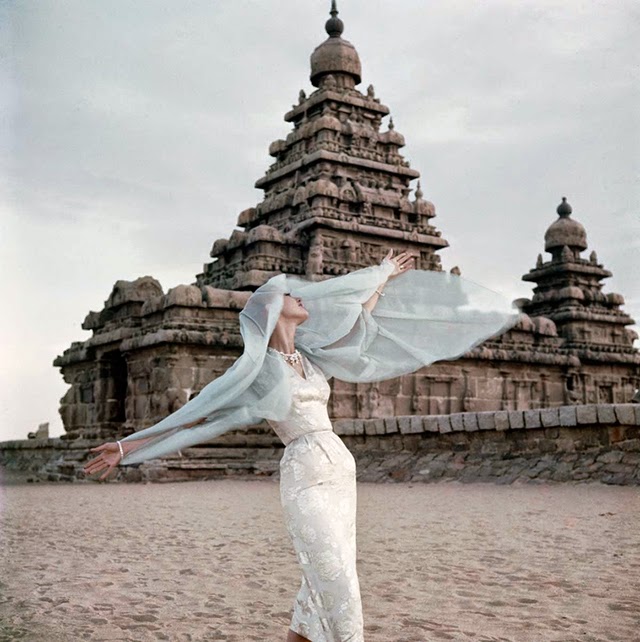
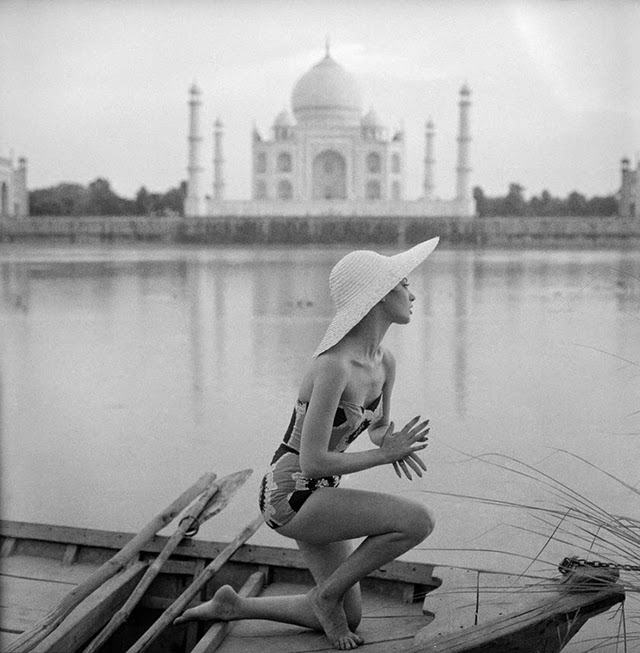


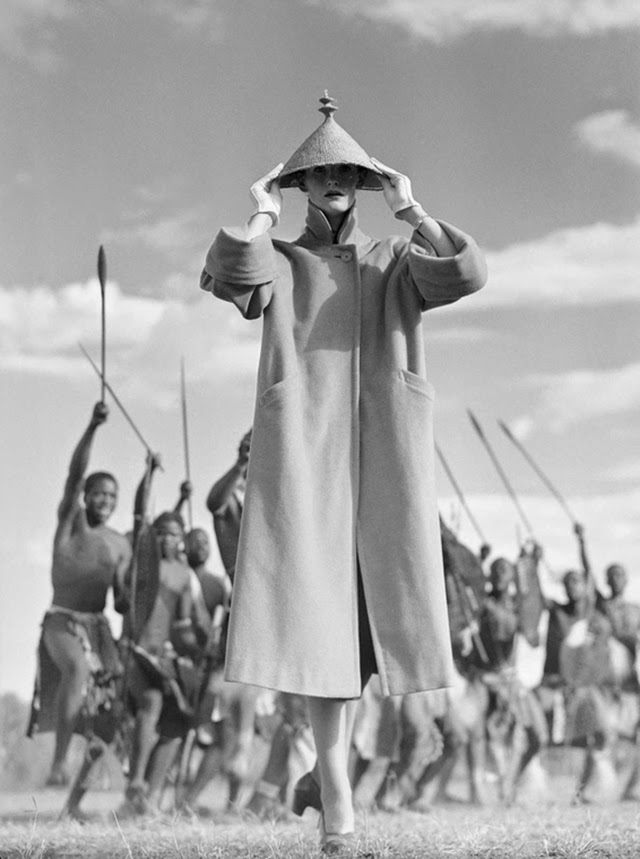
(All photos © Norman Parkinson / courtesy Norman Parkinson Archive)