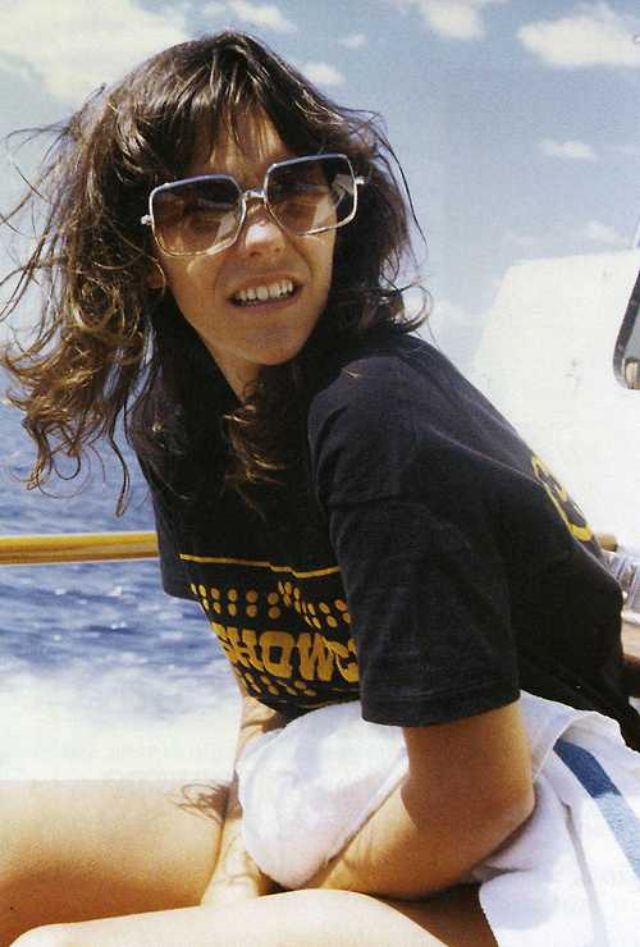
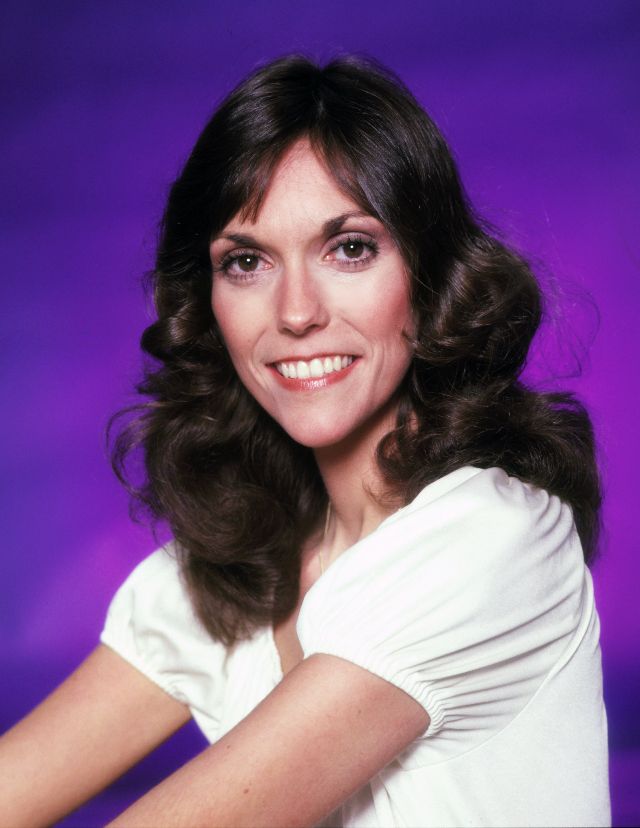
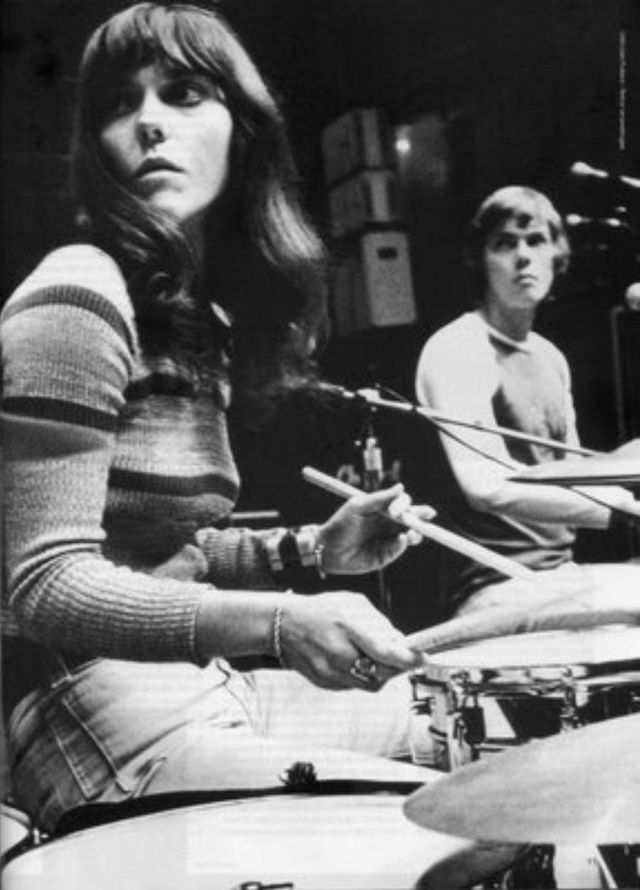
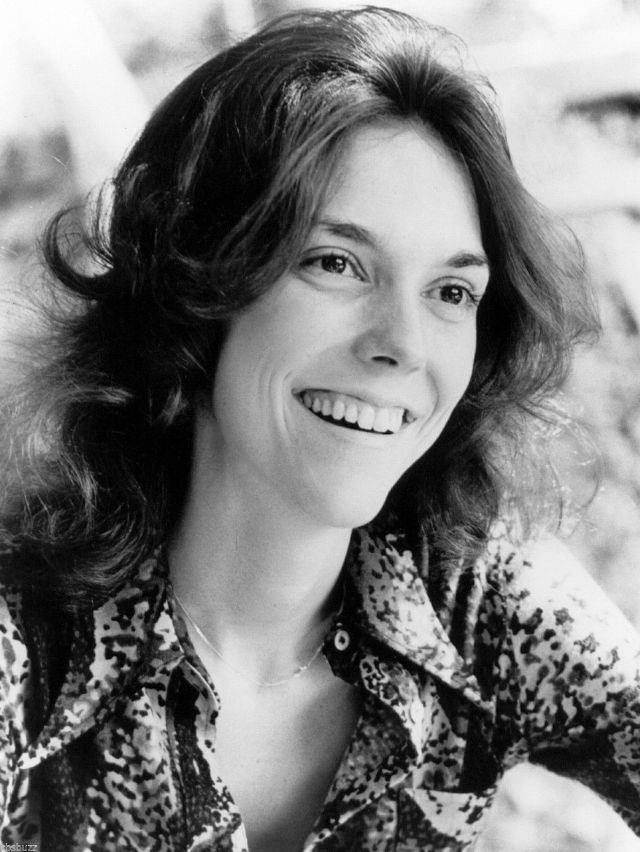
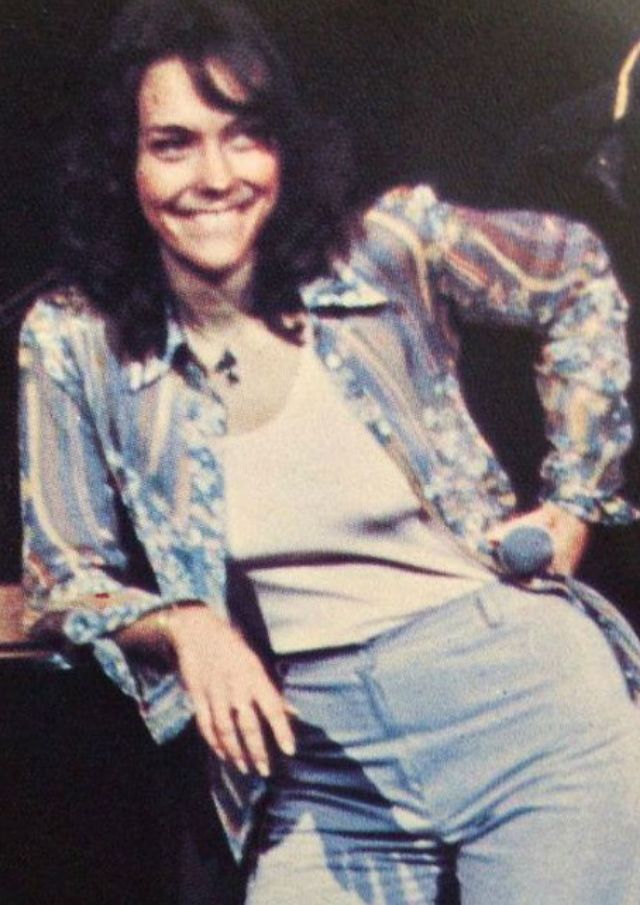
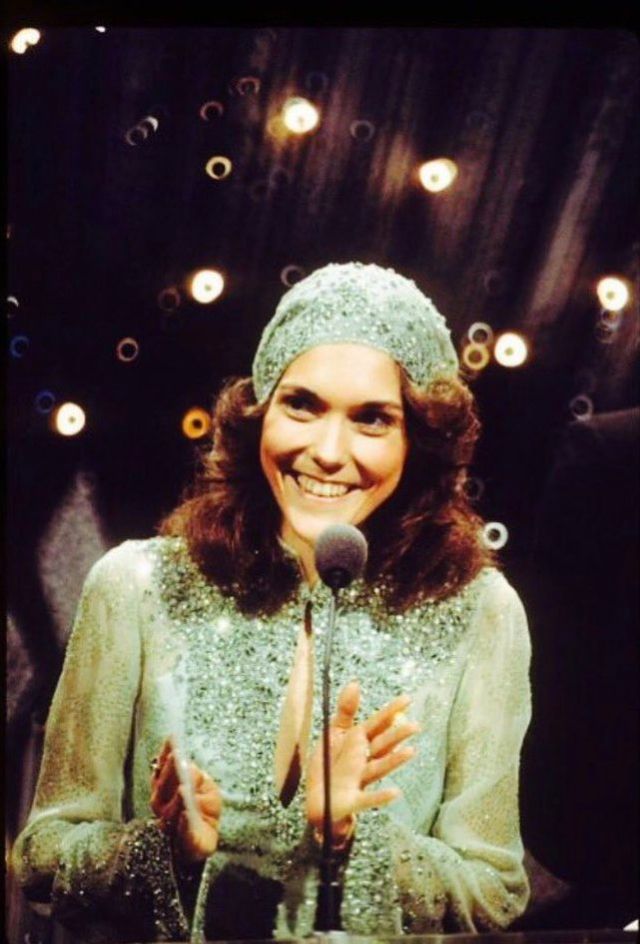
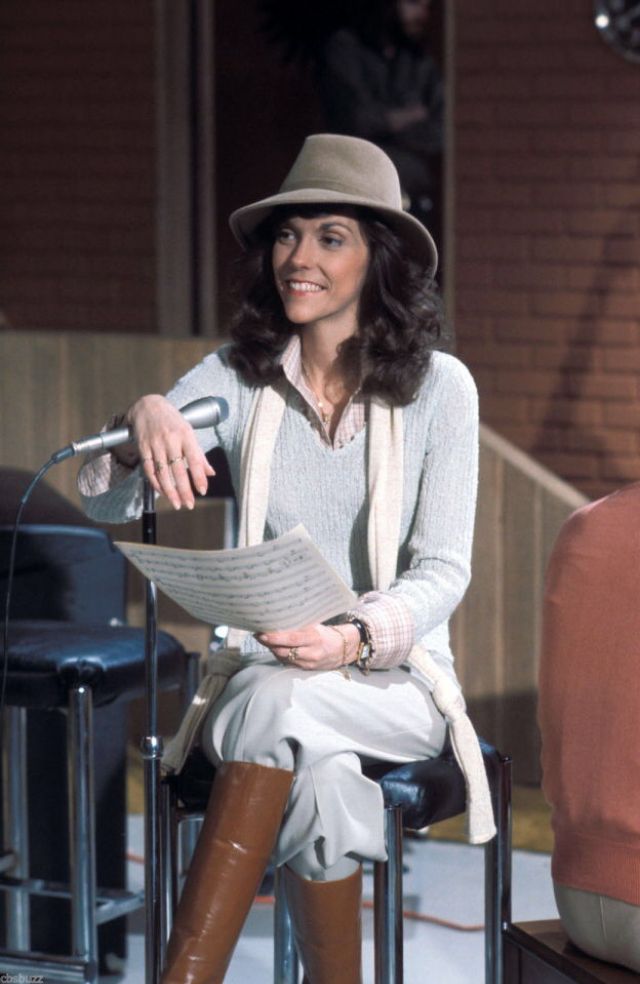
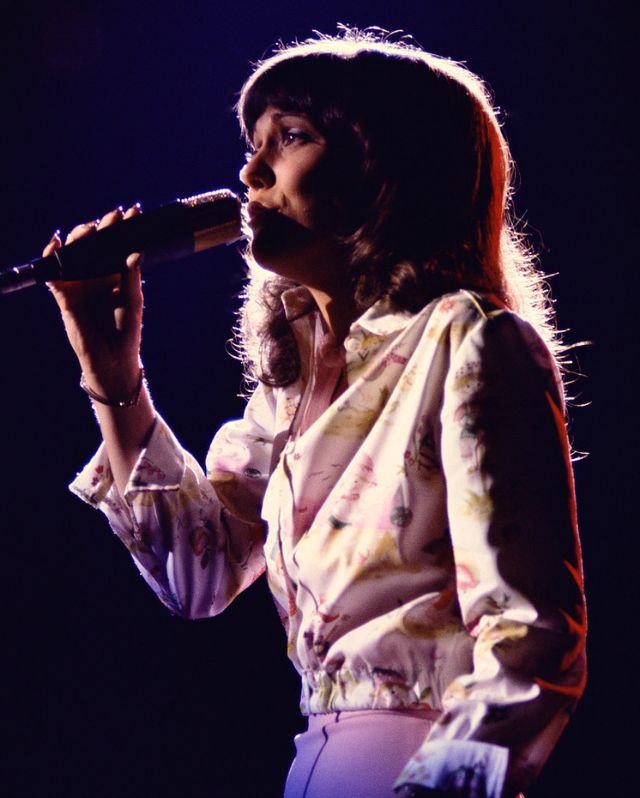
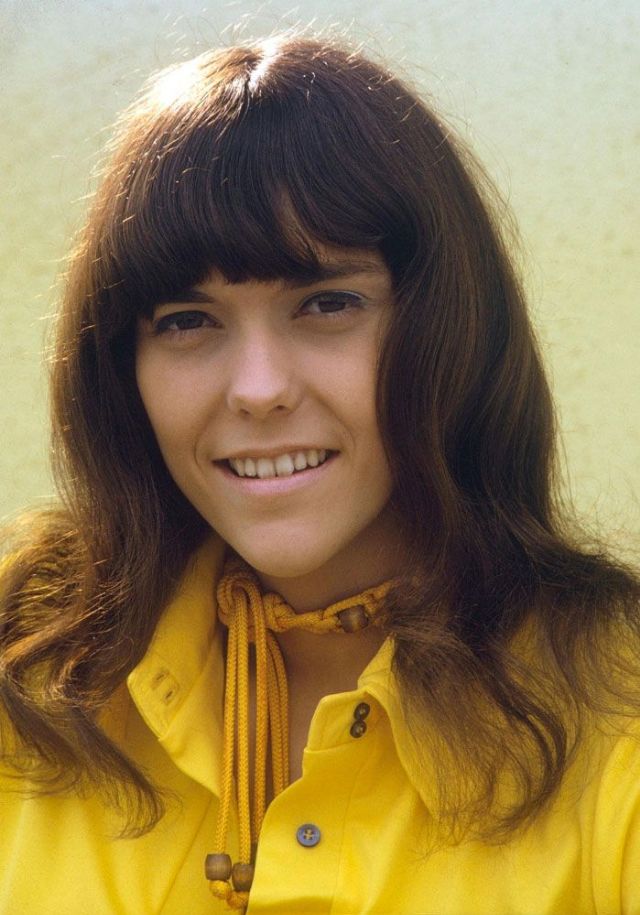
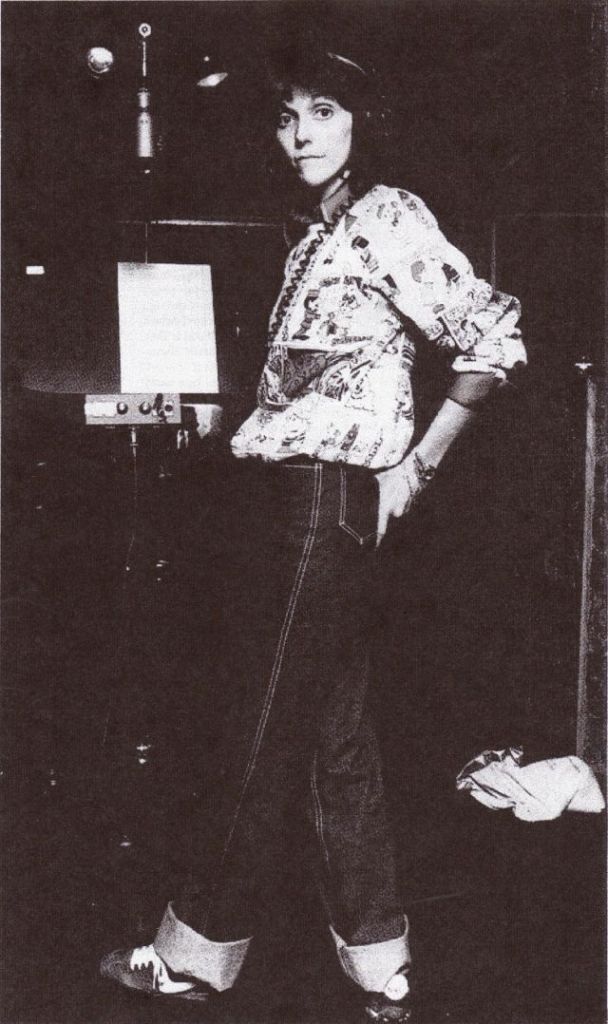
Karen Anne Carpenter (March 2, 1950 – February 4, 1983) was an American singer and drummer who with her elder brother Richard performed as the duo the Carpenters. With a distinctive three-octave contralto vocal range, she was praised by her peers as a great vocalist. Her struggle with and eventual death from anorexia would later raise awareness of eating disorders and body dysmorphia.
Carpenter was born in New Haven, Connecticut, and moved to Downey, California in 1963 with her family. She began to study the drums in high school and joined the Long Beach State choir after graduating. After several years of touring and recording, Carpenters were signed to A&M Records in 1969, achieving enormous commercial and critical success throughout the 1970s. Initially, Carpenter was the band’s full-time drummer, but she gradually took the role of frontwoman as her drumming was reduced to a handful of live showcases or tracks on albums. While the Carpenters were on hiatus in the late 1970s, she recorded a solo album, which was released years after her death.
At the age of 32, Carpenter died of heart failure due to complications from anorexia nervosa, which was little-known at the time, and her death led to increased visibility and awareness of eating disorders. Interest in her life and death has spawned numerous documentaries and movies. Her work continues to attract praise, including appearing on Rolling Stone’s 2010 list of the 100 greatest singers of all time. (Wikipedia)
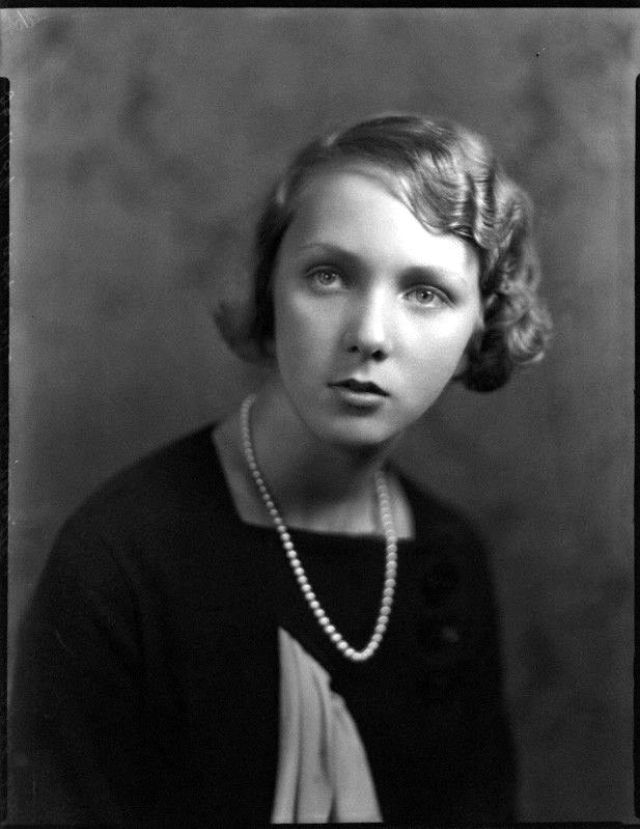
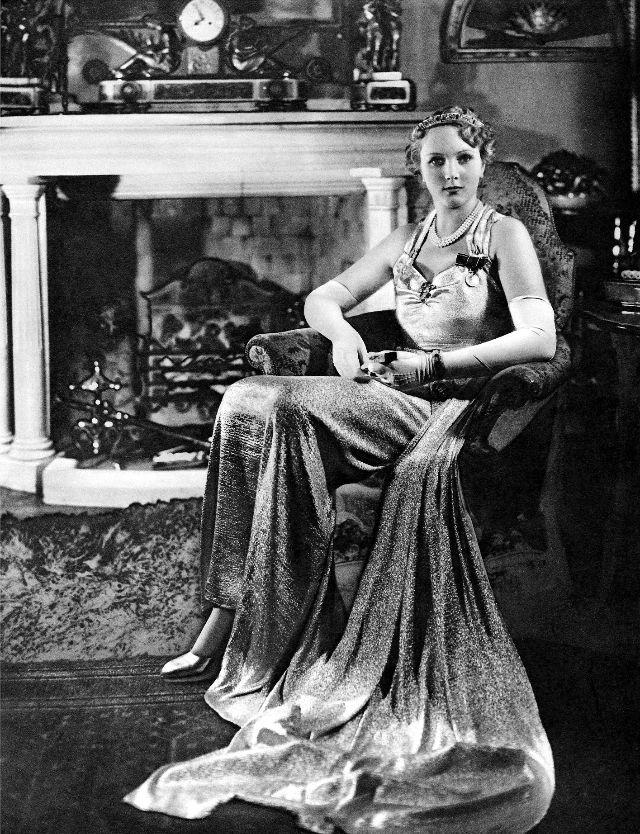
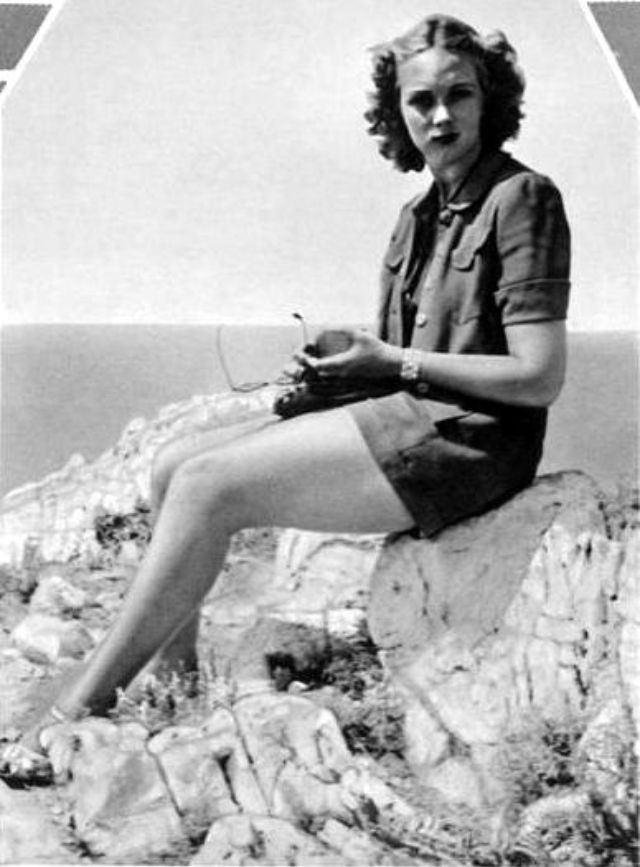
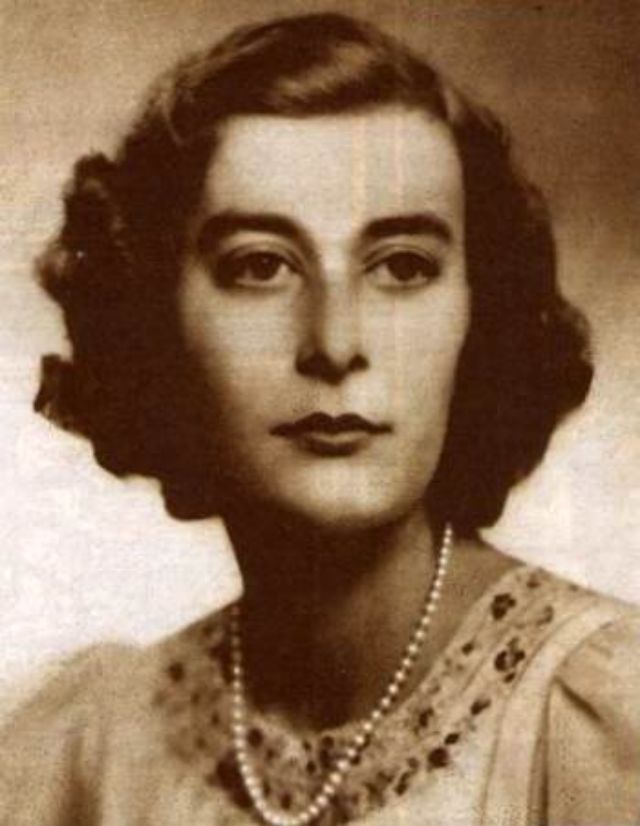
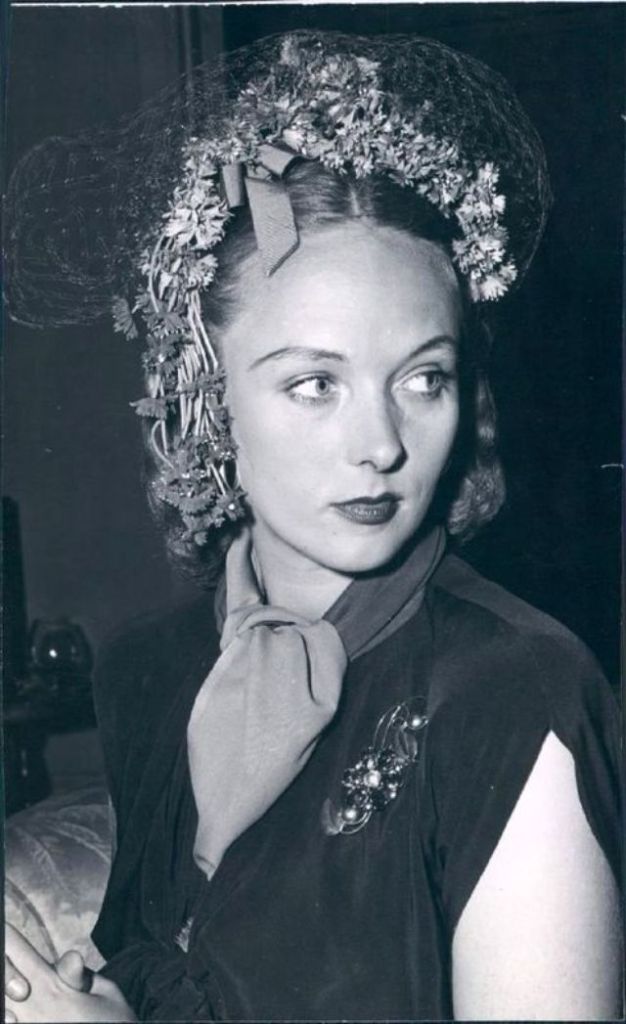
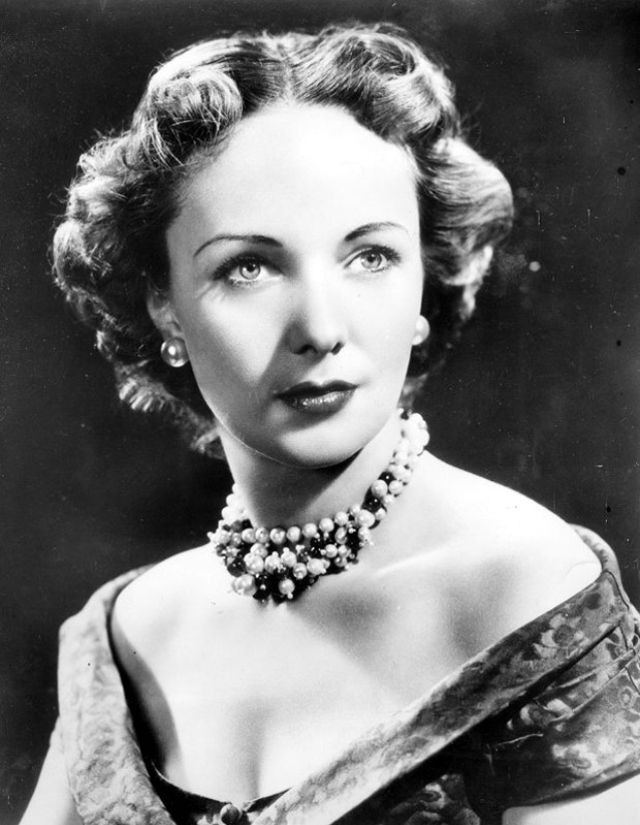
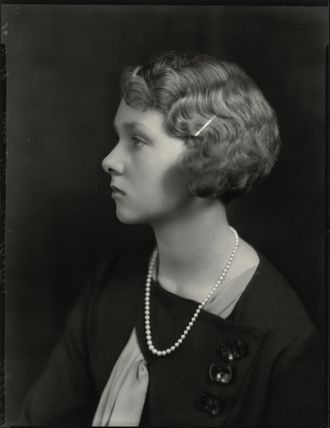
Born 1920 in Kensington Palace, London, Lady Iris Mountbatten was the only child of Alexander Mountbatten, 1st Marquess of Carisbrooke, eldest of three sons and one daughter of Princess Beatrice and Prince Henry of Battenberg, and a member of the Battenberg/Mountbatten family. She was a great-granddaughter of Queen Victoria.
Lady Iris attended a variety of royal and aristocratic events in her youth, being a well known and much photographed débutante. During World War II she worked as a nurse’s aide, later moving to the United States, where she taught dance.
Lady Iris also became an actress and model, appearing as a hostess for a live TV children’s programme Versatile Varieties (CBS Television, 1951), which featured actresses Eva Marie Saint and Edie Adams. She also appeared endorsing Pond’s Creams and Warrens Mint Cocktail Gum.
During her life, Lady Iris was married three times and had one child by her second marriage. She died in 1982 at Wellesley Hospital, Toronto, Ontario, Canada because of a brain tumour.
Here is a rare photo collection of young Lady Iris Mountbatten’s portraits taken from between the 1930s and 1950s.
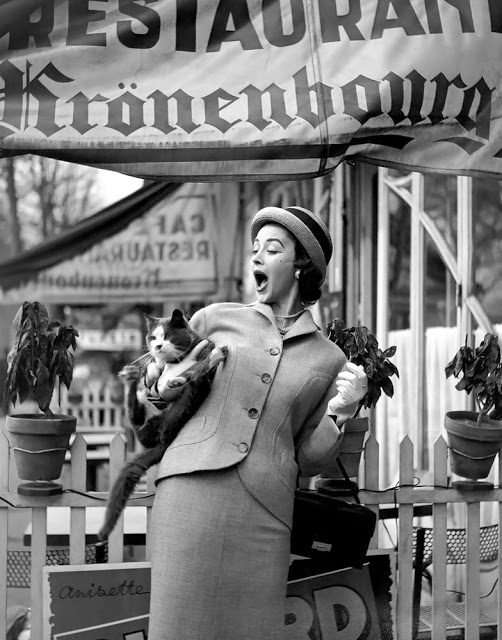
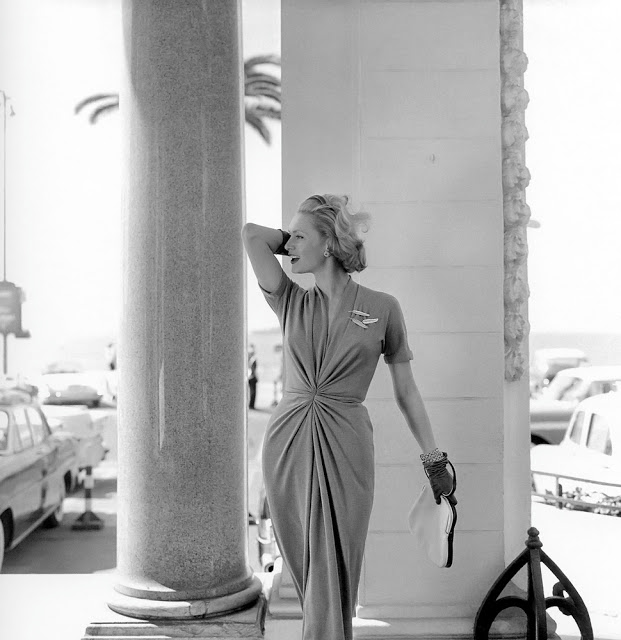
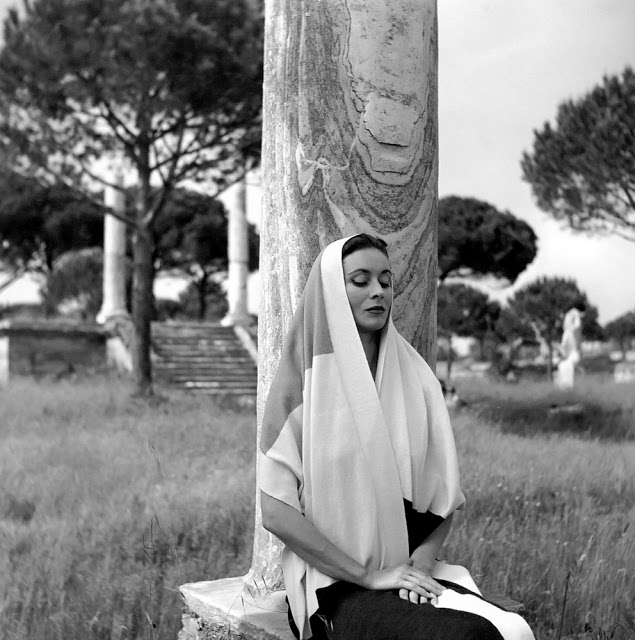
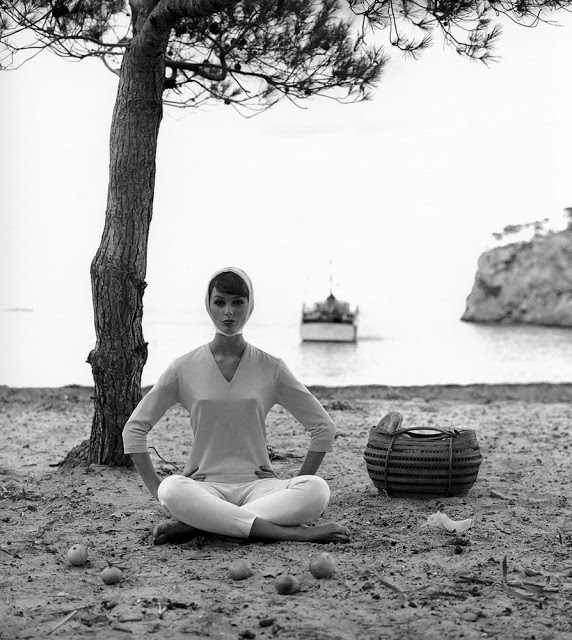
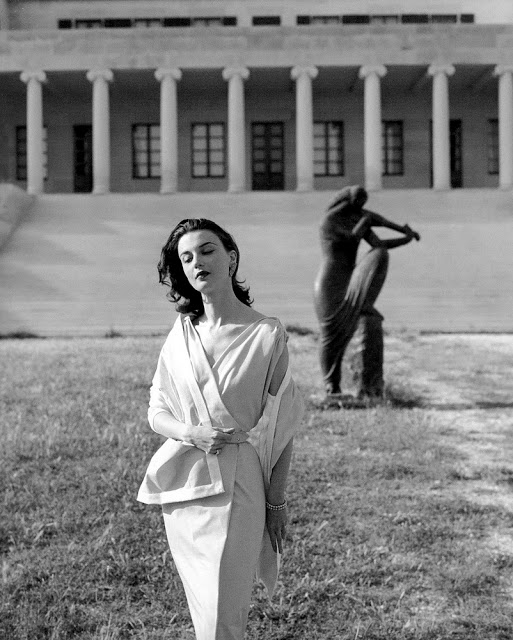
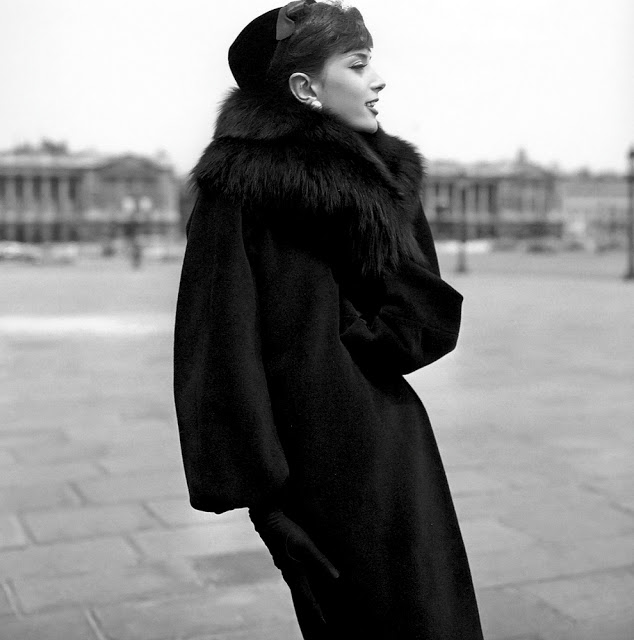
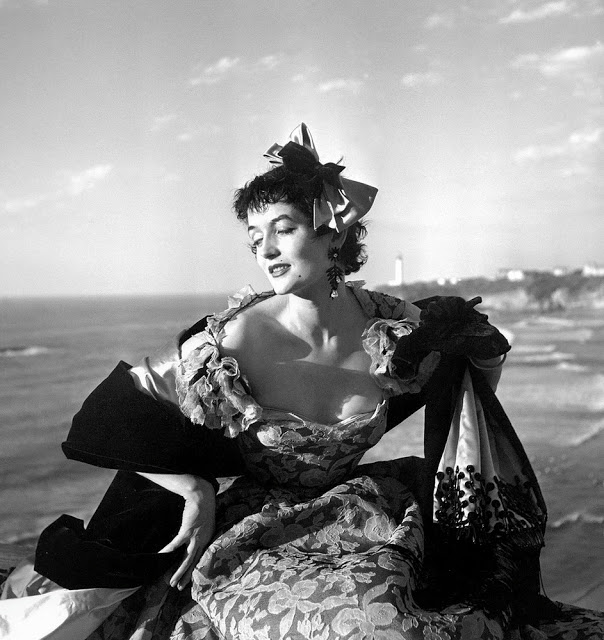
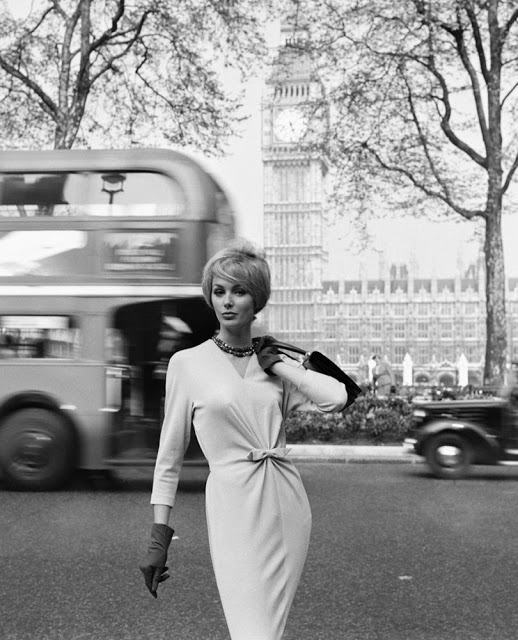
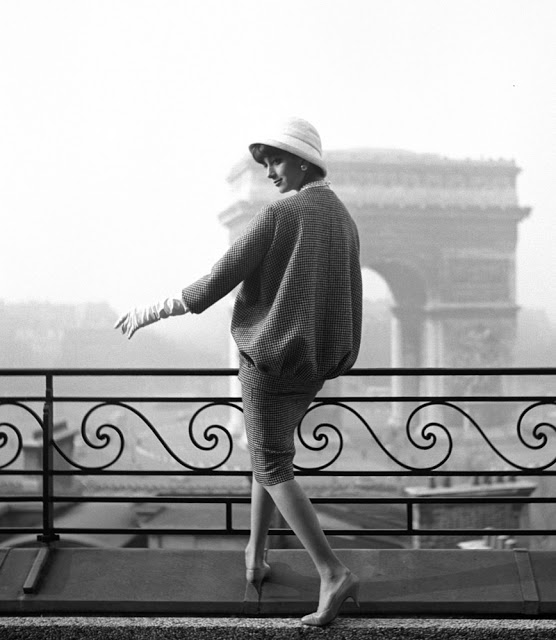
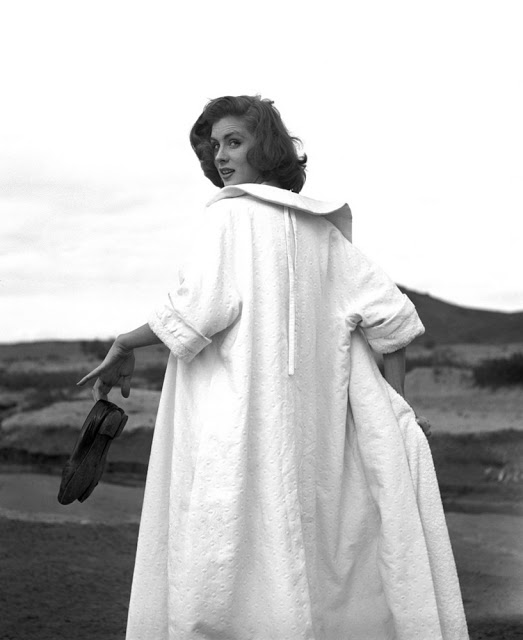
Rejecting the standard technique of capturing emotionless models, French photographer Georges Dambier captured his models in the Fifties looking ambivalent towards their clothing and the camera, instead laughing, enjoying exotic locations like Marrakesh, Corsica, Sicily, Cannes, Palma de Mallorca and riding in cars and boats. He captured the most beautiful women of his time, including Brigitte Bardot, Marie-Hélène Arnaud, Dorian Leigh and Suzy Parker.
Born in 1925 in Paris, Georges Dambier was one of the most important photographers of his era, a contemporary of Helmut Newton, Irving Penn and Richard Avedon. He first went to work for famous artist Paul Colin. Colin was responsible for introducing his budding young apprentice to the world of fashion, interiors, antiques and, most of all, to beautiful Parisian women. Then Georges landed a job as assistant to Willy Rizzo, a famous portraitist photographer (Harcourt’s Studio, Paris Match). There, he discovered photography and was taught the fundamentals of this art, especially lighting.
The pictures of Georges Dambier speak to us about style, spontaneity, class and elegance, although they took live in the ‘50s.
Europe is a continent, also recognised as a part of Eurasia, located entirely in the Northern Hemisphere and mostly in the Eastern Hemisphere. Comprising the westernmost peninsulas of Eurasia, it shares the continental landmass of Afro-Eurasia with both Asia and Africa. It is bordered by the Arctic Ocean to the north, the Atlantic Ocean to the west, the Mediterranean Sea to the south and Asia to the east. Europe is commonly considered to be separated from Asia by the watershed of the Ural Mountains, the Ural River, the Caspian Sea, the Greater Caucasus, the Black Sea and the waterways of the Turkish Straits.[11] Although much of this border is over land, Europe is almost always recognised as its own continent because of its great physical size and the weight of its history and traditions.
Europe covers about 10.18 million km2 (3.93 million sq mi), or 2% of Earth’s surface (6.8% of land area), making it the second-smallest continent (using the seven-continent model). Politically, Europe is divided into about fifty sovereign states, of which Russia is the largest and most populous, spanning 39% of the continent and comprising 15% of its population. Europe had a total population of about 746 million (about 10% of the world population) in 2018. The European climate is largely affected by warm Atlantic currents that temper winters and summers on much of the continent, even at latitudes along which the climate in Asia and North America is severe. Further from the sea, seasonal differences are more noticeable than close to the coast.
European culture is the root of Western civilisation, which traces its lineage back to ancient Greece and ancient Rome. The fall of the Western Roman Empire in 476 AD and the subsequent Migration Period marked the end of Europe’s ancient history, and the beginning of the Middle Ages. Renaissance humanism, exploration, art, and science led to the modern era. Since the Age of Discovery, started by Portugal and Spain, Europe played a predominant role in global affairs. Between the 16th and 20th centuries, European powers colonised at various times the Americas, almost all of Africa and Oceania, and the majority of Asia.
The Age of Enlightenment, the subsequent French Revolution and the Napoleonic Wars shaped the continent culturally, politically and economically from the end of the 17th century until the first half of the 19th century. The Industrial Revolution, which began in Great Britain at the end of the 18th century, gave rise to radical economic, cultural and social change in Western Europe and eventually the wider world. Both world wars took place for the most part in Europe, contributing to a decline in Western European dominance in world affairs by the mid-20th century as the Soviet Union and the United States took prominence. During the Cold War, Europe was divided along the Iron Curtain between NATO in the West and the Warsaw Pact in the East, until the Revolutions of 1989, fall of the Berlin Wall and the dissolution of the Soviet Union.
In 1949, the Council of Europe was founded with the idea of unifying Europe to achieve common goals and prevent future wars. Further European integration by some states led to the formation of the European Union (EU), a separate political entity that lies between a confederation and a federation. The EU originated in Western Europe but has been expanding eastward since the fall of the Soviet Union in 1991. The currency of most countries of the European Union, the euro, is the most commonly used among Europeans; and the EU’s Schengen Area abolishes border and immigration controls between most of its member states, and some non-member states. There exists a political movement favouring the evolution of the European Union into a single federation encompassing much of the continent. (Wikipedia)
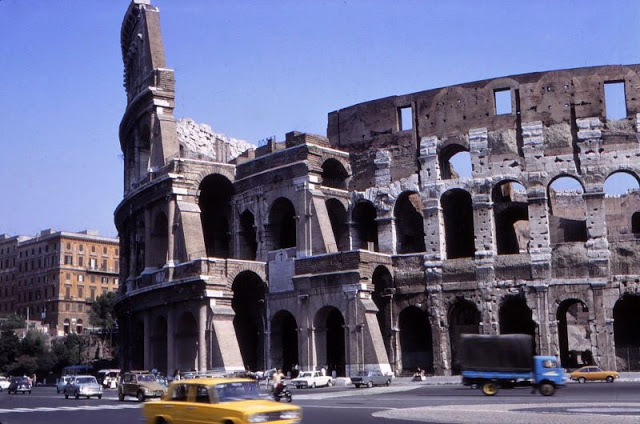
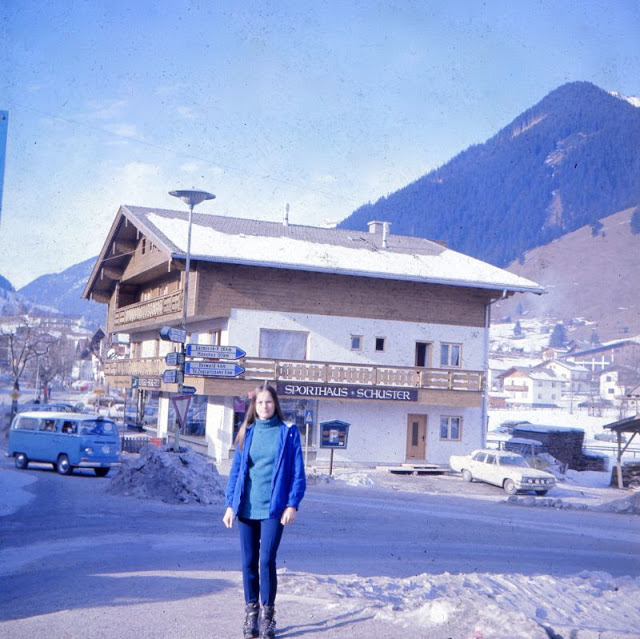
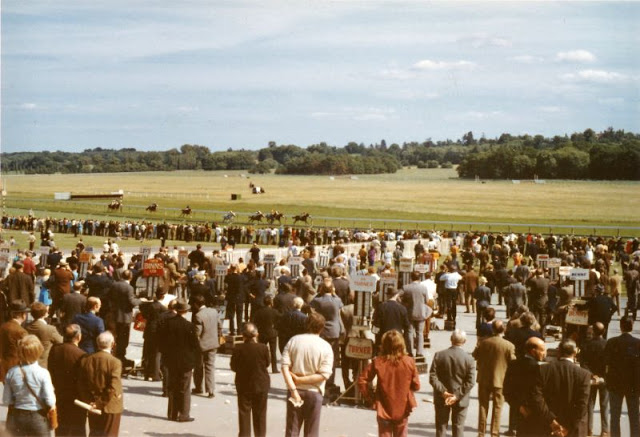
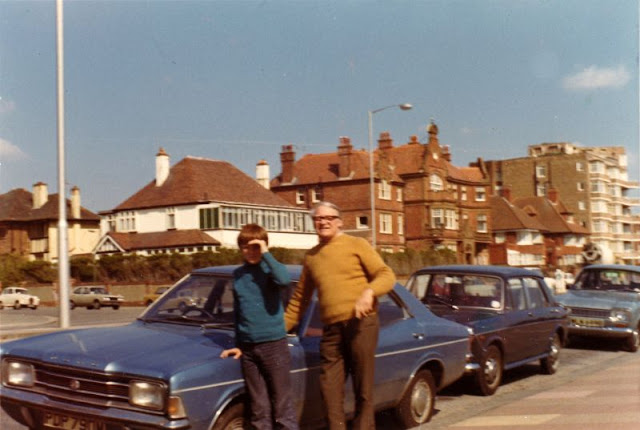
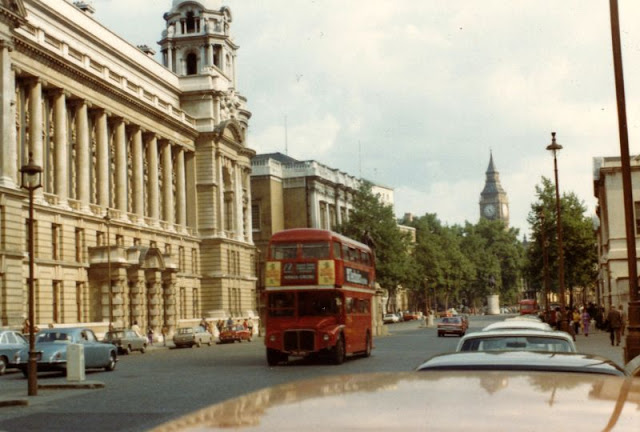
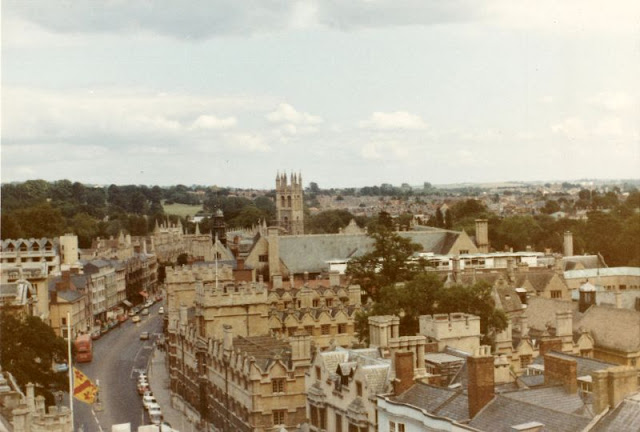
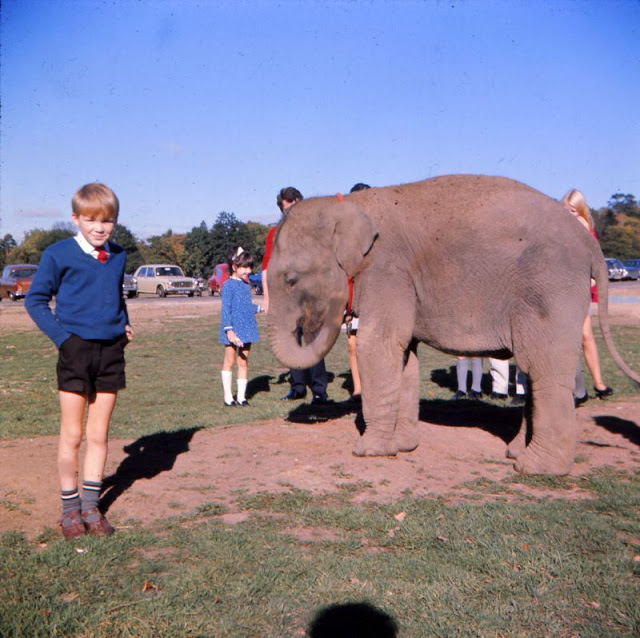
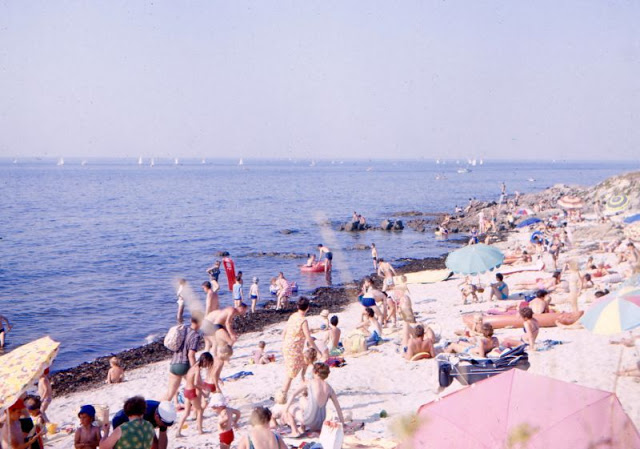
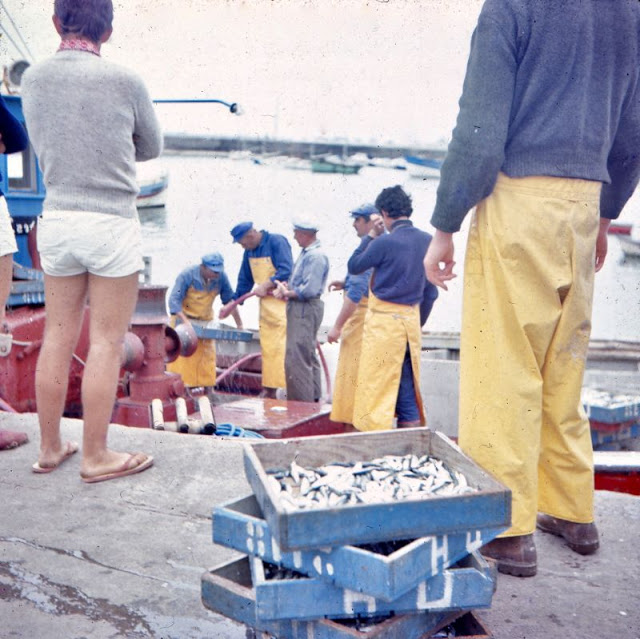
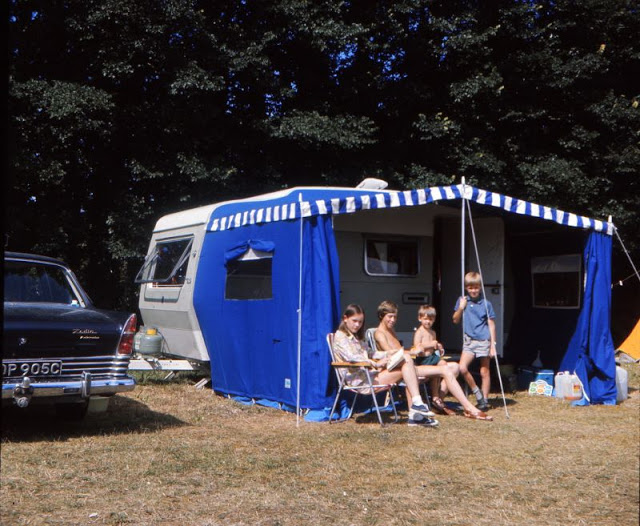
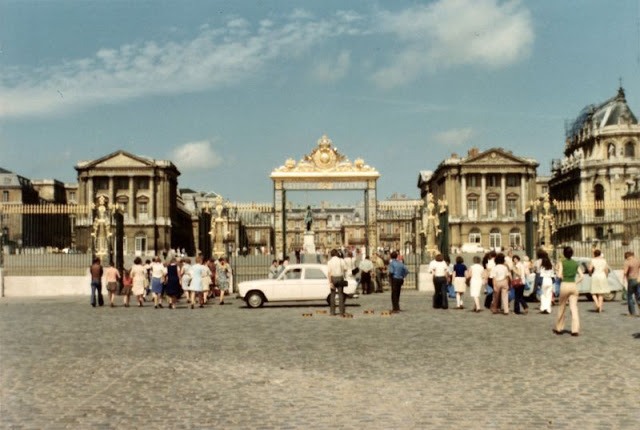
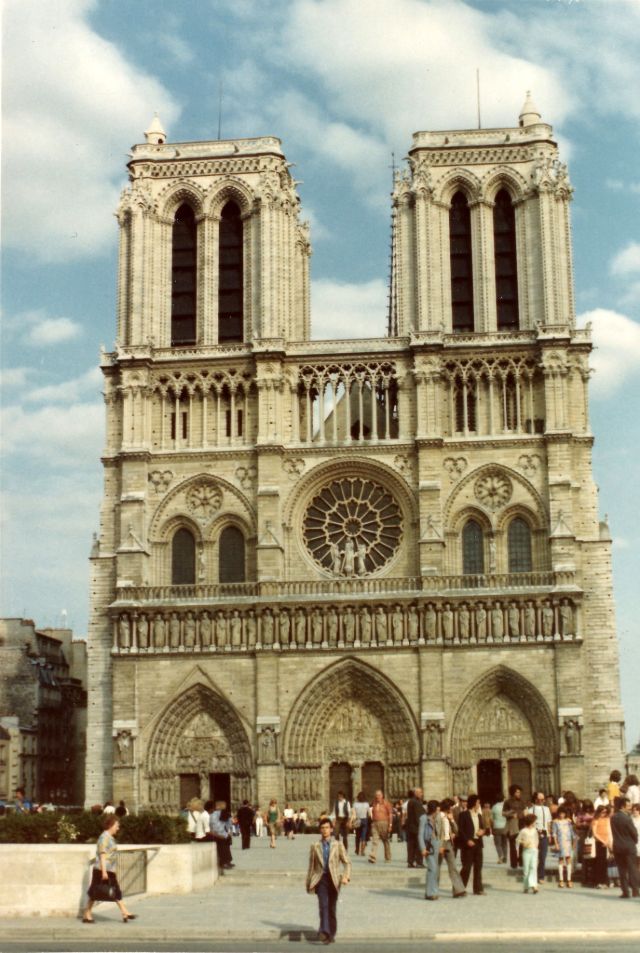
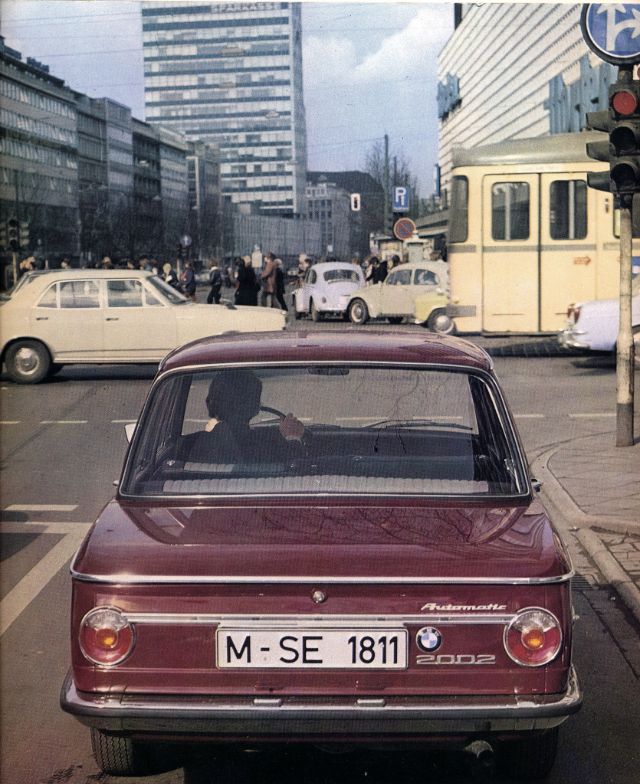
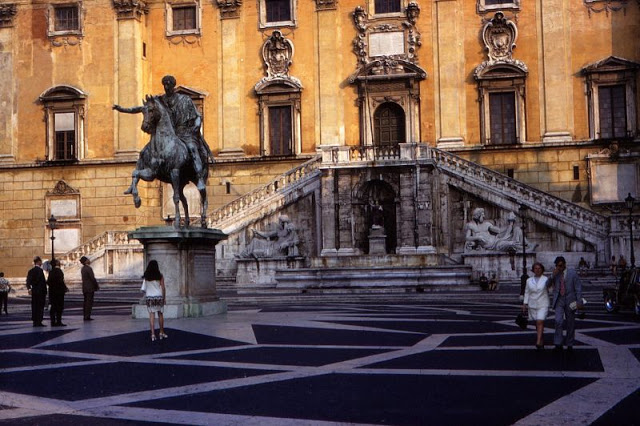
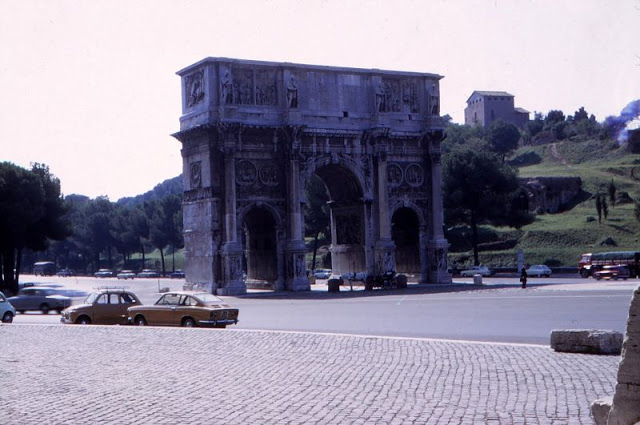
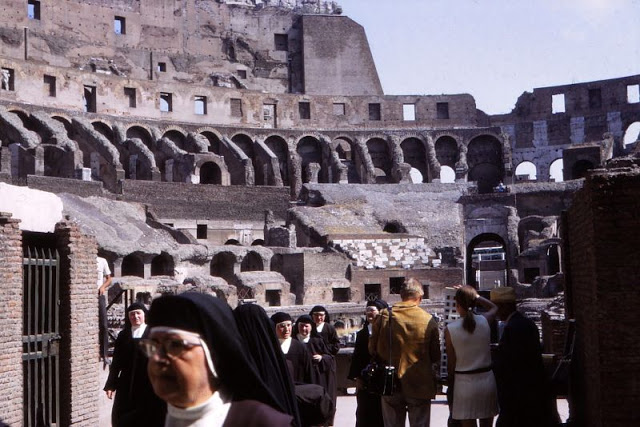
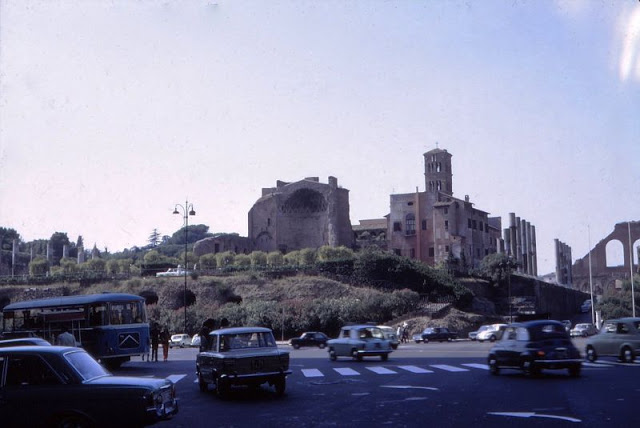
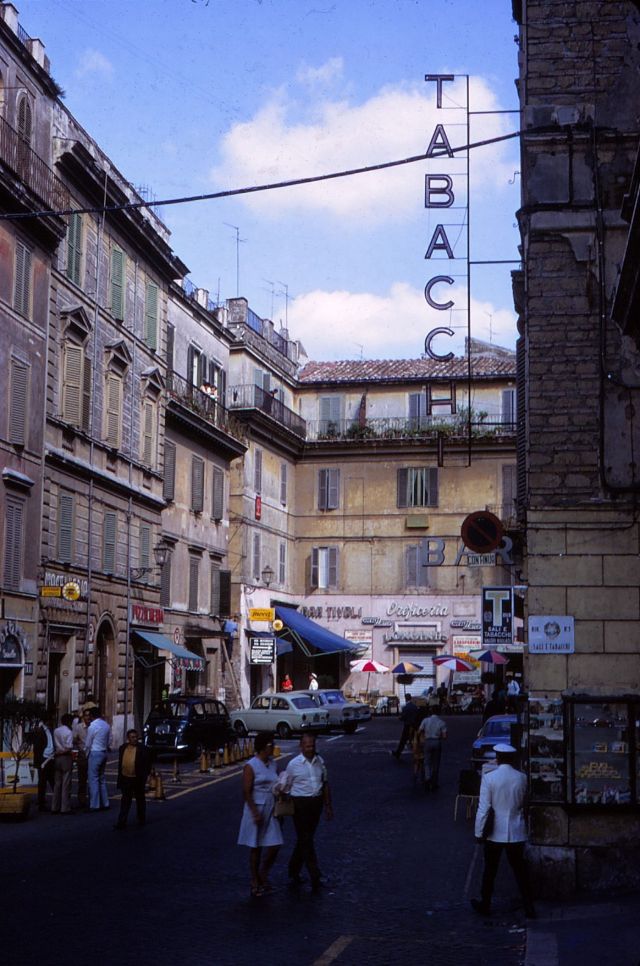
Austria. Lermoos, 1971Austria. Lermoos, 1971Austria. Lermoos, 1971Belgium. Antwerp, 1970England. Ascot Race Course, 1971England. Berkshire, Children in Reading, 1970England. East Sussex, Hove, A Ford Cortina Mk III with a Wolseley 1300 and a Ford Escort behind, 1974England. London, Trafalgar Square, 1972England. London, Whitehall, 1971England. Oxford, 1971England. Windsor Safari Park, 1970France. Brittany, 1970France. Brittany, 1970France. Brittany, 1970France. Brittany, 1970France. Brittany, 1970France. Brittany, Ford Zodiac and a Sprite Musketeer, caravan, 1970France. Palace of Versailles, 1974France. Palace of Versailles, 1974France. Paris, 1974France. Paris, 1974France. Paris, Notre Dame Cathedral, 1974France. Paris, Place de l’Alma, 1974France. Paris, Triumph Stag, 1971Germany. Düsseldorf, BMW 2002, 1971Italy, 1972Italy. Rome, 1972Italy. Rome, 1972Italy. Rome, 1972Italy. Rome, Arch of Constantine, 1972Italy. Rome, Fish market, 1972Italy. Rome, Nuns at the Colosseum, 1972Italy. Rome, Roman Forum, 1972Italy. Rome, Street scenes, 1972Italy. Rome, Street scenes, 1972Italy. Rome, Street scenes, 1972Italy. Rome, Street scenes, 1972Italy. Tivoli, Villa d’Este, 1972Italy. Tivoli, Villa d’Este, 1972Scotland. Glamis Castle, 1972
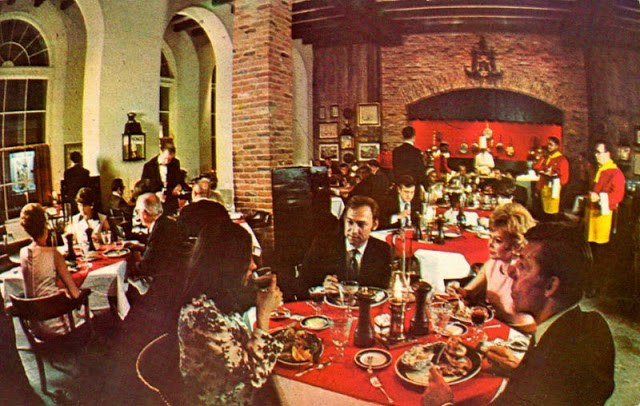
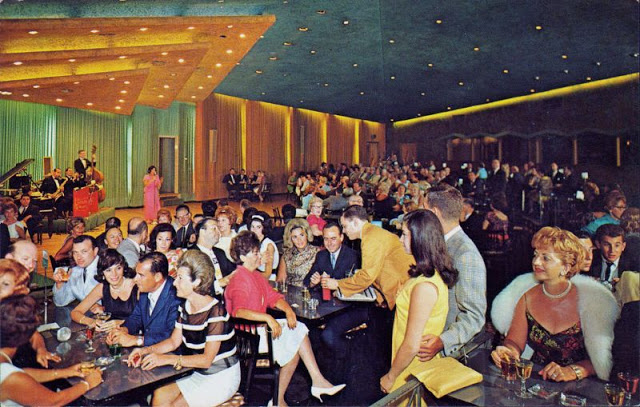
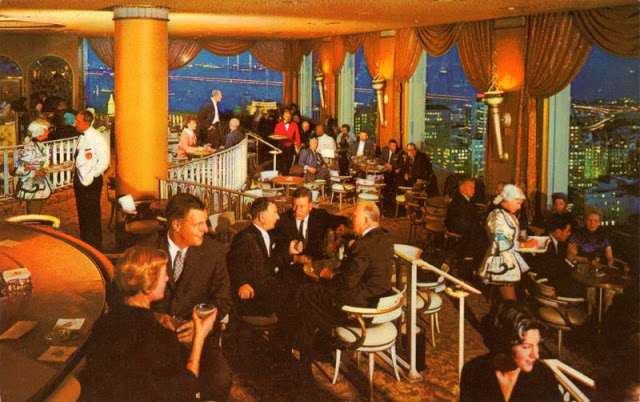
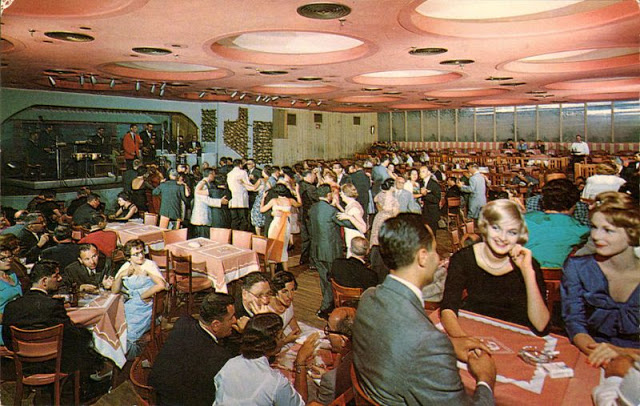
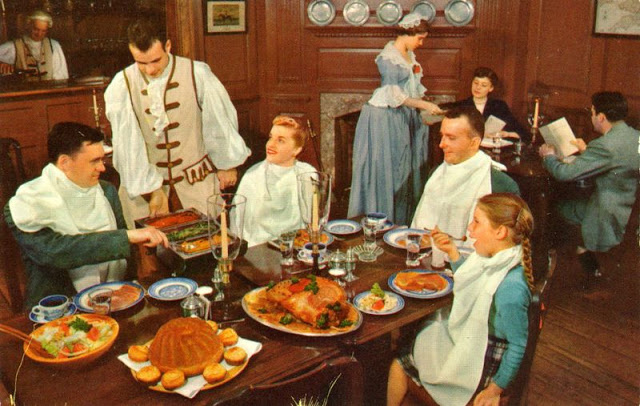
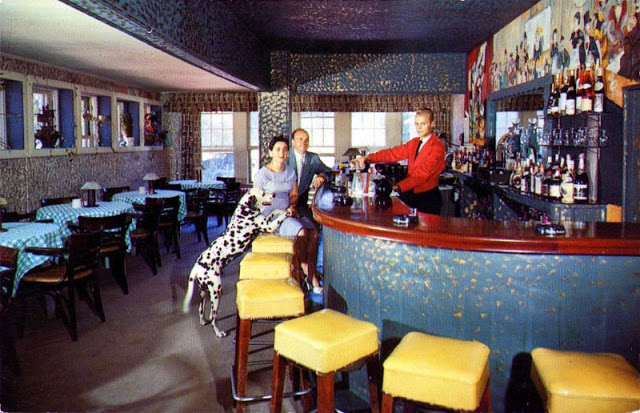
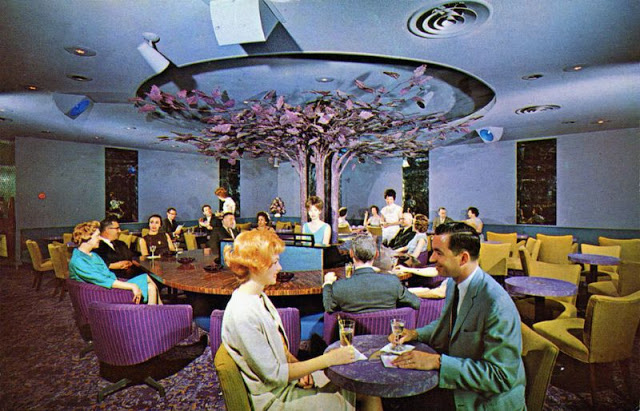
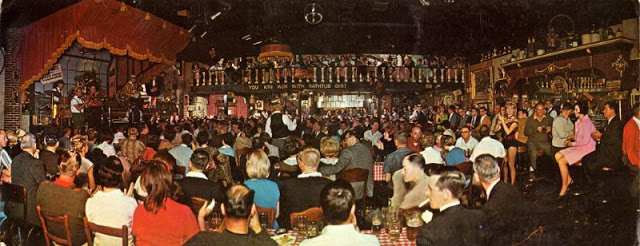
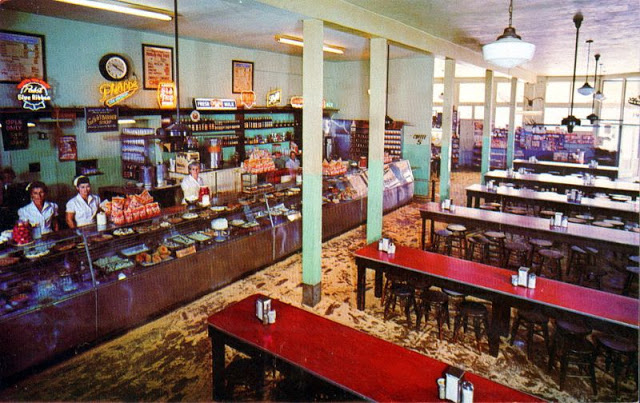
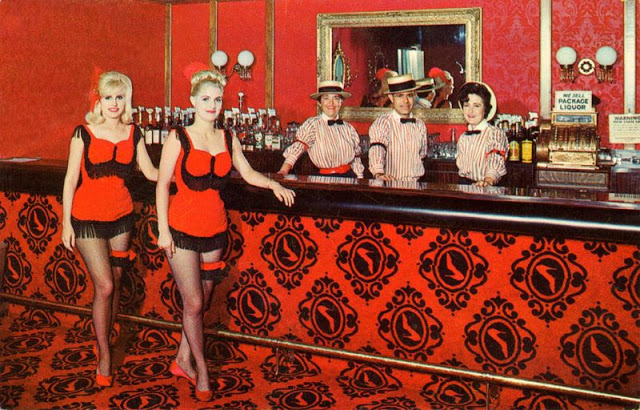
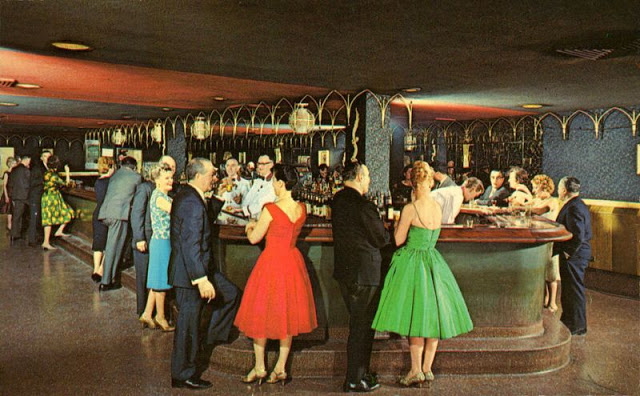
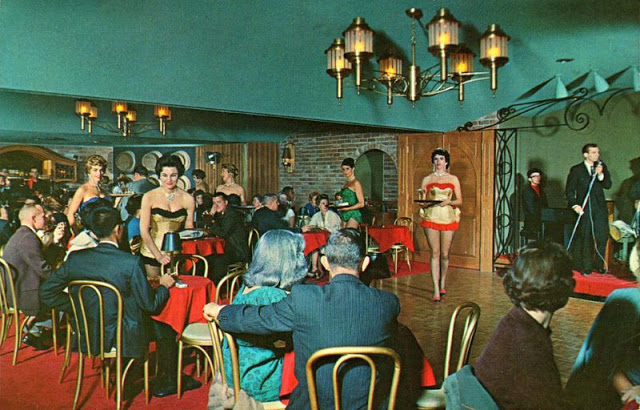
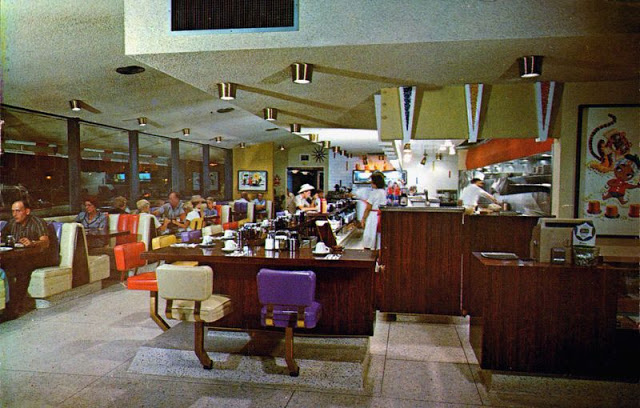
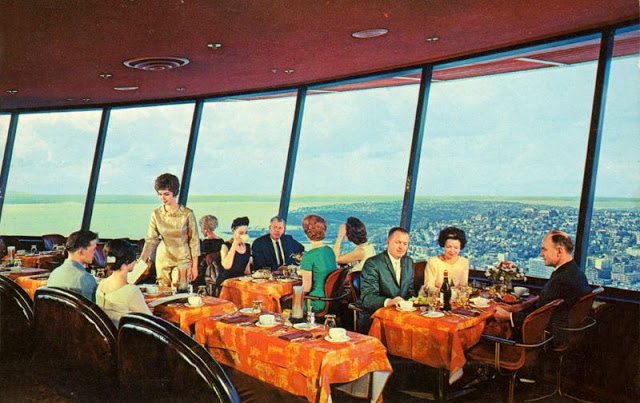
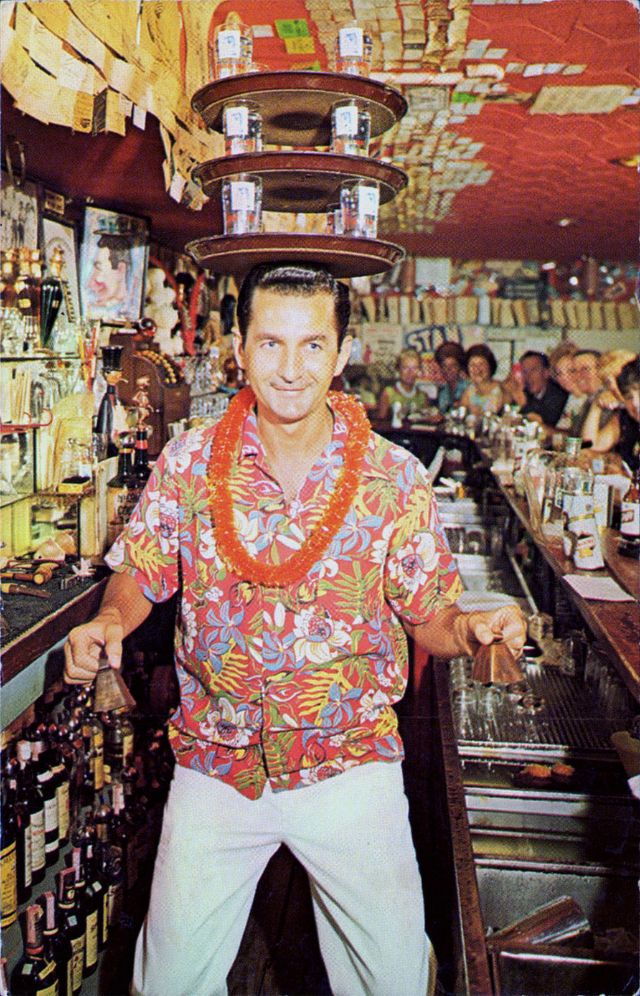
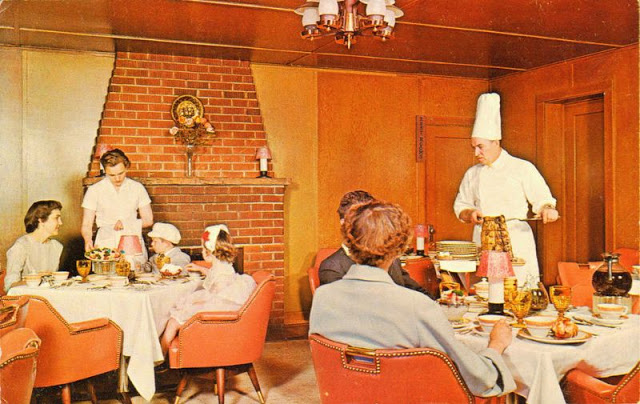
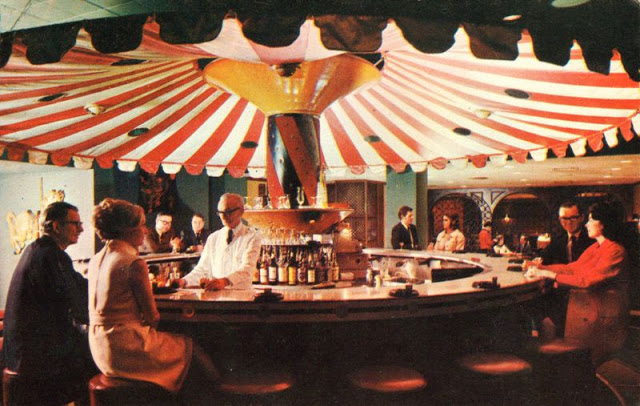
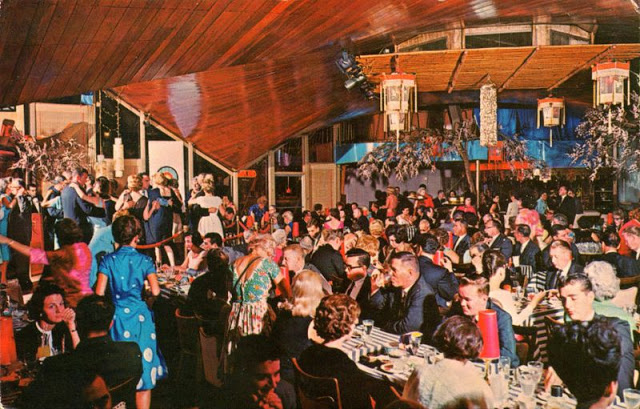
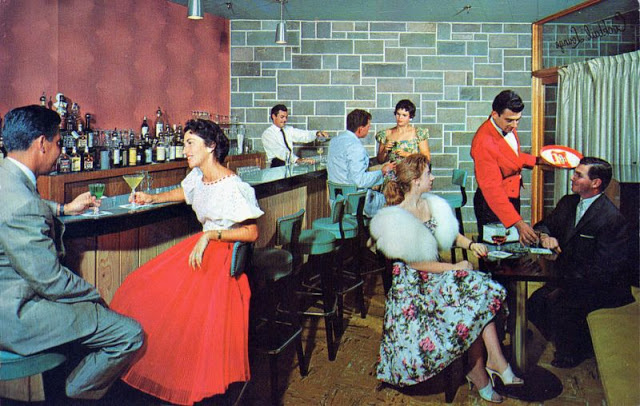
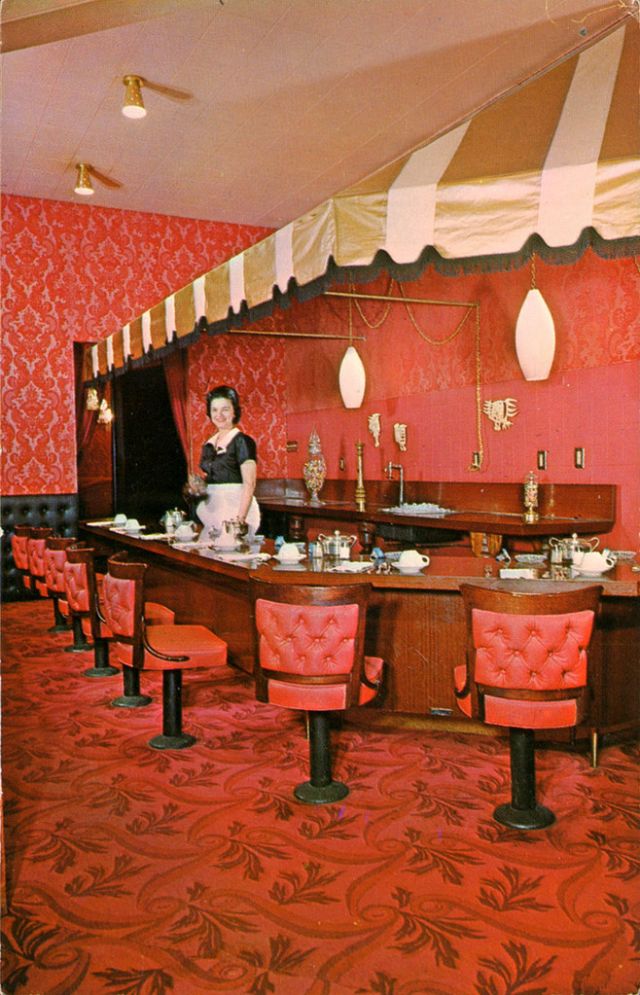
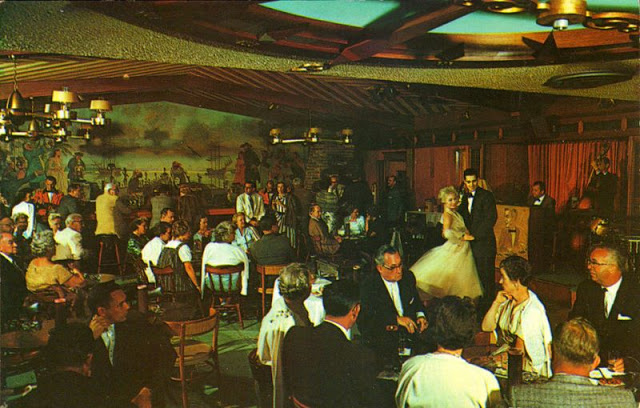
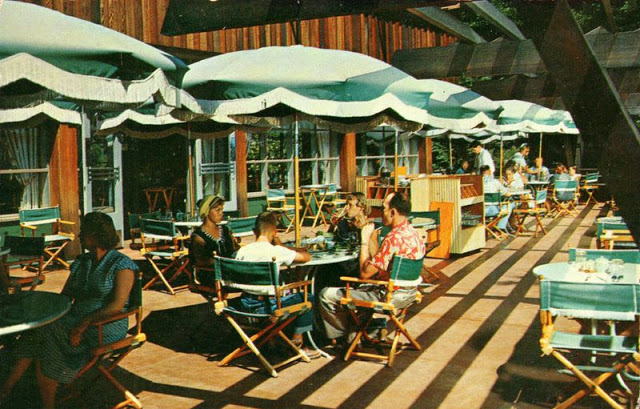
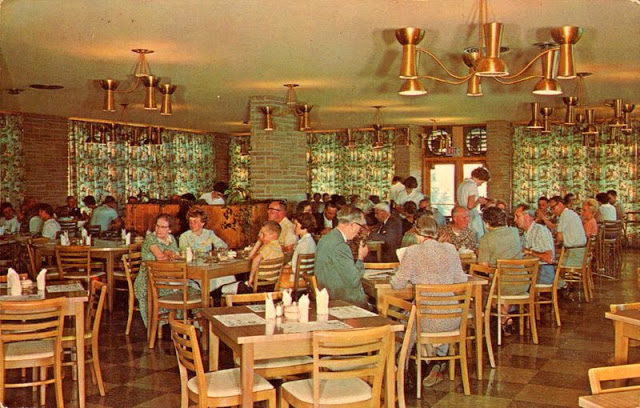
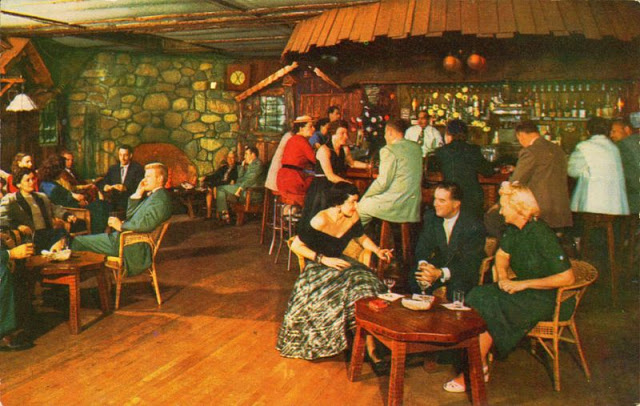
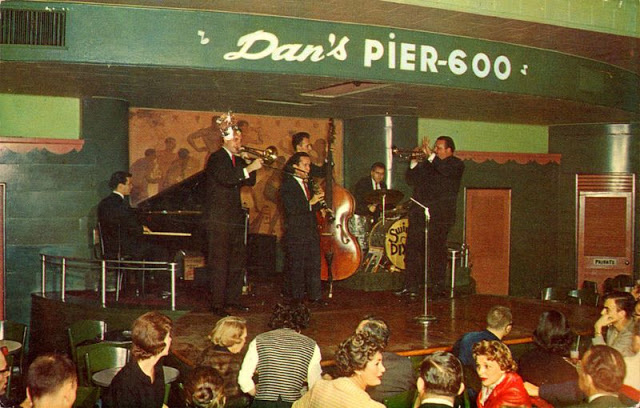
Diamond Room Singers, Spring Valley, New YorkFairmont Hotel & Tower, San Francisco, CAGrossinger’s Terrace Room, NYHackneys Seafood Restaurant, Atlantic City, NJHilltop House, Omaha, NEHotel Capri, Spring Valley, New YorkHotel Superstition, Ho Jake’s Saloon, Apache Junction, ArizonaJacques French Restaurant, Chicago, ILKapok Tree Inn, Madeira Beach, FLKings Arms Tavern, Williamsburg, VALa Town Cafe Francais, Chicago, ILLazars Lakeside Motel & Restaurant, Long Island, NYManger Motor Inn, Purple Tree Lounge, Indianapolis, INMickie Finns Speakeasy, San Diego, CAPaul Masson Champagne Cellars, Saratoga, CAPhillippes Restaurant, Los Angeles, CAPinnacle Peak Patio Restaurant, Scottsdale, AZPurple Tree Lounge, Manger Hotel, Rochester, New YorkQueen Kapiolani Hotel, WaikikiRed Slipper Cocktail Lounge, Springfield, MORoseland Dance City Restaurant, NYCSafari Hotel, French Quarter, Scottsdale, AZSambo’s Pancakes, Blythe, CASpace Needle Restaurant, Seattle, WAStanley the Great, The Castaways Tahitian Bar, Miami Beach, FloridaStardust Lounge, Rockford, ILStouffer’s Top of the Rock, Chicago, ILThe Blue Roof Broiler, Crescent City, CAThe Carousel in the Monteleone, New Orleans, LAThe Castaways Motel, Shinto Temple Dining Room, Miami Beach, FLThe Flagler, South Fallsburg, New YorkThe Franciscan Restaurant, Fisherman’s Wharf, CAThe Golden Tassel, Billings, MTThe Granit, Kerhonkson, New YorkThe Nut Tree, Dining Room, CAThe Rib Room in the Royal, New Orleans, LAThe Rum House, Fort Lauderdale, FLTropical Garden Room at the Sandollar Restaurant, St Petersburg, FLWhitcomb Hotel, San FranciscoAl Hirt Night Club, New Orleans, LouisianaBig Sur Lodge, Dining Patio, CABlackwater Lodge, Dining Room, West VirginiaBrookdal Lodge, Burl Room, Santa Cruz, CACastaways Motel Restaurant, Miami Beach, FloridaDans Pier 600, New Orleans, LA
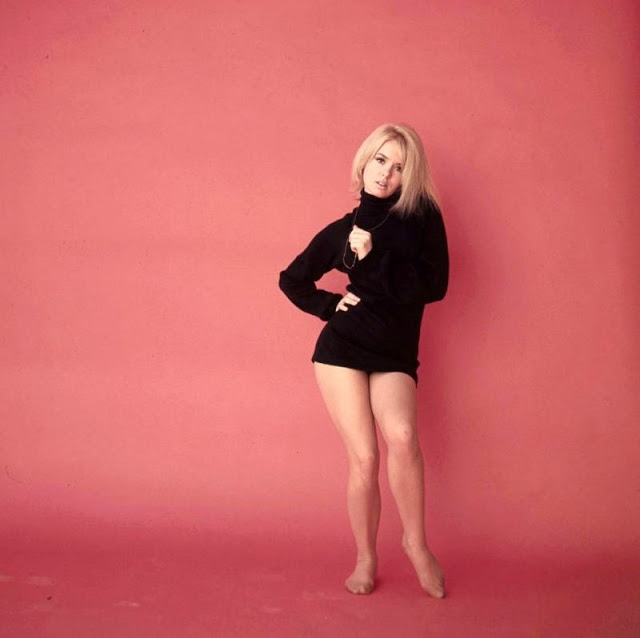
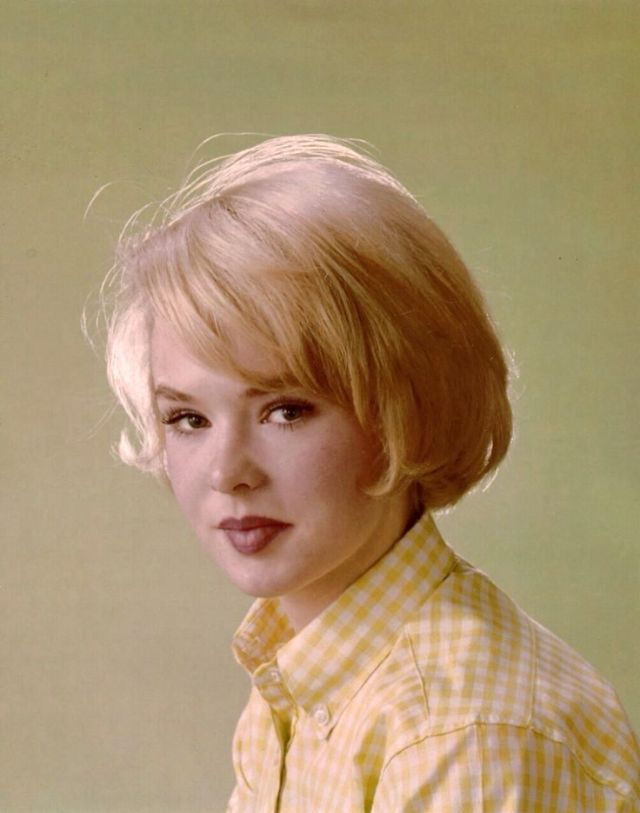
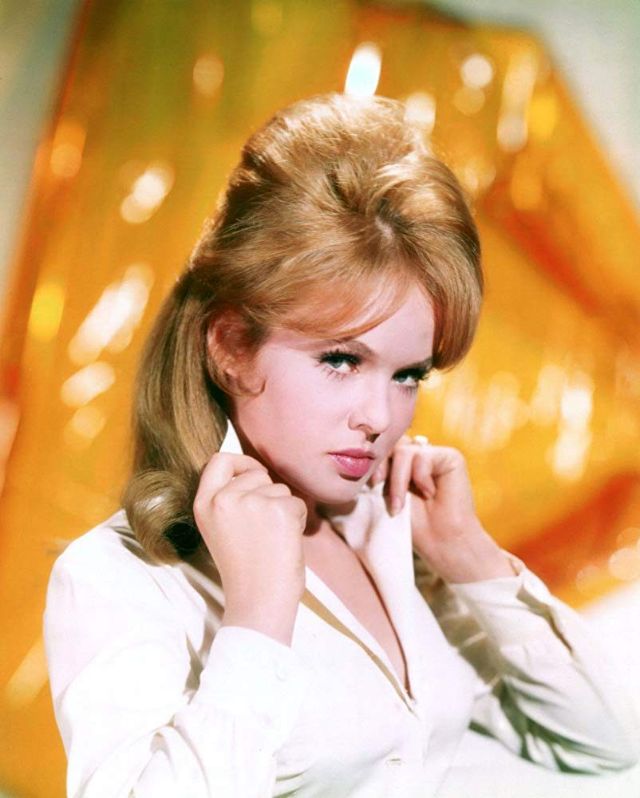
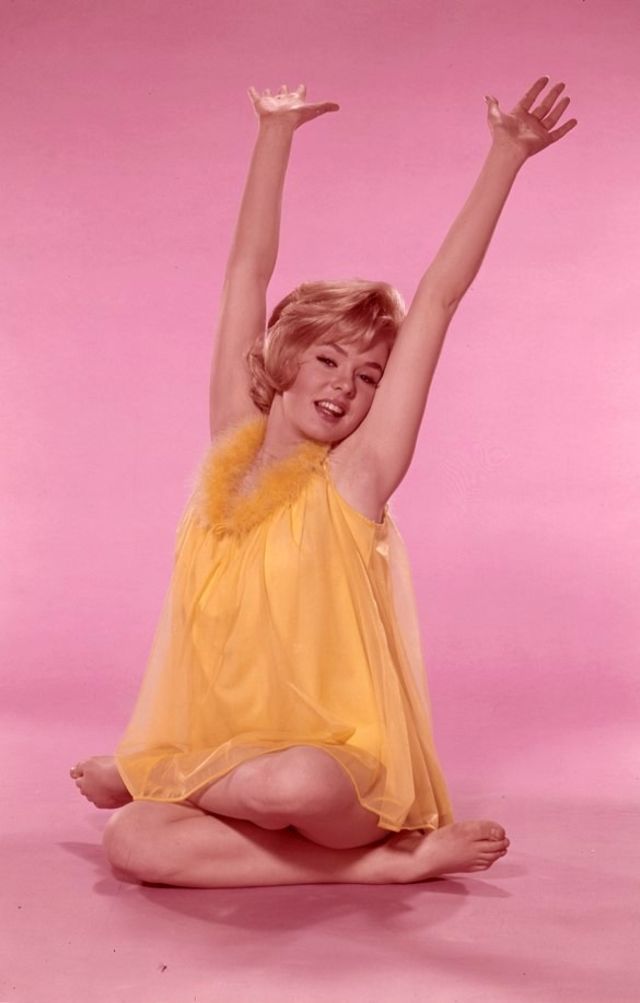
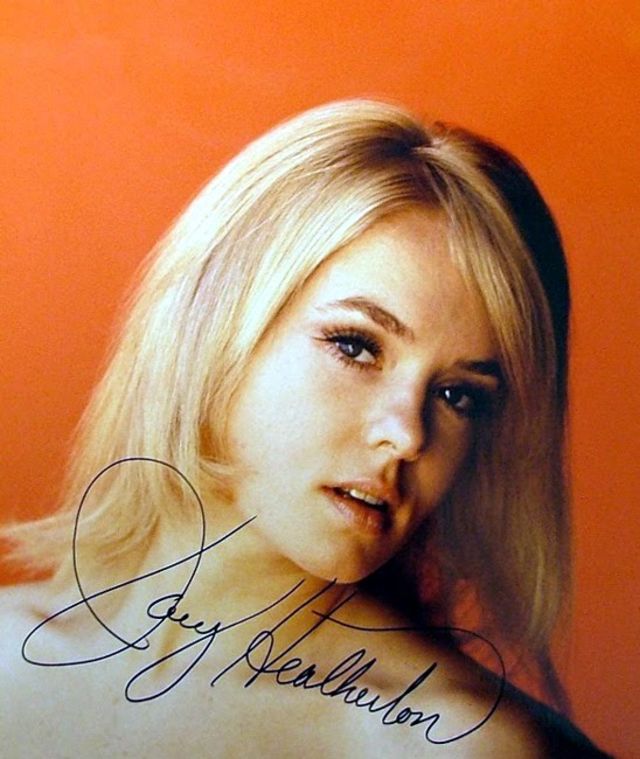
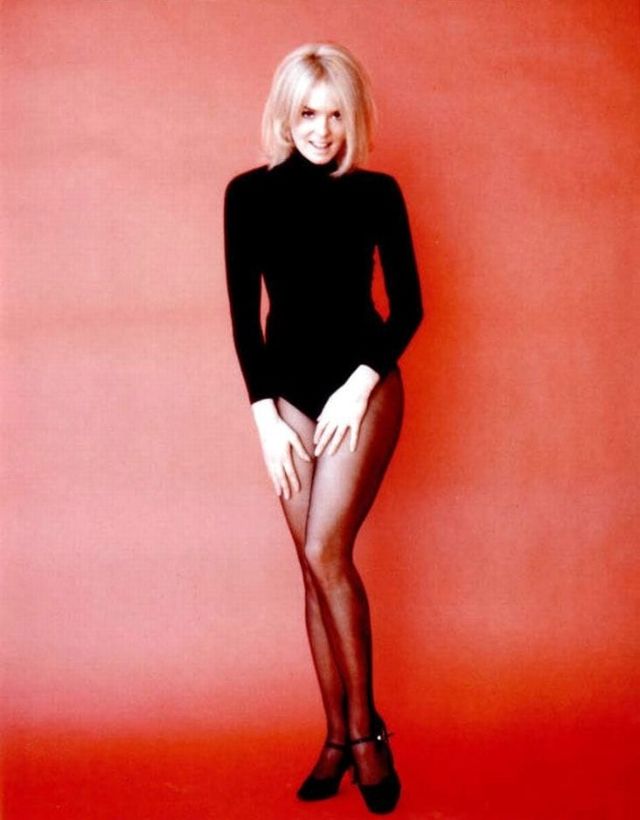
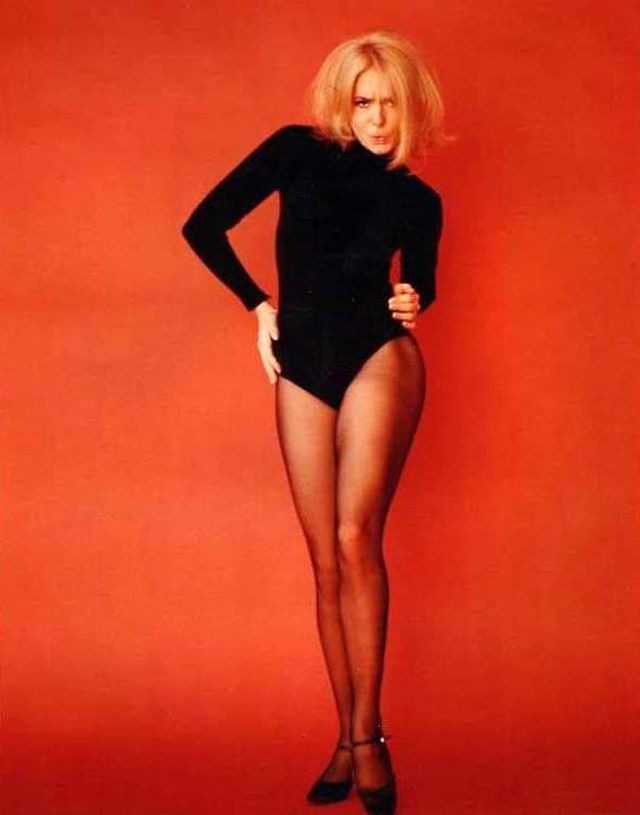
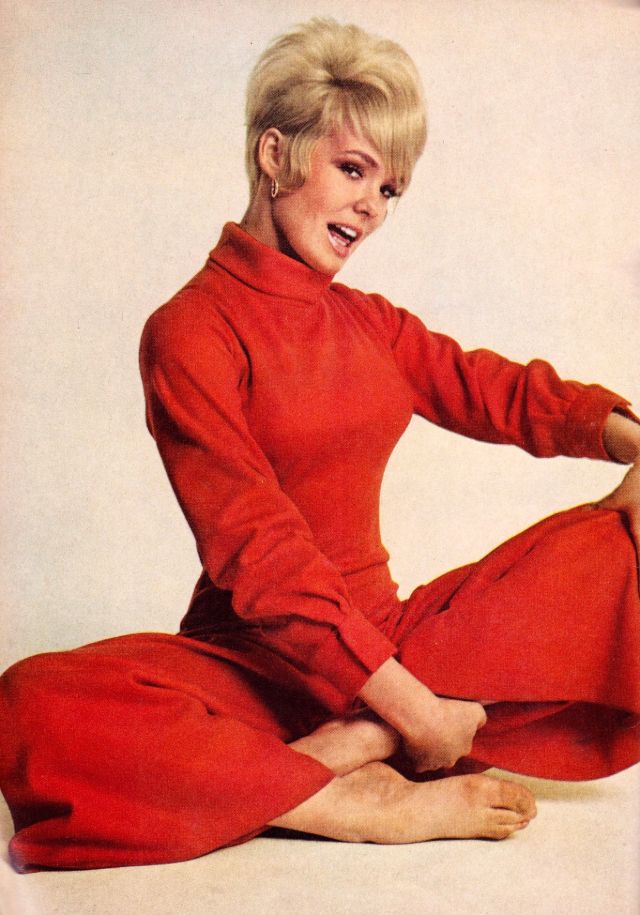
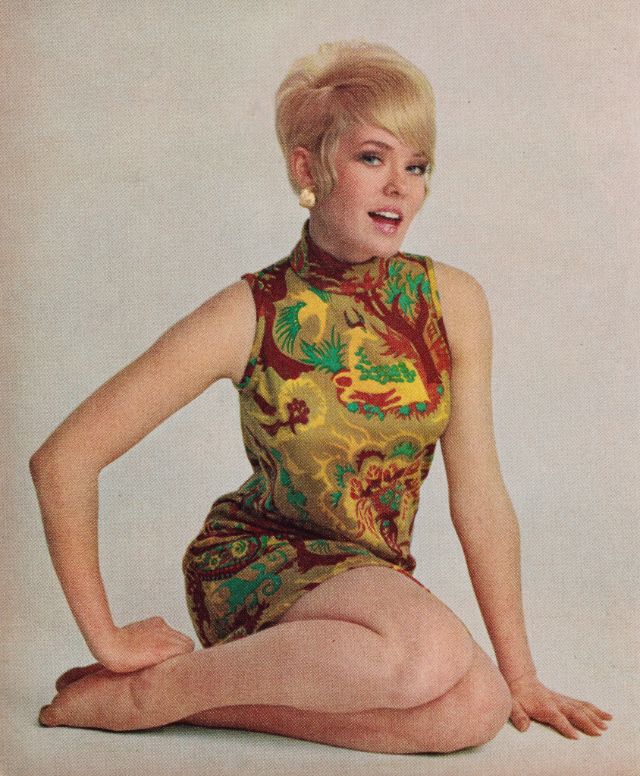
Born 1944 and raised in Rockville Centre, New York, American actress, dancer, and singer Joey Heatherton began her career as a child actress. She first appeared on television on her father’s show, The Merry Mailman, a popular children’s show in New York.
In 1959, at the age of 15, Heatherton became a member of the ensemble and an understudy in the original Broadway production of The Sound of Music. She also released her first single that year, entitled “That’s How It Goes”/ “I’ll Be Seeing You”.
Heatherton’s first television role as a dramatic actress came in 1960 when she guest-starred as a wealthy, spoiled teen on an early episode of Route 66. During the early 1960s, Heatherton was frequently cast as a troubled teenager due to her “sexy-kid look”.
Heatherton is best known for her many television appearances in the 1960s and 1970s, particularly as a frequent variety show performer, although she also appeared in acting roles. She performed for over a decade on USO tours presented by Bob Hope, and starred in several feature films including My Blood Runs Cold (1965) and The Happy Hooker Goes to Washington (1977).
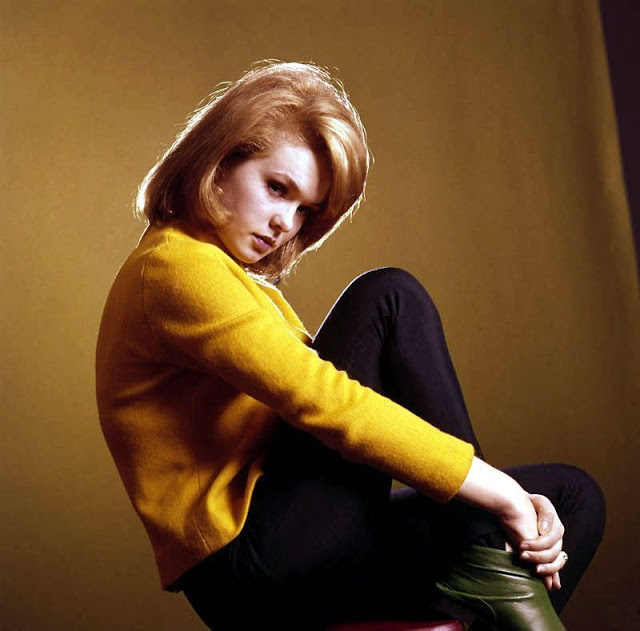
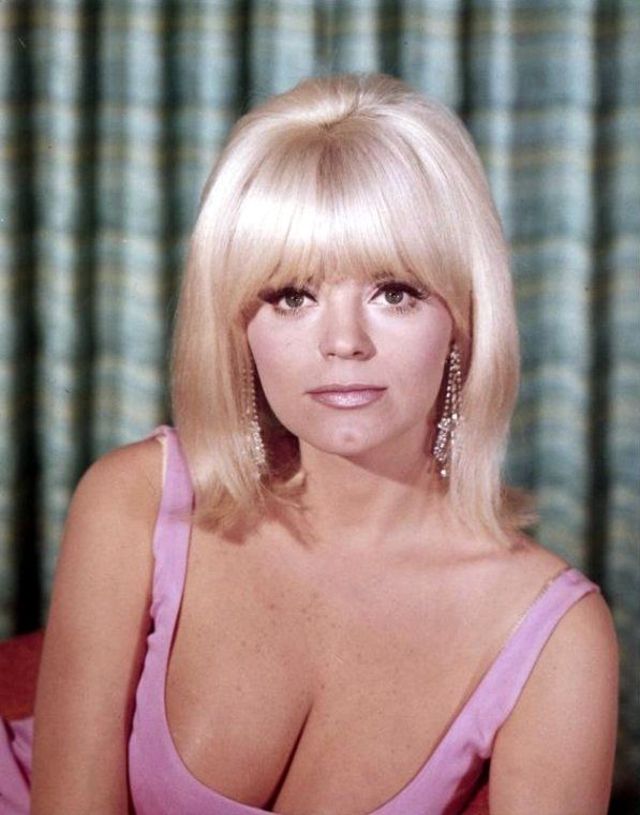
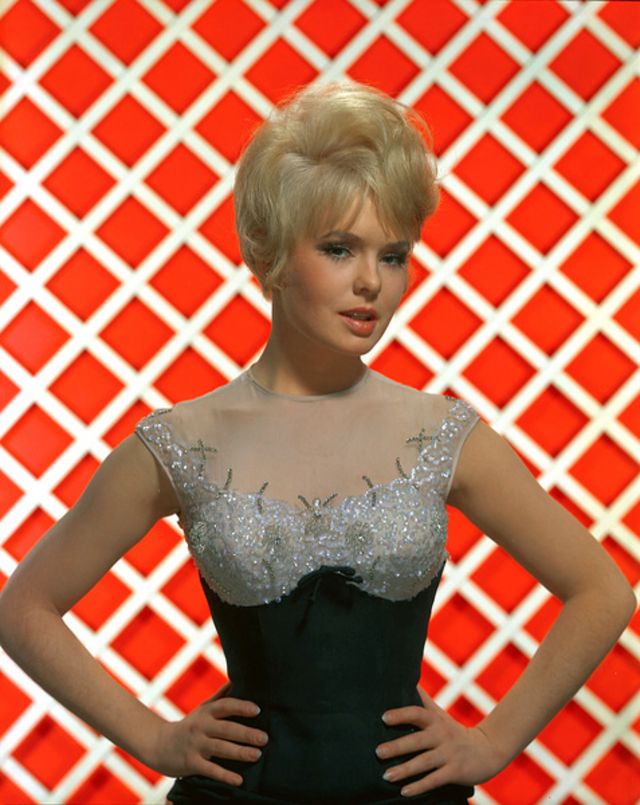
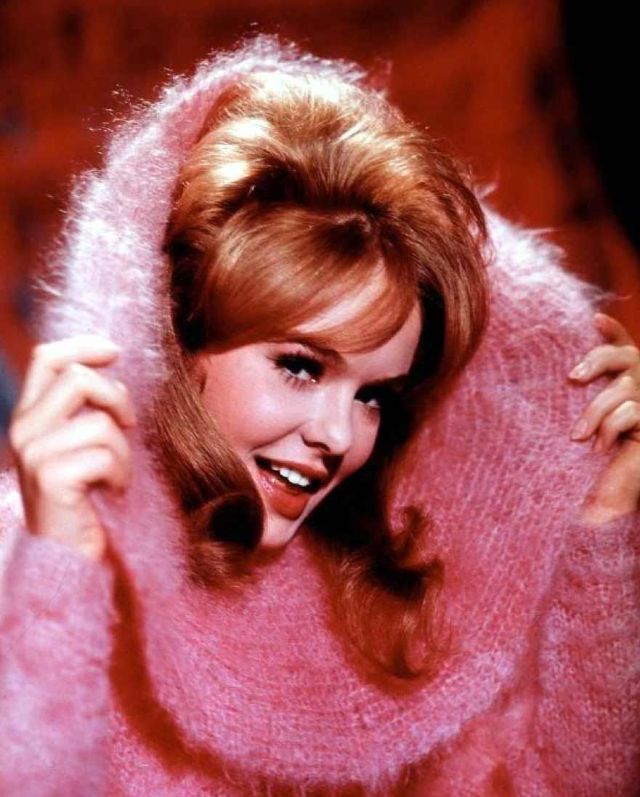
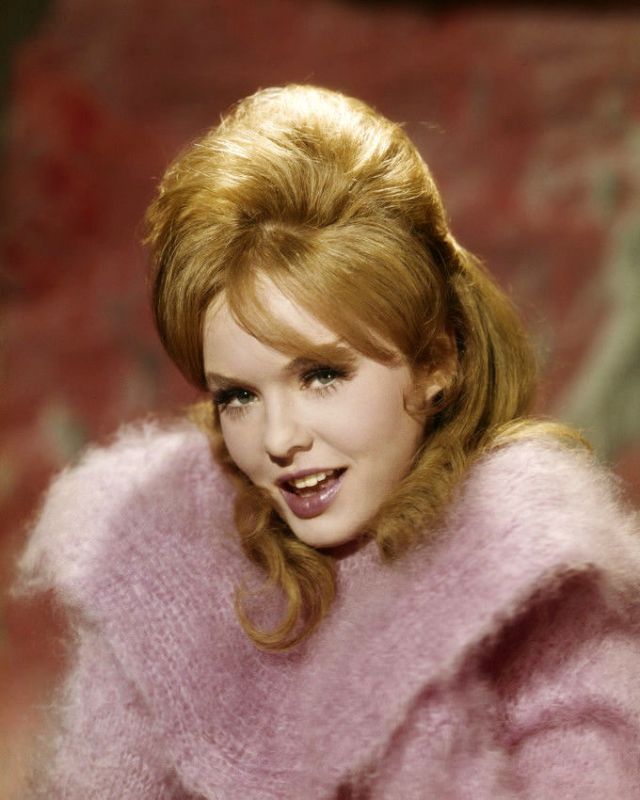
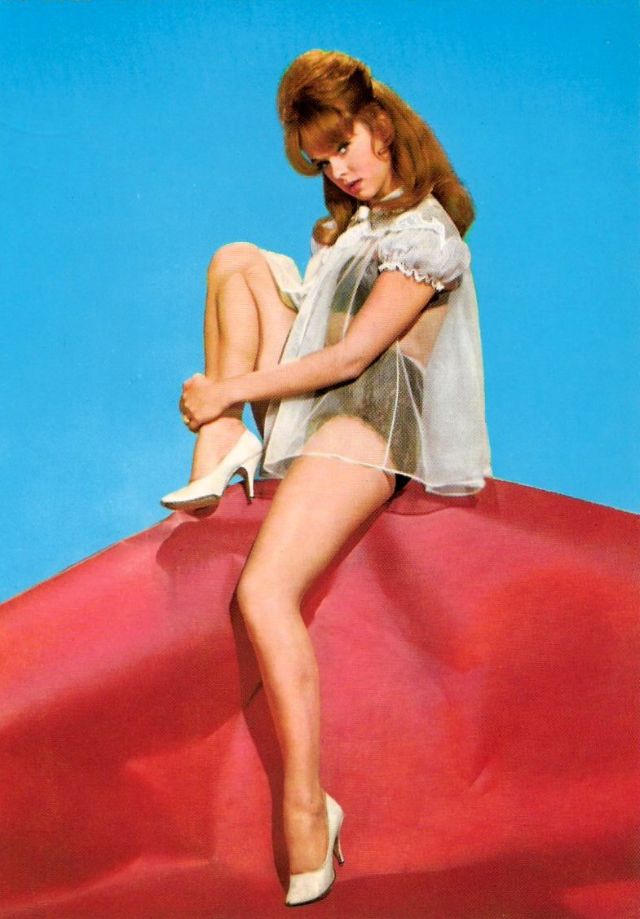
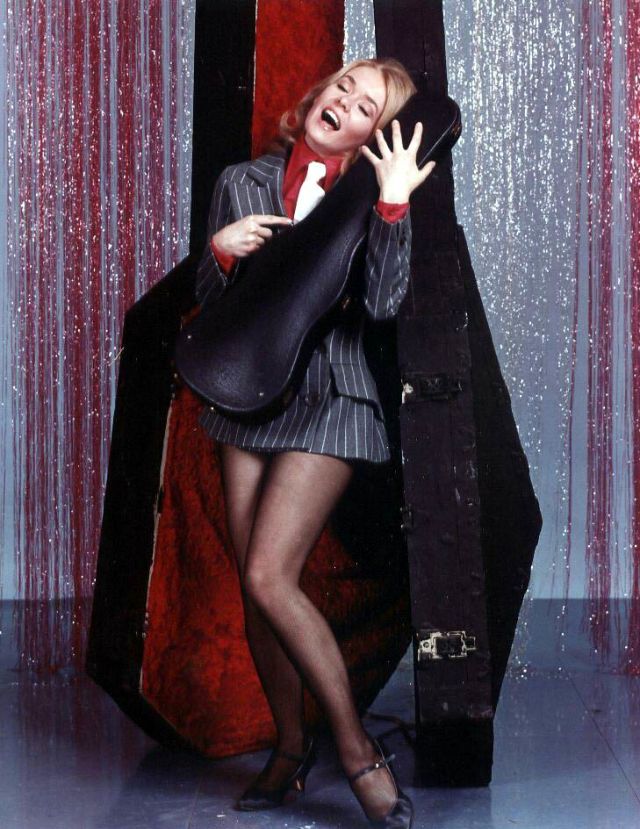
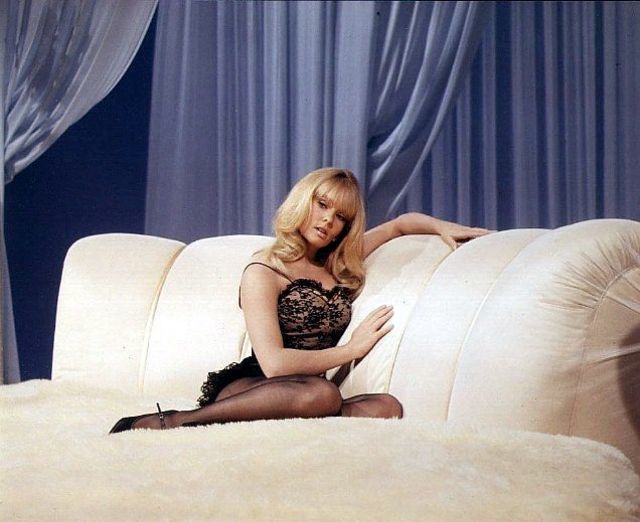
Take a look at these stunning photos to see glamorous beauty of Joey Heatherton in the 1960s and 1970s.
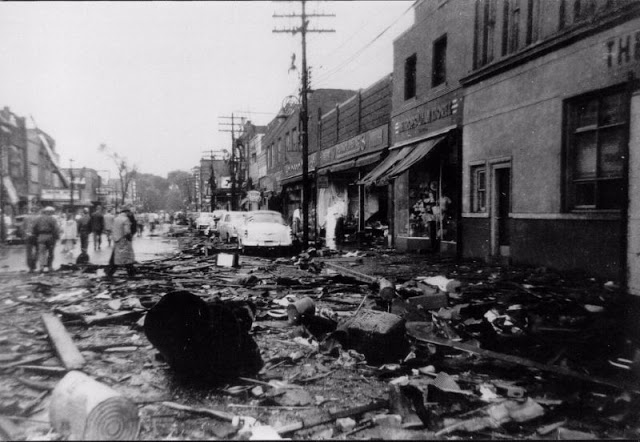
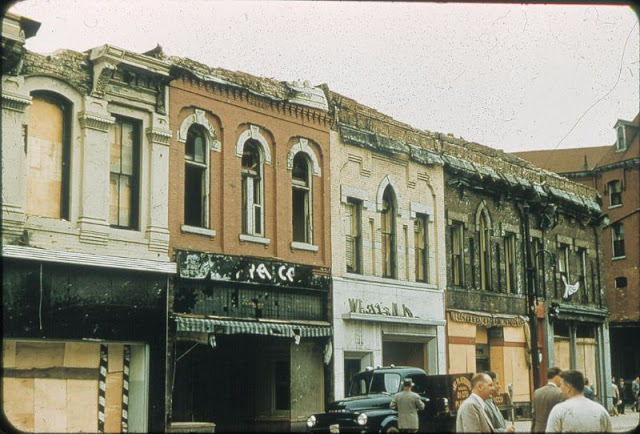
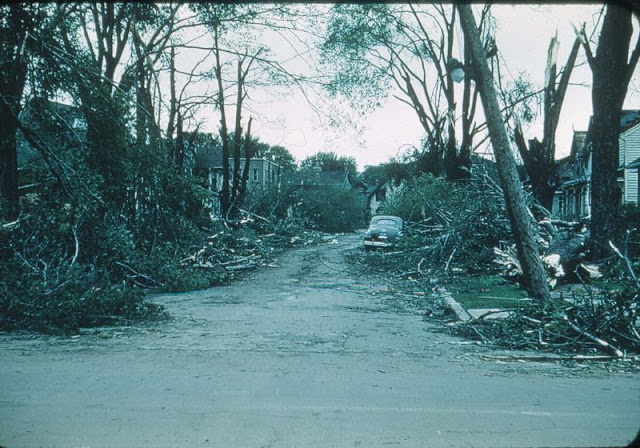
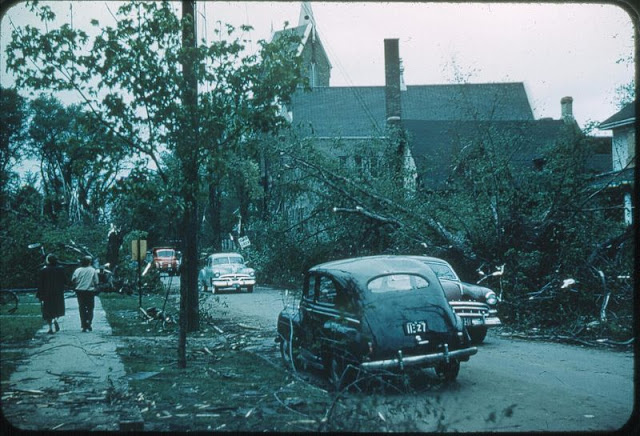
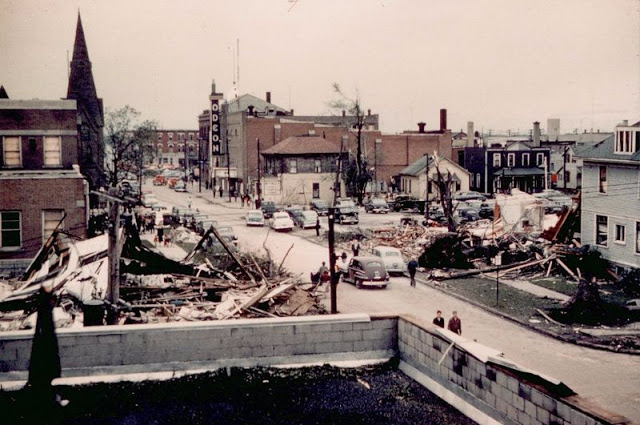
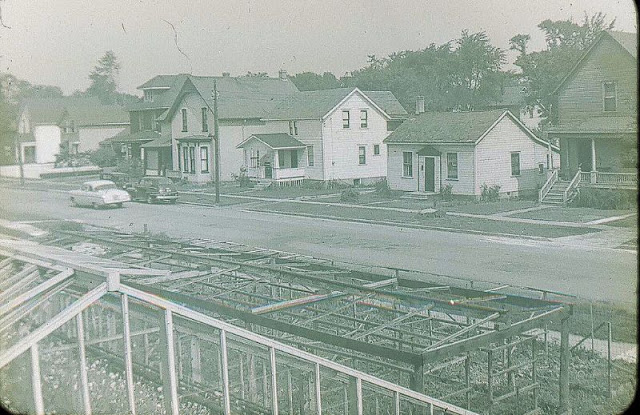
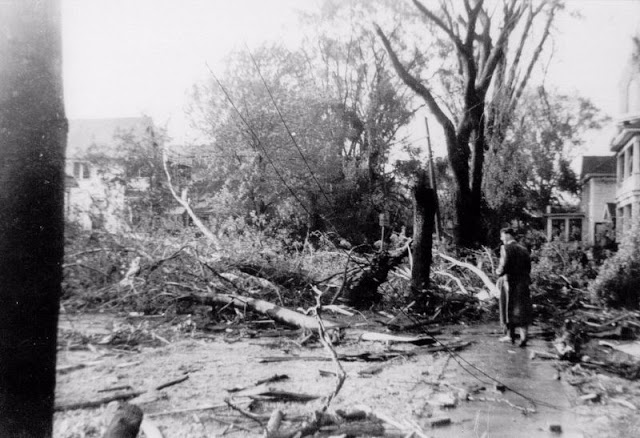
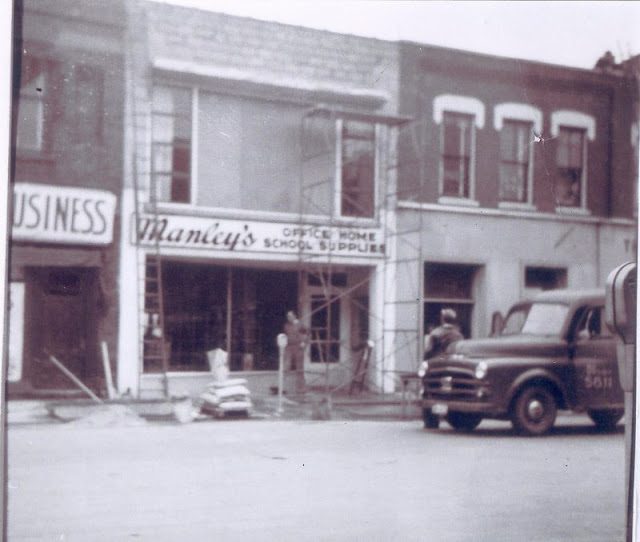
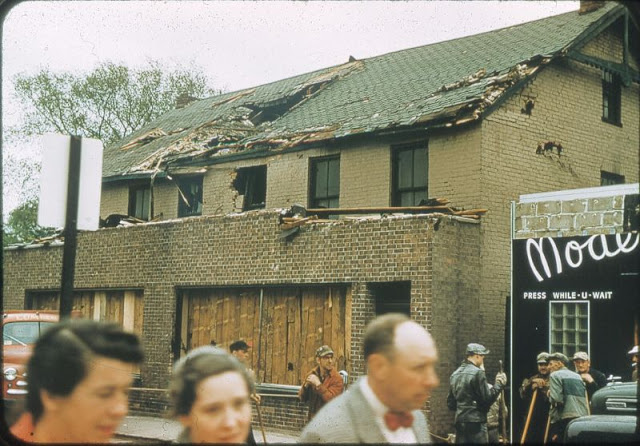
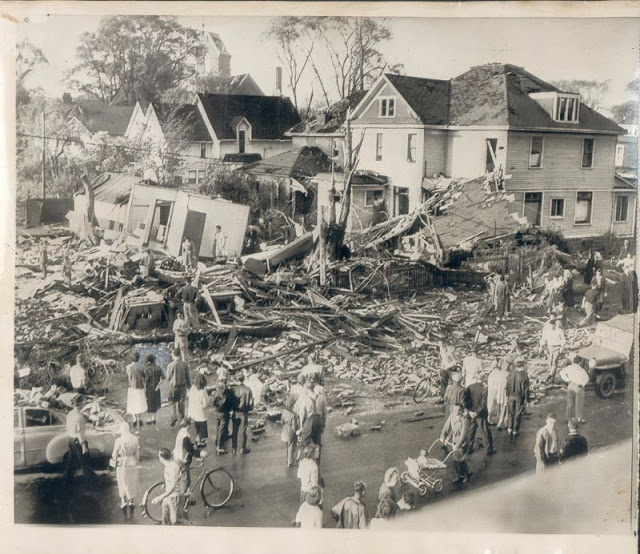
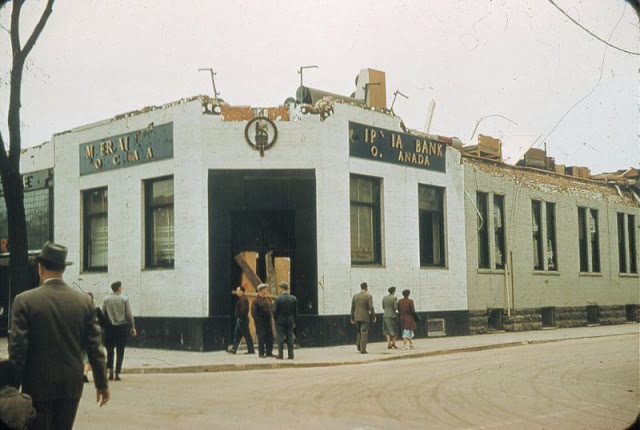
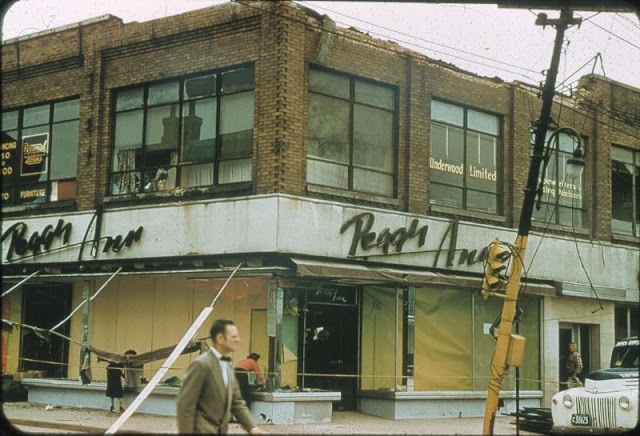
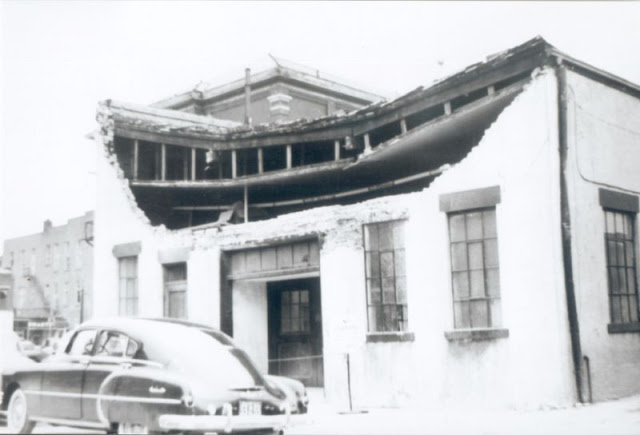
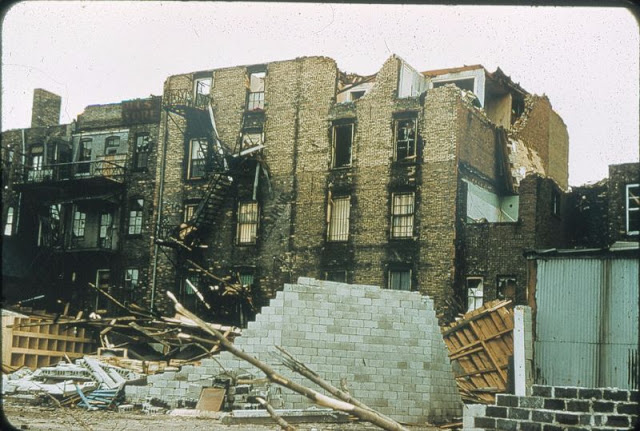
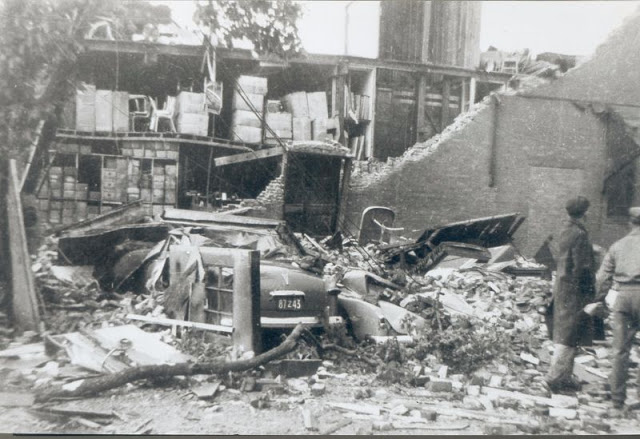
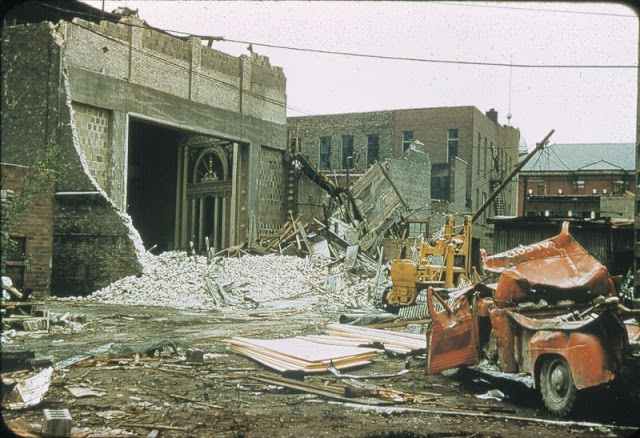
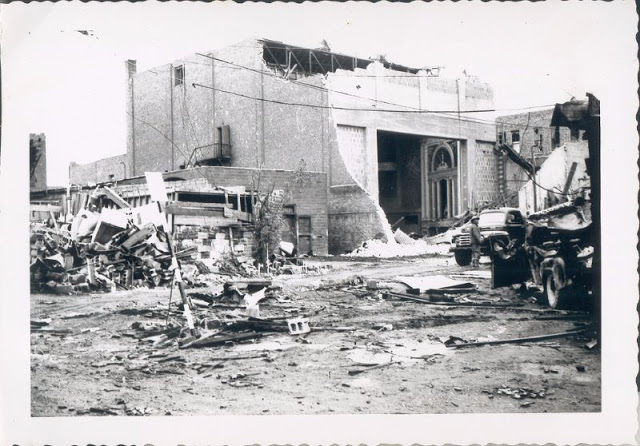
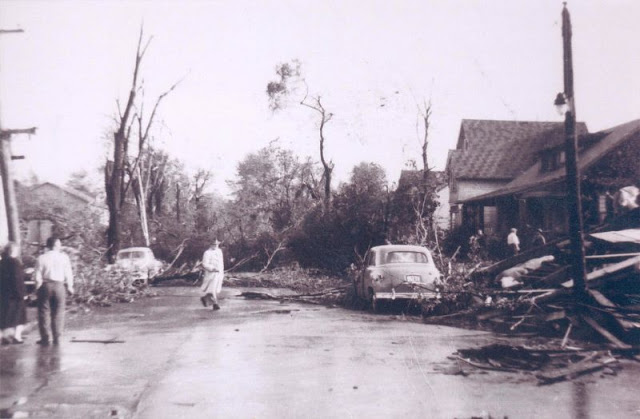
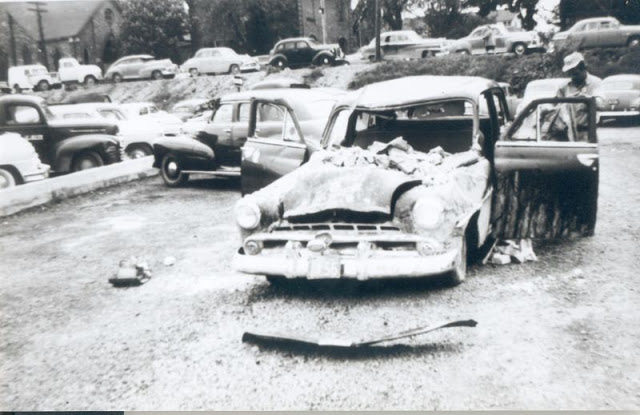
A powerful tornado struck the city of Sarnia, Ontario, Canada, on the afternoon of May 21, 1953. It made at least 150 homes on the more suburban outskirts of the city were damaged and in some instances reduced to rubble. Financial losses in Canada totaled $15 million; five people were killed, 48 were injured, and 500 were left homeless.
Sarnia is a city in Lambton County, Ontario, Canada. It had a 2016 population of 71,594, and is the largest city on Lake Huron. Sarnia is located on the eastern bank of the junction between the Upper and Lower Great Lakes where Lake Huron flows into the St. Clair River in the Southwestern Ontario region, which forms the Canada–United States border, directly across from Port Huron, Michigan. The site’s natural harbour first attracted the French explorer La Salle. He named the site “The Rapids” on 23 August 1679, when he had horses and men pull his 45-ton barque Le Griffon north against the nearly four-knot current of the St. Clair River.
This was the first time that a vessel other than a canoe or other oar-powered vessel had sailed into Lake Huron, and La Salle’s voyage was germinal in the development of commercial shipping on the Great Lakes. Located in the natural harbour, the Sarnia port remains an important centre for lake freighters and oceangoing ships carrying cargoes of grain and petroleum products. The natural port and the salt caverns that exist in the surrounding areas, together with the oil discovered in nearby Oil Springs in 1858, led to the dramatic growth of the petroleum industry in this area. Because Oil Springs was the first place in Canada and North America to drill commercially for oil, the knowledge that was acquired there resulted in oil drillers from Sarnia travelling the world teaching other enterprises and nations how to drill for oil.
The complex of refining and chemical companies is called Chemical Valley and located south of downtown Sarnia. In 2011 the city had the highest level of particulates air pollution of any Canadian city, but it has since dropped to rank 30th in this hazard. About 60 percent of the particulate matter comes from industries and polluters in the neighbouring United States.
Lake Huron is cooler than the air in summer and warmer than the air in winter; therefore, it moderates Sarnia’s humid continental climate, making temperature extremes of hot and cold less evident. In the winter, Sarnia occasionally experiences lake-effect snow from Arctic air blowing across the warmer waters of Lake Huron and condensing to form snow squalls over land. (Wikipedia)
Take a look at these incredible photos to see what Sarnia, Ontario looked like just after the tornado in 1953.
Christina St. looking south from Lochiel St.Clean-up work on the Vendome HotelEast side of Christina St. looking south to Cromwell St.East side of Front St. between Lochiel and Cromwell Sts. showing tornado damage to the Barr building and the Mackenzie-Milne buildingEast side of Front St. just south of Bank of CommerceEast side of Front St. looking south to Cromwell St.Euphemia St. looking north from Lochiel St.Houses after tornadoLochiel St. looking east from Christina St.Lochiel St. near Brock St.Looking east down George St. from Brock St.Looking north down Euphemia St. to George St.Looking north on College Avenue from George St.Looking west down George St. from Euphemia St.Looking west down Lochiel St. from Brock after TornadoMacklin’s GreenhousesMacklin’s GreenhousesMan walking on street after tornadoManley’s after the Tornado of 1953Manley’s after the Tornado of 1953Maria St. just west of Mitton St.Modern Dry Cleaning on Cromwell St.North side of Lochiel St. at Brock St.North side of Lochiel St. east of BrockNortheast corner of Christina and Cromwell Sts.Northwest corner of Brock and Lochiel Sts.Northwest corner of Christina and Cromwell Sts.People gathering together after tornadoPurity Dairy buildingRear of buildings on Front St.Rear of Front St. buildingsRear of Taylor’s Furniture storeRear of the Colonial HotelRear of the Taylor’s Furniture building at Christina and Cromwell Sts.Reitman’s on Christina St.Remains of the Imperial TheatreRemains of the original Imperial TheatreSarnia after TornadoSarnia City Hall after tornado 1953Southeast corner of Lochiel and Christina St., Sarnia, ONStewart’s Funeral Home, Sarnia, ONStreet scenes of Sarnia after tornadoStreet scenes of Sarnia after tornadoTornado damage on Mitton St.West side of Front St. looking southVehicle crush by debris in the TornadoVendome Hotel after TornadoWest side of Front St. looking south to Ferry Dock HillWest side of Front St.
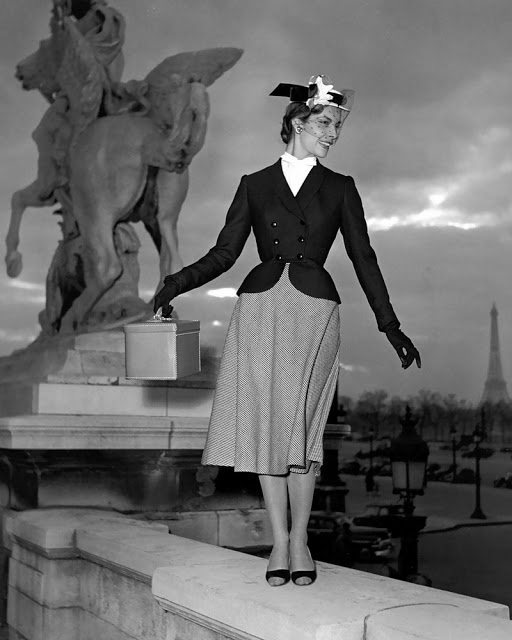
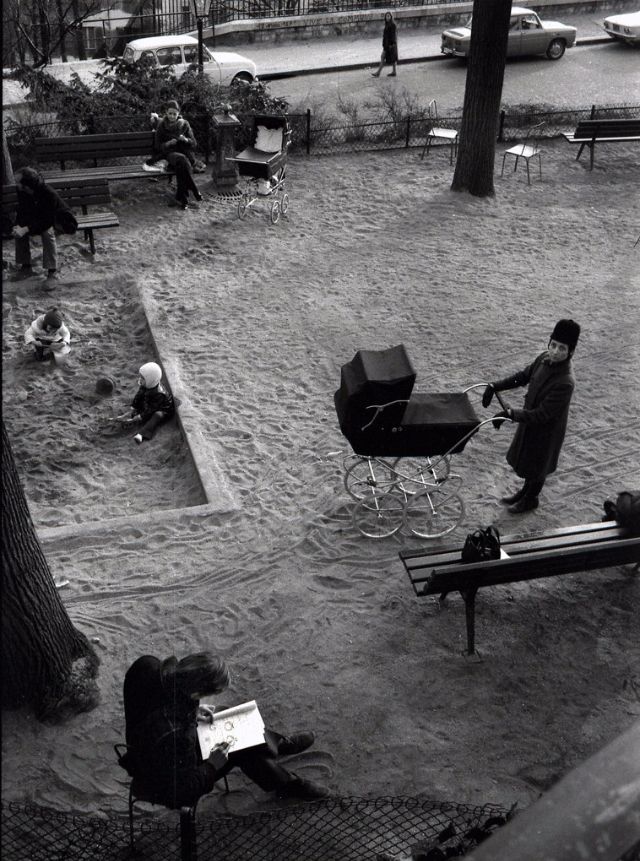
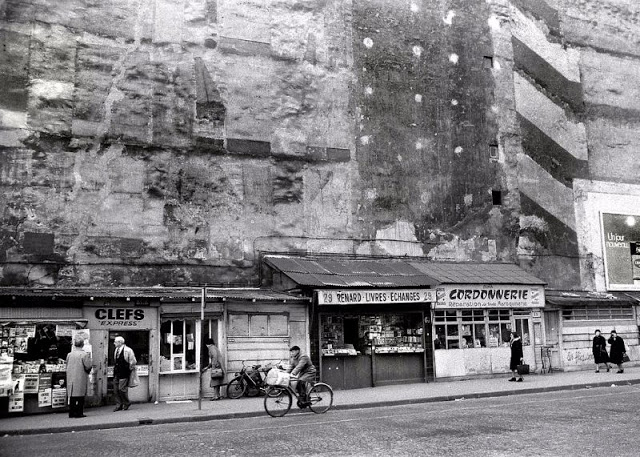
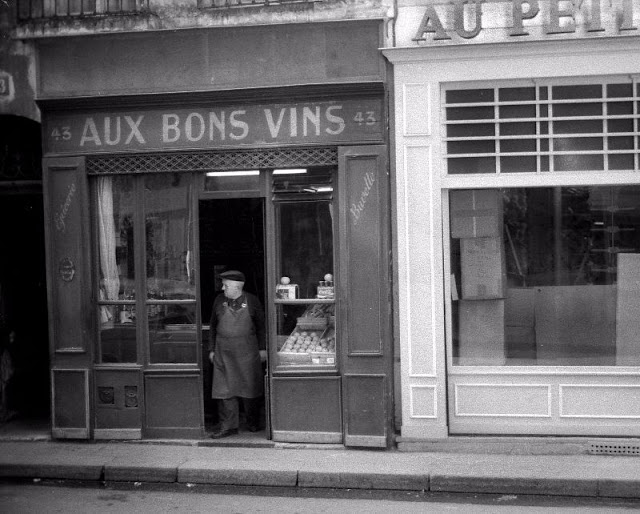
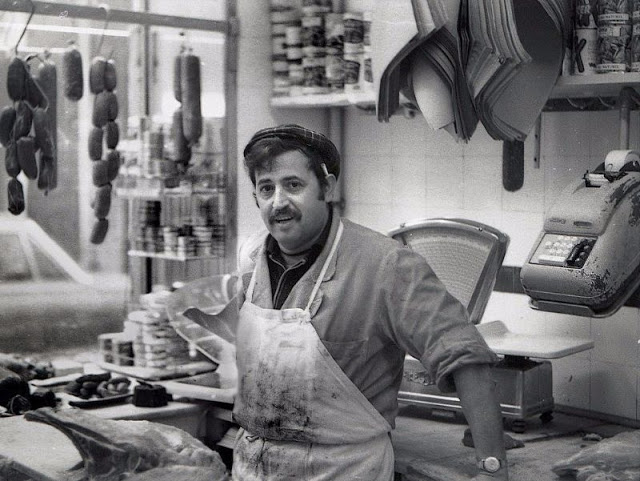
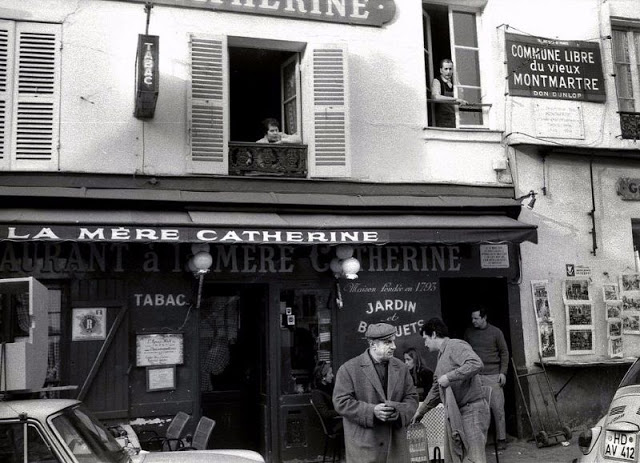
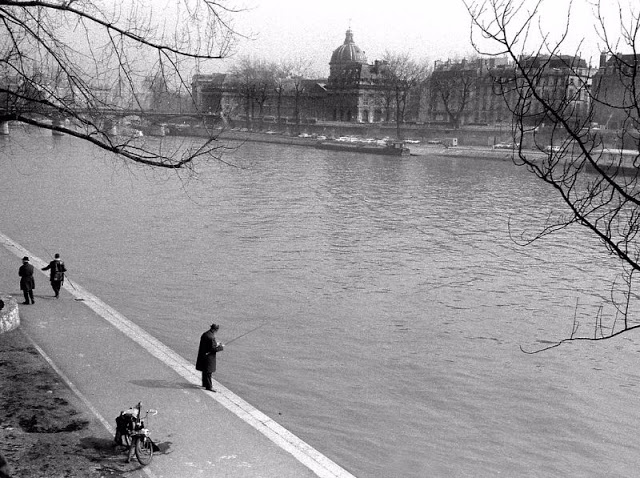
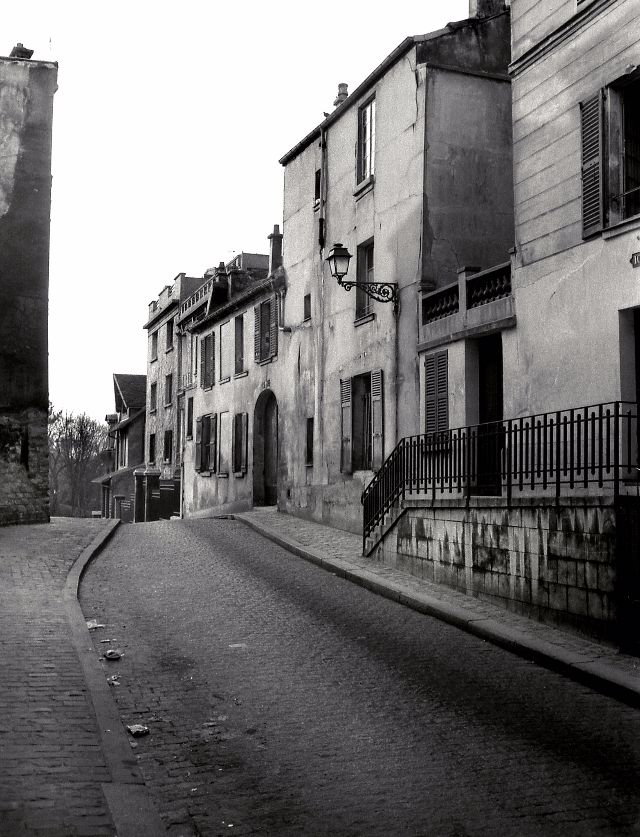
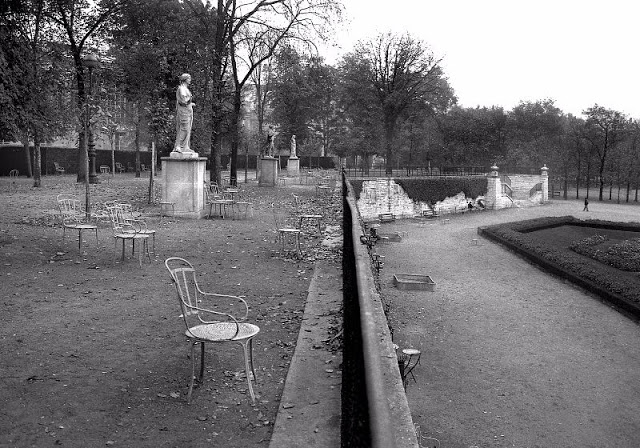
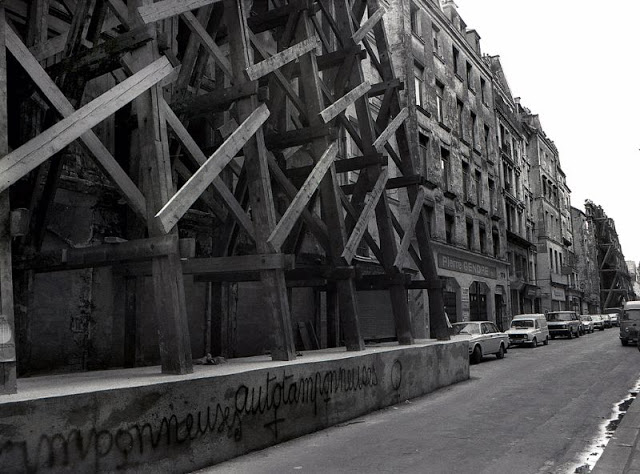
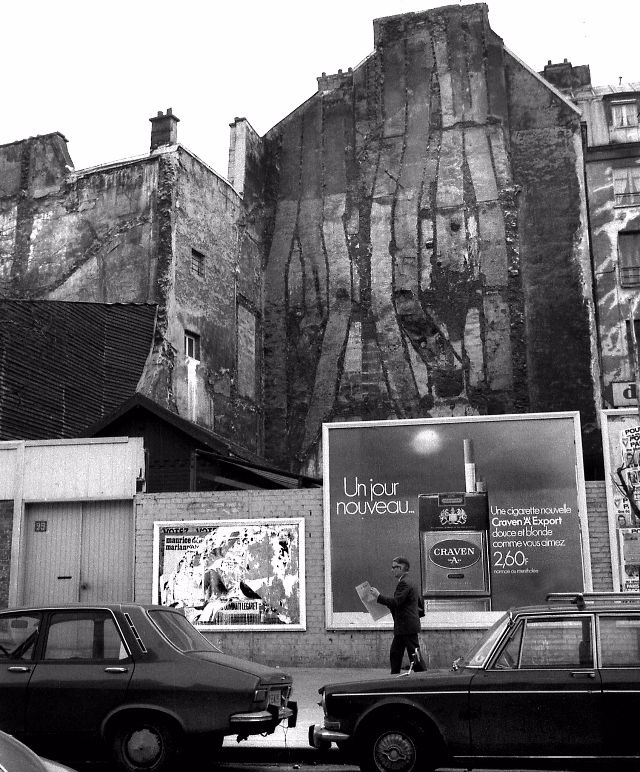
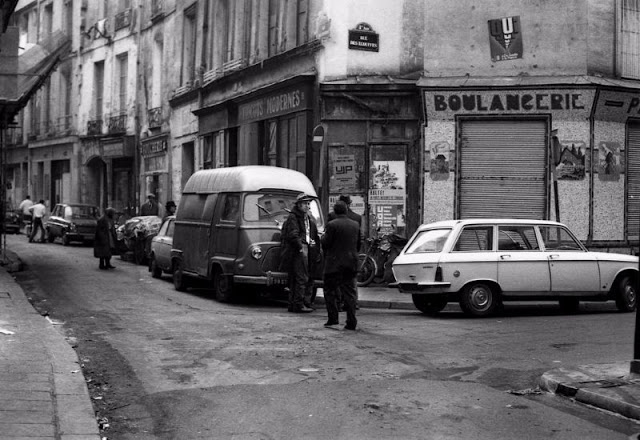
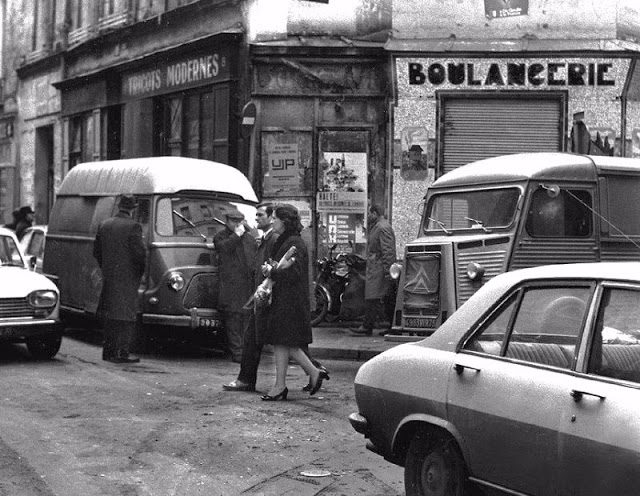
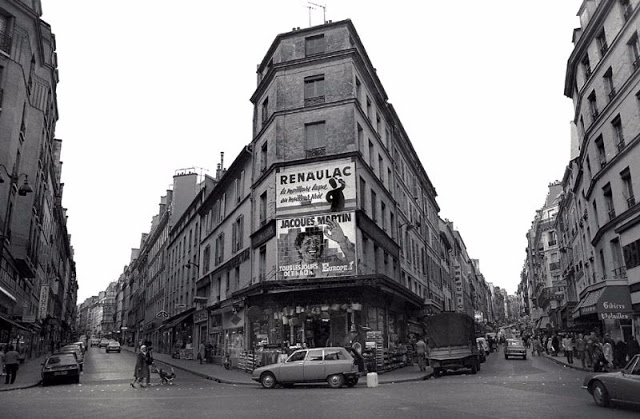
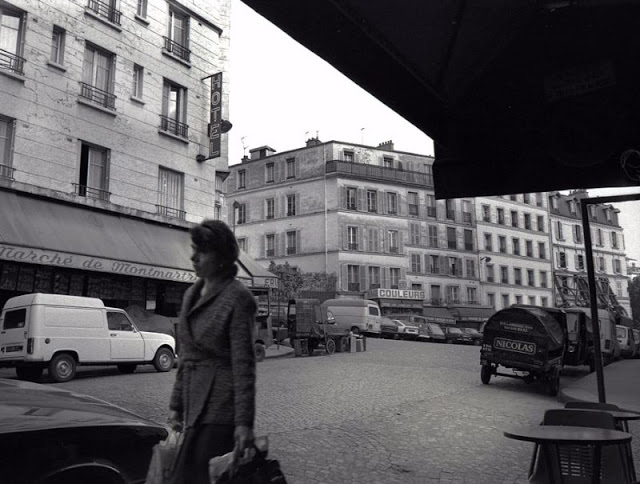
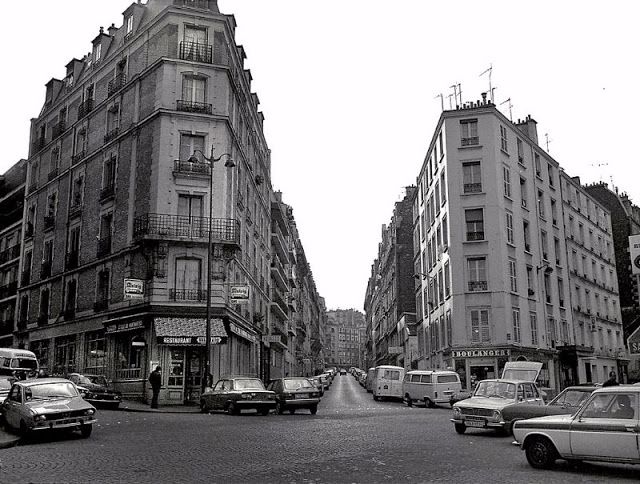
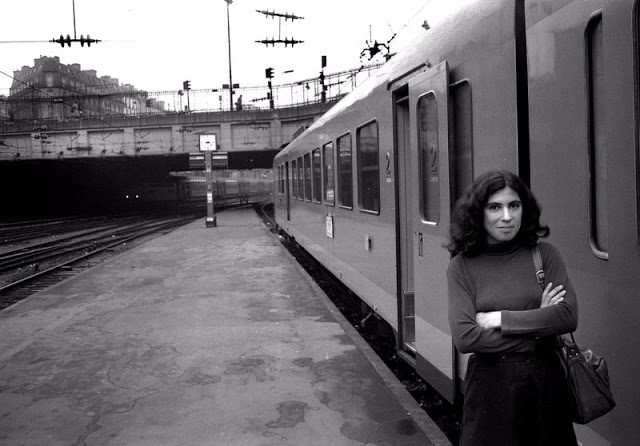
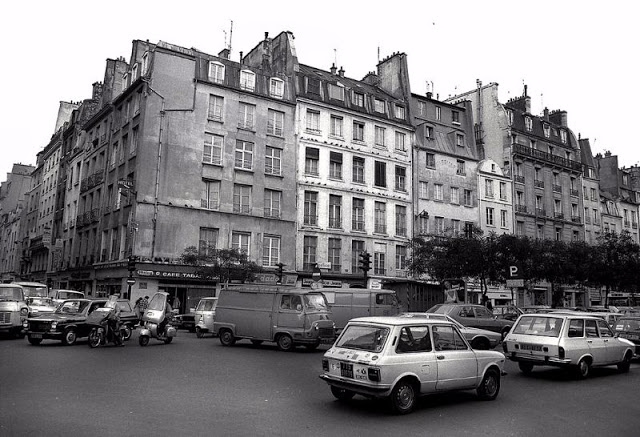
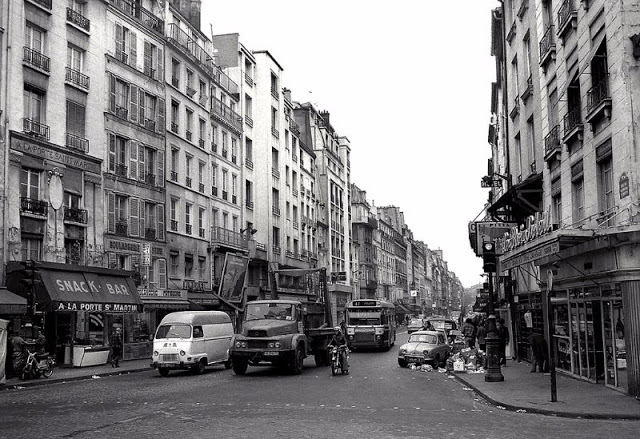
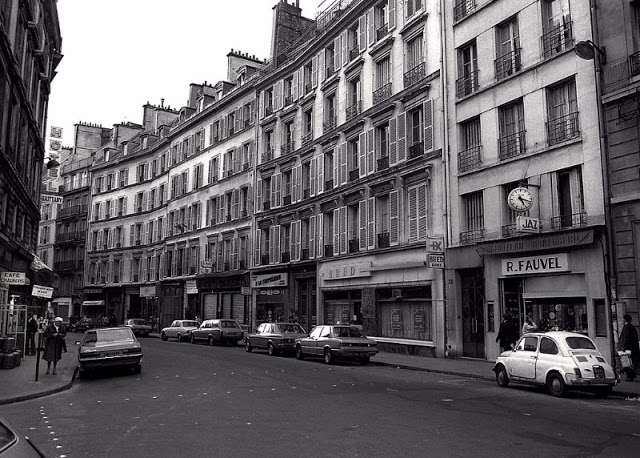
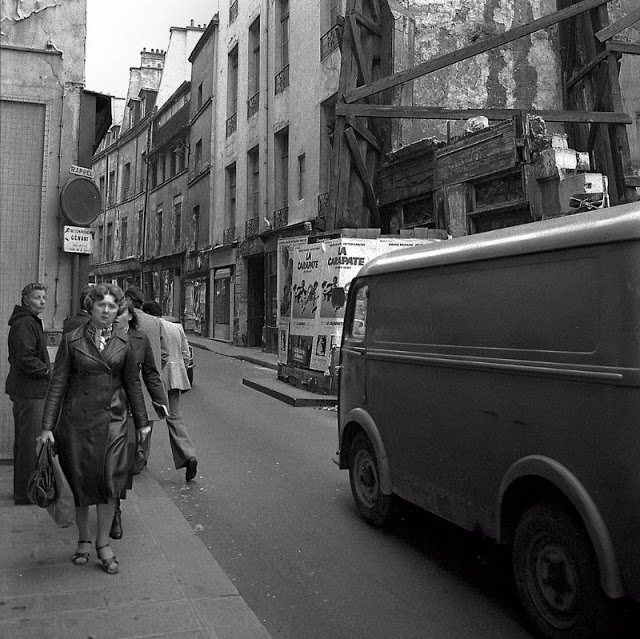
Paris is the capital and most populous city of France, with an estimated population of 2,165,423 residents in 2019 in an area of more than 105 km² (41 sq mi), making it the 34th most densely populated city in the world in 2020. Since the 17th century, Paris has been one of the world’s major centres of finance, diplomacy, commerce, fashion, gastronomy, science, and arts, and has sometimes been referred to as the capital of the world. The City of Paris is the centre and seat of government of the region and province of Île-de-France, or Paris Region, with an estimated population of 12,997,058 in 2020, or about 18% of the population of France, making it the 14th largest in the world in 2015. The Paris Region had a GDP of €709 billion ($808 billion) in 2017. According to the Economist Intelligence Unit Worldwide Cost of Living Survey, in 2021 Paris was the city with the second-highest cost of living in the world, tied with Singapore, and after Tel Aviv.
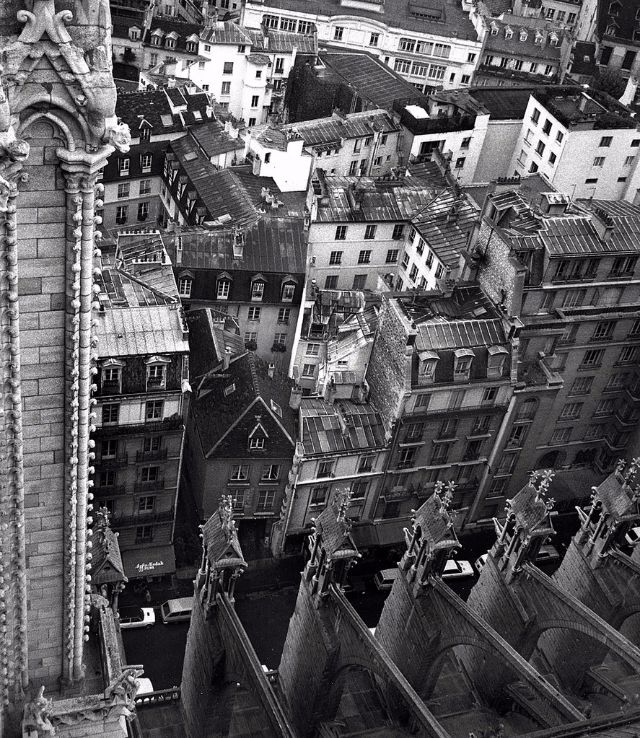
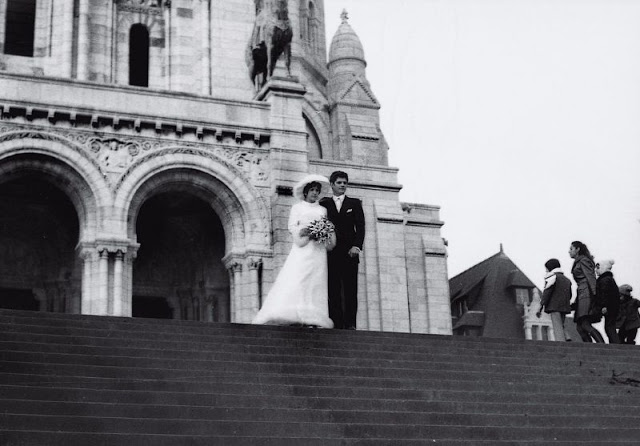
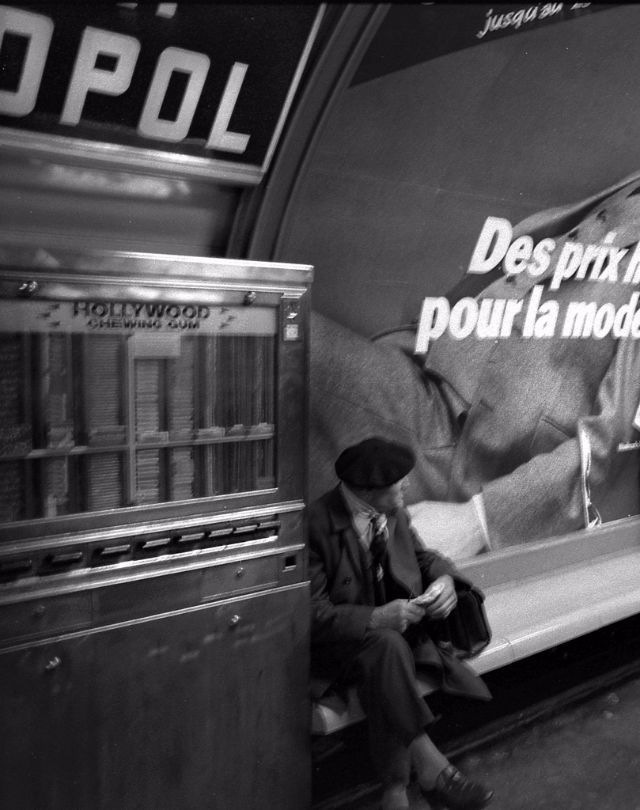
Paris is a major railway, highway, and air-transport hub served by two international airports: Paris–Charles de Gaulle (the second-busiest airport in Europe) and Paris–Orly. Opened in 1900, the city’s subway system, the Paris Métro, serves 5.23 million passengers daily; it is the second-busiest metro system in Europe after the Moscow Metro. Gare du Nord is the 24th-busiest railway station in the world and the busiest located outside Japan, with 262 million passengers in 2015. Paris is especially known for its museums and architectural landmarks: the Louvre received 2.8 million visitors in 2021, despite the long museum closings caused by the COVID-19 virus. The Musée d’Orsay, Musée Marmottan Monet and Musée de l’Orangerie are noted for their collections of French Impressionist art. The Pompidou Centre Musée National d’Art Moderne has the largest collection of modern and contemporary art in Europe. The Musée Rodin and Musée Picasso exhibit the works of two noted Parisians. The historical district along the Seine in the city centre has been classified as a UNESCO World Heritage Site since 1991; popular landmarks there include the Cathedral of Notre Dame de Paris on the Île de la Cité, now closed for renovation after the 15 April 2019 fire. Other popular tourist sites include the Gothic royal chapel of Sainte-Chapelle, also on the Île de la Cité; the Eiffel Tower, constructed for the Paris Universal Exposition of 1889; the Grand Palais and Petit Palais, built for the Paris Universal Exposition of 1900; the Arc de Triomphe on the Champs-Élysées, and the hill of Montmartre with its artistic history and its Basilica of Sacré-Coeur.
Paris hosts several United Nations organisations: the UNESCO, the Young Engineers / Future Leaders, the World Federation of Engineering Organizations, and other international organisations such as the OECD, the OECD Development Centre, the International Bureau of Weights and Measures, the International Energy Agency, the International Federation for Human Rights, the International Organisation of La Francophonie; along with European bodies such as the European Space Agency, the European Banking Authority or the European Securities and Markets Authority. Other international organisations were founded in Paris such as the CIMAC in 1951 (International Council on Combustion Engines | Conseil International des Machines à Combustion), or the modern Olympic Games in 1894 which was then moved to Lausanne, Switzerland.
Tourism recovered in the Paris region in 2021, increasing to 22.6 million visitors, thirty percent more than in 2020, but still well below 2019 levels. The number of visitors from the United States increased by 237 percent over 2020. Museums re-opened in 2021, with limitations on the number of visitors at a time and a requirement that visitors wear masks.
The football club Paris Saint-Germain and the rugby union club Stade Français are based in Paris. The 80,000-seat Stade de France, built for the 1998 FIFA World Cup, is located just north of Paris in the neighbouring commune of Saint-Denis. Paris hosts the annual French Open Grand Slam tennis tournament on the red clay of Roland Garros. The city hosted the Olympic Games in 1900, 1924 and will host the 2024 Summer Olympics. The 1938 and 1998 FIFA World Cups, the 2007 Rugby World Cup, as well as the 1960, 1984 and 2016 UEFA European Championships were also held in the city. Every July, the Tour de France bicycle race finishes on the Avenue des Champs-Élysées in Paris. (Wikipedia)
Subscribe to continue reading
Become a paid subscriber to get access to the rest of this post and other exclusive content.
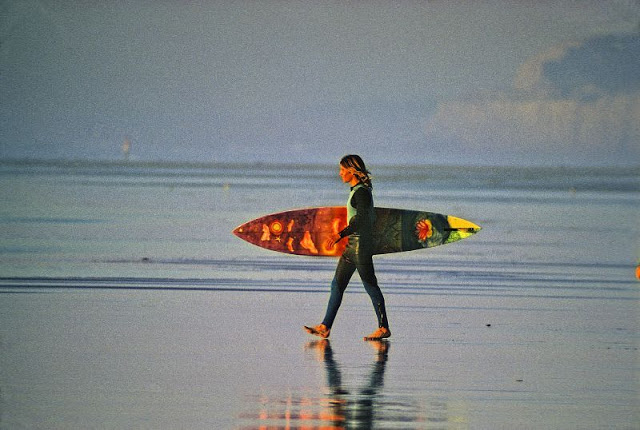
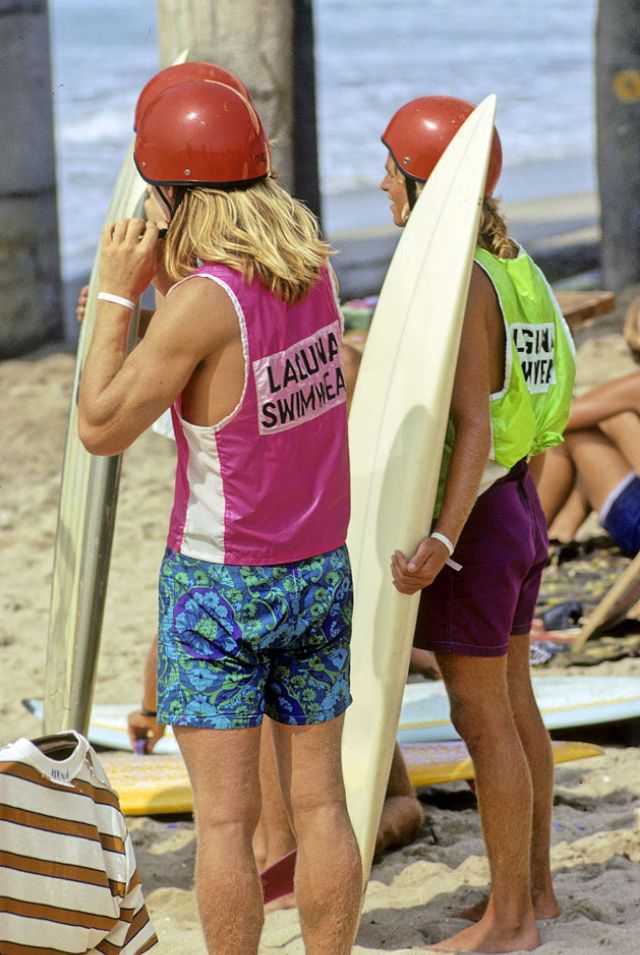
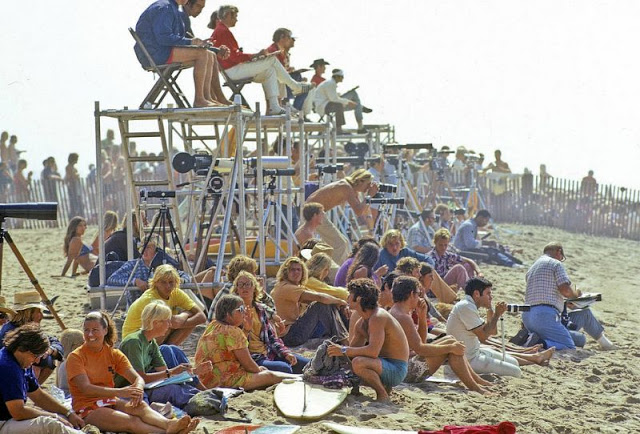
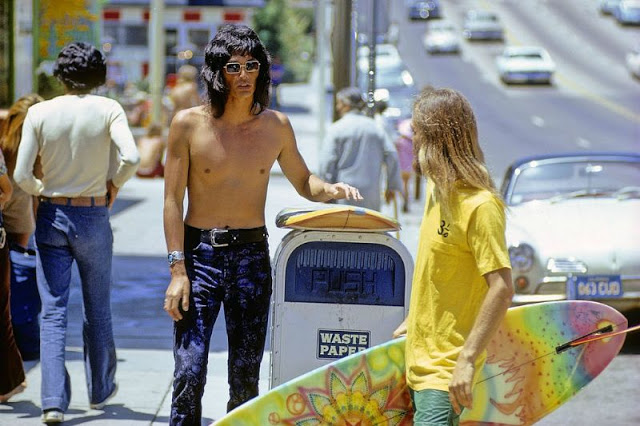
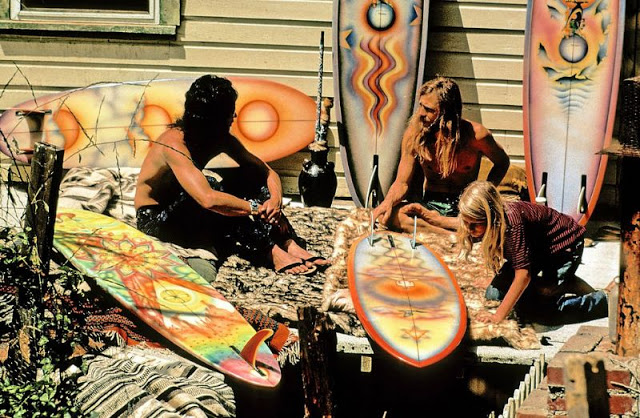
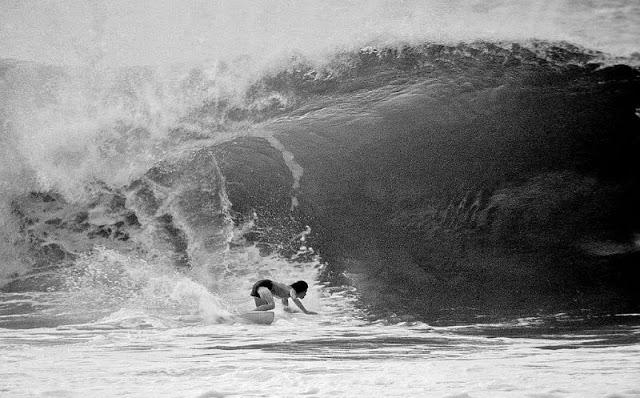
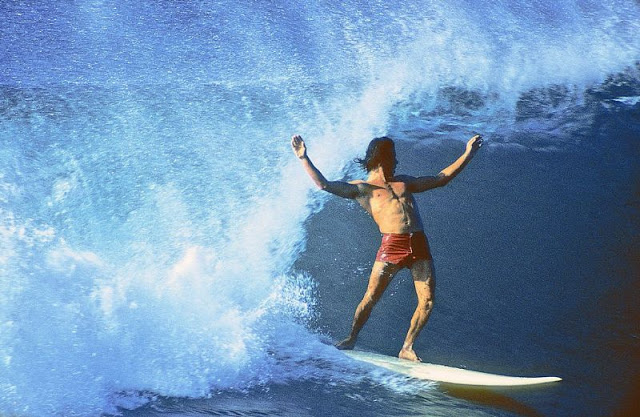
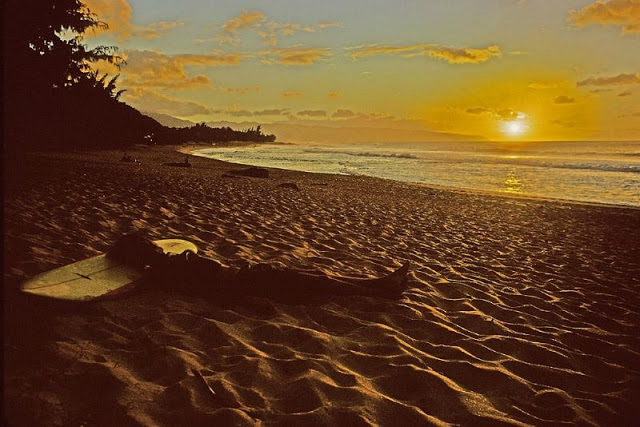
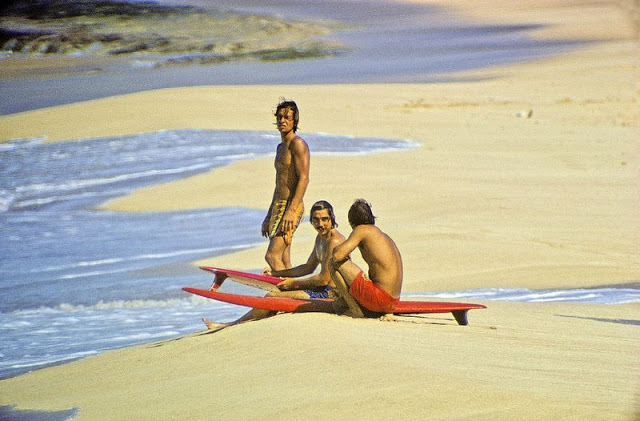
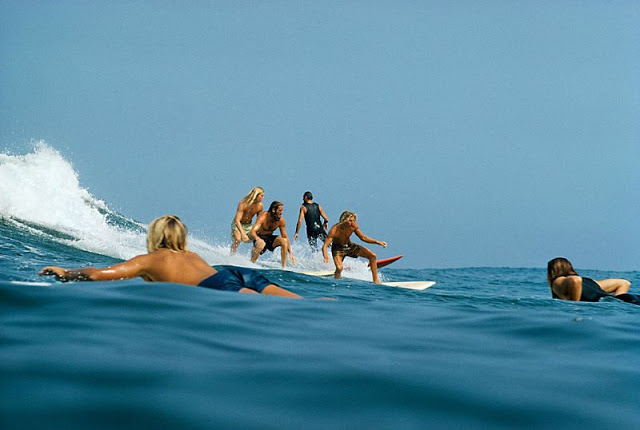
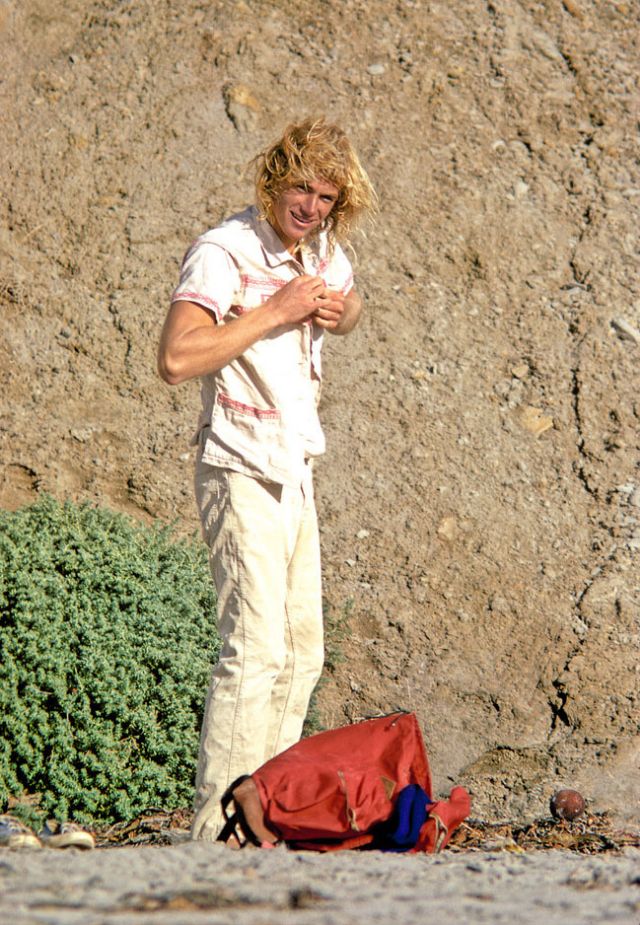
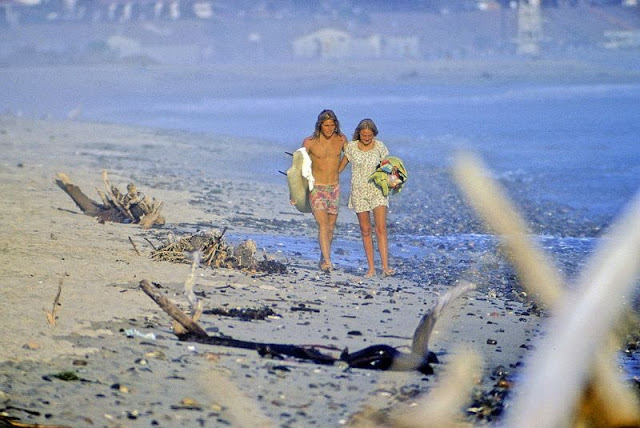
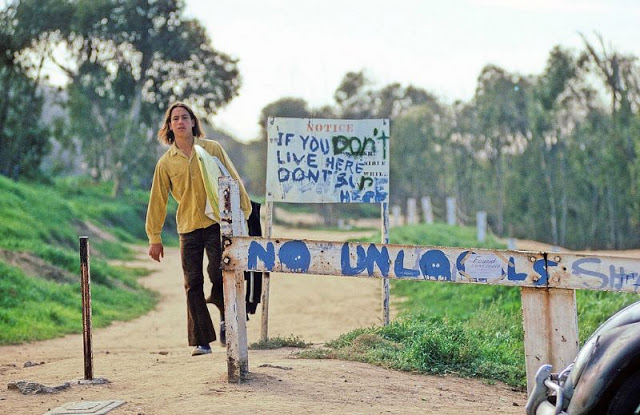
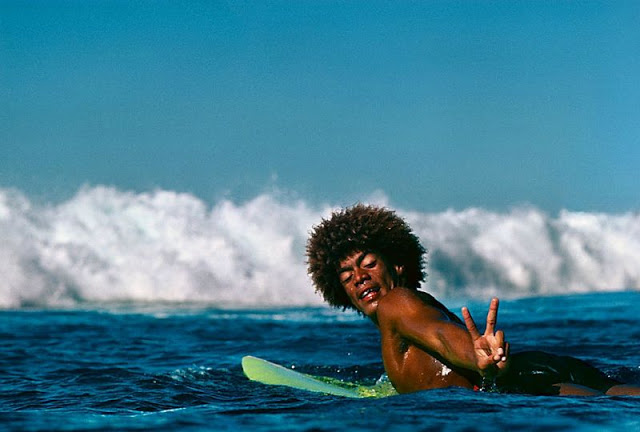
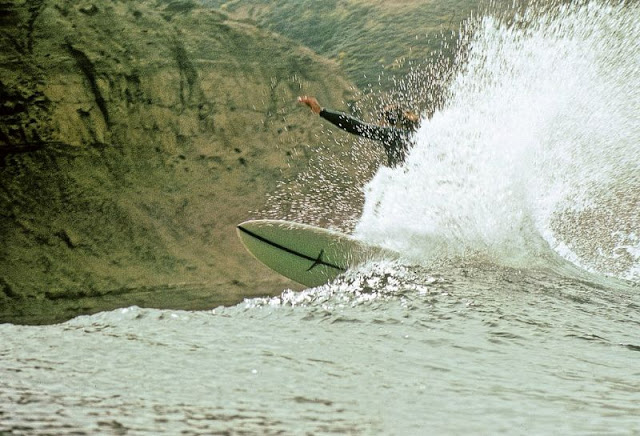
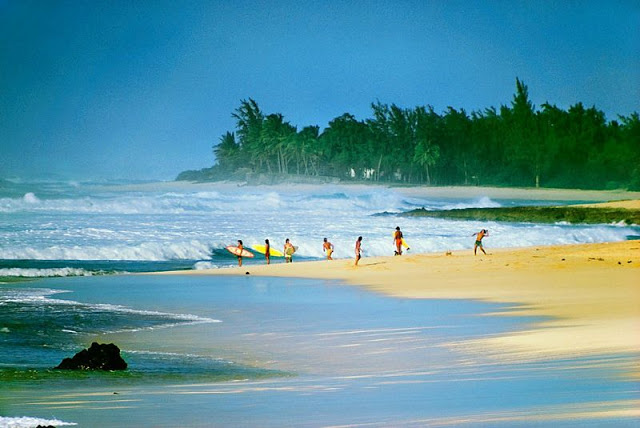
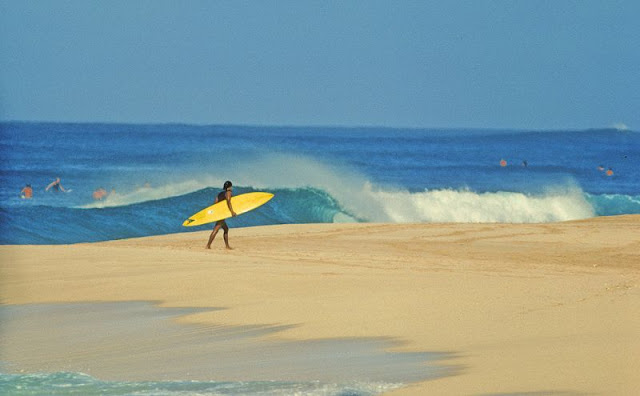
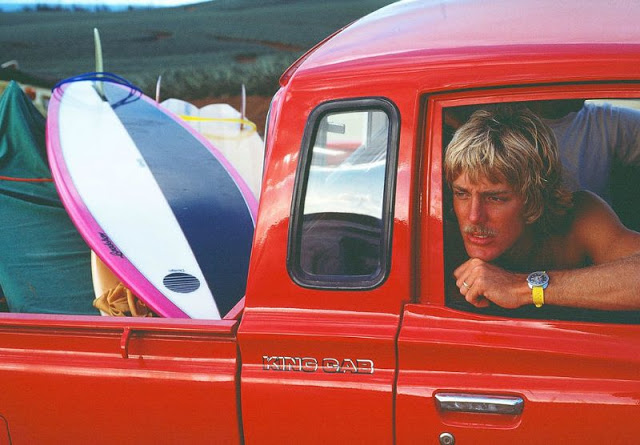
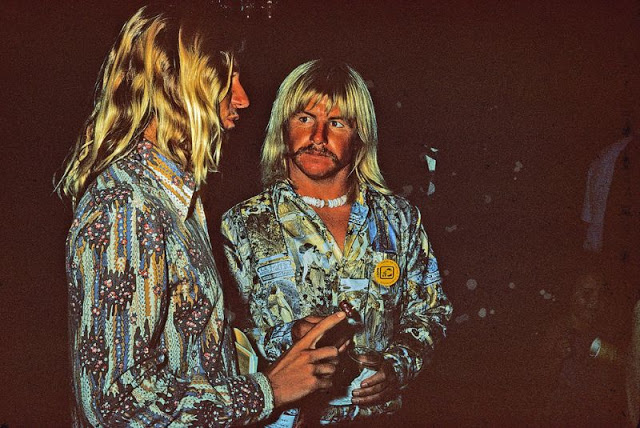
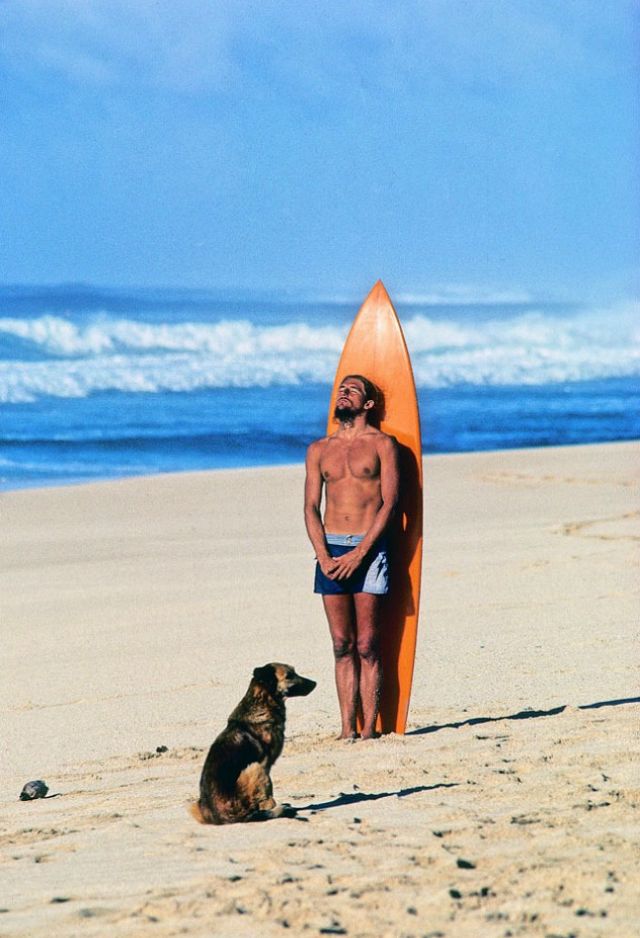
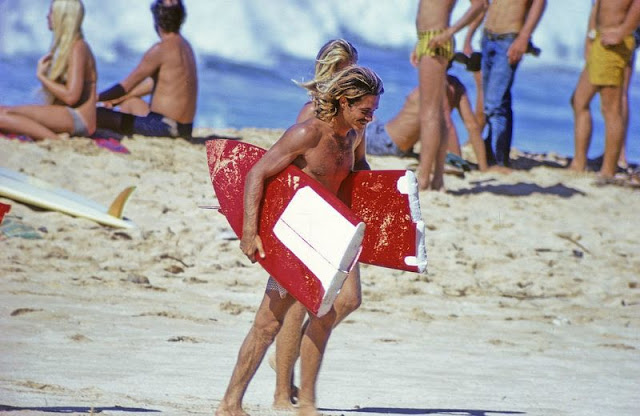
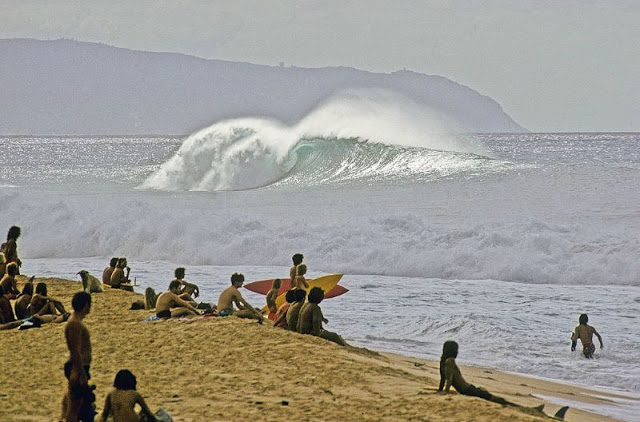
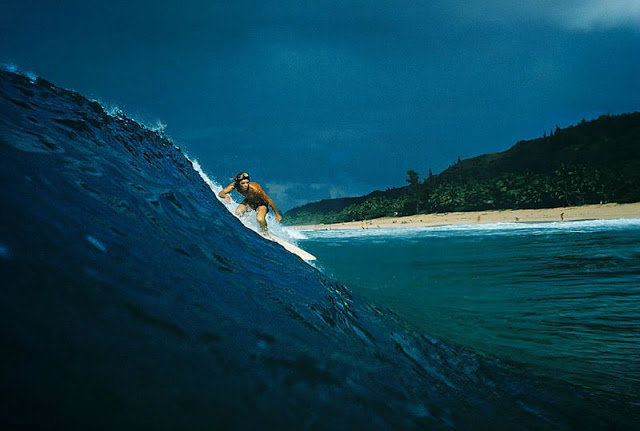
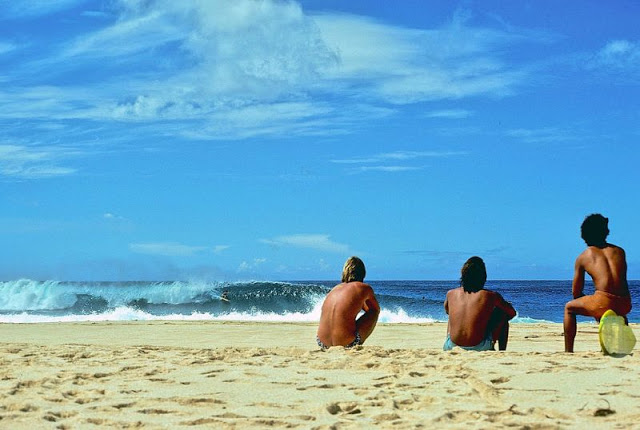
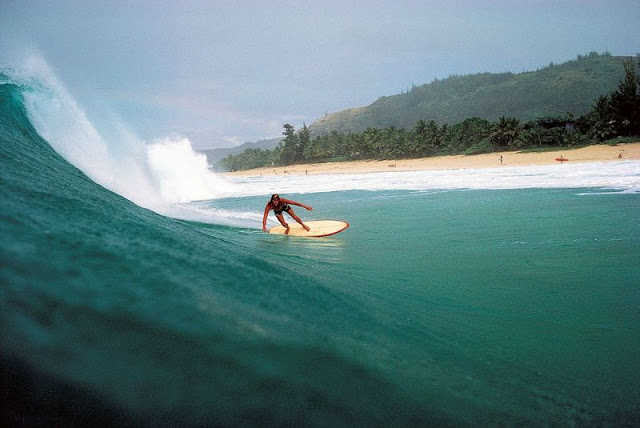
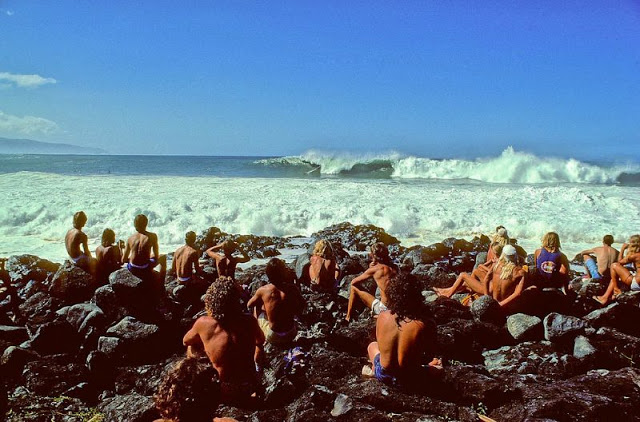
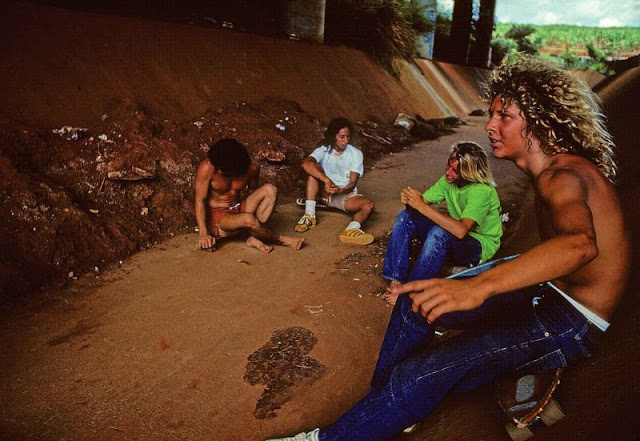
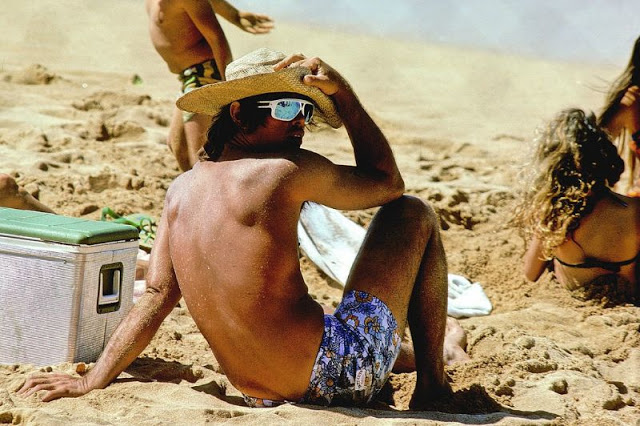
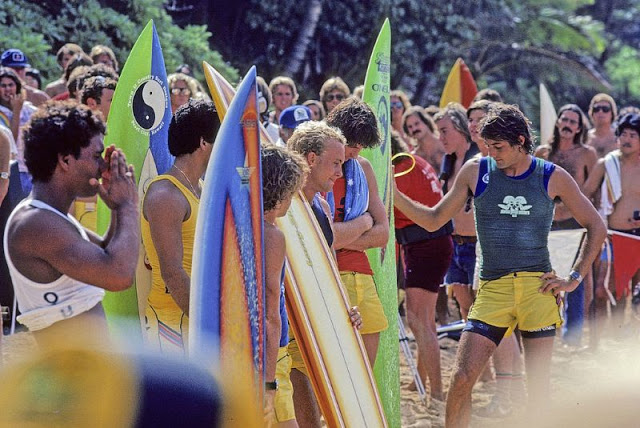
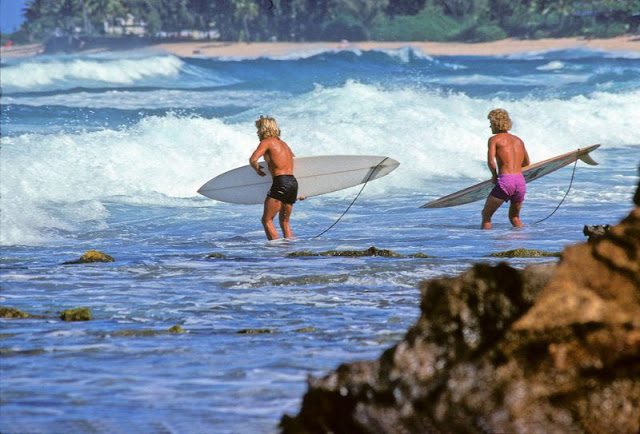
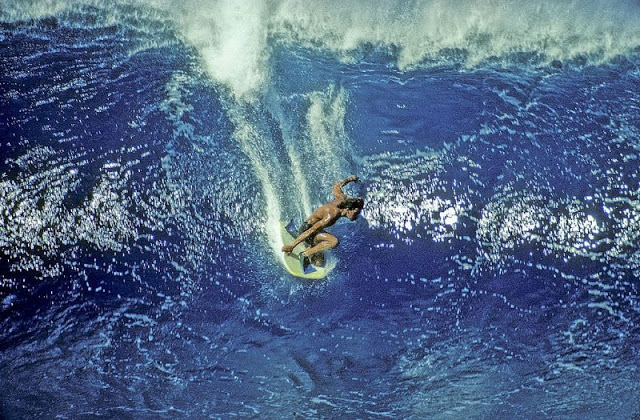
Growing up in La Jolla , California, Jeff Divine began taking pictures of his fellow surfers in his hometown during the 1960s and got to know the original alternative sport before the mainstream media blew it up into the the commercial kingdom it has now come to be.
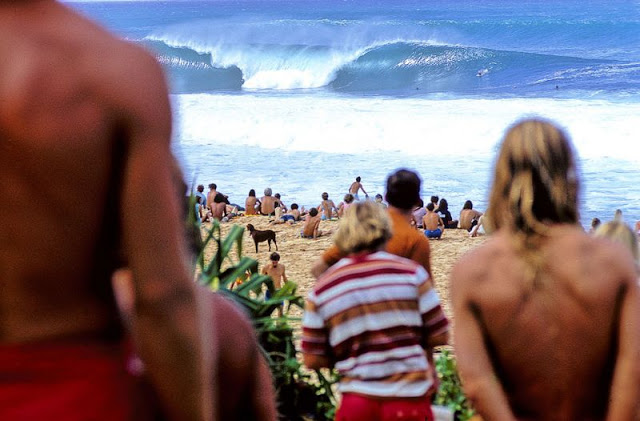
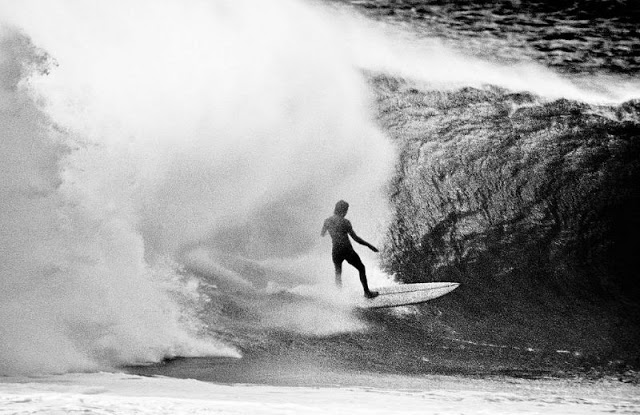
His work took him to a staff position in 1971 with Surfer magazine where he would begin the first of some 37 annual trips to the North Shore of Oahu, Hawaii and numerous worldwide trips to the best surfing destinations . He served as photo editor for Surfer and the Surfer’s Journal for 35 years.
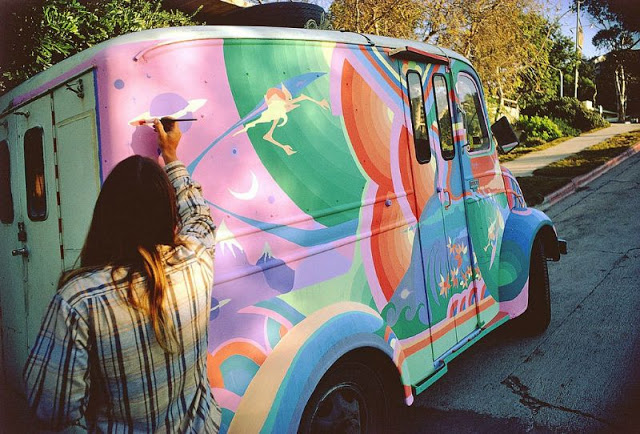
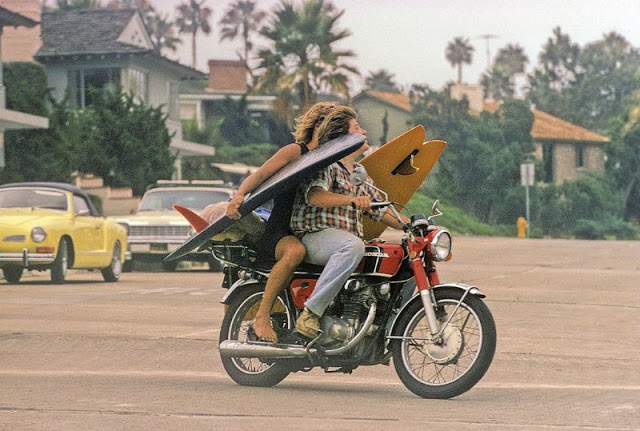
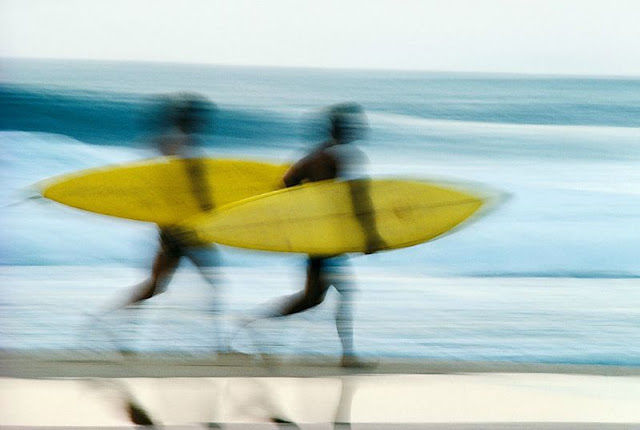
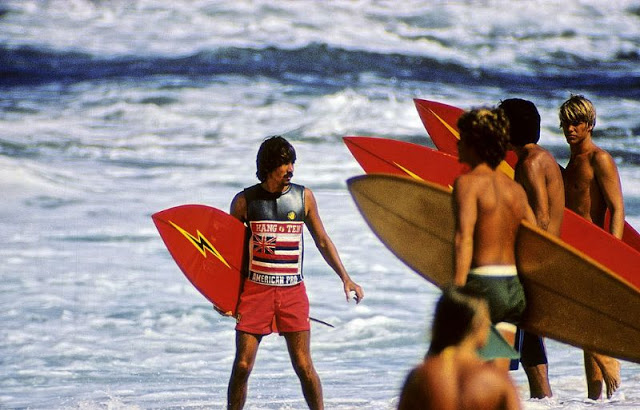
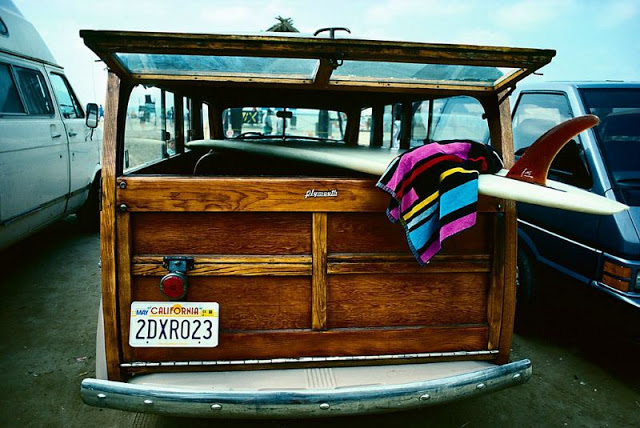
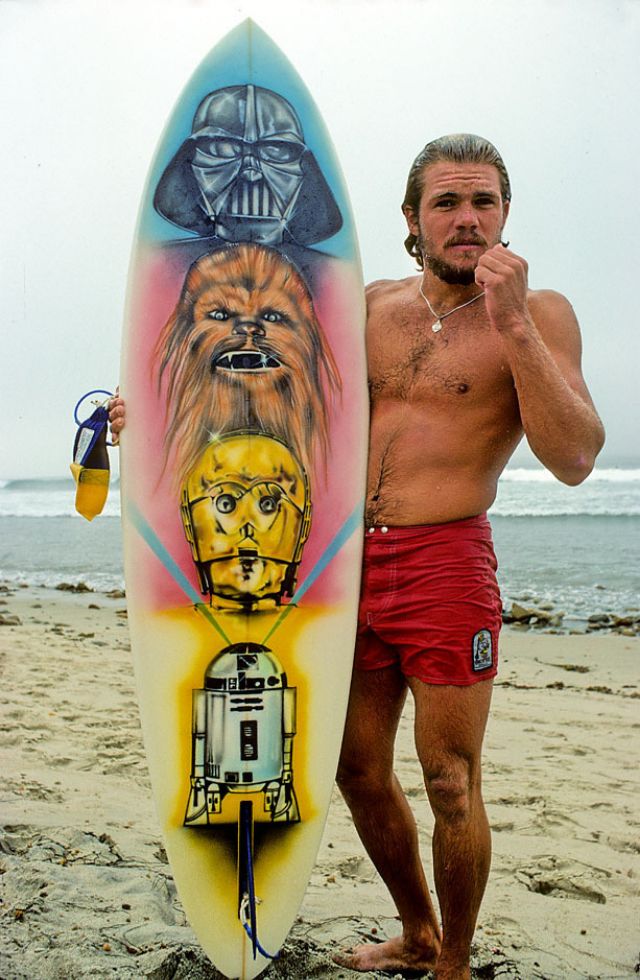
Divine has one of the largest archives of surf photography that exists from 1970-2009. And here are some of his work from the 1970s.
Black’s Beach, La Jolla, San Diego, California, 1971Contest, Huntington Beach, California, 1971Contest, Huntington Beach, California, 1971Laguna Beach, California, 1971Laguna Canyon, California, 1971Pipeline, Oahu, Hawaii, 1971Pipeline, Oahu, Hawaii, 1971Pipeline, Oahu, Hawaii, 1971Rocky Point, Oahu, Hawaii, 1971Sunset Beach, Oahu, Hawaii, 1971Sunset Beach, Oahu, Hawaii, 1971Windansea, La Jolla, San Diego, California, 1971Black’s Beach, La Jolla, San Diego, California, 1972La Jolla Shores, California, 1972La Jolla, California, 1972Lower Trestles, San Clemente, California, 1972Sunset Cliffs, Point Loma, San Diego, California, 1972Velzyland Beach, Hawaii, 1972La Jolla, California, 1973Pipeline, Oahu, Hawaii, 1973Ehukai Beach Park, Oahu, Hawaii, 1974Honolua Bay, Maui, Hawaii, 1974Honolulu, Hawaii, 1974North Shore, Oahu, Hawaii, 1974Pipeline, Oahu, Hawaii, 1974Pipeline, Oahu, Hawaii, 1974Pipeline, Oahu, Hawaii, 1974Pipeline, Oahu, Hawaii, 1974Pipeline, Oahu, Hawaii, 1974Pipeline, Oahu, Hawaii, 1974Rocky Point, Oahu, Hawaii, 1974Sunset Beach, Oahu, Hawaii, 1974Waimea Bay, Oahu, Hawaii, 1974Honolulu, Hawaii, 1975Sunset Beach, Oahu, Hawaii, 1975Competitors, Oahu, Hawaii, 1976Rocky Point, Oahu, Hawaii, 1976Waimea Bay, Oahu, Hawaii, 1976Pipeline, Oahu, Hawaii, 1977San Onofre Parking Lot, California, 1978Cardiff Reef, California, 1979
Paris is the capital and most populous city of France, with an estimated population of 2,165,423 residents in 2019 in an area of more than 105 km² (41 sq mi), making it the 34th most densely populated city in the world in 2020. Since the 17th century, Paris has been one of the world’s major centres of finance, diplomacy, commerce, fashion, gastronomy, science, and arts, and has sometimes been referred to as the capital of the world. The City of Paris is the centre and seat of government of the region and province of Île-de-France, or Paris Region, with an estimated population of 12,997,058 in 2020, or about 18% of the population of France, making it in 2020 the second largest metropolitan area in the OECD,[6] and 14th largest in the world in 2015. The Paris Region had a GDP of €709 billion ($808 billion) in 2017. According to the Economist Intelligence Unit Worldwide Cost of Living Survey, in 2021 Paris was the city with the second-highest cost of living in the world, tied with Singapore, and after Tel Aviv.
Paris is a major railway, highway, and air-transport hub served by two international airports: Paris–Charles de Gaulle (the second-busiest airport in Europe) and Paris–Orly. Opened in 1900, the city’s subway system, the Paris Métro, serves 5.23 million passengers daily; it is the second-busiest metro system in Europe after the Moscow Metro. Gare du Nord is the 24th-busiest railway station in the world and the busiest located outside Japan, with 262 million passengers in 2015. Paris is especially known for its museums and architectural landmarks: the Louvre received 2.8 million visitors in 2021, despite the long museum closings caused by the COVID-19 virus. The Musée d’Orsay, Musée Marmottan Monet and Musée de l’Orangerie are noted for their collections of French Impressionist art. The Pompidou Centre Musée National d’Art Moderne has the largest collection of modern and contemporary art in Europe. The Musée Rodin and Musée Picasso exhibit the works of two noted Parisians. The historical district along the Seine in the city centre has been classified as a UNESCO World Heritage Site since 1991; popular landmarks there include the Cathedral of Notre Dame de Paris on the Île de la Cité, now closed for renovation after the 15 April 2019 fire. Other popular tourist sites include the Gothic royal chapel of Sainte-Chapelle, also on the Île de la Cité; the Eiffel Tower, constructed for the Paris Universal Exposition of 1889; the Grand Palais and Petit Palais, built for the Paris Universal Exposition of 1900; the Arc de Triomphe on the Champs-Élysées, and the hill of Montmartre with its artistic history and its Basilica of Sacré-Coeur.
Paris hosts several United Nations organisations: the UNESCO, the Young Engineers / Future Leaders, the World Federation of Engineering Organizations, and other international organisations such as the OECD, the OECD Development Centre, the International Bureau of Weights and Measures, the International Energy Agency, the International Federation for Human Rights, the International Organisation of La Francophonie; along with European bodies such as the European Space Agency, the European Banking Authority or the European Securities and Markets Authority. Other international organisations were founded in Paris such as the CIMAC in 1951 (International Council on Combustion Engines | Conseil International des Machines à Combustion), or the modern Olympic Games in 1894 which was then moved to Lausanne, Switzerland.
Tourism recovered in the Paris region in 2021, increasing to 22.6 million visitors, thirty percent more than in 2020, but still well below 2019 levels. The number of visitors from the United States increased by 237 percent over 2020. Museums re-opened in 2021, with limitations on the number of visitors at a time and a requirement that visitors wear masks.
The football club Paris Saint-Germain and the rugby union club Stade Français are based in Paris. The 80,000-seat Stade de France, built for the 1998 FIFA World Cup, is located just north of Paris in the neighbouring commune of Saint-Denis. Paris hosts the annual French Open Grand Slam tennis tournament on the red clay of Roland Garros. The city hosted the Olympic Games in 1900, 1924 and will host the 2024 Summer Olympics. The 1938 and 1998 FIFA World Cups, the 2007 Rugby World Cup, as well as the 1960, 1984 and 2016 UEFA European Championships were also held in the city. Every July, the Tour de France bicycle race finishes on the Avenue des Champs-Élysées in Paris. (Wikipedia)