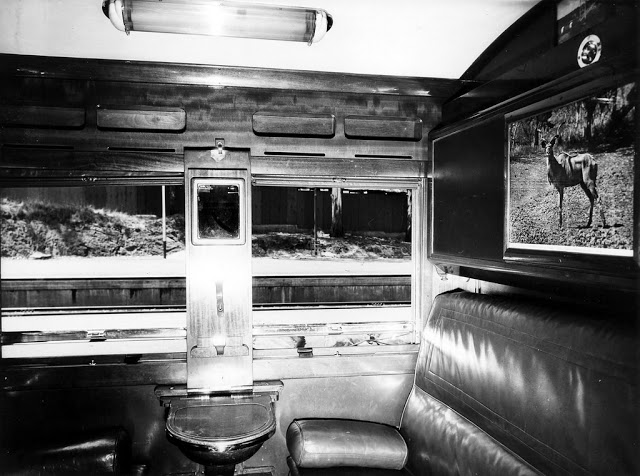
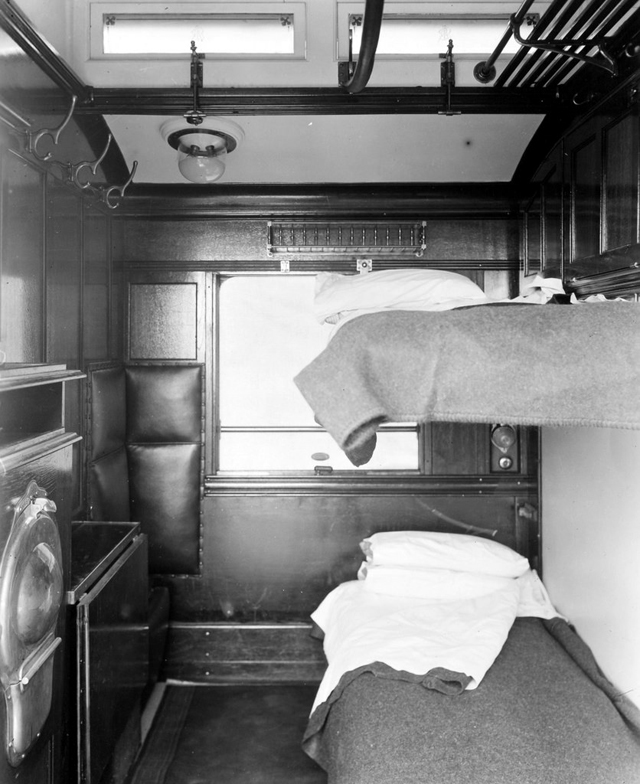
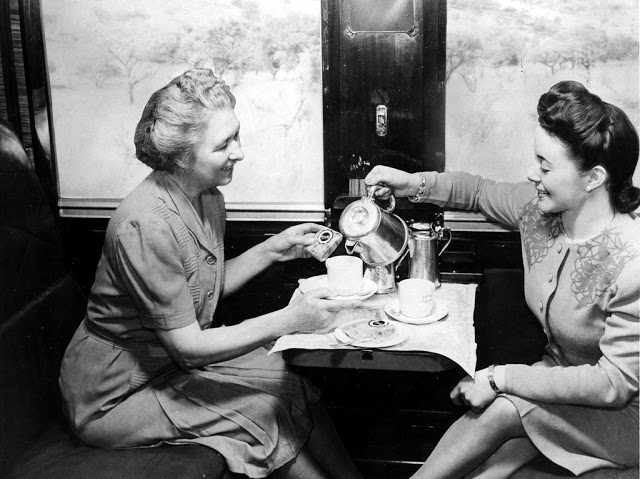
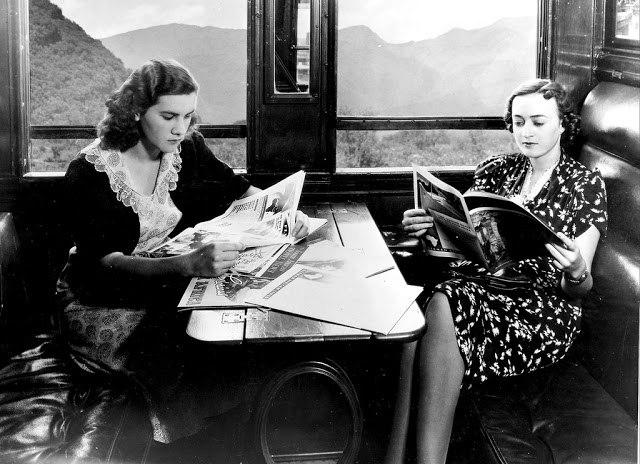
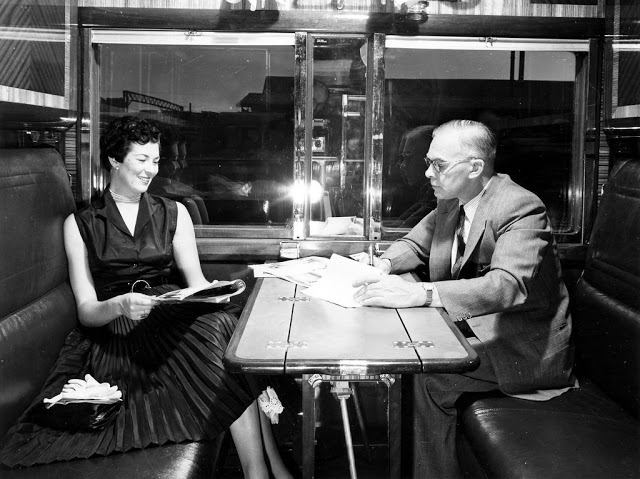
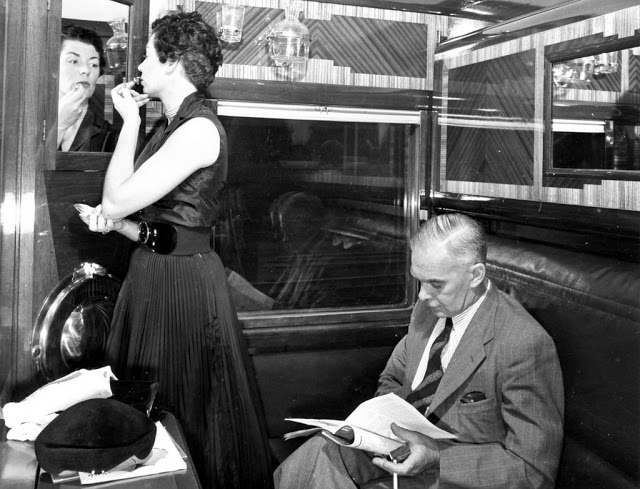
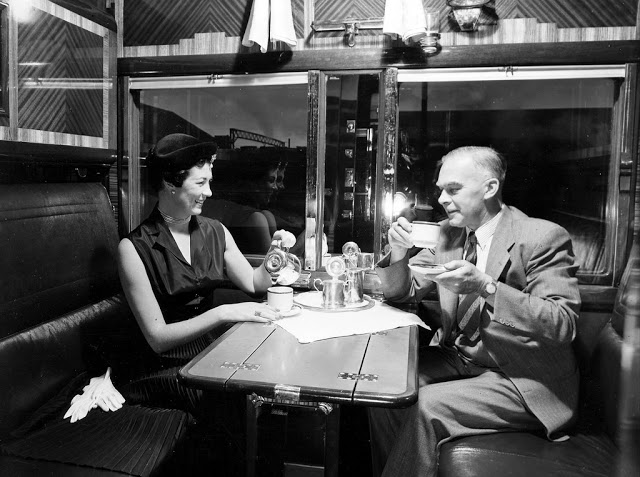
Found in 1923 to take passengers from Johannesburg to the ships departing from Cape Town to England. The Blue Train was introduced luxury features such as a dining saloon in 1933 and air-conditioned carriages in 1939 and has become one of the most luxurious train journeys in the world.
The Blue Train boasts butler service, two lounge cars (smoking and non-smoking), an observation car, and carriages with gold-tinted picture windows, in soundproofed, fully carpeted compartments, each featuring its own en-suite (many of which are equipped with a full-sized bathtub).
After a break in service in World War II the service returned in 1946. In 1997 it was refurbished and relaunched. The service of the Blue Train is promoted as a “magnificent moving five-star hotel” by its operators, who note that kings and presidents have traveled on it.
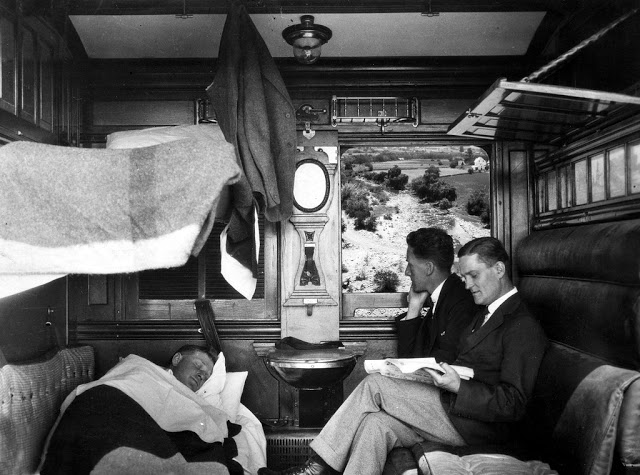
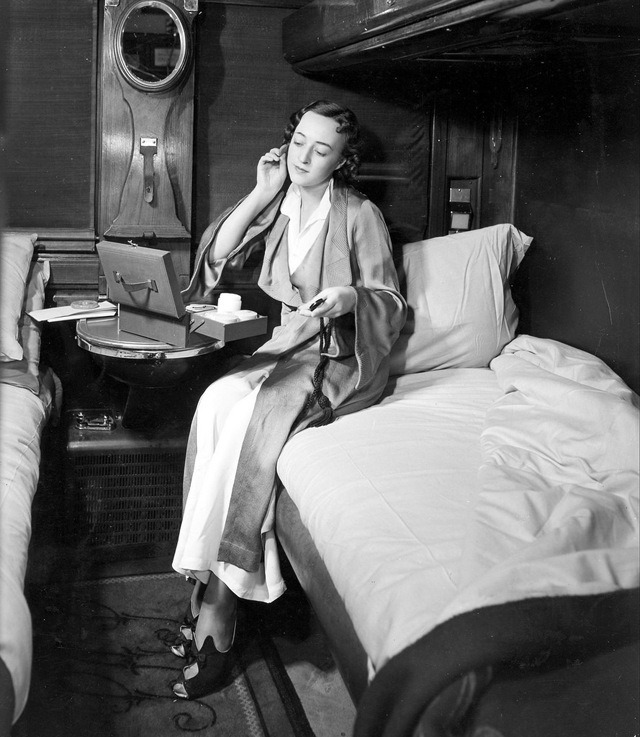
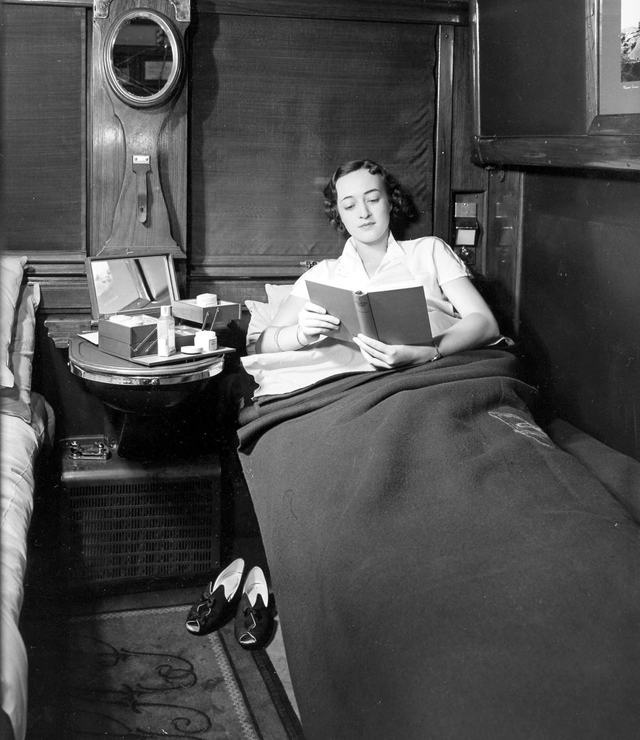
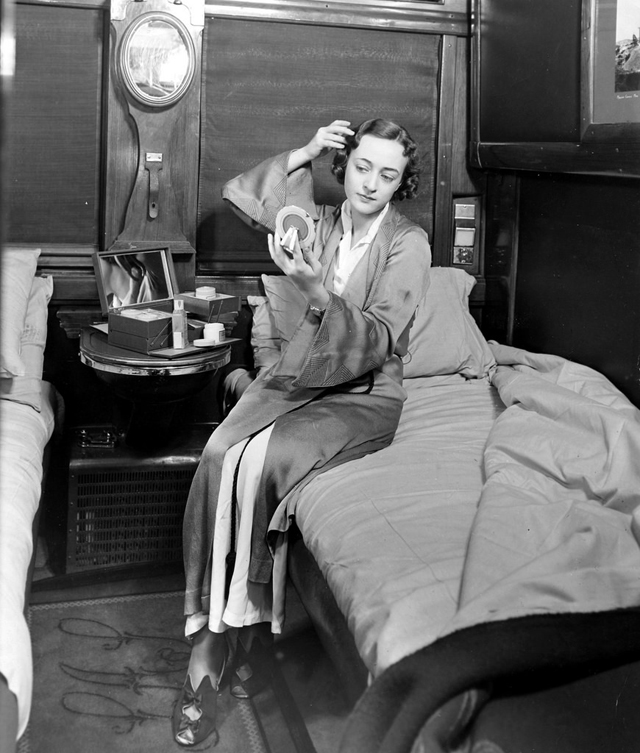
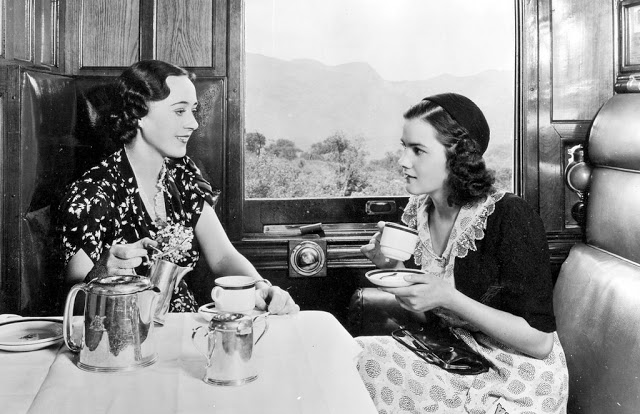
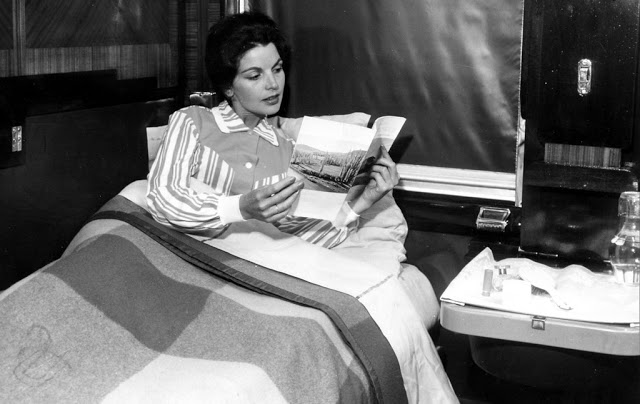
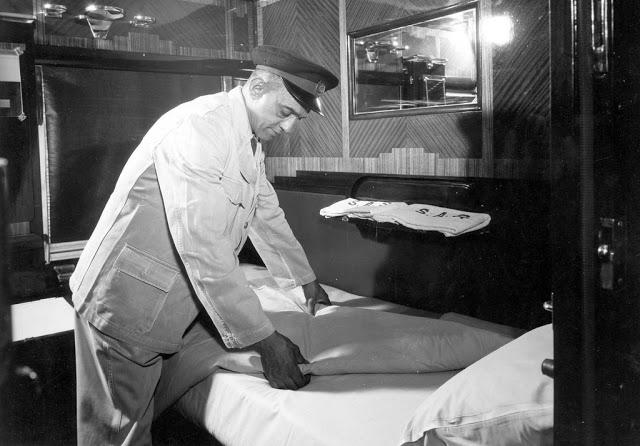
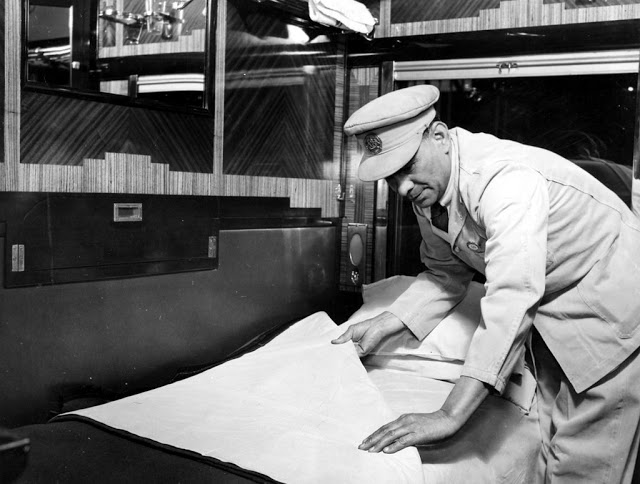
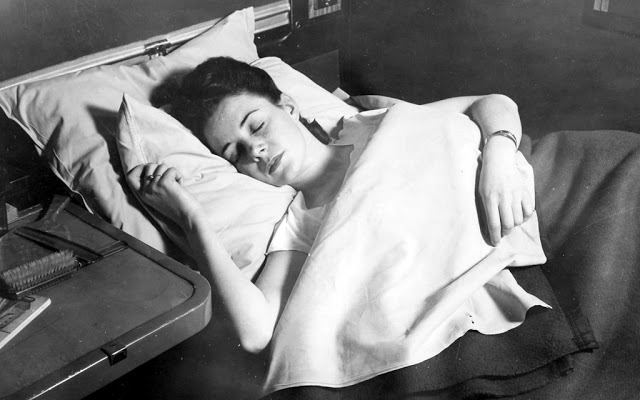
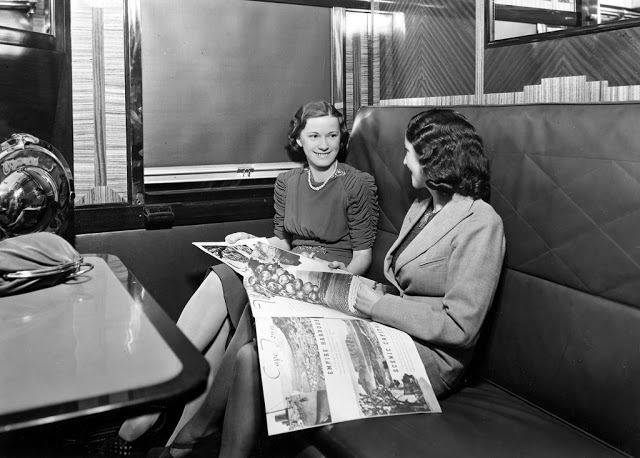
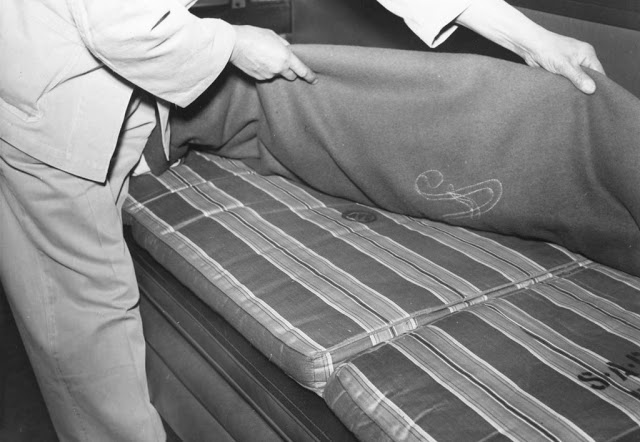
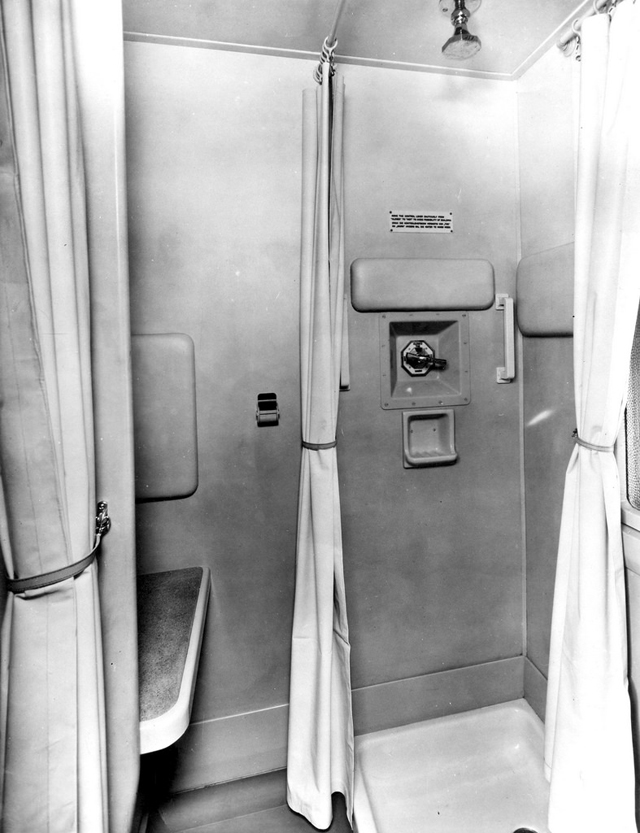
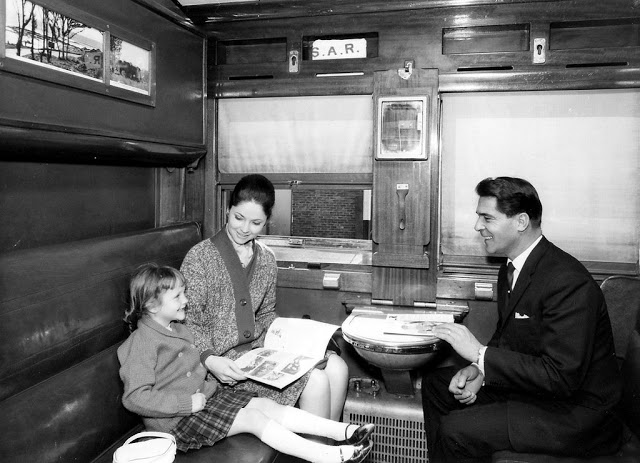
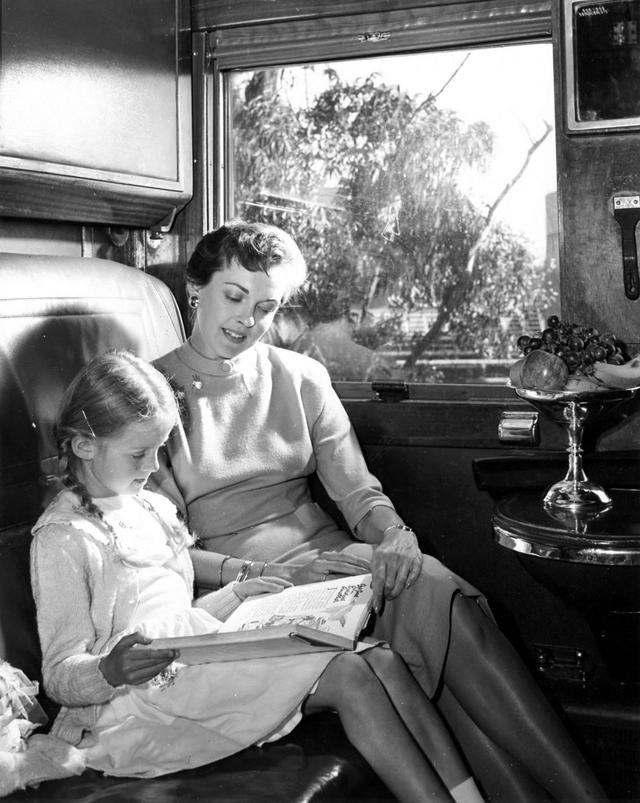
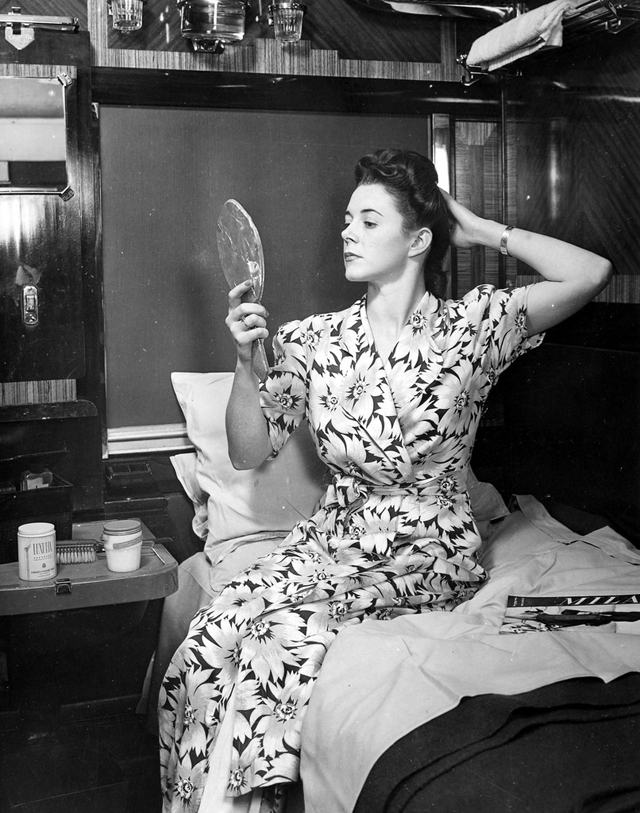
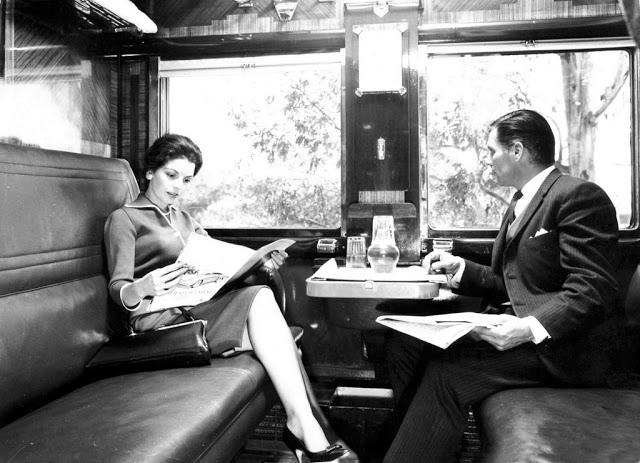
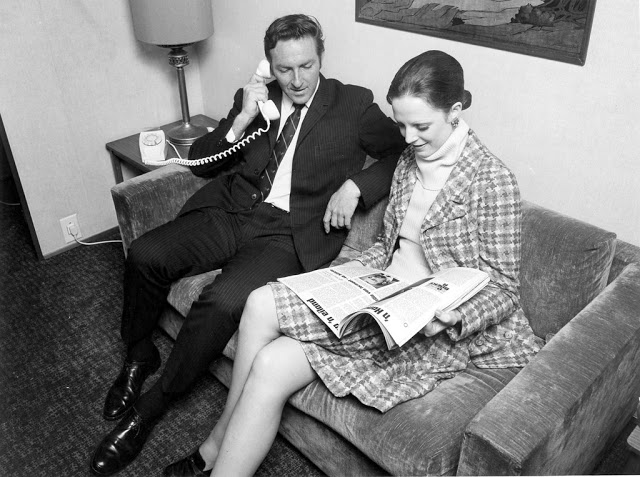
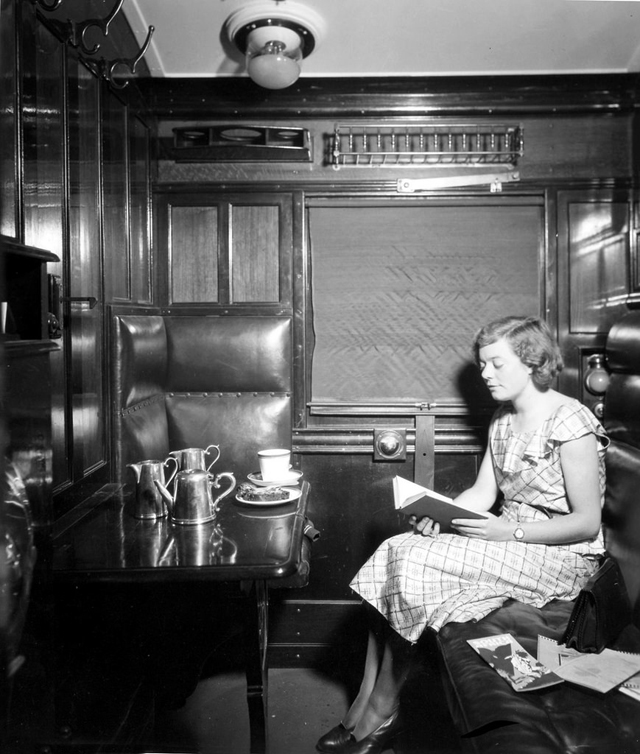
Here is a rare collection of amazing photos that shows the comfortable interior of these trains in South Africa from between the 1920s and 1950s.
Two man reading while other sleeping, 1924Night scene in a First Class compartment of Blue Train, ca. 1930sNight scene in a First Class compartment of Blue Train, ca. 1930sNight scene in a First Class compartment of Blue Train, ca. 1930sTea in a First Class Couple, ca. 1930sA woman reading in a Blue Train compartment at nightBlue Train bedding attendant, Catering DepartmentBlue Train bedding man at workBlue Train compartment scene, ca. 1940sBlue Train couple in the 1940sBlue Train deluxe mattressBlue Train shower roomInterior of a First Class compartmentInterior of couple showing sleeping accommodationTea in a Blue Train compartmentTwo girls reading magazines in a First Class compartment, ca. 1940sA family inside a Trans-Karoo compartment, ca. 1950sA woman and her daughter in a Blue Train compartment, ca. 1950sBlue Train compartment scene, 1950Blue Train compartment scene, 1950Blue Train compartment scene, 1950Blue Train couple, ca. 1950sBlue Train suiteInterior of a Blue Train compartment, ca. 1950sInterior of a First Class Couple, ca. 1950s
First opened in 1873 in the Burgensberf Mountain ridge standing 500m above Lake Lucerne, Bürgenstock was a magnet for the European rich and famous including Hollywood stars during Hollywood’s Golden Age.
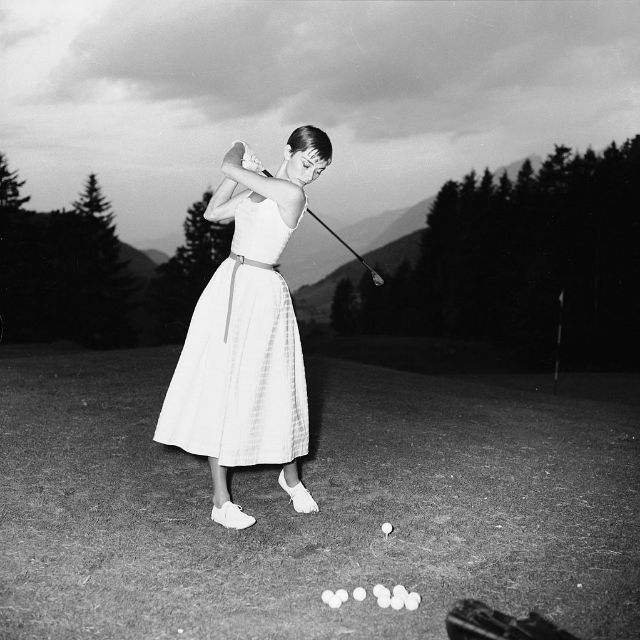
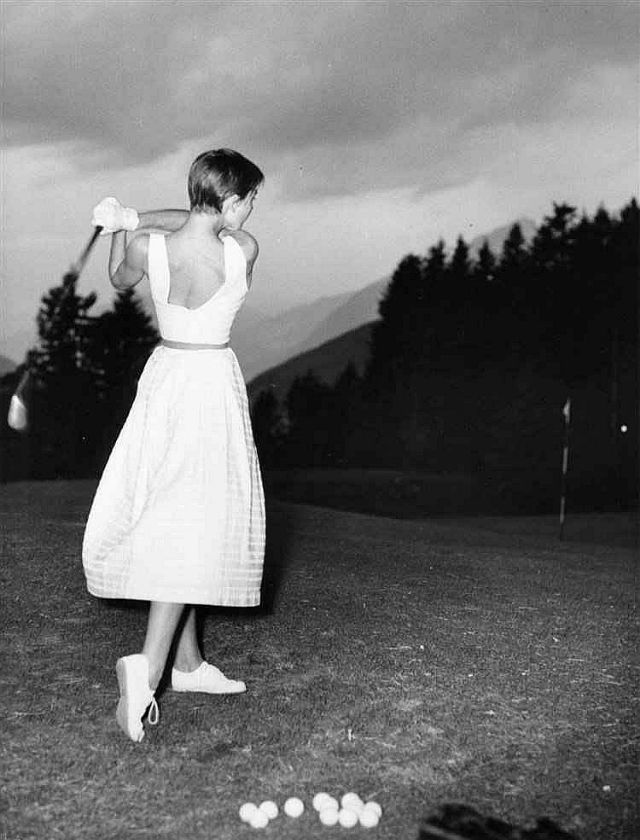
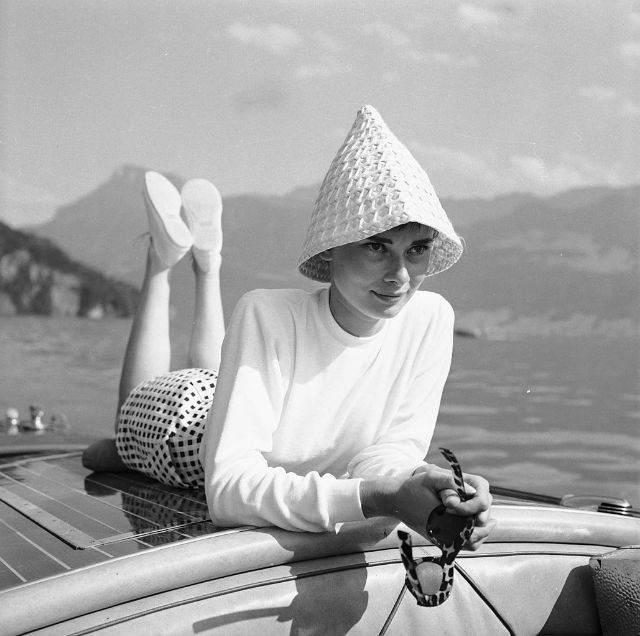
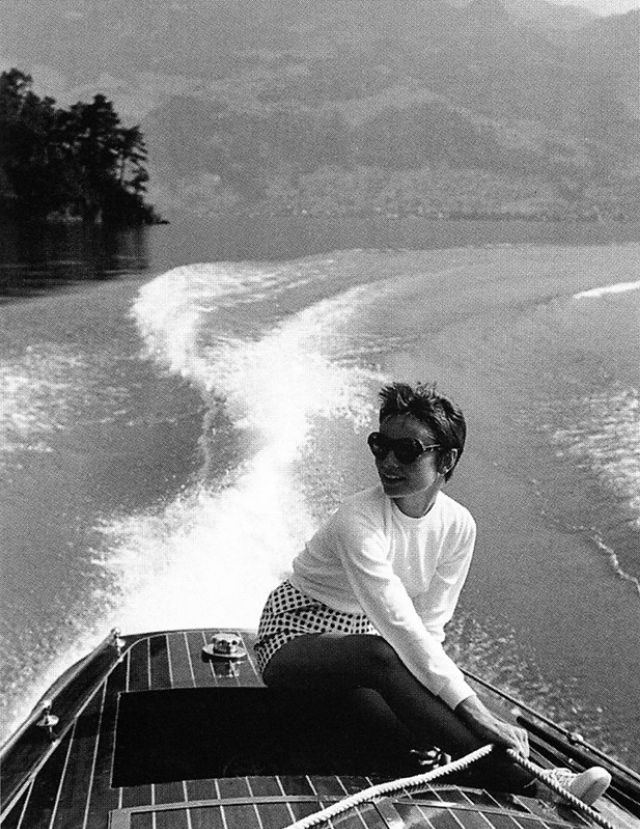
Audrey Hepburn married Mel Ferrer in the Bürgenstock chapel in 1954. Bürgenstock resort was also the home of Audrey Hepburn for 14 years! Her neighbor for a few years was Sophia Loren. Sofia Loren and her husband came in the 1960s and became long-term residents in Villa Daniela. And even Sean Connery called it home while filming Goldfinger.
Audrey Hepburn (born Audrey Kathleen Ruston; 4 May 1929 – 20 January 1993) was a British actress and humanitarian. Recognised as both a film and fashion icon, she was ranked by the American Film Institute as the third-greatest female screen legend from the Classical Hollywood cinema and was inducted into the International Best Dressed List Hall of Fame.
Born in Ixelles, Brussels to an aristocratic family, Hepburn spent parts of her childhood in Belgium, England, and the Netherlands. She studied ballet with Sonia Gaskell in Amsterdam beginning in 1945, and with Marie Rambert in London from 1948. She began performing as a chorus girl in West End musical theatre productions and then had minor appearances in several films. She rose to stardom in the romantic comedy Roman Holiday (1953) alongside Gregory Peck, for which she was the first actress to win an Oscar, a Golden Globe Award, and a BAFTA Award for a single performance. That year, she also won a Tony Award for Best Lead Actress in a Play for her performance in Ondine.
She went on to star in a number of successful films such as Sabrina (1954), in which Humphrey Bogart and William Holden compete for her affection; Funny Face (1957), a musical where she sang her own parts; the drama The Nun’s Story (1959); the romantic comedy Breakfast at Tiffany’s (1961); the thriller-romance Charade (1963), opposite Cary Grant; and the musical My Fair Lady (1964). In 1967 she starred in the thriller Wait Until Dark, receiving Academy Award, Golden Globe, and BAFTA nominations. After that, she only occasionally appeared in films, one being Robin and Marian (1976) with Sean Connery. Her last recorded performances were in the 1990 documentary television series Gardens of the World with Audrey Hepburn for which she won a Primetime Emmy Award for Outstanding Individual Achievement – Informational Programming.
Hepburn won three BAFTA Awards for Best British Actress in a Leading Role. In recognition of her film career, she received BAFTA’s Lifetime Achievement Award, the Golden Globe Cecil B. DeMille Award, the Screen Actors Guild Life Achievement Award, and the Special Tony Award. She remains one of only seventeen people who have won Academy, Emmy, Grammy, and Tony Awards. Later in life, Hepburn devoted much of her time to UNICEF, to which she had contributed since 1954. Between 1988 and 1992, she worked in some of the poorest communities of Africa, South America, and Asia. In December 1992, she received the Presidential Medal of Freedom in recognition of her work as a UNICEF Goodwill Ambassador. A month later, she died of appendiceal cancer at her home in Switzerland at the age of 63. (Wikipedia)
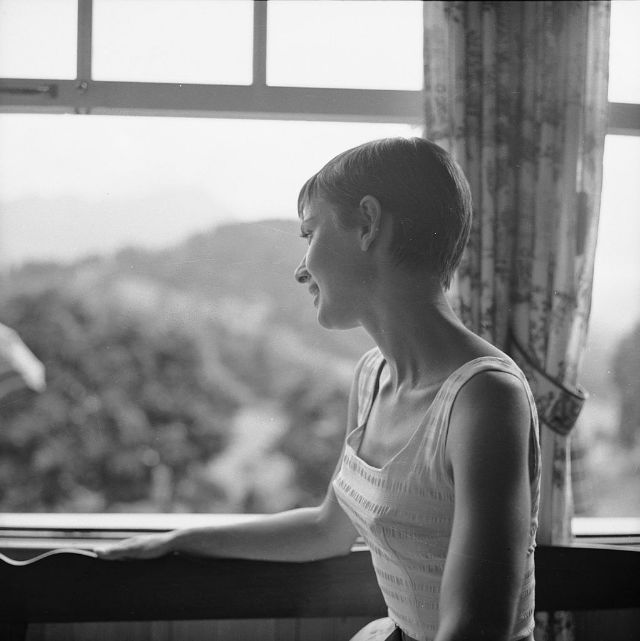
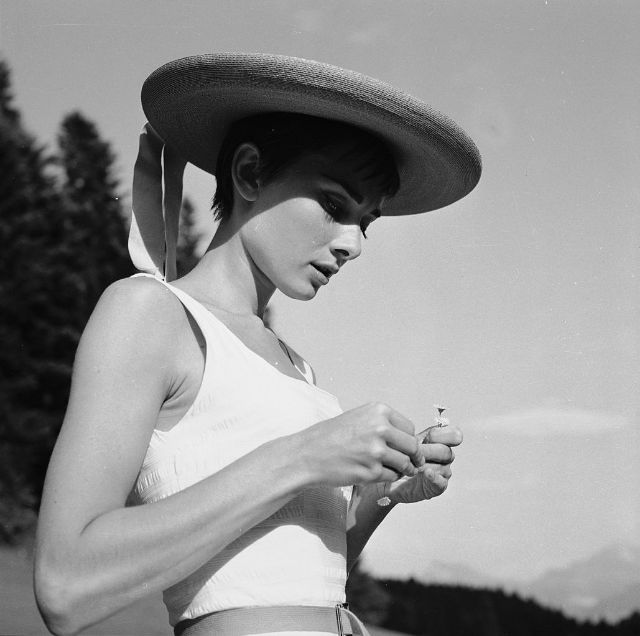
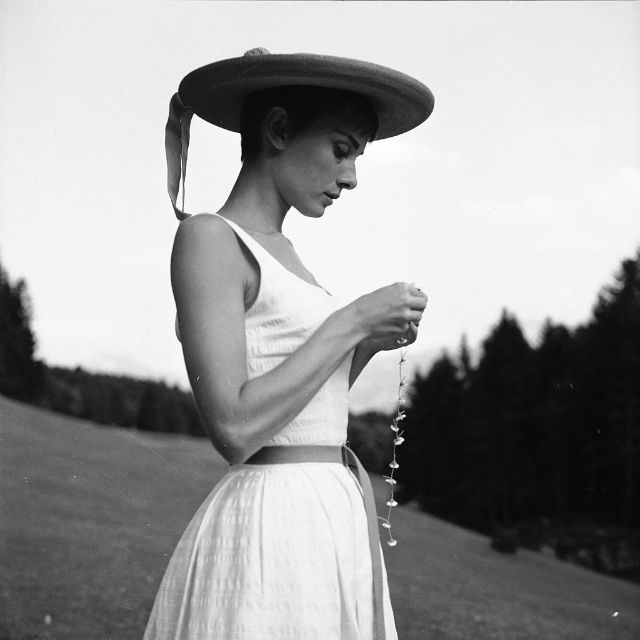
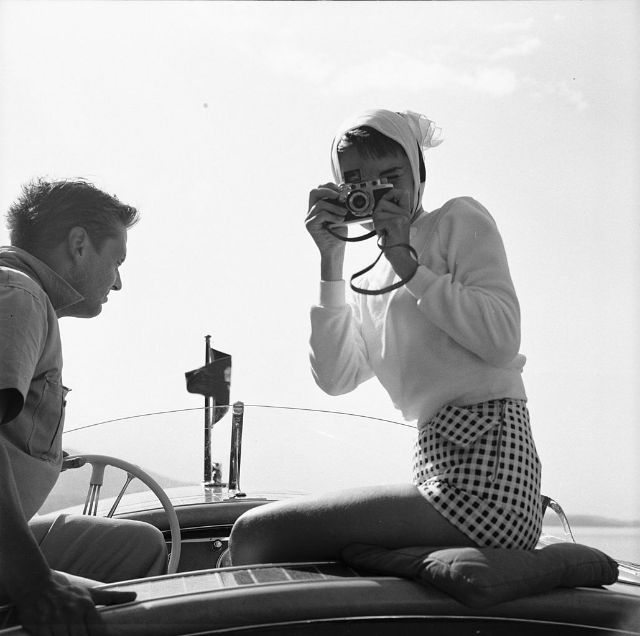
These beautiful photographs below were taken by photographer Hans Gerber and her husband Mel Ferrer in Bürgenstock in August 1954.
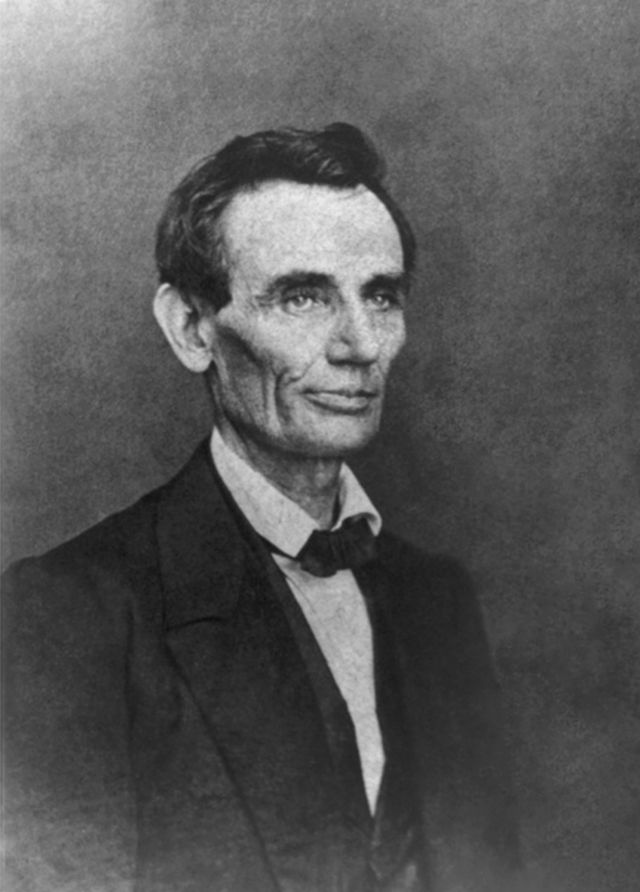
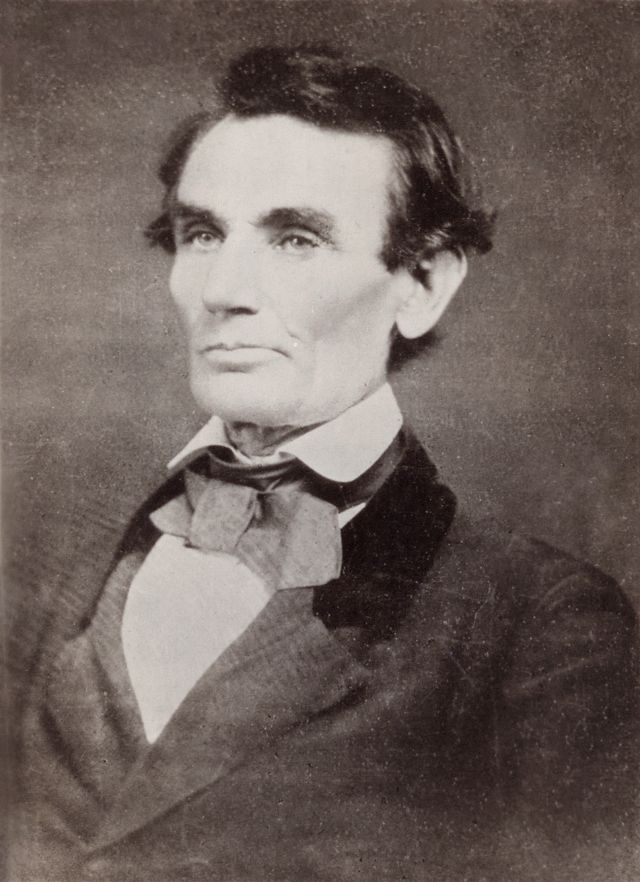
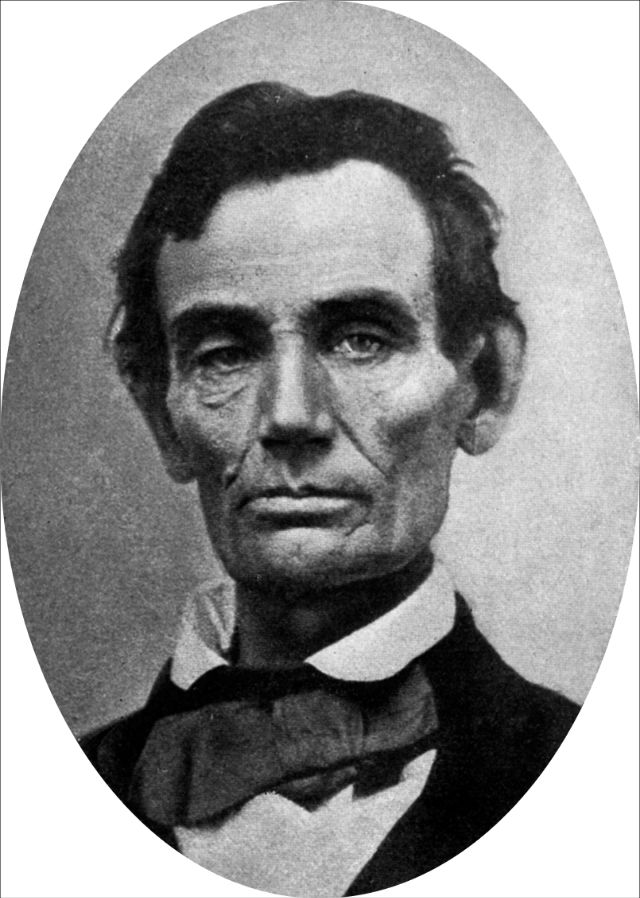
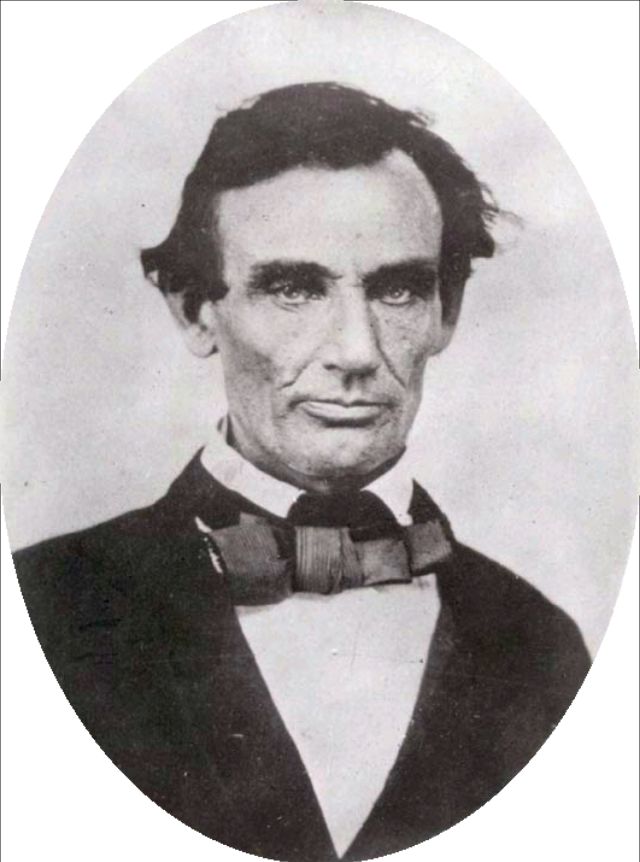
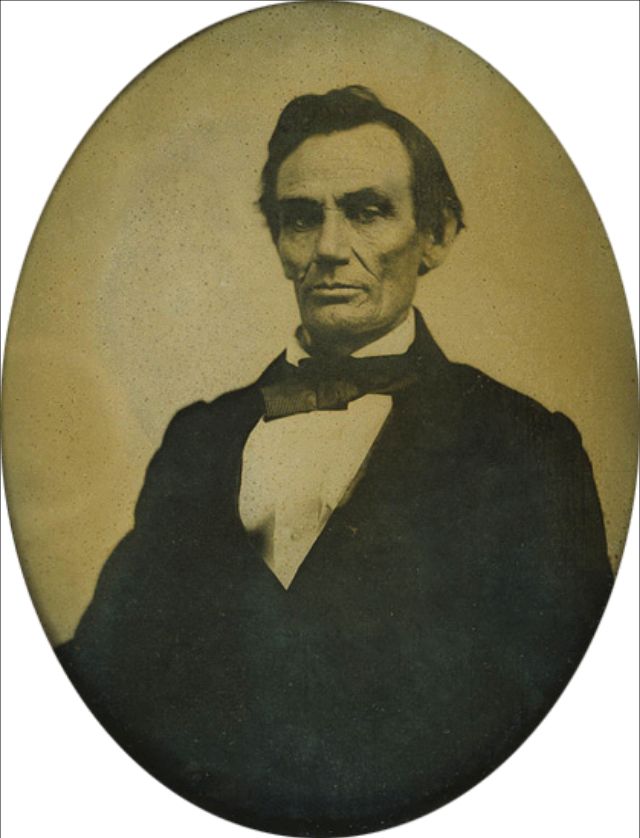
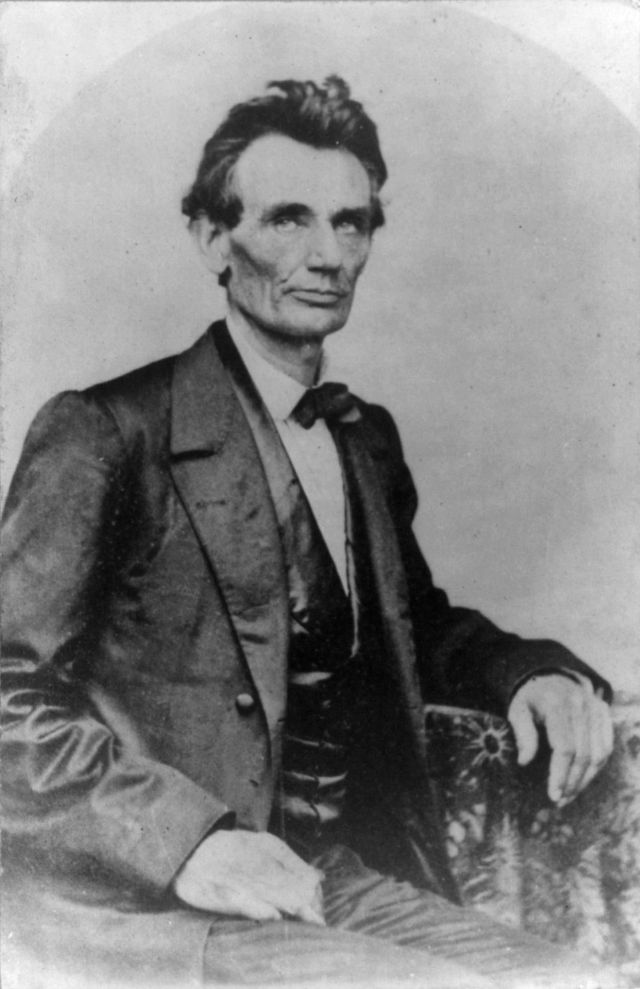
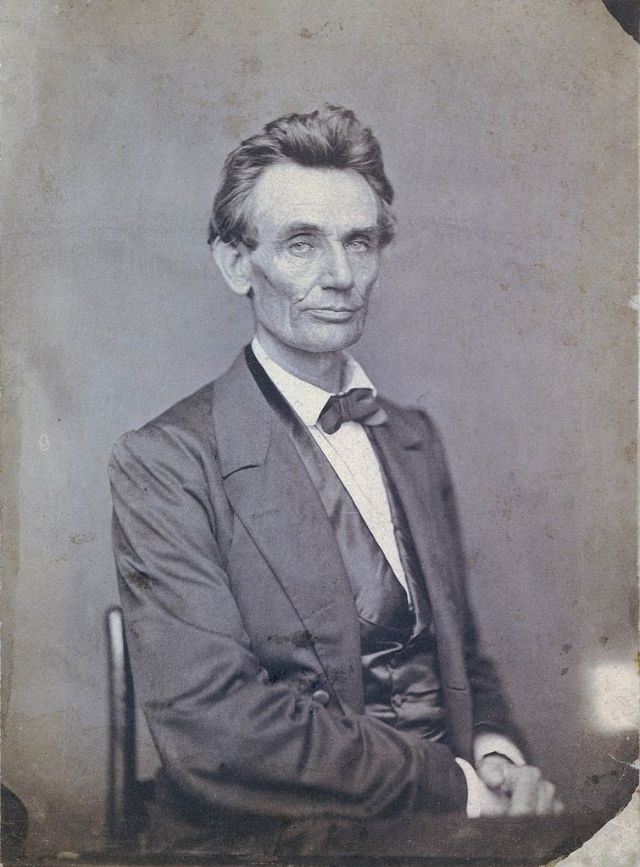
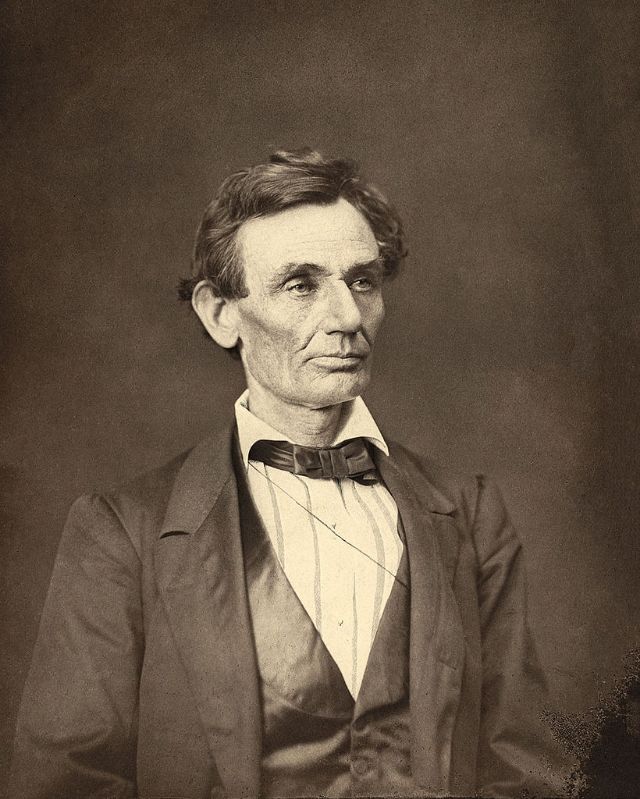
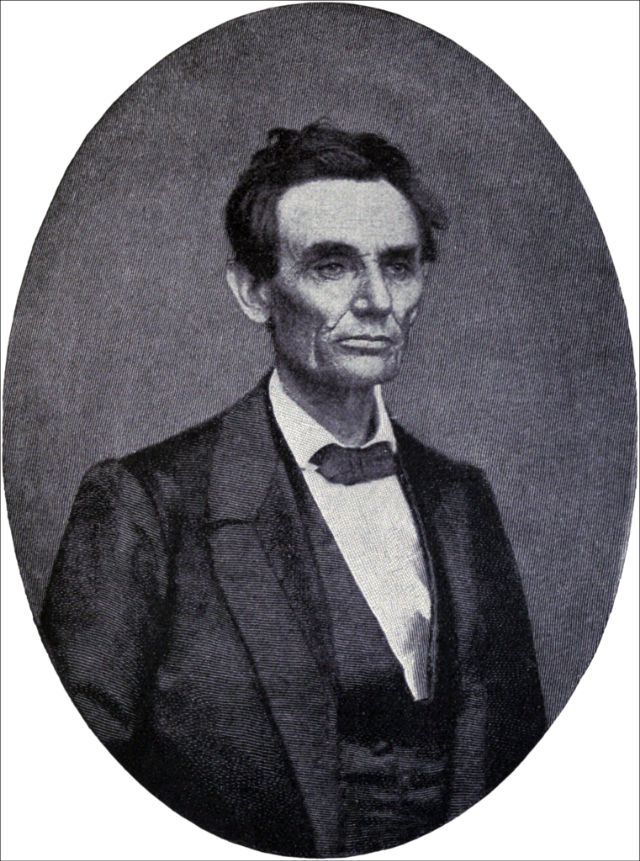
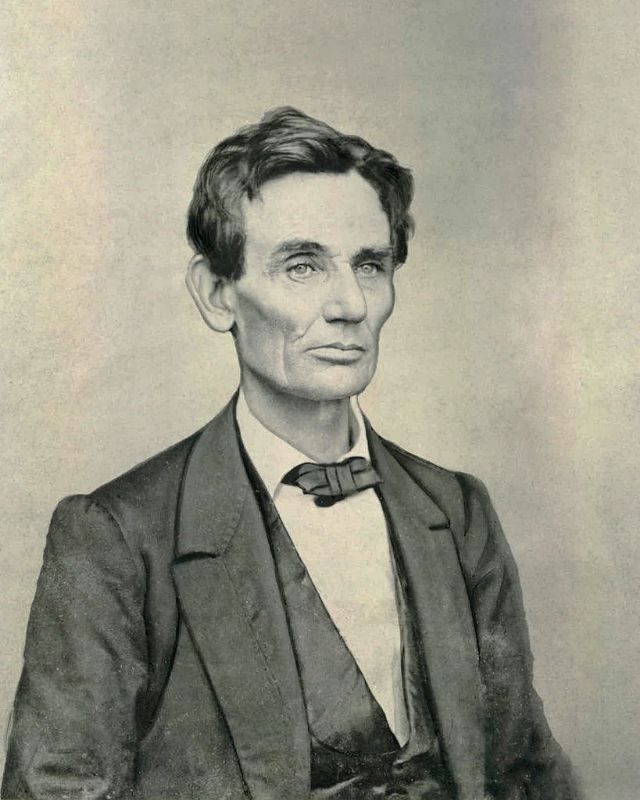
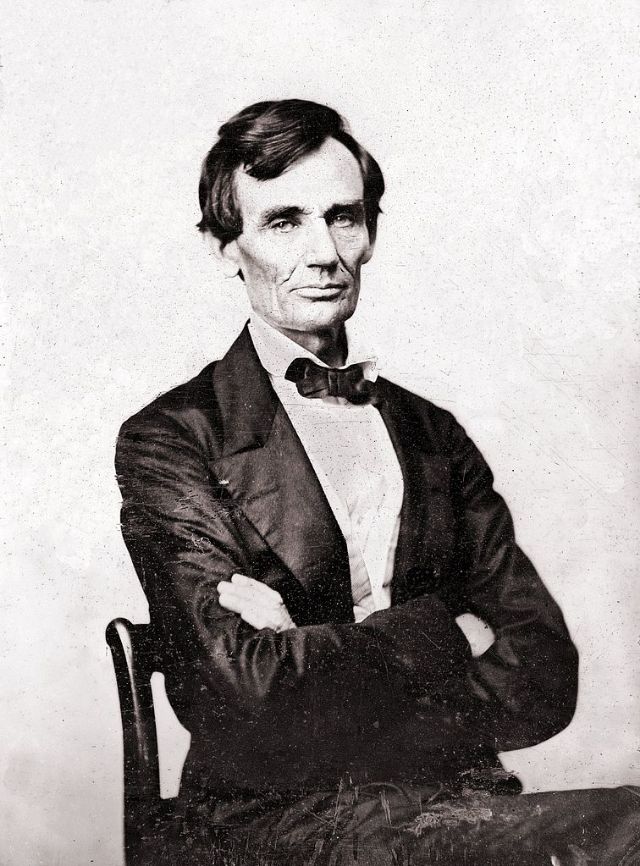
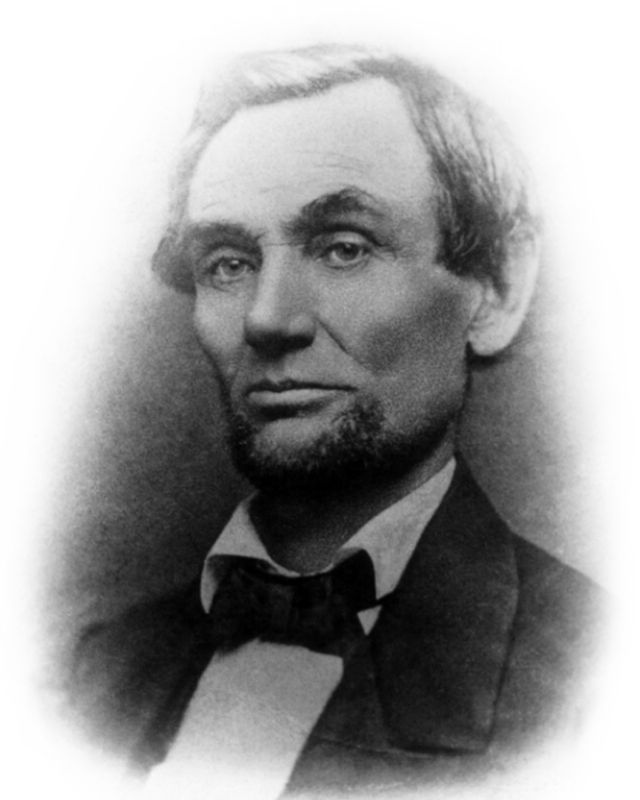
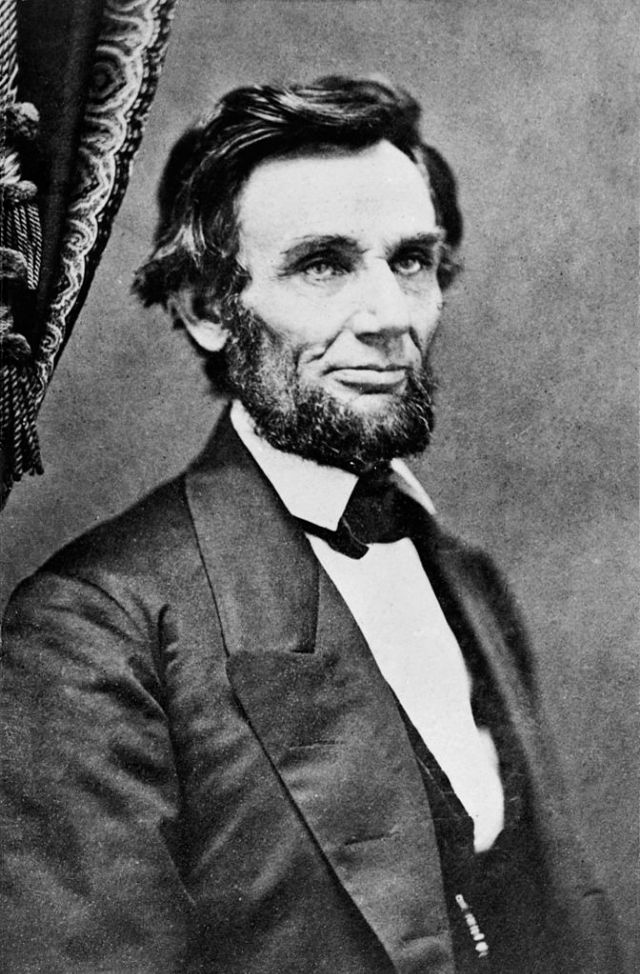
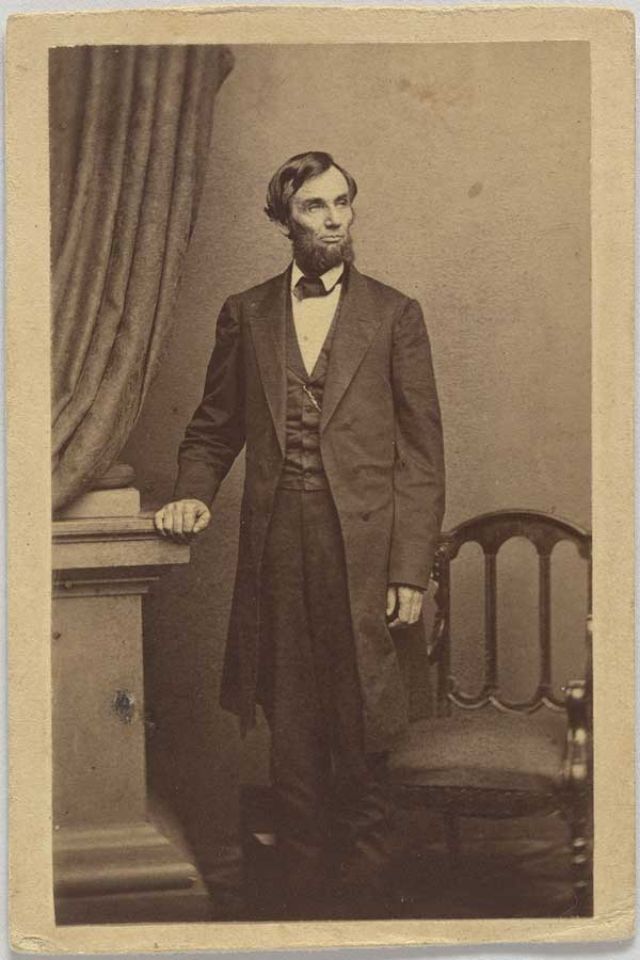
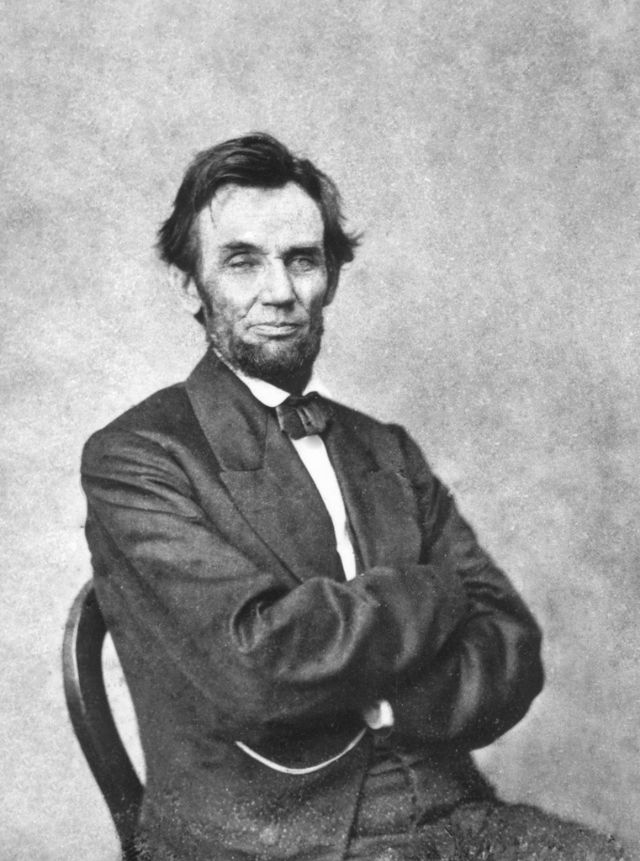
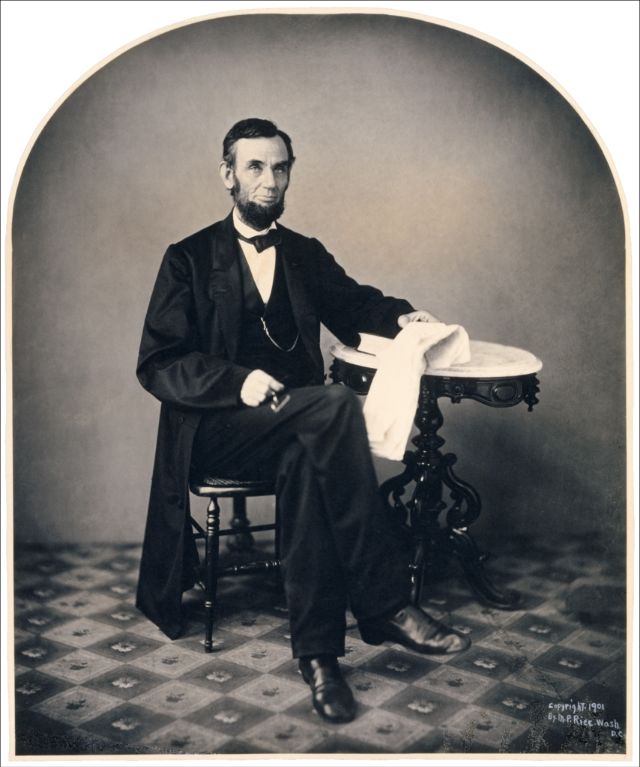
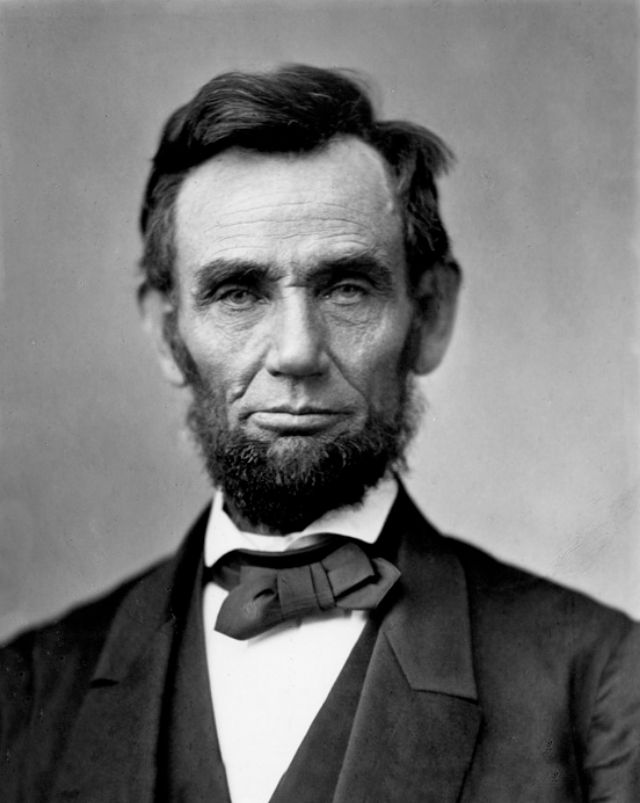
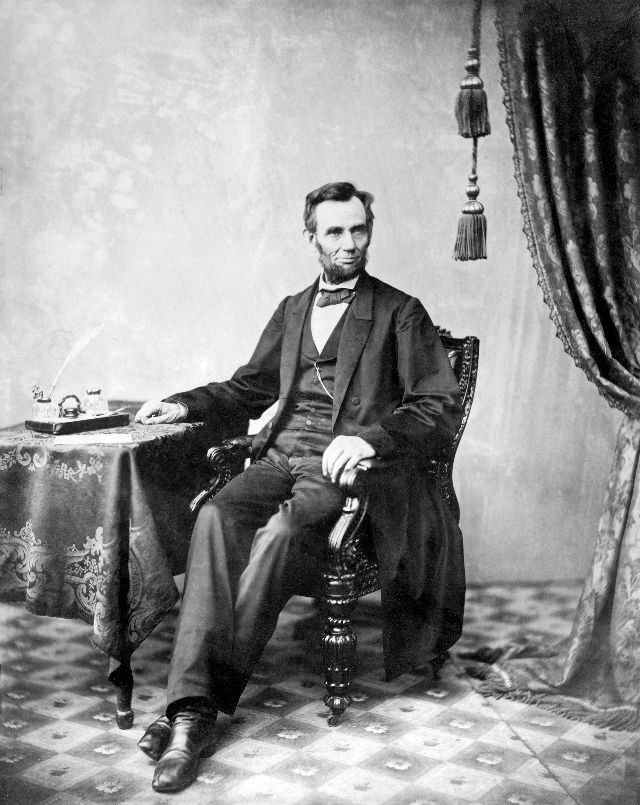
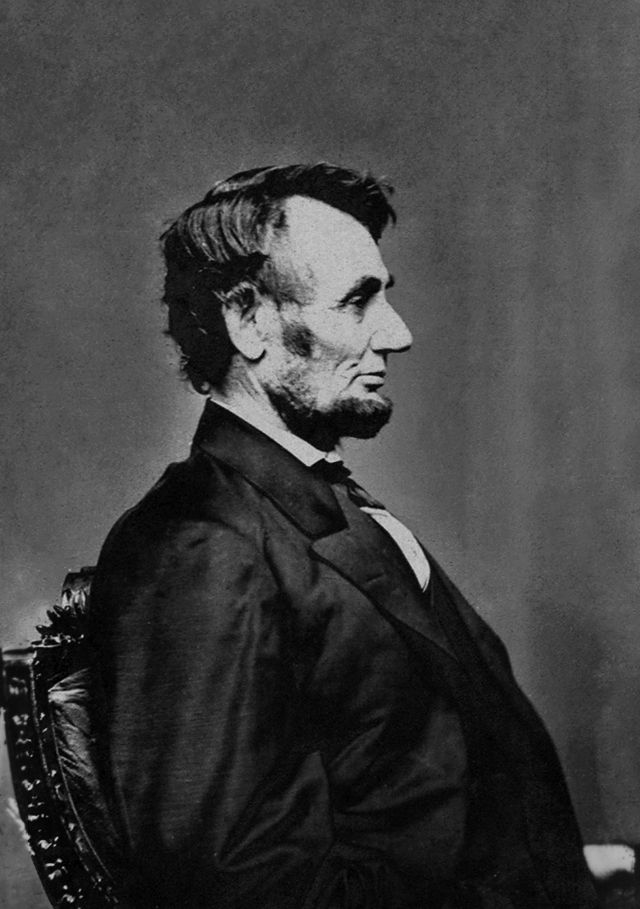
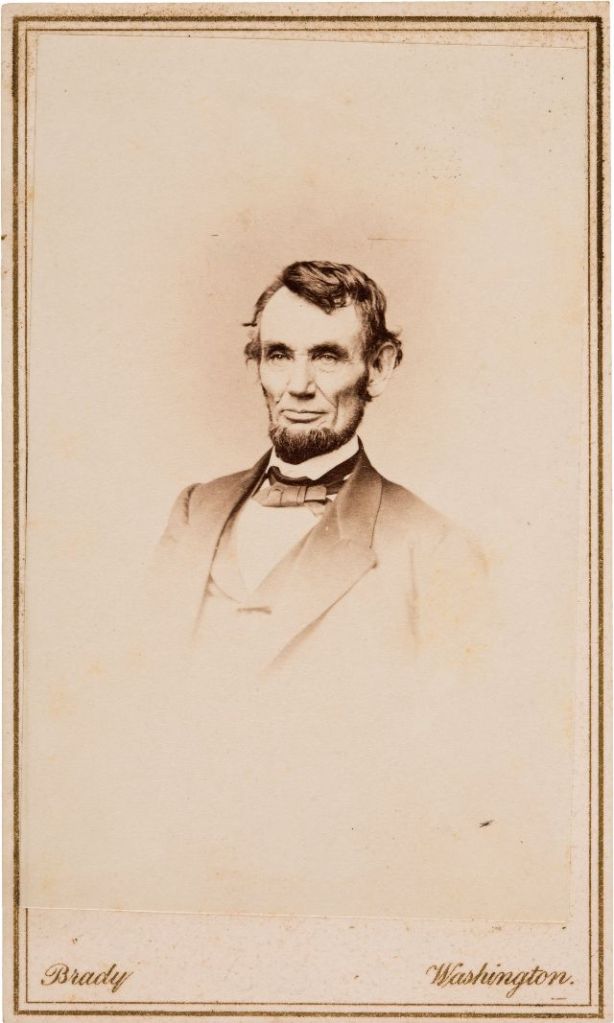
“There are many pictures of Lincoln; there is no portrait of him.” — John George Nicolay, Secretary to President Lincoln Abraham Lincoln, the 16th President of the United States, was the first president to be photographed extensively. The following images are some of the iconic ones that help document his life, from his early years in politics to his rise to the presidency.
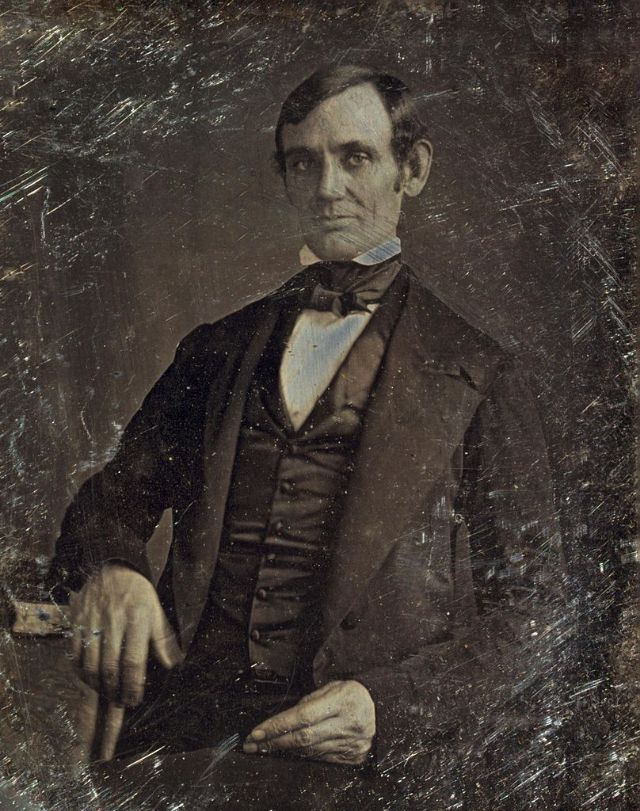
1846 or 1847 – Nicholas H. Shepherd
This daguerreotype is the earliest confirmed photographic image of Abraham Lincoln. It was reportedly made in 1846 by Nicholas H. Shepherd shortly after Lincoln was elected to the United States House of Representatives. Shepherd’s Daguerreotype Miniature Gallery, which he advertised in the Sangamo Journal, was located in Springfield over the drug store of J. Brookie. Shepherd also studied law at the law office of Lincoln and Herndon.
October 27, 1854 – Johan Carl Frederic Polycarpus Von Schneidau
The second earliest known photograph of Lincoln. From a photograph owned originally by George Schneider, former editor of the Illinois Staats-Zeitung, the most influential anti-slavery German newspaper of the West. Mr. Schneider first met Mr. Lincoln in 1853, in Springfield. “He was already a man necessary to know,” says Mr. Schneider. In 1854 Mr. Lincoln was in Chicago, and Isaac N. Arnold invited Mr. Schneider to dine with Mr. Lincoln. After dinner, as the gentlemen were going down town, they stopped at an itinerant photograph gallery, and Mr. Lincoln had this picture taken for Mr. Schneider.
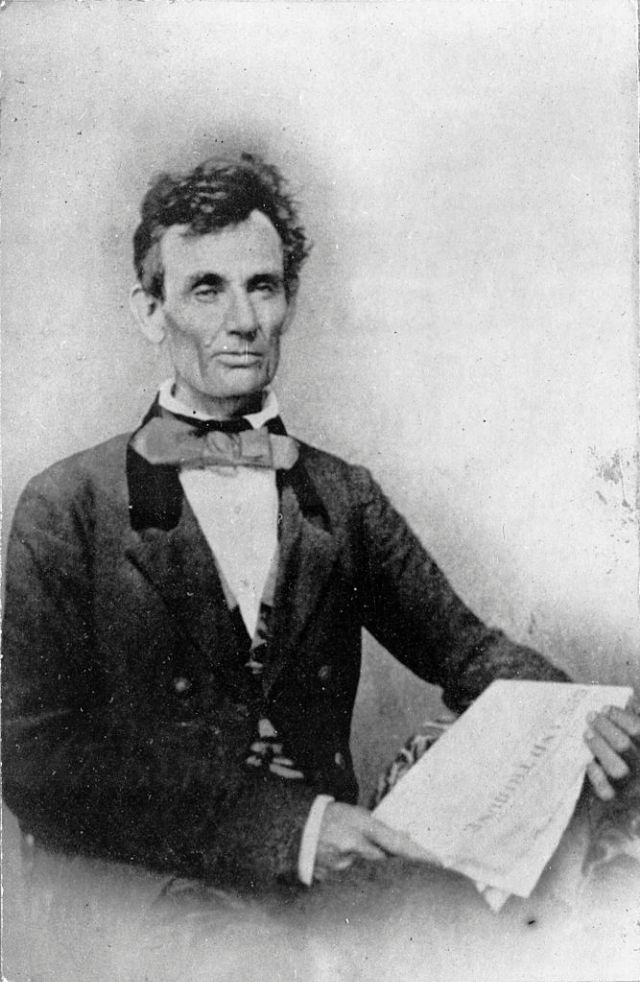
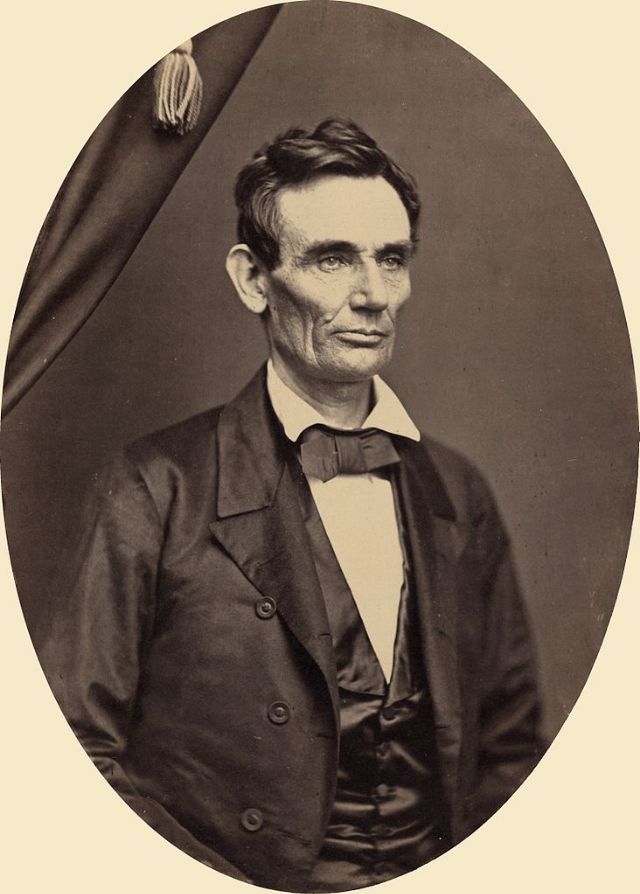
February 28, 1857 – Alexander Hessler
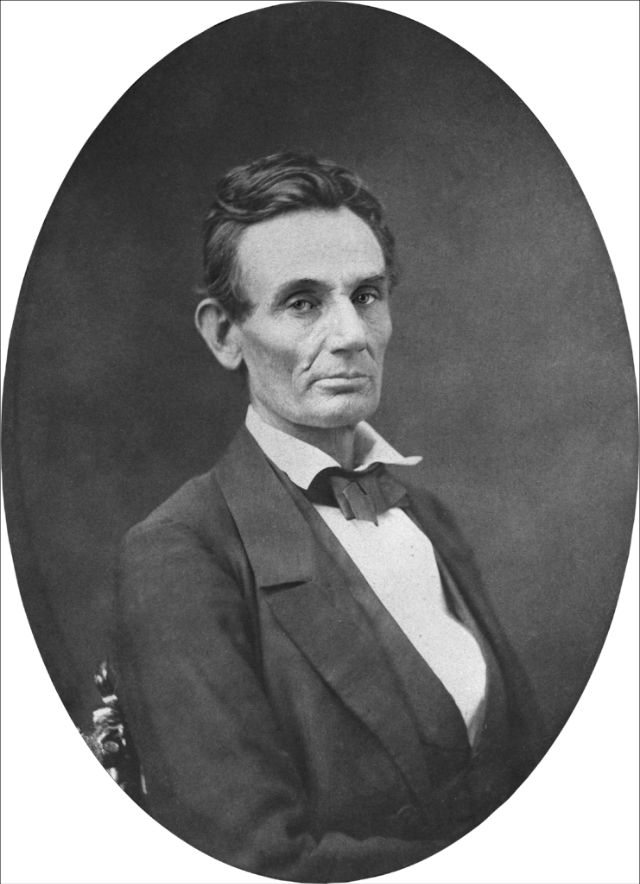
“I have a letter from Mr. Hesler stating that [Lincoln] came in and made arrangements for the sitting, so that the members of the bar could get prints. Lincoln said at the time that he did not know why the boys wanted such a homely face. Joseph Medill went with Mr. Lincoln to have the picture taken. He says that the photographer insisted on smoothing down Lincoln’s hair, but Lincoln did not like the result, and ran his fingers through it before sitting.” —?H. W. Fay of DeKalb, Illinois, original owner of the photo.
Lincoln immediately prior to his Senate nomination. The original negative was burned in the Great Chicago Fire.
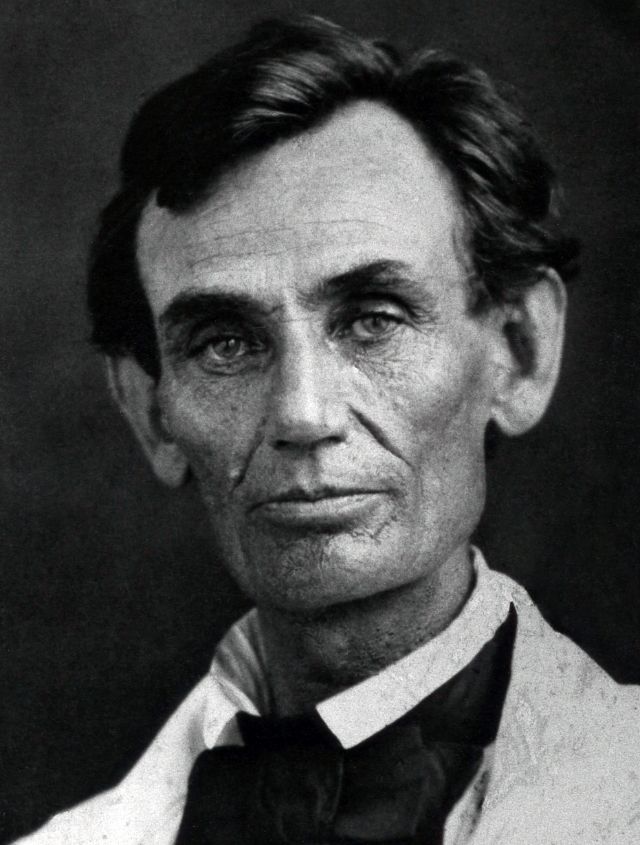
May 27, 1857 – Amon T. Joslin
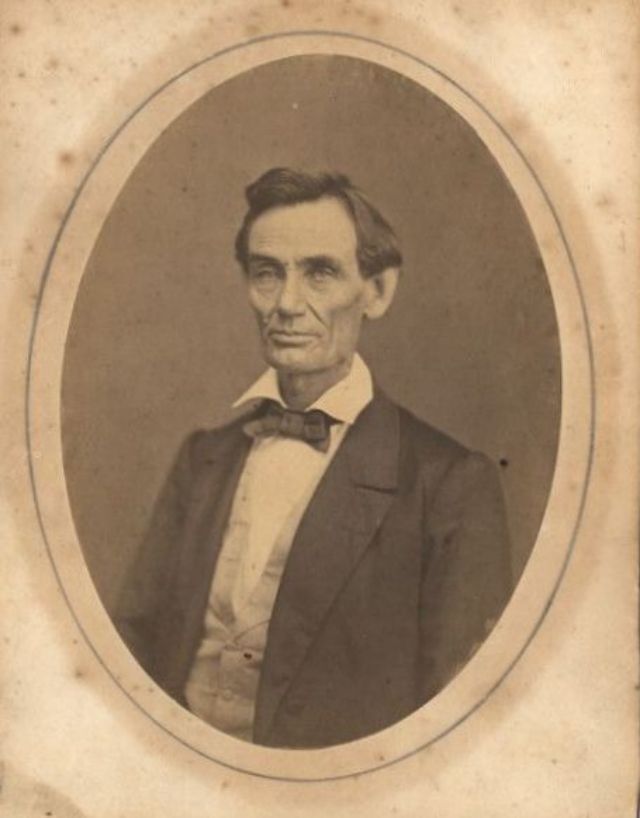
Although some historians have dated this photograph during the court session of November 13, 1859, and others have placed it as early as 1853, most authorities now believe it was taken on May 27, 1857. The photographer Amon T. Joslin owned “Joslin’s Gallery” located on the second floor of a building adjoining the Woodbury Drug Store, in Danville, IL. This was one of Lincoln’s favorite stopping places in Vermilion County, Illinois, while he was a traveling lawyer. Joslin photographed Abraham Lincoln twice at this sitting. Lincoln kept one copy and gave the other to his friend, Thomas J. Hilyard, deputy sheriff of Vermilion County. Today, one original resides in the Illinois State Historical Library.
1858 – Roderick M. Cole
“…the Photo you have of Abraham Lincoln is a copy of a Daguerreotype, that I made in my gallery in this city [Peoria] during the Lincoln and Douglas campaign. I invited him to my gallery to give me a sitting…and when I had my plate ready, he said to me, ‘I cannot see why all you artists want a likeness of me unless it is because I am the homeliest man in the State of Illinois.’” —?R.M. Cole, July 3, 1905 letter to David McCulloch.
Lincoln liked this image and often signed photographic prints for admirers. In fact, in 1861, he even gave a copy to his stepmother. The image was extensively employed on campaign ribbons in the 1860 Presidential campaign, and Lincoln “often signed photographic prints for visitors.”
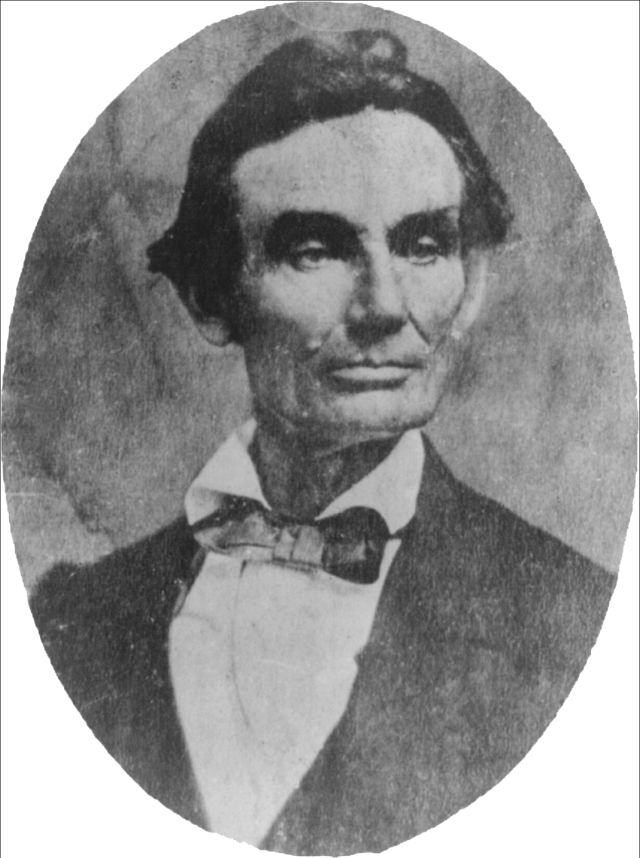
1858 (?) – (unknown)
This is the only extant original tintype of Lincoln.
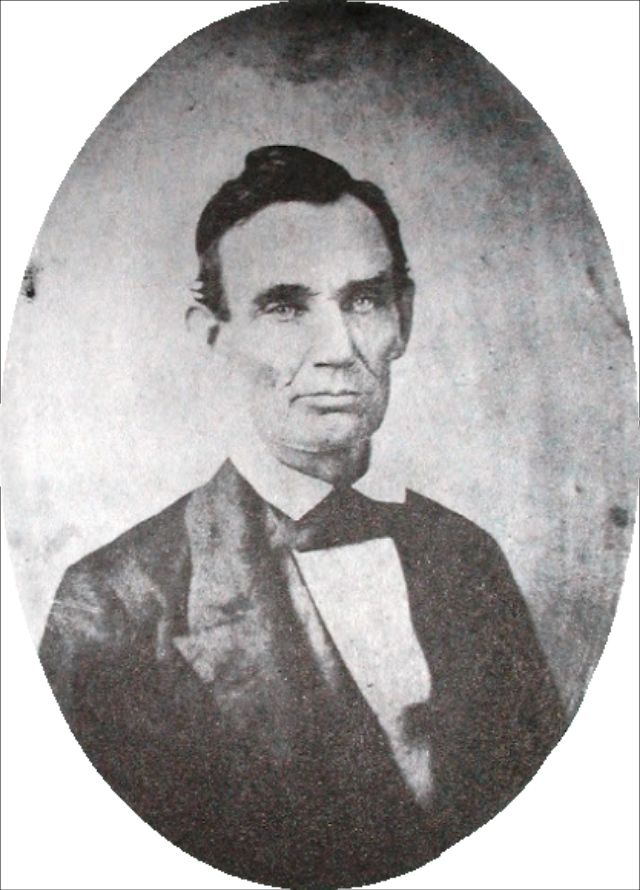
1858 (?) – (unknown)
A Civil War soldier from Parma, Ohio, was the original owner of this portrait, published in the Cleveland Plain Dealer on February 12, 1942, from a print in the Anthony L. Maresh collection. Possibly it is a photographic copy of one of two daguerreotypes, both now lost, taken in Ohio.
May 7, 1858 – Abraham M. Byers
Formerly in the Lincoln Monument collection at Springfield, Illinois. Mr. Lincoln wore a linen coat on the occasion. The picture is regarded as a good likeness of him as he appeared during the Lincoln Douglas campaign.
May 25, 1858 – Samuel G. Alschuler
“At the time I was [a young] clerk of the circuit court, and was about as well acquainted with Mr. Lincoln as with most of the forty-odd lawyers who practiced law in the circuit… On the opening day of court, which was always an interesting occasion, largely because we were curious to see what attorneys from a distance were in attendance…I observed that Mr. Lincoln was among them; and as I looked in his direction, he arose from his seat, and came forward and gave me a cordial hand-shake, accompanying the action with words of congratulation on my election. I mention this fact because the conduct of Mr. Lincoln was so in contrast with that of the other members of the bar that it touched me deeply, and made me, ever afterwards, his steadfast friend.” —?C. F. Gunther of Chicago, circa 1896 Letter.
“One morning I was in the gallery of Mr. Alschuler, when Mr. Lincoln came into the room and said he had been informed that he (Alschuler) wished him to sit for a picture. Alschuler said he had sent such a message to Mr. Lincoln, but he could not take the picture in that coat (referring to a linen duster in which Mr. Lincoln was clad), and asked if he had not a dark coat in which he could sit. Mr. Lincoln said he had not; that this was the only coat he had brought with him from his home. Alschuler said he could wear his coat, and gave it to Mr. Lincoln, who pulled off the duster and put on the artist’s coat. Alschuler was a very short man, with short arms, but with a body nearly as large as the body of Mr. Lincoln. The arms of the latter extended through the sleeves of the coat of Alschuler a quarter of a yard, making him quite ludicrous, at which he (Lincoln) laughed immoderately, and sat down for the picture to be taken with an effort at being sober enough for the occasion. The lips in the picture show this.” —?Mr. J. O. Cunningham, present when the picture was take.
July 18, 1858 – Preston Butler
This image was presumably taken by Preston Butler the day after Lincoln delivered a speech in Springfield in which Lincoln urges that slavery be placed on the course of “ultimate extinction.” He attacks Stephen Douglas and defends himself by stating that he supports the principles of equality put forth in the Declaration of Independence. This speech preceded his debates with Douglas.
August 26, 1858 – T. P. Pearson
“Mr. Magie happened to remain over night at Macomb, at the same hotel with Mr. Lincoln, and the next morning took a walk about town, and upon Mr. Magie’s invitation they stepped into Mr. Pierson’s establishment, and the ambrotype of which this is a copy was the result. Mr. Lincoln, upon entering, looked at the camera as though he was unfamiliar with such an instrument, and then remarked: ‘Well, do you want to take a shot at me with this thing?’ He was shown to a glass, where he was told to ‘fix up,’ but declined, saying it would not be much of a likeness if he fixed up any. The old neighbors and acquaintances of Mr. Lincoln in Illinois, upon seeing this picture, are apt to exclaim: ‘There! that’s the best likeness of Mr. Lincoln that I ever saw!’ The dress he wore in this picture is the same in which he made his famous canvass with Senator Douglas.” —?J. C. Power, custodian of the Lincoln monument in Springfield.
September 26, 1858 – (attributed to Christopher S. German)
“In 1858 Lincoln and Douglas had a series of joint debates in this State, and this city was one place of meeting. Mr. Lincoln’s step-mother was making her home with my father and mother at that time. Mr. Lincoln stopped at our house, and as he was going away my mother said to him: “Uncle Abe, I want a picture of you.” He replied, “Well, Harriet, when I get home I will have one taken for you and send it to you.” Soon after, mother received the photograph, which she still has, already framed, from Springfield, Illinois, with a letter from Mr. Lincoln, in which he said, “This is not a very good-looking picture, but it’s the best that could be produced from the poor subject.” He also said that he had it taken solely for my mother.” —?Mr. K. N. Chapman of Charleston, Illinois, great-grandson of Sarah Bush Lincoln.
October 1, 1858 – Calvin Jackson
On the afternoon of Friday, October 1, 1858, Lincoln had a luncheon at the home of his attorney friend, Daniel H. Gilmer in Pittsfield, Illinois. Lincoln then headed across the street to the town square, where he spoke for two hours. Following the address, Lincoln, at the request of Gilmer, went to the portable canvas photo gallery of Calvin Jackson on the northeast corner of the square and sat for two ambrotype poses. The photos were soon processed, but one was not finished, probably because it had been overexposed. Lincoln requested that copies of the other be delivered to two Pittsfield friends the following day.
October 11, 1858 – William Judkins Thomson
This ambrotype was taken two days before the next to last debate with Douglas in Quincy, Illinois.
1859 (?) – (unknown)
Photograph, of unknown origin, shows Abraham Lincoln in Springfield, Illinois, probably in 1859.
October 4, 1859 – Samuel M. Fassett
Lincoln sat for this portrait at the gallery of Cooke and Fassett in Chicago. Cooke wrote in 1865 “Mrs. Lincoln pronounced [it] the best likeness she had ever seen of her husband.”
February 27, 1860 – Mathew Brady
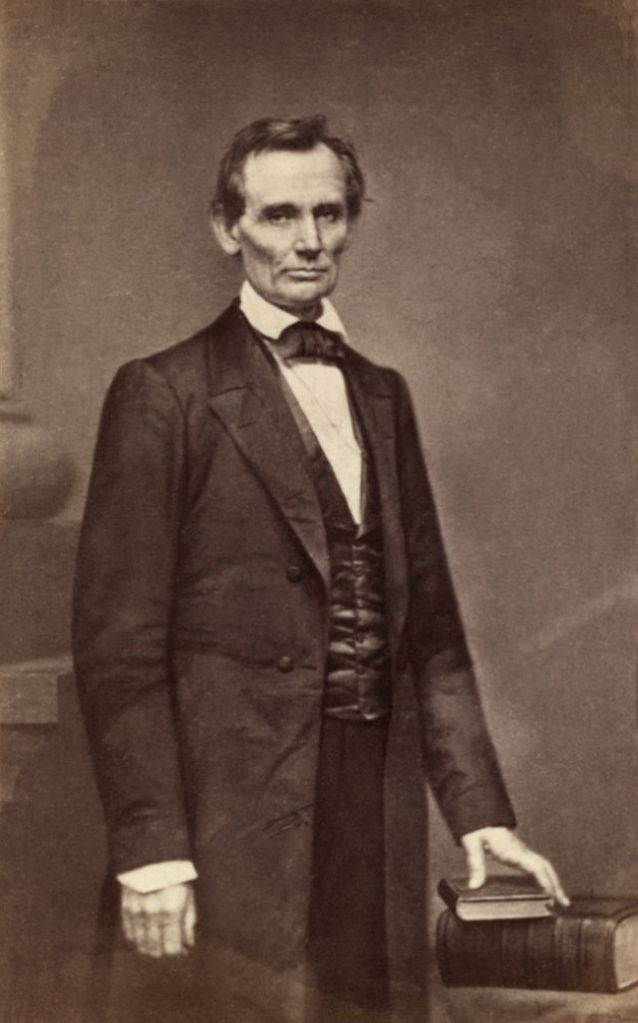
Mathew Brady’s first photograph of Lincoln, on the day of the Cooper Union speech. Over the following weeks, newspapers and magazines gave full accounts of the event, noting the high spirits of the crowd and the stirring rhetoric of the speaker. Artists for Harper’s Weekly converted Brady’s photograph to a full-page woodcut portrait to illustrate their story of Lincoln’s triumph, and in October 1860, Leslie’s Weekly used the same image to illustrate a story about the election. Brady himself sold many carte-de-visite photographs of the Illinois politician who had captured the eye of the nation. Brady remembered that he drew Lincoln’s collar up high to improve his appearance; subsequent versions of this famous portrait also show that artists smoothed Lincoln’s hair, smoothed facial lines and straightened his subject’s “roving” left eye. After Lincoln secured the Republican nomination and the presidency, he gave credit to his Cooper Union speech and this portrait, saying, “Brady and the Cooper Institute made me President.”
1860 (Spring or Summer) – (unknown)
Contemporary albumen print believed to be the only surviving likeness printed from the lost original negative made by an unknown photographer, probably in Springfield or Chicago, during the spring or summer of 1860.
May 9, 1860 – Edward A. Barnwell
Abraham Lincoln was in Decatur to attend the Illinois State Republican Convention. Local photographer Edward A. Barnwell wanted to take a picture of “the biggest man” at the convention and invited Lincoln to his People’s Ambrotype Gallery at 24 North Water Street to pose for this portrait. The next day, after Richard Oglesby introduced the “Rail Splitter,” convention delegates unanimously endorsed Lincoln for President. On May 18 the National Republican Convention meeting in Chicago nominated him as the party’s candidate.
May 20, 1860 – William Marsh
Presidential candidate Abraham Lincoln in Springfield, Illinois, two days after he won his party’s nomination.
May 20, 1860 – William Marsh
One of five photographs taken by William Marsh for Marcus Lawrence Ward. Although many in the East had read Lincoln’s impassioned speeches, few had actually seen the Representative from Illinois.
June 3, 1860 – Alexander Hesler
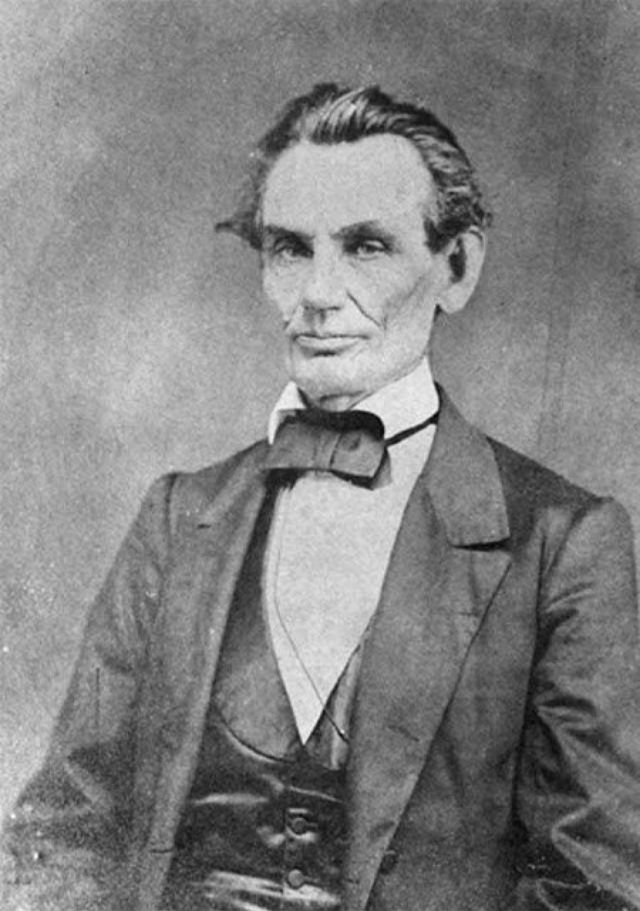
Hesler took a total of four portraits at this sitting. Lincoln’s law partner William Herndon wrote of this picture: “There is the peculiar curve of the lower lip, the lone mole on the right cheek, and a pose of the head so essentially Lincolnian; no other artist has ever caught it.”
June 3, 1860 – Alexander Hesler
When Lincoln saw this photograph, along with his side view portrait from the same sitting, he remarked “That looks better and expresses me better than any I have ever seen; if it pleases the people I am satisfied.”
June 3, 1860 – Alexander Hesler
Lincoln and a Chicago reporter were looking at what is believed to this photo at Lincoln’s home shortly after his nomination for President, when he observed “That picture gives a very fair representation of my homely face.”
June 1860 – (unknown)
In the summer of 1860 Mr. M. C. Tuttle, a photographer of St. Paul, wrote to Mr. Lincoln, requesting that he have a negative taken and sent to him for local use in the campaign. The request was granted, but the negative was broken in transit. On learning of the accident, Mr. Lincoln sat again, and with the second negative he sent a jocular note wherein he referred to the fact, disclosed by the picture, that in the interval he had “got a new coat.” A few copies of the picture were made by Mr. Tuttle, and distributed among the Republican editors of the State.
1860 (summer) – William Seavey
After this single print was made, the negative was lost when a fire destroyed the photographer’s gallery.
1860 (spring or summer) – (unknown)
A study of Lincoln’s powerful physique, this full-length photograph as taken for use by sculptor Henry Kirke Brown, and was found among his effects in 1931.
1860 (spring or summer) – William Shaw
This image has been heavily retouched at some point. Lincoln’s neck, skin and cheek lines are smoothed out, and the bag under the right eye has been diminished.
1860 (summer) – (unknown)
A copy of this image turned up with the effects of artist John Henry Brown, whose watercolor miniature of Lincoln hangs in the National Portrait Gallery.
August 13, 1860 – Preston Butler
The last beardless photograph of Lincoln. John M. Read commissioned Philadelphia artist John Henry Brown to paint a good-looking miniature of Lincoln “whether or not the subject justified it.” This ambrotype is one of six taken on Monday, August 13, 1860 in Butler’s daguerreotype studio (of which only two survive), made for the portrait painter.
November 25, 1860 – Samuel G. Altschuler
An 11-year-old girl named Grace Bedell wrote to Lincoln, asking “let your whiskers grow… you would look a great deal better for your face is so thin. All the ladies like whiskers and they would tease their husbands to vote for you and then you would be President.” and the president-elect responded “As to the whiskers have never worn any do you not think people would call it a silly affection if I were to begin it now?” Regardless, the next time he visited his barber William Florville, he announced “Billy, let’s give them a chance to grow.” By the time he began his inaugural journey by train from Illinois to Washington, D.C., he had a full beard.
February 9, 1861 – Christopher S. German
This photograph was taken two days before he left Springfield en route to Washington, DC, for his inauguration.
February 9, 1861 – Christopher S. German
Taken during the same sitting, this profile reveals the back of Lincoln’s head more than perhaps any other portrait.
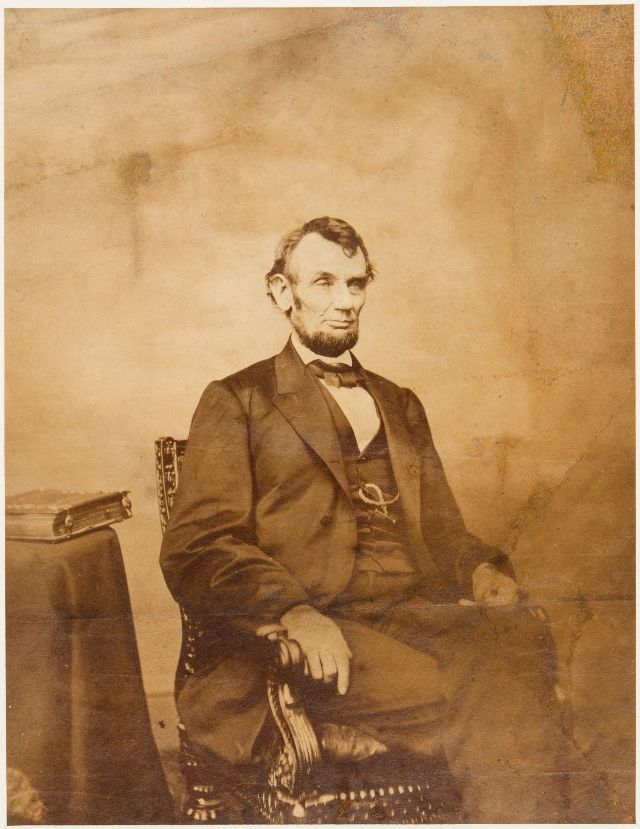
February 24, 1861 – Alexander Gardner
Taken during President-elect Lincoln’s first sitting in Washington, D.C., the day after his arrival by train.
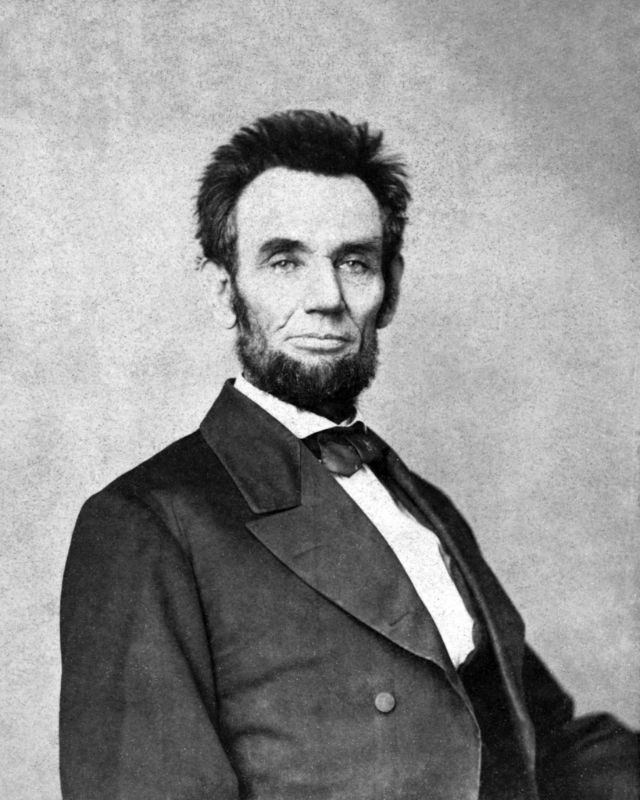
March 1, 1861 and June 30, 1861 (between) – (unknown)
The first photographic image of the new president. Remarkably, it is not known where or by whom this portrait was taken; the few known examples carry imprints of several different photographers: C.D Fredericks & Co. of New York; W.L. Germon and James E. McLees, both of Philadelphia. This example has been termed “the most valuable Lincoln photo in existence” and sold at auction in 2009 for $206,500.
April 6, 1861 – Mathew Brady
Lincoln’s drooping left eyelid is clearly visible in this image.
April 6, 1861 – Mathew Brady
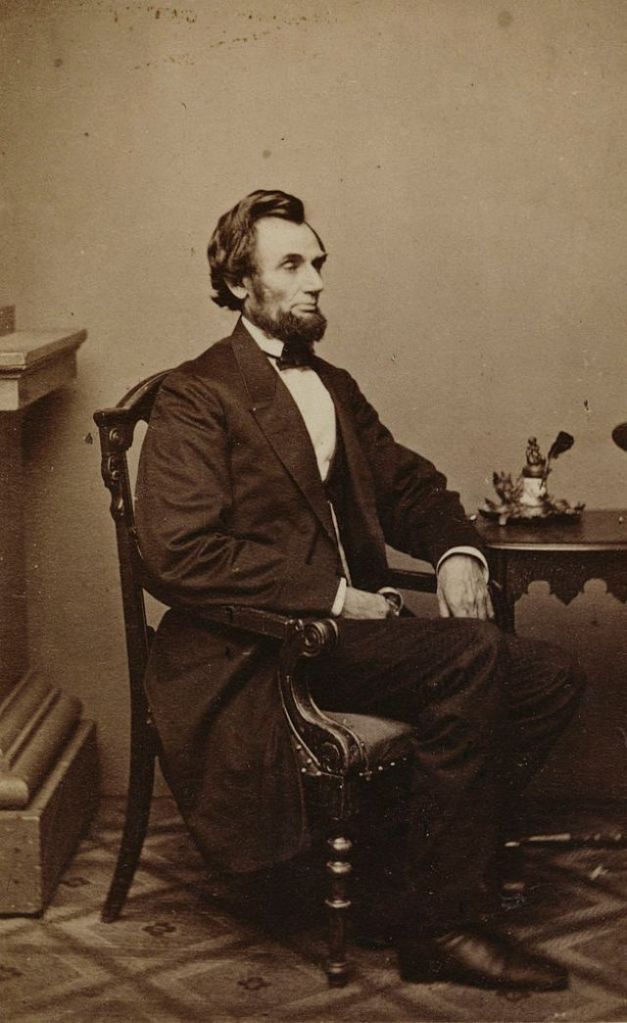
Abraham Lincoln, half-length portrait, seated
April 6, 1861 – Mathew Brady
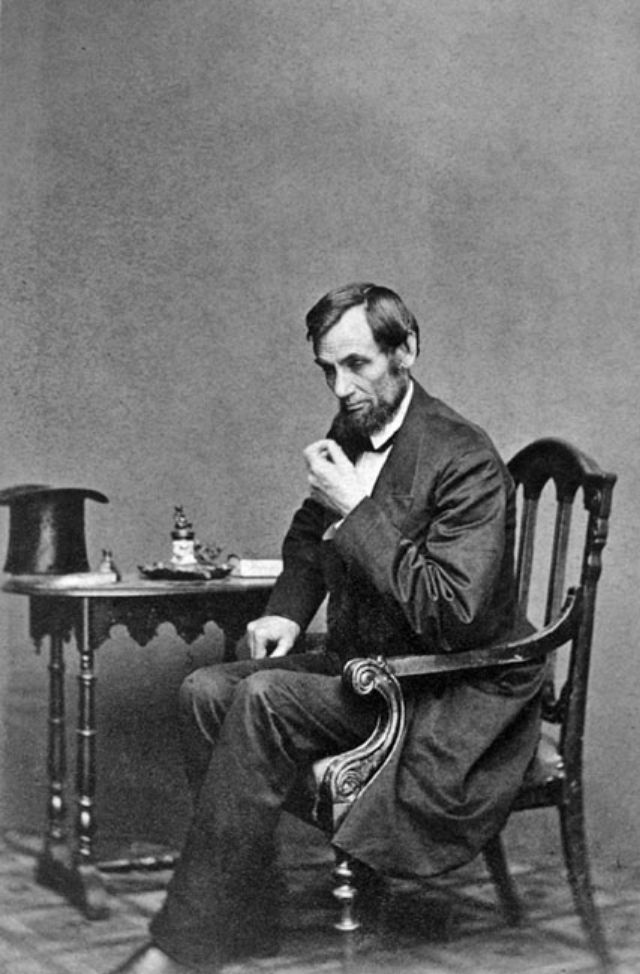
President Abraham Lincoln, seated next to small table, in a reflective pose, May 16, 1861, with his hat visible on the table.
February 1862 – Mathew Brady
Taken soon after the death of Lincoln’s son Willie. Governor Joseph W. Fifer of Illinois, after seeing this image, commented “The melancholy seemed to roll from his shoulders and drip from the ends of his fingers.”
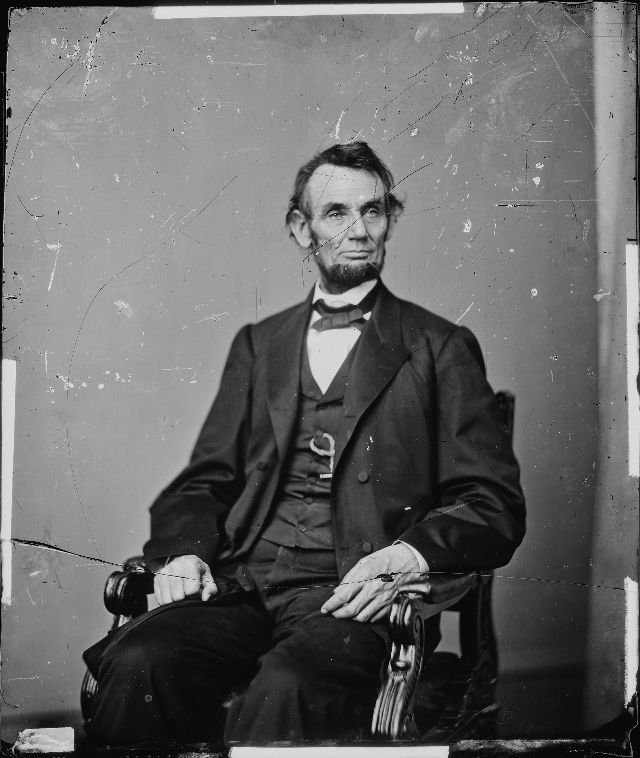
April 17, 1863 – Thomas Le Mere
Mathew Brady Studios’ photograph operator, Thomas Le Mere, thought it would be a “considerable call” to capture a full-length portrait of the President. He did so in this instance with a multiple lens camera in Brady’s Gallery.
1863 – Lewis Emory Walker
Lincoln, seated, with an unbuttoned coat and wearing his standard gold watch chain, presented to him in 1863 by a California delegation.
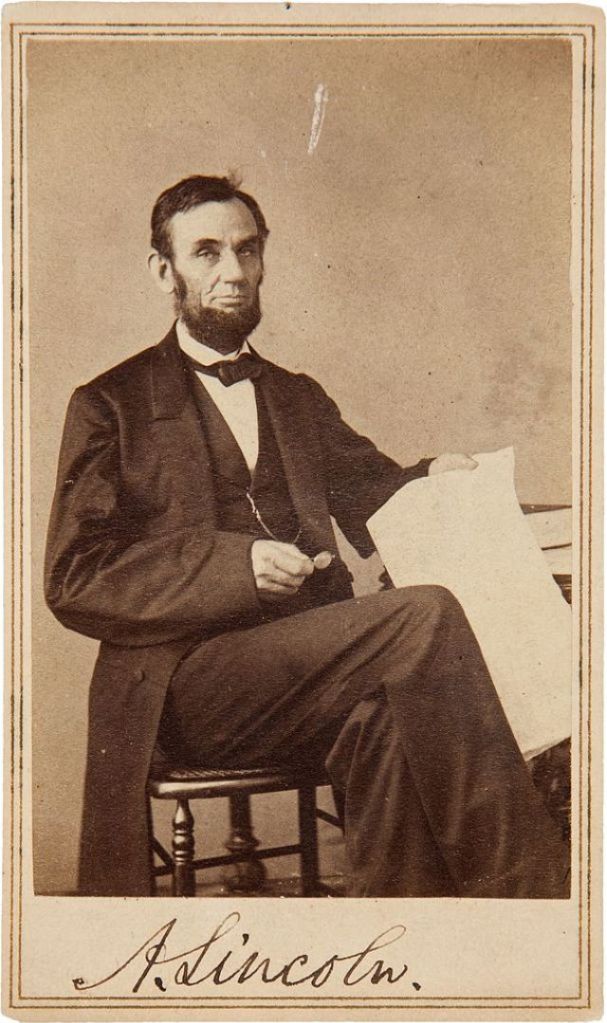
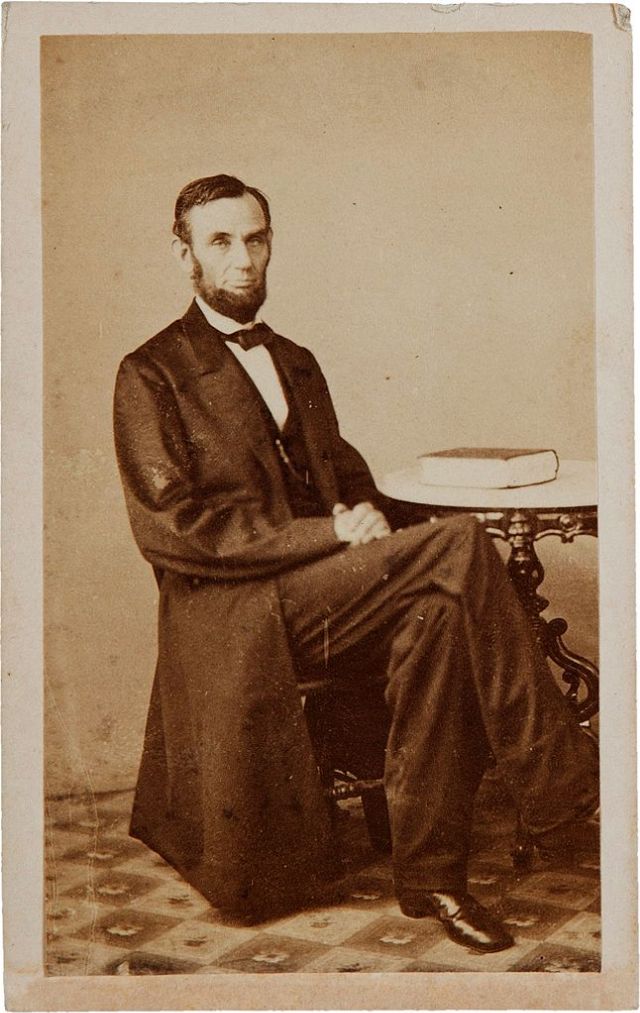
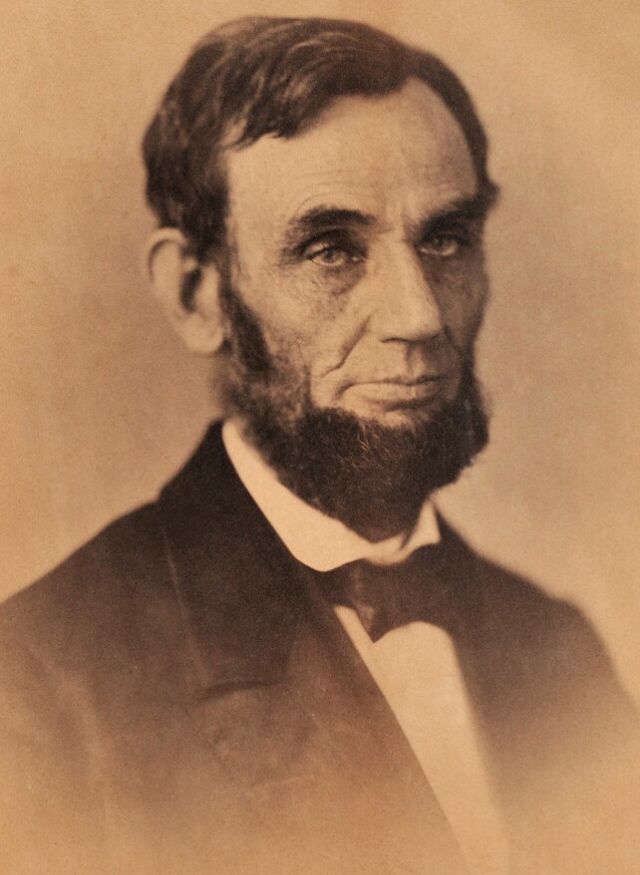
August 9, 1863 – Alexander Gardner
Lincoln’s “Photographer’s Face”. Per Dr. James Miner, “His large bony face when in repose was unspeakably sad and as unreadable as that of a sphinx, his eyes were as expressionless as those of a dead fish; but when he smiled or laughed at one of his own stories or that of another then everything about him changed; his figure became alert, a lightning change came over his countenance, his eyes scintillated and I thought he had the most expressive features I had ever seen on the face of a man.”
August 9, 1863 – Alexander Gardner
This is one of a series of six pictures of the President taken by Alexander Gardner on the day before the official opening of his gallery. Lincoln had promised to be Gardner’s first sitter and chose Sunday for his visit to avoid “curiosity seekers and other seekers” while on his way to the gallery.
August 9, 1863 – Alexander Gardner
Lincoln holds a newspaper in one hand and his eyeglasses in the other in this autographed Carte de Visite.
August 9, 1863 – Alexander Gardner
Lincoln seated with hands in lap.
August 9, 1863 – Alexander Gardner
This image from Lincoln’s August 1863 sitting with Alexander Gardner in his new studio at 7th and D Street remained in the family of Lincoln’s Secretary John Hay until being sold at auction in 2013.
November 8, 1863 – Alexander Gardner
This famous image of Lincoln was photographed by Alexander Gardner on November 8, 1863, just weeks before he would deliver the Gettysburg Address. It is sometimes referred to as the “Gettysburg portrait,” although it was actually taken in Washington. As Lincoln had previously done in August 1863, he visited Gardner’s studio on a Sunday afternoon. He posed for several additional portraits during this session.
November 8, 1863 – Alexander Gardner
Profile image
November 8, 1863 – Alexander Gardner
Lincoln visited Mathew Brady’s studio in Washington, D.C. on at least three occasions in 1864. Several portraits survive from each session.
February 9, 1864 – Anthony Berger
“The Penny Profile”. Berger was the manager of Mathew Brady’s Gallery when he took multiple photographs at this Tuesday sitting. In 1909 Victor David Brenner used this image and one other similar image from this sitting to model the Lincoln cent.
February 9, 1864 – Anthony Berger
A rare collodion plate of this image in full is housed in the National Archives.
February 9, 1864 – Anthony Berger
In 1895 Robert Todd Lincoln wrote “I have always thought the Brady photograph of my father, of which I attach a copy, to be the most satisfactory likeness of him.”
February 9, 1864 – Anthony Berger
An original cracked plate, just under the size known as “imperial”. The Lincoln portrait on the current United States five-dollar bill is based on this photograph.
February 1865 – Lewis Emory Walker
The short haircut was perhaps suggested by Lincoln’s barber to facilitate the taking of his life mask by Clark Mills. Lincoln knew from experience how long hair could cling to plaster. From an 1865 stereograph long attributed to Mathew Brady, was actually taken by Lewis Emory Walker, a government photographer, about February 1865 and published for him by the E. & H. T. Anthony Co., of New York.
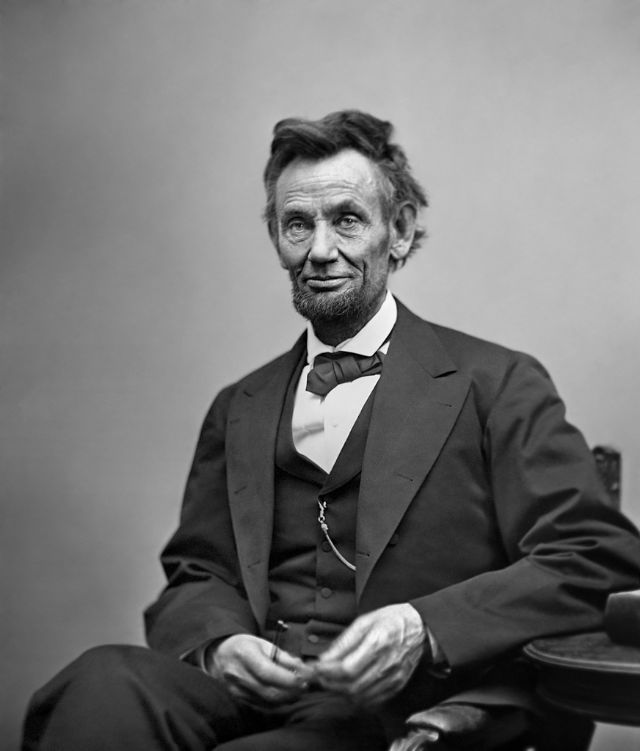
February 5, 1865 – Alexander Gardner
This photograph of Lincoln was made when the burden of the presidency had taken its toll. President Lincoln visited Gardner’s studio one Sunday in February 1865, the final year of the Civil War, accompanied by the American portraitist Matthew Wilson. Wilson had been commissioned to paint the president’s portrait, but because Lincoln could spare so little time to pose, the artist needed recent photographs to work from.
February 5, 1865 – Alexander Gardner
The pictures served their purpose, but the resulting painting- a traditional, formal, bust-length portrait in an oval format—is not particularly distinguished and hardly remembered today. Gardner’s surprisingly candid photographs have proven more enduring, even though they were not originally intended to stand alone as works of art.
February 5, 1865 – Alexander Gardner
According to Frank Goodyear, the National Portrait Gallery’s photo curator, “This is the last formal portrait of Abraham Lincoln before his assassination. I really like it because Lincoln has a hint of a smile. The inauguration is a couple of weeks away; he can understand that the war is coming to an end; and here he permits, for one of the first times during his presidency, a hint of better days tomorrow.”
Ballet originated in the Italian Renaissance courts of the 15th century. Noblemen and women were treated to lavish events, especially wedding celebrations, where dancing and music created an elaborate spectacle.
In the late 17th century Louis XIV founded the Académie Royale de Musique (the Paris Opera) within which emerged the first professional theatrical ballet company, the Paris Opera Ballet. The predominance of French in the vocabulary of ballet reflects this history. Theatrical ballet soon became an independent form of art, although still frequently maintaining a close association with opera, and spread from the heart of Europe to other nations.
In the 20th century styles of ballet continued to develop and strongly influence broader concert dance, for example, in the United States choreographer George Balanchine developed what is now known as neoclassical ballet, subsequent developments have included contemporary ballet and post-structural ballet, for example seen in the work of William Forsythe in Germany.
The etymology of the word “ballet” reflects its history. The word ballet comes from French and was borrowed into English around the 17th century. The French word in turn has its origins in Italian balletto, a diminutive of ballo (dance). Ballet ultimately traces back to Italian ballare, meaning “to dance”.
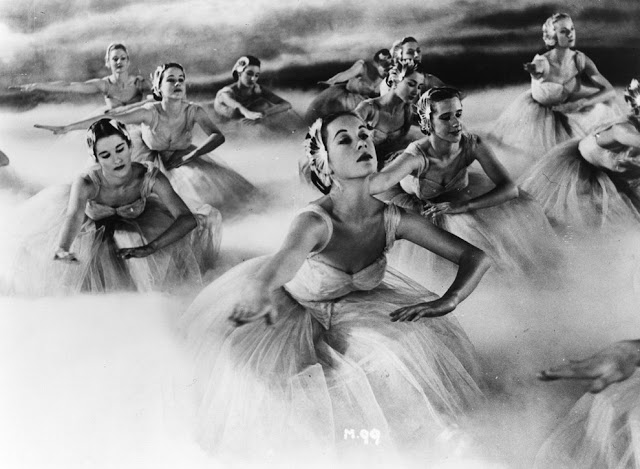
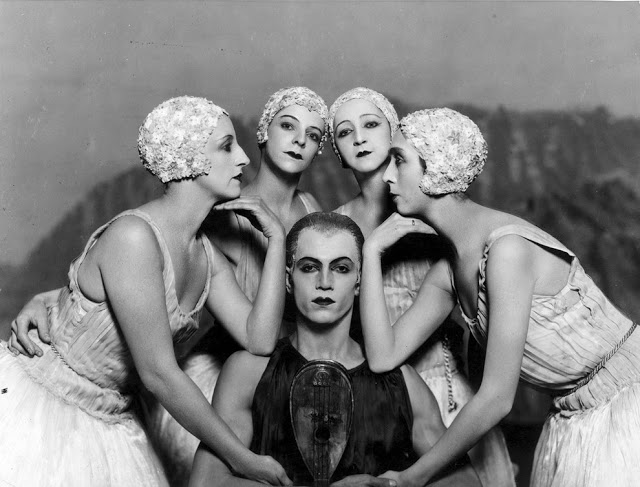
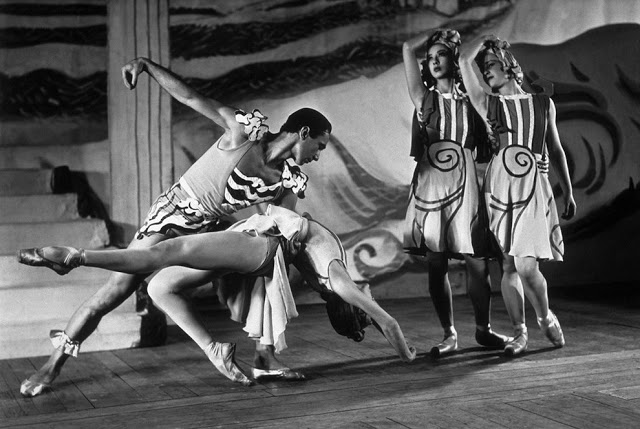
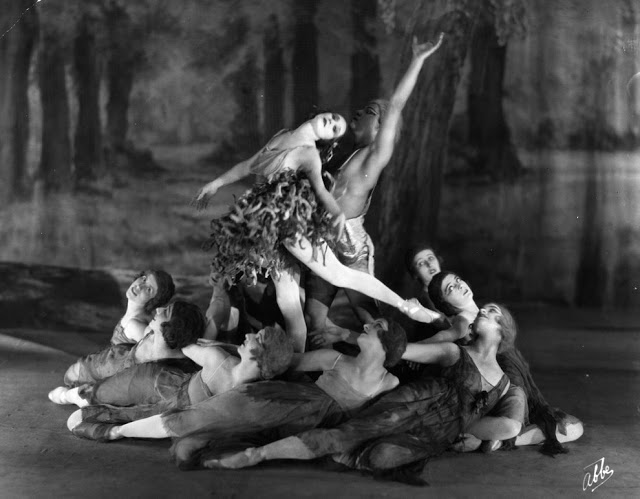
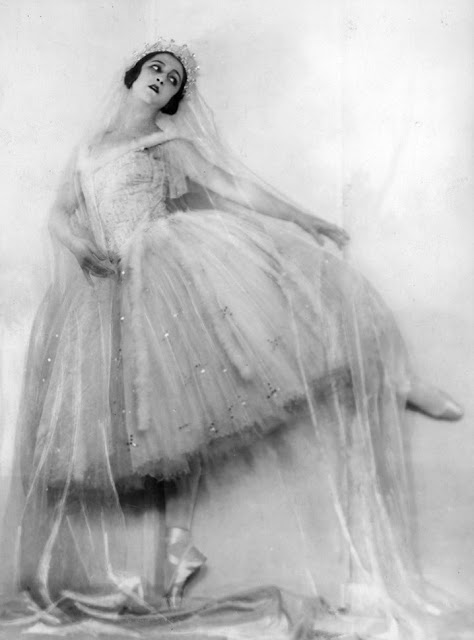
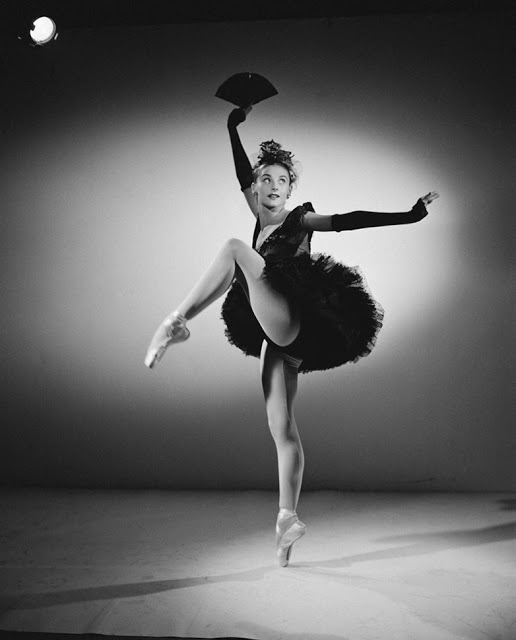
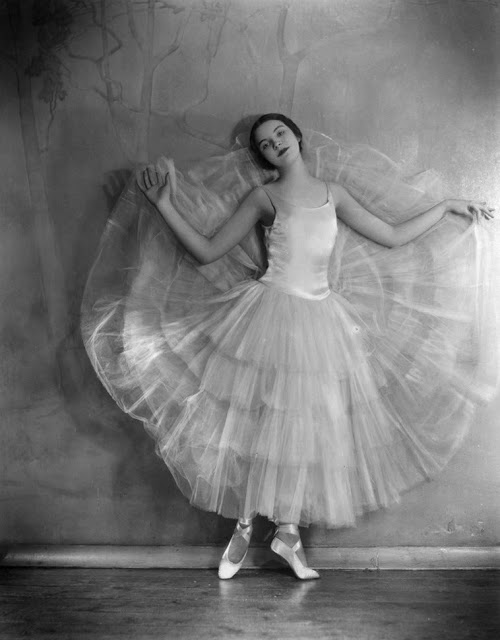
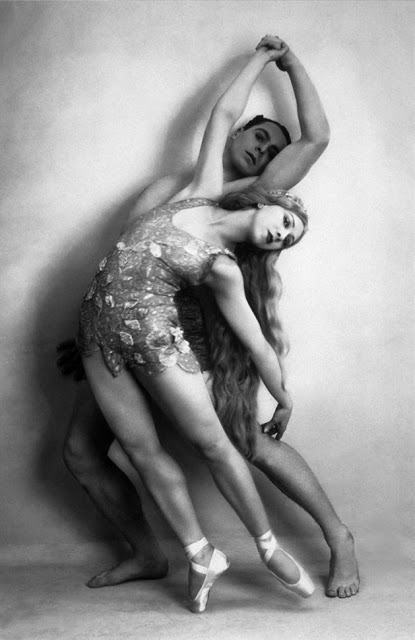
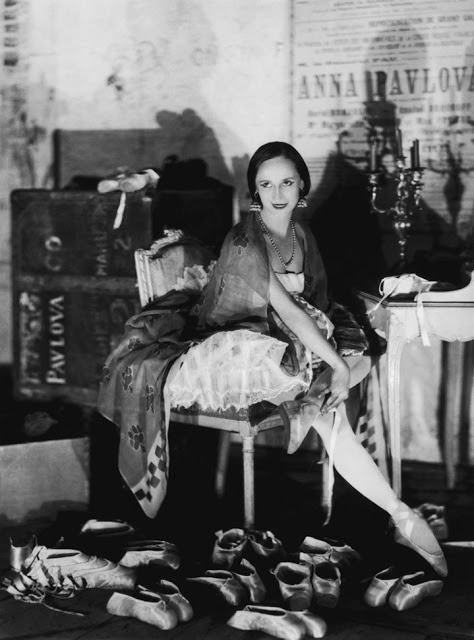
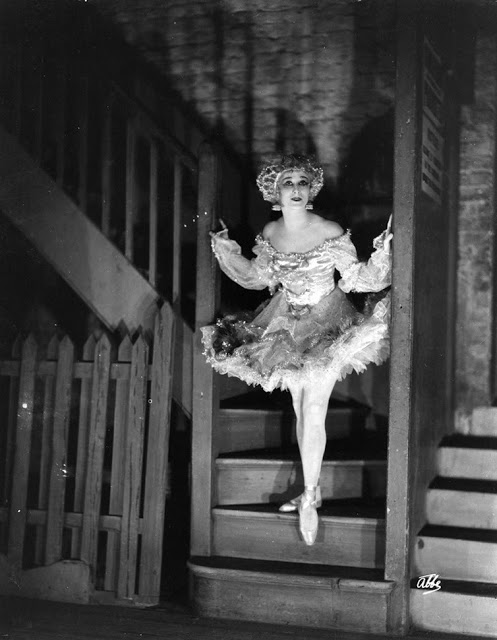
A scene from the film Melba, 1953.Lubov Tchernicheva, Alice Nikitina, Alexandra Danilova, Felia Doubrovska, and Serge Lifar during a production of Apollon Musagetes, 1928.Madame Lubovska teaching students from the National American Ballet School, 1924.A performance in London, 1943.A scene from the ballet Protee, 1938.Dancers of the Festival Ballet performing Etudes, 1955.Christianne Gaulthier, 1955.Nora Kaye and Nicholas Magallanes in The Cage, 1951Anna Pavlova and a fellow dancer, 1920.Vera Nemchinova and Anton Dolin in a production of Revolution at the Coliseum in London, 1928.Ida Rubinstein, 1915.Anna Pavlova in Autumn Leaves, 1920.Margot Fonteyn, 1939.Alexandra Danilova, 1925.Tanaquil Le Clercq in Bourree Fantasque, 1950.Cynthia Maugham at the Arts Theatre in London, 1928.Anna Ludmilla and a fellow dancer in Intimate Revue, 1930.June Brae and Robert Helpmann in Dante Sonata at the Sadler’s Wells Theatre, London, 1939.Anna Pavlova surrounded by her ballet shoes in her dressing room at the Theatre des Champs Elysees in Paris, 1927.Alice Nikitina and Serge Lifar performing La Chatte, 1927.Marjorie Tallchief and George Skibine of the New York City Ballet in Concerto Barocco, 1948.Tamara Toumanova in Swan Lake, 1948.A performance of Giselle at Drury Lane in London, 1937.Anna Pavlova, 1920.Vera Nemchinova and Anton Dolin in Rhapsody in Blue, 1928.
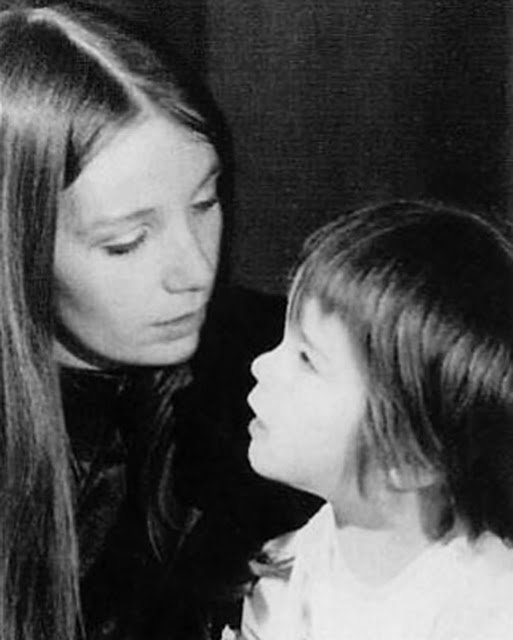
Björk Guðmundsdóttir OTF (born 21 November 1965) is an Icelandic singer, songwriter, composer, record producer and actress. Over her four-decade career, she has developed an eclectic musical style that draws on influences and genres including electronic, pop, jazz, experimental, trip hop, alternative, classical, and avant-garde music.
Born and raised in Reykjavík, Björk began her music career at the age of 11 and gained international recognition as the lead singer of the alternative rock band the Sugarcubes. After the band’s breakup in 1992, Björk embarked on a solo career, coming to prominence with albums such as Debut (1993), Post (1995), and Homogenic (1997), while collaborating with a range of artists and exploring a variety of multimedia projects. Her other albums include Vespertine (2001), Medúlla (2004), Volta (2007), Biophilia (2011), Vulnicura (2015) and Utopia (2017).
Several of Björk’s albums have reached the top 20 on the US Billboard 200 chart. As of 2015, she had sold between 20 and 40 million records worldwide. Thirty-one of her singles have reached the top 40 on pop charts around the world, with 22 top-40 hits in the UK, including the top-10 singles “It’s Oh So Quiet”, “Army of Me”, and “Hyperballad” and the top-20 singles “Play Dead”, “Big Time Sensuality”, and “Violently Happy”. Her accolades and awards include the Order of the Falcon, five BRIT Awards, and 15 Grammy nominations. In 2015, Time named her one of the 100 most influential people in the world. Rolling Stone named her the 60th greatest singer and the 81st greatest songwriter.
Björk starred in the 2000 Lars von Trier film Dancer in the Dark, for which she won the Best Actress Award at the 2000 Cannes Film Festival, and was nominated for the Academy Award for Best Original Song for “I’ve Seen It All”. Biophilia was marketed as an interactive app album with its own education program. Björk has also been an advocate for environmental causes in Iceland. A retrospective exhibition dedicated to Björk was held at the New York Museum of Modern Art in 2015. (Wikipedia)
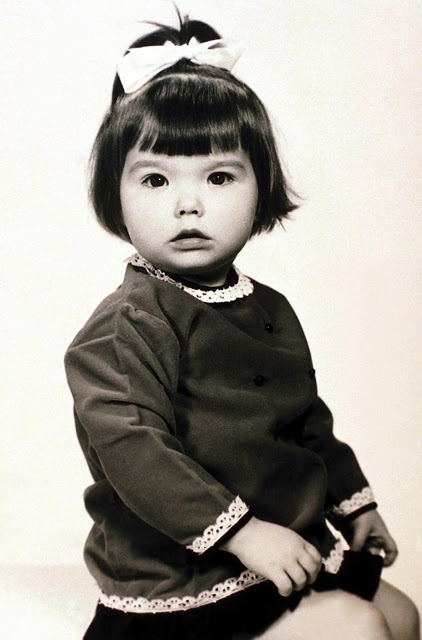
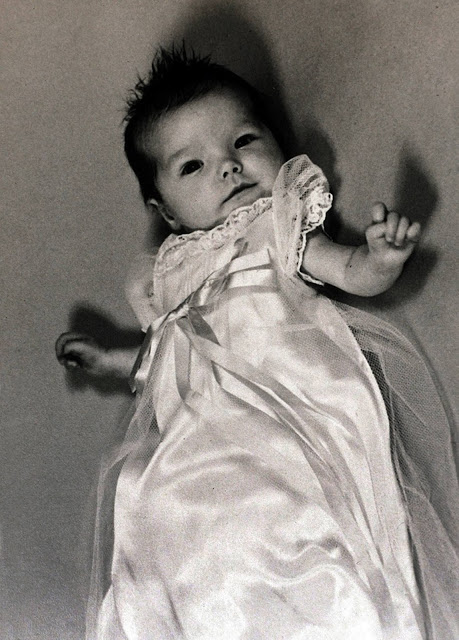
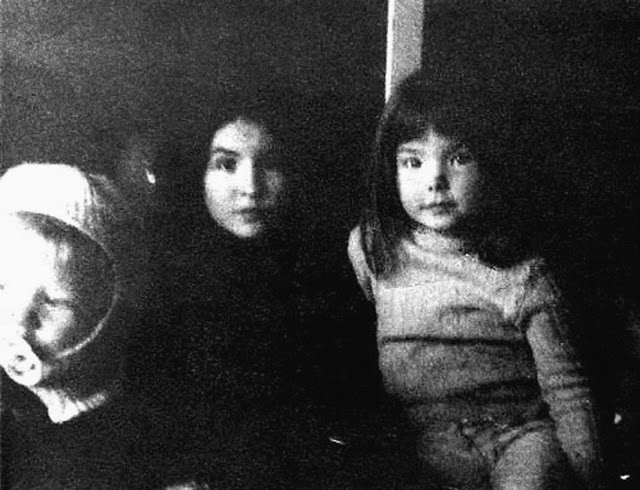
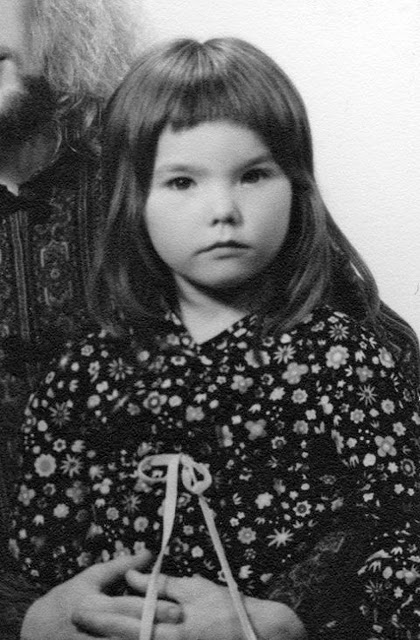
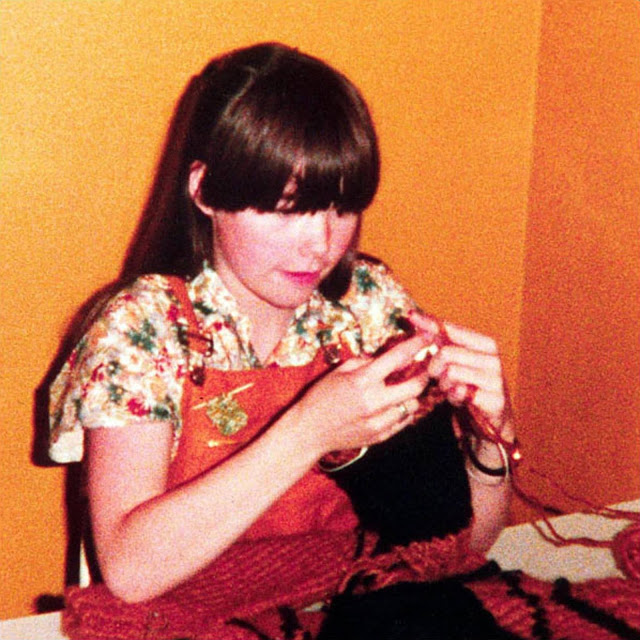
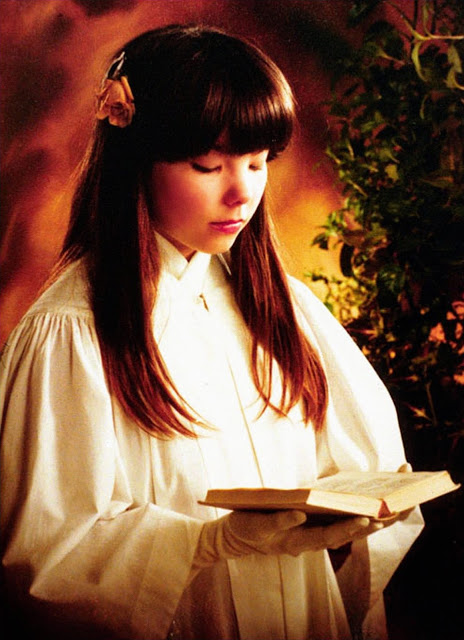
Björk and her father Guðmundur Gunnarsson.Björk when she was a little girl.Björk and her mother.Björk in early ’70s.Björk, 1971.Björk in the arms of her stepfather Svævar Arnason, 1971.Björk, 1973.Unpublished photograph, from the book “Björk: Archives” released in March 2015. The image is part of the photoshoot to cover artwork for the self-titled album “Björk” realeased in 1977 when she was twelve years old. Art directed by her mother, Hildur Hauksdóttir and probably the original image had been in color, like the final cover of the album, but apparently due to the art of the book we have in black and white.Björk weaving, 1979.Björk on a picture to her First Communion, 1979.Björk, 1979.Björk with Exodus, jazz fusion band with punk and pop elements, Iceland, 1979.
The 1920s (pronounced “nineteen-twenties,” often shortened to the “20s”) was a decade that began on January 1, 1920, and ended on December 31, 1929. In America, it is frequently referred to as the “Roaring Twenties” or the “Jazz Age”, while in Europe the period is sometimes referred to as the “Golden Twenties” because of the economic boom following World War I (1914-1918). French speakers refer to the period as the “Années folles” (“Crazy Years”), emphasizing the era’s social, artistic, and cultural dynamism.
The 1920s saw foreign oil companies begin operations in Venezuela, which became the world’s second-largest oil-producing nation. The devastating Wall Street Crash in October 1929 is generally viewed as a harbinger of the end of 1920s prosperity in North America and Europe. In the Soviet Union the New Economic Policy was created by the Bolsheviks in 1921, to be replaced by the first five-year plan in 1928. The 1920s saw the rise of radical political movements, with the Red Army triumphing against White movement forces in the Russian Civil War, and the emergence of far right political movements in Europe. In 1922, the fascist leader Benito Mussolini seized power in Italy. Economic problems contributed to the emergence of dictators in Eastern Europe to include Józef Pilsudski in Poland, and Peter and Alexander Karadordevic in Yugoslavia. First-wave feminism saw progress, with women gaining the right to vote in the United States (1920), Ireland (1921) and with suffrage being expanded in Britain to all women over 21 years old (1928).
In Turkey, nationalist forces defeated Greece, France, Armenia and Britain in the Turkish War of Independence, leading to the Treaty of Lausanne (July 1923), a treaty more favorable to Turkey than the earlier proposed Treaty of Sèvres. The war also led to the abolition of the Ottoman Caliphate. Nationalist revolts also occurred in Ireland (1919–1921) and Syria (1925–1927). Under Mussolini, Italy pursued a more aggressive foreign policy, leading to the Second Italo-Senussi War in Libya. In 1927, China erupted into a civil war between the Kuomintang (KMT)-led government of the Republic of China (ROC) and forces of the Chinese Communist Party (CCP). Civil wars also occurred in Paraguay (1922–1923), Ireland (1922–1923), Honduras (1924), Nicaragua (1926–1927), and Afghanistan (1928–1929). Saudi forces conquered Jabal Shammar and subsequently, Hejaz.
A severe famine occurred in Russia in 1921–1922 due to the combined effects of economic disturbance because of the Russian Revolution and the Russian Civil War, exacerbated by rail systems that could not distribute food efficiently, leading to 5 million deaths. Another severe famine occurred in China in 1928–1930, leading to 6 million deaths. The Spanish flu (1918–1920) and the 1918–1922 Russia typhus epidemic, which had begun in the previous decade, caused 25–50 million and 2–3 million deaths respectively. Major natural disasters of this decade include the 1920 Haiyuan earthquake (258,707~273,407 deaths), the 1922 Swatow typhoon (50,000–100,000 deaths), the 1923 Great Kanto earthquake (105,385–142,800 deaths), and the 1927 Gulang earthquake (40,912 deaths).
Silent films were popular in this decade, with the 1925 American silent epic adventure-drama film Ben-Hur: A Tale of the Christ being the highest-grossing film of this decade, grossing $9,386,000 worldwide. Other high-grossing films of this decade include The Big Parade and The Singing Fool. Sinclair Lewis was a popular author in the 1920s, with 2 of his books, Main Street and Elmer Gantry, becoming best-selling books in the United States in 1921 and 1927 respectively. Other best-selling books of this decade include All Quiet on the Western Front and The Private Life of Helen of Troy. Songs of this decade include “Are You Lonesome Tonight?” and “Stardust”. (Wikipedia)
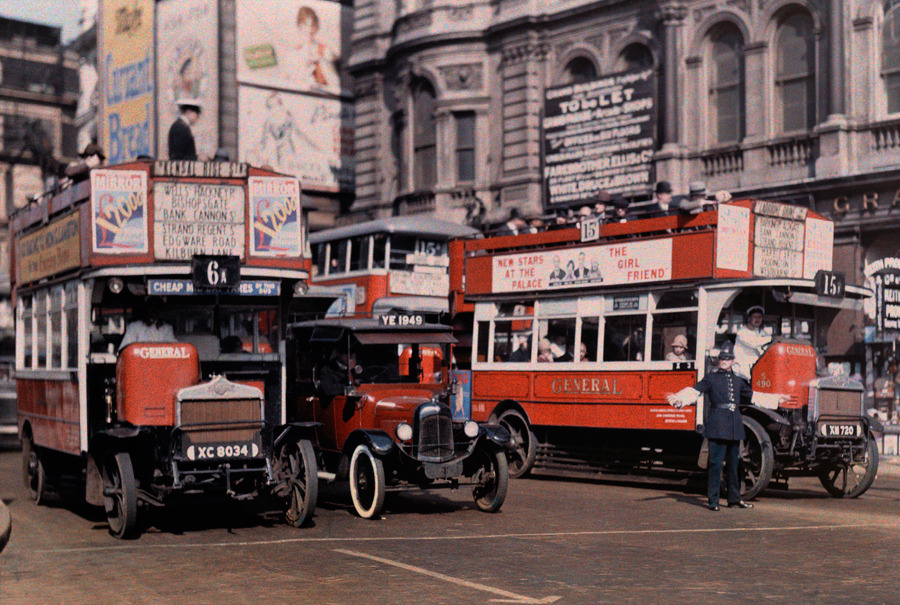
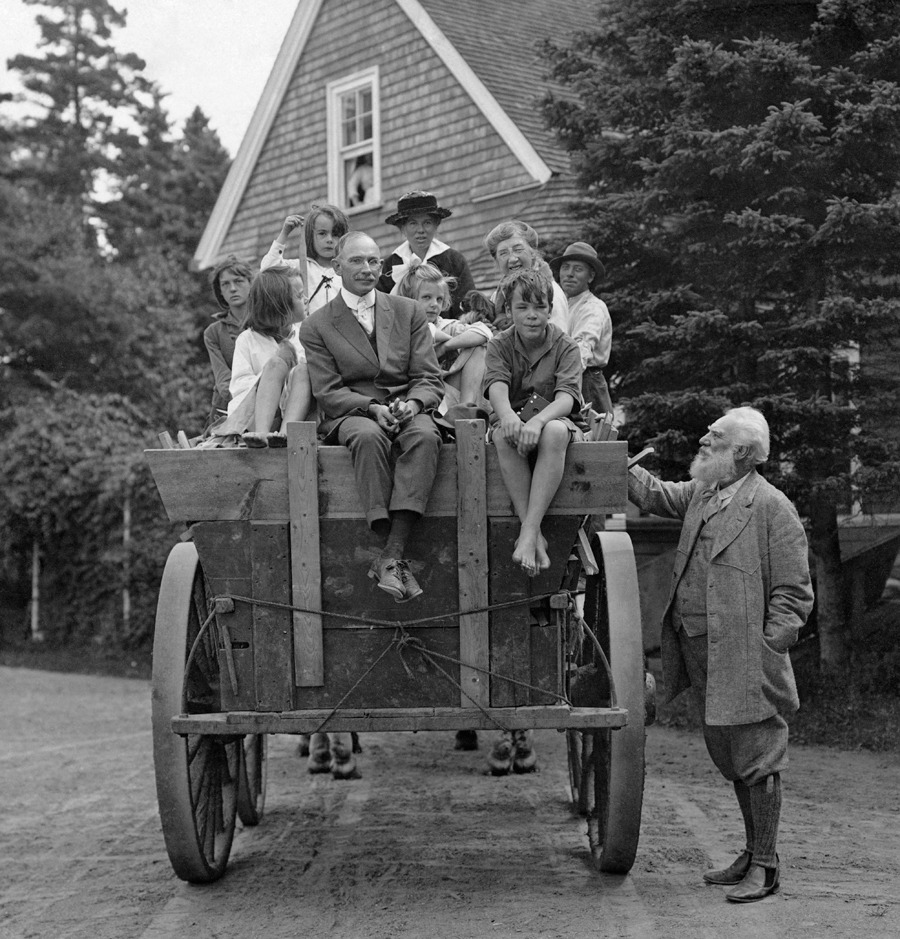
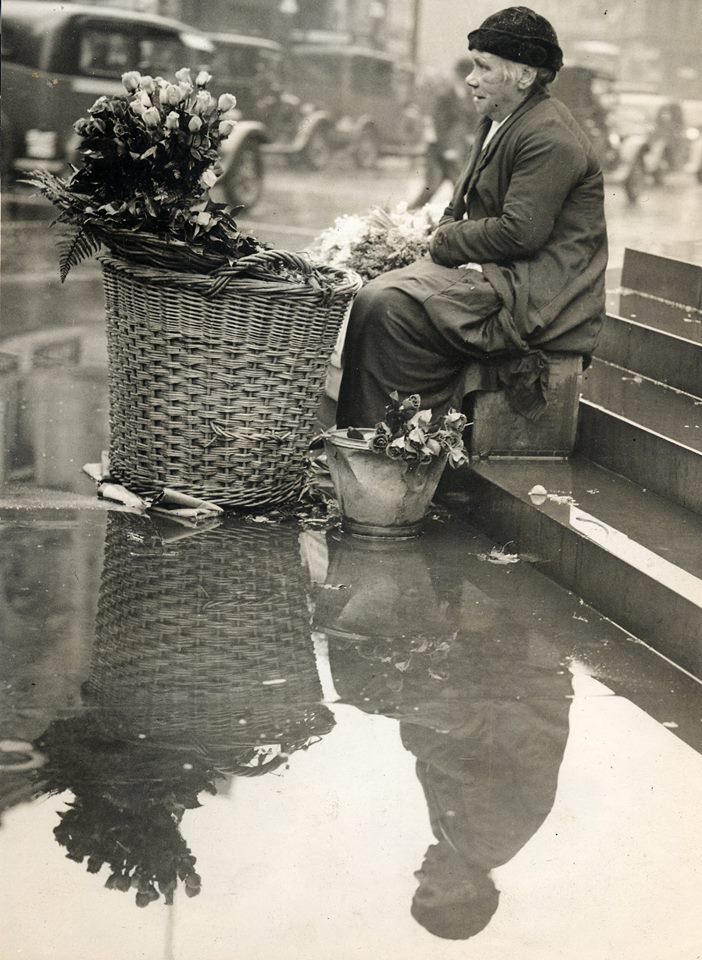
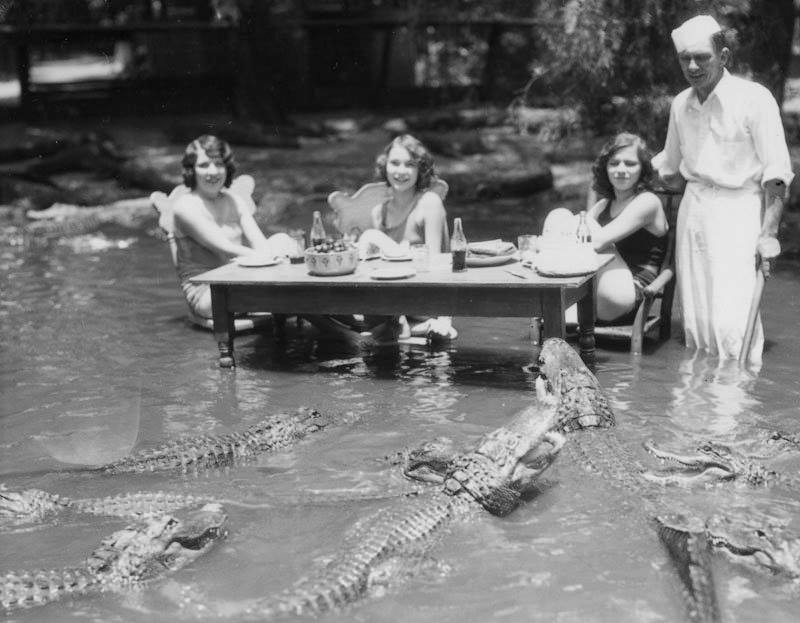
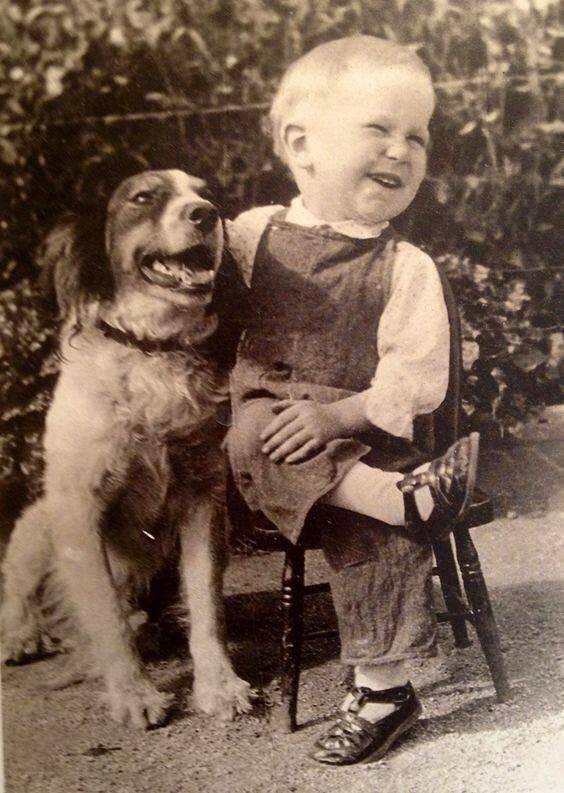
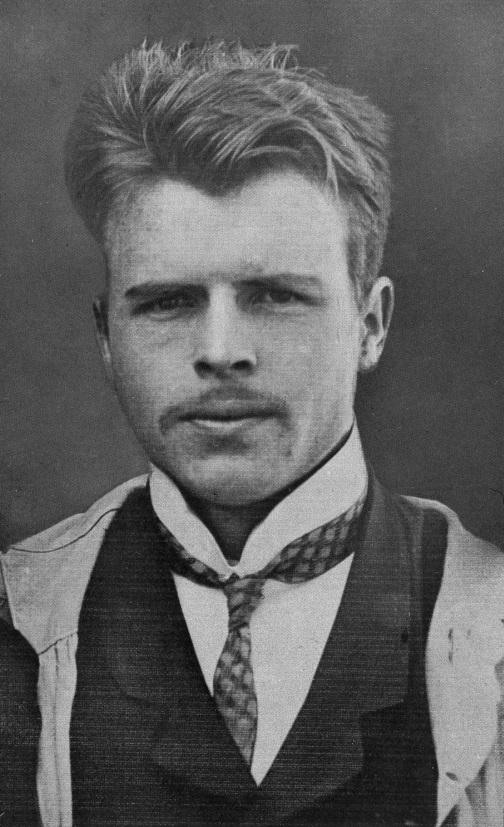
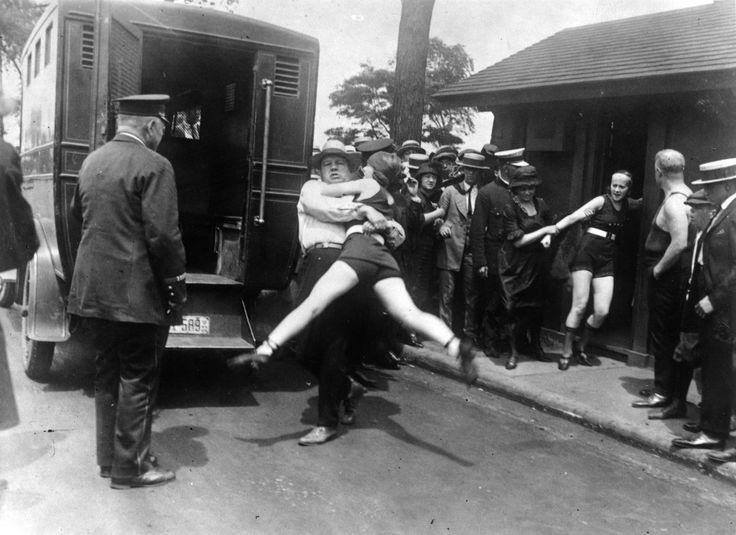
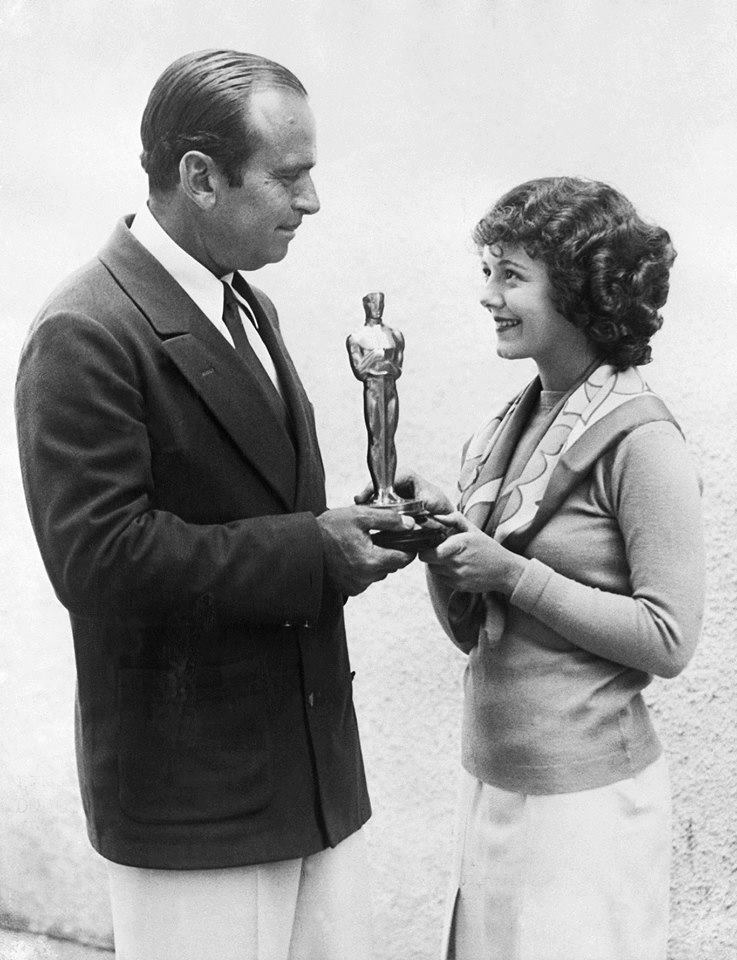
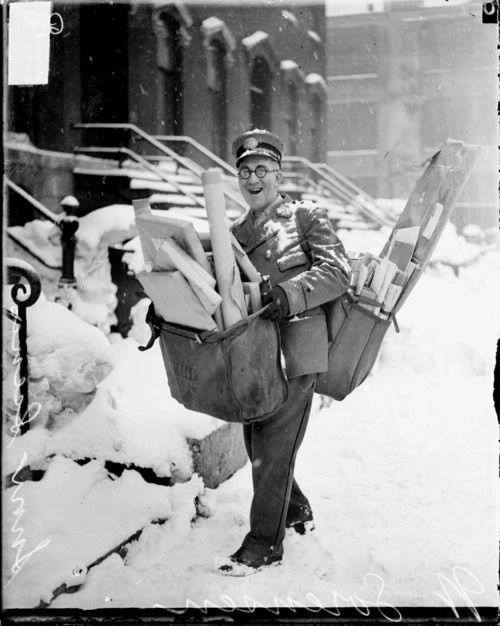
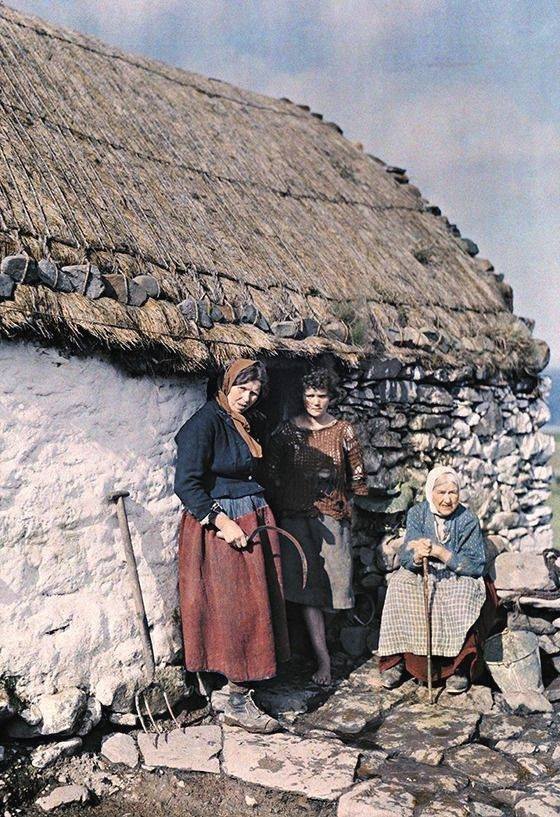
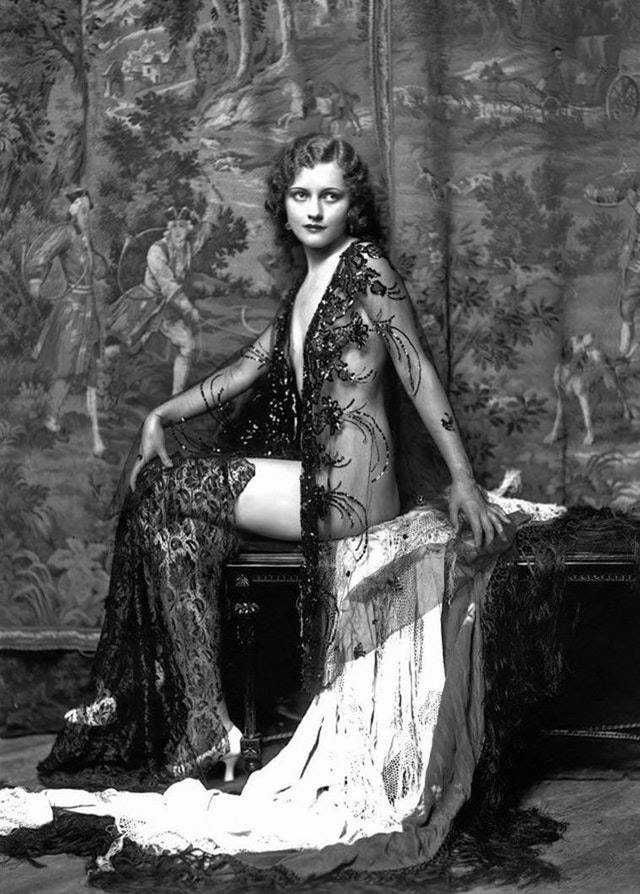
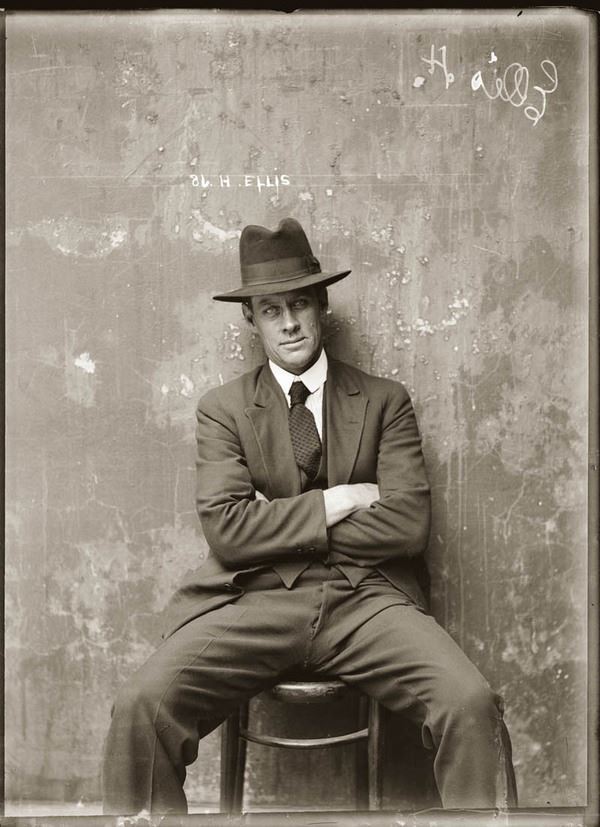
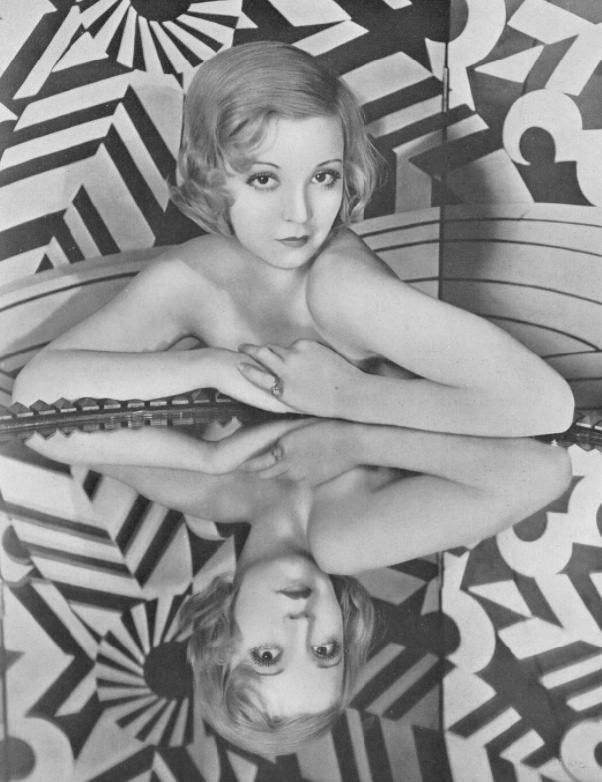
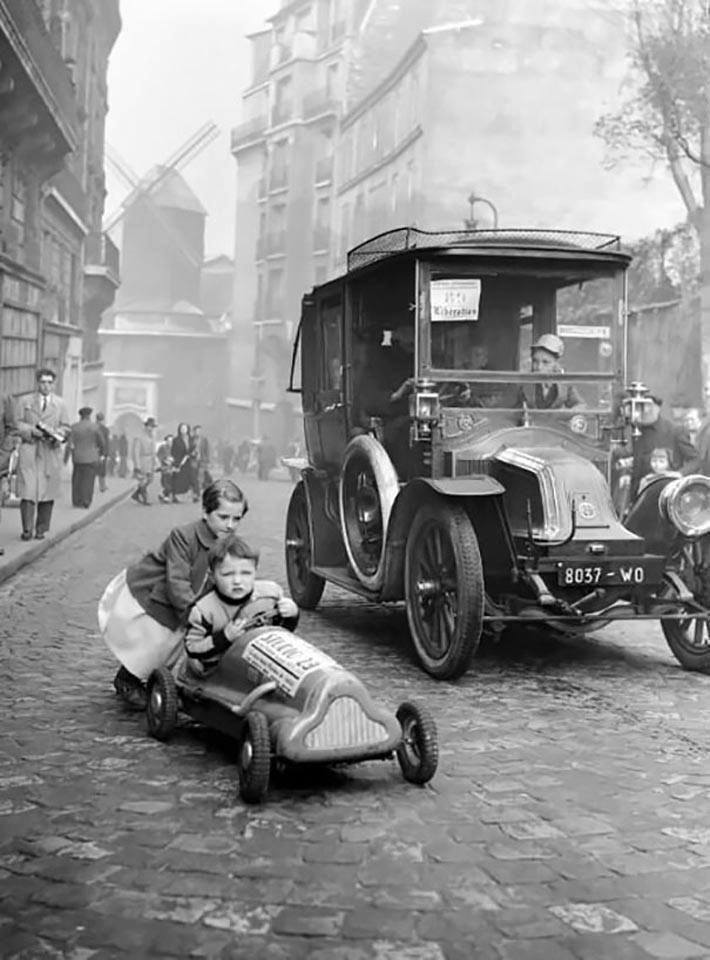
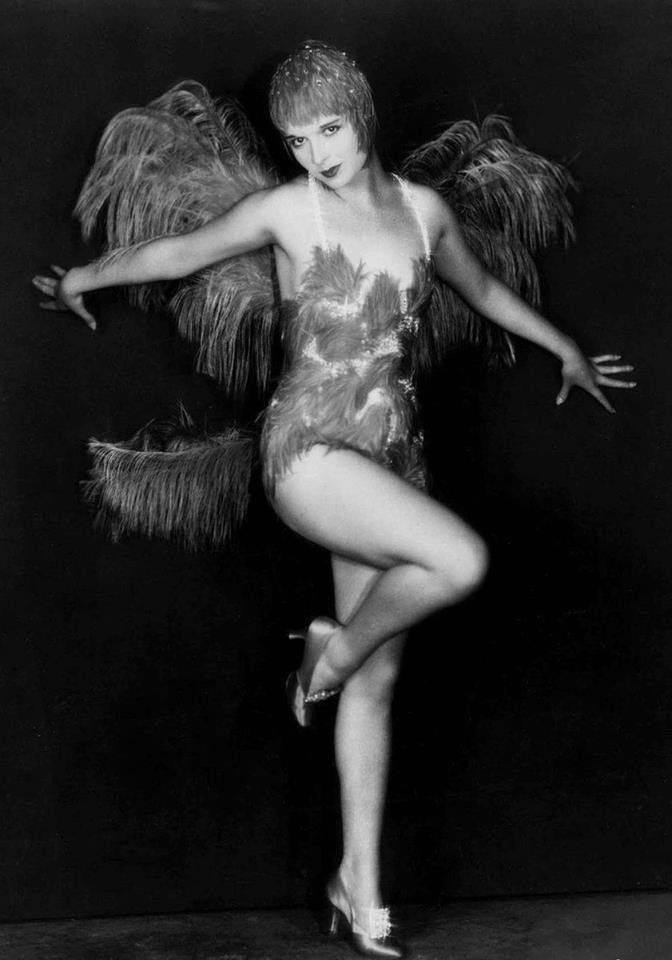
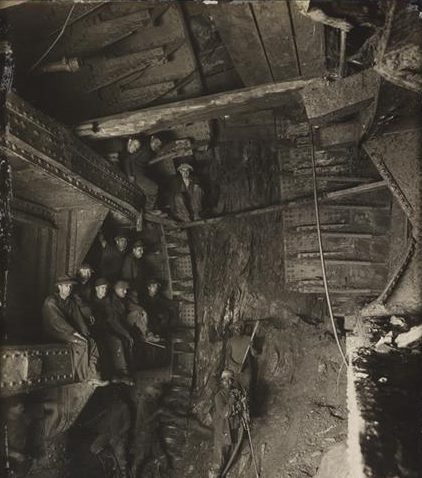
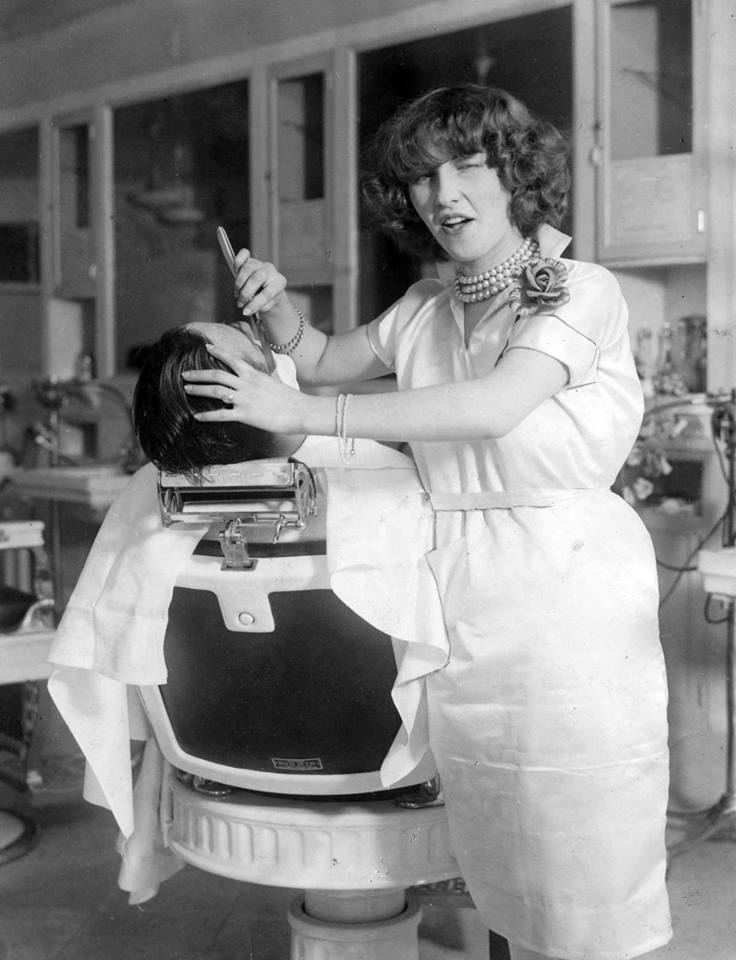
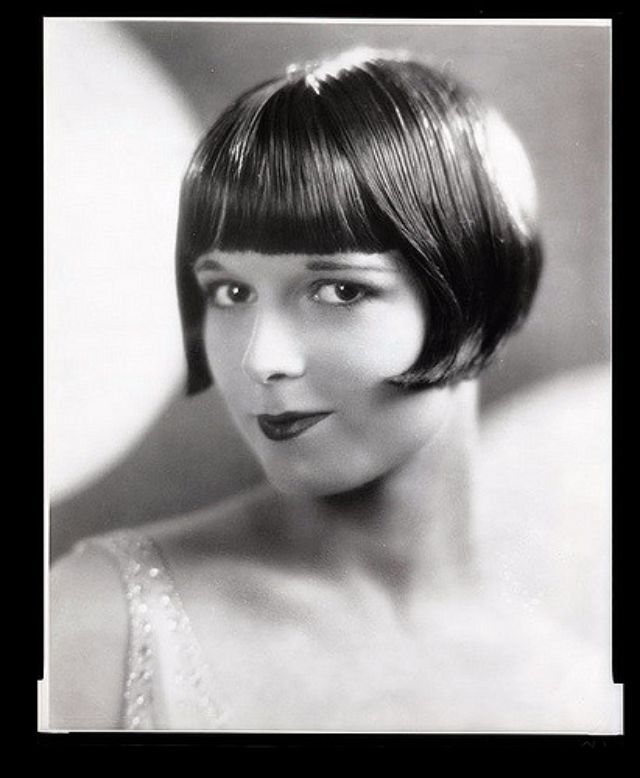
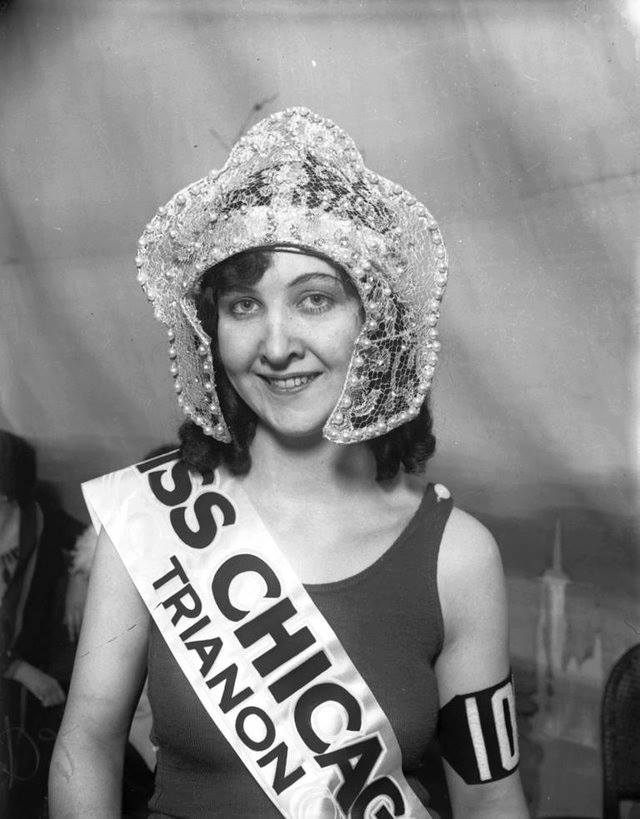
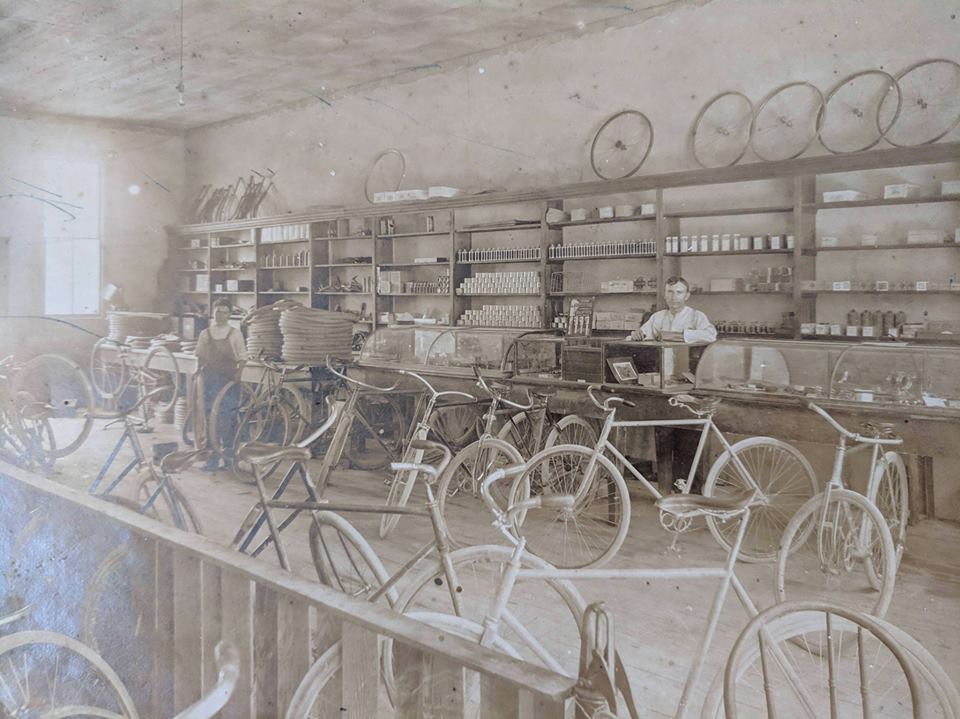
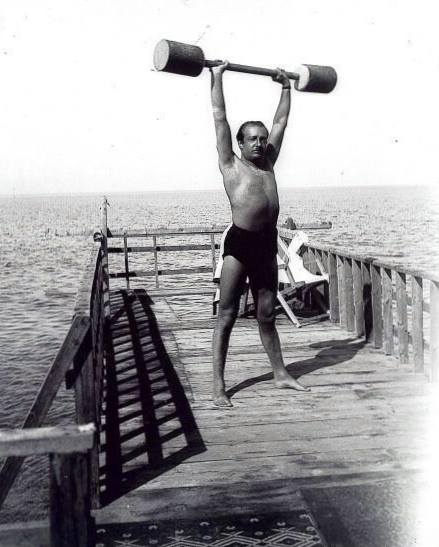
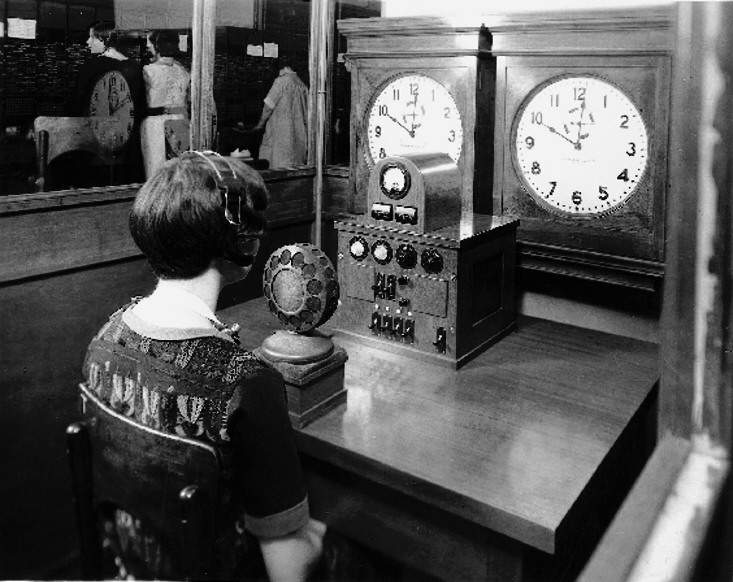
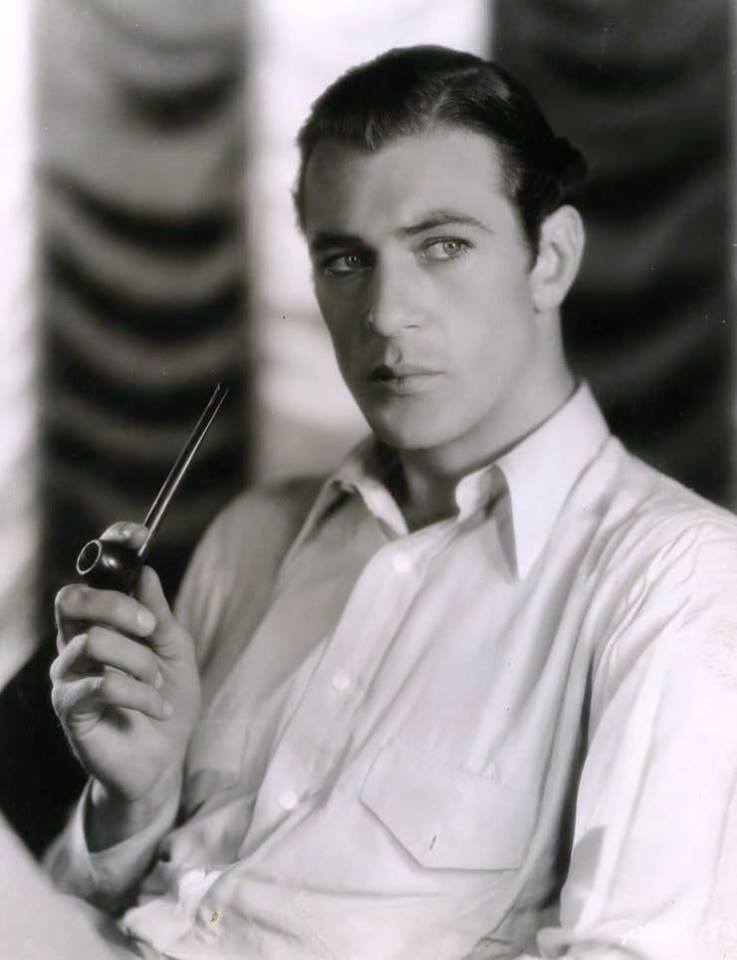
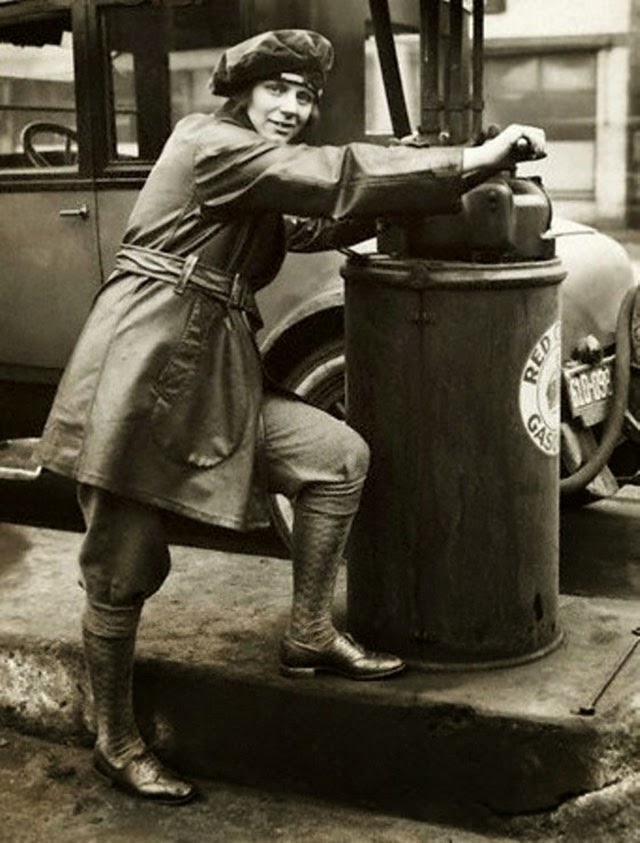
Botafogo Bay and Rio de Janeiro at night, September 1920.A policeman directs buses in the intersection of Trafalgar Square in London, May 1929.Portrait of Alexander Graham Bell’s family and friends on Cape Breton Island in Nova Scotia, 1922.Flower woman sitting at the Piccadilly, London, 1920s.A crowd gathers around to listen to the first car radio in NYC, 1923.A picnic at the California Alligator Farm in the 1920s, located in the Lincoln Heights neighborhood of Los Angeles between 1907 and 1953. The farm had 20 ponds for the trained alligators where patrons could mingle freely with them.Greta Garbo, late 1920s.Wedding, 1920s styleFlappers on the front of a Peerless Touring Car in the San Francisco Bay area back in 1923.Best pals smile for the camera, 1924.18 year-old inventor, H. Day, wearing headphones attached to a wireless under his top hat in the UK, 1922.Ye Olde Horse in London, 1926.Swiss psychologist Hermann Rorschach invented the famous Rorschach Test using 10 inkblot pictures/cards in 1921.Aerial view of Hollywood in 1926.Testing a bullet proof vest in 1923.These women were arrested in Chicago for wearing one-piece bathing suits that revealed too much leg in 1922.Marion Morrison (aka John Wayne) playing football at USC in 1926.A Luritja man demonstrates a method of attack with a boomerang, under the cover of his shield in central Australia, 1920.Photo of Actress Janet Gaynor, receiving an academy award, at the first Academy of Motion Picture Arts and Sciences in 1929, now known as “The Oscars”Ballerinas practice on the edge of a building in New York, 1925.The mailman with his heavy Christmas deliveries in 1929.Three generations of women stand outside their cottage in Connemara, Ireland. 1920sPola Negri at the Café de la Paix, Paris, 1927.Doris Eaton Travis, the last Ziegfeld Follies Girl in the 1920s. She passed away at the age of 106 in 2010.Here’s the scary-looking costume from the Tsam Mask Dance in Ulaanbaatar, Mongolia. (1925)Mugshot of Herbert Ellis, arrested many times throughout his life, including ‘goods in custody, indecent langauge, stealing, receiving and throwing a missile.’ 1920Silent film actress, Alice White in 1929Orchestra members dressed in ‘Michelin Man’ costumes for the opening of the radio program “The Michelin Hour” in 1928.Albert Einstein lecturing on the Theory of Relativity, 1922Kids playing in a busy street of Paris, 1920s.Louise Brooks as the scheming nightclub singer nicknamed ‘the Canary’ in publicity photos for the film, “The Canary Murder Case” in 1929.Workers digging the Holland Tunnel in New York, 1923.Miss Jeanne Devereux was the first licensed female hair stylist in New York City, 1927.A police officer on a Harley-Davidson transports a prisoner in a mobile booking cage, 1921Women shaving their legs in 1927. These women were on Broadway, so they were slightly atypical for the time.Actress Louise Brooks, Late 1920sSilent film actress Valeska Suratt, 1920.The aftermath of an automobile accident in 1923.Miss America began in Atlantic City in 1921, here’s Miss Chicago.Bicycle shop in Florida during the 1920s.Ahmet Muhtar Bej Zogolli (later to anoint himself as King Zog l) lifting weights by the beach at Durres in Albania, 1925An operator in Chicago announces the time every 15 seconds in 1928.Crowd watches as Charles Lindbergh lands the “Spirit of St. Louis” at the Croydon Aerodome in London. (1927)Gary Cooper, 1920s.German kids playing with stacks of German Marks. Due to hyperinflation, this was probably worth less than $1, 1923Holidaymakers enjoy a ride on a switchback railway at Wembley, London (1924)Lester William Polsfuss, aka Les Paul, at the age of 14, in 1929 . (he invented the rack/harmonica holder he has in the photo) The guitarist, songwriter, luthier and inventor was one of the pioneers of the solid-body electric guitar.Bathing beauties pose by a solarium (private sun room) in Florida, 1929.Babe Ruth and his fans in 1925.A female gas station attendant, Chicago, 1927
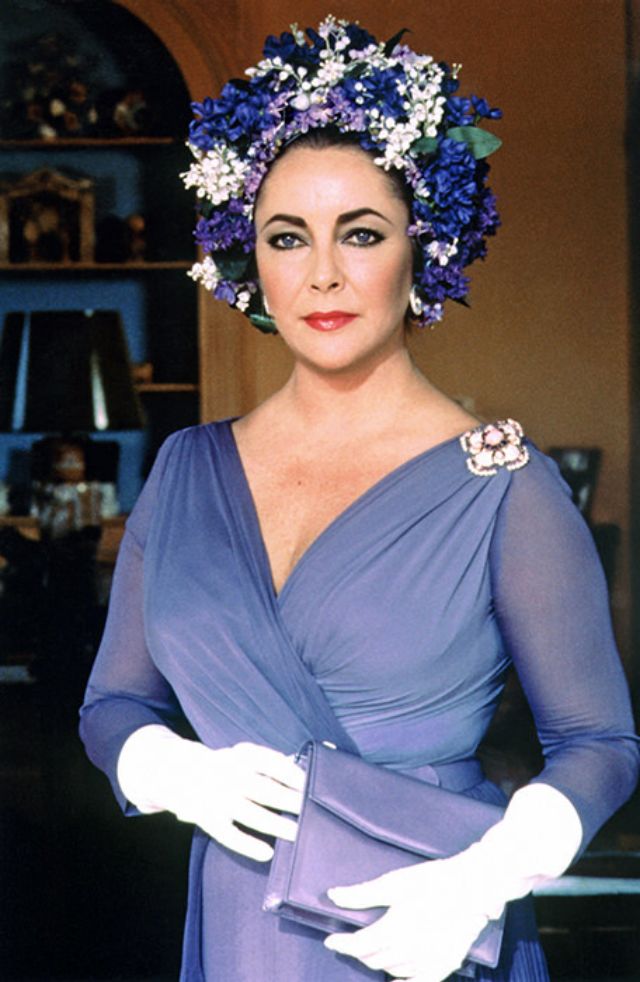
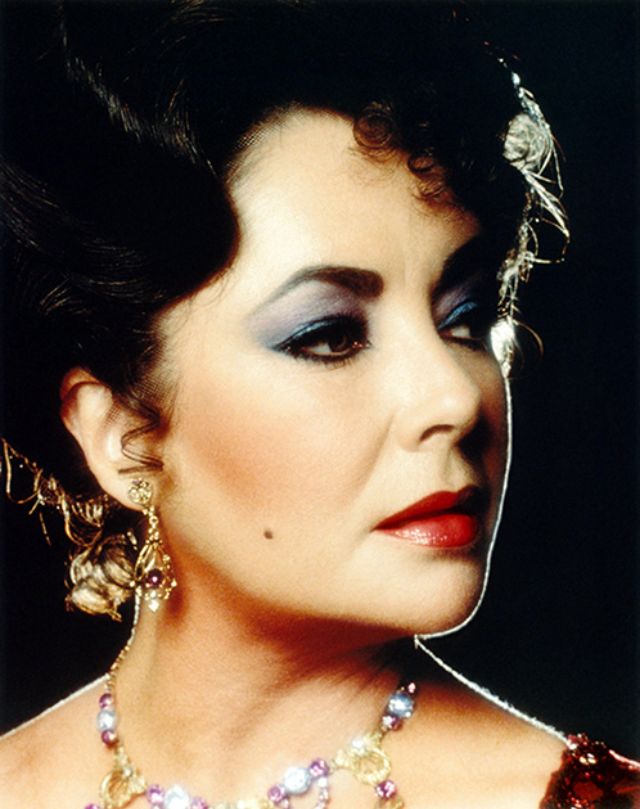
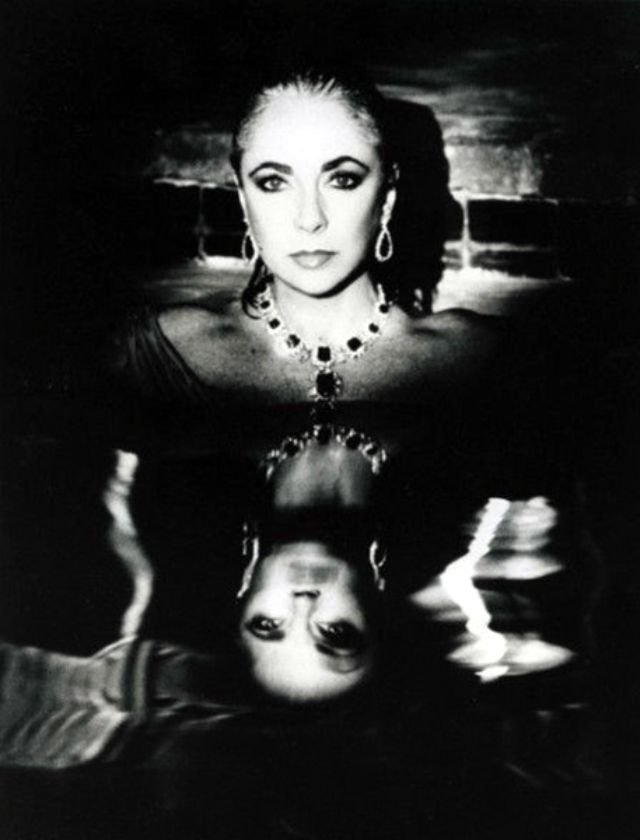
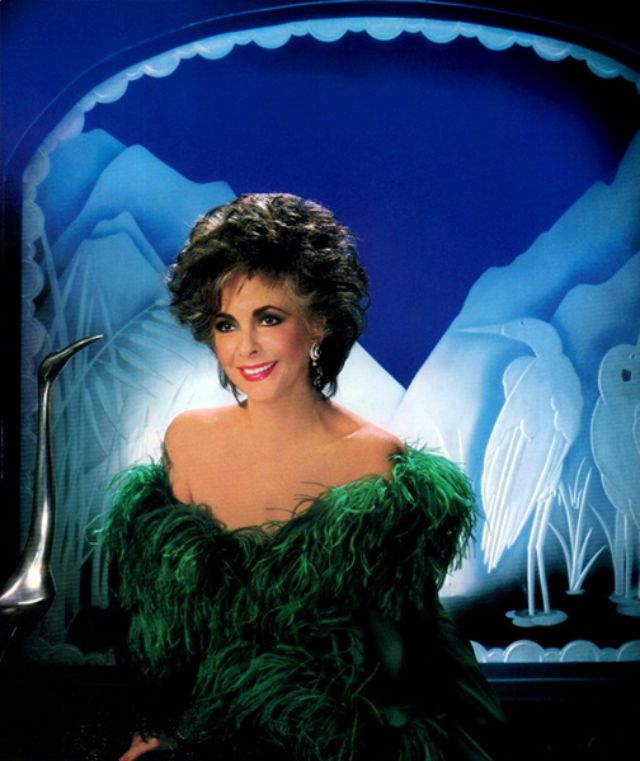
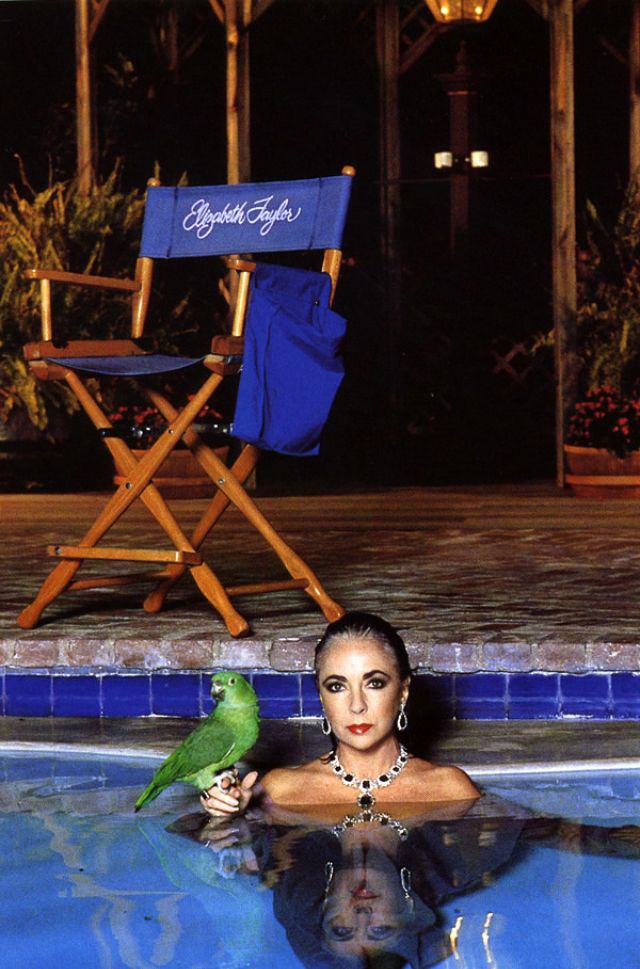
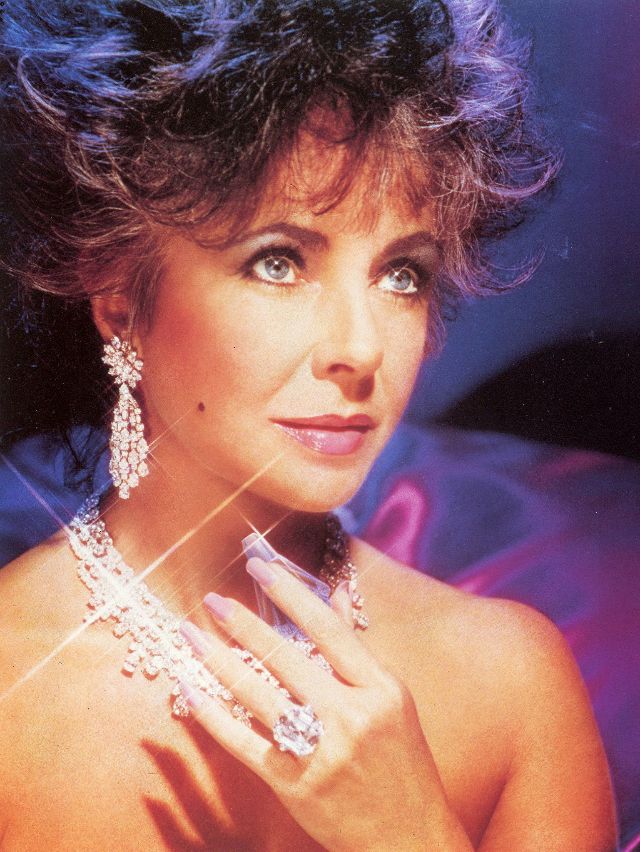
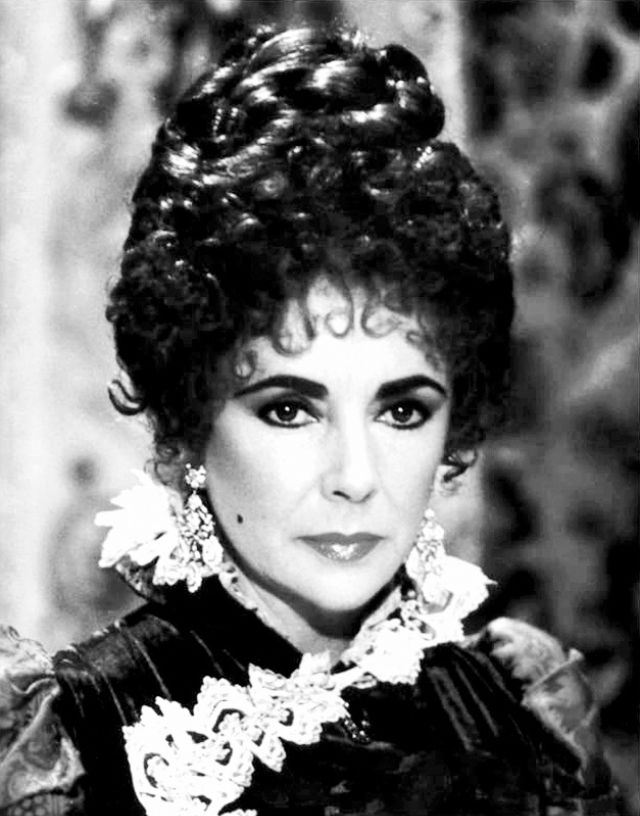
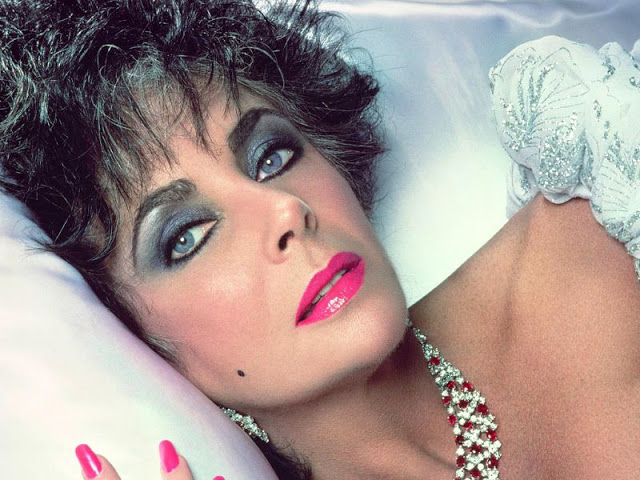
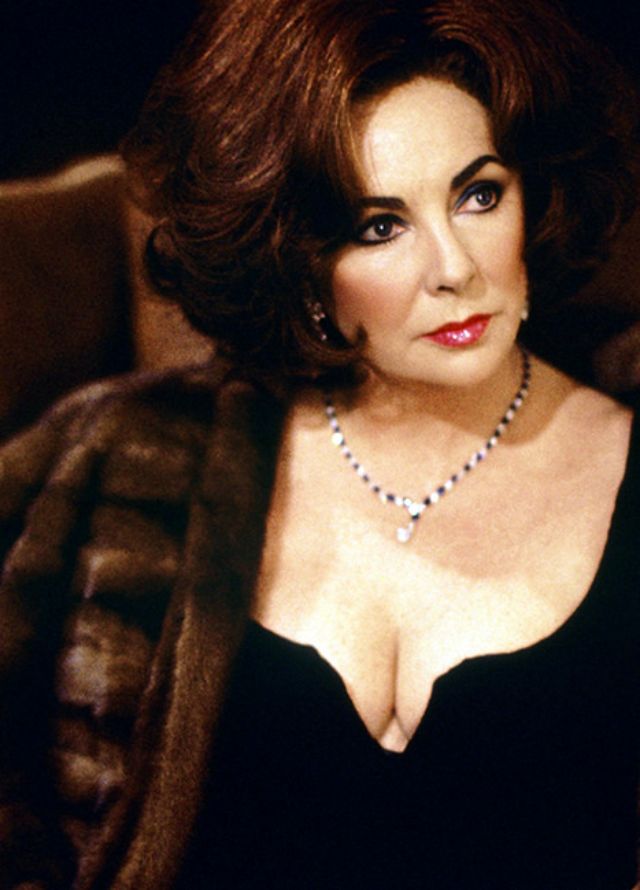
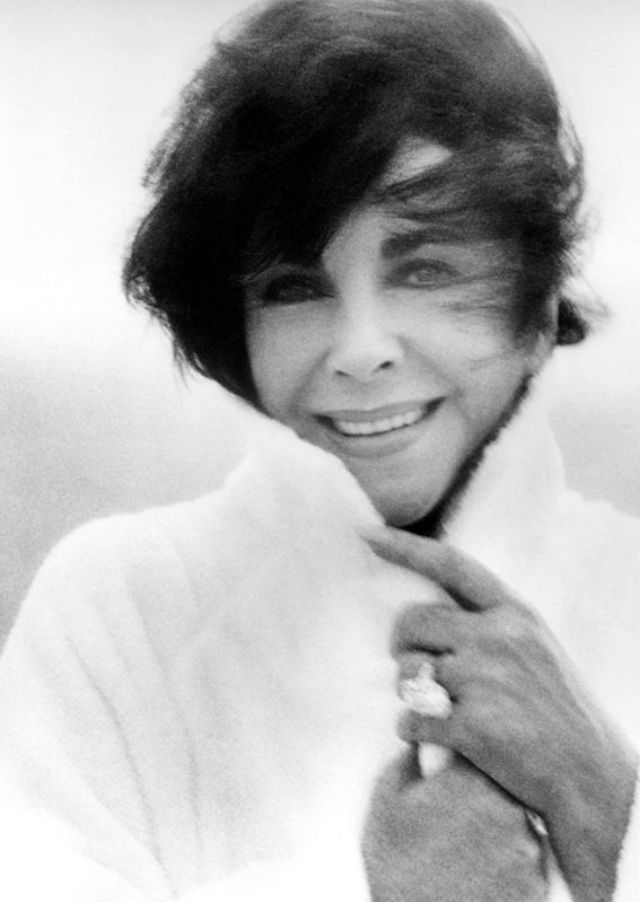
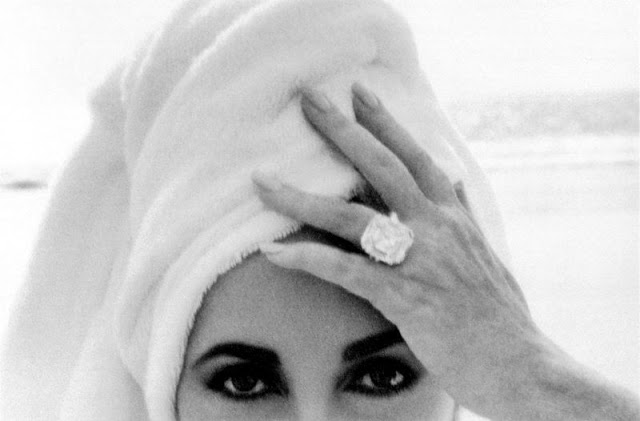
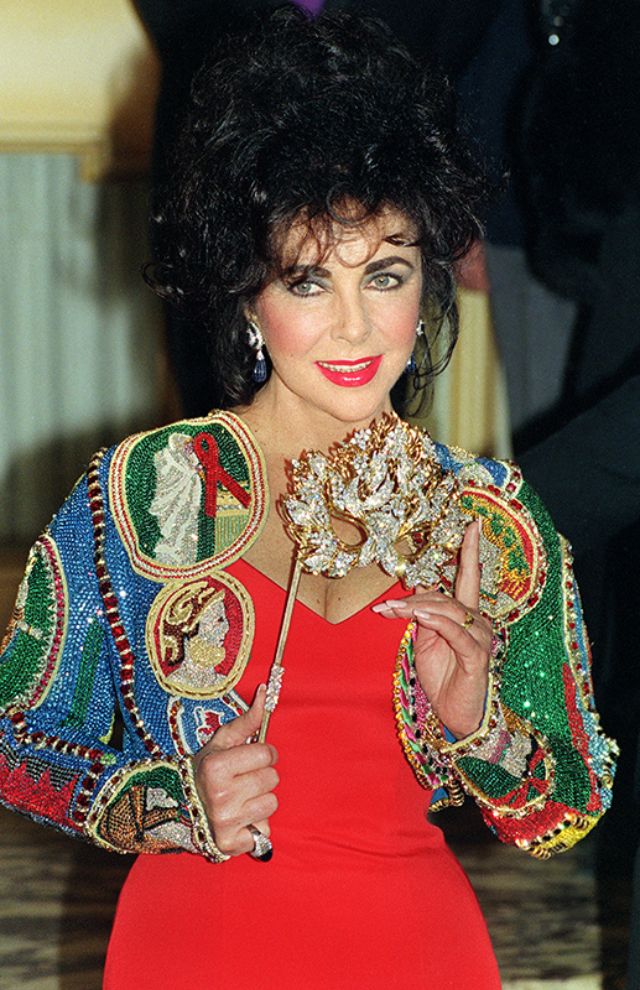
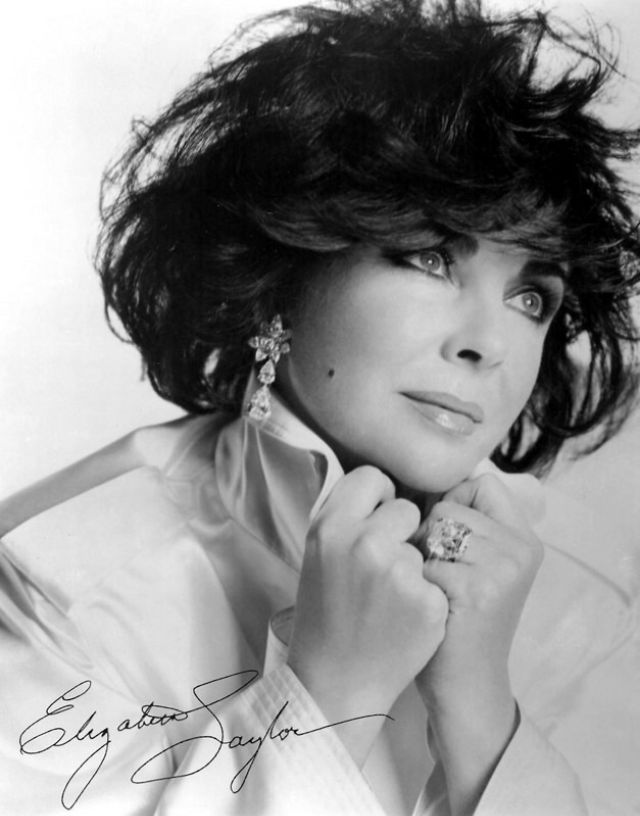
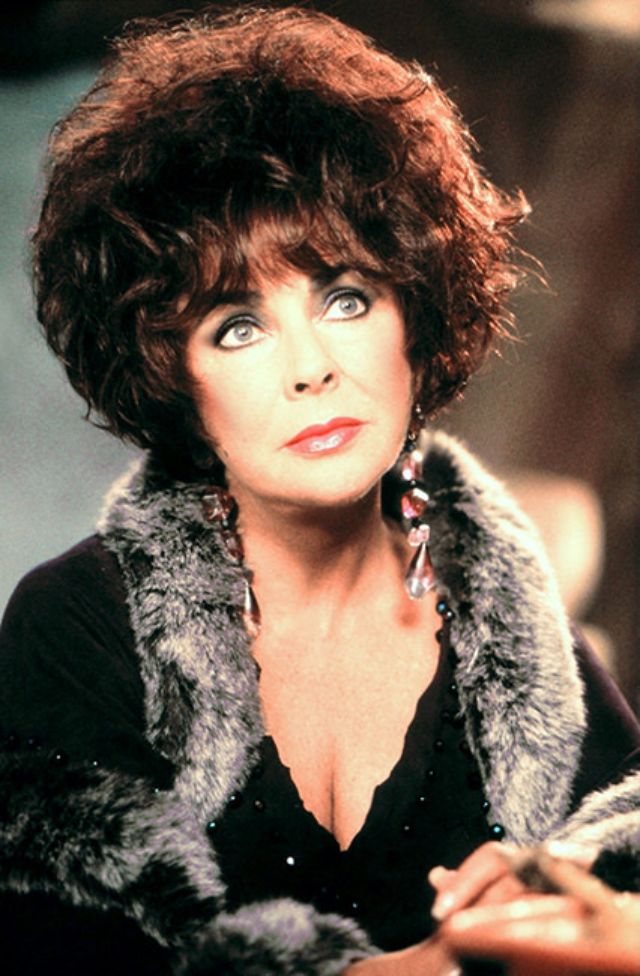
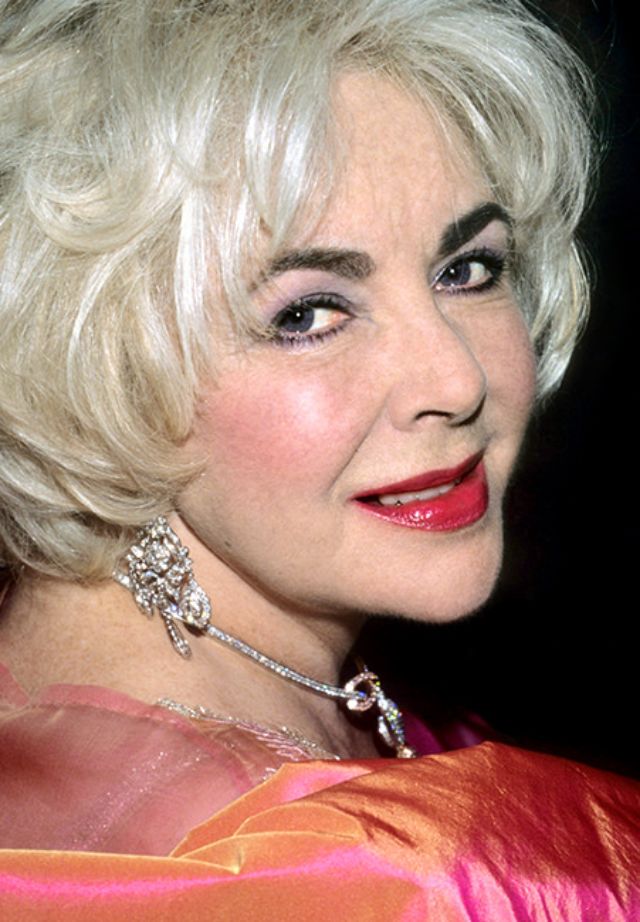
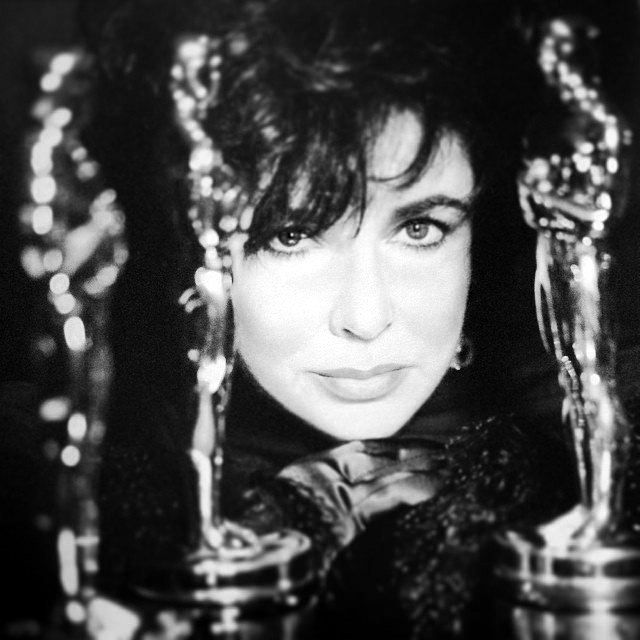
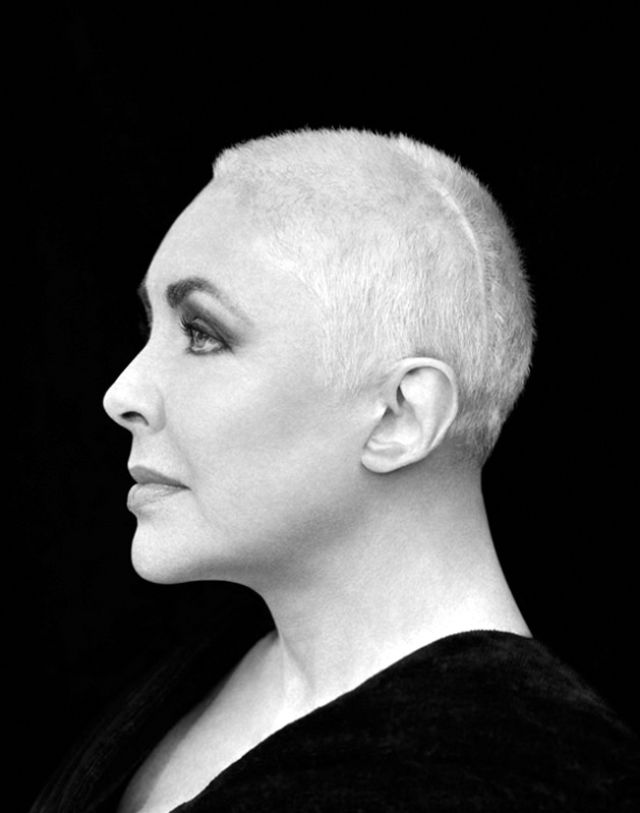
One of the most beautiful women in the world Elizabeth Taylor had it all: the violet, almond-shaped eyes, the creamy skin, the pouty lips and raven hair.
Began her career as a child actress in the early 1940s, and was one of the most popular stars of classical Hollywood cinema in the 1950s, Taylor continued her career successfully into the 1960s, and remained a well-known public figure for the rest of her life.
In 1999, the American Film Institute named her the seventh-greatest female screen legend.
Taylor is also considered a gay icon, and received widespread recognition for her HIV/AIDS activism.
After her death, GLAAD issued a statement saying that she “was an icon not only in Hollywood, but in the LGBT community, where she worked to ensure that everyone was treated with the respect and dignity we all deserve”, and Sir Nick Partridge of the Terrence Higgins Trust called her “the first major star to publicly fight fear and prejudice towards AIDS”. According to Paul Flynn of The Guardian, she was “a new type of gay icon, one whose position is based not on tragedy, but on her work for the LGBTQ community”. Speaking of her charity work, former President Bill Clinton said at her death, “Elizabeth’s legacy will live on in many people around the world whose lives will be longer and better because of her work and the ongoing efforts of those she inspired.”
These stunning photos of Elizabeth Taylor in the 1980s and 1990s show that she was not only very talented, but also a timeless beauty.
A hippie, also spelled hippy, especially in UK English, is someone associated with the counterculture of the 1960s, originally a youth movement that began in the United States during the mid-1960s and spread to other countries around the world. The word hippie came from hipster and was used to describe beatniks who moved into New York City’s Greenwich Village, San Francisco’s Haight-Ashbury district, and Chicago’s Old Town community. The term hippie was used in print by San Francisco writer Michael Fallon, helping popularize use of the term in the media, although the tag was seen elsewhere earlier.
The origins of the terms hip and hep are uncertain. By the 1940s, both had become part of African American jive slang and meant “sophisticated; currently fashionable; fully up-to-date”. The Beats adopted the term hip, and early hippies inherited the language and countercultural values of the Beat Generation. Hippies created their own communities, listened to psychedelic music, embraced the sexual revolution, and many used drugs such as marijuana and LSD to explore altered states of consciousness.
In 1967, the Human Be-In in Golden Gate Park, San Francisco, and Monterey Pop Festival popularized hippie culture, leading to the Summer of Love on the West Coast of the United States, and the 1969 Woodstock Festival on the East Coast. Hippies in Mexico, known as jipitecas, formed La Onda and gathered at Avándaro, while in New Zealand, nomadic housetruckers practiced alternative lifestyles and promoted sustainable energy at Nambassa. In the United Kingdom in 1970, many gathered at the gigantic third Isle of Wight Festival with a crowd of around 400,000 people. In later years, mobile “peace convoys” of New Age travellers made summer pilgrimages to free music festivals at Stonehenge and elsewhere. In Australia, hippies gathered at Nimbin for the 1973 Aquarius Festival and the annual Cannabis Law Reform Rally or MardiGrass. “Piedra Roja Festival”, a major hippie event in Chile, was held in 1970. Hippie and psychedelic culture influenced 1960s and early 1970s youth culture in Iron Curtain countries in Eastern Europe.
Hippie fashion and values had a major effect on culture, influencing popular music, television, film, literature, and the arts. Since the 1960s, mainstream society has assimilated many aspects of hippie culture. The religious and cultural diversity the hippies espoused has gained widespread acceptance, and their pop versions of Eastern philosophy and Asian spiritual concepts have reached a larger group.
The vast majority of people who had participated in the golden age of the hippie movement were those born during the 1940s as well as the early 1950s. These included the oldest of the Baby Boomers as well as the youngest of the Silent Generation; the latter who were the actual leaders of the movement as well as the pioneers of Rock music. (Wikipedia)
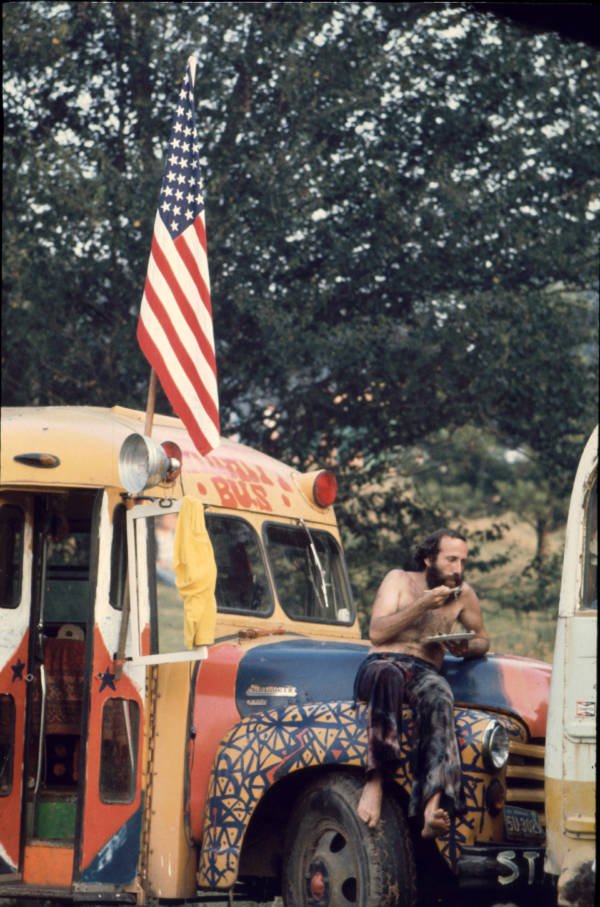
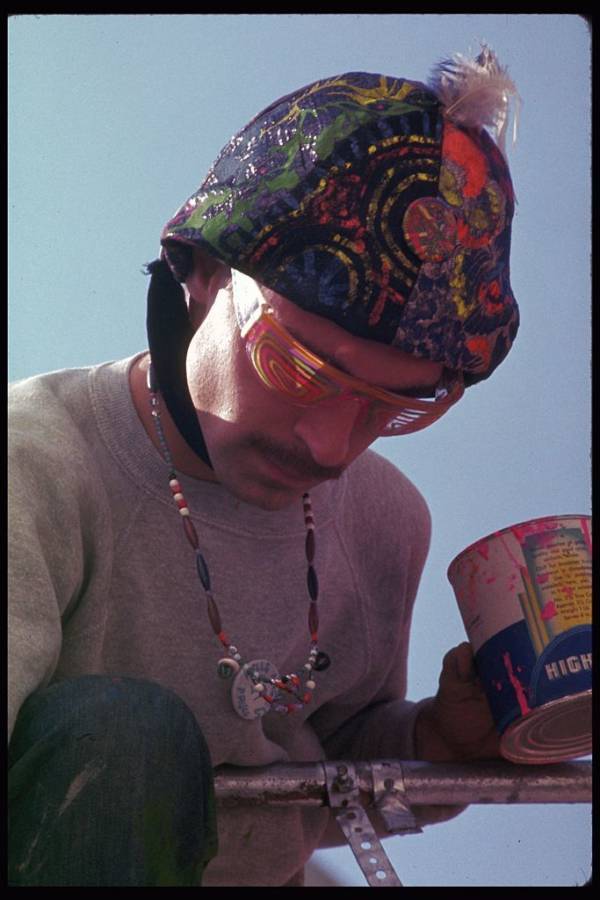
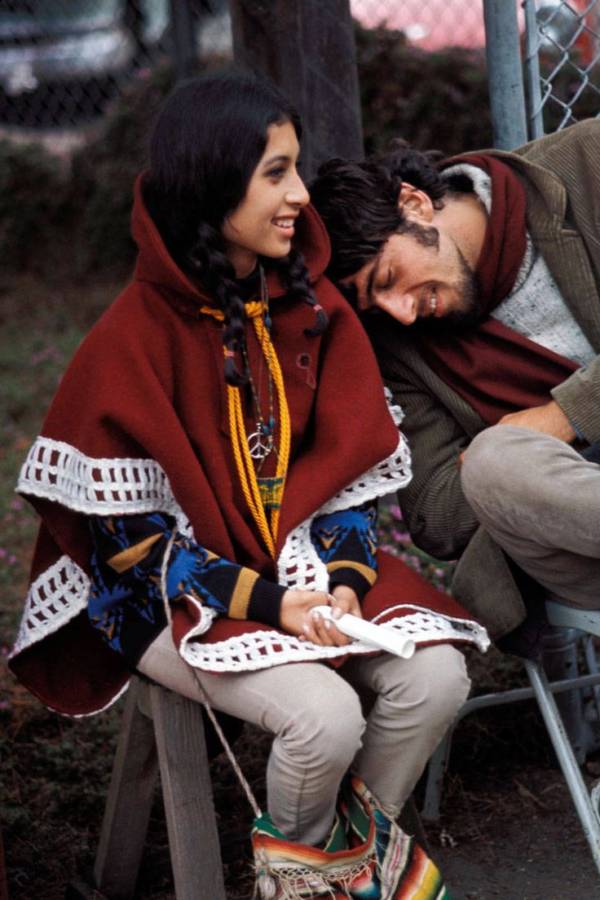
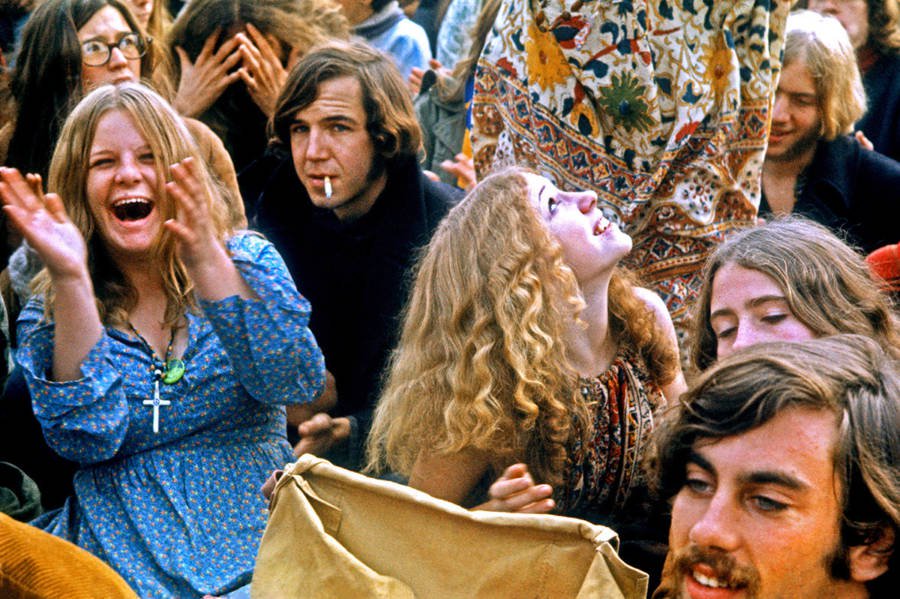
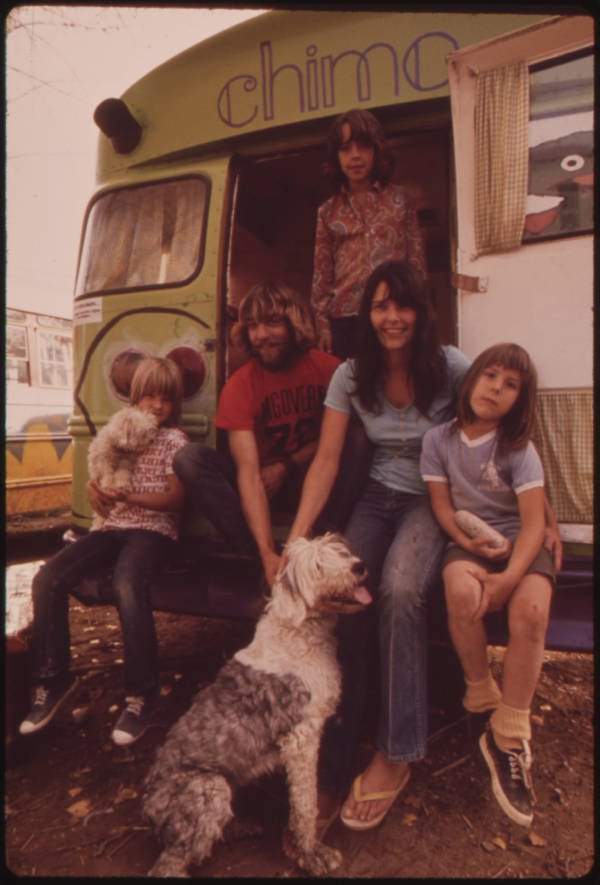
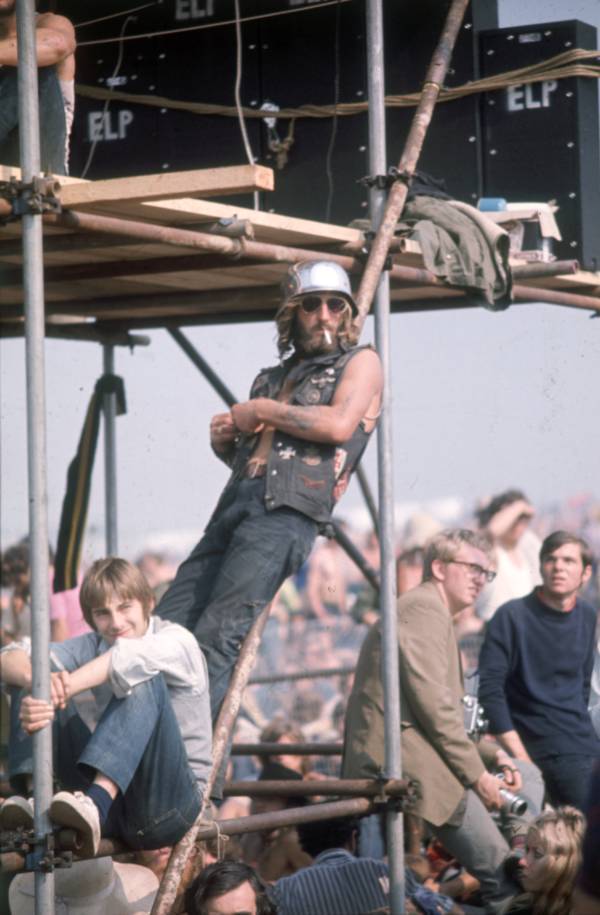
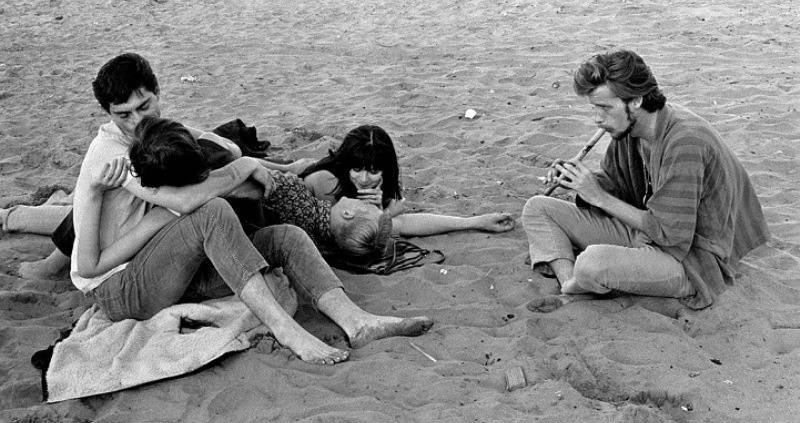
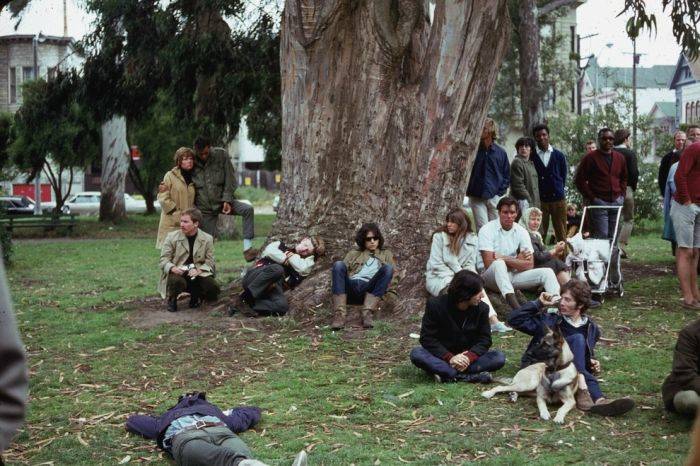
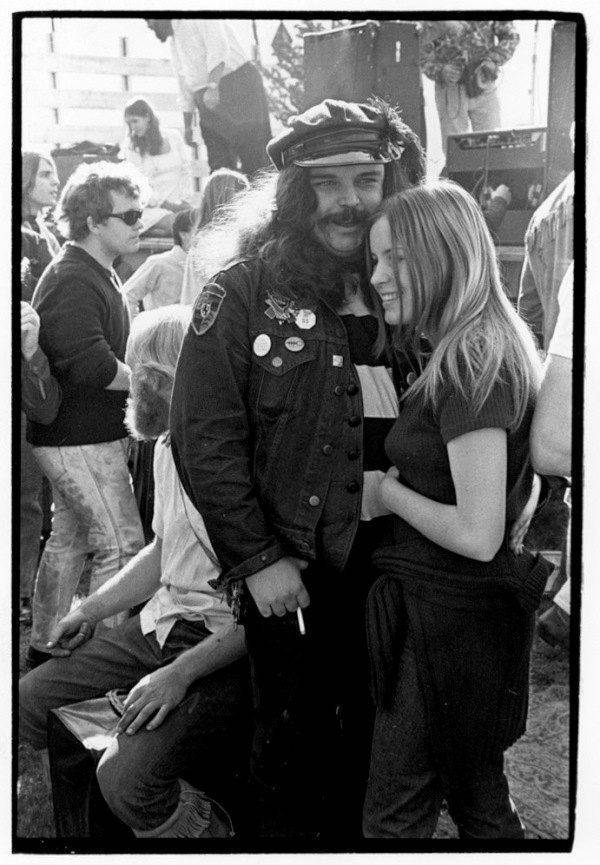
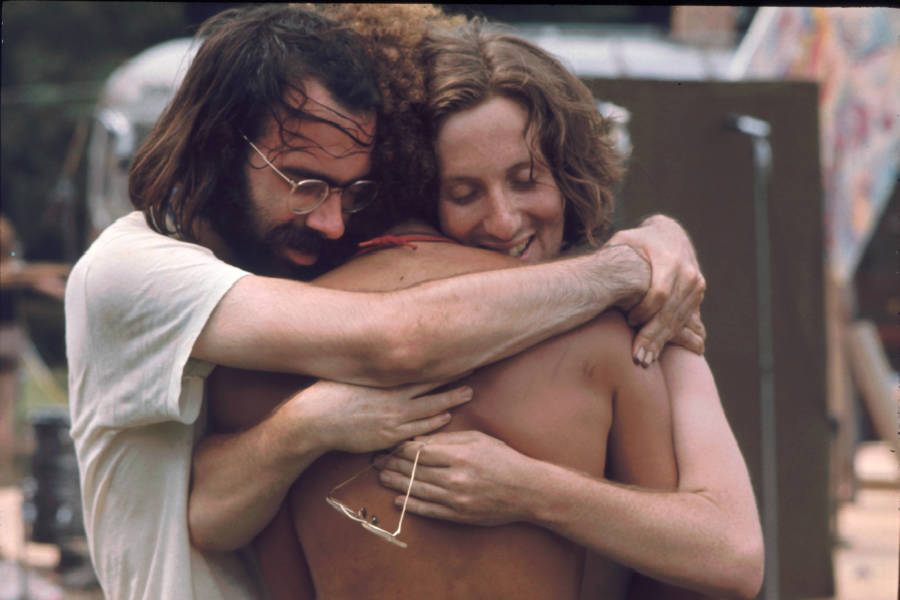
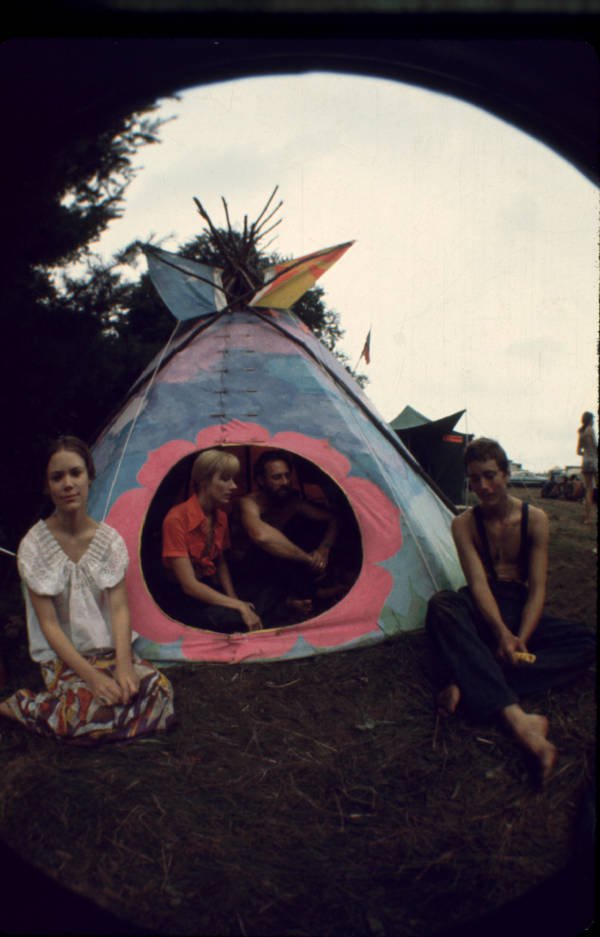
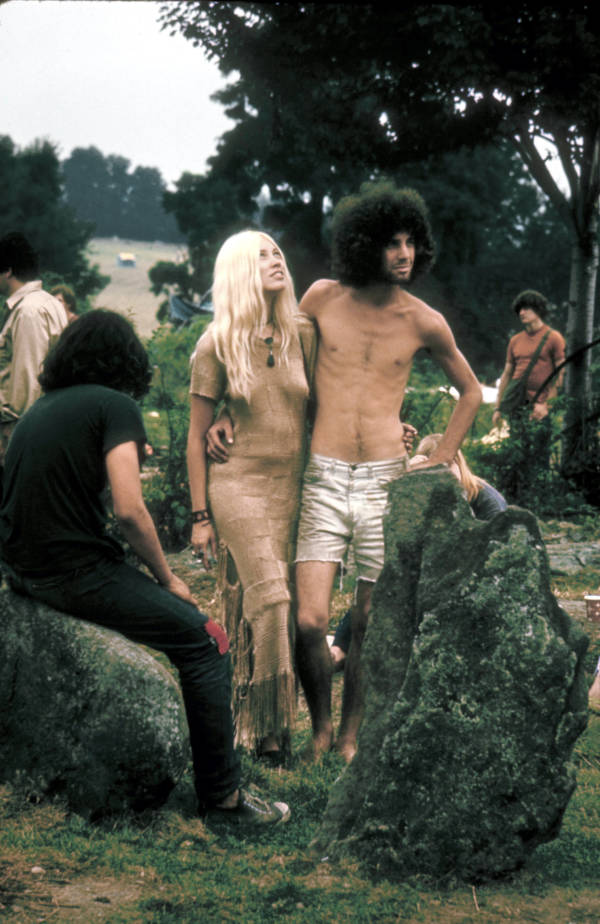
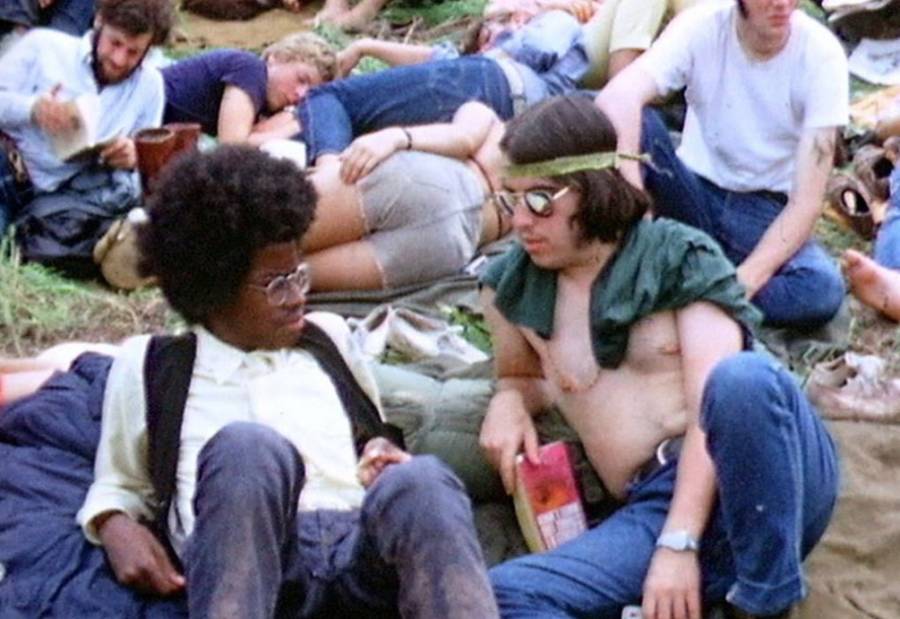
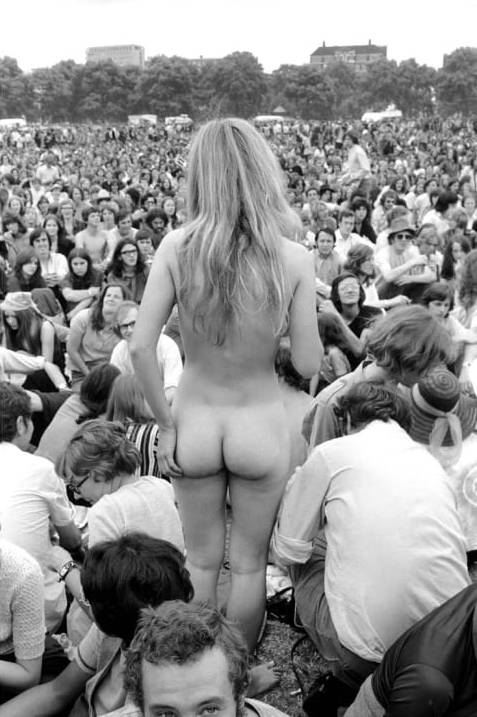
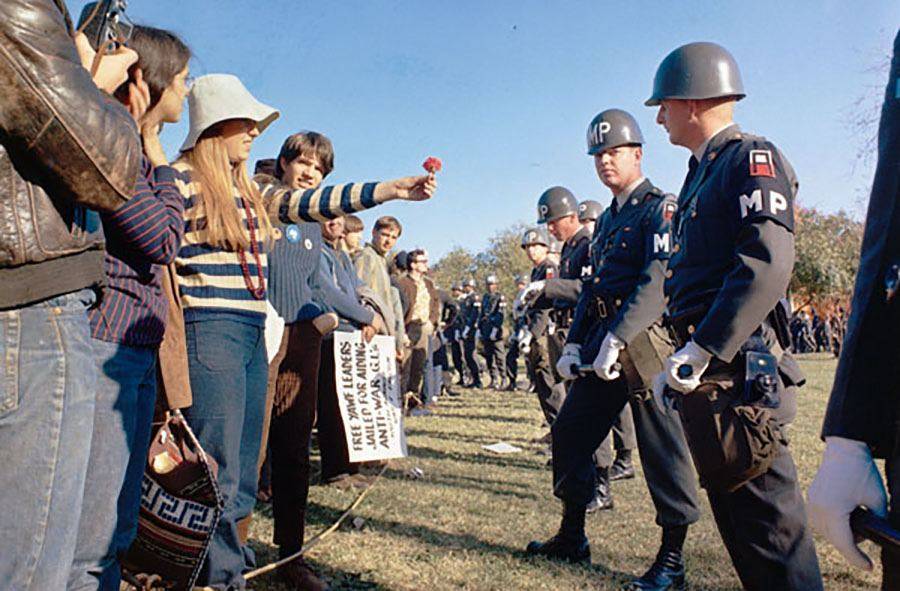
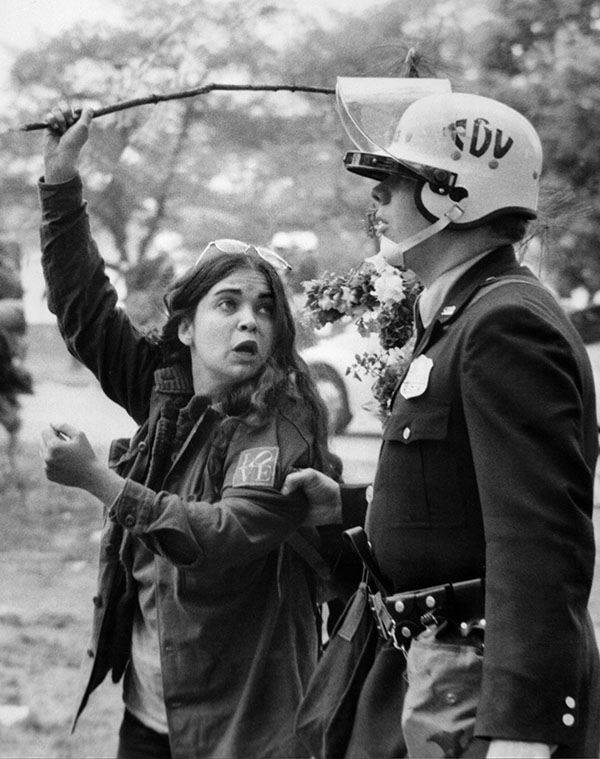
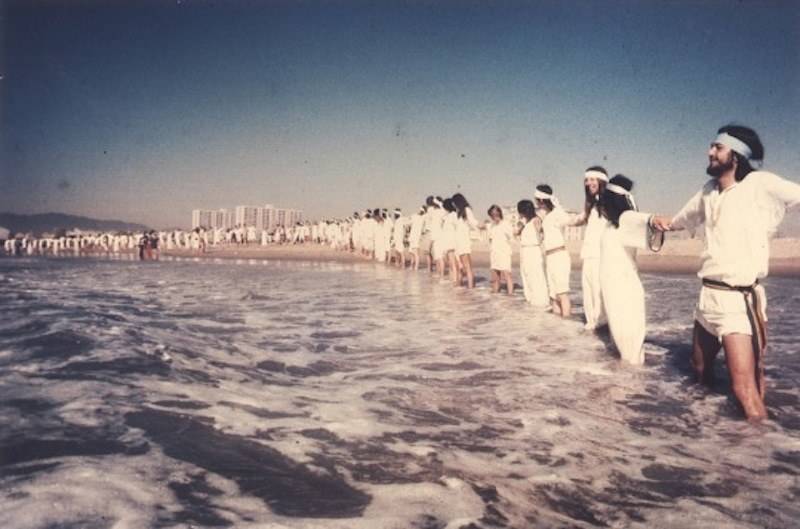
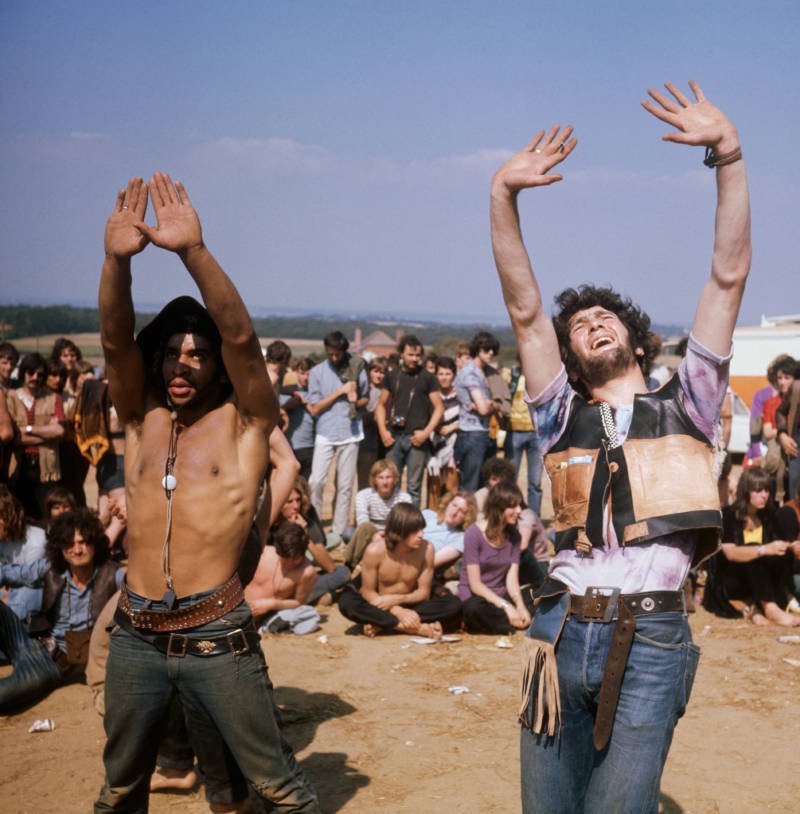
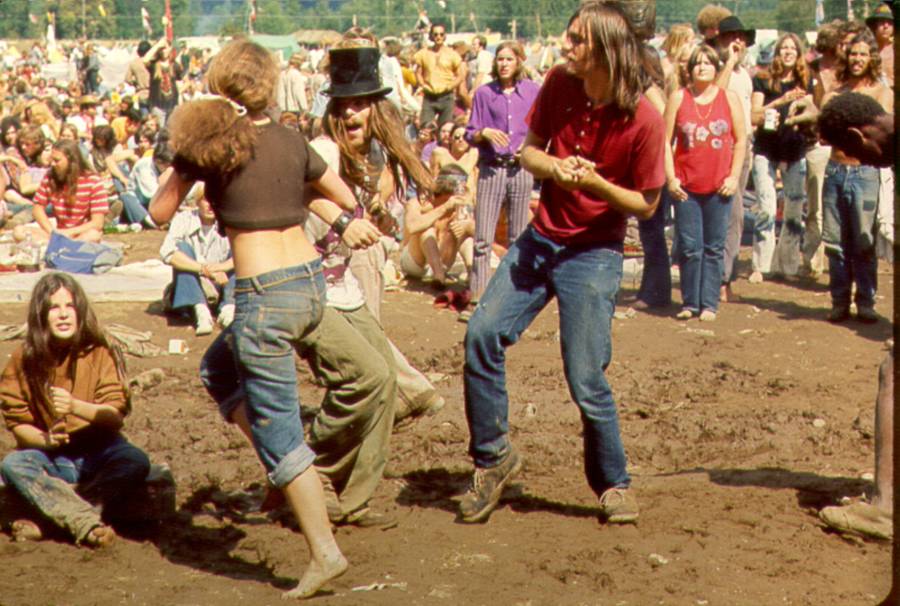
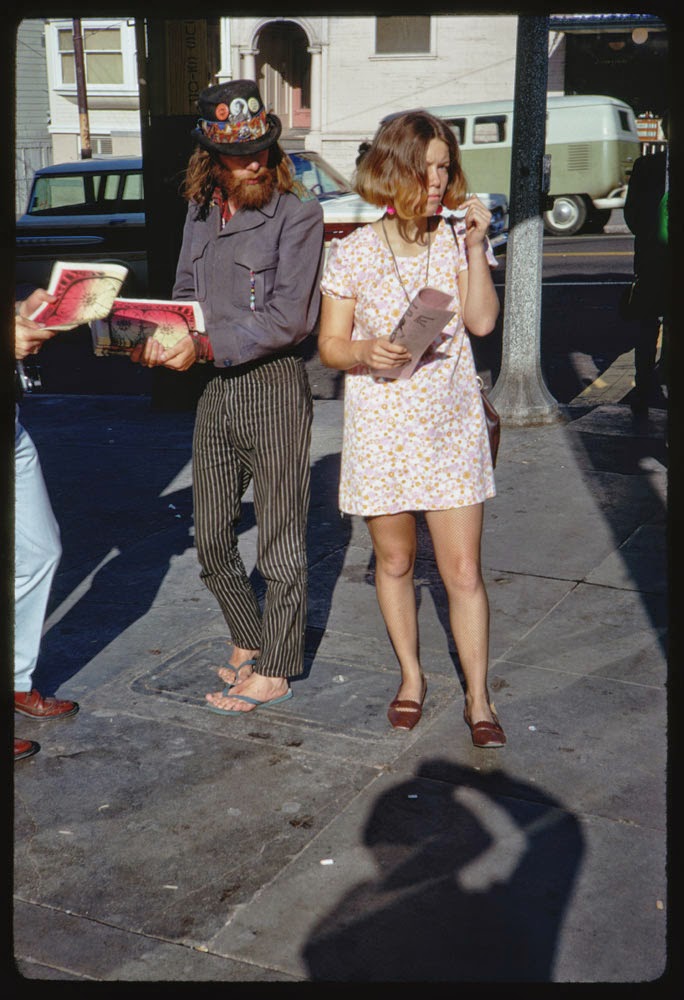
The Merry Pranksters — author Ken Kesey’s collective of LSD disciples — atop their bus, Further, getting ready to take LSD across America. Date and location unspecified.Hippies dance during a “love-in” in Los Angeles on Sept. 22, 1968.At Woodstock, a man eats lunch on the hood of the school bus. 1969.The Merry Pranksters arrive at Woodstock with a school bus full of LSD. 1969.Ken Kesey poses for a photo with a young flower child. La Honda, California. 1971.A Merry Prankster called “The Hermit” touches up the paint on the magic bus, Further. San Francisco, California. 1966.Merry Prankster and author Stewart Brand sets up instruments on top of the group’s magic bus. San Francisco, California. 1966.A couple waits for the start of the Monterey Pop Festival in California. 1967.Altamont Free Concert. 1969.Hippie family living in a painted bus. Date unspecified.A young hippie sits cross-legged in a New York City park. 1969.Hippies passing a joint at a commune. Date unspecified.Music fans gather in Hyde Park to see the Rolling Stones in concert. 1969.A Hells Angel relaxes on the scaffolding during the Isle of Wight music festival. 1970.Hippies relaxing on the beach. Date unspecified.A female dancer, decorated in fluorescent body paint and with feathers in her hair, attends an event at San Francisco’s Avalon Ballroom. 1967.Hippies gathered around a large tree at San Francisco’s Golden Gate Park. Date unspecified.Ron “Pigpen” McKernan of The Grateful Dead. Date unspecified.Concert-goers lend a helping hand to push a stalled VW microbus at the Ozark Music Festival in Sedalia, Missouri. 1974.Woodstock. 1969.An anti-war demonstrator at the University of California, Berkeley throws a tear gas canister at police. 1970.A hippie couple looks out to sea along the beachfront. California. 1967.Young people on their way to Woodstock. 1969.Woodstock attendees hug each other. 1969.Woodstock attendees sit at their camp site on the festival grounds. 1969.Hippie couple stands together at Woodstock. 1969.Hippies together at Woodstock. 1969.View of life inside “Drop City,” an experimental, countercultural community based around cheaply constructed geodesic dome structures. Trinidad, Colorado. 1967.A gathering of hippies at Stonehenge to mark the summer solstice. Date unspecified.American political and social activists Abbie Hoffman and Anita Kushner sit cross-legged on either side of Linn House (center), a “Boo-Hoo” leader of the Neo-American Church, devoted to the use of psychedelic drugs. He performed their wedding ceremony in Central Park, New York. 1967.A nude woman stands before a crowd at a concert in London’s Hyde Park. 1970.A female demonstrator offers a flower to a military policeman during an anti-war protest at the Pentagon. 1967.A Washington, D.C. policeman arrests a demonstrator during a protest against the Vietnam War. 1971.James Edward Baker, known as Father Yod, was the leader of Los Angeles’ Source Family commune. Date unspecified.Members of the Source Family form a human chain. Date unspecified.Ecstatic fans give in to the music at the Isle of Wight festival. 1969.Hippies dancing at East Afton Farm, near Freshwater, during the Isle of Wight festival. 1970.Attendees of the Isle of Wight festival. 1970.A group of dancing hippies. Location unspecified. Circa 1970.Hippie couple in San Francisco, 1967
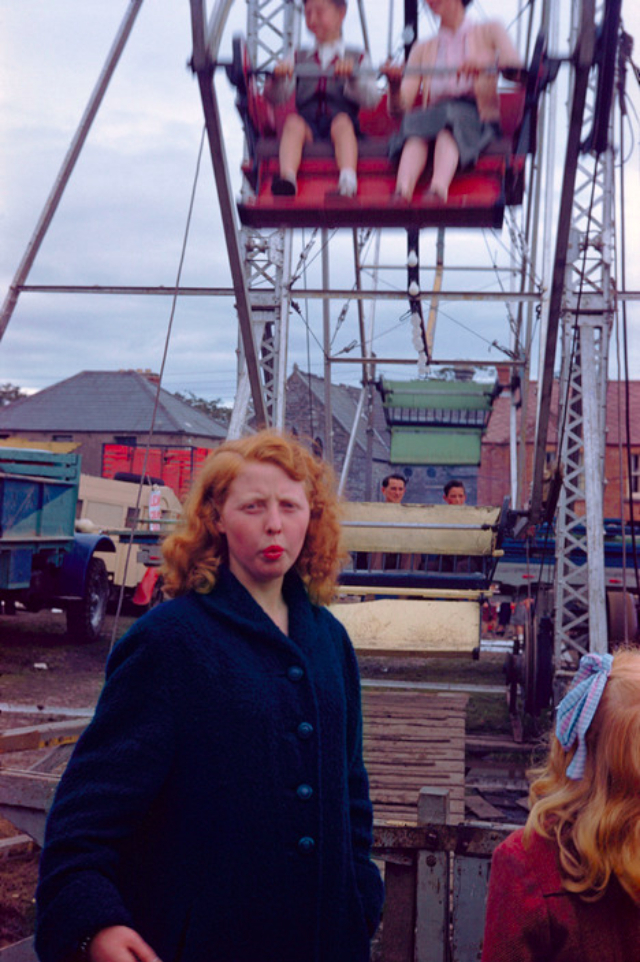
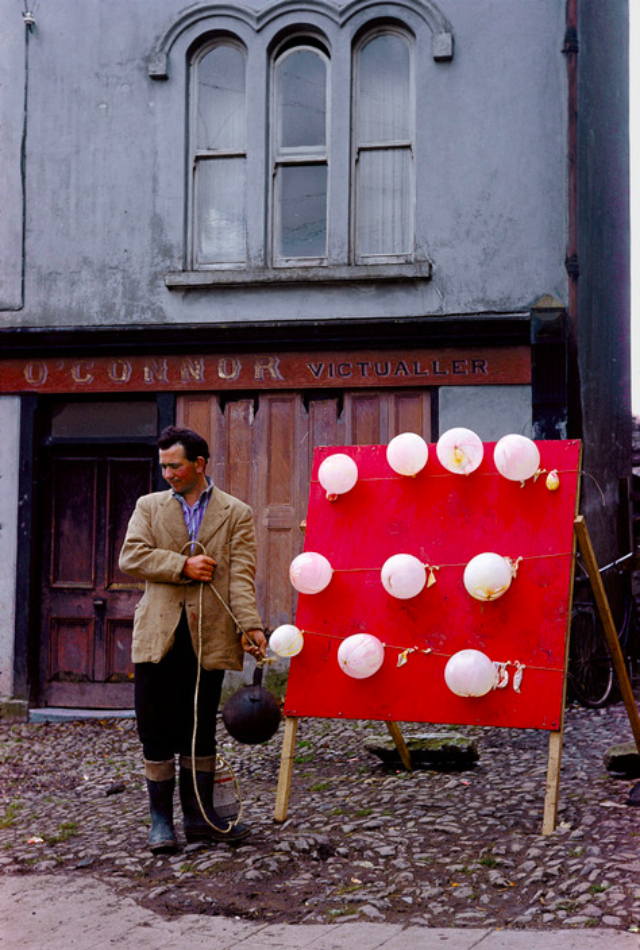
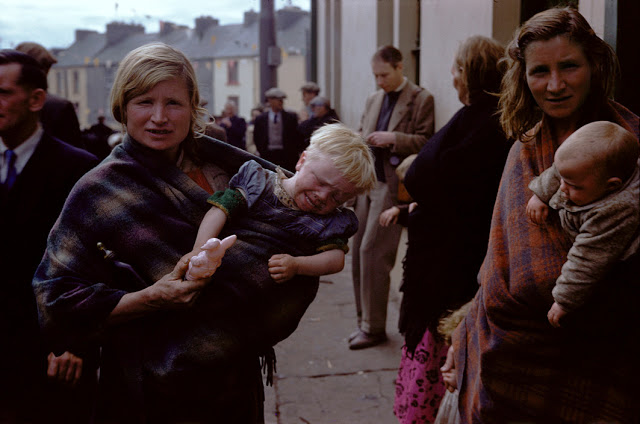
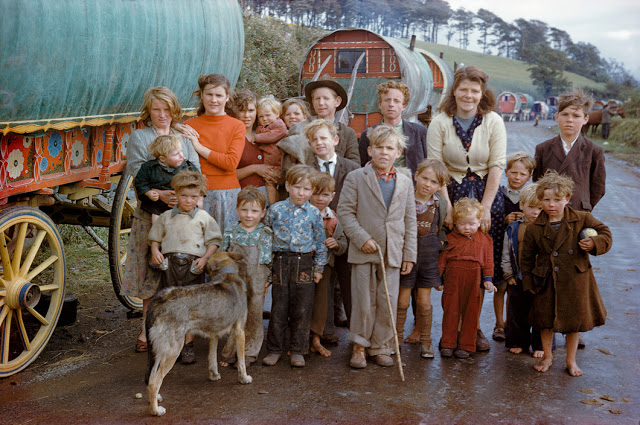
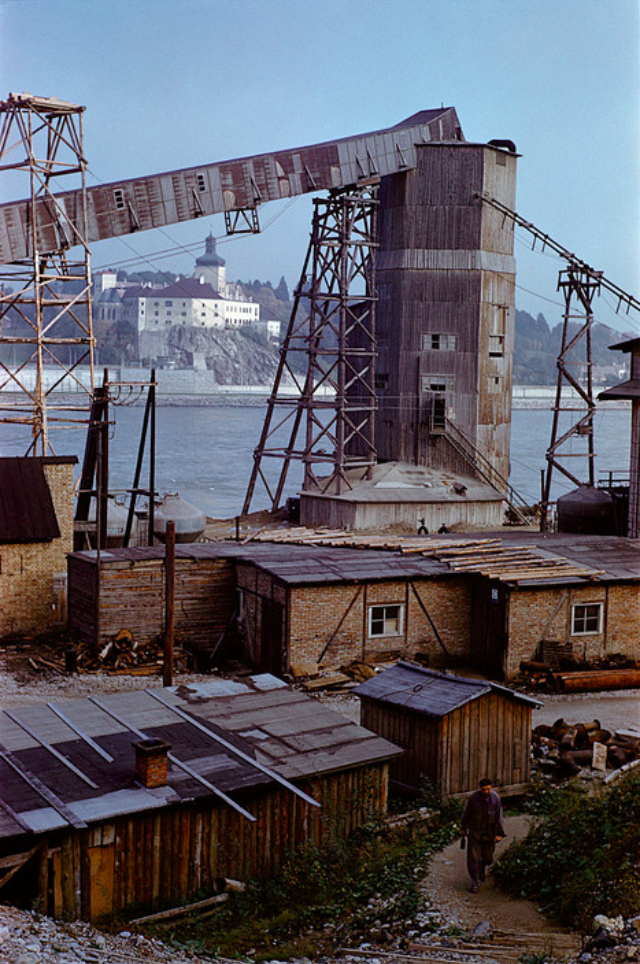
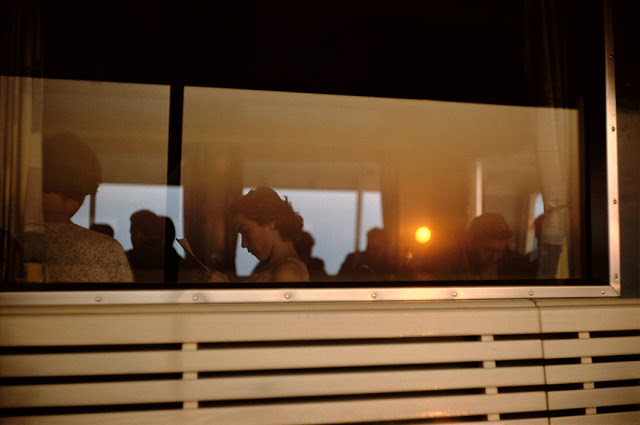
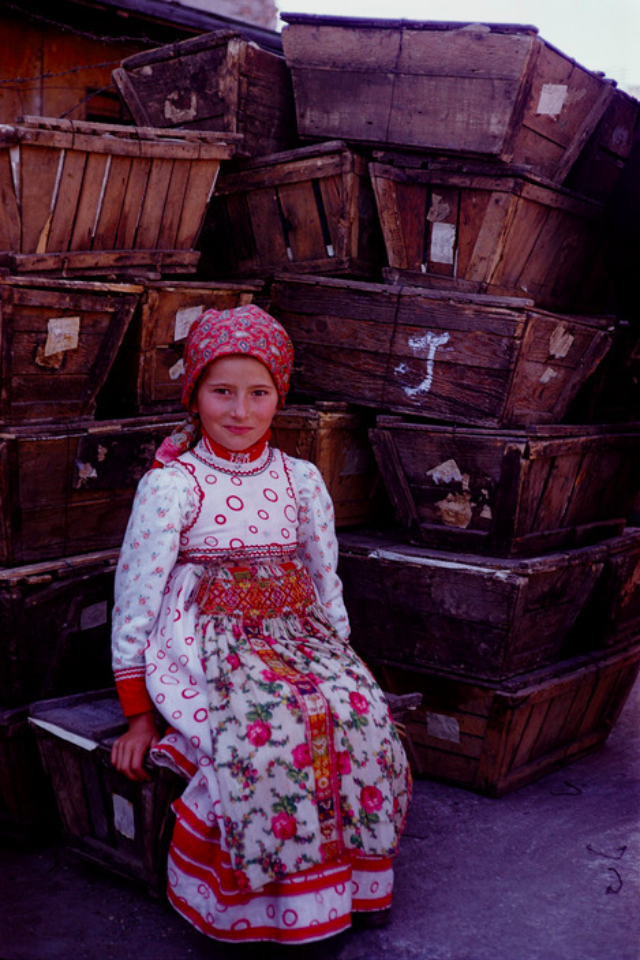
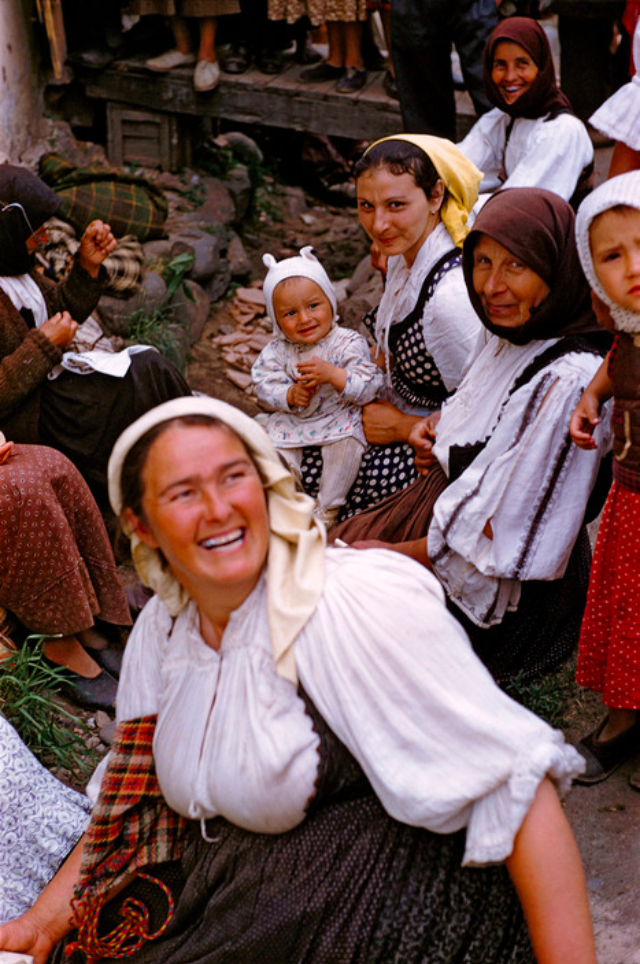
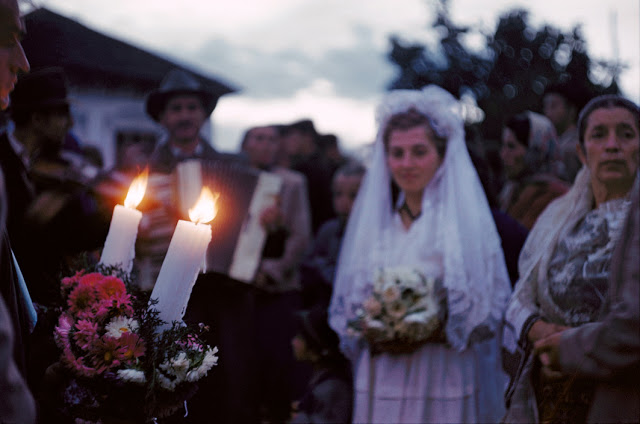
Born in Austria in 1923, Inge Morath was the first woman to integrate the famous Magnum agency with Robert Capa and Henri Cartier-Bresson of whom she was the assistant. When properly placed back among her many photo reportages, her pictures deliver a mountain of informations on photography after the war, and force us to see the color with a fresh eye.
After joining Magnum as official photographer in 1955, Inge Morath was sent around the world, covering stories in Europe, Middle East, Africa, United States and South America for magazines such as Paris Match and Vogue. Check out these fascinating color photographs of some of Europe countries such as Austria, Romania and Ireland during the mid-1950s and early 1960s taken by Inge Morath.
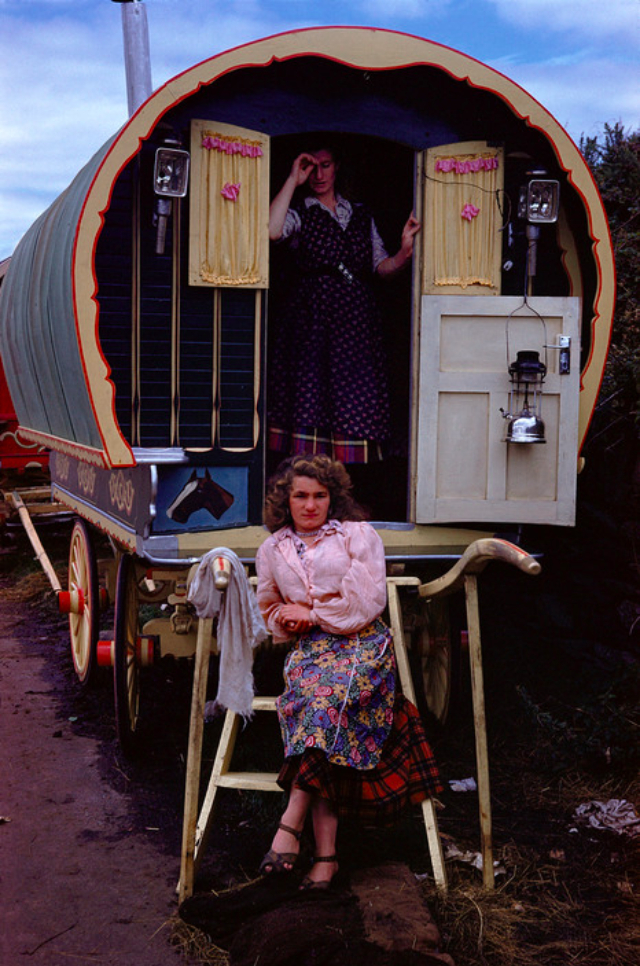
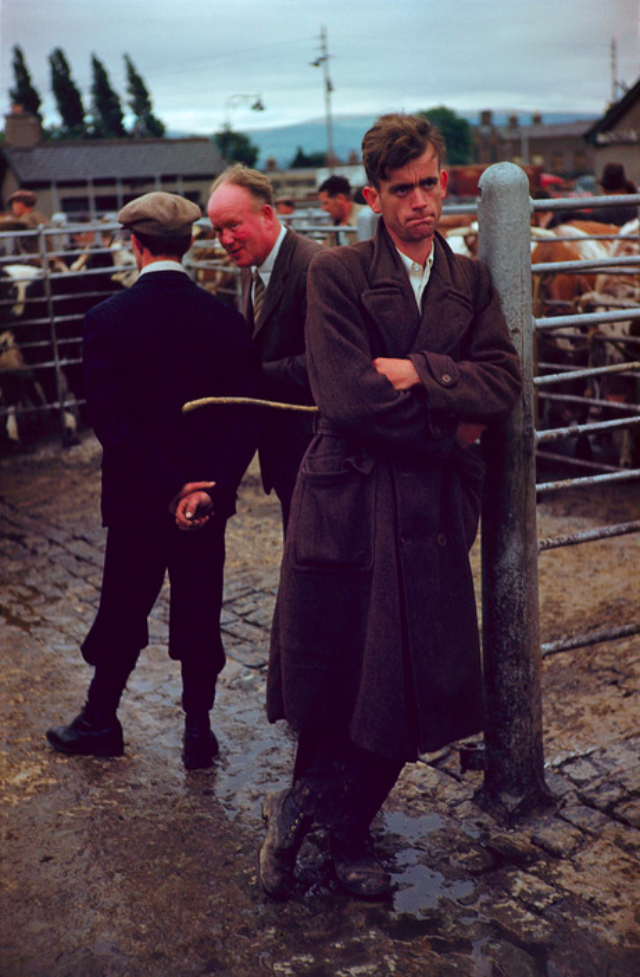
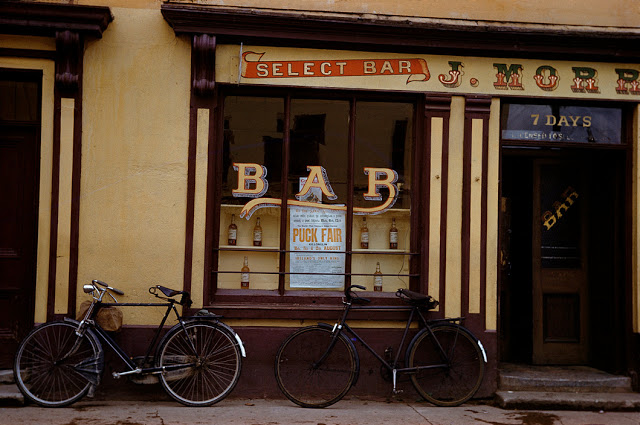
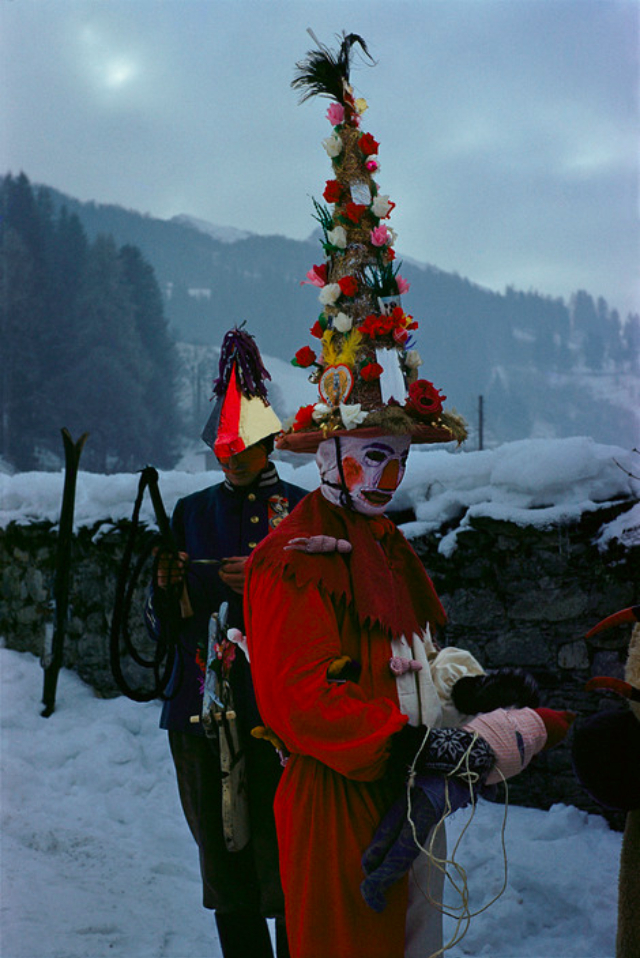
IRELAND. Killorglin, County Kerry. 1954.IRELAND. Killorglin, County Kerry. 1954.IRELAND. Killorglin, County Kerry. 1954. Puck Fair.IRELAND. Killorglin, County Kerry. 1954. Puck Fair.IRELAND. Killorglin, County Kerry. 1954. Gypsy wagons.IRELAND. Killorglin, County Kerry. 1954. Puck Fair.IRELAND. Killorglin, County Kerry. 1954. Gypsy family.IRELAND. Killorglin, County Kerry. 1954. Gypsies.IRELAND. Killorglin, County Kerry. 1954. Puck Fair.IRELAND. Killorglin, County Kerry. 1954. Puck Fair.IRELAND. Killorglin, County Kerry. 1954. Puck Fair.IRELAND. Killorglin, County Kerry. 1954. Puck Fair.IRELAND. Killorglin, County Kerry. 1954. Puck Fair.AUSTRIA. Bad Gastein. 1955. Winter carnival procession.AUSTRIA. Ball in Vienna. 1961.AUSTRIA. Cafe in Vienna. 1961.AUSTRIA. Danube at Castle of Persenburg. 1958.AUSTRIA. Danube at Mauthausen. 1958.Austria. Lake Constance. 1959.AUSTRIA. Vienna. 1961. The Prater.ROMANIA. Certeze. 1958.ROMANIA. Certeze. 1958.ROMANIA. Cluj. Girl wearing Hungarian style clothing. 1958.ROMANIA. Cuhea. Man guarding a bell tower. 1958.ROMANIA. Deda. Peasant women. 1958.ROMANIA. Oas. 1958.ROMANIA. Panciu. Grape packing cooperative. 1958.ROMANIA. Rasinari. 1958. Peasant wedding.ROMANIA. Rucar. Wedding. 1958.ROMANIA. Rucar. Woman in local costume. 1958.ROMANIA. Sic. 1958.