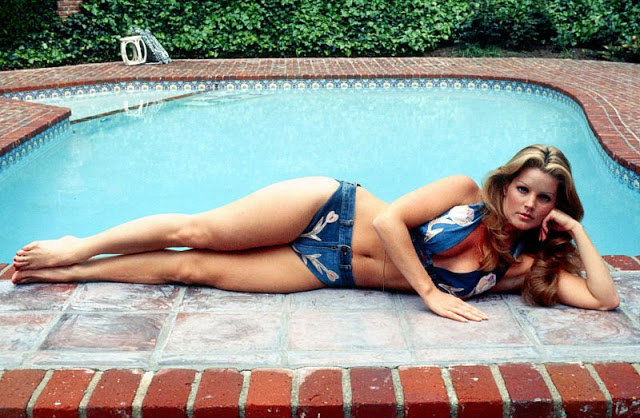
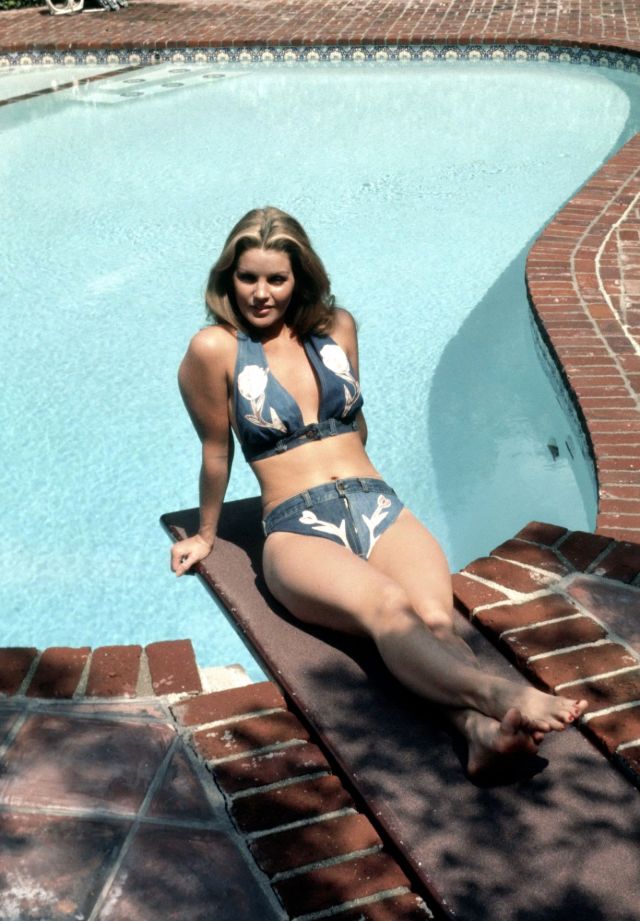
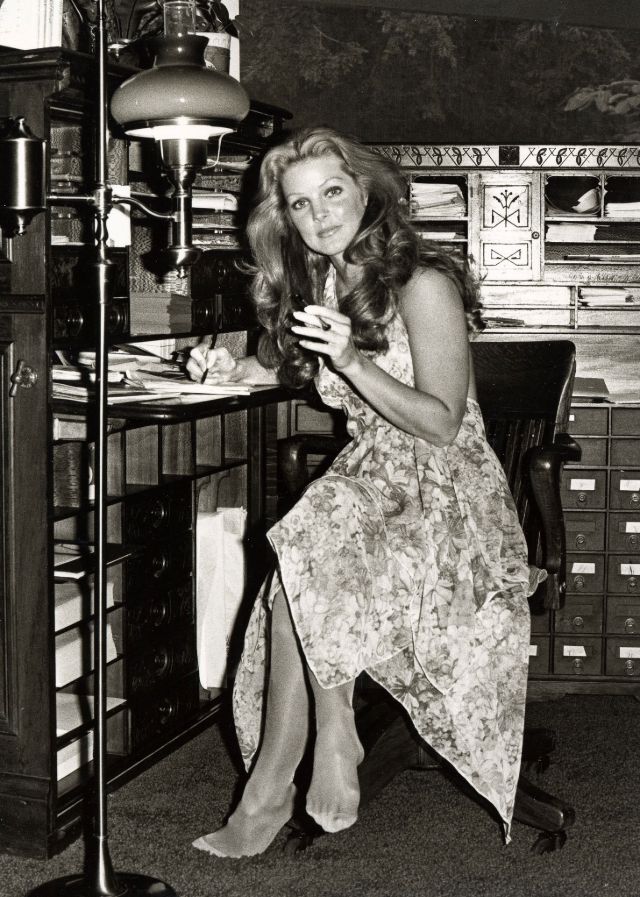
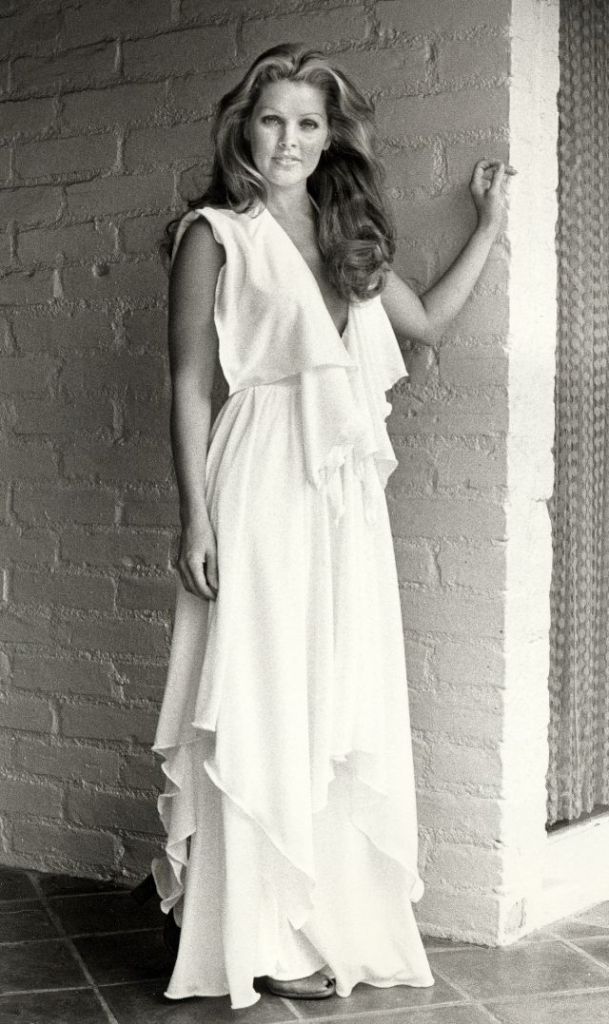
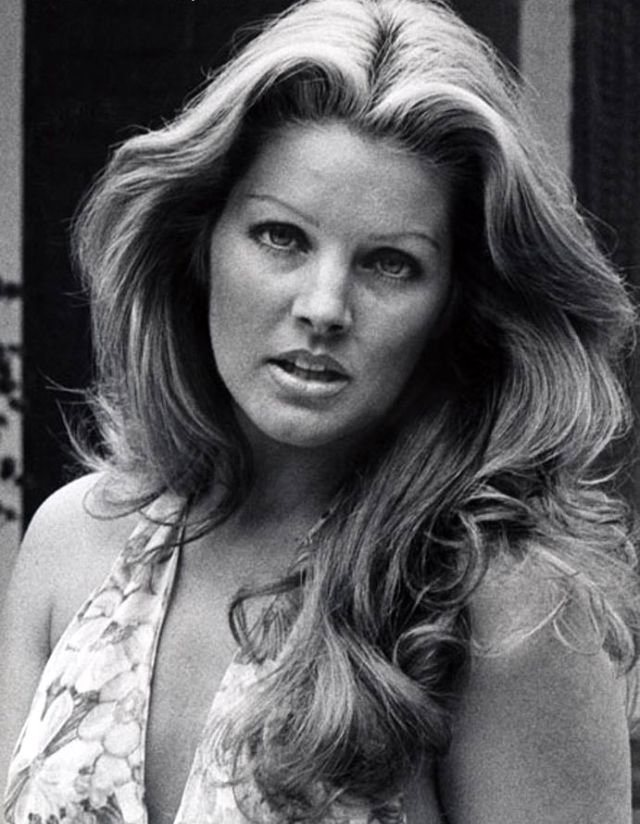
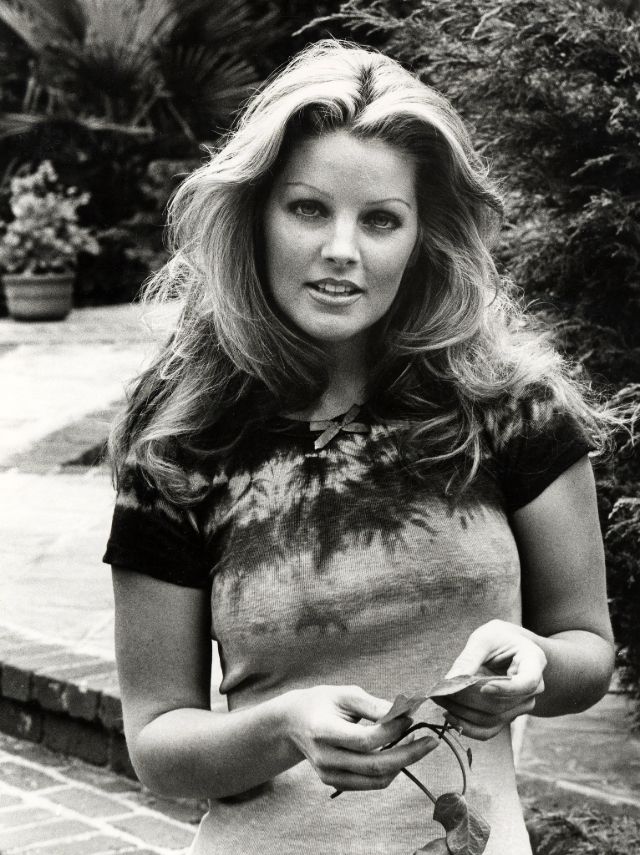
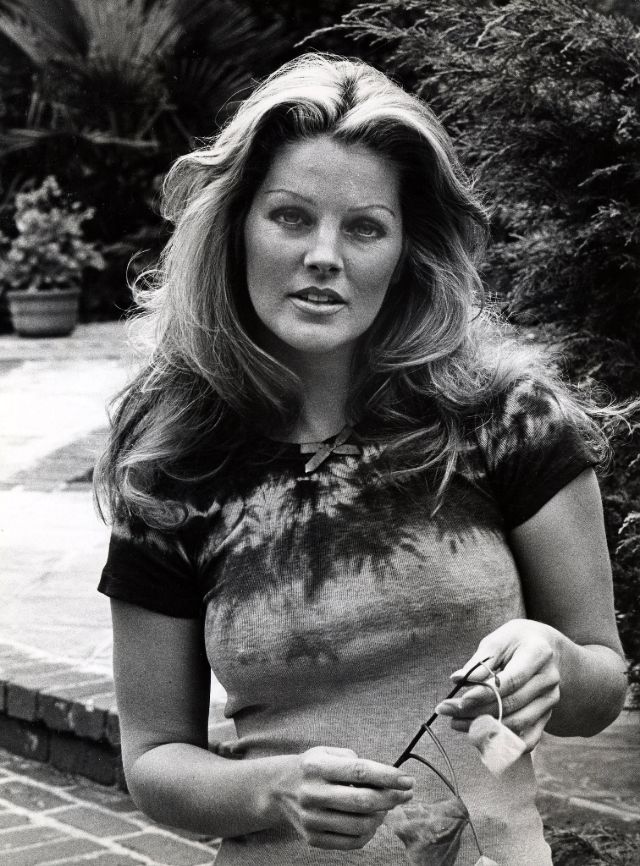
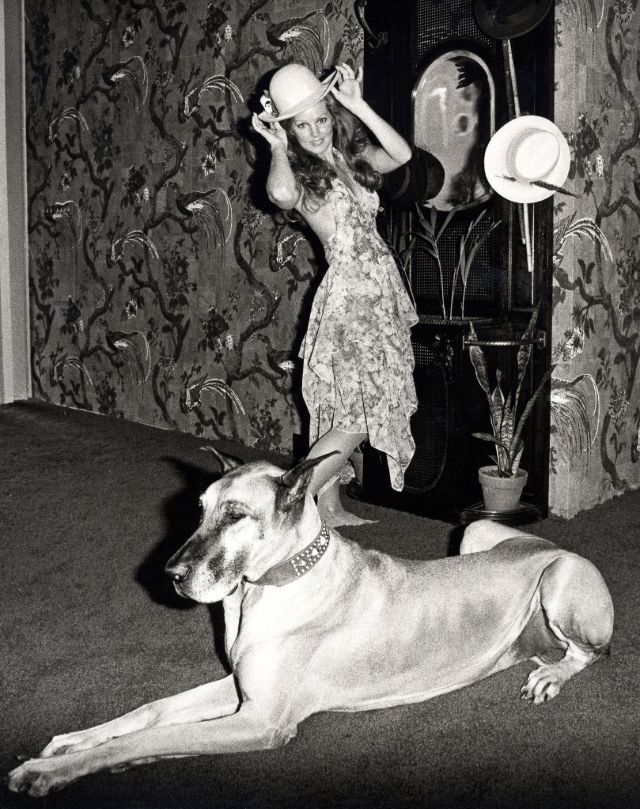
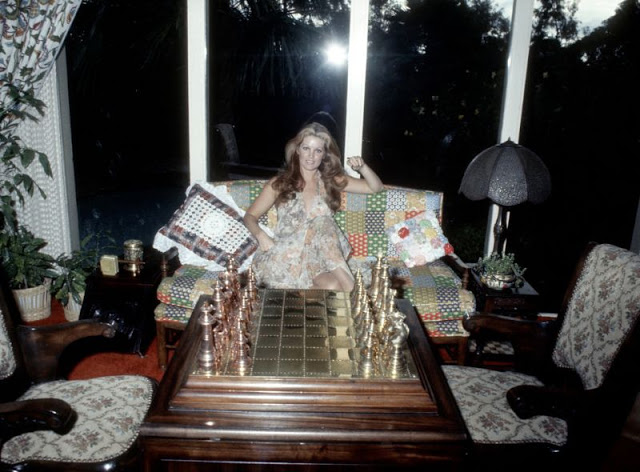
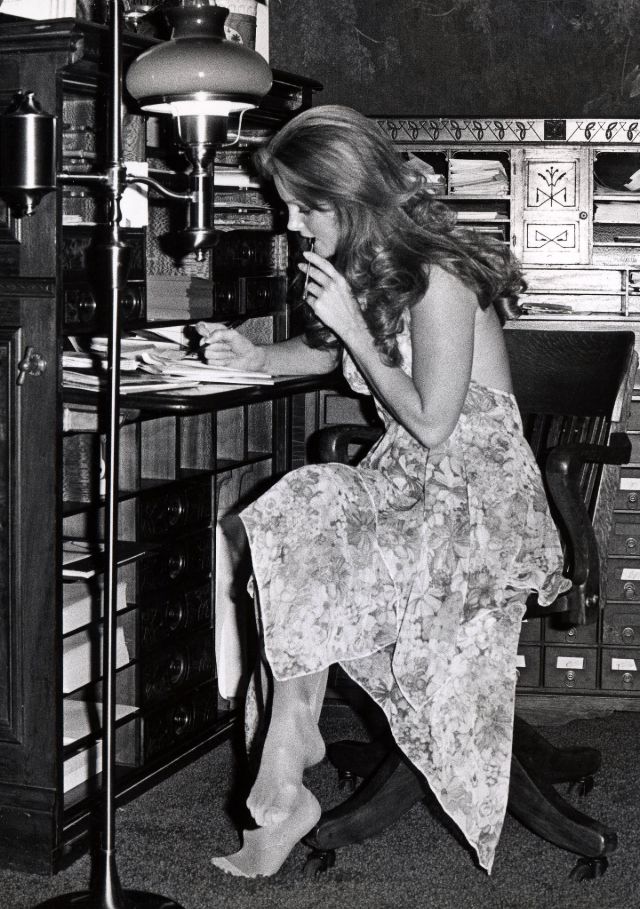
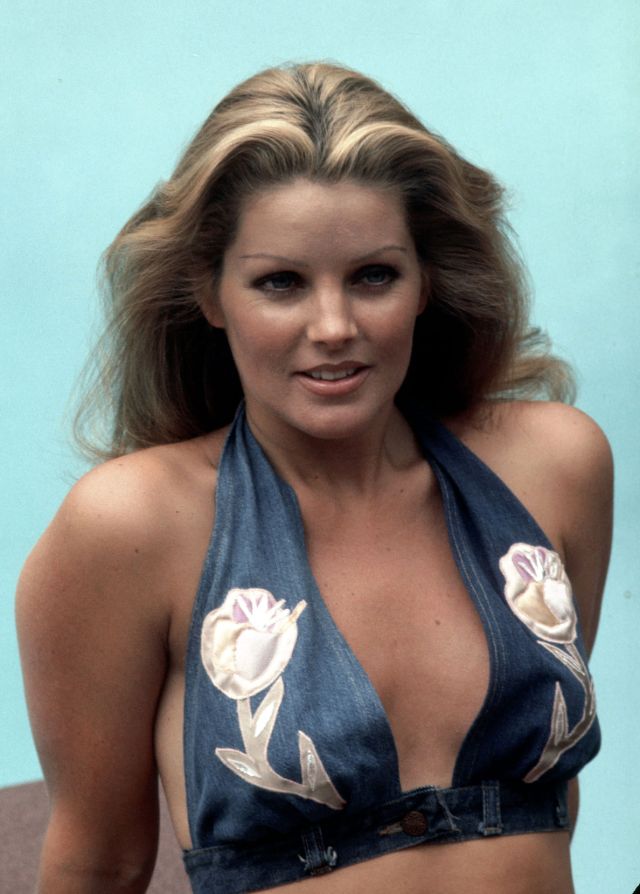
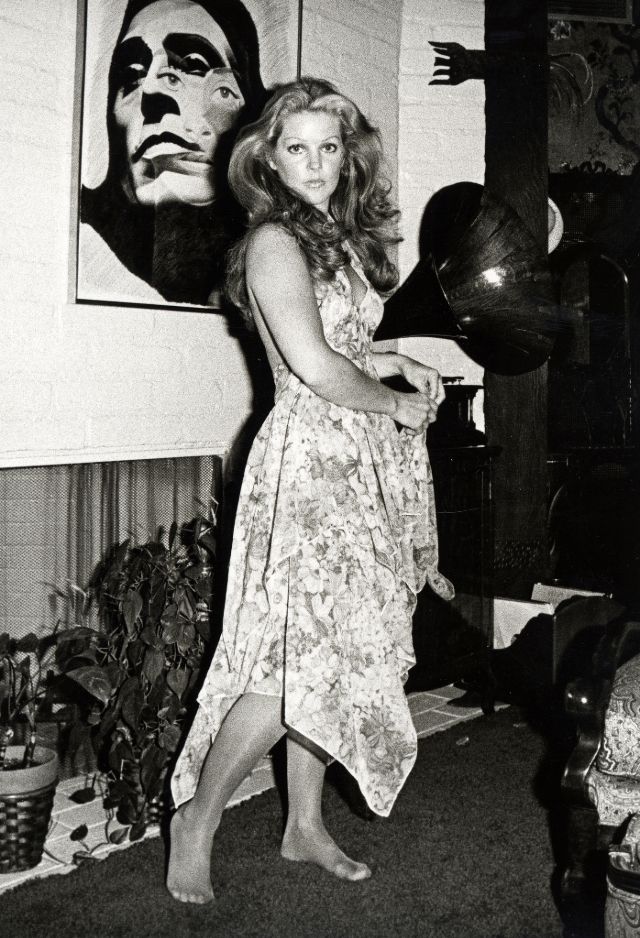
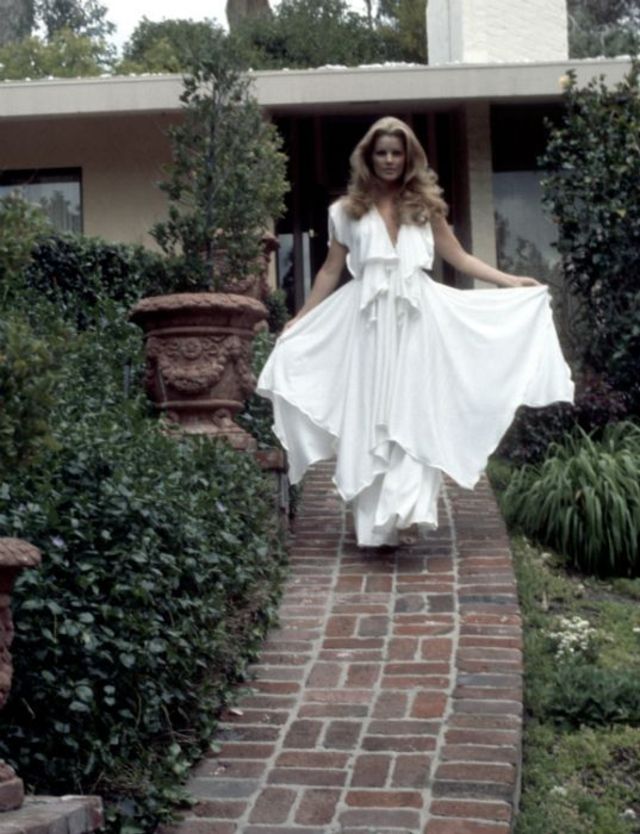
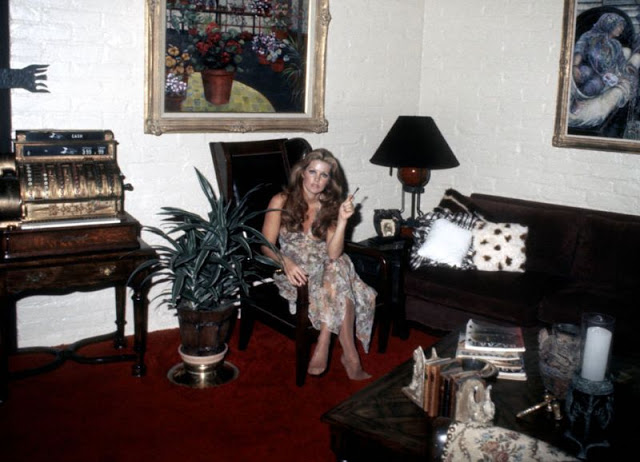
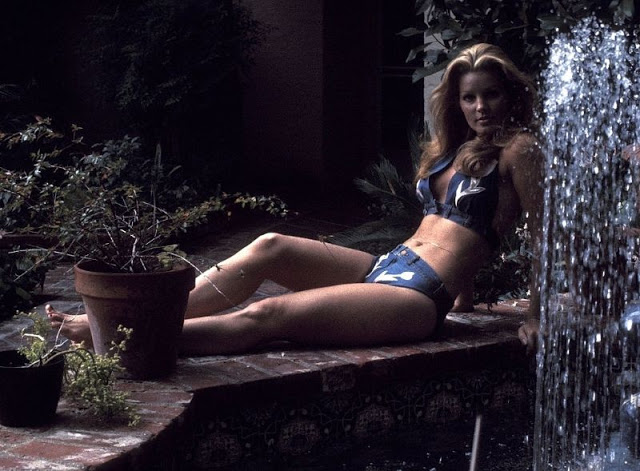
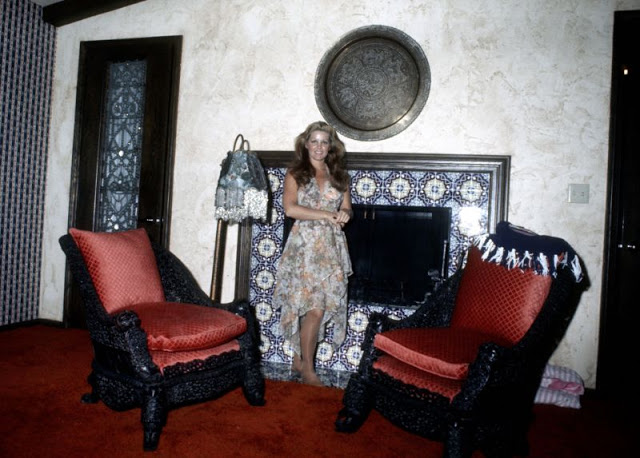
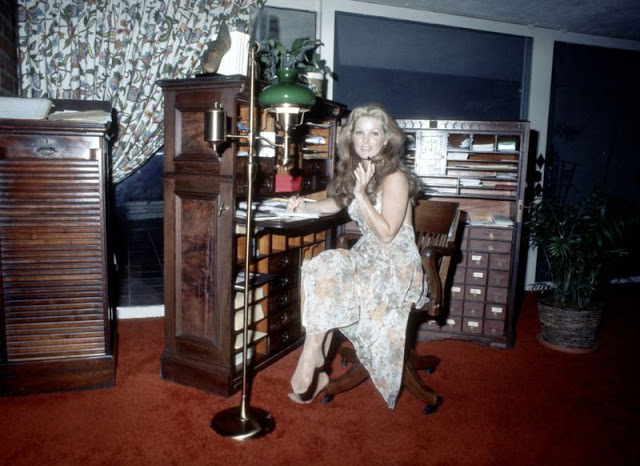
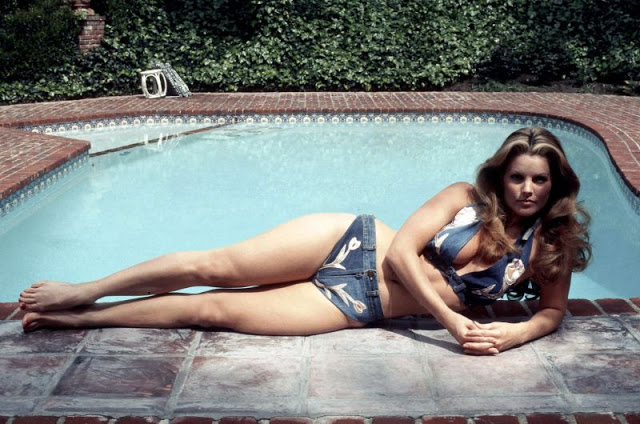
A prolific celebrity photographer, Ron Galella is considered the godfather of American paparazzi culture. Over the course of his career, Galella has shot candid photographs of Elizabeth Taylor, Richard Burton, Mick Jagger, and Bruce Springsteen, among countless other iconic celebrities; been through two high-profile court battles with Jacqueline Kennedy, resulting in a restraining order for the photographer; and suffered a broken jaw at the hands of Marlon Brando.
Galella was the subject of the documentary film, Smash His Camera, and his photographs have appeared in publications including Time, Harper’s Bazaar, Vanity Fair, Rolling Stone, and The New York Times.
Priscilla Ann Presley (née Wagner, changed by adoption to Beaulieu; born May 24, 1945) is an American businesswoman and actress. She is the ex-wife of Elvis Presley as well as the co-founder and former chairwoman of Elvis Presley Enterprises (EPE), the company that turned Graceland into one of the top tourist attractions in the United States. In her acting career, Presley co-starred with Leslie Nielsen in the three successful Naked Gun films, and played the role of Jenna Wade on the long-running television series Dallas.
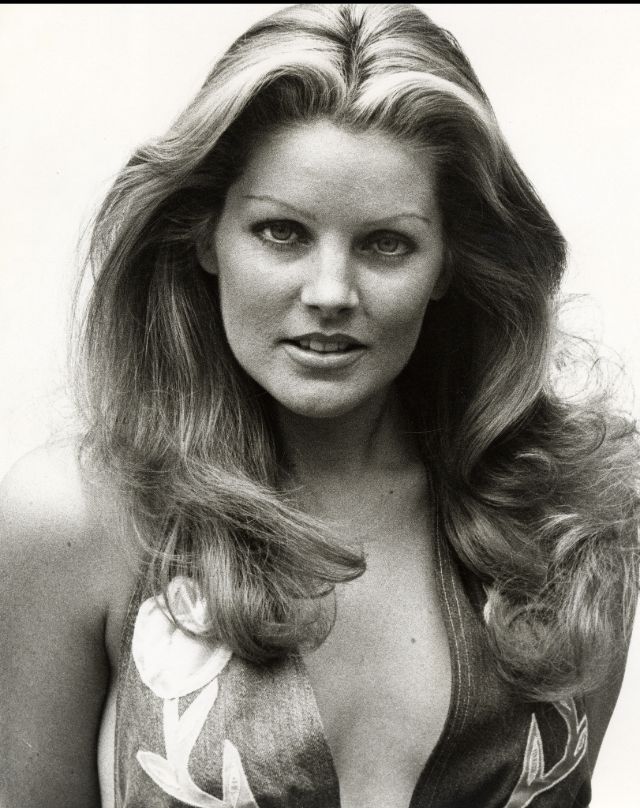
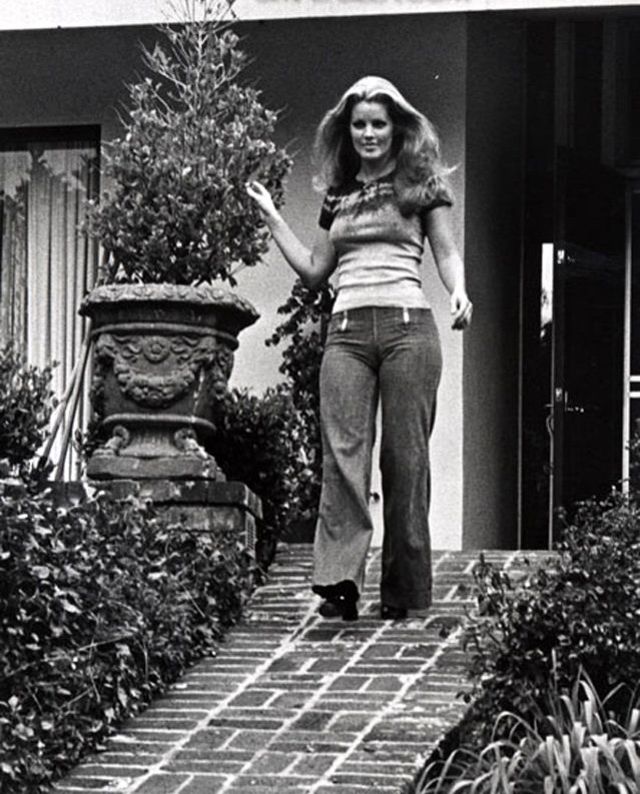
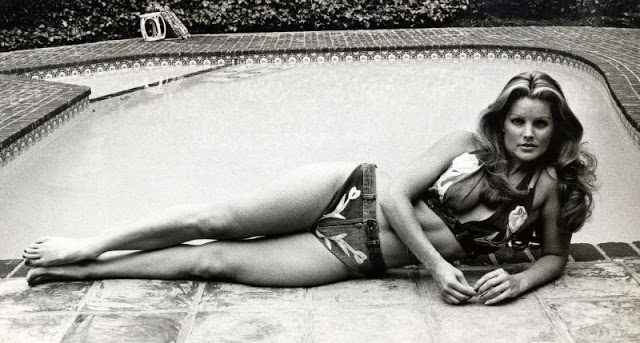
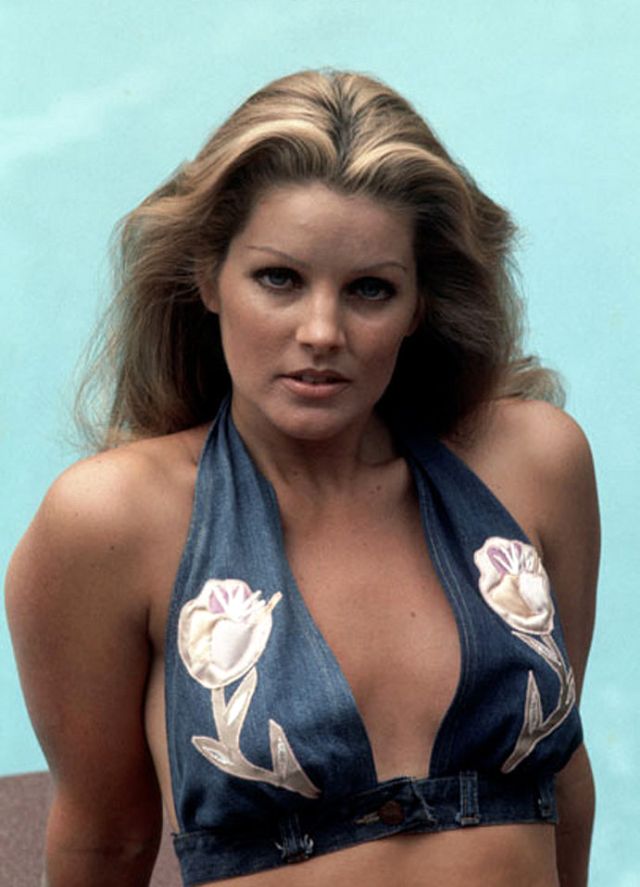
These beautiful photoshoots Galella shot Priscilla Presley at her Beverly Hills home, California on April 9, 1975.
After the austerity and bloodshed of World War I, France longed for joy and light-heartedness. Pre-war values were rejected as people embraced new lifestyles and new technologies, and discovered a lust for extravagance and partying that had the era named Les Années Folles (the Roaring Twenties, or the ‘mad years’). Cars appeared on the roads; picture houses opened, projecting the world’s first silent movies; radios appeared in households; jazz flourished, and musical halls – where icons like Josephine Baker and Maurice Chevalier launched their careers – became the places to see and be seen in.
Paris was at the heart of it all, not only in terms of fashion and entertainment, but in the domains of decorative art and architecture, as movers and thinkers drew inspiration from cubism, modernism and neoclassicism to create the ‘total’ style we know and love today: art deco. Such was the impact of this ‘modern style’ that it carried on well into the 1930s.
Paris is the capital and most populous city of France, with an estimated population of 2,165,423 residents in 2019 in an area of more than 105 square kilometres (41 square miles), making it the 34th most densely populated city in the world in 2020. Since the 17th century, Paris has been one of the world’s major centres of finance, diplomacy, commerce, fashion, gastronomy, science, and arts, and has sometimes been referred to as the capital of the world. The City of Paris is the centre and seat of government of the region and province of Île-de-France, or Paris Region, with an estimated population of 12,997,058 in 2020, or about 18 percent of the population of France, making it in 2020 the largest metropolitan area in Europe, and 14th largest in the world in 2015. The Paris Region had a GDP of €709 billion ($808 billion) in 2017. According to the Economist Intelligence Unit Worldwide Cost of Living Survey, in 2021 Paris was the city with the second-highest cost of living in the world, tied with Singapore, and after Tel Aviv.
Paris is a major railway, highway, and air-transport hub served by two international airports: Paris–Charles de Gaulle (the second-busiest airport in Europe) and Paris–Orly. Opened in 1900, the city’s subway system, the Paris Métro, serves 5.23 million passengers daily; it is the second-busiest metro system in Europe after the Moscow Metro. Gare du Nord is the 24th-busiest railway station in the world, but the busiest located outside Japan, with 262 million passengers in 2015. Paris is especially known for its museums and architectural landmarks: the Louvre received 2.8 million visitors in 2021, despite the long museum closings caused by the COVID-19 virus. The Musée d’Orsay, Musée Marmottan Monet and Musée de l’Orangerie are noted for their collections of French Impressionist art. The Pompidou Centre Musée National d’Art Moderne has the largest collection of modern and contemporary art in Europe. The Musée Rodin and Musée Picasso exhibit the works of two noted Parisians. The historical district along the Seine in the city centre has been classified as a UNESCO World Heritage Site since 1991; popular landmarks there include the Cathedral of Notre Dame de Paris on the Île de la Cité, now closed for renovation after the 15 April 2019 fire. Other popular tourist sites include the Gothic royal chapel of Sainte-Chapelle, also on the Île de la Cité; the Eiffel Tower, constructed for the Paris Universal Exposition of 1889; the Grand Palais and Petit Palais, built for the Paris Universal Exposition of 1900; the Arc de Triomphe on the Champs-Élysées, and the hill of Montmartre with its artistic history and its Basilica of Sacré-Coeur.
Paris hosts several United Nations organisations: the UNESCO, the Young Engineers / Future Leaders, the World Federation of Engineering Organizations, and other international organisations such as the OECD, the OECD Development Centre, the International Bureau of Weights and Measures, the International Energy Agency, the International Federation for Human Rights, the International Organisation of La Francophonie; along with European bodies such as the European Space Agency, the Euro Banking Association or the European Securities and Markets Authority. Other international organisations were founded in Paris such as the CIMAC in 1951 (International Council on Combustion Engines | Conseil International des Machines à Combustion), or the modern Olympic Games in 1894 which was then moved to Lausanne, Switzerland.
Tourism recovered in the Paris region in 2021, increasing to 22.6 million visitors, thirty percent more than in 2020, but still well below 2019 levels. The number of visitors from the United States increased by 237 percent over 2020. Museums re-opened in 2021, with limitations on the number of visitors at a time and a requirement that visitors wear masks.
The football club Paris Saint-Germain and the rugby union club Stade Français are based in Paris. The 80,000-seat Stade de France, built for the 1998 FIFA World Cup, is located just north of Paris in the neighbouring commune of Saint-Denis. Paris hosts the annual French Open Grand Slam tennis tournament on the red clay of Roland Garros. The city hosted the Olympic Games in 1900, 1924 and will host the 2024 Summer Olympics. The 1938 and 1998 FIFA World Cups, the 2007 Rugby World Cup, as well as the 1960, 1984 and 2016 UEFA European Championships were also held in the city. Every July, the Tour de France bicycle race finishes on the Avenue des Champs-Élysées in Paris. (Wikipedia)
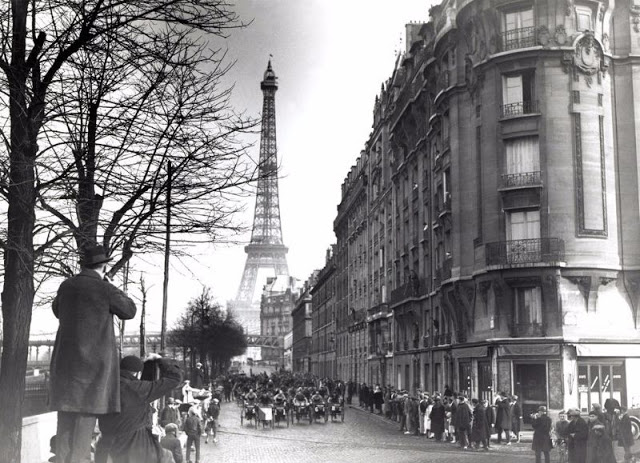
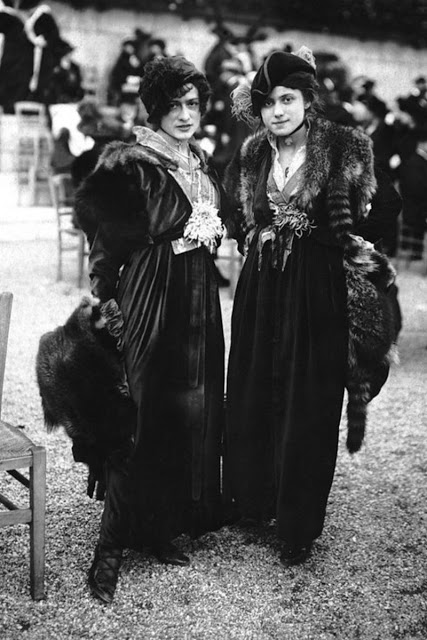
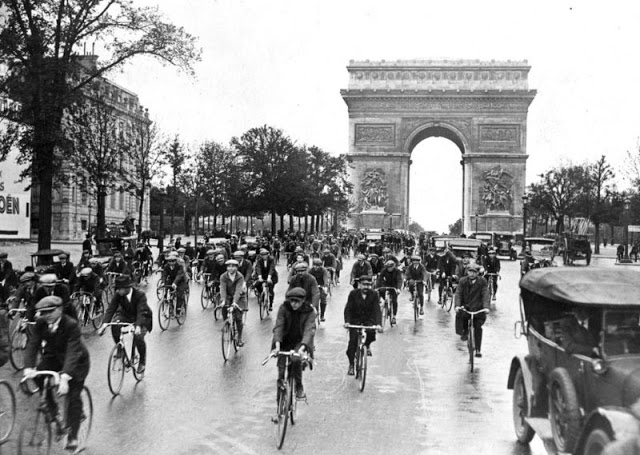
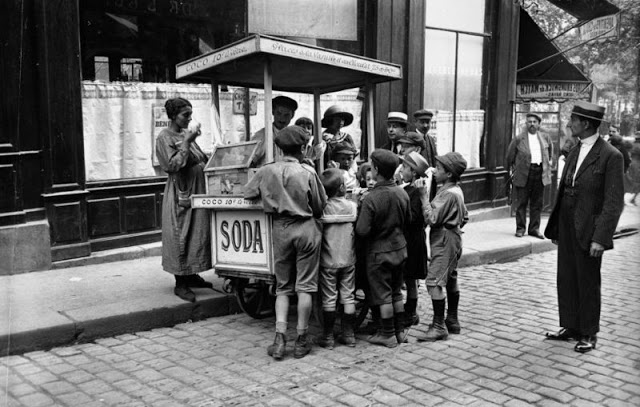
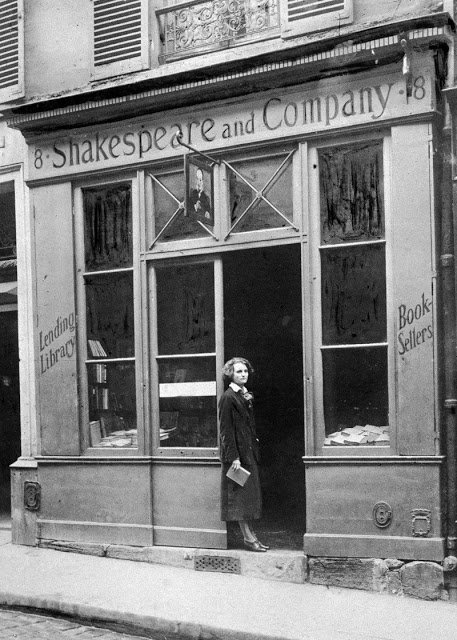
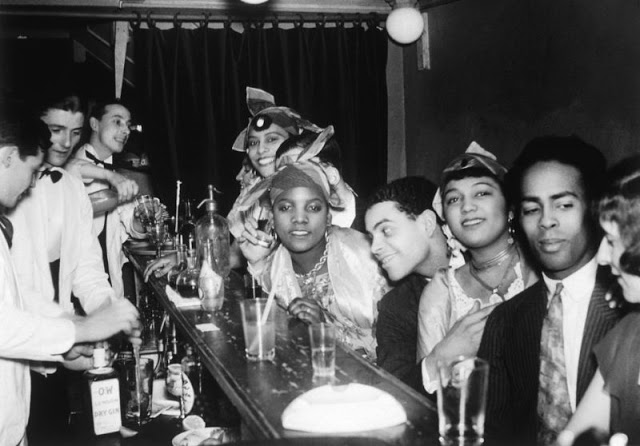
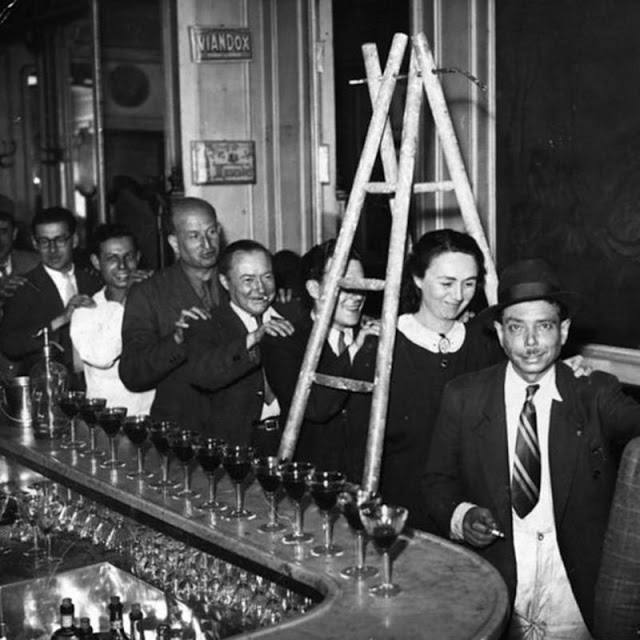
A triporteurs race is shown passing under a backdrop of the Eiffel Tower in Paris, January 1920.Two Parisian women enjoy an afternoon cup of coffee, circa 1925.The Eiffel Tower is shown peeking between the Parisian back streets.Two women elegantly show off the fashions of their era.Children are seen selling lilies in the streets of Paris, 1929.A couple enjoys a nice bottle of wine and a breathtaking view from the Eiffel Tower in 1928.A women sits comfortably in 1925 fashions: a jumper suit with contrasting trim, worn with a cloche hat with turned back brim.The Eiffel Tower as seen from the Trocadéro, circa 1925.Mlle Marie Simonne is seen with her friends after winning the “Pearly Queen of Paris” beauty pageant, August 1926.Cycling up the Champs Elysees are the nearly 160 competitors of the Tour de France in June, 1926.An ice-cream vendor selling sodas and sweets to children on the city streets, 1925.American publisher Sylvia Beach stands in the doorway of her bookshop “Shakespeare & Company”, during the 1920s. The shop gained recognition for being run by the only person willing to publish James Joyce’s Ulysses in the English language and was regarded as a haven for American expatriates during the 1920s and 1930s.A crowded bar is shown at La Boule Blanche, a much-frequented Paris nightclub of the era.Patrons have a drink and take a swim at the Champs Elysees Lido in Paris, circa 1925.A group of women celebrate a réveillon in Paris, circa 1925. A réveillon is a dinner party preceding Christmas and New Year, at which luxury foods and wines are often served.Members of the “Friday The Thirteenth Club” walk under a ladder in single file line at a meeting in a Paris bar. The club met every Friday 13th to do everything that superstitious people traditionally avoid.A Parisian bar is shown bustling after dark.“The Hoffman Girls” pose for a picture backstage before appearing at the Moulin Rouge in Paris, February 1924.Gardeners taking care of a tulip field in front of the Carrousel du Louvre, in spring 1929.A little girl hands a posy of lilies to a police officer on duty at the Porte Saint-Denis in Paris, 1920.A deserted street in Paris at night, 1929.The Moulin Rouge cabaret, January 1929.
Think it’s hot at the beach these days? Imagine wearing wool, which is what the first garments we’d recognize as swimsuits were made of.
But maybe wool had its charms. Just check out these interesting vintage photographs below and see how swimsuits evolved from Victorian times to the bikini Age.
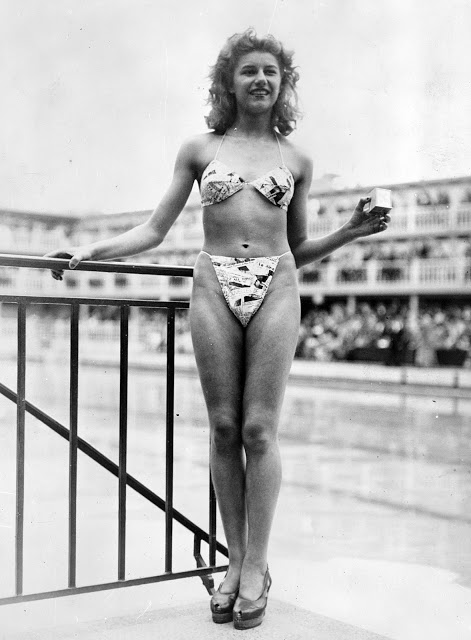
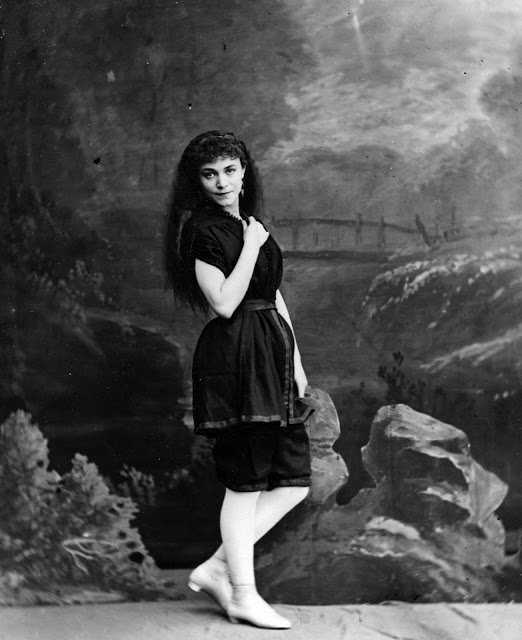
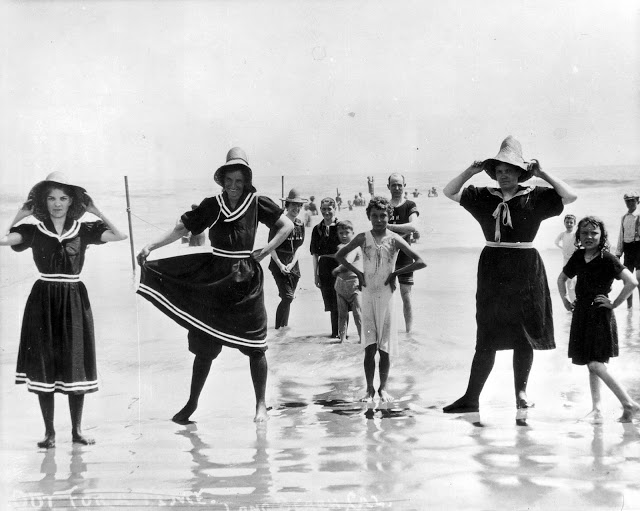
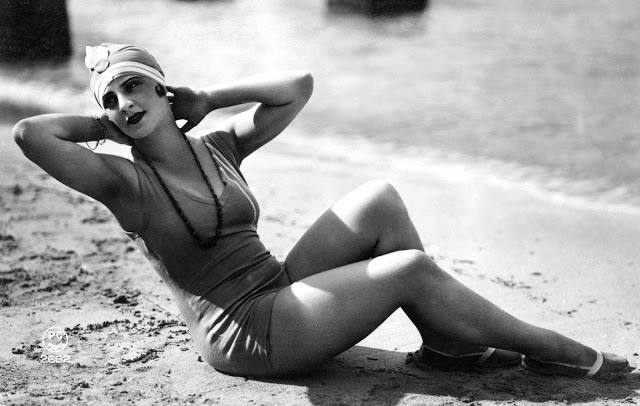
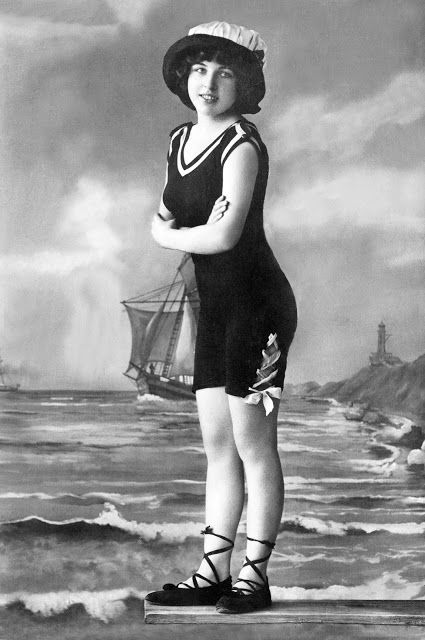
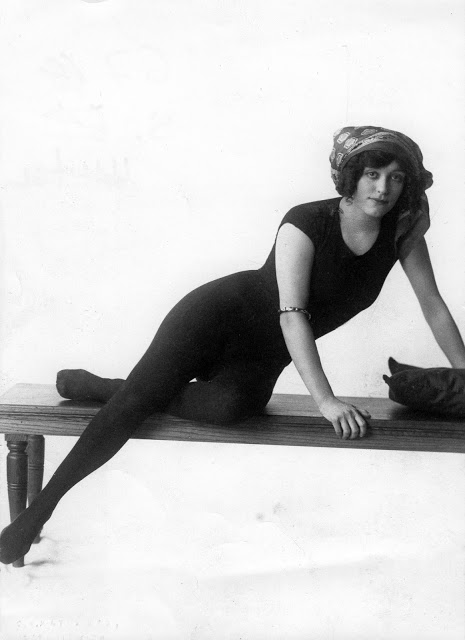
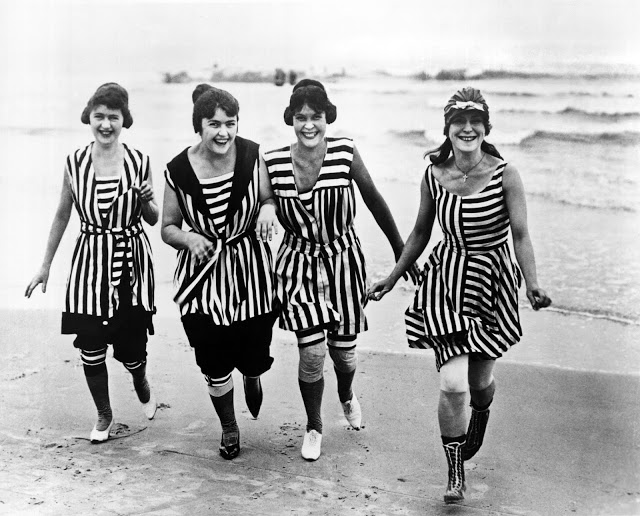
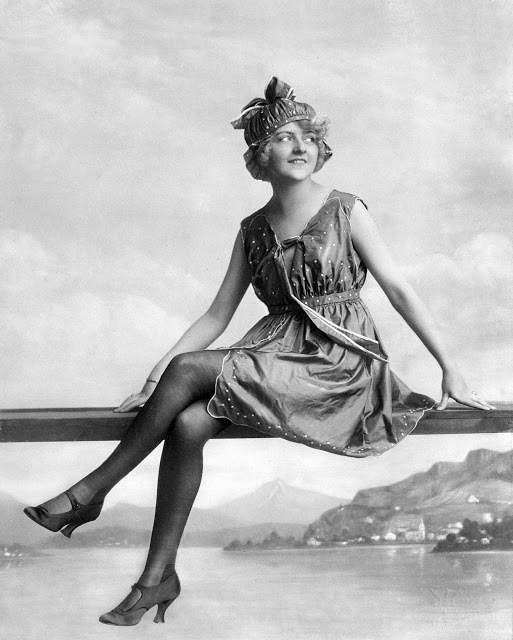
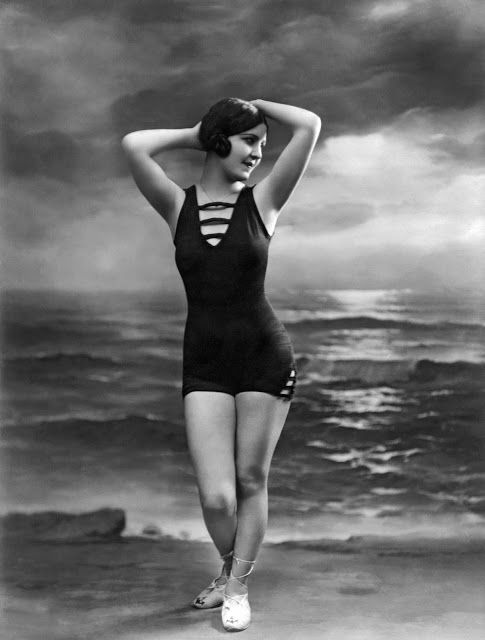
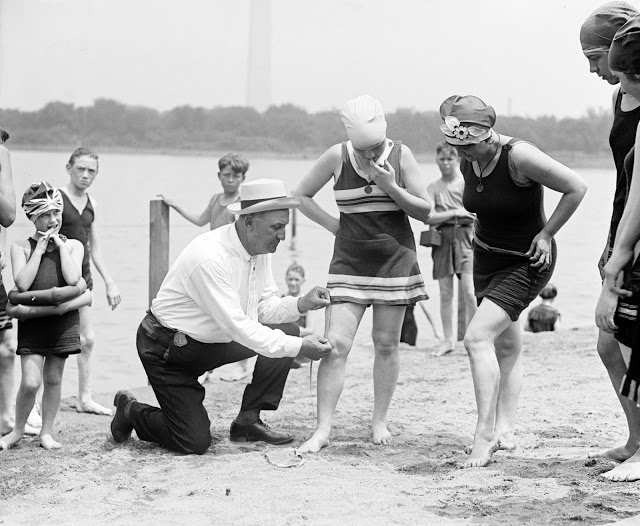
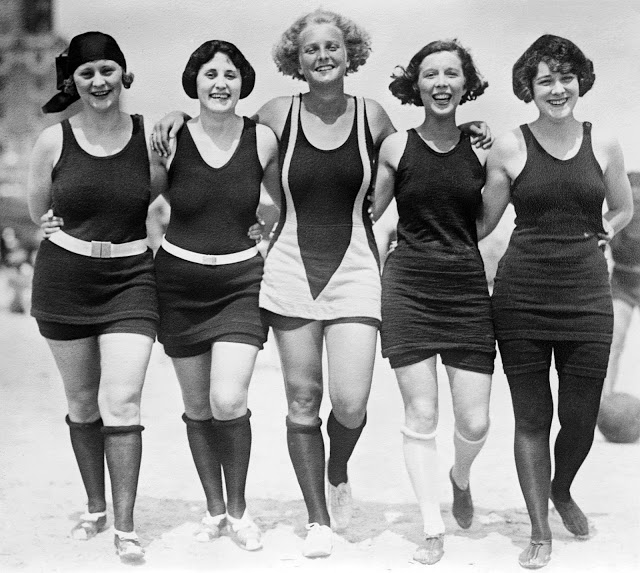
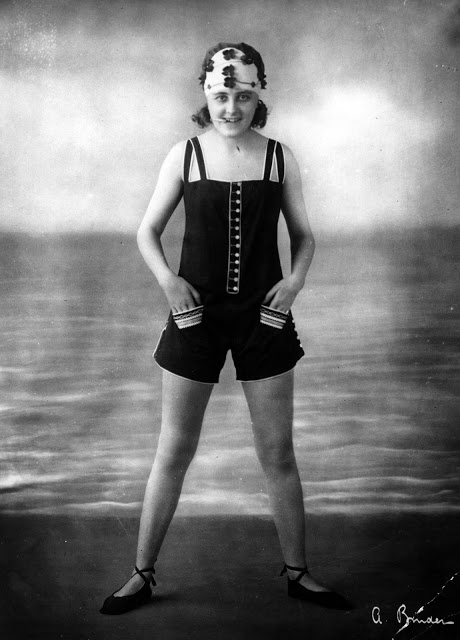
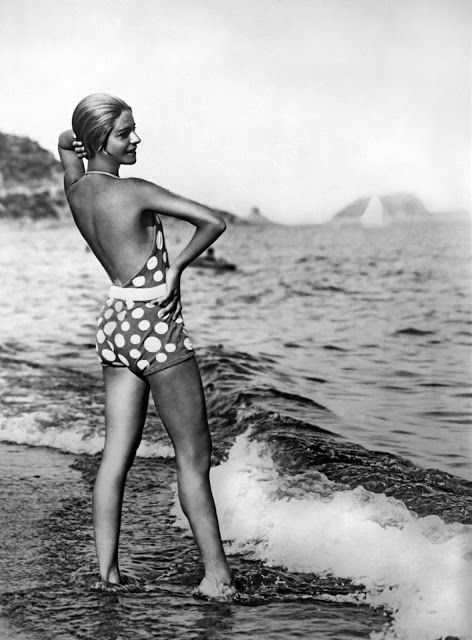
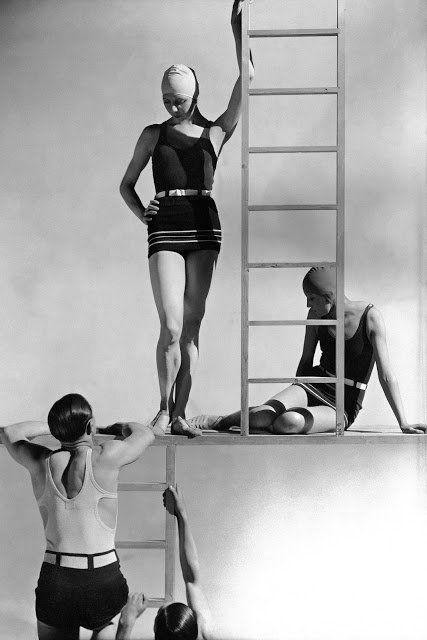
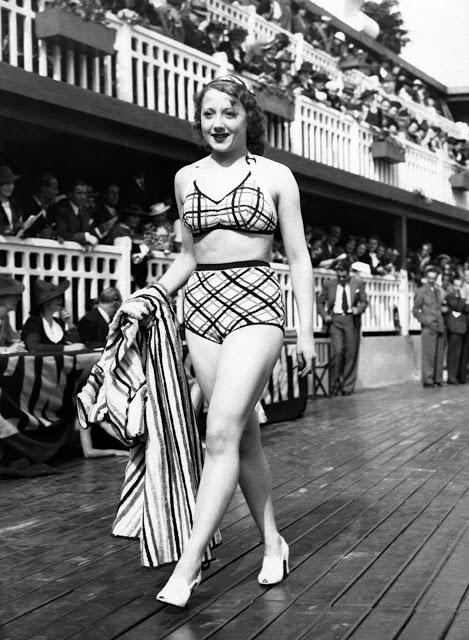
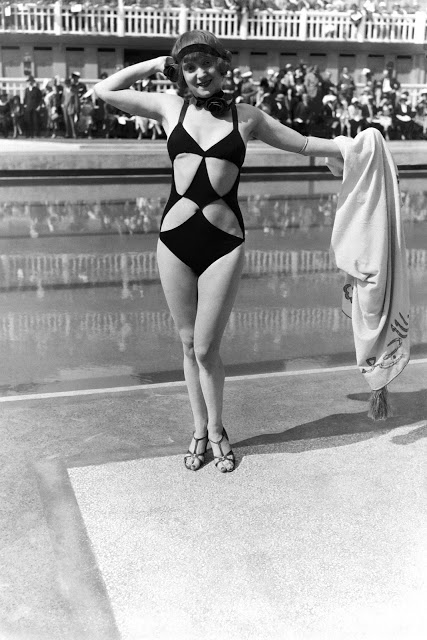
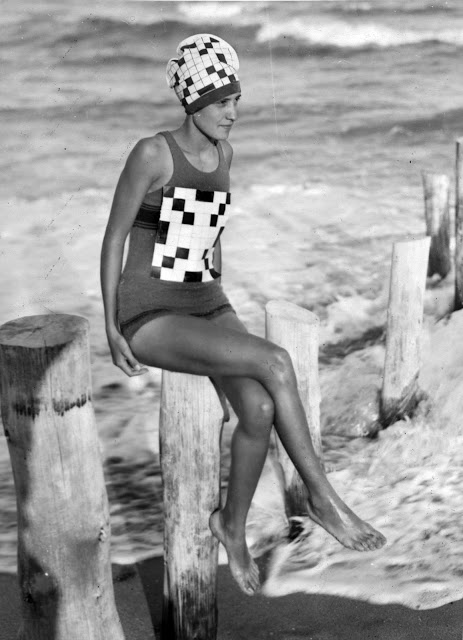
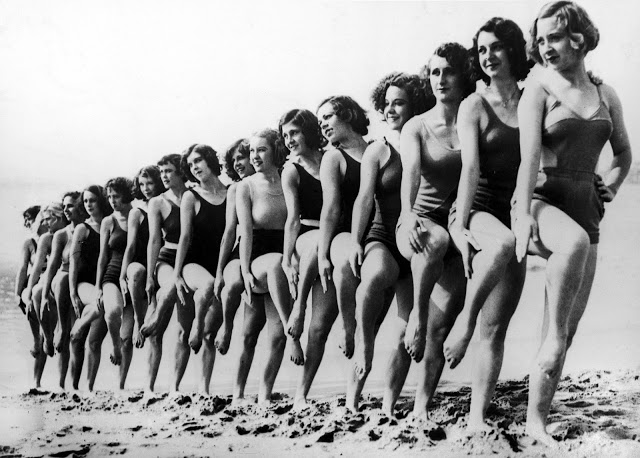
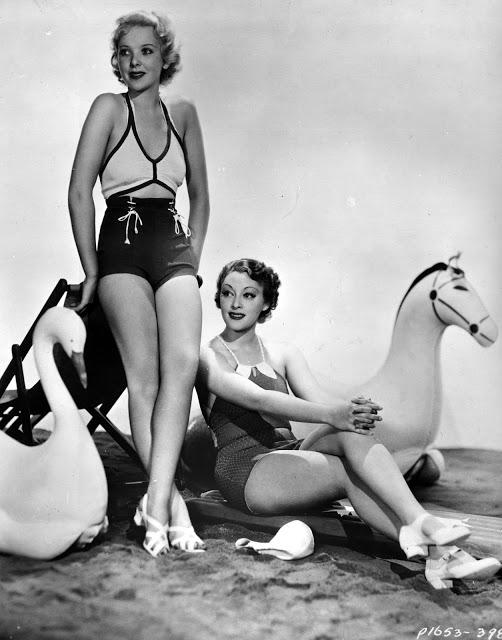
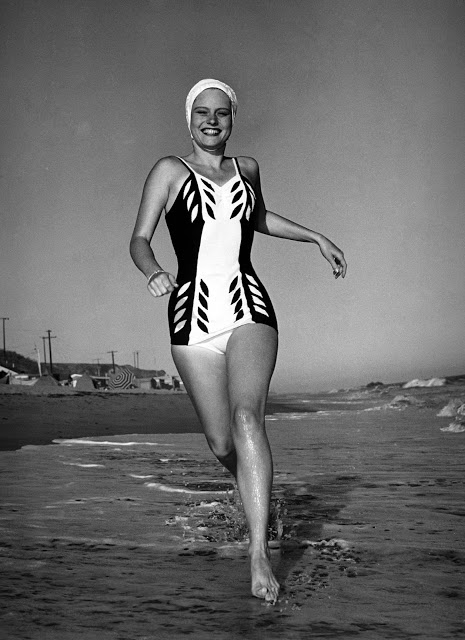
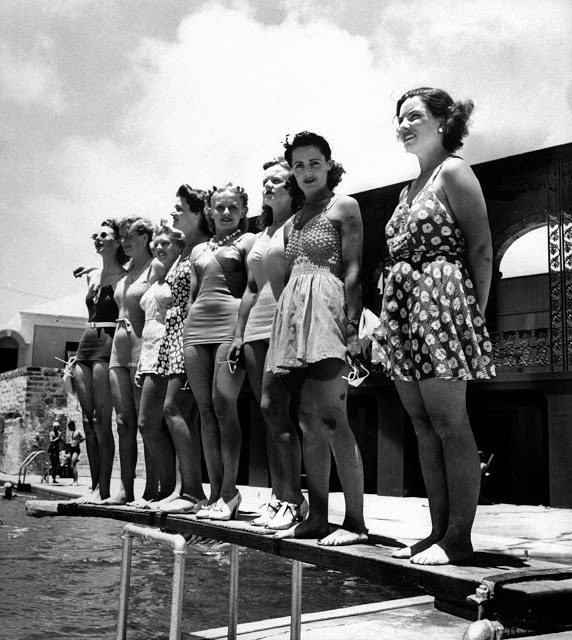
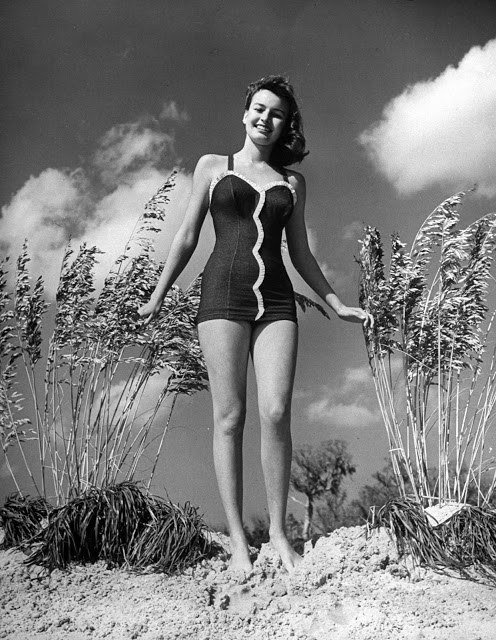
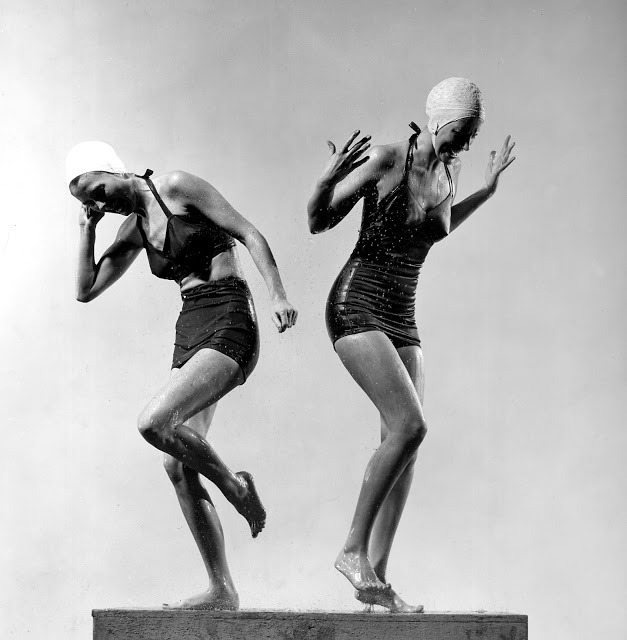
A woman wearing a fashionable bathing costume, circa 1870.Holidaymakers posing in bathing suits in the ocean surf at Santa Monica, Calif., circa 1890.Woman in one-piece bathing suit and cap reclining on a beach in France, circa 1900.A Girl in A Bathing Costume, circa 1909.Annette Kellermann, circa 1910.Four young women in matching beach wear run out of the surf, Los Angeles, California, circa 1910. Actress Elsie Marson in a red silk swimsuit with white embroidered spots, circa 1918.A woman in a bathing suit poses in front of a studio ocean scene, Paris, France, circa 1920.Woman having her swimsuit measured for length violations on a Washington DC beach, circa 1922.Five women walking arm-in-arm on the beach wearing wool bathing suits, circa 1925.A bathing dress, circa 1926.Alice Nikitina, well known Russian ballet dancer, teacher, and opera singer wearing one of her striking bathing suits at the beach in Italy, Alassio, Italy, circa 1929. Some called it a ‘bizarre bathing suit’. Two men wearing bathing suits (jersey tank tops and belted trunks) climbing up ladder toward two models (the one standing on the left is Georgia Graves) wearing belted one-piece jersey bathing suits (Ondine) with stripes on the bottom; designed by Lucien Lelong; bathing caps. A model walks the runway during a swimsuit fashion show at the Molitor swimming pool, circa 1930 in Paris, France. Woman wearing cut-out swimming suit at the Aquatic gala at Molitor swimming pool, on June 23, 1931 in Paris.Verna Lee Fisher sporting her newly created crossword swimsuit with matching bathing hat, at Palm Beach, Fla., circa 1933.The Latest In swimwear on a beach In California, circa 1934.circa 1935: Actresses Ida Lupino (1918 – 1995), and Kathleen Burke (1913 – 1980), model the latest swimwear. Actress Alexis Smith in a swimming costume running along the beach in southern California, USA circa 1940. Bathing suit clad female members of the British Imperial Censorship Staff, who call themselves the censorettes, standing poolside at the Princess Hotel, which also serves as their offices on the island. Circa 1941.Model posing in bathing suit in Florida, circa 1945.Two models wearing bathing suits and bathing caps, circa 1946.The new ‘Bikini’ swimming costume caused a sensation at a beauty contest at the Molitor swimming pool in Paris. Designer Louis Reard was unable to find a ‘respectable’ model for his costume and the job of displaying it went to 19-year-old Micheline Bernardini, a nude dancer from the Casino de Paris. She is holding a small box into which the entire costume can be packed. Celebrated as the first bikini, Luard’s design came a few months after a similar two-piece design was produced by French designer Jacques Heim.
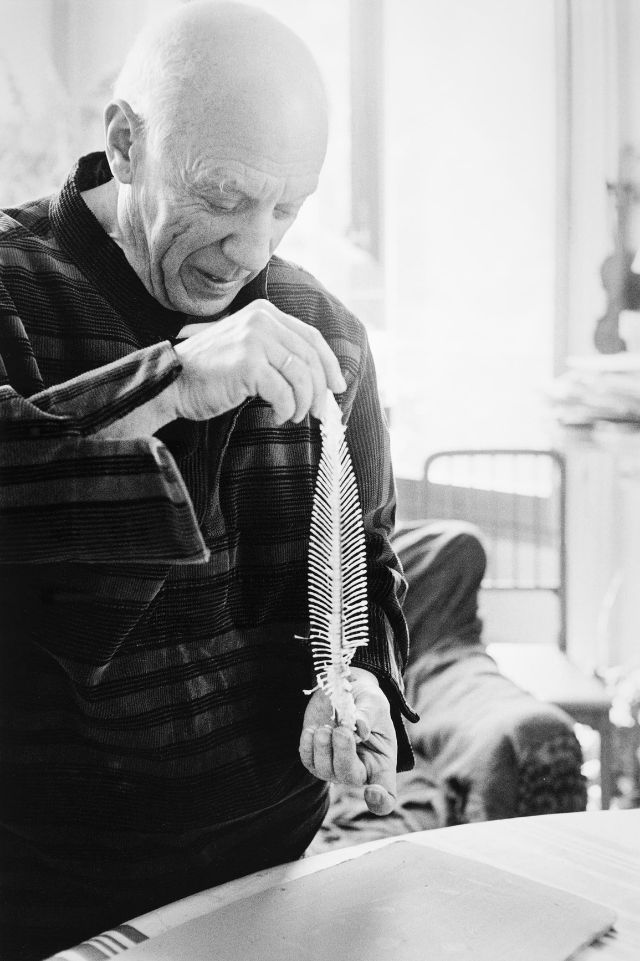
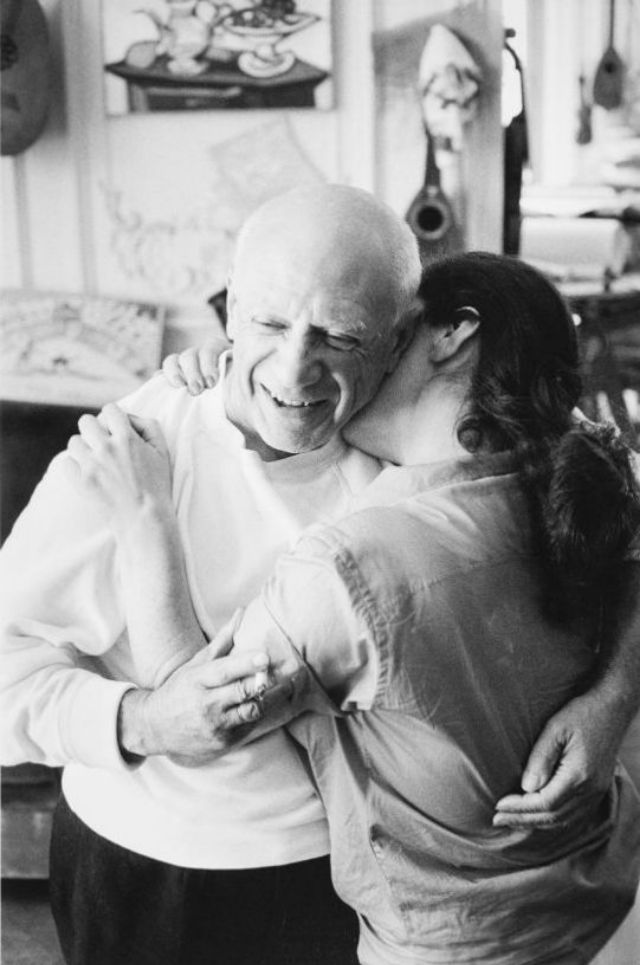
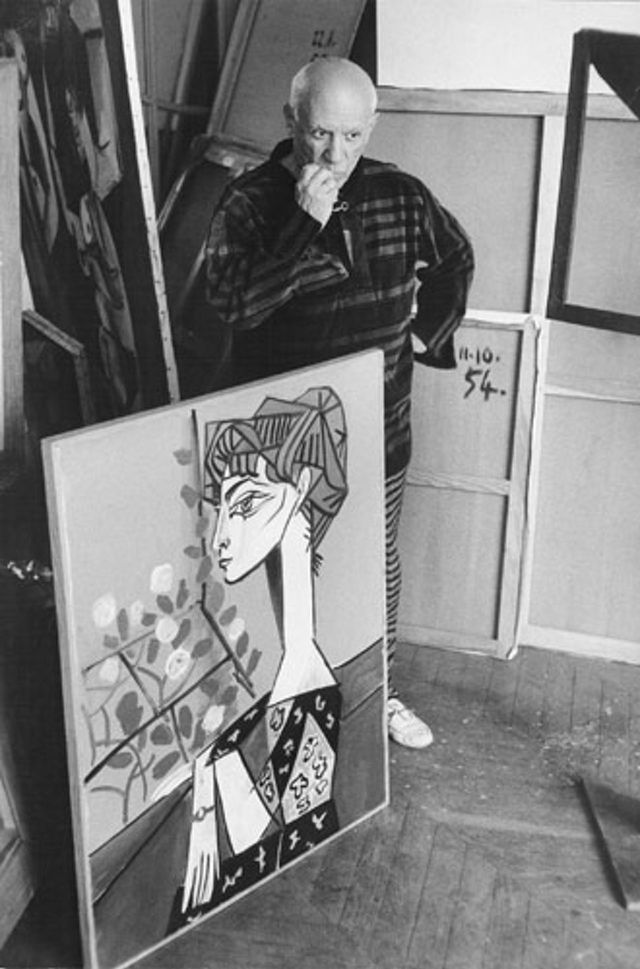
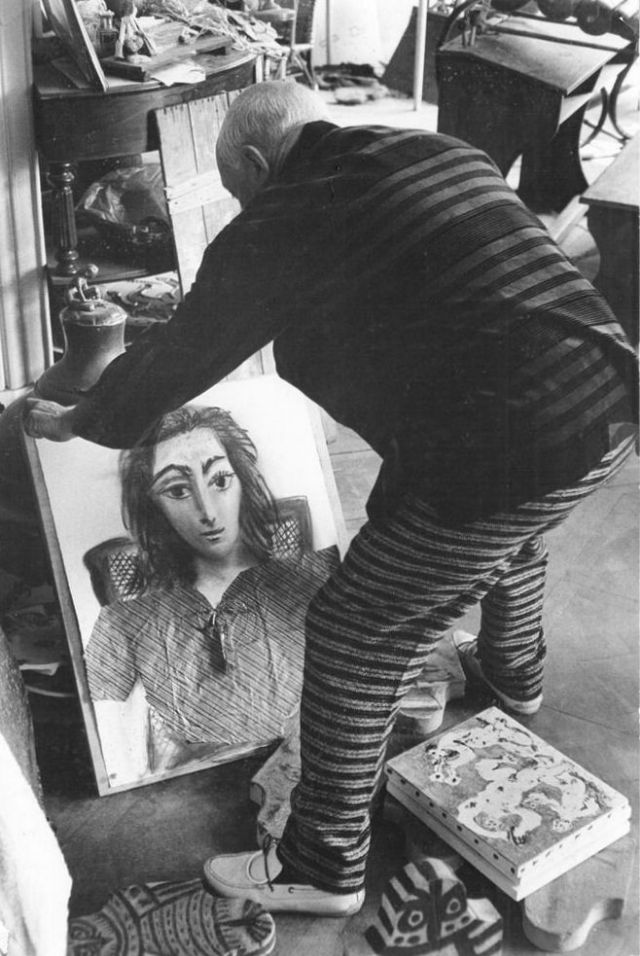
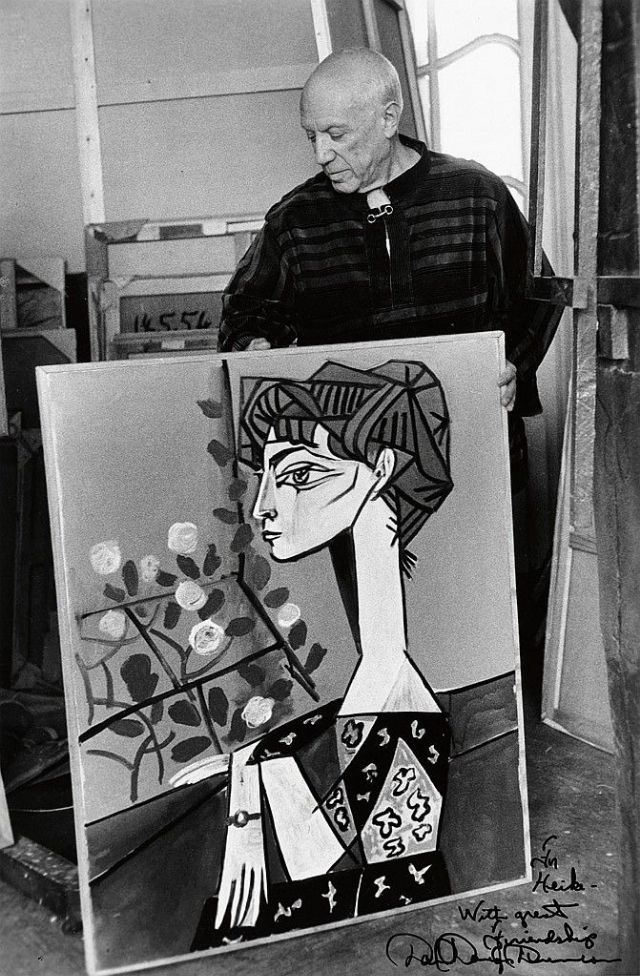
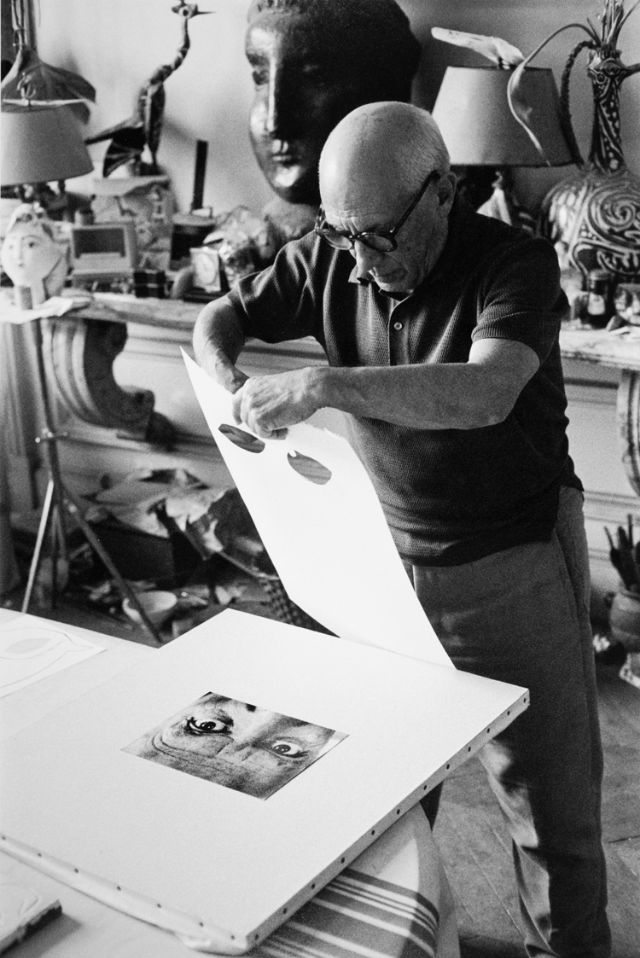
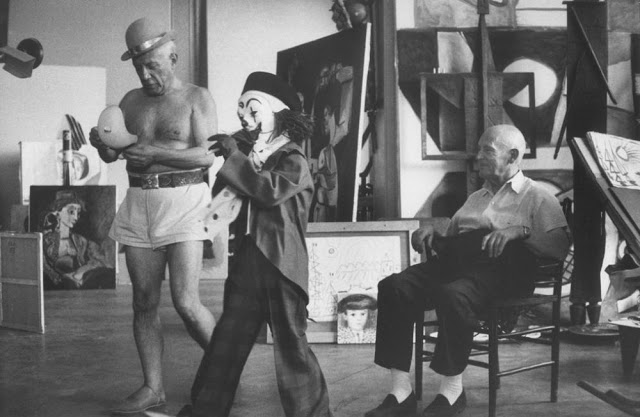
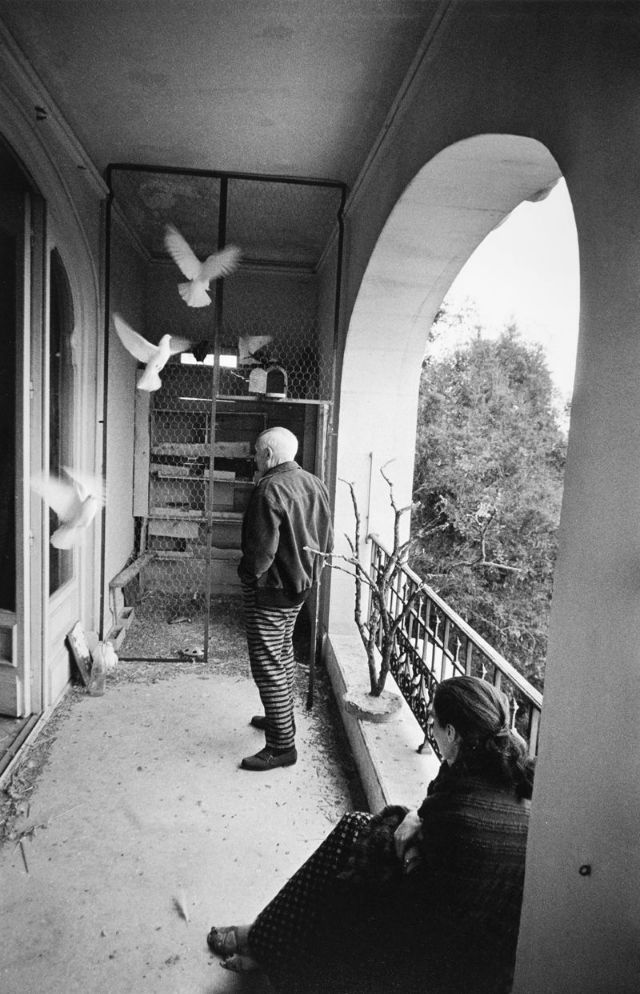
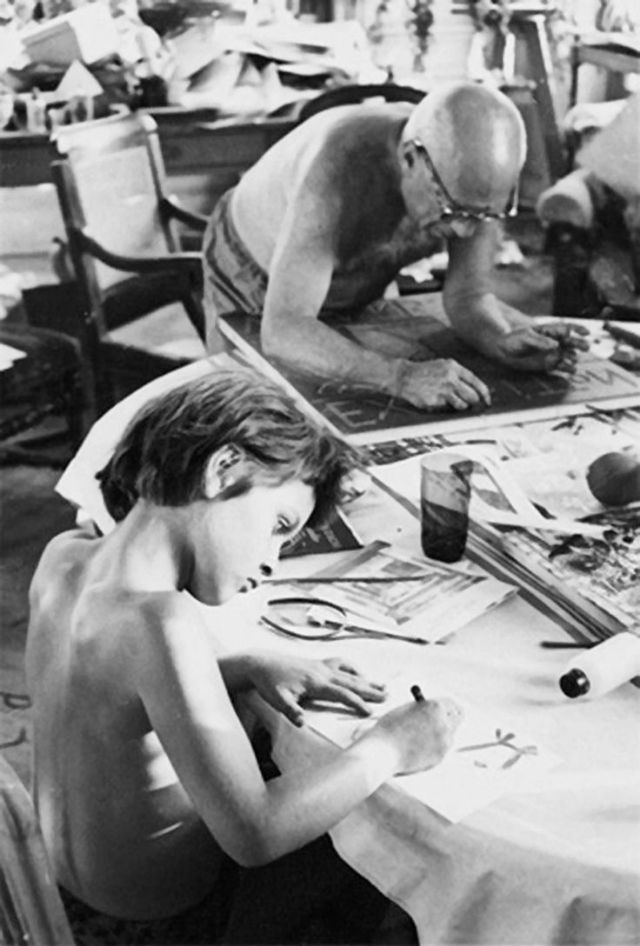
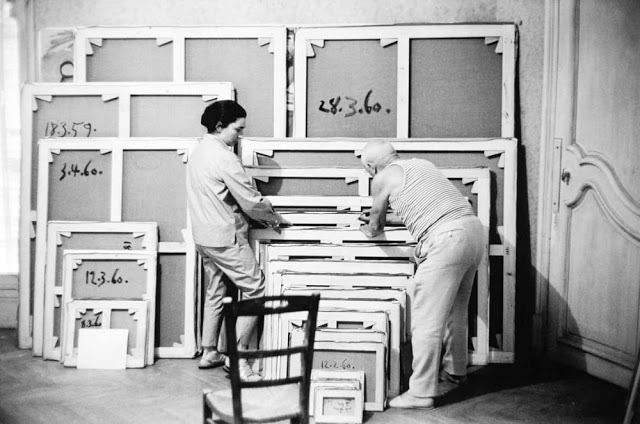
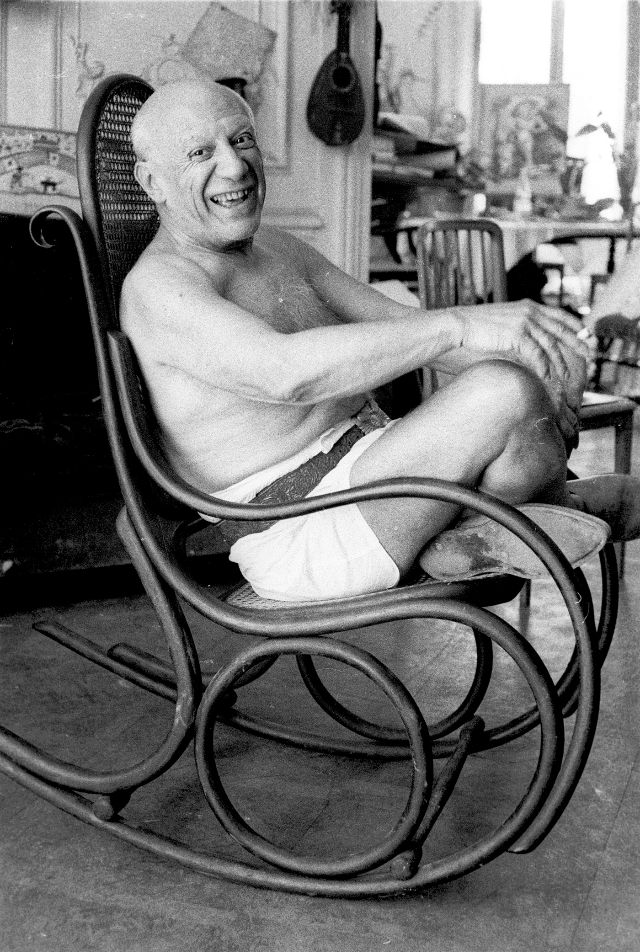
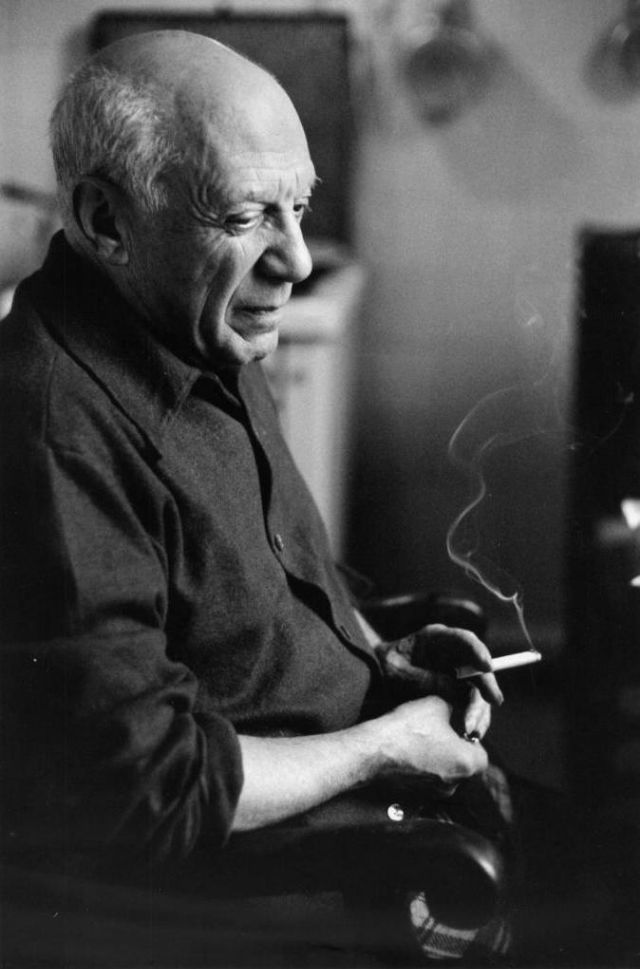
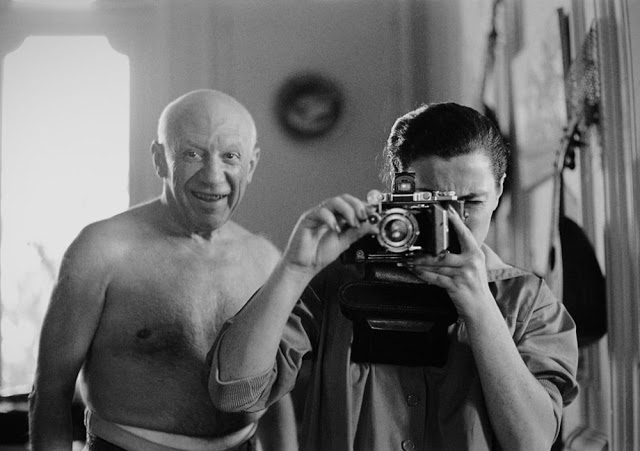
David Douglas Duncan (1916 – 2018) was an American photojournalist who is best known for his dramatic combat photographs. However another really interesting and much more unknown side of him, is the record that he made in 1957 about the intimate life of the great Pablo Picasso in his Villa La Californie in Cannes, France.
The two met in southern France in 1956, and remained friends for the remaining 17 years of Picasso’s life. Duncan was a trusted friend of Pablo Picasso and his family. He has said that his favorite person to photograph was Pablo Picasso, and took thousands of photographs of the artist, inside his studio-homes, and of his then-unknown canvases.
According to KatariMag, the story of why this photographer was interested in meeting Picasso is awesome. Reporting in south of Afghanistan, he unearthed a Greek carnelian engraved with a rooster from the time of Christ, that reminded him of Picasso’s paintings. Once back in Rome, he ordered Bulgari to turn it into a ring, so that someday he could give it to the enigmatic Spaniard.
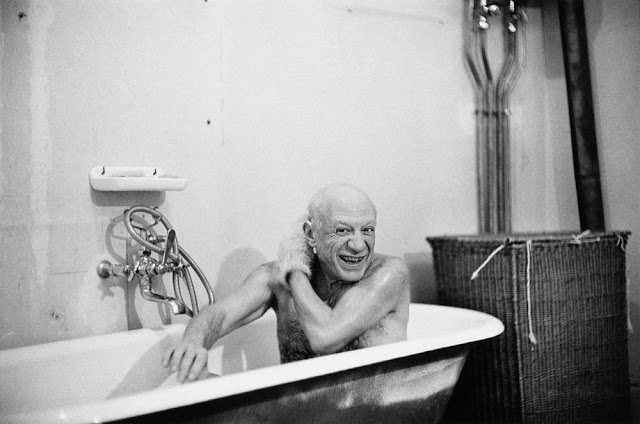
Years later, on his way to Morocco, he passes through Cannes. The only common friend they had was the late photographer Robert Capa, who had recently died in Indochina. Jaqueline answers the phone and invites him to the house. When he arrives at the huge turn-of-century mansion, Jaqueline receives him and leads him to Picasso; the painter was giving himself a bath tub.
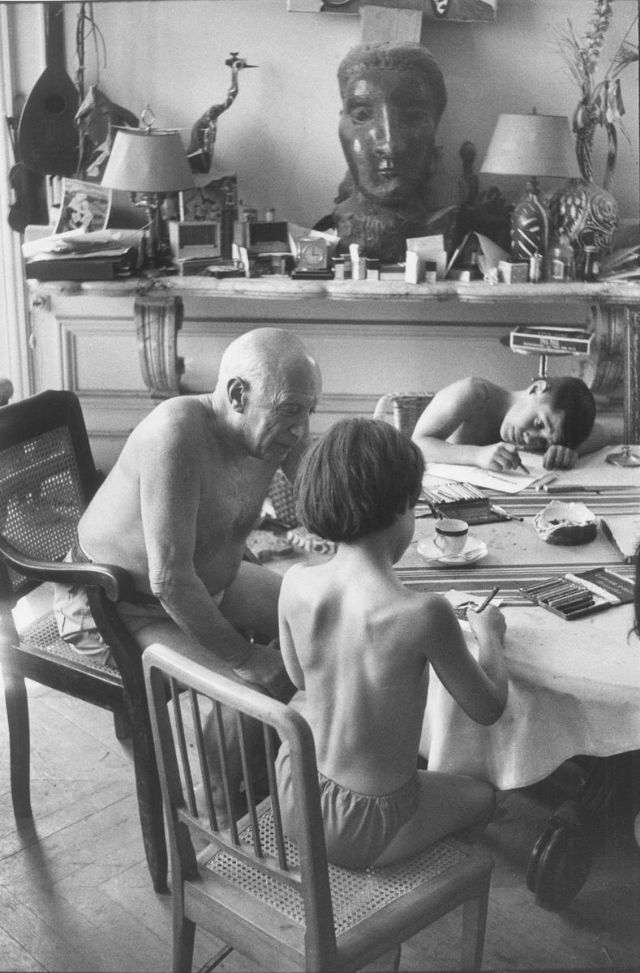
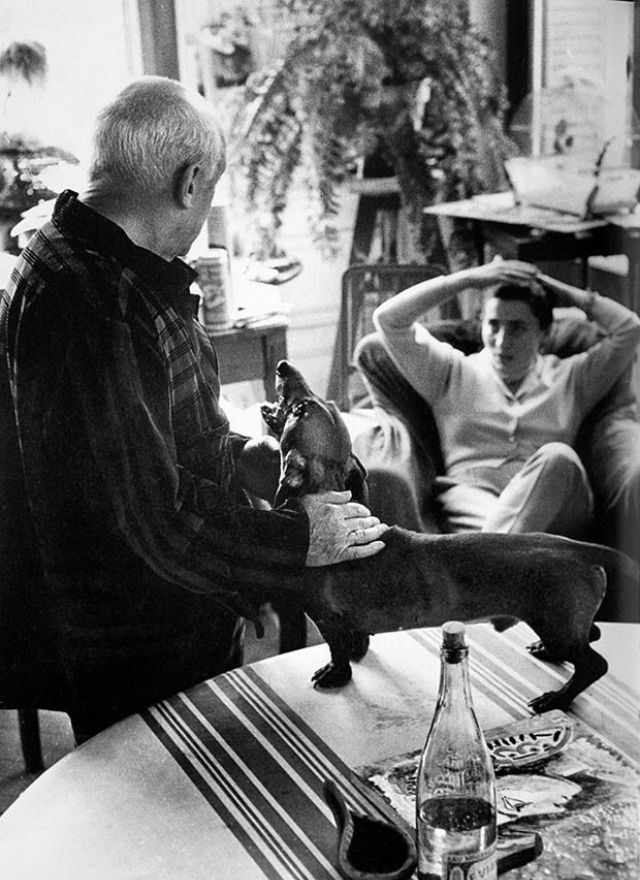
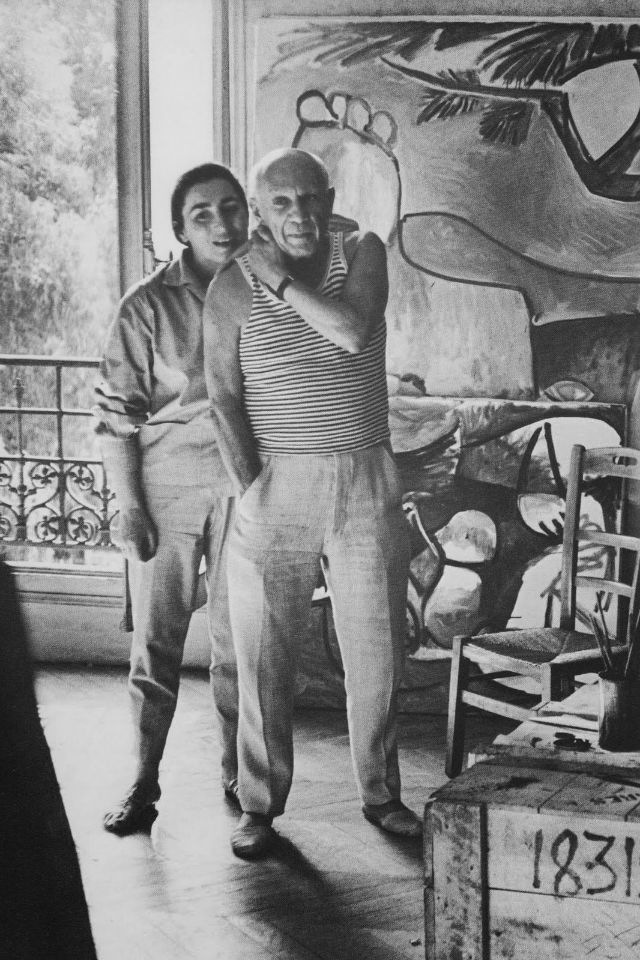
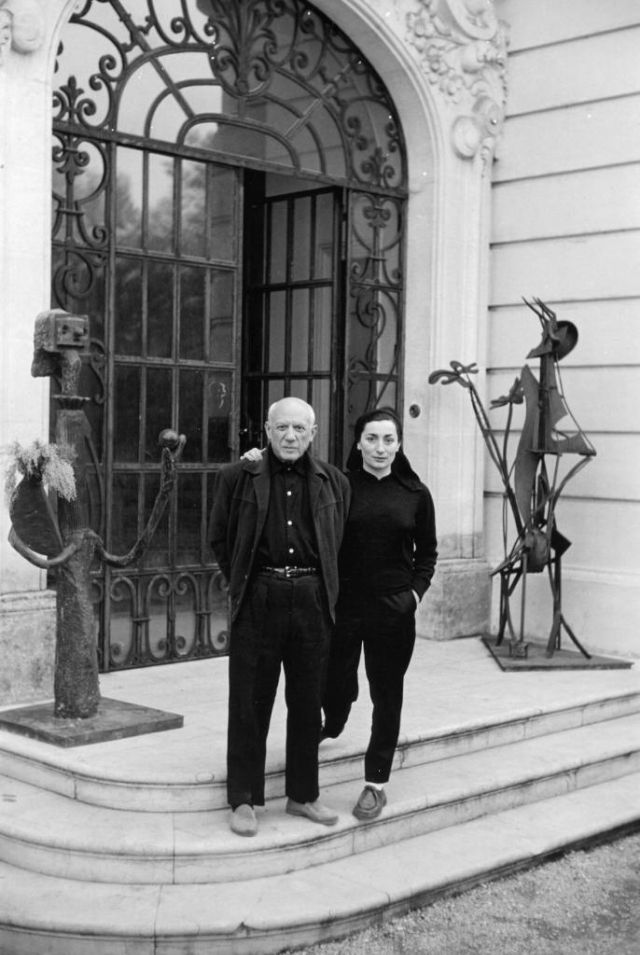
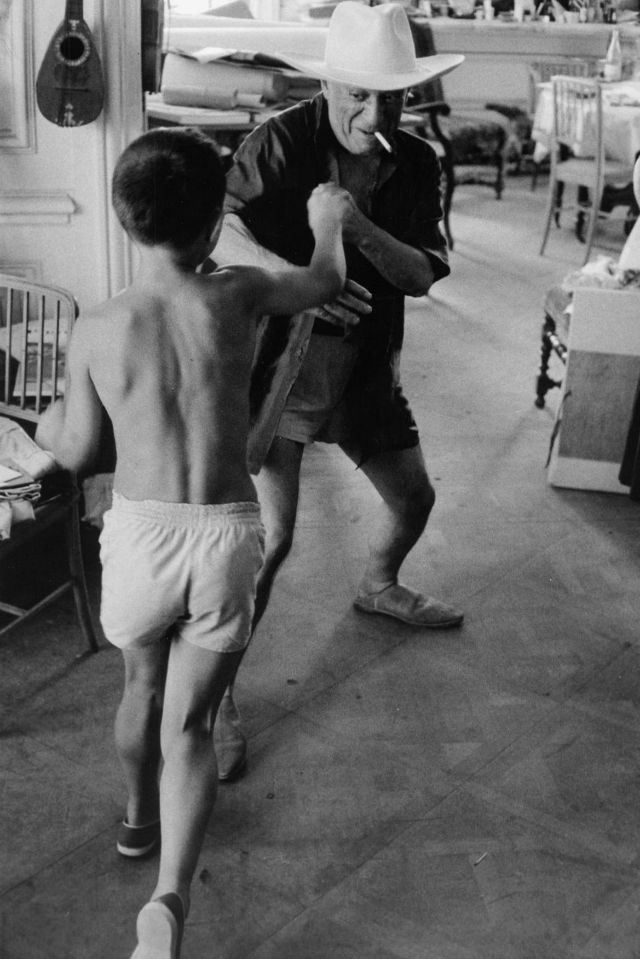
In those years, Picasso age 70, was living with his second wife named Jacqueline Roque; who was forty years younger and who accompanied him until the day he died. Around the house were also Claude and Paloma Picasso, children of the painter with Francoise Gilot, who came from Paris to spend their vacations. Many stories are told about the brilliant Picasso; womanizer, abandoning father, egomaniac, etc. But Duncan assures that during the time he spent in La Californie, there was a peaceful, benevolent and cheerful air.
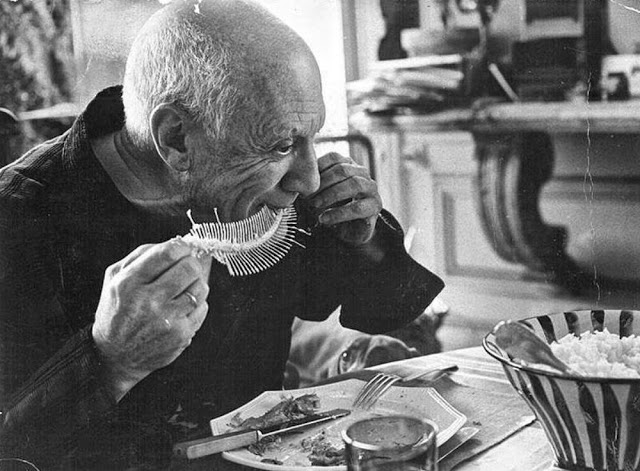
He assures that he was given absolute access to the artist’s intimate life. There was never a “no-answer” to a shooting and nothing was ever set up for a better framing. Everything was spontaneous.
Picasso did not usually leave La Californie. He got up at mid-morning, had coffee with milk, ate toast, and received his mails. After a frugal lunch, he used to start working in complete isolation until late hours at night.
In the room he used as a studio, hundreds of pieces from multiple disciplines such as sculptures, ceramics, paintings and drawings, were scattered. He was one of the most prolific artists in history. At his death, at age 91, he left 45,000 pieces. We can imagine his intense daily work… the artist’s tremendous compulsion to create art.
According to Duncan, the only rule of the house was that nothing could be moved. Every corner of disorder could mean for Picasso a strange composition that only he could see and digest in his head.
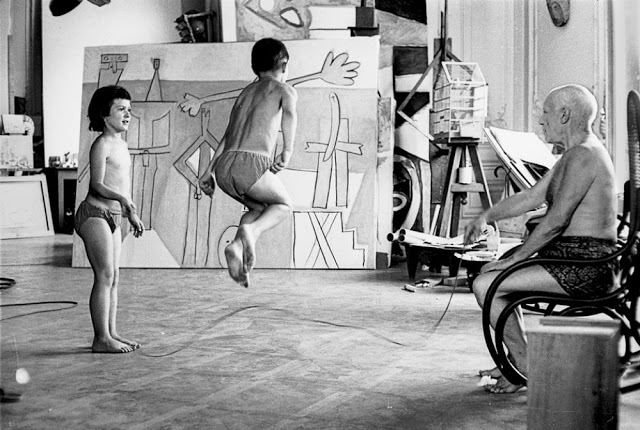
The only ones who could ignore this rule were the children and the animals (among them a goat), who ran and played freely around the house. The love he felt for his goat was so big that, in addition to letting it lie between his bronze sculptures, he would enter it into the house when it rained. On the second floor, in a fenced space full of straw, the goat slept, shielding itself from the weather.
Duncan recounts that Paloma was devoted to painting just like her father. She spent long hours at his side with the same concentration toward her work. At that time, he saw her as the possible heiress of Picasso’s immense talent.
The work of David Douglas Duncan allows us to immerse ourselves in the private world of one of the greatest artists in history. Knowing his daily routines and the space that surrounded him when creating his intriguing works. The photos are a real gem.
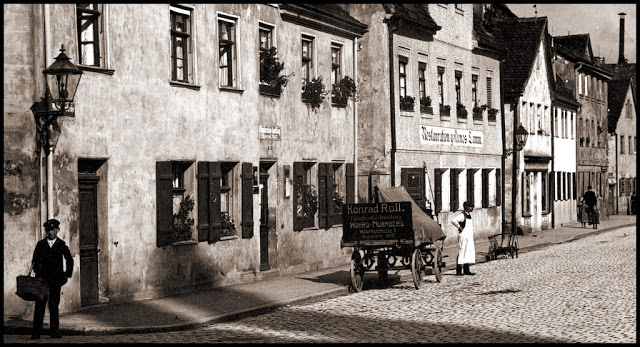
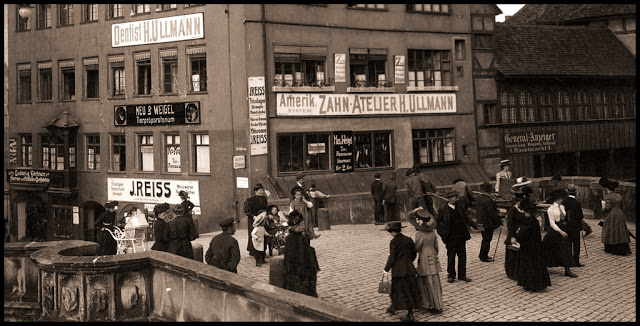
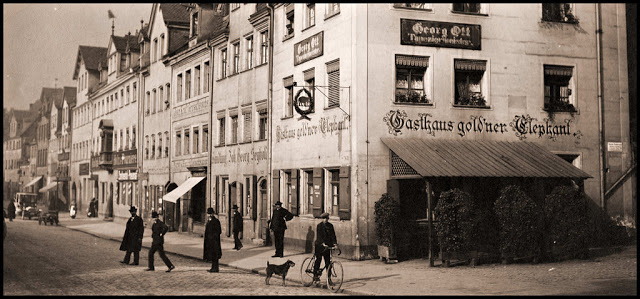
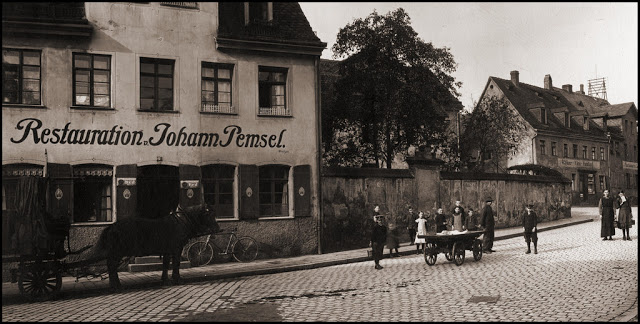
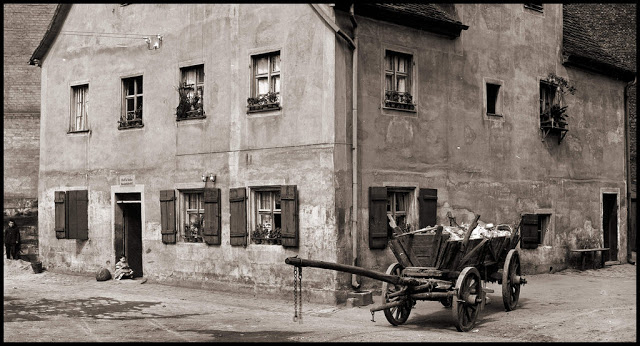
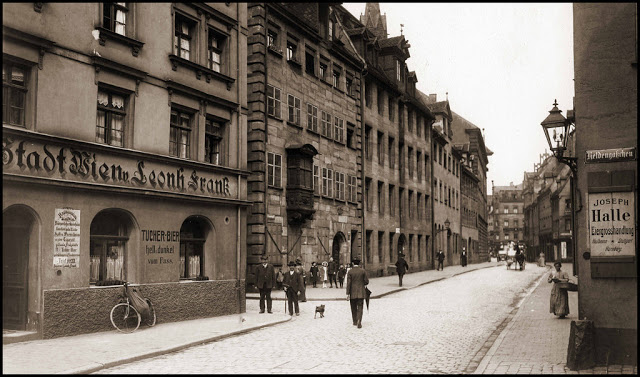
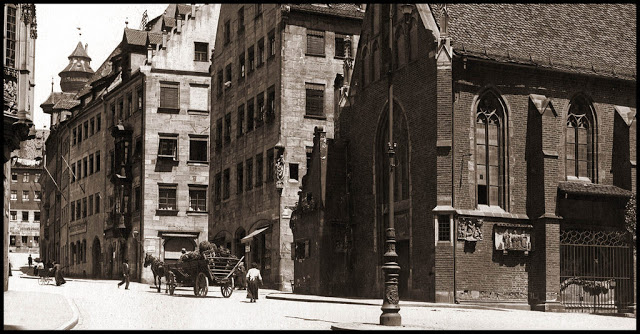
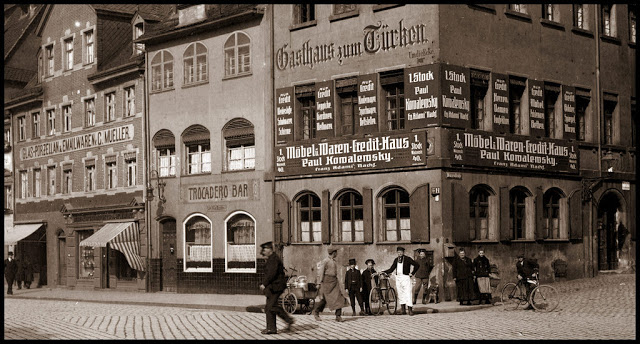
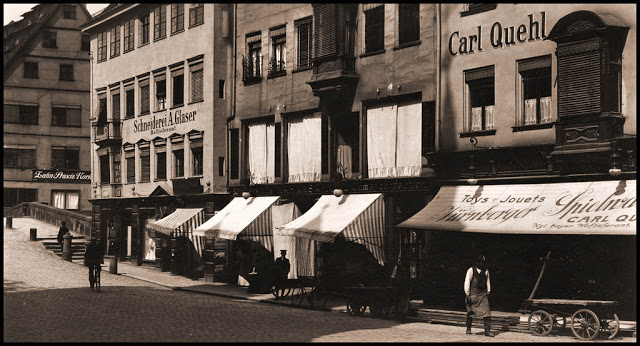
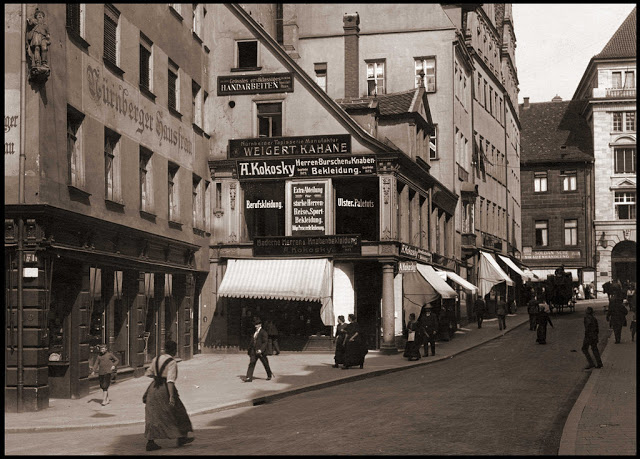
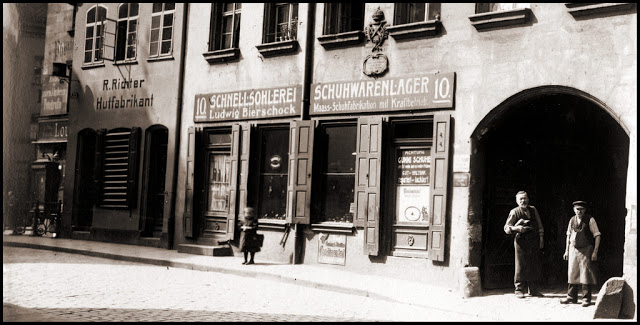
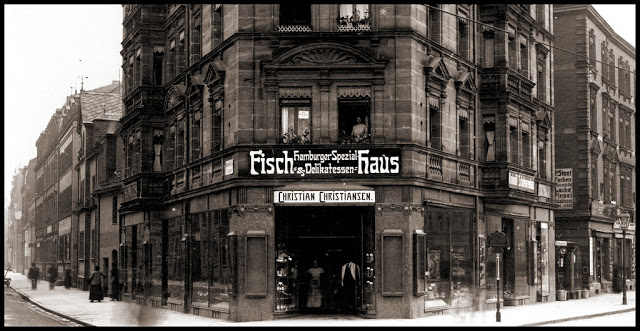
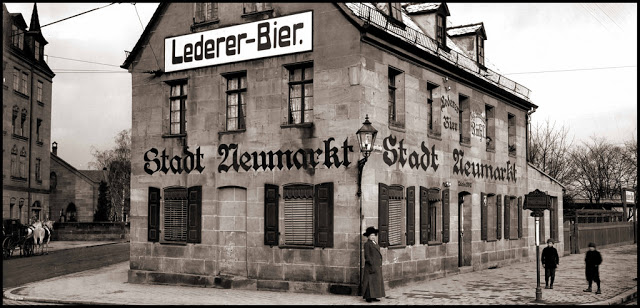
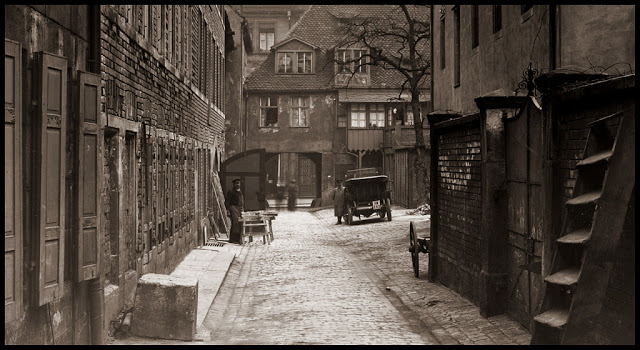
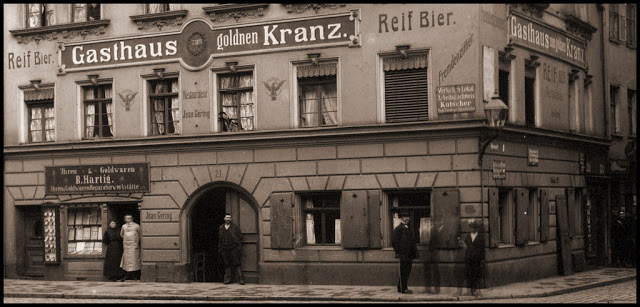
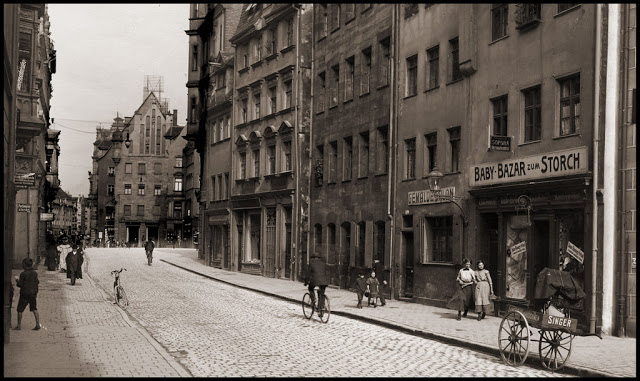
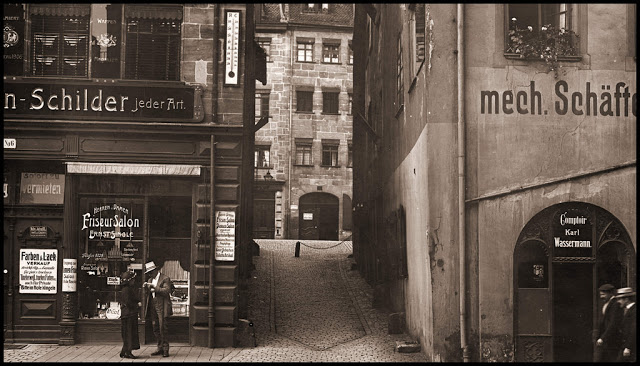
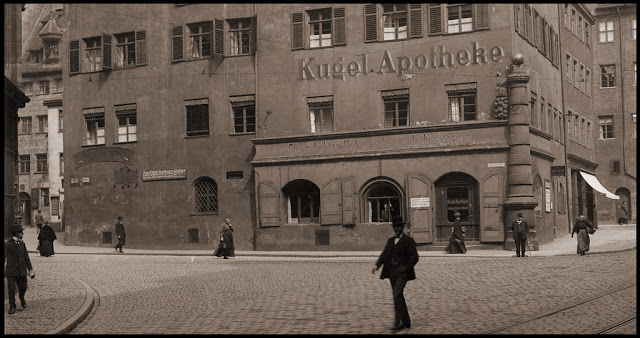
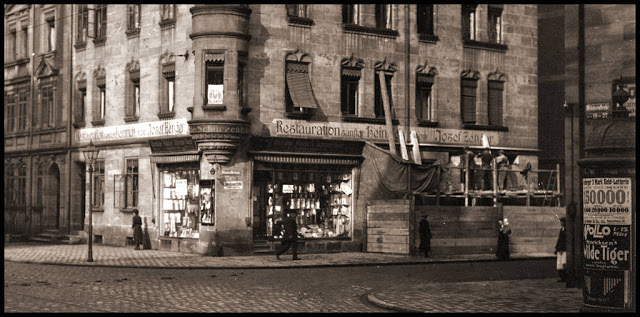
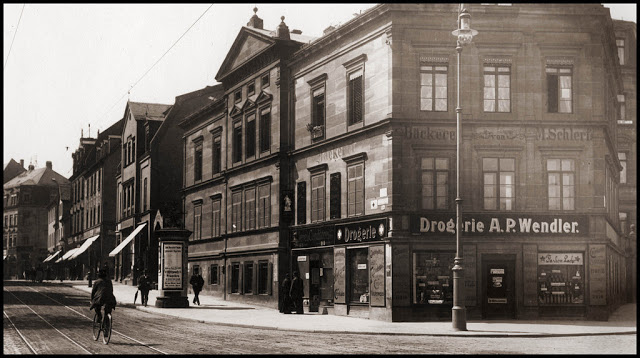
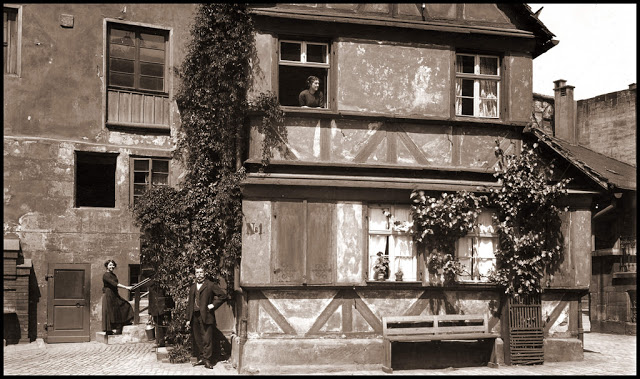
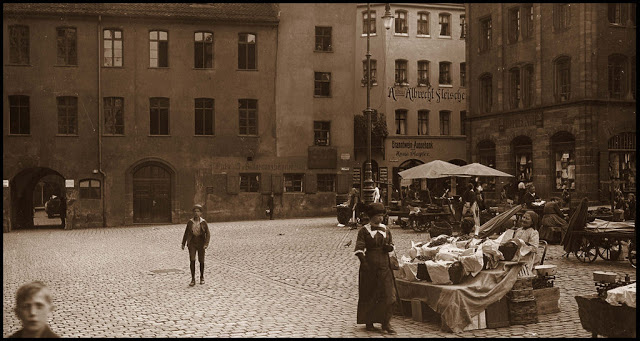
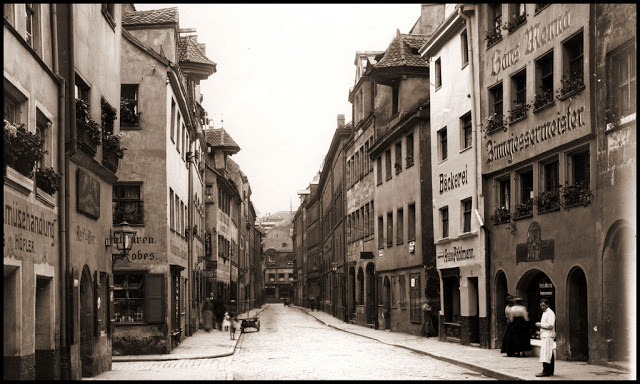
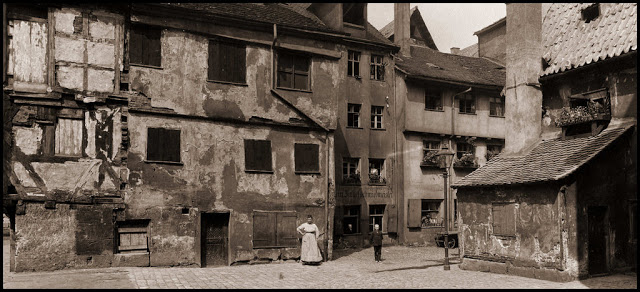
Nuremberg is the second-largest city of the German state of Bavaria after its capital Munich, and its 518,370 (2019) inhabitants make it the 14th-largest city in Germany. On the Pegnitz River (from its confluence with the Rednitz in Fürth onwards: Regnitz, a tributary of the River Main) and the Rhine–Main–Danube Canal, it lies in the Bavarian administrative region of Middle Franconia, and is the largest city and the unofficial capital of Franconia. Nuremberg forms a continuous conurbation with the neighbouring cities of Fürth, Erlangen and Schwabach with a total population of 800,376 (2019), while the larger Nuremberg Metropolitan Region has approximately 3.6 million inhabitants. The city lies about 170 kilometres (110 mi) north of Munich. It is the largest city in the East Franconian dialect area (colloquially: “Franconian”; German: Fränkisch).
There are many institutions of higher education in the city, including the University of Erlangen-Nuremberg (Friedrich-Alexander-Universität Erlangen-Nürnberg). With 39,780 students in 2017, it is Bavaria’s third-largest and Germany’s 11th-largest university, with campuses in Erlangen and Nuremberg and a university hospital in Erlangen (Universitätsklinikum Erlangen). Technische Hochschule Nürnberg Georg Simon Ohm and Hochschule für Musik Nürnberg are also located within the city. The Nuremberg exhibition centre (Messe Nürnberg) is one of the biggest convention center company in Germany and operates worldwide. Nuremberg Airport (Flughafen Nürnberg “Albrecht Dürer”) is the second-busiest airport in Bavaria after Munich Airport, and the tenth-busiest airport of the country.
Nuremberg Castle, with its many towers thrones above the city, is one of Europe’s largest castles. Staatstheater Nürnberg is one of the five Bavarian state theatres, showing operas, operettas, musicals, and ballets (main venue: Nuremberg Opera House), plays (main venue: Schauspielhaus Nürnberg), as well as concerts (main venue: Meistersingerhalle). Its orchestra, the Staatsphilharmonie Nürnberg, is Bavaria’s second-largest opera orchestra after the Bavarian State Opera’s Bavarian State Orchestra in Munich. Nuremberg is the birthplace of Albrecht Dürer and Johann Pachelbel. 1. FC Nürnberg is the most famous football club of the city and one of the most successful football clubs in Germany. Nuremberg was one of the host cities of the 2006 FIFA World Cup. (Wikipedia)
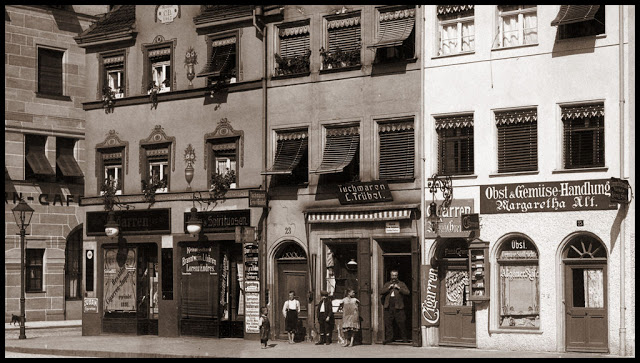
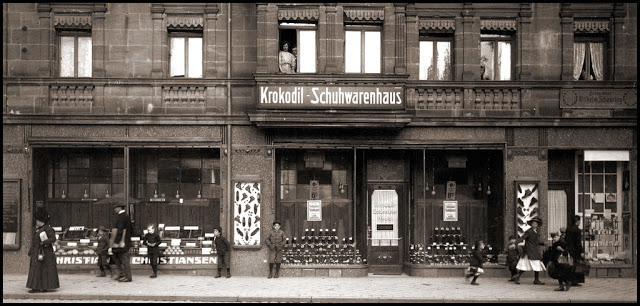
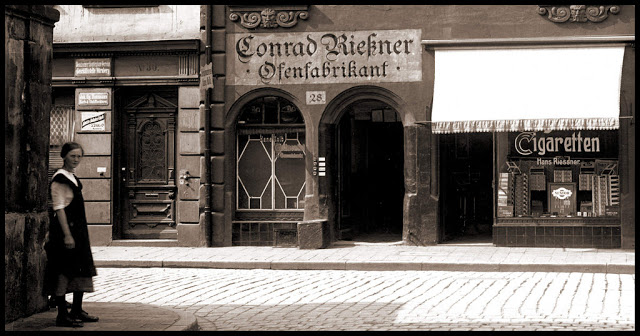
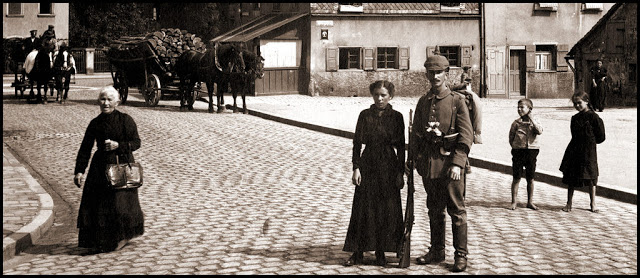
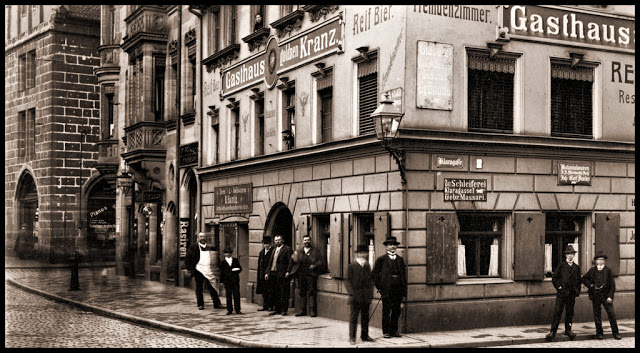
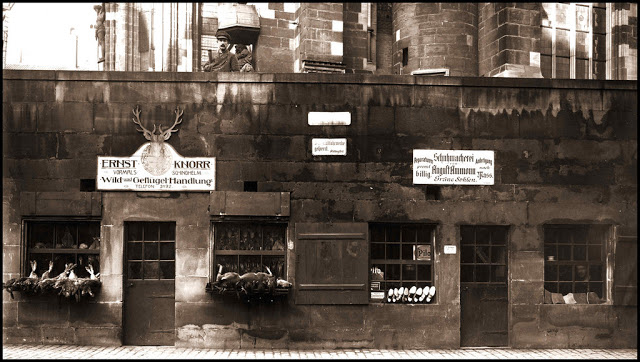
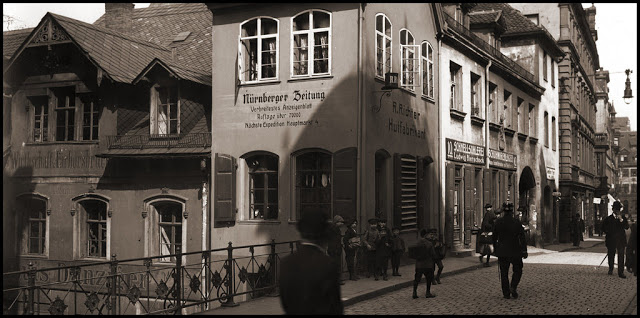
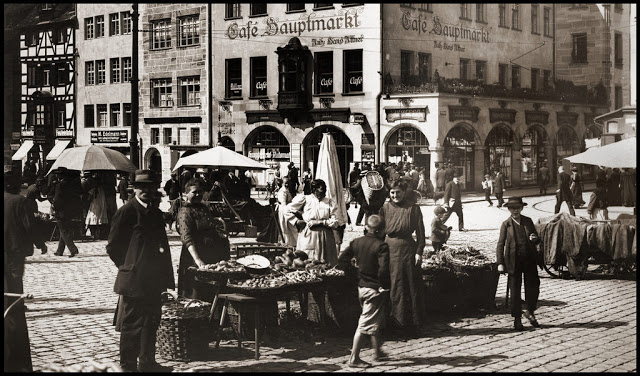
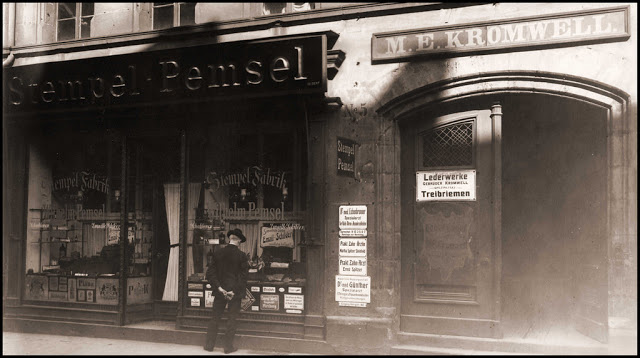
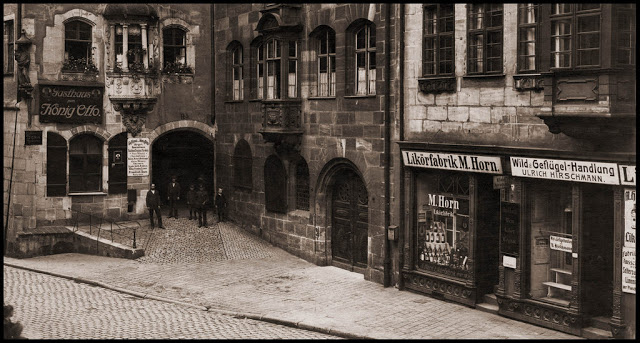
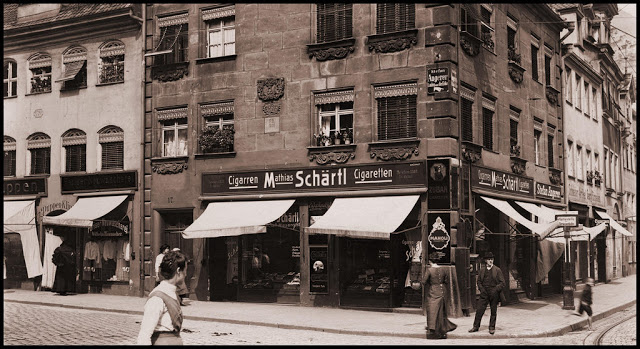
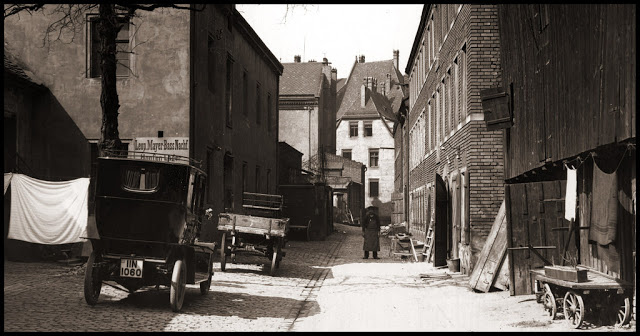
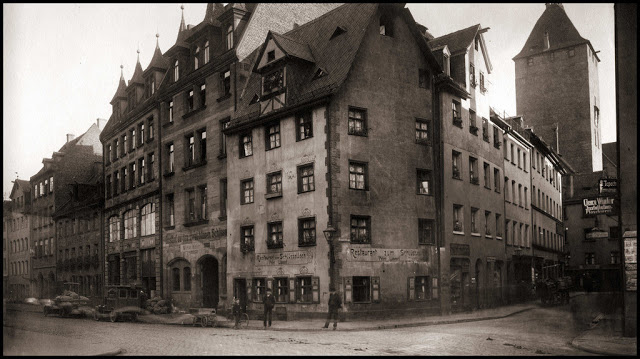
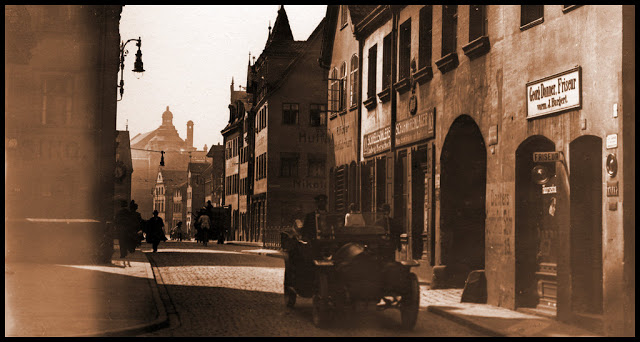
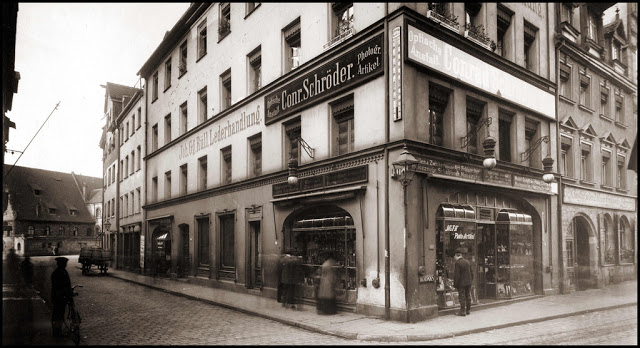
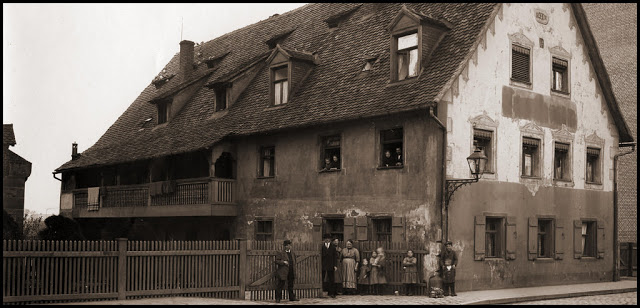
Here below is an impressive photo collection that captured this city during the 1910s.
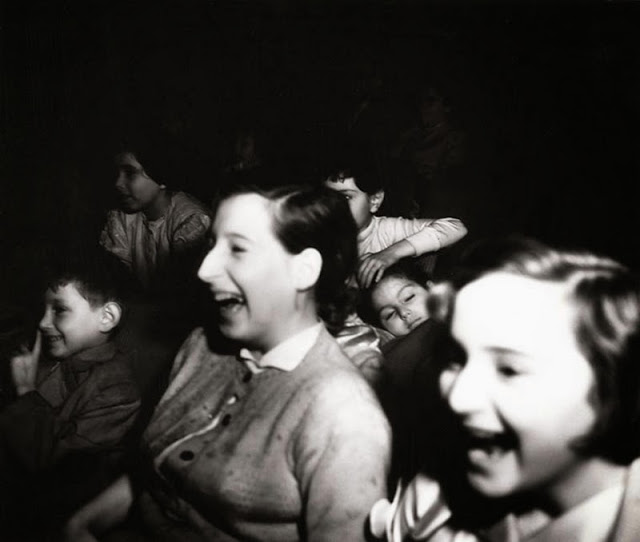
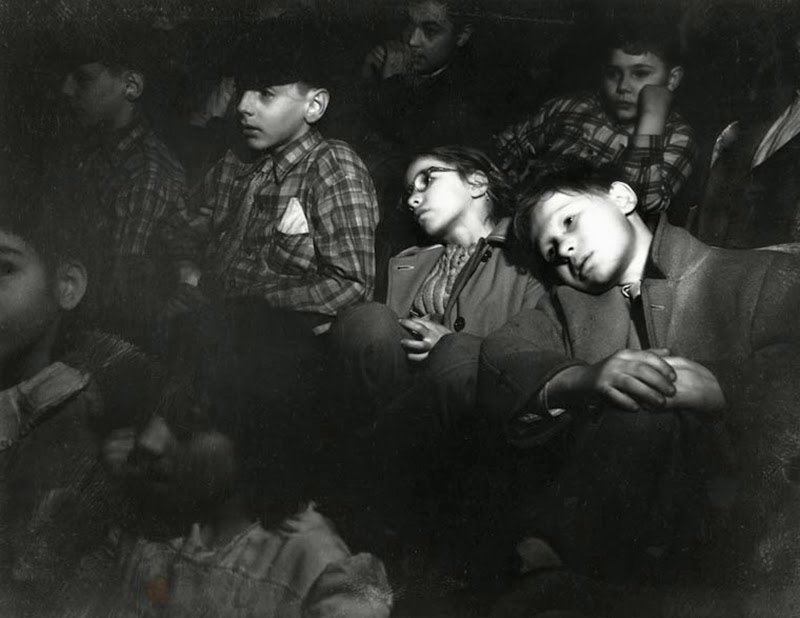
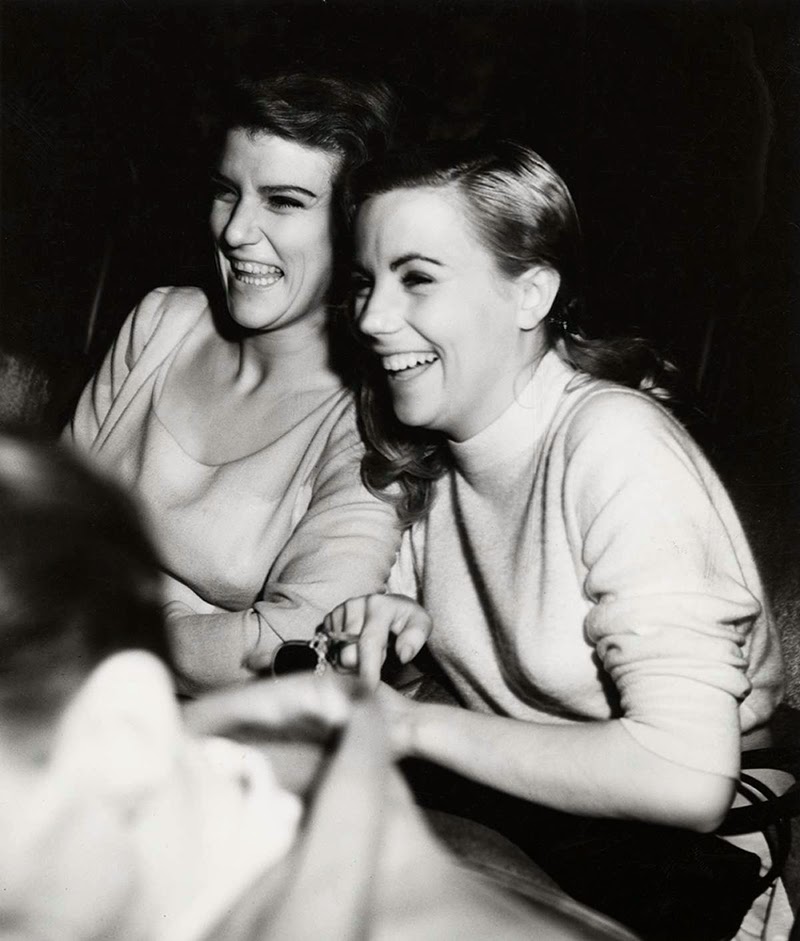
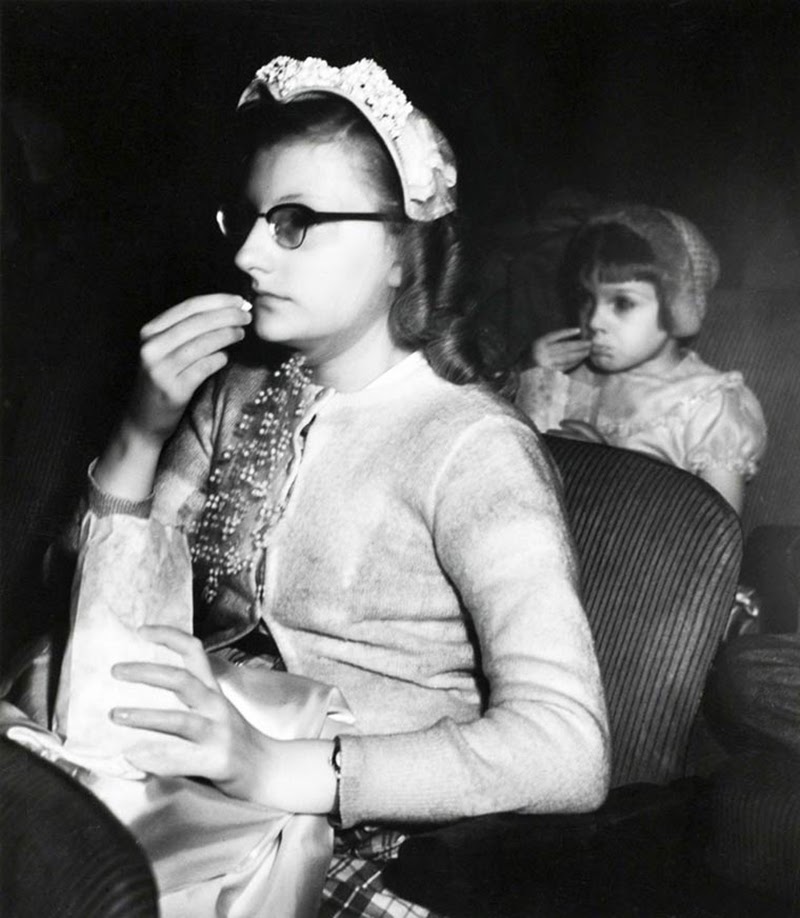
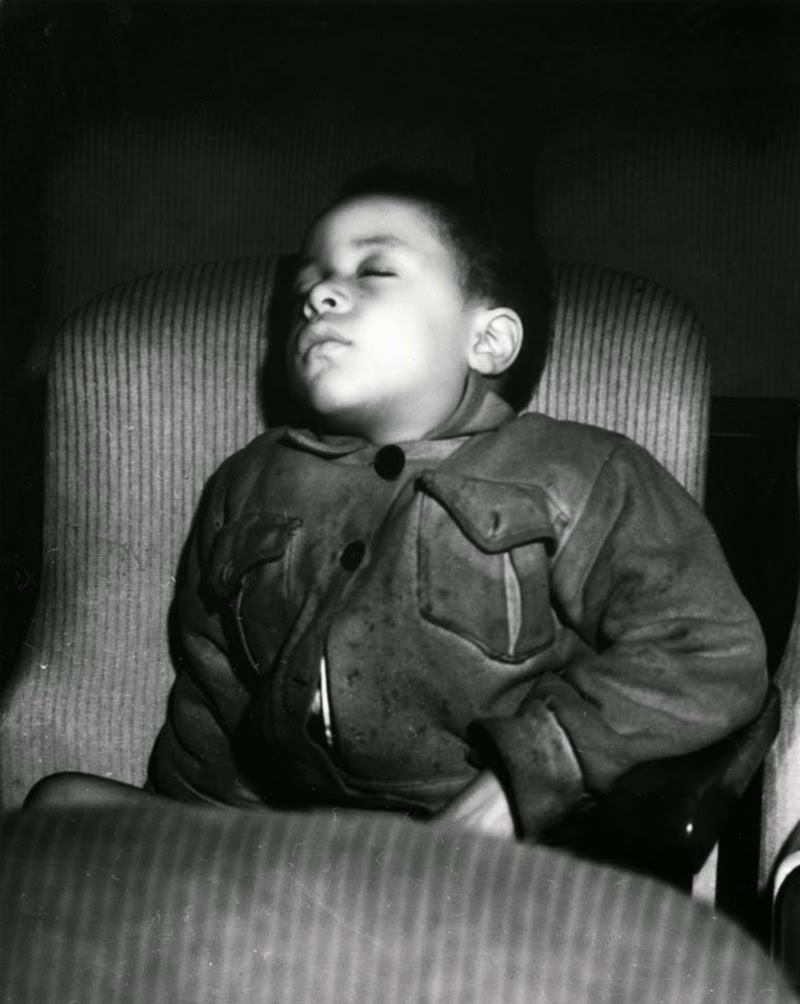
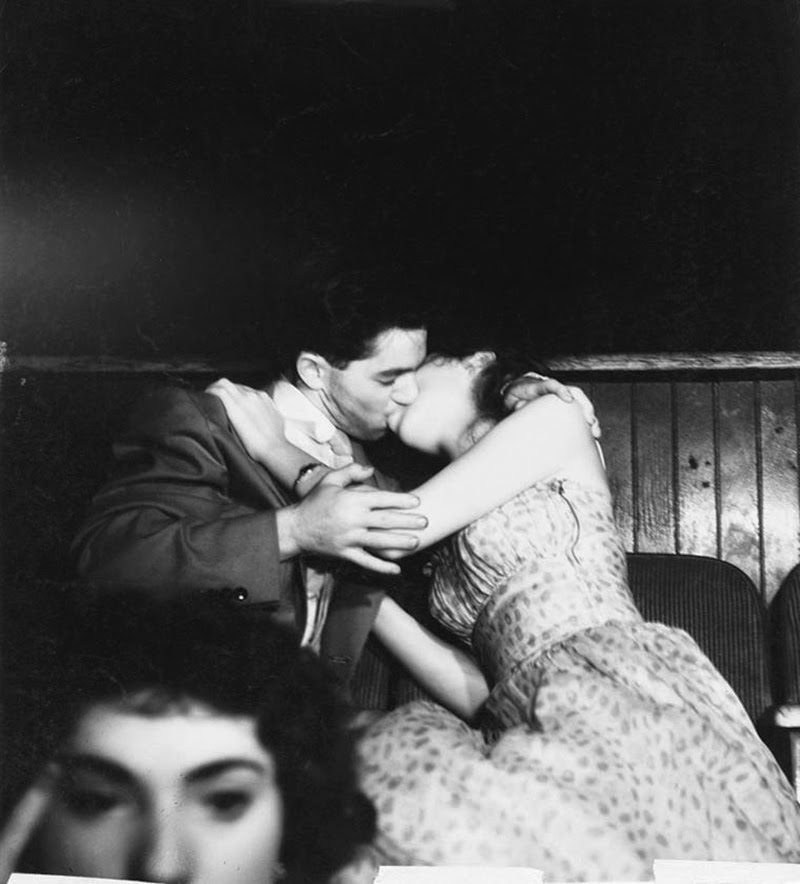
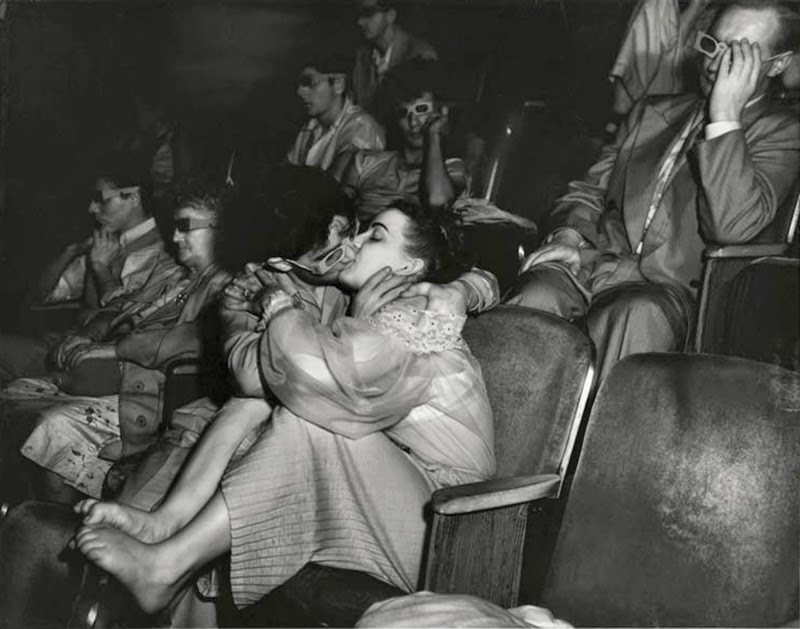
Weegee is best known for his images of urban crime, death, and nightlife but these photographs are part of a series Weegee made in New York City theaters in the mid-1940s with infrared film. From bemused children to entwined couples, lonely sleepers to exhilarated teenage girls, this gallery of portraits constitutes a powerful, unique, and moving tribute to cinema lovers. The passion conveyed in these images—their lyricism, magic, and poetry—remind us of the quintessential role played by the arts, and specifically still and moving images, in our society.
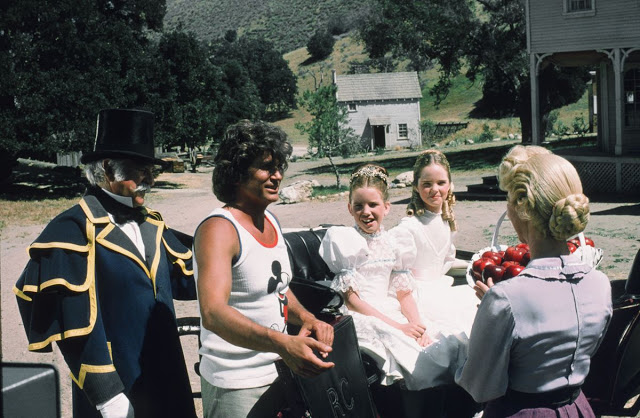
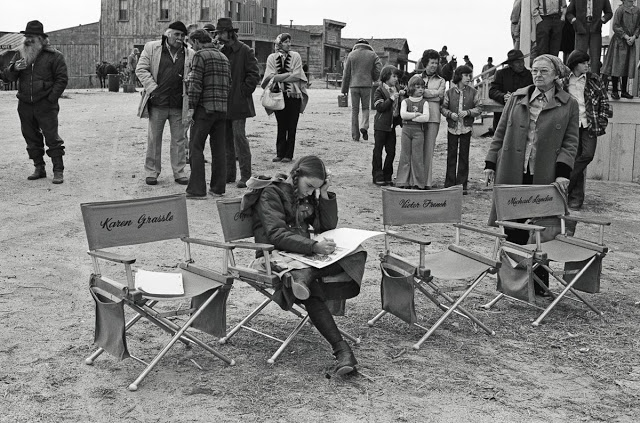
Little House on the Prairie (later known as Little House: A New Beginning in its sequel season) is an American Western historical drama television series, starring Michael Landon, Melissa Gilbert, Karen Grassle, and Melissa Sue Anderson, about a family living on a farm in Plum Creek near Walnut Grove, Minnesota, in the 1870s, 1880s, and 1890s. The show is an adaptation of Laura Ingalls Wilder’s best-selling series of Little House books. In 1972, with the encouragement of his wife and daughter, television producer and former NBC executive Ed Friendly acquired the film and television rights to Wilder’s novels from Roger Lea MacBride and engaged Blanche Hanalis to write the teleplay for a two-hour motion picture pilot. Friendly then asked Michael Landon to direct the pilot; Landon agreed on the condition that he could also play Charles Ingalls.
The regular series was preceded by a two-hour pilot movie, which first aired on March 30, 1974. The pilot was based on Laura Ingalls Wilder’s third Little House book in the series, Little House on the Prairie. The series premiered on the NBC network on September 11, 1974, and last aired on May 10, 1982. During the 1982–83 television season, with the departure of Landon and Grassle, a sequel series was broadcast with the new title Little House: A New Beginning, generally considered Season Nine for syndicated packages. (Wikipedia)
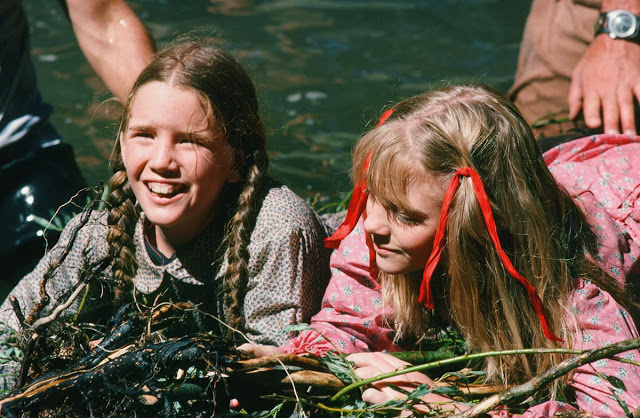
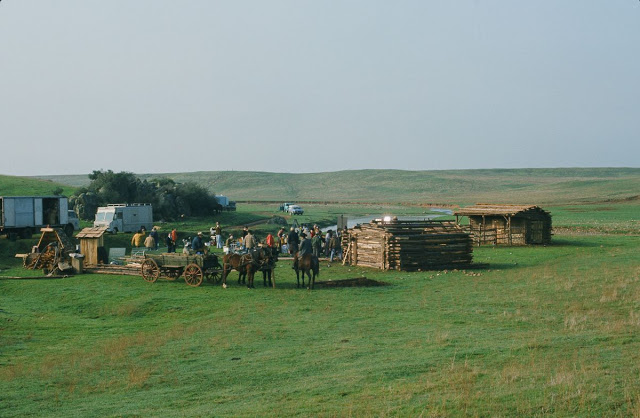
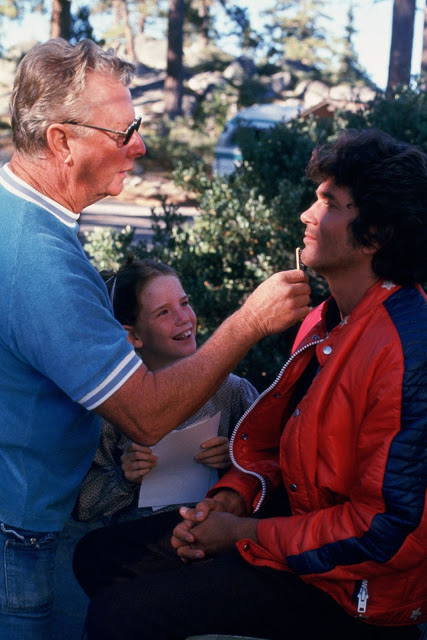
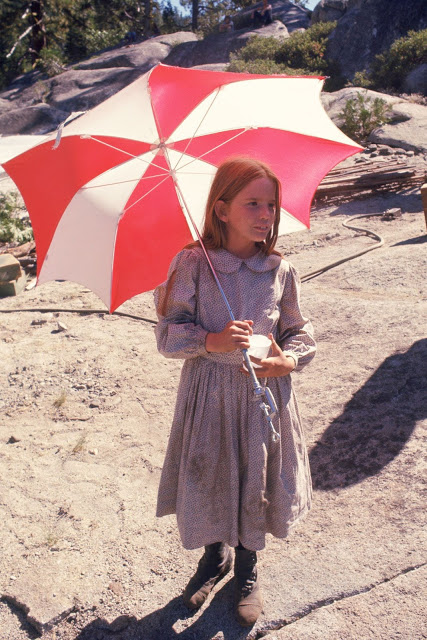
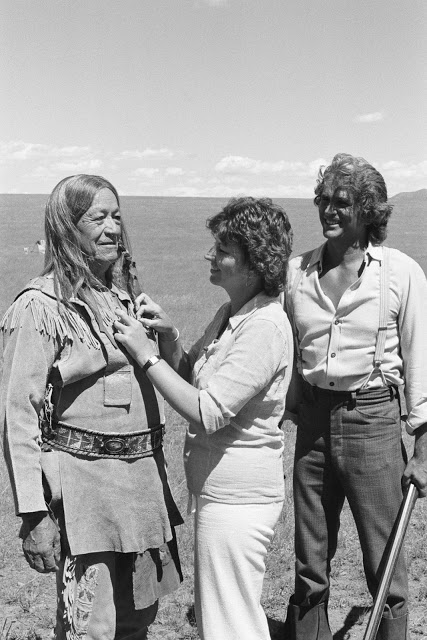
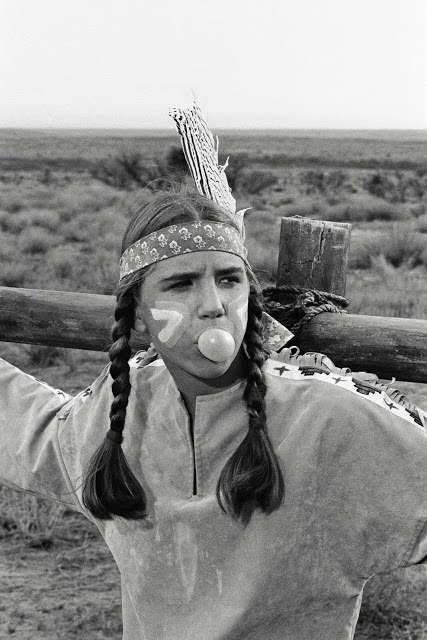
Melissa Gilbert (as Laura Elizabeth Ingalls Wilder) and Alison Arngrim (as Nellie Oleson) film a scene in a river for episode 9.Actor/director Michael Landon on set with actors Melissa Gilbert, Melissa Sue Anderson and Charlotte Stewart.Chief Geronimo Kuth Le (right) on set as Long Elk.Michael Landon stunt double Hal Burton performs a stunt with a horse.A set for the pilot episode.Victor French as Isaiah Edwards and Mitch Vogel as Johnny Johnson film a scene.A blizzard scene is filmed on a soundstage.Victor French and Michael Landon ride a golf cart to the cast Christmas party.Melissa Gilbert passes the time on set.Stylist Larry Germain adjusts Melissa Gilbert’s hair.Michael Landon receives a touchup.Melissa Gilbert stays in the shade between takes.Chief Geronimo Kuth Le has his costume adjusted by designer Richalene Kelsay.Michael Landon stunt double Hal Burton.Michael Landon on set as director.Michael Landon directs an episode in partial costume.Michael Landon directs an episode while in costume as Charles Philip Ingalls.Melissa Gilbert, in costume as Laura Elizabeth Ingalls, chews gum in between takes.Matthew Labyorteaux and Melissa Gilbert rehearse a scene.
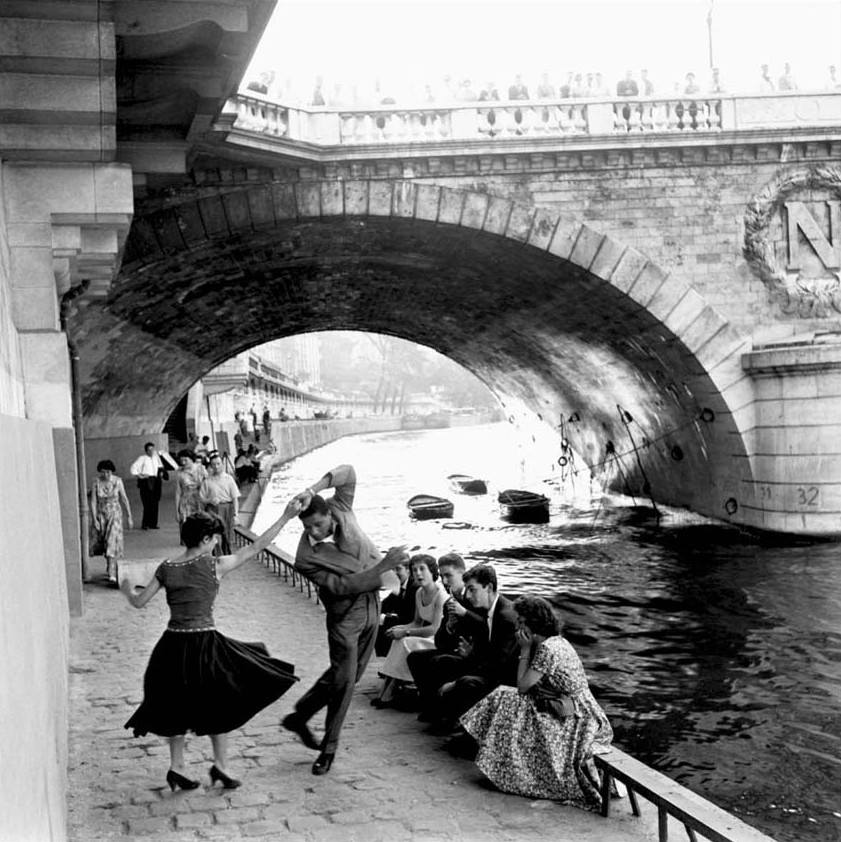
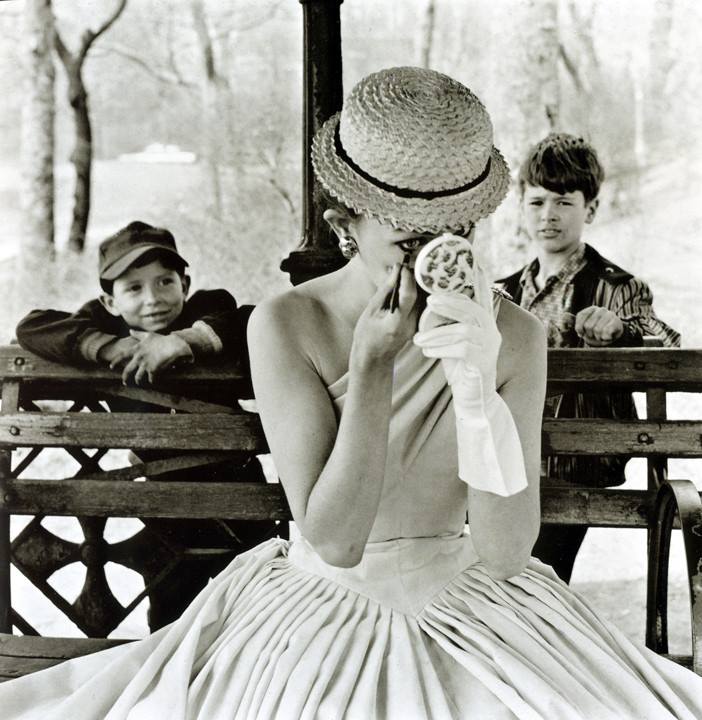
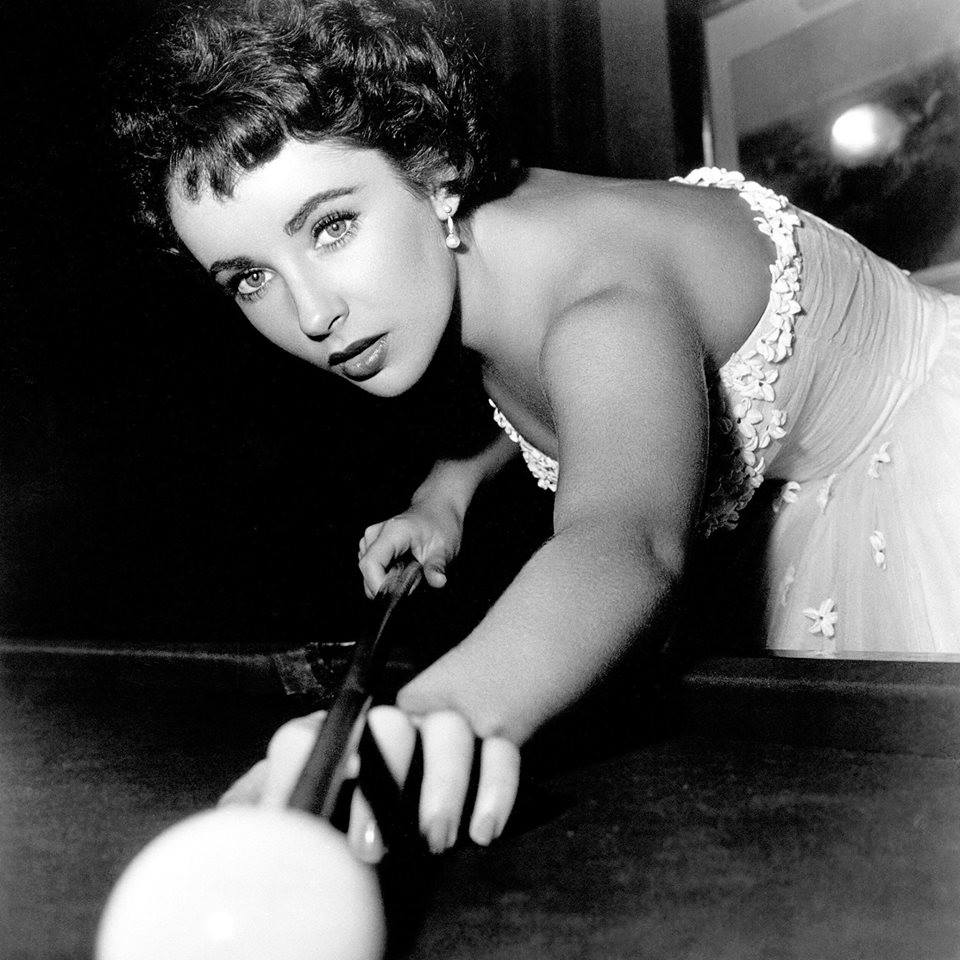
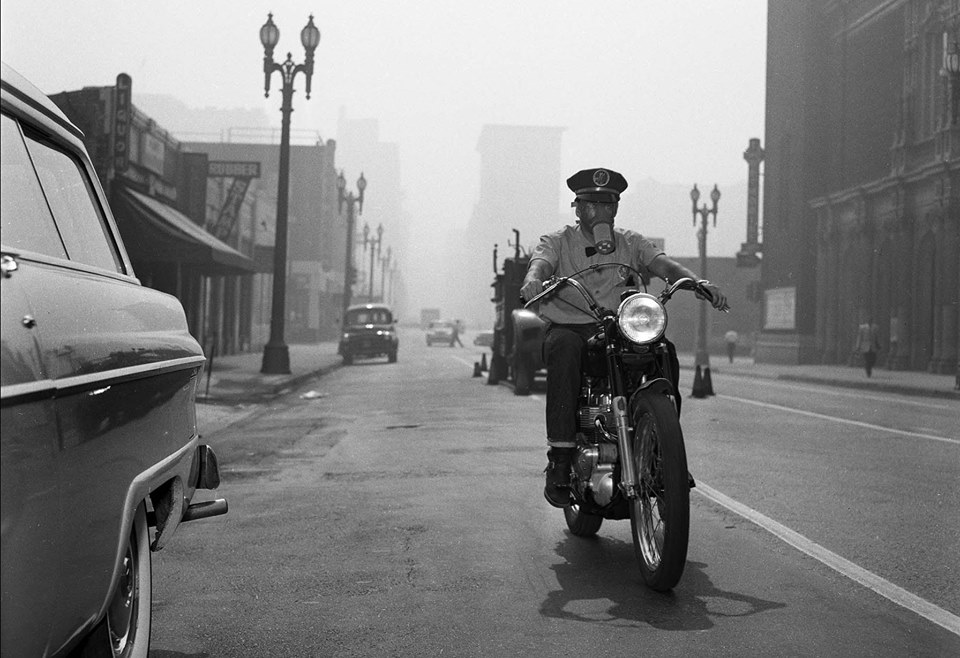
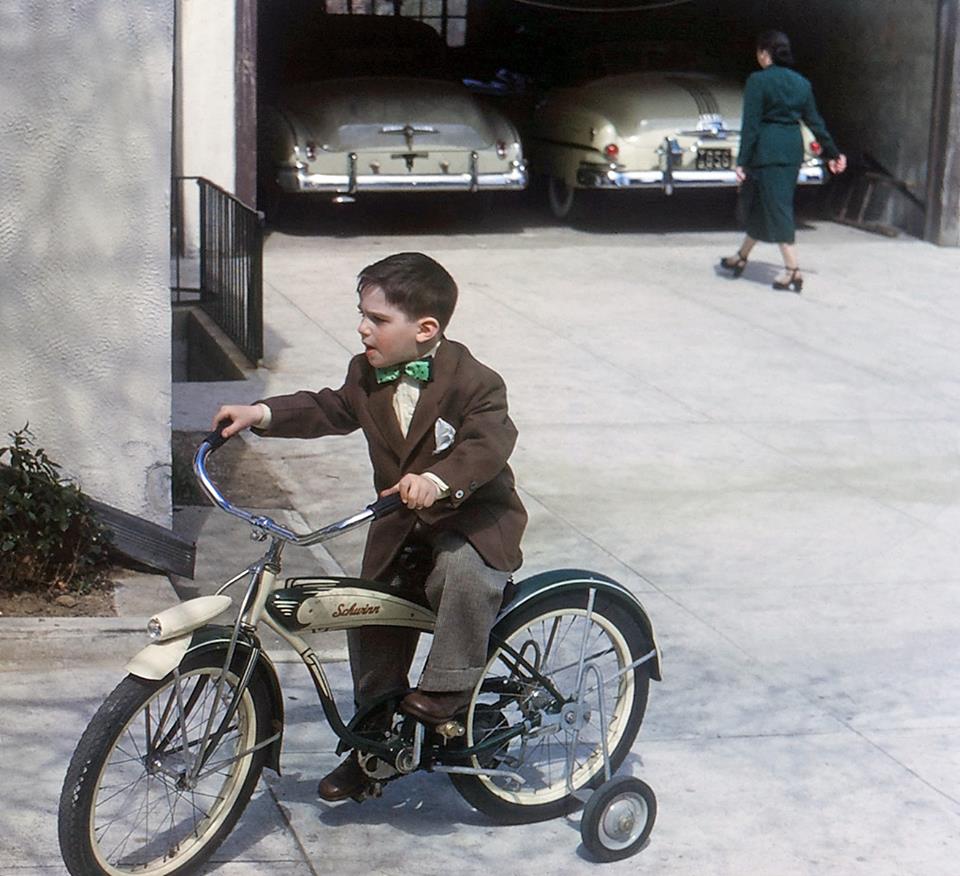
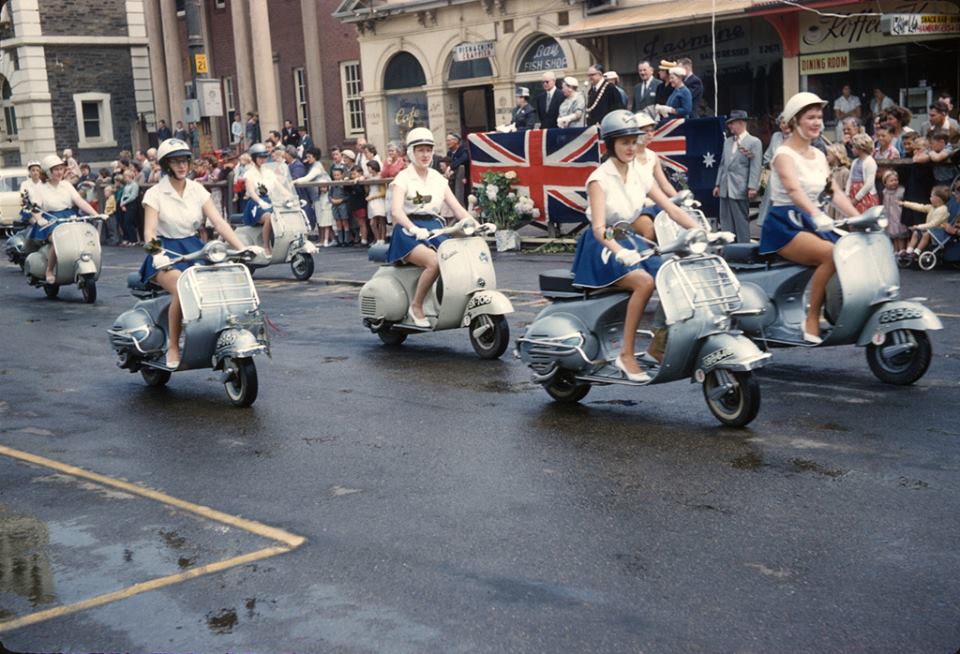
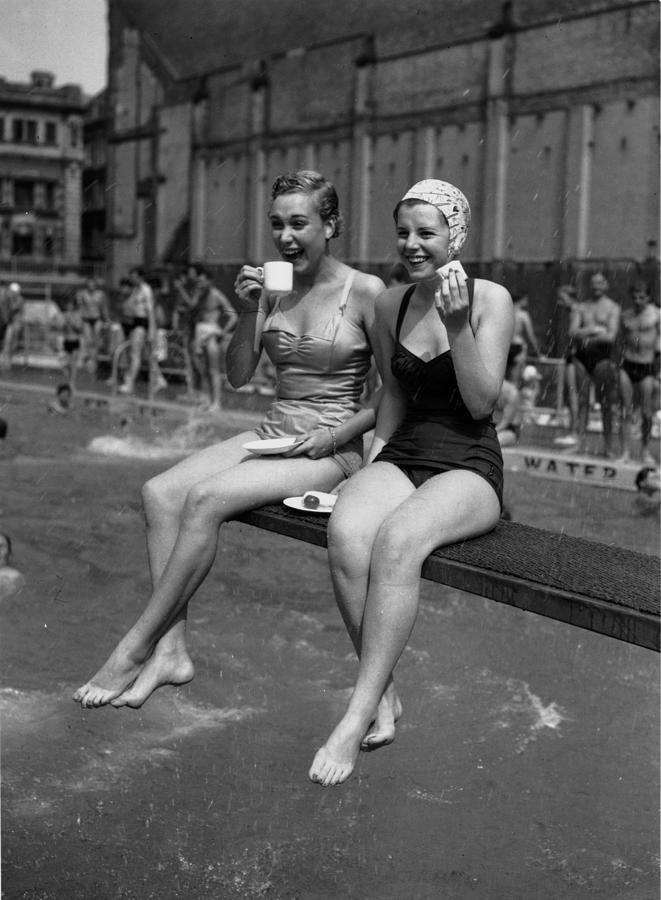
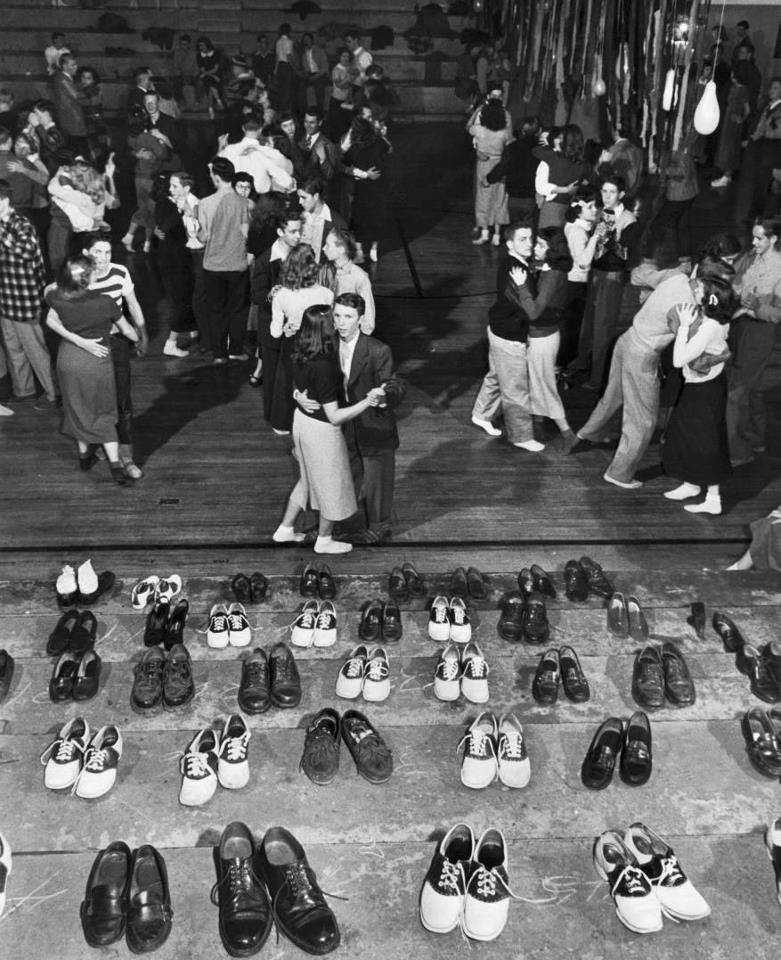
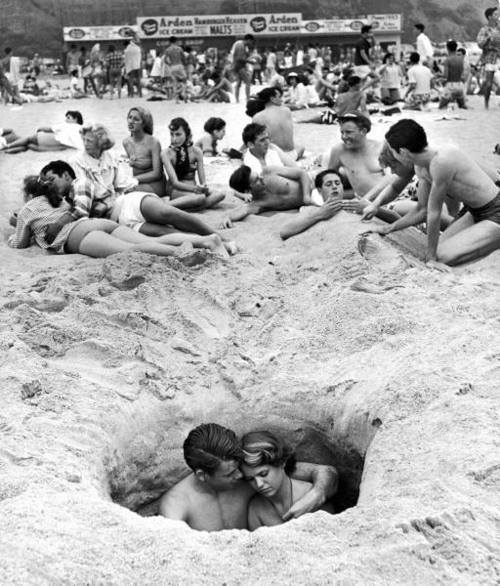
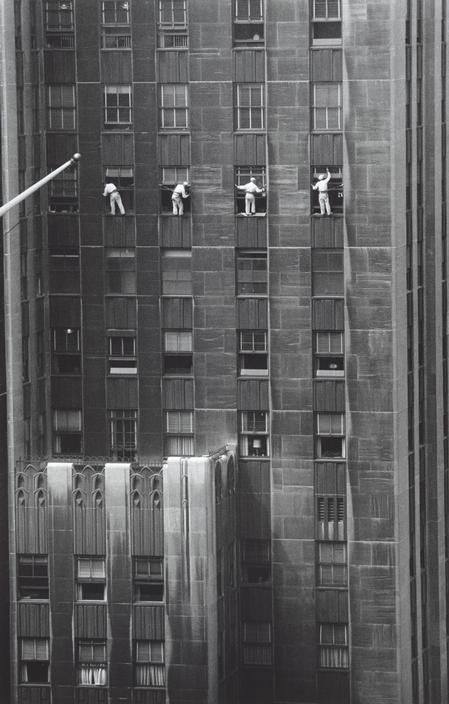
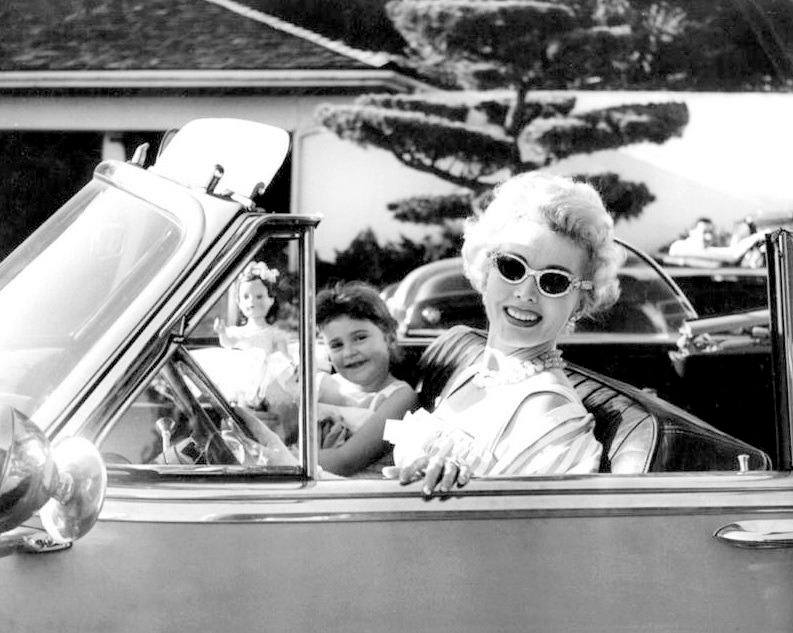
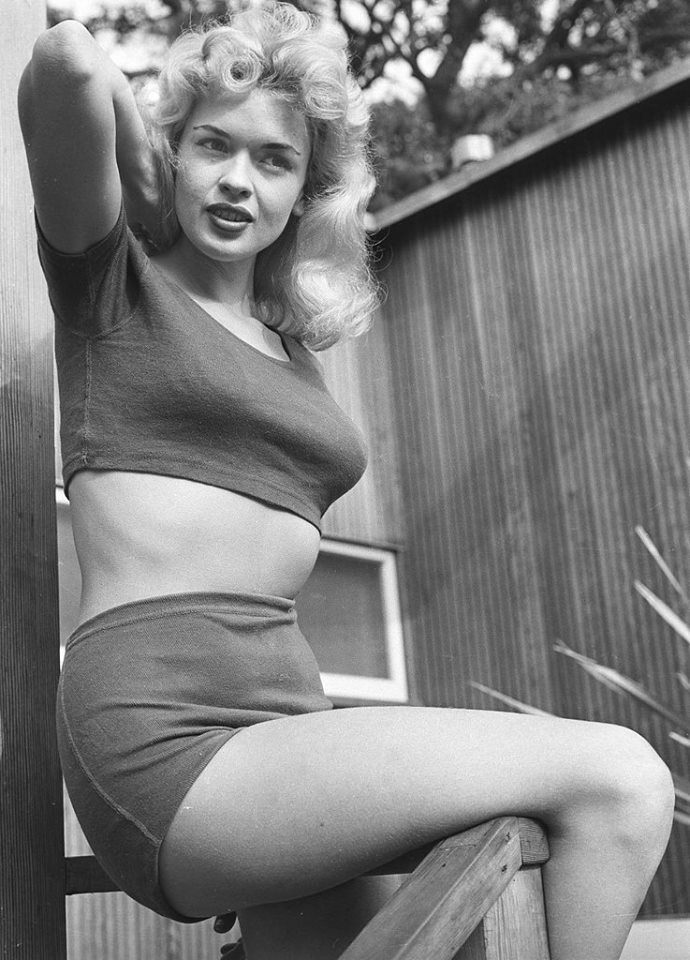
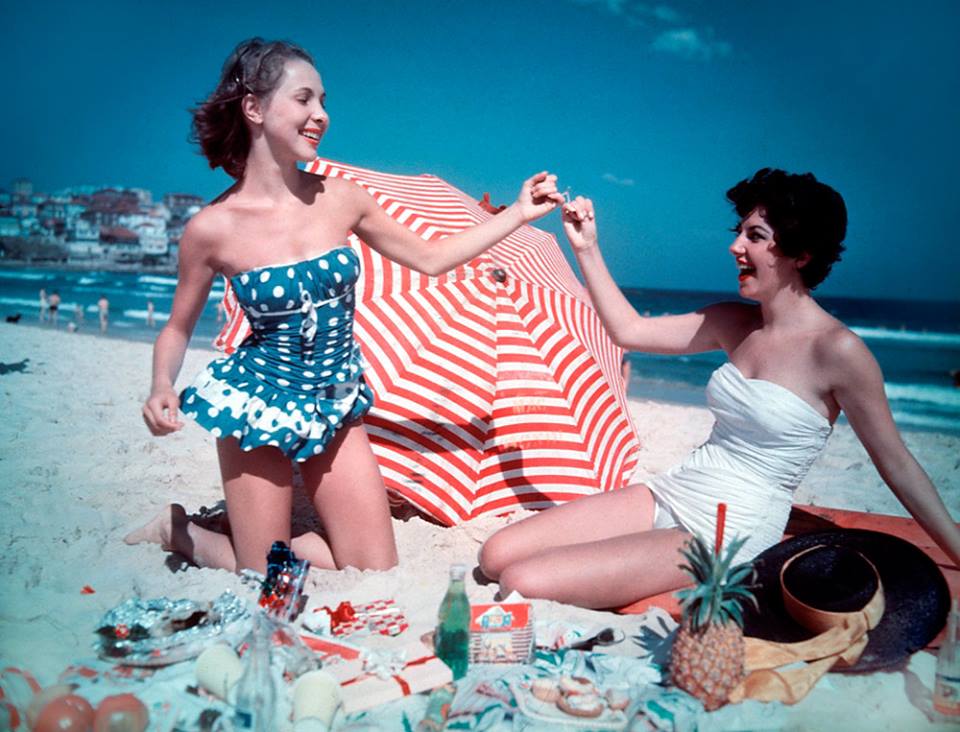
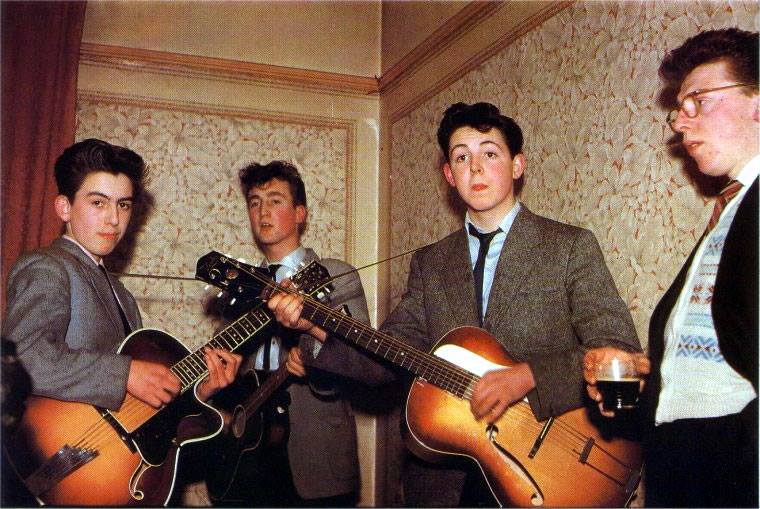
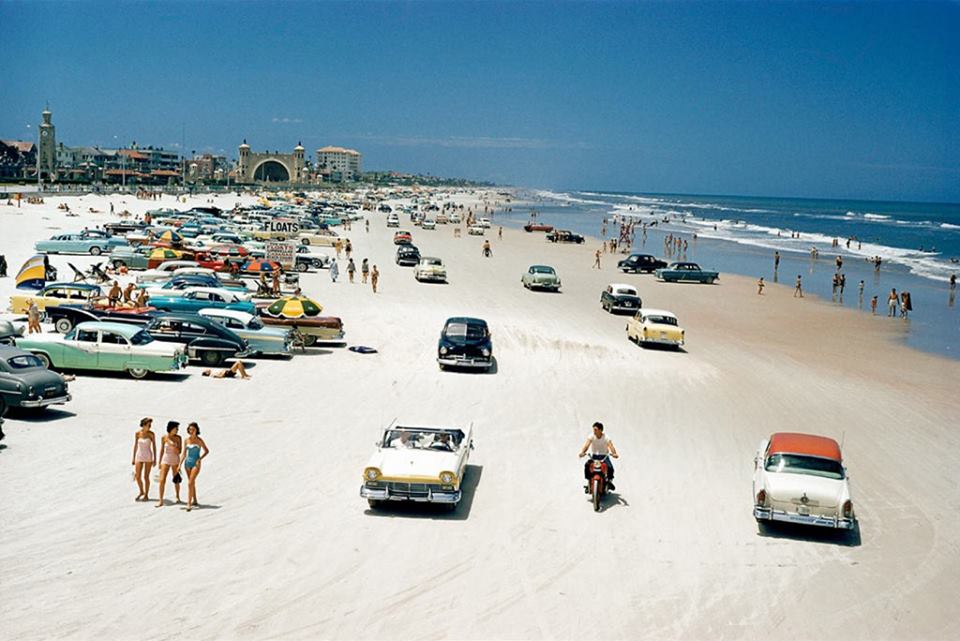
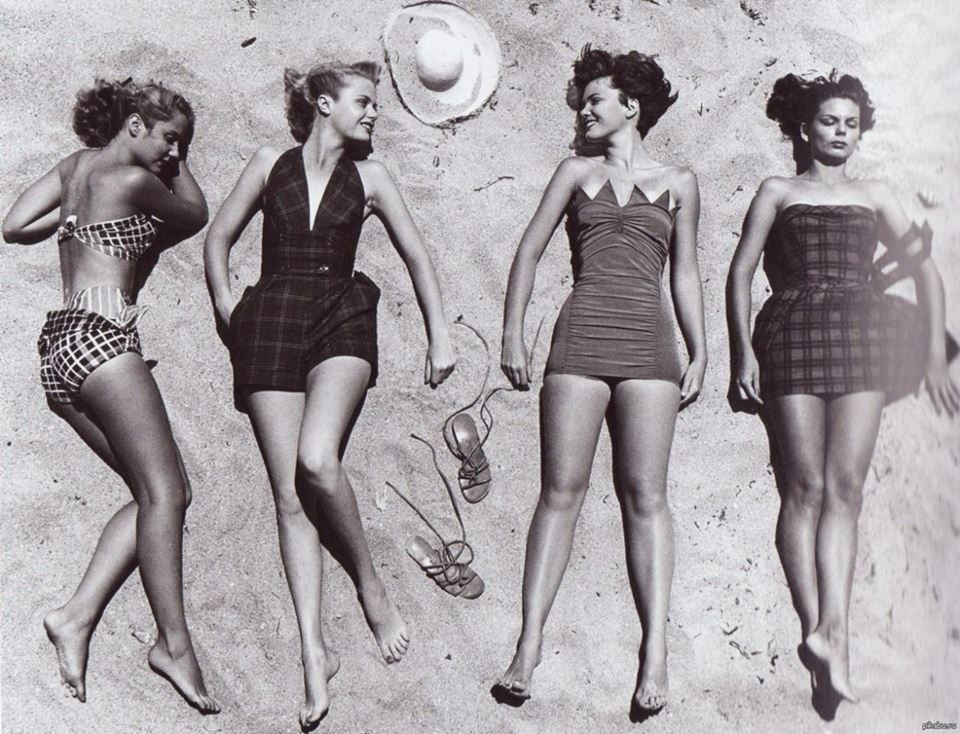
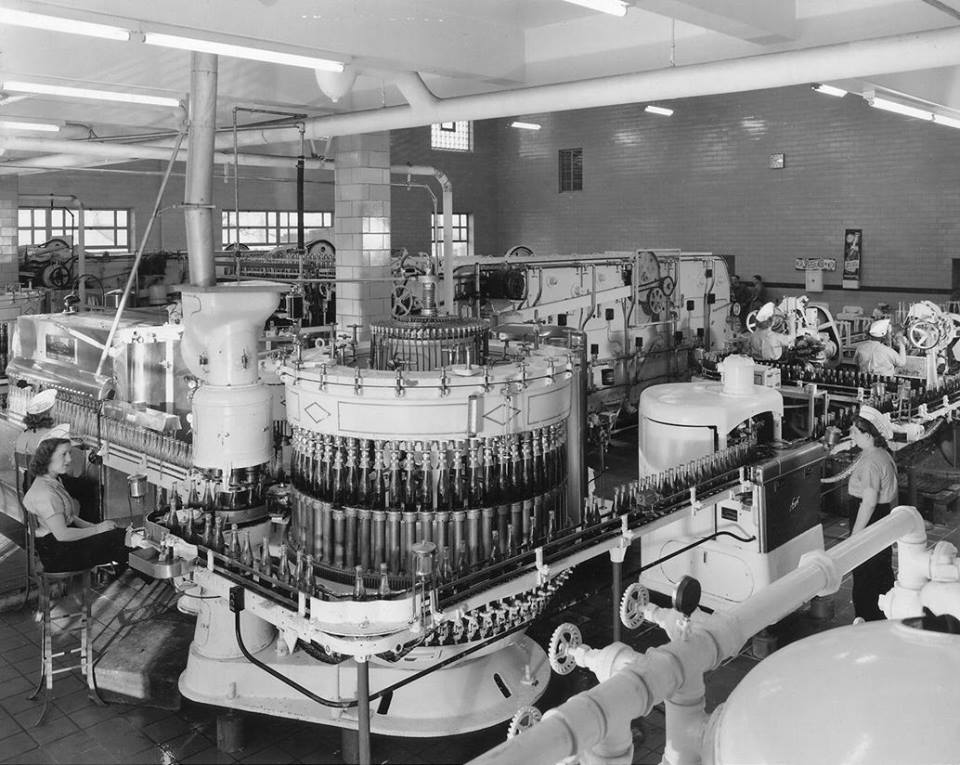
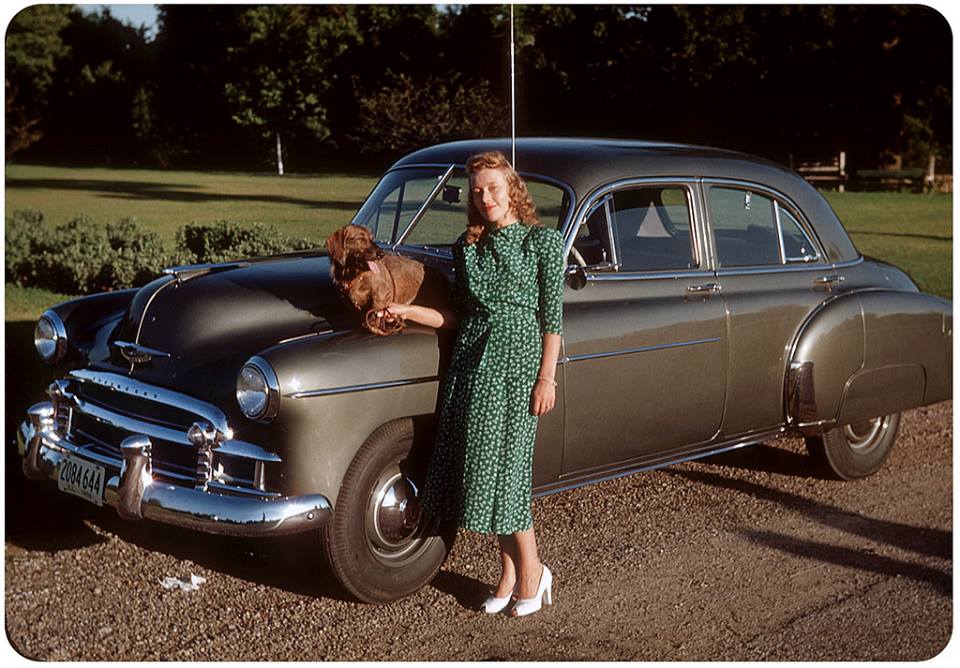
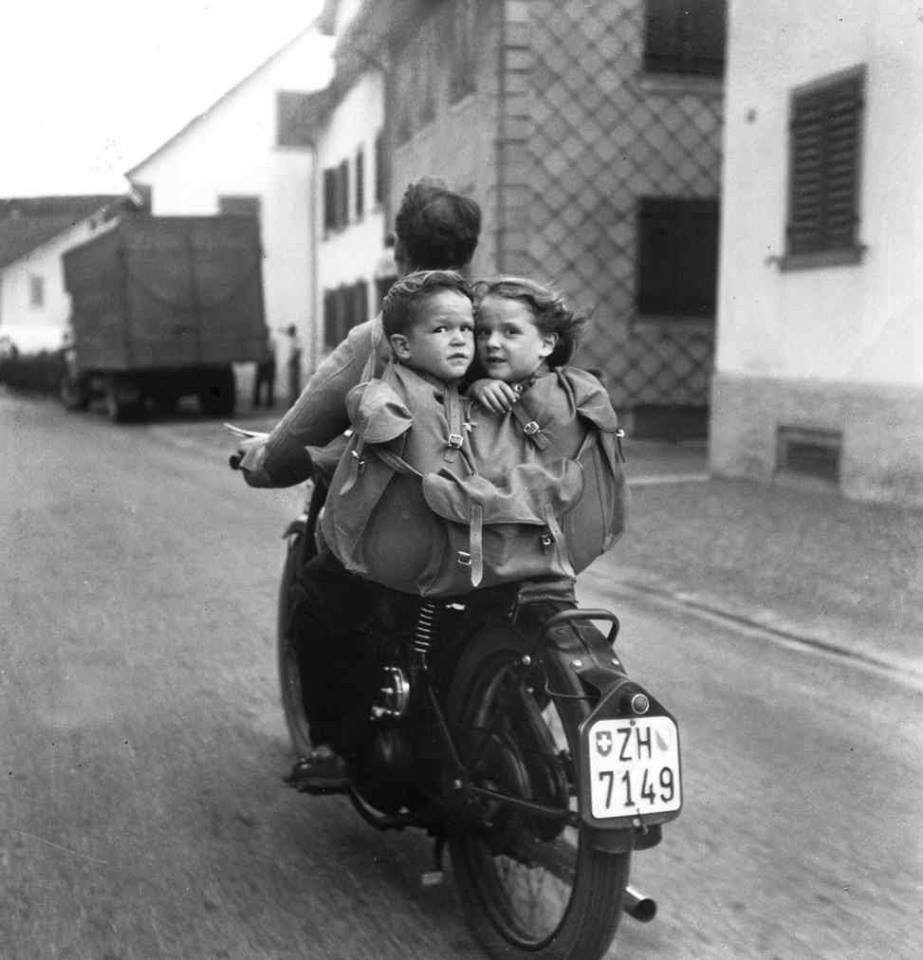
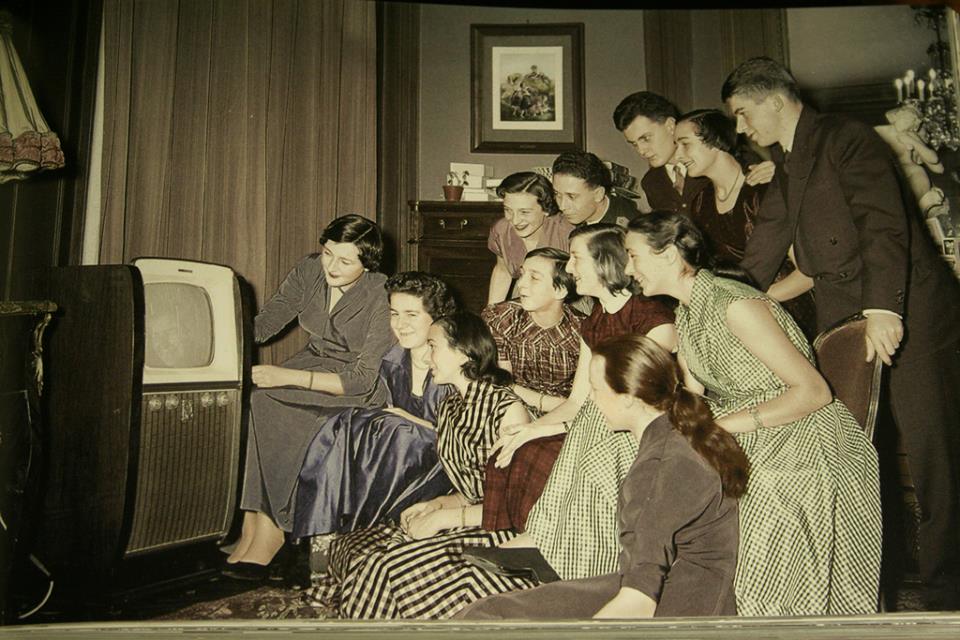
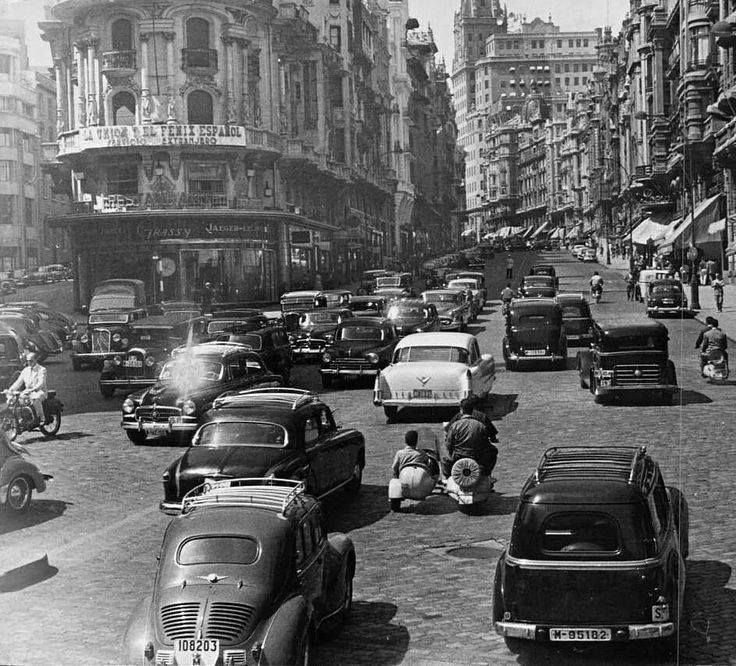
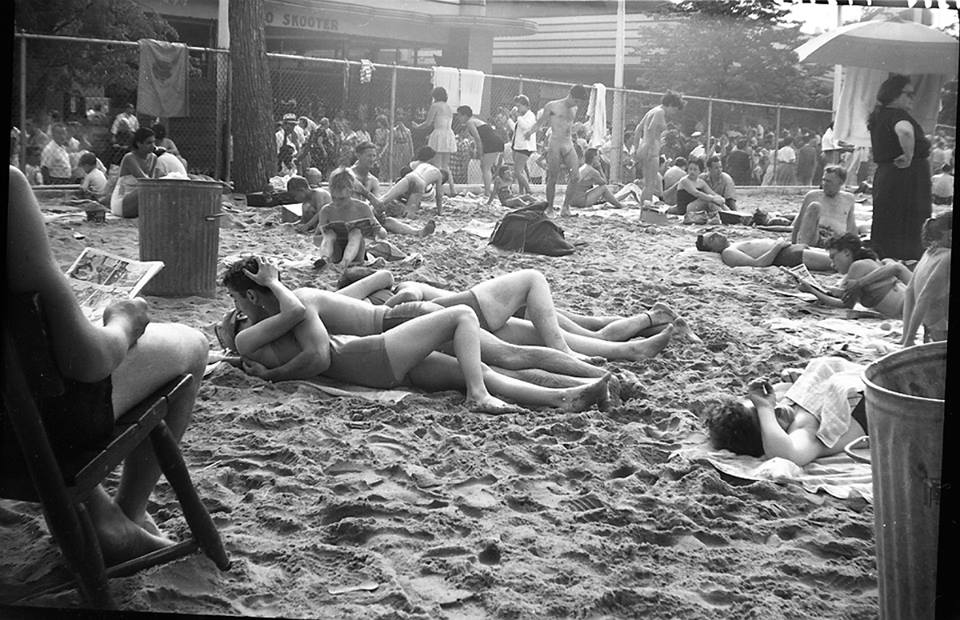
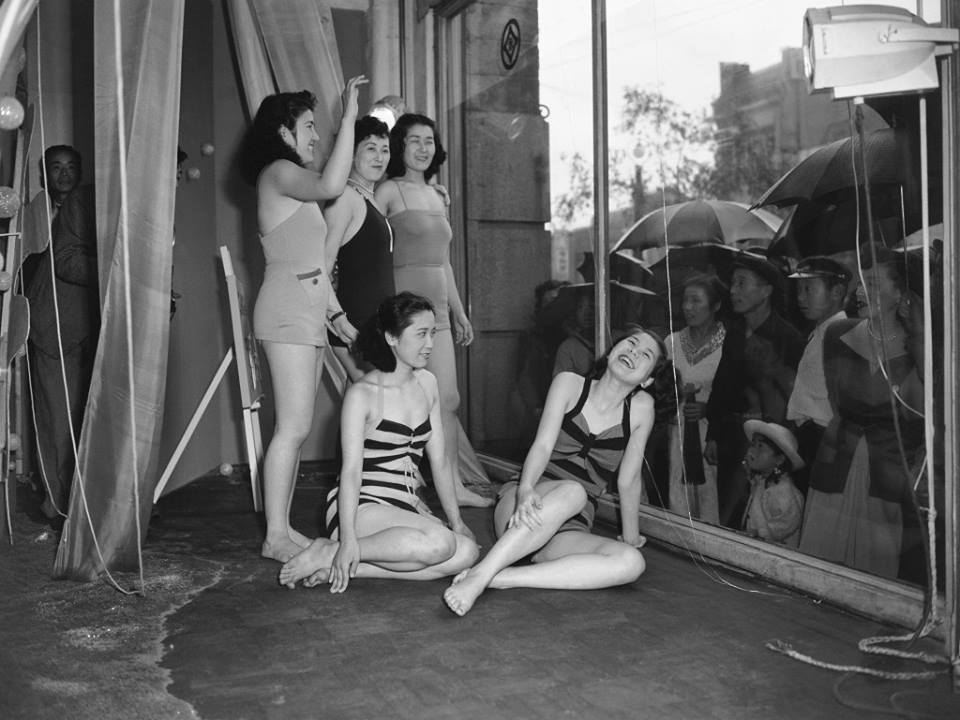
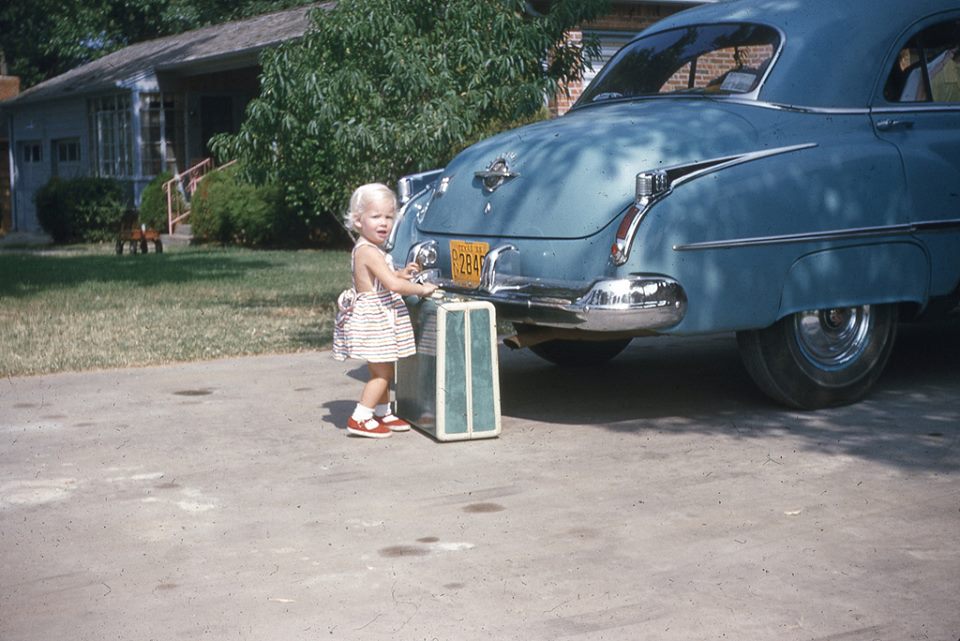
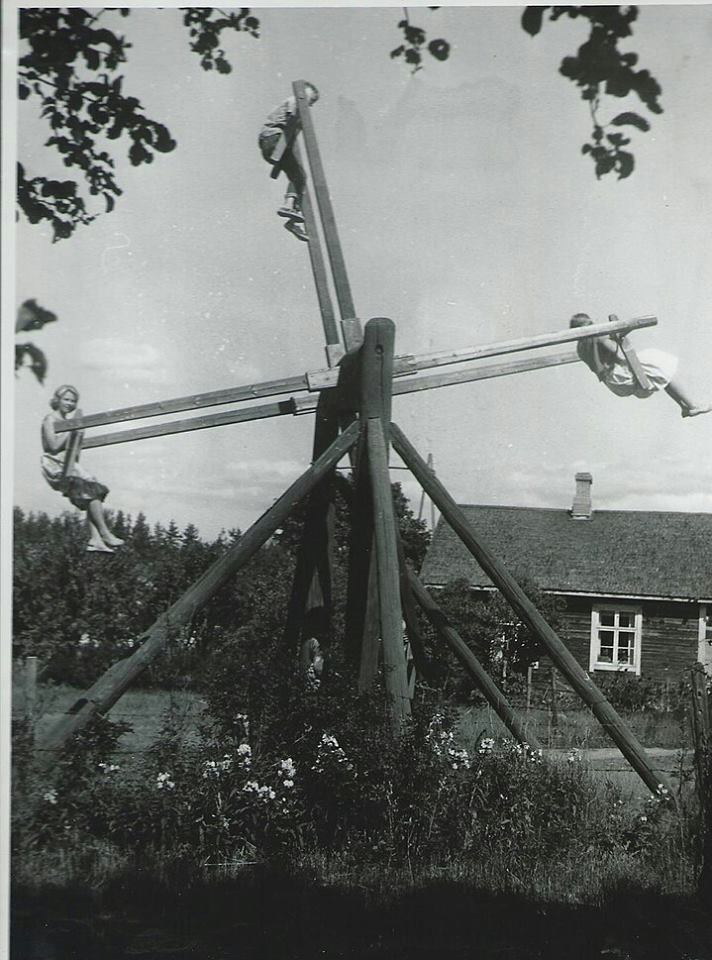
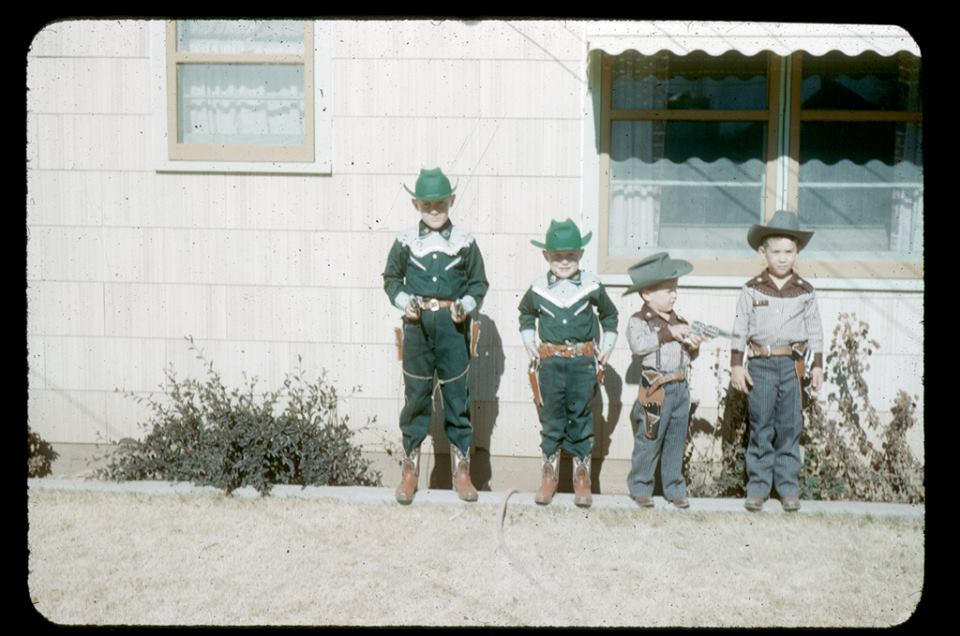
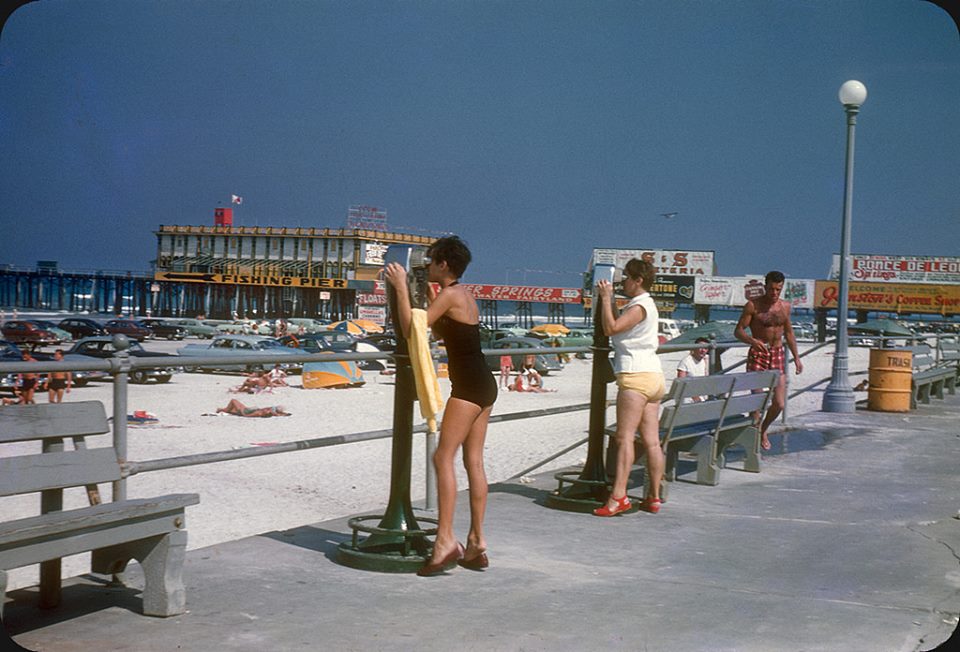
Milkman making his deliveries despite the flood in Buckinghamshire, 1954.A little snack of watermelon, Alberta, 1957Dancing on les Quais de Paris next to the Seine, 1955.A model applies makeup in Central Park, New York City, 1955.Elizabeth Taylor shooting pool, 1950s.A motorcycle messenger uses a gas mask to make deliveries during smog attack, Los Angeles, Sept. 14, 1955.A boy on his Schwinn bicycle, 1952.Girls on Vespa scooters in a parade, Glenelg, 1958A priest takes a picture of some sharply dressed boys in Monteschi, Italy, 1957.Tea break at the Holborn Oasis – an outdoor swimming pool in London, 1955.A tattoo artist tattooing a butterfly onto Lulubelle Hostein’s back, 1955.A 1950’s sock hop.Boys dressed up in school uniforms pose with king penguins at the London Zoo, 1953.“THIS CAR IS AIR-CONDITIONED”, 1953Edmund Hillary and Sherpa Tenzing near the top of Everest, May 1953Travellers’ decorated caravan, County Cork, Ireland, 1954.Women hanging laundry in the snow, 1957San Francisco street scene in the early 1950sAt the beach, Santa Monica, California, 1950Uploading the first 5 MByte hard disk to a PanAm plane, 1956Life Saving Corps, Santa Cruz, California, 1951.New York City window washers, 1958Jayne Mansfield and her daughter Jayne Marie, 1956.Zsa Zsa Gabor with her daughter Francesca Hilton about 1955.Jayne Mansfield, 1950s.Grace Kelly and Prince Rainier shortly after their civil marriage ceremony in April 1956.The anthropologist, Margaret Meade, photographing Maxwell Street, Chicago, 1956Christmas party on Bondi Beach, Sydney, 1959.The Pre-Beatles, 1958Dublin horse show spectators, 1956The Ed Sullivan Show Dancers, New York, 1955.Daytona Beach, Florida, 1957Florida, 1950Feeding polar bears from a tank, 1950Pepsi factory in Baltimore, Maryland, 1956Fidel Castro plays baseball in Havana, 1959Two men on a street in Salzburg, 1955A girl with her dog on the Chevrolet Styleline DeLuxe 4-Door, 1950Ausfahrt, Germany, 1950.Family in front of a television set, France, 1950sGran Vía street, Madrid, 1956Children splash about in a flooded street after the police opened the fire hydrants to beat the unbearable heat of summer, New York City, 1957.Couple Kissing at the Beach, Coney Island, NY, 1955To draw the public’’s attention to a new line of bathing suits, a Tokyo department store uses live models to show off the suits, June 5, 1950.Texas, 1950sTimes Square in snow, 1959People on a swing, Finland, 1950sGunslingers, Levelland, Texas, 1956St. Louis Movie Theater, Missouri, 1954Daytona Beach, Florida, 1953
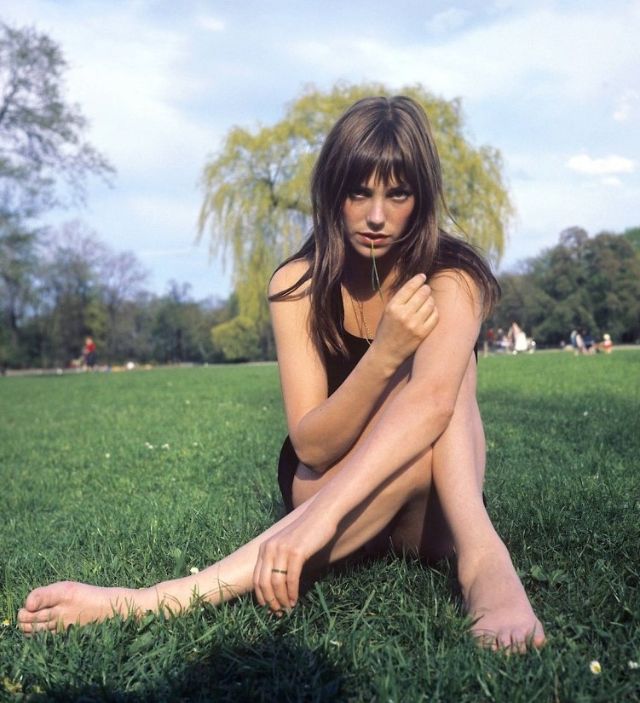
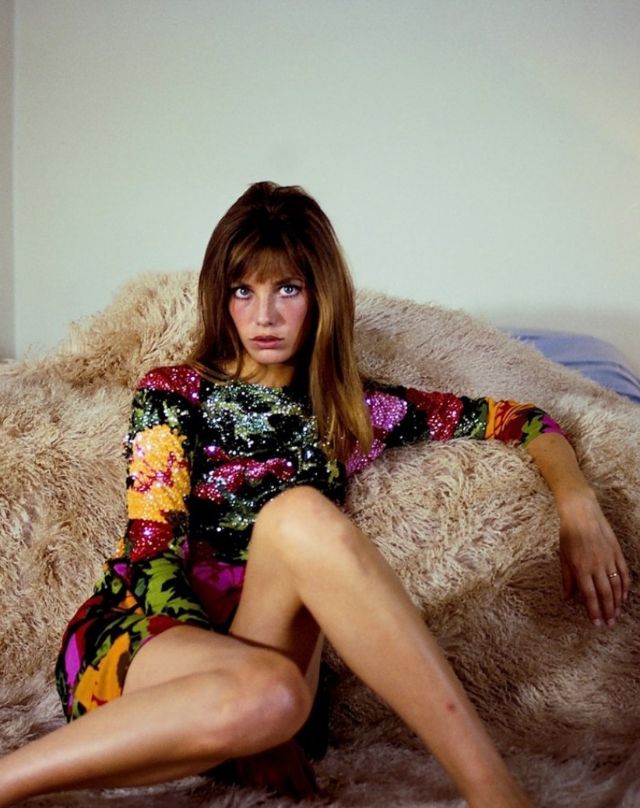
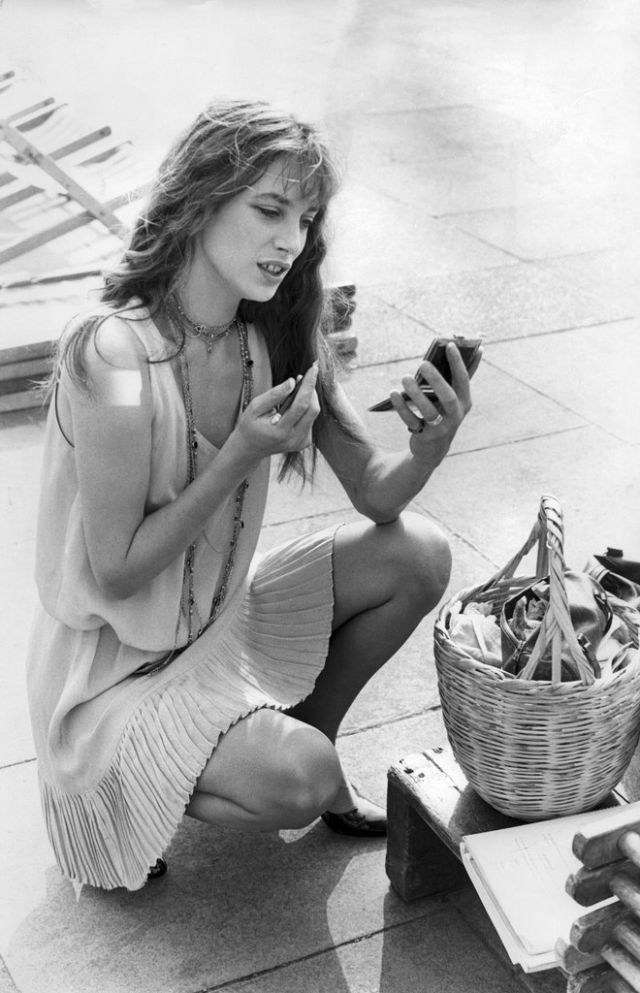
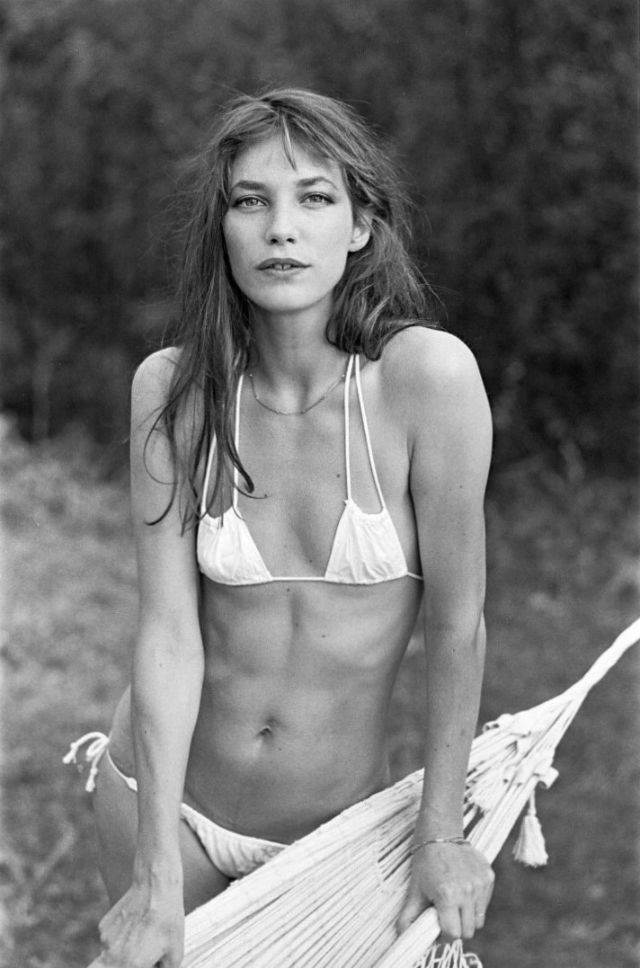
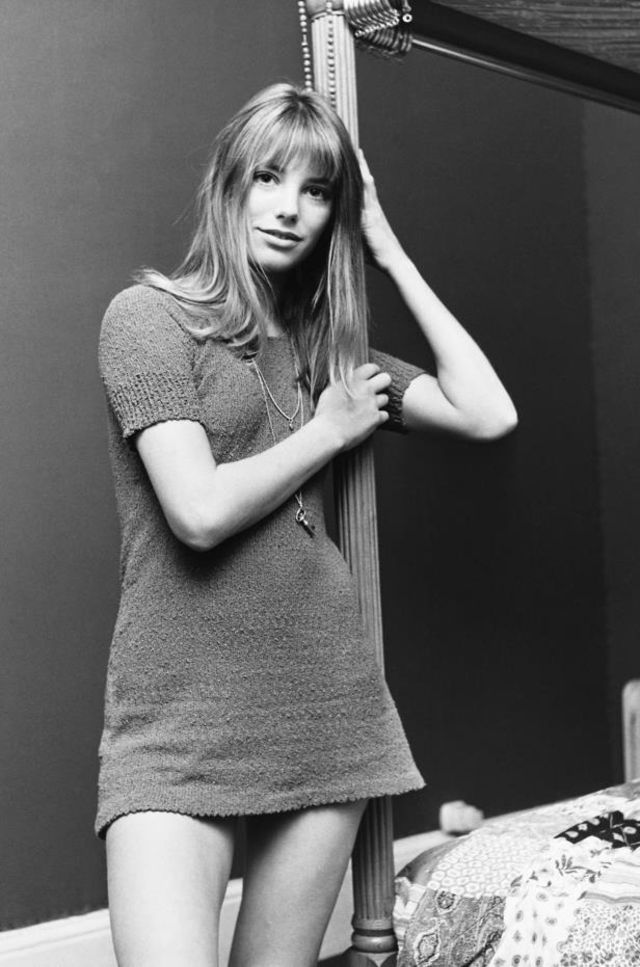
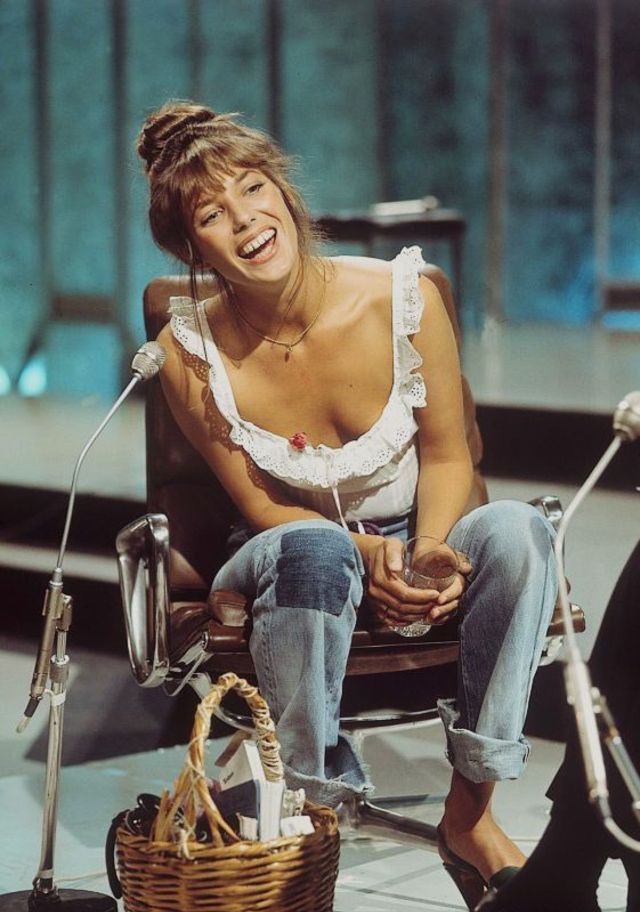
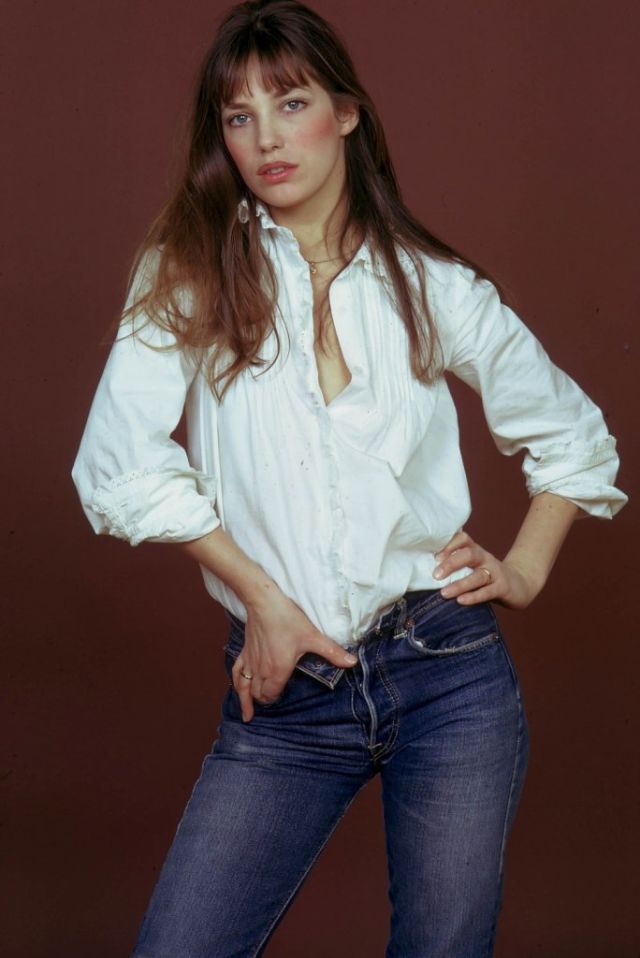
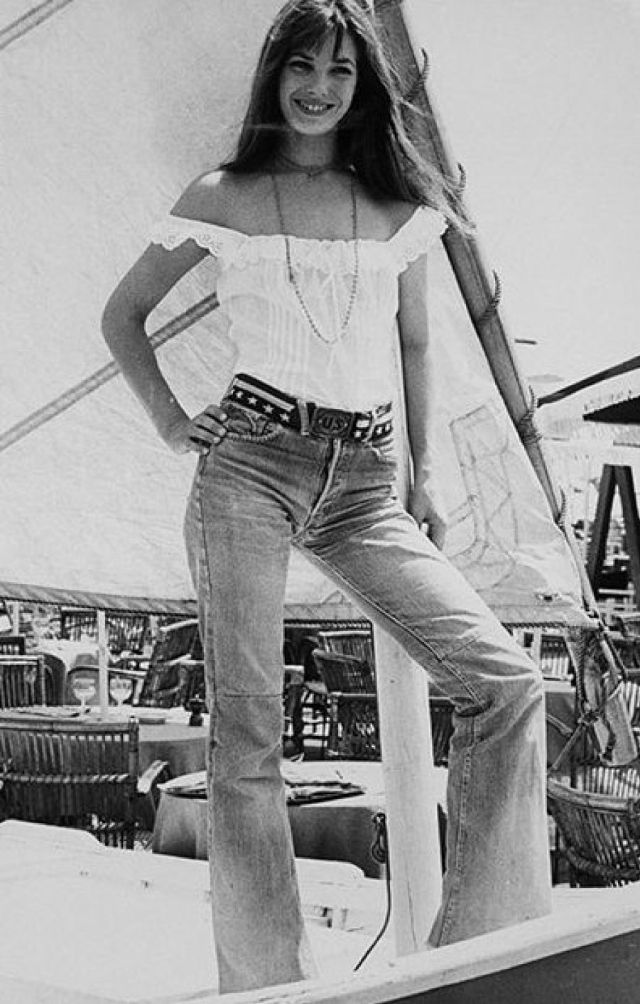
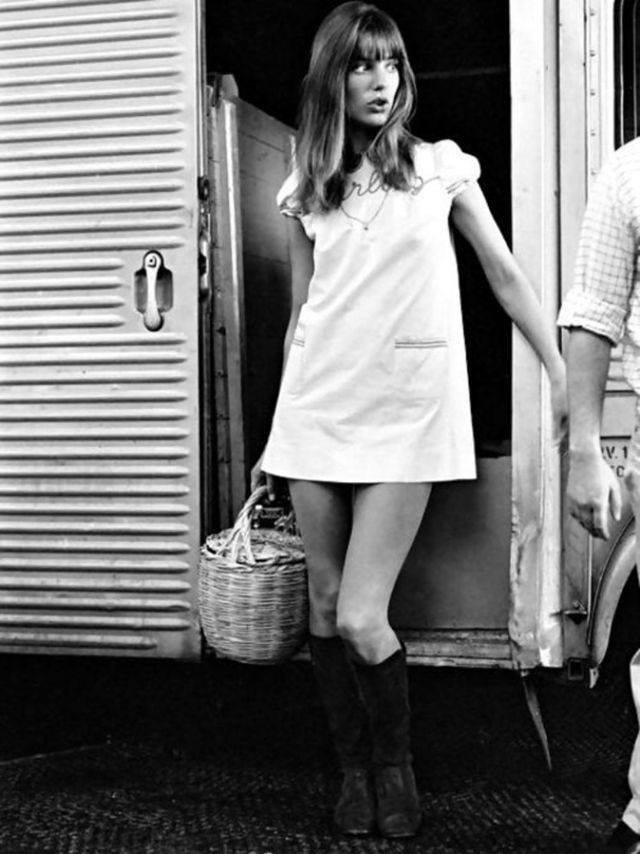
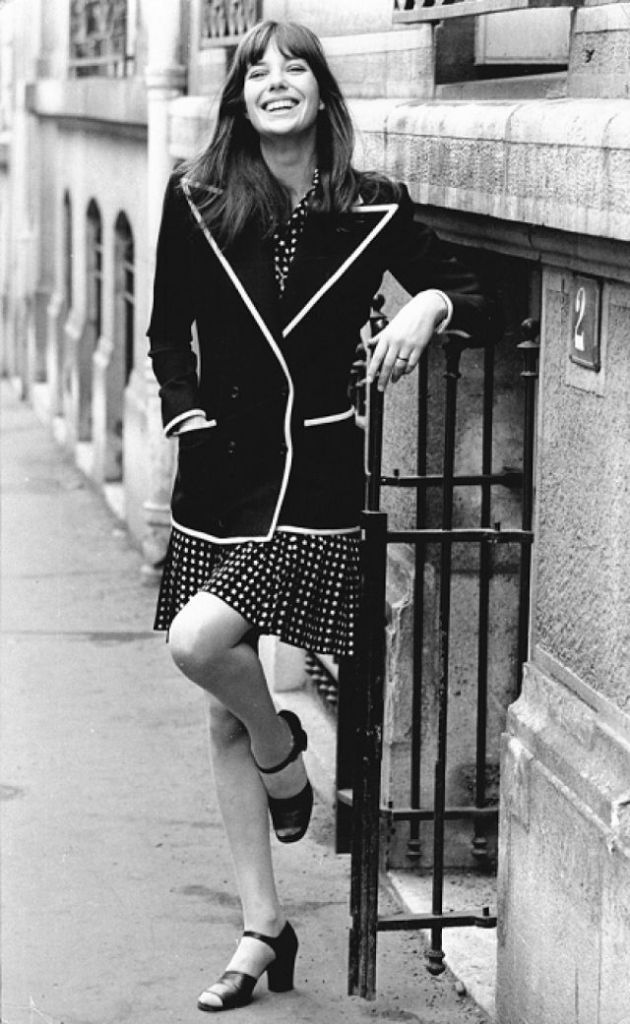
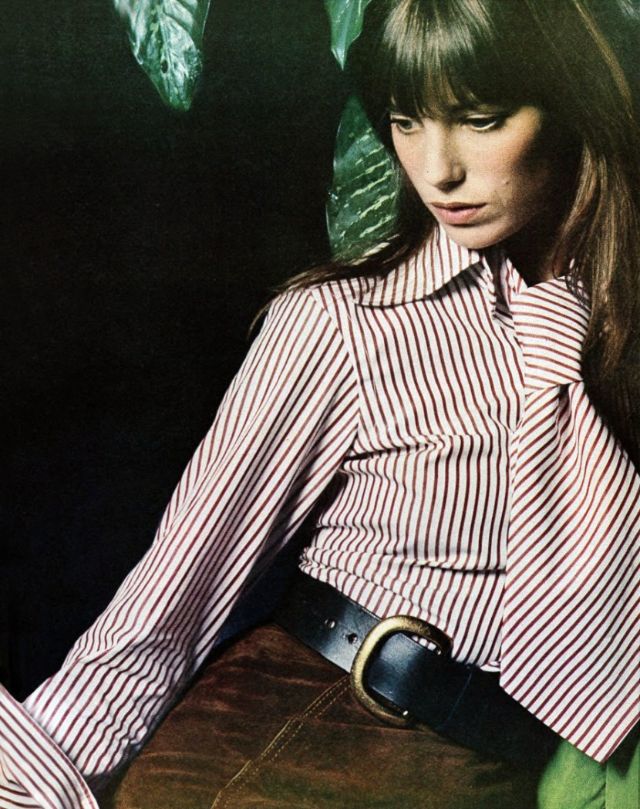
For a certain type of tuned-in and turned-on generation in the late 1960s and early 1970s, Jane Birkin, the London-born model and singer, was the very embodiment of beauty. Her biggest fame resulted from her very public relationship with Parisian musician and all-around badass Serge Gainsbourg. But she was accomplished all on her own, appearing in seminal counterculture films like Michaelangelo Antonioni’s 1966 masterwork Blow-Up (where the exposure of her pubic hair caused a major scandal in Britain), Slogan (1969) and La Piscine (1969) before branching into art-house fare throughout the 1970s and ’80s.
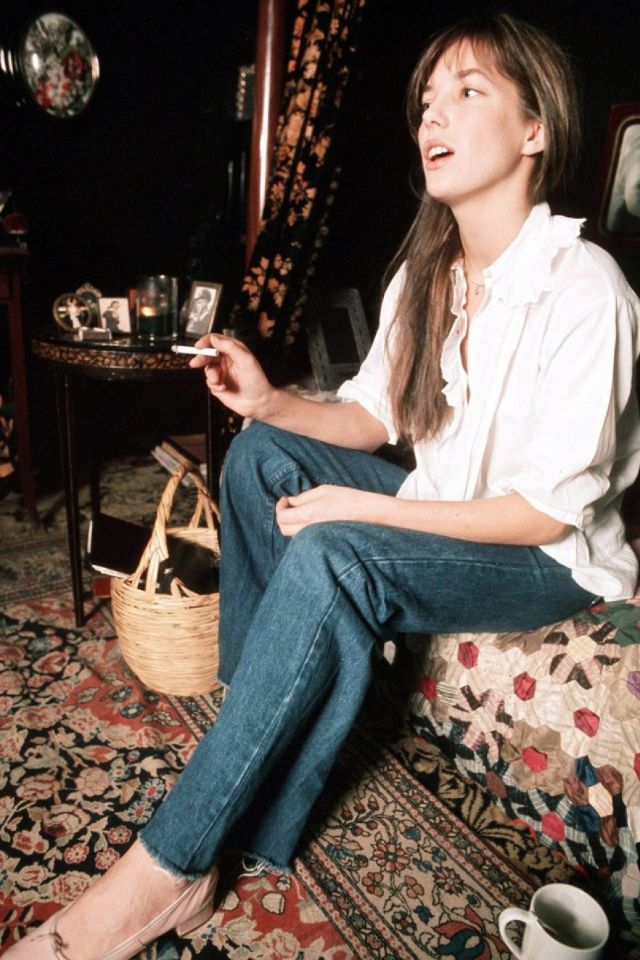
We’d be hard-pressed to find a style icon whose influence has made quite as long-lasting an impact on us as Jane Birkin. There’s no denying that the fashion world was pulling major inspiration from the English-French actress’s plethora of perfectly retro 1970s-era looks.
The singer and model, whose effortless waves and fringey bangs are as classic as the outfits she wore, continues to provide the ultimate easygoing yet sultry style. Whether she was wearing jeans and a T-shirt or a satiny number, Jane Birkin always had a certain effortless vibe about her. So much so that there are a number of clothing items that have become synonymous with her. Birkin-inspired pieces like breezy off-the-shoulder tops, classic-cut jeans that will never go out of style, and, of course, the omnipresent basket bag that still remains so relevant. Although the je ne sais quoi of French-girl fashion often eludes us, today we’re making it easier than ever to emulate the style of one of France’s most well-known style stars.