Amazing Vintage Photos of Life on the Beaches of Pre-War Poland

Before the war, Polish beaches hosted royal families and emperors, as well as the era’s icons of dance and cinema. Kings, emperors, Mata Hari, Marlena Dietrich, and Poland’s own stars of the artistic and political scenes all took to the sandy coast of the Baltic sea, as well as the wilder cliffs of the Dniester river.

Poland, officially the Republic of Poland, is a country in Central Europe. It is divided into 16 administrative provinces called voivodeships, covering an area of 312,696 km2 (120,733 sq mi). Poland has a population of over 38 million and is the fifth-most populous member state of the European Union. Warsaw is the nation’s capital and largest metropolis. Other major cities include Kraków, Lódz, Wroclaw, Poznan, Gdansk, and Szczecin.

Poland’s territory extends from the Baltic Sea in the north to the Sudeten and Carpathian Mountains in the south. The country is bordered by Lithuania and Russia to the northeast, Belarus and Ukraine to the east, Slovakia and the Czech Republic to the south, and Germany to the west. Poland also shares maritime boundaries with Denmark and Sweden.

The history of human activity on Polish soil spans thousands of years. Throughout the late antiquity period it became extensively diverse, with various cultures and tribes settling on the vast Central European Plain. However, it was the Polans who dominated the region and gave Poland its name. The establishment of Polish statehood can be traced to 966, when the pagan ruler of a realm coextensive with the territory of present-day Poland embraced Christianity and converted to Catholicism. The Kingdom of Poland was founded in 1025 and in 1569 cemented its longstanding political association with Lithuania by signing the Union of Lublin. The latter led to the forming of the Polish–Lithuanian Commonwealth, one of the largest and most populous nations of 16th and 17th-century Europe, with a uniquely liberal political system that adopted Europe’s first modern constitution, the Constitution of 3 May 1791.

With the end of the prosperous Polish Golden Age, the country was partitioned by neighbouring states at the end of the 18th century. It regained its independence in 1918 with the Treaty of Versailles and restored its position as a key player in European politics. In September 1939, the German-Soviet invasion of Poland marked the beginning of World War II, which resulted in the Holocaust and millions of Polish casualties. As a member of the Eastern Bloc, the Polish People’s Republic proclaimed forthwith was a chief signatory of the Warsaw Pact amidst global Cold War tensions. In the wake of the 1989 events, notably through the emergence and contributions of the Solidarity movement, the communist government was dissolved and Poland re-established itself as a democratic republic.

Poland is a developed market and a middle power; it has the sixth largest economy in the European Union by nominal GDP and the fifth largest by GDP (PPP). It provides very high standards of living, safety and economic freedom, as well as free university education and a universal health care system. The country has 17 UNESCO World Heritage Sites, 15 of which are cultural. Poland is a founding member state of the United Nations, as well as a member of the World Trade Organization, NATO, and the European Union (including the Schengen Area). (Wikipedia)
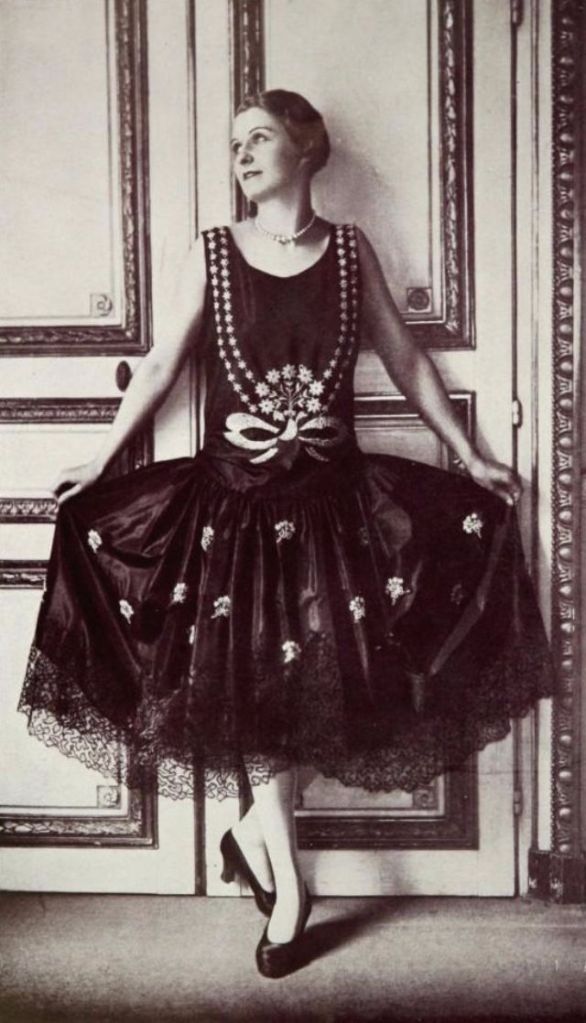
Here’s a series of images that capture the most beautiful beaches and summer resort destinations of the past of a Pre-War Poland.

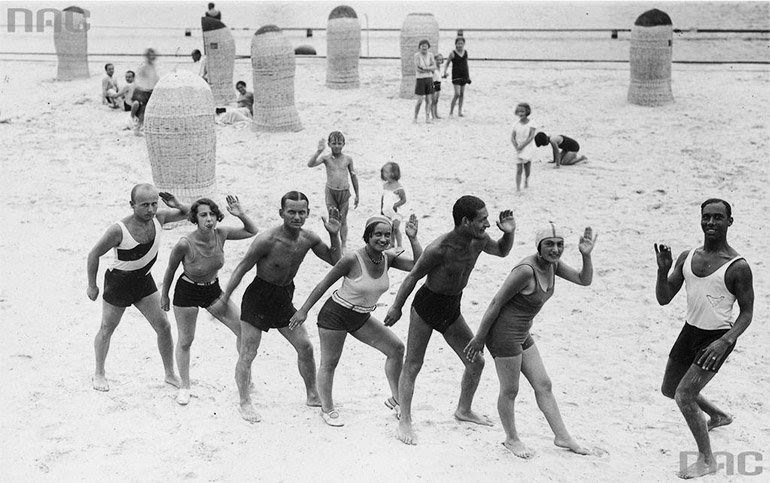
A dance class on the beach, 1930.
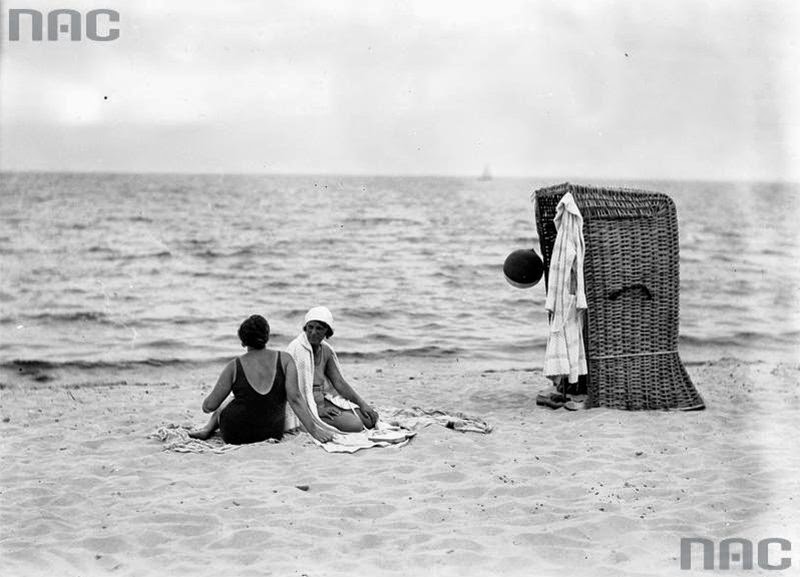
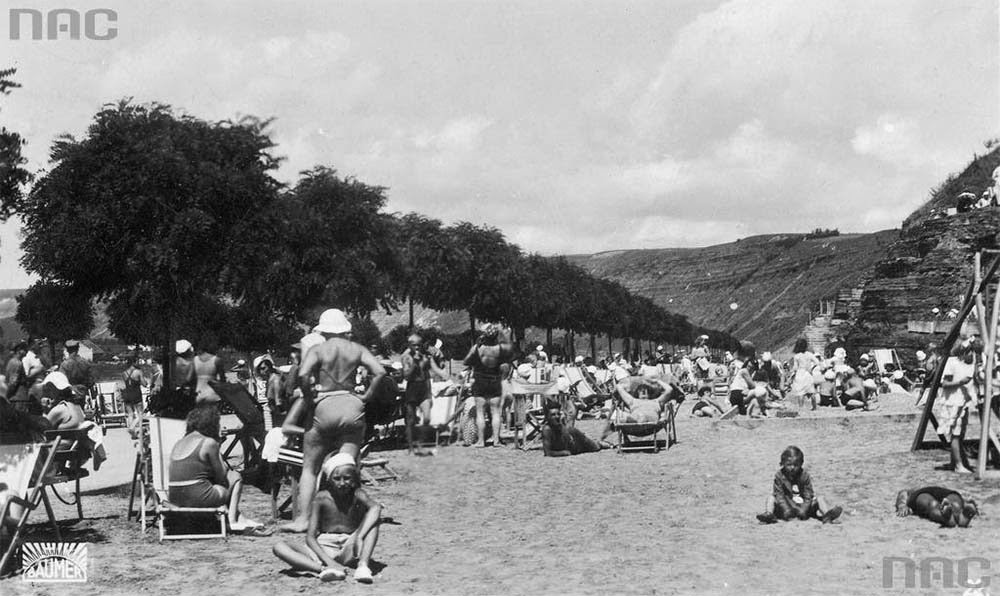
A Baltic beach in the 1930s.
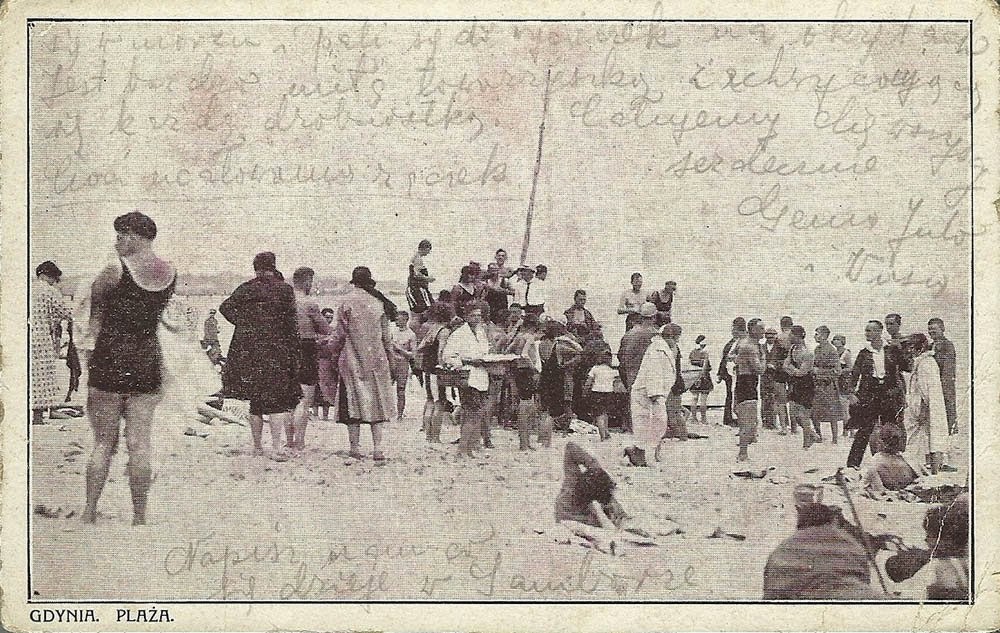
Vacationing on the beach in Gdynia-Orlowo, the 1930s.
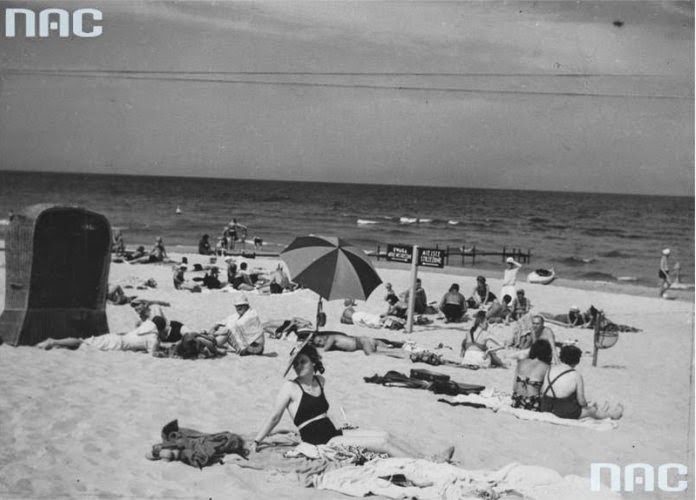
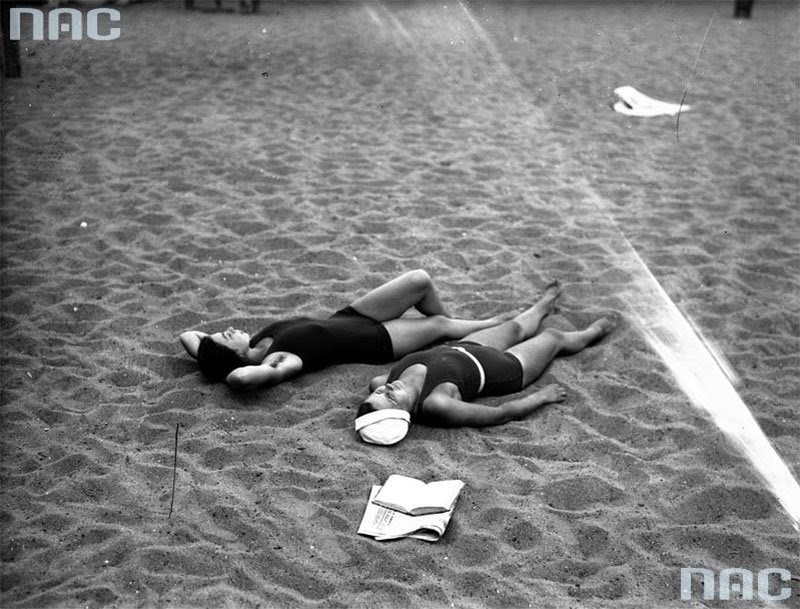
Sunbathers rest on the beach, August 1938.
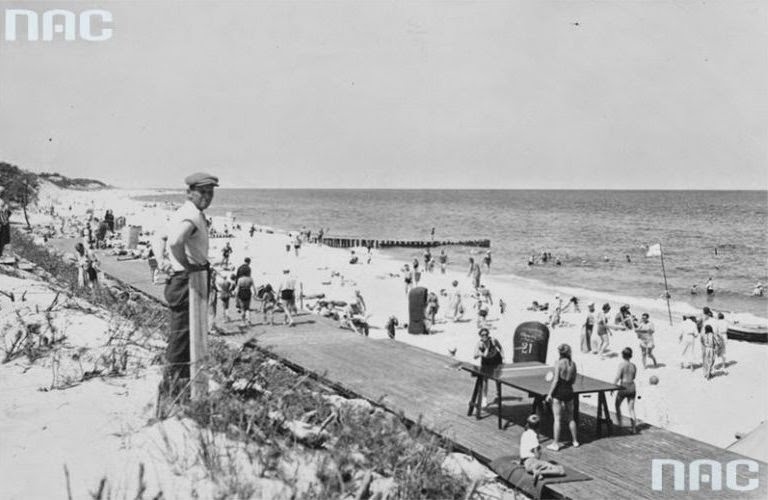
Sunbathers rest on the beach. Visible wooden promenade, wicker beach, and a ping-pong table, 1937.
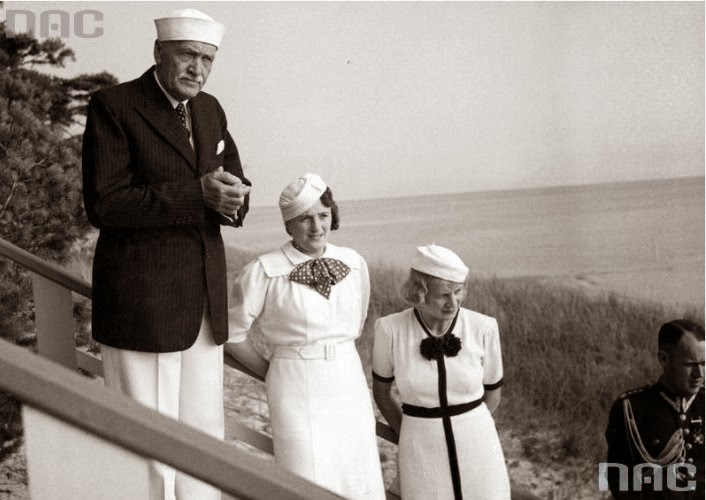
The Polish President Ignacy Moscicki with his wife Maria (second from left), daughter of Helena Bobkowska (second from right) and Cpt. Zand. John Huber on the beach, in July 1937.
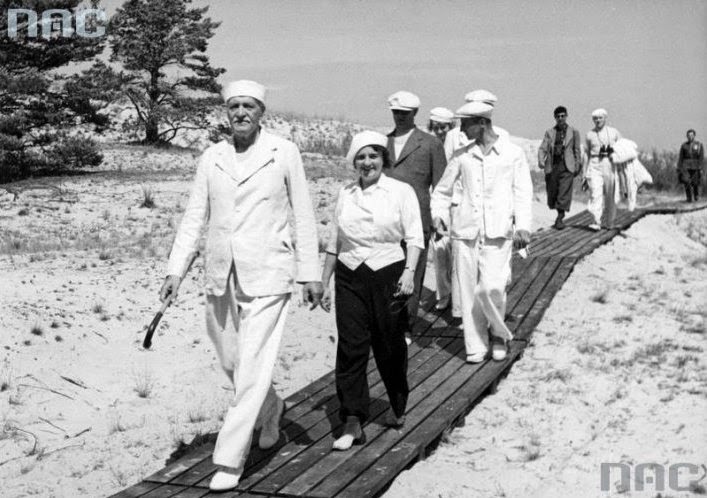
The Polish President Ignacy Moscicki and his wife Maria are coming back from the beach. Behind the president goes, among others, his adjutant, Captain. Stefan Krynski, July 1937.
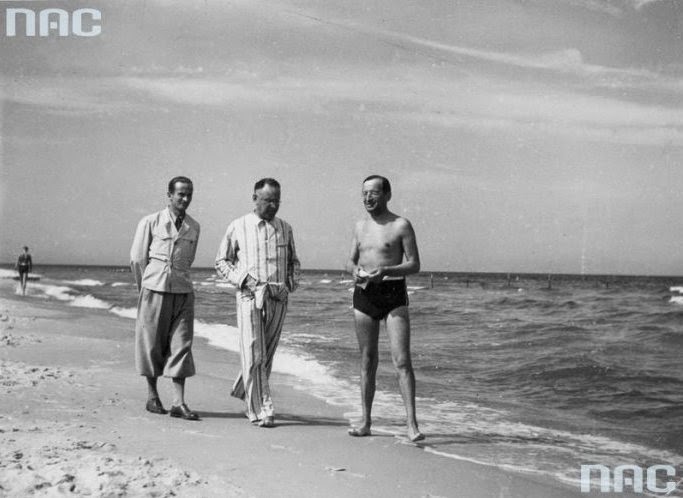
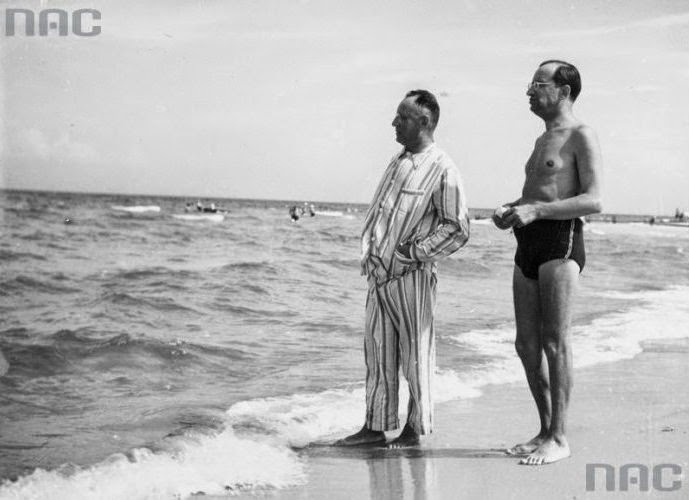
Mayor of Krakow Mieczyslaw Kaplicki (center), accompanied by the governor of the Kielce Wladyslaw Dziadosz (right) on the beach, in July 1937.
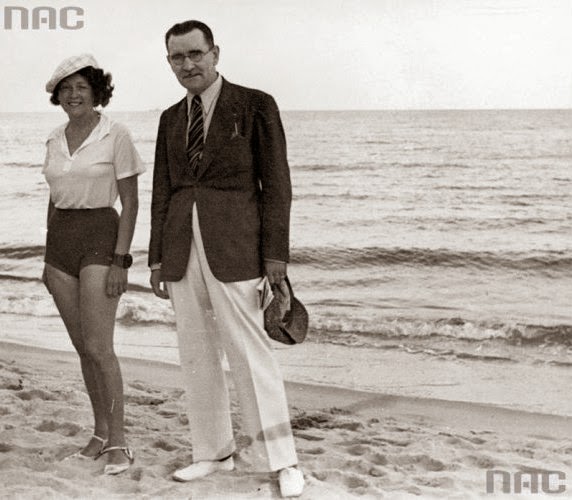
Wladyslaw Korsak with his wife on the beach, ca 1930s.
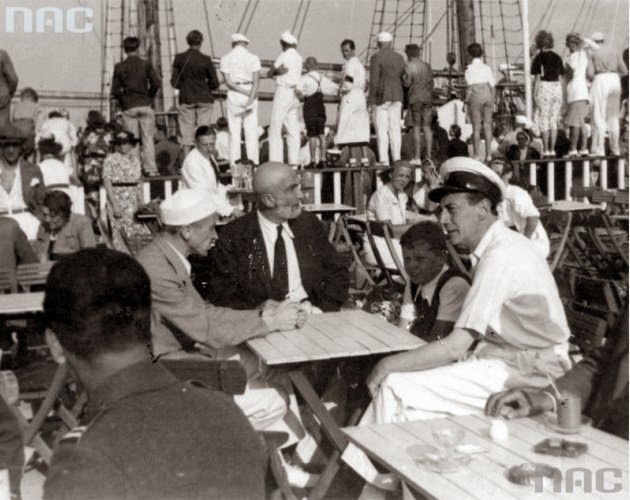
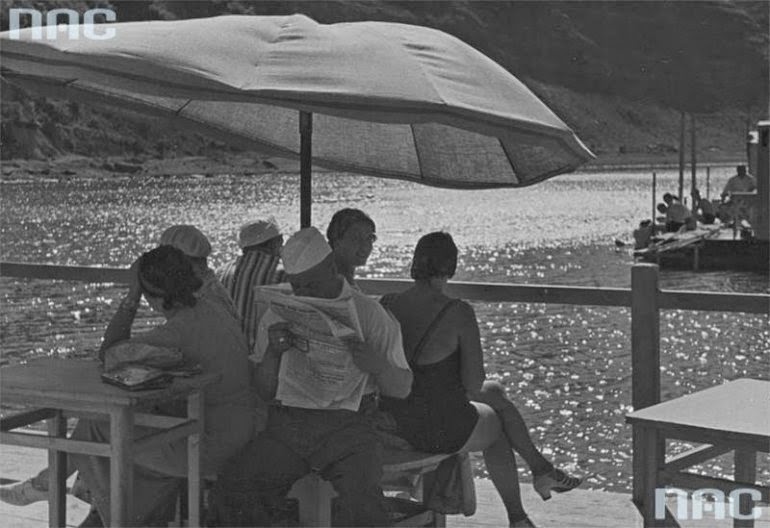
Foreign Minister Jozef Beck, Walerey Slawek and Deputy Speaker of the Sejm Tadeusz Schaetzel sitting at a cafe table in the open air, 1937.
Resident of Krakow Mieczyslaw Kaplicki (in pajamas), accompanied by the governor of the Kielce Wladyslaw Dziadosz on the beach, 1937.
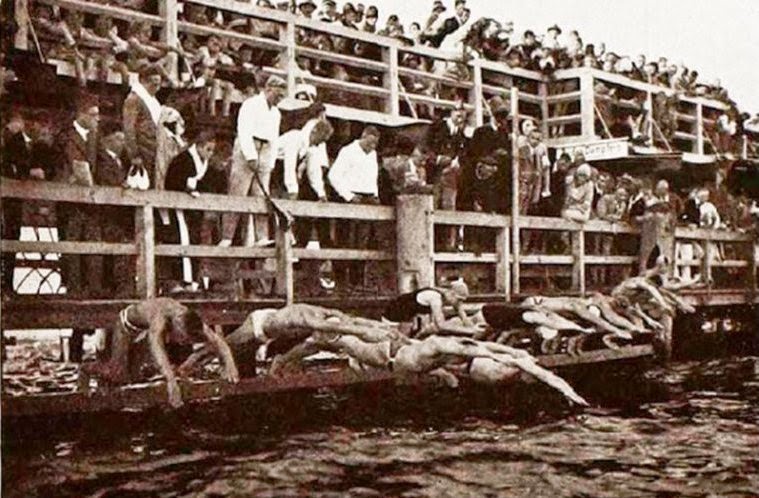
Swimming Competition organized near Sopot Pier. 1935
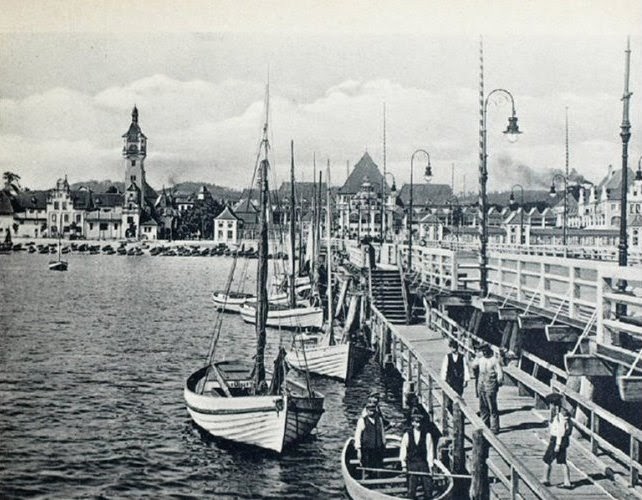
Boats at the pier. 1922
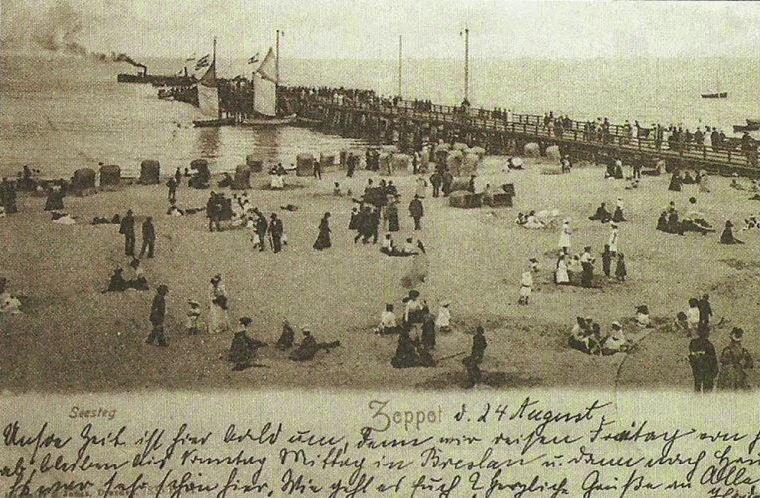
View of part of the beach and pier, postcard from 1903.
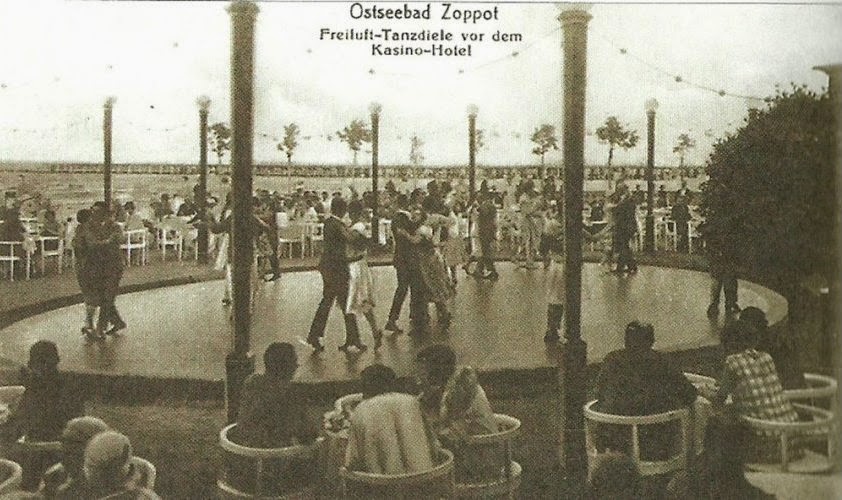
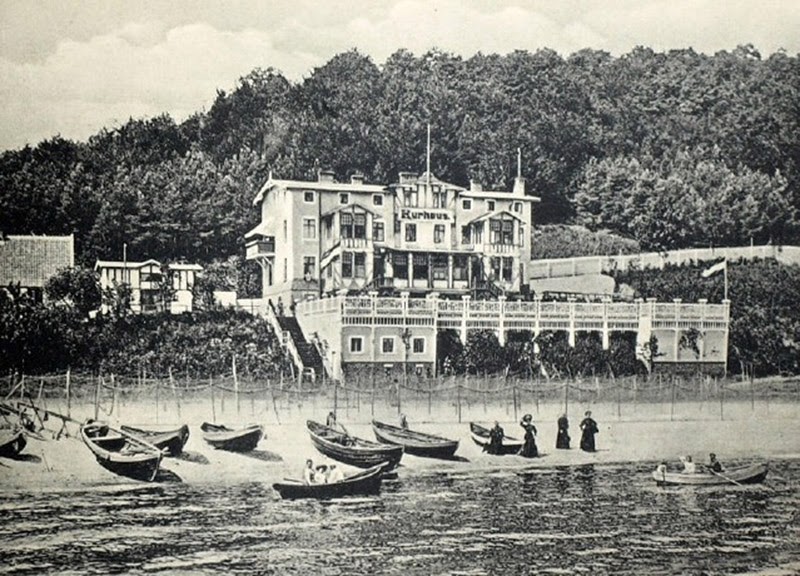
On stage before Kasino Hotel spa guests enjoyed themselves. Postcard from the 1930s
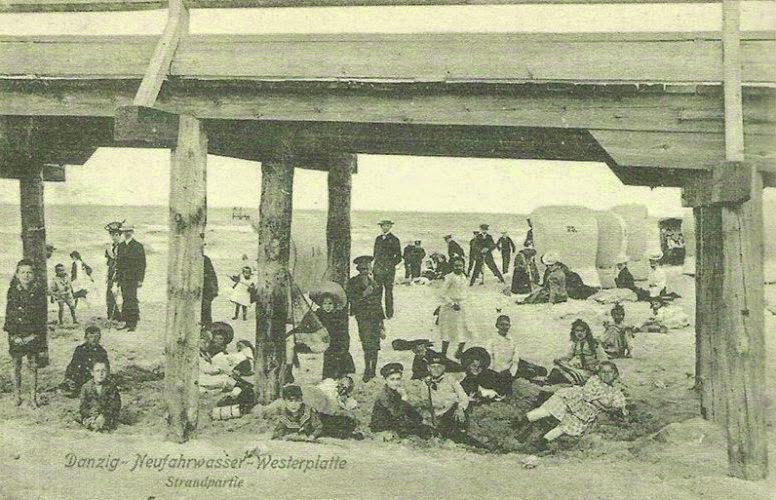
Leisure near pier in Gdansk Westerplatte, 1907.
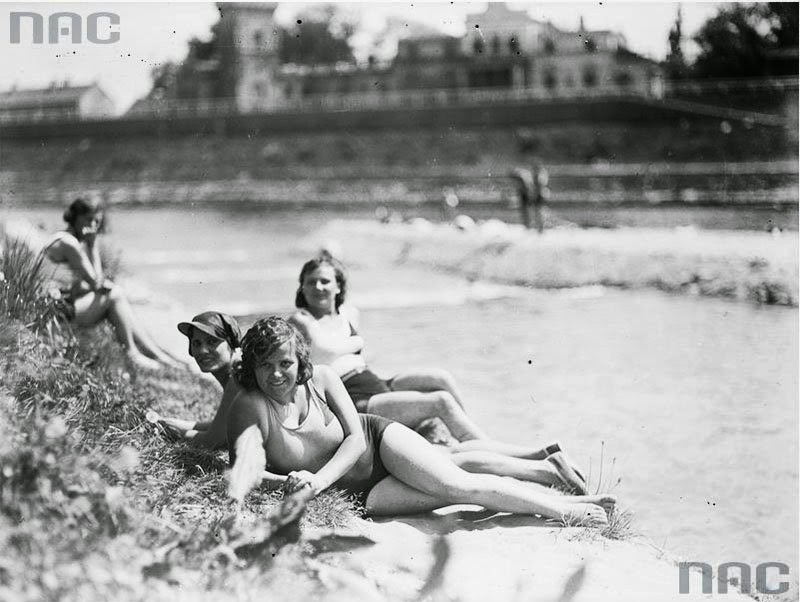
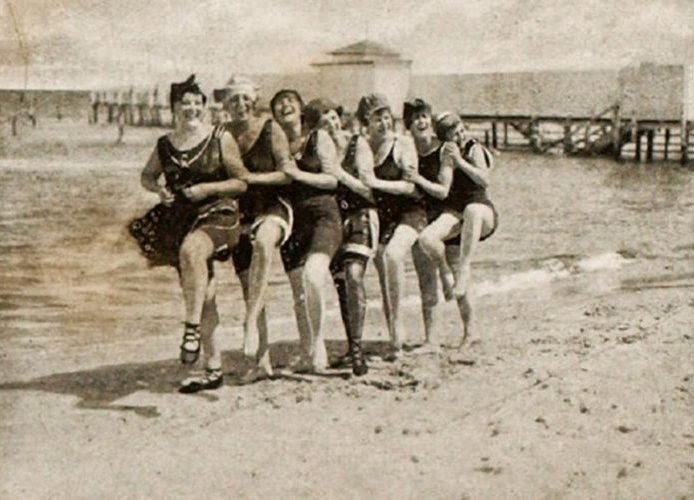
Young women on the beach, 1922
A section of beach. In the background, a pier, 1918-1937, Zaleszczyki.
A section of the so-called sunny beach. People sunbathing, 1931 -1939, Zaleszczyki
Beach-goers, May, 1931.
Beach-goers, July, 1933.
A spa resort in Orlowo, 1922
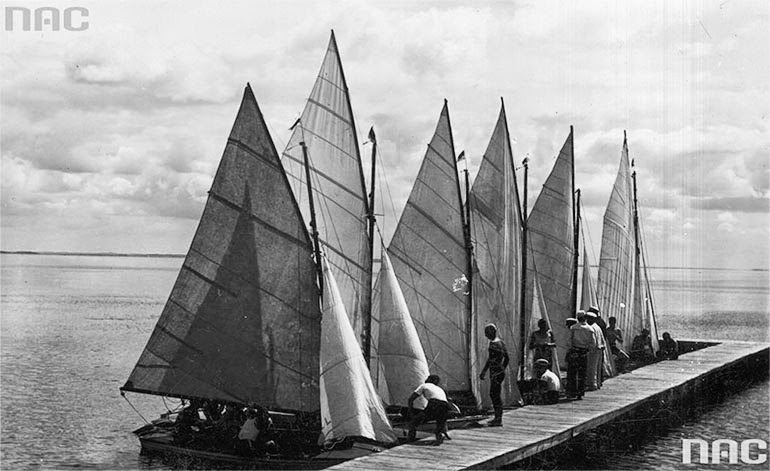
Sailboats in a harbour, Narocz lake, 1930.
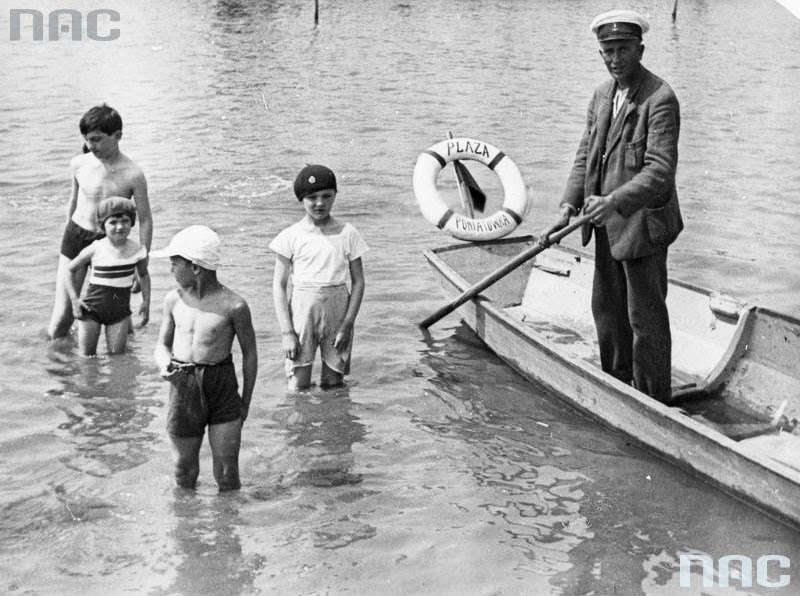
Warsaw. “Poniatówka” beach, 1930.

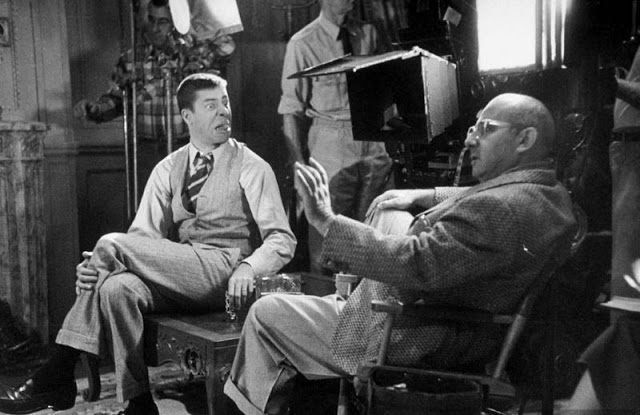
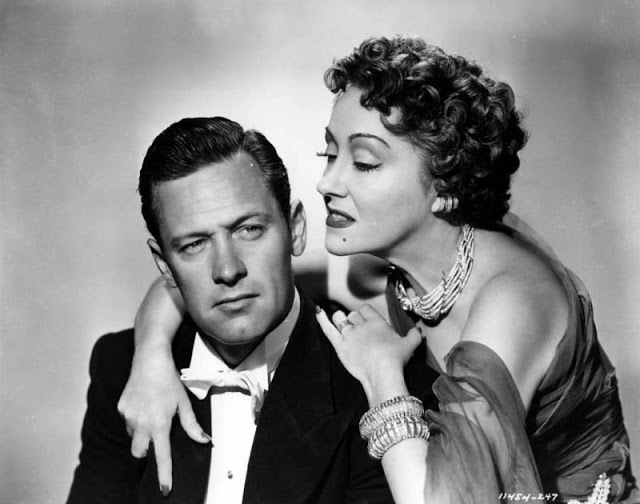
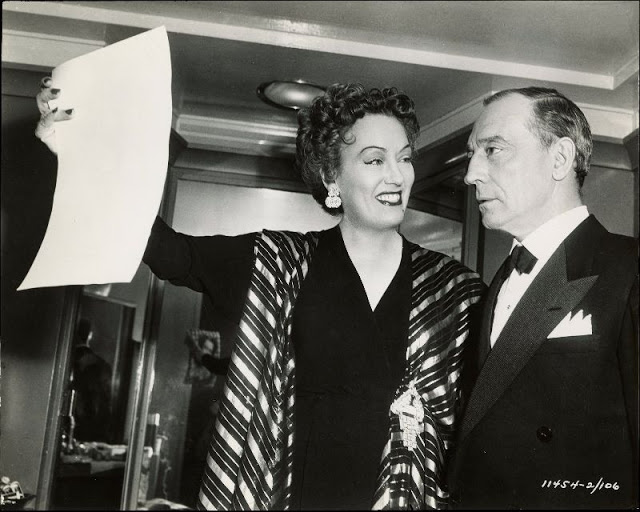
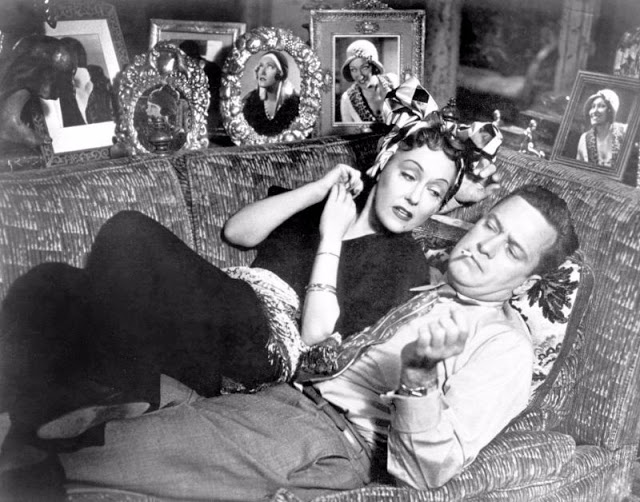
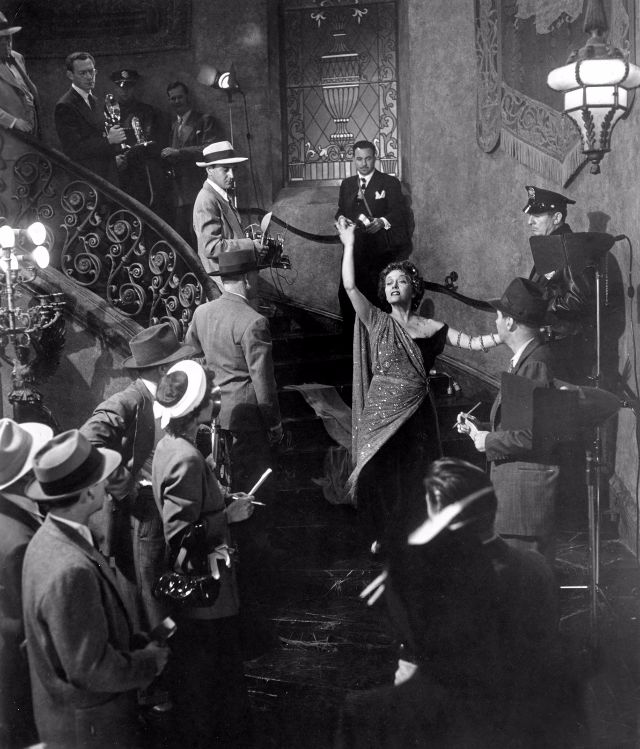
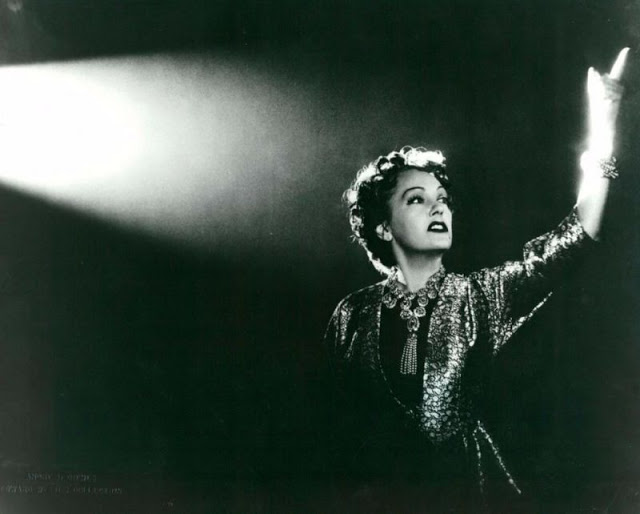
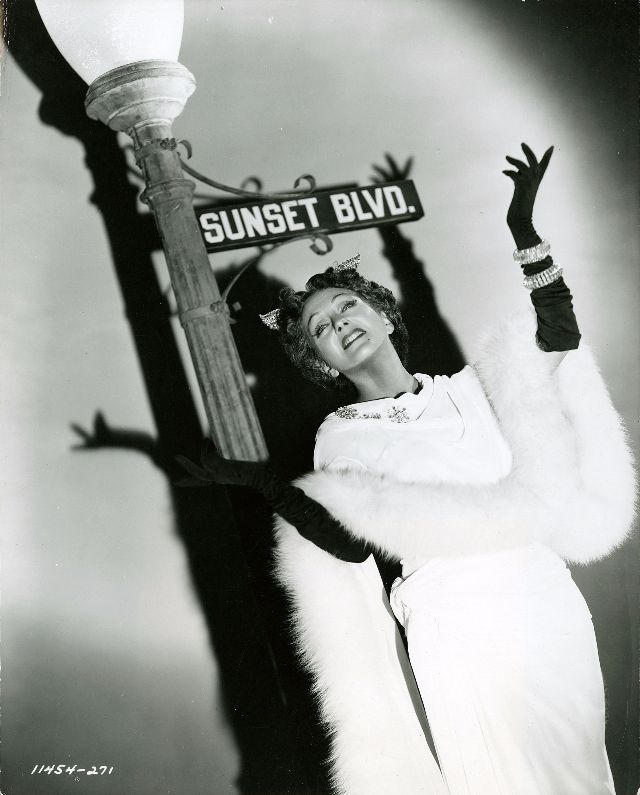
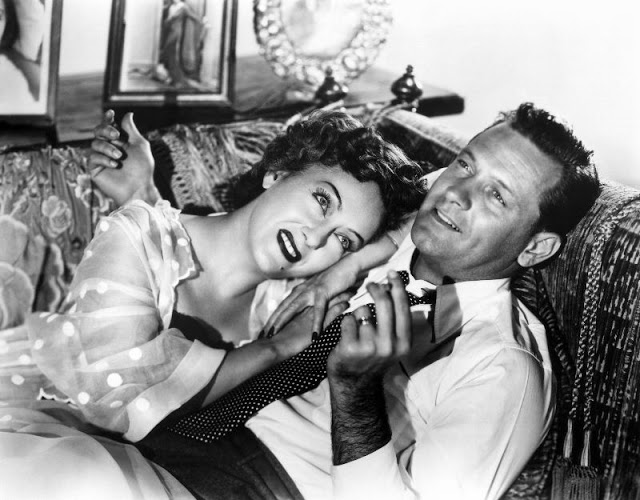
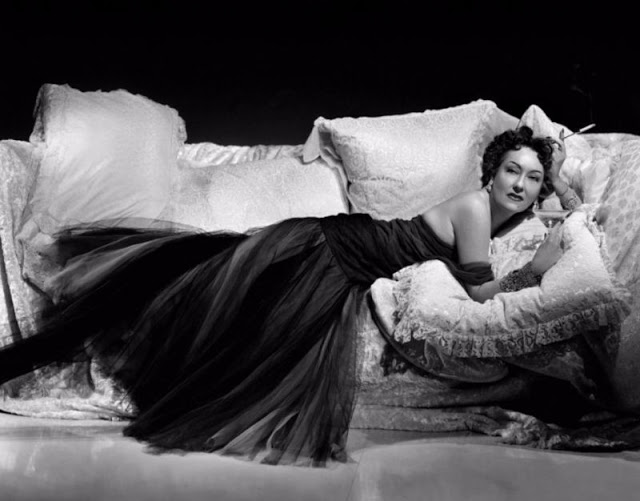
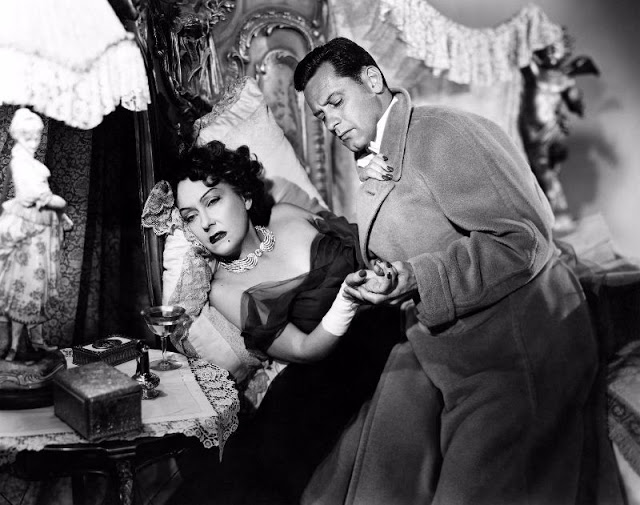
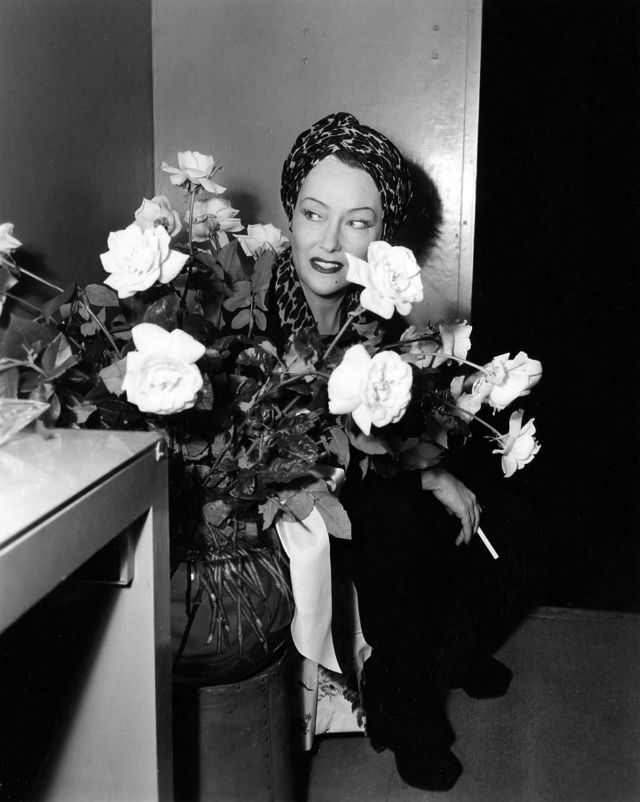
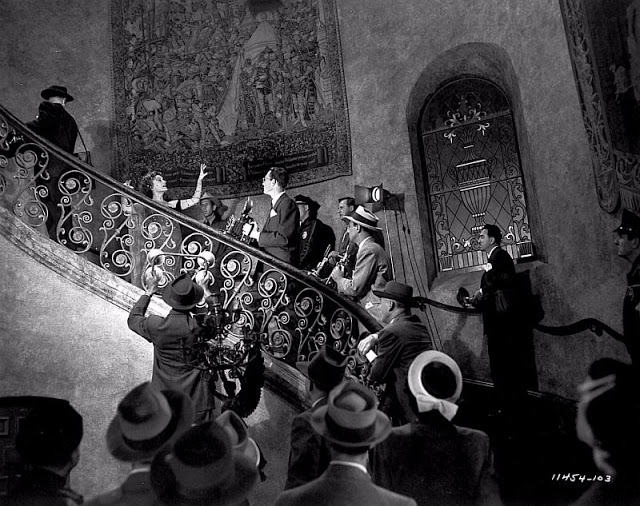
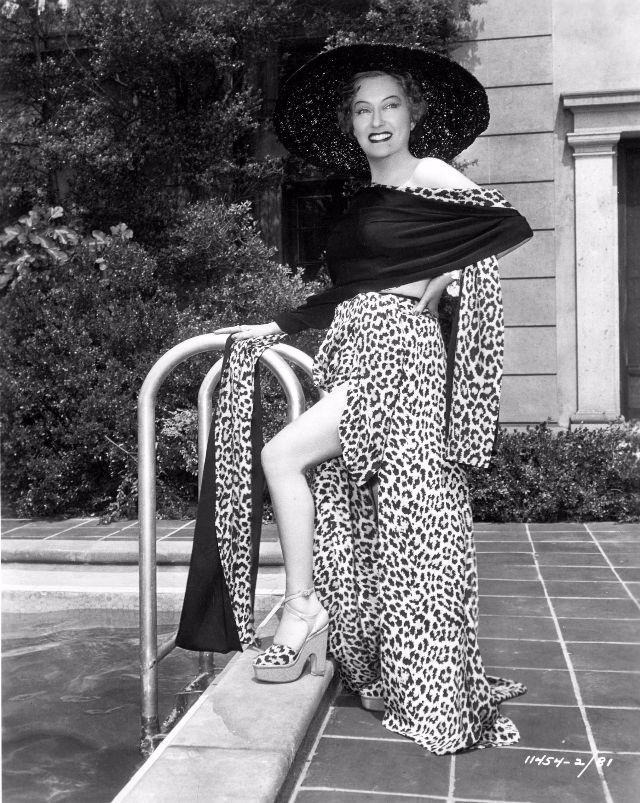
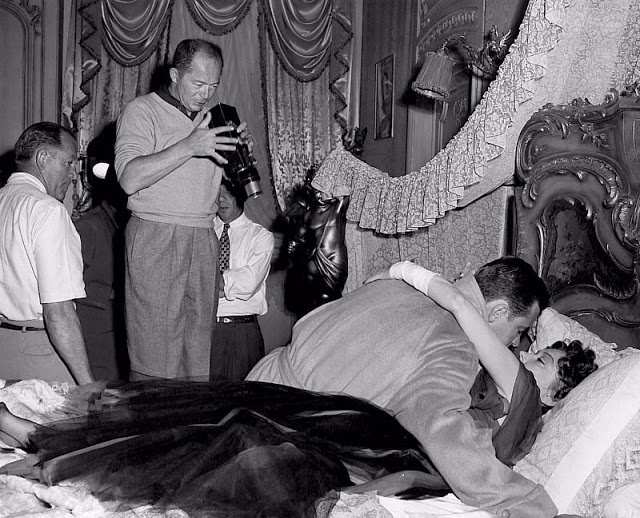
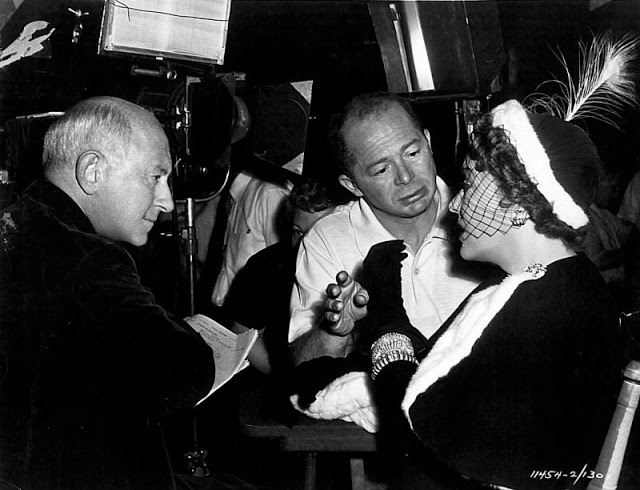
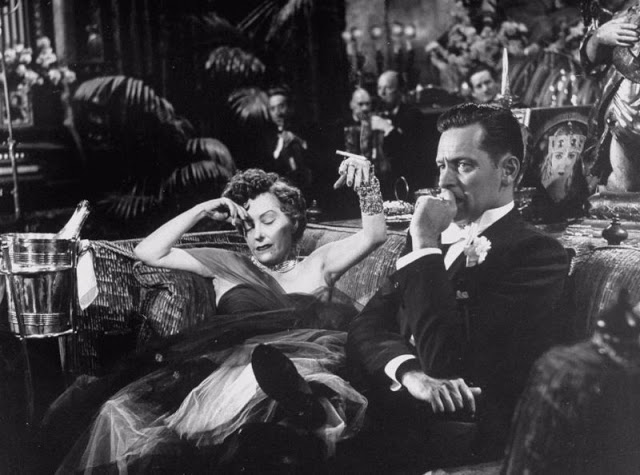
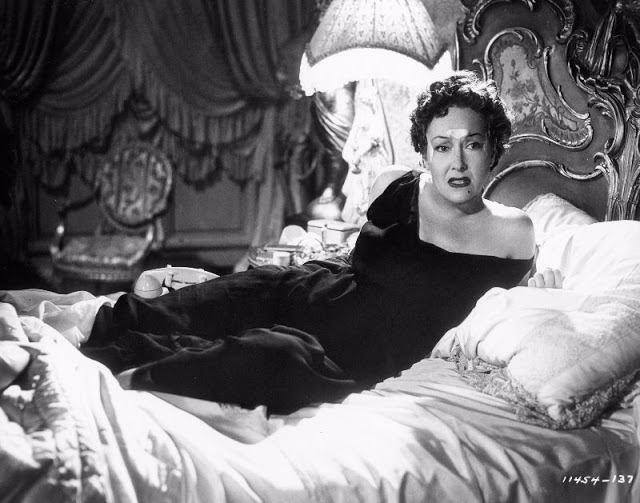
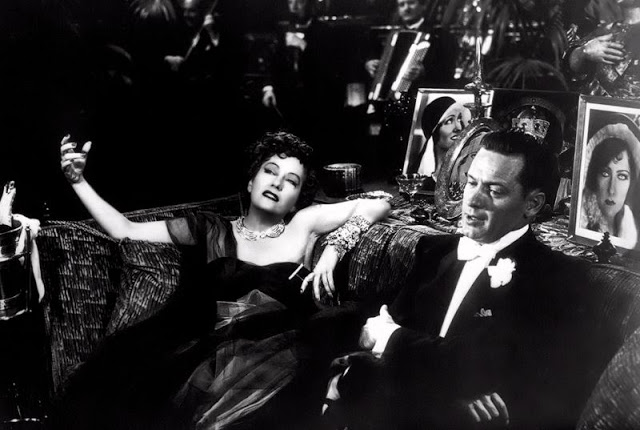
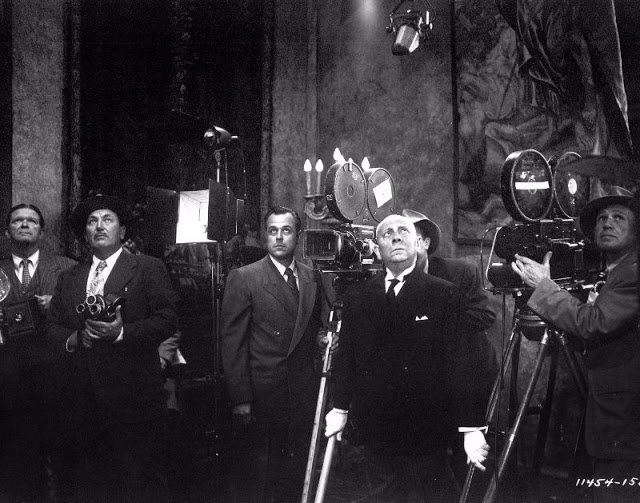
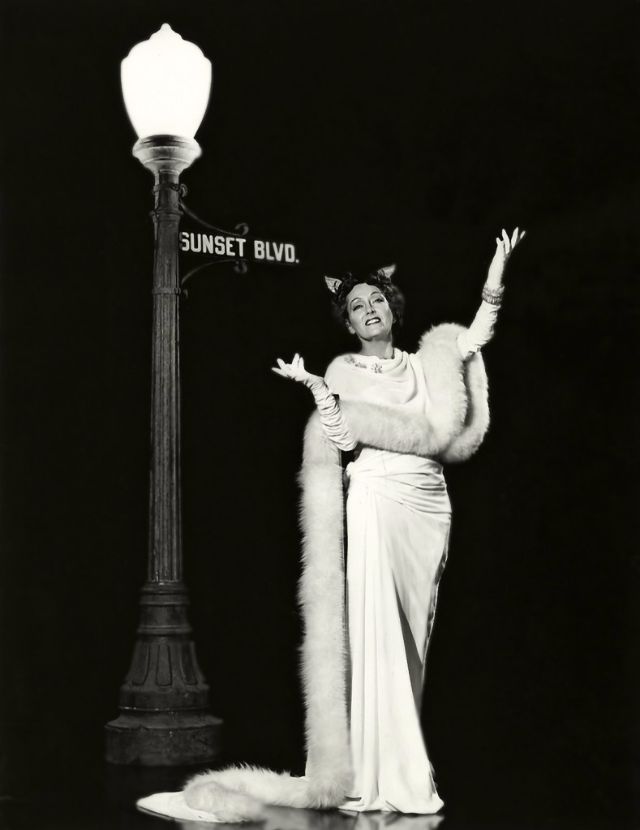
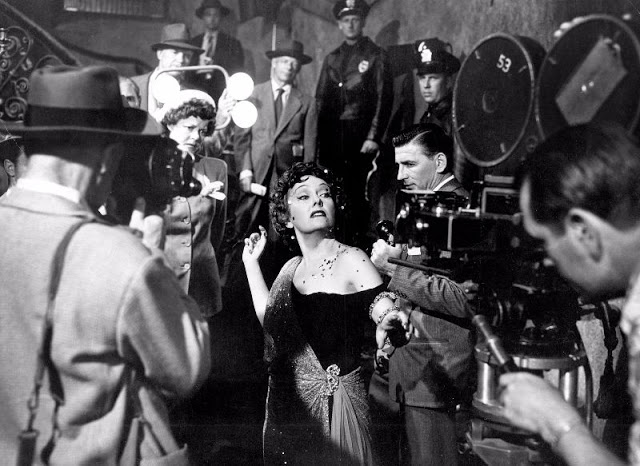
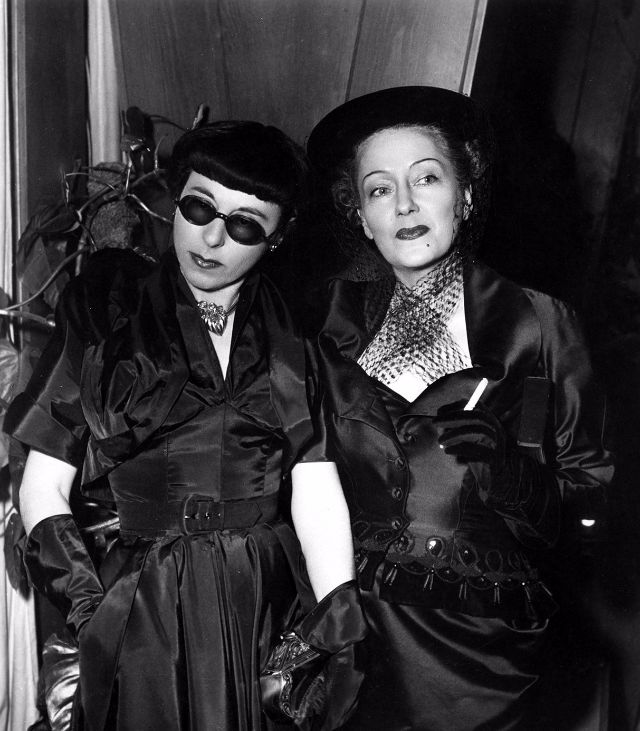
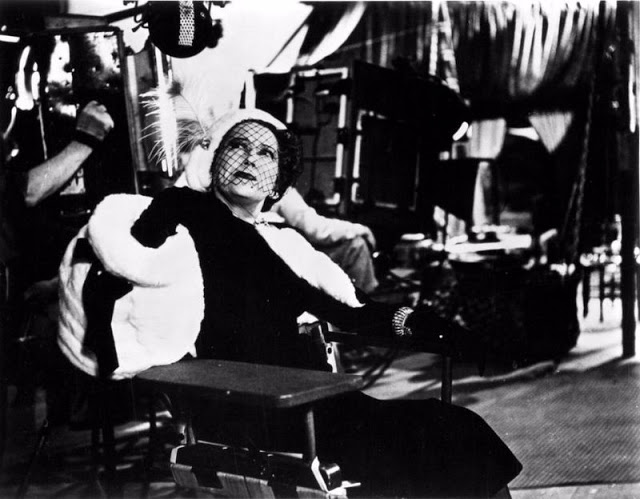
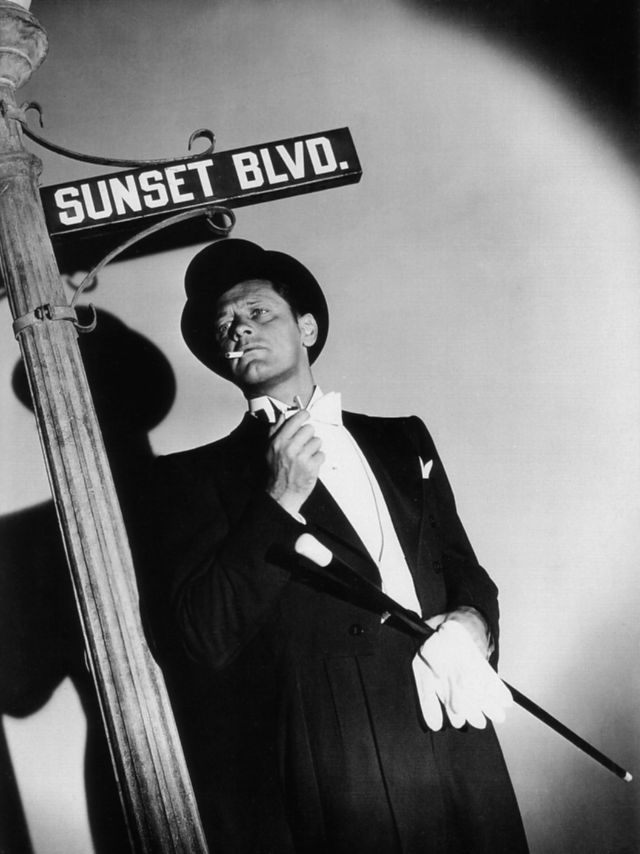
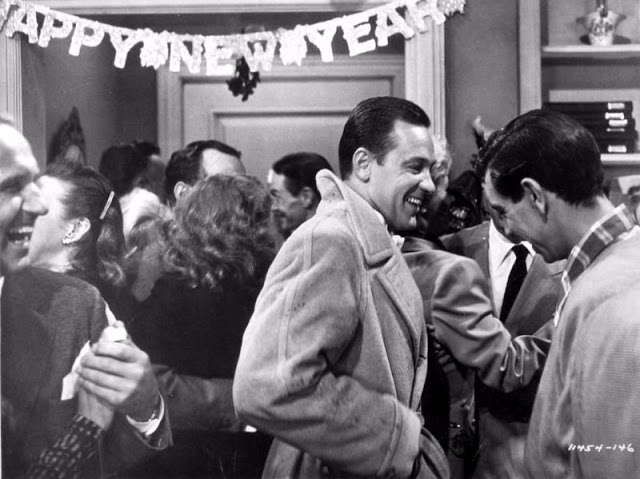
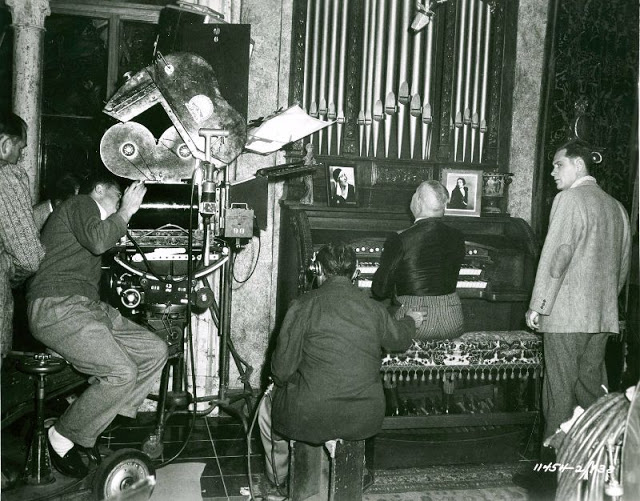
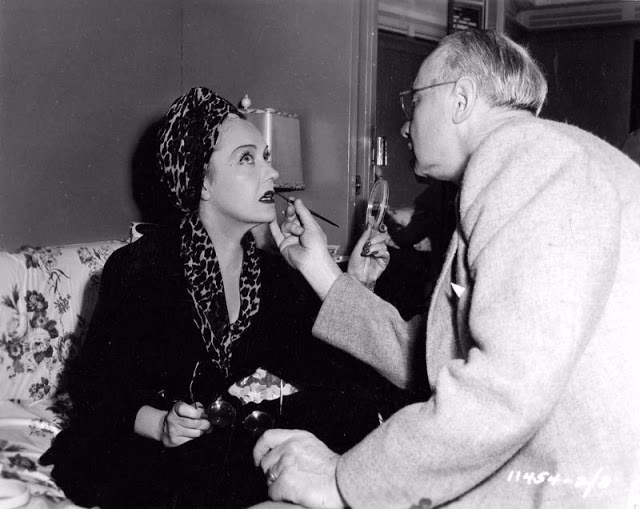
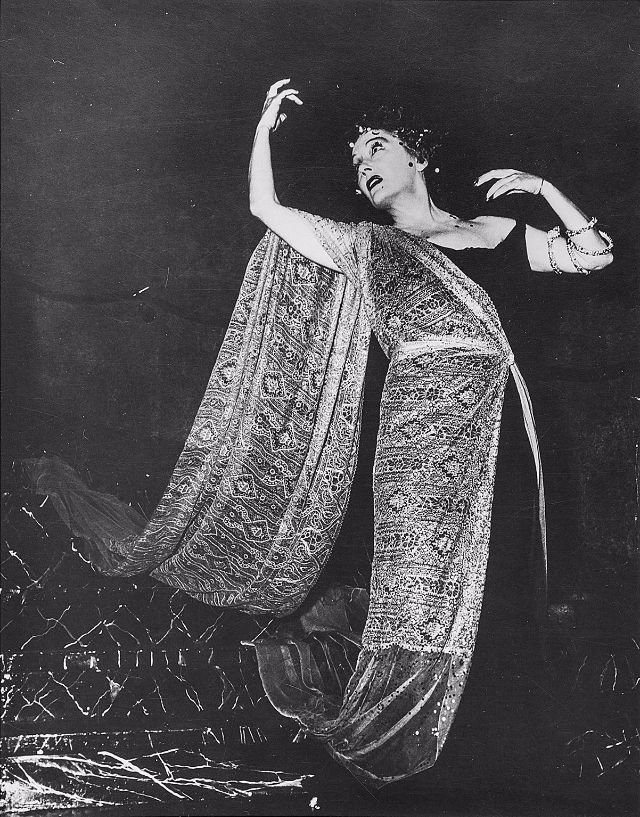
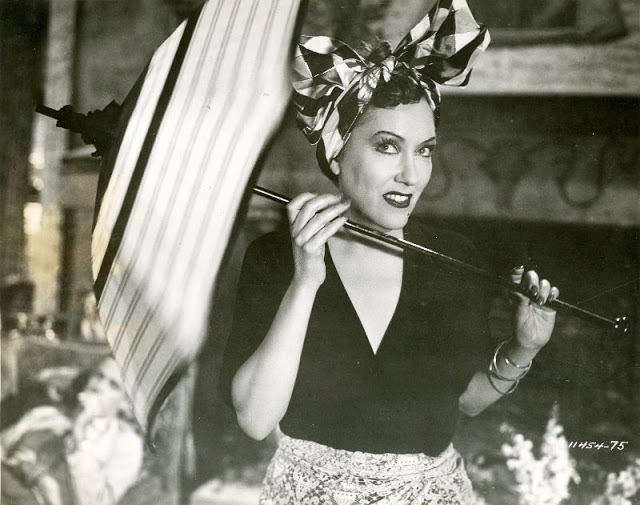
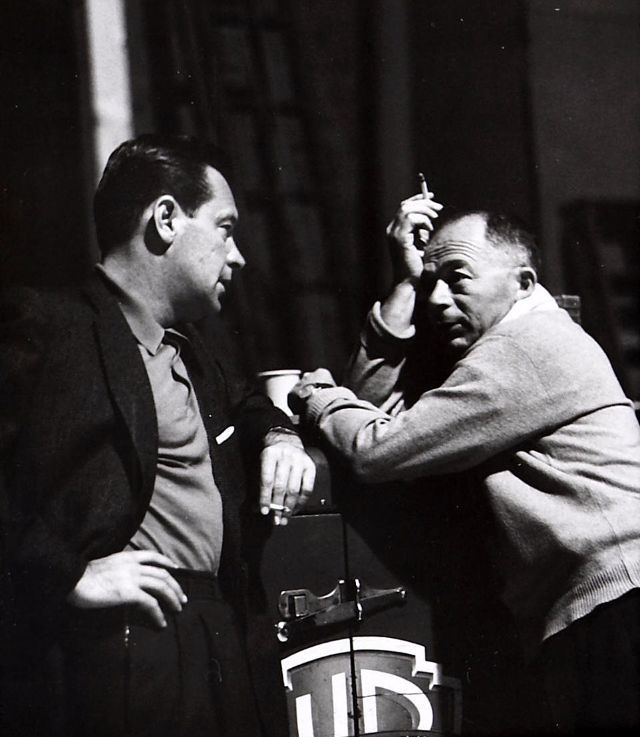
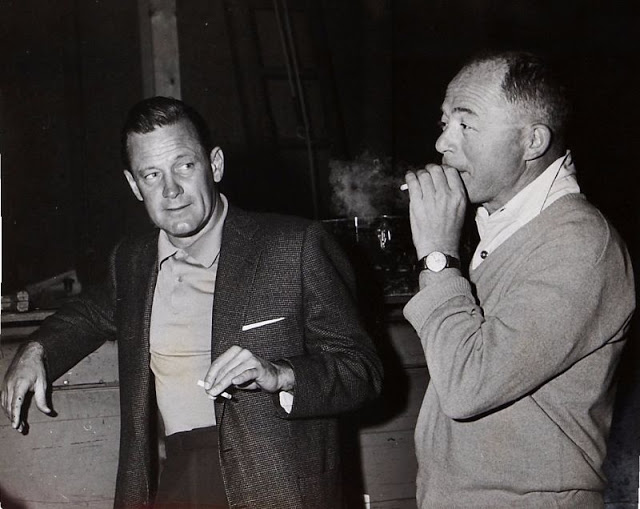
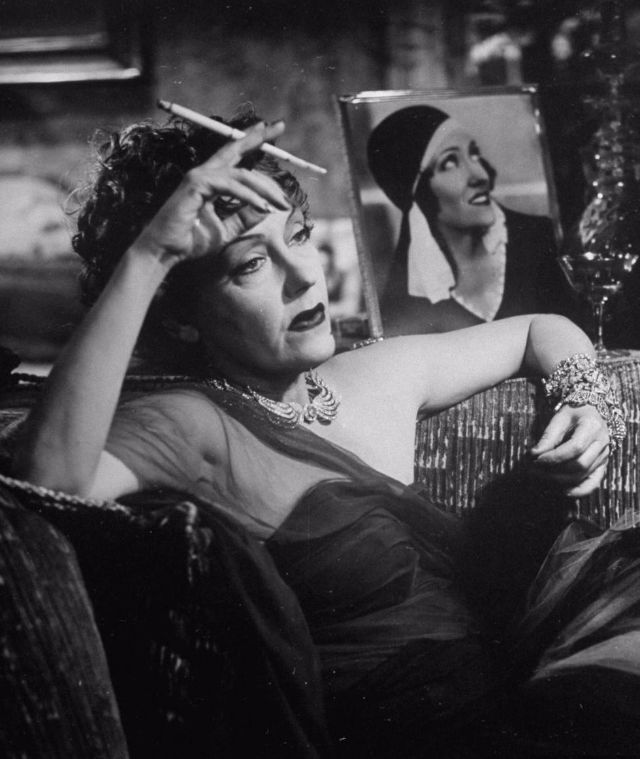
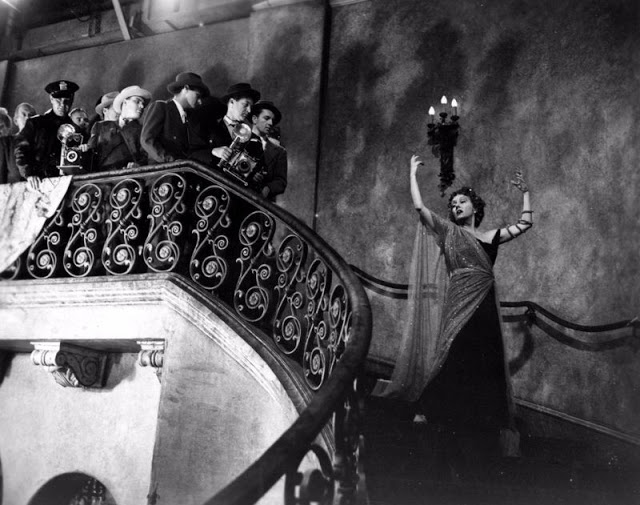
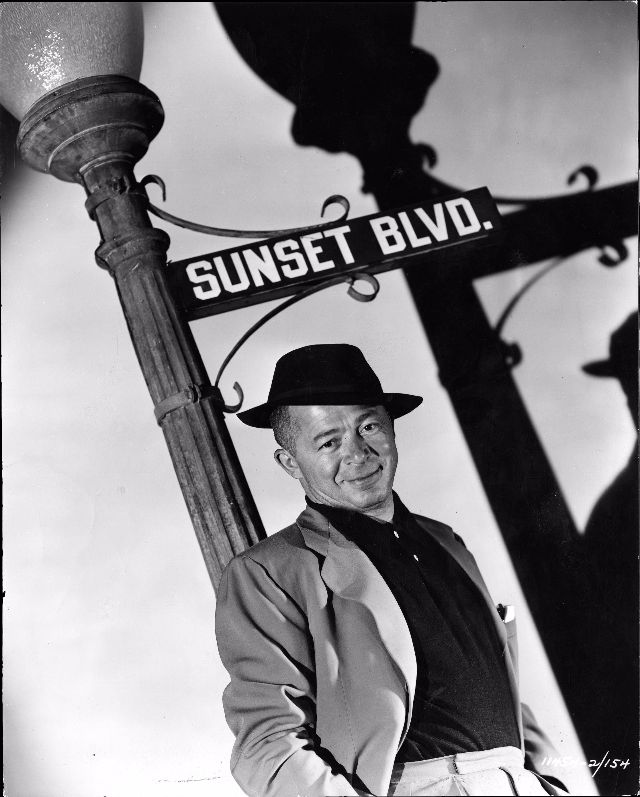
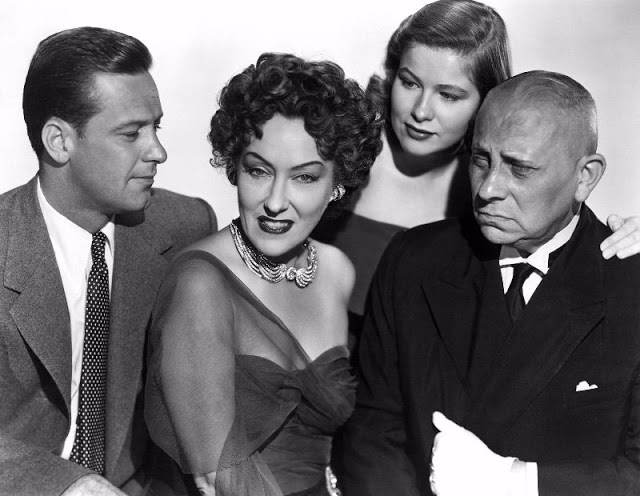
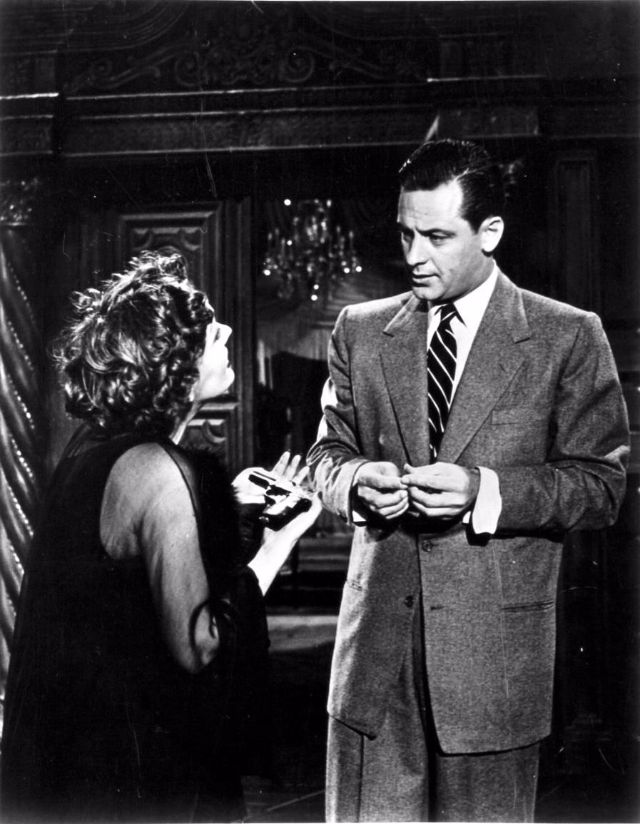
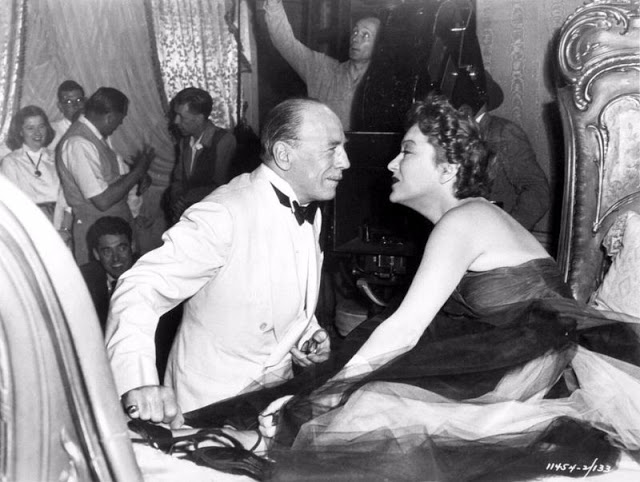
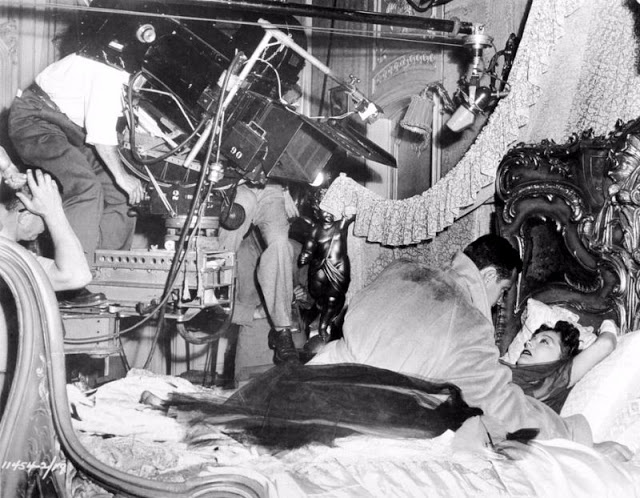
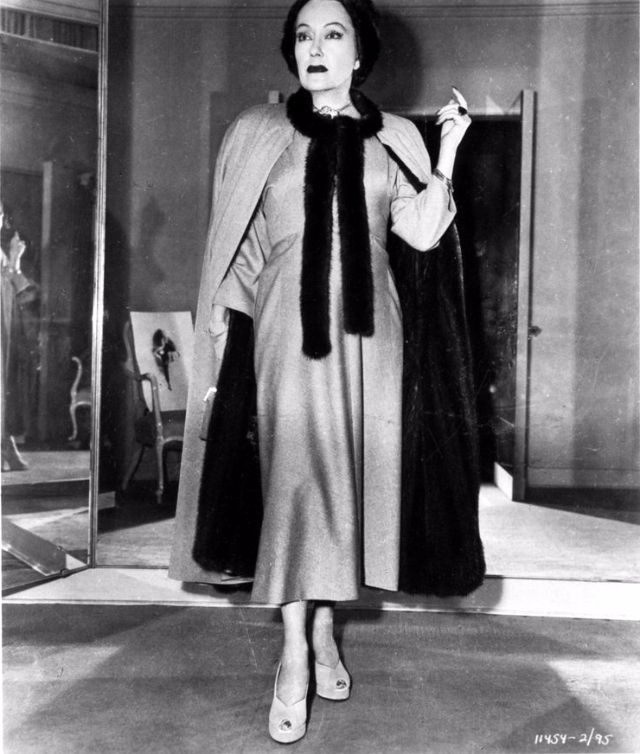
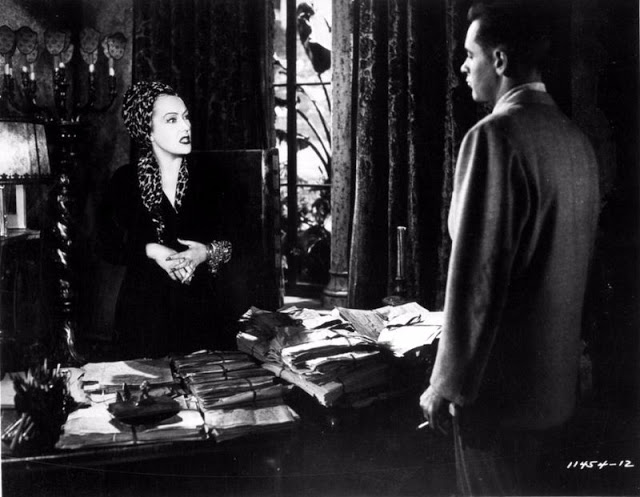
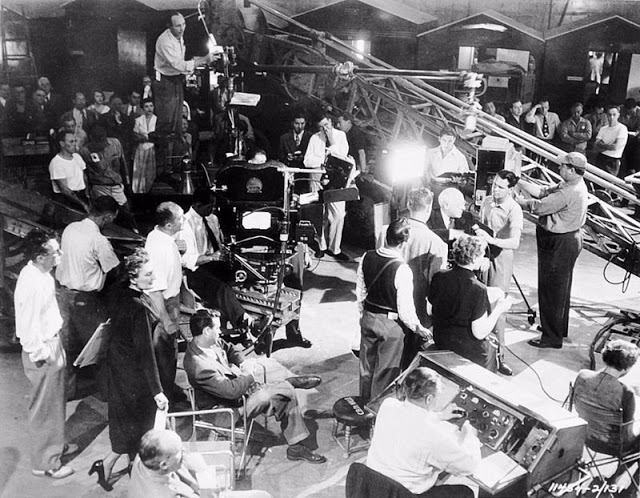
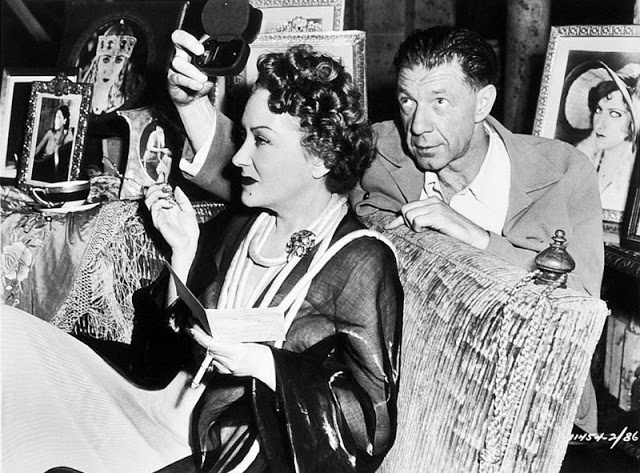
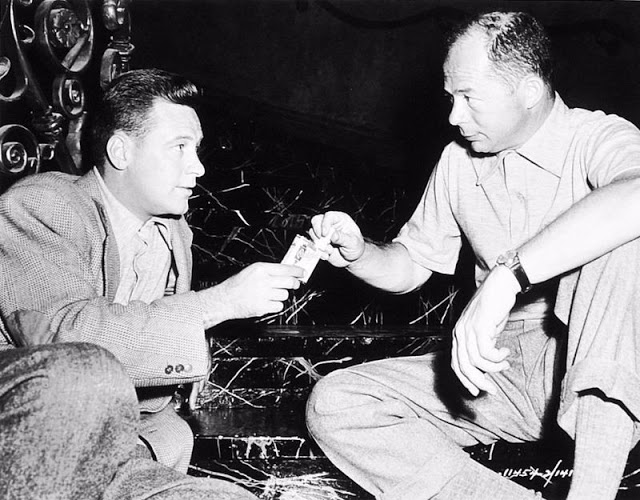
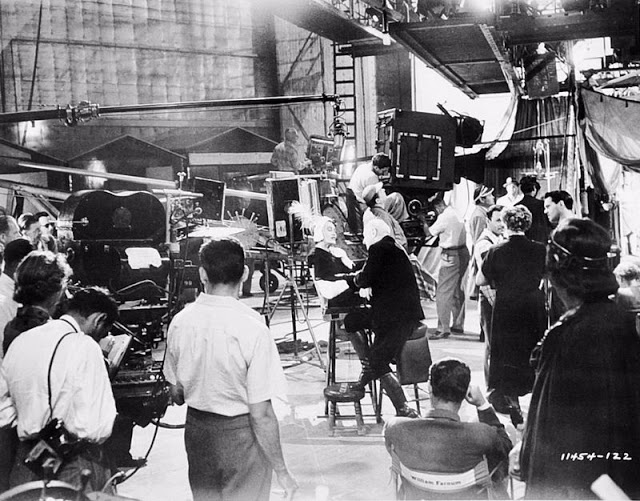
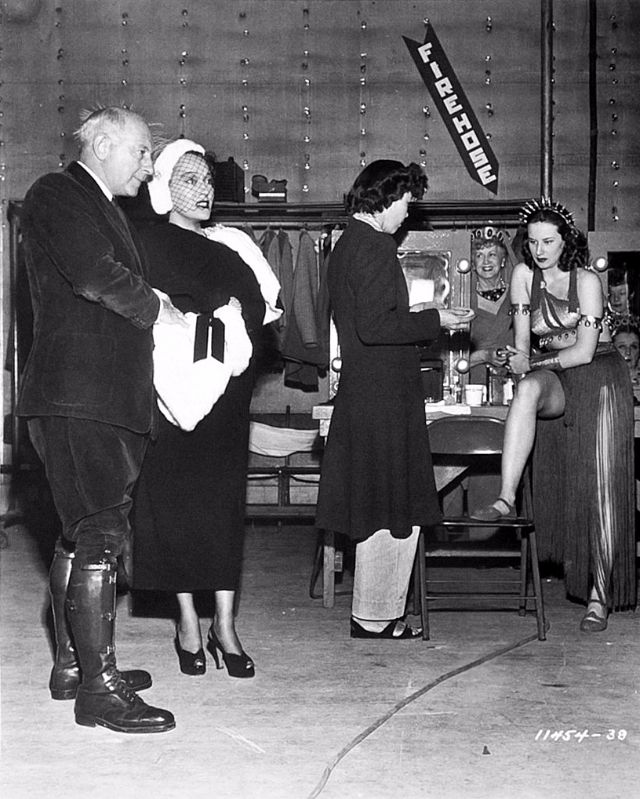
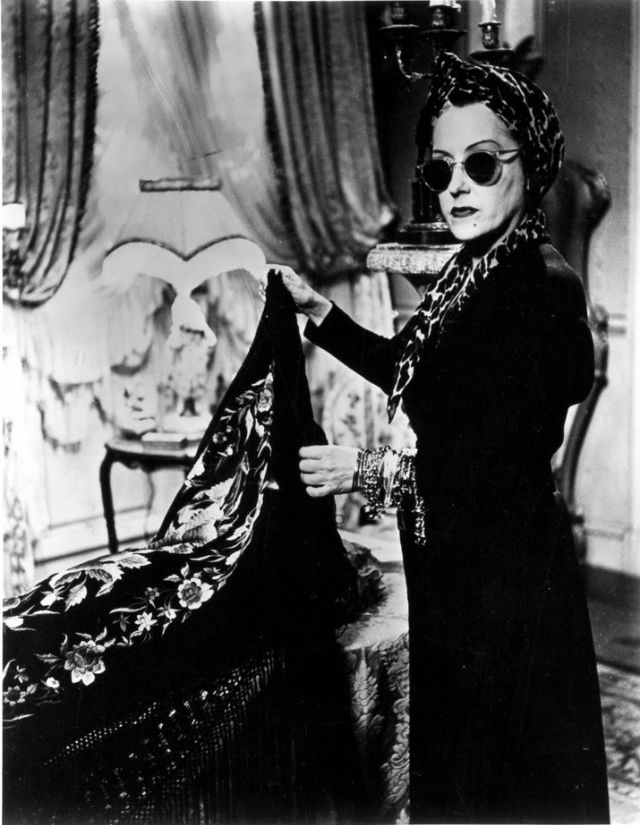
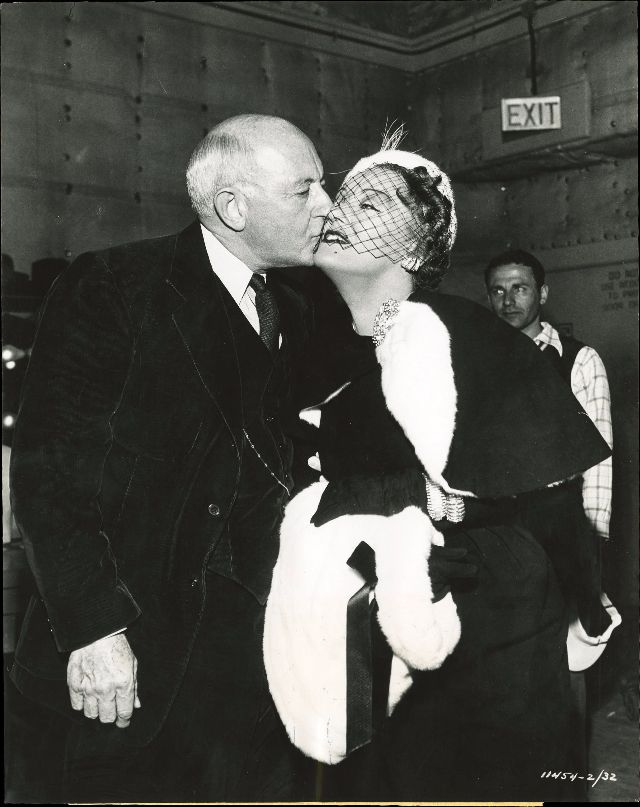
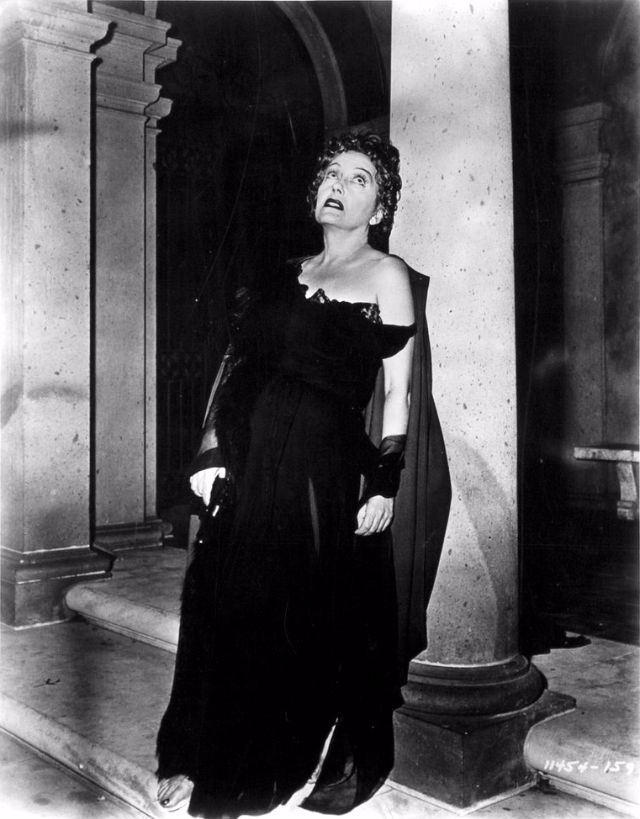
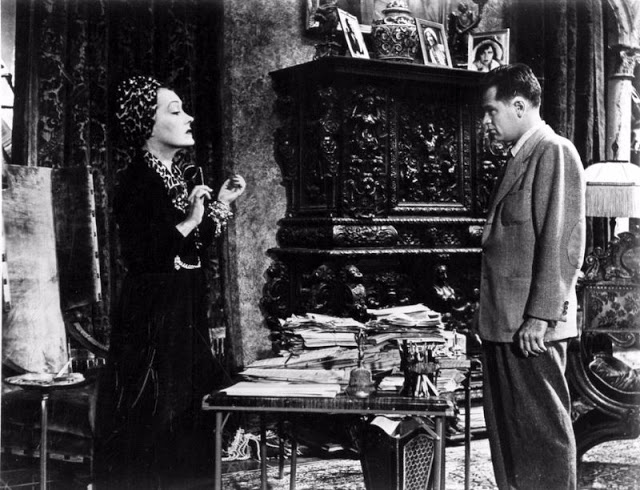
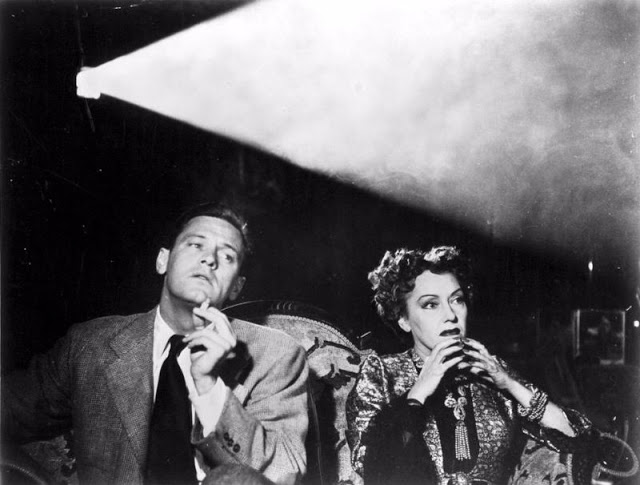
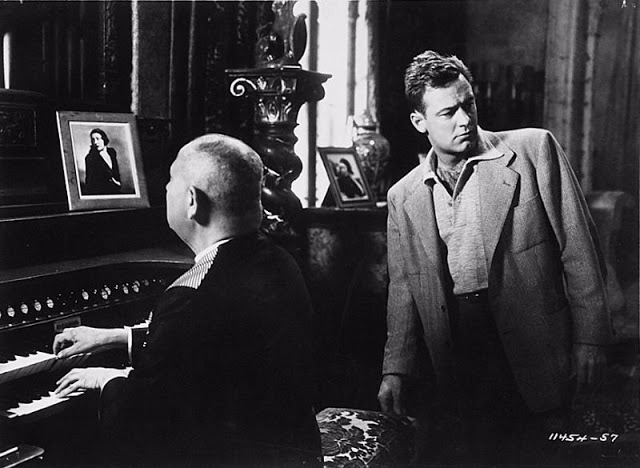
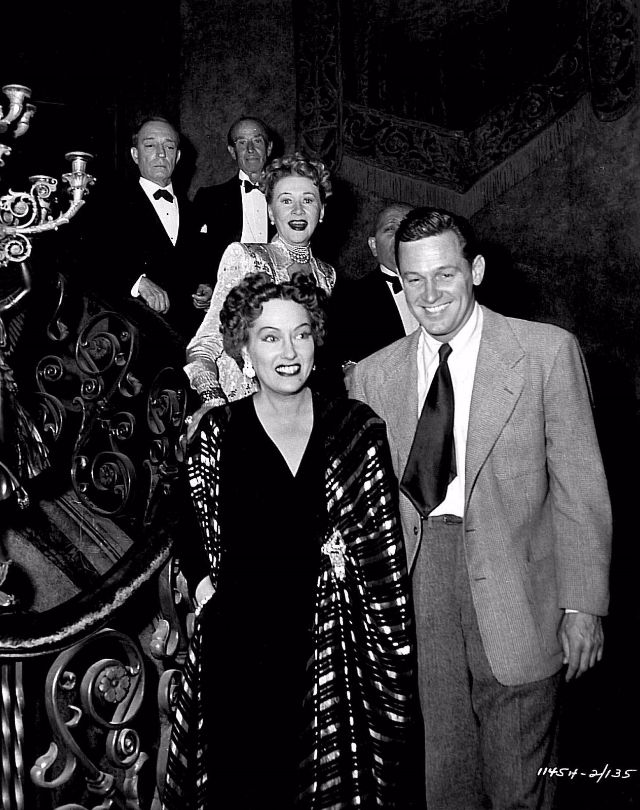
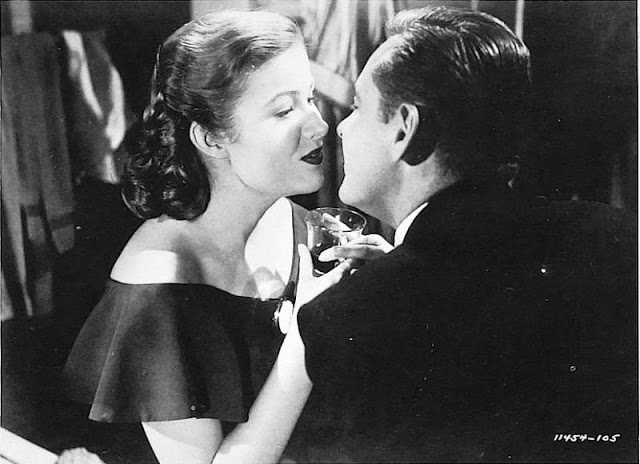
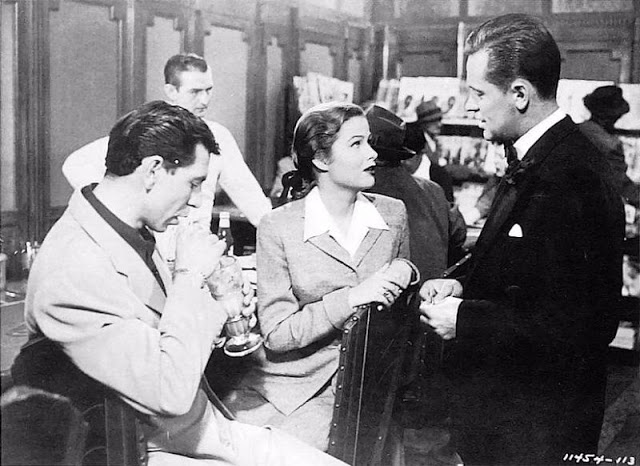
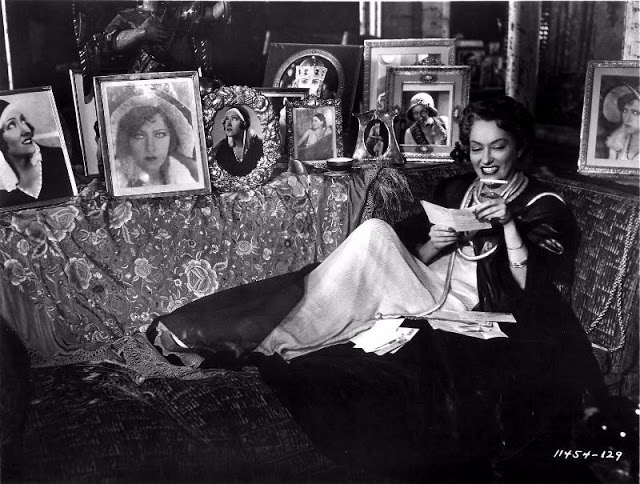
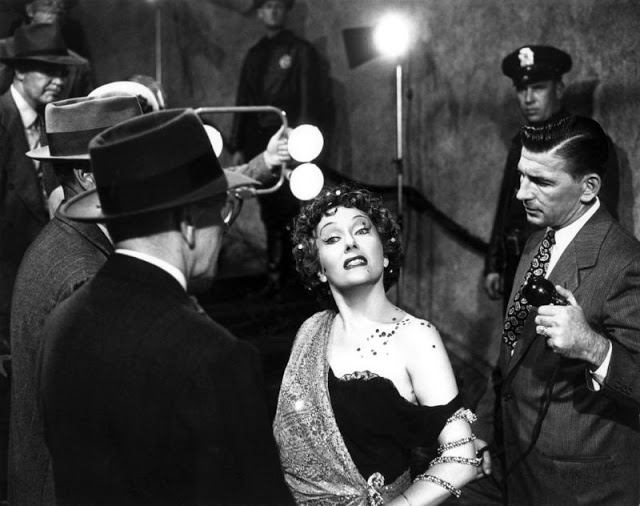
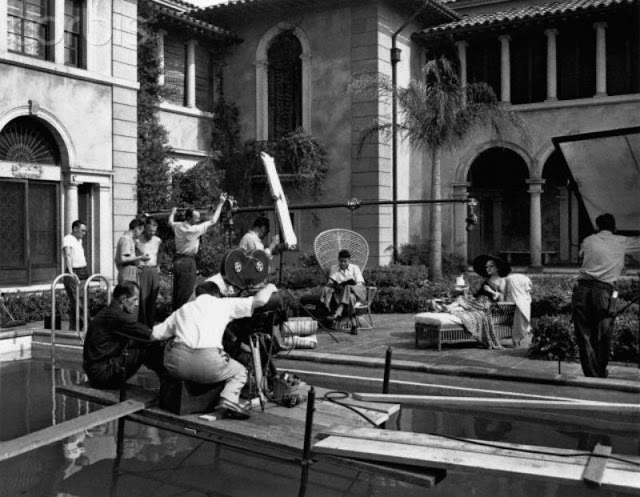
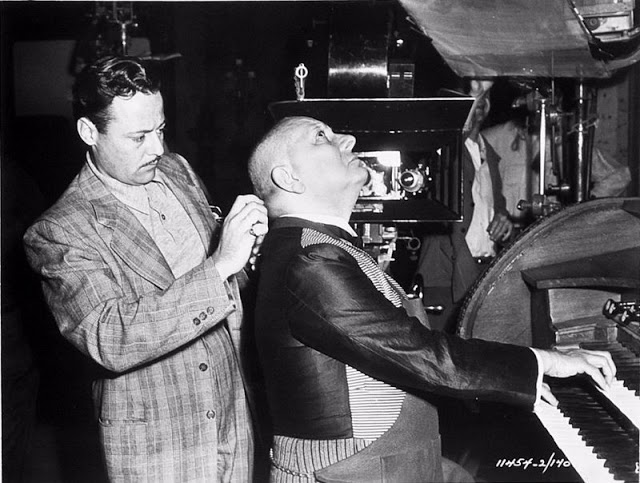
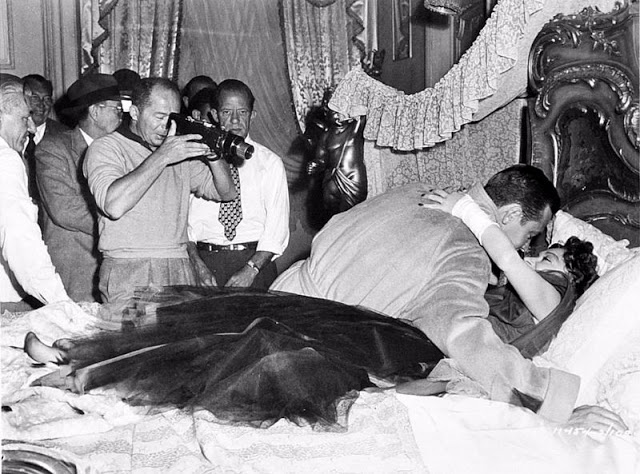
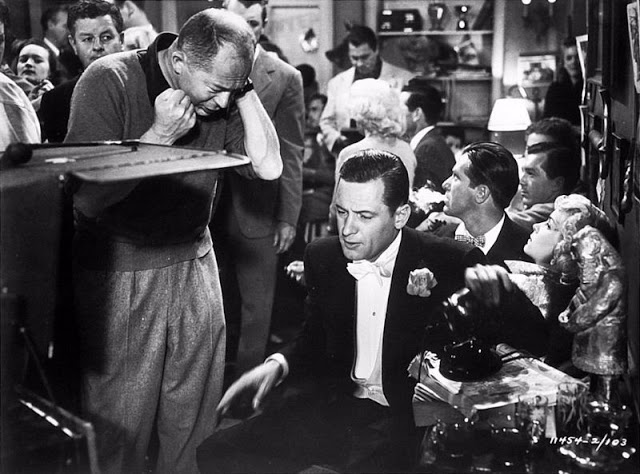
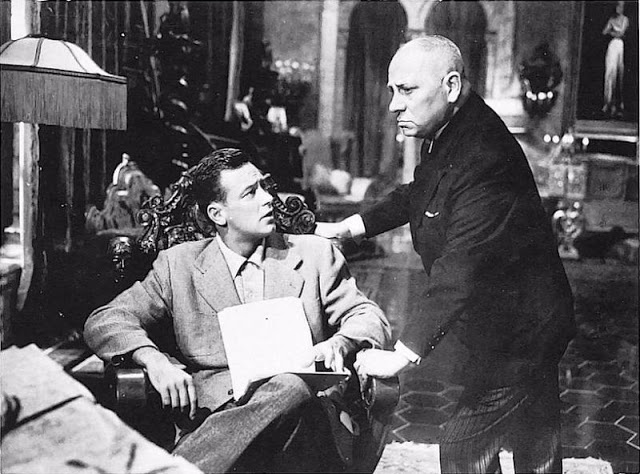
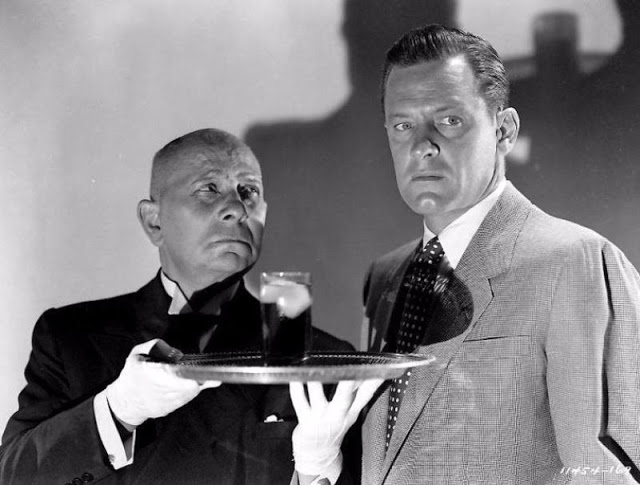
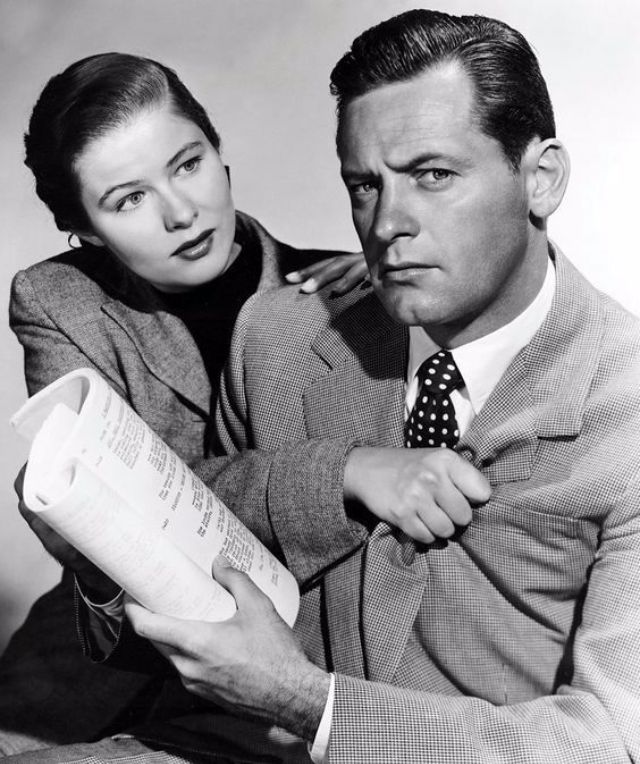
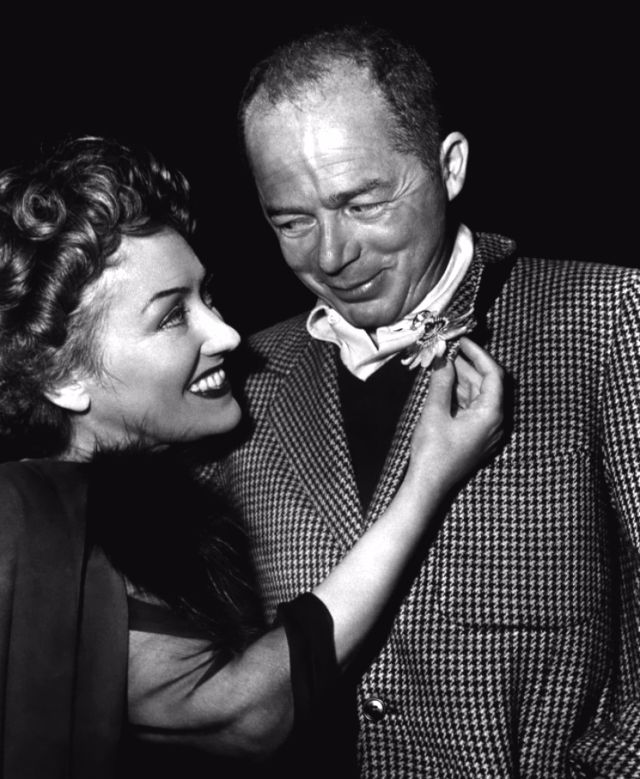
67 Amazing Behind-the-Scenes Photos From the Filming of ‘Sunset Boulevard’ in 1950

Sunset Boulevard is a 1950 American film noir directed and co-written by Billy Wilder, and produced and co-written by Charles Brackett. It was named after the thoroughfare that runs through Los Angeles and Beverly Hills, California.

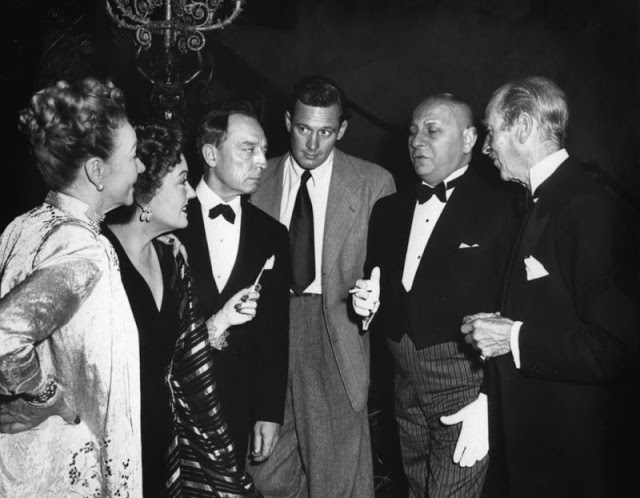
The film stars William Holden as Joe Gillis, an unsuccessful screenwriter, and Gloria Swanson as Norma Desmond, a faded silent film star who draws him into her fantasy world where she dreams of making a triumphant return to the screen, with Erich von Stroheim as Max von Mayerling, her devoted servant. Nancy Olson, Fred Clark, Lloyd Gough and Jack Webb play supporting roles. Director Cecil B. DeMille and gossip columnist Hedda Hopper play themselves, and the film includes cameo appearances by leading silent film actors Buster Keaton, H. B. Warner and Anna Q. Nilsson.

Praised by many critics when first released, Sunset Boulevard was nominated for eleven Academy Awards (including nominations in all four acting categories) and won three. Deemed “culturally, historically, or aesthetically significant” by the U.S. Library of Congress in 1989, Sunset Boulevard was included in the first group of films selected for preservation in the National Film Registry.

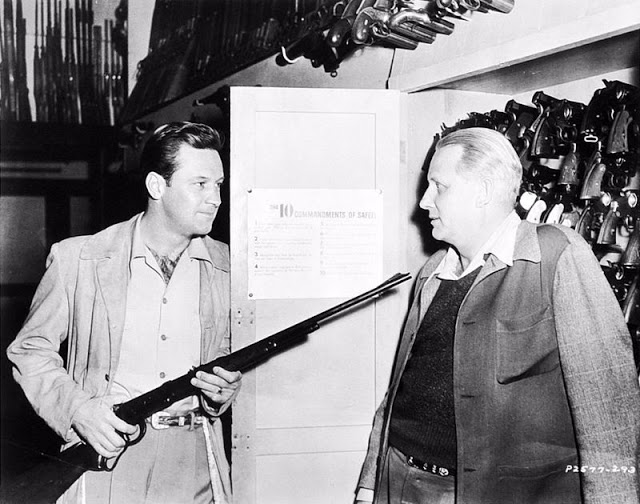
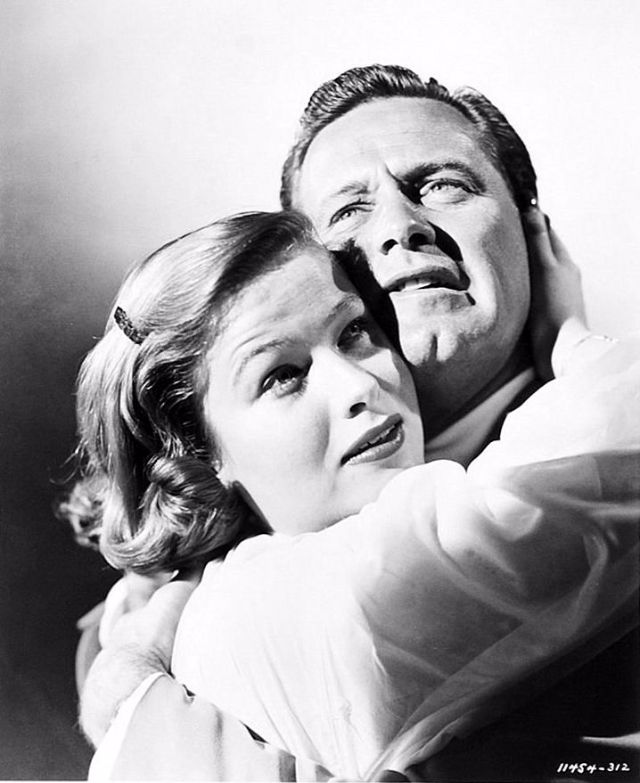
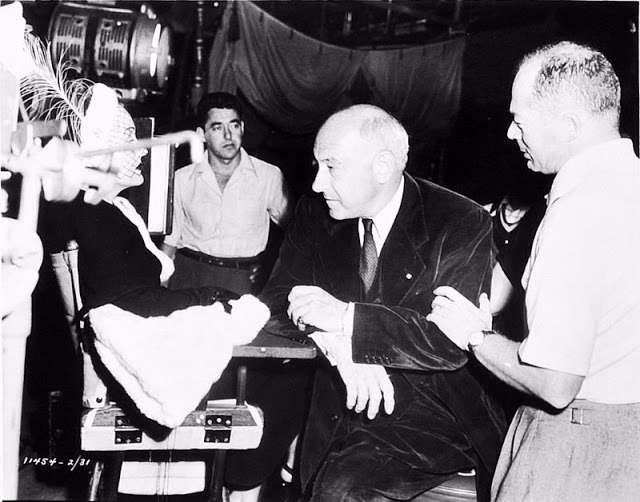
Here is an amazing collection of behind-the-scenes photos from the filming of Sunset Boulevard in 1950.

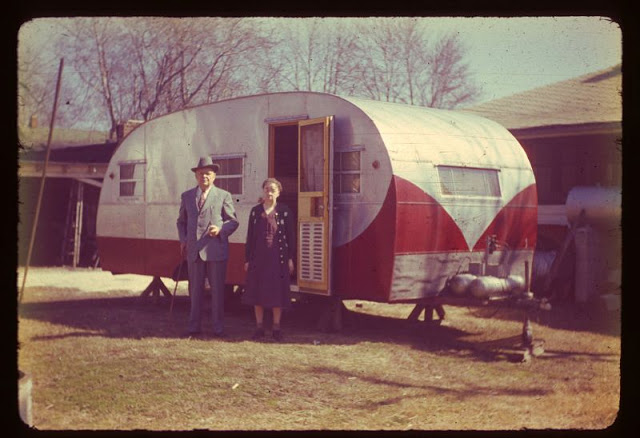
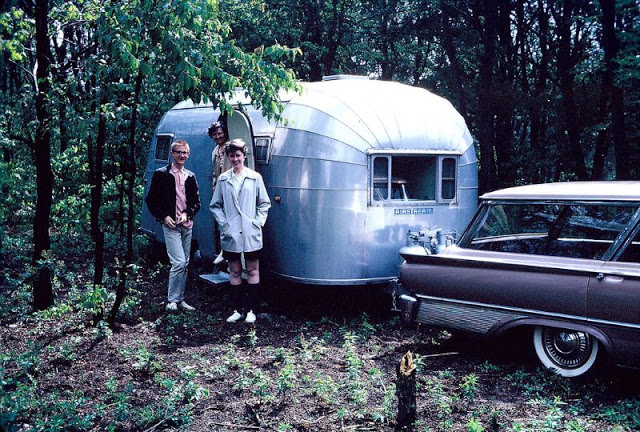
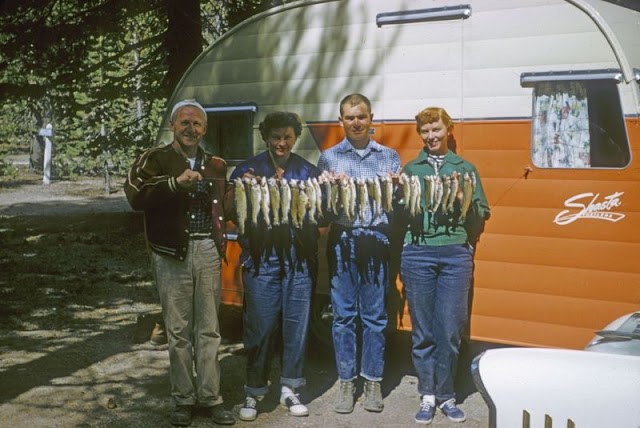
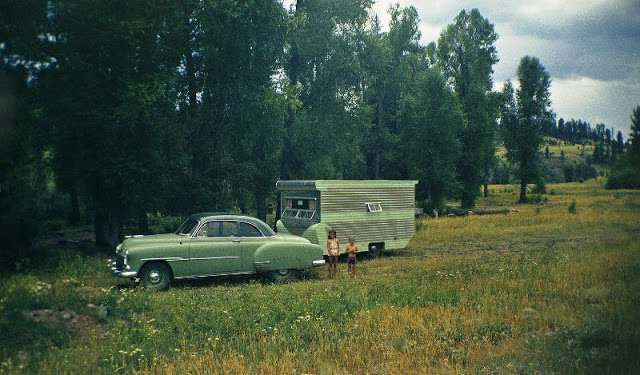
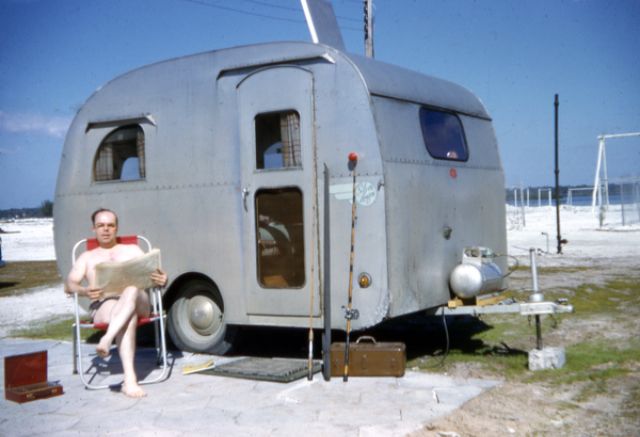
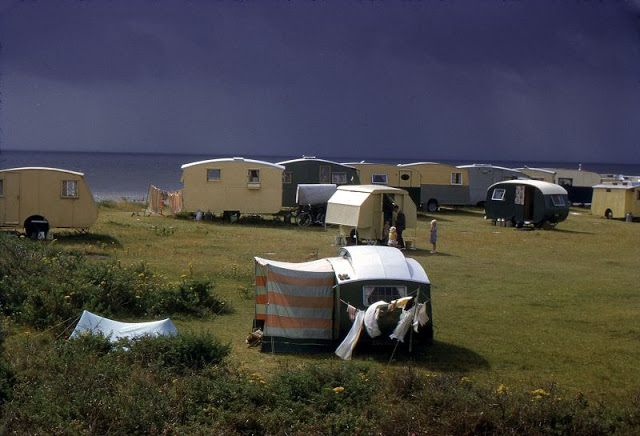
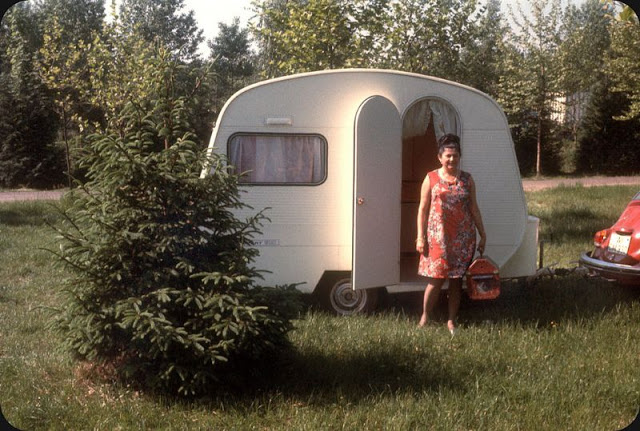
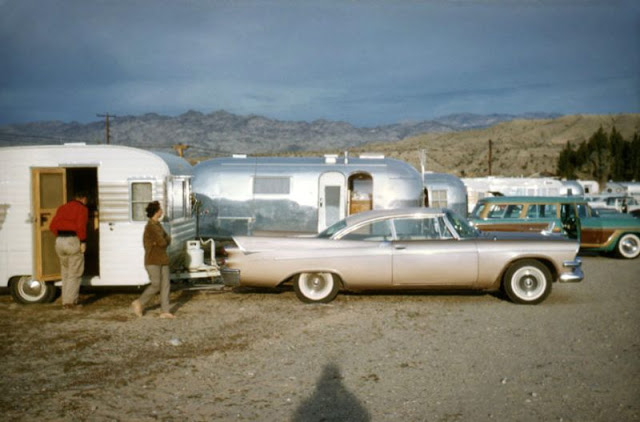
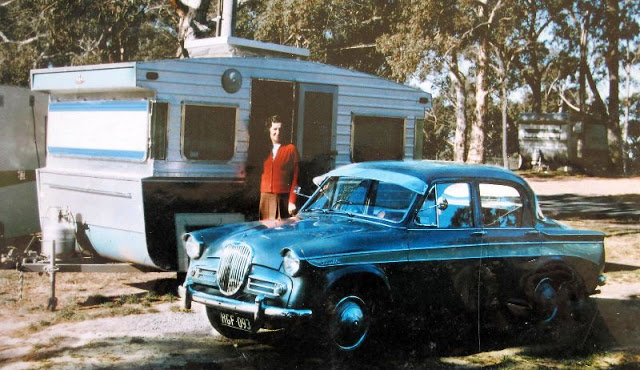
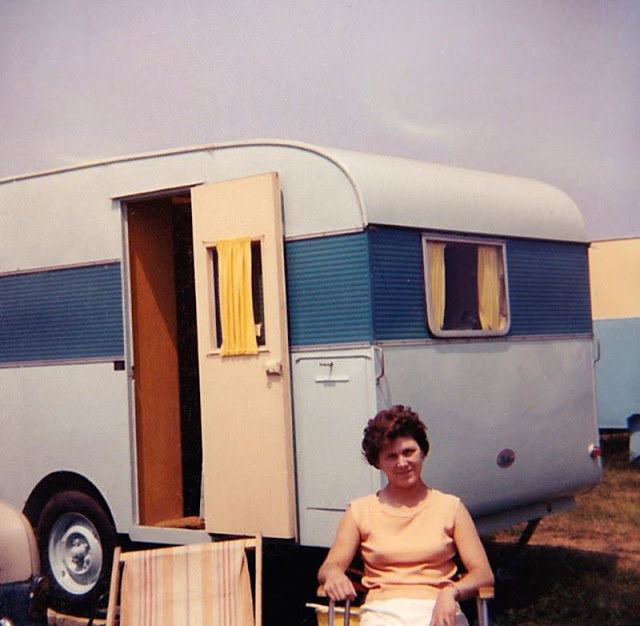
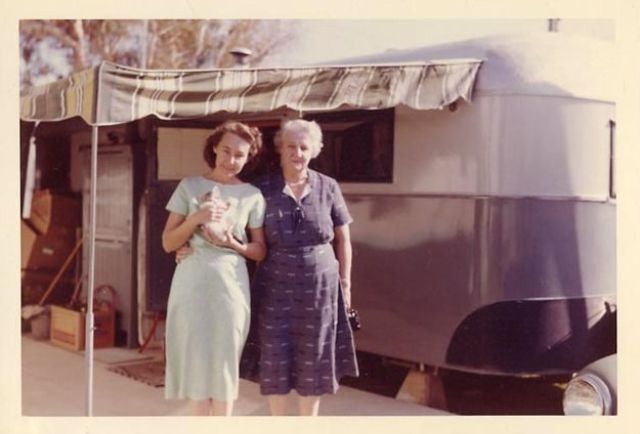
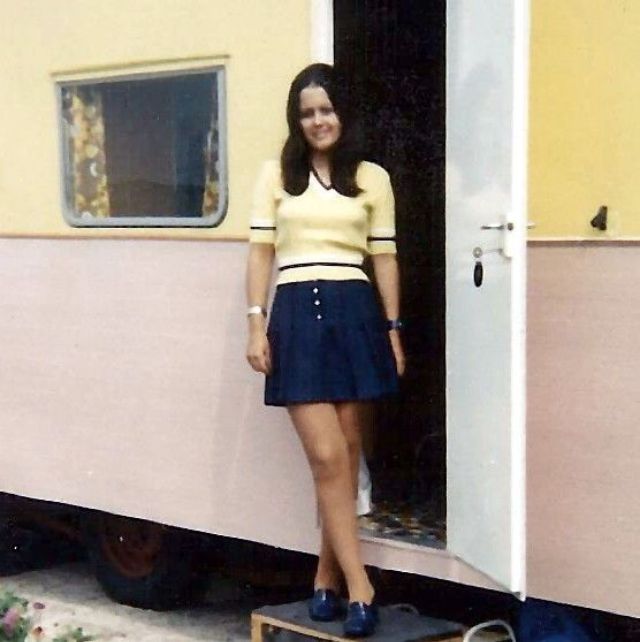
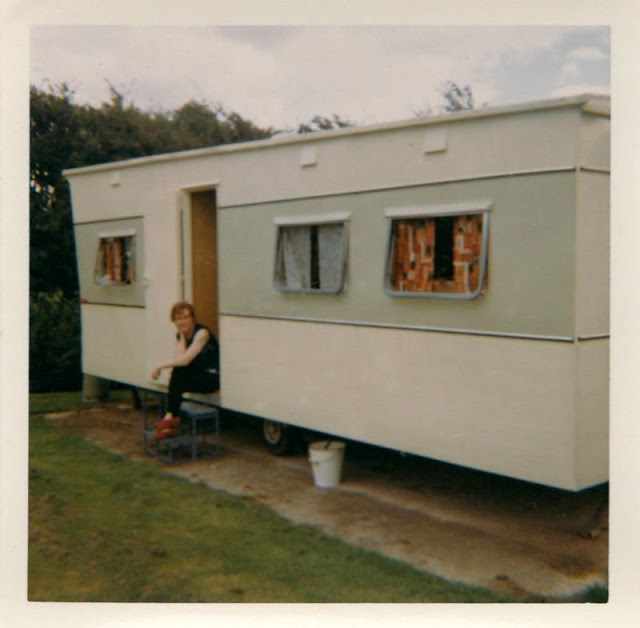
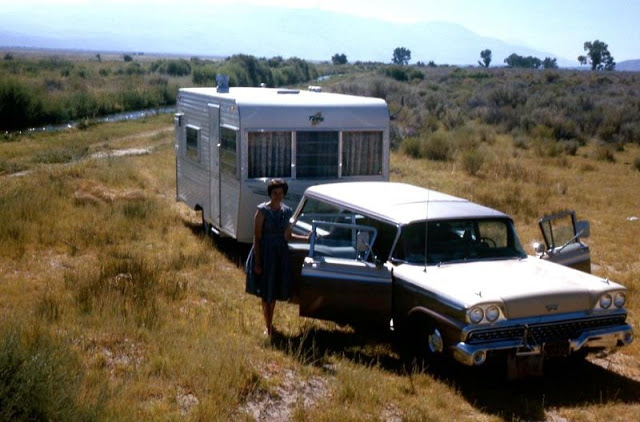
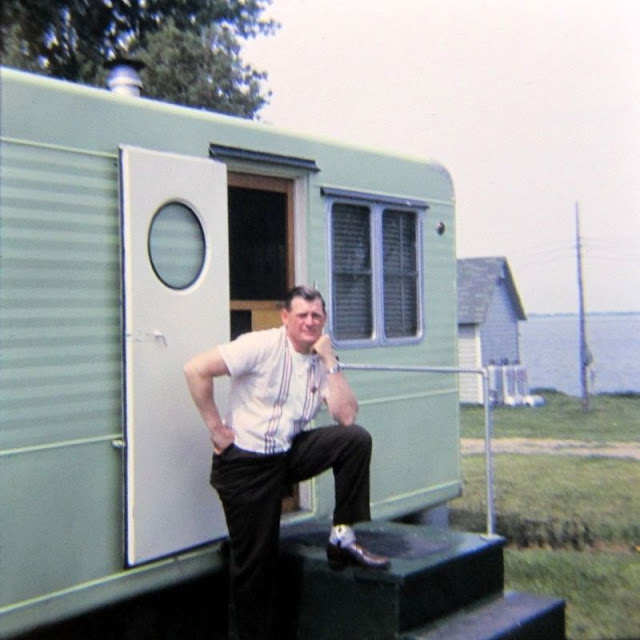
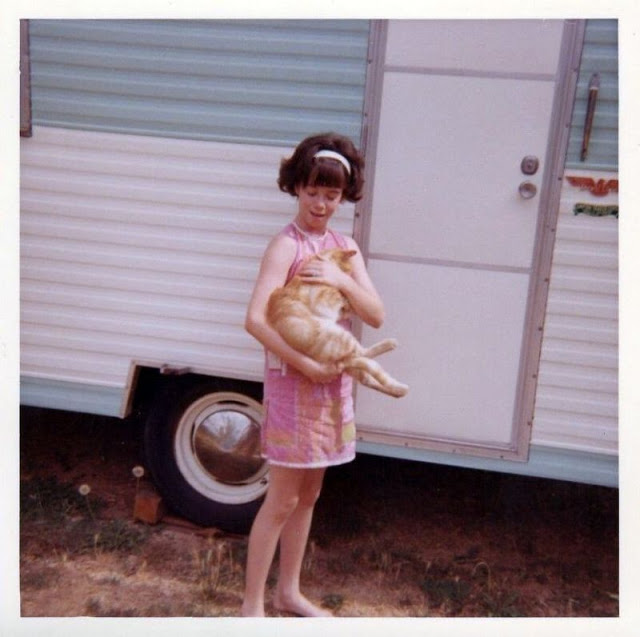
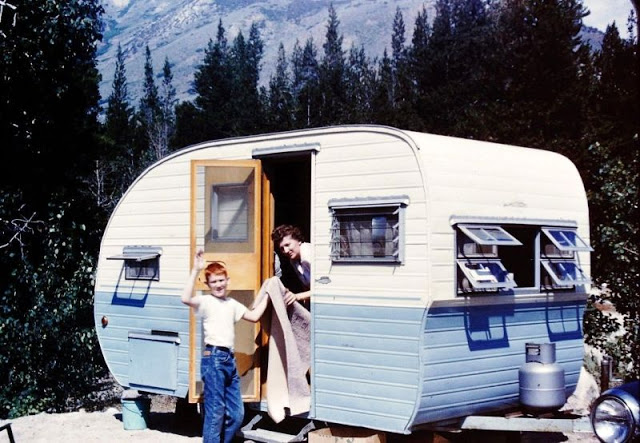
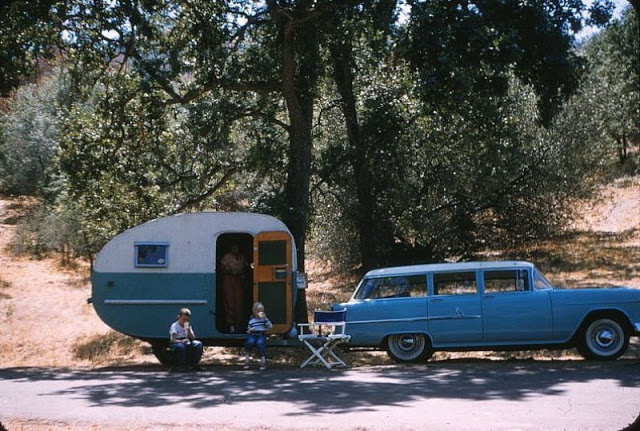
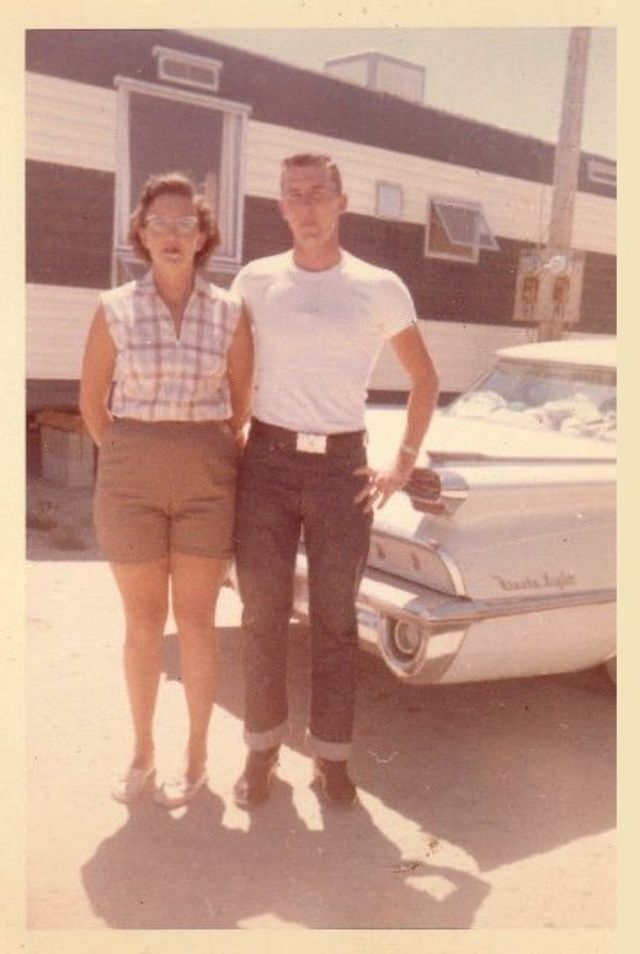
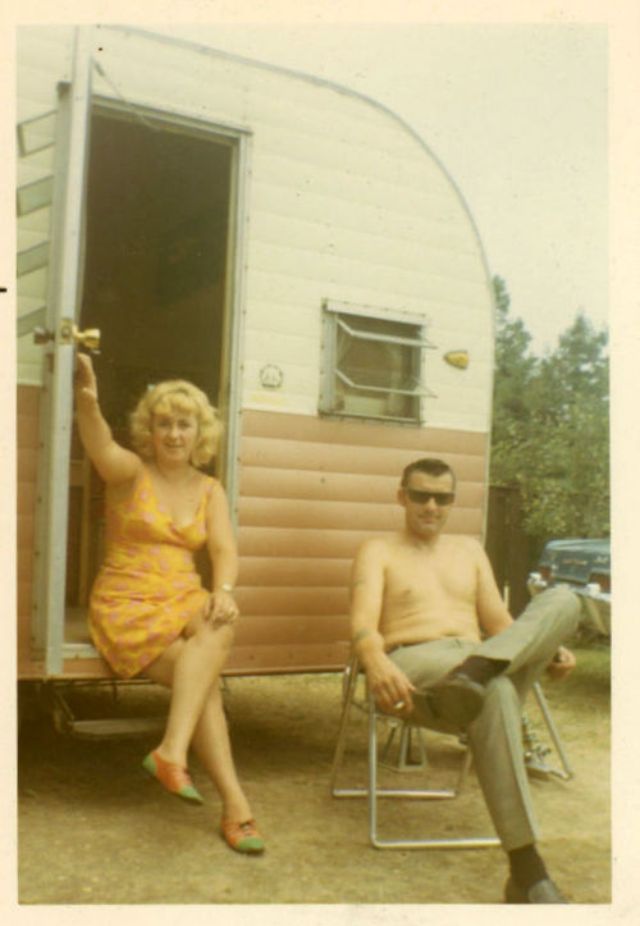
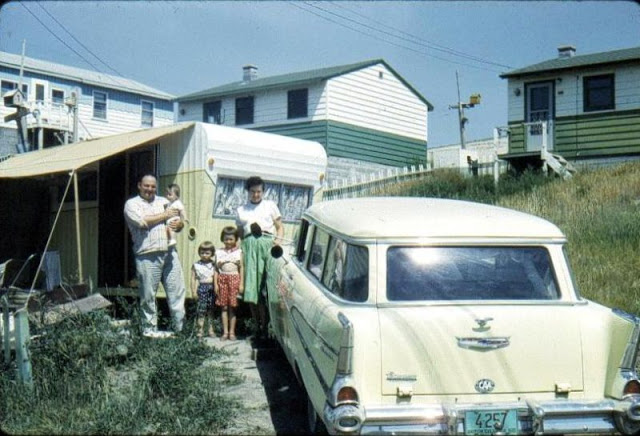
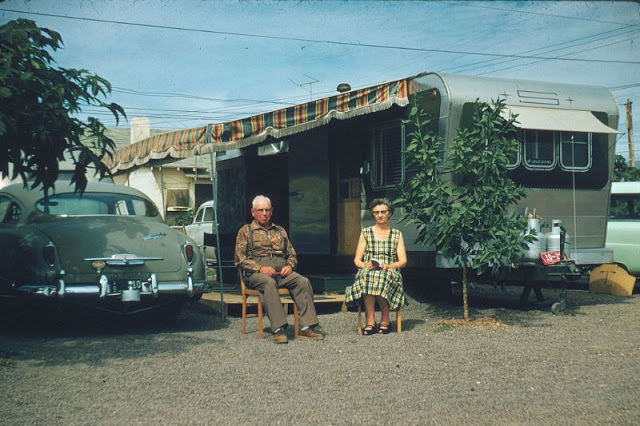
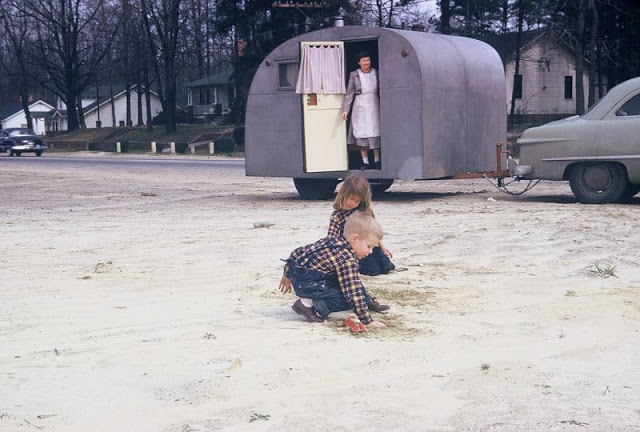
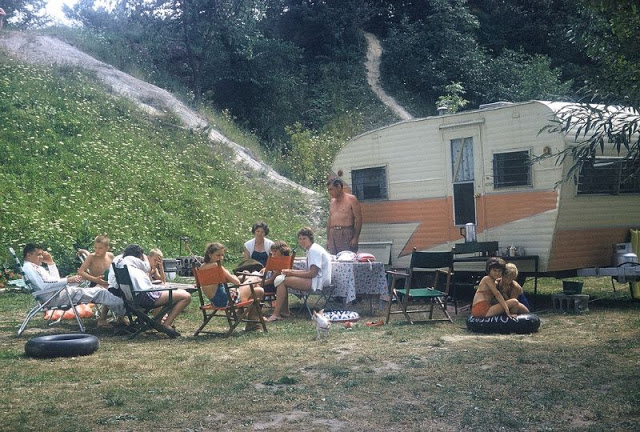
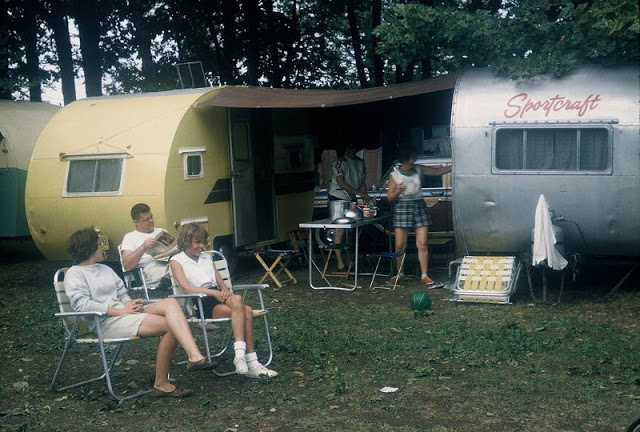
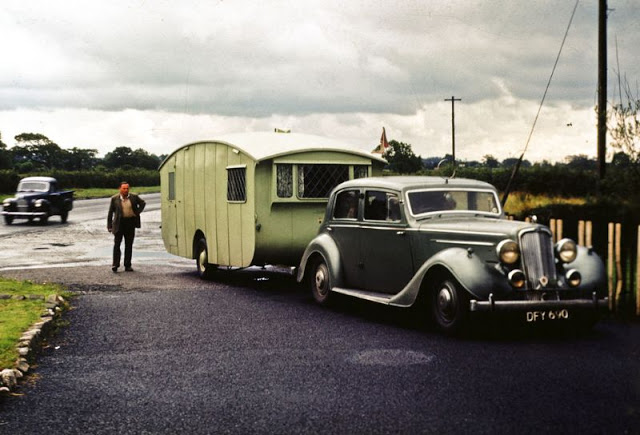
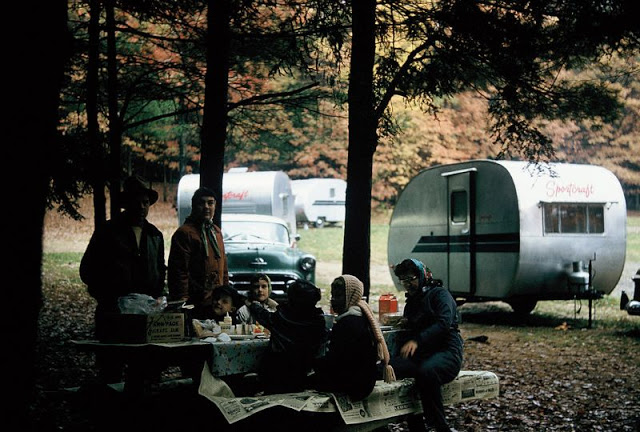
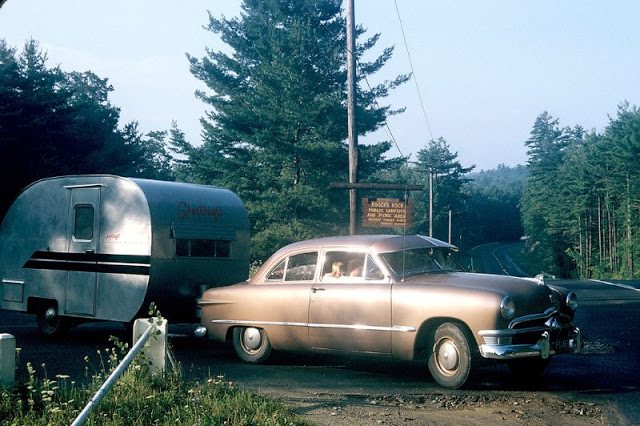
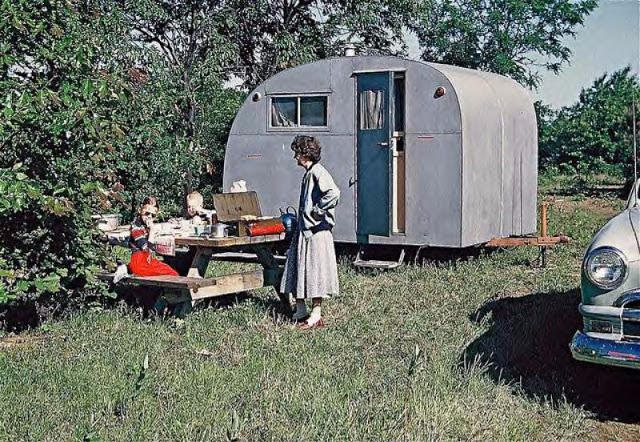
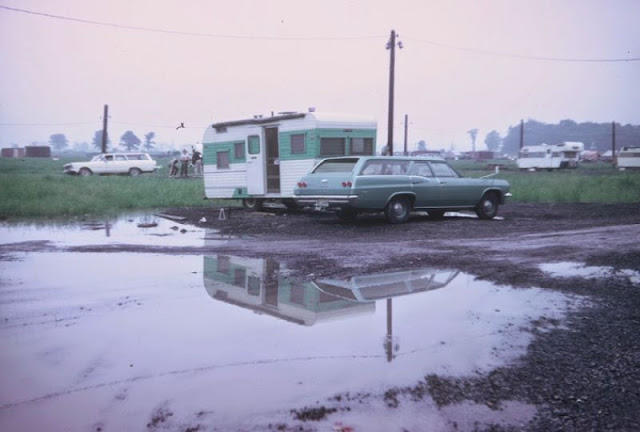
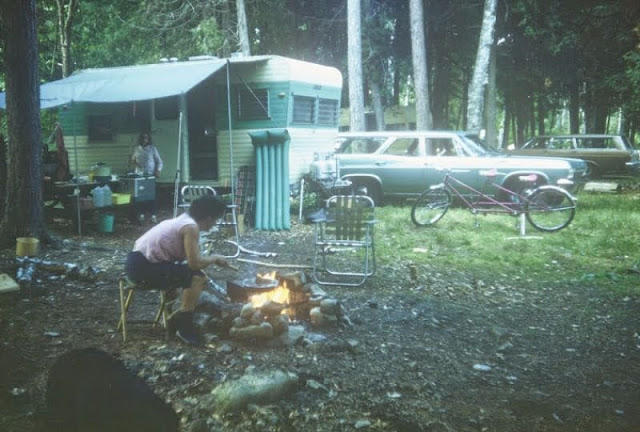
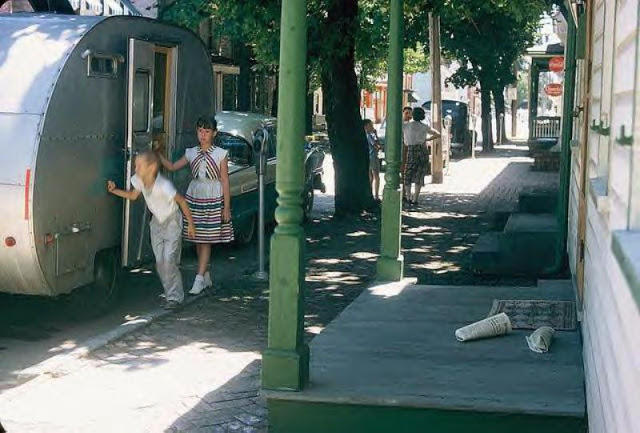
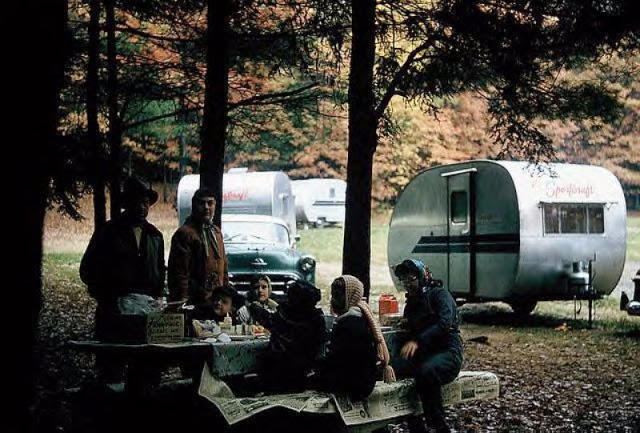
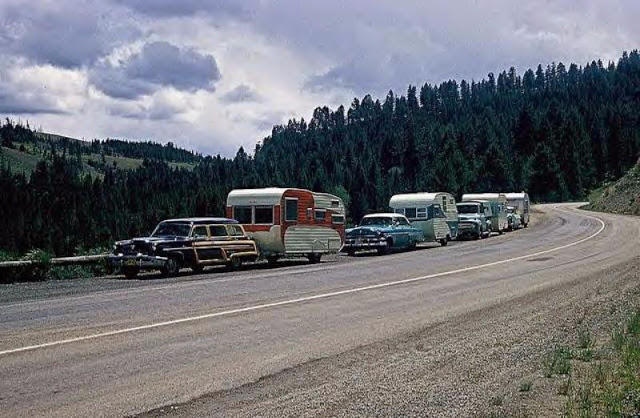
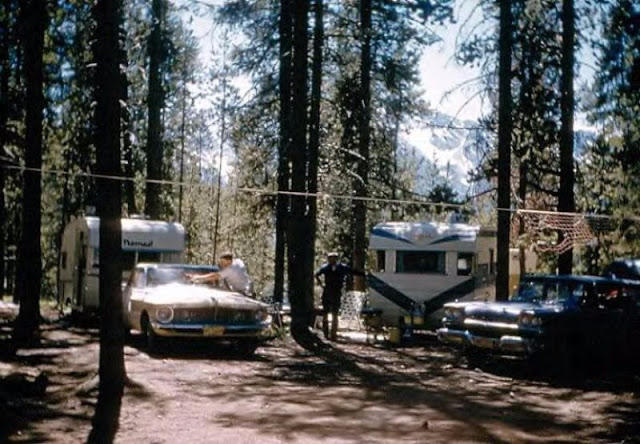
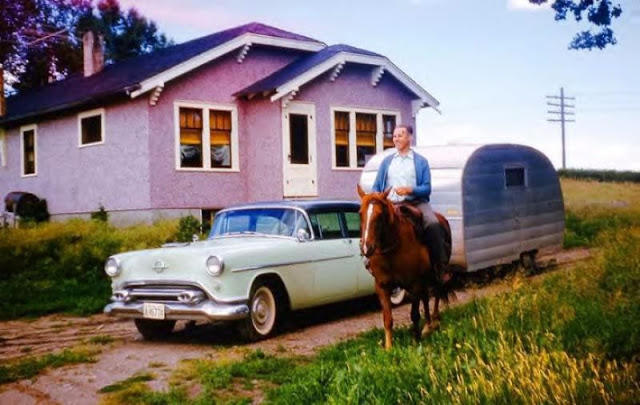
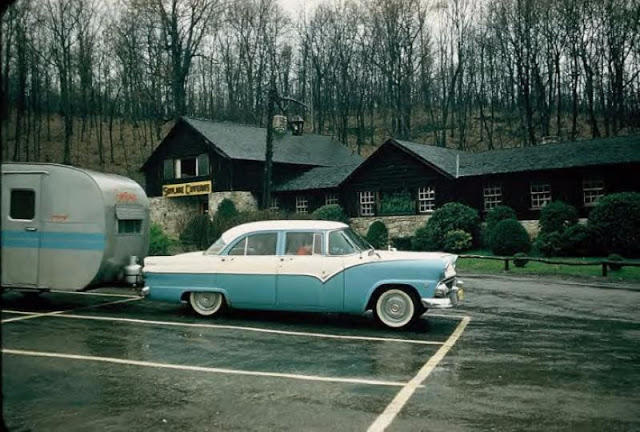
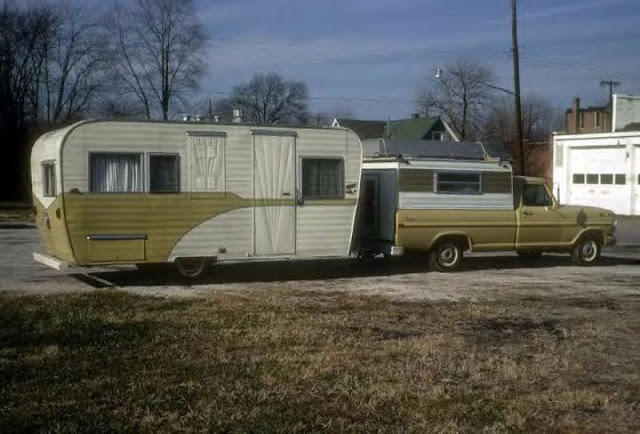
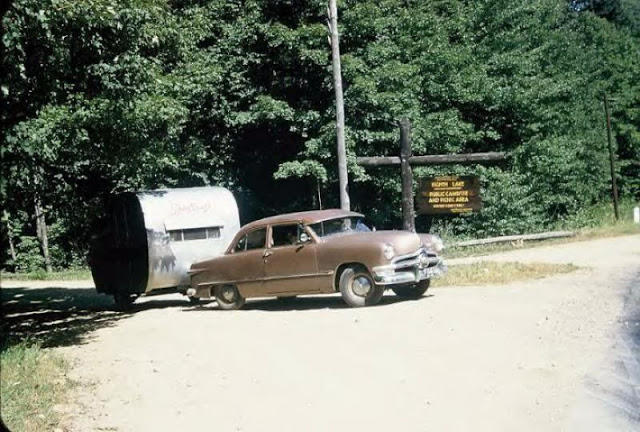
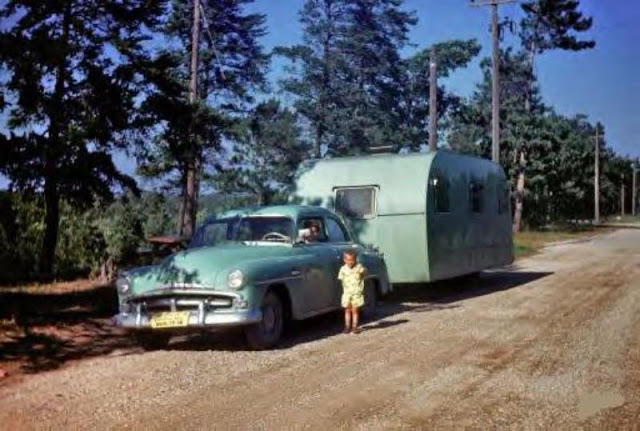
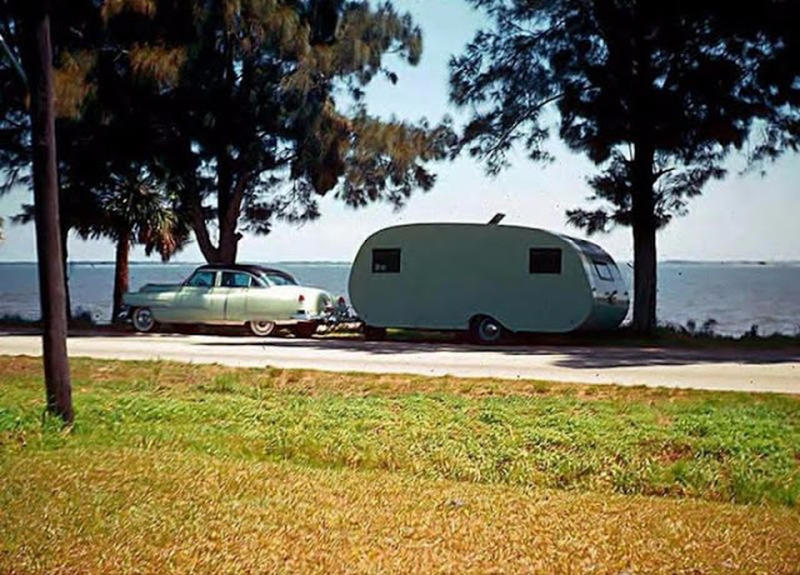
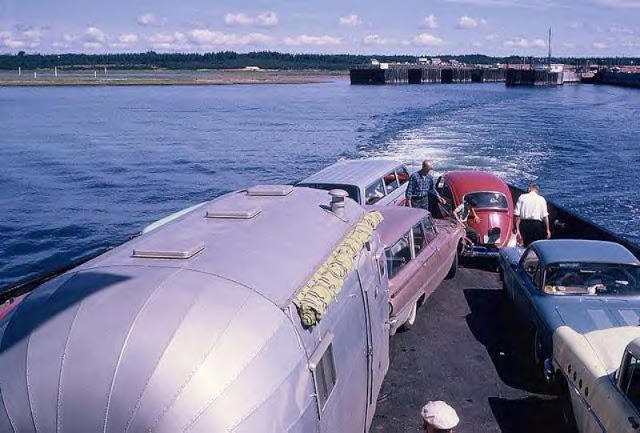
44 Fascinating Color Photographs of Travel Trailers and Motorhomes in the 1950s and ’60s

Modern-day travel trailers trace their origins to gypsy travel wagons and the Conestoga Wagons built to carry settlers across the United States. Created out of Americans’ love for camping and automobiles, the motorhome is born.

In 1910 the first motorhome, Pierce-Arrow’s Touring Landau, debuts at Madison Square Garden. A back seat that folds down into a bed, a chamber pot toilet and a fold-down sink are a sensation, but the whole idea of a “motor home” doesn’t catch on.

In the 1930s, auto coachbuilders continue to tinker with motorized homes, but high sticker prices keep public demand low.

Following WWII, innovative thinking restarts the motorhome industry on a small scale. Expensive luxury items, motorhomes remain far less popular than travel trailers.

In the 1960s, following the creation of the country’s interstate highway system, traveling to remote wilderness areas becomes easy. Companies like Winnebago begin manufacturing motorhomes on a massive scale, driving down the cost.

20 Fabulous Color Photos Showing Life in Turkey from between the 1960s and 1970s

Turkey, officially the Republic of Turkey, is a transcontinental country located mainly on Anatolia in Western Asia, with a portion on the Balkans in Southeast Europe. It shares borders with Greece and Bulgaria to the northwest; the Black Sea to the north; Georgia to the northeast; Armenia, Azerbaijan, and Iran to the east; Iraq to the southeast; Syria and the Mediterranean Sea to the south; and the Aegean Sea to the west. Cyprus is located off the south coast. Turks form the vast majority of the nation’s population and Kurds are the largest minority. Ankara is Turkey’s capital, while Istanbul is its largest city and financial centre.

One of the world’s earliest permanently settled regions, present-day Turkey was home to important Neolithic sites like Göbekli Tepe, and was inhabited by ancient civilisations including the Hattians, Anatolian peoples, Mycenaean Greeks and others. Following the conquests of Alexander the Great which started the Hellenistic period, most of the ancient regions in modern Turkey were culturally Hellenised, which continued during the Byzantine era. The Seljuk Turks began migrating in the 11th century, and the Sultanate of Rum ruled Anatolia until the Mongol invasion in 1243, when it disintegrated into small Turkish principalities. Beginning in the late 13th century, the Ottomans united the principalities and conquered the Balkans, and the Turkification of Anatolia increased during the Ottoman period. After Mehmed II conquered Constantinople (Istanbul) in 1453, Ottoman expansion continued under Selim I. During the reign of Suleiman the Magnificent, the Ottoman Empire became a global power. From the late 18th century onwards, the empire’s power declined with a gradual loss of territories. Mahmud II started a period of modernisation in the early 19th century. The Young Turk Revolution of 1908 restricted the authority of the Sultan and restored the Ottoman Parliament after a 30-year suspension, ushering the empire into a multi-party period. The 1913 coup d’état put the country under the control of the Three Pashas, who facilitated the Empire’s entry into World War I as part of the Central Powers in 1914. During the war, the Ottoman government committed genocides against its Armenian, Greek and Assyrian subjects. After its defeat in the war, the Ottoman Empire was partitioned.

The Turkish War of Independence against the occupying Allied Powers resulted in the abolition of the Sultanate on 1 November 1922, the signing of the Treaty of Lausanne (which superseded the Treaty of Sèvres) on 24 July 1923 and the proclamation of the Republic on 29 October 1923. With the reforms initiated by the country’s first president, Mustafa Kemal Atatürk, Turkey became a secular, unitary and parliamentary republic. Turkey played a prominent role in the Korean War and joined NATO in 1952. The country endured several military coups in the latter half of the 20th century. The economy was liberalised in the 1980s, leading to stronger economic growth and political stability. The parliamentary republic was replaced with a presidential system by referendum in 2017.

Turkey is a regional power and a newly industrialized country, with a geopolitically strategic location.[28] Its economy, which is classified among the emerging and growth-leading economies, is the twentieth-largest in the world by nominal GDP, and the eleventh-largest by PPP. It is a charter member of the United Nations, an early member of NATO, the IMF, and the World Bank, and a founding member of the OECD, OSCE, BSEC, OIC, and G20. After becoming one of the early members of the Council of Europe in 1950, Turkey became an associate member of the EEC in 1963, joined the EU Customs Union in 1995, and started accession negotiations with the European Union in 2005. Turkey has a rich cultural legacy shaped by centuries of history and the influence of the various peoples that have inhabited its territory over several millennia; it is home to 19 UNESCO World Heritage Sites and is among the most visited countries in the world. (Wikipedia)

48 Amazing Vogue Covers Illustrated by Georges Lepape From Between the 1910s and 1930s

Georges Lepape is a French illustrator, who was born in Paris in 1887; he studied at the Ecole des Beaux-Arts in Paris, and he soon entered the world of art.

In 1911 he created the book entitled Les Choses de Paul Poiret, by illustrating the maison’s collection. His illustrations show some thin and long-limbed feminine silhouettes, whose head are wrapped into turbans. During that time, he started collaborating with La Gazette du bon ton. Georges Lepape created many sketches for some important houses of fashion, such as Lanvin, Worth and Doucet, and he created the cover pages of Harper’s Bazaar, Vanity Fair and the first British edition of Vogue; he also worked for many years with the American edition of Condé Nast.

Here, we selected 48 extraordinary Vogue covers illustrated by Georges Lepape from between the late 1910s and early 1930s.

May 1917
August 1917
June 1918
November 1918
January 1919
August 1919
January 1920
June 1920
July 1920
September 1920
May 1921
November 1922
January 1923
April 1923
June 1923
December 1923
June 1924
June 1924
October 1924
January 1925
March 1925
May 1925
October 1925
August 1926
February 1927
March 1927
May 1927
November 1927
January 1928
May 1928
October 1928
November 1928
January 1929
February 1929
May 1929
June 1929
October 1929
December 1929
March 1930
April 1930
November 1930
June 1931
July 1931
January 1932
August 1932
February 1933
March 1933
October 1933

23 Amazing Volkswagen Ads of the 1960s

How many brilliant ways can you sell a car?

In 1949, William Bernbach, along with colleagues, Ned Doyle and Maxwell Dane, formed Doyle Dane Bernbach (DDB), the Manhattan advertising agency that would create the revolutionary Volkswagen ad campaigns of the 1950s and 1960s.

Bernbach’s artistic approach to print advertising was innovative, and he understood that advertising didn’t sell products. The strategy was to keep customers by creating and nurturing them as brand ambassadors, rather than attempting to attract the attention of those who were uninterested in the product. Bernbach’s team of “agency creatives” was headed by Bob Gage, who hired Helmut Krone, as an art director in 1954.

Krone owned a Volkswagen before the agency pitched for the account. Krone, Bernbach and the first copywriter on the account, Julian Koenig, were impressed with the “honesty” of the car. Krone was an intellectual among art directors – seeking ways to lay out an ad campaign to stand-in for the product itself. He took the simple, straightforward layouts of agency principal David Ogilvy of Ogilvy and Mather and adapted them for Volkswagen. Krone’s repeated use of black-and-white, largely unretouched photographs for Volkswagen, (as opposed to the embellished illustrations used traditionally by competing agencies), coupled with Bob Gage’s bold work for Ohrbach’s, spawned consistently witty and unique print ads that met DDB’s goal of making a stark departure from existing advertisement techniques.

The corporate headquarters and factory that produced Volkswagens was located in Wolfsburg, Germany. Because Volkswagen’s advertising budget in 1960 was only $800,000, DDB’s bare-bones, black-and-white approach, coupled with a projected common theme of irreverence and humor, fit Wolfsburg’s needs well. Each Volkswagen ad was designed to be so complete that it could stand alone as a viable advertisement, even without addressing all aspects of the automobile.

Taken as a sign of the campaign’s runaway success, research by the Starch Company showed that these Volkswagen advertisements had higher reader scores than editorial pieces in many publications, noting that Volkswagen advertisements often didn’t even include a slogan and had a very subdued logo. (Krone didn’t believe in logos, and there is some evidence that their inclusion followed a disagreement with the client.) The Volkswagen series of advertisements (which included the 1959 Think Small ad) were voted the No. 1 campaign of all time in Advertising Age’s 1999 “The Century of Advertising.”

Following the success of Think Small, the advertisement titled “Lemon” left a lasting legacy in America – use of the word “Lemon” to describe poor quality cars. “Lemon” campaign introduced a famous tagline “We pluck the lemons, you get the plums.

In episode 3, Season 1 of Mad Men, “The Marriage of Figaro”, Don Draper and his associates discuss the “Lemon” advertisement at the beginning of the day. Draper is not amused at the ad but nevertheless concedes that it has retained their attention despite appearing in a copy of Playboy. Roger Sterling, his associate, scoffs. Sterling acknowledges the role Volkswagen will play in Germany’s new industrialization initiative. Being a World War II veteran himself, he fails to show any appreciation for the advertisement.

1960 Volkswagen Beetle Spare Parts original vintage advertisement. There are 5,008 parts in a Volkswagen Beetle. Each authorized dealer has them all in stock or on call.
1961 Volkswagen Beetle original vintage advertisement. Photographed in black & white negotiating a huge puddle. “Last one to conk out is a Volkswagen.”
1962 Volkswagen Beetle original vintage advertisement. Explains why you will never see an over-chromed two-tone Beetle. Photographed in black & white.
1963 Volkswagen Beetle original vintage advertisement. Illustrated in black & white and features each model year from 1949 to 1963. “The Volkswagen Theory of Evolution.”
1963 Volkswagen Beetle original vintage advertisement. Recounts the story of Albert Gillis who owned a 1929 Model A Ford for 33 years and chose a 1963 VW Bug as his next new car.
1964 Volkswagen Beetle original vintage advertisement. “It makes your house look bigger.”
1964 VW Volkswagen Station Wagon Bus original vintage advertisement. Photographed in black & white. “Got a lot to carry? Get a box.”
1965 Volkswagen Beetle outline original vintage advertisement. “How much longer can we hand you this line?”
1966 Volkswagen Beetle original vintage advertisement. Photographed in black & white. Explains the mathematics of how buying a new Beetle is cheaper in the long run than buying a used vehicle at half the price. Innovative marketing strategy given the time.
1966 Volkswagen Beetle original vintage advertisement. Photographed in black & white. “You’re missing a lot when you own a Volkswagen.” Such as a driveshaft, radiator, water pump or hoses.
1966 Volkswagen Beetle Police Car original vintage advertisement. Photographed in black & white. Purchased by the town of Scottsboro, Alabama for Officer H.L. Willkerson to run parking meter patrol. Rare VW ad!
1967 Volkswagen Beetle original vintage advertisement. “We made the car go faster. And the engine go slower.” Photographed in black & white.
1967 Volkswagen Beetle original vintage advertisement. Photographed in rich color. This Beetle floated for 42 minutes. Best copy: “…keep in mind… even if it could definitely float, it couldn’t float indefinitely. So drive around the big puddles. Especially if they’re big enough to have a name.”
1967 Volkswagen Beetle original vintage advertisement. Photographed in black & white. Copy: “Pick the right day to test drive a VW and you’ll have the road to yourself”.
1967 Volkswagen Bus original vintage advertisement. Photographed in vivid color at the local car wash.
1967 Volkswagen Fastback Sedan original vintage advertisement. Photographed in vivid color. Replacement rear fender: about $37 not including labor. Extremely innovative ad to show a damaged vehicle.
1967 Volkswagen original vintage advertisement. Pictured are the VW Beetle, VW Squareback and the 21-window Bus. It comes in three economy sizes.
1967 Volkswagen Formula Vee car original vintage advertisement. Photographed in black & white.
1967 Volkswagen Squareback Sedan original vintage advertisement. Photographed in black & white.
1968 Volkswagen VW Beetle original vintage advertisement. Photographed in black & white. “Live below your means.
1968 Volkswagen Beetle original vintage advertisement. Photographed in black & white. Now available with stick shift automatic transmission.
1968 Volkswagen Bus original vintage advertisement. Photographed in vivid color. And the beans? There are exactly 1,612,462 beans in this bus!
1968 Volkswagen Fastback & Squareback original vintage advertisement. Photographed in black & white.

Vintage Historical Photos of the Wild West

The American frontier, also known as the Old West or the Wild West, includes the geography, history, folklore, and culture in the forward wave of American expansion in mainland North America that began with European colonial settlements in the early 17th century and ended with the admission of the last few western territories as states in 1912 (except Alaska, which was not admitted into the Union until 1959). This era of massive migration and settlement was particularly encouraged by President Thomas Jefferson following the Louisiana Purchase, giving rise to the expansionist attitude known as “Manifest Destiny” and the historians’ “Frontier Thesis”. The legends, historical events and folklore of the American frontier have embedded themselves into United States culture so much so that the Old West, and the Western genre of media specifically, has become one of the defining periods of American national identity.

The archetypical Old West period is generally accepted by historians to have occurred between the end of the American Civil War in 1865 until the closing of the Frontier by the Census Bureau in 1890.

By 1890, settlement in the American West had reached sufficient population density that the frontier line had disappeared; in 1890 the Census Bureau released a bulletin declaring the closing of the frontier, stating: “Up to and including 1880 the country had a frontier of settlement, but at present the unsettled area has been so broken into by isolated bodies of settlement that there can hardly be said to be a frontier line. In the discussion of its extent, its westward movement, etc., it can not, therefore, any longer have a place in the census reports.”

A frontier is a zone of contact at the edge of a line of settlement. Leading theorist Frederick Jackson Turner went deeper, arguing that the frontier was the scene of a defining process of American civilization: “The frontier,” he asserted, “promoted the formation of a composite nationality for the American people.” He theorized it was a process of development: “This perennial rebirth, this fluidity of American life, this expansion westward…furnish[es] the forces dominating American character.” Turner’s ideas since 1893 have inspired generations of historians (and critics) to explore multiple individual American frontiers, but the popular folk frontier concentrates on the conquest and settlement of Native American lands west of the Mississippi River, in what is now the Midwest, Texas, the Great Plains, the Rocky Mountains, the Southwest, and the West Coast.

Enormous popular attention was focused on the Western United States (especially the Southwest) in the second half of the 19th century and the early 20th century, from the 1850s to the 1910s. Such media typically exaggerated the romance, anarchy, and chaotic violence of the period for greater dramatic effect. This inspired the Western genre of film, along with television shows, novels, comic books, video games, children’s toys and costumes.

As defined by Hine and Faragher, “frontier history tells the story of the creation and defense of communities, the use of the land, the development of markets, and the formation of states.” They explain, “It is a tale of conquest, but also one of survival, persistence, and the merging of peoples and cultures that gave birth and continuing life to America.” Turner himself repeatedly emphasized how the availability of free land to start new farms attracted pioneering Americans: “The existence of an area of free land, its continuous recession, and the advance of American settlement westward, explain American development.” Through treaties with foreign nations and native tribes, political compromise, military conquest, the establishment of law and order, the building of farms, ranches, and towns, the marking of trails and digging of mines, and the pulling in of great migrations of foreigners, the United States expanded from coast to coast, fulfilling the ideology of Manifest destiny. In his “Frontier Thesis” (1893), Turner theorized that the frontier was a process that transformed Europeans into a new people, the Americans, whose values focused on equality, democracy, and optimism, as well as individualism, self-reliance, and even violence.

As the American frontier passed into history, the myths of the West in fiction and film took a firm hold in the imaginations of Americans and foreigners alike. In David Murdoch’s view, America is exceptional in choosing its iconic self-image: “No other nation has taken a time and place from its past and produced a construct of the imagination equal to America’s creation of the West.”

Subscribe to get access

Read more of this content when you subscribe today.

Custer’s Last Photograph
A vain man, George Armstrong Custer posed for more than 150 photographs in his lifetime, including this last photo, taken of him two months before the 1876 Battle of the Little Big Horn that would end his life.

Subscribe to continue reading

Become a paid subscriber to get access to the rest of this post and other exclusive content.

28 Rare Photographs of the Romanov Family Years Before Their Execution

At about 1 a.m. on July 17, 1918, in a fortified mansion in the town of Ekaterinburg, in the Ural Mountains, the Romanovs—ex-tsar Nicholas II, ex-tsarina Alexandra, their five children, and their four remaining servants, including the loyal family doctor, Eugene Botkin—were awoken by their Bolshevik captors and told they must dress and gather their belongings for a swift nocturnal departure.

The White armies, which supported the tsar, were approaching; the prisoners could already hear the boom of the big guns. They gathered in the cellar of the mansion, standing together almost as if they were posing for a family portrait. Alexandra, who was sick, asked for a chair, and Nicholas asked for another one for his only son, 13-year-old Alexei. Two were brought down. They waited there until, suddenly, 11 or 12 heavily armed men filed ominously into the room.

Nicholas II or Nikolai II Alexandrovich Romanov (18 May [O.S. 6 May] 1868 – 17 July 1918), known in the Russian Orthodox Church as Saint Nicholas the Passion-Bearer, was the last Emperor of Russia, King of Congress Poland and Grand Duke of Finland, ruling from 1 November 1894 until his abdication on 15 March 1917. During his reign, Nicholas gave support to the economic and political reforms promoted by his prime ministers, Sergei Witte and Pyotr Stolypin. He advocated modernization based on foreign loans and close ties with France, but resisted giving the new parliament (the Duma) major roles. Ultimately, progress was undermined by Nicholas’s commitment to autocratic rule, strong aristocratic opposition and defeats sustained by the Russian military in the Russo-Japanese War and World War I. By March 1917, public support for Nicholas had collapsed and he was forced to abdicate the throne, thereby ending the Romanov dynasty’s 304-year rule of Russia (1613–1917).

Nicholas signed the Anglo-Russian Convention of 1907, which was designed to counter Germany’s attempts to gain influence in the Middle East; it ended the Great Game of confrontation between Russia and the British Empire. He aimed to strengthen the Franco-Russian Alliance and proposed the unsuccessful Hague Convention of 1899 to promote disarmament and solve international disputes peacefully. Domestically, he was criticised for his government’s repression of political opponents and his perceived fault or inaction during the Khodynka Tragedy, anti-Jewish pogroms, Bloody Sunday and the violent suppression of the 1905 Russian Revolution. His popularity was further damaged by the Russo-Japanese War, which saw the Russian Baltic Fleet annihilated at the Battle of Tsushima, together with the loss of Russian influence over Manchuria and Korea and the Japanese annexation of the south of Sakhalin Island.

During the July Crisis, Nicholas supported Serbia and approved the mobilization of the Russian Army on 30 July 1914. In response, Germany declared war on Russia on 1 August 1914 and its ally France on 3 August 1914, starting the Great War, later known as the First World War. The severe military losses led to a collapse of morale at the front and at home; a general strike and a mutiny of the garrison in Petrograd sparked the February Revolution and the disintegration of the monarchy’s authority. After abdicating for himself and his son, Nicholas and his family were imprisoned by the Russian Provisional Government and exiled to Siberia. After the Bolsheviks took power in the October Revolution, the family was held in Yekaterinburg, where they were executed on 17 July 1918.

In 1981, Nicholas, his wife, and their children were recognized as martyrs by the Russian Orthodox Church Outside Russia, based in New York City. Their gravesite was discovered in 1979, but this was not acknowledged until 1989. After the fall of the Soviet Union, the remains of the imperial family were exhumed, identified by DNA analysis, and re-interred with an elaborate state and church ceremony in St. Petersburg on 17 July 1998, exactly 80 years after their deaths. They were canonized in 2000 by the Russian Orthodox Church as passion bearers. In the years following his death, Nicholas was reviled by Soviet historians and state propaganda as a “callous tyrant” who “persecuted his own people while sending countless soldiers to their deaths in pointless conflicts”. Despite being viewed more positively in recent years, the majority view among historians is that Nicholas was a well-intentioned yet poor ruler who proved incapable of handling the challenges facing his nation. (Wikipedia)

After Tsar Nicholas II and his family were executed by Bolshevik revolutionaries, a collection of the royal family’s personal photographs was smuggled out of Russia. The albums offer a haunting glimpse into the life of a family destined for tragedy.

Nicholas II and his wife, Empress Aleksandra (far right), with their four daughters and son. The tsar was forced to abdicate in 1917 and he and his family were shot and stabbed to death by Bolshevik troops, in 1918, before their bodies were doused in acid and dumped into a mine shaft.
Tsar Nicholas II wading on the rocky shore of Finland. After the early death of his father, he confided to a friend, “I am not yet ready to be tsar. I know nothing of the business of ruling.”
Tsar Nicholas II and his son, Aleksei, near St. Petersburg. The young heir suffered from hemophilia, a genetic disorder that prevents blood from clotting.
Anna Vyrubova (right) wading at the beach with Grand Duchesses Tatyana and Olga. After the family was murdered, Anna, a close friend of the royal family, was able to flee Soviet Russia with six albums containing these photographs.
Empress Aleksandra (left) with Anna Vyrubova, and Olga, the eldest of the grand duchesses. Anna was arrested after the revolution but managed to escape to Finland with the albums, which contain more than 2,600 photographs of the private lives of the Romanovs. She died in Helsinki in 1964.
Empress Aleksandra being greeted aboard the Standart, the imperial yacht that served the tsar’s family for holidays and official tours. In the background, her young daughters, known as Russia’s grand duchesses, are saluted by the crew.
Two of the grand duchesses aboard the Standart. When the children were small, each was assigned a sailor to ensure they didn’t fall overboard.
Nicholas II and his daughters hiking in Crimea.
A footbridge at Spala in Poland. During the royal family’s 1912 trip here, Tsarevich Aleksei fell while jumping into a rowboat and badly bruised his thigh, triggering internal bleeding that brought the heir apparent to the brink of death.
Tsar Nicholas II posing with a deer felled at Spala shortly before the crisis with his son began. When the Siberian mystic Rasputin apparently helped the tsarevich make a miraculous recovery from his internal bleeding, Rasputin became a close confidant of the royal family.
Empress Aleksandra and her daughter, Grand Duchess Tatyana. The two were said to be especially close.
Tsar Nicholas II (left) greeting an unidentified man aboard the Standart.
Tsarevich Aleksei Romanov, the heir to the Russian throne. The boy was 13 years old when he and his family were assassinated.
Tsarevich Aleksei, third from left, playing soldiers. Andrey Derevenko (far left) was one of two minders tasked with looking after the vulnerable heir apparent. Derevenko joined the Bolsheviks soon after the revolution and taunted the tsarevich before disappearing into obscurity.
Klementy Nagorny (right) was also tasked with looking after Tsarevich Aleksei (second from right on trolley). After the 1917 revolution, Nagorny joined the royal family in captivity despite knowing it was likely he would be killed. While imprisoned with the Romanovs, he intervened to stop a Bolshevik guard from stealing Aleksei’s gold chain; he was shot a few days later.
Pierre Gilliard, the family’s French tutor, with his pupils Olga and Tatyana Romanov. Gilliard was another of the family’s retinue who joined them in captivity. After the murders, he assisted the investigation into the killings before fleeing Russia as Vladimir Lenin tightened his grip on power. He died in Switzerland in 1962.
The grand duchesses with their mother and two officers.
Aboard the Standart, sailors take turns bouncing their shipmates down the deck on mats.
Tatyana Romanov aboard the Standart. Tatyana was described by an associate as a “poetical creature, always yearning for the ideal, and dreaming of great friendships which might be hers.”
Grand Duchesses Olga, Tatyana, and Maria aboard the Standart in 1914. The sisters were 22, 21, and 19 years old when they were killed.
Empress Aleksandra having her likeness modeled in clay. In the three years before the revolution of 1917, the German-born Empress became a figure of suspicion and contempt as Russia fought against Germany on the ruinous battlefields of WWI.
Olga Romanov in a wicker chair aboard the Standart.
Villagers photographed during a trip made by the tsar and his family. The picture is one of only a few in the albums which focus on the ordinary people of Russia.
Anastasia, the youngest of the Grand Duchesses, photographed after a round of tennis with an officer and her father, Nicholas II. On the night of the murders, on July 17, 1918, Anastasia fainted in the initial hail of bullets. She awoke moments later and screamed before the Bolshevik troops piled onto her with bayonets.
The grand duchesses striding across the deck of the Standart. Life on board the yacht was relaxed and informal, and flirtations sprang up between the sailors and the grand duchesses.
Nicholas II and three of the grand duchesses floating in one of the canals of Tsarskoe Selo, near St. Petersburg.
In the months after the 1917 Revolution, Grand Duchess Tatiana helping to dig a vegetable garden while being held in captivity by revolutionaries.
Tsar Nicholas II and his son Aleksei sawing wood while in captivity. They were killed a few months later. The diary of a senior Soviet leader recalls that Vladimir Lenin made the decision to have the Romanovs executed, after concluding “we shouldn’t leave the [anti-Bolshevik forces] a living emblem to rally around, especially under the present difficult circumstances.”

(Photos courtesy of the Beinecke Rare Book and Manuscript Library, Yale University)

Yesterday Today

Bringing You the Wonder of Yesterday - Today

Skip to content ↓