Harlem is a neighborhood in Upper Manhattan, New York City. It is bounded roughly by the Hudson River on the west; the Harlem River and 155th Street on the north; Fifth Avenue on the east; and Central Park North on the south. The greater Harlem area encompasses several other neighborhoods and extends west to the Hudson River, north to 155th Street, east to the East River, and south to Martin Luther King Jr. Boulevard, Central Park, and East 96th Street.
Originally a Dutch village, formally organized in 1658, it is named after the city of Haarlem in the Netherlands. Harlem’s history has been defined by a series of economic boom-and-bust cycles, with significant population shifts accompanying each cycle. Harlem was predominantly occupied by Jewish and Italian Americans in the 19th century, but African-American residents began to arrive in large numbers during the Great Migration in the 20th century. In the 1920s and 1930s, Central and West Harlem were the center of the Harlem Renaissance, a major African-American cultural movement. With job losses during the Great Depression of the 1930s and the deindustrialization of New York City after World War II, rates of crime and poverty increased significantly. In the 21st century, crime rates decreased significantly, and Harlem started to gentrify.
By the late 1930s, Harlem was a bustling cultural center, home to two thirds of New York City’s African-American population. The Harlem Renaissance, a robust period of literary and artistic expression, had helped put the neighborhood on the map, and a walk through its streets revealed stately houses of worship like the Abyssinian Baptist Church, a thriving music scene centered around the newly-minted Apollo Theater and esteemed institutions like the Amsterdam News.
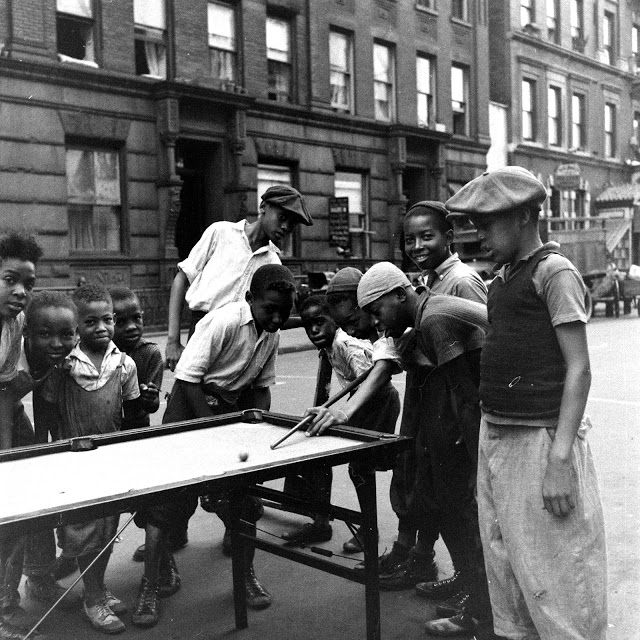
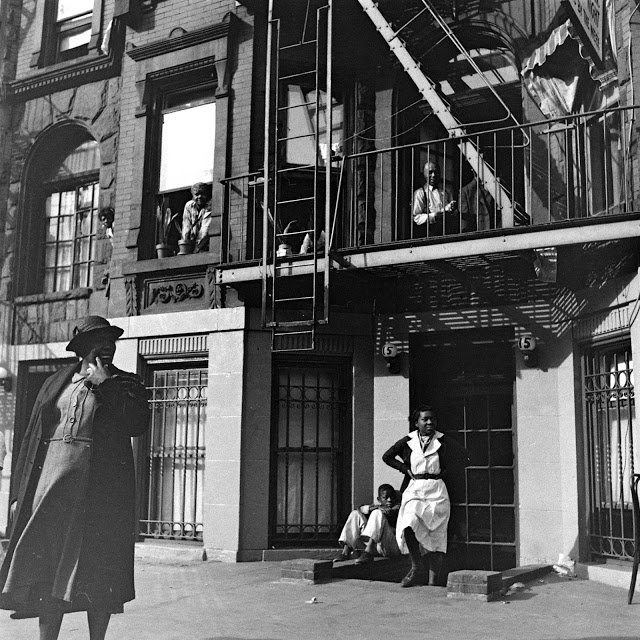
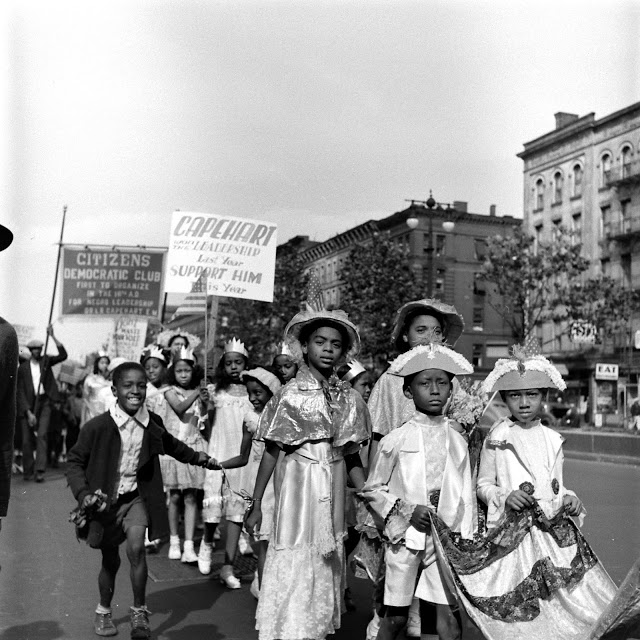
But as much as energy poured from behind those establishments’ doors, life was just as vibrant, if not more so, on the streets directly outside them—and that is exactly where photographer Hansel Mieth took her camera while on assignment for LIFE magazine in 1938.
Two boys play-fight while other children look on, Harlem, 1938.A young girl walks down the street in Harlem, 1938.Young boys talk over the day’s news, Harlem, 1938.Boys play a makeshift game of pool on a Harlem street, 1938.A citrus stand is set up on a Harlem street, 1938.A musician takes a break between songs, Harlem, 1938.Men face off in stiff competition as boys look on, Harlem, 1938.Harlem residents look on at an event taking place just outside the frame, 1938.Children on a Harlem street, 1938.Children march in a local parade in Harlem, 1938.Three young boys hold hands, Harlem, 1938.
(Photos: Hansel Mieth—The LIFE Picture Collection/Getty Images)
During the Porajmos, the Nazis exterminated a quarter of Europe’s Roma population, yet this brutal genocide went unacknowledged for decades.
During the Holocaust, the Nazis and their allies killed about 25 percent of Europe’s entire Roma (a.k.a. Gypsy) population. This genocide, known as the Porajmos, remains one of the worst atrocities committed by the Nazis — and it took until 1979 for the German government to commence reparations and until 2011 for the killings to receive an official day of remembrance.
A Long History Of Persecution Against The Roma
Even before the Nazis’ rise to power, the Roma in Europe had already faced decades of persecution. An ethnic group originating in the northern Indian subcontinent before making their way to Europe most likely in the 14th century, the Roma had always been a migratory people who often faced local persecution wherever they ended up, including Germany.
From 1899 through the Nazis’ ascension in 1933, German legislators introduced law after law to restrict the rights of the Roma by surveilling them, keeping them out of public areas, and limiting the places where they could settle. Laws forbade them from entering many swimming pools or parks and whole sections of the country were off-limits for them. Police even had the right to arrest virtually any Roma they wanted without cause. The prevailing thinking was that any time a Gypsy was behind bars, the country was a safer place.
And when the Nazis came to power, things only got worse. Hitler began to target the Roma not just as roving bands of people who needed to be controlled, but as an “undesirable” racial group that needed to be contained and then eliminated.
In 1936, Director Robert Ritter of the Center for Research on Racial Hygiene and Demographic Biology began to deal with the Nazis’ “Gypsy Question.” After interviewing and examining Roma subjects, Ritter concluded that the group had “degenerate” blood that made them a danger to German racial purity.
Furthermore, he threatened the Roma into revealing their locations and the locations of their family members in order to create a centralized registry of nearly all the Roma living in Germany that would facilitate some of the worst crimes against the Roma.
The Deportation Of The Roma
In 1936 — after stripping the Roma of their citizenship, their ability to intermarry with Germans, and their right to vote — the Nazis began sterilizing them, then rounding them up and forcing them into squalid camps and other areas where they would be isolated.
At first, hundreds of thousands of Roma were herded into transit camps and kept separate in their own towns. Soon, however, the Nazis forced some of the Roma into ghettos alongside the Jews. From there, it was off to forced labor sites and death camps. The Porajmos had begun.
The Porajmos
The genocide of the Roma began in earnest in December 1942 when SS commander Heinrich Himmler signed an order calling for all the Roma to be forced into concentration camps. Within a few years, the Nazis intended to exterminate every last one of the estimated 1 million Roma living in Europe.
Soon, authorities across Nazi-controlled Europe rounded up every Roma they could find, pulled them out of the ghettos and detention centers, and dragged them off to death camps. There they were gassed by the tens of thousands like so many other victims of the Holocaust.
In the Nazi-controlled parts of the Soviet Union, however, authorities took a more direct approach. The Nazis’ mobile death squad, the Einsatzgruppen, went from village to village massacring any Roma they found. They alone slaughtered an estimated 8,000 people.
Human Experimentation
The Roma who survived long enough to make it to the concentration camps were often put through particularly cruel torment before they were killed.
For one, the Nazis used the Roma extensively in their infamous medical experiments. The infamous Dr. Josef Mengele was reportedly partial to experimenting on Roma children. He would bribe them with sweets and toys, have them call him “Uncle Mengele,” and then lure them away to the gas chambers or, even worse, into his lab, where he would conduct horrifying experiments on them.
One of the worst stories comes from a Jewish inmate of Auschwitz named Vera Alexander, who witnessed the brutal disfiguration and death of two four-year-old Roma twins named Guido and Ina.
“They had been sewn together, back to back, like Siamese twins,” she said. “Their wounds were infected and oozing pus. They screamed day and night. Then their parents—I remember the mother’s name was Stella—managed to get some morphine and they killed the children in order to end their suffering.”
An Unacknowledged Genocide
Whether due to “experimentation,” mass shootings, or gassing in the concentration camps, the Nazis and their collaborators killed an estimated 220,000 Roma (although some less-accepted estimates put the total as high as 1.5 million, a figure that’s unlikely to be true given that it exceeds the general consensus as to how many Roma were in Europe before the Porajmos).
Unlike other survivors of the Holocaust, the Roma survivors hardly received any recognition or reparations for the suffering they had endured. In fact, even after the Nazis’ reign ended in 1945, racism against the Roma endured to the point that some argued they didn’t deserve any redress for the genocide.
The postwar governments of West Germany and the Allies didn’t recognize the Roma as victims of racial persecution, blocked calls for reparations, and held the position that the Nazis had targeted them because of their “criminal and asocial elements.”
Time and again, the victims of the Romani genocide received neither the attention nor even basic human sympathy given to victims of the Holocaust as a whole. Finally, in 1979, the West German Federal Parliament acknowledged that the Porajmos was a racially-motivated genocide and thus allowed the Roma to become eligible for official reparations. But by this time, many of the survivors had already died.
And it took almost 70 years before the victims of the Porajmos received the kind of public acknowledgment afforded to other groups of Holocaust victims. It wasn’t until 2011 that the Roma victims received acknowledgment at Germany’s annual Holocaust day of remembrance. The following year, Porajmos victims finally received a monument.
Until then, however, the hundreds of thousands of Roma victims were almost completely ignored or forgotten by the non-Roma world. Though a quarter of their population had been wiped out within just a few short years — and they’ve been an enduring target of discrimination across Europe even after World War II — it took them nearly seven decades to get the acknowledgement they deserved.
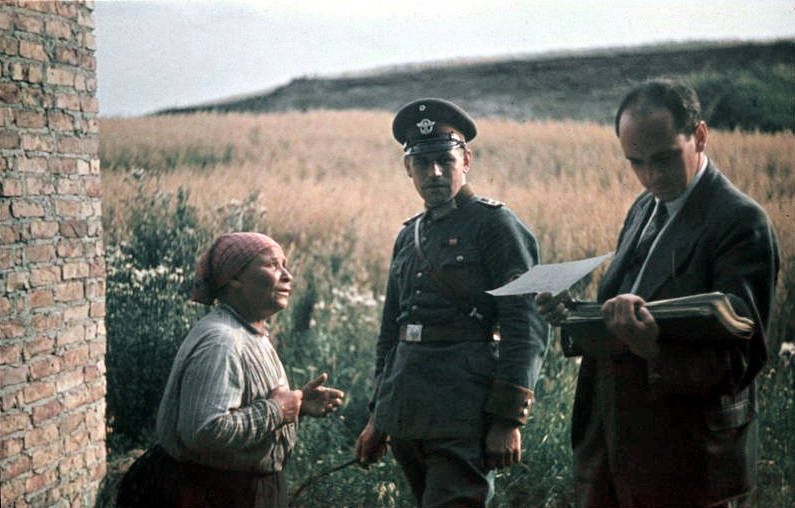
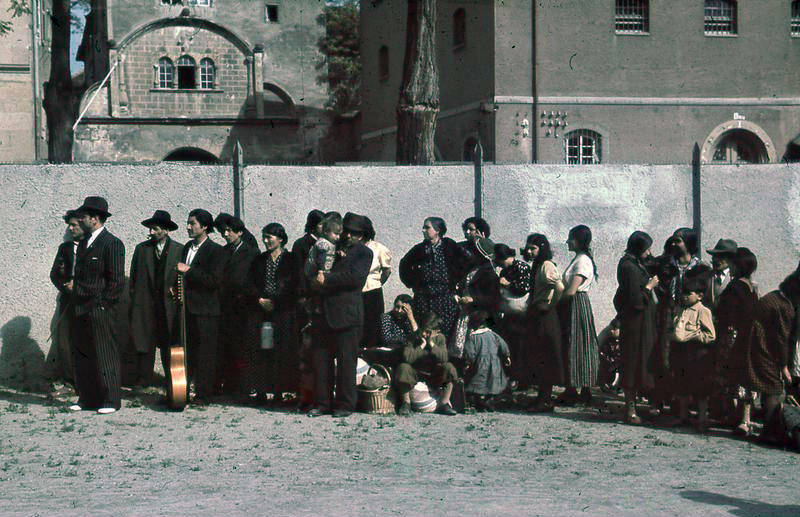
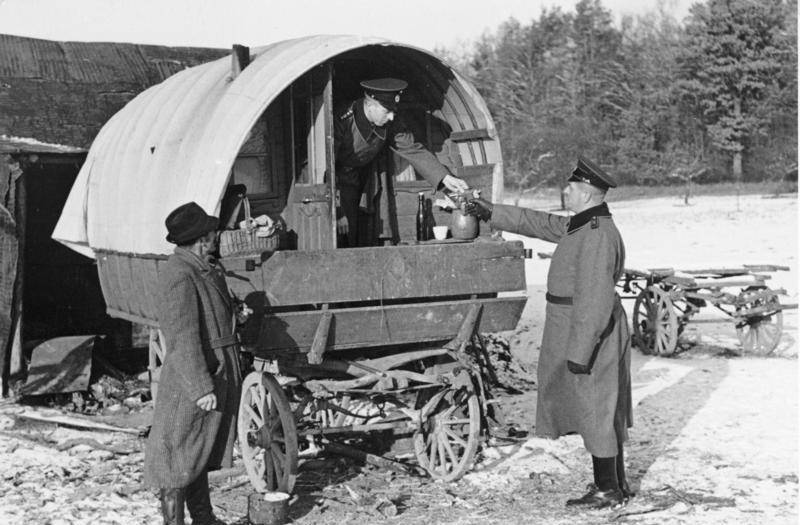
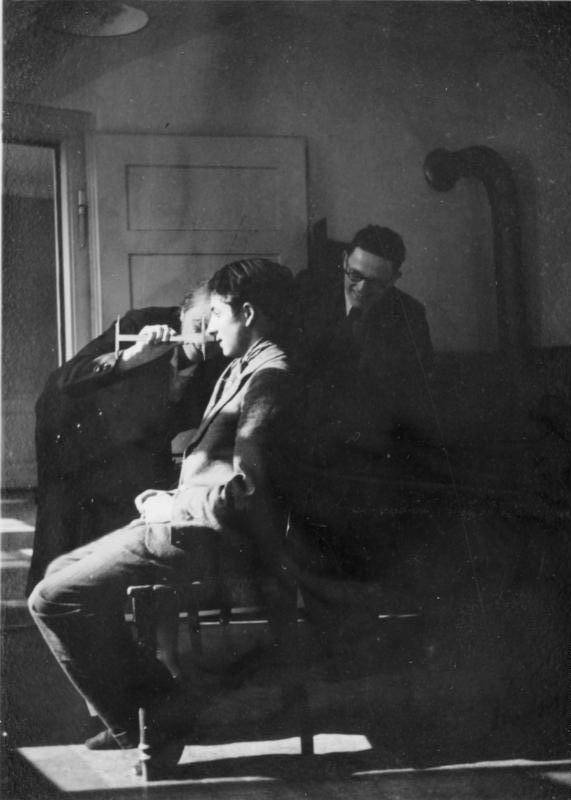
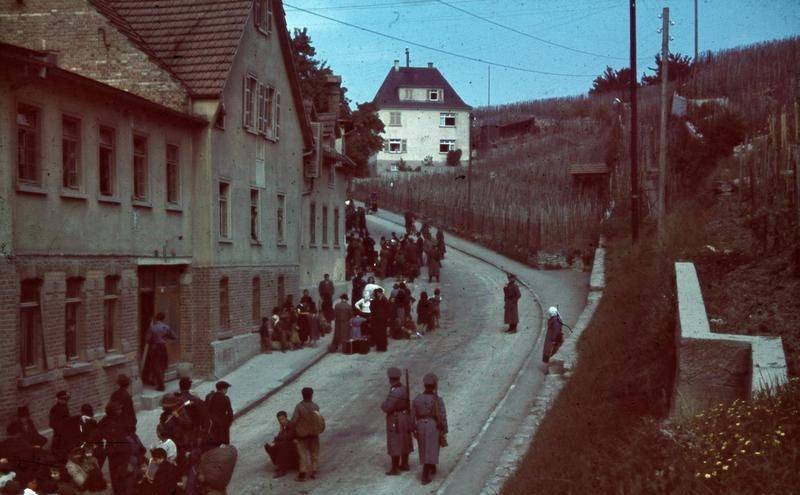
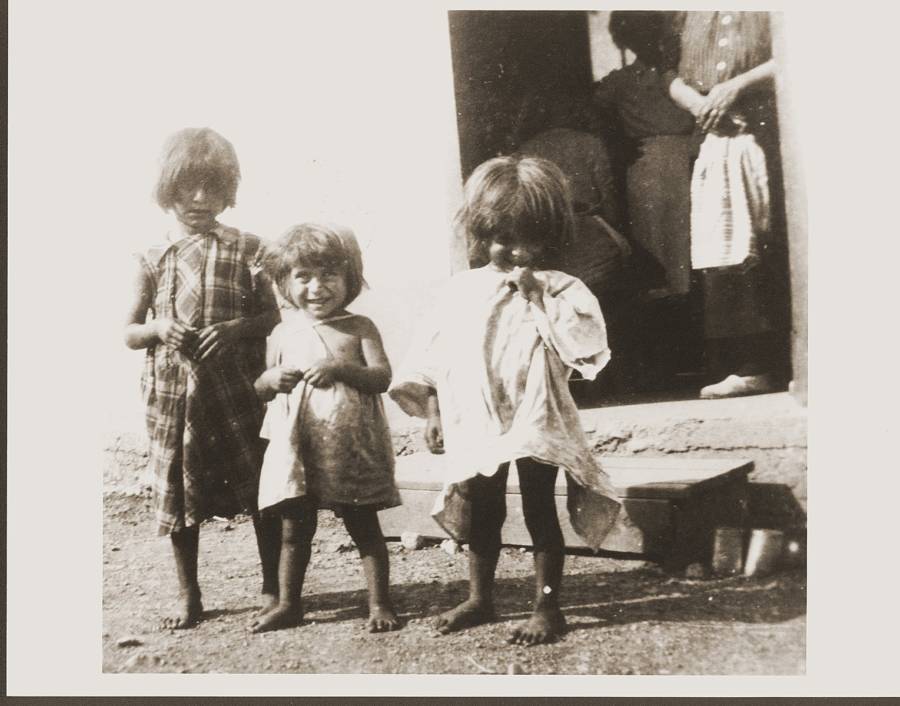
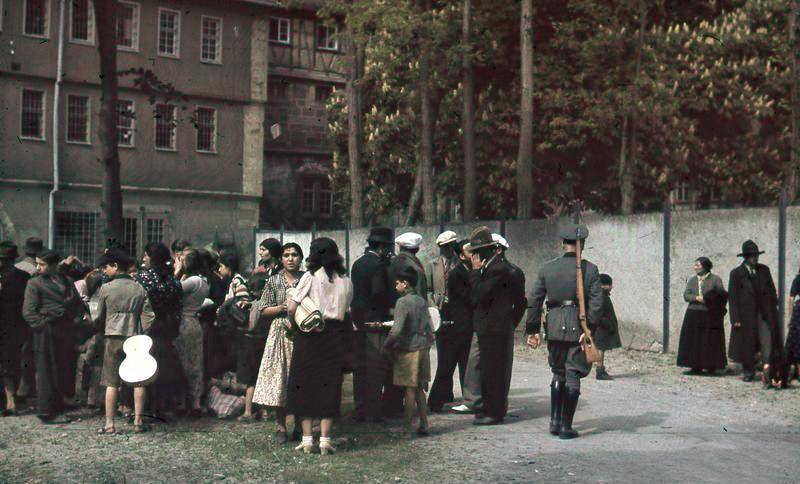
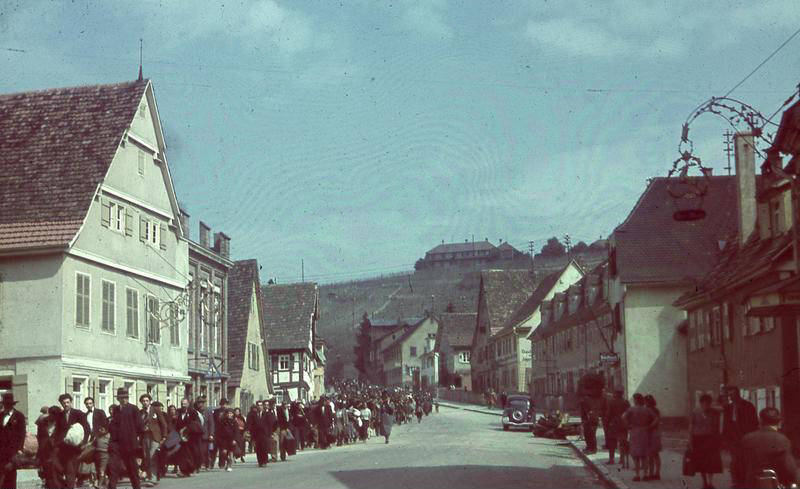
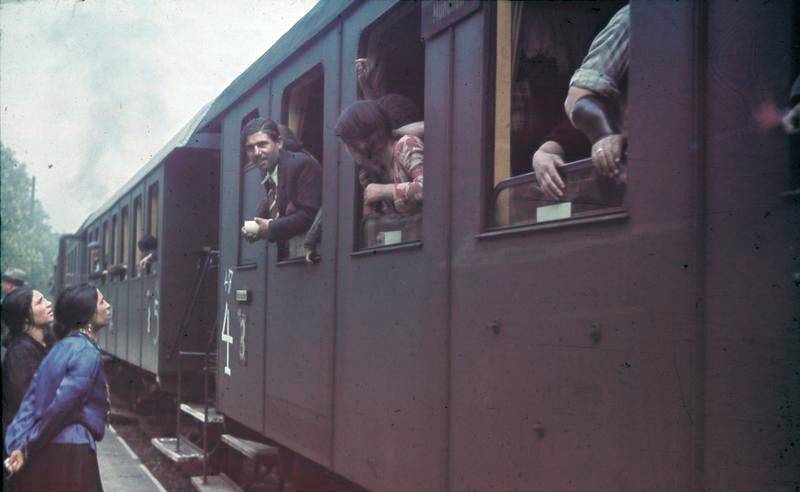
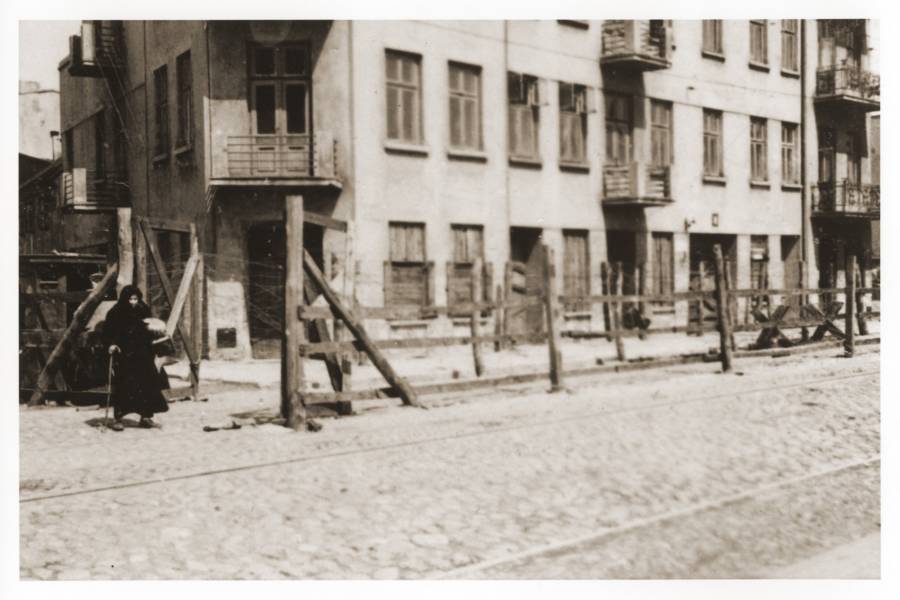
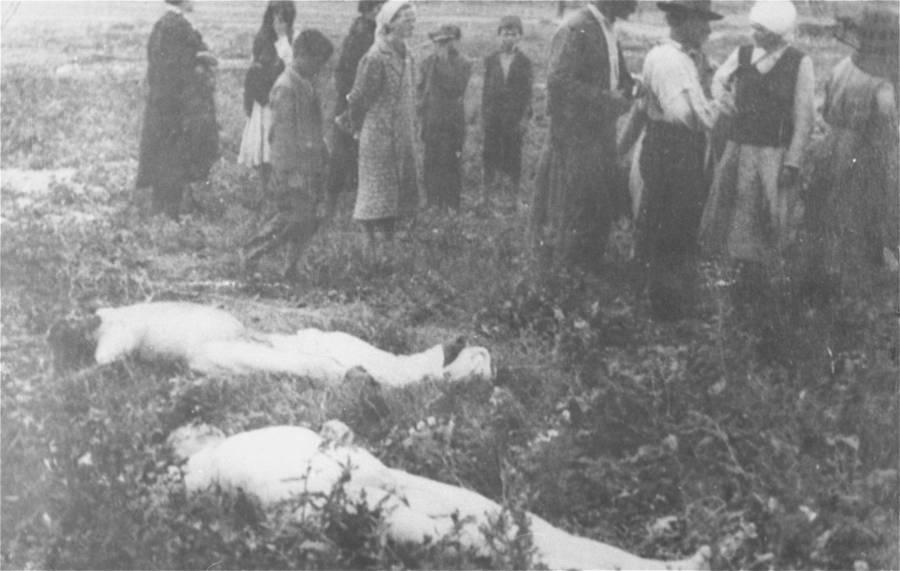
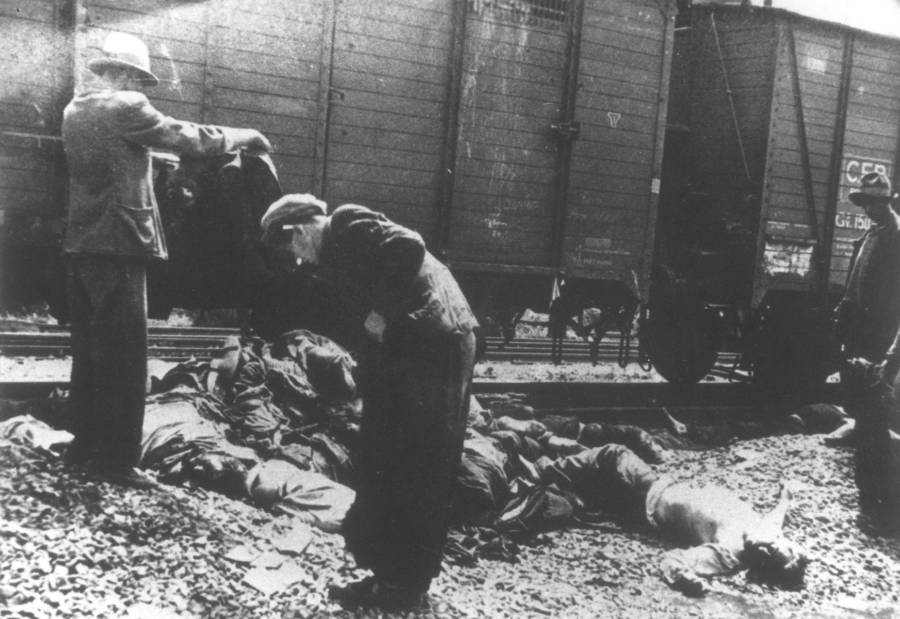
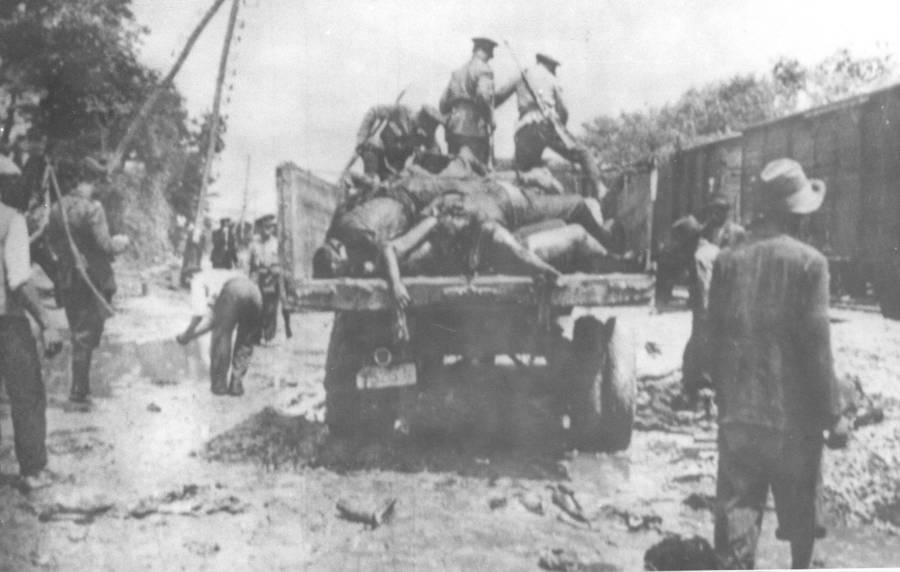
A Nazi propaganda photo of Roma children. “Even in rainy weather and mud,” the original caption reads, “the little children walk around half naked.” Tiraspol, U.S.S.R. June 4, 1944.An elderly Roma woman pleads with Dr. Robert Ritter (right) of the Nazis’ Center for Research on Racial Hygiene and Demographic Biology during his interrogations of the Roma. Germany. Circa 1936.A group of Roma prisoners shortly after their arrival at the Belzec concentration camp. Poland. 1940.A Roma victim of human experimentation being used as a guinea pig in a test to see if saltwater can be made drinkable. Dachau concentration camp, Germany. 1944.Roma await deportation. Asperg, Germany. May 22, 1940.A Roma family poses for a photo in front of their caravan. Halle, Germany. Circa 1935-1939.Nazi police raid Roma caravans. Renningen, Germany. 1937.Nazi racial scientists measure the skull of a Roma. Germany. 1938.Nazi guards forcibly deport the Roma out of Germany. Asperg, Germany. May 22, 1940.A Roma family. Agram, Croatia. 1941.Roma children in a transit camp. Rivesaltes, France. Circa 1941-1942.Roma await deportation while a Nazi police officer keeps a close eye on them. Asperg, Germany. May 22, 1940.Roma are marched out of Germany in a mass deportation. Asperg, Germany. May 22, 1940.The Roma of Germany are loaded onto a train and sent out of the country. Asperg, Germany. May 22, 1940.The Roma area in the Lódz ghetto. The Roma were separated from the rest of the ghetto by a line of barbed-wire. Lódz, Poland. 1942.A Roma girl in a transit camp. Rivesaltes, France. Circa 1941-1942.A group of Roma children sit on a stoop in a Nazi transit camp. Rivesaltes, France. Circa 1941-1942.A group of Roma are marched off to their execution. Serbia. Circa 1941-1943.Prisoners, some Roma, are executed in a mass grave at the Jasenovac concentration camp. Jasenovac, Croatia. Circa 1942-1943.Roma prisoners are forced to walk while dead bodies rot in the weeds by their feet. Târgu Frumos, Romania. July 3, 1941.Roma prisoners at the all-female Ravensbrück concentration camp. Germany. Circa 1941-1944.A young Roma girl trapped in a Nazi transit camp. Rivesaltes, Frances. Circa 1941-1942.Roma prisoners are forced to unload a death train full of rotting corpses. Târgu Frumos, Romania. July 1, 1941.A desperate Roma man rummages through the pockets of a dead body pulled out of a death train. Târgu Frumos, Romania. July 1, 1941.Roma prisoners are forced to load the bodies of the dead onto trucks. Târgu Frumos, Romania. July 1, 1941.Roma prisoners pull a corpse onto a truck bed. Târgu Frumos, Romania. July 1, 1941.A truck filled with dead bodies is sent off on its way. Târgu Frumos, Romania. July 1, 1941.
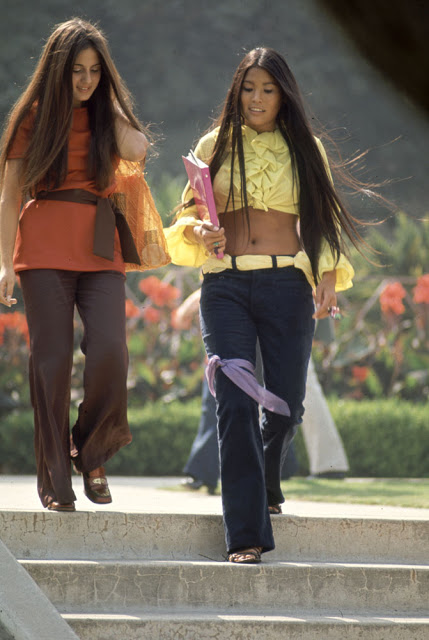
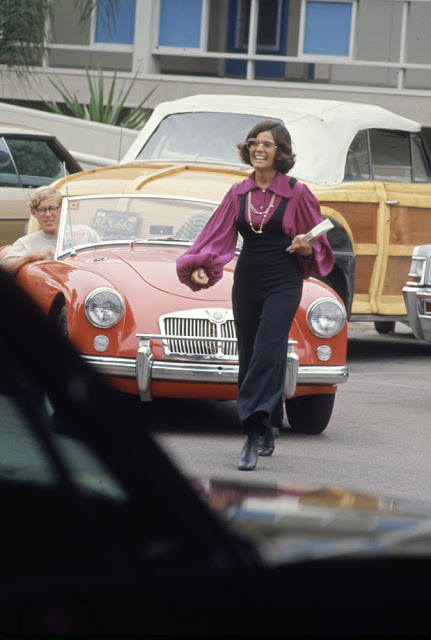
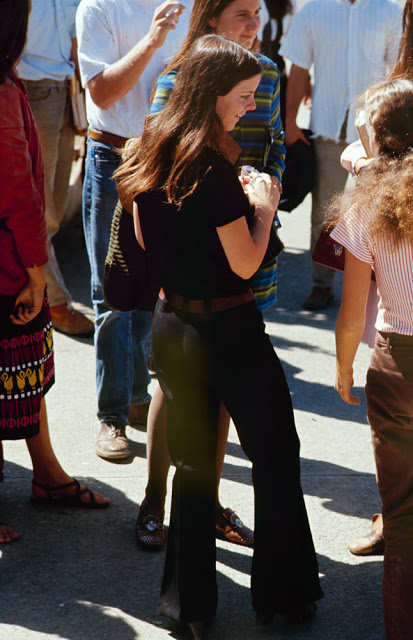
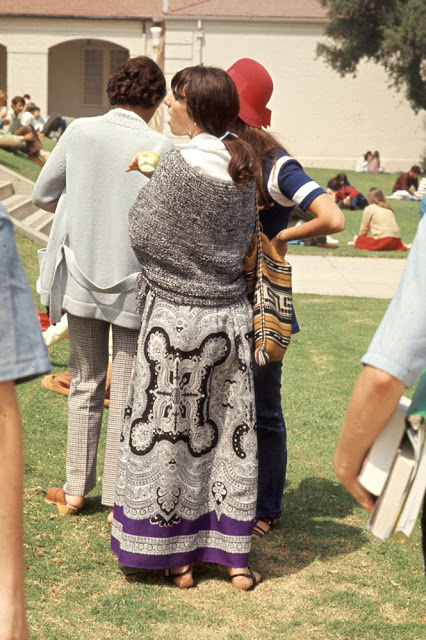
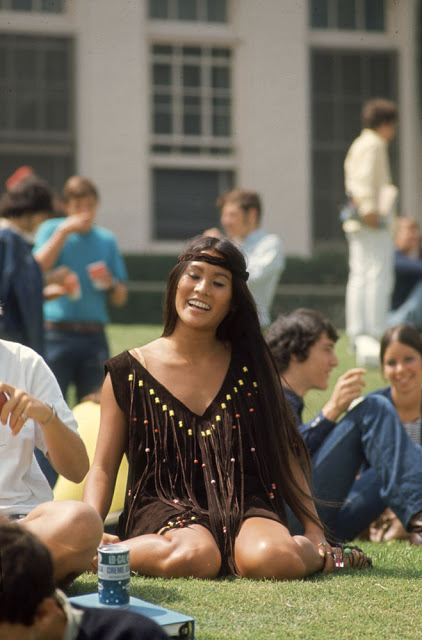
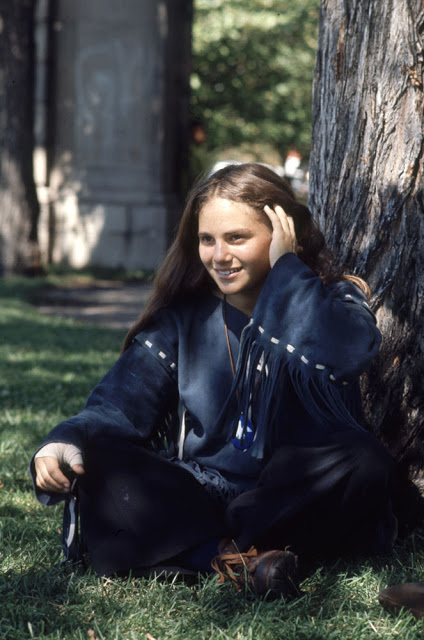
Students at Woodside High in California, 1969.High school students wearing “hippie” fashion, 1969.High schooler Lenore Reday stops traffic while wearing a bell-bottomed jump suit in Newport Beach, Calif., 1969.High school fashions, 1969.High school fashions, 1969.Southern California high school student wears old-fashioned tapestry skirt and wool shawl, 1969.Southern California high school students, 1969.High school student wearing bell bottoms and boots, 1969.Student Rosemary Shoong at Beverly Hills High School, wearing a dress she made herself, 1969.Beverly Hills High classmates show off their fashions, 1969.High school teacher Sandy Brockman wears a bold print dress, 1969.Corona del Mar High School students Kim Robertson, Pat Auvenshine and Pam Pepin wear “hippie” fashions, 1969.High schooler Nina Nalhaus wears wool pants and a homemade jacket in Denver, Colo., 1969.A Southern California high school student walks toward classmates while wearing the “Mini Jupe” skirt, 1969.Southern California high schooler wears a buckskin vest and other hippie fashions, 1969.Beverly Hills High School student Erica Farber, wearing a checkered and tiered outfit, walks with a boy, 1969.Kansas high school student wearing a mini skirt, 1969.
Photos: Arthur Schatz—Time & Life Pictures/Getty Images)
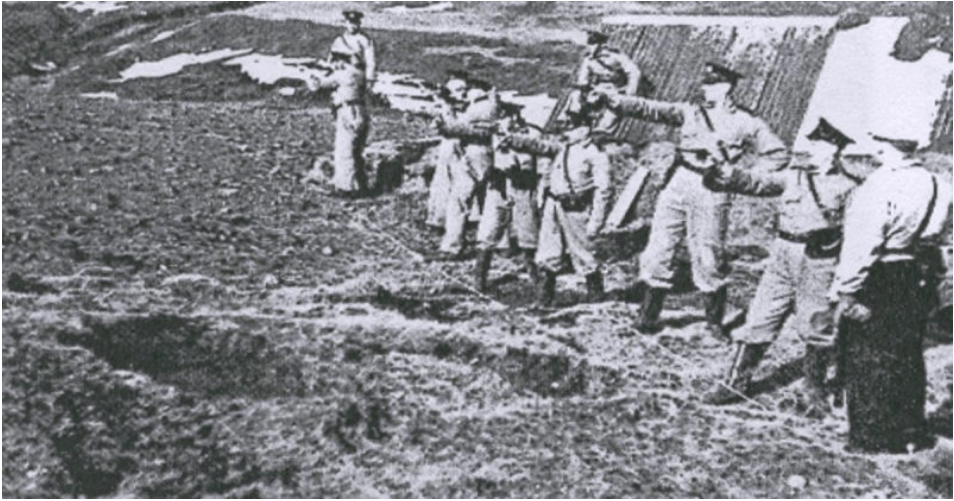
Icelandic police officers undergoing firearms instruction in 1940.
After Hitler seized Denmark and Norway in 1940, the British government became concerned about his next step, as the Nazi war machine demonstrated its might and unprecedented disrespect of the rules of warfare. Denmark, which was neutral, was invaded and conquered within a day and the British attempt to defend Norway ended up in a retreat.
The next strategic point was Iceland ? an island state in the Atlantic Ocean, which was in close ties with Denmark, claiming its independence in 1918, but still accepting the Danish king as their sovereign. Iceland was a neutral country and had no army whatsoever. The capital city, Reykjavik, was protected by 60 police armed with handguns.
Having invaded the Faroe Islands in April 1940, which were of similar status as Iceland, the British continued convincing Iceland to abandon neutrality and join the Allies. Its position, halfway between North America and Europe, was supposed to enable the British to improve their defenses against potential German submarine raids. Iceland stayed stubborn during these negotiations, claiming their right to be neutral and believing that even Hitler would respect their decision.
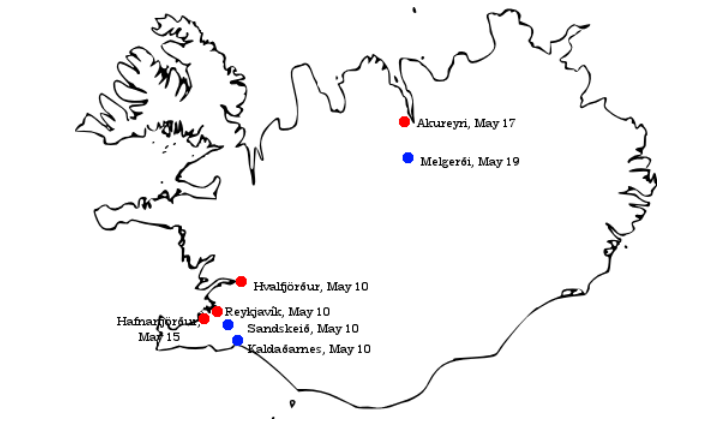
The map of Iceland with marked strategic points.
Though the situation was gravely serious, the British kept their cool. They decided to invade Iceland first and ask questions later. The invasion was codenamed Operation Fork. On May 4th, 1940, Alexander Cadogan, then British Permanent Under-Secretary for Foreign Affairs made an entry in his diary stating:
Home 8. Dined and worked. Planning conquest of Iceland for next week. Shall probably be too late! Saw several broods of ducklings.
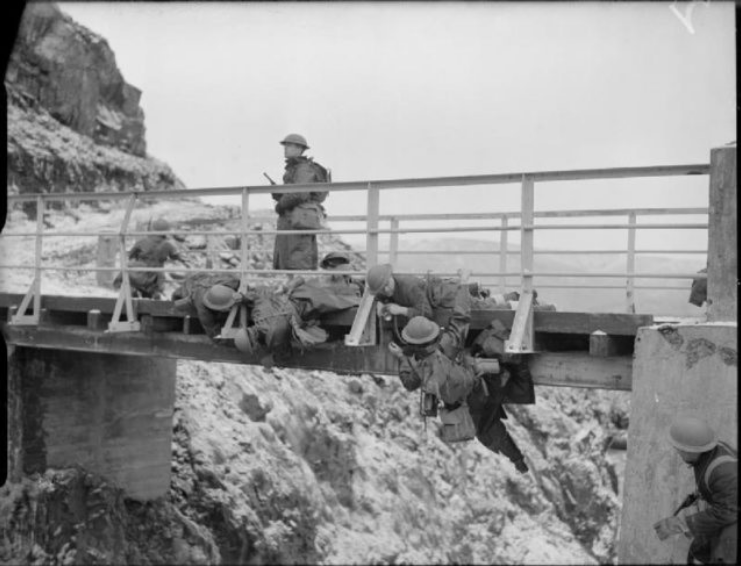
Sailor sappers placing the charges in the bridge over a rapid stream whilst they are training at Hvalfjord, Iceland.
Well, opposite from Cadogan – who didn’t think much of the operation -the Naval Intelligence Department had several resistance scenarios once the invasion was to commence. First of all, a number of people of German ethnicity lived in Iceland. It was expected that they might organize a guerilla force, or even stage a coup against the Icelandic government. The second scenario included a fast reaction by the Germans, who could have easily staged a counter-invasion of Iceland from the coast of Norway.
There was a force of 60 police, a possibility of Danish ships near Iceland which would certainly help a resisting population and a marooned German freighter Bahia Blanca, rescued by an Icelandic trawler. Its 62-men crew on the island at the time and they were seen as a potential threat. Especially because British Naval Intelligence already that German U-boats were stationed in Icelandic harbors and the freighter was a cover for bringing in reserve crews for the submarines.
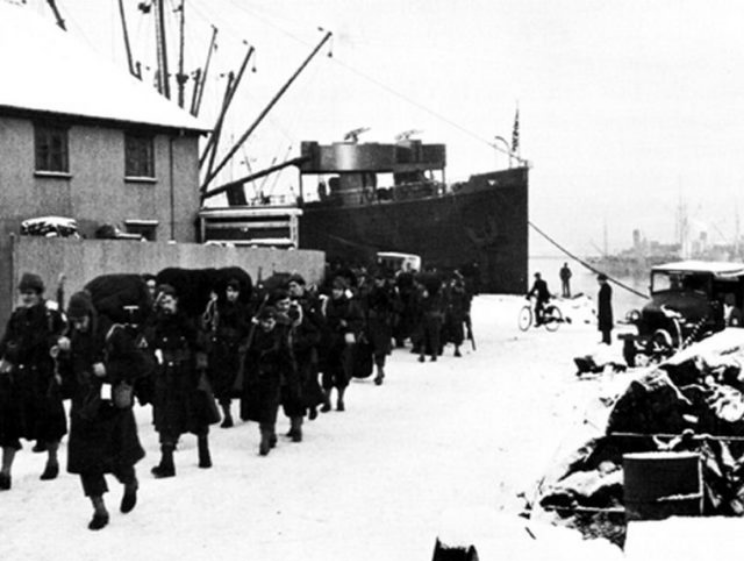
Due to delays, the invasion which was planned to take place on 6th of May was rescheduled for 8th. Royal Marines boarded HMS Berwick and the HMS Glasgow, the two cruisers designated to take them to the island-state. The landing party included 746 Marines who were initially poorly armed. In addition to that many of them were still half-trained and many had never fired a rifle in their life. Nevertheless, they headed for Iceland, in the hope of performing a fast seizure of the island. Marines were also accompanied by members of the Naval Intelligence Department and a diplomatic mission with whom was attached the would-be consul of Iceland, Gerald Shepherd.
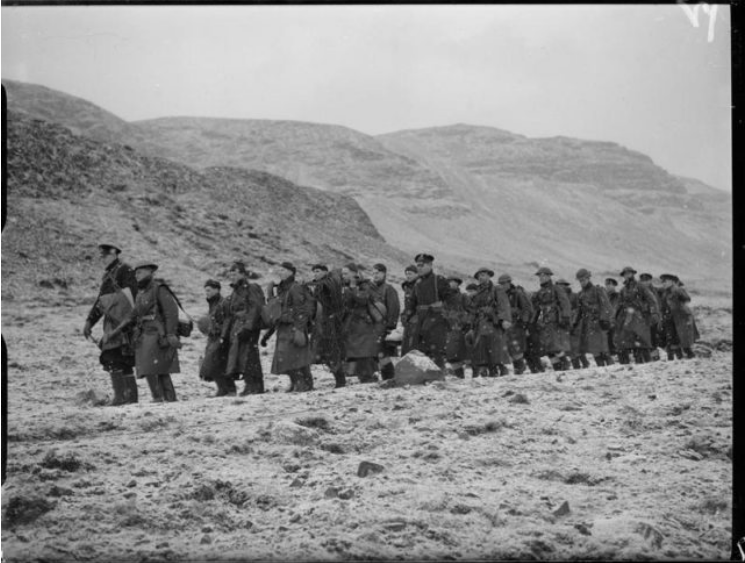
Ratings, loaded with their gear for an attack on enemy positions, on the march to the rendezvous during training at Hvalfjord, Iceland.
The Marines were seasick, as they weren’t well accustomed to traveling by ship. One of them committed suicide for unknown reasons. He would become the only casualty of the campaign.
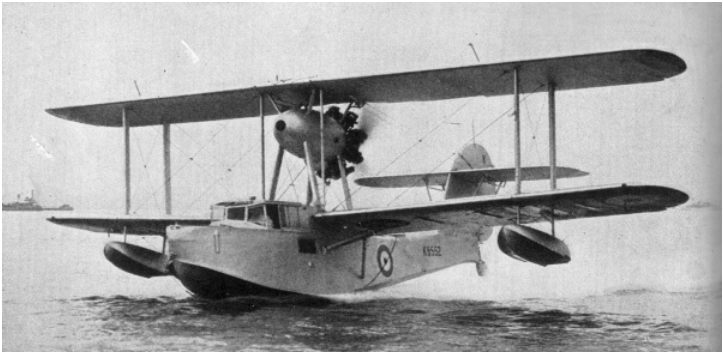
On the 10th of May 1940, a reconnaissance plane was launched from the Berwick. Even though it was warned not to fly across Reykjavik, it neglected the order. Since Iceland had no airports nor airplanes, the noise of the Supermarine Walrus reconnaissance aircraft gave away the British intentions.
The German consul was probably the most alarmed since he hurried to the coast where he saw the British ships approaching. He went home and started burning all confidential documents in his possession.
The Royal Marines were finally on the move. Two destroyers, Fearless and Fortune, joined the cruisers and started transporting the 400 Marines ashore. The ships were crowded and the men were still seasick and not in a state to act as a proper task force. A crowd was already gathered to wait for the invaders. Once they were ashore, Consul Shepherd politely asked the Icelandic police officer in front of the bewildered crowd: “Would you mind getting the crowd to stand back a bit, so that the soldiers can get off the destroyer?”
“Certainly,” replied the officer.
The Supermarine Walrus, though it proved ultimately unsuitable for operations in Iceland, had the advantage that it could land almost anywhere.
Reykjavik was taken without a shot being fired. The Marines hurried to the German consul’s house, where they managed to salvage a significant number of confidential documents.
On the evening of May 10th, the government of Iceland issued a protest, saying that its neutrality had been “flagrantly violated” and its “independence infringed,” but eventually agreed to the British terms. The troops stayed on the island out of fear of a German counter-attack, but it was later realized that Hitler had dismissed the notion of occupying Iceland as its strategic importance wasn’t bigger than the cost of the invasion.
Arrival of US troops in Iceland in January 1942.
The British were joined by the Canadians, and they were relieved by US forces in 1941. When the US officially engaged in WWII, the number of American troops on the island reached 30,000. This number equaled 25% of Iceland’s population and 50% of its total male population. Even though the occupation brought many economic advantages to Iceland and many infrastructural benefits such as airfields, hospitals, and roads, the local population protested against the courtship between Allied soldiers and Icelandic women.
The Icelanders called this situation simply “The Situation” (Ástandið) and the 255 children born out of these relationships “Children of the Situation”. A number of marriages happened between Allied soldiers and local women, but some men accused the women of betrayal and prostitution. Iceland spent the war in peaceful occupation and often refers to the period as the “Lovely War”. The British retreated completely after the war, and most of their facilities were turned over to the Icelandic government, but American military presence remained. The last of the US soldiers were pulled back from Iceland in 30th of September 2006.
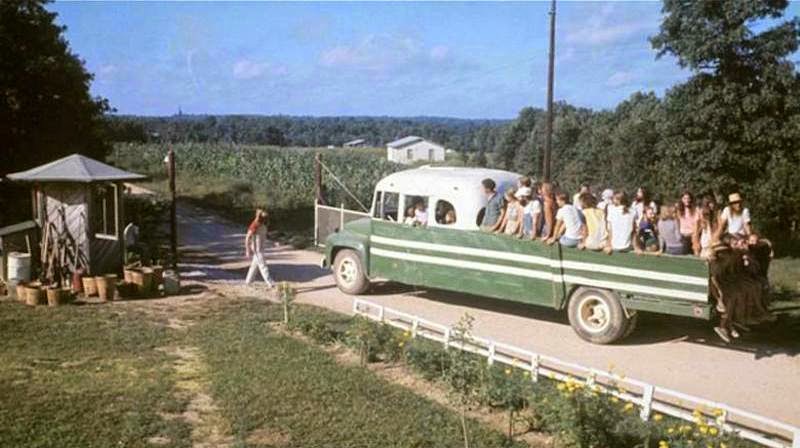
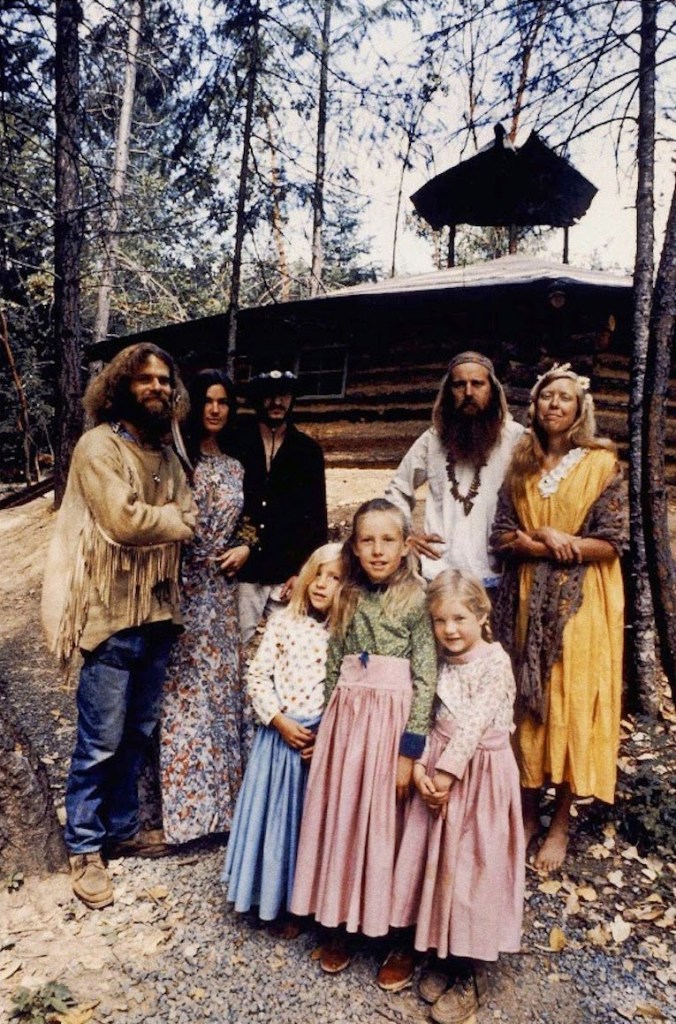
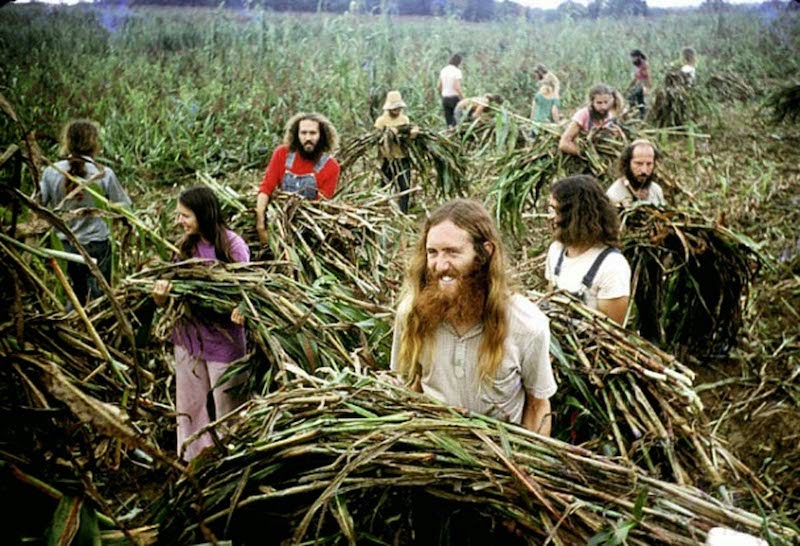
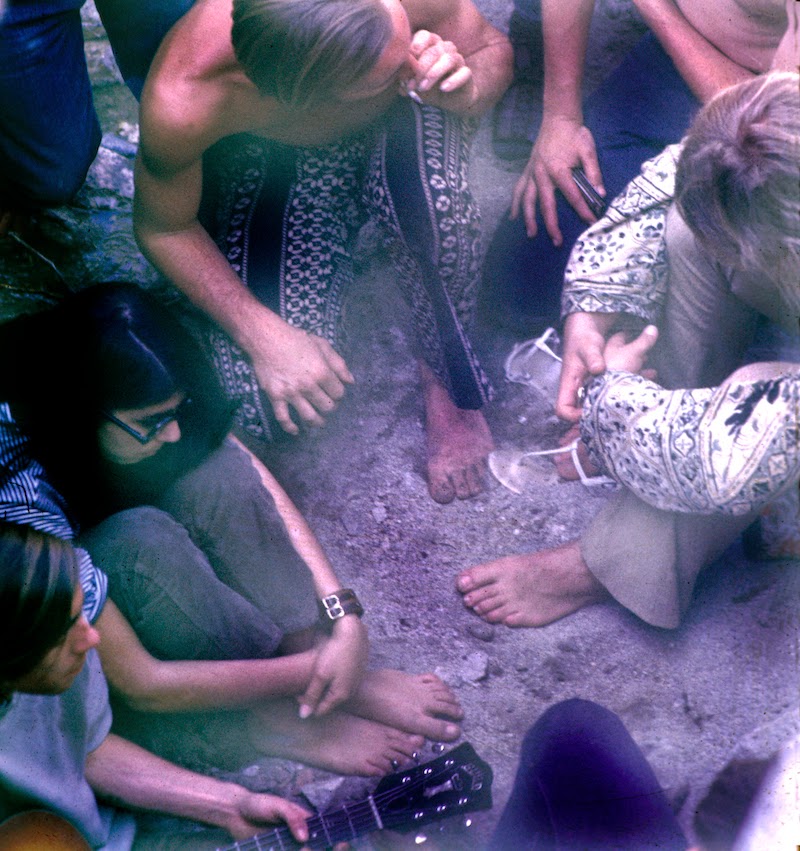
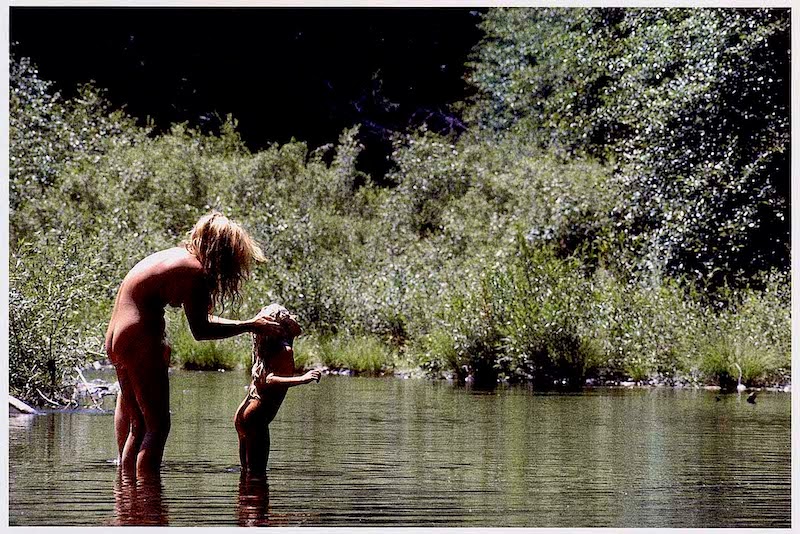
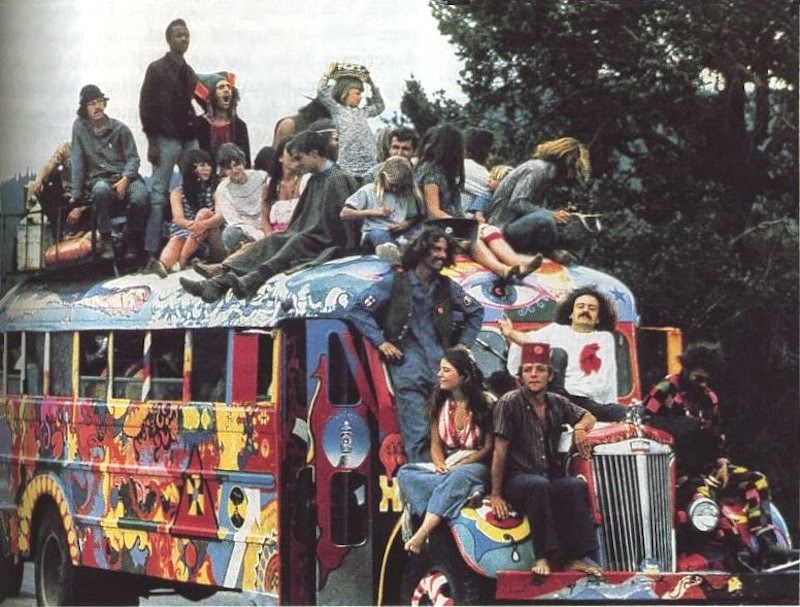
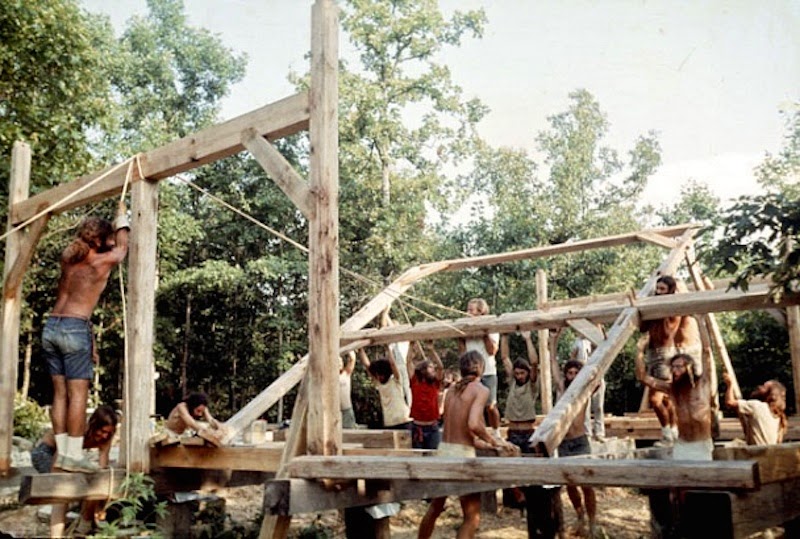
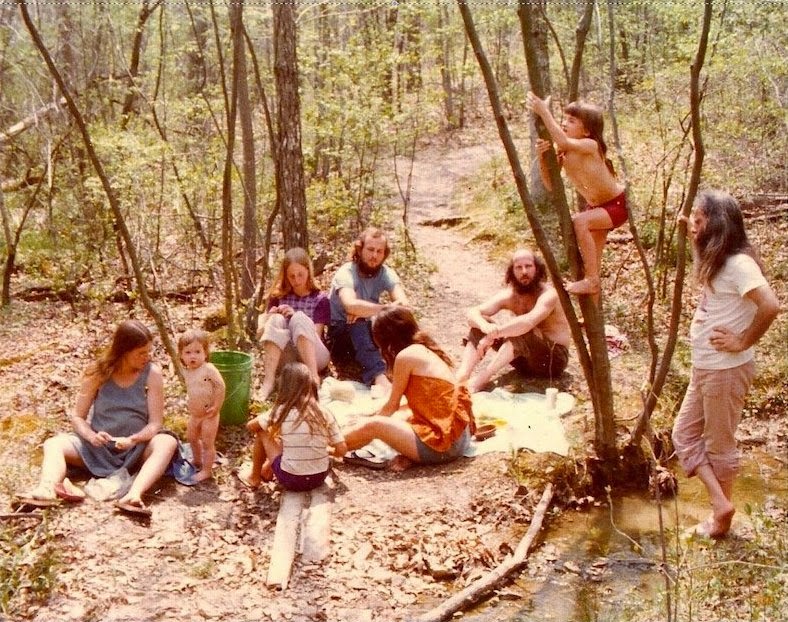
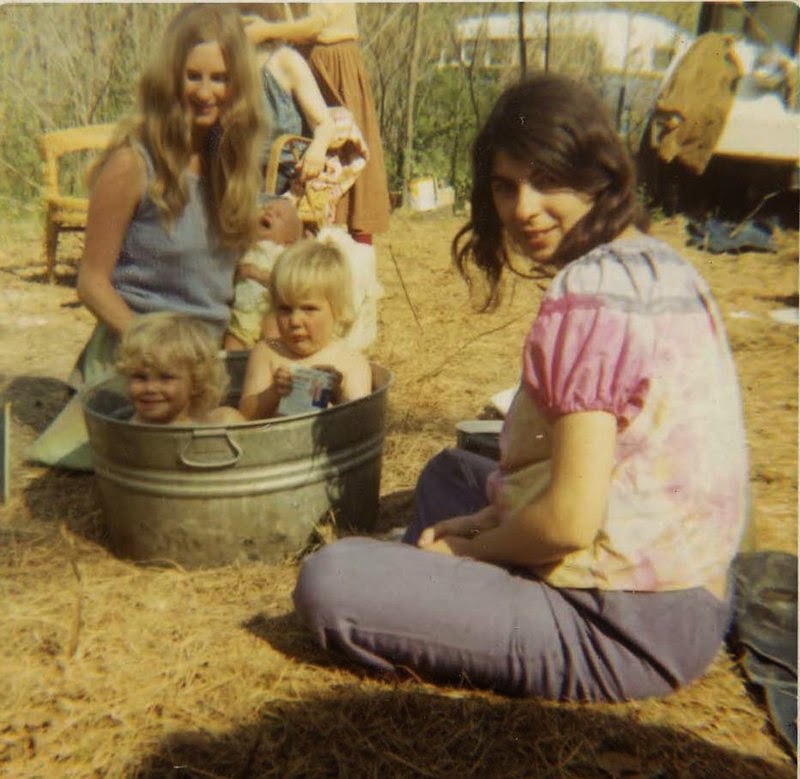
Their hair and dress, their pioneer spirit, even their Indian teepees evoke the nation’s frontier beginnings. These young people are members of a commune, which they have created for themselves as a new and radical way of living. Scores of these communes are springing up all across the U.S. In the wilderness areas of the West, Southwest, and New England, the new settlers build their own homes–adobe huts, log cabins, geodesic domes–share their money and labor and legislate their own laws and taboos.
According to LIFE, the youthful pioneers, unlike the earlier Americans who went into the wilderness to seek their fortunes, are refugees from affluence. Though there have been previous such experiments in the U.S., the new communes represent an evolution of the philosophy and life-style of the hippie movement. Most members have fled the big cities—New York’s East Village, San Francisco’s Haight-Ashbury—where they were beset by crime, police harassment, squalor, and disillusionment. They seek in the land, and in one another, meaningful work, mutual love and spiritual rebirth. Their religion is rooted in many faiths—among them Christianity, Hinduism, and Zen Buddhism.
Some communes permit LSD and marijuana, but many now discourage their use or even ban them. Some take a broad view of sexual morality, but in many communes couples practice traditional American monogamy, and sexual behavior is often surprisingly pristine. Young children, however, are raised by all the adults and by the older children of the commune, which itself is often referred to as “the Family.”
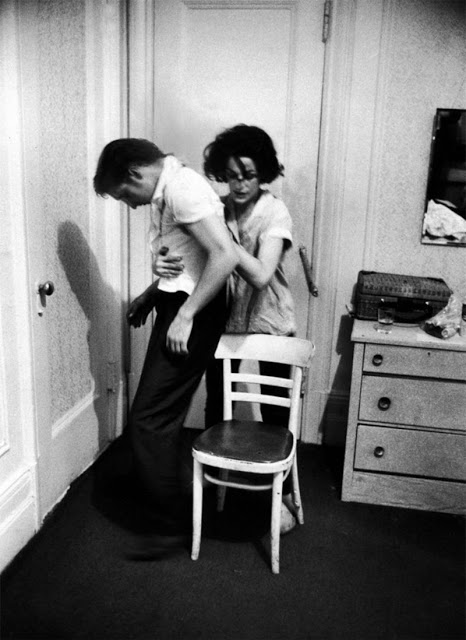
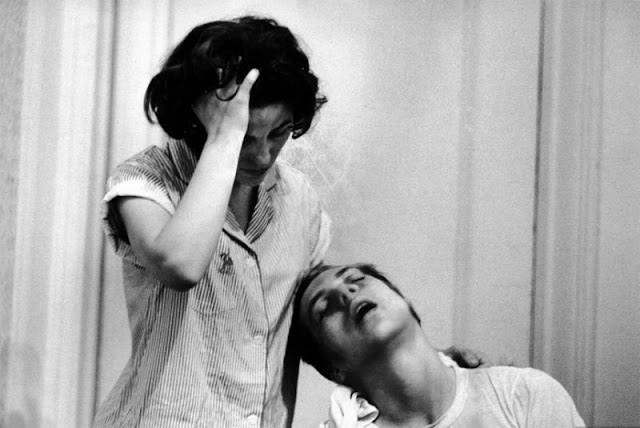
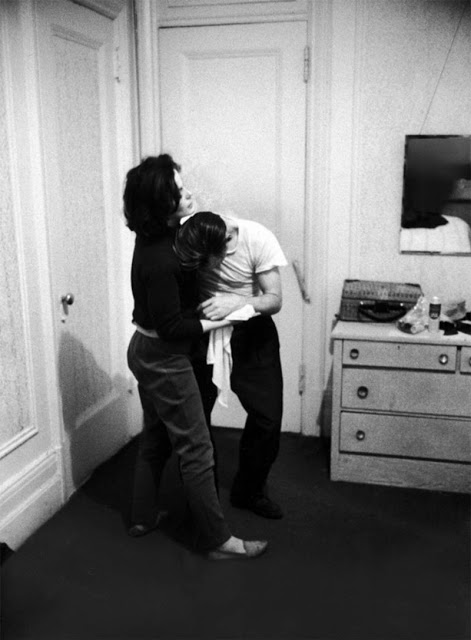
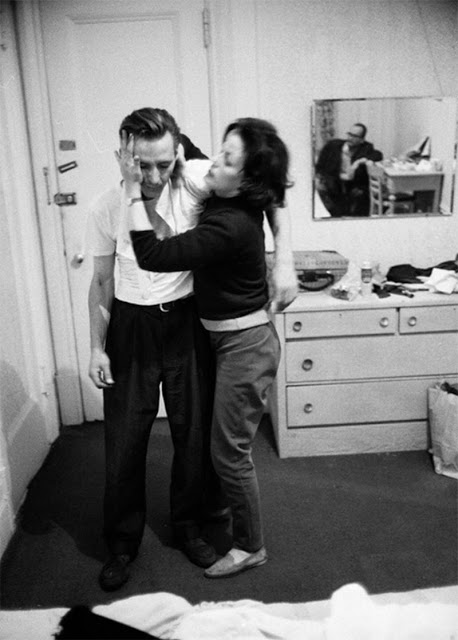
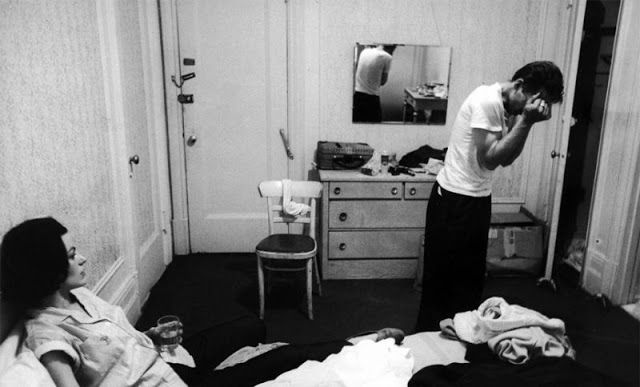
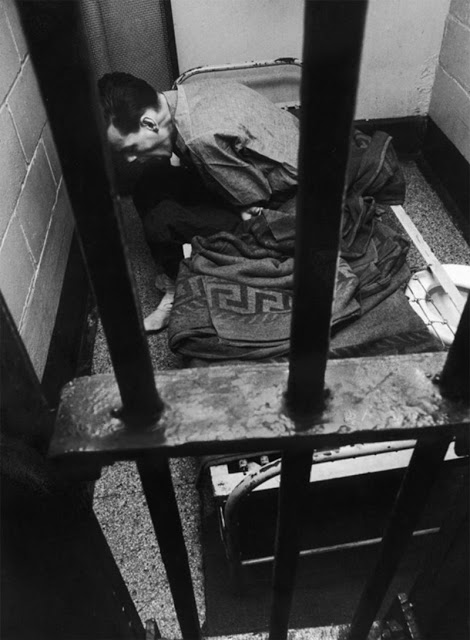
In February 1965, LIFE magazine published an extraordinary photo essay on two New York City heroin addicts, John and Karen. Photographed by Bill Eppridge, the pictures — and the accompanying article, reported and written by LIFE associate editor James Mills — were part of a two-part series on narcotics in the United States. A sensitive, clear-eyed and harrowing chronicle of, as LIFE phrased it, “two lives lost to heroin,” Eppridge’s pictures shocked the magazine’s readers and brought the sordid, grim reality of addiction into countless American living rooms.
To this day, Eppridge’s photo essay remains among the most admired and, for some, among the most controversial that LIFE ever published. His pictures and Mills’ reporting, meanwhile, formed the basis for the 1971 movie, Panic in Needle Park, which starred Al Pacino and Kitty Winn as addicts whose lives spin inexorably out of control.
Here, Eppridge’s photographs give us a glimpse into life of two young people who have become, as they themselves put it, “animals in a world no one knows.”
Karen using hypodermic needle on an eyedropper which addict call a “spike” to shoot heroin into vein in her arm.Karen trying to save the life of a fellow addict who has overdosed.A plainclothes policeman (L) stops a couple known to be drug users for a search. Karen (2R) begins loud crying which tends to make cops uneasy.Karen with her arms around boyfriend Johnny and his brother, Bro, who is also an addict, as they lie hopelessly on a hotel bed.Karen trying to save the life of a fellow addict who has overdosed.Karen keeping a furtive eye out for detectives, hands a pusher $5 for a bag of heroin.Karen, a heroin addict, trying to save the life of a fellow addict who has overdosed.At lampost on Broadway and West 71st Street, Karen (2L), a heroin addict and prostitute, does some drug peddling.Karen with nylon stocking around her arm to make vein pop out as she uses hypodermic needle on an eyedropper which addicts call a “spike” to shoot up with heroin.Karen trying to save the life of a fellow addict who has overdosed.Karen trying to save the life of a fellow addict who has overdosed.Karen exhausted by her efforts to save the life of a fellow addict who had overdosed.John in jail for disorderly conduct, suffering withdrawal pains in his cell.Heroin addicts shooting up in hotel room. John (fore) taking a shot within minutes of his release from jail.John, a heroin addict, visting his girlfriend Karen, also a heroin user, in the hospital. John is high on heroin.Karen trying to save the life of a fellow addict who has overdosed.
(Images: Bill Eppridge—The LIFE Picture Collection/Getty Images)
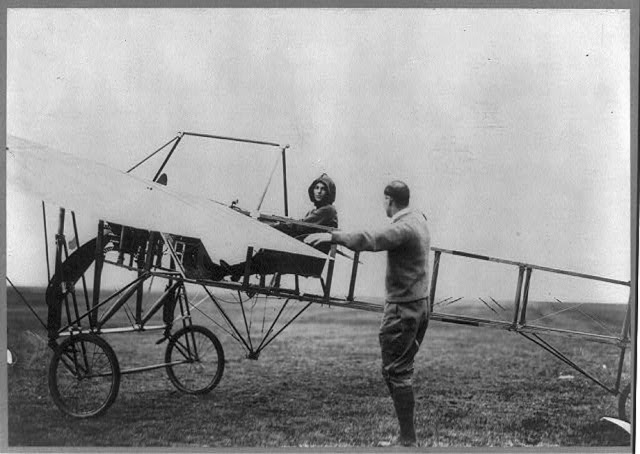
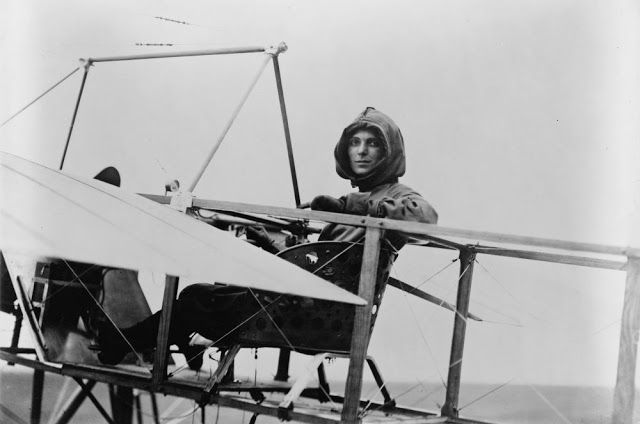
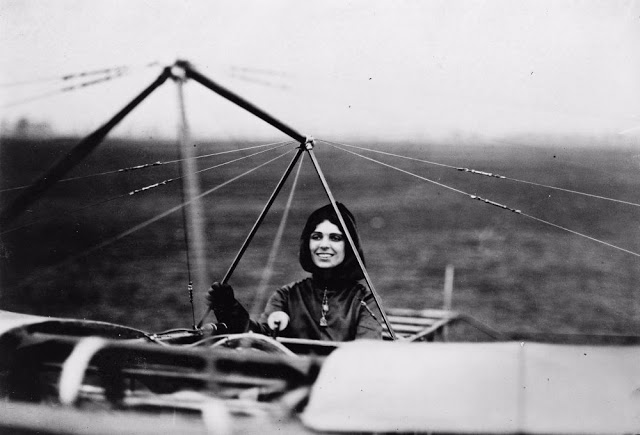
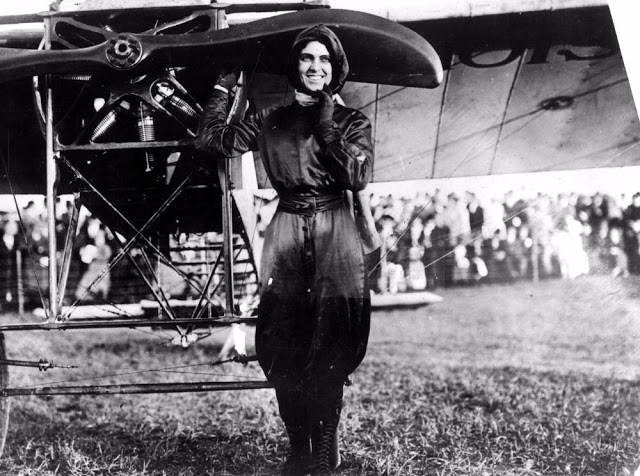
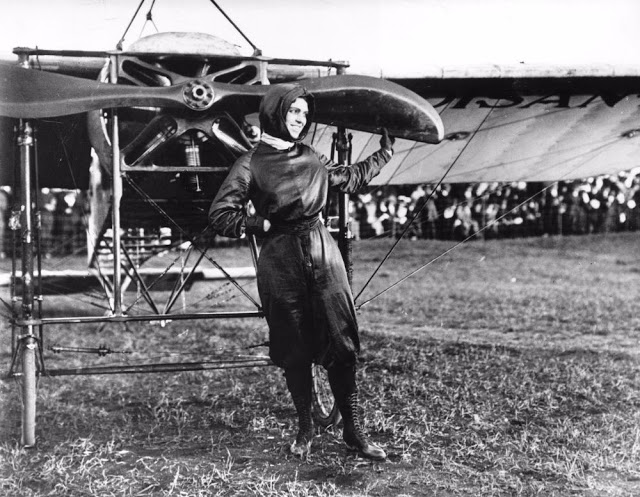
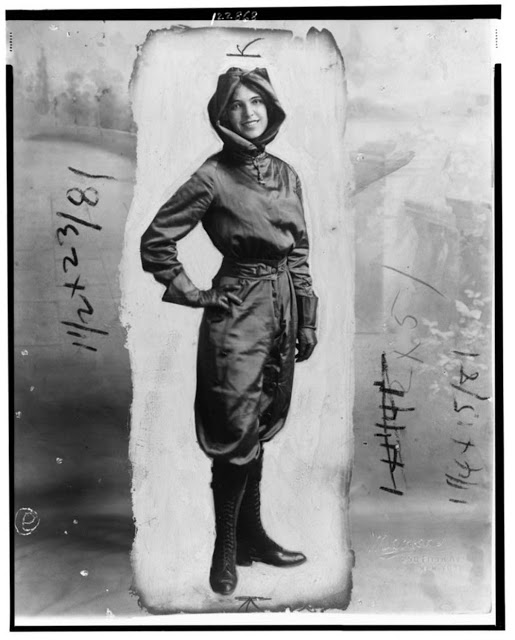
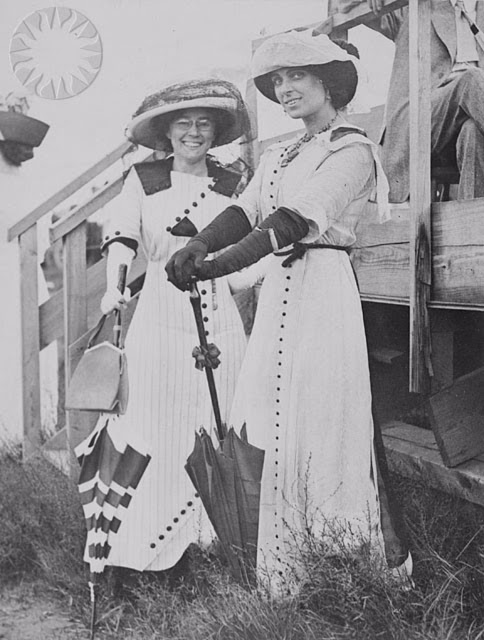
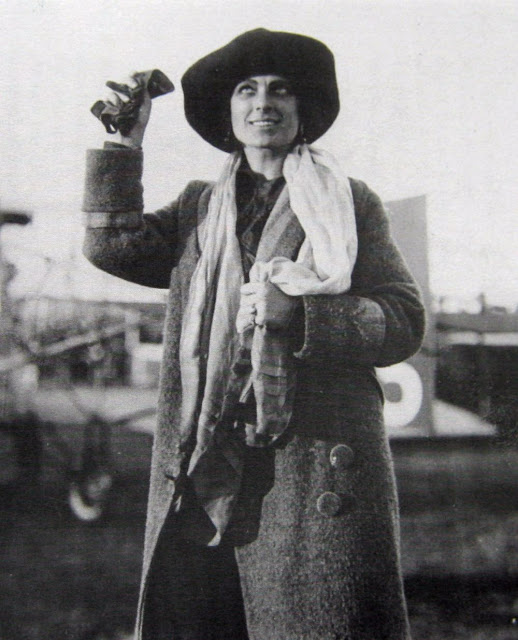
She was a modern woman in a not-so modern age. At a time when her contemporaries were swathed in petticoats and corsets, Harriet Quimby was climbing into a cockpit, decked out in a satin flying suit, waving energetically to the crowd. She was as bold and tenacious as she was beautiful, and she displayed an innate understanding of marketing and salesmanship, selling herself and the fledgling field of aviation to an enthusiastic public.
Harriet Quimby is classified among the most famous American female aviators. Her career as a pilot did not last long but was undeniably heroic. She was the first American lady to become a licensed pilot and the first woman to fly across the English Channel. She was also a movie screenwriter. Even though she died very young, Harriet played a key influence upon the role of women in aviation.
Quimby became interested in aviation about 1910, and, following a visit to an air show at Belmont Park in October of that year, she determined to learn to fly. She took lessons at the Moisant School of Aviation at Hempstead, Long Island, in the spring of 1911, and on August 1 she became the first woman to qualify for a license (number 37) from the Aero Club of America, the U.S. branch of the Fédération Aéronautique Internationale. She was the second licensed woman pilot in the world, following the baroness de la Roche of France. For a time Quimby flew with the Moisant International Aviators, a demonstration team from the school, but she also continued to contribute articles to various periodicals.
On April 16, 1912, after nearly a month of preparation, Quimby became the first woman to pilot an aircraft across the English Channel, guiding her French Blériot monoplane from Dover, England, through heavy overcast to Hardelot, France. She was widely celebrated for her feat. In the summer, after participating in several other air meets, she flew to Boston to take part in the Harvard-Boston Aviation Meet.
On July 1, 1912, she flew in the Third Annual Boston Aviation Meet at Squantum, Massachusetts. Although she had obtained her ACA certificate to participate in ACA events, the Boston meet was an unsanctioned contest. Quimby flew out to Boston Light in Boston Harbor at about 3,000 feet (910 m), then returned and circled the airfield.
William A. P. Willard, the organizer of the event and father of the aviator Charles F. Willard, was a passenger in her brand-new two-seat Bleriot monoplane. At an altitude of 1,000 feet (300 m) the aircraft unexpectedly pitched forward for reasons still unknown. Both Willard and Quimby were ejected from their seats and fell to their deaths, while the plane “glided down and lodged itself in the mud”.
Harriet Quimby was buried in the Woodlawn Cemetery in The Bronx, New York. The following year her remains were moved to the Kensico Cemetery in Valhalla, New York. A cenotaph to Quimby, the Harriet Quimby Compass Rose Fountain, stands at Pierce Brothers/Valhalla Memorial Park Cemetery in Burbank, Los Angeles, California. Located close to the cemetery’s Portal of the Folded Wings, a shrine containing the ashes of aviation pioneers, the Quimby fountain’s plaque reads:
Harriet Quimby became the first licensed female pilot in America on August 1, 1911. On April 16, 1912, she was the first woman to fly a plane across the English Channel. She pointed the direction for future women pilots including her friend, Matilde Moisant, buried at the Portal of the Folded Wings.
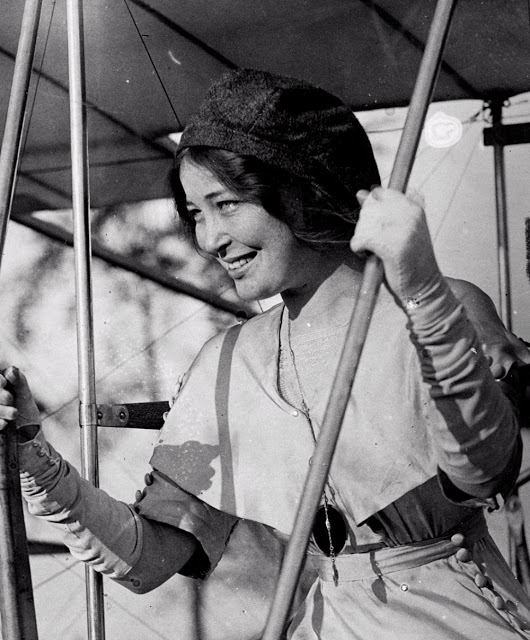
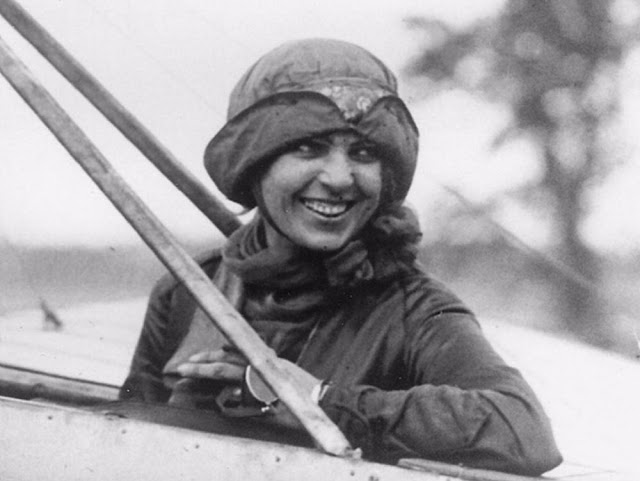
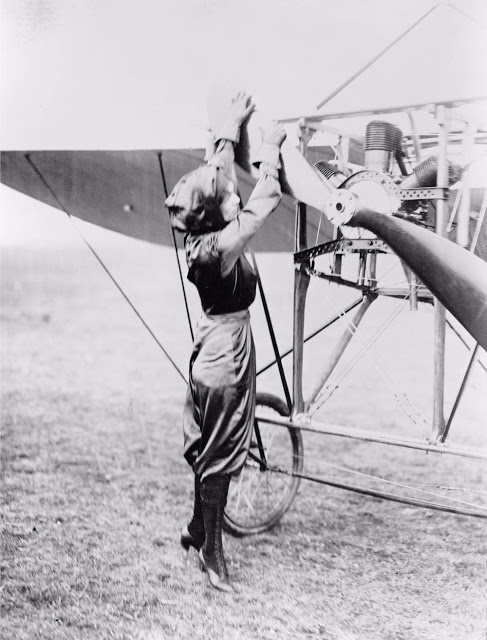
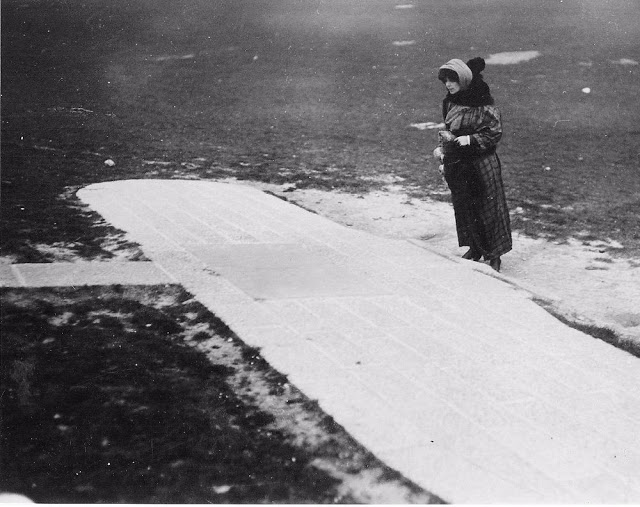
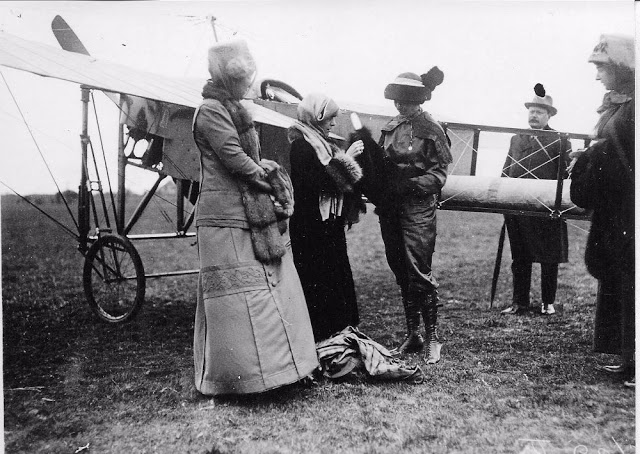
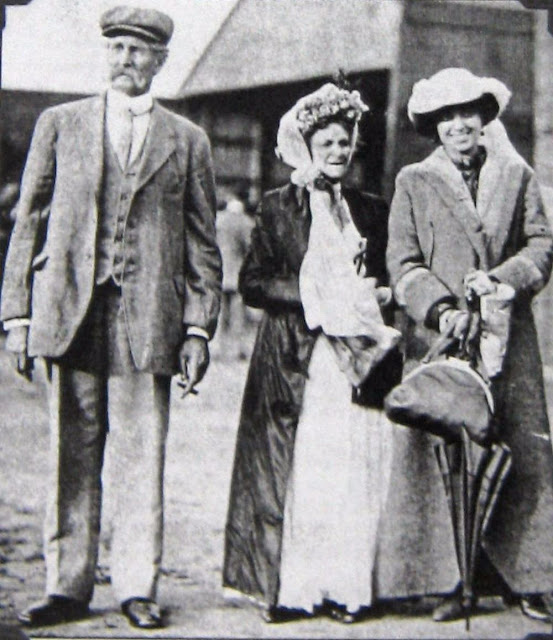
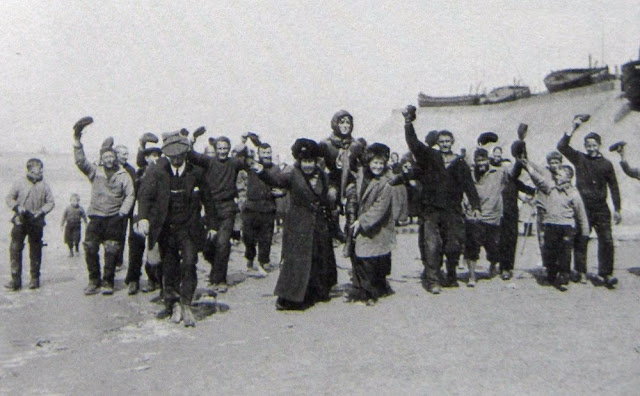
Miss Harriet Quimby, 1911Harriet in the cockpit of her plane in the USA, 1911.Harriet Quimby and her Blériot XI.Harriet Quimby and her Blériot XI.Harriet Quimby in her purple flight suit.Harriet Quimby in front of the Bleriot when she became the first woman to fly across the English ChannelHarriet Quimby, September 1910.Harriet Quimby first woman to fly across the Channel 16.04.1912.Harriet QuimbyA photo of Harriet Quimby, published in the Swedish news magazine Hvar 8 Dag in 1912.Harriet designed this outfit, in rich purple, to eliminate the indignity of an exposed ankle while clambering aboard an aeroplane.Harriet Quimby mounting her Moisant monoplane (from The American Review of Reviews, 1911)Harriet Quimby, wearing her purple satin flying suit, pulls the Chauvière Intégrale propeller of the Blériot XI to start the air-cooled Anzani W3 (“fan” or “semi-radial”) three-cylinder engine.Harriet before the epic flight of 16 April 1912 at the Blériot Monument.Harriet on the day of her historic flight next to Blériot plane.Matilde Moisant (left) poses with Harriet Quimby (right), circa 1911-1912.Harriet Quimby, c.1911Harriet Quimby with her parents, September 1911.Harriet being carried after her epic flight to France.Page 8 of the Daily Mirror 17 April 1912.
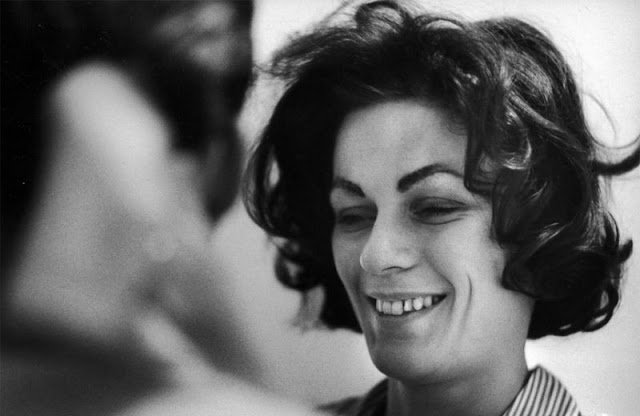
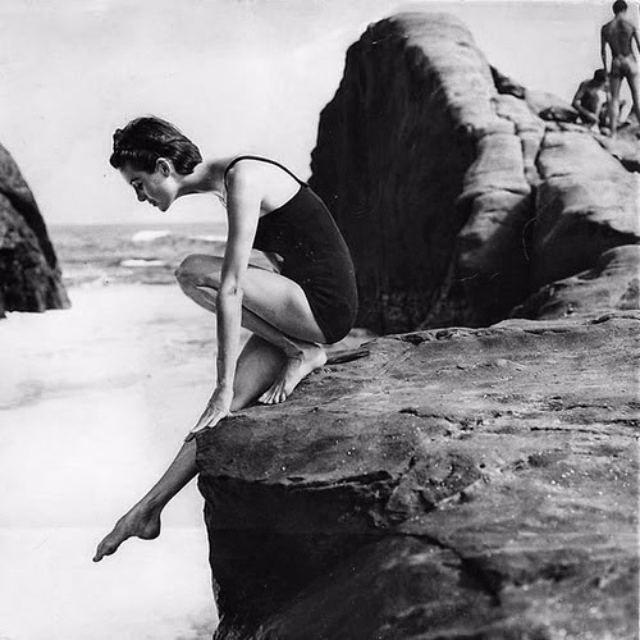
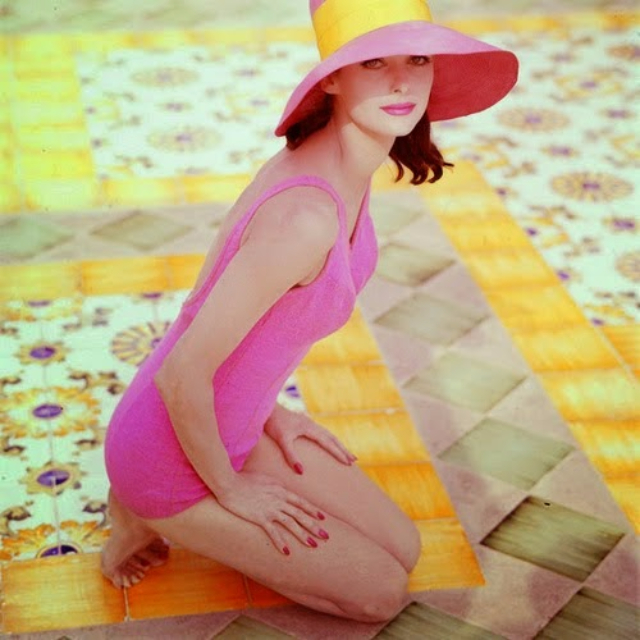
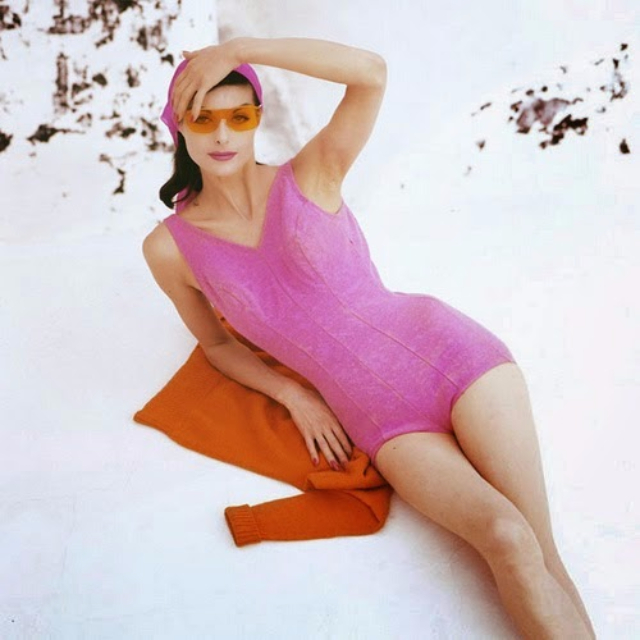
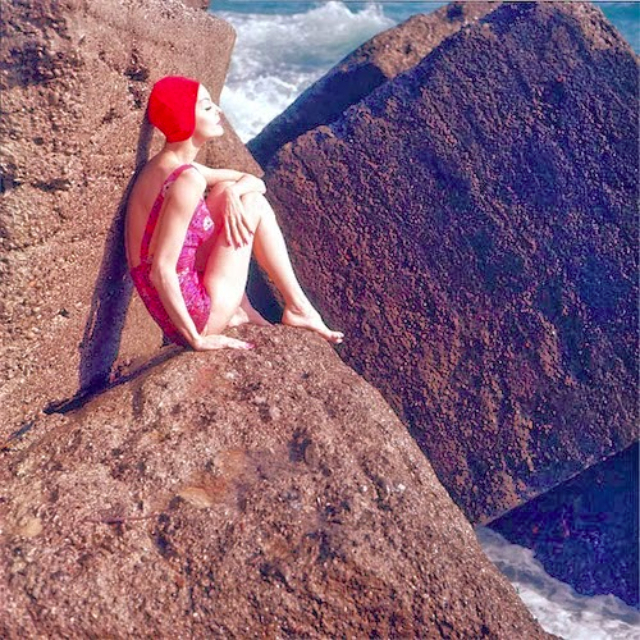
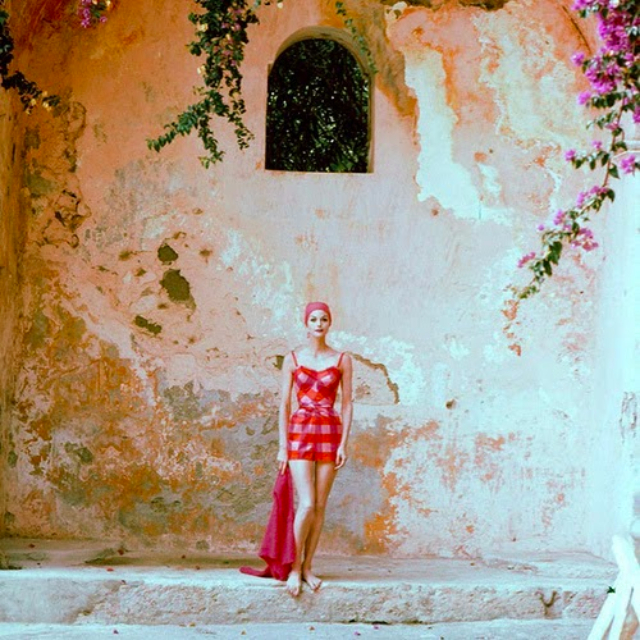
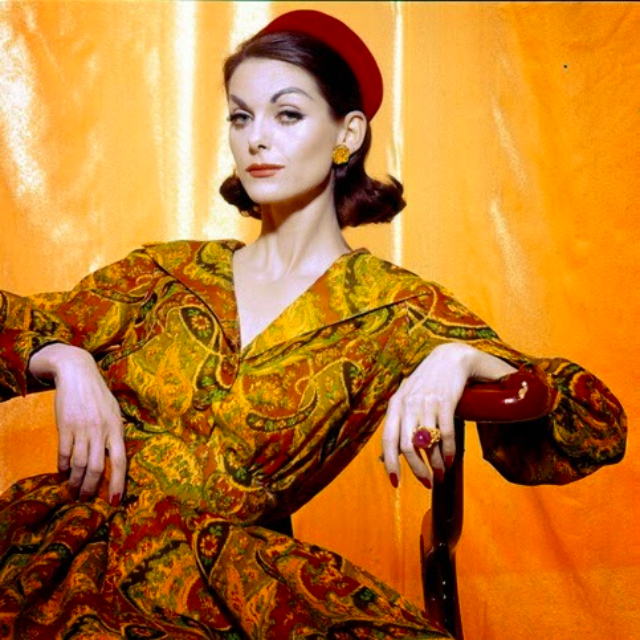
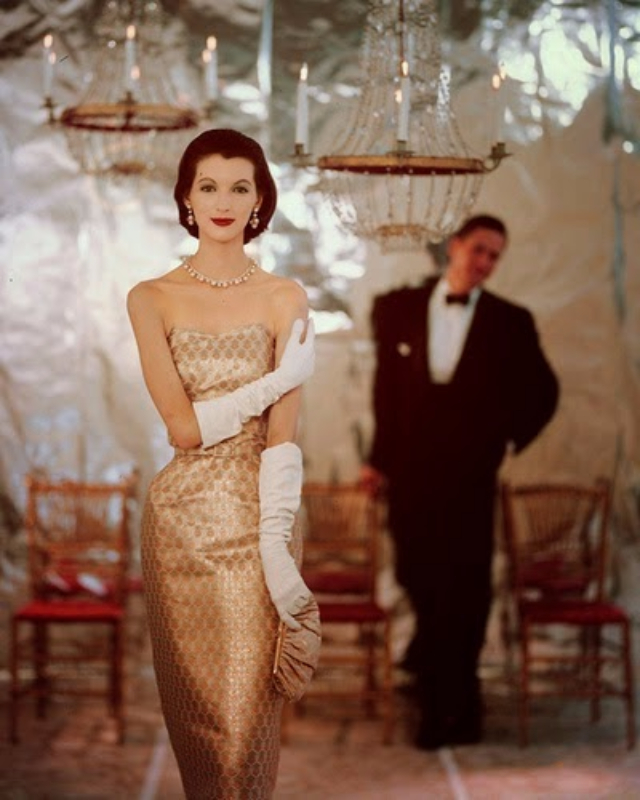
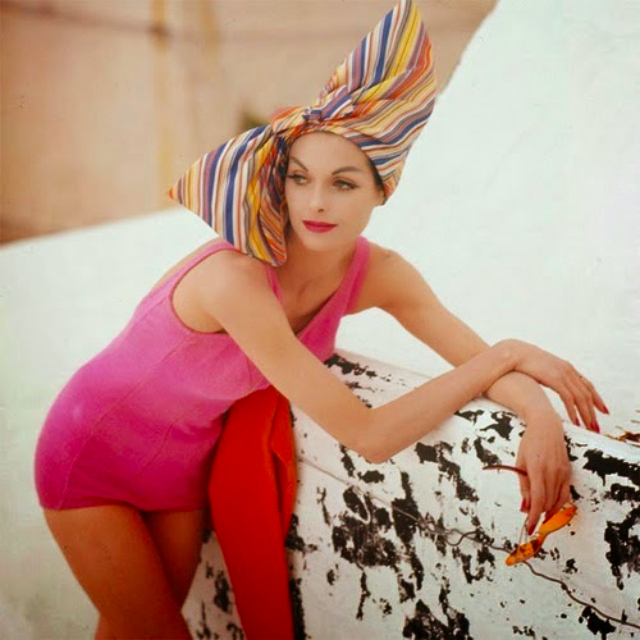
Tom Palumbo (1921–2008) was an American photographer and theatre director. He was a staff photographer of Vogue from 1959 until 1962 and at Harper’s Bazaar from 1953 until 1959, where he worked with the art directors Alex Liberman and Alexey Brodovitch. He was a vice-president of creative productions at Ted Bates, where he oversaw all TV commercials. Here’s a collection of primarily images from his shots for Harper’s Bazaar and Vogue in the 1950s and 1960s.
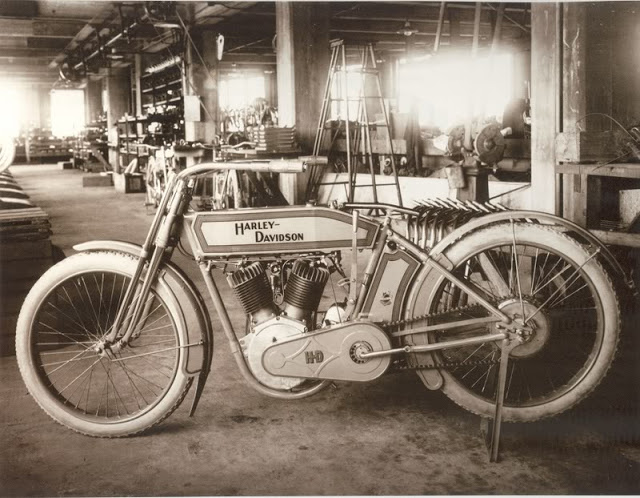
In 1901, 20-year-old William S. Harley drew up plans for a small engine with a displacement of 7.07 cubic inches (116 cc) and four-inch (102 mm) flywheels. The engine was designed for use in a regular pedal-bicycle frame. Over the next two years, Harley and his childhood friend Arthur Davidson worked on their motor-bicycle using the northside Milwaukee machine shop at the home of their friend, Henry Melk. It was finished in 1903 with the help of Arthur’s brother, Walter Davidson. Upon testing their power-cycle, Harley, and the Davidson brothers found it unable to climb the hills around Milwaukee without pedal assistance. They quickly wrote off their first motor-bicycle as a valuable learning experiment.
Work immediately began on a new and improved second-generation machine. This first “real” Harley-Davidson motorcycle had a bigger engine of 24.74 cubic inches (405 cc) with 9.75 inches (25 cm) flywheels weighing 28 lb (13 kg). The machine’s advanced loop-frame pattern was similar to the 1903 Milwaukee Merkel motorcycle (designed by Joseph Merkel, later of Flying Merkel fame). The bigger engine and loop-frame design took it out of the motorized bicycle category and marked the path to future motorcycle designs. The boys also received help with their bigger engine from outboard motor pioneer Ole Evinrude, who was then building gas engines of his own design for automotive use on Milwaukee’s Lake Street.
The prototype of the new loop-frame Harley-Davidson was assembled in a 10 ft × 15 ft (3.0 m × 4.6 m) shed in the Davidson family backyard. Most of the major parts, however, were made elsewhere, including some probably fabricated at the West Milwaukee railshops where oldest brother William A. Davidson was then toolroom foreman. This prototype machine was functional by September 8, 1904, when it competed in a Milwaukee motorcycle race held at State Fair Park. It was ridden by Edward Hildebrand and placed fourth. This is the first documented appearance of a Harley-Davidson motorcycle in the historical record.
In January 1905, small advertisements were placed in the Automobile and Cycle Trade Journal offering bare Harley-Davidson engines to the do-it-yourself trade. By April, complete motorcycles were in production on a very limited basis. That year, the first Harley-Davidson dealer, Carl H. Lang of Chicago, sold three bikes from the five built in the Davidson backyard shed. Years later the original shed was taken to the Juneau Avenue factory where it would stand for many decades as a tribute to the Motor Company’s humble origins until it was accidentally destroyed by contractors cleaning the factory yard in the early 1970s.
In 1906, Harley and the Davidson brothers built their first factory on Chestnut Street (later Juneau Avenue), at the current location of Harley-Davidson’s corporate headquarters. The first Juneau Avenue plant was a 40 ft × 60 ft (12 m × 18 m) single-story wooden structure. The company produced about 50 motorcycles that year.
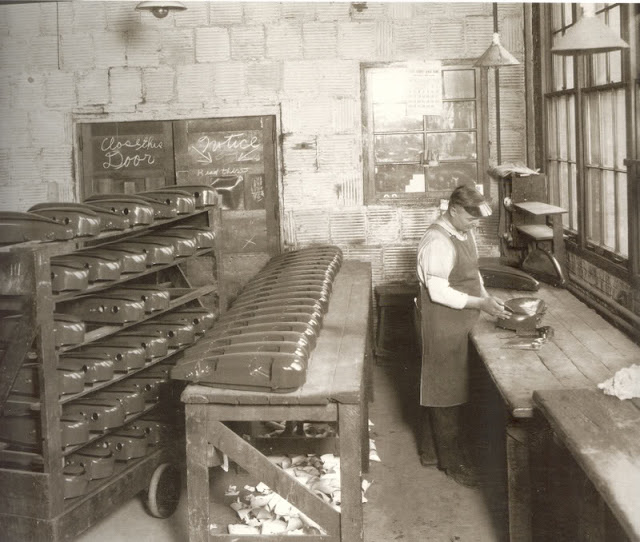
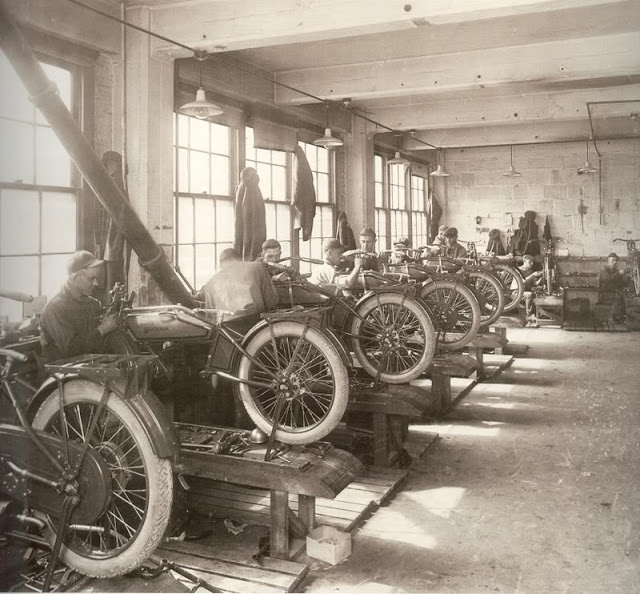
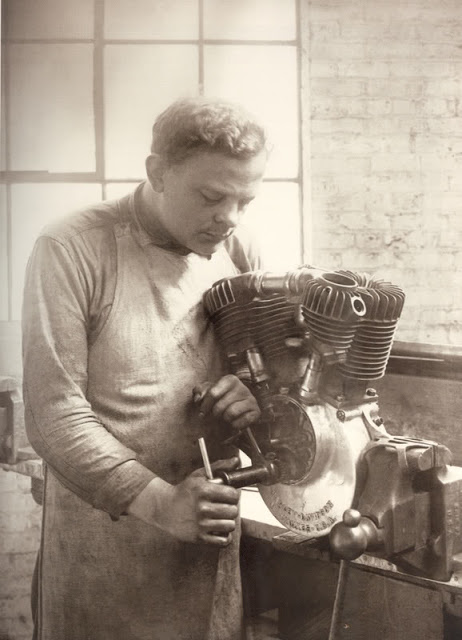
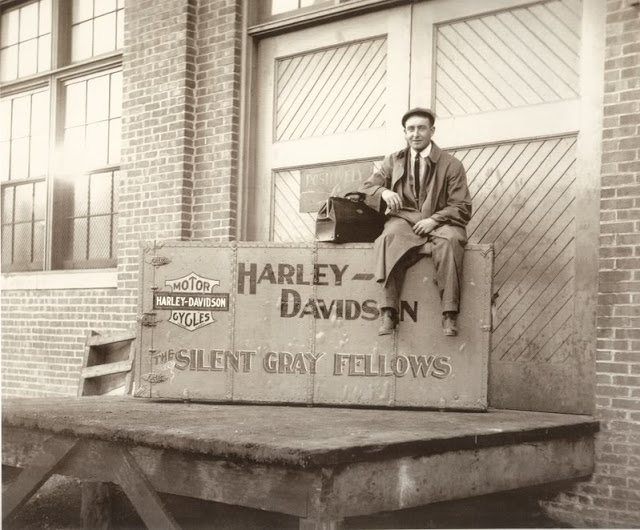
Here are some rare photographs from inside the Harley motorcycle factory from the 1910s and 1920s.
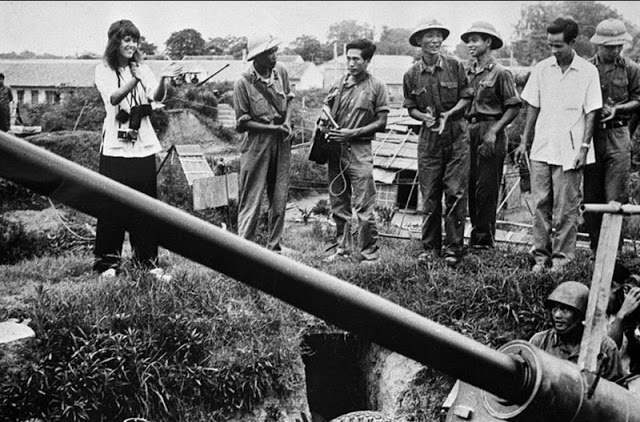
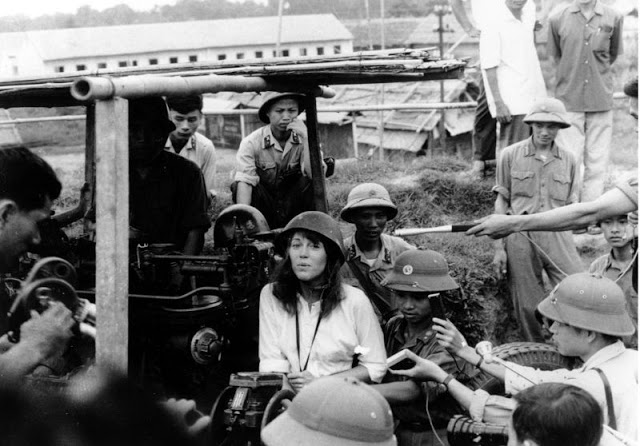
Almost 45 years after she climbed into the seat of a North Vietnamese anti-aircraft gun vehicle and smiled for photographers, Jane Fonda, still finds herself targeted by U.S. military veterans.
The actress and activist already was one of Hollywood’s most outspoken opponents of the Vietnam War when, at 34, she made a two-week trip to Hanoi in July 1972. By then, more than 60,000 U.S. soldiers had lost their lives in the conflict; Vietnamese casualties were close to 1 million.
In 2011, Fonda wrote on her website that the photo op — which earned her the nickname “Hanoi Jane” and incensed millions of Americans — came about after Vietnamese soldiers serenaded her with a Communist folk song. “I heard these words: ‘All men are created equal; they are given certain rights; among these are life, liberty and happiness,’ ” she recalled. Then someone led her to a weapon that had shot down countless American aircraft, and flashbulbs went off. “It is possible it was a setup. I will never know.”
Fonda told 60 Minutes in 2005 that the trip, where she met with peasants, artists and intellectuals, was worthwhile — but the photo was a mistake. “The image of Jane Fonda, Barbarella, Henry Fonda’s daughter, sitting on an enemy aircraft gun was a betrayal,” she said, “the largest lapse of judgment I can imagine.”
Subscribe to continue reading
Subscribe to get access to the rest of this post and other subscriber-only content.