








Bringing You the Wonder of Yesterday – Today

New Mexico is a state in the Southwestern United States. It is one of the Mountain States of the southern Rocky Mountains, sharing the Four Corners region of the western U.S. with Utah, Colorado, and Arizona, and bordering Texas to the east and southeast, Oklahoma to the northeast, and the Mexican states of Chihuahua and Sonora to the south. The state capital is Santa Fe, which is the oldest capital in the U.S., founded in 1610 as the government seat of Nuevo México in New Spain; the largest city is Albuquerque.
New Mexico is the fifth-largest of the fifty states, but with just over 2.1 million residents, ranks 36th in population and 46th in population density. Its climate and geography are highly varied, ranging from forested mountains to sparse deserts; the northern and eastern regions exhibit a colder alpine climate, while the west and south are warmer and more arid; the Rio Grande and its fertile valley runs from north-to-south, creating a riparian climate through the center of the state that supports a bosque habitat and distinct Albuquerque Basin climate. One–third of New Mexico’s land is federally owned, and the state hosts many protected wilderness areas and national monuments, including three UNESCO World Heritage Sites, the most of any state.
New Mexico’s economy is highly diversified, with major sectors including oil and mineral extraction, cattle ranching, agriculture, lumber, scientific and technological research, tourism, and the arts, especially textiles and visual arts. Its total gross domestic product (GDP) in 2020 was $95.73 billion, with a GDP per capita of roughly $46,300. State tax policy is characterized by low to moderate taxation of resident personal income by national standards, with tax credits, exemptions, and special considerations for military personnel and favorable industries; subsequently, its film industry is one of the largest and fastest growing in the country. Due to its large area and economic climate, New Mexico has a significant U.S. military presence, including White Sands Missile Range, and strategically valuable federal research centers, such as Sandia and Los Alamos National Laboratories. The state hosted several key facilities of the Manhattan Project, which developed the world’s first atomic bomb, and was the site of the first nuclear test, Trinity.
In prehistoric times, New Mexico was home to Ancestral Puebloans, Mogollon, and the modern Comanche and Utes. Spanish explorers and settlers arrived in the 16th century, naming the territory Nuevo México after the Aztec Valley of Mexico, more than 250 years before the establishment and naming of the present-day country of Mexico; thus, the state did not derive its name from Mexico. Isolated by its rugged terrain and the relative dominance of its indigenous people, New Mexico was a peripheral part of the viceroyalty of New Spain. Following Mexican independence in 1821, it became an autonomous region of Mexico, albeit increasingly threatened by the centralizing policies of the Mexican government, culminating in the Revolt of 1837; at the same time, the region became more economically dependent on the United States. At the conclusion of the Mexican–American War in 1848, the U.S. annexed New Mexico as part of the larger New Mexico Territory. It played a central role in American westward expansion and was admitted to the Union in 1912.
New Mexico’s history has contributed to its unique demographic and cultural character. One of only six majority-minority states, it has the nation’s highest percentage of Hispanic and Latino Americans and the second-highest percentage of Native Americans after Alaska. New Mexico is home to part of the Navajo Nation, 19 federally recognized Pueblo communities, and three different federally recognized Apache tribes. Its large Hispanic population includes Hispanos, who descend from early Spanish settlers, as well as Chicanos and Mexicans. The New Mexican flag, which is among the most recognizable in the U.S., reflects the state’s eclectic origins, bearing the scarlet and gold coloration of the Spanish flag along with the ancient sun symbol of the Zia, a Puebloan tribe. The confluence of indigenous, Spanish, Mexican, Hispanic, and American influences is also evident in New Mexico’s unique cuisine, music genre, and architectural style. (Wikipedia)
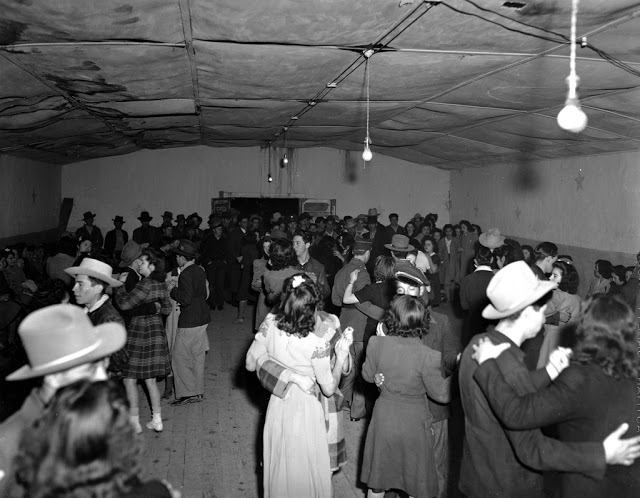
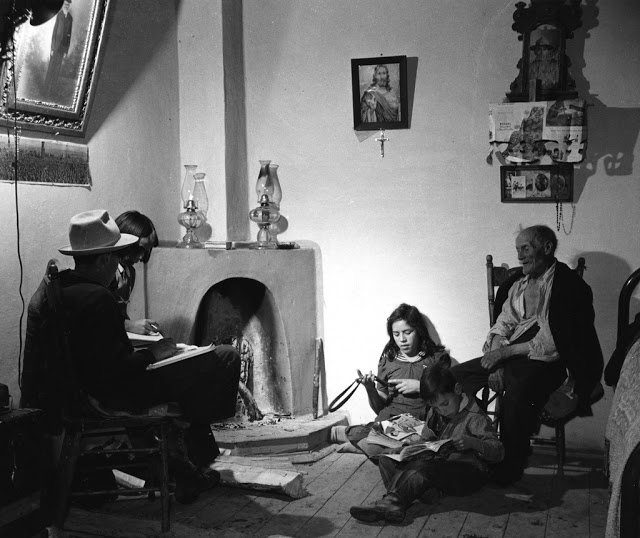
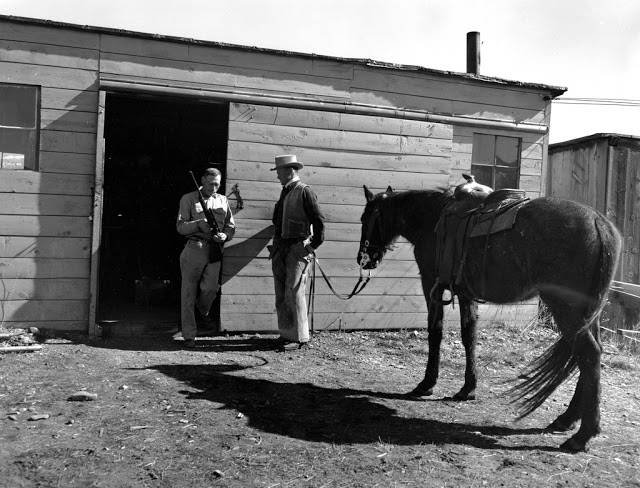
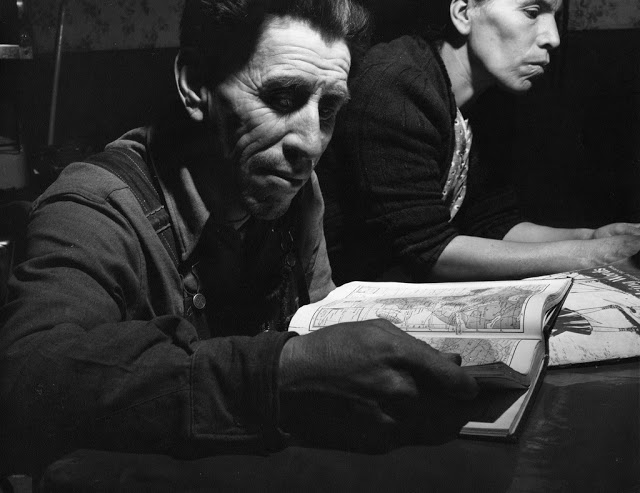
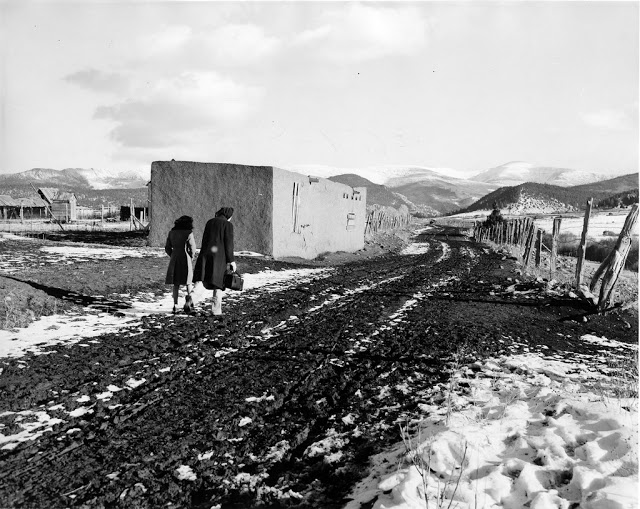
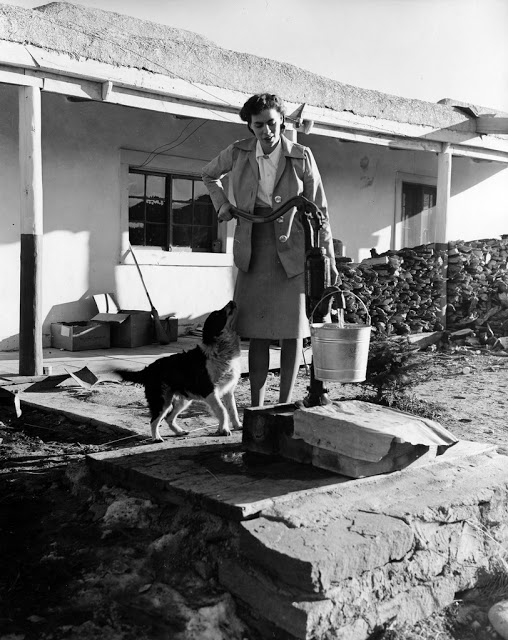
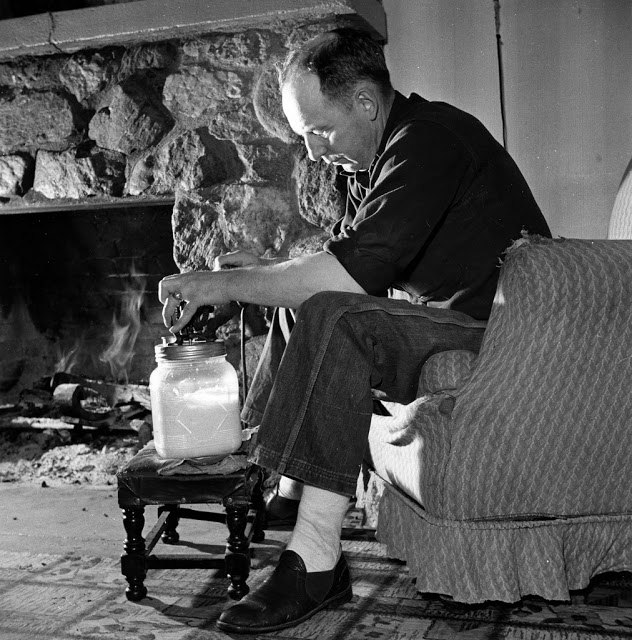
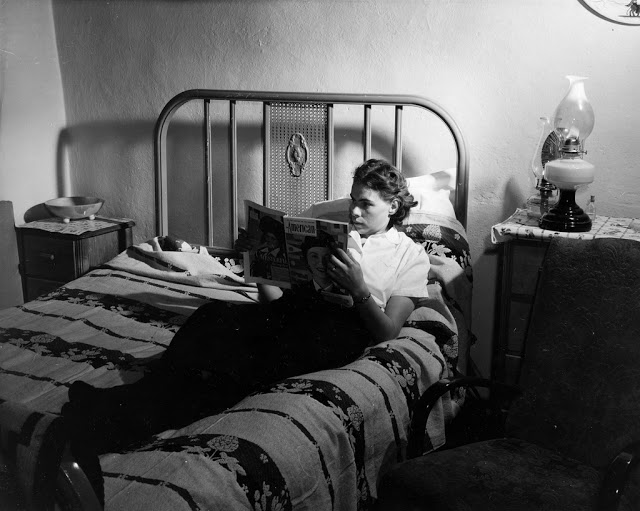
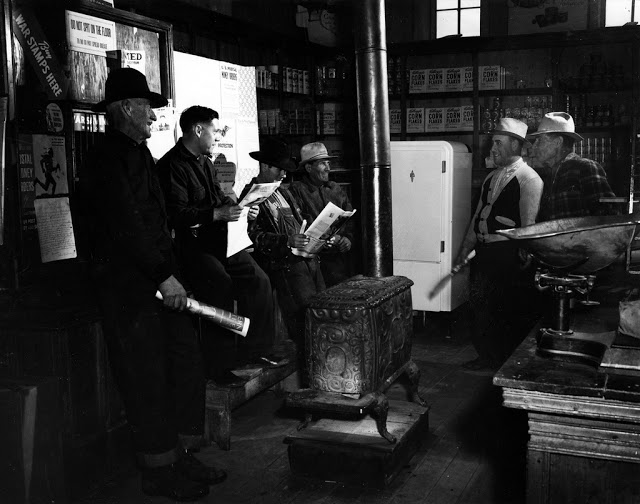
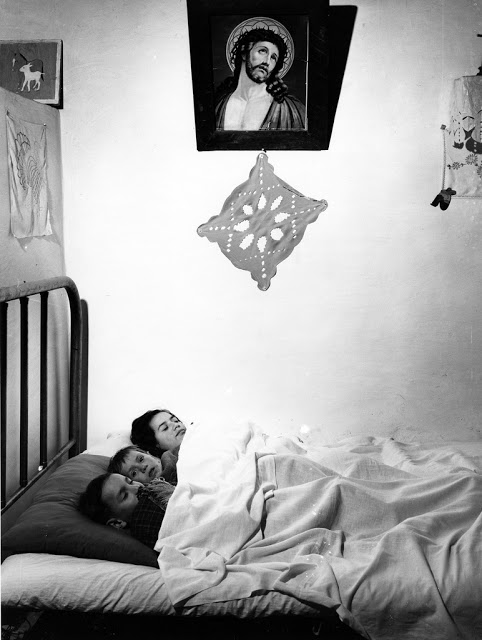
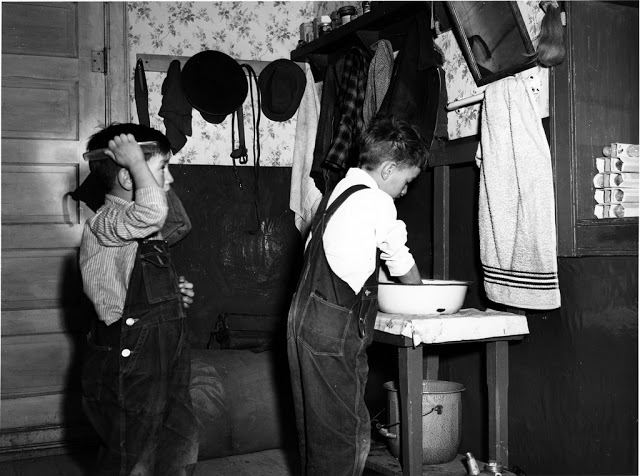
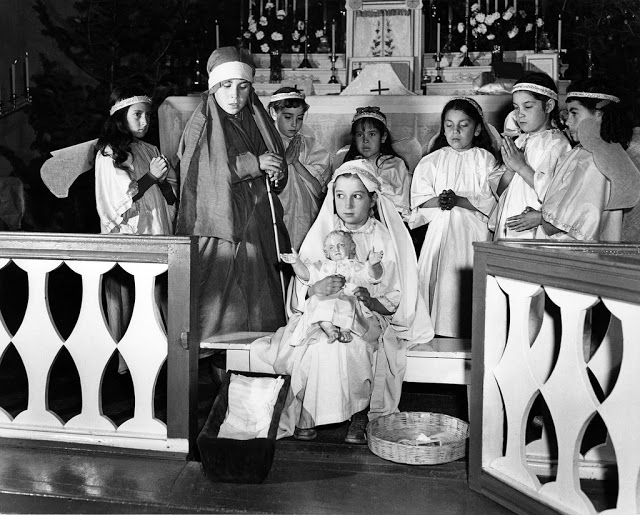
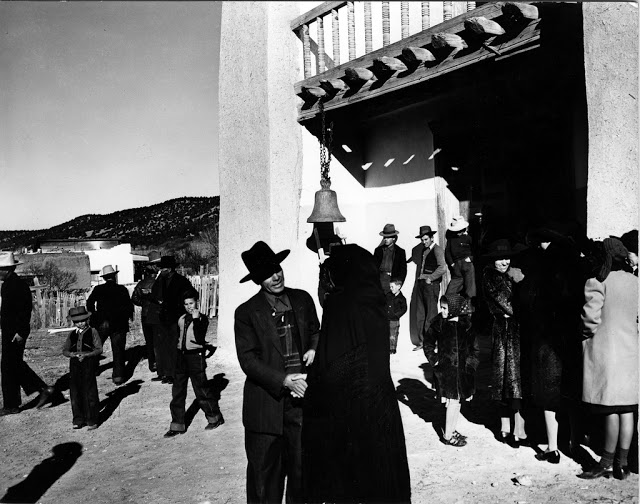
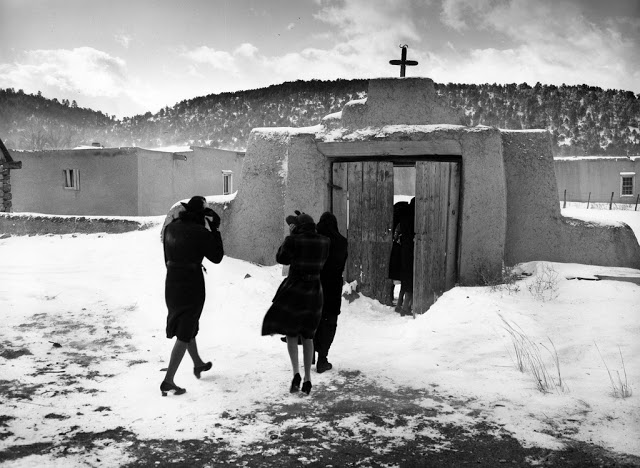
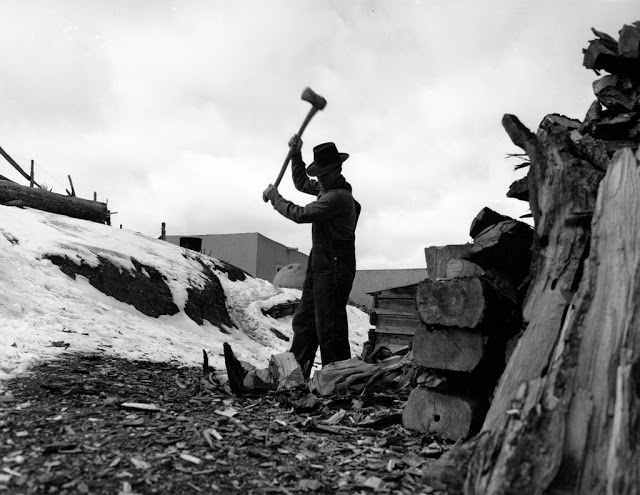
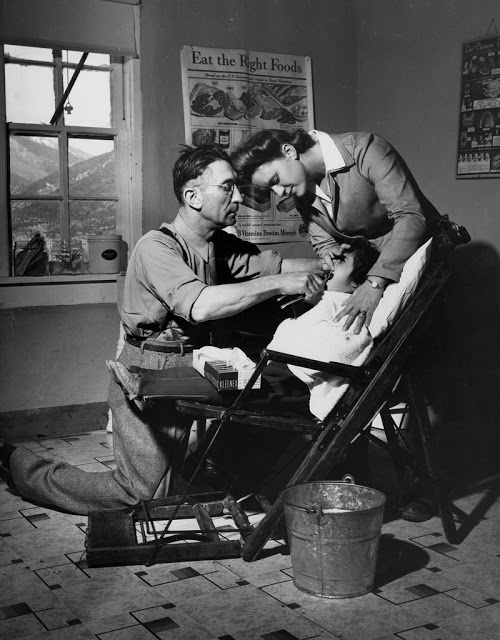
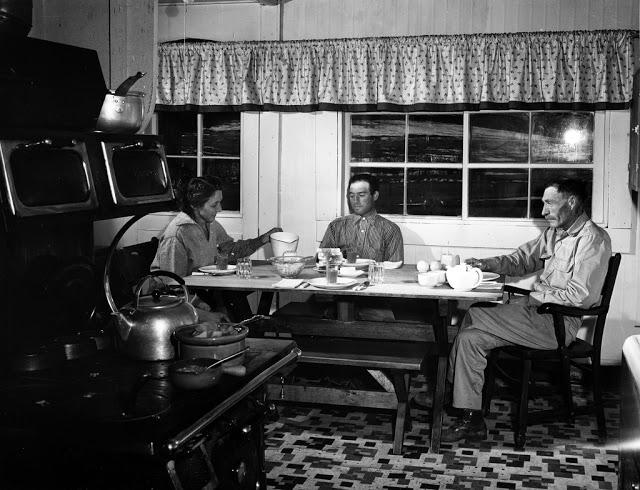
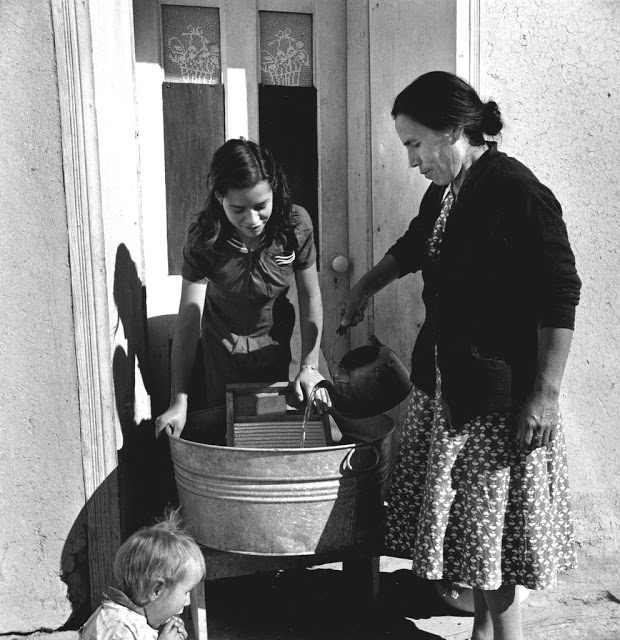
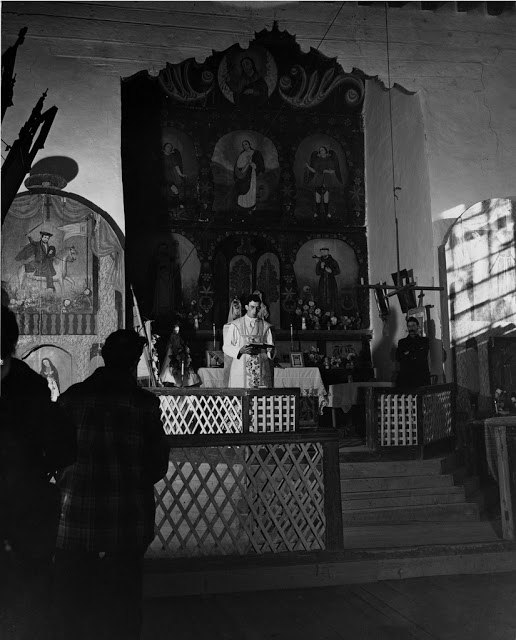
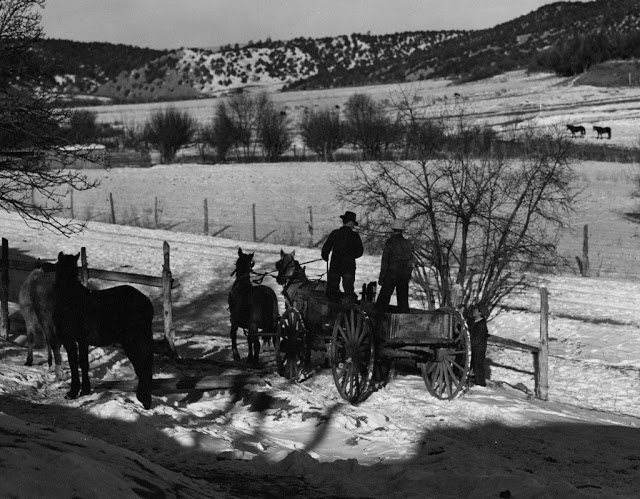
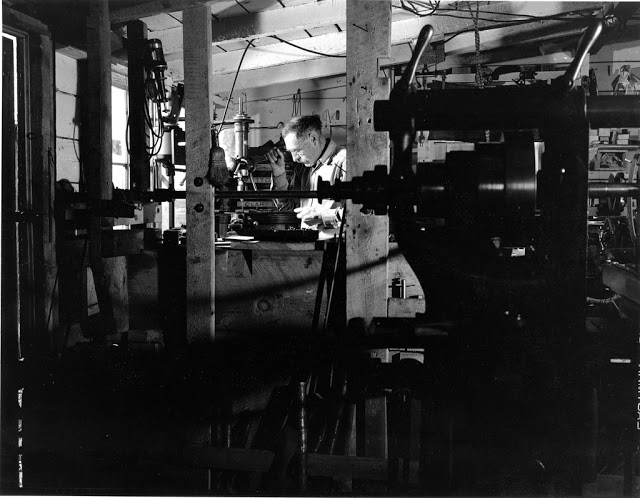
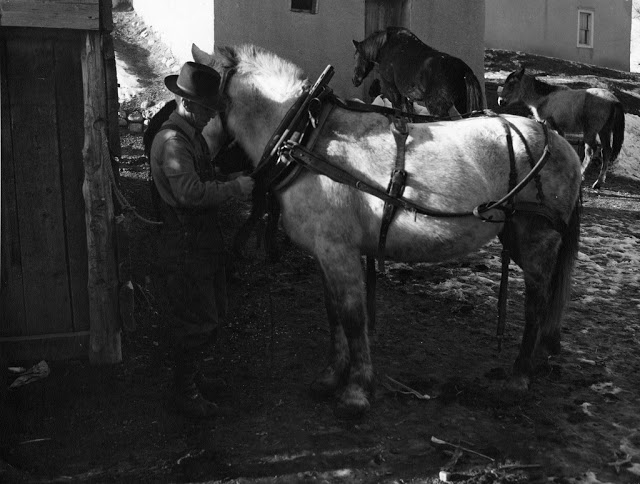
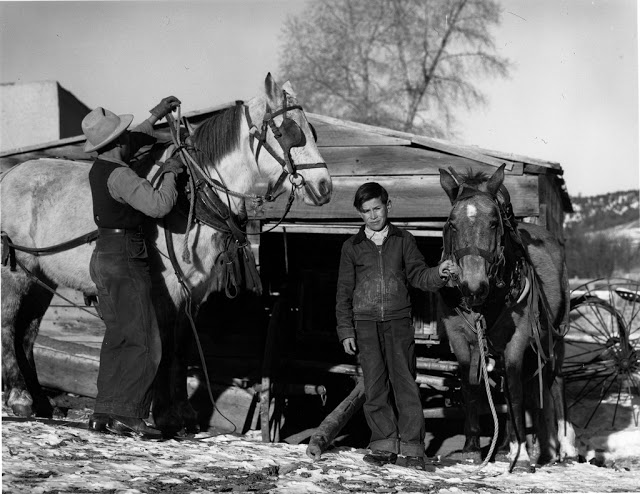
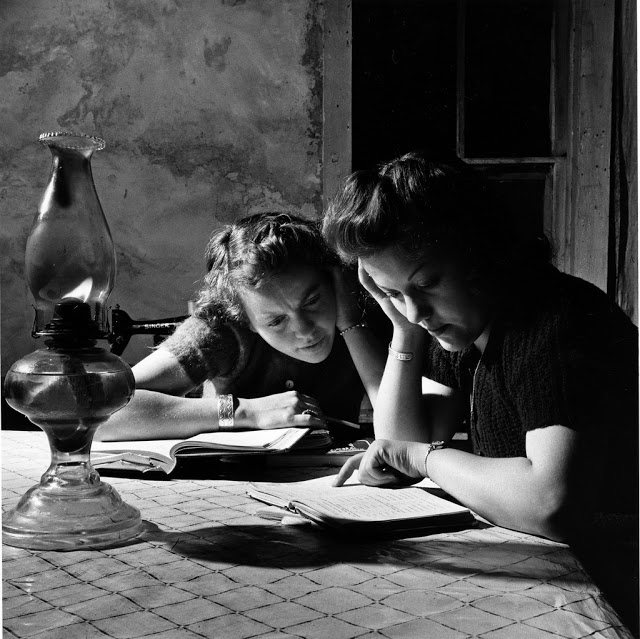
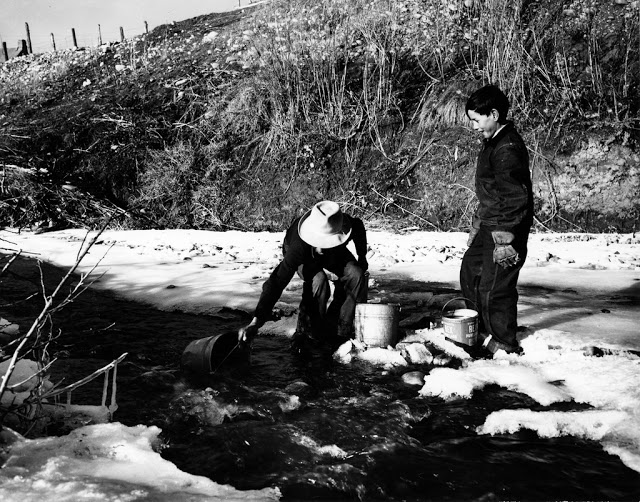
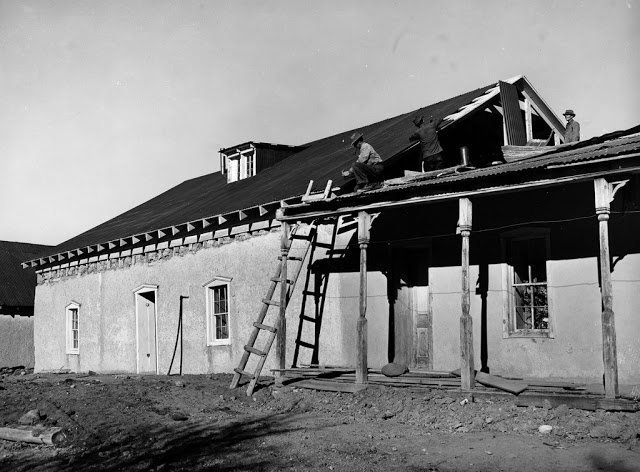
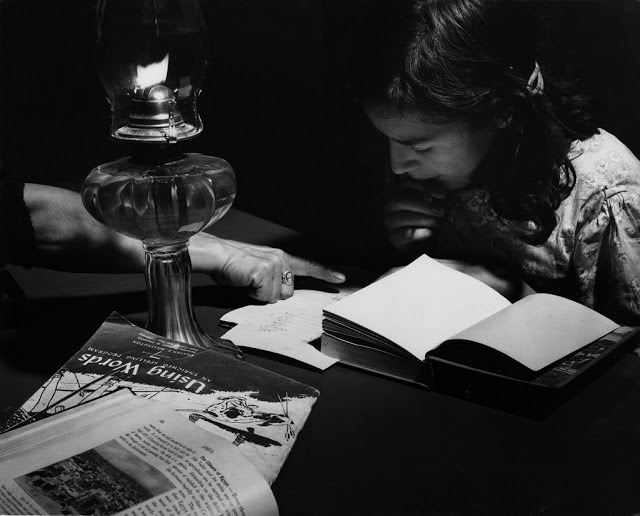
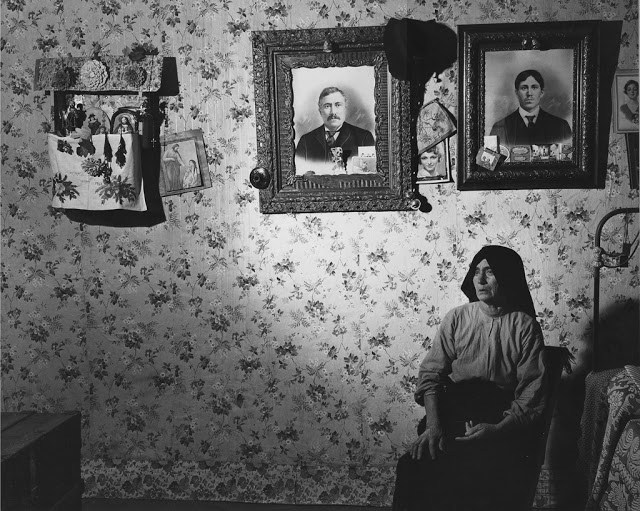
These photos were needy lives but full of joy of people in New Mexico in the early 1940s. They were taken by photographer John Collier Jr..
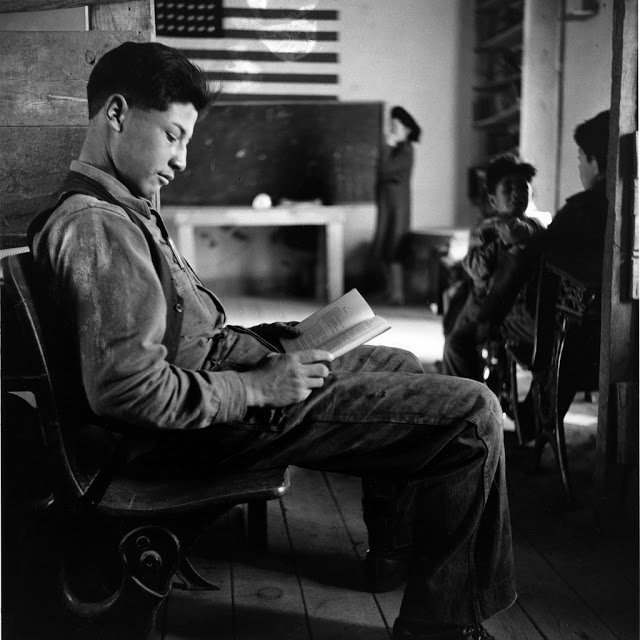













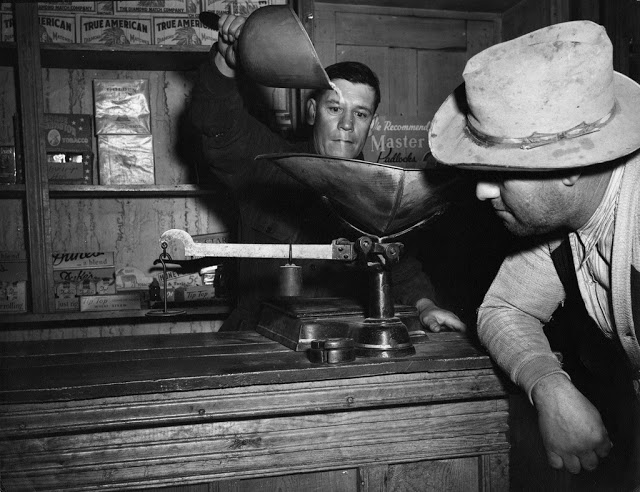
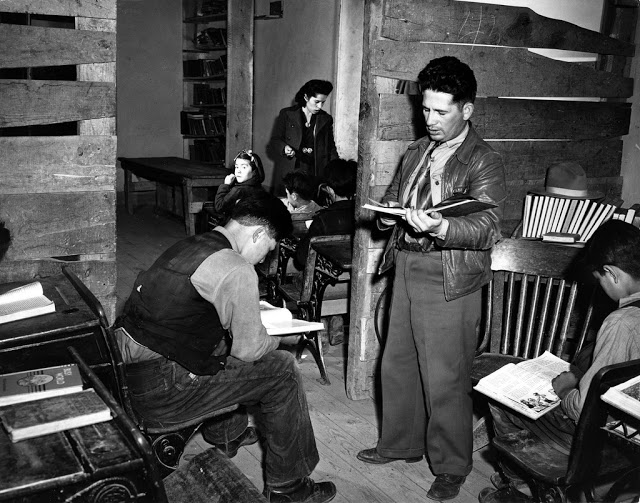
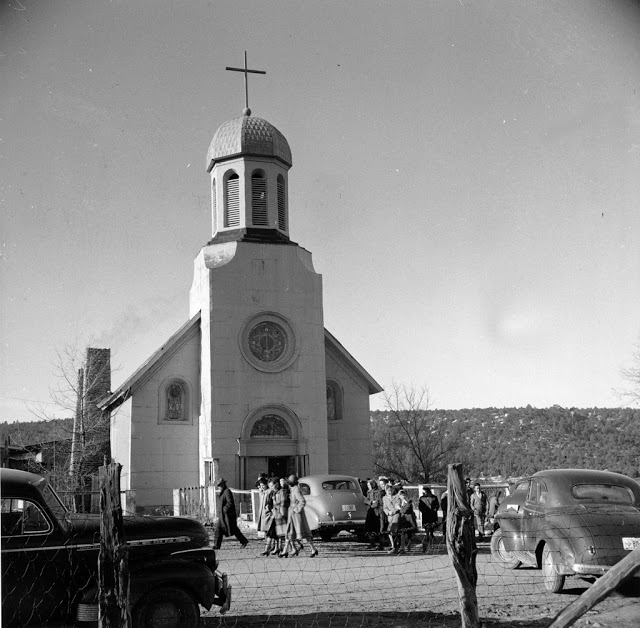

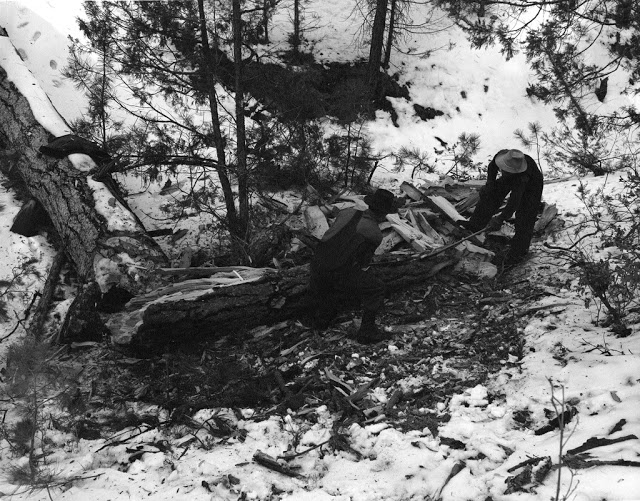

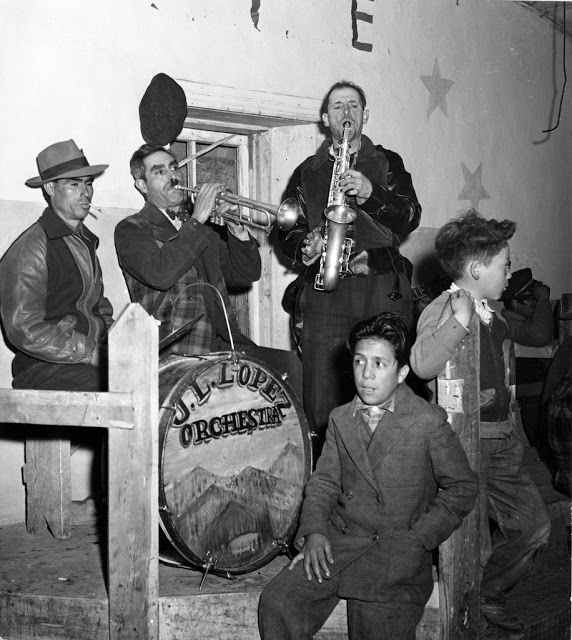
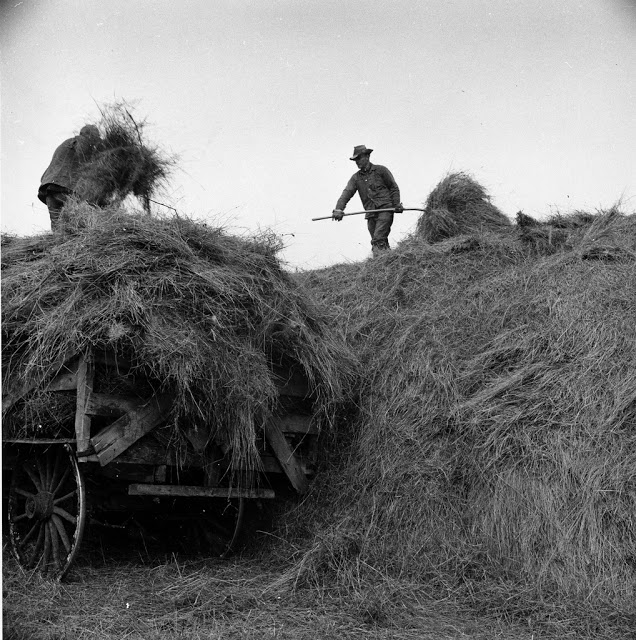

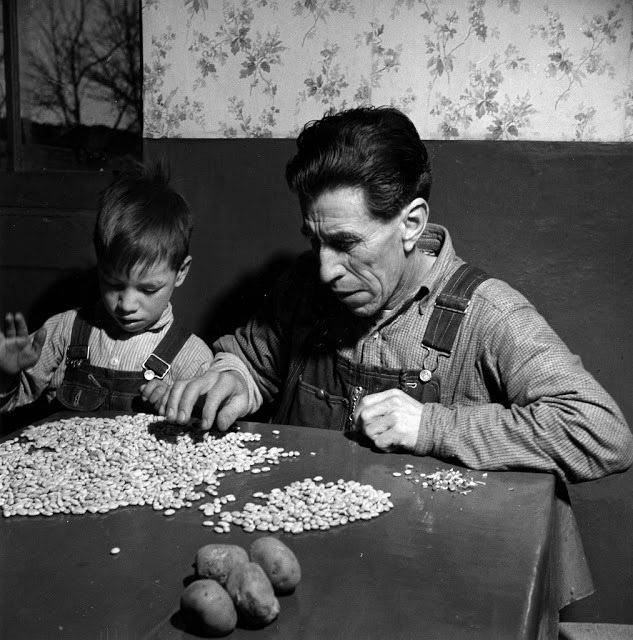
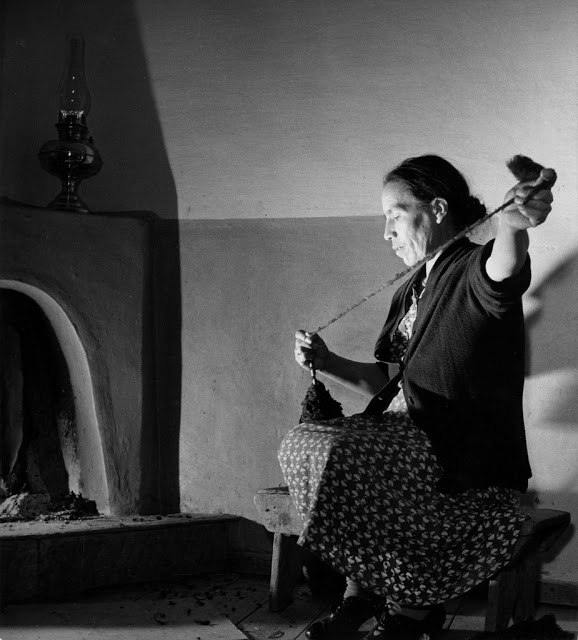
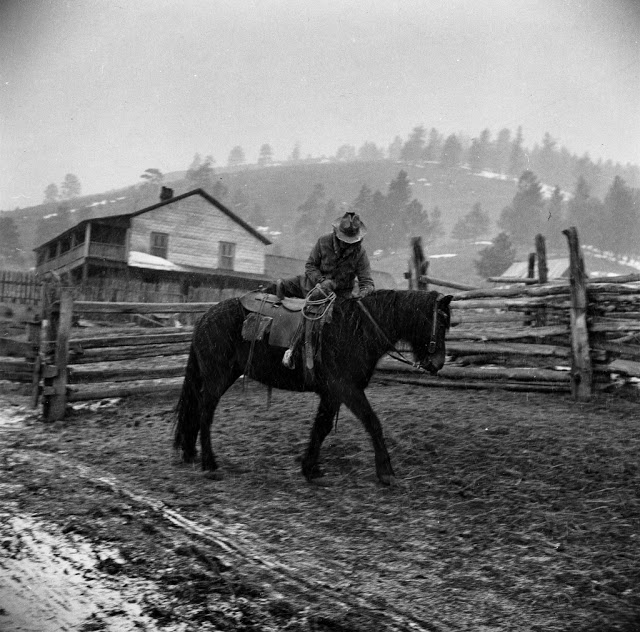
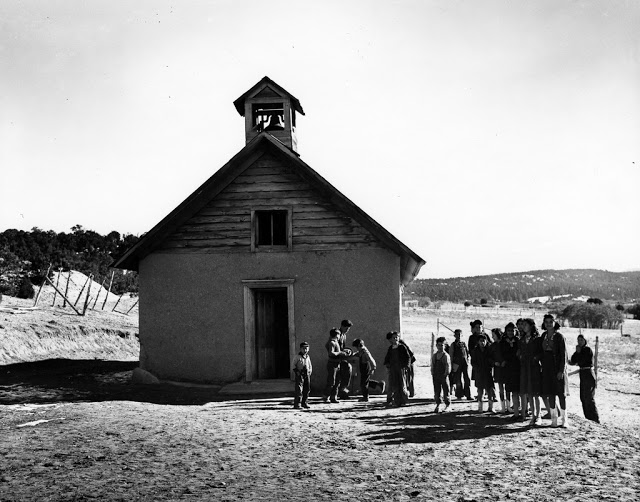
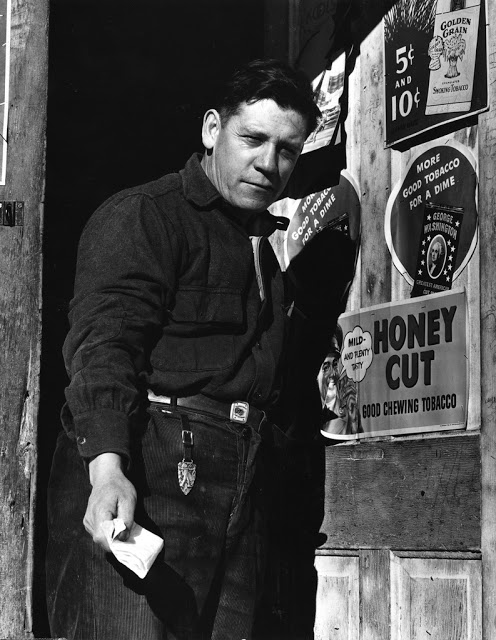

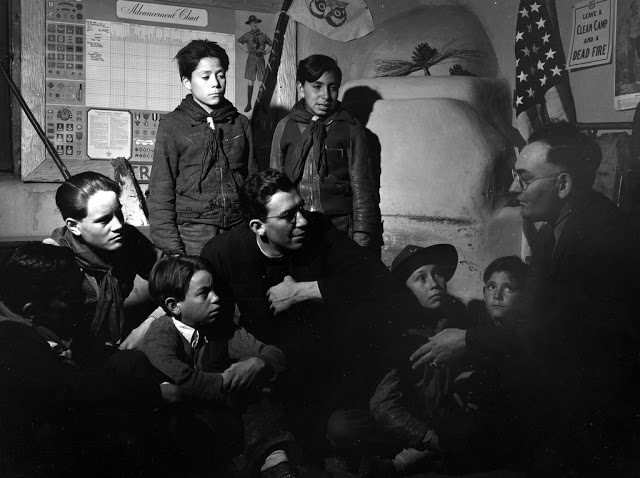

(Photos from John Collier Jr.)

Born in San Francisco, Louise Dahl-Wolfe (1895-1989) worked as a staff photographer for Harper’s Bazaar from 1936 through 1958. She introduced a witty, relaxed, and natural aspect to fashion photography and, in the process, helped “define the post-war look of American women.”
Dahl-Wolfe also made memorable portrait photographs of leading figures from politics and the arts, “discovered” a teenage Lauren Bacall, and was a pioneer in the technique of color photography.
Dahl-Wolfe’s work was shown in important touring exhibitions, and she had several retrospectives. In 1989 Dahl-Wolfe received an honorary doctorate from Moore College of Art in Philadelphia, the first women’s art college in the United States; her work is often cited as a significant influence on later photographers, notably Richard Avedon.
“Louise Dahl-Wolfe was the definition of elegance and beauty. She led the way out of the European tradition into the supremacy of American photography.” – Richard Avedon.
“Her work was inventive and new. The things she did with her models and with color were so fresh. I always admired her: in fact I was quite jealous of her!” – Horst P. Horst.
Here is a stunning photo collection from her work that defined women’s fashion in the 1940s.
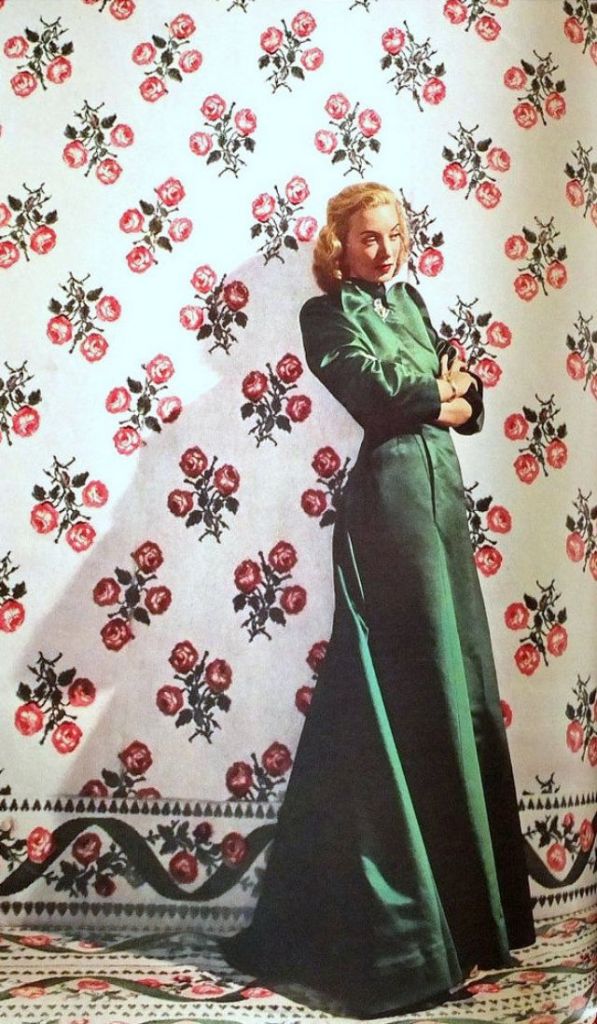


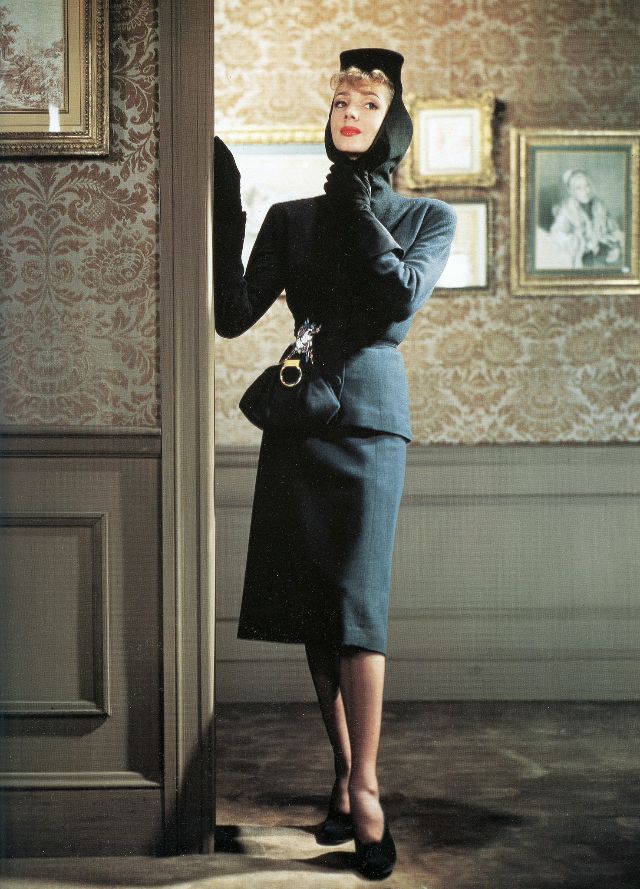
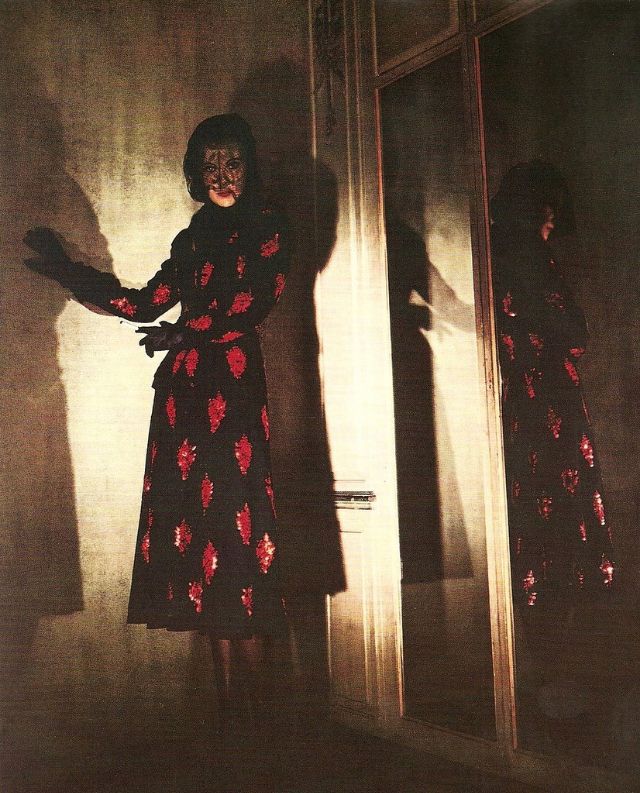


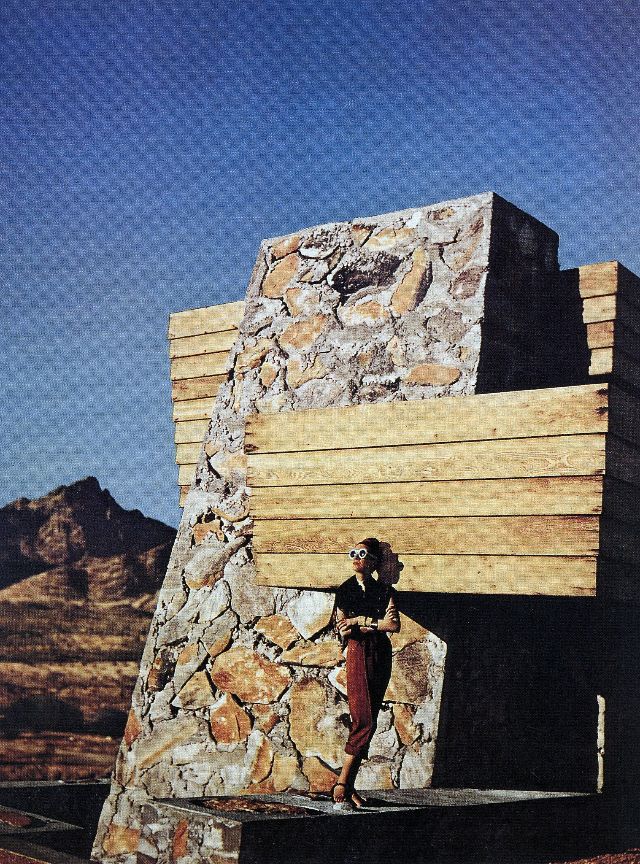
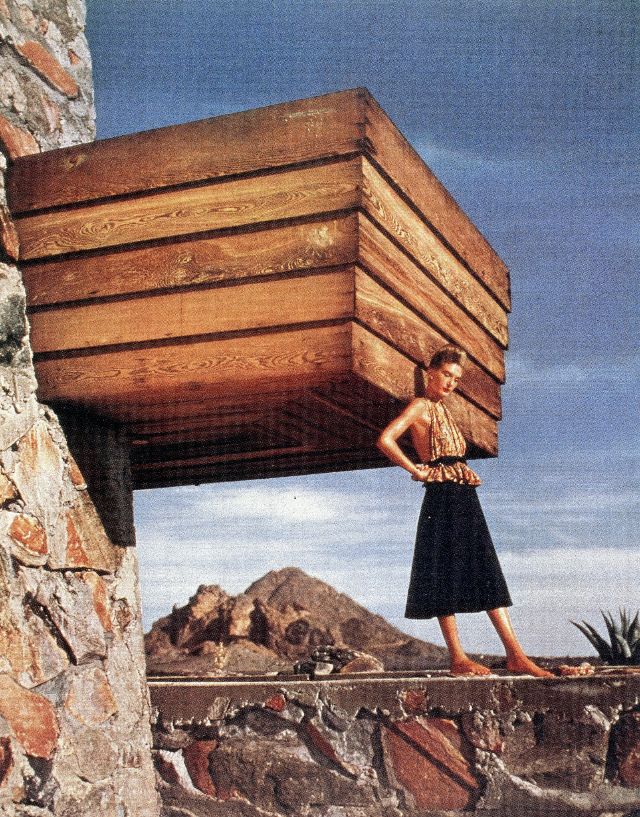
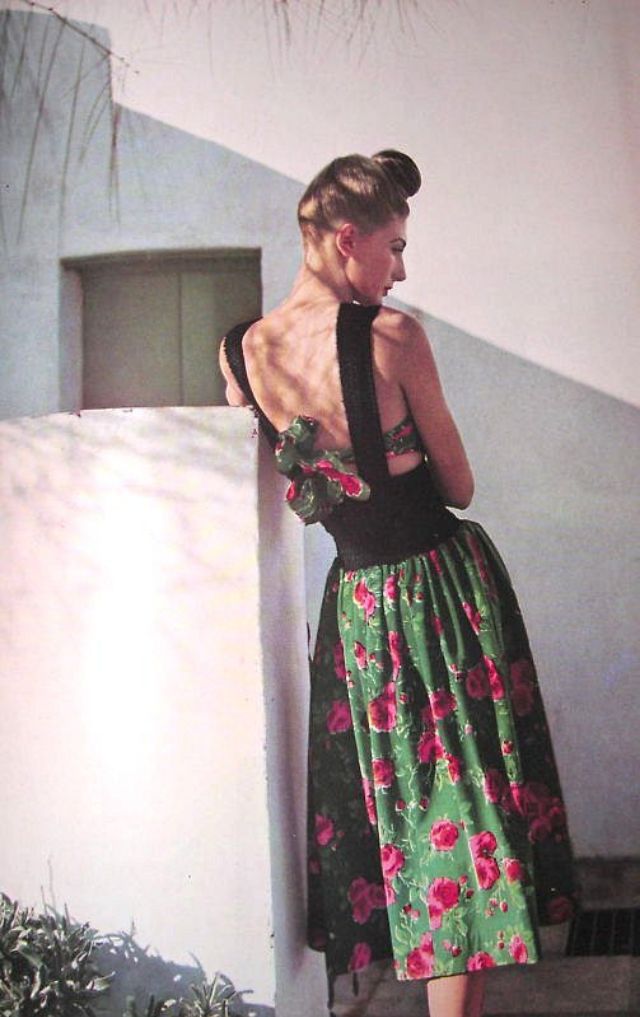
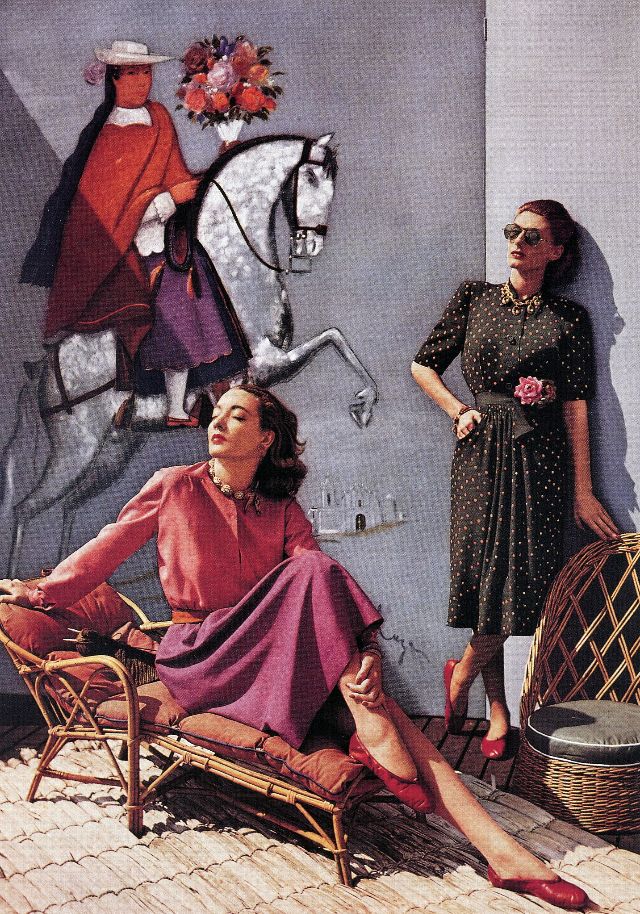


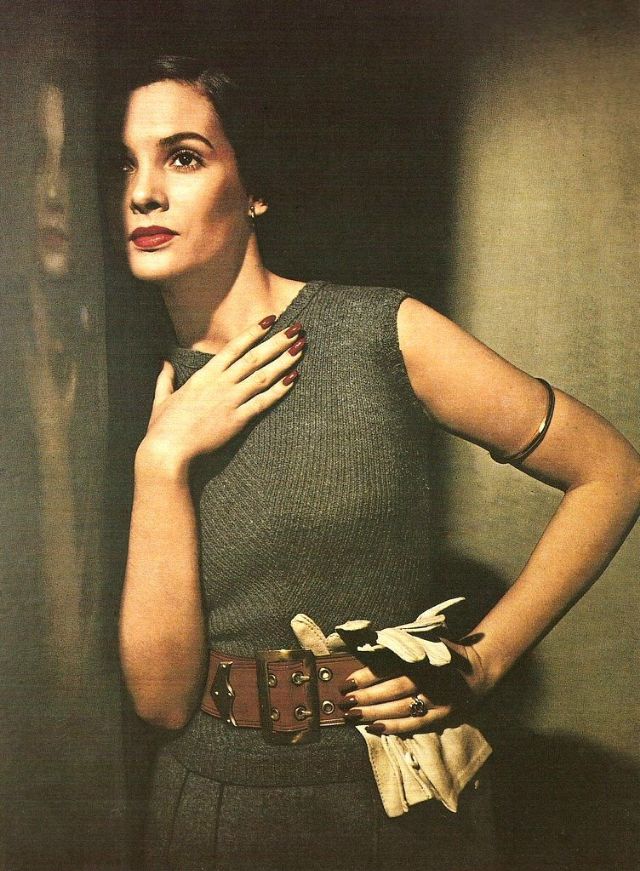
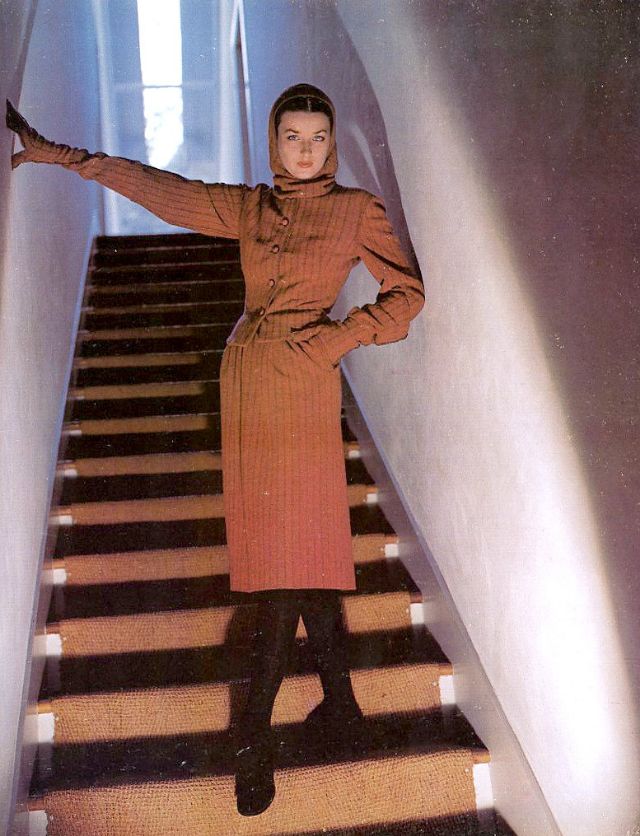
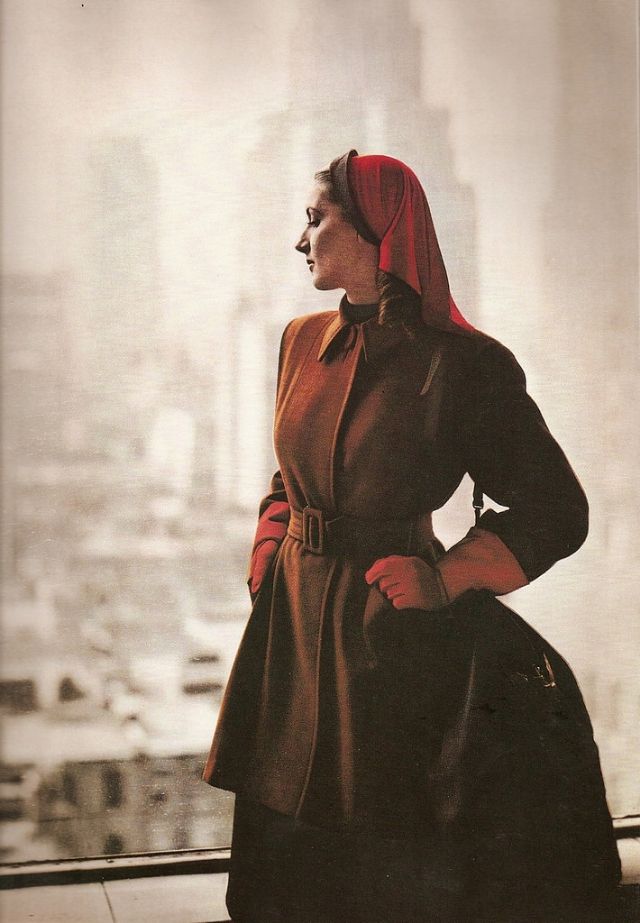
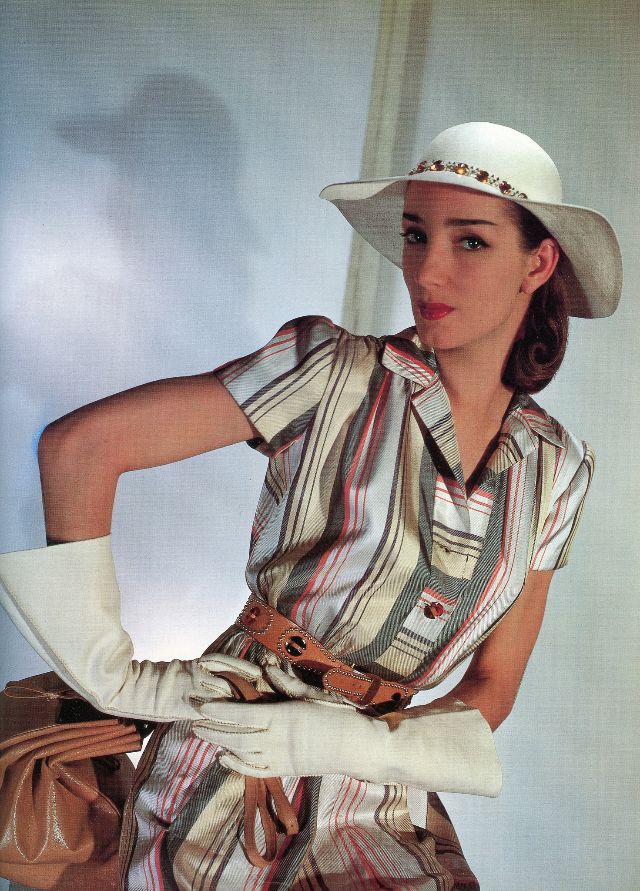


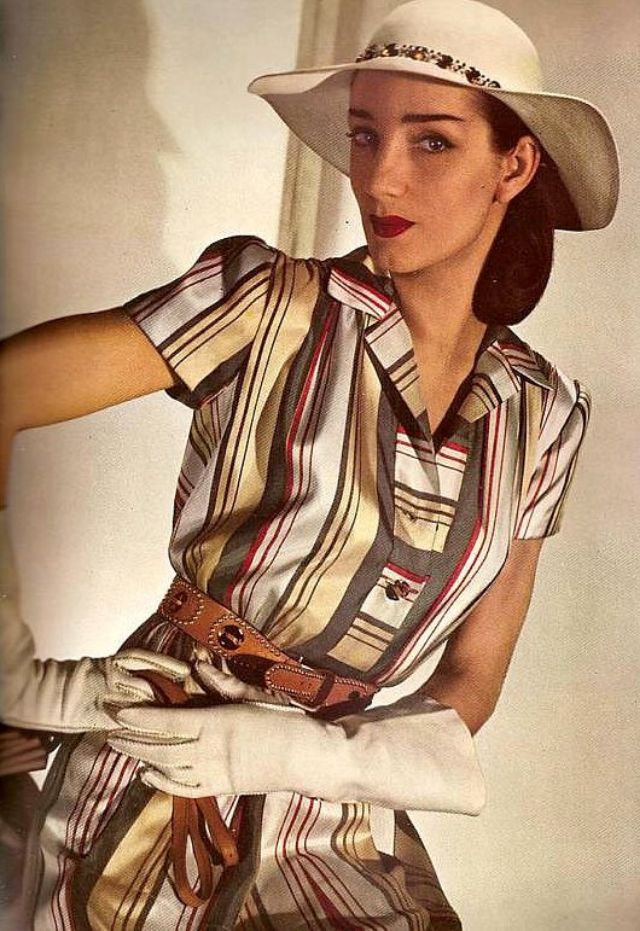

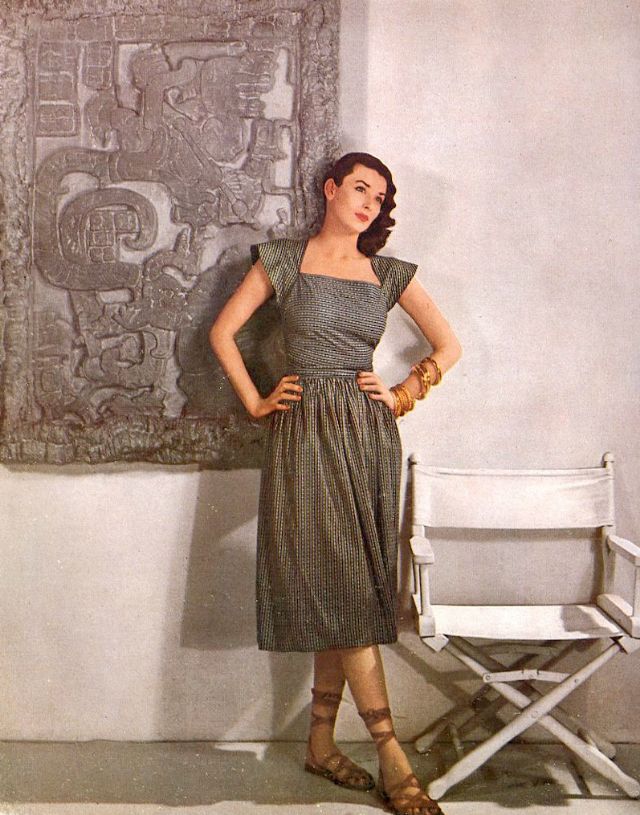

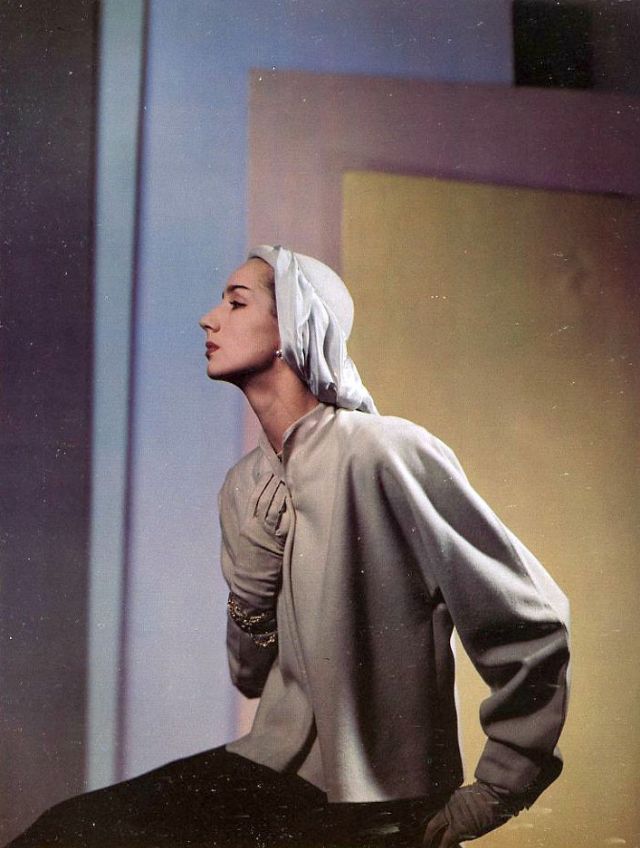
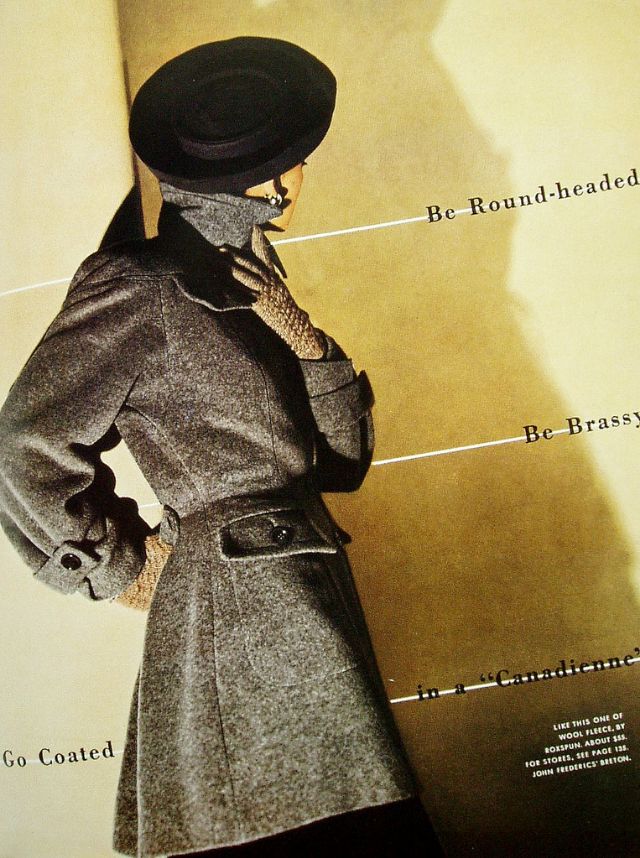
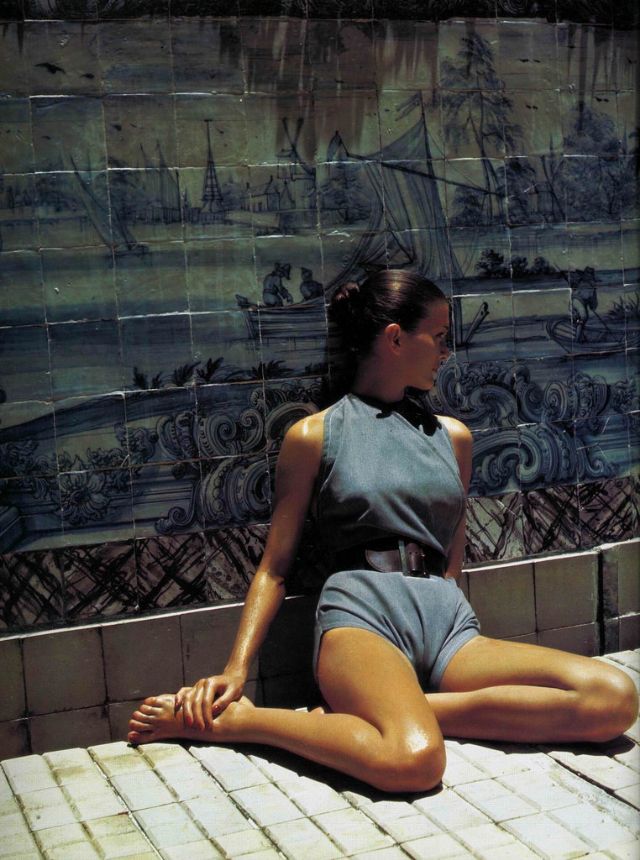
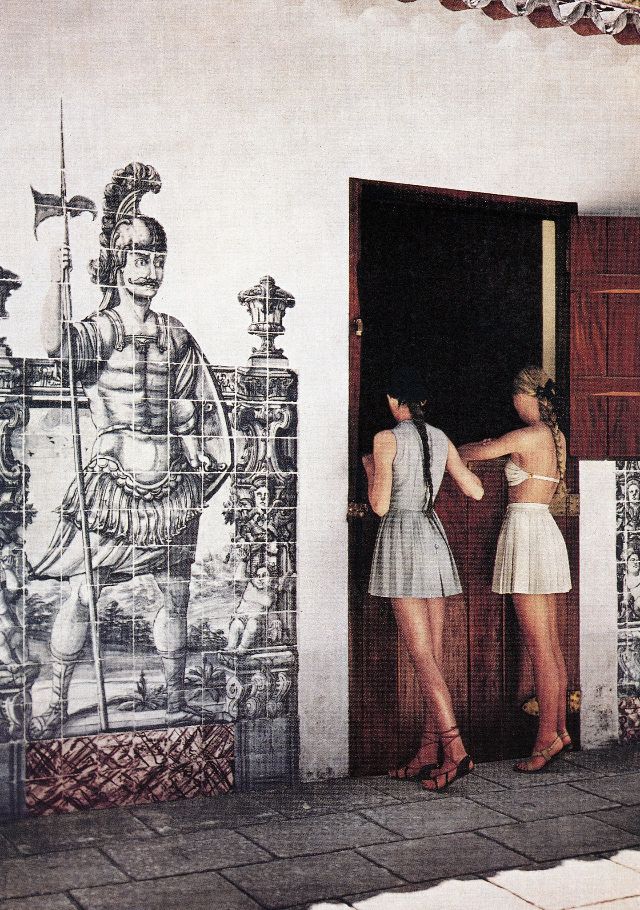
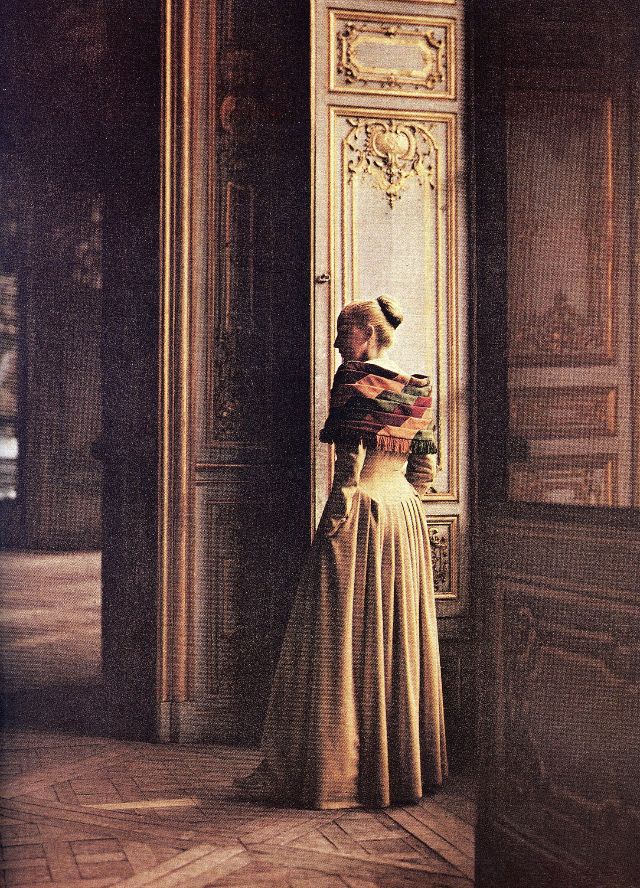
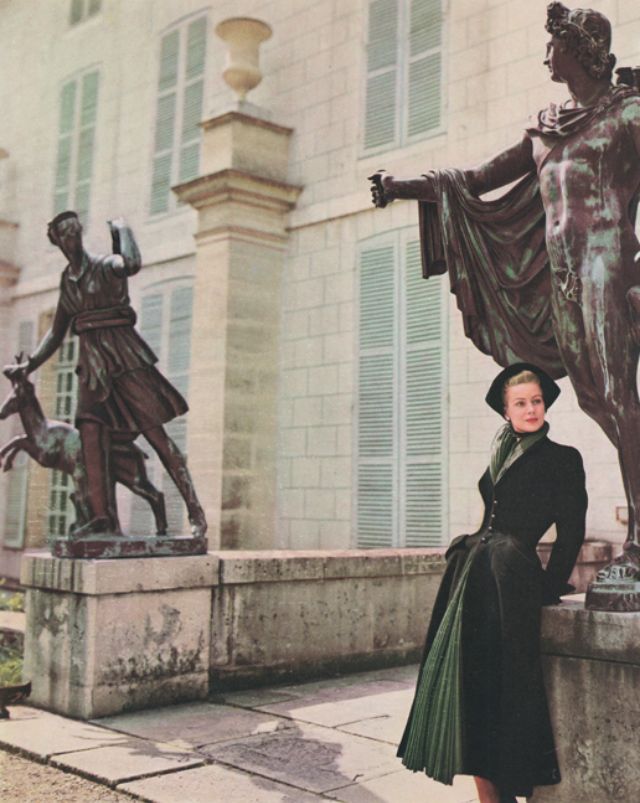
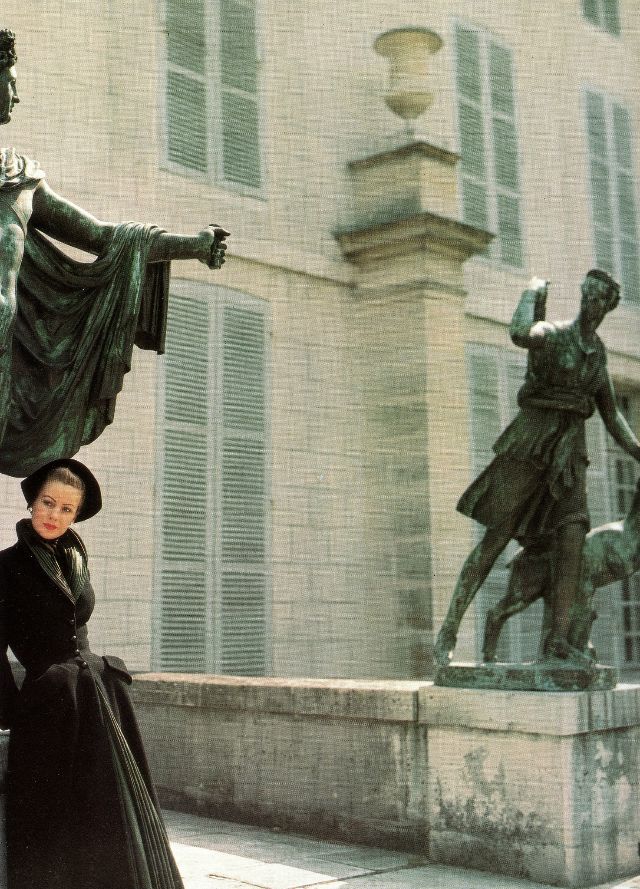
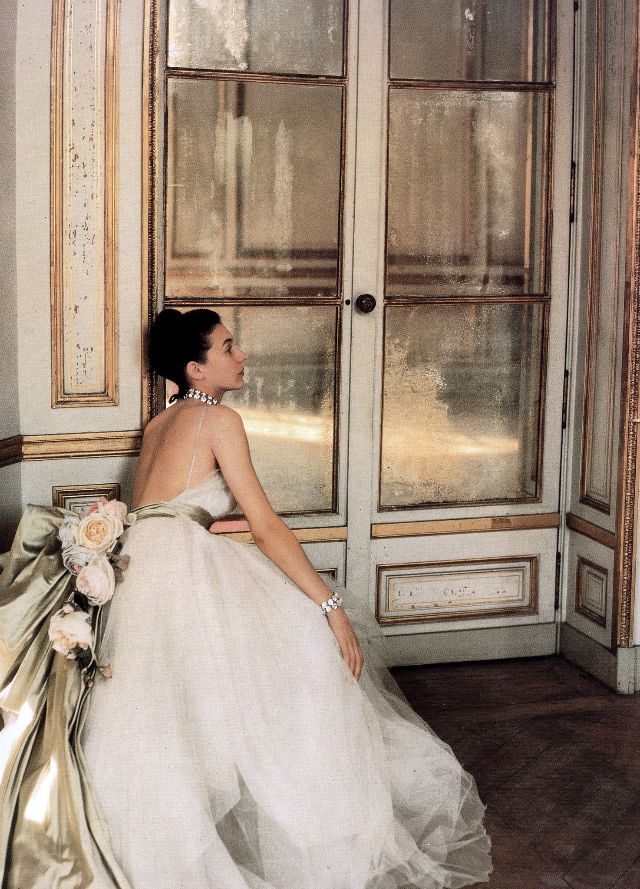

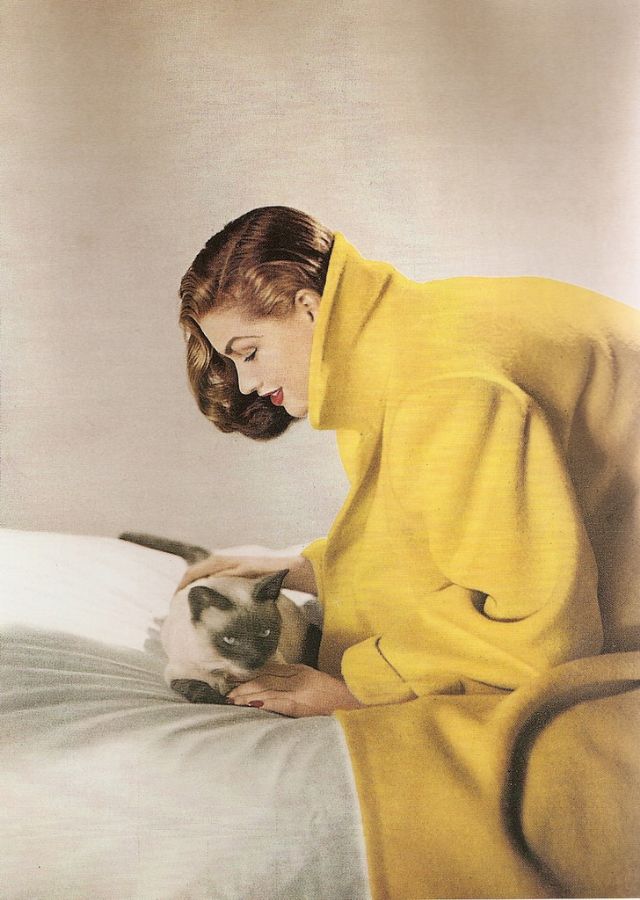

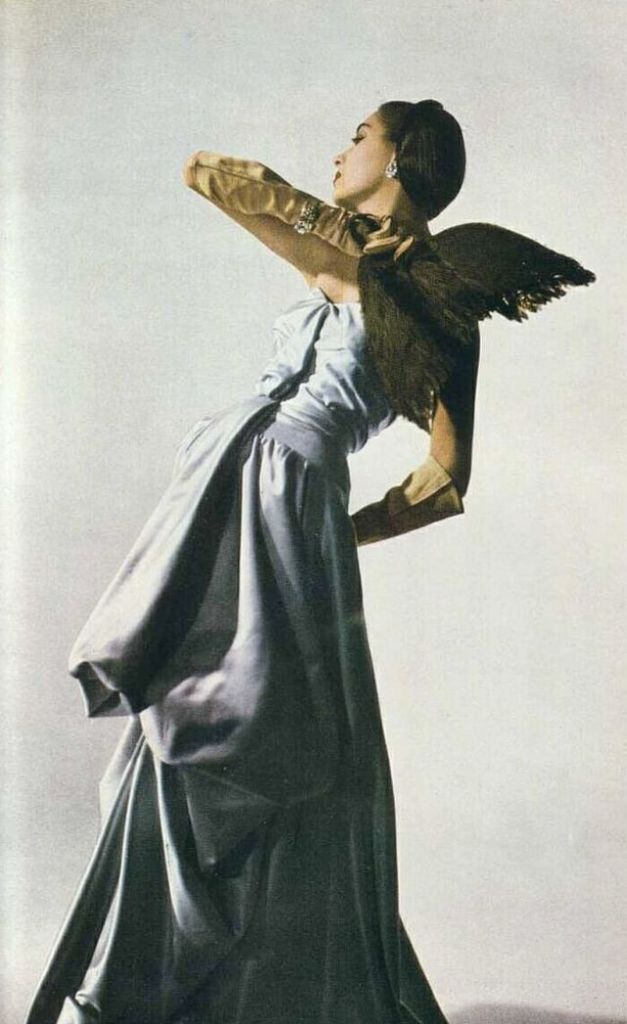

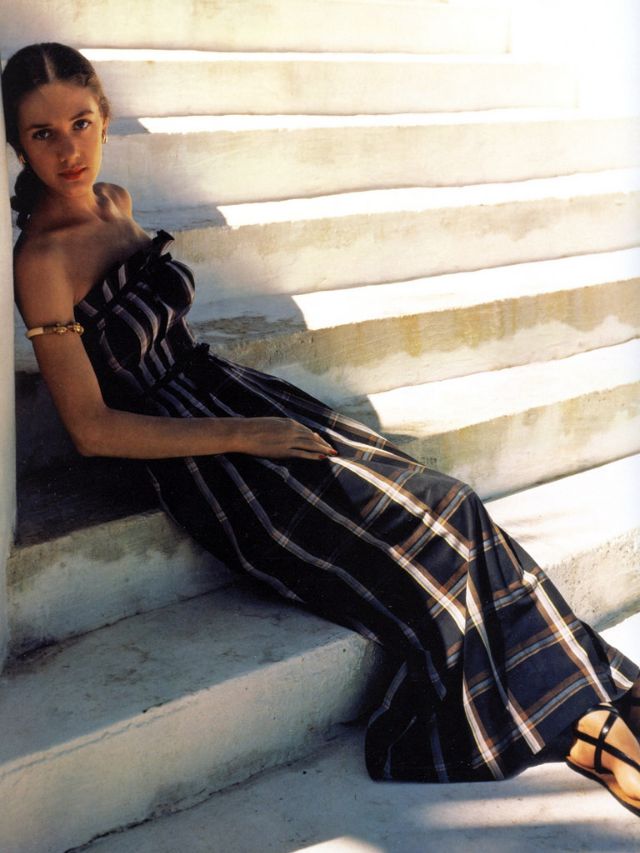
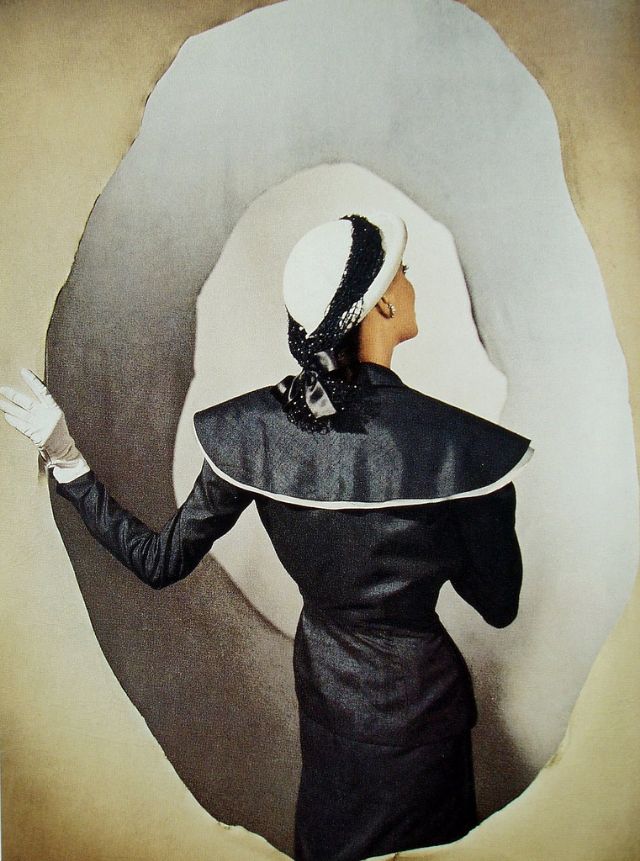
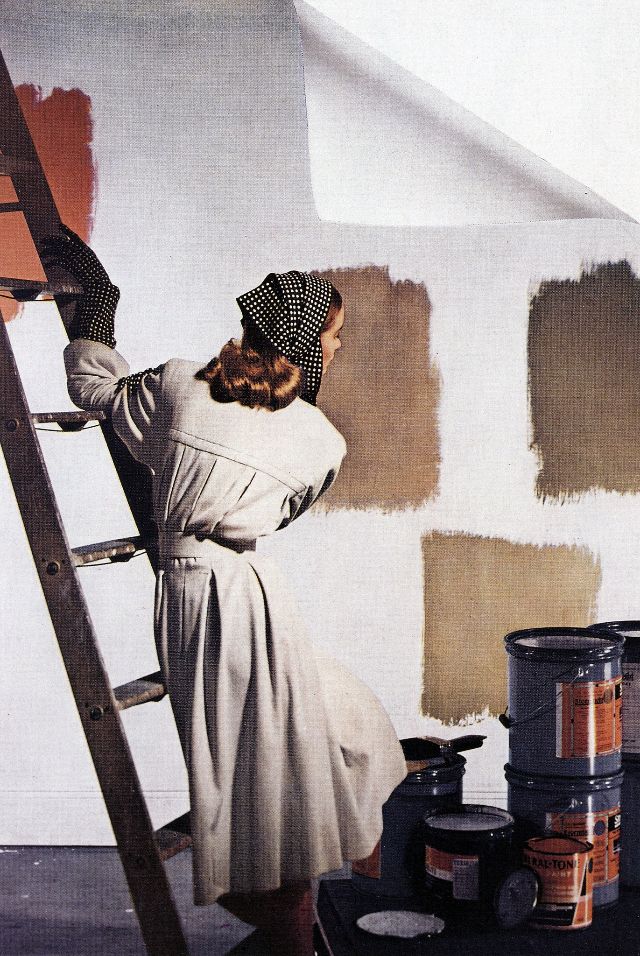
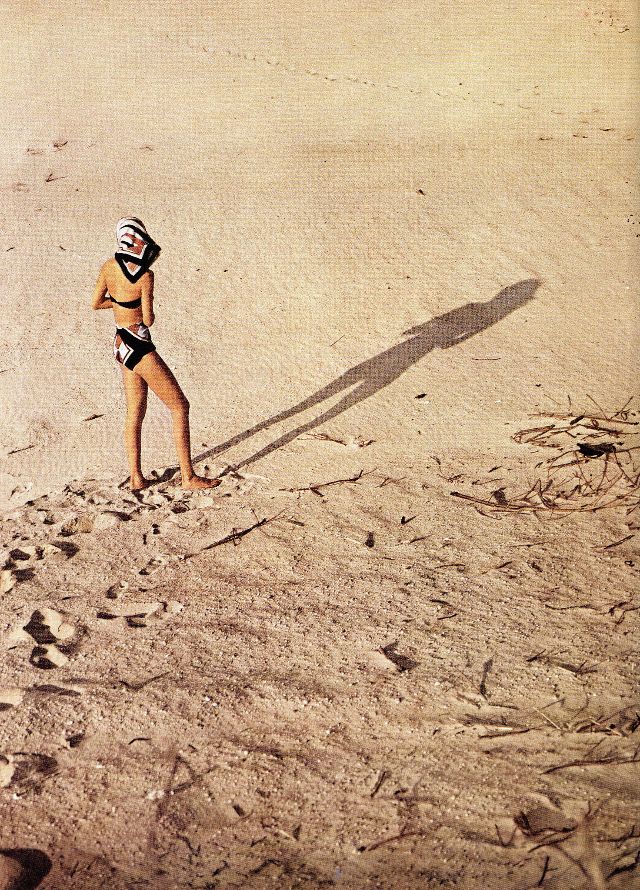


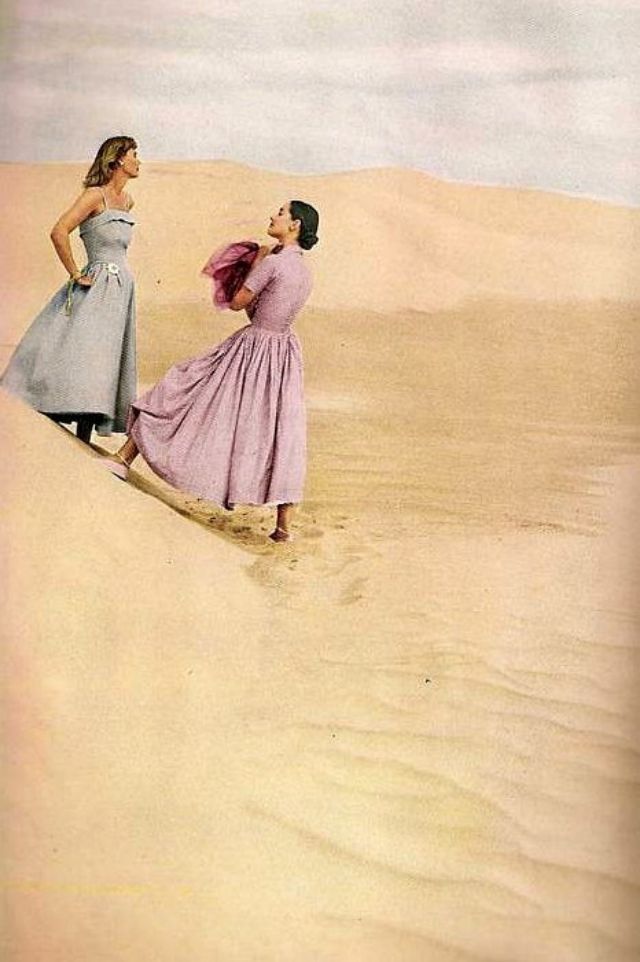
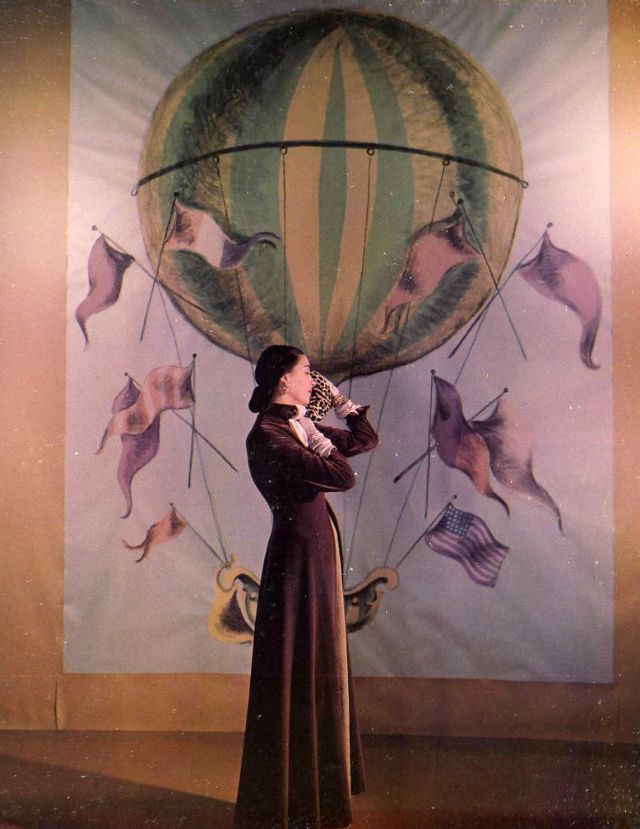

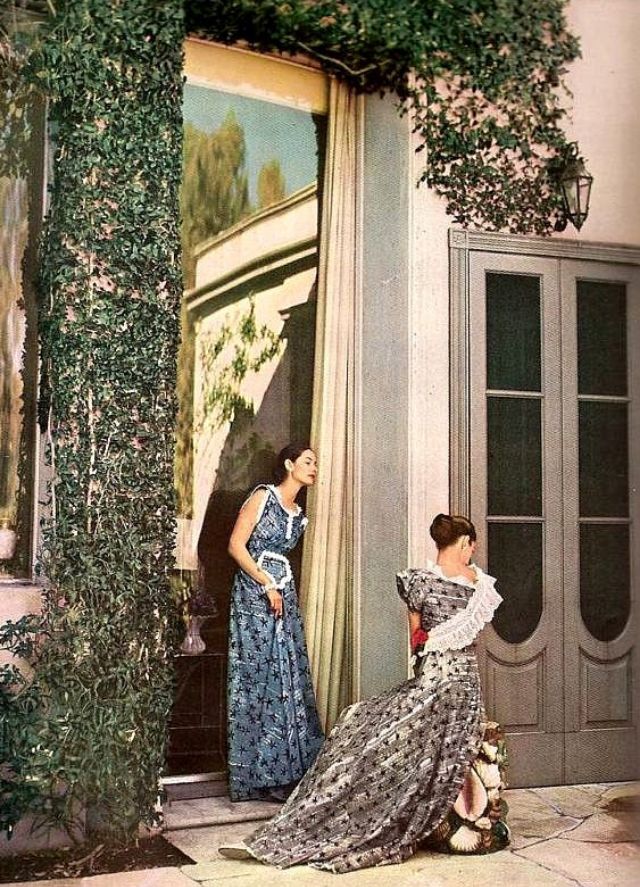
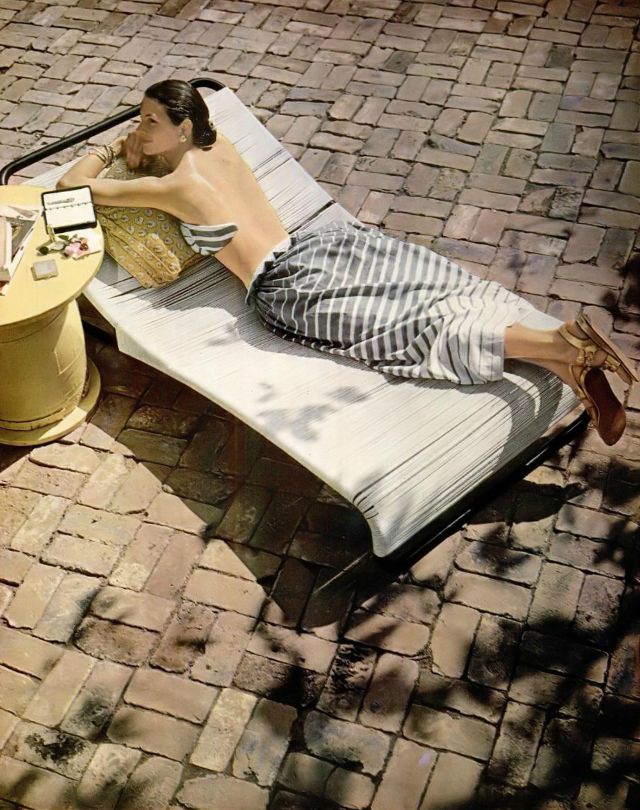
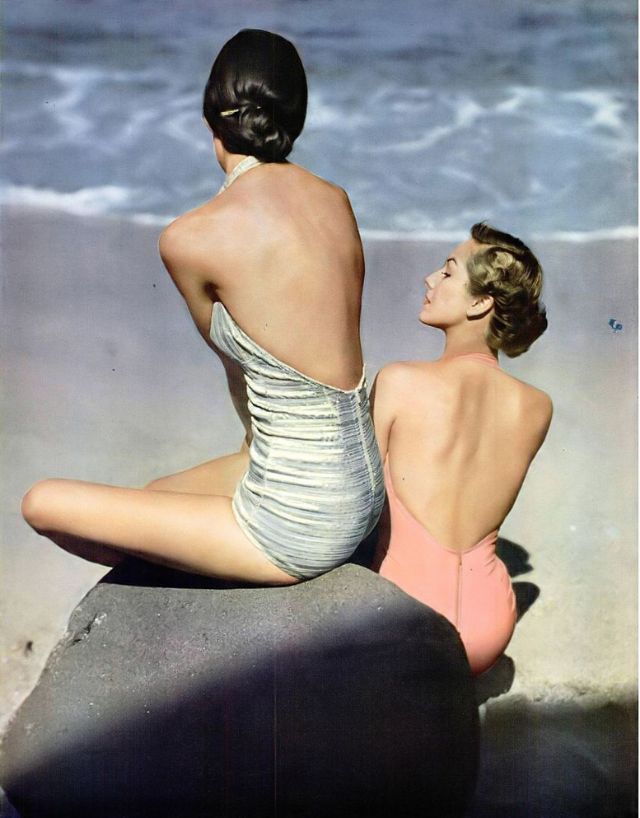
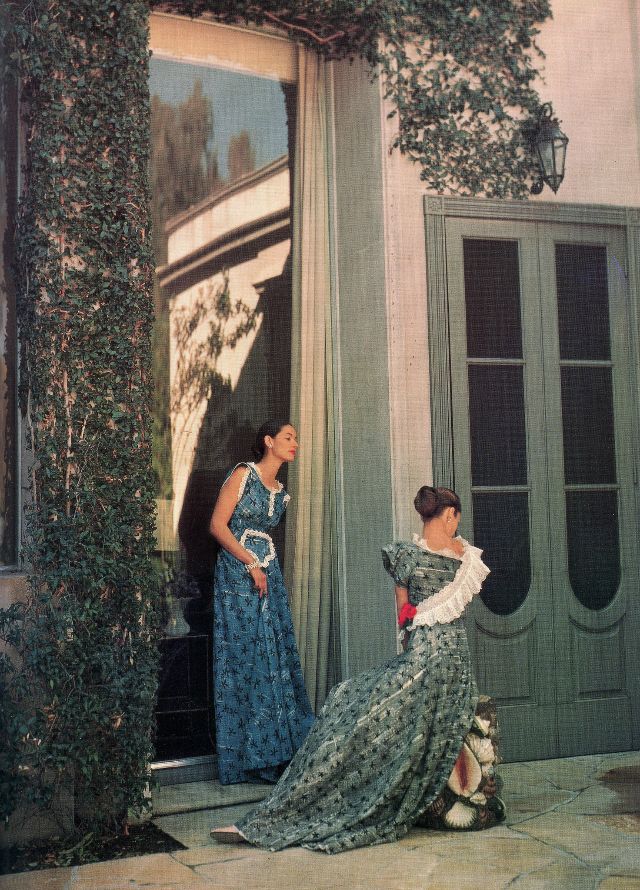

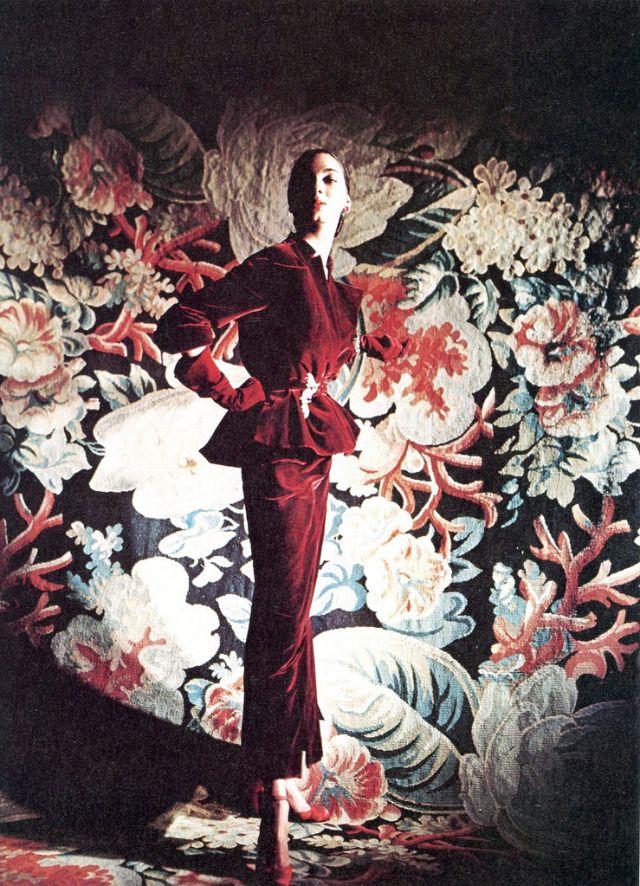

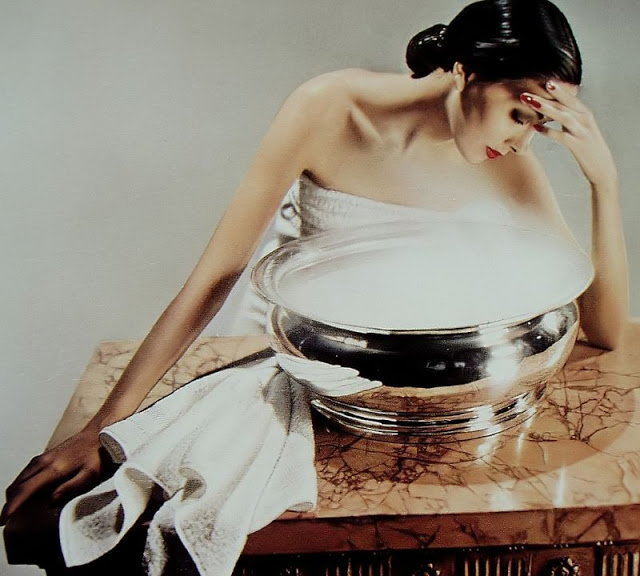

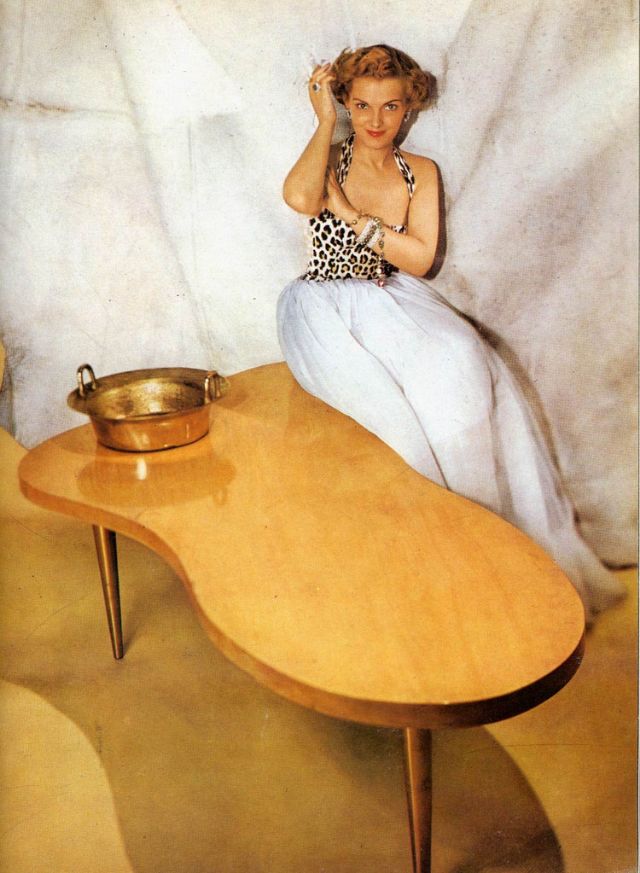

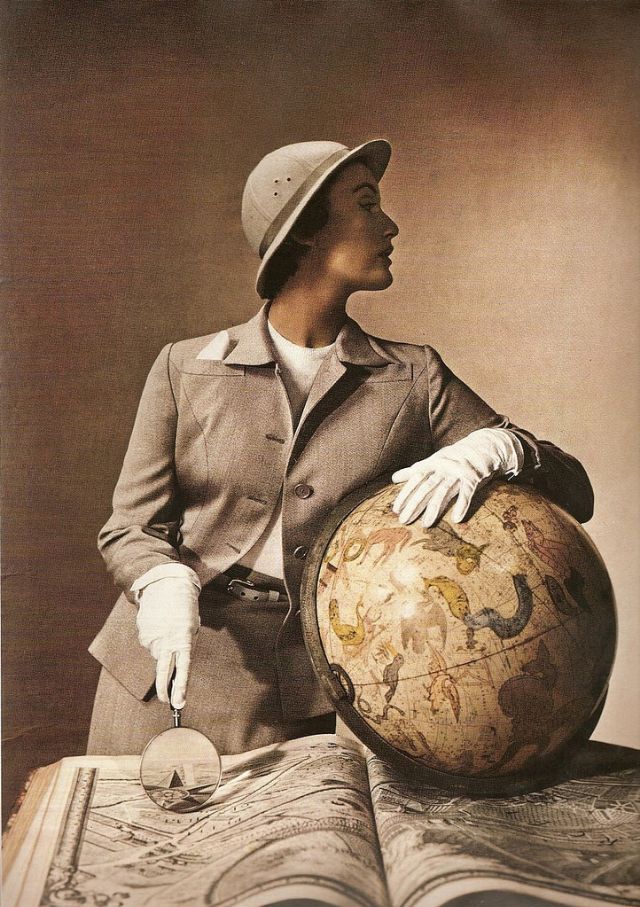
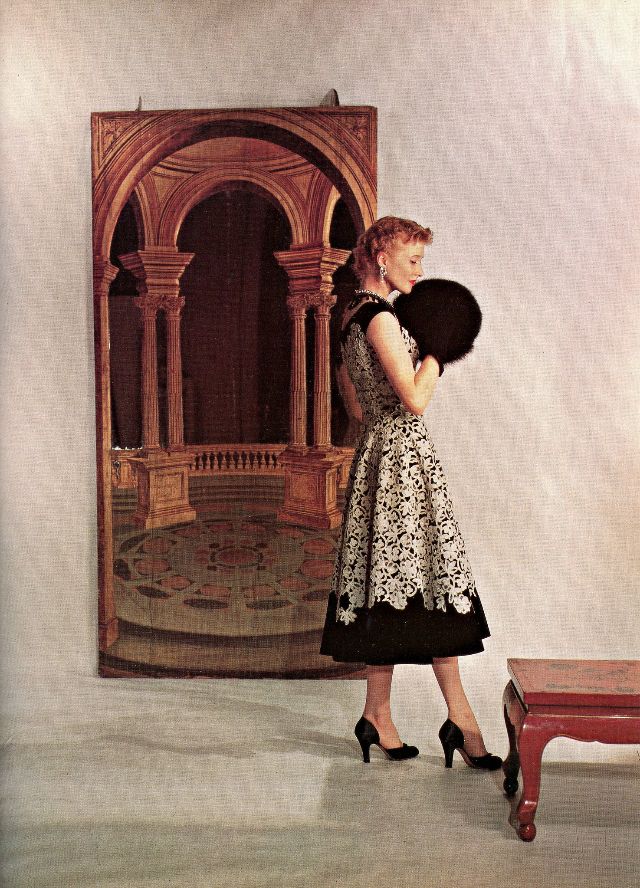
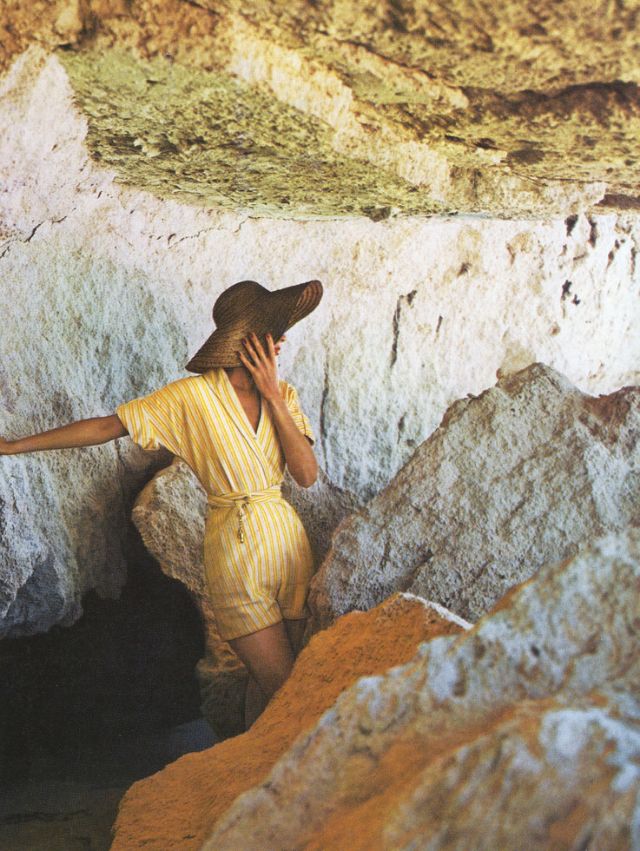
Photos by Louise Dahl-Wolfe (1895-1989)

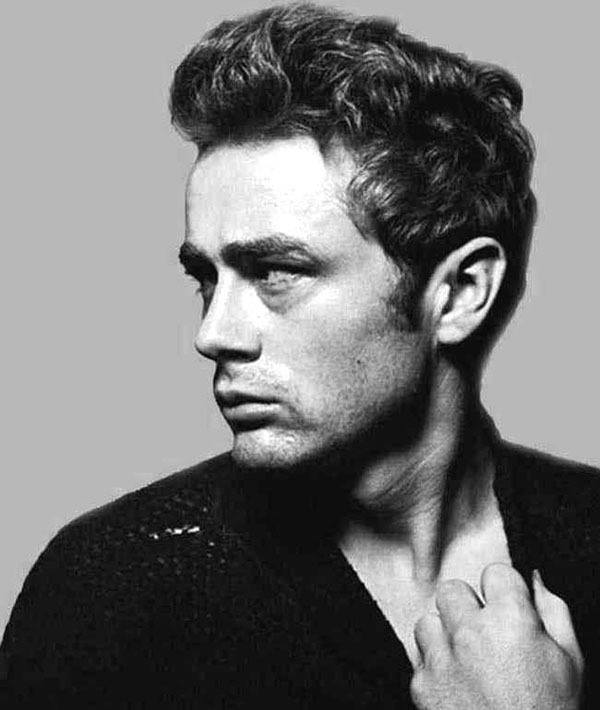

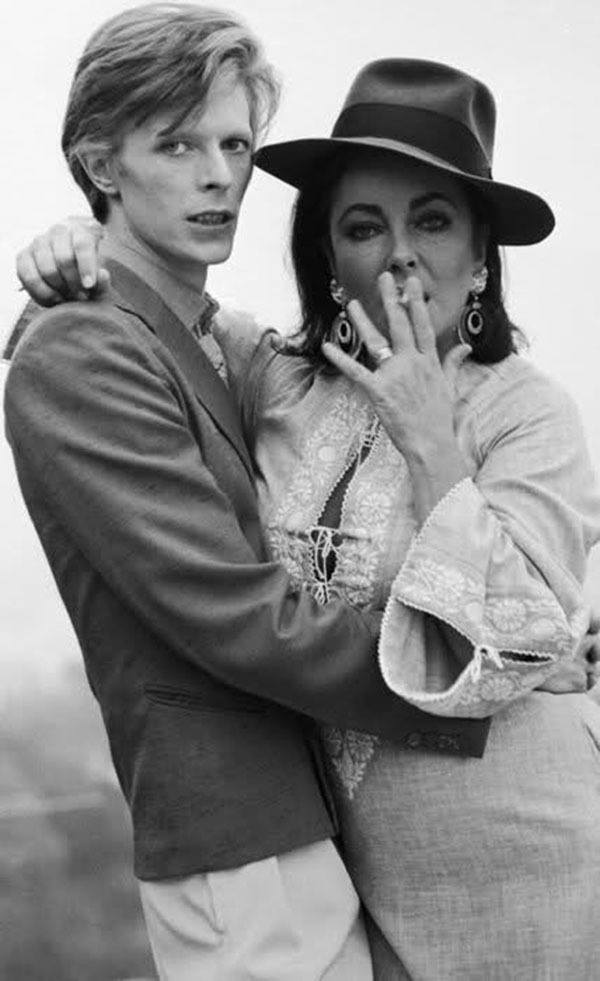
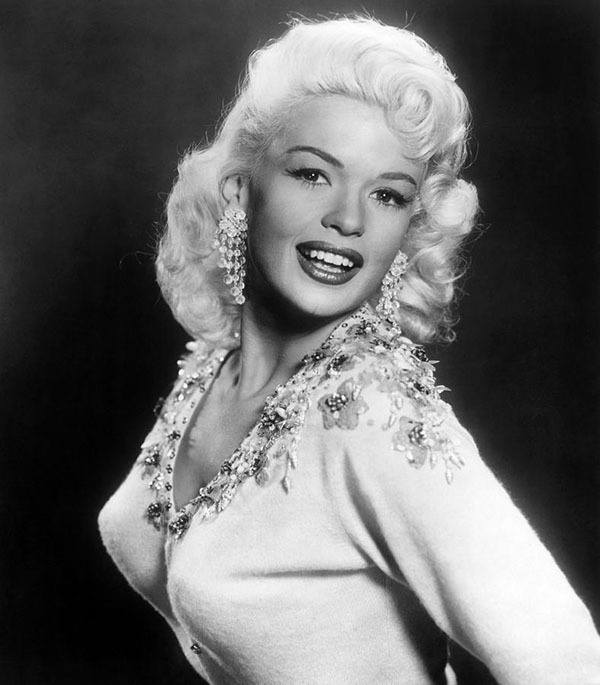
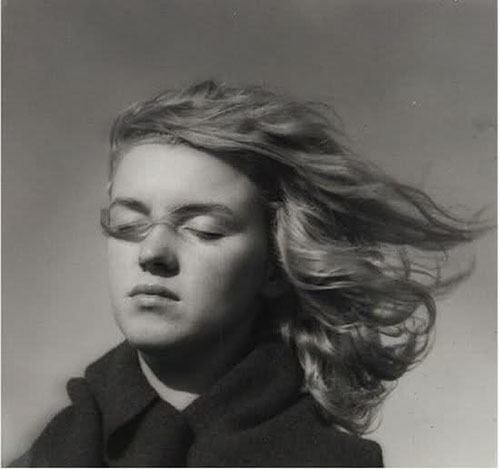


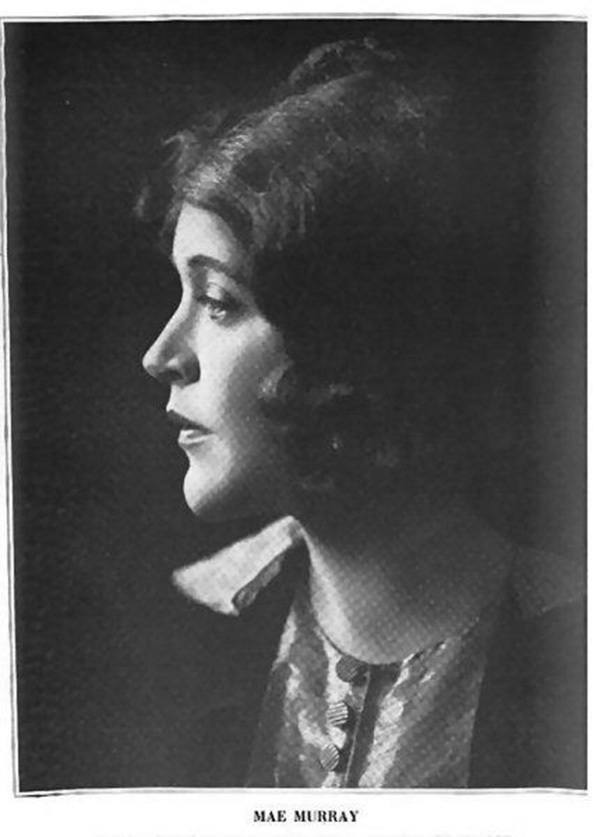
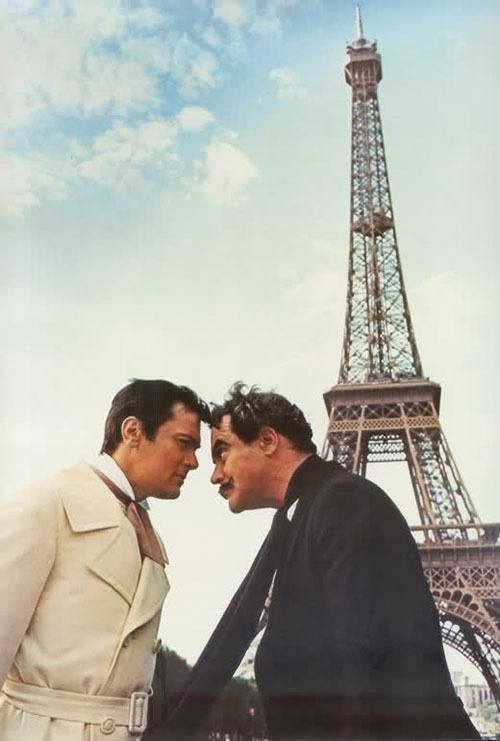
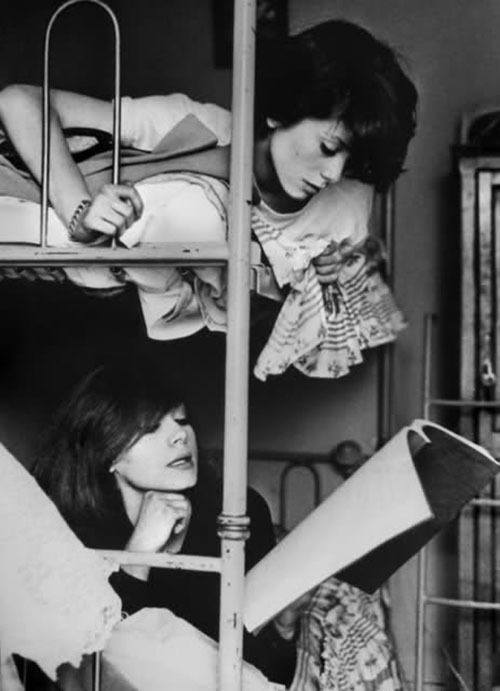
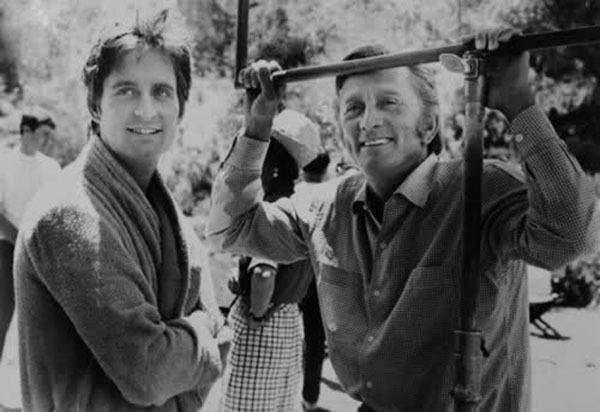
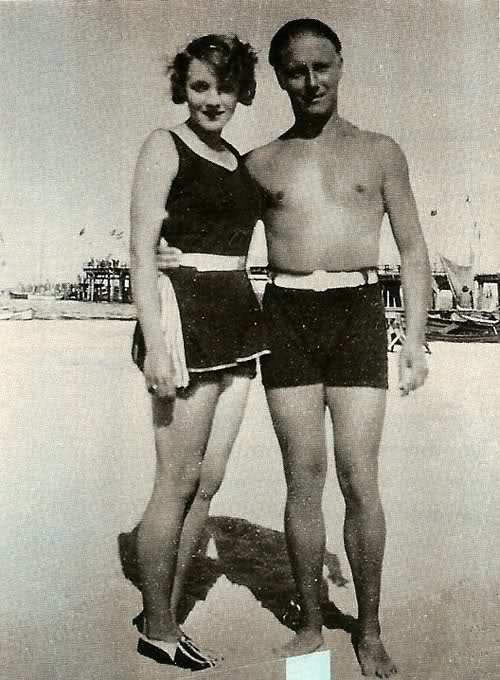
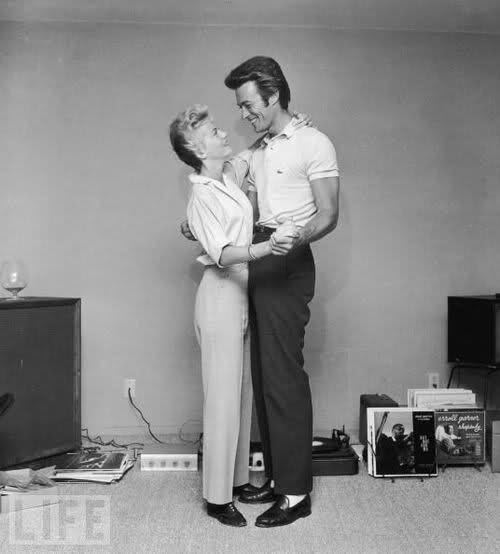
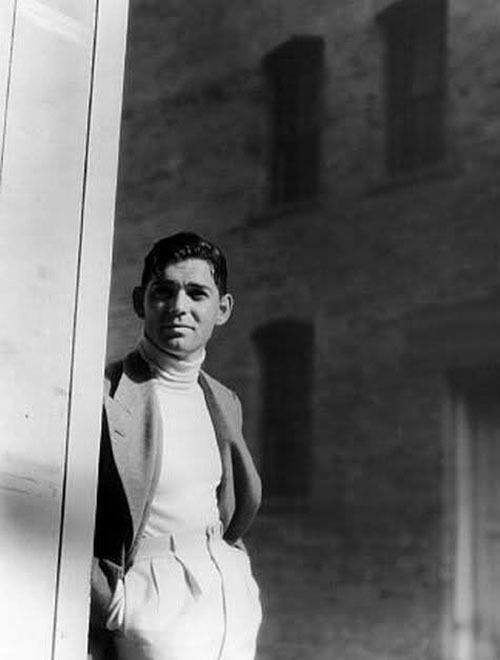
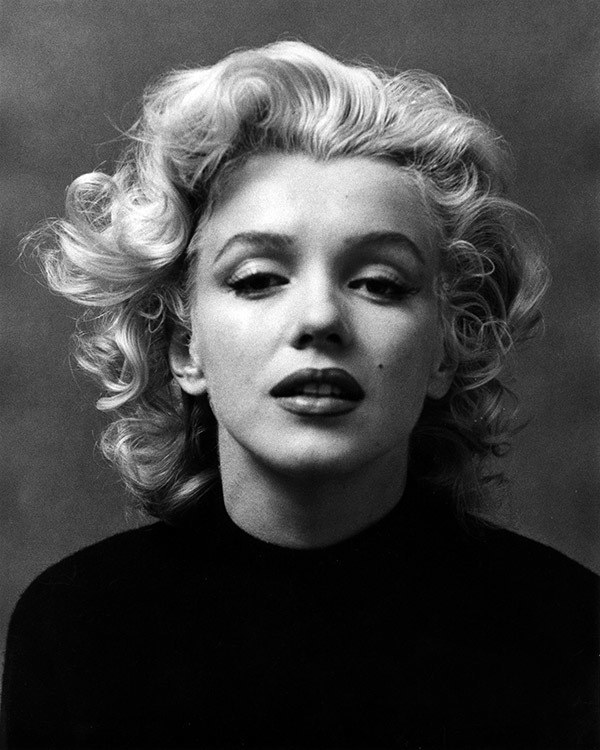
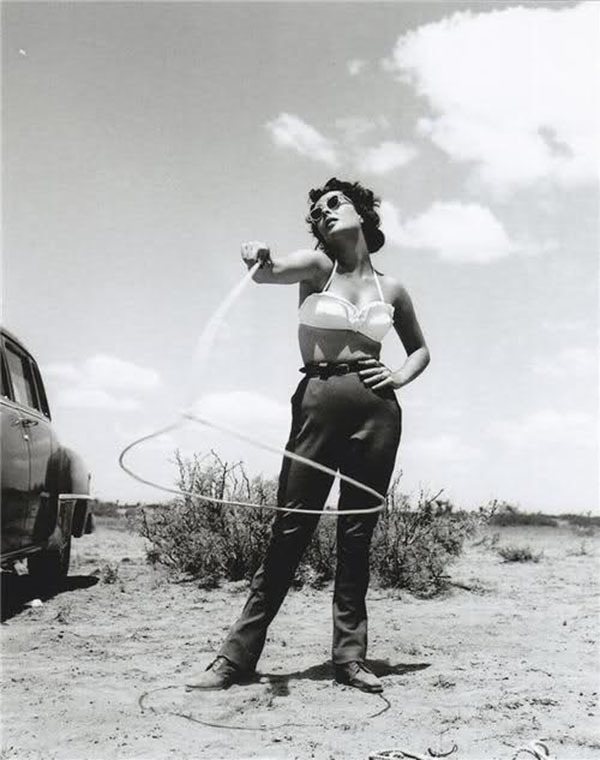
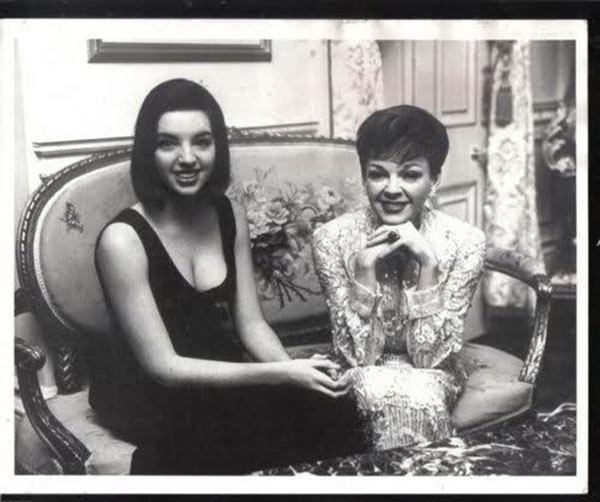
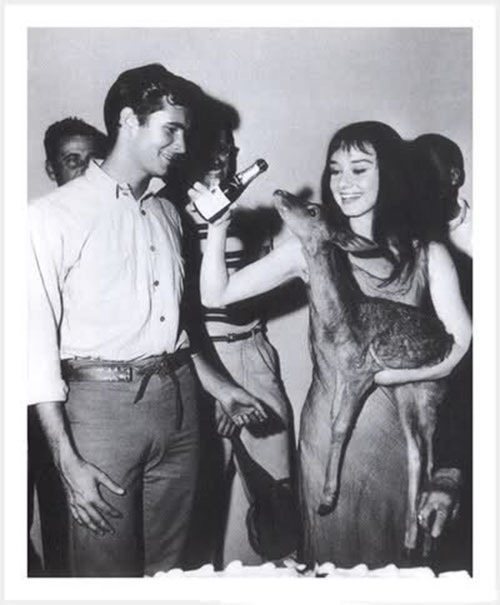

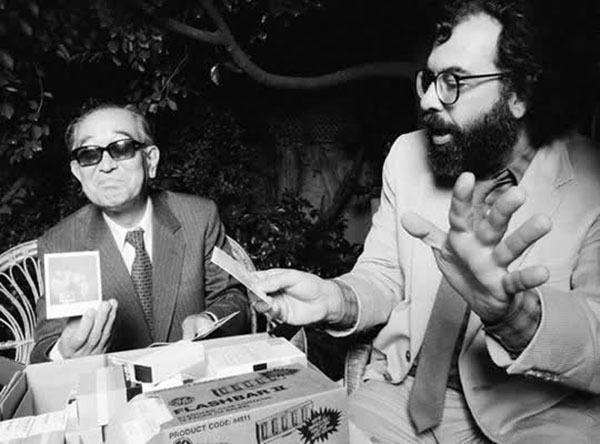
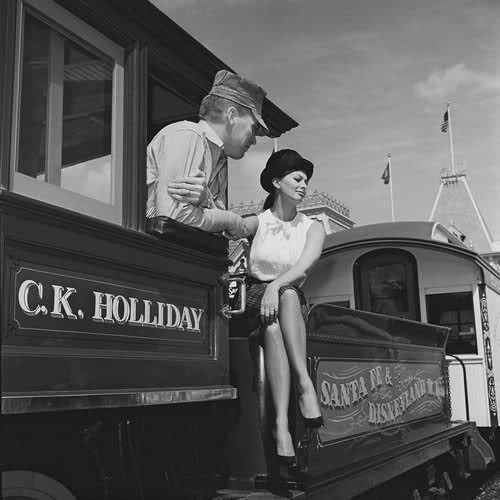






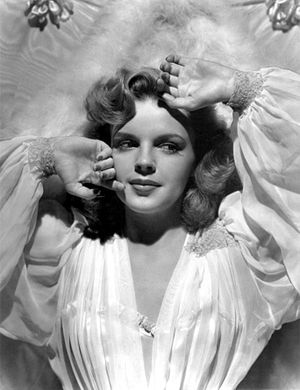
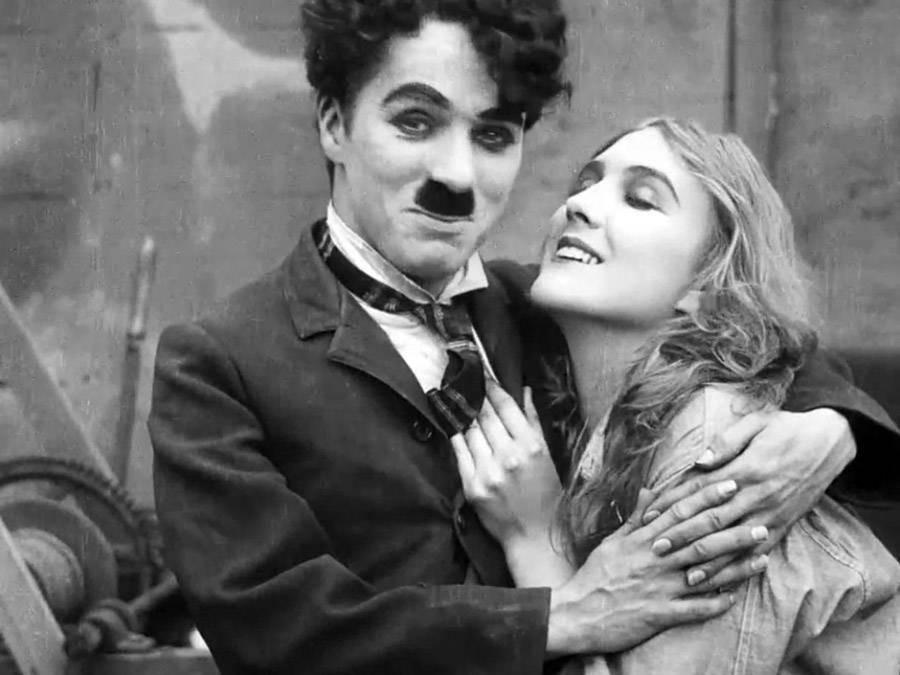
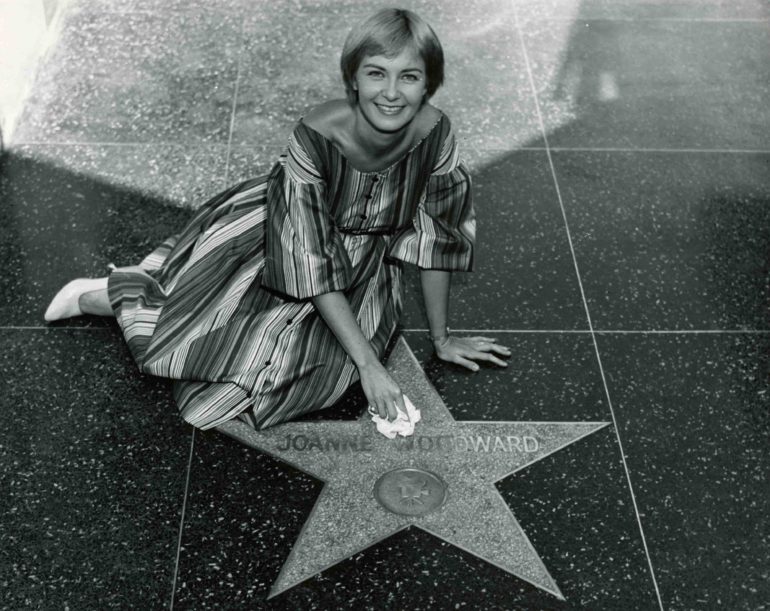
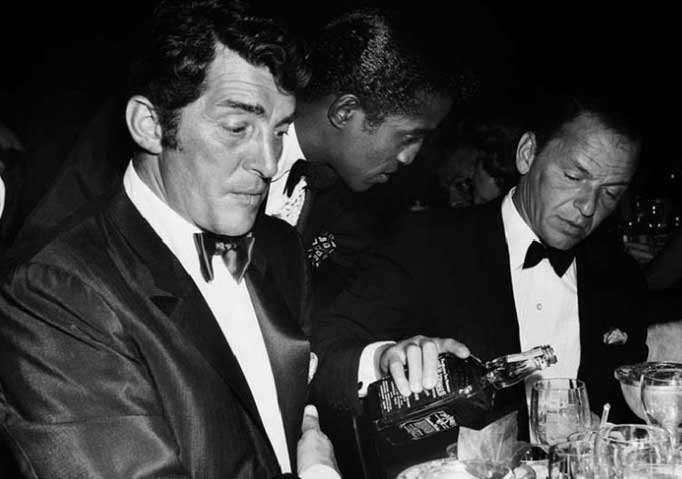
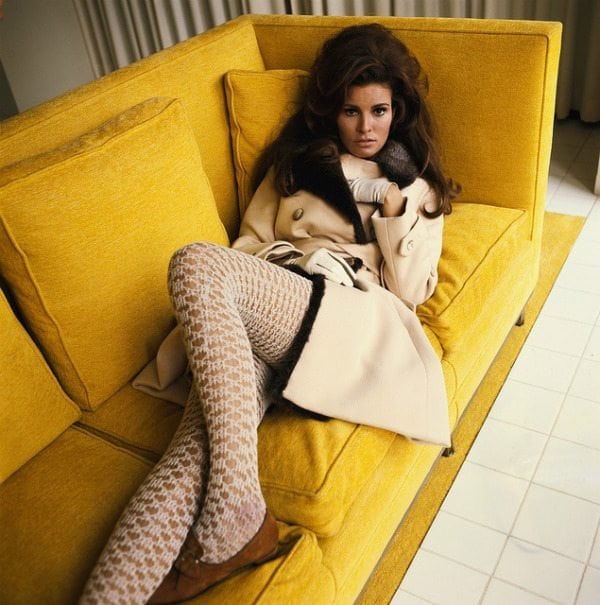
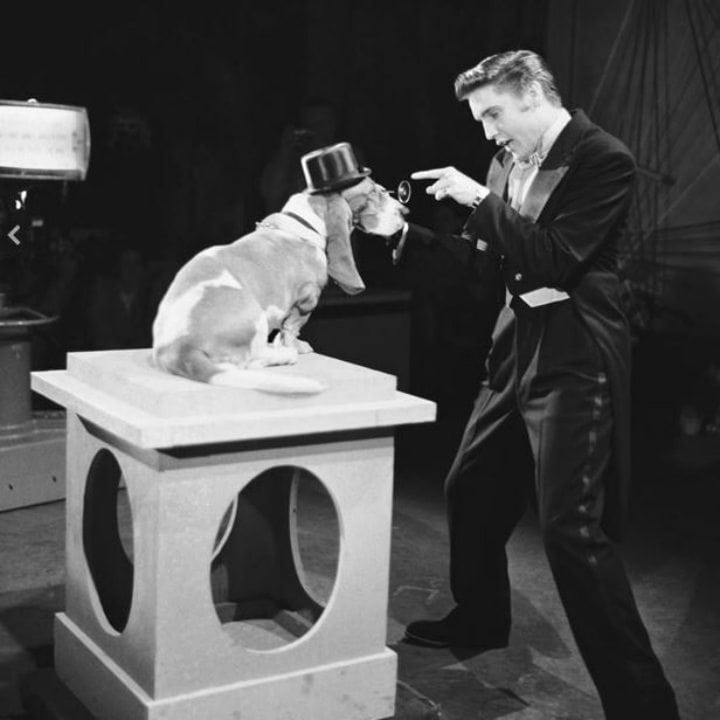
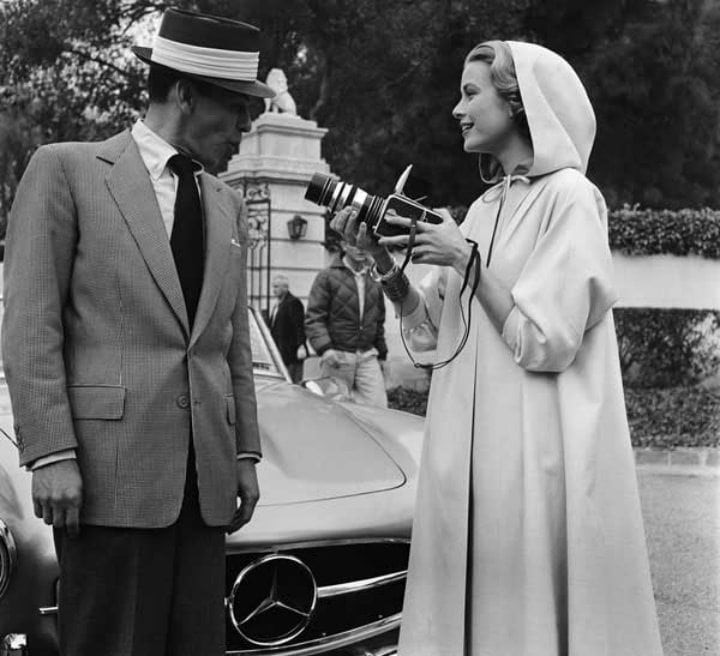
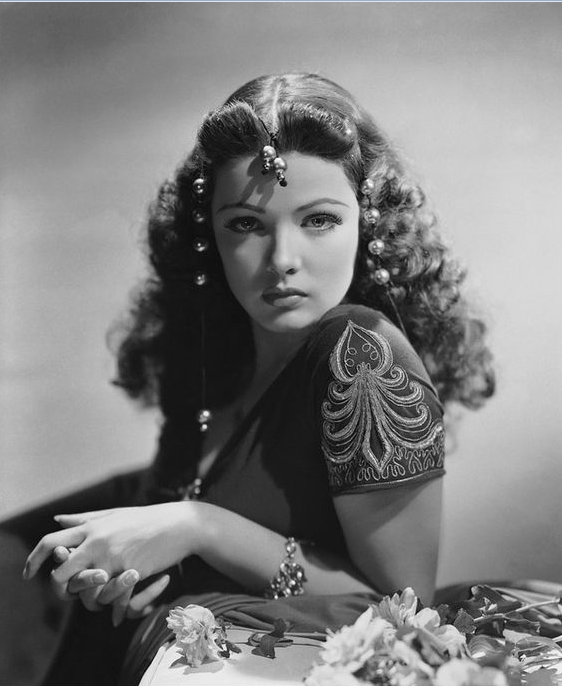
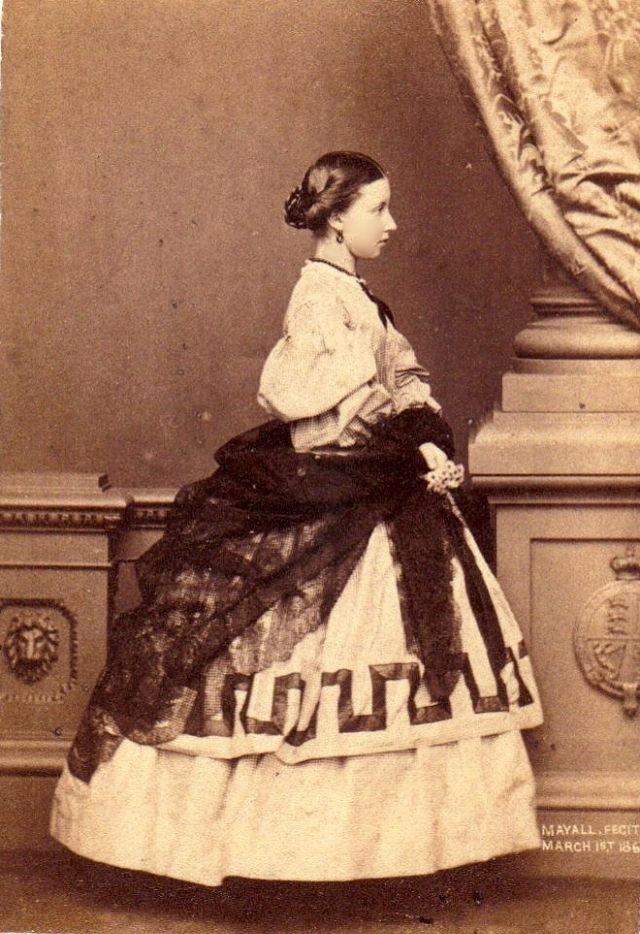
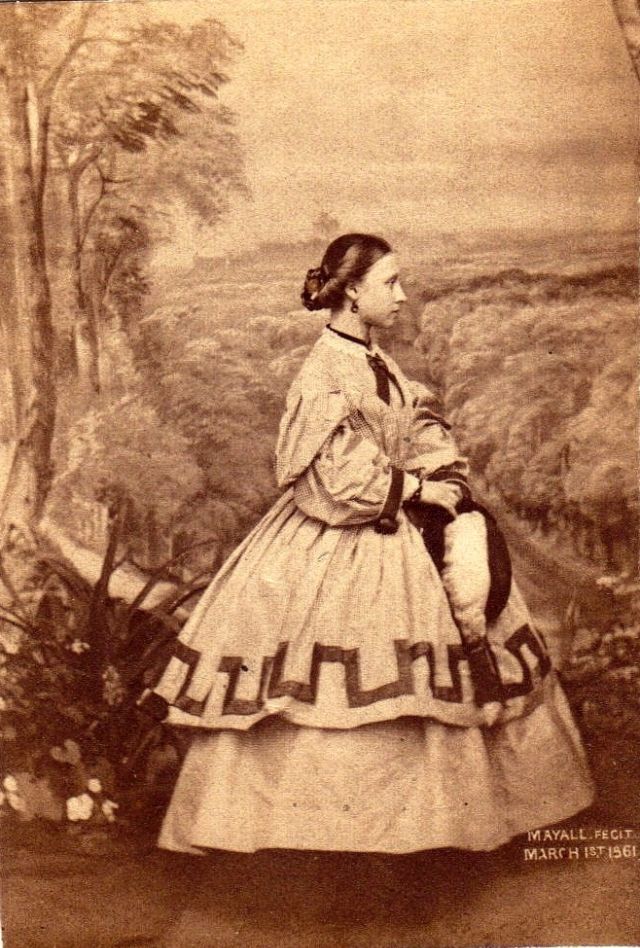
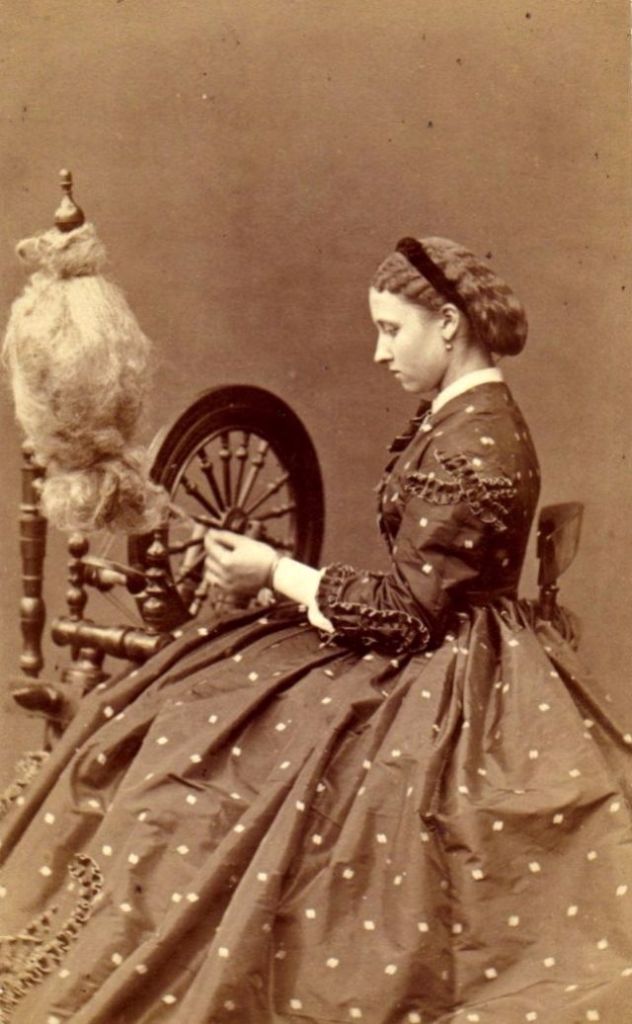
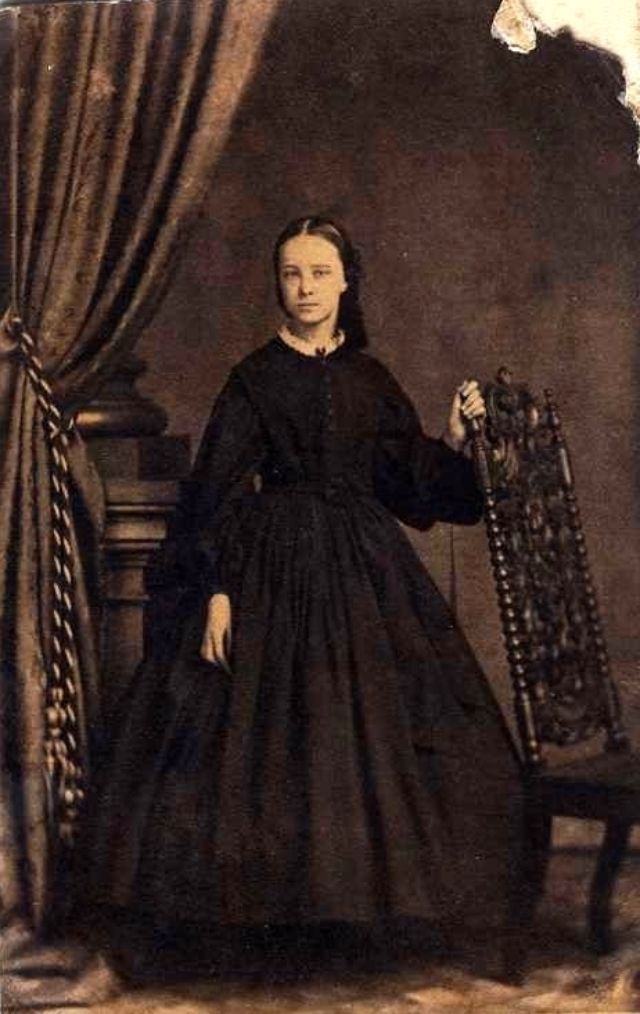


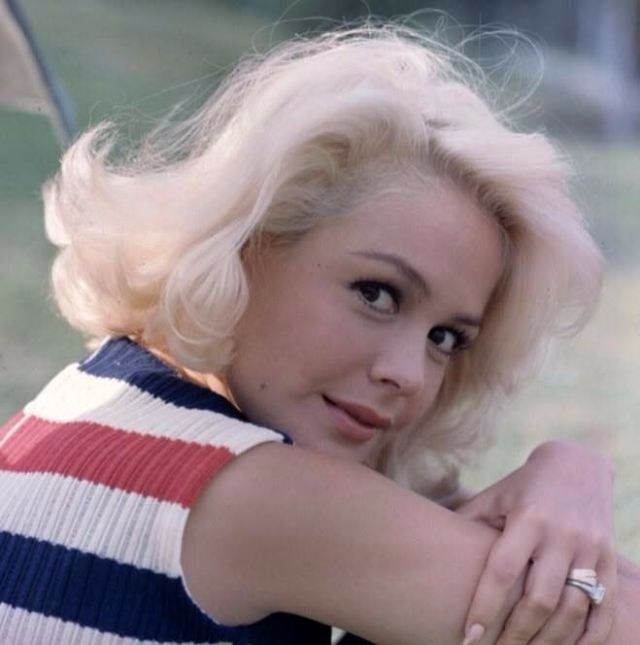
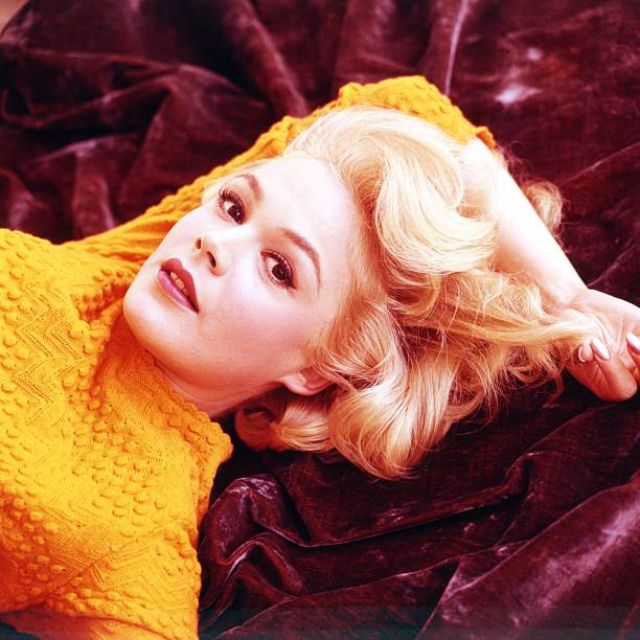
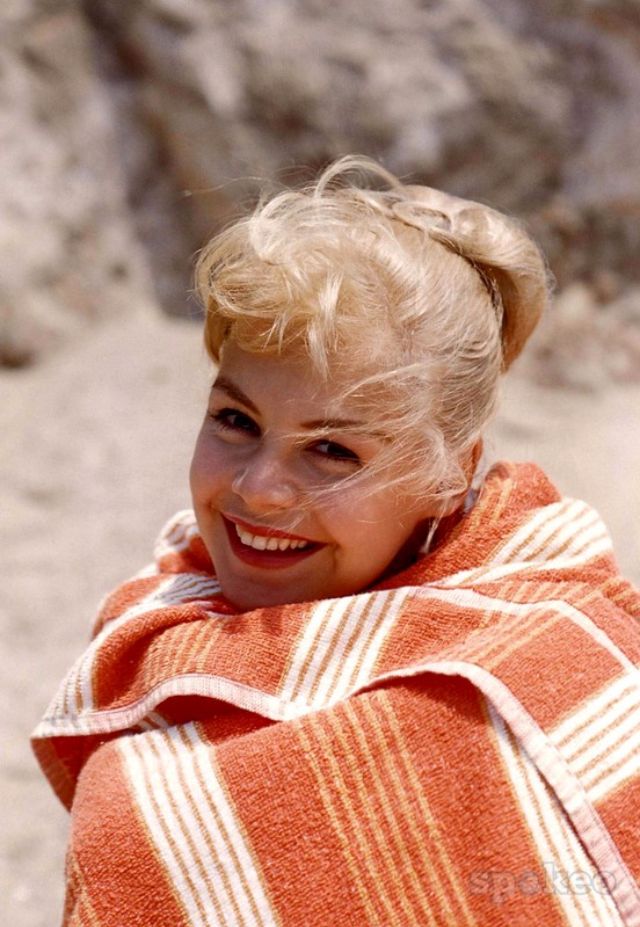
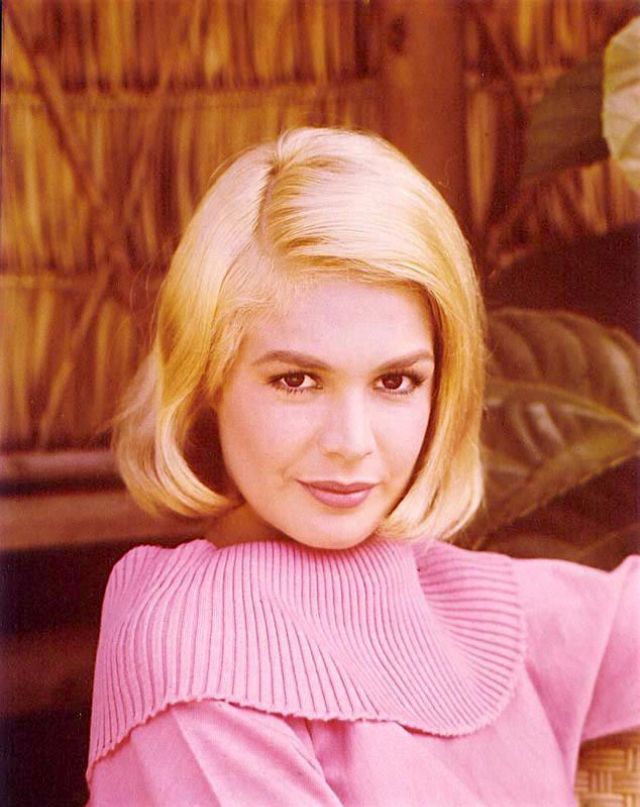
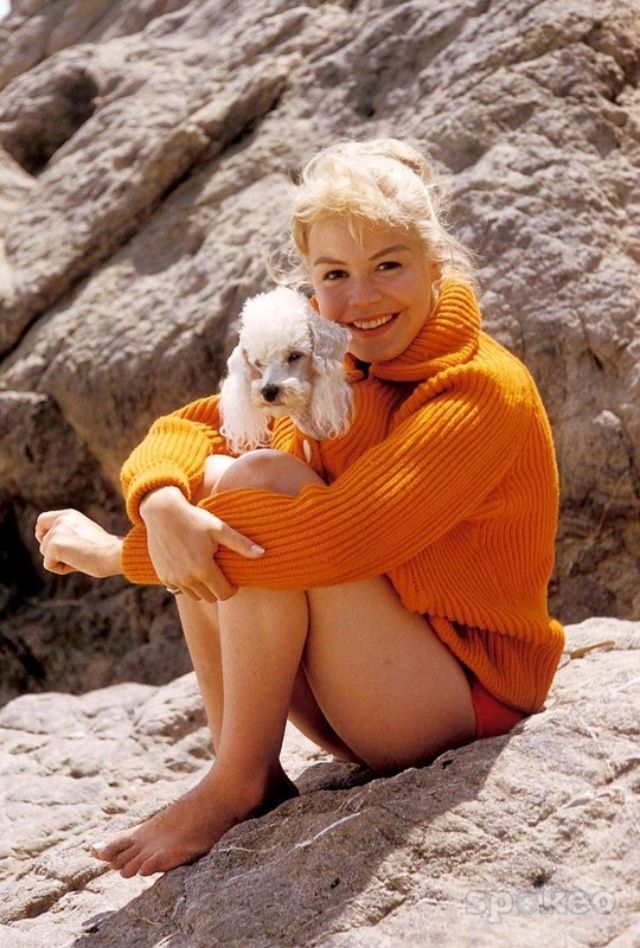
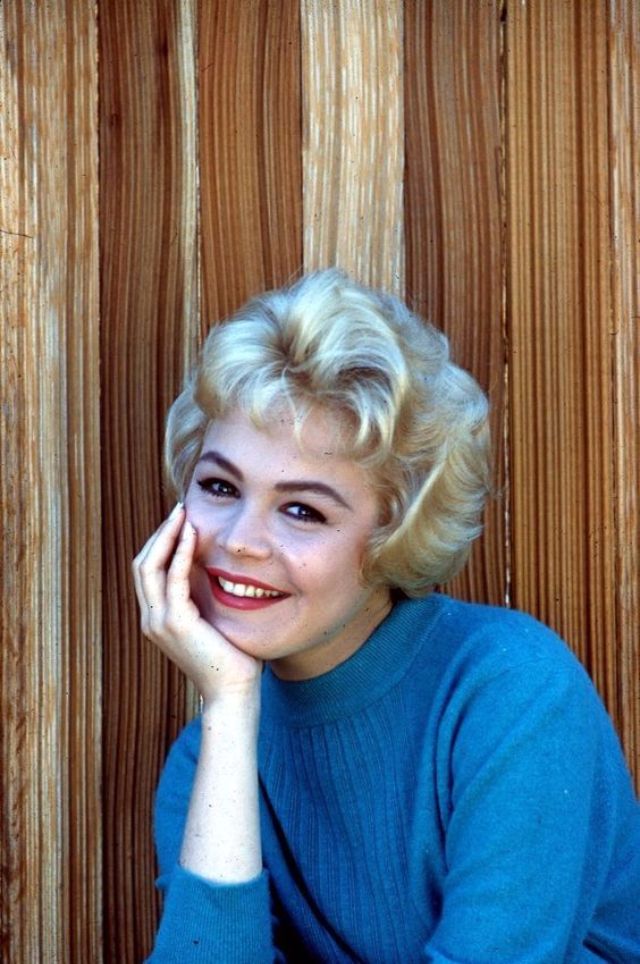
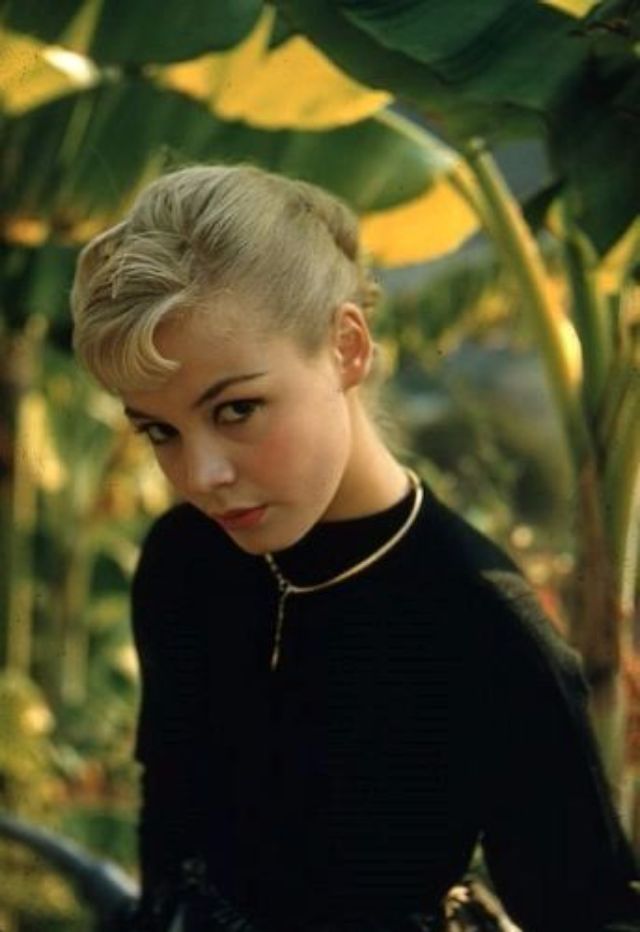
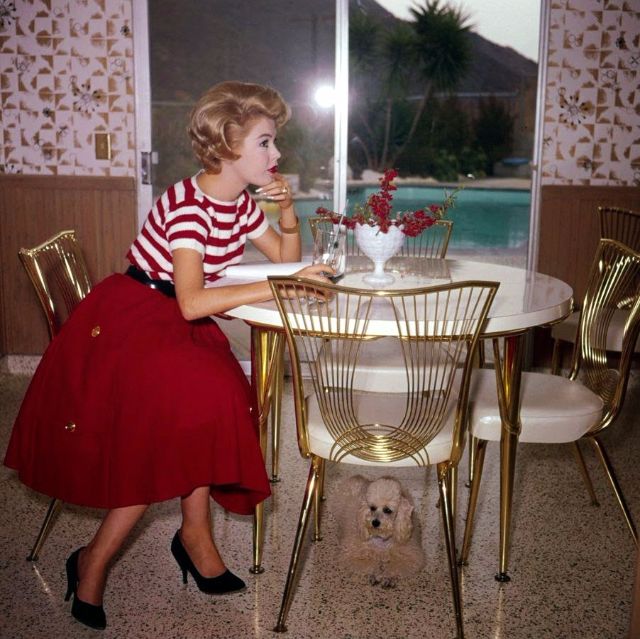
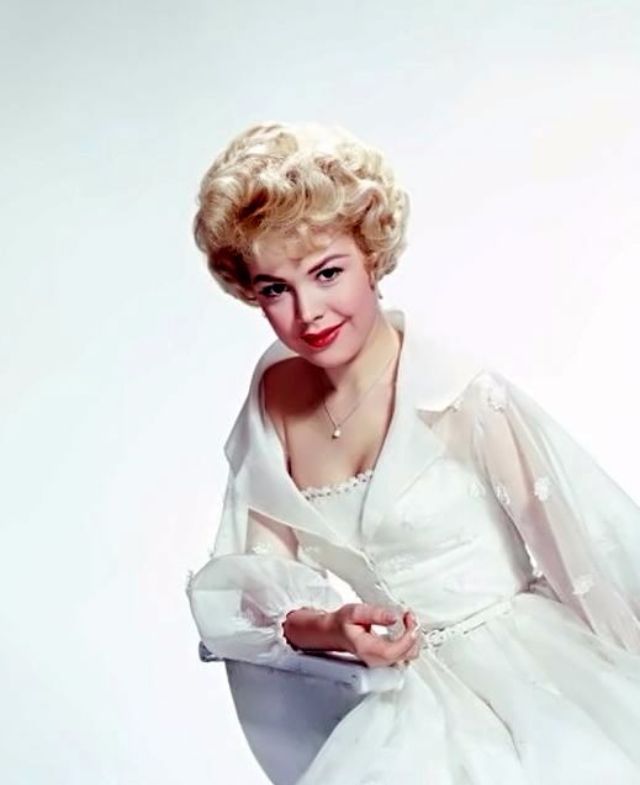
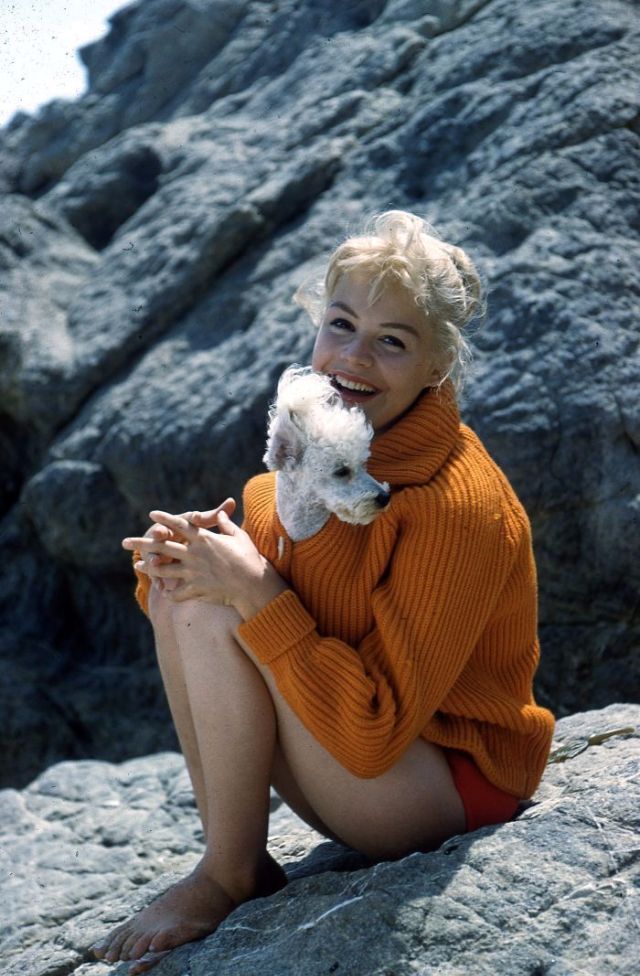
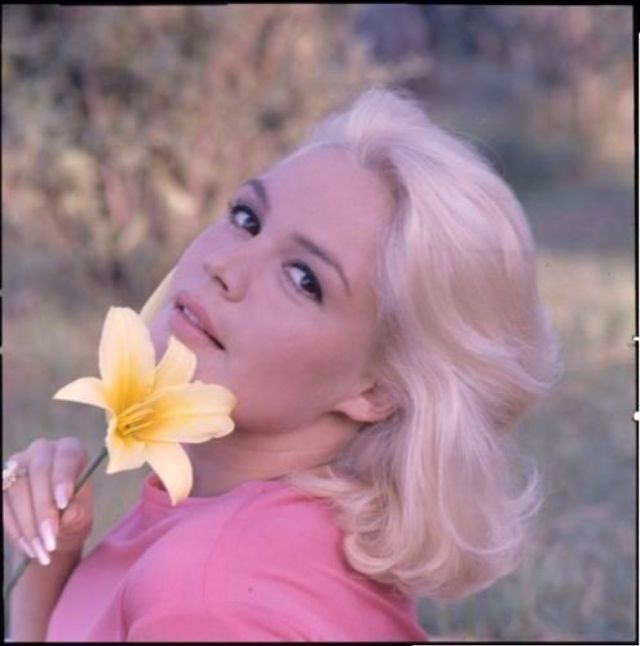
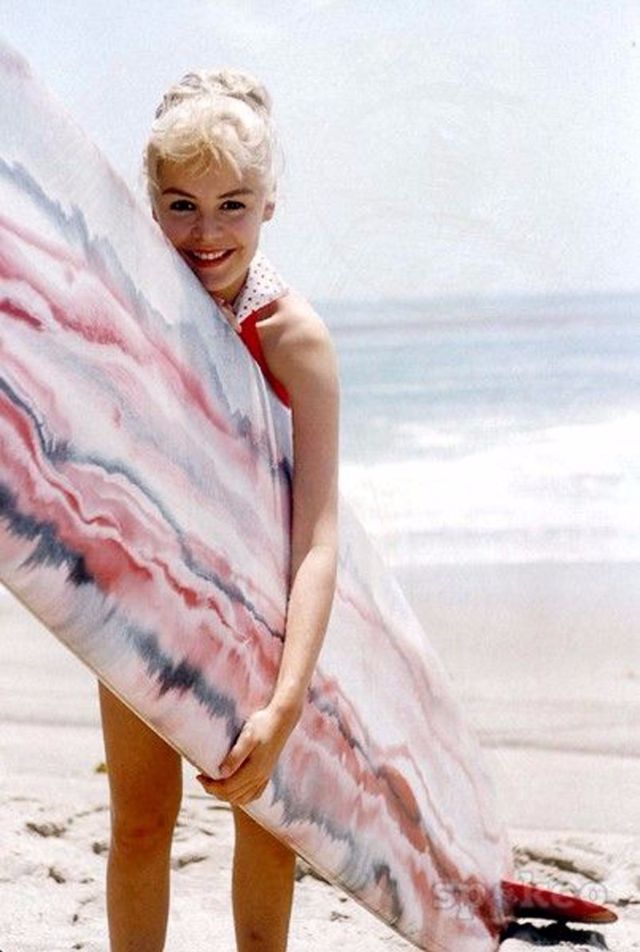
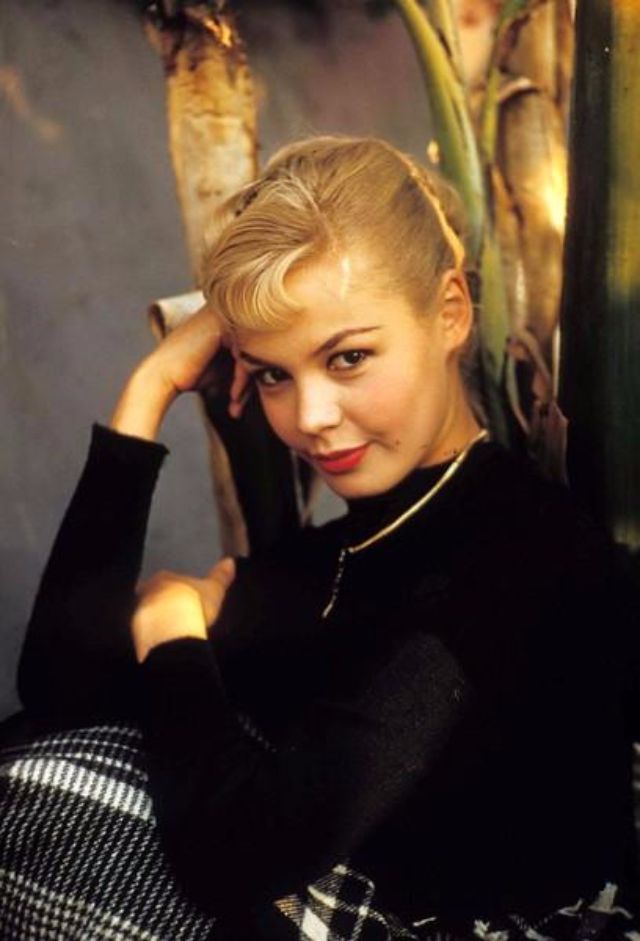
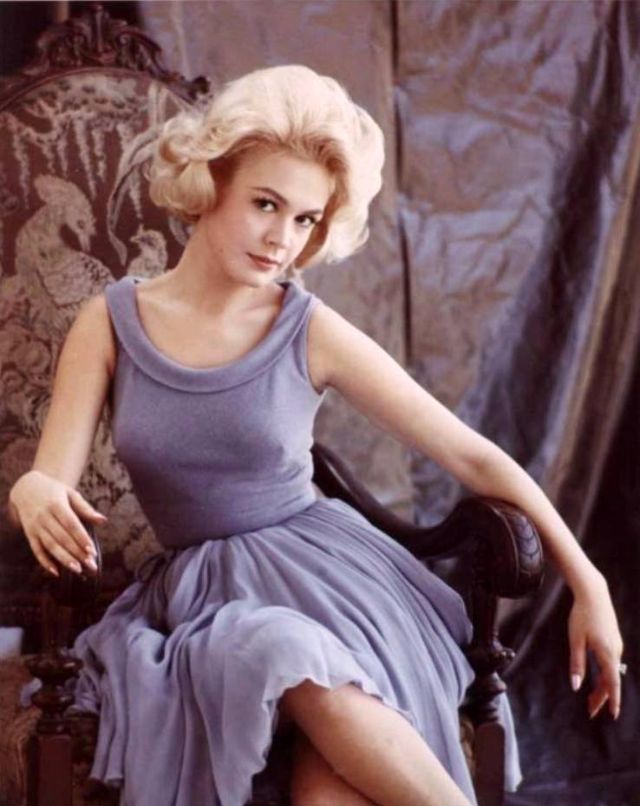
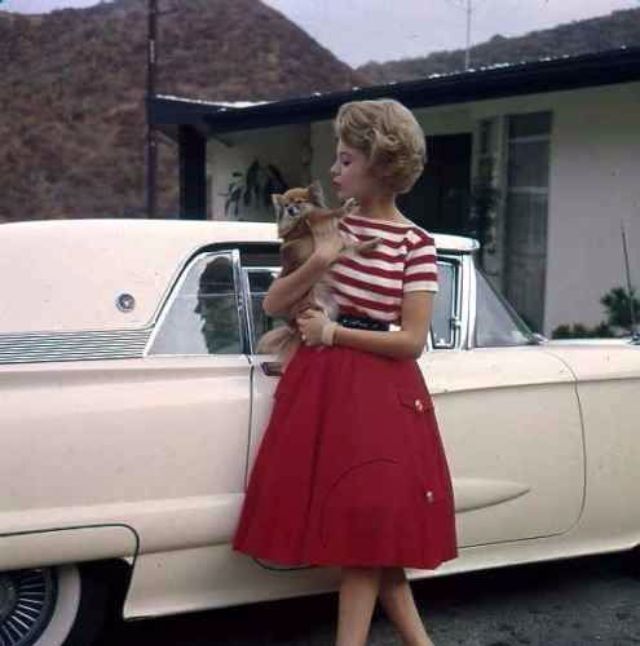
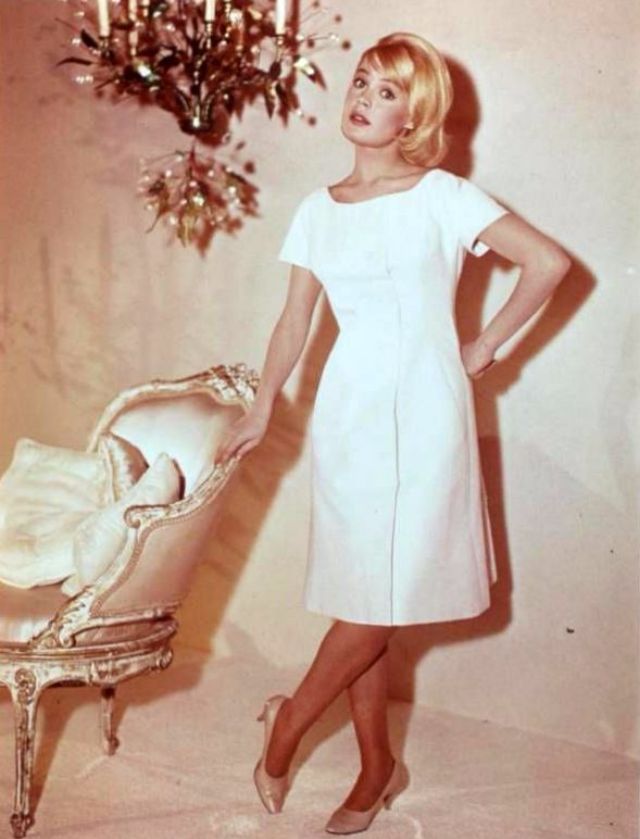
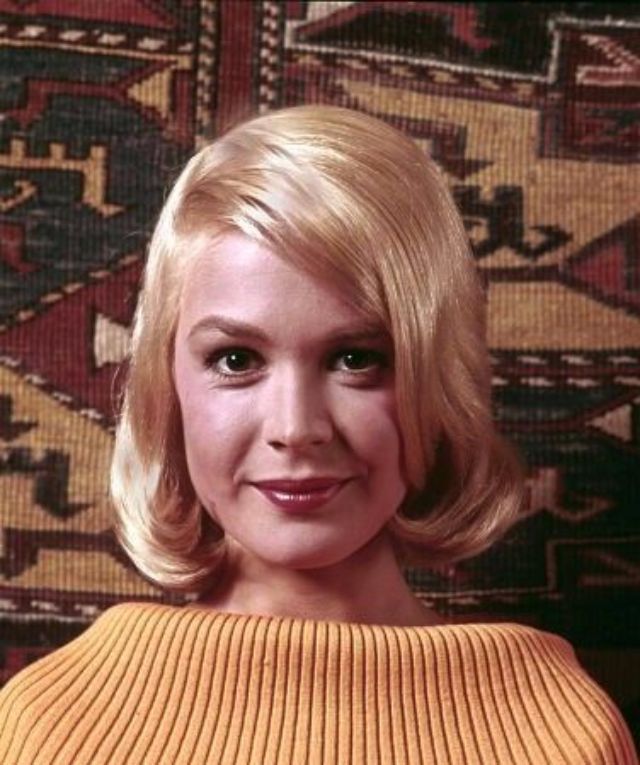
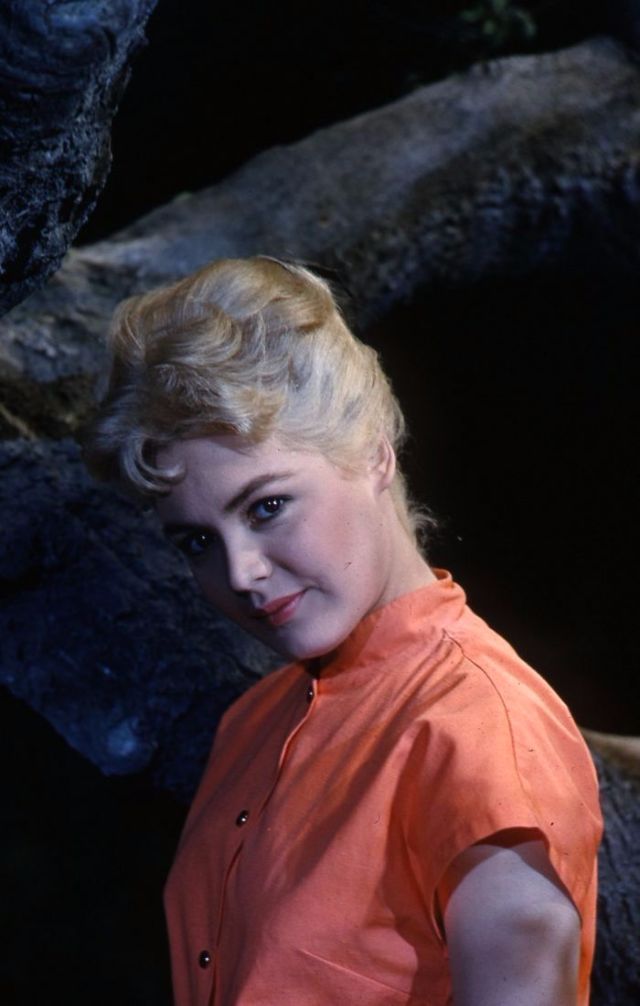
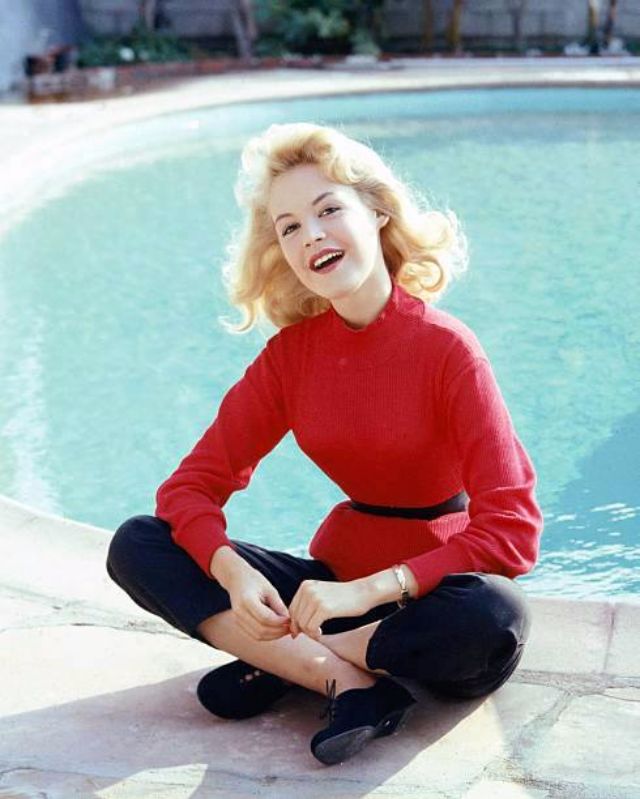
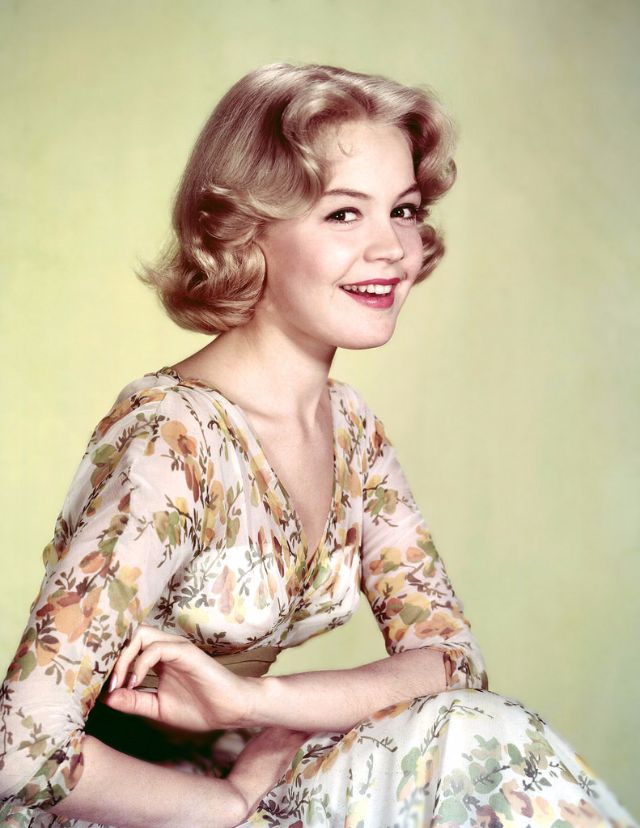
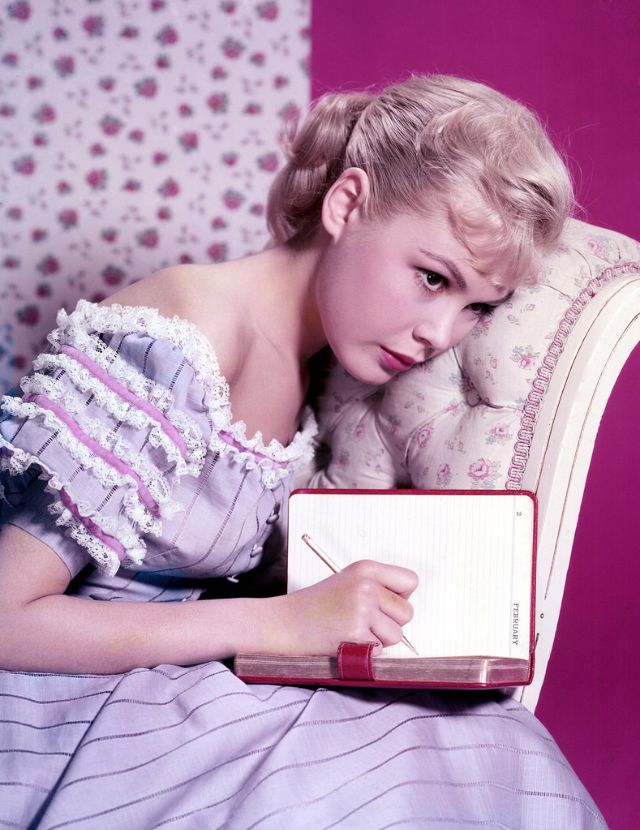
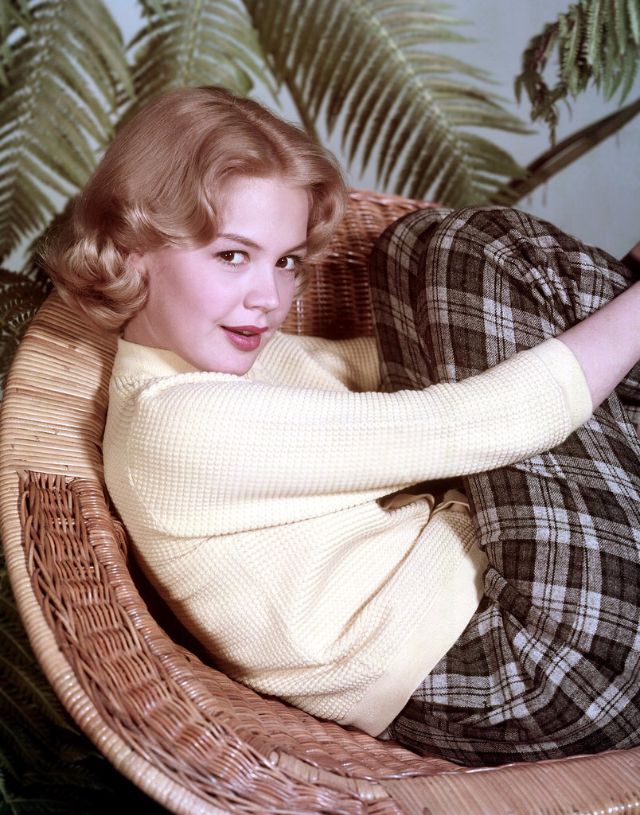
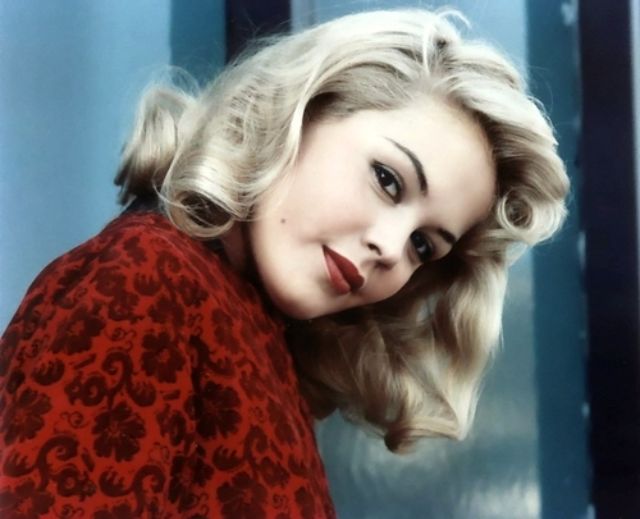
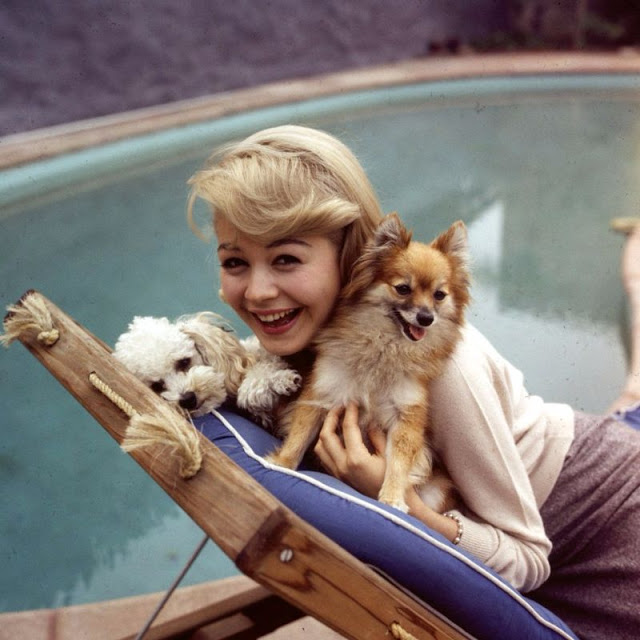
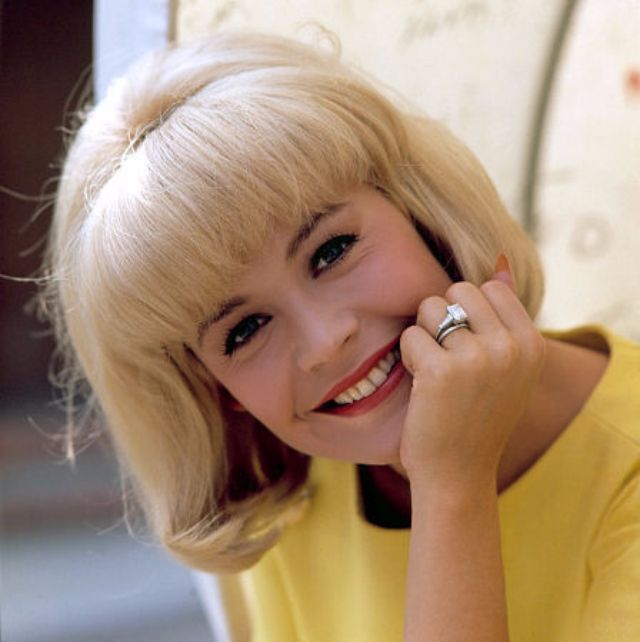
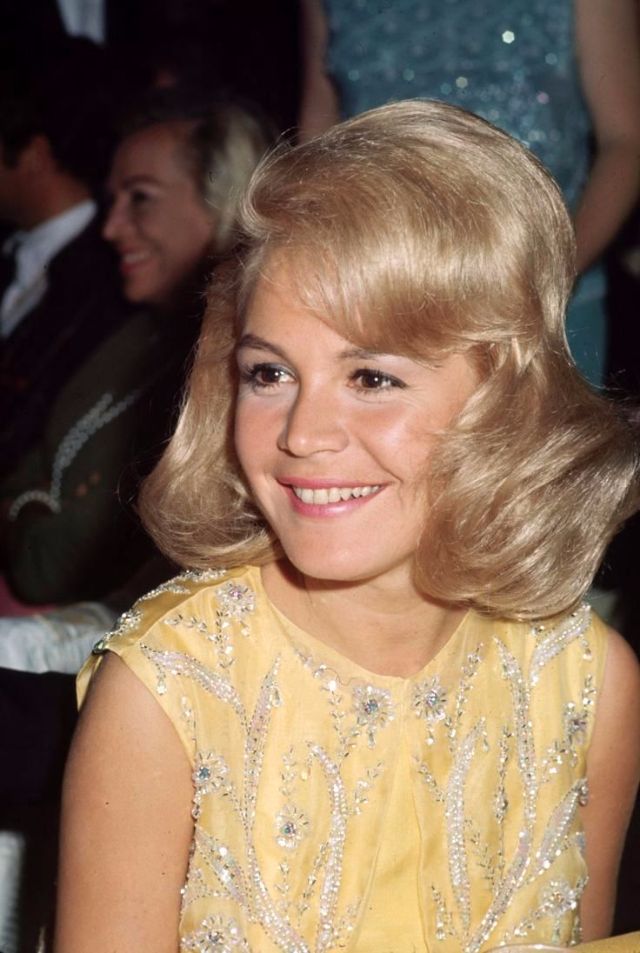
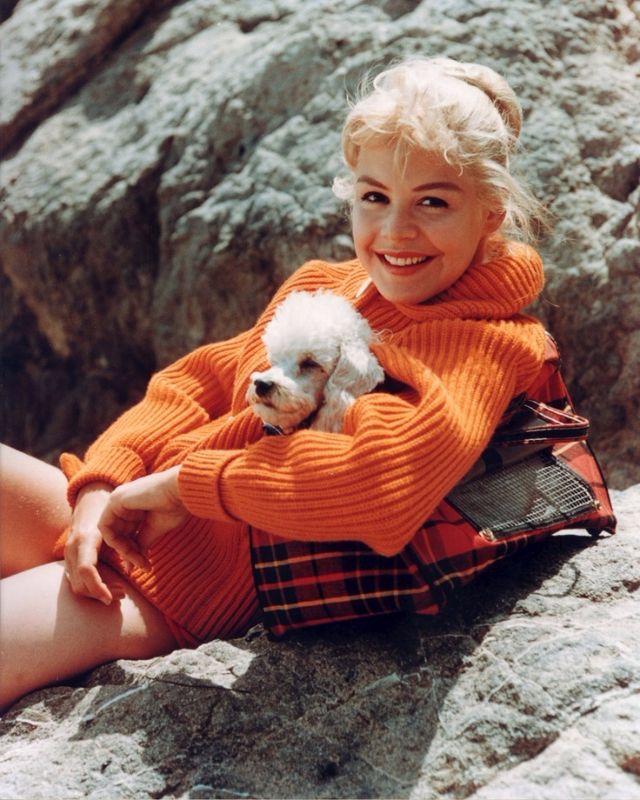
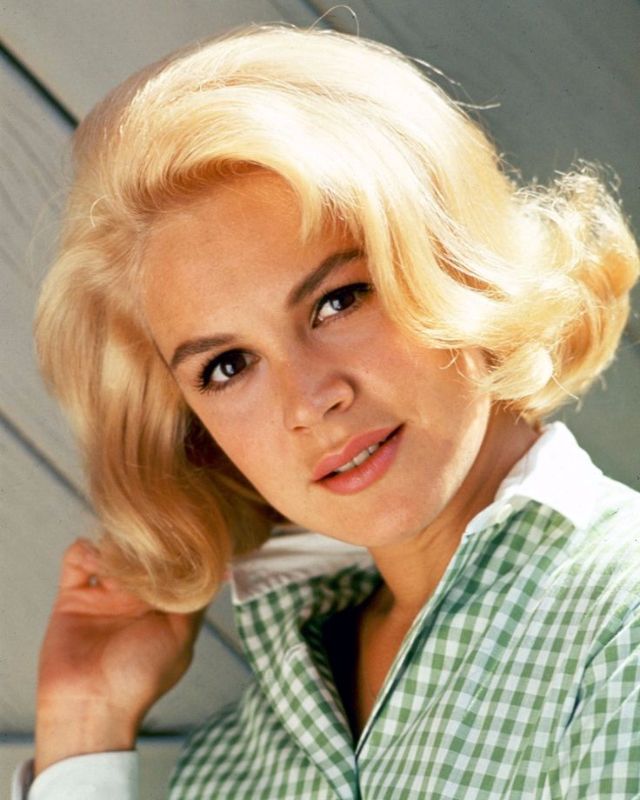
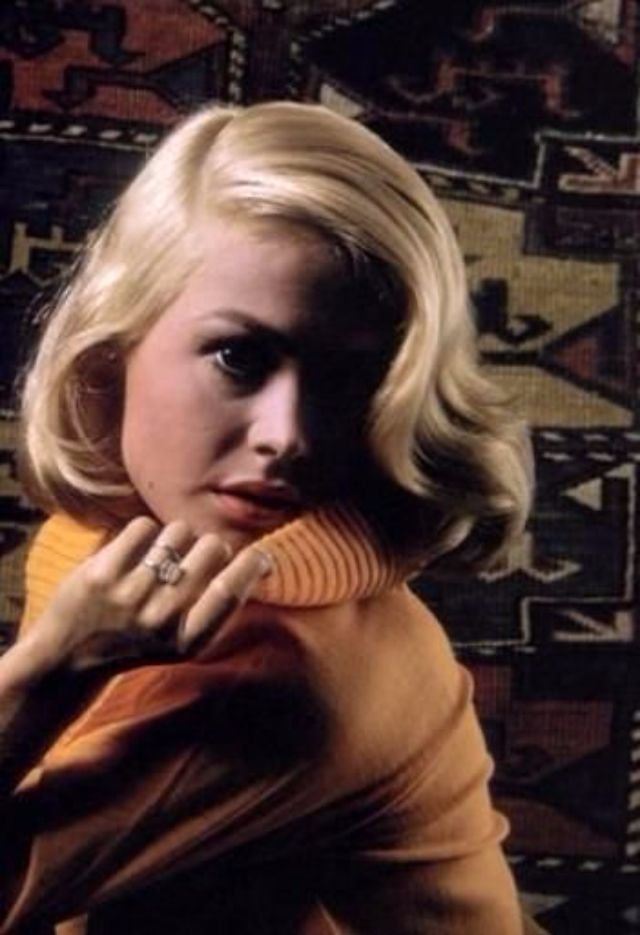
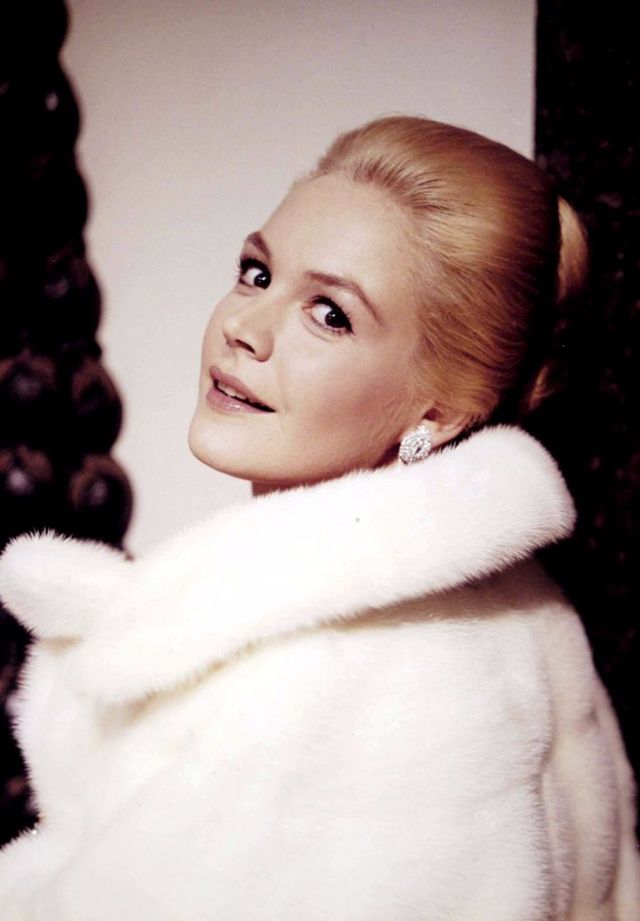
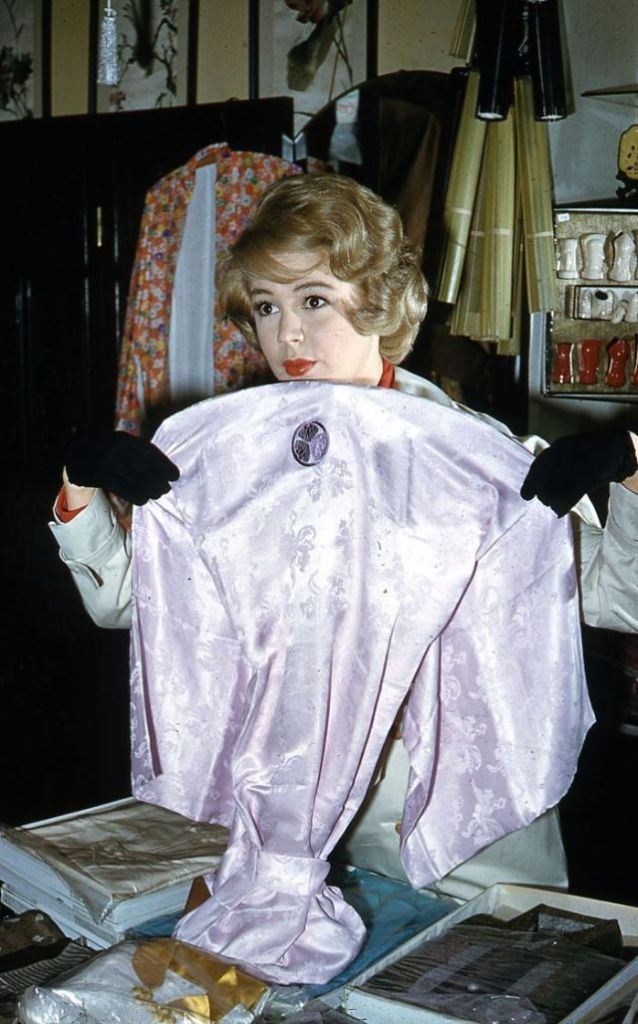
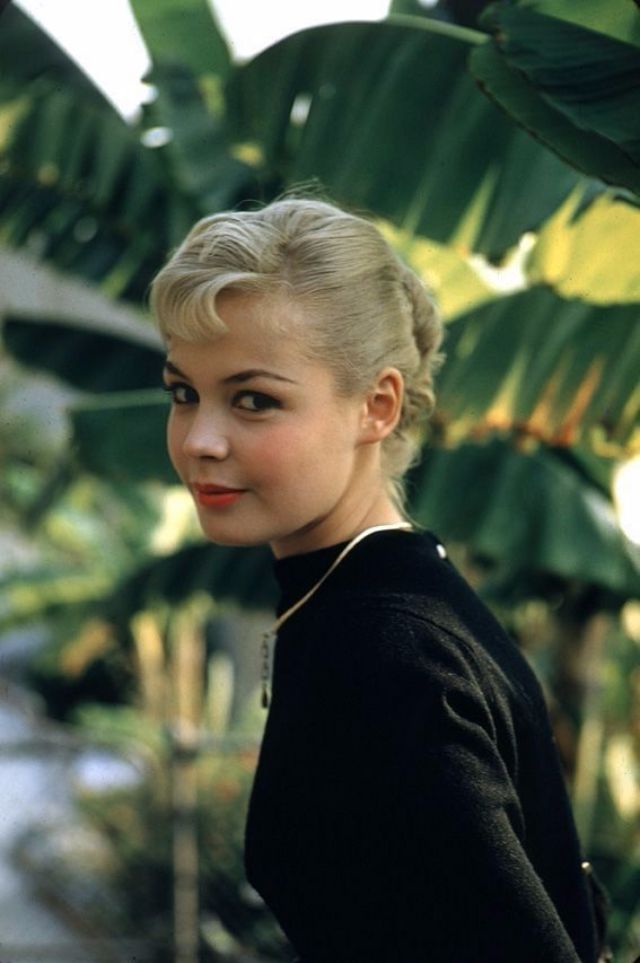
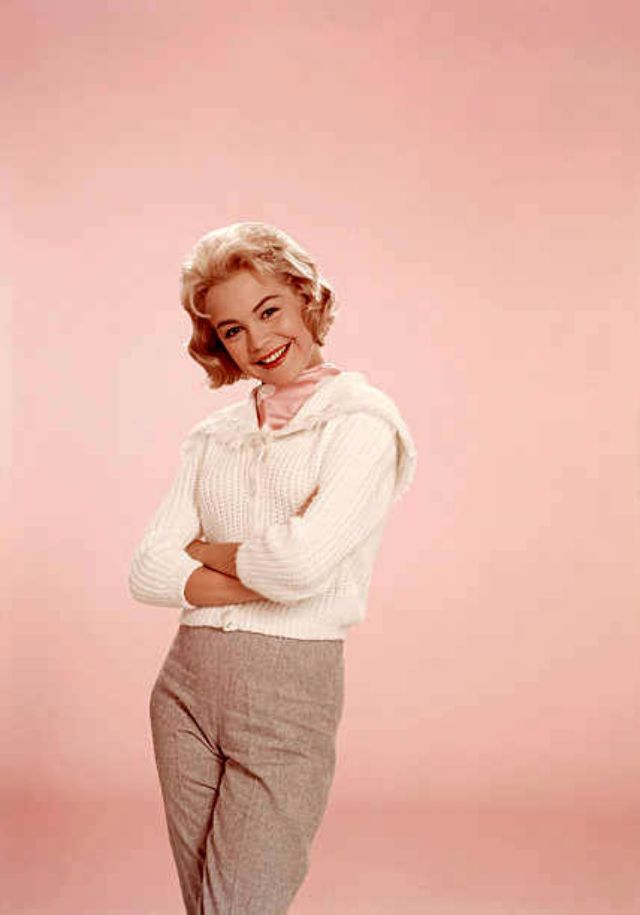
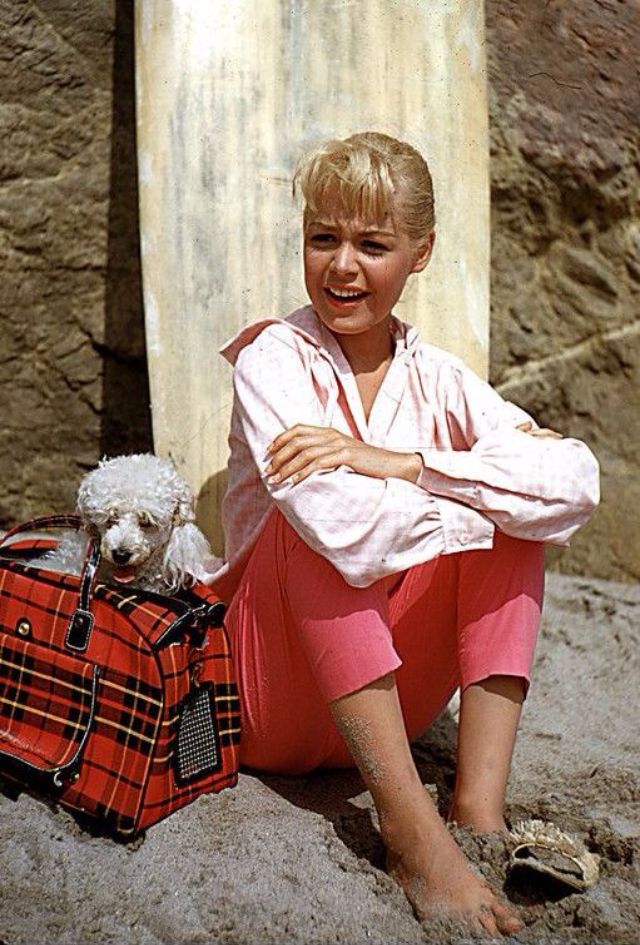
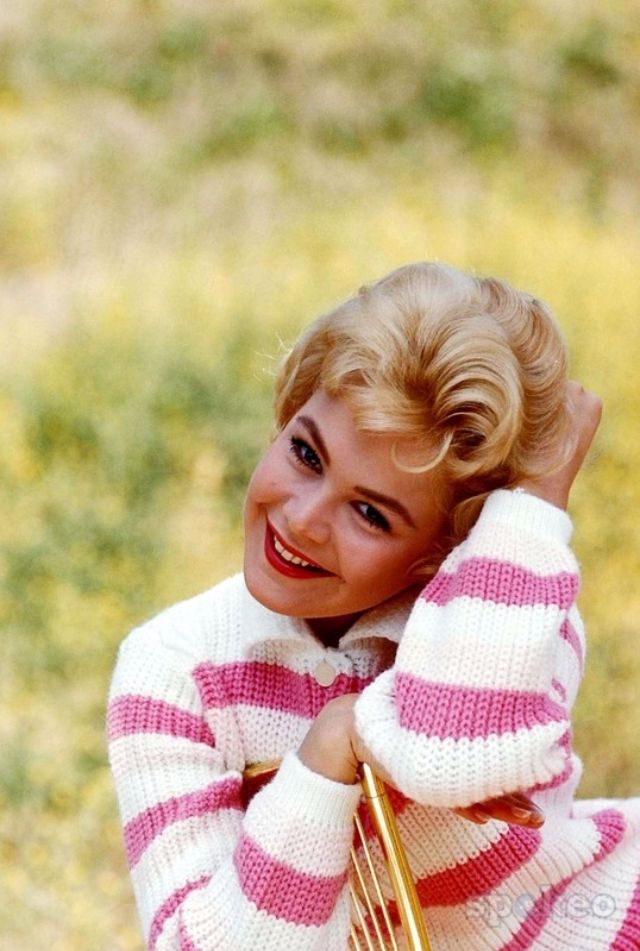
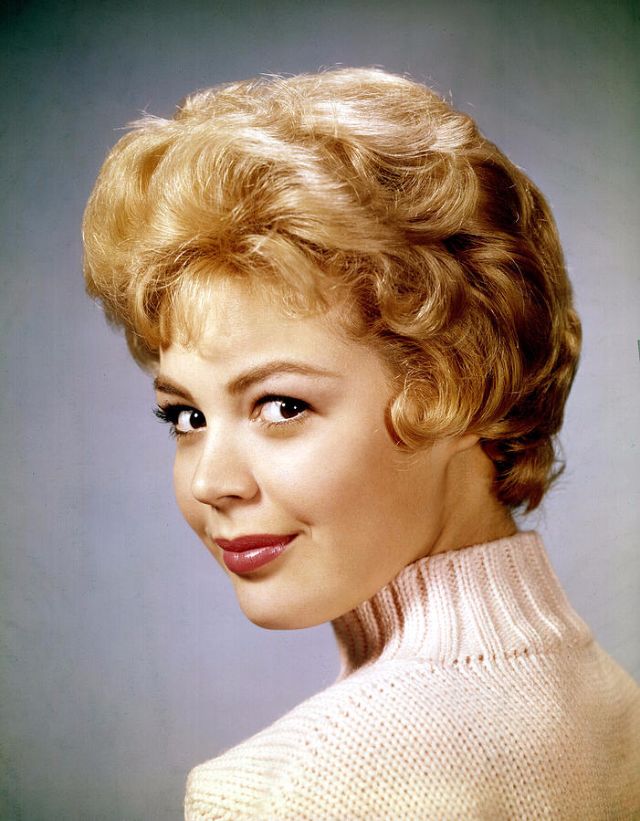
Sandra Dee (born Alexandra Zuck; April 23, 1942 – February 20, 2005) was an American actress. Dee began her career as a child model, working first in commercials, and then film in her teenage years. Best known for her portrayal of ingénues, Dee earned a Golden Globe Award as one of the year’s most promising newcomers for her performance in Robert Wise’s Until They Sail (1958). She became a teenage star for her performances in Imitation of Life and Gidget (both 1959), which made her a household name.
By the late 1960s, her career had started to decline, and a highly publicized marriage to Bobby Darin (m. 1960–1967) ended in divorce. The year of her divorce, Dee’s contract with Universal Pictures was dropped. She attempted a comeback with the 1970 independent horror film The Dunwich Horror, but rarely acted after this time, appearing only occasionally in television productions throughout the 1970s and early 1980s. The rest of the decade was marred by alcoholism, mental illness, plus near total reclusiveness, particularly after her mother died in 1988. Afterwards she sought medical and psychological help in the early 1990s, and died in 2005 of complications from kidney disease, brought on by a lifelong struggle with anorexia nervosa. (Wikipedia)
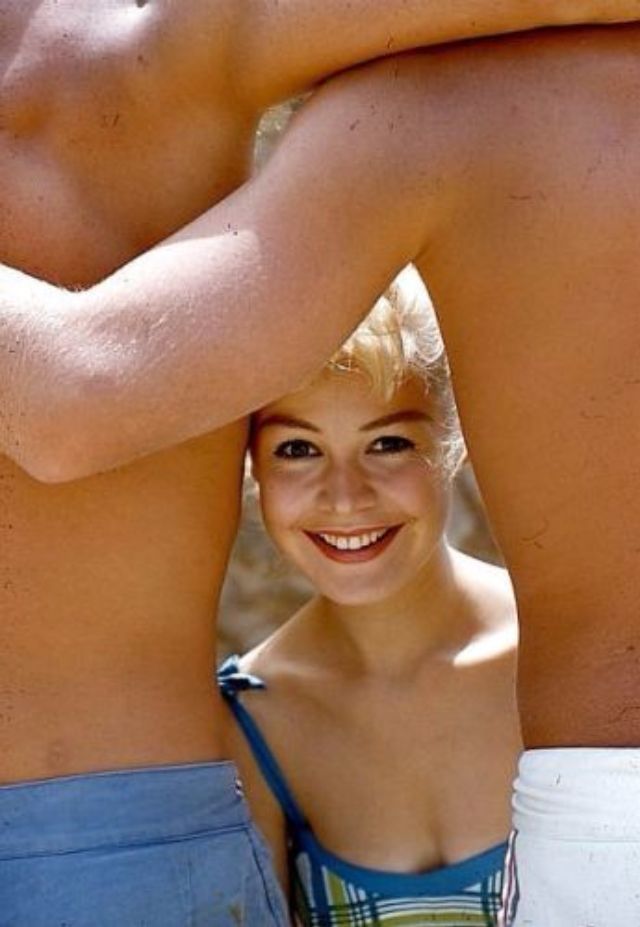
Take a look at these photos to see her innocent beauty from the 1950s to 1960s.

















Read more of this content when you subscribe today.


Become a paid subscriber to get access to the rest of this post and other exclusive content.

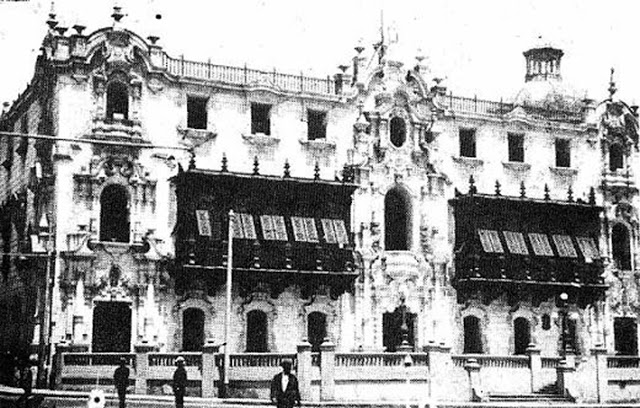
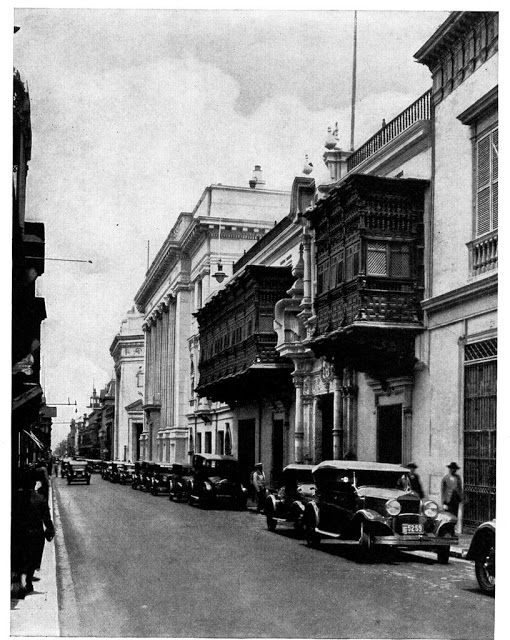
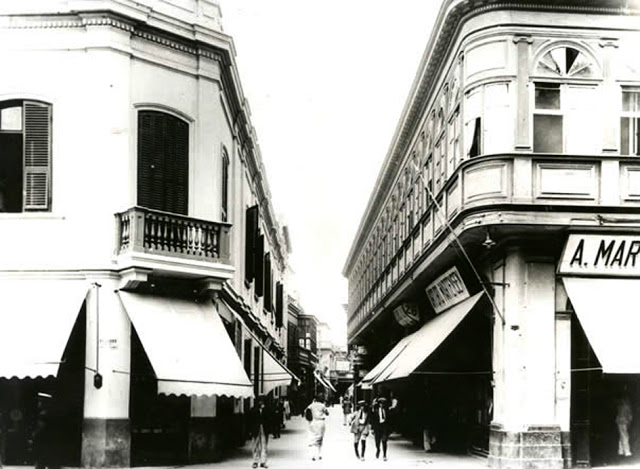
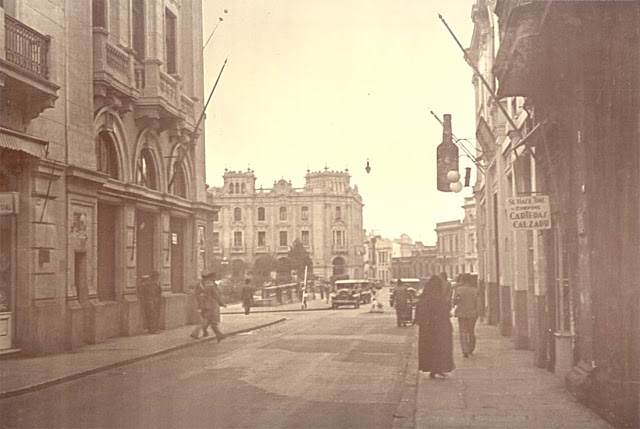
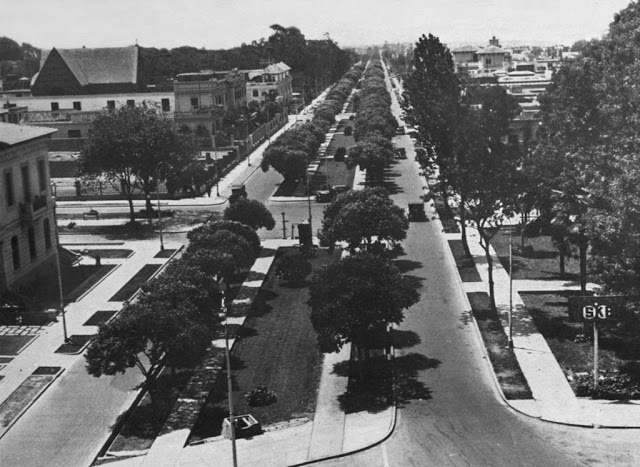
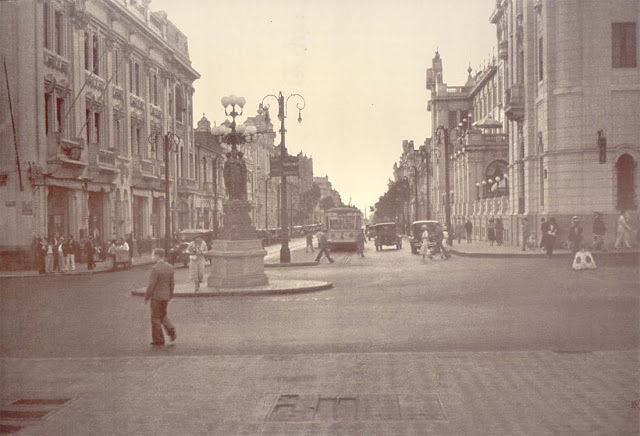
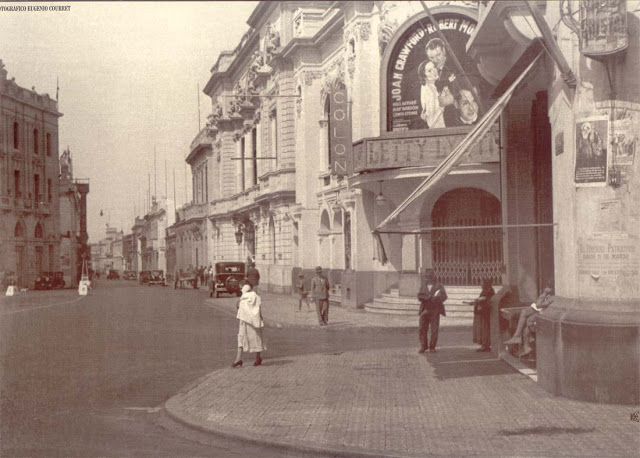
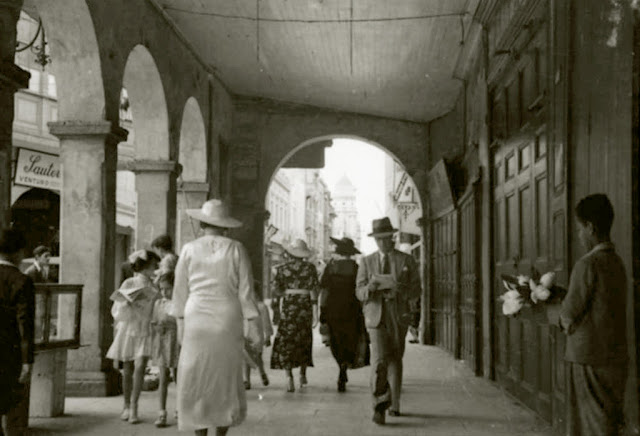
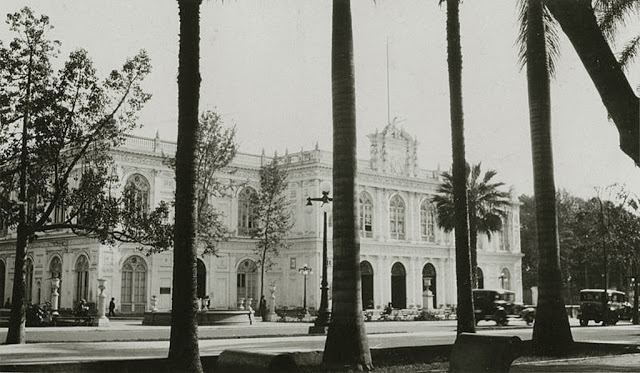
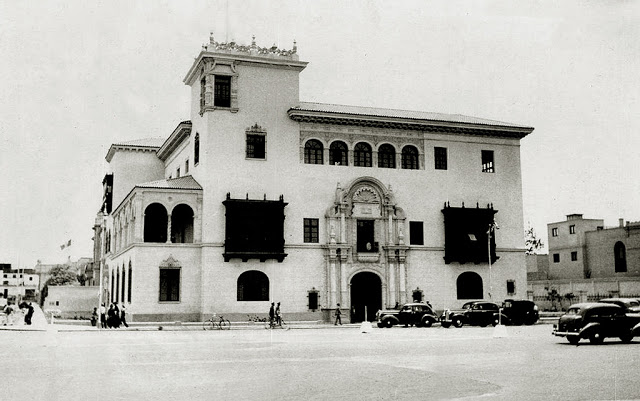
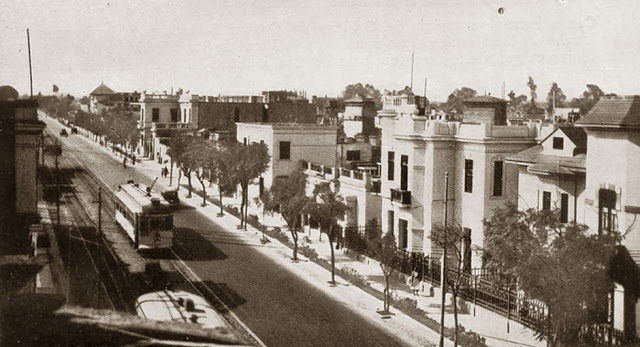
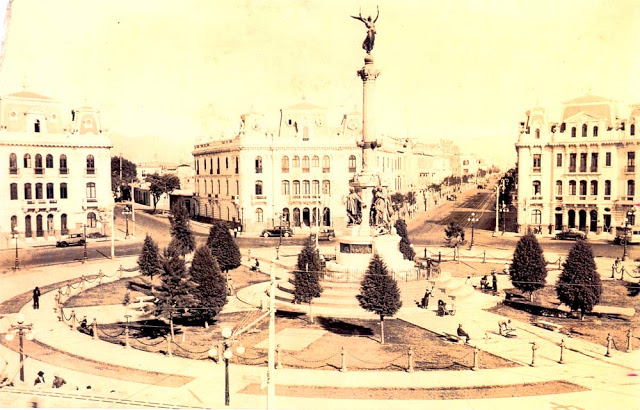
Lima is the capital and the largest city of Peru. It is located in the valleys of the Chillón, Rímac and Lurín Rivers, in the desert zone of the central coastal part of the country, overlooking the Pacific Ocean. Together with the seaport of Callao, it forms a contiguous urban area known as the Lima Metropolitan Area. With a population of more than 9.7 million and more than 10.7 million in its metropolitan area, Lima is one of the largest cities in the Americas.
Lima was named by natives in the agricultural region known by native Peruvians as Limaq. It became the capital and most important city in the Viceroyalty of Peru. Following the Peruvian War of Independence, it became the capital of the Republic of Peru (República del Perú). Around one-third of the national population lives in the metropolitan area.
Lima is home to one of the oldest institutions of higher learning in the New World. The National University of San Marcos, founded on 12 May 1551, during the Viceroyalty of Peru, is the first officially established and the oldest continuously functioning university in the Americas.
Nowadays, the city is considered to be the political, cultural, financial and commercial center of the country. Internationally, it is one of the thirty most populated urban agglomerations in the world. Due to its geostrategic importance, the Globalization and World Cities Research Network has categorized it as a “beta” tier city.
Jurisdictionally, the metropolis extends mainly within the province of Lima and in a smaller portion, to the west, within the Constitutional Province of Callao, where the seaport and the Jorge Chávez Airport are located. Both provinces have regional autonomy since 2002.
In October 2013, Lima was chosen to host the 2019 Pan American Games; these games were held at venues in and around Lima, and were the largest sporting event ever hosted by the country. It also hosted the APEC Meetings of 2008 and 2016, the Annual Meetings of the International Monetary Fund and the World Bank Group in October 2015, the United Nations Climate Change Conference in December 2014, and the Miss Universe 1982 contest. (Wikipedia)





























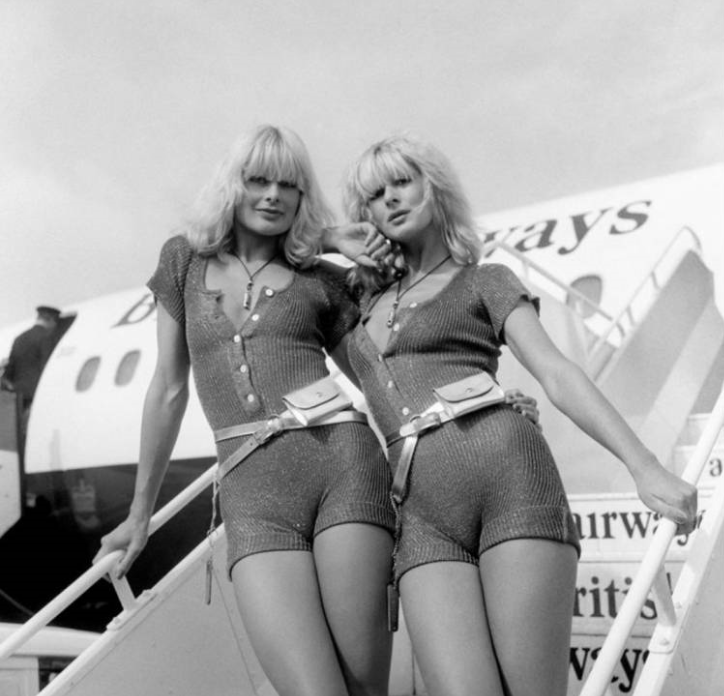
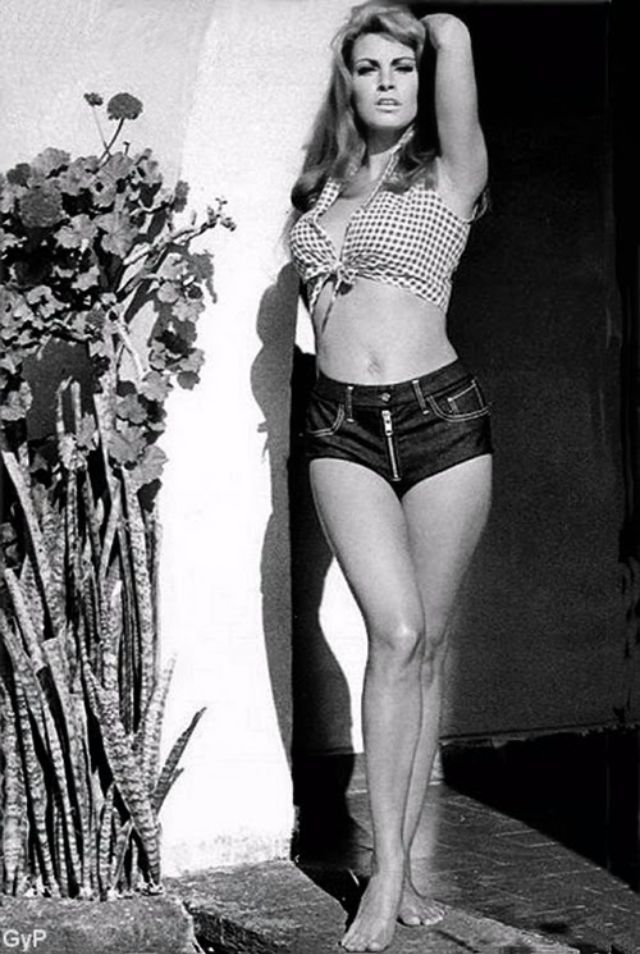
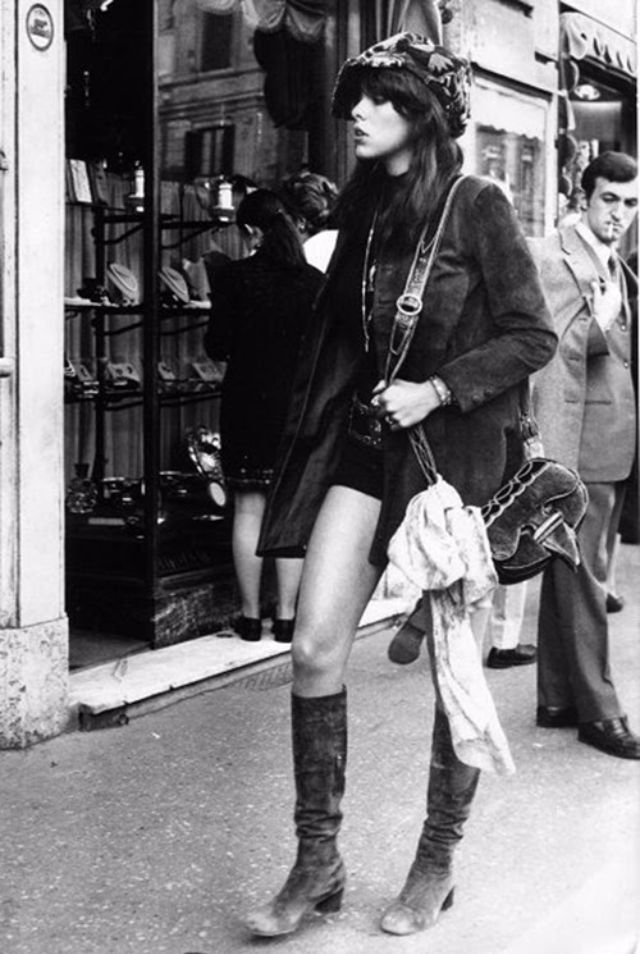
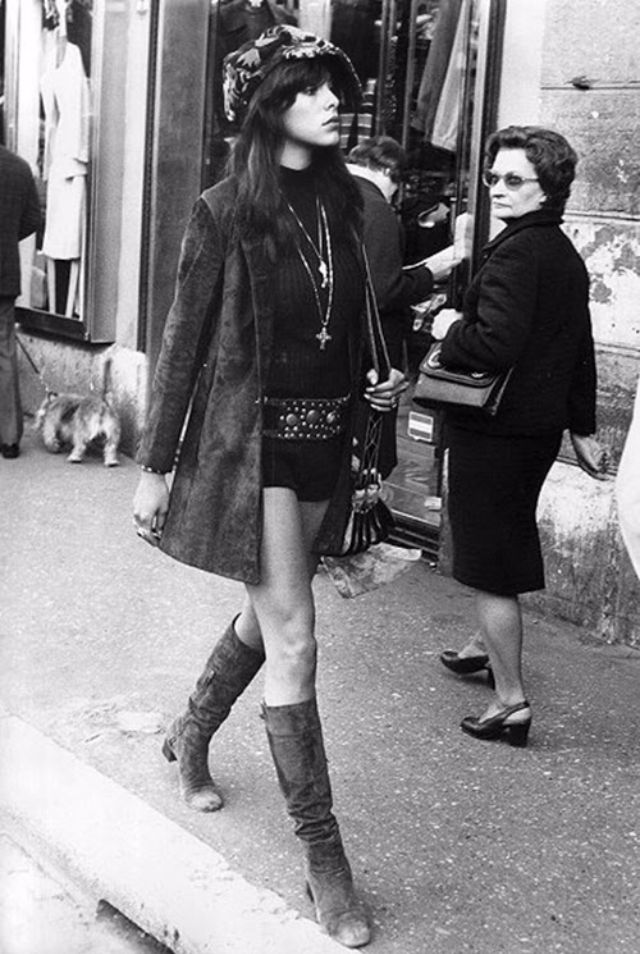
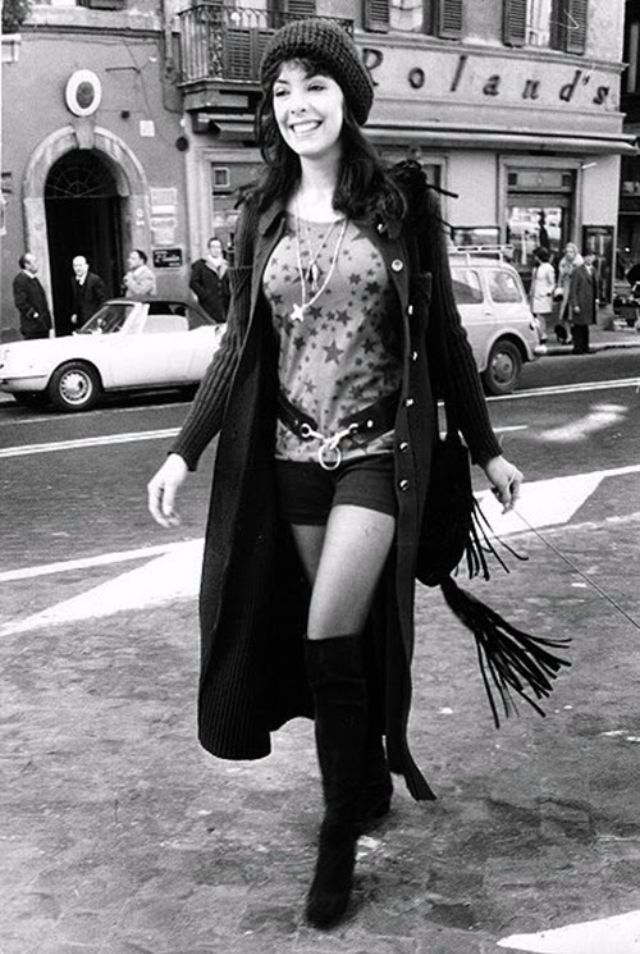
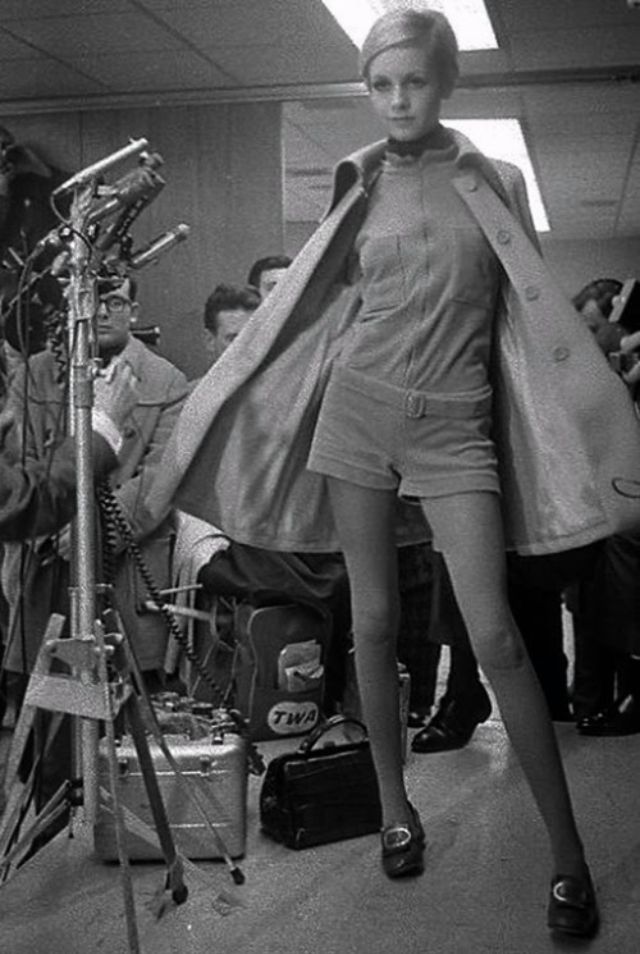
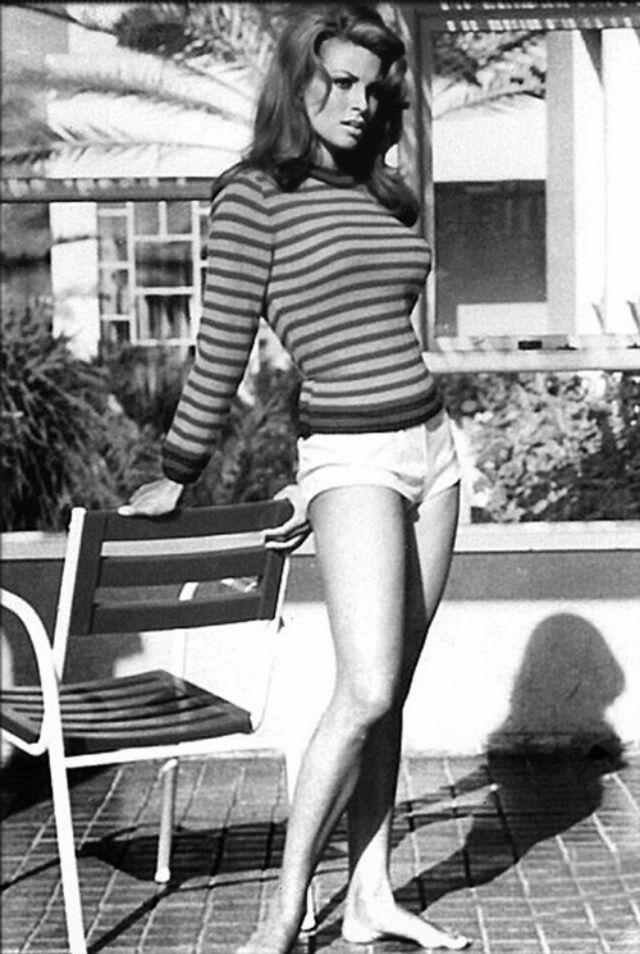
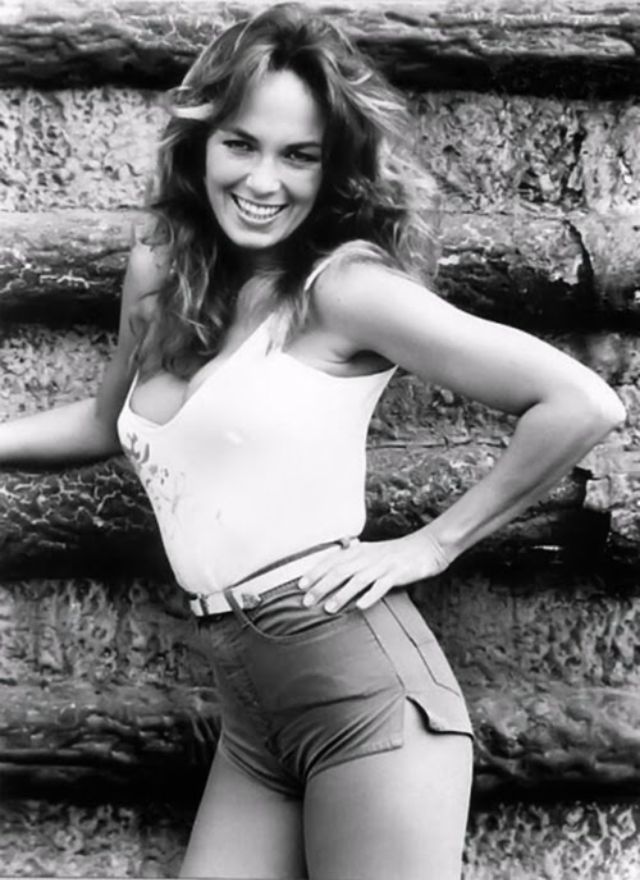
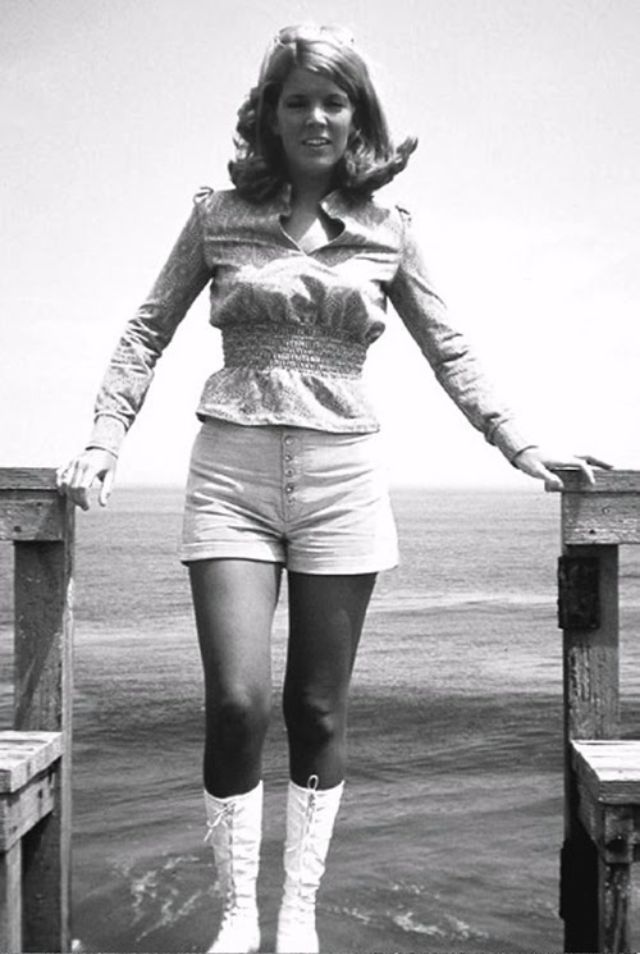
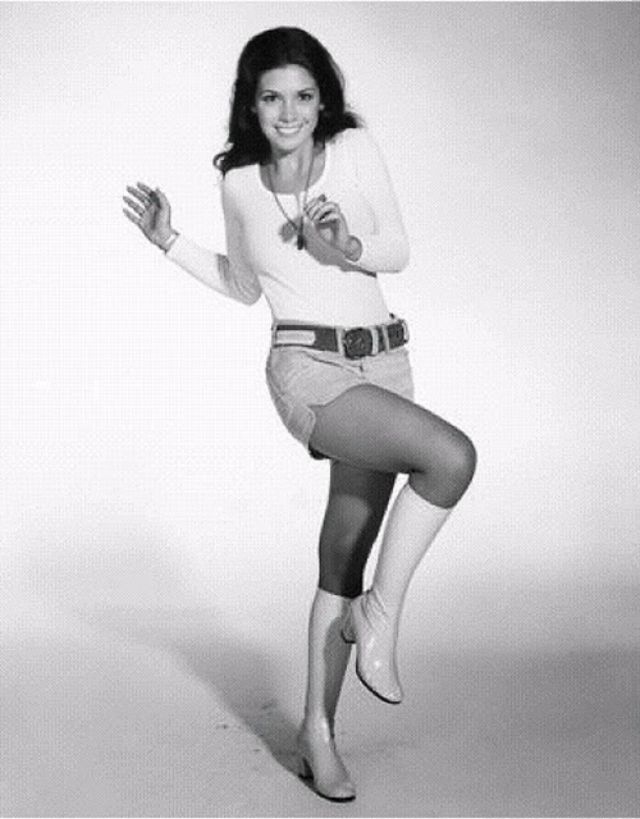
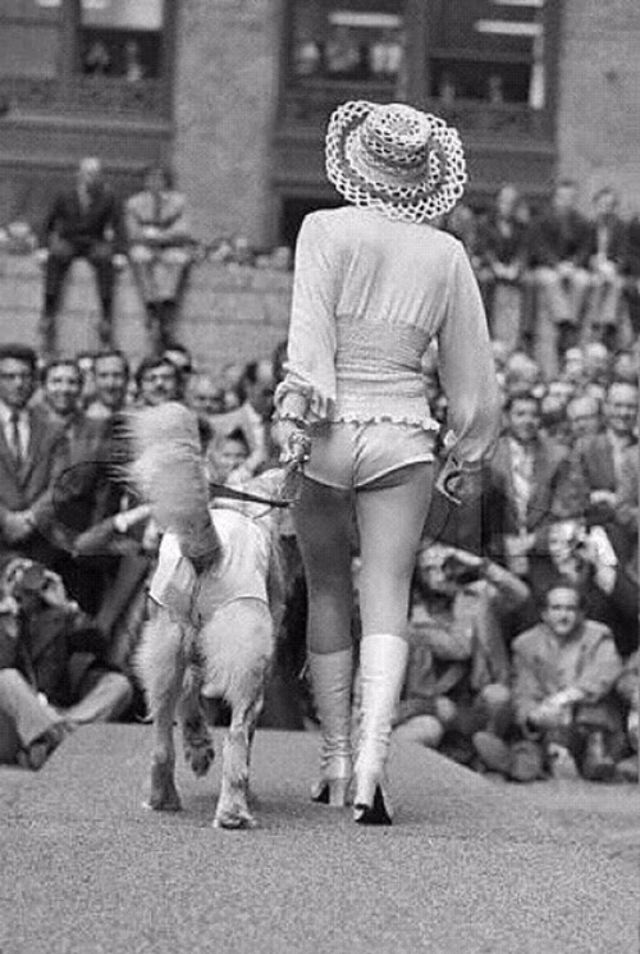
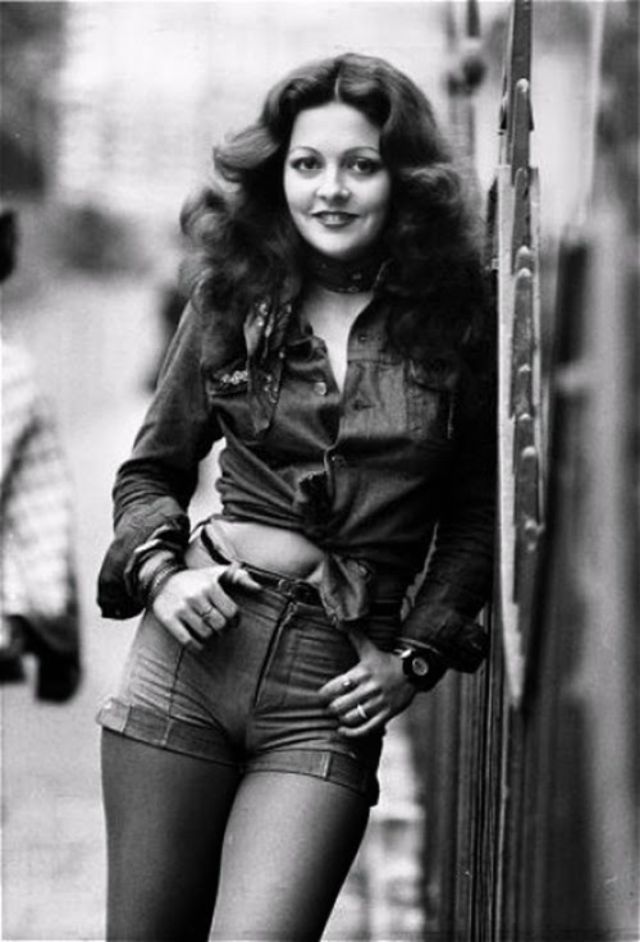
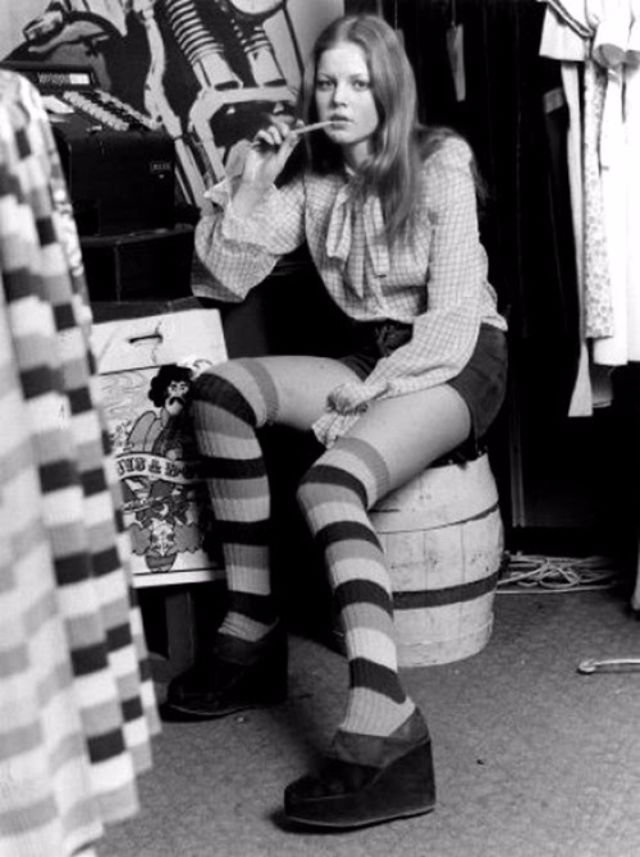
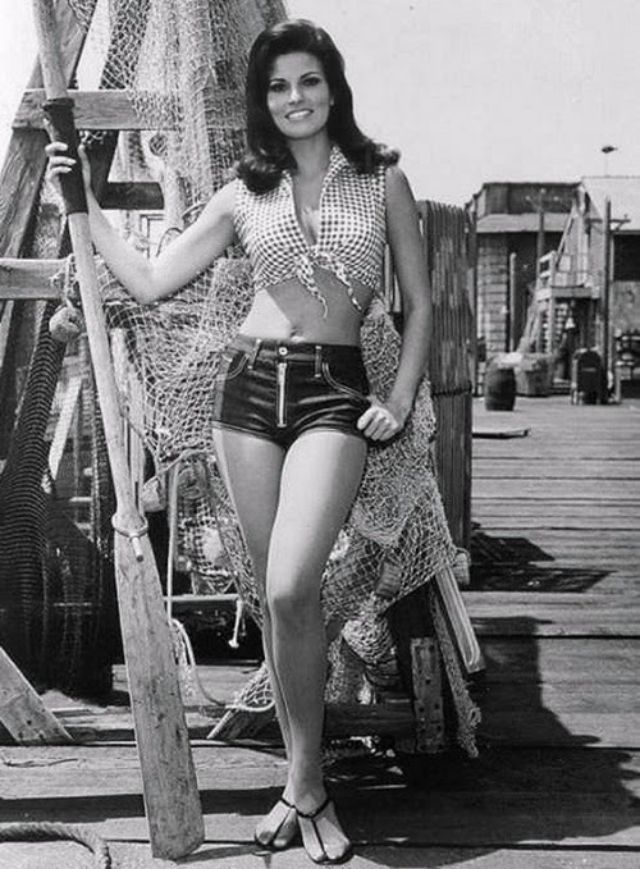
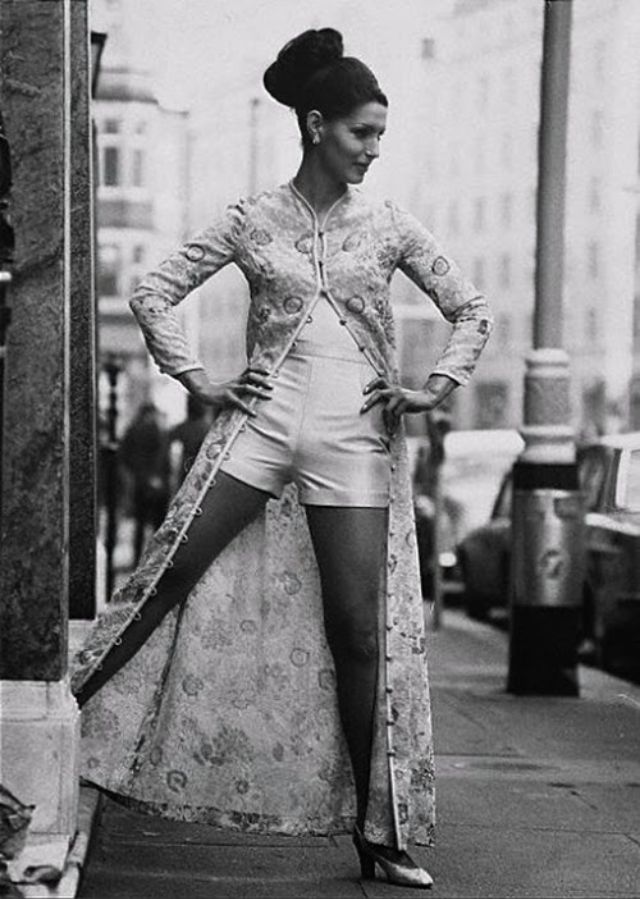
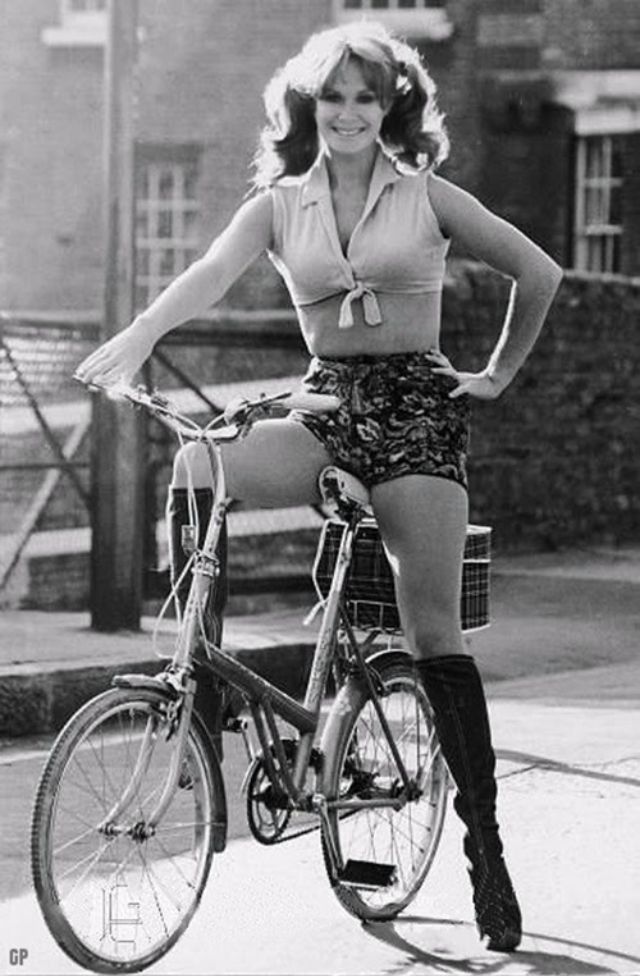
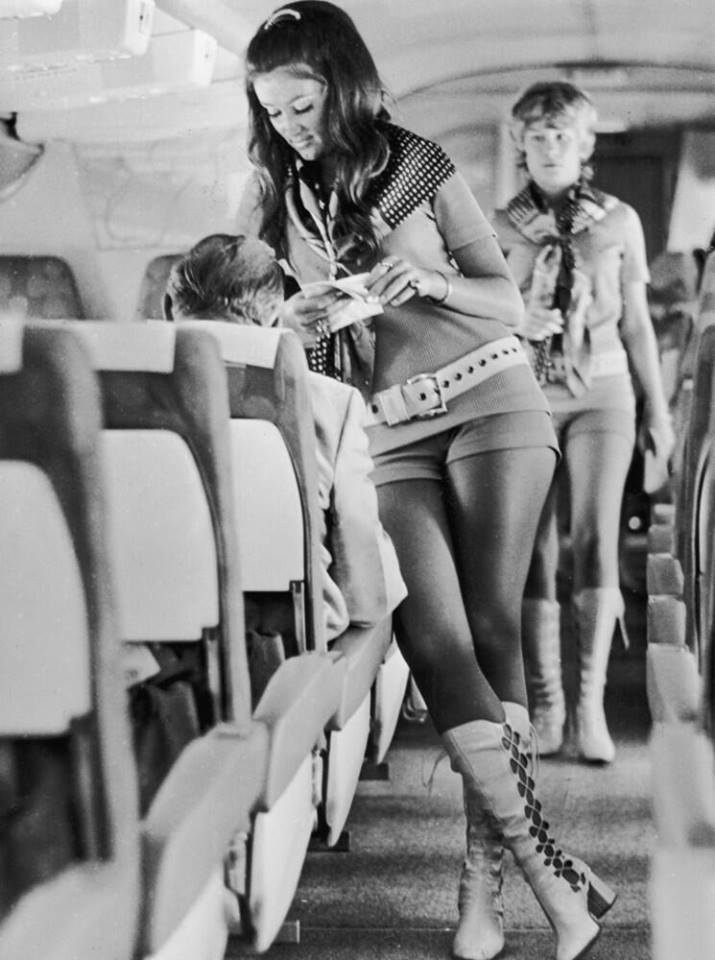
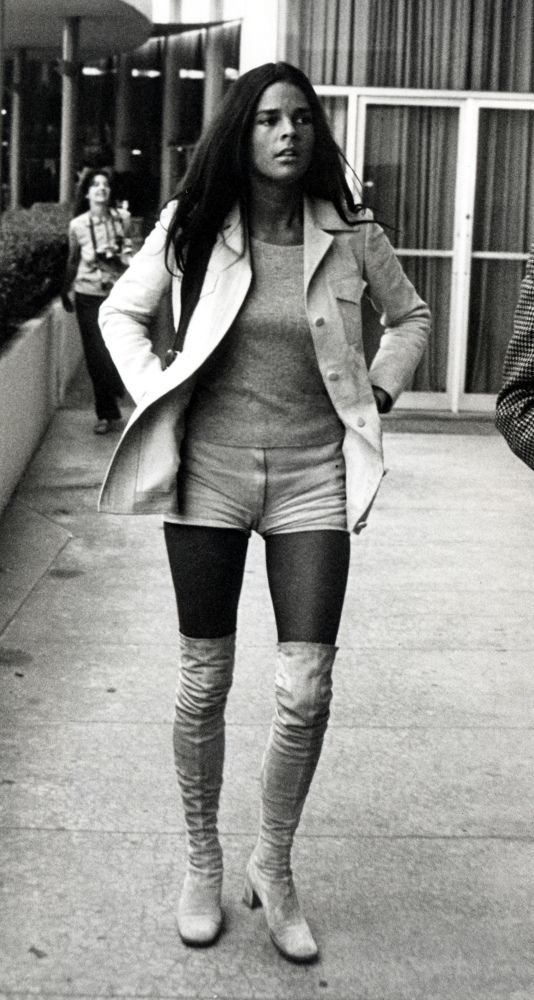
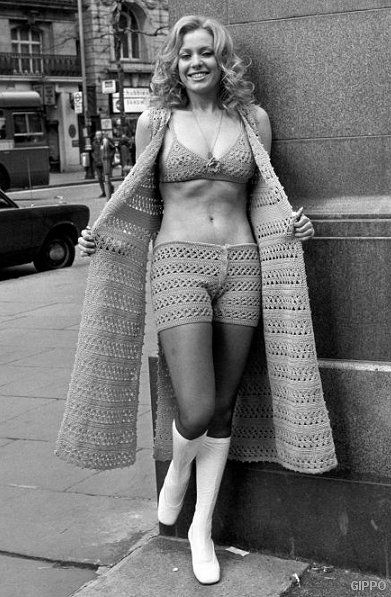
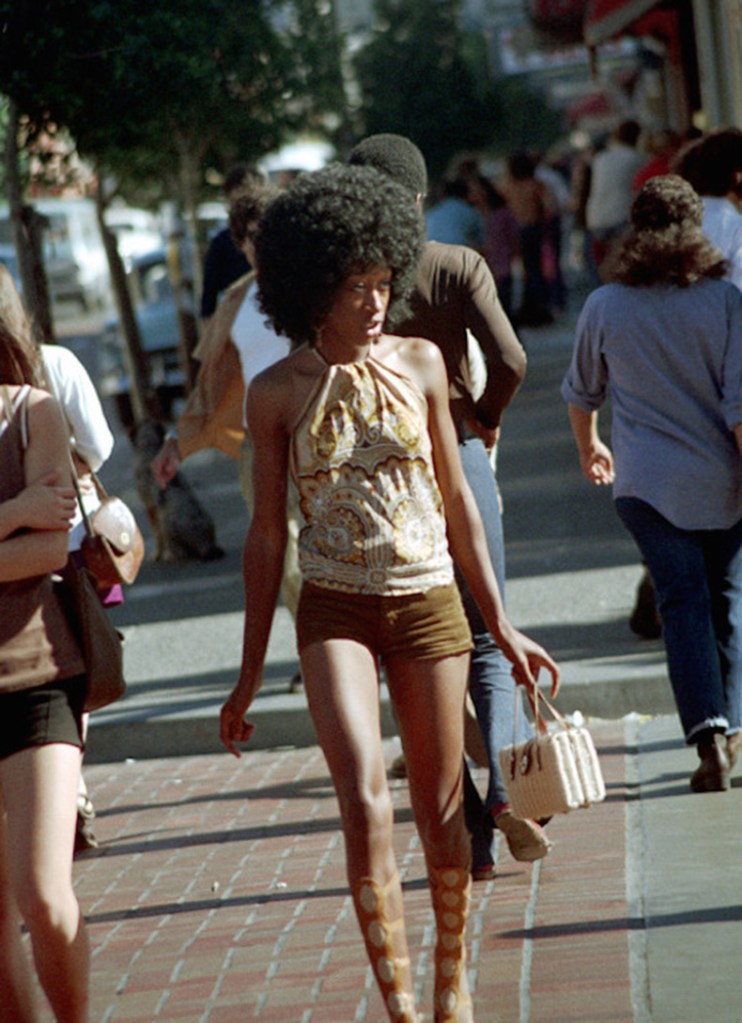
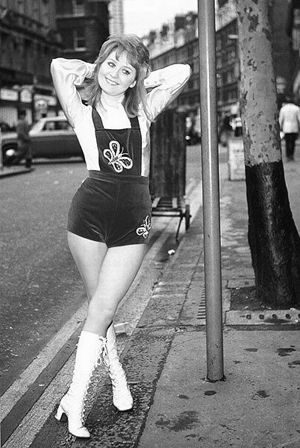
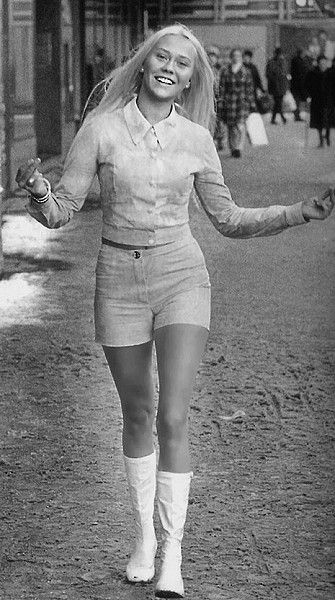
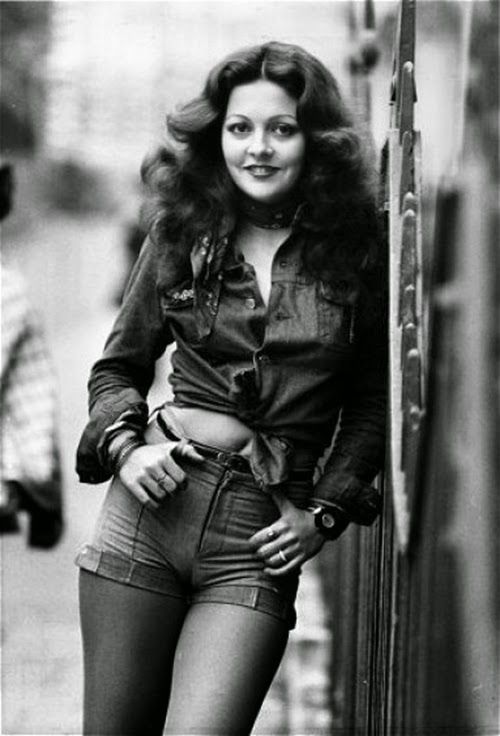
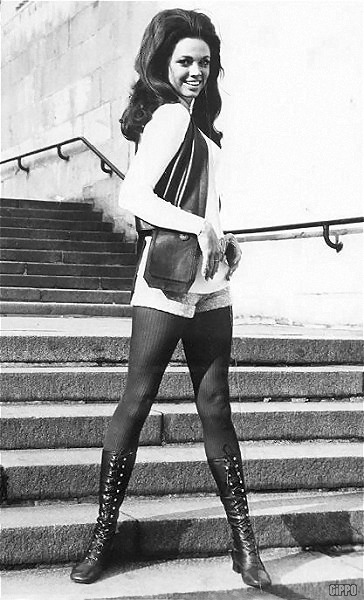
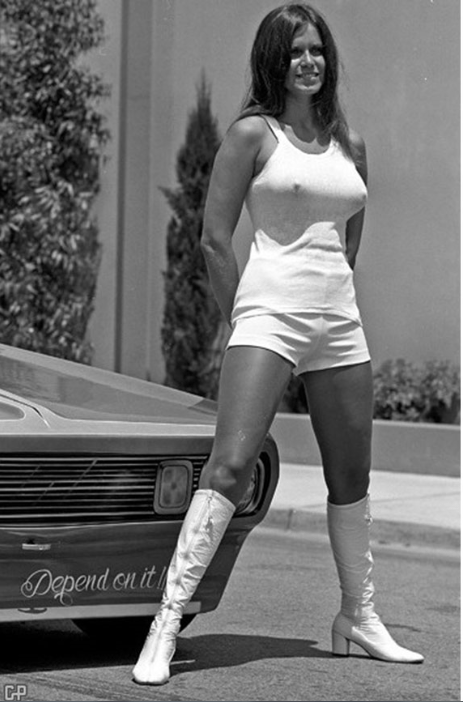
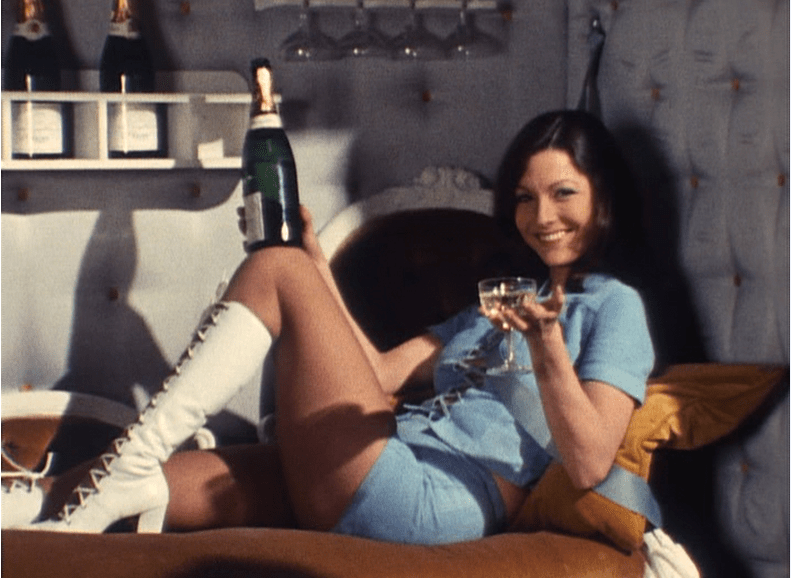
Hotpants or hot pants describe extremely short shorts. The term was first used by Women’s Wear Daily in 1970 to describe shorts made in luxury fabrics such as velvet and satin for fashionable wear, rather than their more practical equivalents that had been worn for sports or leisure since the 1930s. The term has since become a generic term for any pair of extremely short shorts. While hotpants were briefly a very popular element of mainstream fashion in the early 1970s, by the mid-1970s they had become associated with the sex industry, which contributed to their fall from fashion. However, hotpants continue to be popular as clubwear well into the 2010s and are often worn within the entertainment industry, particularly as part of cheerleader costumes or for dancers (especially backup dancers). Performers such as Britney Spears and Kylie Minogue have famously worn hotpants as part of their public performances and presentation. (Wikipedia)