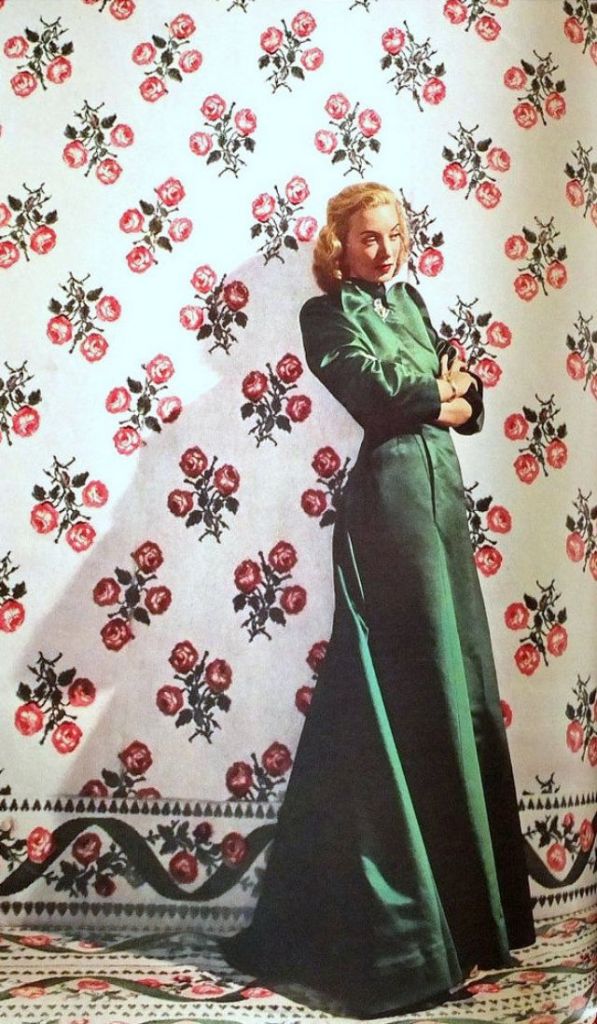
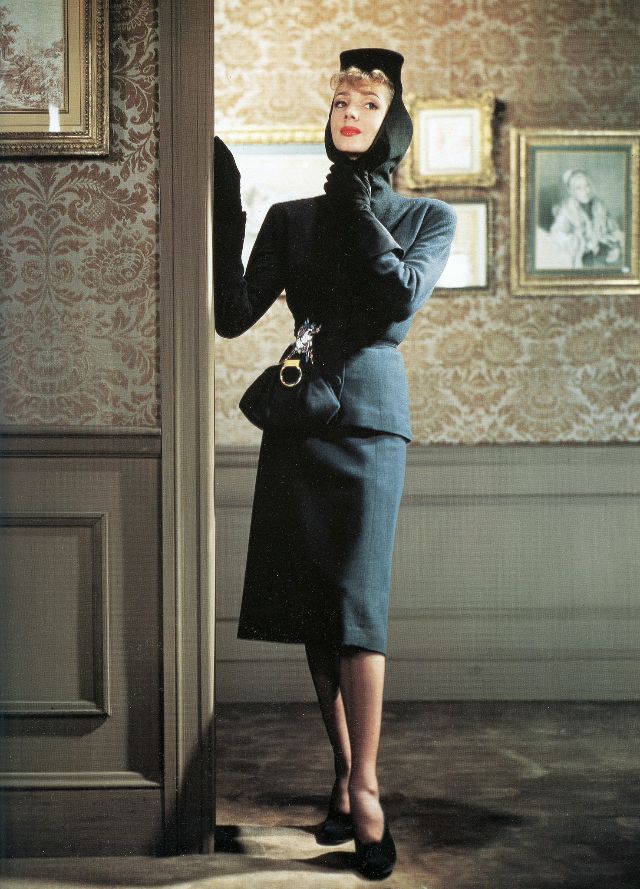
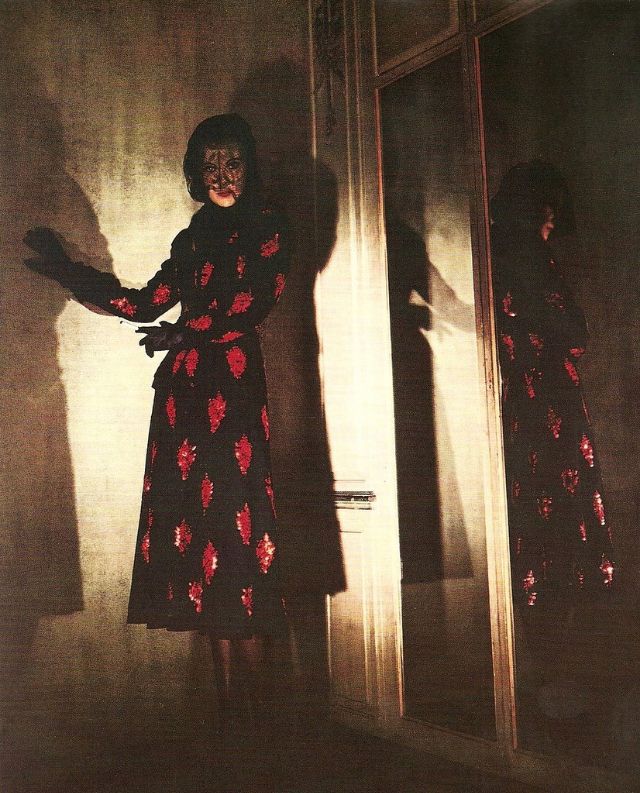
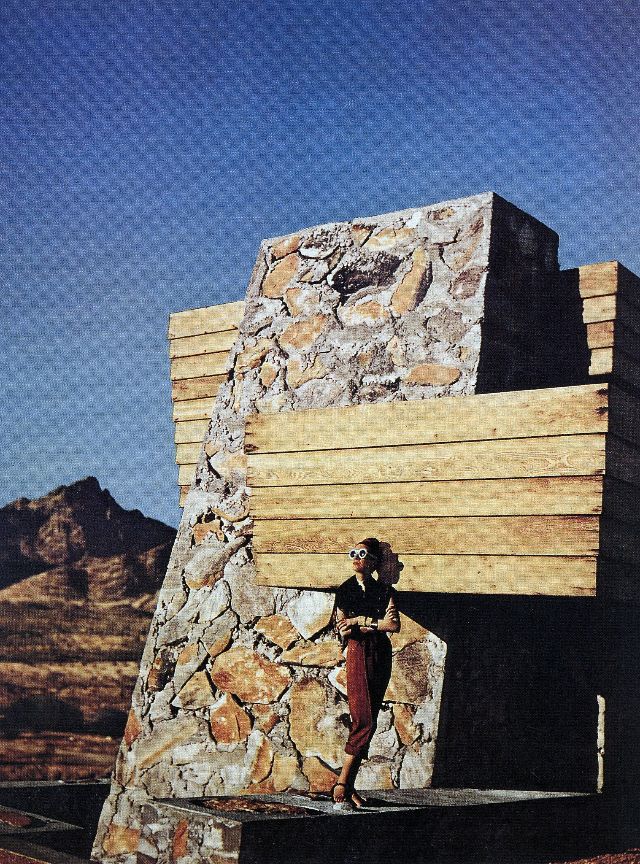
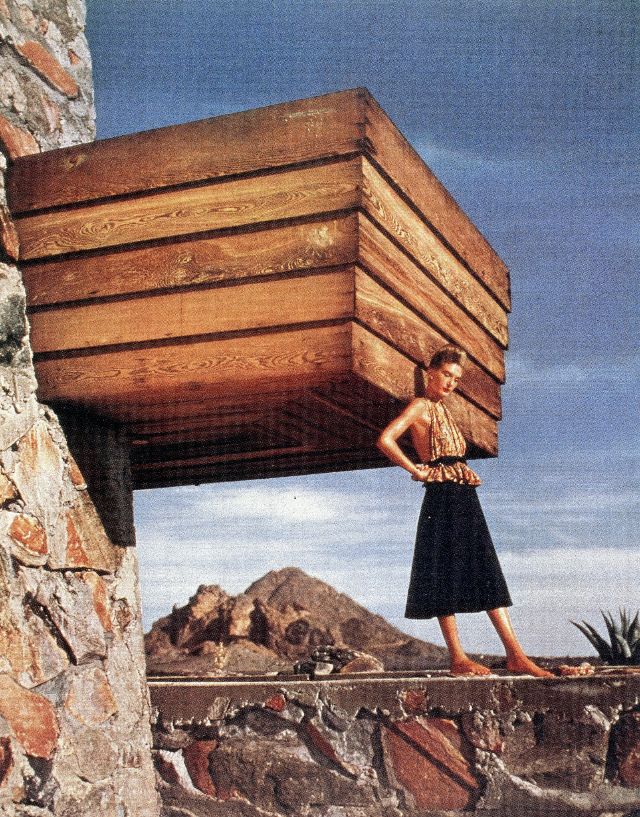
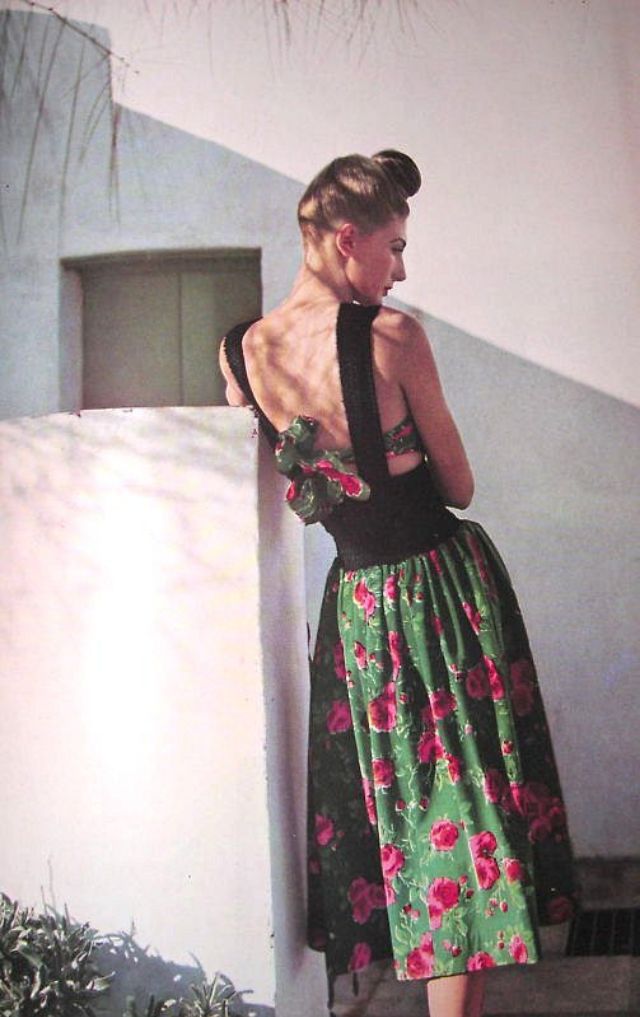
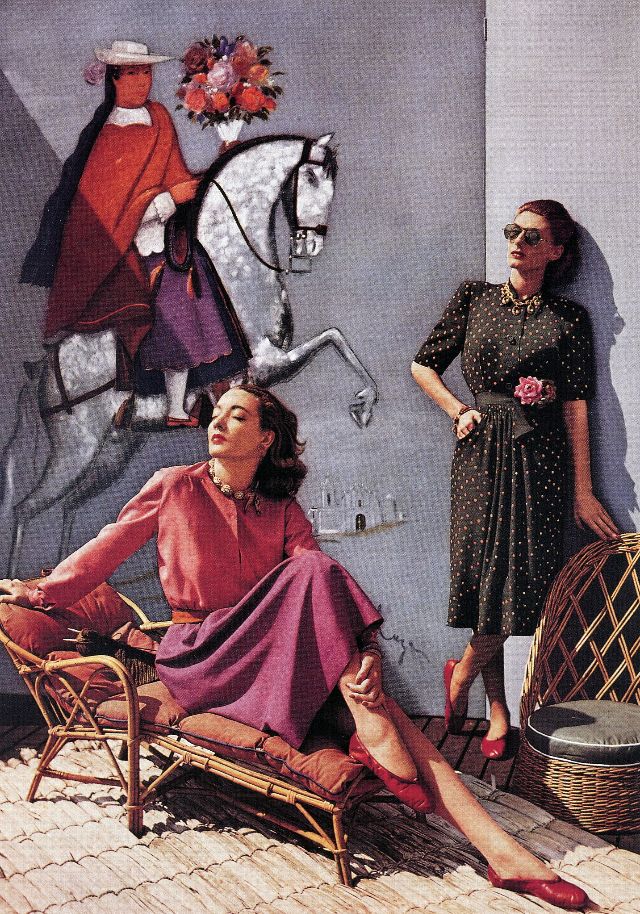
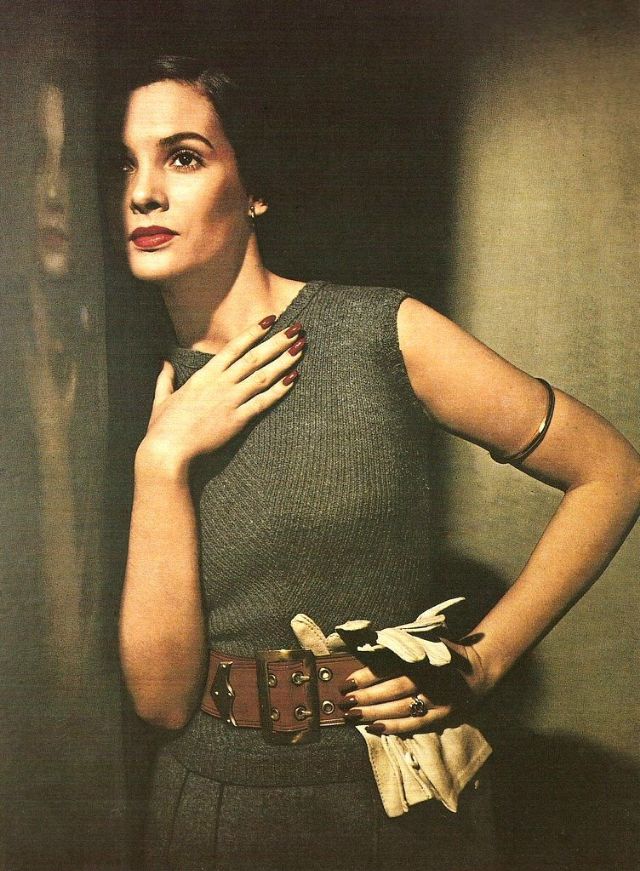
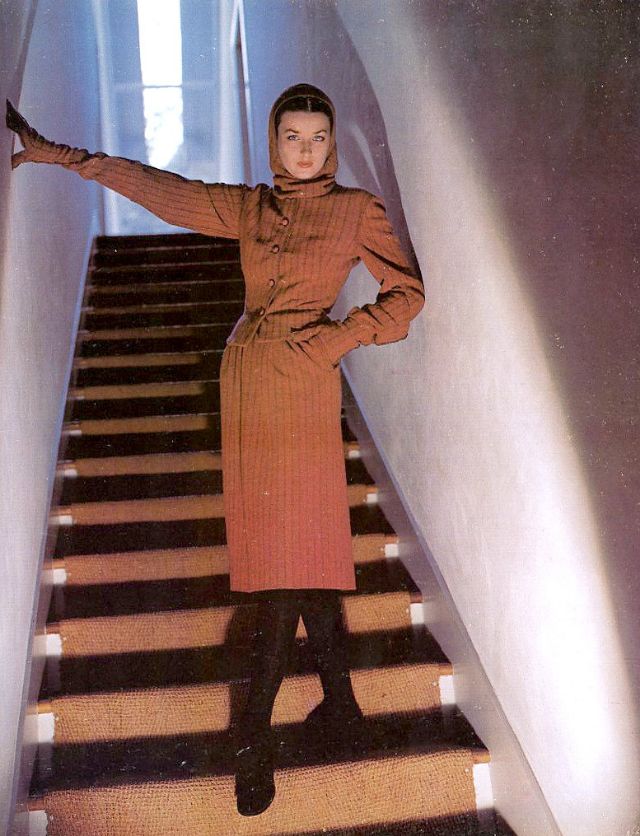
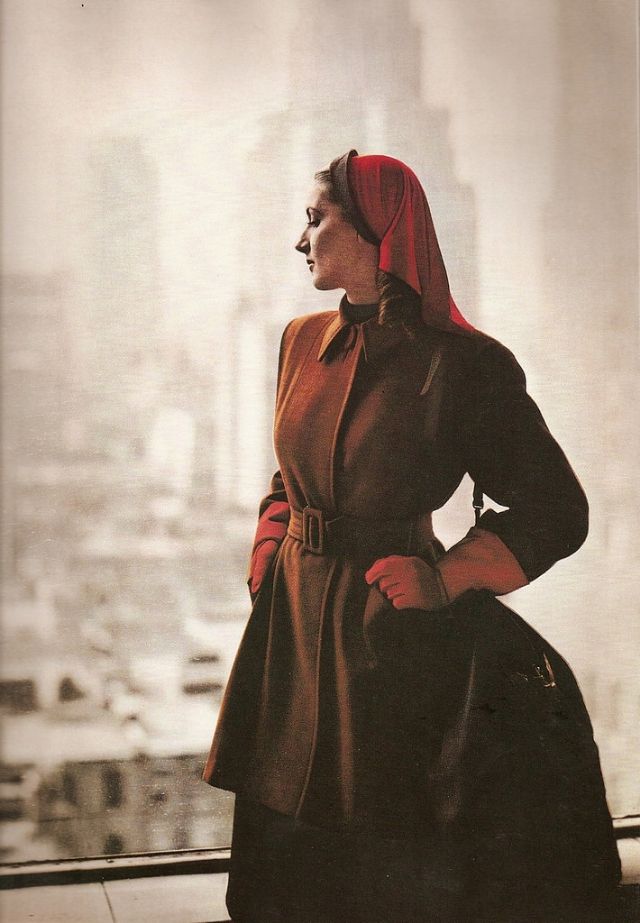
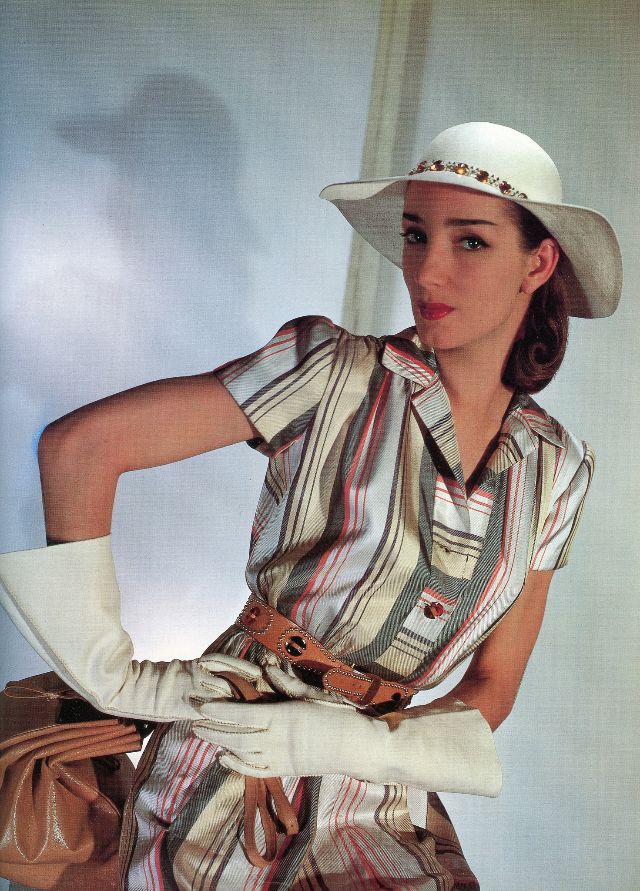
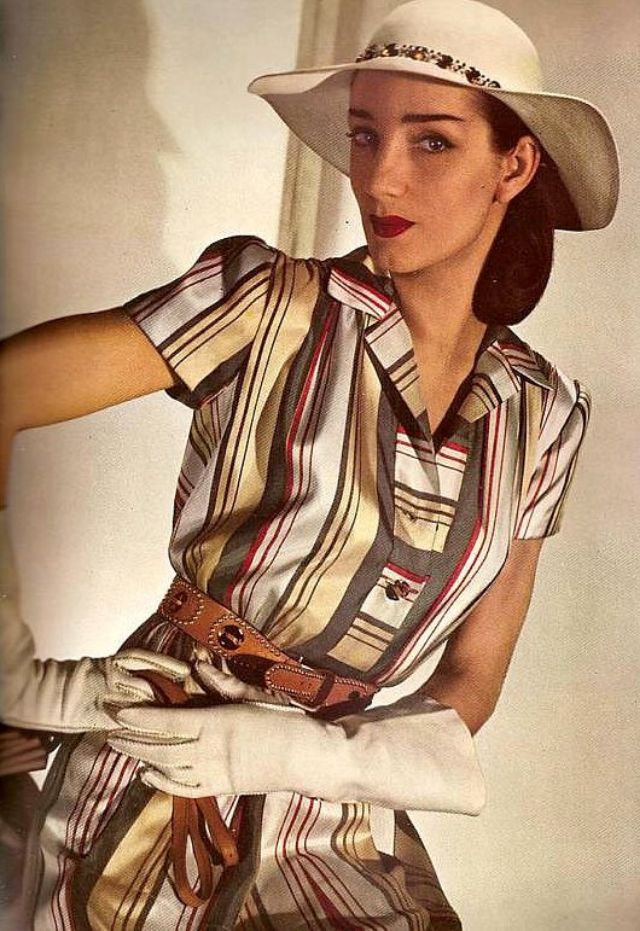
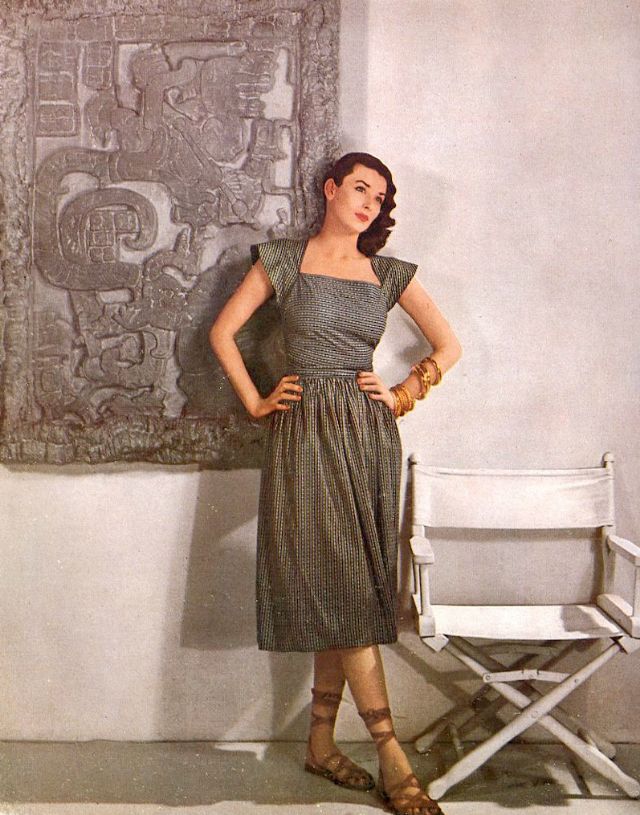
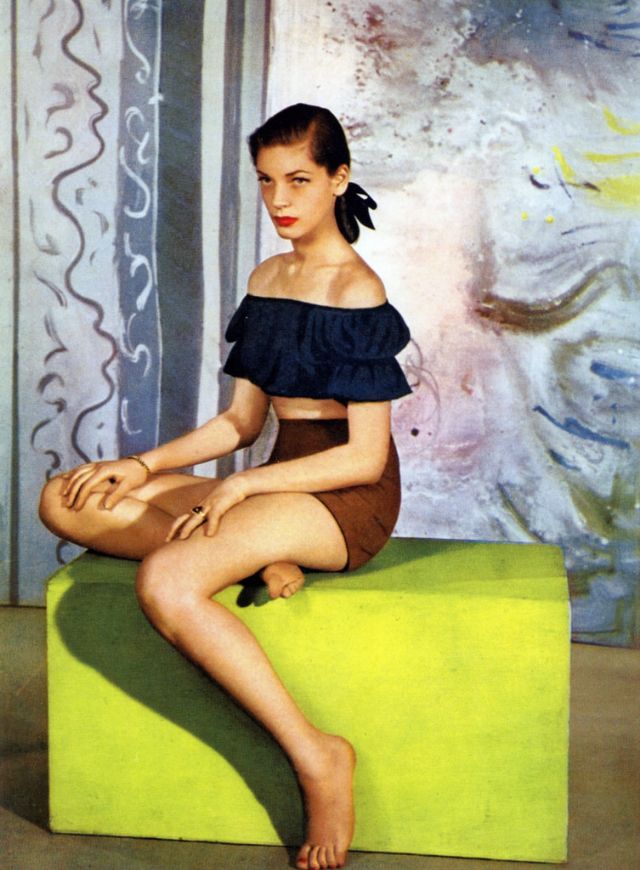
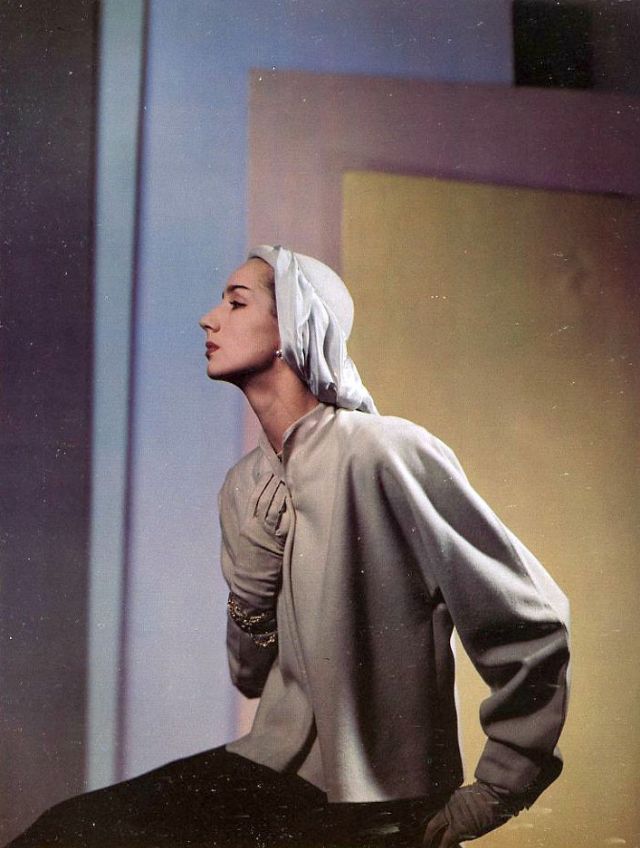
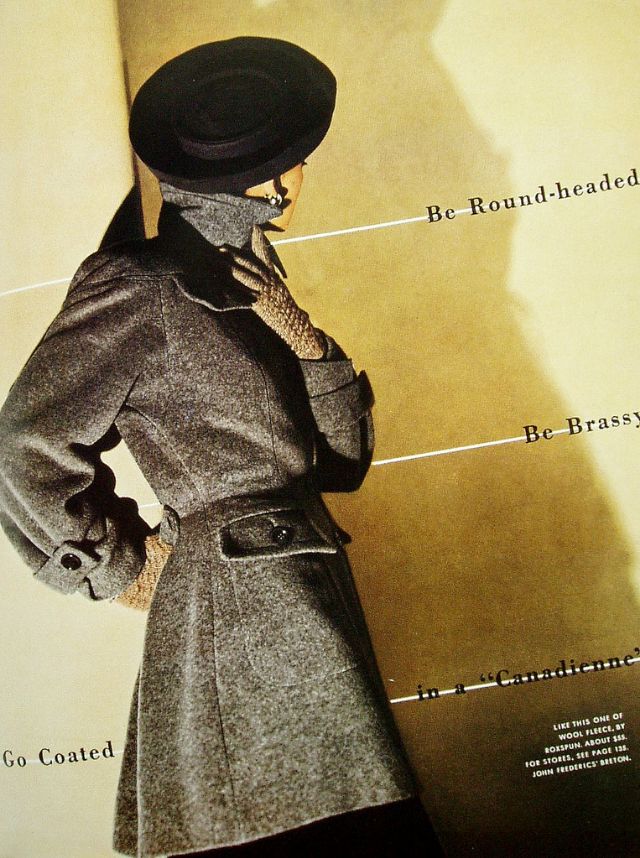
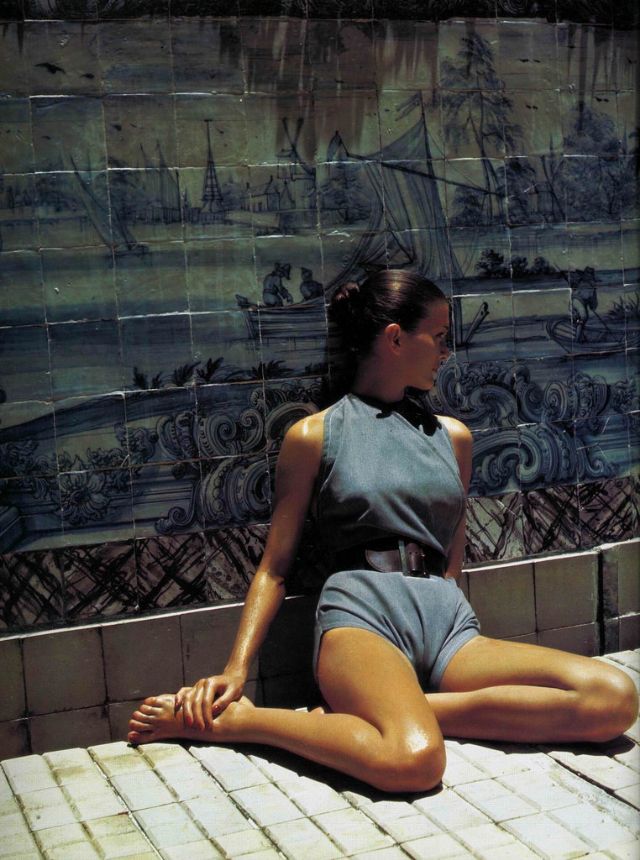
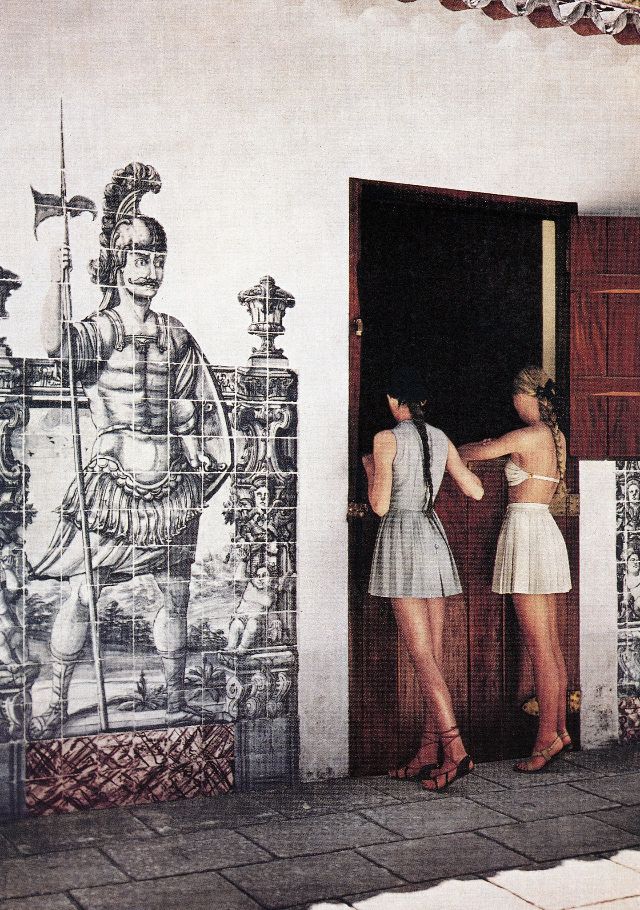
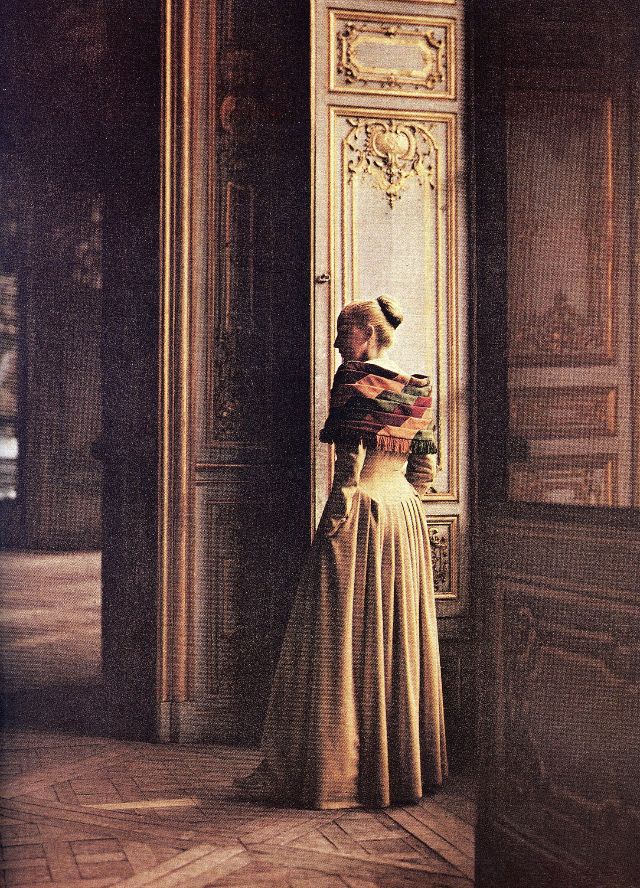
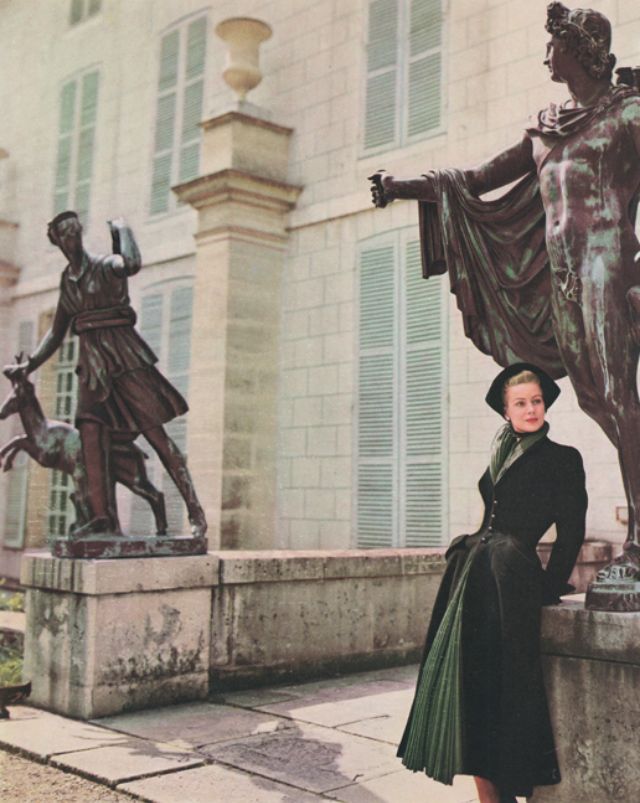
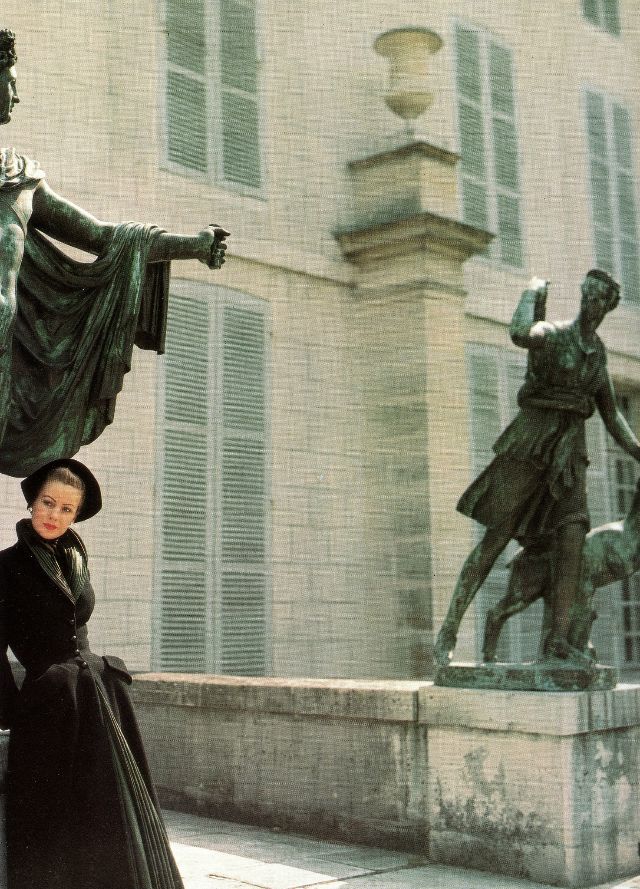
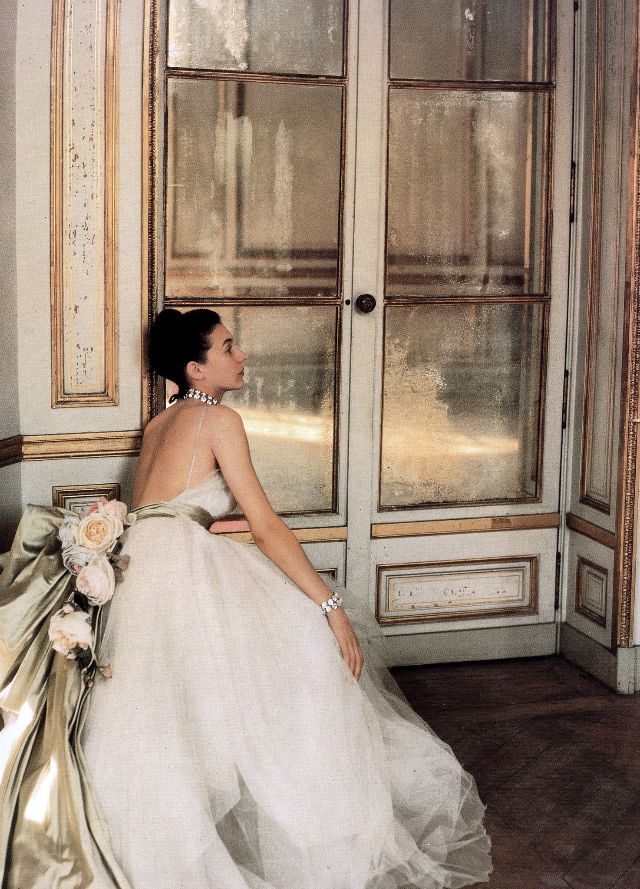
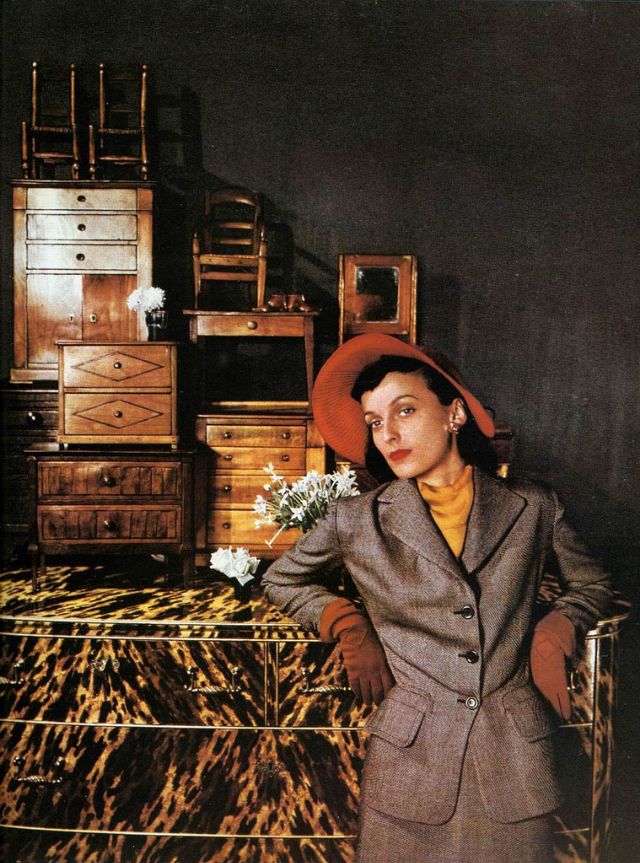
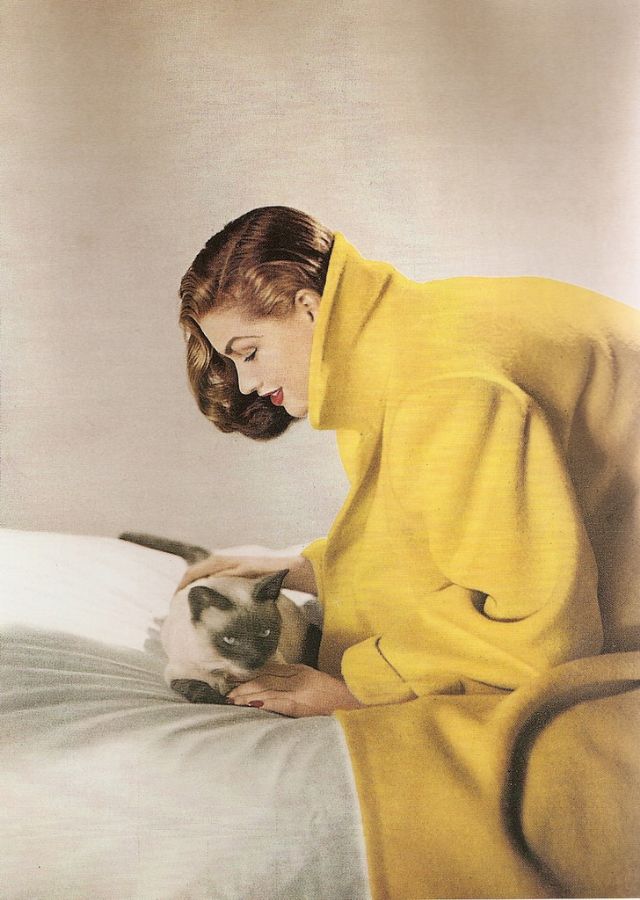
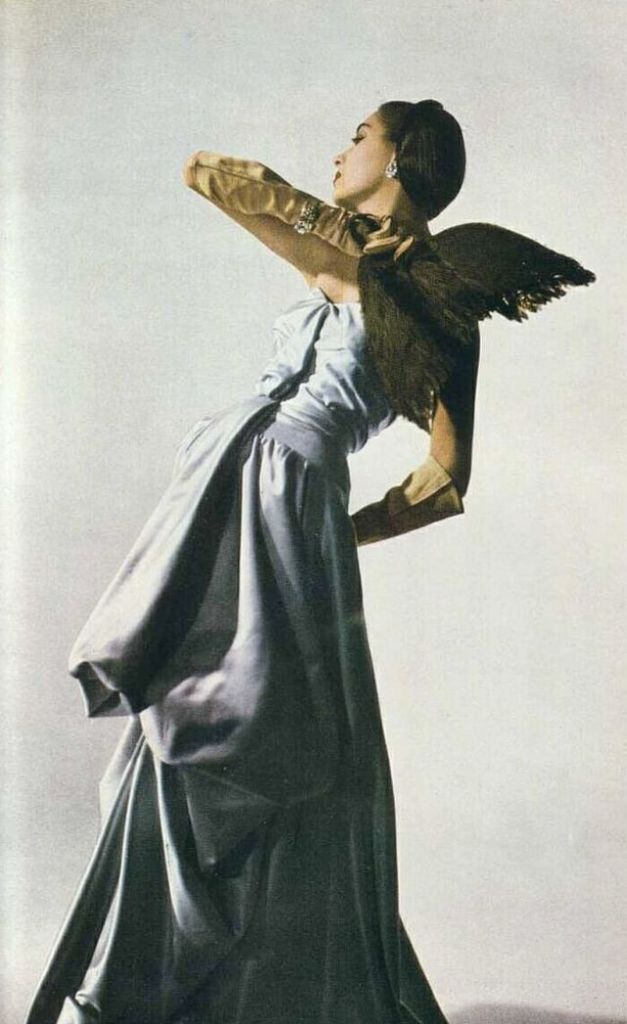
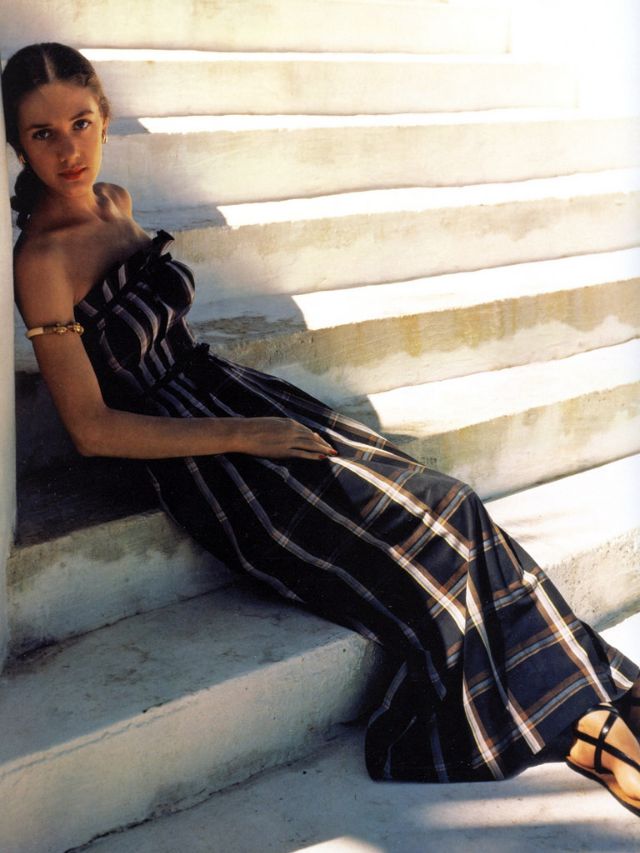
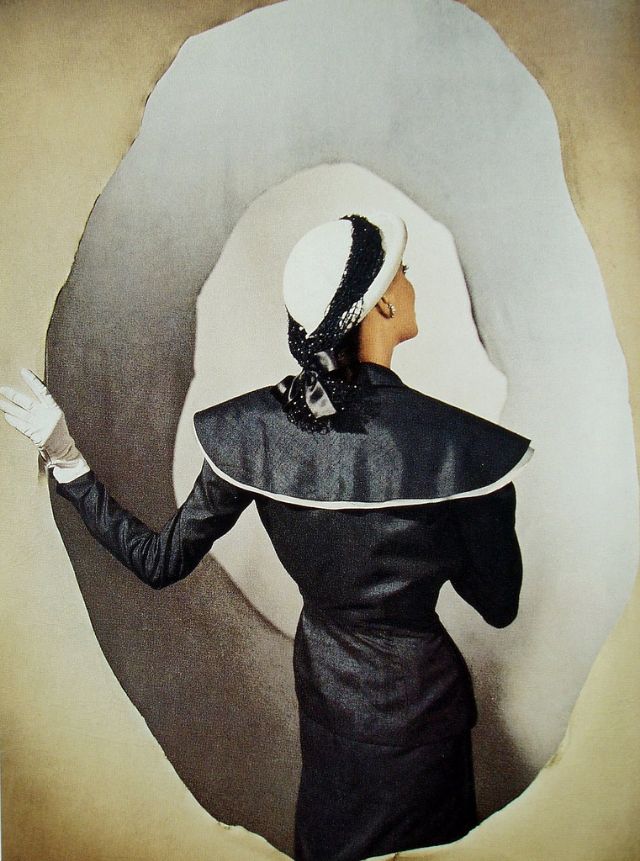
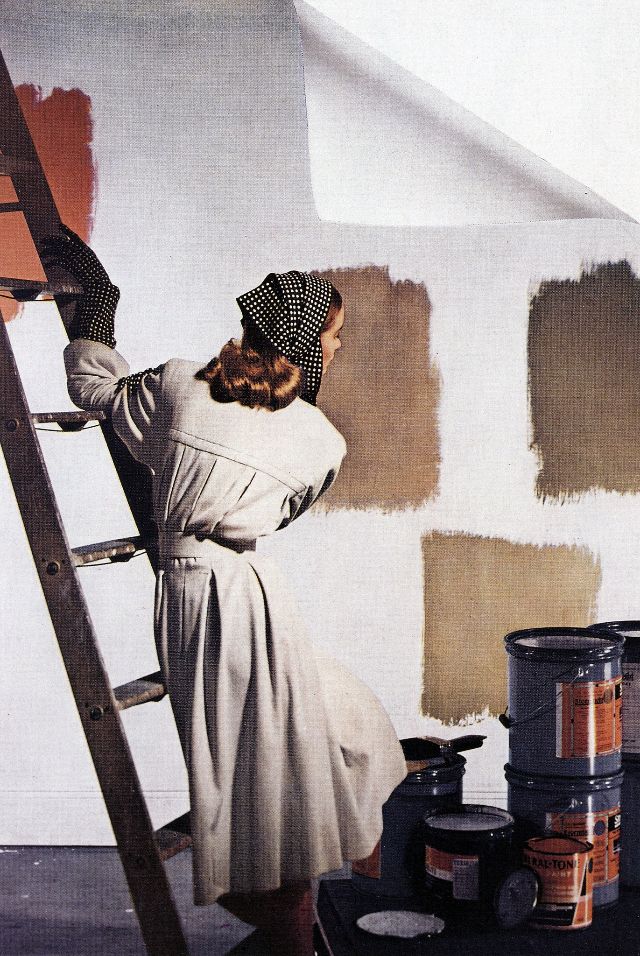
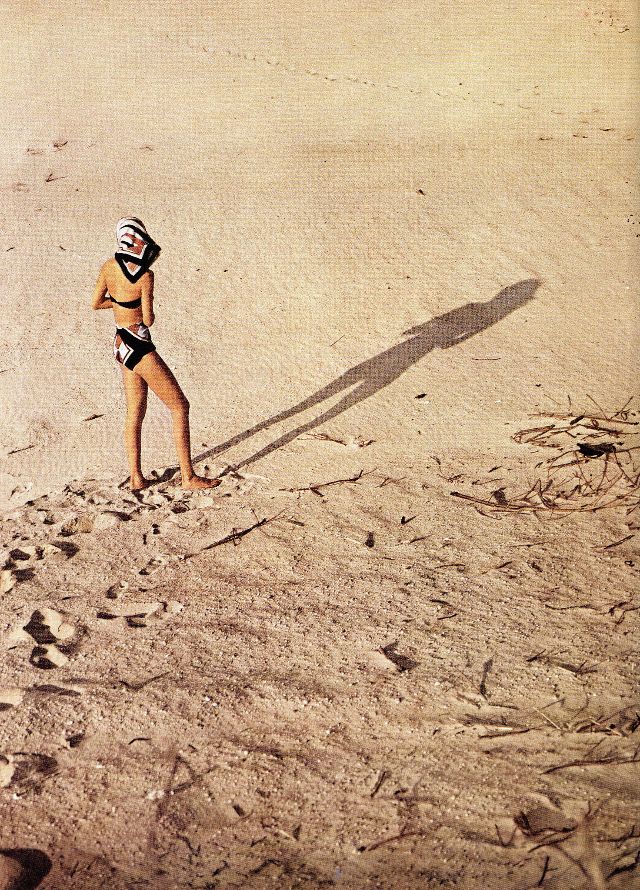
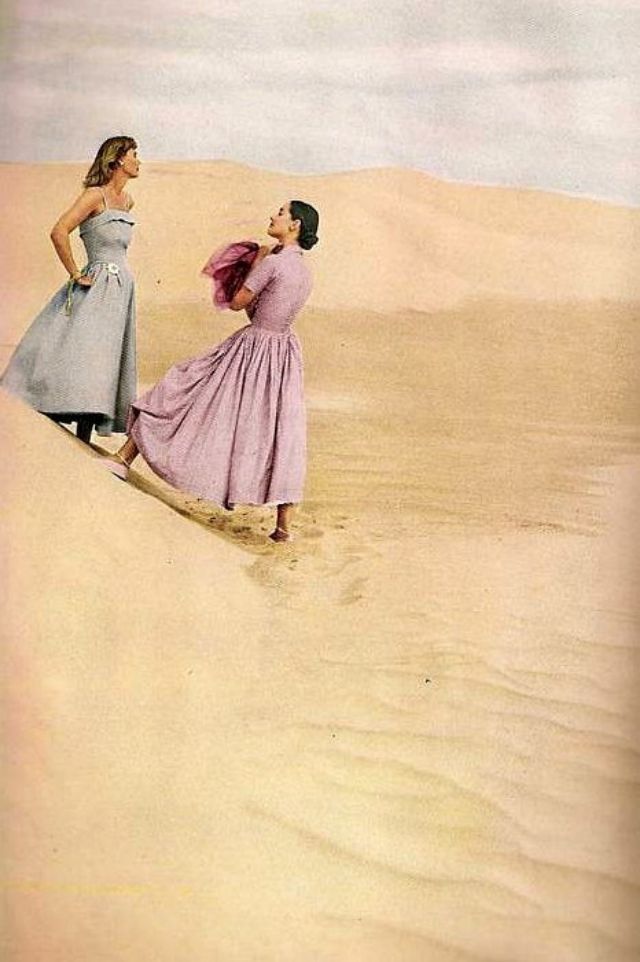
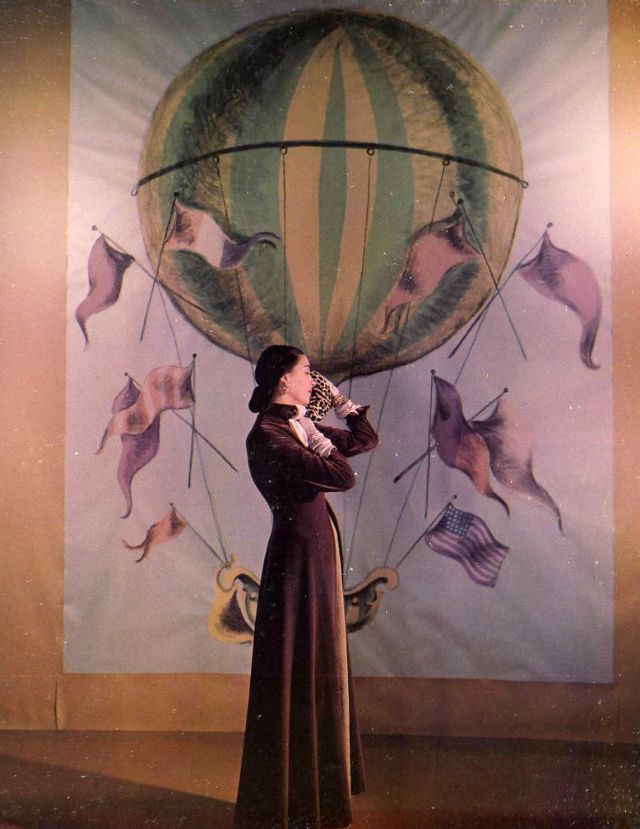
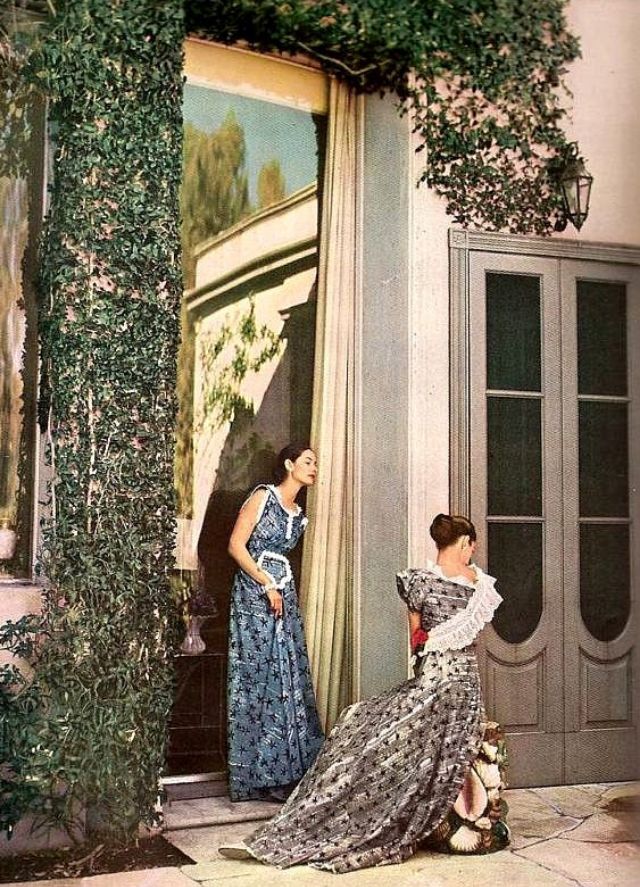
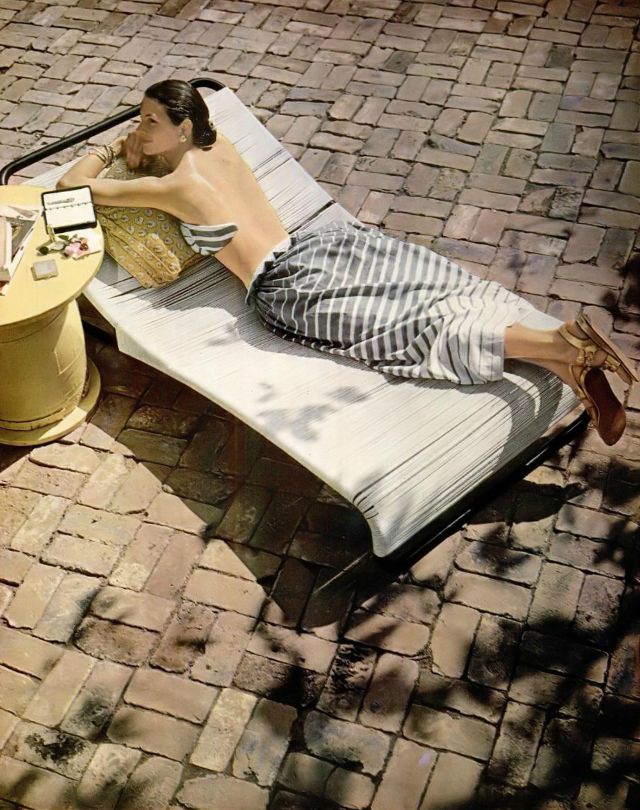
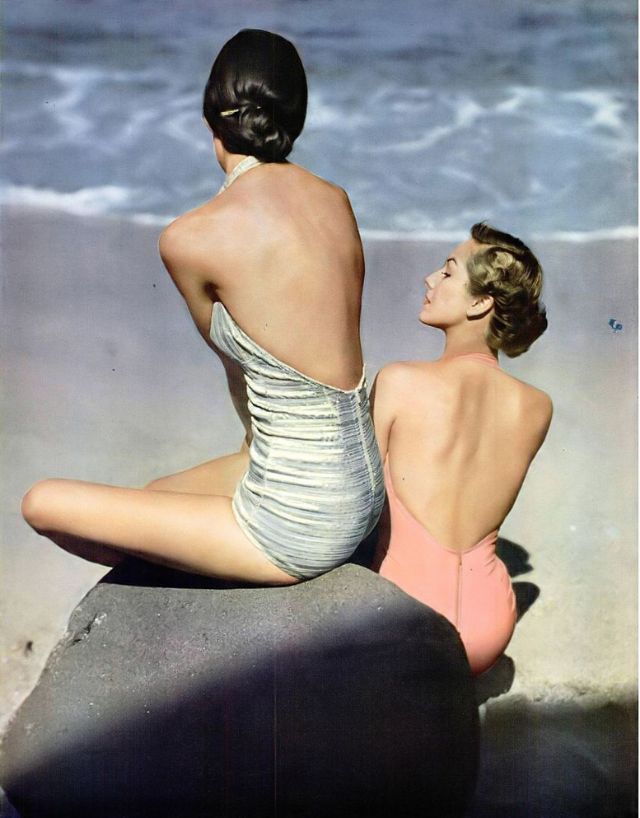
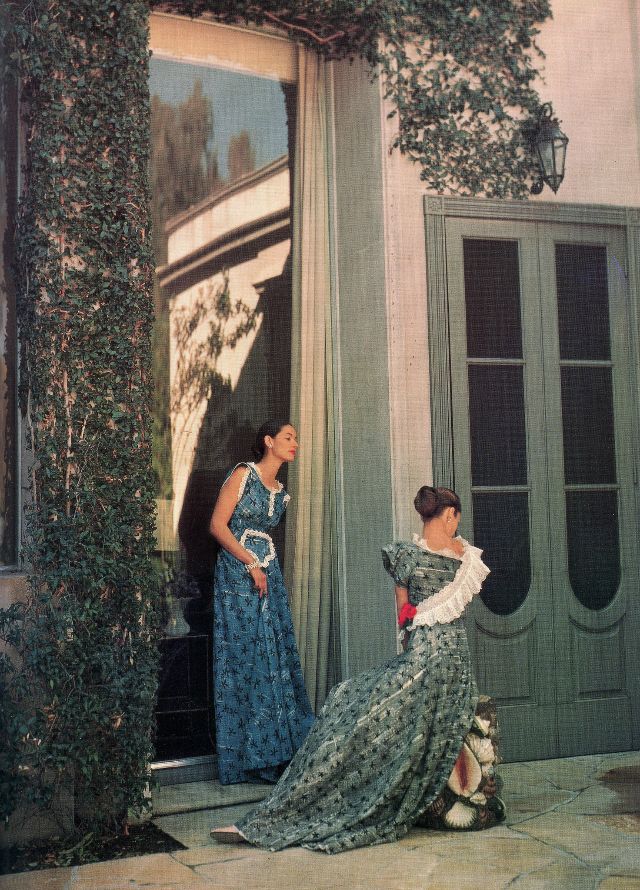
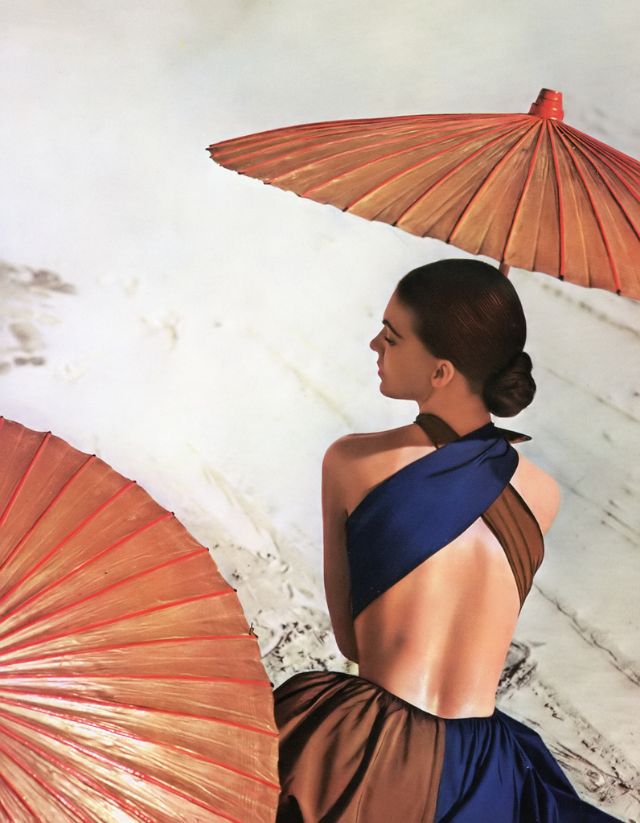
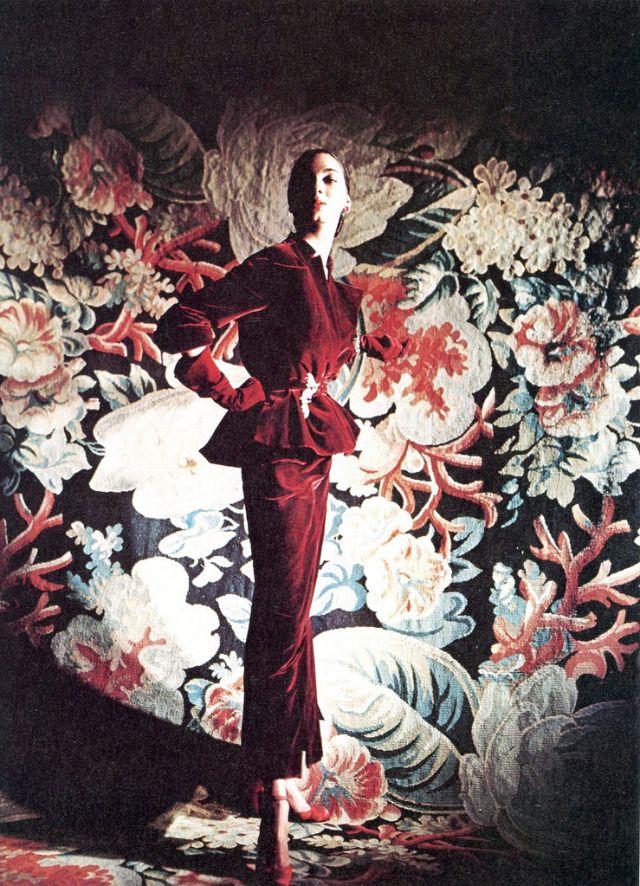
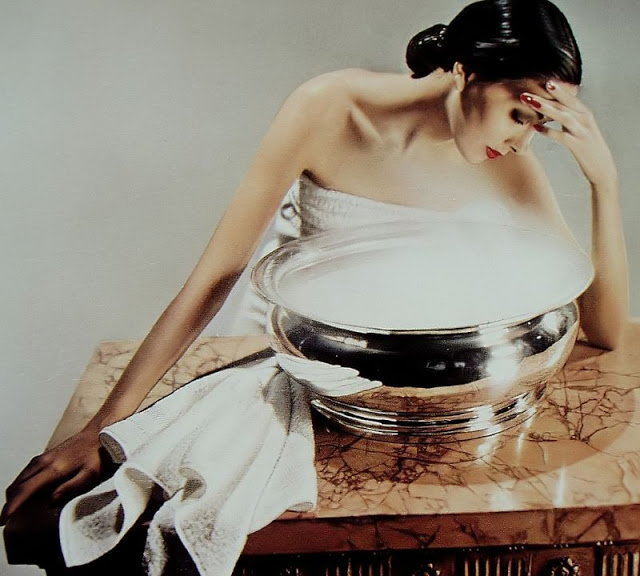
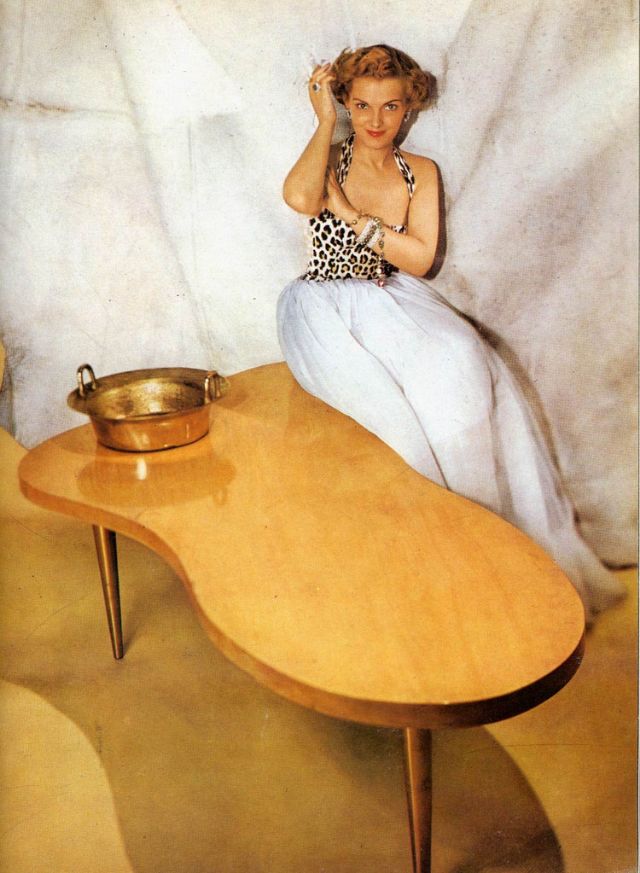
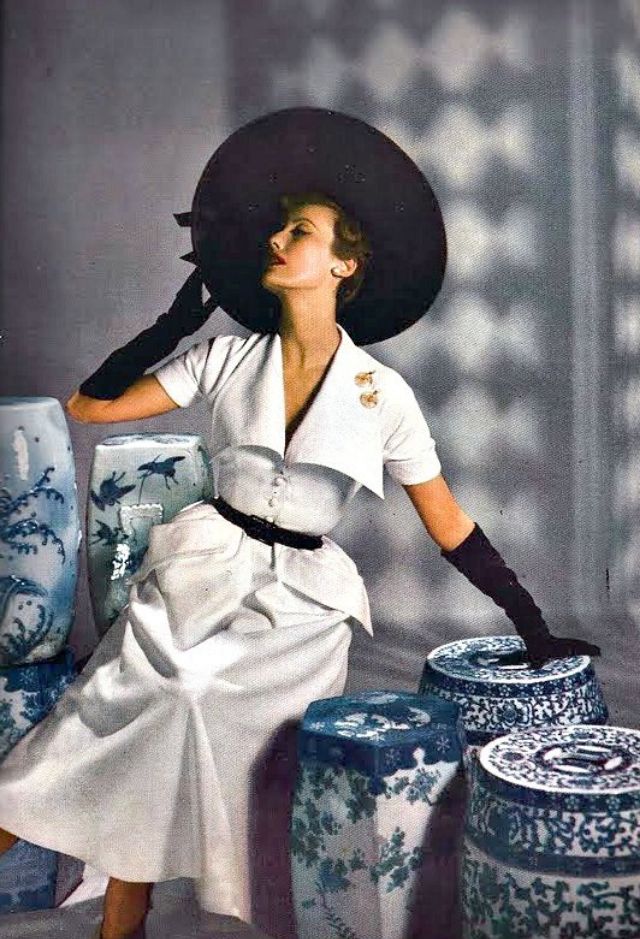
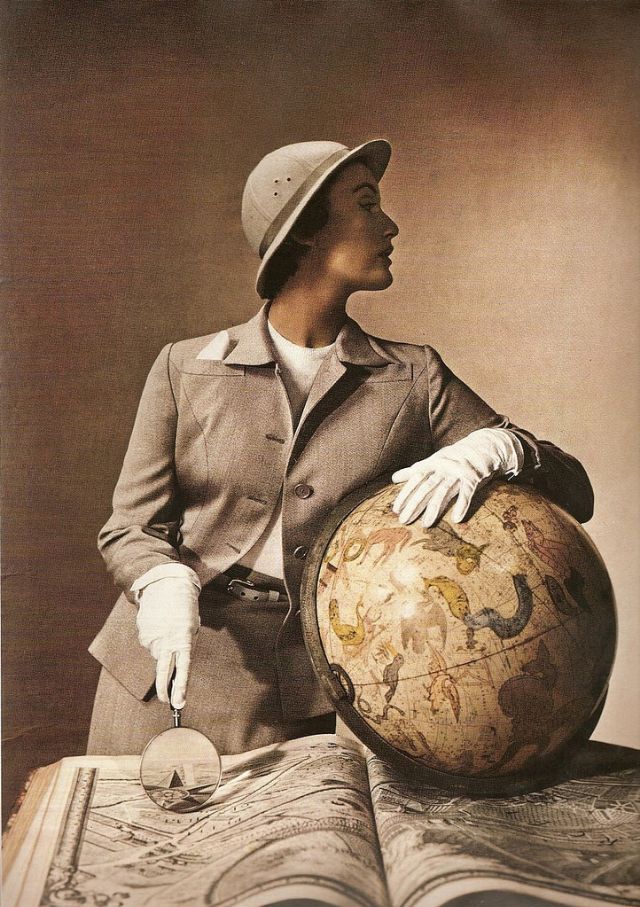
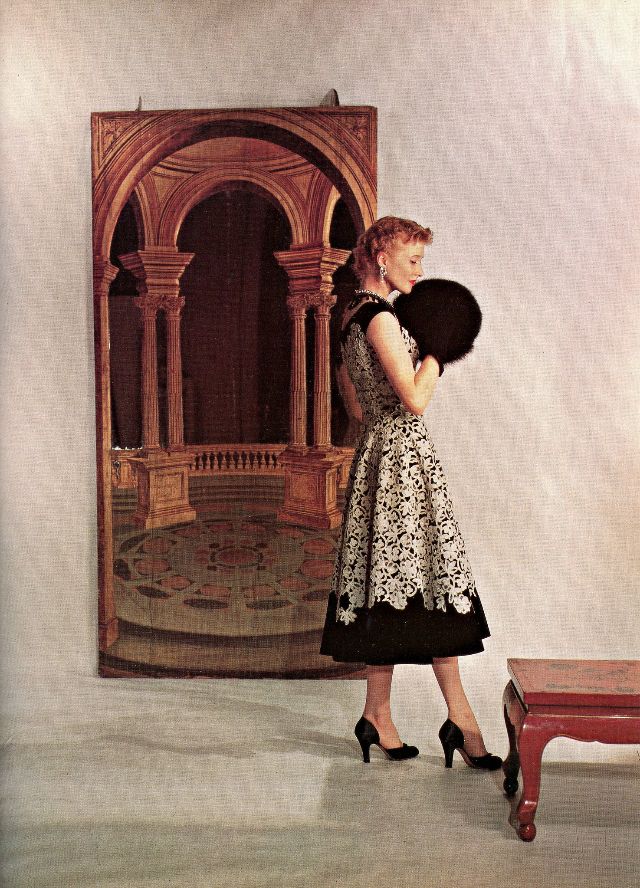
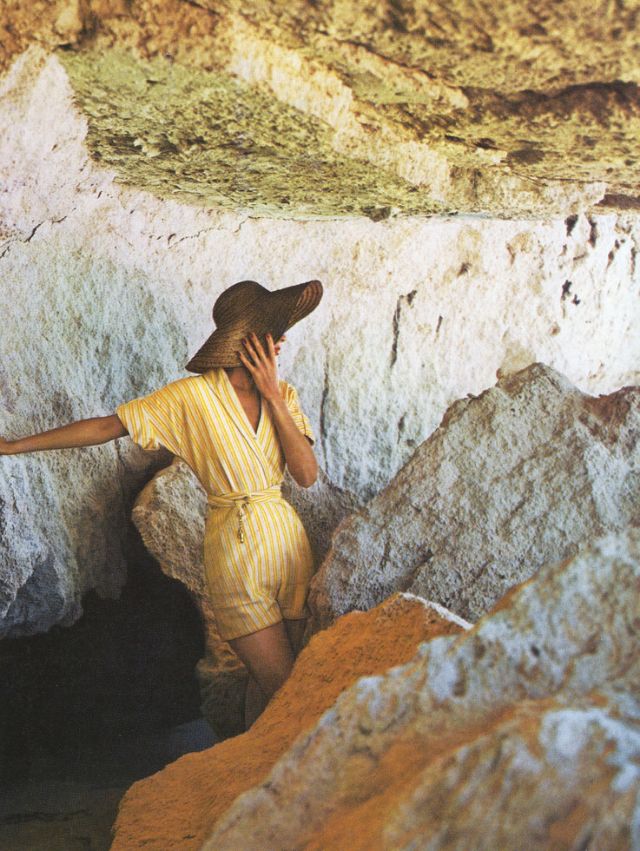
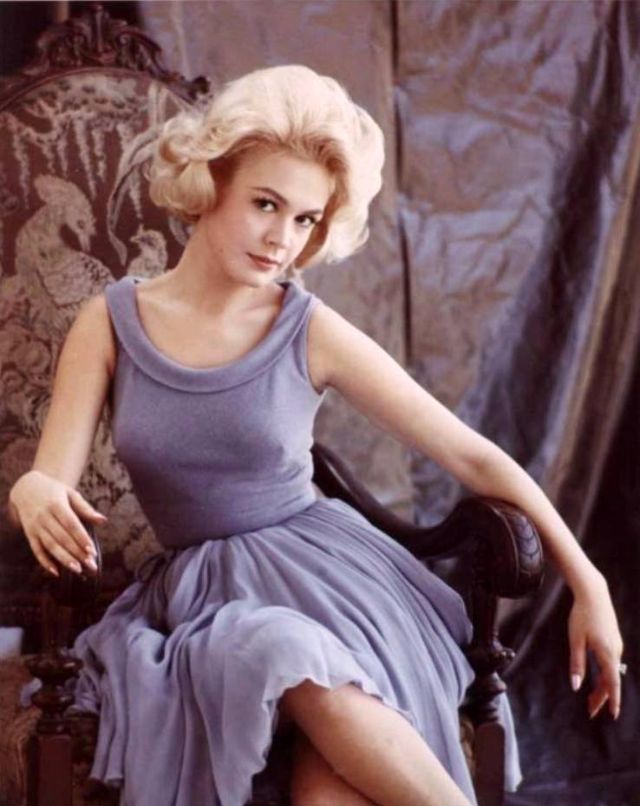
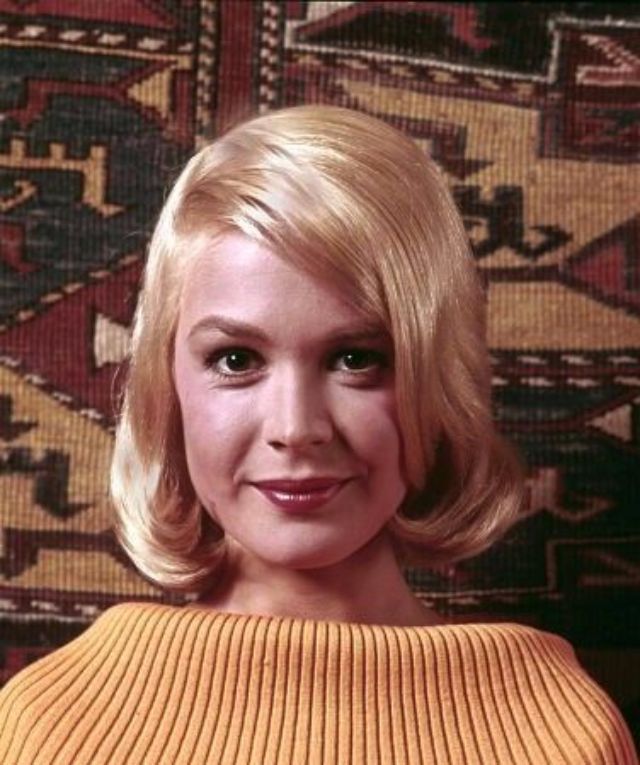
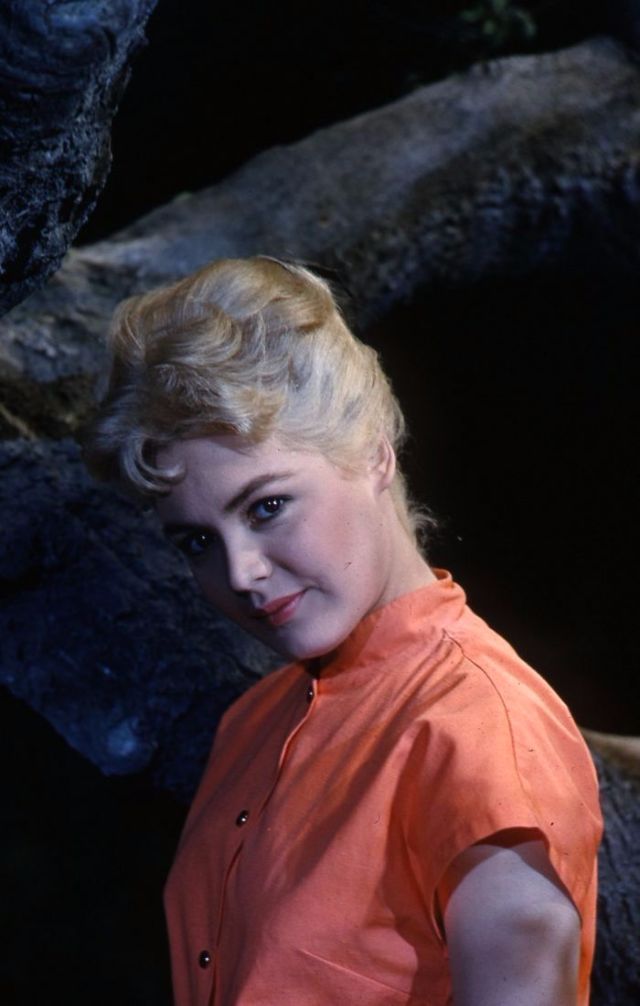
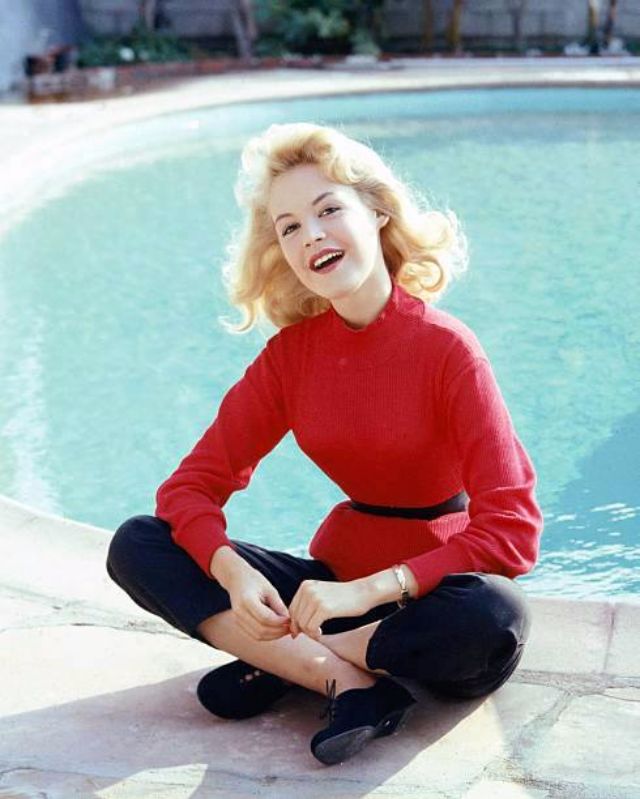
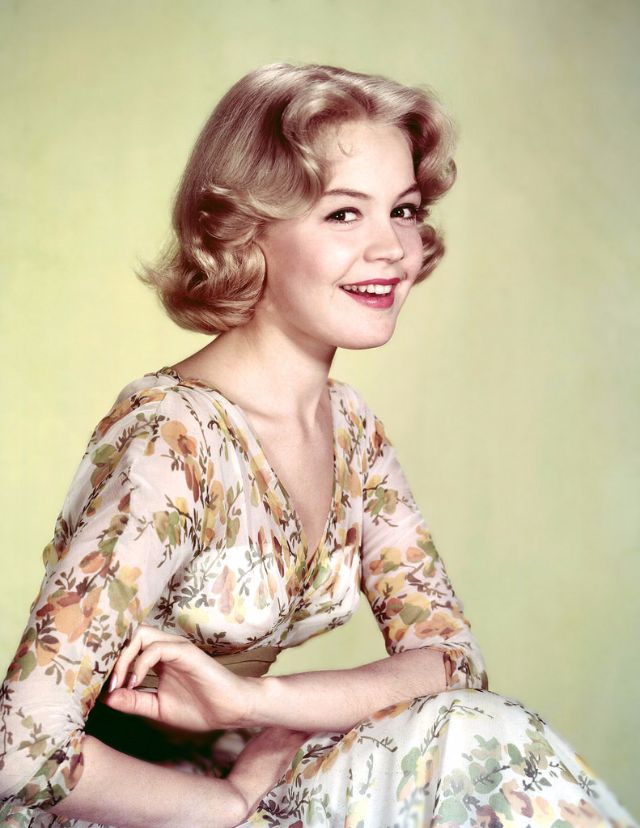
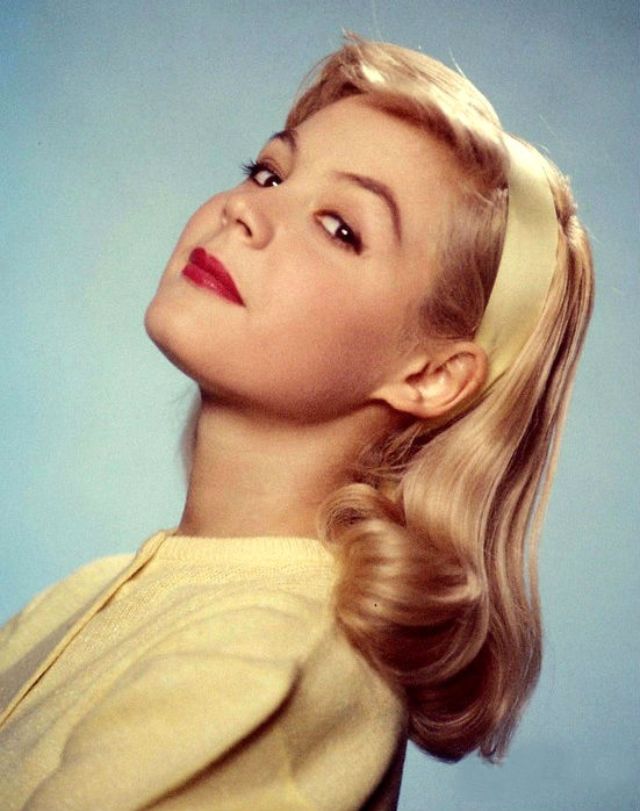
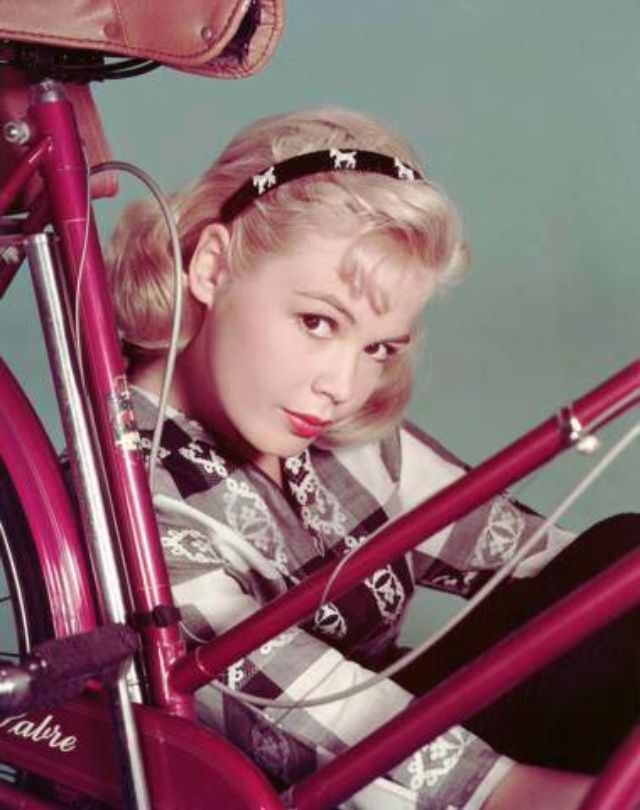
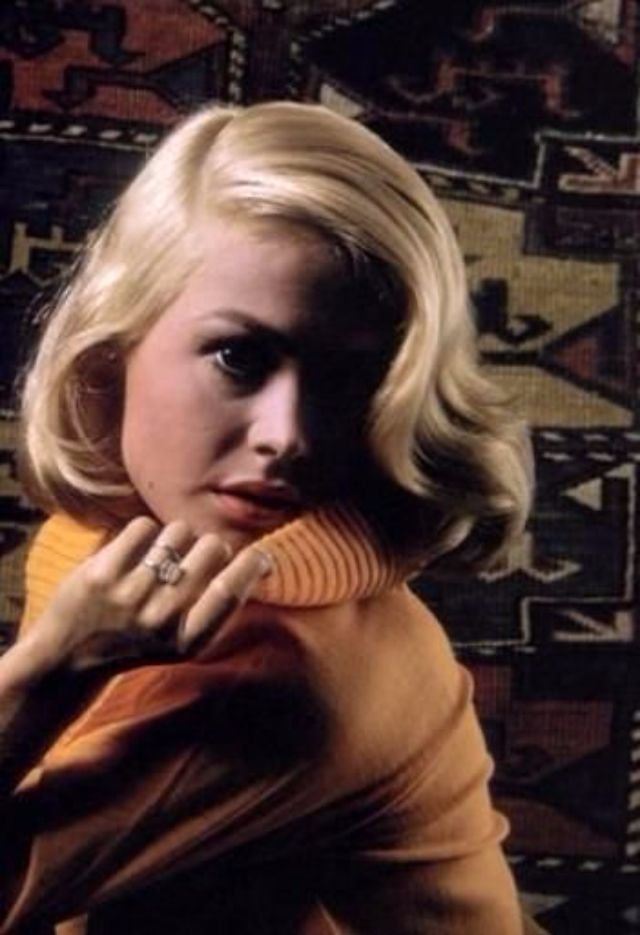
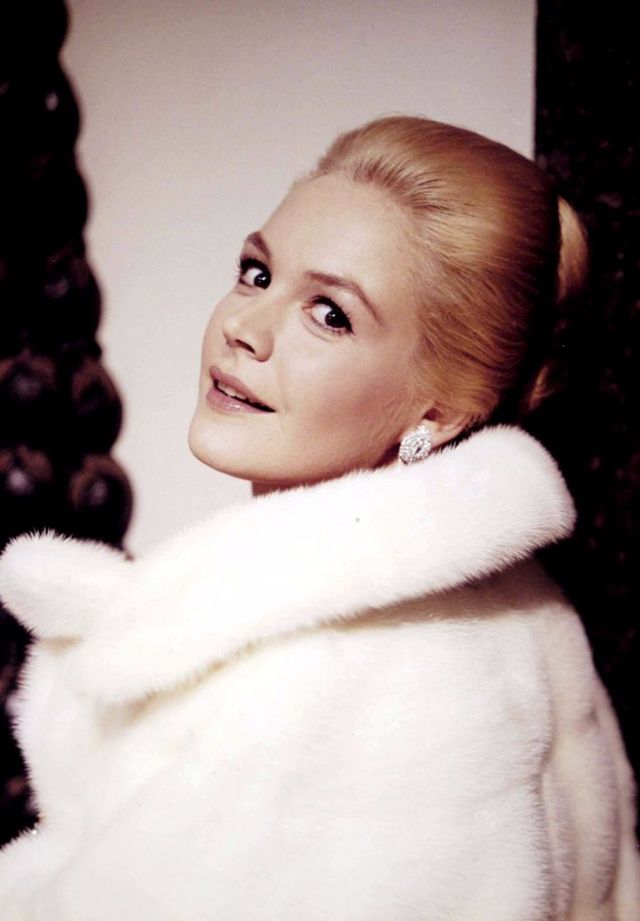
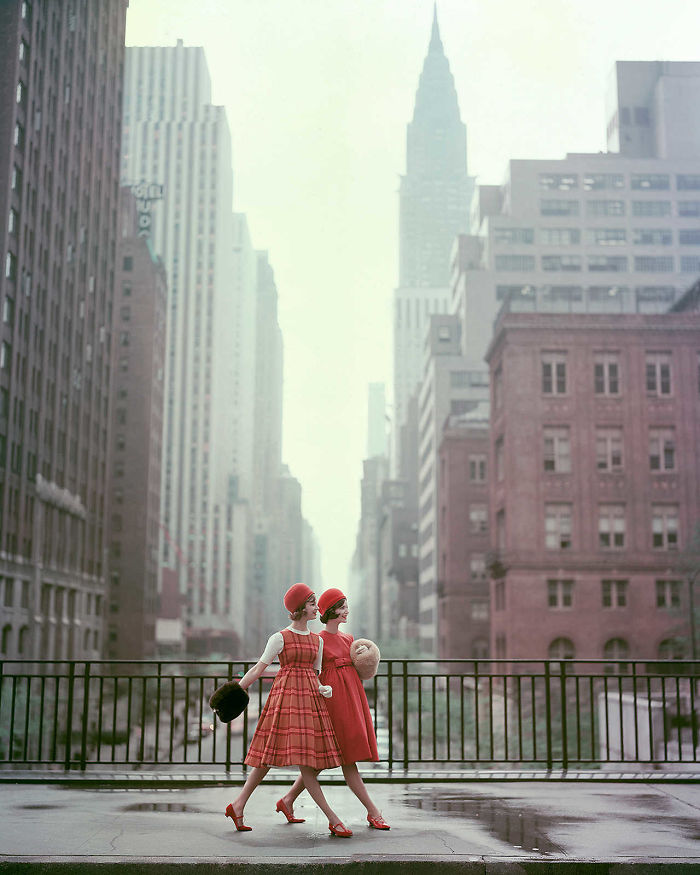
Born in San Francisco, Louise Dahl-Wolfe (1895-1989) worked as a staff photographer for Harper’s Bazaar from 1936 through 1958. She introduced a witty, relaxed, and natural aspect to fashion photography and, in the process, helped “define the post-war look of American women.”
Dahl-Wolfe also made memorable portrait photographs of leading figures from politics and the arts, “discovered” a teenage Lauren Bacall, and was a pioneer in the technique of color photography.
Dahl-Wolfe’s work was shown in important touring exhibitions, and she had several retrospectives. In 1989 Dahl-Wolfe received an honorary doctorate from Moore College of Art in Philadelphia, the first women’s art college in the United States; her work is often cited as a significant influence on later photographers, notably Richard Avedon.
“Louise Dahl-Wolfe was the definition of elegance and beauty. She led the way out of the European tradition into the supremacy of American photography.” – Richard Avedon.
“Her work was inventive and new. The things she did with her models and with color were so fresh. I always admired her: in fact I was quite jealous of her!” – Horst P. Horst.
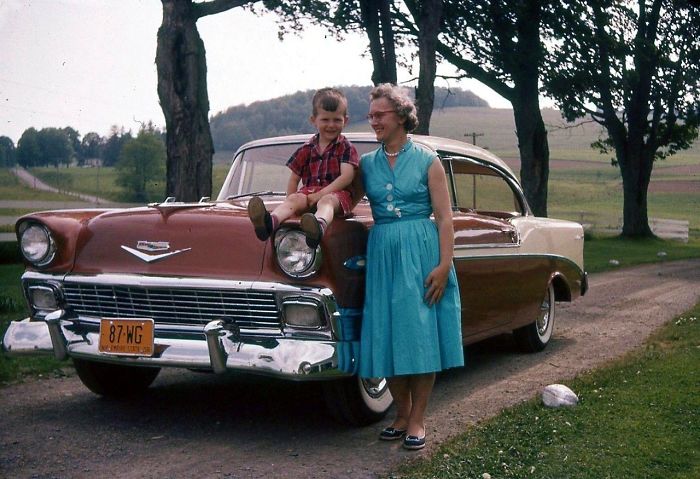
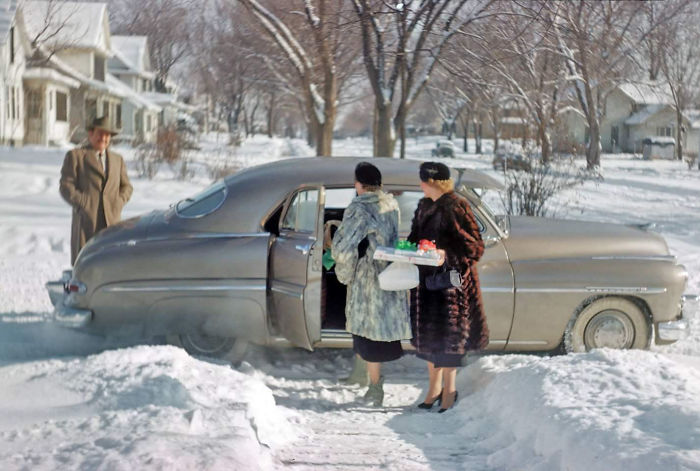
Here is a stunning photo collection from her work that defined women’s fashion in the 1940s.
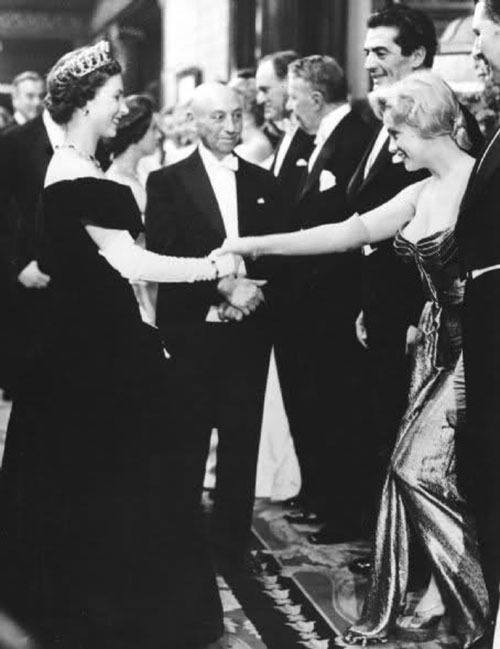
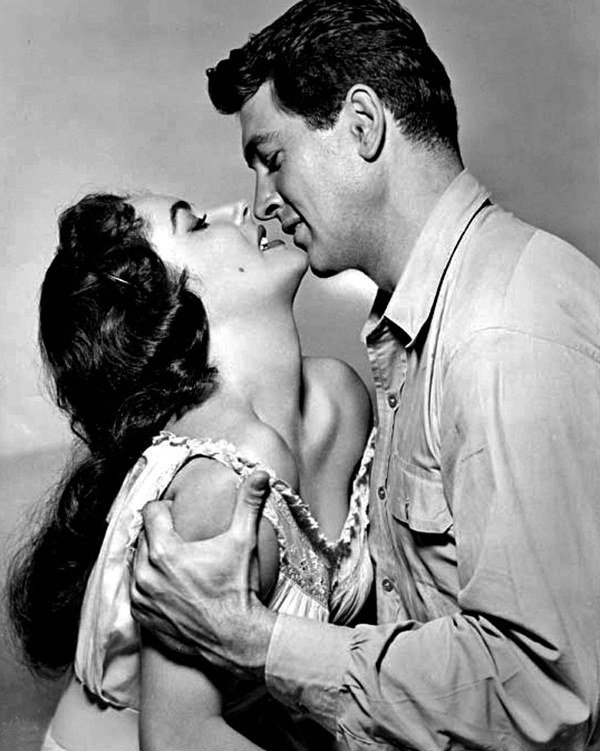
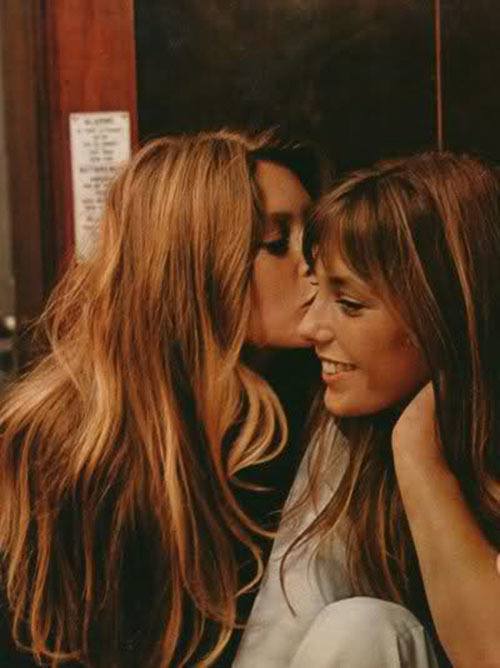
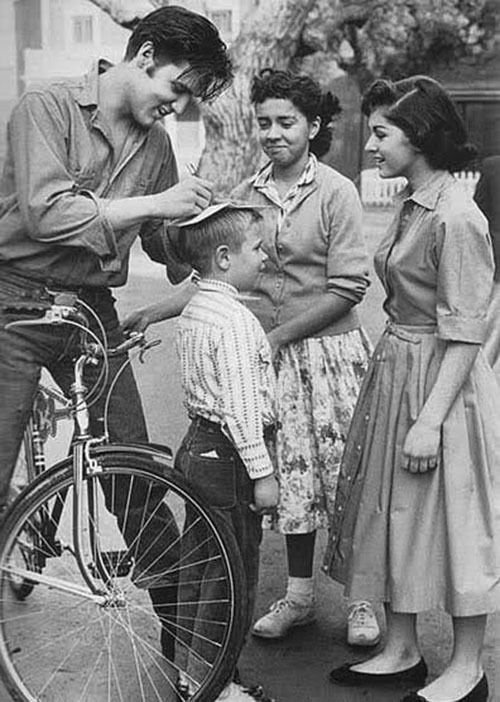
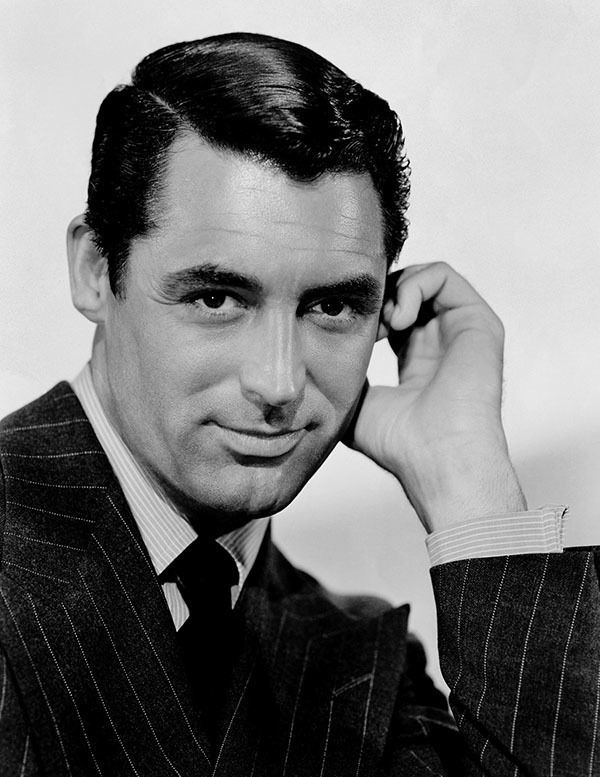
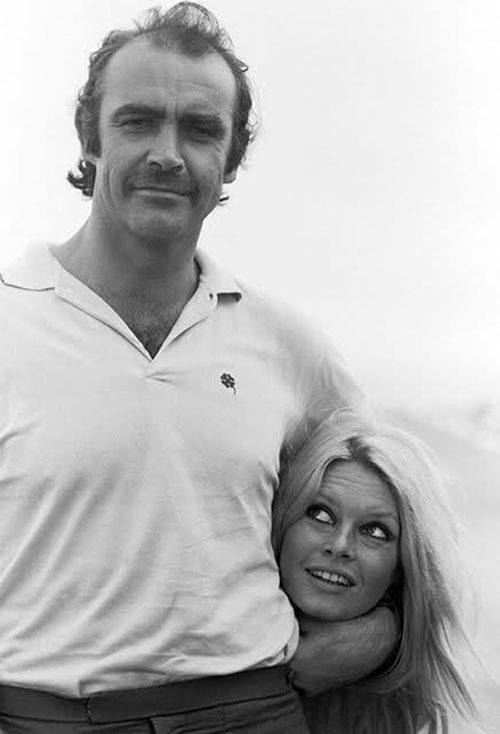
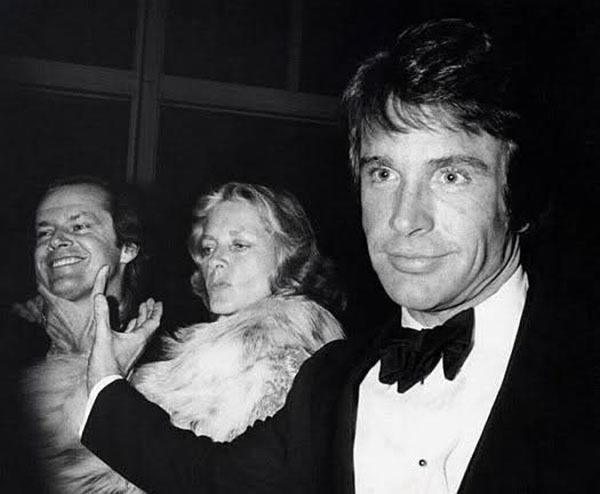
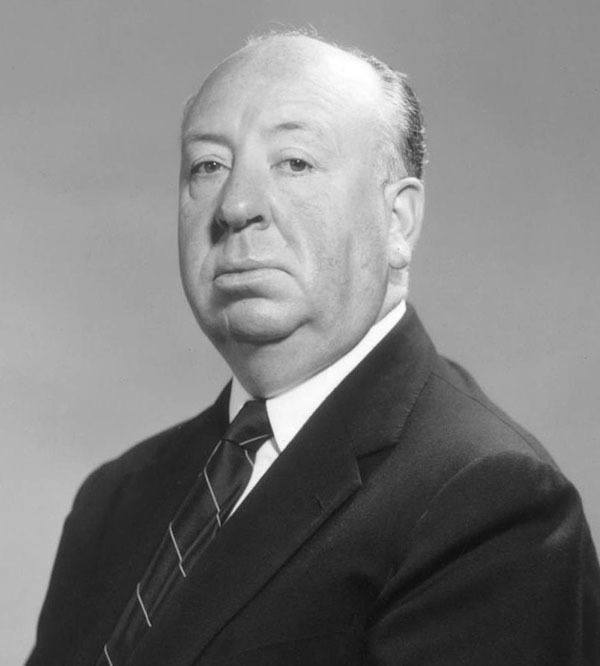
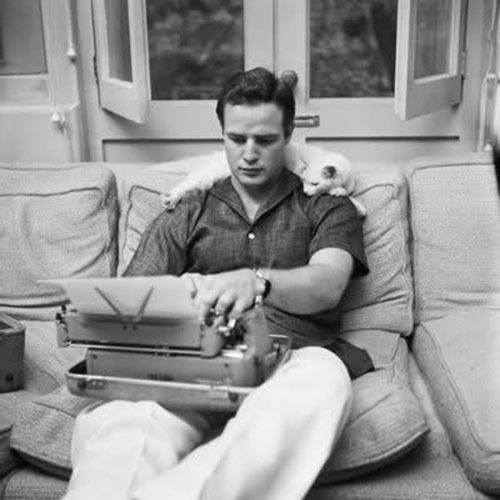
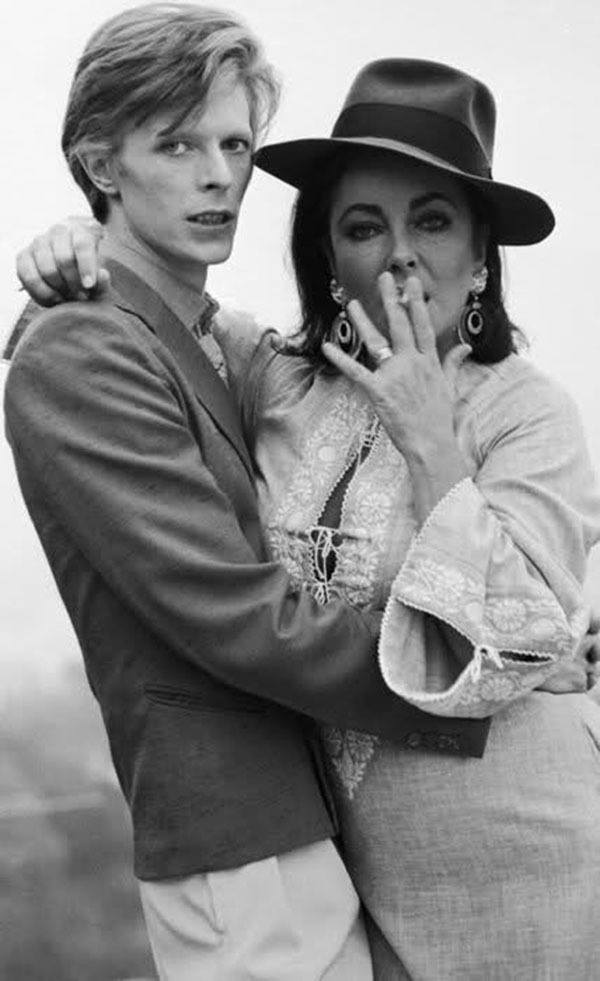
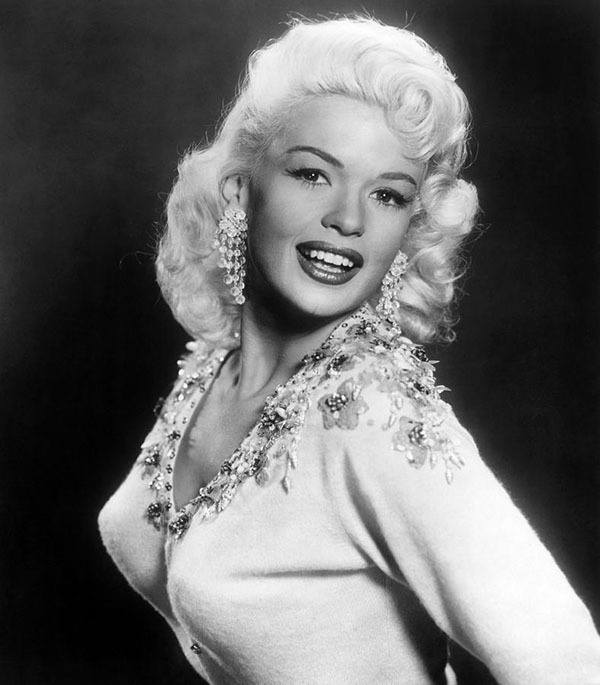
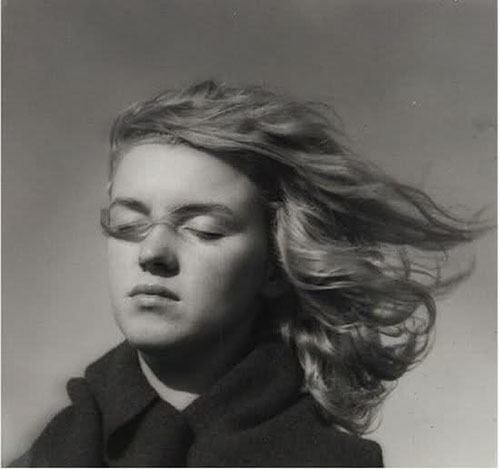
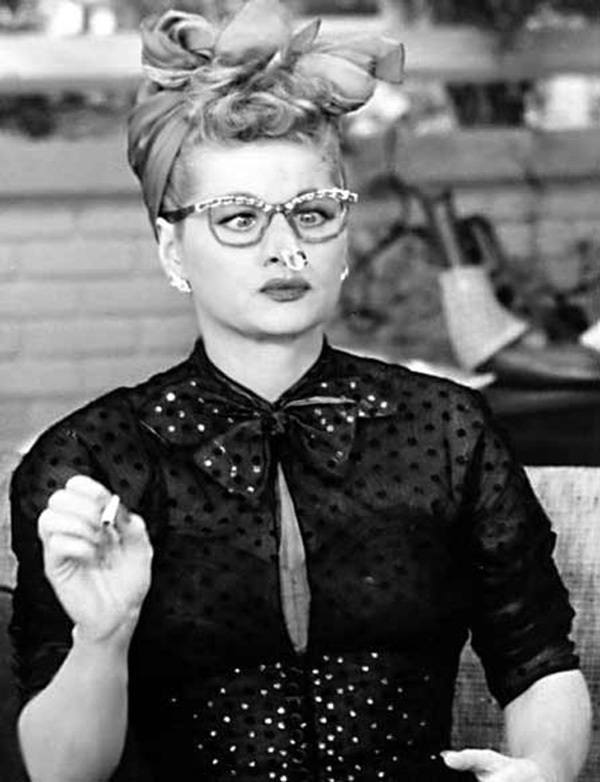
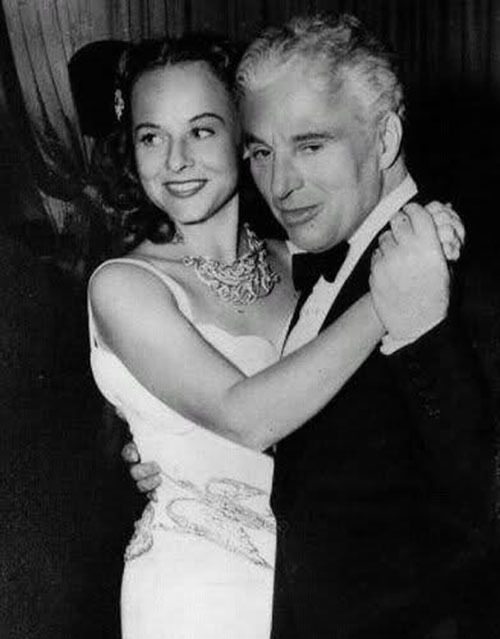
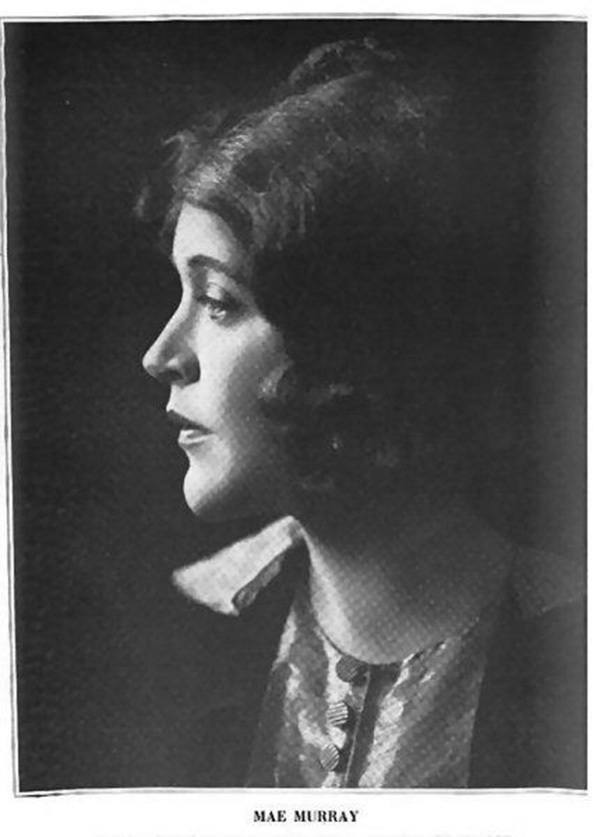
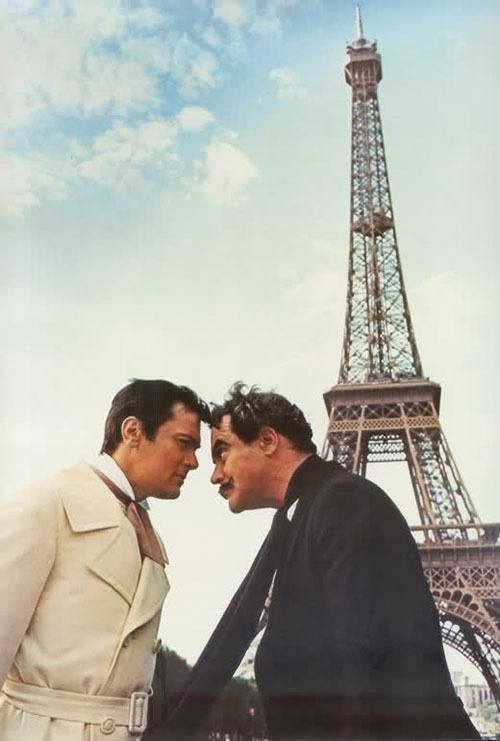
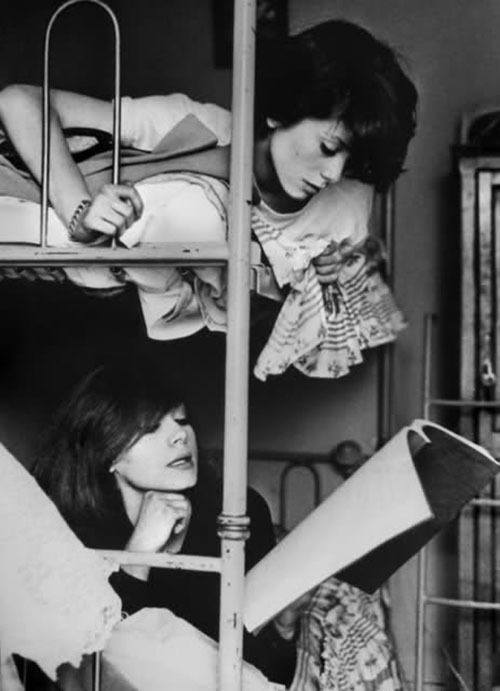
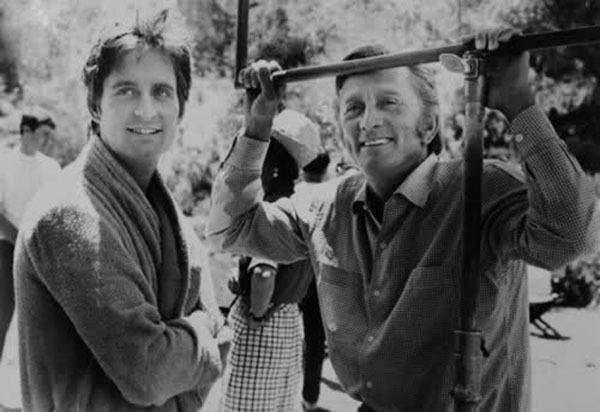
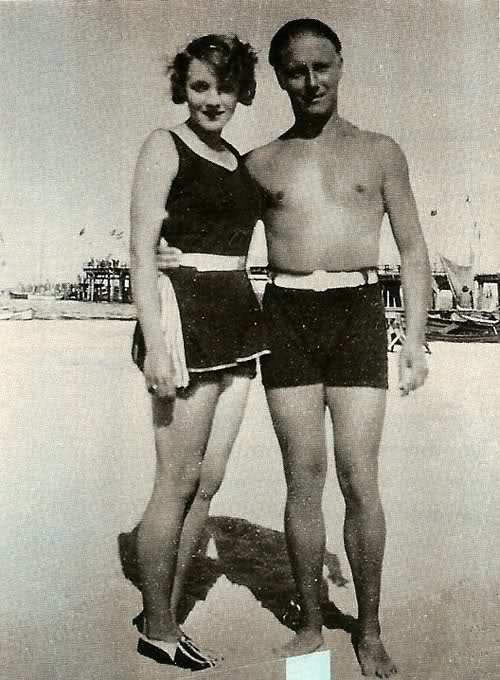
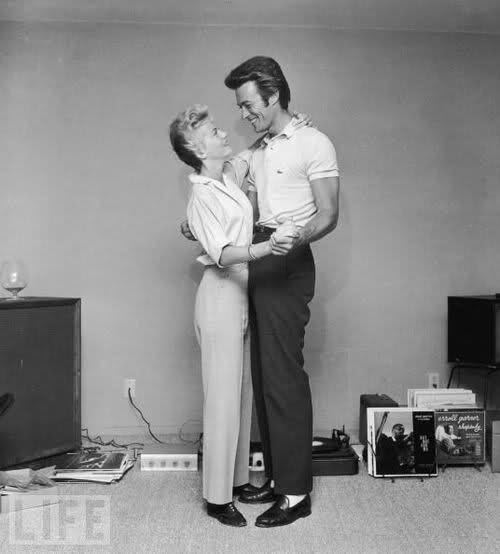
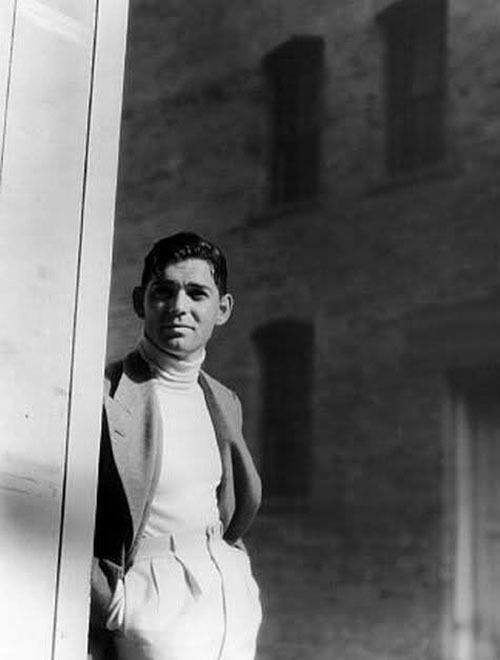
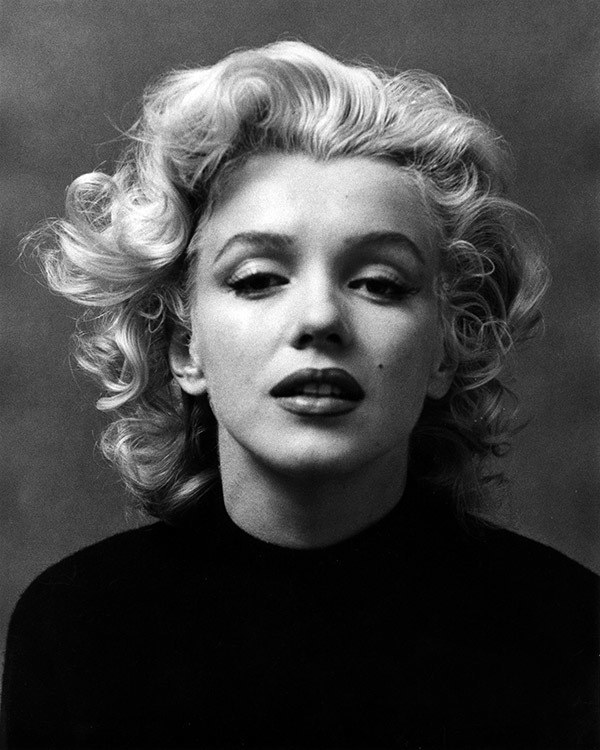
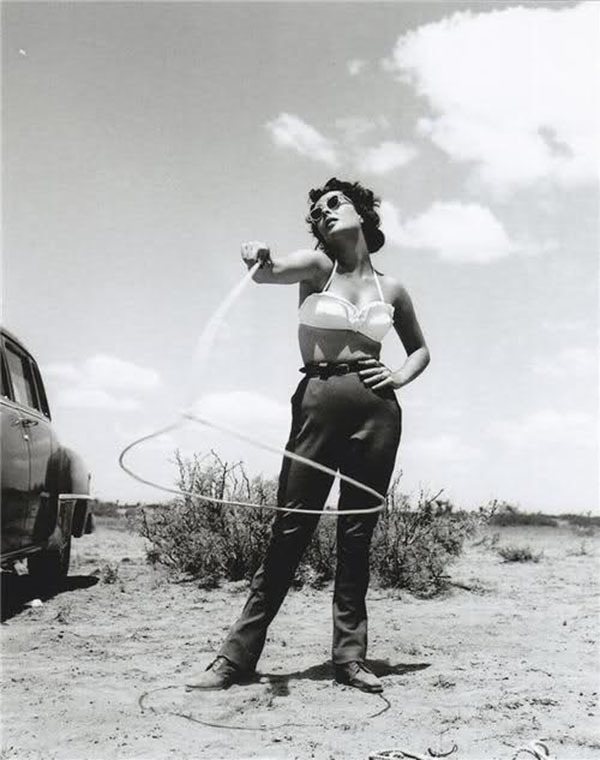
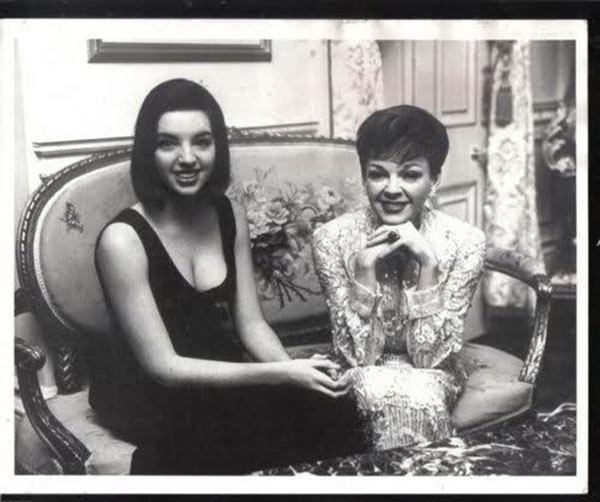
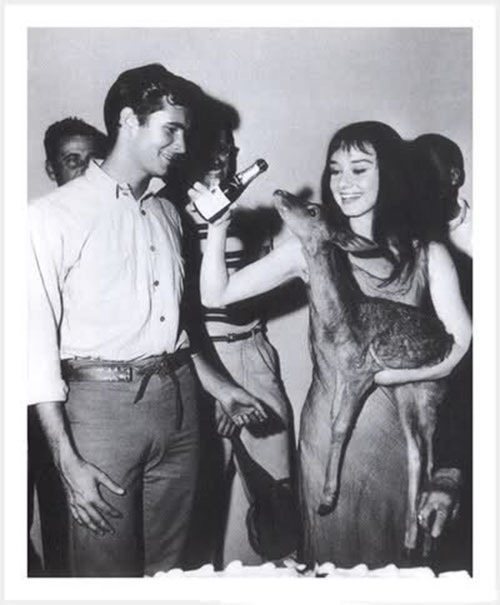
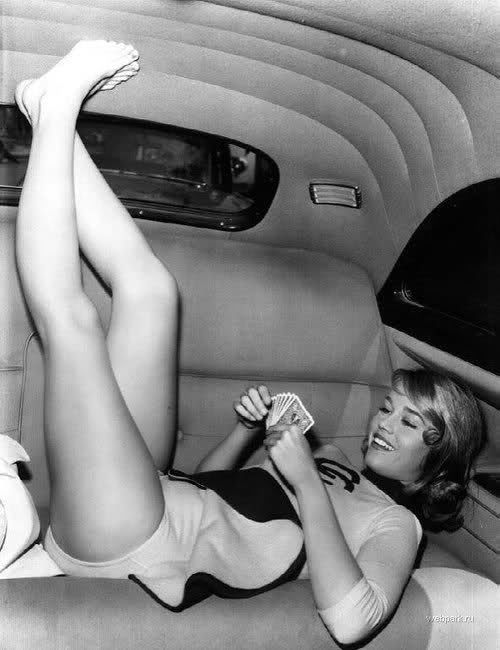
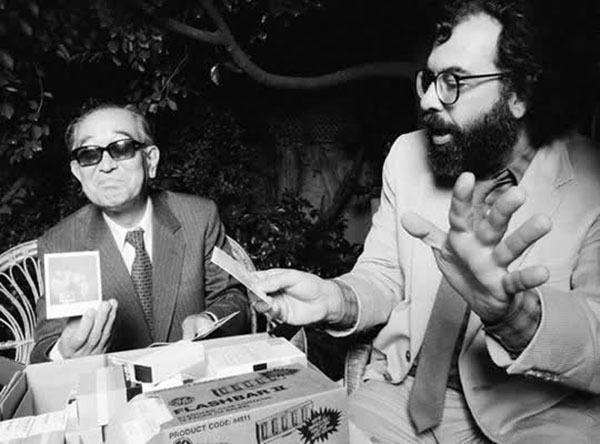
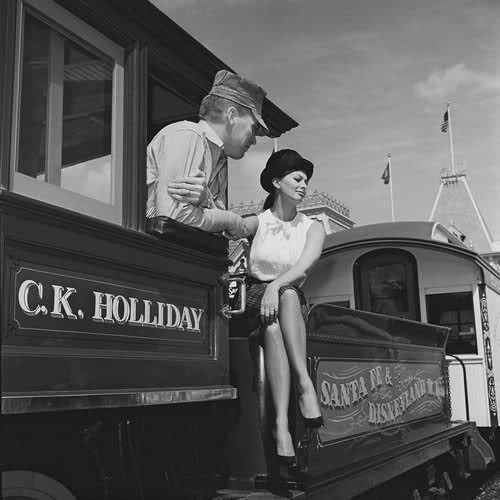
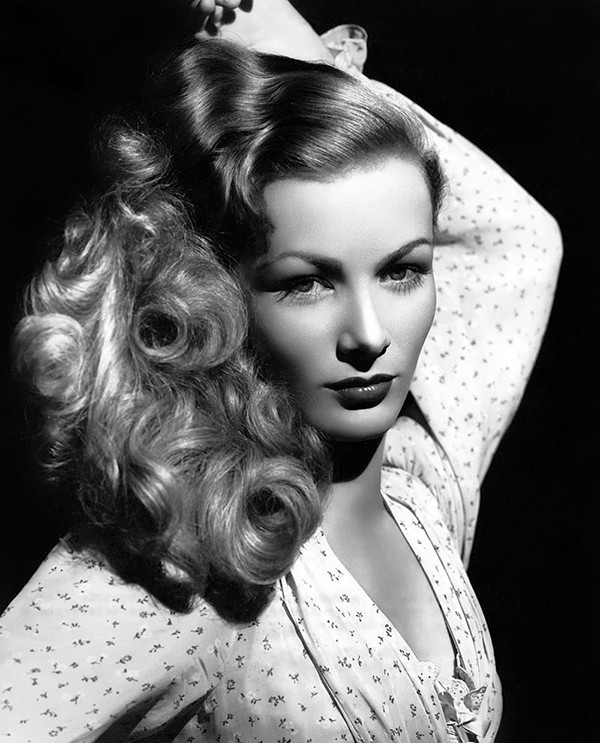
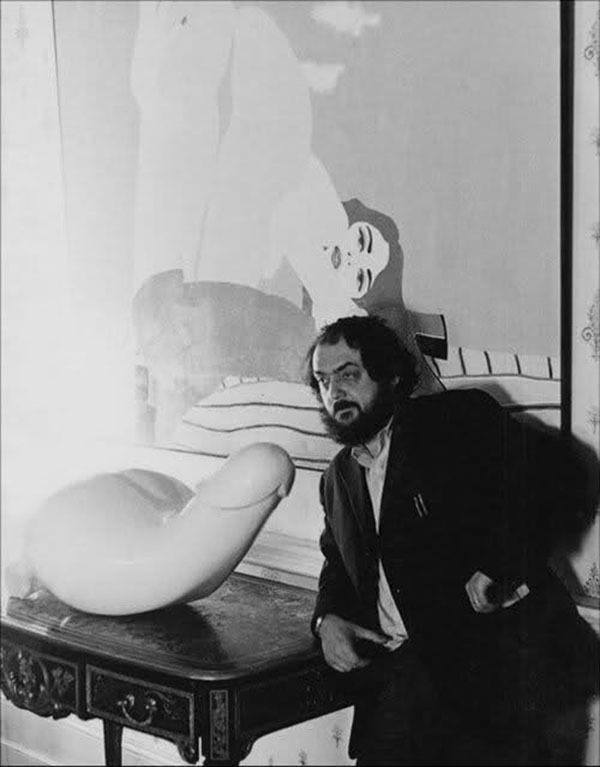
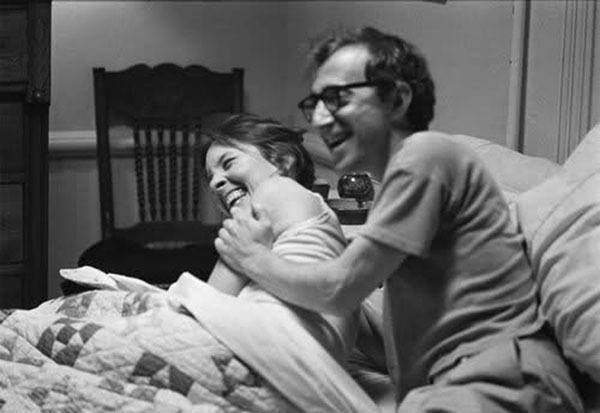
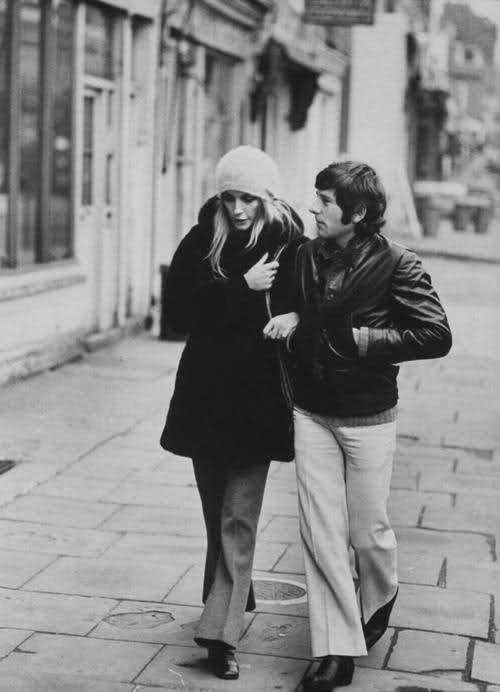
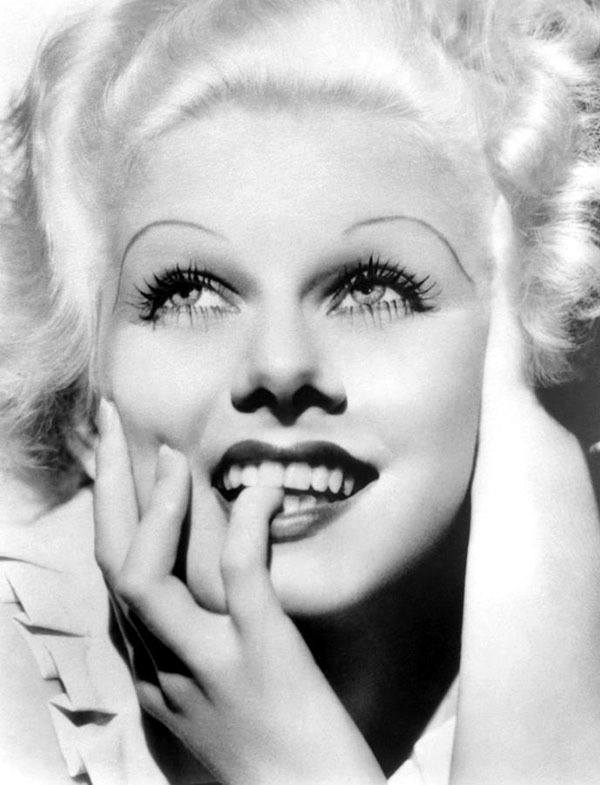
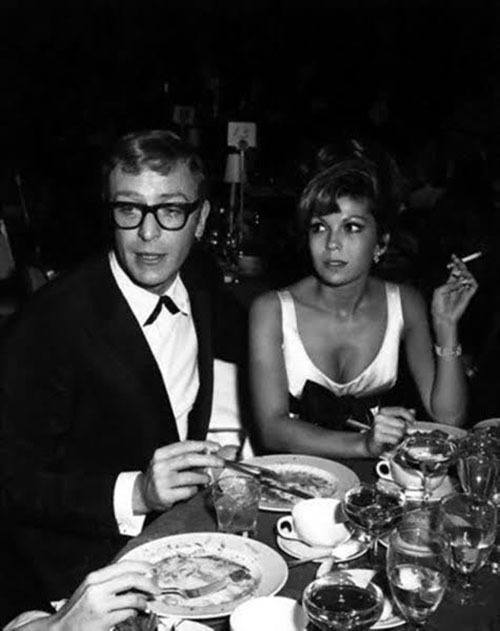
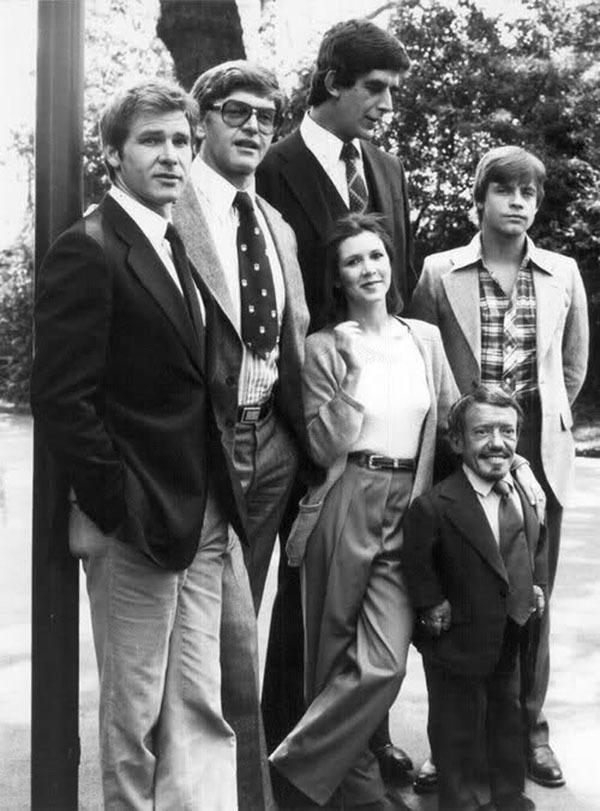
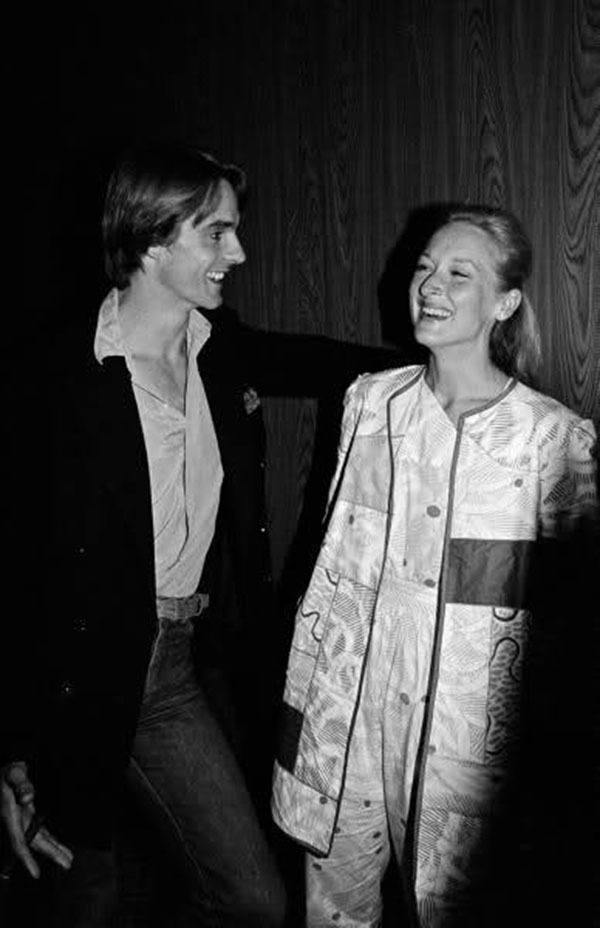
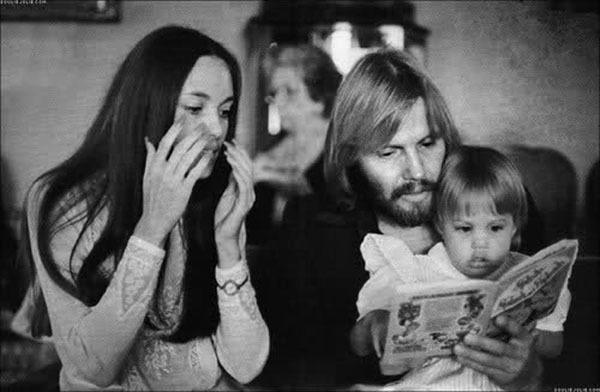
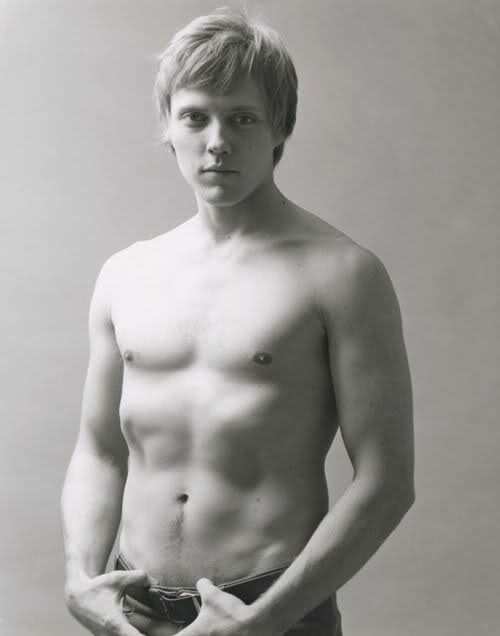
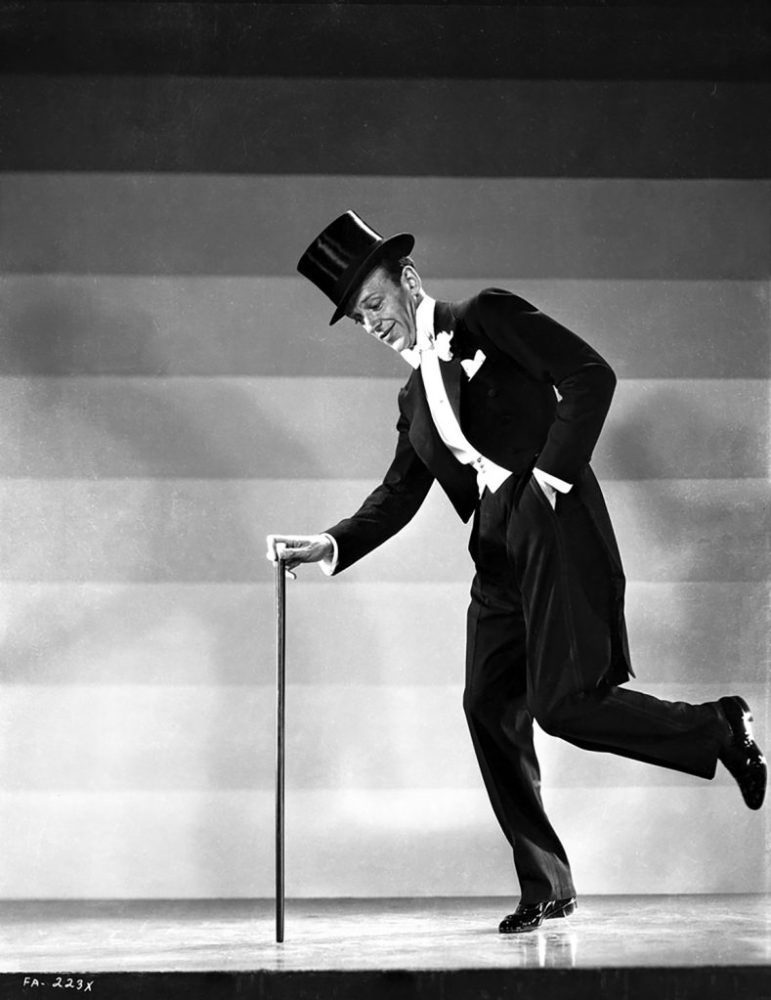
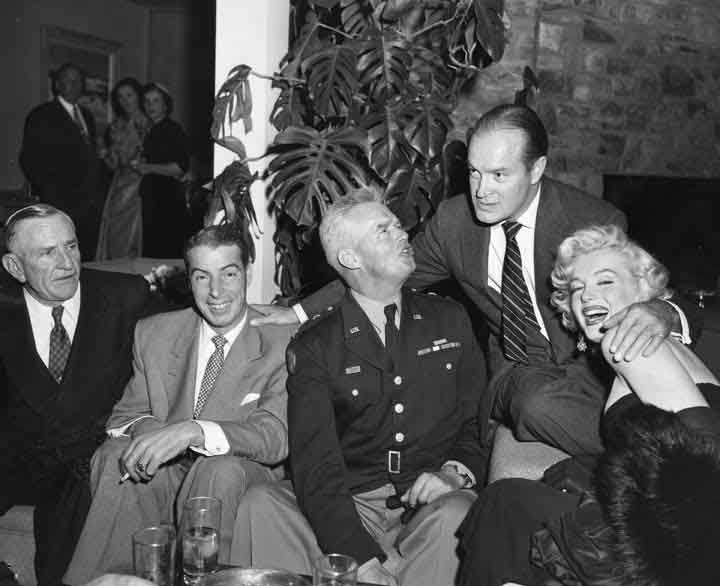
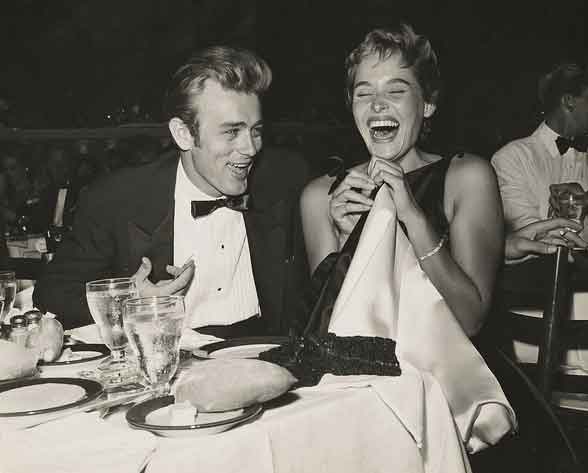
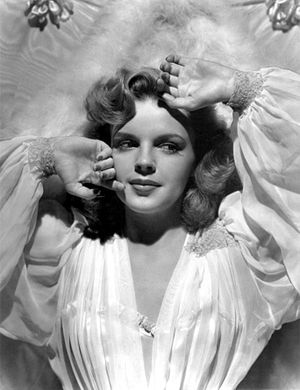
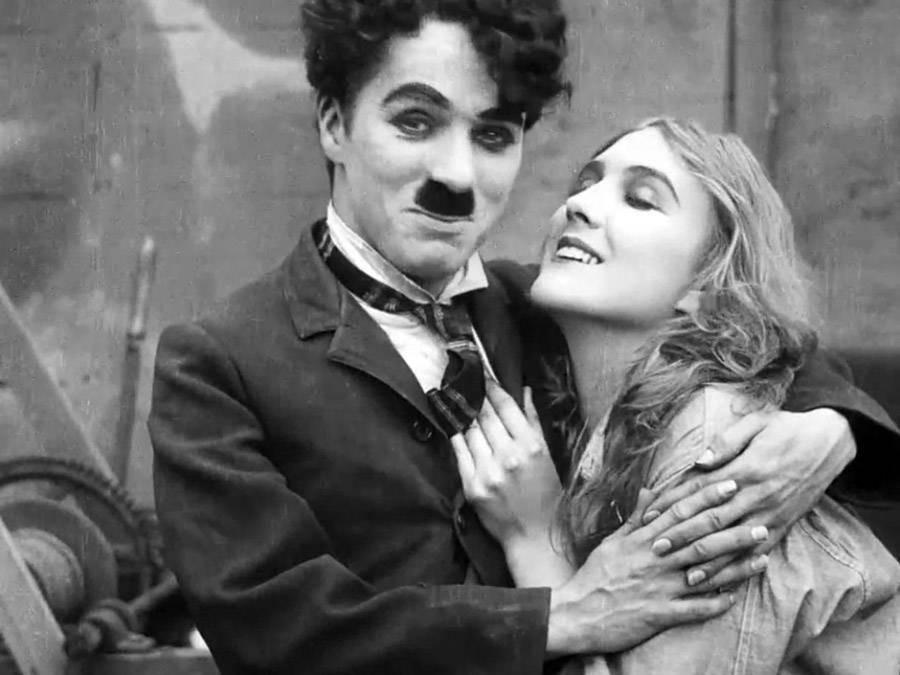
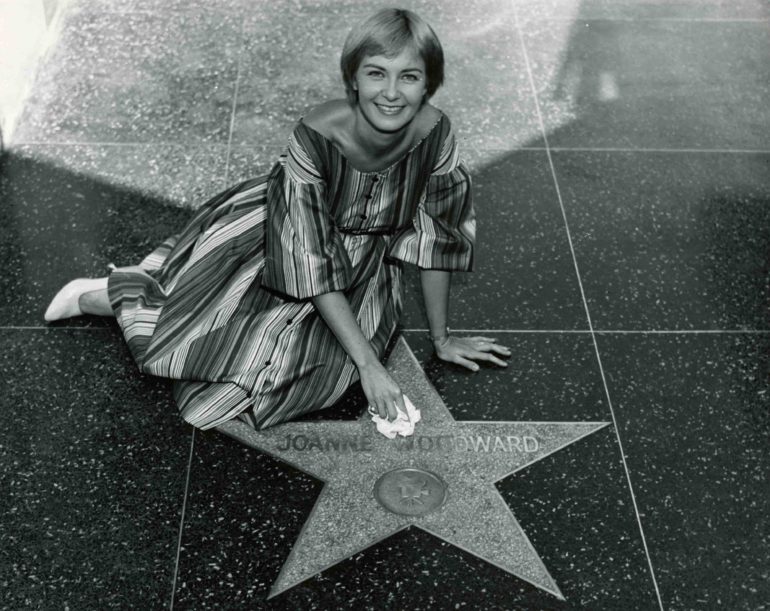
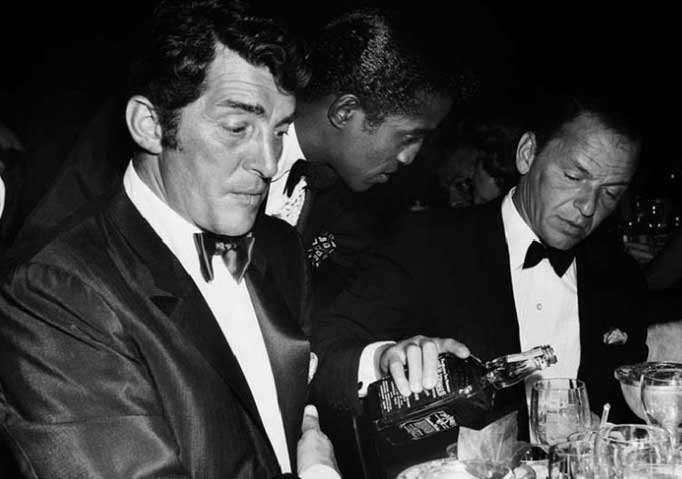
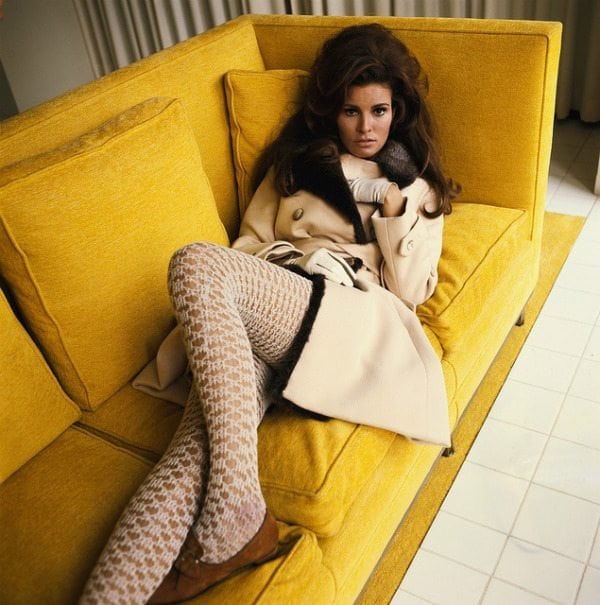
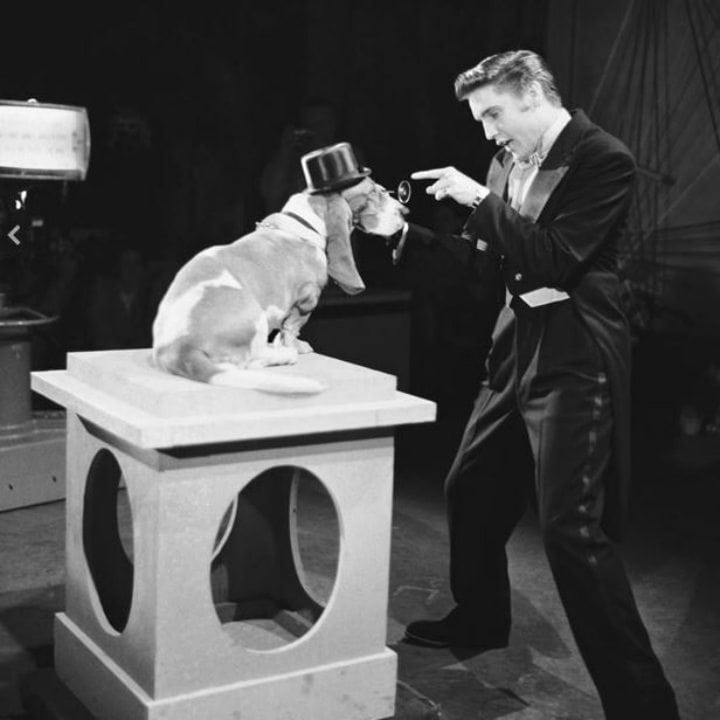
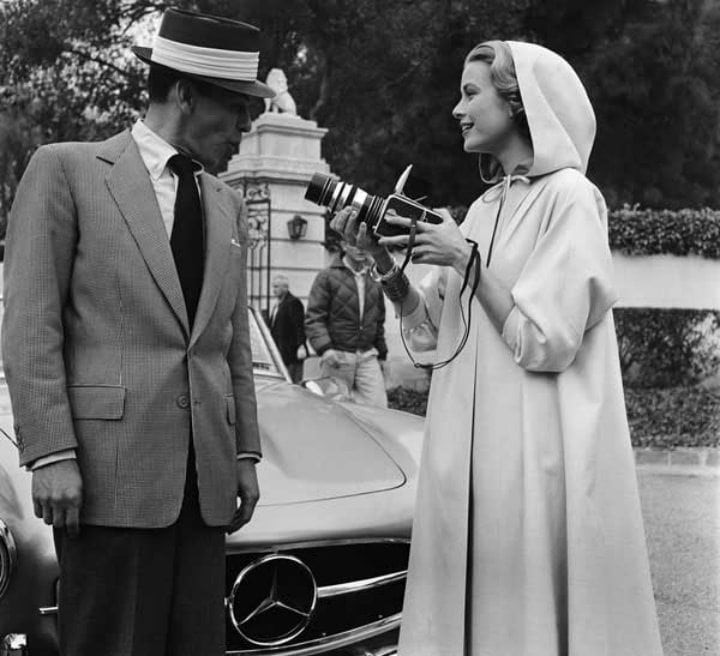
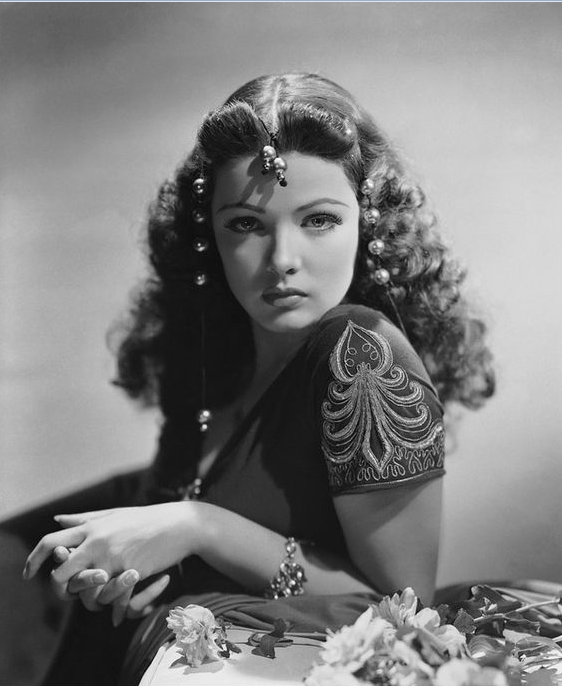
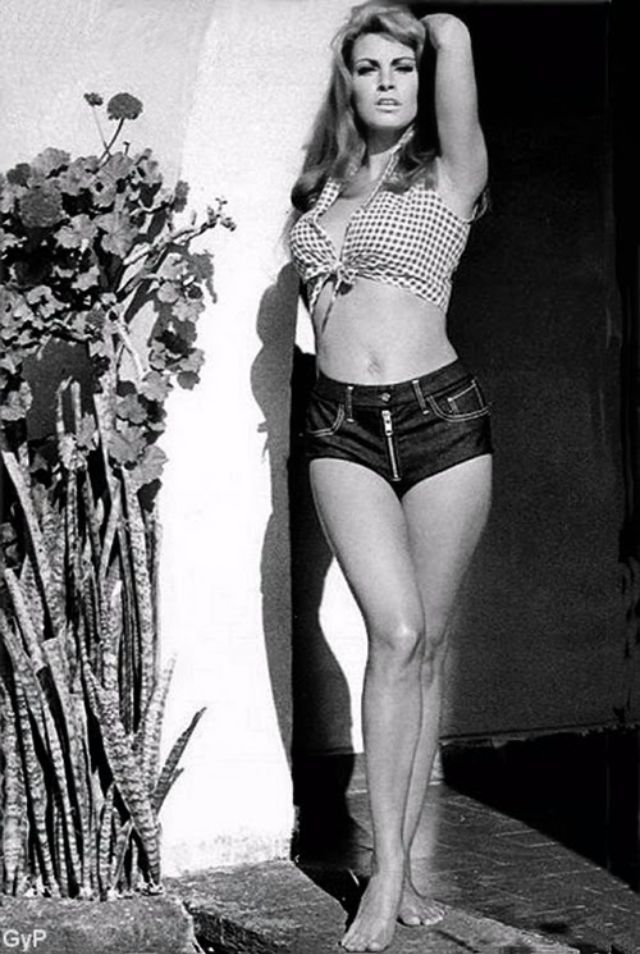
James Dean only appeared in three films before he was killed in a car crash. He received two posthumous Academy Award nominations for East of Eden and Giant.Marilyn Monroe meets with the Queen of England.Rock Hudson, the studly man grasping Elizabeth Taylor in a passionate embrace, was a popular leading man in Hollywood. America was shocked to discover that Hudson was homosexual, though it was commonly known throughout Hollywood. He passed away in 1985, the first major celebrity to die from an AIDS-related illness.Brigitte Bardot tells Jane Birkin a secret.Elvis Presley signs autographs.Cary Grant changed his name from Archibald Leach when he became a legal citizen of the United States in 1942, after emigrating from England. With his debonair charm, good looks and knack for the slapstick after his time in Vaudeville, Grant became a household name.Brigitte Bardot glances at a young Sean Connery.Warren Beatty has had enough of Jack Nicholson and Lauren Bacall’s lip.An English film director and producer, Alfred Hitchcock would change the face of suspense and thriller movies, framing shots to maximize fear and tension and mimicking points of view.Marlon Brando types away as a kitten warms the small of his neck.A young David Bowie clings tightly to Liz Taylor.Jayne Mansfield was a singer, actress and an early Playboy playmate. She had five children with three husbands, one of which is the actress Mariska Hargitay, daughter of Mickey Hargitay. While Jayne was famous for her beauty, she has unfortunately often been remembered for her death. She died in a tragic car accident in 1967 at 34 years old.A young Marilyn in 1946.Best known as wacky housewife Lucy Ricardo, Lucille Ball had a career that spanned the golden age of Hollywood and lasted into the 1980s. Once a pin up model, she pushed the envelope on her television show by denying the typical housewife tropes.The aging Charlie Chaplin with the vibrant Paulette Goddard.Arguably the first star of the silent film era, Mae Murray got her big fame off of The Merry Widow. She was also one of the first female actresses to have her own production company. She married who she thought was a prince and he swindled her out of all of her money and forced her to lose custody of her only son. A founding member of the Motion Picture and Television Fund, they helped care for her in her old age.Tony Curtis and Jack Lemmon square off beneath the Eiffel Tower.Catherine Deneuve exchanges words with her sister, Françoise Dorléac.Michael and Kirk Douglas.A young Marlene Dietrich hits the beach.Clint Eastwood with his first wife, Maggie, in 1955.Young and suave Clark Gable, 1930s.Born Norma Jean Mortensen, the woman that would become the singer, actress and sex symbol known as Marilyn Monroe would star in a number of successful films and also start her own production company. Plagued by controversy, miscarriages, failed marriages and depression, her death in 1962 of an overdose has been the basis for much conjecture involving murder and the CIA.Elizabeth Taylor flaunts her lasso.Judy Garland with her daughter Liza Minnelli.Audrey Hepburn plays games with a fawn.A young Jane Fonda fools around in the back of a car.Francis Ford Coppola showing Akira Kurosawa his new polaroid.Sophia Loren does Disneyland.Veronica Lake was another popular actress during the golden age and was one of the most reliable box office draws in Hollywood. Popular for launching the peek-a-boo hairstyle, Veronica would acquire her pilot’s license in 1946 and would fly herself and her children to New York when she left her second husband.Stanley Kubrick stands erect next to a penis.Woody Allen and Diane Keaton laugh on set.Roman Polanski and Sharon Tate stroll together.With her bright platinum blonde locks, Jean Harlow had a meteoric rise to fame appearing in at 36 films in ten years. Married three times, she divorced her first and third husbands, but the second was found shot to death in her home, which only increased her popularity. She died in 1937 of kidney failure at the age of 26.Michael Caine and Nancy Sinatra wine and dine together.The original Star Wars cast.Meryl Streep and Jeremy Irons.Jon Voight with newborn Angelina Jolie.Signed to MGM at age 16, Lana Turner would find fame as the femme fatale from the late 1930s throughout the 1950s. In 1958, her daughter stabbed Turner’s lover, Johnny Stompanato to death. While many theories were floated through the media, the murder was deemed justifiable homicide.A young Christopher Walken.Fred AstaireJoe DiMaggio, Bob Hope & Marilyn MonroeJames Dean & Ursula AndressJudy GarlandCharlie Chaplin’s first high profile romance involved his 19 year old co-star Edna Purviance. 1916.The first ever star on the Hollywood Walk of Fame, belonged to Joanne Woodward in 1960, after she starred in The Three Faces of Eve.The Rat PackRaquel Welch Lounging – 1967Elvis Serenading a Hound Dog – 1956Grace Kelly and Frank Sinatra, 1956Gene TierneyDorothy Dandridge
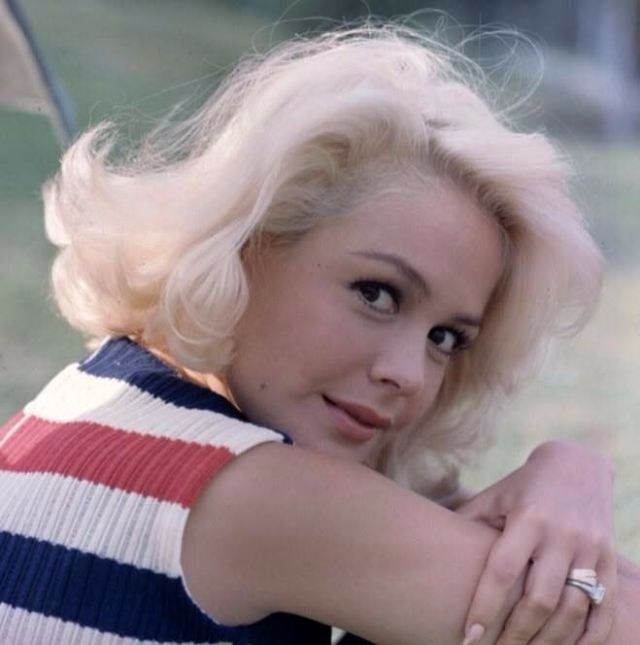
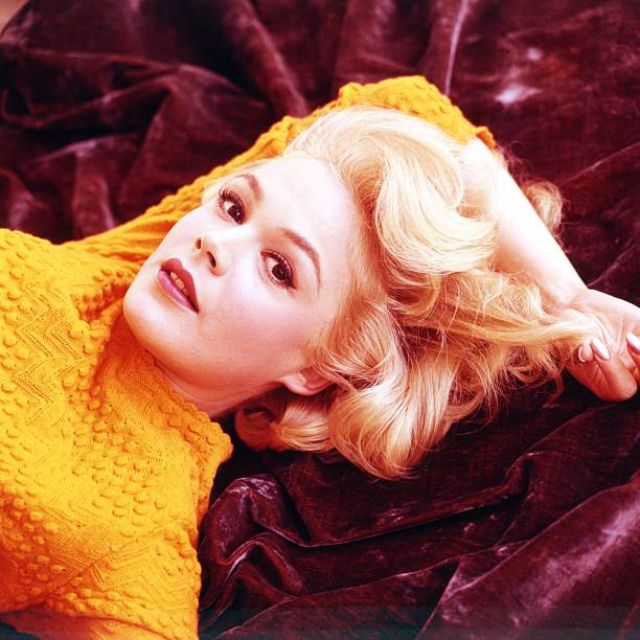
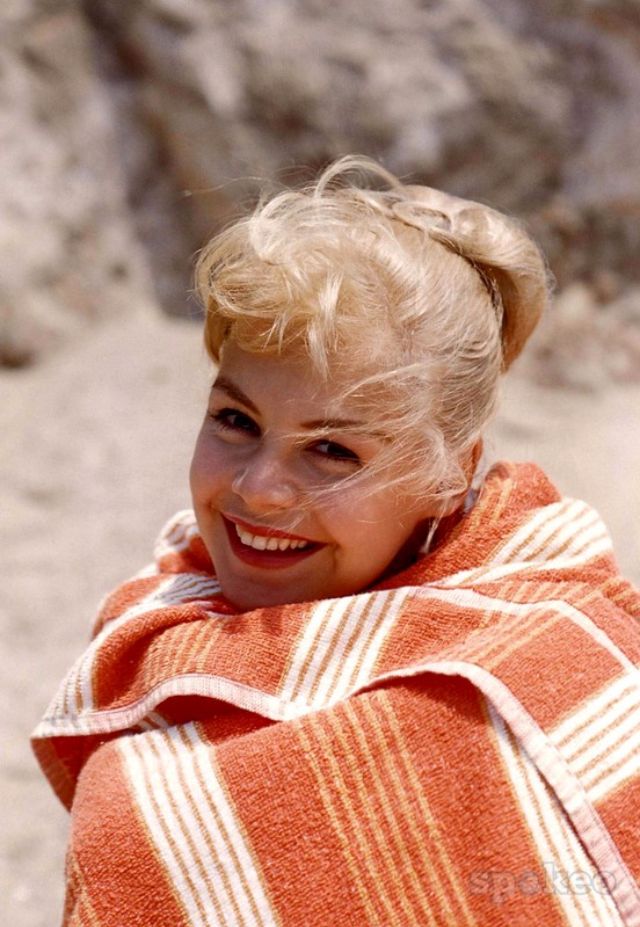
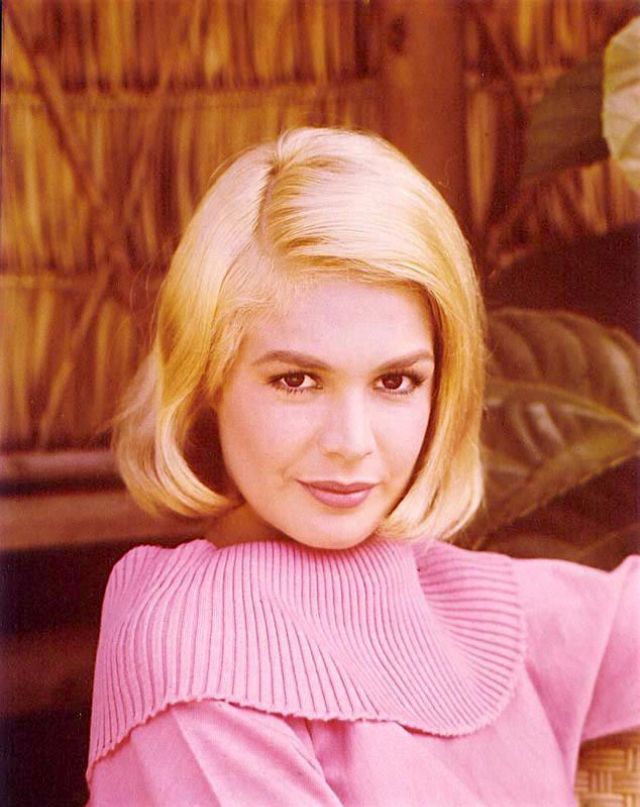
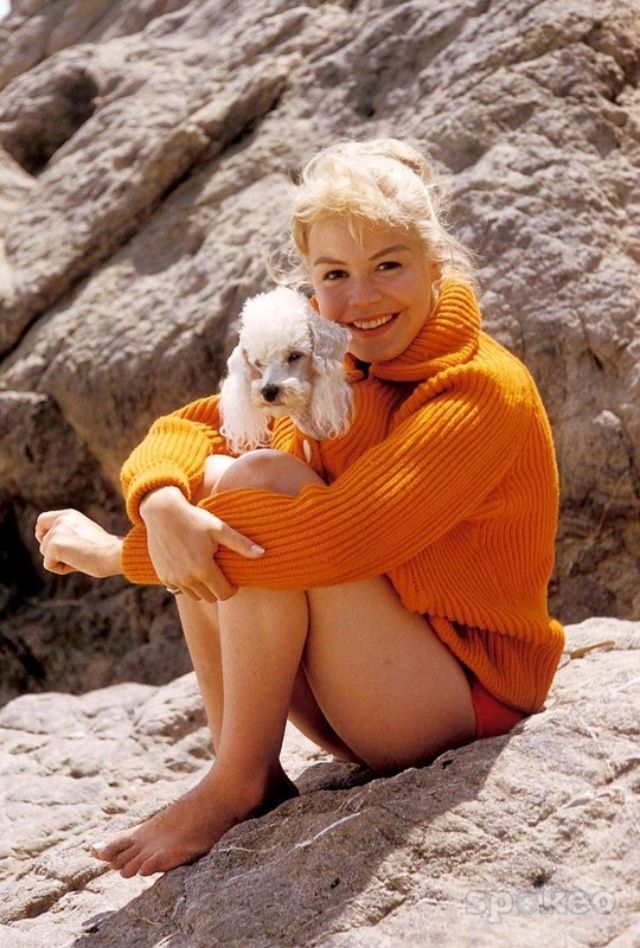
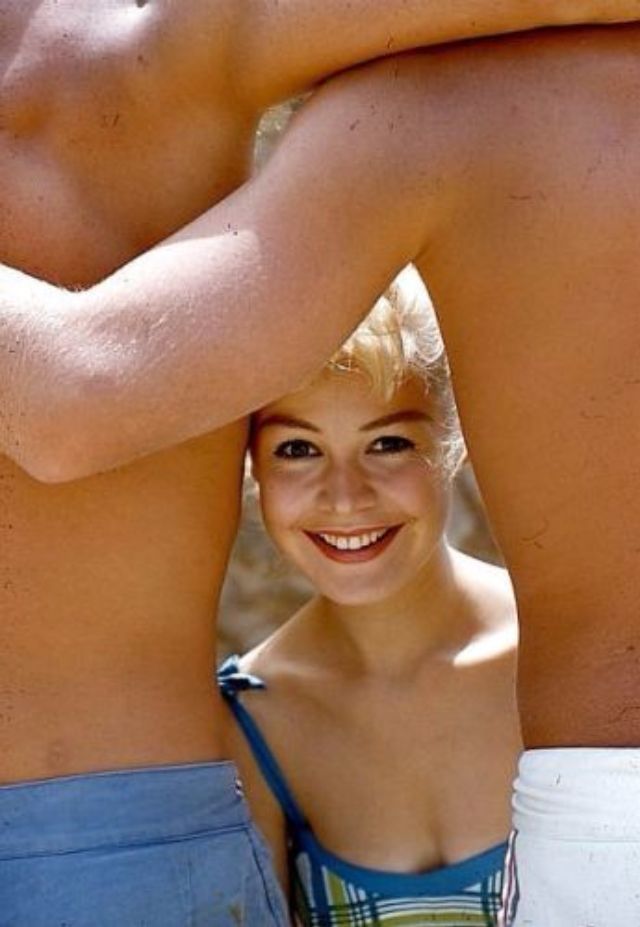
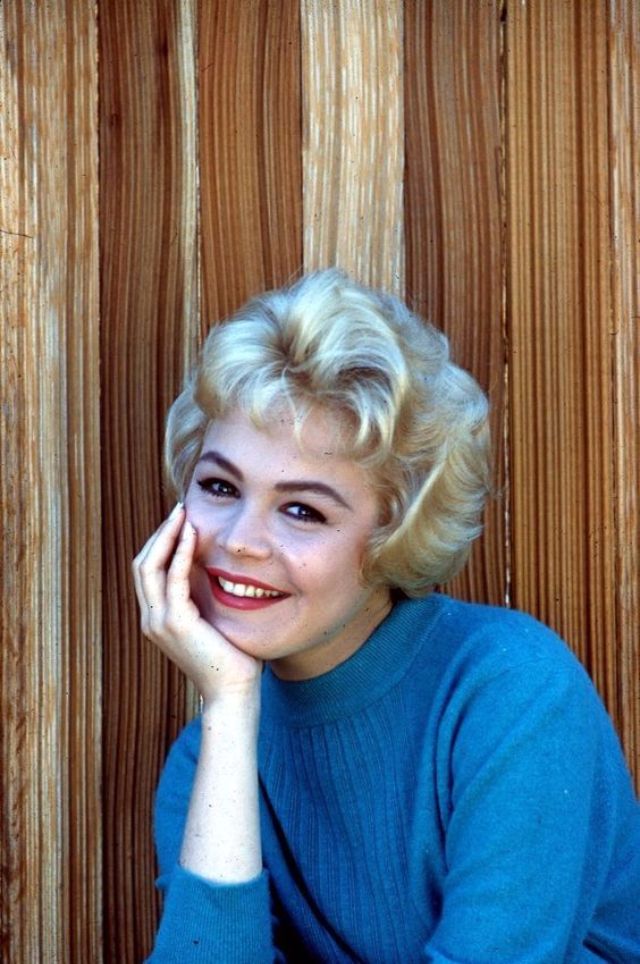
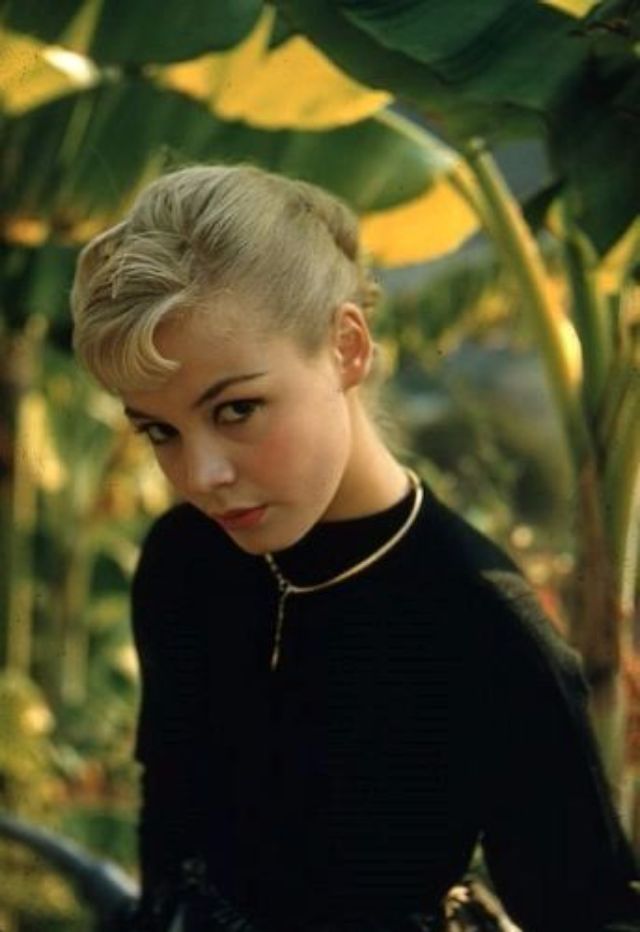
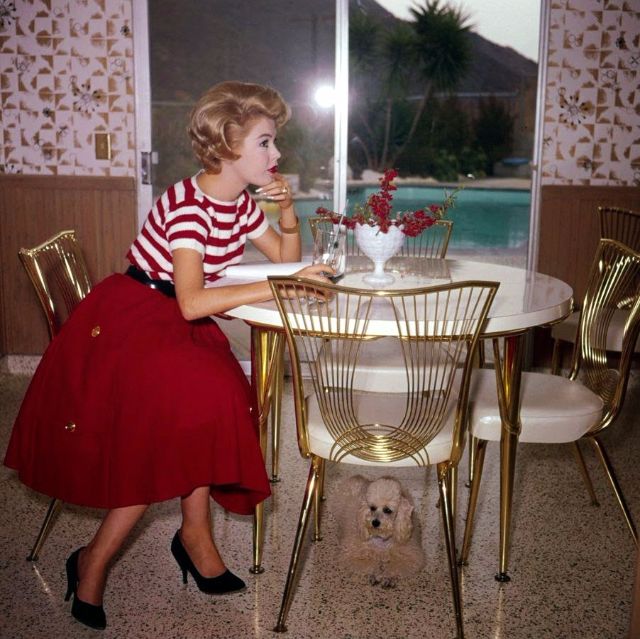
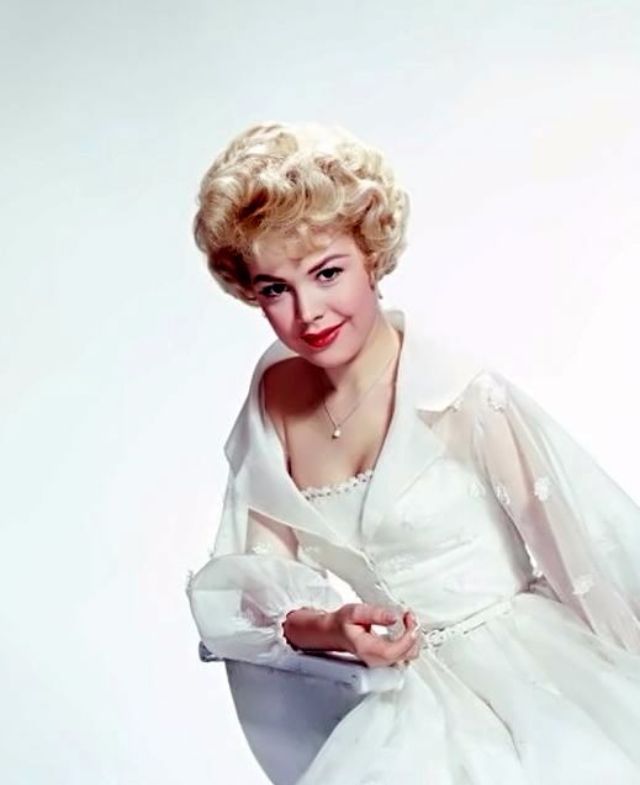
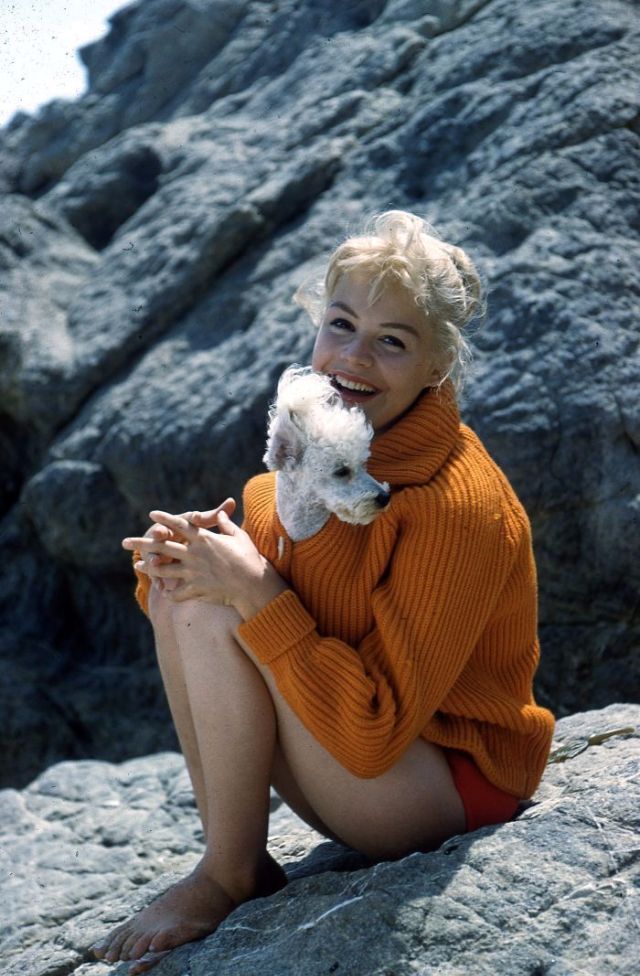
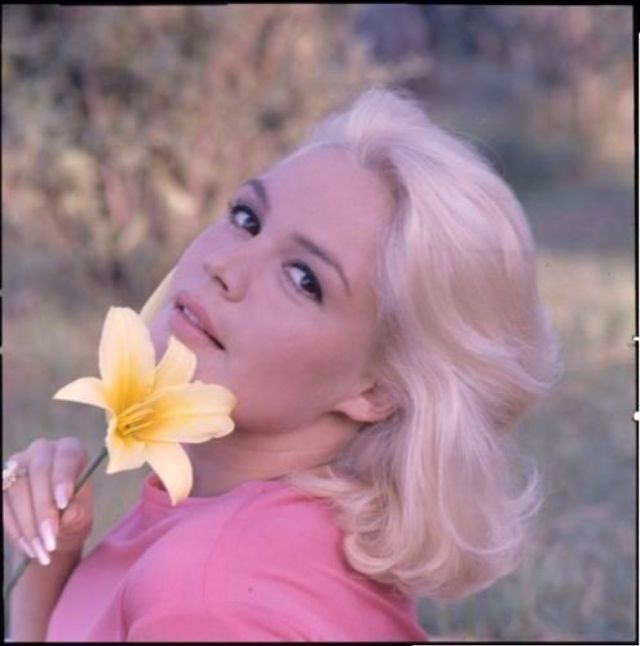
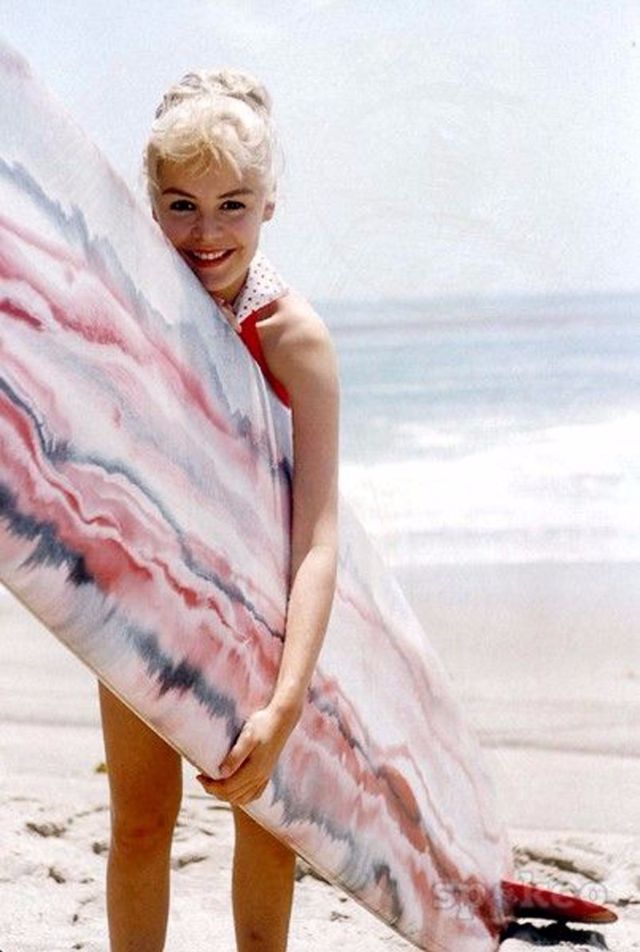
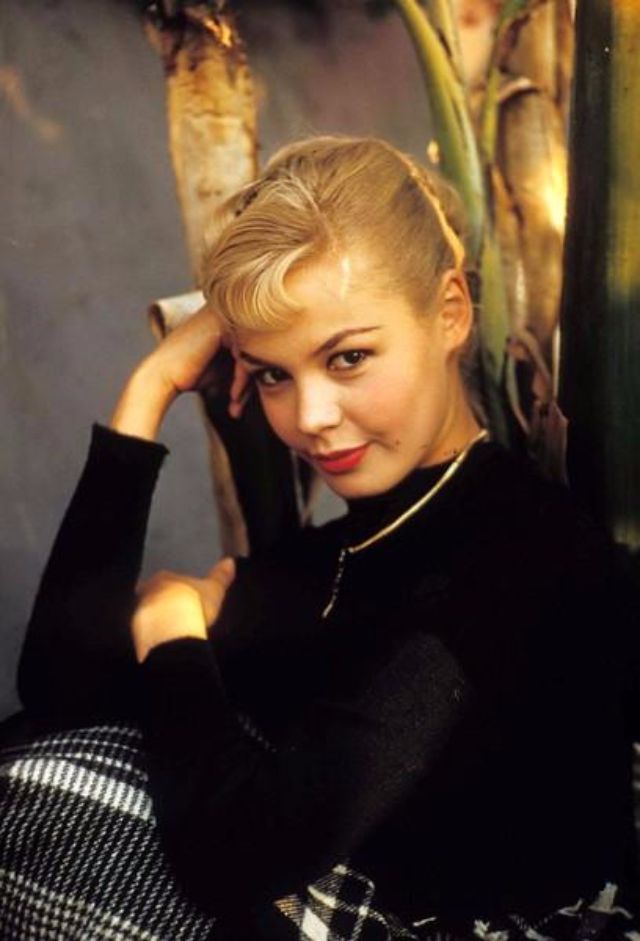
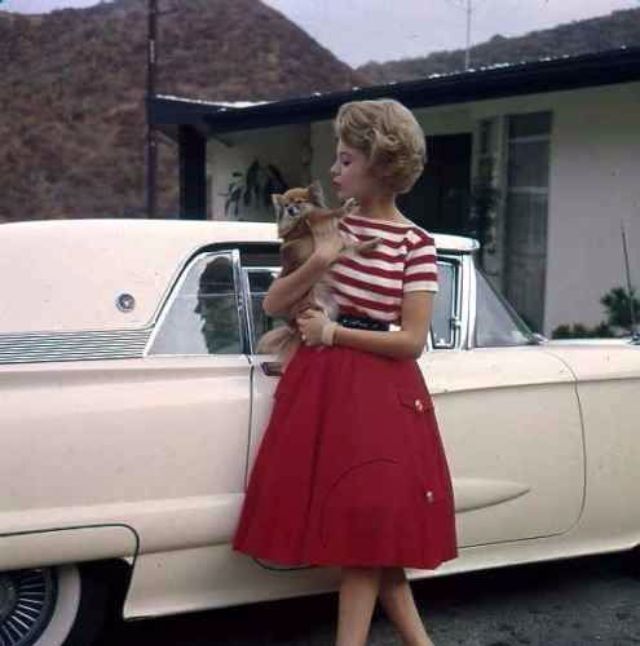
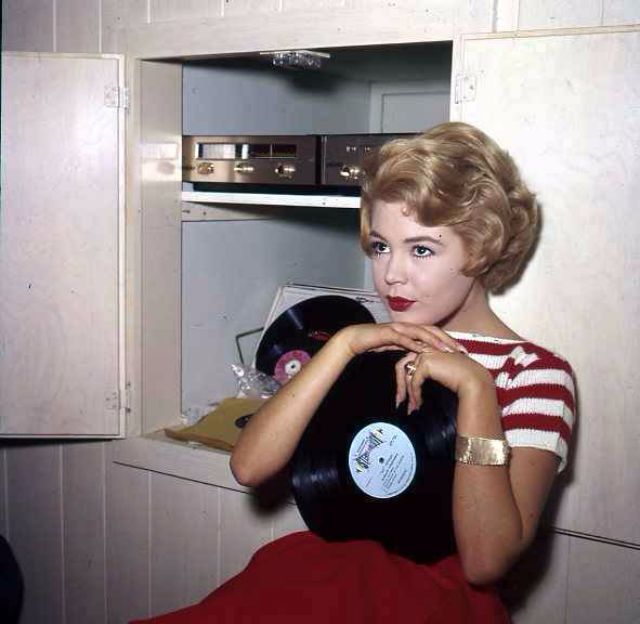
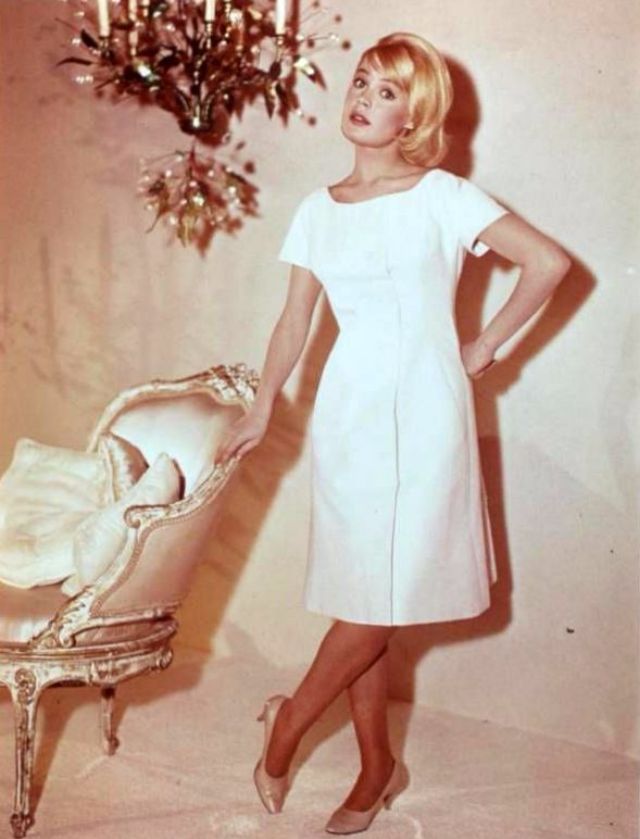
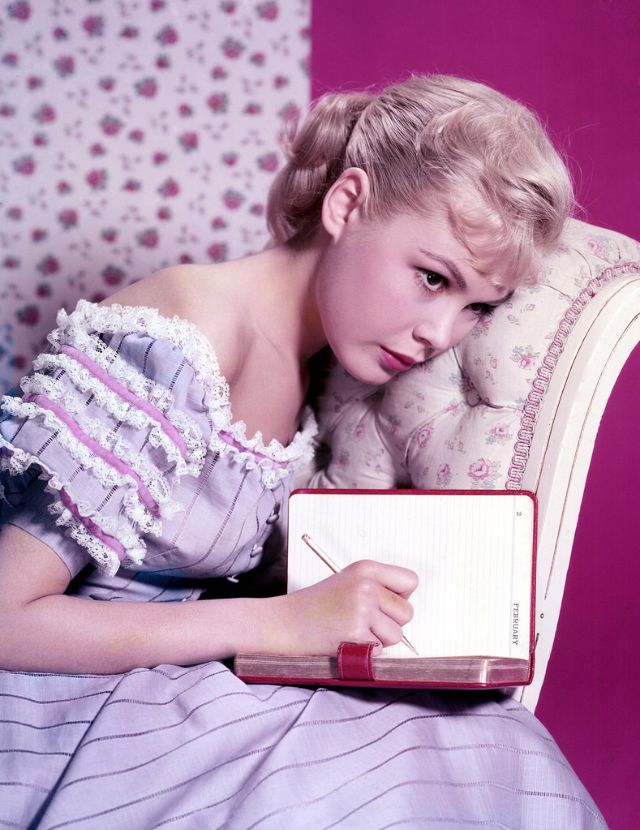
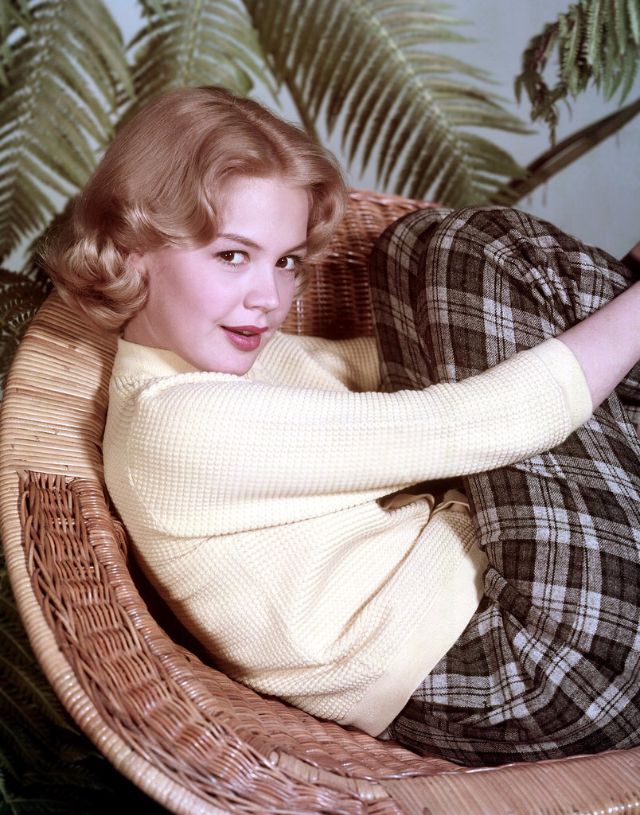
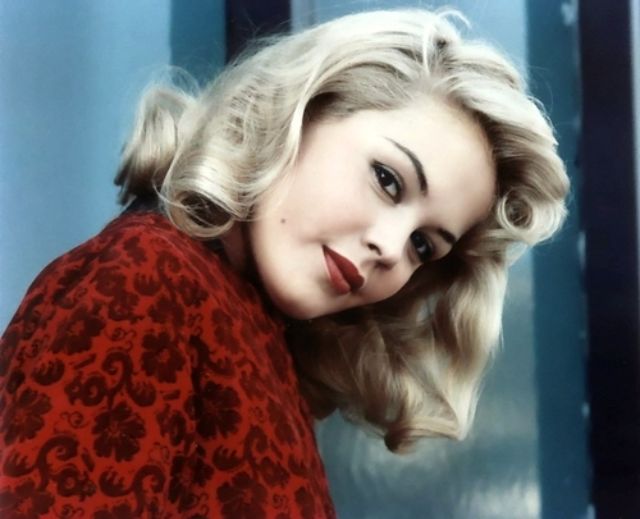
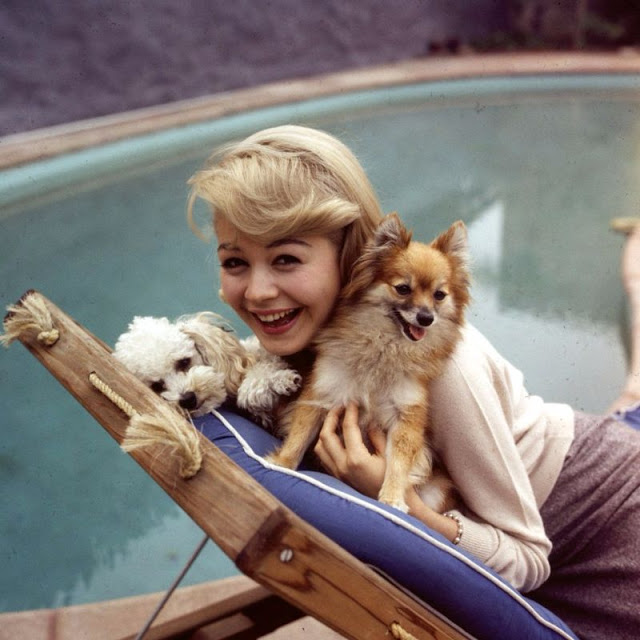
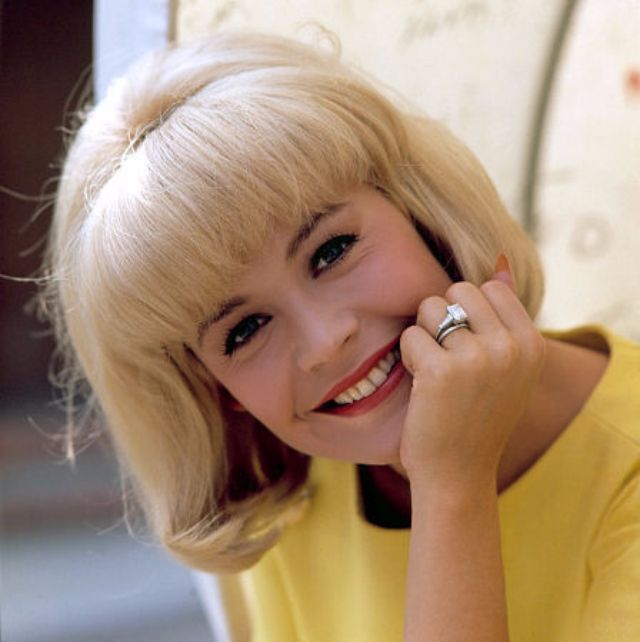
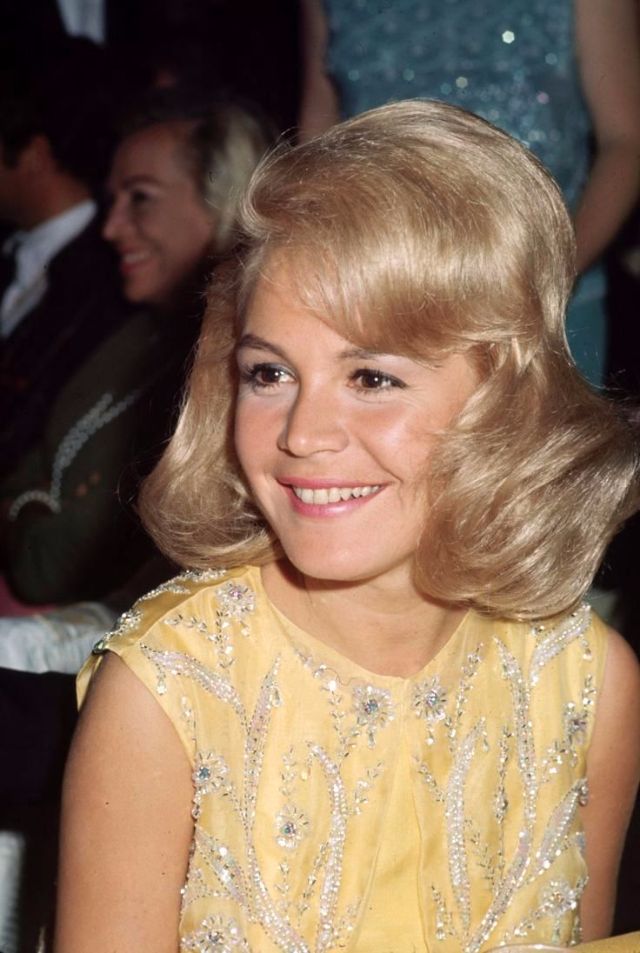
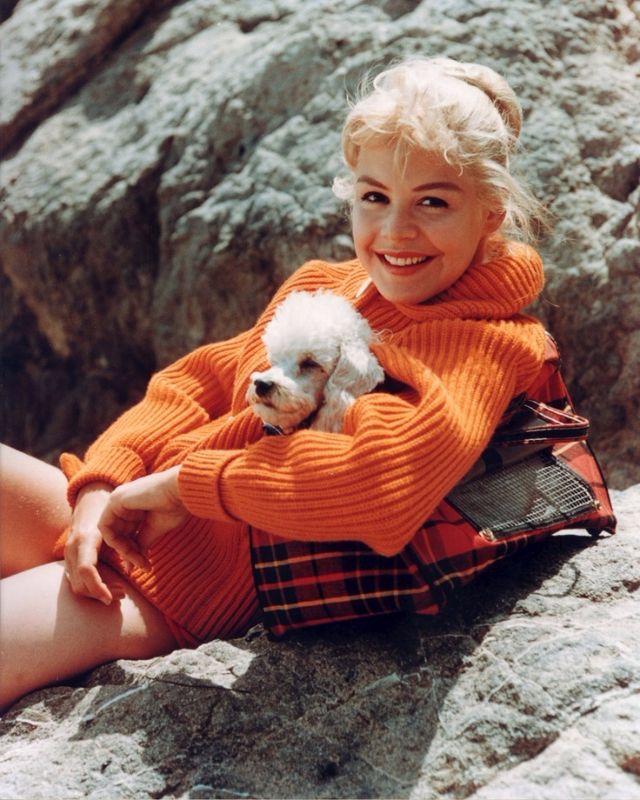
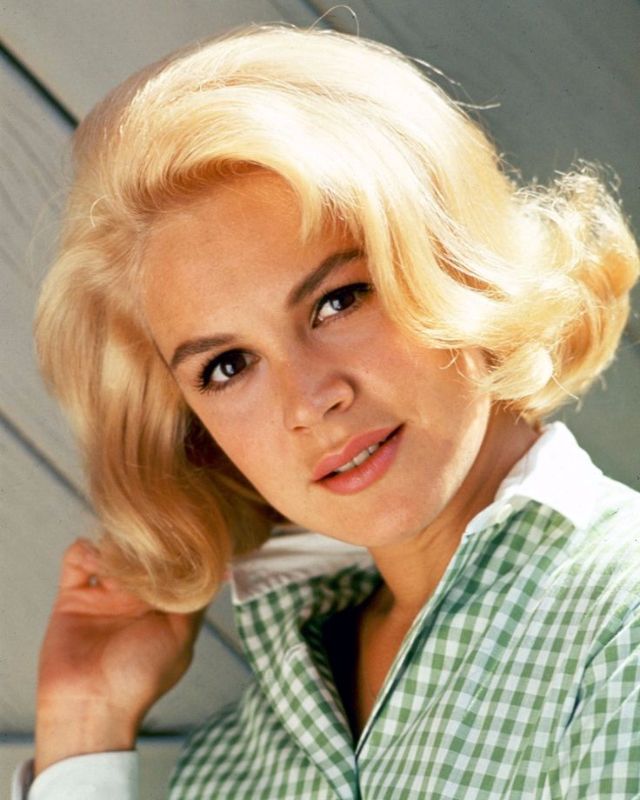
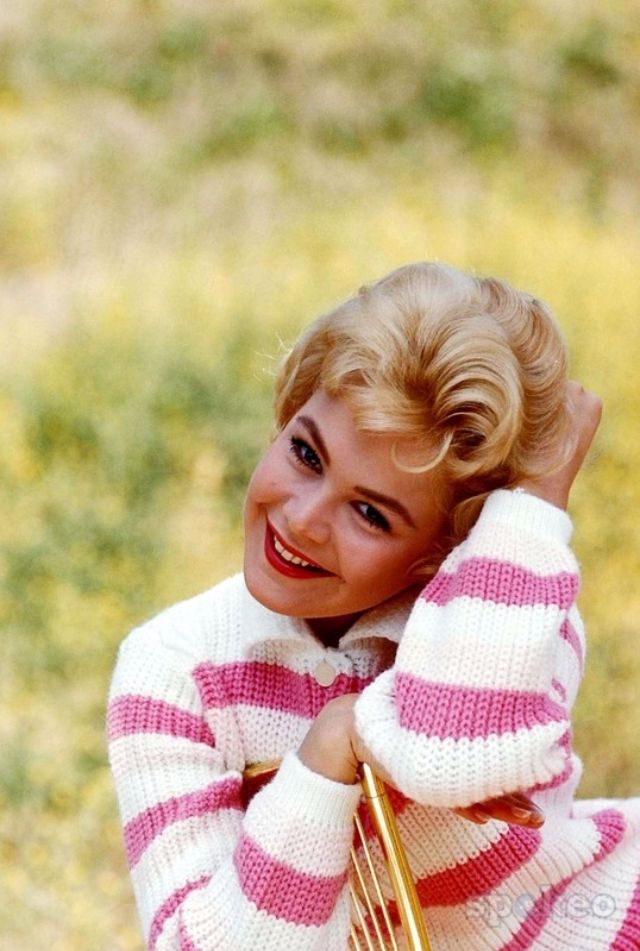
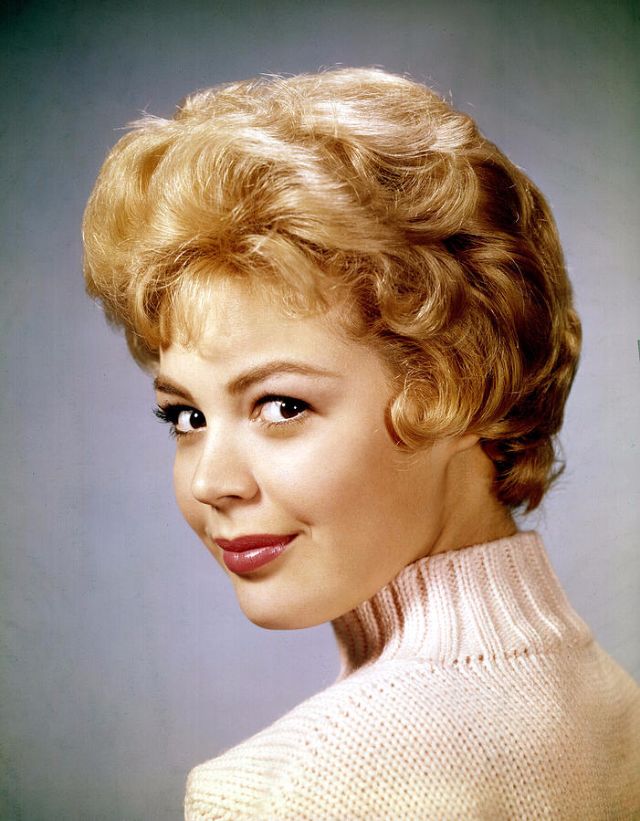
Sandra Dee (born Alexandra Zuck; April 23, 1942 – February 20, 2005) was an American actress. Dee began her career as a child model, working first in commercials, and then film in her teenage years. Best known for her portrayal of ingénues, Dee earned a Golden Globe Award as one of the year’s most promising newcomers for her performance in Robert Wise’s Until They Sail (1958). She became a teenage star for her performances in Imitation of Life and Gidget (both 1959), which made her a household name.
By the late 1960s, her career had started to decline, and a highly publicized marriage to Bobby Darin (m. 1960–1967) ended in divorce. The year of her divorce, Dee’s contract with Universal Pictures was dropped. She attempted a comeback with the 1970 independent horror film The Dunwich Horror, but rarely acted after this time, appearing only occasionally in television productions throughout the 1970s and early 1980s. The rest of the decade was marred by alcoholism, mental illness, plus near total reclusiveness, particularly after her mother died in 1988. Afterwards she sought medical and psychological help in the early 1990s, and died in 2005 of complications from kidney disease, brought on by a lifelong struggle with anorexia nervosa. (Wikipedia)
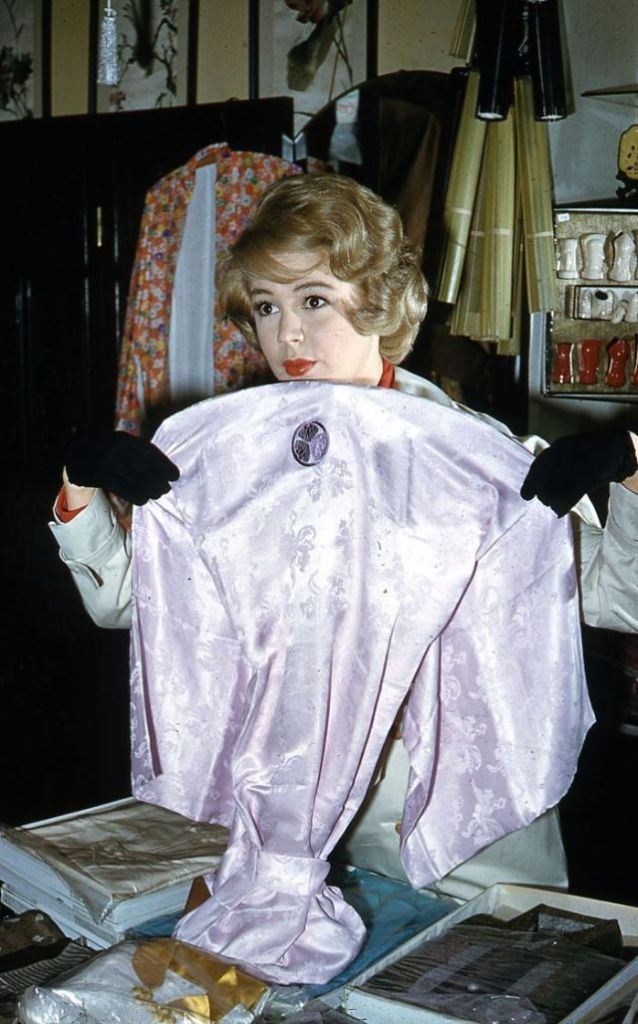
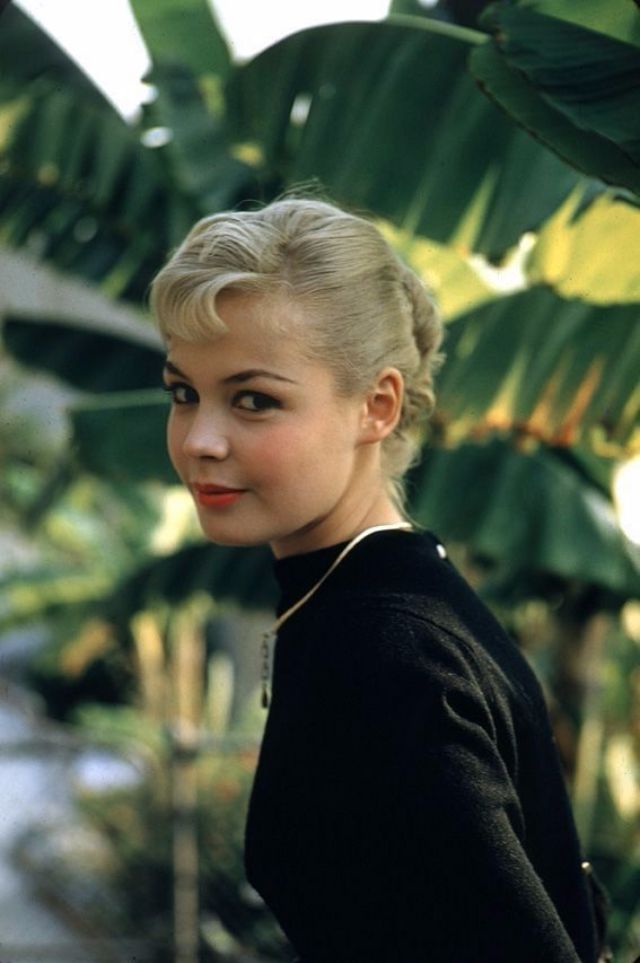
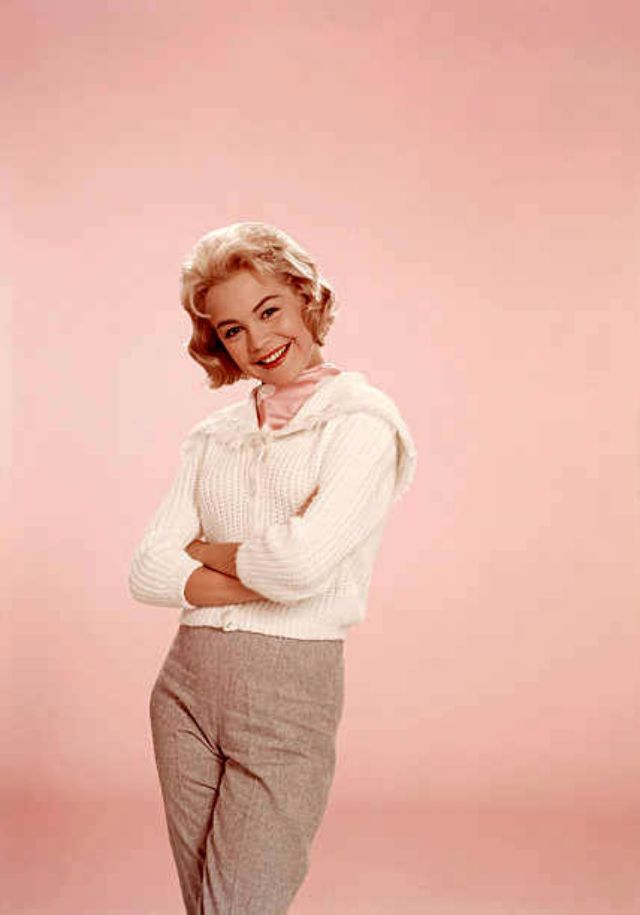
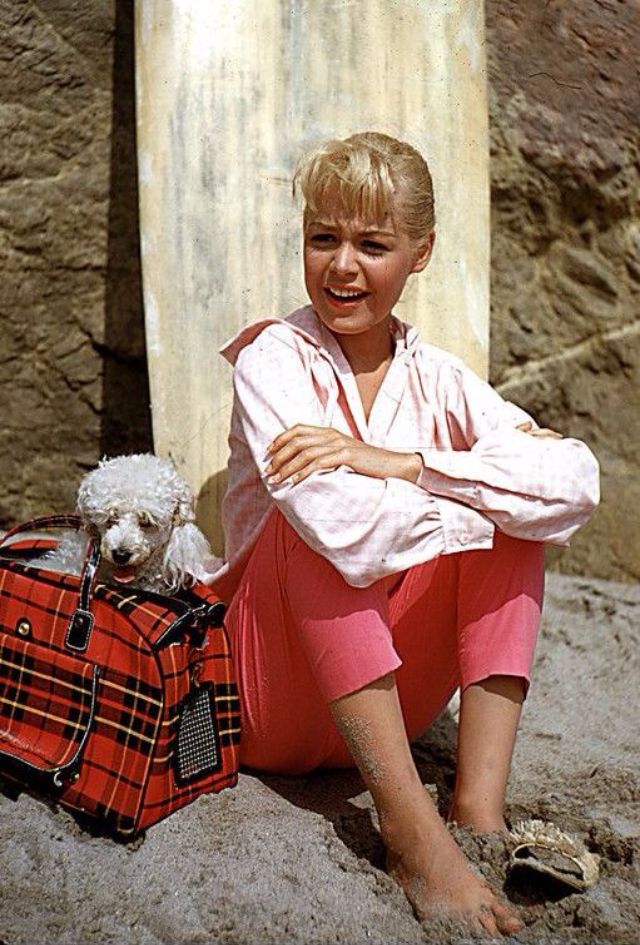
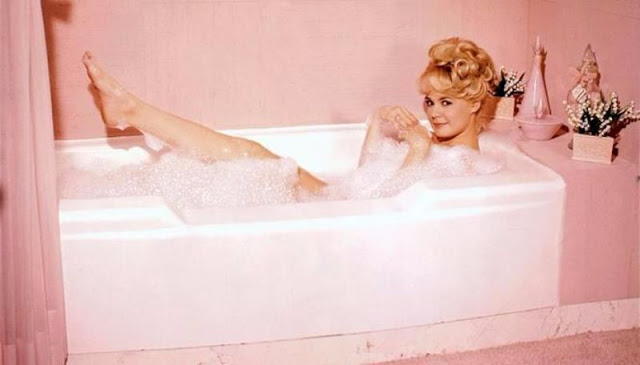
Take a look at these photos to see her innocent beauty from the 1950s to 1960s.
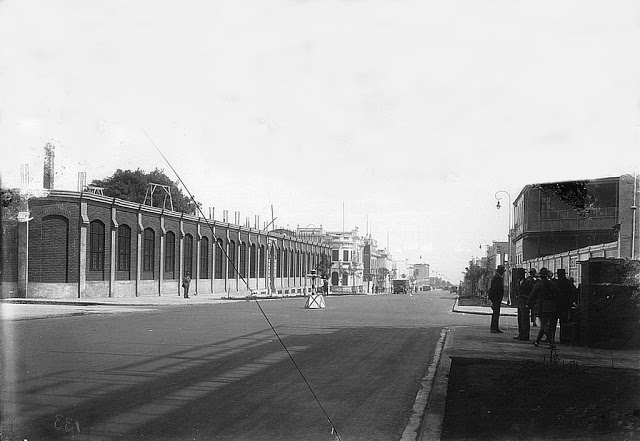
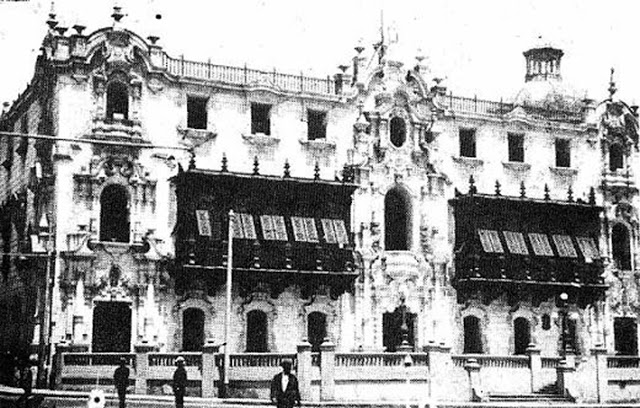
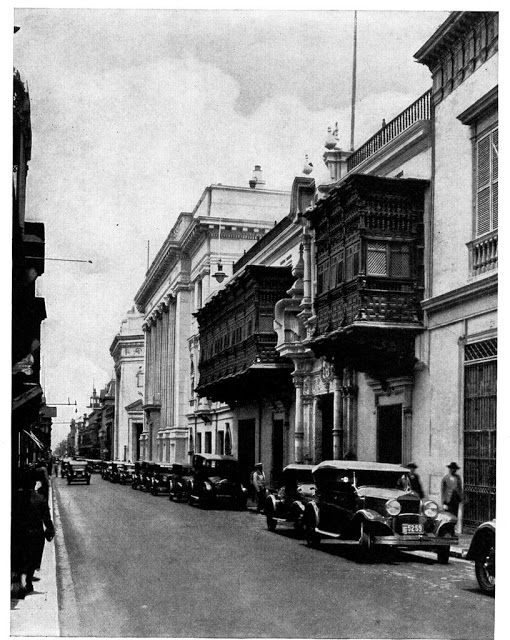
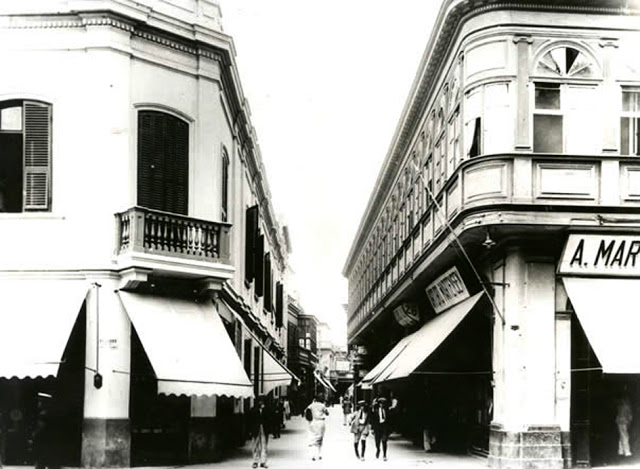
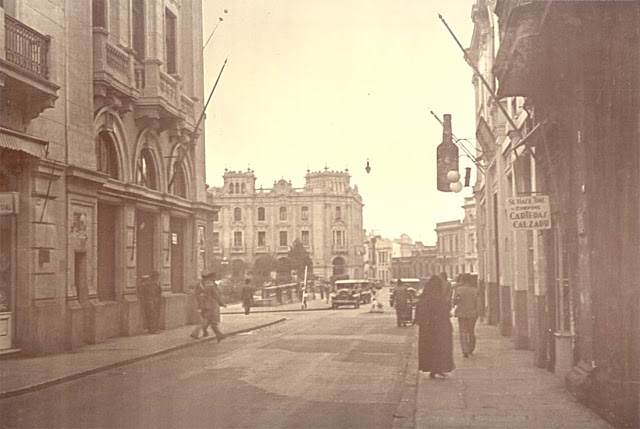
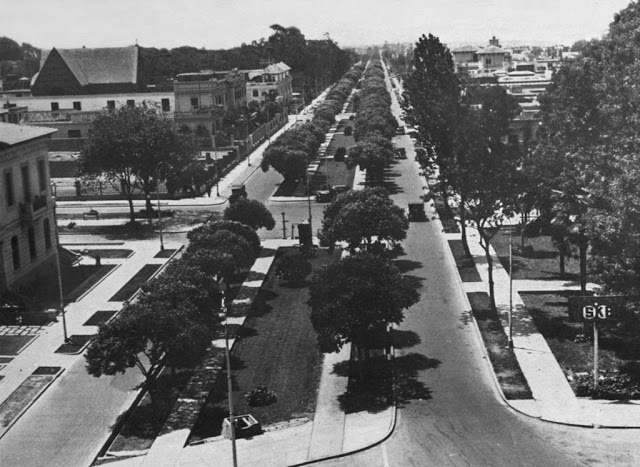
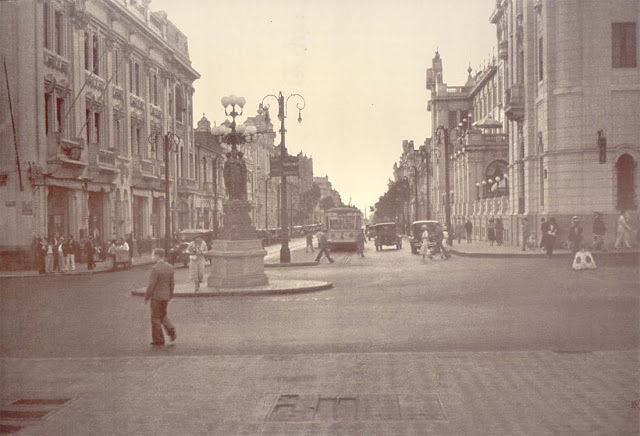
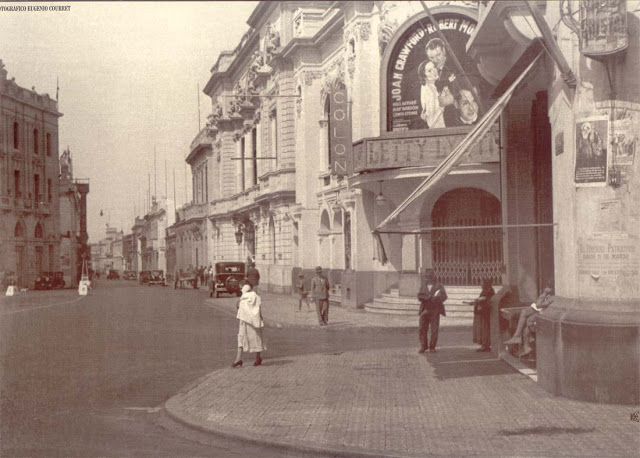
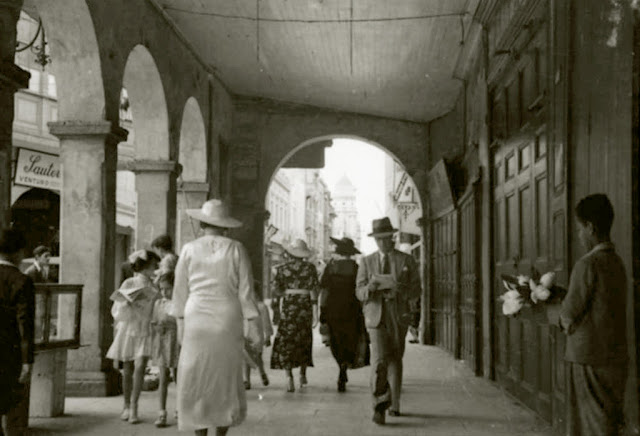
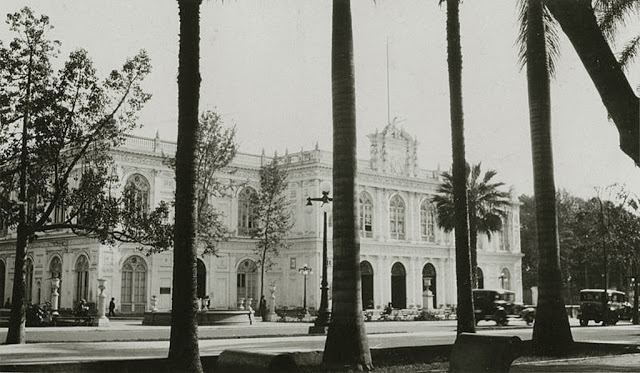
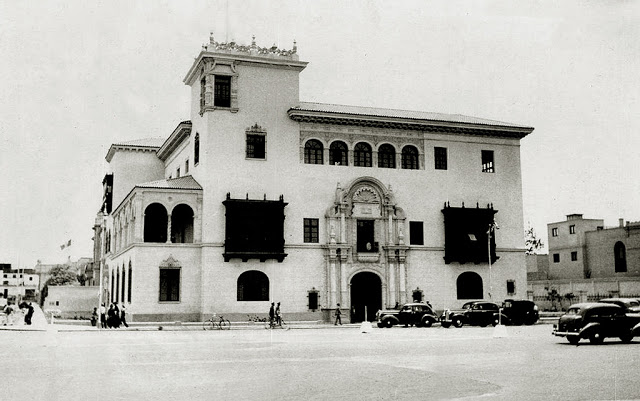
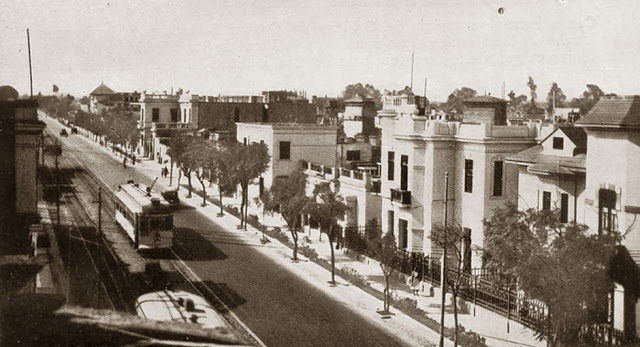
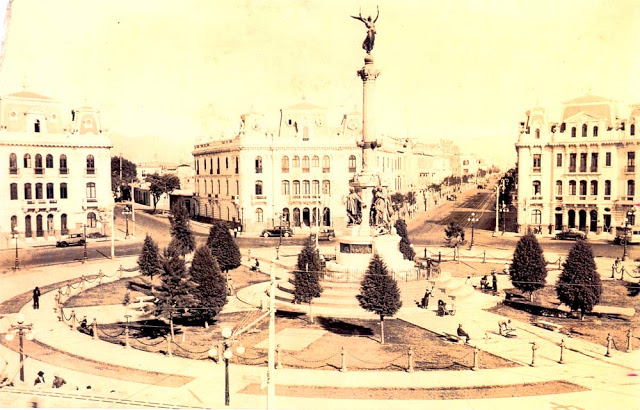
Lima is the capital and the largest city of Peru. It is located in the valleys of the Chillón, Rímac and Lurín Rivers, in the desert zone of the central coastal part of the country, overlooking the Pacific Ocean. Together with the seaport of Callao, it forms a contiguous urban area known as the Lima Metropolitan Area. With a population of more than 9.7 million and more than 10.7 million in its metropolitan area, Lima is one of the largest cities in the Americas.
Lima was named by natives in the agricultural region known by native Peruvians as Limaq. It became the capital and most important city in the Viceroyalty of Peru. Following the Peruvian War of Independence, it became the capital of the Republic of Peru (República del Perú). Around one-third of the national population lives in the metropolitan area.
Lima is home to one of the oldest institutions of higher learning in the New World. The National University of San Marcos, founded on 12 May 1551, during the Viceroyalty of Peru, is the first officially established and the oldest continuously functioning university in the Americas.
Nowadays, the city is considered to be the political, cultural, financial and commercial center of the country. Internationally, it is one of the thirty most populated urban agglomerations in the world. Due to its geostrategic importance, the Globalization and World Cities Research Network has categorized it as a “beta” tier city.
Jurisdictionally, the metropolis extends mainly within the province of Lima and in a smaller portion, to the west, within the Constitutional Province of Callao, where the seaport and the Jorge Chávez Airport are located. Both provinces have regional autonomy since 2002.
In October 2013, Lima was chosen to host the 2019 Pan American Games; these games were held at venues in and around Lima, and were the largest sporting event ever hosted by the country. It also hosted the APEC Meetings of 2008 and 2016, the Annual Meetings of the International Monetary Fund and the World Bank Group in October 2015, the United Nations Climate Change Conference in December 2014, and the Miss Universe 1982 contest. (Wikipedia)
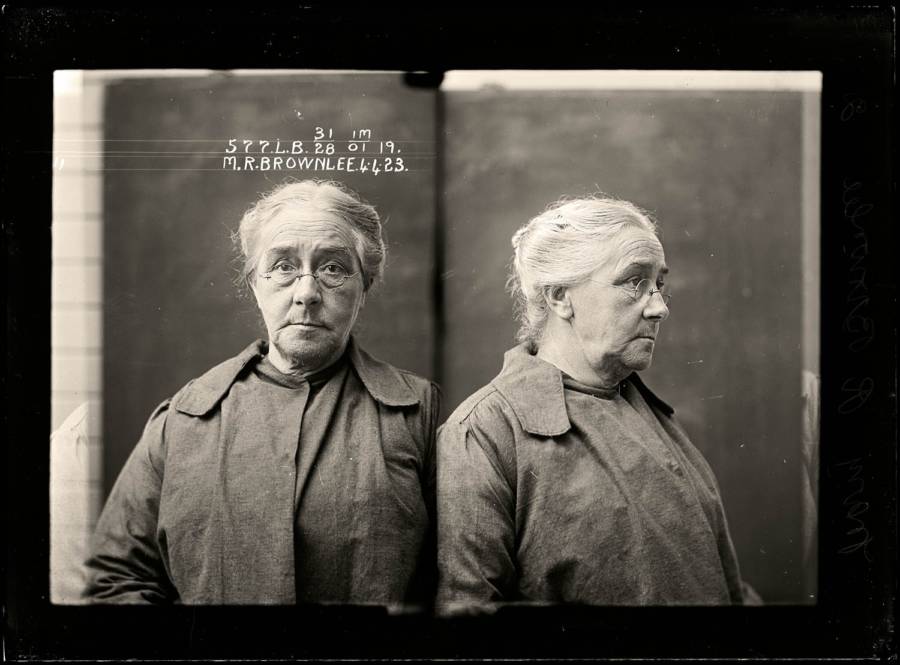
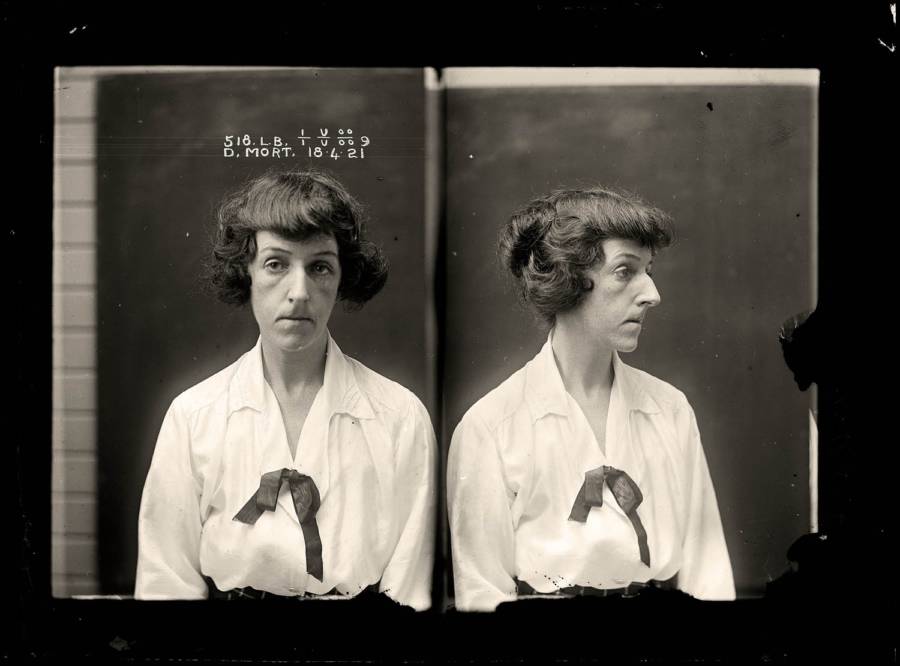
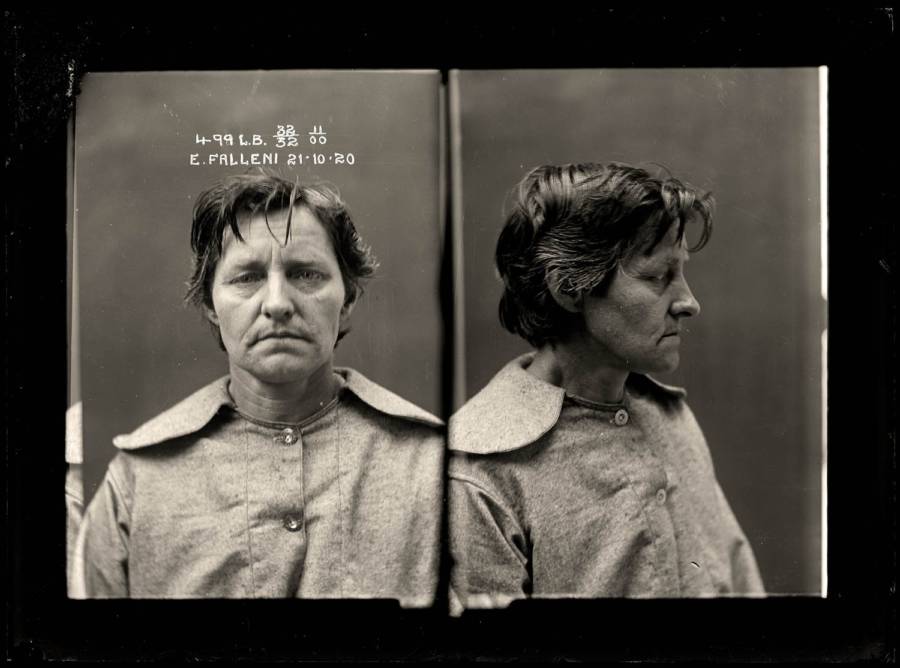
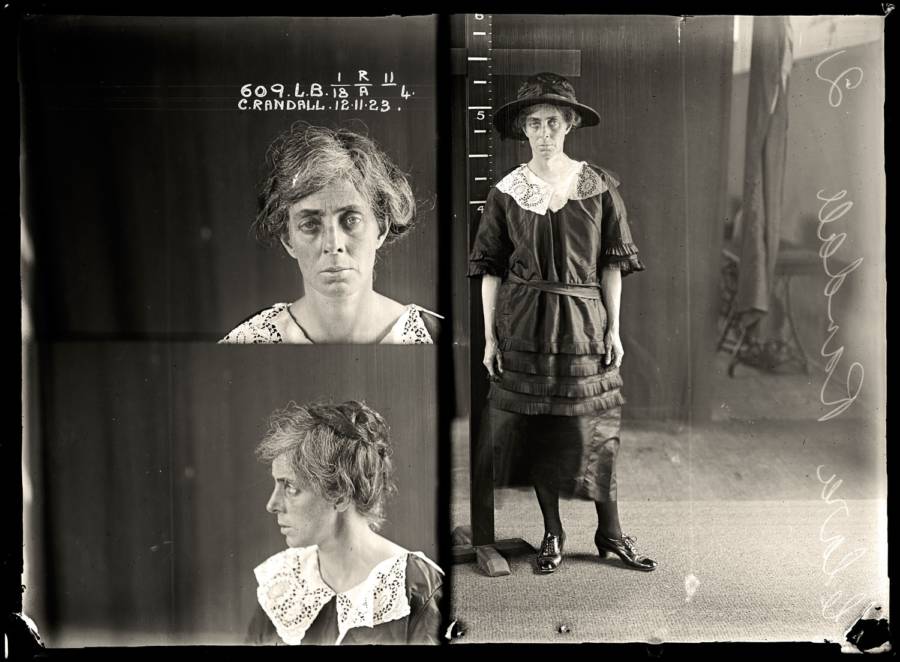
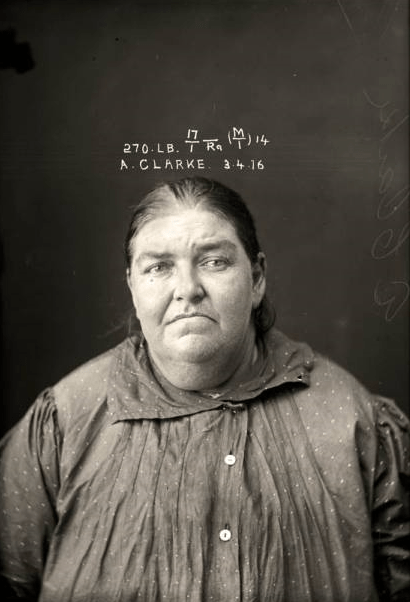
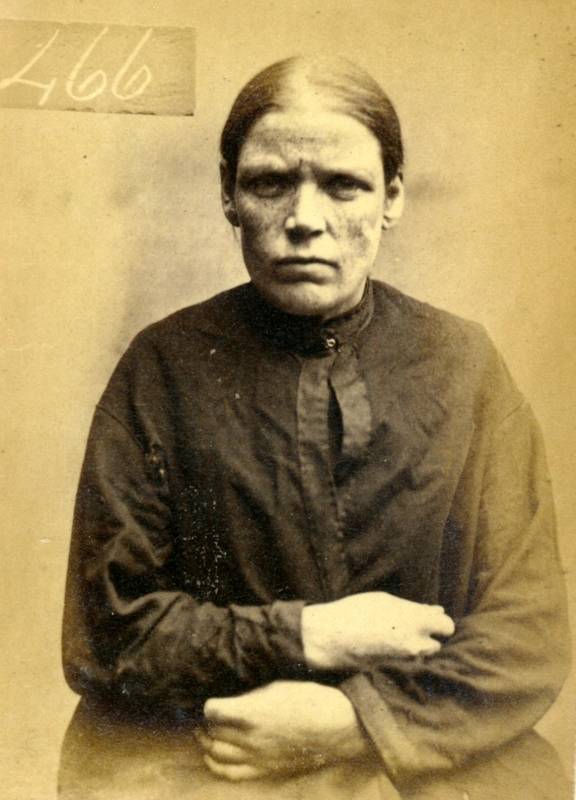
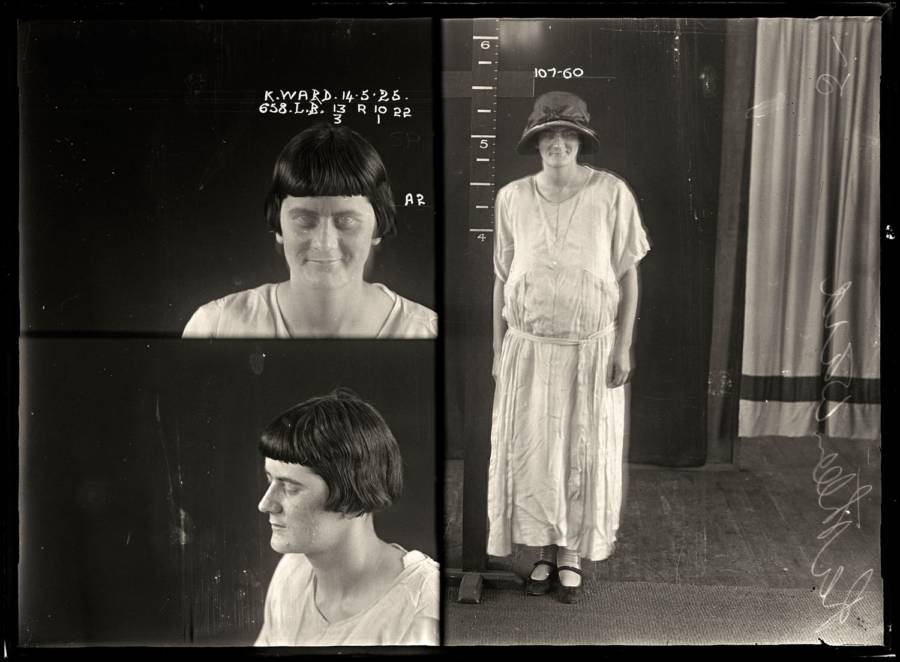
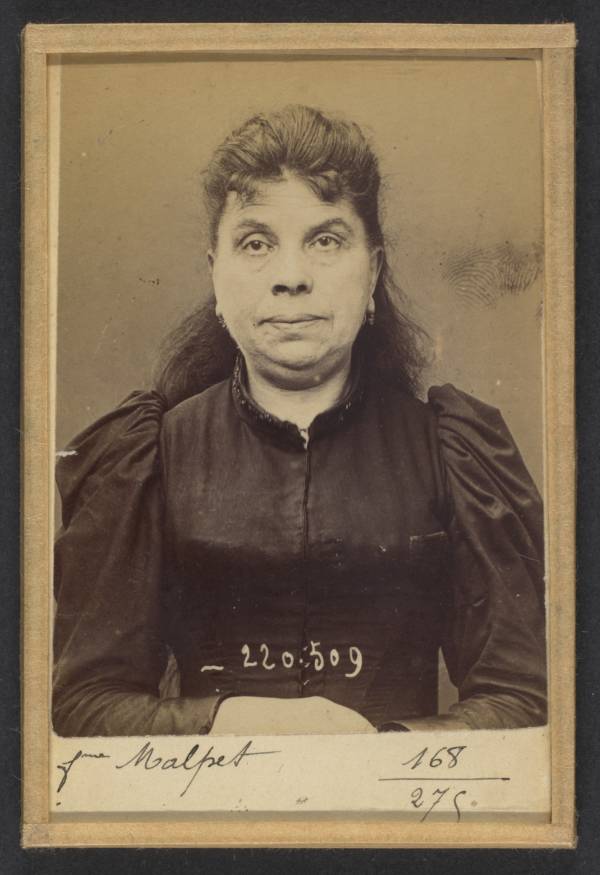
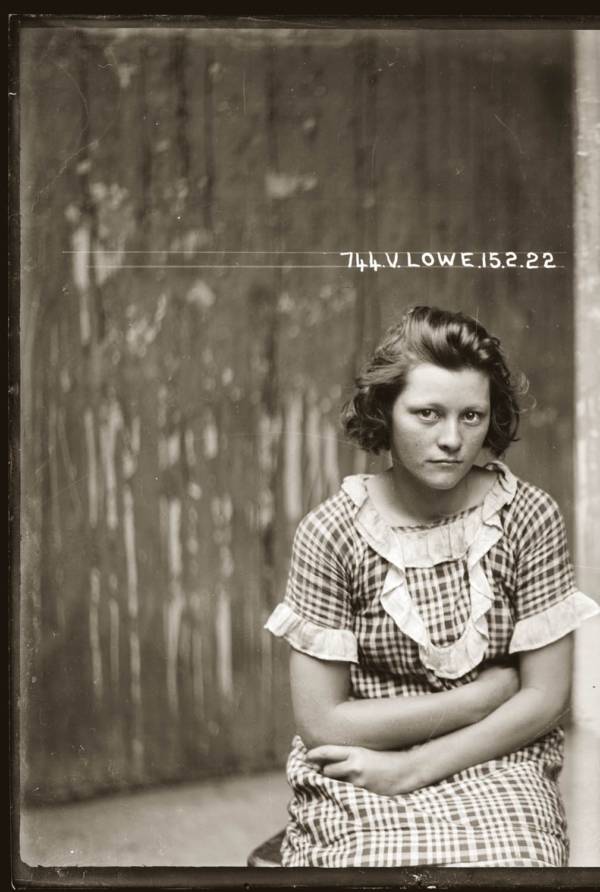
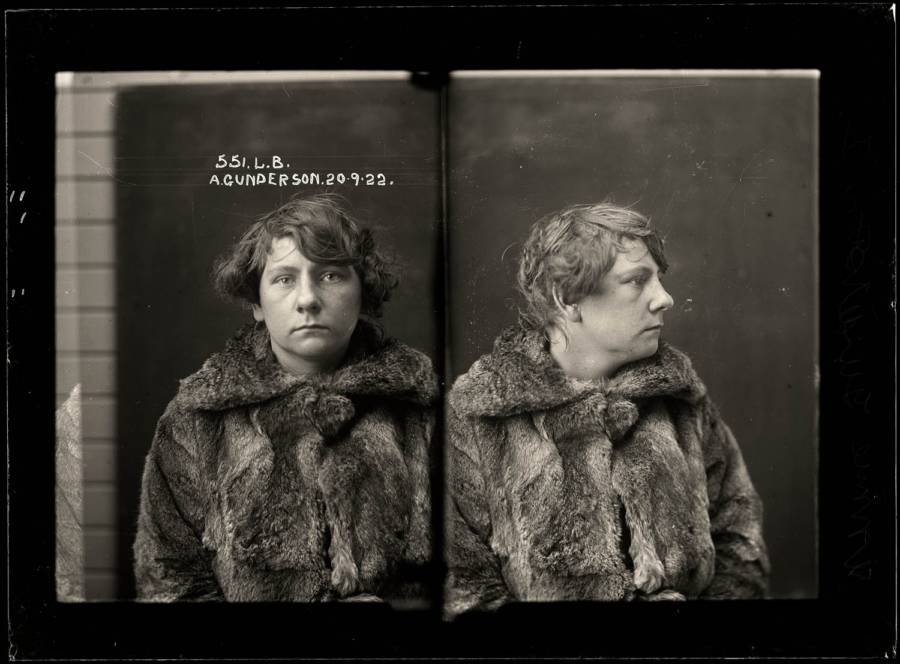
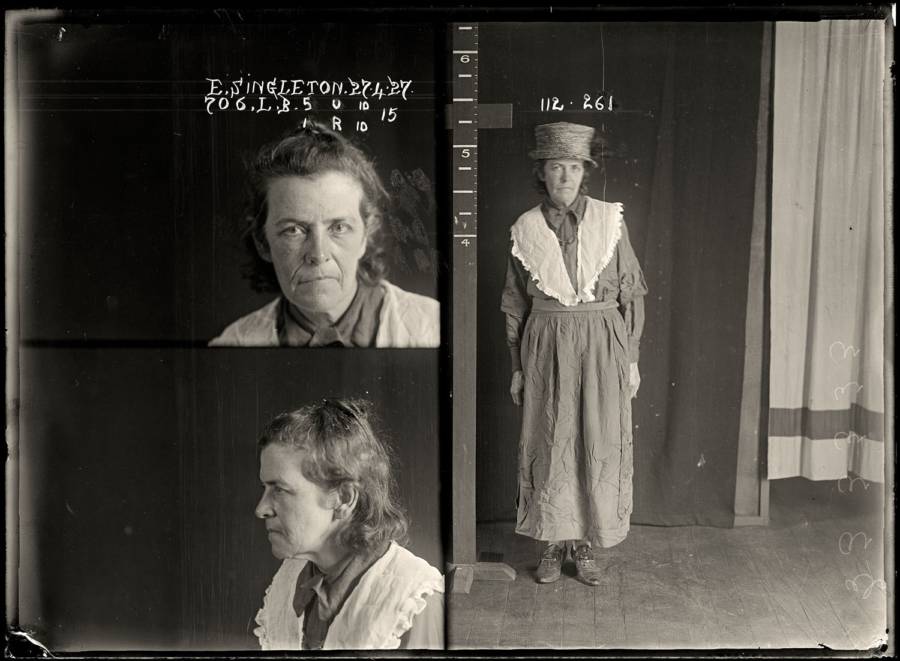
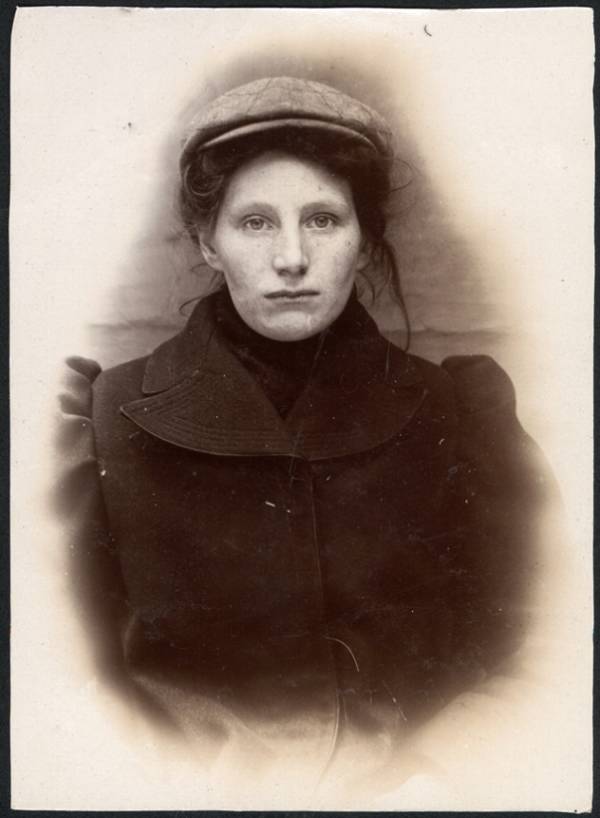
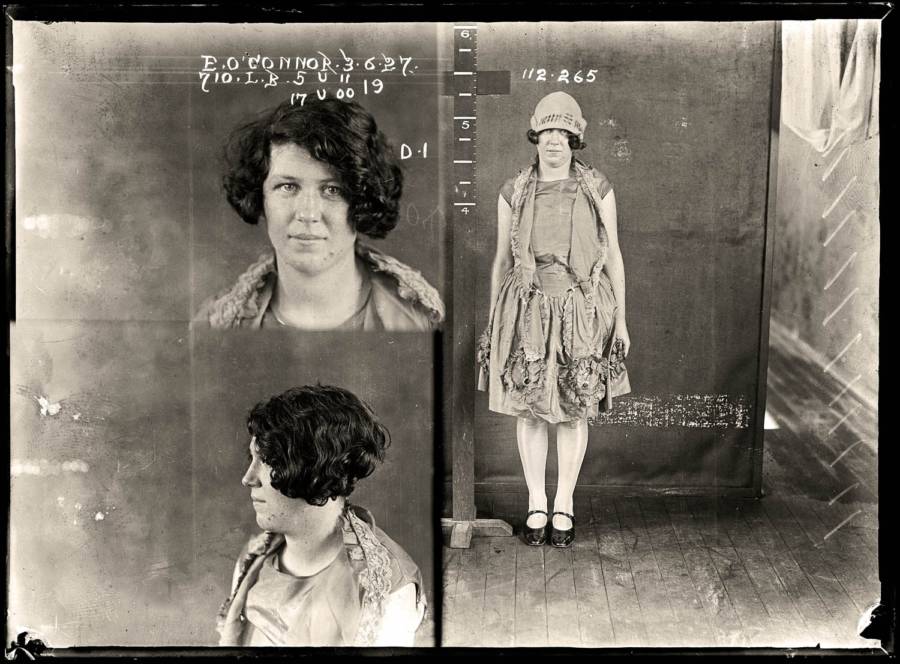
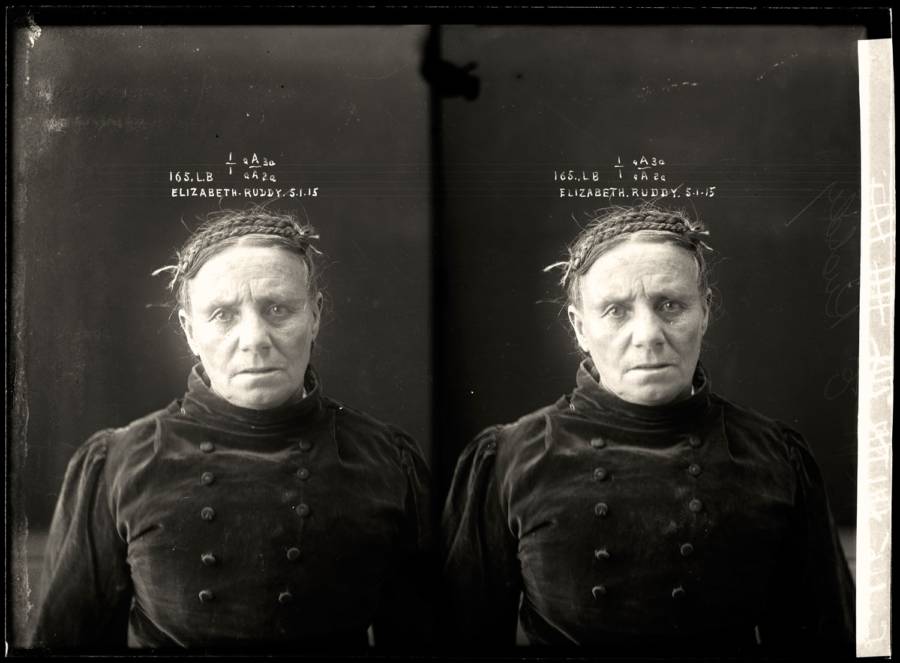
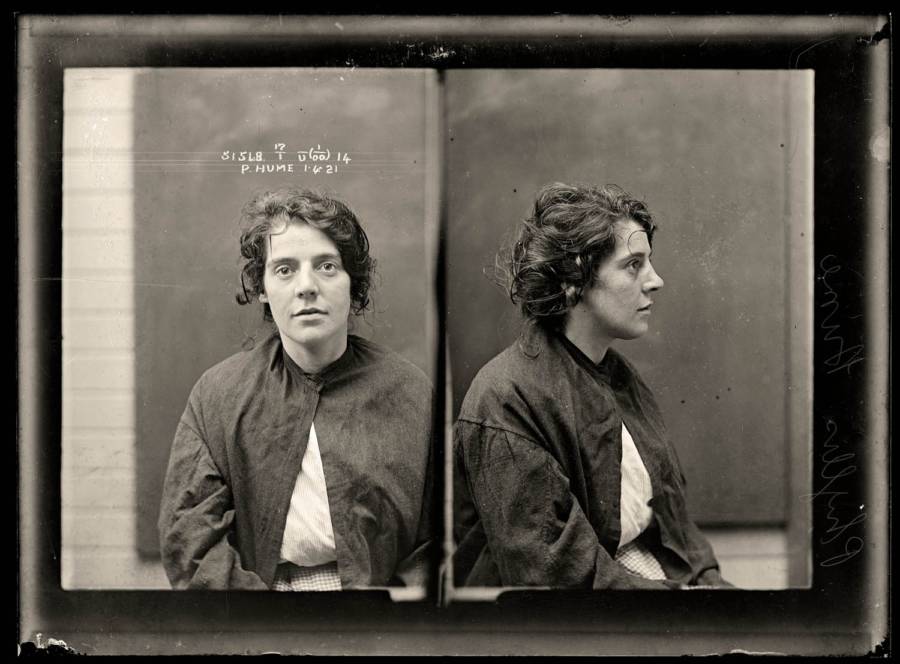
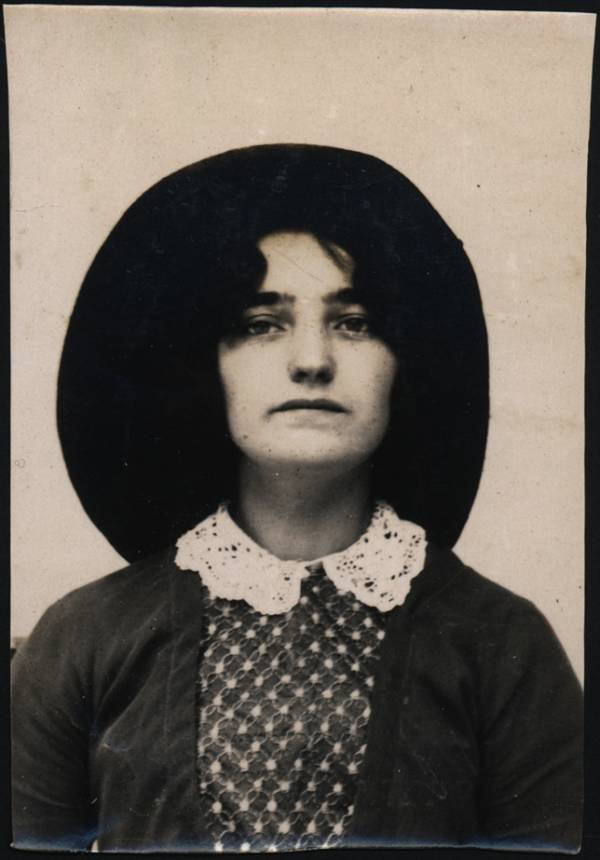
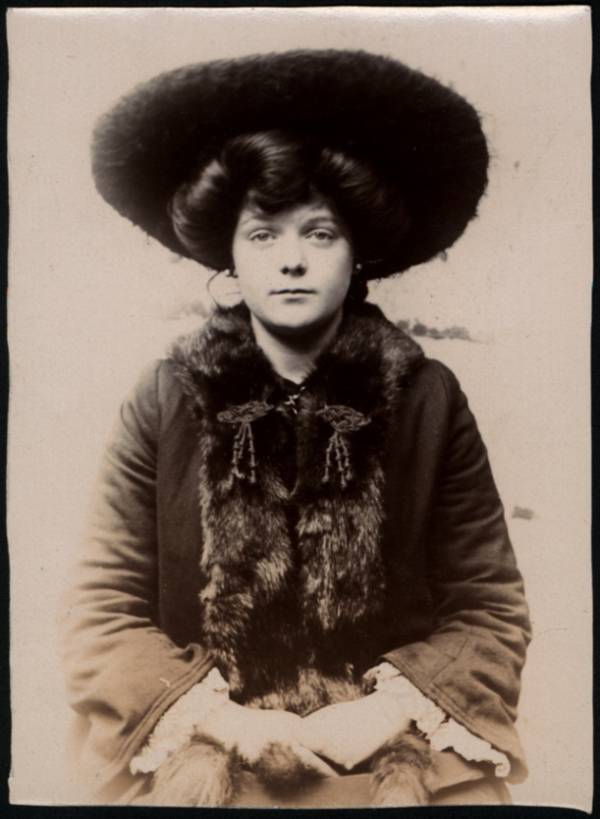
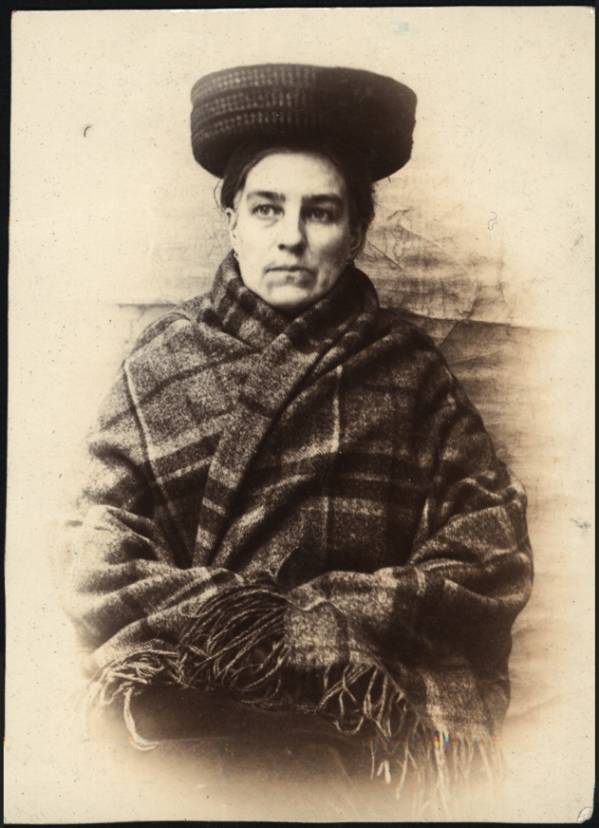
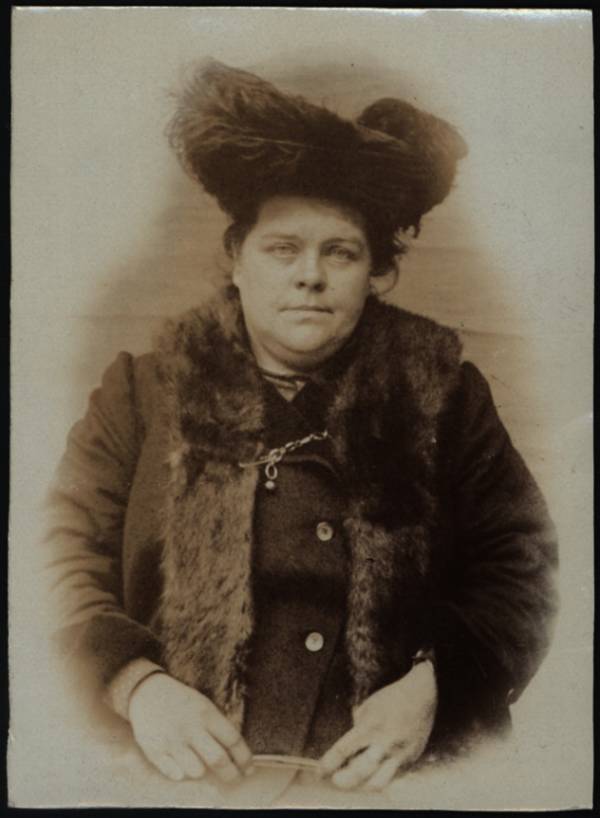
Dorothy Mort, 32, convicted of murdering her lover, a young doctor named Claude Tozer. 1921.Alice Fisher, 41, served two consecutive sentences of four months for larceny. New South Wales. 1919.Laura Belle Devlin murdered and dismembered her 75-year-old husband with a hacksaw, throwing some of him in the wood stove and the rest in their backyard in Newark, Ohio. 1947.Amy Lee was described in court as a “good looking girl until she fell victim to the foul practice” of snorting cocaine. New South Wales. 1930.Eugenia Falleni, alias Harry Crawford, spent most of her life masquerading as a man. In 1913, Falleni married a widow, Annie Birkett, whom she later murdered. The case whipped the public into a frenzy as they clamored for details of the “man-woman” murderer. New South Wales. 1920.Clara Randall reported to police that her flat had been broken into and a quantity of jewelry stolen. It was later discovered she had pawned the jewelry for cash. New South Wales. 1923.Alice Clarke, 42, was convicted of selling liquor without a license from a private residence. New South Wales. 1916.Catherine Flynn, 34, was sentenced to six months in Newcastle, England for stealing money. 1871.Kathleen Ward had convictions for drunkenness, indecent language, and theft. New South Wales. 1925.Jeanne Malpet, 51, arrested as an anarchist in Paris. 1894.Isabella McQue, arrested for stealing a sealskin coat. North Shields, England. 1915.Valerie Lowe was arrested for breaking into an army warehouse and stealing boots and overcoats, among other theft charges. New South Wales. 1922.Teenager Annie Gunderson was charged with stealing a fur coat from a Sydney, Australia department store. 1922.Esther Eggers, 22, charged with malicious injury to property and wounding a police officer with intent to do grievous bodily harm. New South Wales. 1919.Elizabeth Singleton had multiple convictions for soliciting and was described in police records as a “common prostitute.” New South Wales. 1927.Alice Adeline Cooke of New South Wales, Australia. Convicted of bigamy and theft. By the age of 24, Cooke had amassed a number of aliases and at least two husbands. 1922.Emily Hemsworth, 24, killed her three-week-old son but could not remember any details of the murder. She was found not guilty due to insanity. New South Wales. 1925.Mary Brewis, arrested for larceny of coal. North Shields, England. 1908.Catherine O’Neill, arrested in New York for an unspecified crime. 1906.Clotilde Adnet, 19, arrested as an anarchist in Paris. Circa 1891–1895.Nellie Cameron, 21, was one of Sydney’s best-known, and most desired, prostitutes. 1930.Edith Ashton was a backyard abortionist who also dabbled in theft and fencing stolen goods. New South Wales. 1929.Eileen May O’Connor, 17, arrested for stealing a wallet. New South Wales. 1927.Annette Soubrier, 28, arrested as an anarchist in Paris. 1894.Ellen Healey, arrested for stealing a pair of boots. North Shields, England. 1908.Elizabeth Ruddy, a career criminal who was convicted on theft charges. New South Wales. 1915.Jane Cartner, 22, stole a silver watch and was sentenced to six months in Newcastle, England. 1871.Phyllis Carmier stabbed her “bludger,” or pimp, to death during a violent altercation. She attracted much sympathy in the media, who labeled her crime a justifiable homicide. New South Wales. 1921.Lillian Tibbs, arrested for petty larceny in North Shields, England. 1914.Mary Rubina Brownlee, convicted of unlawfully using an instrument to procure a miscarriage. She was sentenced to 12 months light labor, but her male accomplice was acquitted. New South Wales. 1923.Maud M. Garmey, arrested for theft in North Shields, England. 1905.Elizabeth Cross, arrested for larceny. North Shields, England. 1906.Elizabeth M. Cambettie, arrested for stealing a skirt. North Shields, England. 1906.Susan Joice, stole money from a gas meter. North Shields, England. 1903.Mabel Smith, arrested for larceny. North Shields, England. 1903.
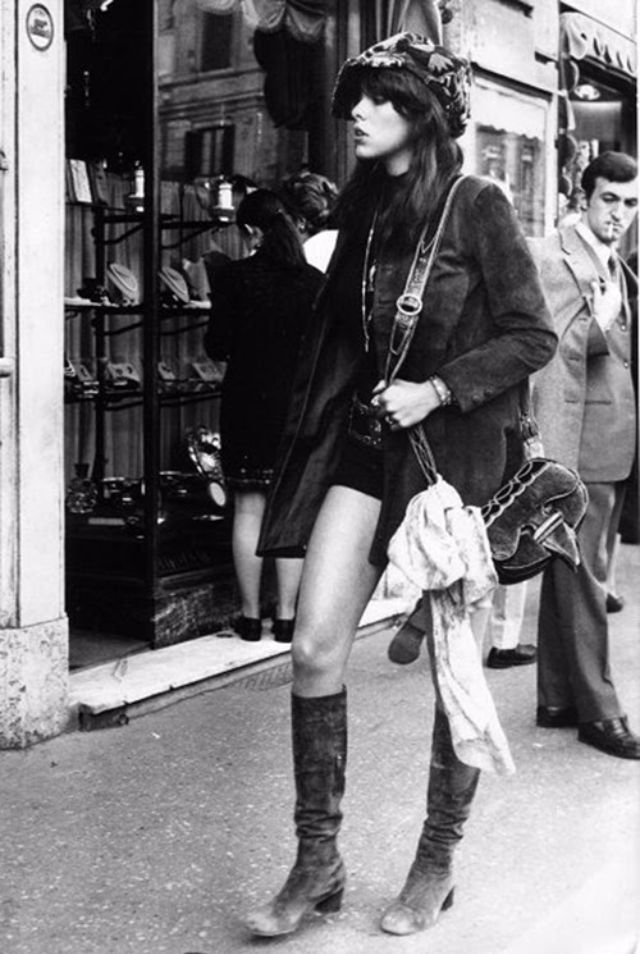
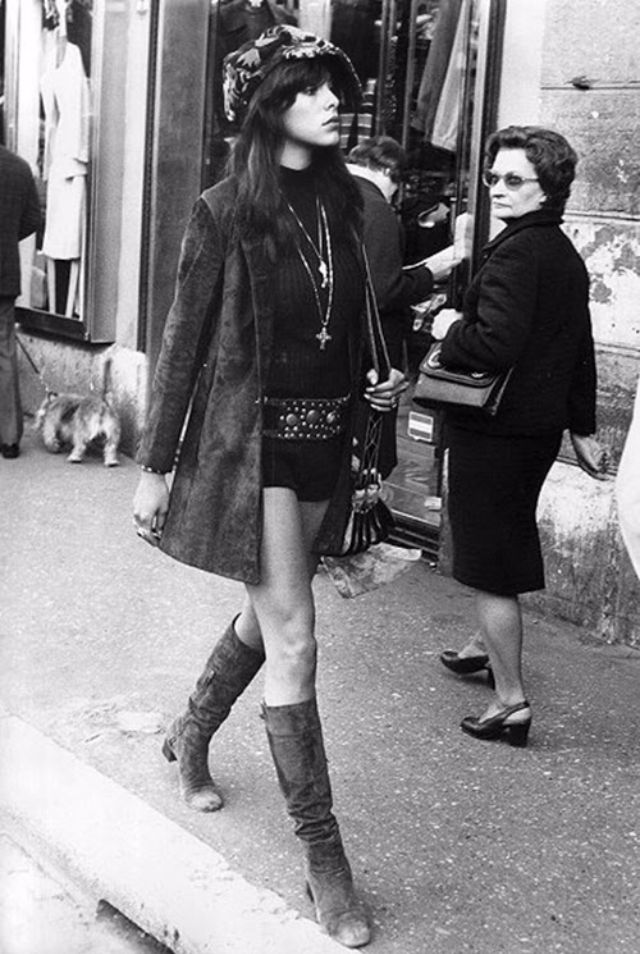
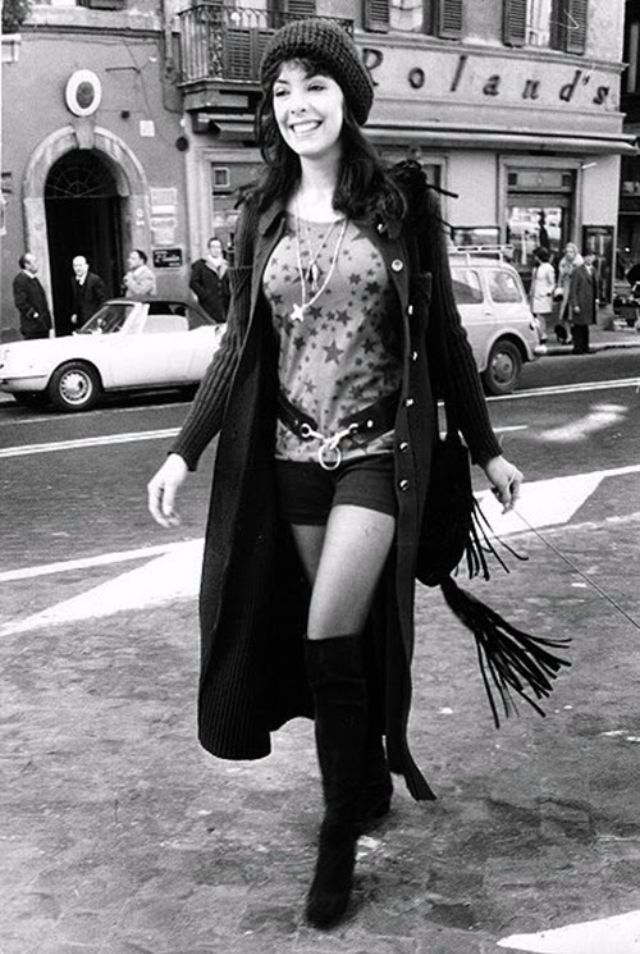
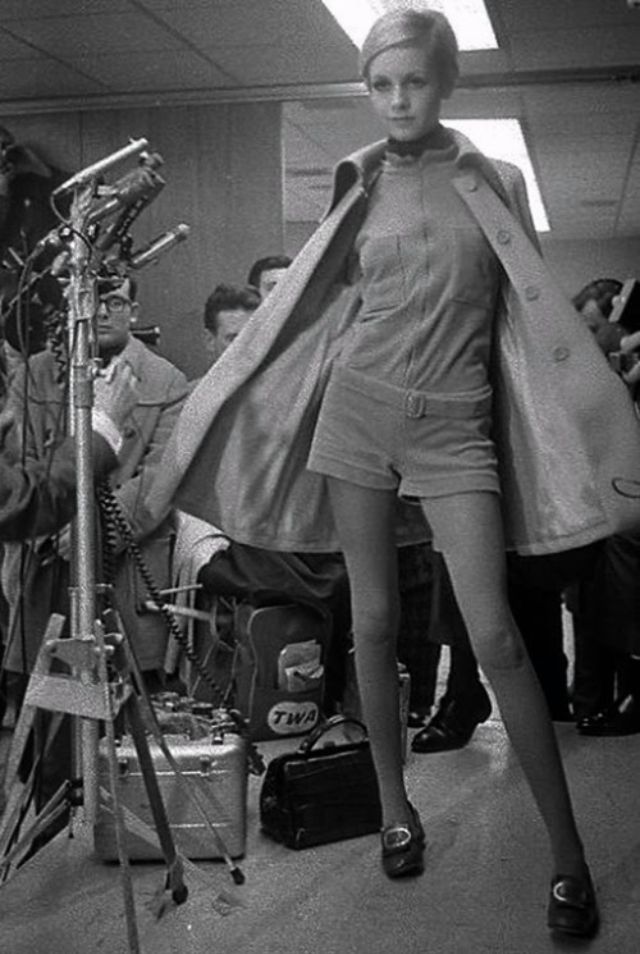
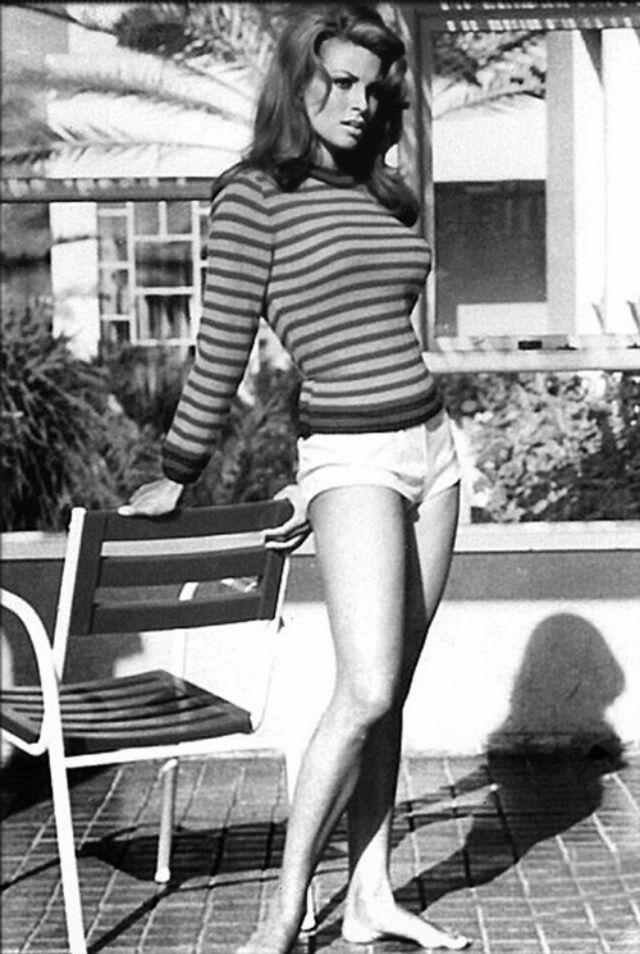
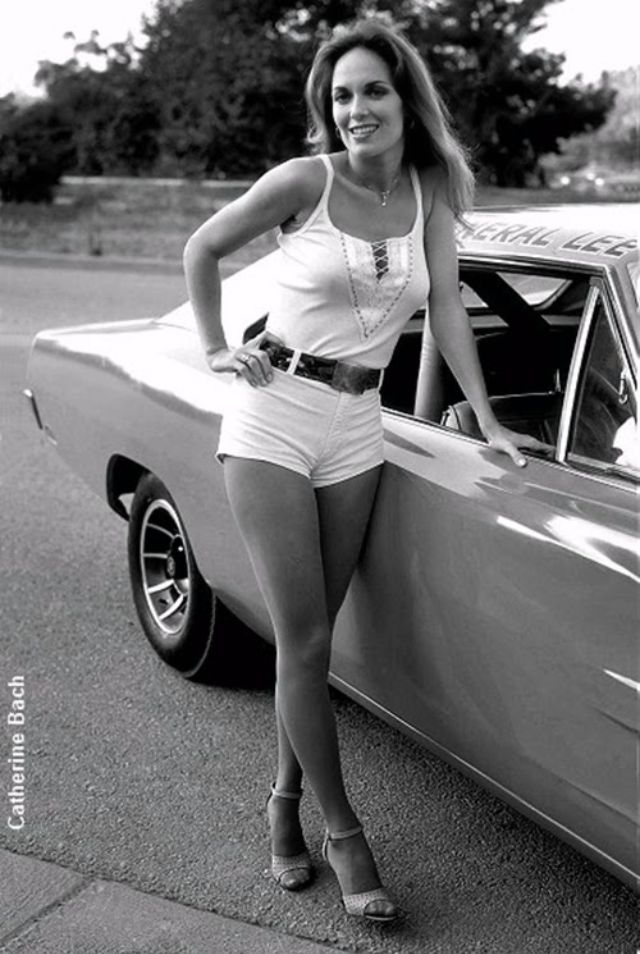
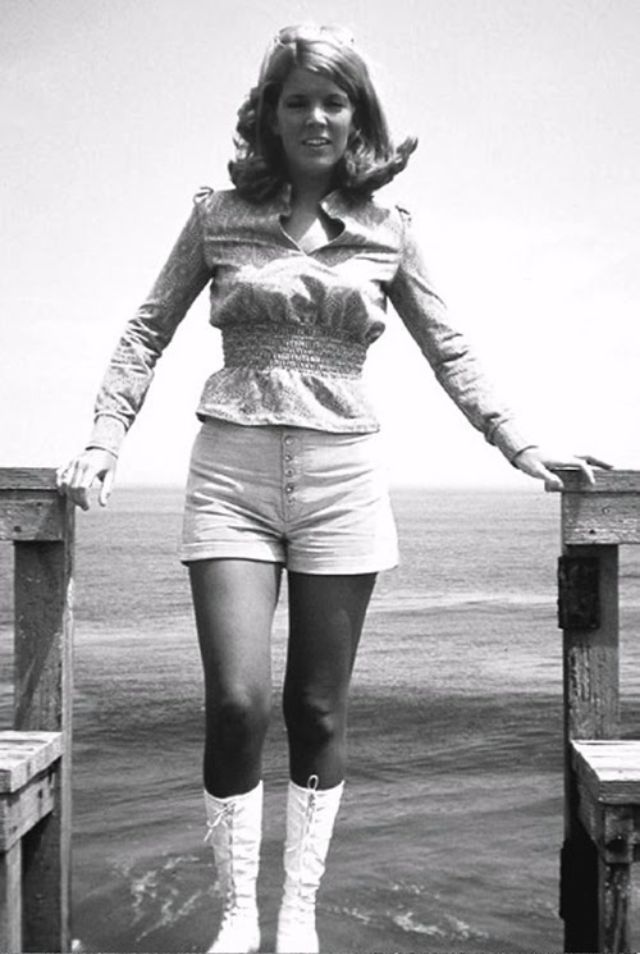
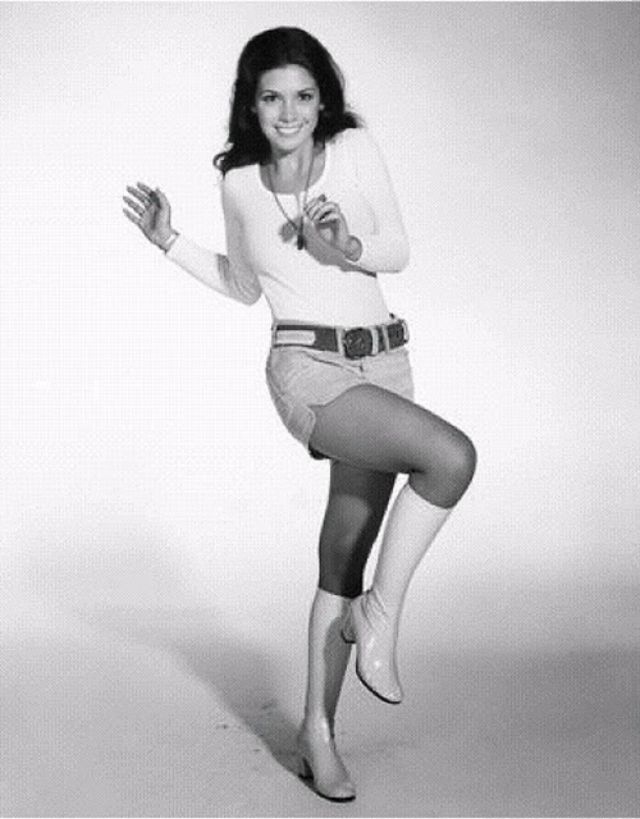
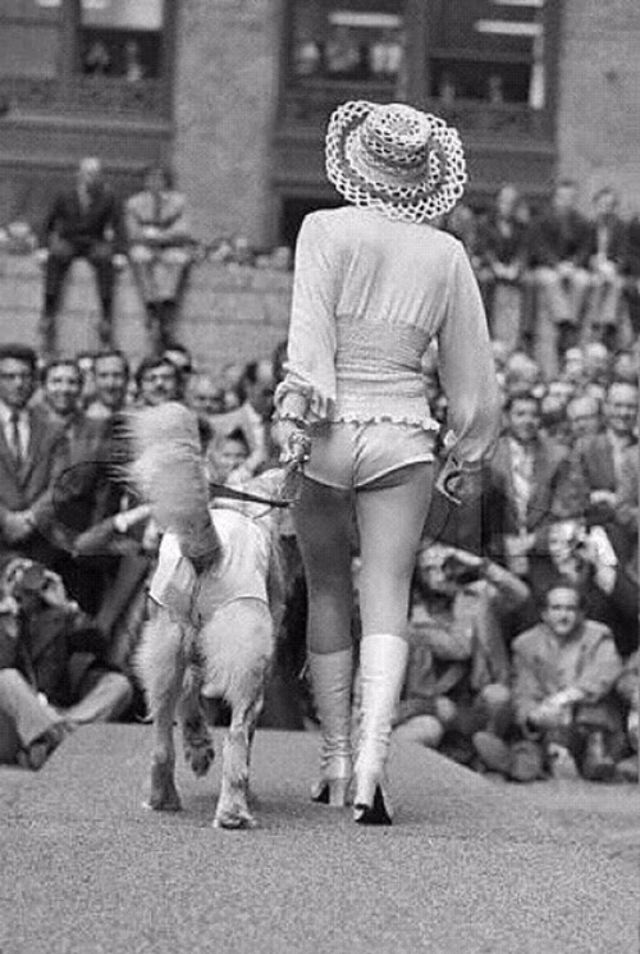
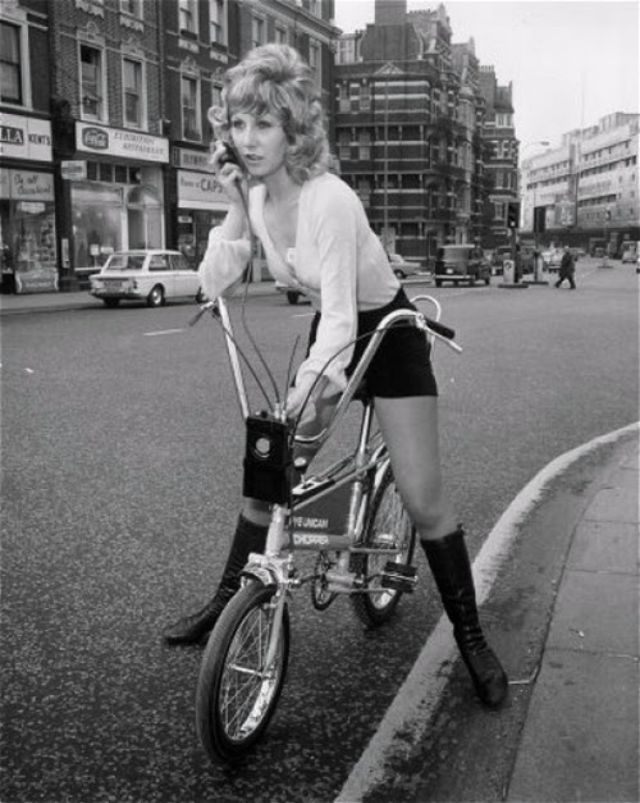
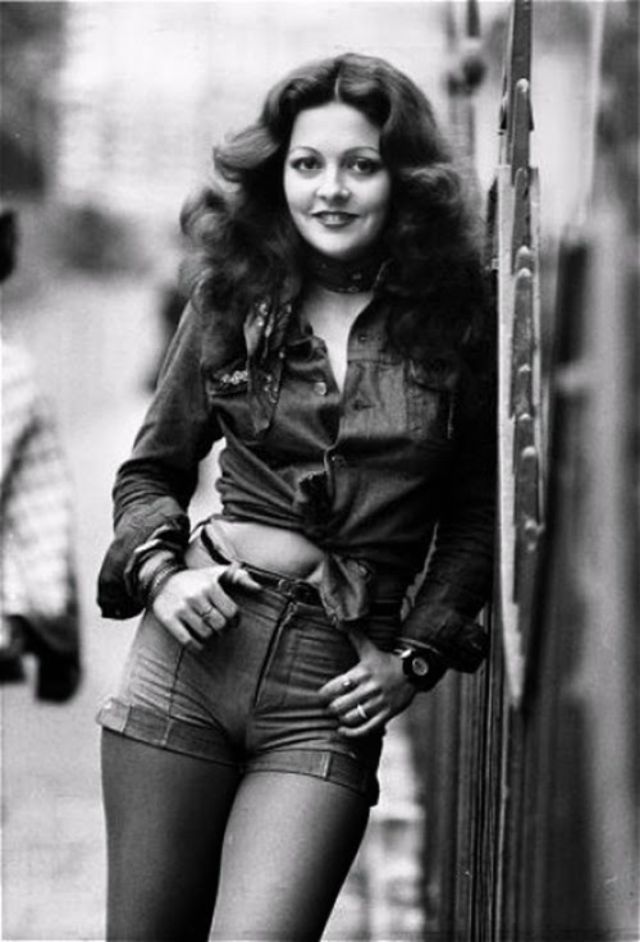
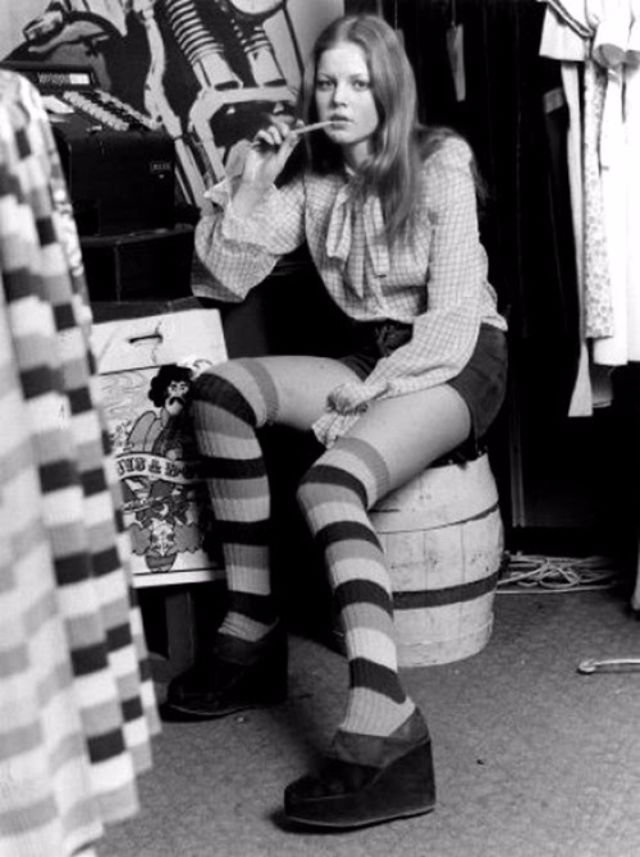
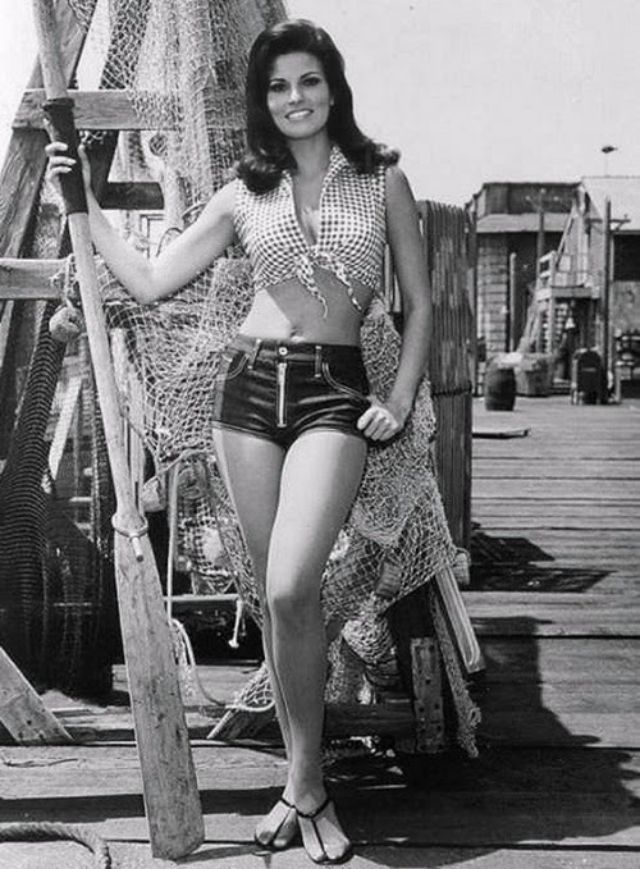
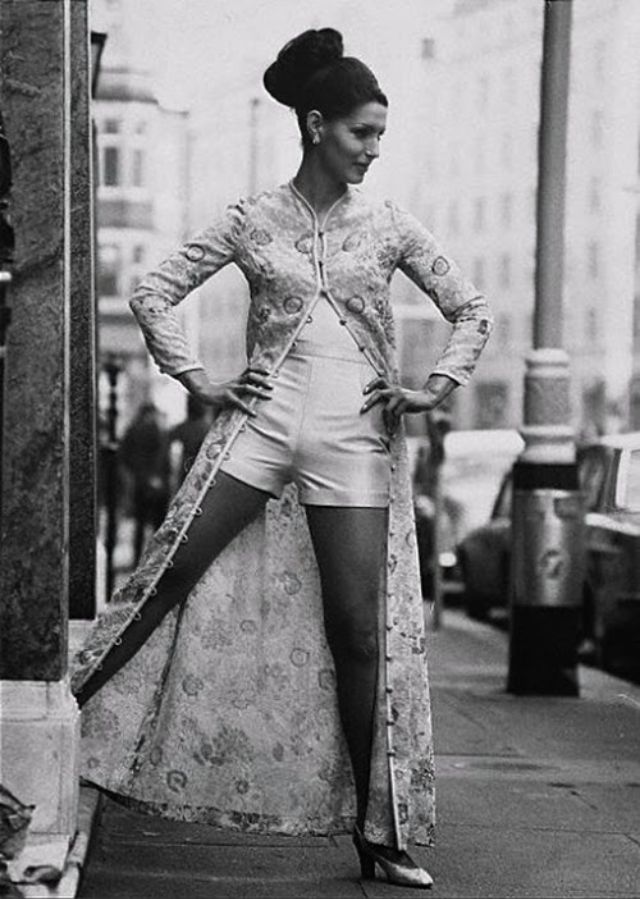
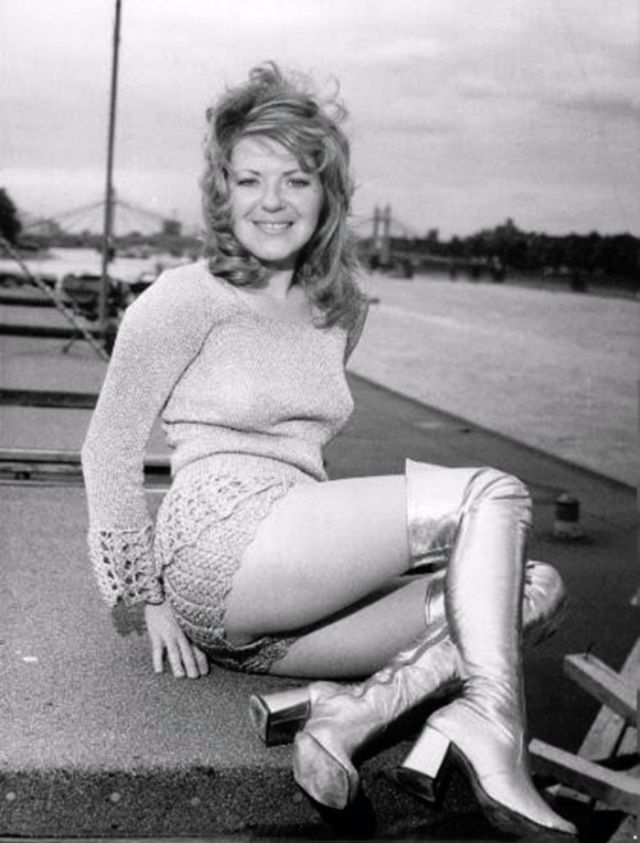
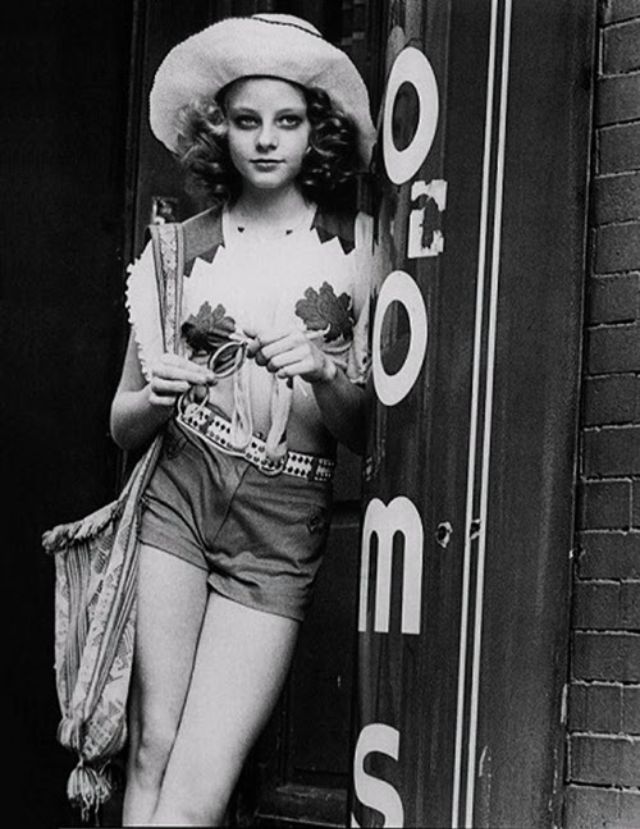
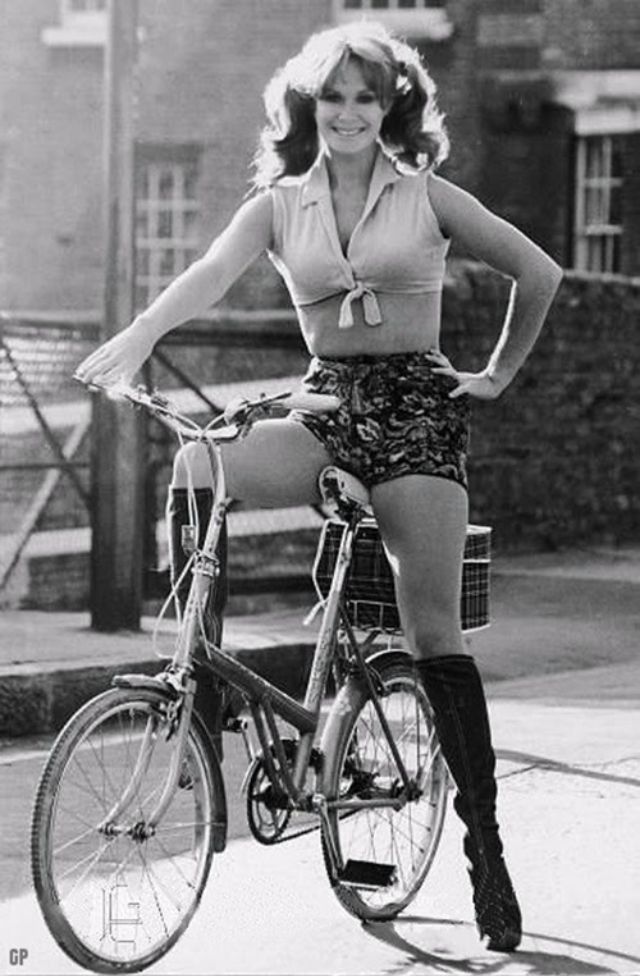
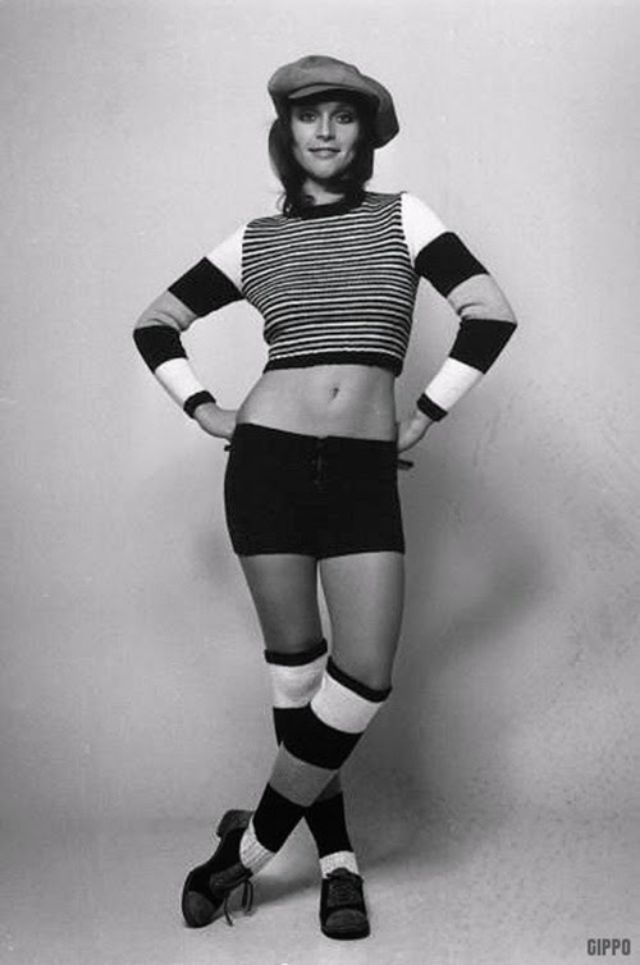
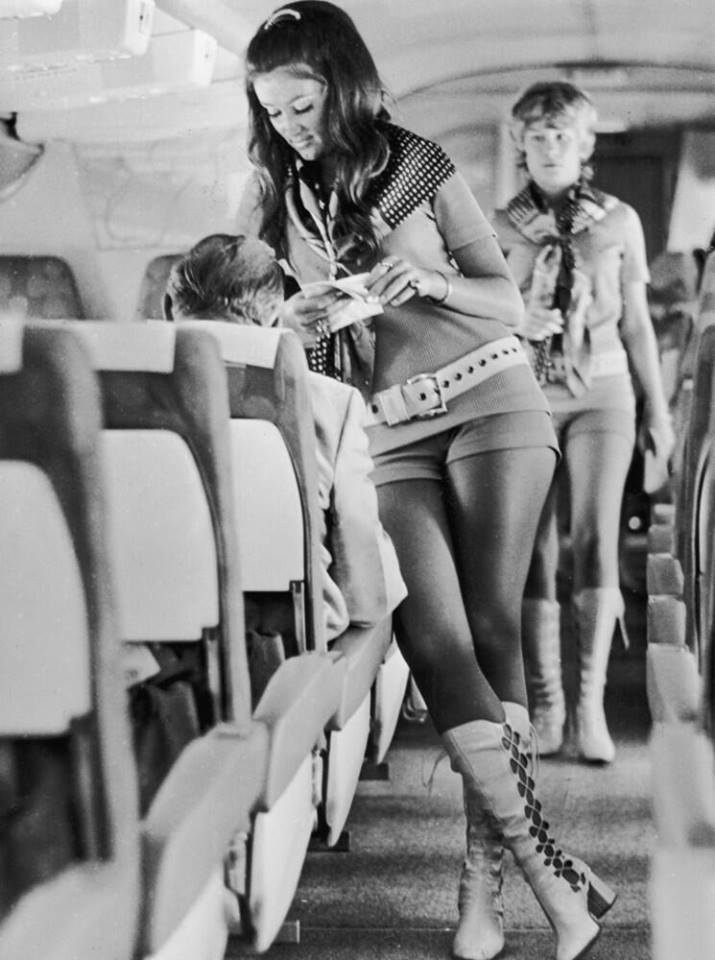
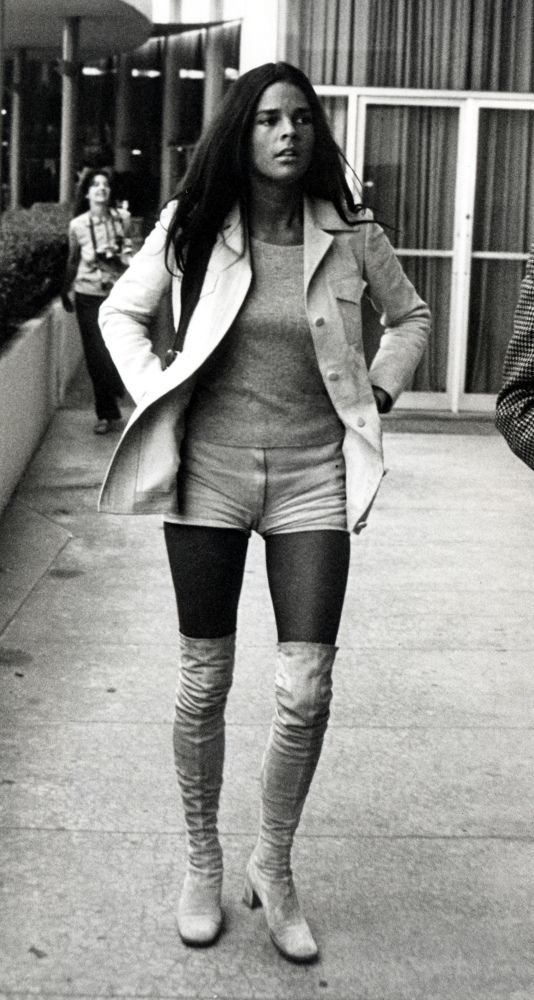
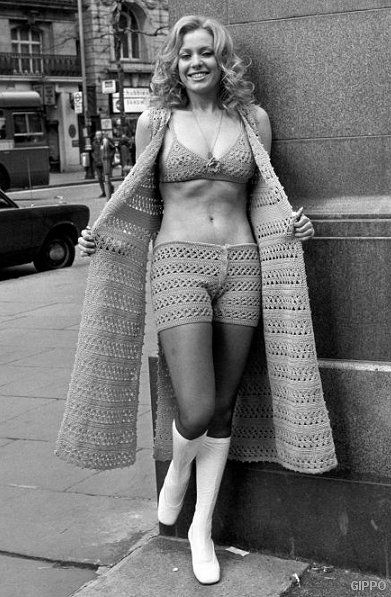
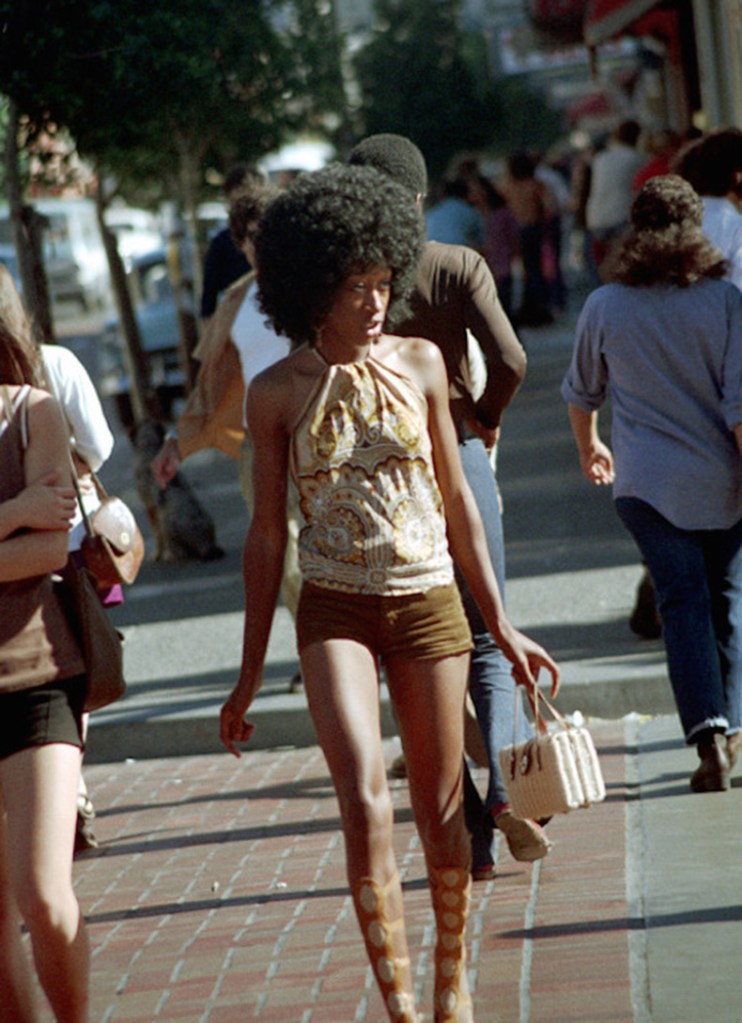
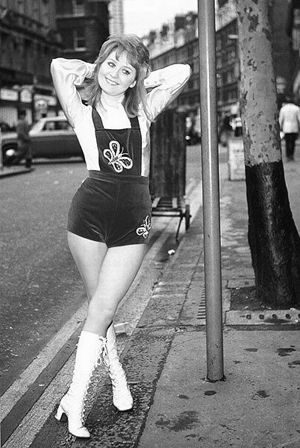
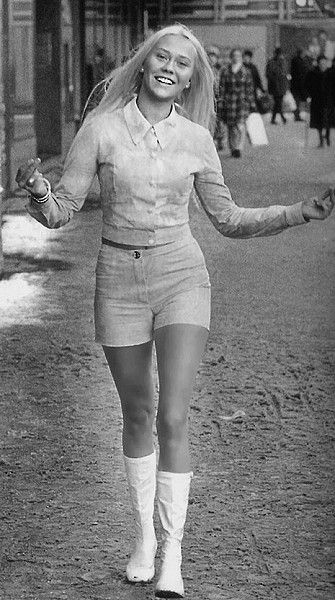
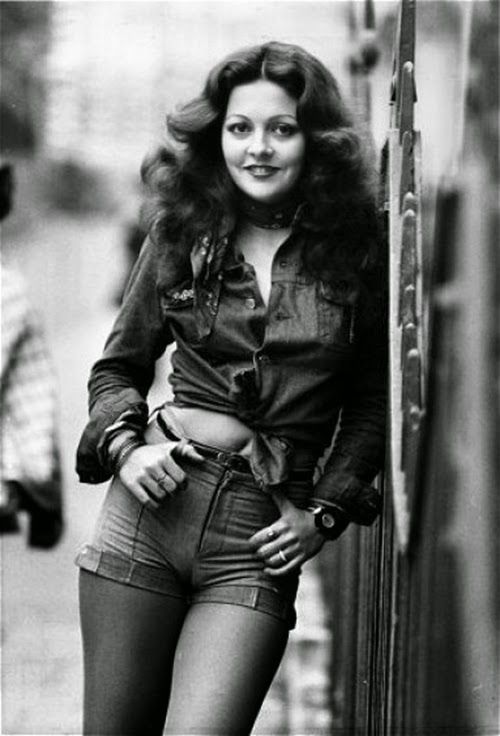
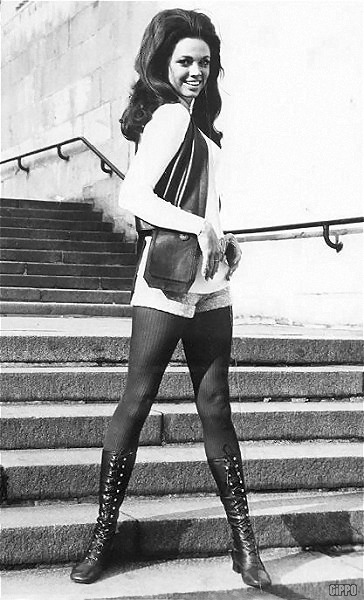
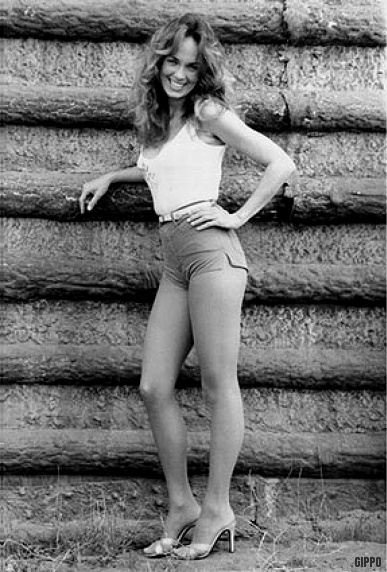
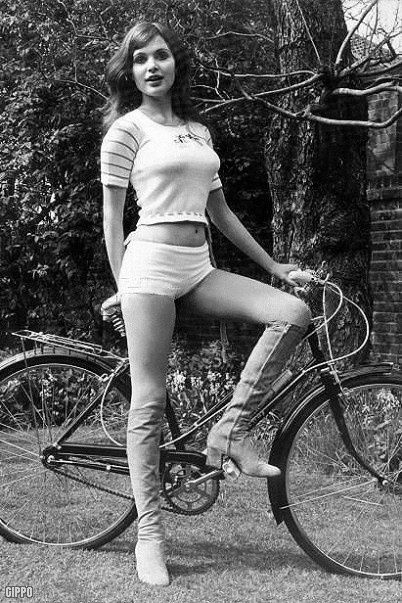
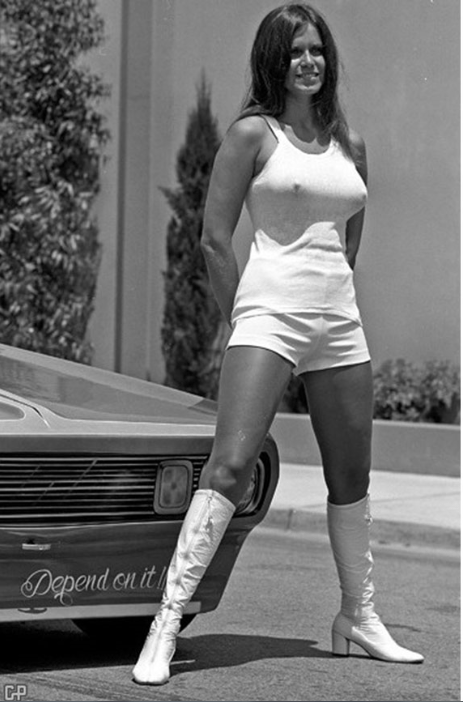
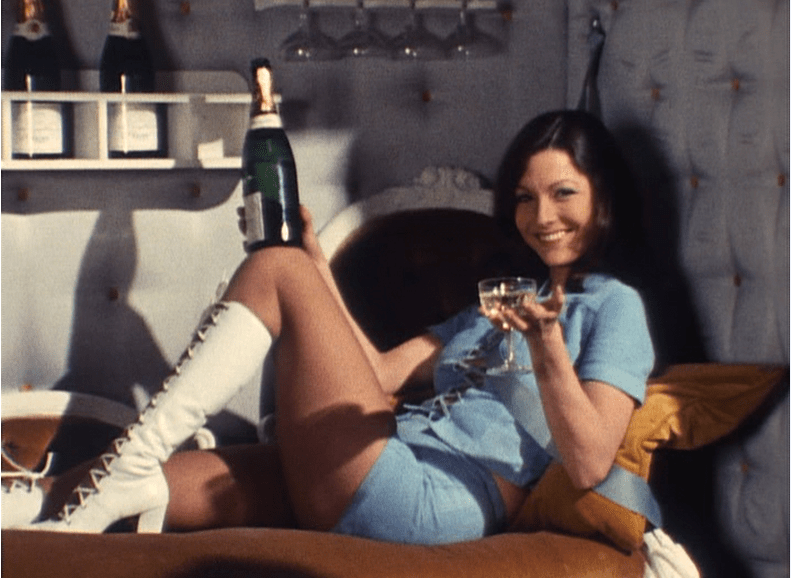
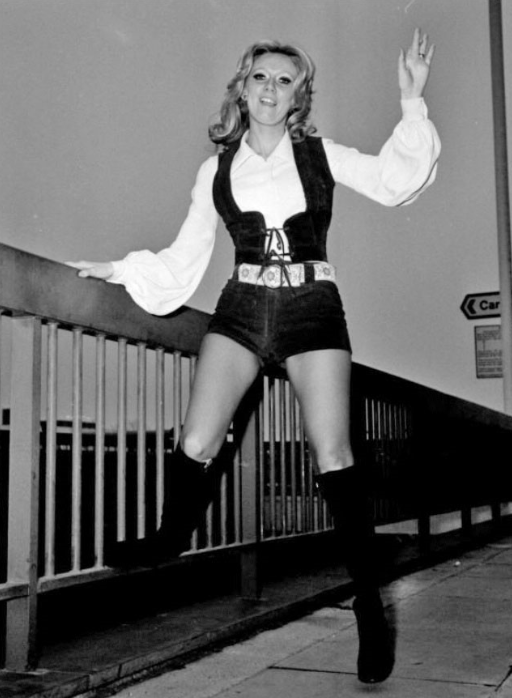
Hotpants or hot pants describe extremely short shorts. The term was first used by Women’s Wear Daily in 1970 to describe shorts made in luxury fabrics such as velvet and satin for fashionable wear, rather than their more practical equivalents that had been worn for sports or leisure since the 1930s. The term has since become a generic term for any pair of extremely short shorts. While hotpants were briefly a very popular element of mainstream fashion in the early 1970s, by the mid-1970s they had become associated with the sex industry, which contributed to their fall from fashion. However, hotpants continue to be popular as clubwear well into the 2010s and are often worn within the entertainment industry, particularly as part of cheerleader costumes or for dancers (especially backup dancers). Performers such as Britney Spears and Kylie Minogue have famously worn hotpants as part of their public performances and presentation. (Wikipedia)
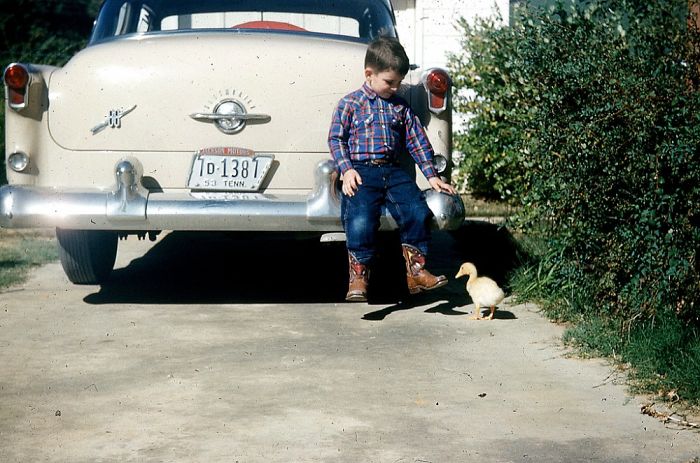
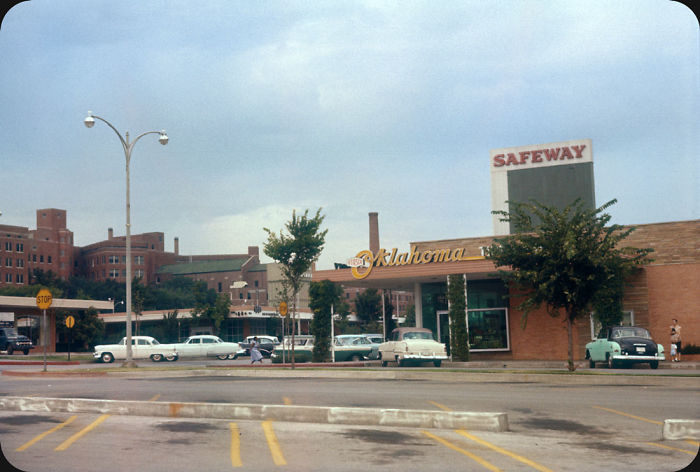
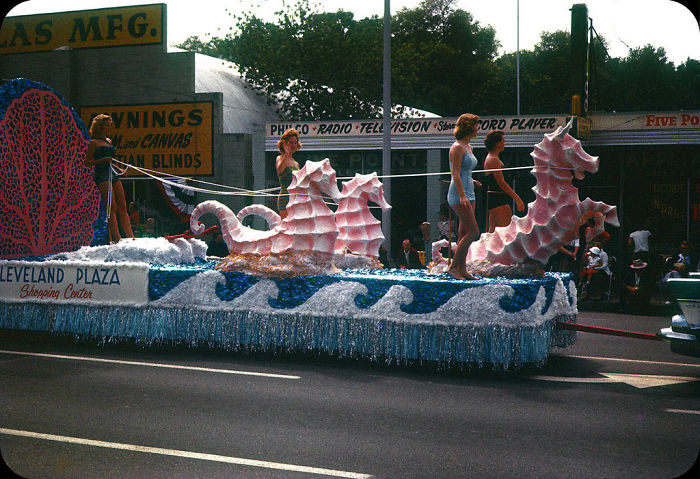
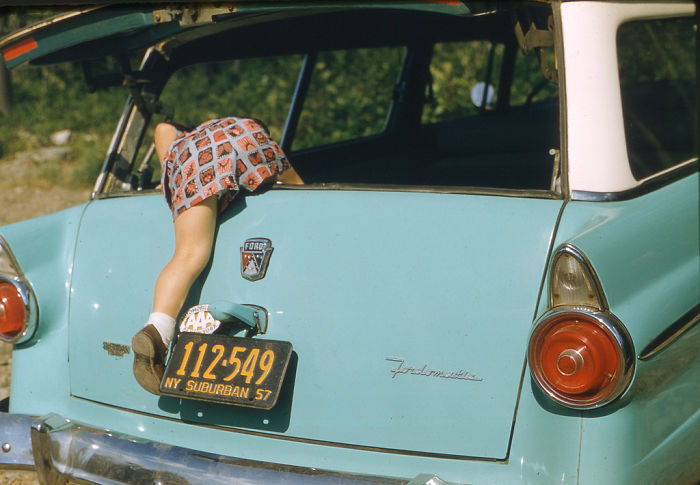
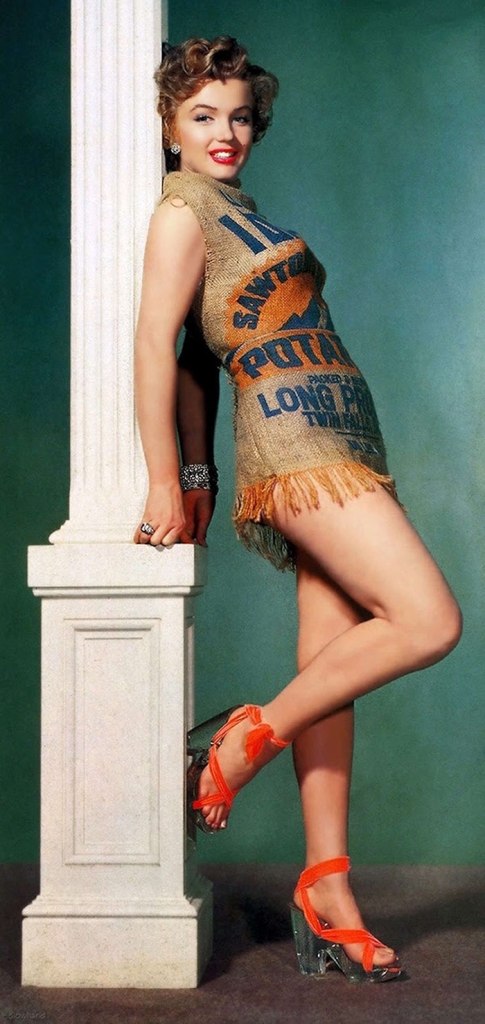
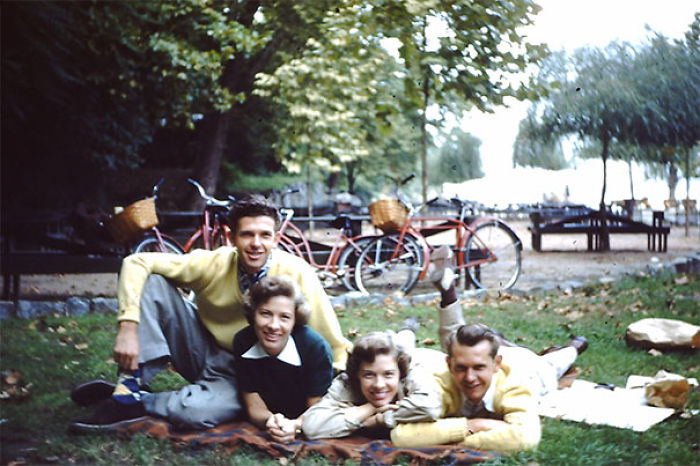
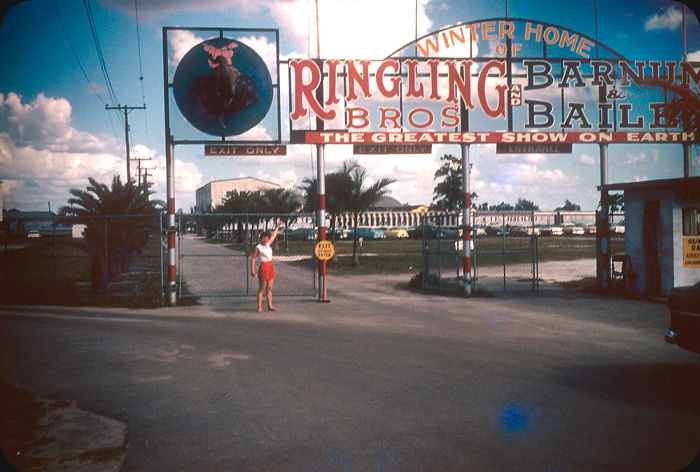
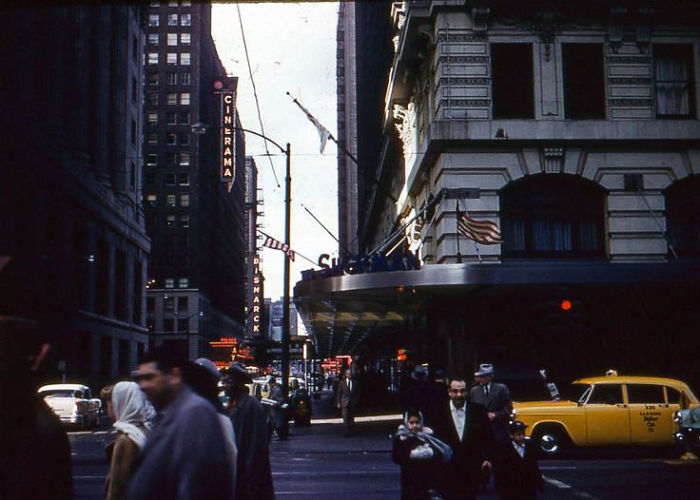
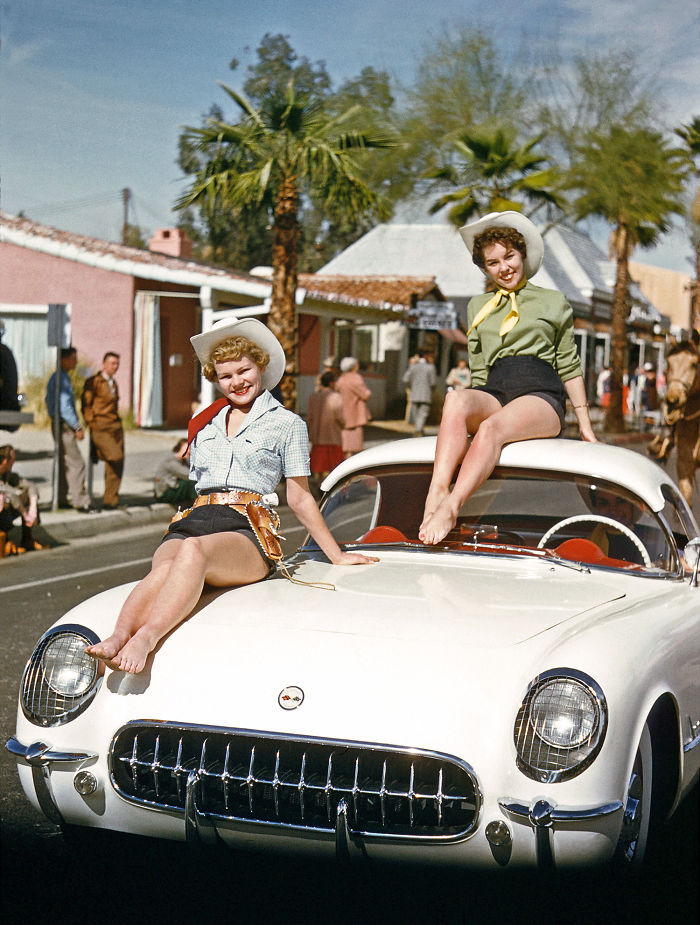
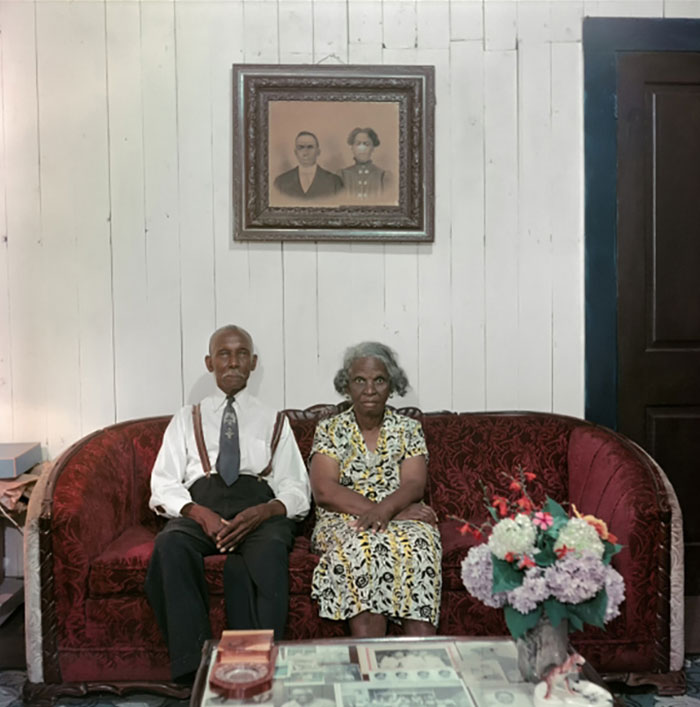
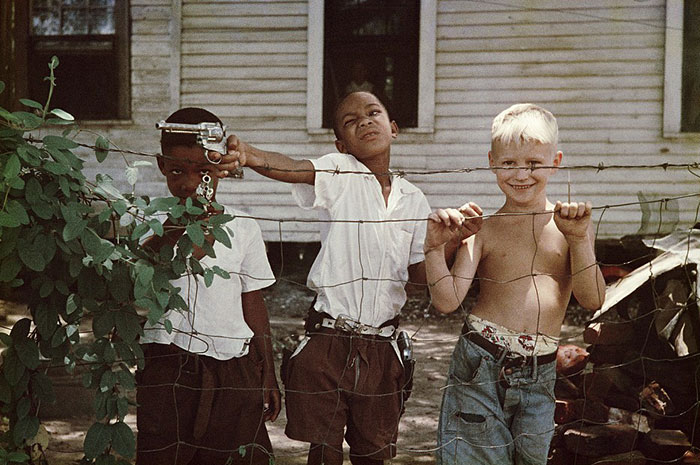
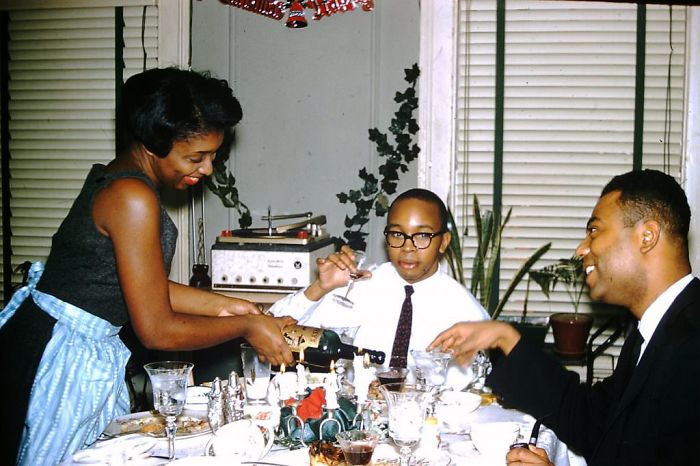
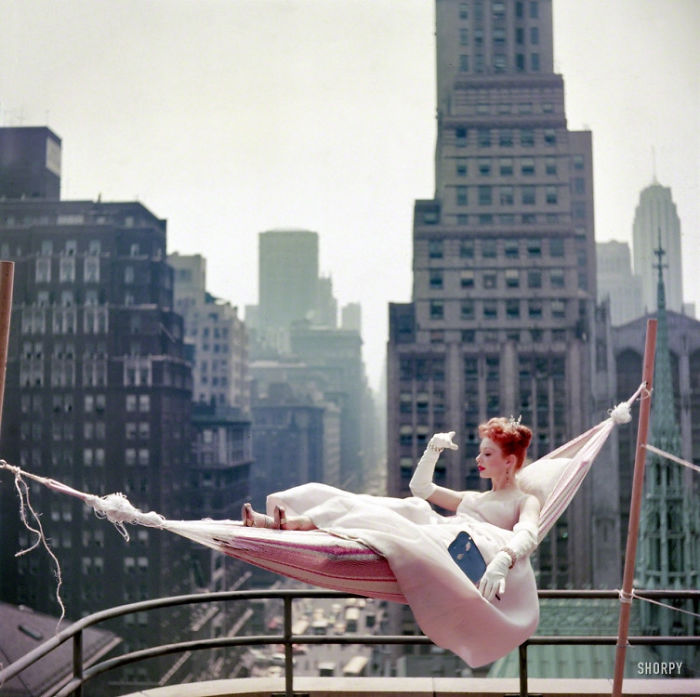
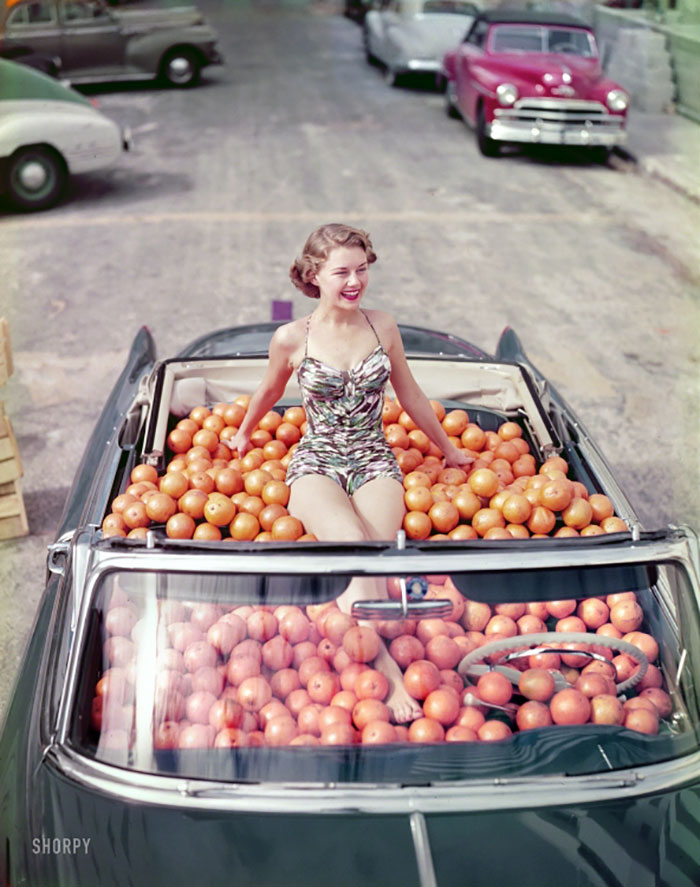
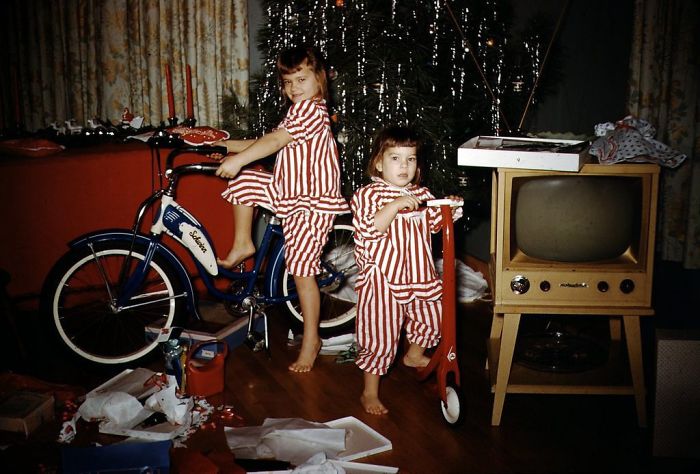
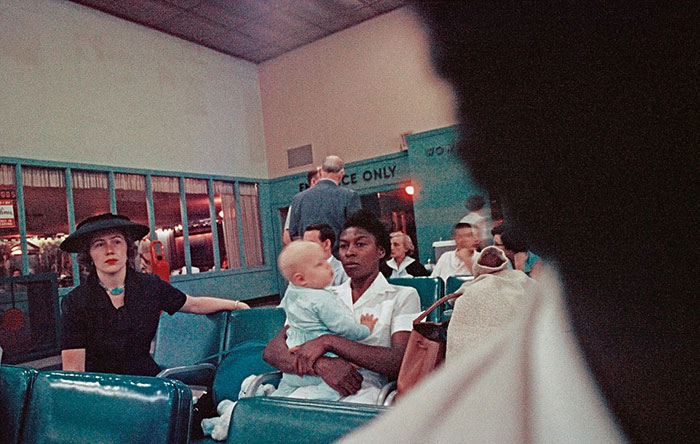
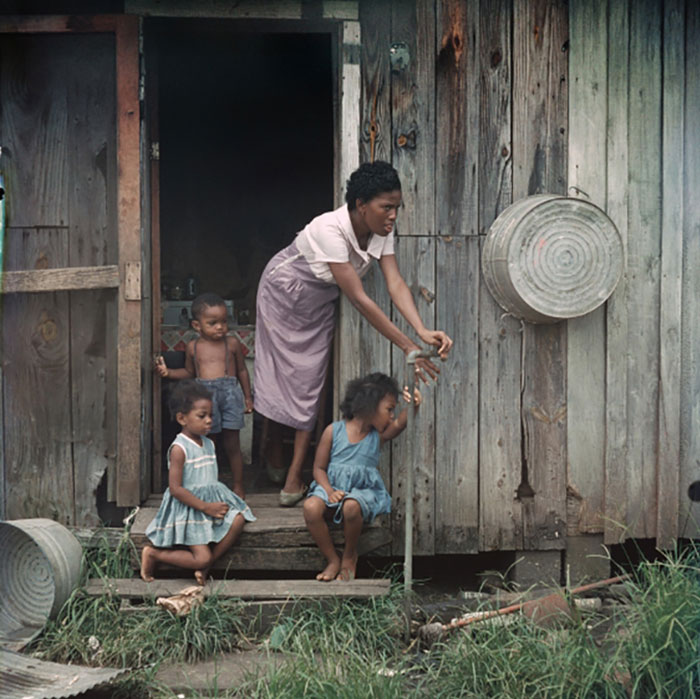
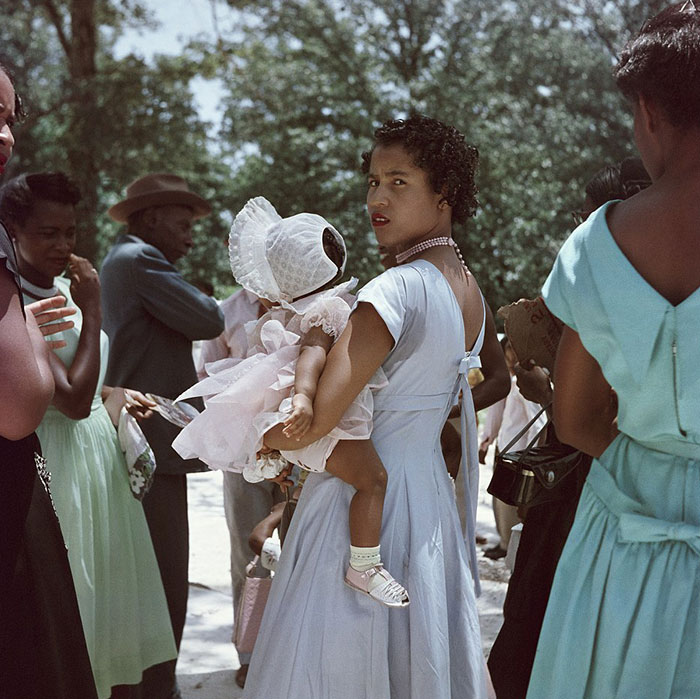
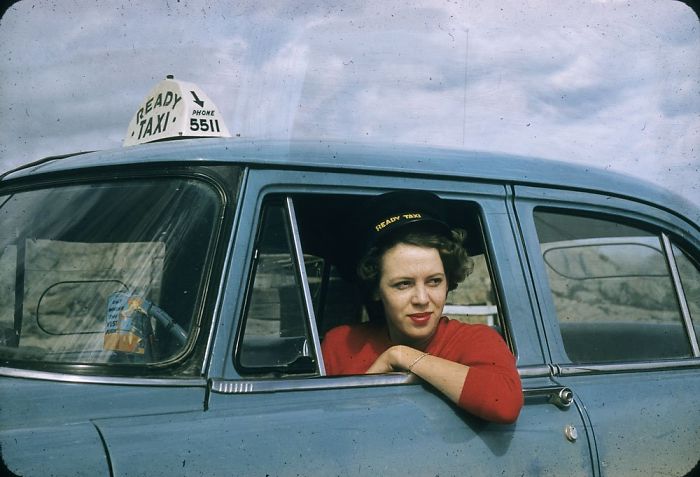
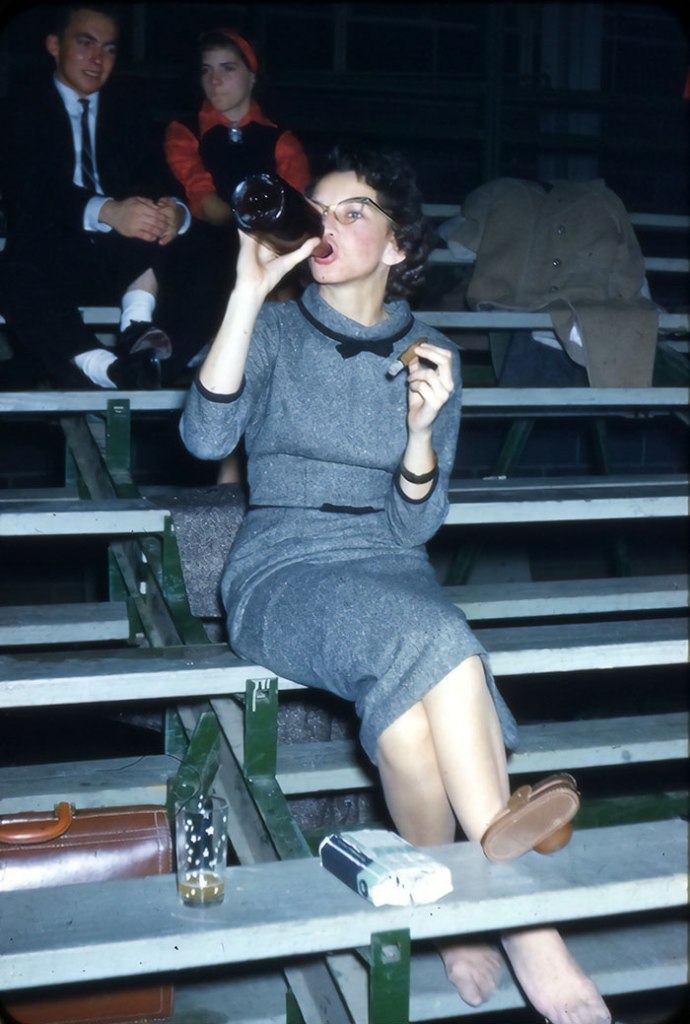
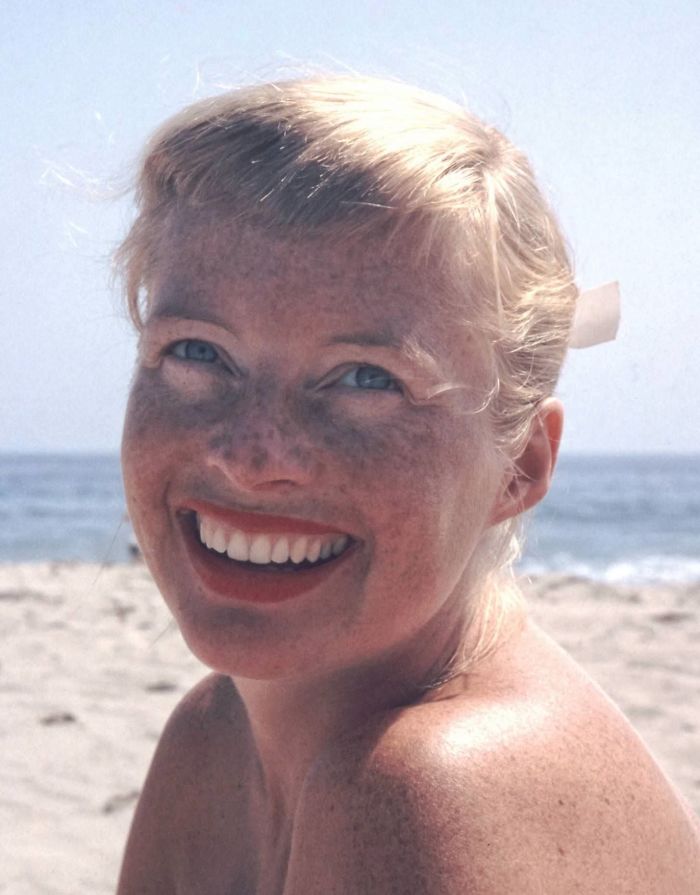
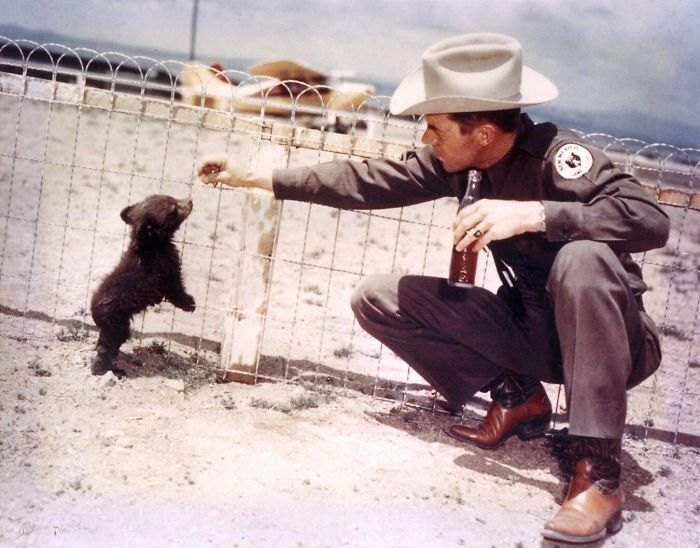
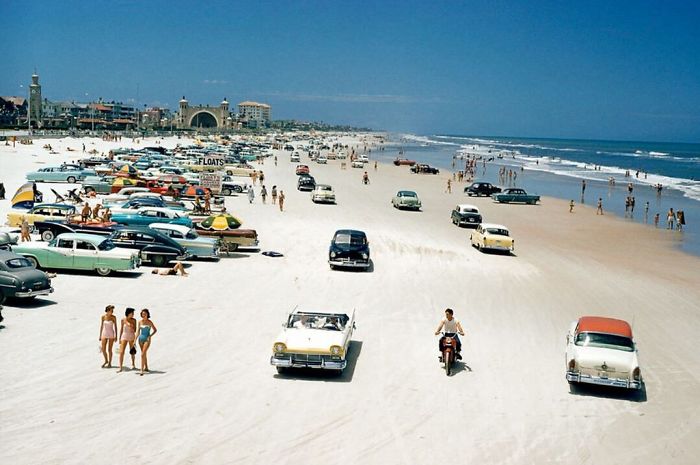
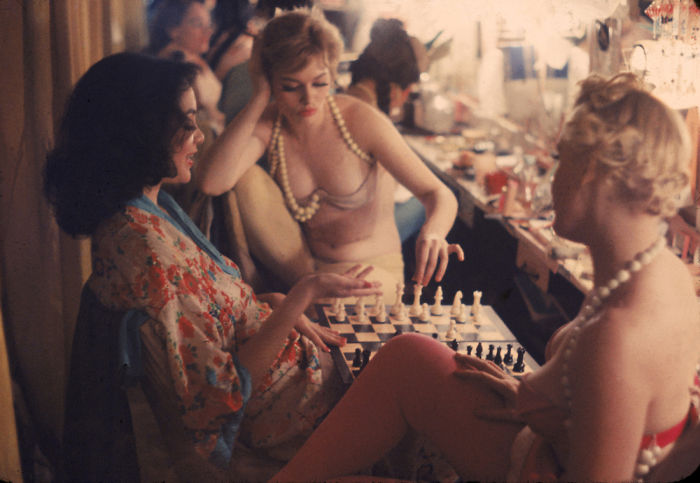
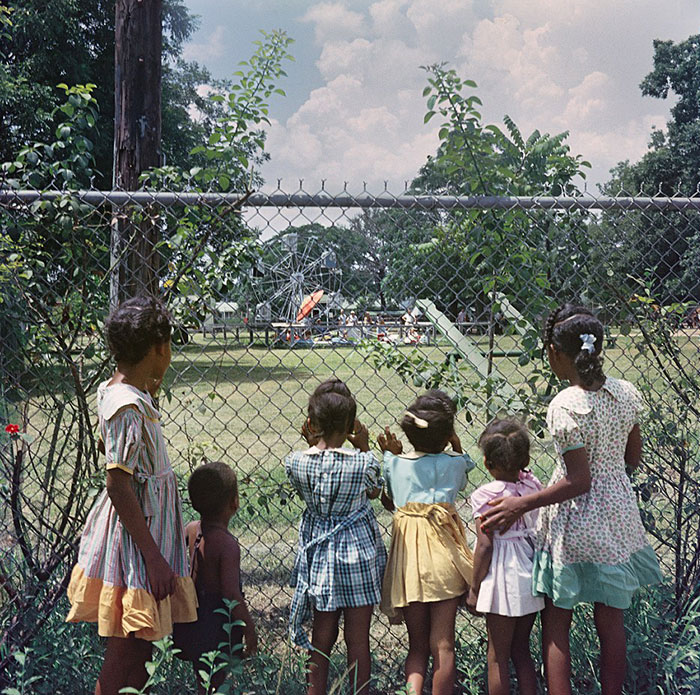
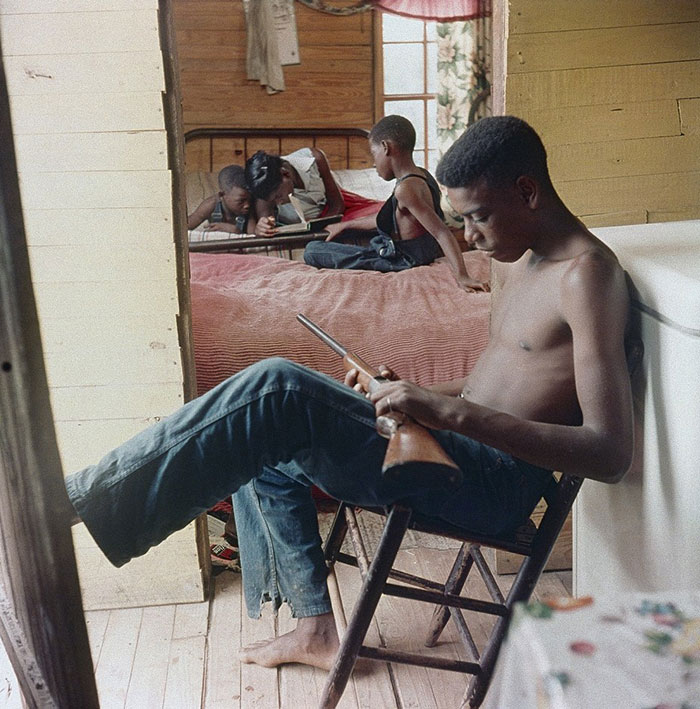
Safeway, Tulsa, Ok, 1956Florida, 1956Parade On Cleveland St. Clearwater, Fl, 1950sFt. Harrison Hotel Pool, Clearwater, Fl, 1953Alabama, 1956Lady In RedNew York, 1957Marilyn Monroe’s Film Studio Wanted To Prove That She Would Look Good Even In A Potato Sack Dress (1951)Missouri, Town Of St. Louis, Missouri, 1953Central Park, New York CityRingling Brothers, Sarasota, Fl, 19551956Hotel Martinique, Miami Beach, 1953Looking West On Randolph From Clark. 1955, ChicagoWaiting For Customers On The Gas StationSan Francisco 1951At The Parade In Palm Springs, Florida. 1955Mr. And Mrs. Albert Thornton. Mobile, Alabama, 1956Hula Girl. Hawaii, 1956Boys From Alabama, 1956Family At The Christmas TableA Farmer With A Bouquet Of FlowersDancer-Actress Gwen Verdon In A Hammock Wearing A Ballgown On NYC Rooftop, 1953The Girl In The Car. 19541950s School Dance PhotoFresh-Squeezed, 1951Young Couple On A Date In New York City (1957)Boy With A Duck, 1953Gifts For Christmas, 1958Shady Grove, Alabama, 1956Atlanta Airport In 1956Mother And Children, 1956Shady Grove, Alabama, 1956Ladylike In NYC, 19581950s1950sLady with a Gorgeous Smile. 1950sAn Officer With Hot Foot Teddy, The Real-Life Inspiration For Smokey The Bear, 1950Daytona Beach,1957James Dean At A California Gas Station With His Silver Porsche 550 Spyder, Named “Little Bastard,” Just Hours Before His Fatal Crash. September 30, 1955Anne St. Marie, New York City, 1959The Streets Of San Francisco. 1957Showgirls Playing Chess Backstage At The Latin Quarter Nightclub – New York, NY (1958)Outside Looking In, Mobile, Alabama, 1956Family At Home, 1956Collisions Of Ford And A Suburban Train. Los Angeles, 1955Sightseers Park To Watch A Stratocruiser Taxi Across An Underpass In Queens, New York, March 1951
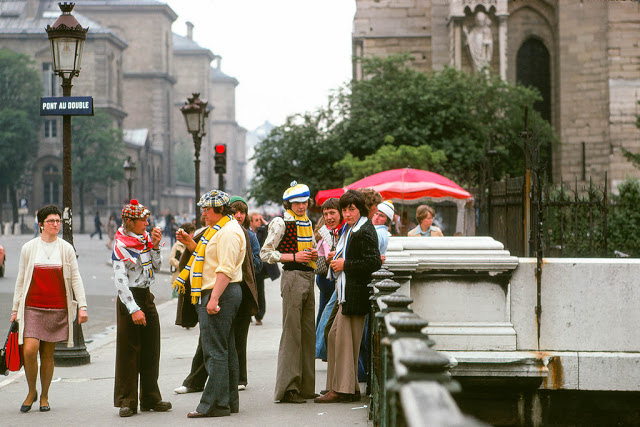
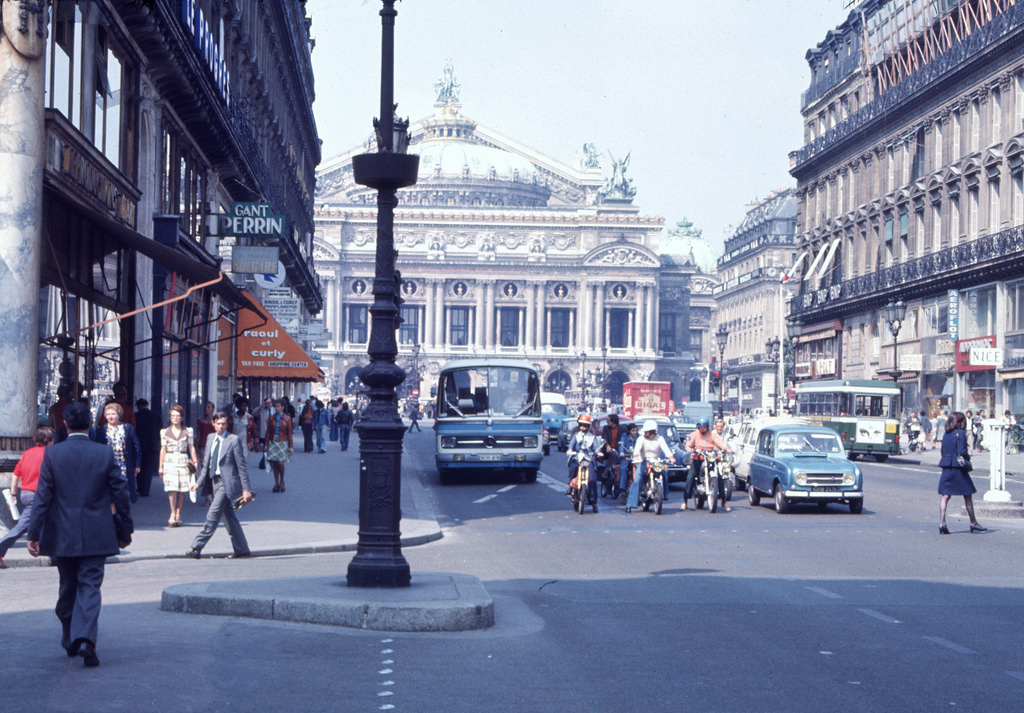
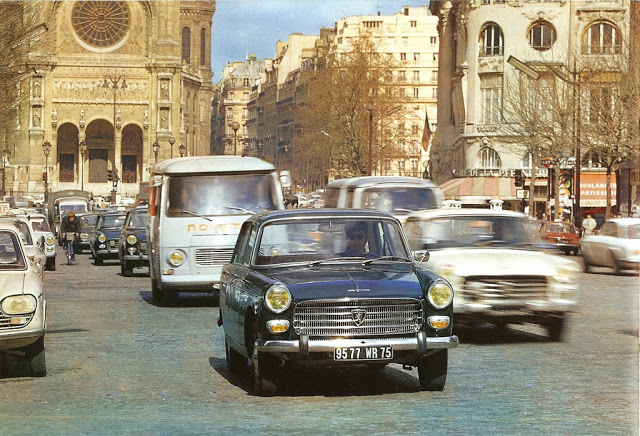
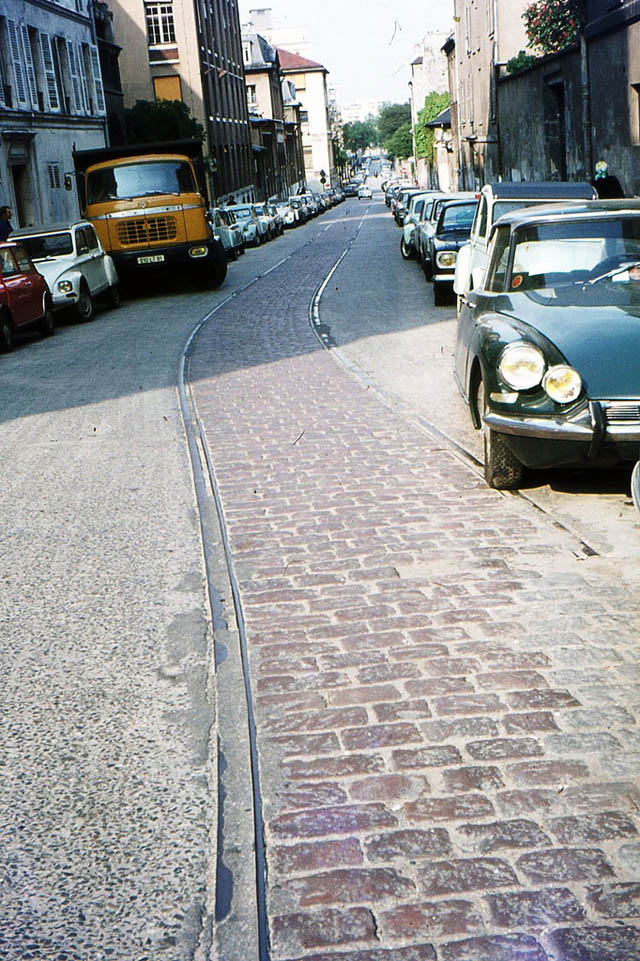
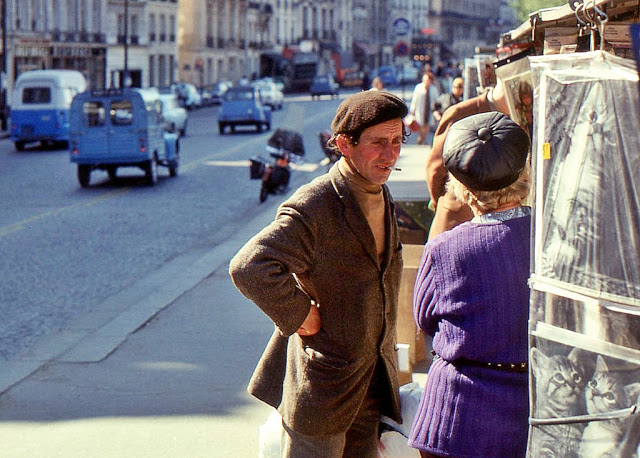
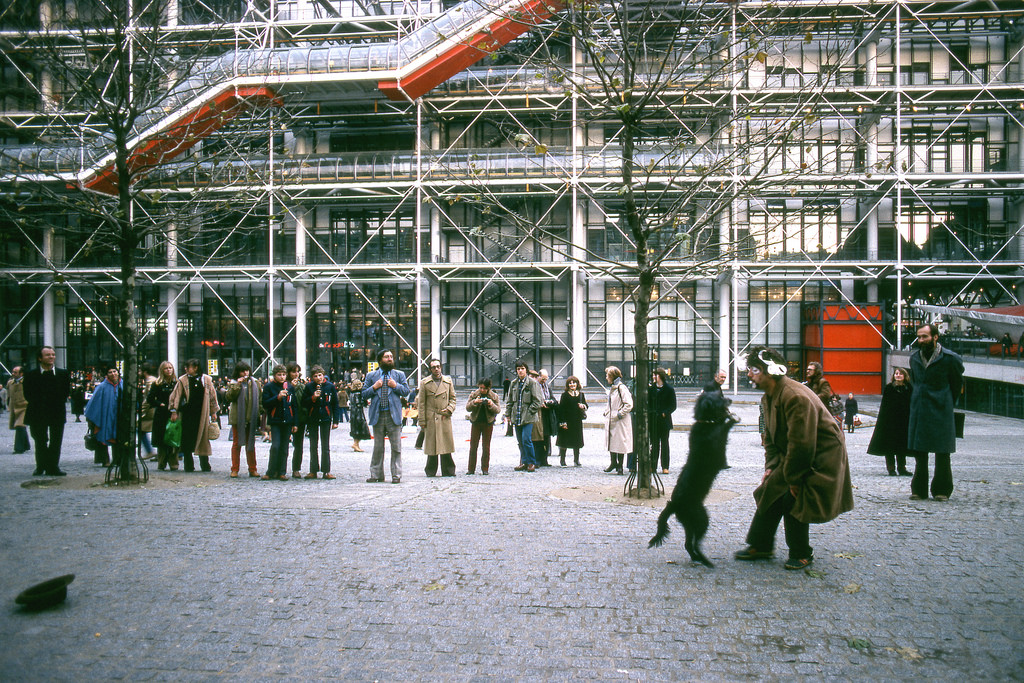
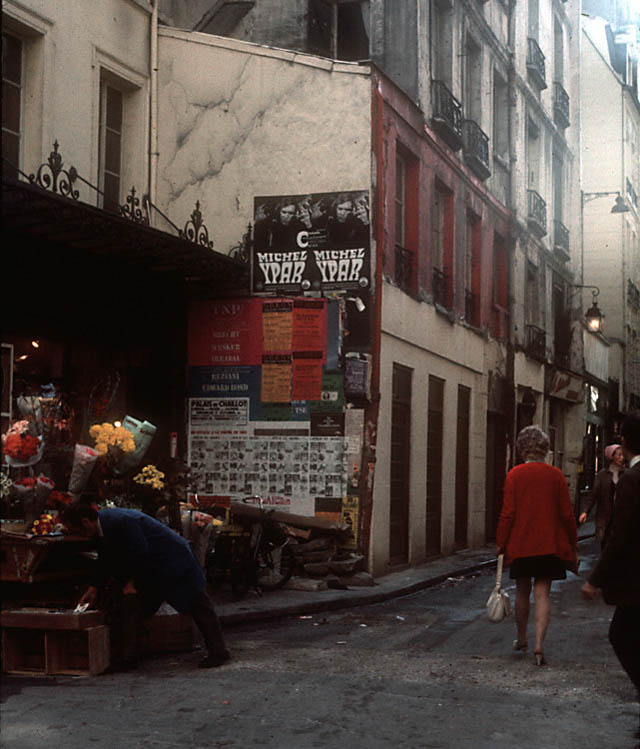
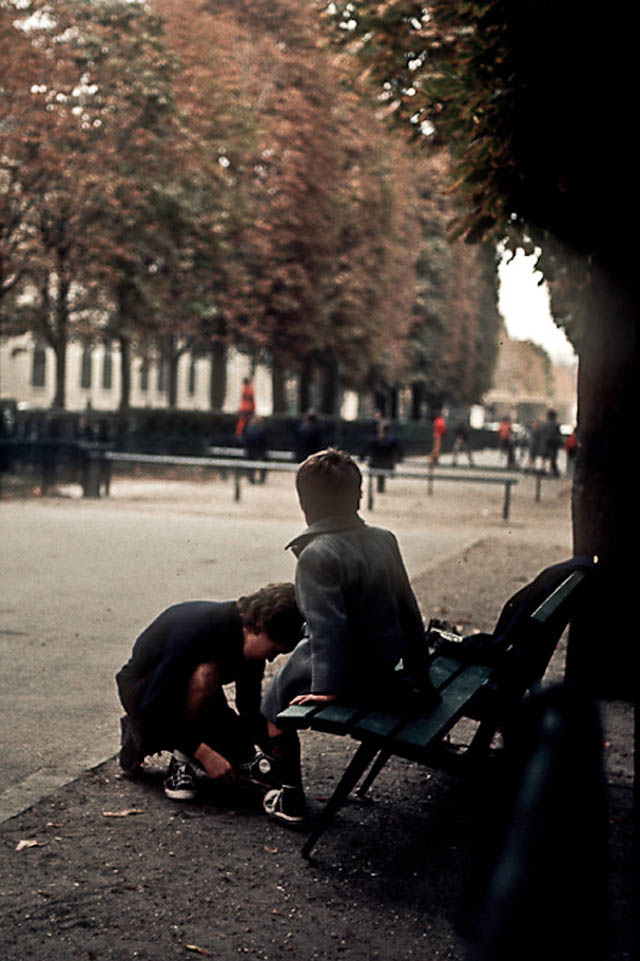
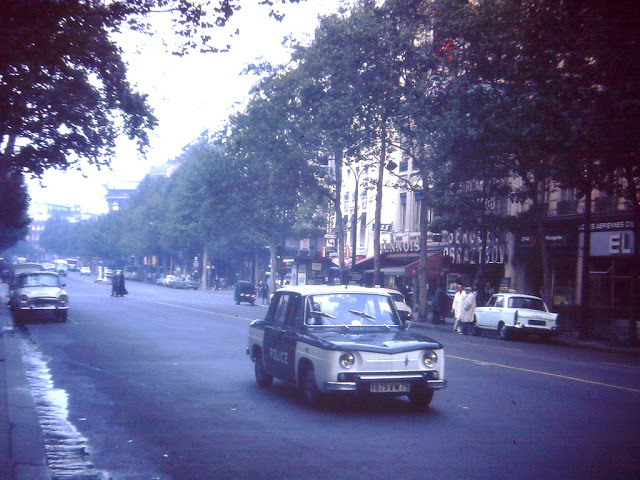
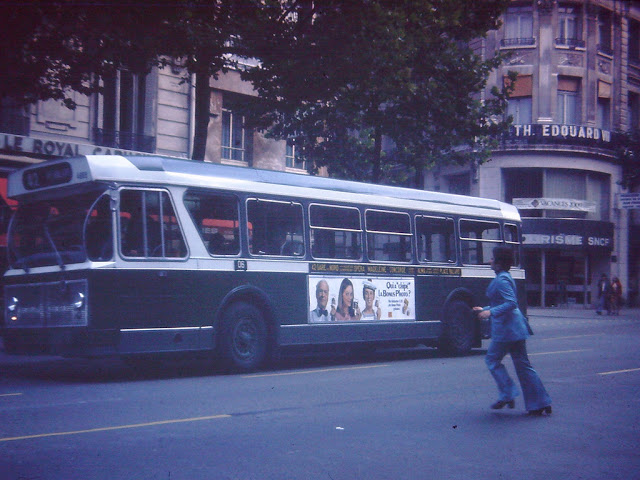
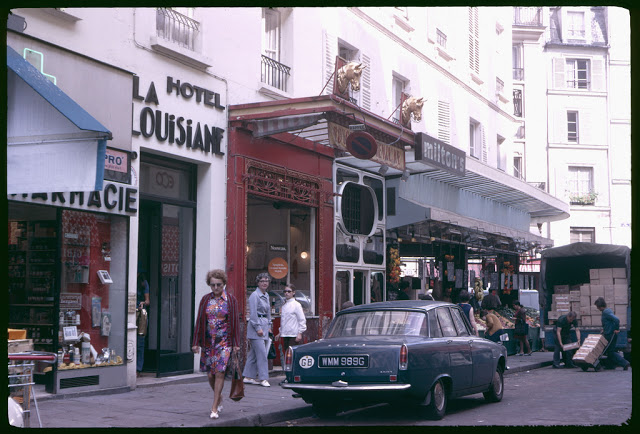
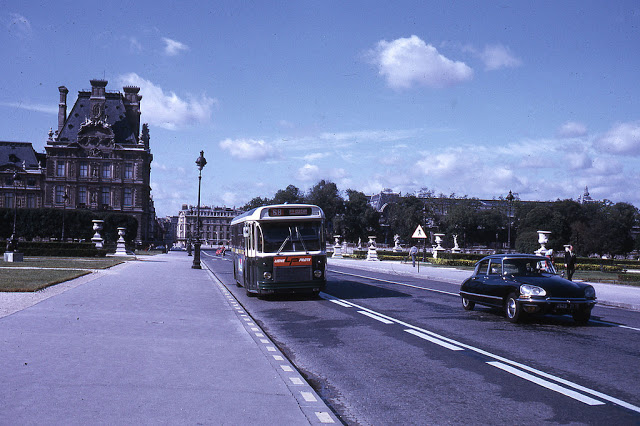
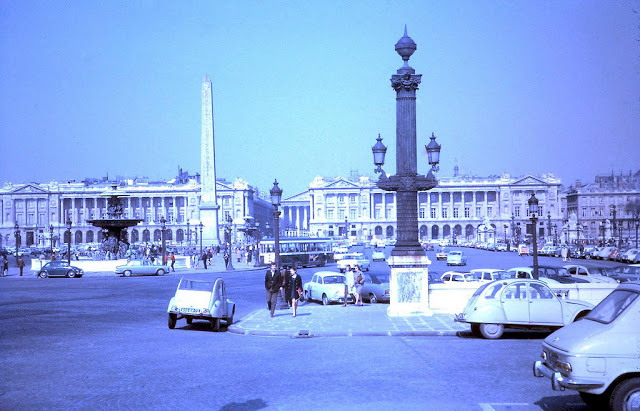
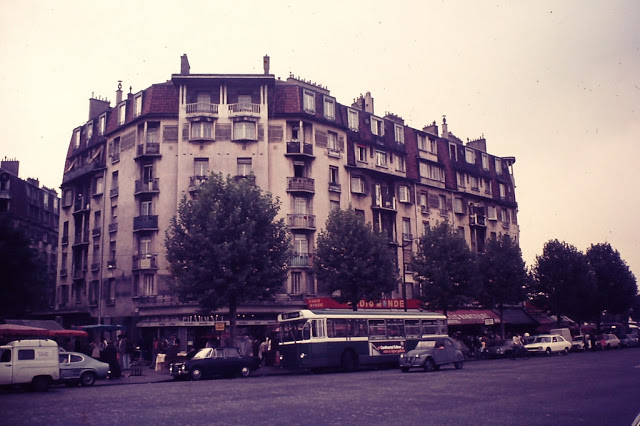
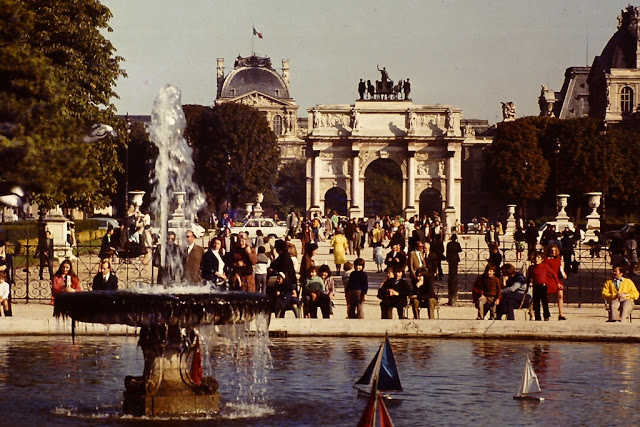
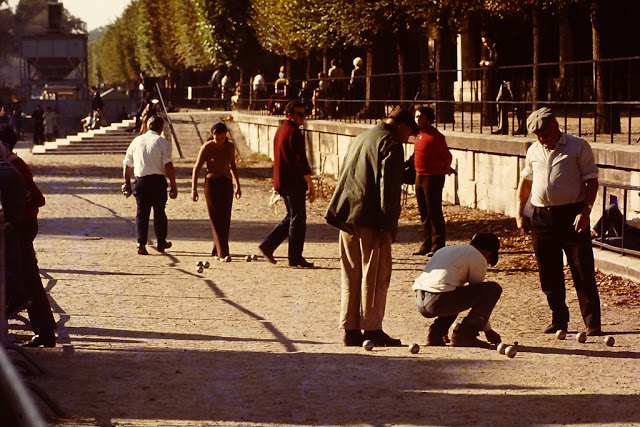
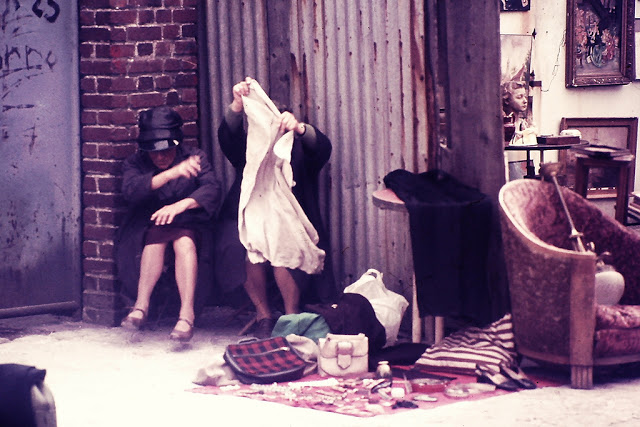
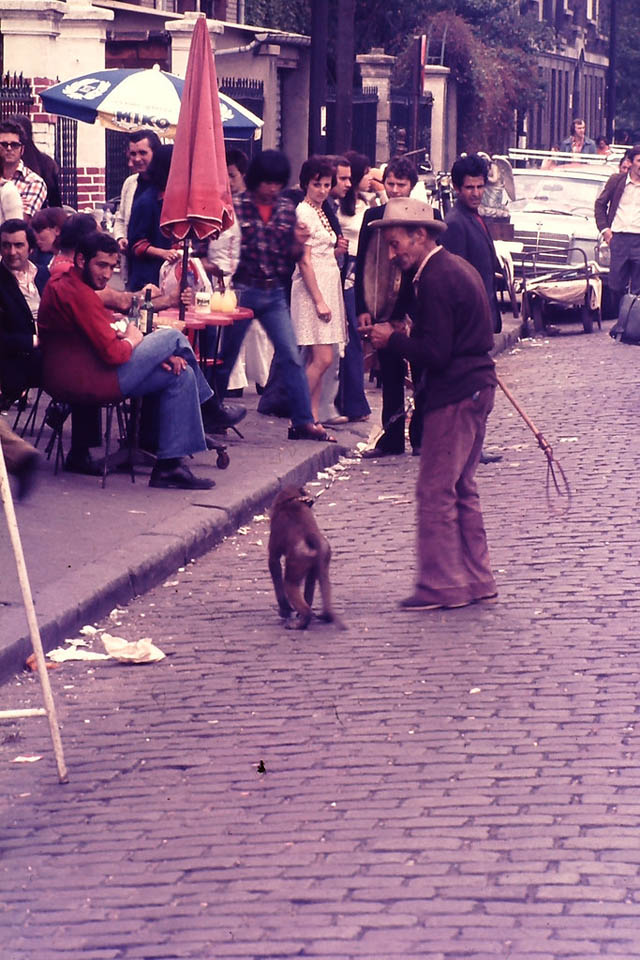
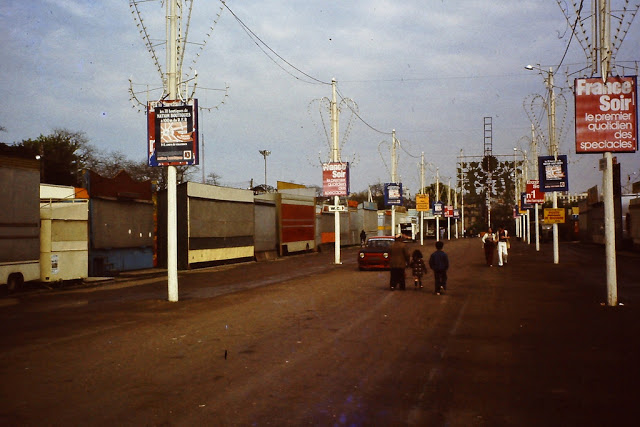
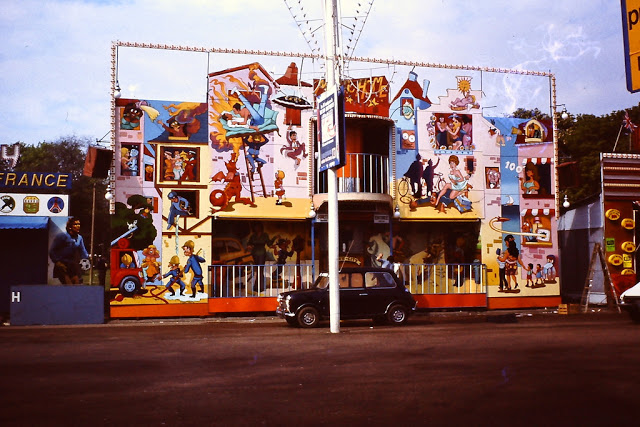
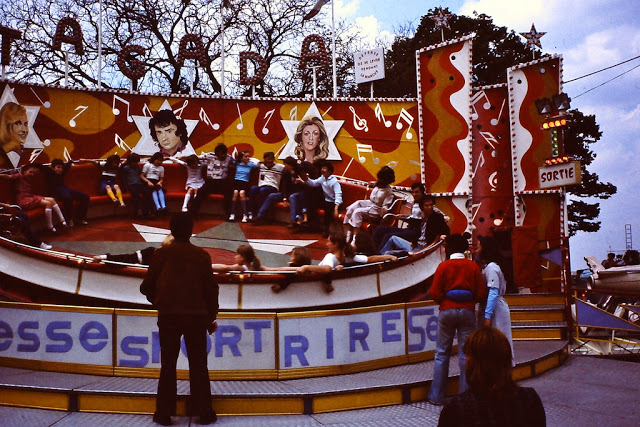
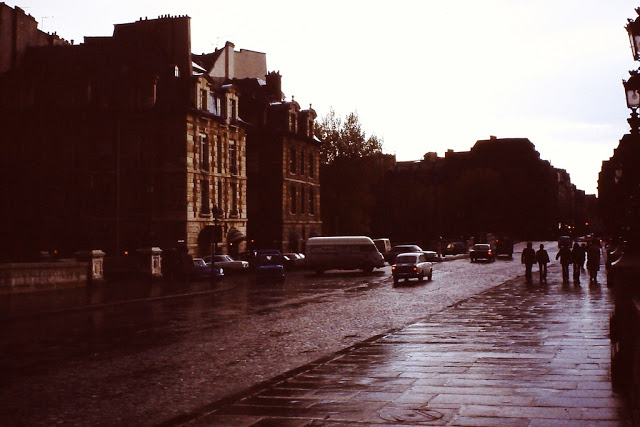
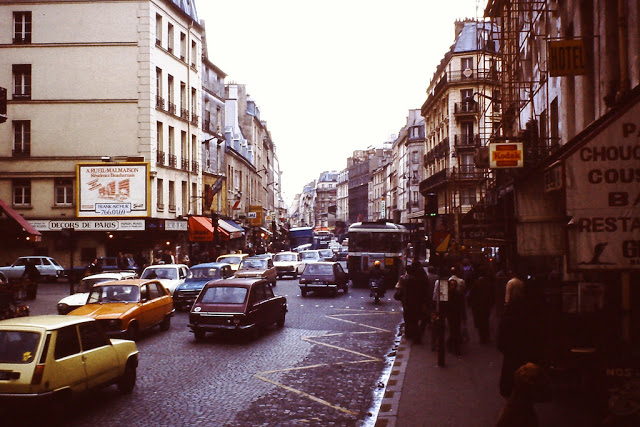
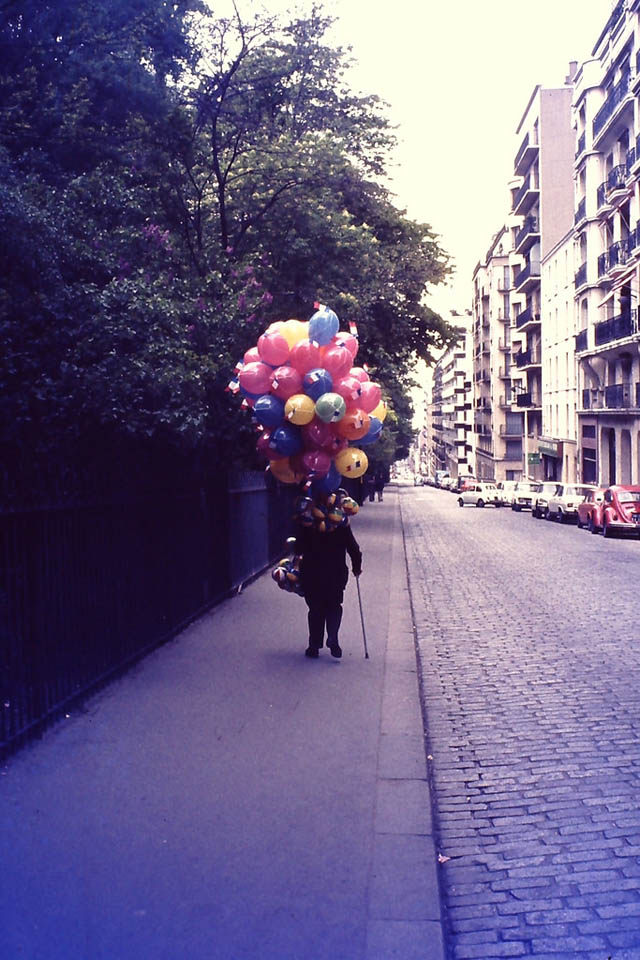
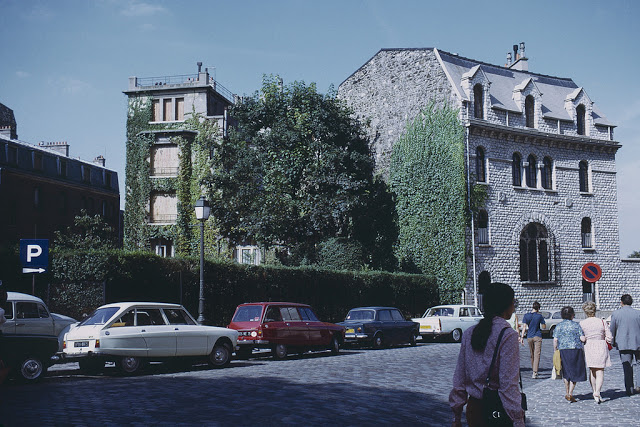
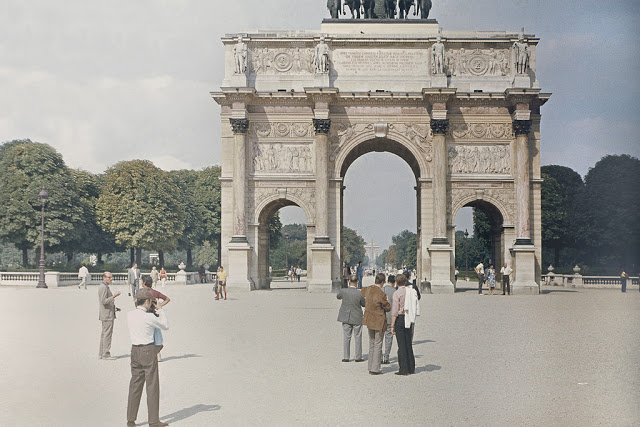
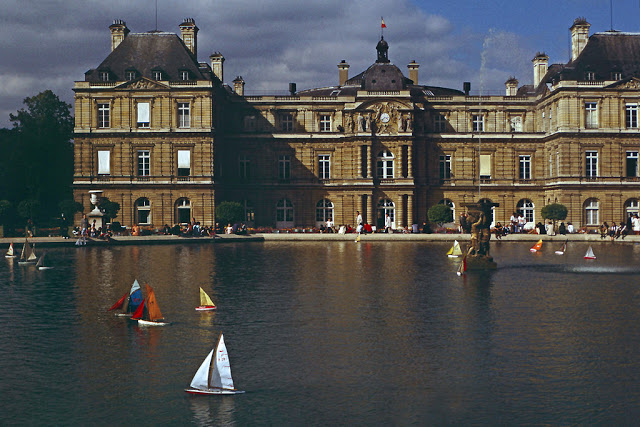
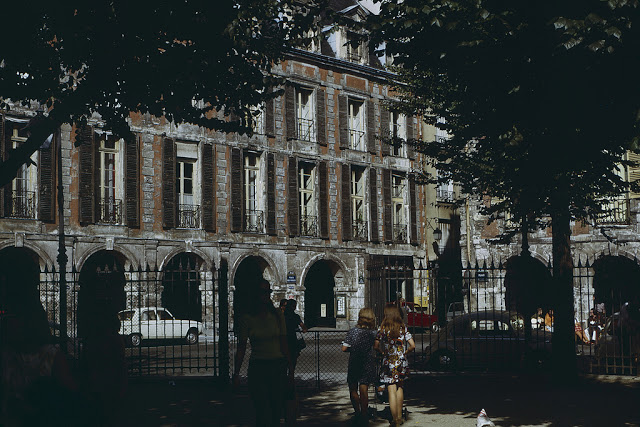
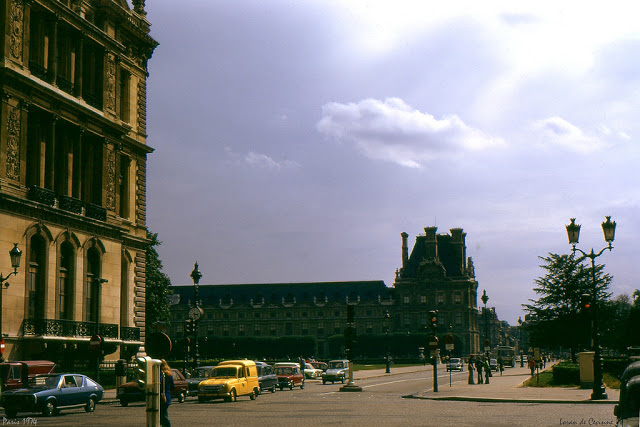
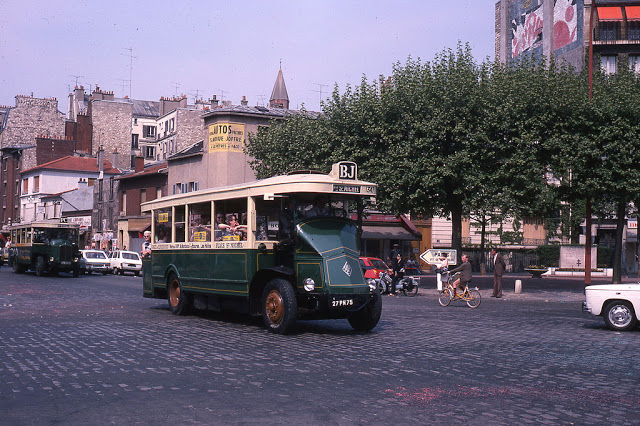
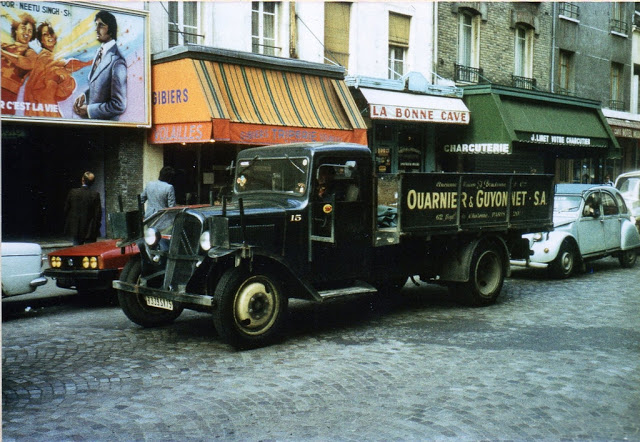
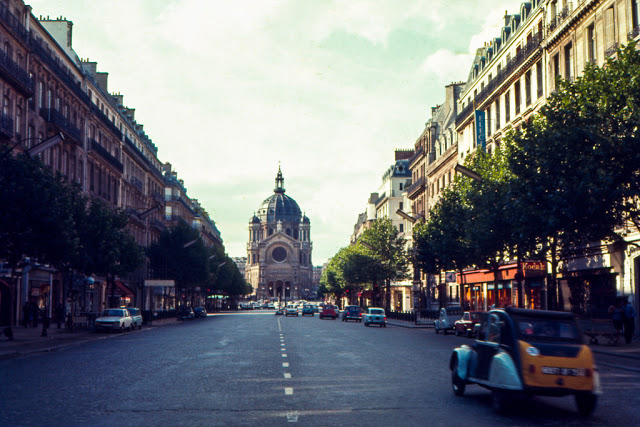
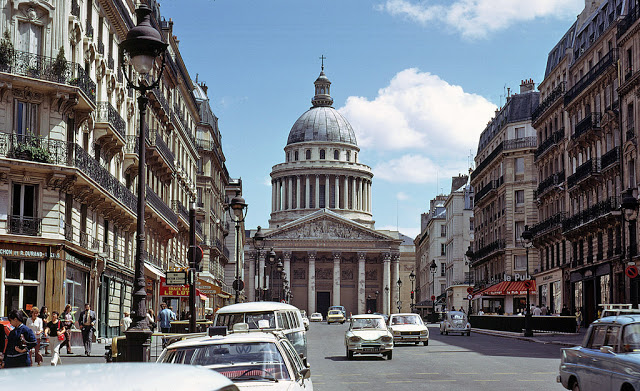
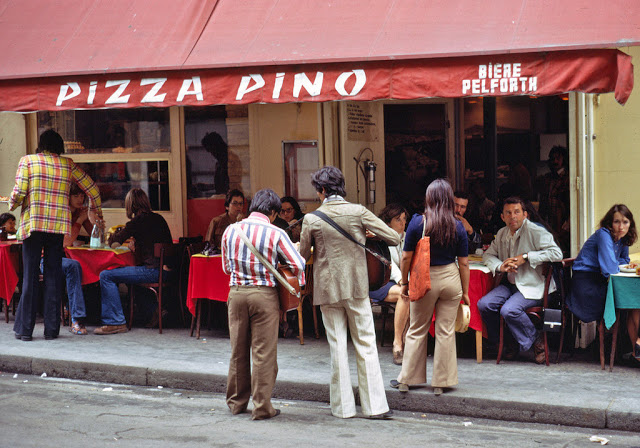
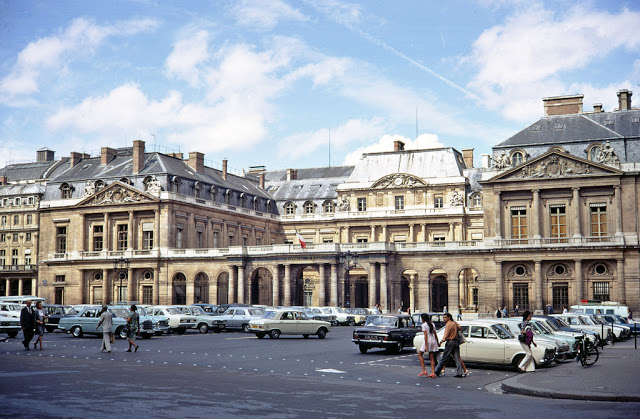
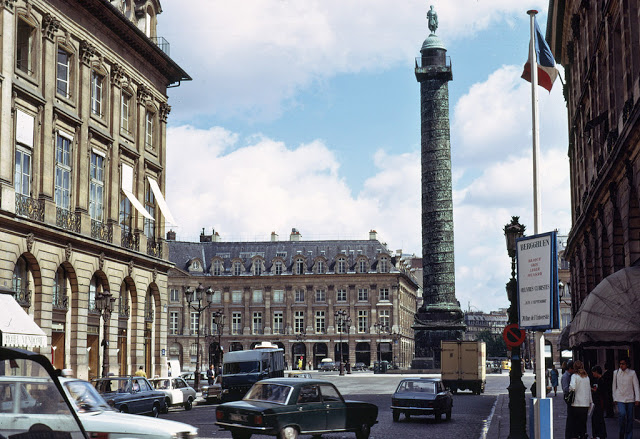
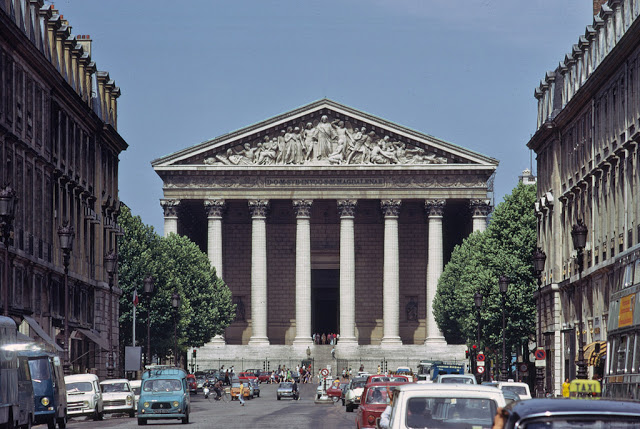
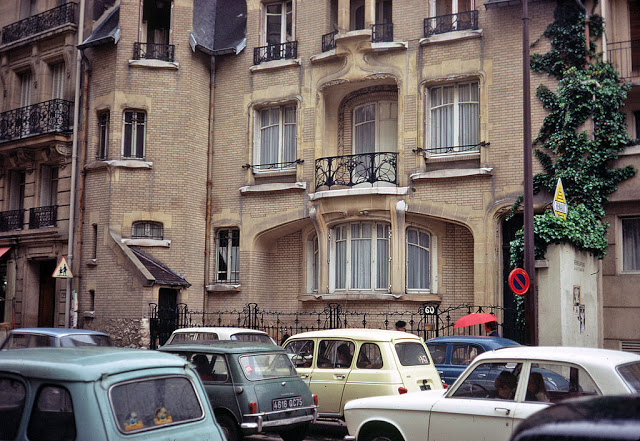
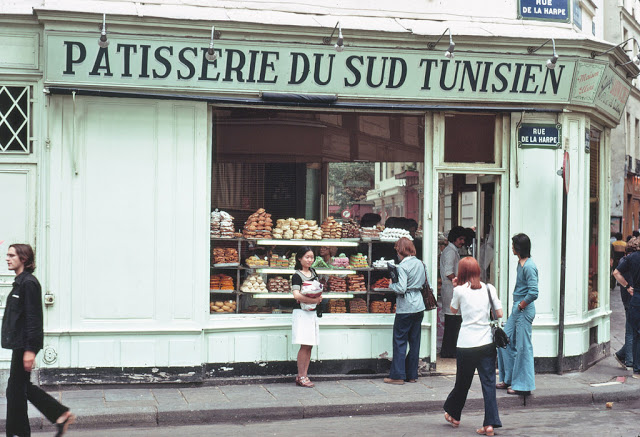
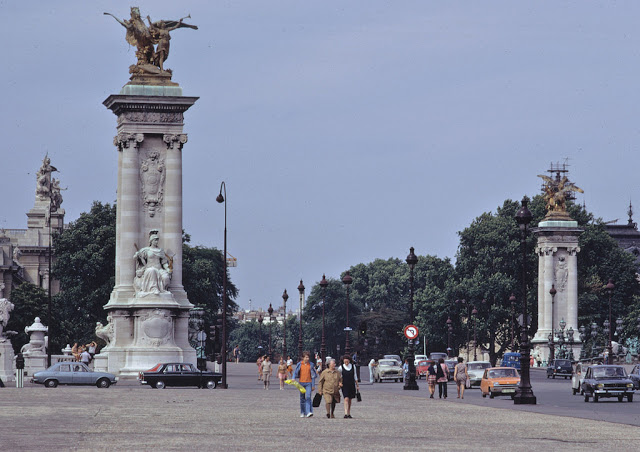
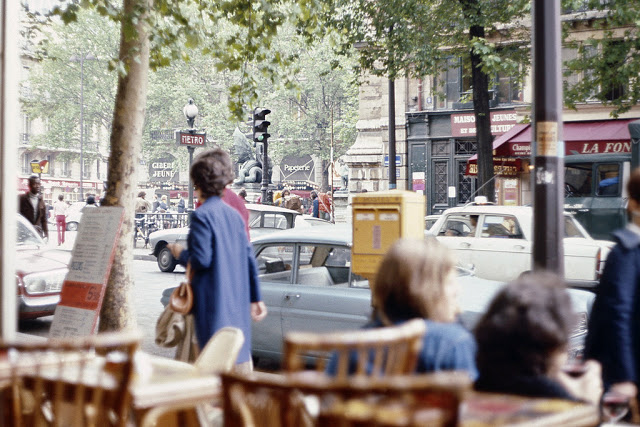
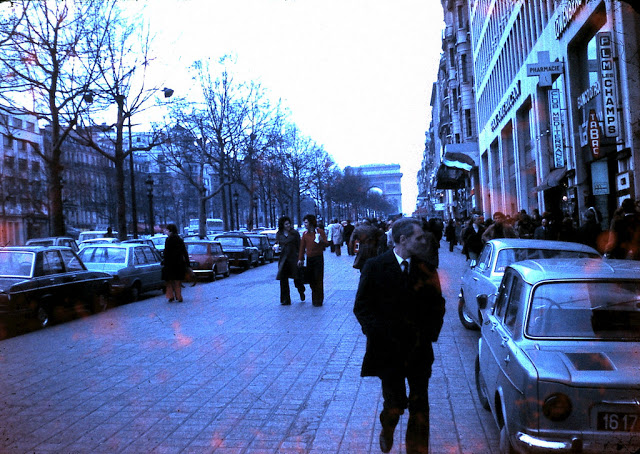
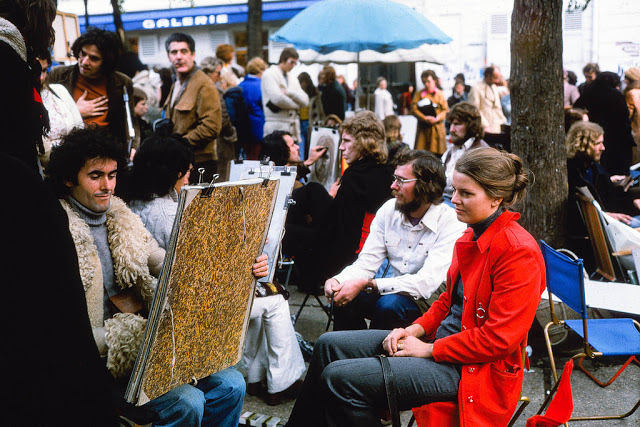
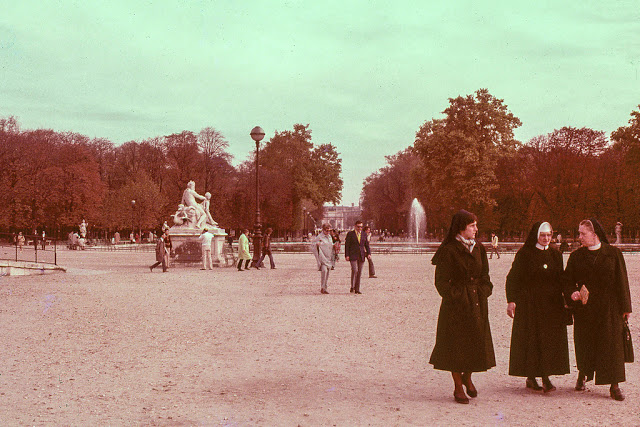
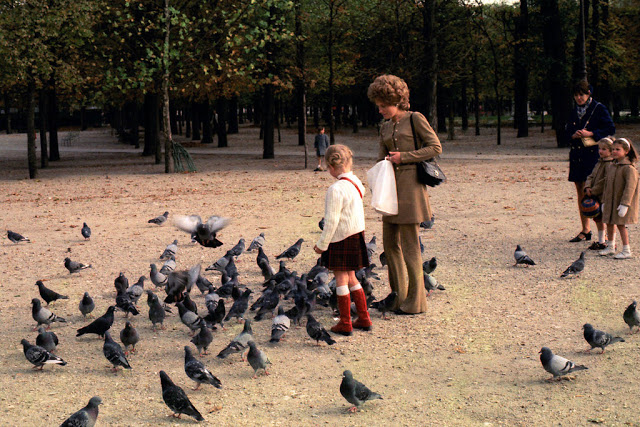
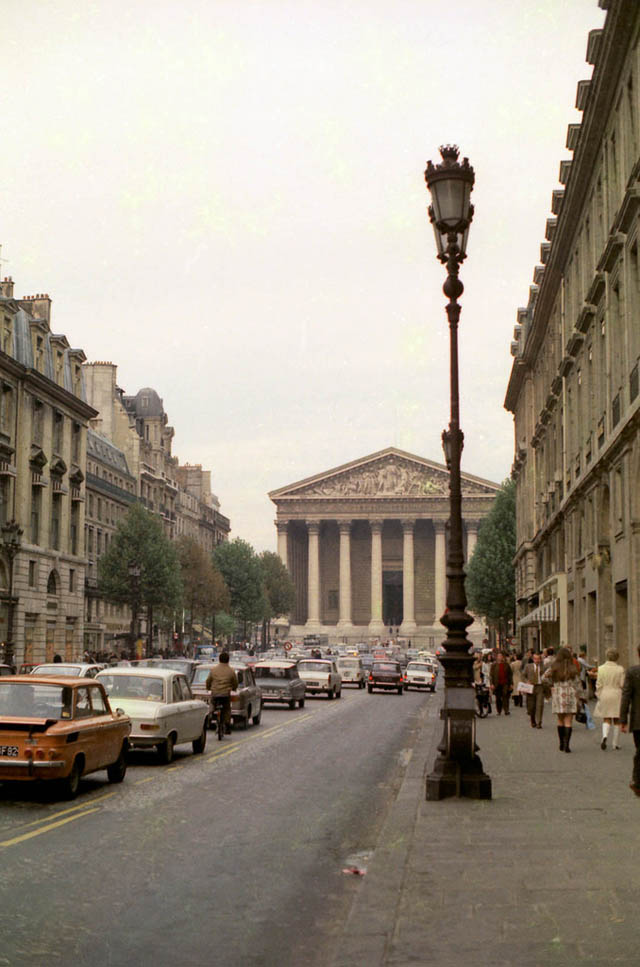
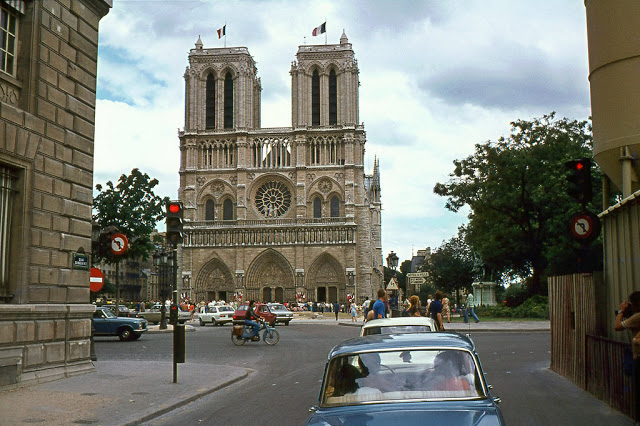
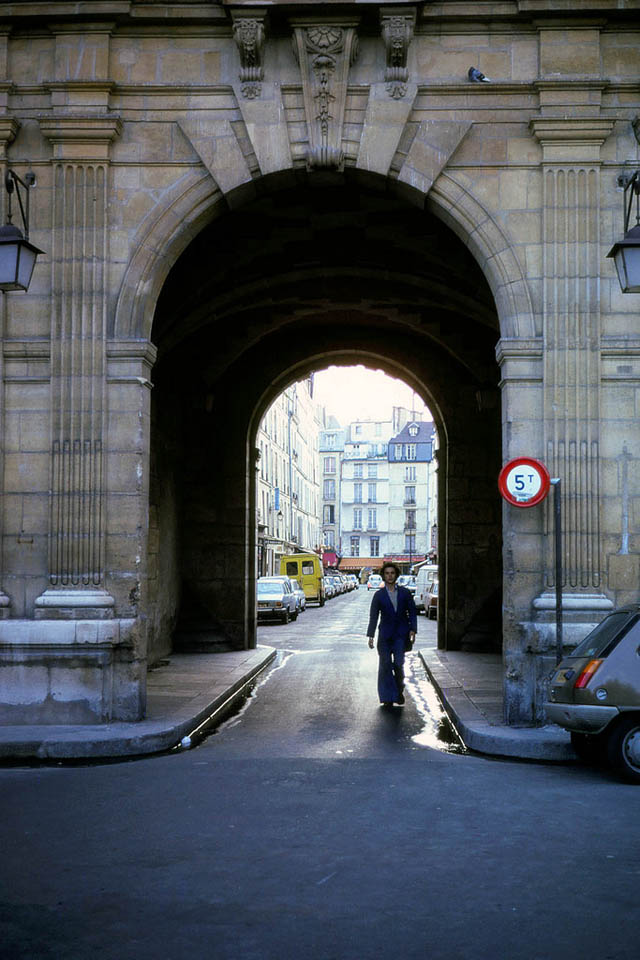
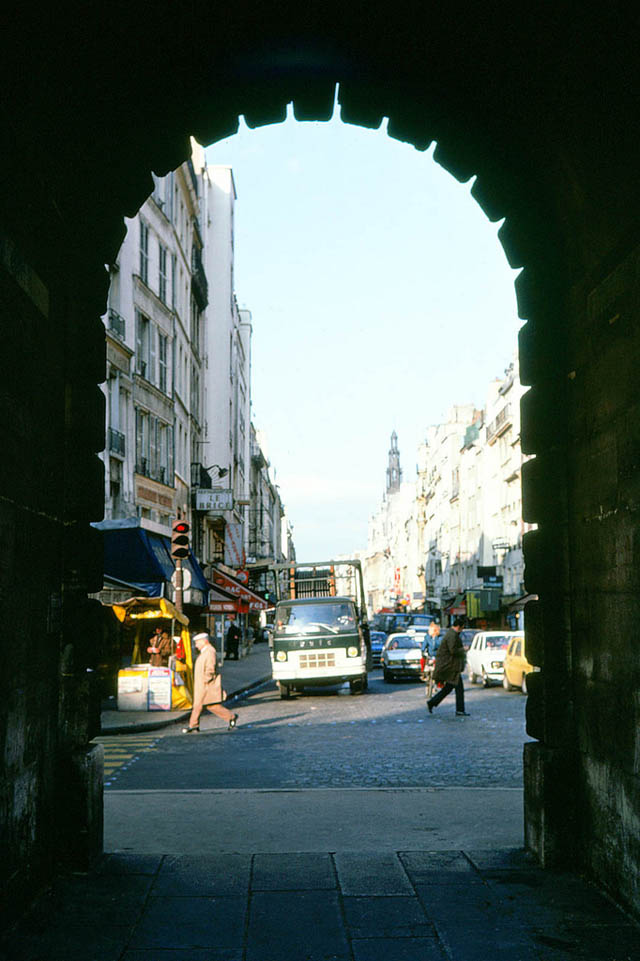
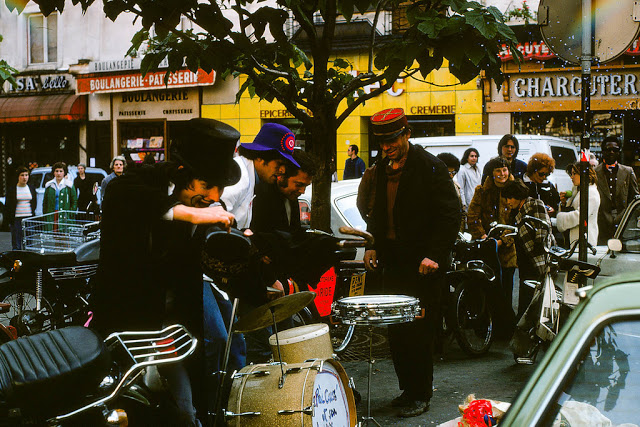
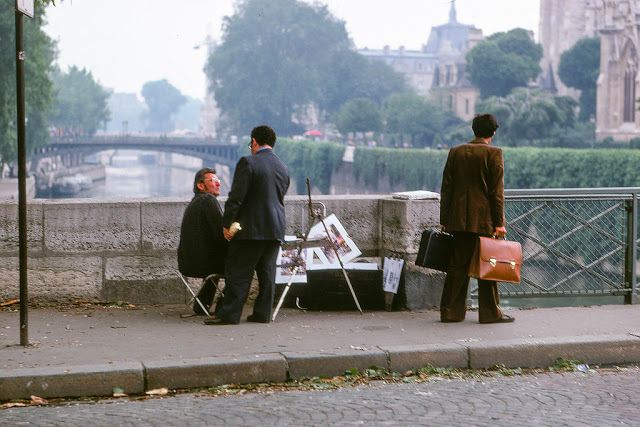
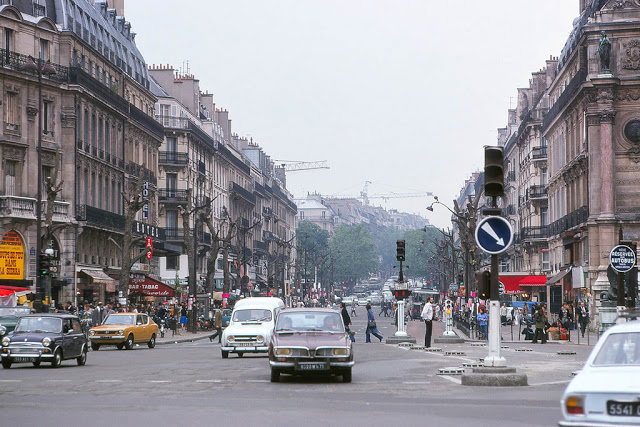
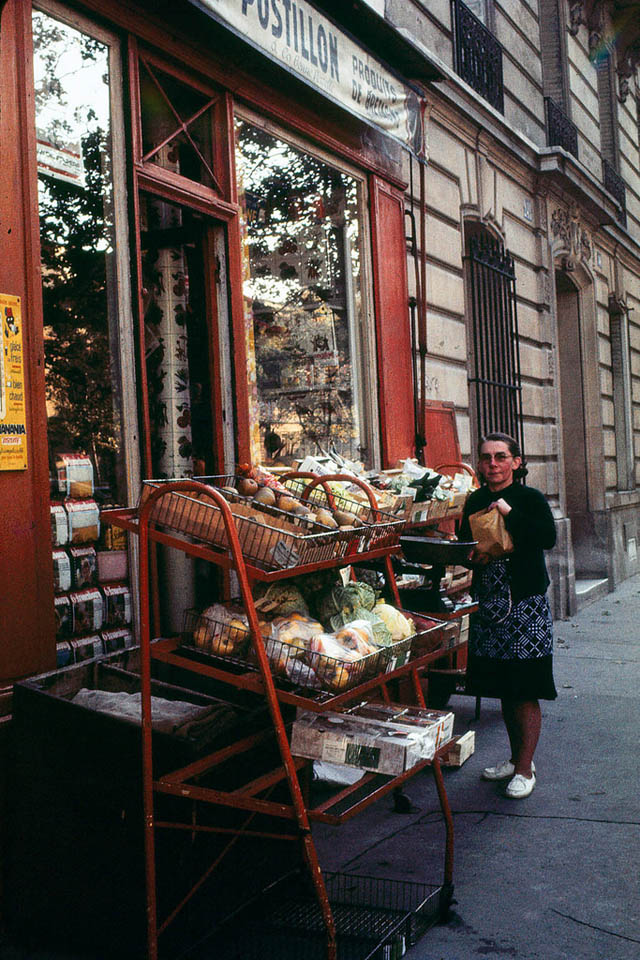
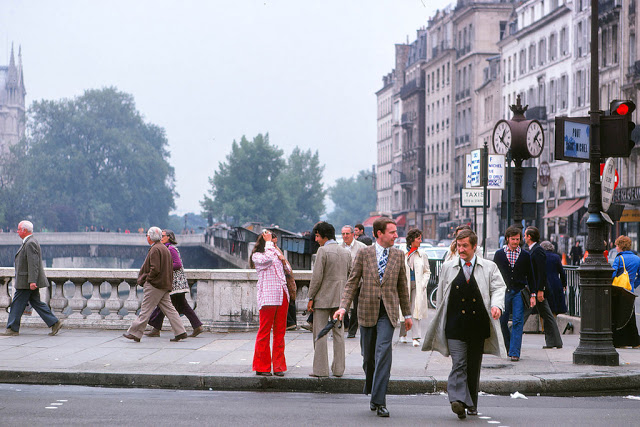
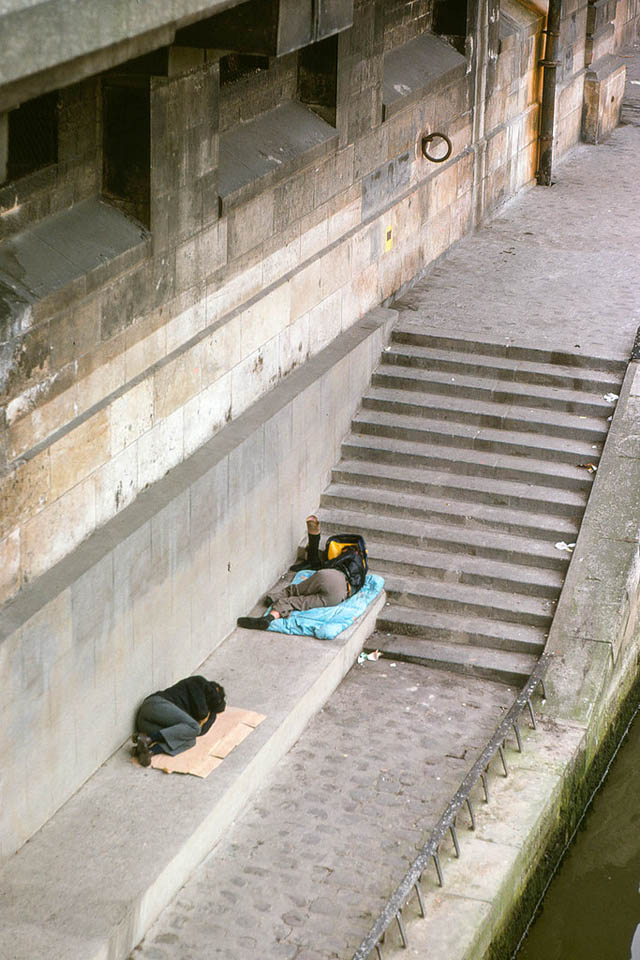
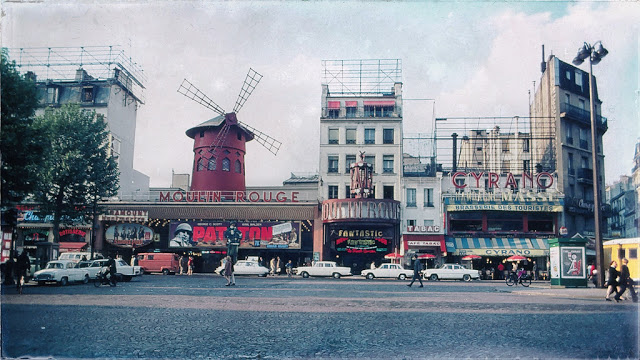
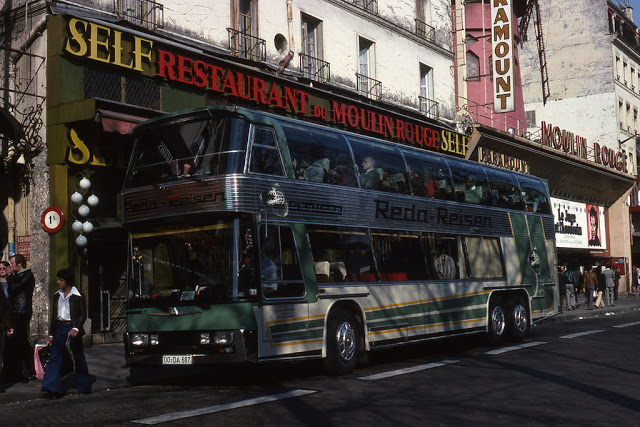
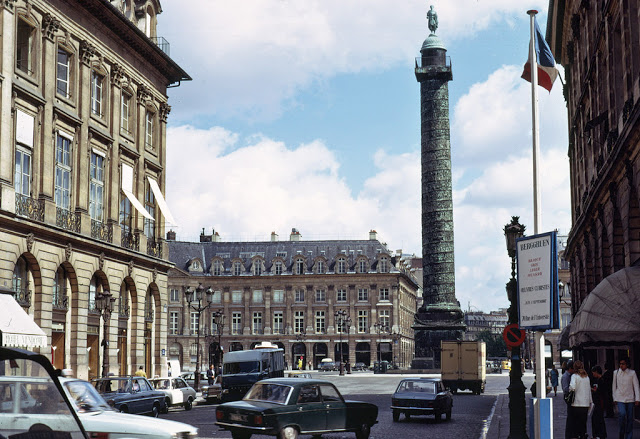
Paris is the capital and most populous city of France, with an estimated population of 2,165,423 residents as of 1 January 2022 in an area of more than 105 square kilometres (41 square miles). Since the 17th century, Paris has been one of Europe’s major centres of finance, diplomacy, commerce, fashion, gastronomy, science, and arts. The City of Paris is the centre and seat of government of the region and province of Île-de-France, or Paris Region, which has an estimated population of 12,174,880, or about 18 percent of the population of France as of 2017. The Paris Region had a GDP of €709 billion ($808 billion) in 2017. According to the Economist Intelligence Unit Worldwide Cost of Living Survey in 2018, Paris was the second most expensive city in the world, after Singapore and ahead of Zürich, Hong Kong, Oslo, and Geneva. Another source ranked Paris as most expensive, on par with Singapore and Hong Kong, in 2018.
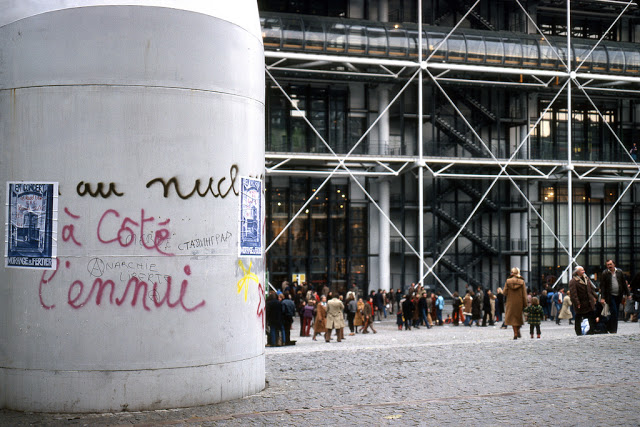
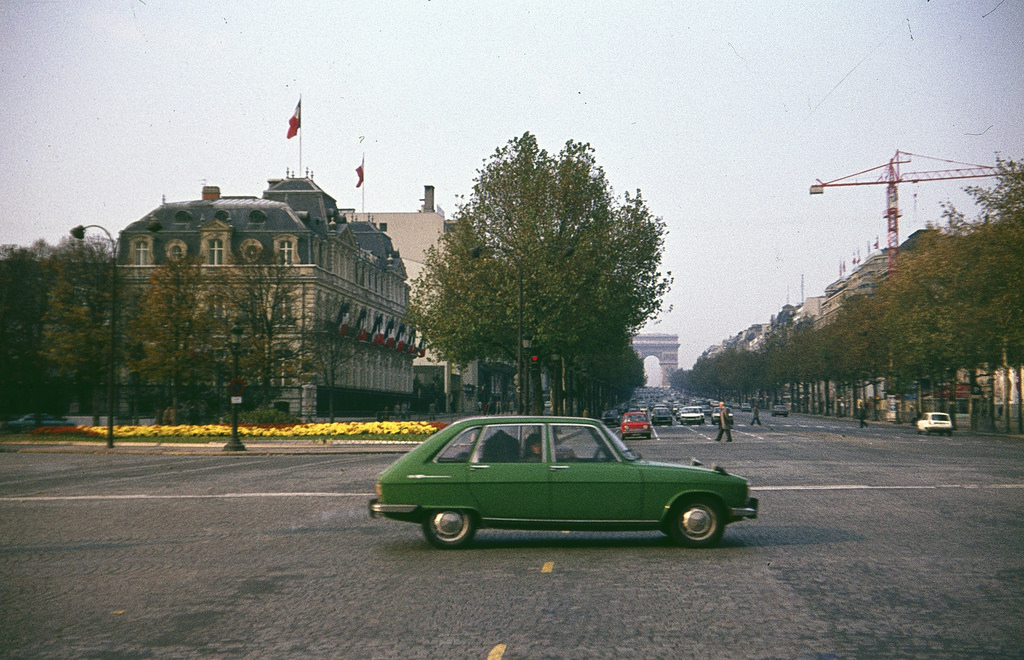
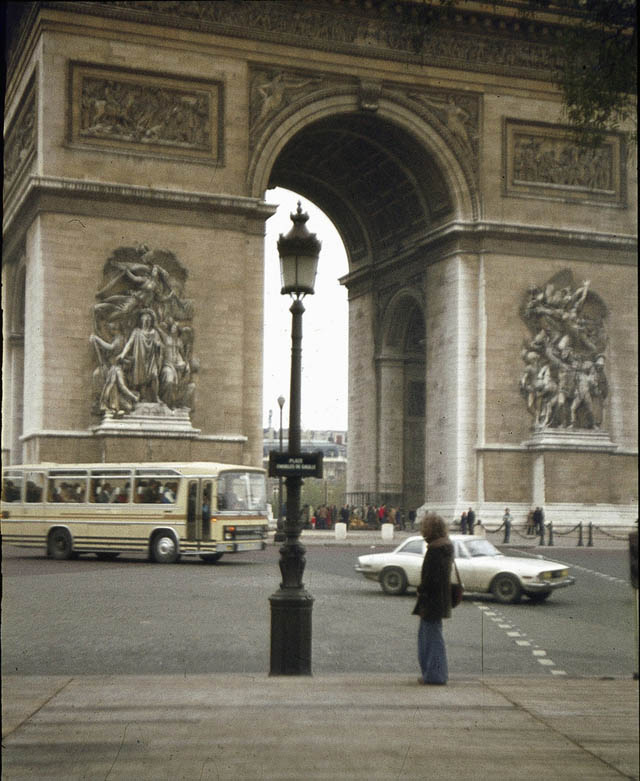
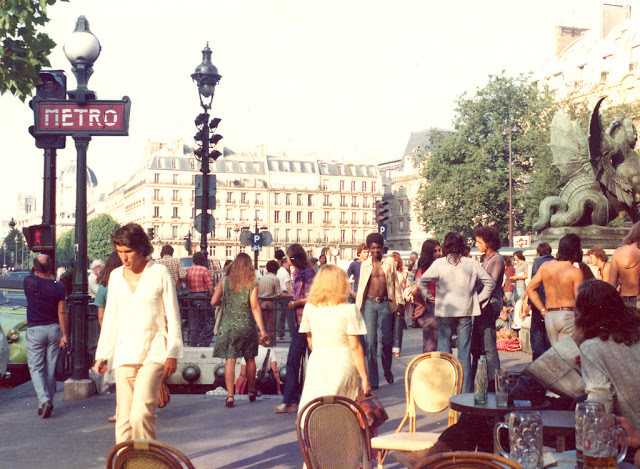
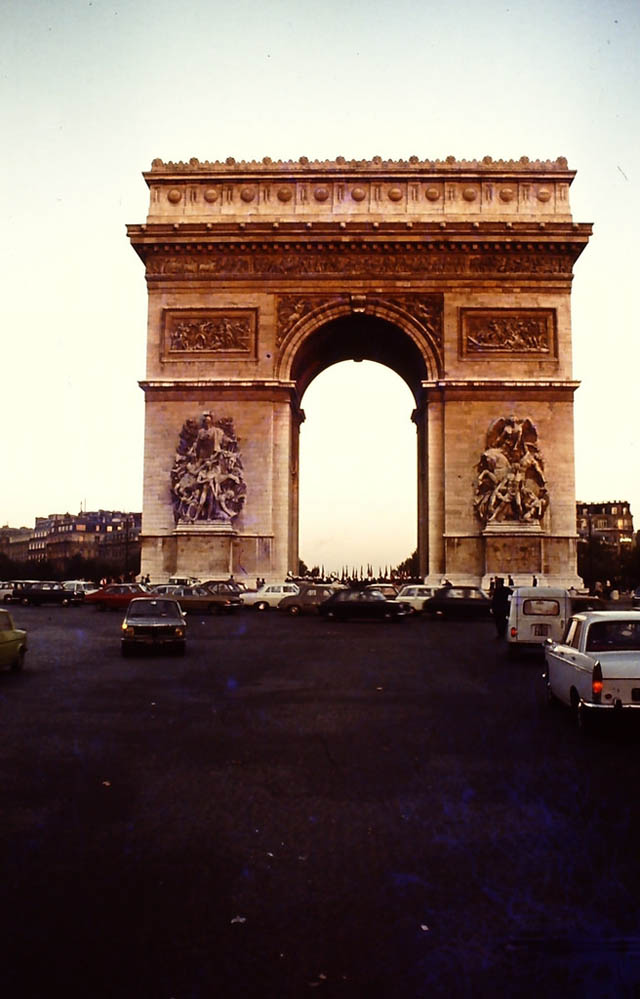
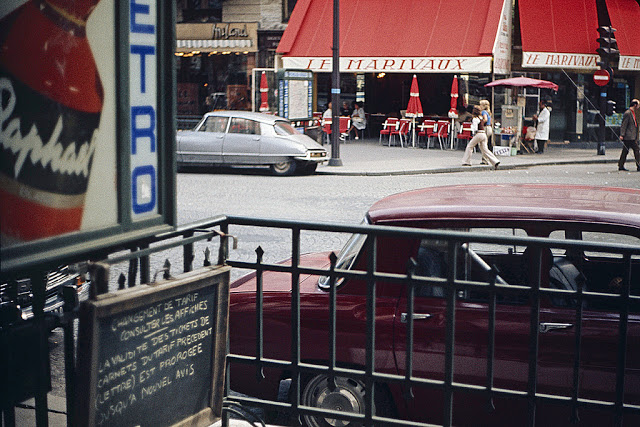
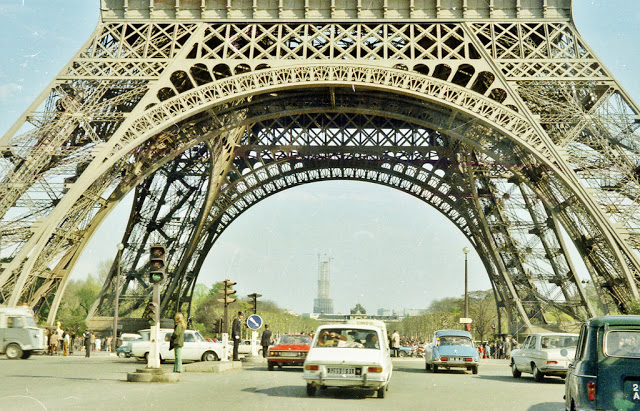
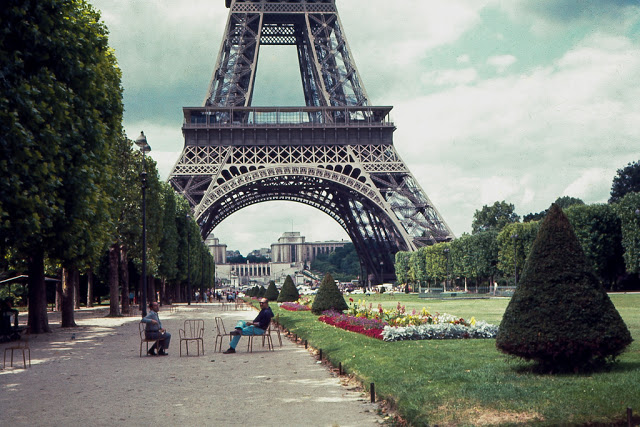
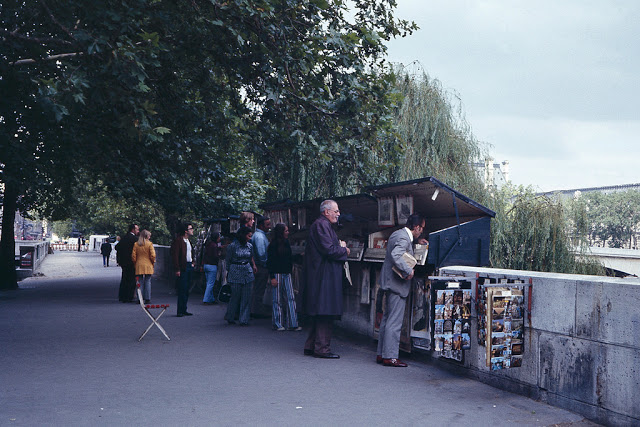
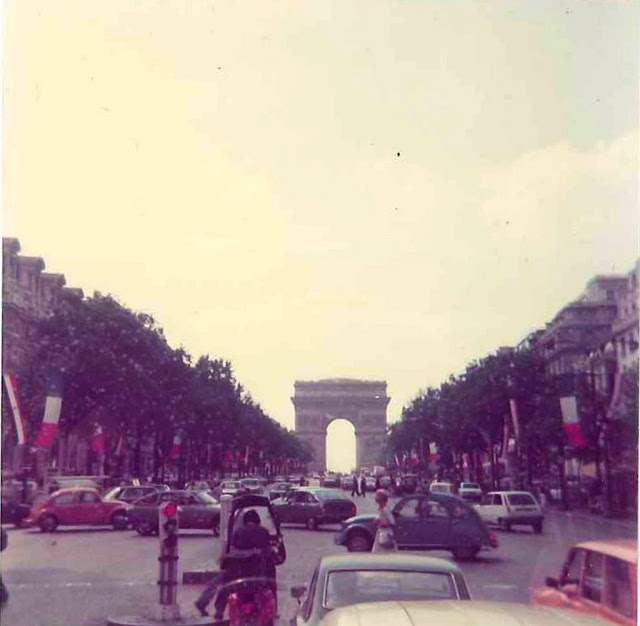
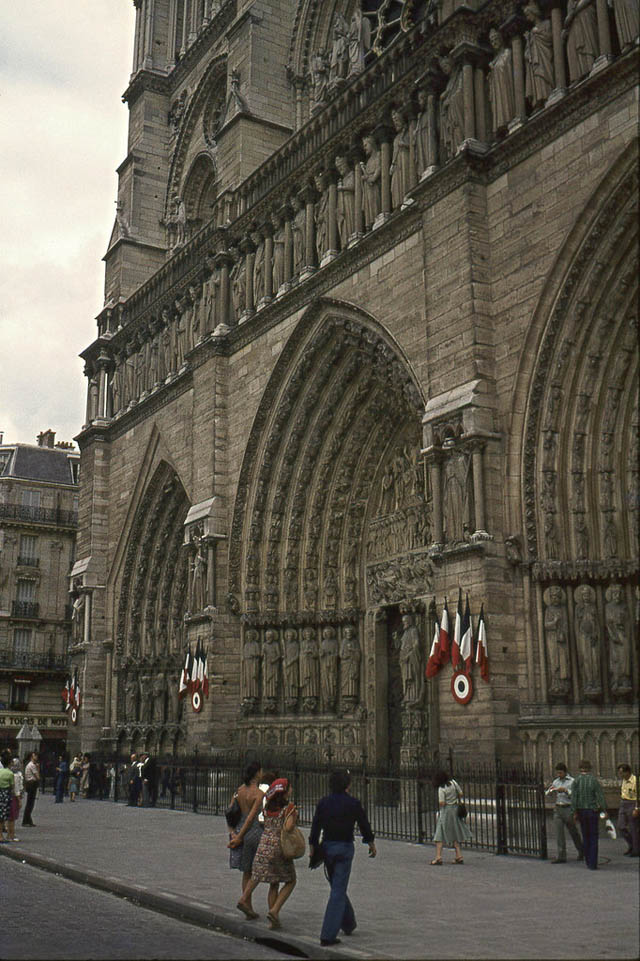
Paris is a major railway, highway, and air-transport hub served by two international airports: Paris–Charles de Gaulle (the second-busiest airport in Europe) and Paris–Orly. Opened in 1900, the city’s subway system, the Paris Métro, serves 5.23 million passengers daily; it is the second-busiest metro system in Europe after the Moscow Metro. Gare du Nord is the 24th-busiest railway station in the world, but the busiest located outside Japan, with 262 million passengers in 2015. Paris is especially known for its museums and architectural landmarks: the Louvre received 2.8 million visitors in 2021, despite the long museum closings caused by the COVID-19 virus. The Musée d’Orsay, Musée Marmottan Monet and Musée de l’Orangerie are noted for their collections of French Impressionist art. The Pompidou Centre Musée National d’Art Moderne has the largest collection of modern and contemporary art in Europe. The Musée Rodin and Musée Picasso exhibit the works of two noted Parisians. The historical district along the Seine in the city centre has been classified as a UNESCO World Heritage Site since 1991; popular landmarks there include the Cathedral of Notre Dame de Paris on the Île de la Cité, now closed for renovation after the 15 April 2019 fire. Other popular tourist sites include the Gothic royal chapel of Sainte-Chapelle, also on the Île de la Cité; the Eiffel Tower, constructed for the Paris Universal Exposition of 1889; the Grand Palais and Petit Palais, built for the Paris Universal Exposition of 1900; the Arc de Triomphe on the Champs-Élysées, and the hill of Montmartre with its artistic history and its Basilica of Sacré-Coeur.
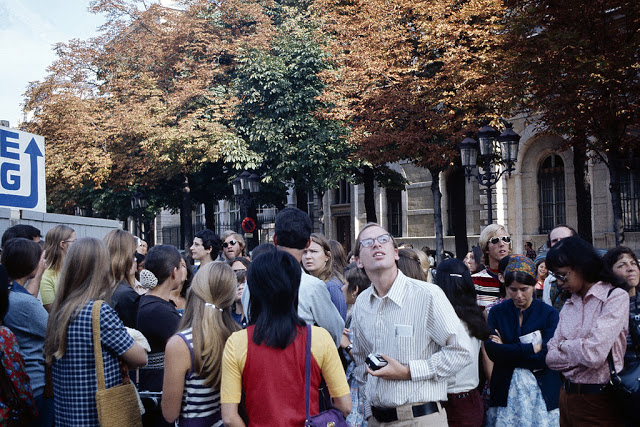
Paris received 12.6 million visitors in 2020, measured by hotel stays, a drop of 73 percent from 2019, due to the COVID-19 virus. The number of foreign visitors declined by 80.7 percent. Museums re-opened in 2021, with limitations on the number of visitors at a time and a requirement that visitors wear masks.
The football club Paris Saint-Germain and the rugby union club Stade Français are based in Paris. The 80,000-seat Stade de France, built for the 1998 FIFA World Cup, is located just north of Paris in the neighbouring commune of Saint-Denis. Paris hosts the annual French Open Grand Slam tennis tournament on the red clay of Roland Garros. The city hosted the Olympic Games in 1900, 1924 and will host the 2024 Summer Olympics. The 1938 and 1998 FIFA World Cups, the 2007 Rugby World Cup, as well as the 1960, 1984 and 2016 UEFA European Championships were also held in the city. Every July, the Tour de France bicycle race finishes on the Avenue des Champs-Élysées in Paris. (Wikipedia)