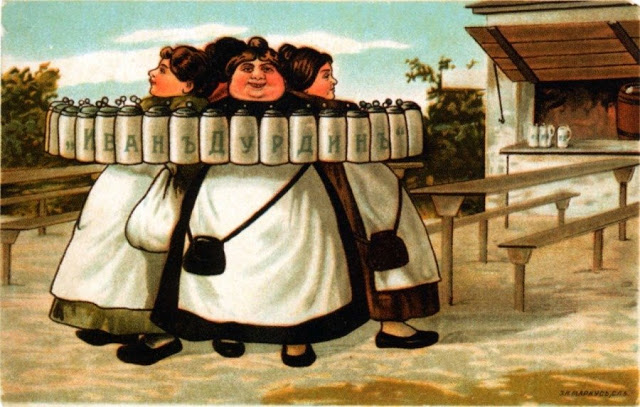
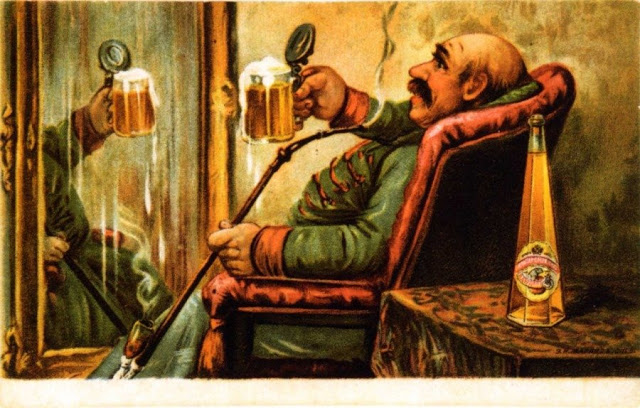
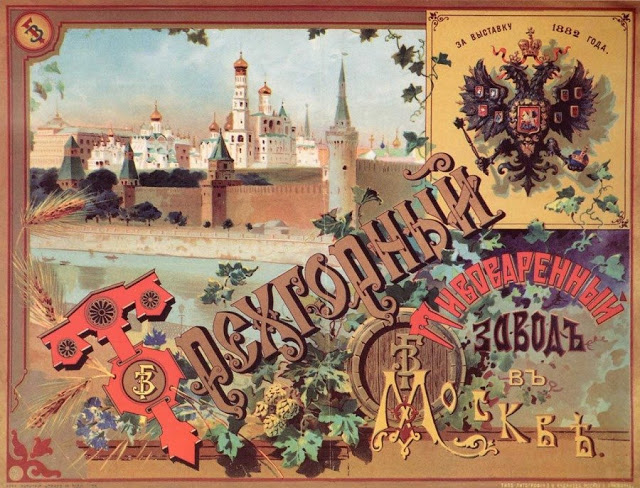
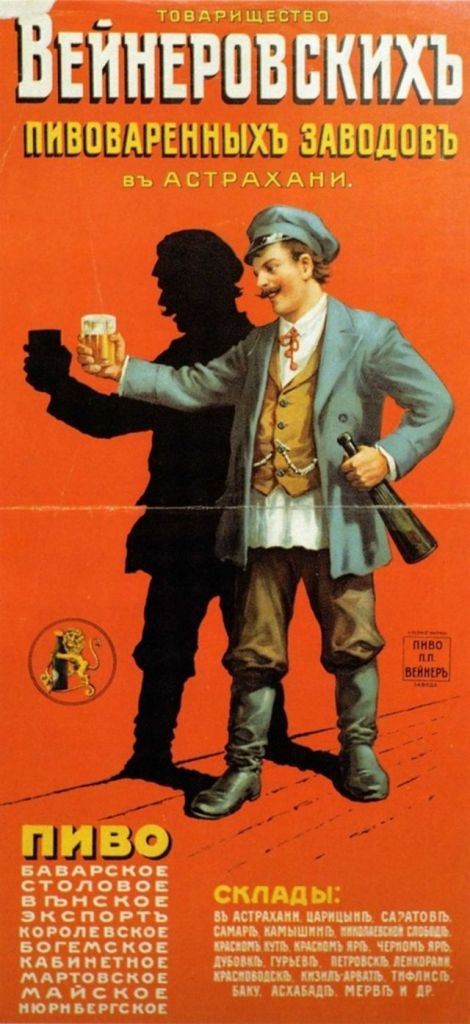
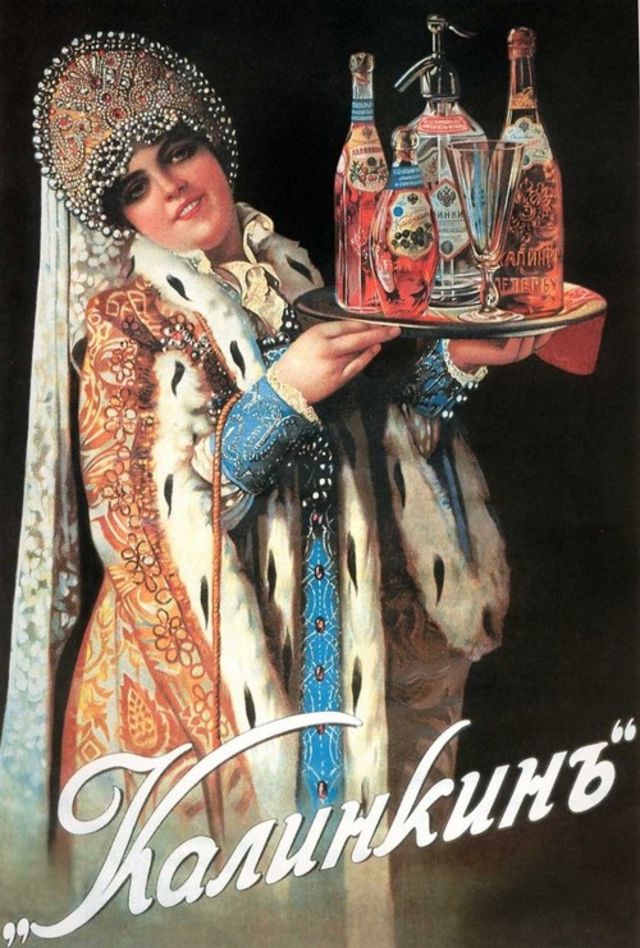
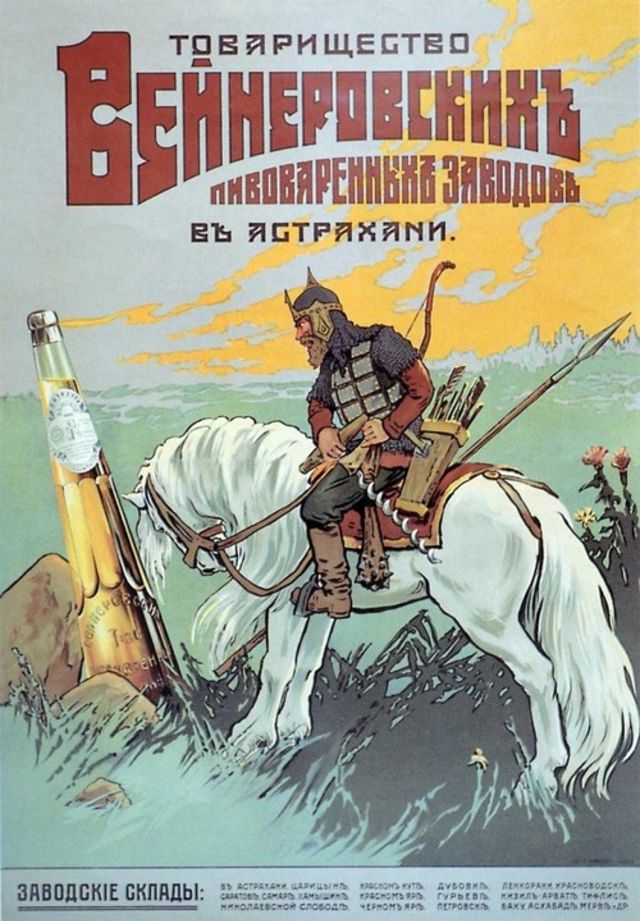
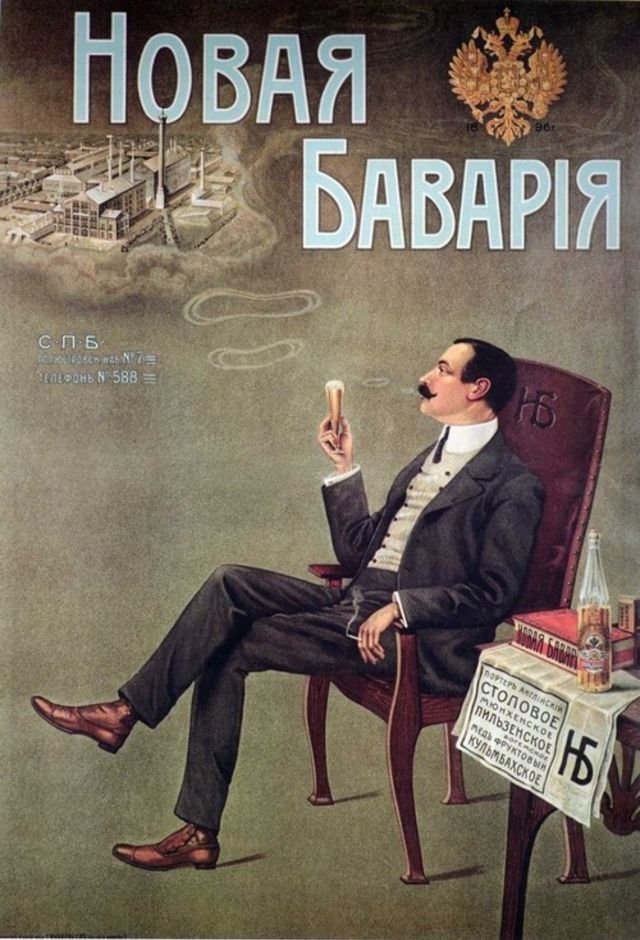
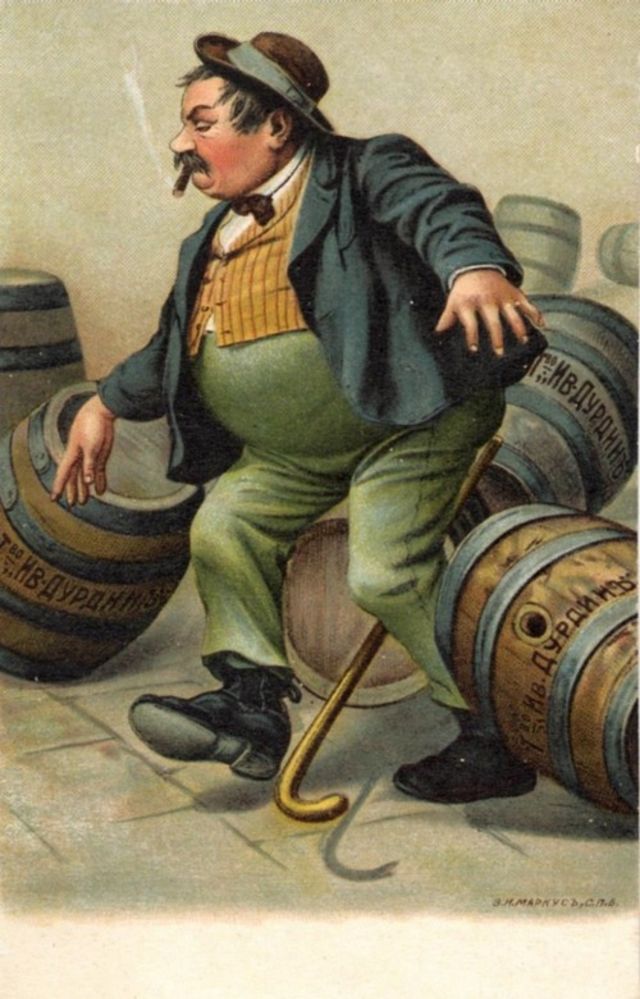
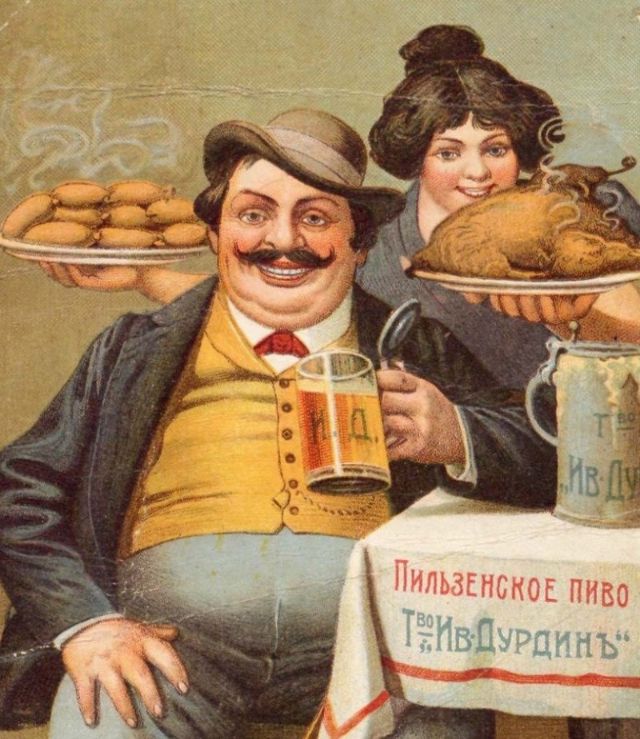
People in the Soviet Union loved beer, almost as much as vodka. They would drink it in the morning, while fishing, at the banya, and after a hard day’s work. It was always beer o’clock.
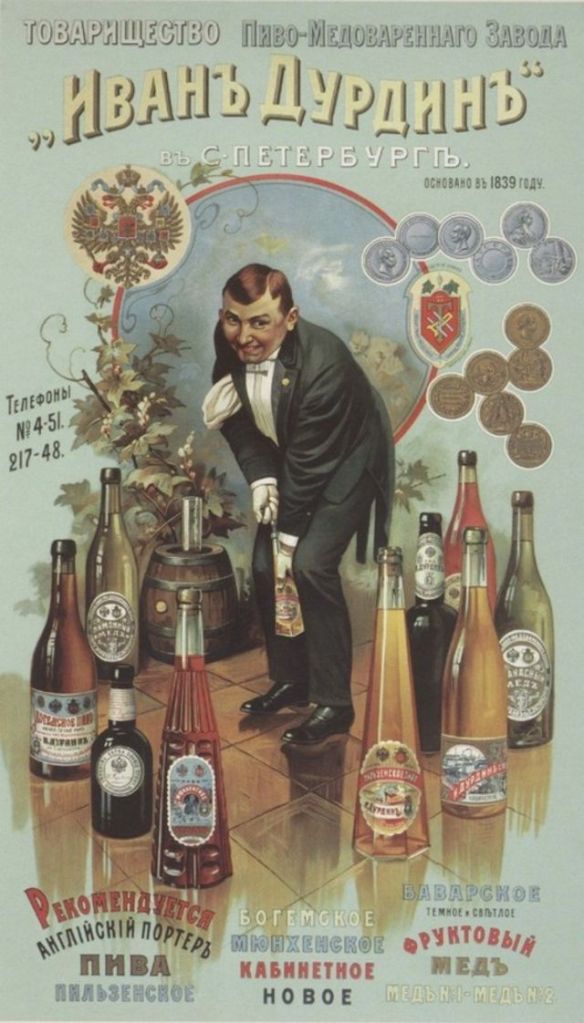
Before the revolution, the Russian Empire produced different varieties of beers brewed according to Western standards: Venskoe (Viennese), Munchenskoe (Munich), Pilsener, Bavarskoe (Bavarian), Kulmbakskoe (Kulmbach), Bogemskoe (Bohemian) and others. After 1917, the “bourgeois” names were replaced by Soviet titles. For example, Venskoe became Zhigulevskoe (Zhiguli), Pilsener – Russkoe, and Munchenskoe – Ukrainskoe.
These vintage Russian beer advertisements come from 1880-1915:
San Francisco, officially the City and County of San Francisco, is a cultural, commercial, and financial center in the U.S. state of California. Located in Northern California, San Francisco is the 17th most populous city in the United States, and the fourth most populous in California, with 873,965 residents as of 2020. It covers an area of about 46.9 square miles (121 square kilometers), mostly at the north end of the San Francisco Peninsula in the San Francisco Bay Area, making it the second most densely populated large U.S. city, and the fifth most densely populated U.S. county, behind only four of the five New York City boroughs. San Francisco is the 12th-largest metropolitan statistical area in the United States with 4.7 million residents, and the fourth-largest by economic output, with a GDP of $592 billion in 2019. With San Jose, California, it forms the San Jose–San Francisco–Oakland, CA Combined Statistical Area, the fifth most populous combined statistical area in the United States, with 9.6 million residents as of 2019. Colloquial nicknames for San Francisco include SF, San Fran, The City, and Frisco.
In 2019, San Francisco was the county with the seventh-highest income in the United States, with a per capita income of $139,405. In the same year, San Francisco proper had a GDP of $203.5 billion, and a GDP per capita of $230,829. The San Jose–San Francisco–Oakland, CA Combined Statistical Area, with a GDP of $1.09 trillion as of 2019, is the country’s third-largest economy. Of the 105 primary statistical areas in the U.S. with over 500,000 residents, this CSA had the highest GDP per capita in 2019, at $112,348. San Francisco was ranked 12th in the world and second in the United States on the Global Financial Centres Index as of March 2021.
San Francisco was founded on June 29, 1776, when colonists from Spain established the Presidio of San Francisco at the Golden Gate and Mission San Francisco de Asís a few miles away, both named for Francis of Assisi. The California Gold Rush of 1849 brought rapid growth, making it the largest city on the West Coast at the time; between 1870 and 1900, approximately one quarter of California’s population resided in the city proper. In 1856, San Francisco became a consolidated city-county. After three-quarters of the city was destroyed by the 1906 earthquake and fire, it was quickly rebuilt, hosting the Panama-Pacific International Exposition nine years later. In World War II, it was a major port of embarkation for service members shipping out to the Pacific Theater. It then became the birthplace of the United Nations in 1945. After the war, the confluence of returning servicemen, significant immigration, liberalizing attitudes, the rise of the “beatnik” and “hippie” countercultures, the Sexual Revolution, the Peace Movement growing from opposition to United States involvement in the Vietnam War, and other factors led to the Summer of Love and the gay rights movement, cementing San Francisco as a center of liberal activism in the United States. Politically, the city votes strongly along liberal Democratic Party lines.
A popular tourist destination, San Francisco is known for its cool summers, fog, steep rolling hills, eclectic mix of architecture, and landmarks, including the Golden Gate Bridge, cable cars, the former Alcatraz Federal Penitentiary, Fisherman’s Wharf, and its Chinatown district. San Francisco is also the headquarters of companies such as Wells Fargo, Twitter, Block, Airbnb, Levi Strauss & Co., Gap Inc., Salesforce, Dropbox, Pacific Gas and Electric Company, Uber, and Lyft. The city, and the surrounding Bay Area, is a global center of the sciences and arts and is home to a number of educational and cultural institutions, such as the University of California, San Francisco (UCSF), the University of San Francisco (USF), San Francisco State University (SFSU), the de Young Museum, the San Francisco Museum of Modern Art, the SFJAZZ Center, the San Francisco Symphony and the California Academy of Sciences. More recently, statewide droughts in California have strained the city’s water security. (Wikipedia)
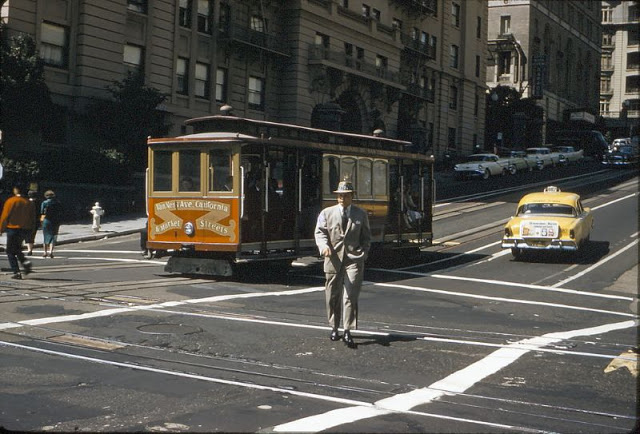
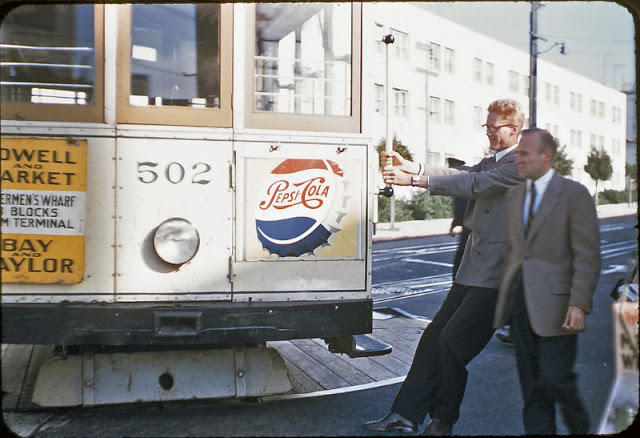
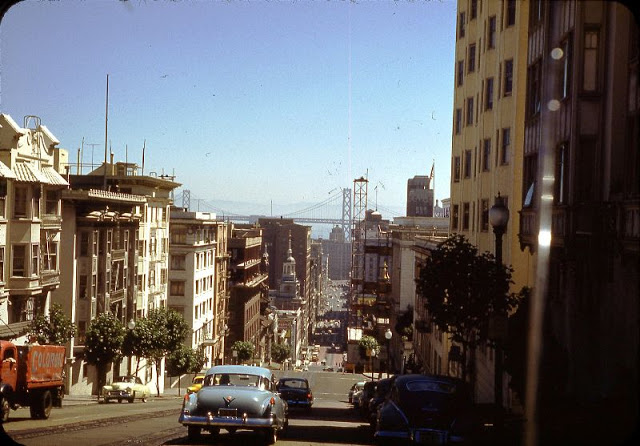
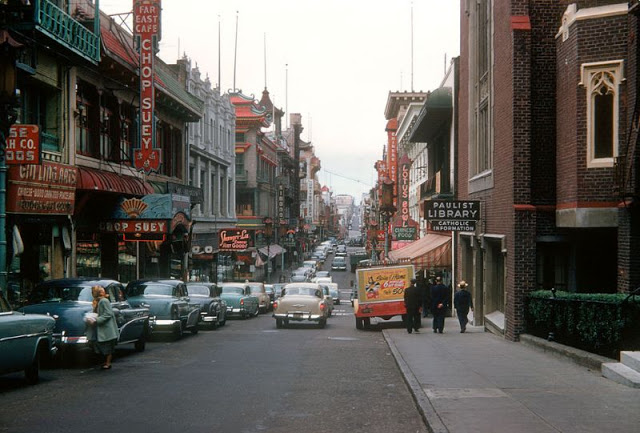
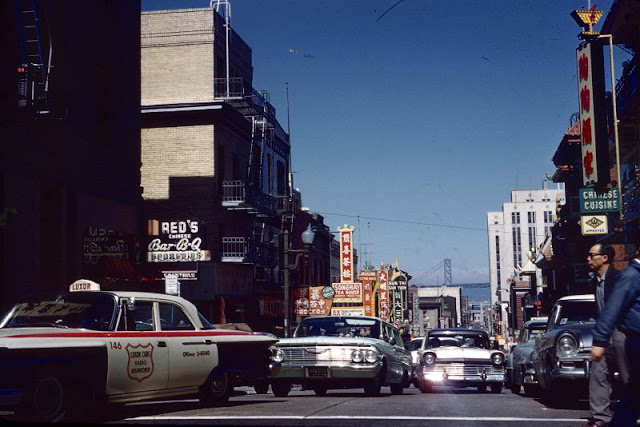
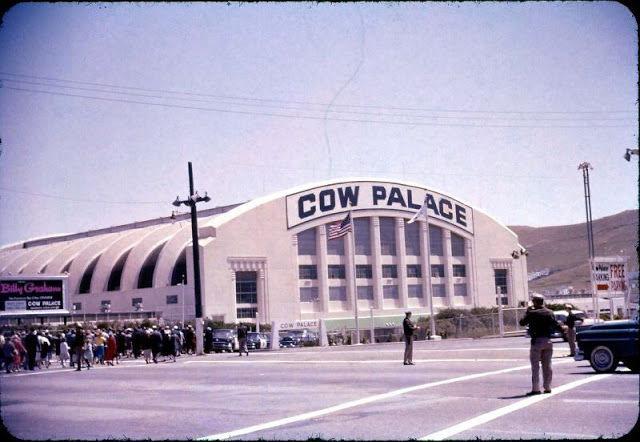
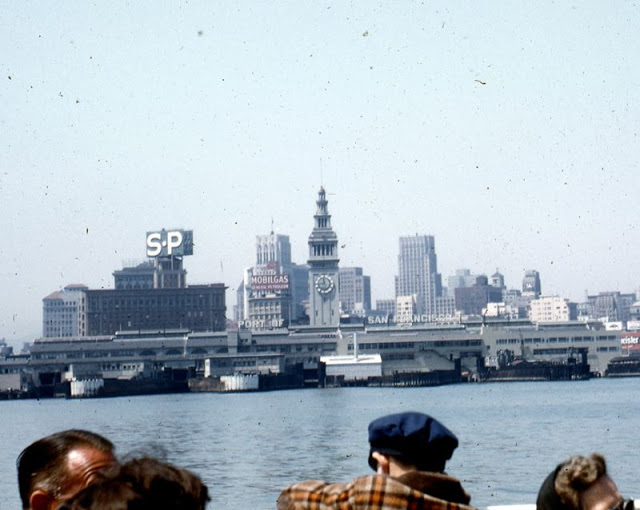
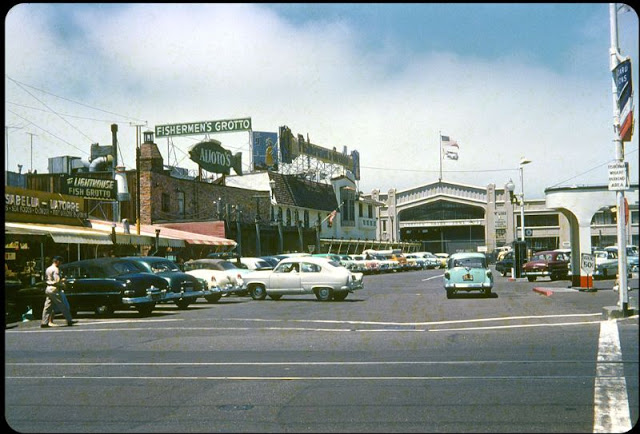
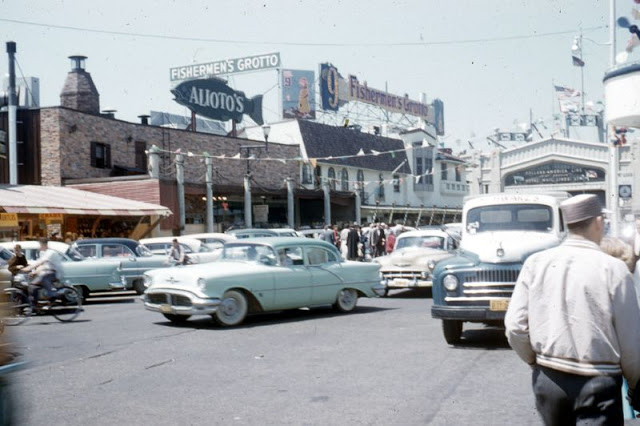
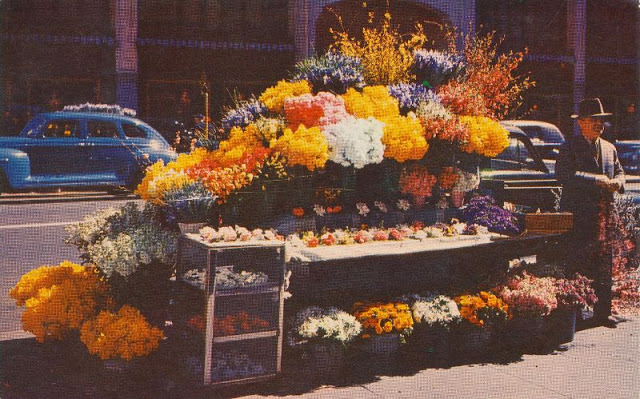
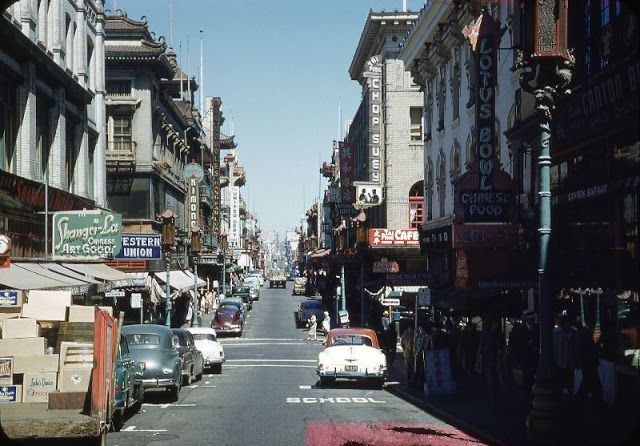
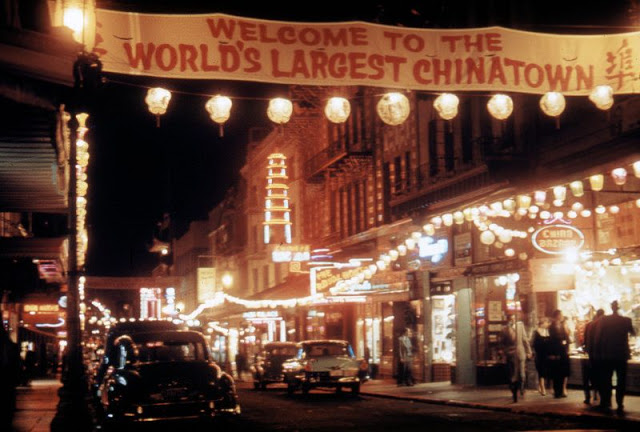
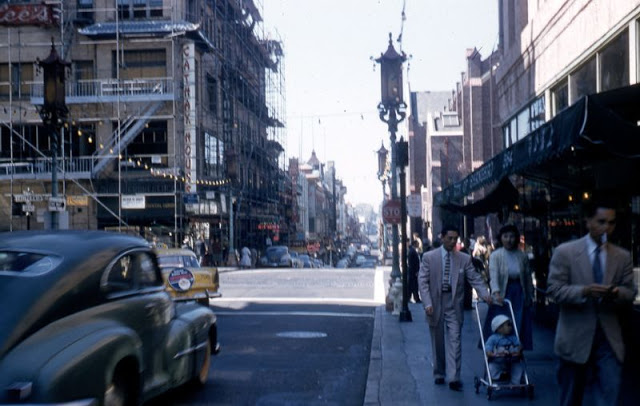
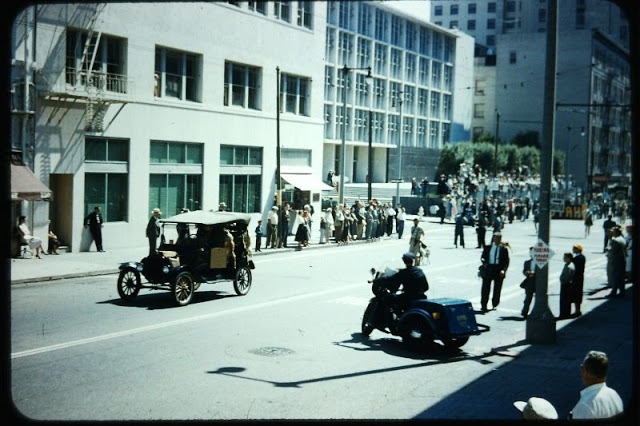
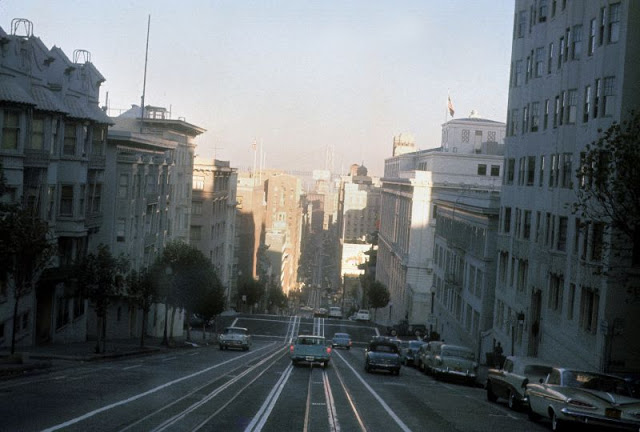
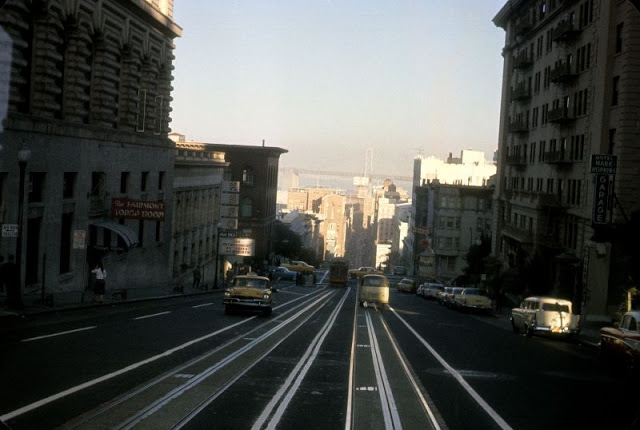
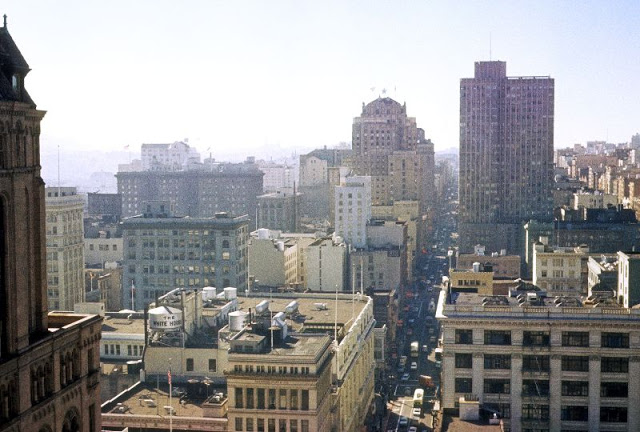
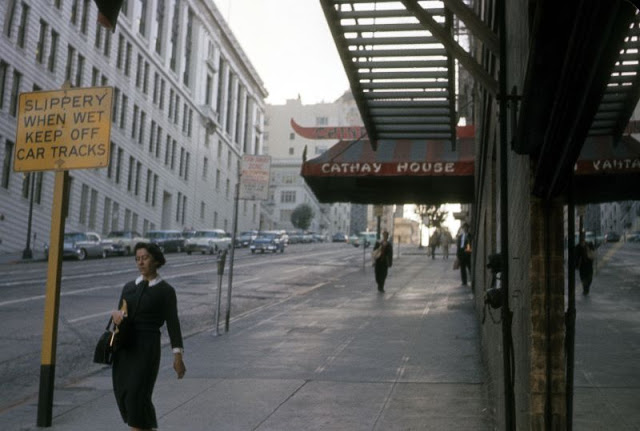
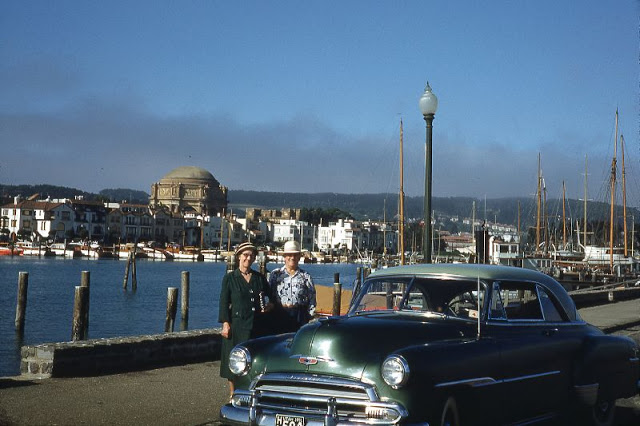
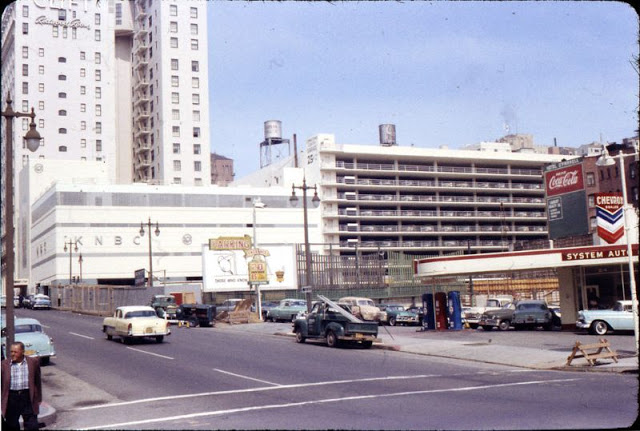
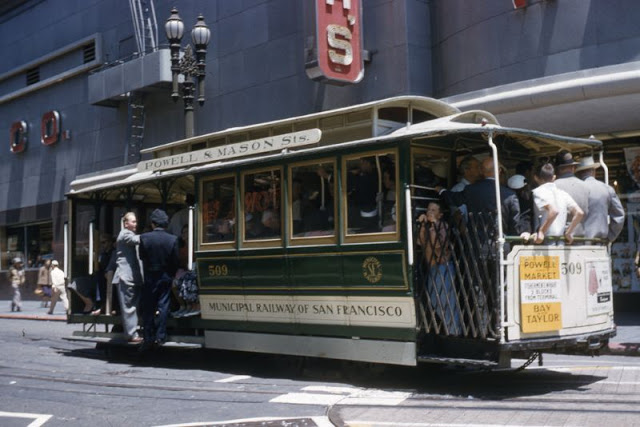
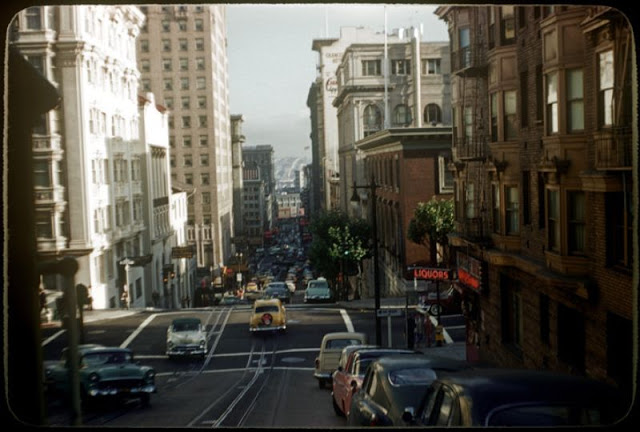
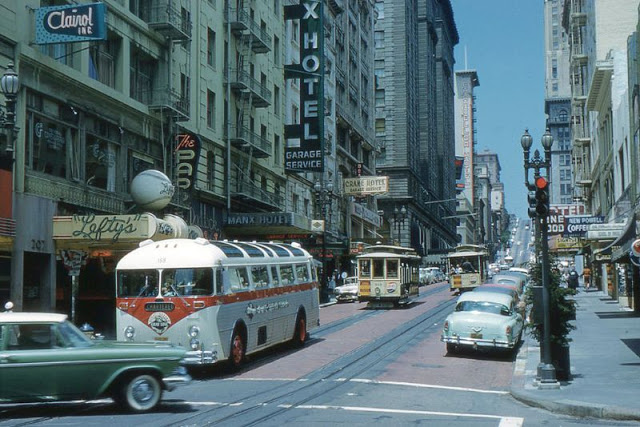
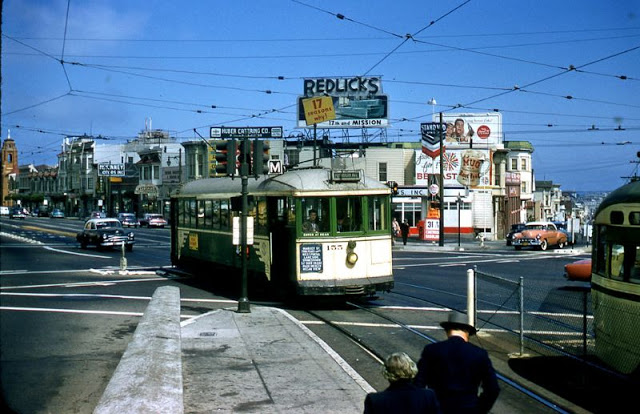
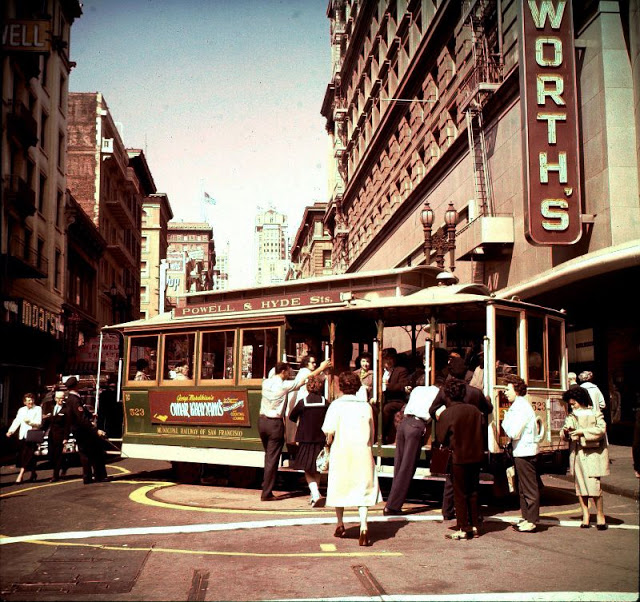
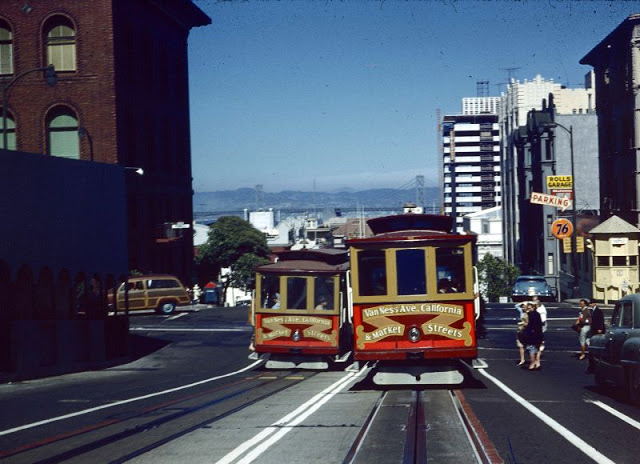
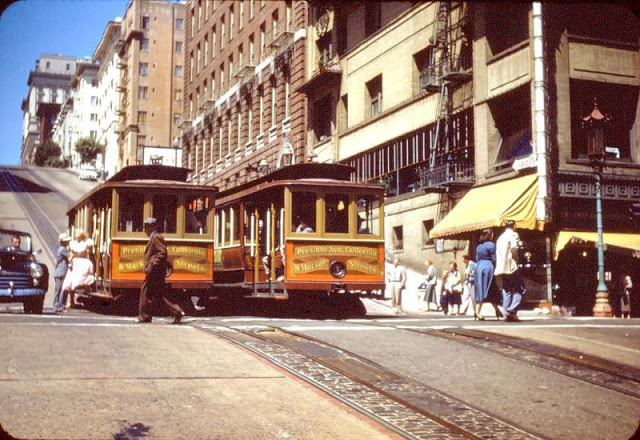
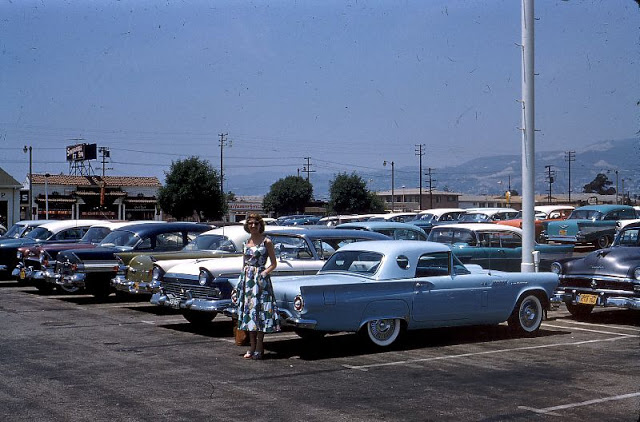
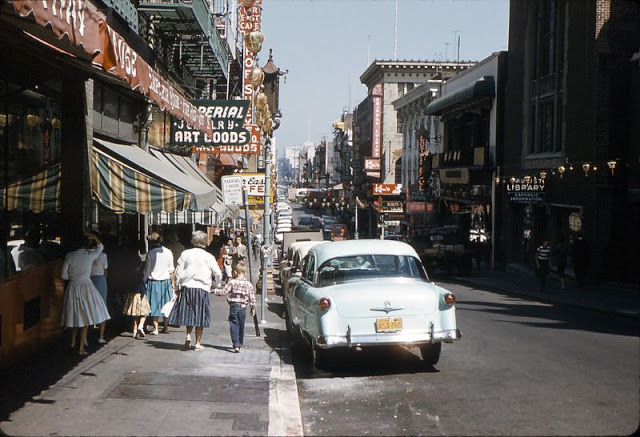
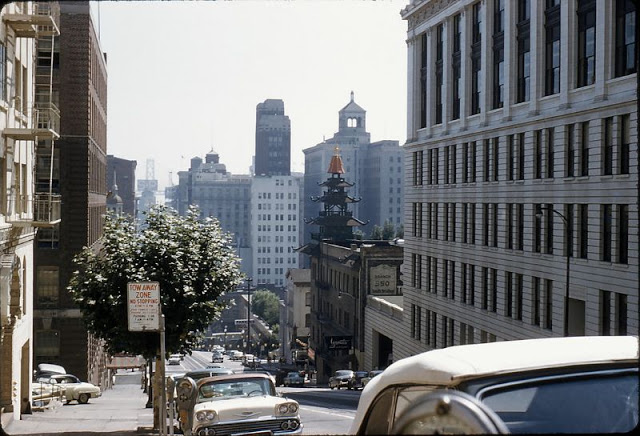
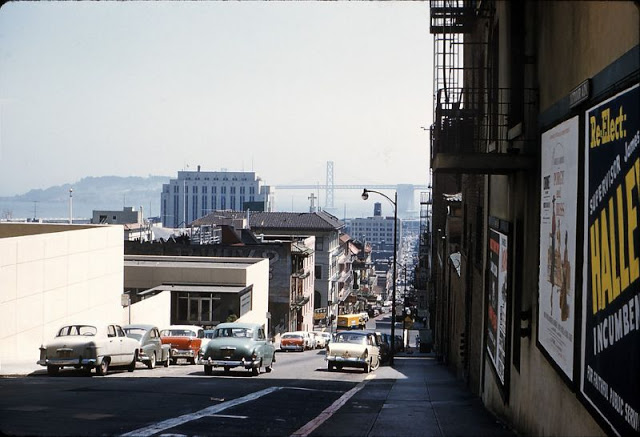
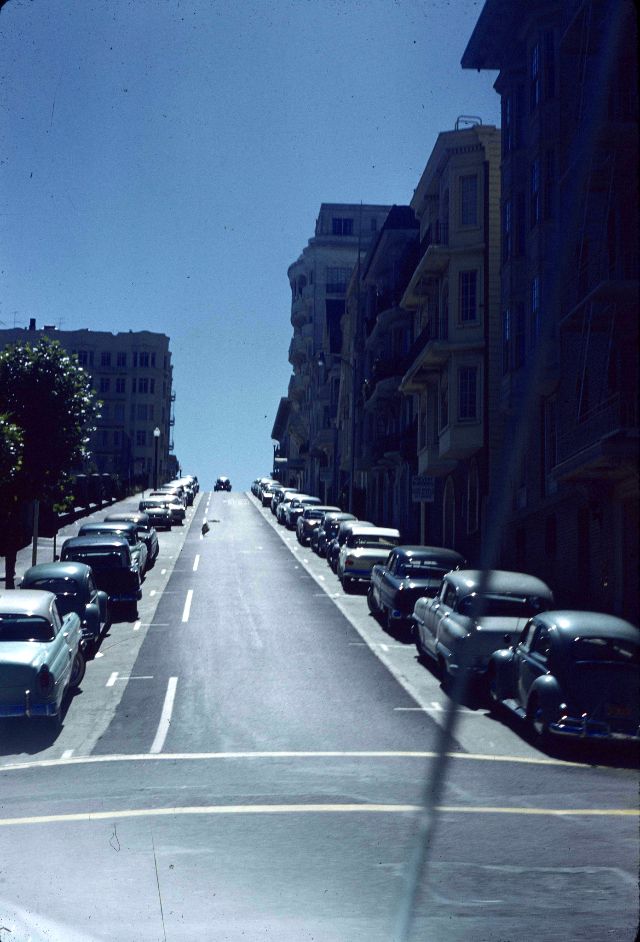
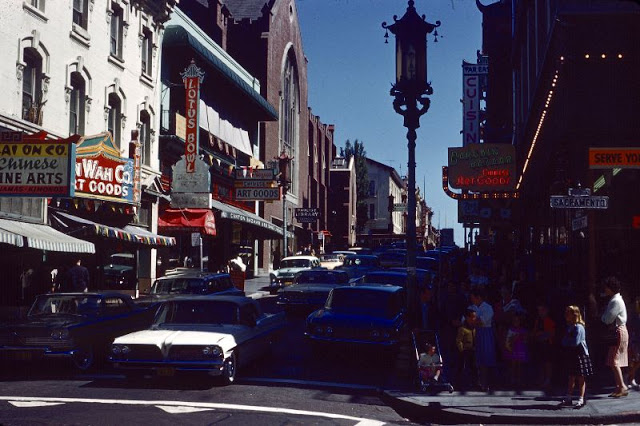
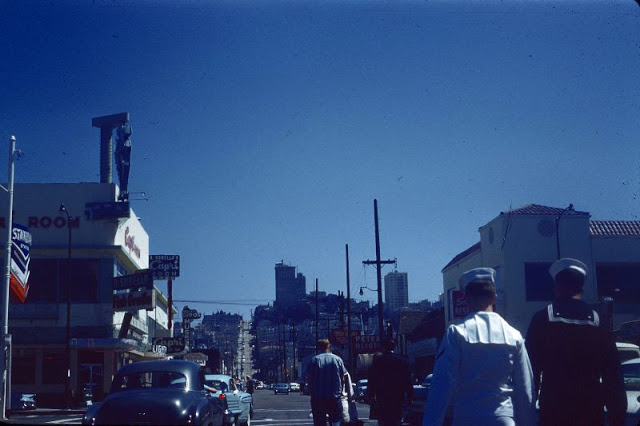
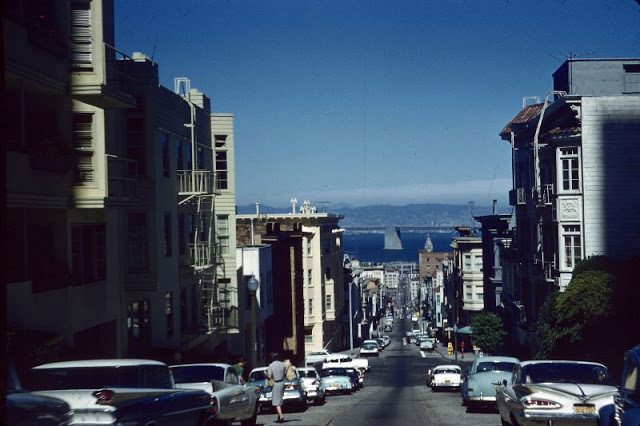
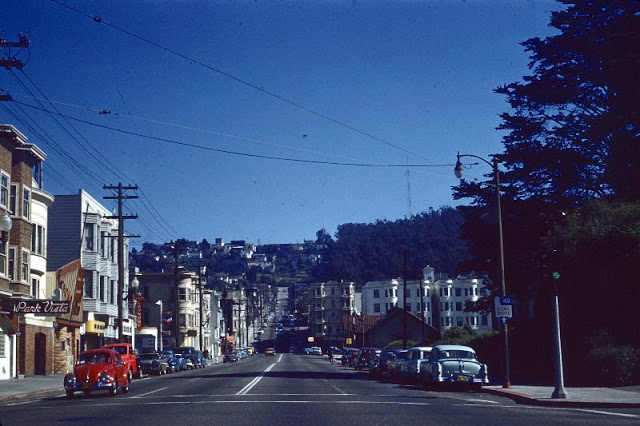
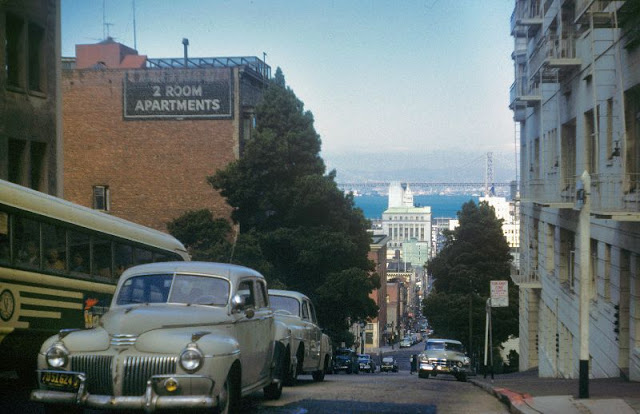
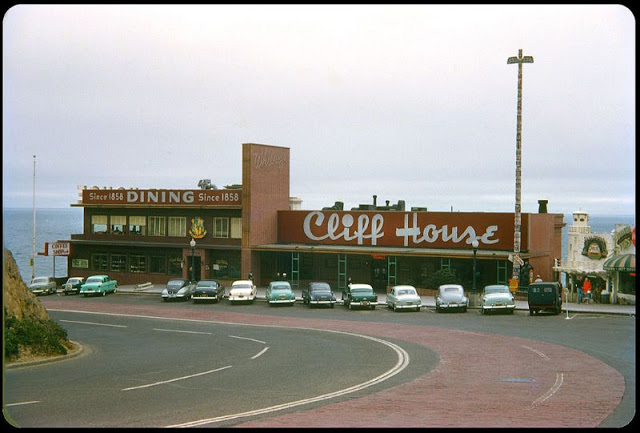
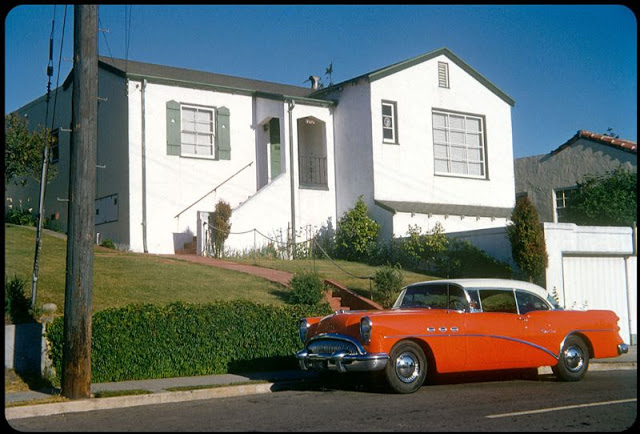
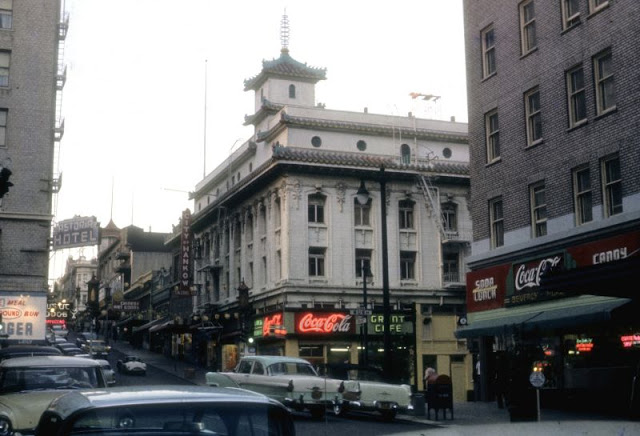
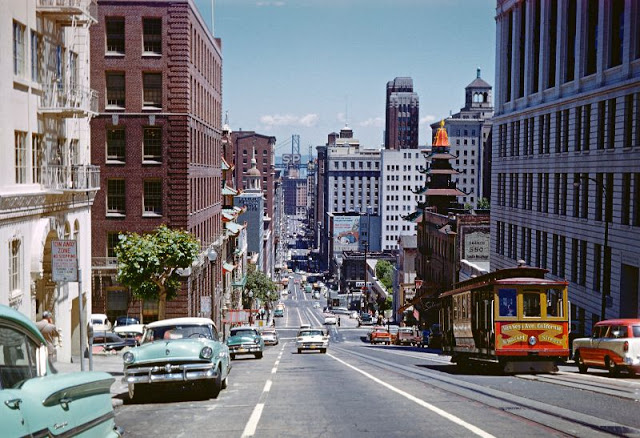
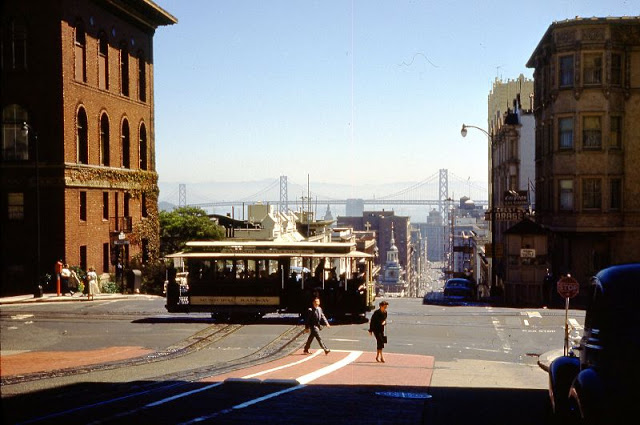
These amazing color snaps show what San Francisco looked life in the 1950s.
Cable car, San FranciscoCable car, San FranciscoCalifornia Street, San FranciscoChinatown from California St. looking up Grant Ave., San FranciscoChinatown, San FranciscoCow Palace, San FranciscoFerry Building, San FranciscoFisherman’s Wharf, San FranciscoFisherman’s Wharf, Taylor Street, San FranciscoFlower stand, San FranciscoGrant Ave. on Grant at Sacramento looking north, China Town, San FranciscoGrant Avenue between Clay and Washington, San FranciscoGrant Avenue looking north toward California Street, San FranciscoLions Convention, San FranciscoLooking east down California St in San FranciscoLooking east down California St in San FranciscoLooking west along Sutter St., San FranciscoLooking west up Nob Hill in San FranciscoMarina Jetty with Chevy, San FranciscoMarket at Mason Street, San Francisco, 1952Northeast corner of Ellis Street at Taylor Street, San FranciscoPowell Street cable car, San FranciscoPowell Street, near Bush, looking south, San FranciscoPowell Street, San Francisco‘Redlick’s 17 Reasons Why’, Market and CastroSan Francisco cable car turntableSan Francisco cable carsSan Francisco cable carsSan Francisco MarinaSan Francisco parking lotSan Francisco street scenesSan Francisco street scenesSan Francisco street scenesSan Francisco street scenesSan Francisco street scenesSan Francisco street scenesSan Francisco street scenesSan Francisco street scenesSan Francisco street scenesWhitney’s Cliff House, San Francisco1954 Buick Century and house, San FranciscoBuick 1950 and Mercury 1949 on San Francisco streetsBush St. & Grant Av. in San FranciscoCable car of the San Francisco Municipal Railway on the California Street Line near Stockton StreetCable car on Powell Street, San Francisco
Santiago, also known as Santiago de Chile, is the capital and largest city of Chile as well as one of the largest cities in the Americas. It is the center of Chile’s most densely populated region, the Santiago Metropolitan Region, whose total population is 8 million, of which more than 6 million live in the city’s continuous urban area. The city is entirely in the country’s central valley. Most of the city lies between 500–650 m (1,640–2,133 ft) above mean sea level.
Founded in 1541 by the Spanish conquistador Pedro de Valdivia, Santiago has been the capital city of Chile since colonial times. The city has a downtown core of 19th-century neoclassical architecture and winding side-streets, dotted by art deco, neo-gothic, and other styles. Santiago’s cityscape is shaped by several stand-alone hills and the fast-flowing Mapocho River, lined by parks such as Parque Forestal and Balmaceda Park. The Andes Mountains can be seen from most points in the city. These mountains contribute to a considerable smog problem, particularly during winter, due to the lack of rain. The city outskirts are surrounded by vineyards and Santiago is within an hour of both the mountains and the Pacific Ocean.
Santiago is the cultural, political and financial center of Chile and is home to the regional headquarters of many multinational corporations. The Chilean executive and judiciary are located in Santiago, but Congress meets mostly in nearby Valparaíso. Santiago is named after the biblical figure St. James. Santiago will host the 2023 Pan American Games. (Wikipedia)
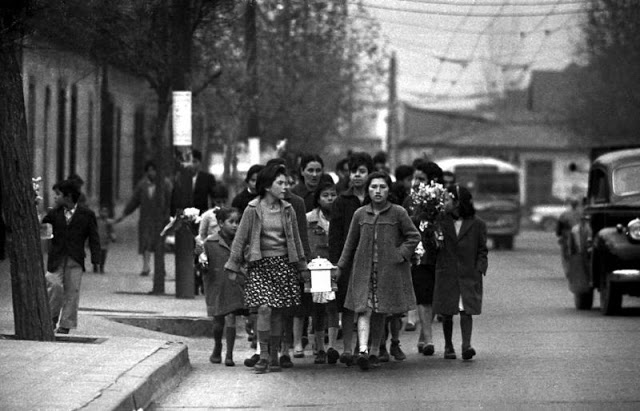
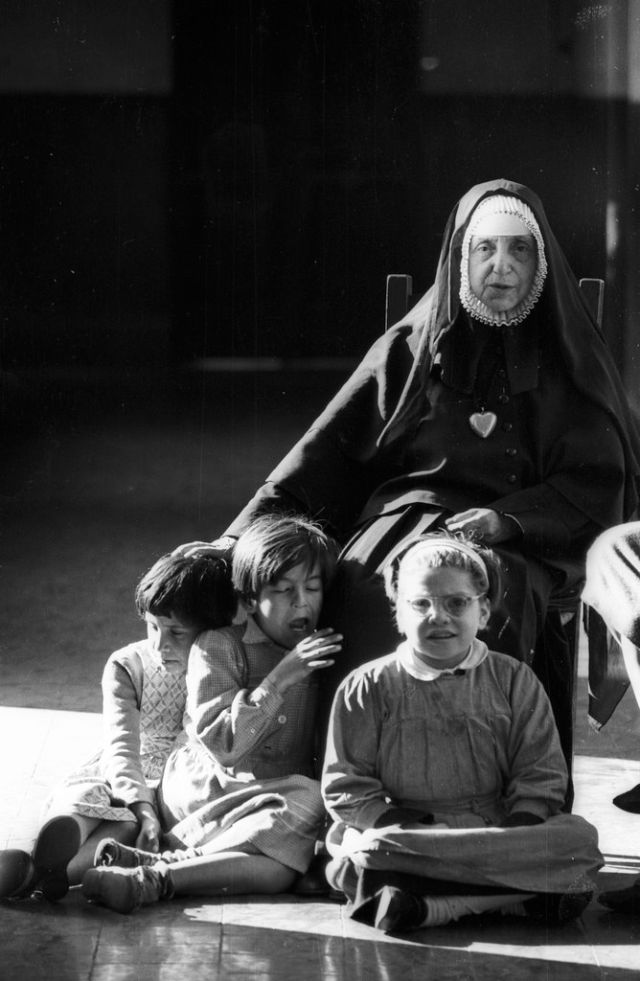
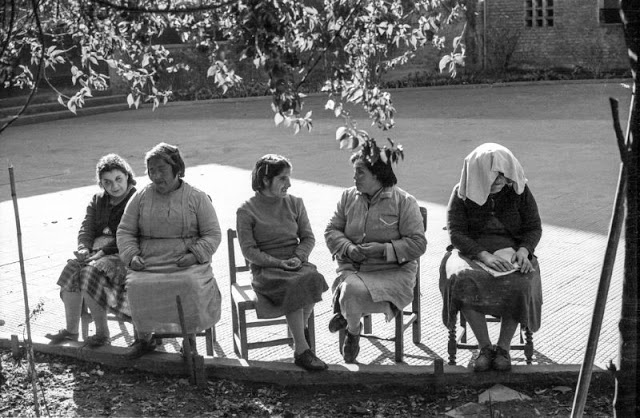
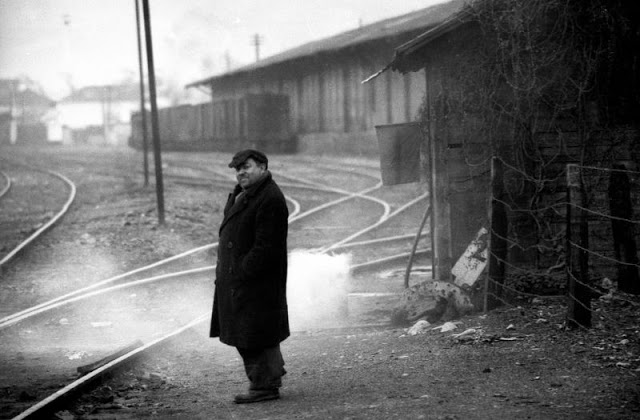
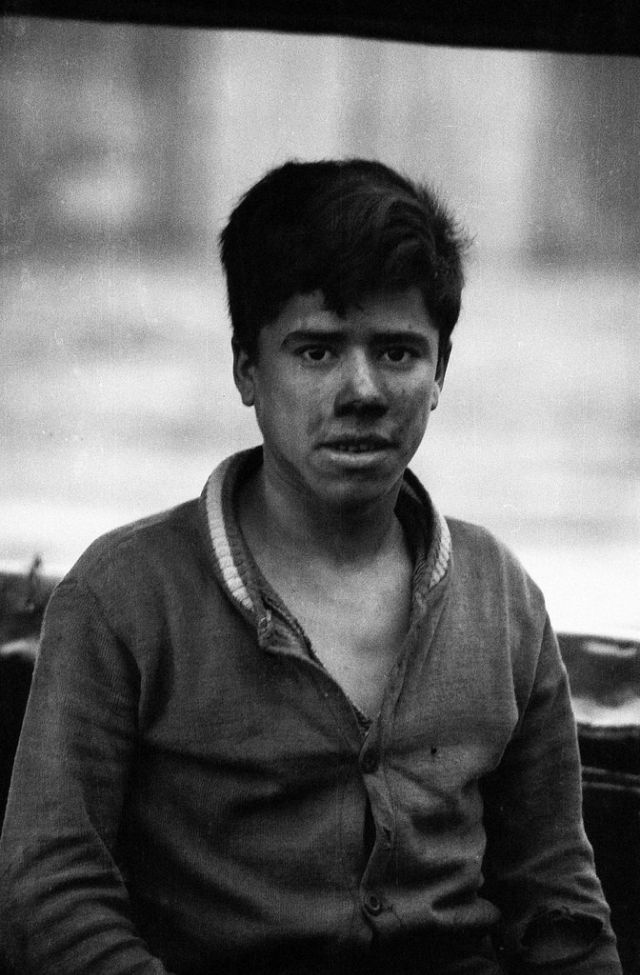
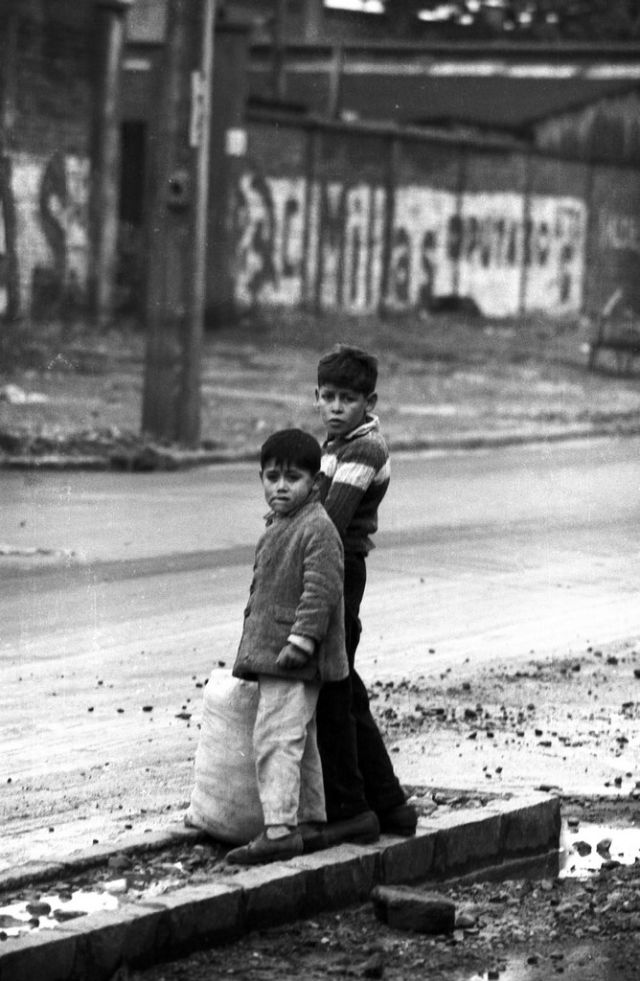
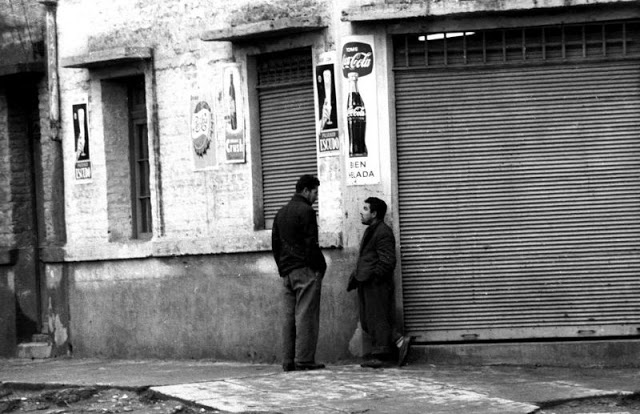
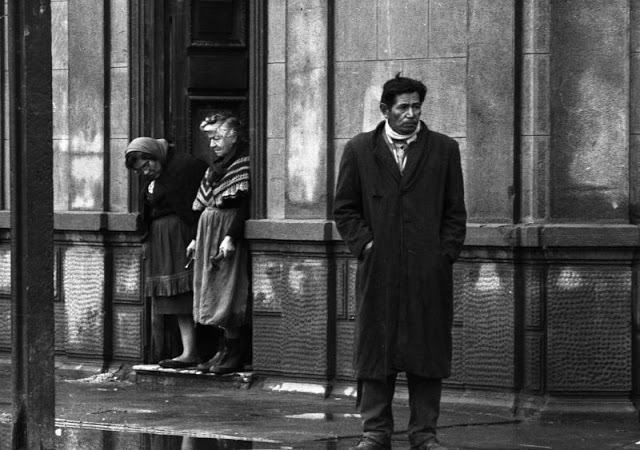
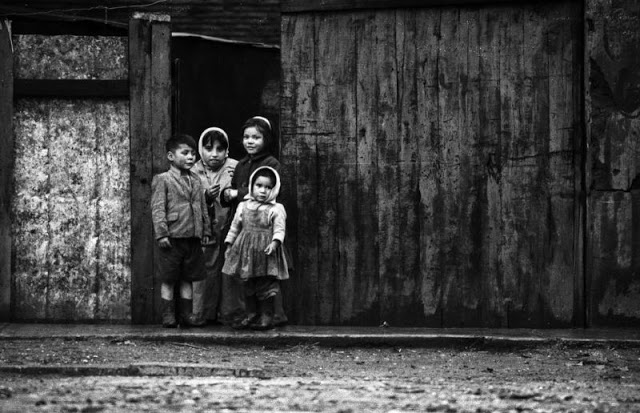
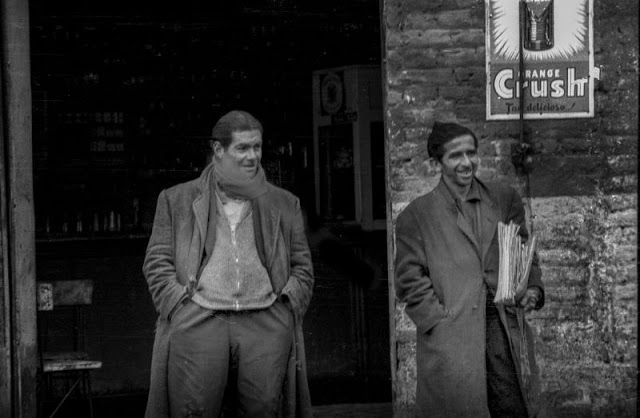
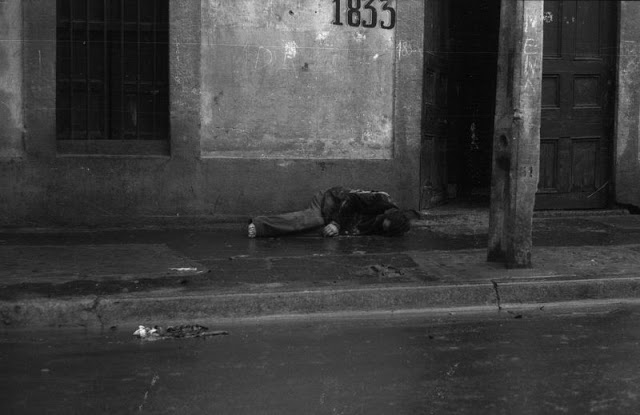
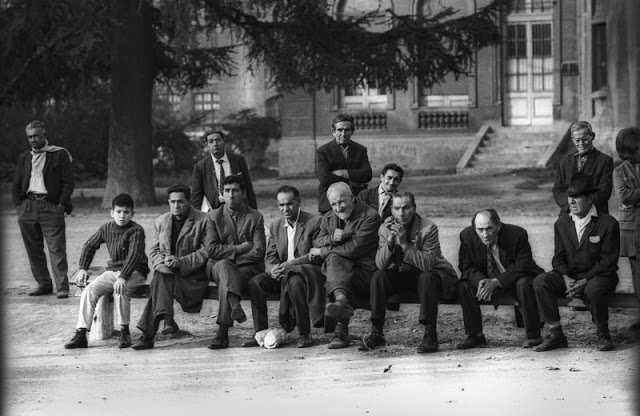
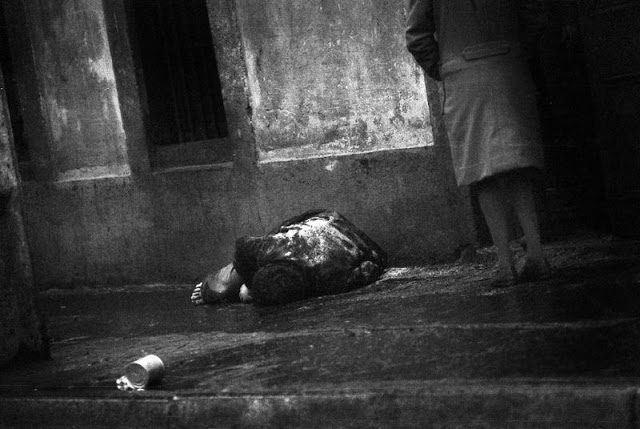
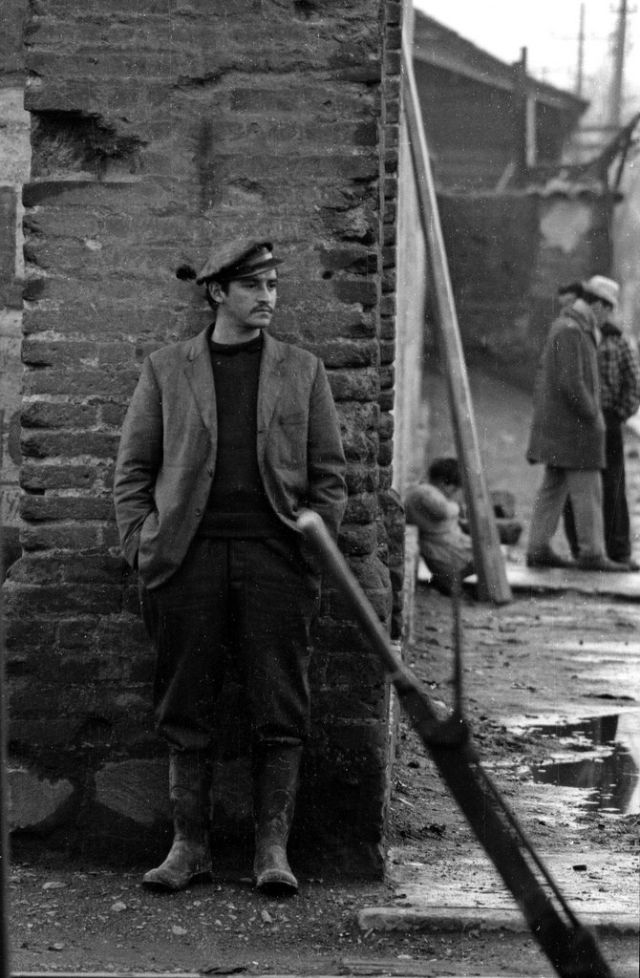
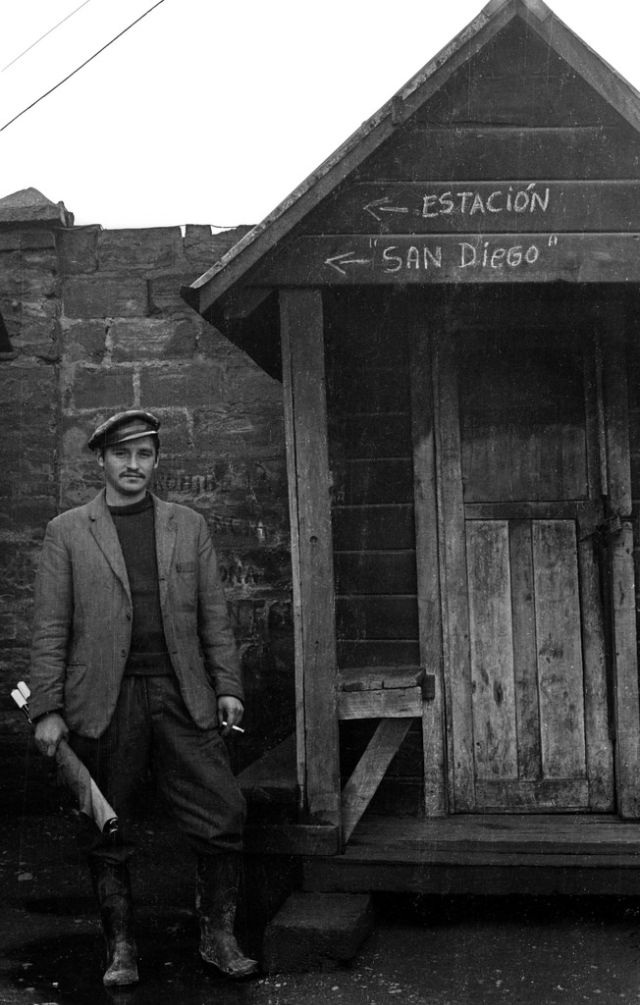
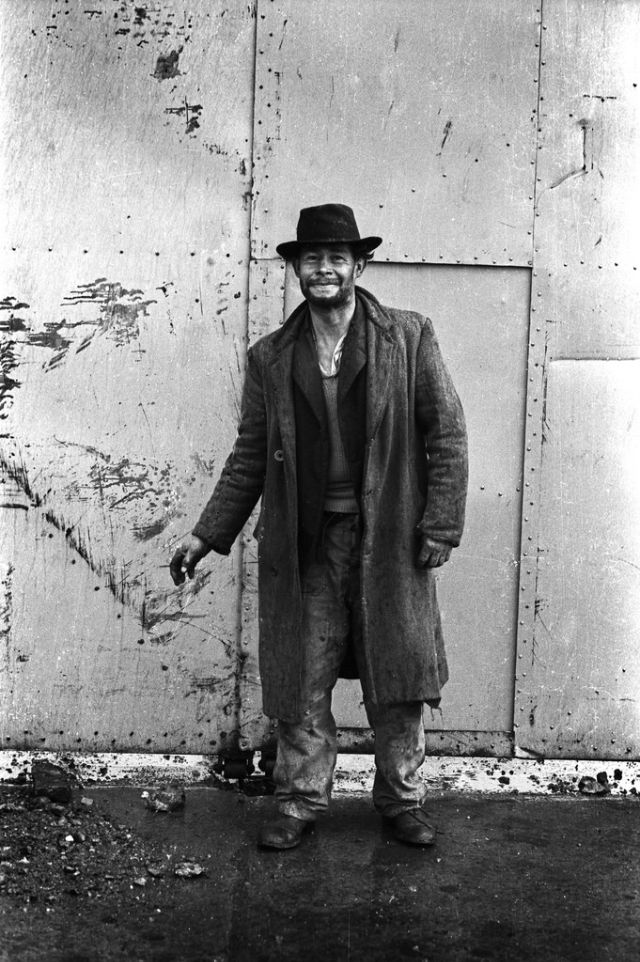
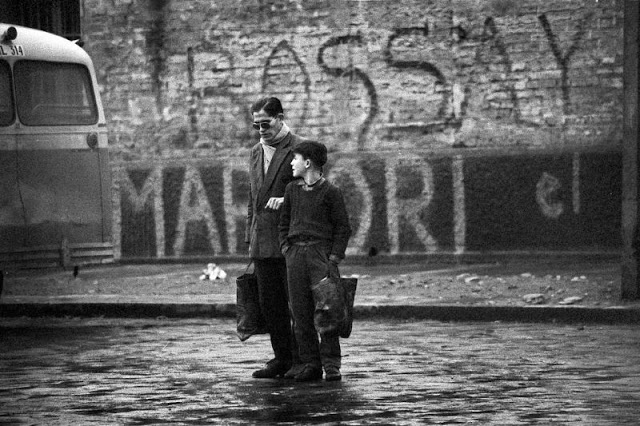
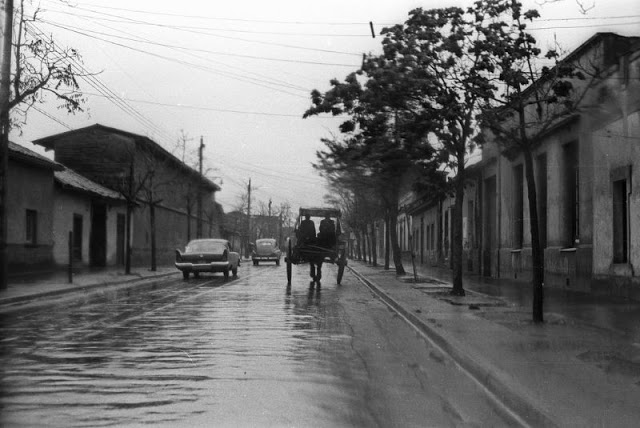
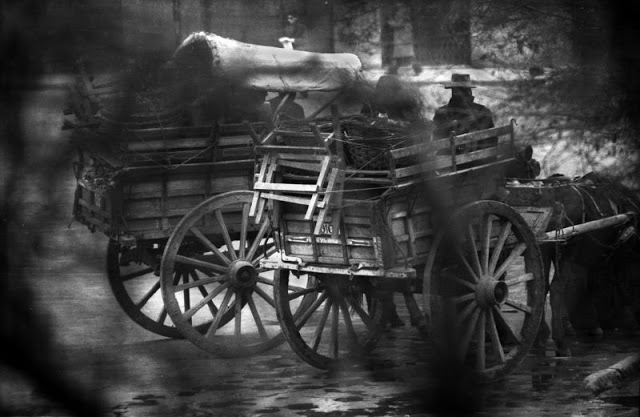
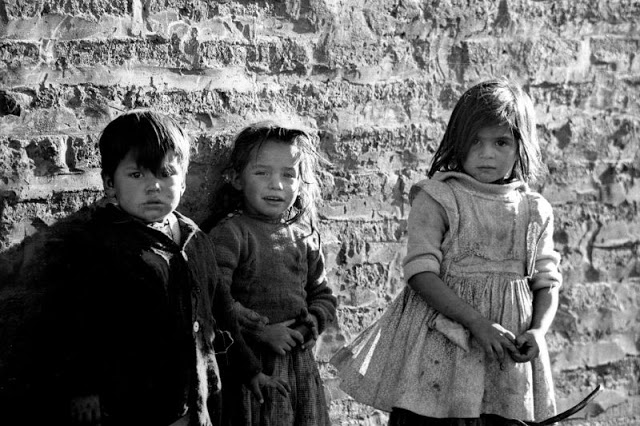
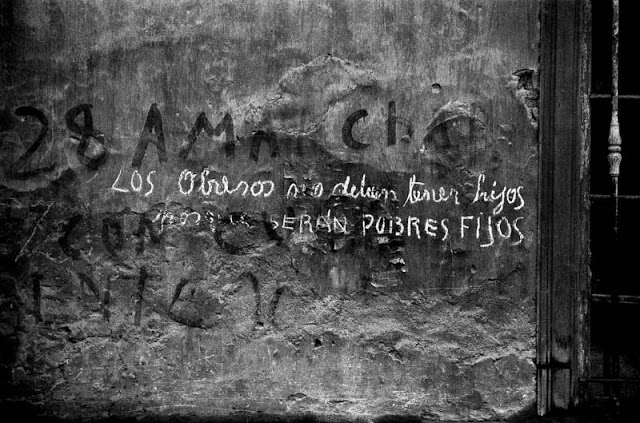
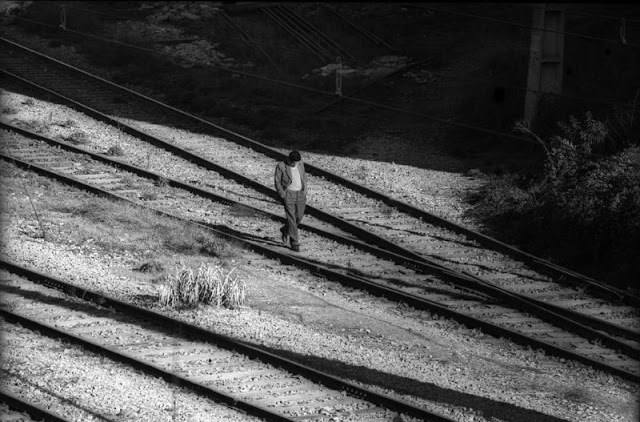
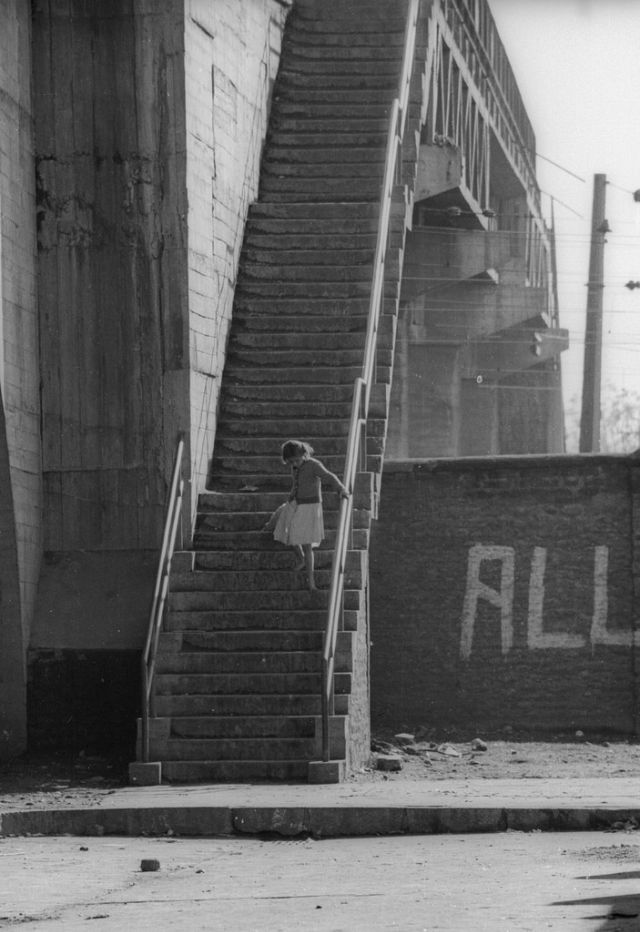
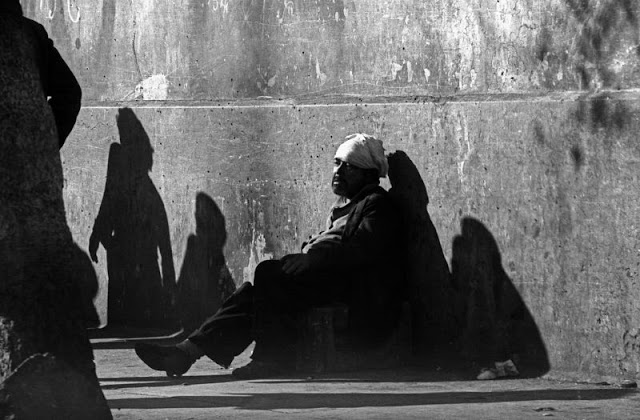
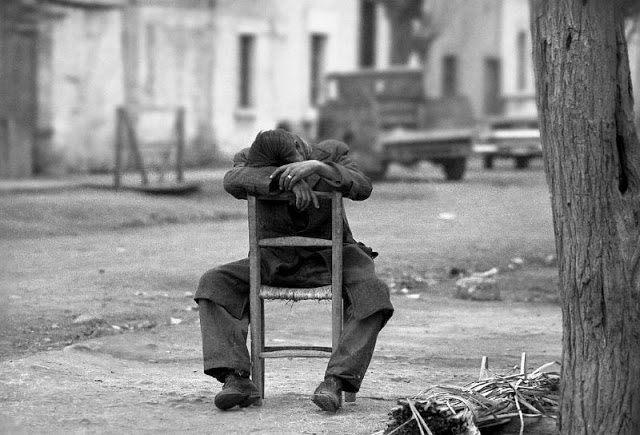
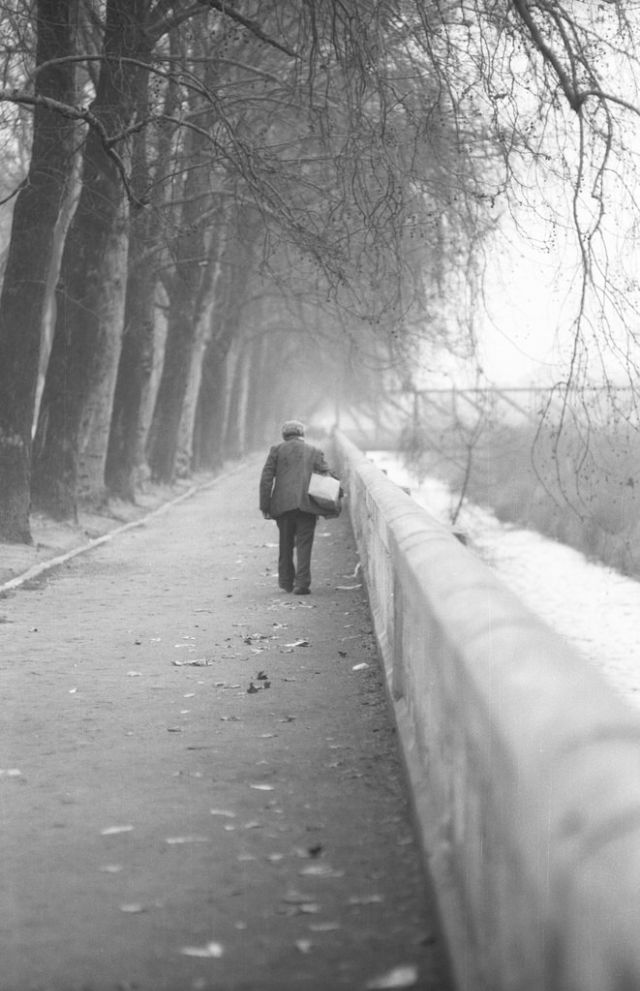
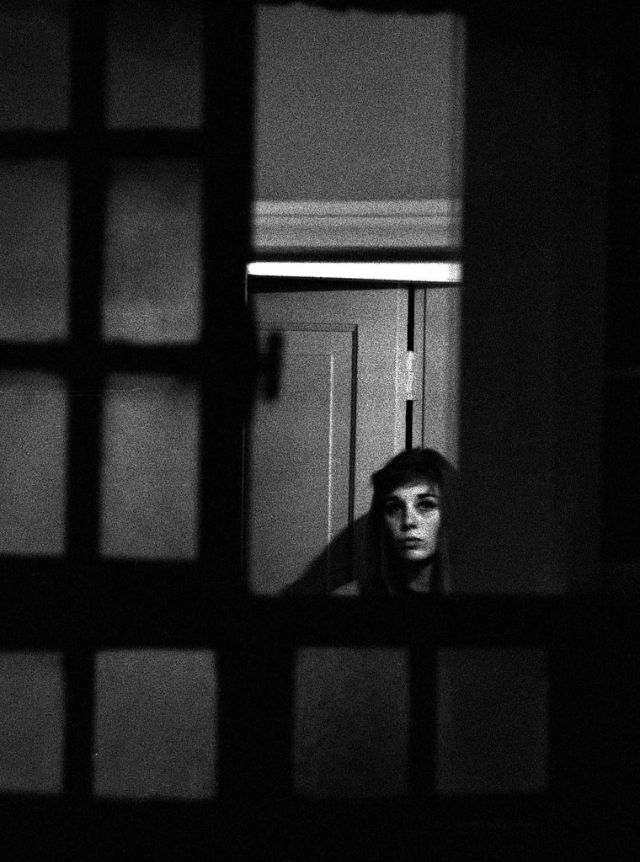
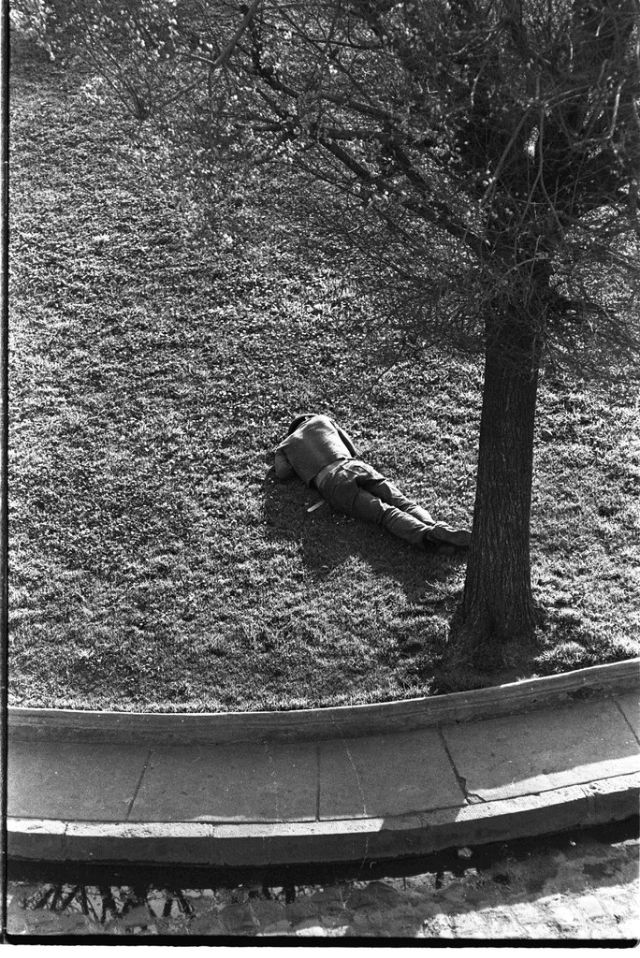
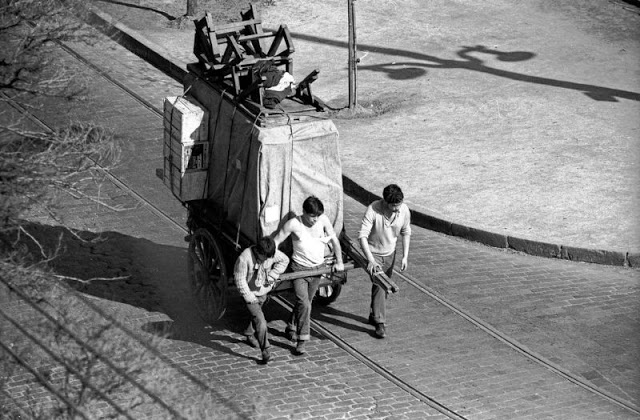
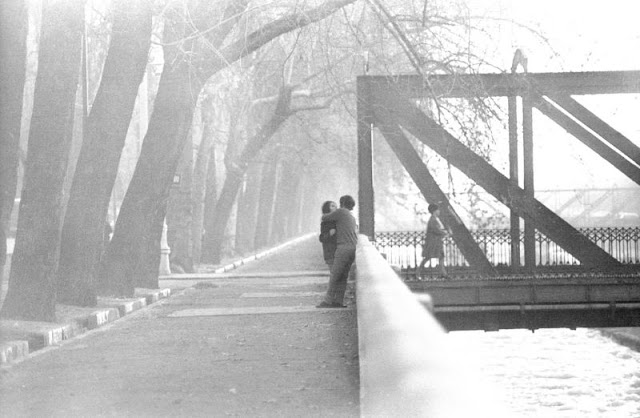
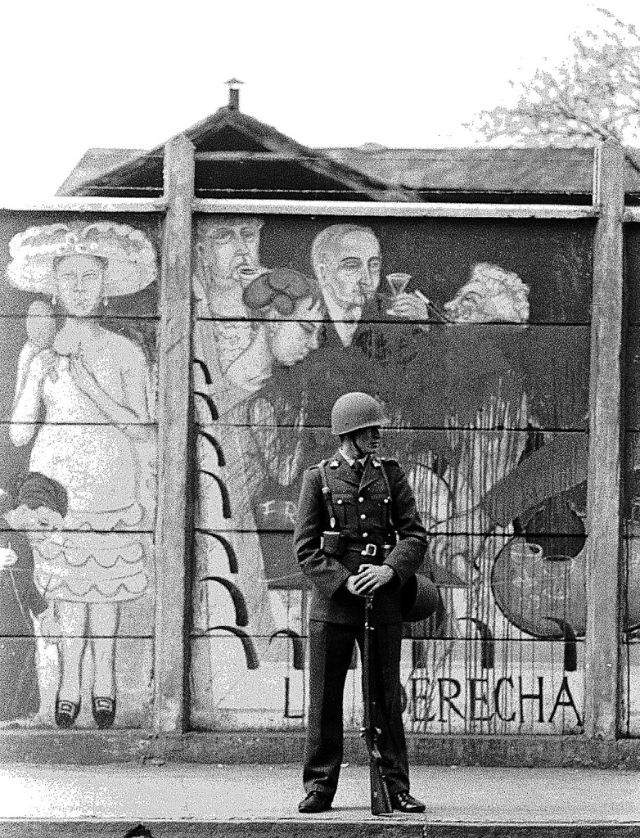
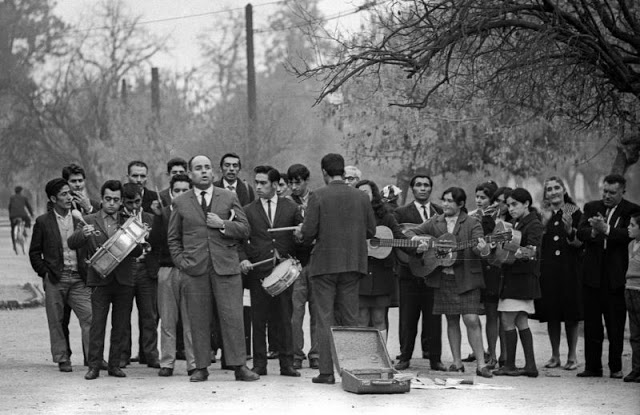
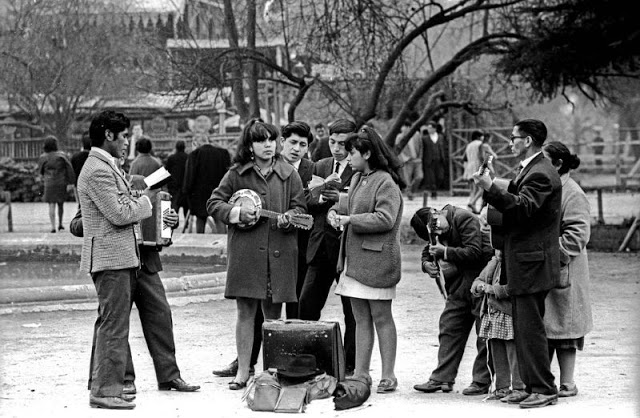
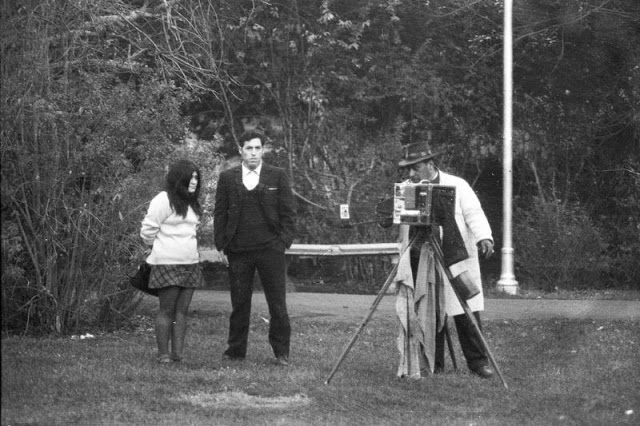
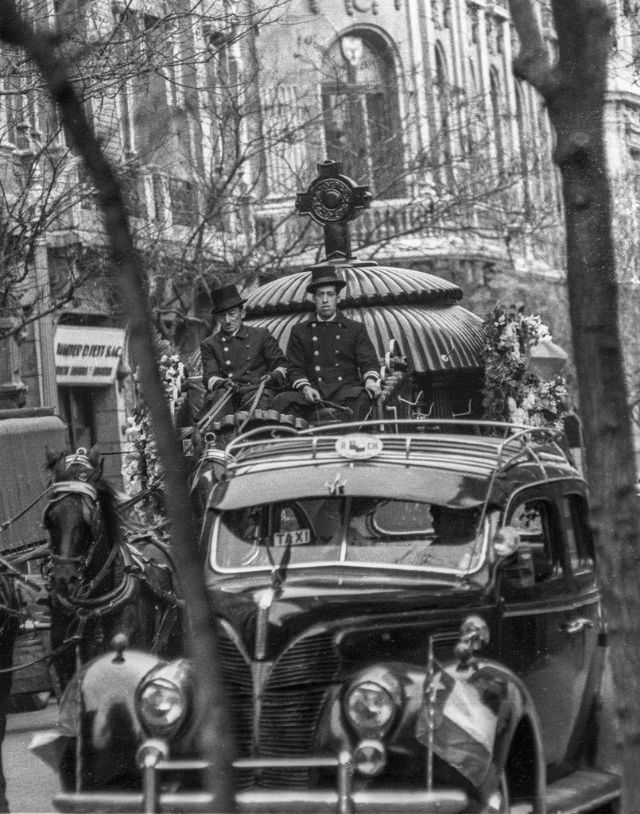
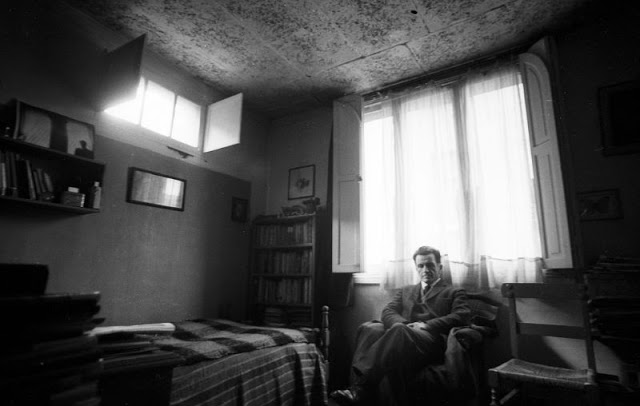
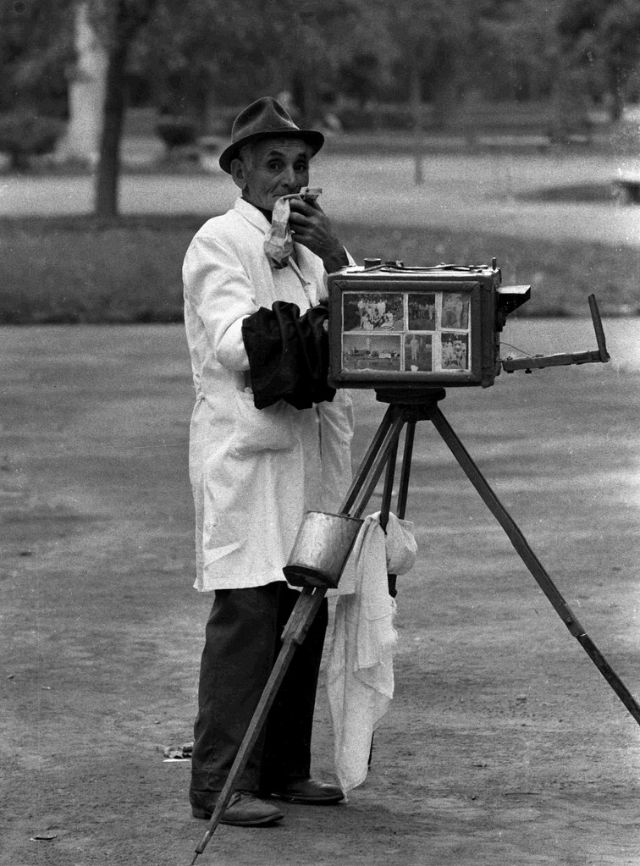
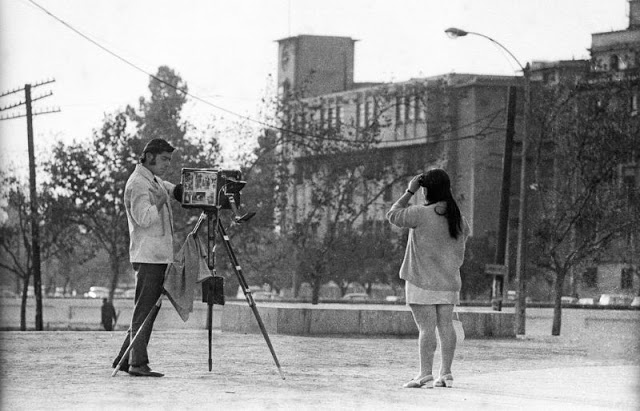
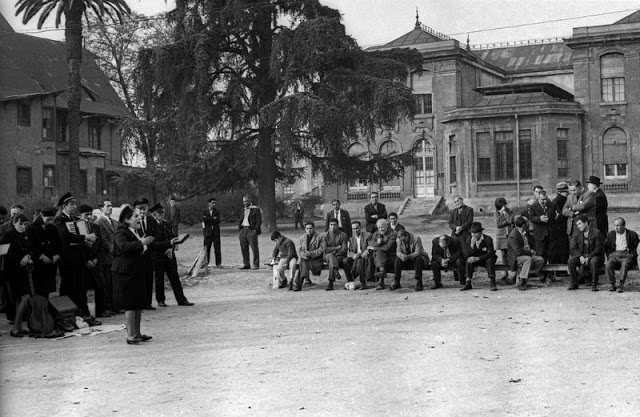
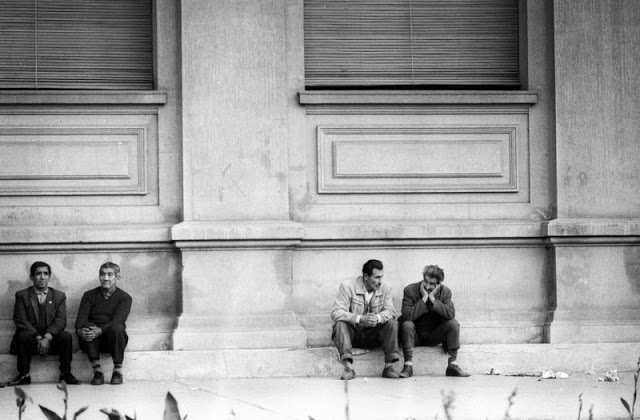
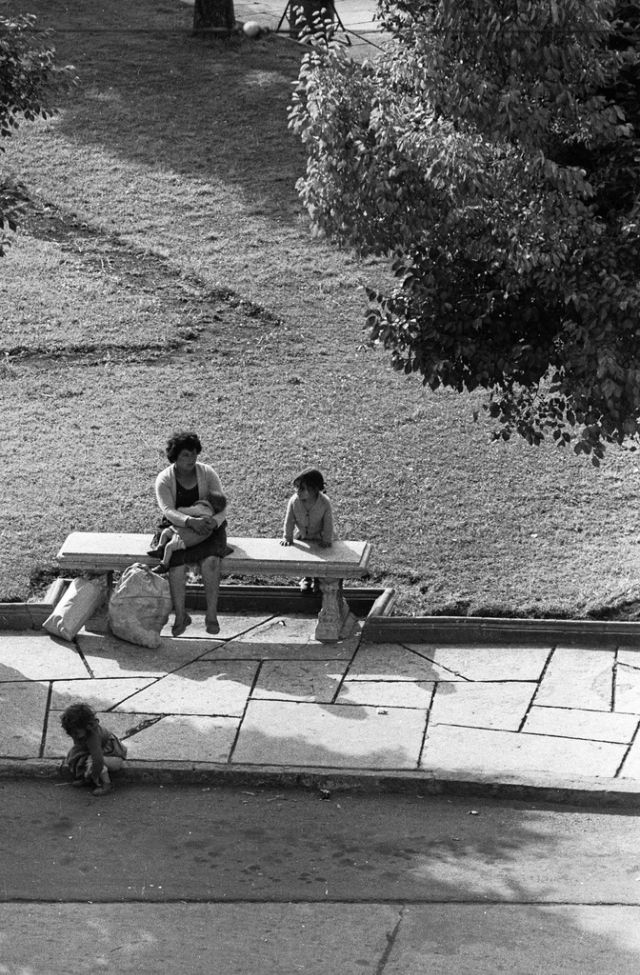
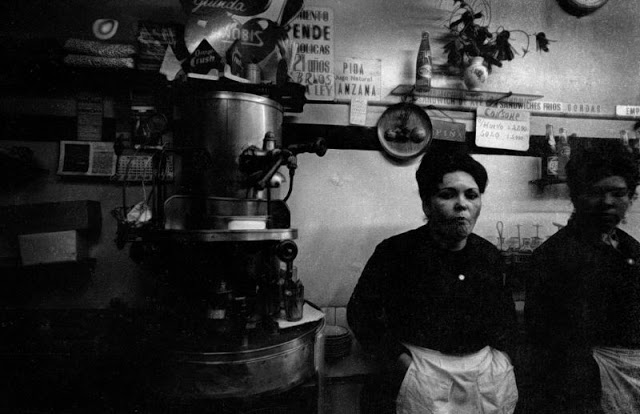
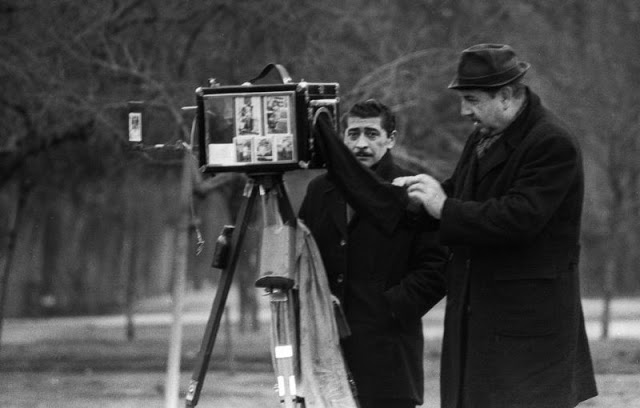
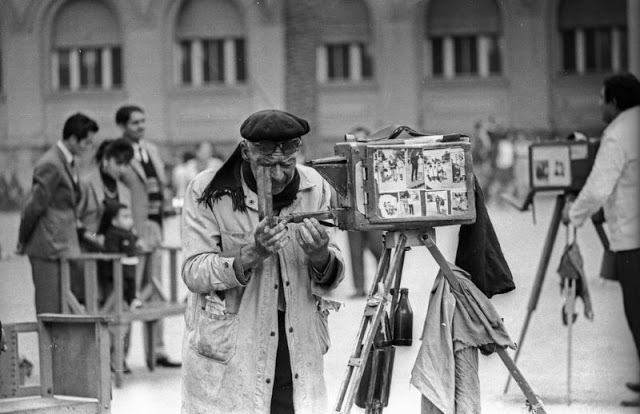
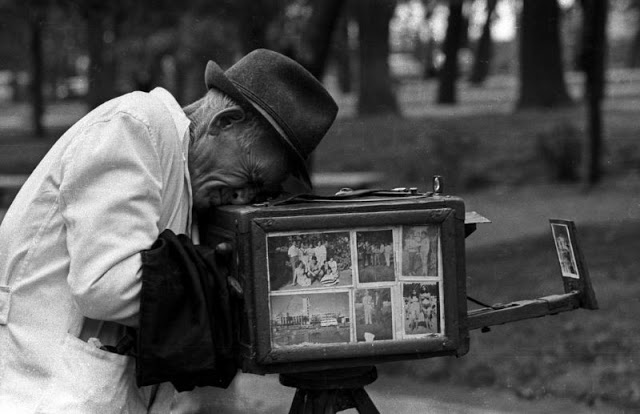
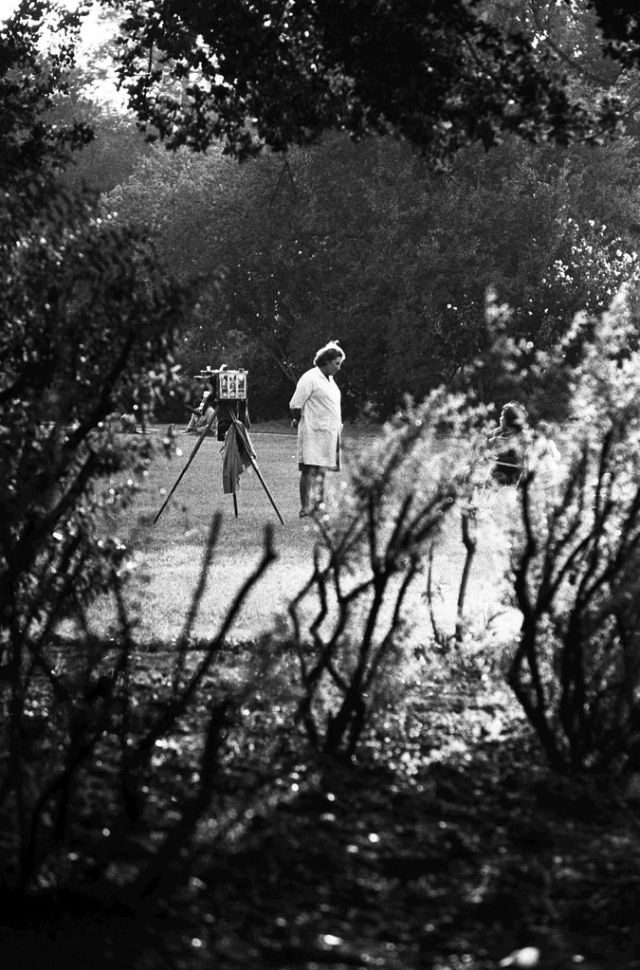
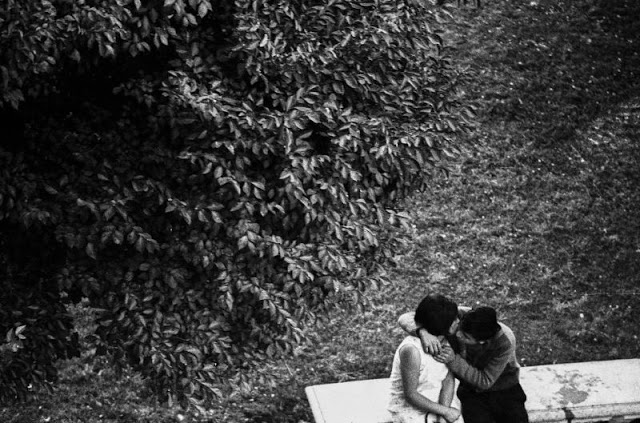
Chilean photographer Marcelo Montecino took these amazing black and white photos that documented everyday life of Santiago in the 1960s.
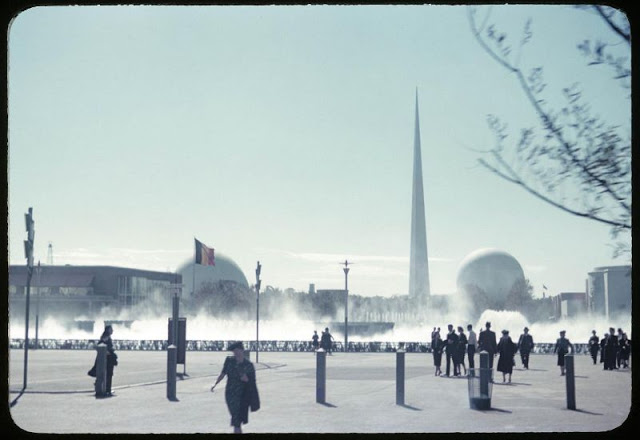
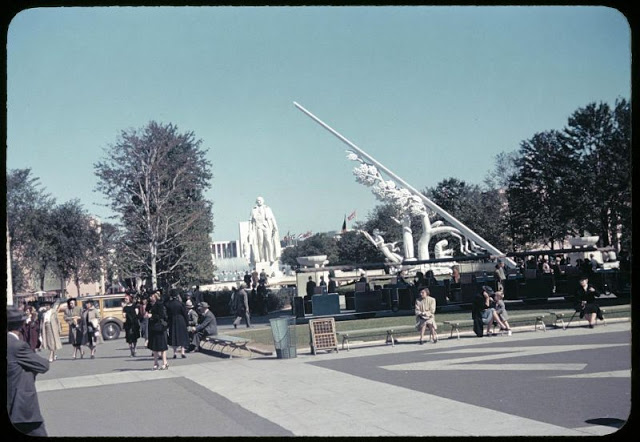
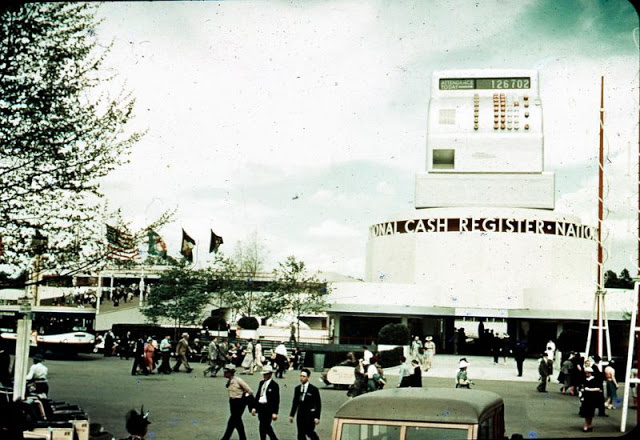
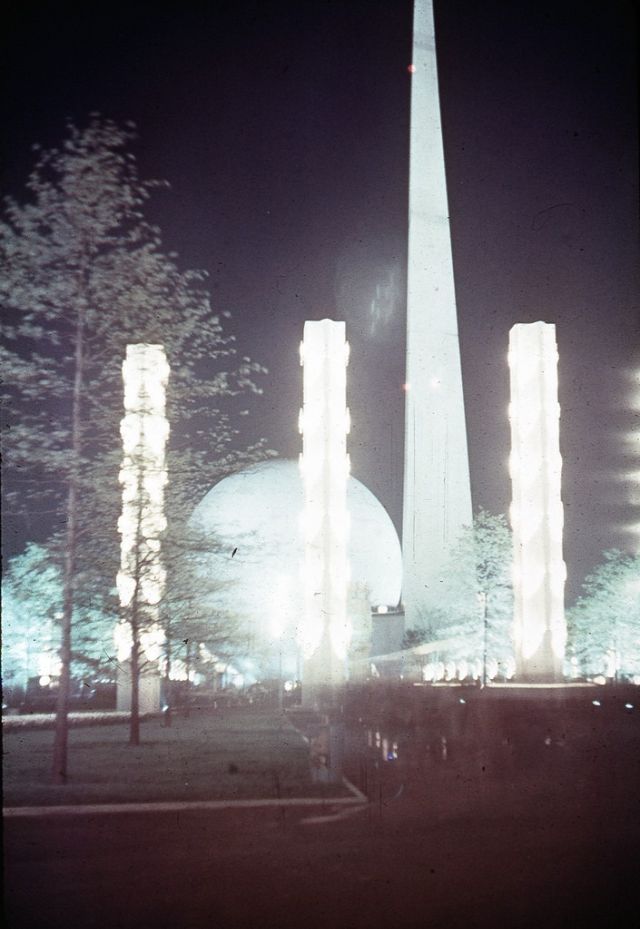
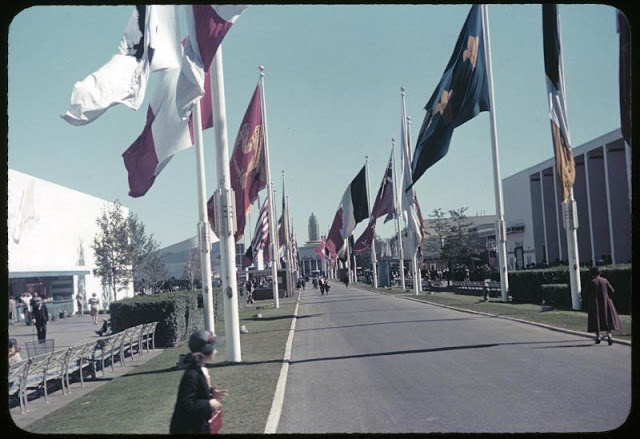
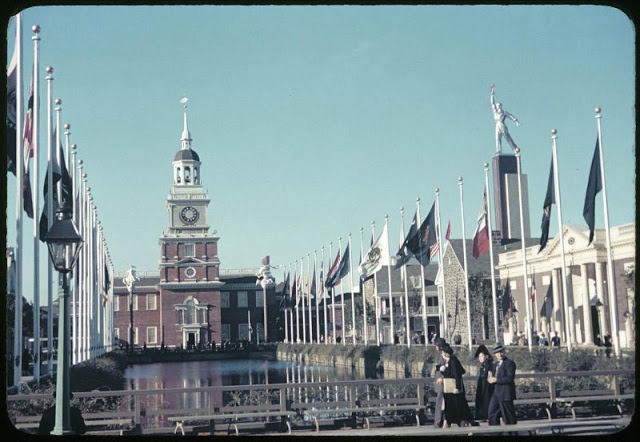
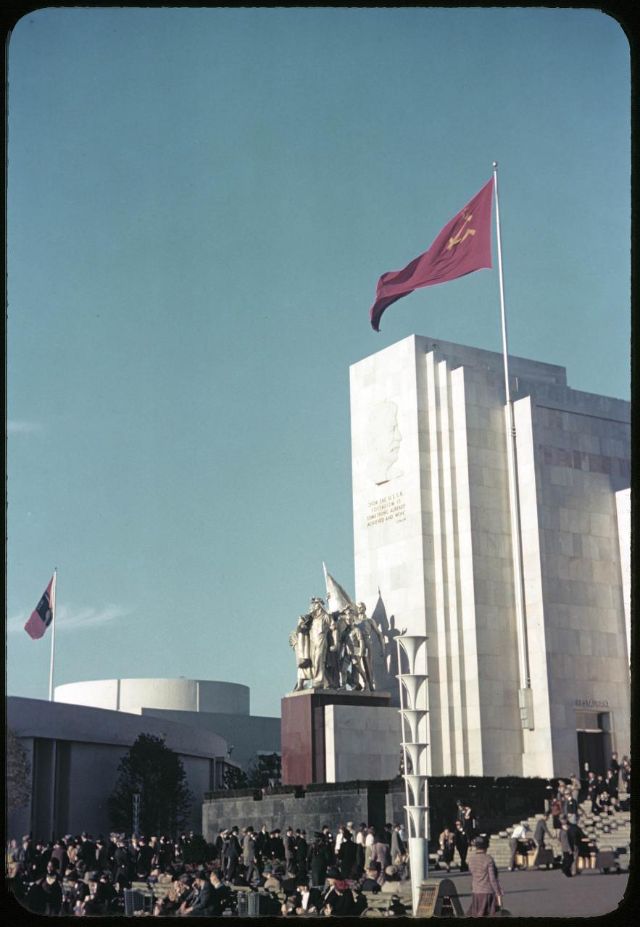
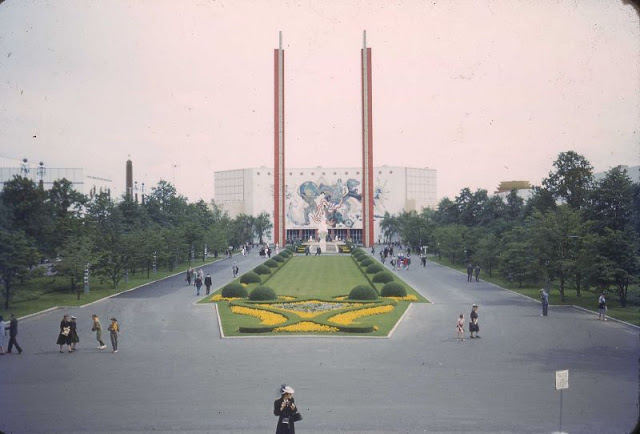
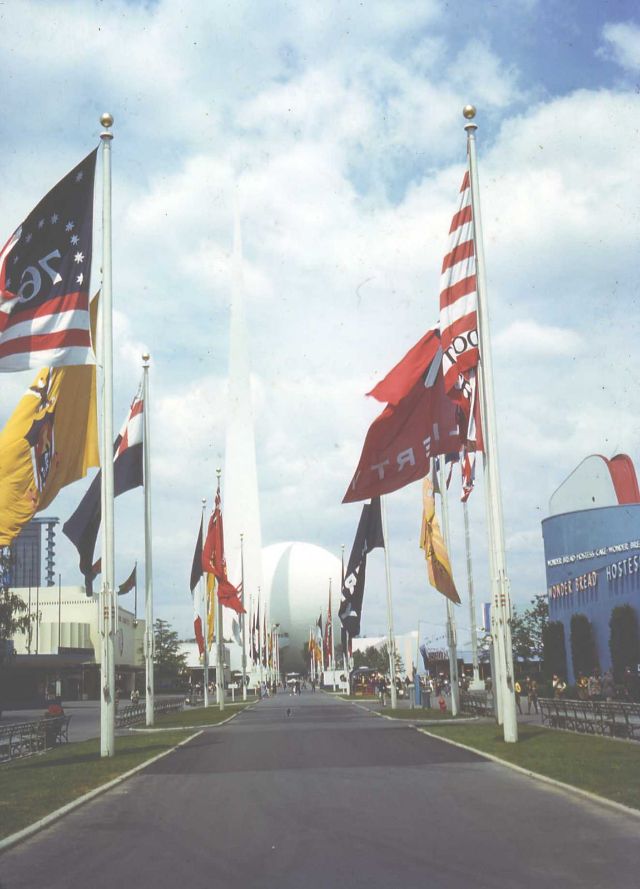
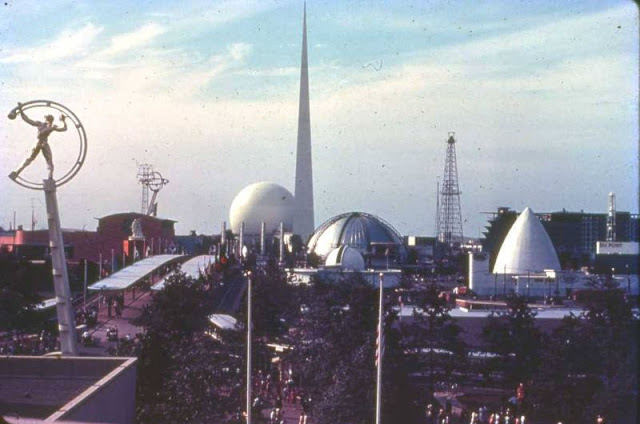
The 1939–40 New York World’s Fair was a world’s fair held at Flushing Meadows–Corona Park in Queens, New York, United States. It was the second-most expensive American world’s fair of all time, exceeded only by St. Louis’s Louisiana Purchase Exposition of 1904. Many countries around the world participated in it, and over 44 million people attended its exhibits in two seasons.[2] It was the first exposition to be based on the future, with an opening slogan of “Dawn of a New Day”, and it allowed all visitors to take a look at “the world of tomorrow”.
When World War II began four months into the 1939 World’s Fair, many exhibits were affected, especially those on display in the pavilions of countries under Axis occupation. After the close of the fair in 1940, many exhibits were demolished or removed, though some buildings were retained for the 1964–1965 New York World’s Fair, held at the same site. (Wikipedia)
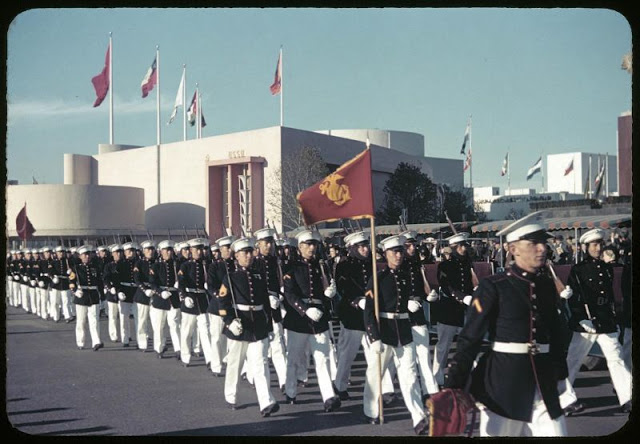
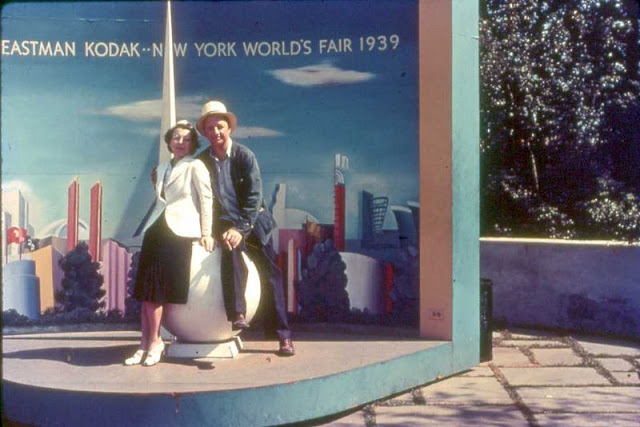
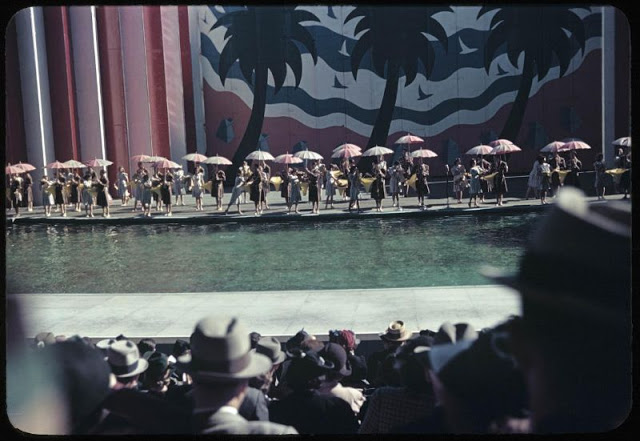
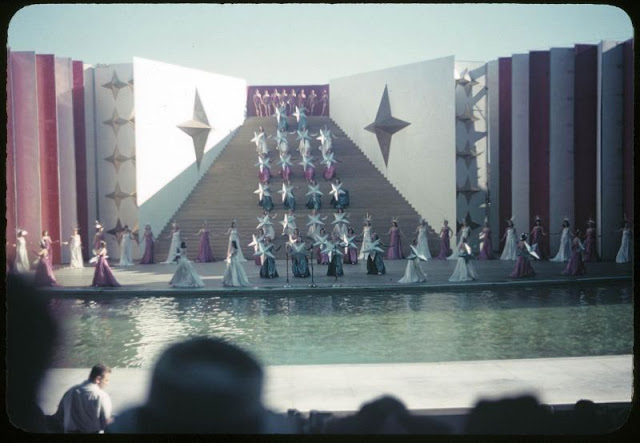
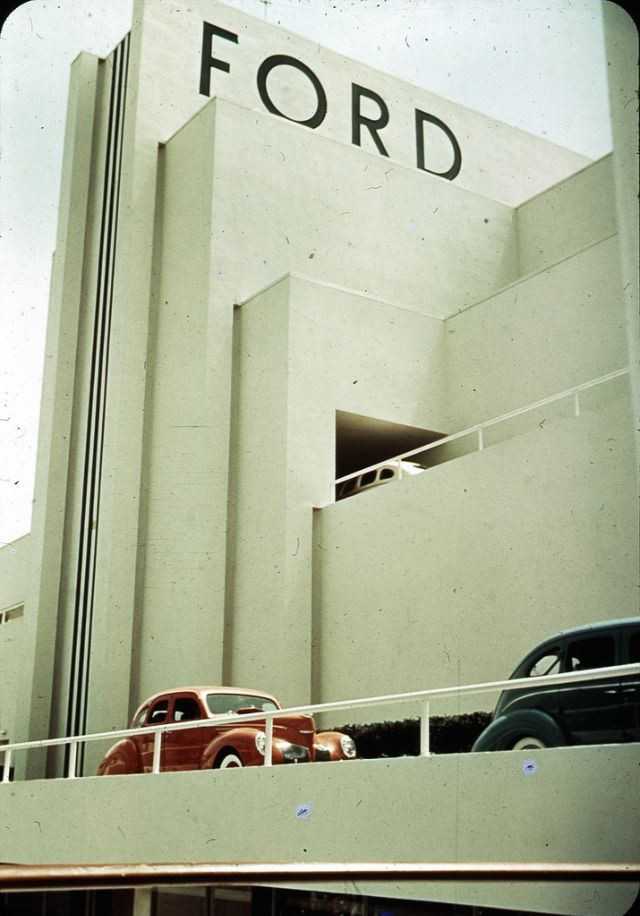
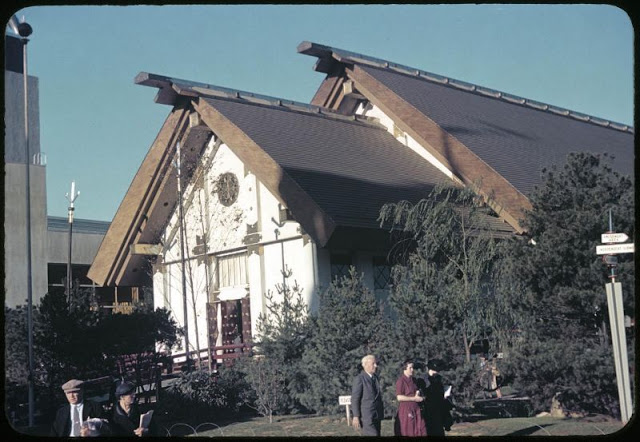
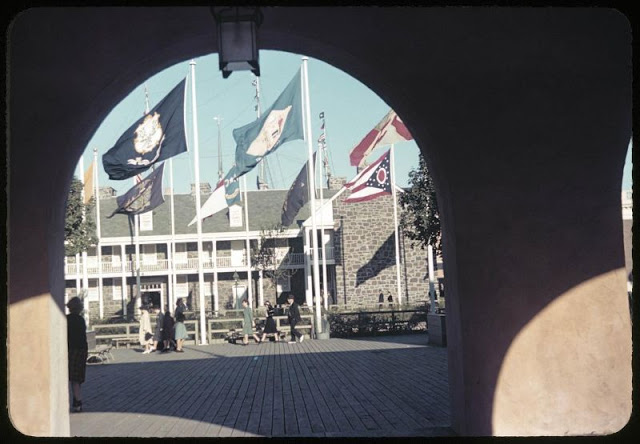
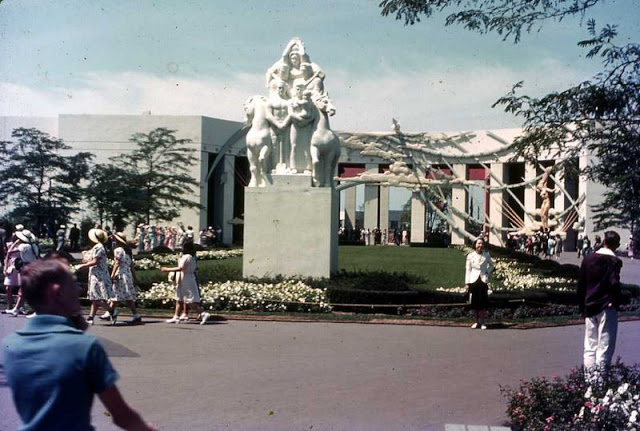
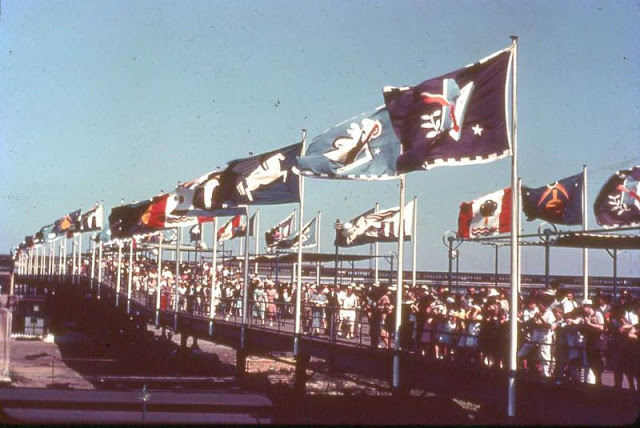
Take a look at these found snaps to see activities of the the 1939 New York World’s Fair.
The back side of the Kodak Exhibition BuildingA couple poses for photographing at Eastman KodakAmphitheater and Billy Rose AquacadeAmphitheater and Billy Rose AquacadeAmphitheater and Billy Rose AquacadeAmphitheater and Billy Rose AquacadeAmphitheater and Billy Rose AquacadeAmphitheater and Billy Rose AquacadeBallantine InnFord BuildingFrench Pavilion on the Court of Peace with Trylon and PerisphereFrench Pavilion on the Court of PeaceGeneral Motors BuildingGeorge Washington statue behind “Time and Fates of Man,” sundial, with the United States Federal Building in the backgroundGlobe along the Court of States, in front of the West Virginia and Georgia buildings with tower of the USSR (Soviet) Pavilion aboveKodak BuildingKodak BuildingMetals BuildingNational Cash Register BuildingNew York City Building with Trylon and PerisphereNight view of Trylon and PerisphereThe Avenue of Pioneers, looking toward the Schaefer CenterThe back side of the Kodak Exhibition BuildingThe Japan Pavilion next to the USSR (Soviet) PavilionThe Lagoon of Nations with the Italian Pavilion in the rearThe New Jersey Building along the Court of StatesThe Pennsylvania Building along the Court of States with tower of the USSR (Soviet) Pavilion above.The USSR (Soviet) PavilionTrylon and PerisphereTrylon, Perisphere and HeliclineU.S. Marine Corps marching in front of the USSR (Soviet) Pavilion1939 New York World’s Fair1939 New York World’s Fair1939 New York World’s Fair1939 New York World’s Fair1939 New York World’s Fair1939 New York World’s Fair1939 New York World’s Fair1939 New York World’s Fair1939 New York World’s Fair
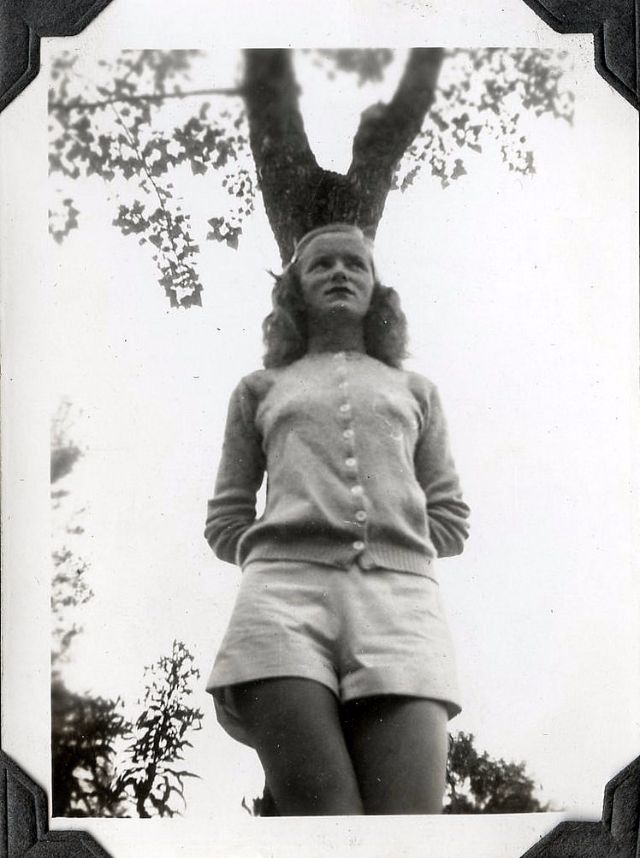
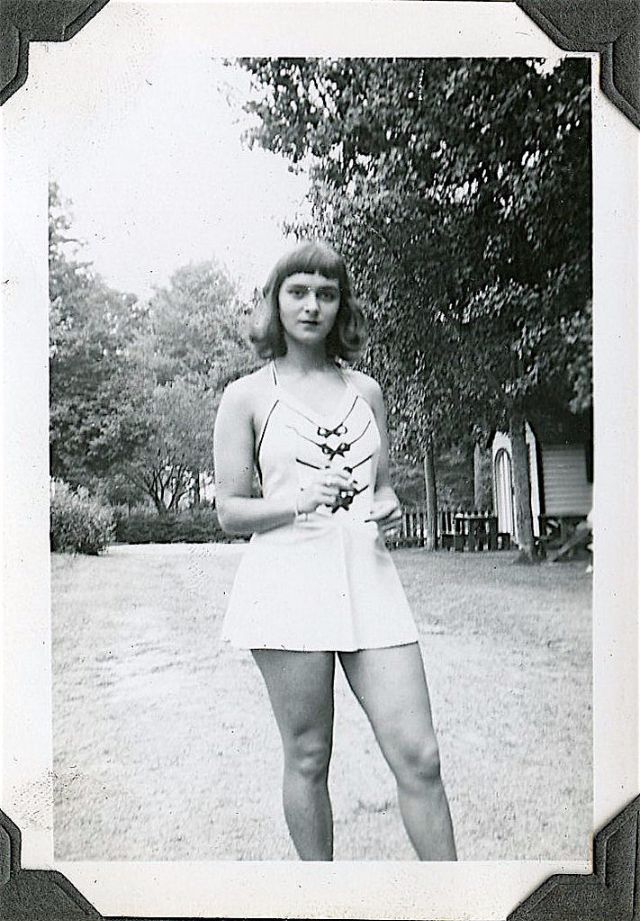
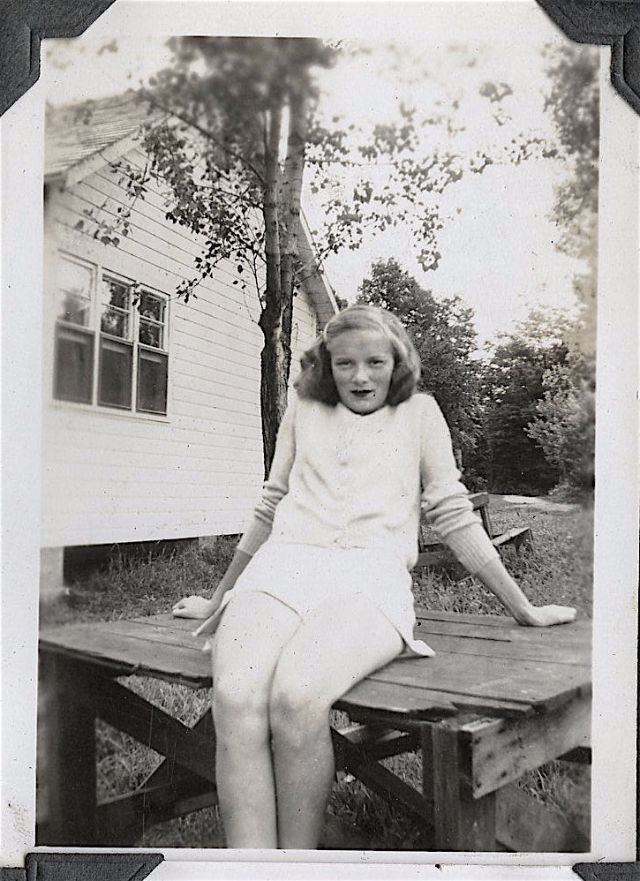
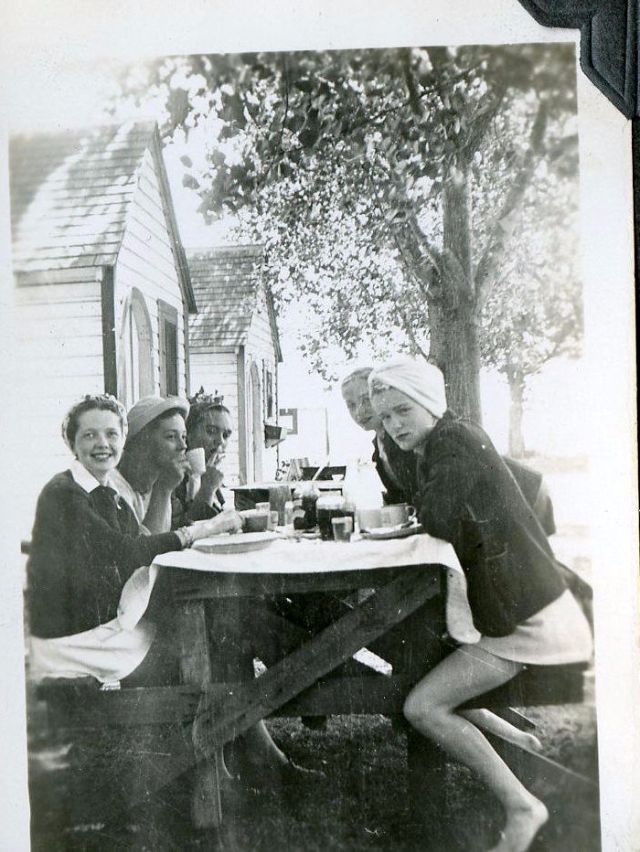
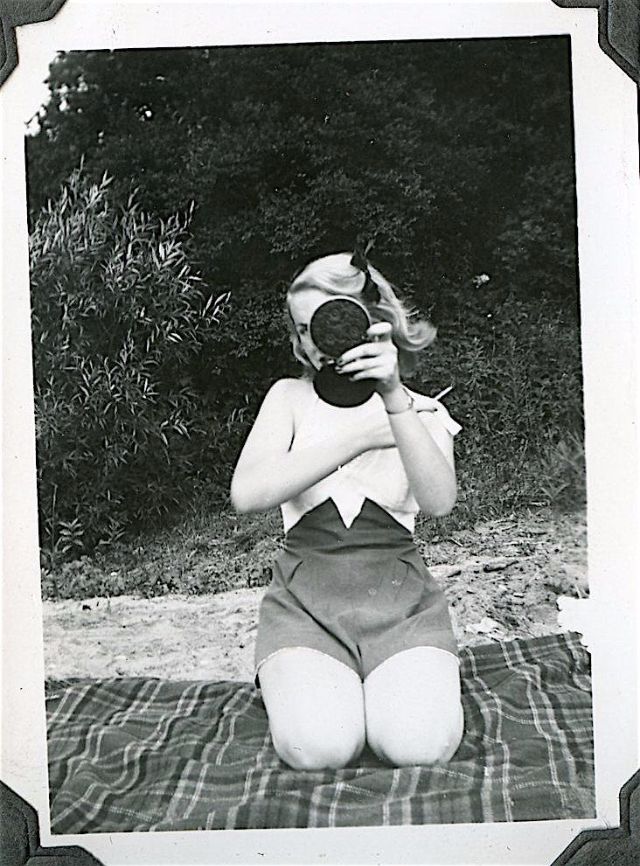
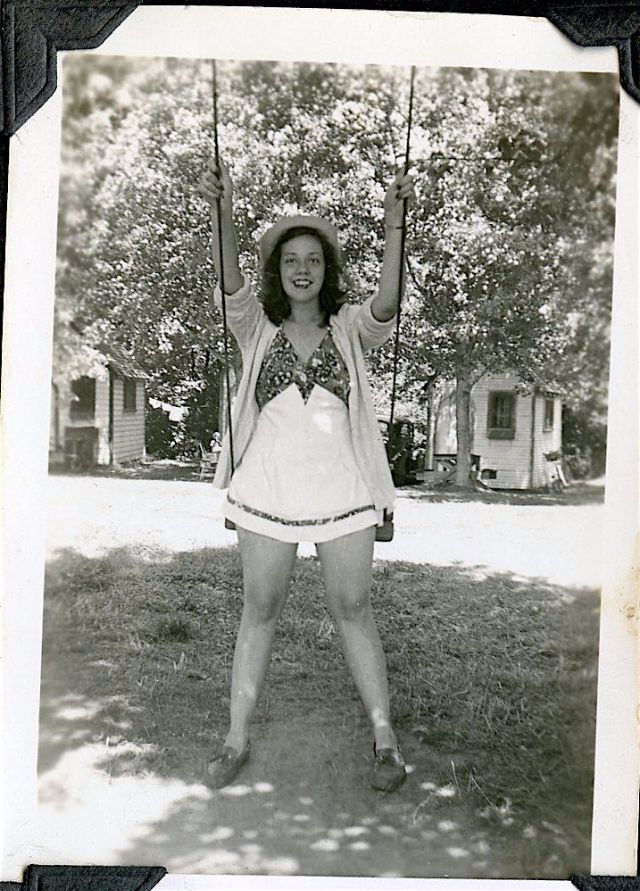
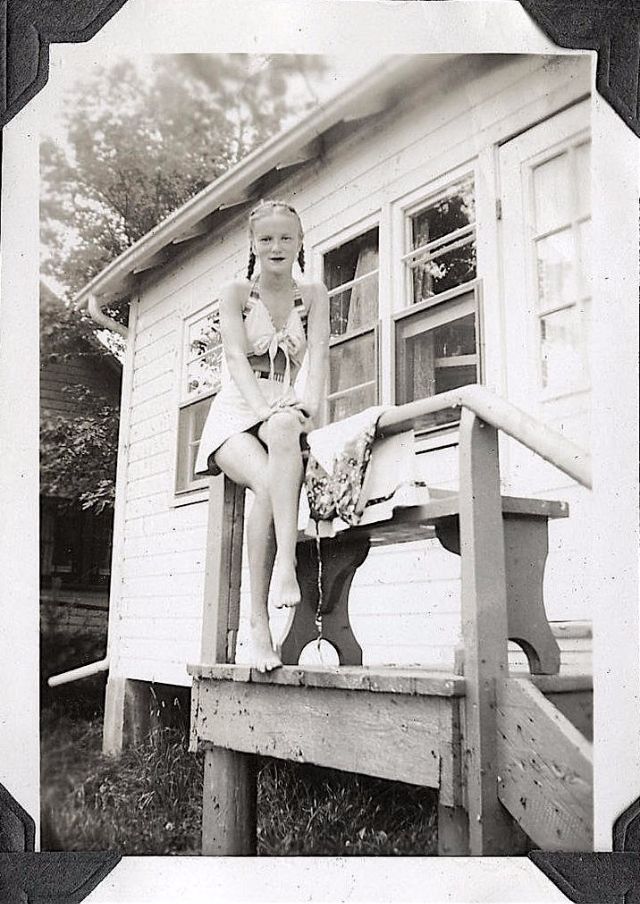
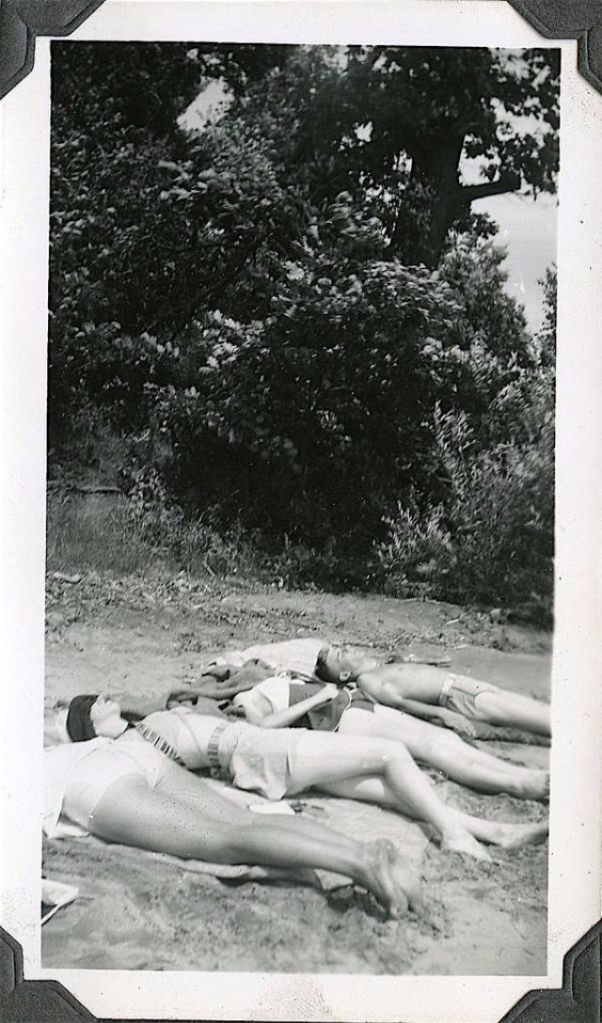
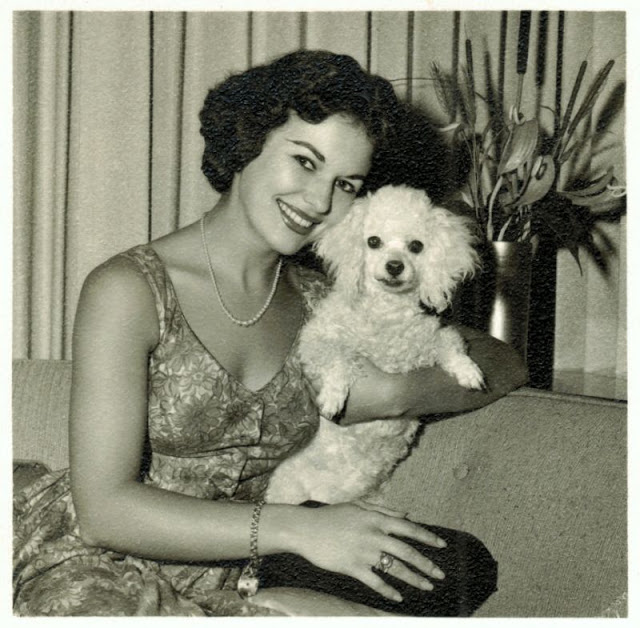
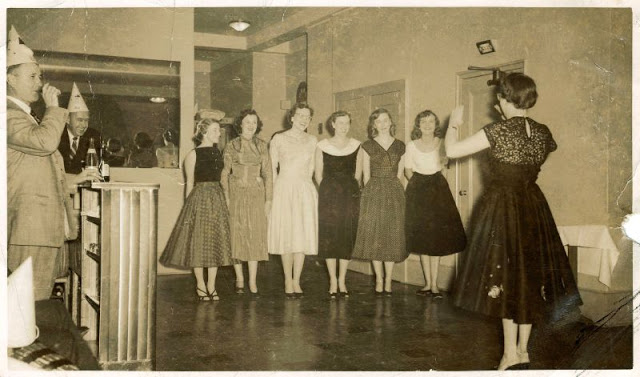
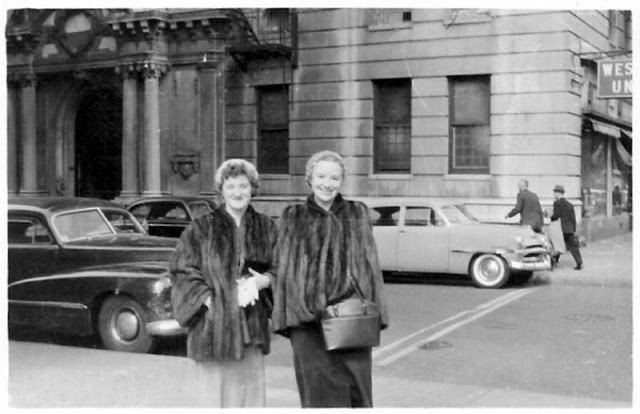
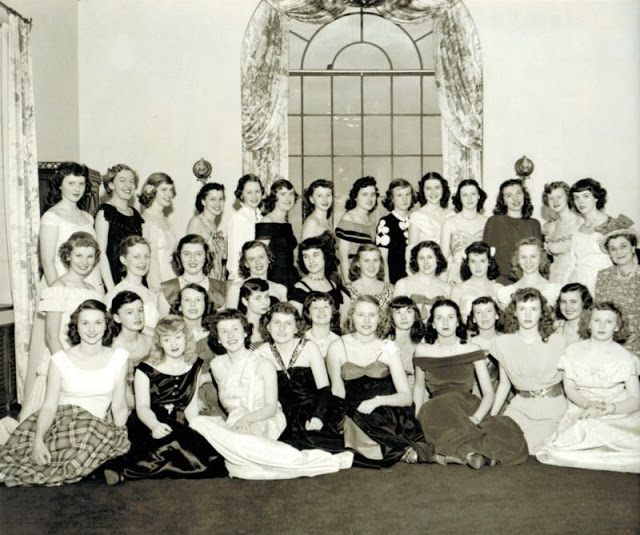
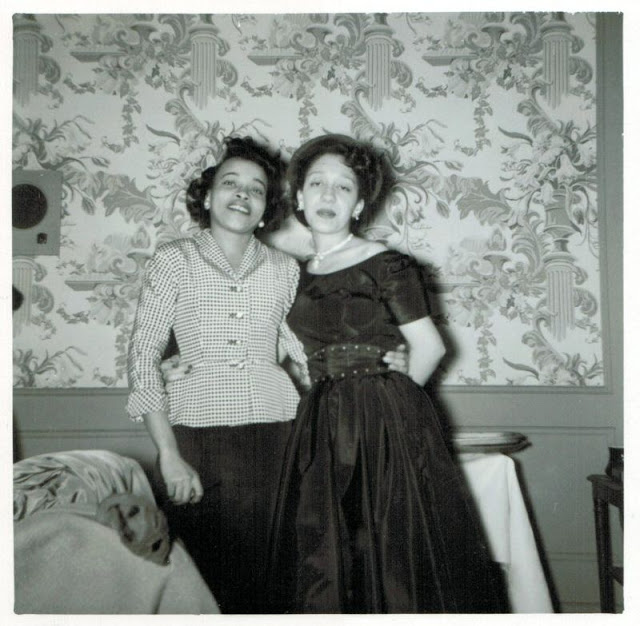
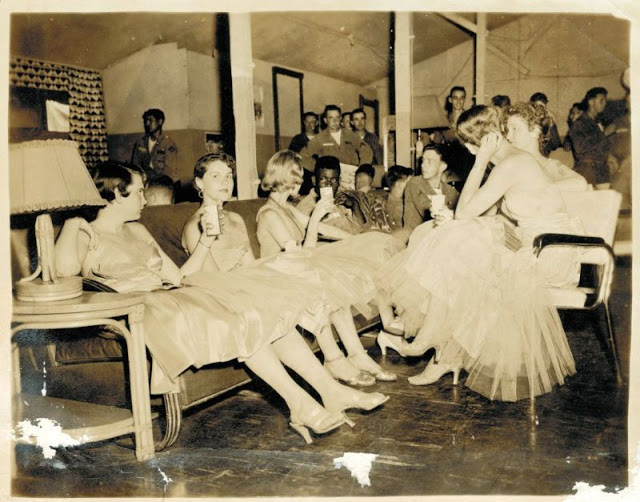
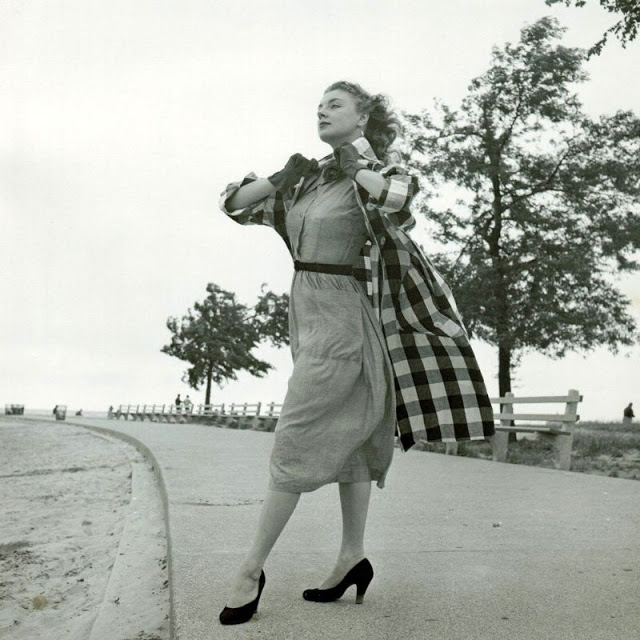
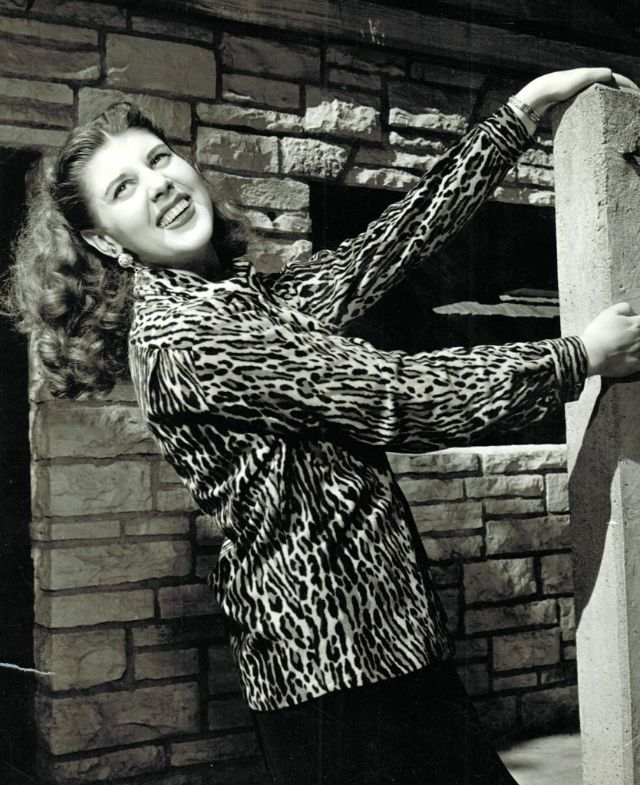
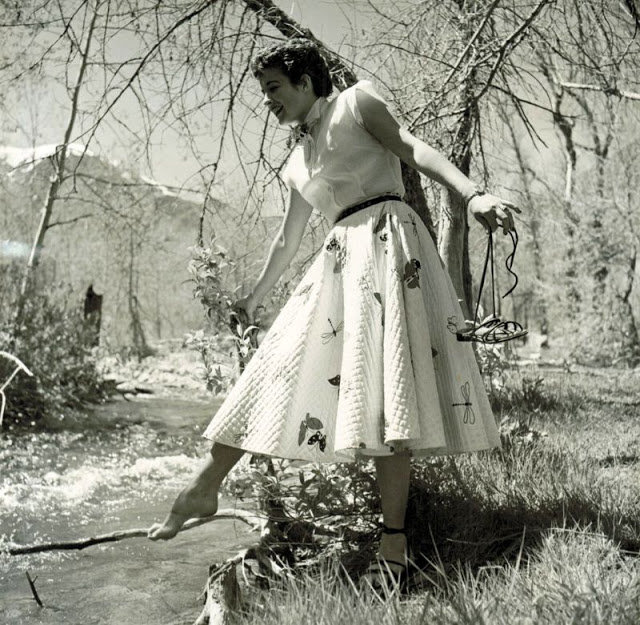
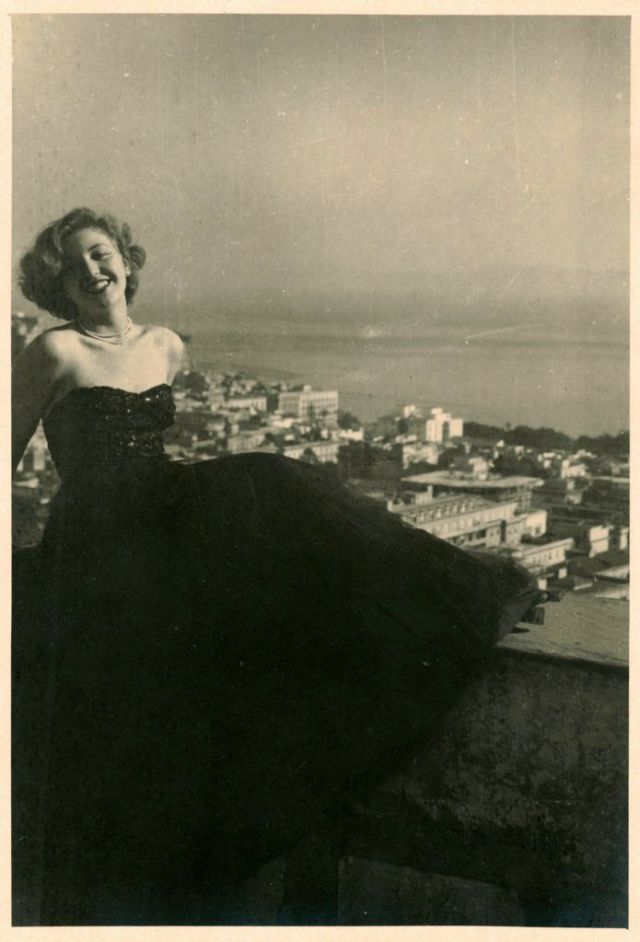
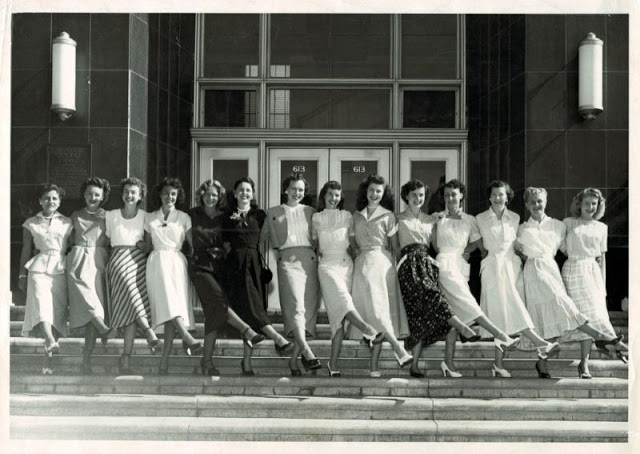
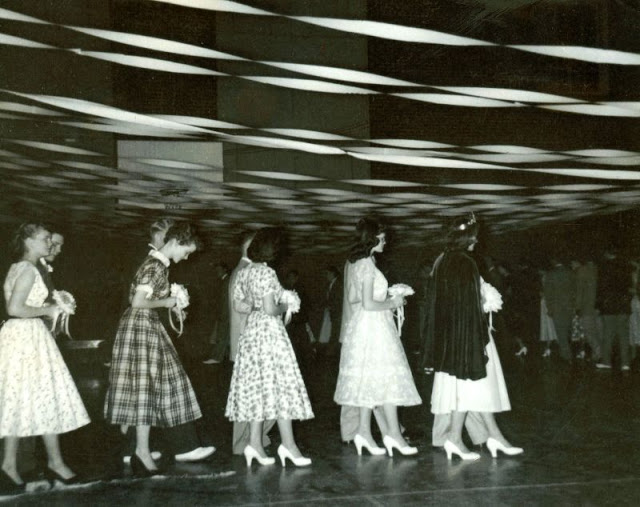
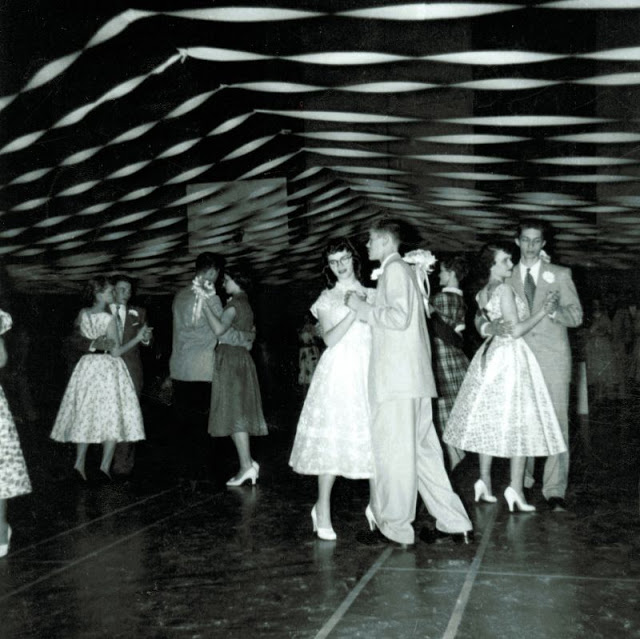
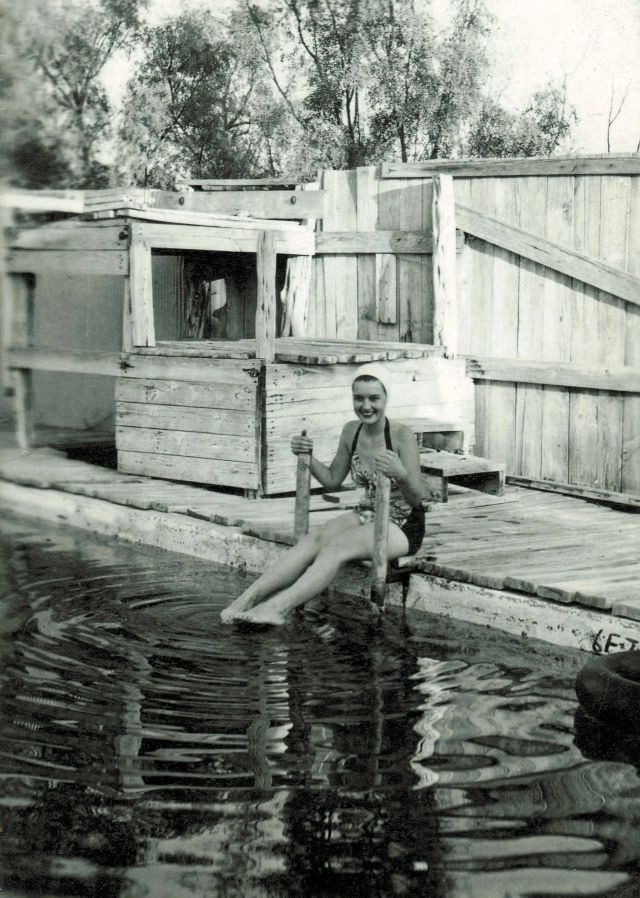
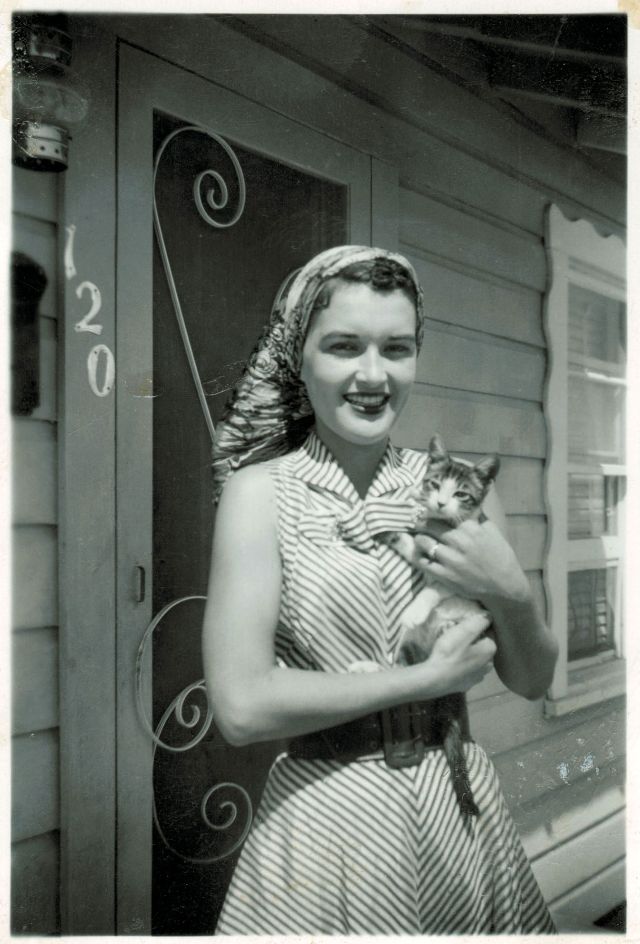
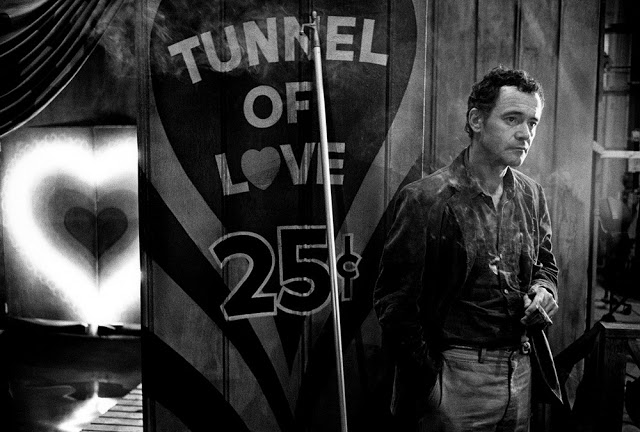
The 1950s were a time when fashion exploded into new directions, new colors, and new silhouettes. Cocktail dresses, circle skirts, short shorts, playsuits, or pants and capri… they all made the 1950s is one of the most glamorous eras of women’s fashion.
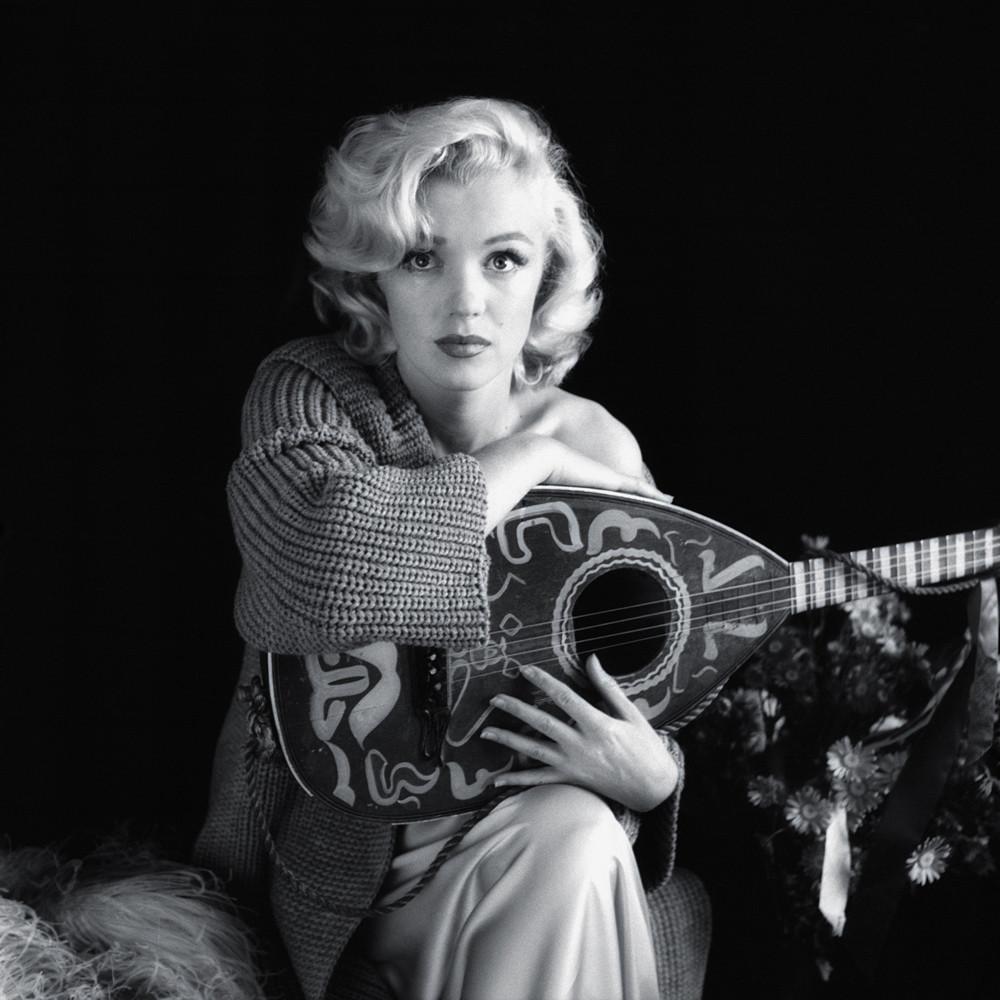
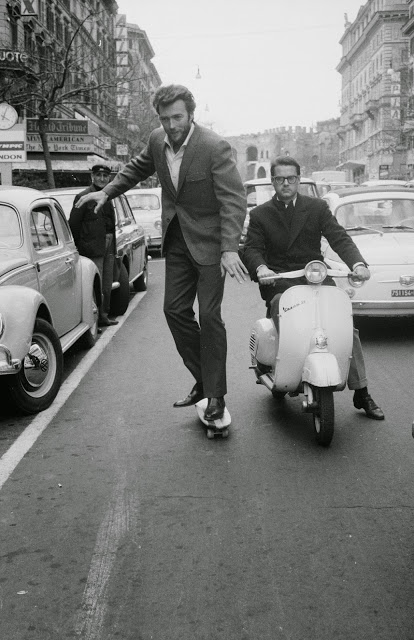
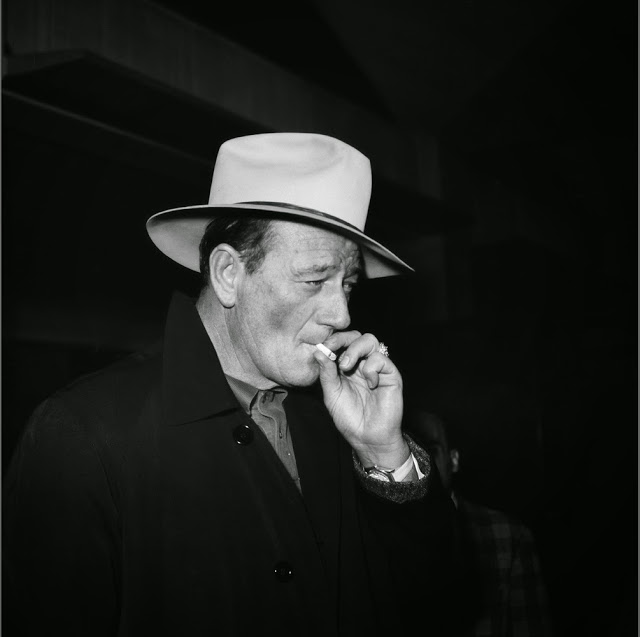
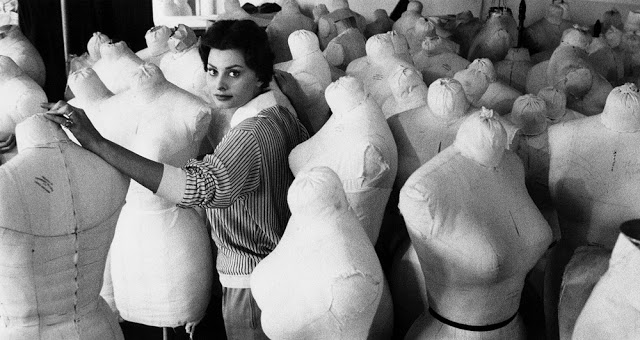
American actress Marilyn Monroe during a trip to Los Angeles with Milton Green for the first Look Magazine sitting, CA, US, 1953.Clint Eastwood, Via Veneto, Rome, 1965.Elizabeth Taylor at the David di Donatello Awards, Rome, 1962.Actor John Wayne arrives at Ciampino Airport in Rome in 1960.Sophia Loren surrounded by other actresses’ dress forms in the Paramount Studios Wardrobe Department, 1958
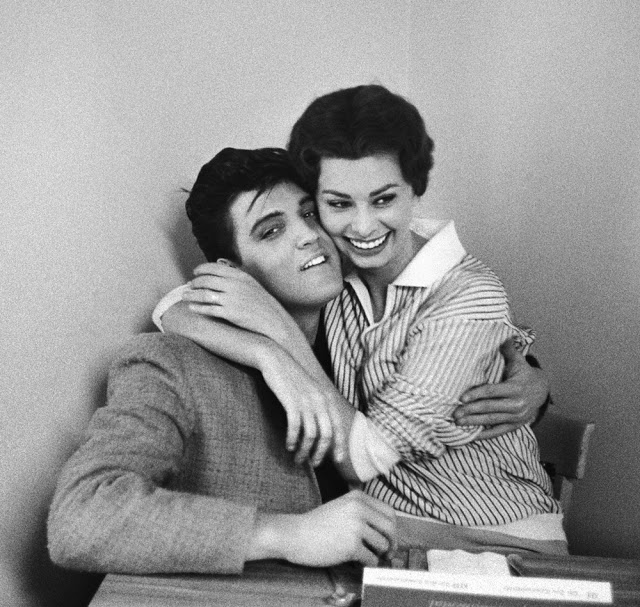
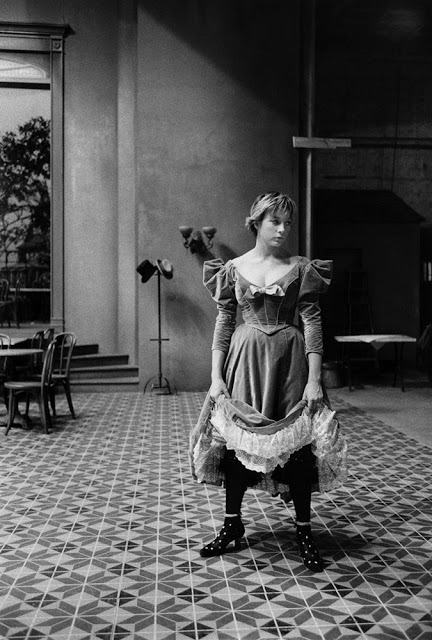
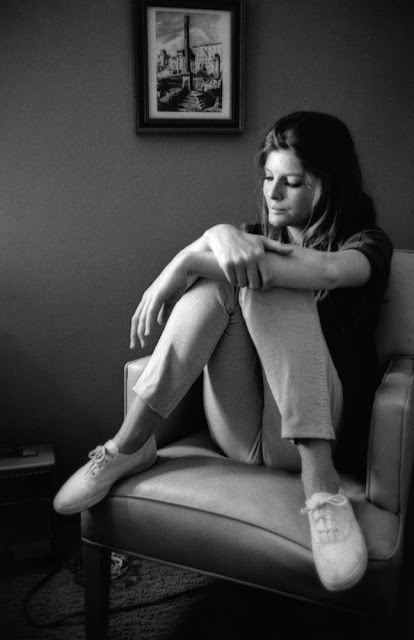
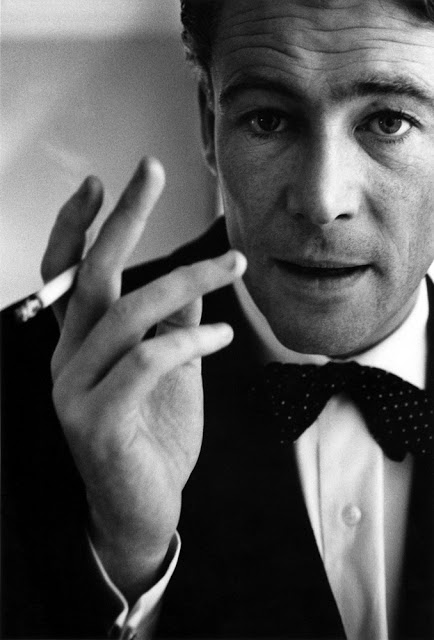
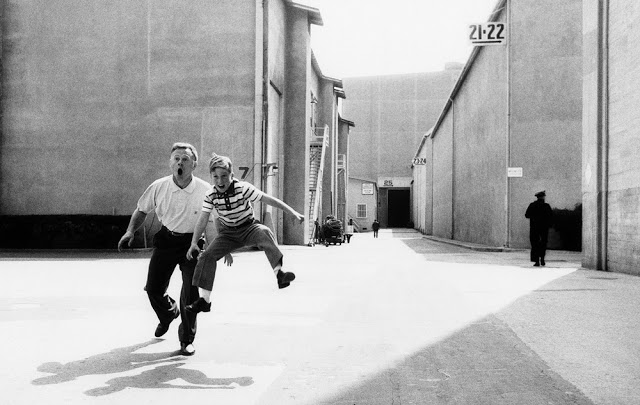
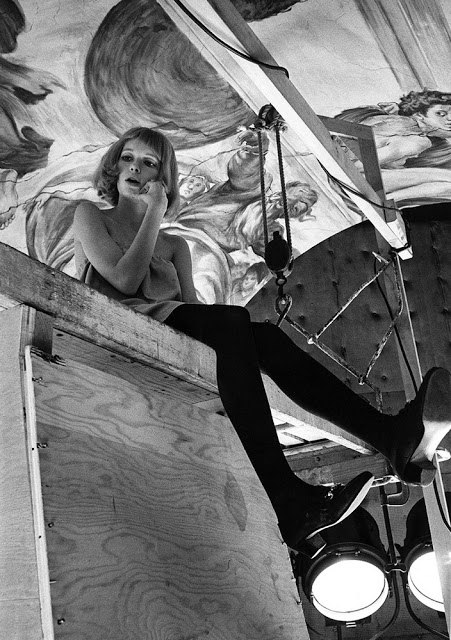
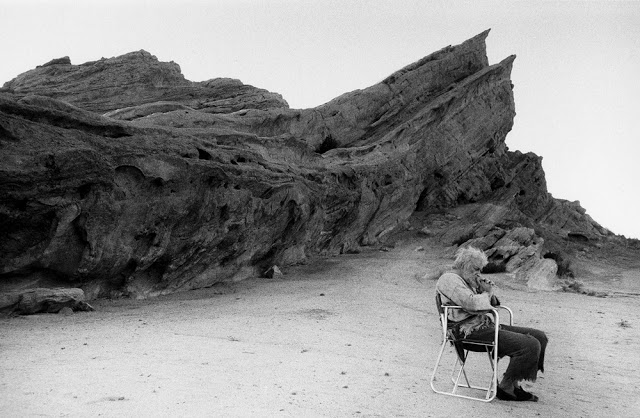
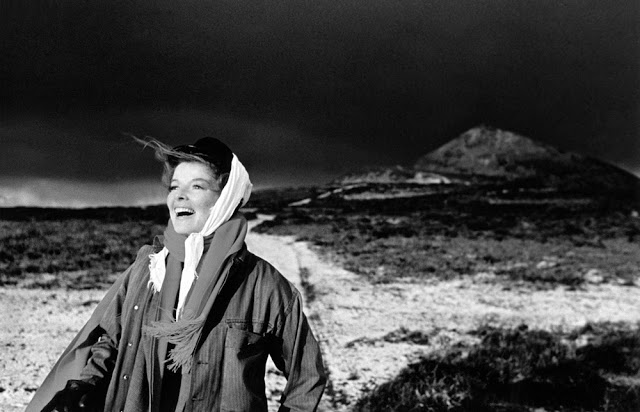
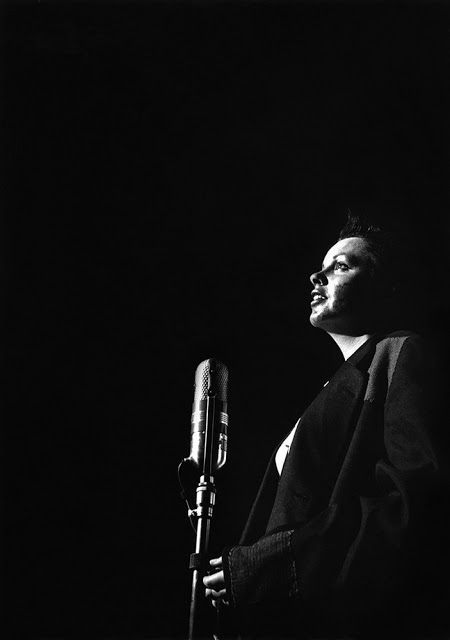
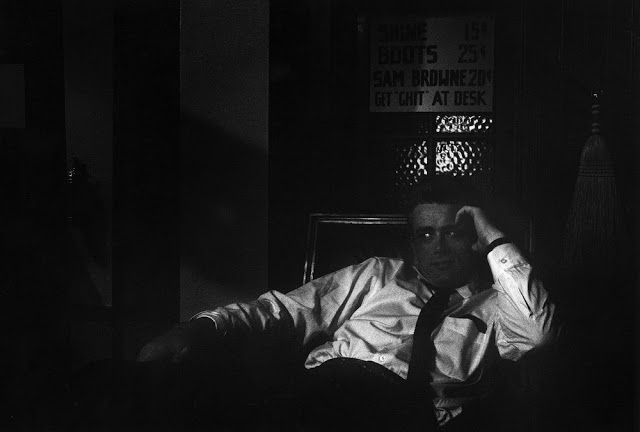
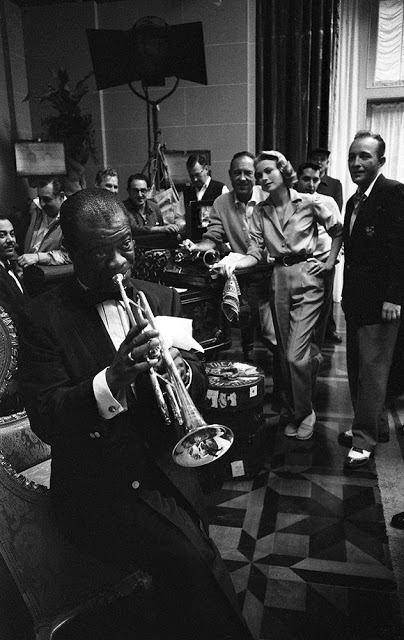
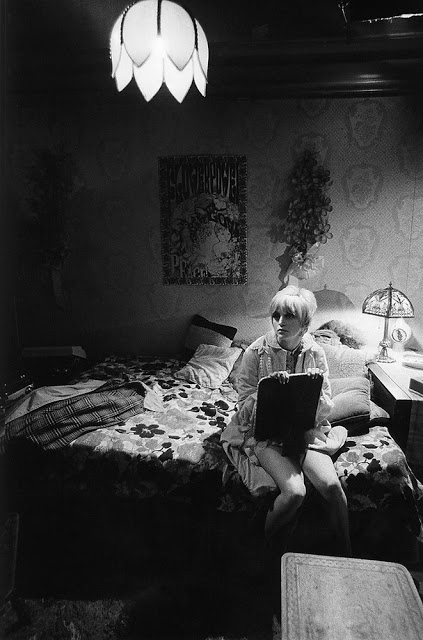
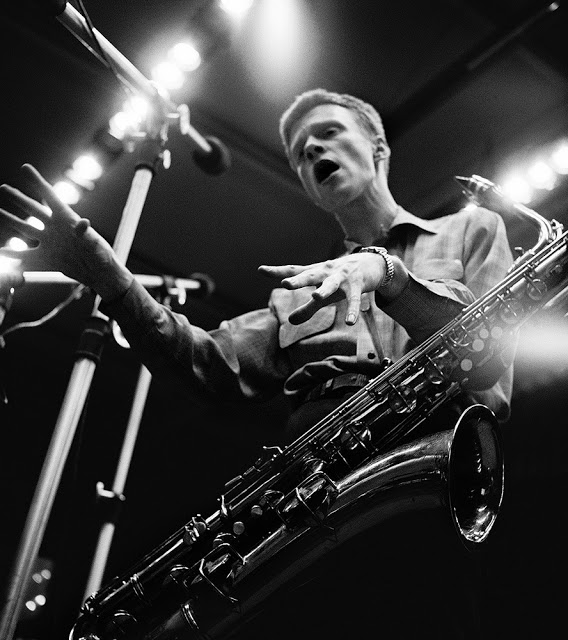
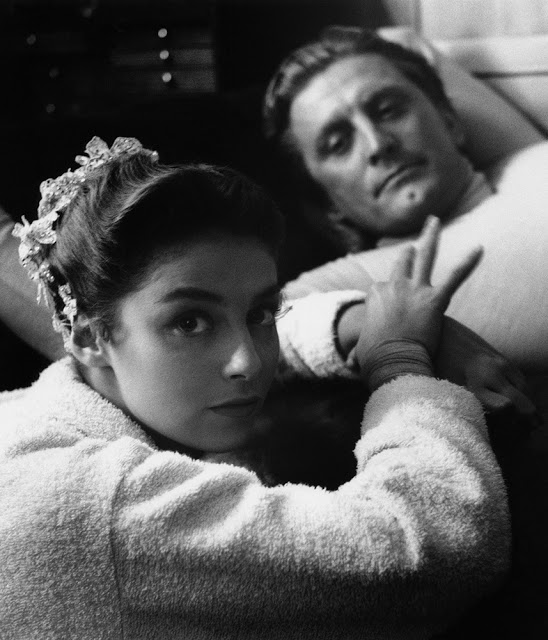
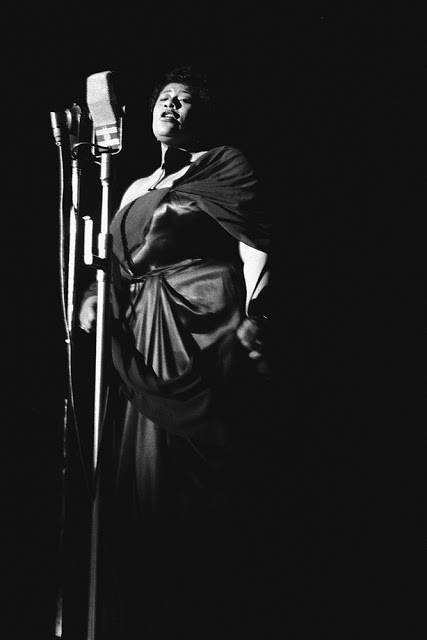
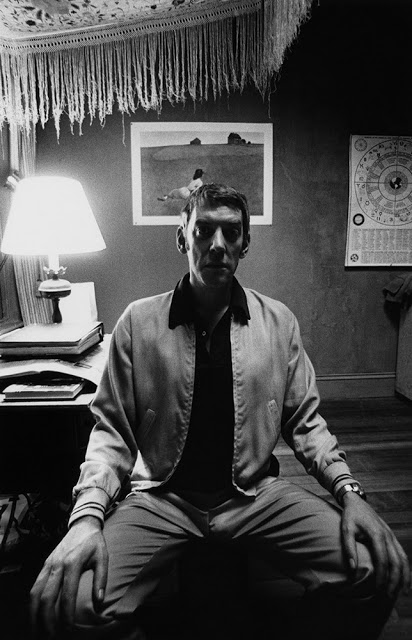
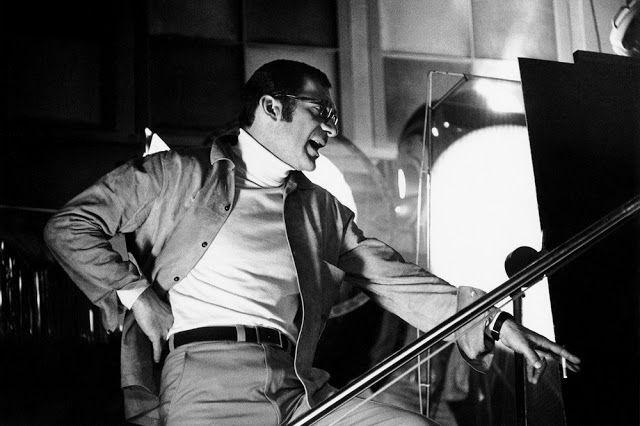
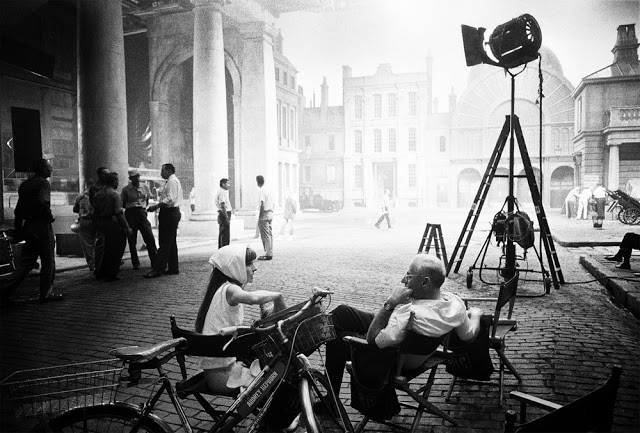
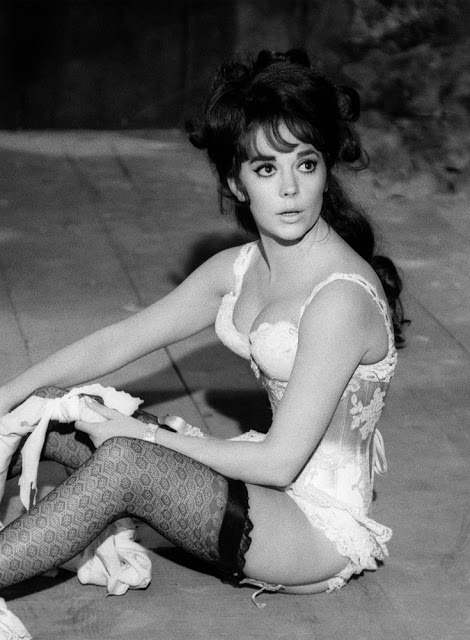
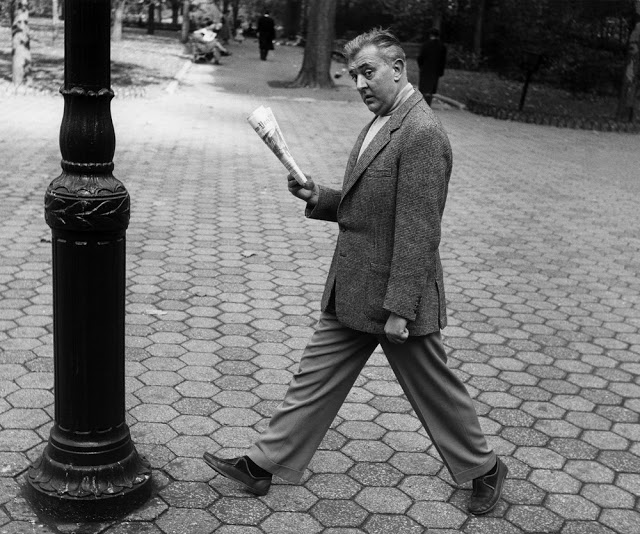
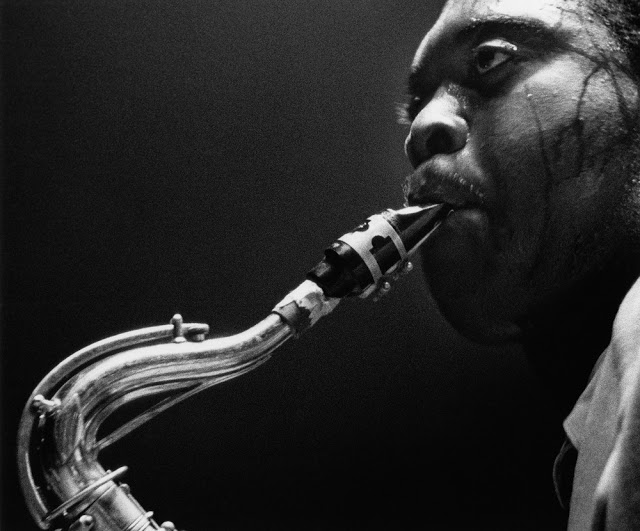
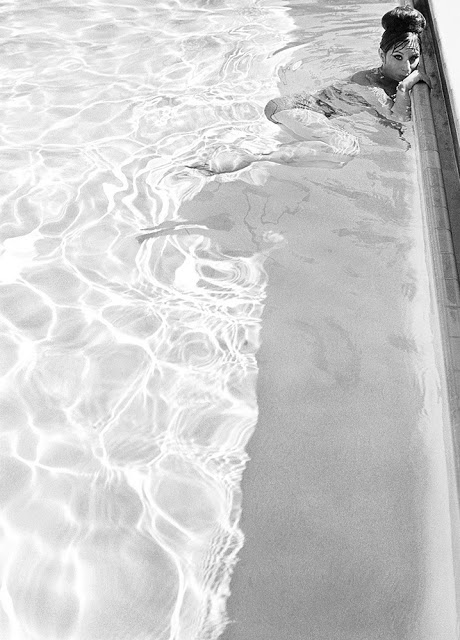
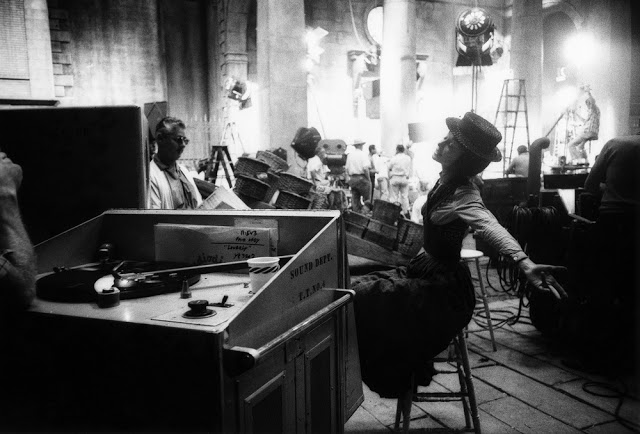
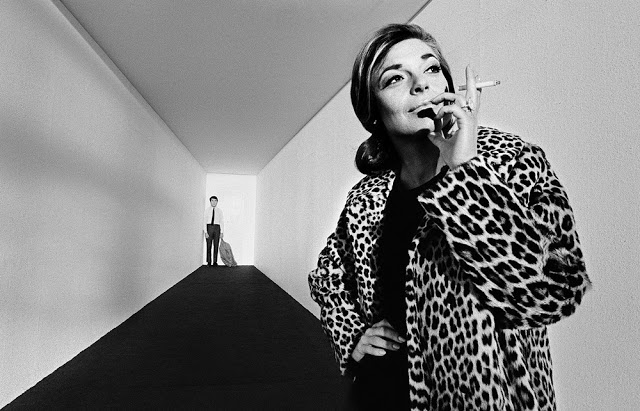
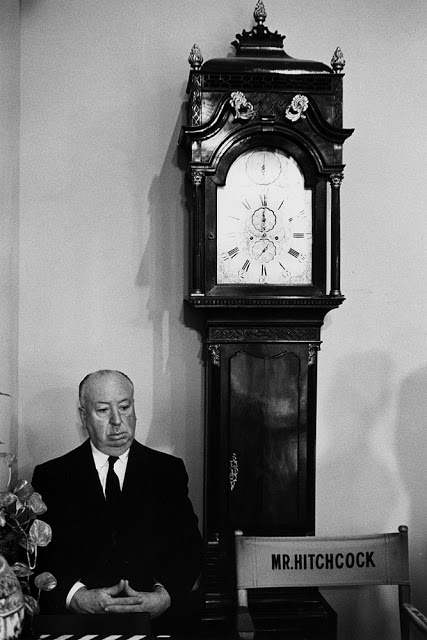
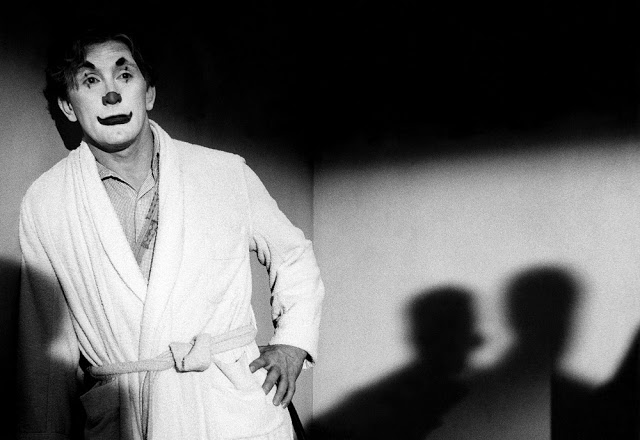
Shirley MacLaine on the 20th Century Fox set of Can-Can, 1959Sean Connery on set of Hitchcock’s Marnie at Universal Studios, 1964Roy Eldridge performs at the Shrine Auditorium in Los Angeles, 1950Roman Polanski watches Mia Farrow rehearse, 1967Rock Hudson trying to type in his trailer, but the fans are a bit distracting. On location in Grado, Italy for A Farewell to Arms, 1957Portrait of Katharine Ross in her Paramount dressing room during The Graduate, 1967Peter O’TooleMontgomery Clift sitting beneath a bulletin board on set of Raintree County, 1956Mickey Rooney and his son Teddy jumping for joy on the MGM lot in Culver City, 1958Michael Caine on Universal Studios set for Gambit, 1965Mia Farrow perched long-legged on the scaffolding of the Paramount set for Rosemary’s Baby, 1967Marilyn Monroe lost in her own thoughts on set of Let’s Make Love, 1960Lee J. Cobb sitting on the lunar landscape location of MGM’s Green Mansions, 1958Katharine Ross and Dustin Hoffman running away from the church at the end of The Graduate, Paramount Studios, 1967Katharine Hepburn walking in the Wicklow Mountains outside of Dublin, during filming of The Lion in Winter, 1967Julie Christie on location in San Francisco for Petulia, 1967Judy Garland in her International Variety Show, L.A. Philharmonic, 1953Jerry Lewis at a recording session for The Nagger, Hollywood, 1953Jane Fonda resting in a New York City garment factory during shooting of Klute, 1970James Dean sitting in the shadows on the Warner Bros. set of Rebel Without a Cause, 1955Jack Lemmon quietly smokes his cigar on the Columbia Studios set of Luv, 1966Jack Lemmon and Tony CurtisGrace Kelly, Bing Crosby and crew are treated to an impromptu concert by Louis Armstrong, on the MGM set of High Society, 1956Goldie Hawn on Columbia Studios set of Cactus Flower, 1969Gerry Mulligan directing a recording session in Los Angeles, 1953Frank Sinatra rehearsing for his show at the Sands Hotel in Las Vegas, 1960Fragile Pier Angeli with Kirk Douglas in his MGM dressing room during the Equilibrium segment of The Story of Three Loves, 1952Elvis Presley and Sophia Loren at Paramount Studios, 1958Ella Fitzgerald at the Shrine Auditorium in Los Angeles, 1950Elizabeth Taylor and Montgomery Clift dance in rehearsal on the MGM set of Raintree County, 1956Dustin Hoffman sits on set of The Graduate, 1967Drummer Al Bartee in action at the Big Jay McNeely concert, Olympic Auditorium, Los Angeles, 1951Donald Sutherland sits for his portrait on location in NY for Klute, 1970Director Sydney Pollack on Warner Bros. set of They Shoot Horses, Don’t They, 1969Director George Cukor gives Judy Garland the word on a deserted sound stage during A Star Is Born, 1954Director George Cukor and Audrey Hepburn chat after filming has finished for the day, on the Covent Garden set of My Fair Lady, 1963Director Blake Edwards makes a direct hit on Natalie Wood with a cream pie, on set of The Great Race, 1964Natalie Wood in rehearsal on The Great Race, 1964Comedian Jacques Tati photographed in NYC for Glamour magazine, 1954Close-up of Big Jay McNeely at his concert at Olympic Auditorium, Los Angeles, 1951Chet Baker resting after a recording session with Gerry Mulligan, Los Angeles, 1953Big Jay McNeely driving the crowd into a frenzy at his concert at Olympic Auditorium, Los Angeles, 1951Barbra Streisand in the Beverly Hills Hotel pool, 1963Audrey Hepburn rehearses the Loverly number with playback on the Warner Bros. set of My Fair Lady, 1963Anne Bancroft and Dustin Hoffman during filming of The Graduate, 1967An emotive close-up of director Otto Preminger on the RKO set of The Man with the Golden Arm, 1955Alfred Hitchcock next to the Grandfather clock on the Universal Studios set of Marnie, 1964Kirk Douglas stands out of the studio lights on the Columbia Studios set of The Juggler, 1952
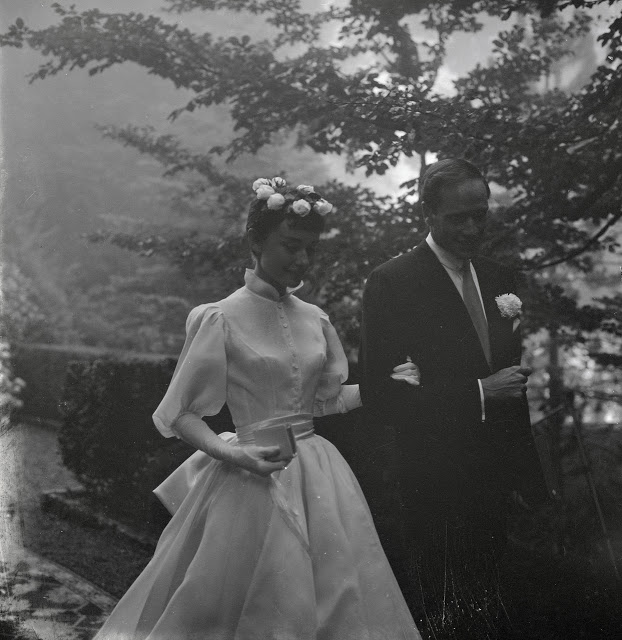
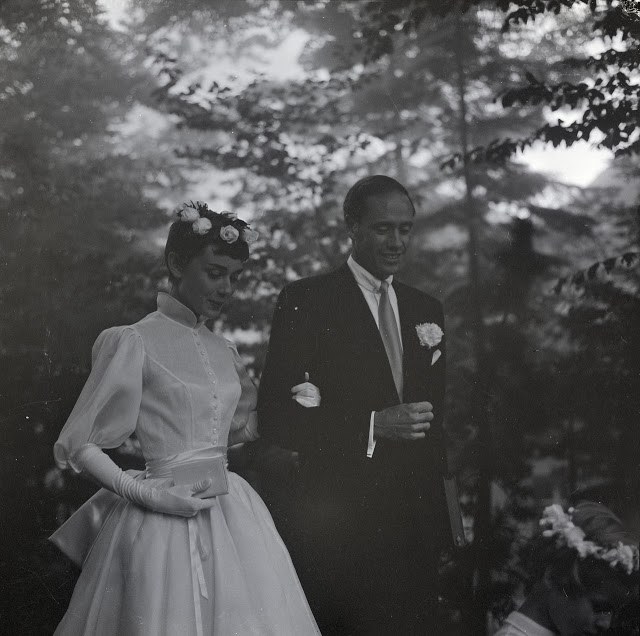
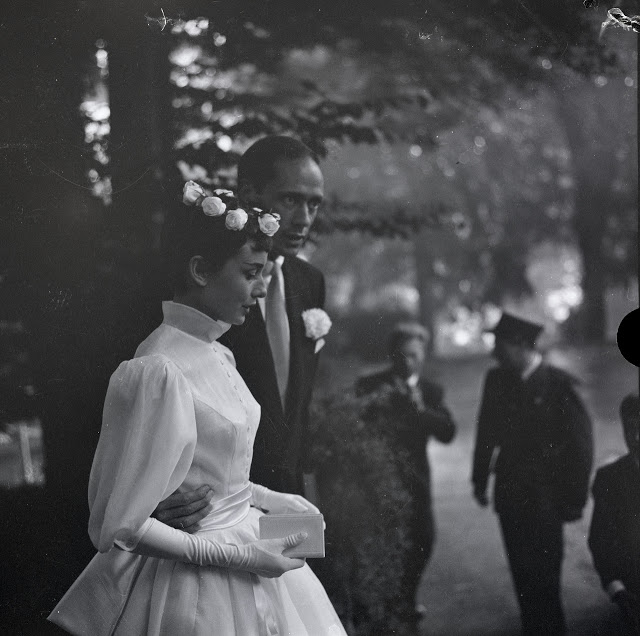
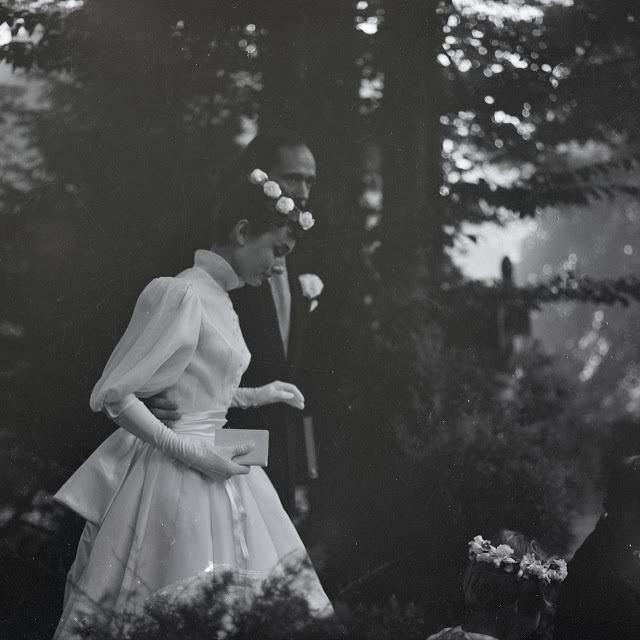
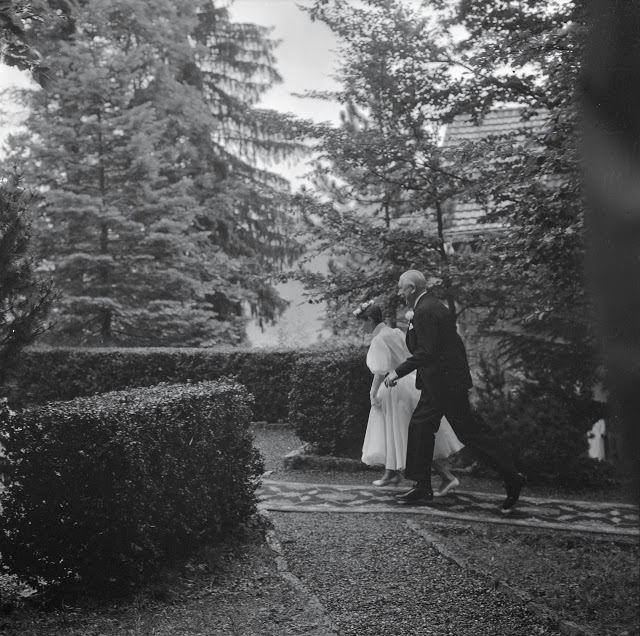
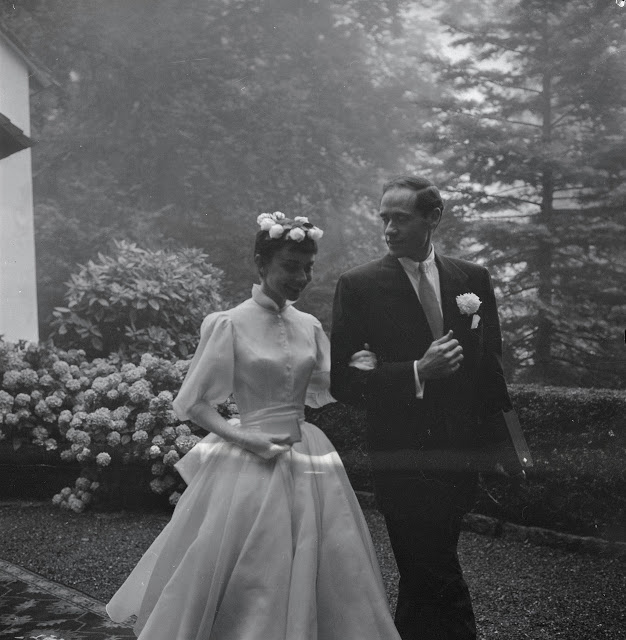
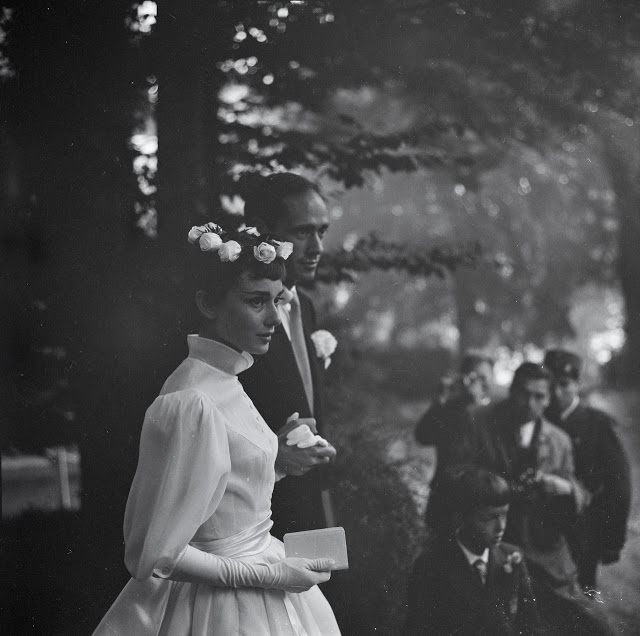
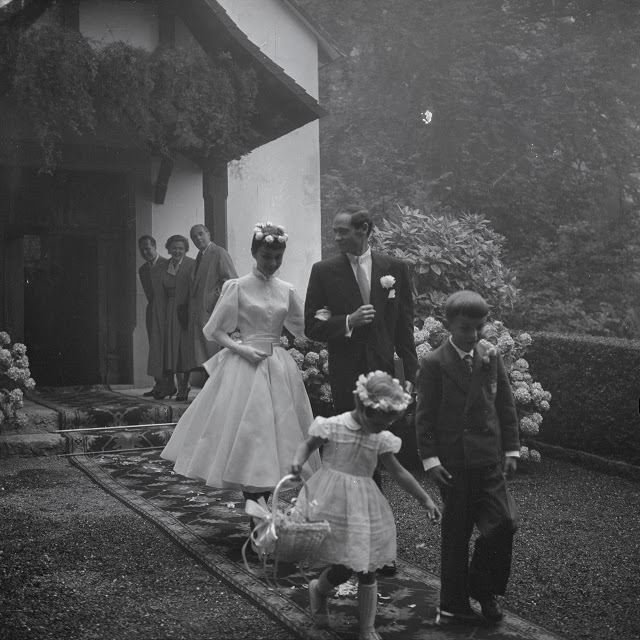
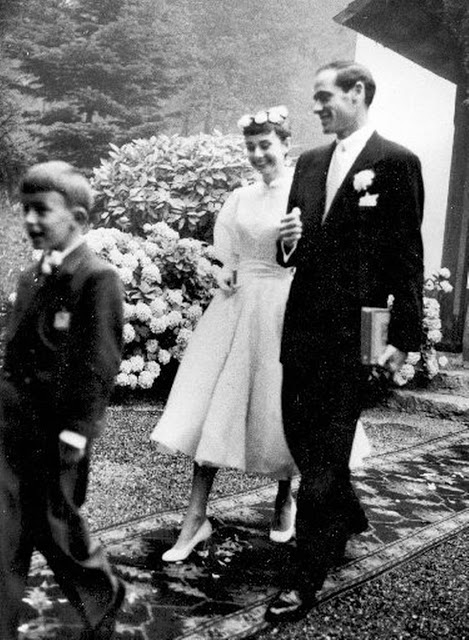
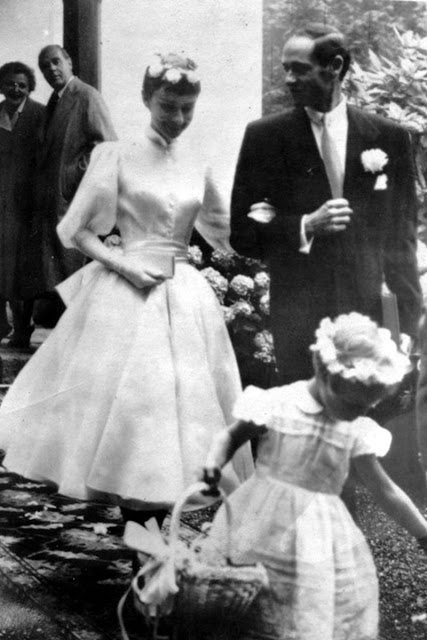
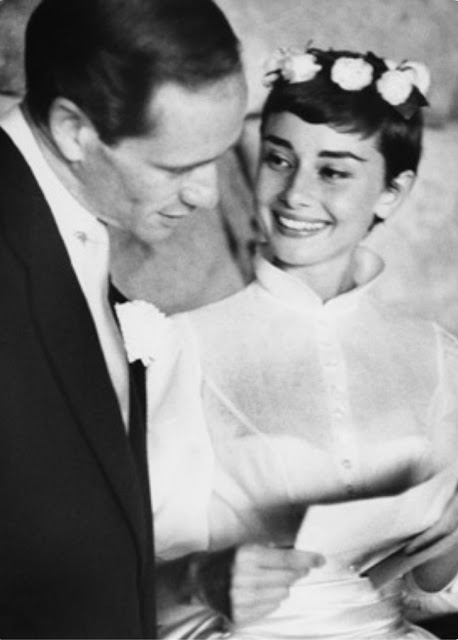
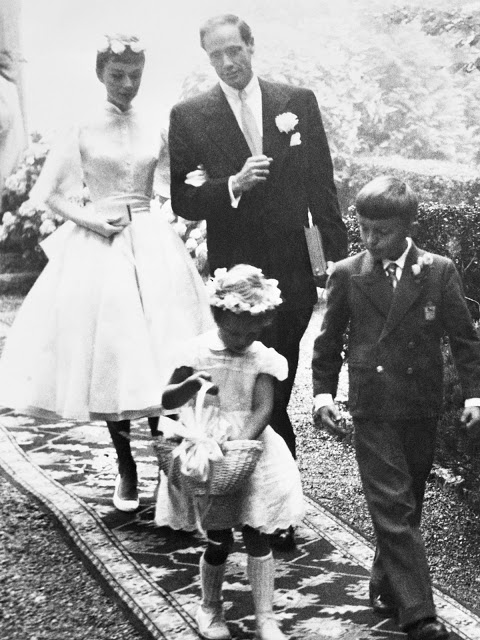
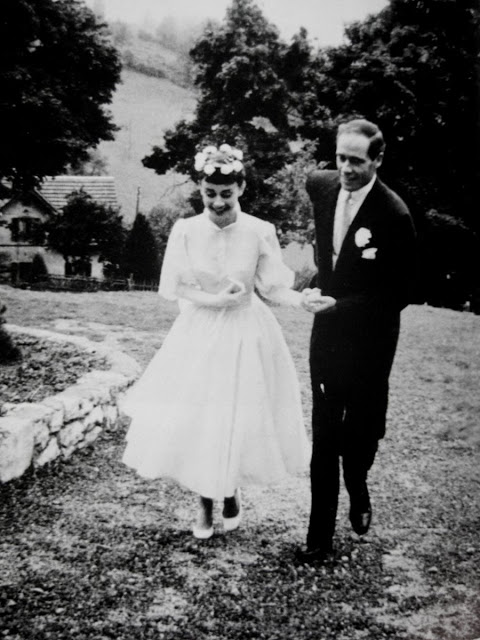
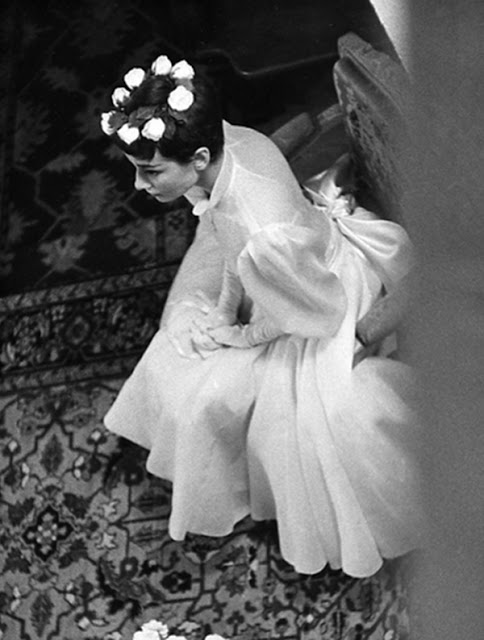
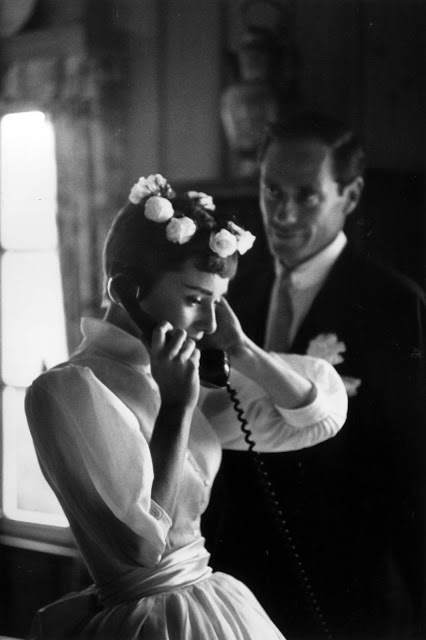
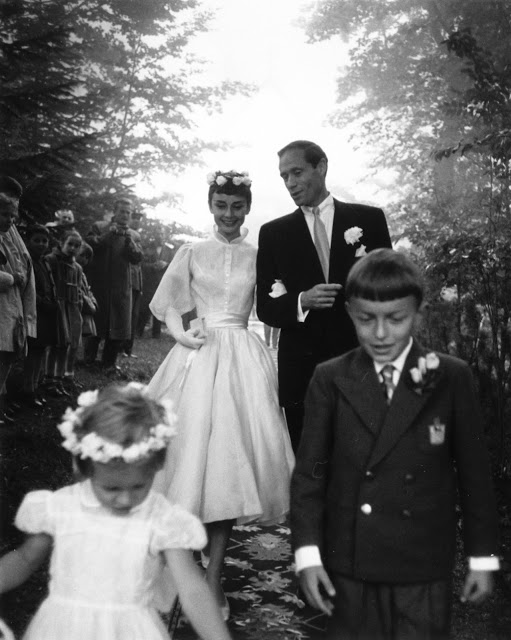
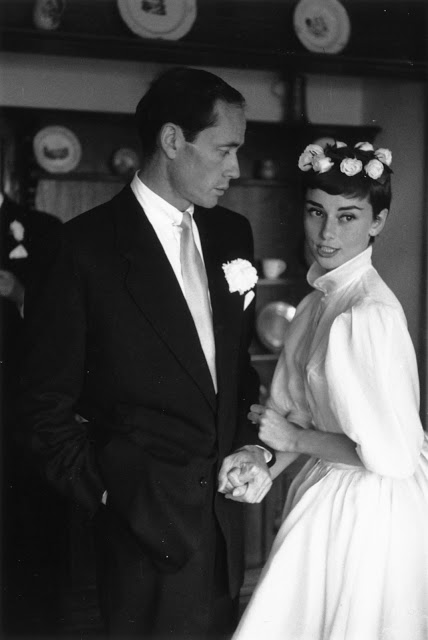
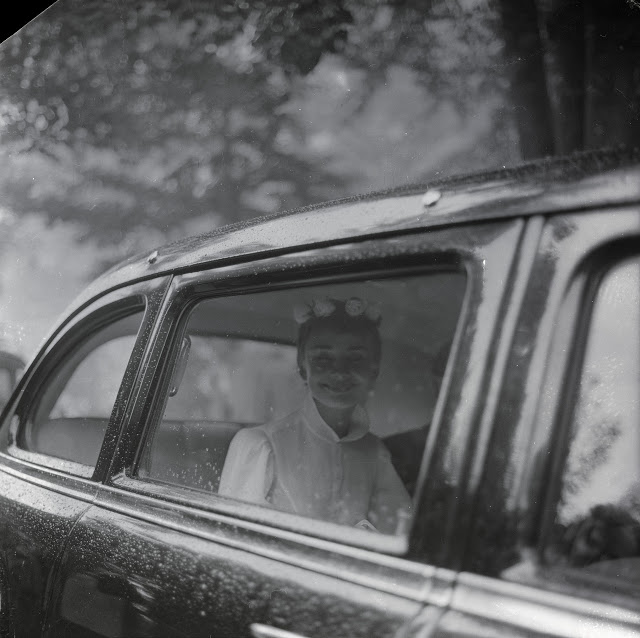
Audrey Hepburn married Mel Ferrer in Bürgenstock, Switzerland on September 25, 1954. The ceremony was held at a local 13th century Protestant church, Bürgenstock Chapel, at the base of the mountain.
The bride wore a white organdie A-line wedding dress with chiffon sleeves by Pierre Balmain and a crown of white flowers in her hair. She accessorized with white opera gloves.
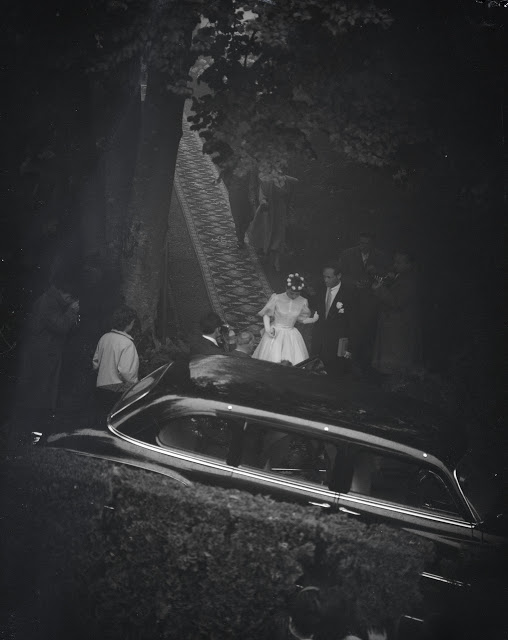
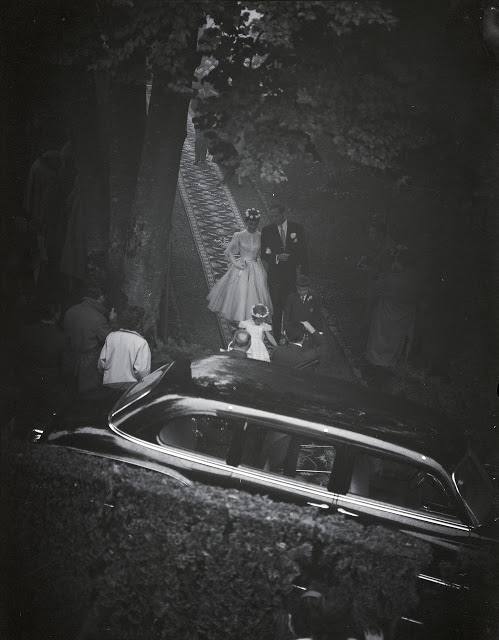
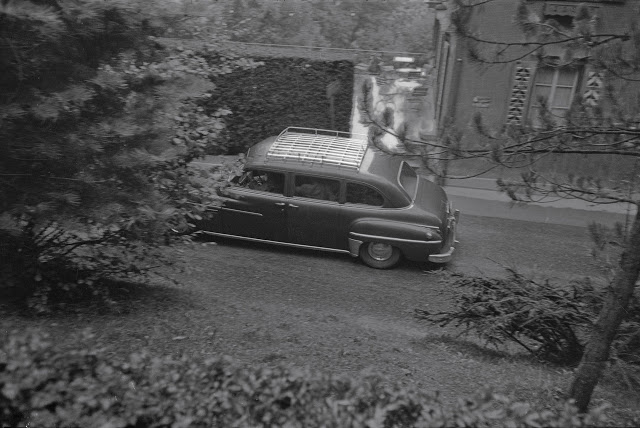
Following the vows, the couple exited the chapel arm in arm and got into a waiting car.
Hepburn and Ferrer were introduced at a party by Hepburn’s co-star in “Roman Holiday”, Gregory Peck.
Jamaica is an island country situated in the Caribbean Sea. Spanning 10,990 square kilometres (4,240 sq mi) in area, it is the third-largest island of the Greater Antilles and the Caribbean (after Cuba and Hispaniola). Jamaica lies about 145 kilometres (90 mi) south of Cuba, and 191 kilometres (119 mi) west of Hispaniola (the island containing the countries of Haiti and the Dominican Republic); the British Overseas Territory of the Cayman Islands lies some 215 kilometres (134 mi) to the north-west.
Originally inhabited by the indigenous Taíno peoples, the island came under Spanish rule following the arrival of Christopher Columbus in 1494. Many of the indigenous people either were killed or died of diseases, after which the Spanish brought large numbers of African slaves to Jamaica as labourers. The island remained a possession of Spain until 1655, when England (later Great Britain) conquered it, renaming it Jamaica. Under British colonial rule Jamaica became a leading sugar exporter, with a plantation economy dependent on the African slaves and later their descendants. The British fully emancipated all slaves in 1838, and many freedmen chose to have subsistence farms rather than to work on plantations. Beginning in the 1840s, the British began using Chinese and Indian indentured labour to work on plantations. The island achieved independence from the United Kingdom on 6 August 1962.
With 2.9 million people, Jamaica is the third-most populous Anglophone country in the Americas (after the United States and Canada), and the fourth-most populous country in the Caribbean. Kingston is the country’s capital and largest city. The majority of Jamaicans are of Sub-Saharan African ancestry, with significant European, East Asian (primarily Chinese), Indian, Lebanese, and mixed-race minorities.[11] Due to a high rate of emigration for work since the 1960s, there is a large Jamaican diaspora, particularly in Canada, the United Kingdom, and the United States. The country has a global influence that belies its small size; it was the birthplace of the Rastafari religion, reggae music (and associated genres such as dub, ska and dancehall), and it is internationally prominent in sports, most notably cricket, sprinting and athletics.
Jamaica is an upper-middle income country with an economy heavily dependent on tourism; it has an average of 4.3 million tourists a year. Jamaica performs favourably in measurements of press freedom and democratic governance. It ranked first in the Caribbean on the World Happiness Report for 2021. Politically it is a Commonwealth realm, with Elizabeth II as its queen. Her appointed representative in the country is the Governor-General of Jamaica, an office held by Patrick Allen since 2009. Andrew Holness has served as Prime Minister of Jamaica since March 2016. Jamaica is a parliamentary constitutional monarchy with legislative power vested in the bicameral Parliament of Jamaica, consisting of an appointed Senate and a directly elected House of Representatives. (Wikipedia)
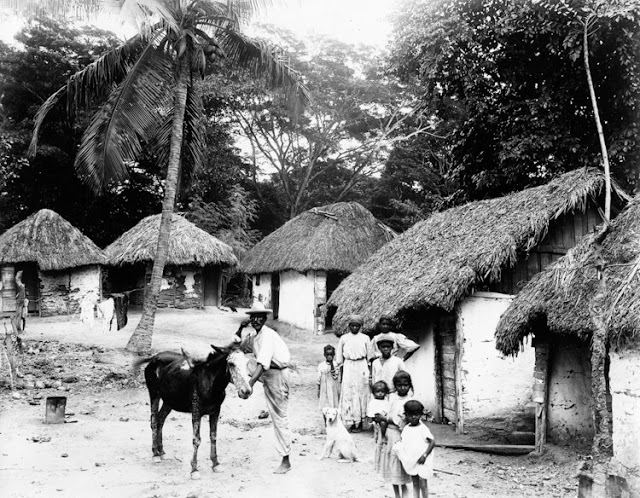
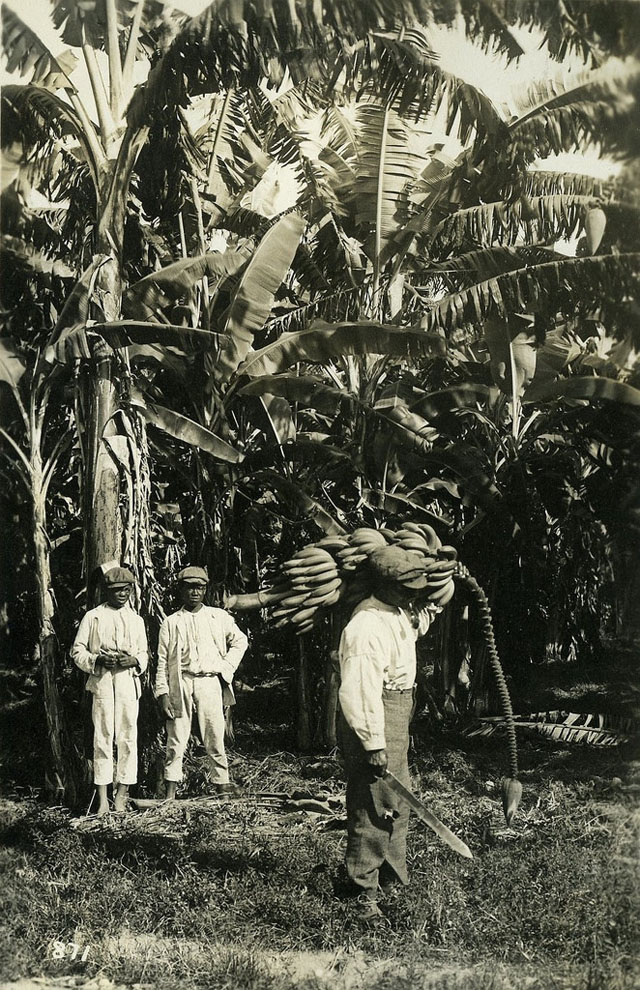
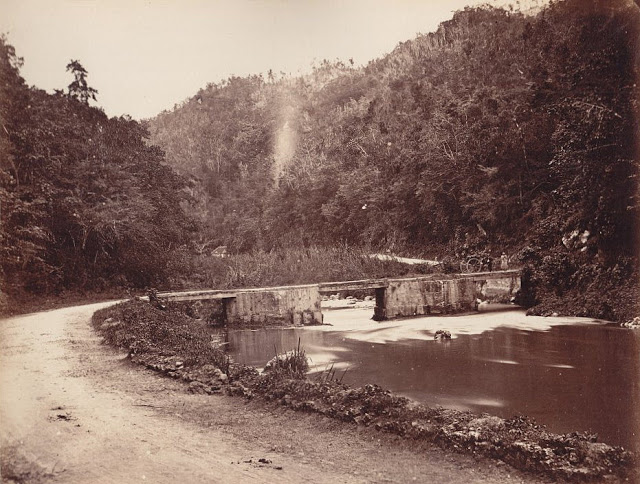
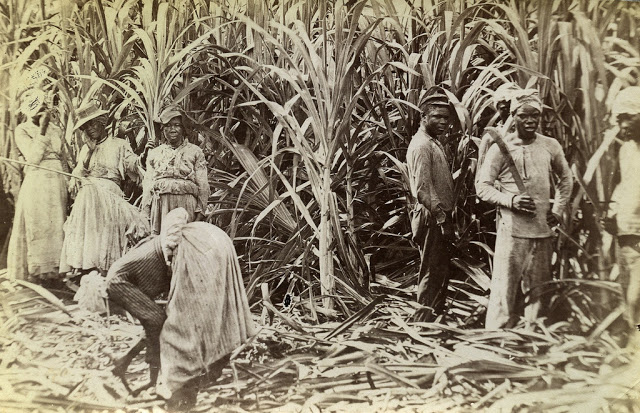
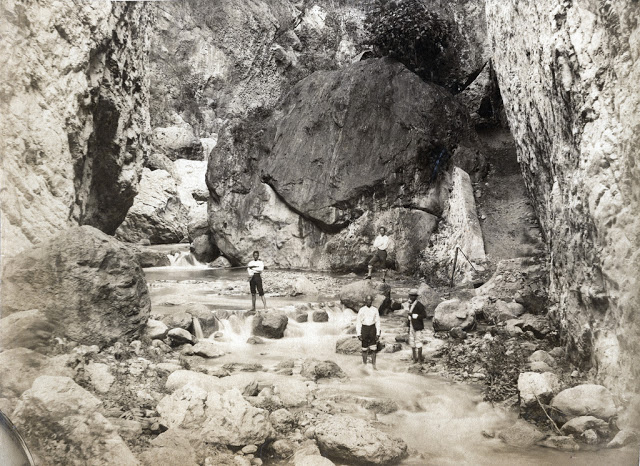
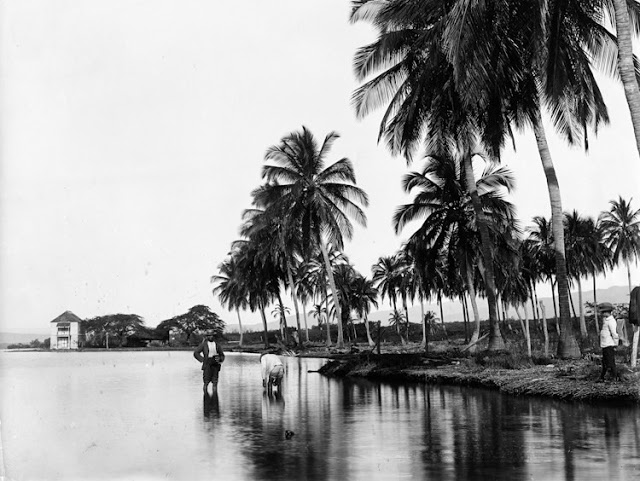
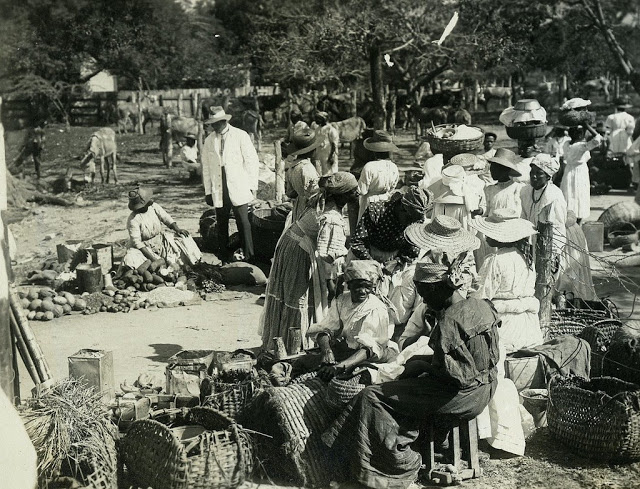
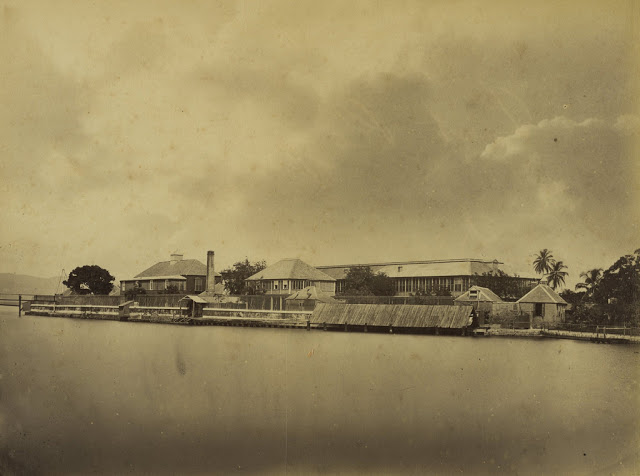
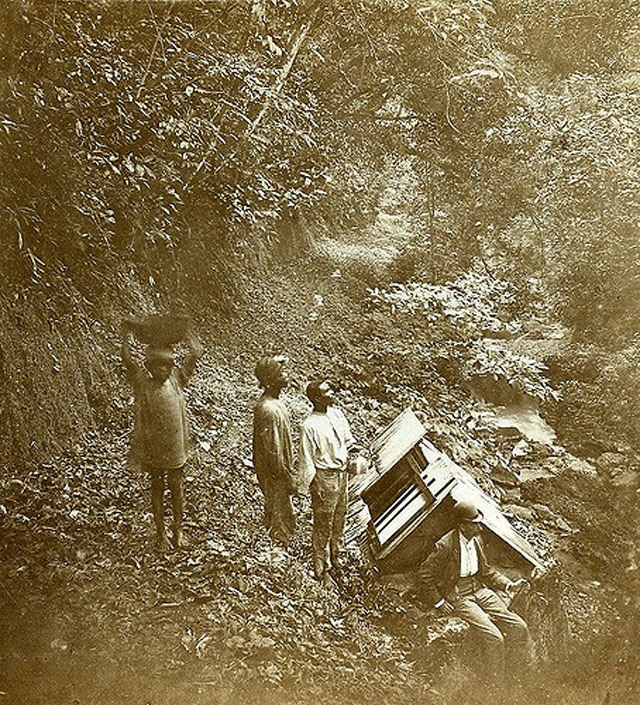
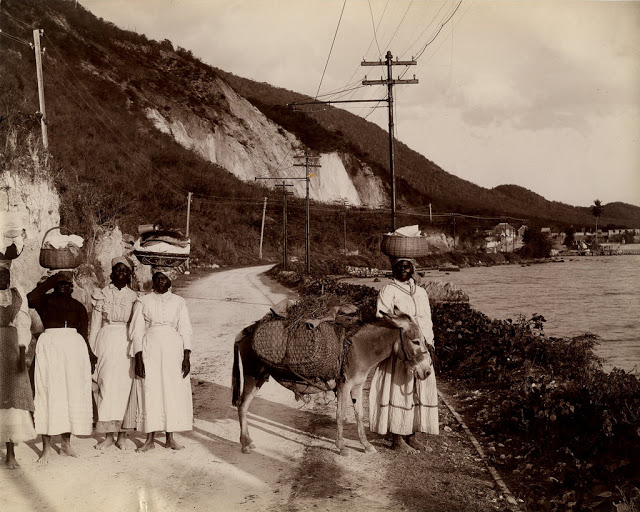
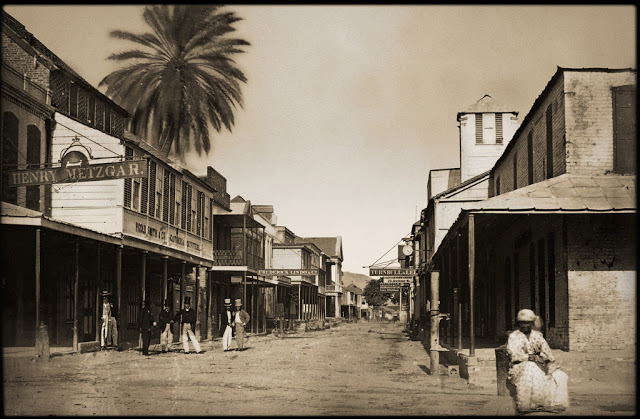
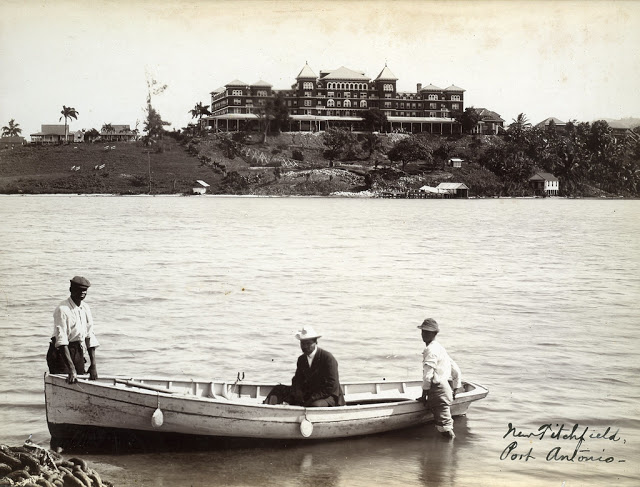
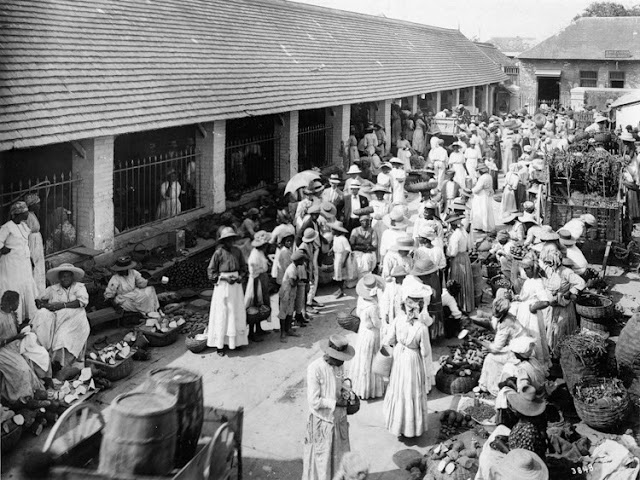
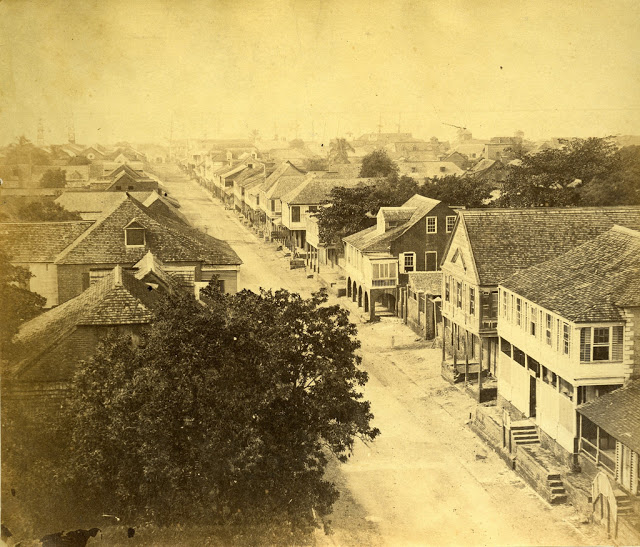
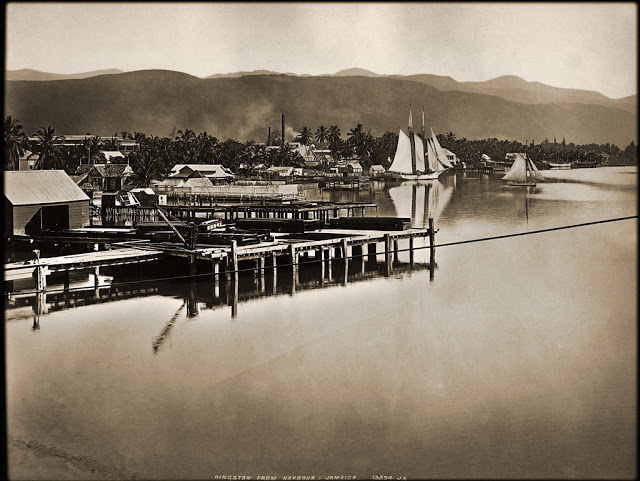
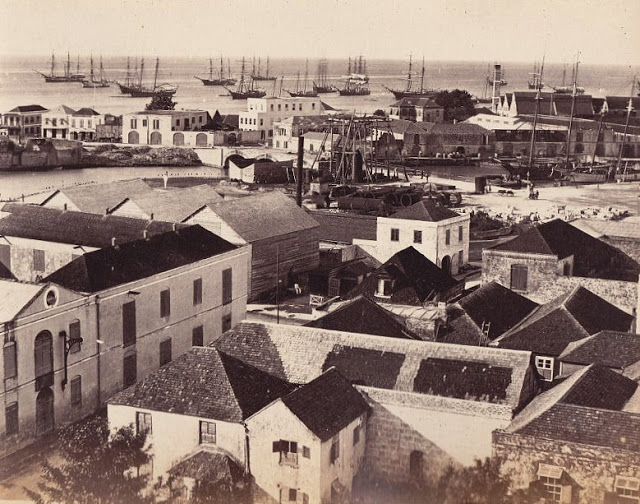
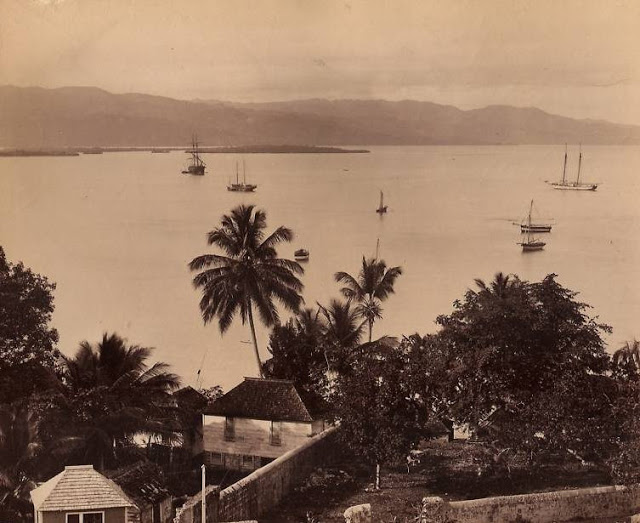
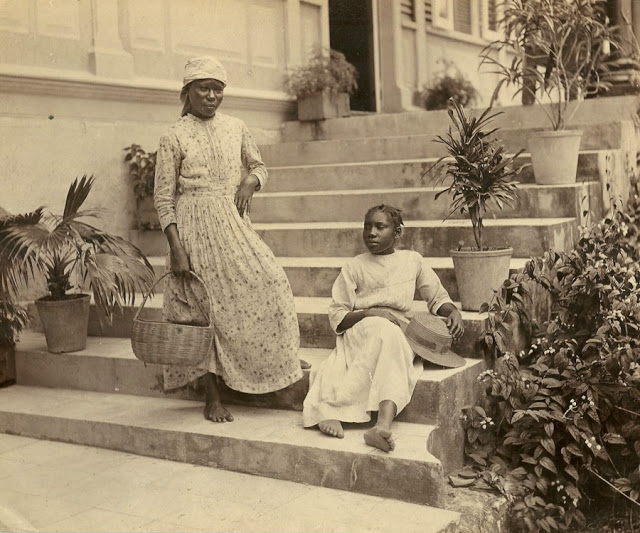
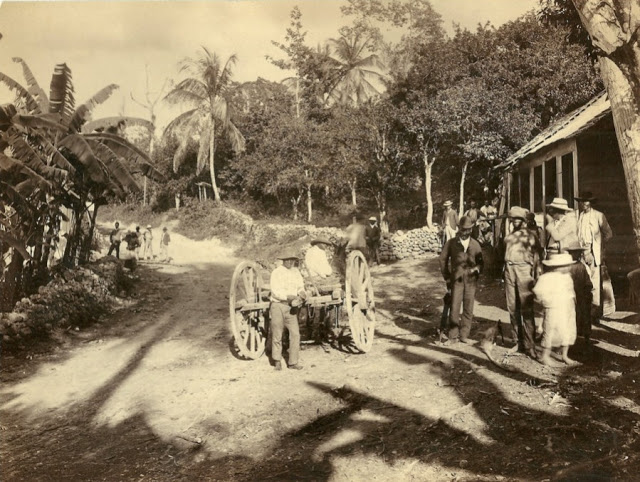
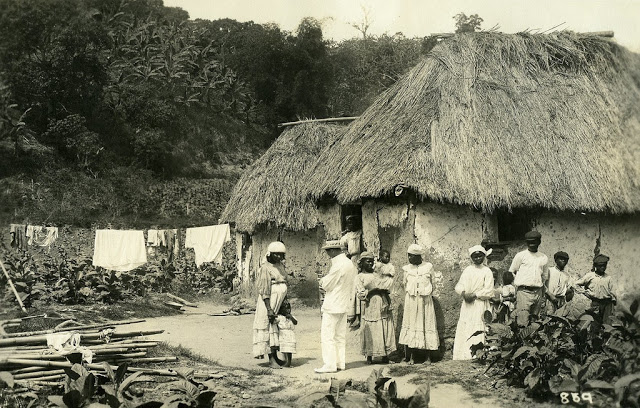
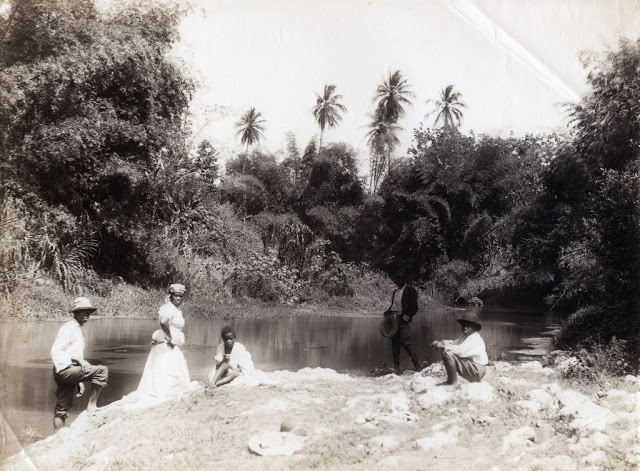
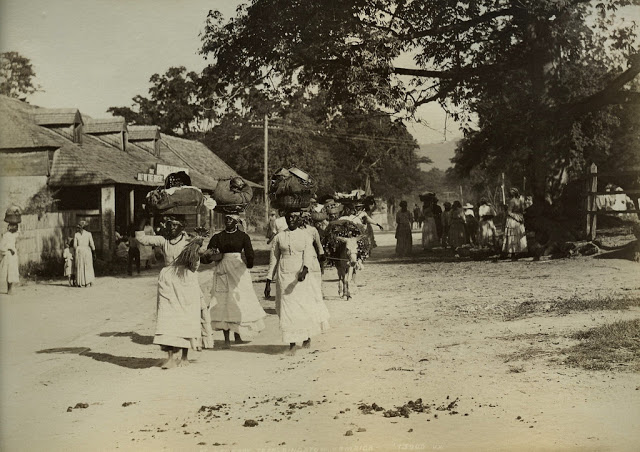
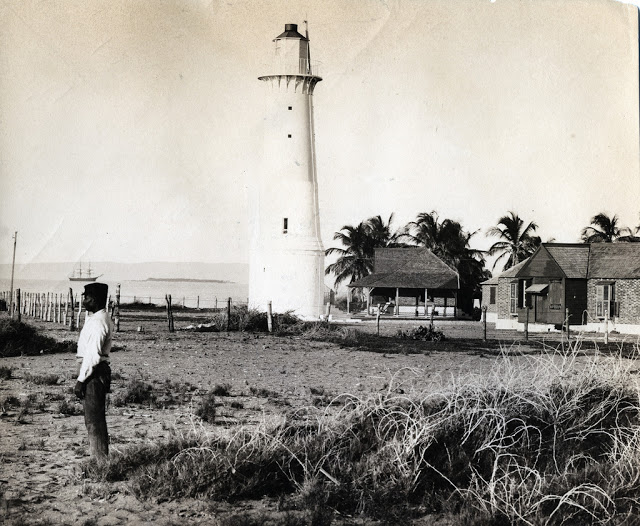
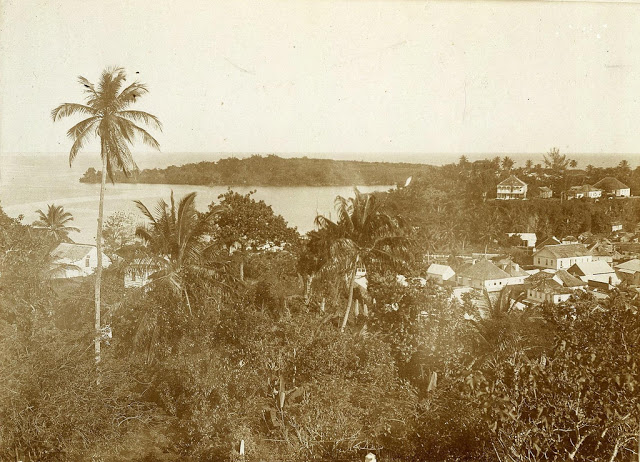
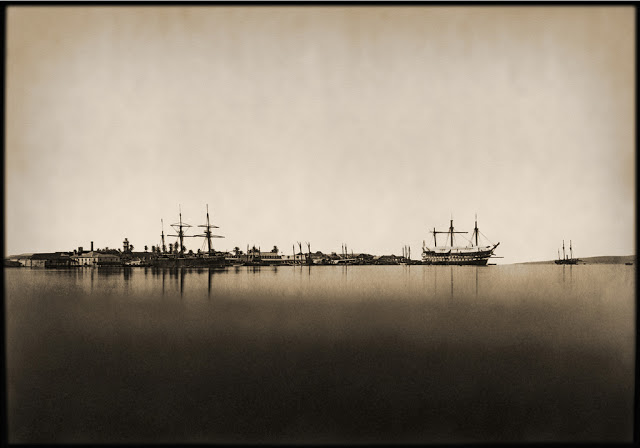
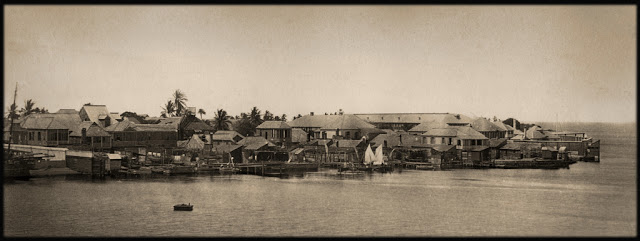
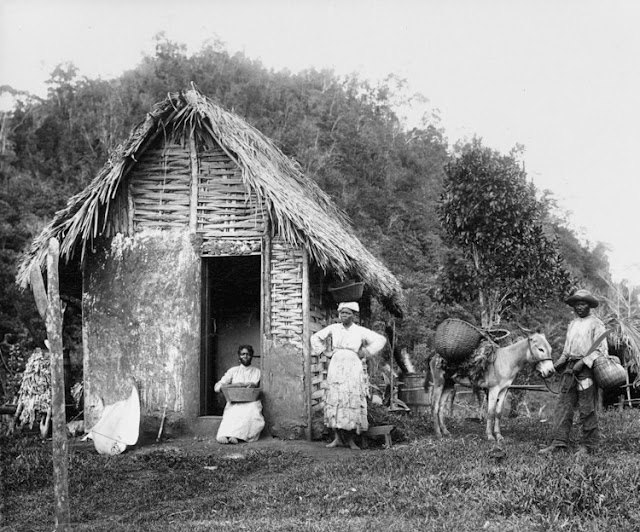
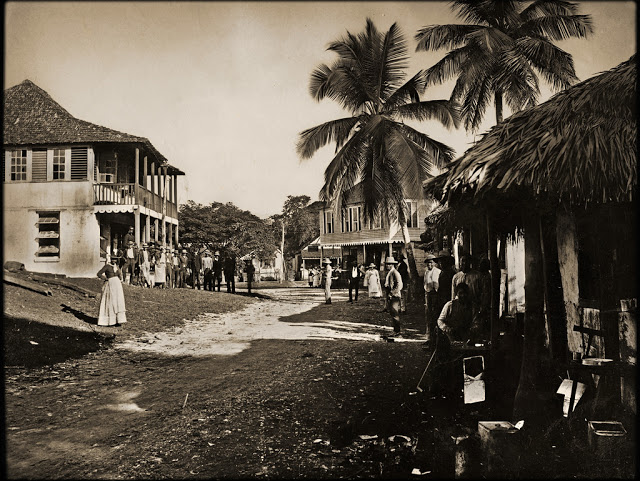
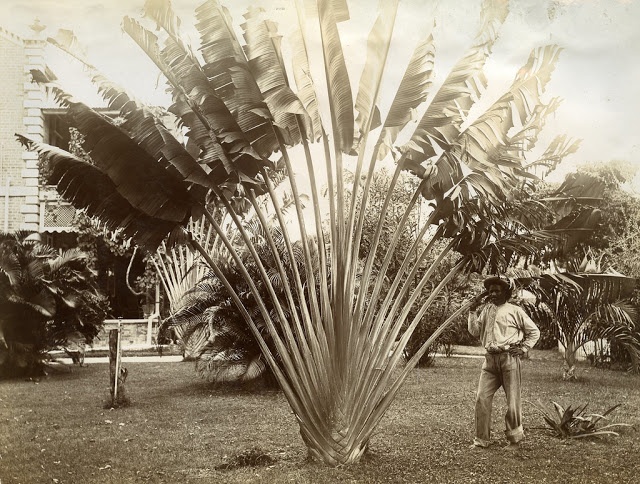
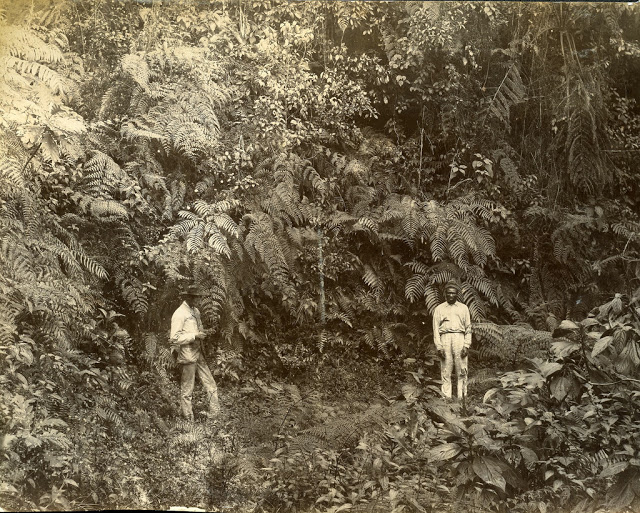
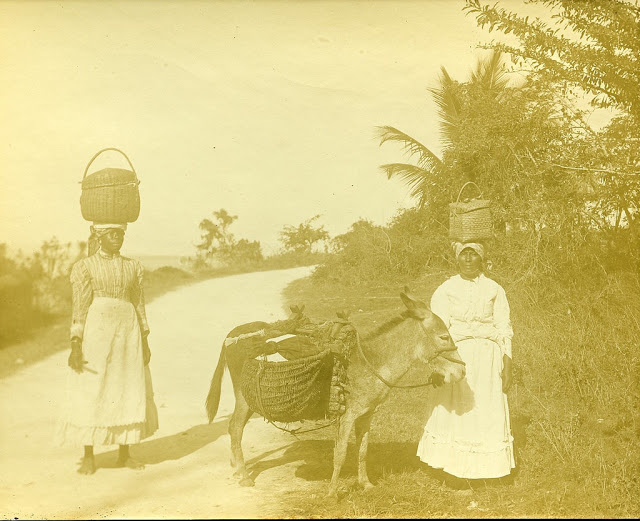
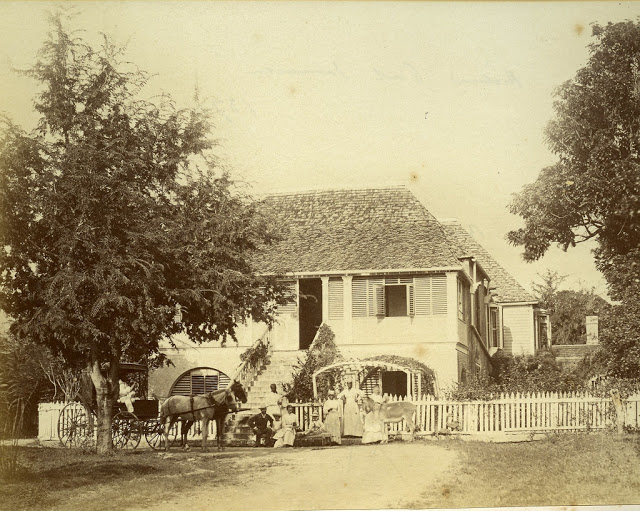
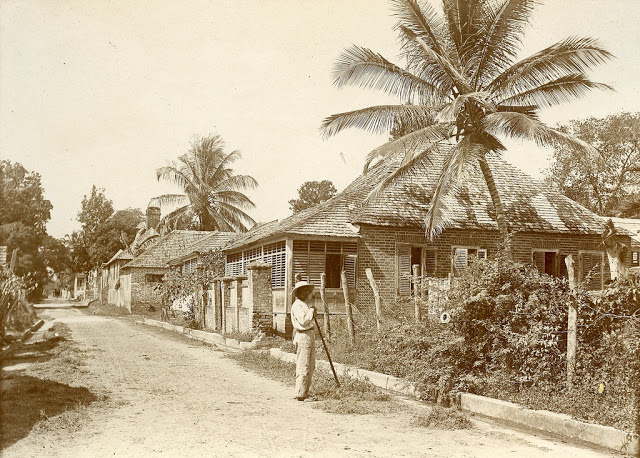
Here is an amazing collection of rare photos that shows the life in Jamaica from between 1860s to 1890s.
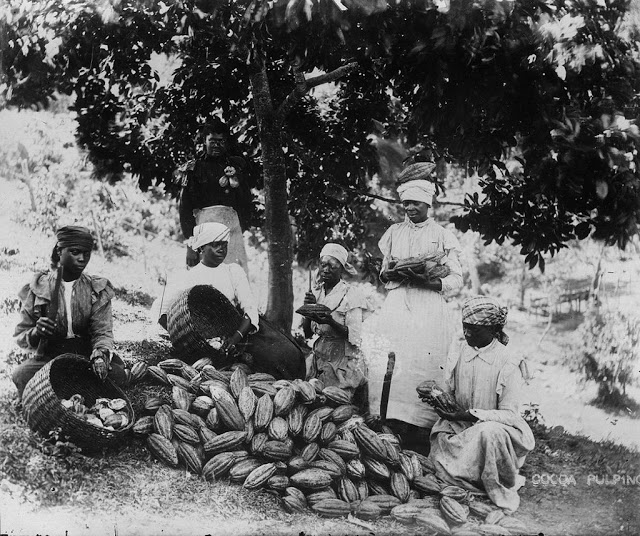
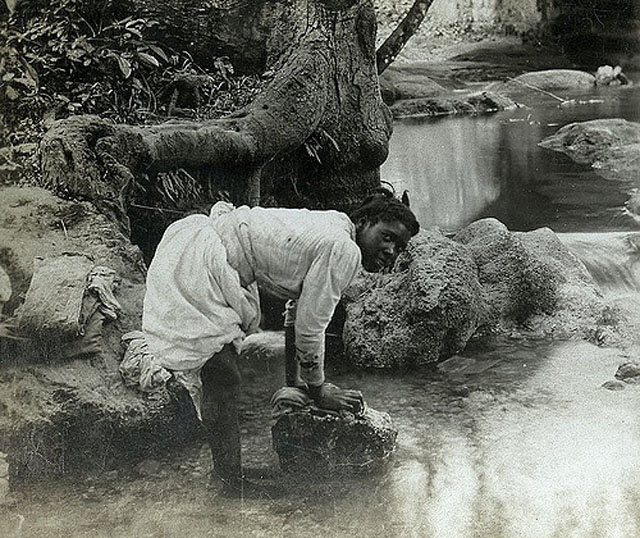
A native wash woman at Bog Walk, Jamaica, 1899A rural village in Jamaica in the 1890sBanana plantation, Jamaica, 1890sBog Walk, Jamaica, 1865Cane cutters, Jamaica, 1891Cane River Falls, Jamaica in 1890Coconut palms in Kingston Harbour, 1895Country market, Jamaica, 1890sDocks, Port Royal, Jamaica, 1890Forest trail in Jamaica, 1897Going To Market, Rockfort Road, Kingston, Jamaica, 1890Harbour St, Kingston, Jamaica, 1874Hotel Titchfield, Port Antonio, JamaicaJubilee Market, Kingston, Jamaica, 1890sKing Street, looking south, Kingston, Jamaica, 1865Kingston from harbor, Jamaica, 1891Kingston, Jamaica in the 1870sMontego Bay, Jamaica, 1891Girls, 1891On the road to Mandeville, 1891People at country houses in Jamaica, 1890sPeople in Bog Walk, 1890People walking to market at Half Way Tree, Jamaica, 1891Plum Point Lighthouse, Port Royal, 1891Port Antonio From Above, JamaicaPort Royal, Jamaica in 1865Port Royal, Jamaica in 1865Rural house in Jamaica, 1890sSanta Cruz, Jamaica, 1891Sorting cocoa pods, JamaicaTraveler’s palm, Hope Gardens, Kingston, Jamaica, 1890sTraveler’s palm, Hope Gardens, Kingston, Jamaica, 1890sTwo women on the road to market, Jamaica, 1890sA family in Richmond Park, Kingston, Jamaica, 1890sA gardener on country road in Jamaica, 1890s