












Bringing You the Wonder of Yesterday – Today

Santiago, also known as Santiago de Chile, is the capital and largest city of Chile as well as one of the largest cities in the Americas. It is the center of Chile’s most densely populated region, the Santiago Metropolitan Region, whose total population is 8 million, of which more than 6 million live in the city’s continuous urban area. The city is entirely in the country’s central valley. Most of the city lies between 500–650 m (1,640–2,133 ft) above mean sea level.
Founded in 1541 by the Spanish conquistador Pedro de Valdivia, Santiago has been the capital city of Chile since colonial times. The city has a downtown core of 19th-century neoclassical architecture and winding side-streets, dotted by art deco, neo-gothic, and other styles. Santiago’s cityscape is shaped by several stand-alone hills and the fast-flowing Mapocho River, lined by parks such as Parque Forestal and Balmaceda Park. The Andes Mountains can be seen from most points in the city. These mountains contribute to a considerable smog problem, particularly during winter, due to the lack of rain. The city outskirts are surrounded by vineyards and Santiago is within an hour of both the mountains and the Pacific Ocean.
Santiago is the cultural, political and financial center of Chile and is home to the regional headquarters of many multinational corporations. The Chilean executive and judiciary are located in Santiago, but Congress meets mostly in nearby Valparaíso. Santiago is named after the biblical figure St. James. Santiago will host the 2023 Pan American Games. (Wikipedia)
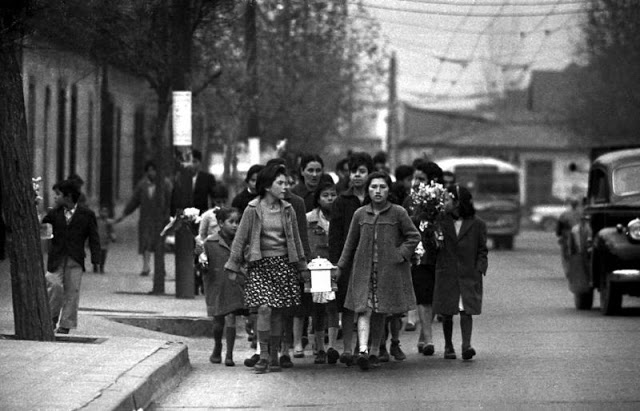
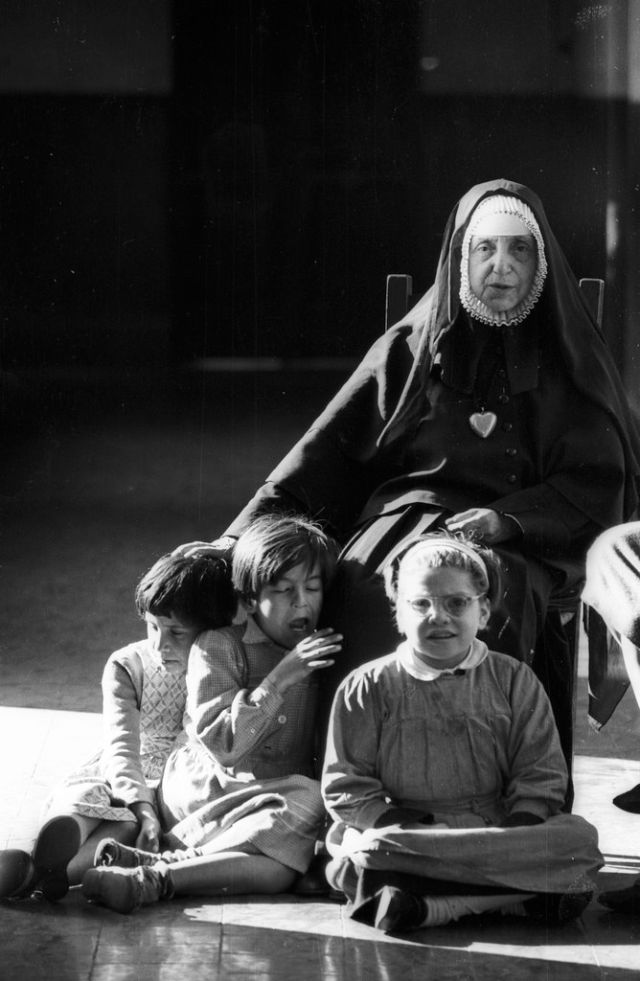
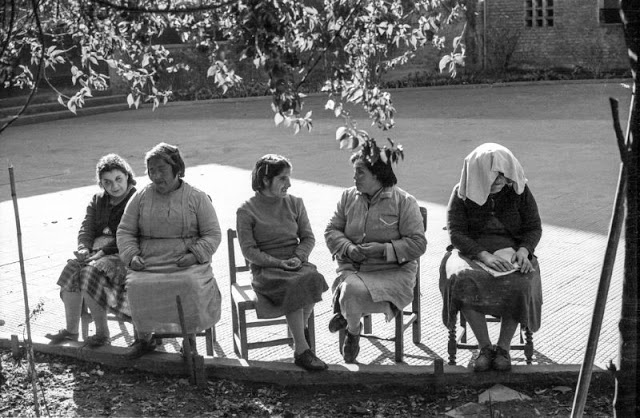
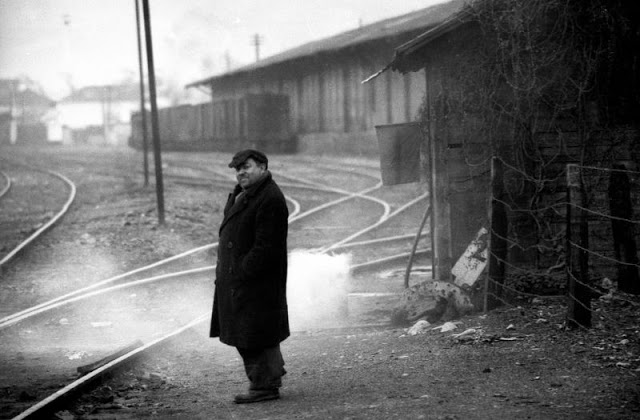
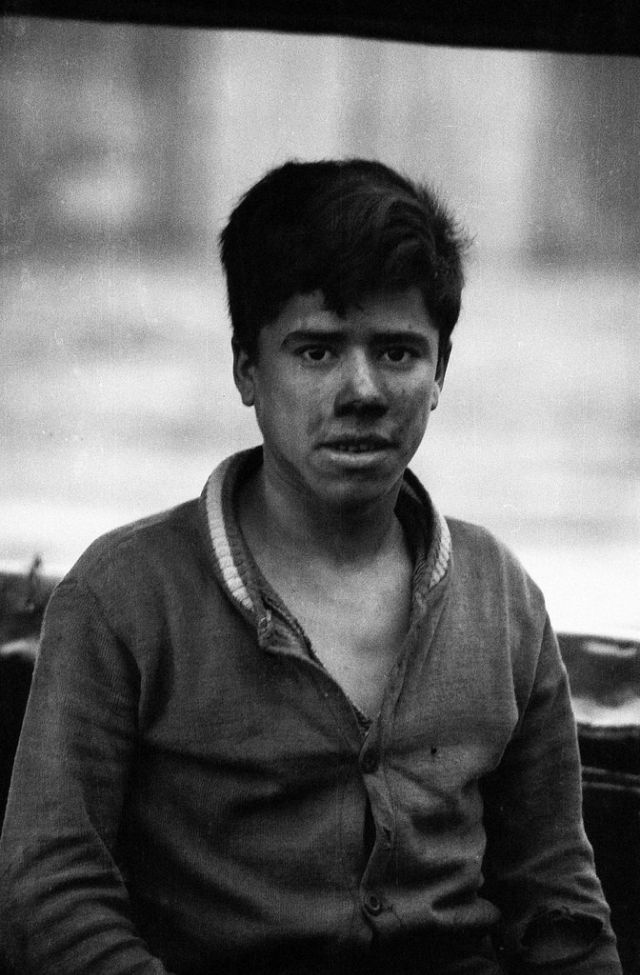
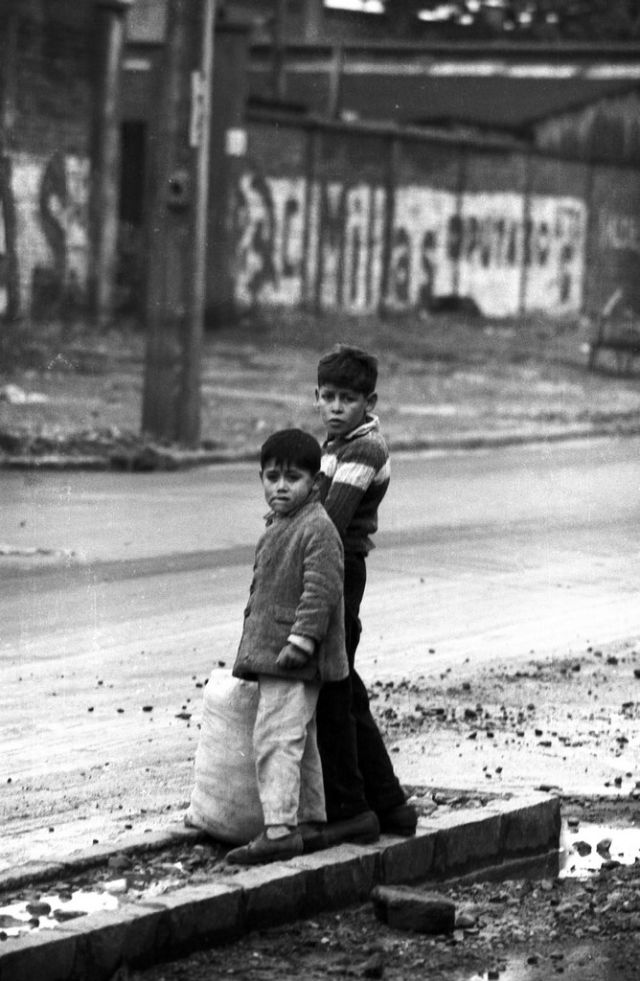
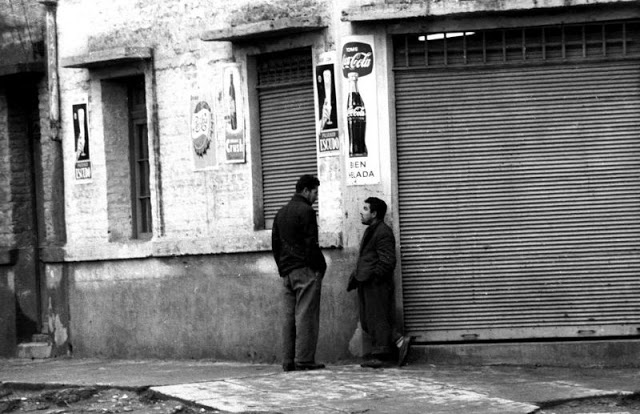
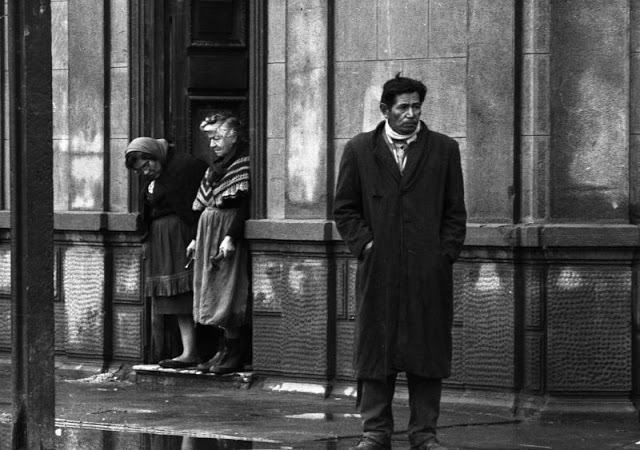
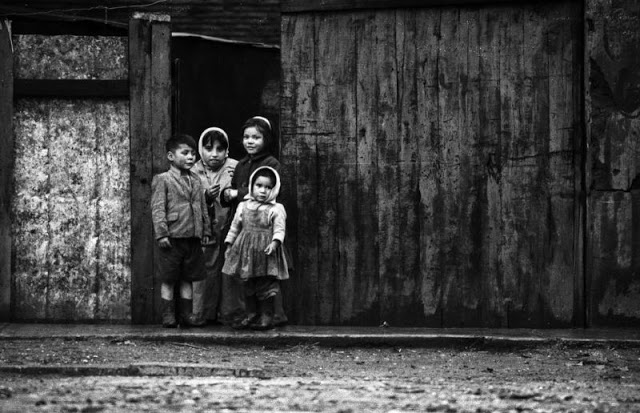
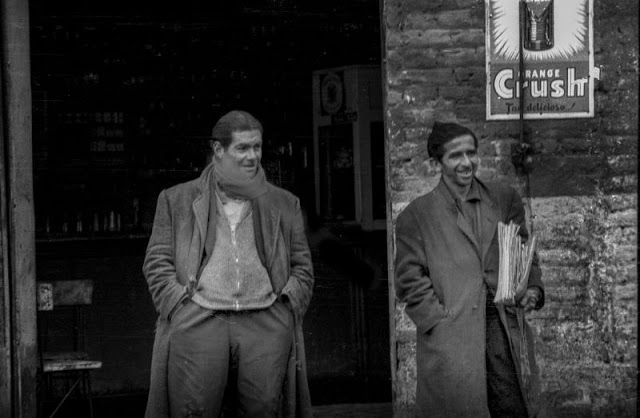
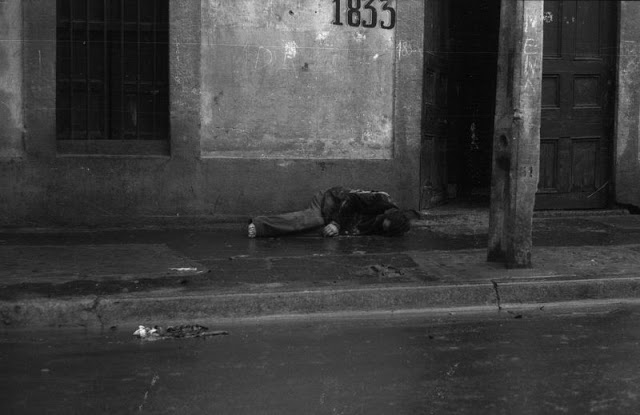
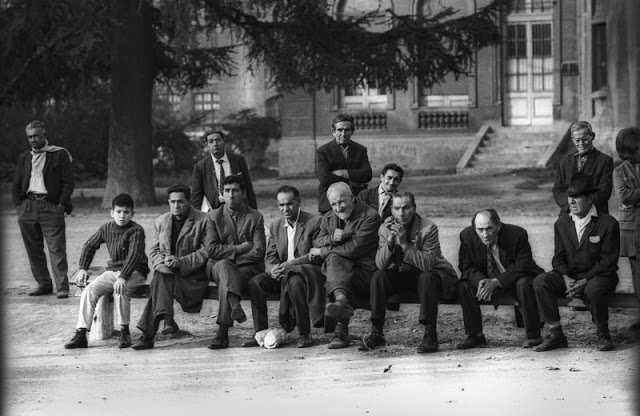
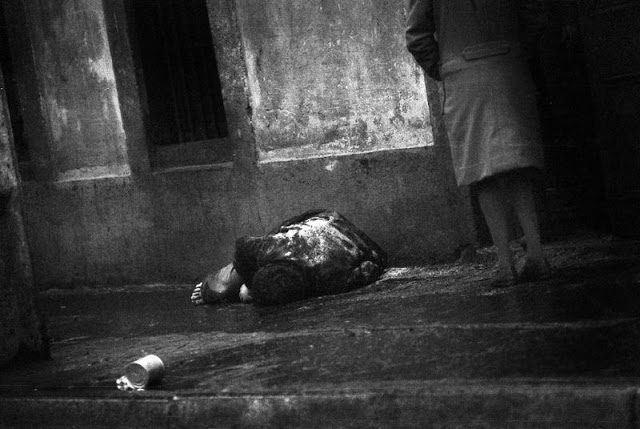
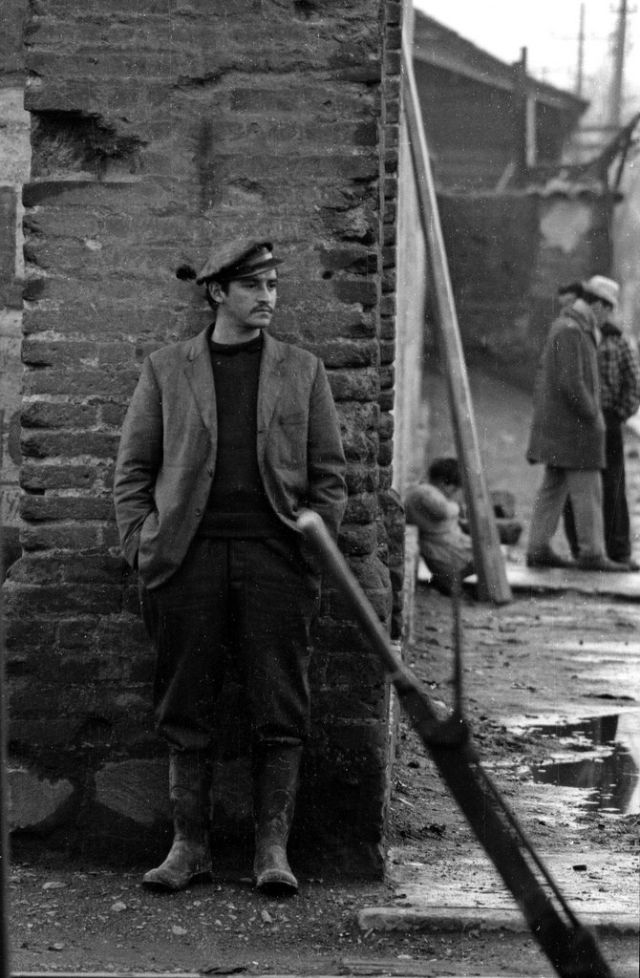
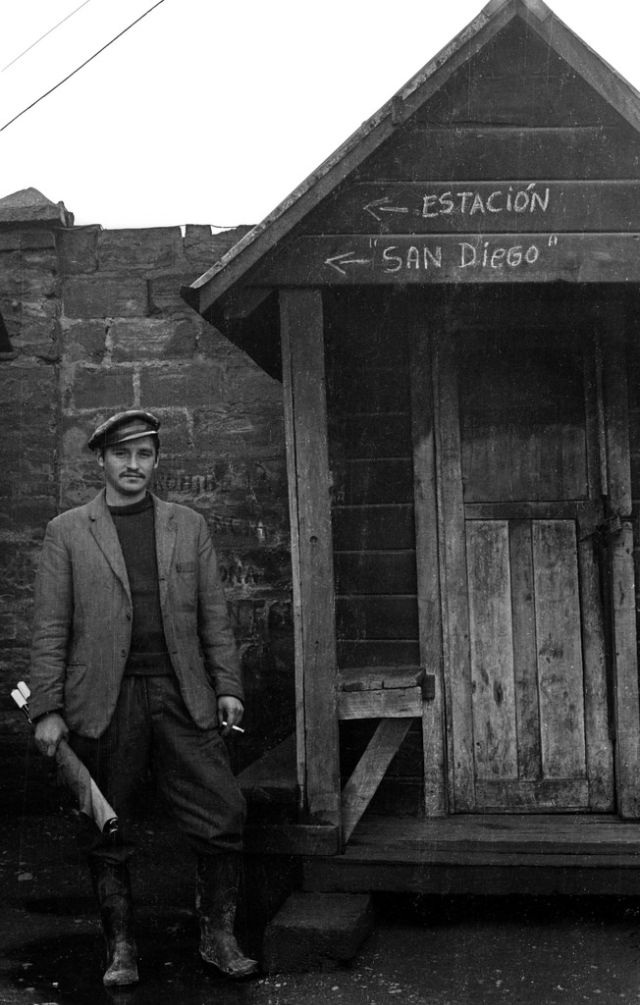
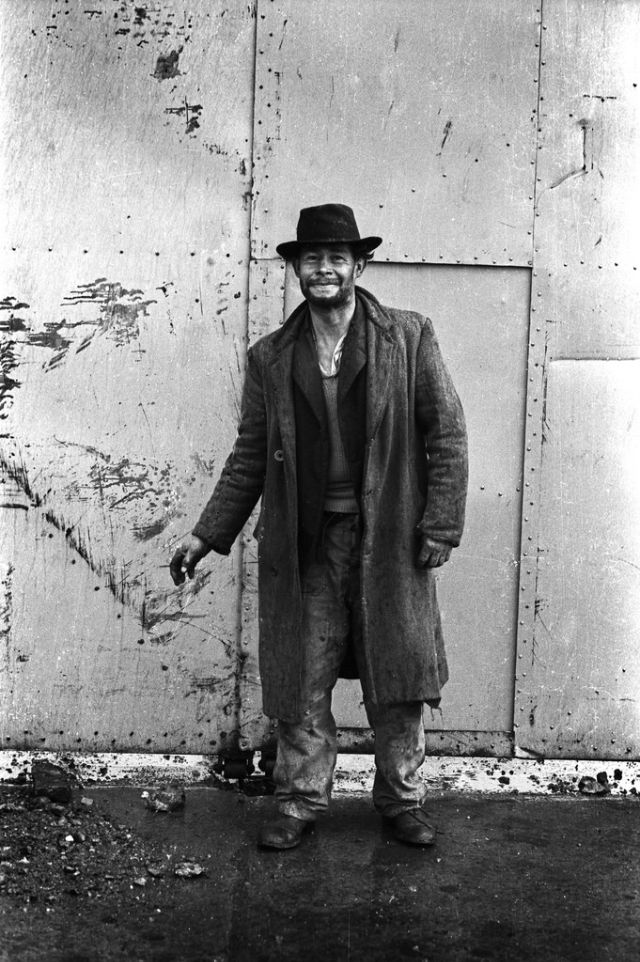
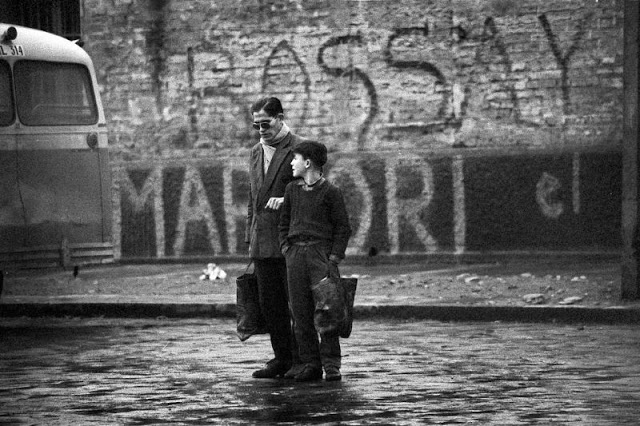
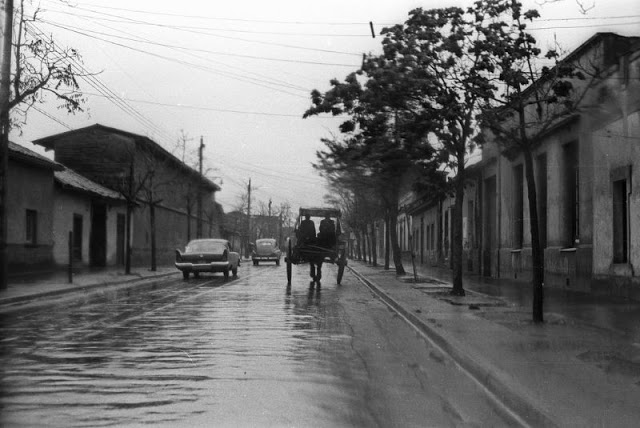
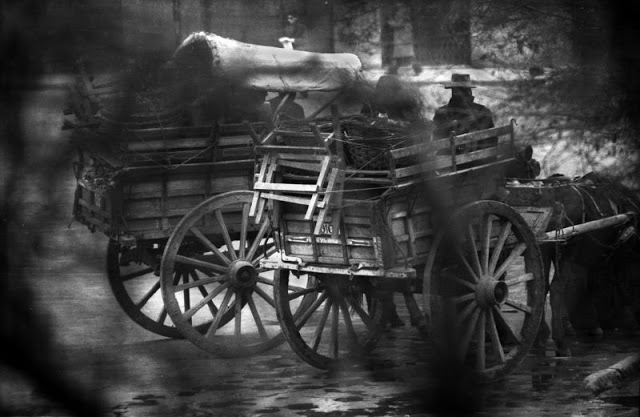
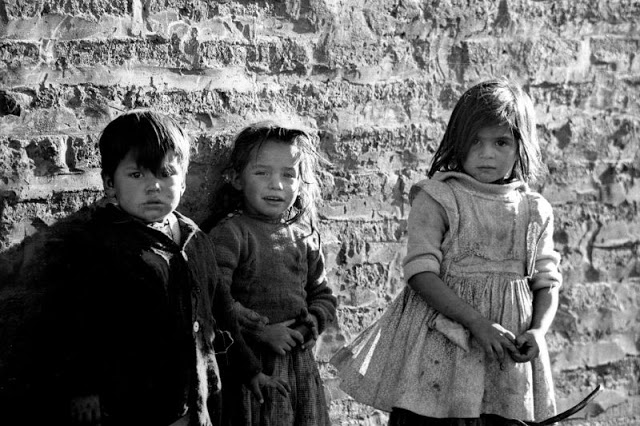
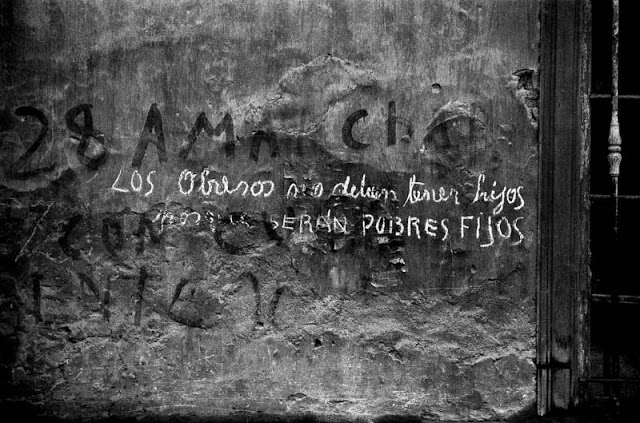
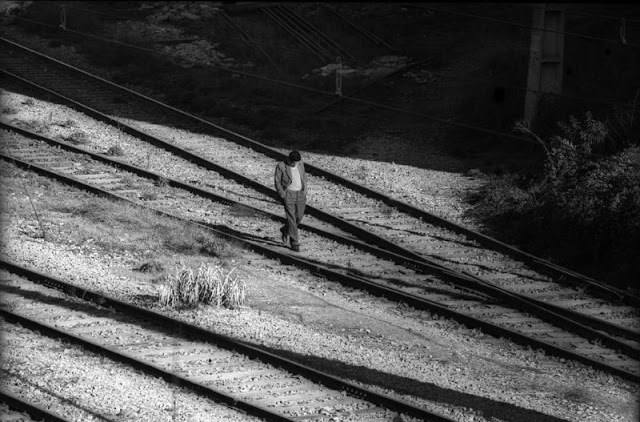
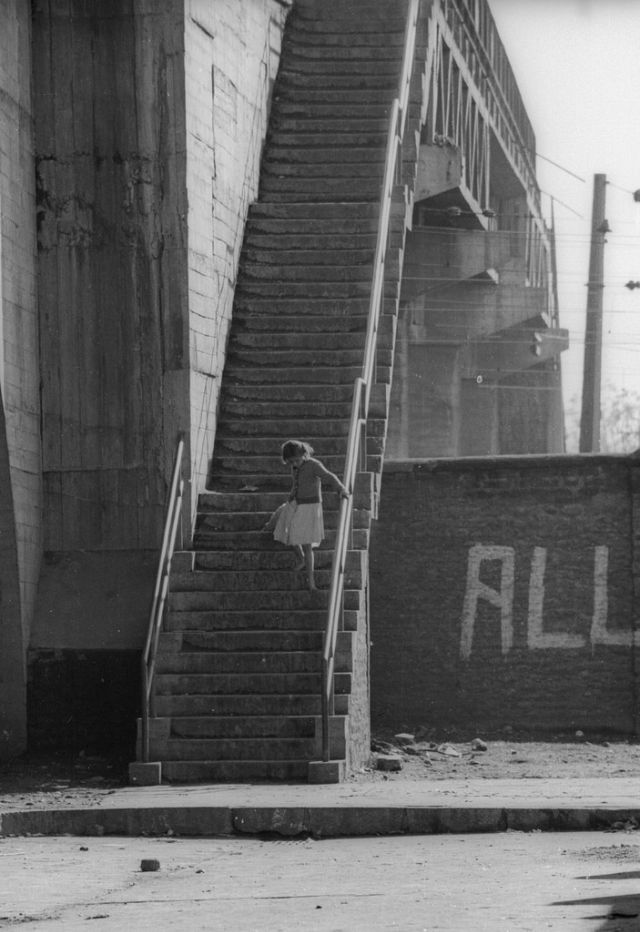
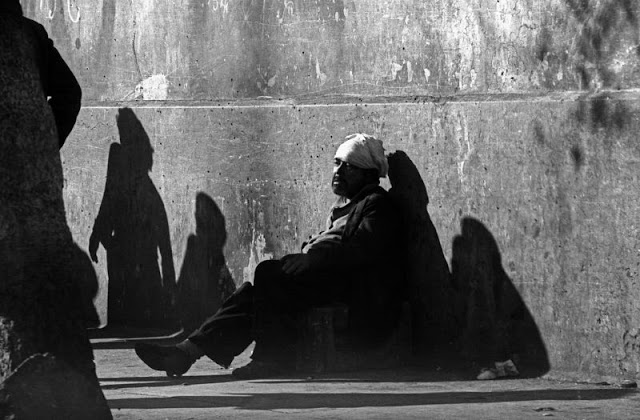
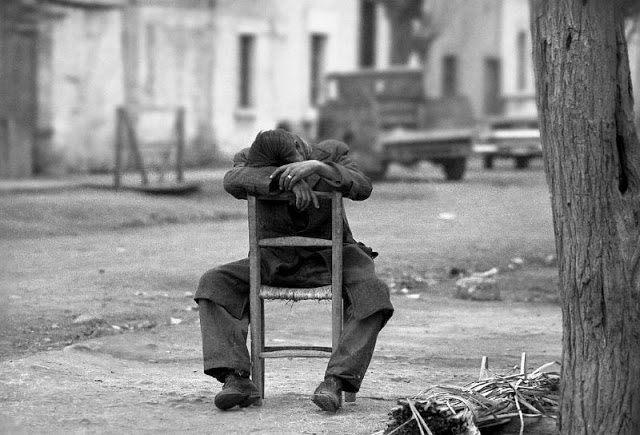
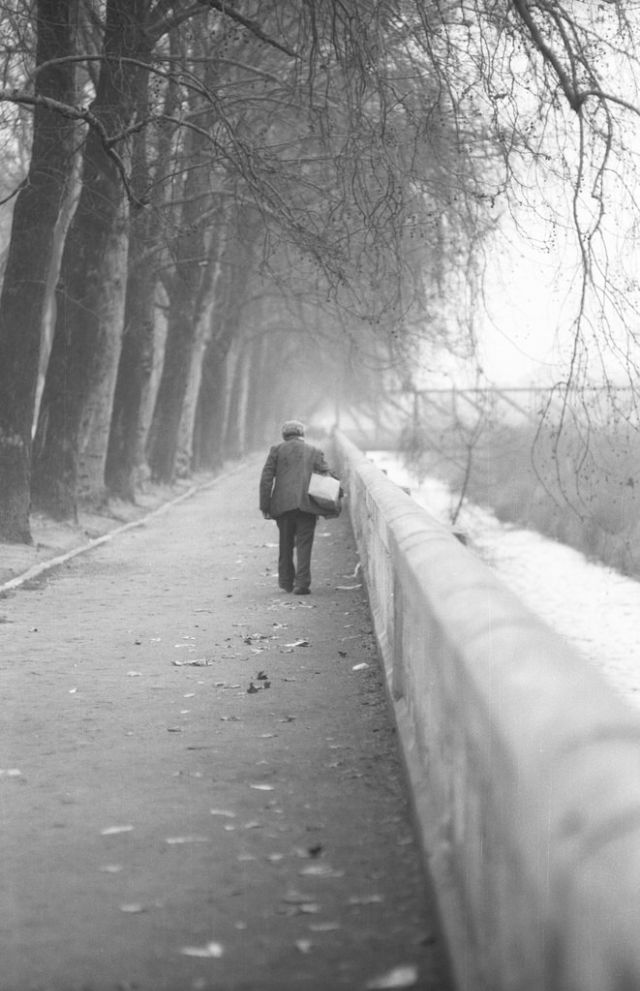
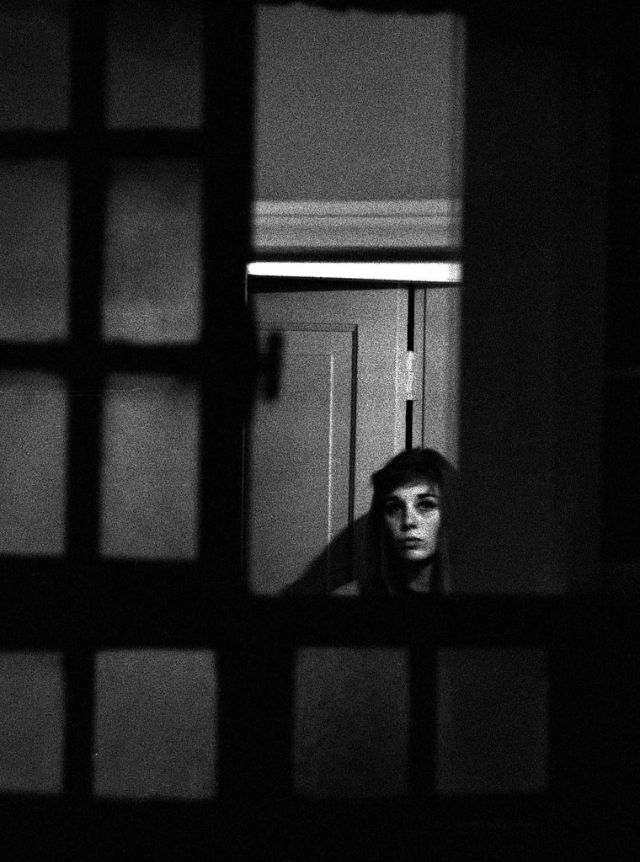
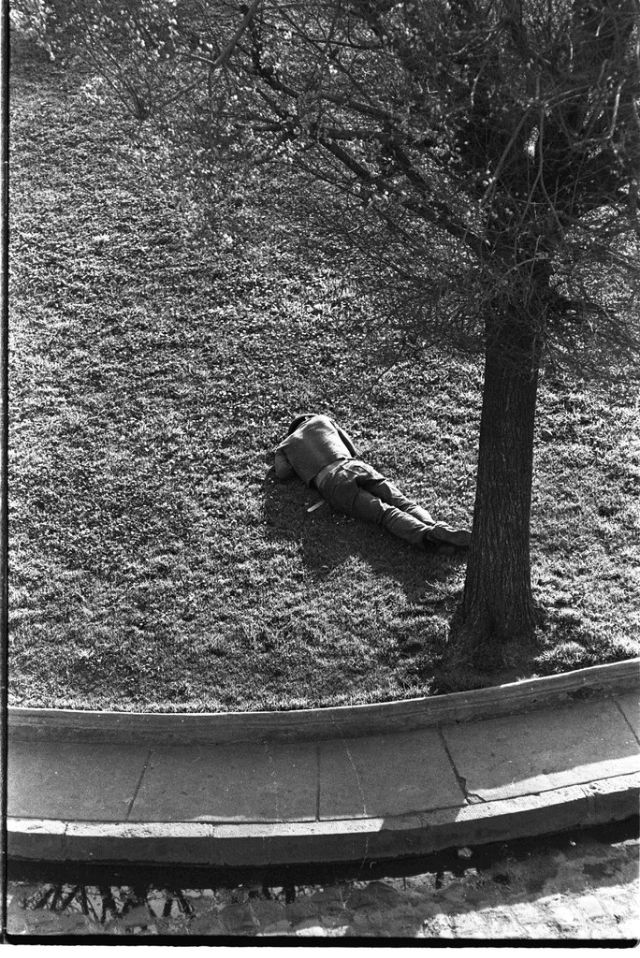
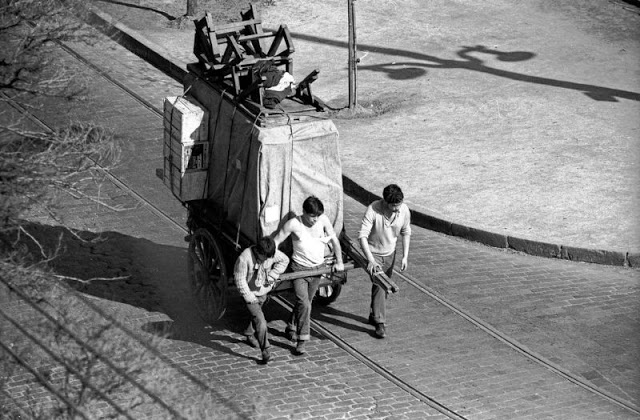
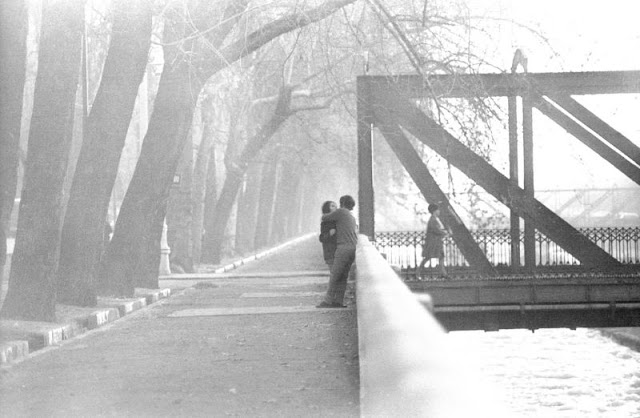
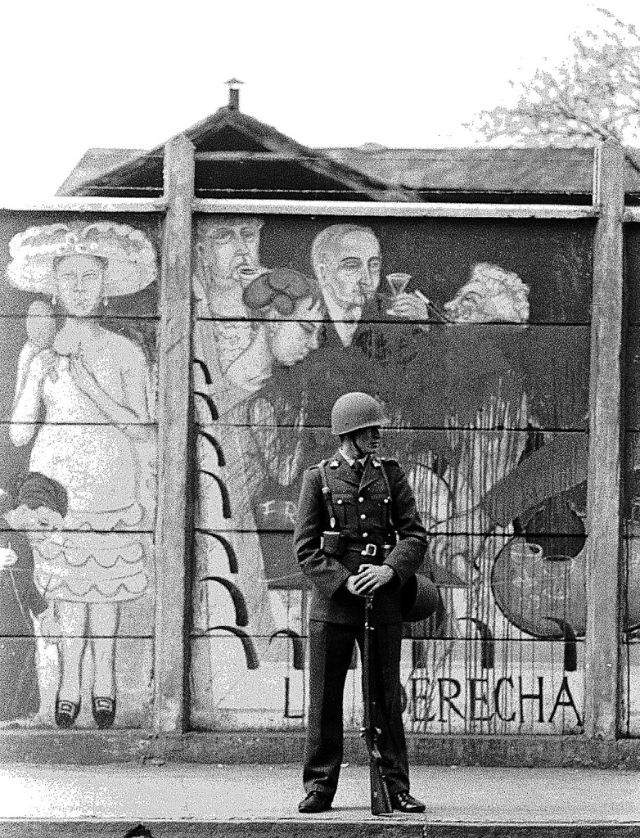
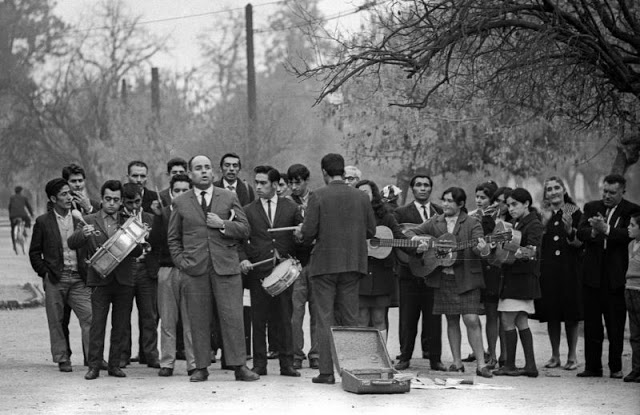
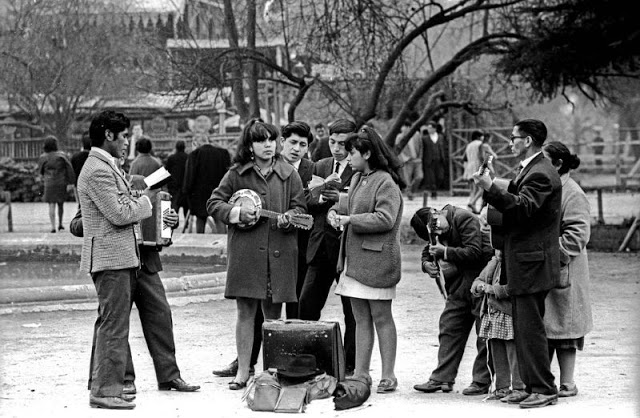
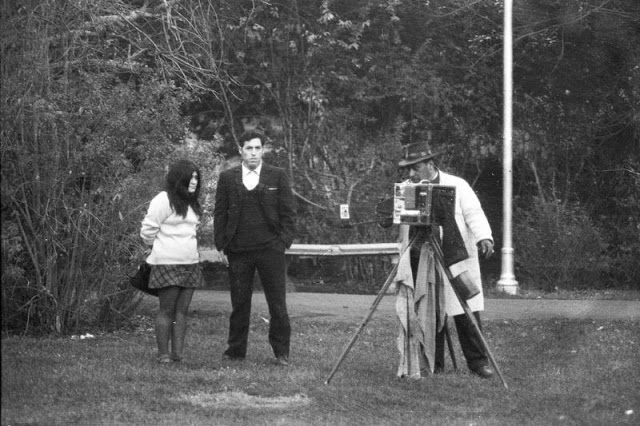
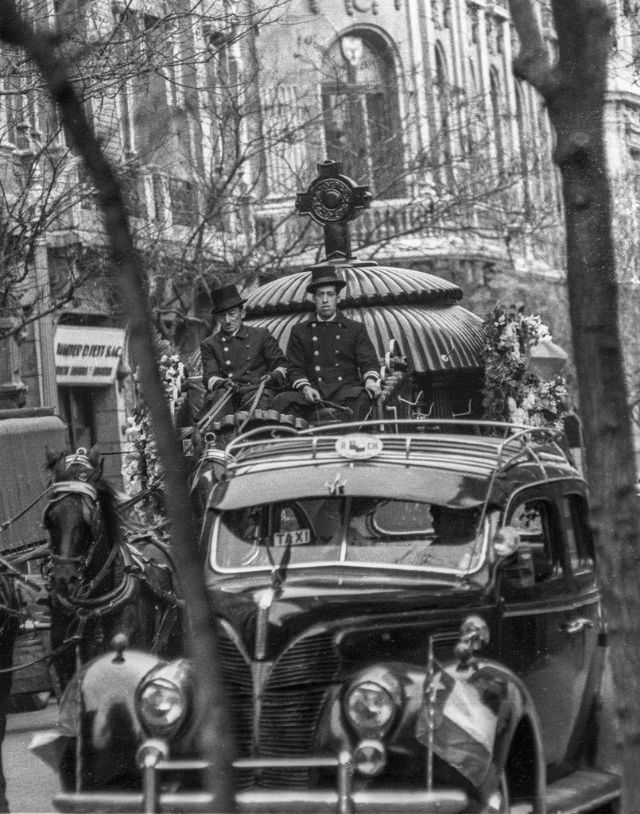
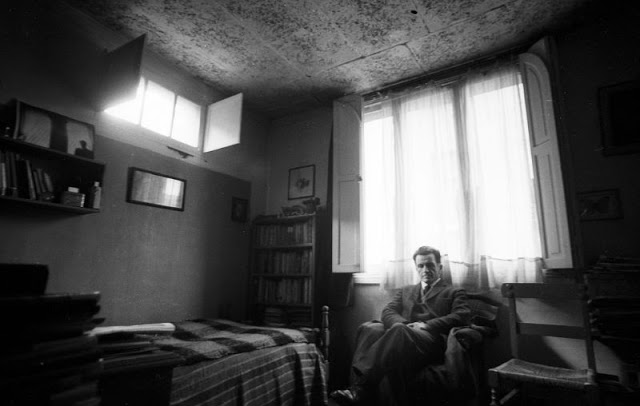
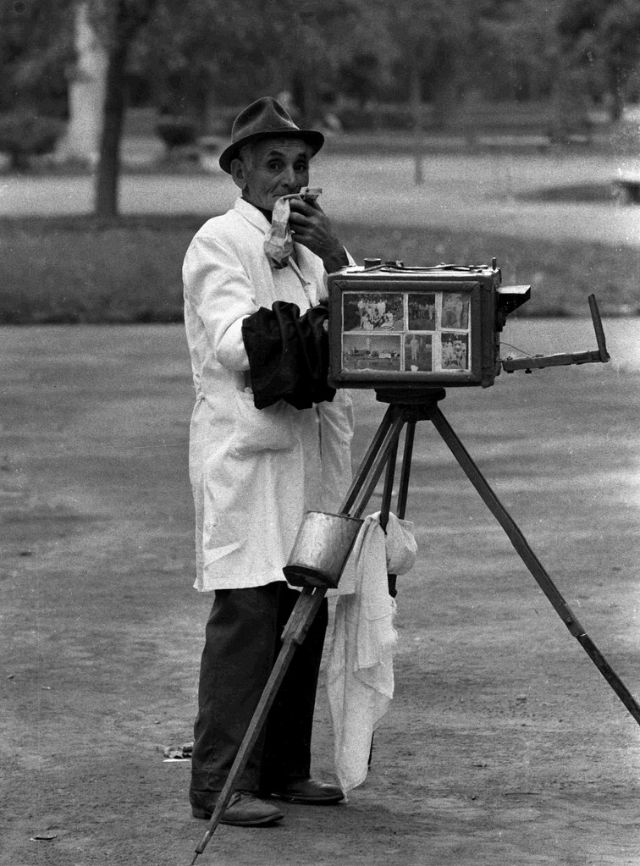
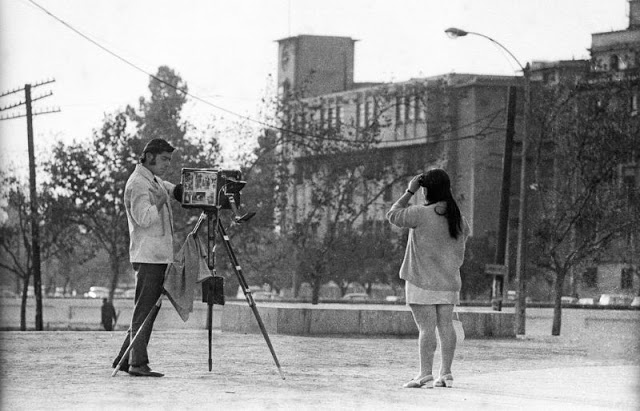
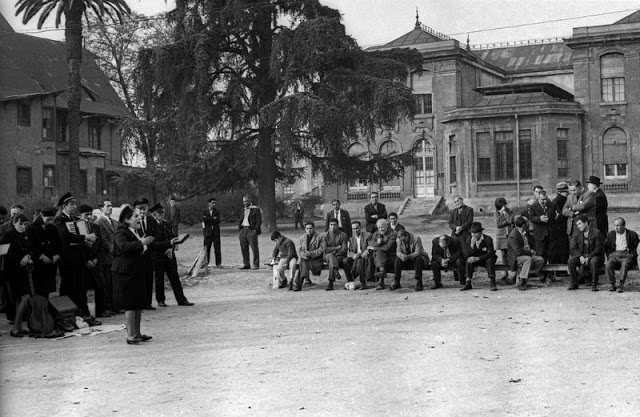
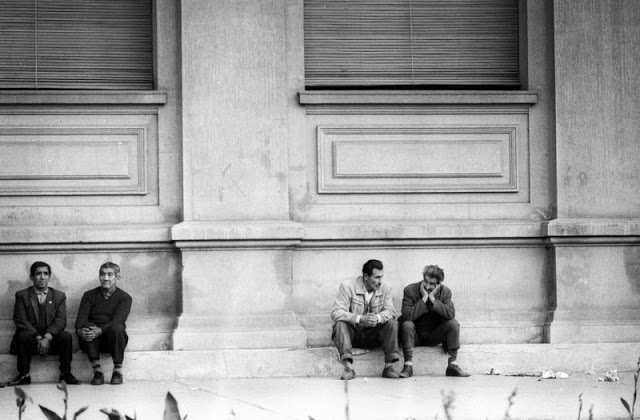
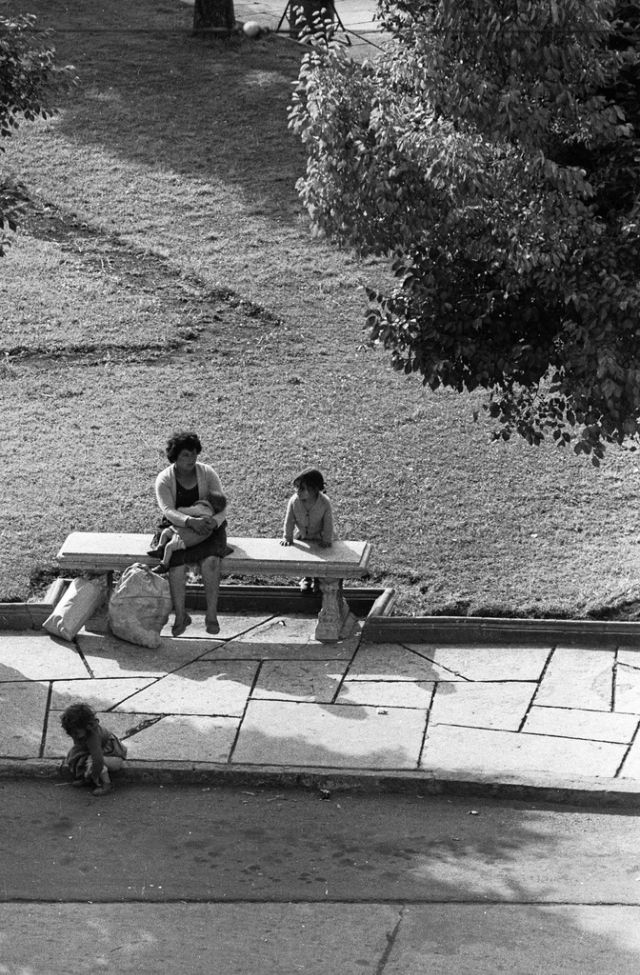
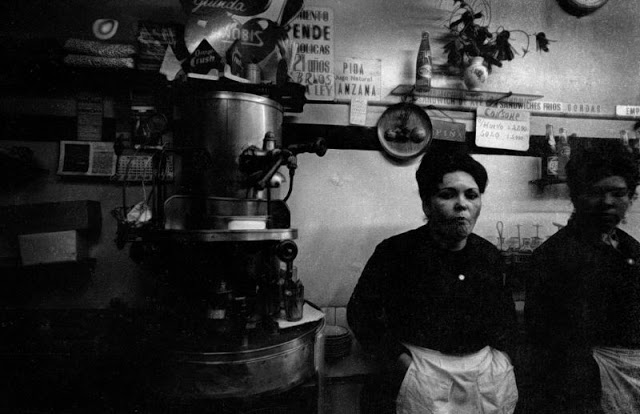
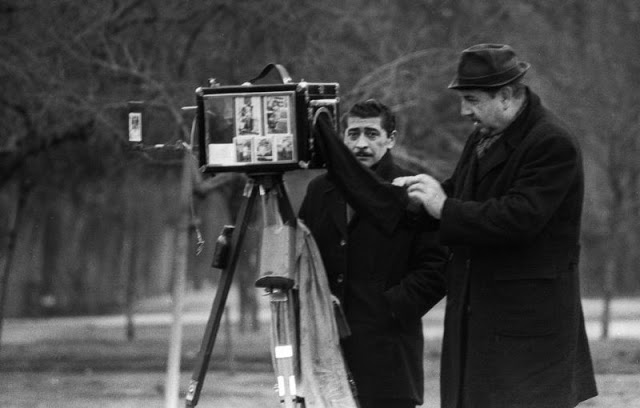
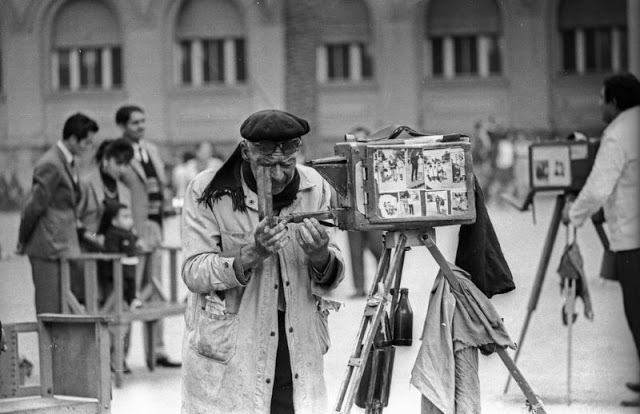
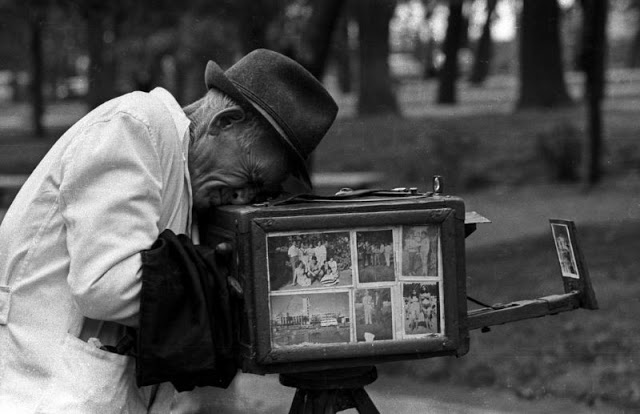
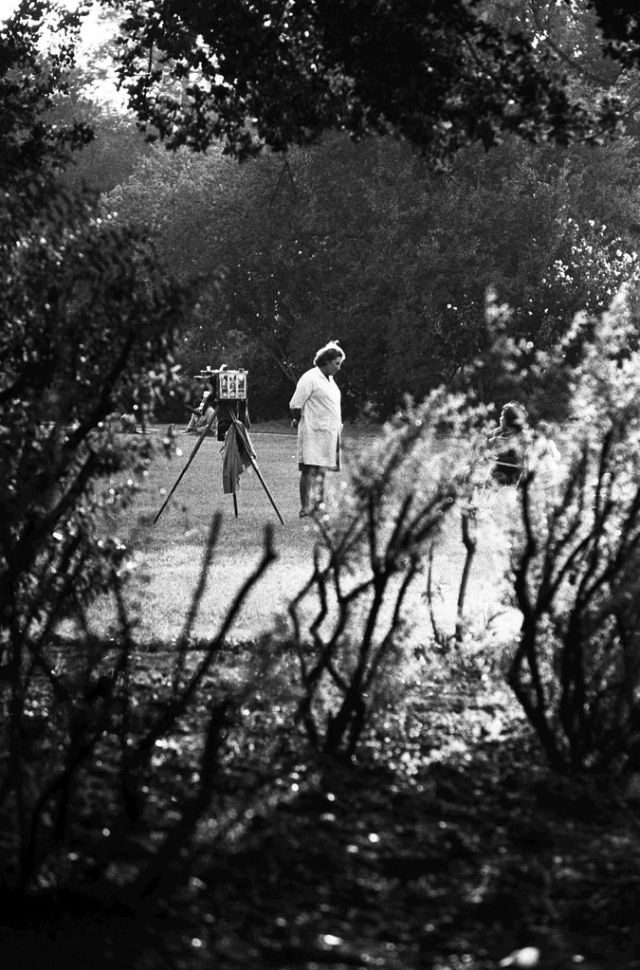
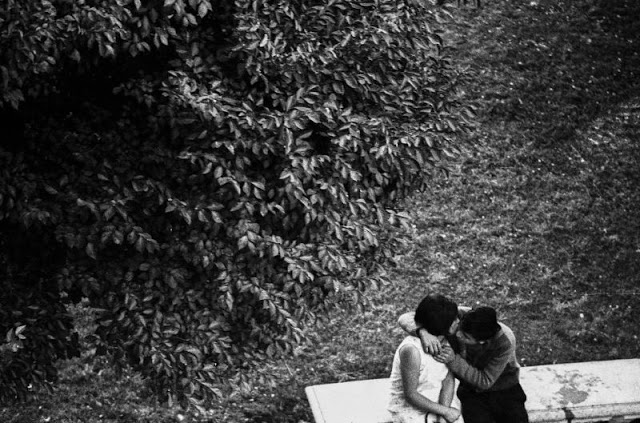
Chilean photographer Marcelo Montecino took these amazing black and white photos that documented everyday life of Santiago in the 1960s.



Read more of this content when you subscribe today.


Become a paid subscriber to get access to the rest of this post and other exclusive content.
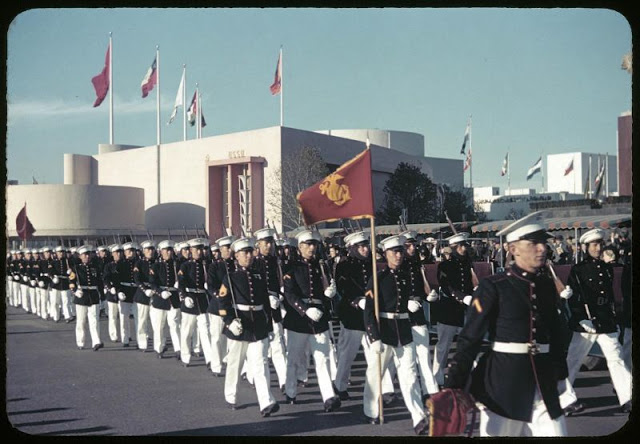
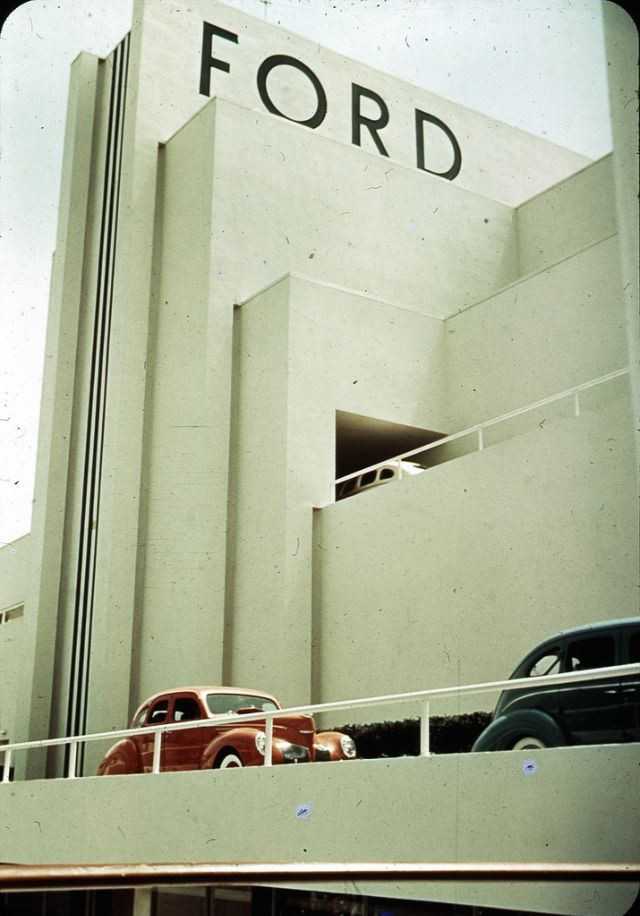
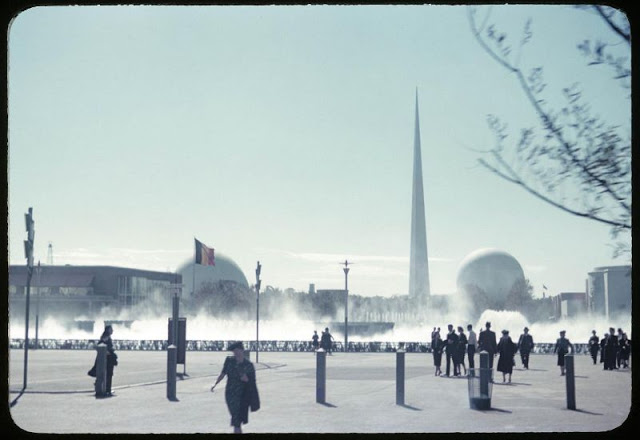
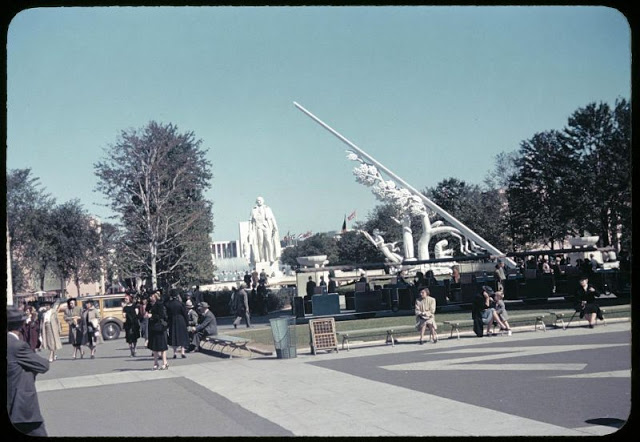
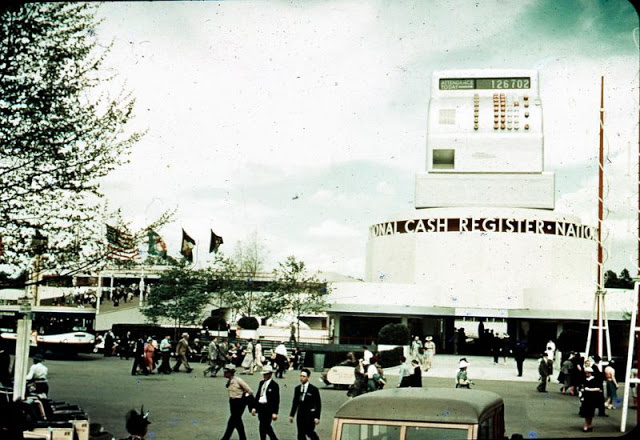
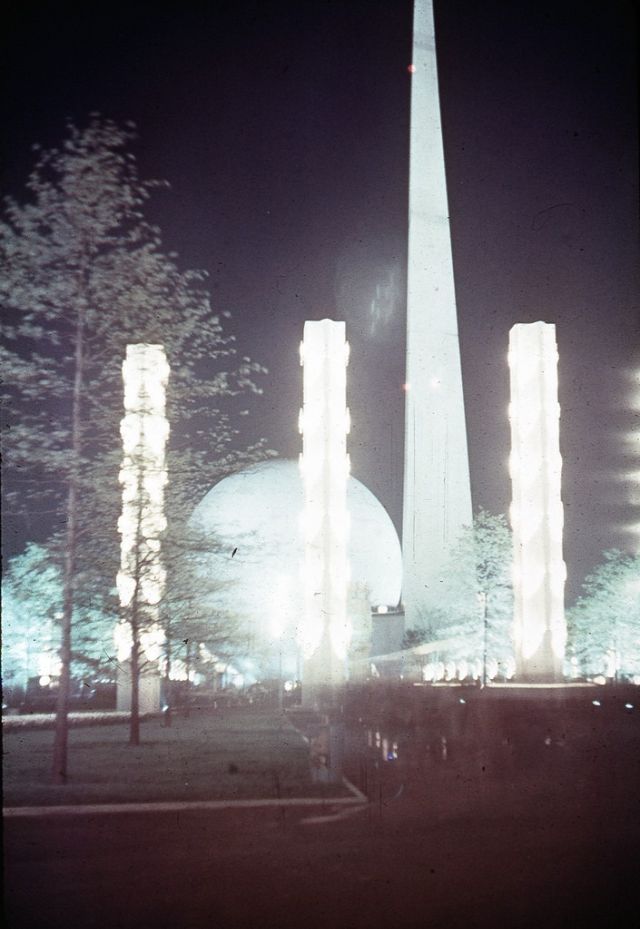
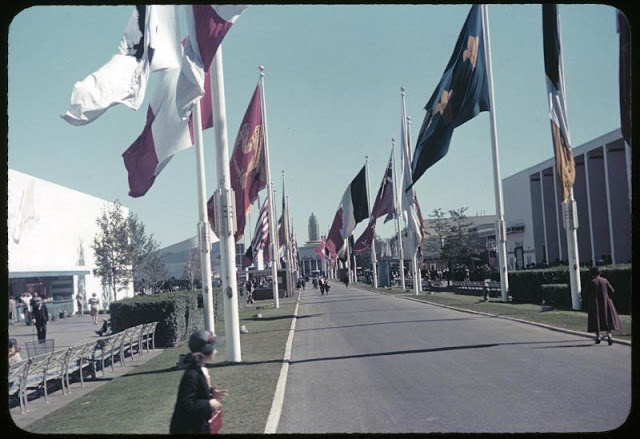
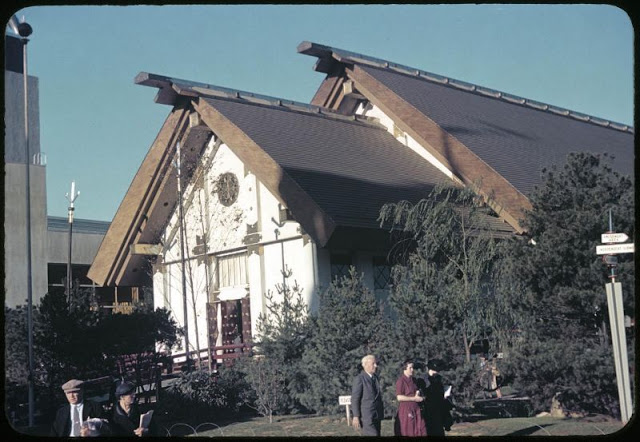
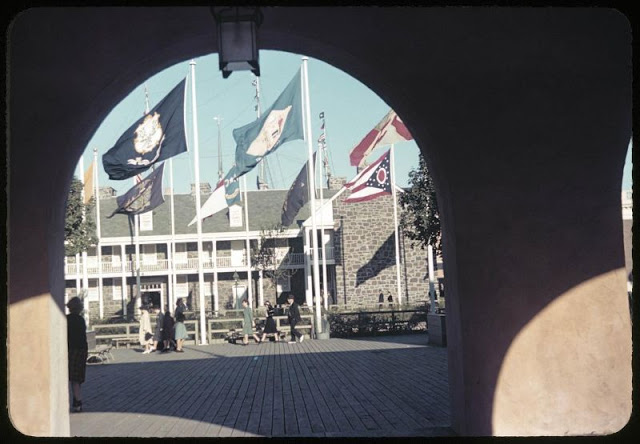
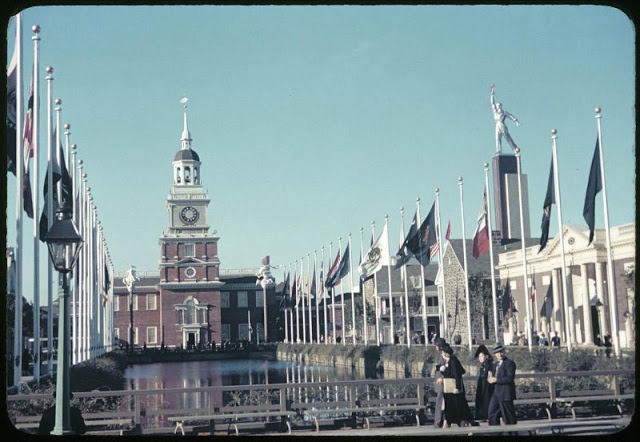
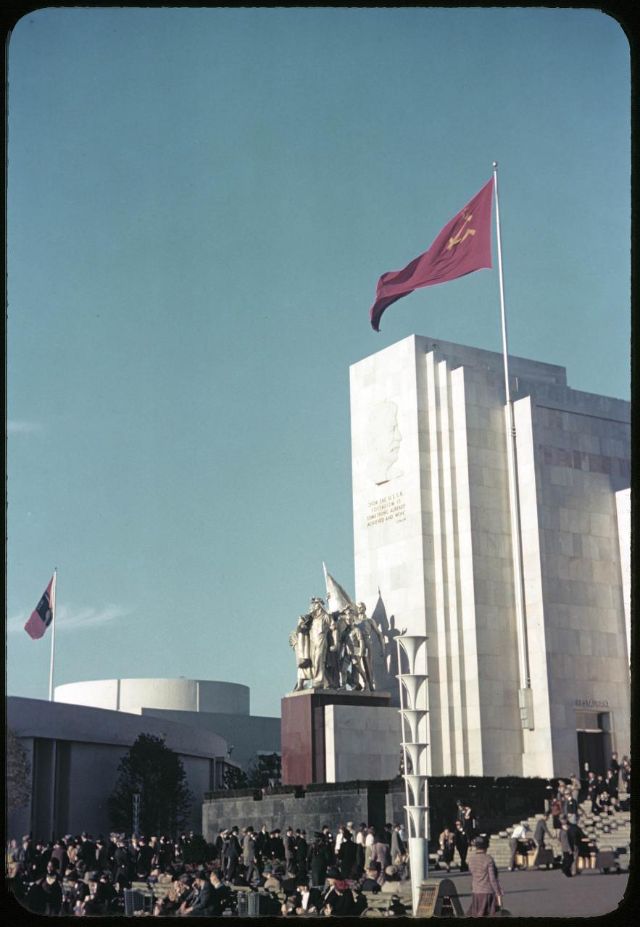
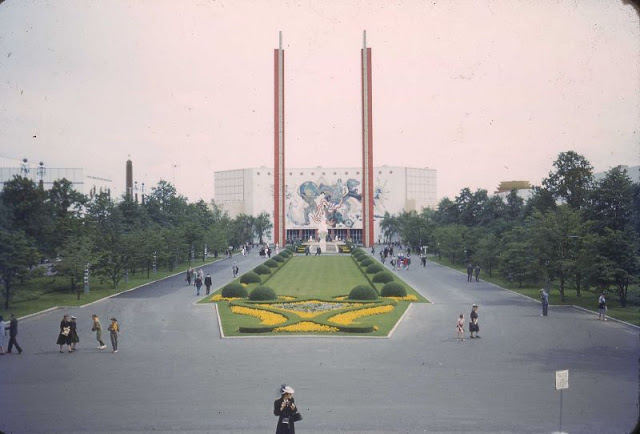
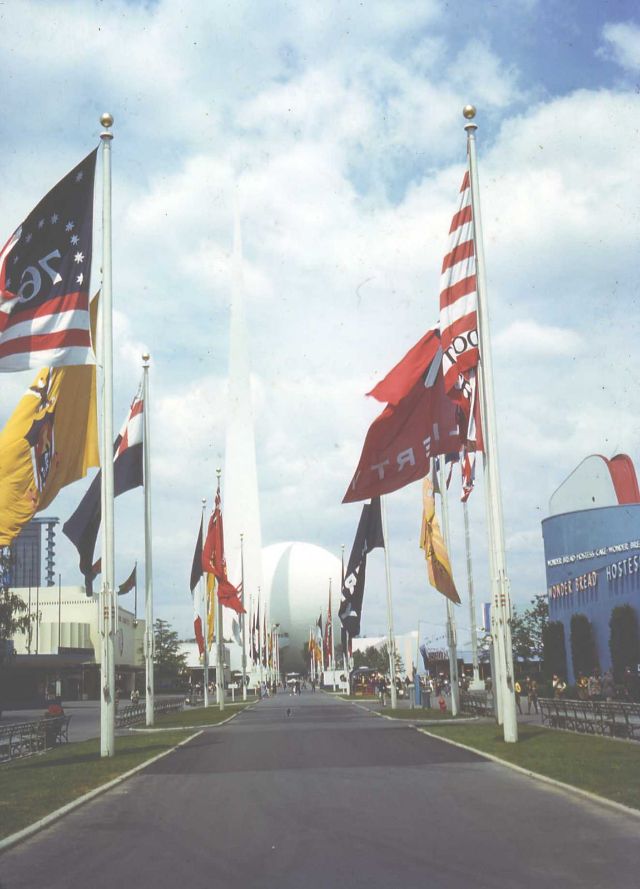
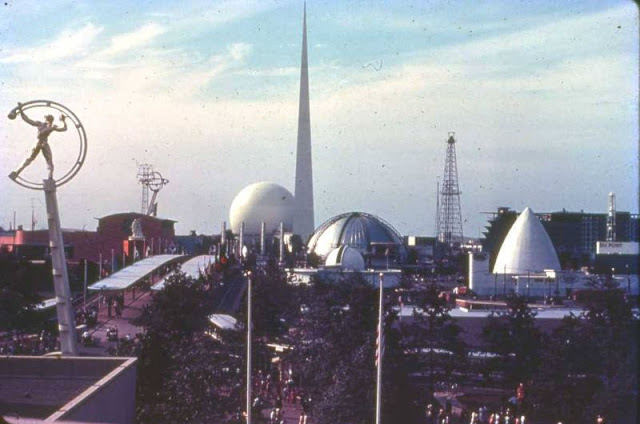
The 1939–40 New York World’s Fair was a world’s fair held at Flushing Meadows–Corona Park in Queens, New York, United States. It was the second-most expensive American world’s fair of all time, exceeded only by St. Louis’s Louisiana Purchase Exposition of 1904. Many countries around the world participated in it, and over 44 million people attended its exhibits in two seasons.[2] It was the first exposition to be based on the future, with an opening slogan of “Dawn of a New Day”, and it allowed all visitors to take a look at “the world of tomorrow”.
When World War II began four months into the 1939 World’s Fair, many exhibits were affected, especially those on display in the pavilions of countries under Axis occupation. After the close of the fair in 1940, many exhibits were demolished or removed, though some buildings were retained for the 1964–1965 New York World’s Fair, held at the same site. (Wikipedia)
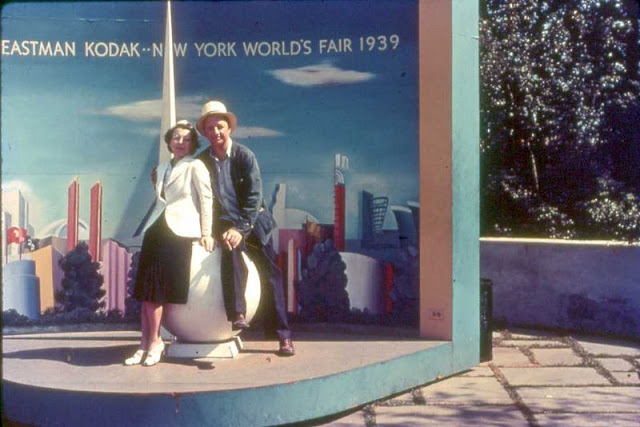
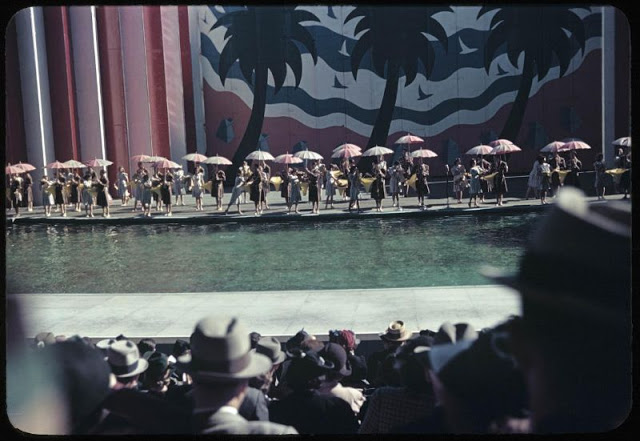
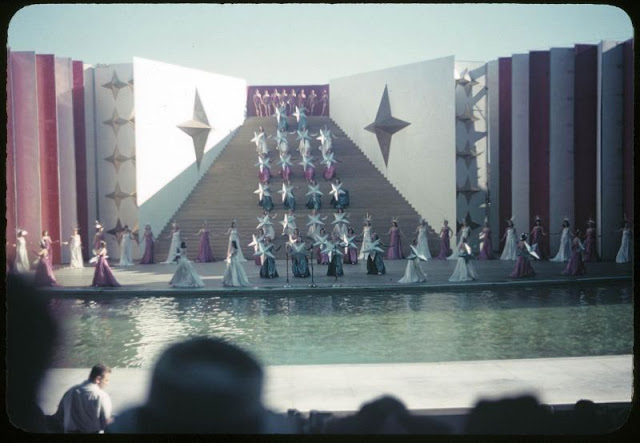
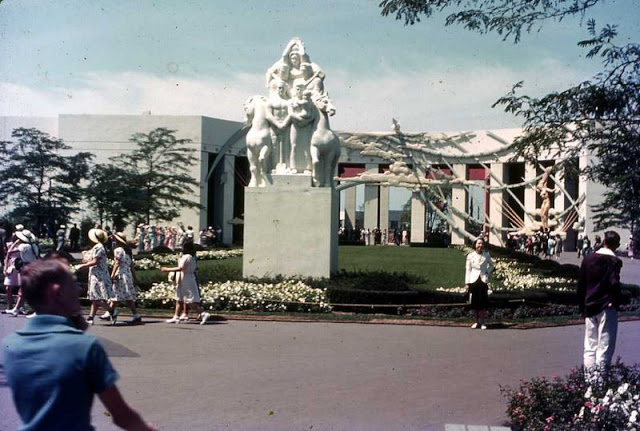
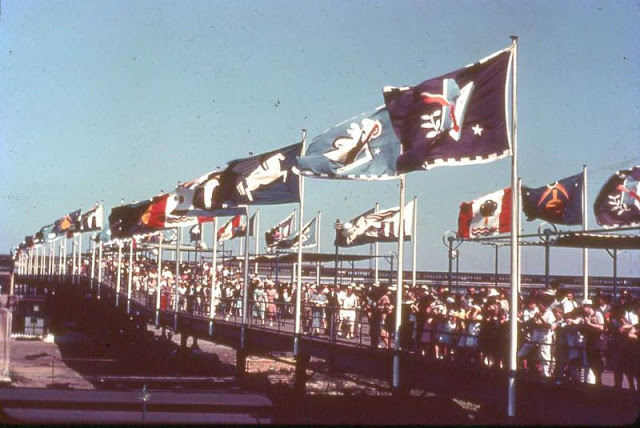
Take a look at these found snaps to see activities of the the 1939 New York World’s Fair.

















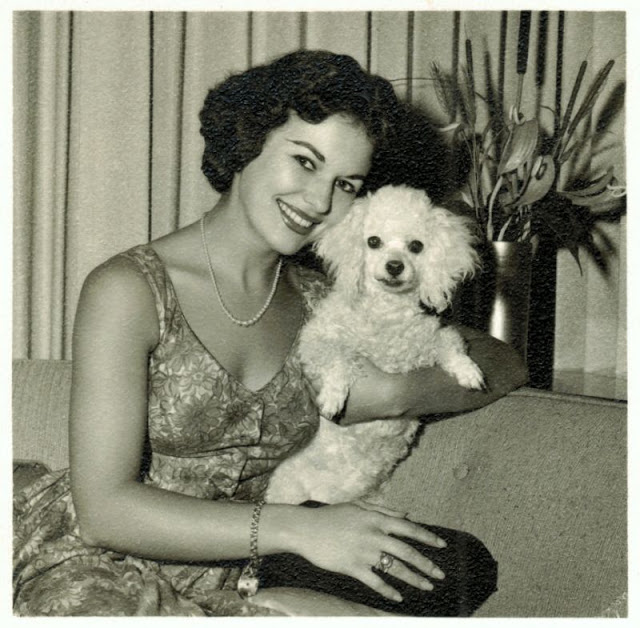
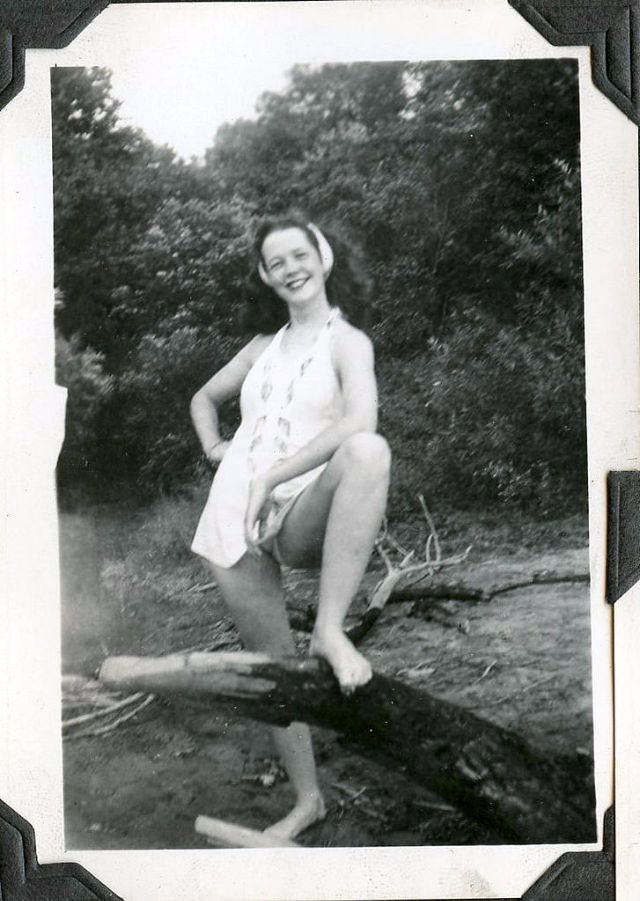
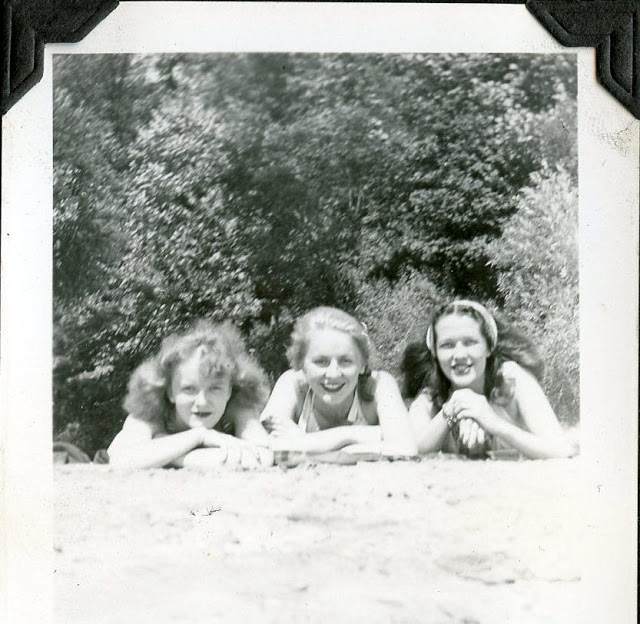
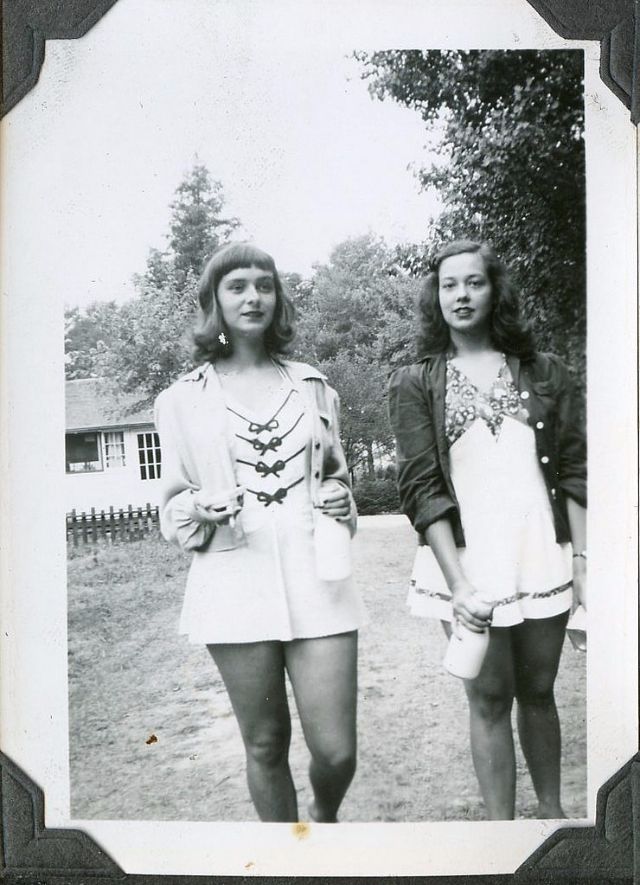
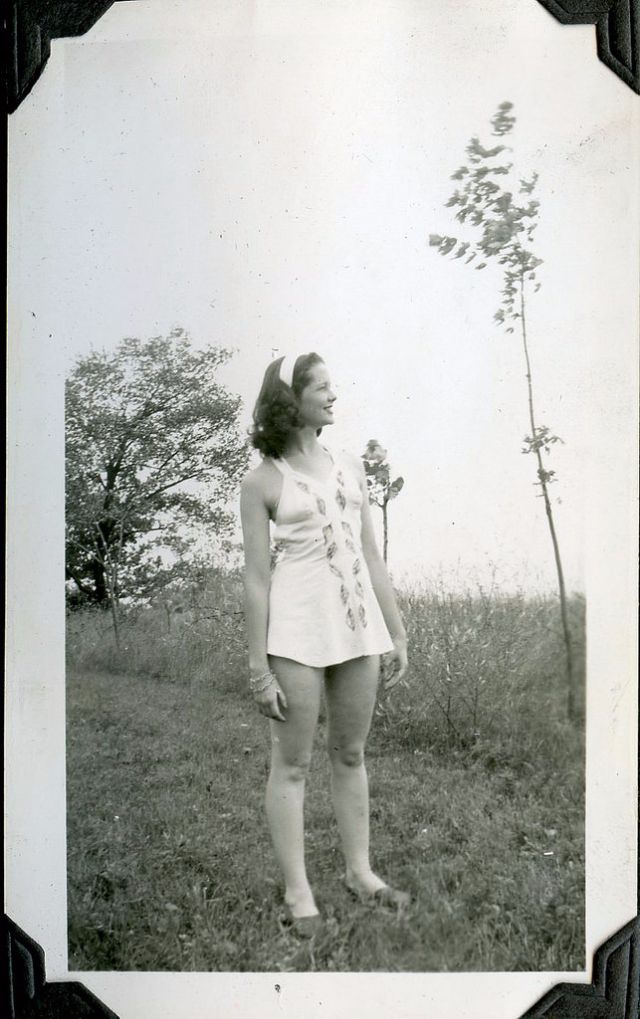
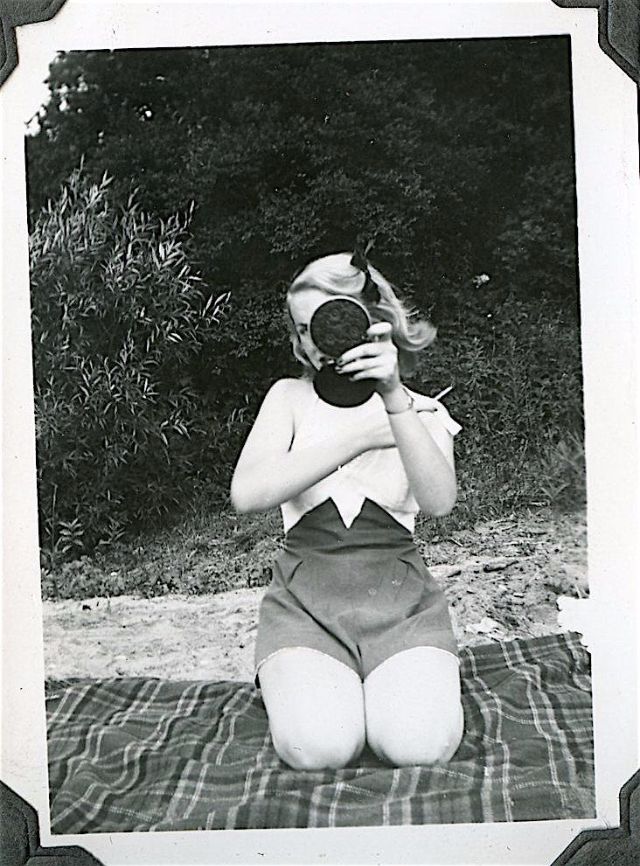
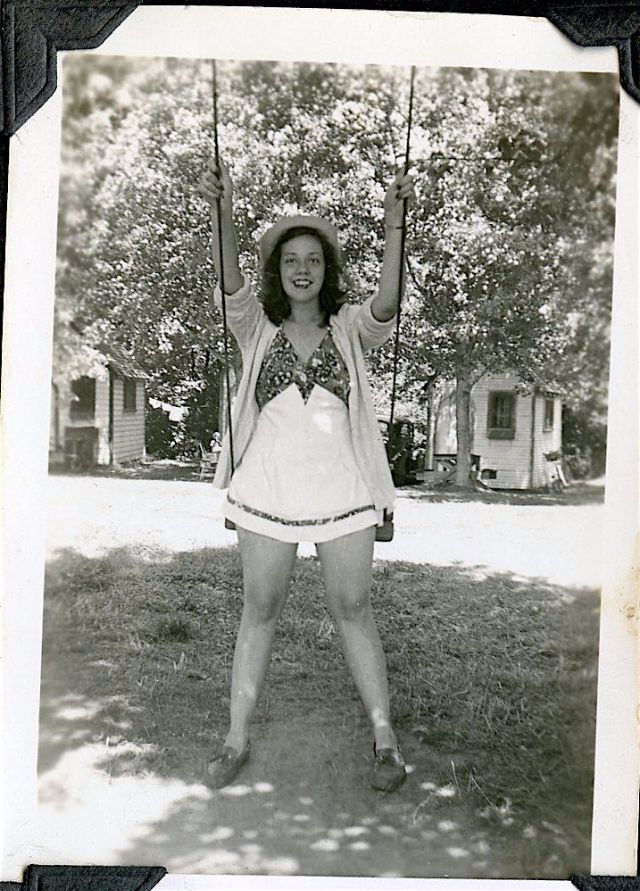
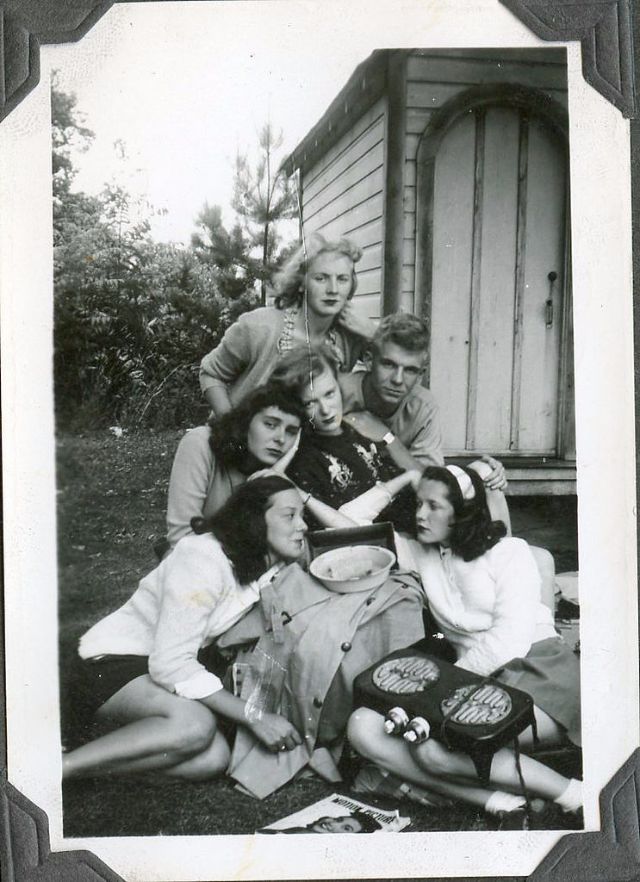
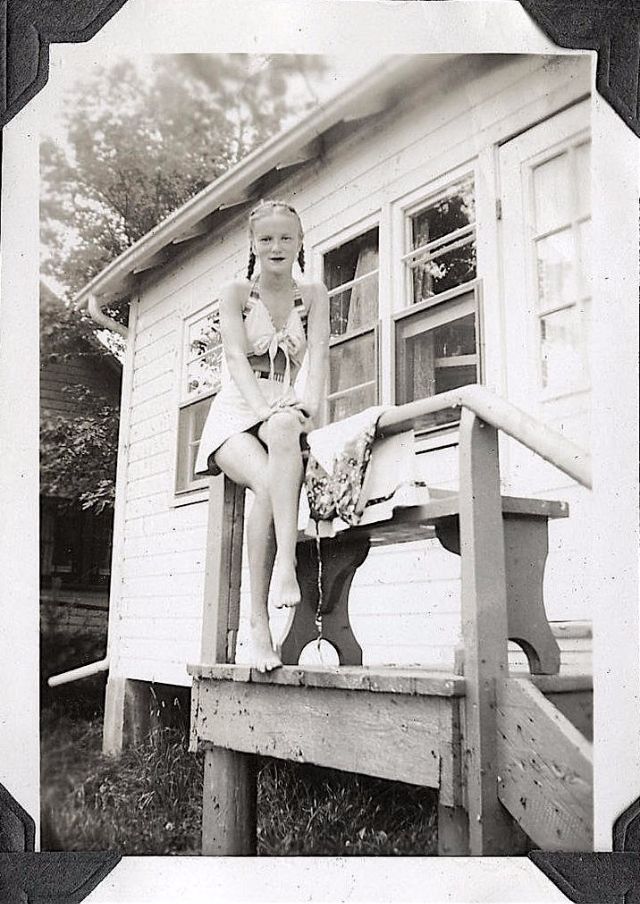
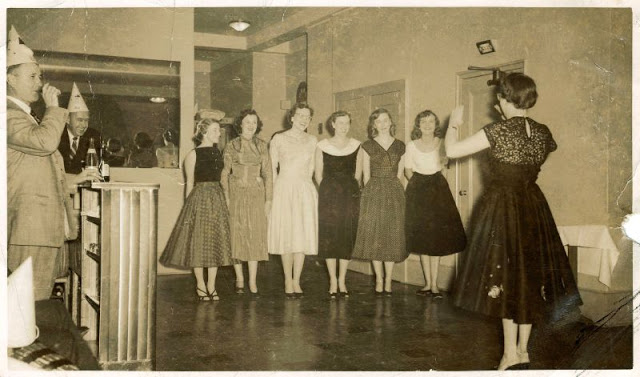
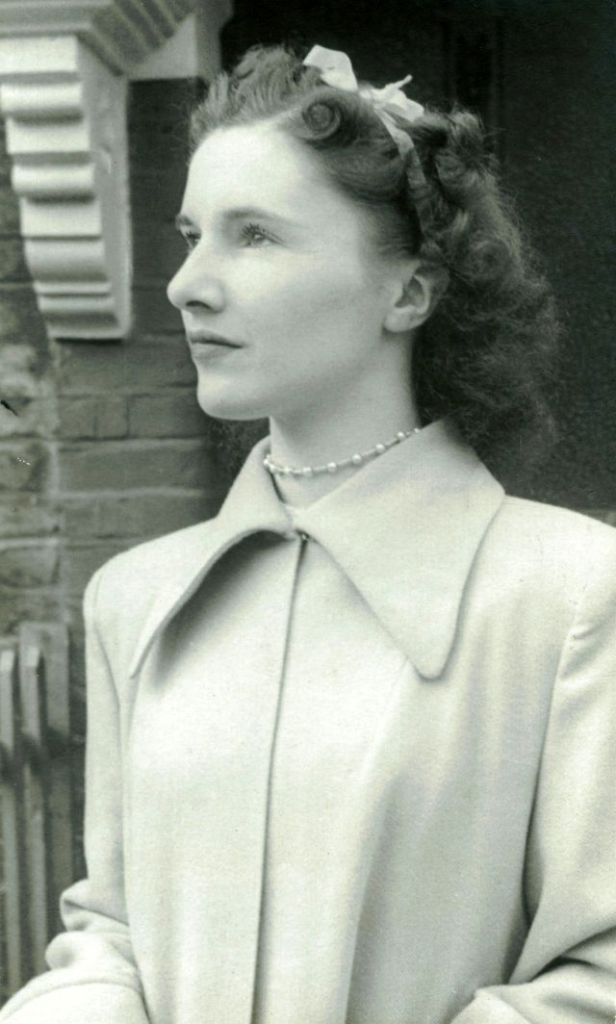
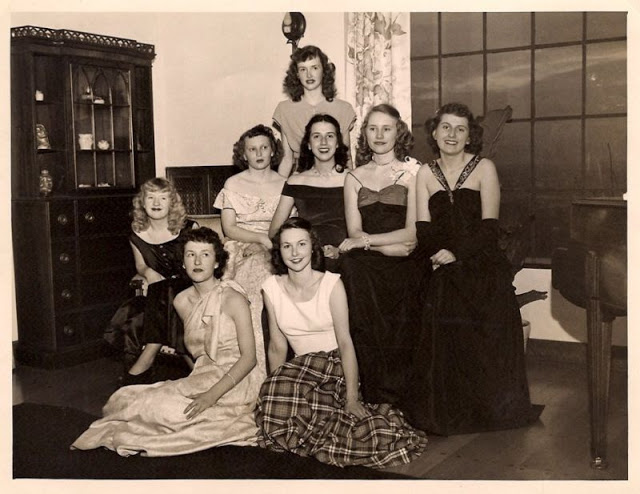
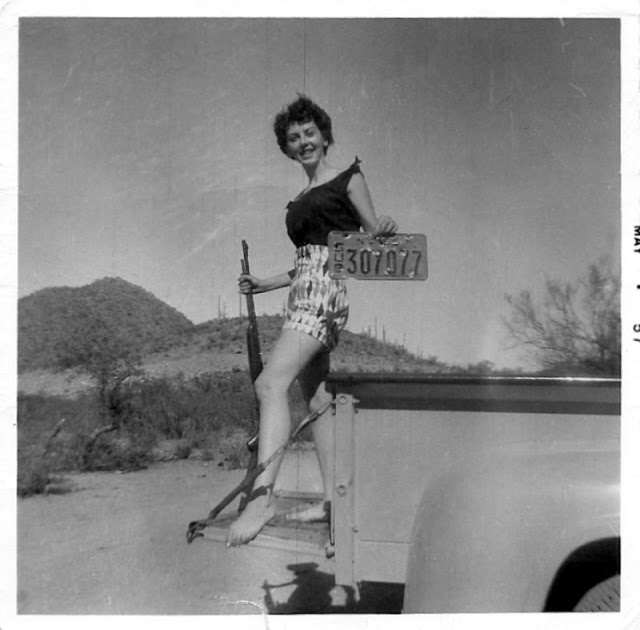
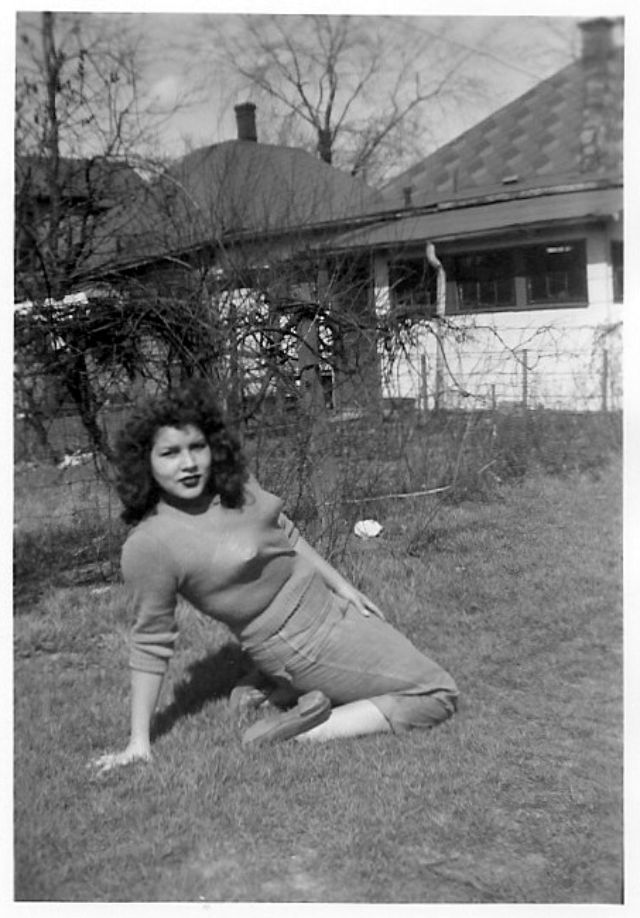
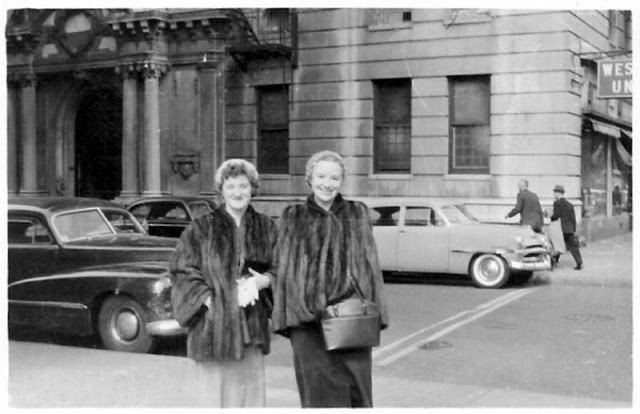
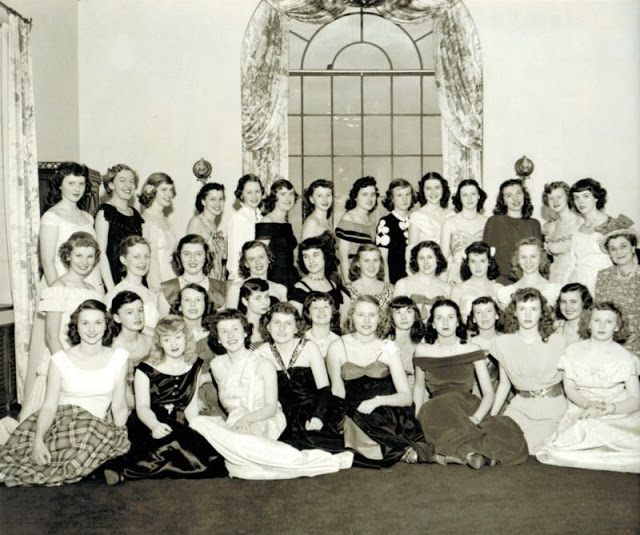
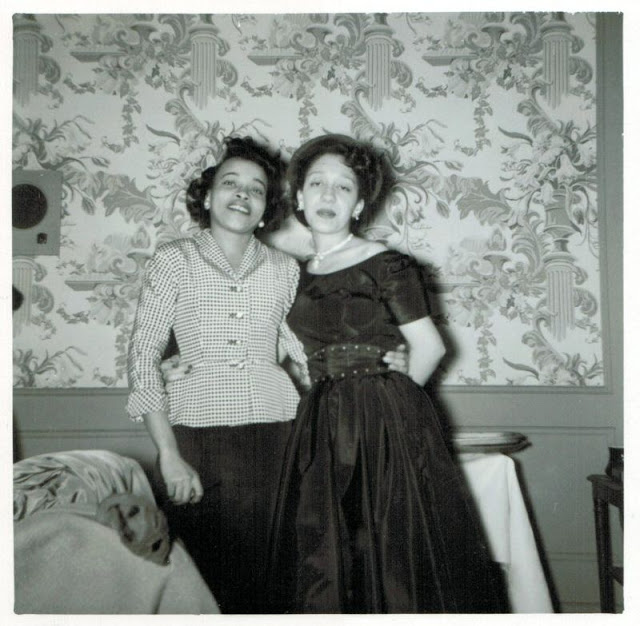
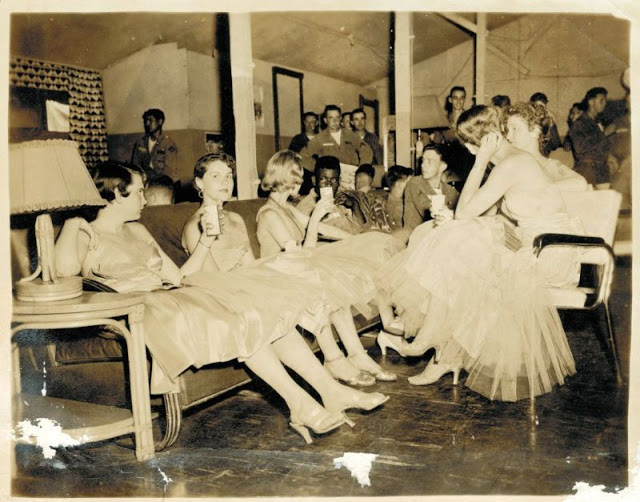
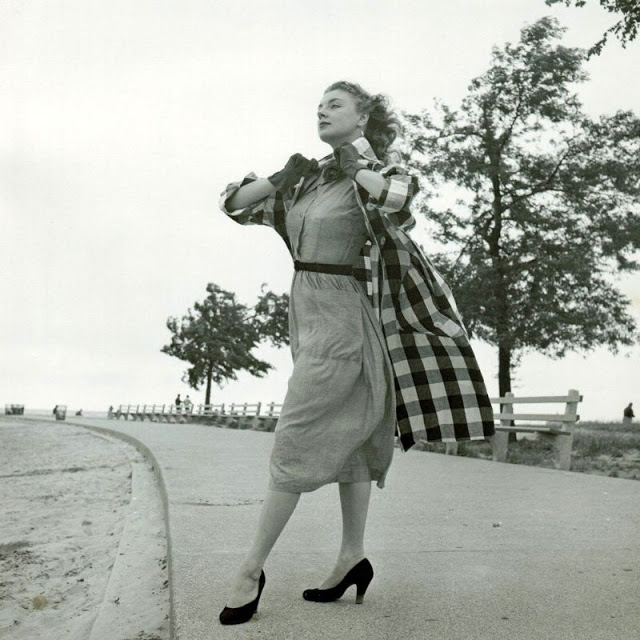
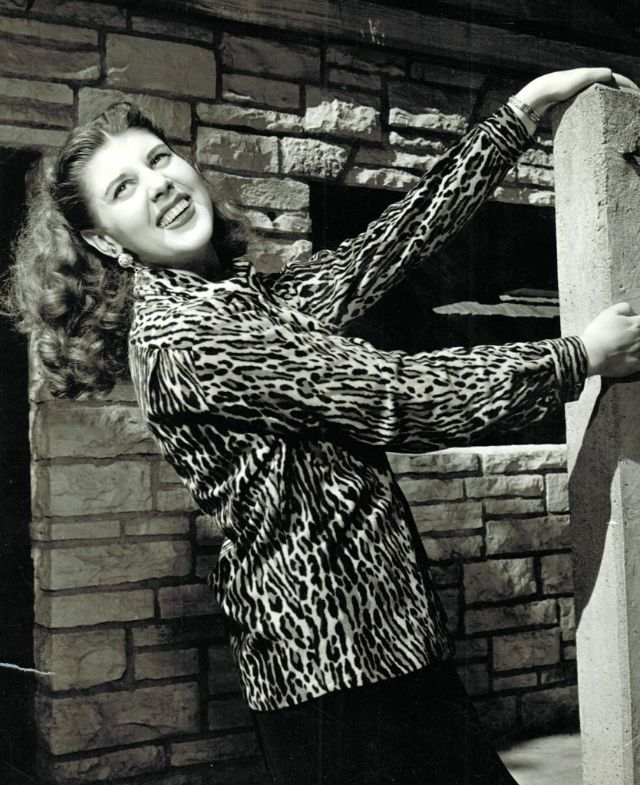
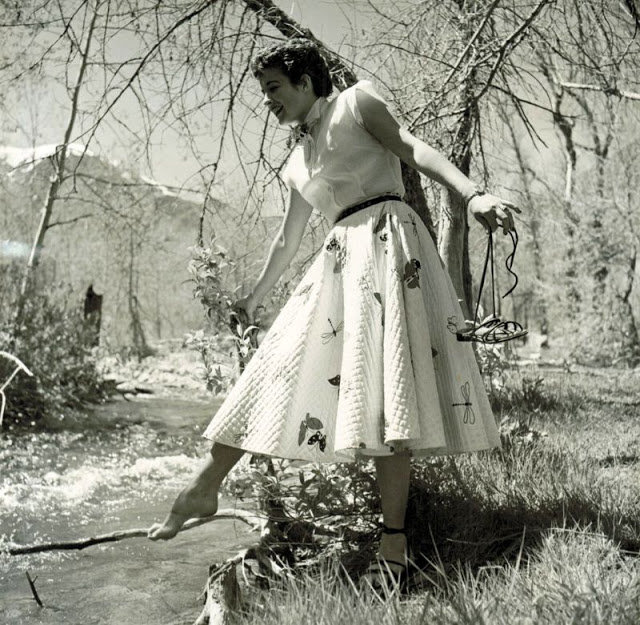
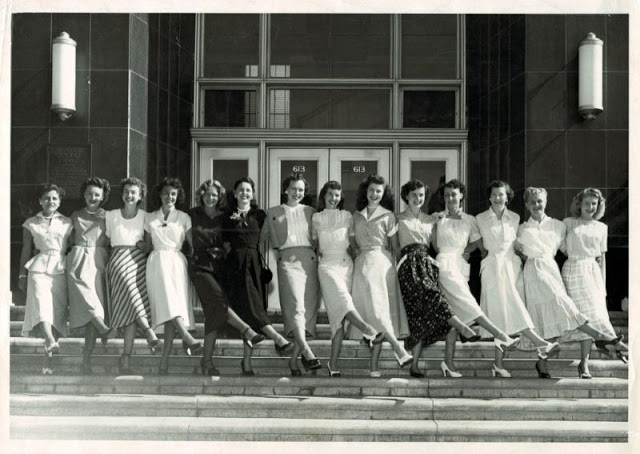
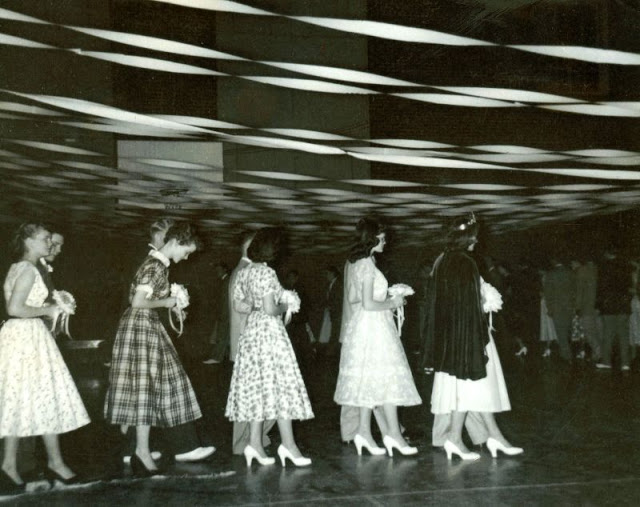
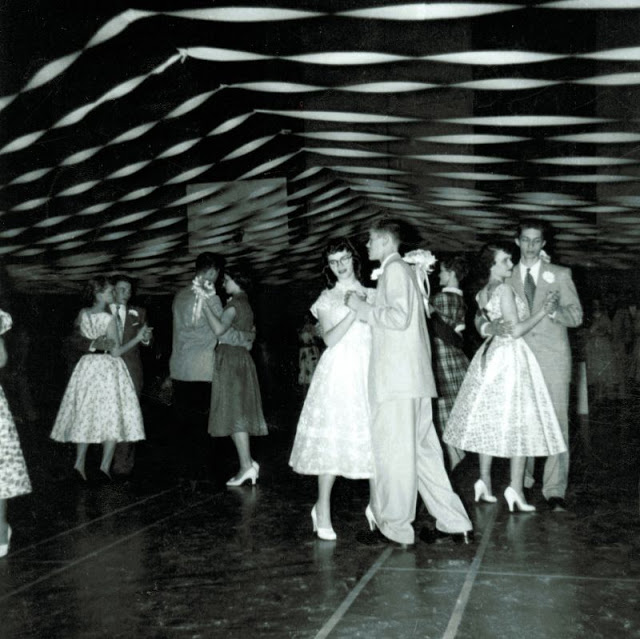
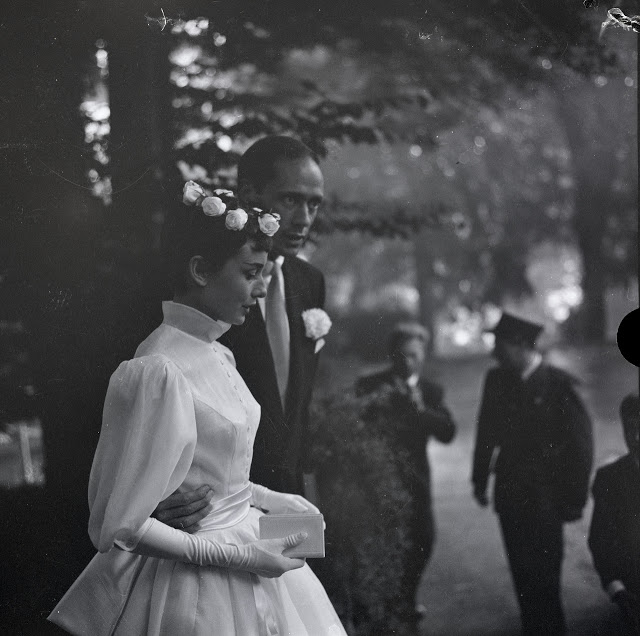
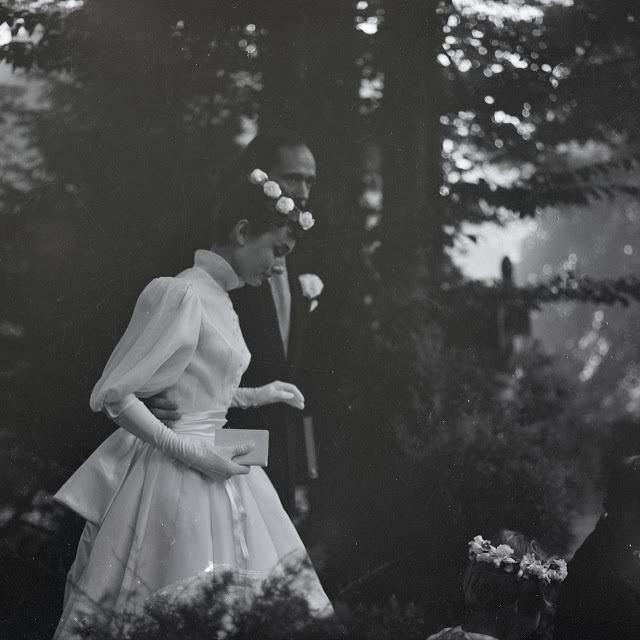
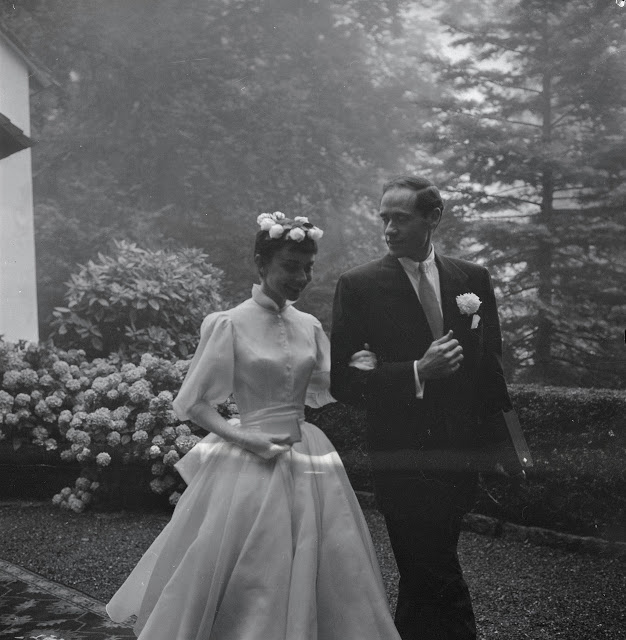
The 1950s were a time when fashion exploded into new directions, new colors, and new silhouettes. Cocktail dresses, circle skirts, short shorts, playsuits, or pants and capri… they all made the 1950s is one of the most glamorous eras of women’s fashion.












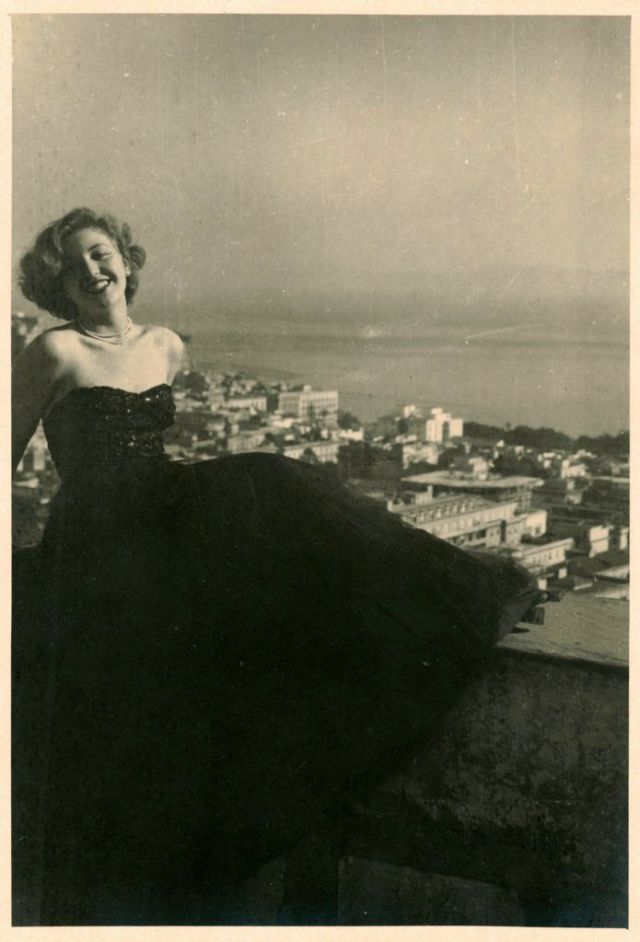

























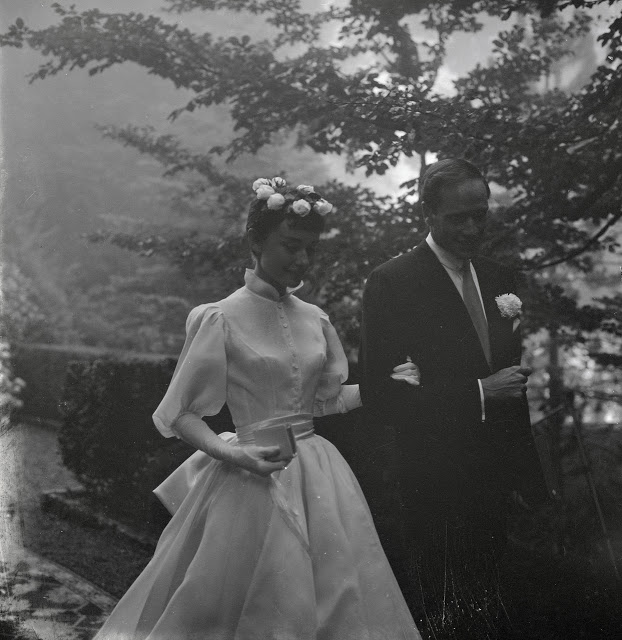
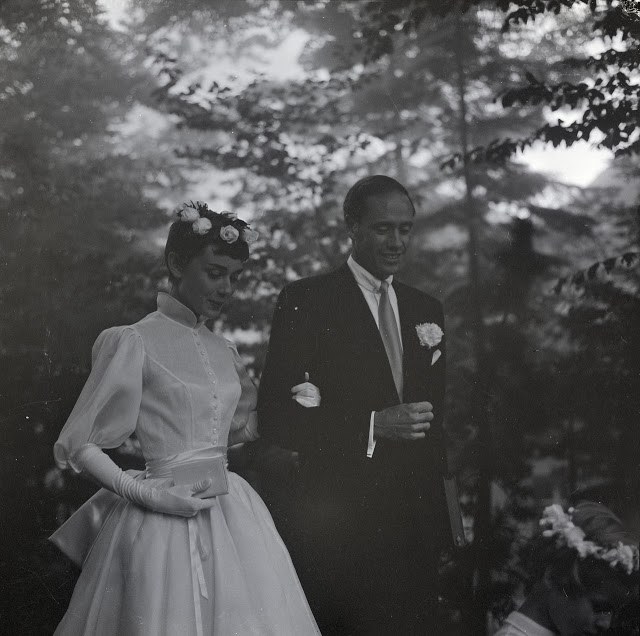
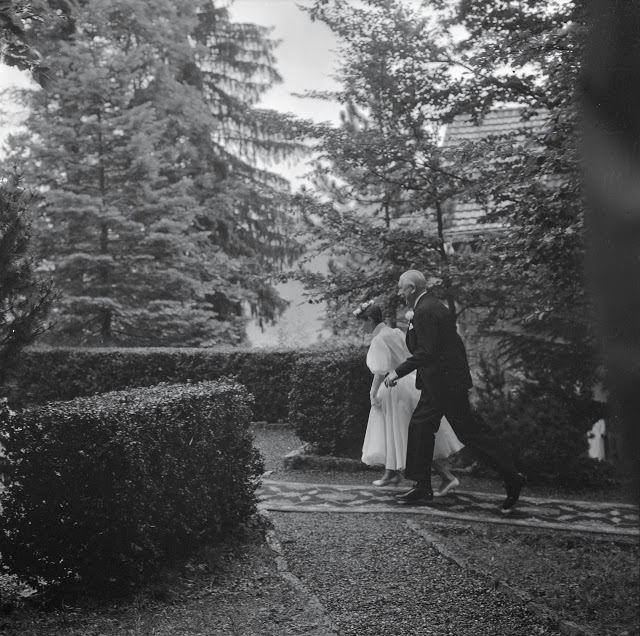
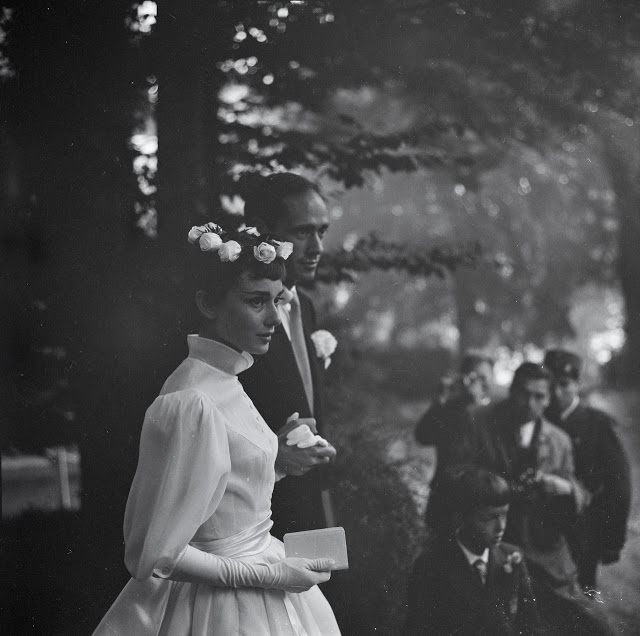
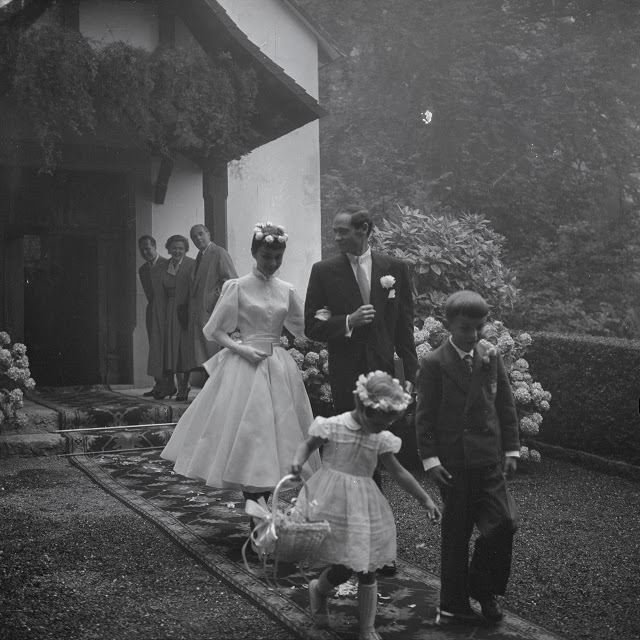
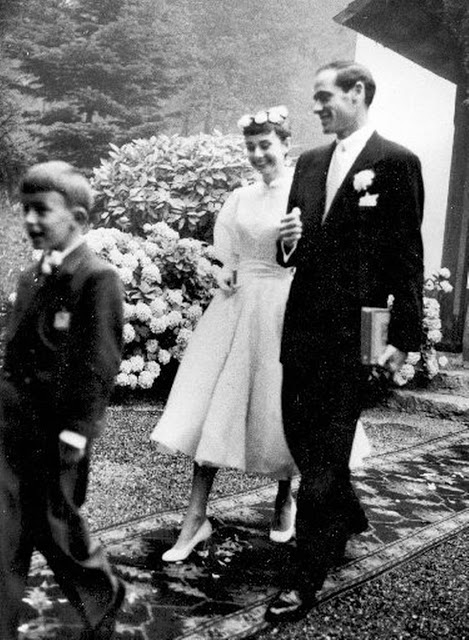
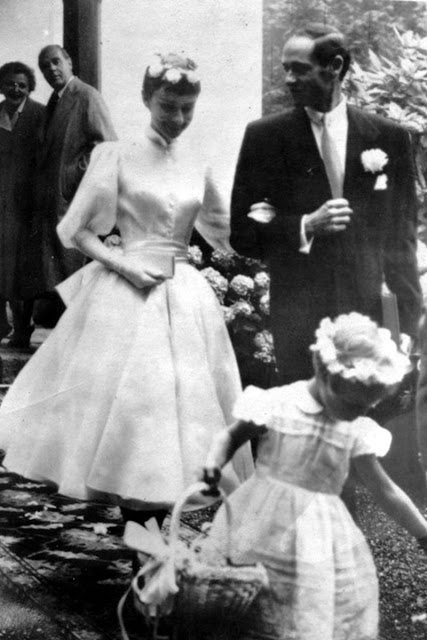
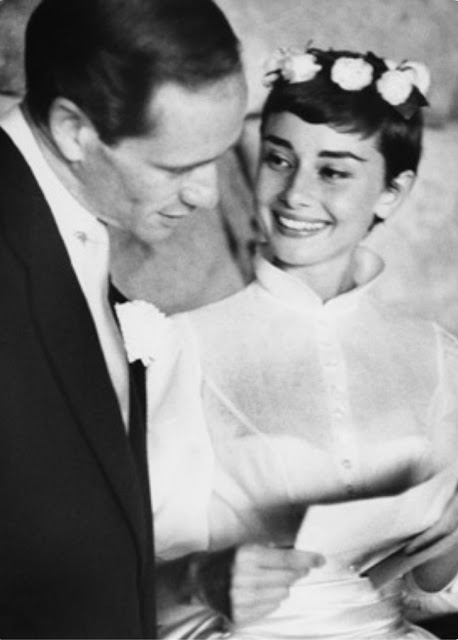
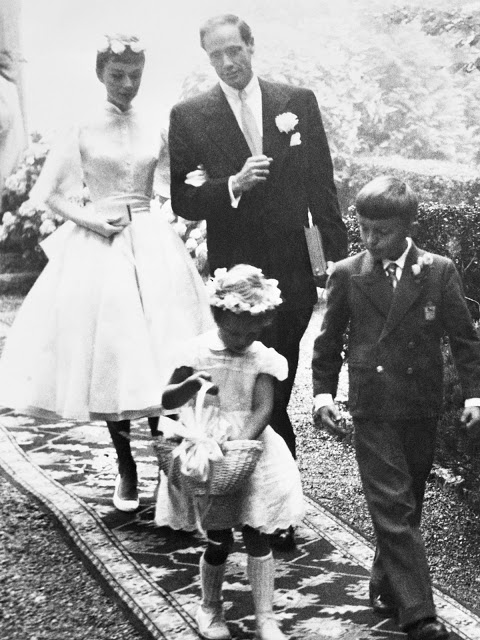
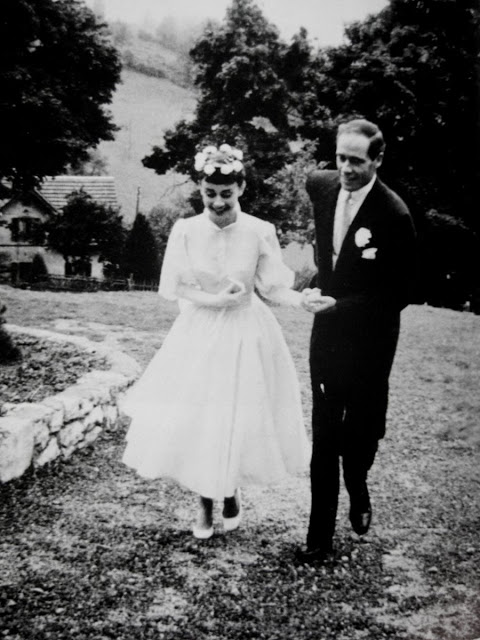
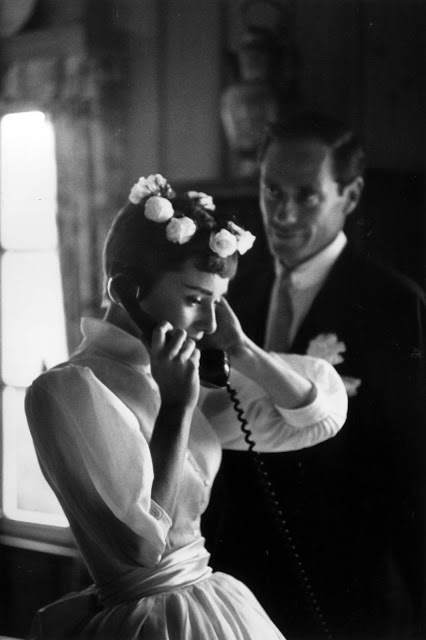
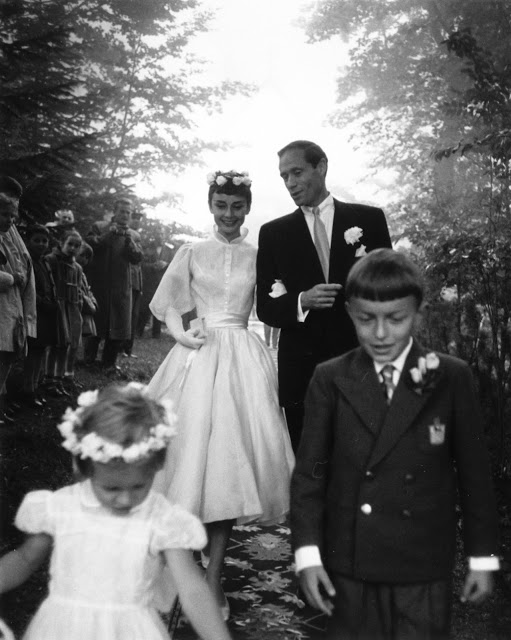
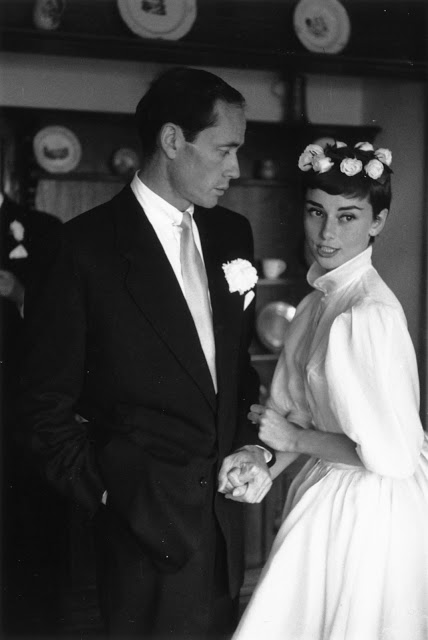
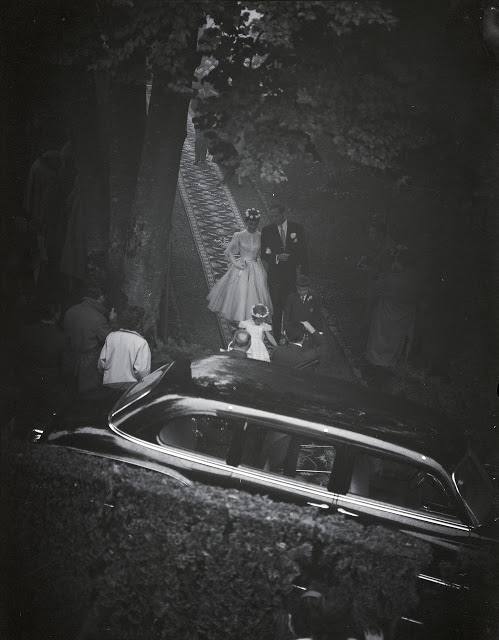
Audrey Hepburn married Mel Ferrer in Bürgenstock, Switzerland on September 25, 1954. The ceremony was held at a local 13th century Protestant church, Bürgenstock Chapel, at the base of the mountain.
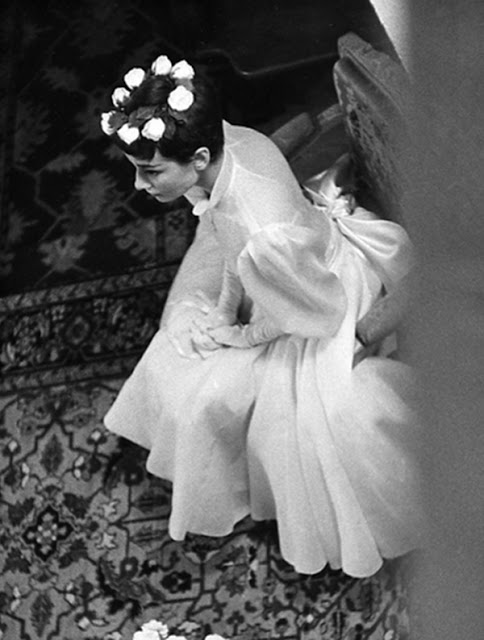
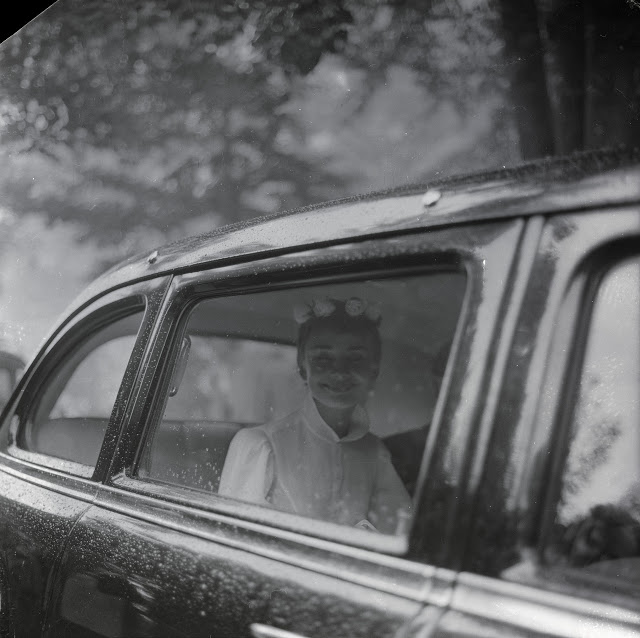
The bride wore a white organdie A-line wedding dress with chiffon sleeves by Pierre Balmain and a crown of white flowers in her hair. She accessorized with white opera gloves.
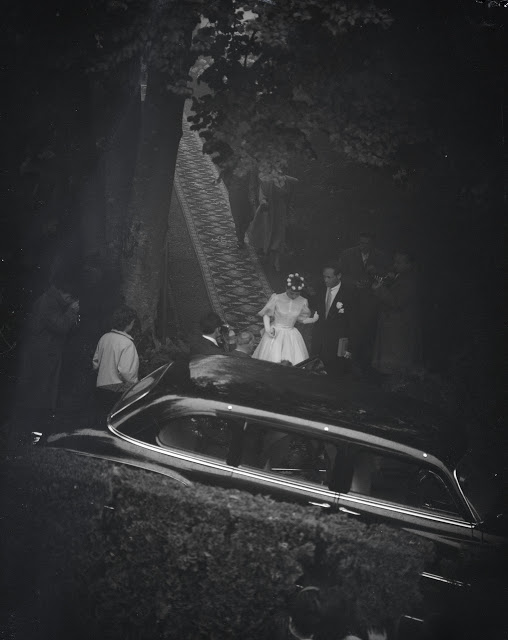
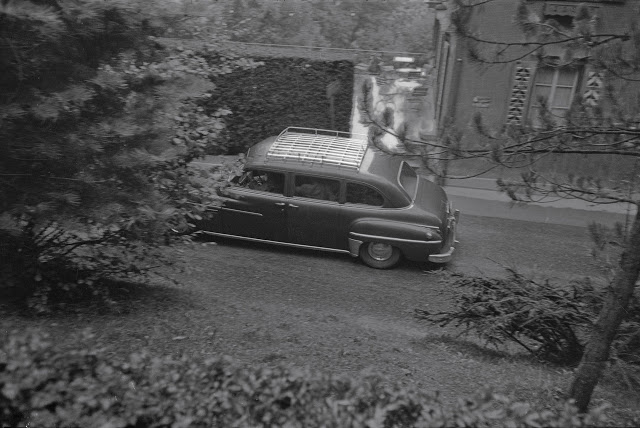
Following the vows, the couple exited the chapel arm in arm and got into a waiting car.
Hepburn and Ferrer were introduced at a party by Hepburn’s co-star in “Roman Holiday”, Gregory Peck.
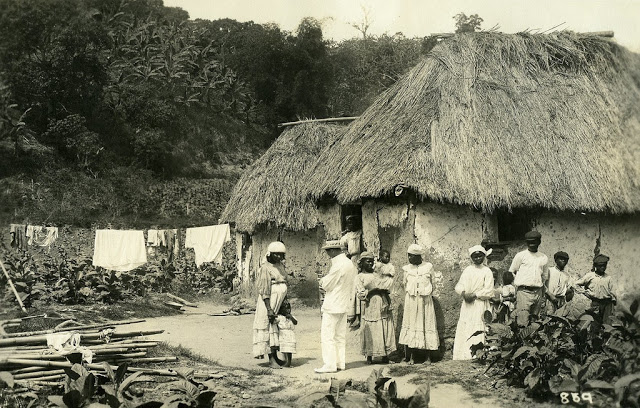
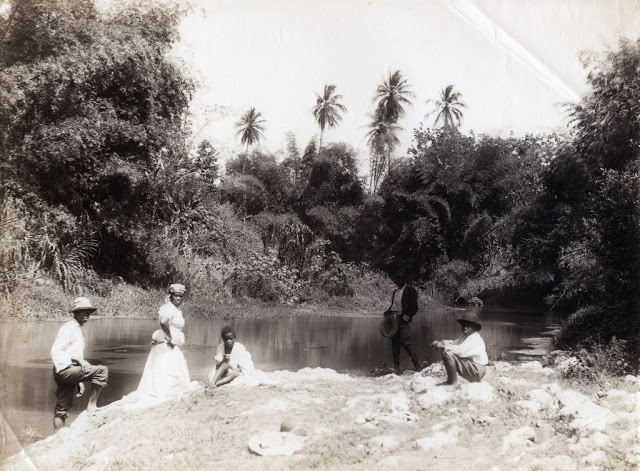
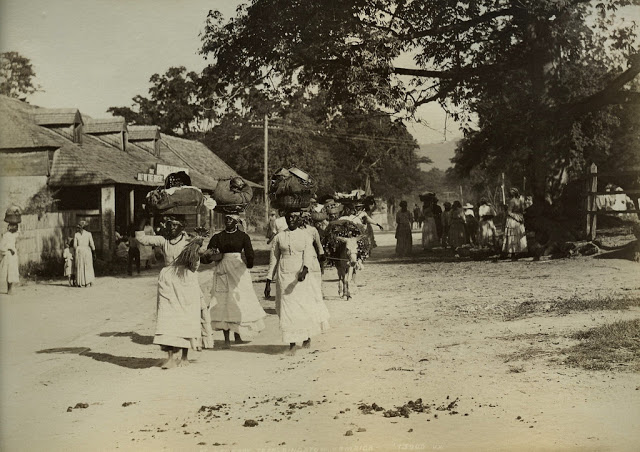
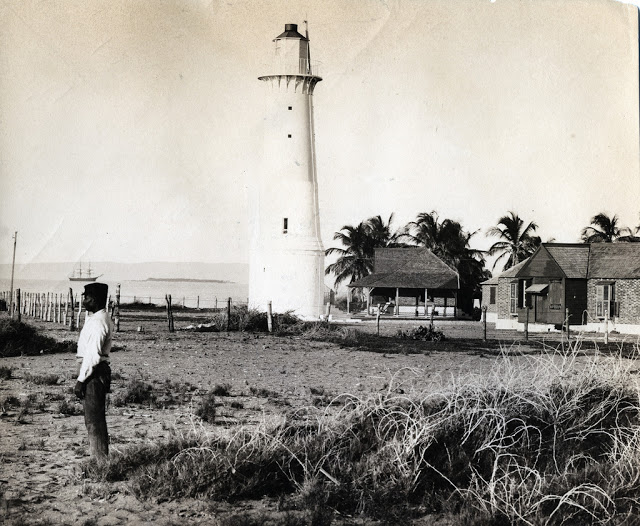
Jamaica is an island country situated in the Caribbean Sea. Spanning 10,990 square kilometres (4,240 sq mi) in area, it is the third-largest island of the Greater Antilles and the Caribbean (after Cuba and Hispaniola). Jamaica lies about 145 kilometres (90 mi) south of Cuba, and 191 kilometres (119 mi) west of Hispaniola (the island containing the countries of Haiti and the Dominican Republic); the British Overseas Territory of the Cayman Islands lies some 215 kilometres (134 mi) to the north-west.
Originally inhabited by the indigenous Taíno peoples, the island came under Spanish rule following the arrival of Christopher Columbus in 1494. Many of the indigenous people either were killed or died of diseases, after which the Spanish brought large numbers of African slaves to Jamaica as labourers. The island remained a possession of Spain until 1655, when England (later Great Britain) conquered it, renaming it Jamaica. Under British colonial rule Jamaica became a leading sugar exporter, with a plantation economy dependent on the African slaves and later their descendants. The British fully emancipated all slaves in 1838, and many freedmen chose to have subsistence farms rather than to work on plantations. Beginning in the 1840s, the British began using Chinese and Indian indentured labour to work on plantations. The island achieved independence from the United Kingdom on 6 August 1962.
With 2.9 million people, Jamaica is the third-most populous Anglophone country in the Americas (after the United States and Canada), and the fourth-most populous country in the Caribbean. Kingston is the country’s capital and largest city. The majority of Jamaicans are of Sub-Saharan African ancestry, with significant European, East Asian (primarily Chinese), Indian, Lebanese, and mixed-race minorities.[11] Due to a high rate of emigration for work since the 1960s, there is a large Jamaican diaspora, particularly in Canada, the United Kingdom, and the United States. The country has a global influence that belies its small size; it was the birthplace of the Rastafari religion, reggae music (and associated genres such as dub, ska and dancehall), and it is internationally prominent in sports, most notably cricket, sprinting and athletics.
Jamaica is an upper-middle income country with an economy heavily dependent on tourism; it has an average of 4.3 million tourists a year. Jamaica performs favourably in measurements of press freedom and democratic governance. It ranked first in the Caribbean on the World Happiness Report for 2021. Politically it is a Commonwealth realm, with Elizabeth II as its queen. Her appointed representative in the country is the Governor-General of Jamaica, an office held by Patrick Allen since 2009. Andrew Holness has served as Prime Minister of Jamaica since March 2016. Jamaica is a parliamentary constitutional monarchy with legislative power vested in the bicameral Parliament of Jamaica, consisting of an appointed Senate and a directly elected House of Representatives. (Wikipedia)
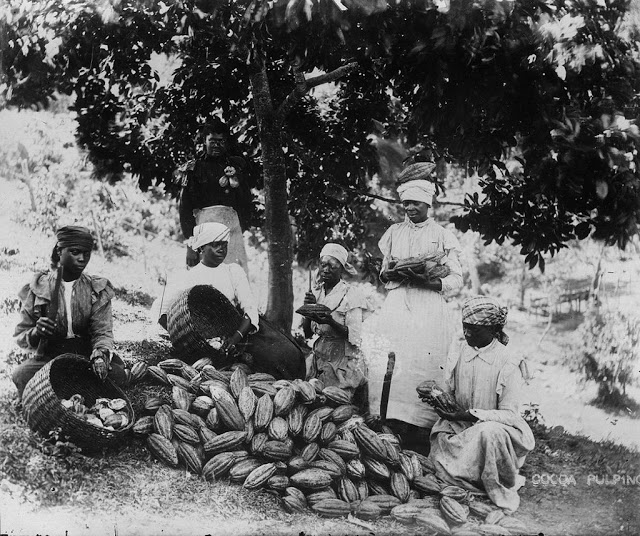
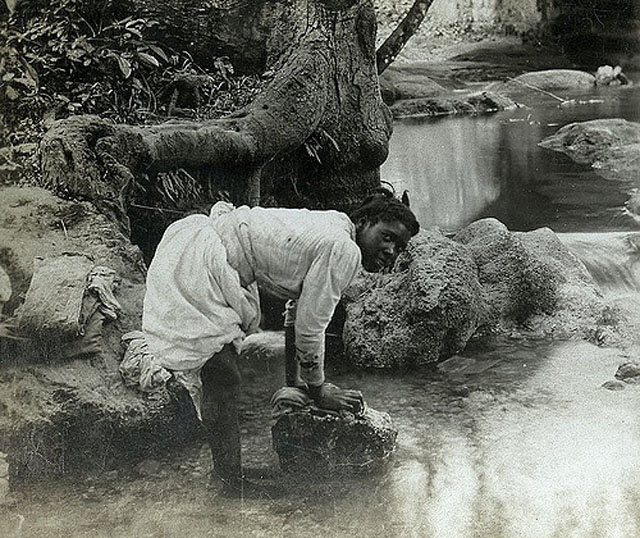
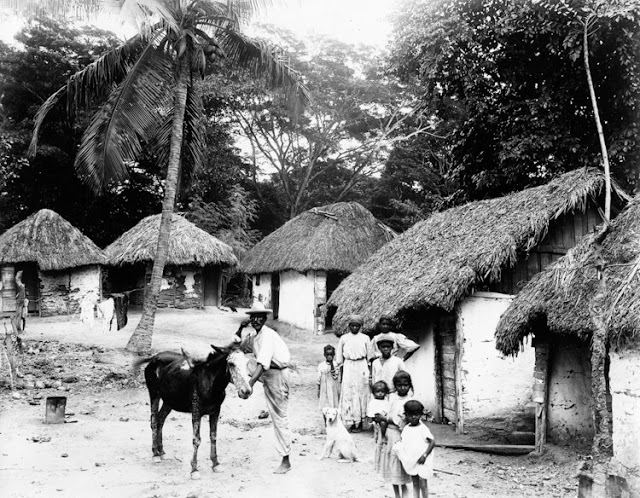
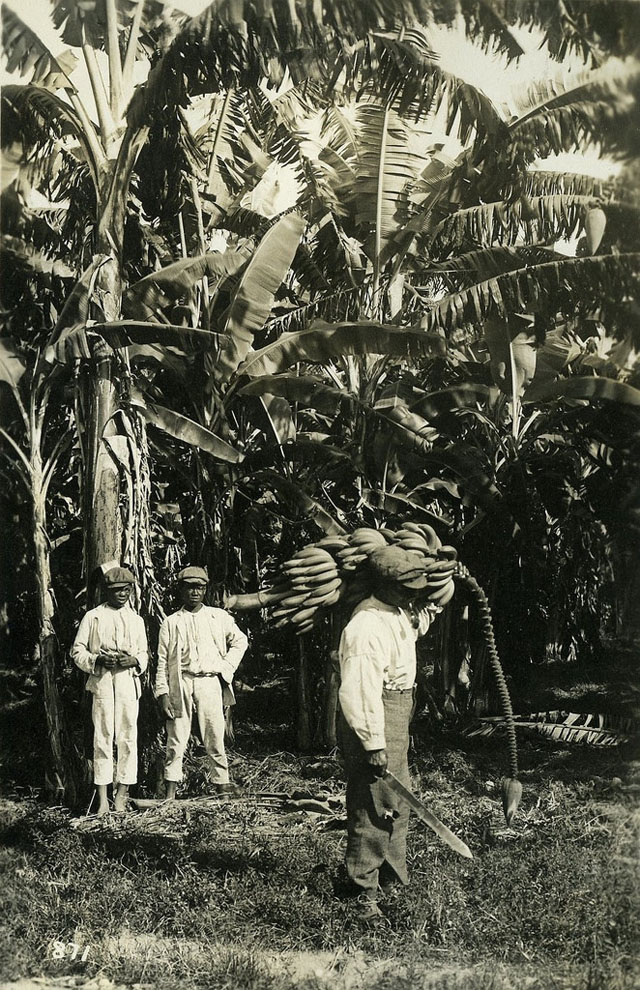
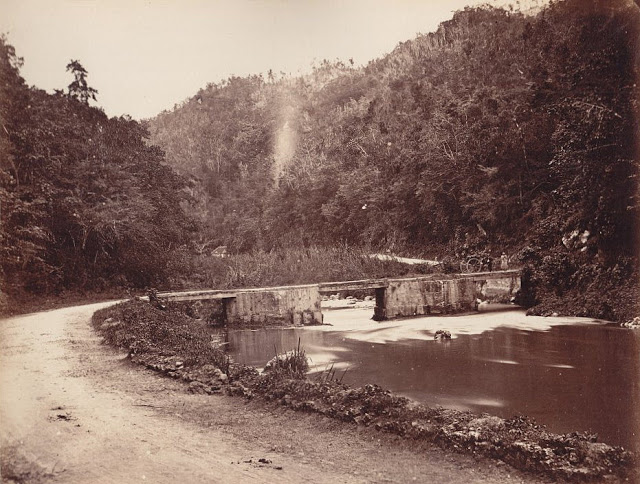
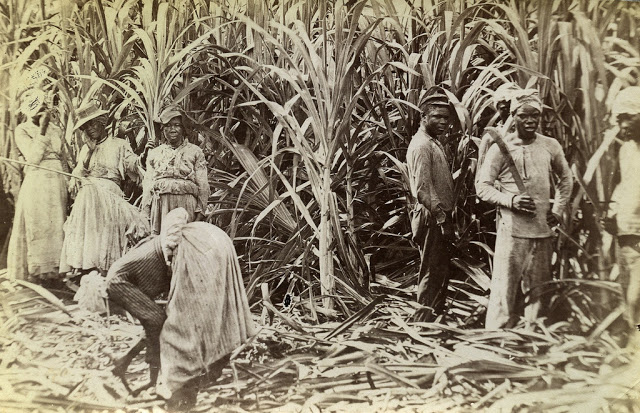
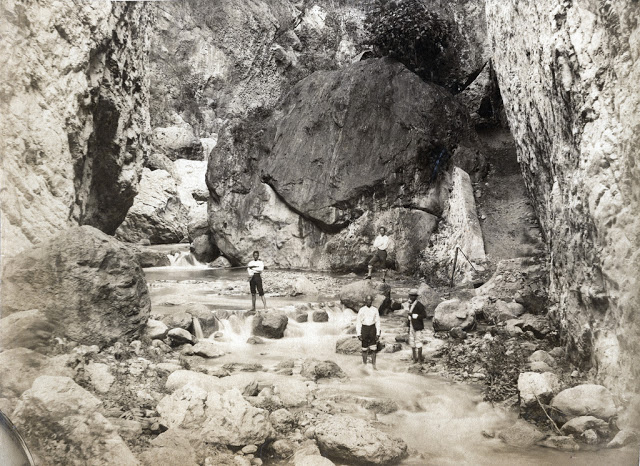
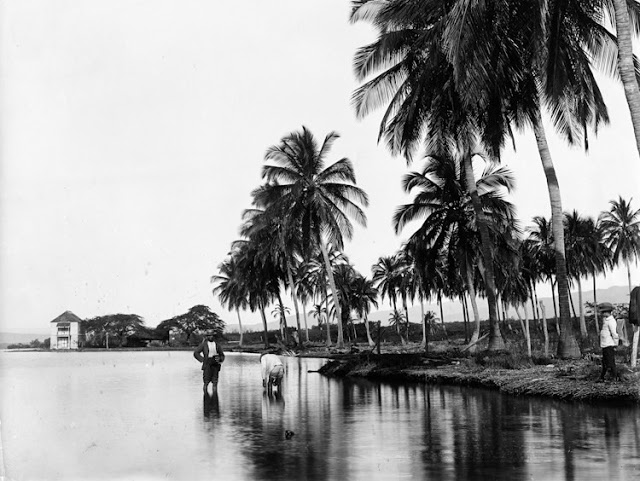
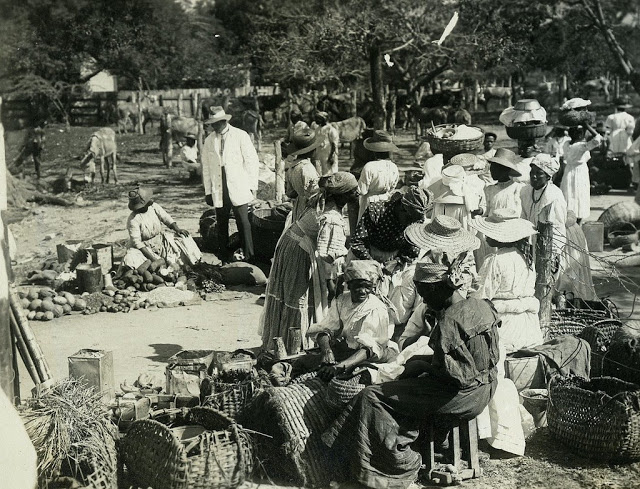
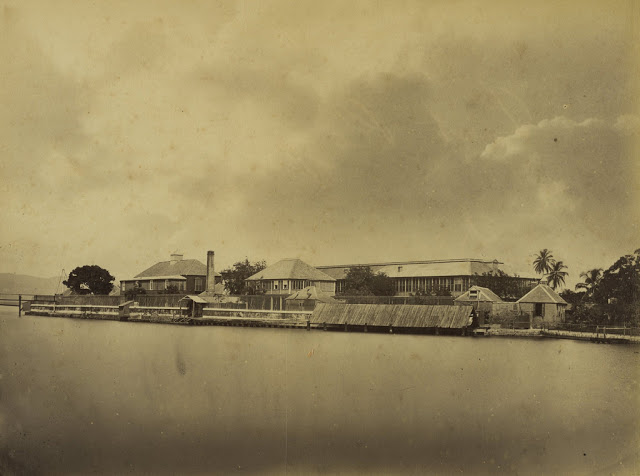
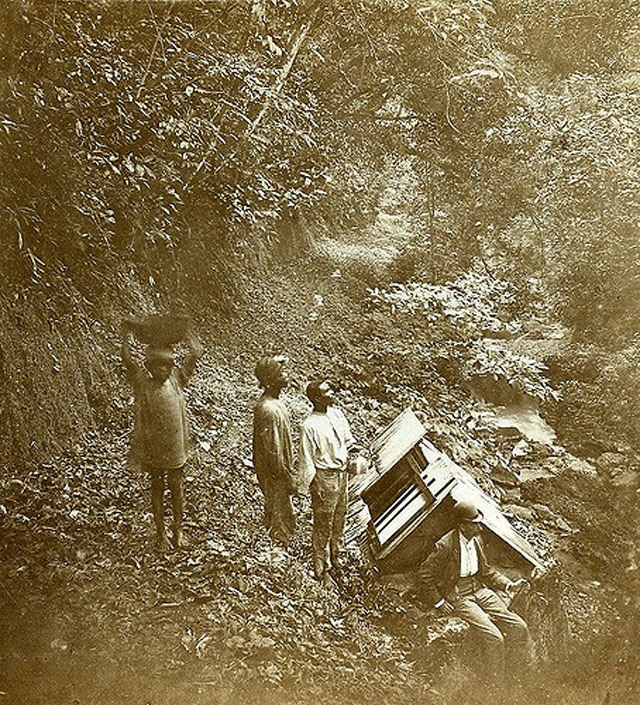
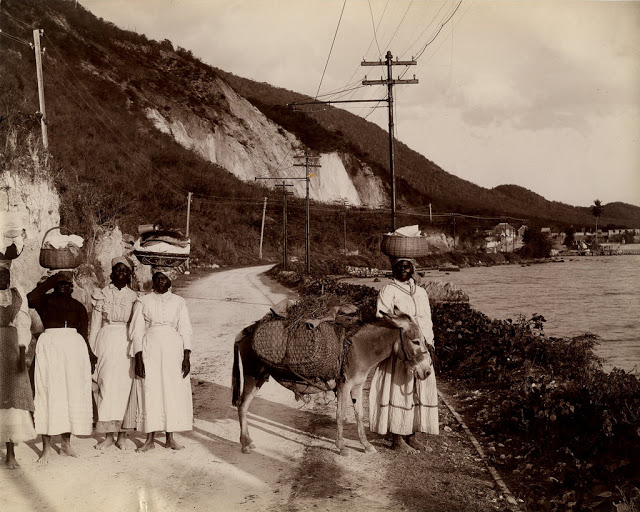
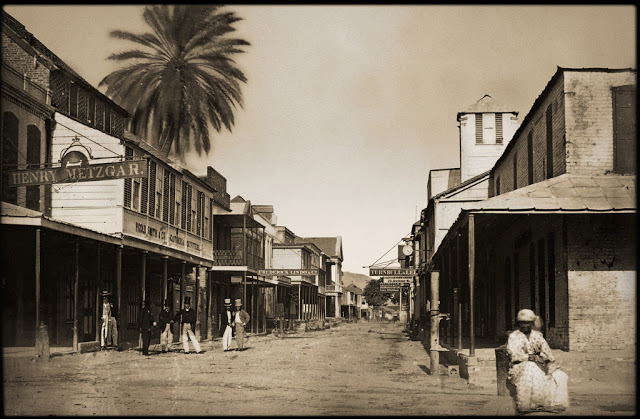
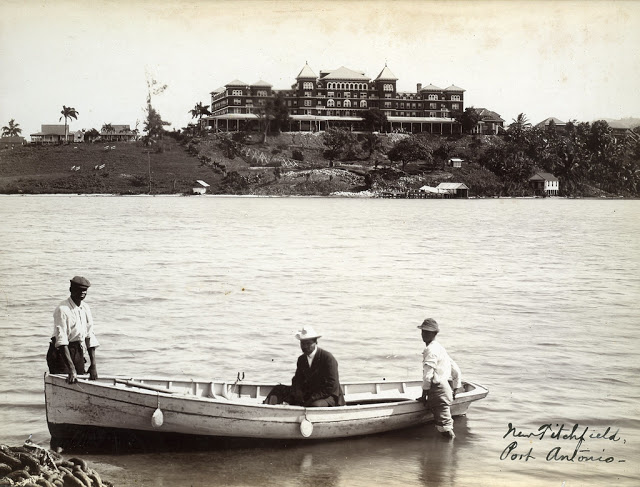
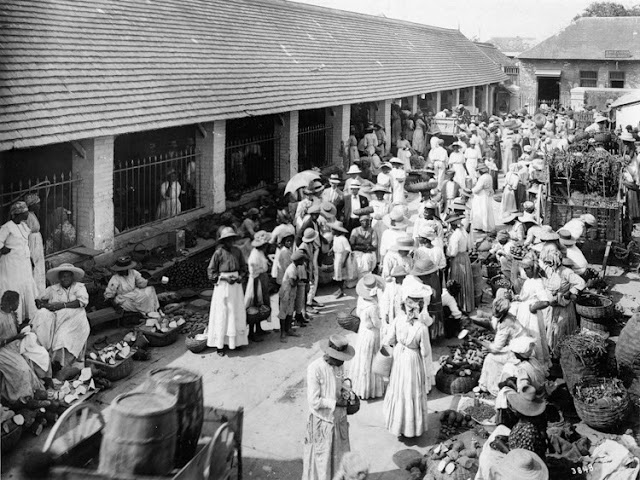
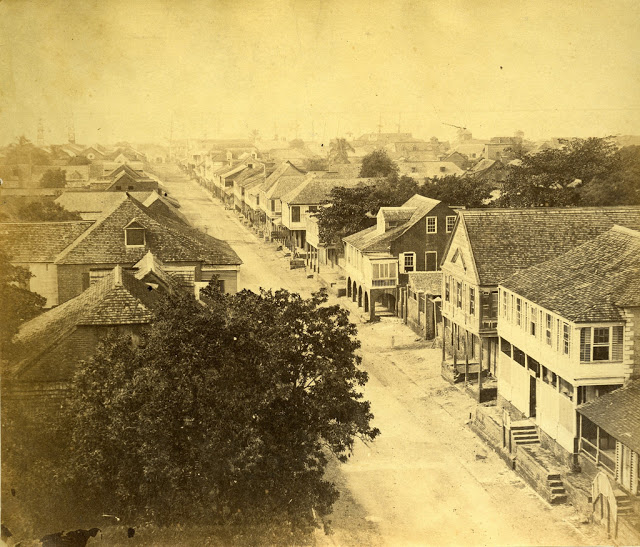
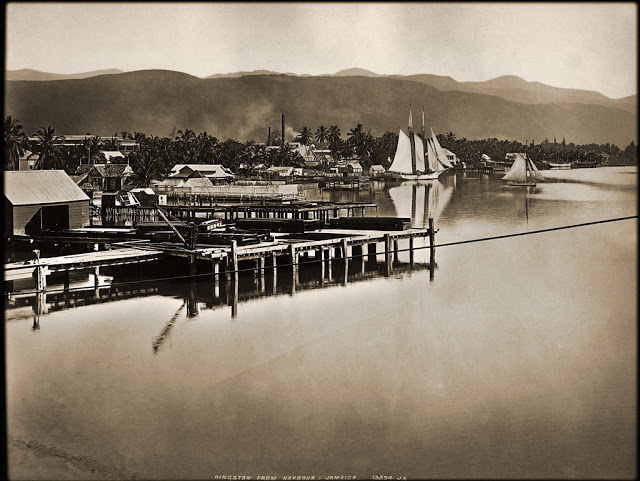
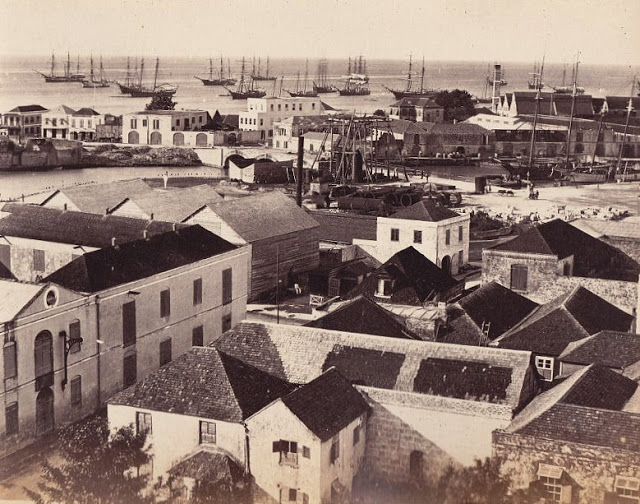
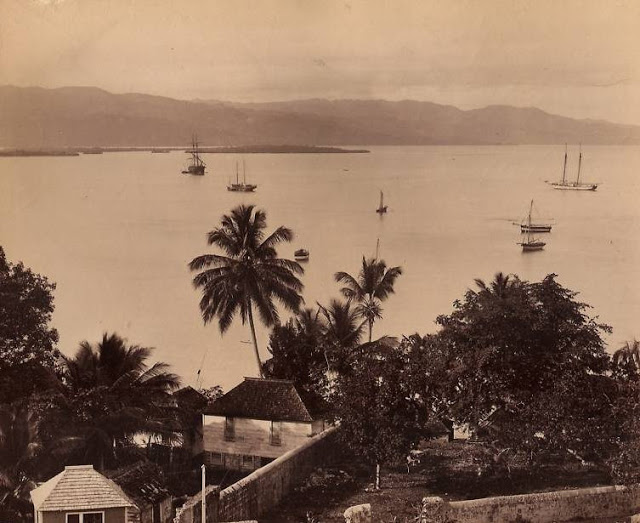
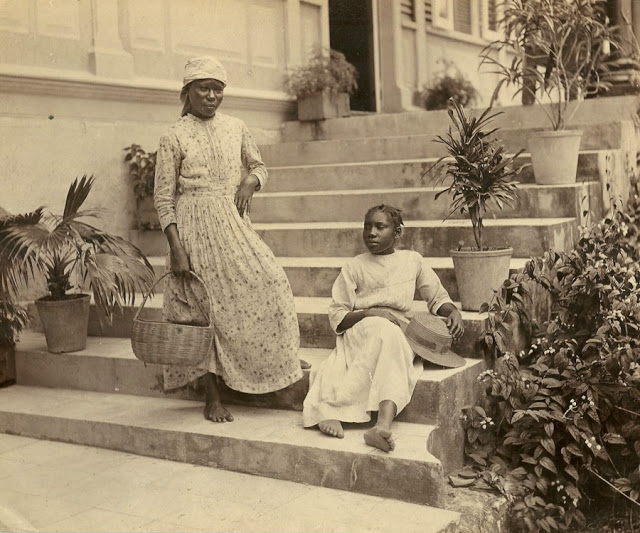
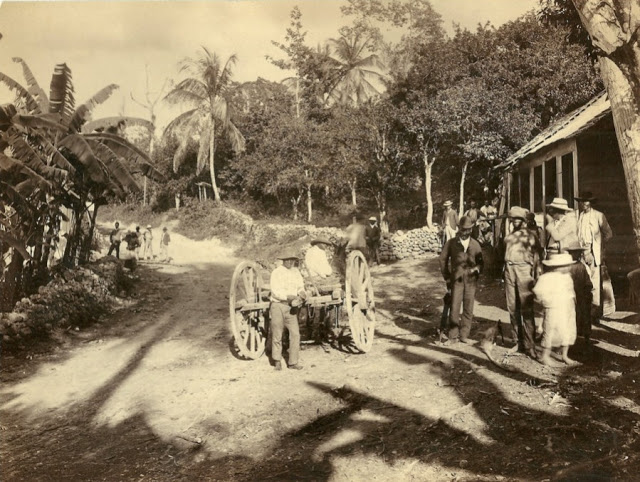
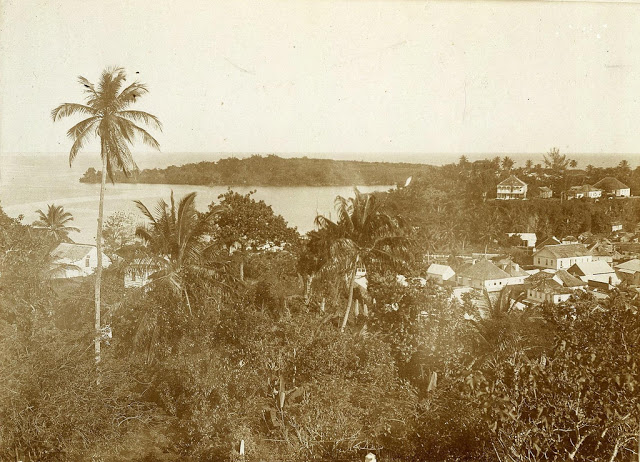
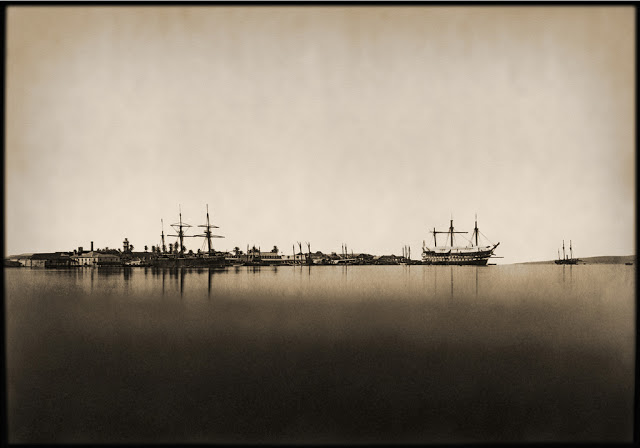
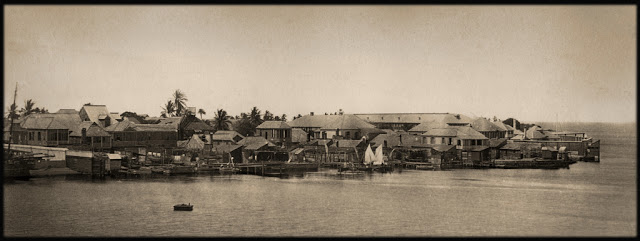
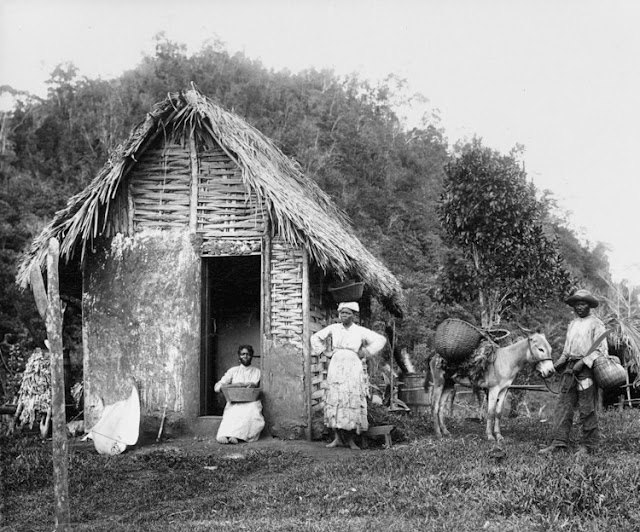
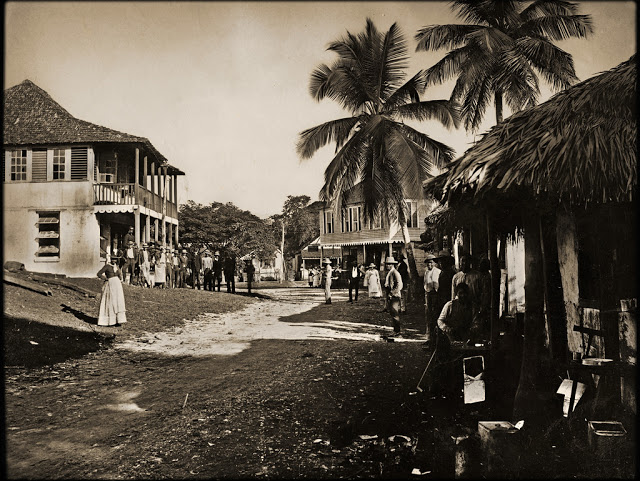
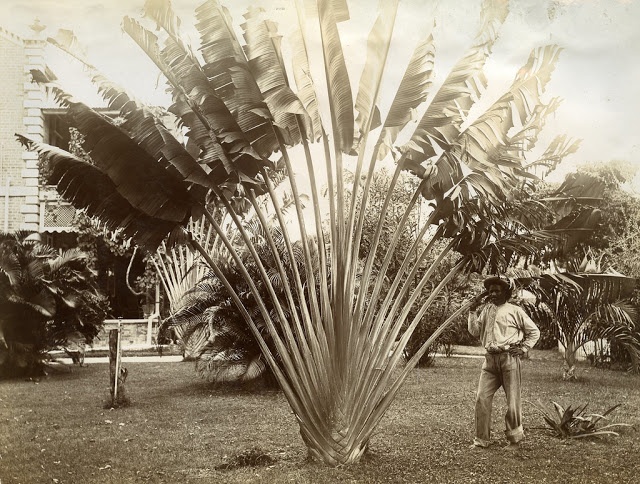
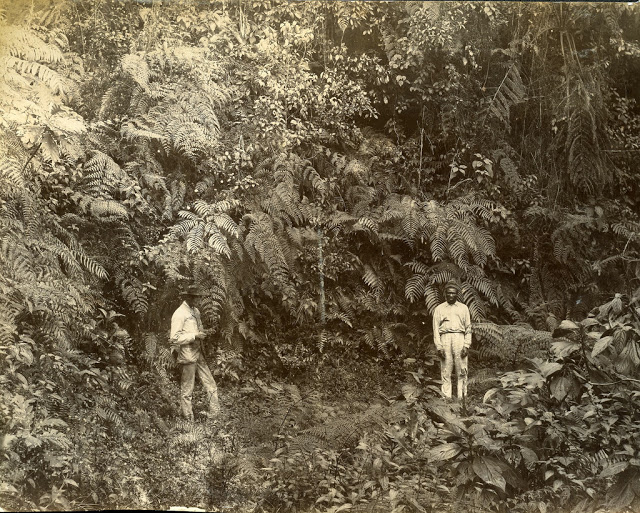
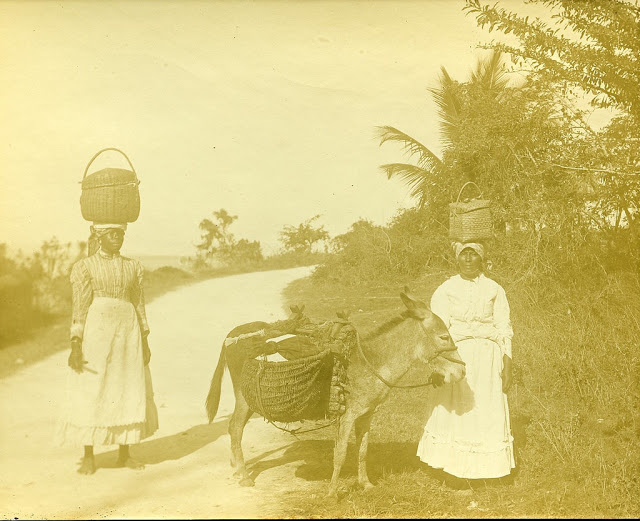
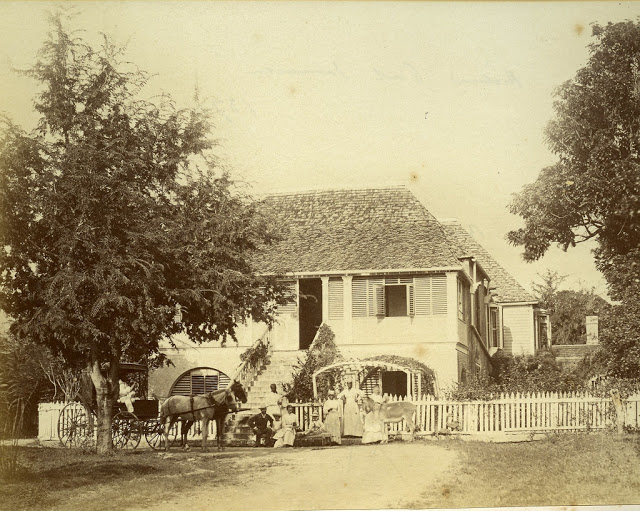
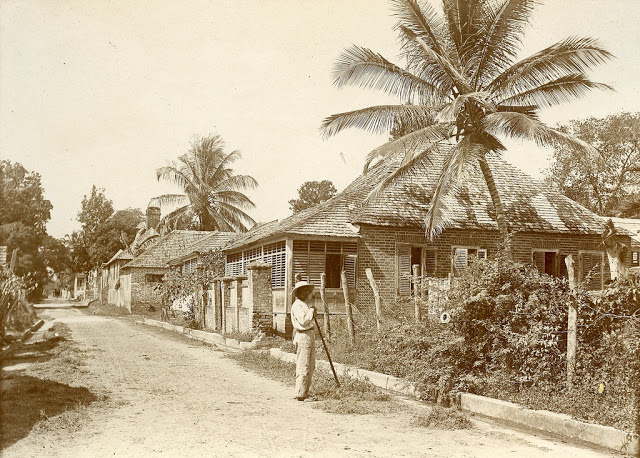
Here is an amazing collection of rare photos that shows the life in Jamaica from between 1860s to 1890s.
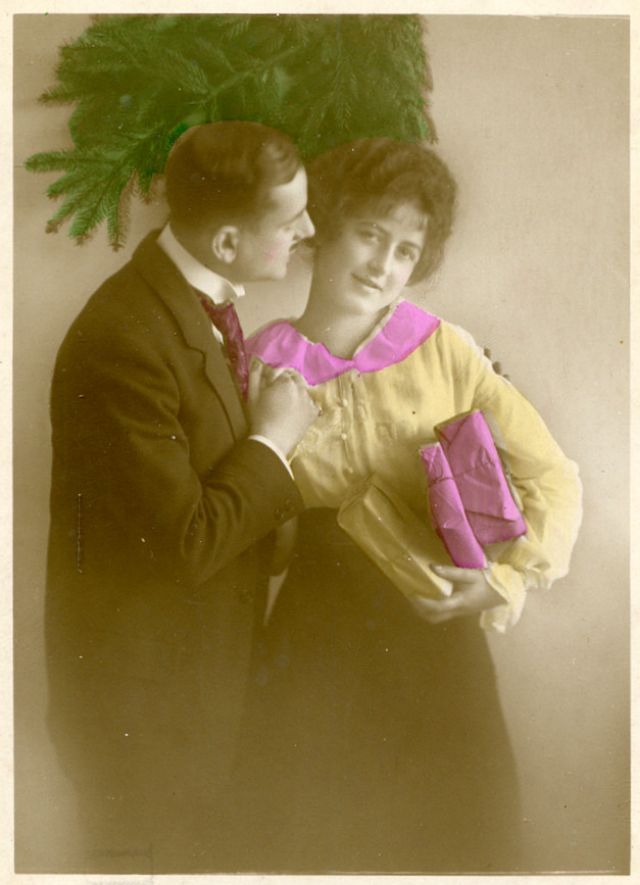
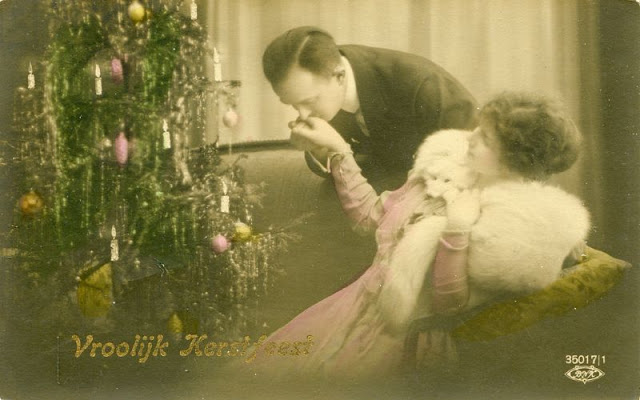
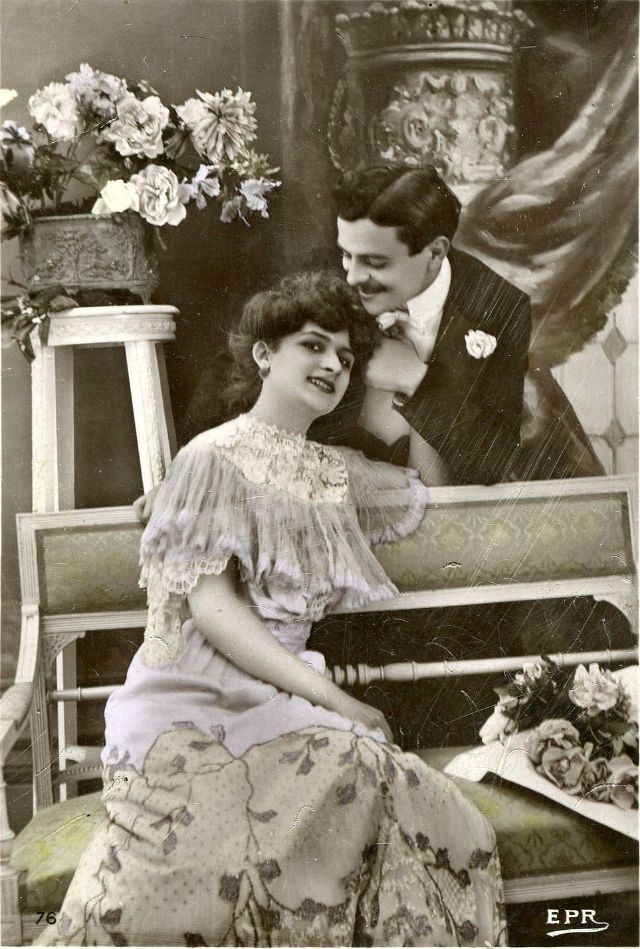
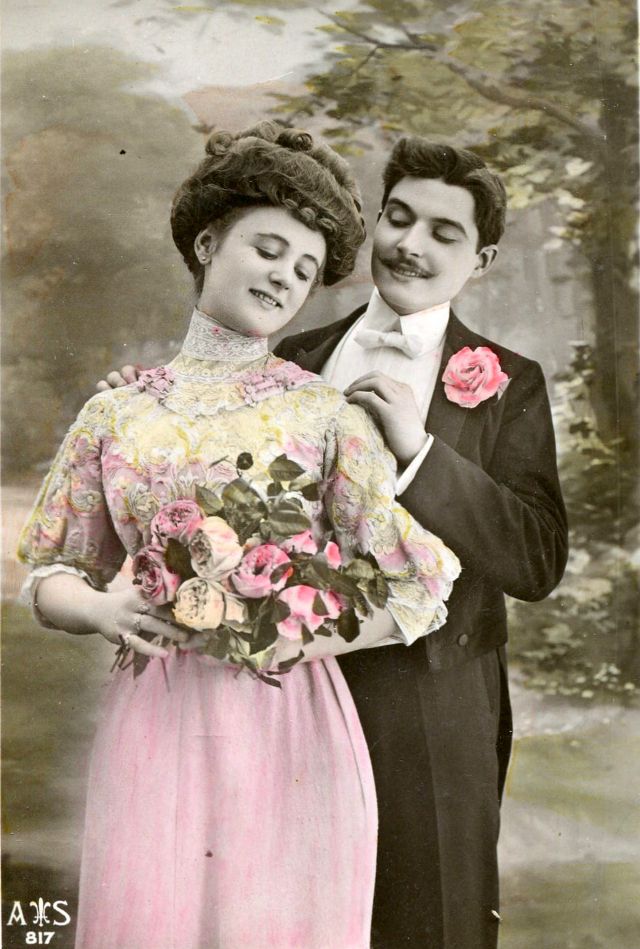
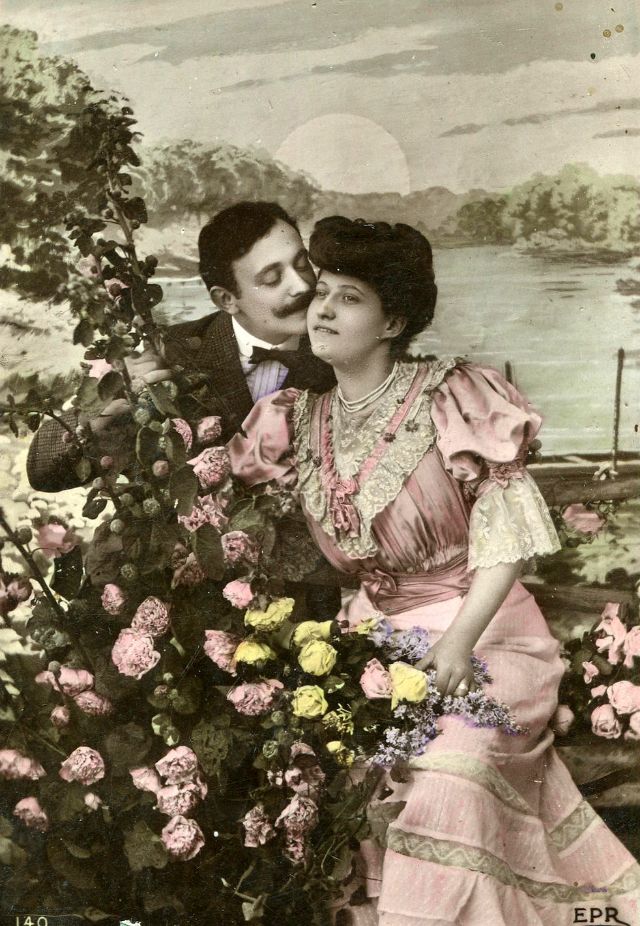
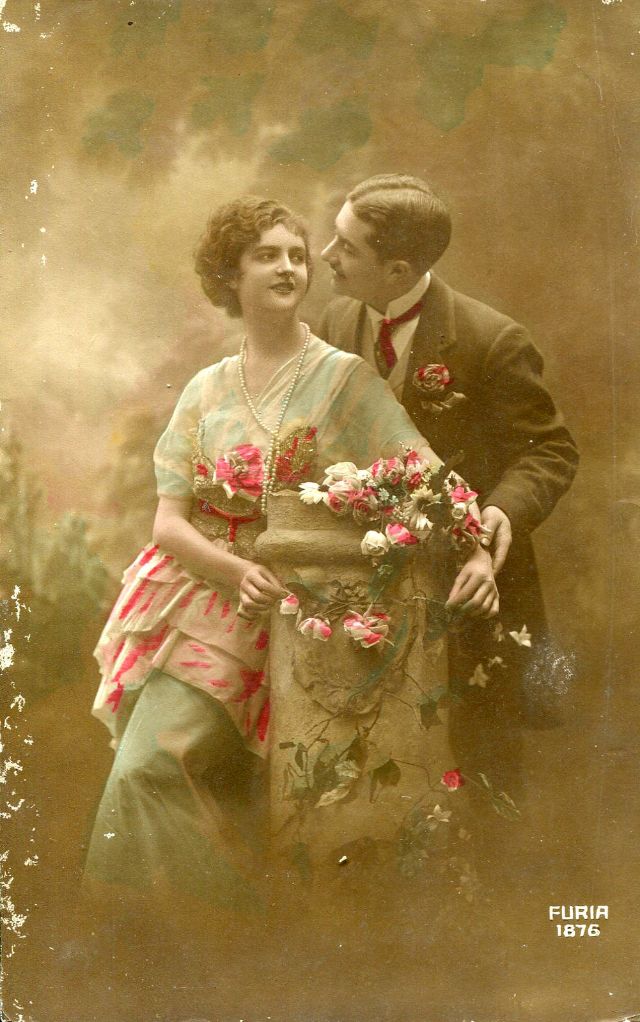
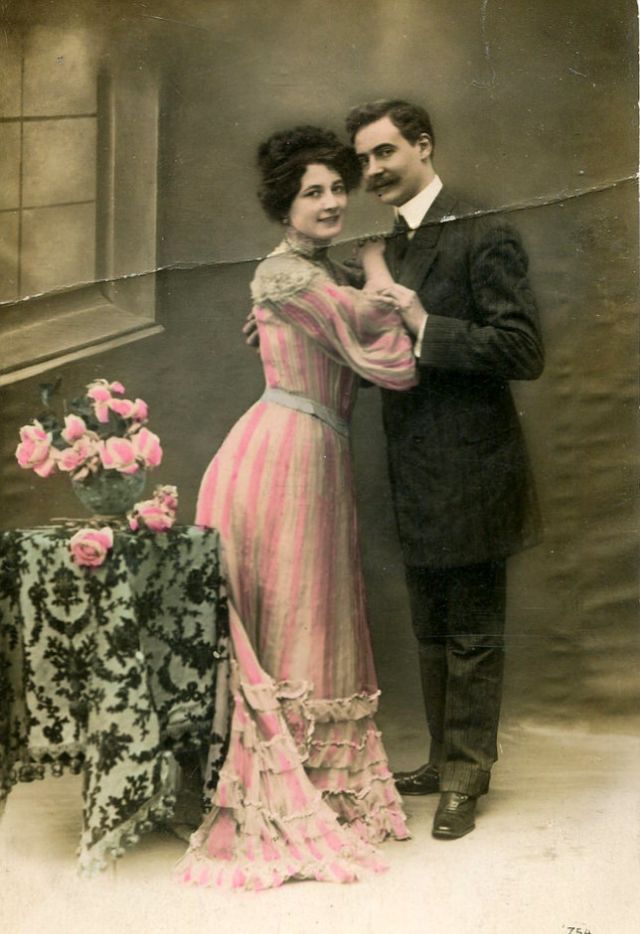
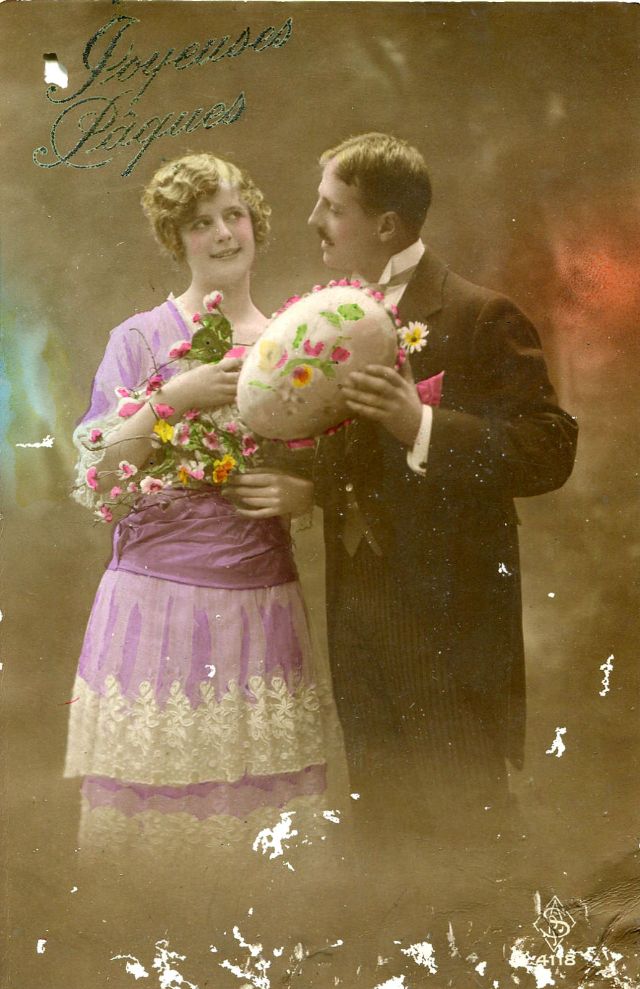
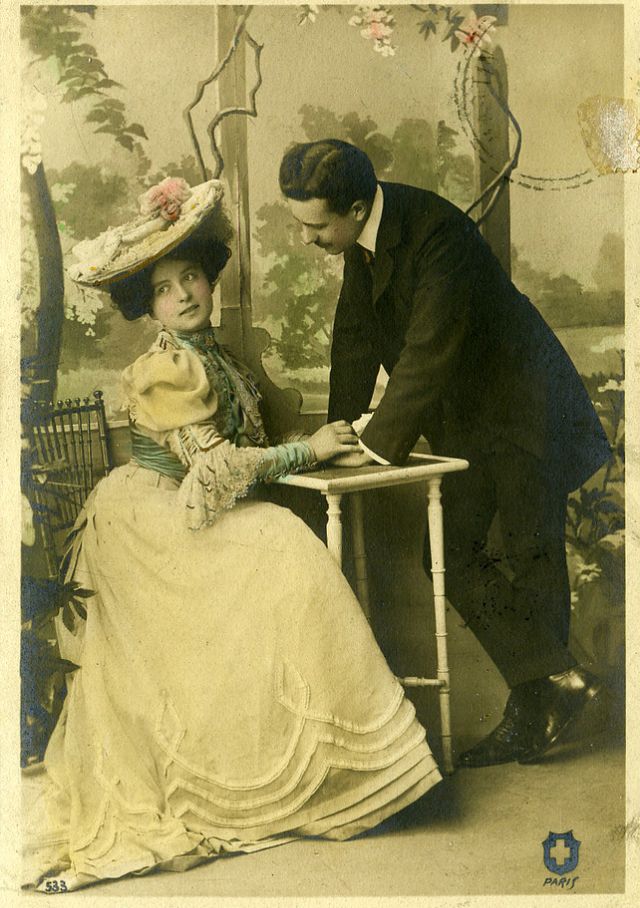
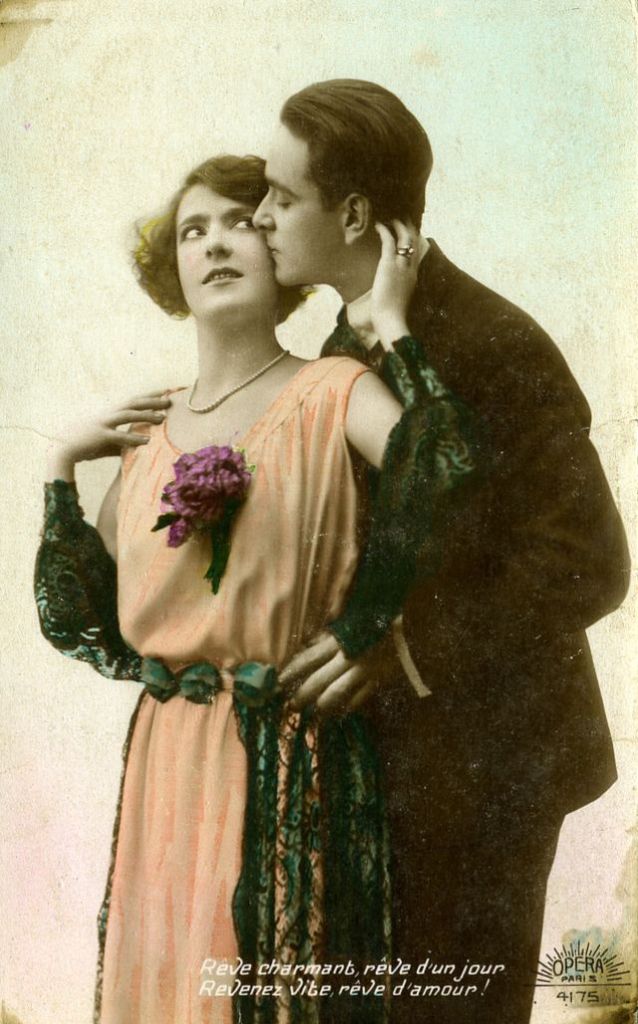
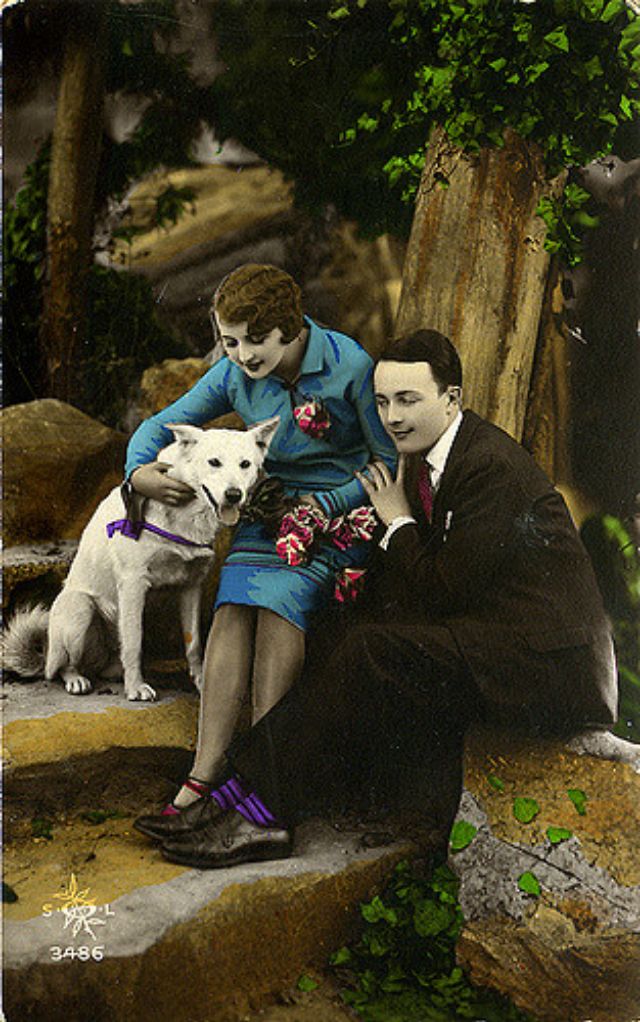
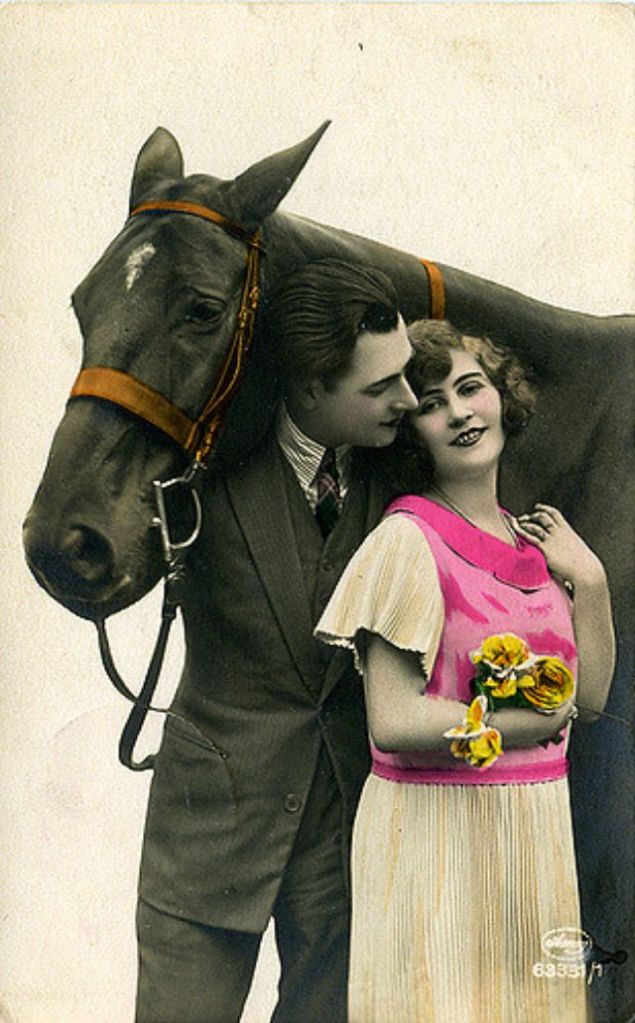
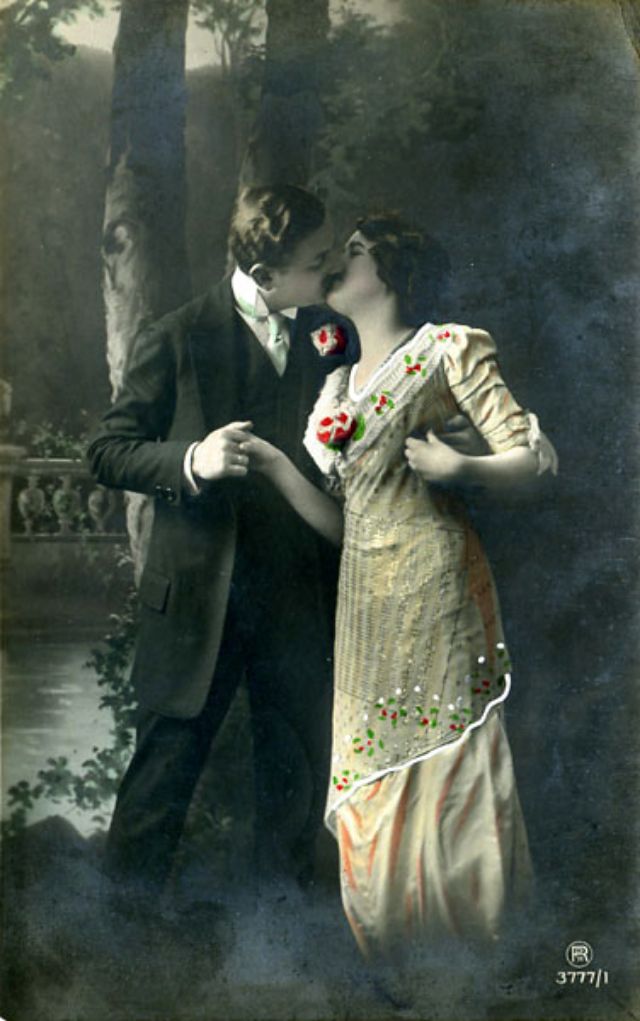
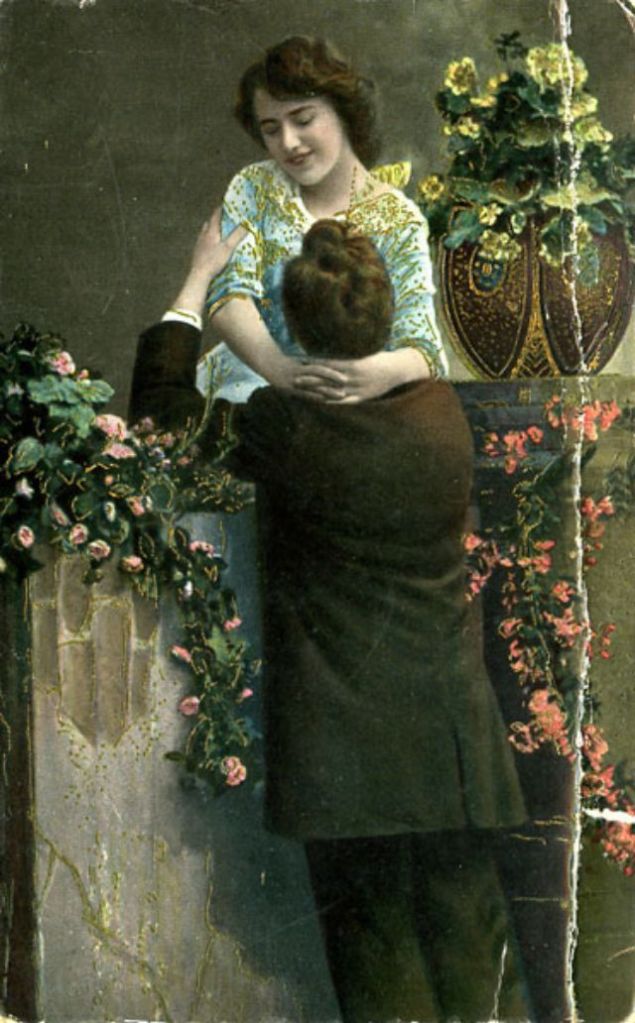
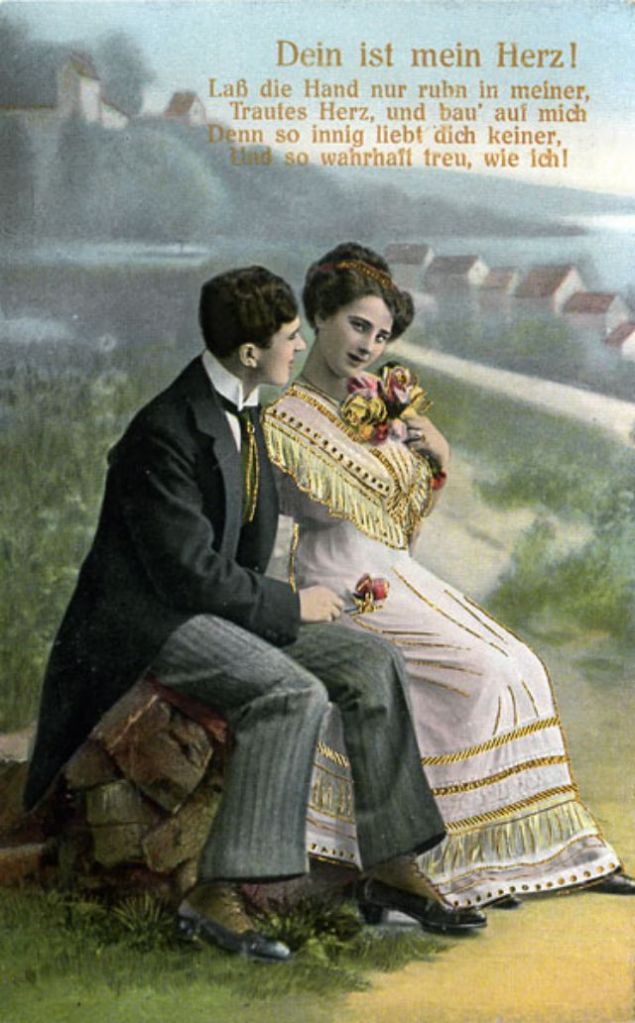
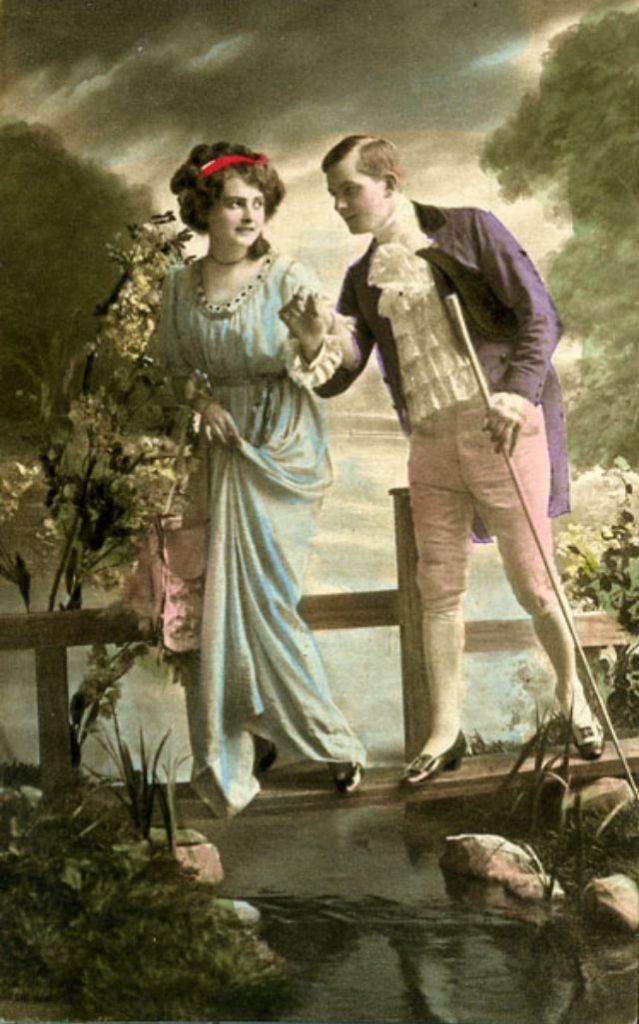
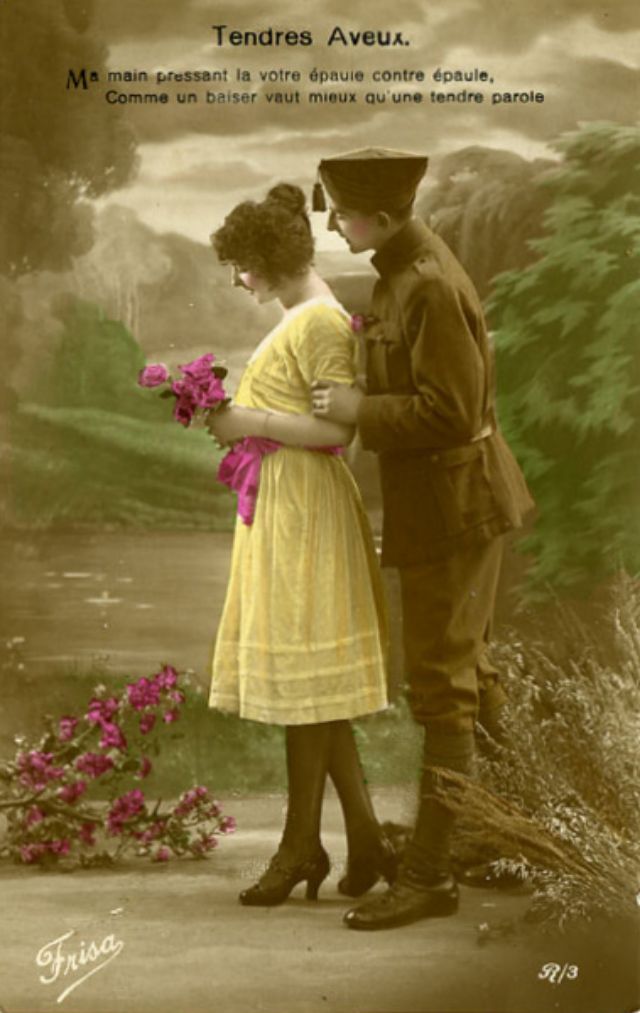
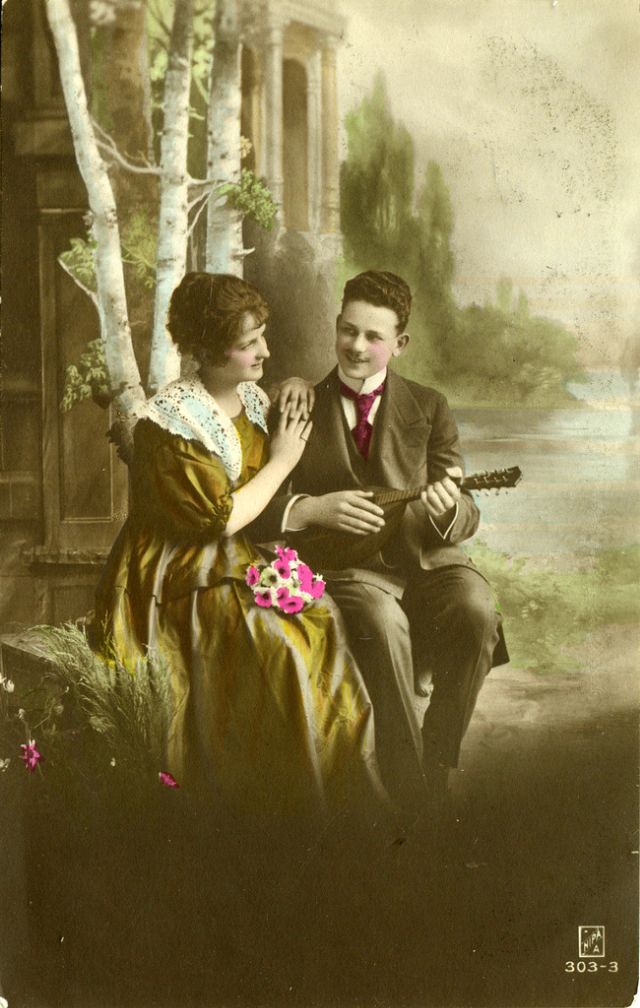
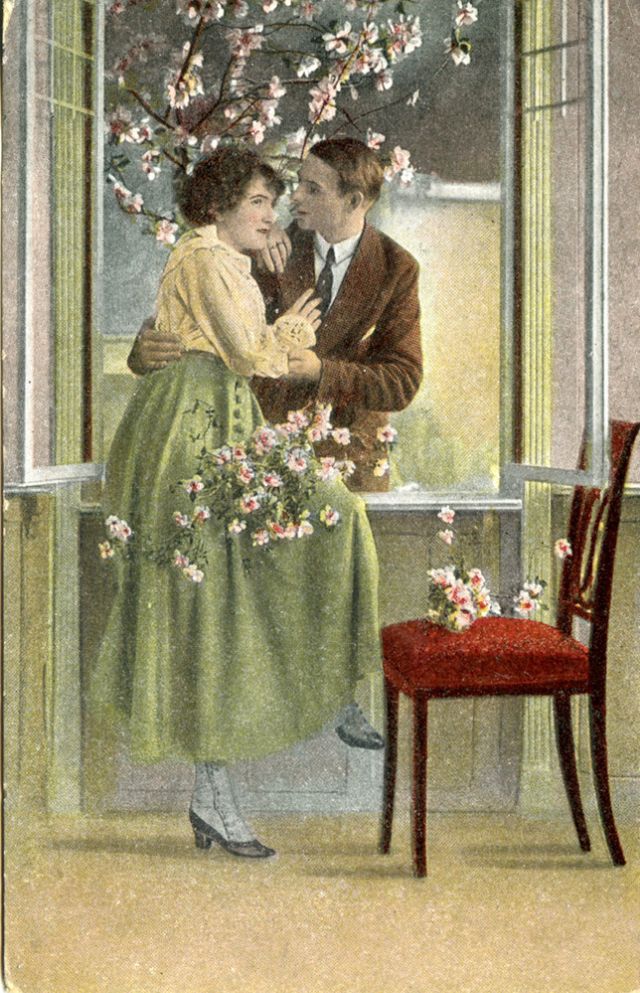
These fascinating postcards show how men expressed romantic gestures with their lovers from between the 1900s and 1920s.



















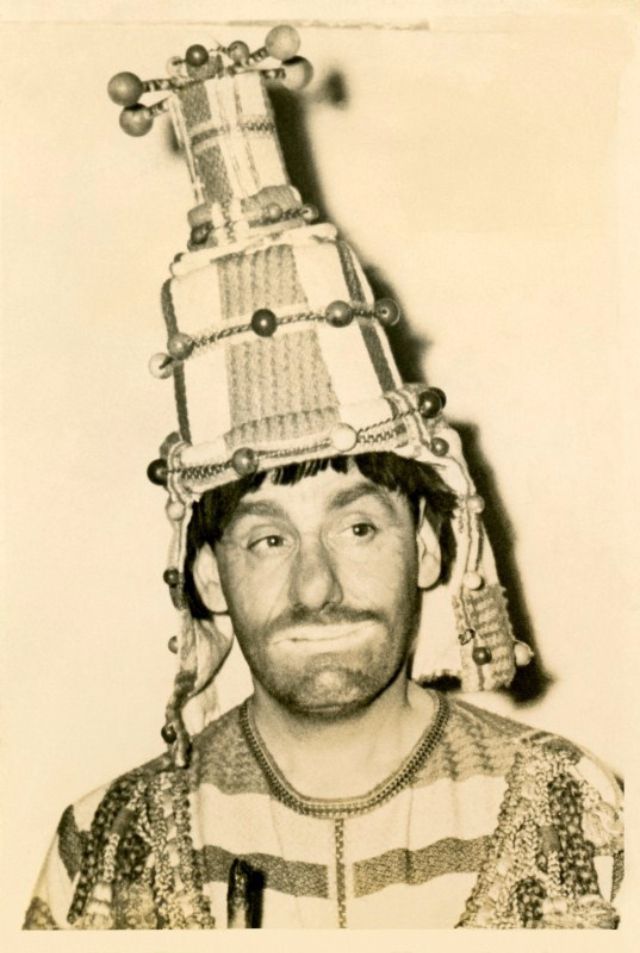
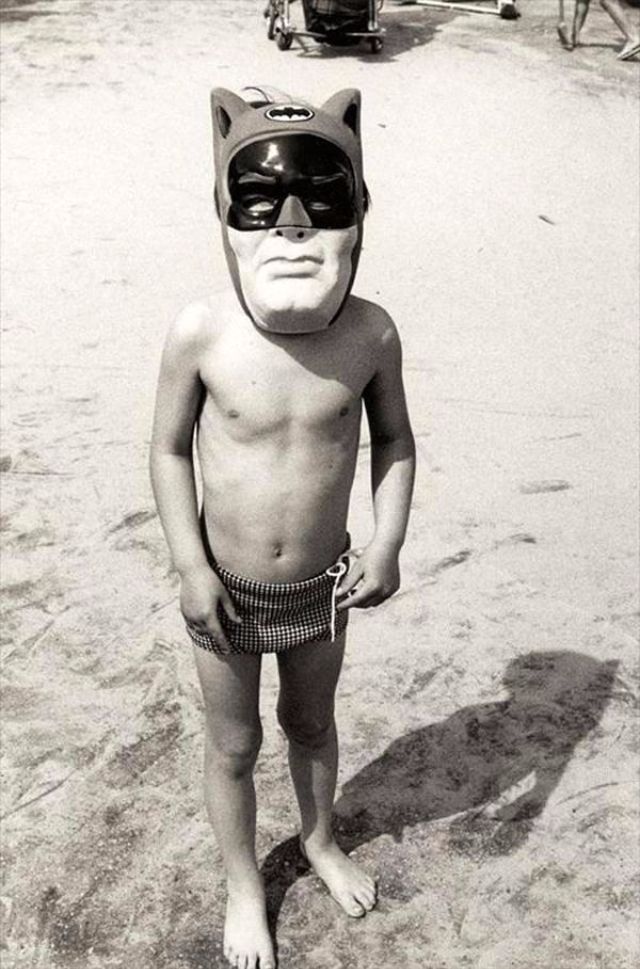
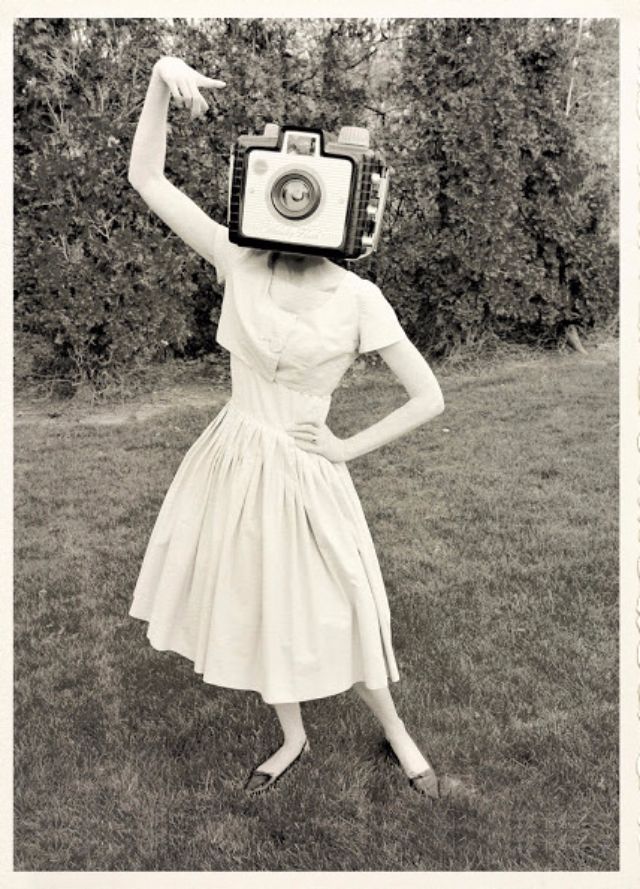
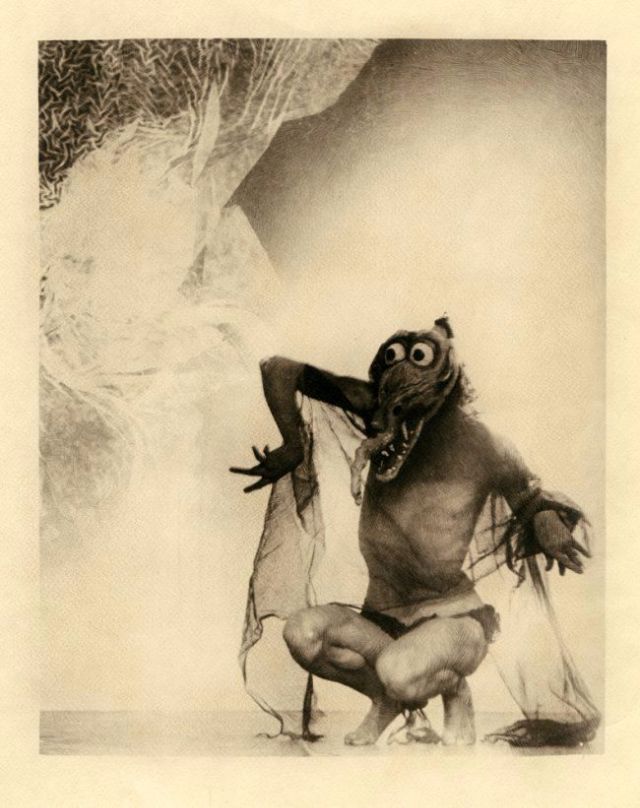
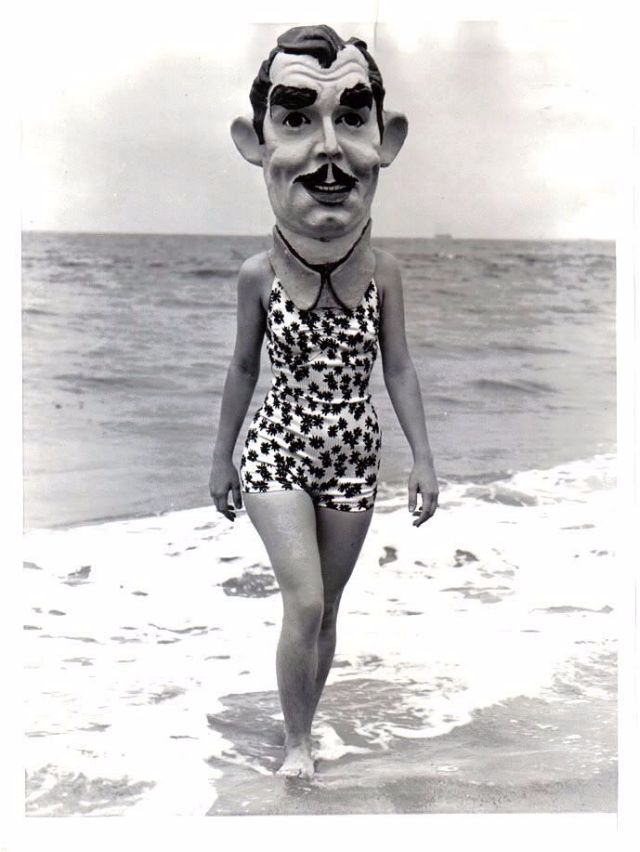
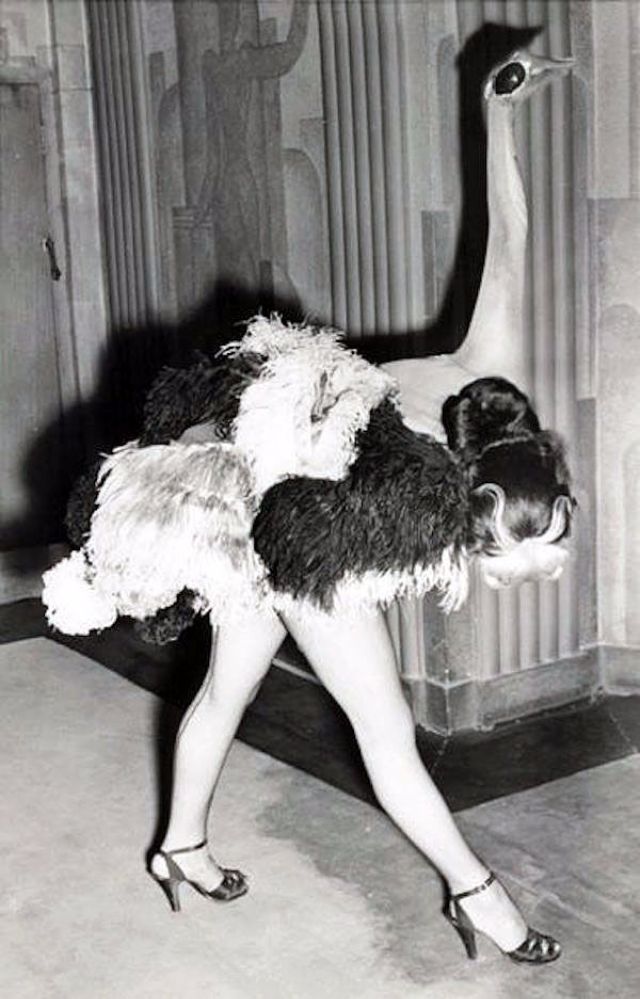
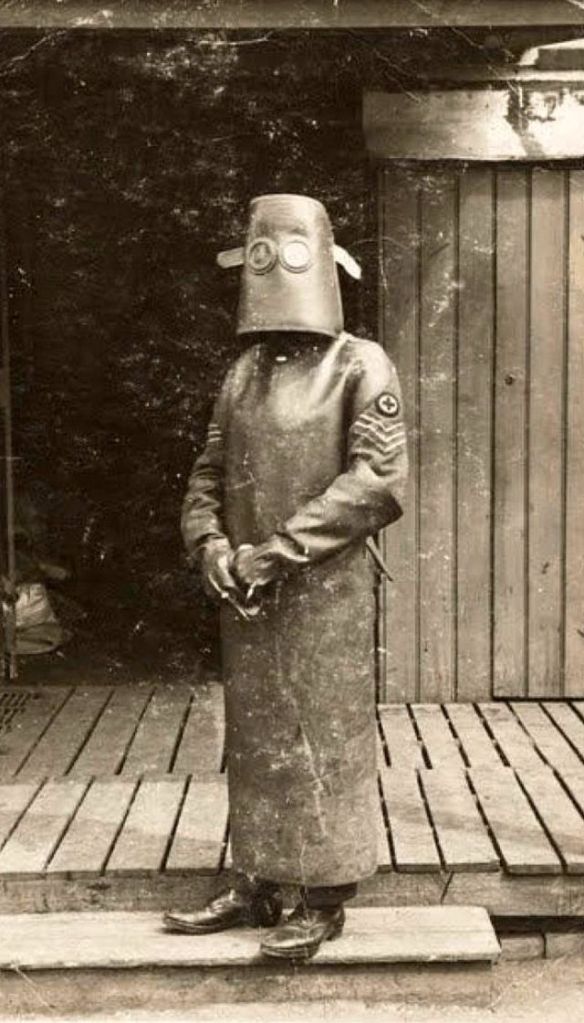
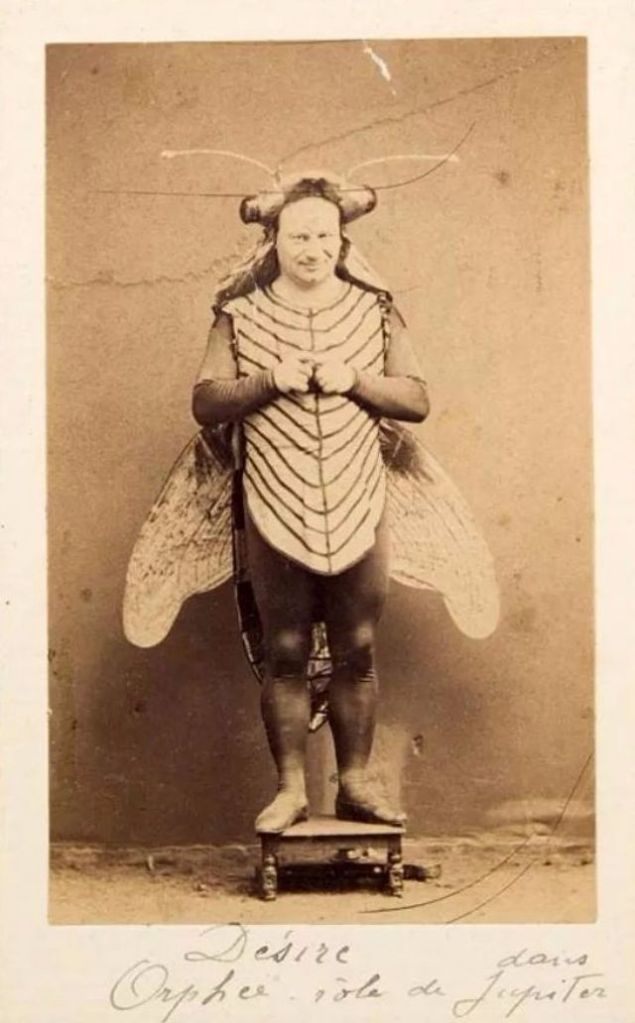
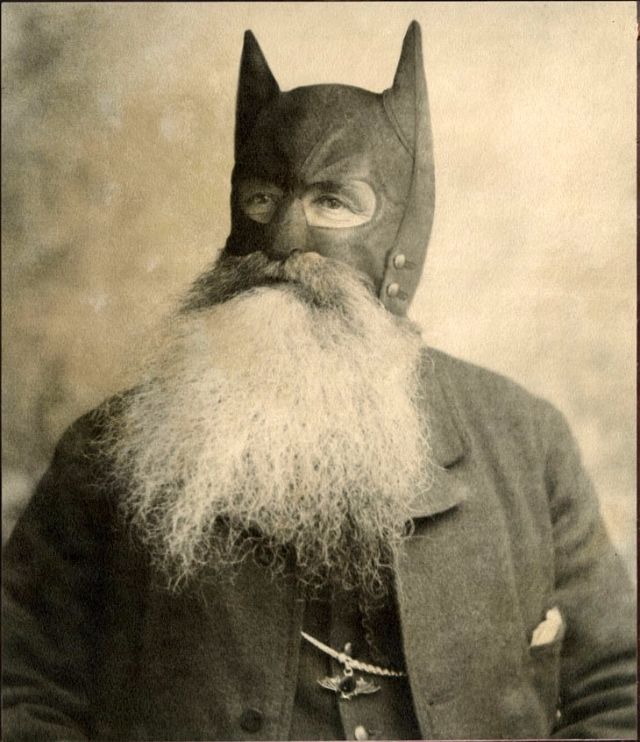
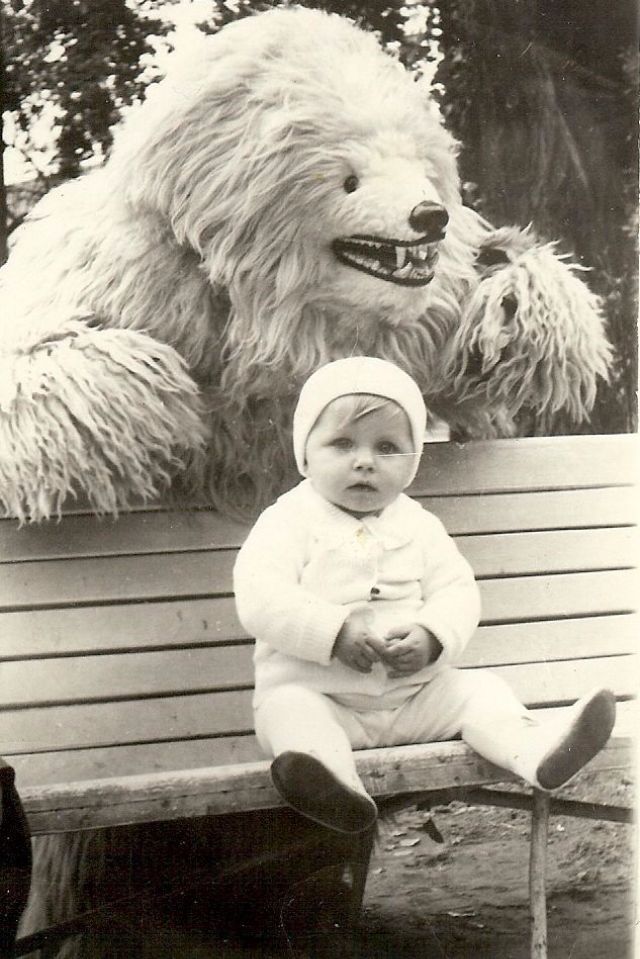
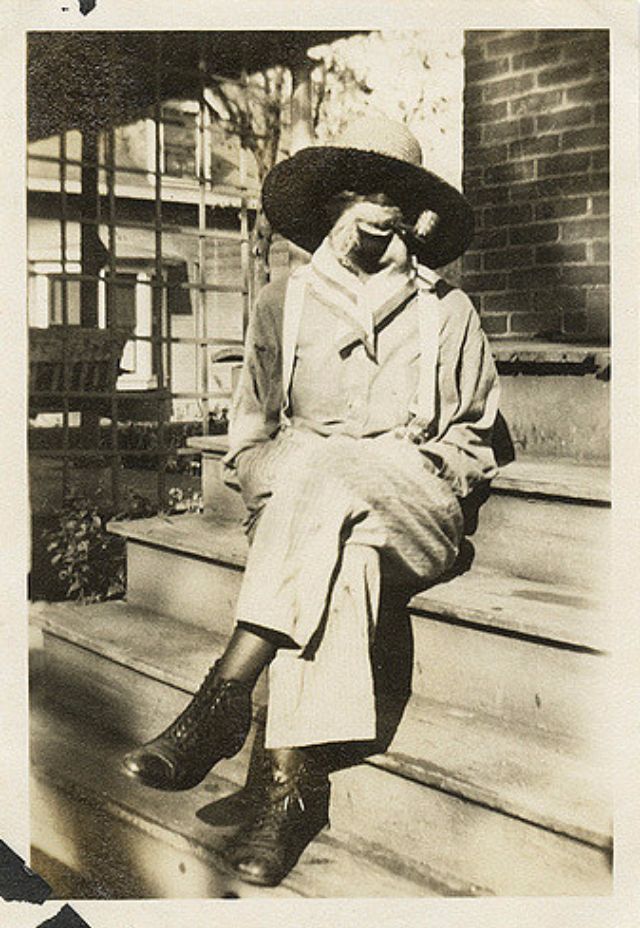
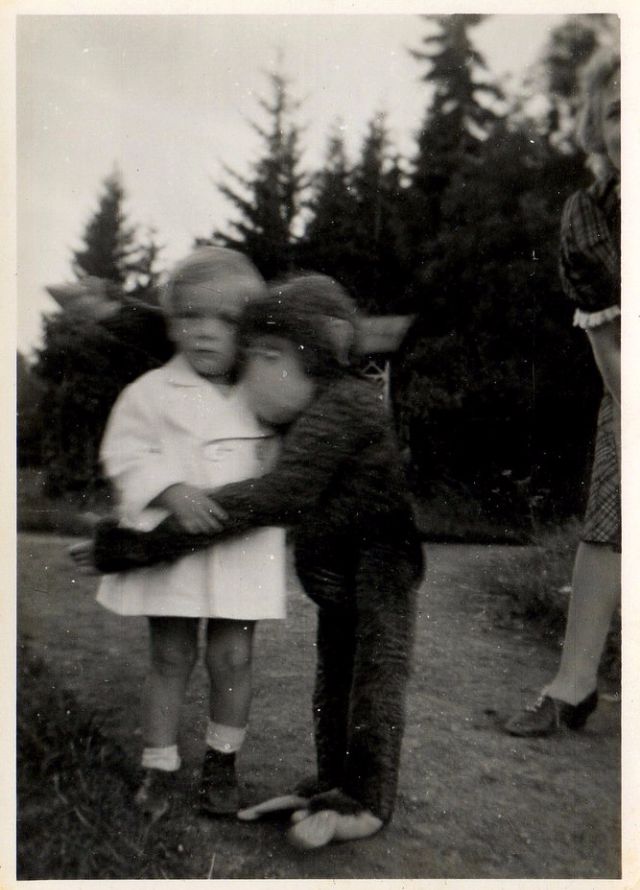
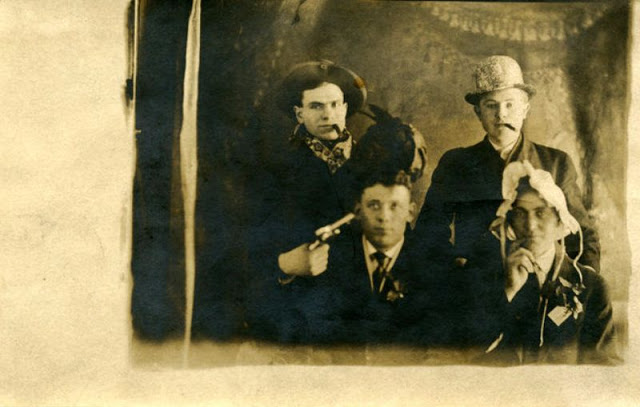
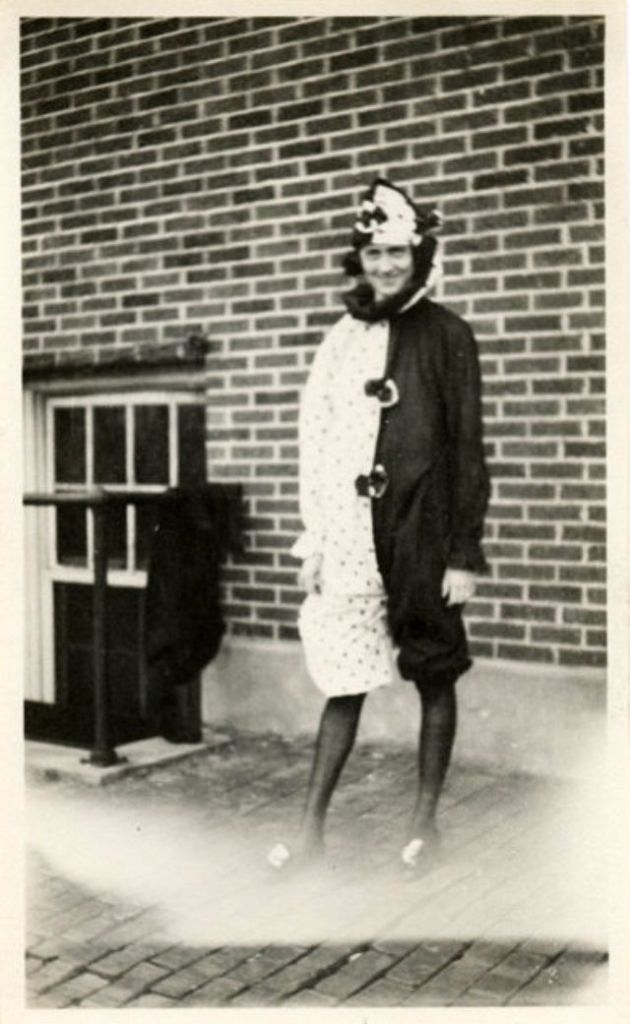
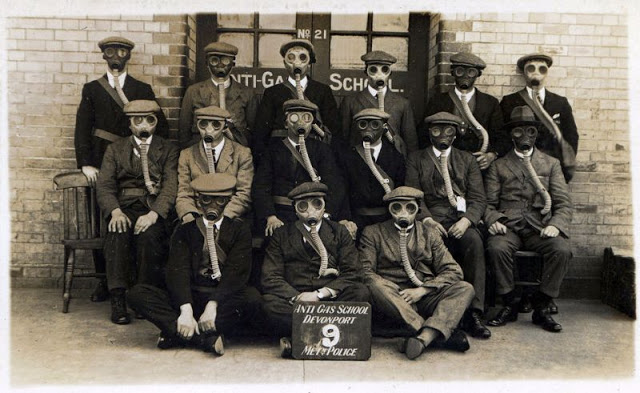
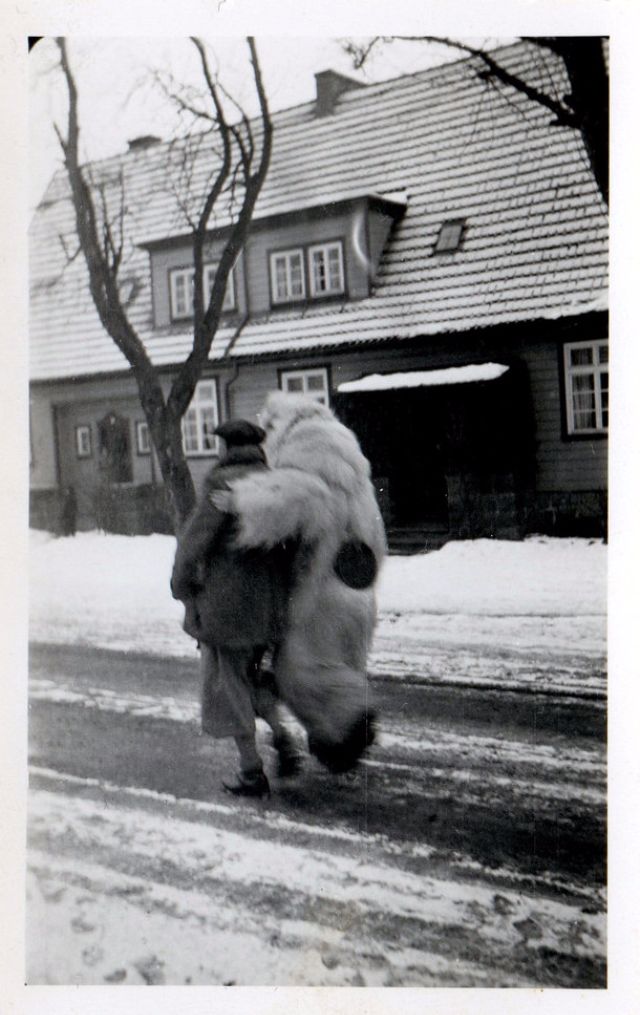
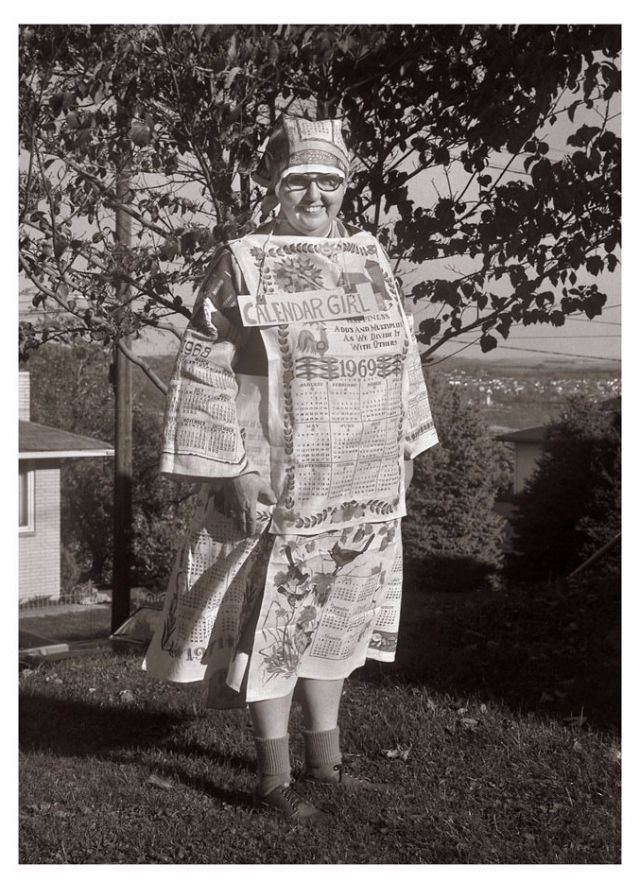
There are many ways to express ourselves, and these people wore some weird costumes to make more impressive.