








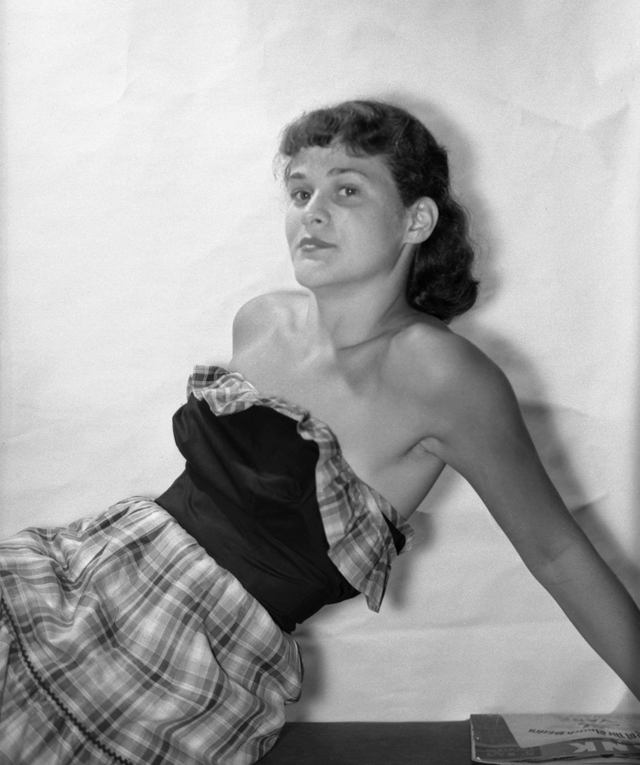
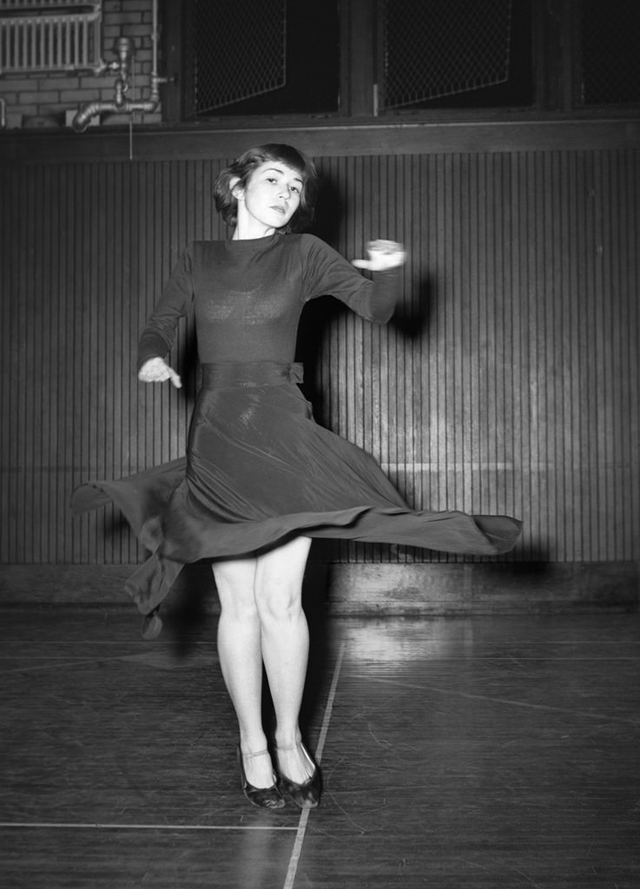
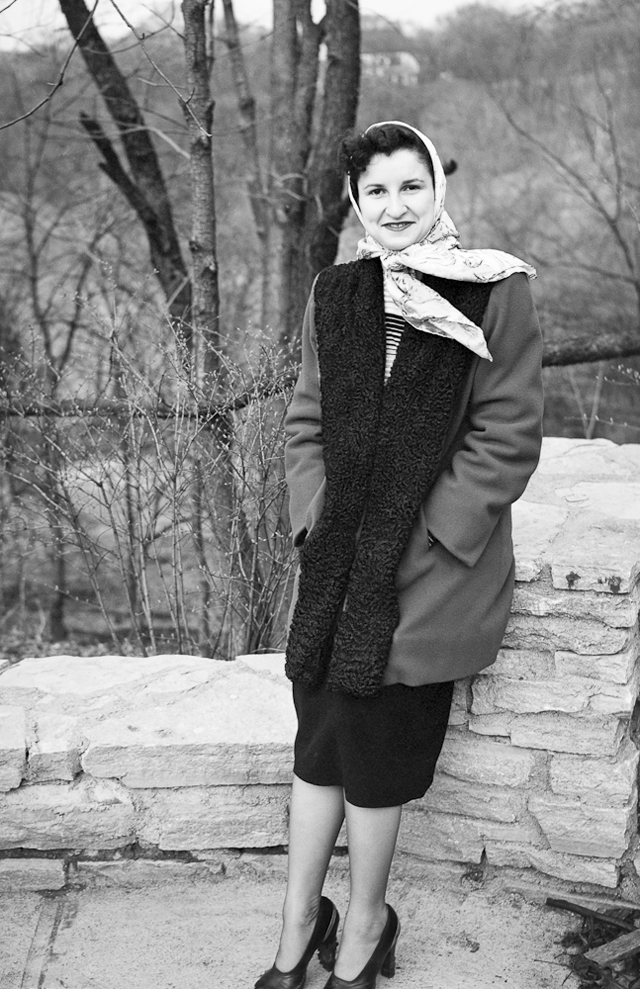
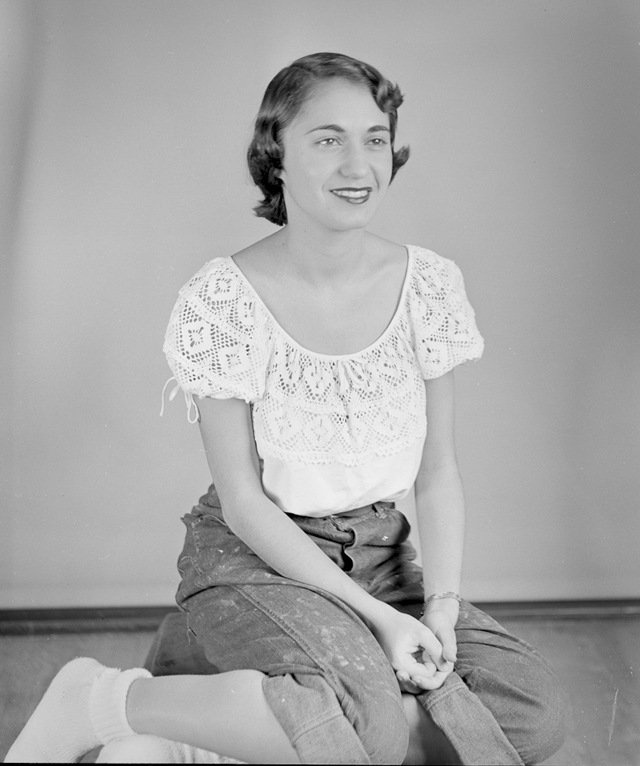

Bringing You the Wonder of Yesterday – Today











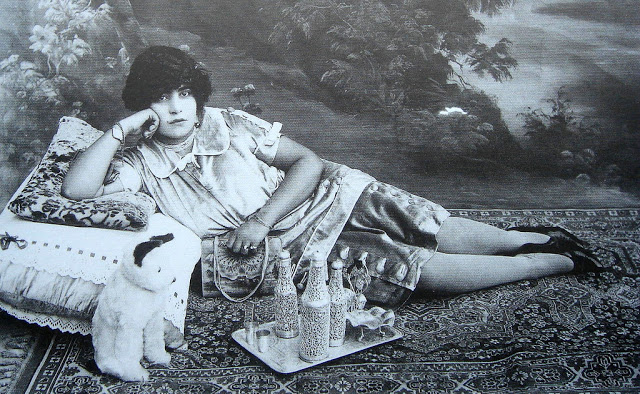
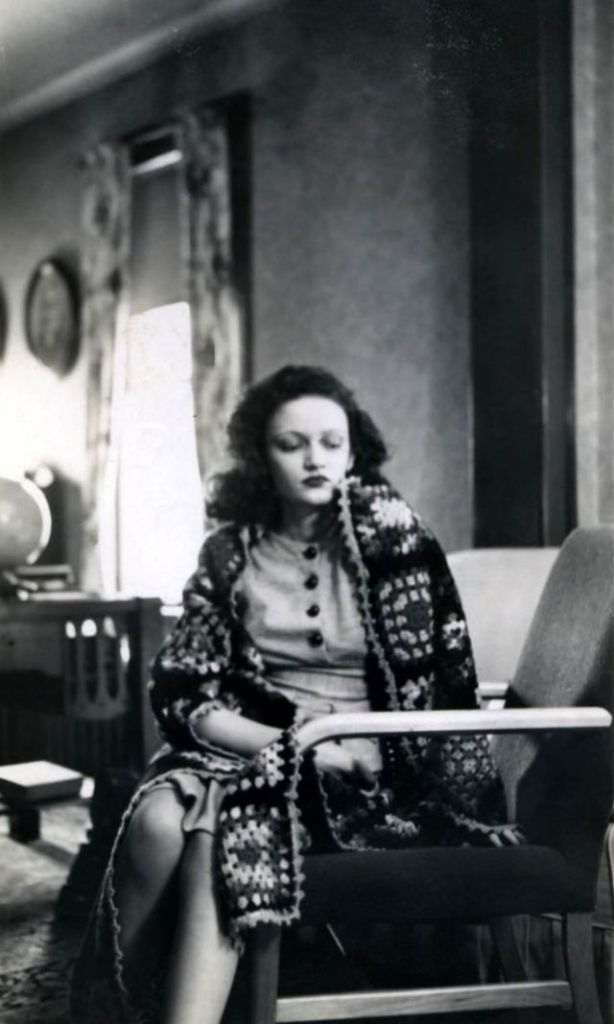
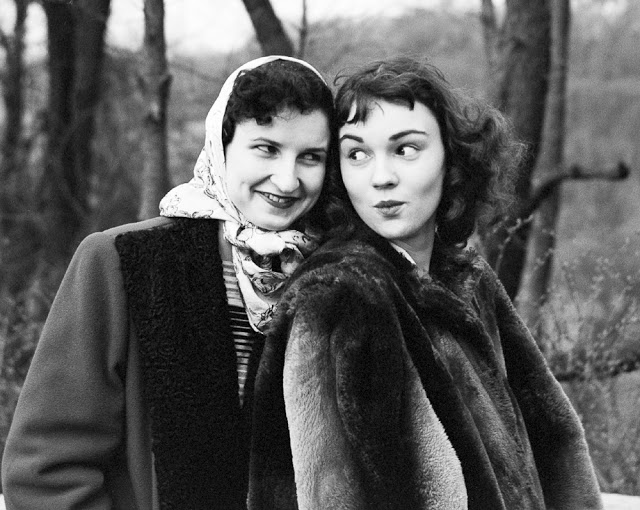
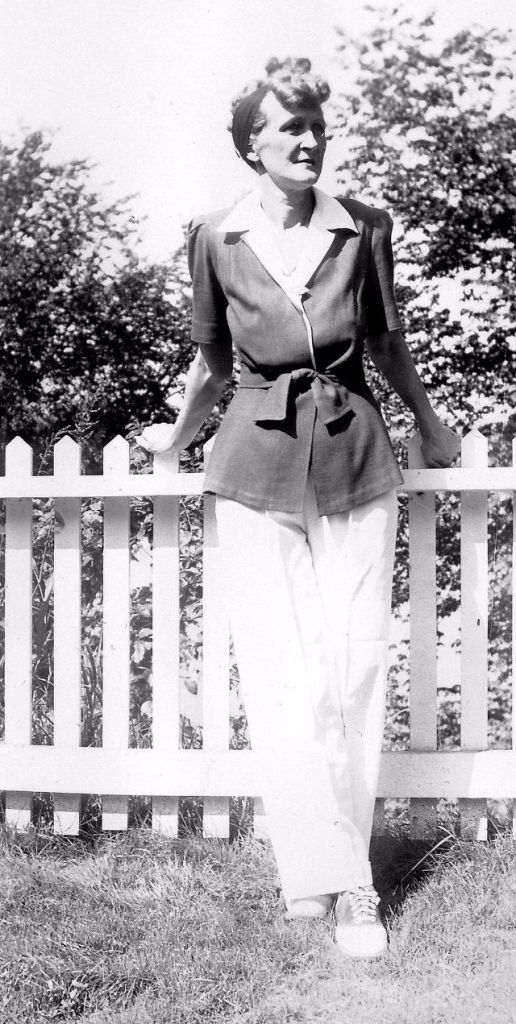
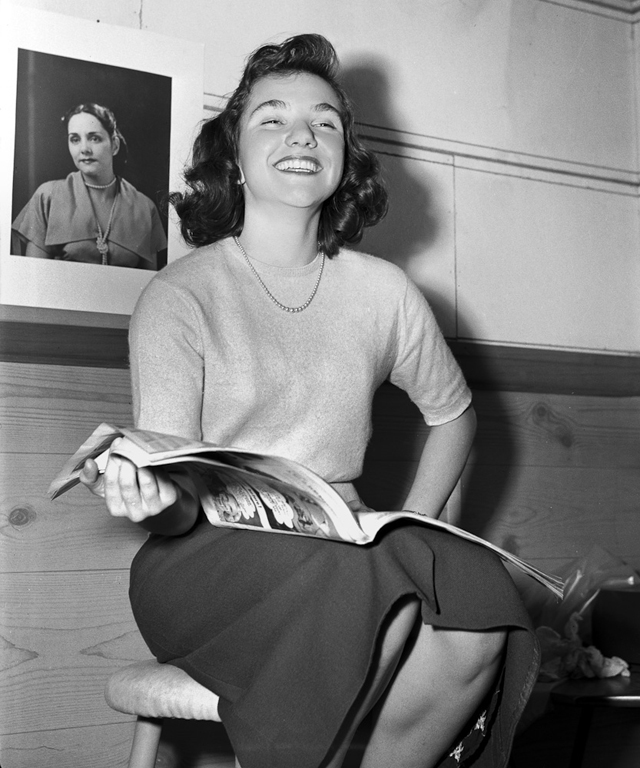
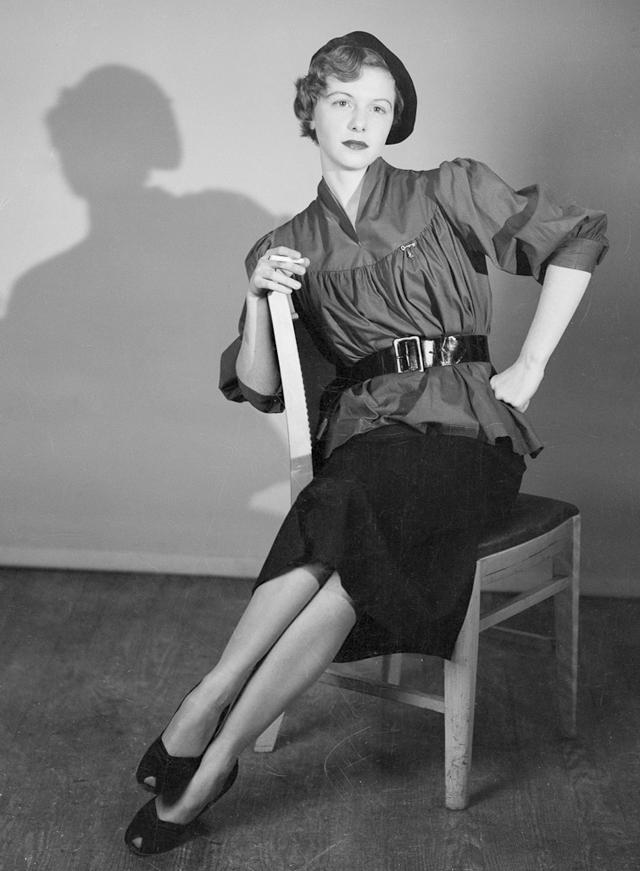
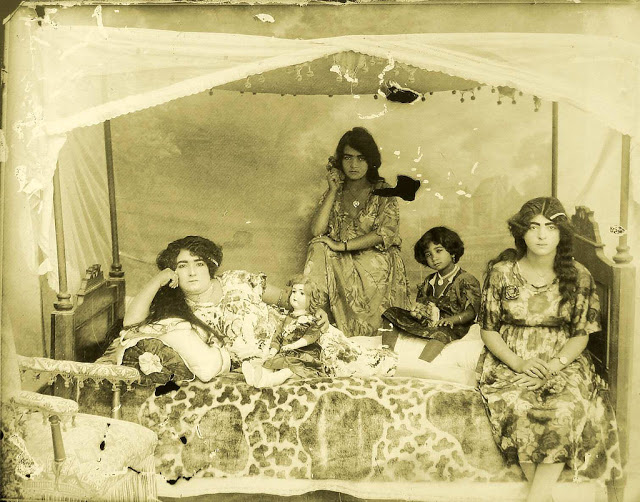
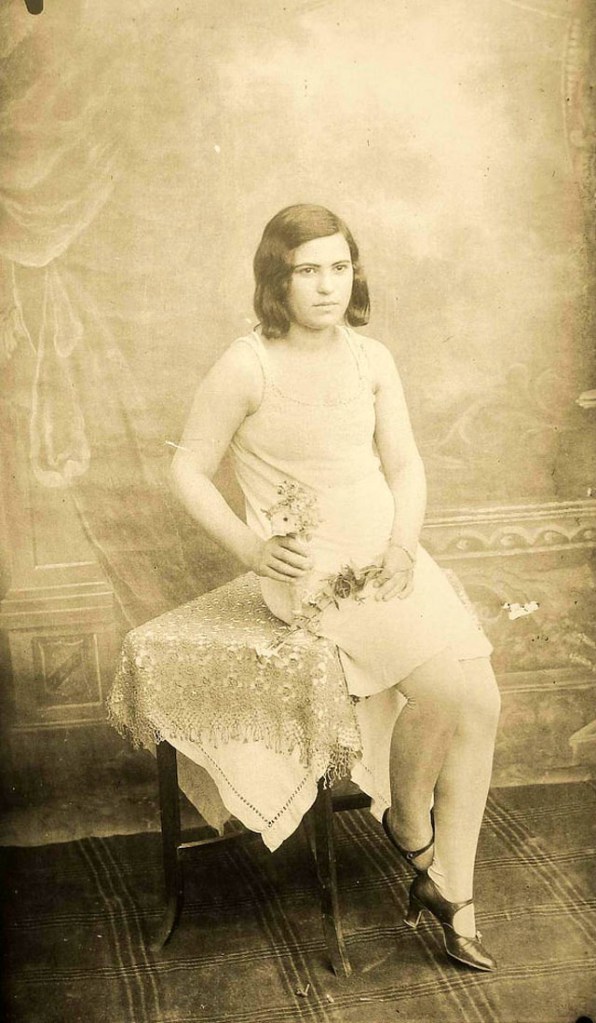
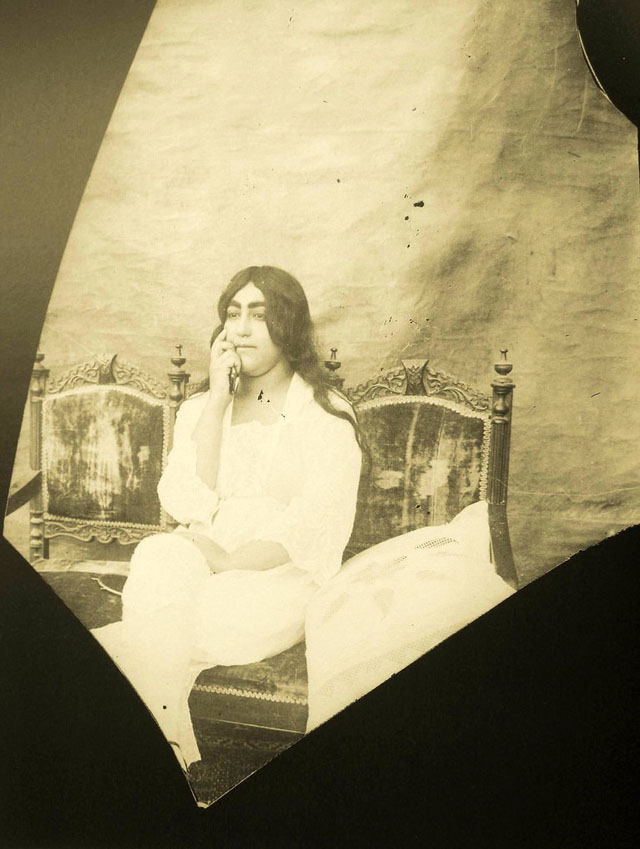
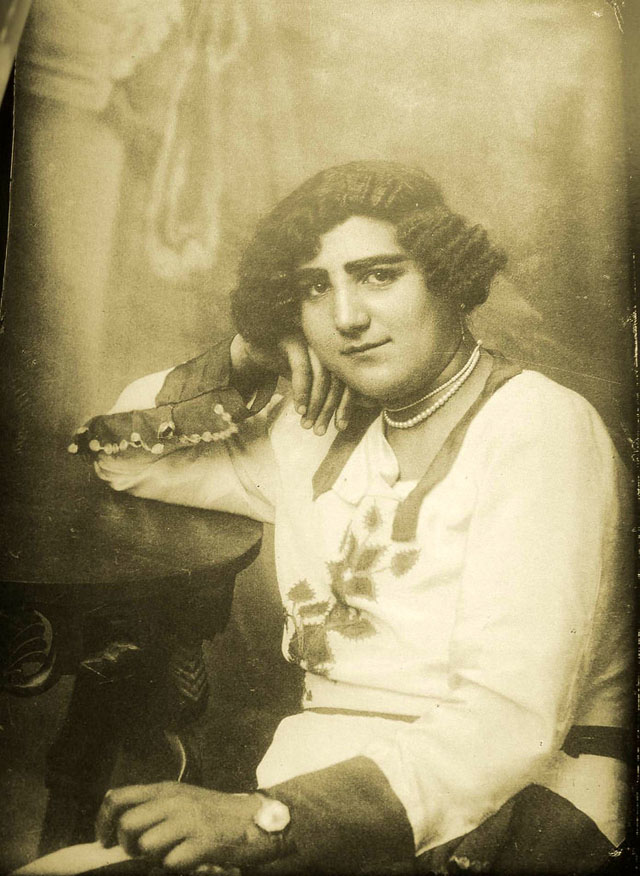
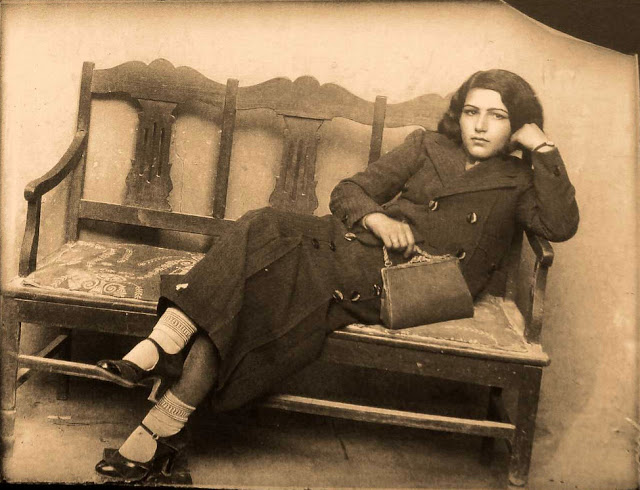
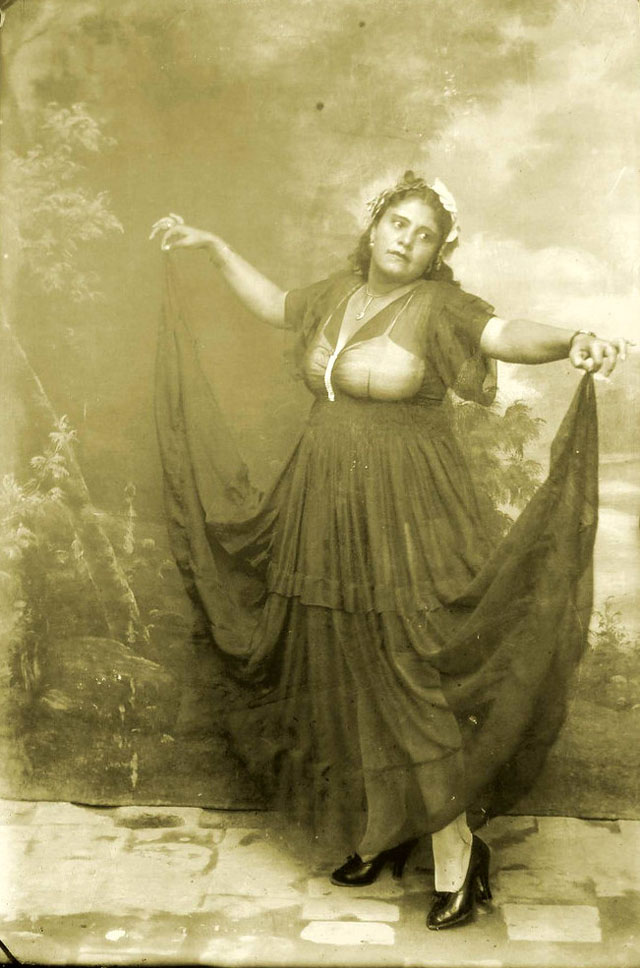
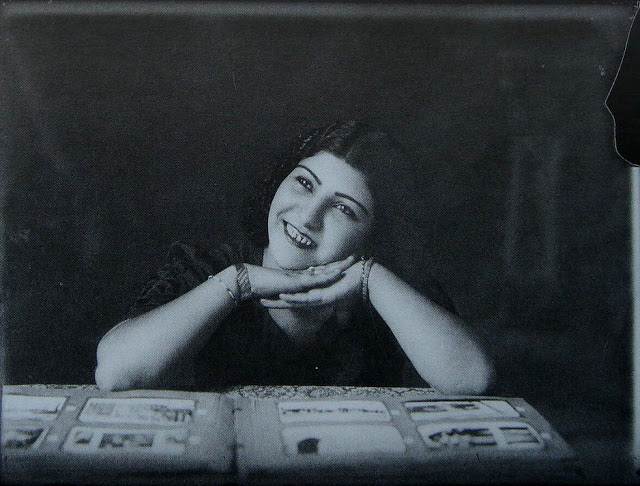
Parisa Damandan (born 1967) is an Iranian photographer and art historian. She received a degree in photography from the University of Tehran. She is the author of Portrait photographs from Isfahan: Faces in transition, 1920-1950, a book illustrating the history of Isfahan in the early 20th century with portrait photographs, which she collected over a period of ten years.
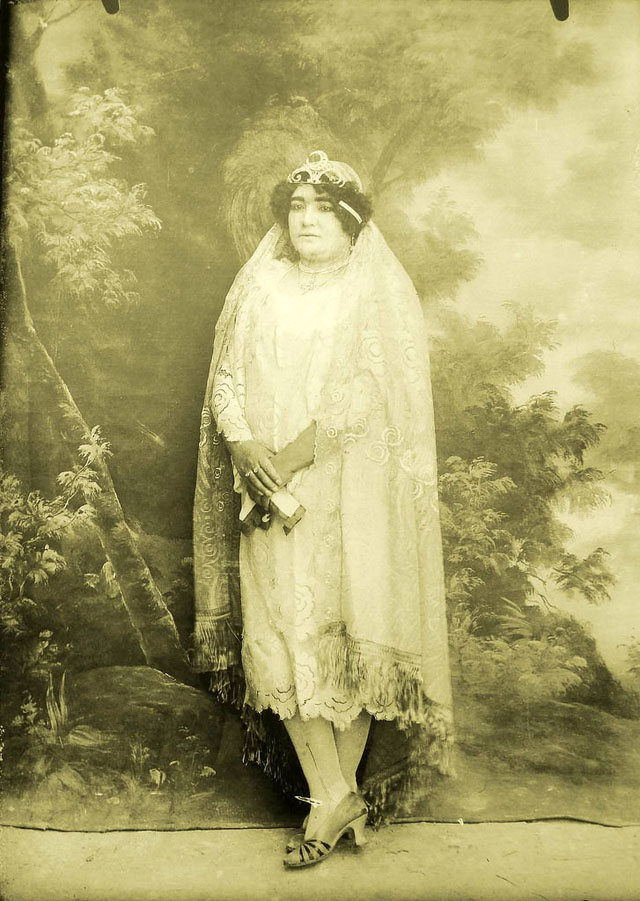
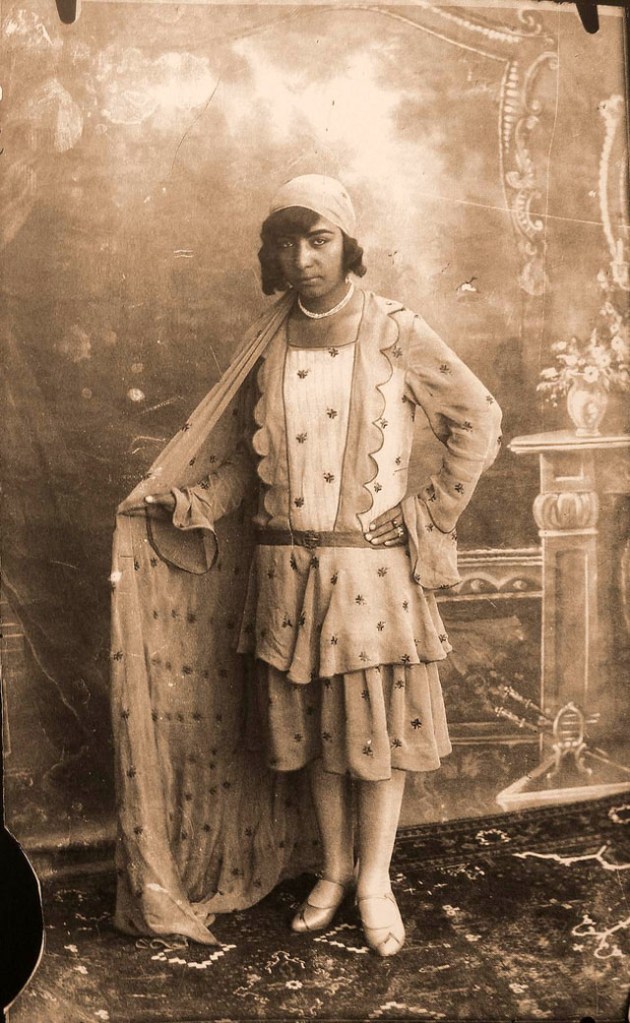
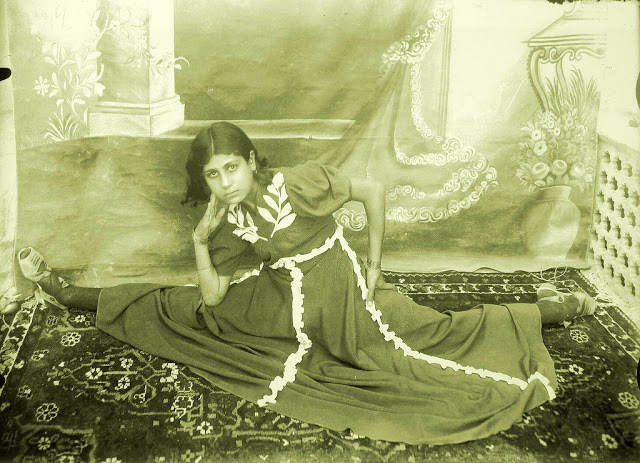
The photographs were hard to find because many photo archives in Isfahan had been burned after the enactment of a 1979 law forbidding depictions of unveiled women. These amazing photos from her collection that show portraits of Iranian women taken from between the 1920s and 1950s.









London is the capital and largest city of England and the United Kingdom. It stands on the River Thames in south-east England at the head of a 50-mile (80 km) estuary down to the North Sea, and has been a major settlement for two millennia. The City of London, its ancient core and financial centre, was founded by the Romans as Londinium and retains boundaries close to its medieval ones. Since the 19th century, “London” has also referred to the metropolis around this core, historically split between the counties of Middlesex, Essex, Surrey, Kent, and Hertfordshire, which largely comprises Greater London, governed by the Greater London Authority. The City of Westminster, to the west of the City of London, has for centuries held the national government and parliament.
London, as one of the world’s global cities, exerts strong influence on its arts, commerce, education, entertainment, fashion, finance, health care, media, tourism, and communications. Its GDP (€801.66 billion in 2017) makes it the biggest urban economy in Europe and one of the major financial centres in the world. In 2019 it had the second highest number of ultra high-net-worth individuals in Europe after Paris and the second-highest number of billionaires of any city in Europe after Moscow. With Europe’s largest concentration of higher education institutions, it includes Imperial College London in natural and applied sciences, the London School of Economics in social sciences, and the comprehensive University College London. The city is home to the most 5-star hotels of any city in the world. In 2012, London became the first city to host three Summer Olympic Games.
London’s diverse cultures mean over 300 languages are spoken. The mid-2018 population of Greater London of about 9 million, made it Europe’s third-most populous city. It accounts for 13.4 per cent of the UK population. Greater London Built-up Area is the fourth-most populous in Europe, after Istanbul, Moscow and Paris, with 9,787,426 inhabitants at the 2011 census. The London metropolitan area is the third-most populous in Europe after Istanbul’s and Moscow’s, with 14,040,163 inhabitants in 2016.
London has four World Heritage Sites: the Tower of London; Kew Gardens; the Palace of Westminster, along with Westminster Abbey, and St Margaret’s Church; and the historic settlement in Greenwich, where the Royal Observatory, Greenwich defines the Prime Meridian (0° longitude) and Greenwich Mean Time. Other landmarks include Buckingham Palace, the London Eye, Piccadilly Circus, St Paul’s Cathedral, Tower Bridge and Trafalgar Square. It has numerous museums, galleries, libraries and sporting venues, including the British Museum, National Gallery, Natural History Museum, Tate Modern, British Library and West End theatres. The London Underground is the oldest rapid transit system in the world. (Wikipedia)
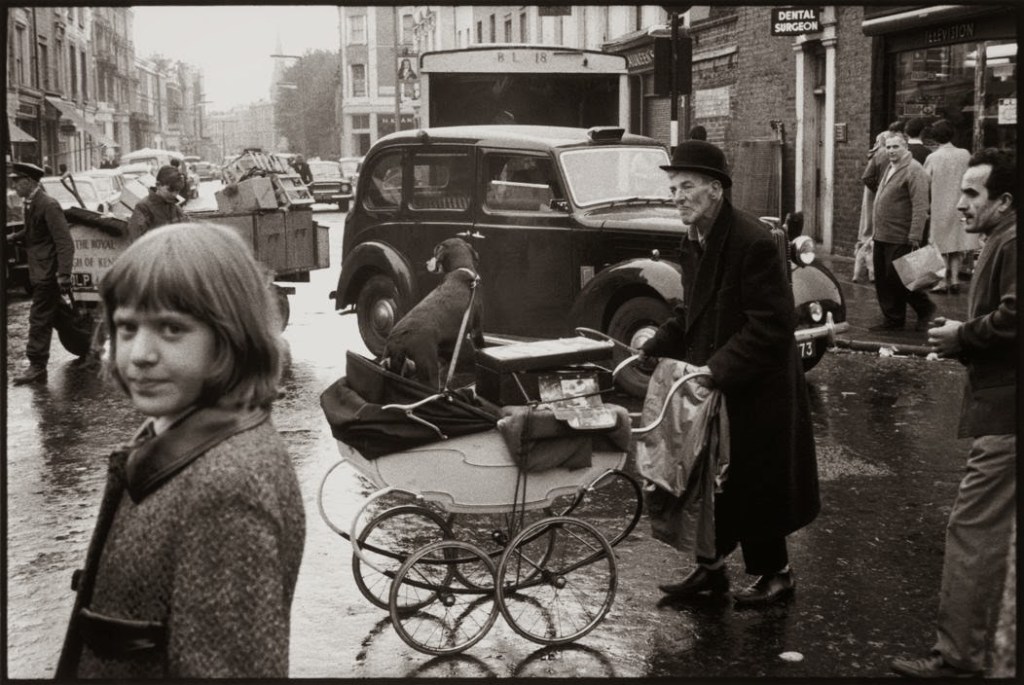

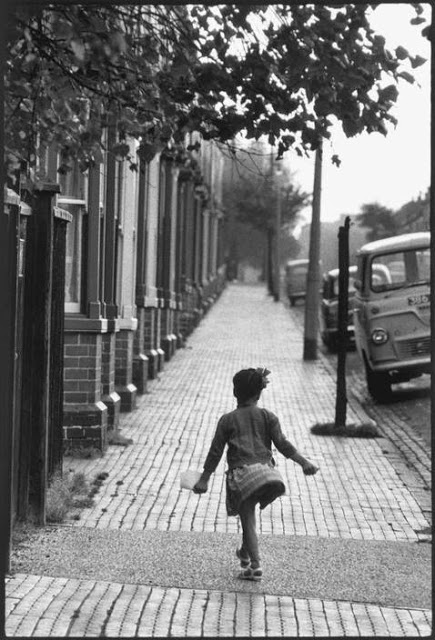
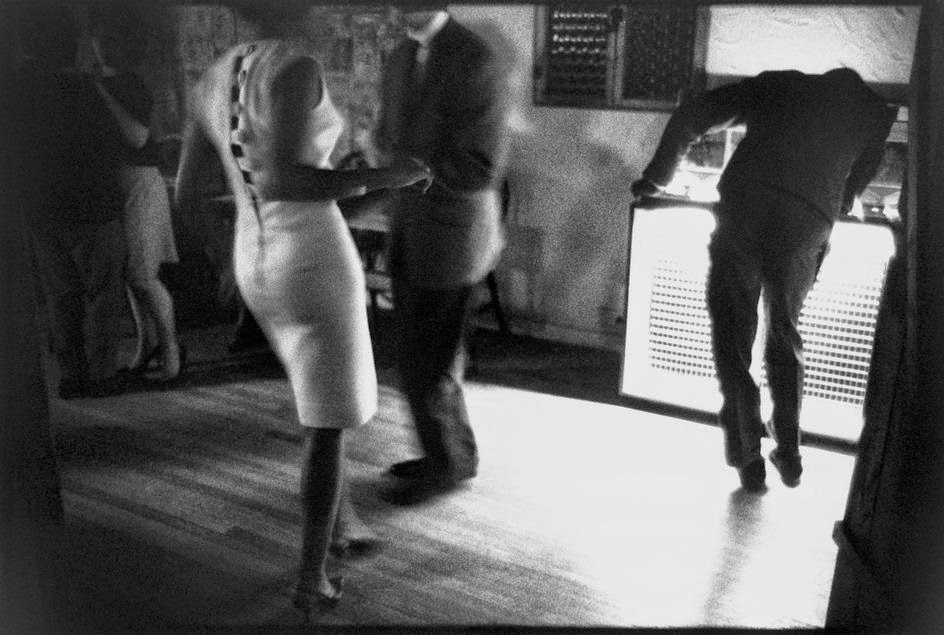
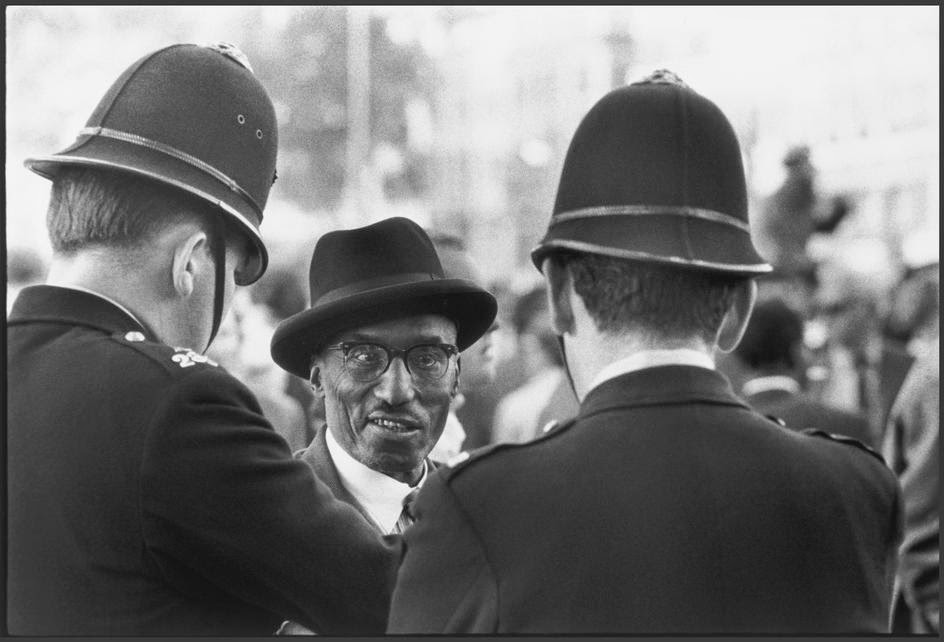
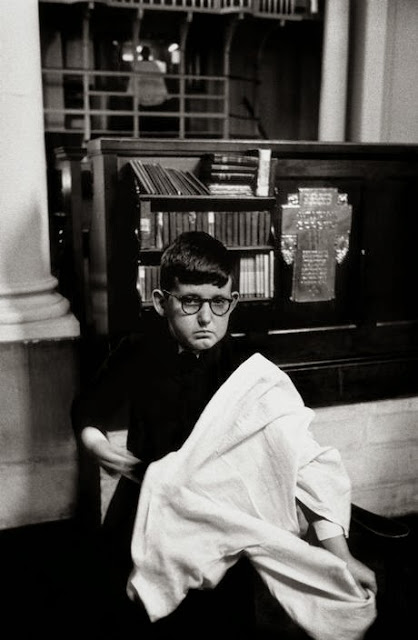
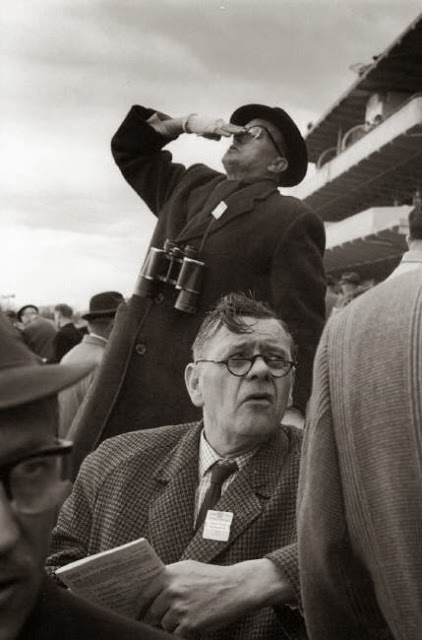
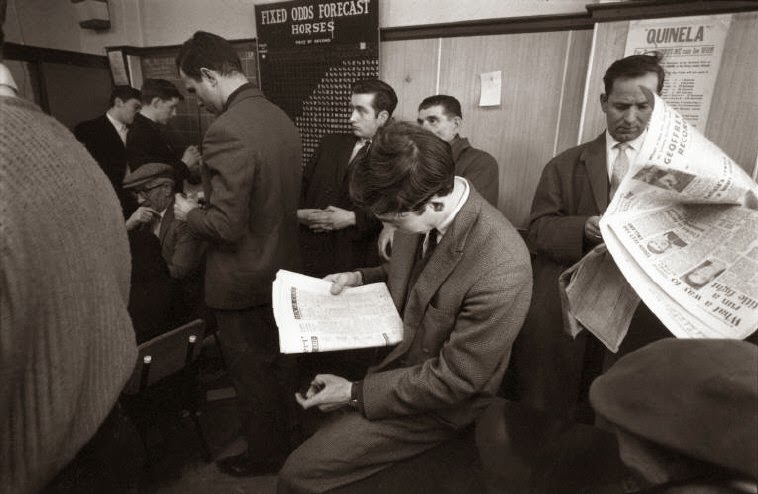
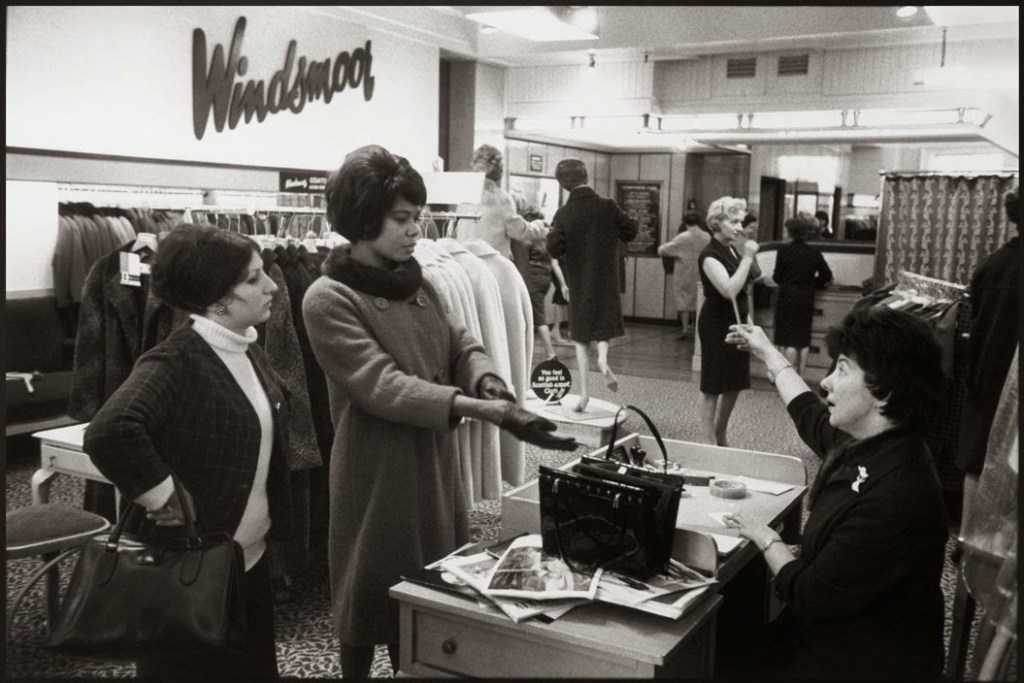


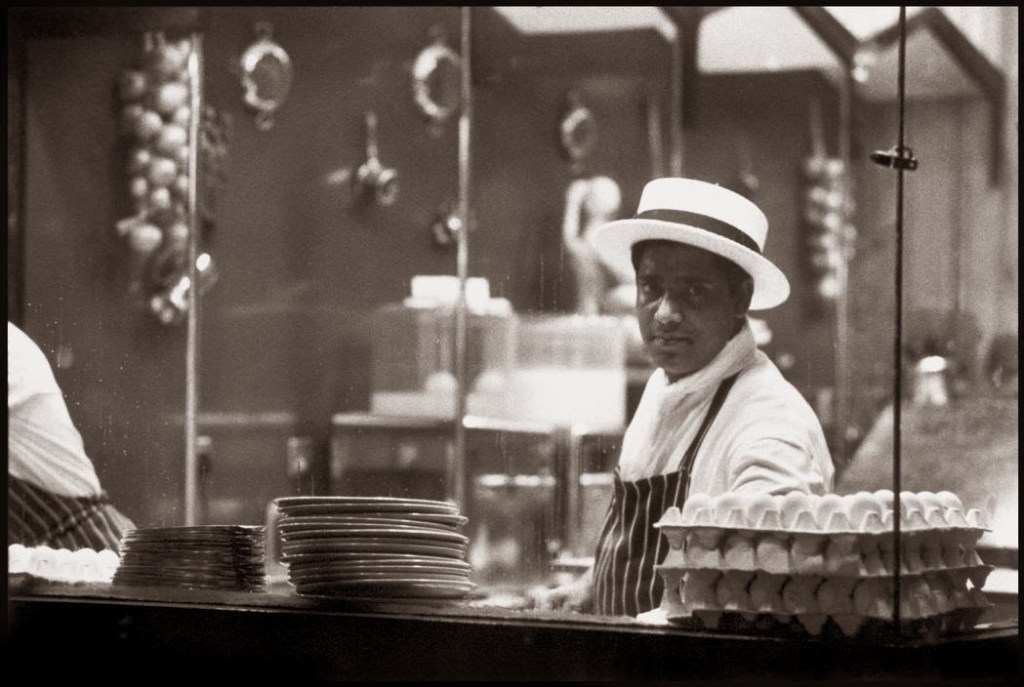


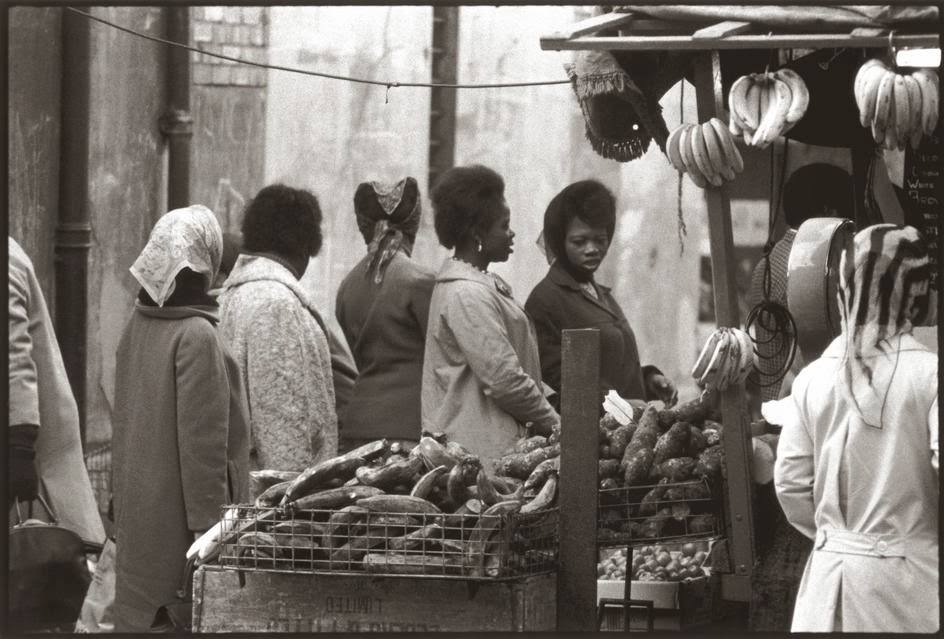
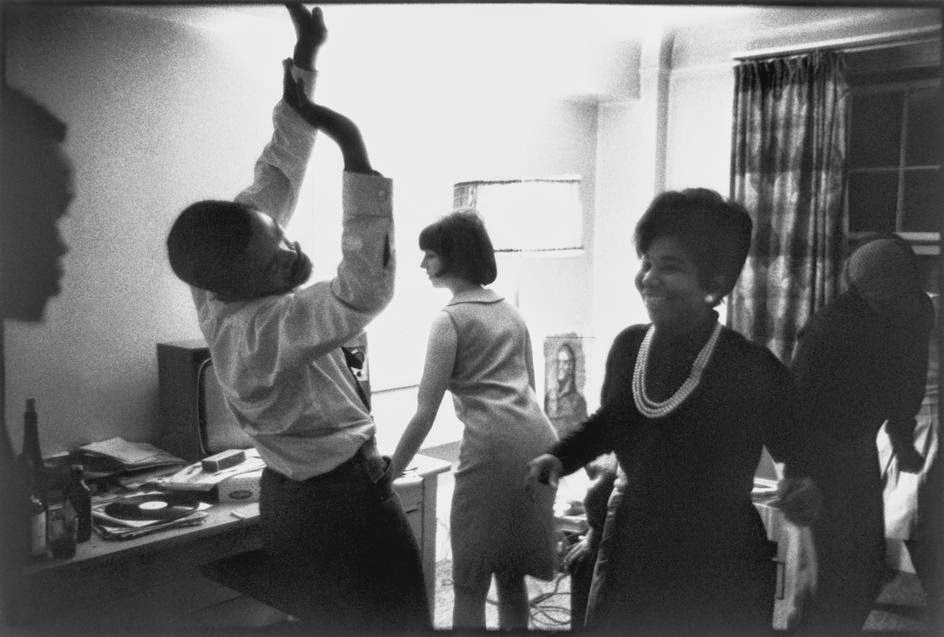

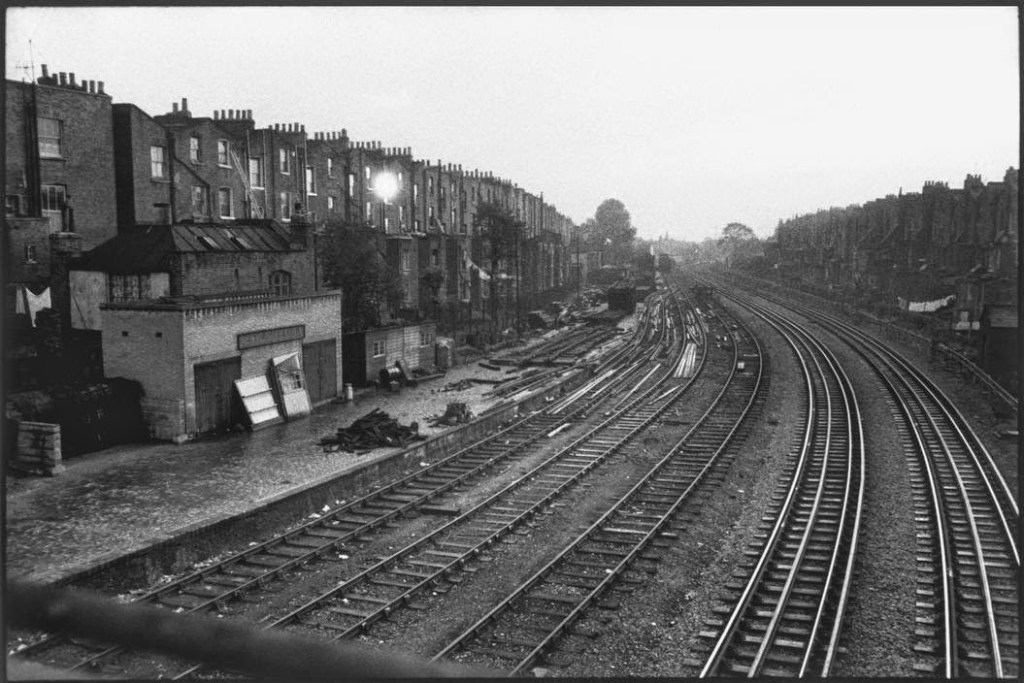
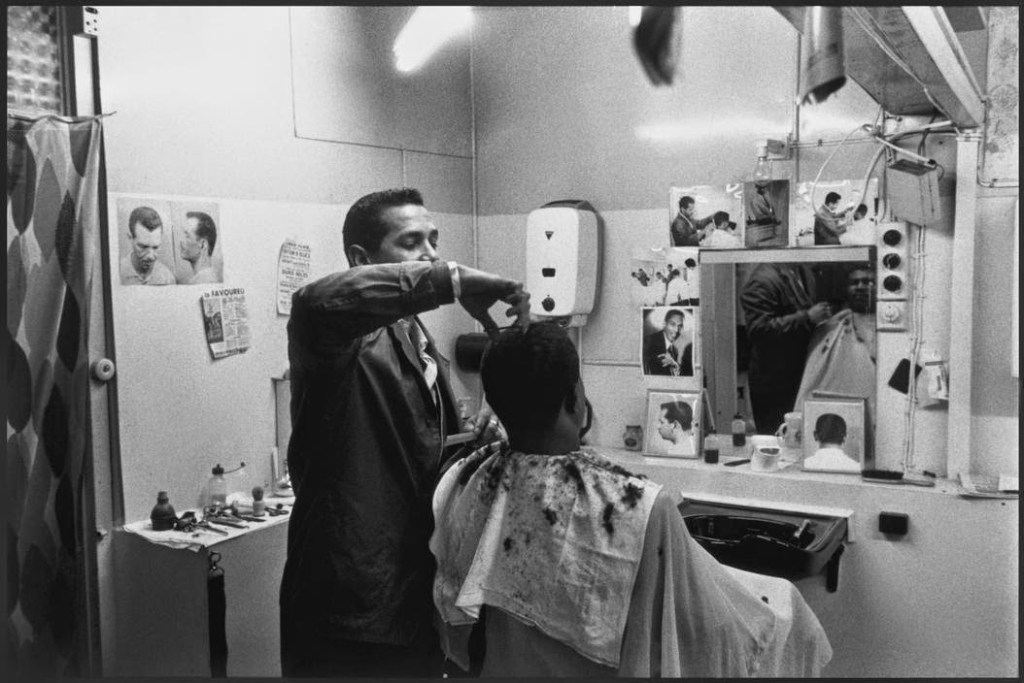
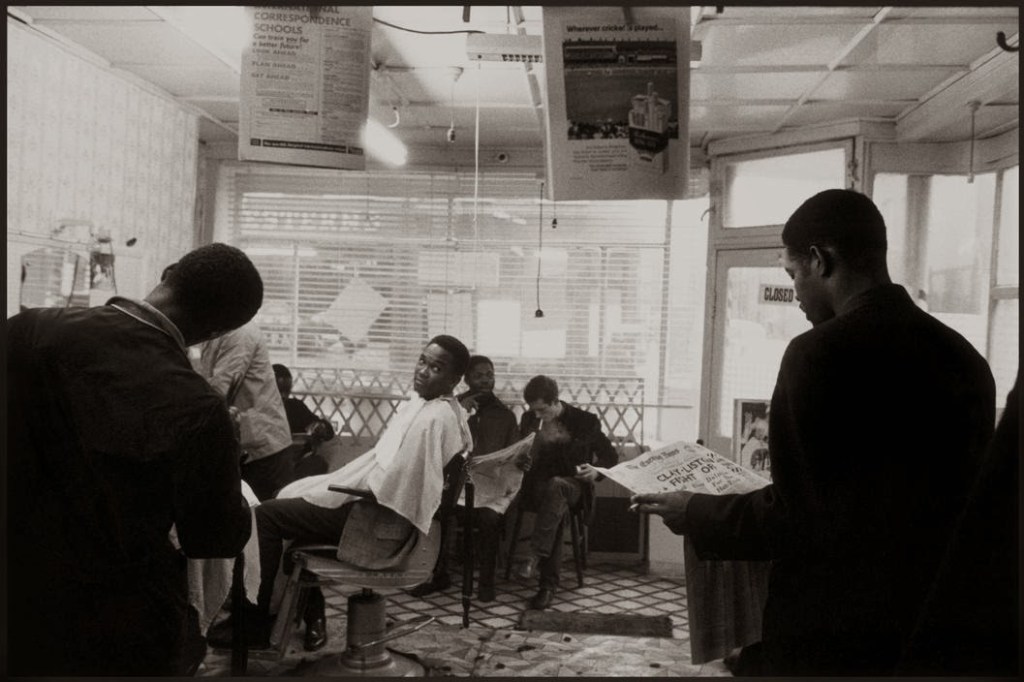

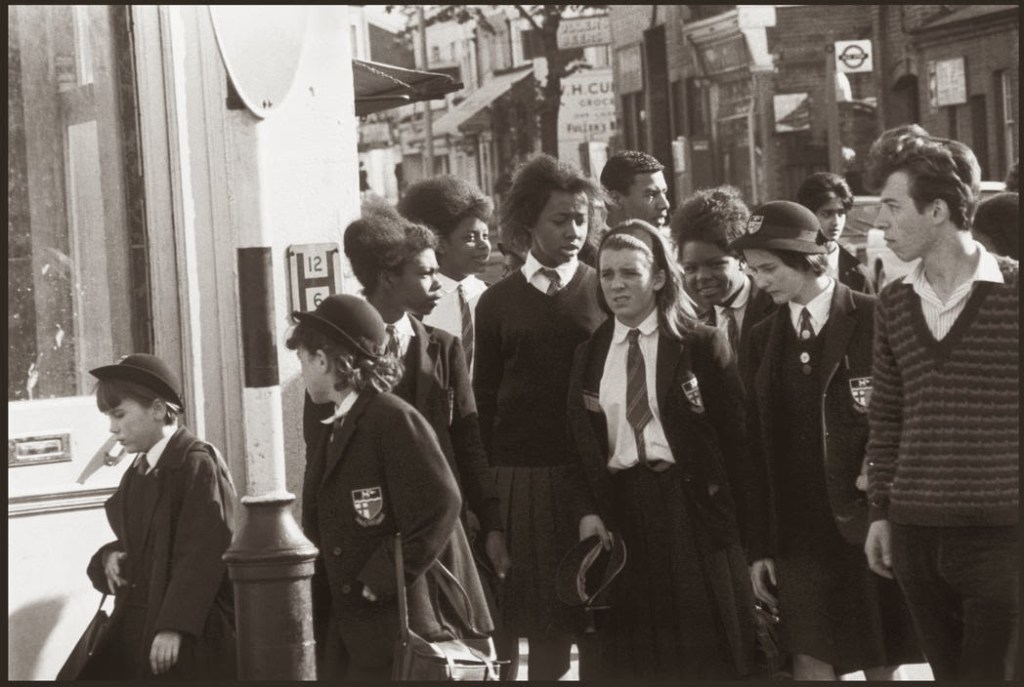
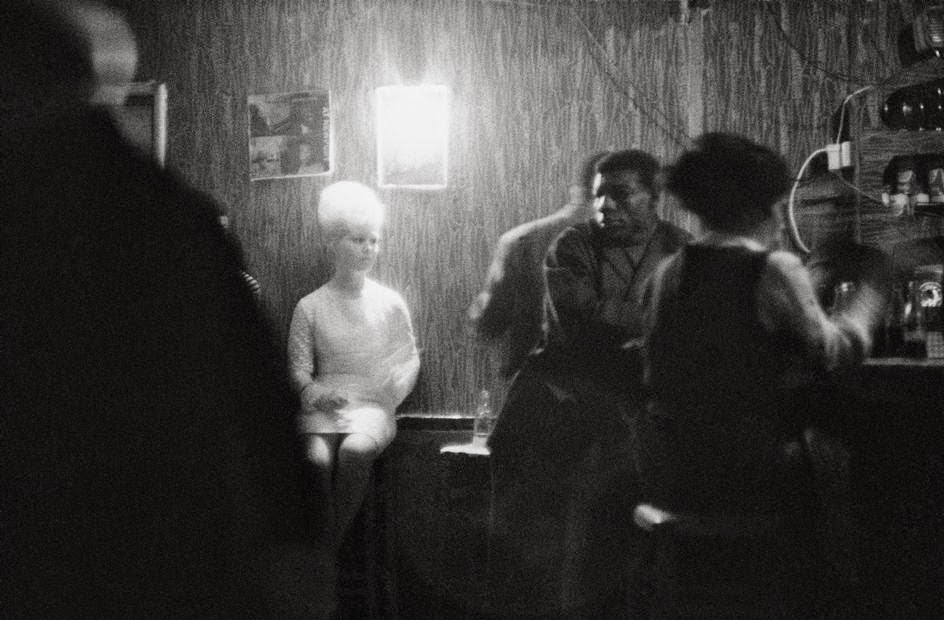
(Photos © Ian Berry/Magnum Photos)
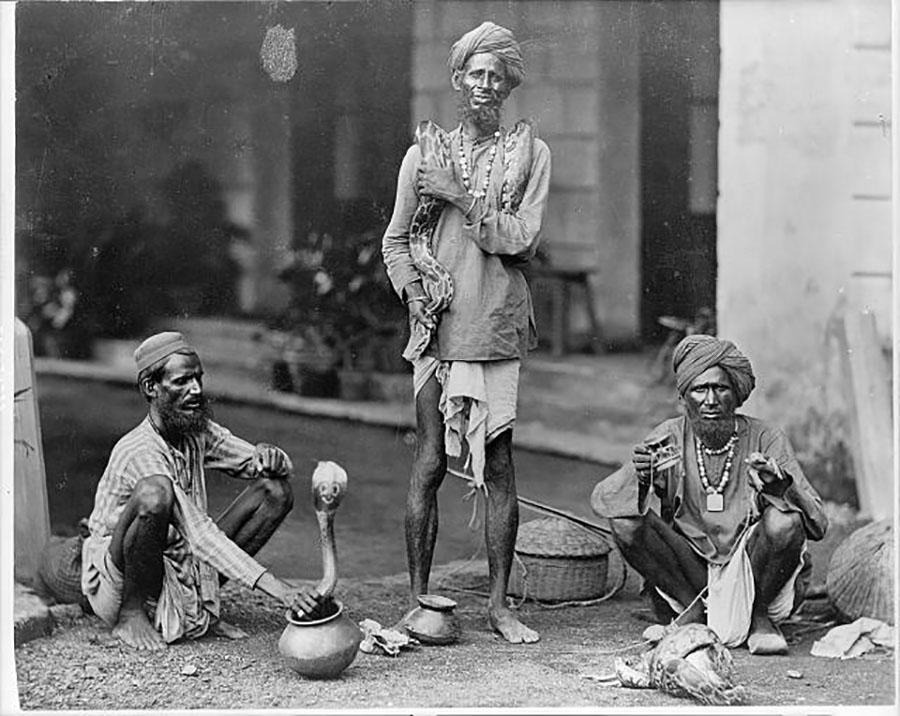

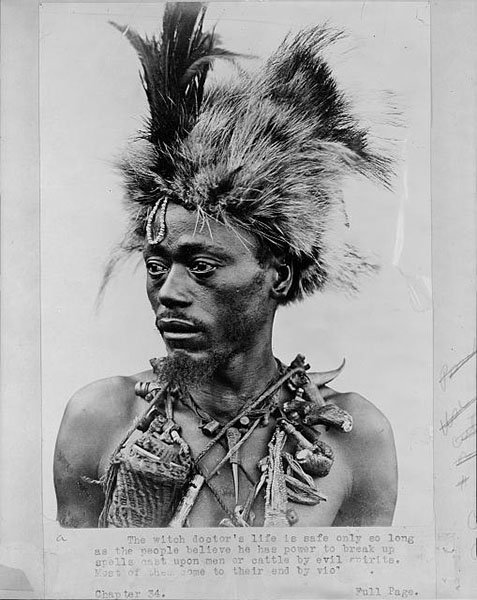

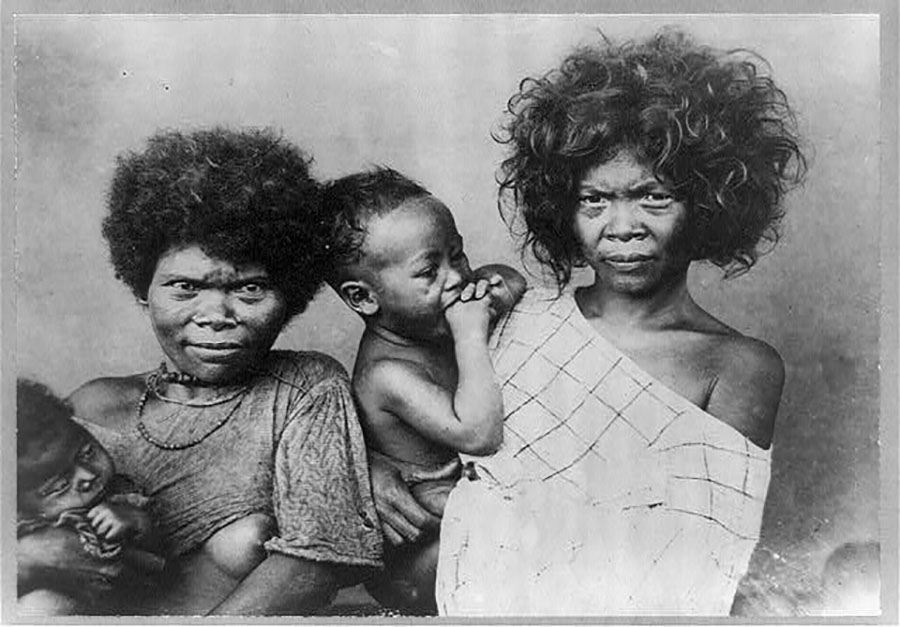


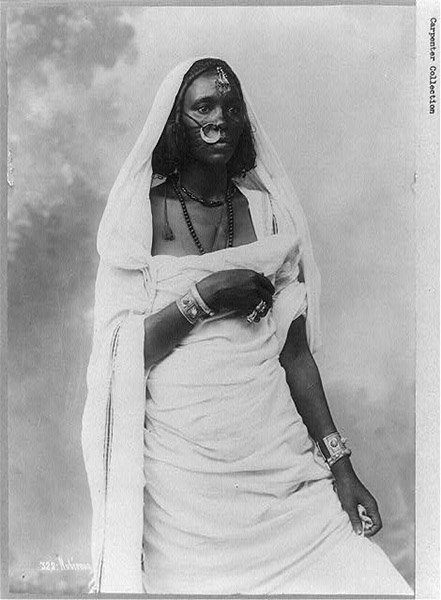
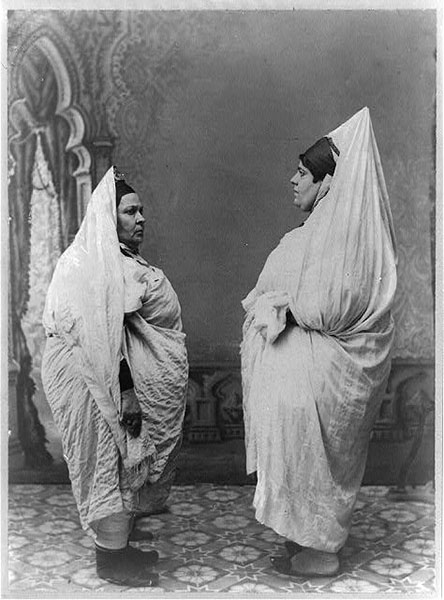
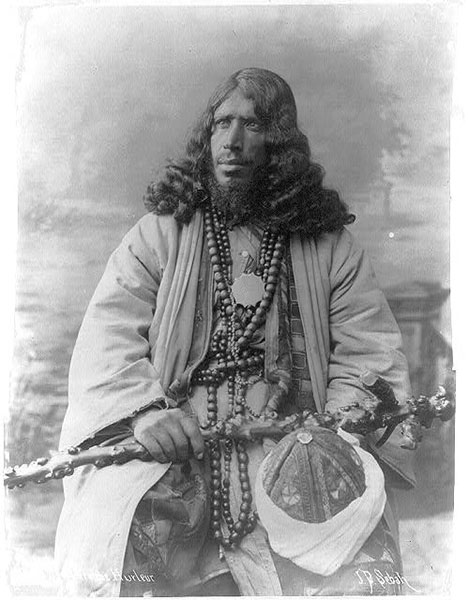


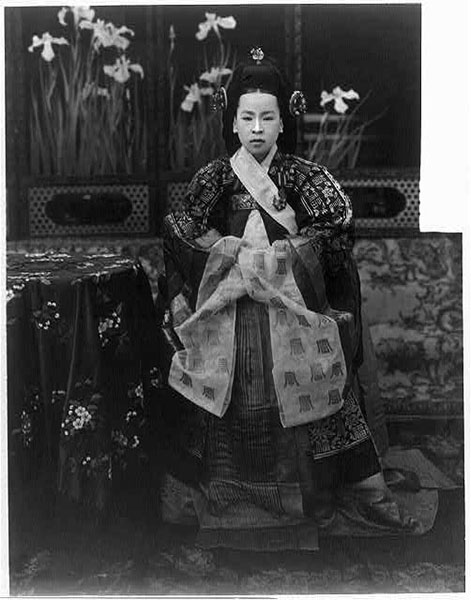

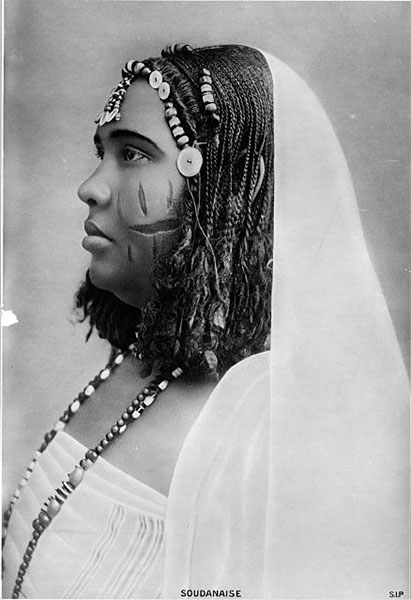
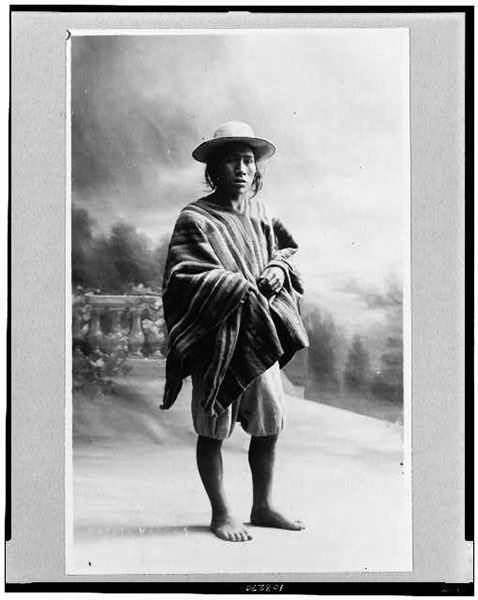

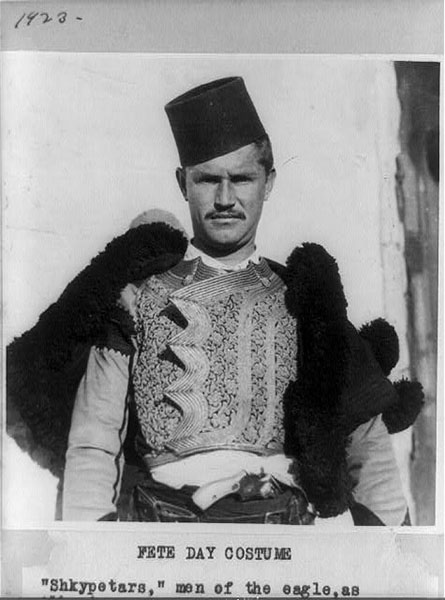

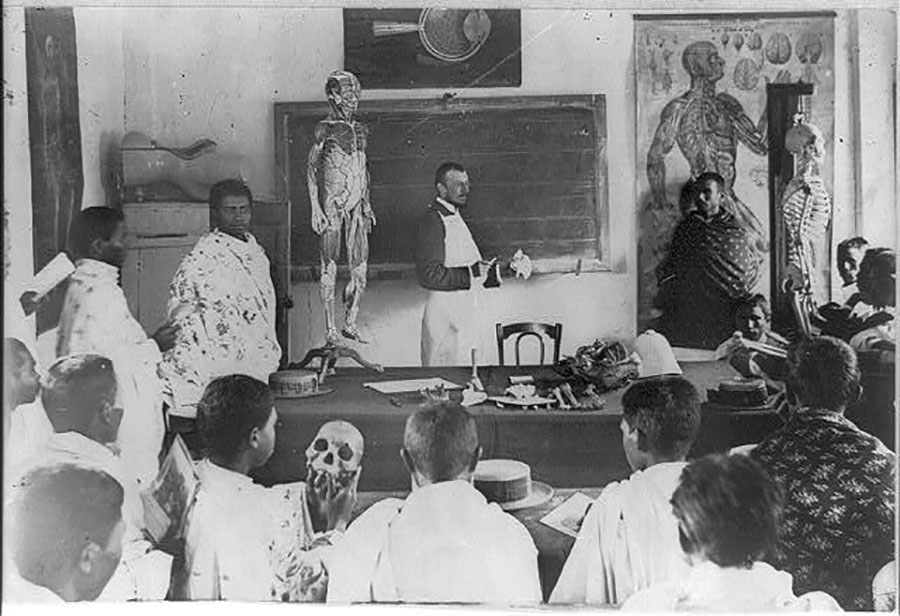
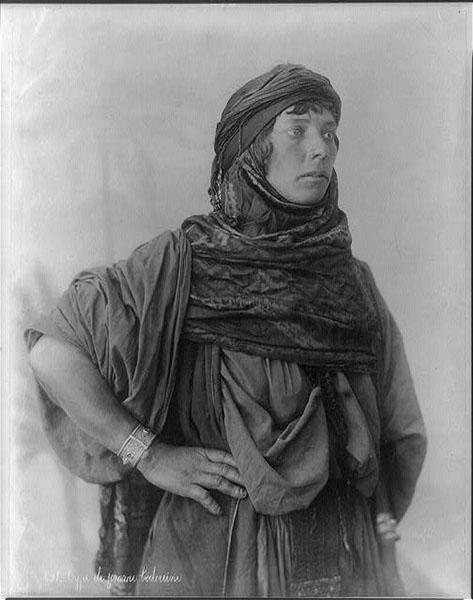


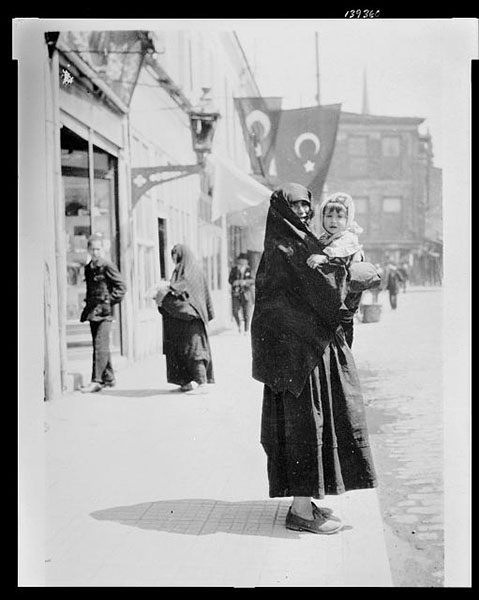
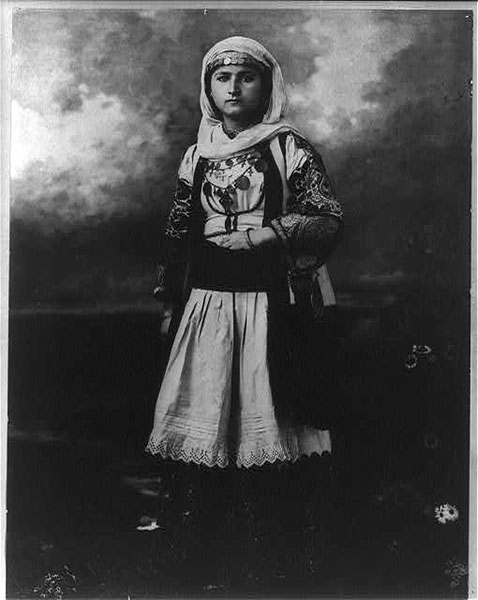
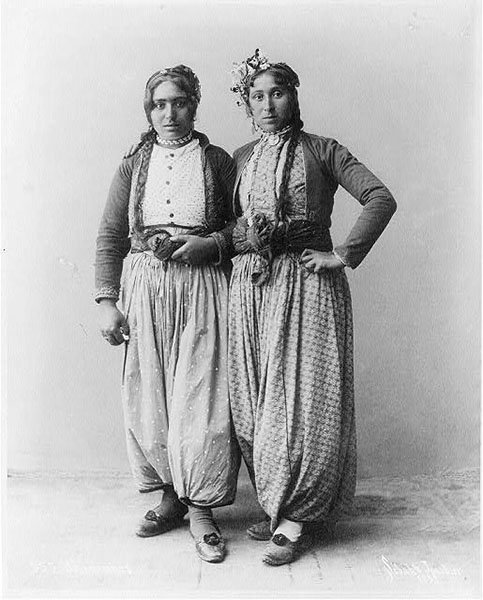
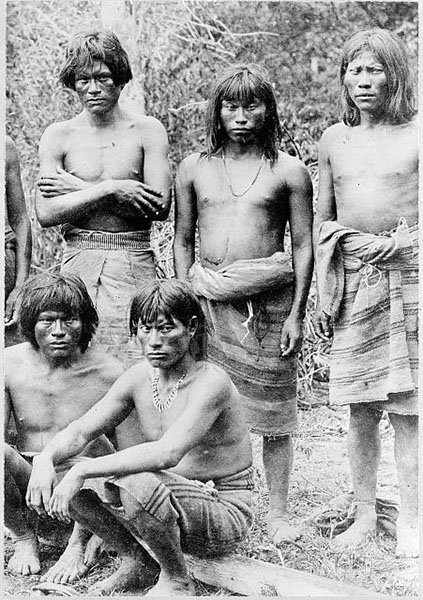


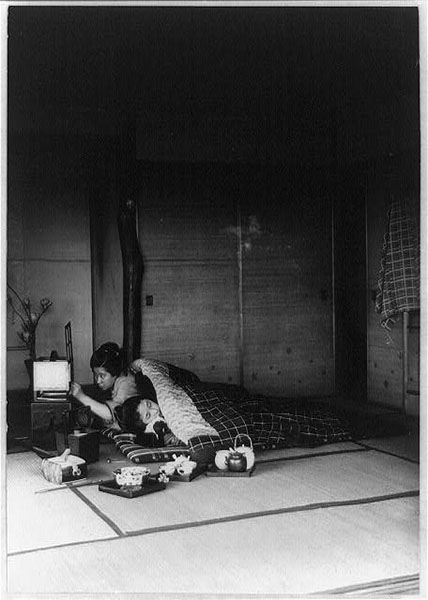
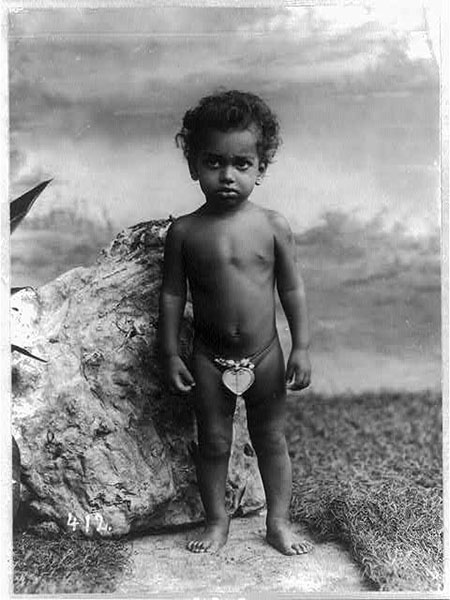


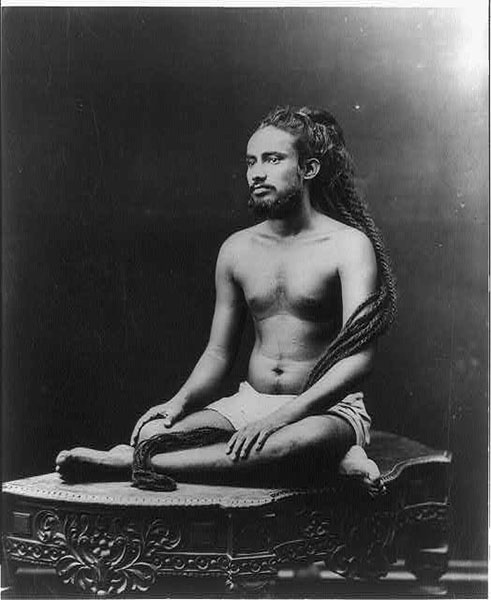
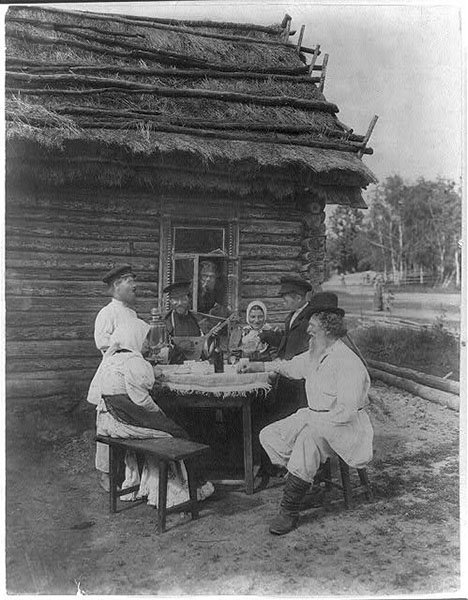
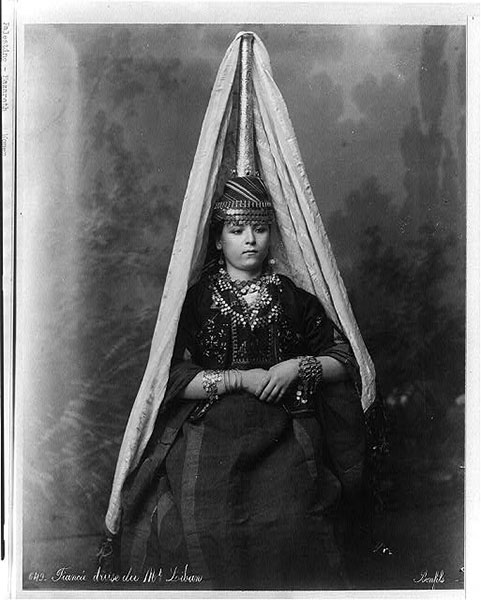
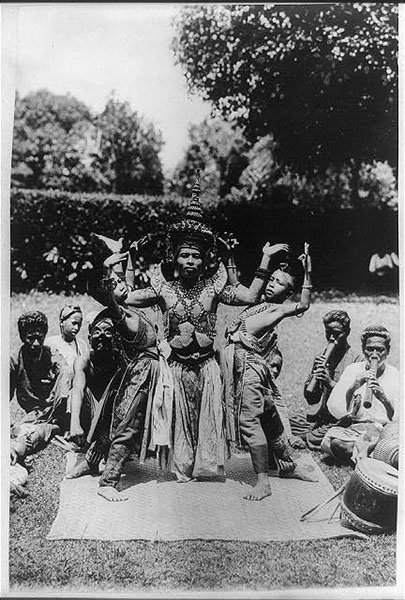

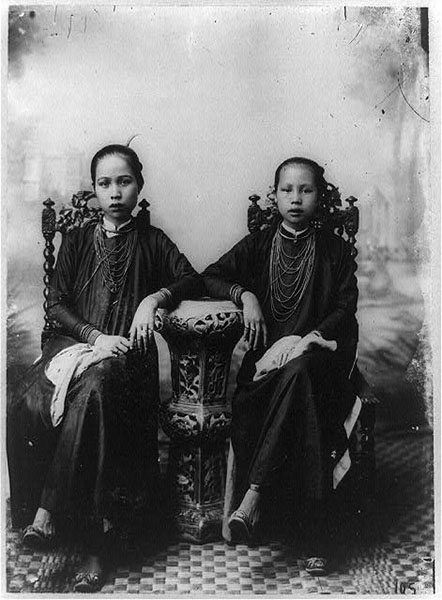

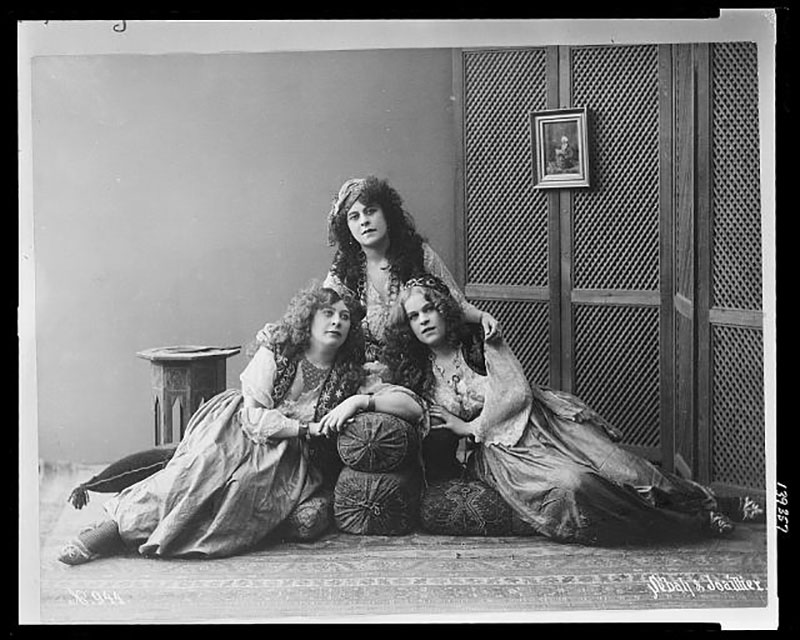


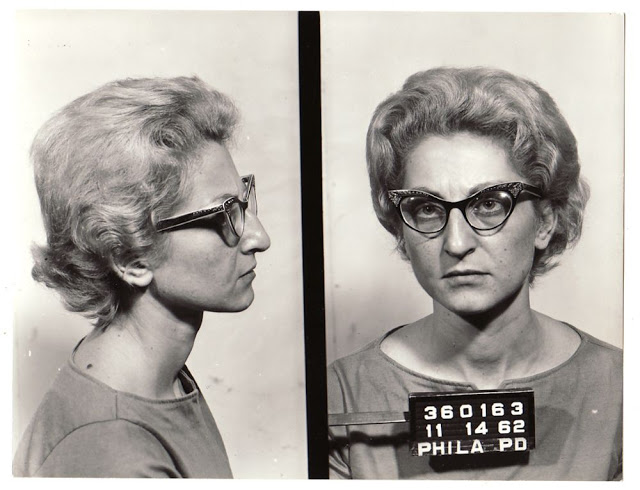
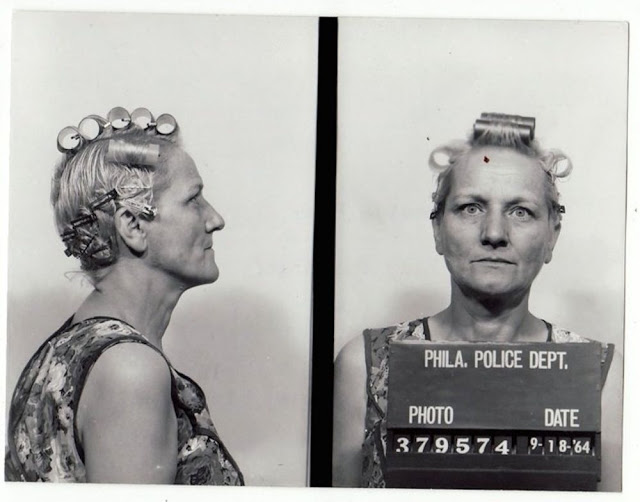
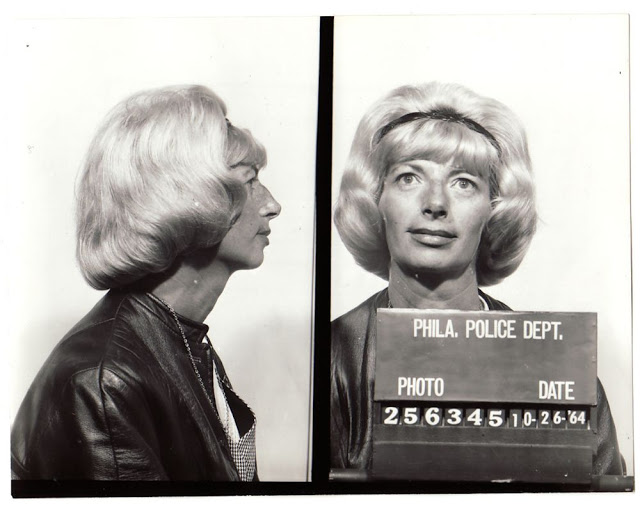
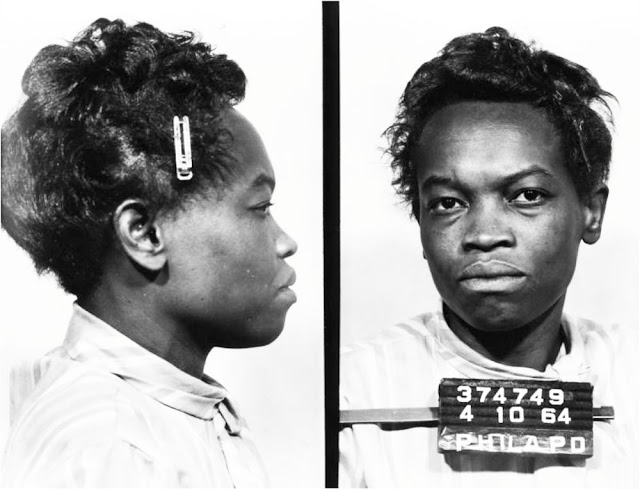
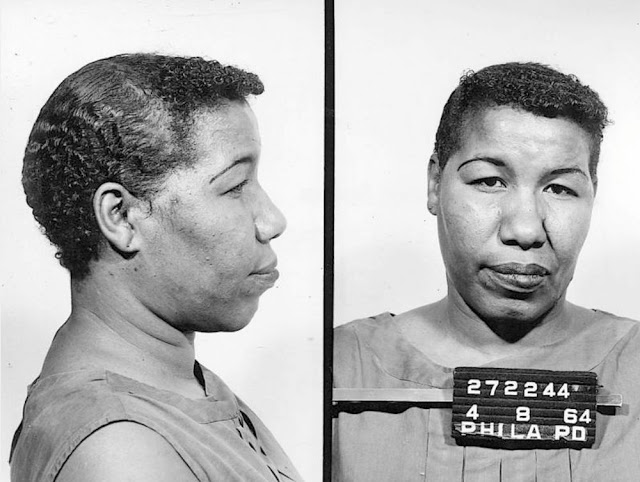
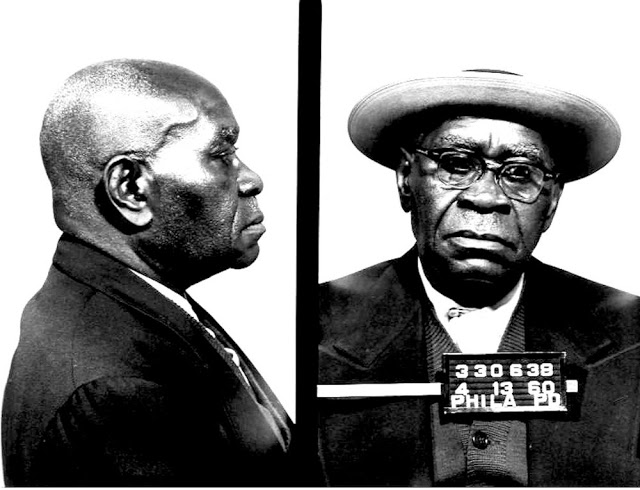
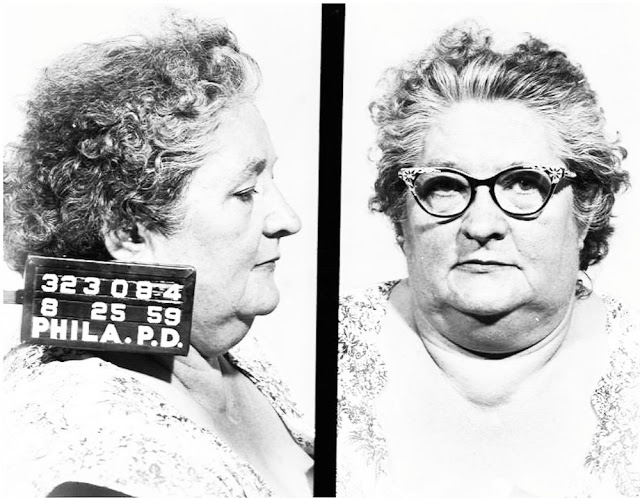
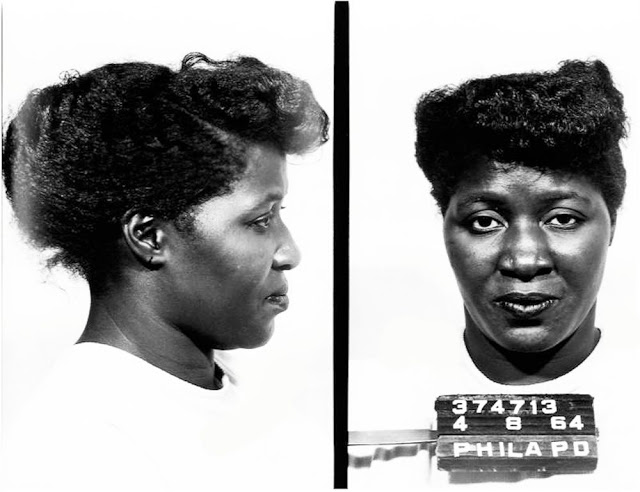
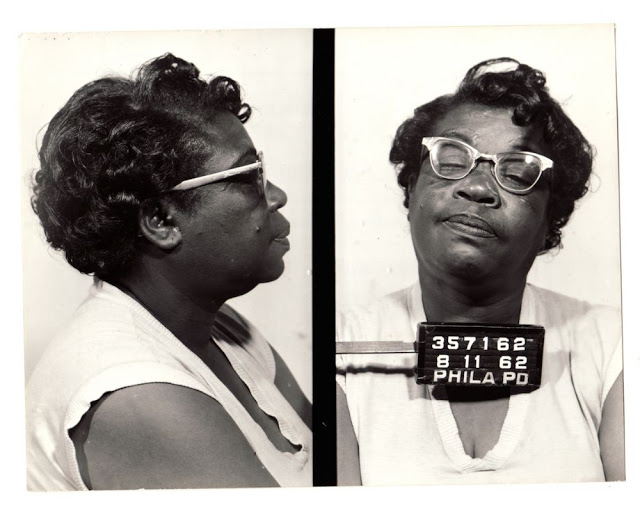
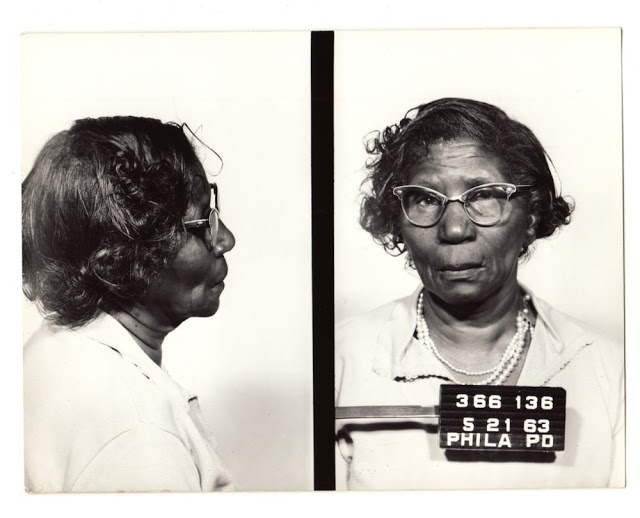
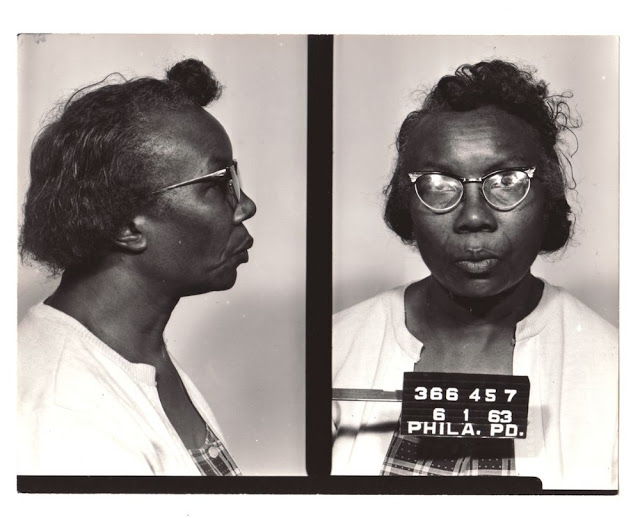
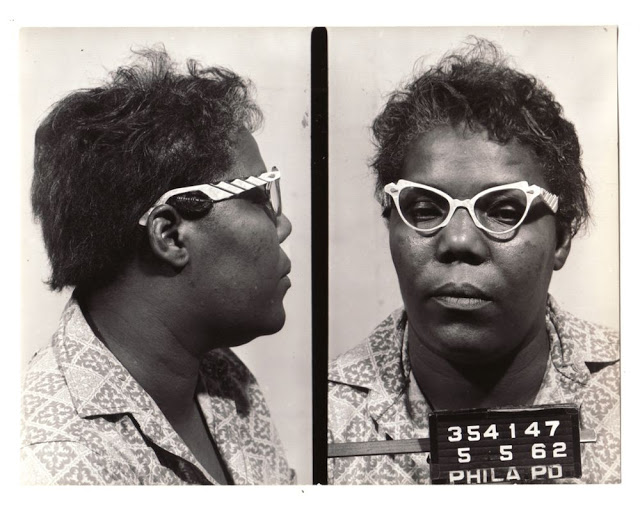
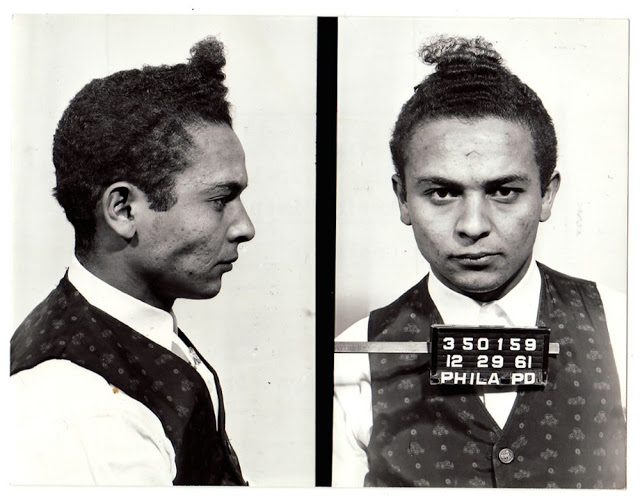
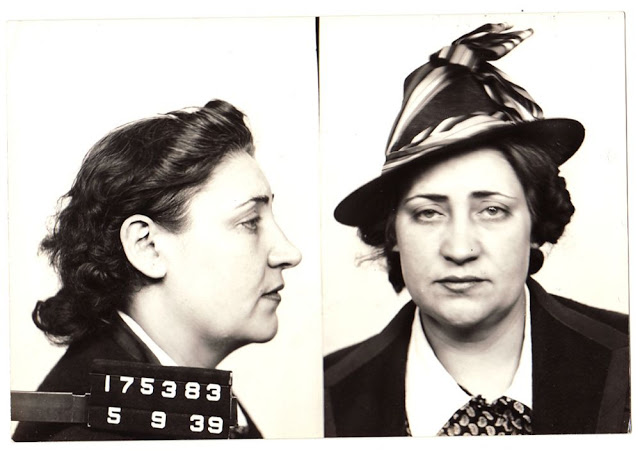
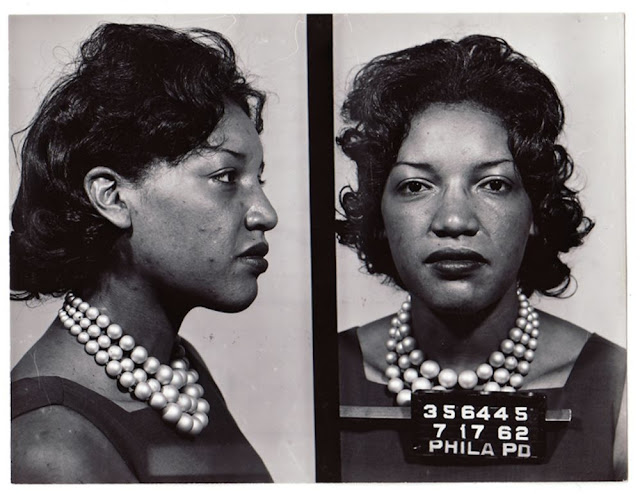
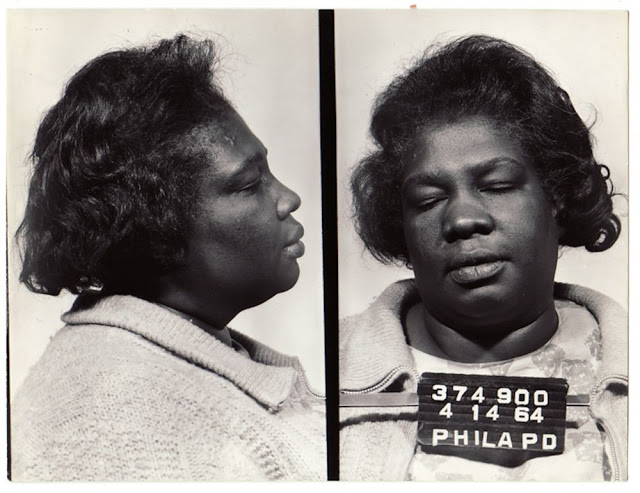
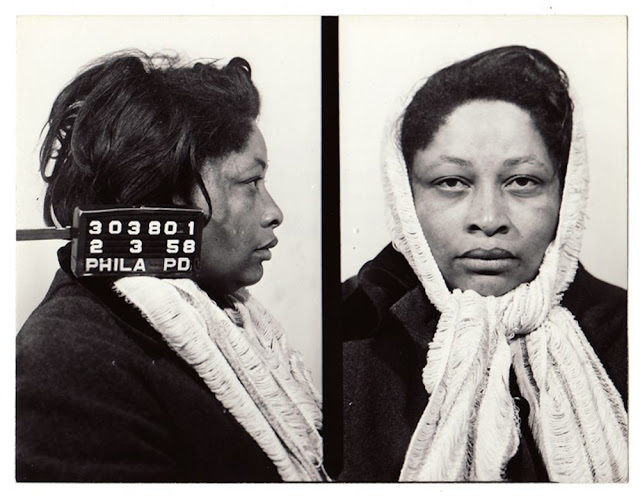
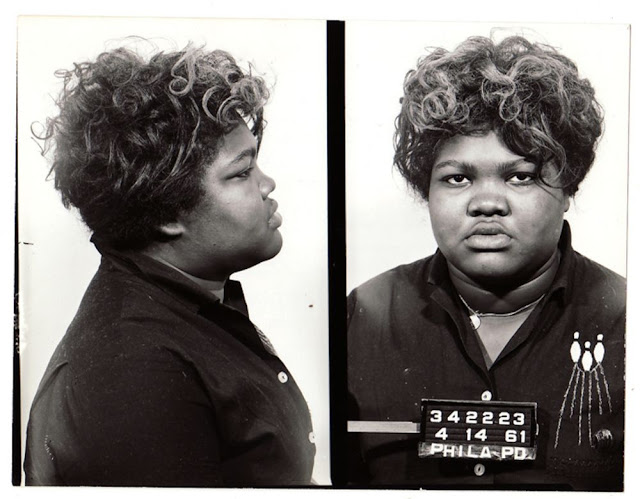
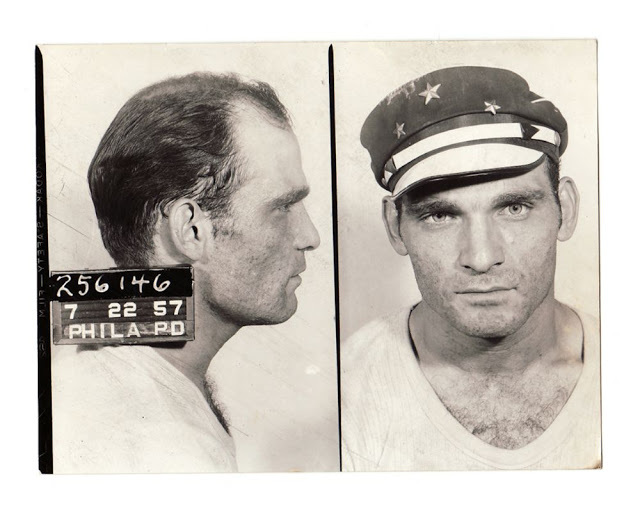
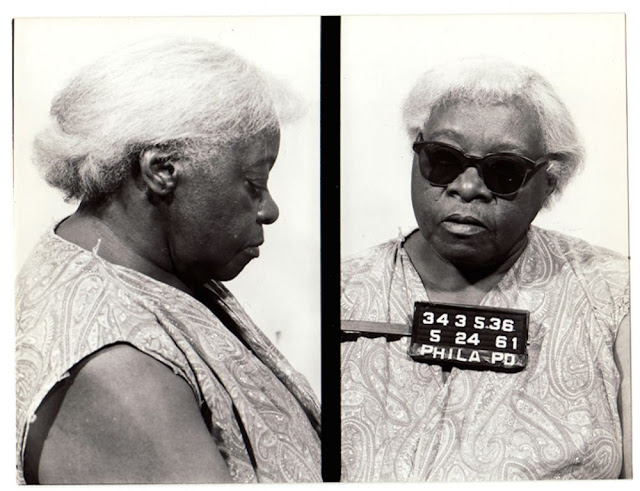
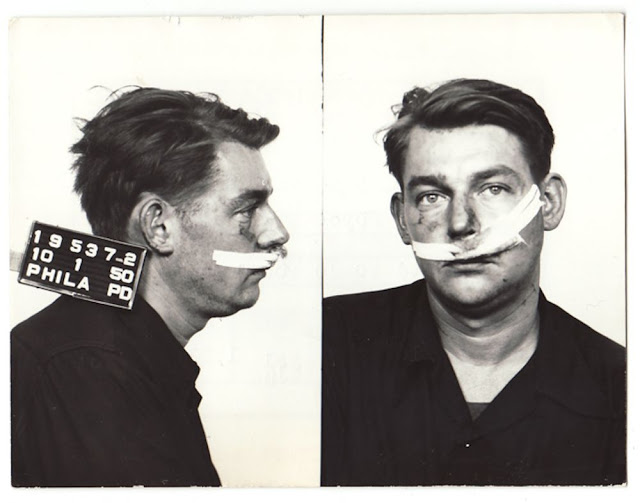
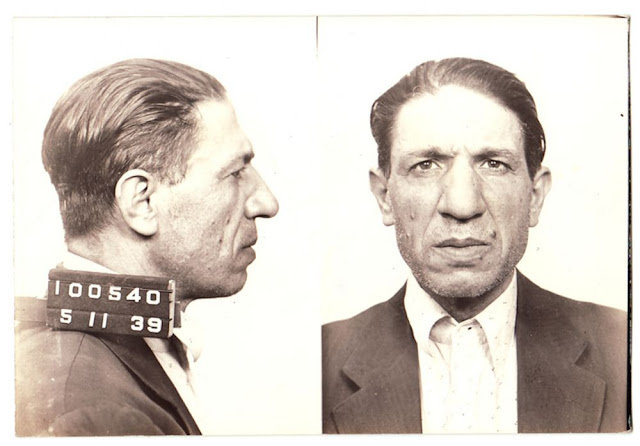
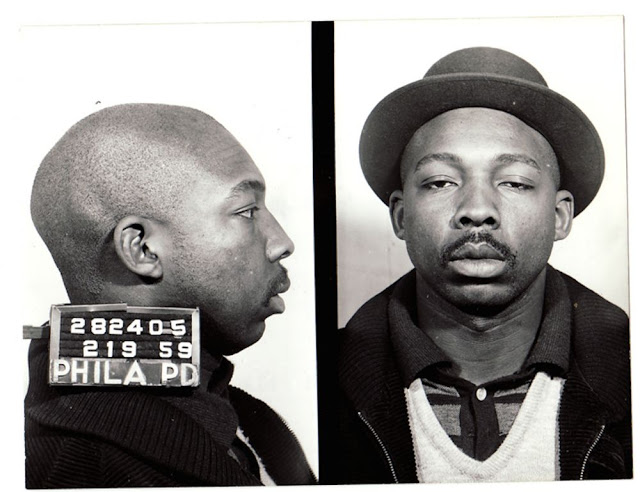
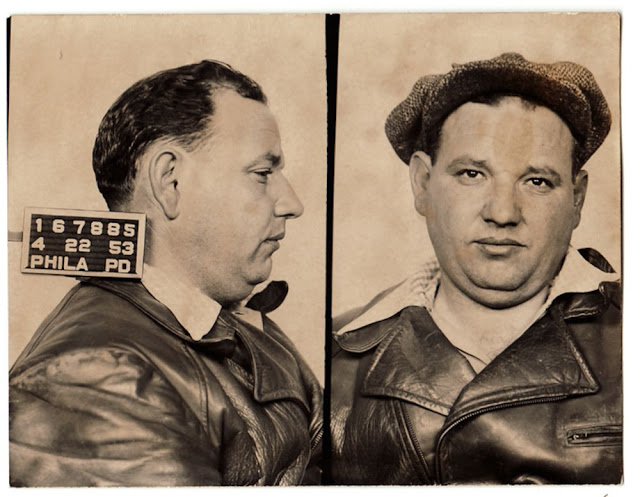
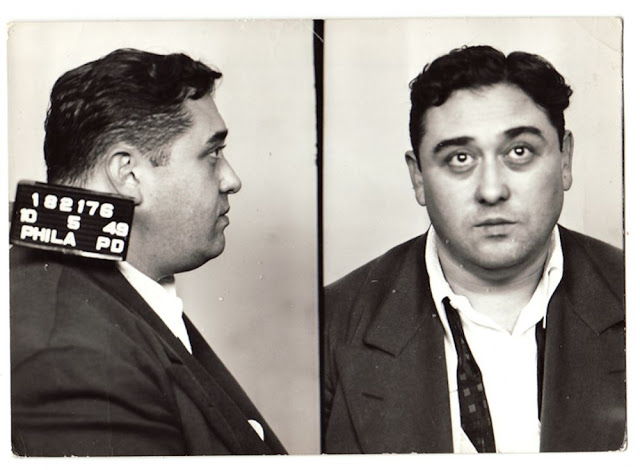
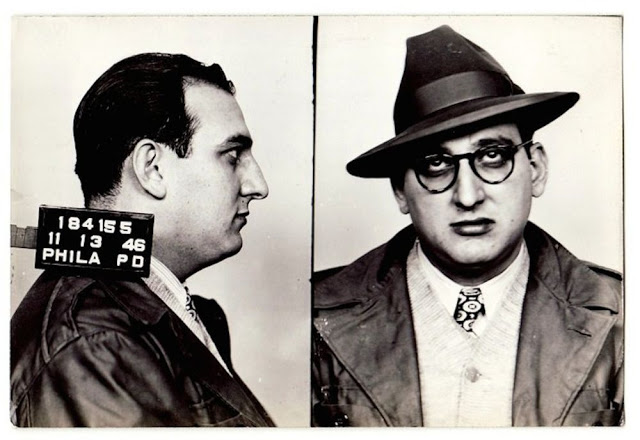
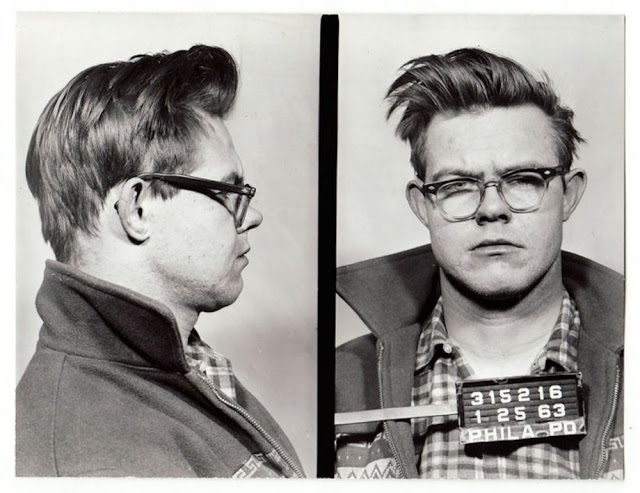
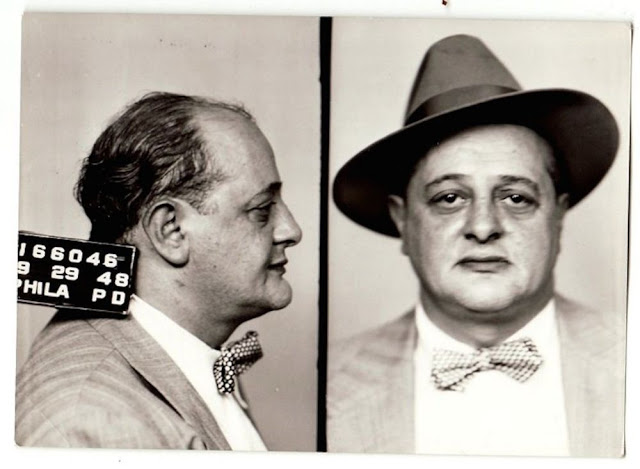
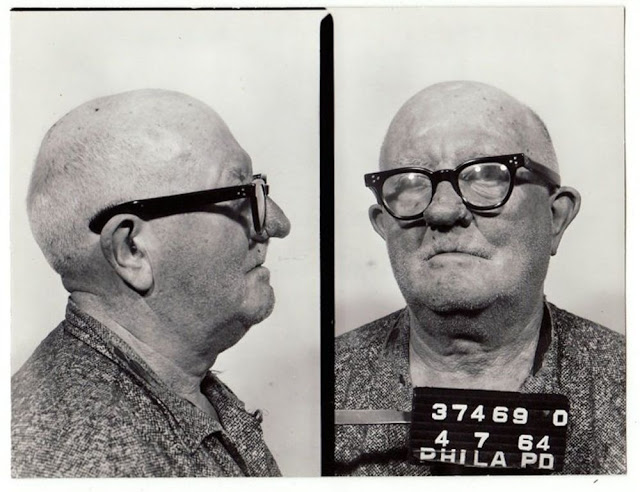
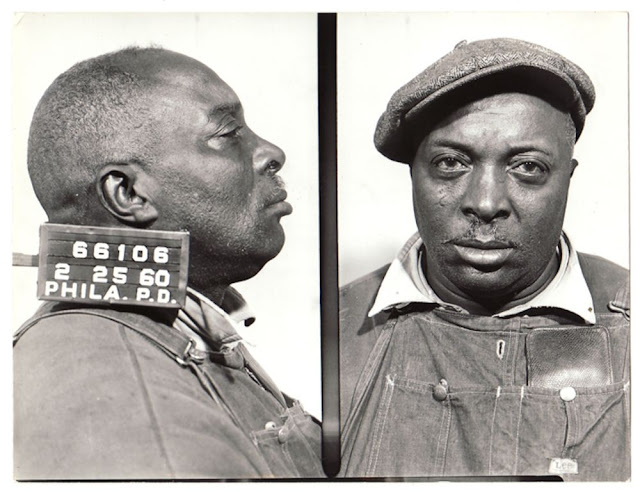
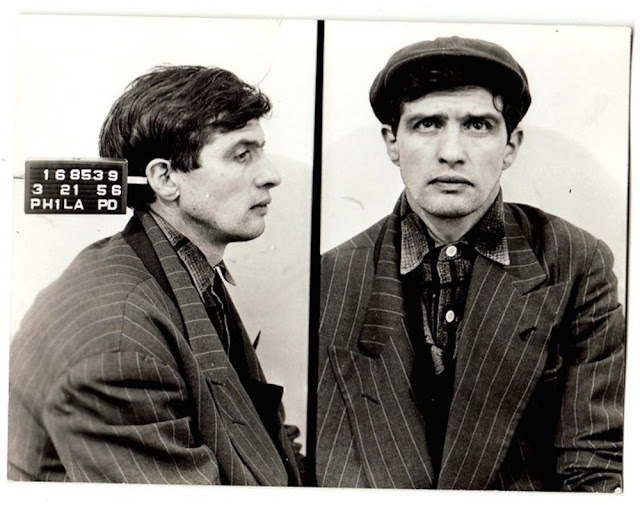
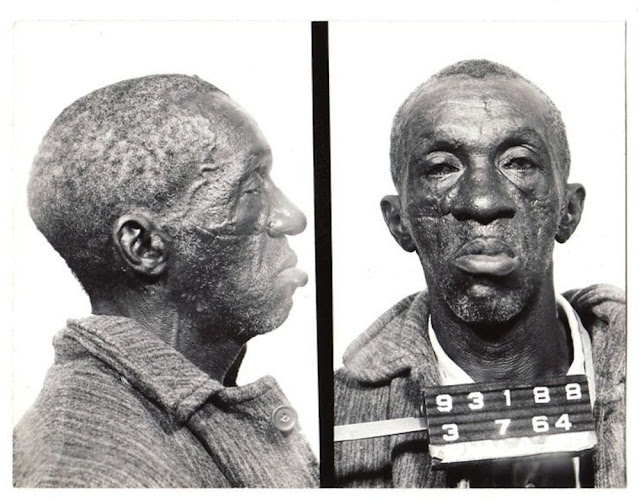
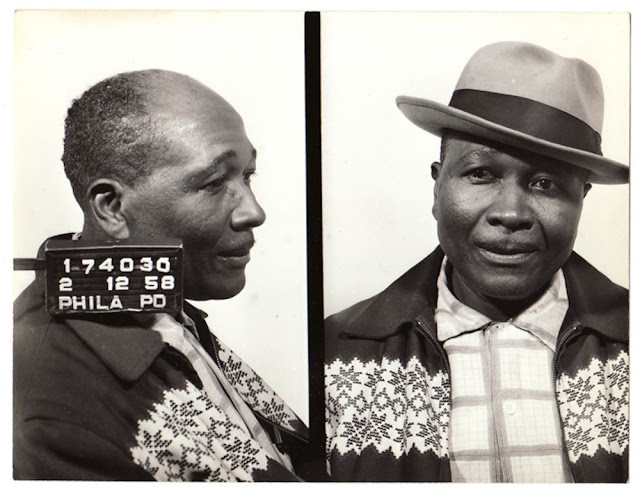
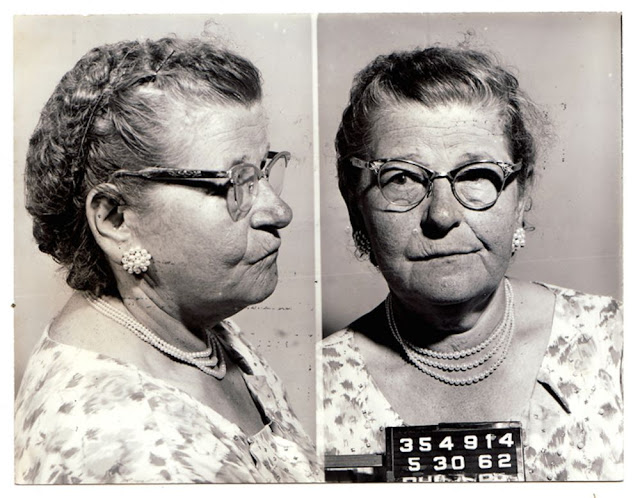
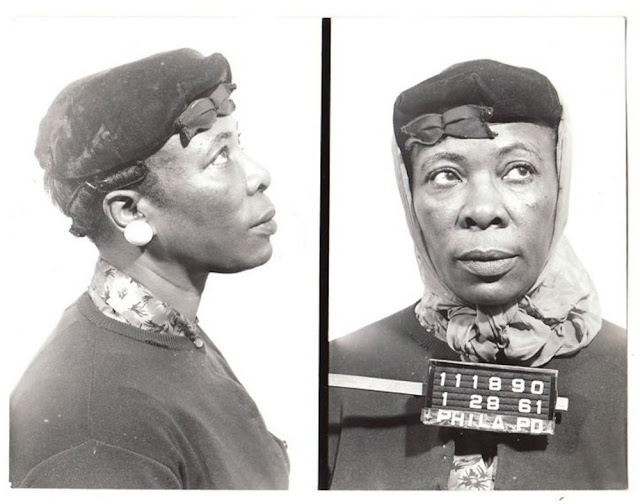
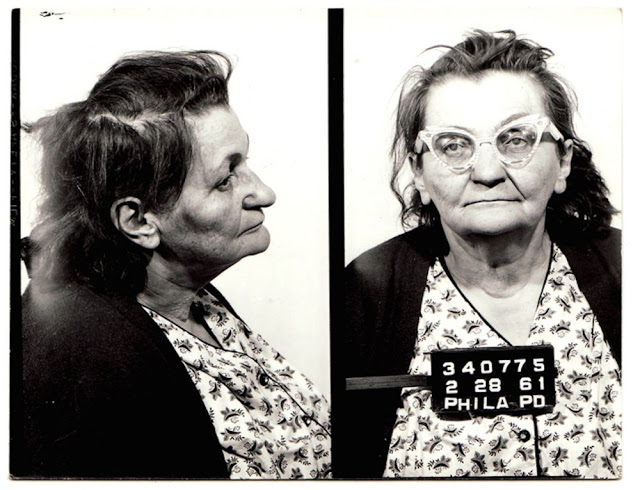
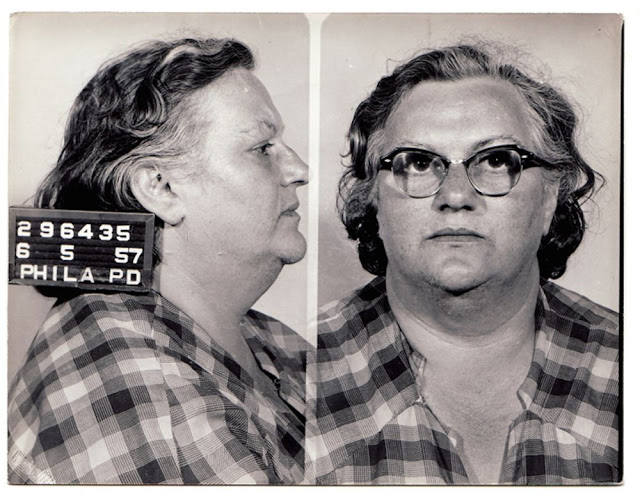
In 1855, Allan Pinkerton founded the Pinkerton National Detective Agency in Chicago and devised the first Rogues’ Gallery—a compilation of descriptions, methods of operation, hiding places, and names of criminals and their associates. The San Francisco Police Department may have started the practice about the same time. By 1858, New York City had a collection of some 450 ambrotypes (images on glass plates). From these early instances, the practice of collecting criminal mug shots spread across the nation and around the world.
The use of photographs for this a purpose in Philadelphia first occurred in 1860 when the Police Department officially established its own Rogues’ Gallery. By then, camera exposure time had been cut from minutes to seconds, thus making mug shot portraiture practical. Note also that the use of photography in crime fighting was new technology before the Civil War, and Philadelphia was the nation’s leading city for photography in that era.
Punks, sneaks, mooks and miscreants. Hookers, stooges, grifters and goons. Men and women, elderly and adolescent, rich and poor, but mostly poor.

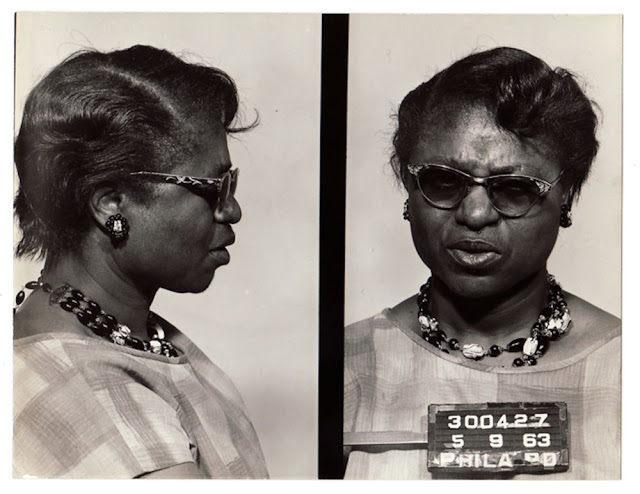
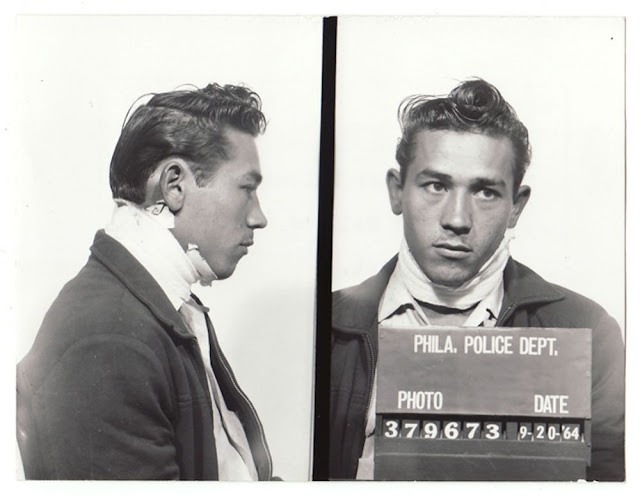
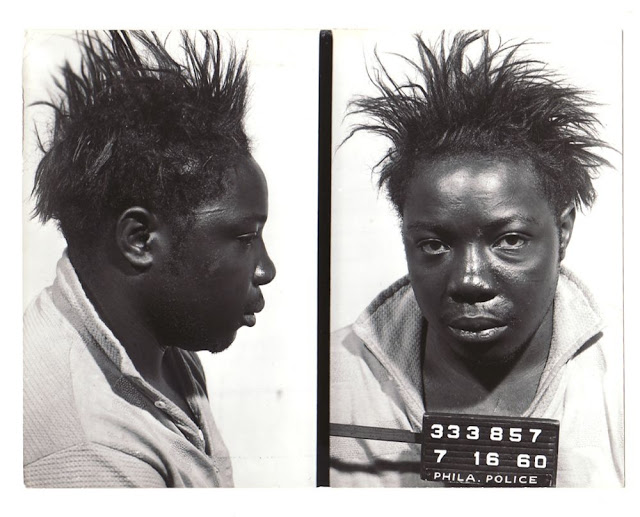
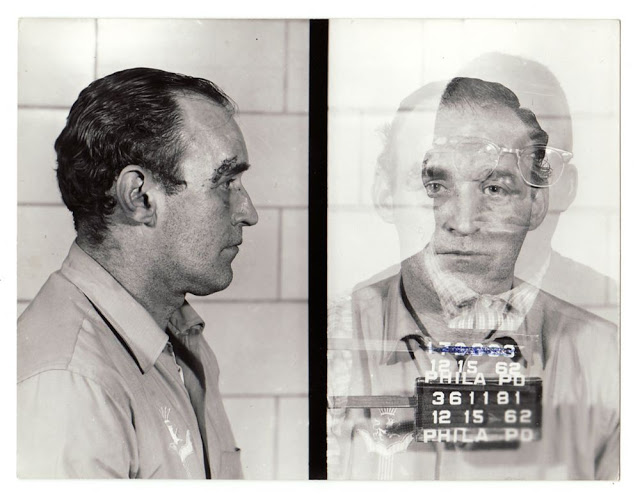

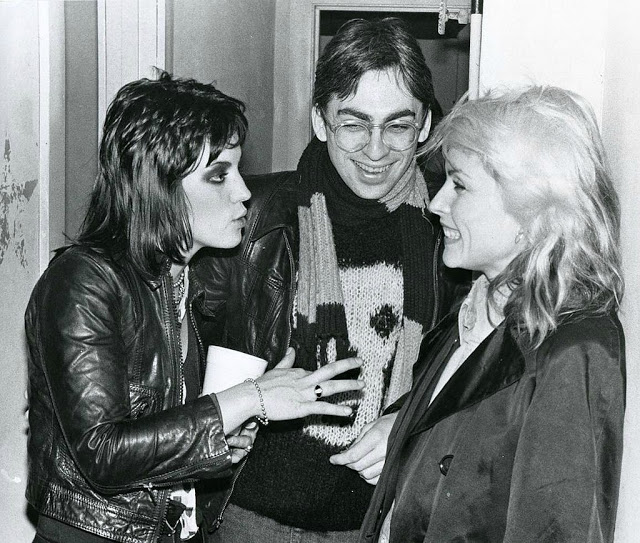
For 40 years, Bob Gruen’s name has been synonymous with rock and roll. From taking early photos on tour with Ike and Tina Turner, to capturing the early CBGB/Max’s Kansas City scene to covering current stadium rockers such as Green Day, Gruen has always been at the right place at the right time—and he’s always gotten the shot. In this lavish monograph, Gruen has curated his favorite photographs from his career, with intimate captions and behind-the-scenes anecdotes.
Featuring such illustrious acts as the Clash, Led Zeppelin, the Rolling Stones, Sex Pistols, Ramones, and more, here’s a collection of 60 rare and stunning black and white photographs of Rock stars taken by Bob Gruen during the 1970s.
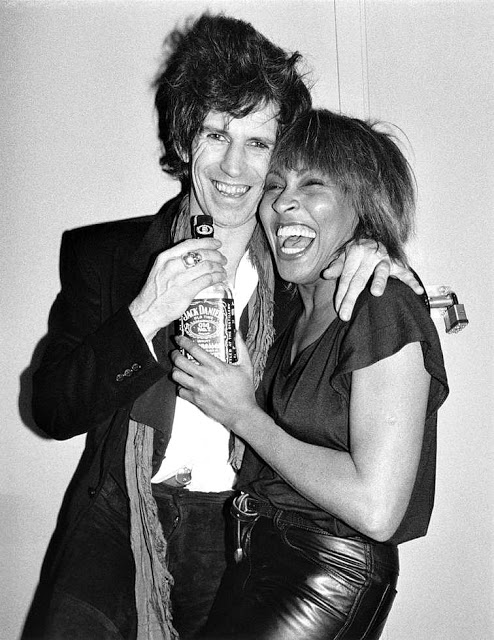
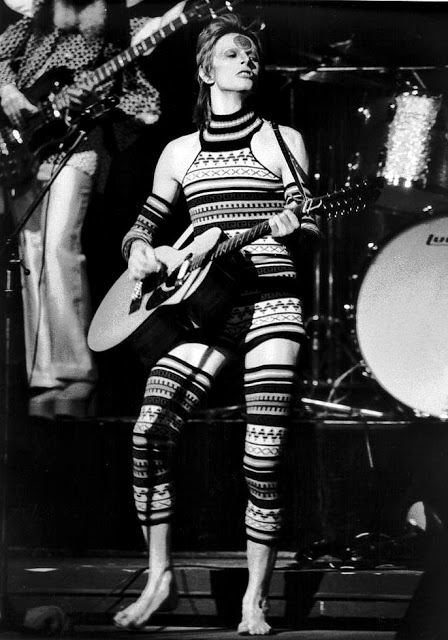


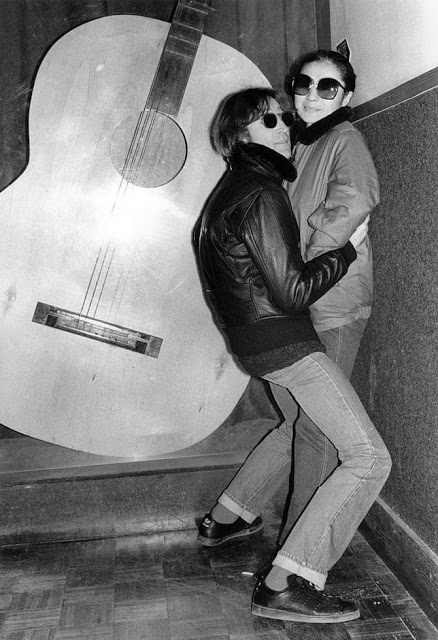
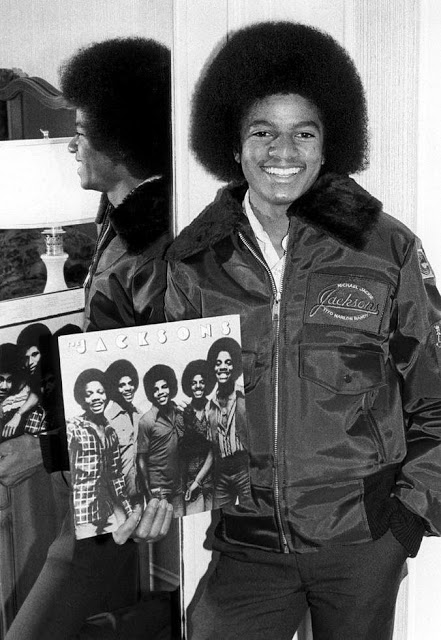
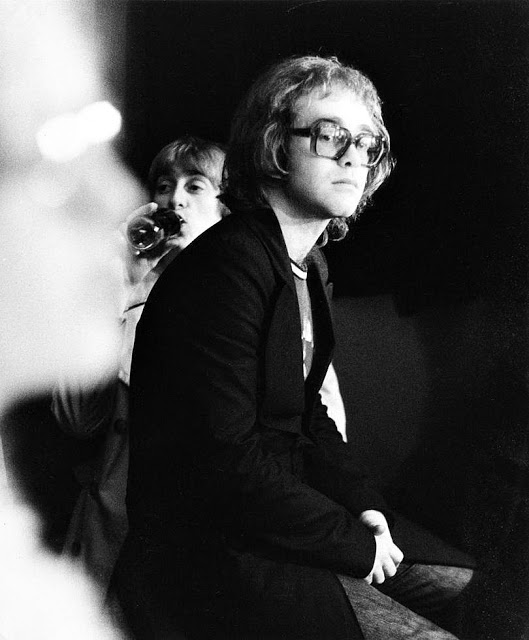
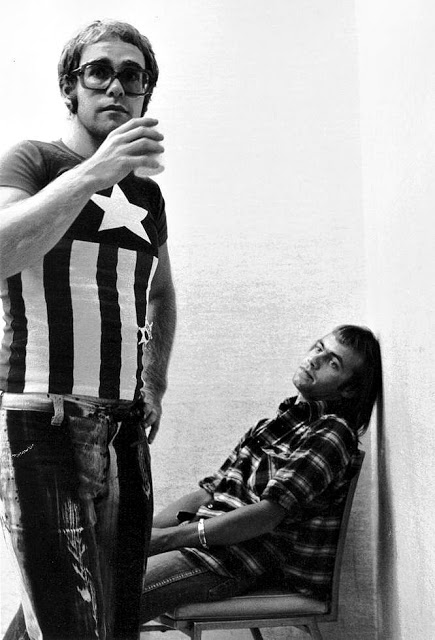
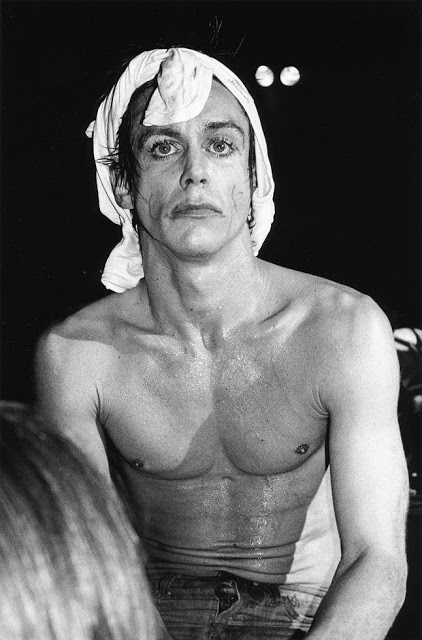
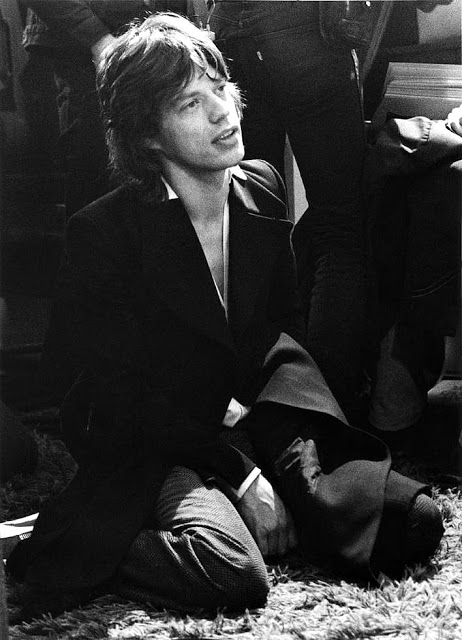
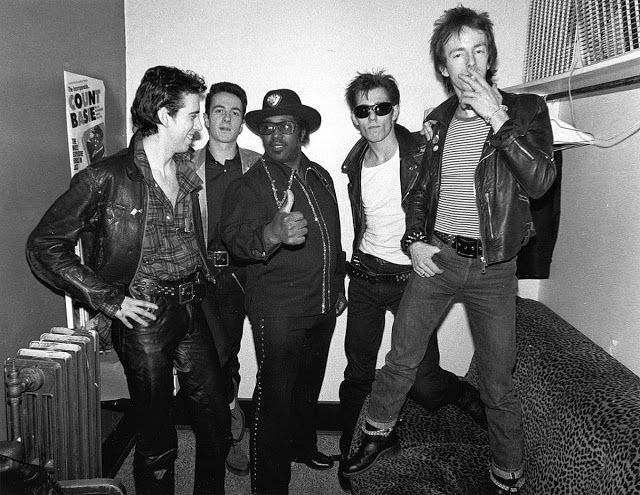
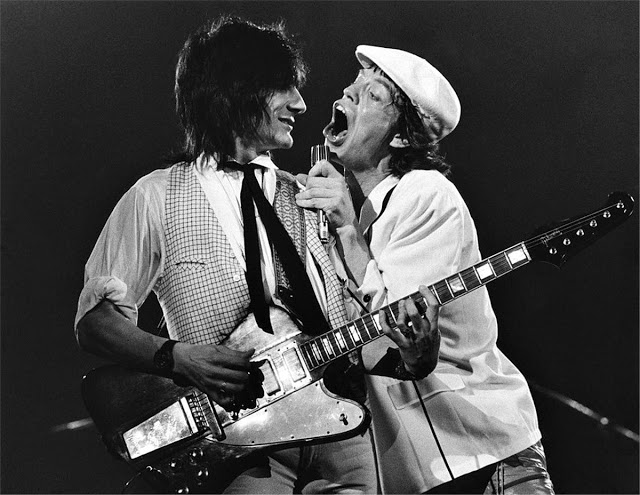
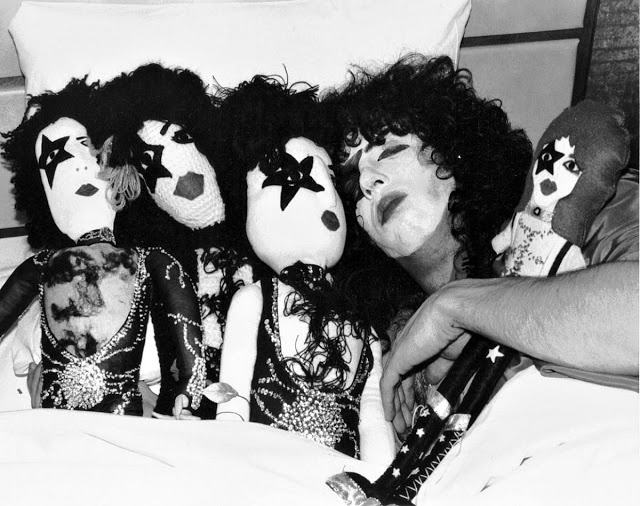
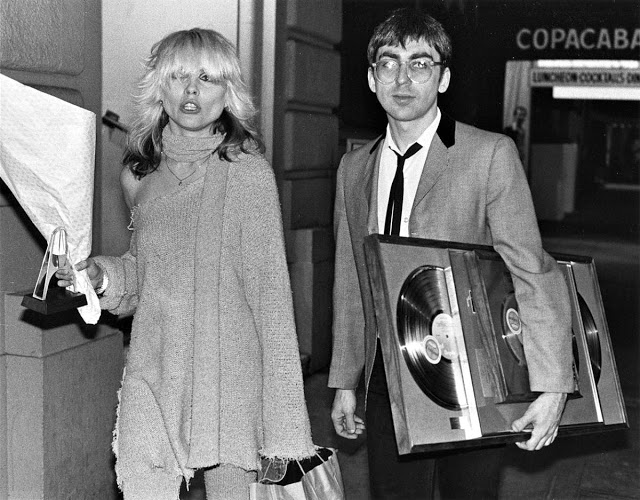
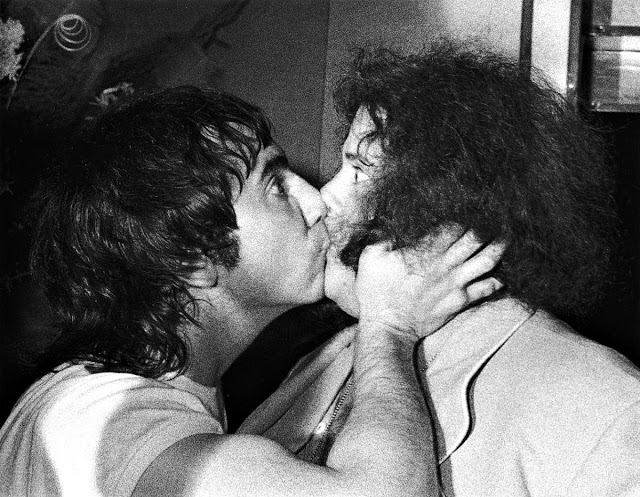
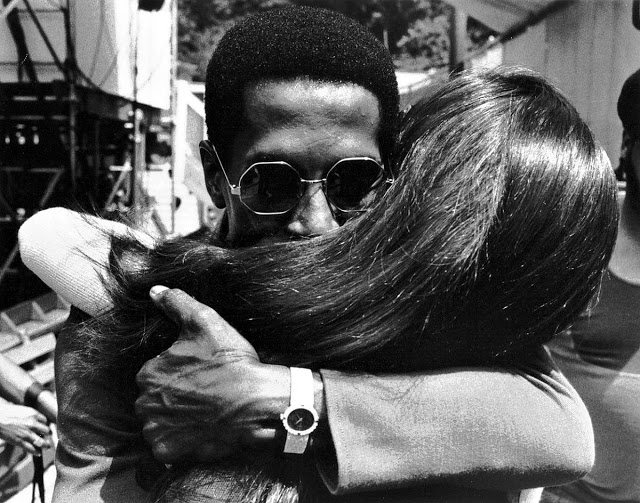

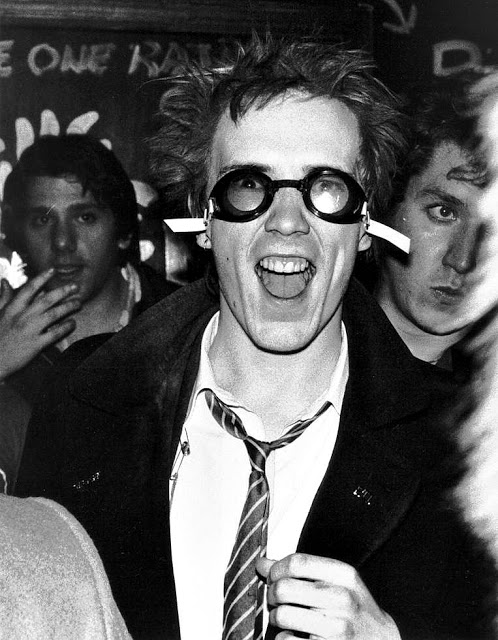
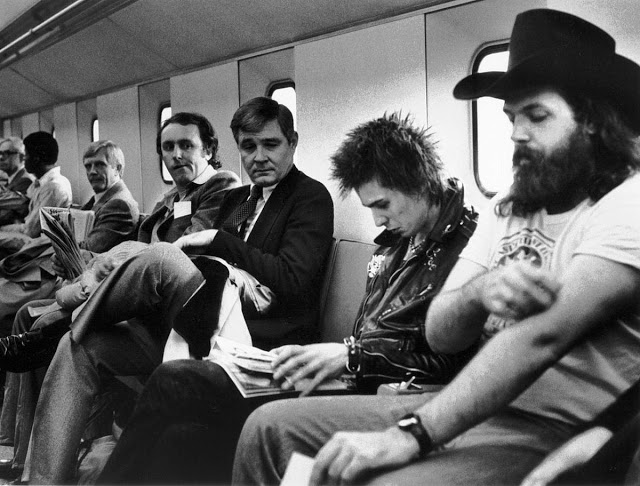
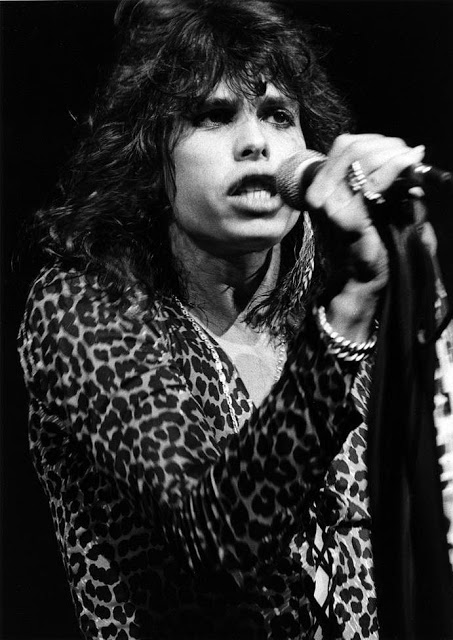
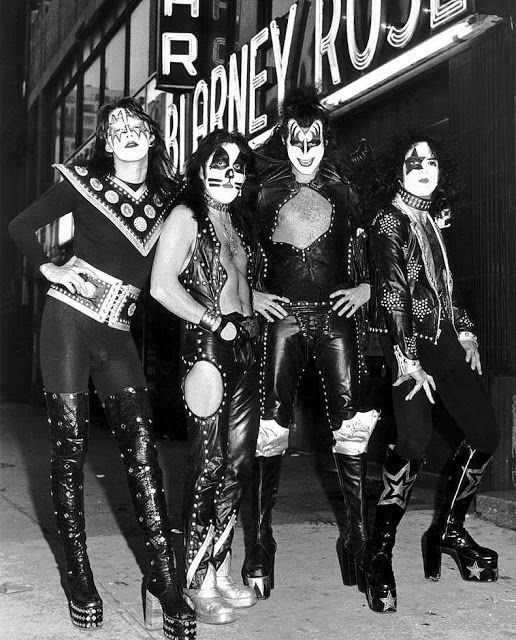
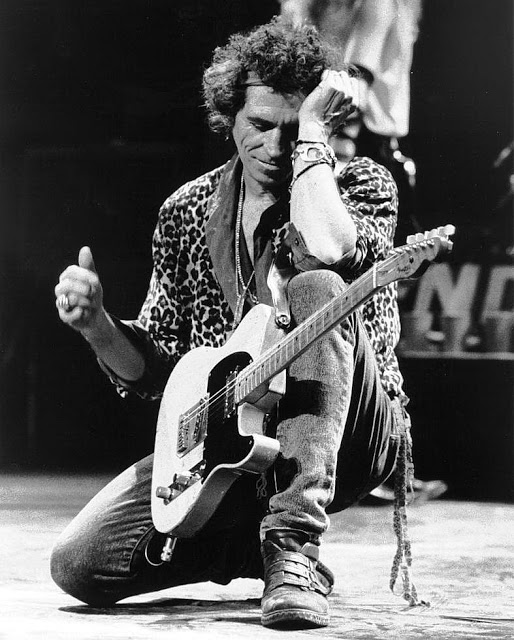
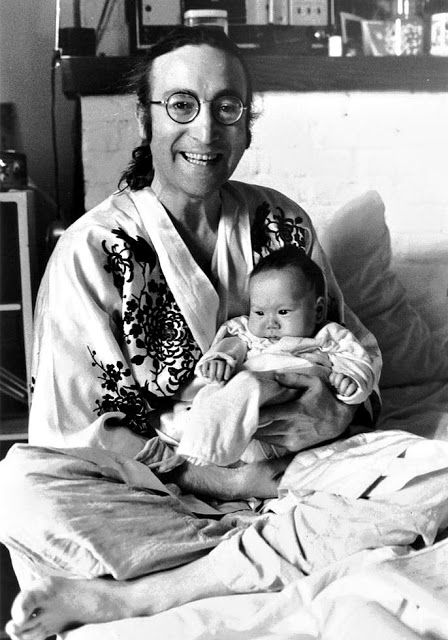
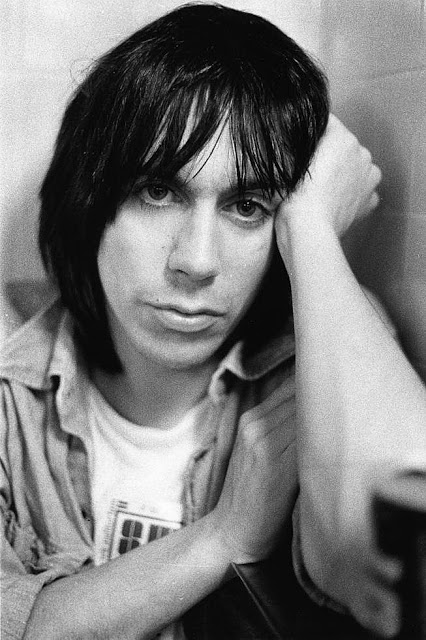
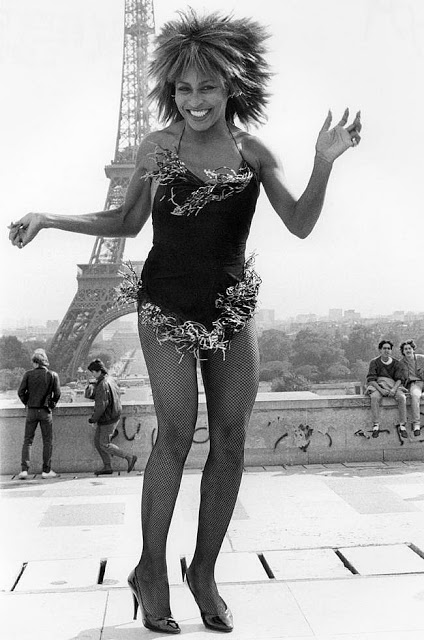
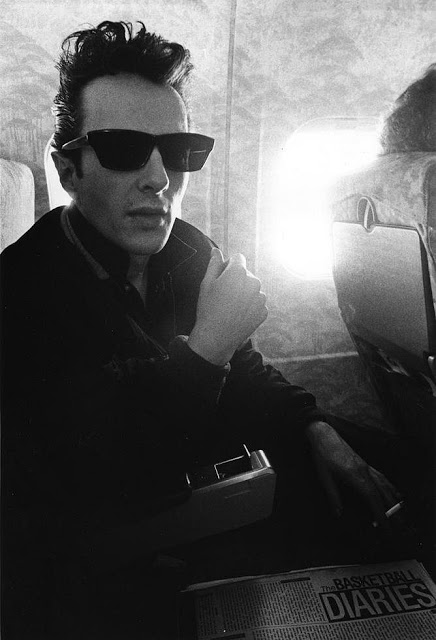
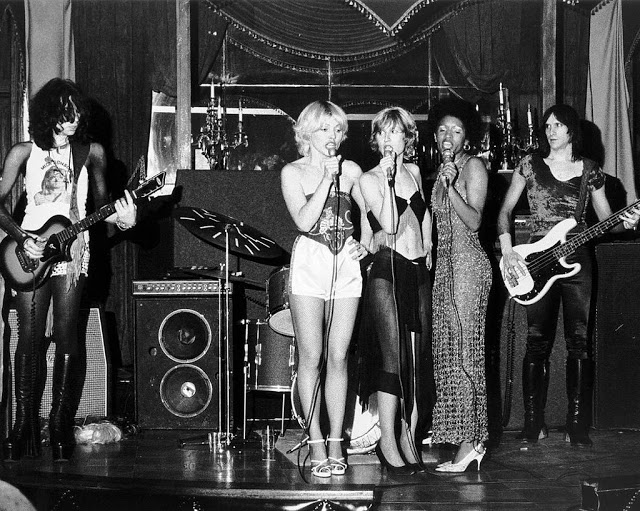
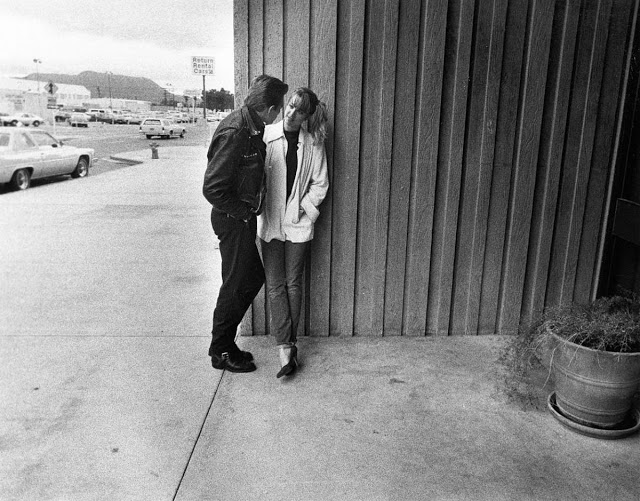
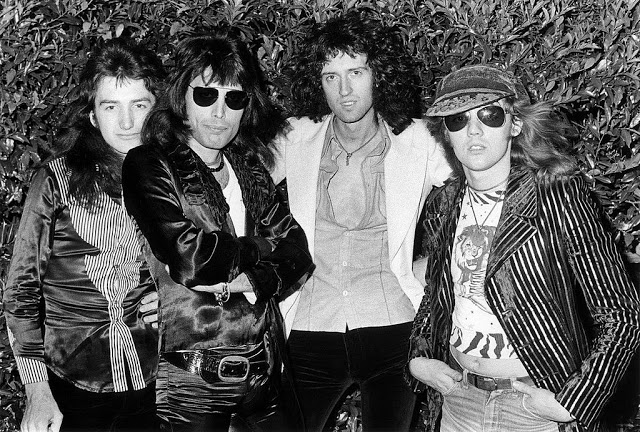
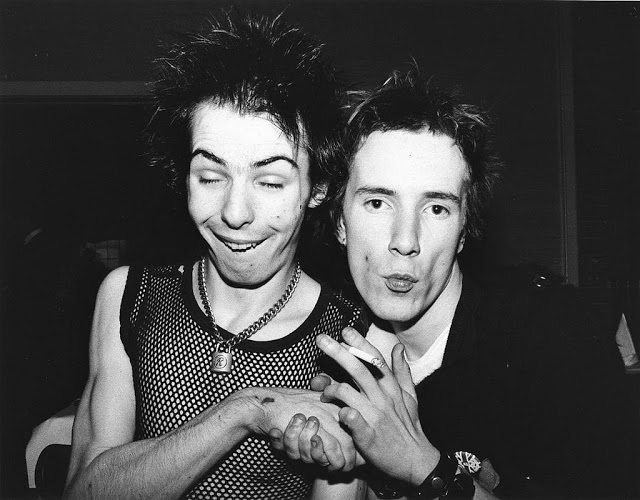
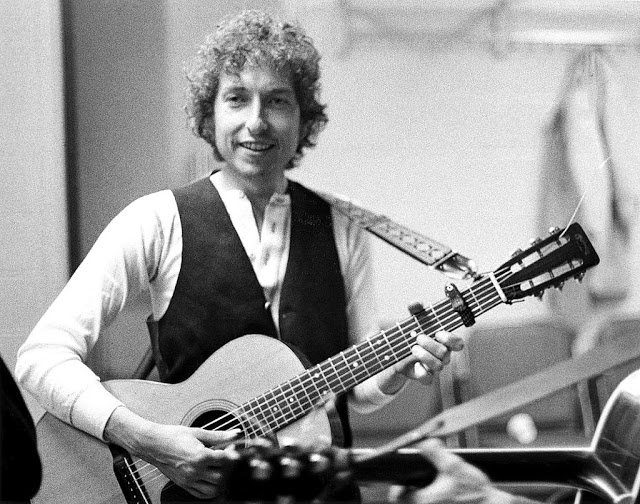
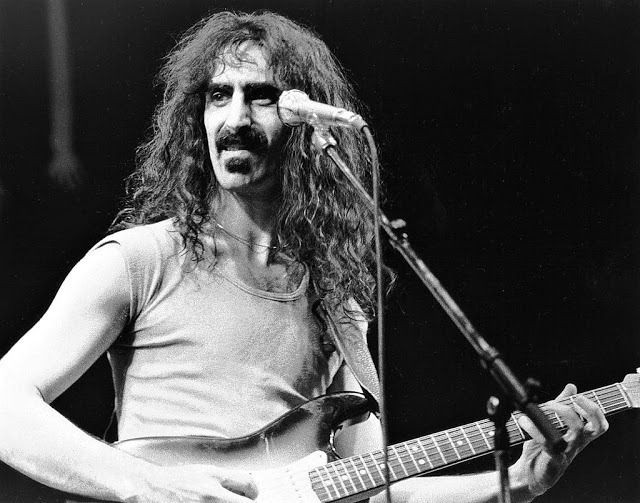
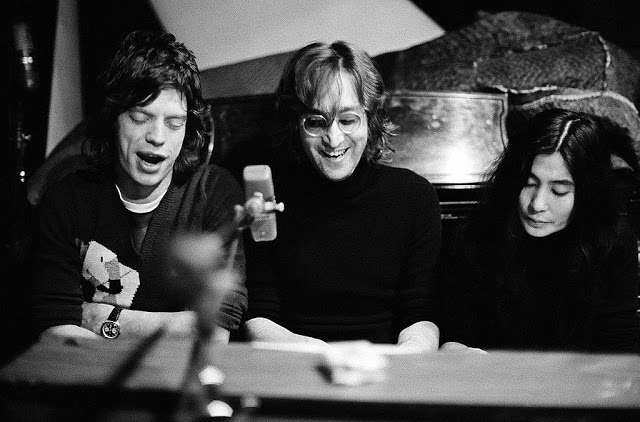
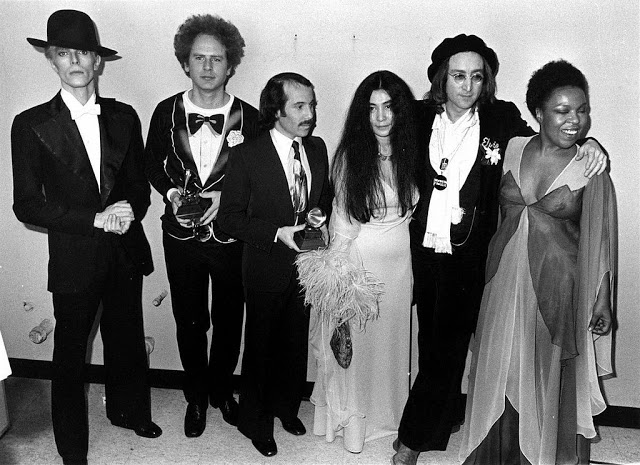
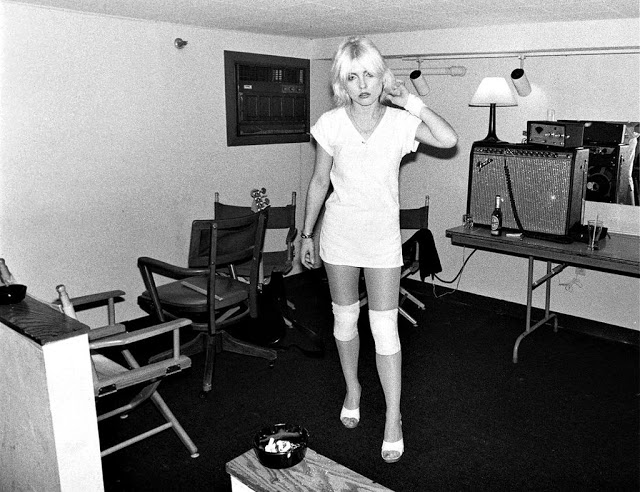
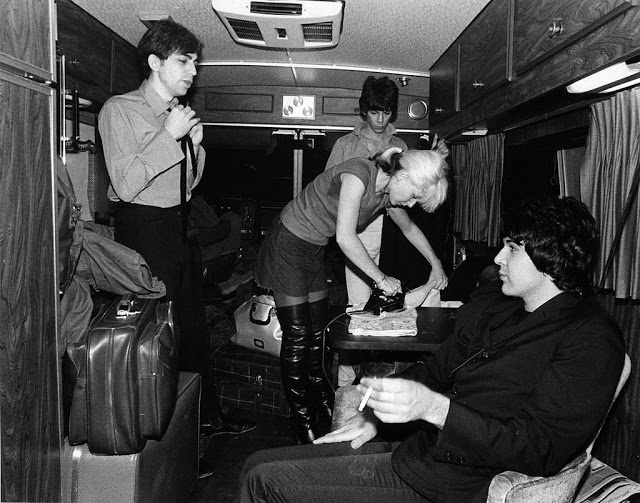
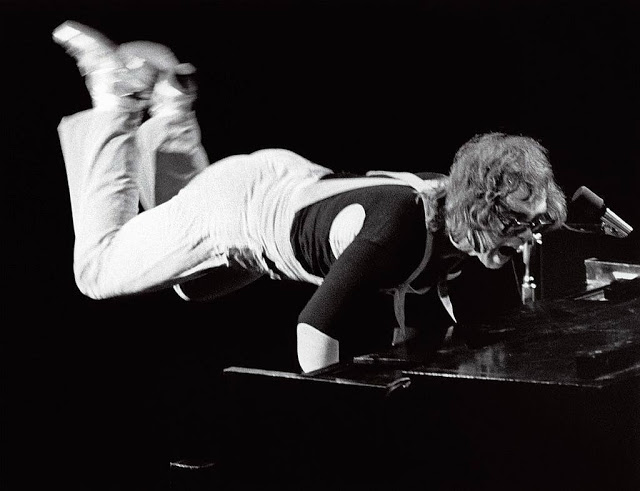
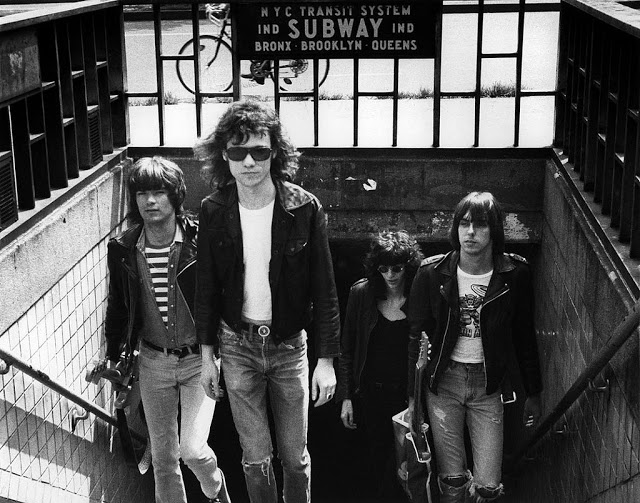
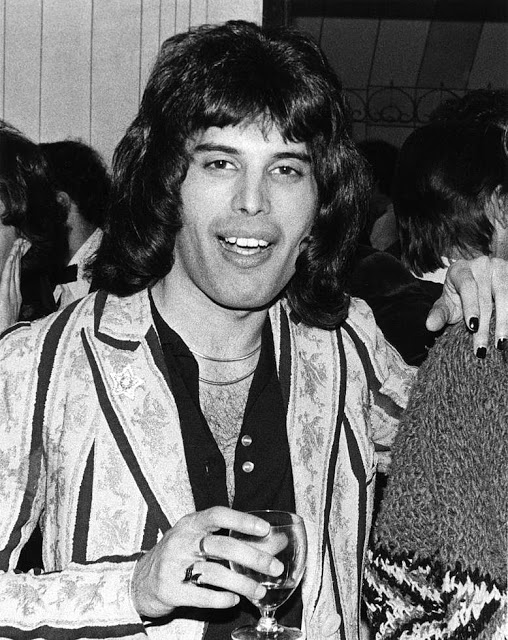
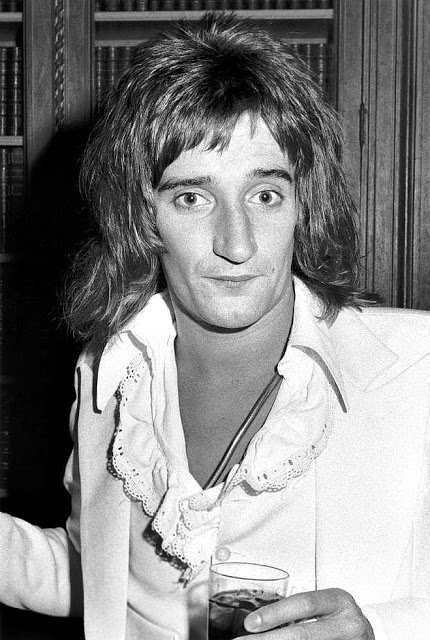
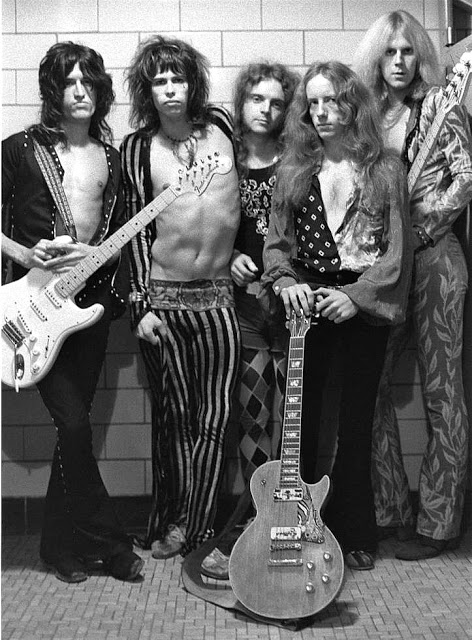
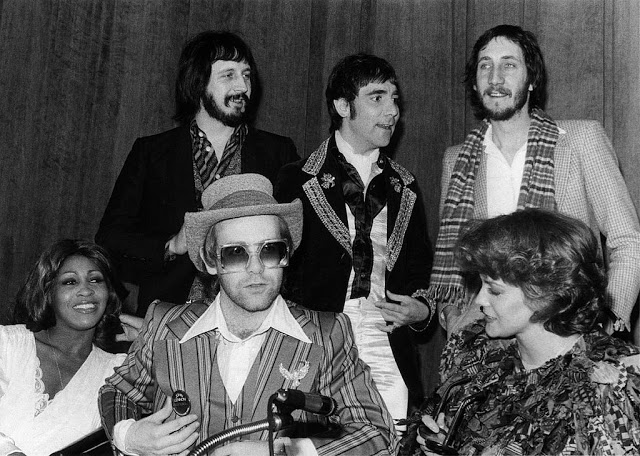
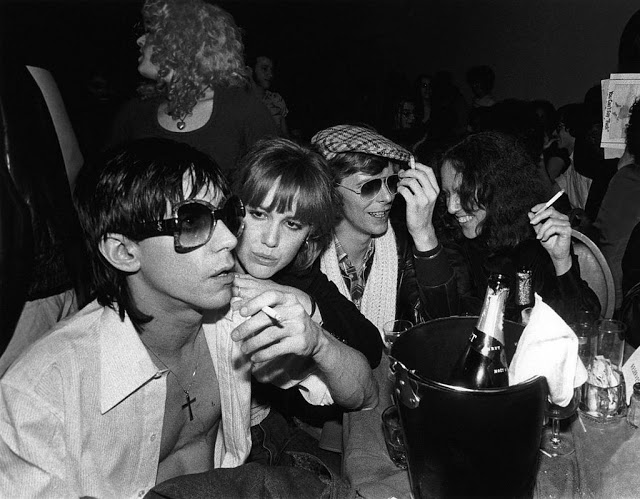

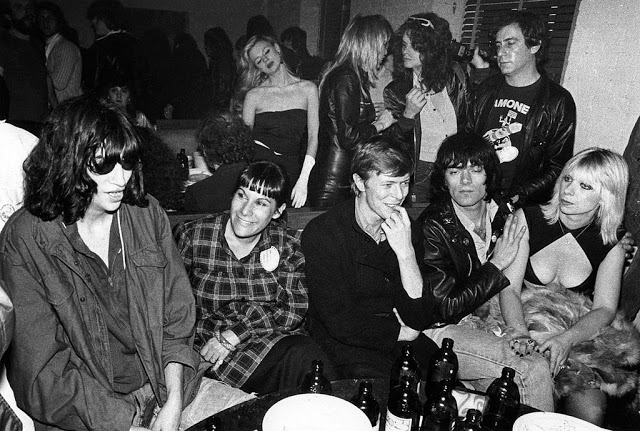
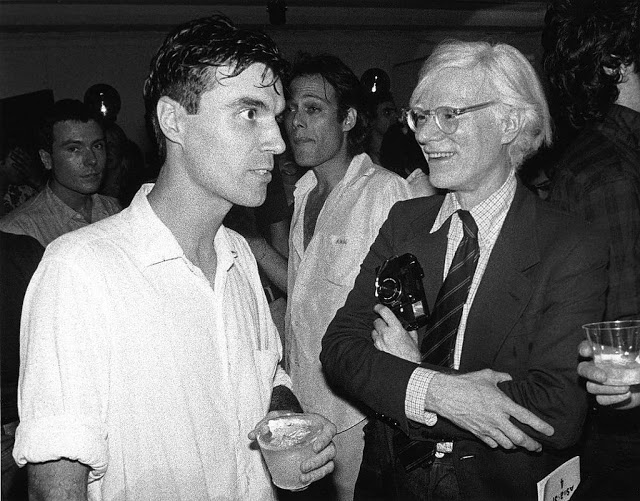
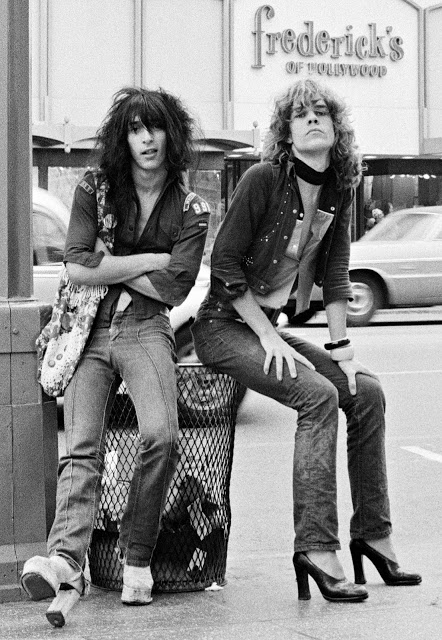
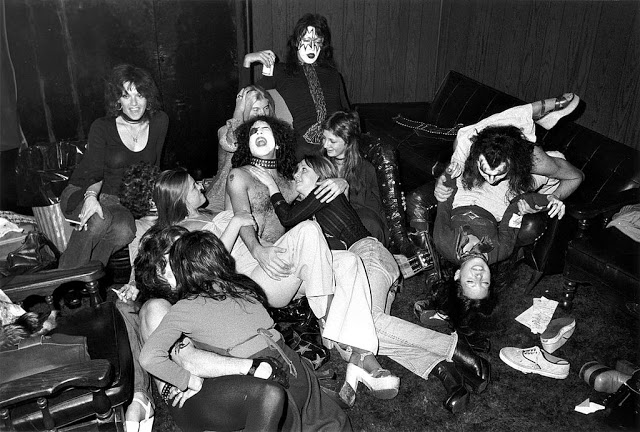
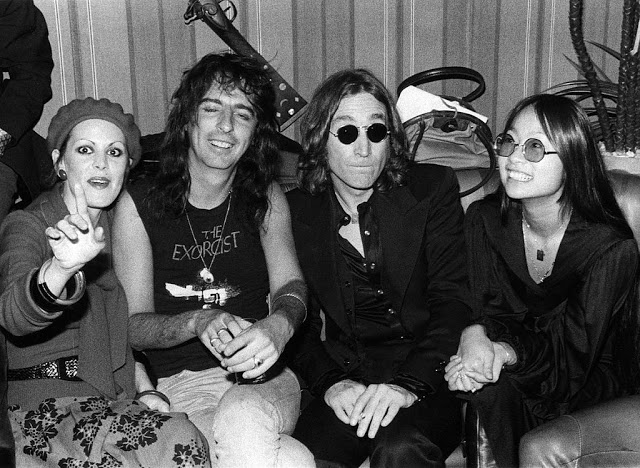
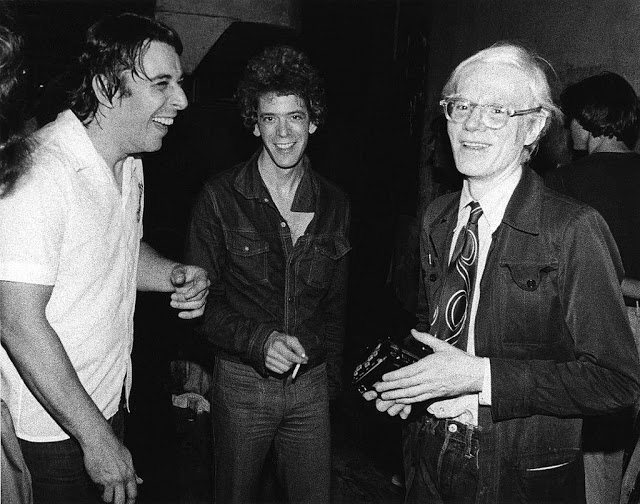
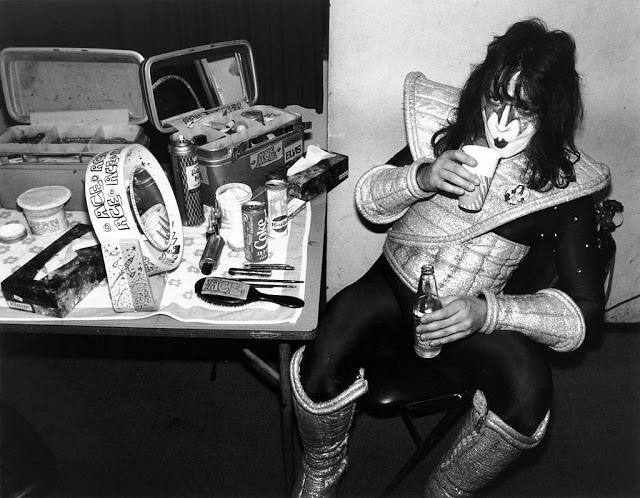
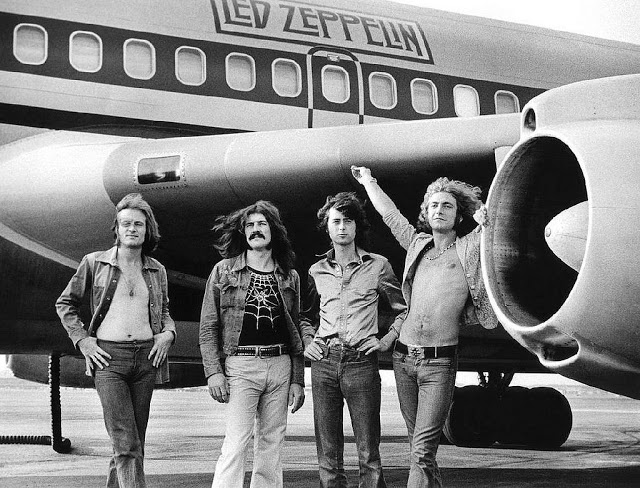
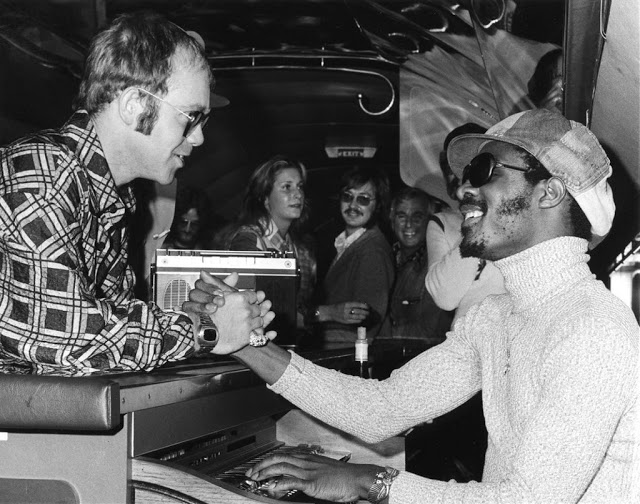
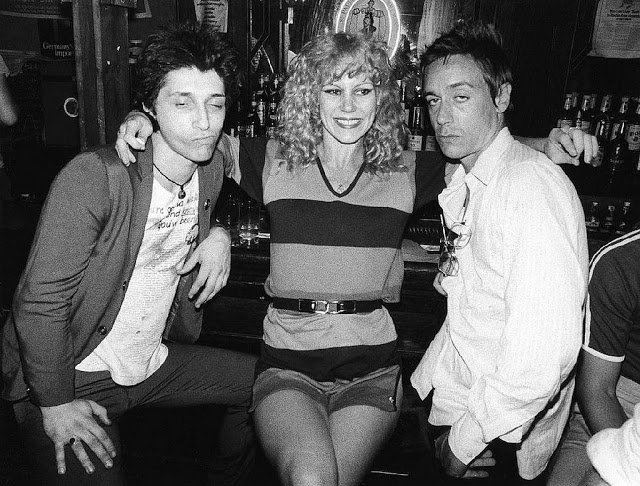
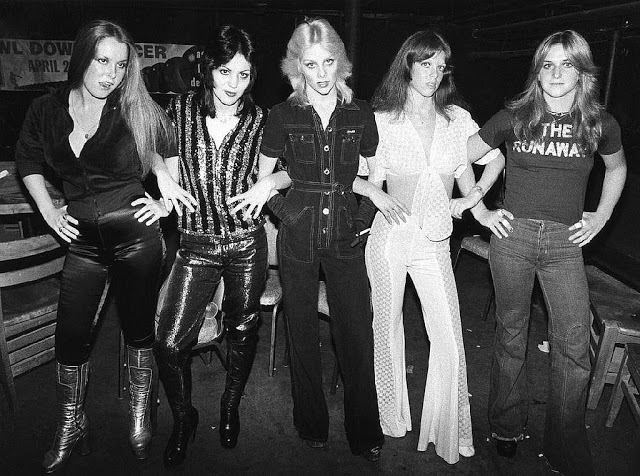
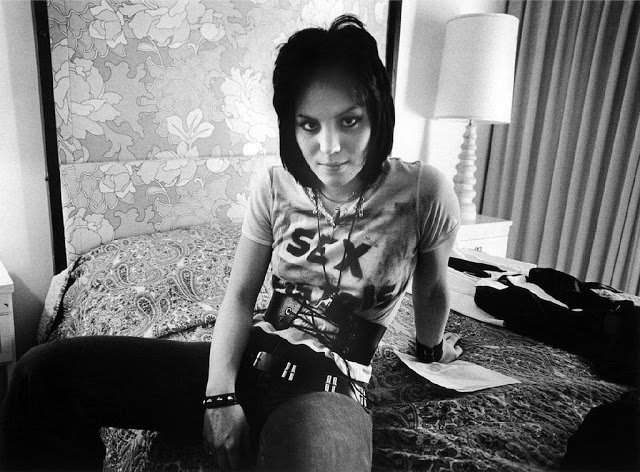
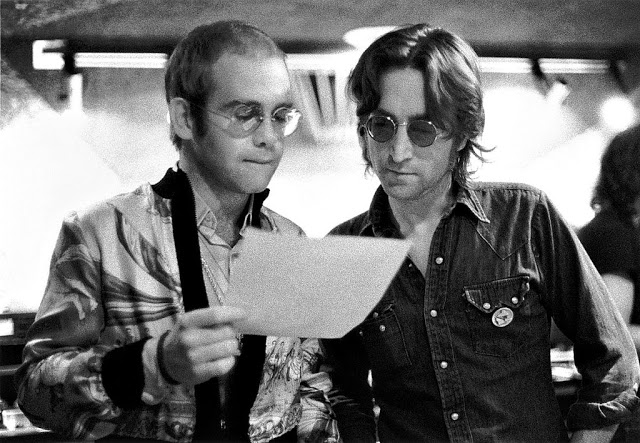
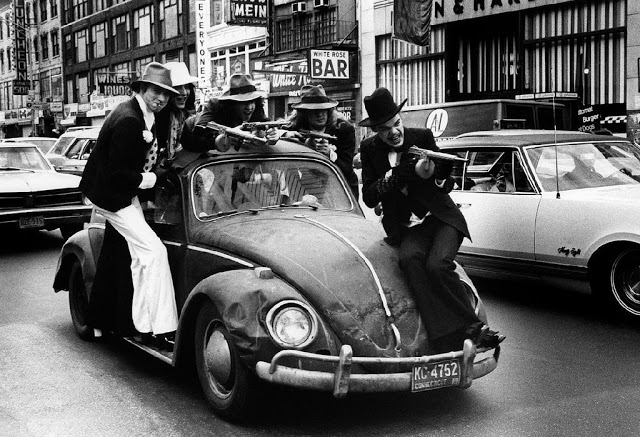
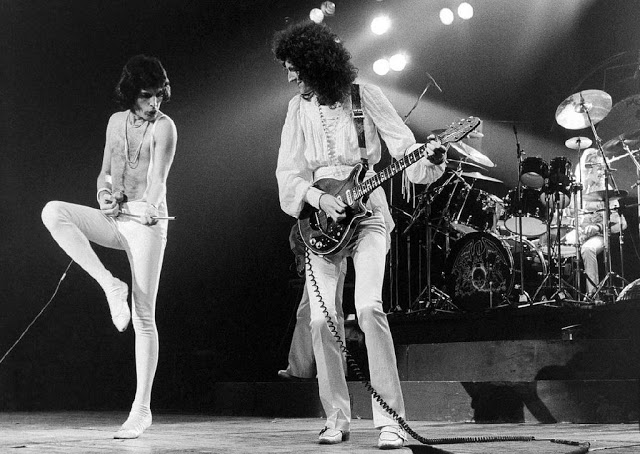
(Photos by Bob Gruen)

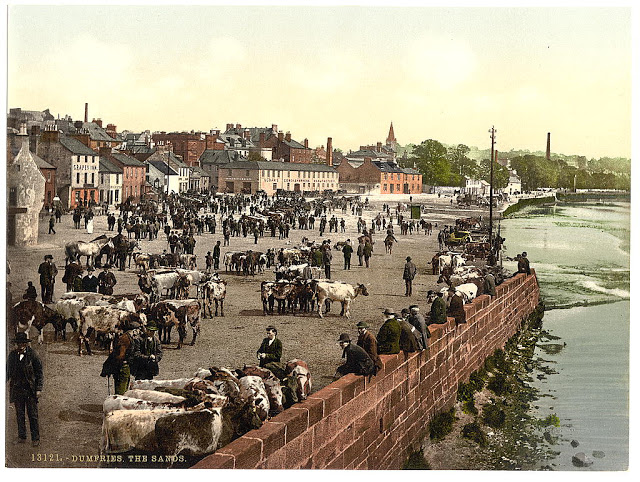
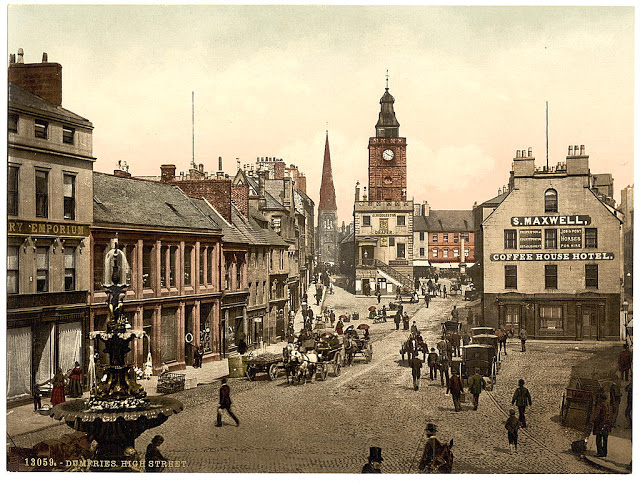
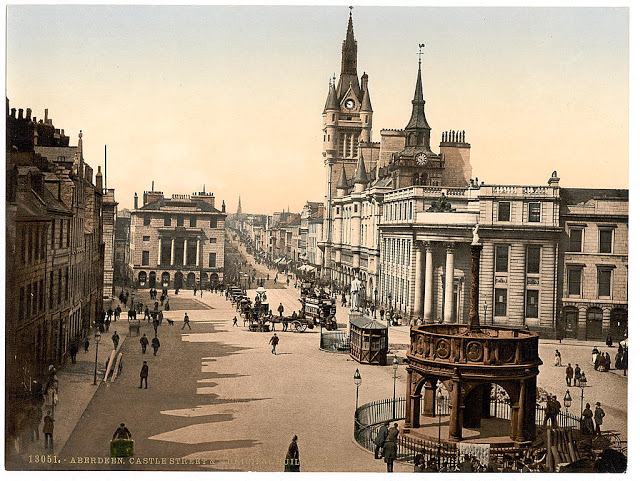
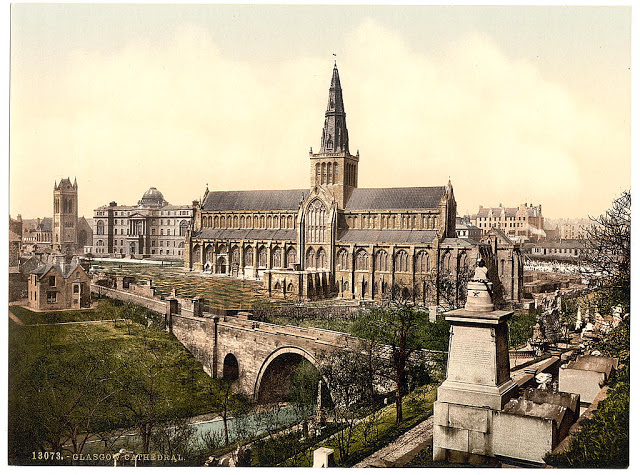
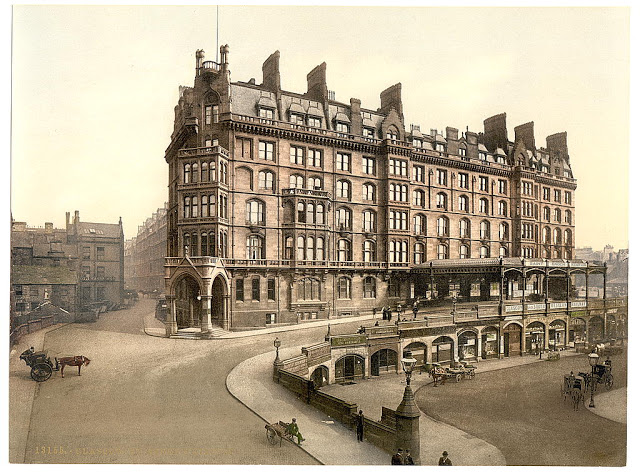
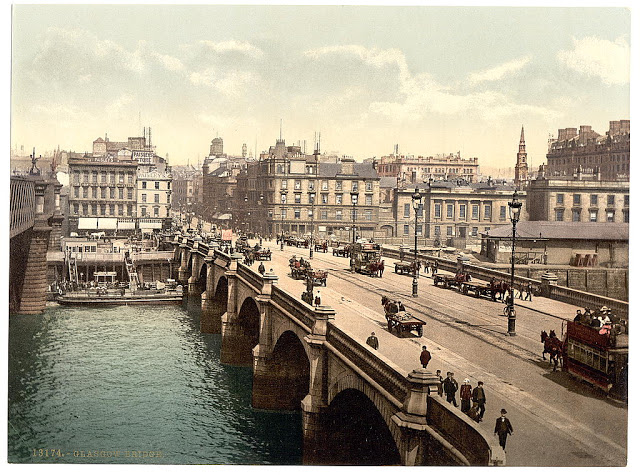
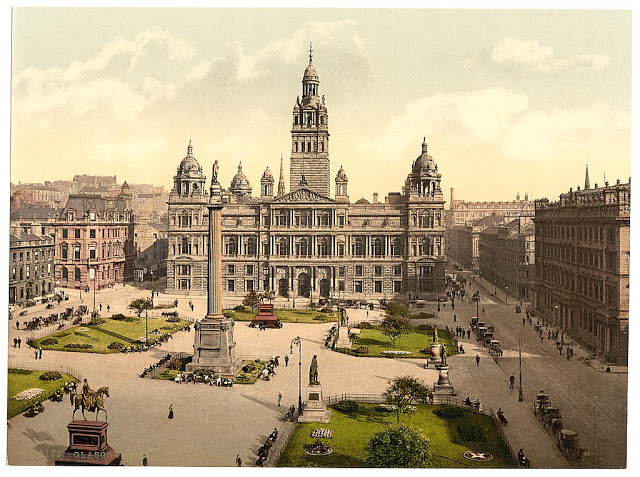
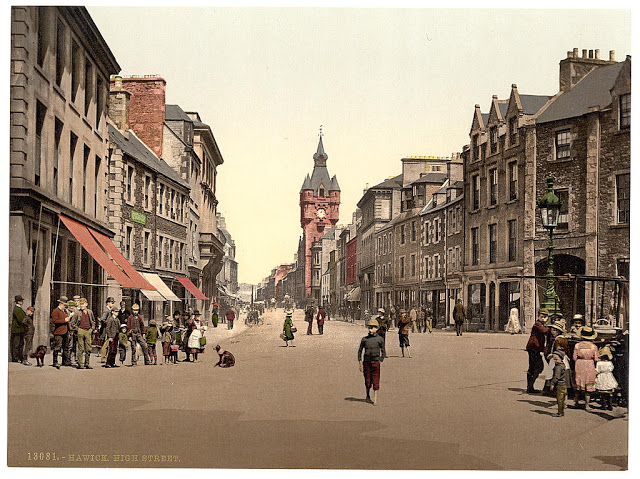
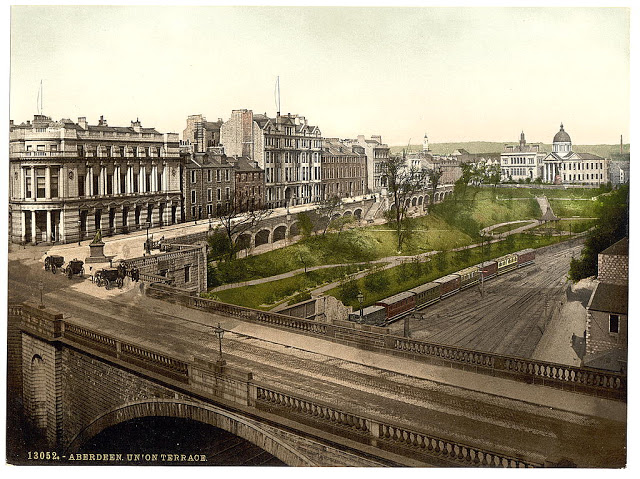
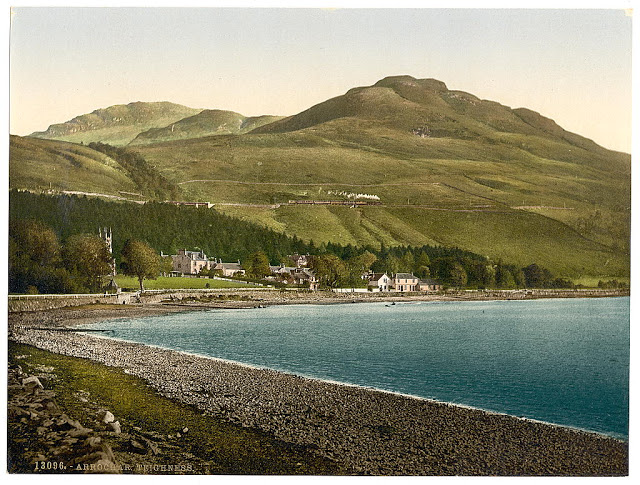
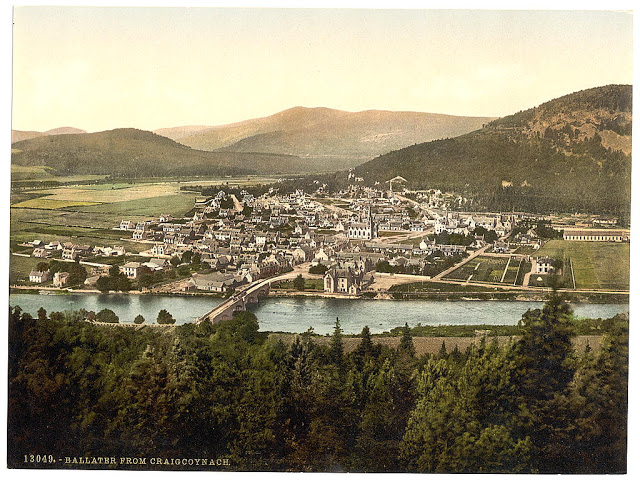
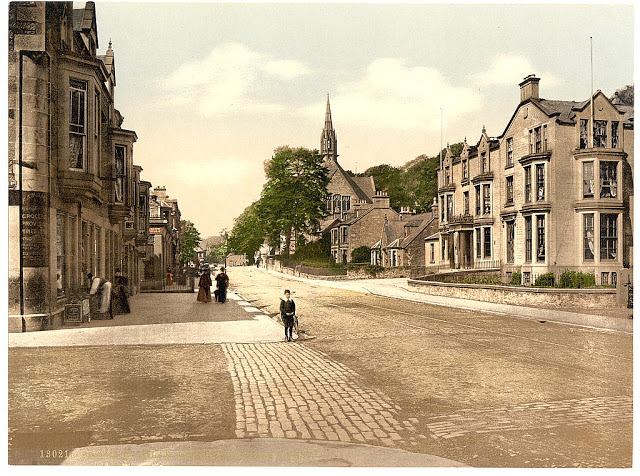
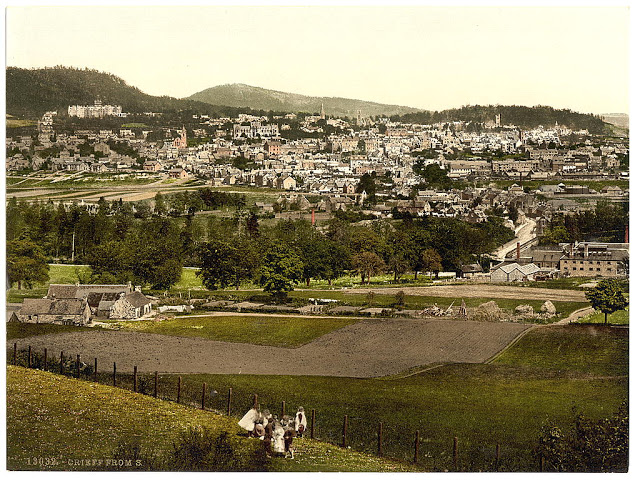
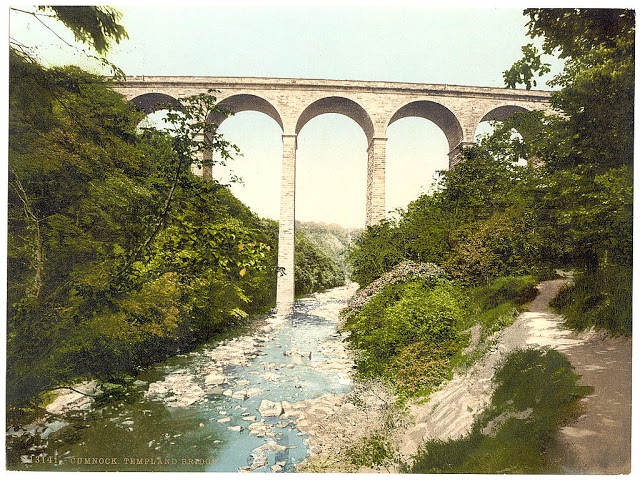
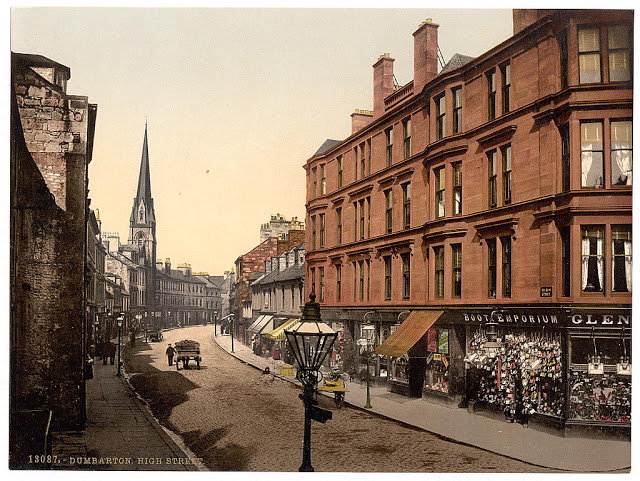
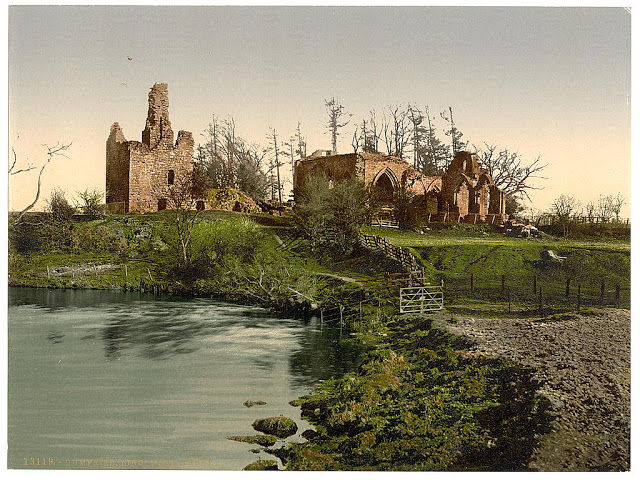
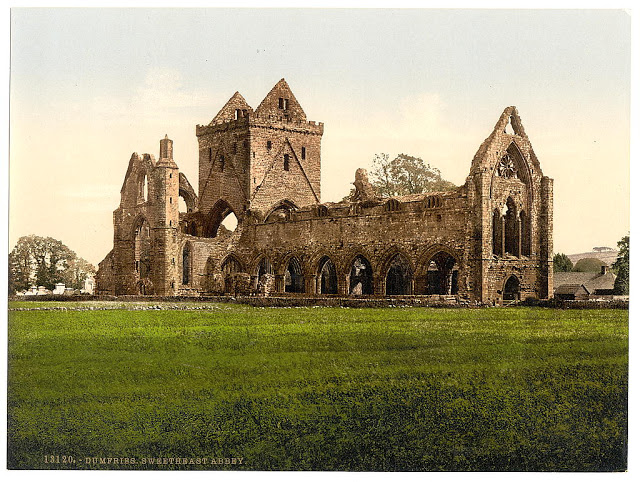
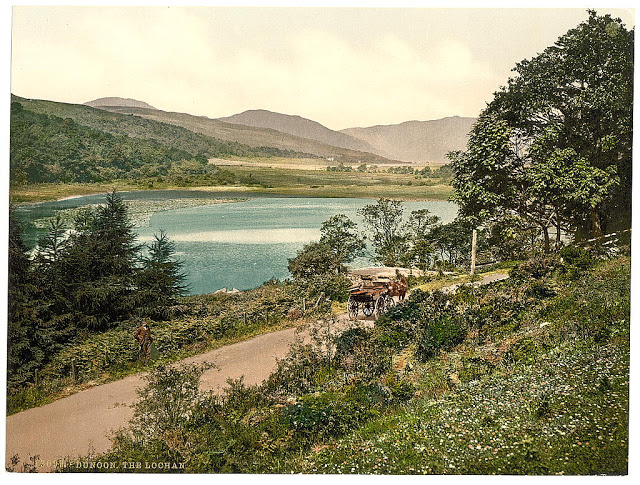
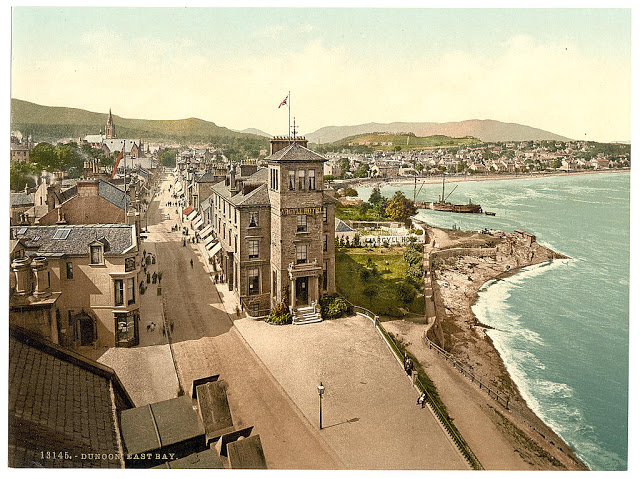
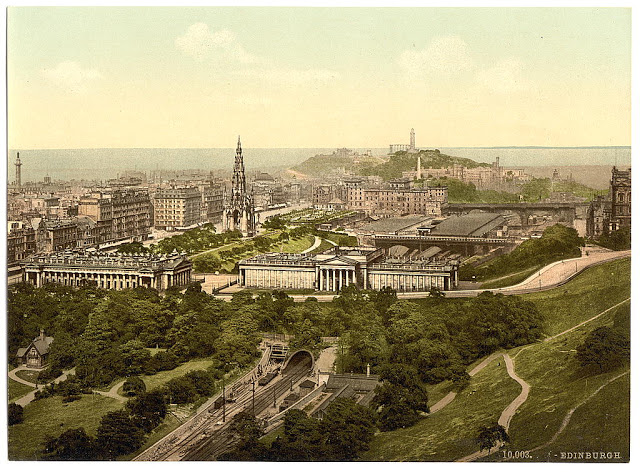
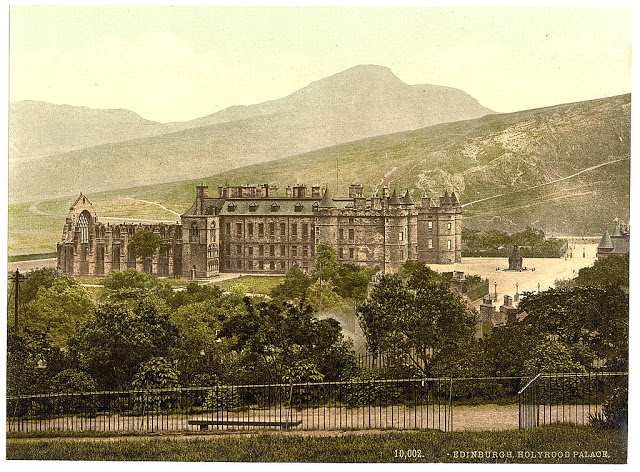
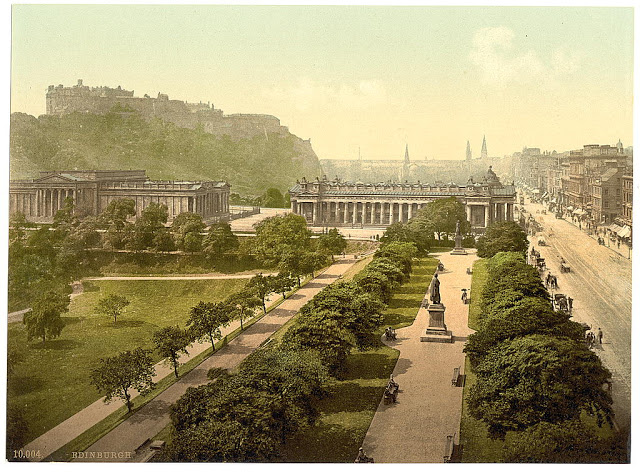
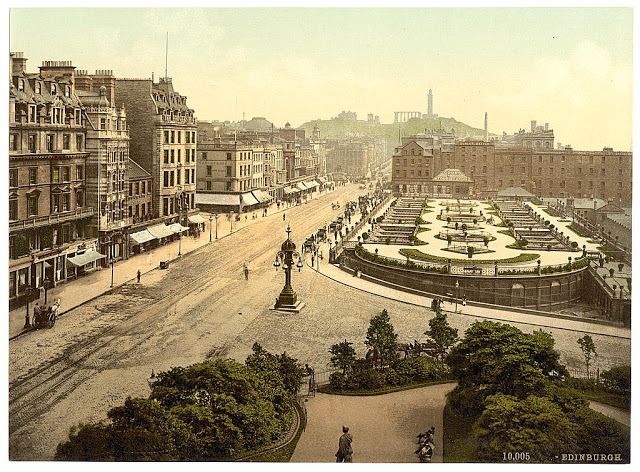
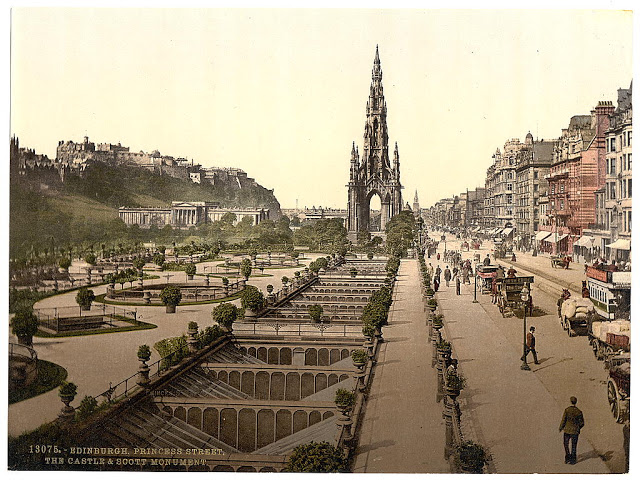
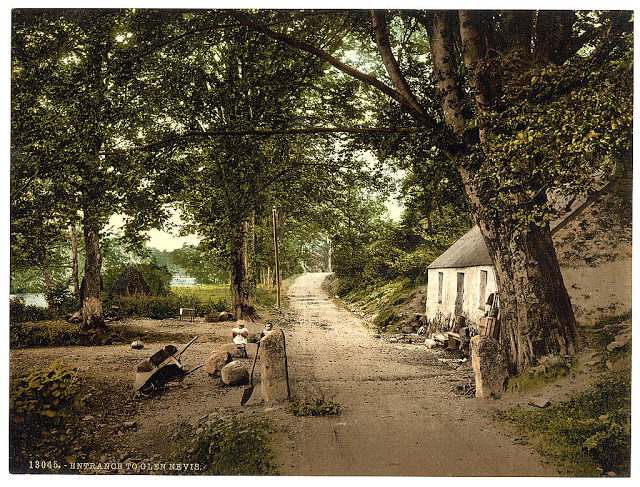
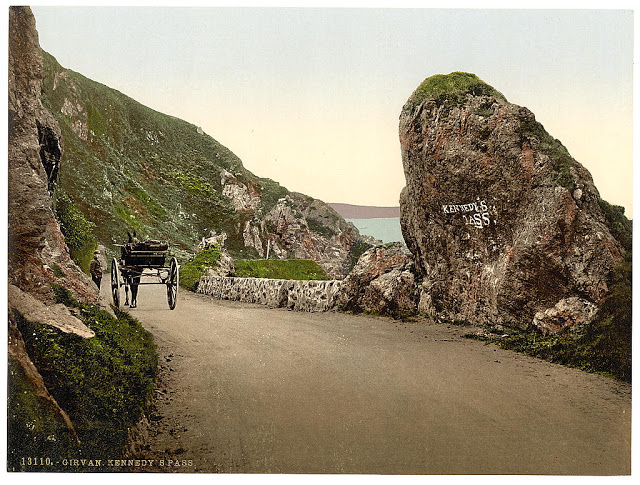
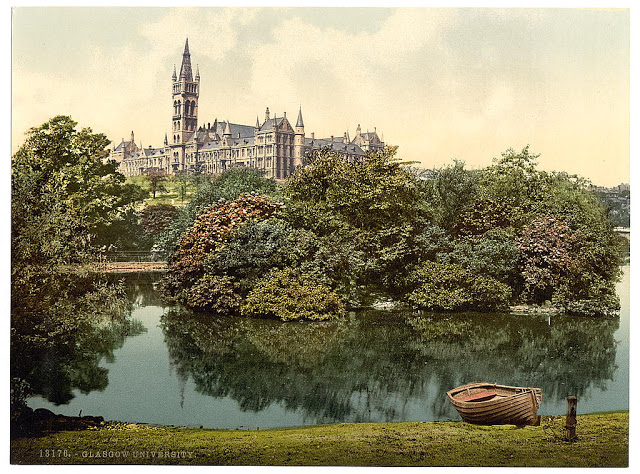
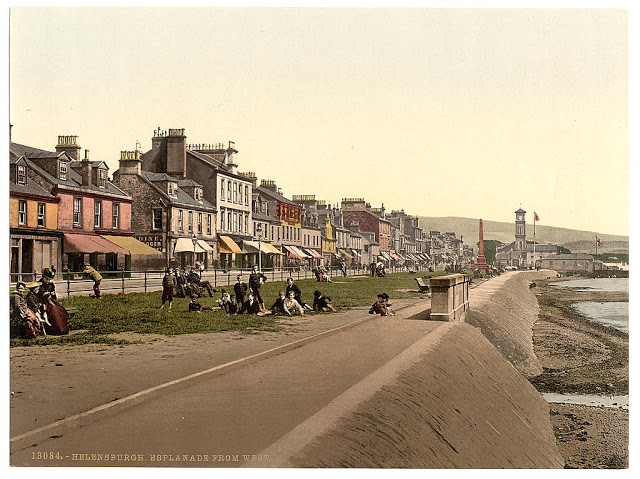
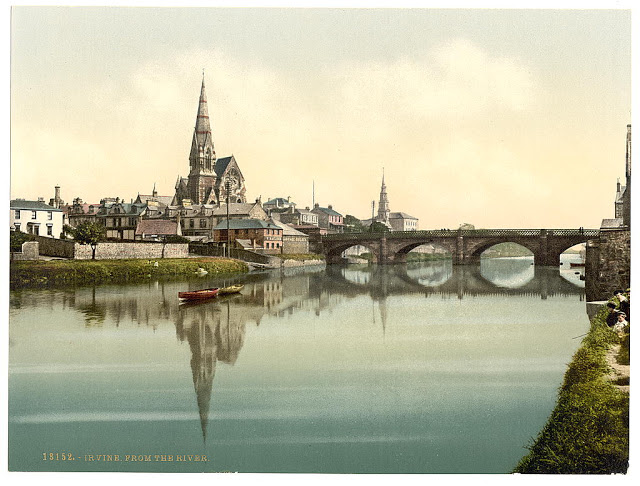
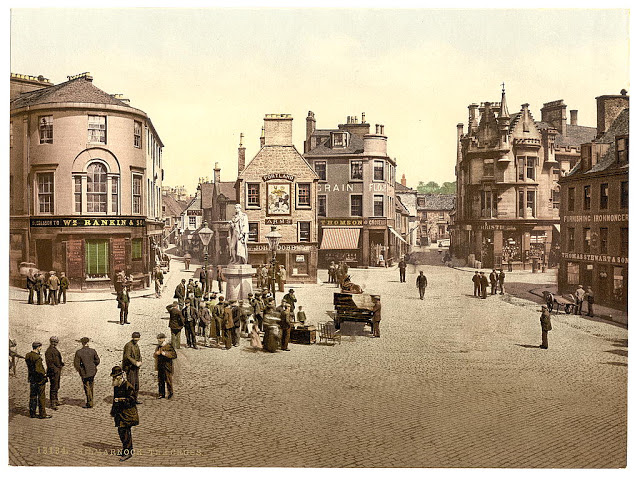
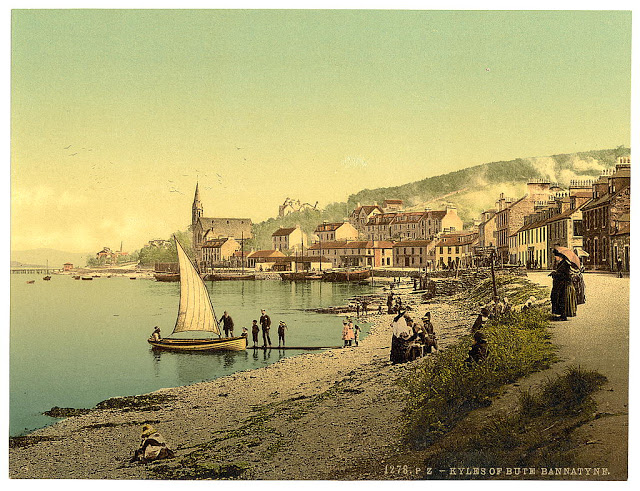
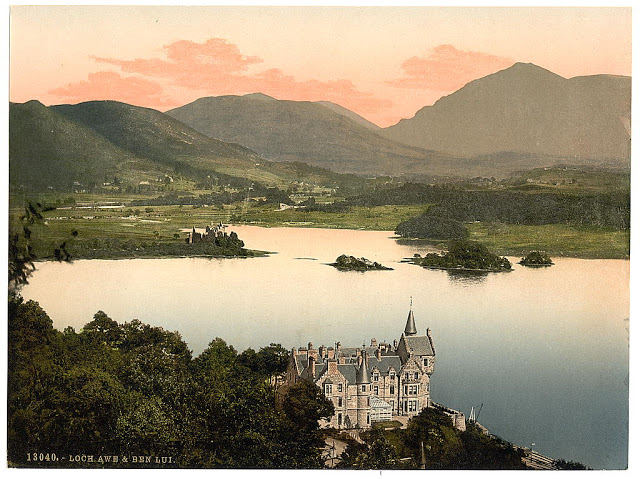
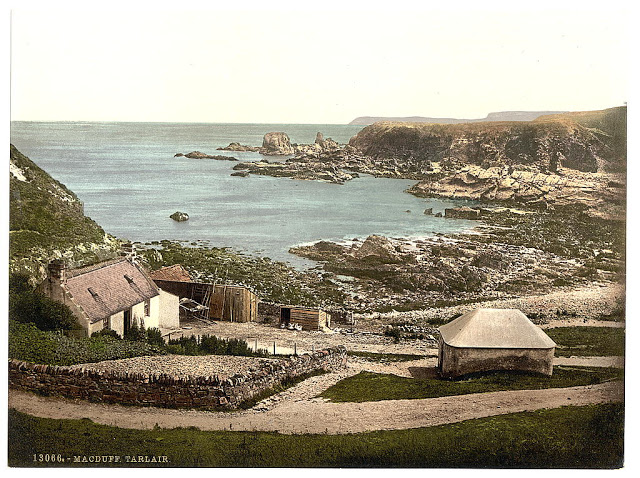
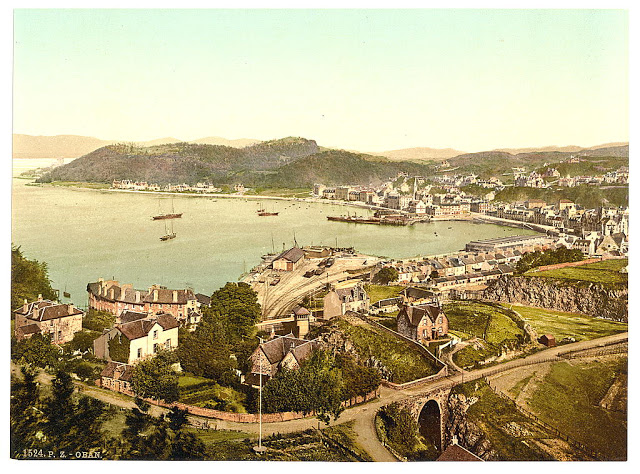
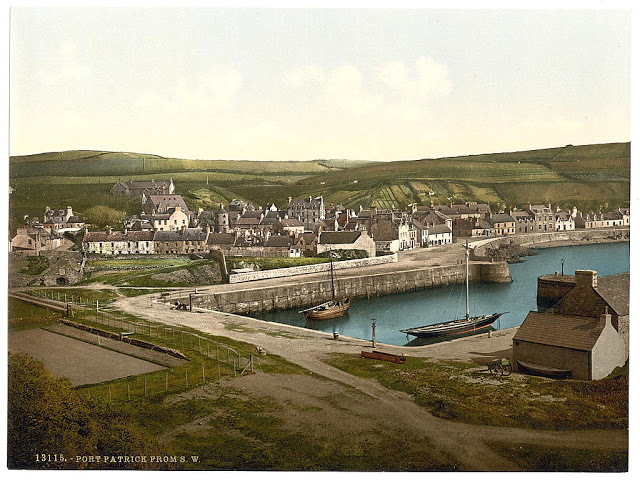
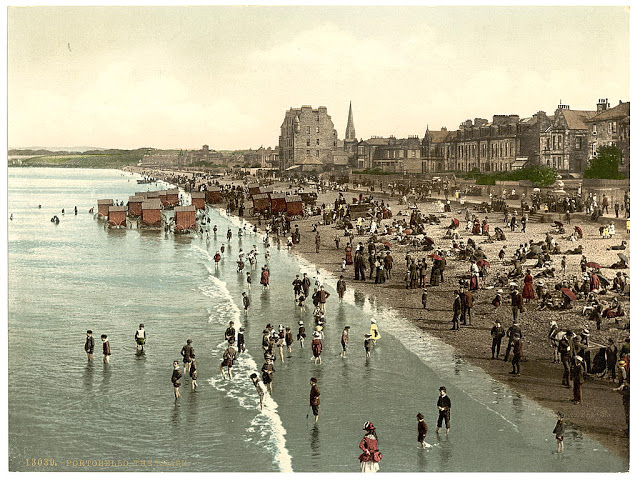
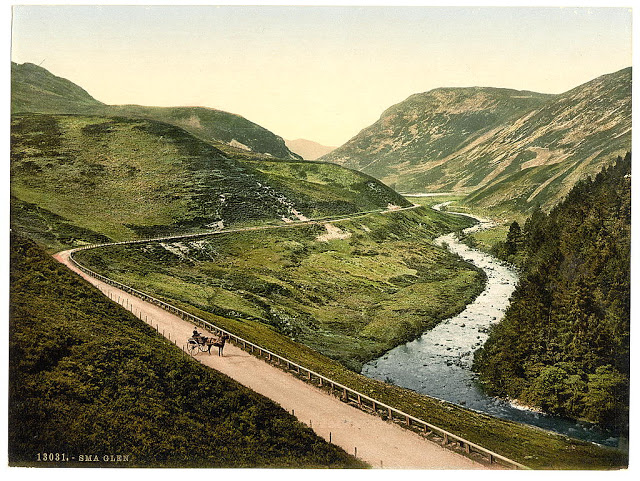
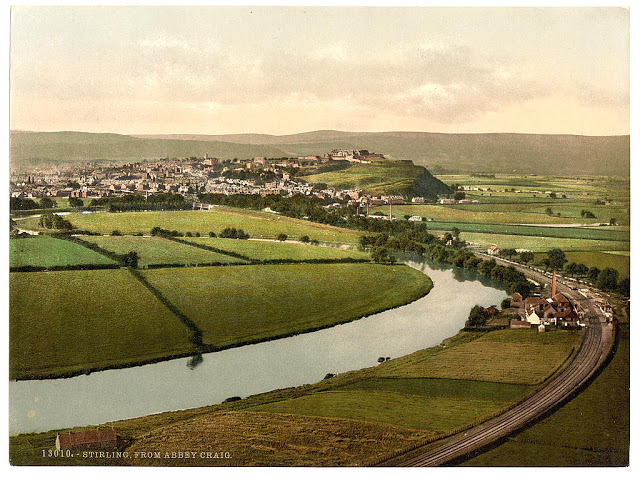
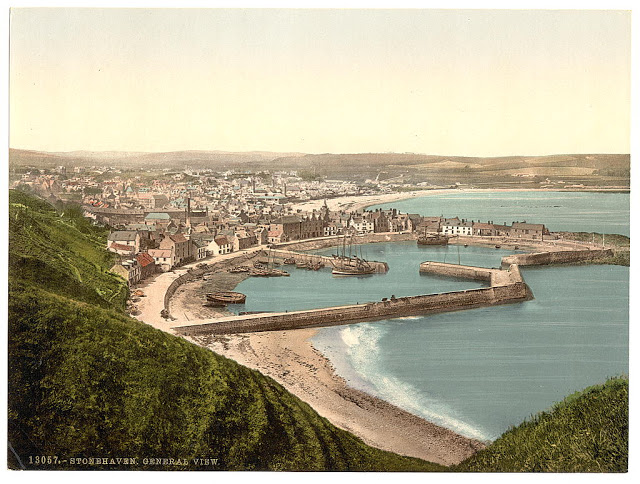
The following images show Scottish cities, towns and attractions during the 1890s – and in color. They were created using the Photochrom technique pioneered by Photoglob Zürich AG, which sees color manually added to black and white negatives.
The process was extremely time-consuming and required painstaking attention to detail, but the result was color postcards which captured the cities, moors, and ruined castles of Scotland with an impressive degree of verisimilitude, particularly at a time when true color photography was just being developed.


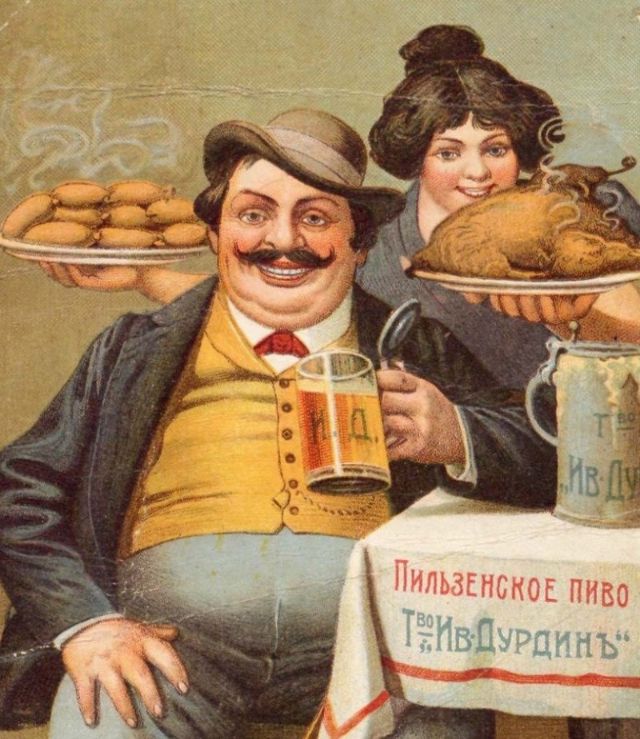
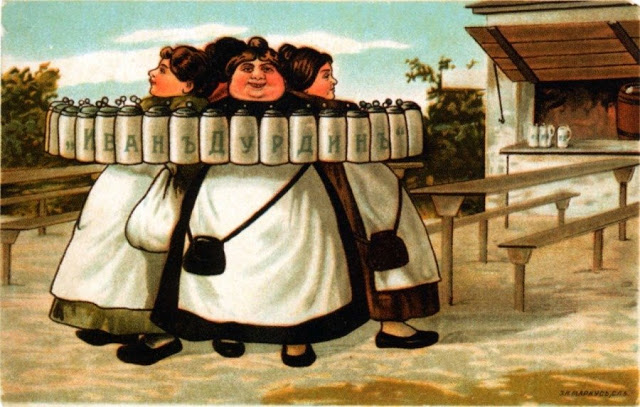
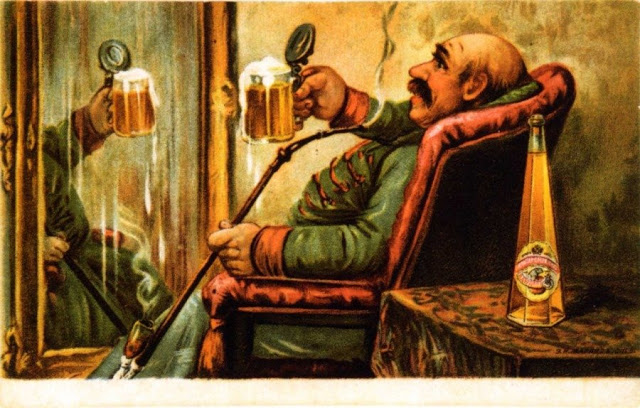
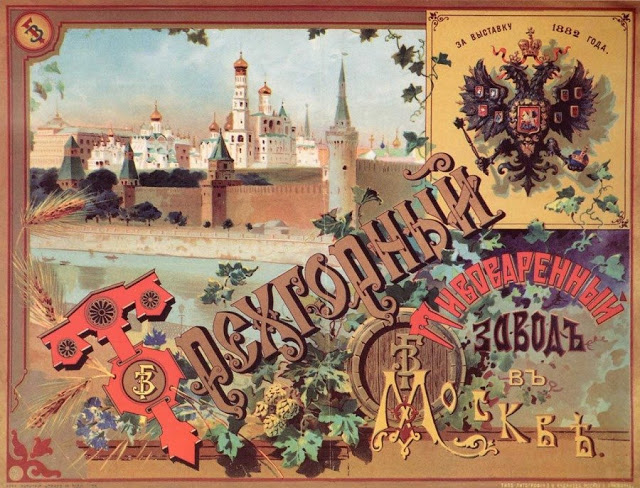
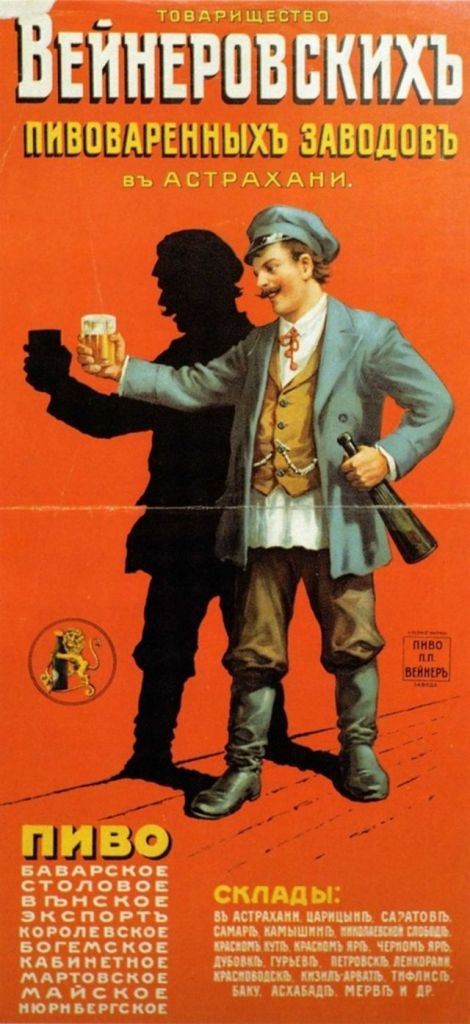
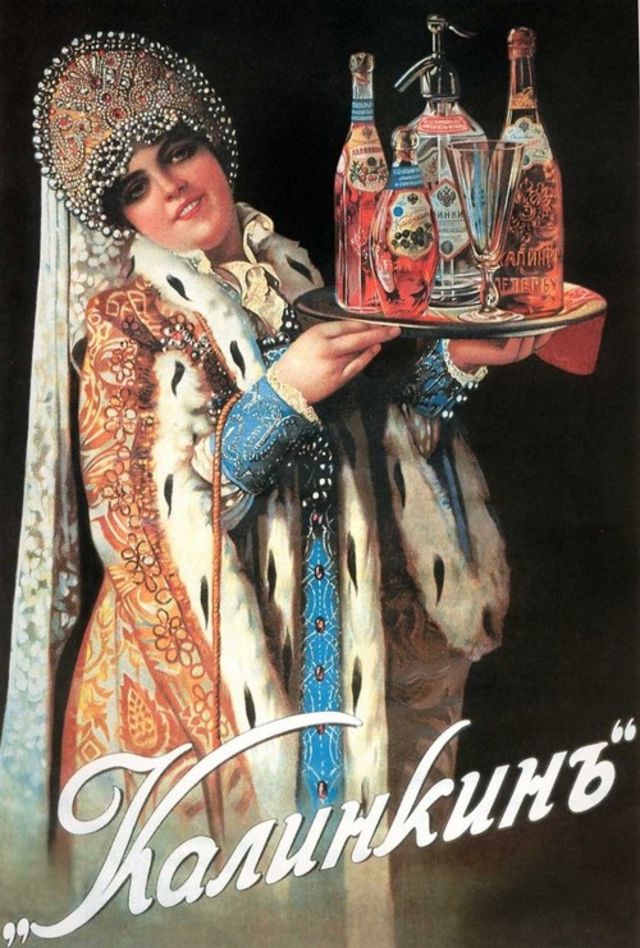
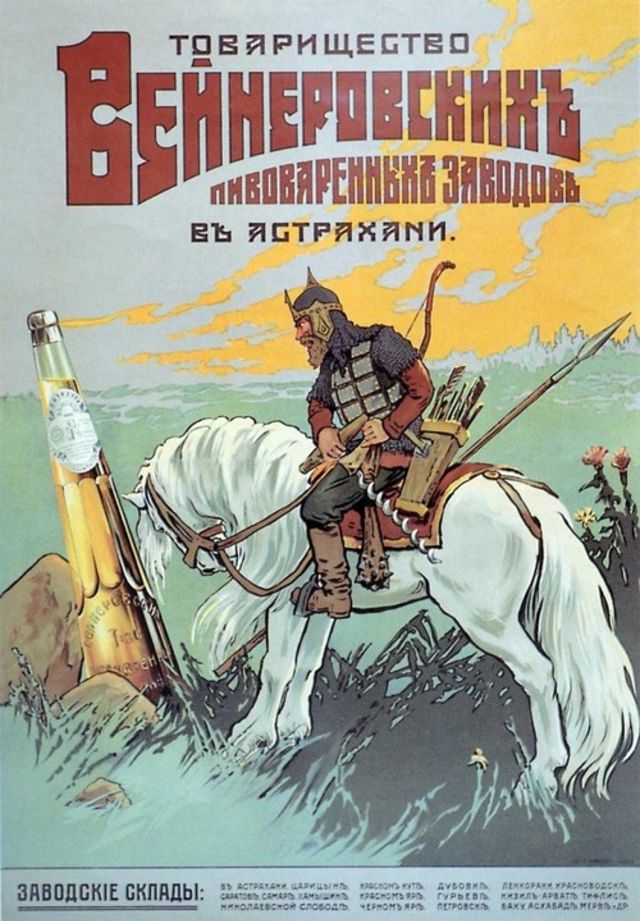
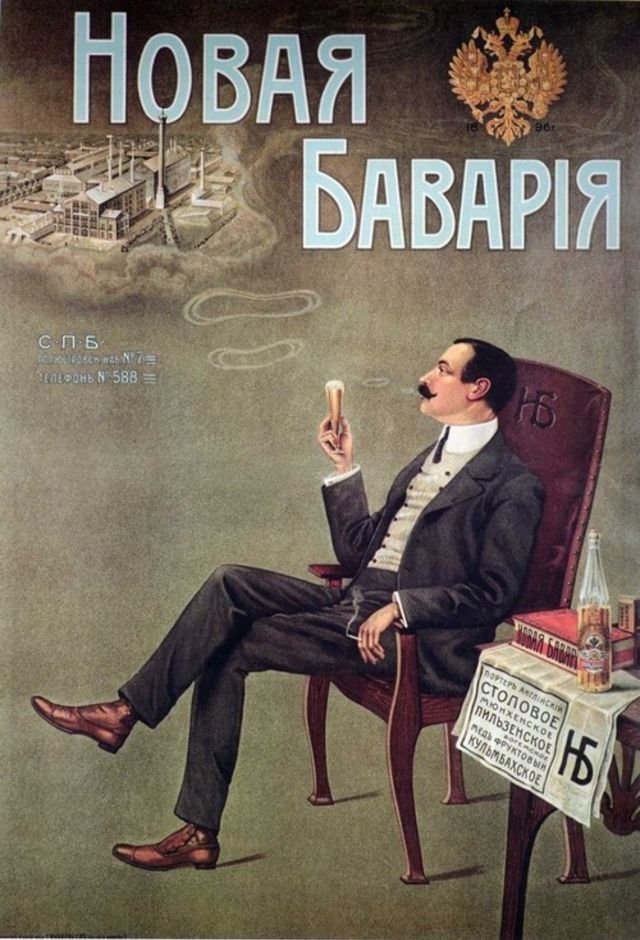
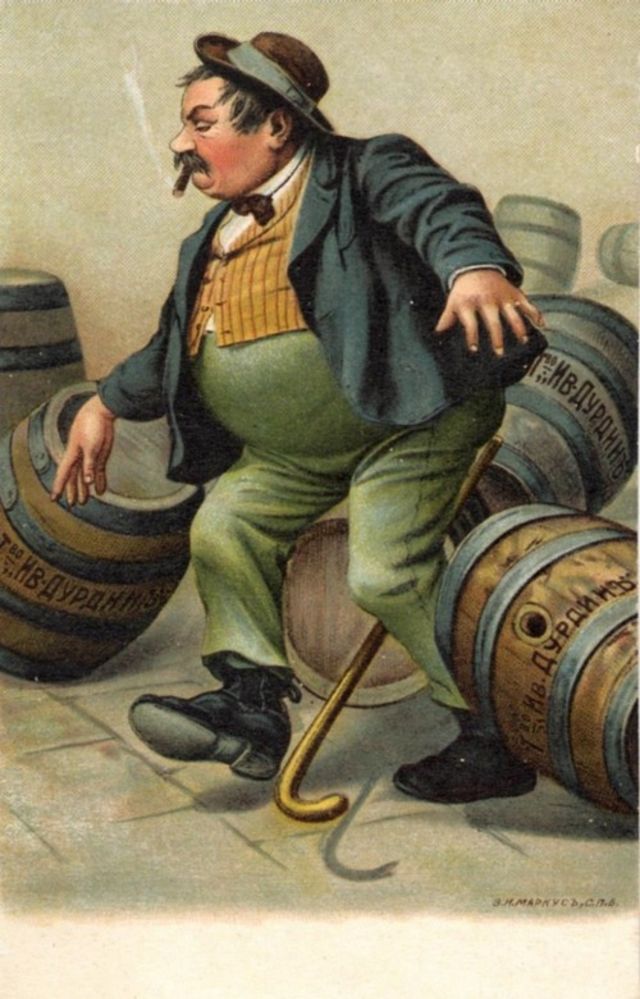
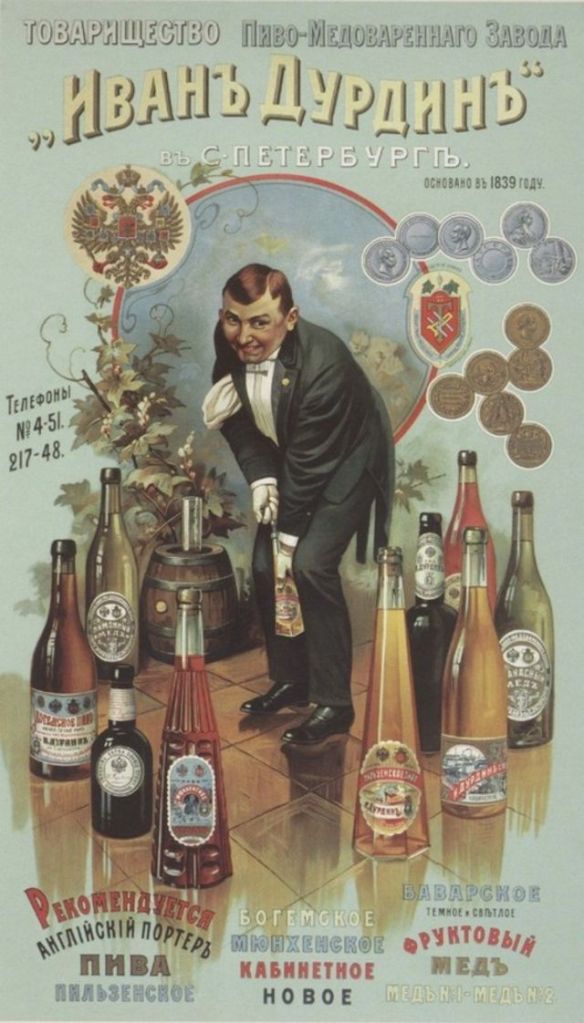
People in the Soviet Union loved beer, almost as much as vodka. They would drink it in the morning, while fishing, at the banya, and after a hard day’s work. It was always beer o’clock.
Before the revolution, the Russian Empire produced different varieties of beers brewed according to Western standards: Venskoe (Viennese), Munchenskoe (Munich), Pilsener, Bavarskoe (Bavarian), Kulmbakskoe (Kulmbach), Bogemskoe (Bohemian) and others. After 1917, the “bourgeois” names were replaced by Soviet titles. For example, Venskoe became Zhigulevskoe (Zhiguli), Pilsener – Russkoe, and Munchenskoe – Ukrainskoe.
These vintage Russian beer advertisements come from 1880-1915:









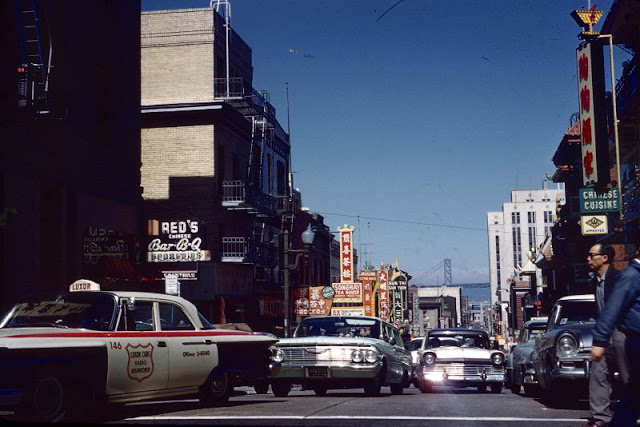
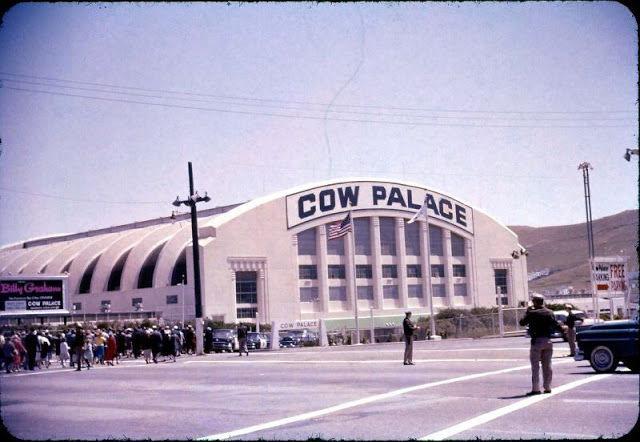
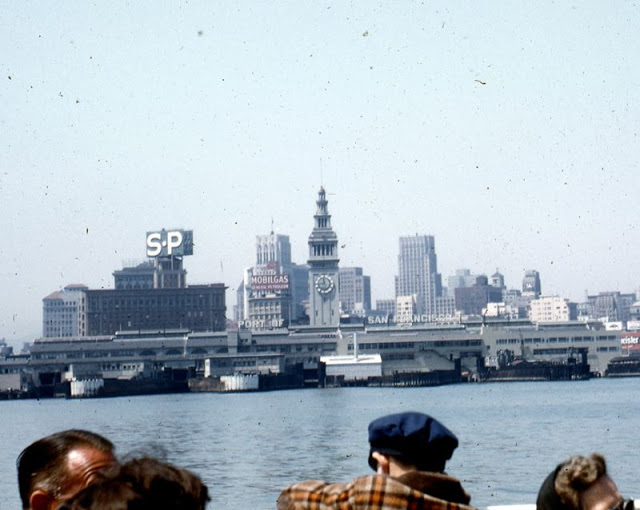
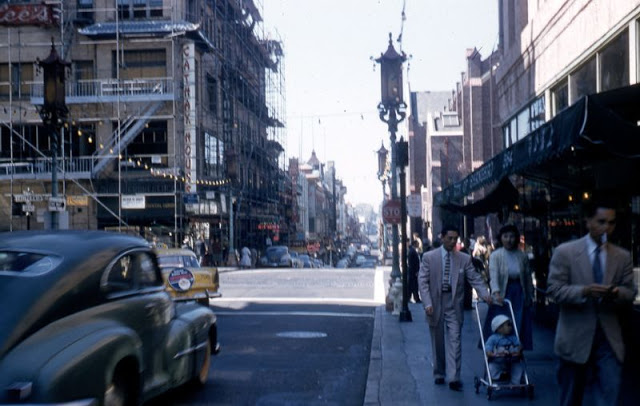
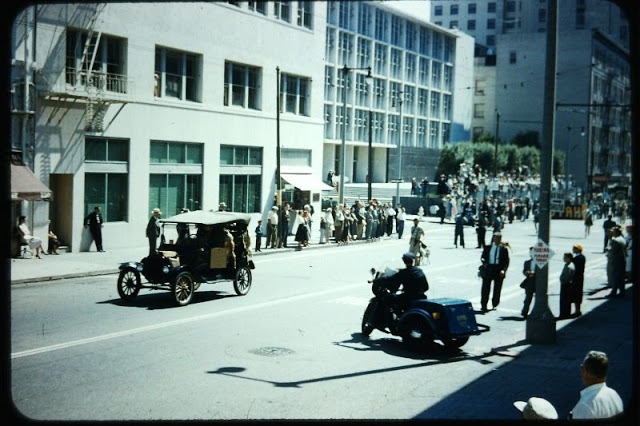
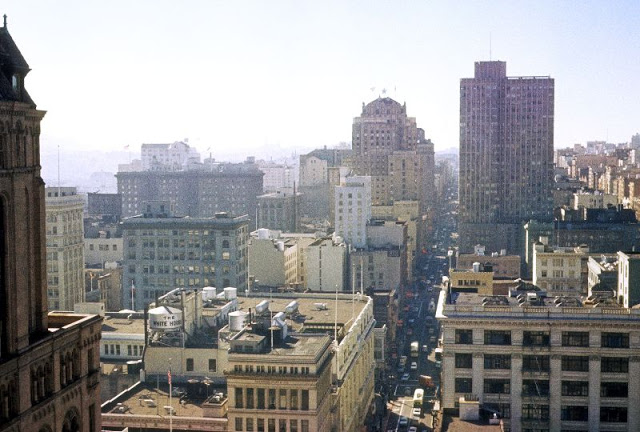
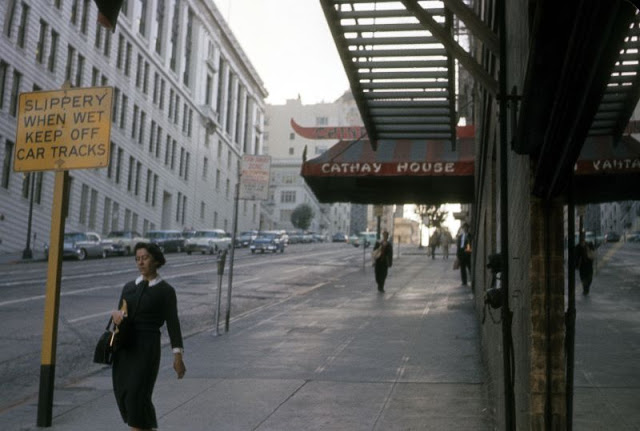
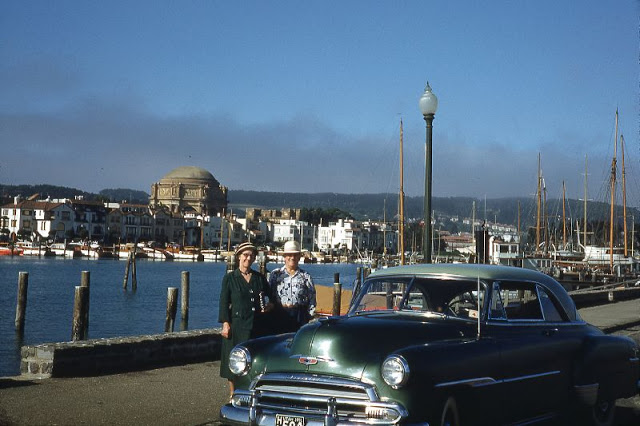
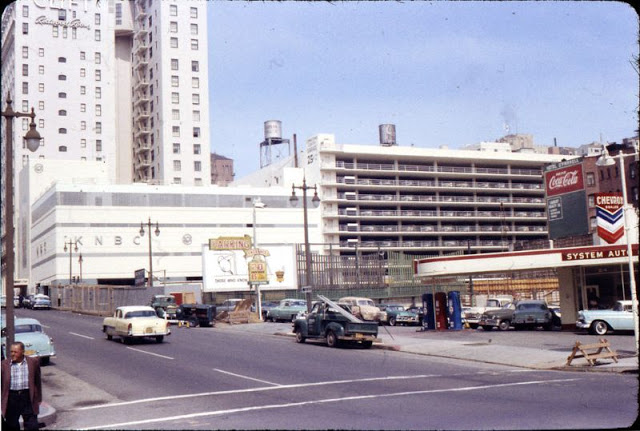
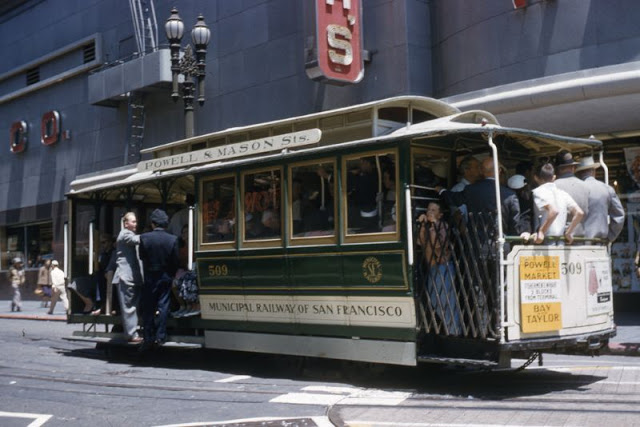
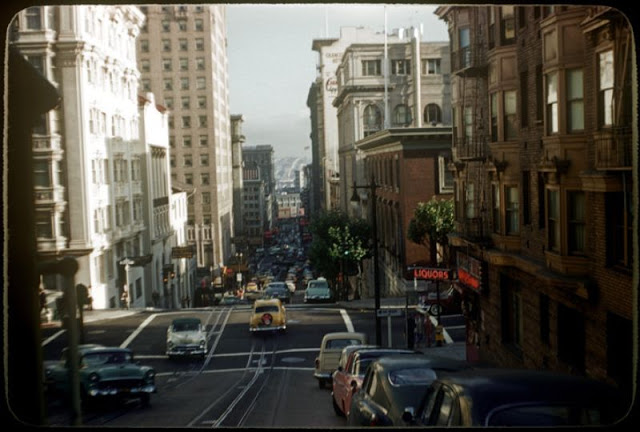
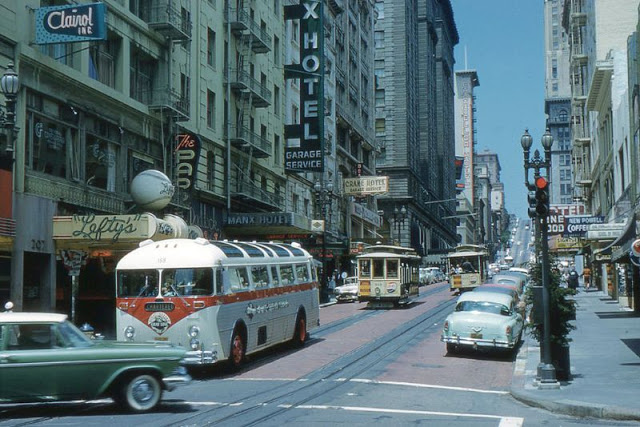
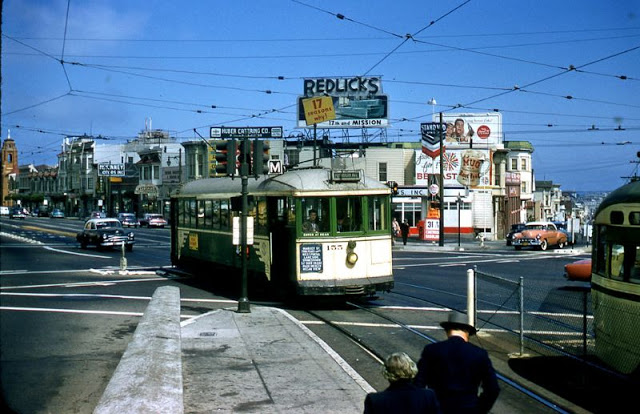
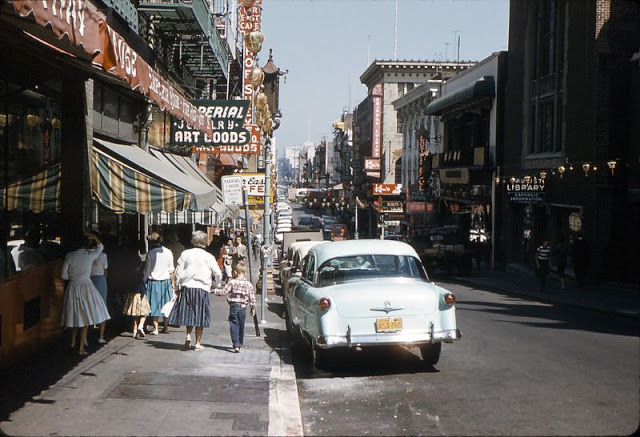
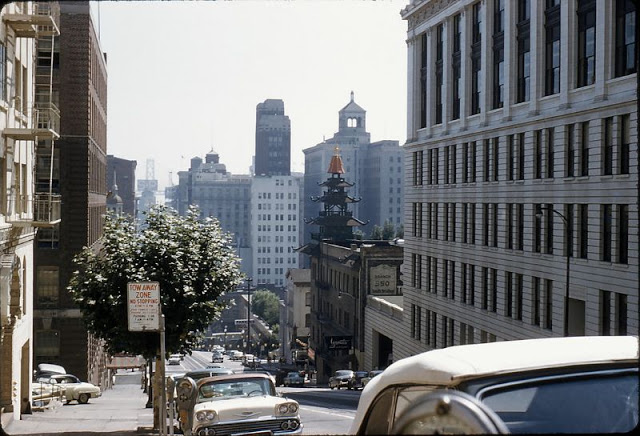
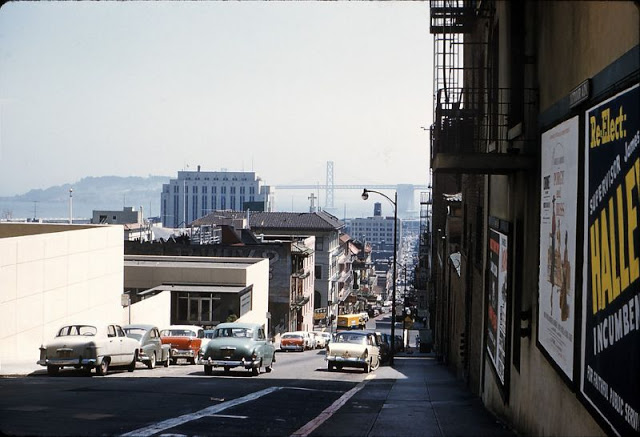
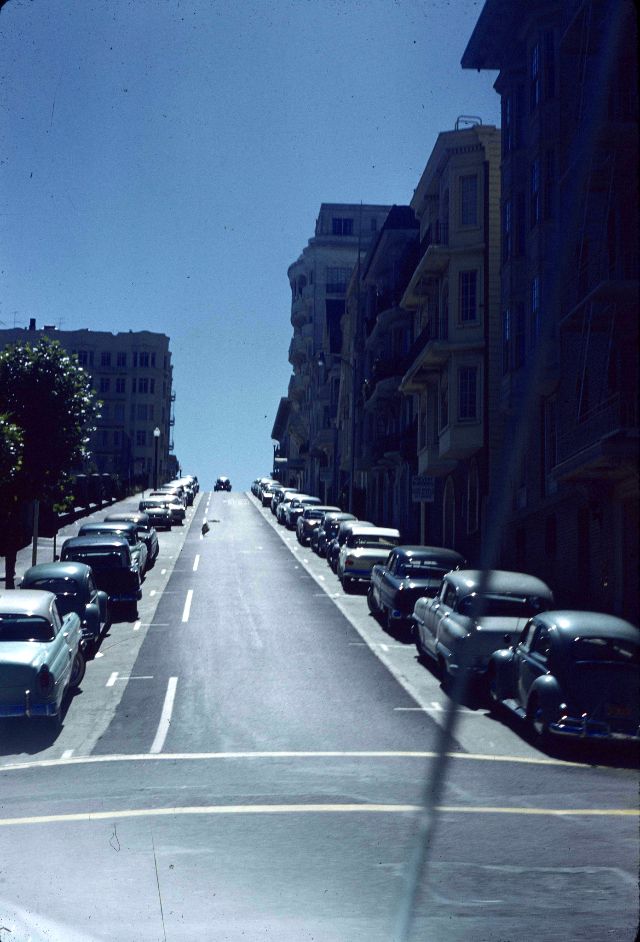
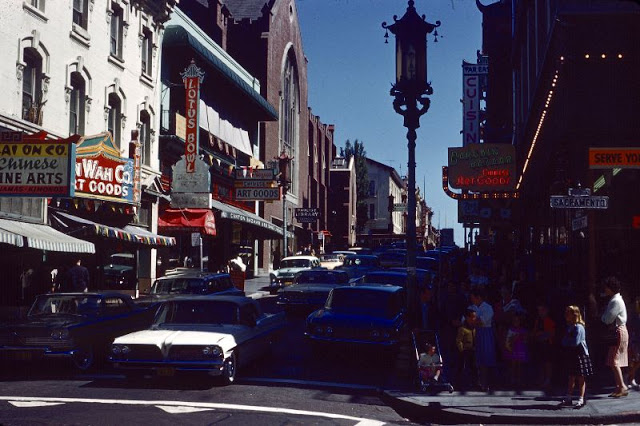
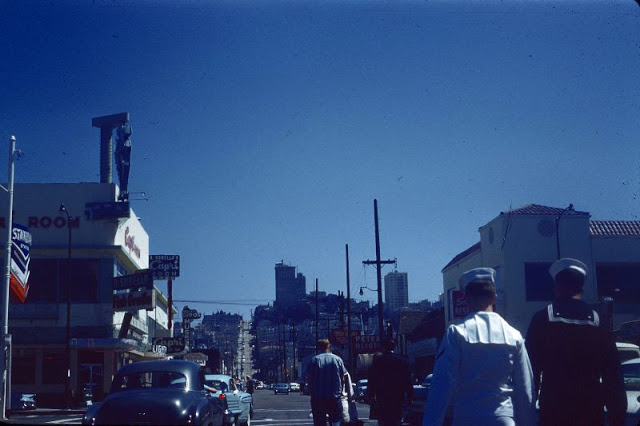
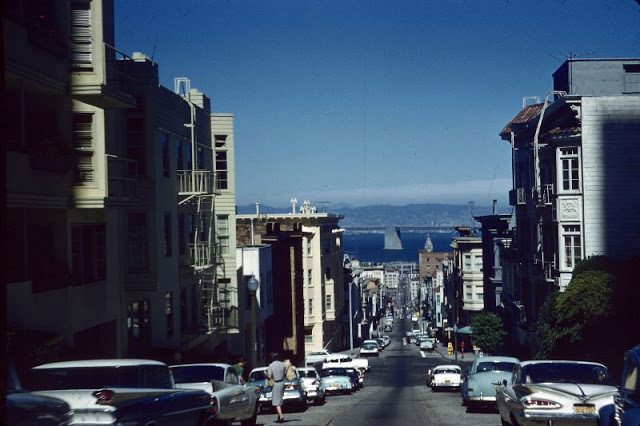
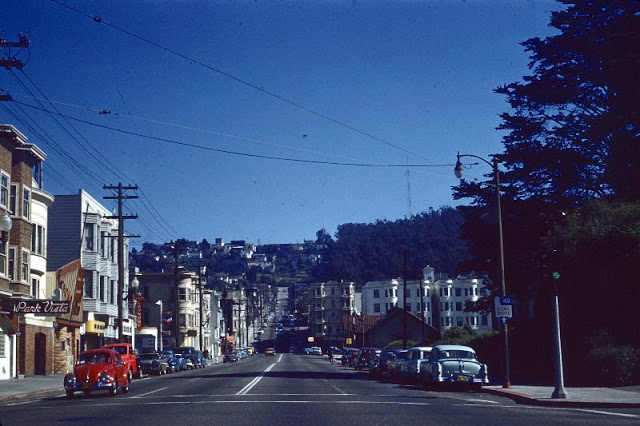
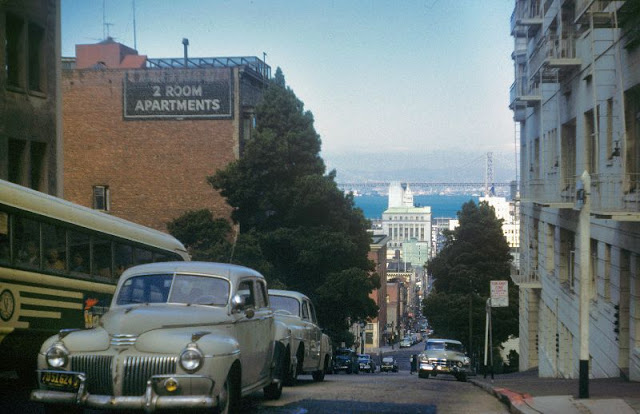
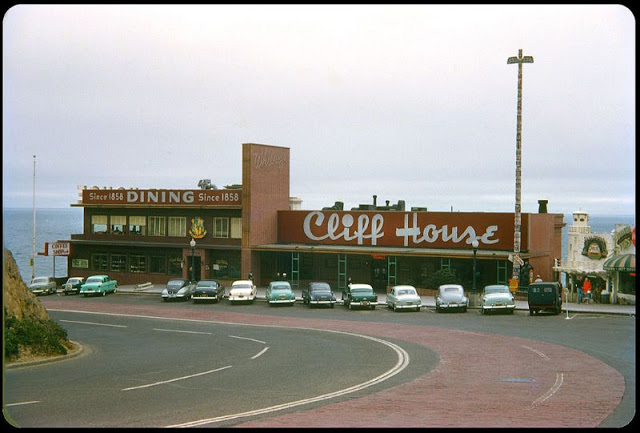
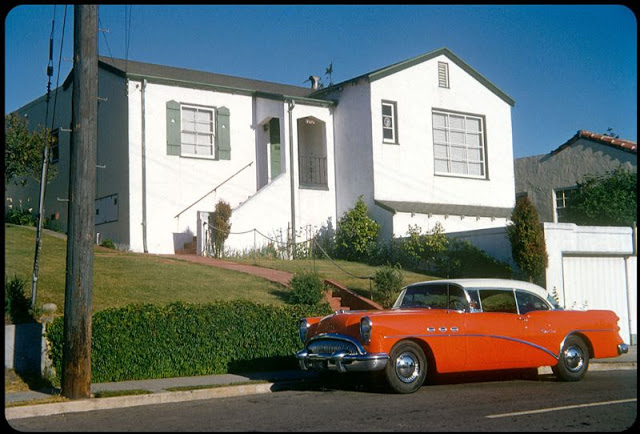
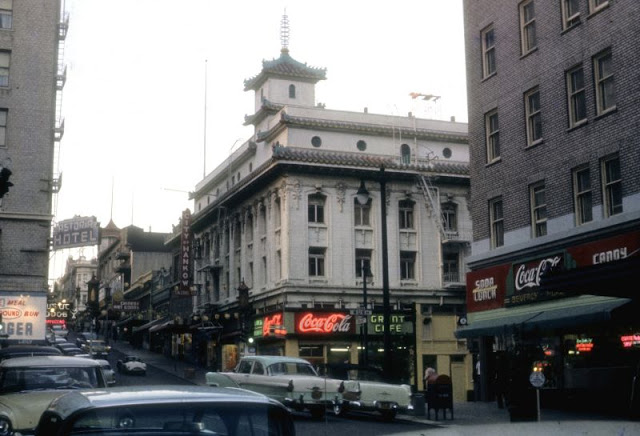
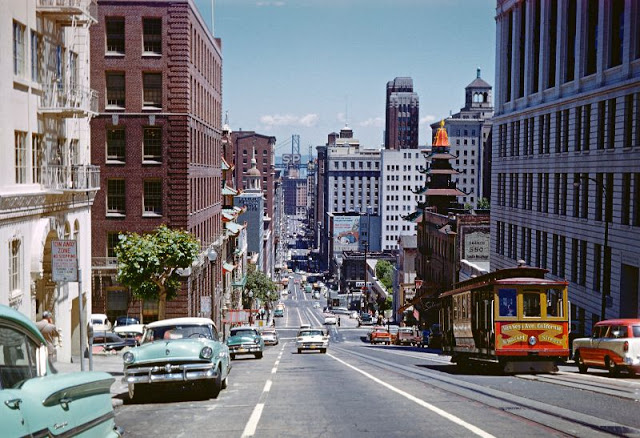
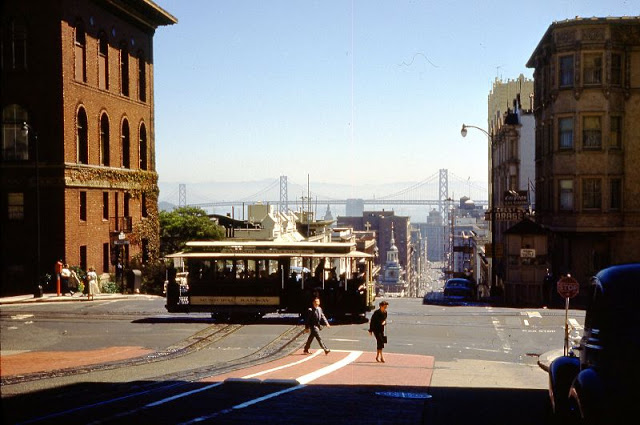
San Francisco, officially the City and County of San Francisco, is a cultural, commercial, and financial center in the U.S. state of California. Located in Northern California, San Francisco is the 17th most populous city in the United States, and the fourth most populous in California, with 873,965 residents as of 2020. It covers an area of about 46.9 square miles (121 square kilometers), mostly at the north end of the San Francisco Peninsula in the San Francisco Bay Area, making it the second most densely populated large U.S. city, and the fifth most densely populated U.S. county, behind only four of the five New York City boroughs. San Francisco is the 12th-largest metropolitan statistical area in the United States with 4.7 million residents, and the fourth-largest by economic output, with a GDP of $592 billion in 2019. With San Jose, California, it forms the San Jose–San Francisco–Oakland, CA Combined Statistical Area, the fifth most populous combined statistical area in the United States, with 9.6 million residents as of 2019. Colloquial nicknames for San Francisco include SF, San Fran, The City, and Frisco.
In 2019, San Francisco was the county with the seventh-highest income in the United States, with a per capita income of $139,405. In the same year, San Francisco proper had a GDP of $203.5 billion, and a GDP per capita of $230,829. The San Jose–San Francisco–Oakland, CA Combined Statistical Area, with a GDP of $1.09 trillion as of 2019, is the country’s third-largest economy. Of the 105 primary statistical areas in the U.S. with over 500,000 residents, this CSA had the highest GDP per capita in 2019, at $112,348. San Francisco was ranked 12th in the world and second in the United States on the Global Financial Centres Index as of March 2021.
San Francisco was founded on June 29, 1776, when colonists from Spain established the Presidio of San Francisco at the Golden Gate and Mission San Francisco de Asís a few miles away, both named for Francis of Assisi. The California Gold Rush of 1849 brought rapid growth, making it the largest city on the West Coast at the time; between 1870 and 1900, approximately one quarter of California’s population resided in the city proper. In 1856, San Francisco became a consolidated city-county. After three-quarters of the city was destroyed by the 1906 earthquake and fire, it was quickly rebuilt, hosting the Panama-Pacific International Exposition nine years later. In World War II, it was a major port of embarkation for service members shipping out to the Pacific Theater. It then became the birthplace of the United Nations in 1945. After the war, the confluence of returning servicemen, significant immigration, liberalizing attitudes, the rise of the “beatnik” and “hippie” countercultures, the Sexual Revolution, the Peace Movement growing from opposition to United States involvement in the Vietnam War, and other factors led to the Summer of Love and the gay rights movement, cementing San Francisco as a center of liberal activism in the United States. Politically, the city votes strongly along liberal Democratic Party lines.
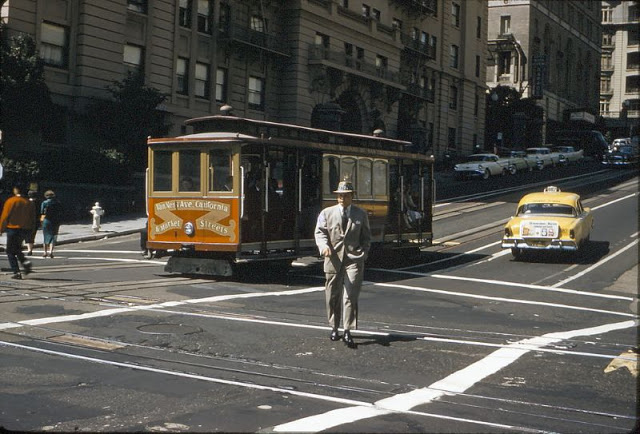
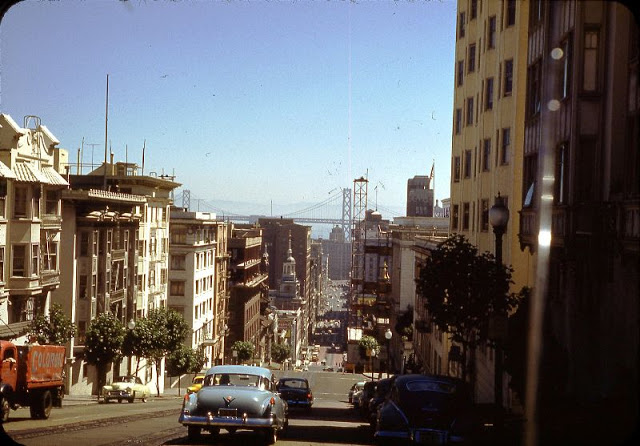
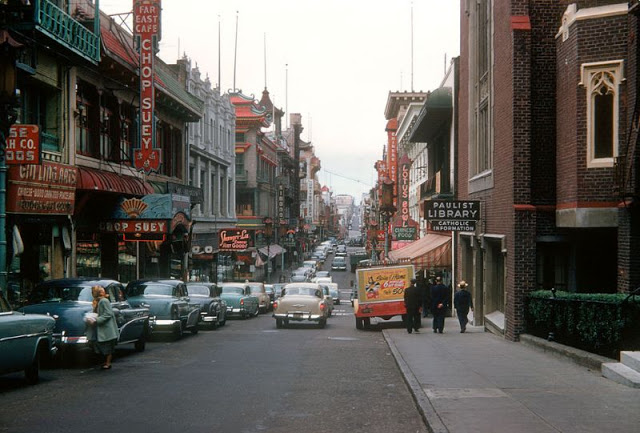
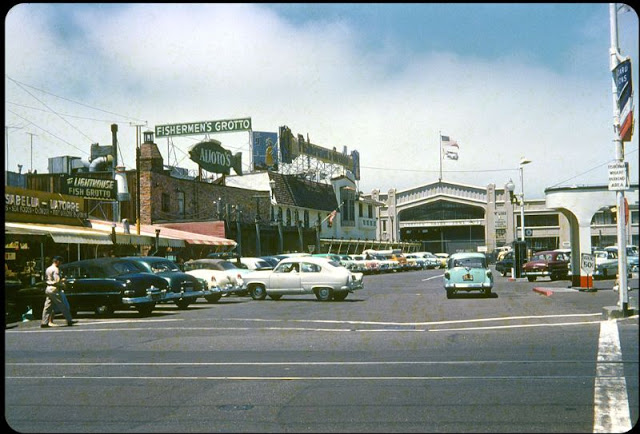
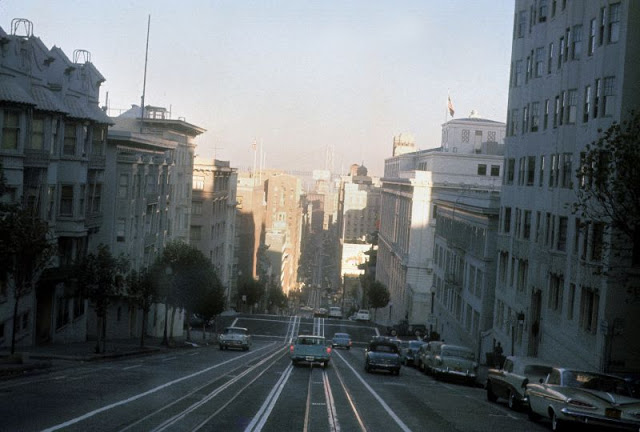
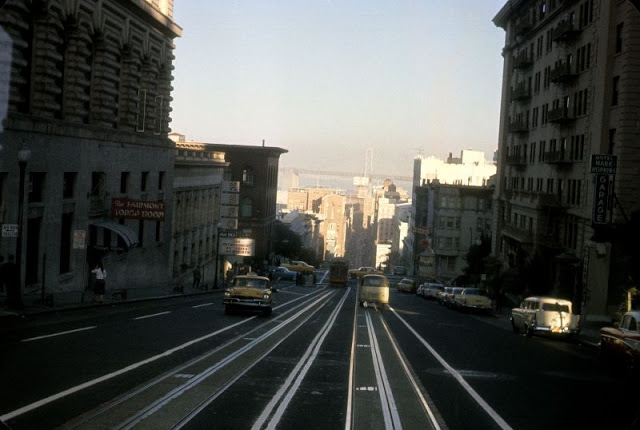
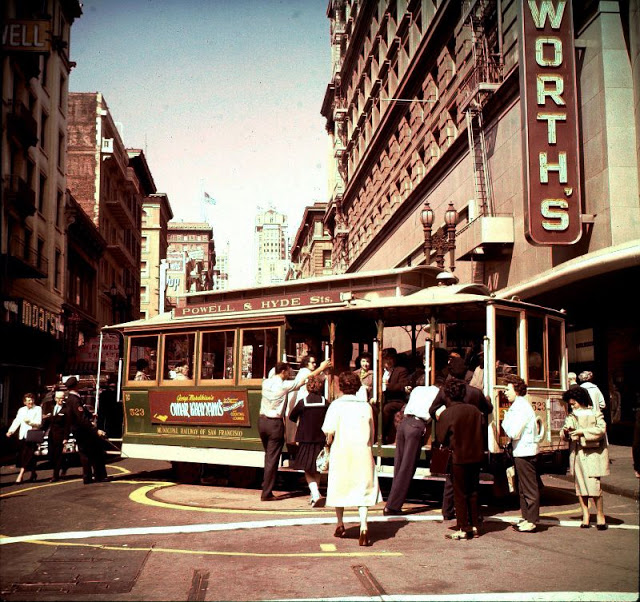
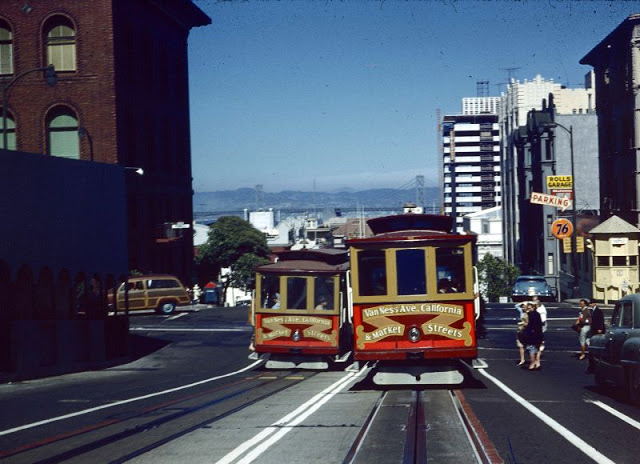
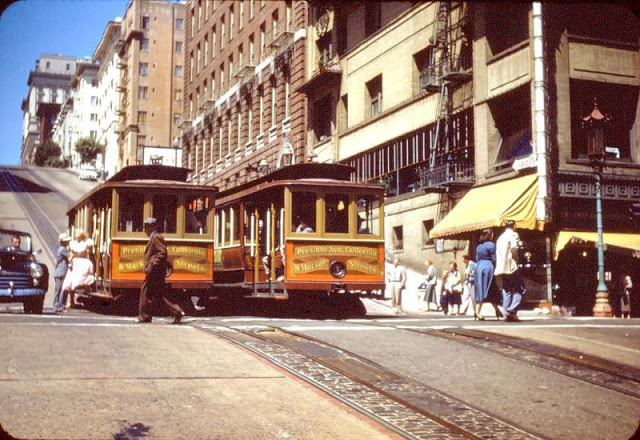
A popular tourist destination, San Francisco is known for its cool summers, fog, steep rolling hills, eclectic mix of architecture, and landmarks, including the Golden Gate Bridge, cable cars, the former Alcatraz Federal Penitentiary, Fisherman’s Wharf, and its Chinatown district. San Francisco is also the headquarters of companies such as Wells Fargo, Twitter, Block, Airbnb, Levi Strauss & Co., Gap Inc., Salesforce, Dropbox, Pacific Gas and Electric Company, Uber, and Lyft. The city, and the surrounding Bay Area, is a global center of the sciences and arts and is home to a number of educational and cultural institutions, such as the University of California, San Francisco (UCSF), the University of San Francisco (USF), San Francisco State University (SFSU), the de Young Museum, the San Francisco Museum of Modern Art, the SFJAZZ Center, the San Francisco Symphony and the California Academy of Sciences. More recently, statewide droughts in California have strained the city’s water security. (Wikipedia)
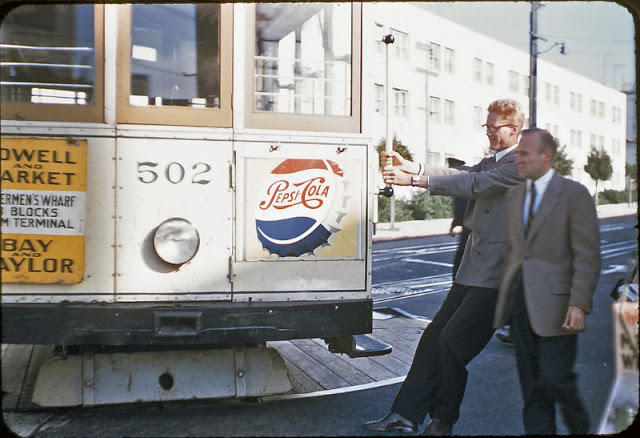
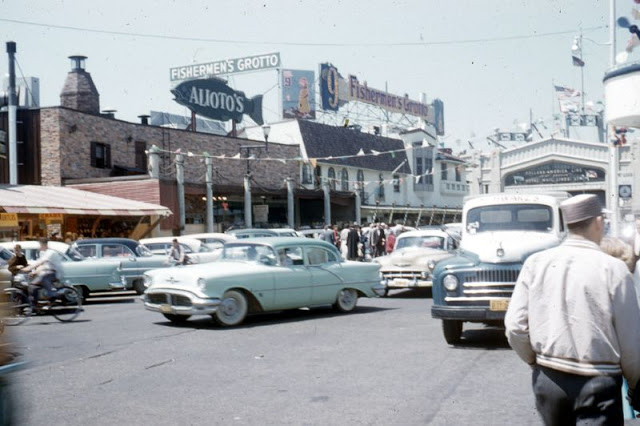
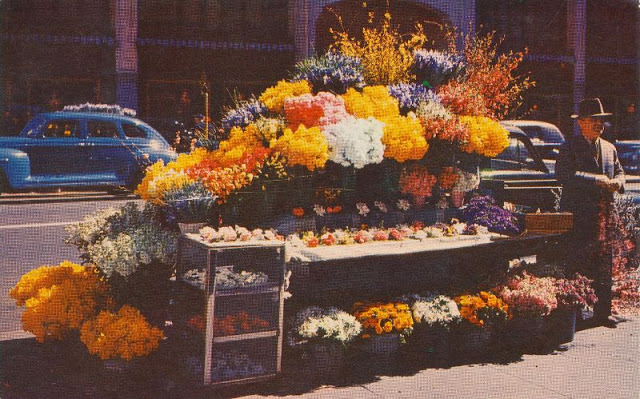
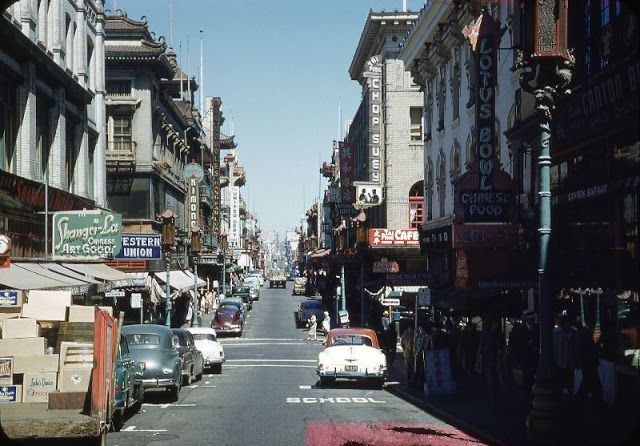
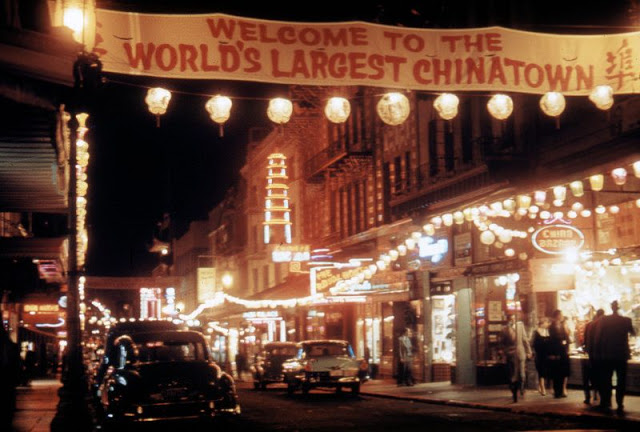
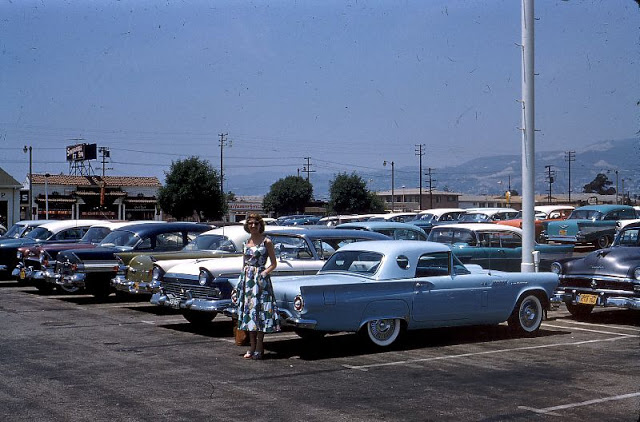
These amazing color snaps show what San Francisco looked life in the 1950s.