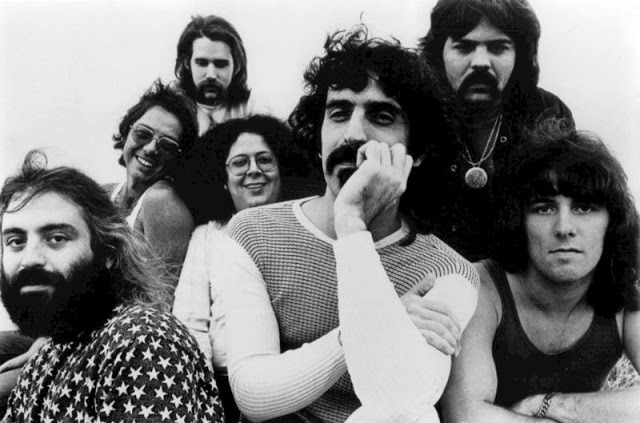
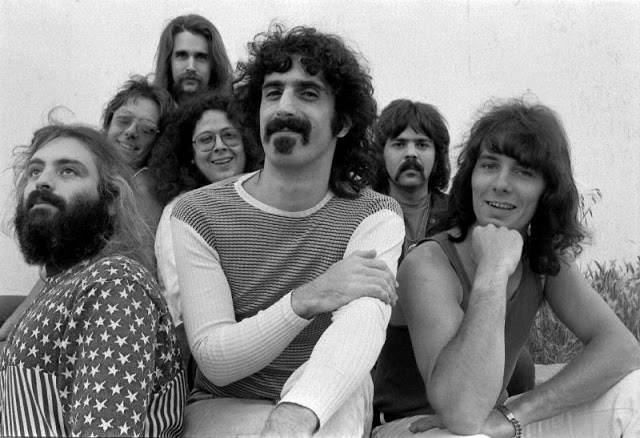
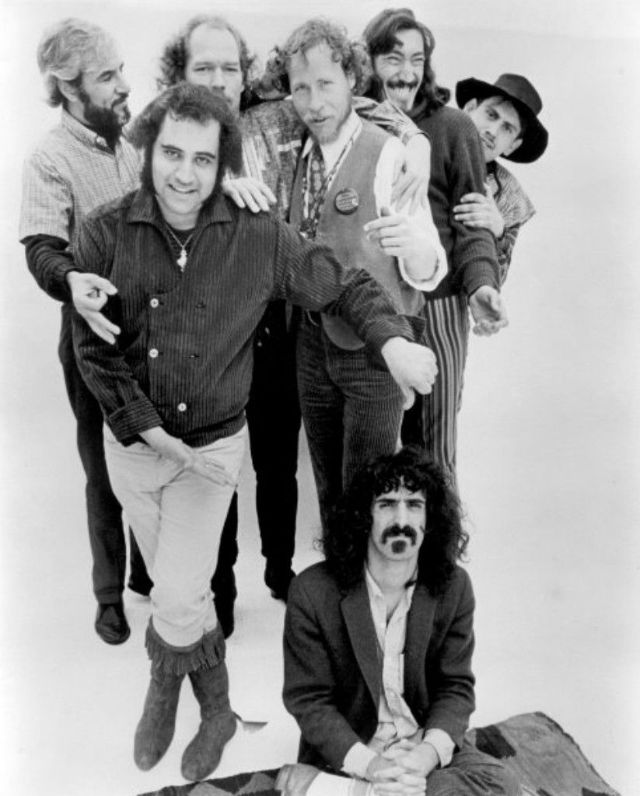
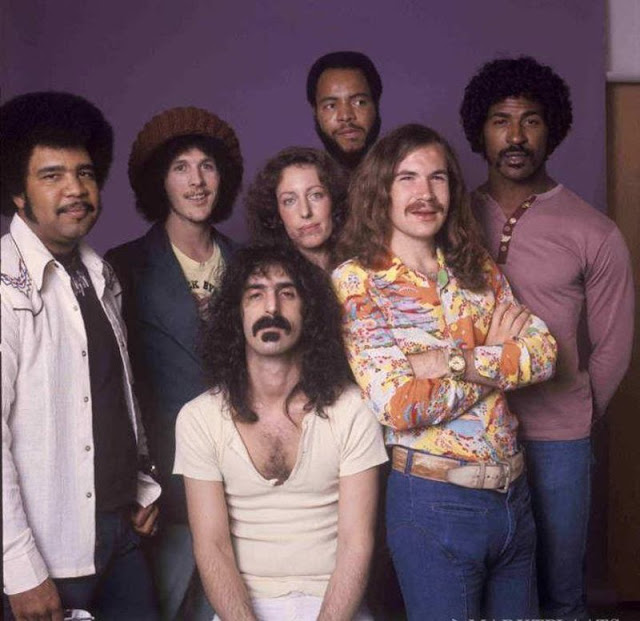
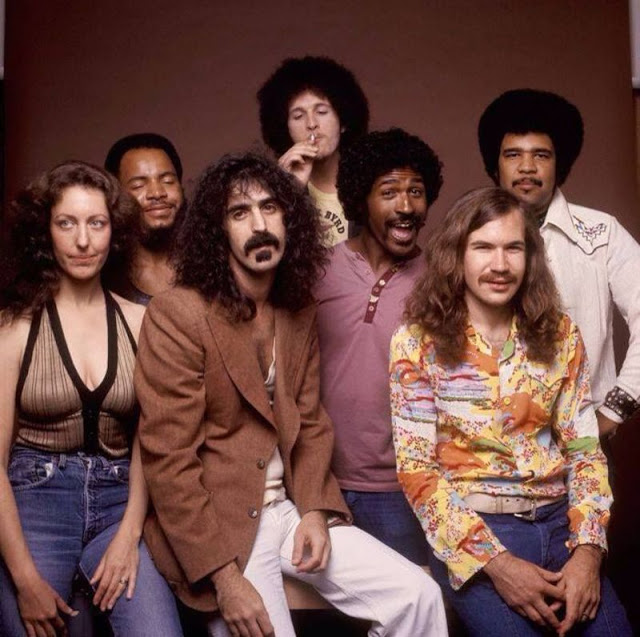
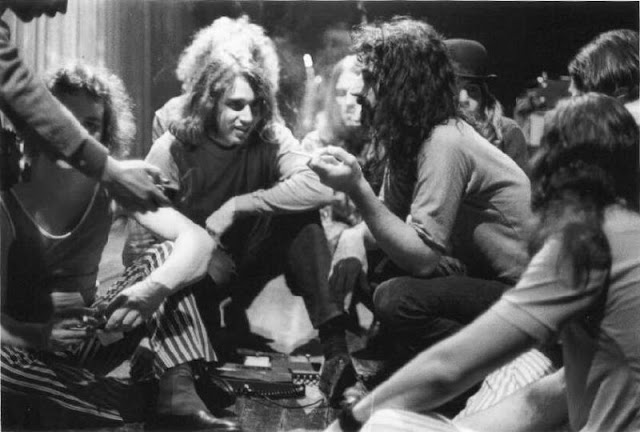
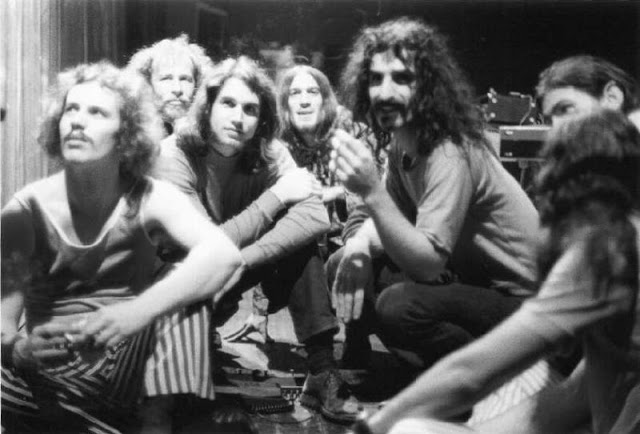
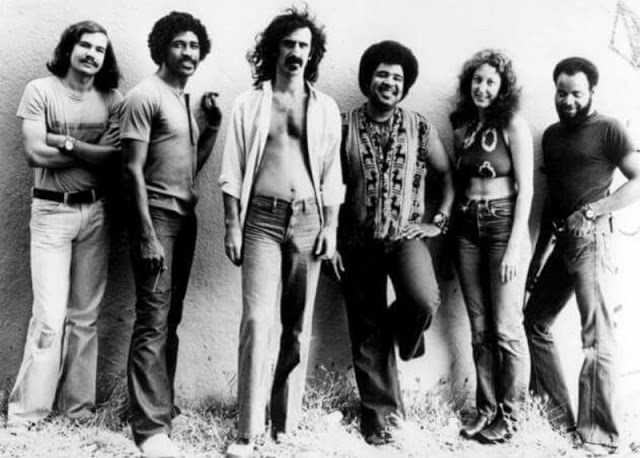
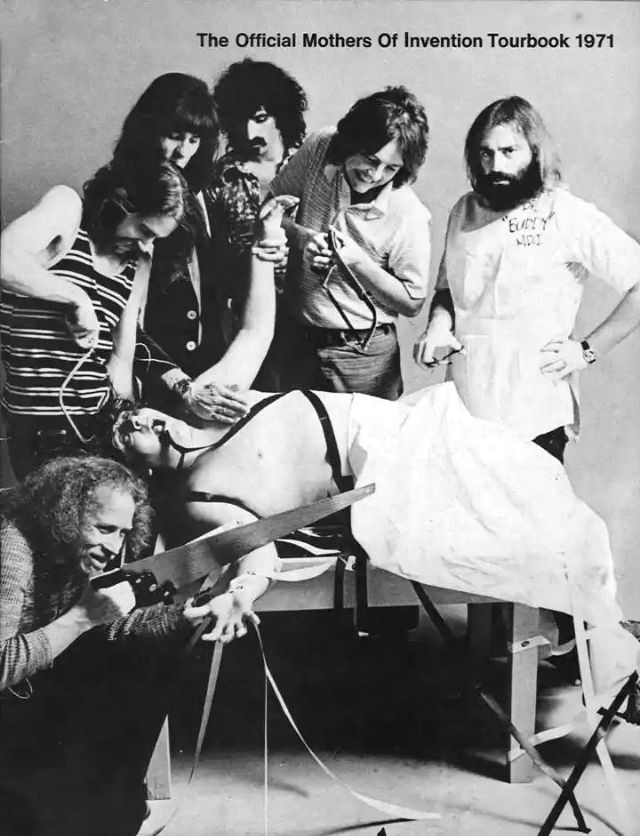
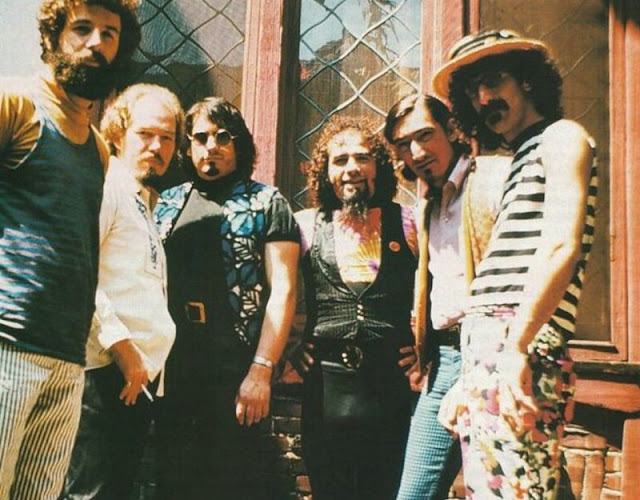
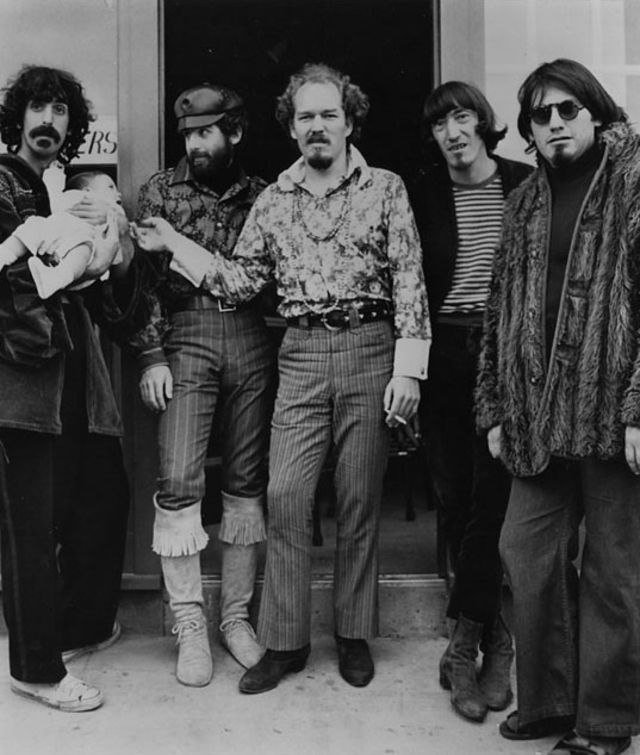
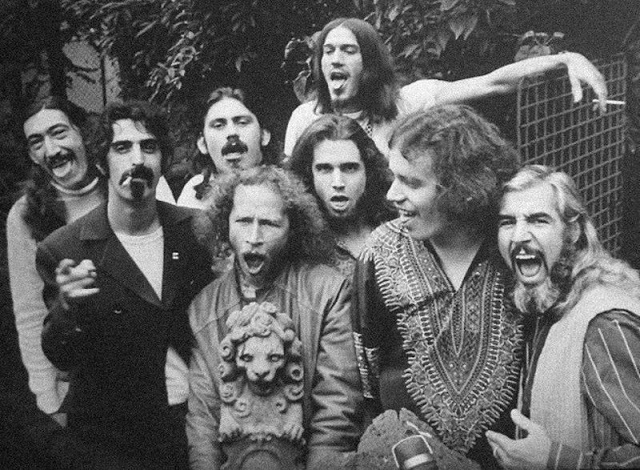
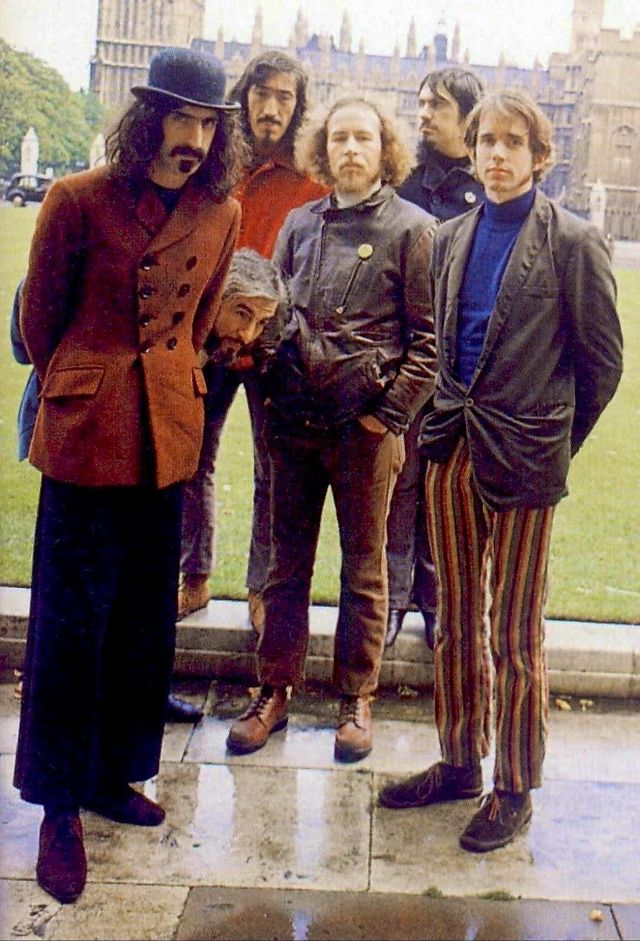
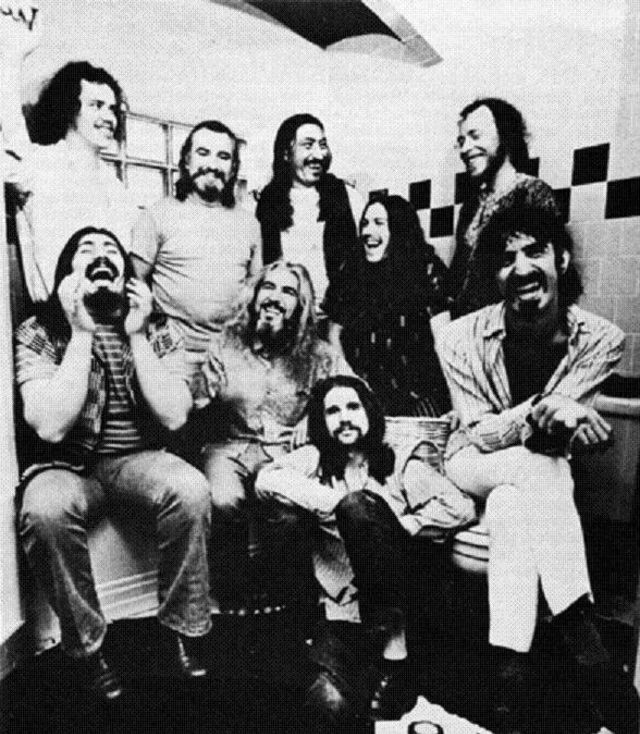
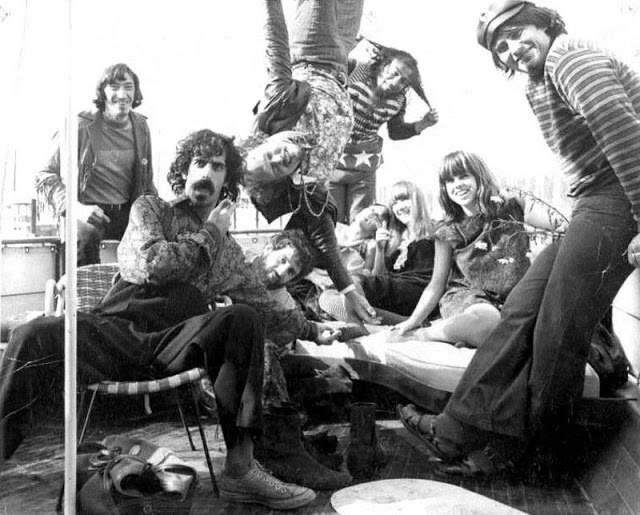
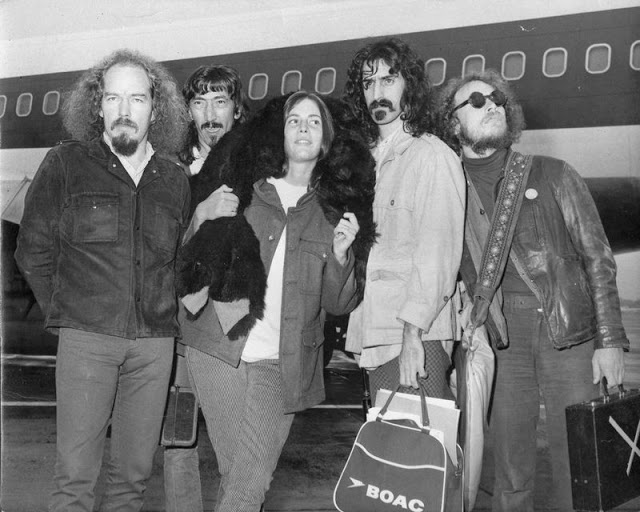
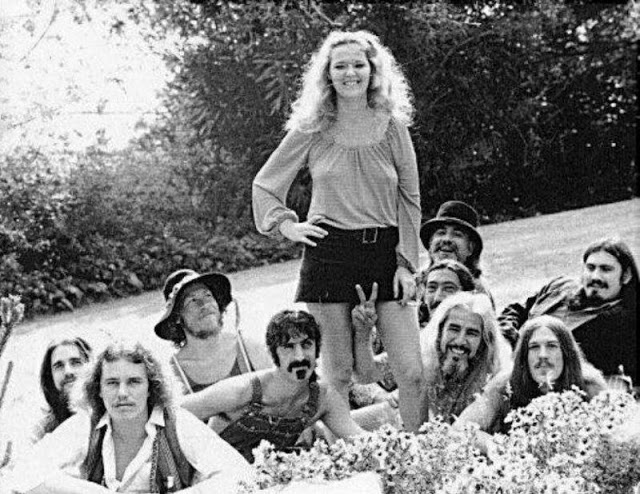
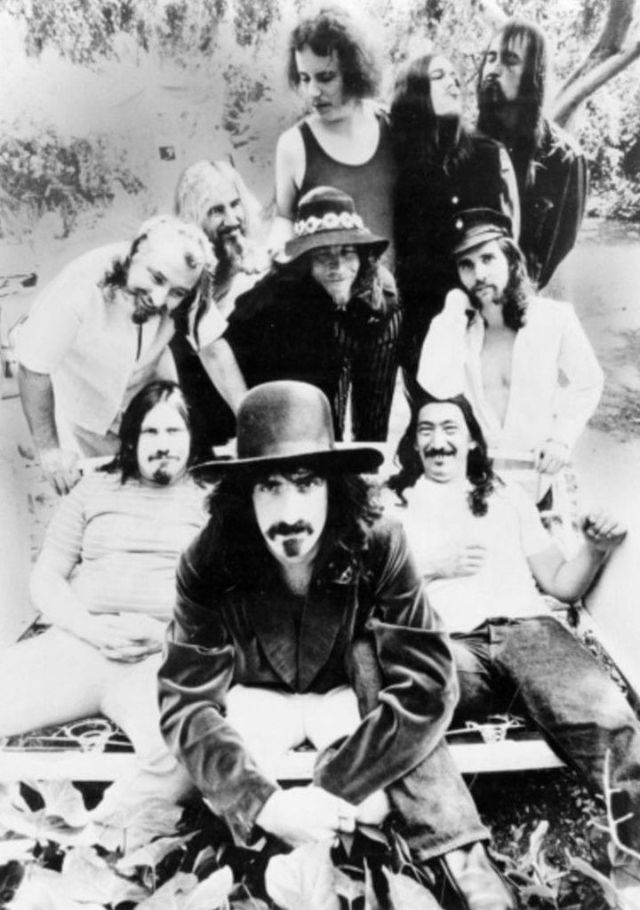
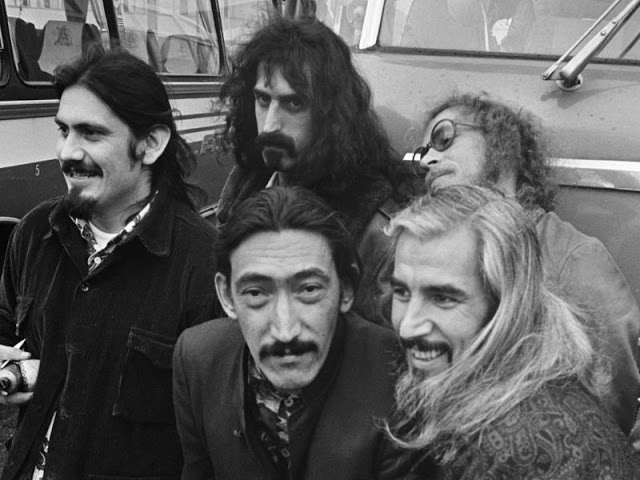
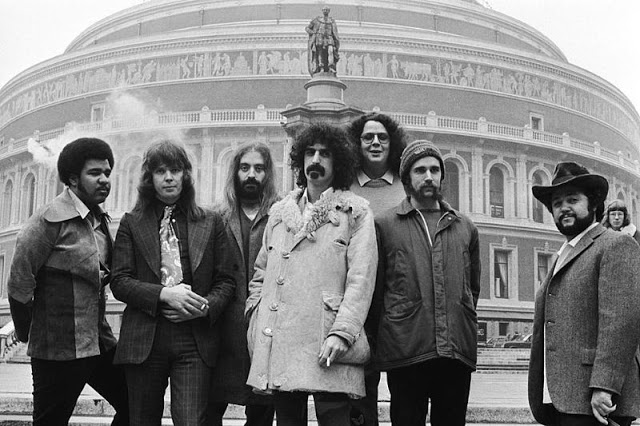
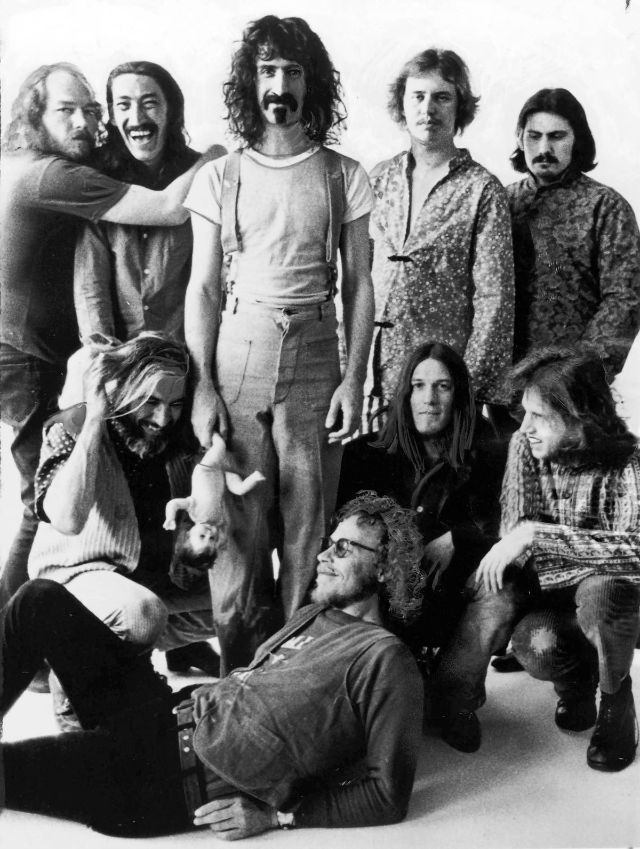
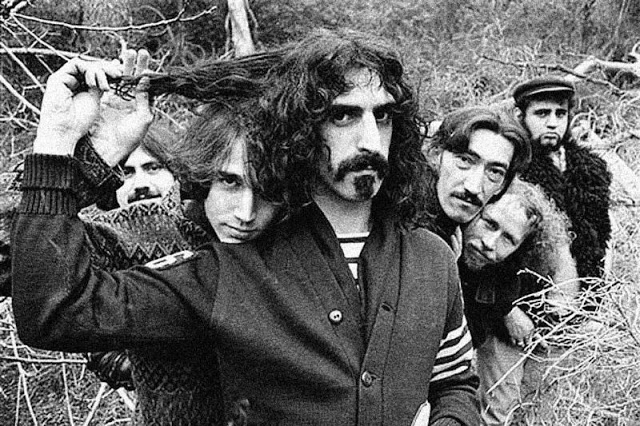
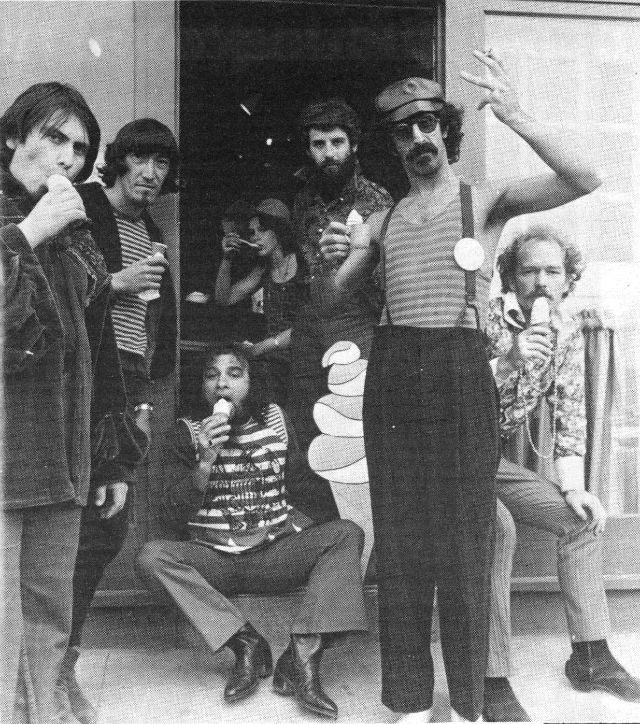
The Mothers of Invention were an American rock band from California. Formed in 1964, their work is marked by the use of sonic experimentation, innovative album art, and elaborate live shows.
Originally an R&B band called the Soul Giants, the band’s first lineup included Ray Collins, David Coronado, Ray Hunt, Roy Estrada and Jimmy Carl Black. Frank Zappa was asked to take over as the guitarist following a fight between Collins and Coronado, the band’s original saxophonist/leader. Zappa insisted that they perform his original material, and on Mother’s Day in 1964, changed their name to the Mothers. Record executives demanded that the name be changed, and so “out of necessity,” Zappa later said, “we became the Mothers of Invention.”
After early struggles, the Mothers earned substantial popular commercial success. The band first became popular playing in California’s underground music scene in the late 1960s. Under Zappa’s helm, it was signed to jazz label Verve Records as part of the label’s diversification plans. Verve released the Mothers of Invention’s début double album Freak Out! in 1966, featuring a lineup including Zappa, Collins, Black, Estrada and Elliot Ingber. Don Preston joined the band soon after.
Under Zappa’s leadership and a changing lineup, the band released a series of critically acclaimed albums, including Absolutely Free, We’re Only in It for the Money and Uncle Meat, before being disbanded by Zappa in 1969. In 1970, he formed a new version of the Mothers that included Ian Underwood, Jeff Simmons, George Duke, Aynsley Dunbar and singers Mark Volman and Howard Kaylan (formerly of the Turtles, but who for contractual reasons were credited in this band as the Phlorescent Leech & Eddie). Later adding another ex-Turtle, bassist Jim Pons, this lineup endured through 1971, when Zappa was injured by an audience member during a concert appearance.
Zappa focused on big-band and orchestral music while recovering from his injuries, and in 1973 formed the Mothers’ final lineup, which included drummer Ralph Humphrey, trumpeter Sal Marquez, keyboardist/vocalist George Duke, trombonist Bruce Fowler, bassist Tom Fowler, percussionist Ruth Underwood and keyboardist/saxophonist Ian Underwood. The final album using the Mothers as a backing band, Bongo Fury (1975), featured guitarist Denny Walley and drummer Terry Bozzio, who continued to play for Zappa on non-Mothers releases.
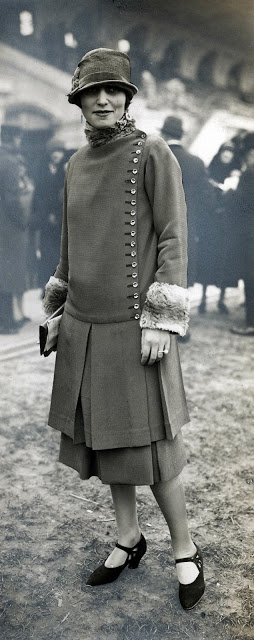
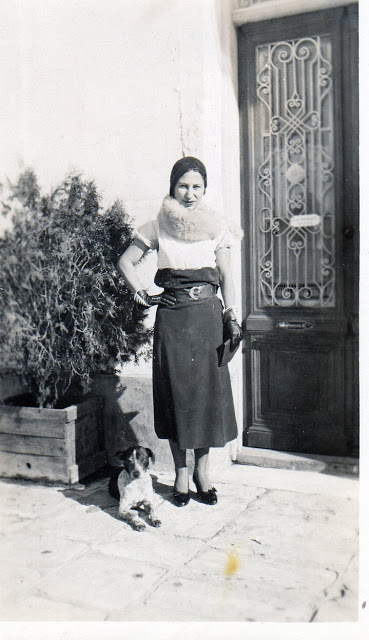
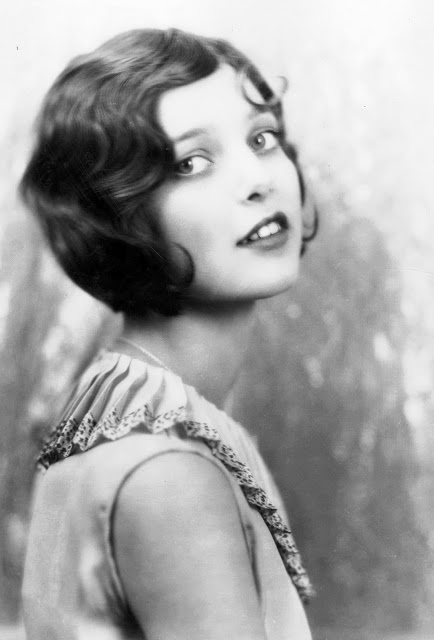
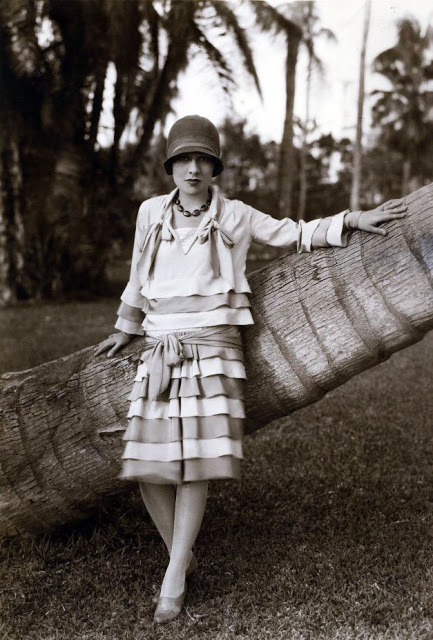
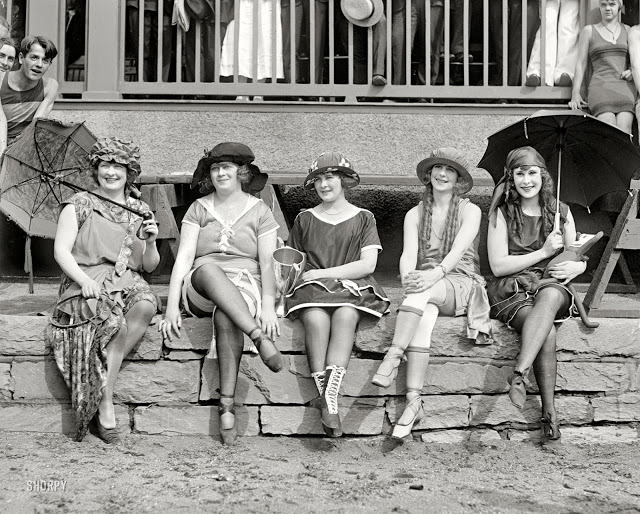
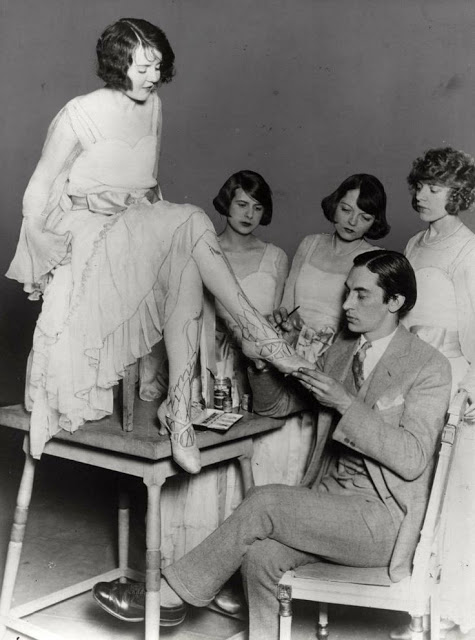
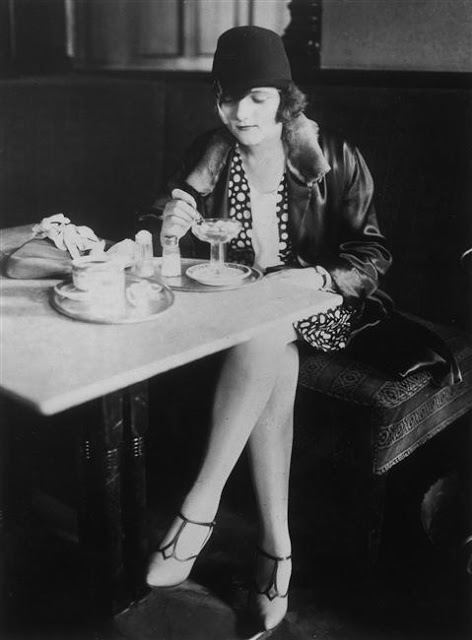
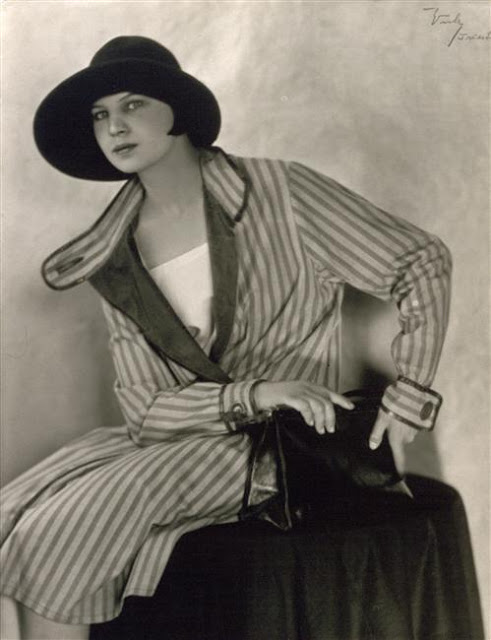
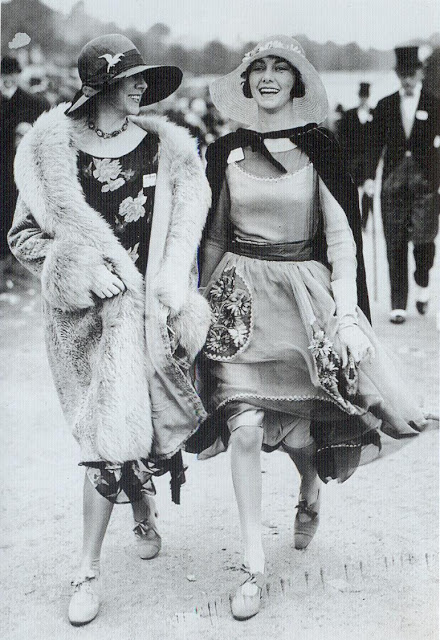
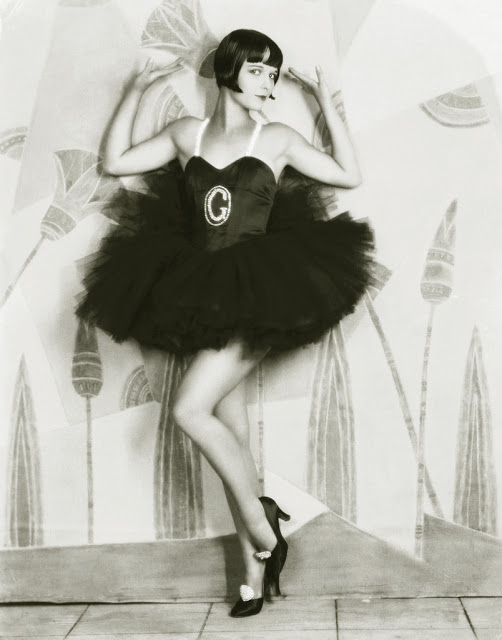
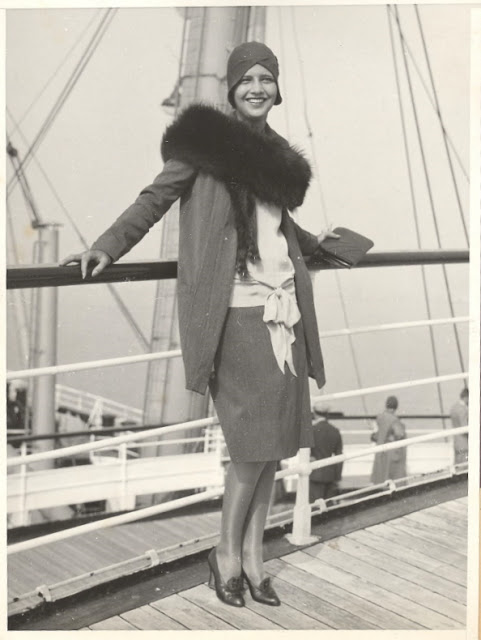
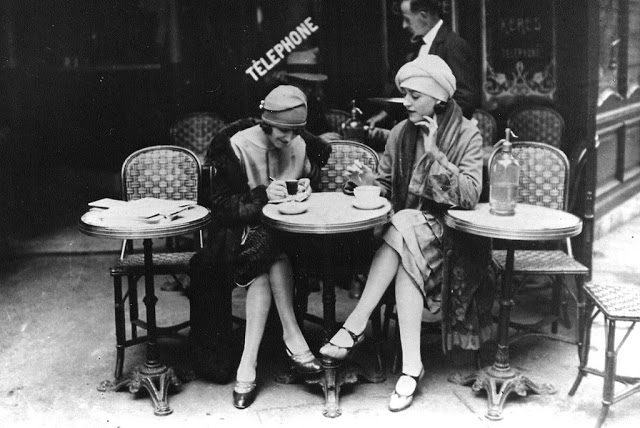
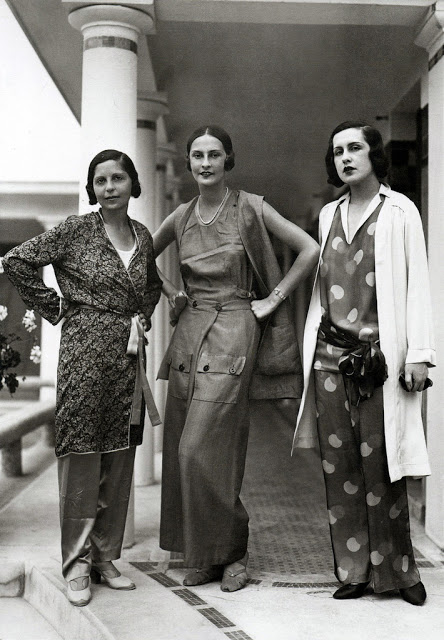
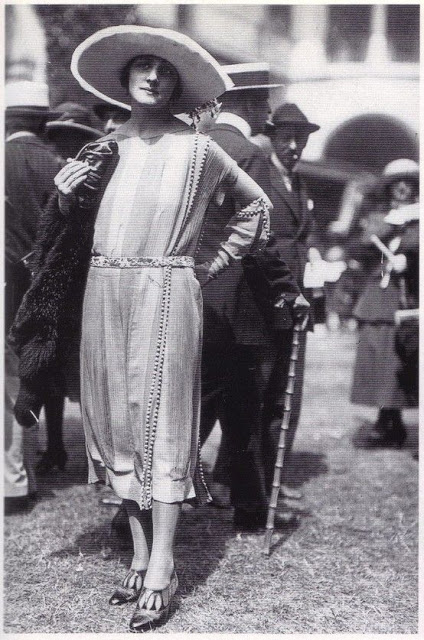
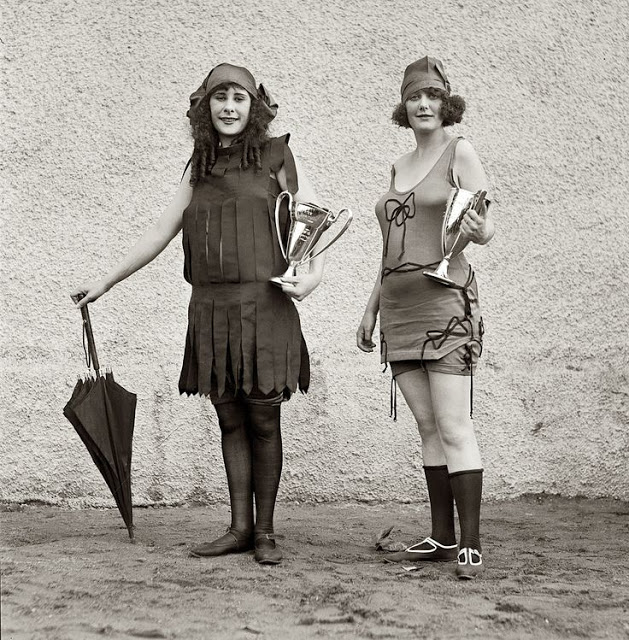
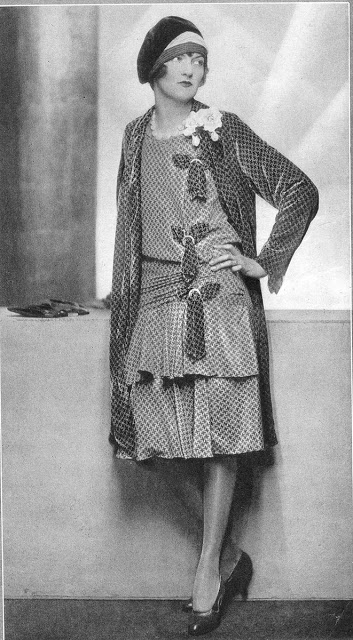
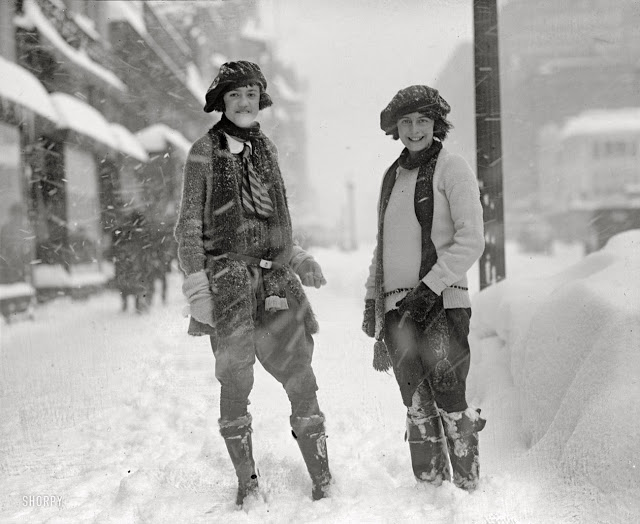
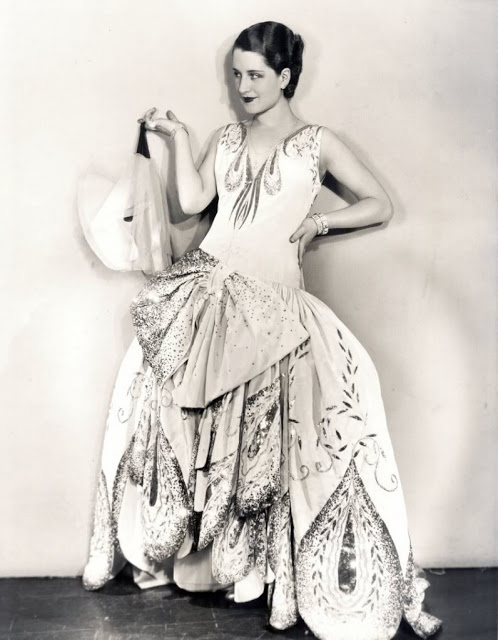
The 1920s marked the beginning of an unprecedented era of freedom for women. Not only did they gain the right to vote in 1920, but women also began to play a more active role in sports, social life and even the workplace.
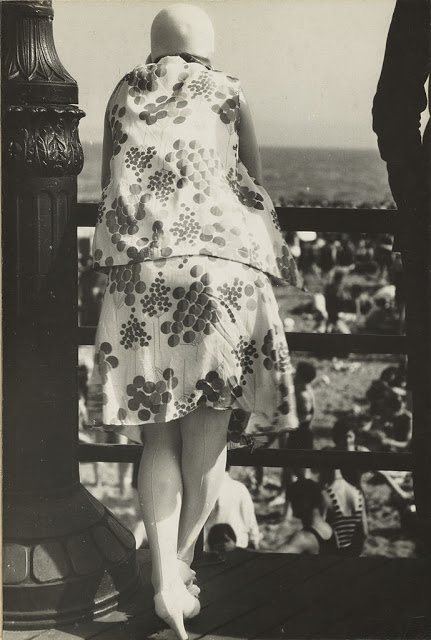
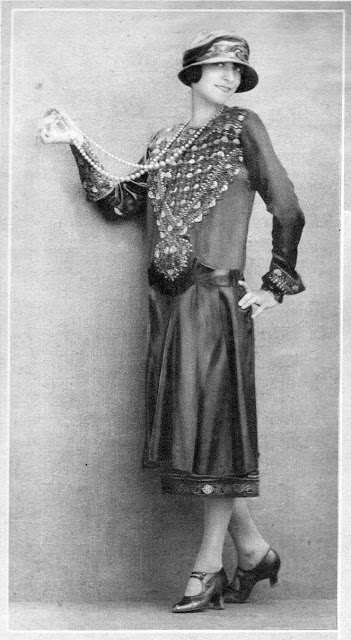
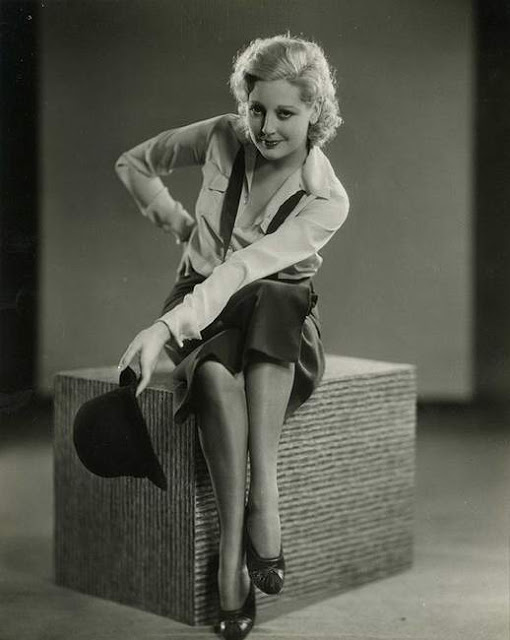
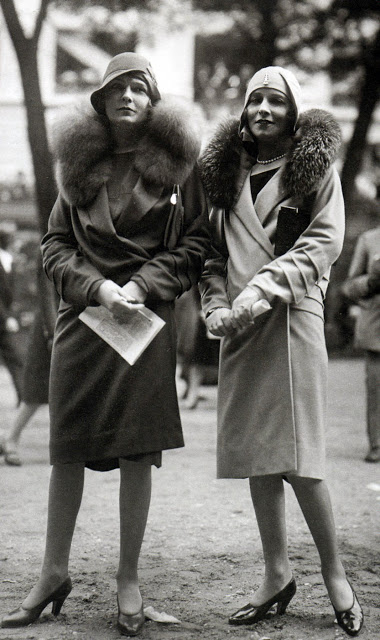
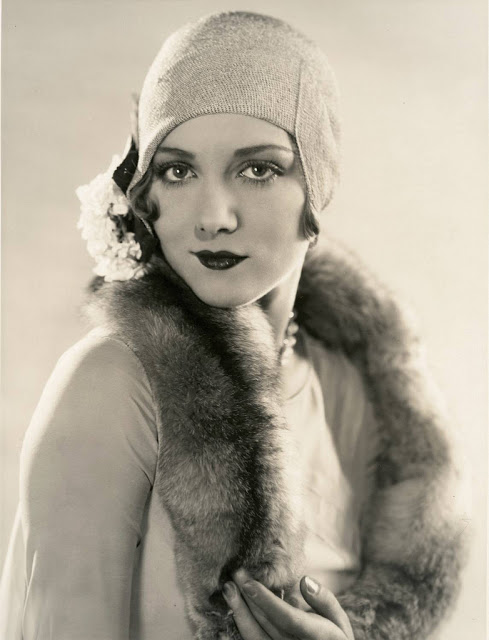
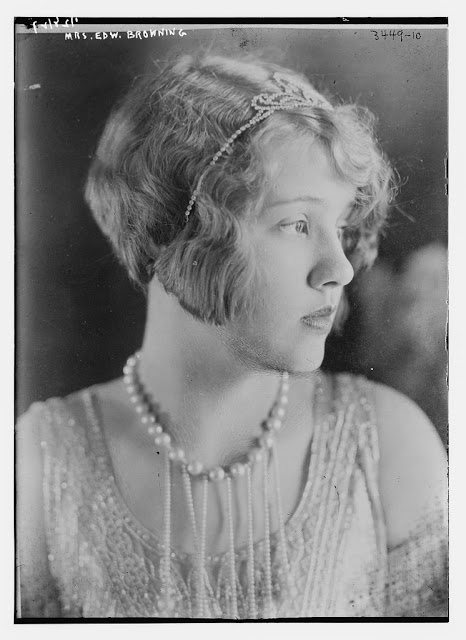
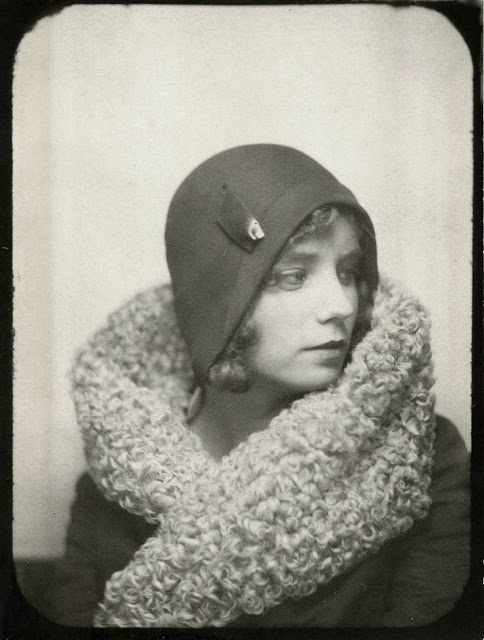
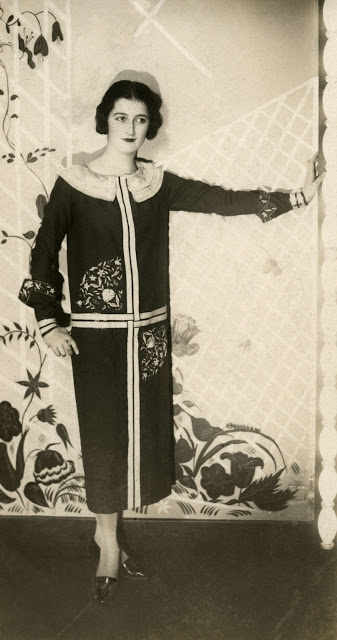
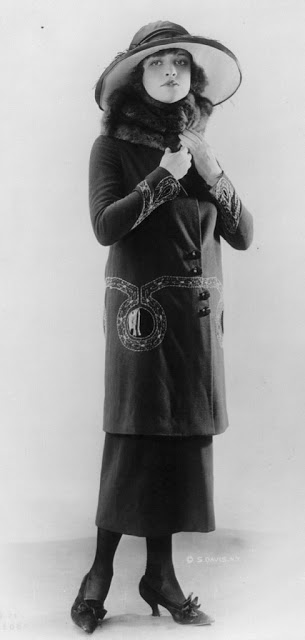
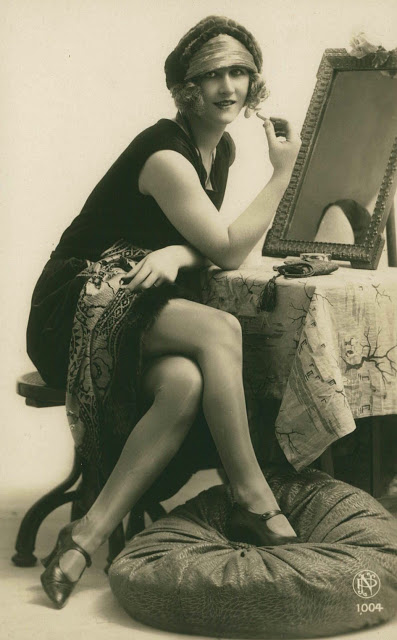
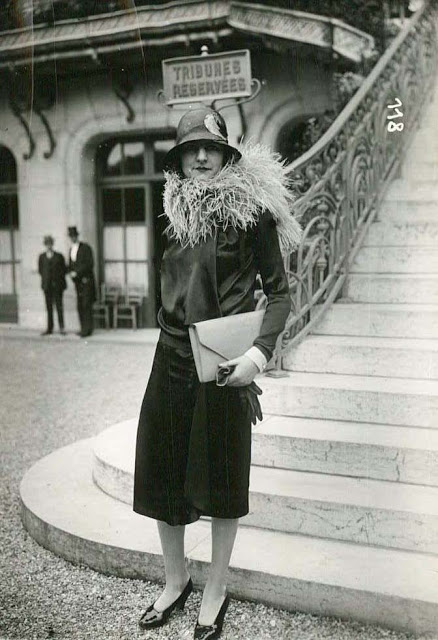
In accordance with their changing roles in society, women adopted new fashions that permitted them more freedom of movement than the tight-laced Victorian and Edwardian garments they had previously worn.
There were very different types of people converging at once in the 1920s from many different walks of life. Some were desperate for change, others wanted nothing to do with it.
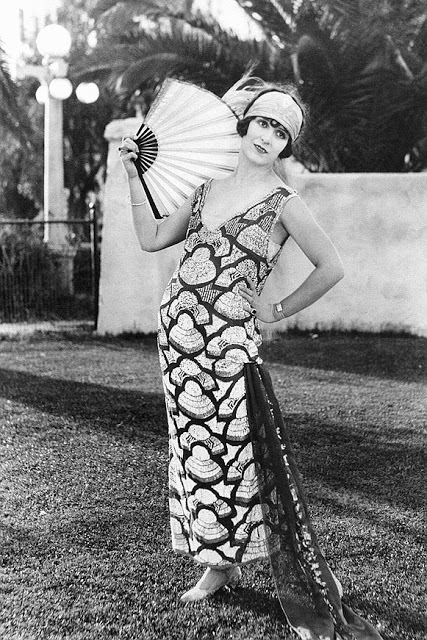
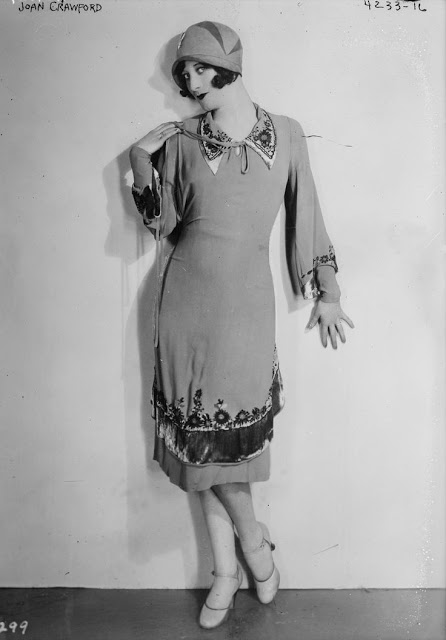
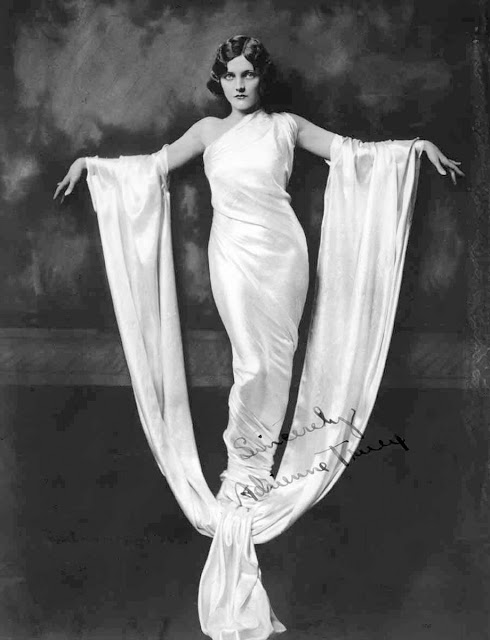
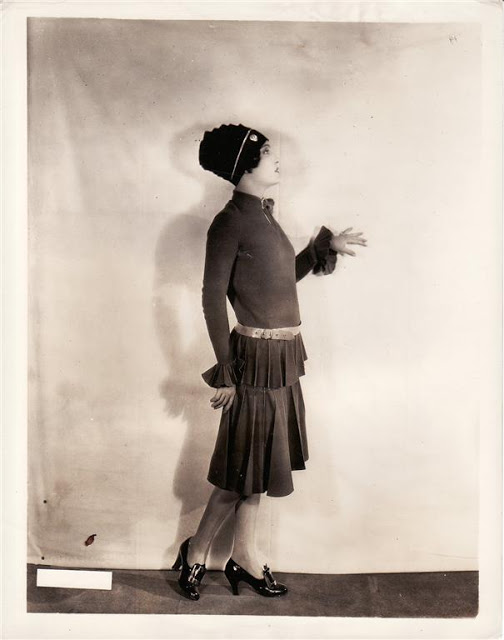
The most stunning thing you will notice about 1920s fashion is the shape of the silhouette. It is strikingly straight and flat. While most fashions accentuate the figure in some way or another, it almost seemed like, at times, any shape other than straight was a big no-no. This straight shape is a very distinct element of 1920s style.
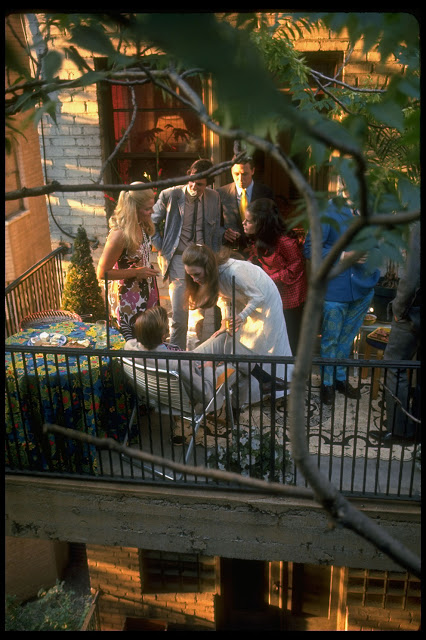
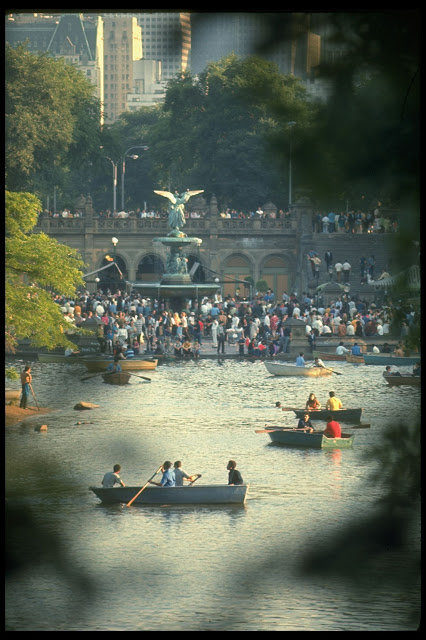
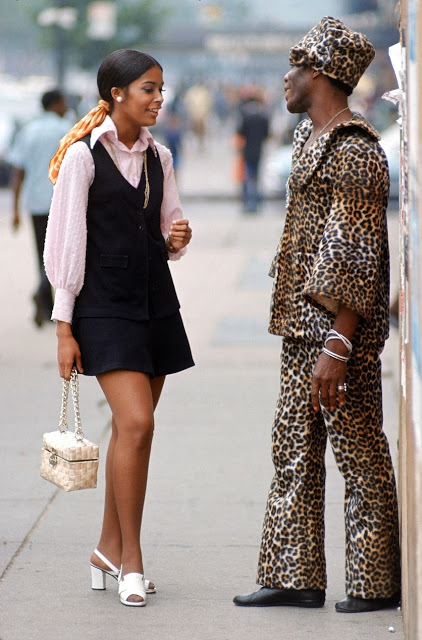
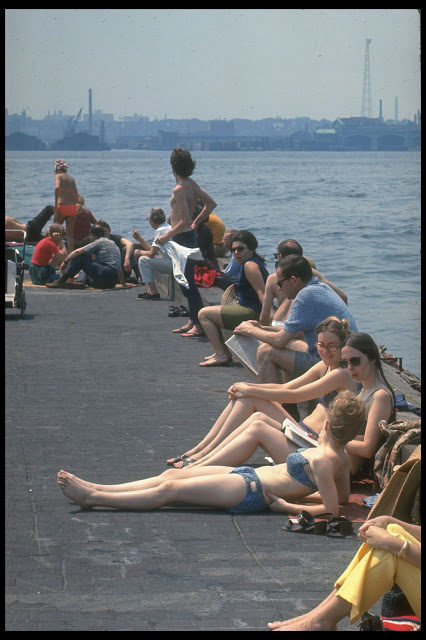
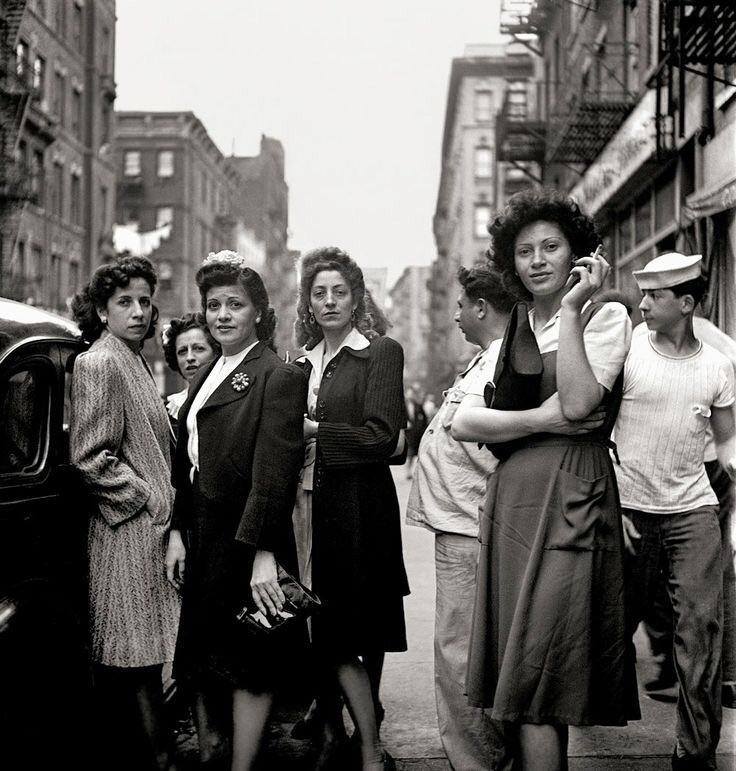
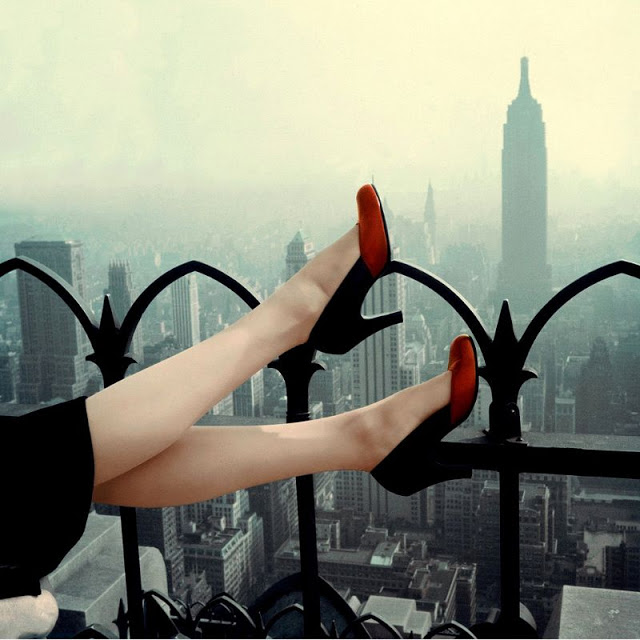
New York, often called New York City to distinguish it from New York State, or NYC for short, is the most populous city in the United States. With a 2020 population of 8,804,190 distributed over 300.46 square miles (778.2 km2), New York City is also the most densely populated major city in the United States. Located at the southern tip of the State of New York, the city is the center of the New York metropolitan area, the largest metropolitan area in the world by urban area. With over 20.1 million people in its metropolitan statistical area and 23.5 million in its combined statistical area as of 2020, New York is one of the world’s most populous megacities. New York City has been described as the cultural, financial, and media capital of the world, significantly influencing commerce, entertainment, research, technology, education, politics, tourism, dining, art, fashion, and sports, and is the most photographed city in the world. Home to the headquarters of the United Nations, New York is an important center for international diplomacy, and has sometimes been called the capital of the world.
Situated on one of the world’s largest natural harbors, New York City is composed of five boroughs, each of which is coextensive with a respective county of the State of New York. The five boroughs—Brooklyn (Kings County), Queens (Queens County), Manhattan (New York County), the Bronx (Bronx County), and Staten Island (Richmond County)—were created when local governments were consolidated into a single municipal entity in 1898. The city and its metropolitan area constitute the premier gateway for legal immigration to the United States. As many as 800 languages are spoken in New York, making it the most linguistically diverse city in the world. New York is home to more than 3.2 million residents born outside the United States, the largest foreign-born population of any city in the world as of 2016. As of 2018, the New York metropolitan area is estimated to produce a gross metropolitan product (GMP) of nearly $1.8 trillion, ranking it first in the United States. If the New York metropolitan area were a sovereign state, it would have the eighth-largest economy in the world. New York is home to the highest number of billionaires of any city in the world.
New York City traces its origins to a trading post founded on the southern tip of Manhattan Island by Dutch colonists in approximately 1624. The settlement was named New Amsterdam (Dutch: Nieuw Amsterdam) in 1626 and was chartered as a city in 1653. The city came under English control in 1664 and was renamed New York after King Charles II of England granted the lands to his brother, the Duke of York. The city was regained by the Dutch in July 1673 and was renamed New Orange for one year and three months; the city has been continuously named New York since November 1674. New York City was the capital of the United States from 1785 until 1790, and has been the largest U.S. city since 1790. The Statue of Liberty greeted millions of immigrants as they came to the U.S. by ship in the late 19th and early 20th centuries, and is a symbol of the U.S. and its ideals of liberty and peace. In the 21st century, New York has emerged as a global node of creativity, entrepreneurship, and environmental sustainability, and as a symbol of freedom and cultural diversity. In 2019, New York was voted the greatest city in the world per a survey of over 30,000 people from 48 cities worldwide, citing its cultural diversity.
Many districts and monuments in New York City are major landmarks, including three of the world’s ten most visited tourist attractions in 2013. A record 66.6 million tourists visited New York City in 2019. Times Square is the brightly illuminated hub of the Broadway Theater District, one of the world’s busiest pedestrian intersections, and a major center of the world’s entertainment industry. Many of the city’s landmarks, skyscrapers, and parks are known around the world, as is the city’s fast pace, spawning the term New York minute. The Empire State Building has become the global standard of reference to describe the height and length of other structures. Manhattan’s real estate market is among the most expensive in the world. Providing continuous 24/7 service and contributing to the nickname The City That Never Sleeps, the New York City Subway is the largest single-operator rapid transit system worldwide, with 472 rail stations. The city has over 120 colleges and universities, including Columbia University, New York University, Rockefeller University, and the City University of New York system, which is the largest urban public university system in the United States. Anchored by Wall Street in the Financial District of Lower Manhattan, New York City has been called both the world’s leading financial center and the most financially powerful city in the world, and is home to the world’s two largest stock exchanges by total market capitalization, the New York Stock Exchange and NASDAQ. (Wikipedia)
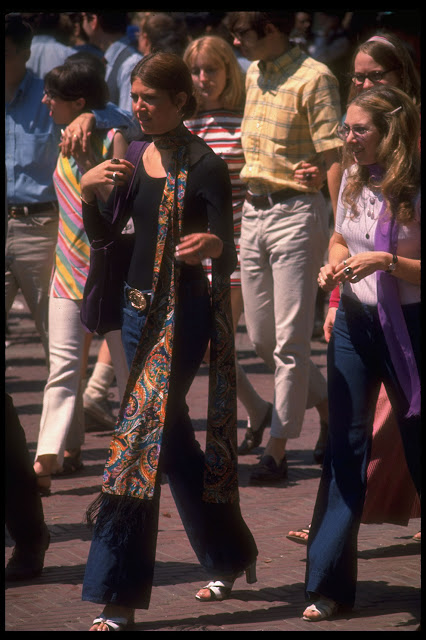
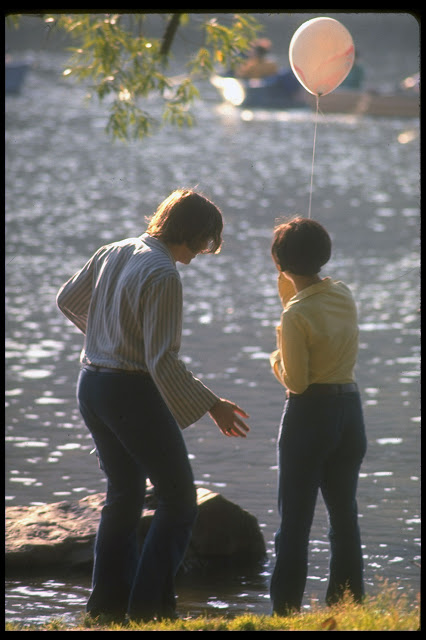
(Photos: Vernon Merritt III – Time Life Pictures/Getty Images)
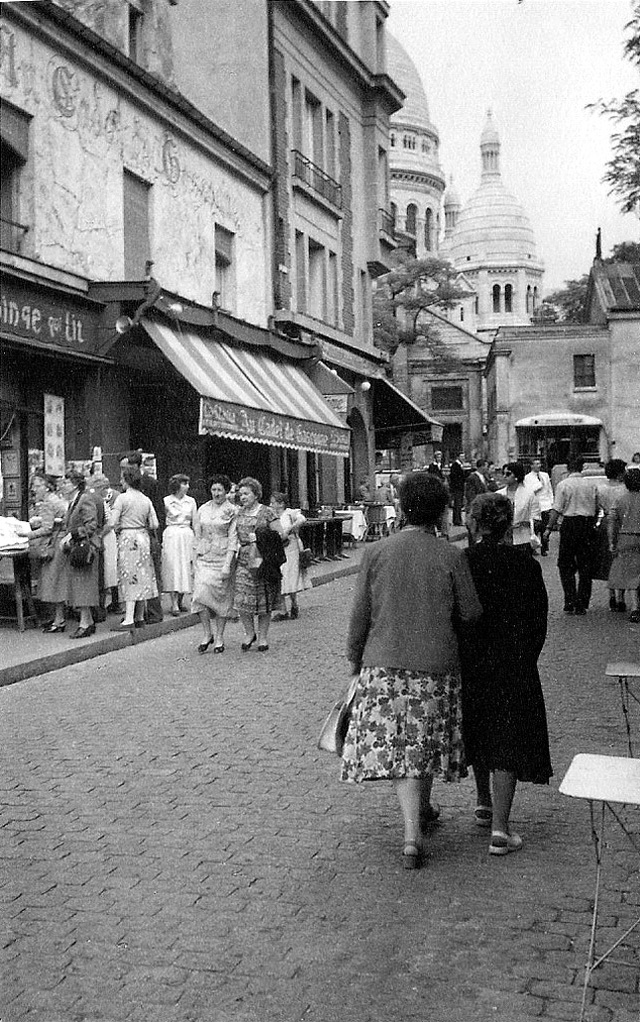
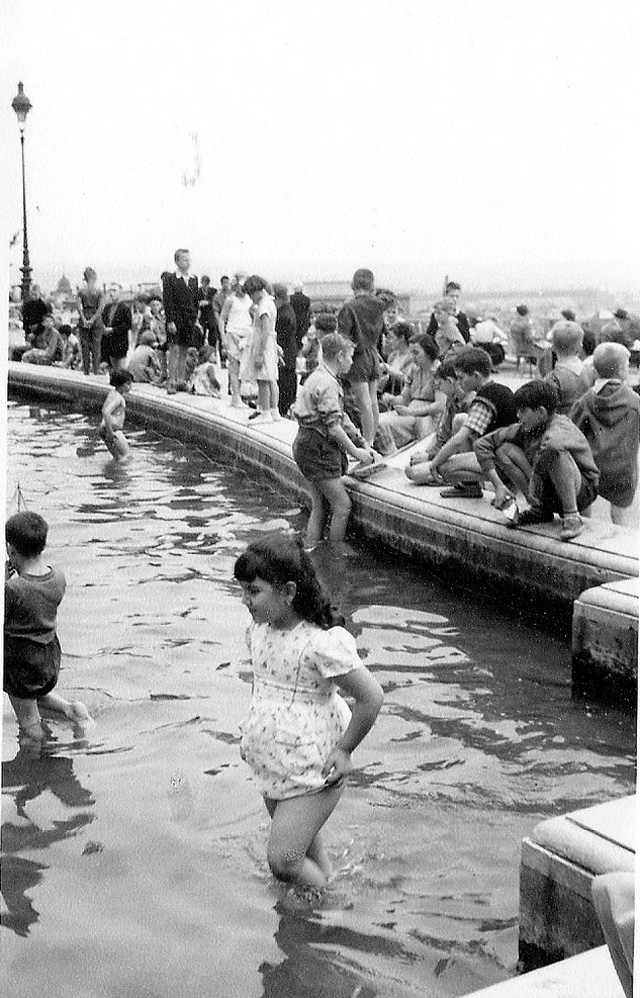
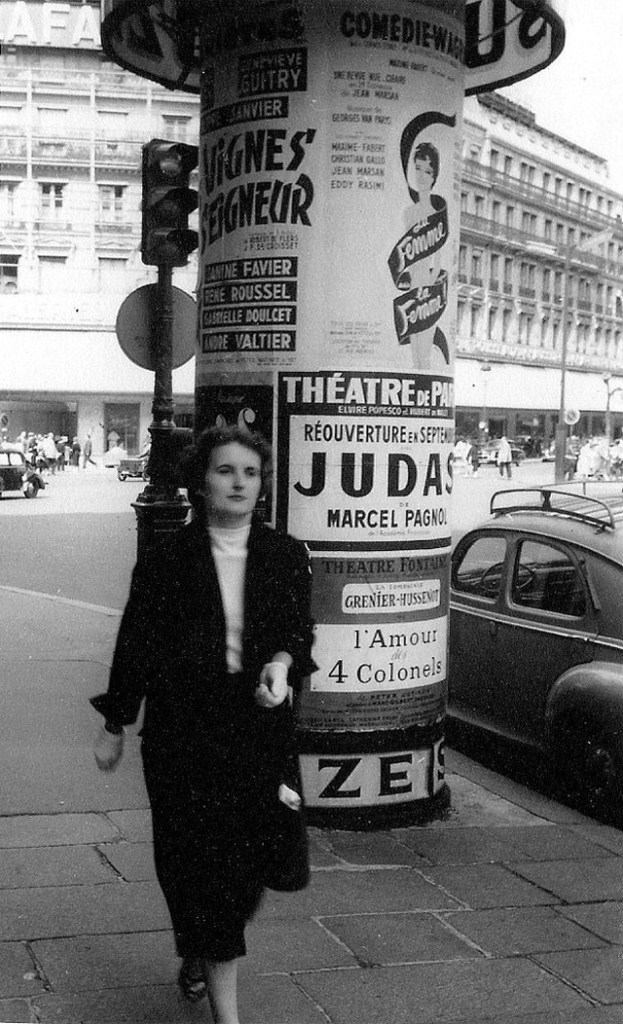
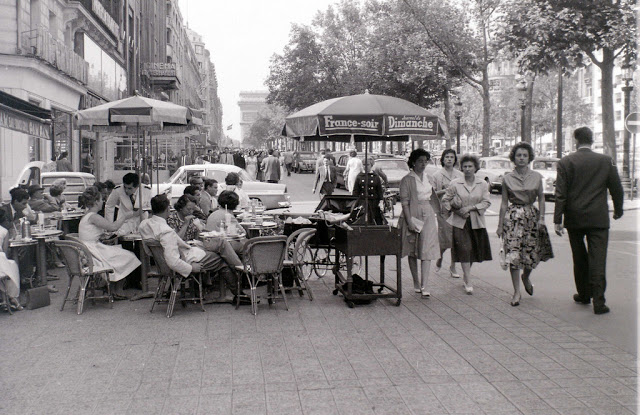
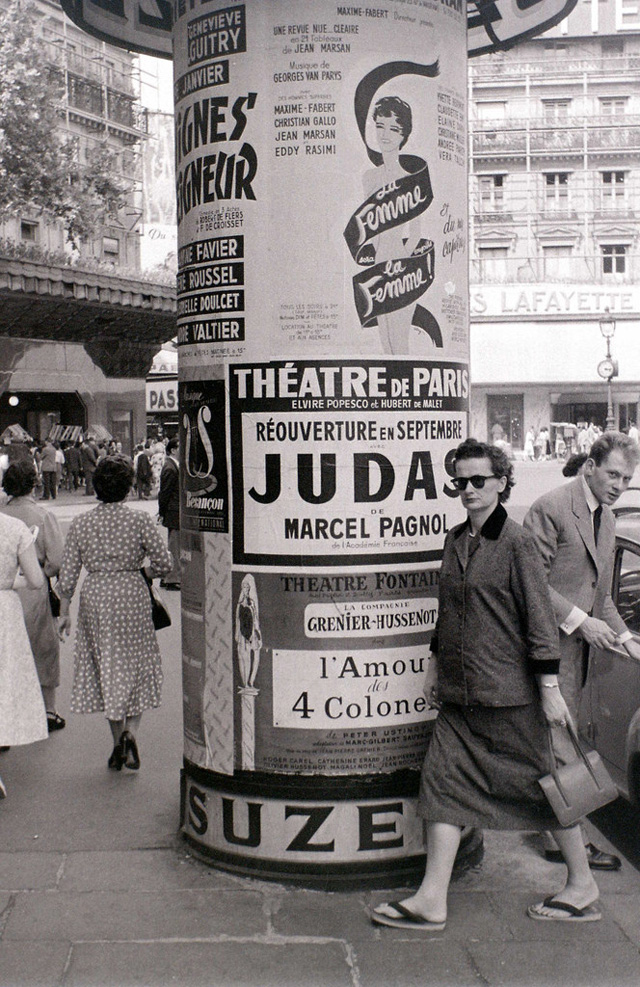
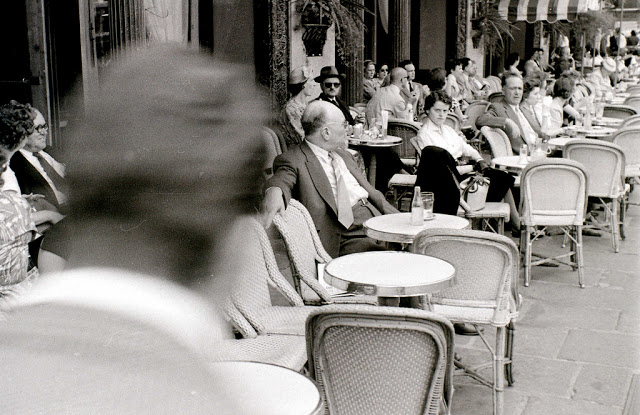
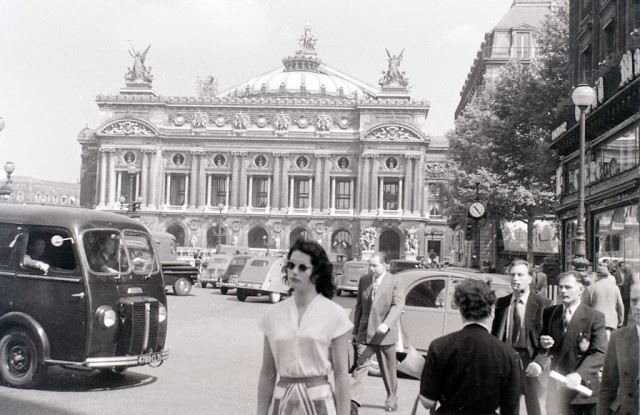
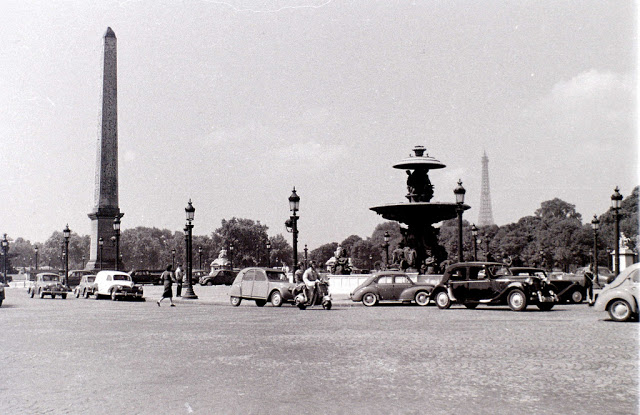
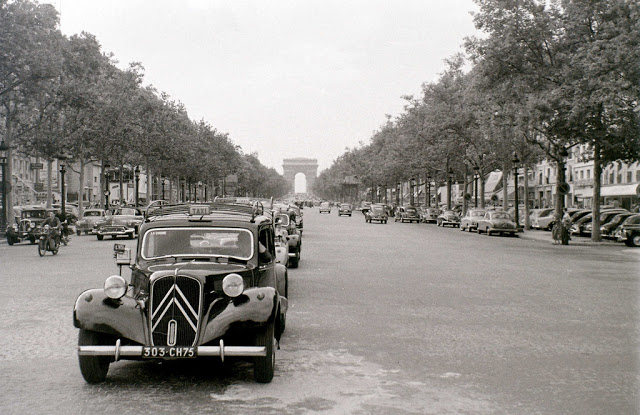
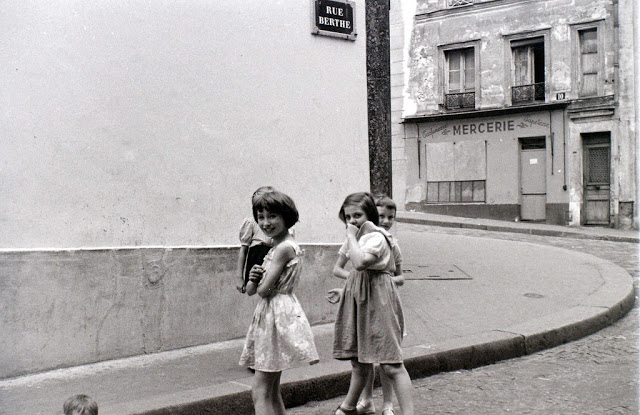
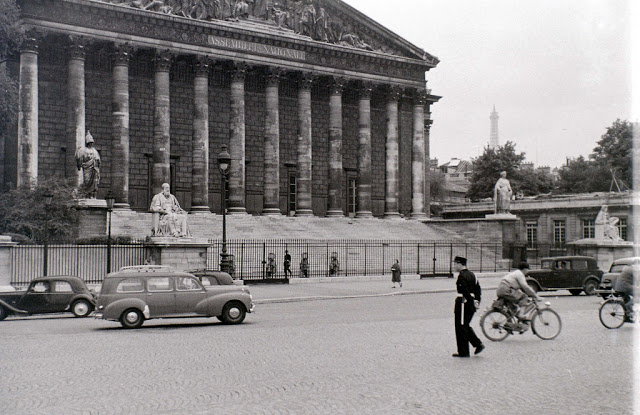
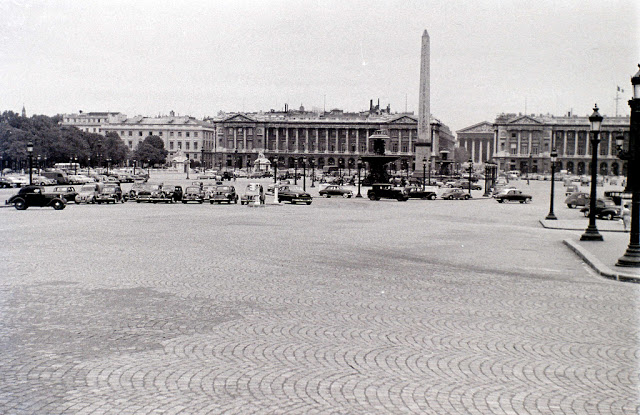
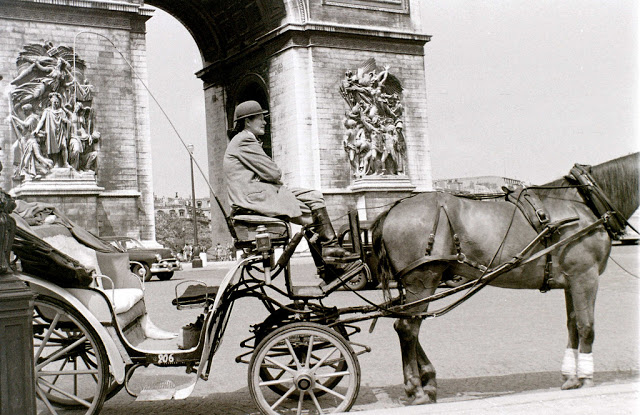
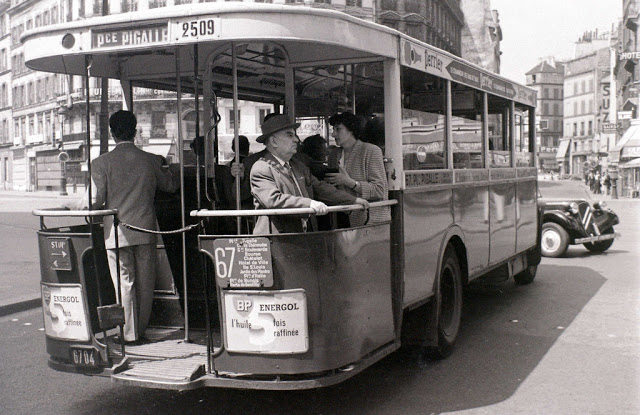
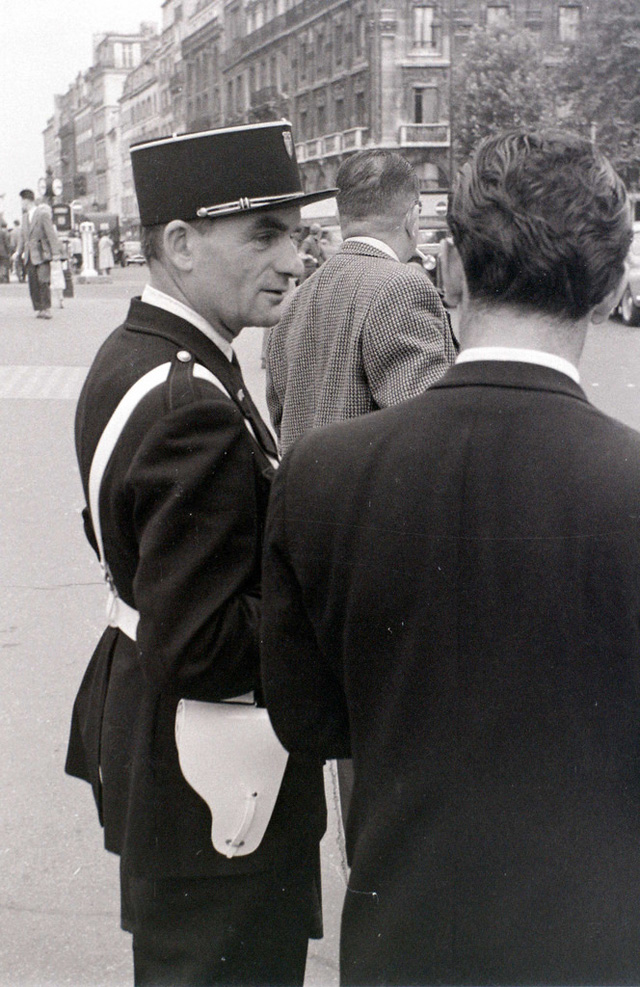
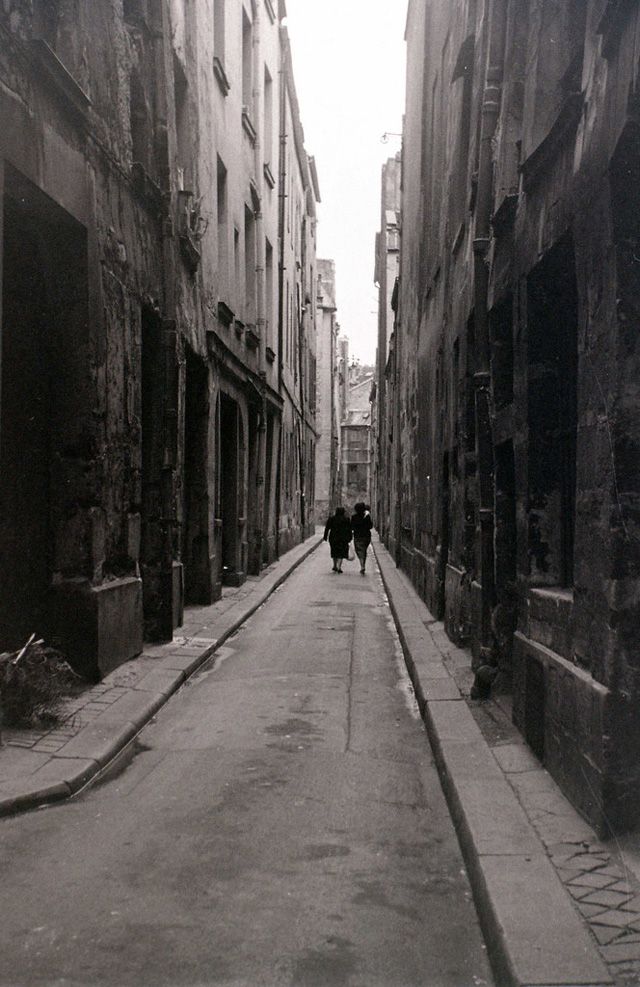
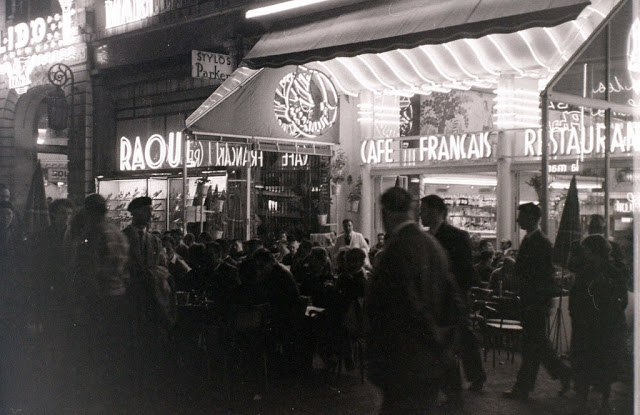
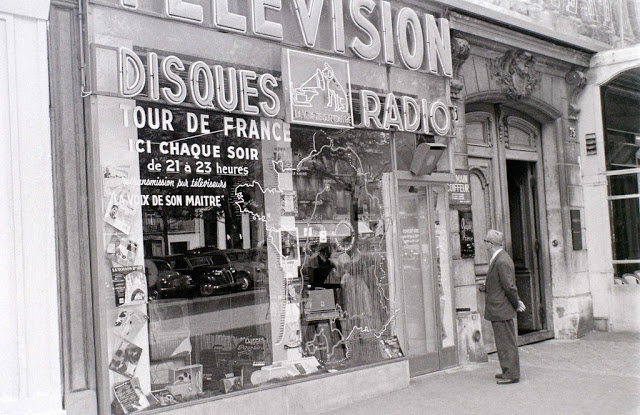
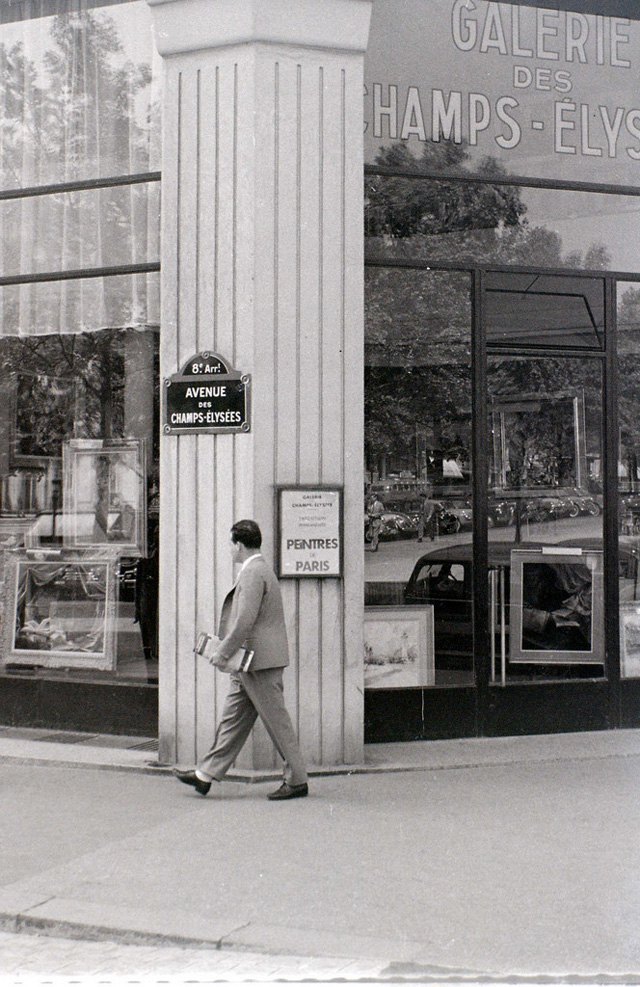
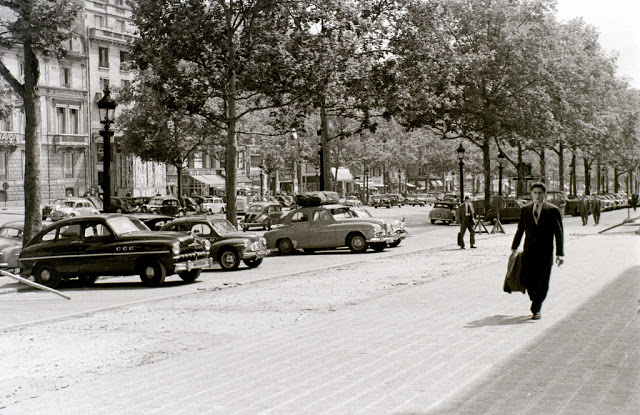
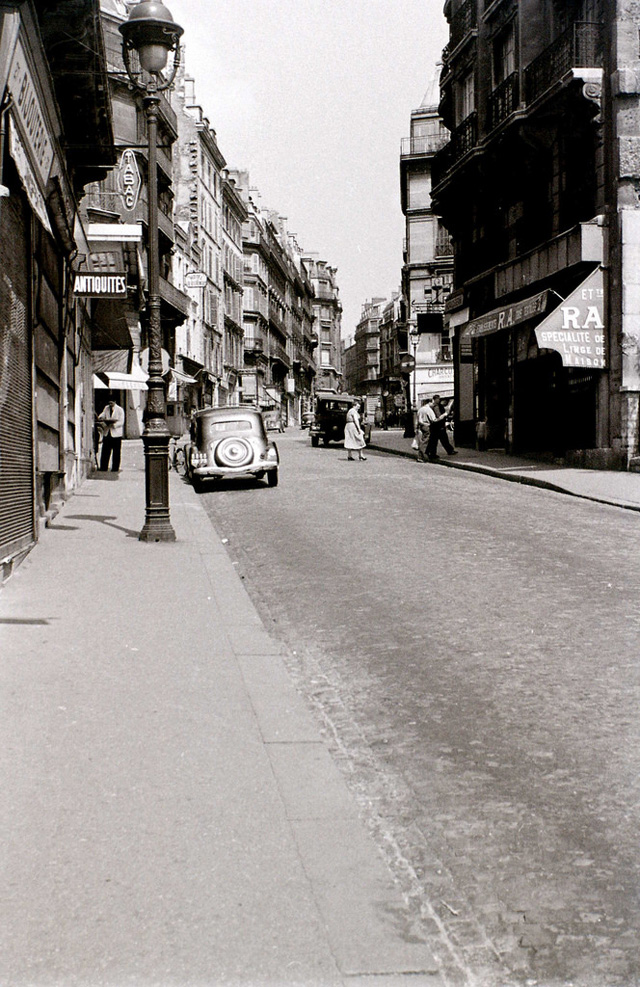
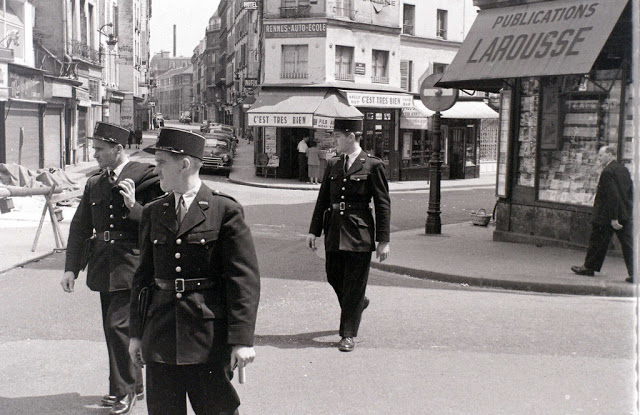
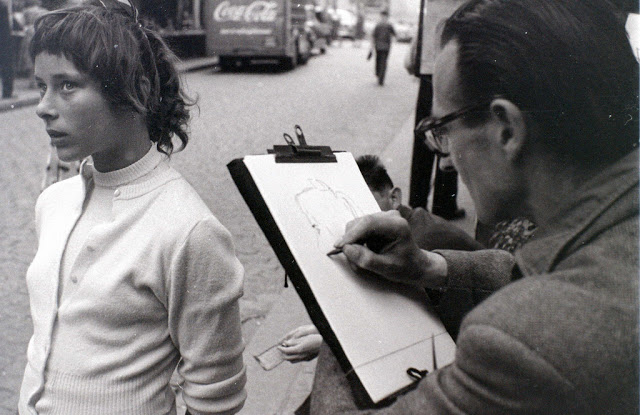
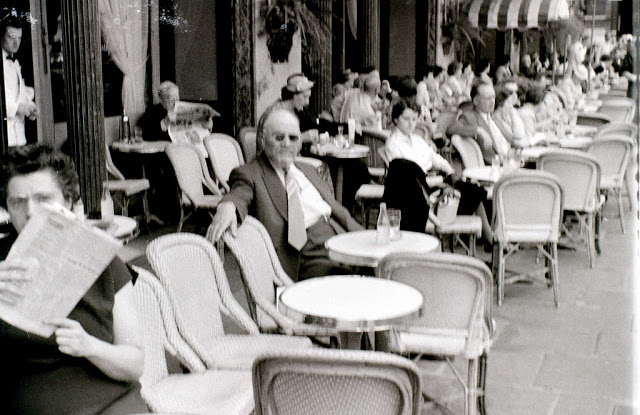
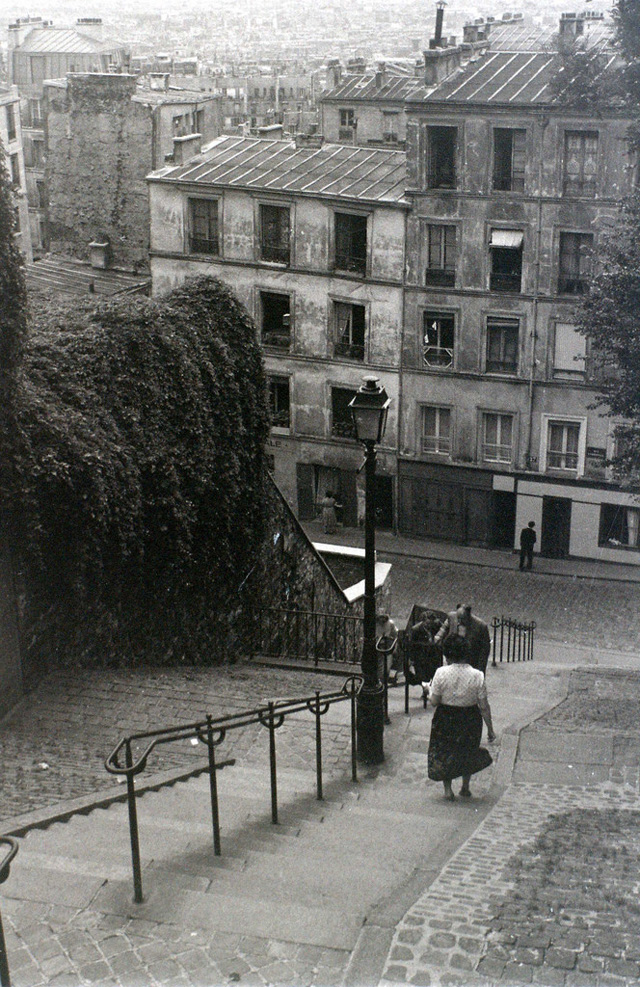
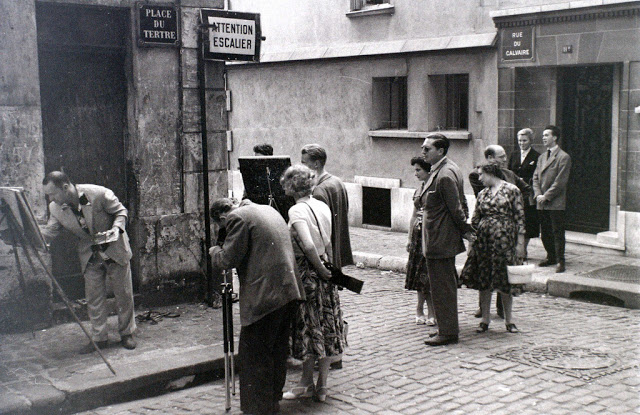
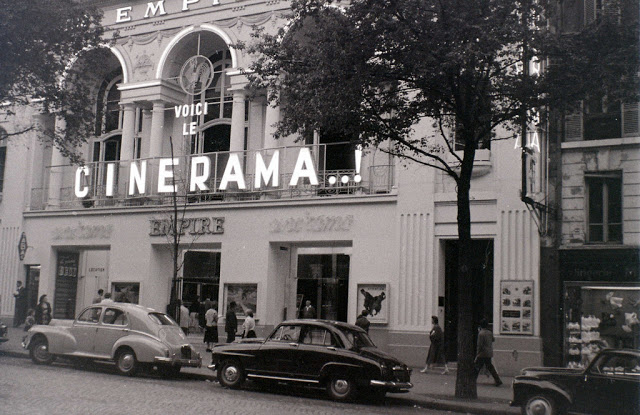
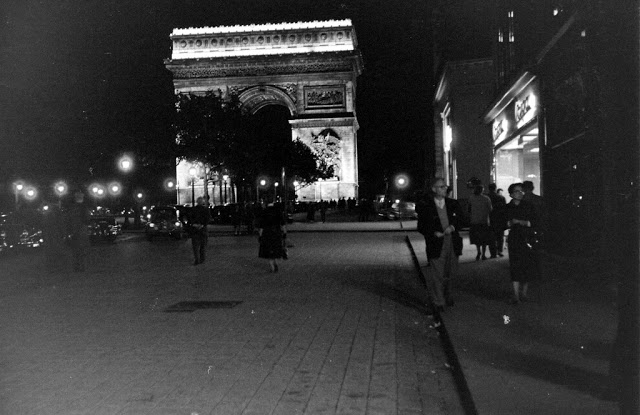
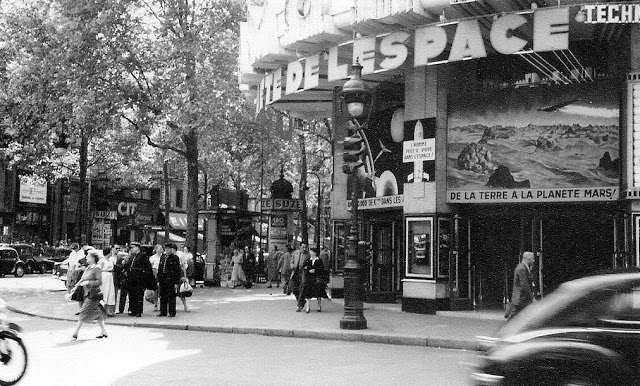
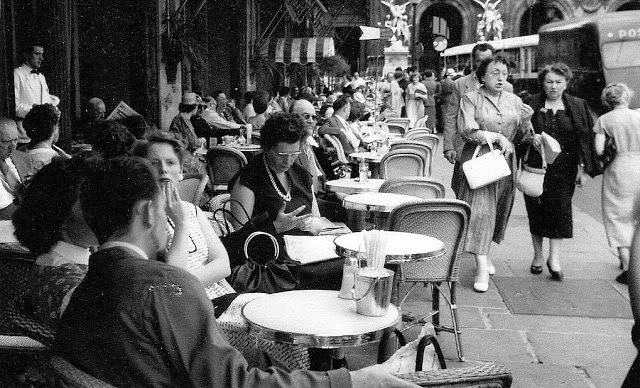
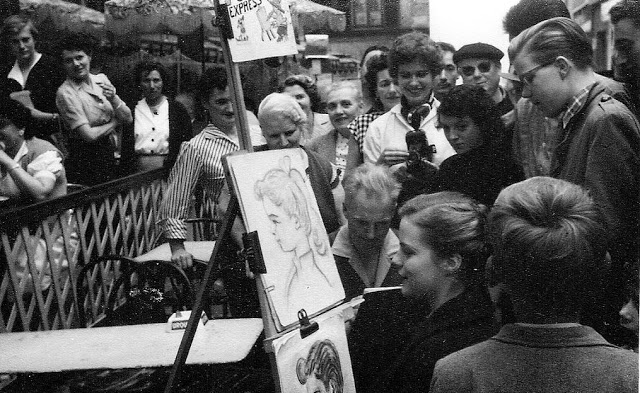
Paris is the capital and most populous city of France, with an estimated population of 2,175,601 residents as of 2018, in an area of more than 105 square kilometres (41 square miles). Since the 17th century, Paris has been one of Europe’s major centres of finance, diplomacy, commerce, fashion, gastronomy, science, and arts. The City of Paris is the centre and seat of government of the region and province of Île-de-France, or Paris Region, which has an estimated population of 12,174,880, or about 18 percent of the population of France as of 2017. The Paris Region had a GDP of €709 billion ($808 billion) in 2017. According to the Economist Intelligence Unit Worldwide Cost of Living Survey in 2018, Paris was the second most expensive city in the world, after Singapore and ahead of Zürich, Hong Kong, Oslo, and Geneva. Another source ranked Paris as most expensive, on par with Singapore and Hong Kong, in 2018.
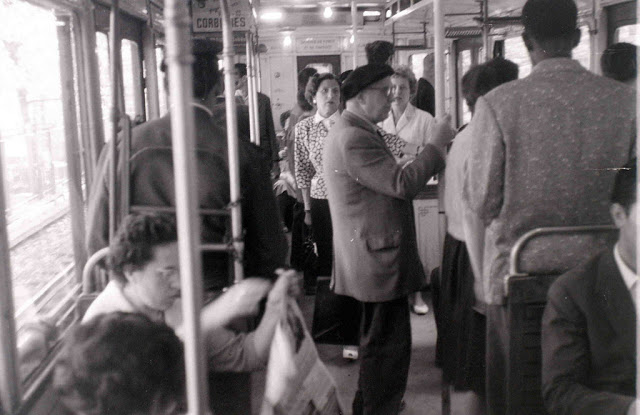
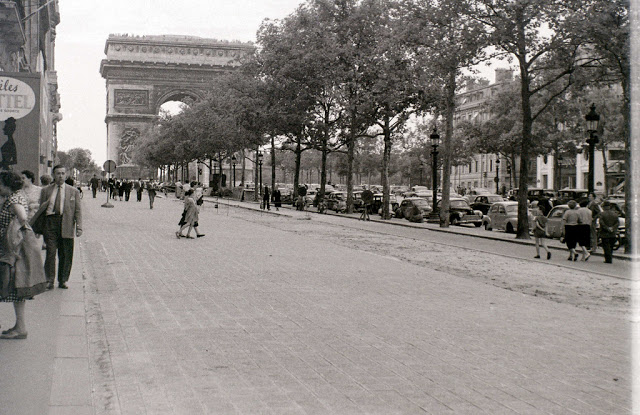
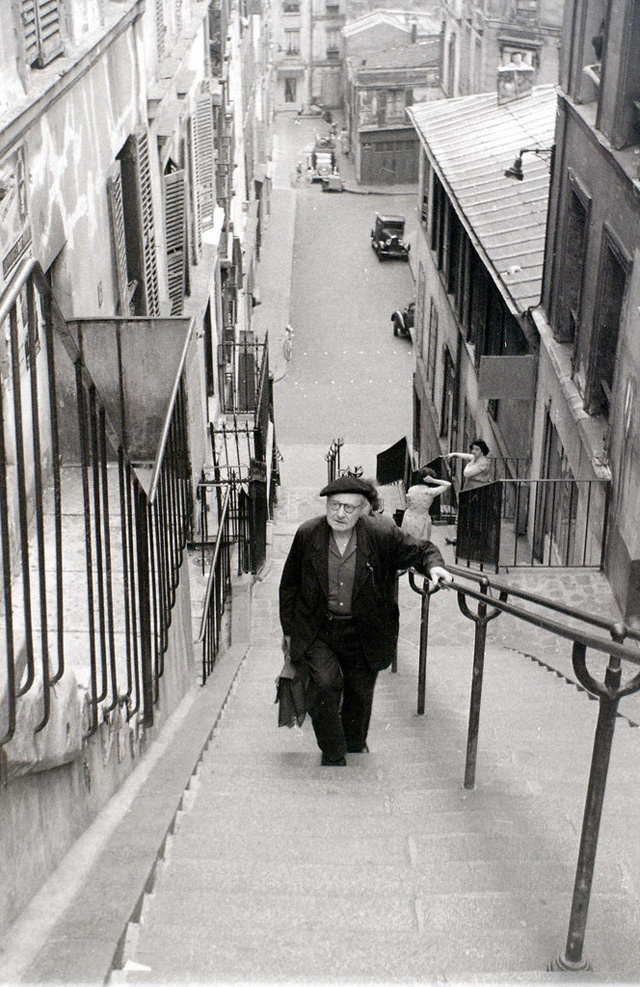
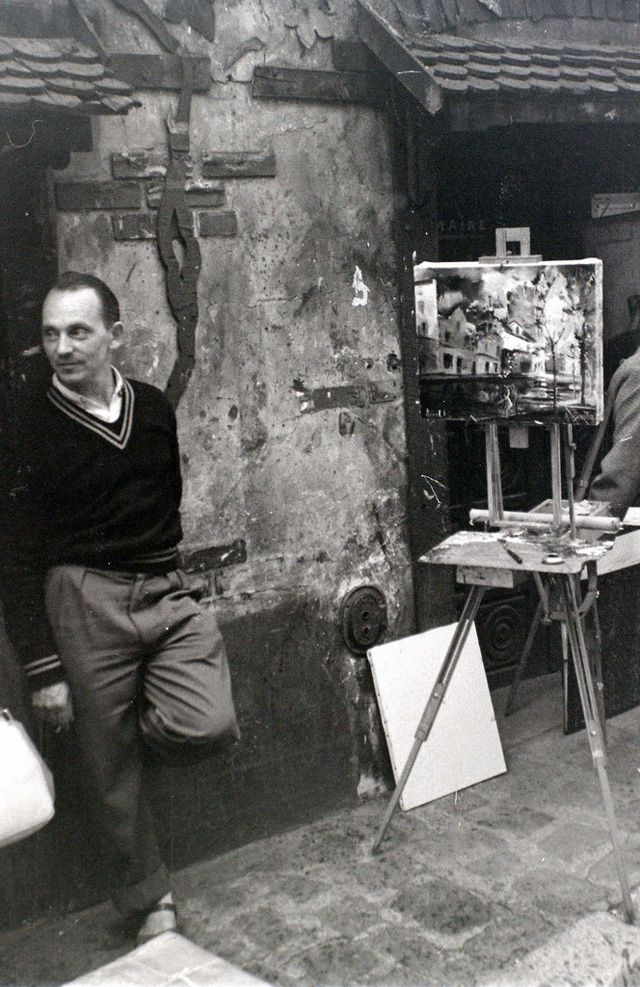
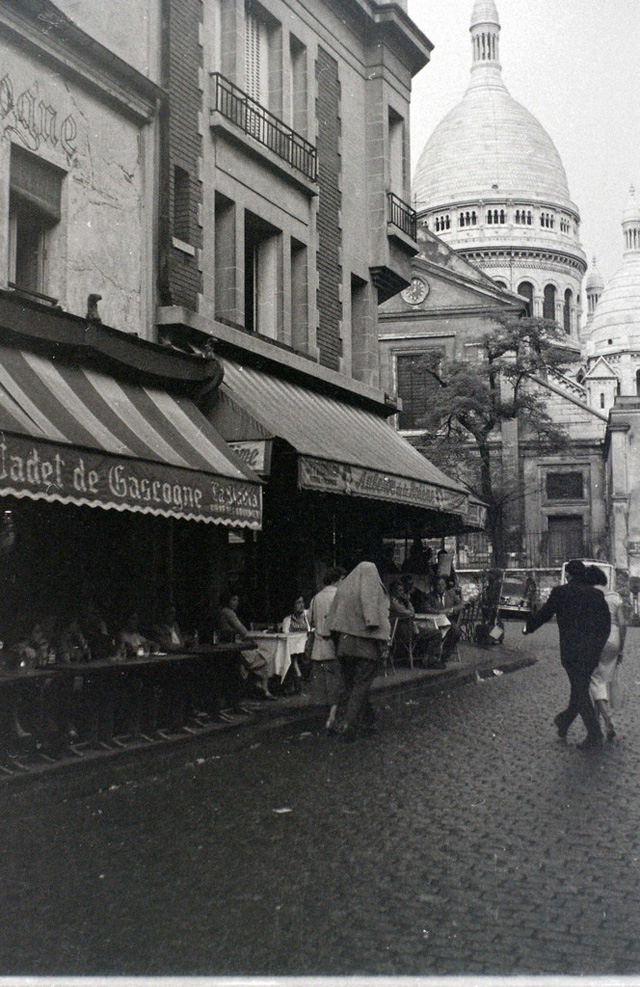
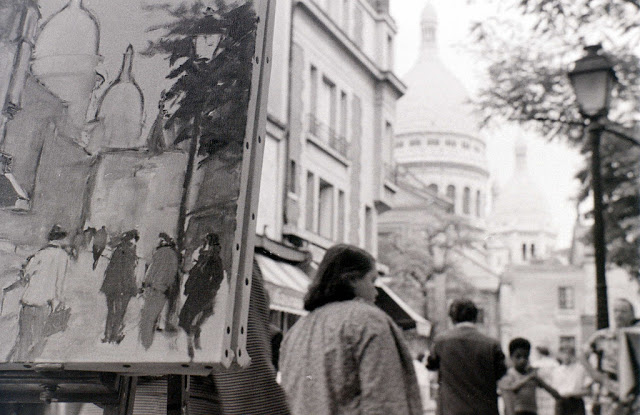
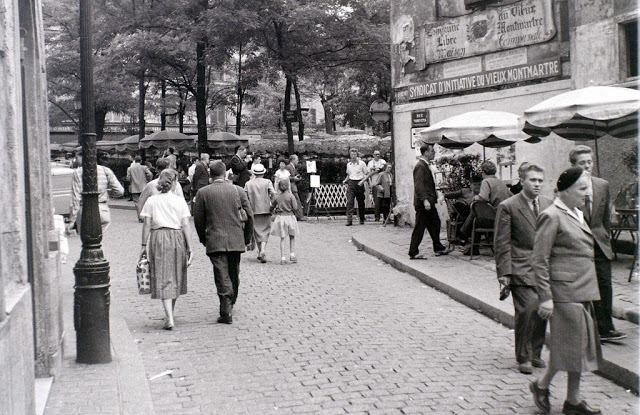
Paris is a major railway, highway, and air-transport hub served by two international airports: Paris–Charles de Gaulle (the second-busiest airport in Europe) and Paris–Orly. Opened in 1900, the city’s subway system, the Paris Métro, serves 5.23 million passengers daily; it is the second-busiest metro system in Europe after the Moscow Metro. Gare du Nord is the 24th-busiest railway station in the world, but the busiest located outside Japan, with 262 million passengers in 2015. Paris is especially known for its museums and architectural landmarks: the Louvre received 2.8 million visitors in 2021, despite the long museum closings caused by the COVID-19 virus. The Musée d’Orsay, Musée Marmottan Monet and Musée de l’Orangerie are noted for their collections of French Impressionist art. The Pompidou Centre Musée National d’Art Moderne has the largest collection of modern and contemporary art in Europe. The Musée Rodin and Musée Picasso exhibit the works of two noted Parisians. The historical district along the Seine in the city centre has been classified as a UNESCO World Heritage Site since 1991; popular landmarks there include the Cathedral of Notre Dame de Paris on the Île de la Cité, now closed for renovation after the 15 April 2019 fire. Other popular tourist sites include the Gothic royal chapel of Sainte-Chapelle, also on the Île de la Cité; the Eiffel Tower, constructed for the Paris Universal Exposition of 1889; the Grand Palais and Petit Palais, built for the Paris Universal Exposition of 1900; the Arc de Triomphe on the Champs-Élysées, and the hill of Montmartre with its artistic history and its Basilica of Sacré-Coeur.
Paris received 12.6 million visitors in 2020, measured by hotel stays, a drop of 73 percent from 2019, due to the COVID-19 virus. The number of foreign visitors declined by 80.7 percent. Museums re-opened in 2021, with limitations on the number of visitors at a time and a requirement that visitors wear masks.
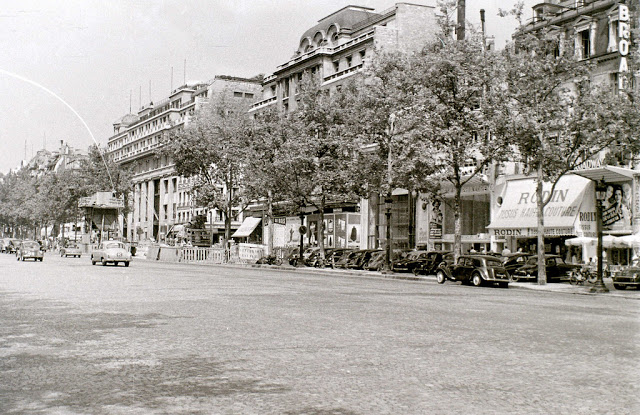
The football club Paris Saint-Germain and the rugby union club Stade Français are based in Paris. The 80,000-seat Stade de France, built for the 1998 FIFA World Cup, is located just north of Paris in the neighbouring commune of Saint-Denis. Paris hosts the annual French Open Grand Slam tennis tournament on the red clay of Roland Garros. The city hosted the Olympic Games in 1900, 1924 and will host the 2024 Summer Olympics. The 1938 and 1998 FIFA World Cups, the 2007 Rugby World Cup, as well as the 1960, 1984 and 2016 UEFA European Championships were also held in the city. Every July, the Tour de France bicycle race finishes on the Avenue des Champs-Élysées in Paris. (Wikipedia)
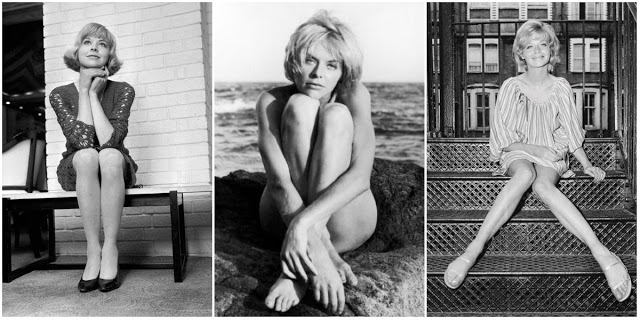
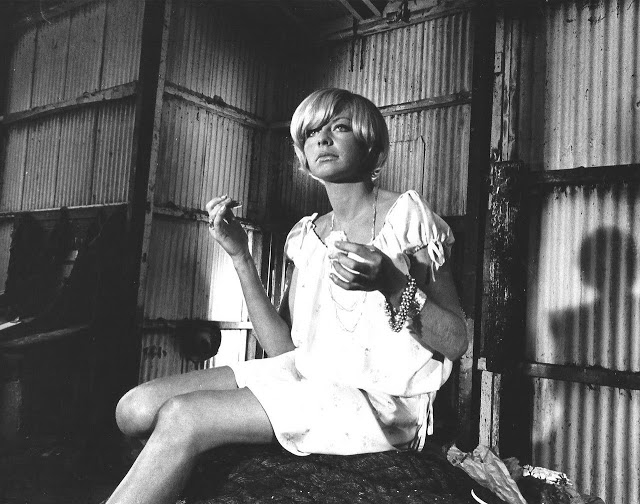
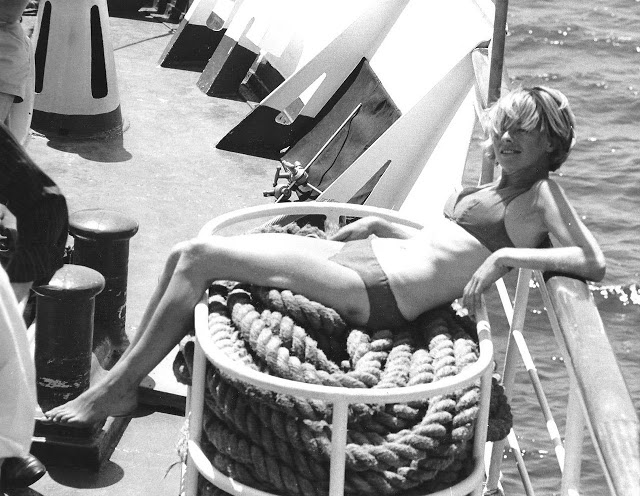
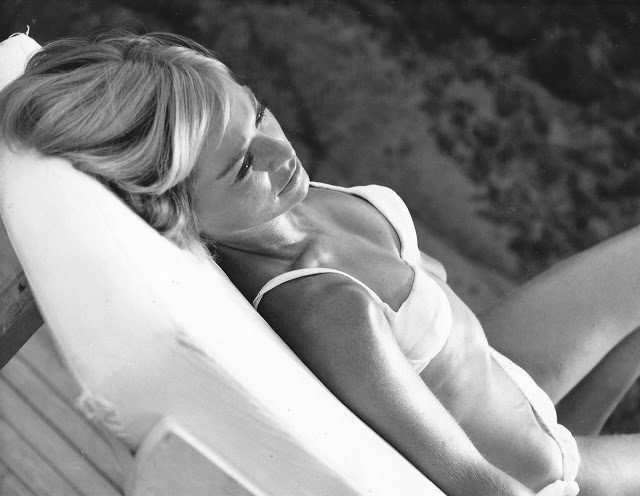
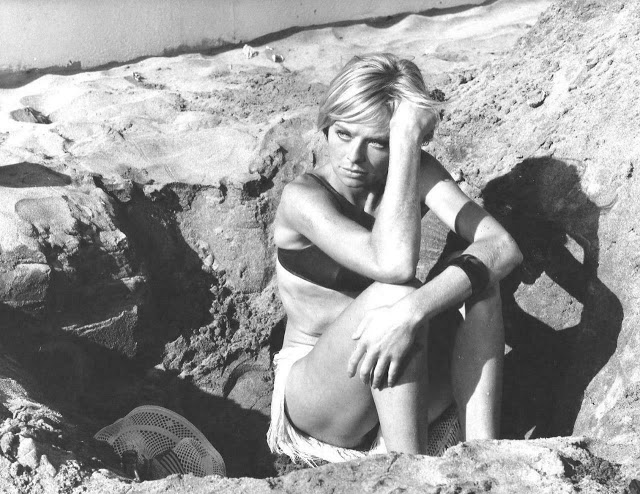
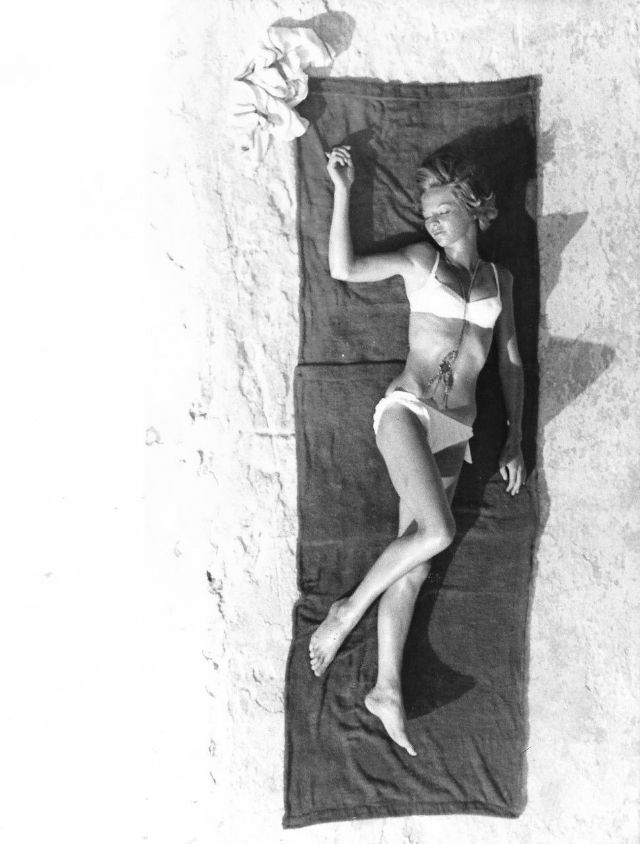
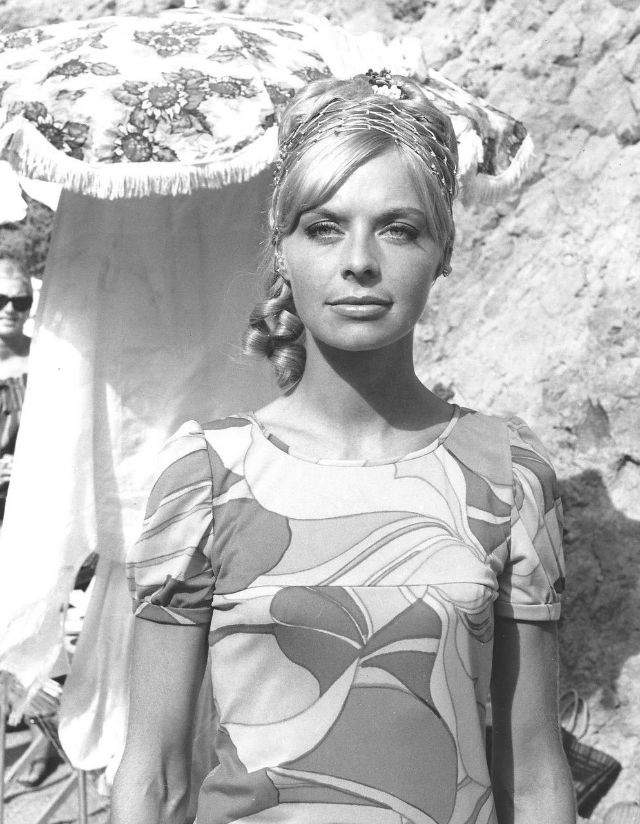
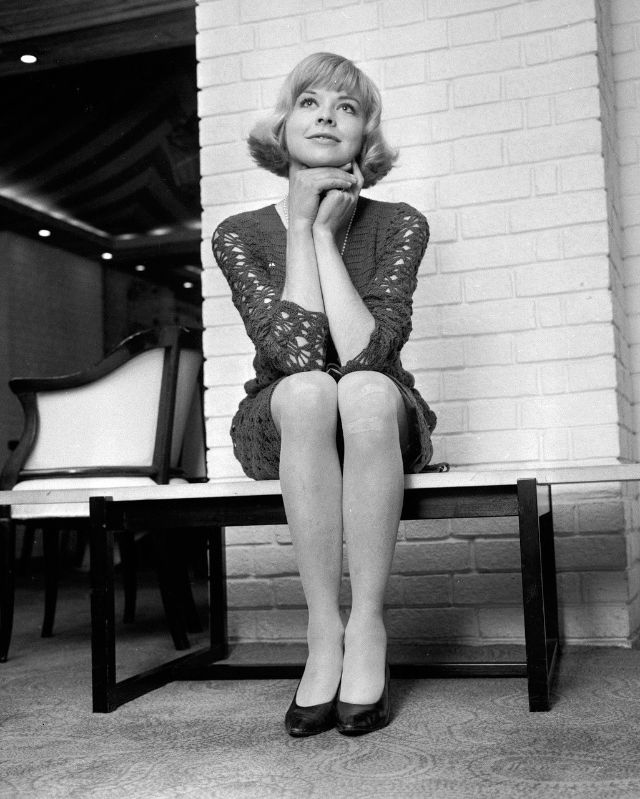
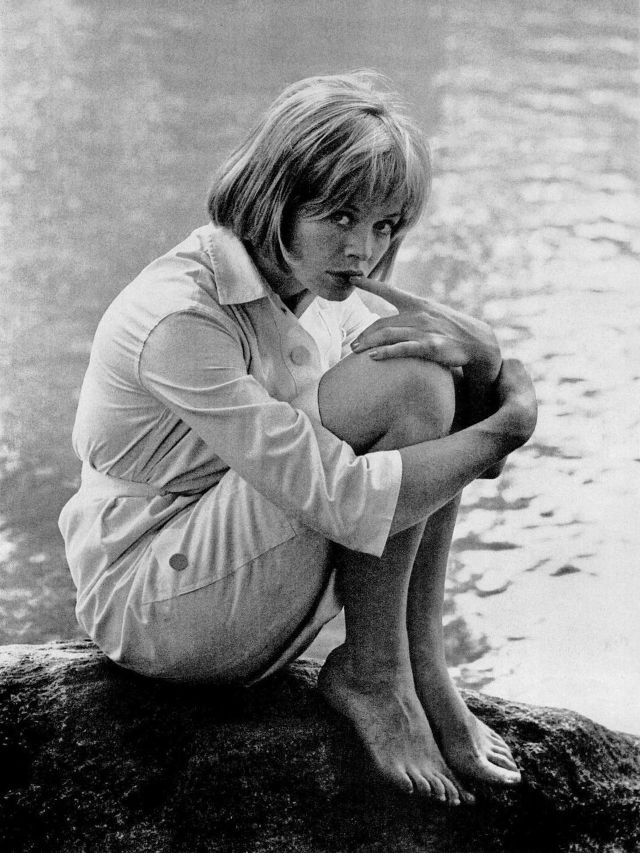
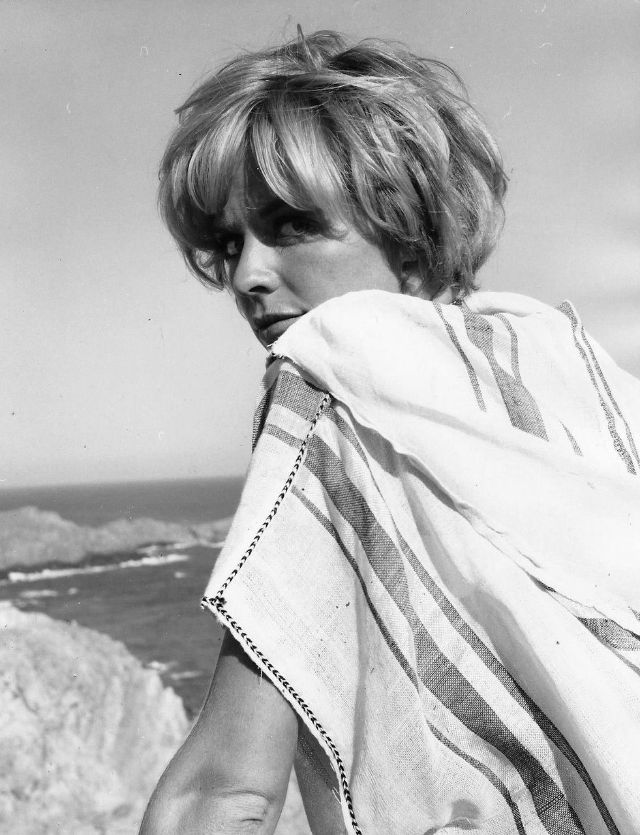
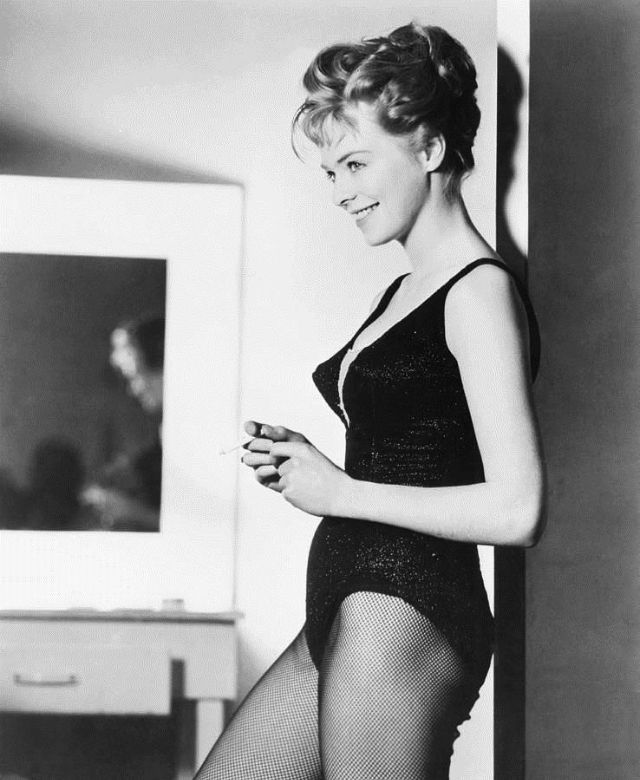
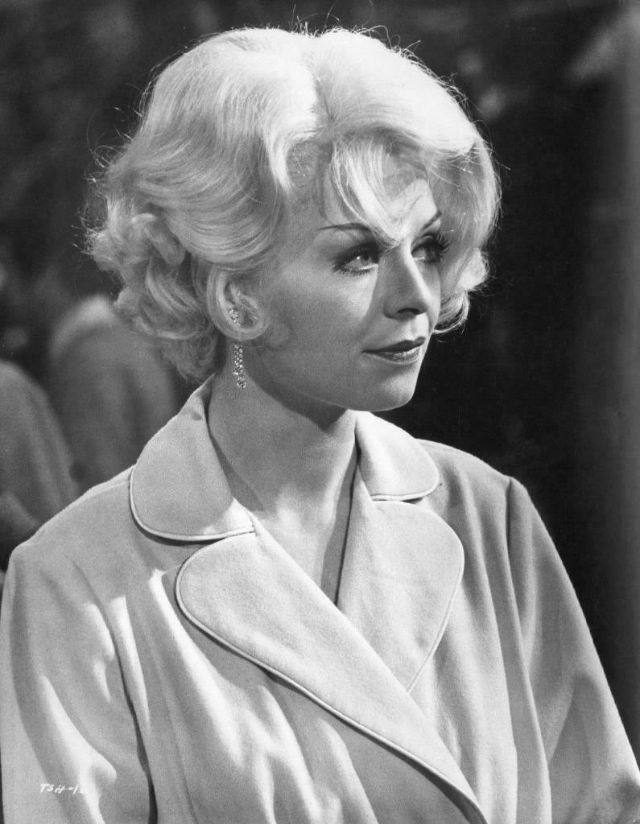
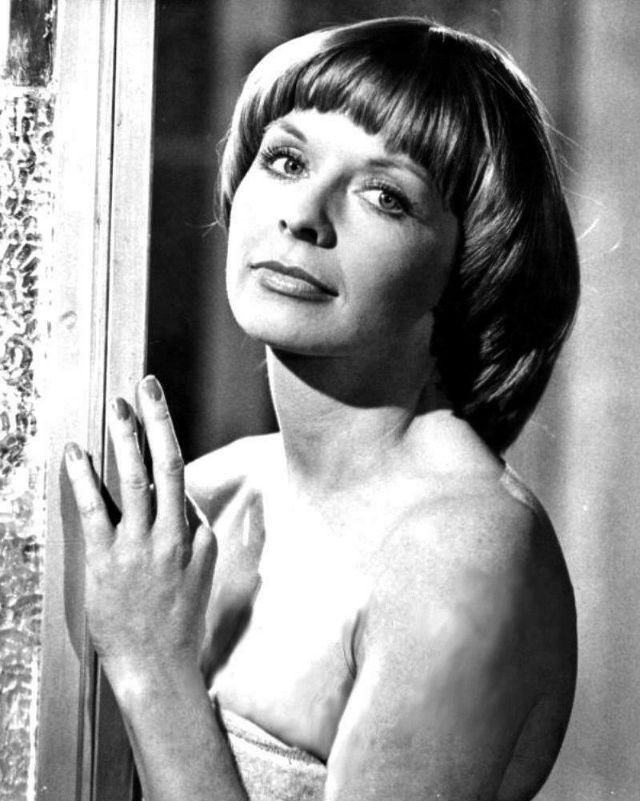
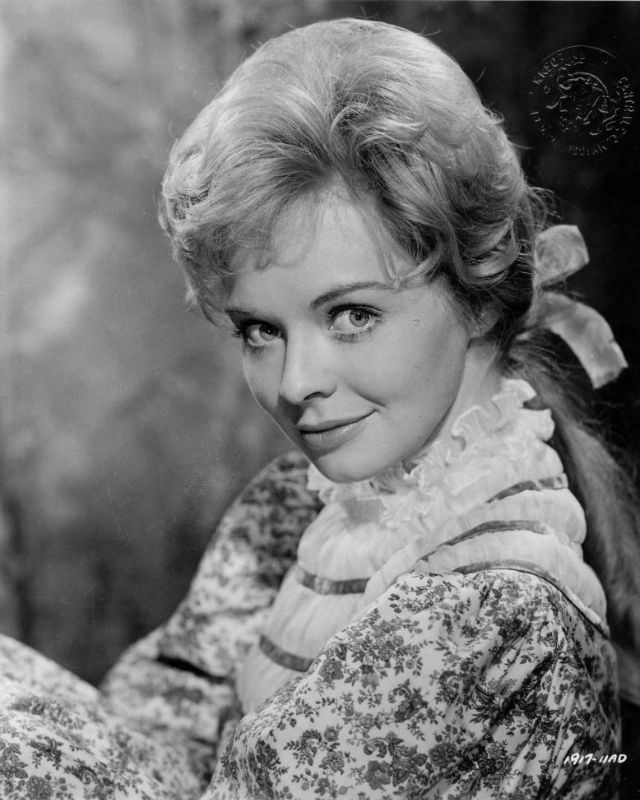
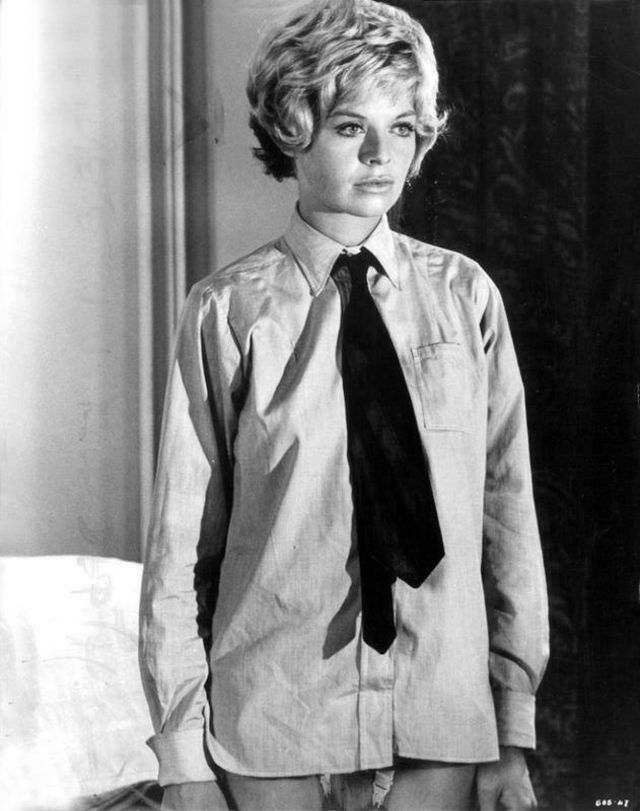
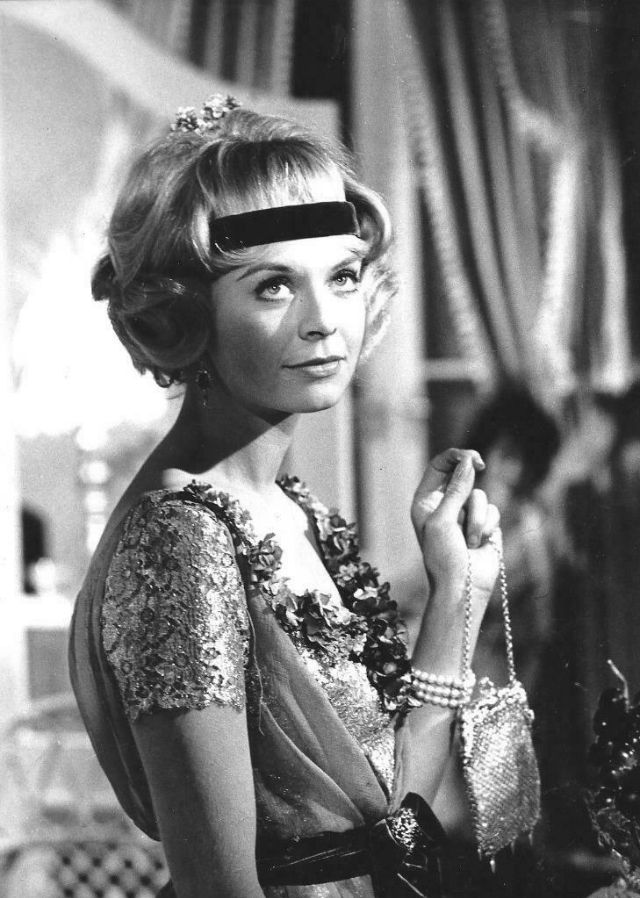
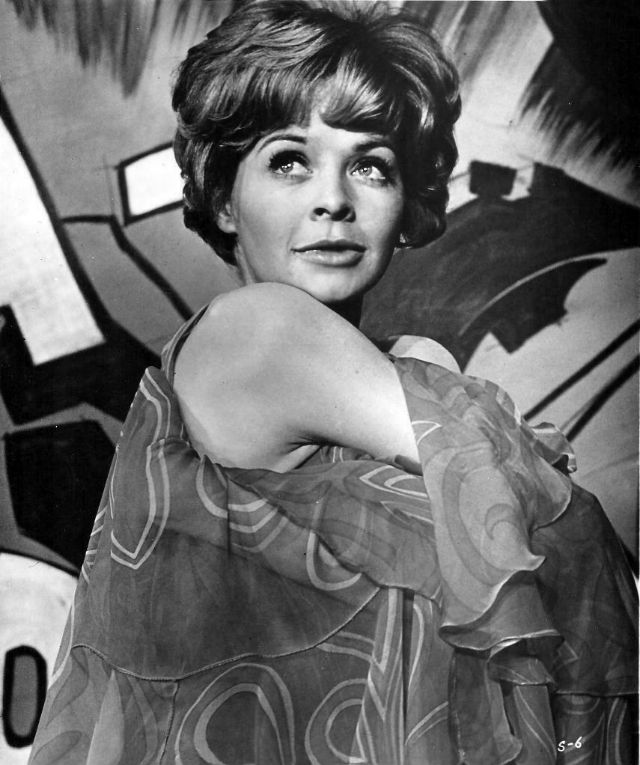
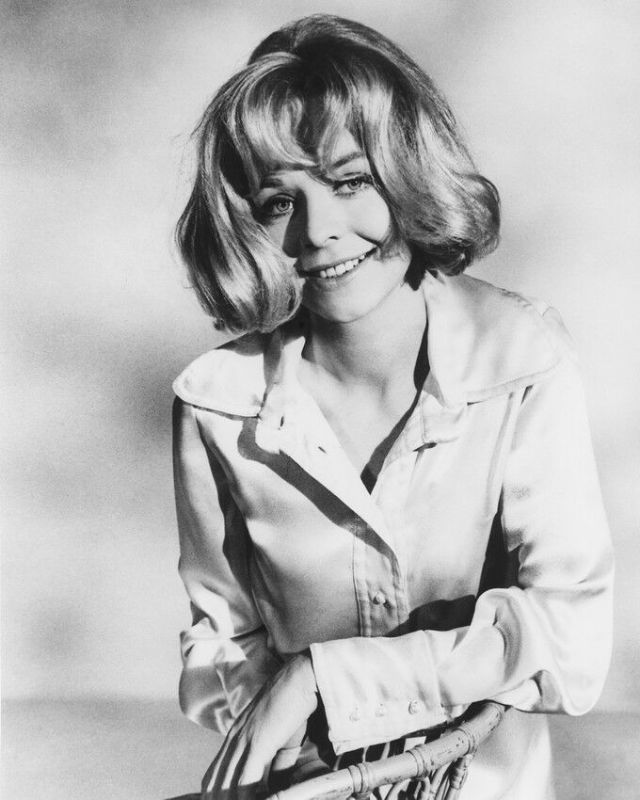
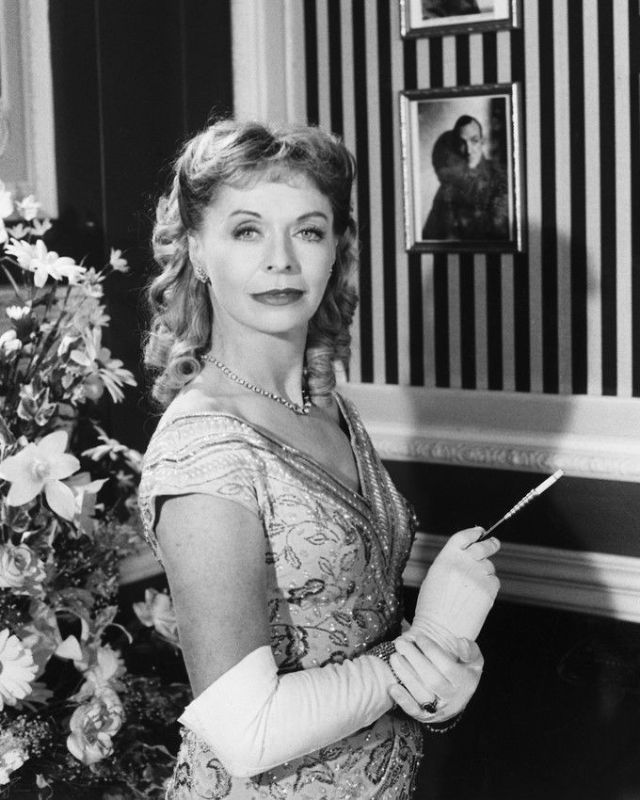
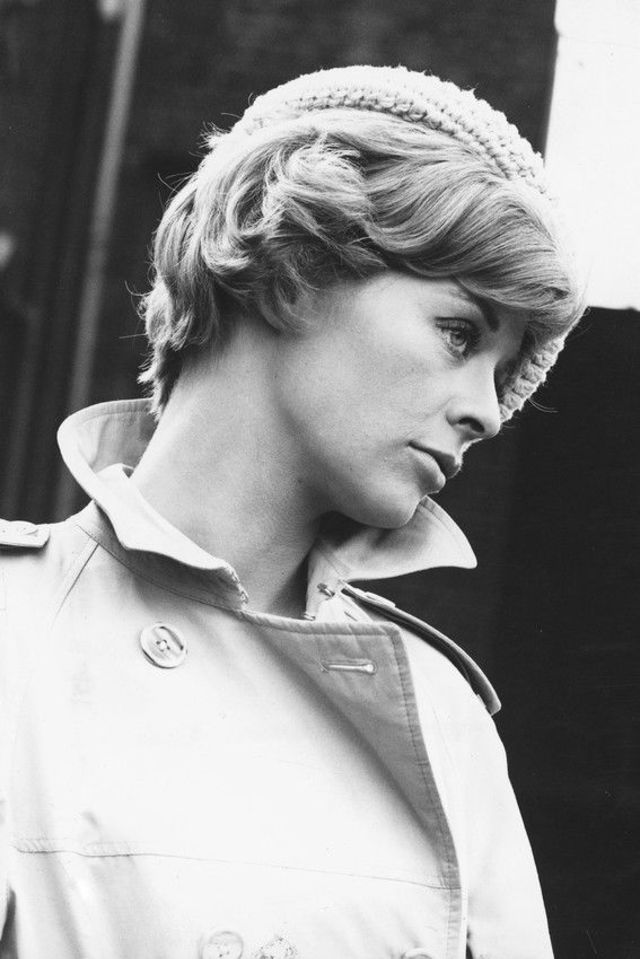
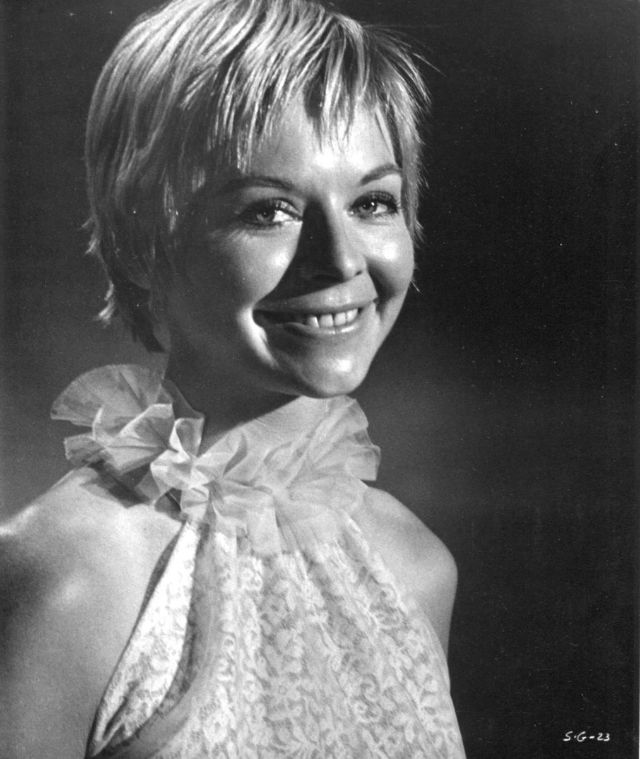
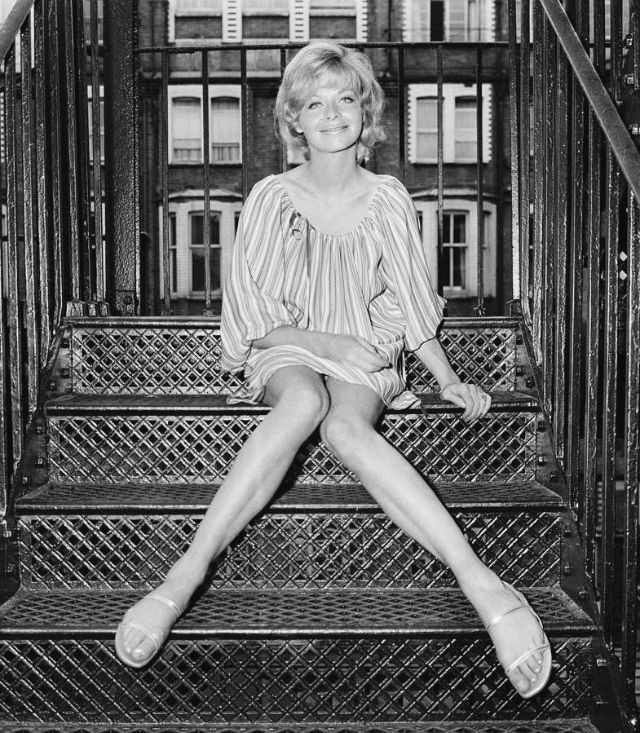
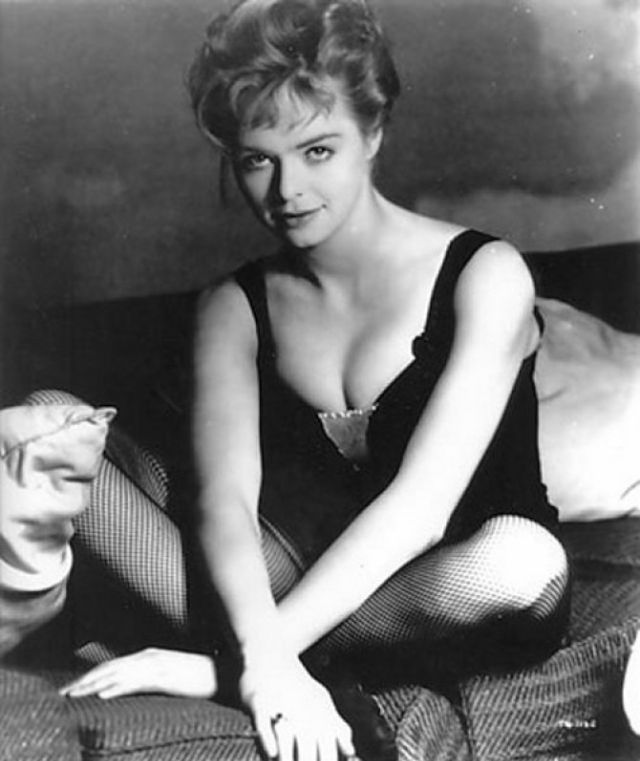
The lovely Susannah York, a gamin, blue-eyed, cropped blonde British actress, displayed a certain crossover star quality when she dared upon the Hollywood scene in the early 1960s. A purposefully intriguing, enigmatic and noticeably uninhibited talent, she was born Susannah Yolande Fletcher on January 9, 1939 in Chelsea, London, but raised in a remote village in Scotland. Her parents divorced when she was around 6. Attending Marr College, she trained for acting at London’s Royal Academy of Dramatic Art, winning the Ronson Award for most promising student. She then performed classical repertory and pantomime in her early professional career.
Making an impression on television in 1959 opposite Sean Connery in a production of “The Crucible” as Abigail Williams to his John Proctor, the moon-faced beauty progressed immediately to ingénue film roles, making her debut as the daughter of Alec Guinness in the classic war drama Tunes of Glory (1960). She emerged quickly as a worthy co-star with the sensitively handled coming-of age drama Loss of Innocence (1961), the more complex psychodrama Freud (1962), as a patient to Montgomery Clift’s famed psychoanalyst, and the bawdy and robust 18th century tale Tom Jones (1963), with Susannah portraying the brazenly seductive Sophie, one of many damsels lusting after the bed-hopping title rogue Albert Finney.
Susannah continued famously both here and in England in both contemporary and period drama opposite the likes of Warren Beatty, William Holden, Paul Scofield and Dirk Bogarde. Susannah was a new breed. Free-spirited and unreserved, she had no trouble at all courting controversy in some of the film roles she went on to play. She gained special notoriety as the child-like Alice in her stark, nude clinches with severe-looking executive Coral Browne in the lesbian drama The Killing of Sister George (1968). A few years later, she and Elizabeth Taylor traveled similar territory with X, Y and Zee (1972).
Acting award ceremonies also began favoring her presence, winning the BAFTA film award as well as Oscar and Golden Globe nominations for her delusional Jean Harlow-like dance marathon participant in the grueling Depression-era film They Shoot Horses, Don’t They? (1969). Her crazy scene in the shower with Oscar-winner Gig Young was particularly gripping and just one of many highlights in the acclaimed film. She also copped a Cannes Film Festival award for her performance in Images (1972) playing another troubled character barely coping with reality. On television, she was Emmy-nominated for her beautifully nuanced Jane Eyre (1970) opposite George C. Scott’s Rochester.
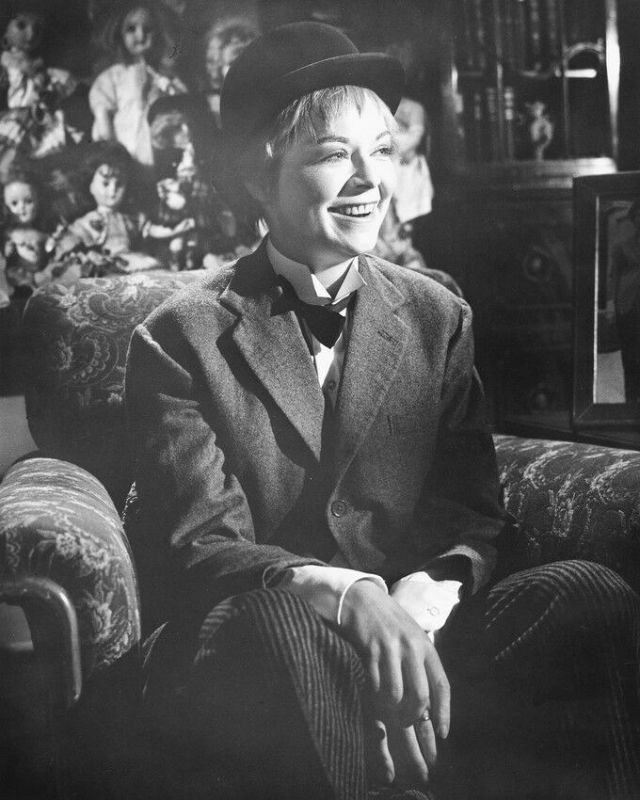
Susannah’s film career started to lose ground into the 1970s as she continued her pursuit of challengingly offbeat roles as opposed to popular mainstream work. The film adaptations of Kurt Vonnegut Jr.’s Happy Birthday, Wanda June (1971) opposite Rod Steiger and Jean Genet’s The Maids (1975) with Glenda Jackson were not well-received. Her performances in such films as Gold (1974), Conduct Unbecoming (1975) which starred another famous York (Michael York), That Lucky Touch (1975), Sky Riders (1976) and The Shout (1978) were overlooked, as were the films themselves. In the one highly popular movie series she appeared in, the box-office smashes Superman (1978) and its sequel Superman II (1980), she had literally nothing to do as Lara, the wife of Marlon Brando’s Jor-El and birth mother of the superhero. While the actress continued to pour out a number of quality work assignments in films and television, she failed to recapture the glow of earlier star.
Diagnosed with bone marrow cancer, Susannah died in January 15, 2011, six days after her 72nd birthday. An obituary in The Telegraph characterized her as “the blue-eyed English rose with the china-white skin and cupid lips who epitomized the sensuality of the swinging sixties,” who later “proved that she was a real actor of extraordinary emotional range.”
Please help us to continue our work bringing you the best in history on a daily basis. The cost of subscriptions to journals, archives and other media is expensive. We also have the added internet costs. You can help us by subscribing to this page for $5 per month or if you like you can make a one-time donation at https://www.buymeacoffee.com/YesterdayToday
Thank you for your consideration.
Yesterday Today
Subscribe to get access
Read more of this content when you subscribe today.
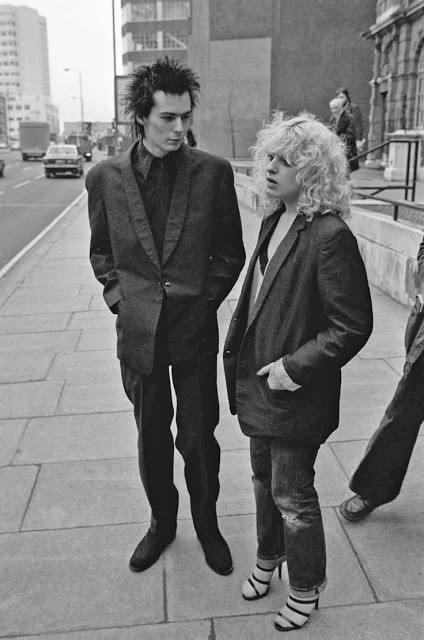
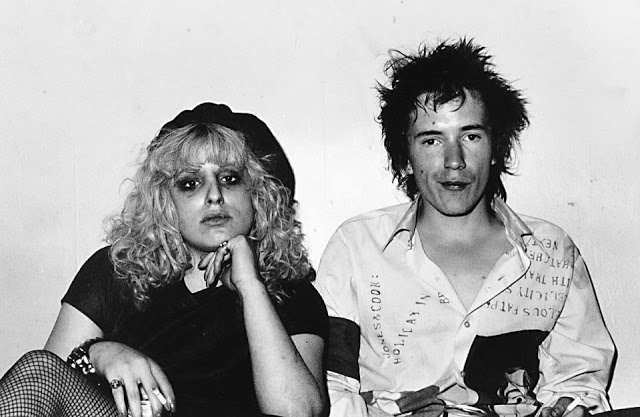
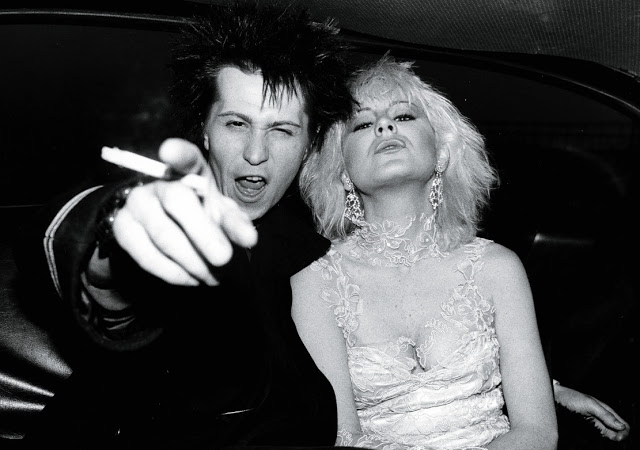
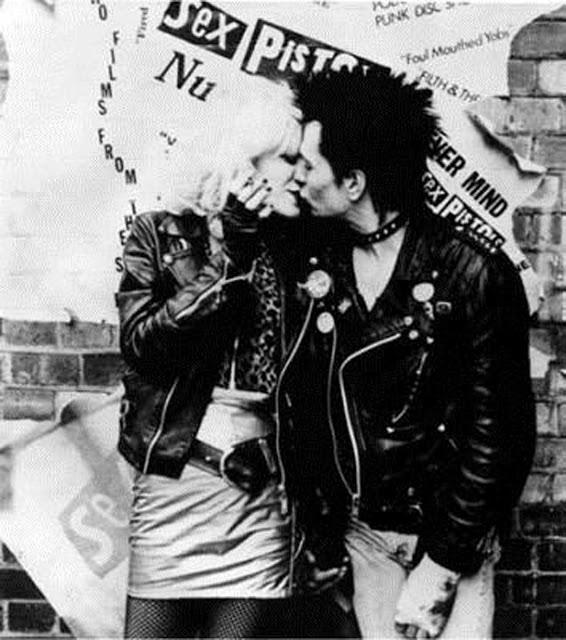
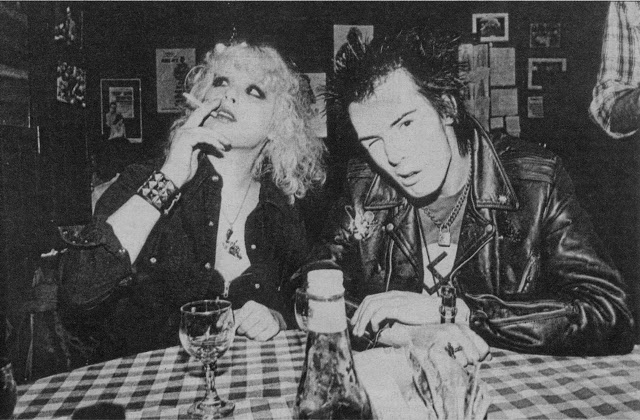
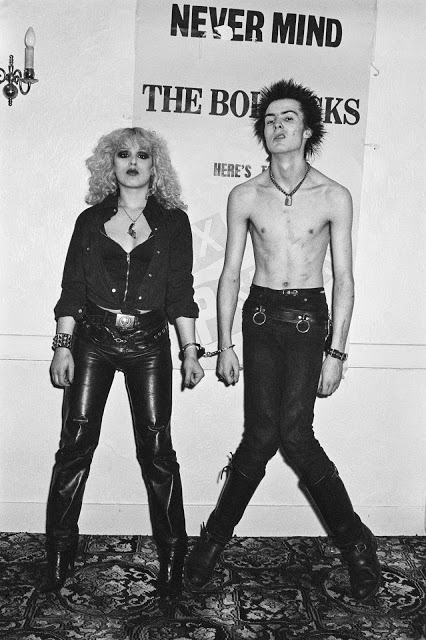
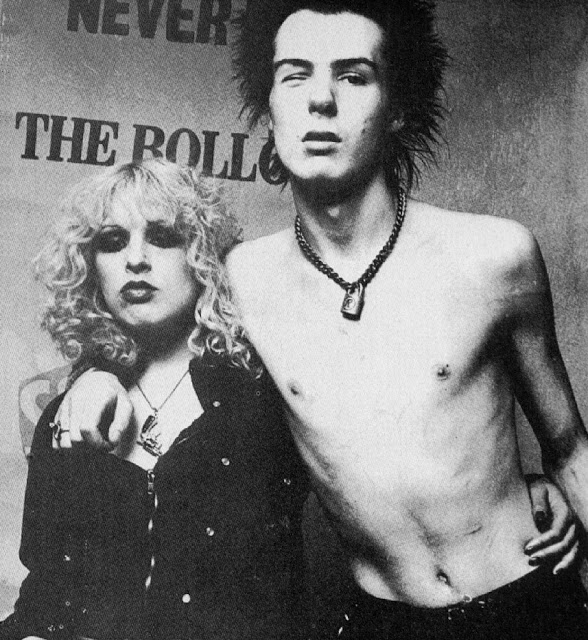
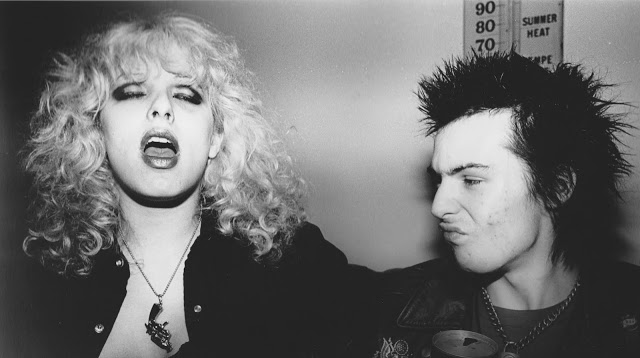
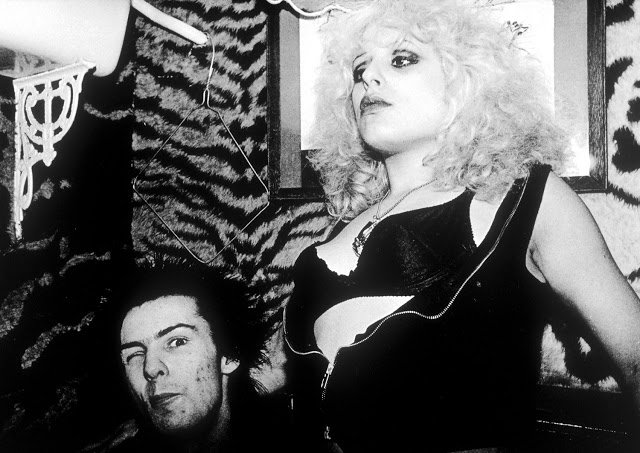
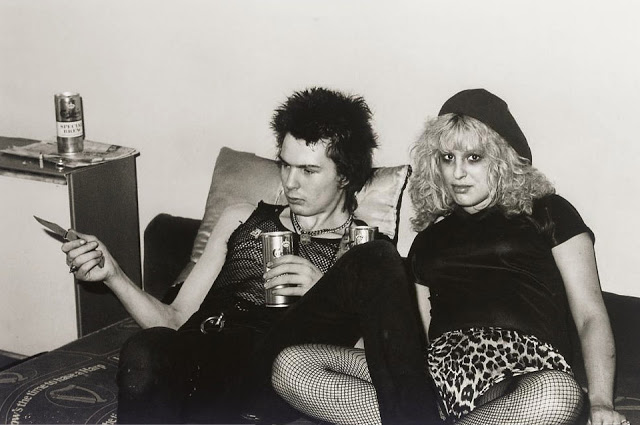
On Oct. 12, 1978, the body of 20-year-old Nancy Spungen was found in a room at New York’s famous Chelsea Hotel. She and her boyfriend, Sex Pistols bassist Sid Vicious, had been living in Room 100 for about a month and a half when Vicious called the front desk, saying that something had happened to his girlfriend. It turned out that she was dead from multiple stab wounds to her stomach.
Vicious had risen to notoriety after joining the Sex Pistols in 1977, replacing the punk band’s original bass player. He first met the American Spungen when she visited England as part of the entourage following former New York Doll Johnny Thunders’ new band, Heartbreakers, during their 1977 tour. The two quickly became a couple. Following the break up of the Sex Pistols at the beginning of 1978, the pair had been living in New York City.
On the same day Spungen’s body was found, Vicious (who was born John Ritchie) was arrested and charged with her murder. Within three months, he would be found dead, by his mother, of a heroin overdose. After his death, the NYPD closed the case against him, and never pursued any other action regarding Spungen’s death.
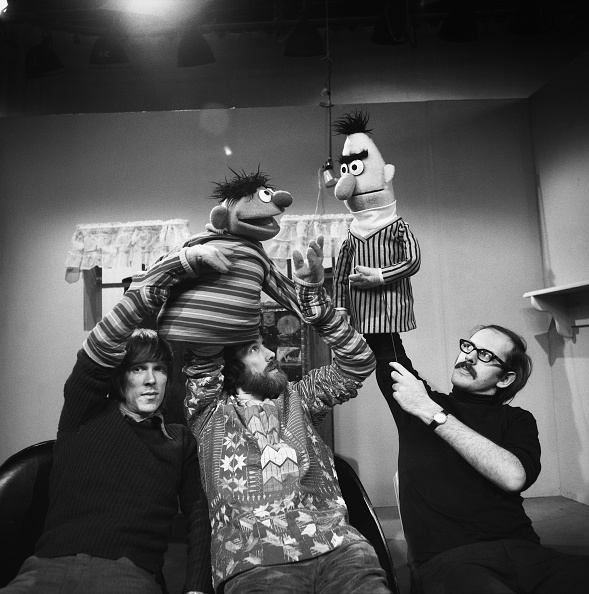
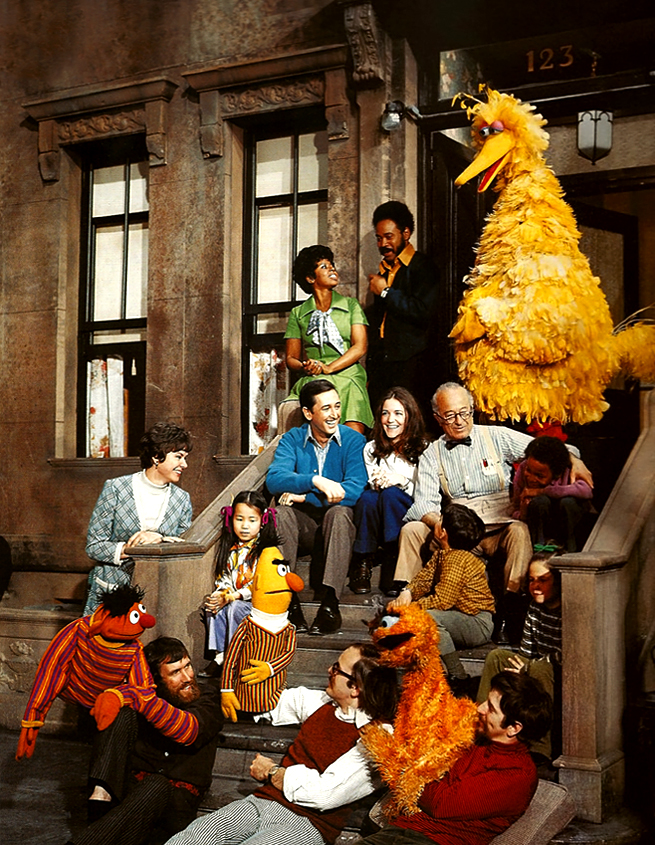
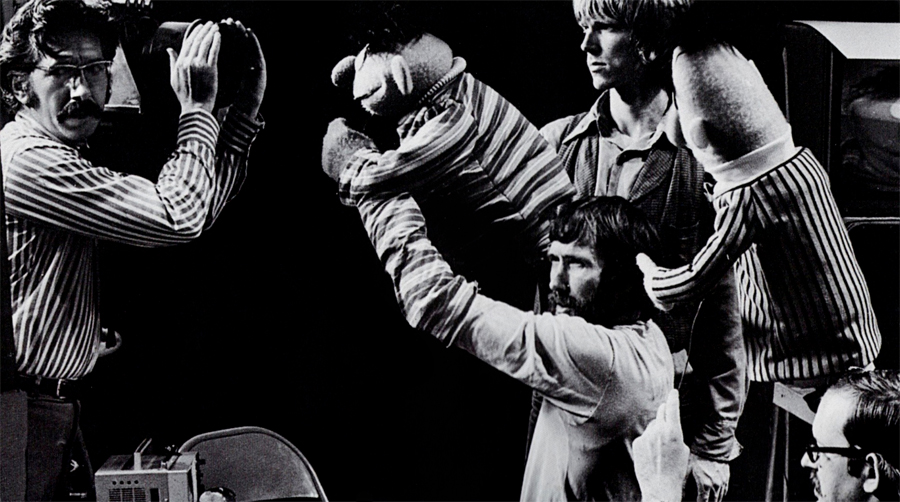
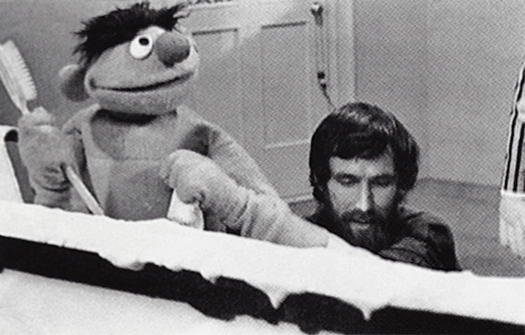
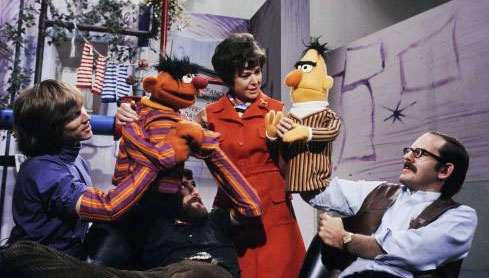
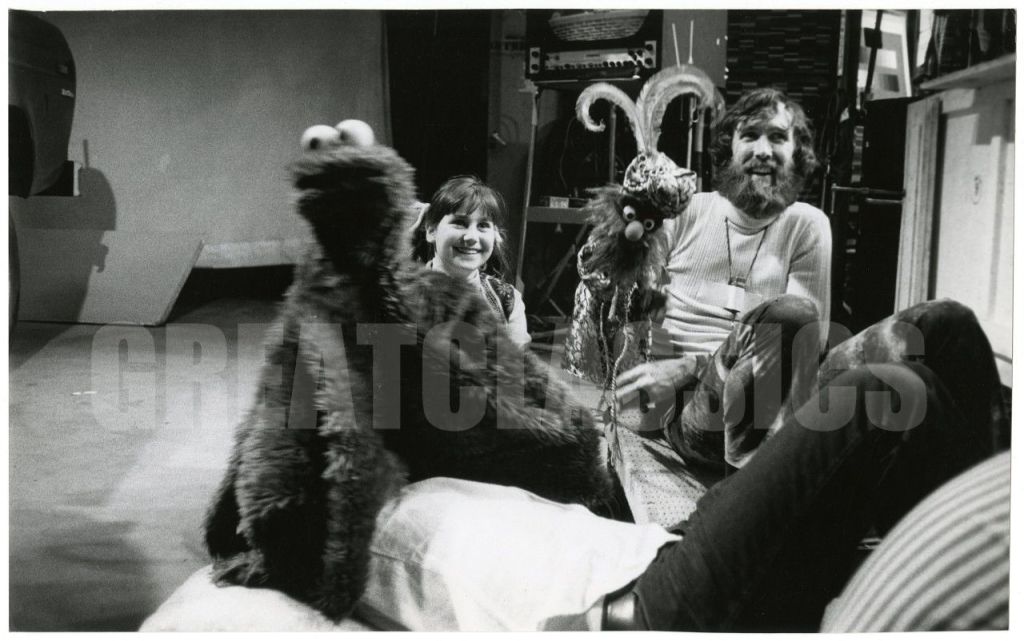
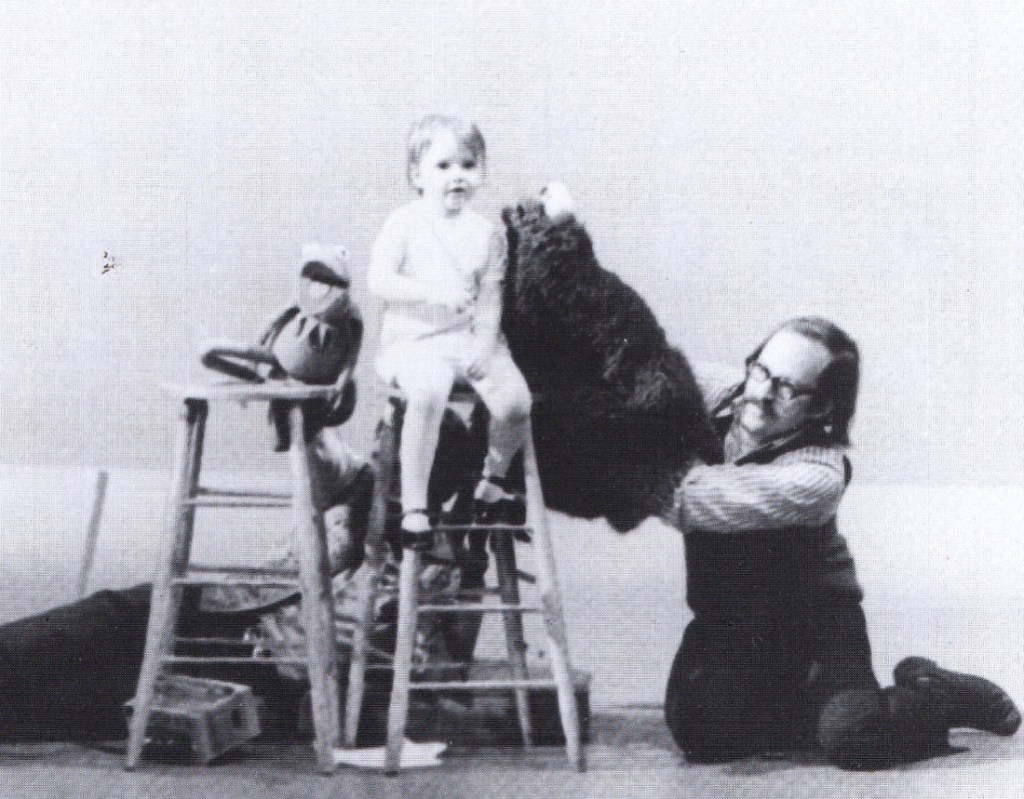
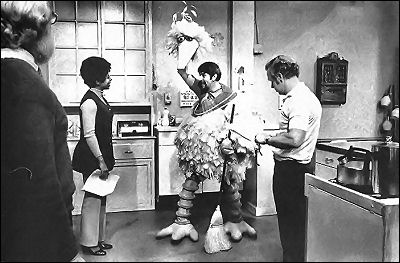
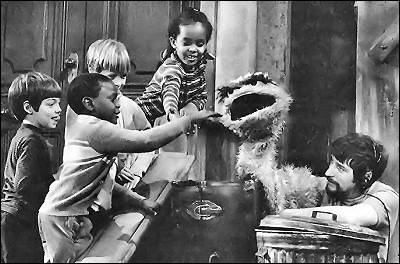
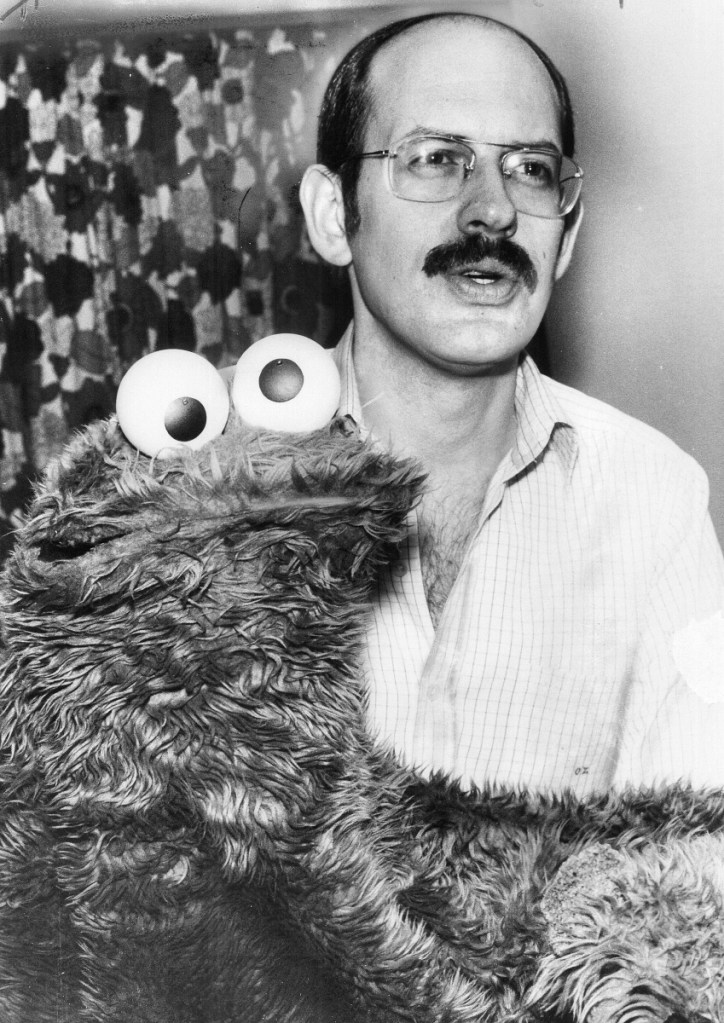
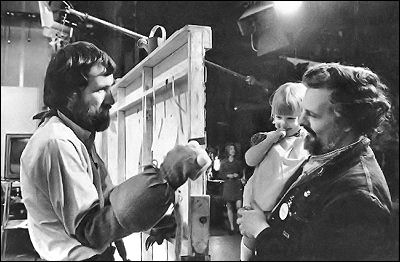
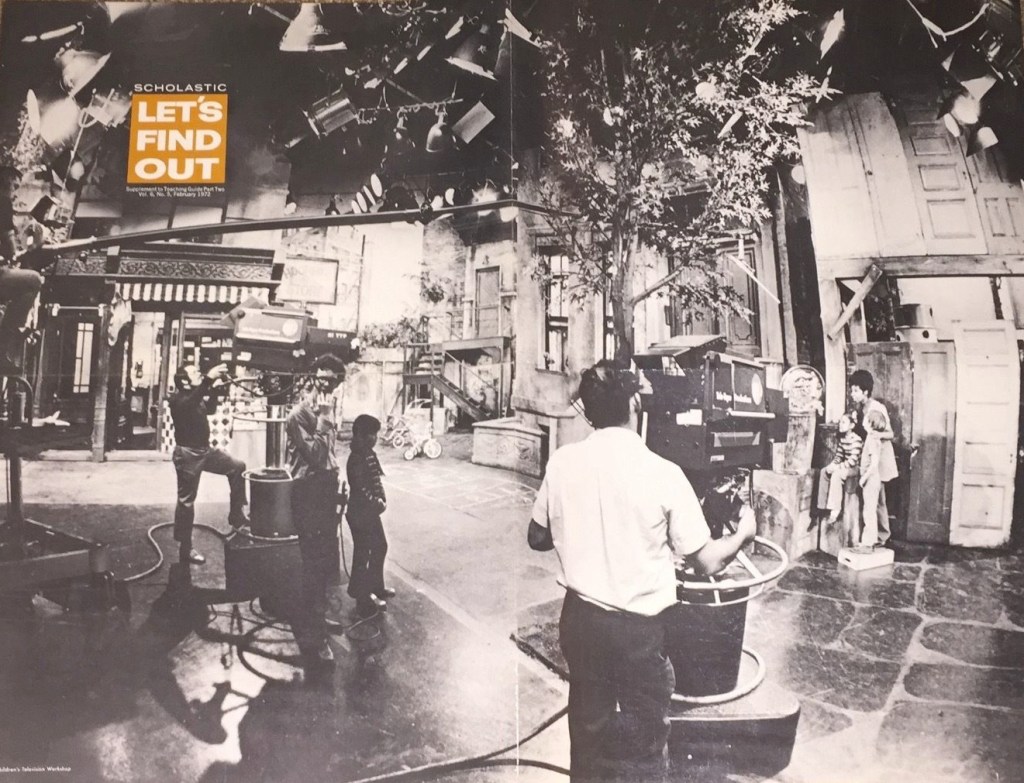
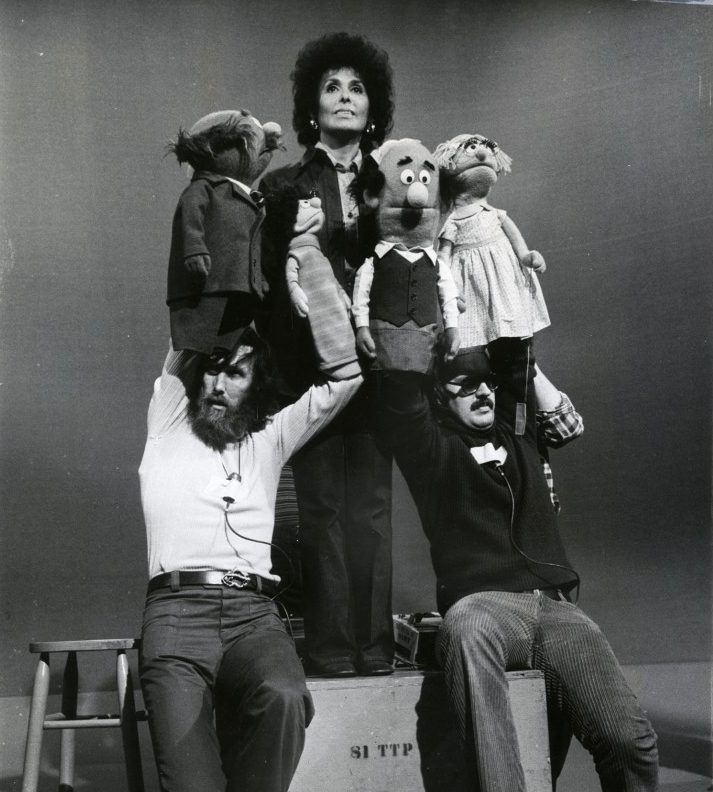
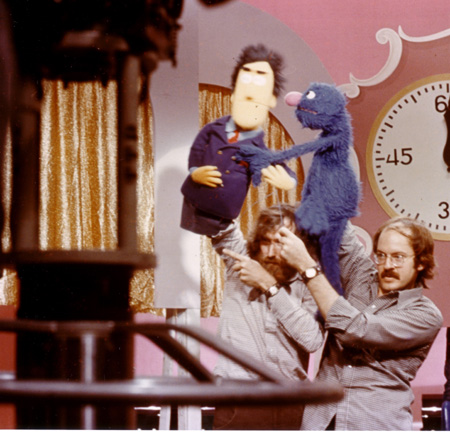
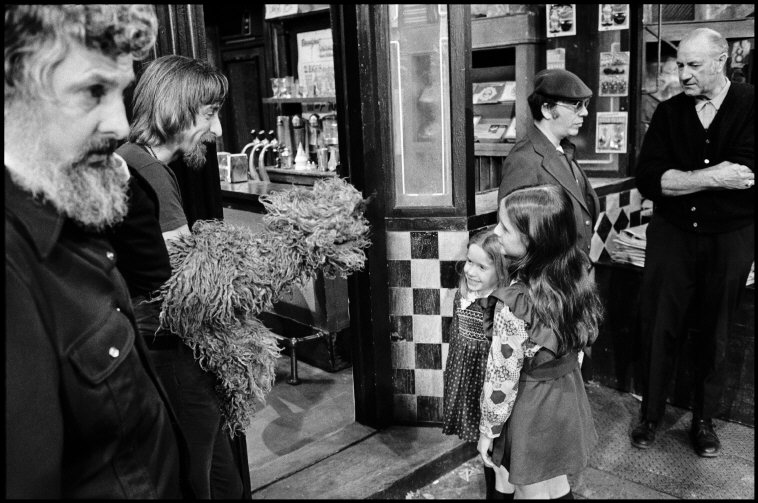
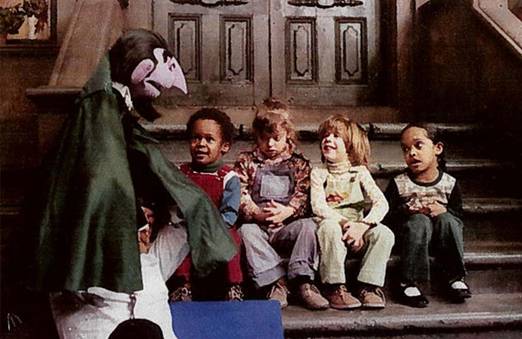
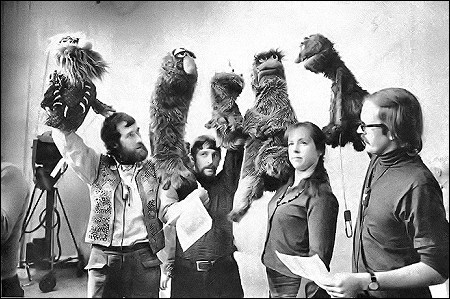
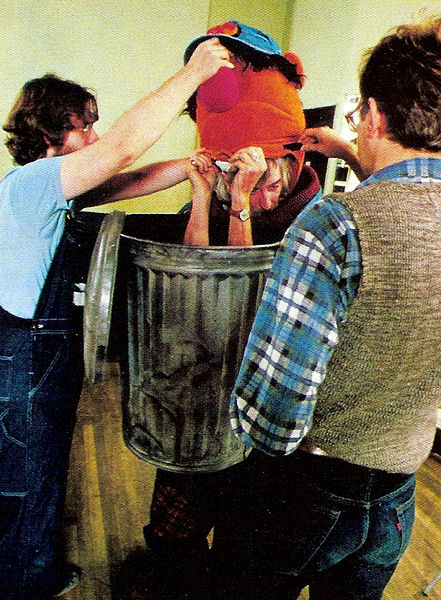
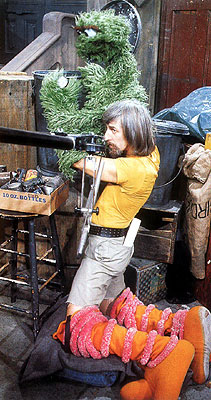
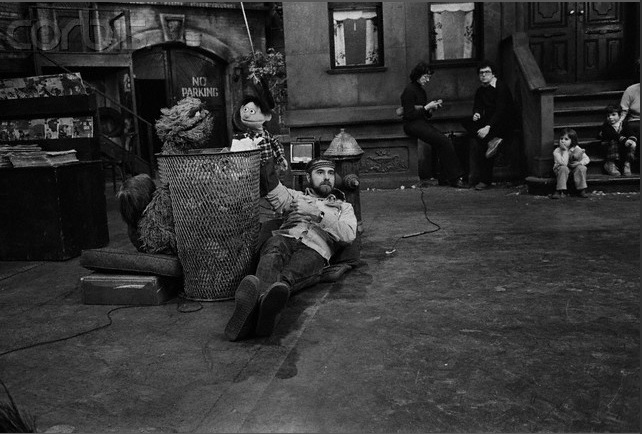
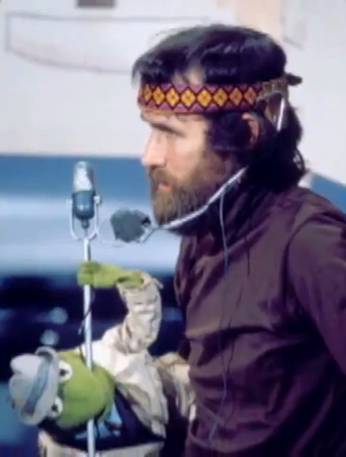
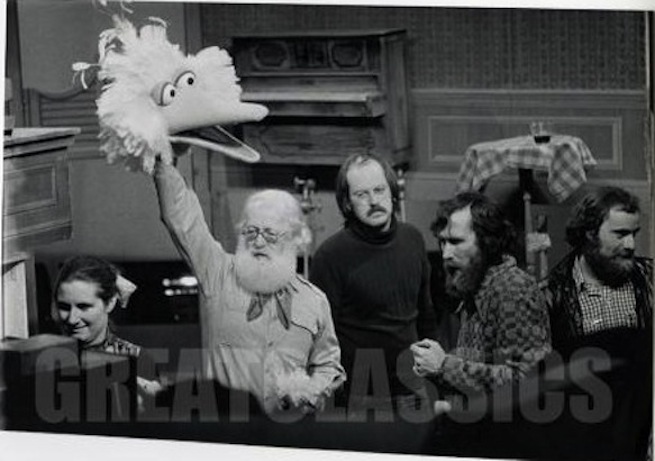
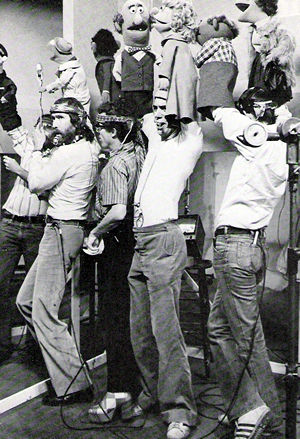
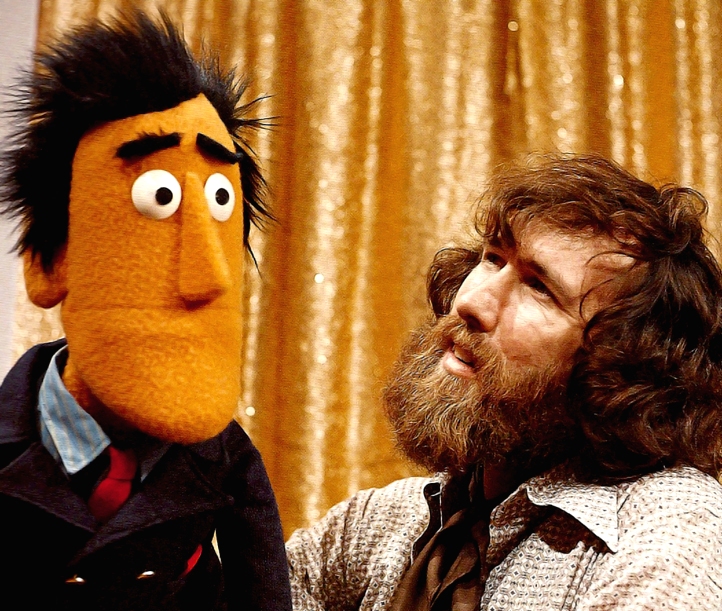
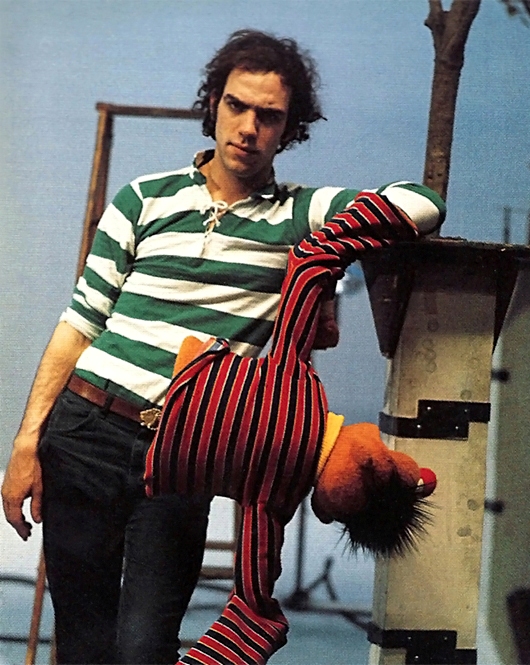
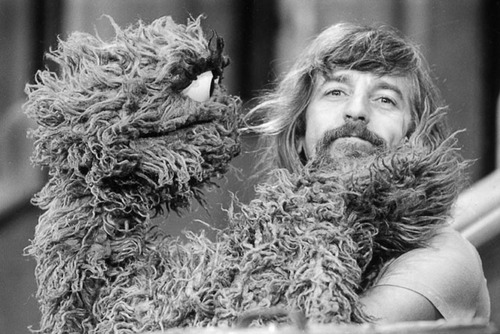
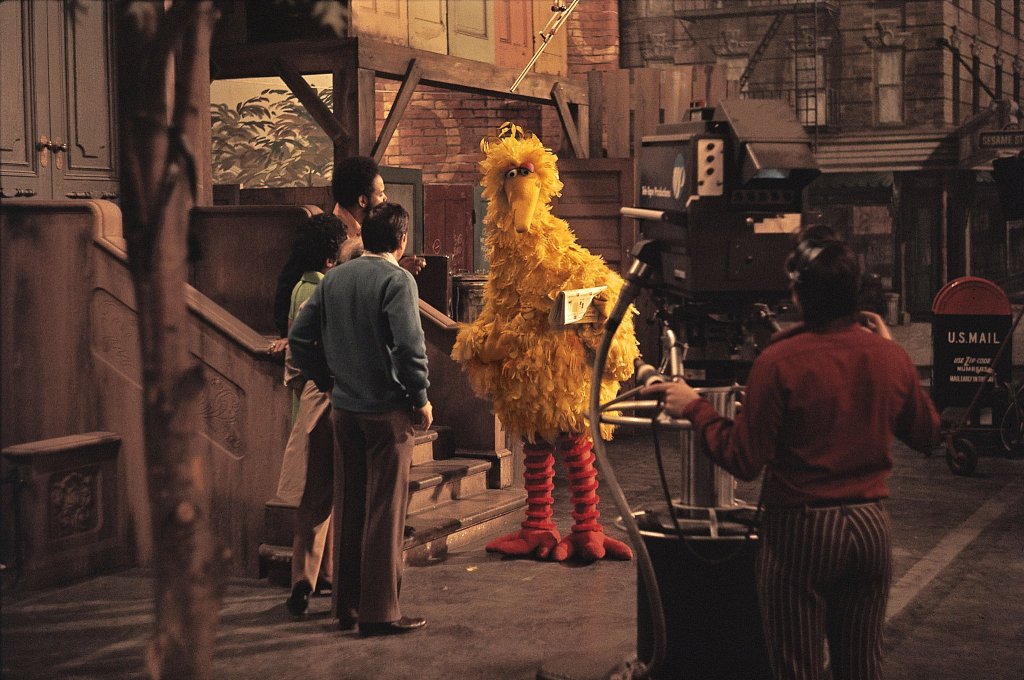
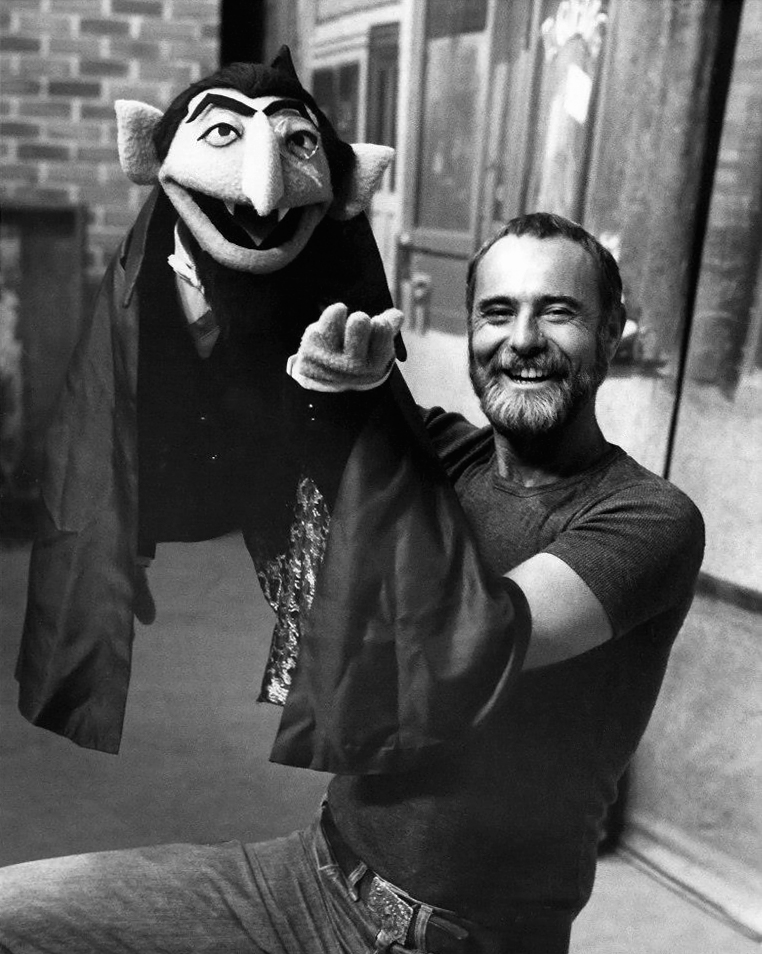
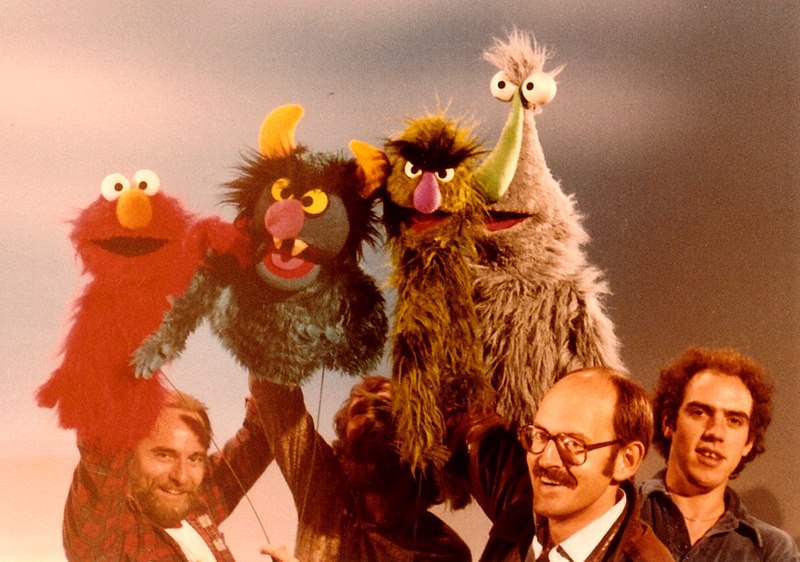
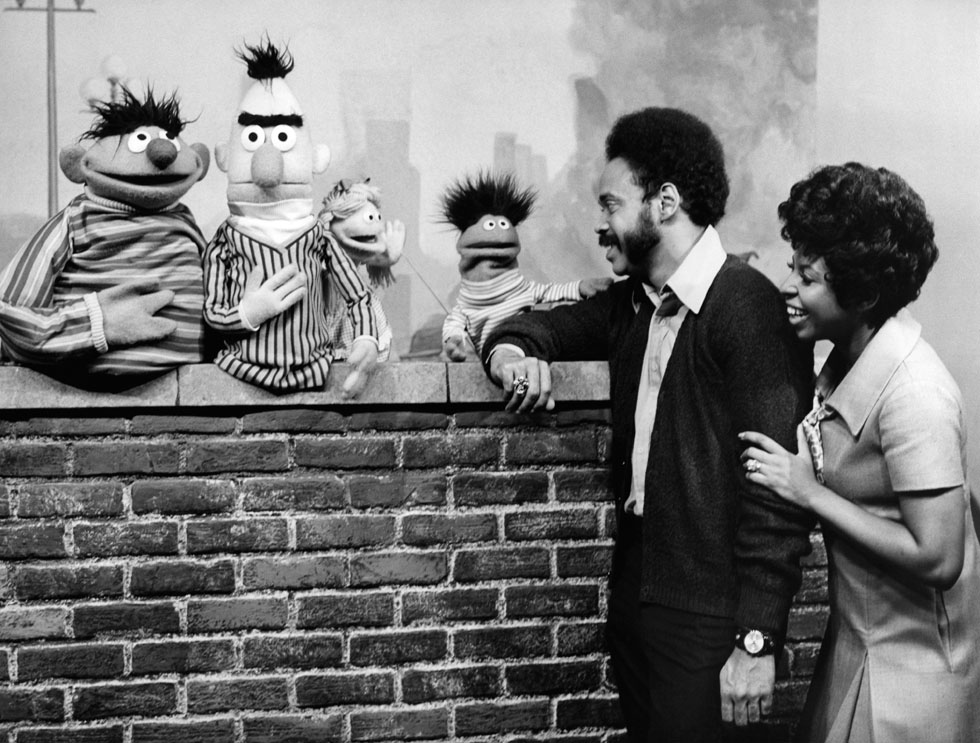
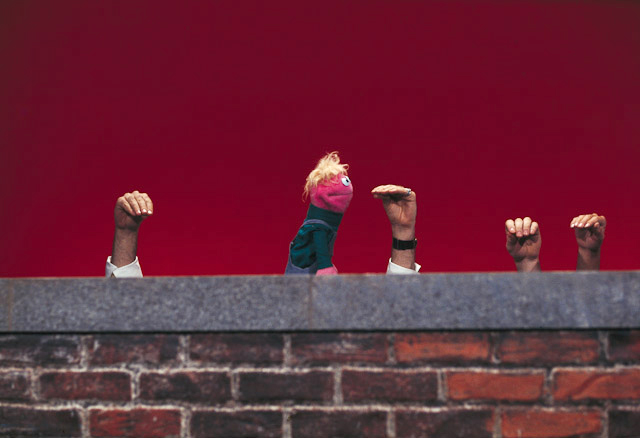
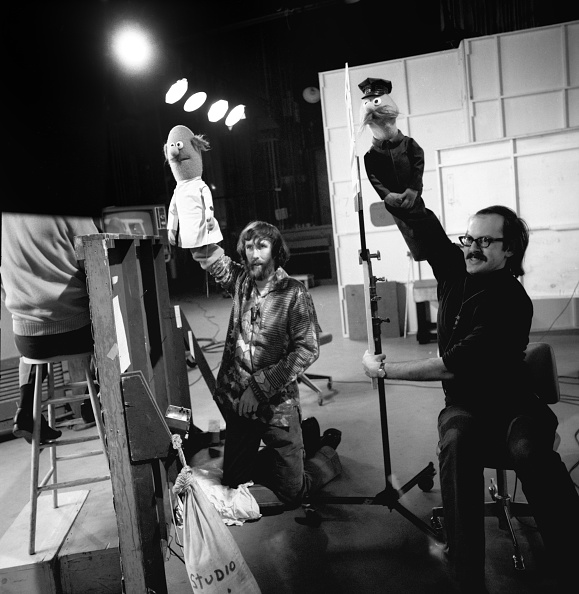
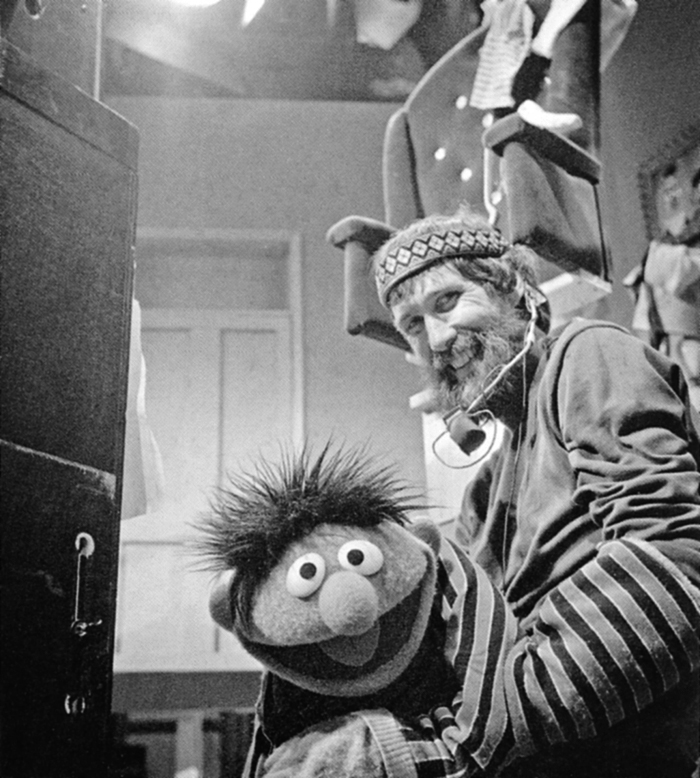
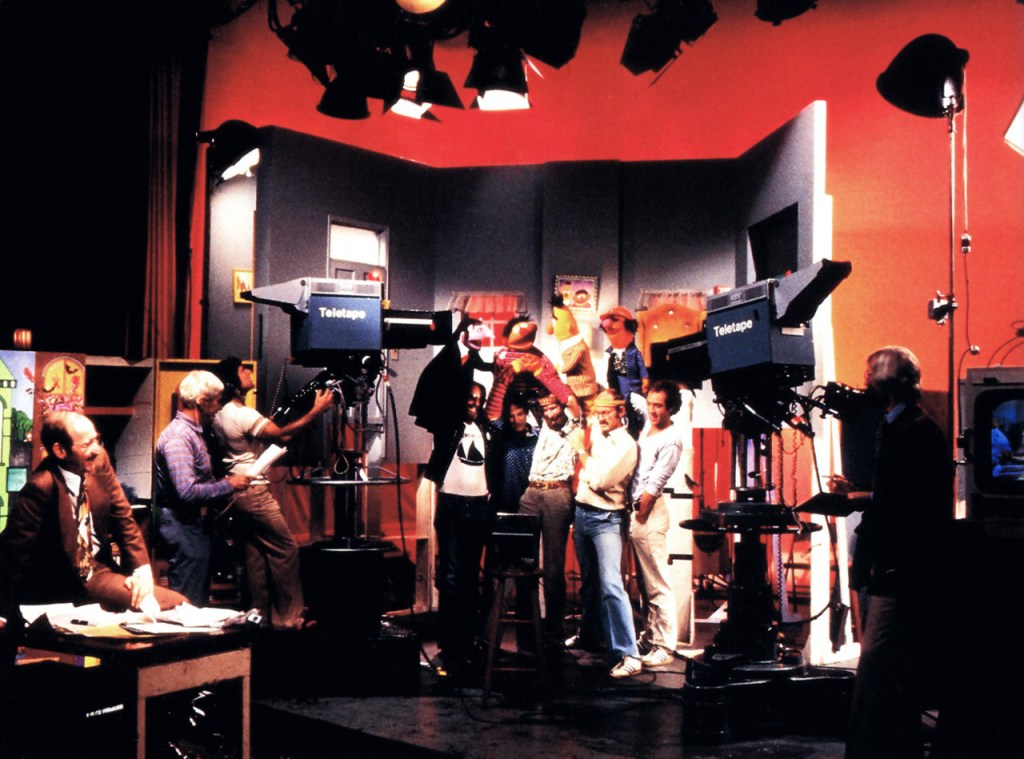
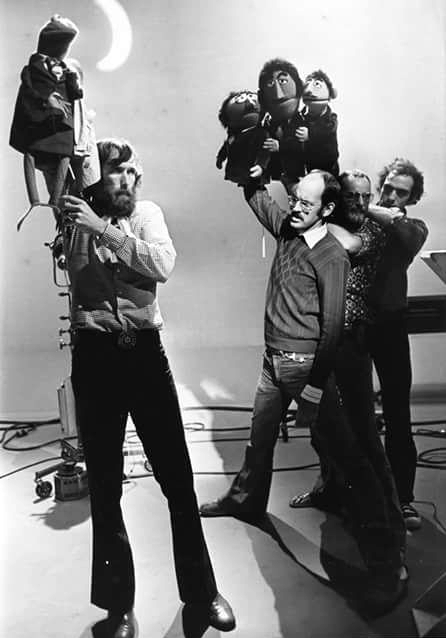
Sesame Street is an American educational children’s television series that combines live-action, sketch comedy, animation and puppetry. It is produced by Sesame Workshop (known as the Children’s Television Workshop [CTW] until June 2000) and was created by Joan Ganz Cooney and Lloyd Morrisett. It is known for its images communicated through the use of Jim Henson’s Muppets, and includes short films, with humor and cultural references. It premiered on November 10, 1969 to positive reviews, some controversy, and high viewership. It has aired on the US’s national public television provider PBS since its debut, with its first run moving to premium channel HBO on January 16, 2016, then its sister streaming service HBO Max in 2020.
The show’s format consists of a combination of commercial television production elements and techniques which have evolved to reflect changes in American culture and audiences’ viewing habits. It was the first children’s TV show to use educational goals and a curriculum to shape its content, and the first show whose educational effects were formally studied. Its format and content have undergone significant changes to reflect changes to its curriculum.
Shortly after its creation, its producers developed what came to be called the CTW Model (after the production company’s previous name), a system of planning, production and evaluation based on collaboration between producers, writers, educators and researchers. The show was initially funded by government and private foundations, but has become somewhat self-supporting due to revenues from licensing arrangements, international sales and other media. By 2006, independently produced versions (“co-productions”) of Sesame Street were broadcast in 20 countries. In 2001, there were over 120 million viewers of various international versions of Sesame Street; and by its 40th anniversary in 2009, it was broadcast in more than 140 countries.
Sesame Street was by then the 15th-highest-rated children’s television show in the United States. A 1996 survey found that 95% of all American preschoolers had watched it by the time they were three. In 2018, it was estimated that 86 million Americans had watched it as children. As of 2018, it has won 11 Emmy Awards and 11 Grammy Awards, more than any other children’s show. (Wikipedia)
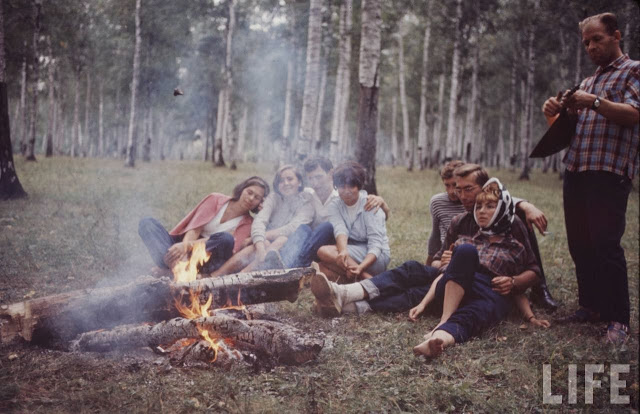
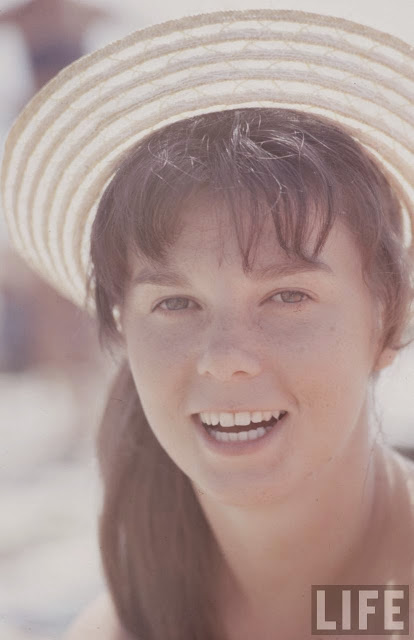
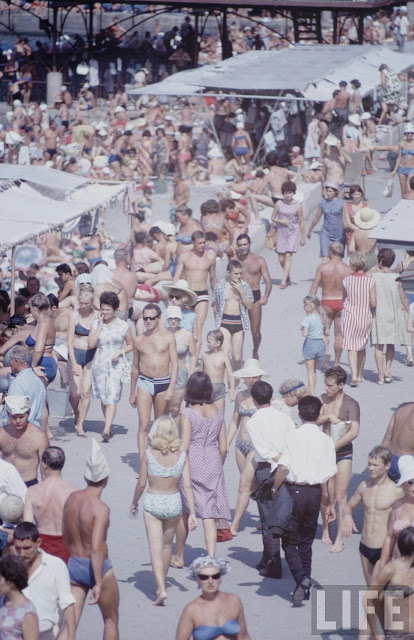
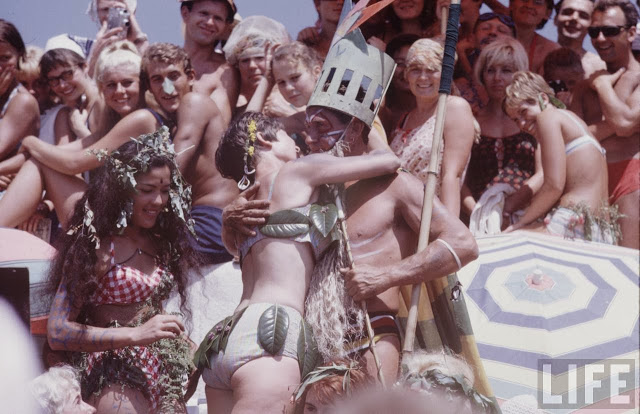
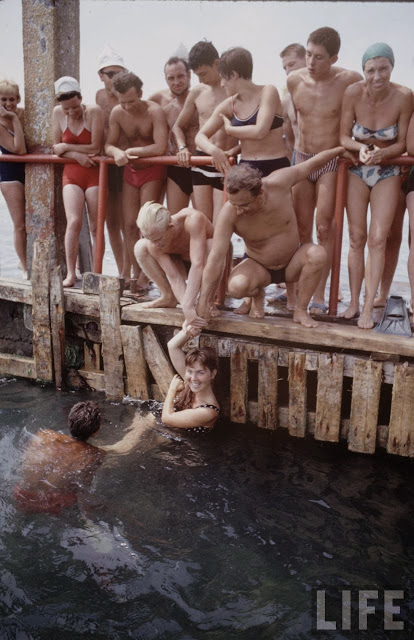
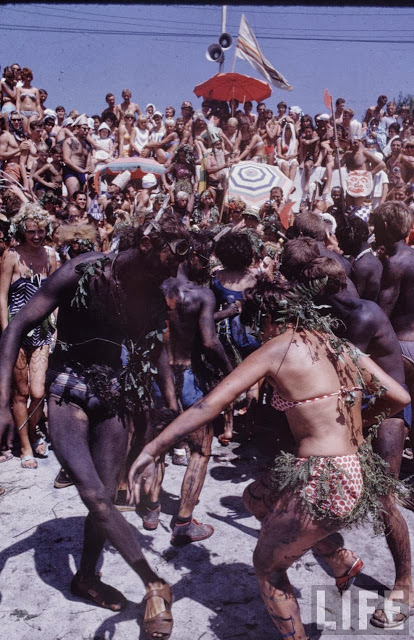
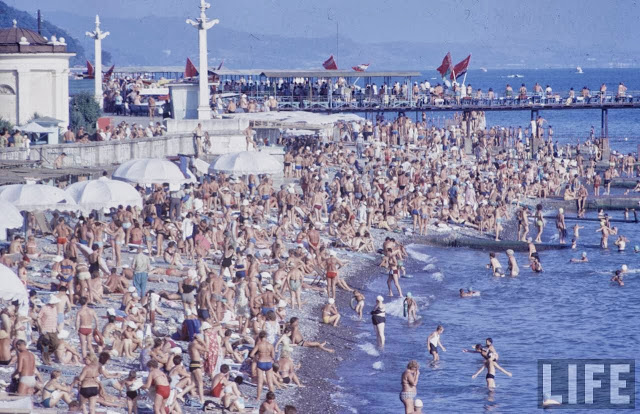
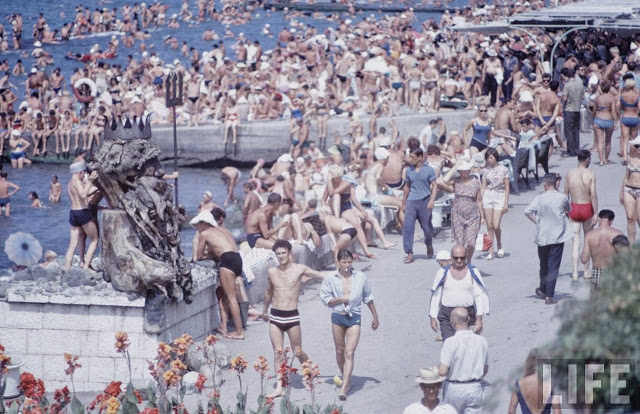
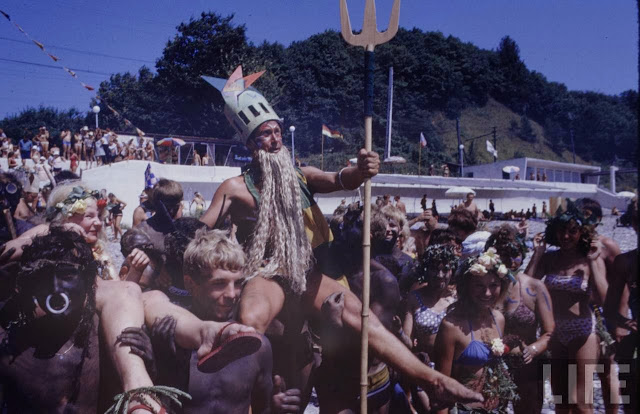
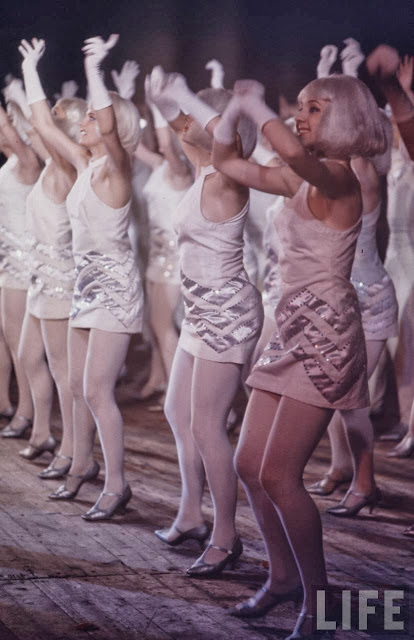
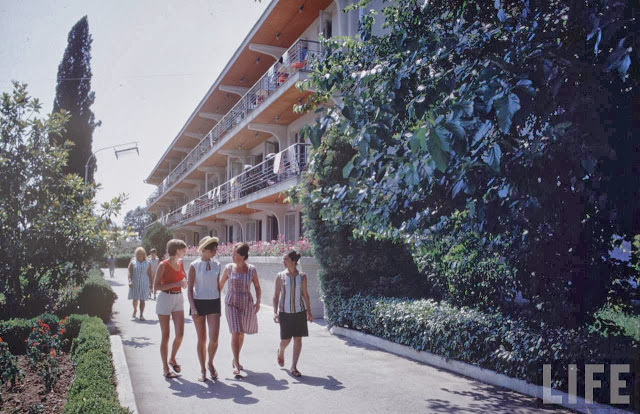
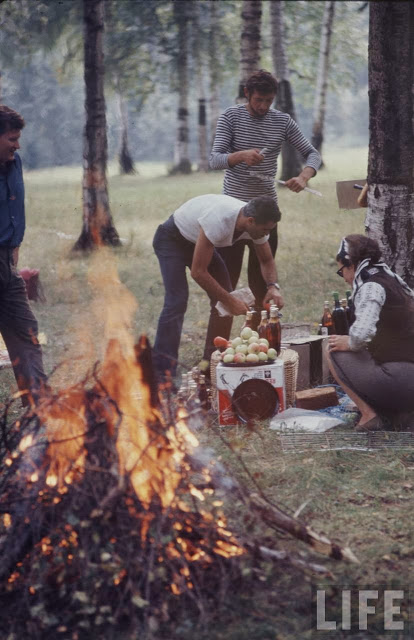
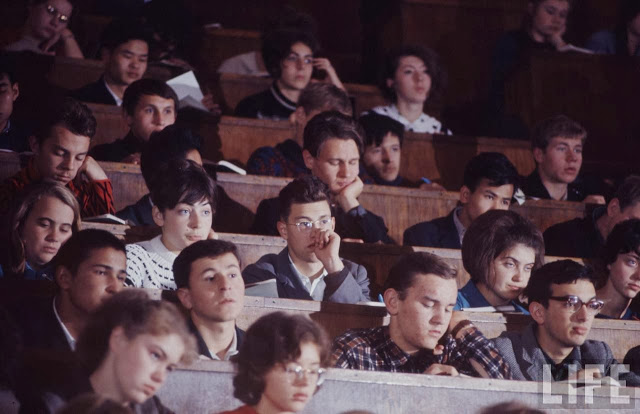
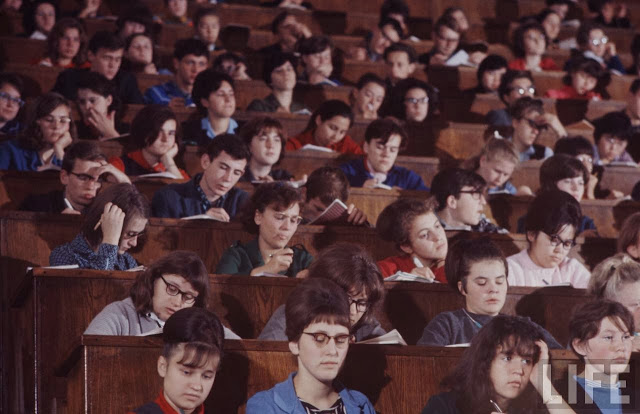
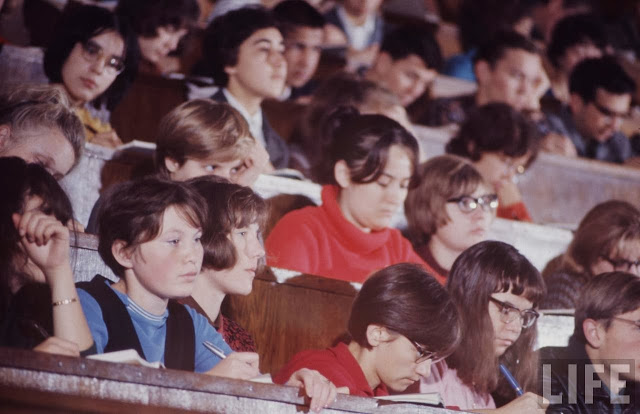
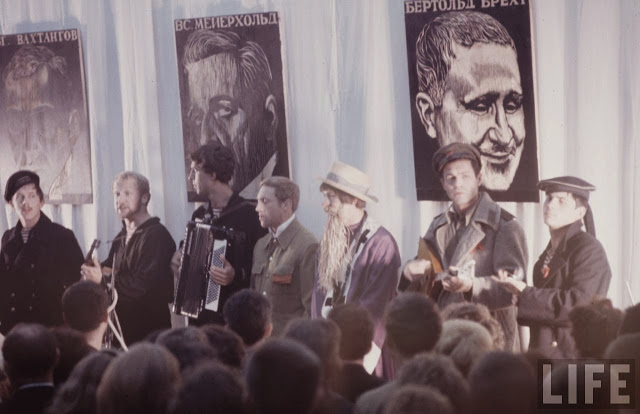
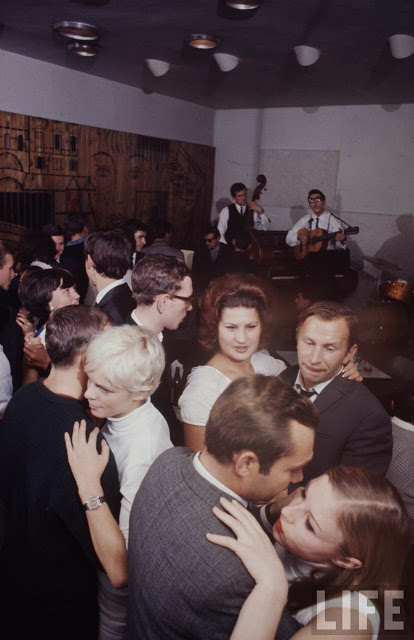
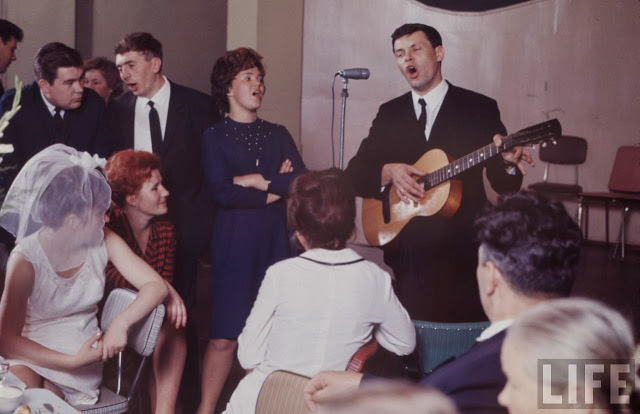
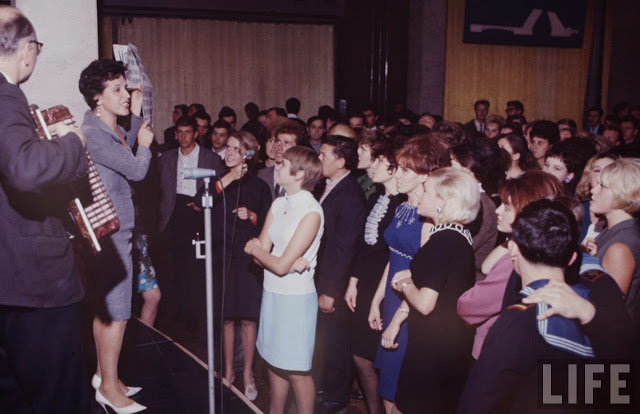
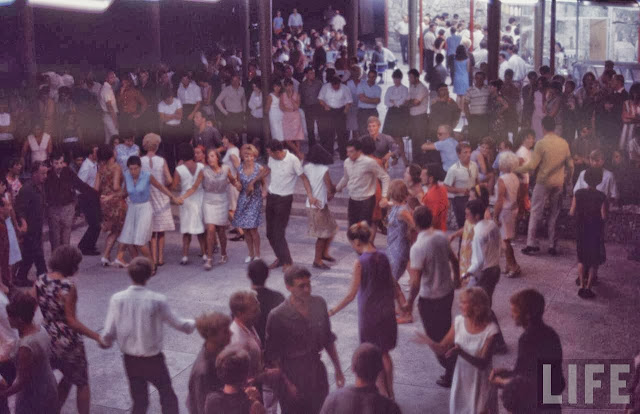
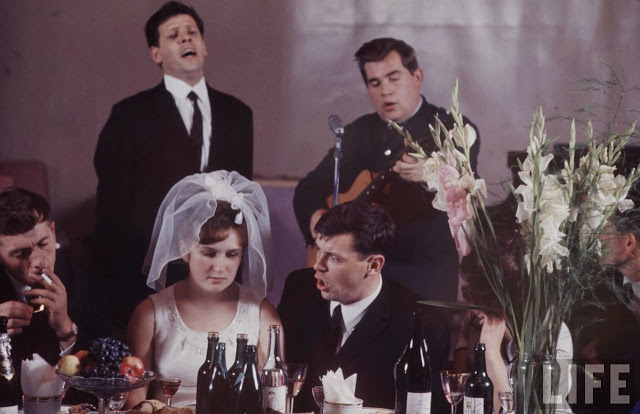
Some might have considered these images, made by LIFE photographer Bill Eppridge, an unrepresentative sample of life behind the Iron Curtain. But he was onto something: by 1967, nearly half of the 235 million people living in the Soviet Union were under the age of 27, most of them born in the years immediately following World War II. Along with a decline in birth rates, the human toll of nearly four decades of violence—civil war, famines and the Second World War—created a demographic crisis that only a return to normalcy could resolve. By the time Eppridge arrived, the pendulum had swung decisively into the younger generation’s court.
This so-called “Sputnik generation” that frolicked in front of his lens grew up during the optimistic 1950s and entered adulthood in the early 1960s, at the beginning of the USSR’s “stagnation decade.” Unlike their parents, who might have cited late night knocks on the door and the Great Patriotic War as the defining events of their own young lives, the country they knew was the one that sent Yuri Gagarin and Sputnik into space and stocked shelves with Western-style consumer goods. When they pledged allegiance to the Soviet state in school, they faced a portrait of Vladimir Lenin or Nikita Khrushchev, not Joseph Stalin.
As members of the Sputnik generation enjoyed more autonomy at home, they sought out meaningful relationships with their peers outside of it. In the late ’50s and early ’60s, classrooms and public parks became the venues where Soviet girls and boys had their first tastes of unrefined vodka and suffered through first kisses. By the time they enrolled in college—which nearly 25% of Soviet high school students did thanks to increased state investment—they had their own personal networks to turn to when they wanted to get their hands on the latest banned Beatles album or share a ride to a summer festival.