These cool pics from Hotpoint appliance 1960 calendar from Todd’s, 14240 E. 14th Street, San Leandro, California that show interior styles of kitchens for each month of 1960.











Bringing You the Wonder of Yesterday – Today
These cool pics from Hotpoint appliance 1960 calendar from Todd’s, 14240 E. 14th Street, San Leandro, California that show interior styles of kitchens for each month of 1960.






































The United States of America (U.S.A. or USA), commonly known as the United States (U.S. or US) or America, is a country primarily located in North America. It consists of 50 states, a federal district, five major unincorporated territories, 326 Indian reservations, and some minor possessions. At 3.8 million square miles (9.8 million square kilometers), it is the world’s third- or fourth-most extensive country by geographic area. The United States shares significant land borders with Canada to the north and Mexico to the south as well as limited maritime borders with the Bahamas, Cuba, and Russia. With a population of more than 331 million people, it is the third most populous country in the world. The national capital is Washington, D.C., and the most populous city is New York City.
Paleo-Indians migrated from Siberia to the North American mainland at least 12,000 years ago, and European colonization began in the 16th century. The United States emerged from the thirteen British colonies established along the East Coast. Disputes with Great Britain over taxation and political representation led to the American Revolutionary War (1775–1783), which established the nation’s independence. In the late 18th century, the U.S. began expanding across North America, gradually obtaining new territories, sometimes through war, frequently displacing Native Americans, and admitting new states; by 1848, the United States spanned the continent. Slavery was legal in the southern United States until the second half of the 19th century, when the American Civil War led to its abolition. The Spanish–American War and World War I established the U.S. as a world power, a status confirmed by the outcome of World War II. During the Cold War, the United States fought the Korean War and the Vietnam War but avoided direct military conflict with the Soviet Union. The two superpowers competed in the Space Race, culminating in the 1969 spaceflight that first landed humans on the moon. The Soviet Union’s dissolution in 1991 ended the Cold War, leaving the United States as the world’s sole superpower.
The United States is a federal republic and a representative democracy with three separate branches of government, including a bicameral legislature. It is a founding member of the United Nations, World Bank, International Monetary Fund, Organization of American States, NATO, and other international organizations. It is a permanent member of the United Nations Security Council. Considered a melting pot of cultures and ethnicities, its population has been profoundly shaped by centuries of immigration. The United States ranks high in international measures of economic freedom, quality of life, education, and human rights; it has low levels of perceived corruption. However, it has been criticized for inequality related to race, wealth, and income; use of capital punishment; high incarceration rates; and lack of universal health care.
The United States is a highly developed country, accounts for approximately a quarter of global GDP, and is the world’s largest economy by GDP at market exchange rates. By value, the United States is the world’s largest importer and second-largest exporter of goods. Although its population is only 4.2% of the world’s total, it holds 29.4% of the total wealth in the world, the largest share held by any country. Making up more than a third of global military spending, it is the foremost military power in the world and internationally a leading political, cultural, and scientific force. (Wikipedia)





























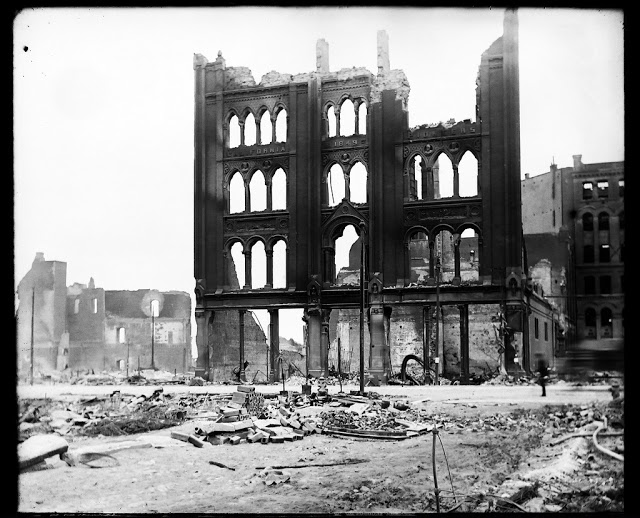


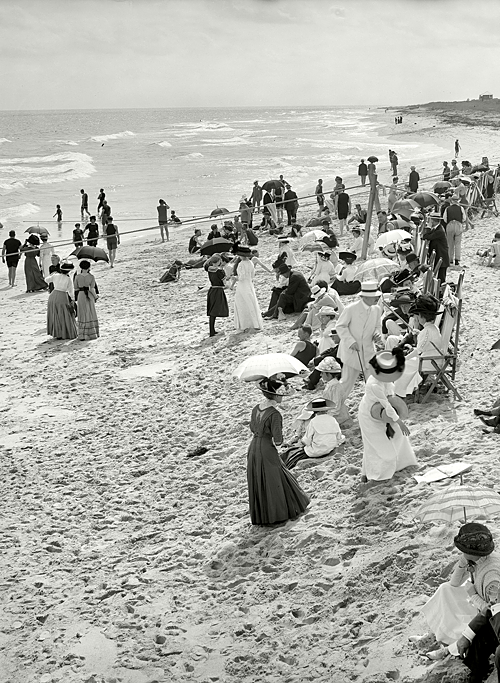






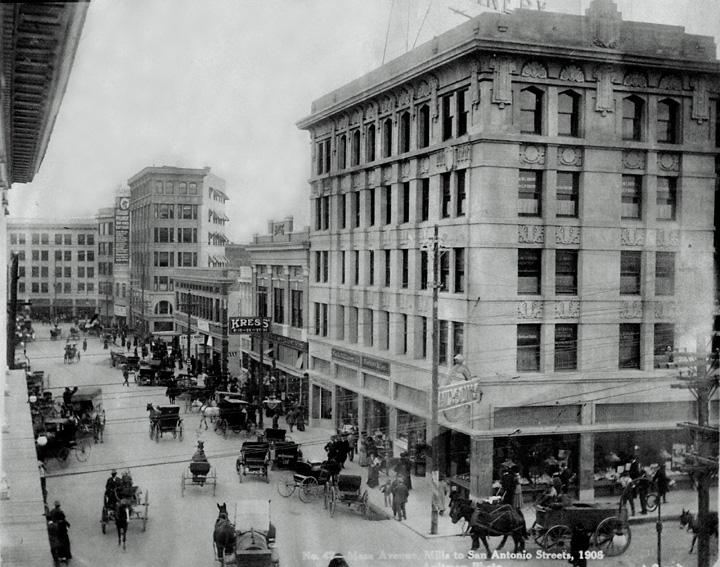


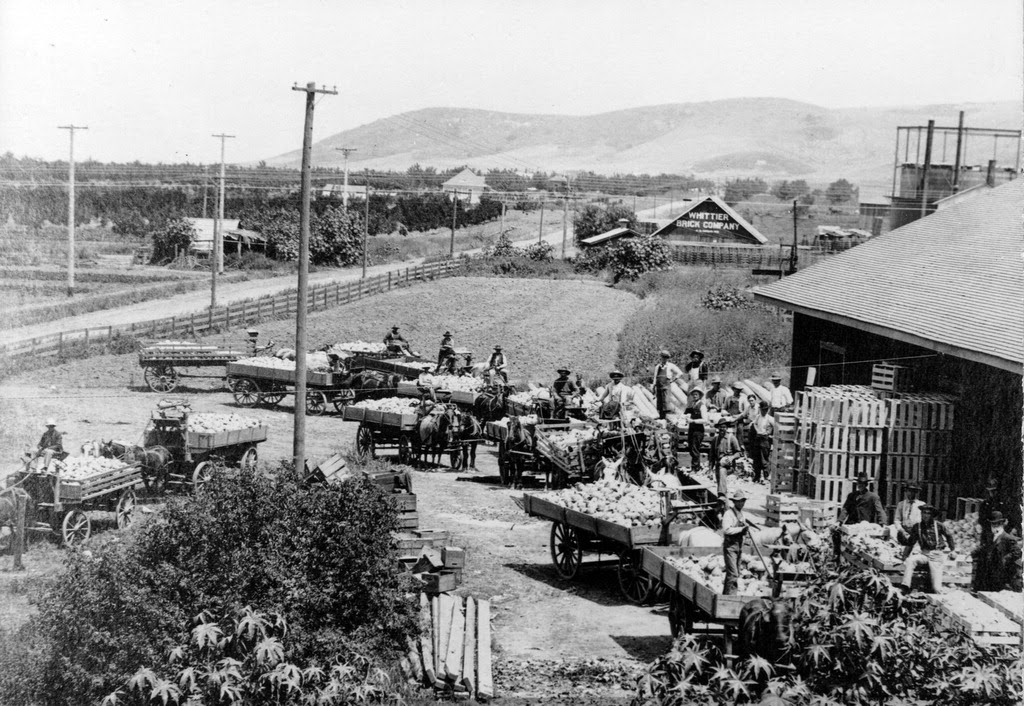


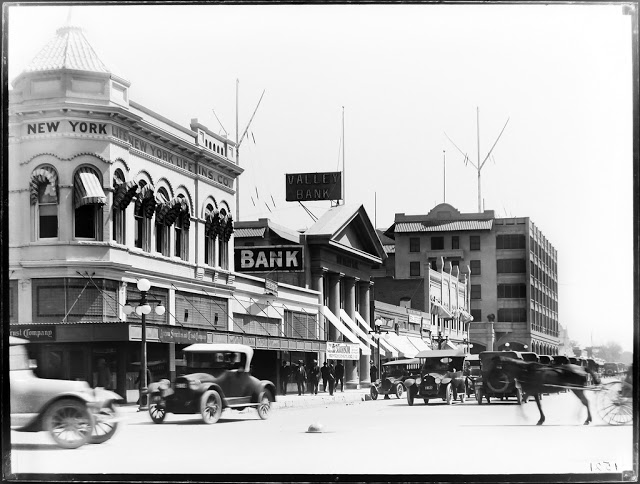

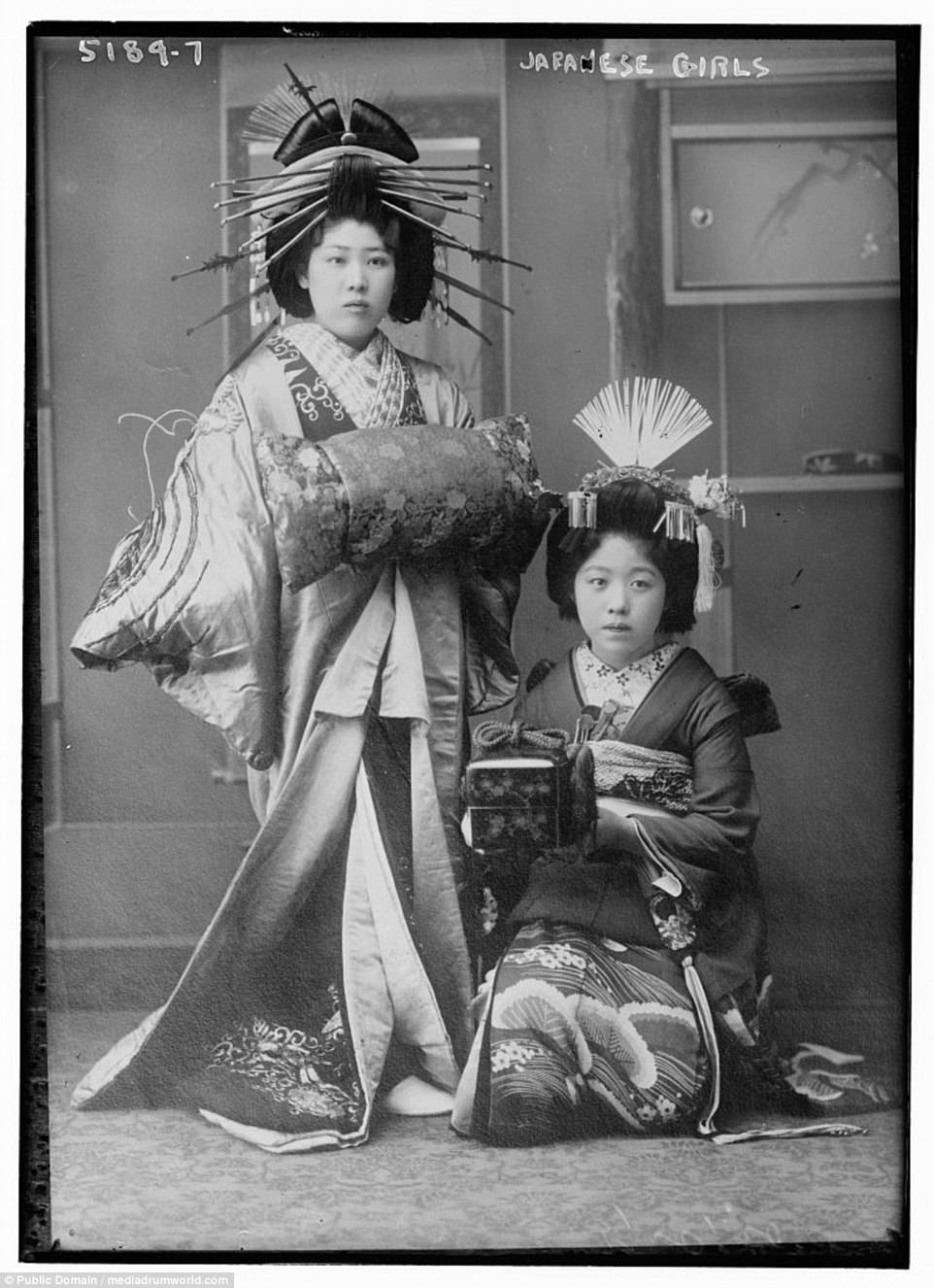
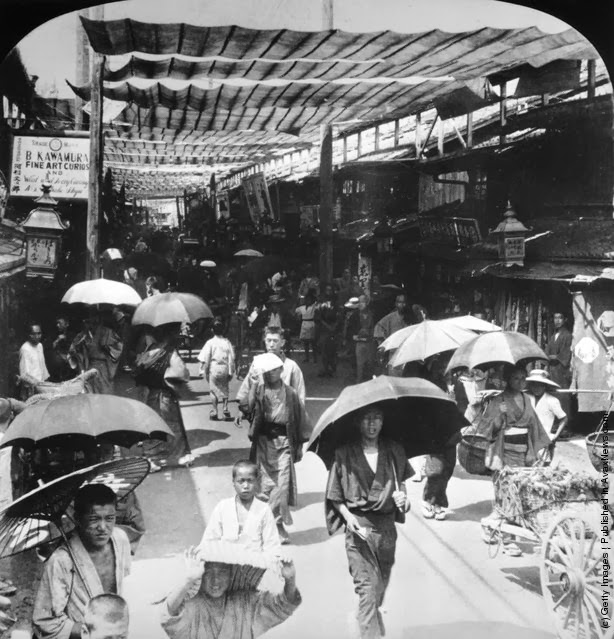
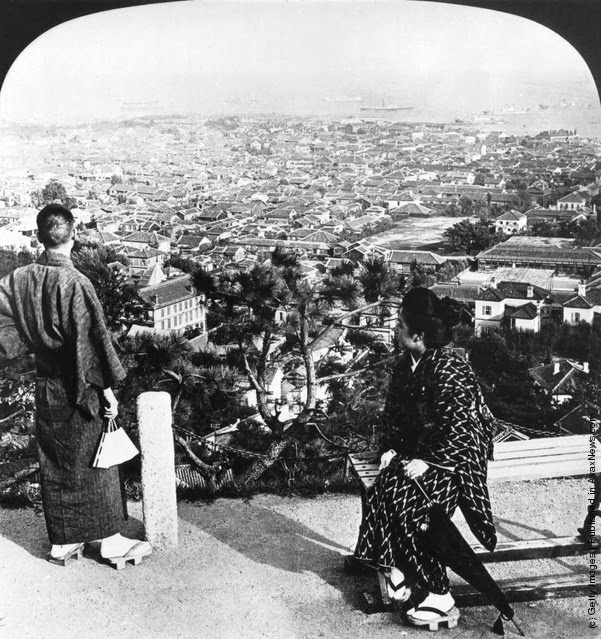
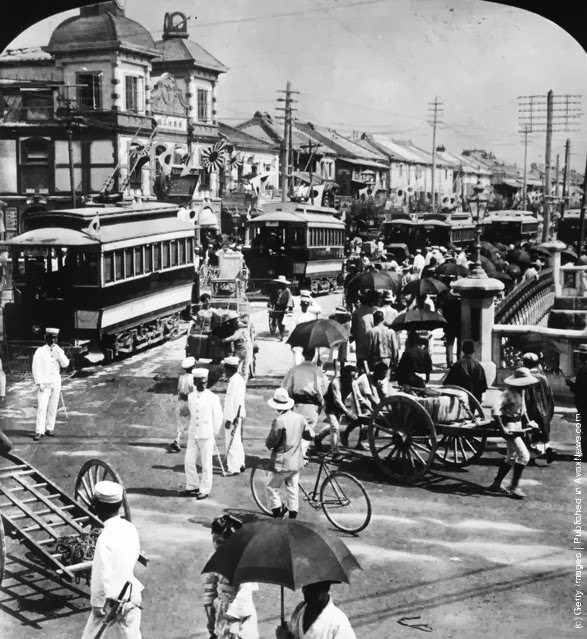
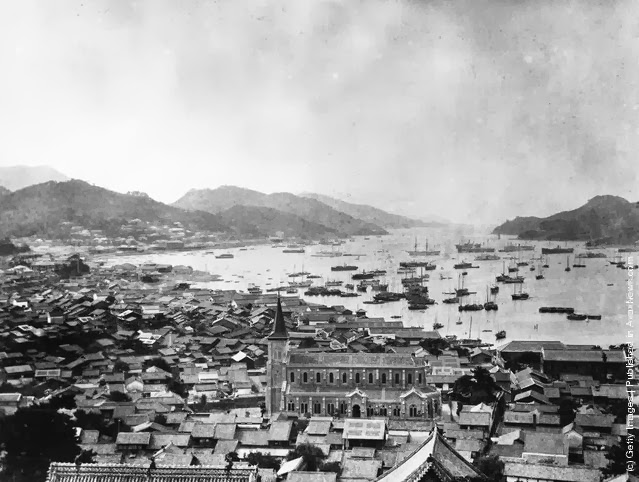
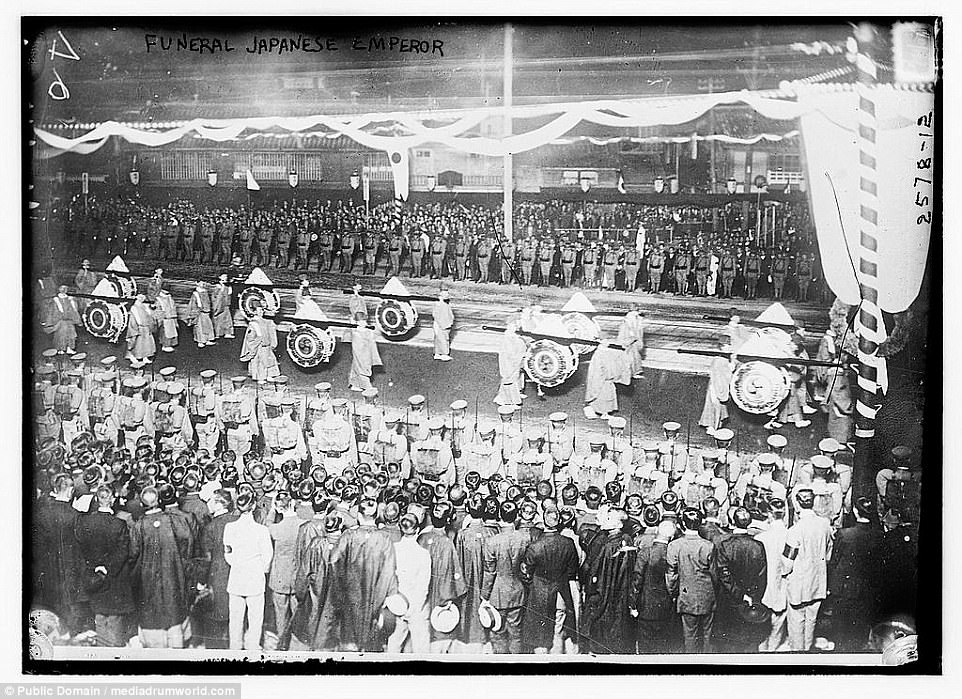
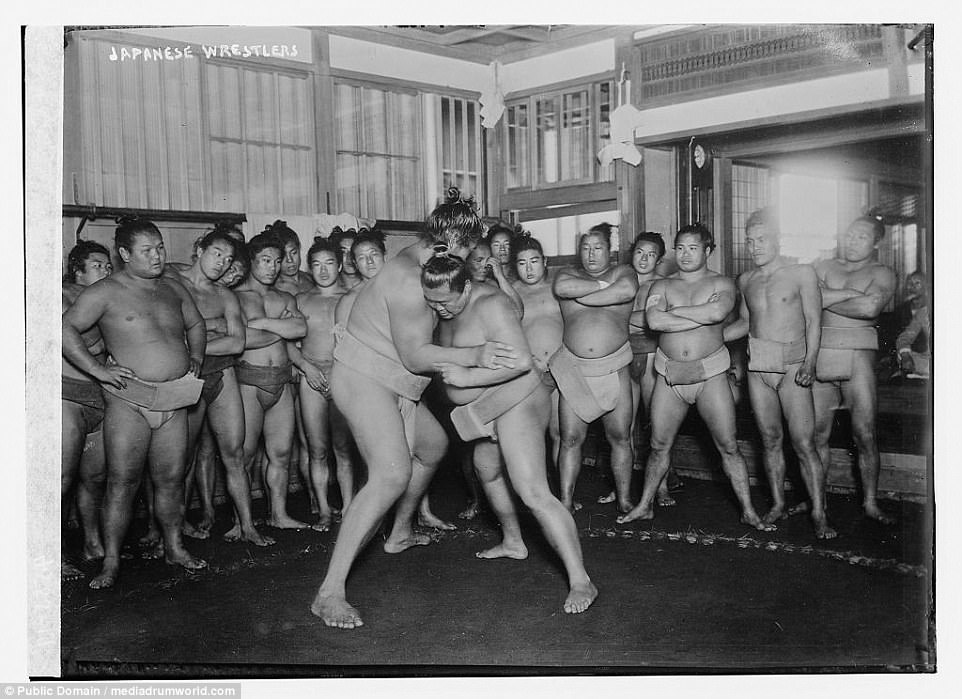
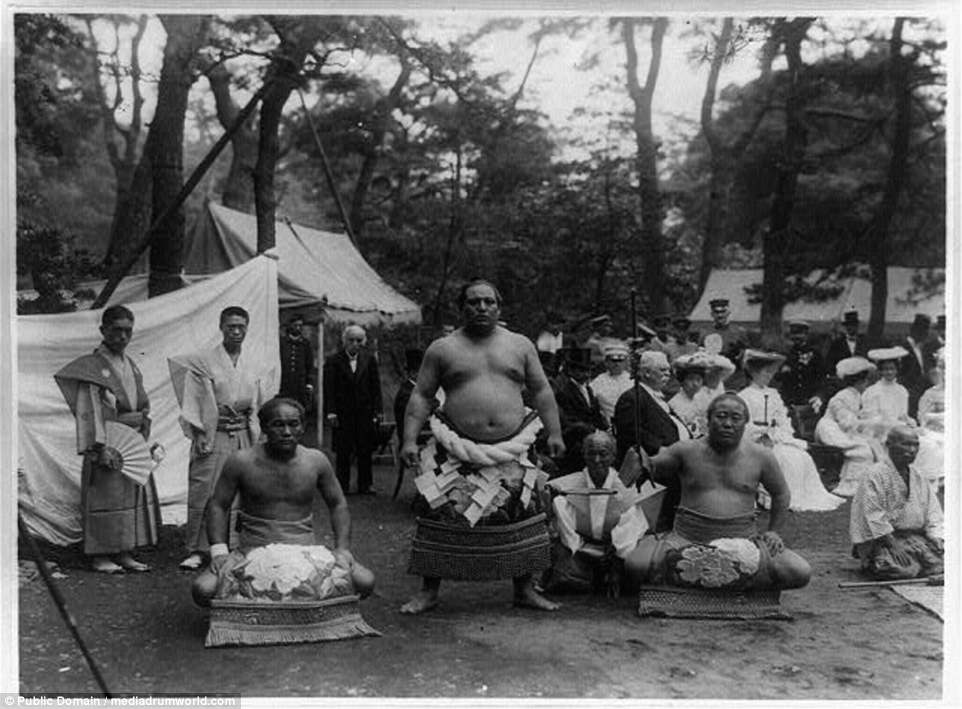
Japan is an island country in East Asia. It is situated in the northwest Pacific Ocean, and is bordered on the west by the Sea of Japan, while extending from the Sea of Okhotsk in the north toward the East China Sea and Taiwan in the south. Japan is a part of the Ring of Fire, and spans an archipelago of 6852 islands covering 377,975 square kilometers (145,937 sq mi); the five main islands are Hokkaido, Honshu (the “mainland”), Shikoku, Kyushu, and Okinawa. Tokyo is the nation’s capital and largest city; other major cities include Yokohama, Osaka, Nagoya, Sapporo, Fukuoka, Kobe, and Kyoto.
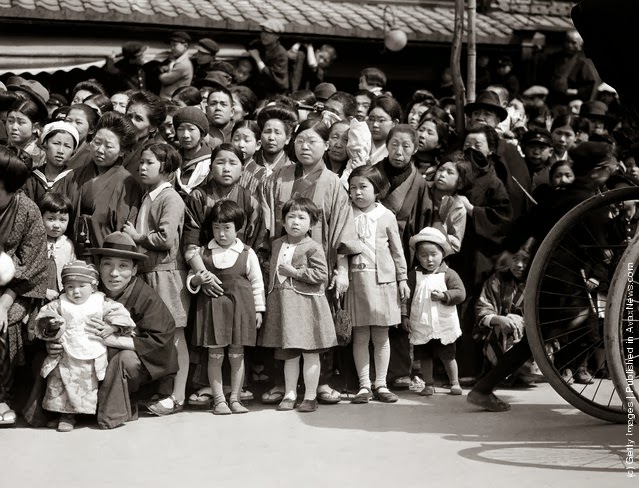
Japan is the eleventh-most populous country in the world, as well as one of the most densely populated and urbanized. About three-fourths of the country’s terrain is mountainous, concentrating its population of 125.36 million on narrow coastal plains. Japan is divided into 47 administrative prefectures and eight traditional regions. The Greater Tokyo Area is the most populous metropolitan area in the world, with more than 37.4 million residents.
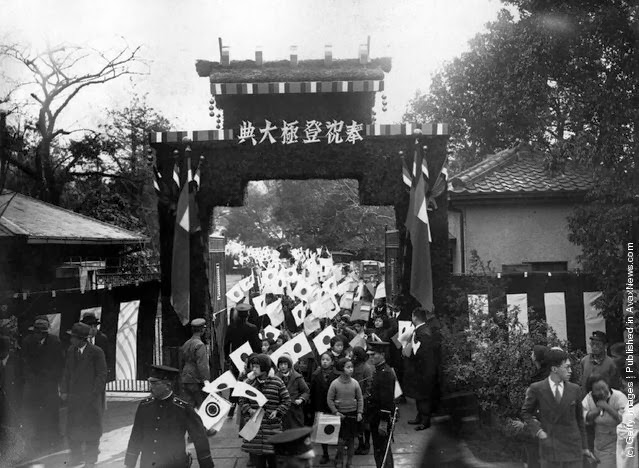
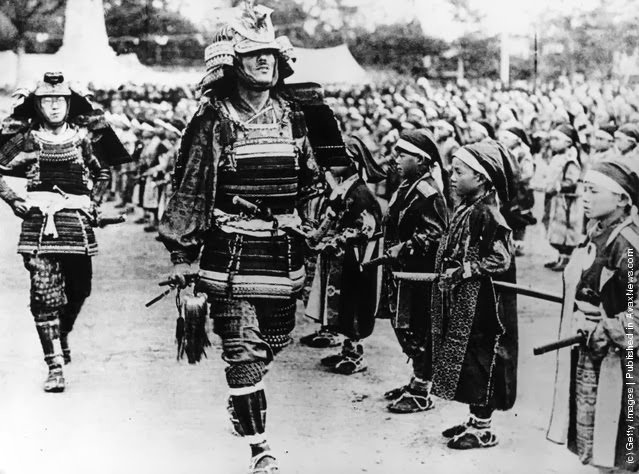
Japan has been inhabited since the Upper Paleolithic period (30,000 BC), though the first written mention of the archipelago appears in a Chinese chronicle (the Book of Han) finished in the 2nd century AD. Between the 4th and 9th centuries, the kingdoms of Japan became unified under an emperor and the imperial court based in Heian-kyo. Beginning in the 12th century, political power was held by a series of military dictators (shogun) and feudal lords (daimyo), and enforced by a class of warrior nobility (samurai). After a century-long period of civil war, the country was reunified in 1603 under the Tokugawa shogunate, which enacted an isolationist foreign policy. In 1854, a United States fleet forced Japan to open trade to the West, which led to the end of the shogunate and the restoration of imperial power in 1868. In the Meiji period, the Empire of Japan adopted a Western-modeled constitution and pursued a program of industrialization and modernization. In 1937, Japan invaded China; in 1941, it entered World War II as an Axis power. After suffering defeat in the Pacific War and two atomic bombings, Japan surrendered in 1945 and came under a seven-year Allied occupation, during which it adopted a new constitution. Under the 1947 constitution, Japan has maintained a unitary parliamentary constitutional monarchy with a bicameral legislature, the National Diet.
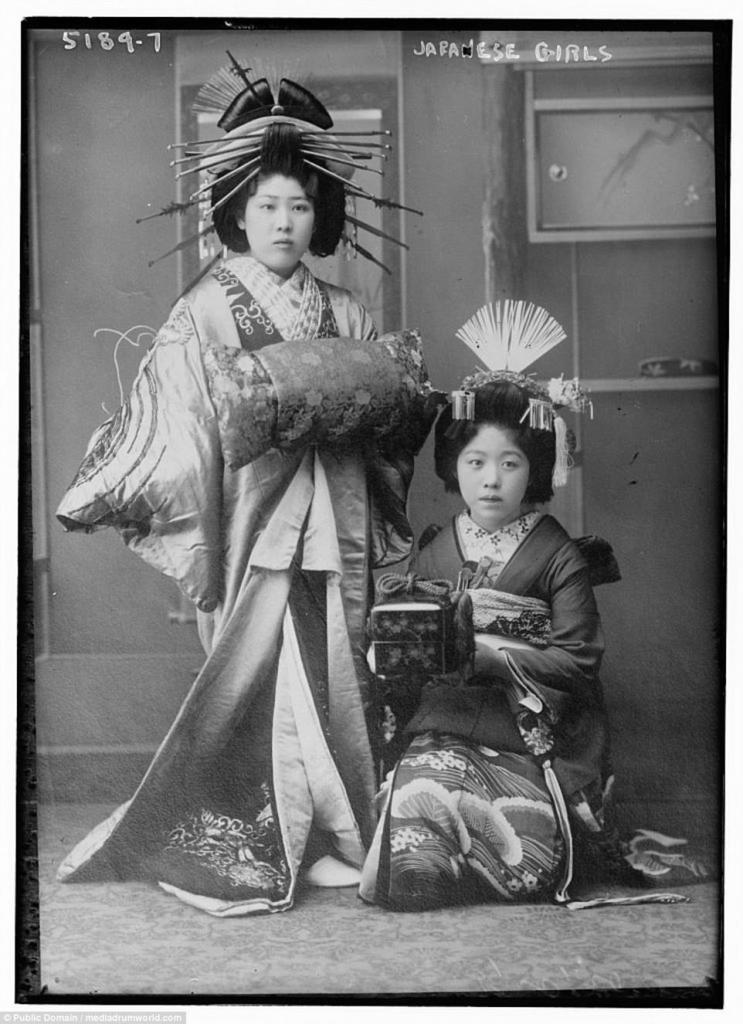
Japan is a great power and a member of numerous international organizations, including the United Nations (since 1956), the OECD, and the Group of Seven. Although it has renounced its right to declare war, the country maintains Self-Defense Forces that rank as one of the world’s strongest militaries. After World War II, Japan experienced record growth in an economic miracle, becoming the second-largest economy in the world by 1990. As of 2021, the country’s economy is the third-largest by nominal GDP and the fourth-largest by PPP. Ranked “very high” on the Human Development Index, Japan has one of the world’s highest life expectancies, though it is experiencing a decline in population. A global leader in the automotive and electronics industries, Japan has made significant contributions to science and technology. The culture of Japan is well known around the world, including its art, cuisine, music, and popular culture, which encompasses prominent comic, animation and video game industries. (Wikipedia)
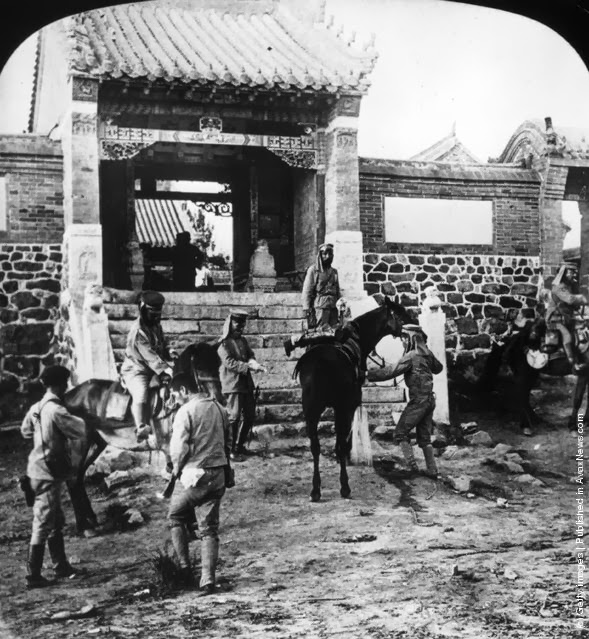
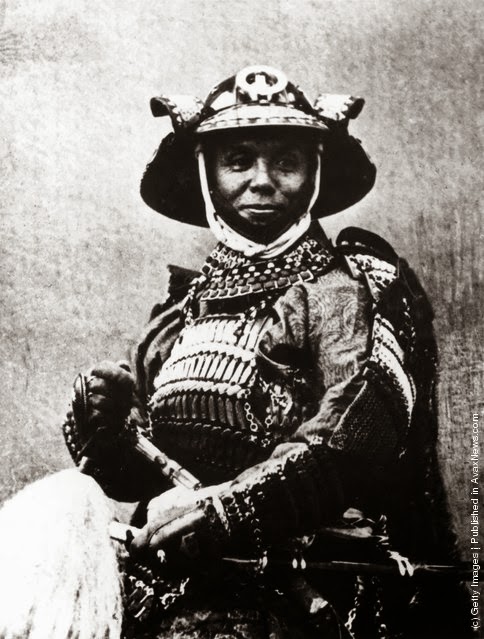


































































Gloria Laura Vanderbilt (February 20, 1924 – June 17, 2019) was an American artist, author, actress, fashion designer, heiress, and socialite. She was a member of the Vanderbilt family of New York and the mother of CNN television anchor Anderson Cooper.
During the 1930s, she was the subject of a high-profile child custody trial in which her mother, Gloria Morgan Vanderbilt, and her paternal aunt, Gertrude Vanderbilt Whitney, each sought custody of her and control over her trust fund. Called the “trial of the century” by the press, the court proceedings were the subject of wide and sensational press coverage due to the wealth and prominence of the involved parties, and the scandalous evidence presented to support Whitney’s claim that Gloria Morgan Vanderbilt was an unfit parent.[1]
As an adult in the 1970s, Vanderbilt launched a line of fashions, perfumes, and household goods bearing her name. She was particularly noted as an early developer of designer blue jeans.
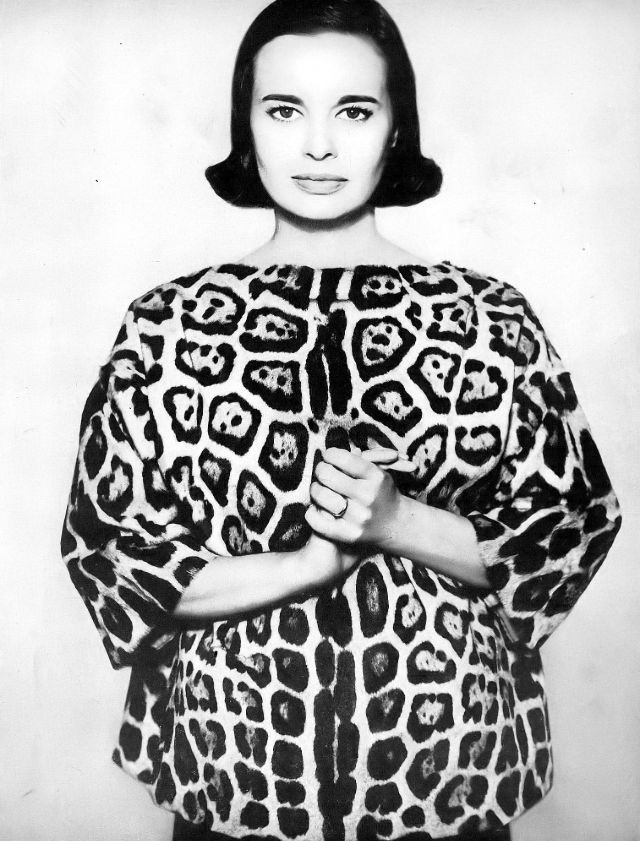
These beautiful photos that captured portraits of young Gloria Vanderbilt in the 1940s and 1950s. (Wikipedia)




































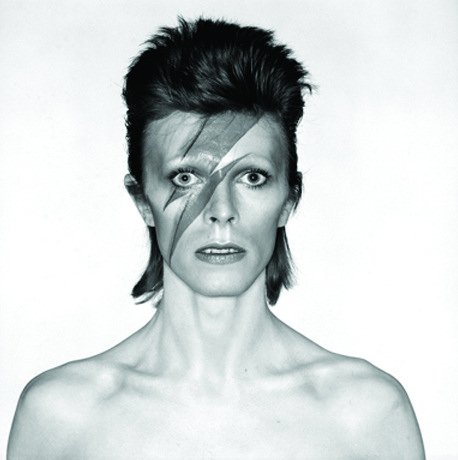
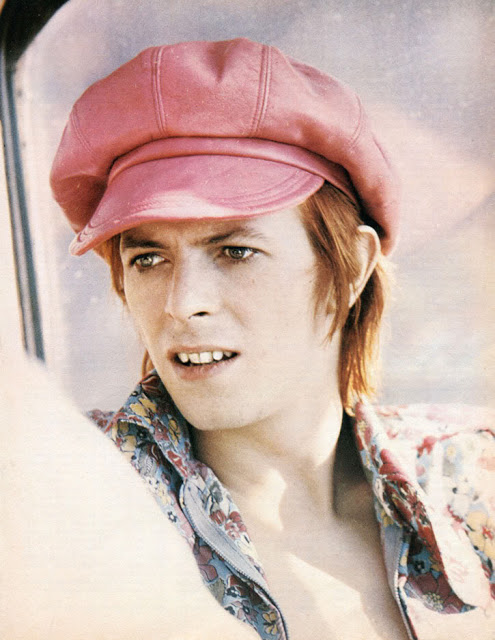
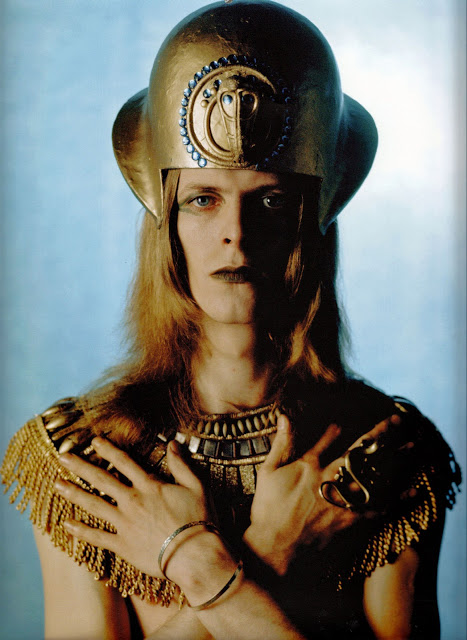
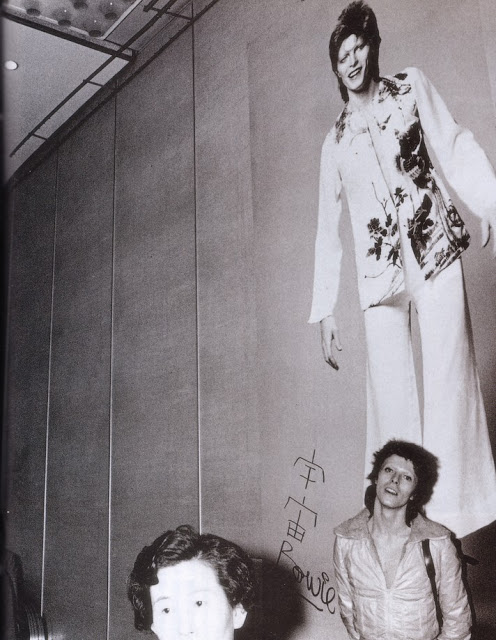
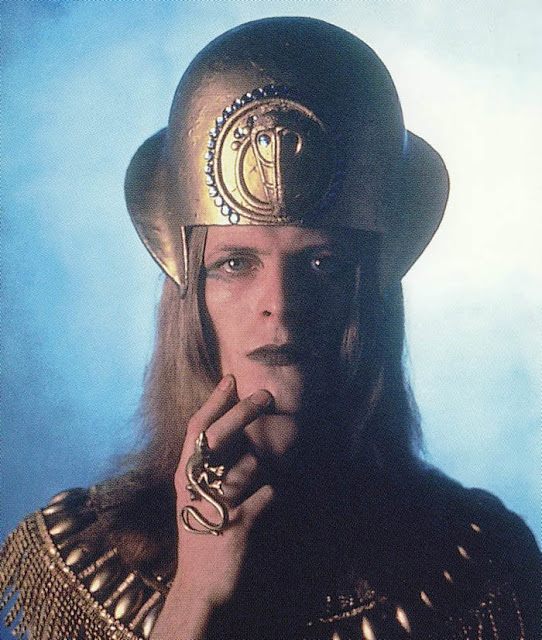
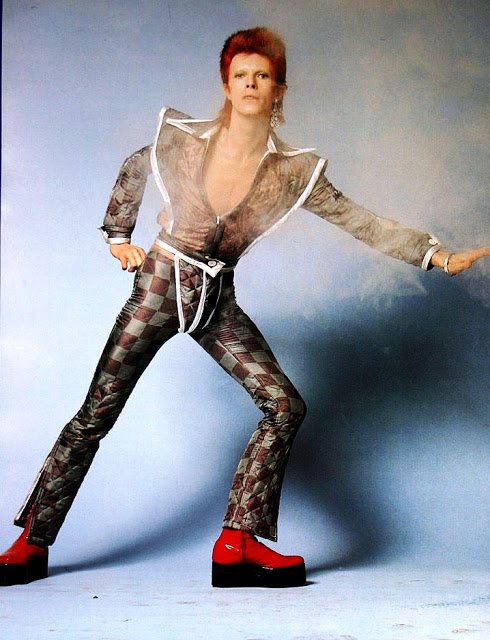
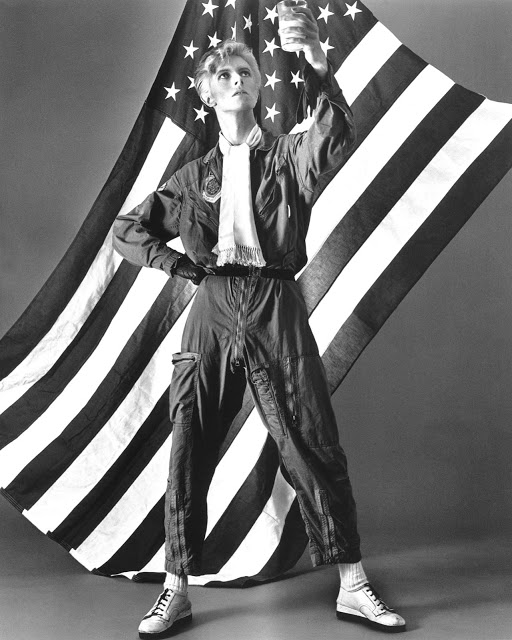
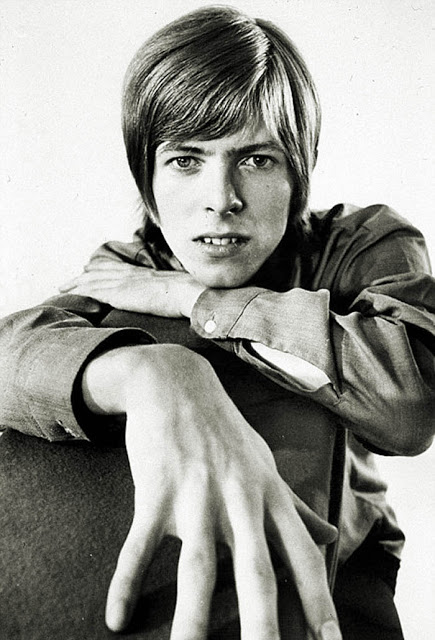
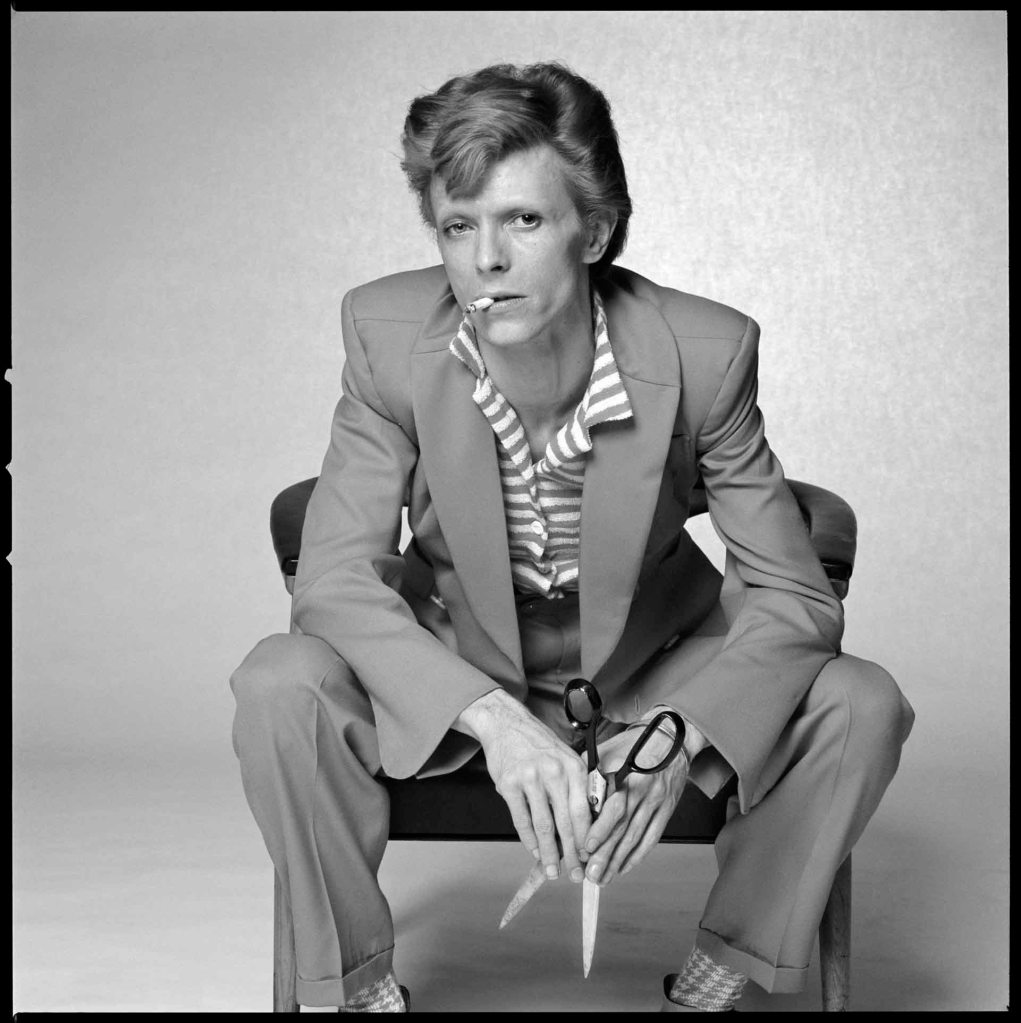
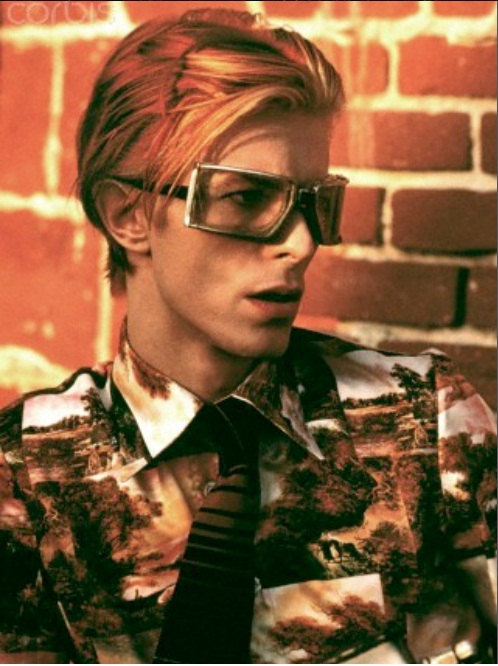
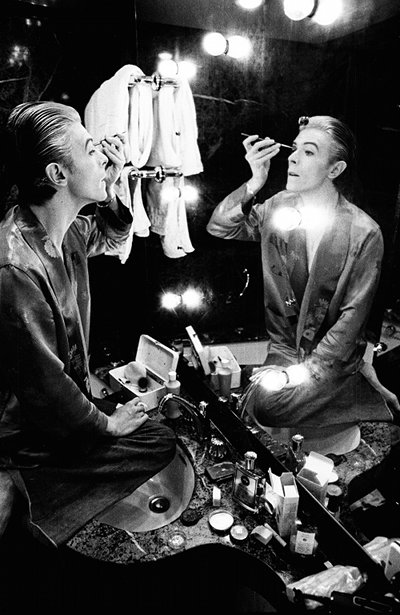
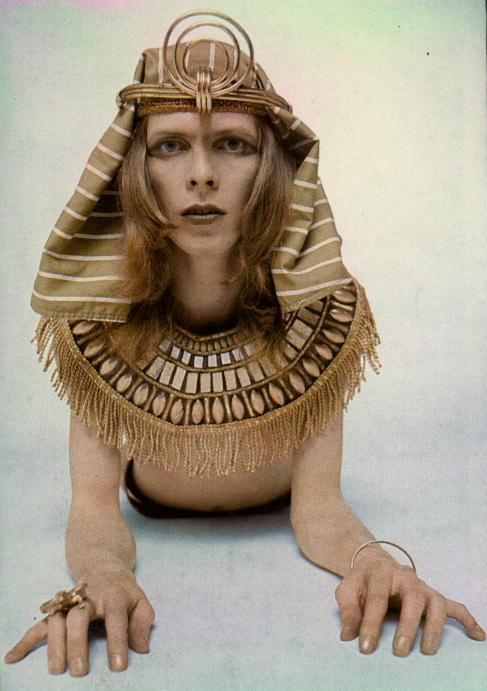
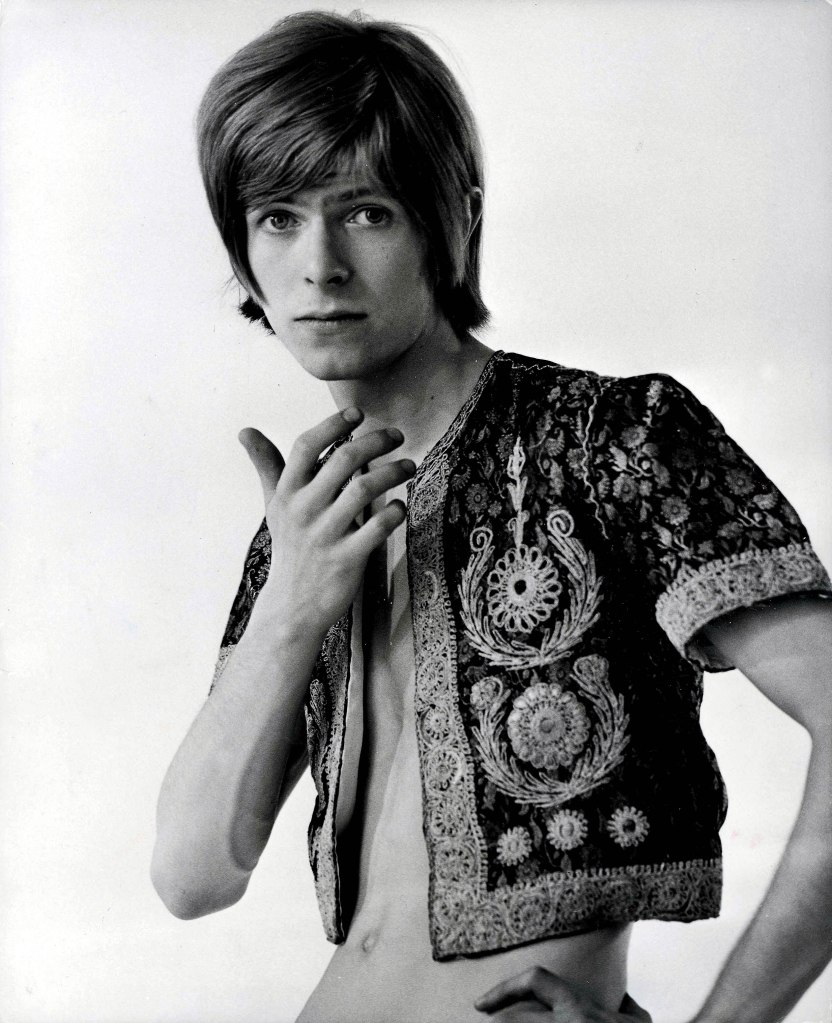
David Robert Jones OAL (8 January 1947 – 10 January 2016), known professionally as David Bowie, was an English singer-songwriter and actor. A leading figure in the music industry, Bowie is regarded as one of the most influential musicians of the 20th century. He was acclaimed by critics and musicians, particularly for his innovative work during the 1970s. His career was marked by reinvention and visual presentation, and his music and stagecraft had a significant impact on popular music.
Bowie developed an interest in music as a child. He studied art, music and design before embarking on a professional career as a musician in 1963. “Space Oddity”, released in 1969, was his first top-five entry on the UK Singles Chart. After a period of experimentation, he re-emerged in 1972 during the glam rock era with his flamboyant and androgynous alter ego Ziggy Stardust. The character was spearheaded by the success of Bowie’s single “Starman” and album The Rise and Fall of Ziggy Stardust and the Spiders from Mars, which won him widespread popularity. In 1975, Bowie’s style shifted towards a sound he characterised as “plastic soul”, initially alienating many of his UK fans but garnering him his first major US crossover success with the number-one single “Fame” and the album Young Americans. In 1976, Bowie starred in the cult film The Man Who Fell to Earth and released Station to Station. In 1977, he further confounded expectations with the electronic-inflected album Low, the first of three collaborations with Brian Eno that came to be known as the “Berlin Trilogy”. “Heroes” (1977) and Lodger (1979) followed; each album reached the UK top five and received lasting critical praise.
After uneven commercial success in the late 1970s, Bowie had three number-one hits: the 1980 single “Ashes to Ashes”, its album Scary Monsters (and Super Creeps), and “Under Pressure” (a 1981 collaboration with Queen). He reached his peak commercial success in 1983 with Let’s Dance: its title track topped both the UK and US charts. Throughout the 1990s and 2000s, Bowie continued to experiment with musical styles, including industrial and jungle. He also continued acting: his roles included Major Jack Celliers in Merry Christmas, Mr. Lawrence (1983), Jareth the Goblin King in Labyrinth (1986), Pontius Pilate in The Last Temptation of Christ (1988), and Nikola Tesla in The Prestige (2006), among other film and television appearances and cameos. He stopped touring after 2004 and his last live performance was at a charity event in 2006. In 2013, Bowie returned from a decade-long recording hiatus with The Next Day. He remained musically active until his death from liver cancer at his home in New York City. He died two days after both his 69th birthday and the release of his final album, Blackstar (2016).
During his lifetime, his record sales, estimated at over 100 million records worldwide, made him one of the best-selling music artists of all time. In the UK, he was awarded ten platinum, eleven gold and eight silver album certifications, and released 11 number-one albums. In the US, he received five platinum and nine gold certifications. He was inducted into the Rock and Roll Hall of Fame in 1996. Rolling Stone named him among the greatest artists in history and – after his death – the “greatest rock star ever”. (Wikipedia)